

Running News Daily
Running News Daily is edited by Bob Anderson and team. Send your news items to bob@mybestruns.com Advertising opportunities available.
Index to Daily Posts · Sign Up For Updates · Run The World Feed
Articles tagged #Tokyo
Today's Running News
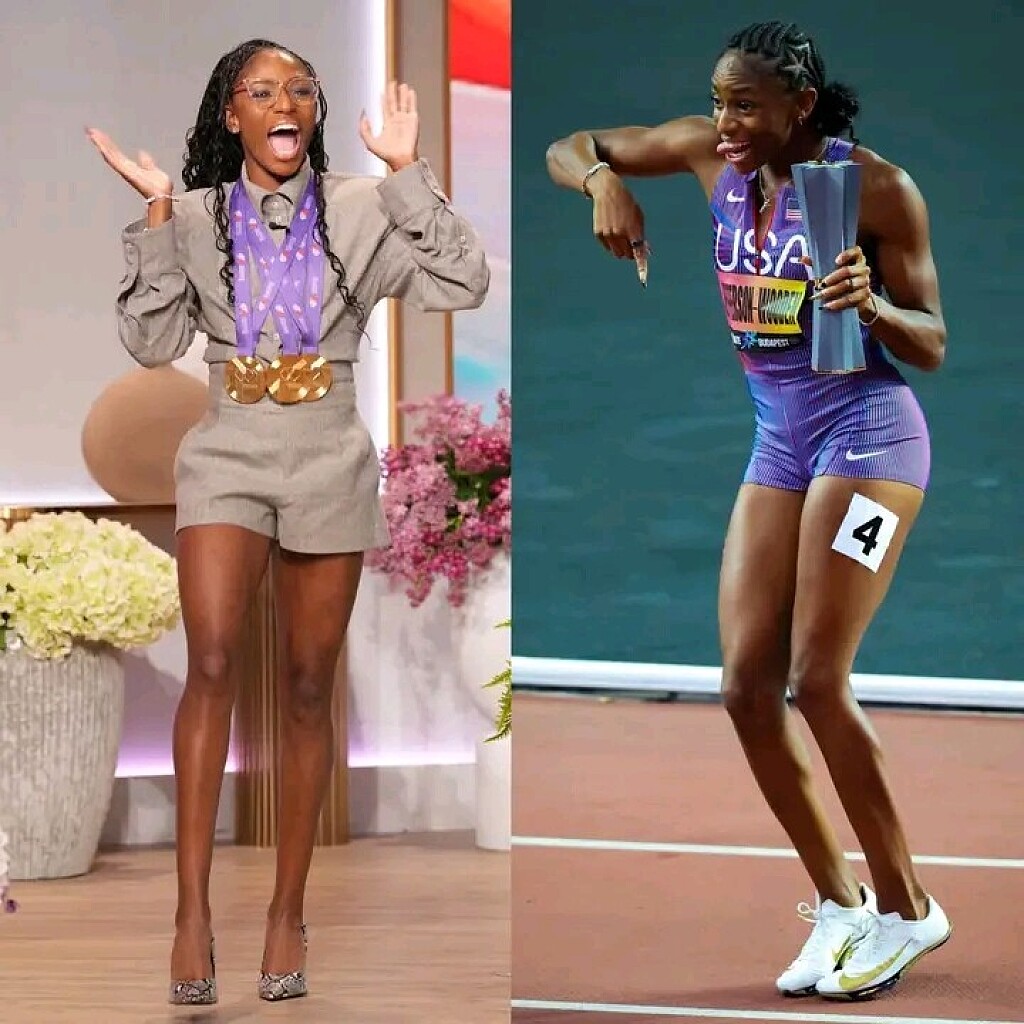


Melissa Jefferson-Wooden’s Rise to Sprinting Greatness: Five World Titles and a Place Among the Fastest Women Ever
American sprint sensation Melissa Jefferson-Wooden has established herself as one of the most exciting names in women’s athletics, combining explosive speed with the ability to deliver on the sport’s biggest stages. Her remarkable championship performances have strengthened her reputation as a formidable force in the 100m and 200m, while placing her among the leading figures of a new generation of American sprinters.
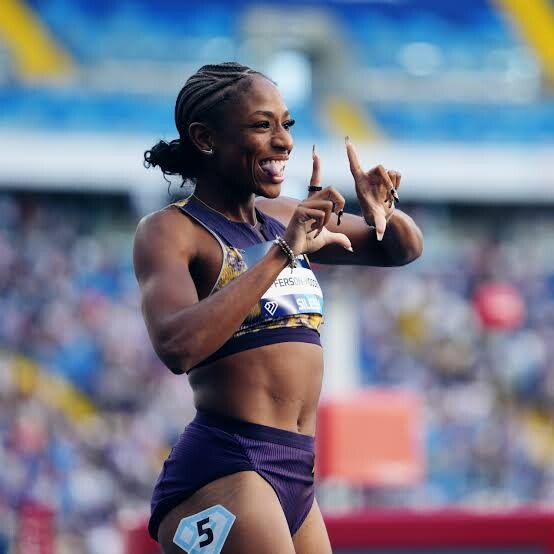
Her achievements reflect a combination of consistency, technical excellence and the ability to produce exceptional performances when the pressure is at its highest. From sprinting supremacy over 100 metres to challenging the limits of the 200m, Jefferson-Wooden’s rise has captured the attention of athletics fans around the world.
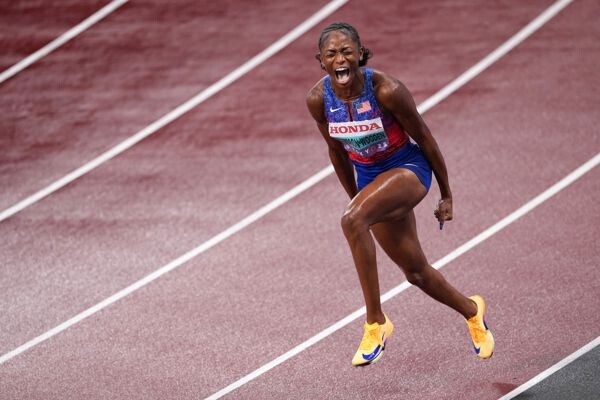
At the 2025 World Athletics Championships in Tokyo, she delivered an extraordinary series of performances, winning three gold medals in the women’s 100m, 200m and 4x100m relay. The treble represented a major milestone in her career and demonstrated her ability to excel across individual sprint events and team competition.
Jefferson-Wooden won the 100m in 10.61 seconds, setting a championship record and improving her personal best. The performance underlined her acceleration and top-end speed, securing her place among the fastest women in the history of the event.
She continued her winning run in the 200m, taking gold in 21.68 seconds. Her performance demonstrated that her abilities extended well beyond the shorter sprint, as she combined speed with the strength and composure required to maintain her pace around the bend and through the home straight.
The American then helped complete the golden sweep in the 4x100m relay, anchoring the United States team to victory in 41.75 seconds. Three gold medals at one championships represented a defining achievement, placing her in the company of the sport’s most versatile female sprinters.
Rather than allowing that success to become the high point of her career, Jefferson-Wooden continued to pursue excellence, with her performances in the 100m and 200m further highlighting her potential to leave a lasting mark on the sport.
by Erick Cheruiyot for My Best Runs.
Login to leave a comment
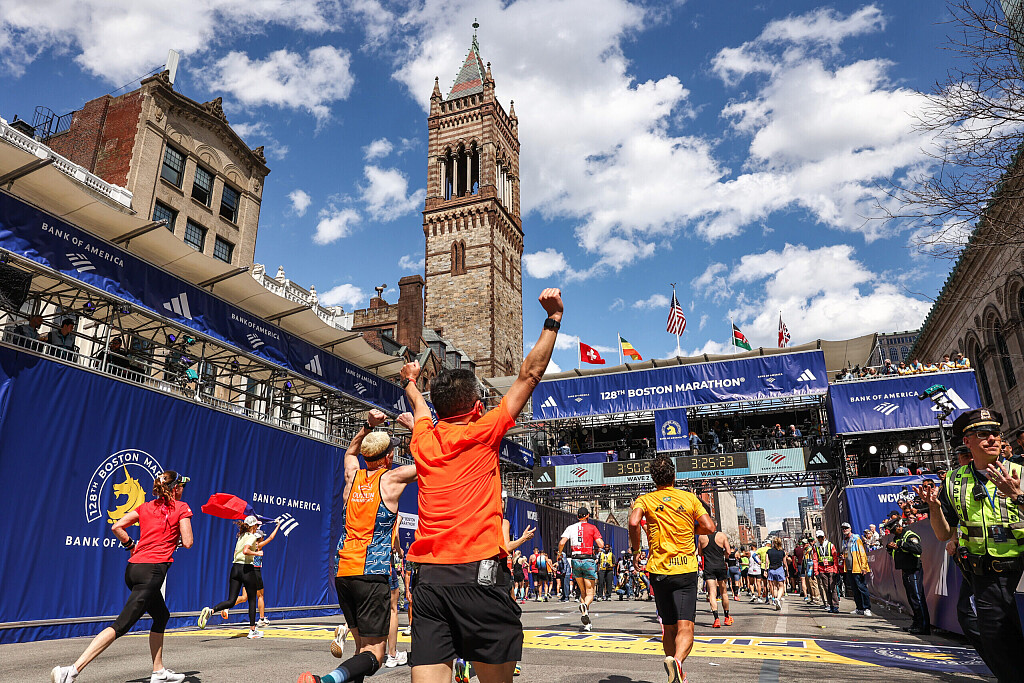
Getting Into a World Marathon Major May Be Harder Than Running One
For many marathoners, crossing the finish line of a World Marathon Major is the ultimate dream. But before you can worry about surviving 42.195 kilometres, there is another challenge: actually getting onto the starting line.
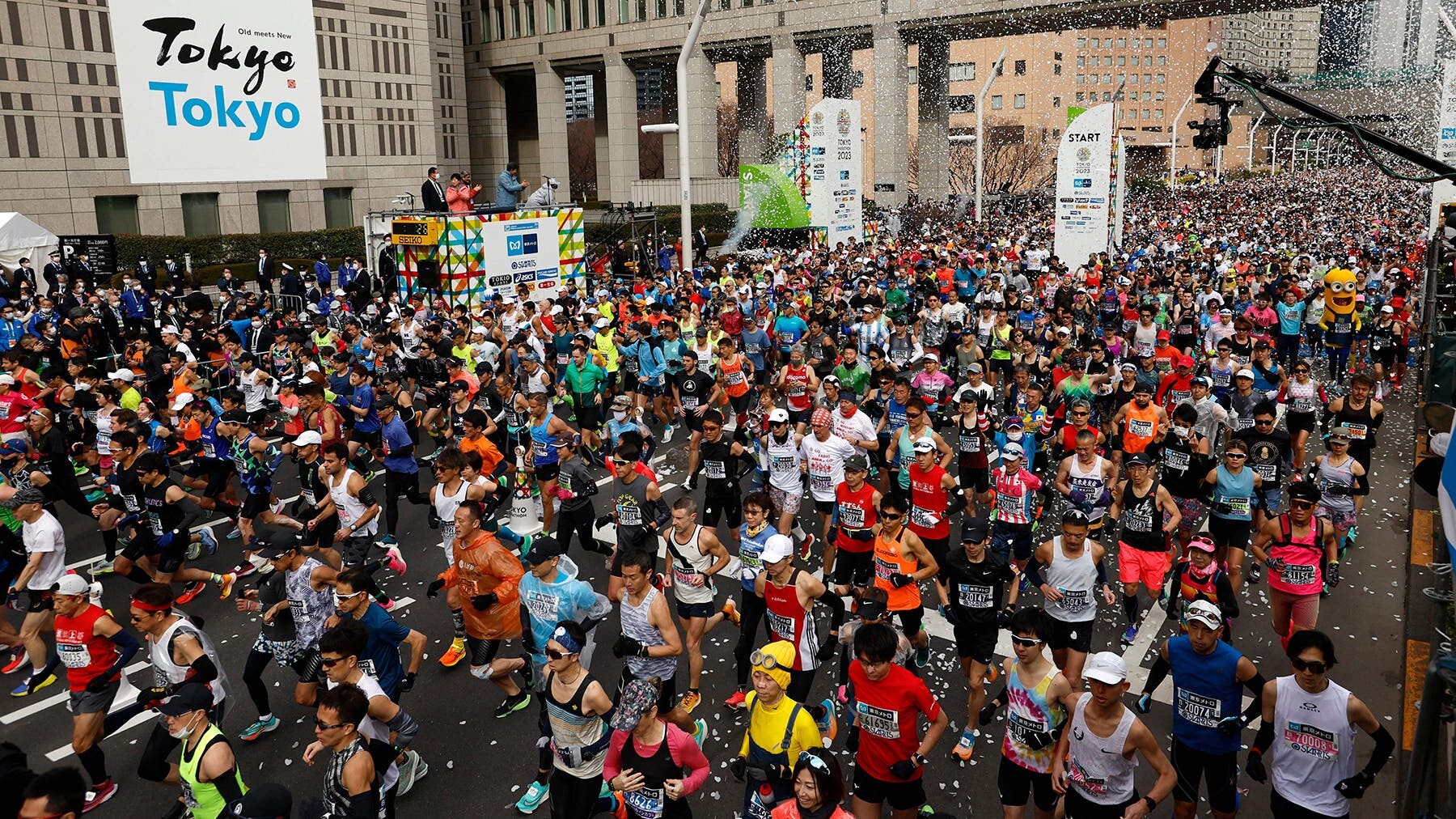
The six Abbott World Marathon Majors — Boston, London, Berlin, Chicago, New York and Tokyo — do not use the same entry system, and some are considerably more difficult to access than others.
Boston is arguably the clearest example of how running fast does not always guarantee a place. Unlike the other majors, the Boston Marathon is built around qualifying standards. However, meeting the published standard only gives a runner the opportunity to apply. Because demand is so high, the fastest qualifiers are accepted first. This means a runner can achieve the official qualifying time and still miss out when the cut-off moves faster than expected.
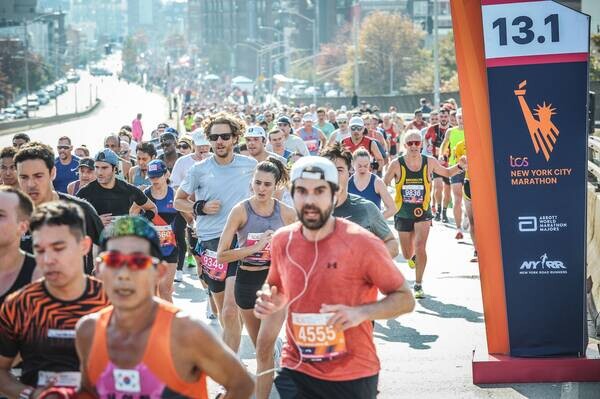
London presents a completely different challenge. Its famous ballot is a random draw, making luck a major part of the process. However, runners have other avenues, including Good for Age, charity places and international tour operators. Even the Good for Age route can be highly competitive, with places allocated according to performance when demand exceeds the number of available spots.
New York City is another race where demand is enormous. The TCS New York City Marathon offers a general drawing alongside several guaranteed-entry routes, including qualifying times, charity places, international tour operators and other eligibility programmes. For serious runners, achieving the appropriate qualifying standard can be one of the most dependable ways to secure a place.
Chicago gives runners several ways to avoid relying entirely on the lottery. The Bank of America Chicago Marathon has a non-guaranteed drawing, but runners can also gain guaranteed entry through qualifying times, charity, tour operators and other eligible routes. For fast runners, meeting the published standard can provide a much more certain path to the start line.
Berlin is also heavily sought after. The BMW Berlin Marathon uses a lottery for the majority of runners, while qualifying performances can provide another route into the race. With its fast course and reputation for producing world-class times, demand remains enormous every year.
Tokyo adds another layer of difficulty, particularly for international runners. The race has a lottery as well as several other entry routes, including charity and performance-based options. International runners can also use official tour operators, although these packages generally cost more because they are tied to travel arrangements.
For runners chasing the Six Star Medal, the biggest lesson is simple: do not depend on the lottery alone.
Look closely at every possible route. Good-for-age standards, qualifying performances, charity programmes and official tour operators can all provide alternatives when the ballot does not go your way.
And then there is the reality every marathoner eventually discovers: sometimes getting rejected from a major marathon hurts almost as much as the race itself.
When that rejection email arrives, remember that parkrun is still free, happens every Saturday and does not require a lottery.
So, which World Marathon Major have you already completed — and which one is still at the top of your bucket list?
by Erick Cheruiyot for My Best Runs.
Login to leave a comment

7 Packing Tips for Your First Time Traveling For a Race
Traveling for a race is the perfect excuse to turn a running weekend into an adventure. Perhaps you’re heading to the Tokyo Marathon and already thinking about the sushi and ramen you’ll enjoy afterward. Or maybe your next finish line is beside the beach.
Between training, booking a hotel and planning what to explore, packing can become an afterthought. Then race morning arrives, and your favorite socks are still at home, your race information is buried in your suitcase and your water bottle is nowhere to be found.
A little organization before departure can make the entire trip smoother. These seven packing tips will help you arrive ready to run and enjoy the weekend.
1. Pack Your Race-Day Outfit in Your Carry-On
Keep your race-day clothing and essentials in your carry-on. Pack your running top, shorts or tights, socks, sports bra if needed, and the small items you depend on during a race. If your checked luggage is delayed, your key gear will still be with you.

Fold your race outfit together or place it in a packing pouch so everything is easy to find. A smaller zip pouch can hold accessories. Knowing exactly where your race kit is means one less thing to worry about when you arrive.
2. Wear Your Running Shoes on the Plane
Your running shoes deserve the same attention as your race outfit. Wearing them on the plane keeps them out of checked luggage and leaves more room in your suitcase.
Choose a familiar pair you have already used in training. Race weekend is not the time to discover that new shoes rub or fit differently than expected. If you prefer to travel in another pair, keep your race shoes in your carry-on.

3. Bring a Spacious Bag for Your Gear
A race trip often requires more than running clothes. Add a jacket, recovery clothes, snacks and accessories, and your packing list grows quickly. A spacious duffel with sturdy handles and useful pockets can keep those extras organized and serve as a day bag at your destination.
Think about what you’ll do beyond race day. A hike may call for trail shoes and a light layer. If pickleball is part of your plans, you may want a paddle and extra clothes.
The same thinking applies when choosing your bag. If you’re planning a few games on the court during the trip, consider pickleball tour and duffel bags. A backpack may be more practical for hiking or exploring on foot. Choose a bag that suits your itinerary, and check your airline’s size and weight limits before packing.
4. Organize Your Bib and Race Documents
Keep your identification, registration confirmation and race instructions together. A slim document pouch works well for paper copies, while a dedicated folder on your phone can keep digital information easy to access.
Download important details before leaving home, including the race map, confirmation email and packet pickup instructions. Save copies you can open without an internet connection.
If you already have your bib, keep it flat and protected. Otherwise, check where and when you need to collect it and what identification the organizer requires. Handling these details in advance helps keep the pre-race scramble to a minimum.
5. Take Familiar Snacks with You
Race travel can disrupt your usual eating routine. Your preferred breakfast may be unavailable, and the hotel buffet may not offer what you normally eat before a run.
Bring the bars, gels and electrolyte products you have already used in training. Your runner’s diet shouldn’t become a vacation guessing game.
Count what you’ll need for travel and race day, then pack a little extra. Keep some familiar snacks in your carry-on and bring enough race fuel for your planned strategy. Check destination rules before carrying food across international borders.
6. Always Have a Water Bottle
Busy travel days can make it easy to forget your usual drinking habits. A reusable water bottle is a simple item that deserves a place on your packing list.
Carry it empty through airport security, then fill it where drinking water is available. Keep it handy during your journey and when heading out for packet pickup or other race activities.
Staying hydrated is also part of caring for your body while traveling. If an electrolyte mix is already part of your routine, pack your usual product. Having familiar supplies nearby makes it easier to maintain your normal habits while traveling.
7. Pack Layers for Changing Weather
A mild forecast doesn’t always reflect how it will feel while waiting at the starting line early in the morning. Pack a lightweight layer you have already worn while running.
A zip jacket or long-sleeve top can help you stay comfortable before the start. Decide in advance whether you’ll carry it during the race or leave it at an official bag check, following the organizer’s instructions.
For colder conditions, familiar gloves and other tested gear can help. Review this guide to running in cold weather, then check the forecast again before departure and once more before race morning so you can make any final adjustments.
Thoughtful packing helps you get more out of a destination race. Keep essential gear close, choose a bag that works for your plans and organize your documents before you leave. With those details handled, you can spend less time searching through your suitcase and more time enjoying the run—and everything that comes afterward.
Login to leave a comment
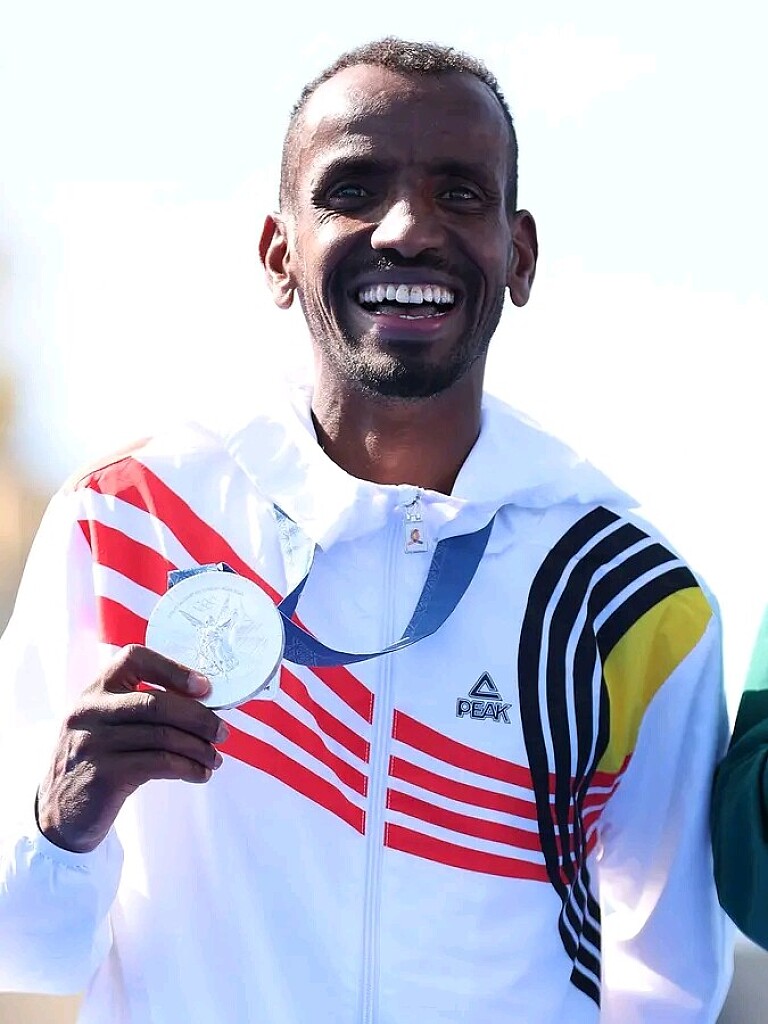
Bashir Abdi Withdraws From Chicago Marathon After Calf Injury
Belgian marathon star Bashir Abdi has been forced to withdraw from the 2026 Chicago Marathon after suffering a calf injury during his final training session in Flagstaff, Arizona.
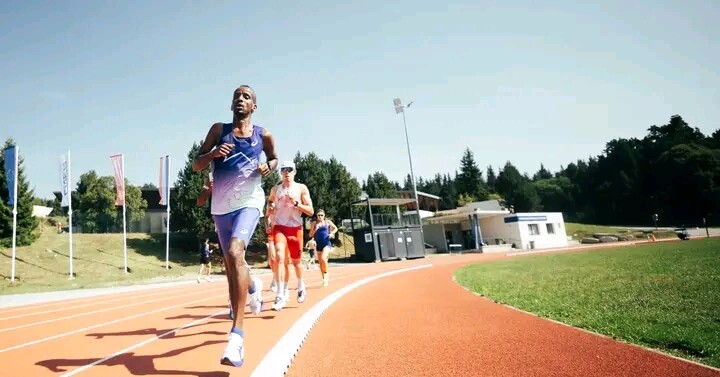
The two-time Olympic marathon medallist confirmed on Monday that a small tear in his calf has ruled him out of Sunday’s race, bringing an untimely end to months of preparation for one of the biggest marathons of the year.
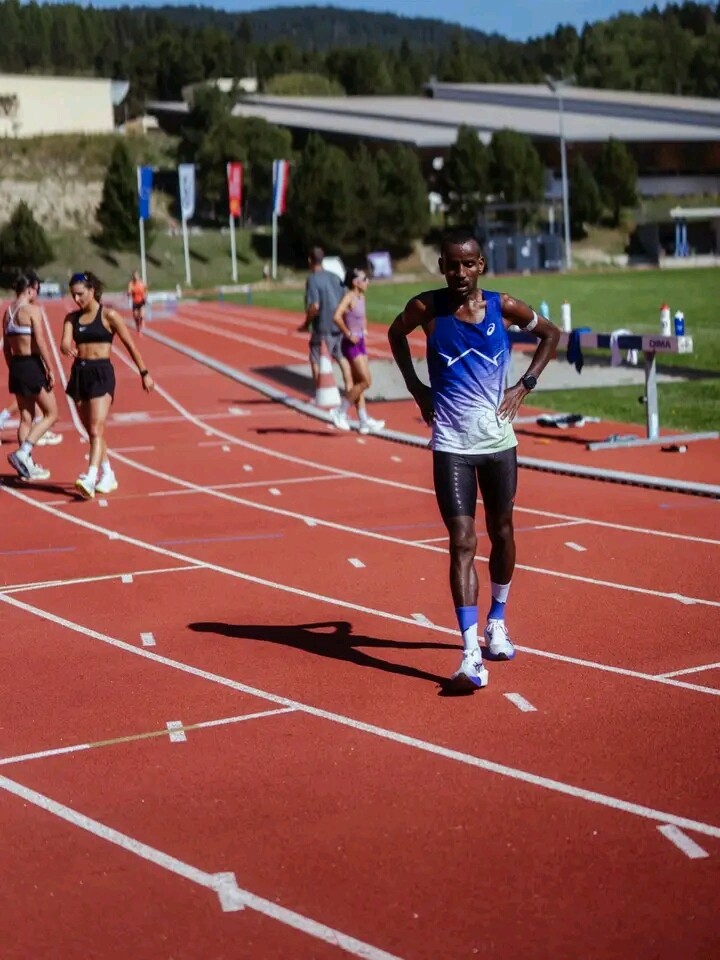
“Unfortunately, I will not be participating in the Chicago Marathon this weekend,” Abdi announced. “During my last training session in Flagstaff, I suffered a small tear in my calf.”
The 37-year-old stressed that the injury is not considered serious, but explained that it is significant enough to prevent him from safely taking his place on the start line. After consulting with his coach and medical team, the decision was made to avoid taking unnecessary risks.
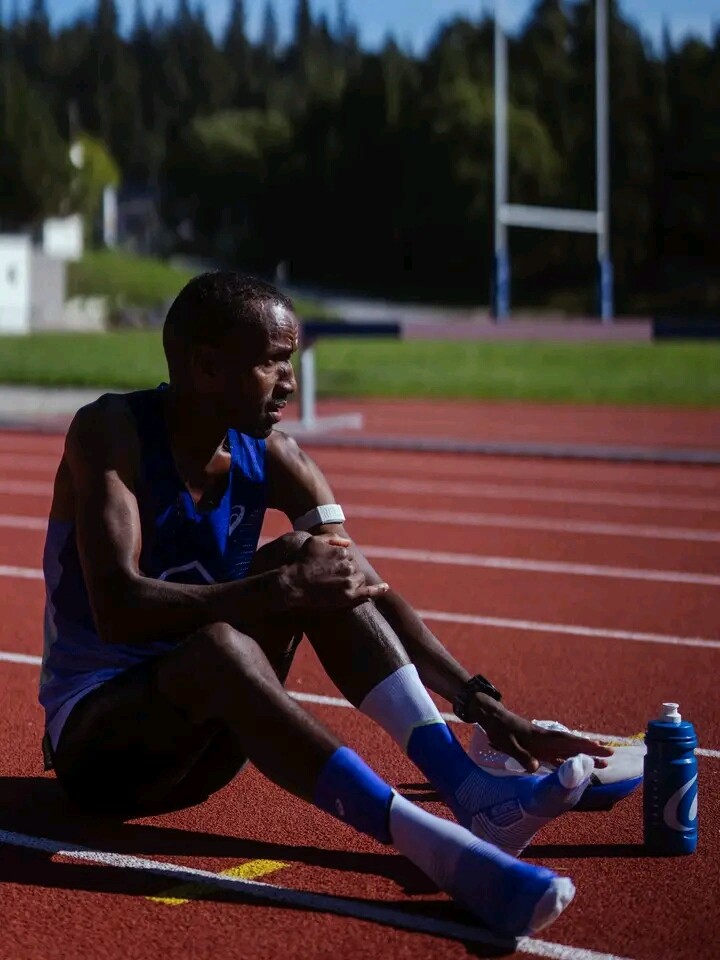
“It’s not a major injury, but enough to keep me from the start line. After consulting with my coach and medical team, we decided not to take any risks,” Abdi said.
The withdrawal is a major disappointment for Abdi, who had been listed among the elite contenders for the 48th edition of the Bank of America Chicago Marathon. The race is scheduled for October 11 and is expected to feature more than 55,000 finishers.
Abdi arrived at the Chicago buildup with an impressive marathon résumé. He won Olympic silver in Paris in 2024 after previously taking bronze at the Tokyo Olympics in 2021, establishing himself as one of the most accomplished marathoners of his generation.
He is also the European marathon record-holder, having clocked 2:03:36 in Rotterdam in 2021 to become the first European athlete to break the 2:04 barrier.
His 2026 season had shown that he remained capable of competing at the highest level. In April, Abdi finished third at the Rotterdam Marathon in 2:04:19, behind Ethiopia’s Guye Adola and Tesfaye Deriba.
For Abdi, the immediate priority is now recovery rather than forcing a return before he is ready. Missing Chicago will undoubtedly be frustrating after months of preparation, but protecting his long-term career is the more important decision.
The Belgian remains determined to move forward, with his focus now shifting toward rehabilitation and preparing for his next opportunity to race.
For one of Europe’s greatest marathoners, Chicago may be off the calendar—but the pursuit of more history continues.
by Erick Cheruiyot for My Best Runs.
Login to leave a comment

From Bolt To Seville: Jamaica’s Sprinting Torch Enters A New Era
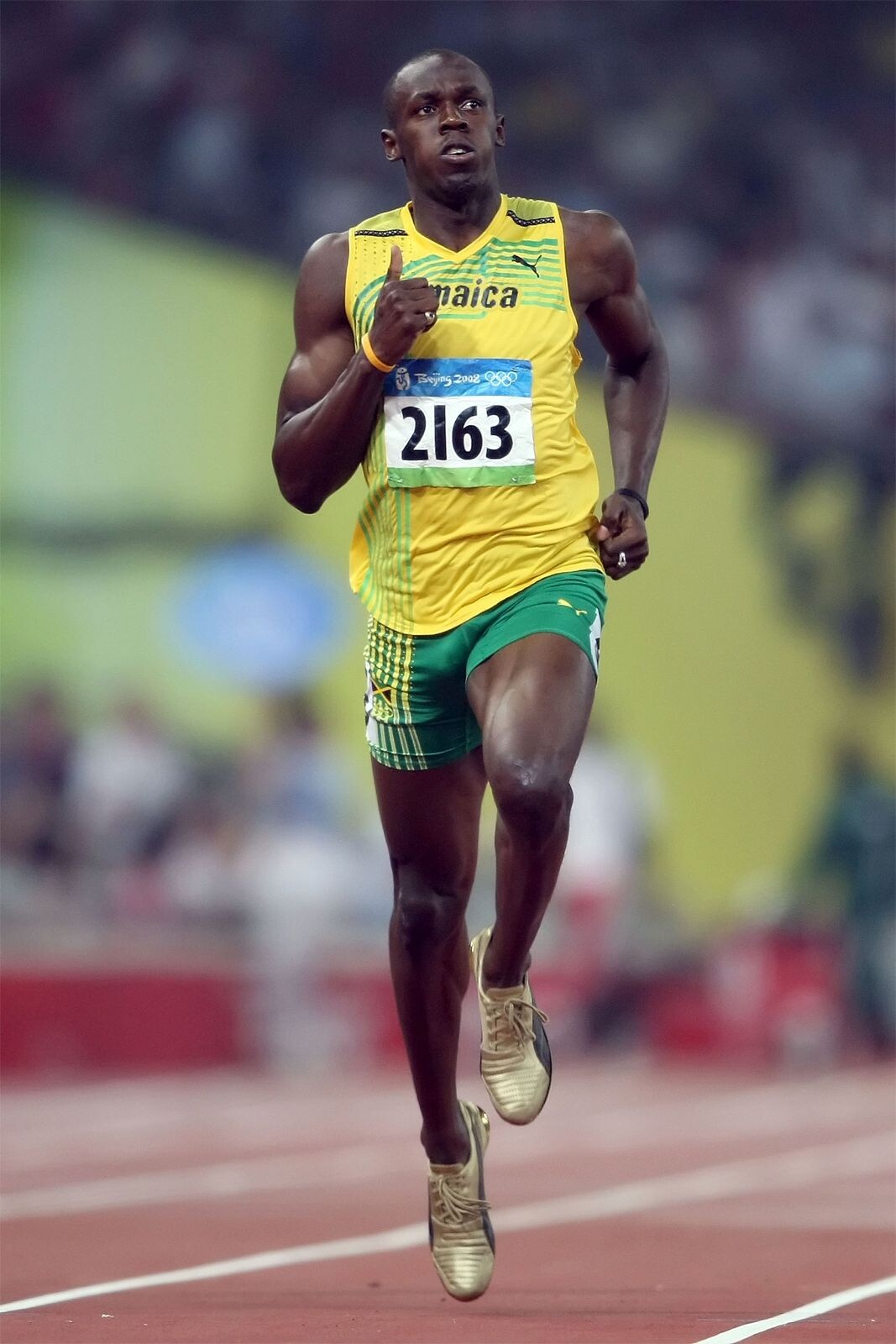
For more than a decade, Usain Bolt defined Jamaican sprinting on the world stage. Now, a new generation is beginning to write its own chapter — and at the centre of that transition stands Oblique Seville, a sprinter whose journey is closely connected to the very people who shaped Bolt’s legendary career.
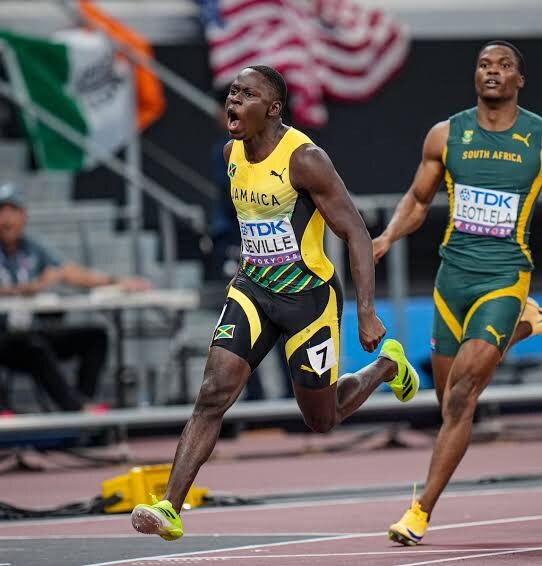
Seville announced himself as Jamaica’s new 100m champion in spectacular fashion at the 2025 World Athletics Championships in Tokyo. Running a lifetime best of 9.77 seconds, he captured the world title ahead of compatriot Kishane Thompson, who clocked 9.82, giving Jamaica a memorable one-two finish.
The significance of the victory was enormous. Seville became the first Jamaican man since Bolt to win the World Athletics Championships 100m title. And watching from the stands was Bolt himself, who celebrated enthusiastically as his compatriot delivered one of the biggest victories of his career.
But the connection between the two generations goes far beyond that unforgettable night in Tokyo.
A Dream That Began At 10
Long before Seville became a world champion, he already knew exactly who he wanted to coach him.
When he was around 10 years old, Seville reportedly told his mother that he wanted to train under Glen Mills — the renowned Jamaican coach who guided Bolt during the most dominant period of his career.
That childhood ambition eventually became reality. Seville joined the Racers Track Club and came under the guidance of Mills, establishing a relationship that has played a major role in his development as an elite sprinter.
Mills had already helped shape one of the greatest sprinters in history. Now, years later, he was helping another Jamaican talent reach the summit of the 100 metres.
Bolt Became More Than An Inspiration
Seville has also spoken about the influence Bolt has had on his life away from the track.
Following the death of his father, Gerald Seville, Bolt became an important source of encouragement and motivation for the young sprinter. Seville has described Bolt as a major motivator, adding another deeply personal dimension to a relationship that began with admiration from afar.
That makes the scene in Tokyo even more powerful: the athlete Seville grew up watching was there as he achieved the breakthrough that could define his own generation.
Bolt's presence was not simply symbolic. Before the final, he had spoken about Seville and Thompson as athletes capable of challenging for the gold medal. Seville ultimately delivered when the pressure was greatest.
From 9.77 To A New Challenge
Seville's Tokyo triumph was not the end of the story.
In 2026, he continued to establish himself among the world's leading sprinters, eventually claiming the men's 100m Diamond League title at the series final in Brussels. He also produced a season-best 9.82 in Kingston and recorded several victories during the Diamond League campaign.
The progression is significant. From an ambitious youngster dreaming of being coached by Glen Mills, to a World Championships gold medallist, and now a Diamond League champion, Seville is steadily building a career that belongs to him.
Yet he remains deeply respectful of the athlete whose footsteps he is following.
Seville has repeatedly acknowledged Bolt's greatness, while also believing that the next generation of Jamaican sprinters can push the event to another level. The ambition is clear: the future may eventually demand performances in the 9.6-second range.
For now, however, Seville's focus is not on becoming another Usain Bolt.
It is on becoming the best version of Oblique Seville.
The Torch Has Been Passed — But The Story Is Still Being Written
Jamaica's sprinting tradition has produced some of the most extraordinary athletes the sport has ever seen. Bolt took that tradition to an unprecedented level. Seville now represents a new generation determined to keep it alive.
The symbolism is difficult to miss.
The coach who helped guide Bolt is now guiding Seville. The champion who once inspired Seville as a young boy was there to watch him become a world champion. And the young Jamaican who once dreamed of joining Glen Mills is now collecting major titles of his own.
Seville has already secured a World Championships 100m title, a 9.77 personal best and a Diamond League crown.
The next chapter of Jamaican sprinting is no longer waiting to begin.
It is already underway.
And with Glen Mills in his corner and Usain Bolt among those who have helped inspire him, Oblique Seville is carrying the Jamaican sprinting tradition forward — while creating a legacy of his own.
by Erick Cheruiyot for My Best Runs.
Login to leave a comment
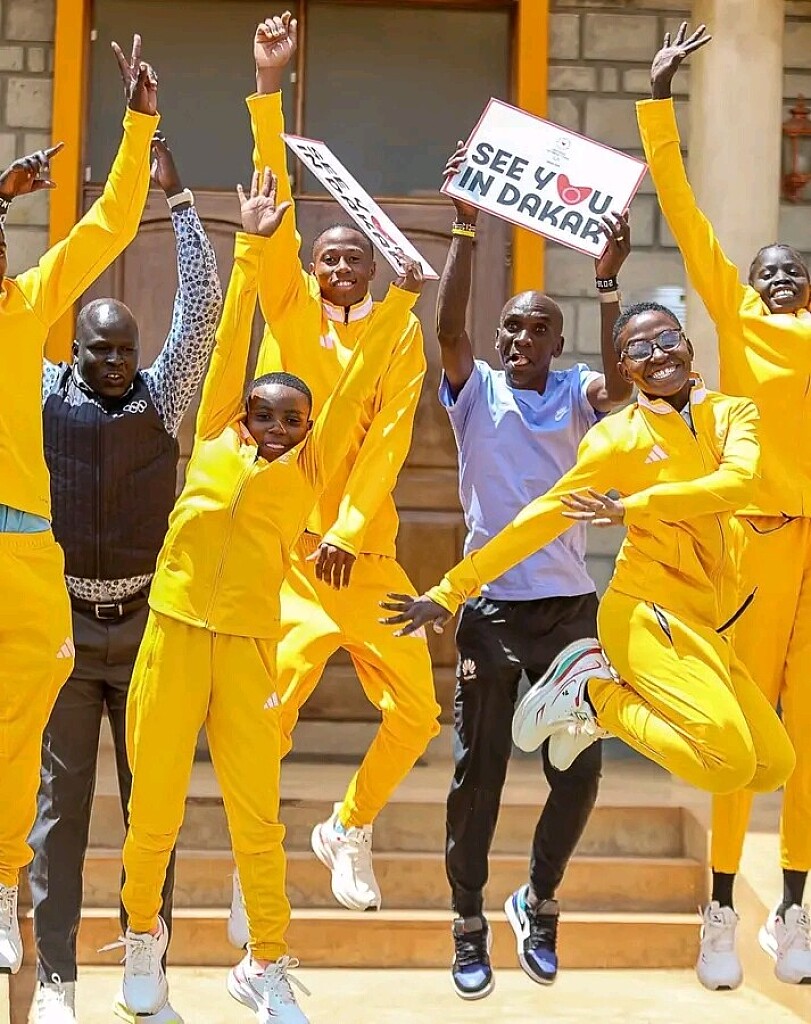
From Olympic Glory To Guiding The Next Generation: Eliud Kipchoge Takes On A New Mission In Dakar
Eliud Kipchoge has spent more than two decades chasing greatness on the world’s biggest stages. Now, the Kenyan marathon legend is taking on a different kind of challenge — helping shape the athletes who could one day follow in his footsteps.
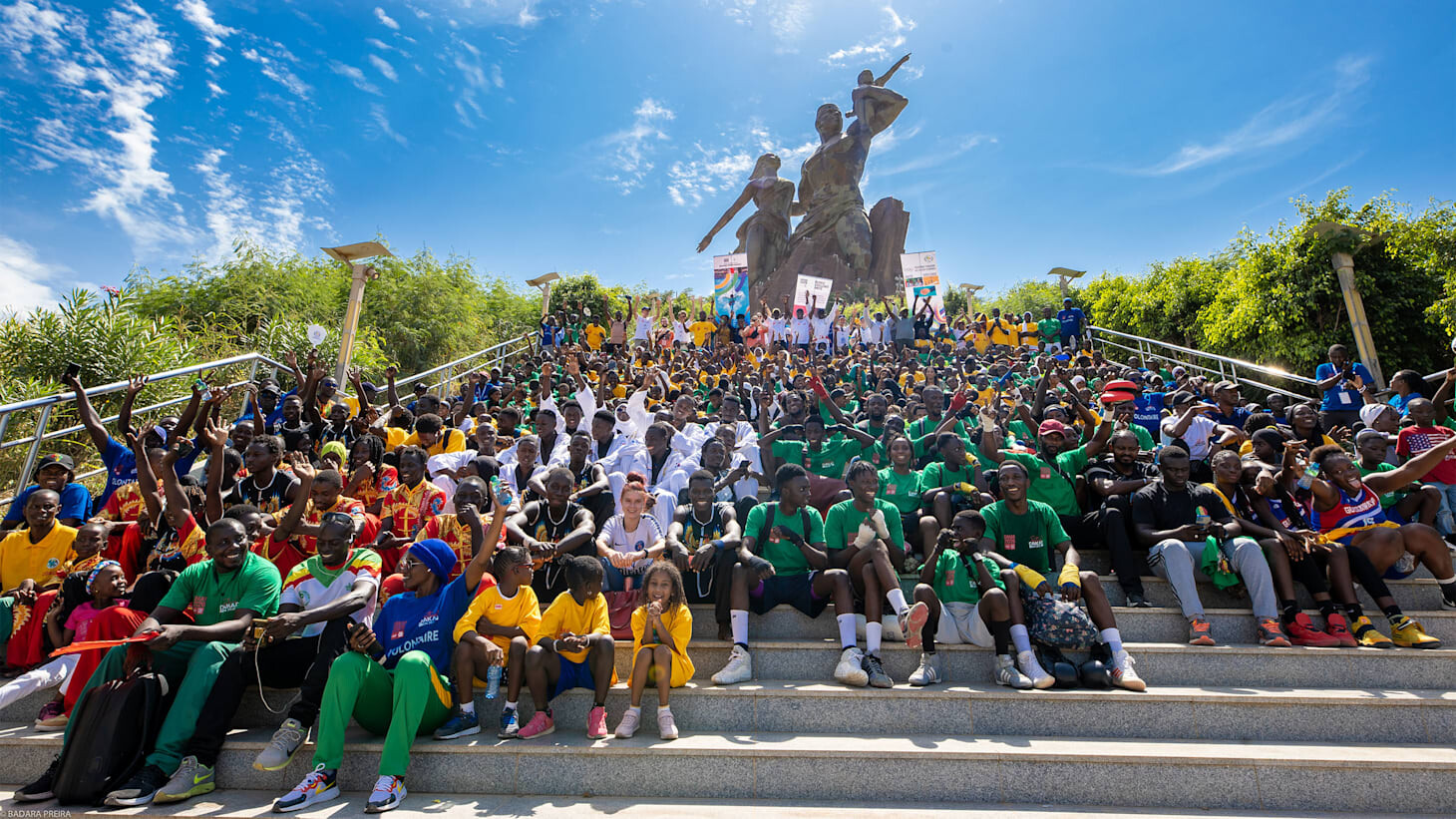
The two-time Olympic marathon champion has been appointed a Global Ambassador for the Dakar 2026 Youth Olympic Games, where he will use his experience at the highest level of sport to connect with and mentor young athletes from around the world.
Kipchoge will share the ambassadorial role with Brazilian skateboarding star Rayssa Leal, while also taking on a special mentoring role with the Refugee Olympic Team, which will make its first appearance at a Youth Olympic Games in Dakar.
For Kipchoge, the appointment represents a shift from competing for medals to investing in the future of sport.
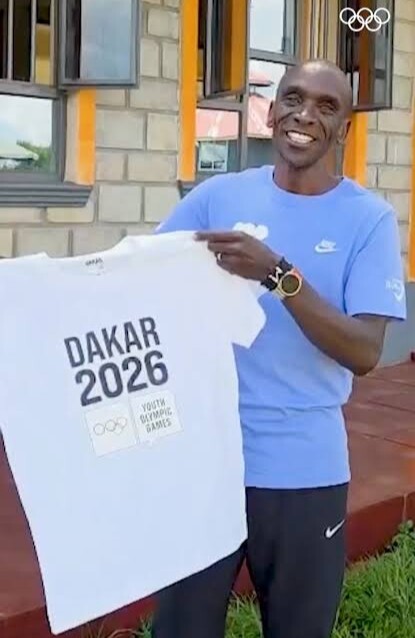
“I’ve been in the sport for 24 years; it’s my time to give back to the next generation,” Kipchoge said.
The 41-year-old has already begun that work, meeting members of the Refugee Olympic Team at their training camp in Kaptagat, Kenya. His message has extended beyond running and competition, focusing on discipline, education, personal values and what success means both in sport and in life.
“When I go to Dakar, I’ll make sure I meet young athletes from across the world — meet them, have an honest talk, mentor them, and look at what the future of sport, and the world, looks like,” Kipchoge said.
The assignment carries enormous significance for Africa. Dakar 2026 will be the first Olympic sporting event ever staged on African soil, with the Youth Olympic Games bringing together approximately 2,700 young athletes across Dakar, Diamniadio and Saly.
It will also mark a historic moment for young refugee athletes, with the Refugee Olympic Team making its Youth Olympic Games debut. World Athletics has confirmed that young athletes hosted by the National Olympic Committees of Kenya and Uganda will form part of the team competing in Senegal.
For Kipchoge, Dakar is therefore about much more than ceremonies, appearances and titles. It is an opportunity to share the lessons accumulated through an extraordinary career and encourage a new generation to believe in its own potential.
“Dakar 2026 is a huge event on our young continent — something we’ve long waited for here,” Kipchoge said. He added that being part of the first Olympic sporting event in Africa would leave a lasting impression on young people across the continent.
From Athens 2004, where he won his first Olympic medal, to his marathon triumphs at Rio 2016 and Tokyo 2020, Kipchoge has experienced virtually every level of Olympic competition. His next contribution will not be measured in seconds, medals or records.
This time, his impact will be measured by the young athletes he inspires.
The man who spent years showing the world how far a human being can push the limits is now preparing to help the next generation discover how far they can go.
Kipchoge is no longer simply chasing history. In Dakar, he will be helping the next generation write its own.
by Erick Cheruiyot for My Best Runs.
Login to leave a comment
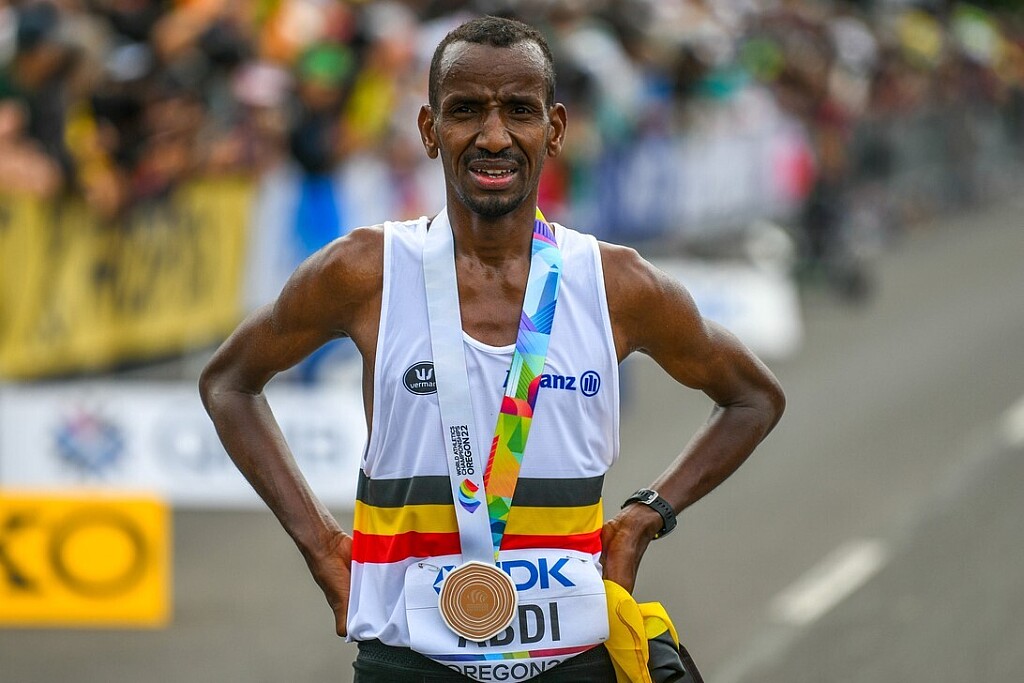
Bashir Abdi Joins Chicago Marathon Field As Alex Masai Withdraws 19 Days Before The Race
The Bank of America Chicago Marathon has delivered another major shake-up to its elite field, with European marathon record-holder Bashir Abdi joining the lineup just 19 days before race day, while Kenya’s Alex Masai has withdrawn from the October 11 showdown.
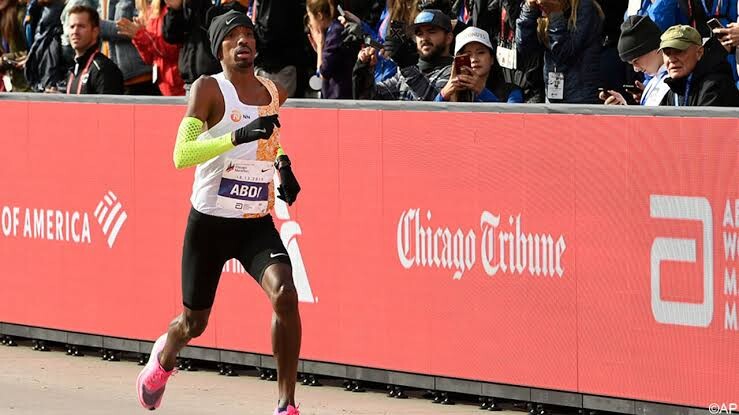
The latest update saw 16 athletes added and six withdrawn from the men’s and women’s elite fields, but Abdi’s arrival is undoubtedly the headline development.
The 37-year-old Belgian owns the European marathon record of 2:03:36, set at the Rotterdam Marathon in 2021, and the mark still stands as the continental record.
Abdi also brings an impressive championship pedigree to Chicago. He won Olympic bronze at the Tokyo 2020 Games before upgrading to silver at the Paris 2024 Olympics, cementing his status as one of Europe’s leading marathoners of his generation.
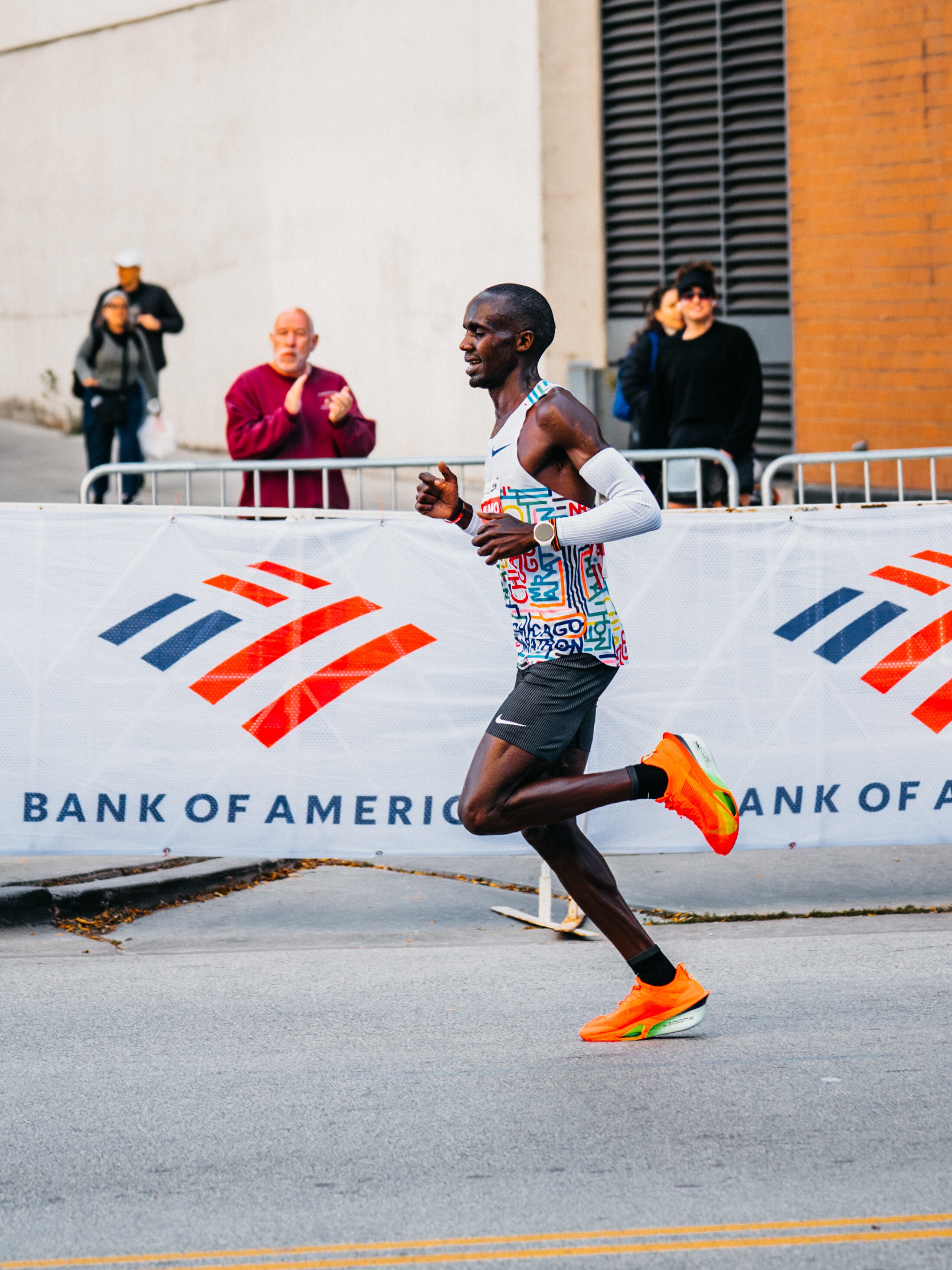
The Belgian is also familiar with the streets of Chicago. He finished 10th in last year’s race in 2:07:08, in a marathon won by Uganda’s Jacob Kiplimo in a spectacular 2:02:23.
Kiplimo returns this year to defend his Chicago title, adding another fascinating dimension to an already stacked men's field.
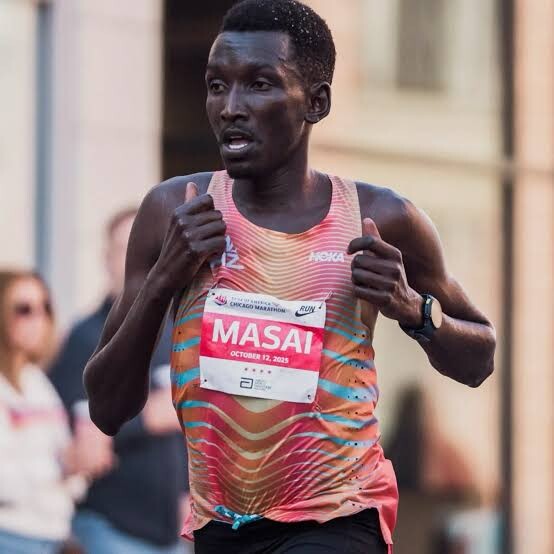
Masai’s withdrawal, meanwhile, removes one of last year’s podium finishers. The Kenyan finished third in 2:04:37 in 2025, behind Kiplimo and Amos Kipruto, and his absence changes the complexion of a race that had been expected to feature a number of familiar contenders from last year.
Chicago has been billing its 2026 elite lineup as one of the deepest in the race’s 48-year history, and the addition of a European record-holder this close to race day only strengthens that narrative.
Kiplimo remains the defending champion, but he will face a formidable group of challengers, with six men in the field having already broken 2:04.
Abdi’s late arrival adds another proven championship performer and record-holder to the mix, while Masai’s withdrawal removes a major Kenyan contender from the equation.
The latest changes also highlight how fluid elite marathon fields have become. Unlike in the past, when major-race lineups were largely settled months before the starting gun, today's biggest marathons can continue to evolve right up until race week.
And Chicago has certainly done so.
With just 19 days remaining, the defending champion is back, a European record-holder has entered the battle, and one of last year’s podium finishers is gone. The stage is set for another fascinating chapter on the streets of Chicago.
by Erick Cheruiyot for My Best Runs.
Login to leave a comment

Bank of America Chicago
Running the Bank of America Chicago Marathon is the pinnacle of achievement for elite athletes and everyday runners alike. On race day, runners from all 50 states and more than 100 countries will set out to accomplish a personal dream by reaching the finish line in Grant Park. The Bank of America Chicago Marathon is known for its flat and...
more...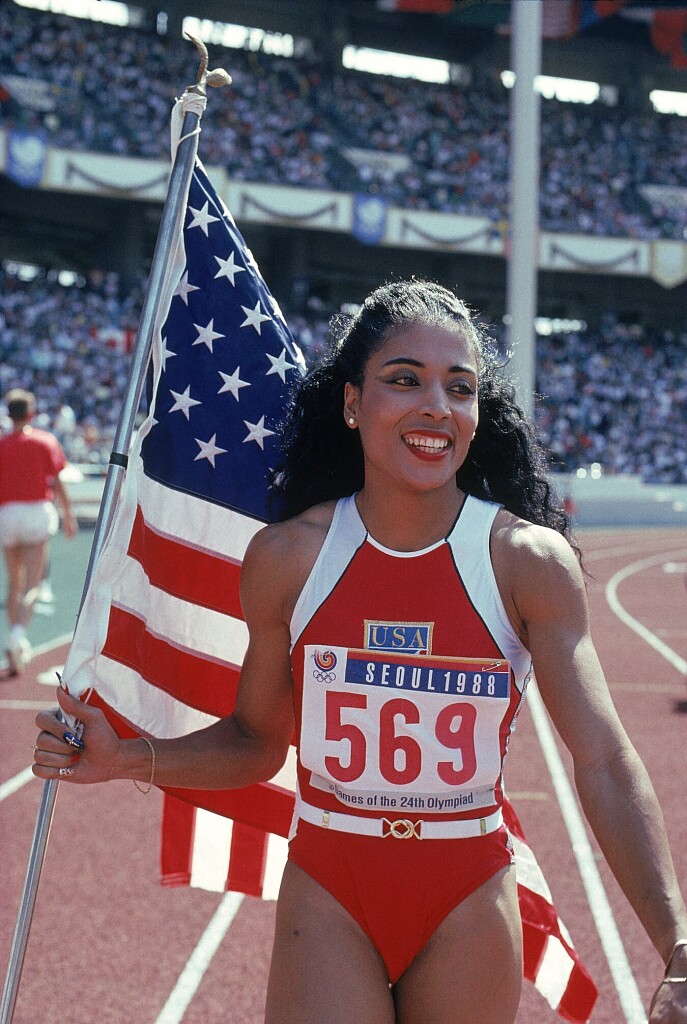
Florence Griffith-Joyner’s 21.34 Still Stands 38 Years Later
Thirty-eight years ago, Florence Griffith-Joyner produced a performance in Seoul that would go on to become one of the most enduring records in athletics history.
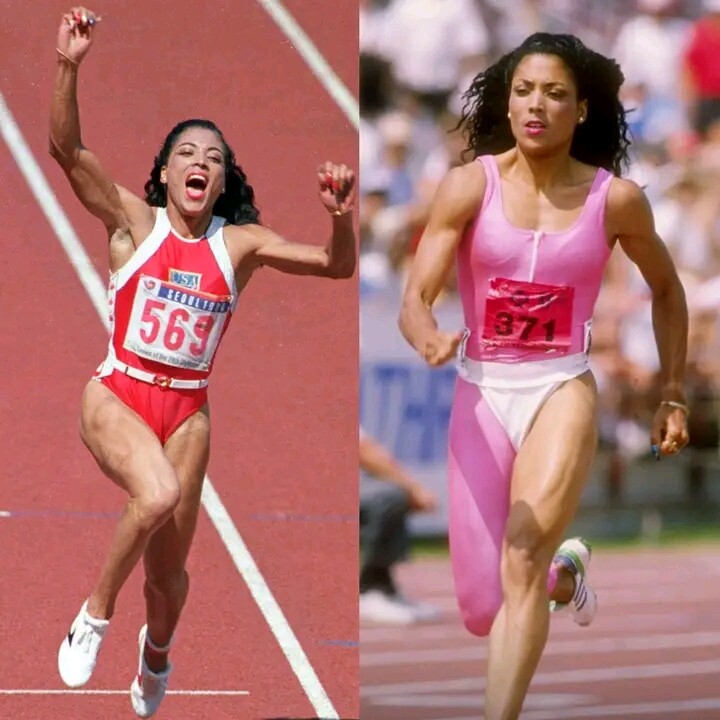
On September 29, 1988, the American sprint sensation lined up for the women’s 200m final at the Olympic Stadium in Seoul, South Korea, carrying the confidence of an athlete who had already announced herself as one of the stars of the Games.
What followed was extraordinary.
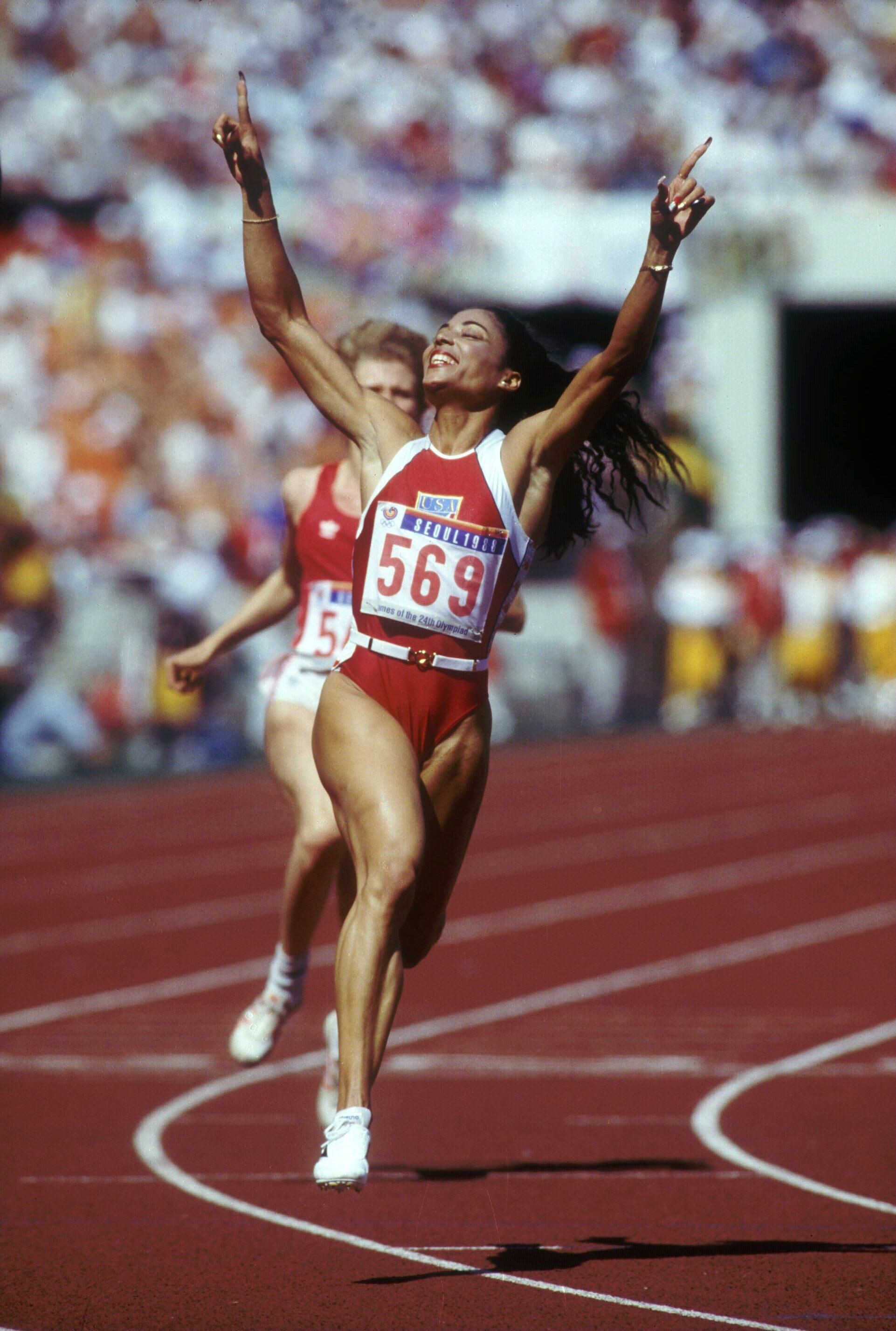
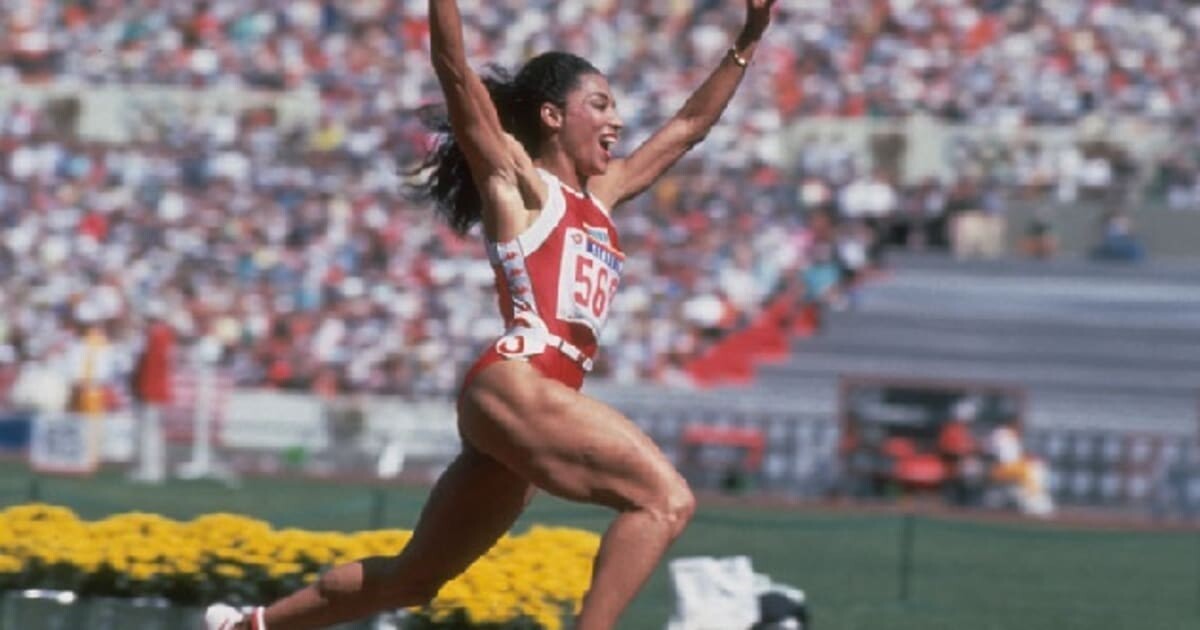
Griffith-Joyner stormed around the bend before unleashing an astonishing finish, stopping the clock in 21.34 seconds with a legal following wind of +1.3 m/s. The performance secured Olympic gold and shattered the world record she had set earlier that same day in the semifinal, when she ran 21.56.
It was not simply another Olympic victory. It was a performance that immediately entered sprinting folklore.
The 21.34 remains the women’s 200m world record, 38 years after it was established. World Athletics continues to list Griffith-Joyner at the top of the all-time rankings, with her mark standing ahead of every performance that has followed.
And there have been some remarkable attempts to take it down.
Jamaica’s Shericka Jackson came closer than anyone in recent years, running 21.41 to win the world title in Budapest in 2023 — just seven hundredths of a second away from Griffith-Joyner’s legendary mark. Elaine Thompson-Herah ran 21.53 in Tokyo in 2021, while Gabrielle Thomas has gone 21.61.
Yet 21.34 has continued to stand.
Griffith-Joyner’s Seoul campaign was remarkable beyond the 200m record. She won three Olympic sprint gold medals at the Games and established herself as one of the defining athletes of the 1988 Olympics. World Athletics records her as a three-time Olympic champion and the current world-record holder in both the 100m and 200m.
Her career also left behind an unmistakable visual legacy. The long, flowing nails, striking racing outfits and explosive sprinting made Flo-Jo one of the most recognisable figures the sport has ever produced.
But decades later, it is the number 21.34 that continues to command attention.
Generations of Olympic champions and world-class sprinters have come and gone. The event has evolved, training methods have advanced and the level of women’s sprinting has continued to rise. Still, Griffith-Joyner’s Seoul masterpiece remains untouched.
38 years. One legendary record. Still standing.
And with a new generation of elite 200m sprinters continuing to push the boundaries, the question remains fascinating: how much longer can Florence Griffith-Joyner’s 21.34 survive?
by Erick Cheruiyot for My Best Runs.
Login to leave a comment
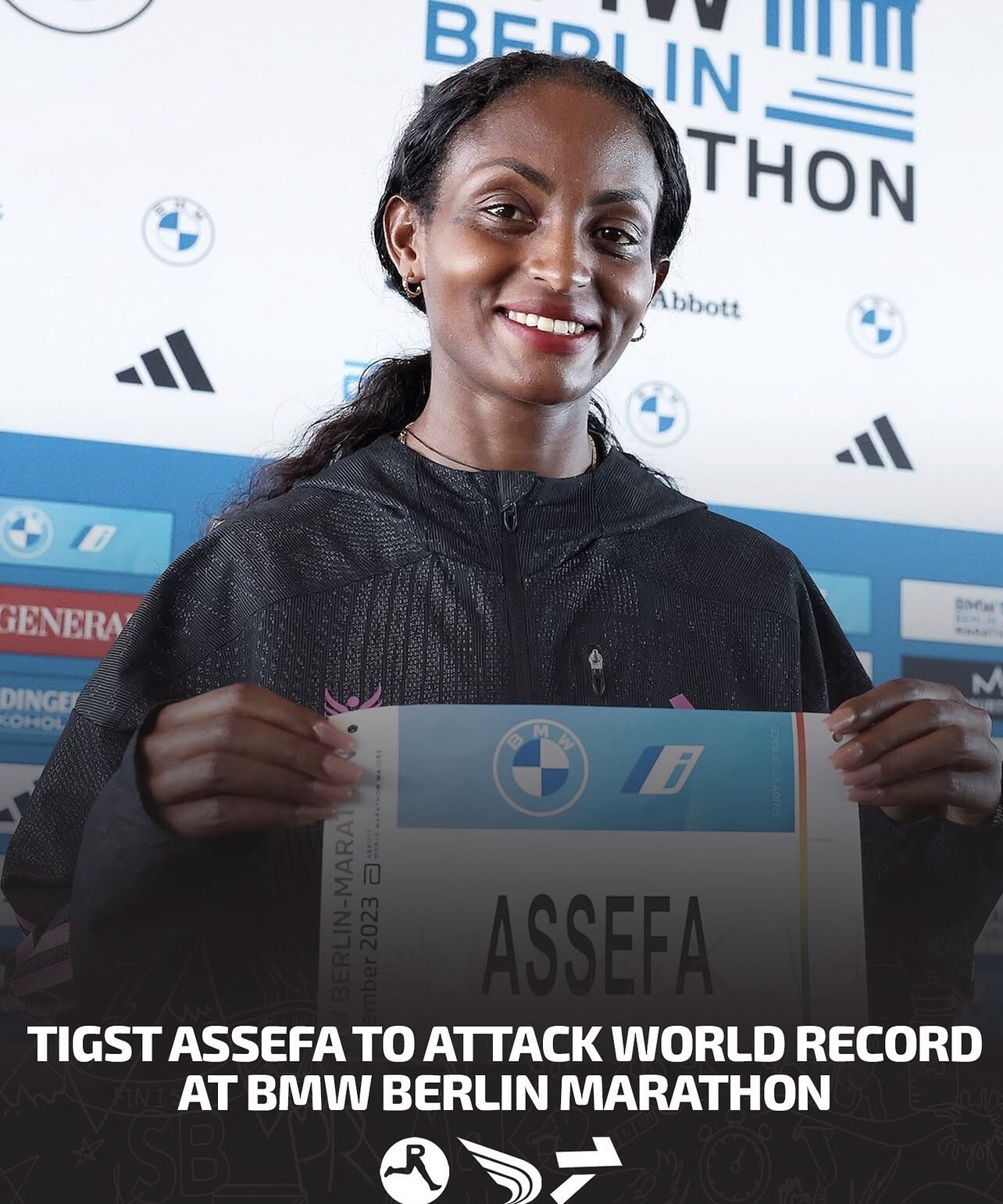
Tigst Assefa, Rosemary Wanjiru And Gabriel Geay Headline A Star-Studded Berlin Marathon
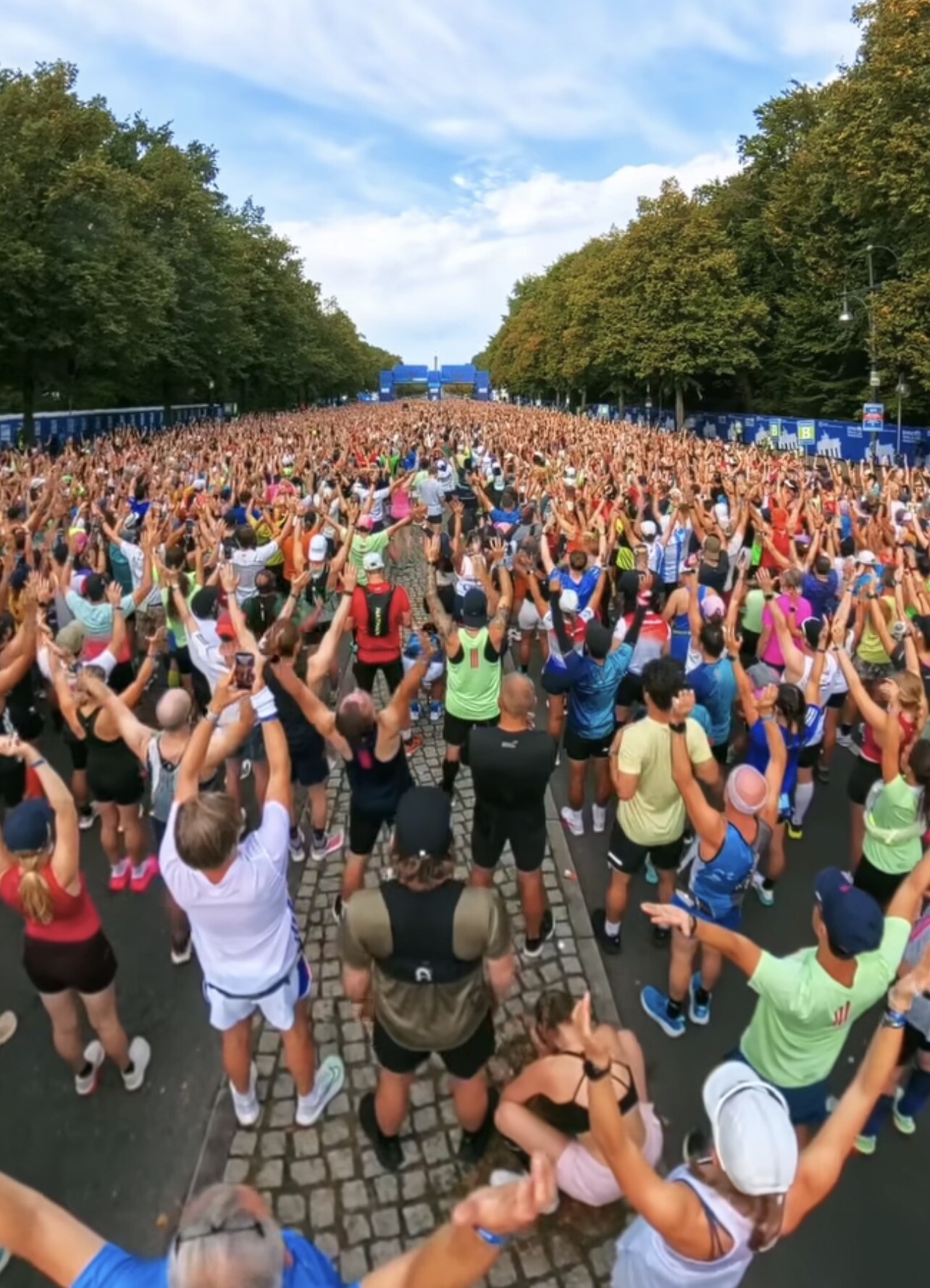
With just three days remaining until the BMW Berlin Marathon, anticipation is building for another spectacular edition of one of the world’s fastest marathon races.
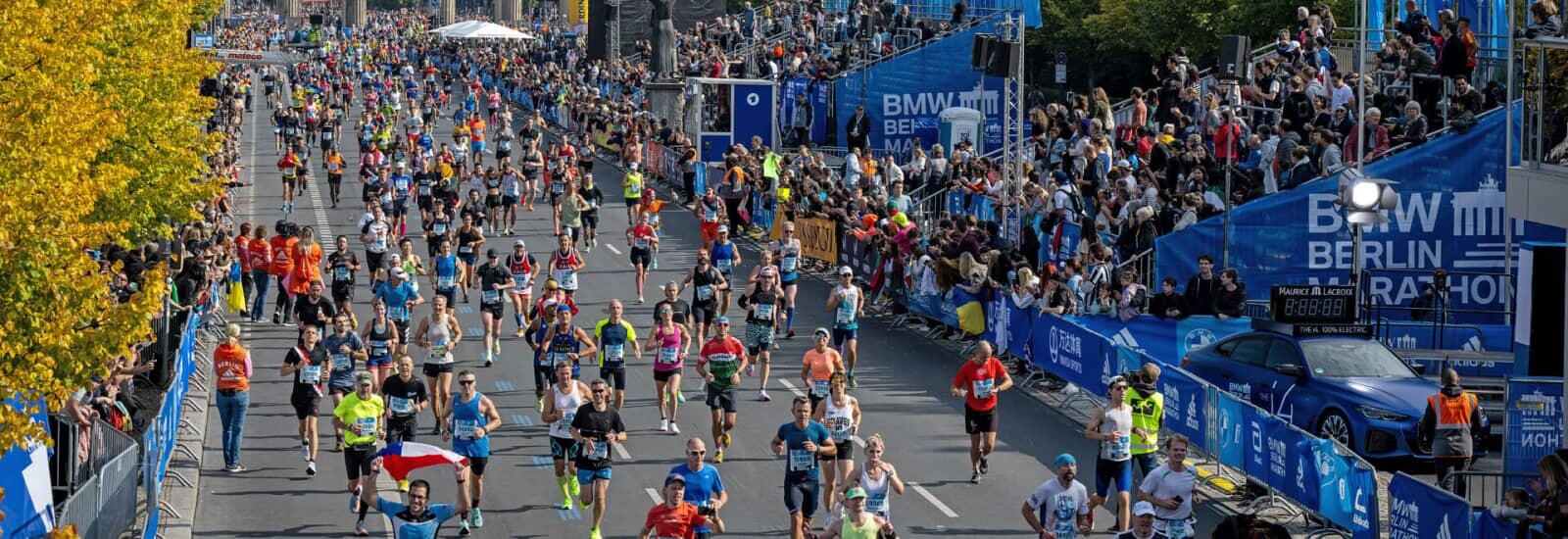
The 52nd edition of the race will take place on Sunday, September 27, with a deep international field set to take on the famously fast streets of the German capital.
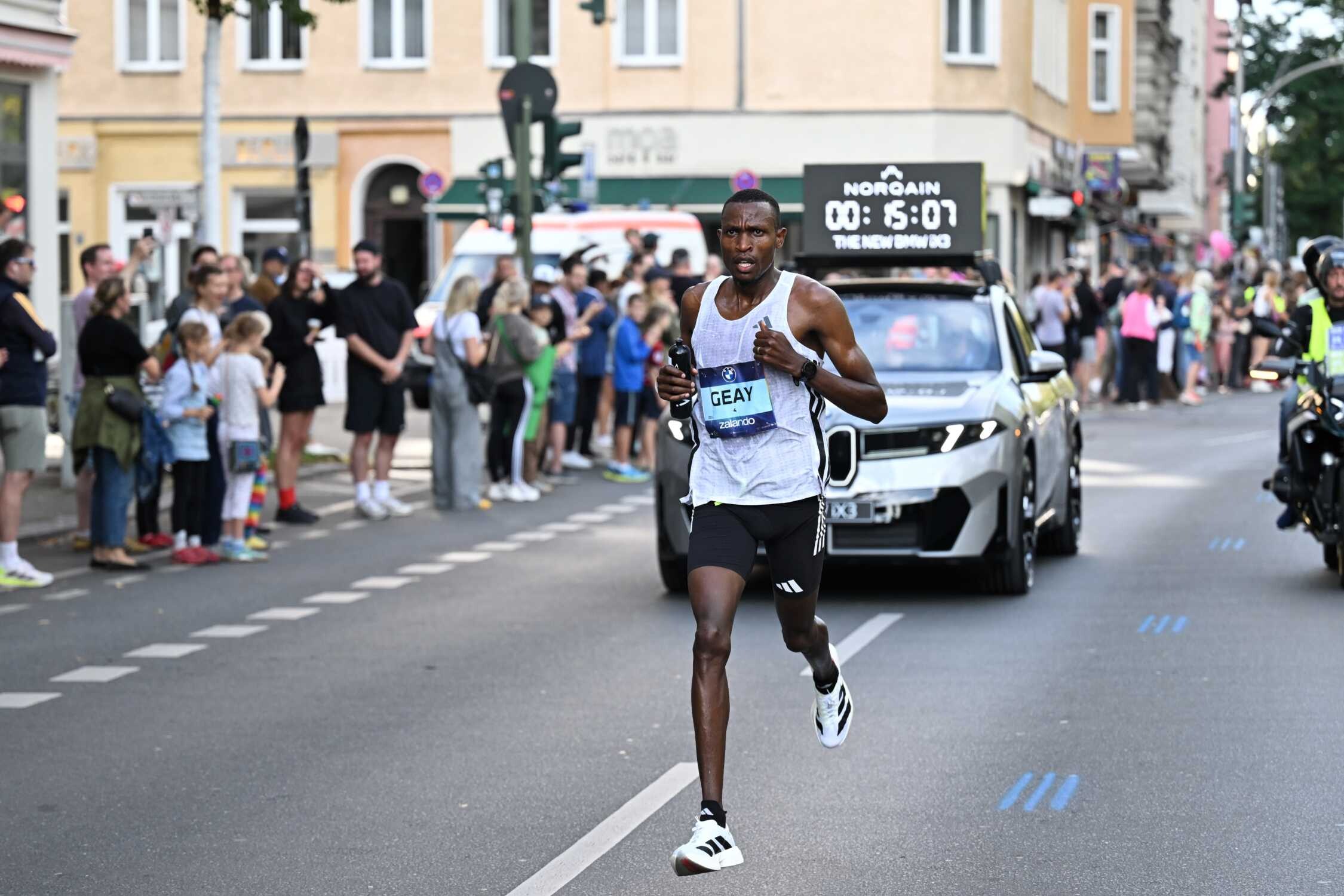
Tanzania’s Gabriel Geay is among the leading names in the men’s race, bringing a personal best of 2:03:00 to Berlin. His mark, set in Valencia in 2022, places him among the fastest marathoners in the elite field. However, Ethiopia’s legendary Kenenisa Bekele has since been added to the field with a 2:01:41 personal best, meaning Geay is not the fastest entrant on paper.
The men’s field also features Getaneh Molla (2:03:34), Guye Adola (2:03:46), Shura Kitata (2:03:59), Kenya’s Erick Sang (2:04:30) and Olympic 10,000m champion Selemon Barega (2:05:00), setting the stage for an exceptionally deep contest.
For Bekele, however, this return to Berlin carries a significance that goes far beyond the start list. The last time the Ethiopian legend stood on the Berlin start line was in 2019, when he ran 2:01:41—just two seconds outside the then-world record of 2:01:39. Had he gone two seconds faster, Bekele would have become the only athlete in history to simultaneously hold the world records for the 5,000 metres, 10,000 metres and marathon.
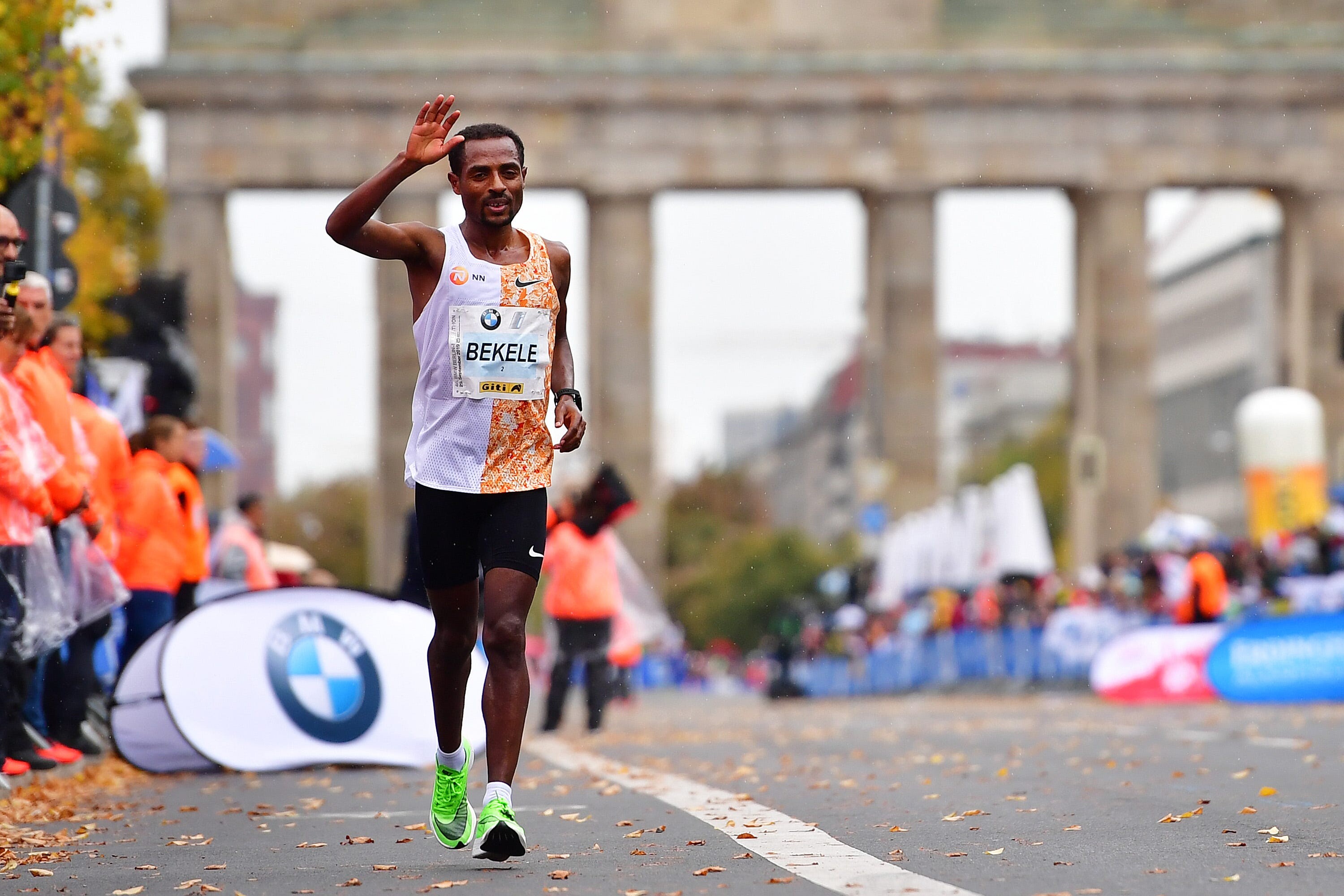
Bekele returns to Berlin on Sunday at the age of 44. His most recent race was the New York City Marathon in November, where he did not finish. Berlin, however, holds a special place in his marathon career. He claimed his first Berlin Marathon victory in 2016 and has won the race twice. He also owns the masters world record of 2:04:15, set in London last year.
He will not be the favourite in this year’s race, particularly after Sabastian Sawe was ruled out with a stress fracture. Adola, Molla, Kitata and Geay lead the field on paper, but Bekele’s presence adds another layer of intrigue to a race already packed with established marathon talent.
For Bekele, Berlin is more than another marathon. It is the course where he came closer than anyone to achieving a piece of distance-running history that remains untouched. Some athletes retire from the sport. Some retire toward one course. Bekele is running the second kind of retirement.
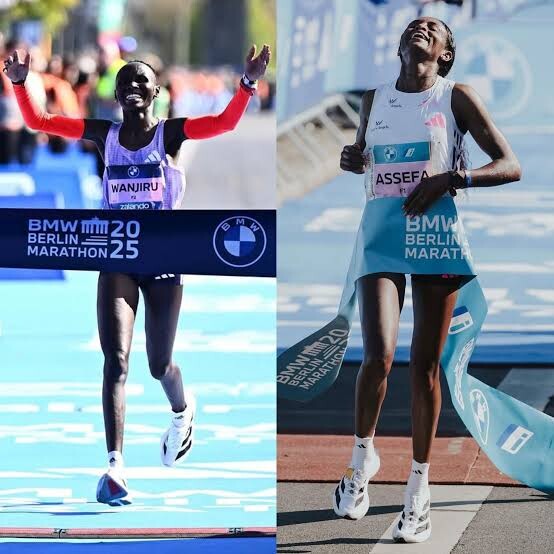
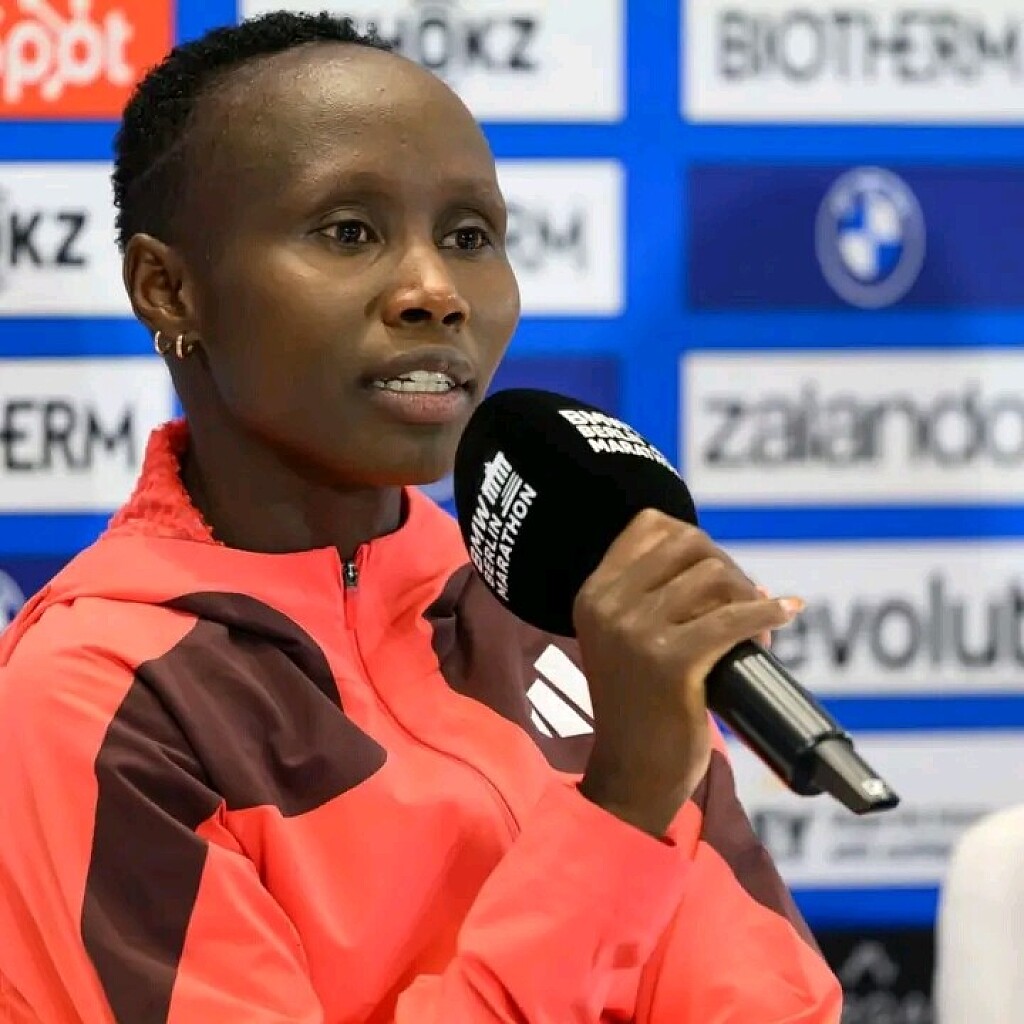
In the women’s race, all eyes will be on Tigst Assefa as the Ethiopian superstar returns to the course where she produced one of the most remarkable marathon performances in history. Assefa clocked 2:11:53 in Berlin in 2023, setting a world record at the time and establishing a course record that still stands.
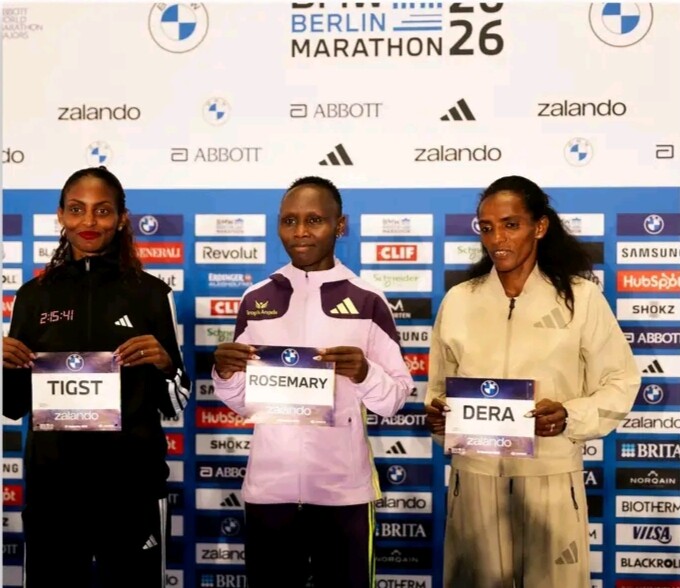
Assefa, a two-time Berlin Marathon champion, will face defending champion Rosemary Wanjiru, who returns to the German capital looking to retain her title. Wanjiru won the 2025 edition in 2:21:05 after previously finishing second in Berlin in 2022 in 2:18:00. Her personal best of 2:16:14 came at the 2023 Tokyo Marathon.
Wanjiru’s challenge will be particularly intriguing given the depth of the Ethiopian contingent. Bedatu Hirpa enters with a 2:18:27 personal best, followed by Dera Dida at 2:18:32, Zeineba Yimer at 2:18:47, Bosena Mulatie at 2:19:00, Misgane Alemayehu at 2:19:08 and Bekelech Gudeta at 2:19:39.
Kenya will also have another strong presence through Evaline Chirchir, whose 2:20:33 personal best places her among the leading women on the start list.
The Berlin Marathon’s reputation for producing fast times adds another layer of intrigue to an already stacked field. With a flat course, long stretches of uninterrupted running and a history of world records, the German capital has consistently provided elite athletes with the ideal conditions to test the limits of marathon performance.
Beyond the headline names, the race will also offer an opportunity for several contenders to make their mark on one of the biggest stages in road running. With experienced marathoners and ambitious challengers sharing the start line, the battle for the podium is expected to unfold at a demanding pace from the opening kilometres through the final stages of the race.
With Assefa returning to the scene of her historic 2023 run, Wanjiru arriving as the defending champion and a deep international cast lining up across both races, Berlin is once again set for a weekend of world-class marathon racing.
Three days out, the stage is set. The fast Berlin streets are waiting.
by Erick Cheruiyot for My Best Runs.
Login to leave a comment

BMW Berlin Marathon
The story of the BERLIN-MARATHON is a story of the development of road running. When the first BERLIN-MARATHON was started on 13th October 1974 on a minor road next to the stadium of the organisers‘ club SC Charlottenburg Berlin 286 athletes had entered. The first winners were runners from Berlin: Günter Hallas (2:44:53), who still runs the BERLIN-MARATHON today, and...
more...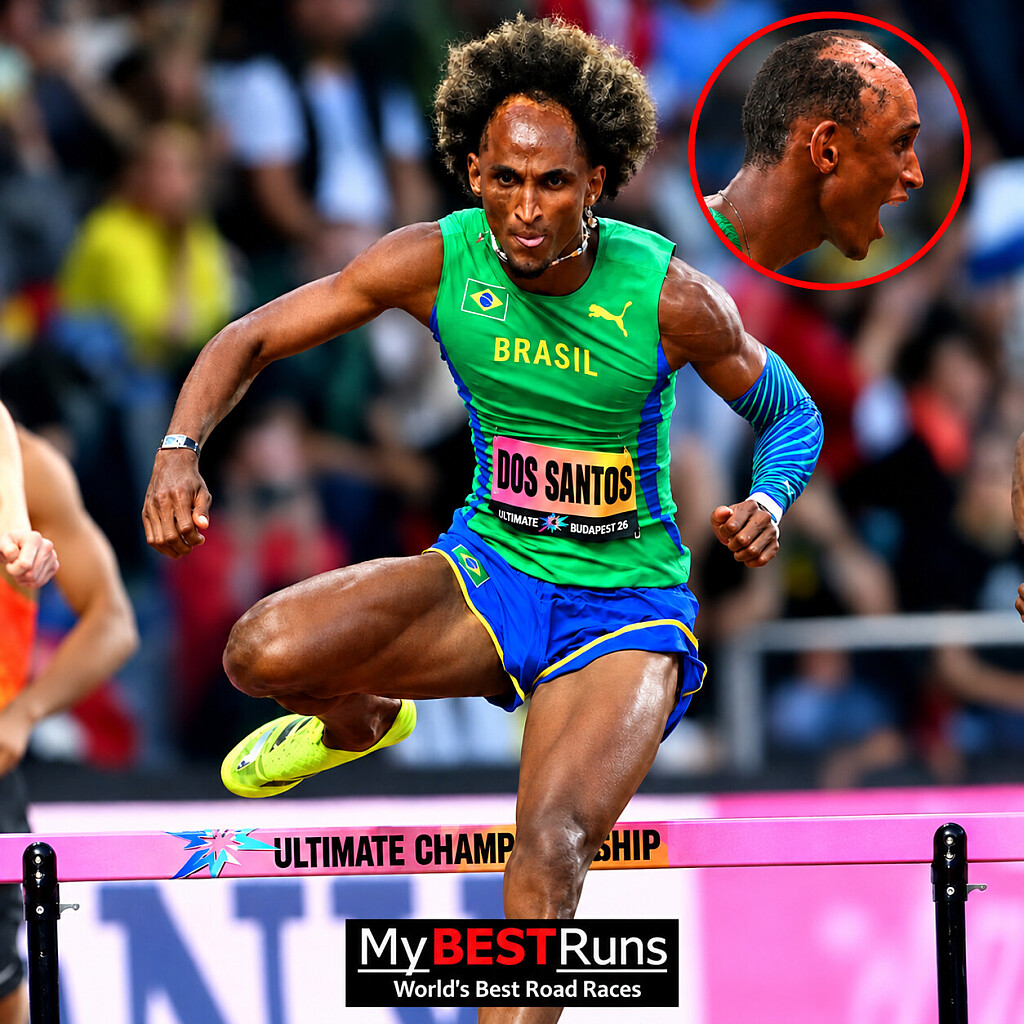
From Childhood Burns to World Records: Alison Dos Santos Turns Scars Into Strength
Alison dos Santos carries visible scars on his forehead and parts of his body, but behind them lies a remarkable story of survival that has become an important part of his journey in athletics.
When he was just 10 months old, the Brazilian suffered severe third-degree burns after boiling oil spilled onto him. The accident left permanent scars and could easily have changed the course of his life before it had even begun.
He survived the ordeal, and as he grew older, the scars became a visible reminder of an accident he had endured as a baby. For much of his childhood, they also brought unwanted attention and insecurity. But eventually, athletics gave him something far more powerful: confidence, purpose and an opportunity to define himself through his talent rather than his scars.
That transformation took him all the way to the world's biggest sporting stages.
Dos Santos announced himself among the world's elite 400m hurdlers with an Olympic bronze medal at Tokyo 2020, clocking 46.72 seconds. In 2022, he reached another milestone by becoming world champion, confirming himself as one of the leading figures in an event that had entered an extraordinary era.
Two years later, he added another Olympic bronze medal in Paris, continuing to establish himself among the very best 400m hurdlers on the planet.
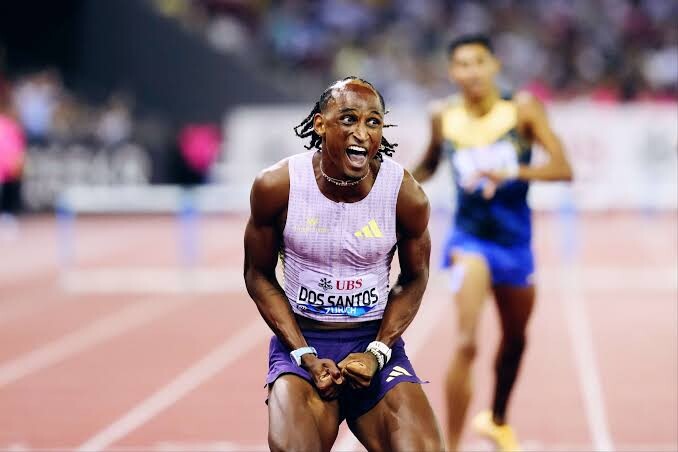
Then came Zürich.
On August 27, 2026, dos Santos delivered the race that changed his place in history. He stormed to 45.80 seconds, breaking Karsten Warholm's five-year-old world record of 45.94 and becoming the first man in history to run under 46 seconds twice.
The moment carried another layer of significance because Warholm was in the race. The Norwegian had established the previous world record in the unforgettable Tokyo Olympic final in 2021, a race in which dos Santos himself had won bronze. Five years later, the Brazilian returned to the same record-breaking narrative — this time as the man rewriting history.
But dos Santos was not finished.
Just over two weeks after his historic run in Zürich, he travelled to Budapest for the inaugural World Athletics Ultimate Championship, where the world's leading 400m hurdlers assembled for another highly anticipated showdown.

On September 13, dos Santos once again stood at the centre of the action. He produced another extraordinary performance, winning the men's 400m hurdles in 45.98 seconds and successfully defending his position at the top of an event filled with heavyweight names.
Rai Benjamin finished second in 46.40, while Warholm took third in 46.78. Dos Santos had once again beaten two of the athletes most closely associated with the modern history of the 400m hurdles.
The 45.98 also made him the first athlete to break 46 seconds twice, while ranking as the third-fastest performance ever recorded in the event at the time. His world record of 45.80 remained firmly at the top.
His latest victory therefore added another remarkable chapter to a season that had already produced a world record and a string of elite performances. Dos Santos has combined speed, consistency and resilience to turn 2026 into one of the defining seasons of his career.
And perhaps that is what makes his story so compelling. The hurdles he clears today are visible to the world, but some of the hardest obstacles he has overcome were faced long before he ever entered a stadium. His scars tell the story of what happened to him as a child; his achievements tell the story of what he chose to become.
The scars never disappeared. Neither did the determination of the boy who survived them.
Today, Alison dos Santos is not defined by the accident that marked his childhood. He is defined by the athlete he became — an Olympic medallist, a world champion, a world-record holder and now the inaugural World Athletics Ultimate champion in the 400m hurdles.
From surviving a devastating accident as an infant to standing on the highest level of his event, Piu has spent his life clearing hurdles — long before he ever started racing over them.
by Erick Cheruiyot for My Best Runs.
Login to leave a comment
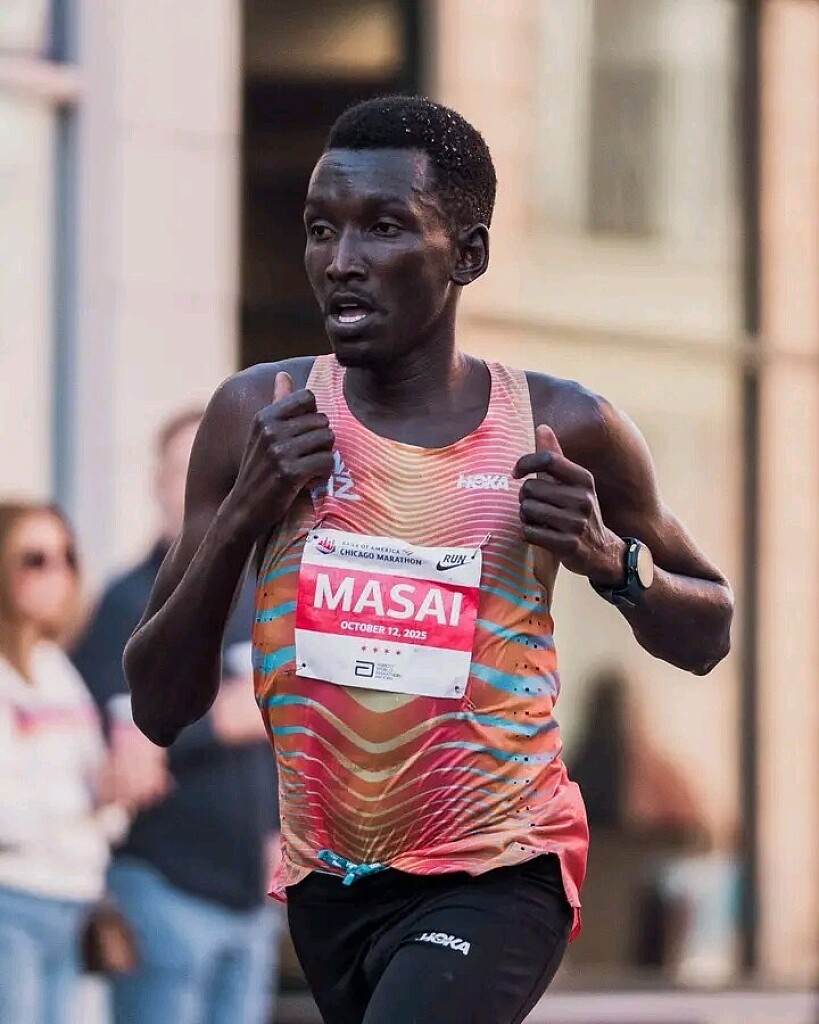
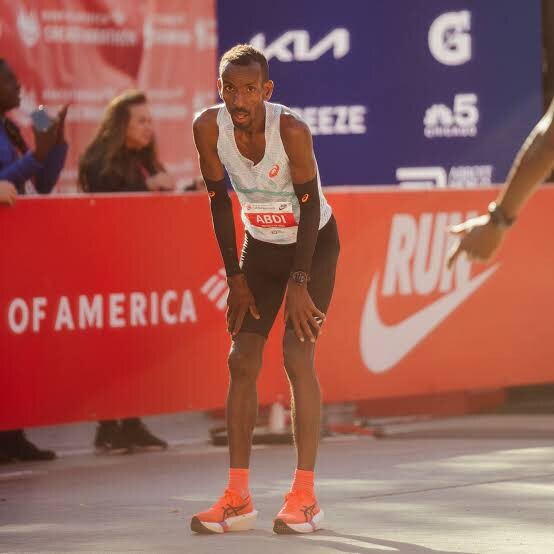
Bashir Abdi Added to Chicago Marathon as Alex Masai Withdraws
Bashir Abdi has been added to the elite men’s field for the 2026 Bank of America Chicago Marathon, while Kenya’s Alex Masai has withdrawn from the October 11 race.
Masai finished third in the 2025 edition in a personal-best 2:04:37, making his withdrawal a notable change to the field. He will no longer line up alongside some of the world’s leading marathoners, including defending champion Jacob Kiplimo of Uganda.
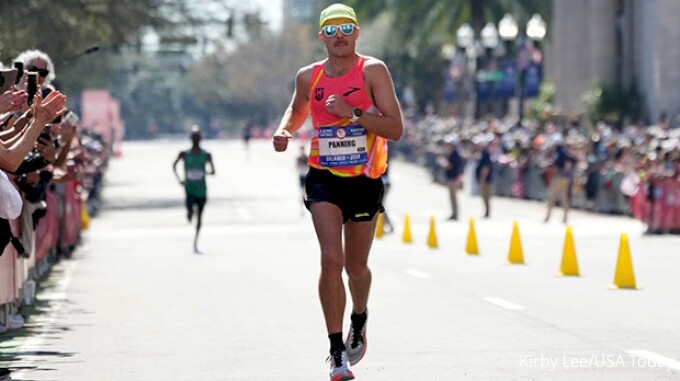
Masai joins Americans Zach Panning, who has a 2:09:16 personal best, Jacob Thomson (2:09:51) and Felicia Pasadyn (2:35:17) on the withdrawal list.
On the other side of the update, Abdi strengthens an already competitive men’s lineup. The Belgian is a two-time Olympic medalist, having won bronze in Tokyo and silver in Paris, and owns the European marathon record of 2:03:36, set in Rotterdam in 2021.
Abdi also knows the Chicago course well, having finished 10th in last year’s race in 2:07:08. His return gives him another opportunity to make a stronger statement on one of the world’s major marathon stages.
Norway’s Sondre Nordstad Moen has also been included in the updated field. Moen previously held the European marathon record after running 2:05:48 in Fukuoka in 2017, before Abdi lowered the mark four years later.
The American contingent has also been strengthened with the additions of Matt Richtman, Nathan Martin, Brian Shrader, Ben Rosa and Frank Lara, while Cole Sprout is set to make his marathon debut.
Sara Vaughn is among the notable women’s additions. She returns to Chicago after recording her personal-best 2:23:24 at the 2023 edition.
The 2026 Chicago Marathon will be held on Sunday, October 11, with the elite field continuing to take shape ahead of race day.
by Erick Cheruiyot for My Best Runs.
Login to leave a comment
Bank of America Chicago
Running the Bank of America Chicago Marathon is the pinnacle of achievement for elite athletes and everyday runners alike. On race day, runners from all 50 states and more than 100 countries will set out to accomplish a personal dream by reaching the finish line in Grant Park. The Bank of America Chicago Marathon is known for its flat and...
more...
Sha’Carri Richardson: From Teenage Sensation to a Champion Who Rewrote Her Own Story
At just 19, Sha’Carri Richardson looked like a star destined to take over the sprinting world.
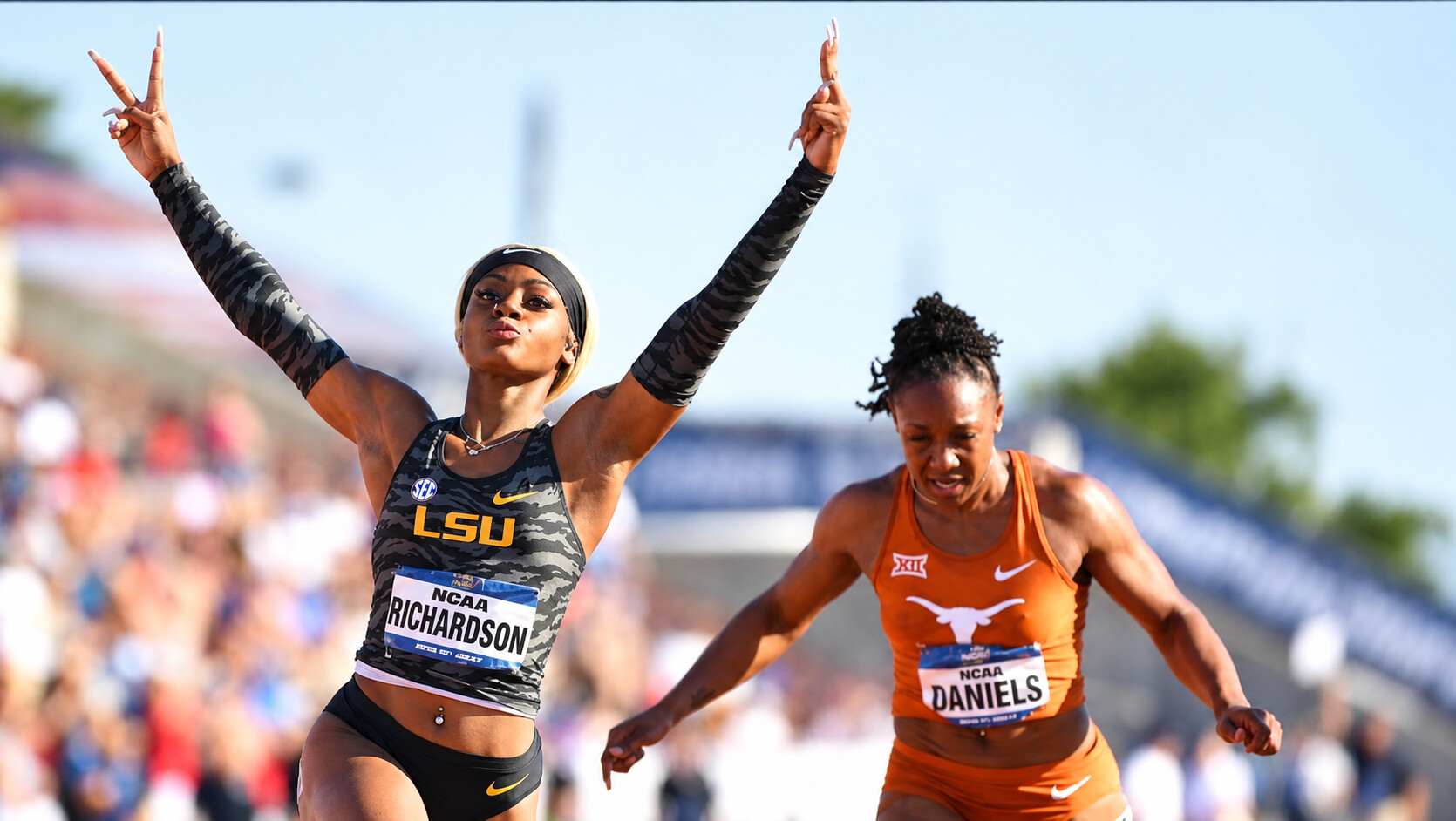
The speed was undeniable. In 2019, she announced herself on the collegiate stage with a 10.75-second NCAA record in the 100 metres, combining explosive acceleration with a fearless personality and a distinctive style that made her impossible to ignore.
She was young, confident and unapologetically herself.
But the road to becoming a champion was about to become far more complicated than anyone could have imagined.
In 2021, Richardson won the women’s 100m at the U.S. Olympic Trials in 10.86 seconds and appeared set for her Olympic debut.
Then everything changed.
A positive test for THC resulted in a one-month suspension, which ultimately ruled her out of the Tokyo Olympic 100m. USADA confirmed that Richardson accepted the sanction, which began on June 28, 2021.
The episode came at an especially difficult moment in her life. Richardson had publicly spoken about grieving the death of her biological mother and the emotional circumstances surrounding that period.
For an athlete who had seemed destined for Olympic glory, Tokyo became a painful chapter instead.
But it did not become the final chapter.
Richardson returned to the track with something to prove — not simply to the critics, but to herself.
The comeback became a championship story
In 2023, Richardson transformed her comeback into one of the defining performances of her career.
At the World Championships in Budapest, she won the 100m world title in 10.65 seconds, setting a championship record and defeating a field that included some of the greatest sprinters of her generation. World Athletics lists 10.65 as Richardson’s legal personal best, recorded on August 21, 2023.
She did not stop there.
Richardson also helped the United States win the women’s 4x100m relay gold in Budapest, adding another world title to a season that had completely changed the narrative surrounding her career.
The teenager who had once been celebrated for her raw talent was now a world champion.
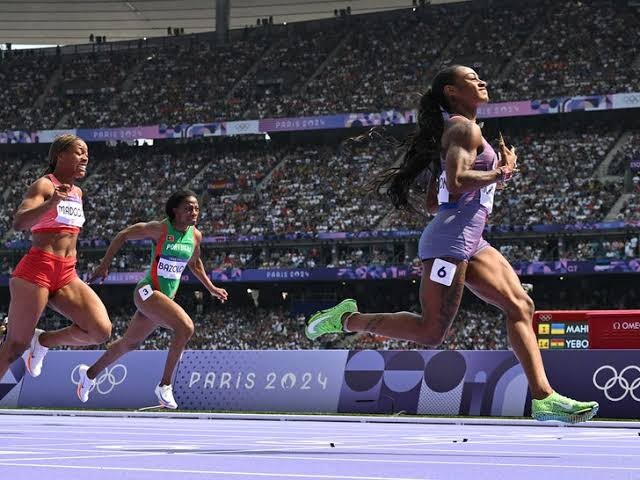
Paris brought Olympic medals
A year later, Richardson arrived at the Paris 2024 Olympics carrying expectations of another major championship performance.
She delivered.
Richardson won silver in the individual 100m and then anchored the United States to gold in the women’s 4x100m relay. World Athletics records her as an Olympic champion and Olympic silver medallist.
The Olympic gold was particularly significant.
After missing Tokyo, Richardson had returned to the biggest stage in the sport and left Paris as an Olympic champion.
Her journey had gone from disappointment to the highest step of the podium.
2026: Still winning, still evolving
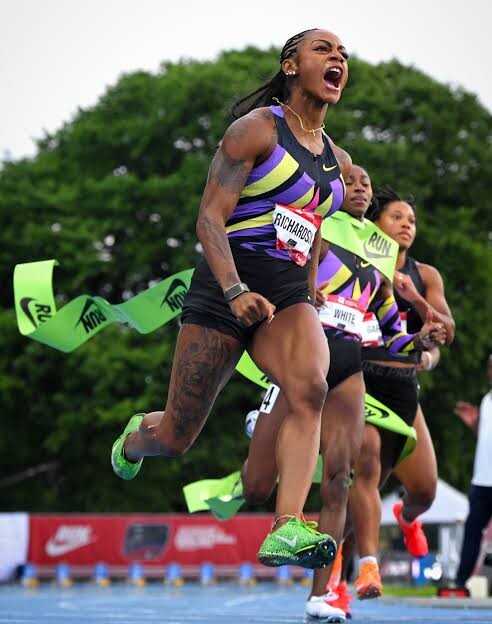
Richardson's story continued into 2026, and she closed the season in emphatic fashion at ATHLOS London.
On September 18 at StoneX Stadium, she won the 100m in 10.80 seconds with no wind assistance, finishing well clear of New Zealand's Zoe Hobbs, who ran 11.19. The performance was also an ATHLOS meeting record.
It was another reminder that Richardson remains one of the defining personalities of modern sprinting.
But the most compelling part of her journey cannot be measured entirely in seconds.
It is the evolution behind the performances.
The young sprinter who entered the global spotlight with enormous confidence has experienced public criticism, disappointment, grief, triumph and the enormous pressure that comes with being one of the world's most recognizable athletes.
Through it all, she has continued to shape her identity on her own terms.
Her story is no longer simply about speed.
It is about resilience, reinvention and the ability to return after a moment that could have permanently changed the direction of a career.
From a teenage sensation running 10.75 to a world champion running 10.65.
From missing the Tokyo Olympics to winning Olympic gold in Paris.
From one of the most difficult periods of her young career to becoming an established global sprint star.
Sha’Carri Richardson did not simply return to the track.
She returned with a different perspective, a bigger résumé and a story that belongs to her.
And perhaps that is the most powerful transformation of all: not becoming someone different, but growing into a stronger version of the person she always wanted to be.
by Erick Cheruiyot for My Best Runs.
Login to leave a comment
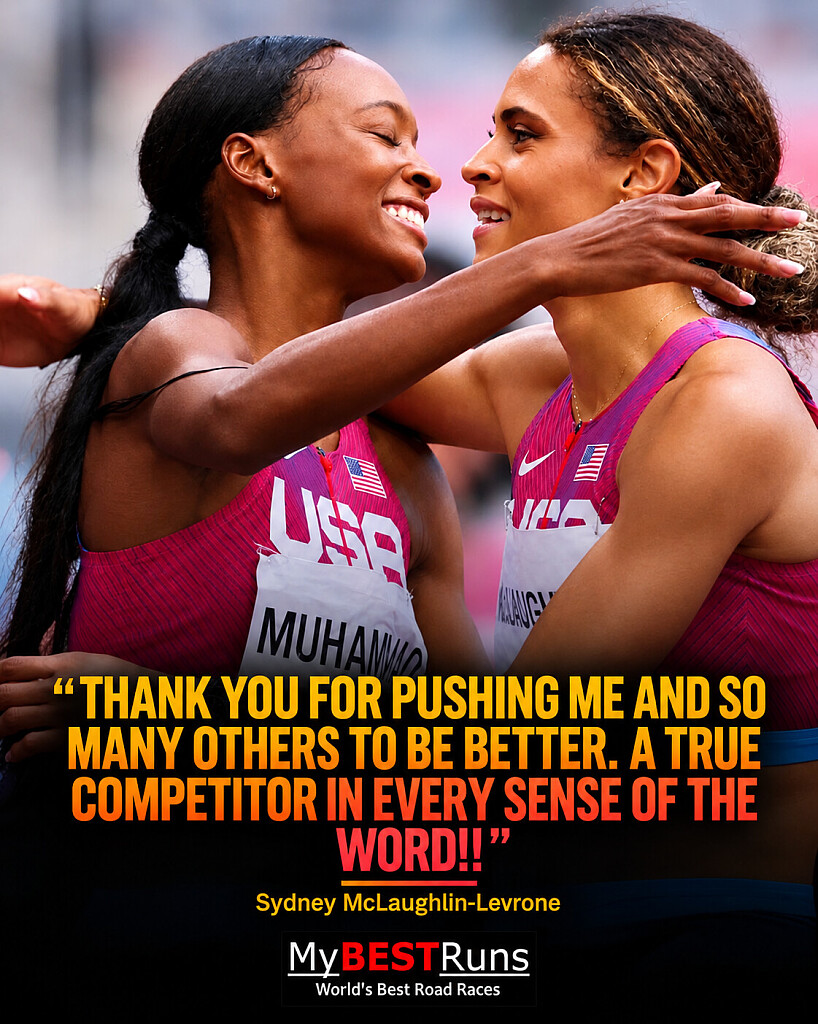
Sydney McLaughlin-Levrone Pays Emotional Tribute As Dalilah Muhammad’s Legendary Career Comes To An End
Some rivalries create champions. Others change an entire sport.
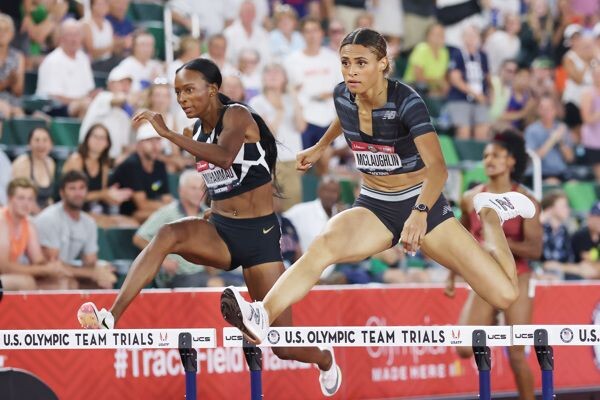
For Sydney McLaughlin-Levrone and Dalilah Muhammad, their extraordinary rivalry did both.
As Muhammad took the final 400m hurdles race of her remarkable career at the World Athletics Ultimate Championship Budapest 26, McLaughlin-Levrone paid tribute to the woman who helped push her to another level — not only as a competitor, but as one of the athletes who helped redefine what was possible in the event.
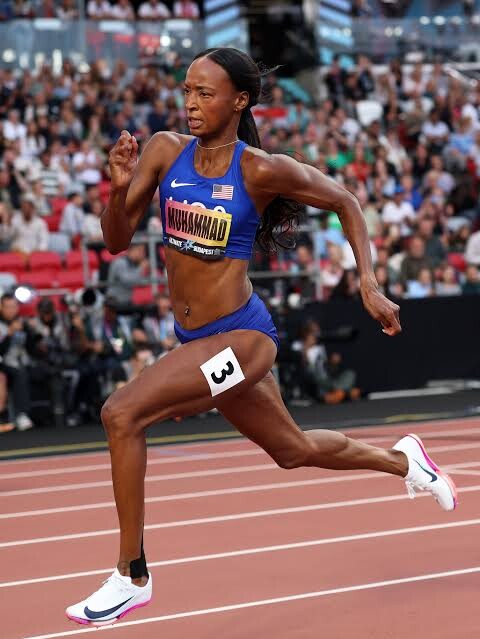
“Dalilah, you truly did just change the game for all of us.”
Those words carry particular weight because few athletes understand Muhammad’s impact better than McLaughlin-Levrone.
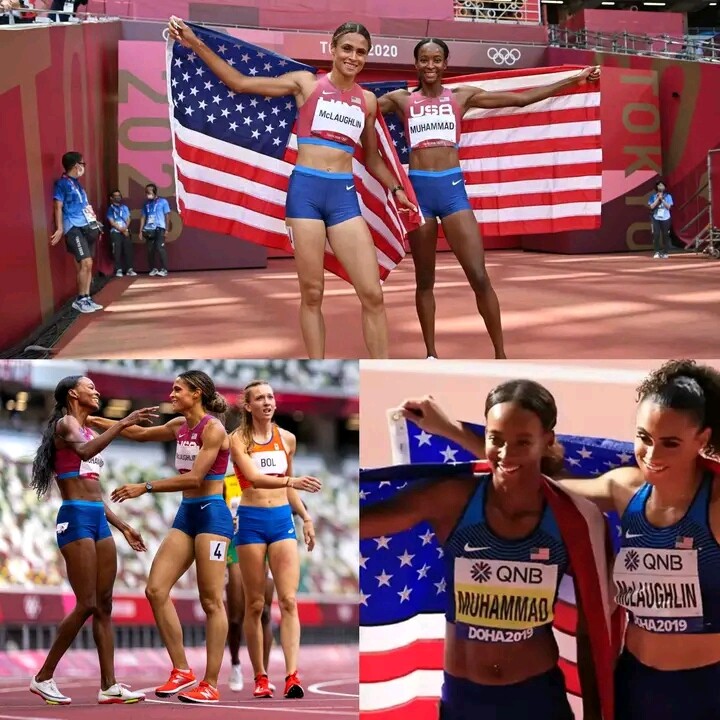
Their rivalry became one of the defining stories of modern women’s athletics. In 2019, Muhammad broke a world record that had stood for almost 16 years, clocking 52.20 seconds at the US Championships. Later that year, she lowered it again to 52.16 while winning the world title in Doha, with McLaughlin-Levrone finishing second in 52.23.
But Sydney was not content to simply chase Muhammad.
She kept coming.
At the Tokyo Olympics, McLaughlin-Levrone broke the world record with 51.46 seconds to win gold, while Muhammad followed closely in 51.58. Their performances demonstrated how dramatically the event had evolved in just a few years.
McLaughlin-Levrone continued to push the limits, eventually taking the world record down to 50.68 seconds in 2022 before producing an astonishing 50.37 at the Paris 2024 Olympics.
Yet behind those numbers was something more meaningful than a succession of records.
There was respect.
Muhammad had established a standard that forced McLaughlin-Levrone to chase something greater, while McLaughlin-Levrone’s rise helped create another level of competition for everyone following them.
That is the essence of “iron sharpens iron.”
One athlete pushes.
The other responds.
And the sport moves forward.
Their relationship also extended beyond individual competition. They represented the United States together and shared Olympic success as teammates, including the American women’s 4x400m relay gold medal at Tokyo 2020.
Now, years after their most memorable battles, Muhammad has taken her final bow.
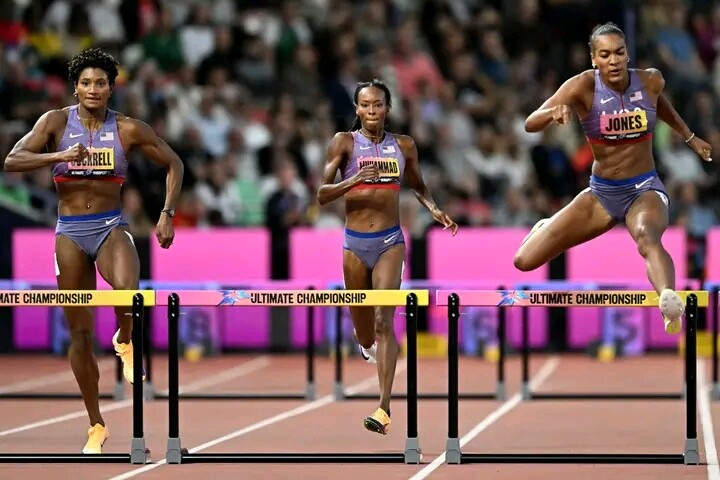
At the inaugural World Athletics Ultimate Championship in Budapest, the former Olympic champion and world record-holder finished fourth in 53.11 seconds, just 0.02 behind fellow American Anna Cockrell.
Jasmine Jones won the title in a season-best 52.45 seconds, with Emma Zapletalová taking second in 52.68 and Cockrell finishing third in 53.09.
For Jones, the victory represented the biggest breakthrough of her career. After finishing fourth at the Paris 2024 Olympics and claiming silver at the 2025 World Championships, she finally reached the top of a major international podium.
And there was something particularly fitting about Muhammad sharing her final race with an athlete from a younger generation.
The baton was not literally being passed, but the symbolism was impossible to miss.
Muhammad helped establish a new standard.
McLaughlin-Levrone took that standard even higher.
And now athletes such as Jones are beginning to write their own stories in an event transformed by those who came before them.
For Muhammad, the legacy goes far beyond medals and world records. She became one of the defining figures in the history of the women’s 400m hurdles, helping elevate the event through years of extraordinary competition.
That is why McLaughlin-Levrone’s tribute feels so much bigger than a farewell.
“Thank you for pushing me and so many others to be better. A true competitor in every sense of the word!!”
There was a time when Sydney was chasing Dalilah.
Then Sydney became the athlete everyone else had to chase.
But their story was never simply about one athlete replacing another. It was about competition creating excellence — about two extraordinary athletes raising the standard until the impossible began to look achievable.
Muhammad pushed the door open.
McLaughlin-Levrone ran through it.
And now a new generation is stepping forward.
As Muhammad leaves the track for the final time, the records will remain in the history books and the medals will become part of her remarkable legacy. But perhaps her greatest contribution will be found in the athletes she inspired, challenged and helped make better.
One pushed.
One answered.
Both changed the game.
That is what iron sharpens iron truly means.
And for one unforgettable era, Dalilah Muhammad and Sydney McLaughlin-Levrone showed the world exactly what happens when two great competitors refuse to let each other settle for ordinary.
by Erick Cheruiyot for My Best Runs.
Login to leave a comment
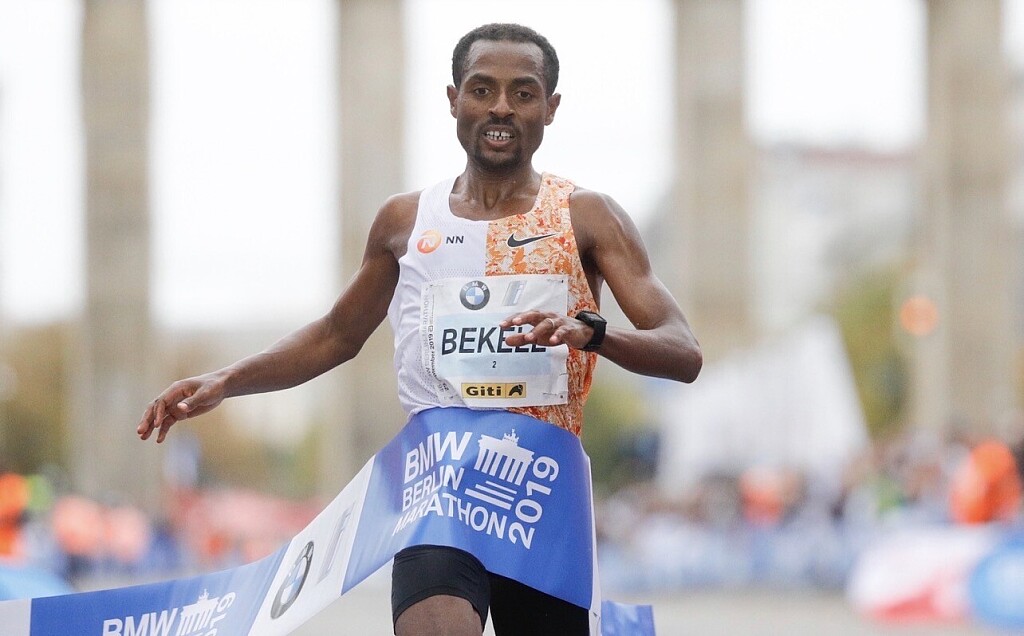
Kenenisa Bekele Returns to Berlin; Alisa Vainio Added to Elite Field
Kenenisa Bekele will run the BMW BERLIN-MARATHON on September 27, race organizers announced today. It will be the legendary Ethiopian’s first race of the year. At 44, Bekele may no longer be among the favorites for victory, but a strong performance remains possible.
Bekele has won the BMW BERLIN-MARATHON twice during his remarkable career, narrowly missing the world record on both occasions. In 2016, he crossed the line in 2:03:03, and in 2019, he clocked 2:01:41. Had he been just two seconds faster seven years ago, he would have become the first runner in history to hold the world records for 5,000 meters, 10,000 meters and the marathon simultaneously.

His return brings one of the greatest distance runners of all time back to Berlin. Bekele’s achievements on the track and in cross-country are extraordinary. He held the world records for 5,000 meters (12:37.35) and 10,000 meters (26:17.53) for approximately 15 years—longer than any other runner in history.
Bekele won 5,000-meter gold at the 2008 Olympic Games and the 2009 World Championships. Over 10,000 meters, he won Olympic gold in 2004 and 2008, along with world titles in 2003, 2005, 2007 and 2009. He also earned 11 individual gold medals at the World Cross Country Championships.
Two and a half years ago, at 41, Bekele nearly produced another extraordinary victory. He led during the closing stages of the London Marathon before finishing second in 2:04:15, setting a world masters record for the 40-plus age group that still stands. He was subsequently selected for the 2024 Olympic Games but finished 39th in Paris. Berlin offers him the opportunity to complete his first marathon since those Games.
European Champion Alisa Vainio Joins the Field
The women’s elite field has also received a strong late addition: European marathon champion Alisa Vainio.
A month ago, the Finnish runner claimed gold at the European Championships in Birmingham with a commanding performance, setting a championship record of 2:22:26.
Last year, Vainio was the top European finisher at the World Championships in Tokyo, placing fifth. She then went on to set three consecutive Finnish national records, improving to 2:20:39 with her victory in Seville in February.
That performance made her the fastest Nordic women’s marathon runner in history, surpassing the 2:21:06 set by Norway’s former world record-holder Ingrid Kristiansen.
Fastest Runners on the Start List
Men
|
Athlete |
Country |
Personal Best |
|
Kenenisa Bekele |
ETH |
2:01:41 |
|
Gabriel Geay |
TAN |
2:03:00 |
|
Getaneh Molla |
ETH |
2:03:34 |
|
Guye Adola |
ETH |
2:03:46 |
|
Shura Kitata |
ETH |
2:03:59 |
|
Erick Sang |
KEN |
2:04:30 |
|
Selemon Barega |
ETH |
2:05:00 |
|
Taresa Tolosa |
ETH |
2:05:17 |
|
Tadu Abate |
ETH |
2:05:38 |
|
Asefa Boki |
ETH |
2:05:40 |
|
Kenya Sonota |
JPN |
2:05:59 |
|
Tsubasa Ichiyama |
JPN |
2:06:00 |
|
Kiyoto Hirabayashi |
JPN |
2:06:14 |
|
Yuhei Urano |
JPN |
2:06:23 |
|
Hidekazu Hijikata |
JPN |
2:06:26 |
Women
|
Athlete |
Country |
Personal Best |
|
Tigst Assefa |
ETH |
2:11:53 |
|
Rosemary Wanjiru |
KEN |
2:16:14 |
|
Bedatu Hirpa |
ETH |
2:18:27 |
|
Dera Dida |
ETH |
2:18:32 |
|
Zeineba Yimer |
ETH |
2:18:47 |
|
Bosena Mulatie |
ETH |
2:19:00 |
|
Misgane Alemayehu |
ETH |
2:19:08 |
|
Bekelech Gudeta |
ETH |
2:19:39 |
|
Evaline Chirchir |
KEN |
2:20:33 |
|
Alisa Vainio |
FIN |
2:20:39 |
|
Deshun Zhang |
CHN |
2:20:53 |
|
Gadise Mulu |
ETH |
2:20:59 |
|
Eebbisee Addunyaa |
ETH |
by Race News Service
Login to leave a comment
BMW Berlin Marathon
The story of the BERLIN-MARATHON is a story of the development of road running. When the first BERLIN-MARATHON was started on 13th October 1974 on a minor road next to the stadium of the organisers‘ club SC Charlottenburg Berlin 286 athletes had entered. The first winners were runners from Berlin: Günter Hallas (2:44:53), who still runs the BERLIN-MARATHON today, and...
more...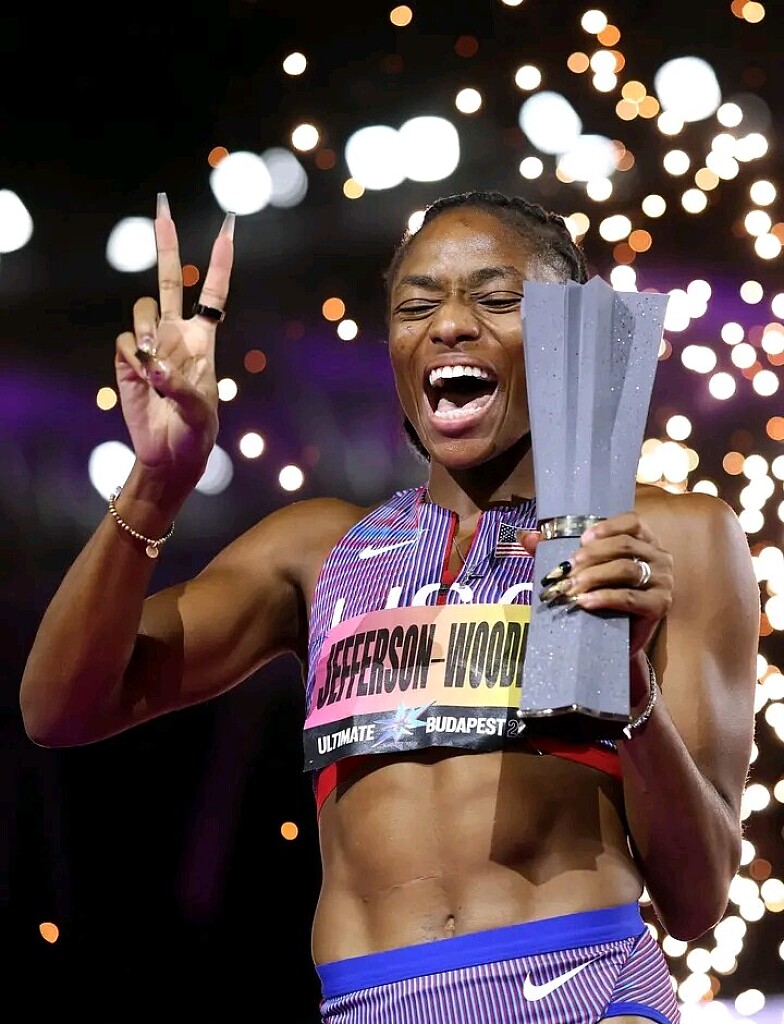
Melissa Jefferson-Wooden Storms Into History With Stunning 200m Victory In Budapest
Melissa Jefferson-Wooden has once again demonstrated why she is becoming one of the defining forces in women’s sprinting, delivering a breathtaking performance to win the 200m at the inaugural World Athletics Ultimate Championship in Budapest.
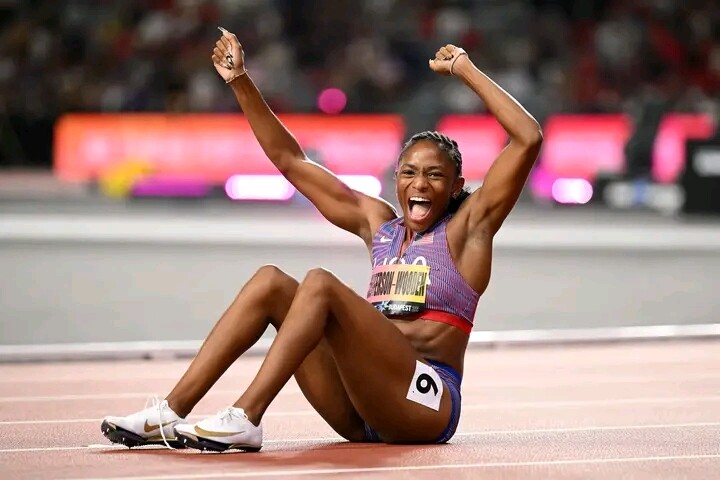
The American powered to victory in 21.47 seconds, producing one of the fastest performances in history despite facing a 0.6m/s headwind. She finished well clear of Olympic champion Gabby Thomas, who clocked 21.77, while Kayla White secured third place in 21.93.
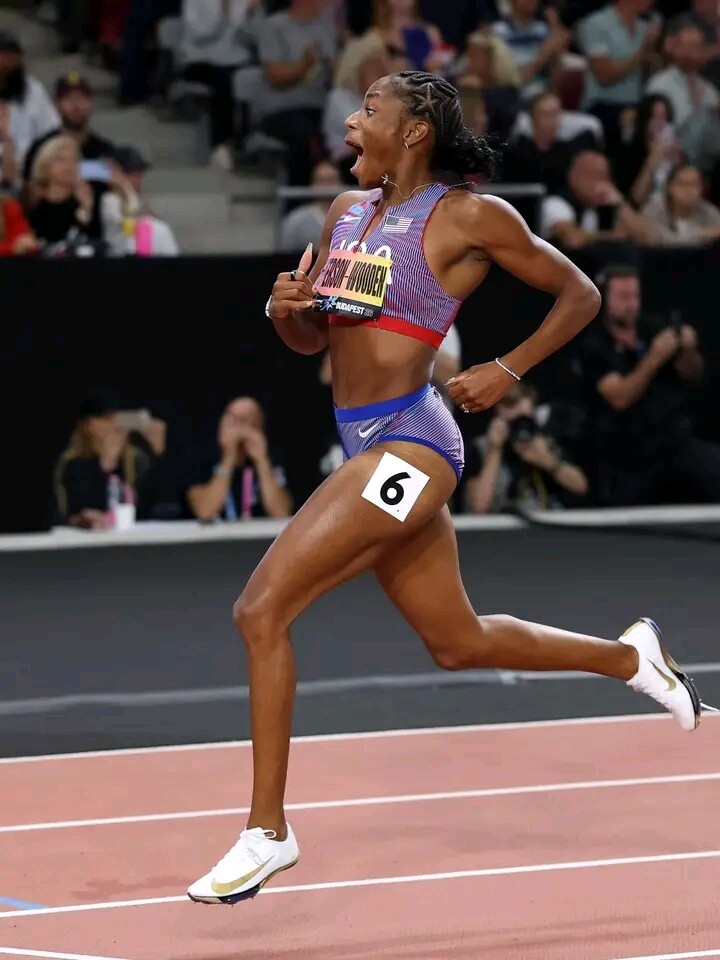
But Jefferson-Wooden’s latest triumph was about far more than another championship title. It was a performance that placed her among the fastest women ever to compete over the distance.
Her 21.47 seconds moved her to No. 3 on the all-time women’s 200m list, behind only legendary American sprinter Florence Griffith-Joyner, whose world record of 21.34 has stood since 1988, and Jamaica’s Shericka Jackson, who ran 21.41 in 2023.
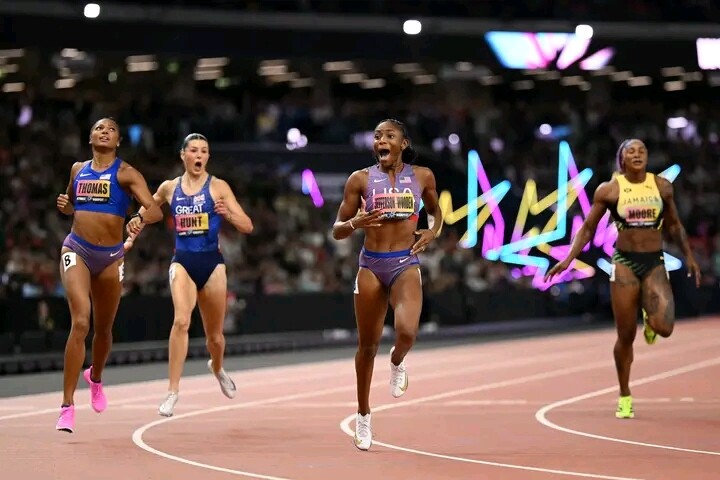
The result also pushed several celebrated names further down the rankings. Julien Alfred’s 21.51 from 2026 now sits fourth, while Elaine Thompson-Herah’s 21.53 from 2021 ranks fifth.
The significance of Jefferson-Wooden’s achievement becomes even greater when the conditions are considered. Running into a headwind makes a sprint performance more difficult, yet she still produced the third-fastest 200m ever recorded, underlining the extraordinary speed and execution behind her victory.
A Sensational Sprint Double
The Budapest triumph also completed a remarkable 100m and 200m double.
Just one night earlier, Jefferson-Wooden stormed to the 100m title in 10.62 seconds. She returned to the track with the same confidence and determination, once again delivering when the pressure was greatest.
The double adds another major achievement to a championship career that has rapidly gathered momentum. Jefferson-Wooden arrived in Budapest as the reigning world champion in both the 100m and 200m after completing the sprint double at the 2025 World Championships in Tokyo.
Now, she has added the inaugural Ultimate Championship double to her growing collection of major victories.
$300,000 Reward For Budapest Dominance
Jefferson-Wooden’s extraordinary weekend also comes with a substantial financial reward. With $150,000 awarded to each individual event winner, her victories in the 100m and 200m earn her a total of $300,000 from the championship.
Yet the money is almost secondary to what she has achieved on the track.
In an era filled with Olympic champions, world champions and record-setting talents, Jefferson-Wooden is separating herself through consistency, championship composure and an extraordinary ability to deliver on the biggest stages.
Her latest 21.47 seconds does more than add another title to her résumé. It places her directly among the fastest women the sport has ever seen over 200m.
Florence Griffith-Joyner remains at the summit. Shericka Jackson sits second. But Melissa Jefferson-Wooden is now firmly at No. 3—and judging by the extraordinary trajectory of her career, the American may not be finished climbing.
From Tokyo to Budapest, Jefferson-Wooden is no longer simply chasing sprinting history.
She is becoming part of it.
by Erick Cheruiyot for My Best Runs.
Login to leave a comment
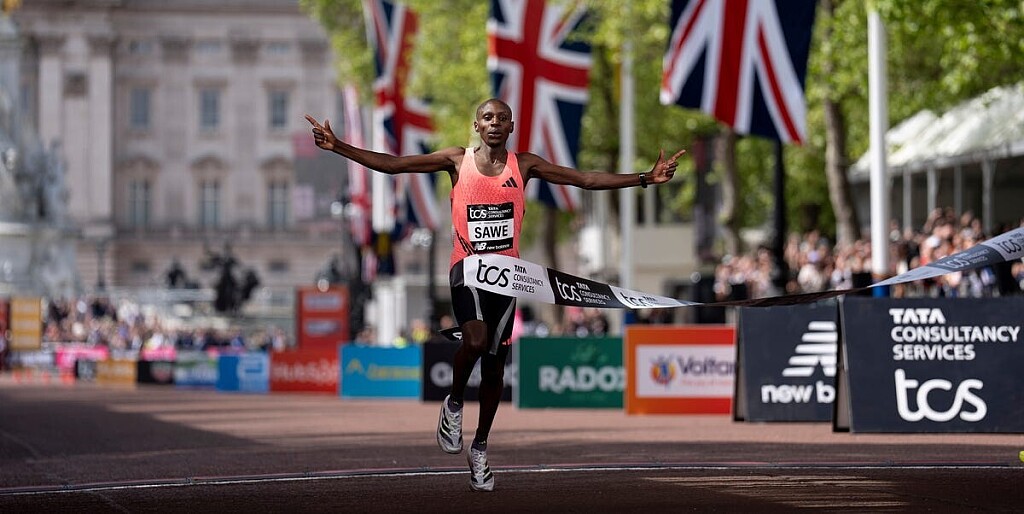
Marathon Majors Course Records: Where Speed, History And The Course Collide
The world’s biggest marathons are united by prestige, elite fields and unforgiving 26.2-mile battles, but their course records tell very different stories. From Tokyo to Sydney, each course has its own character, while London and Chicago have become synonymous with extraordinary speed.
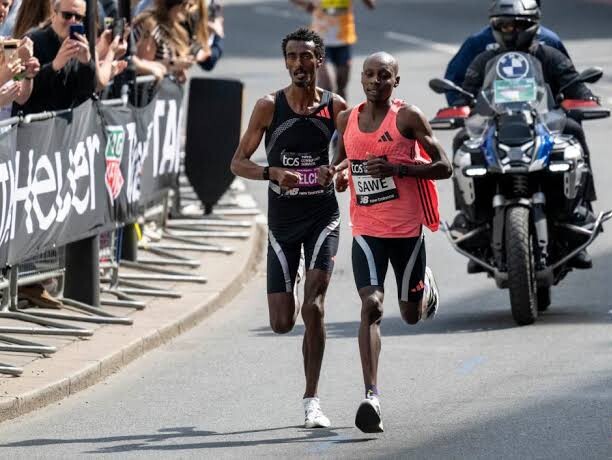
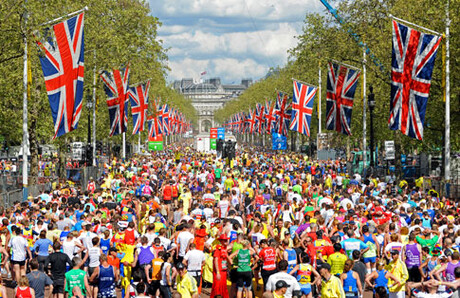
At the top of the men’s list stands the London Marathon, where Kenya’s Sabastian Sawe produced one of the greatest performances in road-running history. Sawe clocked 1:59:30 in April 2026, becoming the first athlete to officially break the two-hour barrier in a marathon. His performance also lowered the world record from Kelvin Kiptum’s previous mark of 2:00:35.
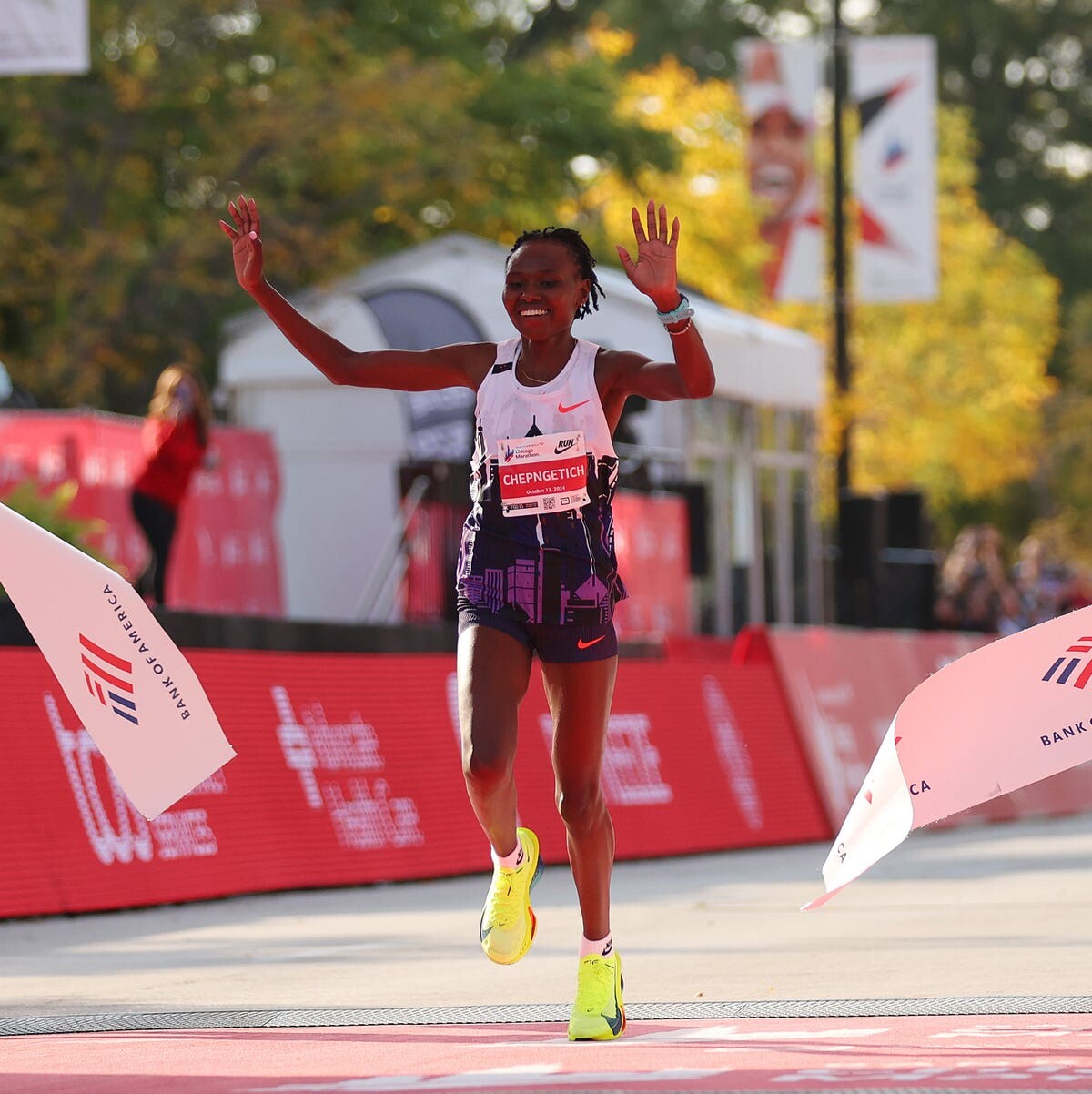
Chicago, meanwhile, owns one of the most remarkable records in women’s marathon history. Kenya’s Ruth Chepngetich ran 2:09:56 in 2024, becoming the first woman to break the 2:10 barrier. The performance remains a landmark in the event’s history and gives Chicago a special place among the fastest marathon courses in the world.
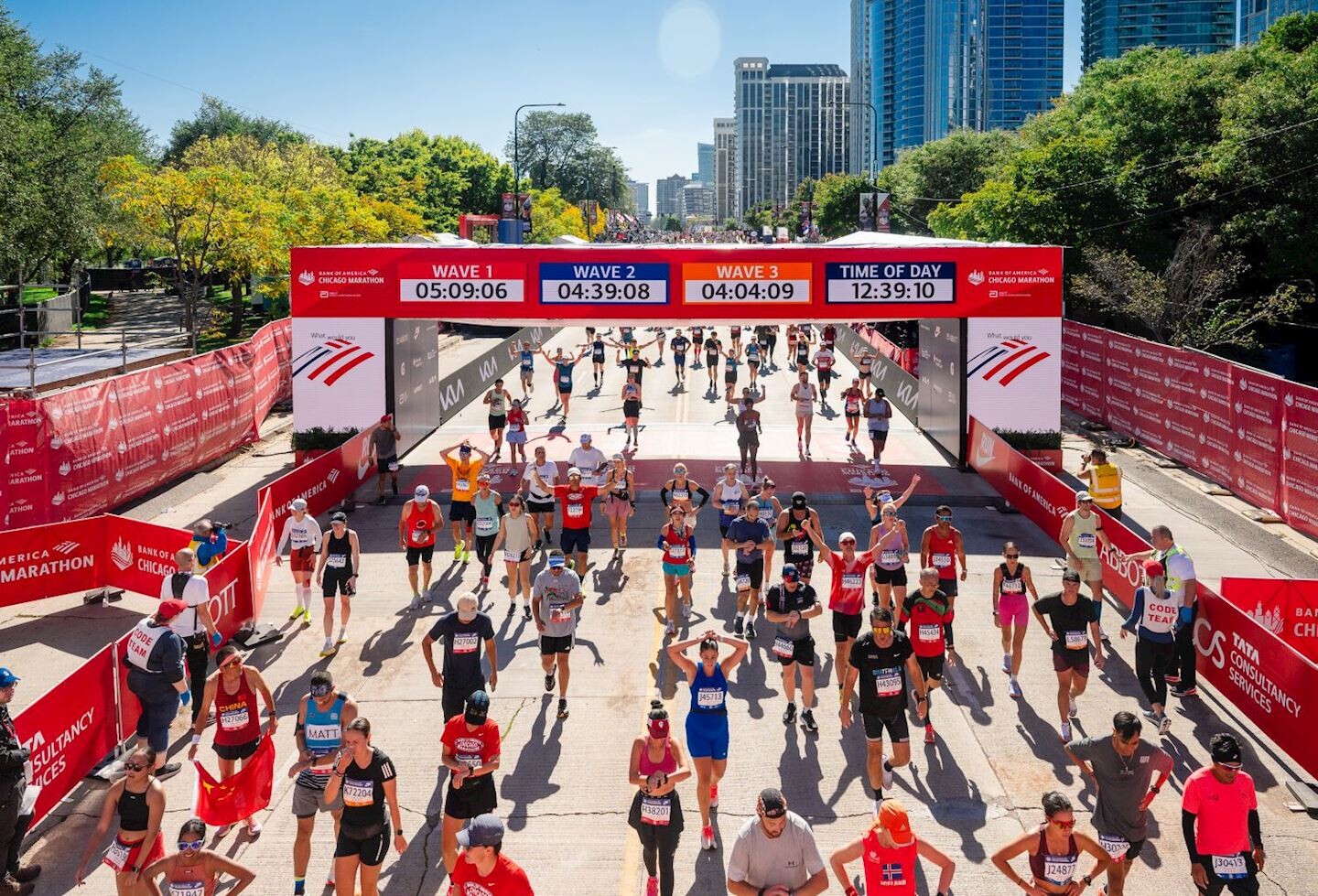
The men’s Chicago record is 2:00:35, set by the late Kelvin Kiptum in 2023. That performance stood as the world record until Sawe’s extraordinary 1:59:30 in London in 2026.
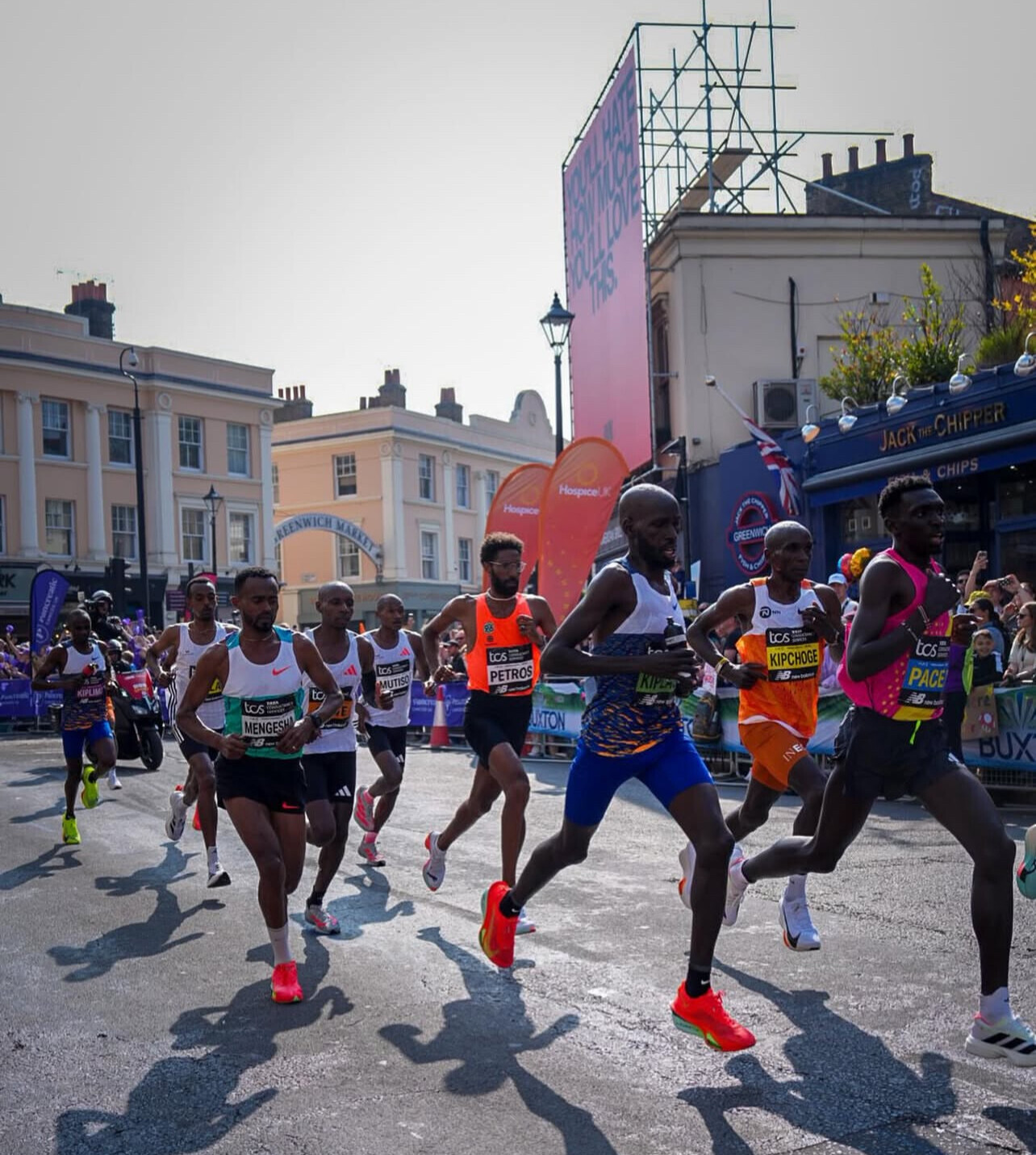
Then there is Berlin, perhaps the most celebrated world-record factory in marathon history. Kenya’s Eliud Kipchoge holds the men’s course record at 2:01:09, while Ethiopia’s Tigist Assefa owns the women’s mark at 2:11:53. Berlin has hosted numerous men’s world records over the years, underlining its reputation as one of the fastest marathon courses on the planet.
The elevation figures help explain why the courses produce such different performances. Berlin has relatively modest elevation changes, creating a fast and rhythm-friendly route. Other Majors present considerably greater challenges.
Boston, for example, climbs 248 metres but descends 388 metres. Its famous point-to-point layout and net downhill profile make it exceptionally fast in places, but its course does not qualify for official world-record purposes because the elevation drop exceeds the limit permitted by World Athletics.
New York City is a completely different proposition. With approximately 246 metres of climbing, it is among the toughest Major Marathon courses, demanding strength and tactical patience rather than simply raw speed. Its records therefore carry a different kind of significance, earned on a course that tests athletes through bridges, climbs and a demanding closing stretch into Central Park.
Tokyo offers another fast but distinctive challenge, with Benson Kipruto holding the men’s course record in 2:02:16. Brigid Kosgei’s 2:14:29 remains the women’s course record, illustrating the exceptional standard required to rewrite the record books in the Japanese capital.
And then there is Sydney, the newest addition to the Abbott World Marathon Majors family. Its course has already produced outstanding performances, with Addisu Gobena’s 2:04:42 listed as the men’s course record and Sifan Hassan’s 2:18:22 as the women’s mark in the graphic. With its demanding elevation profile, those performances underline just how quickly the Sydney course has established itself among the world’s major marathon stages.
What makes these records fascinating is that they cannot be judged by the clock alone. A 2:01 on a fast, record-legal course is a completely different achievement from a 2:04 on a demanding route, while Boston’s unique course rules mean that even exceptionally fast performances cannot enter the official world-record conversation.
For decades, marathon greatness was largely measured by who could run fastest. Today, the Majors show that where the time is run can be almost as important as the time itself. From Sawe’s historic sub-two-hour breakthrough in London to Chepngetich’s barrier-breaking run in Chicago and Berlin’s remarkable record history, these performances represent different chapters of marathon history—and the next chapter could be written at any Major.
by Erick Cheruiyot for My Best Runs.
Login to leave a comment
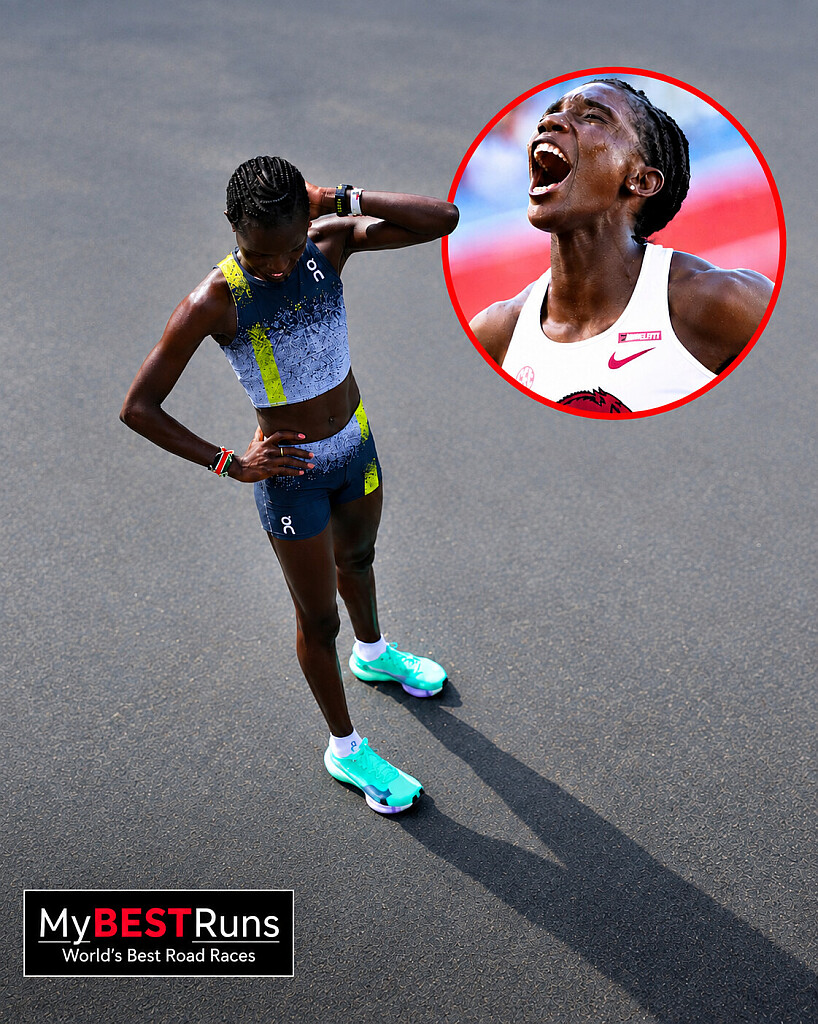
Doris Lemngole Turns Professional With On After Remarkable NCAA Career
Kenyan steeplechase star Doris Lemngole has officially turned professional after signing a contract with Swiss sportswear brand On, marking the beginning of a new chapter for one of the most accomplished young distance runners in the sport.
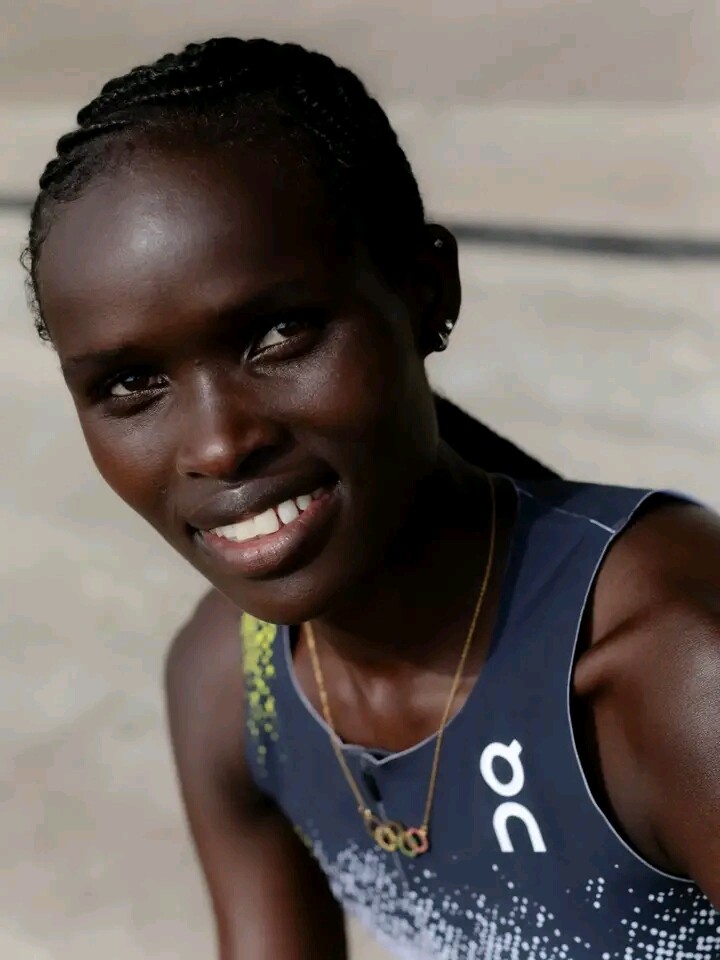
On announced the move on Thursday, September 10, confirming that the 24-year-old has been elevated from the NIL partnership she signed with the brand in August 2025 to its professional athlete roster.
The decision comes after Lemngole completed a spectacular collegiate career at the University of Alabama, where she established herself as one of the most dominant distance runners in NCAA history. She leaves Tuscaloosa as a five-time NCAA champion, a collegiate record-holder and the winner of The Bowerman, the highest individual honor in American collegiate track and field.
Her breakthrough came in the 3,000m steeplechase, an event in which she repeatedly pushed the boundaries of collegiate running. In 2025, she clocked 8:58.15 to become the first woman in NCAA history to break the nine-minute barrier in the event. She also captured consecutive NCAA outdoor steeplechase titles in 2024 and 2025.
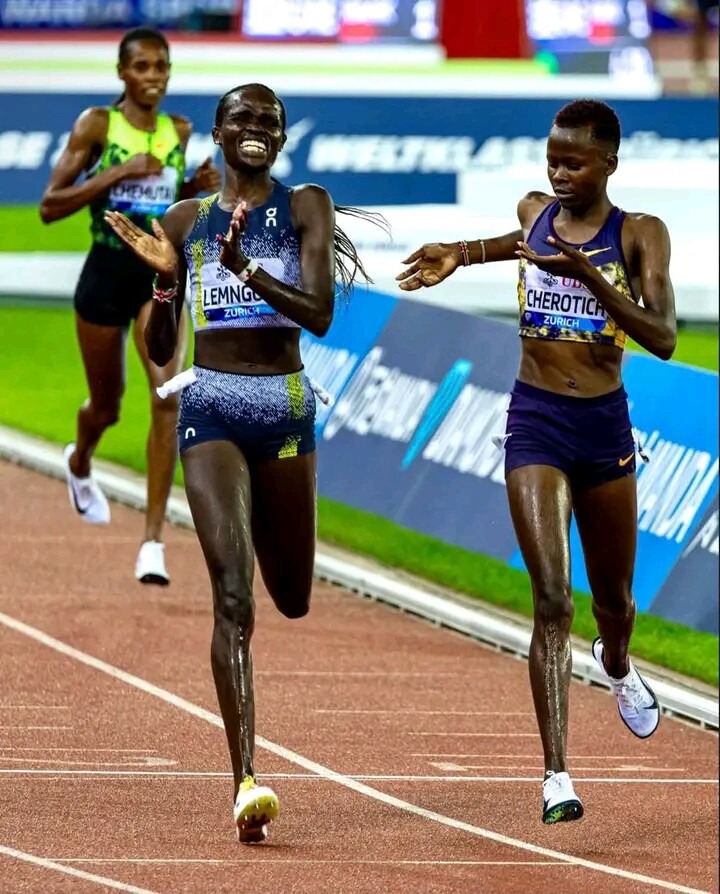
Lemngole was equally impressive over cross country. At the 2025 NCAA Championships in Missouri, she defended her national title in 18:25.4, producing the fastest winning performance in NCAA championship history by a considerable margin. Her consistency and dominance across disciplines ultimately helped her secure The Bowerman in December 2025, making her the first Alabama athlete and first Kenyan to receive the prestigious award.
Her transition from collegiate standout to international contender has been remarkably rapid. Still competing as an Alabama athlete, Lemngole won her Diamond League debut in the 3,000m steeplechase at Athletissima in Lausanne in August 2025 before going on to represent Kenya at the World Championships in Tokyo, where she finished fifth.
Now, just days before her professional announcement, Lemngole produced perhaps the strongest performance of her career. At the Diamond League Final in Brussels on September 4, she stormed to a massive personal best of 8:52.86 for second place in the 3,000m steeplechase. Only five women in history had previously run faster, underlining just how extraordinary the performance was. Faith Cherotich won in a meeting-record 8:51.61, while Olympic champion Winfred Yavi finished third in 8:53.54.
That performance provided a fitting bridge between Lemngole's collegiate dominance and her professional future. She is no longer simply one of the NCAA's brightest talents; she has now established herself firmly among the world's leading steeplechasers.
For On, the decision represents a natural continuation of a relationship that began when Lemngole joined its NIL roster in 2025. The Swiss brand said her ability to dominate at the collegiate level while immediately challenging the world's best made the move to its professional roster a natural progression.
For Lemngole, the signing is about much more than a new contract. It represents the next stage of a journey that has taken her from NCAA champion and record-breaker to Bowerman winner and international title contender.
With her collegiate chapter now complete and a sub-8:53 performance already on the record, the Kenyan has made her intentions clear: **the next challenge is to see just how far she can take her extraordinary talent on the global stage.**
by Erick Cheruiyot for My Best Runs.
Login to leave a comment

Melissa Jefferson-Wooden Chases Another Historic Sprint Double in Budapest
Melissa Jefferson-Wooden is ready to take on one of the biggest challenges of the inaugural World Athletics Ultimate Championships: conquering both the 100 metres and 200 metres against two of the strongest sprint fields in the world.
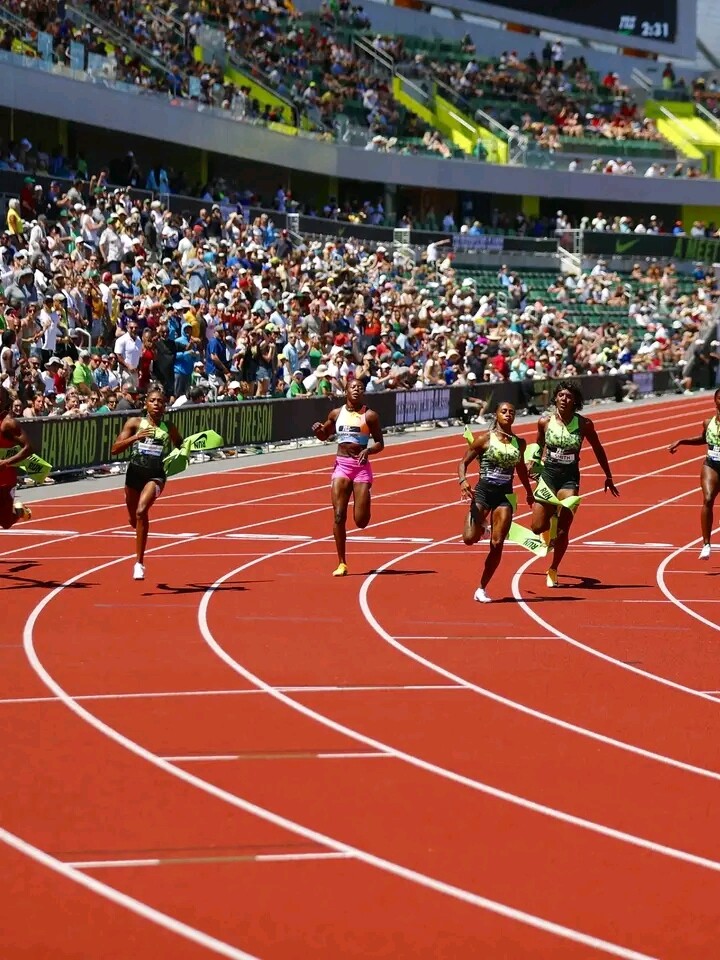
The American sprint star has officially entered both events for the three-day championship in Budapest, Hungary, taking place from September 11 to 13. After producing one of the most remarkable performances of the 2025 World Athletics Championships in Tokyo, Jefferson-Wooden now arrives in Budapest with another opportunity to prove that she is the dominant force in women's sprinting.
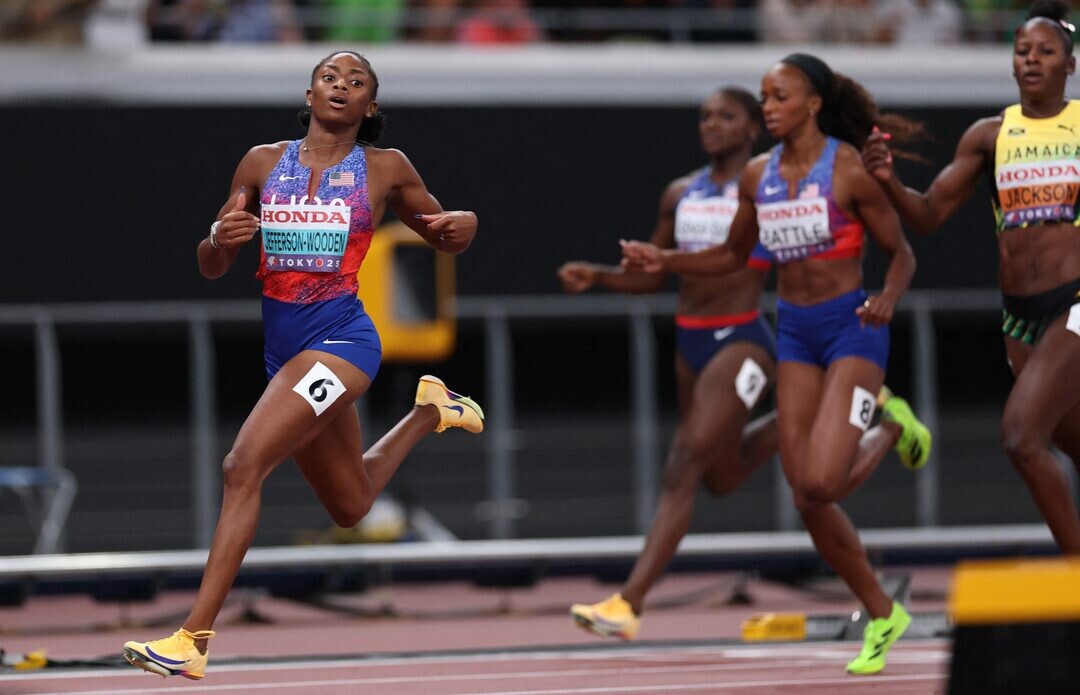
Her first major test will come in the women's 100m, where she will renew her rivalry with Saint Lucia's Olympic champion Julien Alfred. The two women currently share the 2026 world lead at 10.70 seconds following their thrilling clash in Zurich, setting the stage for what could be one of the most anticipated races of the entire Ultimate Championships.
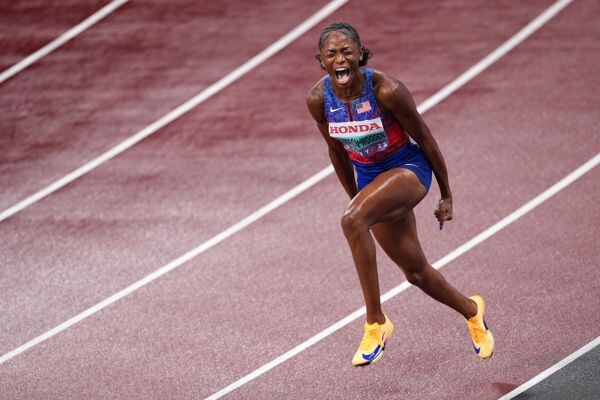
The women's 100m final is scheduled for Saturday, September 12, and Jefferson-Wooden will enter with the confidence of a reigning world champion. But Alfred's presence ensures that there will be no room for error when the world's fastest women line up in Budapest.
Then comes the second challenge.
Just 24 hours later, Jefferson-Wooden will turn her attention to the 200m, where she will face another formidable opponent in Olympic champion Gabby Thomas. Jefferson-Wooden is the reigning U.S. champion over the distance and has produced a season-best of 21.69 seconds, while her outstanding form has placed her among the world's elite in the event.
The 200m represents the second half of a demanding double, and the women's final will take place on Sunday, September 13. The championship format means the world's best sprinters will have little opportunity to ease into the competition, making the physical and mental demands of contesting both events even more significant.
Jefferson-Wooden, however, has already demonstrated that she can handle history-making pressure.
At the 2025 World Athletics Championships in Tokyo, she completed a spectacular sprint treble, winning the 100m, 200m and 4x100m relay. Her 100m victory came in a championship record of 10.61 seconds, underlining the extraordinary level she reached during that unforgettable championship campaign.
Now Budapest offers the American another chance to build on that legacy.
The 100m will bring the explosive showdown with Julien Alfred. The 200m will present a different challenge against Olympic champion Gabby Thomas and another world-class field. Winning either event would be a major achievement. Winning both would further strengthen Jefferson-Wooden's growing claim as one of the defining sprinters of her generation.
She has already swept the global stage once.
Now, at the inaugural World Athletics Ultimate Championships, Melissa Jefferson-Wooden is going for another double.
Can the American sprint queen conquer both Budapest showdowns and add another unforgettable chapter to her remarkable career?
by Erick Cheruiyot for My Best Runs.
Login to leave a comment

Jimmy Gressier’s Bold Copenhagen Double: From Sub-13 Speed To Half-Marathon Glory?
Jimmy Gressier is preparing to take on one of the most intriguing challenges of the 2026 World Athletics Road Running Championships in Copenhagen — competing in both the men’s 5km and half-marathon, with less than a day separating the two races.
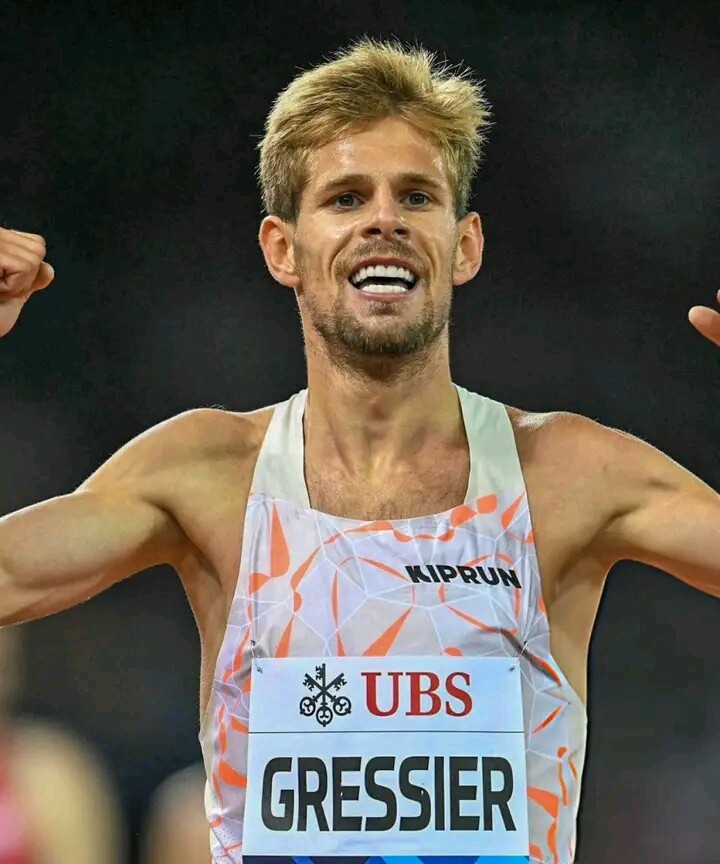
The French star is listed for the 5km on September 19 at 2:40 p.m., before returning to action for the half-marathon at 9:45 a.m. the following morning. That gives him just 19 hours and five minutes between races.
It is a remarkable contrast. One race is expected to last less than 13 minutes for Gressier; the other could keep him racing for around an hour. His personal bests tell the same story: 12:51 for 5km, equivalent to roughly 4:08 per mile, and 59:45 for the half-marathon, or about 4:33 per mile.
And the difference in his standing on the two start lists is striking.
In the 5km, Gressier enters as the fastest man in the field of 63 athletes. His sensational 12:51 in Lille in April made him the European record-holder and moved him to within just two seconds of the world record. Ethiopia’s Addisu Yihune is the only other athlete entered with a faster mark than 13 minutes, having run 12:54, while no other competitor has broken 13:06 this year.
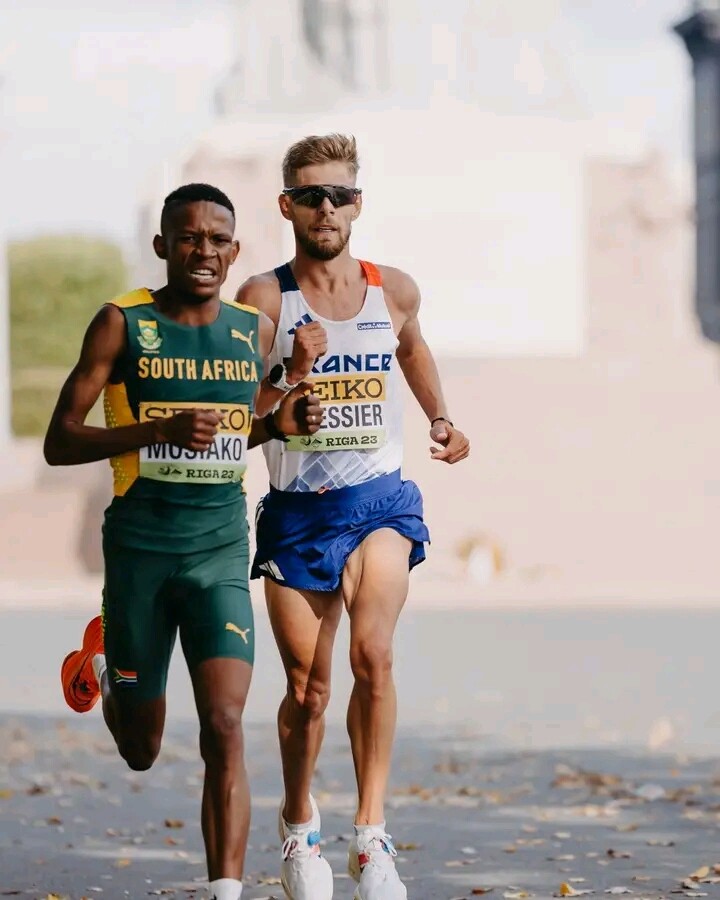
The half-marathon presents a completely different challenge.
Gressier’s 59:45 personal best places him 13th on the entry list, with 12 athletes boasting faster lifetime performances. Kenya’s Nicholas Kipkorir leads that group with 58:08, while Sweden’s Andreas Almgren arrives with the European record of 58:41. Gideon Kipkertich Rono has run 58:38, Tadese Worku 58:47, while the field also includes major names such as Joshua Cheptegei, Daniel Simiu Ebenyo, Yemaneberhan Crippa and Conner Mantz.
Adding another layer of intrigue, Gressier has not raced a half-marathon in 2026.
Yet this is far from unfamiliar territory for the Frenchman.
Gressier has already demonstrated that he can excel over 21.1 kilometres. His 59:45 came when he won the European half-marathon title in Brussels-Leuven in April 2025, defeating Norway’s Awet Nftalem Kibrab by 1:23. He also finished fifth at the 2023 World Half Marathon Championships in Riga, clocking 59:46.
That makes Copenhagen’s unusual schedule particularly important.
When the inaugural World Road Running Championships were held in Riga three years ago, the elite races were compressed into a single afternoon, making a 5km-and-half-marathon double far more difficult to contemplate. Copenhagen has instead spread the competitions across the weekend, creating a window that allows athletes such as Gressier to attempt something far more ambitious.
He will not be alone. Ten athletes on the final entry lists have entered two races, but Gressier’s combination is arguably among the most demanding because of the intensity with which he attacks both distances.
There is also a powerful reminder of what Gressier can produce when the stakes are highest.
At last year’s World Championships in Tokyo, he produced a breathtaking finish to claim the 10,000m world title, edging Yomif Kejelcha by just 0.06 seconds. His own description of that dramatic finish captured his competitive instinct perfectly: he had targeted a medal, moved into third on the home straight, then surged through second before taking gold.
Now, Gressier is preparing for another test of versatility.
First comes the explosive 5km, where he arrives as the fastest man on paper and one of the biggest threats to the world’s best. Then, barely 19 hours later, comes the half-marathon — a race filled with established road-running specialists and several athletes with considerably faster credentials.
Two races. Two very different challenges. One extraordinary weekend.
In Copenhagen, Jimmy Gressier will find out just how far his remarkable range can take him.
by Erick Cheruiyot for My Best Runs.
Login to leave a comment
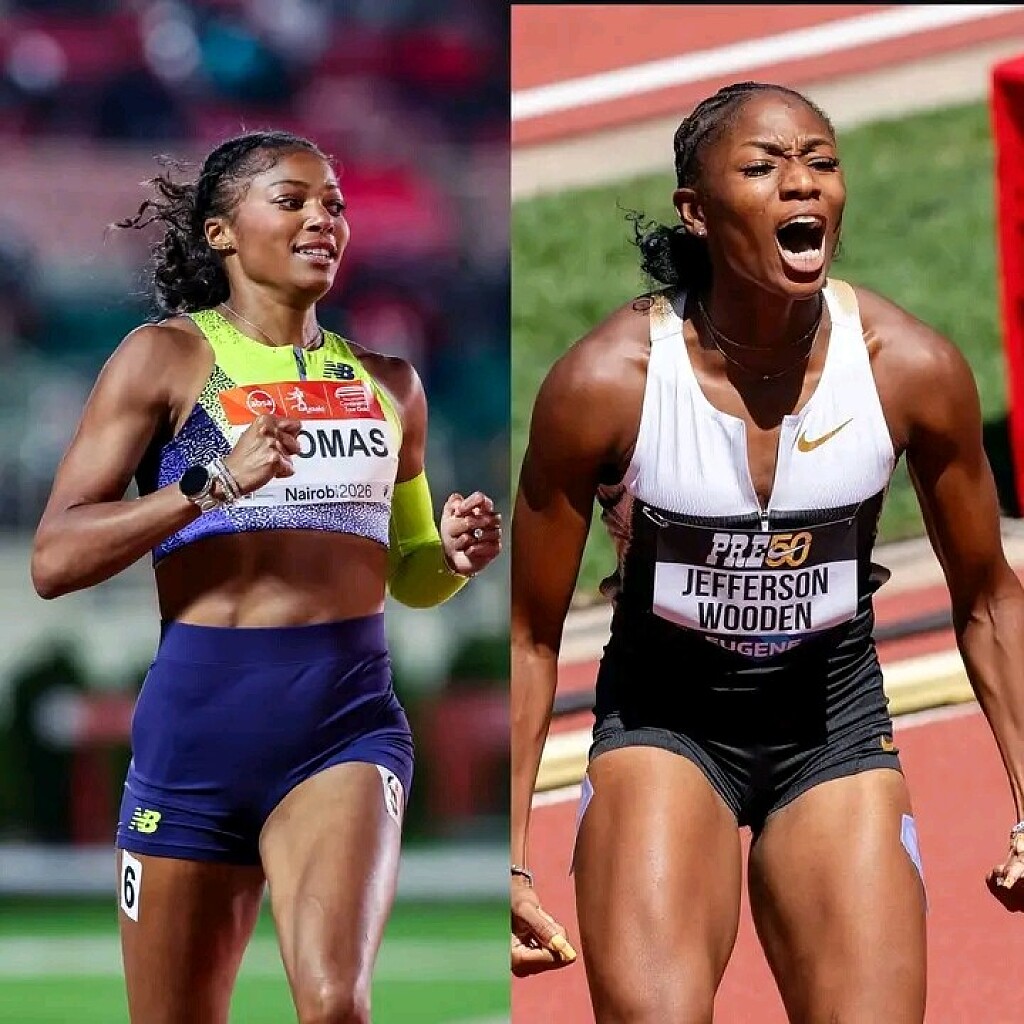
Thomas vs Jefferson-Wooden: Budapest Braces for a 200m Blockbuster
BUDAPEST — Two American sprint giants, two extraordinary résumés and barely a hundredth of a second separating them on the 2026 world list. The stage is set for a mouthwatering women’s 200m showdown at the inaugural World Athletics Ultimate Championship in Budapest.
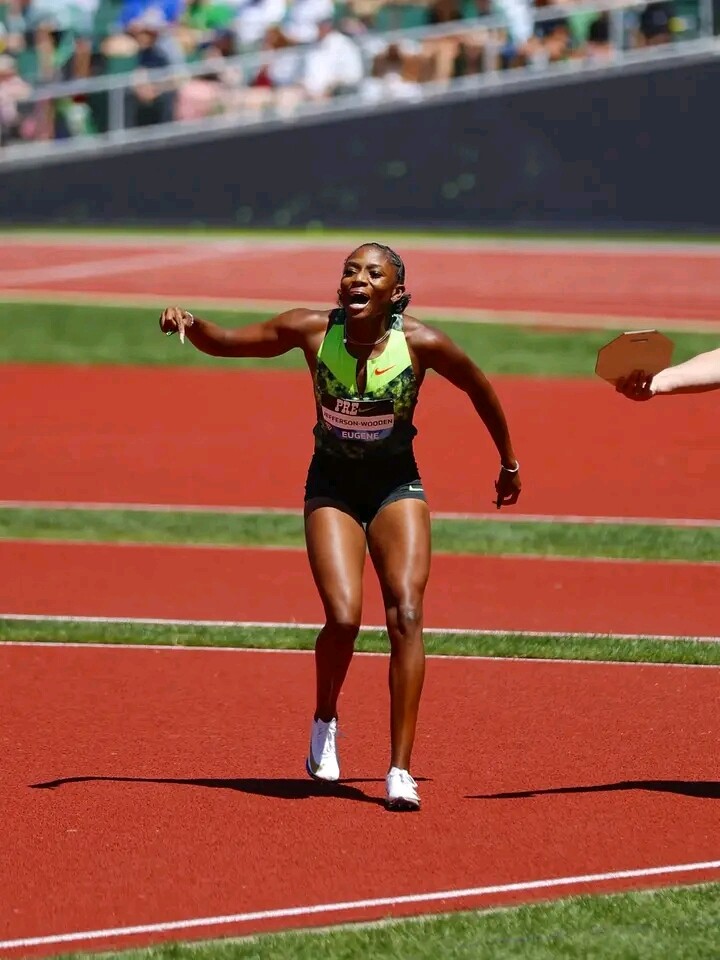
When the world’s best athletes gather in Hungary from 11–13 September for athletics’ newest global showcase, the women’s 200m promises to be one of the meeting’s headline attractions. And at the centre of the drama will be Melissa Jefferson-Wooden and Gabby Thomas — two champions arriving with formidable credentials and something to prove.
Jefferson-Wooden enters Budapest with perhaps the greater momentum.
The reigning world champion produced another statement performance at the U.S. Championships in July, powering to the national 200m title in 21.69 seconds with a legal +1.0m/s wind. The performance was only 0.01 seconds outside the 21.68 she ran to win the world title in Tokyo last year, confirming once again that she remains one of the most formidable 200m sprinters on the planet.
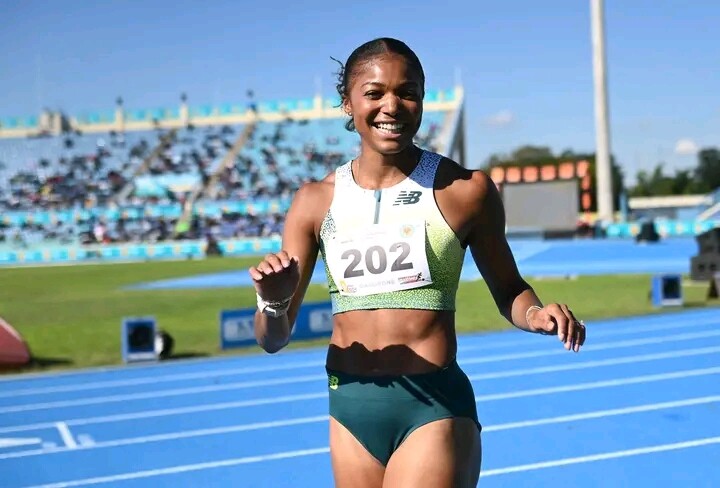
Thomas, however, is no stranger to the biggest stages.
The reigning Olympic 200m champion has built her reputation on championship racing, delivering when the pressure is greatest. Earlier this season, she clocked 21.70 seconds in College Station — just one hundredth behind Jefferson-Wooden’s season-leading mark at the U.S. Championships. The two Americans currently sit third and fourth on the 2026 world list, separated by the smallest possible margin.
And that tiny gap makes this matchup all the more intriguing.
21.69 versus 21.70.
On paper, there is almost nothing between them. But the 200m is rarely decided by the season’s fastest time alone. The bend, the transition into the straight, the ability to maintain speed over the final 50 metres and, above all, the capacity to execute under championship pressure could determine who walks away with the Ultimate Championship trophy.
There is another twist that could add an entirely new layer of strategy before either athlete even takes a starting position.
THE LANE DRAFT CHANGES EVERYTHING
World Athletics has introduced a new lane-draft concept specifically for the 200m at the Ultimate Championship.
On 10 September, the day before competition begins, the athletes will select their preferred semifinal heat and lane in live world-ranking seed order. Rather than leaving lane allocation entirely to a traditional draw, the new format puts the decision directly into the athletes’ hands.
That means the tactical battle begins before the starting gun.
Which athlete wants the inside lane? Who prefers a wider lane to attack the bend? Will a leading contender choose to position herself alongside a dangerous rival — or deliberately keep her distance?
Those decisions could become part of the story long before the final.
And with the women’s 200m semifinals and final scheduled for 13 September, Budapest could be heading towards a spectacular finale to the inaugural Ultimate Championship.
Jefferson-Wooden arrives as the reigning world champion, armed with blistering speed and the confidence of another 21-second performance. Thomas arrives as the Olympic champion, a proven championship performer with years of experience competing at the highest level.
Neither needs an introduction.
Neither is likely to give an inch.
The difference between them this season is just 0.01 seconds.
But in Budapest, history will not be decided by the rankings.
It will be decided over one explosive half-lap.
Melissa Jefferson-Wooden vs Gabby Thomas.
World champion vs Olympic champion.
21.69 vs 21.70.
And when the fastest women in the world line up under the Budapest lights, one question will remain:
Who will become the first-ever Ultimate Champion of the women’s 200m?
by Erick Cheruiyot for My Best Runs.
Login to leave a comment
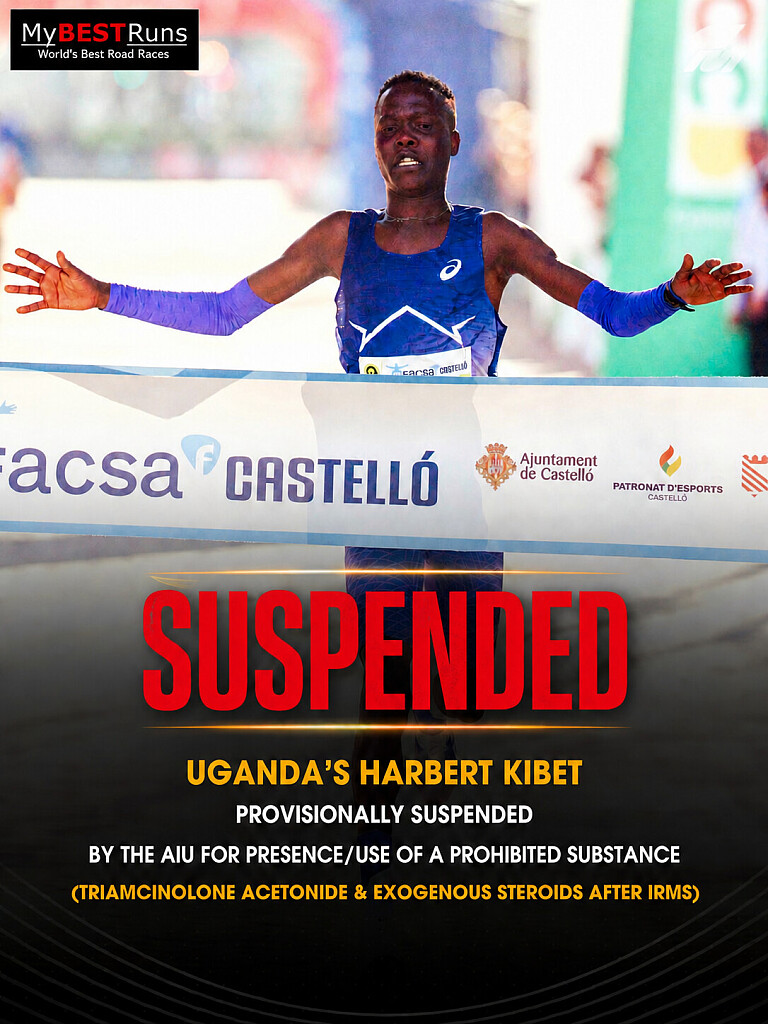
Uganda’s Rising Distance Star Harbert Kibet Provisionally Suspended by AIU
Uganda’s rapidly rising distance-running star Harbert Kibet has been provisionally suspended by the Athletics Integrity Unit (AIU) over the alleged presence and use of prohibited substances.
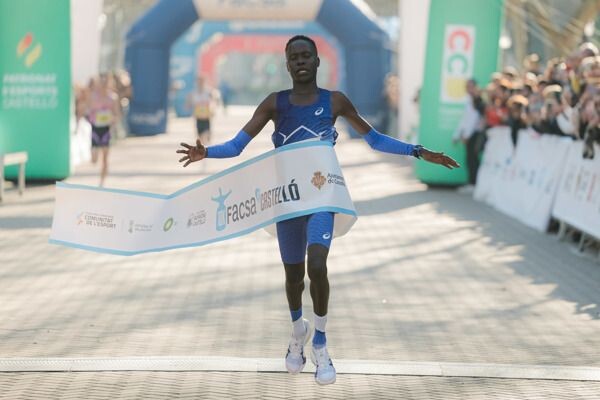
The 21-year-old is facing allegations involving triamcinolone acetonide and exogenous steroids, with the substances reportedly confirmed through Isotope Ratio Mass Spectrometry (IRMS) analysis. The development brings an abrupt halt to what had appeared to be the emergence of one of Uganda’s most promising young distance-running talents.
Kibet had enjoyed a remarkable breakthrough in February when he made his road 10-kilometre debut at the 10K Facsa Castellón in Spain. He produced a stunning performance to win in a world-leading 26:39, a time that placed him at No. 4 on the all-time road 10K list at the time and immediately elevated his status in international distance running.
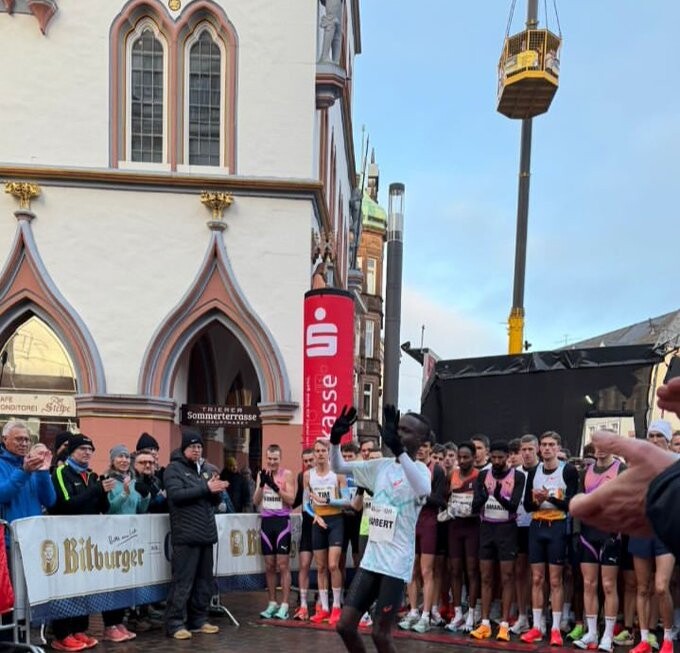
His rapid rise had already earned him opportunities to represent Uganda on the global stage. Kibet competed for his country at the World Championships in Tokyo last year, although he did not progress beyond the heats.
His most recent competition came in May at the Xiamen Diamond League, where he finished 15th in the men's 5000 metres in 13:46.45. He has not competed since that race.
The provisional suspension now casts uncertainty over the immediate future of an athlete whose spectacular 10K performance earlier this year had generated enormous excitement. However, it is important to stress that a provisional suspension is not a final finding of an anti-doping rule violation.
The case will now continue through the appropriate anti-doping process, during which the evidence and circumstances surrounding the allegations will be considered before any final decision is reached.
For Kibet, the development represents a dramatic and unexpected turn in a season that had begun with one of the most remarkable performances in the history of road distance running. The athletics world will now await further developments as the AIU process moves forward.
by Erick Cheruiyot for My Best Runs.
Login to leave a comment
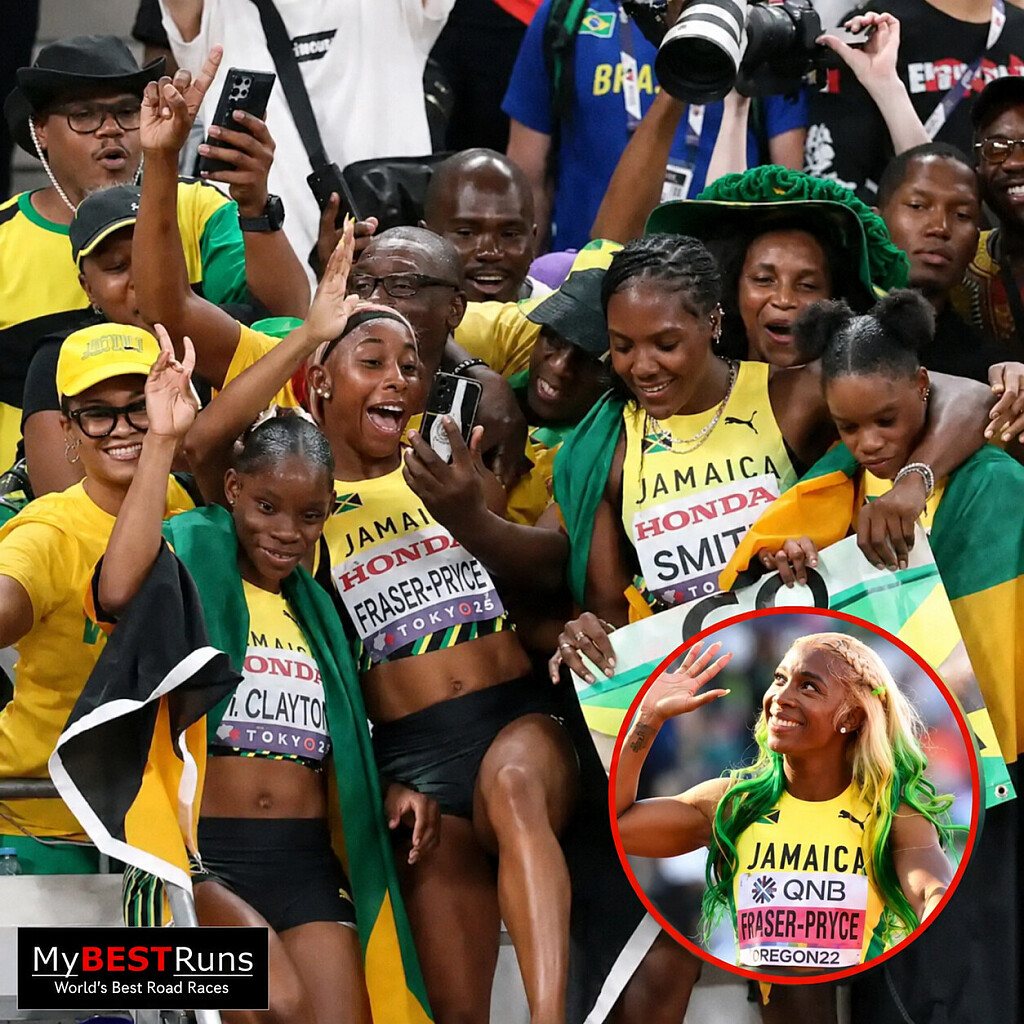
One Year Since The Pocket Rocket’s Final Race: Shelly-Ann Fraser-Pryce’s Legacy Still Burns Bright
One year ago, the world watched the final race of one of the greatest sprinters in athletics history.
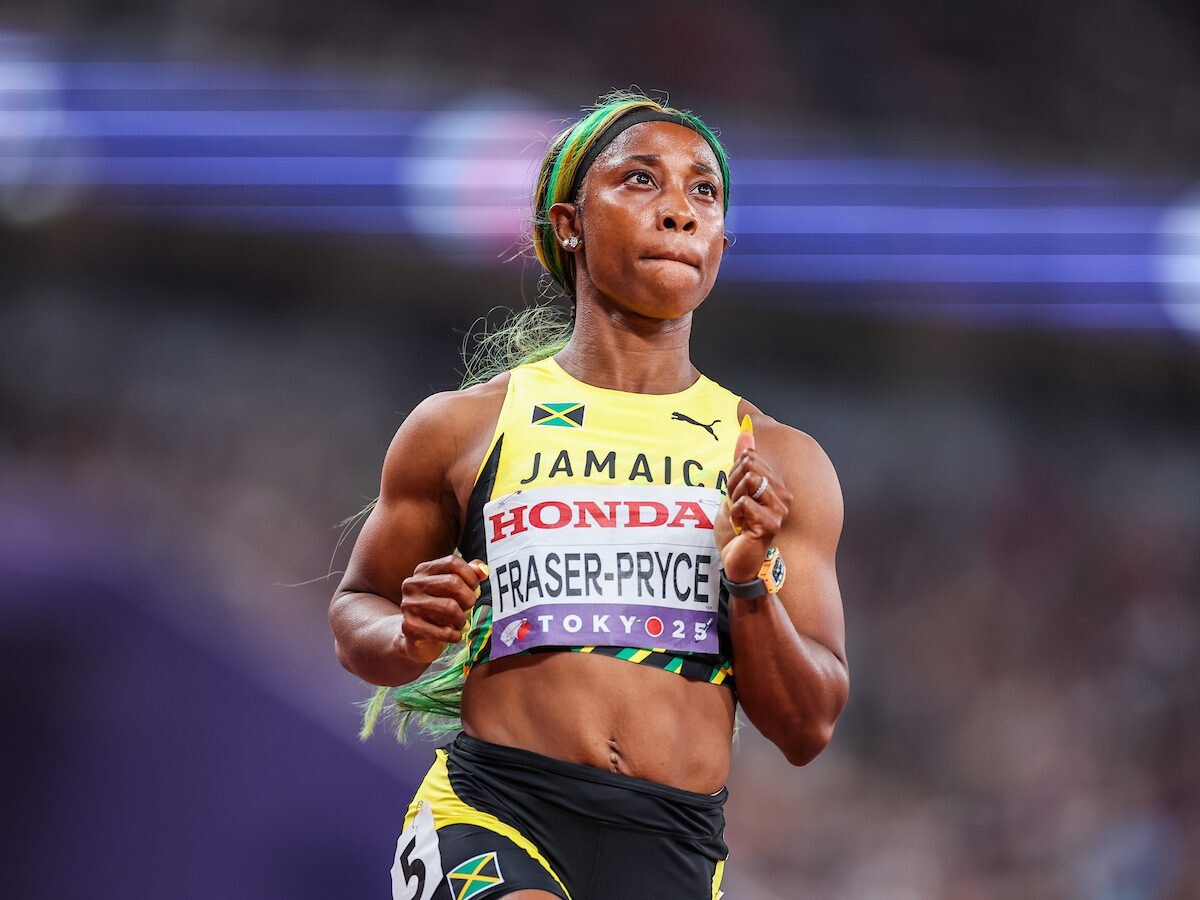
On September 21, 2025, Shelly-Ann Fraser-Pryce stepped onto the track for the final time as a professional athlete. At 38, after an extraordinary 18-year career defined by Olympic triumphs, world titles, remarkable comebacks and unmatched longevity, the Jamaican sprinting icon brought her competitive journey to a close at the World Athletics Championships in Tokyo.
Her final appearance came in the women’s 4x100m relay. Running the opening leg for Jamaica, Fraser-Pryce helped her team secure a silver medal in 41.79 seconds behind the United States. It was a fitting conclusion to a career that had produced an extraordinary collection of global medals and established her among the most decorated sprinters of all time.
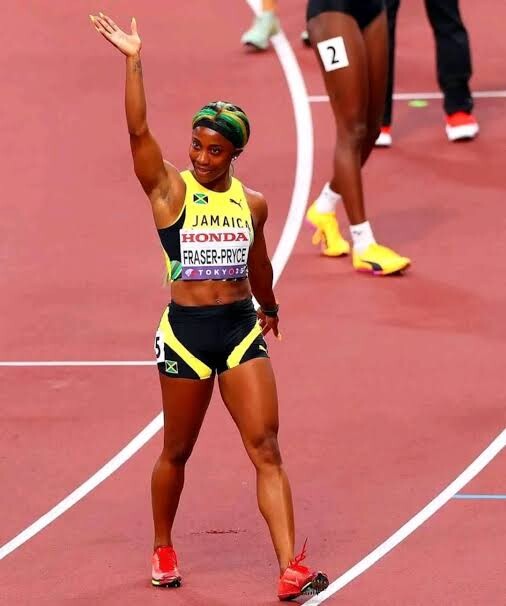
Her final individual race had come earlier in the championships, when she finished sixth in the 100m final in 11.03 seconds. Although she was unable to add another individual world title to her remarkable record, simply reaching another global final at the age of 38 was another demonstration of the extraordinary longevity that had defined her career.
A few weeks later, on October 7, Fraser-Pryce officially announced her retirement from professional track and field, closing the book on an era that had stretched across nearly two decades.
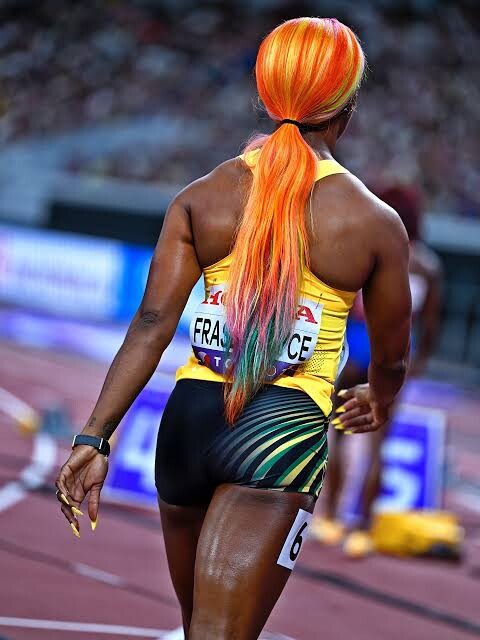
Her journey had begun with Olympic gold in the 100m at Beijing 2008, where she announced herself as one of the world's most explosive sprinters. Four years later in London, she successfully defended her Olympic 100m title, becoming only the third woman in history to accomplish that feat.
But Fraser-Pryce's greatness was never defined by one race or one championship.
She went on to win three Olympic gold medals and eight Olympic medals overall, while collecting 10 World Championships titles. She became the first woman to win five individual world 100m titles, a record that perfectly illustrates her remarkable consistency at the highest level.
Her career also became a story of resilience. After becoming a mother, Fraser-Pryce returned to elite competition and continued challenging the world's best sprinters, proving that motherhood and sporting excellence could exist side by side at the highest level.
Yet statistics only tell part of the Shelly-Ann Fraser-Pryce story.
There was the explosive start from the blocks, the fierce determination through every metre of a race and the unmistakable confidence that made her presence instantly recognisable. There was also the smile that often followed her performances and the pride with which she represented Jamaica on the biggest stages in world athletics.
Beyond the track, she built an influence that extended far beyond her medals and records. Through the Pocket Rocket Foundation, she has supported young Jamaican student-athletes by helping provide opportunities in education and sport.
Retirement, therefore, has not meant walking away from athletics.
In 2026, Fraser-Pryce took on a new role as a Global Ambassador for Laureus, continuing to use her experience, platform and voice to inspire young people and contribute to positive change through sport.
The starting line may no longer be part of her daily life, but her influence remains firmly embedded in the sport she helped shape.
A year after that final evening in Tokyo, women's sprinting has entered a new chapter. New athletes are carrying the sport forward, new rivalries are emerging and new records are waiting to be written.
But the standard Shelly-Ann Fraser-Pryce established will remain.
The Pocket Rocket has left competitive track and field, but the legacy she built over 18 remarkable years is still very much alive.
A year after her final race, which part of Shelly-Ann Fraser-Pryce do you miss the most?
Was it her explosive reaction from the blocks, her relentless competitive spirit, that unmistakable smile after a race, or the pride and passion with which she represented Jamaica?
Or perhaps it is simply the sight of Shelly-Ann Fraser-Pryce standing in the starting blocks, ready to give everything one more time.
One final race. One final medal. Eighteen extraordinary years.
The Pocket Rocket may have left the track, but her legacy will continue to inspire generations to come.
by Erick Cheruiyot for My Best Runs.
Login to leave a comment
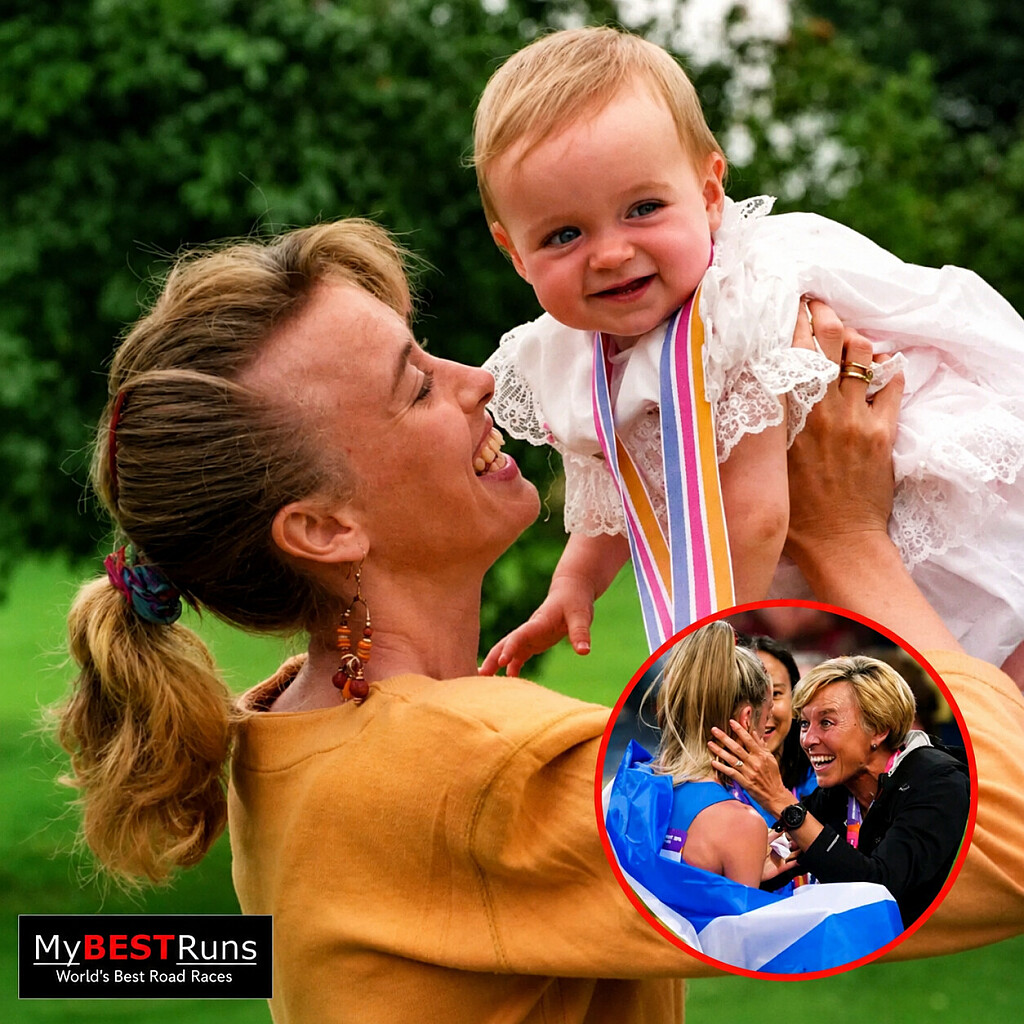
From Liz’s Arms To Eilish’s Records: A Mother-Daughter Legacy Written Into Athletics History
Some moments in athletics become unforgettable not because of a stopwatch, a medal or a world record, but because they capture the beginning of something much bigger.
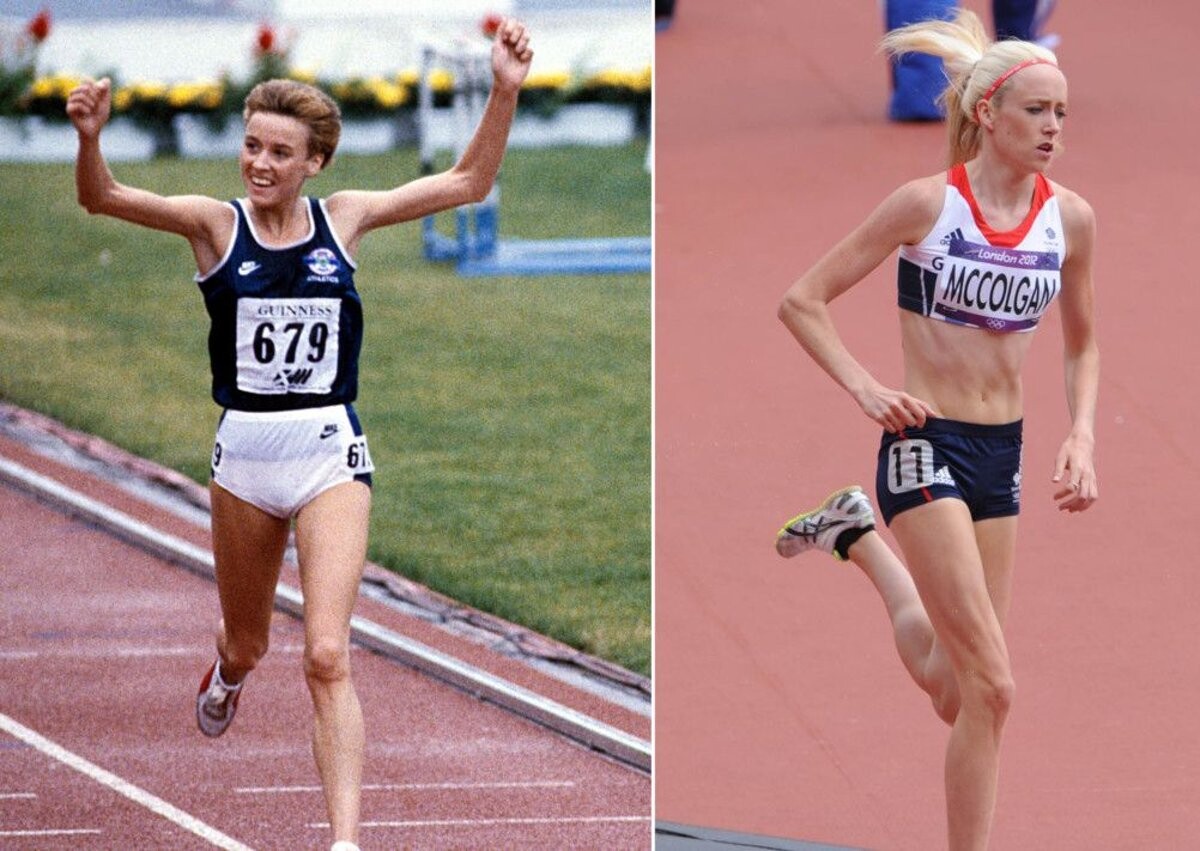
More than three decades ago, Liz McColgan returned home to Arbroath carrying one of the greatest achievements of her career. It was 1991, and the Scottish distance-running star had just become a world champion after winning the 10,000m title at the World Championships in Tokyo.
Waiting for her at home was her young daughter, Eilish McColgan.
A now-iconic photograph from that period shows Liz lifting Eilish in her arms — a simple family moment that, with the benefit of hindsight, looks almost symbolic. The mother had conquered the world stage. Her daughter was still a child, with no way of knowing that one day she would follow the same path and begin rewriting the very records her mother had established.
Liz's Tokyo triumph was accompanied by a Scottish record of 30:57.07 for 10,000m, a remarkable mark that remained untouched for 31 years.
Then, in 2022, history came full circle.
In Hengelo, the daughter finally caught up with the mother.
Eilish McColgan produced a stunning 30:19.02 to smash Liz's Scottish 10,000m record, taking more than 37 seconds off a mark that had survived for three decades. It was more than a fast race; it was one of those rare moments when athletics becomes a family story spanning generations.
But Eilish was not finished.
Later that summer, she lined up for the 10,000m at the Birmingham Commonwealth Games with her mother's legacy firmly in view. In front of a home crowd and with Liz watching proudly from the stands, Eilish delivered another extraordinary performance.
She won Commonwealth gold — and in doing so, broke the Commonwealth Games record that had previously belonged to her mother.
The symbolism was extraordinary.
The woman who had once lifted her daughter in celebration was now watching that same daughter stand on the highest step of the podium, wearing gold and surpassing records that had defined her own career.
Mother and daughter had effectively exchanged roles.
Liz had been the record holder.
Eilish became the record breaker.
And what began with a photograph in Arbroath had evolved into one of the most remarkable mother-daughter stories in modern distance running.
Eilish has continued to build on that legacy, pushing the family name to even greater heights and adding major records to her résumé, including reclaiming the European 10km record.
Yet perhaps the most powerful part of the story is not the numbers.
It is Liz's perspective.
“My daughter’s success is 100 times better than my own,” she once said.
That sentence captures something a stopwatch never can.
For an athlete, records eventually fall. Medals are eventually won by someone else. Times that once seemed untouchable become targets for the next generation.
But when the person breaking your records is your own daughter, the story takes on an entirely different meaning.
Liz did not simply leave behind a record for Eilish to chase. She left behind an example.
And Eilish did not simply break her mother's records. She carried the family story forward and created a legacy of her own.
From a mother lifting her young daughter in 1991 to a daughter standing on a Commonwealth podium more than 30 years later, the McColgan story is a beautiful reminder that athletics can connect generations in ways no statistic can fully describe.
Some records are measured in seconds.
Some victories are measured in medals.
But the greatest legacies are measured in generations.
by Erick Cheruiyot for My Best Runs.
Login to leave a comment
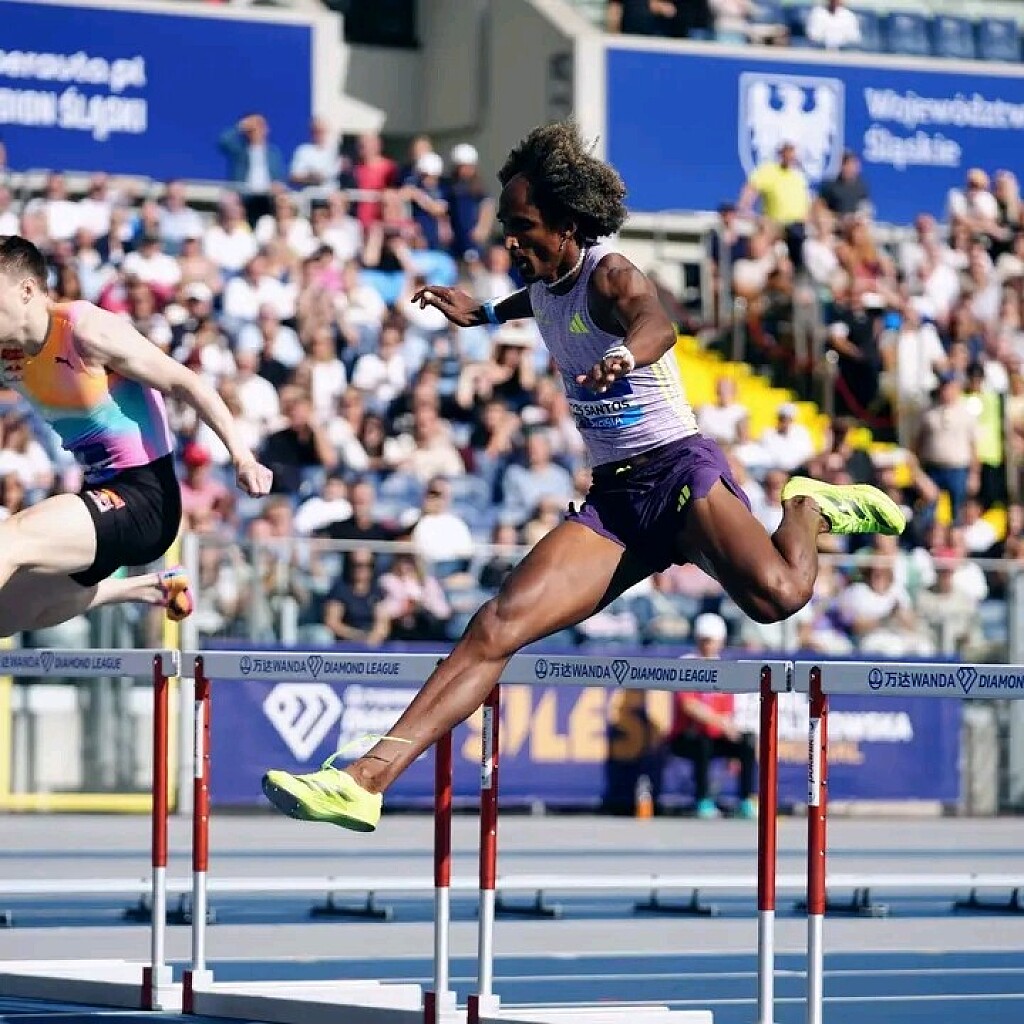
Is This the Greatest Era in Men’s 400m Hurdles History? Dos Santos Takes the Event to Another Level
The men’s 400m hurdles may be experiencing the greatest era in its history, and the numbers now make the argument almost impossible to ignore.
Brazilian superstar Alison dos Santos has taken the event to another level, storming to a sensational 45.80 world record in Zurich and moving to the summit of the all-time performance list.
But perhaps even more remarkable than the world record itself is what it has done to the historical rankings.
Every one of the 10 fastest performances in men’s 400m hurdles history is now owned by just three athletes: Alison dos Santos, Karsten Warholm and Rai Benjamin.
That extraordinary statistic perfectly captures the dominance of the current generation and highlights just how dramatically the event has evolved over the past few years.
Following his stunning performance in Zurich, dos Santos now sits at the top of the all-time list with 45.80, followed by Norway’s Karsten Warholm at 45.94, the time he ran in his historic world-record performance at the Tokyo Olympics in 2021.
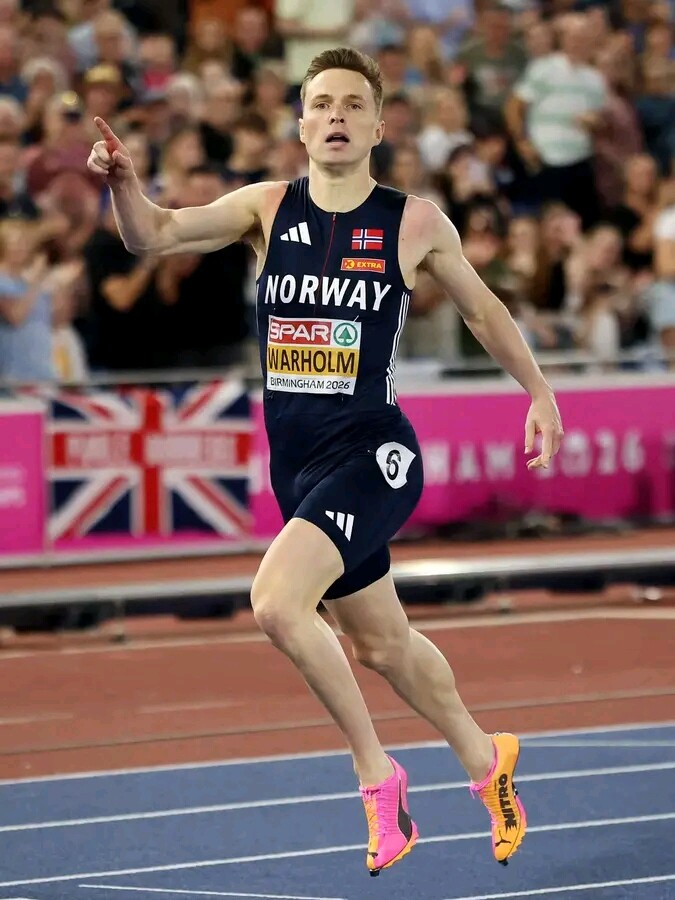
American star Rai Benjamin occupies third with 46.17, also from that unforgettable Tokyo final. Warholm is fourth with 46.28 from 2025, while dos Santos is fifth with his 46.29 from 2022.
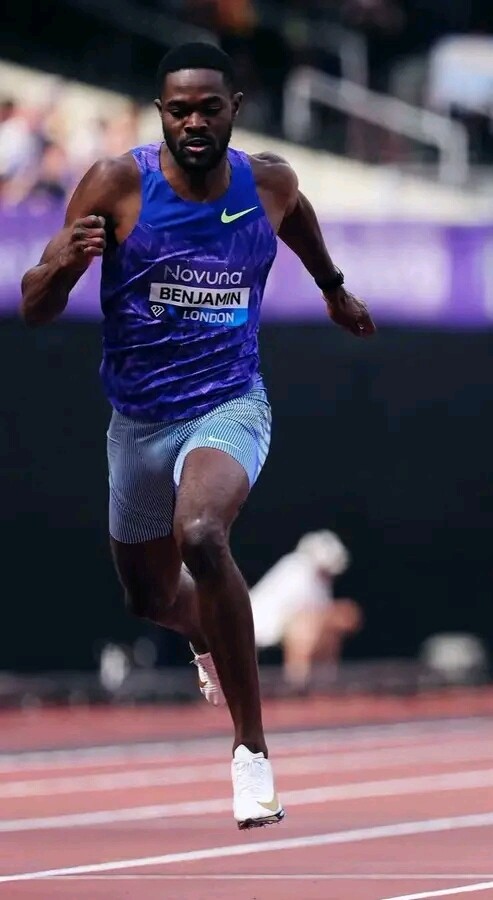
Benjamin appears again in sixth and seventh with 46.46 performances from 2024, while dos Santos takes eighth with 46.48 in 2026. Warholm completes the list with 46.51 from 2023 and 46.52 from 2023.
The distribution is extraordinary. Dos Santos owns three of the 10 fastest performances, Warholm owns four, while Benjamin owns the remaining three.
No other athlete has managed to break into the top 10.
That level of concentration at the very top of an event is a remarkable reflection of the era these three athletes have created.
At the centre of it all is dos Santos, whose 45.80 in Zurich has established a completely new benchmark. The Brazilian's performance did more than secure another historic victory; it pushed the boundaries of what is considered possible over one lap and 10 barriers.
Warholm had previously rewritten the history books in Tokyo when he clocked 45.94, becoming the first man to break the 46-second barrier and finally lowering Kevin Young’s legendary 46.78 world record, which had stood since the 1992 Barcelona Olympics.
Benjamin finished behind Warholm in Tokyo in 46.17, producing a performance that would itself have been considered extraordinary in almost any other era. Dos Santos completed the podium in 46.72, but his bronze medal would eventually prove to be just another chapter in his rise towards the summit.
The Tokyo final remains one of the most spectacular races in Olympic athletics history, but it also marked the beginning of an extraordinary period in which Warholm, Benjamin and dos Santos would repeatedly challenge the limits of the event.
Warholm has four performances inside the current top 10, including his 45.94 world record from Tokyo. Dos Santos has three, highlighted by his new global mark, while Benjamin also has three performances among the 10 fastest ever recorded.
Their remarkable consistency has transformed the 400m hurdles from an event once dominated by isolated historic performances into one defined by sustained excellence and intense rivalry.
For nearly three decades, Kevin Young’s 46.78 appeared almost untouchable. Then Warholm broke through. Benjamin immediately showed that the new standard could be challenged, and dos Santos emerged as another athlete capable of running at an astonishing level.
Now, times below 46 seconds are no longer viewed as an unimaginable frontier. They have become the territory occupied by the very best athletes of this generation.
And dos Santos has just moved that frontier even further.
His 45.80 has given the event a new target, but with Warholm and Benjamin still among the world's elite, the story may not be finished.
The question is no longer whether this generation is exceptional.
It is whether we are witnessing the greatest collection of men's 400m hurdlers ever assembled.
Three athletes now own every position in the all-time top 10.
Ten performances have been produced by just dos Santos, Warholm and Benjamin.
And at the very top stands Alison dos Santos, whose breathtaking 45.80 in Zurich has pushed the men’s 400m hurdles into territory that once seemed impossible.
Three superstars. Ten historic performances. One extraordinary era.
by Erick Cheruiyot for My Best Runs.
Login to leave a comment
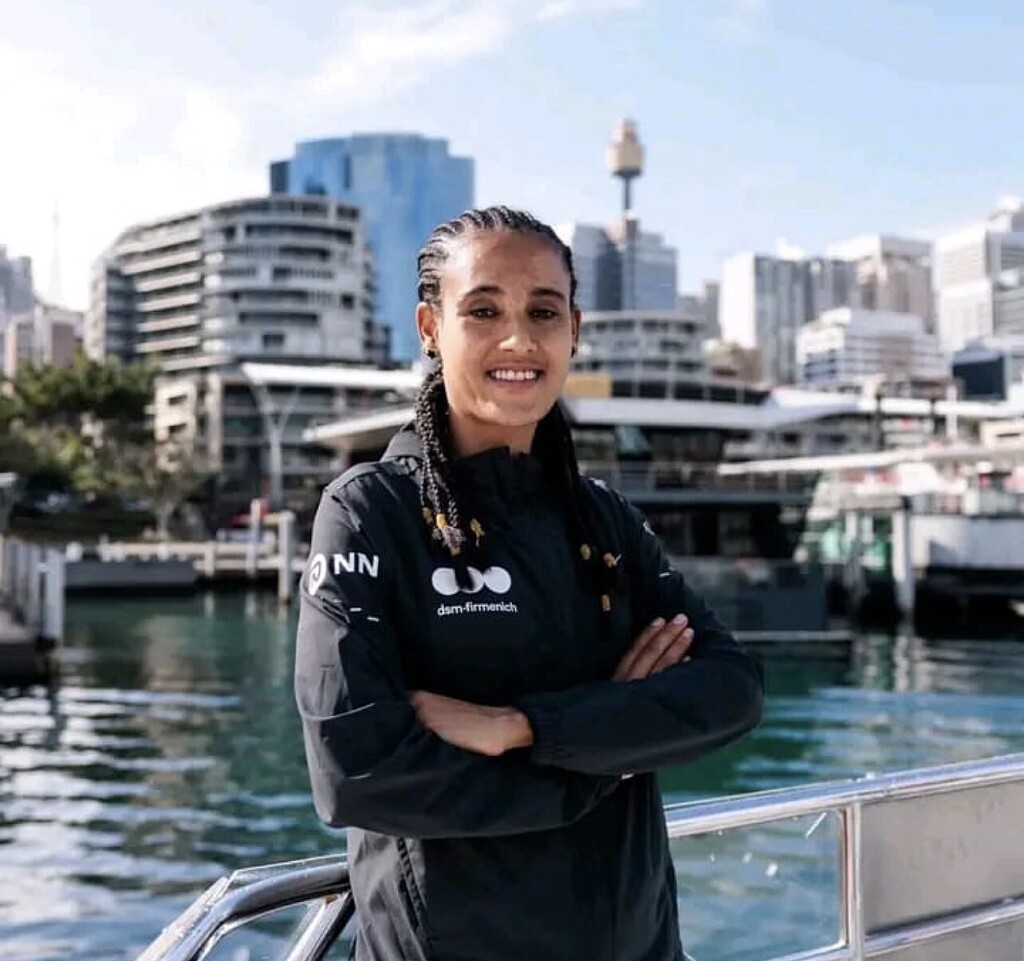
Sydney Marathon 2026: World Champions, Record Hunters And A Star-Studded Showdown
SYDNEY, AUSTRALIA — August 30, 2026
Sydney is preparing for a spectacular morning of marathon racing as reigning world champions Peres Jepchirchir of Kenya and Alphonce Simbu of Tanzania headline a world-class elite field at the TCS Sydney Marathon on Sunday, August 30.
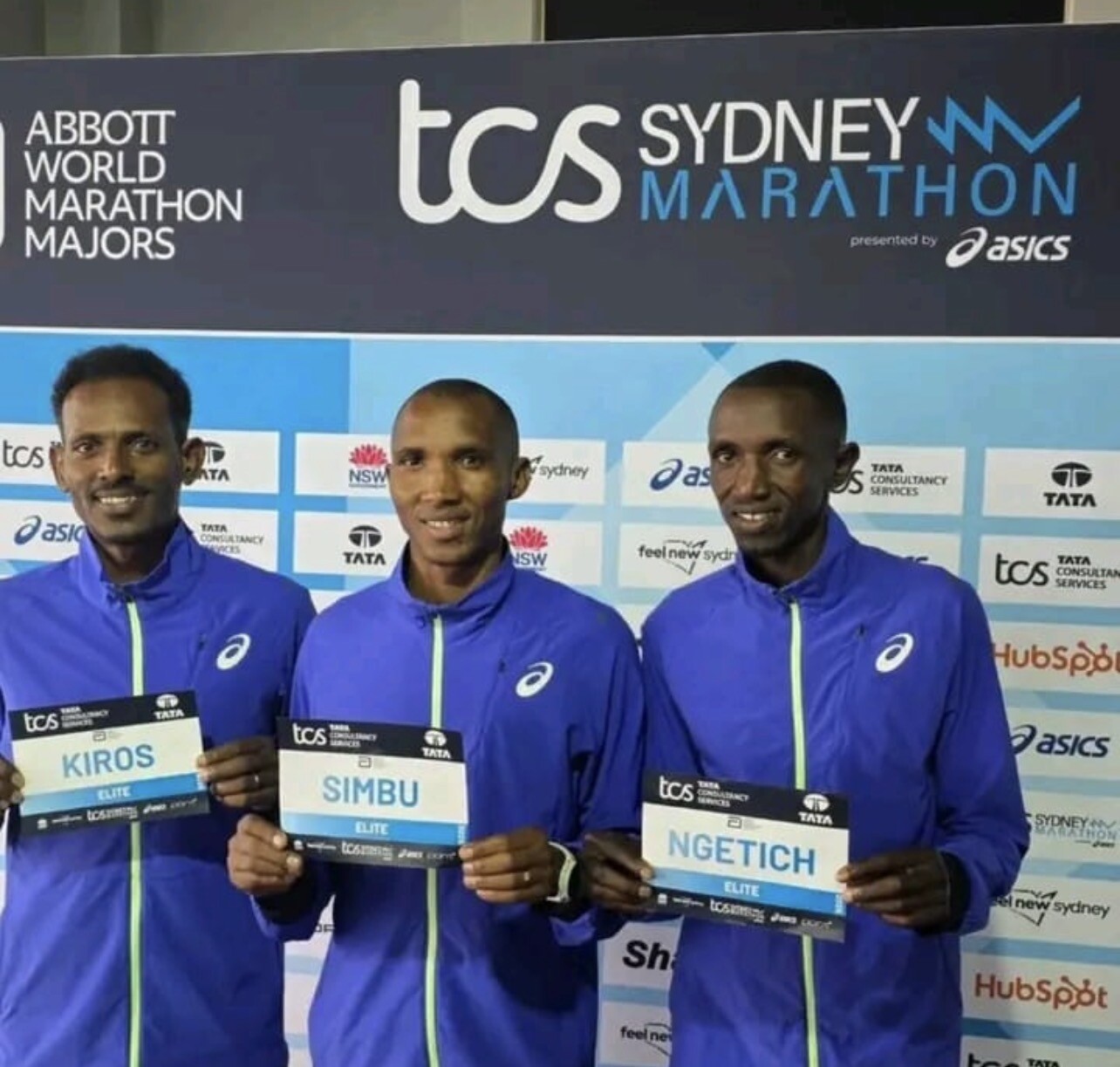
The race is set to provide another defining moment for Australian distance running, with more than 40,000 participants expected to take on the streets of Sydney and a remarkable collection of elite athletes competing for victory on one of the world's newest Abbott World Marathon Majors.
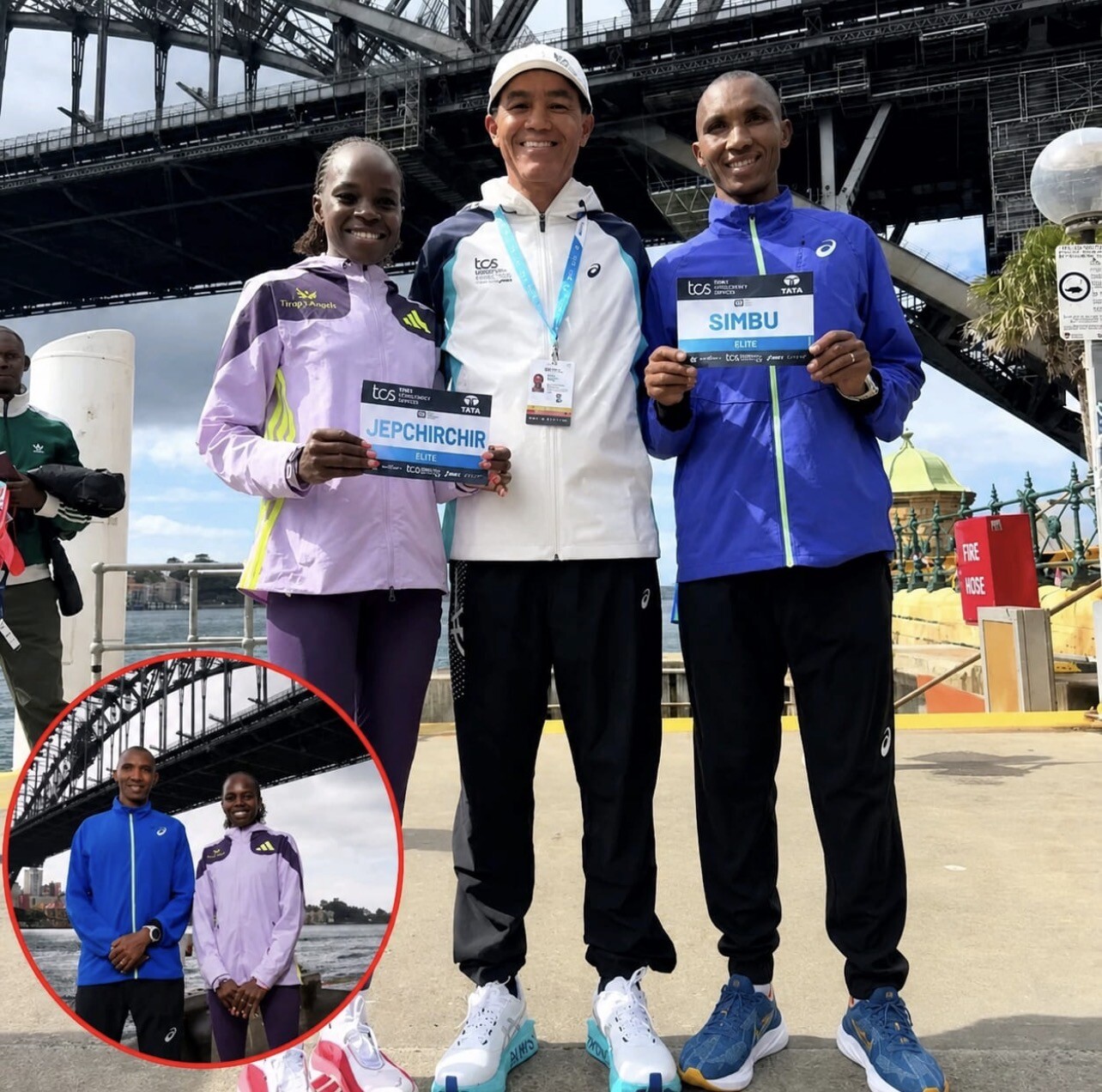
Jepchirchir and Simbu will bring an added layer of prestige to the occasion as the reigning women's and men's world marathon champions. Their presence ensures that the spotlight will be firmly fixed on Sydney as some of the world's finest distance runners battle for one of the most coveted titles on the international marathon calendar.

There will also be records in the crosshairs. The men's course record stands at 2:06:06, while the women's benchmark is 2:18:22, meaning the quality of the field has created genuine anticipation that both marks could come under threat.
In the men's race, Simbu arrives with considerable confidence and an ambitious target. The Tanzanian produced one of the most dramatic finishes of the 2025 World Athletics Championships in Tokyo, holding off Germany's Amanal Petros to claim the world title. With a personal best of 2:02:47, Simbu has the speed, championship experience and belief to challenge the very best, and he has made no secret of his desire to attack Sydney's course record.
However, standing in his way is an elite group led by Ethiopia's Sisay Lemma, whose outstanding 2:01:48 personal best makes him the fastest entrant in the field. A former London and Boston Marathon champion, Lemma brings a wealth of experience at the highest level and will be one of the principal threats to Simbu's ambitions.
Kenya will also have a strong presence, with Timothy Kiplagat and Vincent Ngetich adding further firepower to an already formidable men's lineup.
Perhaps the most intriguing storyline, however, belongs to Ethiopian track star Hagos Gebrhiwet, who is set to make his highly anticipated marathon debut. A former Olympic 5,000m medallist and one of the world's fastest track distance runners, Gebrhiwet has already shown extraordinary endurance over shorter distances, including a 57:41 half-marathon personal best. His transition to the marathon will be closely watched, with fans eager to discover whether his world-class track speed can be converted into success over 42.195 kilometres.
The depth of the men's field is remarkable. No fewer than 25 athletes have broken 2:10, while 19 have already recorded times faster than Sydney's existing course record, setting the stage for a race that could develop into a battle of extraordinary pace and tactics.
The women's contest promises just as much drama, with Jepchirchir leading the way. The Kenyan superstar arrives in Sydney as the reigning world champion and Olympic champion, carrying a 2:14:43 personal best, the fastest among the women entered.
Yet victory will not come easily. Jepchirchir faces a powerful Kenyan challenge from Irine Cheptai, who owns a 2:17:51 personal best and has already established herself as a major force on the international marathon circuit.
Tanzania's Magdalena Shauri, the country's national record holder with a personal best of 2:18:03, will provide another serious threat, while the experienced Vivian Cheruiyot of Kenya adds further championship pedigree to an already impressive women's field.
Ethiopian stars Shure Demise and Haven Hailu, alongside Uganda's Stella Chesang, will also be looking to make their mark as the race unfolds through Sydney's iconic streets.
The setting could hardly be more spectacular. Starting in North Sydney, the marathon takes runners across the famous Sydney Harbour Bridge before heading towards the unforgettable finish at the Sydney Opera House. With the city providing a breathtaking backdrop, the race has all the ingredients for another historic chapter in its rapid rise on the global marathon scene.
For the elite athletes, however, the beauty of Sydney will quickly become secondary once the gun goes off.
The champions will be chasing victory. The record hunters will be chasing history. And for Gebrhiwet, an entirely new chapter of his career will begin.
Two reigning world champions. Multiple sub-2:05 contenders. A world-class women's field. A highly anticipated marathon debut. And course records that could be under serious threat.
Everything is in place for an unforgettable Sunday in Sydney.
Will Alphonce Simbu turn his ambition into a new course record?
Can Sisay Lemma's 2:01:48 experience carry him to victory?
Will Hagos Gebrhiwet announce himself as a future marathon superstar?
And can Peres Jepchirchir add the Sydney Marathon crown to her already extraordinary list of achievements?
Sydney is ready.
The champions have arrived. The records are waiting. The stage is set for a spectacular showdown.
by Erick Cheruiyot for My Best Runs
Login to leave a comment
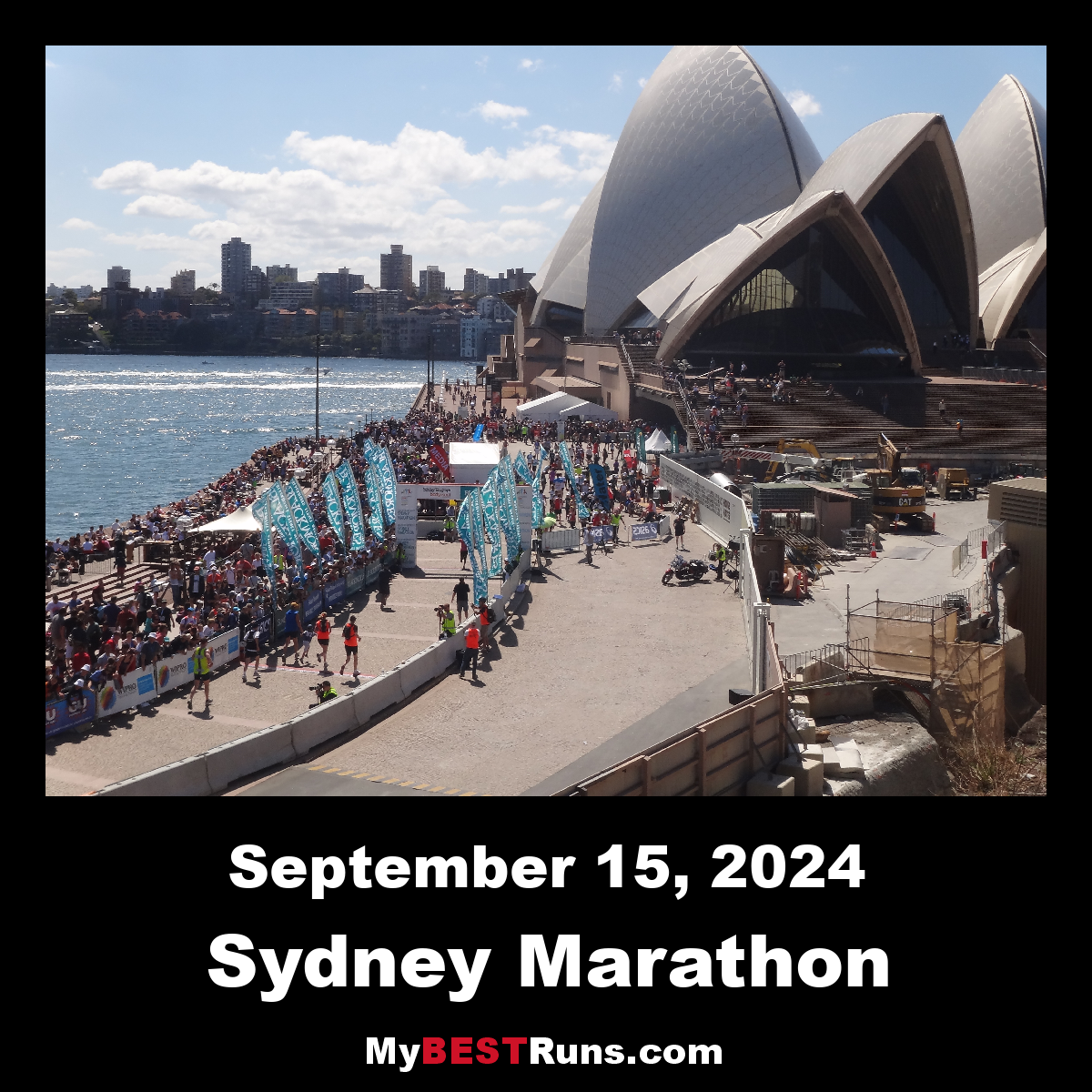
Sydney Marathon
The Sydney Marathon is a marathon held annually in Sydney, Australia. The event was first held in 2001 as a legacy of the 2000 Summer Olympics, which were held in Sydney. In addition to the marathon, a half marathon, 9 kilometres (5.6 mi) "Bridge Run", and a 3.5 kilometres (2.2 mi) "Family Fun Run" are also held under the banner...
more...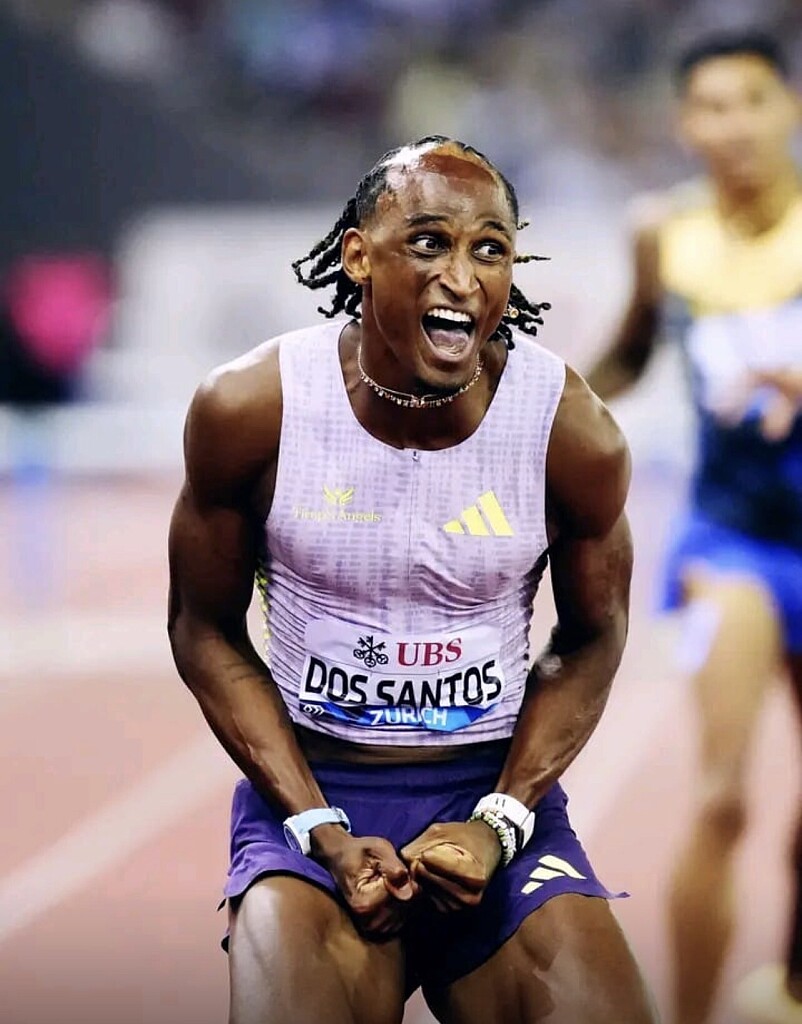
Alison dos Santos Makes History in Zurich, Smashing Warholm’s 400m Hurdles World Record
45.80 seconds. A new world record. A new chapter in the history of the 400m hurdles.
Brazilian star Alison dos Santos produced a breathtaking performance at the Zurich Diamond League on Thursday, storming to 45.80 seconds to shatter the men’s 400m hurdles world record and dethrone one of the greatest records in modern athletics.
Dos Santos delivered a sensational run at Weltklasse Zürich, becoming the first athlete to break the barrier set by Norway’s Karsten Warholm, whose legendary 45.94-second world record had stood since his spectacular victory at the Tokyo 2020 Olympic Games in 2021.
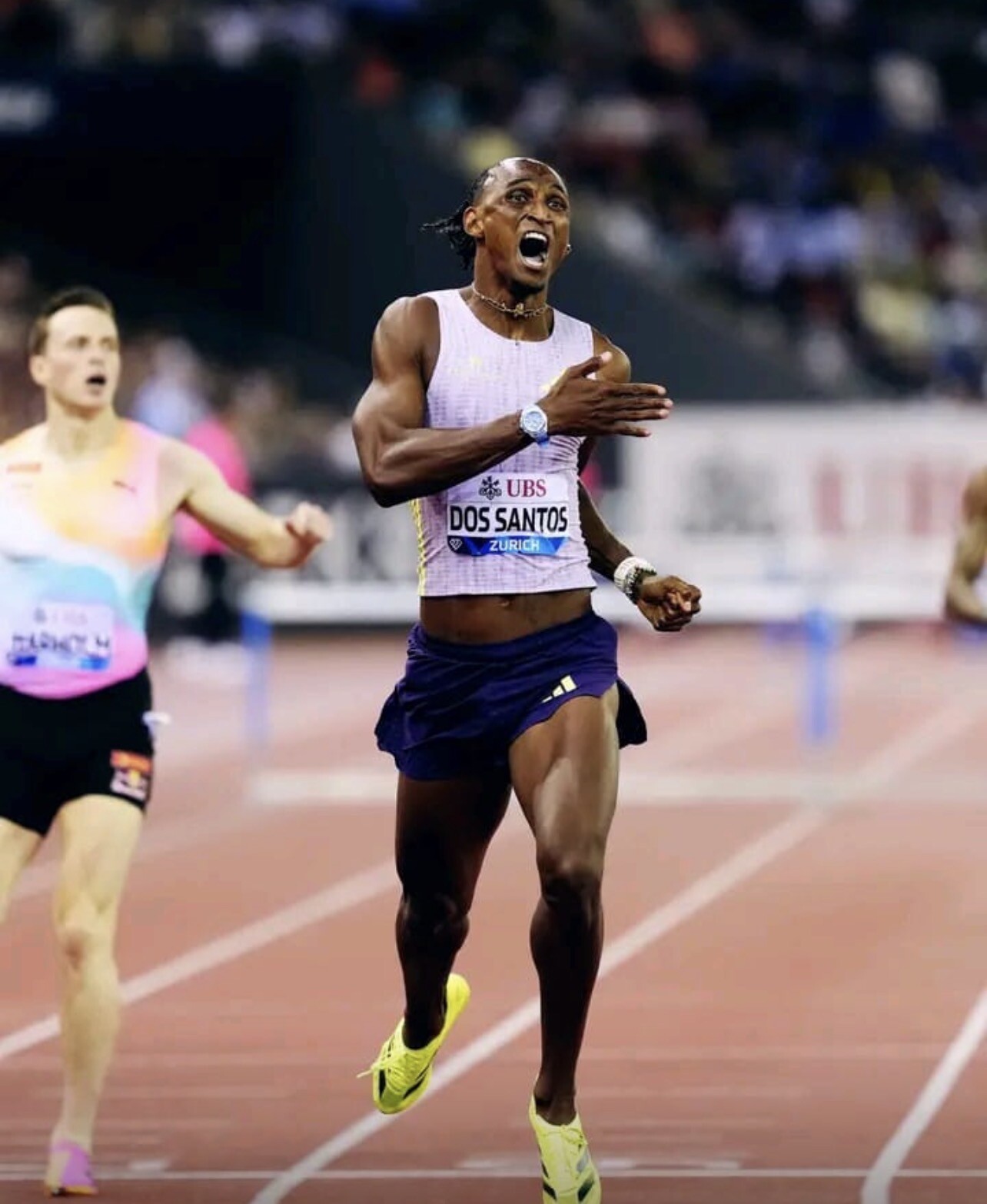
The Brazilian was in complete control from the opening stages, attacking the hurdles with remarkable speed and precision before powering down the final straight. The clock stopped at 45.80, sending shockwaves through the stadium and rewriting the record books.
Warholm, the former world-record holder and one of the sport’s most dominant figures, had to settle for second place in 46.69 seconds. Nigeria’s Ezekiel Nathaniel completed the podium in 47.50.
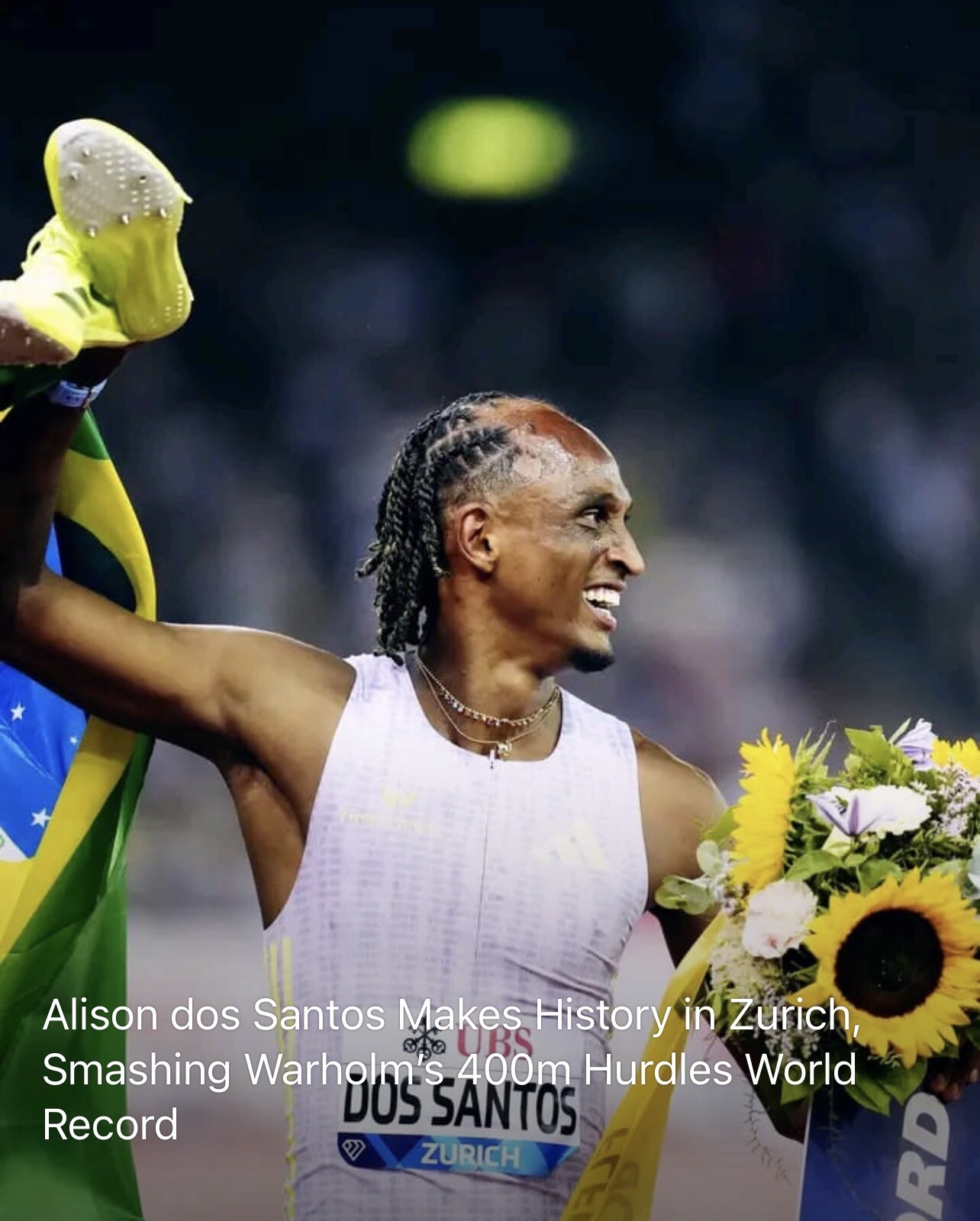
The result adds another extraordinary chapter to the rivalry between Dos Santos and Warholm. The pair have repeatedly pushed each other to new levels, but this time Dos Santos delivered the defining blow, taking down a record that had become synonymous with Warholm’s name.
The 26-year-old Brazilian has now cemented himself among the greatest 400m hurdlers in history. A world champion in 2022 and a two-time Olympic bronze medallist, Dos Santos has spent years chasing the sport’s very best — and in Zurich, he finally claimed its most coveted record.
His breakthrough is even more remarkable given that he entered the Zurich meeting with a personal best of 46.29 seconds in the 400m hurdles. His previous 2026 best had been 46.43, set just days earlier in Silesia, where he also defeated Warholm.
Now, the record belongs to Brazil.
Alison dos Santos — 45.80 seconds.
A new world record, a historic victory and a performance that will be remembered as one of the defining moments of the 2026 athletics season.
by Erick Cheruiyot for My Best Runs.
Login to leave a comment
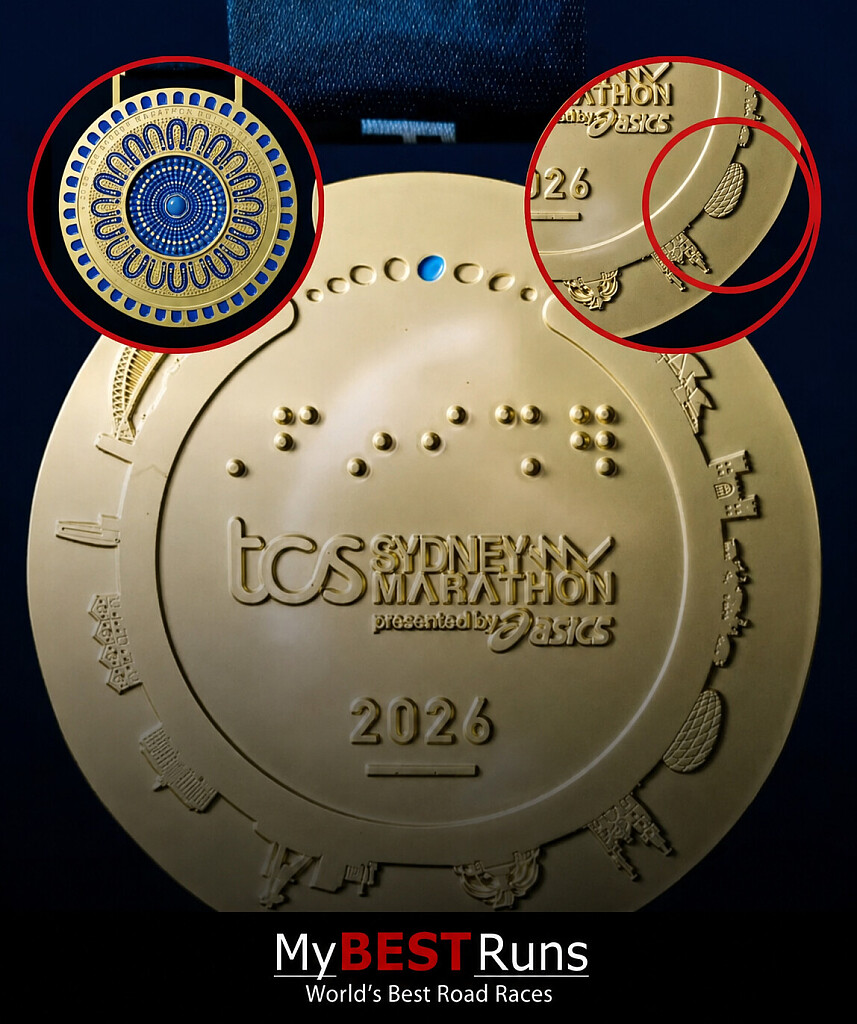
Sydney Marathon’s Medal Blunder: How Munich’s Allianz Arena Ended Up in a Sydney Souvenir
The Sydney Marathon was meant to celebrate one of Australia’s most iconic cities. Instead, its 2026 finisher’s medal has unexpectedly brought a little piece of Munich into the spotlight.
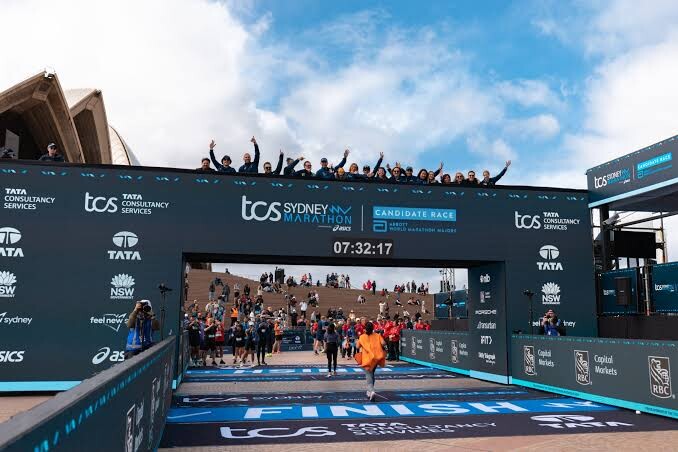
The back of the medal features a collection of landmarks designed to represent Sydney and the 42.2-kilometre journey runners will take through the city, including the Sydney Opera House and Sydney Harbour Bridge. But alongside those unmistakably Australian symbols is a rather surprising addition: Munich’s Allianz Arena.
The stadium was supposed to represent Sydney’s Allianz Stadium in Moore Park. Instead, the medal designers somehow used the distinctive home of Bayern Munich in Germany.
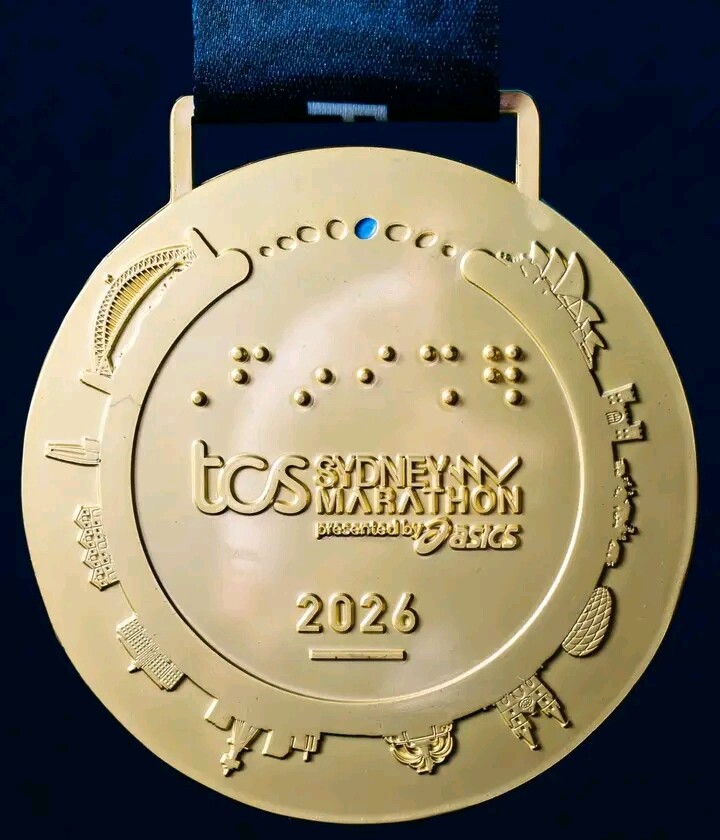
The mistake was spotted shortly after the medal was unveiled and quickly spread across social media before attracting international media attention. With the race now just days away, there is no time to redesign and replace the medals already produced for the event.
Organisers have acknowledged the mistake, describing it as an “unfortunate error” and making clear that the medals will still be presented to runners on race day.
Rather than attempting to hide the blunder, Sydney Marathon has chosen to embrace the unexpected twist, saying the medal is now “a little more unique.” Their response ended on a light-hearted note: “You noticed. We noticed. We’re human.”
And while the incorrect stadium may have created an embarrassing moment for the organisers, it has also given the 2026 medal something no previous Sydney Marathon medal has had — a story of its own.
That story will be carried around the necks of approximately 40,000 runners when the Sydney Marathon takes place on Sunday, August 30.
The timing could hardly be more significant for the race. Sydney is only in its second year as an Abbott World Marathon Major, having joined the prestigious series in 2024 alongside Tokyo, Boston, London, Berlin, Chicago and New York. The event has rapidly established itself as one of the world’s most sought-after marathons, with more than 123,000 runners entering the ballot for the 2026 race, a 56 percent increase from the previous year.
For those 40,000 successful entrants, the medal will ultimately represent something far more important than a design mistake. Behind every medal is months of preparation, early mornings, long training runs, sacrifices and the determination required to cover 42.2 kilometres.
And when the runners finally reach the finish line at the Sydney Opera House, they will receive a medal that was intended to tell the story of Sydney — but accidentally tells a small story about Munich too.
What began as an embarrassing design error may now become one of the most memorable quirks in Sydney Marathon history. Years from now, runners may look back at their 2026 medals not simply as souvenirs of finishing one of the world’s major marathons, but as unusual collector’s pieces from the year Sydney accidentally put Munich on its medal.
A Sydney marathon. A Munich stadium. One unforgettable medal.
by Erick Cheruiyot for My Best Runs.
Login to leave a comment
Sydney Marathon
The Sydney Marathon is a marathon held annually in Sydney, Australia. The event was first held in 2001 as a legacy of the 2000 Summer Olympics, which were held in Sydney. In addition to the marathon, a half marathon, 9 kilometres (5.6 mi) "Bridge Run", and a 3.5 kilometres (2.2 mi) "Family Fun Run" are also held under the banner...
more...
Maurice Herriott: Olympic Silver Medallist and Steeplechase Great Dies Aged 86
British athletics is mourning the loss of one of its most accomplished steeplechasers, Maurice Herriott, who has died aged 86 following a short illness.
Herriott leaves behind a remarkable legacy, highlighted by his unforgettable silver-medal performance in the men’s 3000m steeplechase at the 1964 Tokyo Olympic Games. Competing for Great Britain, he clocked 8:32.4 to finish second behind legendary Belgian runner Gaston Roelants, who won in an Olympic record of 8:30.8.
It was a performance that underlined Herriott’s extraordinary determination. He was not a full-time professional athlete. Away from the track, he worked at the Birmingham Small Arms (BSA) motorcycle factory, combining demanding full-time employment with the training required to compete at the highest level of international athletics. Team GB notes that he held down a full-time job on the BSA motorcycle production line while competing at the Olympics.
His Tokyo silver was the defining moment of a career built on consistency and resilience. In the Olympic final, Roelants established a commanding lead, but Herriott produced a powerful finish to move into second and close the gap considerably. He finished only 1.6 seconds behind the Belgian, with Soviet runner Ivan Belyayev taking bronze in 8:33.8.
Herriott had already established himself as a dominant force on the British scene. He won an astonishing eight AAA 3000m steeplechase titles, beginning with his first championship in 1959 and then claiming seven consecutive titles from 1961 through 1967.
His achievements also earned recognition beyond the medal table. In 1963, Herriott became the first British Athletics Writers' Association Male Athlete of the Year, an honour that reflected the esteem in which he was held during the peak of his career. He was also voted the award again in 1965.
His international career extended beyond Tokyo. Herriott had won Commonwealth Games silver in the steeplechase at Perth in 1962 and later represented Great Britain again at the 1968 Mexico City Olympics, where he reached the heats.
Born on 8 October 1939 in Great Wyrley, South Staffordshire, Herriott represented Birmingham-based Sparkhill Harriers and remained closely associated with the club, eventually becoming an honorary lifelong member.
His career is a reminder of an era when elite athletes could combine extraordinary sporting ambition with demanding working lives. Herriott did not simply win medals; he built a legacy through years of discipline, consistency and determination.
The British athletics community now says goodbye to a man who stood among the country's finest steeplechasers and whose silver medal in Tokyo remains one of the memorable achievements of British distance running.
Maurice Herriott — Olympic medallist, eight-time AAA champion and pioneer of British steeplechasing — will be remembered with great respect.
Herriott leaves behind an enduring legacy in British athletics, remembered not only for his Olympic silver medal but also for his remarkable consistency, determination and contribution to steeplechasing. He was 86.
by Erick Cheruiyot for My Best Runs.
Login to leave a comment
Ethan Strand’s Stunning Silesia Surge: “I Had Enough Left”
Ethan Strand delivered one of the most impressive finishes of the Silesia Diamond League meeting, producing a spectacular final lap to storm to victory in the men’s 1500m in a season-best 3:30.77.
The American’s triumph was not simply about speed—it was a carefully executed comeback built on patience, belief and a powerful reserve of energy saved for the closing stages.
Strand admitted afterwards that he had found himself well back in the field during the race, but remained confident that he had enough left to make his move.
“I was pretty far back and had a lot left, and I had to do a lot of work up through the third lap, and I had enough left,” Strand said after his winning performance.
That reserve proved decisive.
As the race entered its final lap, Strand began to close the gap with increasing urgency. He continued to pick off his rivals before unleashing his biggest acceleration down the home straight, powering away from the chasing pack and crossing the line in style.
His emphatic celebration reflected the significance of the performance—a season's best time and a major victory over a field packed with elite 1500m talent.
Phanuel Koech produced a superb performance of his own to finish second in 3:31.14, narrowly holding off reigning Olympic champion Cole Hocker, who crossed the line third in 3:31.16.
Just behind them was Norwegian superstar Jakob Ingebrigtsen, who made his first 1500m appearance since Tokyo last September. Ingebrigtsen clocked 3:31.19 to finish fourth in a race where less than half a second separated the top four athletes.
The result made Strand the man of the moment in Silesia. While others battled for position throughout the race, the American trusted his strength, stayed composed despite being deep in the field and unleashed his decisive move when it mattered most.
His victory was a powerful reminder that a race can change dramatically in its final 400 metres. Strand may have been “pretty far back,” but he knew he had something left—and when the moment arrived, he produced exactly the kind of finishing speed required to defeat an Olympic champion and some of the world's finest middle-distance runners.
From being buried in the pack to flying down the home straight, Ethan Strand turned patience into victory—and finished the night with a celebration that said it all.
3:30.77. Season’s best. Silesia champion.
by Erick Cheruiyot for My Best Runs.
Login to leave a comment
World Record, McNuggets and Fries: The Extraordinary Pre-Race Ritual Behind Ja’Kobe Tharp’s Historic Run
Three hours before producing one of the greatest performances in the history of sprint hurdling, Ja’Kobe Tharp followed a pre-race routine that few athletes—or sports nutritionists—would expect.
Two cheeseburgers. A large order of fries. And 10 Chicken McNuggets.
That was the meal Tharp ate before taking to the track and breaking the long-standing world record in the men’s 110m hurdles, surpassing Aries Merritt’s 12.80-second mark that had stood since 2012.
The Auburn University star's remarkable performance ended a 13-year wait for a new world record and made him the first man in half a century to set a world record at the NCAA Championships. Yet almost as quickly as his historic run captured attention, another part of the story became a major talking point: his extraordinary pre-race meal.
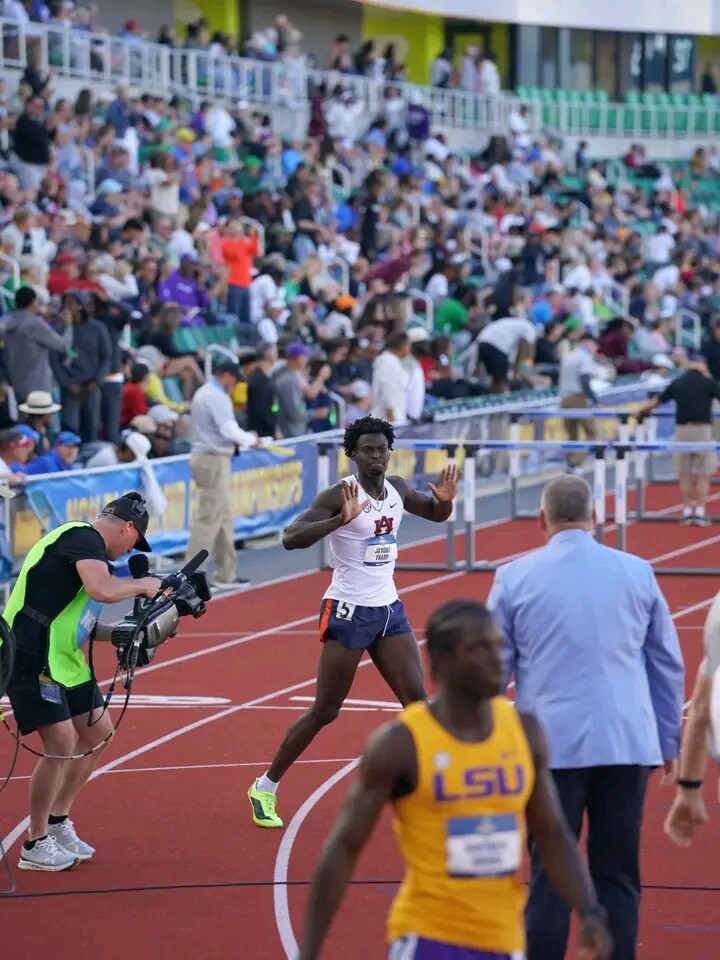
For Tharp, however, there is nothing new or experimental about the routine.
He has followed the same ritual since his high school years, first adopting it before winning a Tennessee state hurdles title as a junior. Since then, the order has remained remarkably unchanged, becoming an unlikely constant throughout his rise to the top of world athletics.

According to reporting from Auburn University, the meal contains approximately 1,246 calories, even before adding any dipping sauce. Tharp's coach, Ken Harnden, has become an important part of the tradition, reportedly collecting the same order for his athlete in different parts of the world, including Lima, Monaco, Tokyo and Budapest.
Tharp's philosophy is straightforward: if something has worked throughout his career, there is little reason to change it.
But does that mean runners should start filling their pre-race routines with cheeseburgers and fries?
Not necessarily.
The explanation behind why the meal appears to work for Tharp has much more to do with the specific demands of his event than with any magical qualities of fast food.
The men's 110m hurdles is over in less than 13 seconds. During such a short and explosive effort, the body relies primarily on immediate energy systems, particularly the ATP-phosphocreatine system, rather than depending on the gradual digestion of the meal eaten several hours earlier.
Timing is also crucial. By eating around three hours before competition, Tharp gives his body substantial time to digest the food while ensuring he does not arrive at the start line hungry.
A large meal immediately before a race would be a very different situation. But in Tharp's case, his body has also become accustomed to the routine after years of repeating it.
That consistency may be one of the most important aspects of the entire story.
Pre-race rituals can provide athletes with a sense of familiarity and control, particularly in high-pressure situations. By repeating the same preparation before important competitions, athletes can reduce uncertainty and approach the start line with greater confidence.
For Tharp, the McDonald's meal has become part of that psychological preparation.
His story is not entirely without precedent in sprinting.
Usain Bolt famously revealed that he ate enormous quantities of Chicken McNuggets during the 2008 Beijing Olympic Games after struggling to enjoy some of the food available to athletes. Bolt went on to produce one of the most dominant Olympic performances in history, winning three gold medals and setting world records.
However, these examples should not be mistaken for universal nutrition advice.
There is an enormous difference between preparing for a 110m hurdles race and preparing for a marathon.
A marathon places sustained demands on the digestive system and requires athletes to manage carbohydrate stores, hydration and energy intake over more than two hours of continuous effort. High-fat meals can slow gastric emptying and increase the likelihood of stomach discomfort—problems that can become particularly costly during a long-distance race.
That is why elite endurance runners generally follow a very different approach.
Pre-race meals for marathoners and other endurance athletes typically focus on easily digested carbohydrates while limiting foods high in fat and fibre. The objective is to maximise available energy without placing unnecessary stress on the stomach.
In other words, what may be perfectly manageable for an explosive hurdler could become a disastrous experiment for someone running 42.195 kilometres.
The real lesson from Tharp's remarkable routine, therefore, may not be the contents of his meal at all.
It is consistency.
Tharp did not randomly decide to eat more than 1,200 calories of fast food before attempting to break a world record. He had tested and repeated the routine over several years, allowing it to become a familiar part of his preparation.
That is a principle runners at every level can apply.
A pre-race meal should be practised during training rather than introduced on the morning of a major competition. Athletes should learn which foods their bodies tolerate, how long they need to digest them and what preparation leaves them feeling physically and mentally ready to perform.
There is also a wider point about individual athletes and individual routines.
Elite sport is full of unusual habits that work for specific competitors. A ritual can be successful without becoming a universal blueprint. Tharp's incredible achievement does not prove that cheeseburgers and Chicken McNuggets are the secret to faster hurdling—it proves that extraordinary athletes can sometimes thrive with routines that defy conventional expectations.
The temptation, of course, is to copy the most unusual part of a champion's preparation.
But Tharp's world record was not created by a single meal. It was the product of exceptional talent, years of training, technical precision, speed, strength and preparation. The McDonald's ritual is a fascinating detail in the story—not the reason behind the record itself.
Still, it has undoubtedly added another unforgettable chapter to one of track and field's most remarkable performances.
A world record in the 110m hurdles. A historic NCAA achievement. And, just three hours earlier, two cheeseburgers, fries and 10 Chicken McNuggets.
For Ja’Kobe Tharp, it may not look like a conventional recipe for sporting greatness.
But after a performance that rewrote the record books, it is certainly a routine that the athletics world will not forget anytime soon.
by Erick Cheruiyot for My Best Runs.
Login to leave a comment
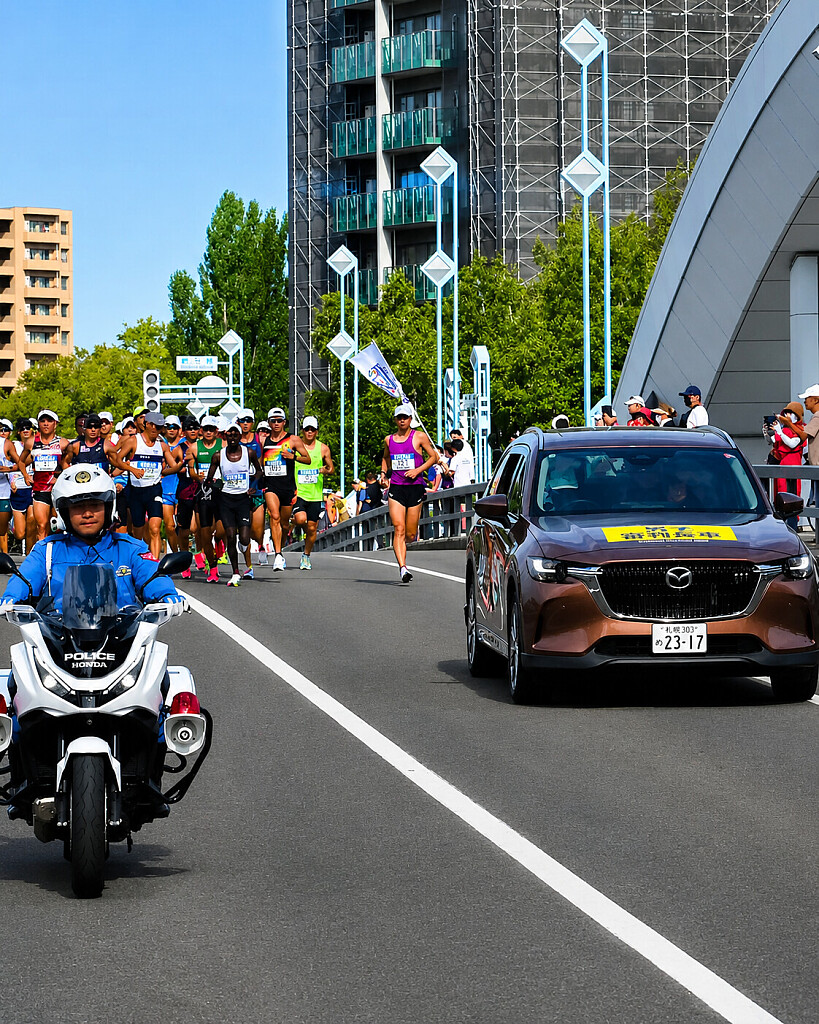
Hokkaido Marathon 2026: A Historic Summer Race Puts Heat Safety First
When thousands of runners line up in the heart of Sapporo on Sunday, August 30, 2026, they will be taking part in one of Japan’s most distinctive marathon traditions — a race where the battle is not only against the clock and the 42.195-kilometre distance, but also against the summer heat.
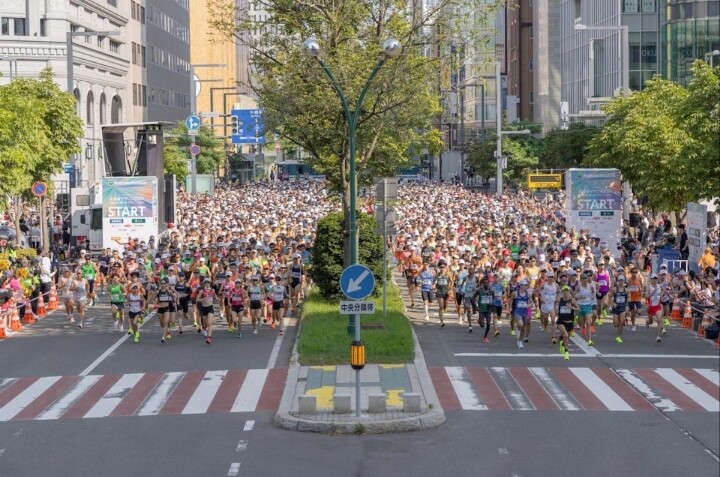
The Hokkaido Marathon traces its roots to 1987, when the inaugural race attracted just 439 entrants. Over nearly four decades, it has grown into a major international marathon, welcoming runners from Japan and around the world while maintaining its unique identity as one of the country’s few major summer marathons.
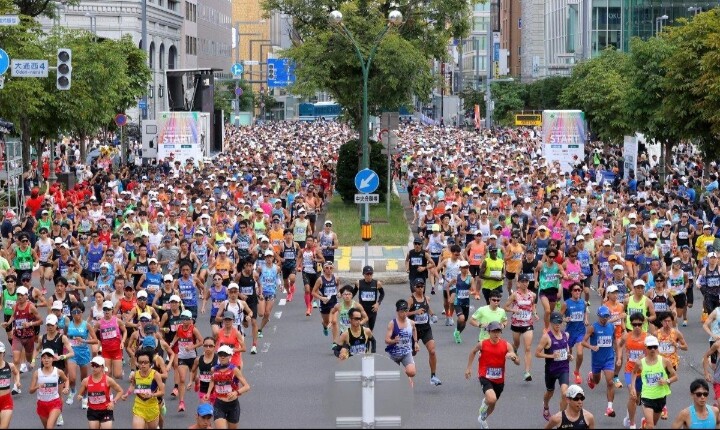
That summer setting is precisely what makes heat management such an important part of the Hokkaido Marathon experience.
The 2026 edition will begin at 8:30 a.m. from Odori Nishi 4-chome, with the course winding through some of Sapporo’s most recognisable landmarks, including Susukino and Hokkaido University. But while the atmosphere will be festive and competitive, organisers are urging athletes to treat heat-related illness with the utmost seriousness.
As one of Japan’s few marathons held during the summer, Hokkaido Marathon carries a heightened risk of heatstroke. Mild heat illness may improve with rest, cooling and appropriate hydration, but severe heatstroke can become life-threatening and demands rapid action to lower body temperature.
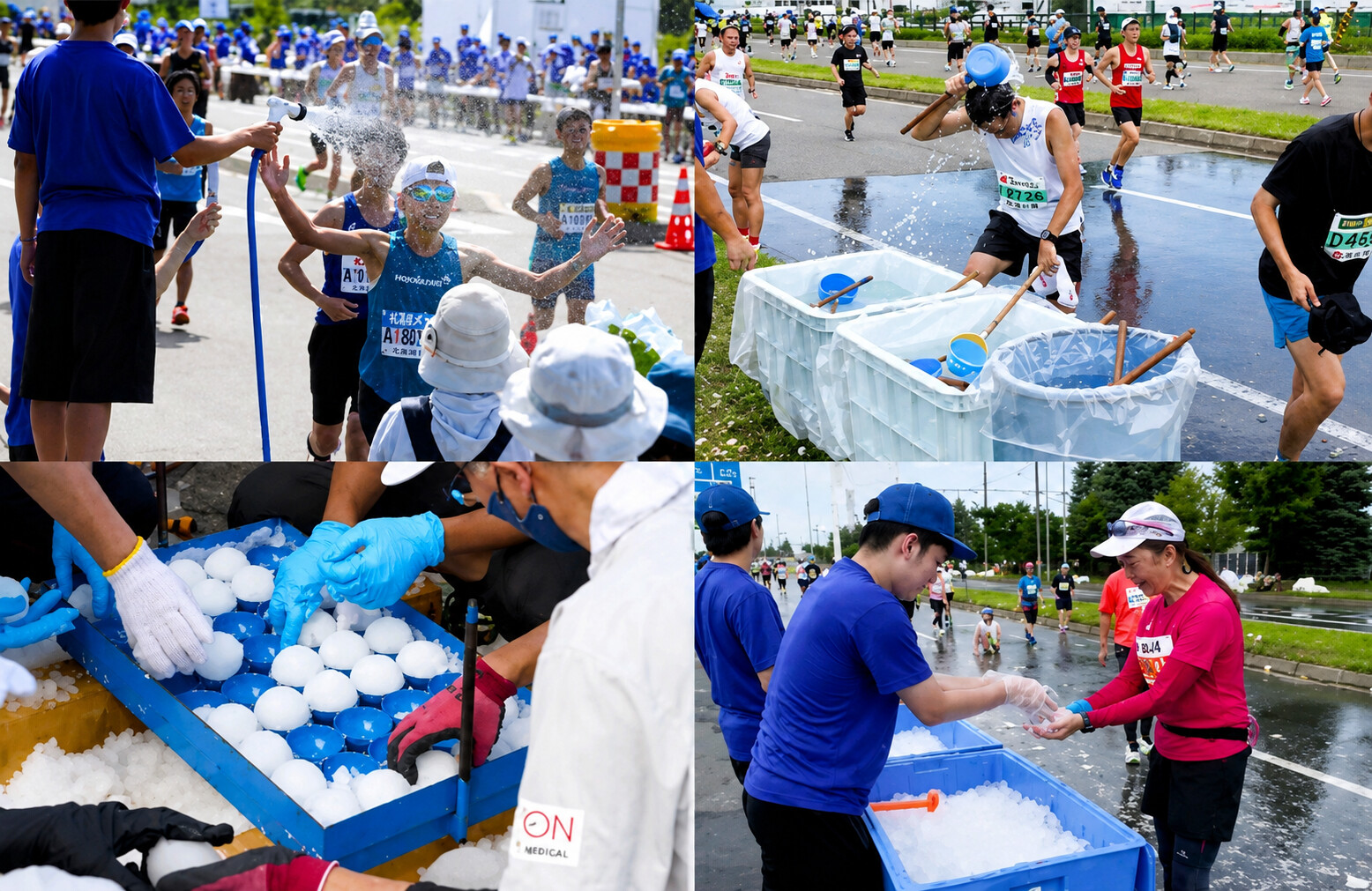
The organisers have therefore placed medical preparedness at the centre of the 2026 event. Since the 2022 Hokkaido Marathon, an ice-bath system has been available for emergency cooling — an approach also used during the marathon and race-walking competitions at the Tokyo 2020 Olympic Games.
If medical staff suspect severe heatstroke accompanied by impaired consciousness, a doctor may assess the athlete, including measuring rectal temperature when necessary. Where appropriate, the runner can be rapidly cooled using an ice bath before being transported to a medical facility.
For competitors, recognising the warning signs early could make all the difference.
Feeling dazed, unusually confused, mentally foggy or unable to remain fully alert during the race should never be dismissed as ordinary fatigue. Runners experiencing such symptoms are being urged not to force themselves forward. They should stop, rest and seek medical assistance.
The same responsibility applies to fellow runners and spectators. Anyone who notices a competitor appearing confused, disoriented or seriously unwell should immediately alert the nearest medical or first-aid team.
Hydration is another critical part of the organisers’ message — but the advice is not simply to drink as much water as possible.
Both insufficient sodium intake and excessive fluid consumption can contribute to hyponatremia, a potentially dangerous drop in blood sodium levels. Runners should therefore pay attention to both fluid and sodium replacement during the marathon rather than relying solely on water.
The race is also expanding its cooling measures in 2026. An ice distribution point will be available at approximately 13.2 kilometres, while new water-dousing points will be introduced at the end of selected aid stations. These facilities are designed to give runners additional opportunities to cool their bodies as the race progresses.
A cooling spray may also be carried and used as another practical measure against the heat.
Such precautions are particularly significant given the Hokkaido Marathon’s history. From its modest beginning in 1987, the event gradually established itself as an important testing ground for athletes preparing to compete in hot-weather conditions. Japanese and international elites have repeatedly used the race to test their endurance and heat tolerance, while the event has also welcomed some of the world's leading distance runners.
Today, the marathon combines that elite tradition with a huge mass-participation atmosphere. What started with fewer than 500 entrants has evolved into an event capable of attracting around 20,000 runners, turning Sapporo into a celebration of distance running each summer.
But the message for 2026 is clear: finishing the marathon is never more important than protecting your health.
For runners chasing personal bests, international athletes seeking victory and recreational participants simply hoping to complete the distance, knowing when to slow down, stop or seek help is part of racing intelligently.
On August 30, the streets of Sapporo will once again provide a spectacular stage for 42.195 kilometres of running. Yet beneath the excitement, the Hokkaido Marathon is sending an equally important message: run hard when your body allows it, cool down when necessary, stay alert to the heat and never ignore the warning signs.
After nearly four decades of history, the Hokkaido Marathon continues to evolve — and in 2026, protecting the runners who make that history possible is firmly at the heart of the race.
by Erick Cheruiyot for My Best Runs.
Login to leave a comment

Hokkaido Marathon
The Hokkaido Marathon, inaugurated in 1987 with just 439 participants, has evolved into one of Japan's premier marathons, attracting nearly 20,000 runners annually. Held every August in Sapporo, Hokkaido, it stands as the nation's only full-scale summer marathon. The race commences and concludes in Sapporo's Odori Park, offering a scenic course that weaves through the city's landmarks, including the vibrant...
more...
From European Records to 42.195km: Andreas Almgren Takes on New York
Andreas Almgren has spent the past two seasons transforming himself into one of Europe’s most formidable distance runners. Now, the Swedish star is ready to take on an entirely new challenge — the marathon.
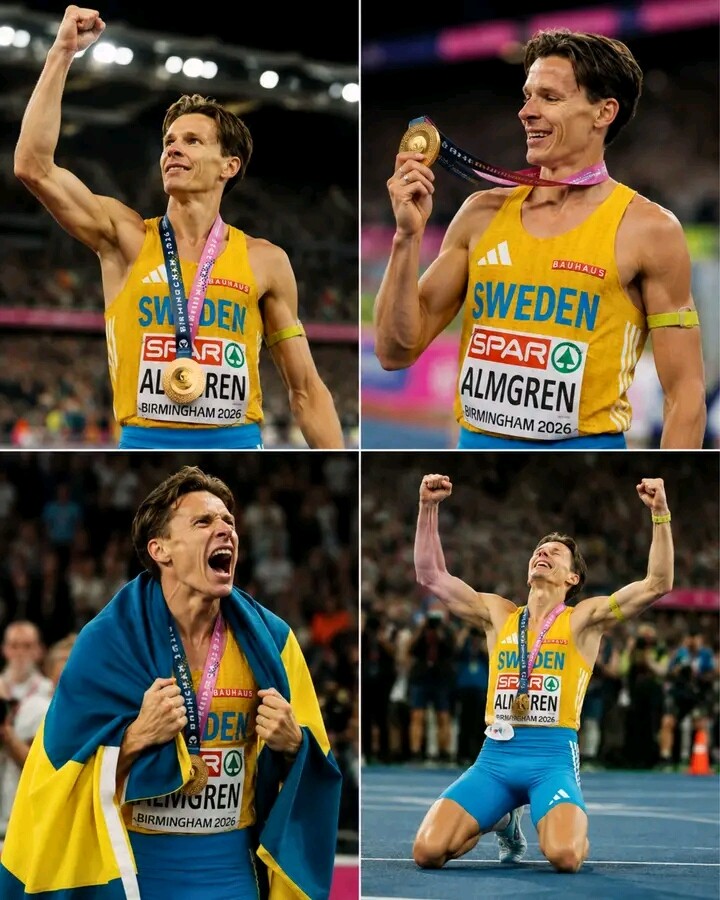
Fresh from a commanding European 10,000m triumph in Birmingham, Almgren has confirmed that he will make his marathon debut at the TCS New York City Marathon on November 1. The decision adds another intriguing chapter to a remarkable rise that has seen him repeatedly rewrite the European record books.
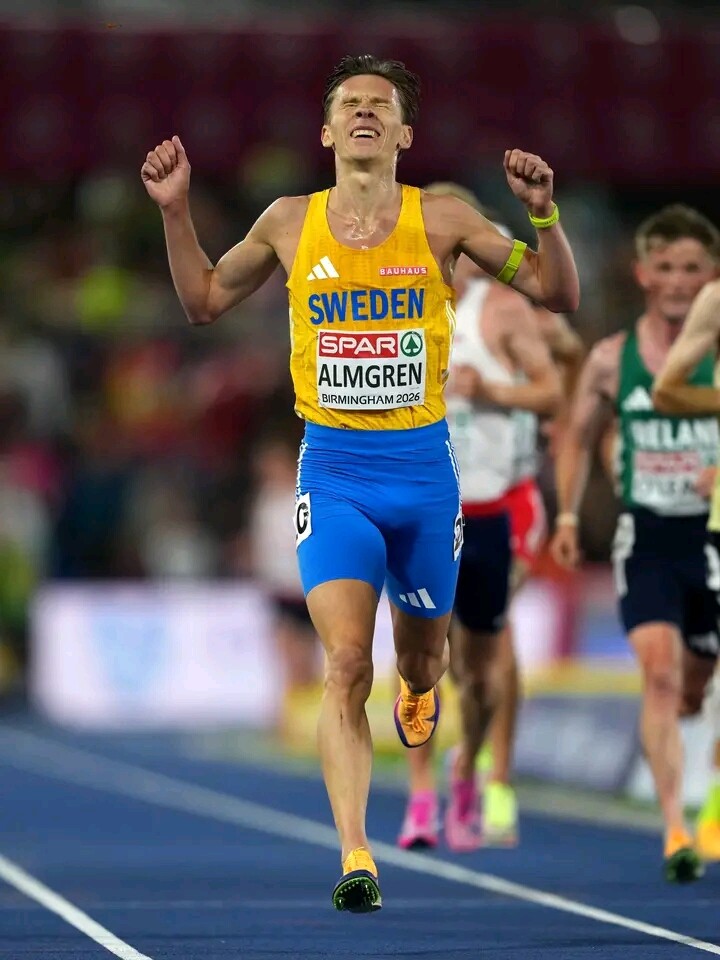
The 31-year-old owns European records of 12:44.27 for 5,000m, 26:45 for 10km on the road and 58:41 for the half marathon — extraordinary marks that underline both his speed and his growing endurance. His 26:45 in Valencia in January 2026 lowered his own European 10km record, while his 58:41 in Valencia last October made him the first European athlete to break the 59-minute barrier for the half marathon.
His latest achievement came in Birmingham, where Almgren produced one of the most dominant performances of the European Championships. He stormed to the 10,000m title in 27:23.44, setting a championship record and adding a major senior title to the World Championships bronze medal he won over the same distance in Tokyo last year.
Yet his choice of New York for his first marathon is what makes the announcement particularly fascinating.
Rather than selecting a traditionally fast, flat course where a debutant can concentrate almost exclusively on the clock, Almgren has chosen one of the most demanding and tactically complex marathons on the calendar. The New York course takes runners through all five boroughs and across five bridges before the finish in Central Park, combining repeated climbs, descents, turns and constantly changing race dynamics.
It is a course that rewards patience, strength and tactical intelligence as much as raw speed. For Almgren, whose career has been built around racing at the highest level rather than simply accumulating fast times, the setting could provide a fascinating test of how his exceptional track and road credentials translate to 42.195 kilometres.
And he will not be entering a quiet debut race. The 2026 field features defending men's champion Benson Kipruto, former champion Geoffrey Kamworor, Dutch star Abdi Nageeye, American contenders Conner Mantz and Zouhair Talbi, as well as several other elite marathoners. Almgren is one of a small group of high-profile athletes making their marathon debuts in New York.
The race will also mark the 50th anniversary of the modern five-borough New York City Marathon course, adding even greater significance to an already prestigious occasion. With Almgren bringing European-record credentials, a fresh continental title and the confidence of a breakthrough period behind him, his first encounter with the marathon promises to be one of the most closely watched stories of the autumn road-racing season.
For a runner who has already conquered the track and rewritten the European road-running record books, New York represents the beginning of another journey.
On November 1, the question will no longer be how fast Andreas Almgren can run 5,000m, 10km or a half marathon.
It will be how far that extraordinary speed and endurance can carry him over 42.195 kilometres through the streets of New York.
by Erick Cheruiyot for My Best Runs.
Login to leave a comment
TCS New York City Marathon
The first New York City Marathon, organized in 1970 by Fred Lebow and Vince Chiappetta, was held entirely in Central Park. Of 127 entrants, only 55 men finished; the sole female entrant dropped out due to illness. Winners were given inexpensive wristwatches and recycled baseball and bowling trophies. The entry fee was $1 and the total event budget...
more...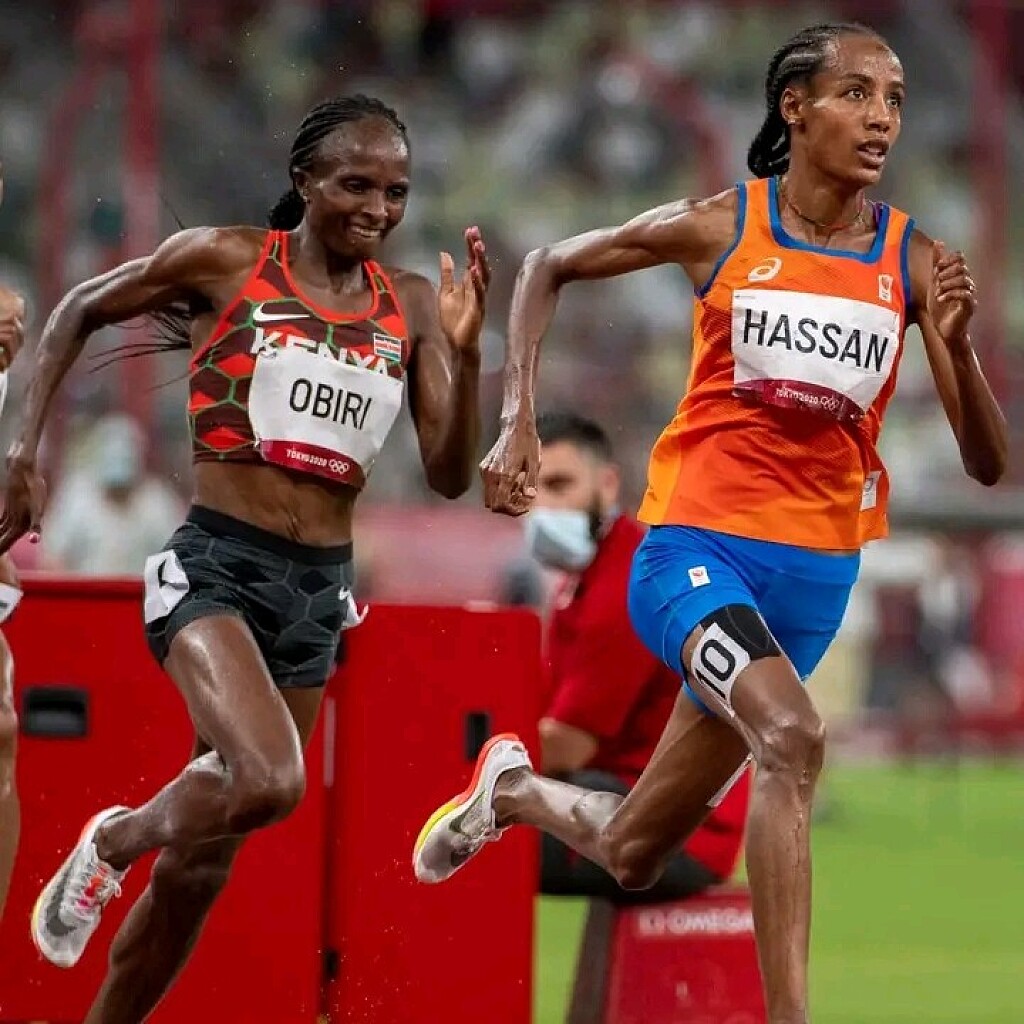
From Track Rivals to Marathon Queens: Sifan Hassan and Hellen Obiri Renew Their New York Rivalry
For more than a decade, Sifan Hassan of the Netherlands and Hellen Obiri of Kenya have been familiar opponents on the biggest stages of distance running. Their rivalry was forged on the track, where Hassan’s extraordinary versatility and finishing speed repeatedly collided with Obiri’s strength, tactical intelligence and championship pedigree.
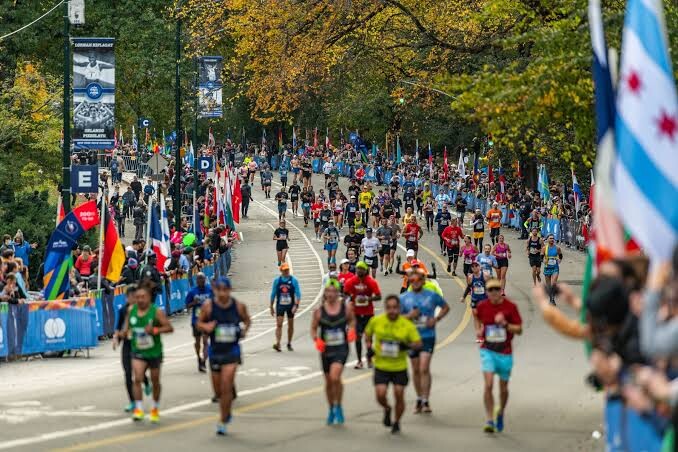
Now, after conquering different chapters of the sport, the two global stars are set to meet again on the streets of New York on November 1, 2026 — with another marathon crown at stake.
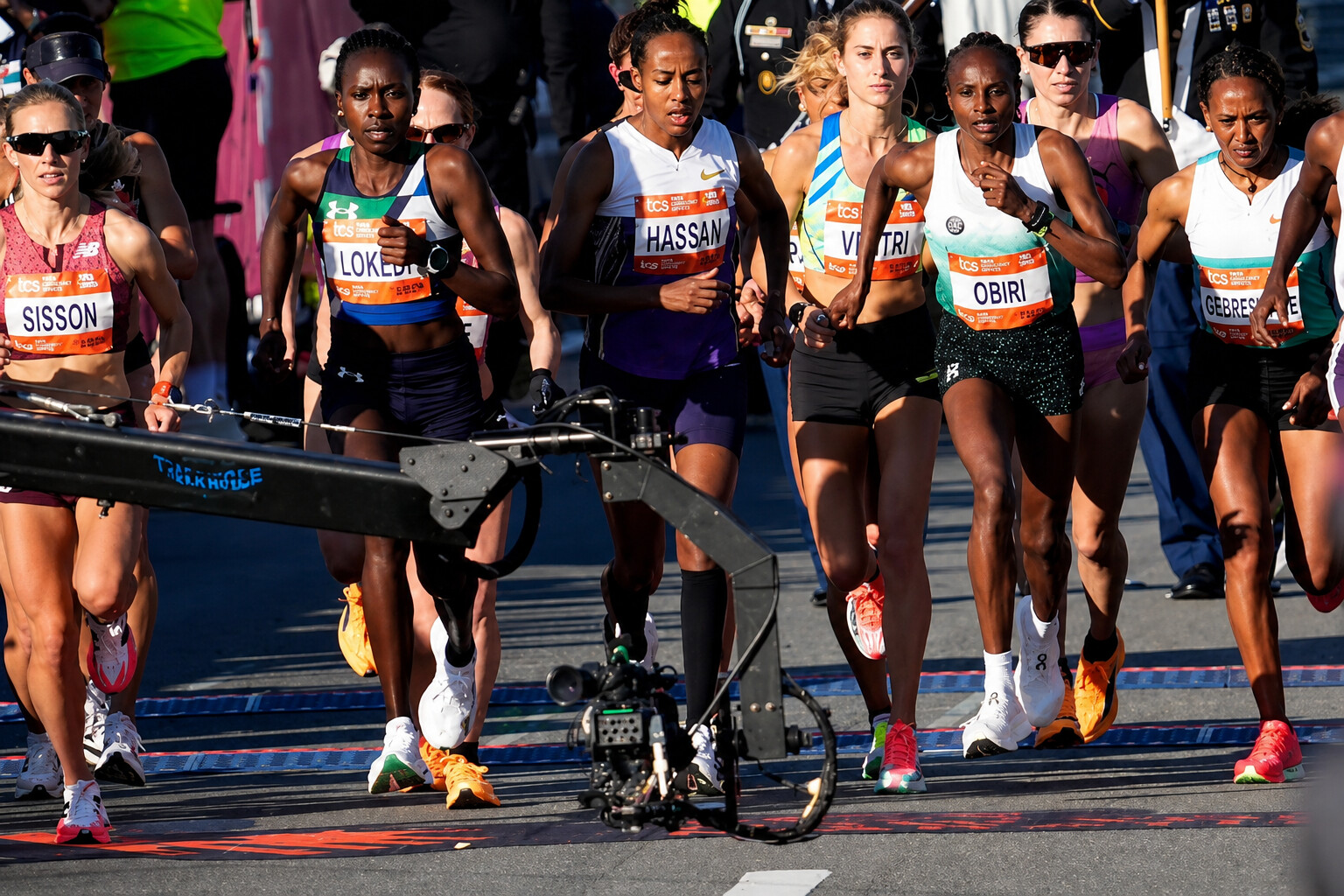
Their most memorable encounters came during the golden years of their track careers. At the Tokyo 2020 Olympics, Hassan defeated Obiri in a thrilling 5000m final, winning gold in 14:36.79 while Obiri took silver in 14:38.36. A year later, the two were again among the leading figures in the 10,000m at the 2022 World Championships in Oregon, where Obiri claimed silver and Hassan finished fourth.
But both athletes eventually turned their attention to the marathon, transforming a track rivalry into a new battle over 42.195 kilometres.
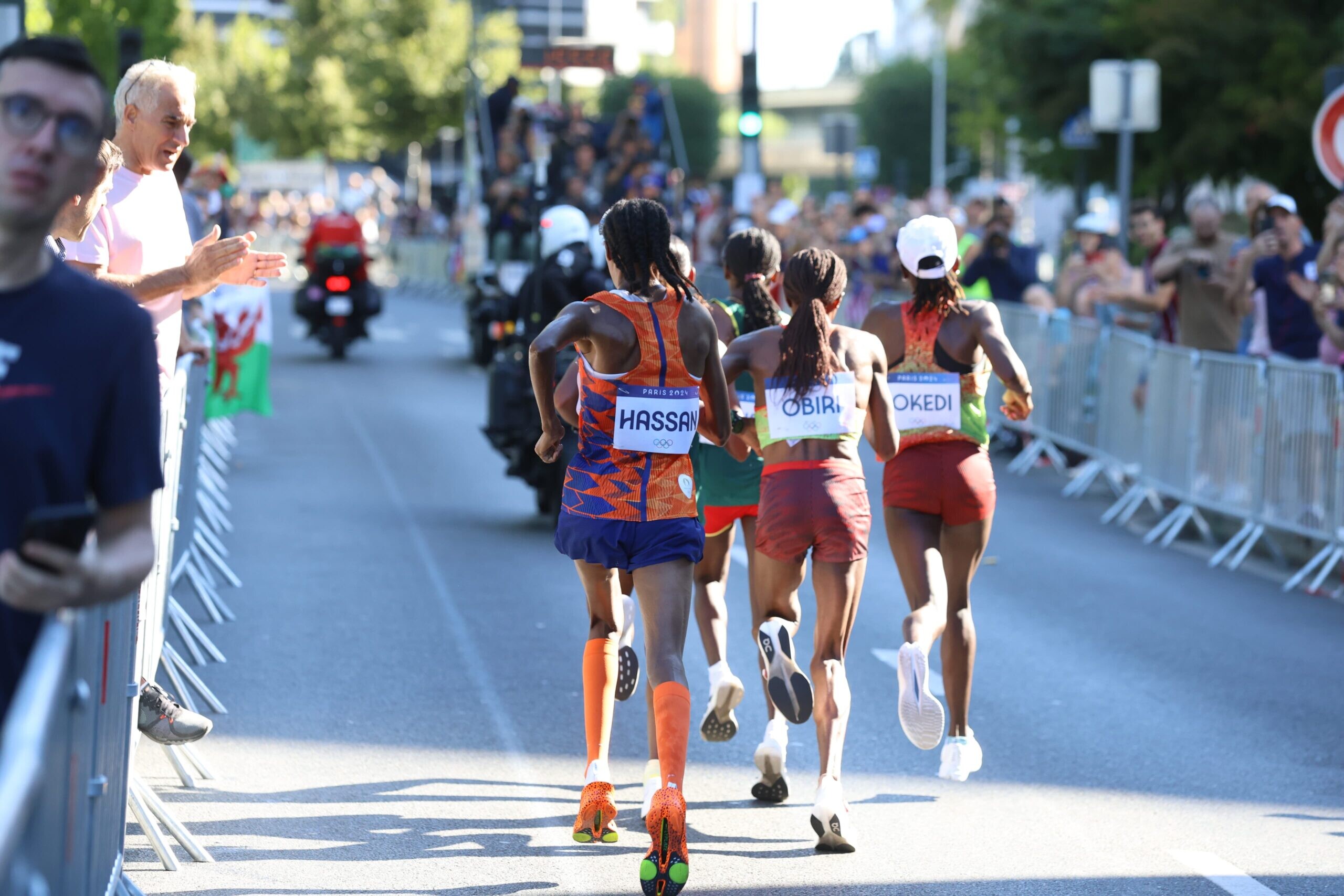
Hassan’s transition was extraordinary. After already establishing herself as one of the most versatile distance runners in history, she conquered the marathon at the Paris 2024 Olympics, winning gold and setting a personal best of 2:13:44 — a mark that remains significantly faster than Obiri’s current personal best.
Obiri, meanwhile, built her own formidable reputation on the roads. The Kenyan became a major force in the World Marathon Majors, winning the New York City Marathon in 2023 before returning to the top of the podium in 2025.
That 2025 New York race added another compelling chapter to the Hassan-Obiri rivalry.
Hassan made her New York debut but finished sixth in 2:24:43, while Obiri produced a commanding performance to win in 2:19:51. Her victory not only secured her second New York title but also shattered Margaret Okayo’s long-standing course record of 2:22:31.
The contrast could hardly be more intriguing heading into 2026.
Hassan owns the faster marathon personal best and the ultimate Olympic marathon prize. Obiri owns two New York titles and knows exactly how to master the famously demanding five-borough course. And the Kenyan has continued to strengthen her marathon credentials, running a personal-best 2:15:53 in London in 2026.
Hassan, meanwhile, returns to New York with unfinished business. After describing her 2025 debut as a physically punishing experience, she is preparing to tackle the course again, bringing the lessons of her first attempt and her vast championship experience with her.
This time, the stakes feel different.
There is history between them. There is unfinished business. And there is the intriguing question of whether Hassan’s superior lifetime speed over the marathon distance can finally translate into victory on the streets where Obiri has already established herself as a two-time queen.
One athlete has Olympic marathon gold and a 2:13:44 personal best.
The other has two New York crowns and a course record that announced her arrival among the marathon elite in emphatic fashion.
When Hassan and Obiri line up together again in New York, it will be more than another World Marathon Major showdown. It will be the latest chapter in a rivalry that began with championship battles on the track and has now evolved into one of the most compelling confrontations in women’s marathon running.
Track rivals. Olympic champions. Marathon queens.
On November 1, New York gets the next chapter.
by Erick Cheruiyot for My Best Runs.
Login to leave a comment
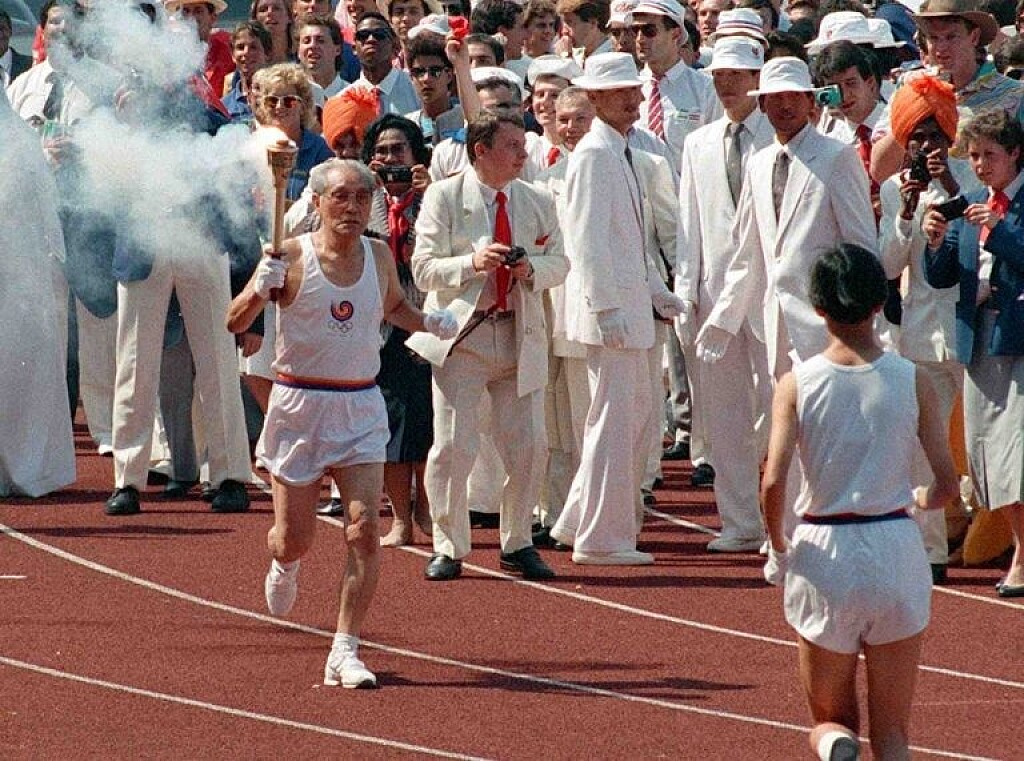
The Olympic Gold That Korea Had To Wait 52 Years To Truly Claim
On August 9, 1936, Sohn Kee-chung crossed the finish line of the Olympic marathon in Berlin in 2:29:19.2, becoming the first Korean to win an Olympic gold medal.
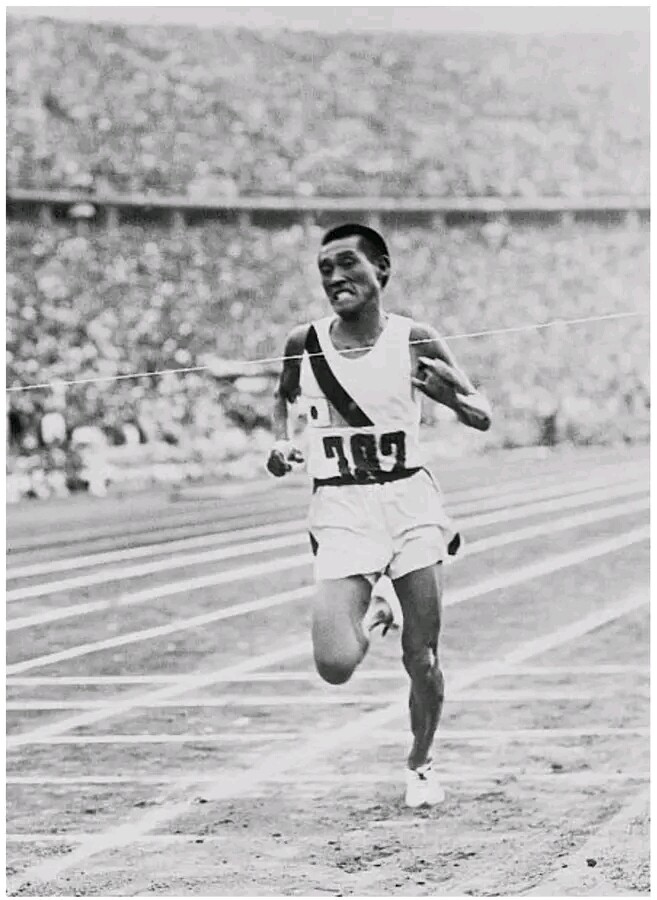
But there was a painful contradiction behind the triumph.
The scoreboard did not identify him as Sohn Kee-chung. It listed him as Kitei Son — the Japanese pronunciation of his Korean name. And instead of competing for Korea, he was officially entered as a member of the Japanese delegation because Korea had been under Japanese colonial rule since 1910.
Sohn was born in 1912 near Sinuiju, in what is now North Pyongan Province, and emerged as one of the outstanding distance runners of his generation. His talent became impossible to ignore in the 1930s, and in November 1935 he ran 2:26:42 in Tokyo to set a world marathon record.
By the time he arrived in Berlin, Sohn was already a world-class marathoner. Yet his greatest sporting achievement would unfold under an identity that had been imposed upon him.
He was not permitted to compete under his Korean name. He was not permitted to carry the Korean flag. His uniform bore the Japanese emblem.
And even after winning Olympic gold, he could not celebrate as a Korean champion.
Sohn won the marathon ahead of Britain's Ernie Harper, while another Korean, Nam Sung-yong, claimed bronze. Sohn became the first Olympic marathoner to break the 2:30 barrier, with his 2:29:19.2 Olympic record standing as a remarkable achievement. Importantly, however, his Berlin time was not a world record — his world-best mark had come the previous year in Tokyo.
The medal ceremony became one of the most haunting images in Olympic history.
As the Japanese flag was raised and the Japanese anthem played, Sohn stood on the top step of the podium with his head lowered. Nam Sung-yong stood beside him on the third step. Neither athlete was able to represent the nation from which they came.
Sohn held the laurel wreath he had received for winning the marathon across his chest, concealing the Japanese flag on his uniform.
The gesture was silent.
But the message was powerful.
He had won the race for himself and for Korea, even though the official ceremony claimed him for Japan.
Back home, Koreans celebrated his victory with enormous pride. For many, Sohn's success was a rare moment of national affirmation during colonial rule. Yet the emotions were complicated. Some Korean nationalists viewed participation in the Japanese team as a painful compromise, while others saw Sohn's victory as a powerful act of resistance against the colonial claim that Koreans were inferior.
The reaction of the Korean press became another chapter in the story.
On August 25, 1936, the Dong-A Ilbo published the famous photograph of Sohn on the podium with the Japanese flag removed from his uniform. The newspaper's journalists had deliberately erased the emblem — an act of defiance against Japan's colonial authorities. The incident triggered a major crackdown. Multiple journalists were arrested, and the newspaper was forced to suspend publication for months. Historical accounts record that eight people involved were imprisoned and that the paper was suspended for roughly nine months.
The photograph became more than an image of an Olympic champion.
It became an image of a nation trying to preserve its identity.
After Korea was liberated in 1945, Sohn's life took a new direction. He became an influential coach and helped develop the next generation of Korean distance runners. Among those he guided were Suh Yun-bok, who won the Boston Marathon in 1947, and Ham Ki-yong, the 1950 Boston Marathon champion. Sohn also served in various athletic organizations in South Korea.
In 1948, he carried the flag for the newly independent Republic of Korea at the London Olympics — another deeply symbolic moment in a life that had begun with his identity being taken from him on an Olympic starting line.
Decades later, Sohn returned to Germany and, in 1972, attended the Munich Olympics. There, he was reunited with filmmaker Leni Riefenstahl, whose film Olympia had documented the 1936 Berlin Games.
Today, Sohn Kee-chung’s legacy is also preserved in Seoul, South Korea, where a statue of the legendary marathoner stands at Sohn Kee-chung Athletic Park, near the memorial hall named in his honor. The memorial site includes a bronze head statue created in 1990, depicting Sohn in his later years, with scenes from his historic 1936 Berlin victory engraved below. Another statue, unveiled in 2016 to mark the 80th anniversary of his Olympic triumph, portrays the young Sohn proudly holding the Olympic trophy — this time with the South Korean flag in place of the Japanese emblem that had appeared on his uniform in Berlin.
But perhaps the most emotional chapter came in Seoul.
On September 17, 1988, 52 years after his Berlin triumph, the 76-year-old Sohn Kee-chung carried the Olympic torch into the stadium at the opening ceremony of the Seoul Olympics.
Think about what that moment represented.
In Berlin in 1936, he had stood on the Olympic podium beneath a foreign flag, unable to openly celebrate his victory as a Korean.
In Seoul in 1988, he entered an Olympic stadium carrying the flame for his own country.
The symbolism was almost impossible to miss.
The young runner who had once been forced to compete under the name Kitei Son was now an elderly Korean national hero, carrying the Olympic flame before his people.
He had spent more than five decades watching history slowly return his name to him.
Sohn Kee-chung died in November 15, 2002, aged 90, in Seoul, South Korea leaving behind far more than an Olympic medal. He left a story about athletic greatness, identity, dignity and resistance — a story in which a marathon victory became inseparable from the history of an entire nation.
His Berlin gold medal may have been officially recorded under Japan's name.
But in Korea, the champion was always Sohn Kee-chung.
And perhaps that is why the photograph of him standing on the podium, head bowed and the laurel wreath covering the Japanese emblem, remains so powerful.
He won the race in Berlin. But the world took decades to understand who had actually won it.
by Erick Cheruiyot for My Best Runs.
Login to leave a comment

Can Keely Answer Back? Hodgkinson And Werro Set For Explosive Zurich Rematch
The rivalry between Keely Hodgkinson and Audrey Werro is developing into one of the most compelling stories in the women’s 800m — and it gets another chapter next week.

Just days after their dramatic European Championship final in Birmingham, the Olympic champion and the newly crowned European champion will meet again at Weltklasse Zürich on August 27, with the sold-out Letzigrund Stadium ready for another spectacular showdown.
In Birmingham, it was Werro who produced the decisive moment. The Swiss star delivered a sensational front-running performance to win European gold in a championship-record 1:54.81, holding off Hodgkinson, who finished second in 1:55.01. Femke Broeders-Bol completed the podium in 1:55.54, setting a Dutch national record in the process.
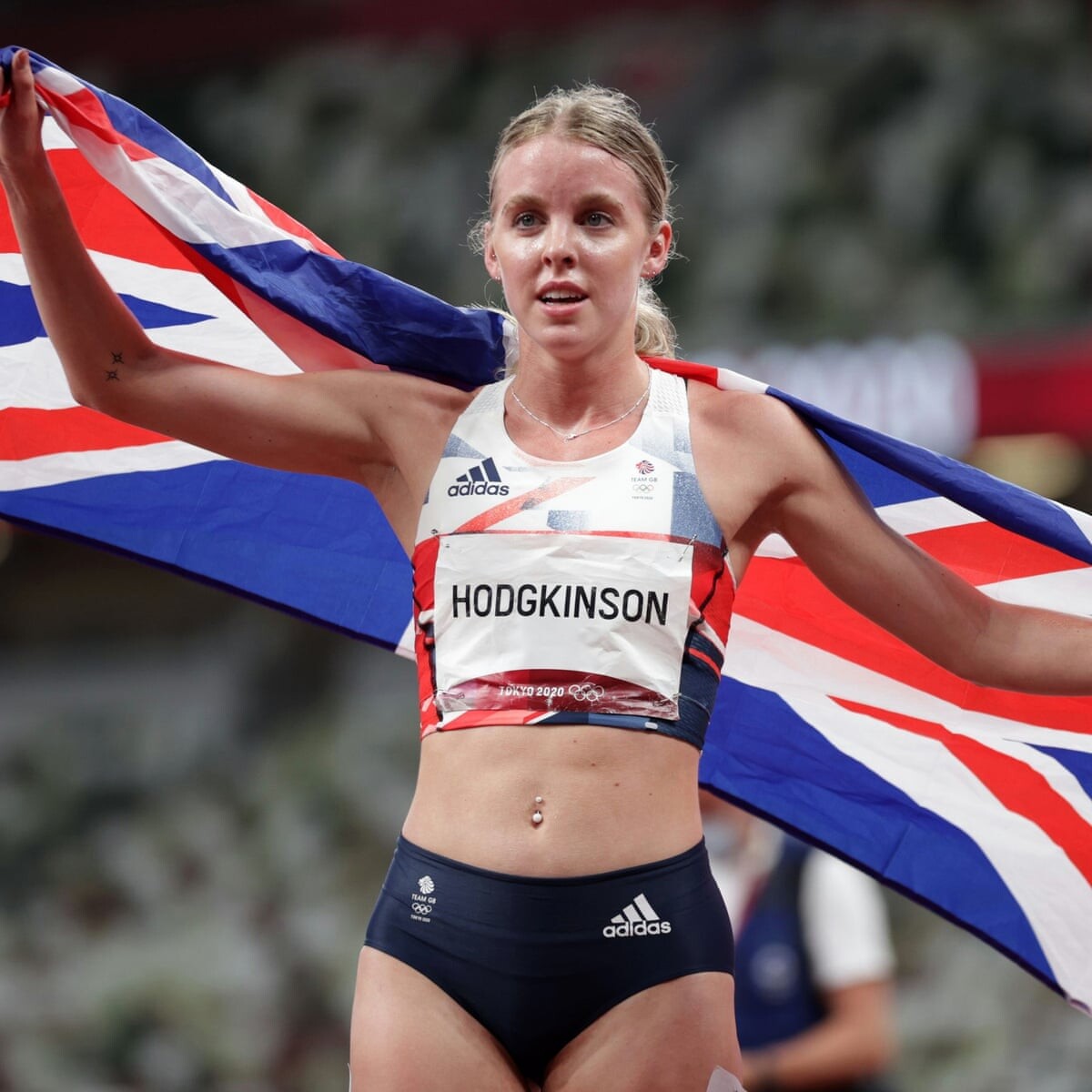
For Hodgkinson, the defeat was a rare setback in an event she has dominated at the highest level. But Zurich offers the perfect opportunity to respond.
And this time, the stage belongs to Werro.
The 22-year-old Swiss star will race in front of her home crowd at the Letzigrund Stadium, where she will arrive with enormous confidence after an extraordinary 2026 campaign. Earlier this season, Werro stormed to 1:53.98 in Stockholm, becoming only the third woman in history to break 1:54 at the time, while Hodgkinson followed her home in a British record 1:54.33.
Werro then went even faster in Paris, producing 1:53.80 — the third-fastest performance in history — further establishing herself as a genuine threat to the event’s all-time hierarchy.
But Hodgkinson knows exactly what it takes to win on the biggest stages. The reigning Olympic champion and former world champion has repeatedly demonstrated her ability to respond when challenged, and Zurich could provide another opportunity to remind the world why she remains one of the most formidable 800m runners of her generation.
Yet this will be far more than a two-woman battle.
Kenya’s Lilian Odira, the reigning world champion, adds another layer of danger to an already stacked field. Odira, Hodgkinson and Georgia Hunter Bell were the gold, silver and bronze medallists in the 800m at the 2025 World Championships in Tokyo, and their rivalry has continued into 2026.
Then there is Georgia Hunter Bell, who arrives in Zurich as the newly crowned European 1500m champion and one of the most versatile middle-distance athletes in the world. Her presence over 800m gives the race another serious contender capable of changing the complexion of the contest.
Femke Broeders-Bol will also be looking to build on her breakthrough European Championship bronze. The Dutch star has made an impressive transition from the 400m hurdles to the 800m this season, and her 1:55.54 national record in Birmingham showed that she is now capable of challenging the very best over two laps.
With Werro’s extraordinary speed, Hodgkinson’s championship pedigree, Odira’s world title credentials, Hunter Bell’s tactical intelligence and Broeders-Bol’s rapidly improving 800m form, Zurich could produce one of the deepest and most anticipated women’s 800m races of the season.
The question is simple:
Can Keely answer back?
Or will Audrey Werro once again prove too strong — this time with the roar of the Swiss crowd behind her?
The answer comes on August 27 at the sold-out Letzigrund Stadium in Zurich.
by Erick Cheruiyot for My Best Runs.
Login to leave a comment

Noah Lyles And Letsile Tebogo Set For Another Blockbuster Showdown In Budapest
NOAH LYLES VS LETSILE TEBOGO — ANOTHER CHAPTER AWAITS!
The rivalry between American sprint superstar Noah Lyles and Botswana’s Olympic champion Letsile Tebogo is set to take centre stage once again, with the two global stars heading to Budapest for the inaugural World Athletics Ultimate Championship from September 11–13, 2026.
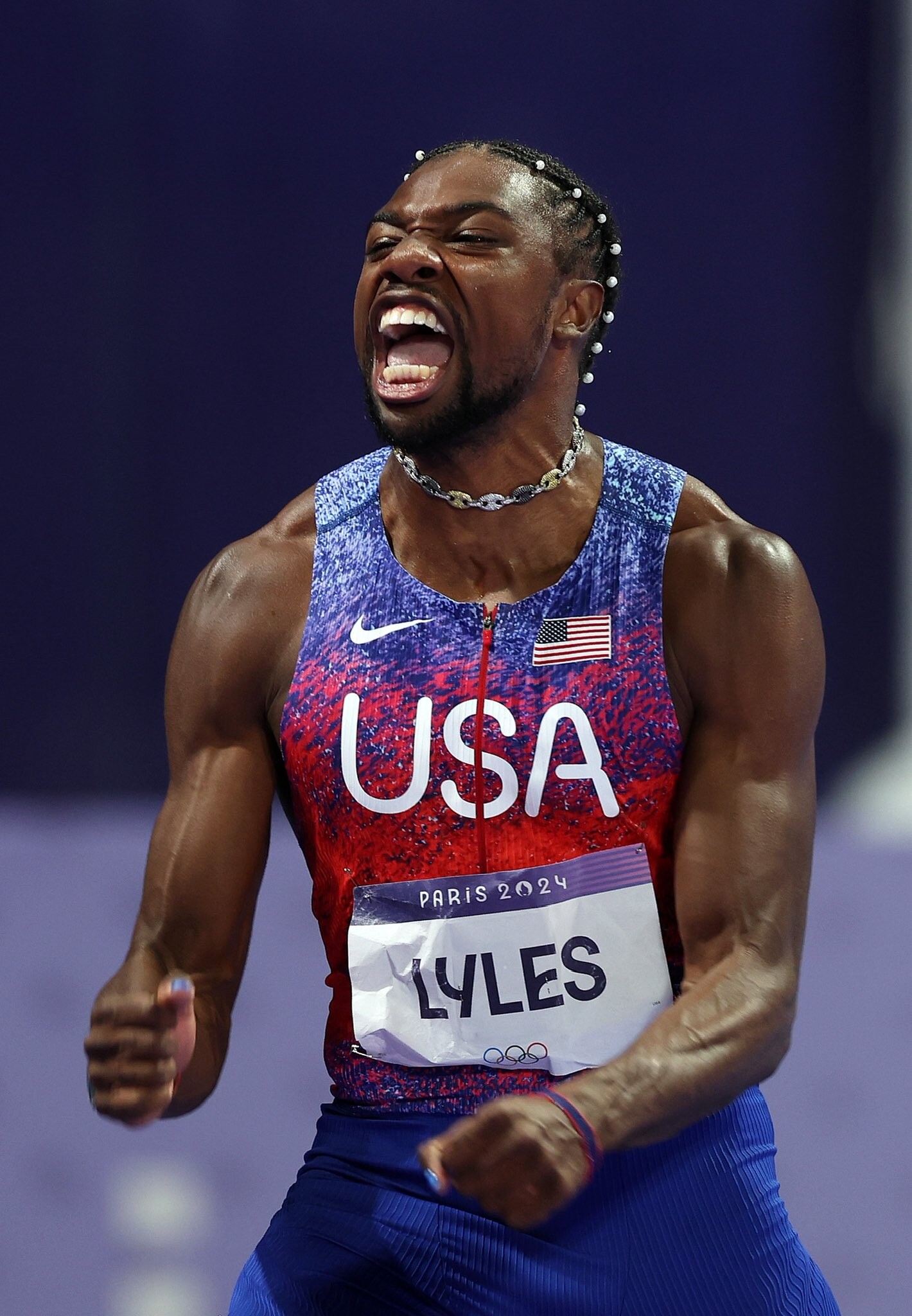
Both Lyles and Tebogo have been named among the event’s Ultimate Stars, adding even more star power to a championship designed to answer one of athletics’ biggest questions: who is the best of the best? World Athletics has assembled Olympic champions, world champions, Diamond League winners and the leading performers of the season for a three-day season finale at Budapest’s National Athletics Centre.
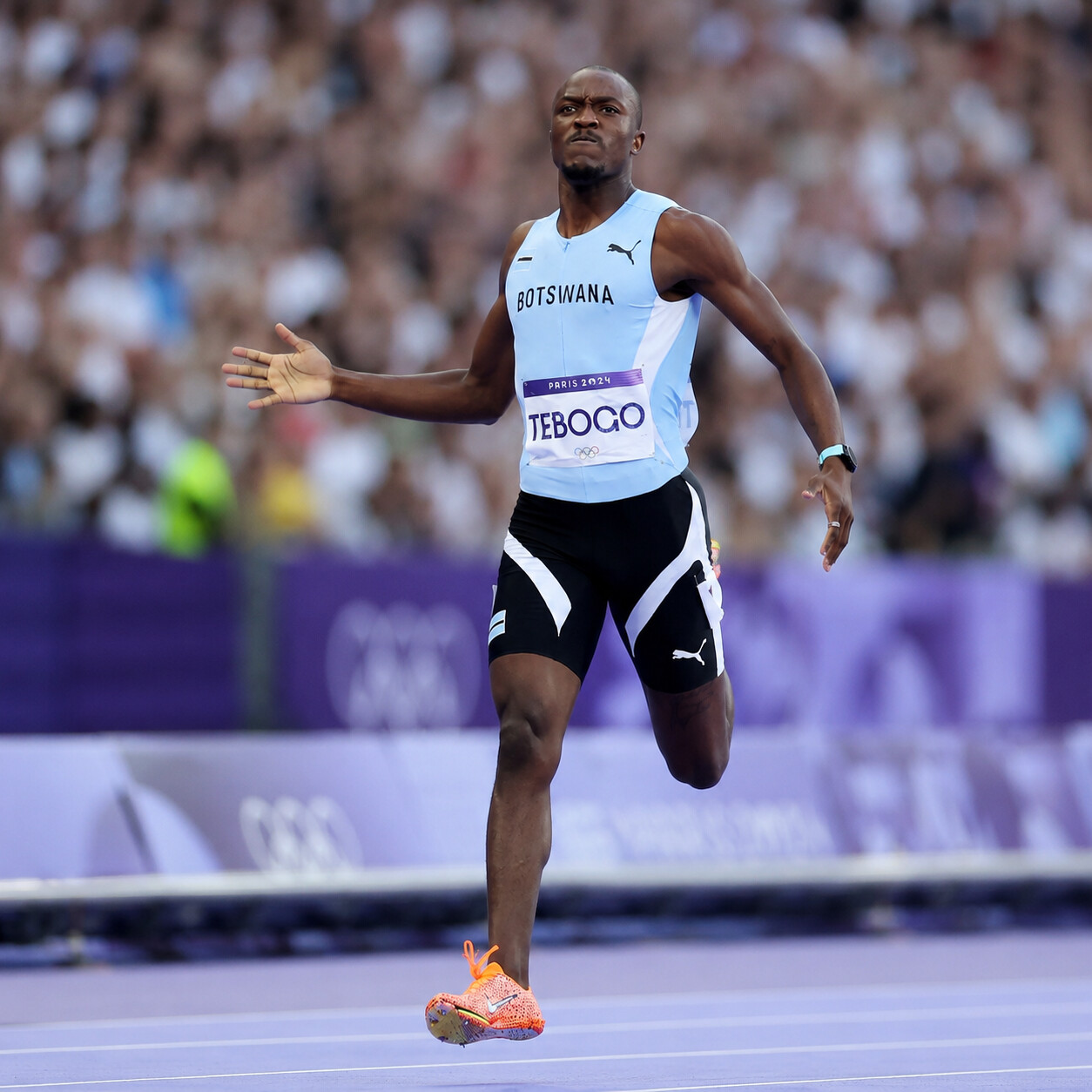
And when the men’s 200m takes centre stage on Sunday, September 13, the possibility of another Lyles-Tebogo showdown promises to be one of the most anticipated moments of the entire championship. The event’s format features semifinals before the final, with the top four athletes from each semifinal advancing.
Their rivalry already carries plenty of history.
At the Paris 2024 Olympic Games, Tebogo produced a magnificent performance to win the men’s 200m in an African record of 19.46, becoming Botswana’s first Olympic champion in any sport. Lyles, who had entered the Games as the reigning world champion and one of the favourites, finished third in 19.70, taking bronze.
The story did not end in Paris.
At the 2025 World Championships in Tokyo, Lyles and Tebogo renewed their battle over the half-lap distance, with Lyles beating the Olympic champion in Monaco before edging him again at the Diamond League Final in Zürich. World Athletics noted that the Zürich margin was just 0.02 seconds, highlighting just how closely matched the two sprinting giants had become.
Now, Budapest offers another opportunity for the pair to settle the score on one of the sport’s biggest new stages.
Lyles enters the Ultimate with a personal best of 19.31 seconds, while Tebogo owns a 19.46 best — the African record he produced in his historic Olympic triumph. The 2026 season has already shown that neither man can afford a moment of hesitation, with Tebogo continuing to establish himself as one of the world's leading 200m specialists and Lyles remaining a formidable force across the sprints.
But this will be about much more than another race between two famous names.
The Ultimate Championship carries a record US$10 million prize pot, the largest ever offered at a single track and field event. Individual champions will receive US$150,000, while every athlete who competes is guaranteed prize money.
That combination of prestige, money and rivalry makes Budapest a fitting stage for the next instalment of one of modern sprinting’s most compelling matchups.
Lyles brings the experience, personality and championship pedigree. Tebogo brings the confidence of an Olympic champion and the explosive speed that has already carried him to the top of the 200m world.
When the gun fires in Budapest, there will be nowhere to hide and no room for mistakes.
Noah Lyles or Letsile Tebogo — who will seize the Ultimate crown?
by Erick Cheruiyot for My Best Runs.
Login to leave a comment

Michael Roeger’s Long Road Back to the Marathon World Record — and Now Sydney Awaits
On August 30, approximately 35,000 runners will line up at Miller Street in North Sydney for the 2026 TCS Sydney Marathon. Among them will be an athlete who already owns a piece of marathon history: Michael Roeger, the Australian T46 marathon world-record holder and one of the most remarkable endurance athletes of his generation.
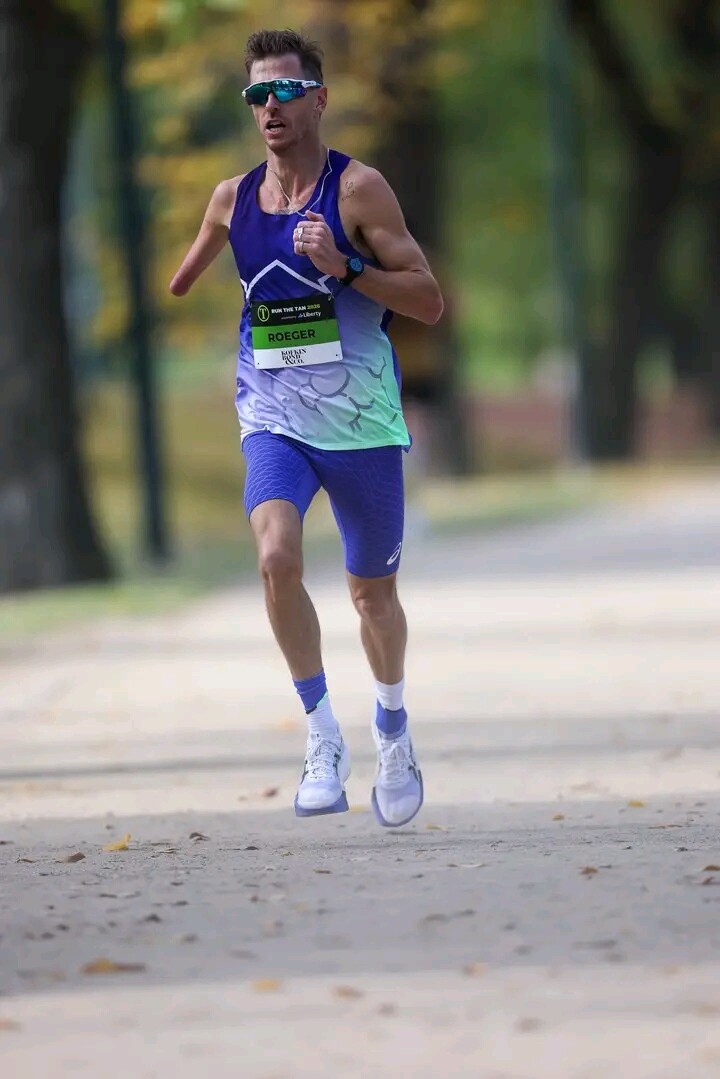
At 38, Roeger returns to the marathon with a career shaped by persistence, reinvention and an extraordinary ability to keep moving forward whenever circumstances have threatened to derail him.
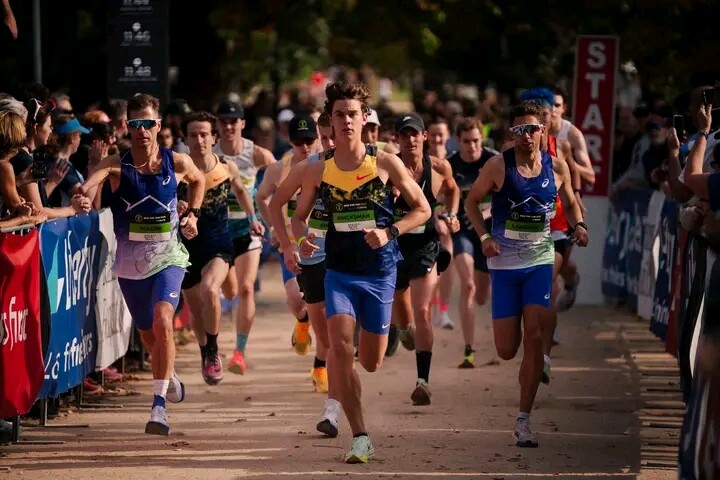
Sydney is a fitting stage for the next chapter. The marathon, now part of the Abbott World Marathon Majors, takes runners through some of the city's most recognisable landmarks, beginning in North Sydney, crossing the Harbour Bridge and eventually finishing near the Opera House. For Roeger, however, this is about far more than another marathon.
He is returning to the distance in the city where he set the fastest T46 marathon ever recorded.
Roeger grew up in Langhorne Creek, a small South Australian community about 55 kilometres south of Adelaide. Born without the lower half of his right arm, he discovered Para athletics after Paralympian Neil Fuller visited his school when Roeger was 12.
What began as an introduction to sport eventually developed into a career spanning five Paralympic Games, world championships, major medals and multiple world records.
His T46 classification covers athletes with an arm amputation or comparable upper-limb difference. Yet describing Roeger's performances simply through his classification fails to capture the complexity of what he has achieved.
Running is an intricate coordination of the entire body. The arms contribute to balance, rhythm and control, helping the torso manage the rotational forces created by every stride. Over 42.195 kilometres, maintaining efficient movement is an enormous physical and technical challenge.
Roeger's marathon performances therefore represent much more than a number attached to a classification. They are elite endurance performances in their own right.
His transition to the marathon was remarkably rapid. Roeger made his marathon debut at the Melbourne Marathon in October 2018, running 2:23:31. The performance was faster than the existing T46 world record at the time, although it was not ratified as a world record because the race did not have the necessary status.
Six months later, he returned to the distance at the 2019 London Marathon, where the World Para Athletics Marathon Championships were staged within the race.
This time, everything came together.
Roeger won the T46 world title in 2:22:51, lowering the ratified world record and establishing himself as the world's leading marathoner in the classification. Even when cramp began to trouble him during the closing stages, he held on to become a world champion.
The progression continued.

At the 2020 Chevron Houston Marathon, Roeger ran 2:19:33, becoming the first ambulant Para athlete to break the 2:20 barrier and once again lowering his own world record.
But his most significant breakthrough came back in Australia.
On April 25, 2021, Roeger lined up in Sydney for the Athletics Australia Tokyo Qualifying Marathon. He produced the fastest marathon of his career, crossing the finish line in 2:18:53.
That performance remains the T46 marathon world record.
The progression is remarkable. From 2:23:31 in Melbourne to 2:22:51 in London, 2:19:33 in Houston and finally 2:18:53 in Sydney, Roeger repeatedly moved the benchmark forward.
It was almost five minutes of improvement across four marathon performances.
But the record is only one part of the story.
Roeger's career has never followed a smooth upward trajectory. At the 2008 Beijing Paralympic Games, aged only 20, he contested the 800m, 1500m and 5000m T46 events, with seventh place in the 1500m his best finish.
Four years later in London, he arrived with genuine medal ambitions. Instead, gastrointestinal bleeding struck on the eve of the T46 800m. He still started the race but was forced to withdraw after one lap.
Rio 2016 finally delivered a Paralympic medal, with Roeger winning bronze in the 1500m. That success helped convince him to move towards the longer distances and eventually make the marathon his primary focus.
Then came another major setback.
Six weeks before the Tokyo 2020 Paralympic Games, Roeger suffered a stress fracture in his lower leg, destroying much of his preparation for the marathon. Despite the injury, he travelled to Tokyo and made the start line.
He finished sixth in 2:34:45, a time far outside the level he had demonstrated before the Games.
For most athletes, such a setback could have marked the end of the road. For Roeger, it became another chapter in a career defined by adaptation.
Before the Paris 2024 Paralympic Games, another obstacle emerged when the T46 marathon was removed from the programme. The event in which Roeger had become a world-record holder was no longer available at the Games.
His only remaining distance was the 1500m.
So he adapted once again.
Roeger returned to the track and competed in Paris, ultimately adding another Paralympic medal to his collection with silver in the T46 1500m.
Now the marathon is calling again.
The 2026 TCS Sydney Marathon will provide a very different challenge from the flat courses on which many of the world's fastest marathon times are produced. The route begins in North Sydney, crosses the Sydney Harbour Bridge and winds through the city before finishing at the Opera House.
The course features substantial elevation changes, with approximately 313 metres of climbing across the 42.195 kilometres. It is a course that rewards strength, patience and the ability to maintain efficient form when the legs are already carrying the fatigue of a long marathon.
For Roeger, that challenge will be amplified by the quality of the field around him.
The Australian elite field includes a strong collection of domestic marathoners, while the international men's race features considerable depth, with numerous athletes holding personal bests below 2:10.
Roeger will therefore not be lining up in isolation as a Para athlete. He will be part of a major international marathon field, surrounded by runners pursuing national titles, personal bests and elite honours.
That is also central to the way he has approached his career.
Roeger has long resisted the idea that Para athletes should be viewed as fundamentally separate from their able-bodied counterparts. His philosophy has been simple: once the starting gun goes, the competition is about running.
That attitude has helped him move comfortably between Para athletics and open elite competition, and Sydney 2026 offers another opportunity to do exactly that.
His partnership with coach Dr Philo Saunders has been particularly important throughout his career, helping him develop into a world-class athlete across multiple distances.
Yet perhaps the most impressive part of Roeger's story is not any individual medal or record.
It is the number of times he has had to begin again.
From a small South Australian town to five Paralympic Games. From disappointment in Beijing and London to a medal in Rio. From the track to the marathon. From a devastating injury before Tokyo to a world-record performance. From losing his marathon event before Paris to returning to the 1500m and winning another Paralympic medal.
Every time the route has changed, Roeger has found another way forward.
Now, at 38, he is returning to the marathon once more.
And there could hardly be a more fitting destination than Sydney.
It is the city where he produced his 2:18:53 world record in 2021. Five years later, he will return to the same city carrying the experience of a career that has tested his resilience at almost every turn.
The world record is already in his name.
On August 30, Michael Roeger will have another chance to show the world what remains in the legs of the man who refused to let setbacks define the limits of his career.
by Erick Cheruiyot for My Best Runs.
Login to leave a comment
Sydney Marathon
The Sydney Marathon is a marathon held annually in Sydney, Australia. The event was first held in 2001 as a legacy of the 2000 Summer Olympics, which were held in Sydney. In addition to the marathon, a half marathon, 9 kilometres (5.6 mi) "Bridge Run", and a 3.5 kilometres (2.2 mi) "Family Fun Run" are also held under the banner...
more...
Amanal Petros Strikes Gold in Birmingham with Championship Record
Germany’s Amanal Petros has crowned a remarkable rise to the European marathon summit, winning the men’s marathon title at the European Athletics Championships in Birmingham in a championship-record 2:09:11.
Petros arrived in Birmingham with a major championship medal already secured at global level. After taking silver in the marathon at last year’s World Athletics Championships in Tokyo, the German moved one step higher on the podium this time, converting his international consistency into European gold.
The victory adds another significant achievement to a season that has already included a strong performance at the London Marathon in April, where Petros finished 15th. Four months later, he produced a much stronger showing on the championship stage, delivering when the European title was at stake.
His 2:09:11 was enough not only to secure the gold medal but also to set a new European Athletics Championships record for the men’s marathon. Petros held off a tightly contested battle for the podium, with Italy’s Pietro Riva taking silver in 2:09:18 and Israel’s Gashau Ayale completing the podium with 2:09:21.
The three medalists were separated by just 10 seconds, highlighting the intensity of the Birmingham race. Riva came within seven seconds of Petros, while Ayale was a further three seconds behind, ensuring a thrilling finish to the championship marathon.
The victory also gives Petros another milestone in a career that continues to gather momentum. From his world silver medal to his latest European triumph, the German has steadily established himself as a formidable championship performer, and Birmingham has now provided the biggest title of his career so far.
For Petros, Birmingham provided the perfect opportunity to turn his recent championship success into the ultimate European prize. After his world silver medal in Tokyo, he can now add a European title and a championship record to his growing collection of major international honours.
The German’s latest triumph represents another important chapter in his career and confirms his status among Europe’s leading marathon runners.
by Erick Cheruiyot for My Best Runs.
Login to leave a comment

European Athletics Champioships
The27thEuropean Athletics Championshipswill be held from 10 to 16 August 2026 at theAlexander StadiuminBirmingham, United Kingdom.[1] This is the first time that a British city will have staged the European Athletics Championships although Birmingham has hosted many high-profile events, including the2007 European Athletics Indoor Championships, the2003and2018 IAAF World Indoor Championshipsand the2022 Commonwealth Games. Alexander Stadium was renovated between 2019 and...
more...
Nairobi Makes History the Prize as Kenya Bids to Bring 2029 World Athletics Championships to Africa
Nairobi has formally entered the race to host the 2029 World Athletics Championships, placing Kenya at the centre of a historic contest that could bring the sport’s premier global track and field event to African soil for the first time.
Nairobi has formally submitted its bid to host the 2029 World Athletics Championships, with the Kenyan capital facing competition from London, Rome and Munich. Four cities are now in contention for one historic decision, with World Athletics expected to announce the successful host after the inaugural World Athletics Ultimate Championships conclude in Budapest next month.
For Nairobi, however, this is about far more than securing another major sporting event. A successful bid would break a decades-long geographical barrier: despite Africa’s enormous influence on global athletics, the World Athletics Championships have never been staged on the continent.

A Nairobi victory would bring the World Athletics Championships to Africa for the first time in the event’s 50-year history and stage the global showpiece at an altitude of approximately 1,800 metres. The proposed venue is Moi International Sports Center Kasarani Stadium, which has a capacity of 48,063, while the Kenyan government has committed full backing for infrastructure, security and event delivery. Kenya’s athletics credentials are equally compelling, with 17 current world records and 72 World Championships gold medals, making it the second-most successful nation in championship history.
The significance of Nairobi’s bid is amplified by Kenya’s extraordinary place in the history of the sport. The country has produced generations of world-class distance runners and currently holds 17 recognised world records across middle- and long-distance events.

Kenya is also the second-most successful nation in World Athletics Championships history by gold medals, with 72 titles after the 2025 edition. At the Tokyo 2025 championships, Kenya claimed five gold medals, including victories by Beatrice Chebet in the 5,000m and 10,000m.
The country also has recent experience staging major international athletics competitions. Nairobi hosted the 2017 World U18 Championships and the 2021 World U20 Championships, while Kenya previously staged the 2007 World Cross Country Championships in Mombasa and the 2010 African Athletics Championships in Nairobi.
A Nairobi victory would therefore carry a powerful symbolism: the athletes who have helped define modern distance running on African soil could finally compete for world titles at home, in front of a Kenyan crowd.
The competition, however, will be formidable. London is seeking a return to the city that hosted the highly successful 2017 World Championships, while Rome and Munich bring their own strong European sporting traditions and established event infrastructure.
Yet Nairobi offers something none of its rivals can match — the opportunity to open an entirely new chapter in the history of the championships.
The World Athletics Championships have travelled across Europe, Asia, North America and the Middle East, but Africa has remained the missing continent on the event’s hosting map. Kenya’s bid seeks to change that.
With the formal bid now submitted and the final presentation and defence completed, Nairobi’s campaign enters its decisive phase. September will determine whether the championships finally make their long-awaited debut on African soil.
Four cities. One host. One potentially historic decision.
In September, World Athletics will decide whether the world’s greatest track and field athletes will converge on Nairobi in 2029 — and whether Africa will finally get its moment on the biggest stage of all.
by Erick Cheruiyot for My Best Runs.
Login to leave a comment
From Fourth to Bronze: Hobbs Kessler Elevated After Koech’s Disqualification
Hobbs Kessler has been officially elevated to third place in the men’s 1,500m from the 2025 U.S. Outdoor Championships, nearly a year after finishing fourth in the original final.
Kessler crossed the line fourth in a tightly contested race won by Jonah Koech. Ethan Strand finished second and Cole Hocker third, with the top three earning places on the U.S. team for the 2025 World Athletics Championships in Tokyo.
The standings have now been revised following USADA’s three-year sanction against Koech. His Athlete Biological Passport showed abnormalities consistent with blood doping, and his results from the specified period were disqualified. Koech did not challenge the case.
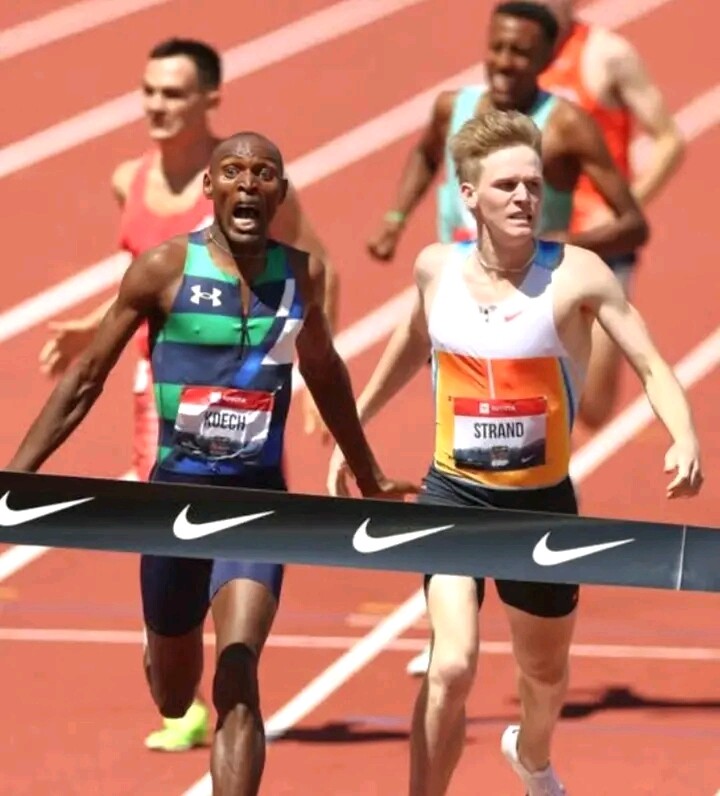
With Koech’s result removed, Strand moves into first place, Hocker rises to second and Kessler is promoted to third.
For Kessler, the revised classification brings an official U.S. championship bronze medal almost eleven months after the race.
However, the change comes long after the 2025 World Championships had already taken place. Kessler was not part of the three-athlete U.S. 1,500m team in Tokyo, and the later adjustment to the results cannot recreate that competition or the circumstances surrounding it.
That is one of the complexities of anti-doping enforcement: results can be corrected and championship records updated after a sanction, but those changes occur after the original competition has passed.
Kessler’s record now reflects a third-place finish, while Koech’s disqualification reshapes the final standings of one of the most closely contested races at the 2025 U.S. Championships.
Koech’s three-year period of ineligibility runs until July 2029.
Nearly a year later, the results have changed — and Hobbs Kessler officially moves from fourth to bronze.
by Erick Cheruiyot for My Best Runs.
Login to leave a comment
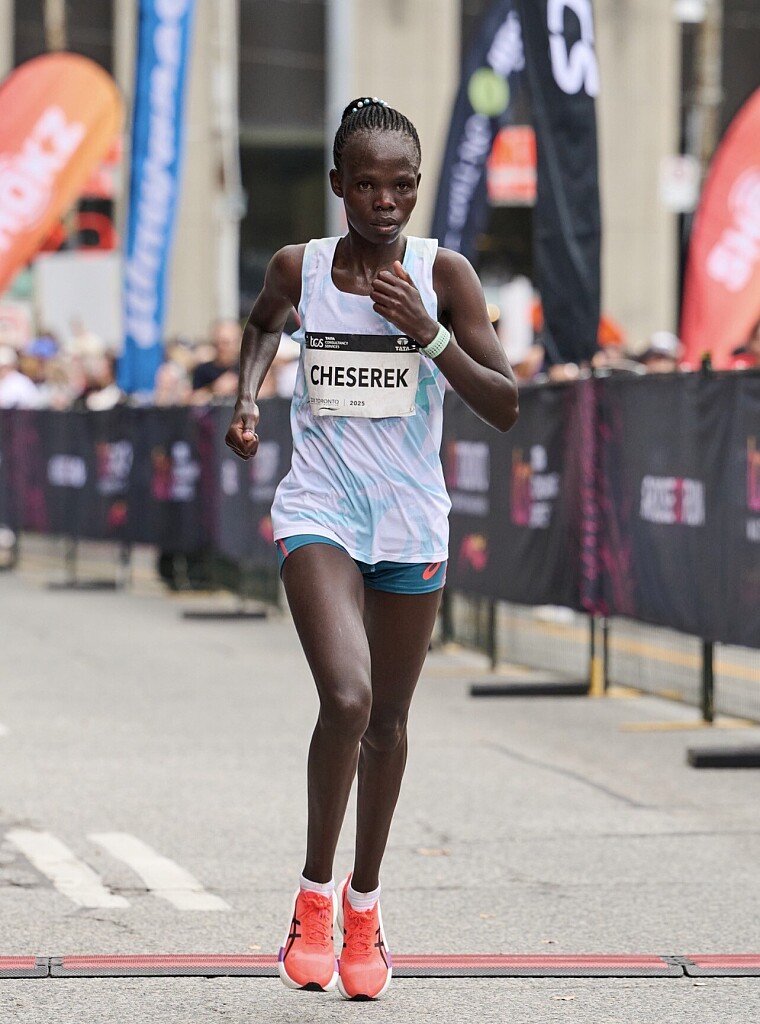
Kenya’s Beatrice Cheserek Returns to TCS Toronto Waterfront Marathon
A year after choosing the TCS Toronto Waterfront Marathon to make her debut at the 42.2km distance Kenya’s Beatrice Cheserek will return to the 2026 edition of the race October 18 with great ambition.
The now 27-year-old could manage just 5th place in 2:30:25 last year. Four months later she finished second in the Seville Marathon (February 15) with a time of 2:21:56. There is a simple explanation for such a dramatic improvement.
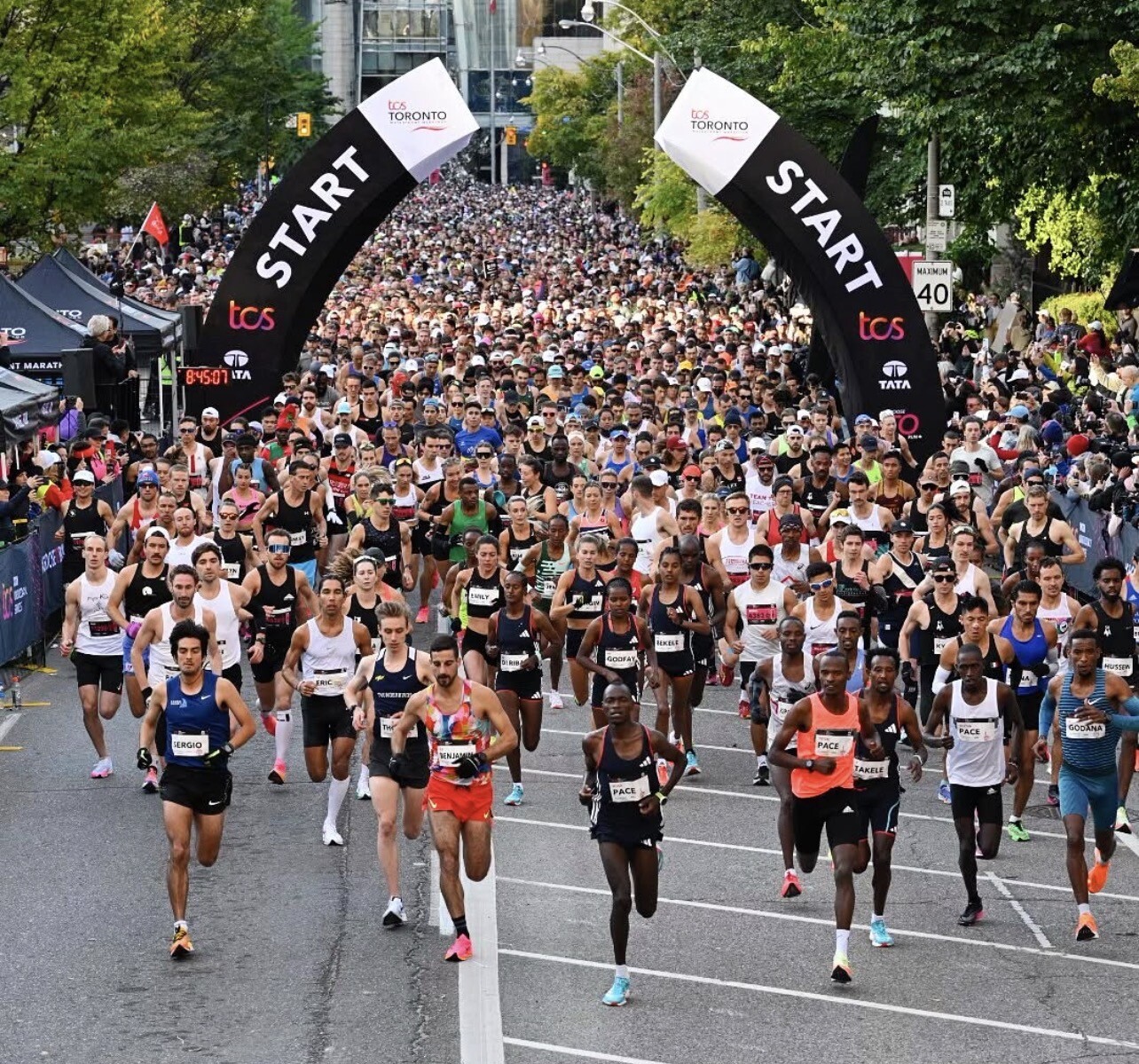
“This year my training is stronger than last year because then (2025) I was coming from maternity,” she explains from her hotel room in Bogota, Colombia where she had finished 4th in the Bogota Half Marathon a few days earlier.
“So it’s more training than last year. I have done a lot of mileage. This time around a lot of mileage, speed work and strength so now I can run better.”
Cheserek’s husband Cyrus Kiplagat is her main training partnerand she is now running up to 150 kilometres a week in preparation for TCS Toronto Waterfront Marathon, which is a World Athletics Elite Label race.
In 2024 the couple welcomed a son into the world. They named him Fabian and she proudly announces: “He is doing good. He is almost three years old now.” While she is away training and competing her sister-in-law serves as a nanny.
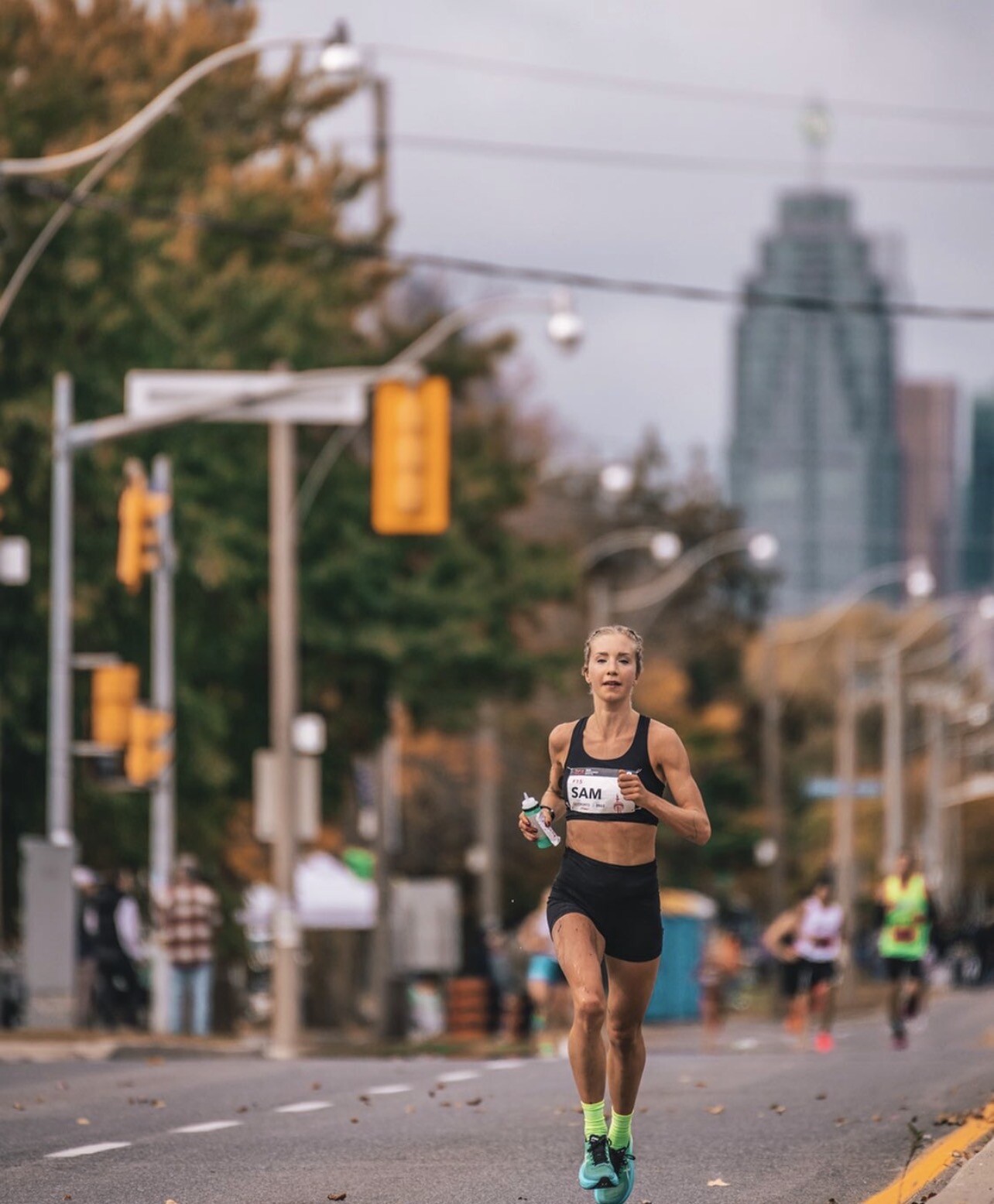
"Toronto last year, it’s a good place but it was my first time running a marathon,” she recalls. “I was doubting myself because it was my debut. I was doubting whether I could finish or if I would drop out. Then afterwards I raced Seville and I was happy there. I am thinking I will do something there in Toronto.”
‘Something' refers to a new personal best and, if conditions are suitable there could be an assault on the Toronto WaterfrontMarathon course record which was set in 2024 by Ethiopia’s Waganesh Mekasha (2:20:44). And she will not be alone in her quest. While the team at Canada Running Series always hires pacemakers for the elite athletes this time Cyrus will accompany her to Toronto to be one of the two pacers for the lead women’s group.
Cheserek has an excellent personal best of 1:06:48 for the half marathon which led to speculation among running experts that her step up to the full marathon distance would be noteworthy. And her talent led to her being selected as the designated pacemaker for fellow Kenyan Rosemary Wanjiru when she won the 2023 Tokyo Marathon. She performed similar duties for the 2025 London Marathon elite women’s field. Having Cyrus in Toronto she expects will help tremendously.
“Even before I went to Seville I was with him training and he was the one pushing me,” Cheserek adds. “It is good for me (that Cyrus will be in Toronto) to try to lower the course record. All the marathon races before I was pacing so he never came with me. It was just me and the other people. And, he was not in Seville.”
Beatrice and her family live in Iten, ‘The Home of Champions’ as it is known in Kenya at around 2,400m above sea level. Bogota sits at a slightly higher elevation. So the two weeks away from her home training ground has not interrupted her preparation for Toronto Waterfront Marathon in any way.
“I am spending two weeks in Colombia; this is my first time to be here,” she offers. “Colombia is a very good place for training. It is (also) a good place to race in hot conditions. I have my fellow colleagues from Kenya here.”
Cheserek finished 4th in the Bogota Half Marathon on July 26 in 1:12:42 just 13 seconds behind the winner. As expected, the field was dominated by athletes from high altitude countries including Ethiopia and Kenya who are best suited to Bogota’s 2,600m elevation.
Then, on August 9th, she finished 4th in the Cali 10k (32:57) the day before an earthquake measuring 7.4 on the Richter scale, struck. She and her compatriots were at the Cali airport checking in when panic ensued. They returned to their hotel as the airport was temporarily closed.
The TCS Toronto Waterfront Marathon organizers (Canada Running Series) will be wishing for ideal conditions to allow athletes such as Beatrice Cheserek to challenge the course records. Clearly, all her preparation is focused on the race.
by Paul Gains
Login to leave a comment
TCS Toronto Waterfront Marathon
The Scotiabank Toronto Waterfront Marathon, Half-Marathon & 5k Run / Walk is organized by Canada Running Series Inc., organizers of the Canada Running Series, "A selection of Canada's best runs!" Canada Running Series annually organizes eight events in Montreal, Toronto and Vancouver that vary in distance from the 5k to the marathon. The Scotiabank Toronto Waterfront Marathon and Half-Marathon are...
more...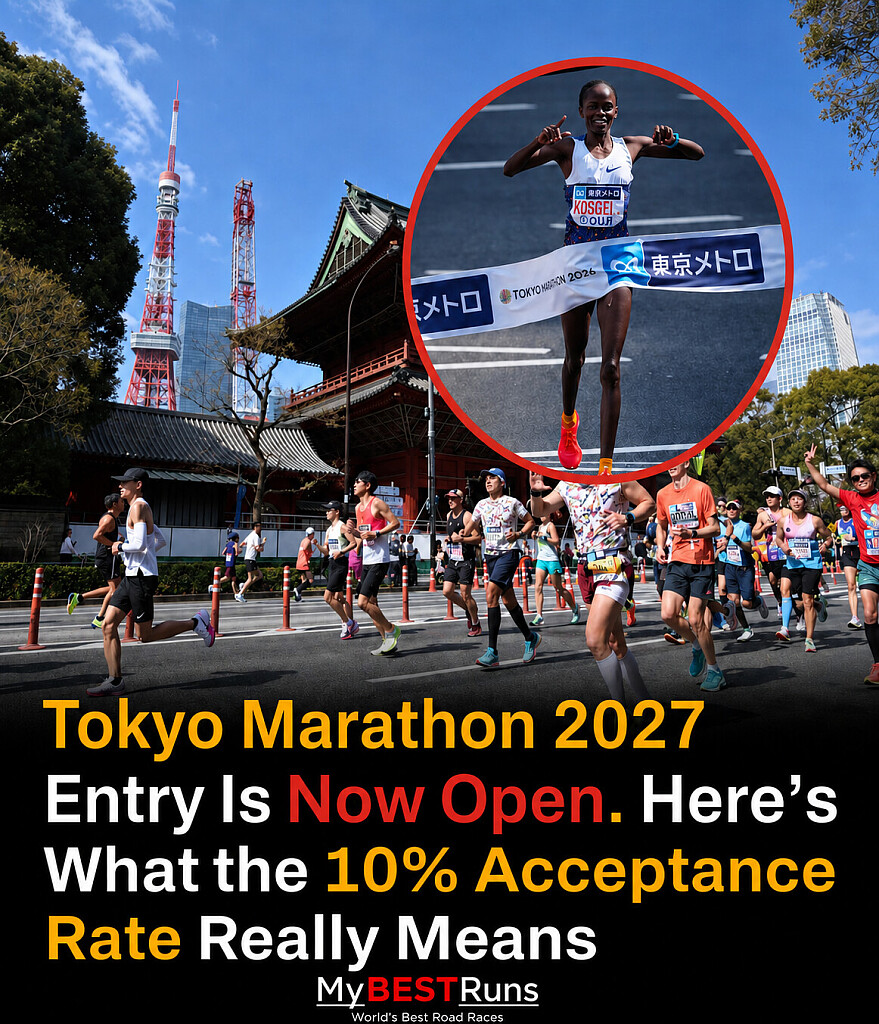
Tokyo Marathon 2027 Entry Is Open: Why Getting A Place Is The Real Race
For thousands of marathoners around the world, the Tokyo Marathon is a dream race. But while entering the lottery costs nothing, actually securing a place is another story altogether.
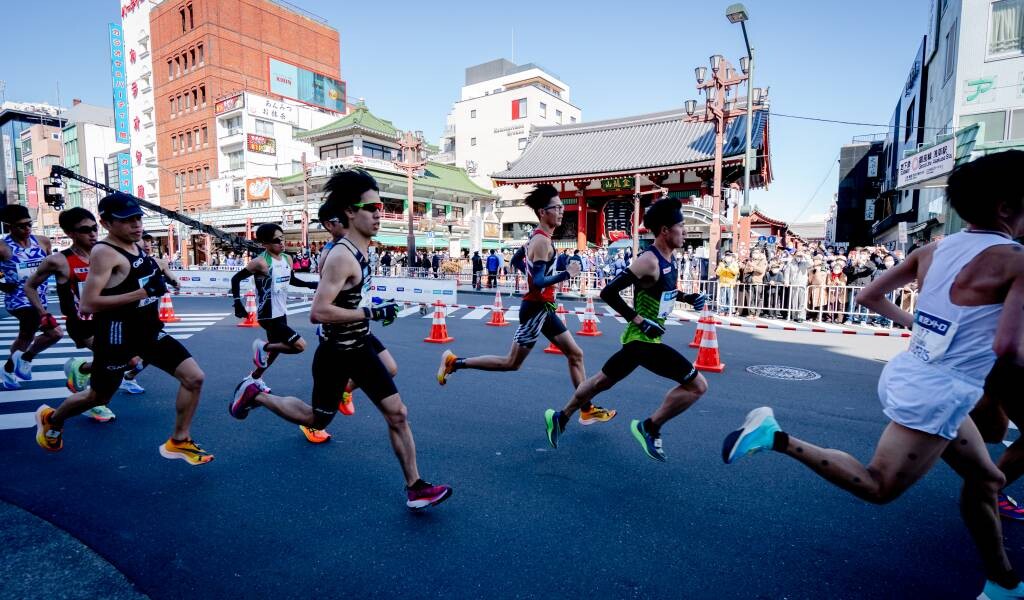
The general-entry window for the Tokyo Marathon 2027 opens today, Friday, August 14, and will remain open until 5 p.m. Japan Standard Time on August 28. The 20th-anniversary edition of the race will take place on Sunday, March 7, 2027, with a record 40,000 marathon places available.
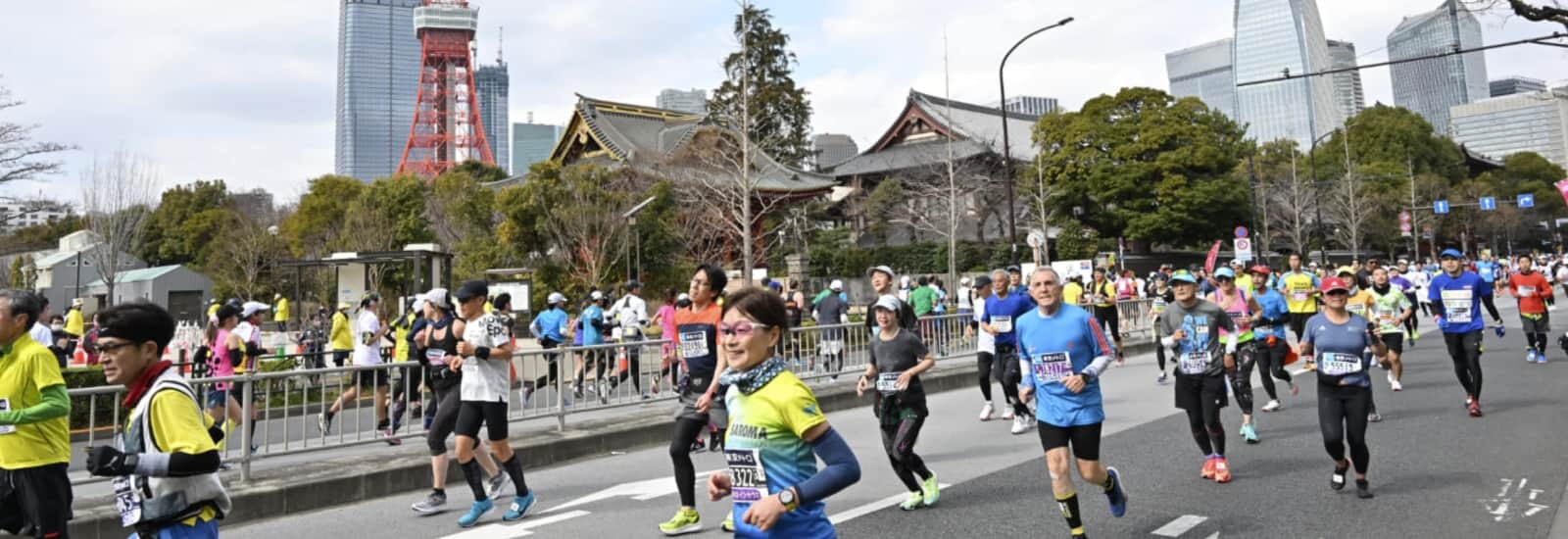
Applicants will learn their fate on September 18, with successful runners required to complete payment between September 18 and 5 p.m. on September 30. Those who fail to pay by the deadline will lose their places. The entry fee is ¥19,800 for runners living in Japan and US$230 for international entrants.
At first glance, Tokyo's famous lottery can look like a straightforward numbers game: hundreds of thousands of runners competing for roughly tens of thousands of places. But the reality is considerably more complicated.
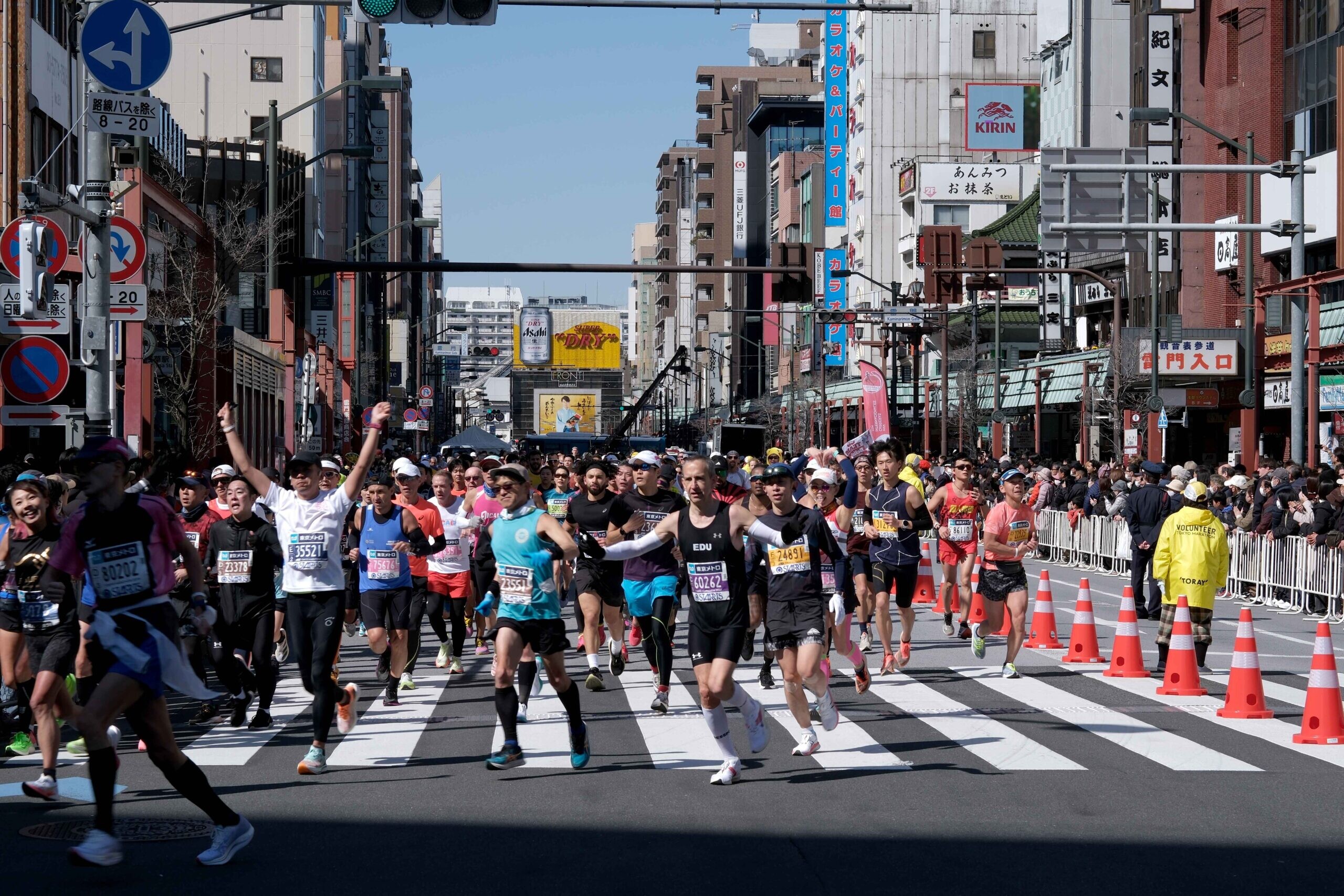
The headline figure of a roughly 10 percent acceptance rate should not be interpreted as meaning every applicant is competing equally for every one of the 40,000 places. The Tokyo Marathon divides its field among several entry routes before the remaining places reach the general lottery.
For 2027, 4,000 places are allocated to the ONE TOKYO three-consecutive-lottery-loss challenge, reserved for eligible ONE TOKYO members who entered the 2024, 2025 and 2026 editions and missed out in all three. Another 1,000 places are reserved for the Tokyo Resident Entry. The general draw also includes dedicated allocations of 500 places for people with disabilities, 15 wheelchair places and up to five Duo Teams.
That makes the phrase "one in 10" a useful shorthand, but not the whole story. For a first-time applicant, particularly one applying from overseas, the effective odds can be much tougher because several places have already been allocated through other categories.
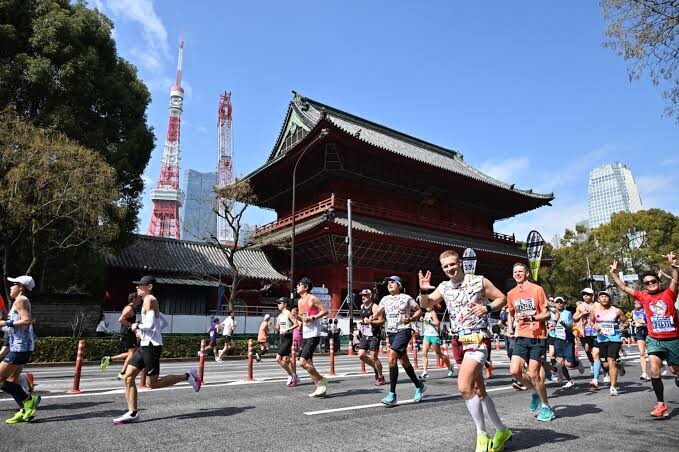
There is also an important requirement for faster runners.
Anyone declaring an expected finishing time of 3:00:00 or faster must provide official evidence of having achieved either a marathon in 3:00:00 or faster or a half marathon in 1:25:00 or faster at an event held between July 1, 2024 and June 30, 2026. Results recorded only by a GPS watch or running application do not qualify. Official certificates or records are required.
Tokyo's remarkable rise makes today's lottery particularly striking.
When the inaugural Tokyo Marathon was held in 2007, the race attracted 95,044 total applicants, including 77,521 for the marathon, with 25,000 marathon places available. The race has since evolved into one of the world's most sought-after major marathons and became an Abbott World Marathon Majors event in 2013.
The demand has grown dramatically over the years. By the 2010 and 2011 editions, total applications had already climbed beyond 300,000, demonstrating how quickly Tokyo became one of the hardest city marathons in the world to enter.
Now, two decades after that first race, Tokyo is preparing for its 20th anniversary edition with the biggest marathon field in the event's history. The capacity has been increased from 39,000 to 40,000 runners, giving more athletes a chance to experience one of the most iconic courses in global road running.
But increased capacity does not necessarily mean an easy ticket.
For many runners, Tokyo is more than another marathon. It is the Asian representative in the Abbott World Marathon Majors and one of the six races required to complete the coveted Six Star journey. That status, combined with Tokyo's reputation for exceptional organisation, a fast course and an unforgettable passage through the heart of the Japanese capital, keeps demand extraordinarily high.
And for those who miss the general lottery, the dream does not necessarily end there. Tokyo offers alternative pathways, including charity entries and official entry programmes, although these routes come with their own requirements and, in some cases, additional financial commitments.
For everyone entering the general lottery this month, however, the immediate challenge is simple: submit the application, wait for the draw and hope your name appears when the results are released on September 18.
The Tokyo Marathon may offer 40,000 runners the opportunity to line up in 2027.
Getting one of those places remains the real race.
Entry window: August 14–28, 2026
Lottery results: September 18, 2026
Payment deadline: September 30, 2026
Race day: March 7, 2027
Field size: 40,000
Domestic entry fee: ¥19,800
International entry fee: US$230
by Erick Cheruiyot for My Best Runs.
Login to leave a comment

Tokyo Marathon
The Tokyo Marathon is a world-renowned annual marathon held in Tokyo, Japan. As one of the prestigious Abbott World Marathon Majors, it attracts elite and amateur runners from around the globe. The race holds World Athletics Platinum Label status, recognizing its high competitive standards, top-tier organization, and international appeal. Sponsored by Tokyo Metro, the Tokyo Marathon has grown into one...
more...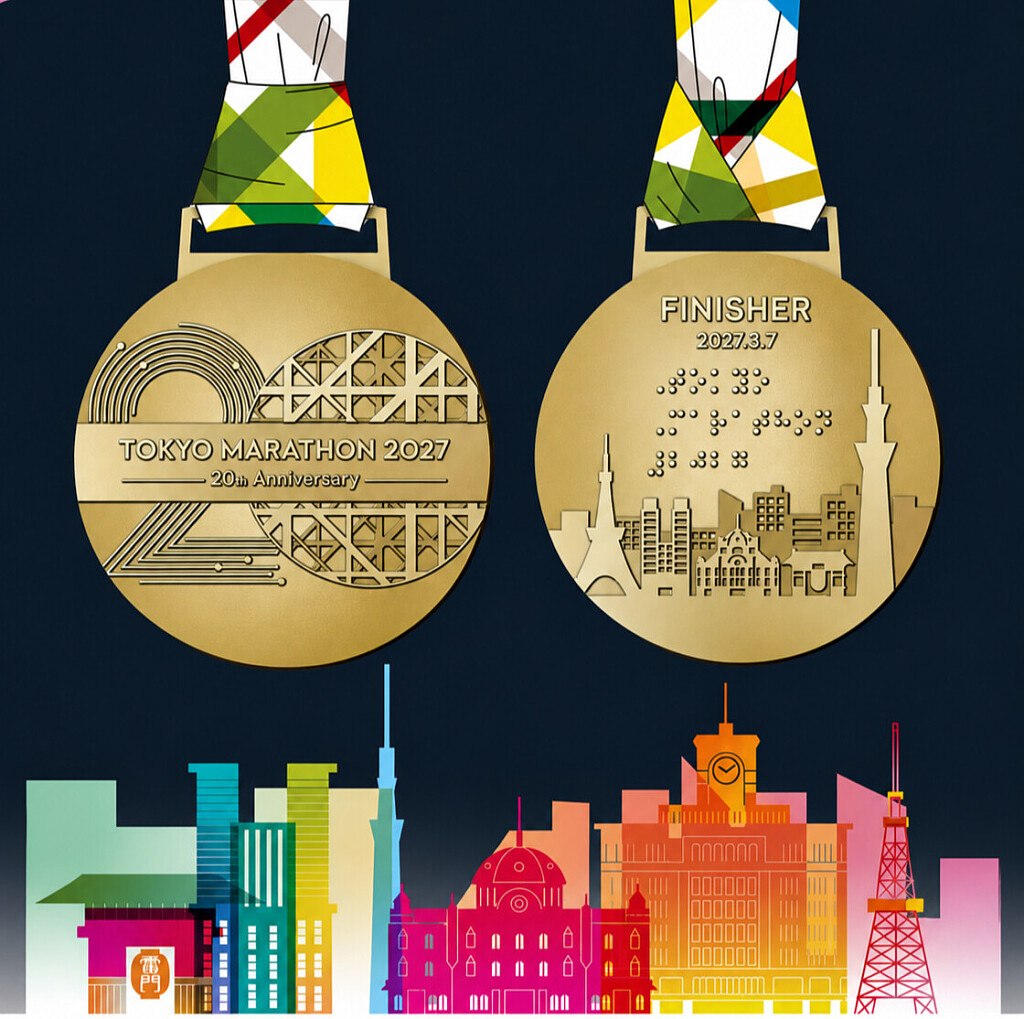
Tokyo Marathon 2027 Unveils Spectacular 20th-Anniversary Finisher Medal
The Tokyo Marathon 2027 is set to become a landmark edition as the race celebrates its 20th anniversary, and organisers have unveiled a special finisher medal designed to commemorate the occasion.
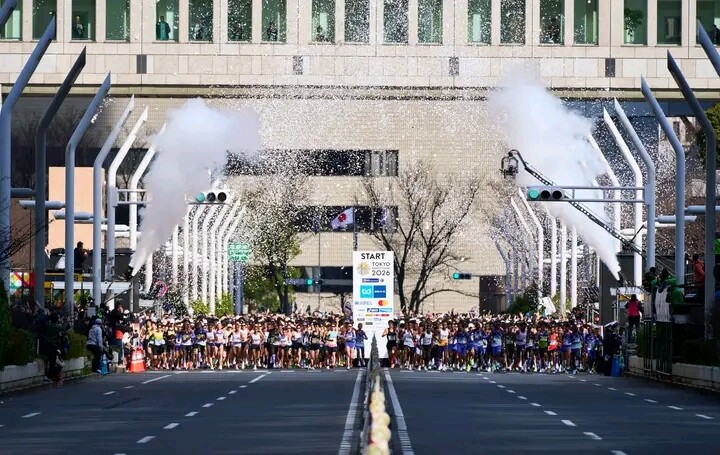
Scheduled for Sunday, March 7, 2027, the 20th edition will feature a Premium Edition Finisher Medal created specifically to mark two decades of the Tokyo Marathon.
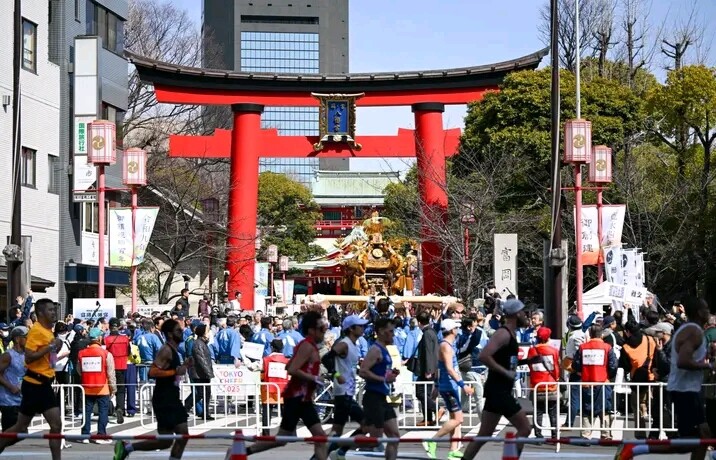
The commemorative medal is an impressive 100 millimetres in diameter, making it an extra-large version befitting such a significant milestone.
At the centre of the front design is a striking graphical interpretation of the number “20”, symbolising the 20th edition and giving the medal a distinctive anniversary identity.
The reverse side carries an equally meaningful design, featuring representative buildings and landmarks located along the Tokyo Marathon course. The imagery captures the character of Tokyo while expressing the marathon’s role in connecting people and cultures from around the world.
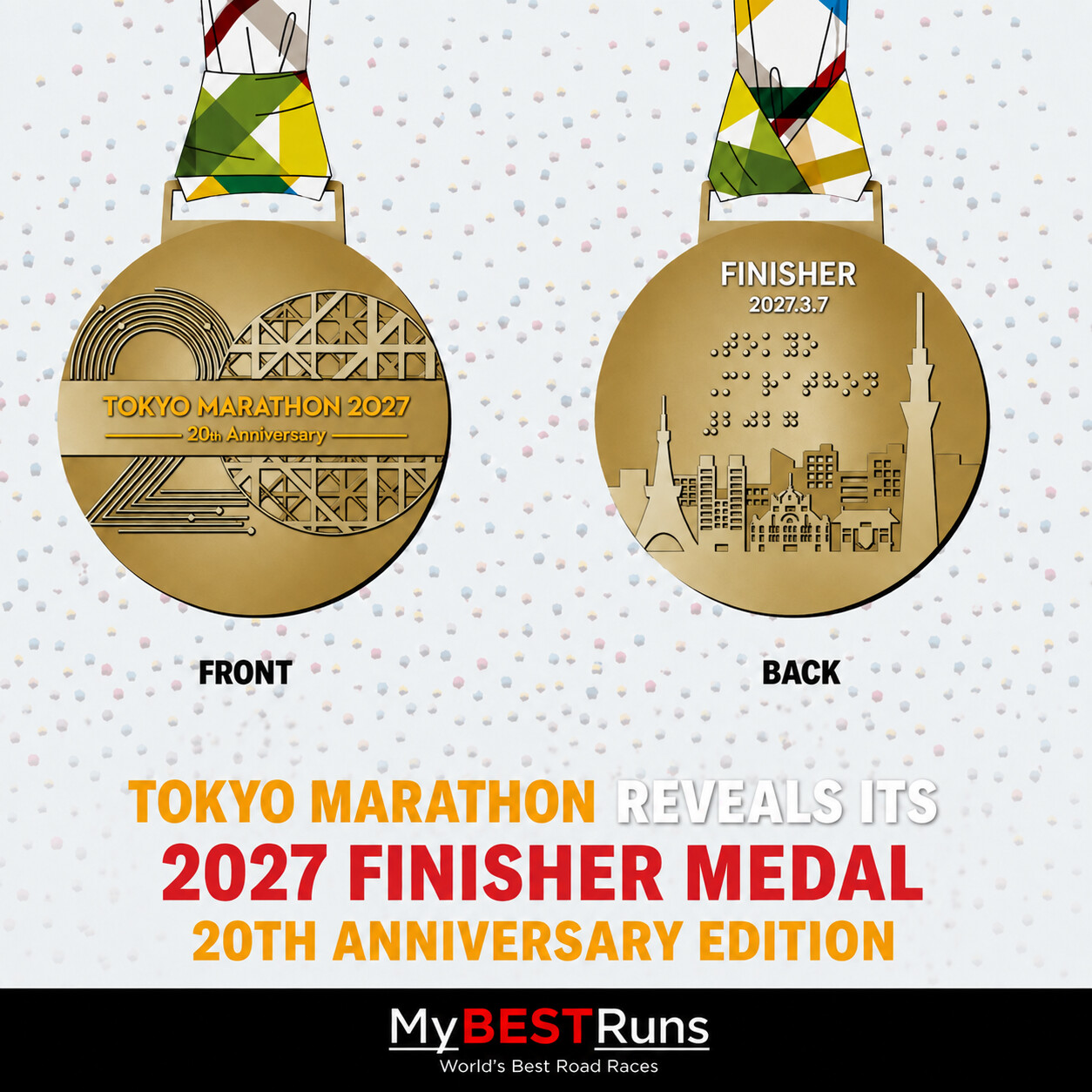
Importantly, the special medal will not be reserved for elite athletes or a select group of runners. Every runner who successfully completes the Tokyo Marathon 2027 will receive the 20th-anniversary Premium Edition Finisher Medal, giving every finisher a lasting memento of their achievement.
The medal unveiling adds another layer of excitement to an already highly anticipated edition of the race. For runners, it will represent not only the completion of 42.195 kilometres through one of the world’s most recognisable cities, but also their place in a significant chapter of Tokyo Marathon history.
With its combination of the bold “20” anniversary design, Tokyo landmarks and oversized 100mm format, the medal is set to become one of the most distinctive finisher medals in the event’s history.
As anticipation builds toward March 7, 2027, runners now have another special reason to chase the finish line in Tokyo: the chance to earn a medal created specifically for the marathon’s 20th-anniversary celebration.
Twenty editions. One iconic city. One unforgettable finish.
by Erick Cheruiyot for My Best Runs.
Login to leave a comment
Tokyo Marathon
The Tokyo Marathon is a world-renowned annual marathon held in Tokyo, Japan. As one of the prestigious Abbott World Marathon Majors, it attracts elite and amateur runners from around the globe. The race holds World Athletics Platinum Label status, recognizing its high competitive standards, top-tier organization, and international appeal. Sponsored by Tokyo Metro, the Tokyo Marathon has grown into one...
more...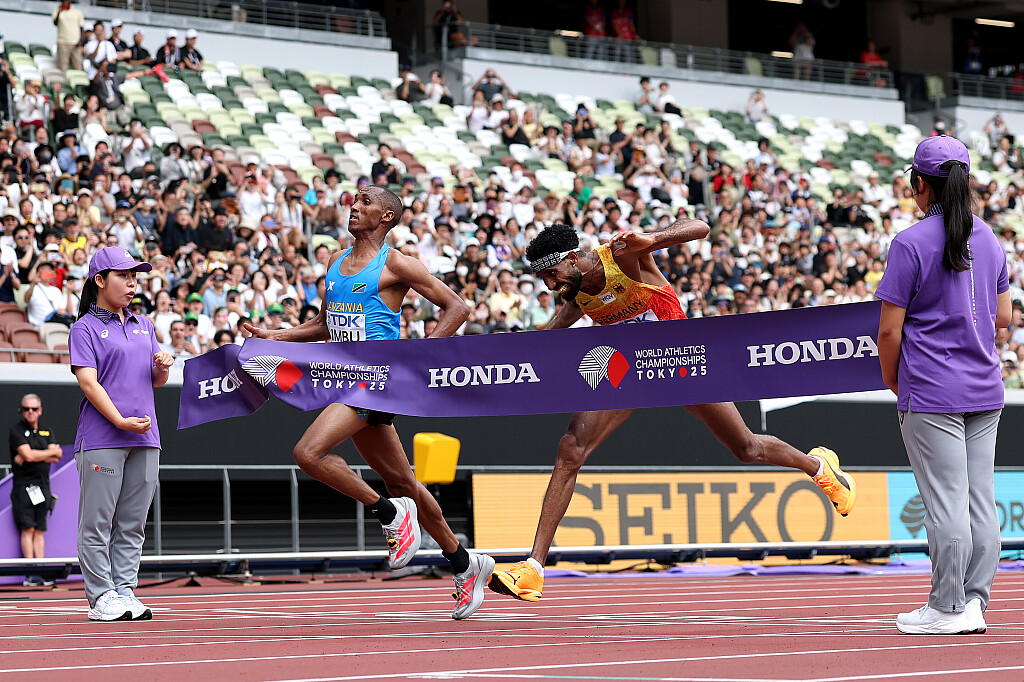
Can Amanal Petros Finally Turn Heartbreak into European Gold in Birmingham?
All eyes will be on Amanal Petros when the men’s marathon takes centre stage at the 2026 European Athletics Championships in Birmingham, with the German star chasing the major championship title that has repeatedly slipped through his fingers.
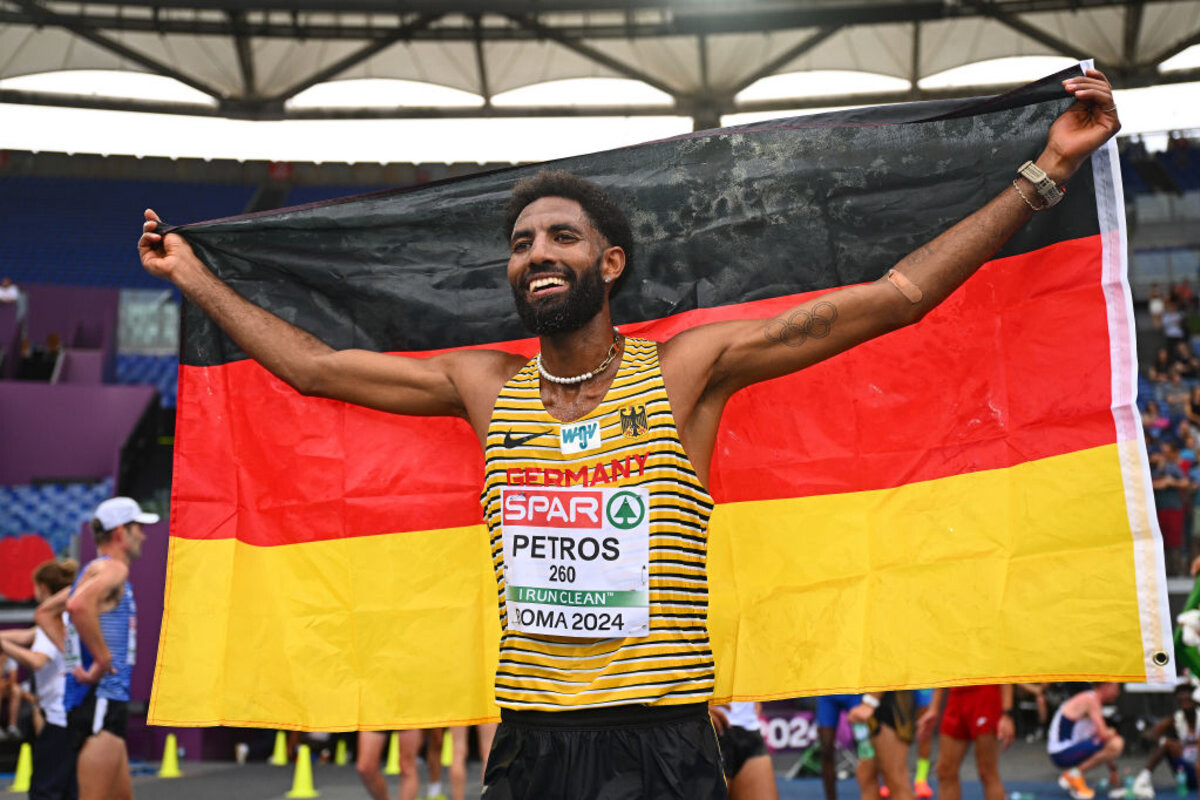
Petros arrives with one of the strongest résumés in the field and the credentials to challenge for gold. At 2:04:03, he is the third-fastest European marathoner of all time, behind Belgium’s Bashir Abdi (2:03:36) and France’s Morhad Amdouni (2:03:47). That level of performance underlines Petros’ ability to compete with the very best, although his career has also been marked by agonisingly narrow defeats on the biggest stages.
His most recent heartbreak came at the 2025 World Athletics Championships in Tokyo, where Tanzania’s Alphonce Simbu edged him out by just 0.03 seconds in one of the closest finishes in championship history. That defeat underlined both Petros’ quality and the fine margins that have prevented him from claiming an individual global title.
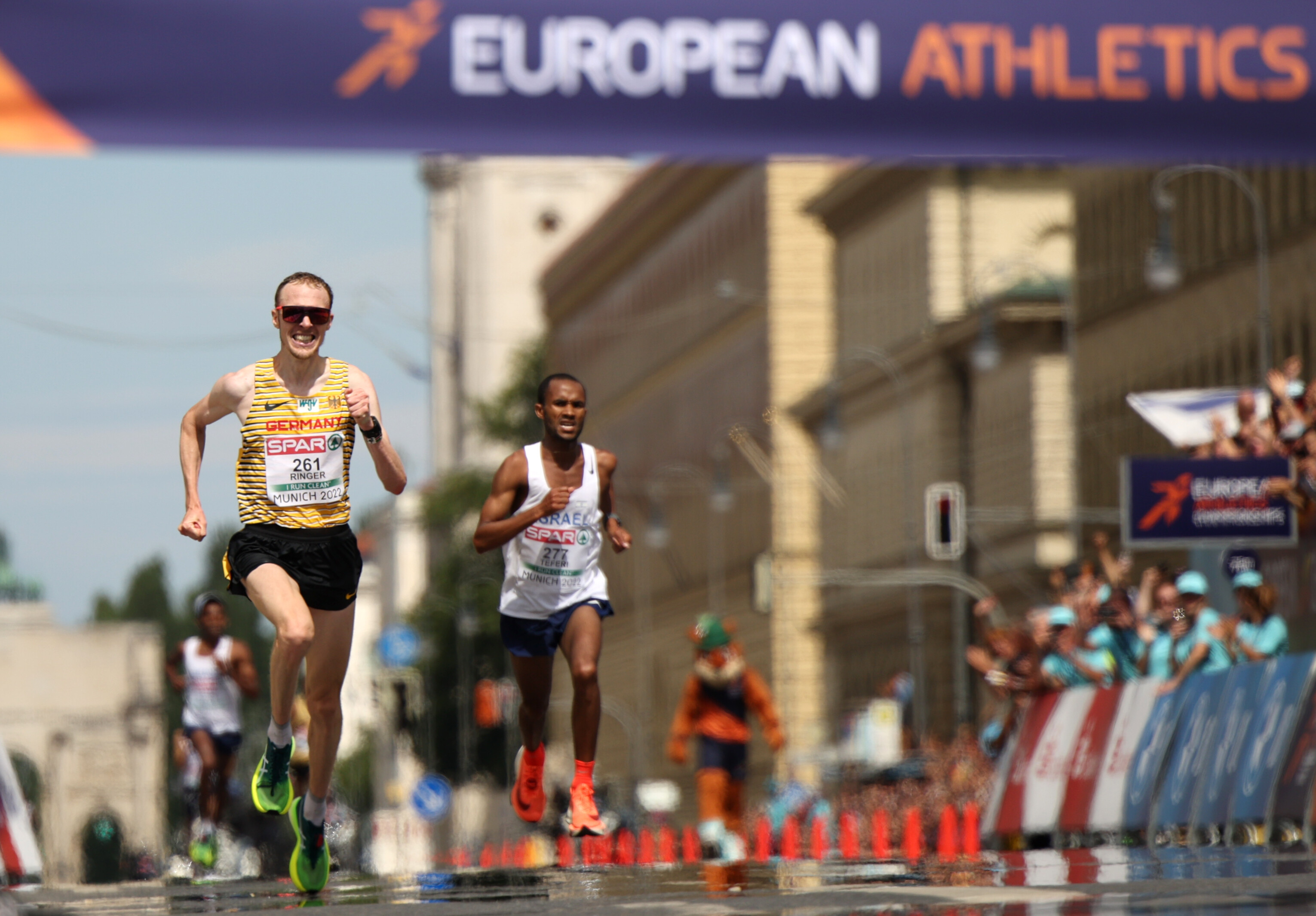
The European Championships have also brought frustration. At the 2024 European Athletics Championships, Petros took bronze in the half marathon after being beaten in a three-way finish by Italy’s Yemaneberhan Crippa. Two years earlier in Munich, he was unable to stay with the medal contenders during the decisive stages of the marathon.
Now Birmingham presents another opportunity—and Petros has every reason to believe this could finally be his moment.
His season-best of 2:08:31 does not tell the full story. At the London Marathon, Petros passed halfway in a blistering 61:16, initially targeting Bashir Abdi’s European record of 2:03:36, before easing during the latter stages. His 2:04:03 runner-up performance at the Valencia Marathon last December is arguably a much better indication of his true potential.
Standing in his way will be a strong German contingent, led alongside Petros by defending European champion Richard Ringer. Ringer produced one of the most memorable performances of the 2022 championships in Munich, unleashing a dramatic late surge during the final kilometre to overtake three athletes—including Petros—and snatch a remarkable victory.
At 37, Ringer continues to compete at an exceptional level. He produced the fastest marathon of his career in April, running 2:04:47 at the Boston Marathon to finish eighth overall while recording the fastest European time in the race.
Germany’s strength does not end there. Samuel Fitwi has been even faster in 2026, recording a personal best of 2:04:45 when finishing second at the Hamburg Marathon. That performance makes him the fastest athlete on the Birmingham entry list based on season’s bests.
With Petros, Ringer and Fitwi forming a formidable German trio, the team will have serious ambitions of collecting individual medals while also challenging for the team title. Their depth could prove particularly valuable in a championship marathon, where tactical racing and team strength can be just as important as raw personal-best times.
France’s Emmanuel Roudolff is among the principal threats to the German challenge. He established a personal best of 2:05:58 when finishing sixth at the Paris Marathon and has the speed to remain in contention if the race develops into a fast affair.
Veteran Kaan Kigen Özbilen will also bring considerable experience to the starting line. The Kenyan-born Turkish athlete, who once held the European record with 2:04:16, remains capable of competing at the highest level. He ran 2:05:59 for fifth in Barcelona earlier this year.
Israel will also arrive with a strong team, having won the marathon team title in Munich four years ago. Maru Teferi and Gashau Ayale, who claimed silver and bronze respectively in Munich, return with valuable championship experience and will hope to challenge for more medals in Birmingham.
Italy’s hopes will centre on Pietro Riva. With Crippa focusing on the 10,000m and Iliass Aouani sidelined by shin problems, Riva becomes Italy’s leading marathon contender. He finished second behind Crippa and ahead of Petros in the half marathon at the 2024 European Championships, giving him another opportunity to challenge the German favourite on the European stage.
For the home crowd, one of the most intriguing stories will be Mahamed Mahamed, who could give Britain a realistic shot at its first men’s European marathon medal in decades.
Great Britain has not won a men’s marathon medal at these championships since Ian Thompson claimed gold in Rome in 1974. Mahamed has emerged as a genuine contender after producing a lifetime best of 2:06:14 at the London Marathon in April. That performance made him the second-fastest British marathoner in history behind Mo Farah, while also placing him fourth among the Birmingham entrants based on 2026 season’s bests.
With a home crowd behind him and confidence gained from his breakthrough performance in London, Mahamed could become one of the most dangerous outsiders in the field.
Birmingham therefore promises a fascinating battle between proven championship performers, emerging German strength and a collection of experienced international challengers. Petros, however, remains the man at the centre of the story.
He has already come agonisingly close to major championship glory. He possesses the speed, experience and proven ability to run under 2:05. What remains is to produce the decisive performance when the medals are on the line.
After years of near misses, Birmingham could finally be the stage where Amanal Petros turns silver and heartbreak into European gold.
by Erick Cheruiyot for My Best Runs.
Login to leave a comment
European Athletics Champioships
The27thEuropean Athletics Championshipswill be held from 10 to 16 August 2026 at theAlexander StadiuminBirmingham, United Kingdom.[1] This is the first time that a British city will have staged the European Athletics Championships although Birmingham has hosted many high-profile events, including the2007 European Athletics Indoor Championships, the2003and2018 IAAF World Indoor Championshipsand the2022 Commonwealth Games. Alexander Stadium was renovated between 2019 and...
more...
Josh Kerr Sets His Sights on History: World Record Glory and Olympic Gold Drive Britain's Middle-Distance Star
Fresh from a thrilling victory in the mile at the Glasgow 2026 Commonwealth Games, Josh Kerr has made one thing abundantly clear—his greatest achievements may still lie ahead.
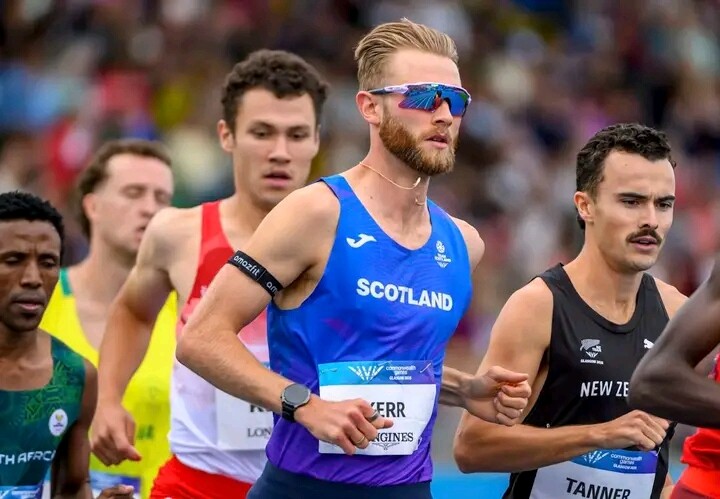
The British middle-distance star has unveiled an ambitious roadmap that could redefine his legacy, with two towering objectives at the heart of his journey: breaking Hicham El Guerrouj's legendary 1500m world record of 3:26.00, set on July 14, 1998, in Rome, and capturing the Olympic 1500m title at the Los Angeles 2028 Olympic Games.
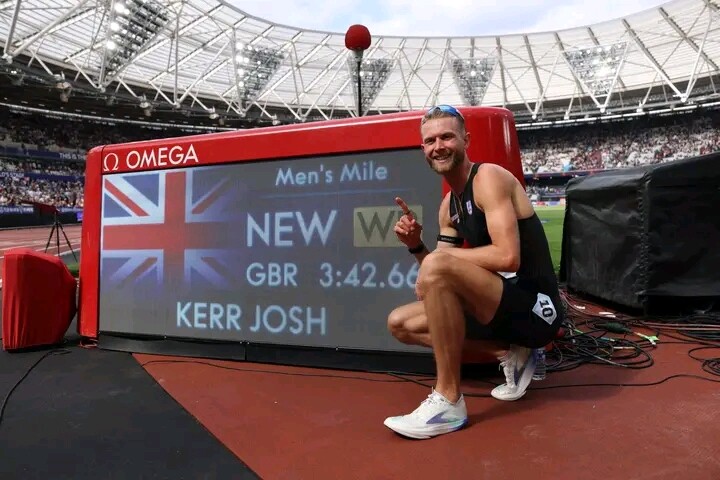
Kerr enters this new chapter with confidence soaring after producing one of the most remarkable performances in middle-distance history. His sensational 3:42.66 during the groundbreaking Project 222 campaign shattered the men's mile world record, ending a 27-year reign and proving he possesses the speed, endurance, and tactical brilliance required to challenge the sport's greatest barriers.
That achievement has strengthened Kerr's belief that the oldest and most revered record in men's middle-distance running is now within reach. For more than 28 years, Hicham El Guerrouj's 3:26.00, set in Rome on July 14, 1998, has stood as the benchmark of excellence in the 1500m, surviving generations of world-class challengers and earning a reputation as one of athletics' most untouchable performances.
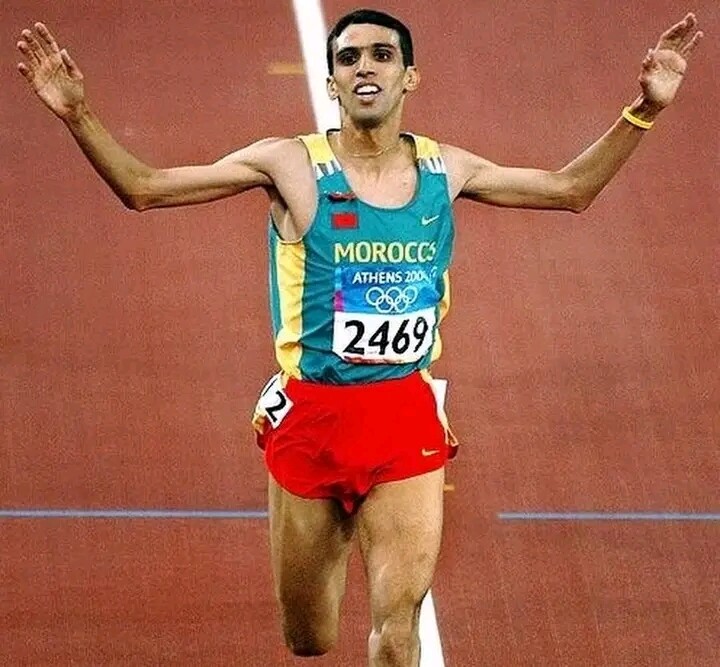
Rather than rushing the attempt, Kerr has laid out a carefully calculated plan designed to maximize his chances of success. His immediate priority is the 2027 World Athletics Championships in Beijing, where he hopes to reclaim the world 1500m title and reaffirm his position among the sport's elite.
Only after that championship campaign will his focus shift toward an assault on El Guerrouj's historic mark. A dedicated world-record attempt is expected later in 2027, built around months of meticulous preparation, altitude training, world-class pacing, ideal racing conditions, and flawless execution—the same ingredients that powered his record-breaking mile performance.
For Kerr, world records are not won by chance. They are earned through relentless preparation, perfect timing, and the courage to attack history when every detail aligns.
Beyond the pursuit of history lies one final prize that continues to fuel his ambition: Olympic gold.
Having earned bronze at the Tokyo 2020 Olympics and silver at the Paris 2024 Games, Kerr now has just one medal missing from an already glittering collection. His ultimate objective is to stand atop the Olympic podium in Los Angeles in 2028, completing a remarkable progression from bronze to silver and finally to gold.
If successful, Kerr would not only cement his place among Britain's greatest middle-distance runners but also become the first athlete to erase Hicham El Guerrouj's iconic 3:26.00 world record since it was established in Rome on July 14, 1998, before completing his Olympic medal collection with the sport's ultimate prize.
The stage is set, the blueprint is in place, and the countdown has begun. The question now is whether Josh Kerr can accomplish what generations of elite milers have failed to do—rewrite one of athletics' most enduring records and crown his career with Olympic gold in Los Angeles.
by Erick Cheruiyot for My Best Runs.
Login to leave a comment
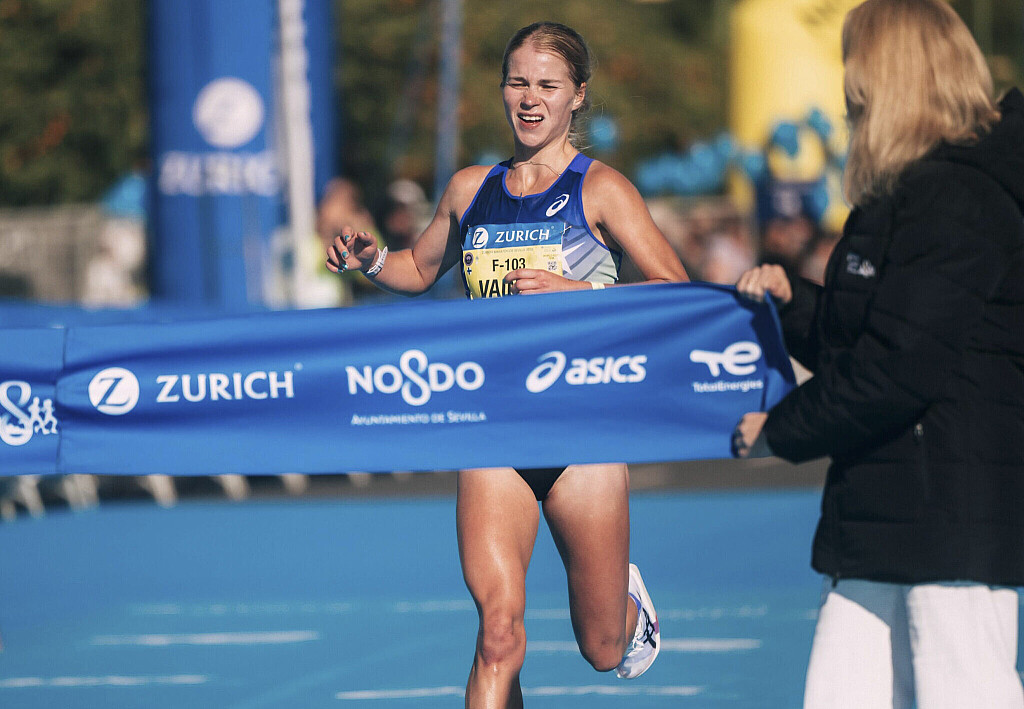
Europe's Elite Women Marathoners Ready for Thrilling Championship Battle in Birmingham
The women's marathon at the 2026 European Athletics Championships is set to be one of the most eagerly anticipated races of the championships, bringing together an exceptional field of experienced championship performers, rising stars, and defending medalists in what promises to be a fascinating battle for European glory.
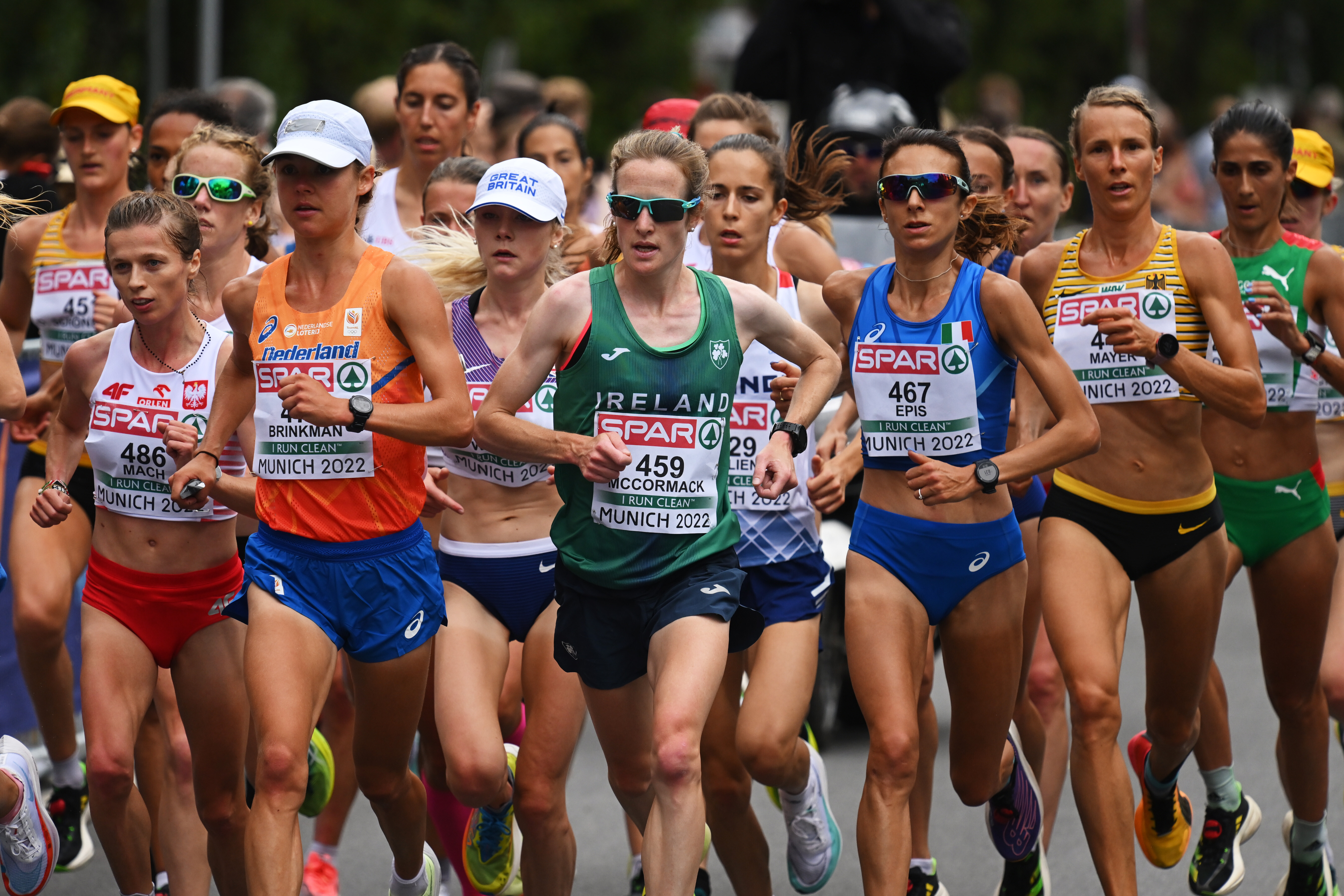
While Finland's Alisa Vainio enters Birmingham as the fastest European woman this season after clocking a brilliant 2:20:39 at the Seville Marathon, she faces stiff competition from some of the continent's strongest marathon nations, including Germany, Spain, Poland, Ireland, and host nation Great Britain.
Vainio's journey to the top has been years in the making. Widely regarded as one of Europe's brightest teenage distance-running prospects, she qualified for the marathon for the Rio 2016 Olympic Games at just 18 years old but was unable to compete because she did not meet the minimum age requirement. Instead of fading from the spotlight, she steadily rebuilt her career and has now matured into one of Europe's premier marathon runners.
Her breakthrough came at the 2025 World Athletics Championships in Tokyo, where she produced a composed and intelligent race in oppressive heat and humidity to finish fifth overall as the first European athlete across the finish line. Just three weeks later, she shattered the Finnish marathon record with a solo 2:23:06 performance at the national championships in Vantaa.
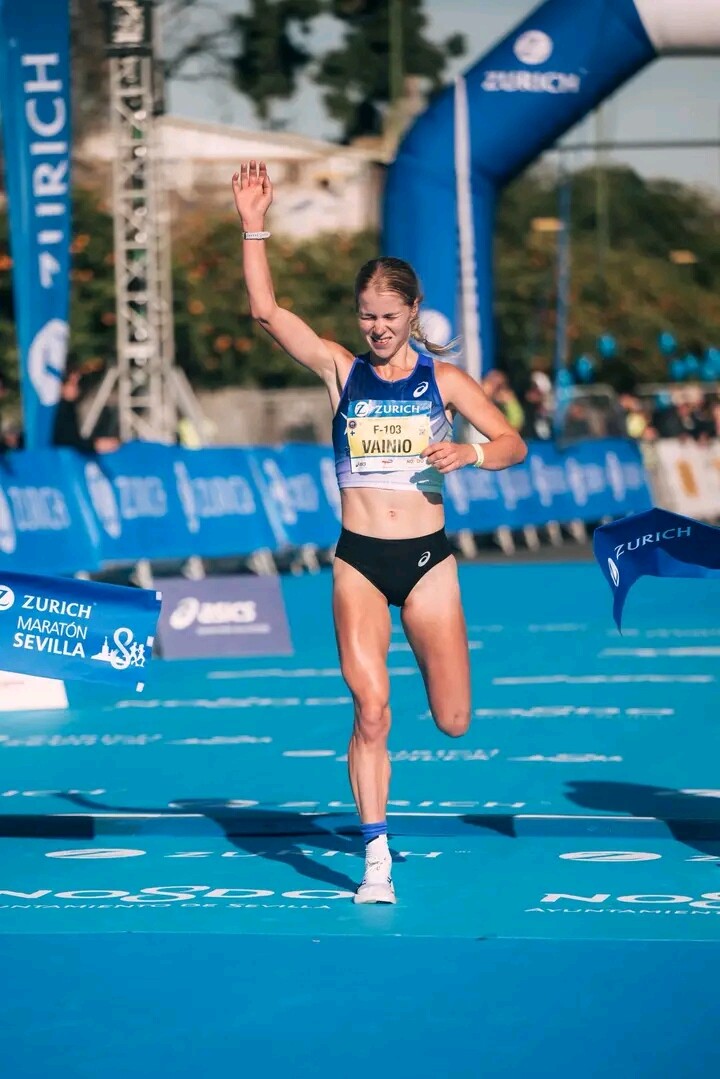
Vainio has continued her remarkable momentum ever since. She completed three additional marathons, highlighted by a commanding victory at the Seville Marathon, where she lowered the Finnish record once again while setting the European-leading mark of 2:20:39, establishing herself as the athlete to beat heading into Birmingham.
Germany arrives with one of the deepest squads in the championship and will be aiming to defend the women's team title won in Munich four years ago. Fabienne Königstein leads the German challenge after setting a personal best of 2:22:17 with a sixth-place finish at the Berlin Marathon. She is joined by the versatile Laura Hottenrott, who added another major achievement to her career earlier this year by winning silver in the uphill race at the European Athletics Off-Road Running Championships.
Spain also boasts an exceptionally strong lineup and is expected to challenge for both the individual and team honors. Fatima Azzahraa Ouhaddou Nafie demonstrated her championship resilience by recovering from a mid-race fall to win the marathon at the 2025 European Running Championships. Laura Luengo brings a personal best of 2:22:31, while Meritxell Soler, Ester Navarrete, and Carolina Robles complete a formidable squad. Impressively, every Spanish athlete in the team owns a lifetime best under 2:25, highlighting the country's remarkable marathon depth.
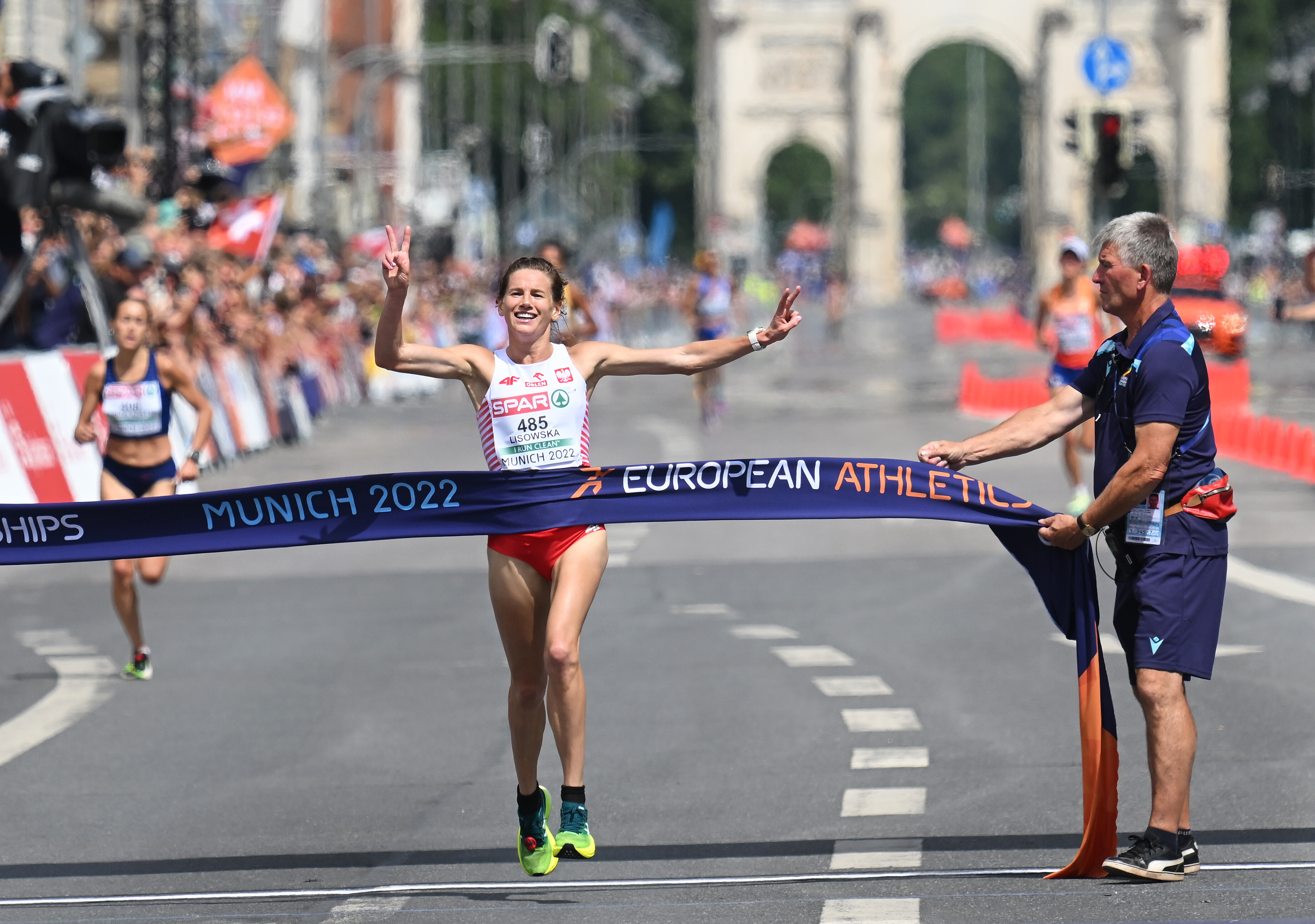
Defending champion Aleksandra Lisowska of Poland cannot be overlooked despite not being among the pre-race favorites. Her surprise victory in Munich four years ago proved that championship marathons often reward tactical brilliance, patience, and resilience rather than raw speed alone. Having already demonstrated her ability to thrive under championship pressure, the Polish star remains a genuine threat in Birmingham.
Ireland's Fionnuala McCormack will also be one of the most compelling athletes to watch. Just weeks before her 42nd birthday, the experienced marathoner continues her pursuit of a first European Championships medal after several near misses during her distinguished career. She finished fourth twice in the 10,000m at previous championships and was seventh in the marathon in Munich before producing another impressive performance with ninth place at the 2025 World Athletics Championships, finishing second among the European athletes behind Vainio.
Host nation Great Britain will be eager to make history on home roads. British women have never won an individual medal in the European Athletics Championships marathon since the event was introduced in 1982. Their hopes rest with Paris Olympians Rose Harvey and Clara Evans, alongside 2023 European cross-country bronze medallist Abbie Donnelly, who made an impressive marathon debut with a time of 2:24:11 in Frankfurt last year.
With proven champions, emerging contenders, experienced veterans, and deep national teams all chasing medals, the women's marathon is expected to deliver one of the most competitive races of the championships. Whether the title is decided by relentless pace, tactical patience, or a decisive late surge, Birmingham is set to provide a memorable contest worthy of the European crown.
by Erick Cheruiyot for My Best Runs.
Login to leave a comment
European Athletics Champioships
The27thEuropean Athletics Championshipswill be held from 10 to 16 August 2026 at theAlexander StadiuminBirmingham, United Kingdom.[1] This is the first time that a British city will have staged the European Athletics Championships although Birmingham has hosted many high-profile events, including the2007 European Athletics Indoor Championships, the2003and2018 IAAF World Indoor Championshipsand the2022 Commonwealth Games. Alexander Stadium was renovated between 2019 and...
more...
Georgia Hunter Bell Sets Up Blockbuster Commonwealth 800m Final Rematch with Lilian Odira
Georgia Hunter Bell produced another composed and commanding performance to book her place in the women's 800m final at the 2026 Commonwealth Games, setting the stage for what promises to be one of the most captivating races of the championships.
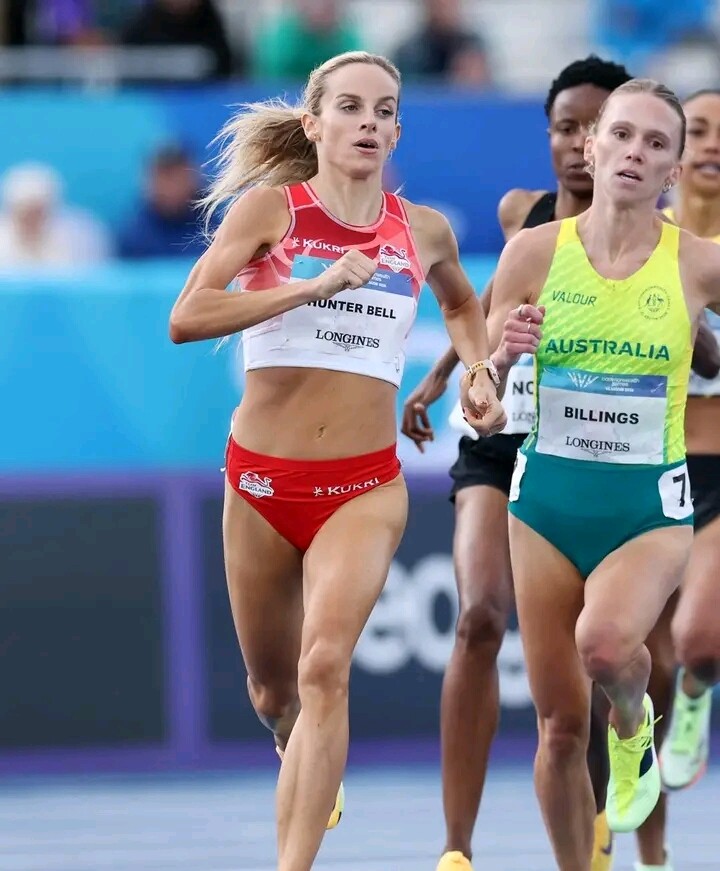
Representing England, Hunter Bell controlled her semi-final with confidence before crossing the line in a superb 1:59.88, comfortably securing automatic qualification for Friday night's title race in Glasgow. Her performance underlined both her consistency and championship experience, sending a clear message to the rest of the field that she is ready to challenge for Commonwealth gold.
The excitement surrounding the final intensified even further after reigning world champion Lilian Odira of Kenya also produced a masterclass in her semi-final. Running with complete confidence and remarkable composure, Odira cruised to victory in 1:59.39, ensuring that the two biggest stars of the event will once again share the starting line in what is shaping up to be a blockbuster rematch.
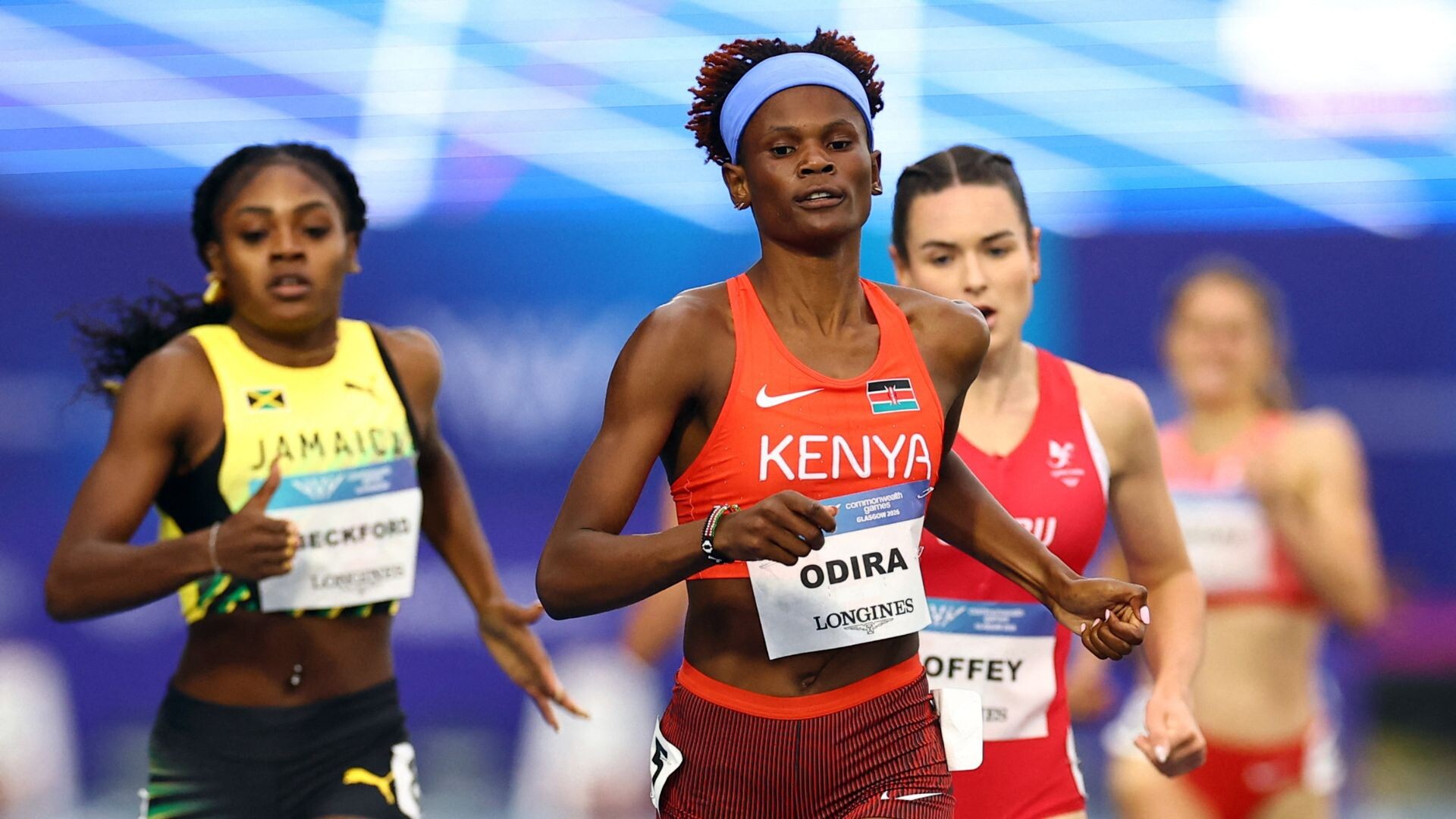
Their latest meeting rekindles one of the most compelling rivalries in women's middle-distance running. The pair last met on the sport's biggest stage at the 2025 World Athletics Championships in Tokyo, where Odira held off a relentless challenge from Hunter Bell to win the world title in a championship-record 1:54.62, while the English star claimed the silver medal after an unforgettable race that had fans around the world on the edge of their seats.
Now, with Commonwealth glory at stake, another fascinating chapter is about to be written. Odira will be aiming to reinforce her status as the world's premier 800m runner, while Hunter Bell will be determined to reverse the result and capture one of the biggest titles of her career. Their contrasting styles—Odira's fearless front-running strength against Hunter Bell's tactical brilliance and devastating finishing kick—could produce yet another modern classic.
Athletics fans can expect an electric atmosphere inside the Glasgow stadium as two of the world's finest 800m athletes battle for gold. With the field packed with quality and the leading contenders separated by only fractions of a second, the final has all the ingredients of a championship masterpiece that could be remembered for years to come.
The women's 800m final is scheduled for Friday night, July 31, with thousands expected inside the Glasgow stadium and millions more around the world eagerly awaiting what promises to be one of the most thrilling races of the 2026 Commonwealth Games.
Women's 800m Final Start List
1. Rachel Klopfenstein (Canada)
2. Kelly-Ann Beckford (Jamaica)
3. Shafiqua Maloney (Saint Vincent and the Grenadines)
4. Sarah Billings (Australia)
5. Georgia Hunter Bell (England)
6. Oratile Nowe (Botswana)
7. Lilian Odira (Kenya)
8. Isabelle Boffey (England)
With both Odira and Hunter Bell arriving in the final after emphatic semi-final victories, anticipation has reached fever pitch. The reigning world champion will look to extend her dominance, while the world silver medallist has the perfect opportunity to rewrite the script and claim Commonwealth glory. If their previous encounters are any indication, Glasgow is about to witness a spectacular race filled with tactical brilliance, relentless determination and a breathtaking finish that could become one of the defining moments of these Commonwealth Games.
by Erick Cheruiyot for My Best Runs.
Login to leave a comment
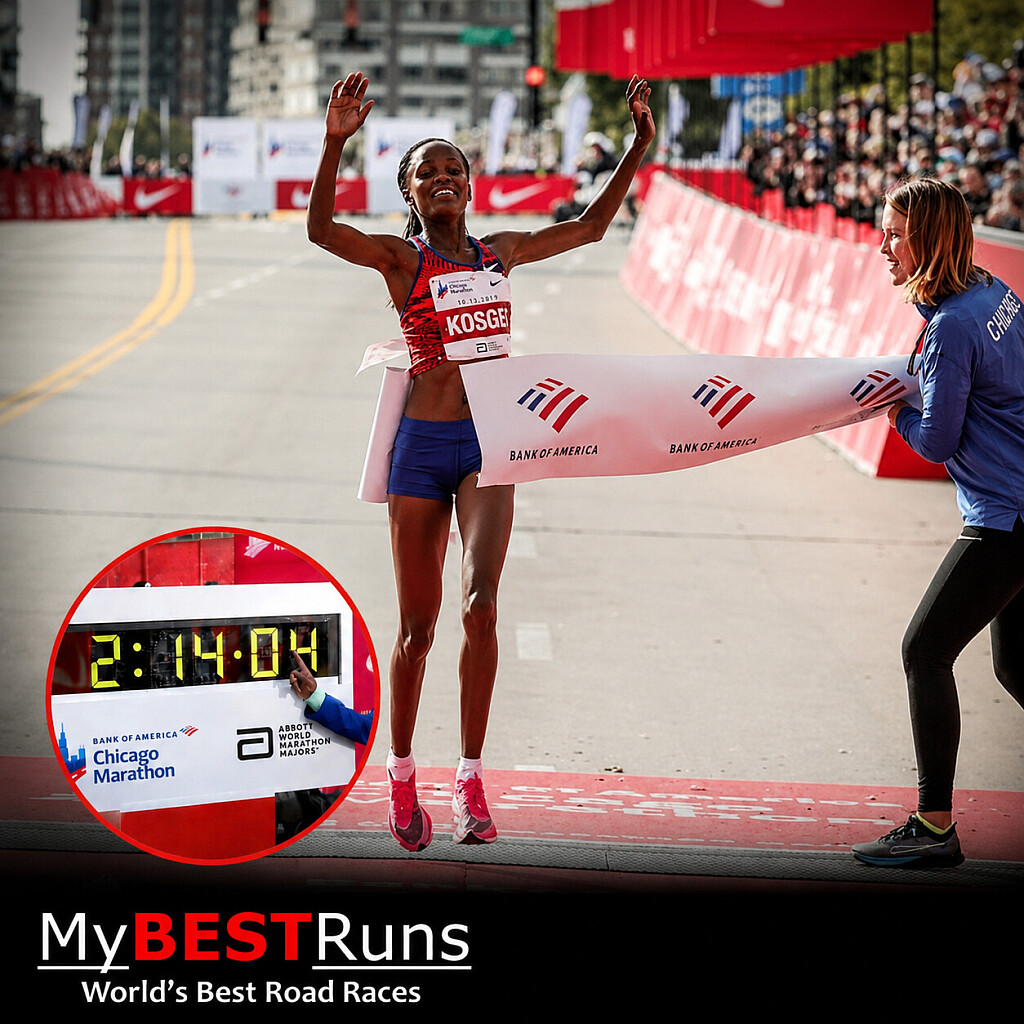
Brigid Kosgei Returns to the Course Where She Redefined Women's Marathon Running
Seven years after producing one of the most extraordinary performances the marathon has ever witnessed, Brigid Kosgei is heading back to the streets where she etched her name into athletics history. The Kenyan distance-running icon will return to the Bank of America Chicago Marathon on October 11, 2026, rekindling memories of her breathtaking triumph in 2019 that transformed the sport forever.
Chicago was the stage where Kosgei delivered a performance for the ages, crossing the finish line in an astonishing 2:14:04 to erase Paula Radcliffe's 16-year-old women's marathon world record. That unforgettable run remains one of the greatest achievements in long-distance running and cemented her place among the finest marathoners in history.
Her return comes at the perfect moment. Kosgei arrives in exceptional form after capturing victory at the 2026 Tokyo Marathon, where she stormed to a course-record 2:14:29, proving she is once again among the world's most dangerous marathon competitors. With renewed confidence and outstanding fitness, she will be aiming to conquer Chicago for another memorable chapter in her remarkable career.
However, victory will be anything but straightforward. The 2026 women's race features one of the deepest and strongest marathon fields ever assembled, setting the stage for a spectacular battle between some of the sport's biggest names.
Defending champion Hawi Feysa returns determined to protect her Chicago crown after establishing herself among the world's elite. Ethiopia's Sutume Kebede and Megertu Alemu add further strength to an already formidable lineup, while Kenya's Brillian Kipkoech, Loice Chemnung, Joan Kilimo, Magdalyne Masai, and Mary Ngugi Cooper ensure the East African rivalry will be as fierce as ever.
Another athlete attracting enormous attention is Boston Marathon champion Sharon Lokedi, who will make her highly anticipated Chicago Marathon debut. Having already proven herself on the biggest stages, Lokedi adds another exciting dimension to a race packed with championship pedigree and world-class talent.
The international field is equally impressive, with Ethiopia's Degitu Azimeraw and Fantu Worku joining Japan's Yuka Ando, Australia's Isobel Batt-Doyle, and American standouts Sara Hall, Susanna Sullivan, Des Linden, and Natosha Rogers in pursuit of marathon glory.
With a former world-record holder returning to her most historic venue, a defending champion eager to retain her title, and several major marathon winners chasing one of the sport's most prestigious crowns, the 2026 Bank of America Chicago Marathon promises to deliver a thrilling contest from start to finish. Every indication suggests this could become one of the most memorable women's marathon races in recent history.
As the countdown to October 11 continues, anticipation is rapidly building. Can Brigid Kosgei recreate the magic that changed marathon history, or will a new champion rise on the streets of Chicago? One thing is certain—the world will be watching as an exceptional field battles for one of road running's most coveted titles.
by Erick Cheruiyot for My Best Runs.
Login to leave a comment
Bank of America Chicago
Running the Bank of America Chicago Marathon is the pinnacle of achievement for elite athletes and everyday runners alike. On race day, runners from all 50 states and more than 100 countries will set out to accomplish a personal dream by reaching the finish line in Grant Park. The Bank of America Chicago Marathon is known for its flat and...
more...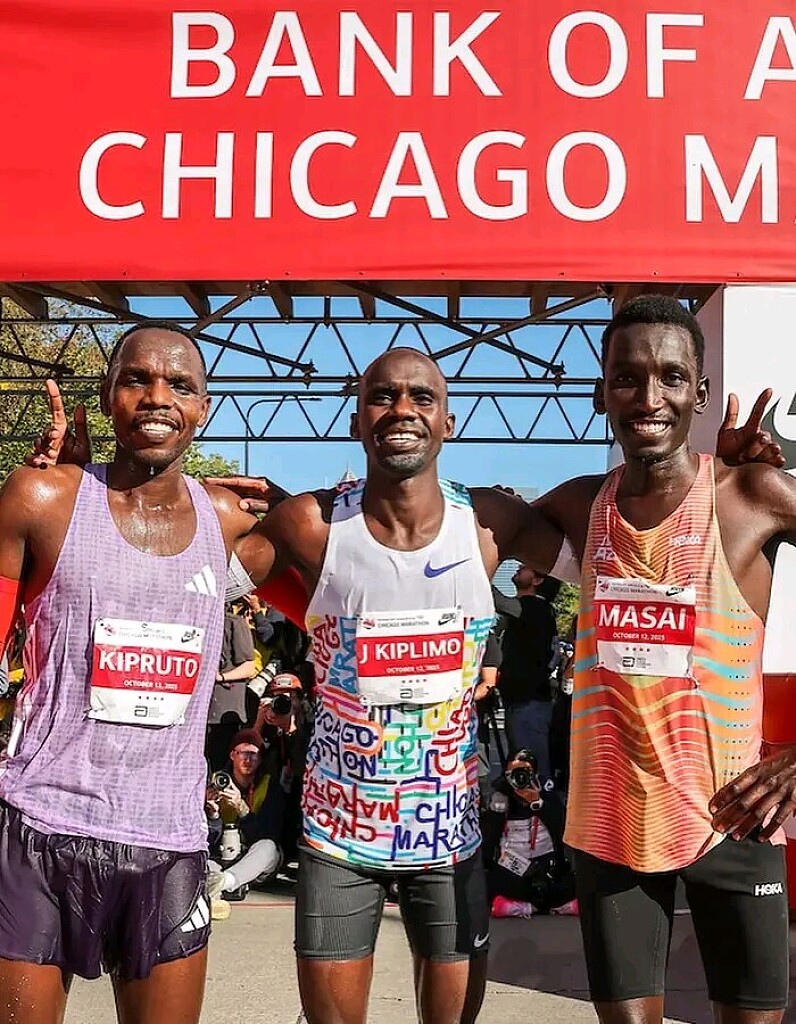
The Rematch Is On: Kiplimo, Kipruto and Masai Lead Star-Studded Chicago Marathon Field
The Bank of America Chicago Marathon is preparing for one of the most anticipated men's races in its history after unveiling an extraordinary elite field for the 48th edition of the event, scheduled for Sunday, October 11, 2026.
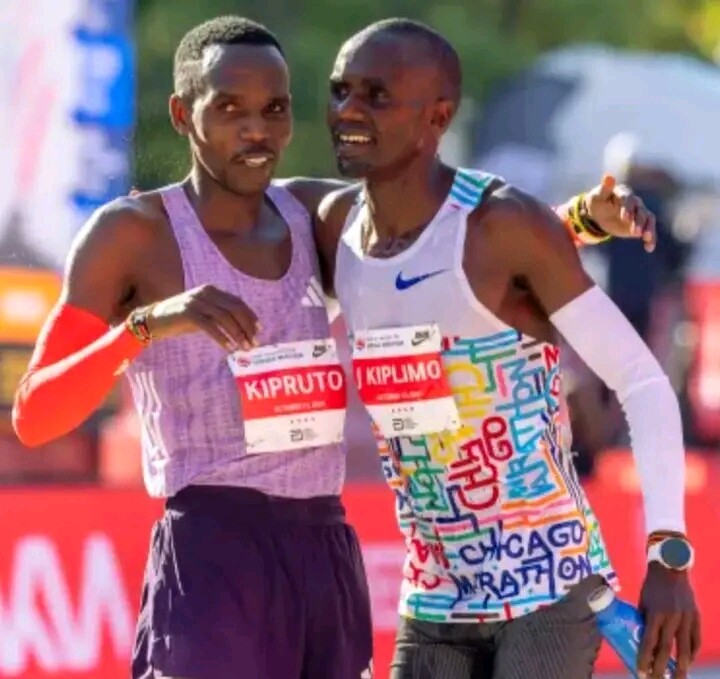
At the heart of the excitement is a compelling rematch featuring the entire podium from the 2025 Chicago Marathon, with defending champion Jacob Kiplimo, runner-up Amos Kipruto, and third-place finisher Alex Masai all returning to battle once again on the fast streets of the Windy City.
The reunion of last year's top three finishers already guarantees an intense contest, but the depth of the field suggests this could develop into one of the greatest marathon races Chicago has ever witnessed.
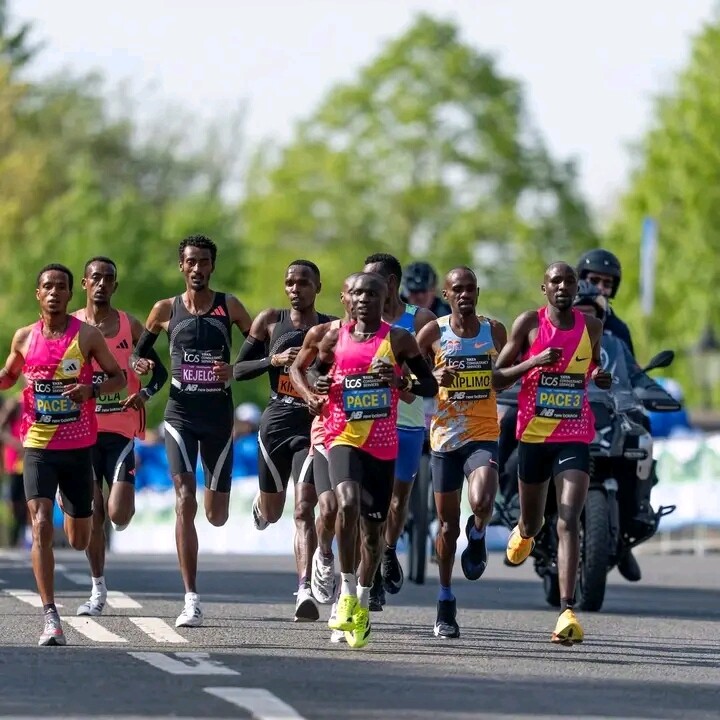
Uganda's Jacob Kiplimo returns wearing the champion's crown after producing a brilliant 2:02:23 performance to capture the 2025 Chicago Marathon title. Since that victory, the distance-running sensation has strengthened his reputation as one of the world's premier marathoners, delivering an astonishing 2:00:28 at the 2026 London Marathon—a performance that firmly established him among the fastest marathon runners in history.
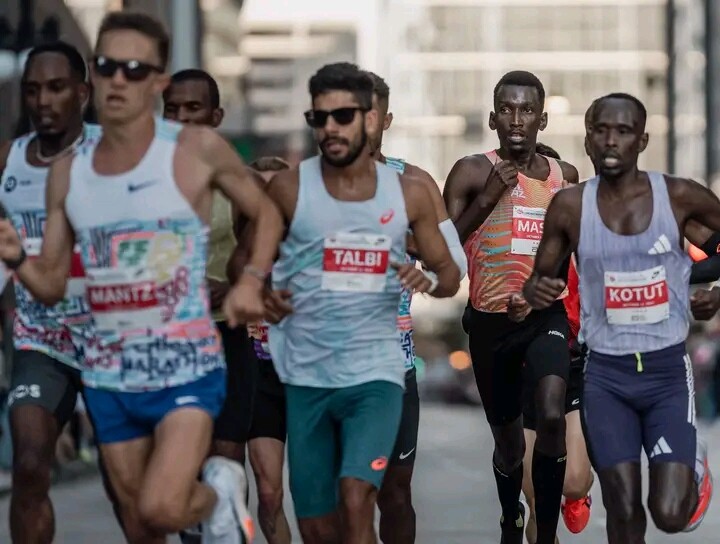
Standing in his way once again will be Kenya's Amos Kipruto, who finished second in Chicago last year in 2:03:54. Kipruto arrives in exceptional form after rewriting his personal best with a stunning 2:01:39 at the 2026 London Marathon, proving he possesses both the speed and experience to challenge for the Chicago crown.
Completing the returning podium is fellow Kenyan Alex Masai, whose impressive 2:04:37 earned him third place in 2025. Now returning with valuable experience and growing confidence, Masai will be aiming to transform last year's podium finish into his first-ever World Marathon Major victory.
Yet the battle for victory extends far beyond the returning podium.
The 2026 Chicago Marathon has assembled one of the deepest elite men's fields ever seen, featuring six athletes with personal bests under 2:04. Among them are Milkesa Mengesha of Ethiopia, the reigning 2024 Berlin Marathon champion, and compatriot Tadese Takele Bikila, who arrives as the Tokyo Marathon champion. Their presence adds even greater quality to a field already packed with proven championship performers and world-class speed.
With Olympic-caliber talent, major marathon champions, and some of the fastest men ever to cover the 42.195-kilometre distance lining up together, all the ingredients are in place for a memorable contest. Whether the race develops into a tactical championship battle or a relentless pursuit of another sub-2:02 performance, fans can expect fireworks from the opening miles to the finish on Columbus Drive.
As Chicago prepares to welcome the world's finest marathoners, one question now dominates the conversation:
Can Jacob Kiplimo successfully defend his title, or will Amos Kipruto, Alex Masai, or another world-class challenger rise to claim one of the sport's most prestigious crowns? The answer will unfold on October 11, when another chapter in Chicago Marathon history is written.
by Erick Cheruiyot for My Best Runs.
Login to leave a comment
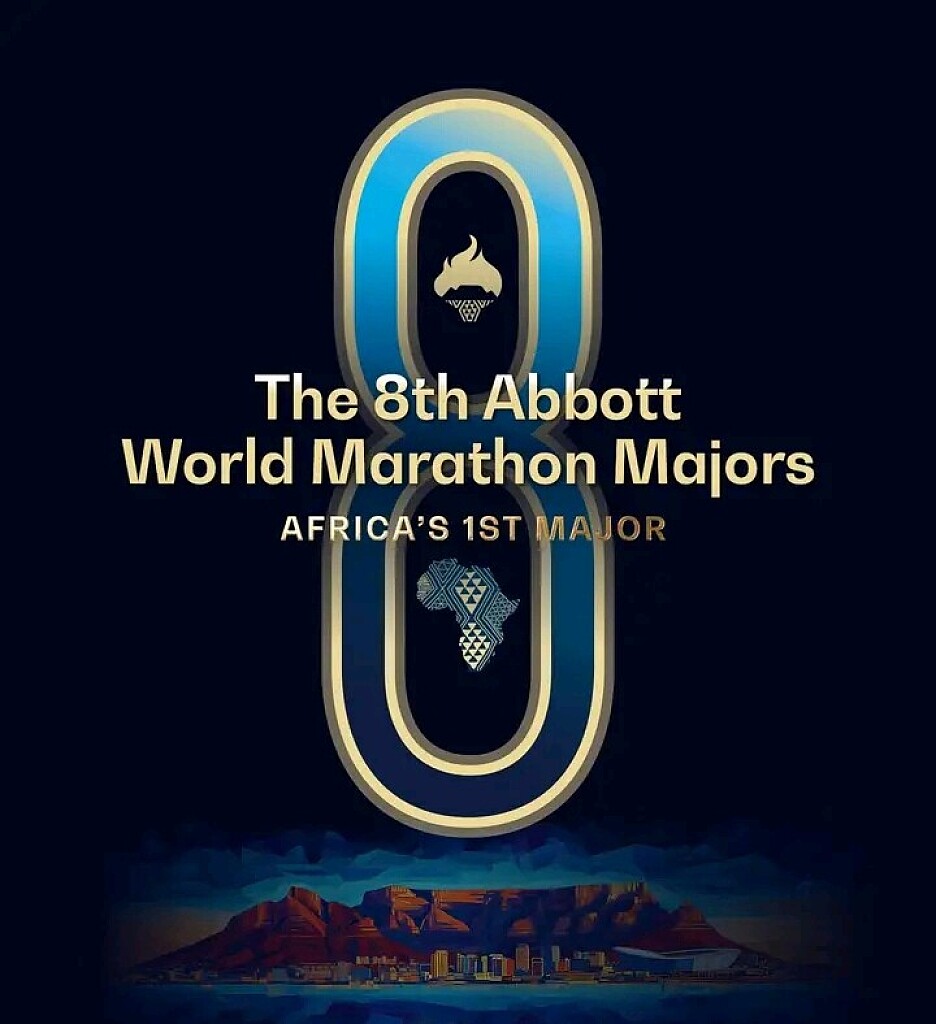
Africa Makes History as Sanlam Cape Town Marathon Earns World Marathon Major Status
CAPE TOWN, South Africa — A landmark chapter in global distance running has been written, with the Sanlam Cape Town Marathon officially securing its place among the world's most prestigious road races. Following a rigorous assessment process, the event has been awarded Abbott World Marathon Majors status, becoming the eighth race in the renowned series and the first ever on African soil.
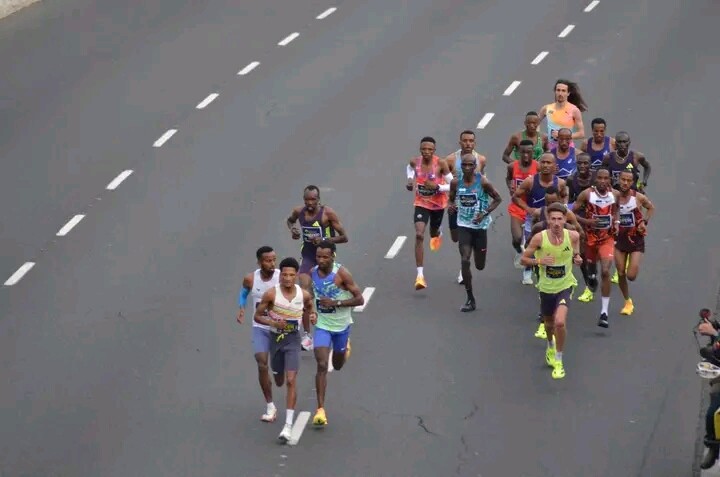
The announcement marks a historic breakthrough not only for South Africa but for the entire African continent, which has long been recognized as the heartbeat of distance running. For decades, African athletes have dominated marathon racing around the world. Now, Africa finally has a Major of its own.
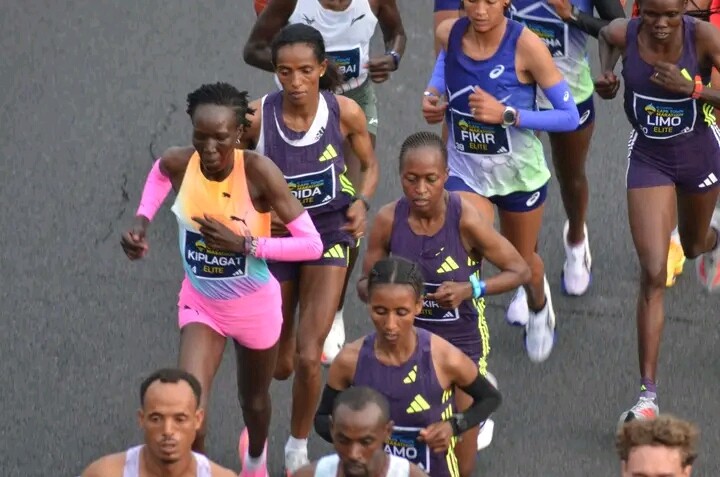
Beginning with the 2027 edition, scheduled for 22–23 May, the Sanlam Cape Town Marathon will join an elite group of races that includes Tokyo, Boston, London, Sydney, Berlin, Chicago, and New York City. The achievement elevates Cape Town into one of the most celebrated destinations in global marathon running and cements Africa's place at the highest level of the sport.
The journey to Major status has been years in the making, driven by relentless commitment from race organizers, athletes, volunteers, sponsors, running clubs, and supporters who believed in the vision of bringing a World Marathon Major to Africa. Through continuous improvements in race organization, international standards, athlete experience, and community engagement, the event steadily built a reputation worthy of the sport's grandest stage.
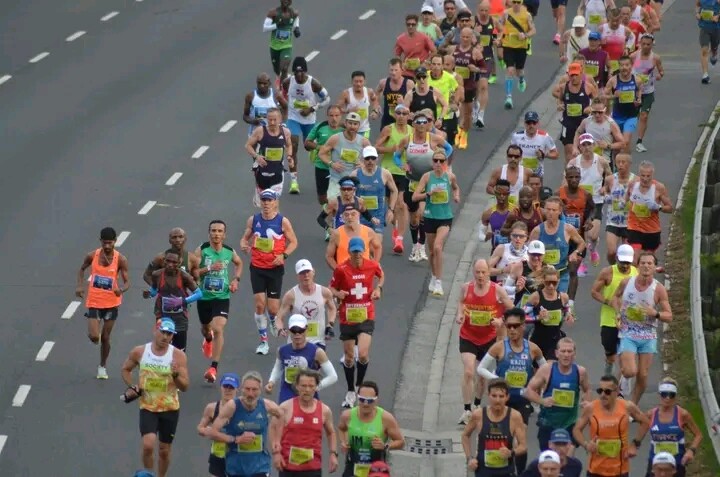
For many within the running community, the moment represents far more than the success of a single race. It is a victory for an entire continent whose passion for athletics has inspired generations. From elite champions to recreational runners, countless individuals have contributed to turning what once seemed an ambitious dream into reality.
The elevation of the Sanlam Cape Town Marathon is expected to boost international participation, tourism, and investment while providing a powerful platform to showcase Africa's culture, landscapes, and sporting excellence to a global audience.
As the countdown begins to May 2027, celebrations are already underway across the running world. The message resonating from Cape Town to every corner of Africa is clear: history has been made.
Africa's first Abbott World Marathon Major has arrived, and a new era for distance running has officially begun.
by Erick Cheruiyot for My Best Runs.
Login to leave a comment

Cape Town Marathon
The Sanlam Cape Town Marathon is a City Marathon held in Cape Town, South Africa, which is sponsored by Sanlam, the City of Cape Town and Vital Health Foods. The marathon is held on a fast and flat course, starting and finishing in Green Point, near the Cape Town Stadium. Prior to existing in its current format, the Cape Town...
more...