

Running News Daily
Running News Daily is edited by Bob Anderson and team. Send your news items to bob@mybestruns.com Advertising opportunities available.
Index to Daily Posts · Sign Up For Updates · Run The World Feed
Articles tagged #Beijing
Today's Running News
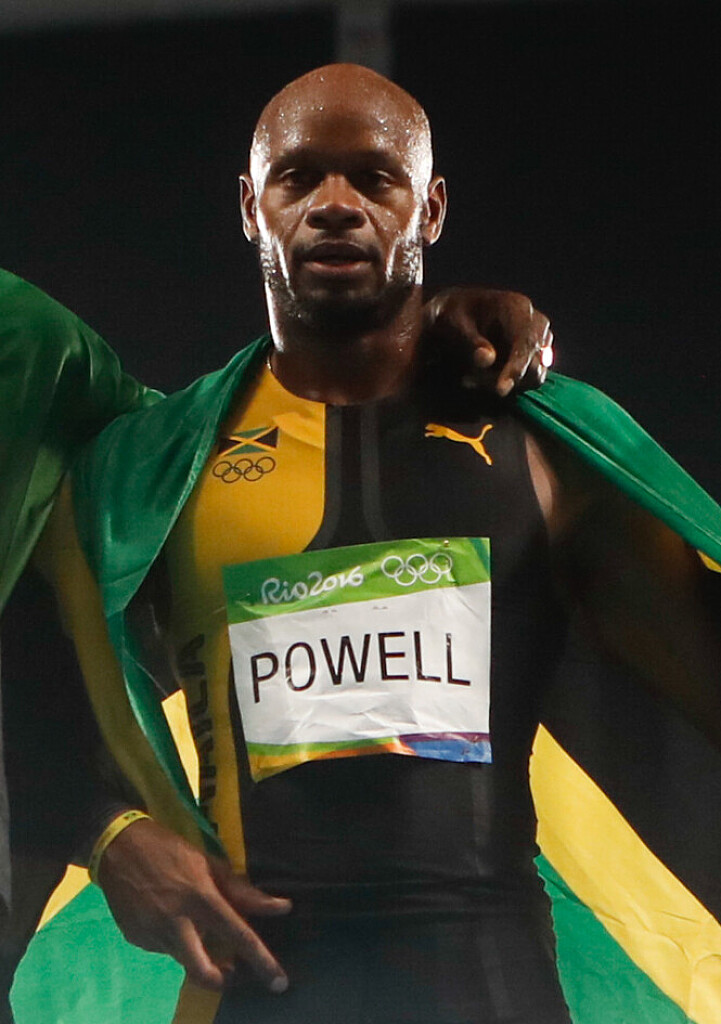


Asafa Powell Begins a New Chapter, Bringing World-Class Sprinting Experience to the Next Generation
Former 100-metre world record holder Asafa Powell is preparing to channel his experience from the highest level of international athletics into coaching and high-performance consultancy, with the aim of helping the next generation of sprinters reach their full potential.
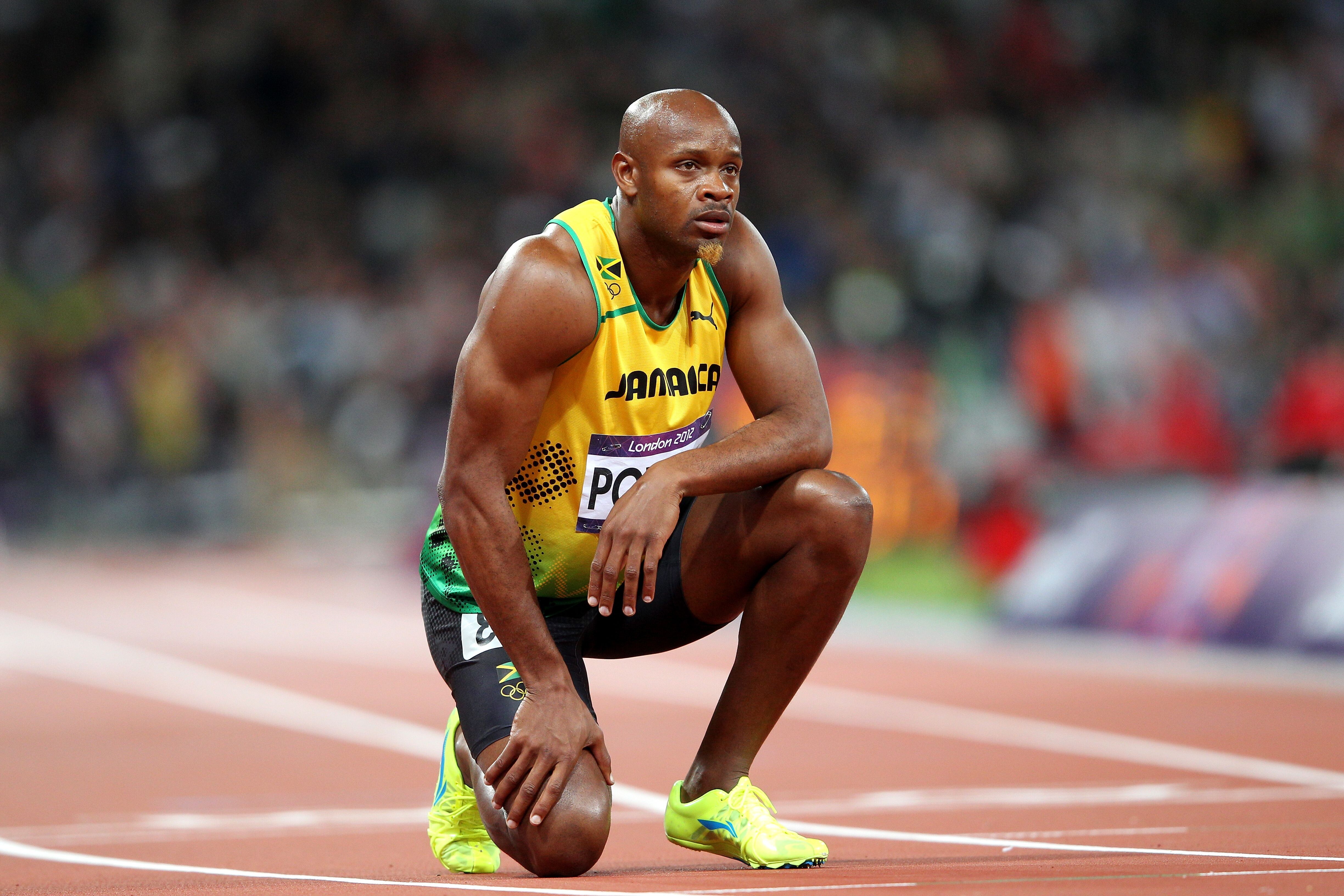
The Jamaican sprint legend, who spent more than two decades competing against the world's fastest athletes, is now looking to share the knowledge, discipline and technical understanding he developed throughout his distinguished career. His move into mentorship offers an opportunity to pass on lessons learned through years of competing on the biggest stages in track and field.
Powell's reputation was built on extraordinary speed and consistency. He set the men's 100m world record of 9.77 seconds in Athens in June 2005 before lowering it to 9.74 seconds in Rieti, Italy, in September 2007. He subsequently recorded a personal best of 9.72 seconds at the Lausanne Athletissima meeting in 2008, establishing himself among the fastest men in athletics history.
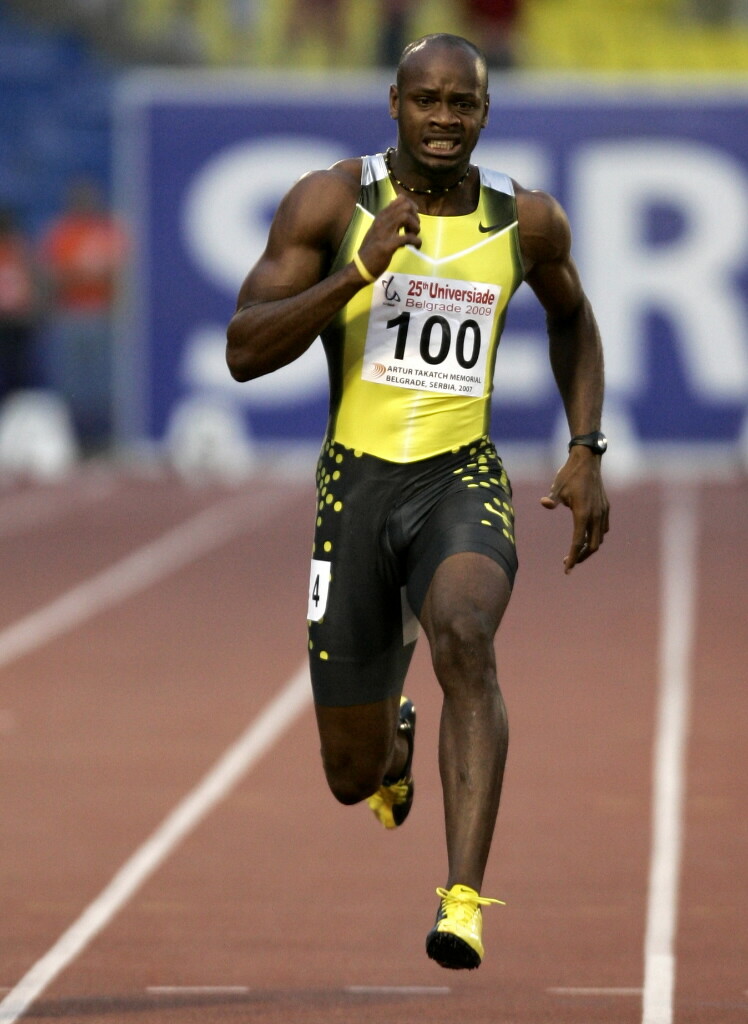
Beyond his personal best, Powell became renowned for his remarkable ability to run under 10 seconds. He recorded more than 90 sub-10-second performances during his career, a testament to his consistency and longevity in an event where the smallest technical details can determine the outcome.
Although Powell never won an Olympic individual 100m medal, he achieved significant success on the international stage, including winning gold with Jamaica's 4x100m relay team at the 2008 Beijing Olympics and the 2016 Rio Olympics. His experience also spans multiple World Championships and years of competing against sprinting greats, giving him valuable insight into the demands of elite performance.
Transitioning into coaching and high-performance consultancy provides Powell with a new platform to influence the sport beyond his own competitive achievements. His experience could help emerging sprinters understand the importance of starting technique, acceleration, maximum-velocity mechanics, race preparation, recovery and the mental demands of performing under pressure.
For young athletes hoping to establish themselves internationally, learning from someone who has experienced the challenges of elite sprinting firsthand could prove invaluable. Powell's journey demonstrates that success at the highest level requires more than natural speed; it also demands consistency, patience and the ability to perform when the stakes are highest.
As Jamaican sprinting continues to inspire athletes across the globe, Powell's next chapter could see his influence extend from the track to the training ground, where he can help shape future competitors.
The man who once held the world record is now looking toward a different kind of legacy: helping others discover how fast they can run.
by Erick Cheruiyot for My Best Runs.
Login to leave a comment
London Marathon 2027 Set To Shape Britain’s Road To Beijing And LA Olympics
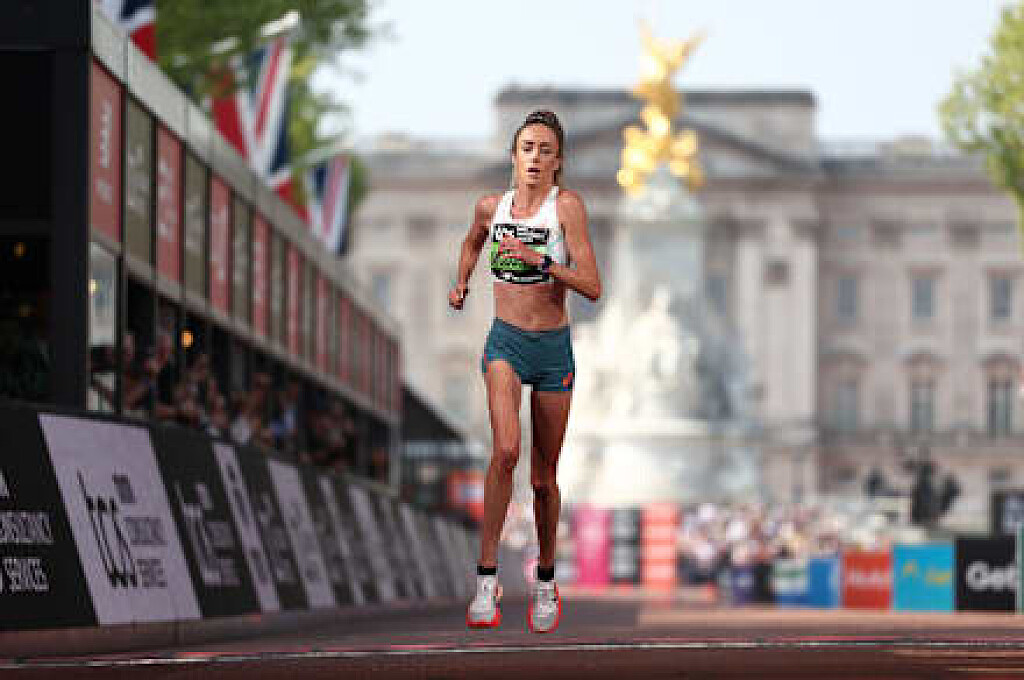
The 2027 London Marathon is set to take on huge significance for British marathon runners, serving as the trial race for both the 2027 World Athletics Championships in Beijing and the LA 2028 Olympic Games.
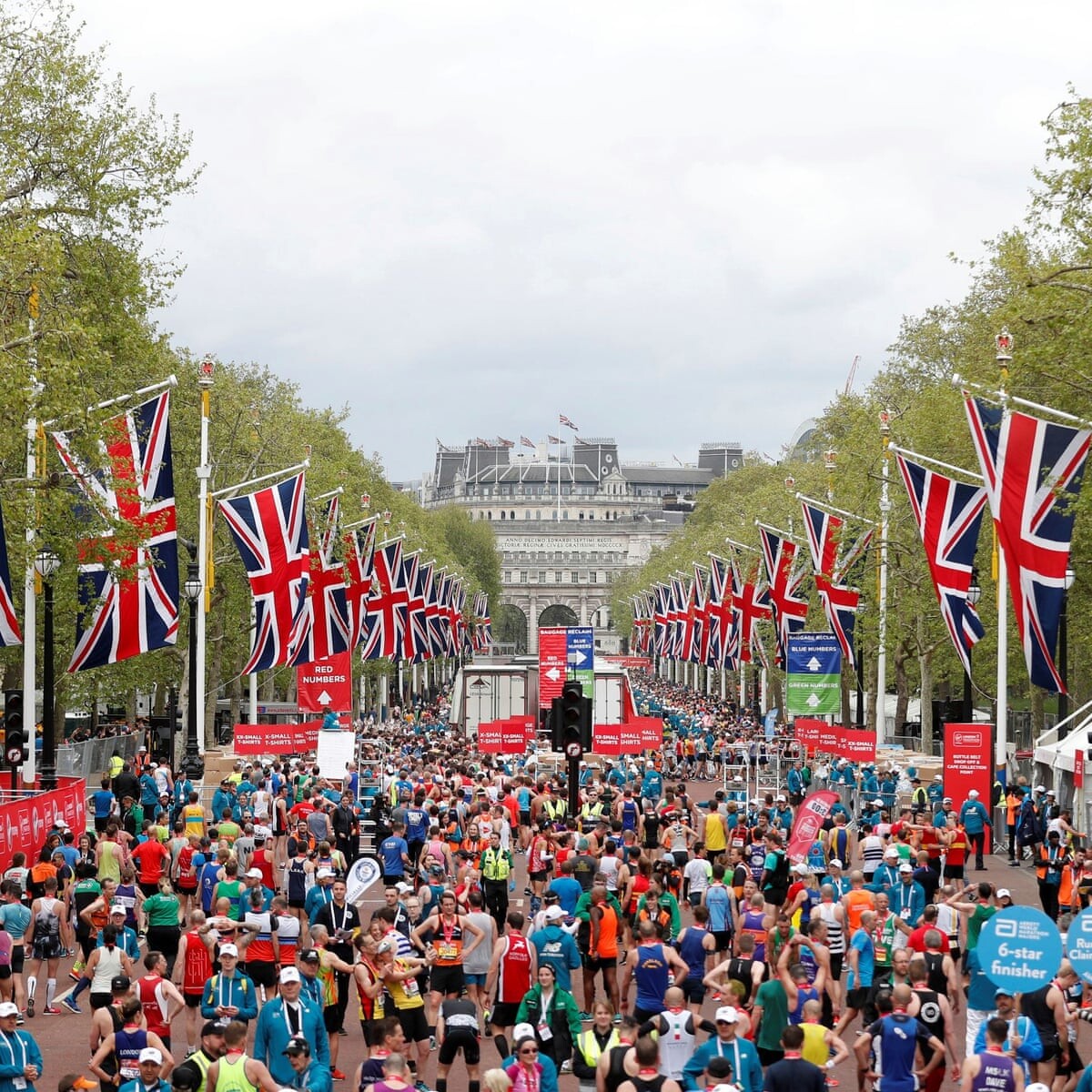
For the Beijing 2027 World Championships, the first two British finishers in both the elite men’s and women’s races will be eligible for selection, provided they have achieved the required World Athletics qualifying standard either before or on the day of the London Marathon.
The qualifying marks are 2:06:00 for men and 2:23:20 for women.
That puts a premium on both position and performance in London, with athletes knowing that a strong finish could potentially secure them a place on Britain’s team for the global championships in Beijing later in 2027.
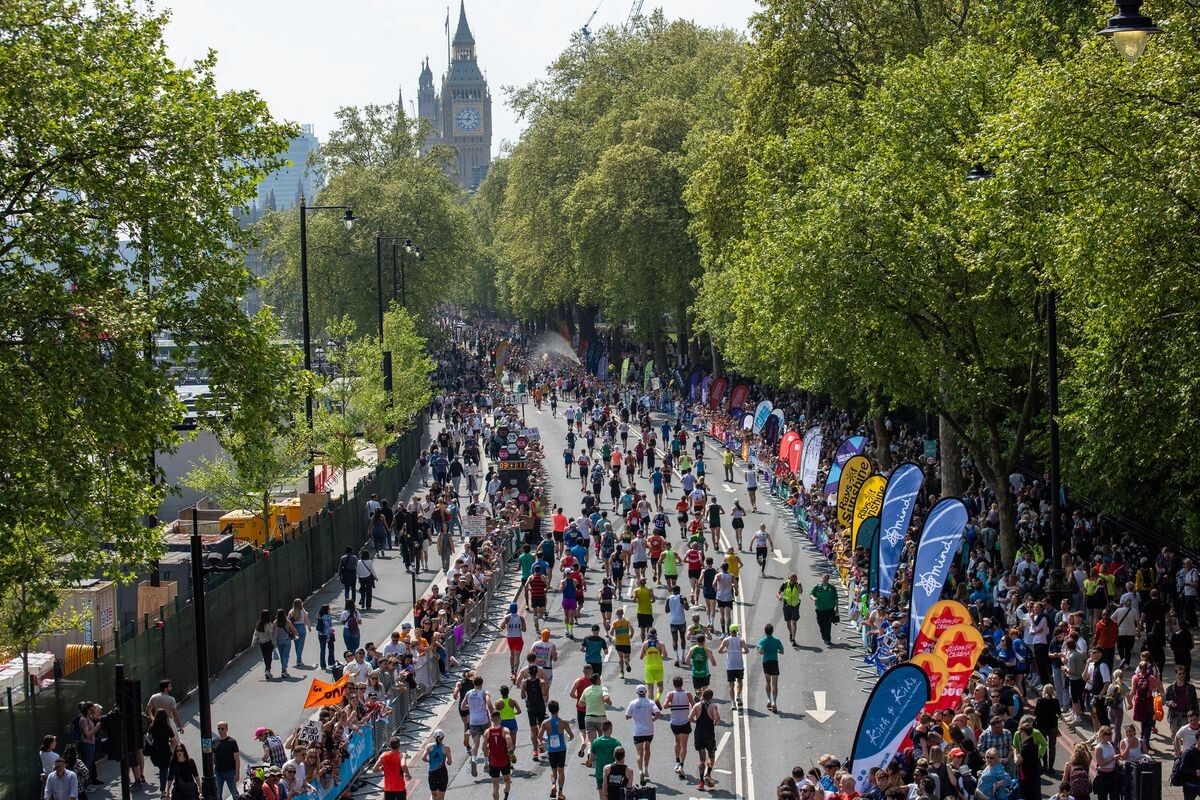
The stakes will be even higher for those targeting the LA 2028 Olympics.
The first British man and first British woman across the London Marathon finish line will be pre-selected for the 2028 Olympic marathon team, provided they achieve the Olympic qualifying standards, which are expected to be confirmed by the end of 2026.
However, pre-selection will not be the final step. Those athletes will still need to demonstrate their form through performances over different distances during the 2028 season before their Olympic places can ultimately be confirmed.
With London already one of the most prestigious marathons in the world, the 2027 edition now carries an added layer of national importance.
British marathoners will have more than a coveted London Marathon result on the line. For the leading athletes, the race could become the first major step towards Beijing 2027, while simultaneously opening the door to a potential Olympic journey ending in Los Angeles in 2028.
London 2027 is shaping up to be a defining race for Britain’s marathon ambitions — with Beijing and LA firmly on the horizon.
by Erick Cheruiyot for My Best Runs.
Login to leave a comment

TCS London Marathon
Since its inaugural edition on March 29, 1981, the TCS London Marathon has grown into one of the world's most prestigious road races, blending elite competition with an extraordinary charitable legacy. Founded by former Olympic champion and journalist Chris Brasher alongside Welsh athlete John Disley, the event has been staged every year and has been held in the spring annually...
more...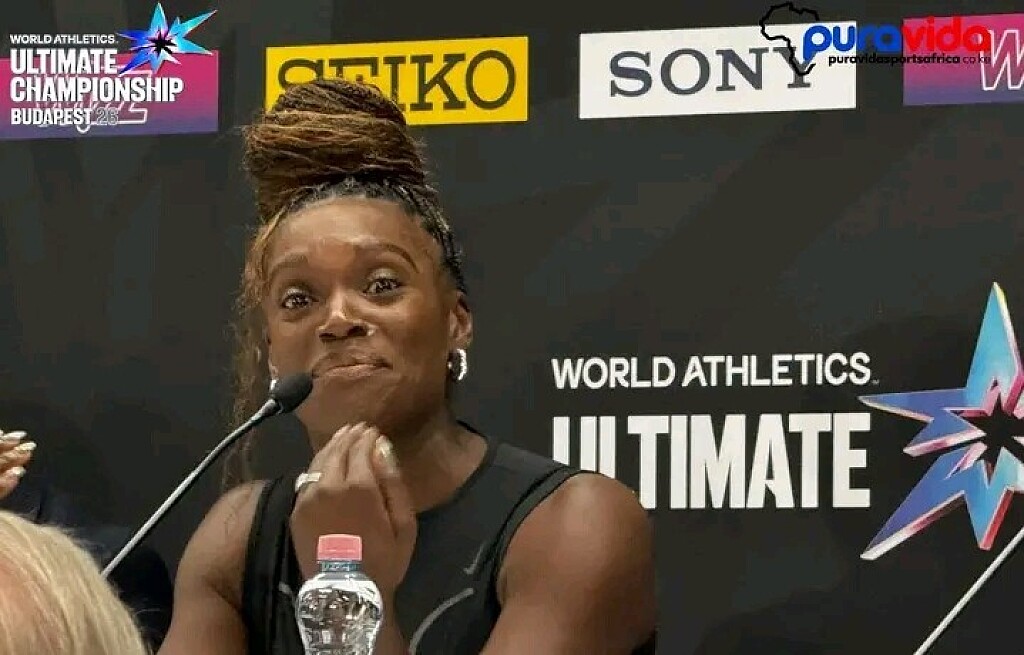
From Olympic Glory To The Microphone: Dawn Harper-Nelson’s Remarkable Second Act In Athletics
Dawn Harper-Nelson has already experienced the highest level of success an athlete can reach. Now, years after establishing herself as one of the finest hurdlers of her generation, the American Olympic champion is carving out an equally compelling identity behind the microphone.
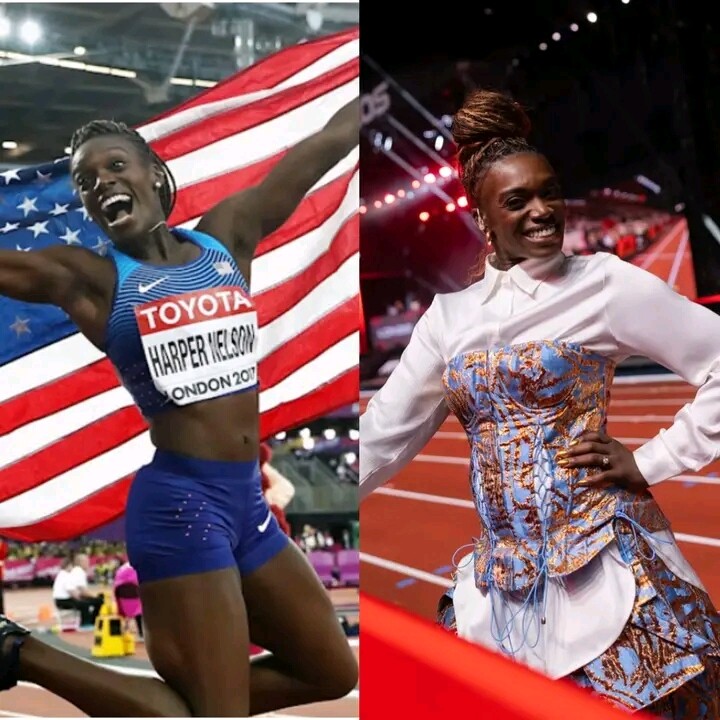
Harper-Nelson won the 100m hurdles gold medal at the 2008 Beijing Olympic Games before returning four years later to claim silver at London 2012. Her career also produced two World Championship medals — bronze in 2011 and silver in 2017 — while her personal best of 12.37 seconds, set in London in 2012, remains a defining mark of her distinguished career.
But her influence on athletics did not end when she stepped away from competitive sport.
In recent years, Harper-Nelson has successfully moved into broadcasting, presenting and athlete-focused media work, bringing with her something that cannot simply be learned in a studio: first-hand experience of competing under immense pressure on the world's biggest stages.
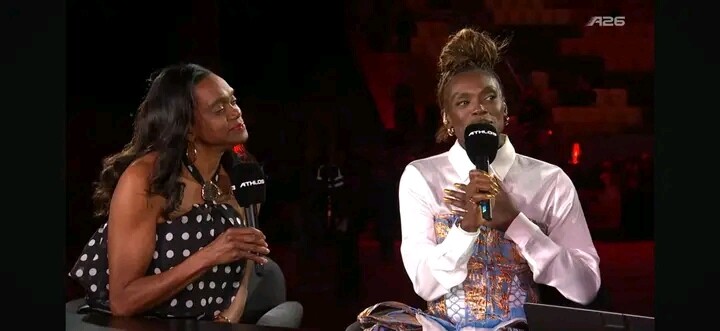
Her transition into media gained further momentum after she worked as an analyst during NBCUniversal's coverage of the Paris 2024 Olympic Games, becoming part of an Emmy-winning broadcast team. She has also worked with USA Track & Field in roles including press moderator, emcee and broadcaster, extending her connection with the sport beyond the competition arena.
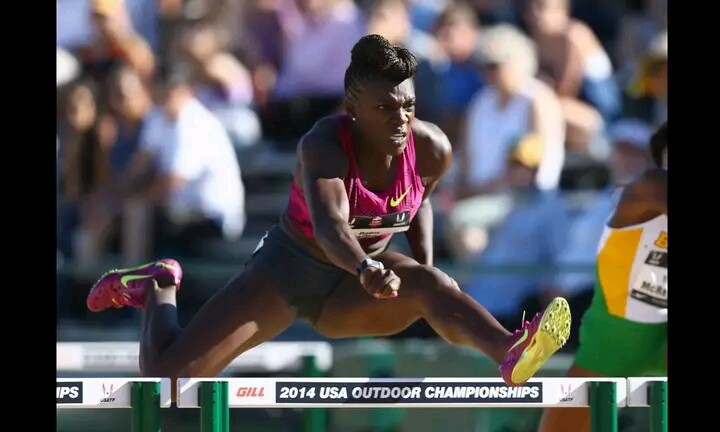
That experience has become particularly visible at some of athletics' newest and most ambitious events.
At the inaugural World Athletics Ultimate Championship in Budapest, Harper-Nelson served as an infield host throughout the three-day competition. World Athletics introduced the event with an emphasis on modern presentation, athlete storytelling and a television-focused experience, making the role of hosts and broadcasters increasingly important in connecting athletes with audiences.
Harper-Nelson was also involved in the championship's innovative pre-event programme, The Day Before, where athletes took part in interviews, content creation and other media opportunities ahead of the competition. Her presence alongside figures such as World Athletics President Sebastian Coe and Olympic sprint legend Usain Bolt underlined the experience she now brings to major athletics productions.
Her connection with ATHLOS has provided another prominent platform. The women's track and field series has developed a presentation style that combines elite competition with entertainment and athlete-focused storytelling, and Harper-Nelson has become one of the recognizable voices helping bring that experience to audiences. She previously hosted ATHLOS's long-jump competition in New York and has continued her association with the event as it expanded internationally to London in 2026.
What makes Harper-Nelson's media career particularly interesting is the perspective she carries from her own competitive journey. She knows the nerves before a major final, the pressure of championship competition, the disappointment of falling short and the discipline required to return stronger.
That background allows her to approach athlete conversations from a position of genuine understanding. Rather than simply describing what happens on the track, she can draw on her own experiences to explore the emotions, preparation and personal stories behind the performances.
Her evolution also reflects a wider change in modern athletics, where former champions are increasingly becoming storytellers, analysts, presenters and ambassadors for the sport. The ability to communicate an athlete's personality and explain the significance of a performance has become an important part of how major competitions reach new audiences.
For Harper-Nelson, the journey from the starting line to the broadcast platform has therefore been more than a career change. It has been a continuation of her relationship with athletics — only this time, she is helping tell the stories rather than creating them through her own performances.
From Olympic champion to accomplished broadcaster and event host, Dawn Harper-Nelson is showing that an athlete's influence does not have to end when the competitive career does. Her second chapter is giving her a new way to remain at the heart of the sport she once dominated on the track.
by Erick Cheruiyot for My Best Runs.
Login to leave a comment
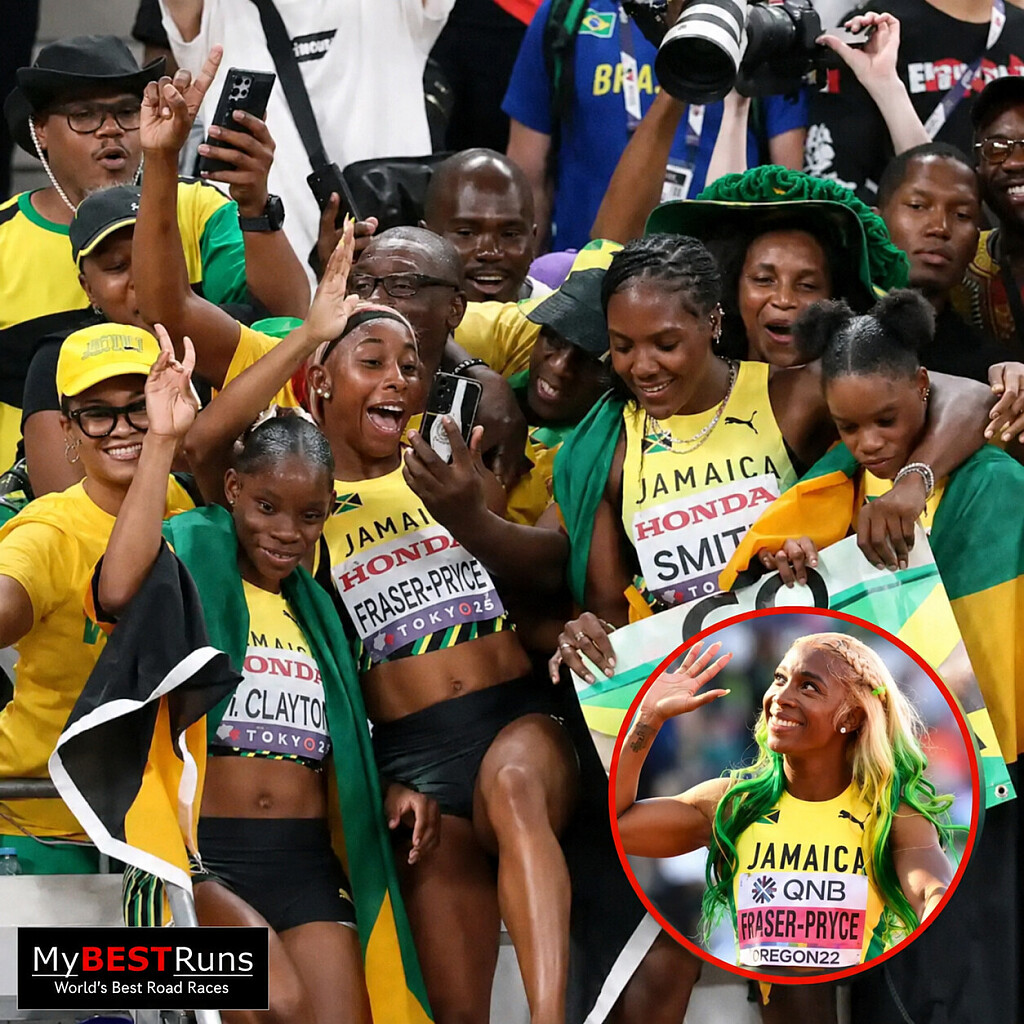
One Year Since The Pocket Rocket’s Final Race: Shelly-Ann Fraser-Pryce’s Legacy Still Burns Bright
One year ago, the world watched the final race of one of the greatest sprinters in athletics history.
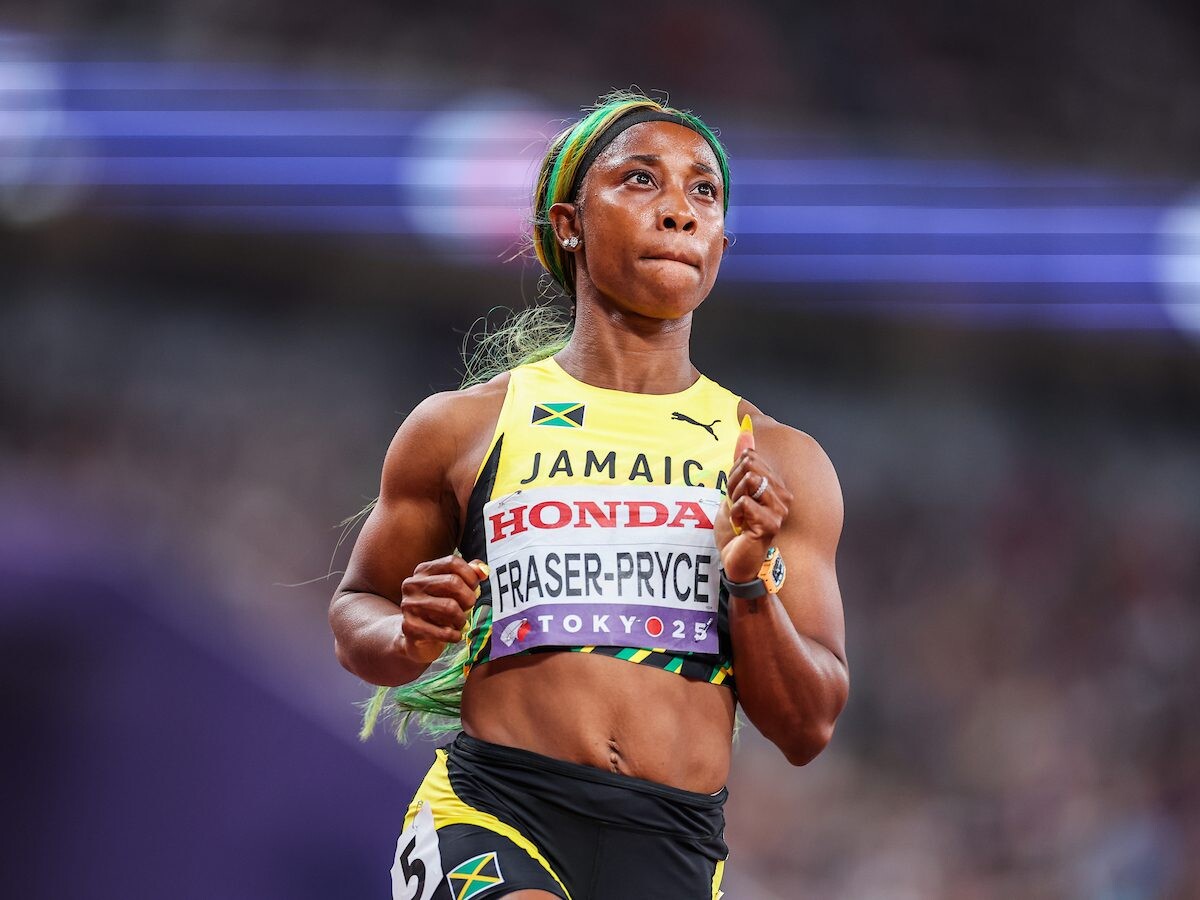
On September 21, 2025, Shelly-Ann Fraser-Pryce stepped onto the track for the final time as a professional athlete. At 38, after an extraordinary 18-year career defined by Olympic triumphs, world titles, remarkable comebacks and unmatched longevity, the Jamaican sprinting icon brought her competitive journey to a close at the World Athletics Championships in Tokyo.
Her final appearance came in the women’s 4x100m relay. Running the opening leg for Jamaica, Fraser-Pryce helped her team secure a silver medal in 41.79 seconds behind the United States. It was a fitting conclusion to a career that had produced an extraordinary collection of global medals and established her among the most decorated sprinters of all time.
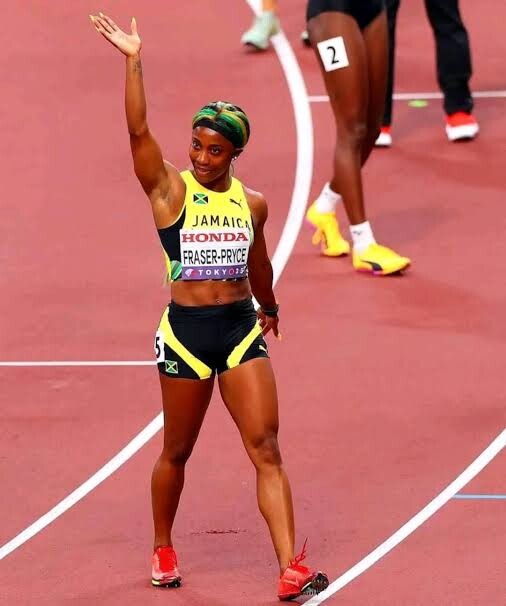
Her final individual race had come earlier in the championships, when she finished sixth in the 100m final in 11.03 seconds. Although she was unable to add another individual world title to her remarkable record, simply reaching another global final at the age of 38 was another demonstration of the extraordinary longevity that had defined her career.
A few weeks later, on October 7, Fraser-Pryce officially announced her retirement from professional track and field, closing the book on an era that had stretched across nearly two decades.
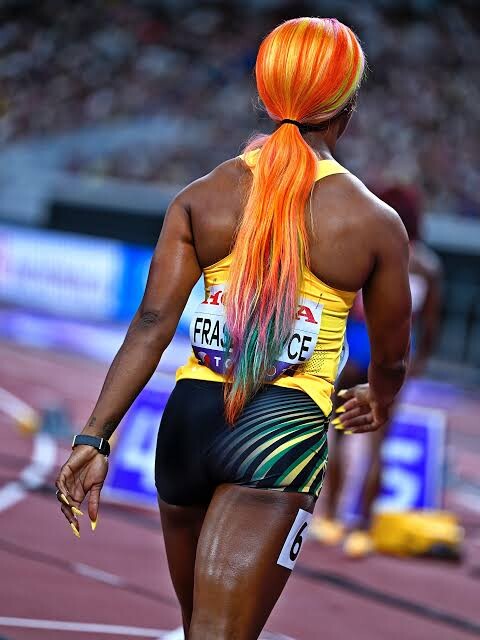
Her journey had begun with Olympic gold in the 100m at Beijing 2008, where she announced herself as one of the world's most explosive sprinters. Four years later in London, she successfully defended her Olympic 100m title, becoming only the third woman in history to accomplish that feat.
But Fraser-Pryce's greatness was never defined by one race or one championship.
She went on to win three Olympic gold medals and eight Olympic medals overall, while collecting 10 World Championships titles. She became the first woman to win five individual world 100m titles, a record that perfectly illustrates her remarkable consistency at the highest level.
Her career also became a story of resilience. After becoming a mother, Fraser-Pryce returned to elite competition and continued challenging the world's best sprinters, proving that motherhood and sporting excellence could exist side by side at the highest level.
Yet statistics only tell part of the Shelly-Ann Fraser-Pryce story.
There was the explosive start from the blocks, the fierce determination through every metre of a race and the unmistakable confidence that made her presence instantly recognisable. There was also the smile that often followed her performances and the pride with which she represented Jamaica on the biggest stages in world athletics.
Beyond the track, she built an influence that extended far beyond her medals and records. Through the Pocket Rocket Foundation, she has supported young Jamaican student-athletes by helping provide opportunities in education and sport.
Retirement, therefore, has not meant walking away from athletics.
In 2026, Fraser-Pryce took on a new role as a Global Ambassador for Laureus, continuing to use her experience, platform and voice to inspire young people and contribute to positive change through sport.
The starting line may no longer be part of her daily life, but her influence remains firmly embedded in the sport she helped shape.
A year after that final evening in Tokyo, women's sprinting has entered a new chapter. New athletes are carrying the sport forward, new rivalries are emerging and new records are waiting to be written.
But the standard Shelly-Ann Fraser-Pryce established will remain.
The Pocket Rocket has left competitive track and field, but the legacy she built over 18 remarkable years is still very much alive.
A year after her final race, which part of Shelly-Ann Fraser-Pryce do you miss the most?
Was it her explosive reaction from the blocks, her relentless competitive spirit, that unmistakable smile after a race, or the pride and passion with which she represented Jamaica?
Or perhaps it is simply the sight of Shelly-Ann Fraser-Pryce standing in the starting blocks, ready to give everything one more time.
One final race. One final medal. Eighteen extraordinary years.
The Pocket Rocket may have left the track, but her legacy will continue to inspire generations to come.
by Erick Cheruiyot for My Best Runs.
Login to leave a comment

Athletics Must Remain Number One” — Coe’s Final Challenge As The Race For His Successor Heats Up
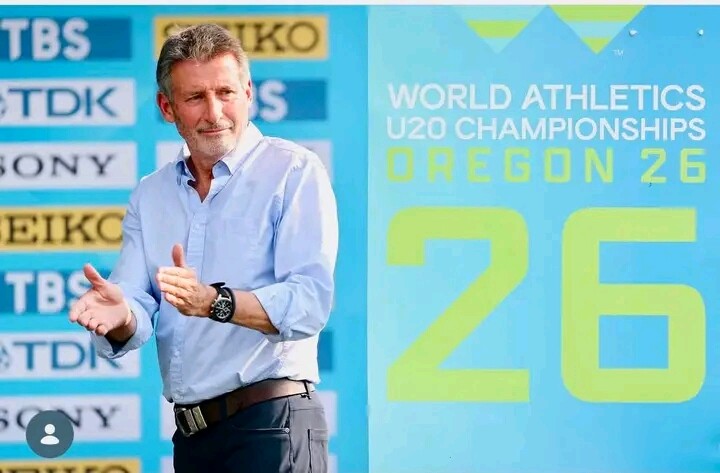
The battle for the future of world athletics is already taking shape, but outgoing World Athletics President Sebastian Coe has made one message unmistakably clear: athletics must remain at the heart of the Olympic Games.
Speaking ahead of the Diamond League meeting in Zurich, Coe said he remains highly optimistic about the sport’s future and insisted that athletics must protect its position as the leading sport of the Olympic movement.

“There are only two truly global sports, one is football and one is athletics. We must maintain our position as the number one Olympic sport,” Coe said.
The 69-year-old Briton is approaching the final year of his presidency after first taking charge of the global governing body in 2015. He was re-elected for a third term in 2023, which, under World Athletics’ term limits, is his final mandate.
Coe will leave office in 2027, when the next World Athletics president is elected at the Elective Congress in Beijing, immediately before the 2027 World Athletics Championships. The new president will serve a four-year term covering 2027–2031.
And the succession battle is already gathering momentum.
Among the candidates declared eligible so far are prominent figures from within the sport’s leadership, including World Athletics Vice-Presidents Adille Sumariwalla of India, Raul Chapado of Spain and Ximena Restrepo of Colombia. The current list also includes Yuko Arimori of Japan, Hatem Fouda of Egypt, Ivan Garcia of Uruguay, Jean Gracia of France and Kenya’s Jackson Tuwei.
Restrepo brings a particularly distinguished competitive background to the contest. The Colombian won Olympic bronze in the women’s 400 metres at Barcelona 1992 and became the first woman elected as a World Athletics Vice-President in 2019.
For Coe, however, the final chapter of his presidency is not simply about preparing for his departure. He says his priority over the next year is to continue strengthening the sport so that his successor inherits an organisation capable of growing even further.
“I've never been more optimistic about the future of the sport,” Coe said, adding that whoever succeeds him will inherit “a very much stronger sport” than the one he took over in 2015.
His presidency has coincided with significant changes across the sport, including governance reforms, commercial development and efforts to make athletics more innovative and globally engaging. The launch of the new World Athletics Ultimate Championship in Budapest this September is another example of the organisation’s attempt to create a shorter, high-stakes competition featuring many of the world’s leading athletes.
But the next president will inherit an enormous responsibility.
Athletics is the foundation of the Olympic Games, producing some of the most iconic moments in Olympic history and bringing together athletes from virtually every corner of the world. The challenge for Coe’s successor will be to preserve that unique position while making the sport more commercially powerful, more accessible to younger audiences and even more compelling in an increasingly competitive global sporting landscape.
Coe believes the opportunity is there.
As he prepares to hand over the presidency in 2027, his challenge to the next generation of World Athletics leadership is clear: protect the sport’s Olympic identity, keep pushing its boundaries and make sure athletics remains the heartbeat of the Games.
The question now is not whether Coe will leave a significant mark on athletics, but who will have the vision, influence and leadership required to carry the sport into its next era.
Who do you think should lead World Athletics after Sebastian Coe?
by Erick Cheruiyot for My Best Runs.
Login to leave a comment

26 Years Later, Vivian Cheruiyot Returns To Sydney As A Kenyan Distance-Racing Legend
Twenty-six years ago, a 17-year-old Vivian Cheruiyot arrived in Sydney carrying the dreams of a young Kenyan athlete and the promise of a remarkable future.
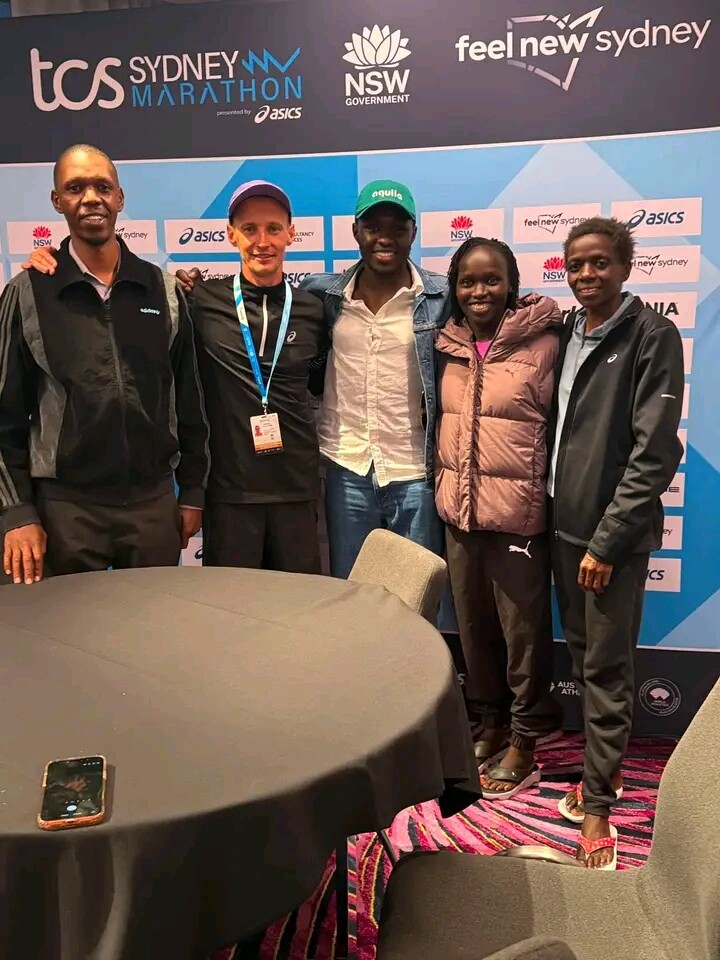
Today, she returns to the same Australian city as something far greater — an Olympic champion, four-time world champion, world cross-country champion, London Marathon winner, Laureus Sportswoman of the Year and one of Kenya’s most accomplished distance runners.
At 42, Cheruiyot will line up for the TCS Sydney Marathon on Sunday, August 30, completing an extraordinary full circle in a career that has stretched across more than two decades and transformed her from a teenage Olympian into one of the defining figures of her generation.
When Cheruiyot first competed in Sydney at the 2000 Olympic Games, few could have imagined the heights she would eventually reach. Still only 17, she advanced to the 5000m final and finished 14th — an experience that became the first chapter of an Olympic journey that would eventually span four Games.
The years that followed brought an extraordinary collection of victories.
Cheruiyot became world 5000m champion in 2009, then produced one of the greatest championship performances of her career in Daegu in 2011, winning both the 5000m and 10,000m titles while also claiming World Cross Country gold earlier that year. She added another world 10,000m title in Beijing in 2015, taking her tally to four senior world championships.
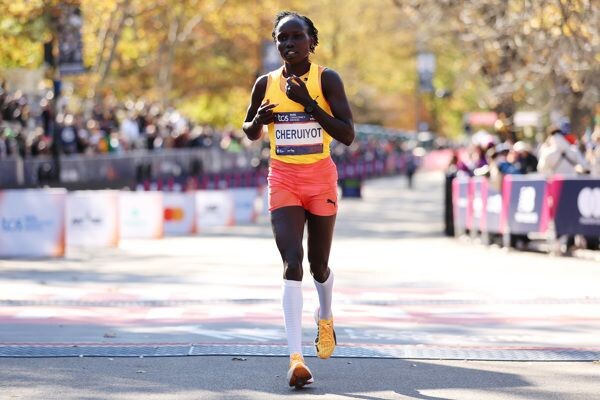
But the Olympic gold medal remained the one prize missing from her collection.
That changed dramatically in Rio in 2016.
After winning silver in the 10,000m, Cheruiyot returned to the track for the 5000m final and delivered a masterclass in championship racing. She surged away from Ethiopia’s Almaz Ayana in the closing stages to win Olympic gold in 14:26.17, finally completing the collection of major titles she had chased for so many years.
“I said I want to win,” Cheruiyot recalled after that historic victory. “This was my fourth Olympics and I’ve been dreaming about this since the very start.”
Her brilliance was not confined to the track.
After moving into marathon running, Cheruiyot established herself among the world’s best over 42.195km. She finished fourth in her London Marathon debut in 2017 before returning the following year to produce a stunning victory in 2:18:31 — a performance that placed her fourth on the world all-time list at the time and remains her marathon personal best.
She also finished runner-up in the New York City Marathon in 2018 and second in London in 2019, further demonstrating that her extraordinary competitive instinct had successfully followed her from the track to the roads.
Away from competition, Cheruiyot’s story has also evolved with her life. She became a mother, welcomed her daughter Arielle in 2021 and returned to competitive racing in 2023. In 2024, she claimed third place at the New York City Marathon, followed by fifth at the 2025 London Marathon.
Now Sydney offers her another opportunity to write her name into the city’s sporting history.
“I look back on my career with pride. I was able to win almost everything and have been at the top for a long time,” Cheruiyot said ahead of her return.
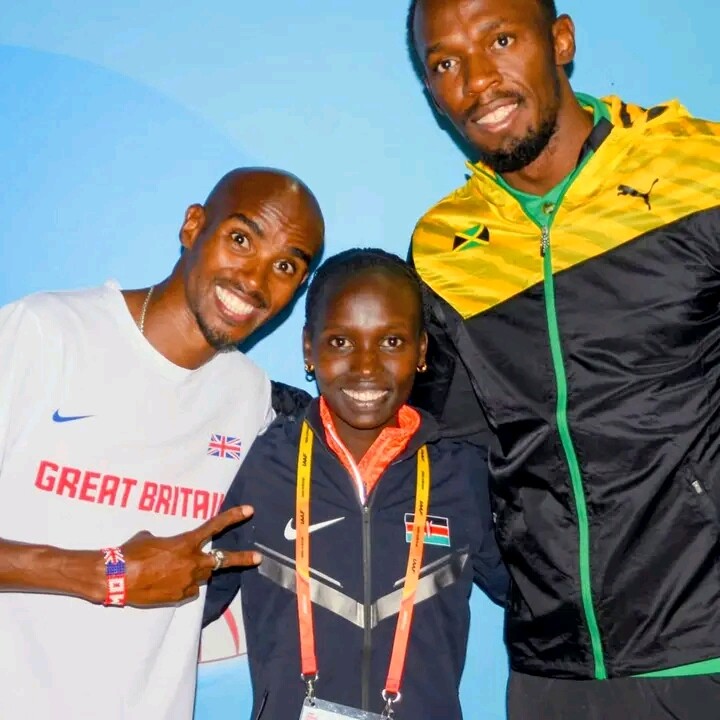
She also remembers the extraordinary generation in which she competed — an era that included global icons such as Usain Bolt, Tirunesh Dibaba and Meseret Defar.
“I was running in a great era and had a close-up view of athletes like Usain Bolt setting the world alight,” she reflected.
Yet perhaps the most remarkable aspect of Cheruiyot’s return is not simply the passage of time, but her willingness to keep challenging herself.
She arrives in Sydney having put considerable work into rebuilding her fitness, knowing that the marathon demands something entirely different from the explosive championship races that defined her track career.
“I am very excited to go back to Sydney,” she said. “It has been 26 years since I was there, and a lot has changed in my life since then. I hope to have a good run — I have put in a lot of work to regain fitness and hope my body will stand up to the 42km.”
Twenty-six years ago, Sydney introduced the world to a fearless Kenyan teenager chasing an Olympic dream.
Now, the same city welcomes back a woman who went on to conquer the track, cross country and marathon — and to leave an indelible mark on Kenyan athletics.
From teenage Olympian to Olympic champion. From world champion to marathon winner. From rising talent to mother and enduring icon.
Vivian Cheruiyot has come full circle — and Sydney is once again the stage.
by Erick Cheruiyot for My Best Runs.
Login to leave a comment

Sydney Marathon
The Sydney Marathon is a marathon held annually in Sydney, Australia. The event was first held in 2001 as a legacy of the 2000 Summer Olympics, which were held in Sydney. In addition to the marathon, a half marathon, 9 kilometres (5.6 mi) "Bridge Run", and a 3.5 kilometres (2.2 mi) "Family Fun Run" are also held under the banner...
more...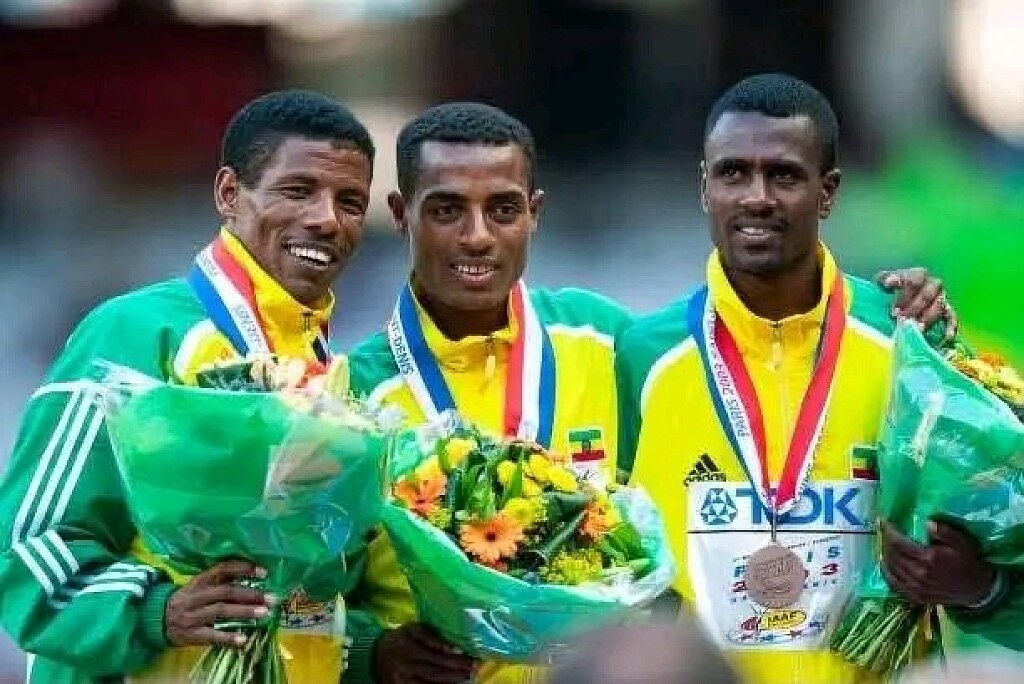
Kenenisa Bekele’s Paris Coronation: The Night Ethiopia’s Distance Running Dynasty Changed Forever
Paris, France — August 24, 2003.
The Stade de France witnessed far more than a World Championship 10,000m final that night. It witnessed the beginning of a new era.
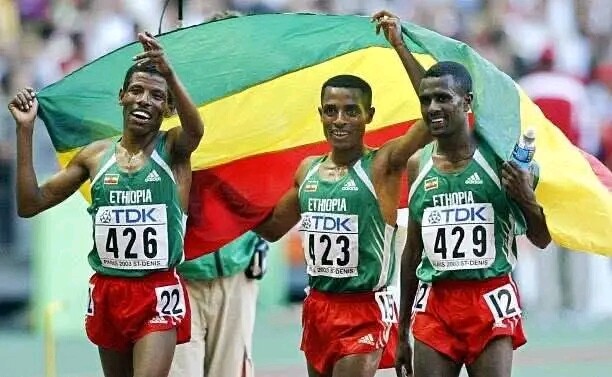
For years, Haile Gebrselassie of Ethiopia had stood virtually untouchable at the summit of world distance running. He arrived in Paris as a two-time Olympic champion and four-time World Champion over 10,000m, carrying the reputation of a man who had dominated the track for much of the previous decade.
But waiting in the same race was a 21-year-old Ethiopian whose running style looked remarkably familiar.
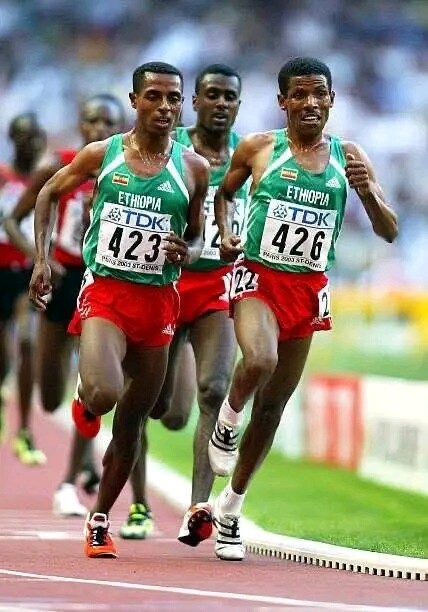
His name was Kenenisa Bekele.
The younger Ethiopian had already shown flashes of extraordinary potential, but Paris was where potential became reality.
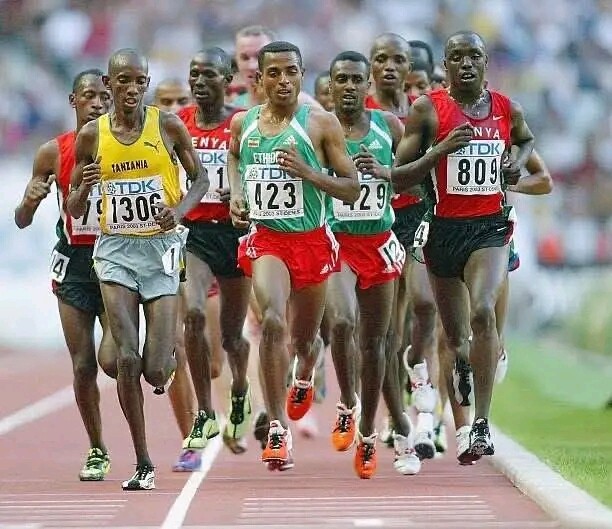
As the race unfolded, Gebrselassie ran aggressively, repeatedly applying pressure in an attempt to break the field and shake off his young compatriot. One by one, the world's best distance runners were dropped, including a strong Kenyan contingent.
Yet Bekele refused to disappear.
He stayed glued to Gebrselassie's shoulder, matching every surge and every change of pace. Behind them, Sileshi Sihine of Ethiopia remained in contention, setting the stage for what would ultimately become a historic Ethiopian sweep.
Then came the decisive moment.
With only 200 metres remaining, Bekele made his move.
Gebrselassie, famous for his devastating finishing speed, tried to respond. But this time, there was no answer. Bekele powered away down the final straight, creating daylight between himself and his legendary compatriot.
The changing of the guard had arrived.
Bekele crossed the finish line in 26:49.57, becoming the first athlete to break 27 minutes at these World Championships and setting a championship record.
Behind him, Gebrselassie finished second in 26:50.77, while Sihine completed an extraordinary Ethiopian clean sweep with 27:01.44.
It was not simply a victory for Bekele.
It was the moment the young star announced that he was ready to inherit the throne.
Paris 2003 — Men's 10,000m Final
1. Kenenisa Bekele — Ethiopia — 26:49.57 CR
2. Haile Gebrselassie — Ethiopia — 26:50.77
3. Sileshi Sihine — Ethiopia — 27:01.44
4. Ahmad Hassan Abdullah — Qatar — 27:18.28
5. John Cheruiyot Korir — Kenya — 27:19.94
6. Wilberforce Talel — Kenya — 27:33.60
7. Charles Kamathi — Kenya — 27:45.05
8. Kamiel Maase — Netherlands — 27:45.46
9. Karl Keska — Great Britain — 27:47.89
10. Ismail Sghyr — France — 27:54.87
11. David Galván — Mexico — 27:55.31
12. John Yuda Msuri — Tanzania — 27:56.21
13. Fabiano Joseph Naasi — Tanzania — 28:06.36
14. Alan Culpepper — United States — 28:14.92
15. Teodoro Vega — Mexico — 28:31.71
16. Mebrahtom Keflezighi — United States — 28:35.08
17. Cathal Lombard — Ireland — 28:36.43
18. Tomoo Tsubota — Japan — 28:37.10
19. Dan Browne — United States — 29:01.60
Bekele's Paris triumph proved to be the beginning of something much bigger. He went on to win Olympic 10,000m gold in Athens the following year and established himself as the dominant track distance runner of his generation.
At the 2008 Beijing Olympics, he completed the extraordinary 5,000m and 10,000m double, cementing his place among the greatest distance runners in history.
Gebrselassie, meanwhile, successfully reinvented himself beyond the track. He turned increasingly toward the 10km, half marathon and marathon, where he continued rewriting the record books and building another extraordinary chapter of his career.
But Paris remains special.
On August 24, 2003, one Ethiopian legend was still fighting to protect his kingdom while another was stepping forward to claim it.
Kenenisa Bekele didn't simply win a World Championship gold medal that night. He announced the arrival of a new era in distance running.
by Erick Cheruiyot for My Best Runs.
Login to leave a comment
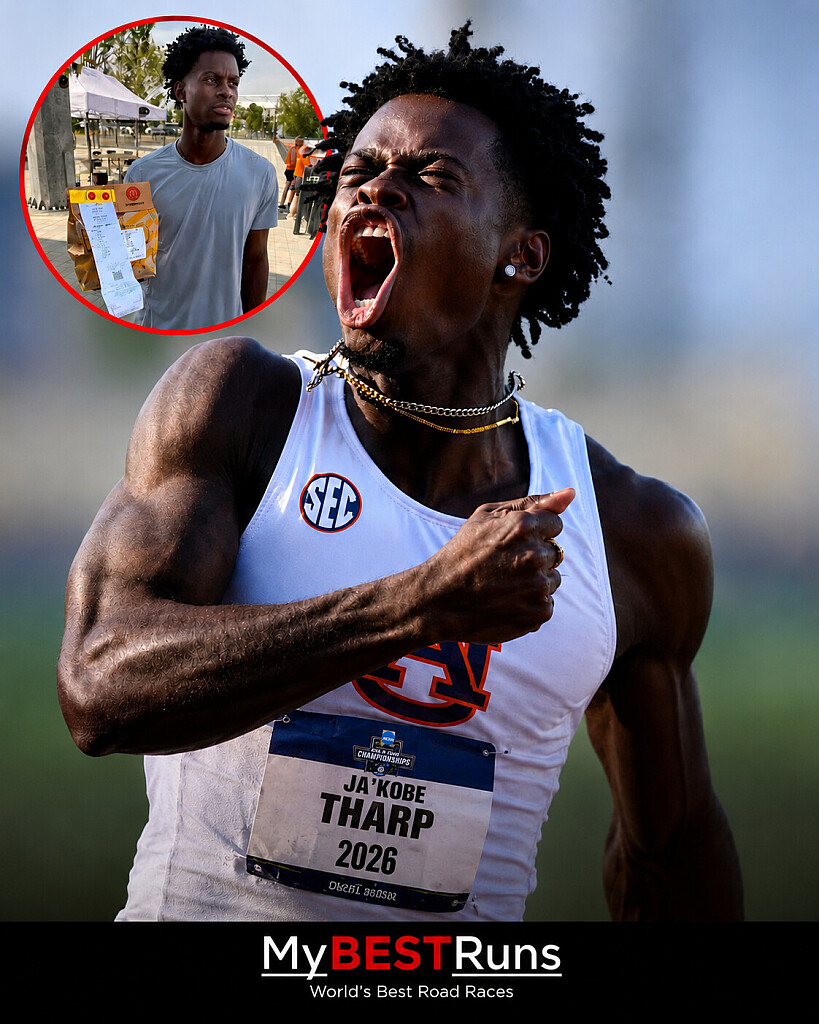
World Record, McNuggets and Fries: The Extraordinary Pre-Race Ritual Behind Ja’Kobe Tharp’s Historic Run
Three hours before producing one of the greatest performances in the history of sprint hurdling, Ja’Kobe Tharp followed a pre-race routine that few athletes—or sports nutritionists—would expect.
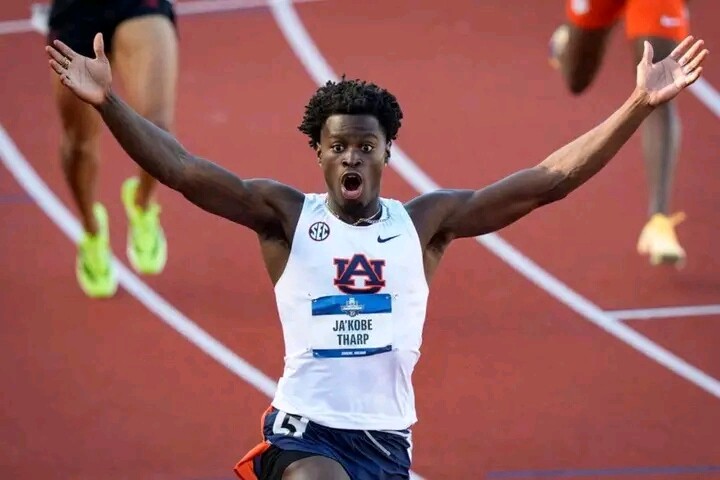
Two cheeseburgers. A large order of fries. And 10 Chicken McNuggets.
That was the meal Tharp ate before taking to the track and breaking the long-standing world record in the men’s 110m hurdles, surpassing Aries Merritt’s 12.80-second mark that had stood since 2012.
The Auburn University star's remarkable performance ended a 13-year wait for a new world record and made him the first man in half a century to set a world record at the NCAA Championships. Yet almost as quickly as his historic run captured attention, another part of the story became a major talking point: his extraordinary pre-race meal.
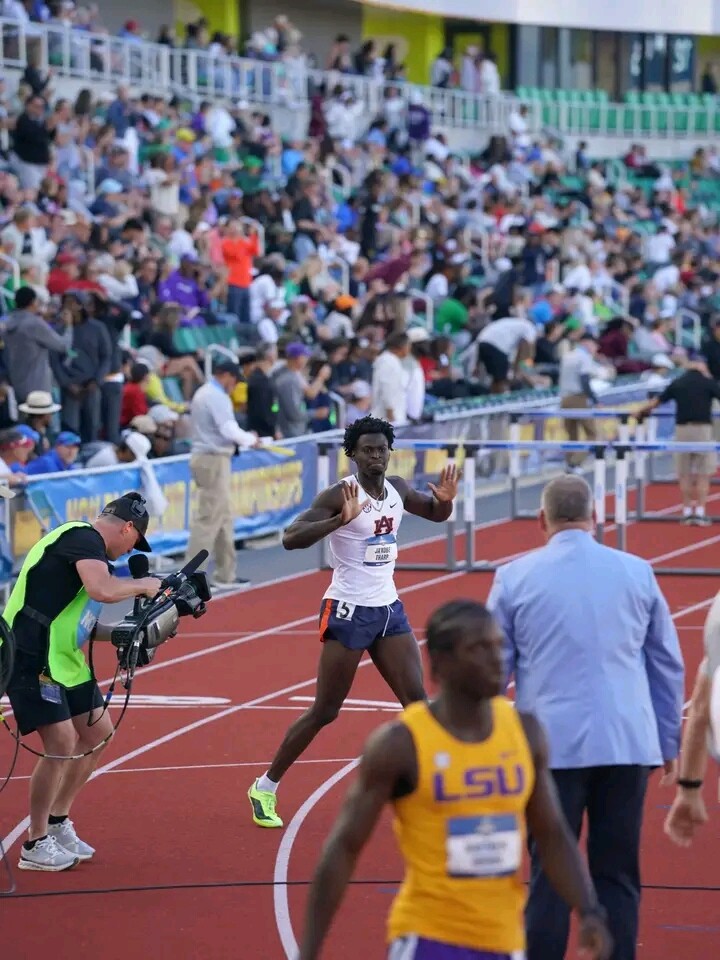
For Tharp, however, there is nothing new or experimental about the routine.
He has followed the same ritual since his high school years, first adopting it before winning a Tennessee state hurdles title as a junior. Since then, the order has remained remarkably unchanged, becoming an unlikely constant throughout his rise to the top of world athletics.
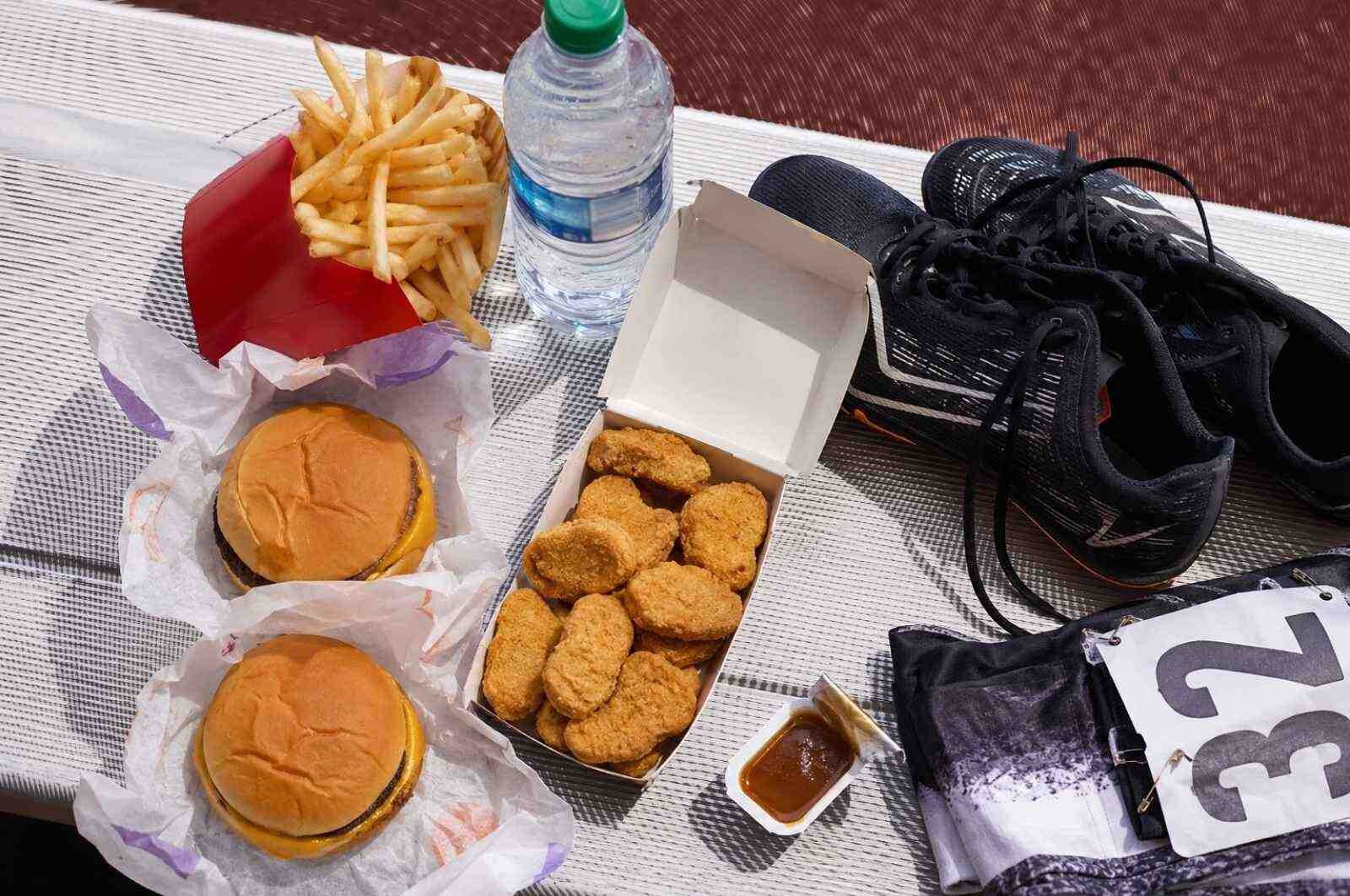
According to reporting from Auburn University, the meal contains approximately 1,246 calories, even before adding any dipping sauce. Tharp's coach, Ken Harnden, has become an important part of the tradition, reportedly collecting the same order for his athlete in different parts of the world, including Lima, Monaco, Tokyo and Budapest.
Tharp's philosophy is straightforward: if something has worked throughout his career, there is little reason to change it.
But does that mean runners should start filling their pre-race routines with cheeseburgers and fries?
Not necessarily.
The explanation behind why the meal appears to work for Tharp has much more to do with the specific demands of his event than with any magical qualities of fast food.
The men's 110m hurdles is over in less than 13 seconds. During such a short and explosive effort, the body relies primarily on immediate energy systems, particularly the ATP-phosphocreatine system, rather than depending on the gradual digestion of the meal eaten several hours earlier.
Timing is also crucial. By eating around three hours before competition, Tharp gives his body substantial time to digest the food while ensuring he does not arrive at the start line hungry.
A large meal immediately before a race would be a very different situation. But in Tharp's case, his body has also become accustomed to the routine after years of repeating it.
That consistency may be one of the most important aspects of the entire story.
Pre-race rituals can provide athletes with a sense of familiarity and control, particularly in high-pressure situations. By repeating the same preparation before important competitions, athletes can reduce uncertainty and approach the start line with greater confidence.
For Tharp, the McDonald's meal has become part of that psychological preparation.
His story is not entirely without precedent in sprinting.
Usain Bolt famously revealed that he ate enormous quantities of Chicken McNuggets during the 2008 Beijing Olympic Games after struggling to enjoy some of the food available to athletes. Bolt went on to produce one of the most dominant Olympic performances in history, winning three gold medals and setting world records.
However, these examples should not be mistaken for universal nutrition advice.
There is an enormous difference between preparing for a 110m hurdles race and preparing for a marathon.
A marathon places sustained demands on the digestive system and requires athletes to manage carbohydrate stores, hydration and energy intake over more than two hours of continuous effort. High-fat meals can slow gastric emptying and increase the likelihood of stomach discomfort—problems that can become particularly costly during a long-distance race.
That is why elite endurance runners generally follow a very different approach.
Pre-race meals for marathoners and other endurance athletes typically focus on easily digested carbohydrates while limiting foods high in fat and fibre. The objective is to maximise available energy without placing unnecessary stress on the stomach.
In other words, what may be perfectly manageable for an explosive hurdler could become a disastrous experiment for someone running 42.195 kilometres.
The real lesson from Tharp's remarkable routine, therefore, may not be the contents of his meal at all.
It is consistency.
Tharp did not randomly decide to eat more than 1,200 calories of fast food before attempting to break a world record. He had tested and repeated the routine over several years, allowing it to become a familiar part of his preparation.
That is a principle runners at every level can apply.
A pre-race meal should be practised during training rather than introduced on the morning of a major competition. Athletes should learn which foods their bodies tolerate, how long they need to digest them and what preparation leaves them feeling physically and mentally ready to perform.
There is also a wider point about individual athletes and individual routines.
Elite sport is full of unusual habits that work for specific competitors. A ritual can be successful without becoming a universal blueprint. Tharp's incredible achievement does not prove that cheeseburgers and Chicken McNuggets are the secret to faster hurdling—it proves that extraordinary athletes can sometimes thrive with routines that defy conventional expectations.
The temptation, of course, is to copy the most unusual part of a champion's preparation.
But Tharp's world record was not created by a single meal. It was the product of exceptional talent, years of training, technical precision, speed, strength and preparation. The McDonald's ritual is a fascinating detail in the story—not the reason behind the record itself.
Still, it has undoubtedly added another unforgettable chapter to one of track and field's most remarkable performances.
A world record in the 110m hurdles. A historic NCAA achievement. And, just three hours earlier, two cheeseburgers, fries and 10 Chicken McNuggets.
For Ja’Kobe Tharp, it may not look like a conventional recipe for sporting greatness.
But after a performance that rewrote the record books, it is certainly a routine that the athletics world will not forget anytime soon.
by Erick Cheruiyot for My Best Runs.
Login to leave a comment
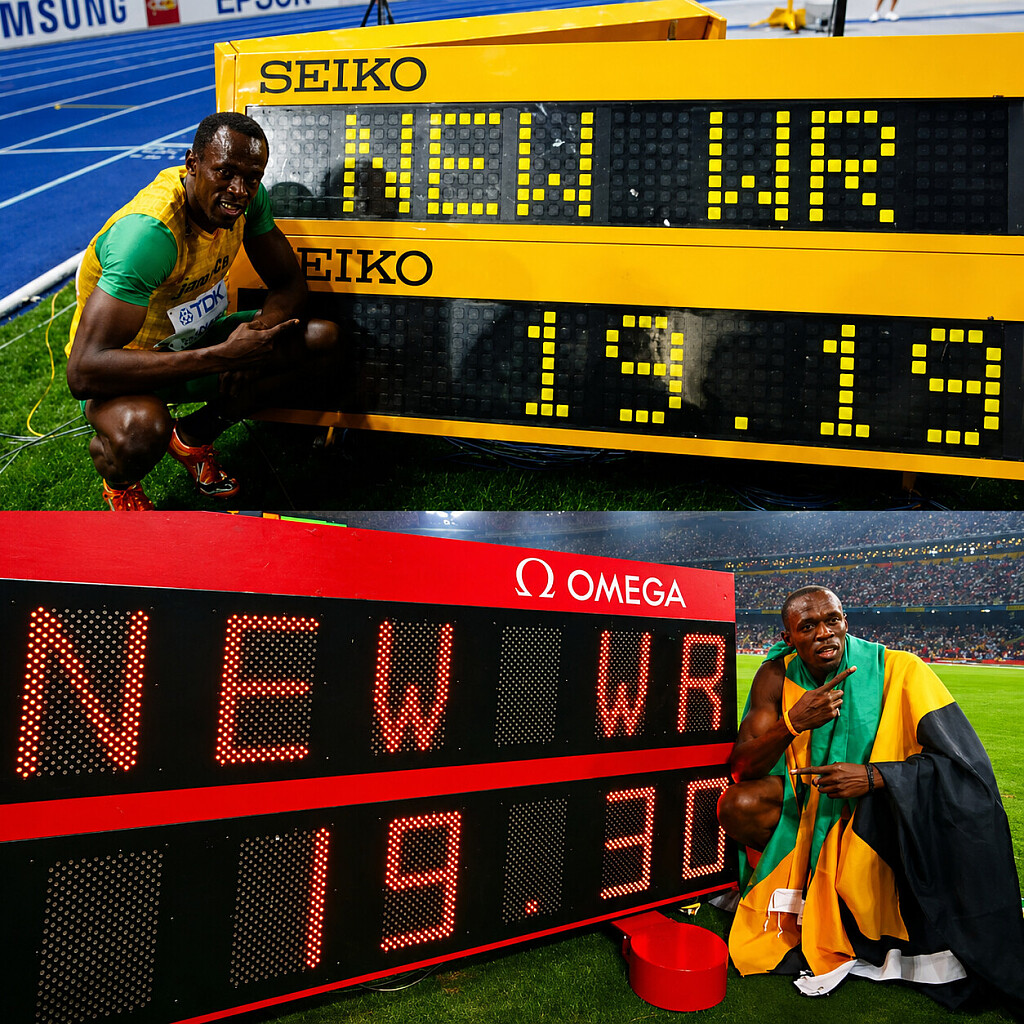
August 20: The Day Usain Bolt Rewrote the 200m Record Book—Twice
Some dates become part of sporting history. August 20 belongs to Usain Bolt.
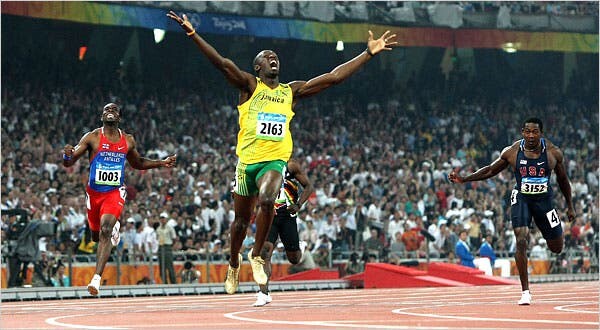
On two consecutive years, the Jamaican sprinting phenomenon transformed the men’s 200 metres, producing performances that seemed almost impossible even by his extraordinary standards.
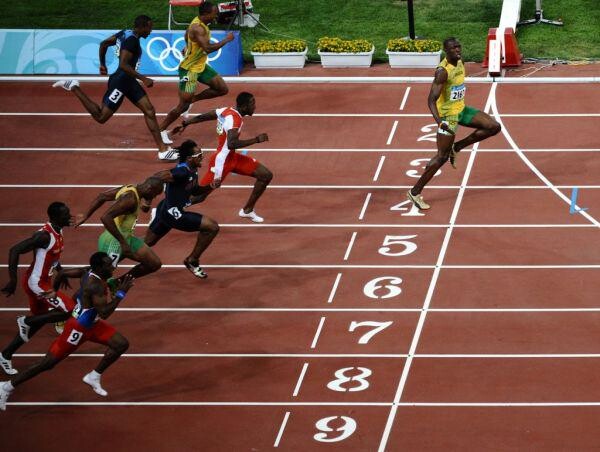
On August 20, 2008, inside Beijing’s Bird’s Nest, Bolt lined up for the Olympic 200m final carrying enormous expectations. Four days earlier, he had stunned the world by winning the 100m in a then-world-record 9.69 seconds. Yet the 200m was about to become another chapter in his growing legend.
Bolt exploded around the bend before powering down the home straight, crossing the finish line in 19.30 seconds to win Olympic gold and shatter Michael Johnson’s long-standing world record of 19.32, set in Atlanta in 1996. The improvement was only two hundredths of a second, but the significance was enormous: Johnson’s seemingly formidable record had survived for 12 years before Bolt finally brought it down.
And there was another remarkable detail. Bolt’s Beijing record came with a 0.9 m/s headwind, making the performance even more extraordinary.
But Bolt was not finished.
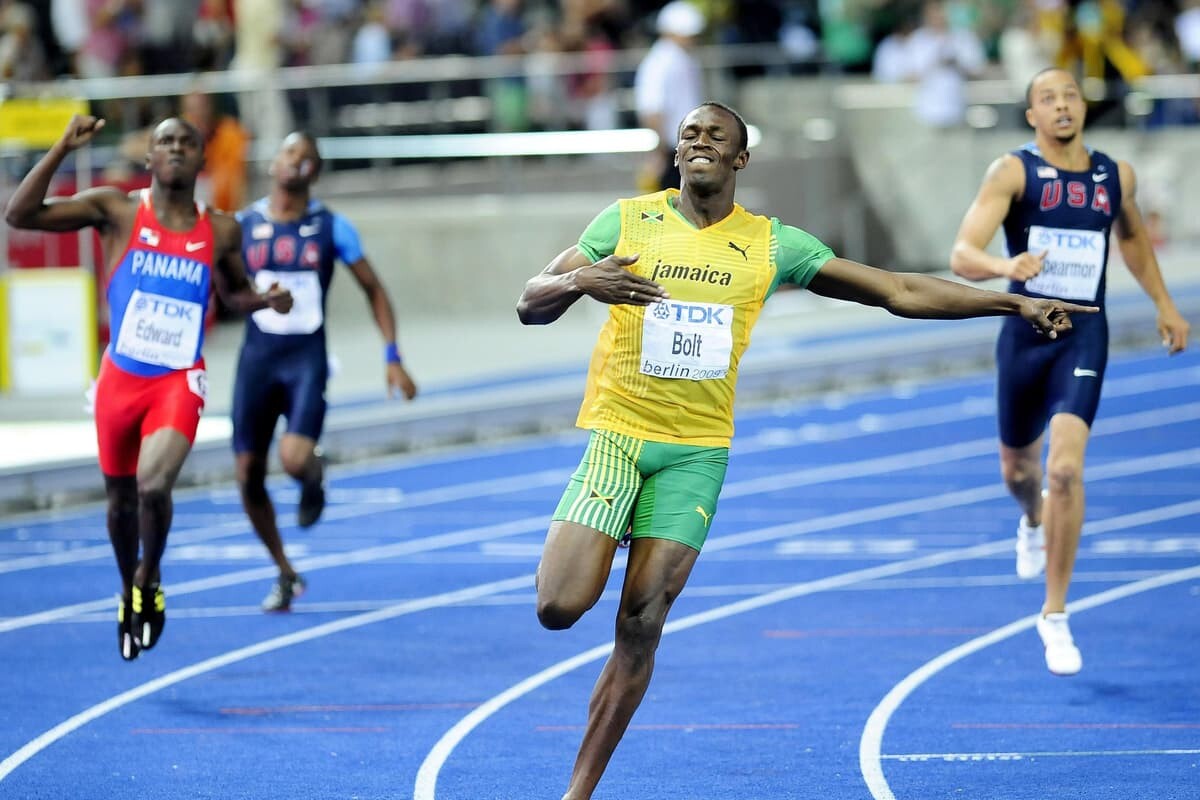
Exactly one year later, on August 20, 2009, he returned to the same event at the World Athletics Championships in Berlin with another opportunity to redefine the limits of speed.
Four days earlier, he had already demolished his own 100m world record, running 9.58 seconds. Now the 200m world record was in his sights.
What followed was extraordinary.
Bolt stormed to 19.19 seconds, taking 11 hundredths off the world record he had established in Beijing. The performance came with a 0.3 m/s headwind, yet he still produced a time that would immediately become one of the most iconic performances in athletics history.
The progression was staggering:
19.30 in Beijing.
19.19 in Berlin.
Michael Johnson’s record had become Bolt’s record—and then, just 12 months later, Bolt destroyed his own mark.
His Berlin victory was also emphatic. Bolt finished more than half a second ahead of Panama’s Alonso Edward, who ran 19.81, while Wallace Spearmon took bronze in 19.85.
What made the achievement even more remarkable was the consistency of Bolt’s record-breaking brilliance. Across the Beijing Olympics and Berlin World Championships, he produced a succession of world records in the 100m and 200m, repeatedly turning major championship finals into historic moments. World Athletics noted after Berlin that Bolt had become the first man to break both the 100m and 200m world records more than once.
And now, 17 years after that unforgettable Berlin night, the 19.19-second world record still stands.
The mark has survived generations of exceptional sprinters, including athletes who have come remarkably close to the 19-second barrier. Yet Bolt’s time remains untouched at the summit of the all-time list.
That is why August 20 is more than a date on the athletics calendar.
It is the anniversary of the day Usain Bolt first broke Michael Johnson’s seemingly untouchable standard—and then returned exactly one year later to make his own record look vulnerable.
Beijing gave the world 19.30.
Berlin gave it 19.19.
Two August 20s. Two world records. One extraordinary sprinter.
Usain Bolt was not simply winning races. He was changing the definition of human speed.
And the question that remains for the next generation is perhaps the most intriguing of all:
Will we ever see another sprinter capable of breaking the 19-second barrier and finally taking down the 19.19 mark that Bolt left behind?
by Erick Cheruiyot for My Best Runs.
Login to leave a comment
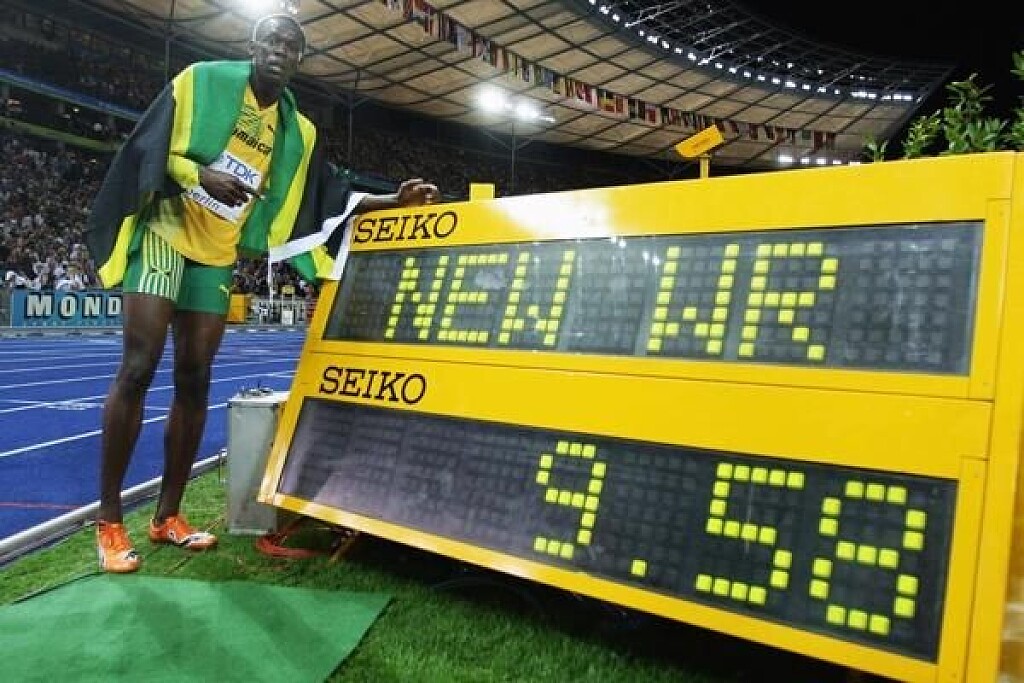
Seventeen Years On, Usain Bolt’s 9.58 Still Stands Alone
Seventeen years ago today, Jamaica’s Usain Bolt produced one of the most extraordinary performances in the history of athletics, sprinting into sporting immortality with a breathtaking 9.58 seconds in the men’s 100m final at the 2009 World Championships in Berlin.
Under the lights of Berlin’s Olympic Stadium, the Jamaican superstar dismantled his own world record, slicing an astonishing 0.11 seconds from the 9.69 he had set at the Beijing Olympics exactly one year earlier. With a legal tailwind of +0.9 m/s, Bolt crossed the finish line in 9.58 — a mark that remains the fastest 100m ever recorded by a man.
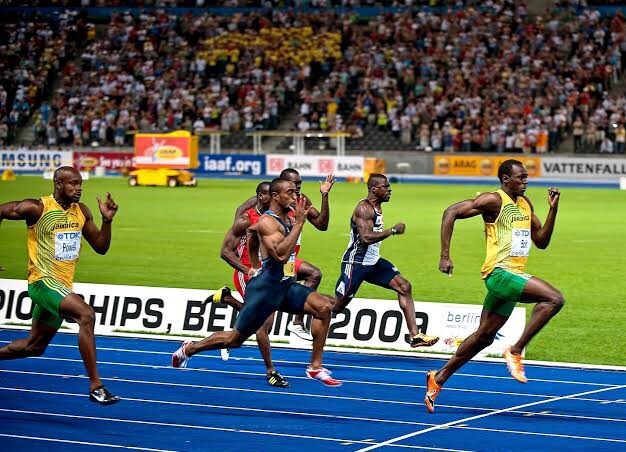
The race was billed as a heavyweight showdown between Bolt and American Tyson Gay, but once the Jamaican found his rhythm, the contest was effectively decided. Bolt surged away from the field with his trademark long, powerful strides, stopping the clock in a time that seemed almost beyond the limits of human speed.
Behind him, Gay produced a remarkable 9.71 for silver, setting a United States record, while Jamaica’s Asafa Powell claimed bronze in 9.84. Yet the night belonged entirely to Bolt, whose performance became the defining image of the Berlin championships.
What made the achievement even more remarkable was the scale of the improvement. Bolt had already rewritten the world record in Beijing with 9.69, but in Berlin he went to another level, becoming the first man to break the 9.6-second barrier. His 9.58 also represented the largest improvement to the men’s 100m world record since electronic timing was introduced.
Seventeen years later, the number still carries an almost mythical quality: 9.58 seconds. Generations of sprinters have chased faster times, but Bolt’s Berlin masterpiece remains untouched. The record has survived Olympic cycles, world championships and a new generation of elite sprinters, continuing to stand as one of the most enduring monuments to human speed.
On August 16, 2009, Usain Bolt did more than win a world title. He created a moment that transcended the race itself — a performance that continues to remind the world just how extraordinary the limits of speed can be.
Seventeen years on, 9.58 still belongs to Bolt. And the world is still waiting for someone to catch him.
by Erick Cheruiyot for My Best Runs.
Login to leave a comment

Michael Roeger’s Long Road Back to the Marathon World Record — and Now Sydney Awaits
On August 30, approximately 35,000 runners will line up at Miller Street in North Sydney for the 2026 TCS Sydney Marathon. Among them will be an athlete who already owns a piece of marathon history: Michael Roeger, the Australian T46 marathon world-record holder and one of the most remarkable endurance athletes of his generation.
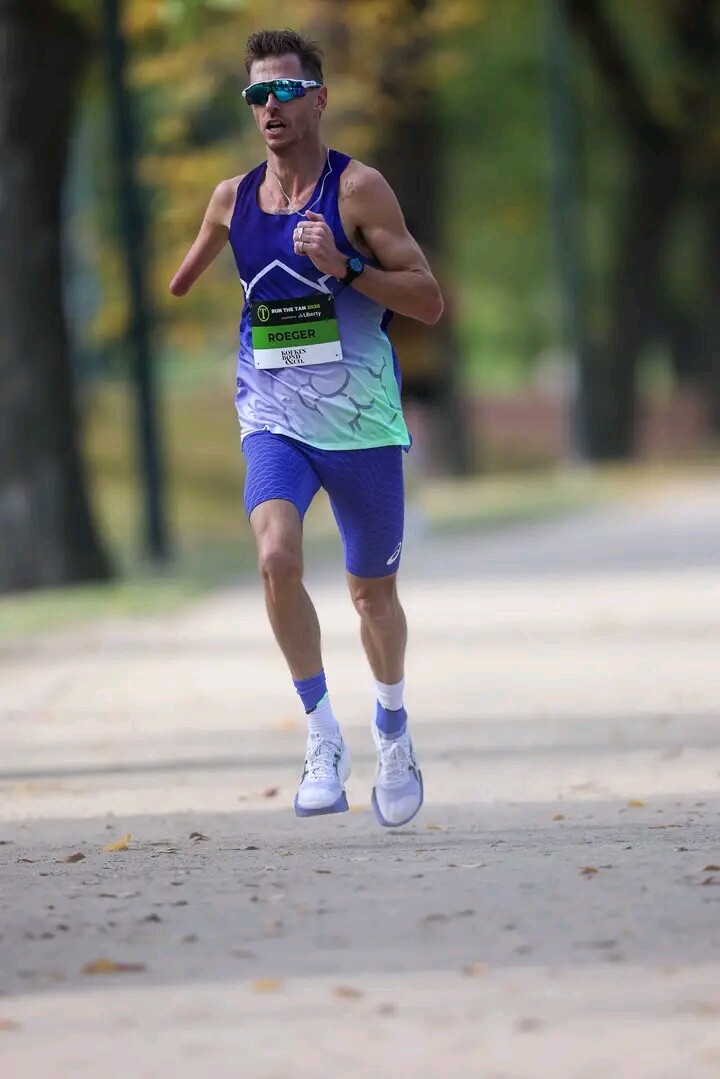
At 38, Roeger returns to the marathon with a career shaped by persistence, reinvention and an extraordinary ability to keep moving forward whenever circumstances have threatened to derail him.
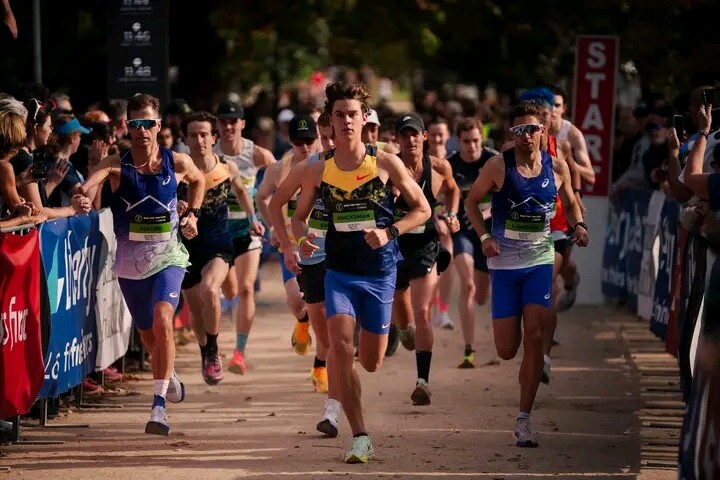
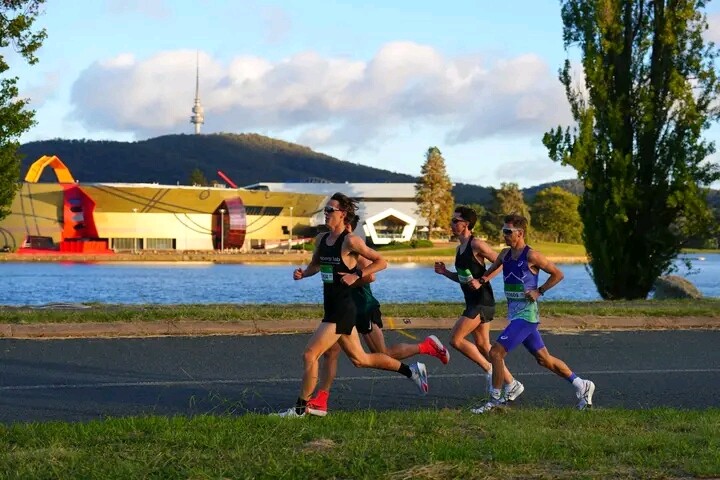
Sydney is a fitting stage for the next chapter. The marathon, now part of the Abbott World Marathon Majors, takes runners through some of the city's most recognisable landmarks, beginning in North Sydney, crossing the Harbour Bridge and eventually finishing near the Opera House. For Roeger, however, this is about far more than another marathon.
He is returning to the distance in the city where he set the fastest T46 marathon ever recorded.
Roeger grew up in Langhorne Creek, a small South Australian community about 55 kilometres south of Adelaide. Born without the lower half of his right arm, he discovered Para athletics after Paralympian Neil Fuller visited his school when Roeger was 12.
What began as an introduction to sport eventually developed into a career spanning five Paralympic Games, world championships, major medals and multiple world records.
His T46 classification covers athletes with an arm amputation or comparable upper-limb difference. Yet describing Roeger's performances simply through his classification fails to capture the complexity of what he has achieved.
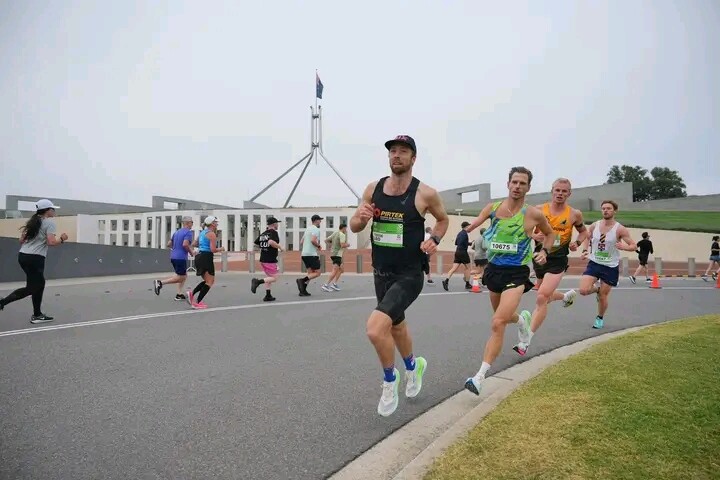
Running is an intricate coordination of the entire body. The arms contribute to balance, rhythm and control, helping the torso manage the rotational forces created by every stride. Over 42.195 kilometres, maintaining efficient movement is an enormous physical and technical challenge.
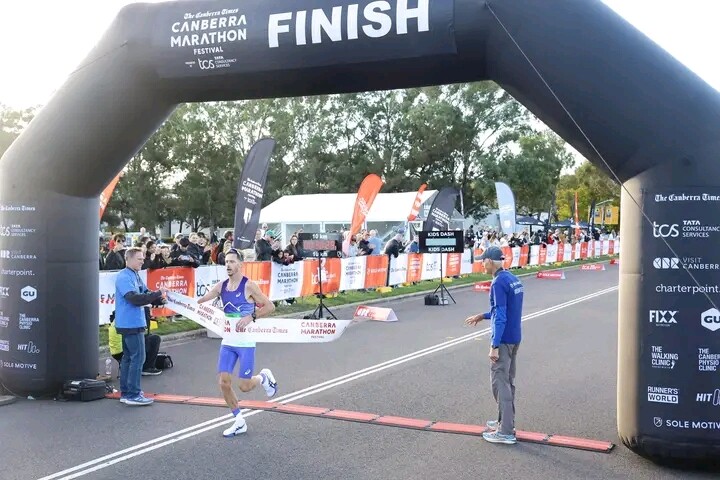
Roeger's marathon performances therefore represent much more than a number attached to a classification. They are elite endurance performances in their own right.
His transition to the marathon was remarkably rapid. Roeger made his marathon debut at the Melbourne Marathon in October 2018, running 2:23:31. The performance was faster than the existing T46 world record at the time, although it was not ratified as a world record because the race did not have the necessary status.
Six months later, he returned to the distance at the 2019 London Marathon, where the World Para Athletics Marathon Championships were staged within the race.
This time, everything came together.
Roeger won the T46 world title in 2:22:51, lowering the ratified world record and establishing himself as the world's leading marathoner in the classification. Even when cramp began to trouble him during the closing stages, he held on to become a world champion.
The progression continued.
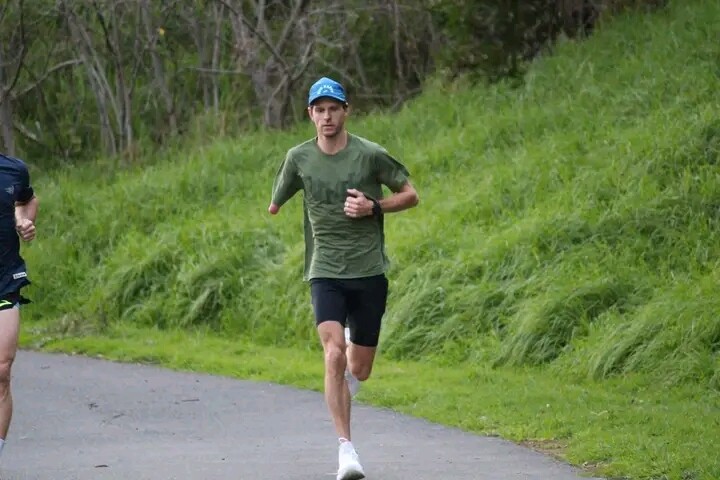
At the 2020 Chevron Houston Marathon, Roeger ran 2:19:33, becoming the first ambulant Para athlete to break the 2:20 barrier and once again lowering his own world record.
But his most significant breakthrough came back in Australia.
On April 25, 2021, Roeger lined up in Sydney for the Athletics Australia Tokyo Qualifying Marathon. He produced the fastest marathon of his career, crossing the finish line in 2:18:53.
That performance remains the T46 marathon world record.
The progression is remarkable. From 2:23:31 in Melbourne to 2:22:51 in London, 2:19:33 in Houston and finally 2:18:53 in Sydney, Roeger repeatedly moved the benchmark forward.
It was almost five minutes of improvement across four marathon performances.
But the record is only one part of the story.
Roeger's career has never followed a smooth upward trajectory. At the 2008 Beijing Paralympic Games, aged only 20, he contested the 800m, 1500m and 5000m T46 events, with seventh place in the 1500m his best finish.
Four years later in London, he arrived with genuine medal ambitions. Instead, gastrointestinal bleeding struck on the eve of the T46 800m. He still started the race but was forced to withdraw after one lap.
Rio 2016 finally delivered a Paralympic medal, with Roeger winning bronze in the 1500m. That success helped convince him to move towards the longer distances and eventually make the marathon his primary focus.
Then came another major setback.
Six weeks before the Tokyo 2020 Paralympic Games, Roeger suffered a stress fracture in his lower leg, destroying much of his preparation for the marathon. Despite the injury, he travelled to Tokyo and made the start line.
He finished sixth in 2:34:45, a time far outside the level he had demonstrated before the Games.
For most athletes, such a setback could have marked the end of the road. For Roeger, it became another chapter in a career defined by adaptation.
Before the Paris 2024 Paralympic Games, another obstacle emerged when the T46 marathon was removed from the programme. The event in which Roeger had become a world-record holder was no longer available at the Games.
His only remaining distance was the 1500m.
So he adapted once again.
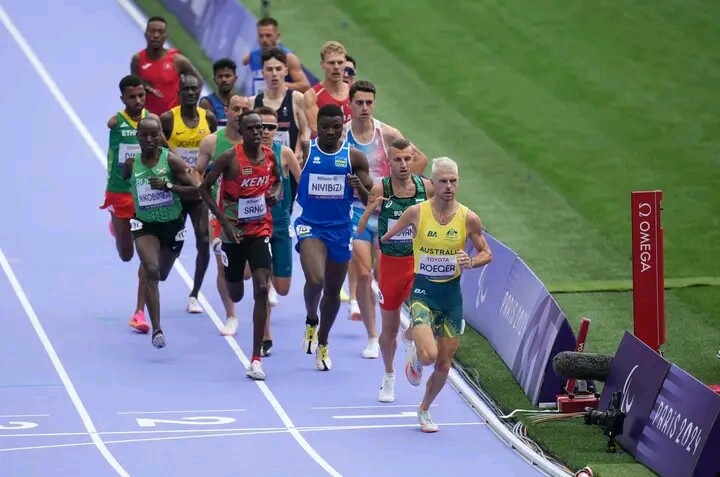
Roeger returned to the track and competed in Paris, ultimately adding another Paralympic medal to his collection with silver in the T46 1500m.
Now the marathon is calling again.
The 2026 TCS Sydney Marathon will provide a very different challenge from the flat courses on which many of the world's fastest marathon times are produced. The route begins in North Sydney, crosses the Sydney Harbour Bridge and winds through the city before finishing at the Opera House.
The course features substantial elevation changes, with approximately 313 metres of climbing across the 42.195 kilometres. It is a course that rewards strength, patience and the ability to maintain efficient form when the legs are already carrying the fatigue of a long marathon.
For Roeger, that challenge will be amplified by the quality of the field around him.
The Australian elite field includes a strong collection of domestic marathoners, while the international men's race features considerable depth, with numerous athletes holding personal bests below 2:10.
Roeger will therefore not be lining up in isolation as a Para athlete. He will be part of a major international marathon field, surrounded by runners pursuing national titles, personal bests and elite honours.
That is also central to the way he has approached his career.
Roeger has long resisted the idea that Para athletes should be viewed as fundamentally separate from their able-bodied counterparts. His philosophy has been simple: once the starting gun goes, the competition is about running.
That attitude has helped him move comfortably between Para athletics and open elite competition, and Sydney 2026 offers another opportunity to do exactly that.
His partnership with coach Dr Philo Saunders has been particularly important throughout his career, helping him develop into a world-class athlete across multiple distances.
Yet perhaps the most impressive part of Roeger's story is not any individual medal or record.
It is the number of times he has had to begin again.
From a small South Australian town to five Paralympic Games. From disappointment in Beijing and London to a medal in Rio. From the track to the marathon. From a devastating injury before Tokyo to a world-record performance. From losing his marathon event before Paris to returning to the 1500m and winning another Paralympic medal.
Every time the route has changed, Roeger has found another way forward.
Now, at 38, he is returning to the marathon once more.
And there could hardly be a more fitting destination than Sydney.
It is the city where he produced his 2:18:53 world record in 2021. Five years later, he will return to the same city carrying the experience of a career that has tested his resilience at almost every turn.
The world record is already in his name.
On August 30, Michael Roeger will have another chance to show the world what remains in the legs of the man who refused to let setbacks define the limits of his career.
by Erick Cheruiyot for My Best Runs.
Login to leave a comment
Sydney Marathon
The Sydney Marathon is a marathon held annually in Sydney, Australia. The event was first held in 2001 as a legacy of the 2000 Summer Olympics, which were held in Sydney. In addition to the marathon, a half marathon, 9 kilometres (5.6 mi) "Bridge Run", and a 3.5 kilometres (2.2 mi) "Family Fun Run" are also held under the banner...
more...
Josh Kerr Sets His Sights on History: World Record Glory and Olympic Gold Drive Britain's Middle-Distance Star
Fresh from a thrilling victory in the mile at the Glasgow 2026 Commonwealth Games, Josh Kerr has made one thing abundantly clear—his greatest achievements may still lie ahead.
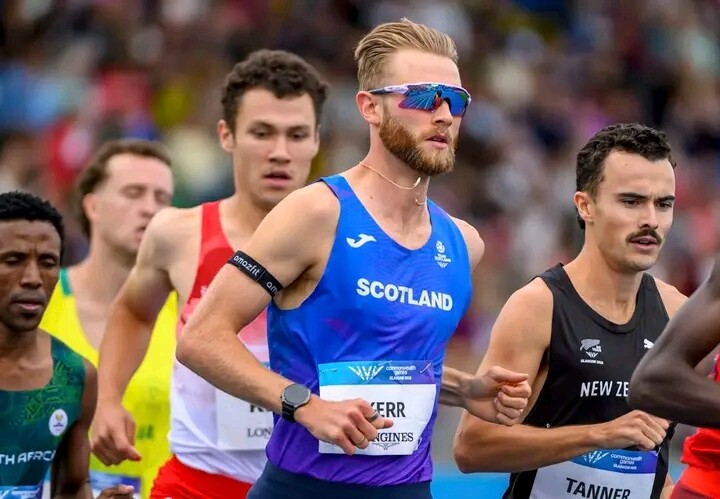
The British middle-distance star has unveiled an ambitious roadmap that could redefine his legacy, with two towering objectives at the heart of his journey: breaking Hicham El Guerrouj's legendary 1500m world record of 3:26.00, set on July 14, 1998, in Rome, and capturing the Olympic 1500m title at the Los Angeles 2028 Olympic Games.
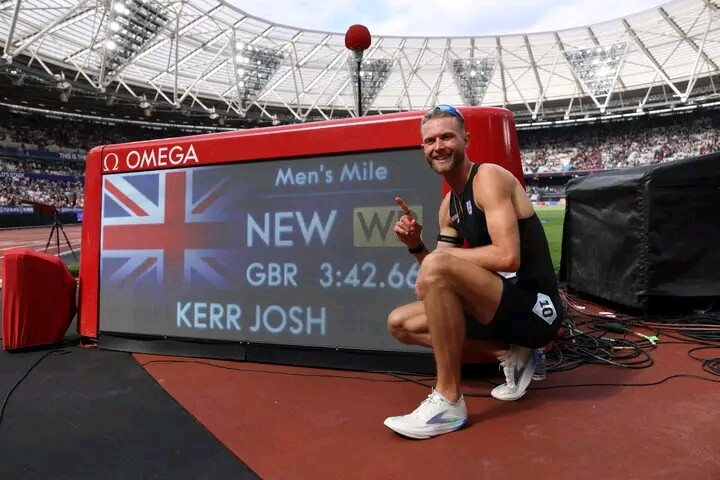
Kerr enters this new chapter with confidence soaring after producing one of the most remarkable performances in middle-distance history. His sensational 3:42.66 during the groundbreaking Project 222 campaign shattered the men's mile world record, ending a 27-year reign and proving he possesses the speed, endurance, and tactical brilliance required to challenge the sport's greatest barriers.
That achievement has strengthened Kerr's belief that the oldest and most revered record in men's middle-distance running is now within reach. For more than 28 years, Hicham El Guerrouj's 3:26.00, set in Rome on July 14, 1998, has stood as the benchmark of excellence in the 1500m, surviving generations of world-class challengers and earning a reputation as one of athletics' most untouchable performances.
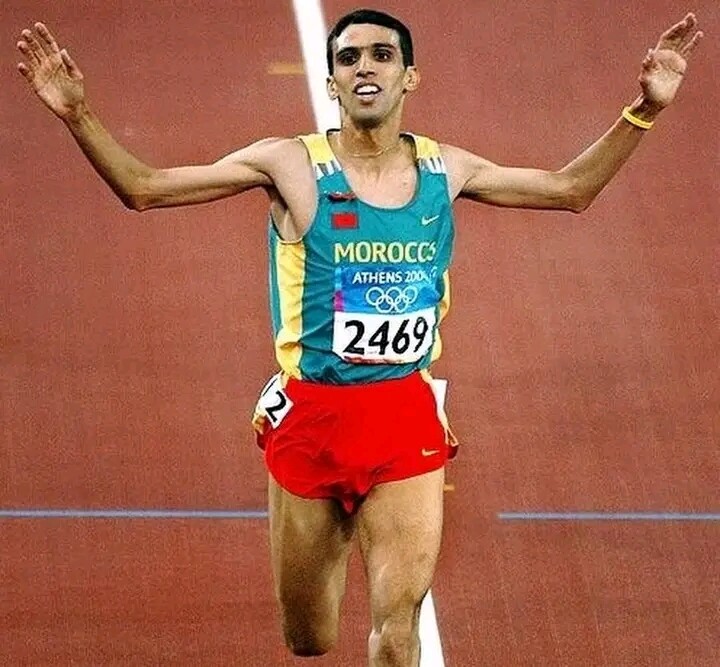
Rather than rushing the attempt, Kerr has laid out a carefully calculated plan designed to maximize his chances of success. His immediate priority is the 2027 World Athletics Championships in Beijing, where he hopes to reclaim the world 1500m title and reaffirm his position among the sport's elite.
Only after that championship campaign will his focus shift toward an assault on El Guerrouj's historic mark. A dedicated world-record attempt is expected later in 2027, built around months of meticulous preparation, altitude training, world-class pacing, ideal racing conditions, and flawless execution—the same ingredients that powered his record-breaking mile performance.
For Kerr, world records are not won by chance. They are earned through relentless preparation, perfect timing, and the courage to attack history when every detail aligns.
Beyond the pursuit of history lies one final prize that continues to fuel his ambition: Olympic gold.
Having earned bronze at the Tokyo 2020 Olympics and silver at the Paris 2024 Games, Kerr now has just one medal missing from an already glittering collection. His ultimate objective is to stand atop the Olympic podium in Los Angeles in 2028, completing a remarkable progression from bronze to silver and finally to gold.
If successful, Kerr would not only cement his place among Britain's greatest middle-distance runners but also become the first athlete to erase Hicham El Guerrouj's iconic 3:26.00 world record since it was established in Rome on July 14, 1998, before completing his Olympic medal collection with the sport's ultimate prize.
The stage is set, the blueprint is in place, and the countdown has begun. The question now is whether Josh Kerr can accomplish what generations of elite milers have failed to do—rewrite one of athletics' most enduring records and crown his career with Olympic gold in Los Angeles.
by Erick Cheruiyot for My Best Runs.
Login to leave a comment

Four Legends Who Defined Kenya's Golden Era of the 800 Metres
Kenya's rich history in the 800 metres has produced some of the finest middle-distance athletes the world has ever witnessed. Across different generations, extraordinary talent, resilience and excellence have transformed the nation into a global powerhouse in the two-lap event. From world records and Olympic triumphs to groundbreaking achievements and inspirational coaching, four remarkable athletes stand out as enduring symbols of Kenya's golden era.
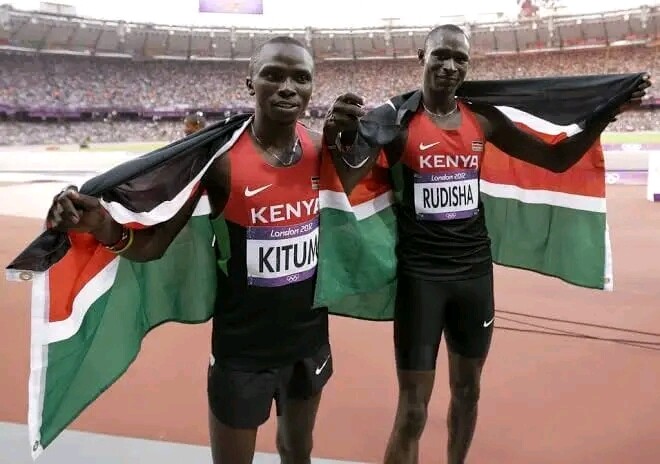
Leading the list is David Rudisha, the undisputed king of the men's 800 metres. His name is synonymous with greatness after redefining what was thought possible over two laps. A two-time Olympic champion and two-time world champion, Rudisha reached the pinnacle of the sport at the London 2012 Olympic Games, where he produced one of the greatest performances in athletics history. His breathtaking world record of 1:40.91, set from the front without the aid of a pacemaker, remains unbeaten and continues to inspire generations of middle-distance runners around the world.
Sharing that unforgettable London final was Timothy Kitum, whose remarkable breakthrough captivated the athletics world. At just 18 years old, he delivered a sensational performance to claim the Olympic bronze medal in a personal best of 1:42.53, a time that still stands as Kenya's national under-20 record. Although he later stepped away from elite competition, Kitum has remained closely connected to the sport, proudly supporting his wife, multiple Olympic champion Faith Kipyegon, as she continues to build one of the greatest careers in middle-distance running history.
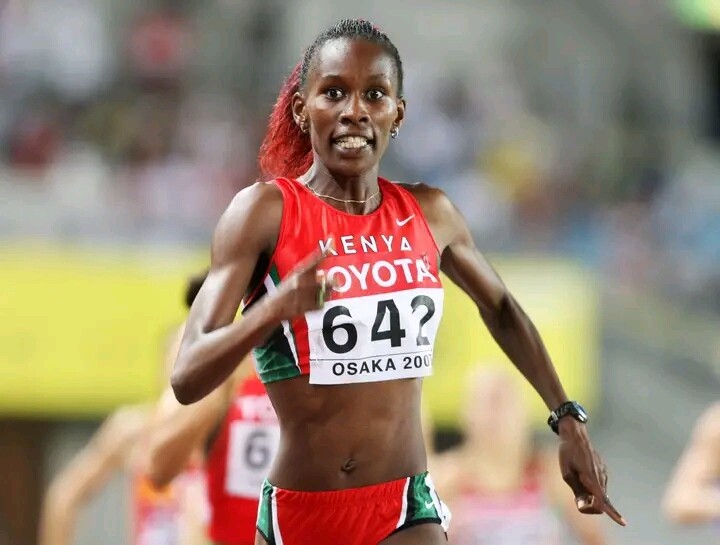
On the women's side, Janeth Jepkosgei broke new ground for Kenyan athletics by becoming the country's first female World Champion in the 800 metres. Affectionately known as the "Eldoret Express," she captured the world title in Osaka in 2007 before adding an Olympic silver medal at the Beijing Games in 2008. Her influence, however, extends well beyond the medals she won. After retiring from competition, Jepkosgei dedicated herself to coaching, helping nurture a new generation of Kenyan middle-distance stars.
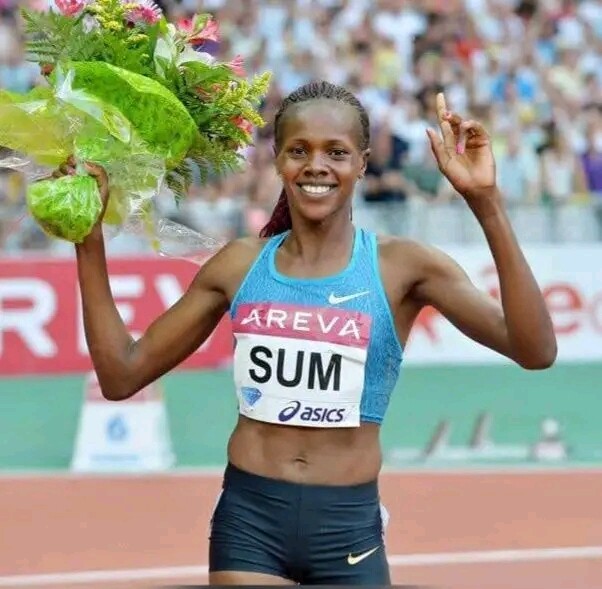
Among those who benefited most from her guidance was Eunice Sum. Under Jepkosgei's mentorship, Sum blossomed into one of the world's finest 800-metre athletes, winning the World Championship title in Moscow in 2013 before adding a bronze medal at the 2015 World Championships. Her rise from promising youngster to global champion stands as a powerful testament to the value of mentorship and the enduring strength of Kenya's middle-distance tradition.
Together, these four icons represent far more than medals and records. They embody the passion, discipline and relentless pursuit of excellence that have made Kenya the benchmark in the 800 metres. Their achievements have inspired generations of athletes, while their legacy continues to shape the future of Kenyan middle-distance running. From world records and Olympic glory to championship titles and coaching excellence, they remain enduring symbols of one of the greatest eras in the history of the 800 metres.
by Erick Cheruiyot for My Best Runs.
Login to leave a comment
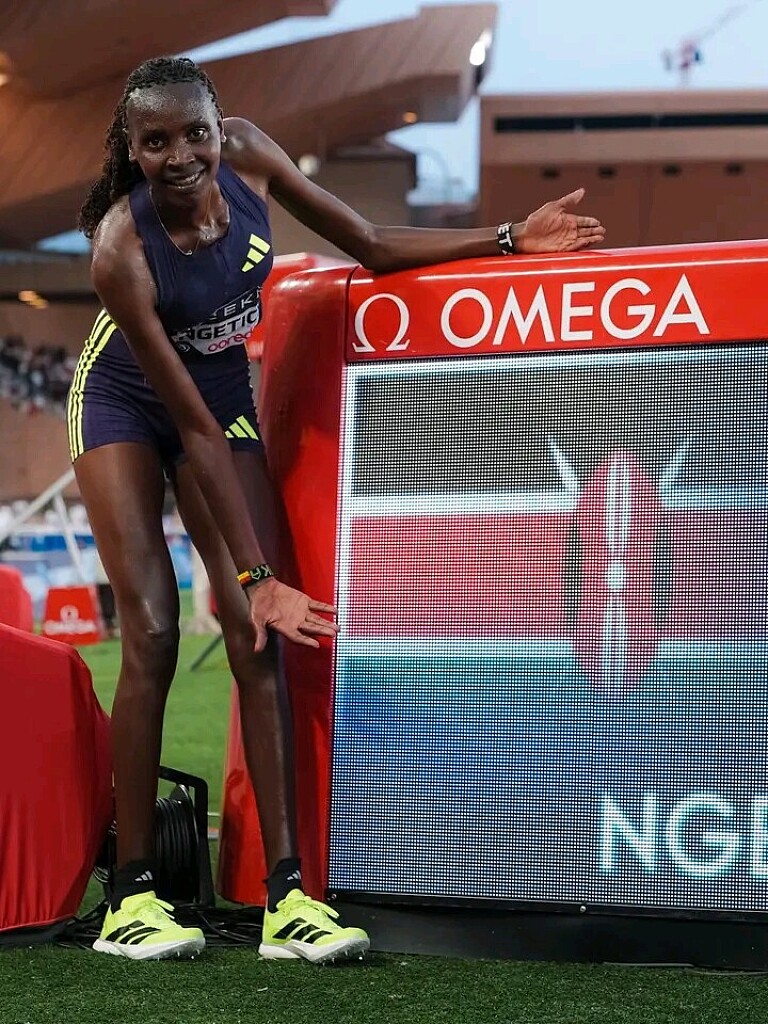
Agnes Ngetich Storms Into History as the Third-Fastest Woman Ever Over 3000m in Monaco Masterclass
Kenya's Agnes Jebet Ngetich delivered the performance of her career at the Monaco Diamond League, producing a breathtaking run that has rewritten the history books and firmly established her among the greatest women's distance runners of all time.
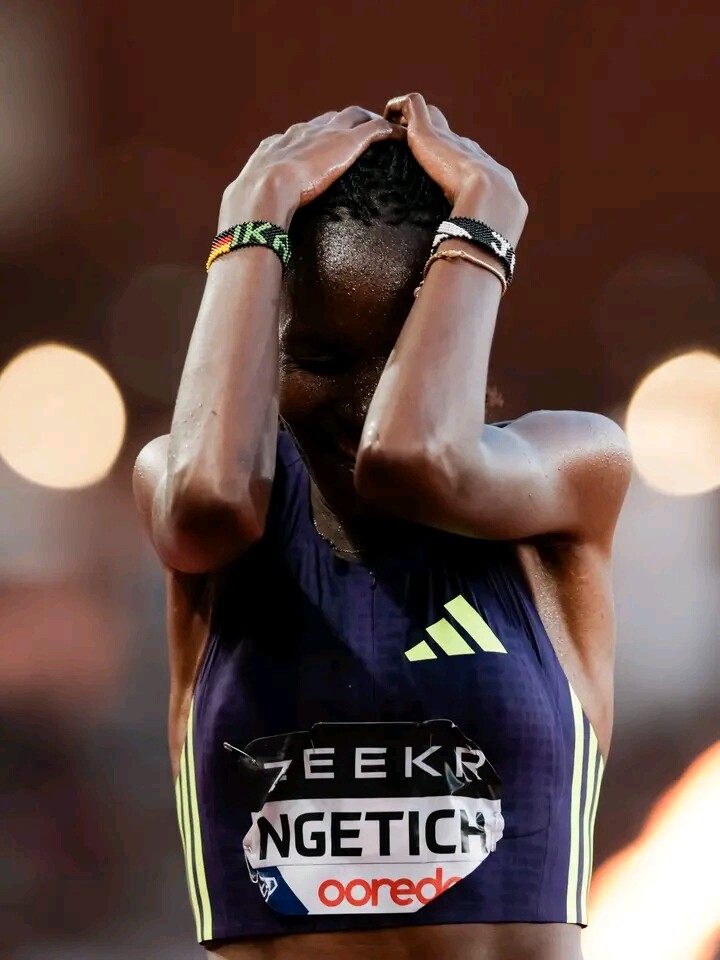
The 25-year-old clocked an astonishing 8:08.95, shattering the meeting record, setting a new personal best by more than 14 seconds, and recording the fastest women's 3000m time in the world this season. It was a sensational display that propelled her to third on the all-time world rankings, behind only China's Wang Junxia and fellow Kenyan Faith Kipyegon.
Ngetich's remarkable performance eclipsed Beatrice Chebet's 8:11.56, moving her onto the all-time podium and underlining her rapid rise as one of the sport's most formidable distance runners. Even more impressive was the fact that Monaco marked her first track race of the season, making her achievement all the more extraordinary.
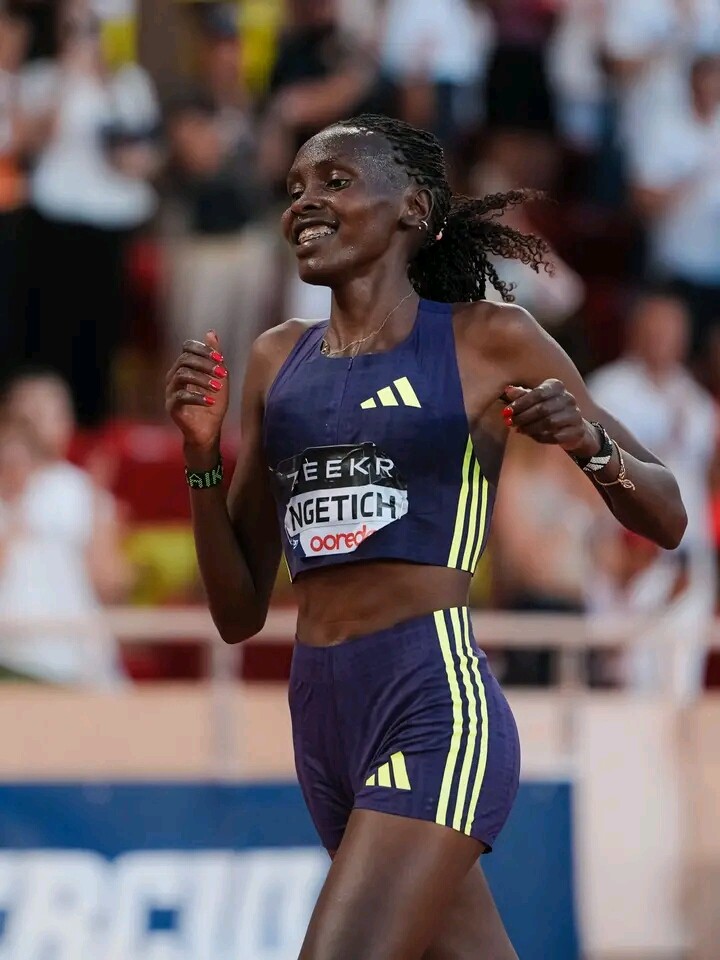
The race also highlighted Kenya's remarkable dominance in the event. For the first time in history, three Kenyan women now occupy three of the top four fastest performances ever recorded over 3000 metres—Faith Kipyegon, Agnes Ngetich, and Beatrice Chebet—cementing the nation's position as the global powerhouse in women's distance running.
Ngetich crossed the finish line alone in 8:08.95, while Ethiopia's Aleshign Baweke finished second in a personal best of 8:23.81, followed by compatriot Senayet Getachew, who also set a lifetime best of 8:24.02. Olympic champion Faith Kipyegon placed fourth in 8:24.21, her fastest performance of the season.
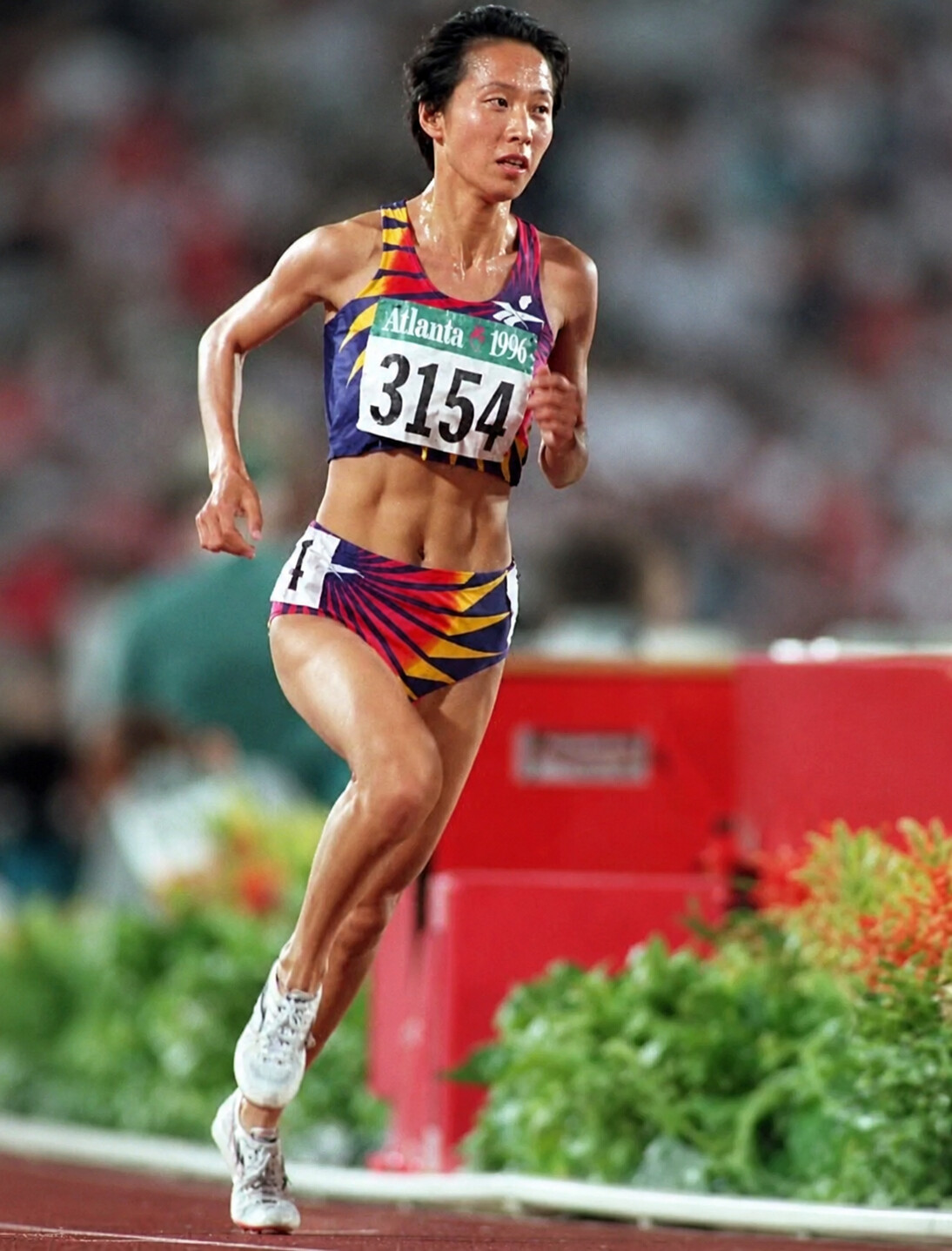
Ngetich's stunning run has also reignited one of athletics' longest-standing discussions—the pursuit of Wang Junxia's legendary world record.
Wang produced her iconic 8:06.11 in Beijing on 13 September 1993, a mark that has now stood for 33 years. It remains tdata:text/mce-internal,higgles,Wang%20Junxiahe oldest women's world record over a major distance still on the books and the final surviving global mark from an extraordinary week at the Chinese National Games.
That championship became one of the most controversial chapters in athletics history. Under coach Ma Junren, six Chinese women combined to produce 14 world-record performances across the 1500m, 3000m, and 10,000m in what became an unprecedented display of dominance. While the performances stunned the sporting world, they also sparked questions that have lingered for decades.
Since then, two of those historic world records have fallen. Ethiopia's Almaz Ayana erased the women's 10,000m record, while compatriot Genzebe Dibaba broke the 1500m world record in Monaco. Wang's 8:06.11 over 3000 metres is now the only record from that remarkable week that continues to stand.
For years, the record appeared untouchable. That perception has changed dramatically over the past 12 months.
Last August in Poland, Faith Kipyegon came within just 0.93 seconds of the record when she stormed to 8:07.04, the closest any athlete has ever come to surpassing Wang's mark. Earlier, Beatrice Chebet had produced 8:11.56 in Rabat to become one of the fastest women in history. Now, Agnes Ngetich has joined them with her sensational 8:08.95, creating an unprecedented era for women's distance running.
Kipyegon has made no secret of her ambition to attack the world record, while Chebet possesses the endurance, speed, and finishing strength to challenge it. With Ngetich now emerging as another genuine contender, the once-daunting gap has virtually disappeared. A record that remained more than ten seconds beyond reach for an entire generation is now separated from the world's best by less than a second.
Some world records survive because they are simply extraordinary. Others endure because the right challengers never arrive. Wang Junxia's 3000m record now faces relentless pressure from an exceptional generation of Kenyan athletes who have transformed the event.
If Monaco was any indication, the countdown has truly begun. After 33 years of survival, one of athletics' most iconic and debated world records has never looked more vulnerable. With Faith Kipyegon, Beatrice Chebet, and now Agnes Ngetich all closing in, the race to rewrite history may soon reach its unforgettable conclusion.
by Erick Cheruiyot for My Best Runs.
Login to leave a comment
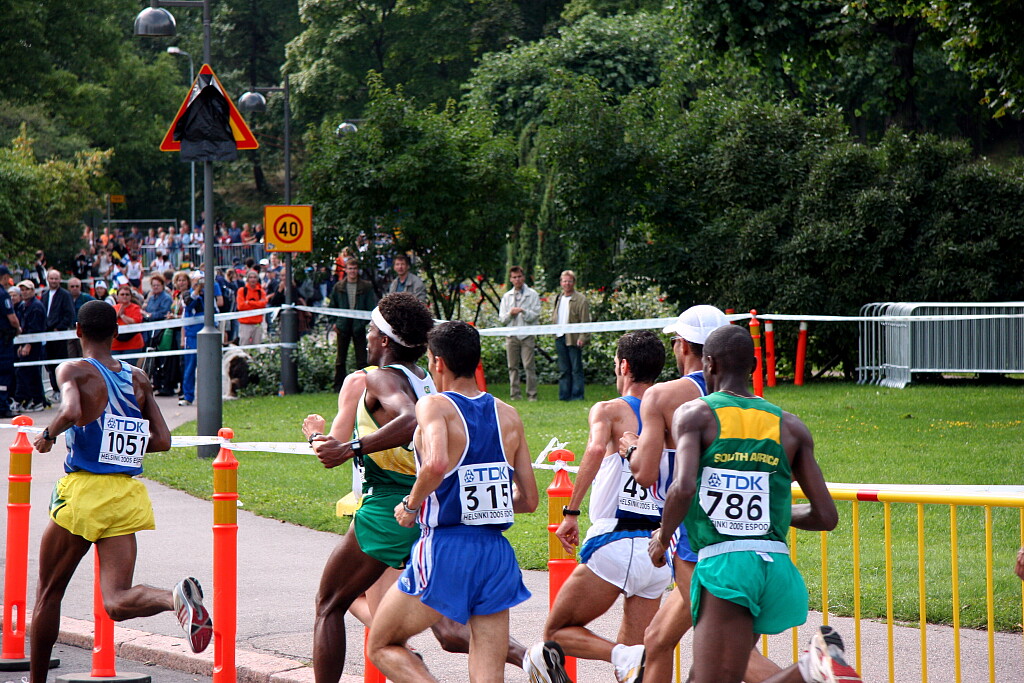
From Helsinki to Beijing: The Incredible Transformation of Marathon Qualification Standards
The road to the World Athletics Championships marathon has never been more unforgiving. What was once an attainable global benchmark for many international runners has now evolved into an exclusive club reserved for only the fastest athletes on the planet. Over the last two decades, the qualification standards for the championships marathon have dropped dramatically, reflecting the explosive evolution of elite distance running across the world.
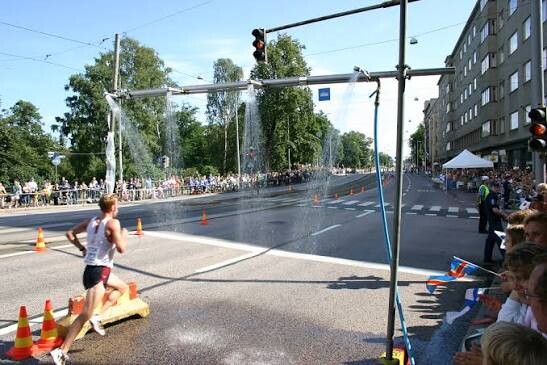
Back in Helsinki 2005, male athletes could secure qualification with a time of 2:18:00, while women needed 2:45:00 to earn a place on the starting line. The standards remained unchanged at the Osaka 2007 Championships, maintaining an era where consistency and endurance were enough to compete on the world stage.
However, the landscape of marathon running slowly began to transform between 2009 and 2017. Qualification times fluctuated between 2:16 and 2:19 for men, while women’s standards ranged from 2:38 to 2:45. Even then, the shift toward faster racing had already begun, driven by deeper international competition and advancements in sports science.
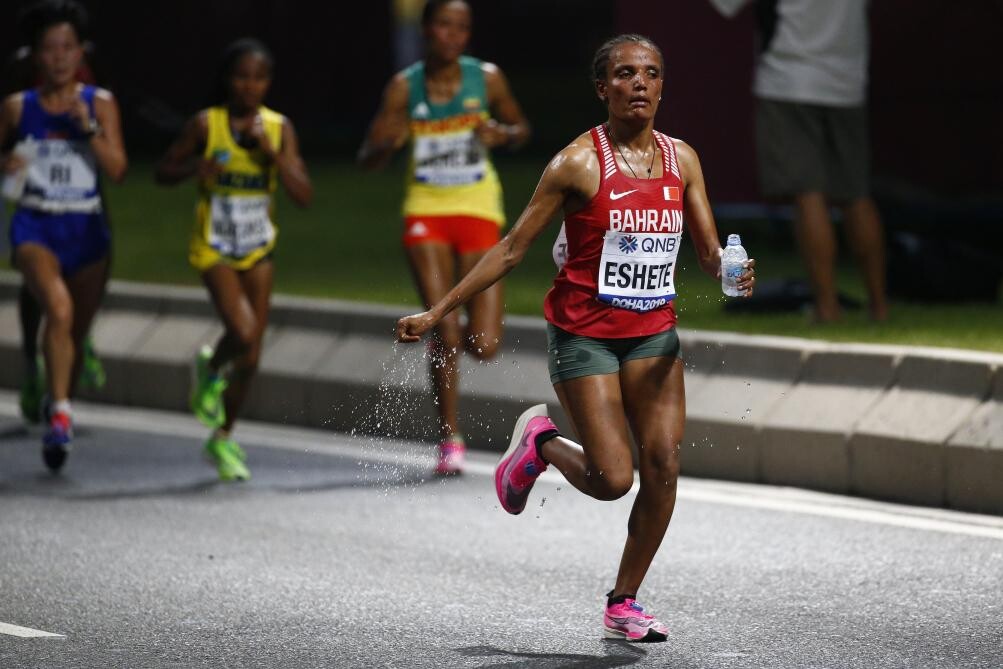
The major turning point arrived in 2019 during the Doha World Championships. World Athletics introduced a new qualification structure, replacing the old “A” and “B” standards with a unified direct-entry system supported by world rankings. At the same time, the standards became significantly tougher, dropping to 2:16:00 for men and 2:37:00 for women.
What followed was an unprecedented acceleration in elite marathon performances.
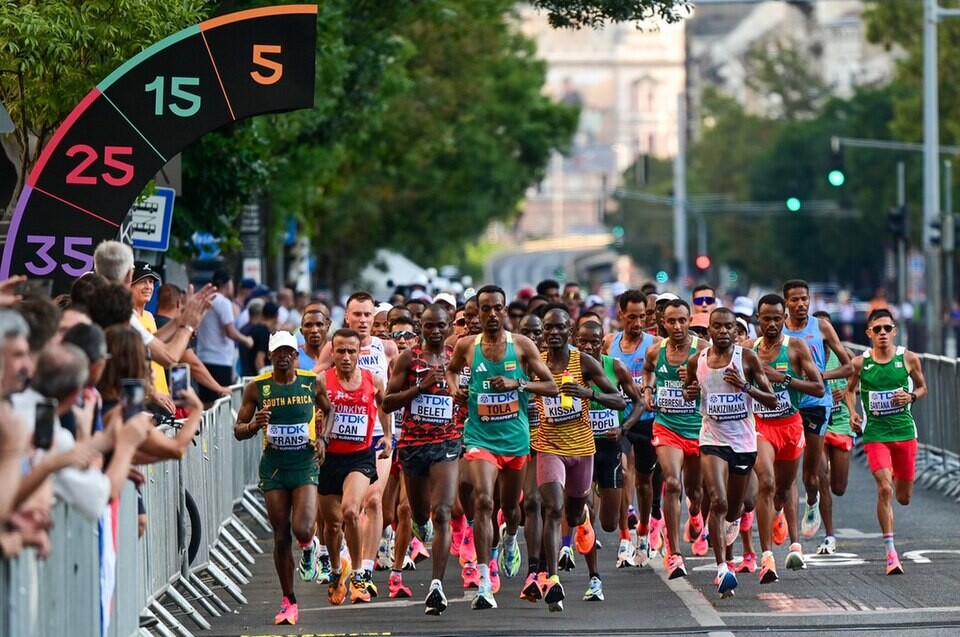
By the time the championships moved to Eugene in 2022 and Budapest in 2023, the entry standards had tightened even further to 2:14:30 for men and 2:33:30 for women. These were no longer simply elite times — they were becoming world-class requirements.
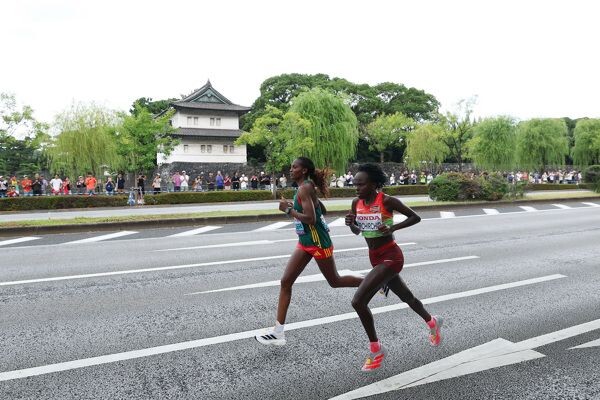
Then came the astonishing leap for Tokyo 2025 and Beijing 2027.
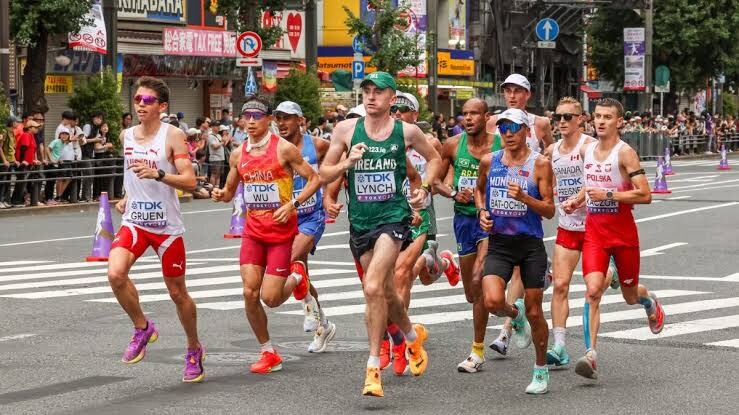
World Athletics pushed the standards to a staggering 2:06:30 for men and 2:23:30 for women — marks that place athletes among the very best marathoners globally. In today’s era, running a national-class performance is no longer enough; athletes must now deliver near-podium level times simply to qualify.
The dramatic drop in standards reflects far more than just faster athletes. Modern marathon running has been reshaped by revolutionary shoe technology, improved pacing systems, advanced nutrition strategies, scientific training methods, altitude preparation, and the growing depth of competition worldwide. The sport has entered a high-speed era where records fall rapidly and expectations continue to rise.
For many athletes, the new standards represent both inspiration and pressure. Qualification now demands extraordinary precision, consistency, and near-perfect execution over 42.195 kilometres. Every second matters more than ever before.
Yet despite the increasing difficulty, the evolution also highlights the remarkable progress of human performance. Marathon running is no longer merely about endurance — it has become a showcase of innovation, tactical intelligence, and extreme athletic excellence.
The World Championships marathon has evolved from a global competition into one of the most selective endurance events in athletics history, and the future suggests the standards may only continue to get faster.
by Erick Cheruiyot for My Best Runs.
Login to leave a comment

Road to Beijing 2027: World Athletics Unveils Tougher Qualification System for Global Championships
The road to the 2027 World Athletics Championships in Beijing has officially begun — and earning a place on athletics’ biggest stage is about to become even more demanding.
World Athletics has now confirmed the qualification system and entry standards for the championships set for September 2027 in Beijing, China, introducing a major adjustment that could reshape the battle for global qualification across distance running and track events.

Under the newly announced structure, only around 40 percent of athletes will qualify automatically through direct entry standards, while the remaining 60 percent of places will be awarded via the World Athletics Rankings system. The change represents a clear shift away from the previous 50-50 balance used in recent championships.
The updated model places greater emphasis on consistency throughout the season rather than relying solely on one exceptional performance. Athletes will now need to compete regularly at high-level meetings, collect ranking points, and maintain elite performances across an extended qualification period.
For distance runners, the standards remain exceptionally demanding, highlighting the increasing depth and competitiveness of global athletics.

In the men’s marathon, athletes must run 2:06:00 or faster to secure an automatic qualification mark, while the women’s standard has been set at 2:23:20. The qualifying window for the marathon opened on November 3, 2025, and will close on Midnight May 2, 2027.
The men’s 10,000m standard has been fixed at 26:48.00, with the women required to run 30:40.00. In the 5000m, athletes must clock 12:50.00 for men and 14:36.00 for women to gain direct entry.
Middle-distance events will also demand world-class performances. The men’s 1500m standard stands at 3:30.00, while women must achieve 3:58.00. In the 800m, the entry standards are 1:43.00 for men and 1:57.50 for women.
Sprint events remain brutally competitive. Athletes targeting the men’s 100m must break 10 seconds with a qualifying standard of 9.95, while the women’s requirement has been set at 10.96. In the 200m, the standards stand at 20.07 for men and 22.45 for women.
The hurdles events also demand elite-level precision and speed, with qualifying marks of 13.18 in the men’s 110m hurdles and 12.60 in the women’s 100m hurdles.
Meanwhile, the 3000m steeplechase standards have been fixed at 8:08.00 for men and 9:06.50 for women — times that underline the growing global standard in one of athletics’ most physically demanding disciplines.
World Athletics says the revised qualification pathway is designed to create stronger, more competitive championship fields while maintaining strict control of athlete numbers across all disciplines.
Qualification windows for the 10,000m, race walks, combined events, and relays will run from February 23, 2026, through August 22, 2027. For all other track events, athletes can qualify between August 23, 2026, and August 22, 2027.
The new system is expected to intensify competition across the entire athletics calendar, with ranking points now becoming more valuable than ever before. Athletes will no longer depend solely on one breakthrough race; instead, sustained excellence across multiple competitions may prove decisive in securing a ticket to Beijing.
As preparations begin worldwide, the countdown to Beijing 2027 has already sparked anticipation for what could become one of the most fiercely contested World Championships in recent history.
by Erick Cheruiyot for My Best Runs.
Login to leave a comment
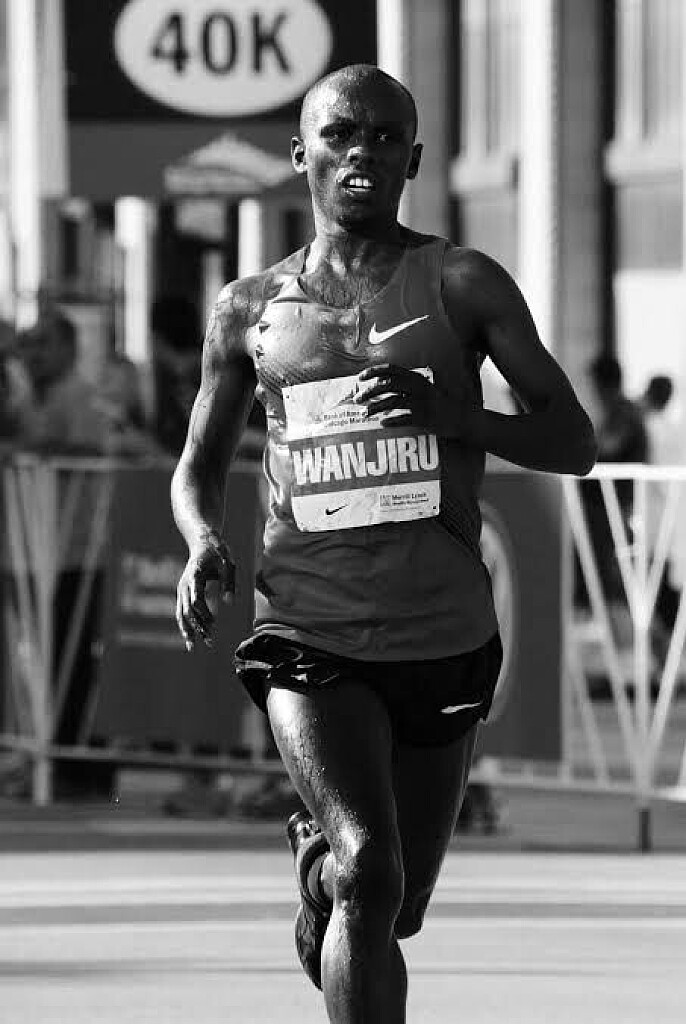
Fifteen Years Since the Death of Olympic Marathon Champion Samuel Wanjiru
Fifteen years have passed since the tragic and mysterious death of Samuel Kamau Wanjiru, one of the most gifted long-distance runners of his generation. Wanjiru died at his home in Nyahururu on May 15, 2011, at just 24 years old, bringing a sudden end to a career that had already secured a place among Kenya’s greatest sporting achievements.
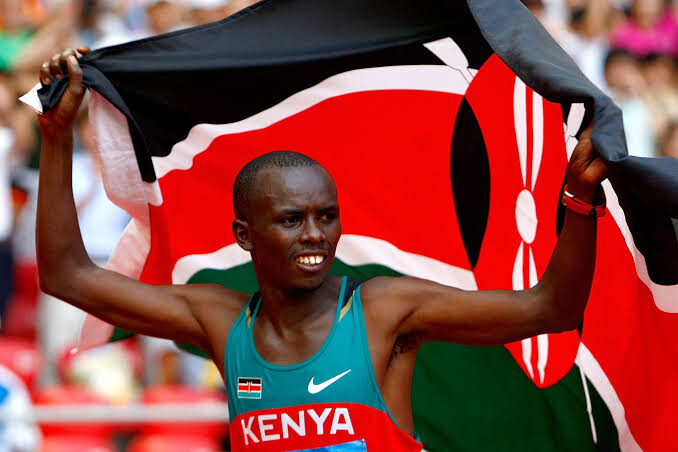
Despite his brief career, Wanjiru left an extraordinary mark on global athletics through his fearless racing style and historic performances on the marathon stage. He remains best remembered for his remarkable victory at the 2008 Summer Olympics in Beijing, where he delivered one of the finest marathon performances in Olympic history.
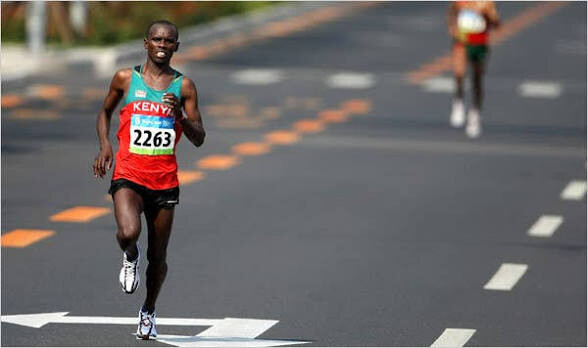
Competing in extremely hot and humid conditions, Wanjiru broke away from a world-class field with relentless pace and determination before entering the iconic Beijing National Stadium, widely known as the Bird’s Nest Stadium, to win the gold medal in an Olympic record time of 2:06:32. His performance shattered the previous Olympic record by nearly three minutes.
That victory carried historic significance for Kenya. Wanjiru became the country’s first-ever Olympic marathon champion, ending decades of waiting for an Olympic title in one of the nation’s strongest disciplines. At only 21 years old, he also became the youngest Olympic marathon champion in modern history.
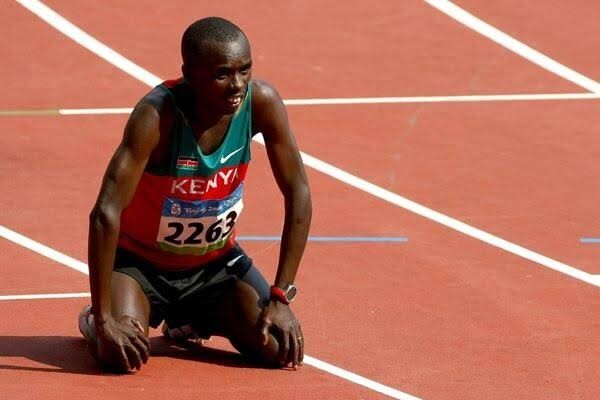
Beyond his Olympic success, Wanjiru was admired for his aggressive and fearless approach to racing. He transformed marathon competition with his attacking style, often pushing the pace from the front and forcing rivals beyond their limits. His influence helped shape a new era of marathon running and inspired many of the athletes who followed him.
Although his life ended tragically and under circumstances that continue to attract discussion years later, Wanjiru’s achievements remain deeply respected within Kenyan and international athletics.
Fifteen years after his passing, Samuel Wanjiru continues to be remembered as one of the greatest talents ever produced in marathon running and a pioneer whose Olympic triumph remains one of Kenya’s defining moments in global sport.
by Erick Cheruiyot for My Best Runs.
Login to leave a comment
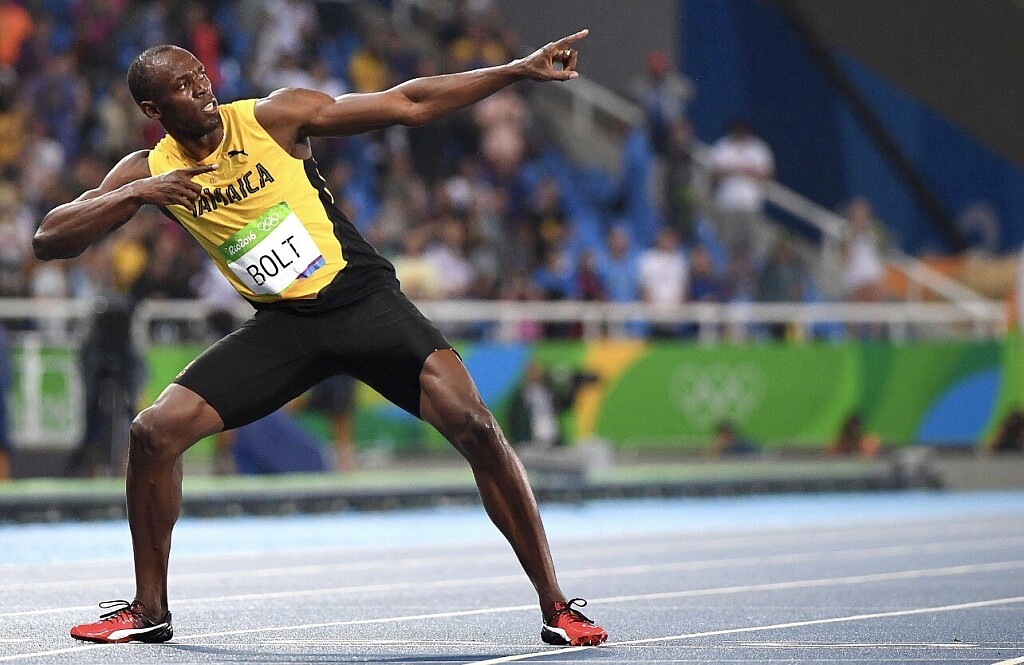
An Evening With Bolt - The Fastest Man Ever is coming to London July 22
Eight Olympic gold medals. Eleven World Championship titles. Three consecutive Olympic Games sweeping both the 100m and 200m titles.
No sprinter in history has ever done what Usain Bolt accomplished between Beijing, London, and Rio.

And now, nearly a decade after his final Olympic appearance, the fastest man in history is proving that his appeal reaches far beyond the track.
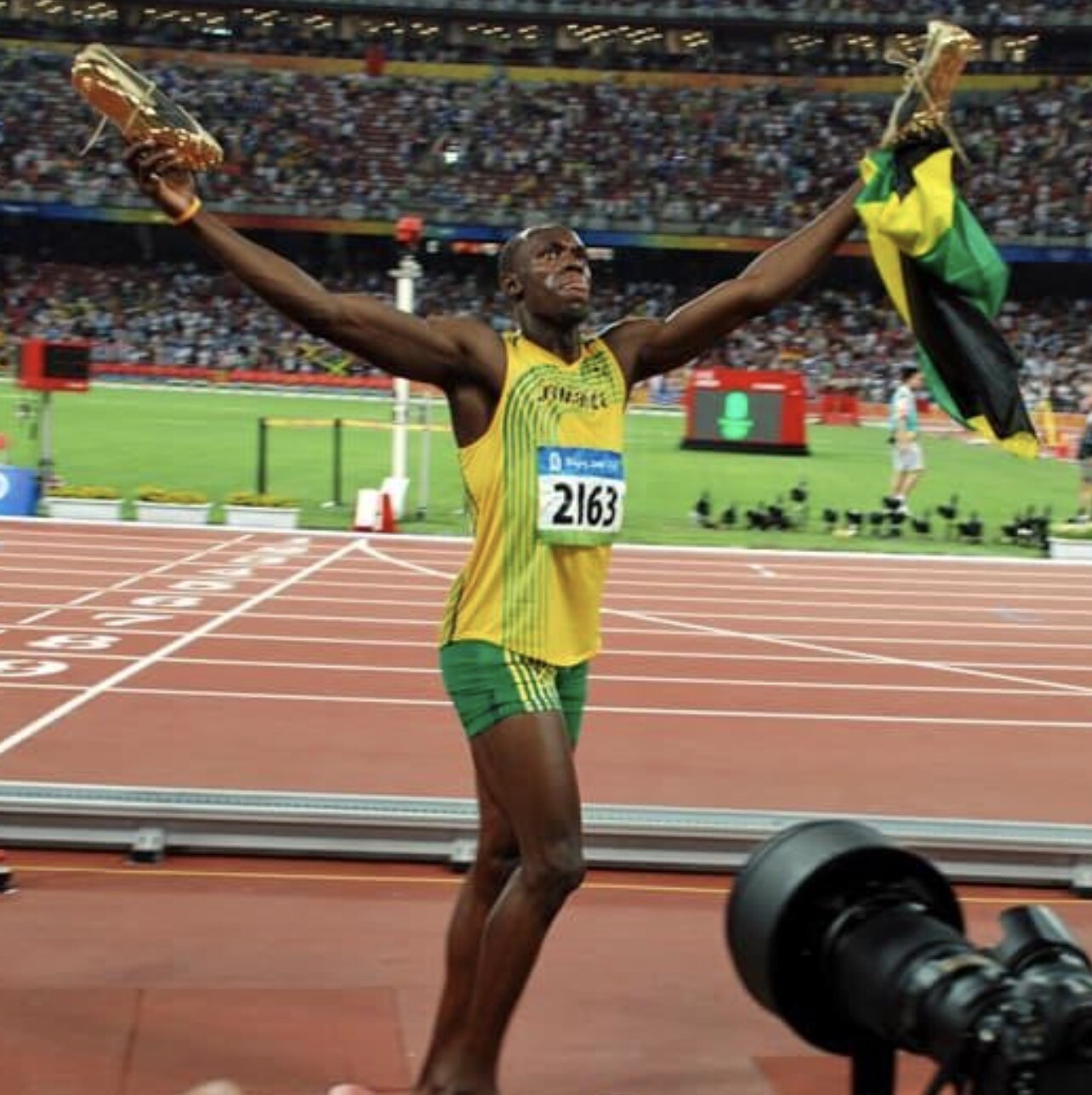
On Wednesday, July 22, 2026, Bolt will appear live at The O2 for “An Evening With Bolt,” a stage event expected to draw thousands of fans eager to hear firsthand stories from one of the most dominant athletes ever produced by any sport.
The event is not a race. There will be no starting blocks, no finish tape, no world-record clock flashing 9.58. Yet demand for tickets has been extraordinary. Premium seats are reportedly selling for more than $200 USD, with VIP and meet-and-greet packages commanding even higher prices.
That kind of post-career drawing power is rare in athletics.
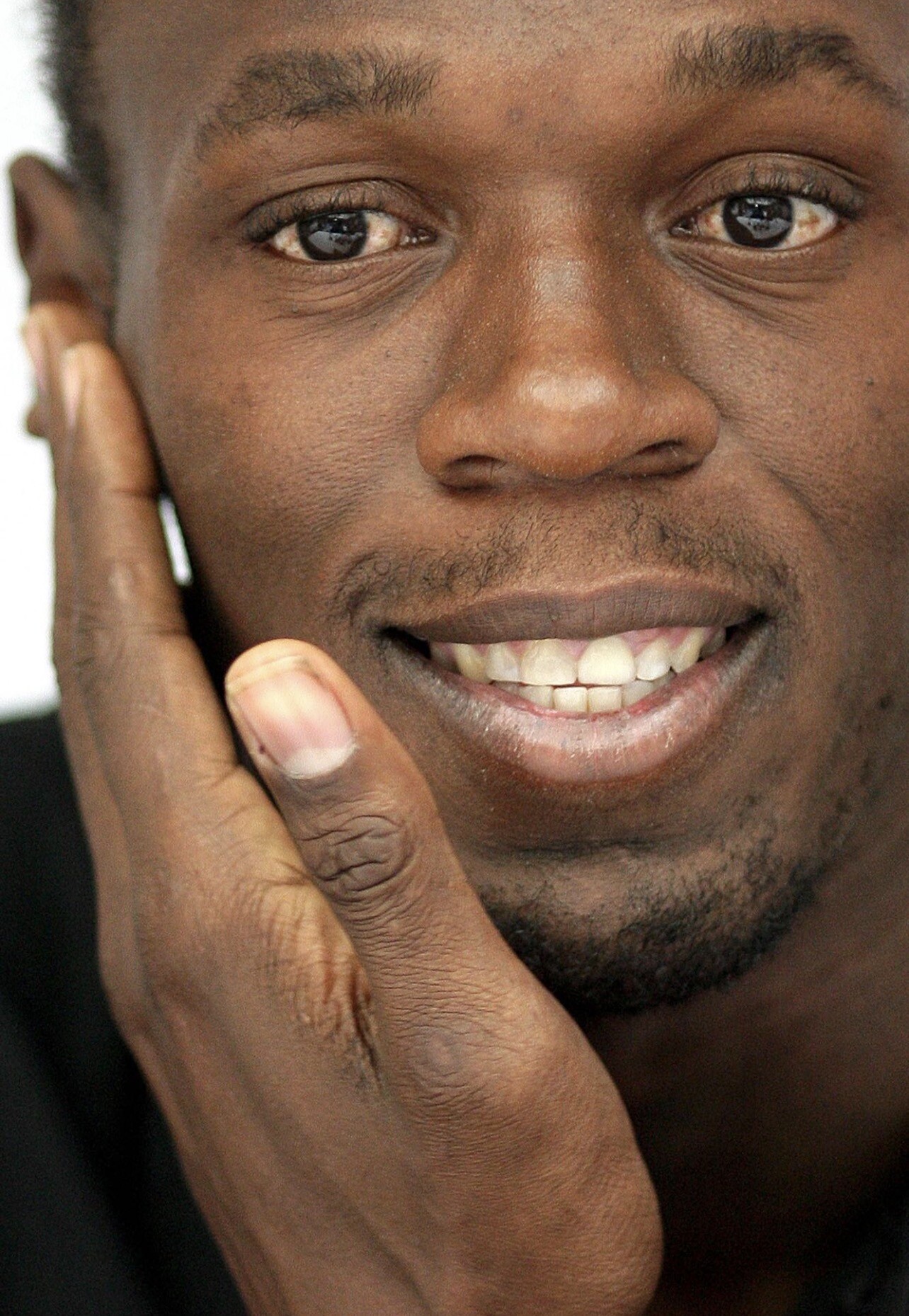
Michael Jordan could fill arenas. Muhammad Ali could command a room anywhere in the world. Pelé and Diego Maradona transcended soccer. But in track and field, very few athletes have remained such a global attraction years after retirement.
Bolt is different.
For nearly a decade, he turned the Olympic 100-meter final into one of the biggest television events on the planet. Even casual sports fans knew exactly when Bolt was racing. His signature lightning pose became one of the most recognizable celebrations in modern sports history.
What makes his story even more remarkable is that the records still stand.
His 9.58 world record in the 100 meters and 19.19 in the 200 meters have survived wave after wave of challengers, technological advances, super spikes, and an entirely new generation of sprinters. Nearly seventeen years later, no one has seriously threatened both marks at the same time.
And unlike many champions, Bolt combined dominance with personality. He danced before races, smiled under pressure, joked with reporters, and somehow still delivered when the spotlight was brightest.
That combination — greatness plus charisma — is what continues to sell out theaters and arenas around the world.
According to event organizers, Bolt will speak candidly about his upbringing in Trelawny, Jamaica, the pressure of competing for an entire nation, the discipline required to remain on top, and the mental side of being expected to win every time he stepped on the track.
For younger athletes, the evening offers something rare: a chance to hear directly from a man who changed the sport forever.
For older fans, it is a reminder of a period when sprinting became must-watch television.
Track and field has produced many great champions. But very few became global cultural icons.
Usain Bolt did both.
by Boris Baron for My Best Runs
Login to leave a comment
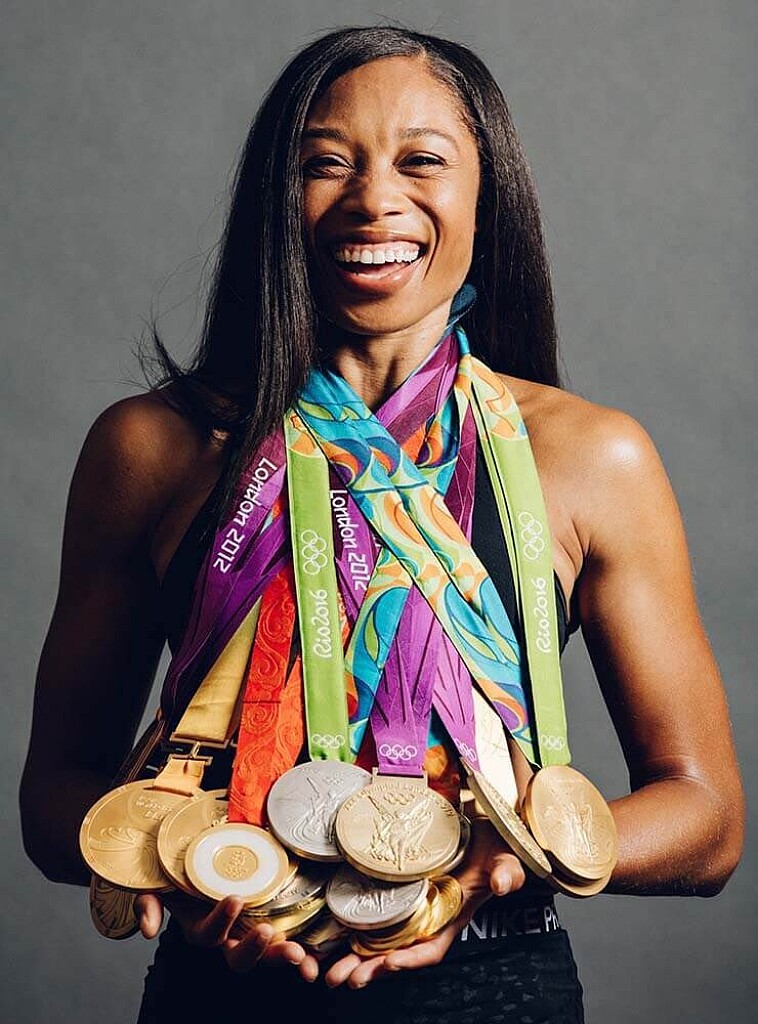
THE HOMECOMING OF A LEGEND: ALLYSON FELIX EYES ONE LAST OLYMPIC CHAPTER
When greatness speaks, the world listens—and this time, it echoes with purpose. At 40, Allyson Felix has reignited the spark that once made her the heartbeat of global sprinting. In a move that has sent ripples across the athletics world, the most decorated female track and field athlete in Olympic history has announced her return from retirement, setting her sights firmly on the 2028 Summer Olympics.
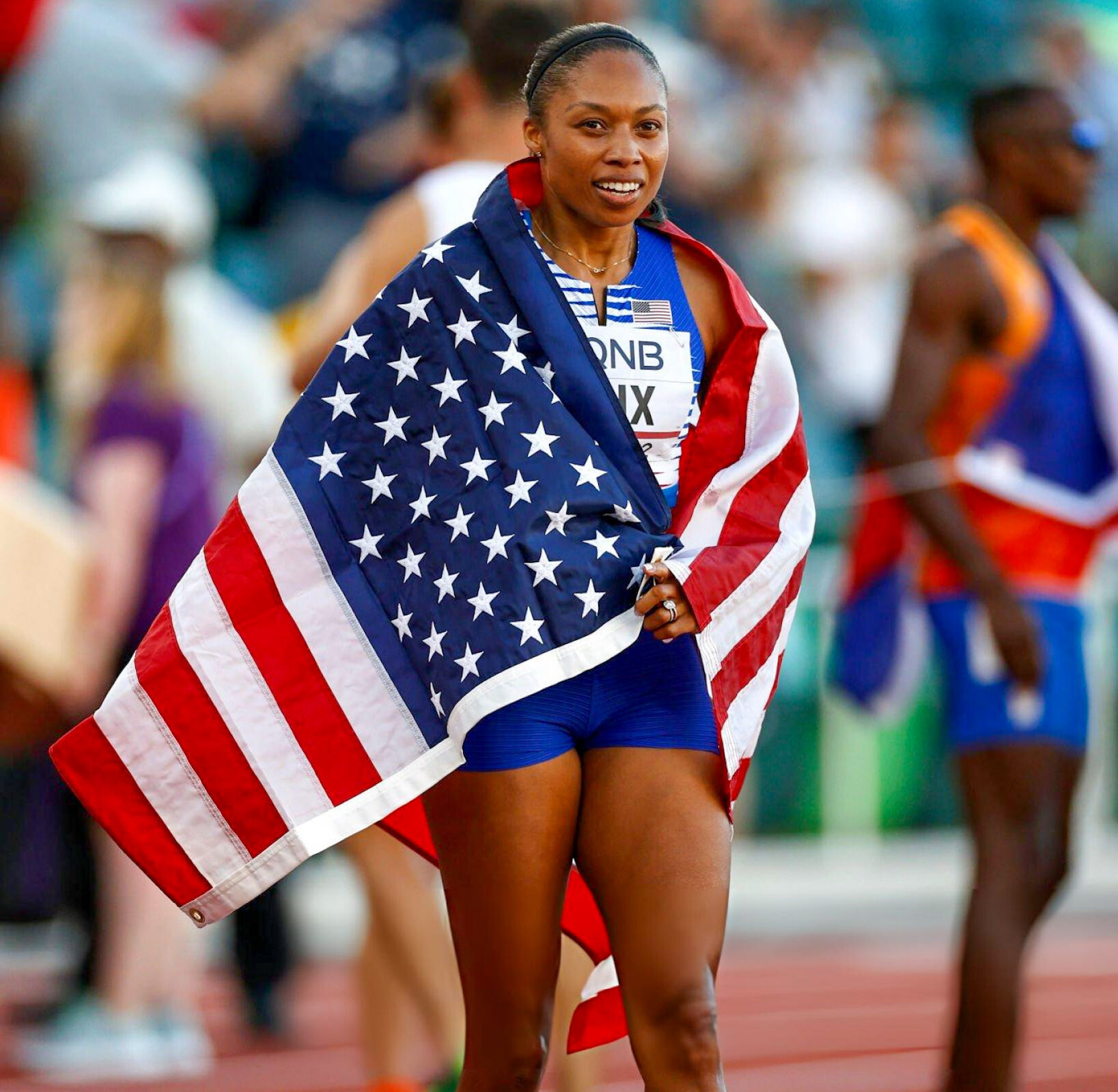
For Felix, this is not merely a comeback—it is a calling. She describes it as a “once-in-a-lifetime homecoming,” a rare alignment of legacy and location. The Olympic stage will return to Los Angeles, her home soil, offering a poetic full circle to a career already etched in gold. Few athletes ever get the chance to close their journey where it all feels most personal. Felix intends to seize that moment.
Dubbed “Project Six,” her ambitious pursuit targets a sixth Olympic appearance—an extraordinary milestone that would see her add to a résumé spanning 2004 Athens Olympics, 2008 Beijing Olympics, 2012 London Olympics, 2016 Rio Olympics, and 2020 Tokyo Olympics. Remarkably, Felix has never left the Olympic stage empty-handed—her consistency as striking as her brilliance.
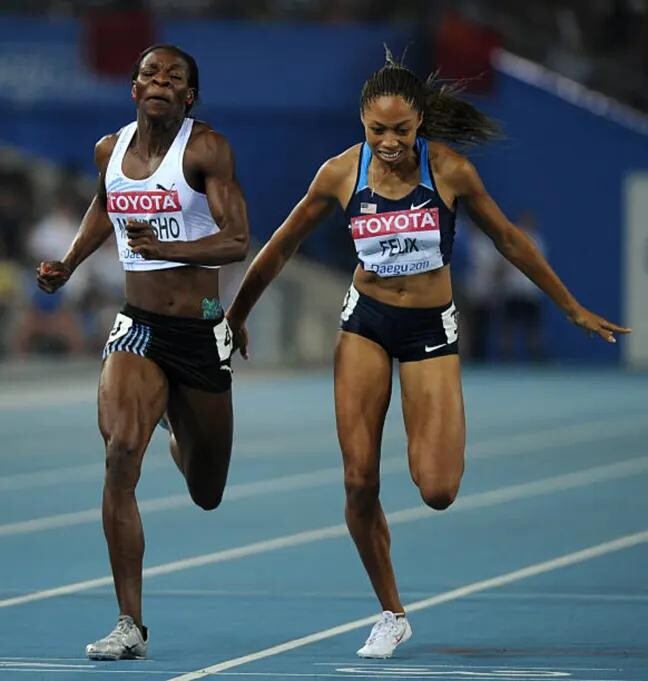
Her planned return to competition in 2027 signals more than preparation; it reflects discipline, patience, and belief. The modern era of sprinting is faster, younger, and fiercely competitive—but Felix has never been defined by age or expectation. She has thrived on rewriting limits.
Yet beyond medals and records, this comeback carries a deeper narrative. Felix has long been a voice for athletes—particularly mothers and women—challenging norms and advocating for change within sport. Her return now blends that advocacy with ambition, proving that elite performance and evolving identity can coexist.
If Los Angeles 2028 becomes her final act, it promises to be more than a race. It will be a statement. A celebration. A reminder that greatness does not simply fade—it chooses its moment to rise again.
And Allyson Felix, once more, is ready to run.
by Erick Cheruiyot for My Best Runs.
Login to leave a comment
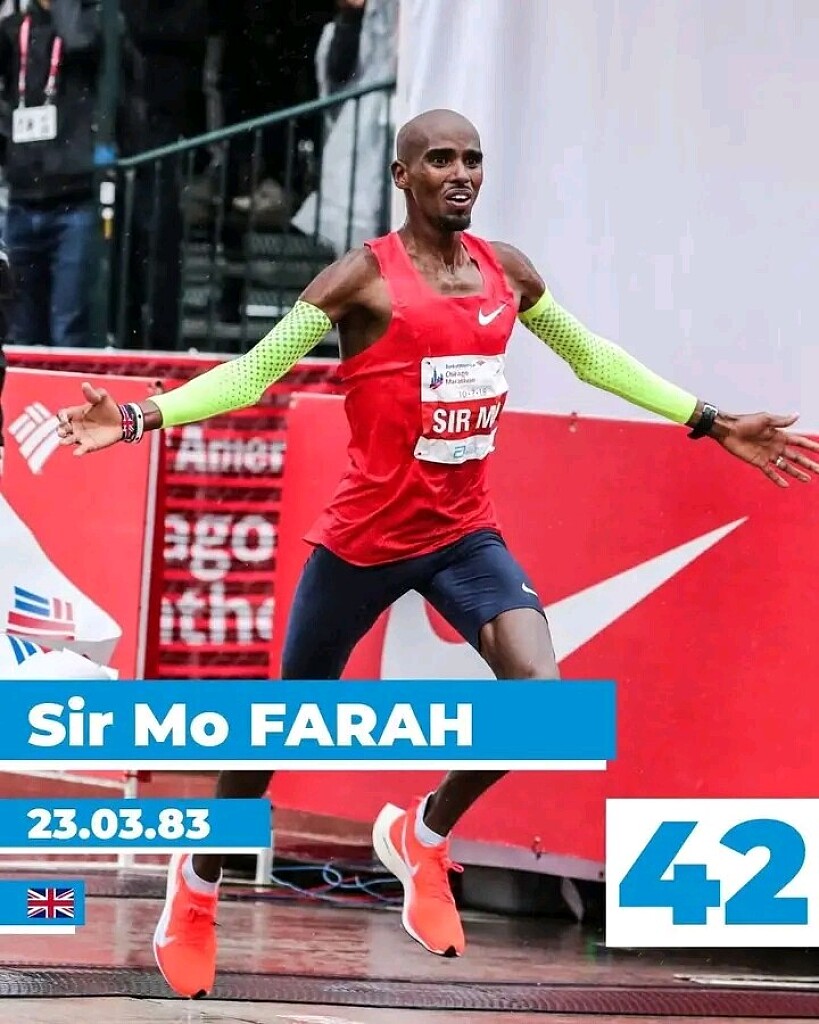
From Lost Beginnings to Olympic Immortality: The Unyielding Rise of Mo Farah
Born on March 23, 1983, in Somalia, Mo Farah did not enter the world with the privileges of certainty or stability. His early years were shaped by separation and sacrifice. At just eight years old, he moved to the United Kingdom, leaving behind not only his homeland but also his twin brother, who remained in Africa due to illness. It was a childhood marked by displacement, language barriers, and the quiet struggle to belong.
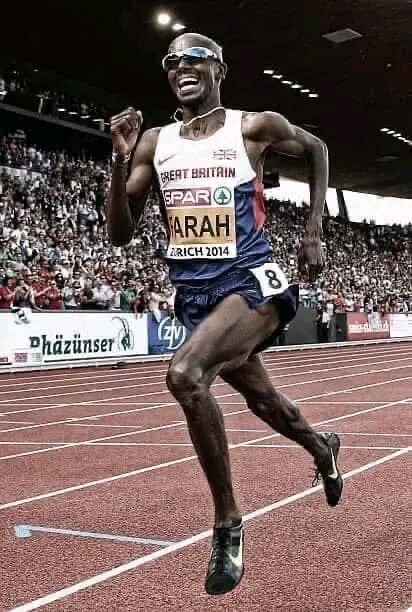
Growing up in London, Farah’s life changed direction thanks to a perceptive physical education teacher who noticed something extraordinary in the young boy: a natural gift for running. What began as a simple discovery soon evolved into a relentless pursuit. Through the muddy, unforgiving courses of cross country, he started carving his identity—step by step, race by race.
By the age of 14, Farah had already claimed his first national school title, a glimpse of the greatness to come. At 18, he rose to continental prominence, securing the European junior crown. Yet, beyond medals, a deeply personal victory awaited him—at 20, he was reunited with his long-lost twin brother, closing a chapter that had shaped much of his early emotional journey.
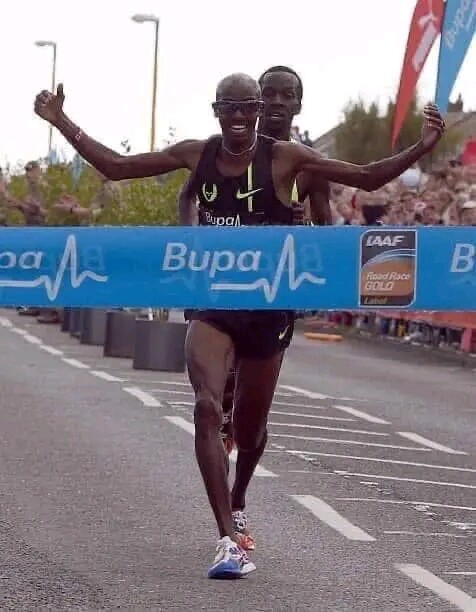
As the years progressed, Farah transformed from a promising athlete into a dominant force across Europe and the world. At 23, he became the European cross country champion. By 26, he had conquered the European indoor 3000 meters while continuing to shine on the cross country stage. His prime years brought an avalanche of triumphs: European titles in both the 5000m and 10,000m, followed by global dominance.
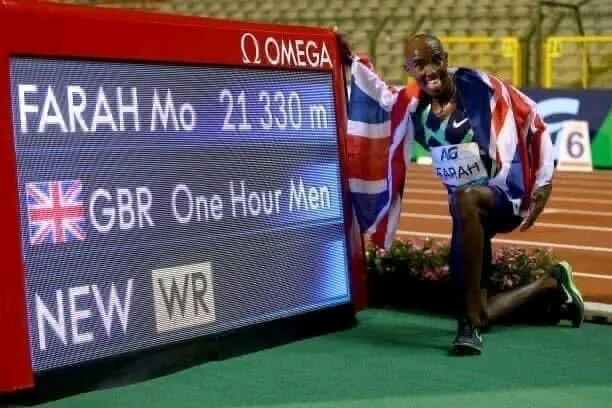
The turning point in his career came when he made the bold decision to relocate to the United States to train under renowned coach Alberto Salazar. There, Farah reinvented himself. He refined his tactics, strengthened his endurance, and embraced a level of discipline that elevated him from contender to champion.
What followed was nothing short of historic. At the London 2012 Olympics, Farah etched his name into sporting folklore by winning gold in both the 5000m and 10,000m—a feat he repeated at the Rio 2016 Olympics. Four Olympic gold medals. A legacy sealed in endurance and brilliance.
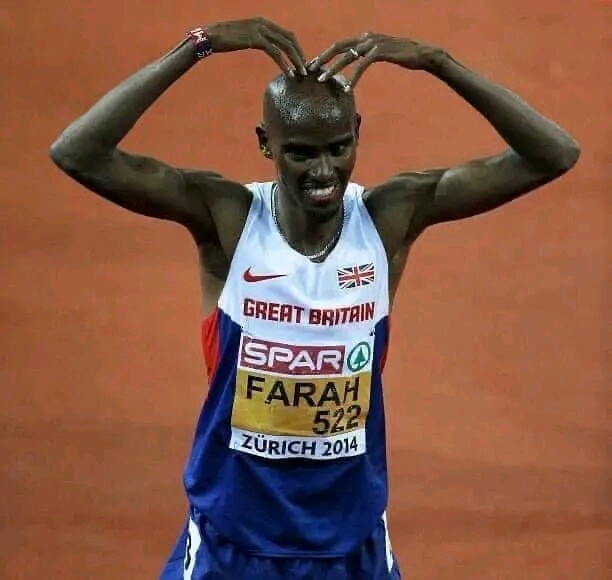
His dominance extended beyond the Olympic stage. He captured multiple World Championship titles, including unforgettable performances in Moscow and Beijing, and continued to reign supreme at the European level. Even as he transitioned to longer distances, Farah’s hunger remained unshaken—setting a European marathon record and later breaking the world hour record with an astonishing 21,330 meters, surpassing the mark set by Haile Gebrselassie.
Yet behind the medals and milestones lies a deeper truth. Farah’s journey was never smooth. There were defeats, injuries, and moments when doubt crept dangerously close. Early in his career, critics questioned whether he had what it took to dominate on the global stage. But instead of retreating, he responded with resilience—choosing effort over excuses, persistence over fear.
Today, as Mo Farah celebrates his 42nd birthday, his story stands as a powerful testament to the human spirit. He was not born a champion—he became one through relentless determination, sacrifice, and an unbreakable will to go further when it mattered most.
His life reminds us that greatness is not defined by where you begin, but by how fiercely you pursue where you want to go. Obstacles are inevitable. Doubt is unavoidable. But those who rise above are the ones who, like Farah, choose to push harder, dig deeper, and never settle for less than their potential.
Because in the end, the path to greatness is not given—it is earned, one stride at a time.
by Erick Cheruiyot for My Best Runs.
Login to leave a comment
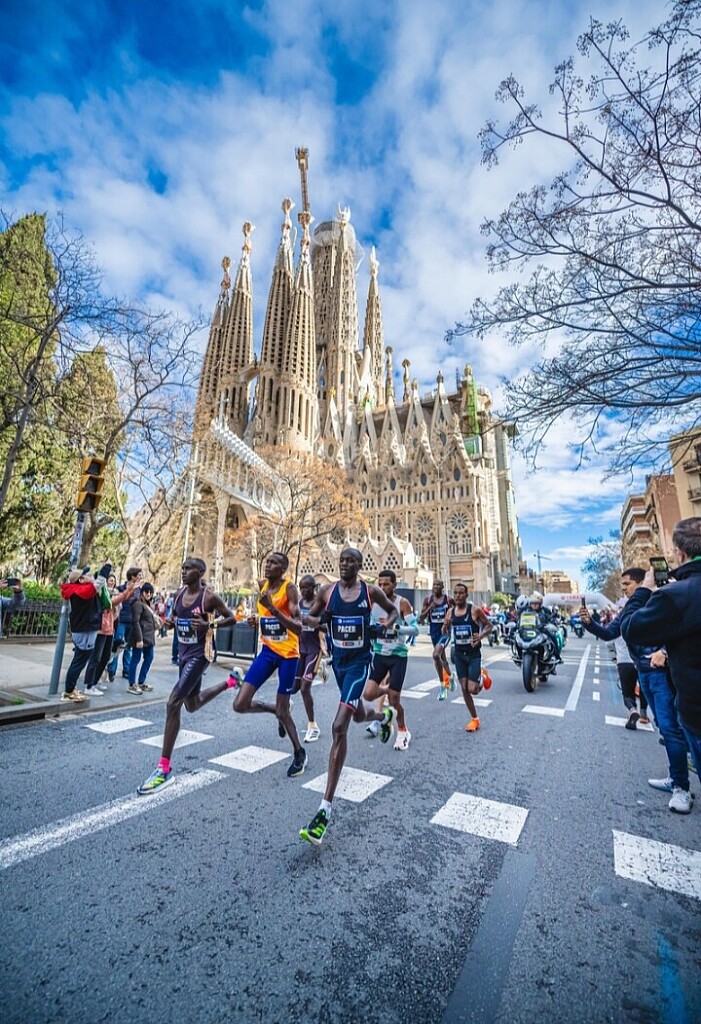
Kenyan and Ethiopian Stars Set for Showdown at the Zurich Barcelona Marathon
The stage is set for a thrilling contest at the Barcelona Marathon, where a deep and competitive men’s elite field will line up on Sunday, March 15 in the heart of Barcelona, Spain. With several athletes boasting personal bests well under 2:06, the race promises a high-quality battle between some of the finest marathoners from Kenya, Ethiopia, Türkiye, and Uganda.
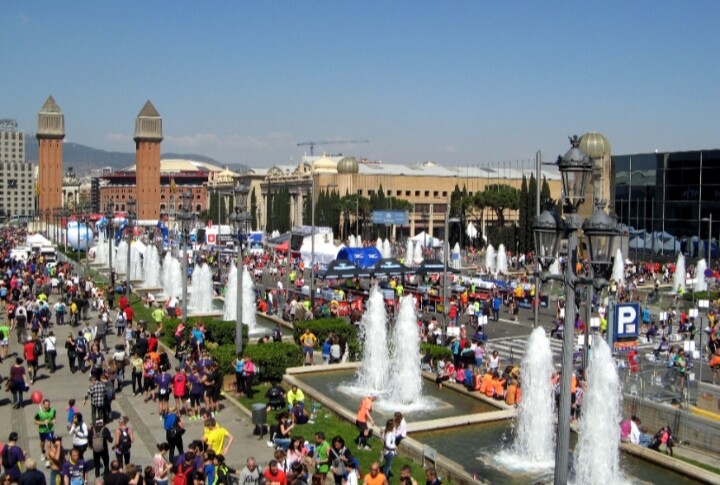
The race is scheduled to start at 8:30 a.m. local time in Barcelona, Spain (Central European Time), ensuring fans across the globe can follow the action at different moments of the day. In East Africa, viewers in Kenya, Ethiopia, and Uganda will tune in at 10:30 a.m. East Africa Time, while audiences in London can watch from 7:30 a.m.. Across the Americas, the race begins at 3:30 a.m. in New York, 2:30 a.m. in Chicago, 1:30 a.m. in Denver, and 12:30 a.m. in Los Angeles, while fans in São Paulo will follow the event at 4:30 a.m.. In Asia, the start corresponds to 11:30 a.m. in Dubai, 1:00 p.m. in New Delhi, 2:30 p.m. in Bangkok, and 3:30 p.m. in both Beijing and Singapore, before reaching 4:30 p.m. in Tokyo. In Oceania, viewers will follow later in the day, with the race starting at 3:30 p.m. in Perth, 6:30 p.m. in Sydney, and 8:30 p.m. in Auckland, underscoring the truly global reach of one of Europe’s most celebrated road races.
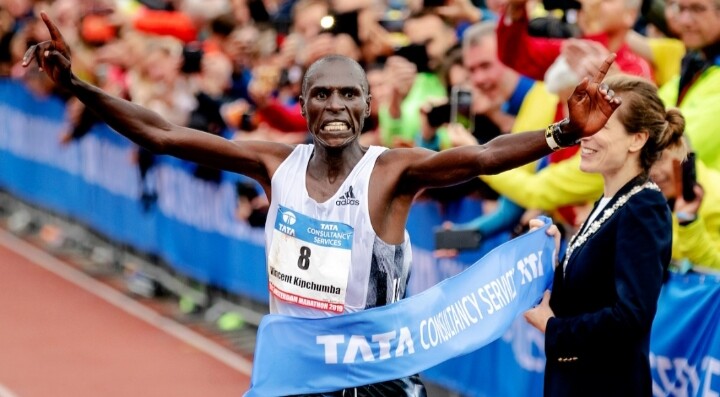
Leading the field is Vincent Kipchumba, the Kenyan star who owns a personal best of 2:04:28. Known for his consistency on the global marathon circuit, Kipchumba arrives in Barcelona as one of the major contenders for victory. Close behind on paper is Turkish international Kaan Kigen Özbilen, whose impressive 2:04:16 lifetime best makes him the fastest man in the lineup. His experience and tactical awareness could make him a serious threat if the pace turns aggressive.
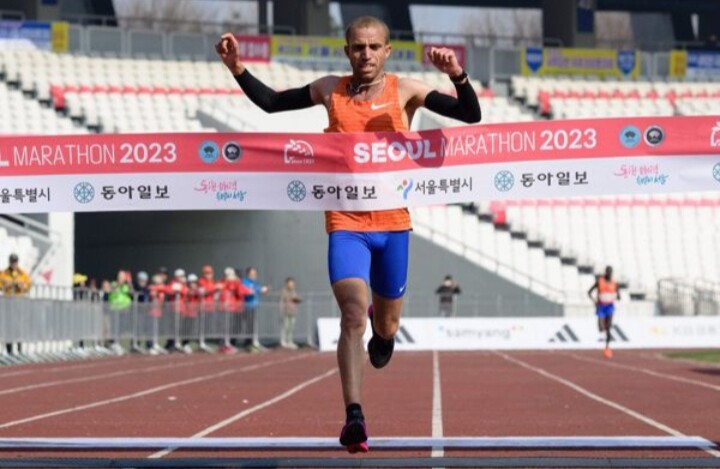
Ethiopia will also bring formidable firepower through Amedework Walelegn, the talented marathoner with a personal best of 2:04:50. Walelegn has shown the ability to perform strongly in major races and will be eager to challenge the Kenyan dominance that often defines major road races.
Kenya’s depth in marathon running is once again on display with several athletes capable of producing breakthrough performances. Among them are Philemon Kiptoo Kipchumba (2:05:35) and Kenneth Keter (2:05:33), both of whom possess the experience and endurance required to thrive in a fast European marathon. Meanwhile, Ethiopia’s Antanayehu Dagnachew (2:06:55) will be looking to deliver a strong run against a competitive field.
The race also features a solid group of athletes with personal bests hovering around the 2:06–2:07 range, including Mosee Kipngetich Kemet (2:06:47), Melaku Belachew (2:06:30), and Zablon Chumba (2:07:11). Their presence ensures the pace could remain honest deep into the race, potentially setting the stage for a dramatic finish through Barcelona’s iconic streets.
Further down the start list, runners such as Timothy Kiphorir (2:07:52), Perrick Mdoshi (2:07:17), Abel Chelangat (2:08:49), Jonathan Korir (2:09:51), and Haile Desta (2:10:41) will also be aiming to seize the opportunity for personal bests or podium surprises in what is expected to be a fast and competitive race.
With elite athletes from East Africa once again forming the backbone of the field, the Zurich Barcelona Marathon promises a compelling clash of endurance, strategy, and speed. If the pace unfolds as expected, fans could witness a thrilling contest that highlights the continuing global appeal and competitive depth of marathon running.
by Erick Cheruiyot for My Best Runs.
Login to leave a comment

Zurich Marato Barcelona
The race is a favorite among both professional athletes and amateur runners, offering a unique running experience in and around Zurich. The scenic course follows the shores of Lake Zurich for much of the route, making it not only a thrilling sports event but also a visually stunning one. The start and finish lines are located at the upper lake...
more...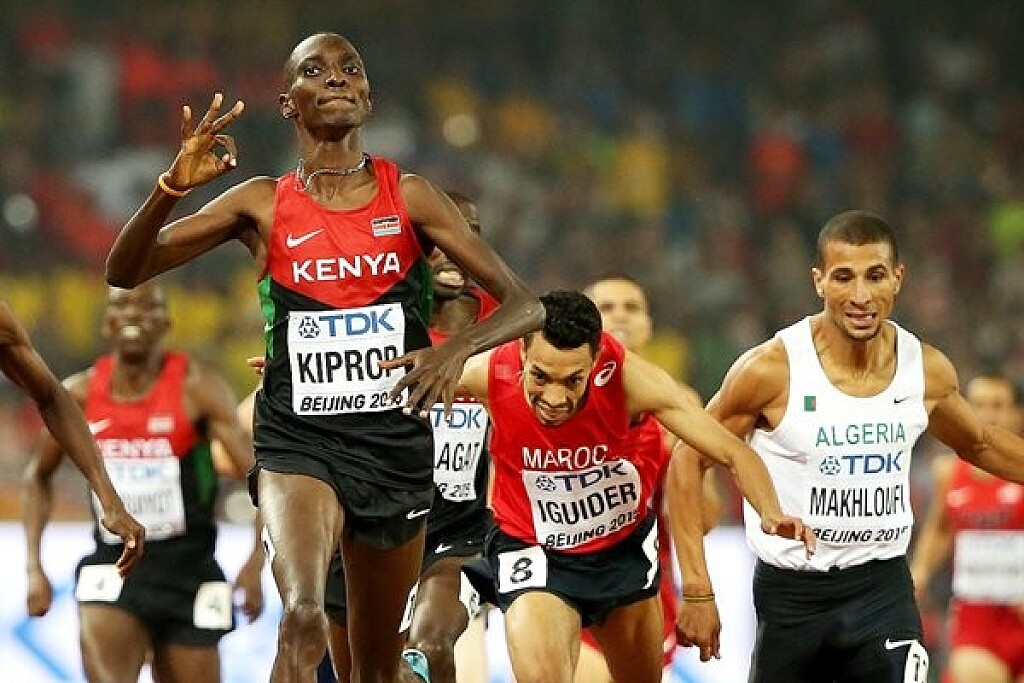
Front-Running Brilliance: The Night Asbel Kiprop Lit Up Monaco with 3:26.69
On a warm summer evening along the Mediterranean coast, the 1500 meters witnessed one of its most breathtaking performances. At the 2015 edition of the prestigious Herculis Monaco, part of the Diamond League circuit, Kenya’s middle-distance maestro Asbel Kiprop delivered a run that still resonates in athletics history.
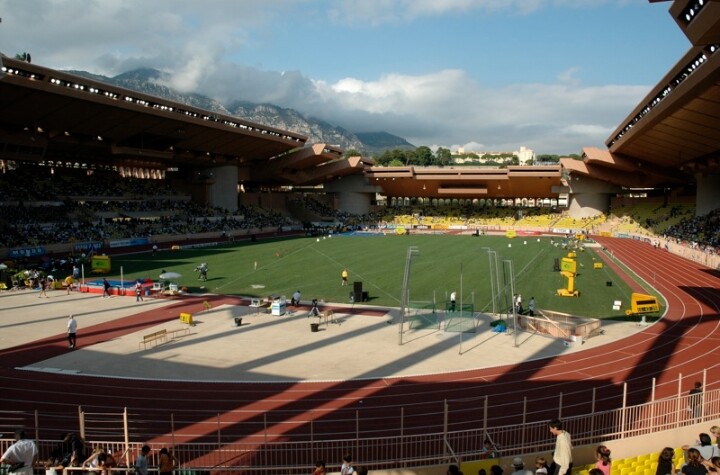
On July 17, 2015, inside the famous Stade Louis II in Monaco, Kiprop stormed to a stunning 3:26.69 in the 1500 meters—at the time one of the fastest performances ever recorded over the distance. The run combined fearless front-running, precise pacing, and remarkable endurance, creating a race that left both spectators and competitors in awe.
From the opening gun, Kiprop made his intentions clear. Rather than relying on his renowned finishing kick, the Olympic champion chose to dictate the pace from the front, relentlessly pursuing the long-standing world record of Hicham El Guerrouj, whose iconic 3:26.00 still stands as the benchmark for the event.
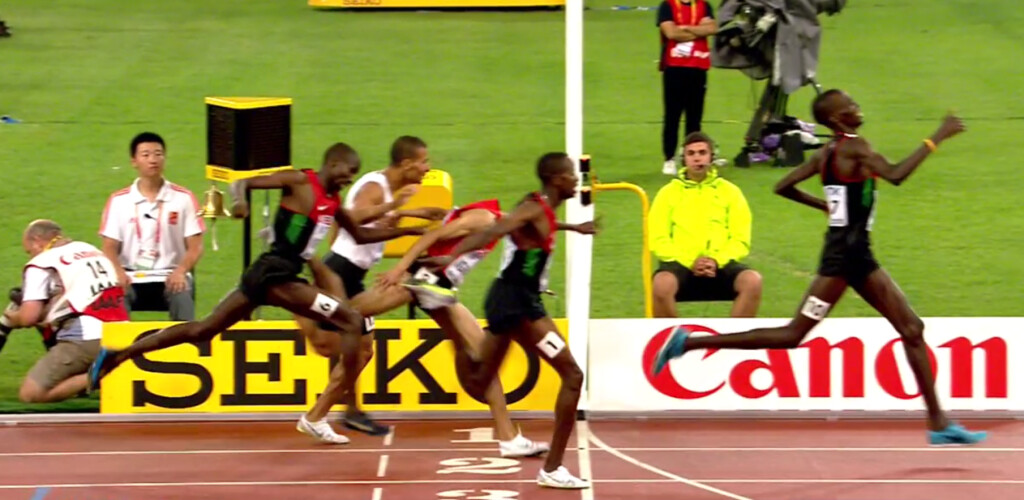
The early pace was sharp and deliberate. Behind the pacemaking assistance of Kenya’s Andrew Kiptoo Rotich, the first lap was covered in approximately 54 seconds, immediately signaling that the race would be something special. By the halfway mark, Kiprop passed 800 meters in about 1:50, maintaining a relentless rhythm that stretched the field.
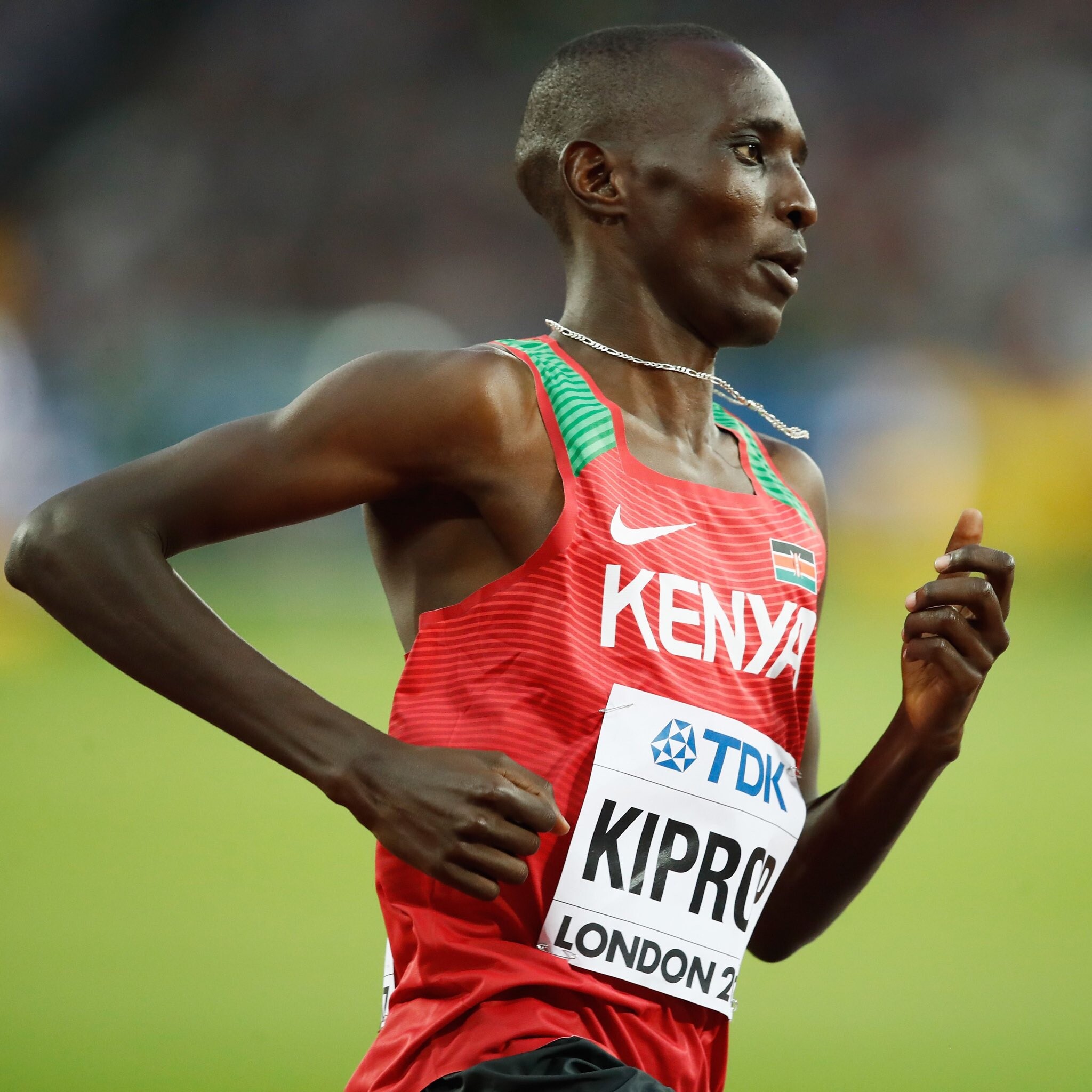
As the race progressed, the tall Kenyan floated around the track with the fluid stride that became his trademark. Passing 1200 meters in roughly 2:45, he remained firmly in control, gliding through the final lap in about 55 seconds to stop the clock at 3:26.69—a performance that etched his name even deeper into middle-distance history.
What made the run particularly remarkable was the margin of victory. Kiprop crossed the finish line more than two seconds ahead of a world-class field. Algeria’s Taoufik Makhloufi finished second in 3:28.75, just ahead of Morocco’s Abdelaati Iguider, who clocked 3:28.79.
The time also stood as a meeting record for the Monaco Diamond League at the time, further cementing the race’s place among the sport’s unforgettable moments.
For Kiprop, the performance was another shining chapter in a glittering career. The Kenyan star had already secured Olympic gold at the 2008 Beijing Olympics and would go on to collect three world titles at the World Athletics Championships in 2011, 2013, and 2015. Known for his elegant stride and exceptional race intelligence, he became one of the defining figures of modern middle-distance running.
Beyond Monaco, Kiprop built an impressive résumé across multiple distances. His personal bests included 1:43.15 for 800 meters, 3:48.50 for the mile, 2:14.23 for 1000 meters, and 7:42.32 for 3000 meters—a testament to both his speed and versatility.
Yet among all his achievements, the Monaco masterpiece remains one of the most memorable. On that night in July 2015, Asbel Kiprop didn’t just win a race—he delivered a performance that showcased the artistry and courage of championship middle-distance running, reminding the athletics world how extraordinary the 1500 meters can be when a great athlete dares to chase history.
by Erick Cheruiyot for My Best Runs.
Login to leave a comment
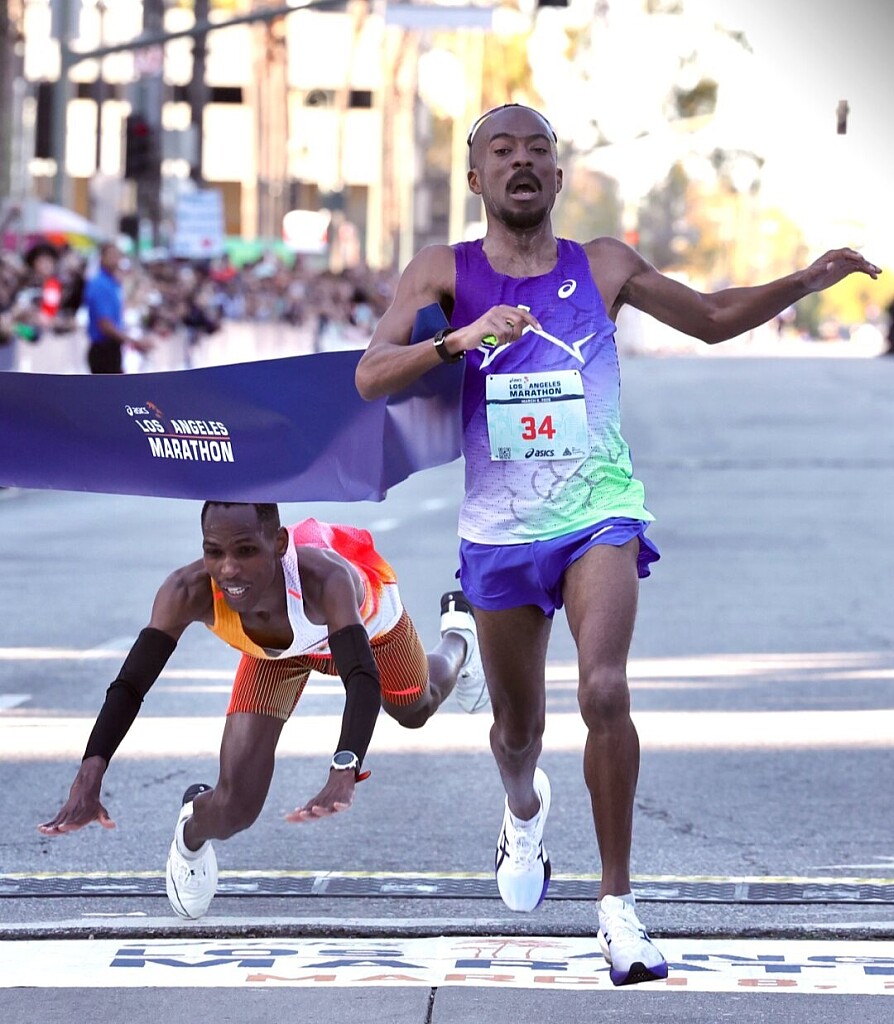
Miller’s Last-Stride Triumph and Cherono’s Inspiring Run Highlight Dramatic Los Angeles Marathon
The 41st edition of the Los Angeles Marathon produced a day filled with drama, resilience, and unforgettable performances, as American runner Nathan Miller captured the men’s title in the closest finish in race history while Kenya’s Priscah Cherono delivered a remarkable victory in the women’s race.
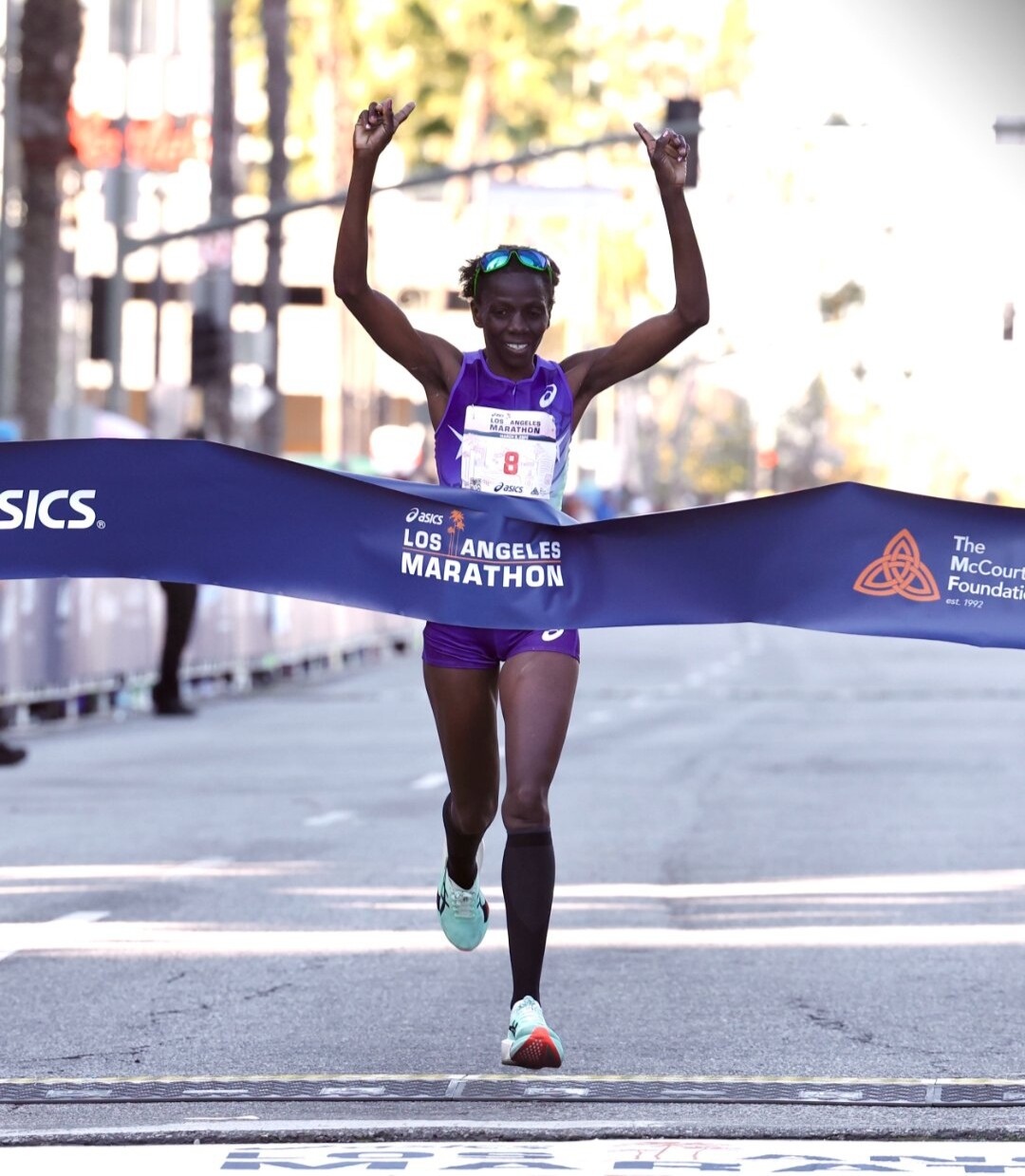
The men’s contest came down to a breathtaking final sprint. Miller surged at the last possible moment to edge Kenya’s Michael Kamau at the finish line, with both runners officially credited with the same time of 2:11:18 after covering the demanding 26.2-mile course. Their shoulder-to-shoulder battle through the closing stretch created a thrilling finale, with Miller’s perfectly timed surge proving decisive in the final stride.
Moments after the finish, concern rose for Kamau, who reportedly did not take fluids during the race and collapsed after crossing the line. Medical personnel quickly attended to the Kenyan athlete, who was taken away on a stretcher following his courageous effort. Fellow Kenyan Enyew Nigat completed the podium, finishing third in 2:14:23 after a steady performance throughout the race.
For Miller, the victory marks a significant moment in a career defined by dedication both on and off the road. The 36-year-old from Jackson, Michigan balances elite competition with his work as a substitute teacher and a high school track and cross-country coach at Jackson High School. His personal best of 2:10:45, achieved at the Grandma's Marathon in 2023, also stands as the fastest marathon ever run by a U.S.-born Black athlete. His triumph continues a growing American presence atop the race, following the victory of Matt Richtman last year, who became the first American men’s champion since 1994 when he won in 2:07:56.
While the men’s race delivered a dramatic sprint finish, the women’s race showcased experience and determination as Cherono powered to victory in 2:25:20. At 45 years old, the mother of three produced an inspiring run across the streets of Los Angeles. Cherono, who now lives in Colorado Springs, Colorado, once competed at the Olympic level, finishing 10th in the 5,000 meters at the 2008 Summer Olympics in Beijing.
American runner Kellyn Taylor of Flagstaff, Arizona finished second in 2:27:37, while Kenya’s Antonina Kwambai secured third place in 2:28:50, rounding out a competitive women’s podium.
Weather conditions added another layer of challenge to the race. With temperatures forecast to climb into the 80s by midday, organizers announced that runners who managed to complete 18 miles of the course would still receive medals due to the expected heat. The race began at Dodger Stadium and stretched across the city before finishing in the Century City district of Los Angeles, where thousands of runners pushed through the warm conditions and the relentless distance.
From Miller’s electrifying last-stride surge to Cherono’s inspiring victory at 45, the 2026 Los Angeles Marathon unfolded as a powerful reminder of the spirit of endurance that defines the sport. On a warm California morning filled with tension and triumph, the race once again proved that in the marathon, greatness often reveals itself in the very final stride.
by Erick Cheruiyot for My Best Runs.
Login to leave a comment

Los Angeles Marathon
The LA Marathon is an annual running event held each spring in Los Angeles, Calif. The 26.219 mile (42.195 km) footrace, inspired by the success of the 1984 Summer Olympic Games, has been contested every year since 1986. While there are no qualifying standards to participate in the Skechers Performnce LA Marathon, runners wishing to receive an official time must...
more...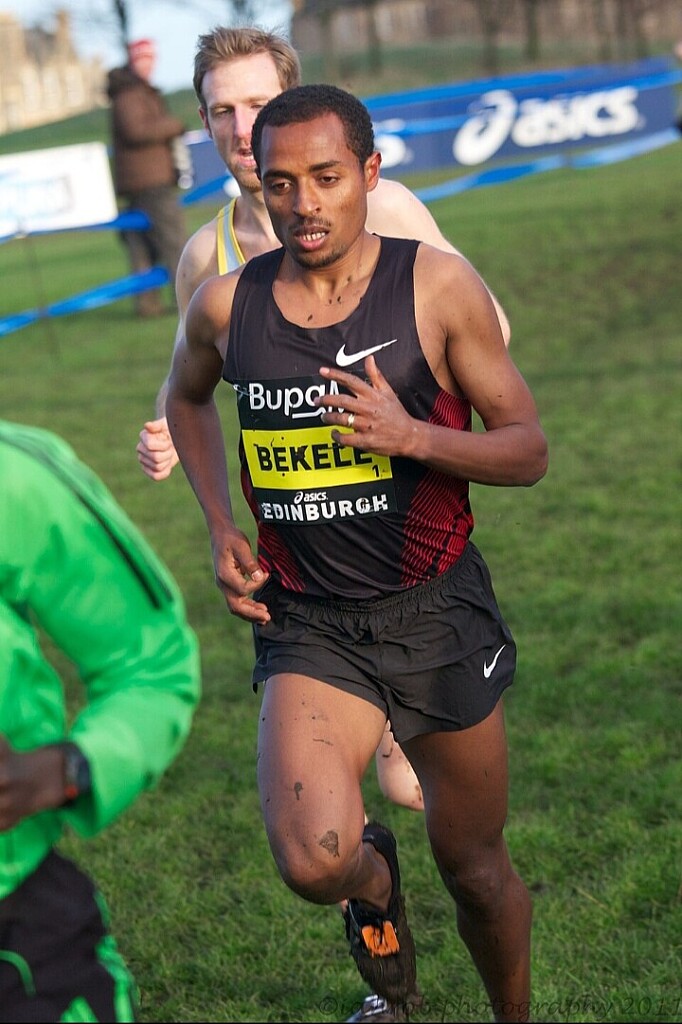
The Relentless Flame: Kenenisa Bekele and the Art of Running Beyond Limits
There are athletes who win races, and then there are rare souls whose movement feels almost like poetry — effortless yet powerful, gentle yet unstoppable. On a warm August evening in Brussels in 2001, under the honey-gold glow of stadium lights, a slender Ethiopian teenager floated across the track with a quiet certainty that something extraordinary was unfolding.
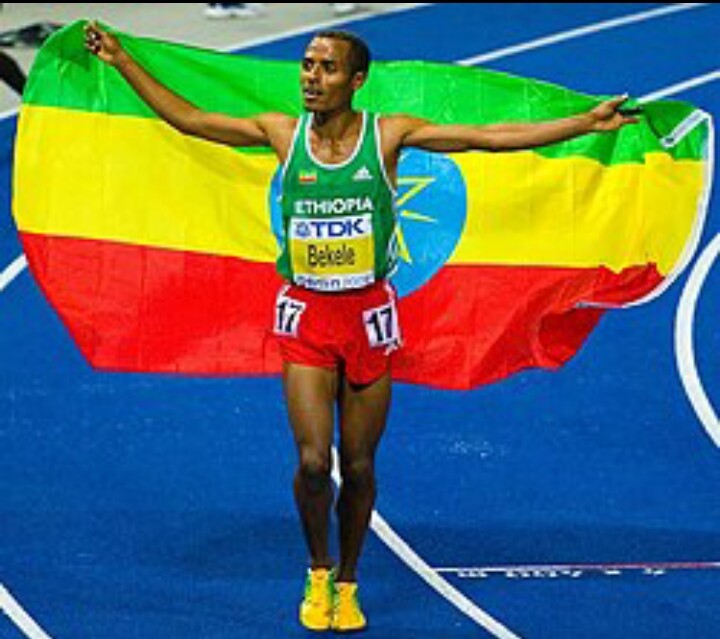
The crowd watched, curious at first, then captivated. When the clock stopped at 7:30.67 for 3000 metres at the Memorial Van Damme, applause filled the air. It was announced as a world junior record, but what lingered was not just the number — it was the feeling. The feeling of witnessing hunger wrapped in grace, ambition wrapped in innocence.
The teenager was Kenenisa Bekele, and even then, you could sense he was not chasing applause. He was chasing possibility.
For three and a half years, that junior record stood as a quiet monument to ambition before Augustine Choge eventually lowered it. Records, after all, are built to fall. Yet the resonance of Bekele’s performance lingered — the unmistakable arrival of a force that would soon redefine distance running.
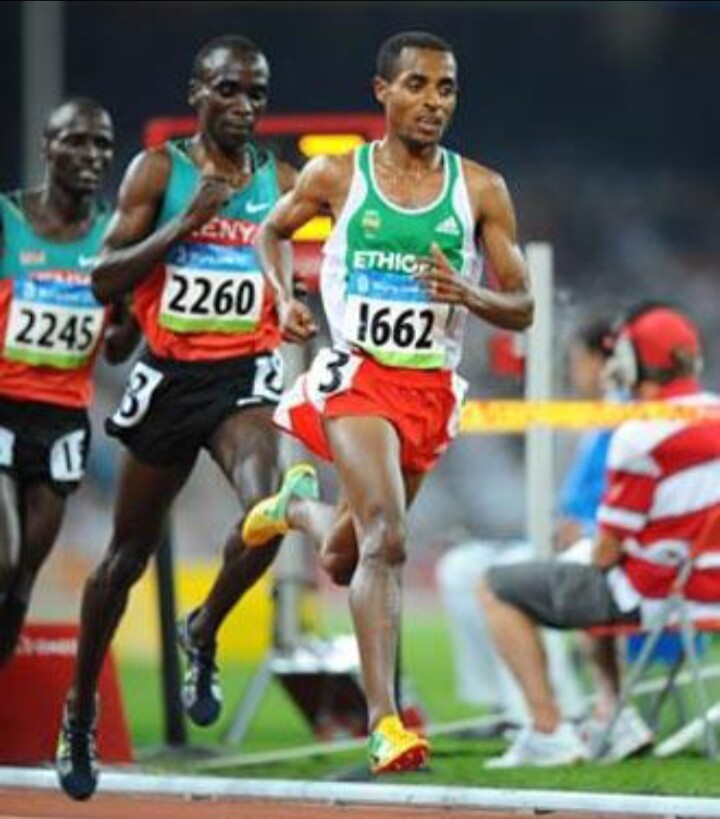
Even before Brussels, his ascent had begun to take shape in unexpected corners of Europe. In the small Dutch town that hosts the Montferland Run, he collected victories in 2000 and 2001 with an almost casual authority. Fifteen kilometres through winter air and narrow streets looked less like competition and more like controlled expression. But nothing about Bekele was ever routine. Beneath the calm exterior was a furnace of ambition.
Then came the terrain where legends are forged — mud, grass, cold wind, and pain — the IAAF World Cross Country Championships. Between 2002 and 2006, Bekele achieved something so extraordinary it borders on myth: he won both the short course and long course titles every single year for five consecutive seasons. No athlete before or since has replicated such dominance. The physiological toll alone should have made it impossible — the explosive intensity of the short race followed by the grinding endurance of the long. Yet he returned each year stronger, hungrier, untouchable.
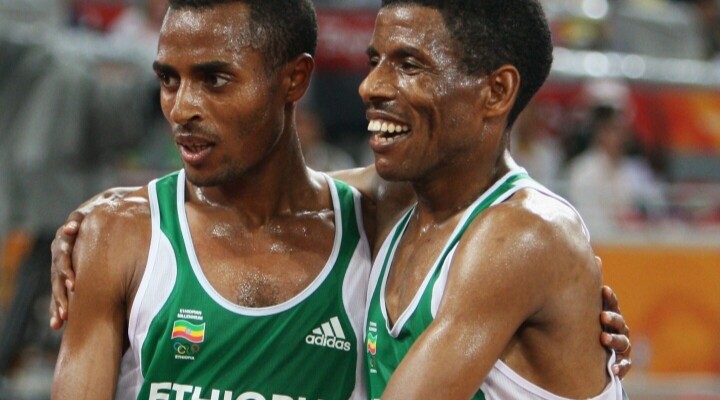
When the short course was discontinued after 2006, he stepped away briefly, then returned in 2008 to claim the long-course crown once more, almost ceremonially, as though closing a chapter he himself had authored. By then his cross-country medal collection had reached staggering proportions — nineteen in total, including eleven senior individual golds. Statistics struggled to contain the scale of his supremacy.
But numbers alone never explained the aura.
On the track, Bekele possessed an almost predatory intelligence. He would sit quietly in the pack, conserving energy with deceptive ease. Then, with laps remaining, something would ignite. At the 2003 Bislett Games in Oslo, he tracked down the Kenyan leader with chilling precision before unleashing a decisive kick to win in 12:52.26. It was not merely speed — it was timing, instinct, and psychological dominance. Rivals knew the surge was coming. They simply could not stop it.
And hovering over his rise was a rivalry that felt almost epic in scale: Bekele against Haile Gebrselassie. The reigning emperor of distance running and the fearless successor. Early encounters favored the veteran, who reminded the young challenger of the existing hierarchy. But by 2003, the balance began to shift. Bekele edged Gebrselassie over 10,000 metres in Hengelo, then continued to outperform him across major championships.
At the 2004 Athens Olympics, Bekele captured 10,000-metre gold while Gebrselassie faded to fifth. Four years later, at the 2008 Beijing Olympics, history repeated itself. The apprentice had become the standard. Even on the roads, including the Great North Run, Bekele would later finish ahead. Their rivalry was not merely competitive — it symbolised the passing of an era.
The year 2004 crystallised his dominance. Within nine astonishing days, Bekele broke the indoor 5000-metre world record, then the outdoor 5000, and finally the 10,000-metre world record — as if impatience with history itself drove him. He swept cross-country titles again, led Ethiopia to team victories, and left Athens with Olympic gold and silver. Distance running had a new gravitational centre, and it was him.
Yet life does not always move in harmony with triumph.
On January 4, 2005, a deeply personal loss entered his world during what should have been an ordinary training morning. Alem Techale — the 1500-metre World Youth Champion of 2003 — was running alongside Bekele in Ararat, a forested, hilly area on the outskirts of Addis Ababa. The two were sharing the familiar rhythm of training when she suddenly collapsed. Bekele immediately carried her to his car and rushed toward the hospital, hoping urgency might change the outcome. But on the way, she passed away. What remained was a silence that no explanation could fully fill — only memories of shared miles, shared dreams, and a companionship that had once felt limitless.
For a time, the noise of competition softened around him. But step by step, he continued — not because pain disappears, but because the human heart has a quiet way of learning to carry both love and loss together.
Because in the end, Kenenisa Bekele’s story is not simply about speed, medals, or records etched into history books. It is about the tenderness hidden inside strength. It is about a young boy who ran with wonder in his spirit, a champion who experienced both luminous joy and quiet sorrow, and a man who kept moving forward with grace. His journey reminds us that greatness is not only measured by how fast someone runs, but by how gently someone keeps going — through seasons of celebration, through moments of silence, through life itself — one faithful stride at a time.
by Erick Cheruiyot for My Best Runs.
Login to leave a comment
Chasing Summits, Defining Limits: Inside the 2026 World Mountain Running Cup Journey
With only sixty days remaining before the season opener, the anticipation surrounding the 2026 World Mountain Running Cup is reaching a powerful crescendo. Organized by the World Mountain Running Association (WMRA), this global series stands as the pinnacle of competitive mountain running — a demanding arena where athletic precision, endurance, and mental resilience intersect with some of the most dramatic landscapes on Earth.

Mountain running is not merely a sport; it is an encounter between human ambition and vertical terrain. Unlike road racing, where predictability dominates, mountain racing introduces variables that cannot be controlled — altitude, weather volatility, technical descents, and the relentless resistance of gravity. Success belongs not only to the strongest athlete, but to the most adaptable mind.
The 2026 season promises exceptional intensity as elite runners and rising talents converge across multiple continents, competing in three primary formats: Uphill, Up & Down, and Long Distance. Each discipline demands a distinct physiological and tactical approach, ensuring that only the most versatile athletes can contend for the overall title.

From volcanic ridgelines and alpine glaciers to forested mountain corridors and historic highland communities, every race contributes to a narrative larger than sport itself — a celebration of exploration, resilience, and the pursuit of excellence in its purest form.
2026 World Cup Race Calendar
19 April — Portugal
São Brás de Alportel Cross — Up & Down
25–26 April — China
Beijing Changping Yanshou Trail Challenge — Uphill | Up & Down
7–9 May — Spain
Transvulcania — Uphill | Long
19–21 June — United States
Broken Arrow Skyrace — Uphill | Long
5 July — Austria
Grossglockner Mountain Run — Up & Down
18–19 July — France
Serre Che Trail Salomon — Uphill | Up & Down
8 August — Switzerland
Sierre-Zinal — Long
5–6 September — Italy
Trofeo Nasego — Uphill | Long
19 September — Poland
Maraton Trzech Jezior — Long Distance Final
10–11 October — Canada
Défi des Couleurs Simard — Uphill | Up & Down (World Cup Finals)
Beyond the competitive rankings, the World Cup embodies a deeper philosophy — trust in preparation, respect for nature, and belief in human potential. Athletes are not simply racing against one another; they are confronting terrain, fatigue, and uncertainty. Every climb becomes a negotiation with physical limits, and every descent demands courage under pressure.
The 2026 circuit also reflects the accelerating global growth of mountain running. Increased participation, improved race organization, and expanding media coverage are propelling the sport into a new era of recognition. For emerging athletes, this season represents opportunity; for established champions, it is a test of legacy.
As the countdown continues, training camps intensify, strategies evolve, and ambitions sharpen. Soon, starting lines will replace anticipation, and preparation will give way to performance.
In mountain running, there are no shortcuts — only the path upward and downward.
by Erick Cheruiyot for My Best Runs.
Login to leave a comment

New York City Returns to the National Spotlight as Icahn Stadium Named Host of 2026 U.S. Outdoor Championships
For the first time in more than three decades, New York City will once again stand at the center of American track and field. USA Track & Field has officially announced that the 2026 U.S. Outdoor Championships will be held at Icahn Stadium from July 23–26, bringing the nation’s top athletes to one of the sport’s most historic and iconic settings.
This announcement marks a significant shift for the championships, which in recent years have been closely associated with Eugene, Oregon. Since 2021, Eugene—home of Hayward Field—has served as the primary stage for the national championships, reinforcing its reputation as TrackTown USA. Now, the move to New York signals both a return to the sport’s roots and a renewed commitment to expanding track and field’s visibility in major metropolitan centers
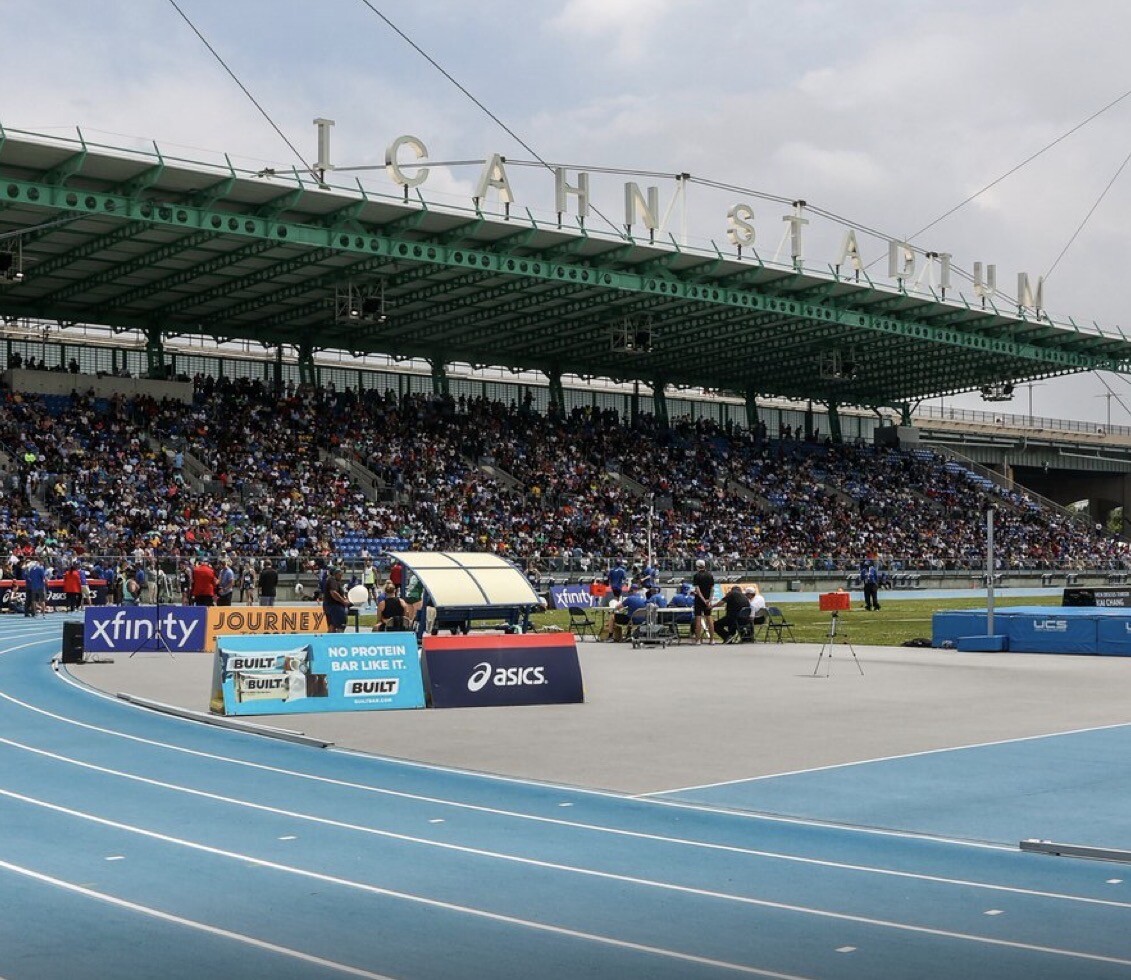
Icahn Stadium, located on Randall’s Island, is no stranger to elite competition. The venue has hosted numerous international meets, including Diamond League events, and has earned a reputation for producing fast times and memorable performances. Its IAAF Class 1 certification and world-class facilities make it a fitting location for the country’s premier outdoor championship.
The 2026 championships will also carry major significance beyond national titles. The meet will serve as a key proving ground for American athletes preparing for future global competitions, with many using the event to establish momentum heading into the 2027 World Championships cycle.
New York City has a rich but underappreciated history in U.S. track and field. The last time the city hosted a national outdoor championship was in 1991 at Downing Stadium, making the 2026 event a historic return after 35 years. Bringing the championships back to New York reconnects the sport with one of the world’s great athletic capitals and offers a powerful opportunity to inspire a new generation of athletes and fans.
Meanwhile, Eugene’s role remains firmly intact. USA Track & Field has confirmed that the 2027 U.S. Outdoor Championships will return to Eugene, where the team for the 2027 World Championships in Beijing, China, will be selected. This dual-city approach reflects the sport’s growing national footprint while honoring both tradition and innovation.
For athletes, the 2026 championships in New York will represent more than a national competition—it will be an opportunity to perform on one of the sport’s biggest domestic stages, in front of a diverse and passionate audience. For fans, it will be a rare chance to witness America’s best runners, jumpers, and throwers competing in the heart of one of the world’s most dynamic cities.
The return of the U.S. Outdoor Championships to New York City marks a historic moment—one that connects past and present, celebrates the sport’s national reach, and reminds the world that track and field belongs on the biggest stages.
by Bob Anderson for My Best Runs
Login to leave a comment
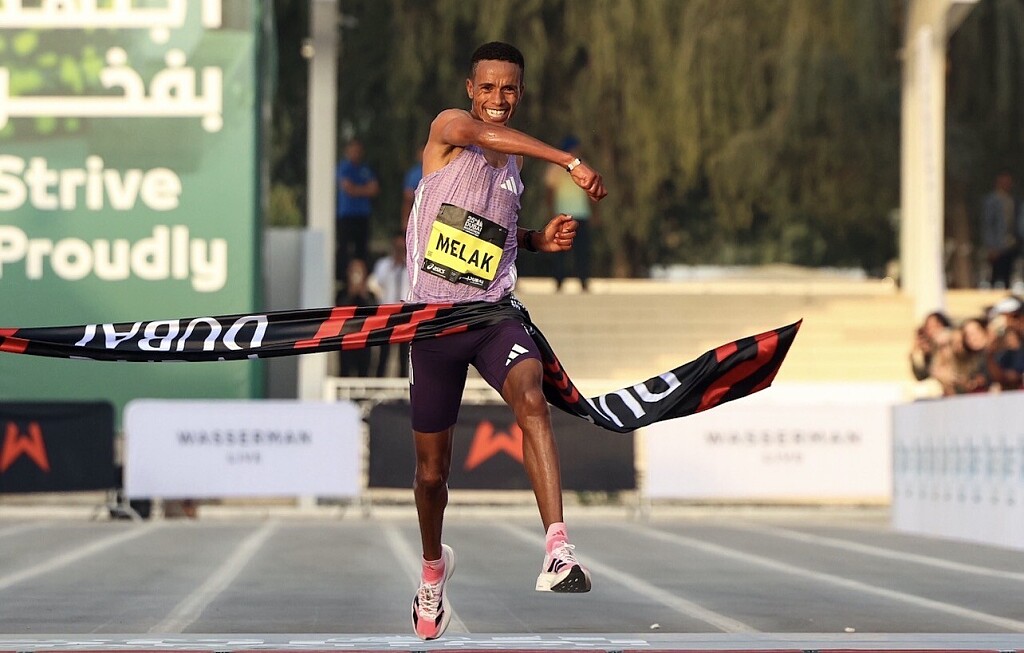
If the Dubai Marathon had a theme song, it would be the Ethiopian national anthem
Once again, “March Forward Dear Mother Ethiopia” echoed across the Dubai Police Academy start–finish area as Ethiopian runners swept both titles at the race’s 25th anniversary edition. Nibret Melakwon the men’s race in 2:04:00, and Anchinalu Dessie captured the women’s crown in 2:18:31, pushing Ethiopia’s all-time Dubai tally to 18 men’s and 19 women’s victories.
Melak’s debut was decisive and fearless.
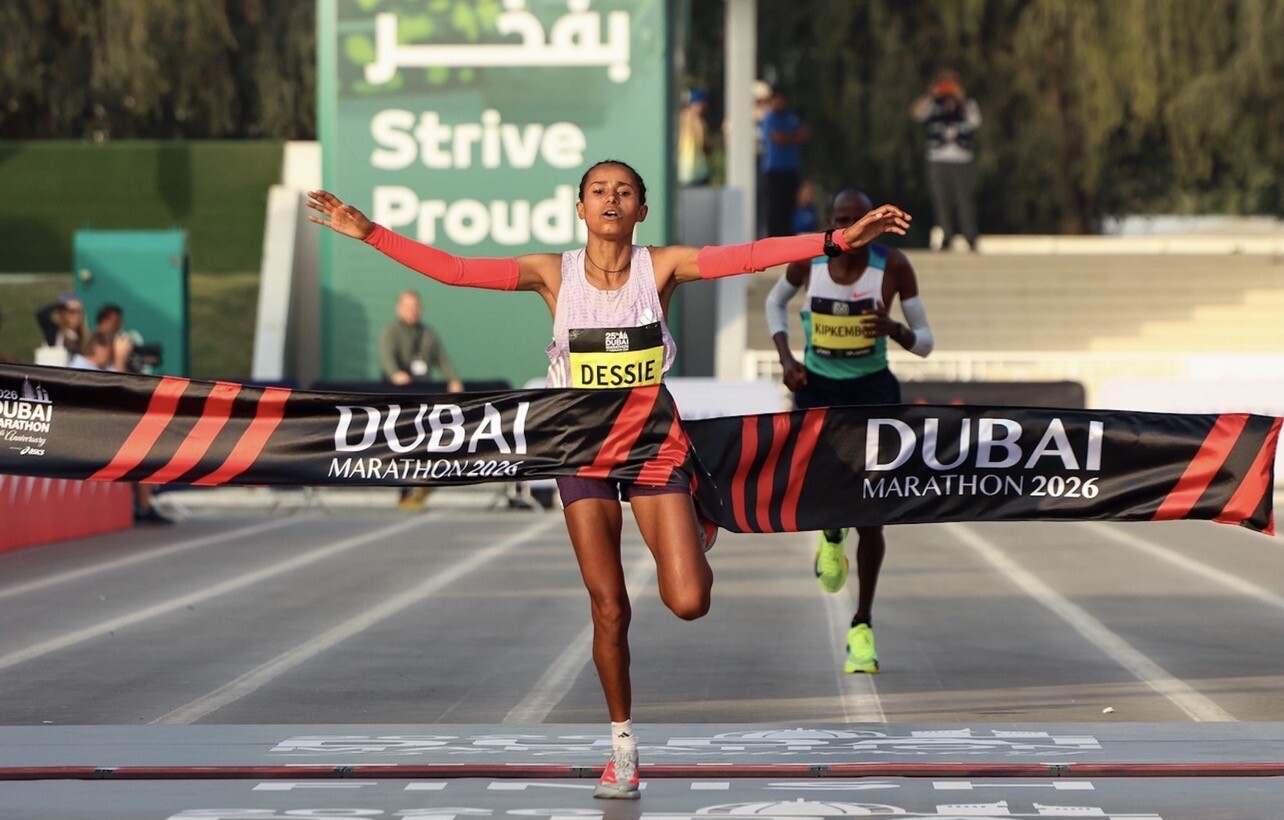
A large pack of 20 hit halfway in 62:07 and stayed together until the final pacemaker stepped aside at 35K. As the pace stalled and contenders hesitated, Melak attacked. A 3:00 36th kilometer was followed by a surge 10 seconds faster — a move no one could match. He opened a clear gap and never looked back, finishing nearly two minutes ahead of training partner Yasin Haji (2:05:52). Rwanda’s John Hakizimana took third in 2:06:04, breaking his national record.
“I didn’t know what to expect in my first marathon,” Melak said. “My coach believed I could run 2:03. I waited for the right moment and went.”
On the women’s side, Dessie continued a perfect streak. Three marathons, three wins.
After victories in Seville and Beijing, she delivered her fastest yet in Dubai, slicing more than three minutes off her best. She battled compatriot Muliye Dekebo deep into the race before pulling away late. Dekebo rallied for second in 2:18:43, while Fantu Worku finished third in 2:19:08.
Conditions helped: 14°C (57°F) at the start, among the coolest in race history.
For Ethiopia, it was simply another chapter in a story that keeps repeating — strength, patience, and a well-timed surge when it matters most.
Results
Men
1. Nibret Melak (ETH) – 2:04:00
2. Yasin Haji (ETH) – 2:05:52
3. John Hakizimana (RWA) – 2:06:04
4. Molalign Fantahun (ETH) – 2:06:48
5. Gizealew Ayana (ETH) – 2:06:48
6. Jiregna Geleta (ETH) – 2:06:57
7. Berehanu Tsegu (ETH) – 2:07:13
8. Gadissa Tafa (ETH) – 2:07:51
9. Dechasa Alemu (ETH) – 2:08:21
10. Belay Bezabeh (ETH) – 2:08:23
Women
1. Anchinalu Dessie (ETH) – 2:18:31
2. Muliye Dekebo (ETH) – 2:18:43
3. Fantu Worku (ETH) – 2:19:08
4. Tiringo Mulu (ETH) – 2:21:12
5. Maritu Ketema (ETH) – 2:21:25
6. Askale Alemaheyu (ETH) – 2:22:56
7. Aberash Shilima (ETH) – 2:23:04
8. Fantu Shugi (ETH) – 2:23:29
9. Elifinesh Demise (ETH) – 2:23:30
10. Abebech Afework (ETH) – 2:23:52
by Race News Service
Login to leave a comment
Edwin Soi and Betty Chesang Shine at 5th Annual KATA Double Road Race in Thika
THIKA, Kenya - Running at the Kenya Athletics Training Academy (KATA) has become a magnet for athletes and spectators alike, and today’s 5th Annual KATA Double Road Race proved just that. Energy and motivation filled the air as both athletes and coaches gathered to celebrate one of Kenya’s most innovative race formats.
A total of 97 elite athletes—74 men and 23 women—lined up for the two-stage event (10K + 5K), a turnout that highlighted KATA’s growing influence and its role in setting a new competitive standard.
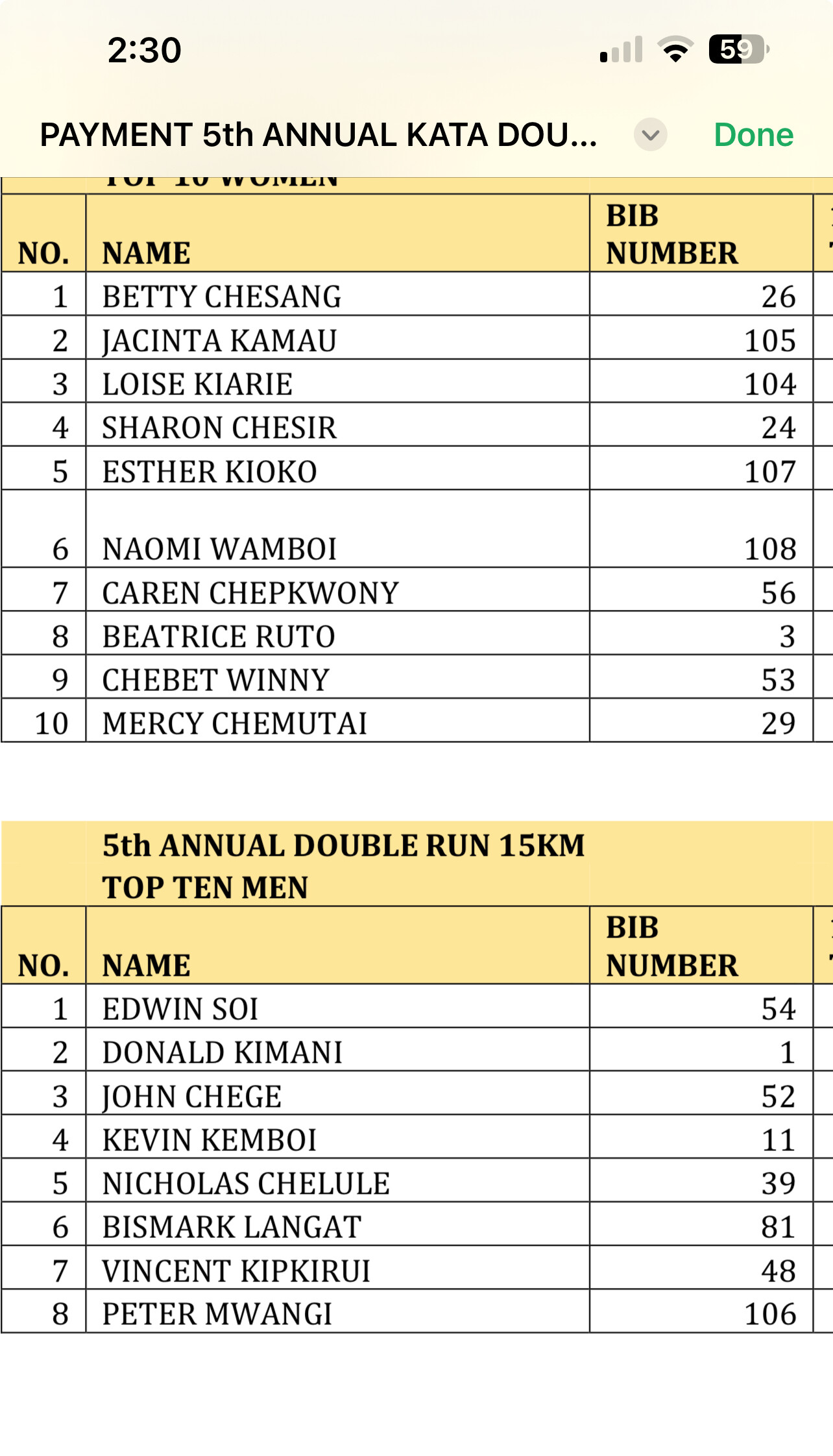
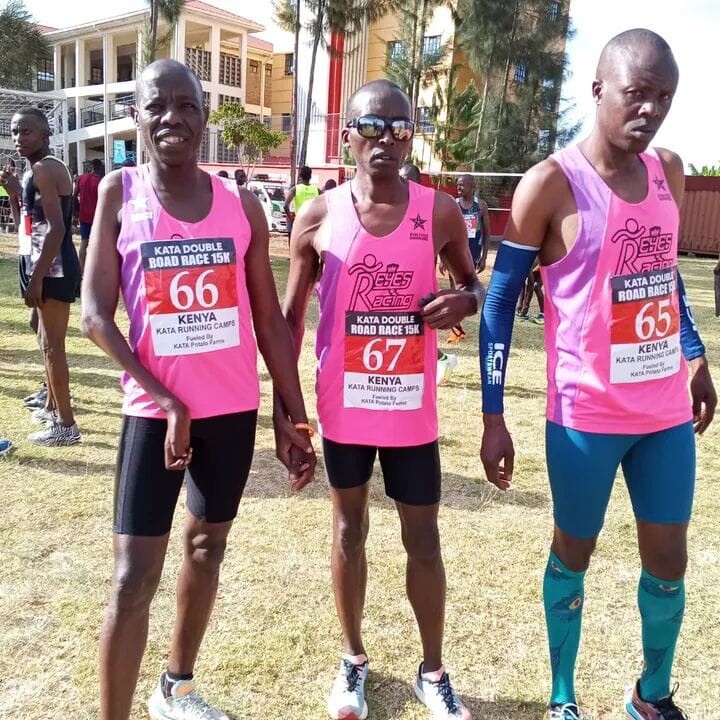
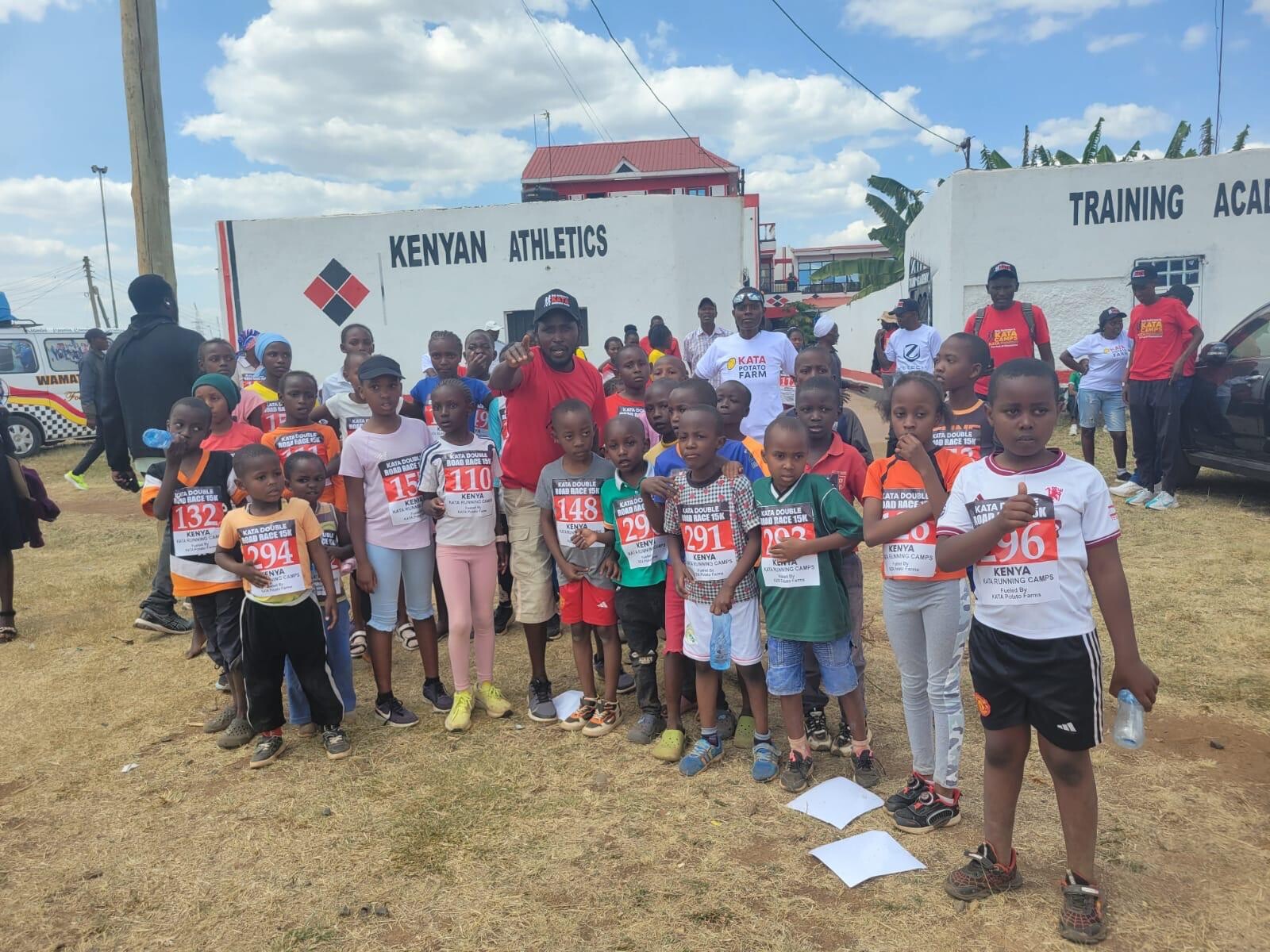
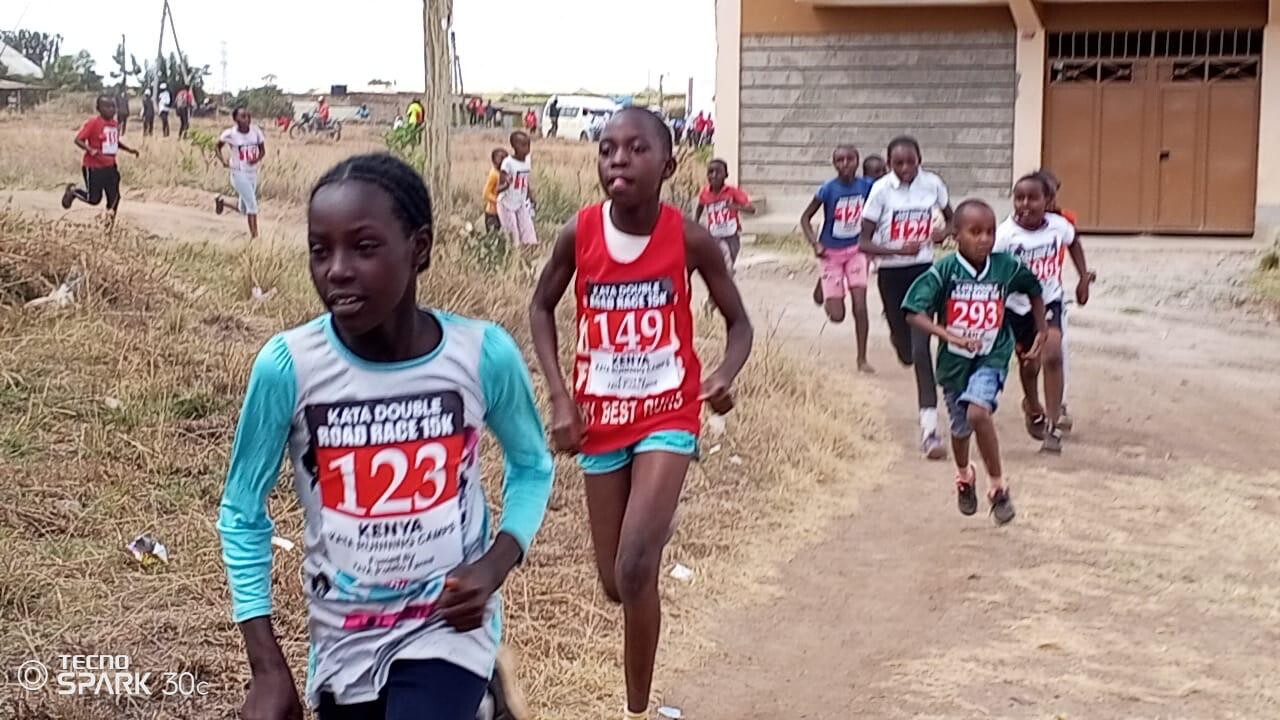
On the men’s side, Beijing 2008 Olympic 5000m bronze medalist Edwin Soi showed his class, taking the overall victory in a combined time of 43:50. He was chased hard by Donald Kimani, who clocked 44:07, while John Chege secured third place in 44:26. Chege, representing KATA Thika, had aimed with his teammates to challenge the world record. However, facing experienced stars like Soi, nerves crept in, and the record attempt slipped away.
The women’s race delivered equal excitement. Betty Chesang claimed the title in 51:32, followed by Jacinta Kamau in 51:50. Loise Kiarie rounded out the podium, finishing in 52:34.
Beyond the results, the day carried an atmosphere of learning and inspiration for KATA’s young and upcoming athletes. With each edition, the Double Road Race continues to grow stronger, reinforcing the KATA spirit: competing hard, learning together, and moving forward.
Also today was the Bob Anderson's Kids Mile and the 5K Run/Walk.
by Coach John and Boris Barron
Login to leave a comment
Edwin Soi Going After the World Record at the 5th Annual KATA Double Road Race in Thika Kenya
Over 130 KATA athletes will compete alongside many other runners in a field expected to be the deepest yet, all chasing glory and a share of 100,000 KES in prize money.
When the 5th Annual KATA Double Road Race returns to Thika on September 20, it will not be just another date on the calendar. It will be a celebration of endurance, strategy, and Kenyan running tradition. And at the heart of it all will be Edwin Soi, the Olympic bronze medalist whose longevity and tactical brilliance have made him one of Kenya’s most respected distance runners.

This year’s event also offers a prize purse of 100,000 KES, making the stakes even higher.
“Over 130 KATA athletes are expected to be on the line, joined by many more competitors from across the country and beyond,” says KATA founder Bob Anderson. “I am so proud of our KATA family and what we are building. This is just the beginning—athletics fueled by hard work and growing KATA potatoes.”
The Challenge of the Double
The Double is unlike any other race. Athletes first run a 10K, then take a halftime break where food and drink are provided as they prepare for the second leg. They return to the start line for a 5K. This is a two-leg event, and the times from each leg are added together for the final score.
For Soi—still formidable with career bests of 27:14 (10,000m) and 12:51 (5,000m)—the race is as much about mental strength as physical preparation.
“While others might wonder if they can even start the second race, my mind is already on pacing, form, and tactics,” Soi says. “Years of hard training and the right mental approach make a world record achievable.”
A Visionary Race with Kenyan Roots
The Double Road Race was created by Bob Anderson, founder of Runner’s World, to combine endurance with strategy. After pilot events in Mexico, the first official Double took place in Pleasanton, California, in 2012 with nearly 1,400 runners (5th photo).
Kenya quickly became a natural home. In 2014, races in Thika and Nyahururu introduced the longer Double 21K. By 2021, the Kenyan Athletics Training Academy (KATA)—also founded by Anderson—hosted Africa’s first Double 15K. Last year, Shadrack Kenduiywo (4th photo) set the world best of 42:34 on the Thika course, cementing Kenya’s place as the epicenter of the Double.
Soi’s Enduring Fire
At 39, Soi has experienced the full arc of an elite career. His defining moment remains the 2008 Beijing Olympics, where he won bronze in the 5,000m behind Ethiopia’s Kenenisa Bekele.
“Just making the Kenyan Olympic team drove me to push beyond limits,” Soi recalls. “I carried the hopes of more than 30 million Kenyans on my shoulders, and that choice ultimately led to my Olympic medal. My life changed—and my legacy changed.”
Since then, Soi has collected world championship medals and road titles worldwide. But today, what sets him apart is not only his victories but also his willingness to mentor and build the future.
Building Futures at KATA
Soi now heads the Kuresoi training camp under the KATA umbrella, guiding a new generation of athletes. His mentorship blends running discipline with life lessons, extending beyond training sessions.
KATA supports athletes with housing, nutrition, and income from sustainable farming projects like potato cultivation—ensuring both food security and financial independence. For Soi, this holistic model is crucial.
“I was fortunate to be mentored, and I feel a deep responsibility to pass that on. My victory will be in their success,” he says.
He also stresses integrity. With doping controversies tarnishing Kenyan athletics, Soi is determined to show that excellence can come from discipline, clean sport, and mentorship.
Why Thika Matters
The Thika Double has become more than a race; it is a stage where Kenyan athletes showcase strategy and resilience to the world. For the community, it is a festival of pride. For Soi, it is a chance to extend his legacy—competing for the clock, for his athletes, and for the values he believes in.
When the starter’s gun sounds on September 20, Soi will not only be racing 10K, resting, and running 5K. He will be carrying with him the arc of his career—from Olympic glory to mentorship—and the hopes of a new generation ready to follow in his footsteps.
The Double demands more than speed. It asks for resilience, intelligence, and composure. And with Edwin Soi on the line in Thika, chasing the world record, it promises to be a race—and a story—that inspires far beyond the finish.
by Robert Kibet
Login to leave a comment
KATA Double Road Race 15K
5th Annual KATA Double Road Race 15K Set for September 20, 2025, at KATA Thika The 5th Annual KATA Double Road Race 15K will be held on September 20, 2025, at the Kenyan Athletics Training Academy (KATA) in Thika, Kenya. The event includes a 10K leg, a break, followed by a 5K leg — a format designed to challenge runners...
more...
More Than a Medal: How Olympian Edwin Soi is Shaping the Future of Kenyan Running - KATA 05
In the misty highlands of Kuresoi, nestled at a staggering 2,700 meters above sea level, an elite training camp quietly hums with the sounds of determination — rhythmic footfalls, laboured breaths, and the occasional cheer of encouragement.
Along reddish-brown murram trails, sandwiched between dense trees of the Mau Forest, young athletes glide through the early morning fog. This is no ordinary running camp. It is the dream and daily labour of Edwin Cheruiyot Soi, one of Kenya’s most decorated long-distance runners, now turned mentor, marathoner, and coach.
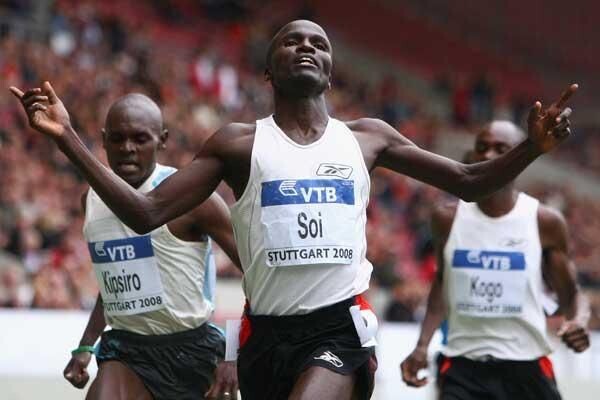
Soi, known for his Olympic bronze medal in the 5000m at the 2008 Beijing Olympics and a glittering career on the track, hasn’t slowed down. While many of his peers have moved on from competition, Soi remains actively racing marathons, coaching, and living side by side with a rising generation of athletes.
“I have run for long, from World Championships and World Indoors to the Olympics,” Soi says after a long training session. “With all that experience, I saw it wise to share my expertise — not just with young athletes, but with anyone willing to train with discipline.”
Still Racing, Still Leading
Every morning, Soi joins his athletes in their rigorous routines. From tempo runs along the forested trails to fartlek and speedwork sessions, he leads by example.
“My athletes don’t just see me as a coach — I run beside them,” he says. “They learn from how I train, rest, and carry myself. That’s leadership by presence.”
For the athletes, it’s not only inspirational — it’s transformational.
Margaret Ndirangu, a promising athlete from Central Kenya, beams with gratitude:
“I have nothing more than joy. Being at Soi’s camp is more than home to me. We eat well, sleep well, and train well. Running alongside an Olympian like Edwin Soi is a huge motivation.”
Gilbert Kenduiywo, a full marathon runner, agrees:
“I thank Soi because he has brought us from where we were, courtesy of Bob Anderson. Running involves dedication, and it is through this that we now have a place to live, eat, and train. I also thank Bob Anderson for the noble idea. Engaging in farming as an income-generating activity after training means a lot to us.”
Kuresoi: Nature’s Perfect Stadium
The rugged beauty of Kuresoi is more than just scenery; it's a natural high-performance lab. The red-earth trails, the crisp mountain air, and the altitude of 2,700 meters form the ideal foundation for endurance athletes.
“Our routes weave through Mau Forest,” Soi says, pointing to a distant hill where runners disappear into the mist. “These aren’t just trails. They’re tests of character.”
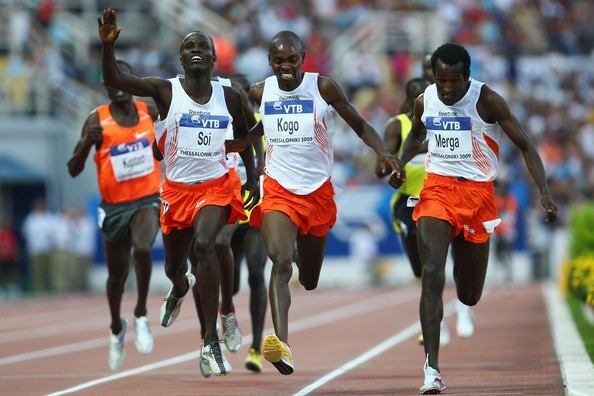
The KATA Vision: Running with Purpose
Soi’s training camp is backed by the Kenyan Athletics Training Academy (KATA), founded by Bob Anderson, the visionary behind Runner’s World magazine. But what makes this camp stand out isn’t just the training — it’s the fusion of sport and sustainability.
With support from KATA, Soi and his athletes engage in agricultural projects, most notably the Potato Project. When they’re not clocking miles, runners plant, harvest, and manage farming plots — gaining not only a source of income but vital life skills.
“No one else had thought of supporting athletes this way — giving them both a place to grow athletically and financially,” says Soi. “Bob’s idea came at the perfect time.”
Athletes echo this gratitude.
Edmond Rono, a distance runner from Sotik, shares:
“I used to train in Sotik, but after joining Soi's camp—supported by KATA—I’ve experienced a complete transformation. We stay comfortably and enjoy everything from training, meals, to accommodation. My future now looks bright.”
Isaiah Kipkurui, a road runner, adds:
“The support from KATA through Edwin Soi has meant a lot to us as athletes. Since joining the camp, we’ve seen remarkable improvement in our performance and lifestyle.”
Cheptoo, a 3000m specialist with a personal best of 9:30, also credits the camp for her progress:
“Coming from Sotik and joining Soi’s camp has been a turning point. Accessing proper meals and accommodation as an athlete is a great opportunity. I’m now preparing for the upcoming cross-country races this month.”
And Winny Chebet, a determined 10,000m runner, shares:
“The opportunity given to me through Soi’s camp, supported by KATA, has made me optimistic. I believe my future is bright, and I will be able to hit my running targets.”
Running Clean, Running Proud
While training and farming form the physical and economic backbone of the camp, discipline and integrity shape its soul. Soi is fiercely committed to clean sport — a principle he insists every athlete lives by.
“My athletes know I’m strict,” he says. “There’s no shortcut in this sport. I do not support doping, and I never will. If you want to enjoy the fruits of your labor, you must do it right.”
In a time when Kenyan athletics has been shaken by doping scandals, Soi’s stance is both timely and bold. His camp stands as a model of ethical training, and his leadership provides athletes with more than a place to train — it gives them a moral compass.
Beyond the Finish Line
Soi knows his racing clock is ticking. Though still active in marathons, he estimates he has two or three years left of elite racing. But that doesn’t worry him. His eyes are fixed on the future — one that includes hundreds of young athletes inspired and supported through his camp.
“I’m not just training runners,” he says. “I’m building people. Strong, disciplined people who will take Kenyan running to the next level.”
He acknowledges the crucial role of Athletics Kenya and the Ministry of Sports in establishing youth training camps nationwide. “Their efforts align perfectly with our vision here,” he says. “We’re all working toward the same goal — to empower youth through athletics.”
A Legacy Written in Footsteps
As the sun rises over the Mau Forest and the last runner finishes the morning loop, Soi jogs back toward camp with his group, his figure still strong, still focused. Around him are the dreams of others — a living tribute to his journey.
He’s a man who knows the podium. But today, Soi’s greatest pride isn’t in medals or titles. It’s in the smiles, strength, and discipline of those who now run beside him.
“Running gave me everything,” he says. “Now, I give back — through sweat, through sacrifice, and through the soil we farm together.”
In Kuresoi, the second wind of Edwin Soi is not a comeback — it’s a new beginning, and it’s lifting others with every stride.
by Robert Kibet
Login to leave a comment
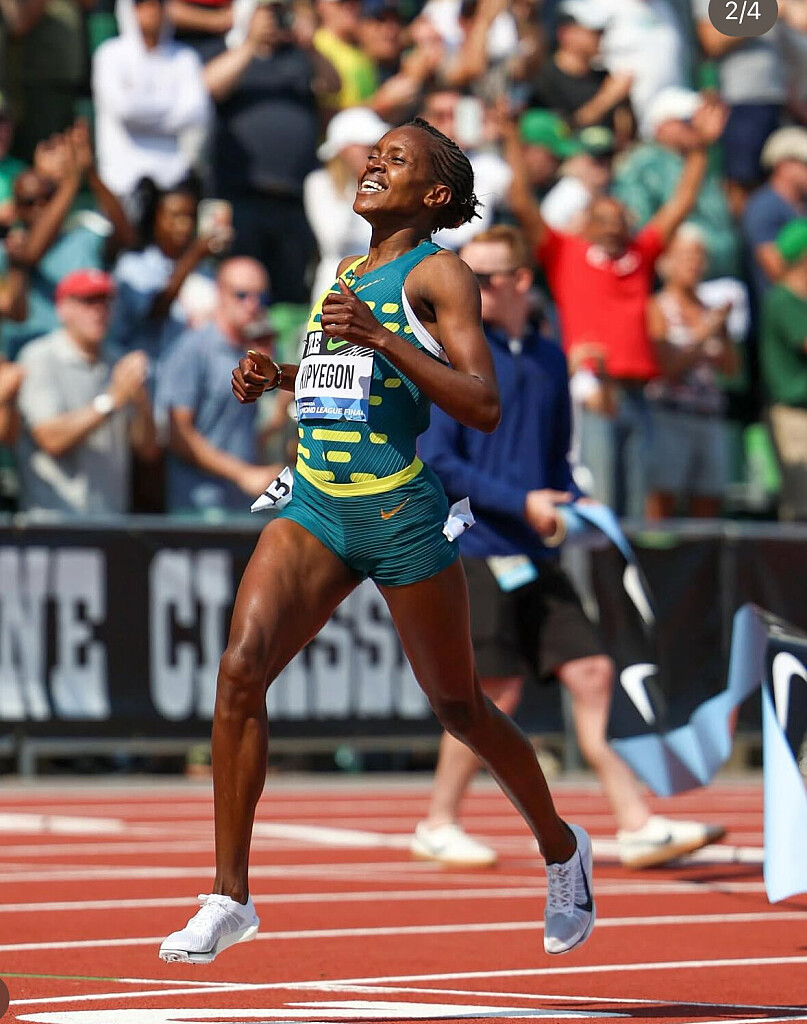
Faith Kipyegon to Race 3000m in Silesia – Is the World Record in Sight?
World 1500m record-holder Faith Kipyegon will race the 3000 meters at the Silesia Kamila Skolimowska Memorial on August 16, setting up what could be one of the most anticipated moments of the 2025 track season.
The Kenyan star has been rewriting the history books. Over the past year, she set new world records in the 1500m (3:48.68) and 5000m (14:05.20), and ran the fastest women’s mile ever in an unofficial exhibition event in Paris. Now she’s turning her attention to the 3000m—an event she hasn’t run seriously in over a decade.
A Decade Later, a Return to 3000m

Kipyegon’s personal best of 8:23.55 was set in 2014 when she was just 20. Since then, she’s become a global icon—earning three Olympic gold medals, multiple world records, and establishing herself as the most dominant female middle-distance runner of her generation.
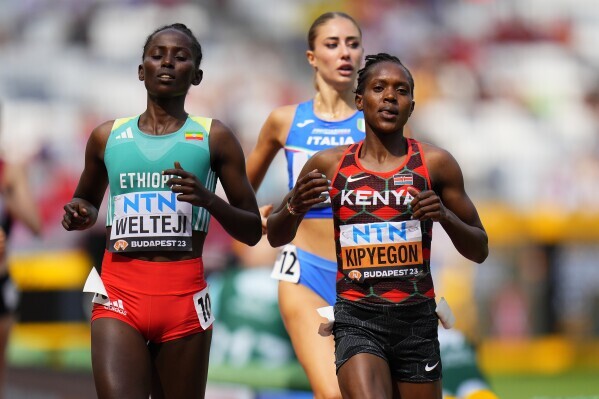
Now, with a combination of endurance from her 5000m training and unmatched speed honed in the 1500m, Kipyegon is poised to take a serious shot at history.
The Record She Might Be Chasing
The current women’s 3000m world record:
• 8:06.11 – Wang Junxia (China), set on September 13, 1993 in Beijing.
That mark has stood for more than 30 years—but it remains controversial. In 2015, a letter reportedly written by Wang Junxia in 1995 surfaced, in which she and nine teammates alleged they were forced to take “large doses of illegal drugs over the years” as part of a state-sponsored doping program under the direction of their coach, Ma Junren.
Wang wrote that the women “tried to refuse the drugs,” but that Ma would allegedly inject them himself if necessary. The letter was sent to Chinese journalist Zhao Yu but remained unpublished until decades later. Ma has consistently denied any doping allegations, and Wang’s world record still stands officially—despite renewed scrutiny.
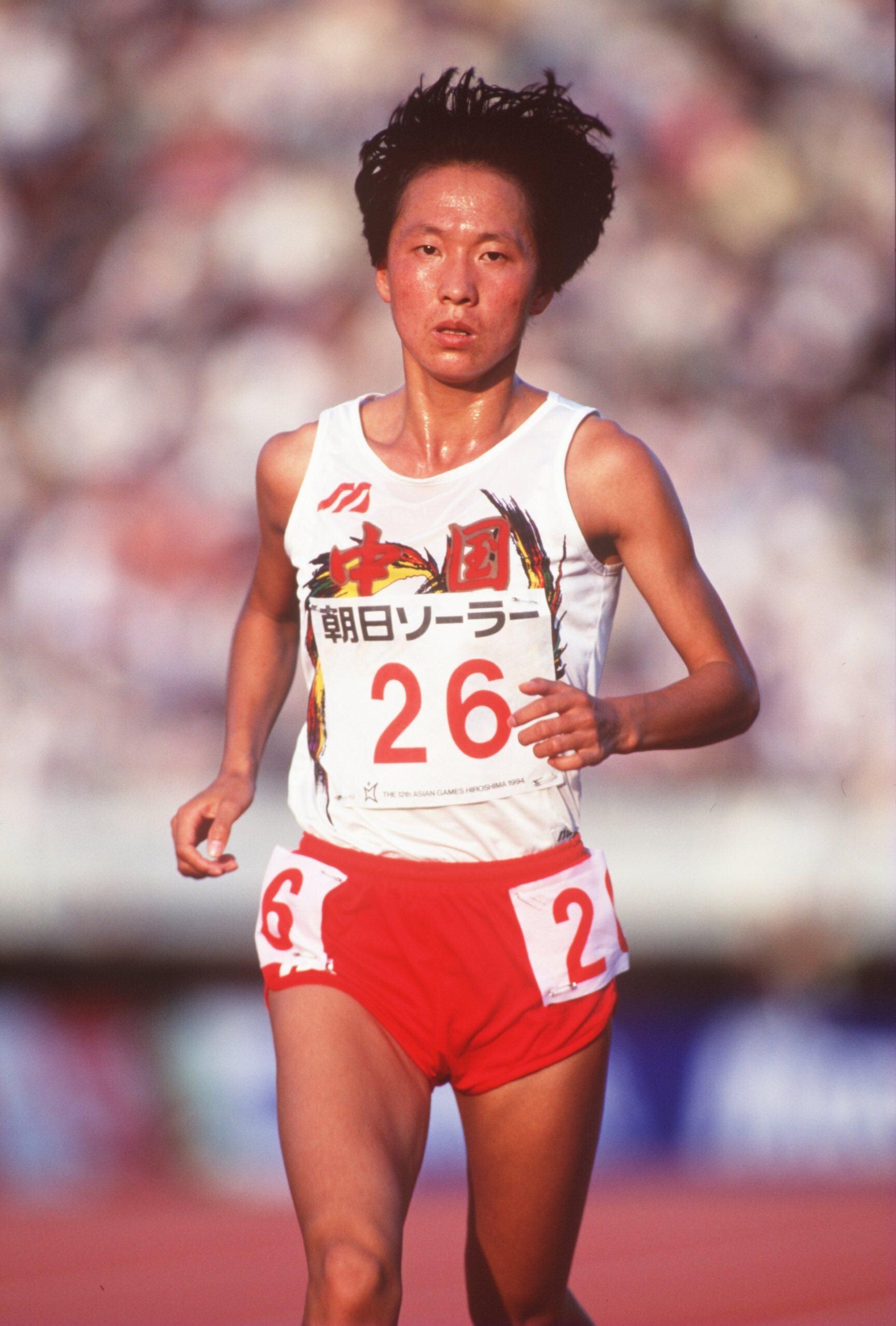
In response, the IAAF (now World Athletics) opened an investigation at the time, but as of today, the record has not been invalidated.
Why Silesia Matters
If Faith Kipyegon runs in the 8:10–8:15 range, it would mark one of the cleanest and most credible performances in the history of the event. Should she go even faster, it could position her to break or at least redefine the context of the 3000m record.
Few athletes in history have had the range, poise, and championship pedigree that Kipyegon carries. With the eyes of the world on Silesia this August, she may once again elevate the sport.
Is a new world record possible? We’ll find out soon.
If she does it, Faith Kipyegon won’t just rewrite another line in the record books—she’ll help reclaim one of the most contested chapters in women’s distance running.
by Boris Baron
Login to leave a comment
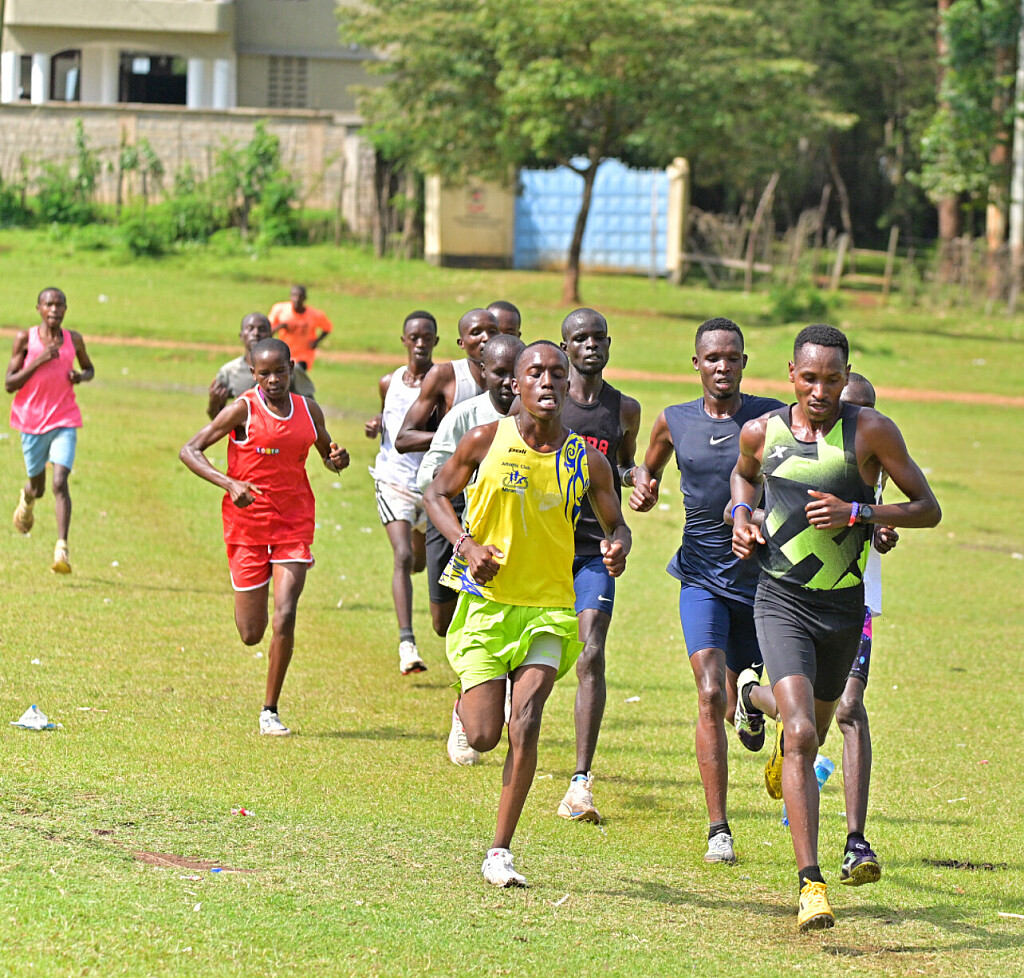
KATA Running Camps Expand to 10 Locations in Kenya with Ruth Chumo Leading New Site in Eldoret
The Kenyan Athletics Training Academy (KATA) has reached a major milestone with the launch of its 10th KATA Running Camp, as the movement continues to grow rapidly across Kenya. This bold initiative, which blends elite athletic training with sustainable agriculture, is transforming the future of distance running.
The two newest camps are now confirmed:
• KATA Camp 9 in Kamoi, led by coach David Kirui
• KATA Camp 10 in Eldoret, operated by Coach Ruth Chumo

Coach Ruth Chumo brings exceptional experience to the program. Based in Eldoret—the heart of Kenyan distance running—she has built her reputation training both abled and para-athletes at the highest level. Her deep commitment to athlete development and her proven leadership make her a vital addition to the KATA family.
“I am so excited about the group of operators we have put together,” says KATA Director Bob Anderson, founder of Runner’s World magazine. “Each of our operators is fully committed to the program and understands the importance of our KATA Potato Farm component. This provides year-round revenue that allows us to sustain and grow. Every camp already includes top-level athletes, and we’re going to achieve big things.”

Two of the current camps have already planted their first acre of KATA potatoes, marking an important step forward in the program’s sustainability model. These three-acre farms, tied to each running camp, are a core part of the KATA mission—providing food, responsibility, and revenue that keep the entire system running year-round.
The program is also delivering results on the track. Just last weekend, Olympic bronze medalist Edwin Soi, operator of the Kericho KATA Camp, ran an astonishing 27:30 for 10,000 meters, dominating his race and sending a strong message about the level of athletes being developed within the KATA system.
KATA’s leadership includes two Olympians:

• Edwin Soi, 5000m bronze medalist from the Beijing Olympics
• Paul Kipsiele Koech, one of the most accomplished steeplechasers in history, now operating the KATA Camp in Sotik
Their presence brings unmatched experience, mentorship, and international credibility.
At the heart of KATA is a powerful, dual-purpose model: athletes receive world-class training while also helping manage a working farm. The result is a program that builds champions and sustains itself through community-driven agriculture.
Round Two Begins October 1
The momentum is building. On October 1, KATA will launch Round Two of its program, aiming to establish 10 additional camps by November 1—doubling the total to 20.
“This is only the beginning of our aggressive, unique program,” says Anderson.

The long-term vision: 50 fully operational KATA Running Camps within three years, directly supporting nearly 1,000 elite Kenyan runners.
The KATA Partner Program
To help reach that goal, KATA is inviting select partners to be part of the movement and make a lasting impact.
Each partner:
• Can have their name on a camp. You too can now have your own training camp in Kenya under the umbrella of KATA.
• May choose to be actively involved (like coaching and selecting your own athletes) or take a passive role. (KATA will set everything up.)
• Will share in the gross revenue from the sale of KATA potatoes
• Will also participate in a percentage of prize money earned by athletes at their partnered camp
This is a rare opportunity to support a program built on performance, purpose, and sustainability—while being directly connected to the success of the next generation of Kenyan champions.
Want to get involved?
WhatsApp Bob Anderson at +1-650-400-6643 to learn how you can support or partner with KATA today.
Photos: Paul Kipsiele Koech KATA team in Sofia 2. Ruth Chumo 3. Ruth's KATA Camp outside of Eldoret 4. KATA athletes planting potatoes in Molo under the direction of camp operator Eric 5. KATA ten camps 6. KATA athletes in Iten 7. Preparing potatoes in Kapcherop 8. Paul Kipsiele Koech coaching his KATA athletes in Sotik.
by Boris Baron
Login to leave a comment
Edwin Soi Blazes 27:30 for 10,000m at South Rift Regional Meet in Nakuru
Veteran Olympian Edwin Soi made a powerful statement in Nakuru County on June 15, dominating the 10,000m at the South Rift Region athletics qualification meet with a stunning time of 27:30. The race, held at Afraha Stadium, served as a regional qualifier for the Kenyan National Trials, which take place July 9 in Nairobi and will determine the team for the World Championships.
Soi, the newly appointed operator of the KATA Running Camp and KATA Potato Farm in Kericho, blew away the field with his performance—remarkable not only for the result but for the circumstances behind it.
“I’m pleased with my time,” Soi said. “I’ve only been doing marathon training and no speed work. When Bob [Anderson], our KATA Running Camps founder and director, asked me a few days ago what I thought I could run, I told him sub-28—and I did.”
Soi’s effort drew praise from Bob Anderson, the founder of Runner’s World and director of the KATA Running Camps initiative. “Edwin just signed on to operate KATA Running Camp - Kericho and has been preparing to officially open his camp on Monday,” Anderson said. “I was very excited to hear of his time this morning. He will be ready to make the Kenya national team.”
Photo five is Edwin visiting with Job at the KATA Running Camp - Molo. Photo six is Edwin transporting beds to his camp in Kericho earlier in the week.
Soi, who won the bronze medal in the 5,000m at the 2008 Beijing Olympics, has been transitioning to longer distances in recent years, including the marathon. His performance in Nakuru indicates he still has world-class speed and may be poised for another major appearance on the global stage.


by Boris Baron
Login to leave a comment
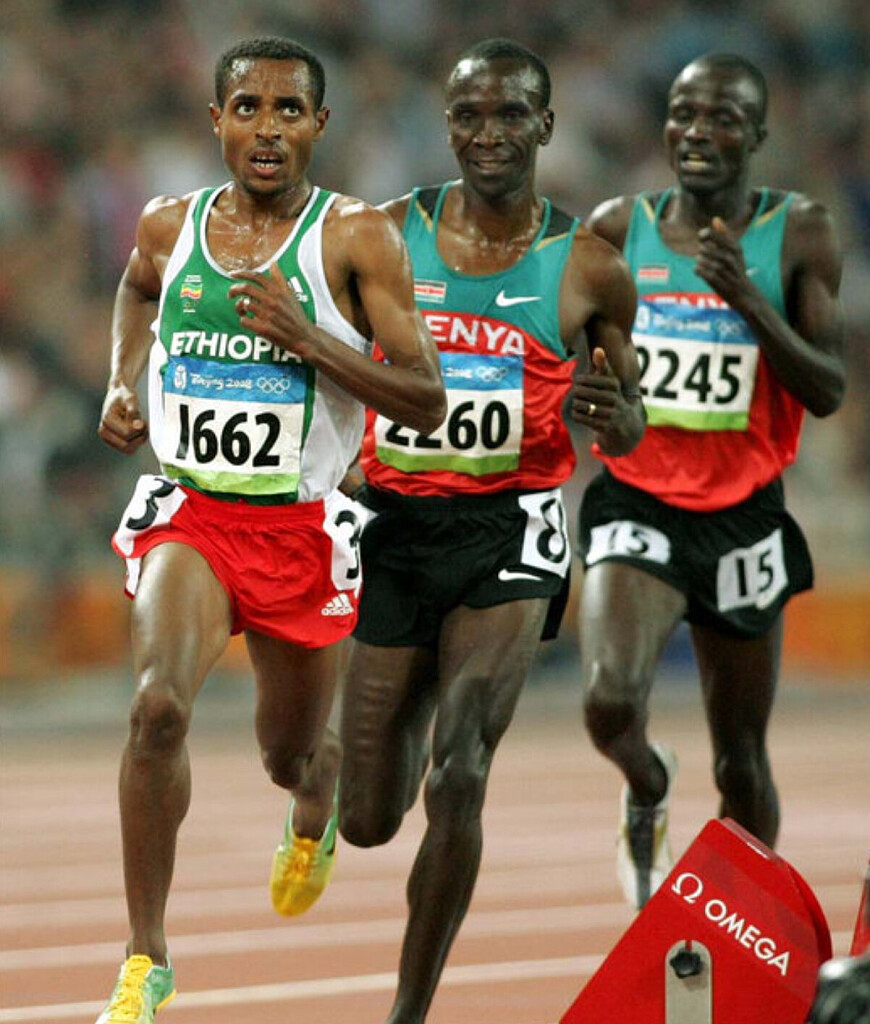
Olympic 5000m medalist Edwin Soi joins new KATA Running Camp in Kericho — a unique Kenyan training program blending elite coaching and community impact.
From Olympic bronze to farming for the future, Edwin Soi’s journey reflects both speed and sustainability.
In the world of distance running, Edwin Soi is a name etched in excellence. At the 2008 Beijing Olympics, Soi captured the bronze medal in the 5000 meters, finishing with a time of 13:06.22behind Kenenisa Bekele and Eliud Kipchoge—an iconic race that cemented his place among the greats of Kenyan running.
Now, over 15 years later, Soi continues to perform at an elite level. In early 2025, he placed on the podium at a major half marathon in Poland, proving that his speed and endurance have stood the test of time. But the accomplished Olympian is now expanding his impact beyond the track.
This year, Soi has teamed up with Bob Anderson, the founder of Runner’s World and the visionary behind the Kenyan Athletics Training Academy (KATA). Together, they are launching a unique initiative in Kericho, Kenya that combines world-class training with sustainable farming.
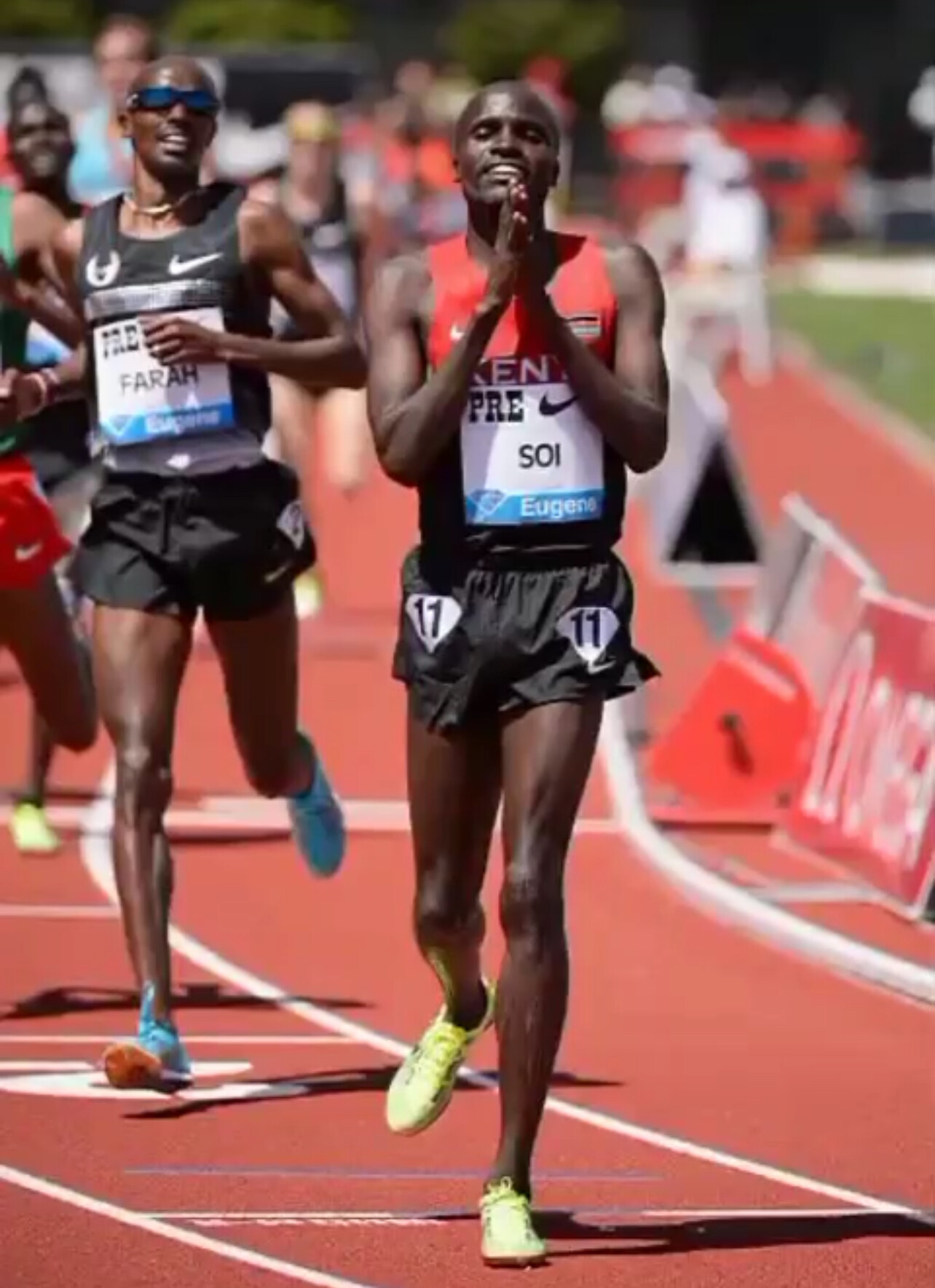
“I am very excited to be working with Bob Anderson on this new, unique program,” says Soi. “Bob has created something very special for athletes, and combining it with his ideas about farming KATA Potatoes gives us the opportunity to be sustainable. It’s perfect.”
A Vision Rooted in History
Bob Anderson’s connection to Kenyan running spans nearly four decades.
“I first traveled to Kenya in 1987 and saw and met many runners. I knew then that a program like what we have now set up was needed,” Anderson explains. “I returned with my wife Catherine in 2014 and met Elam and Joel. That’s when the idea for the Kenyan Athletics Training Academy (KATA) in Thika really started to take shape.”
KATA officially opened in 2019, offering elite Kenyan athletes a base to train and grow. But the vision didn’t stop there.
In 2023, Anderson and longtime friend Brock Hinzmann (last photo) a 2:19 marathoner from Los Altos Hills, California, piloted the first KATA farm. The goal was to integrate agriculture into athlete development—creating a model where training and sustainability go hand in hand.
“We established a KATA farm in 2023 working with Brock, but the program needed some refinements. I finalized our new format in May of 2025. I told Edwin Soi about our program and he told me he loved the idea and jumped right on it,” says Anderson.
Kuresoi: A New Chapter
Now, with Soi’s leadership, the KATA Running Camp and Potato Farm in Kuresoi is set to become a flagship model for the future. Athletes will not only receive top-level training from one of the greatest distance runners of his generation, but they’ll also participate in sustainable farming practices—planting, maintaining, and harvesting KATA-branded potatoes.
The program provides housing, coaching, food, and competition opportunities—with the added benefit of long-term revenue from agriculture. It’s a model designed not just to develop athletes, but to support their lives beyond running.
“Edwin Soi brings credibility, passion, and wisdom to this project,” says Anderson. “It’s not just about winning races anymore—it’s about building something that lasts.”
Looking Ahead
With KATA camps now expanding across Kenya—including recent launches in Kapcherop, Molo, Nyandarua, and Kuresoi—the partnership between Bob Anderson and Edwin Soi represents a new chapter in Kenyan running. One where elite performance and local empowerment go hand in hand.
Soi’s journey—from Olympic bronze to coaching, mentoring, and planting the seeds of a new future—demonstrates what’s possible when world-class talent meets a visionary purpose.

by Boris Baron
Login to leave a comment
Kirsty Coventry Becomes First Female IOC President in a Controversial Election
In a historic and contentious election, Kirsty Coventry has been elected as the first female and first African president of the International Olympic Committee (IOC). The election, held in Costa Navarino, Greece, saw Coventry secure 49 out of 97 votes in the first round, defeating other high-profile candidates, including Juan Antonio Samaranch Jr. and Lord Sebastian Coe.
Her victory marks a significant milestone in the IOC’s 131-year history, but it has not come without controversy. While she is celebrated as one of the greatest Olympic athletes from Africa, her political ties to Zimbabwe have raised concerns about how she will lead the Olympic movement into the future.
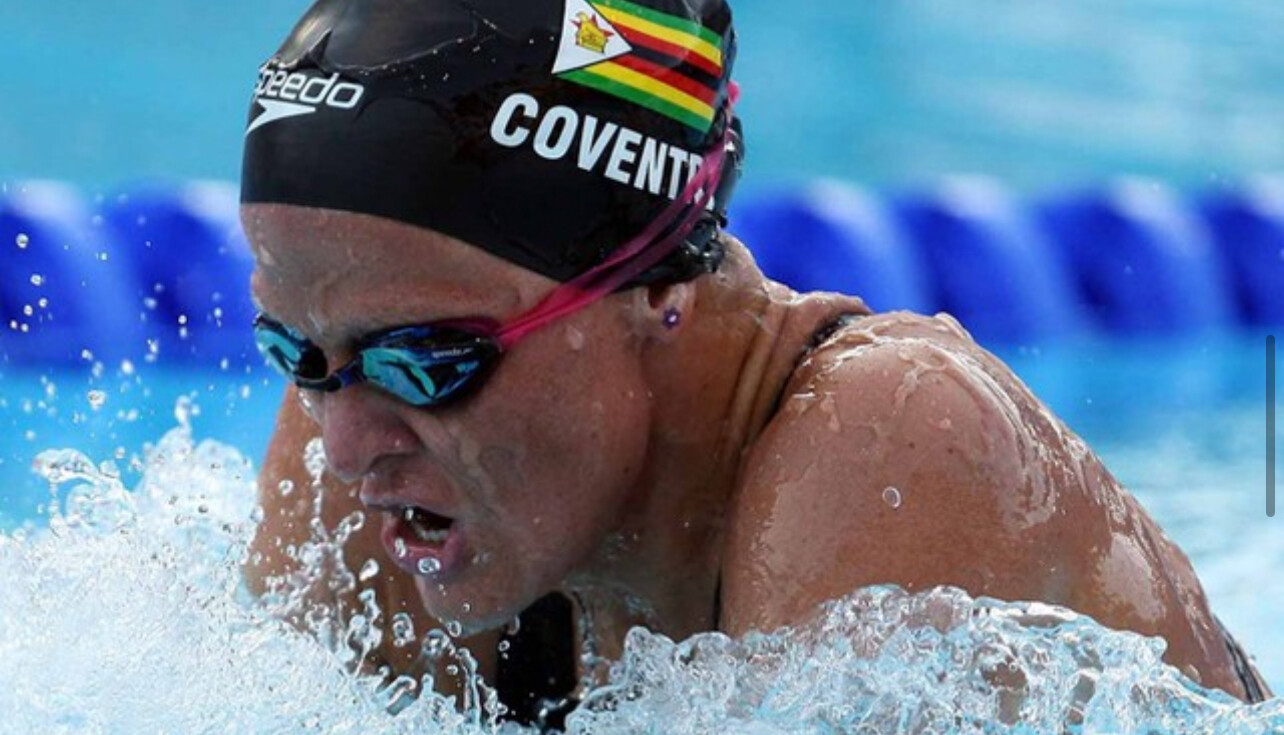
Kirsty Coventry: An Olympic Champion Turned Global Sports Leader
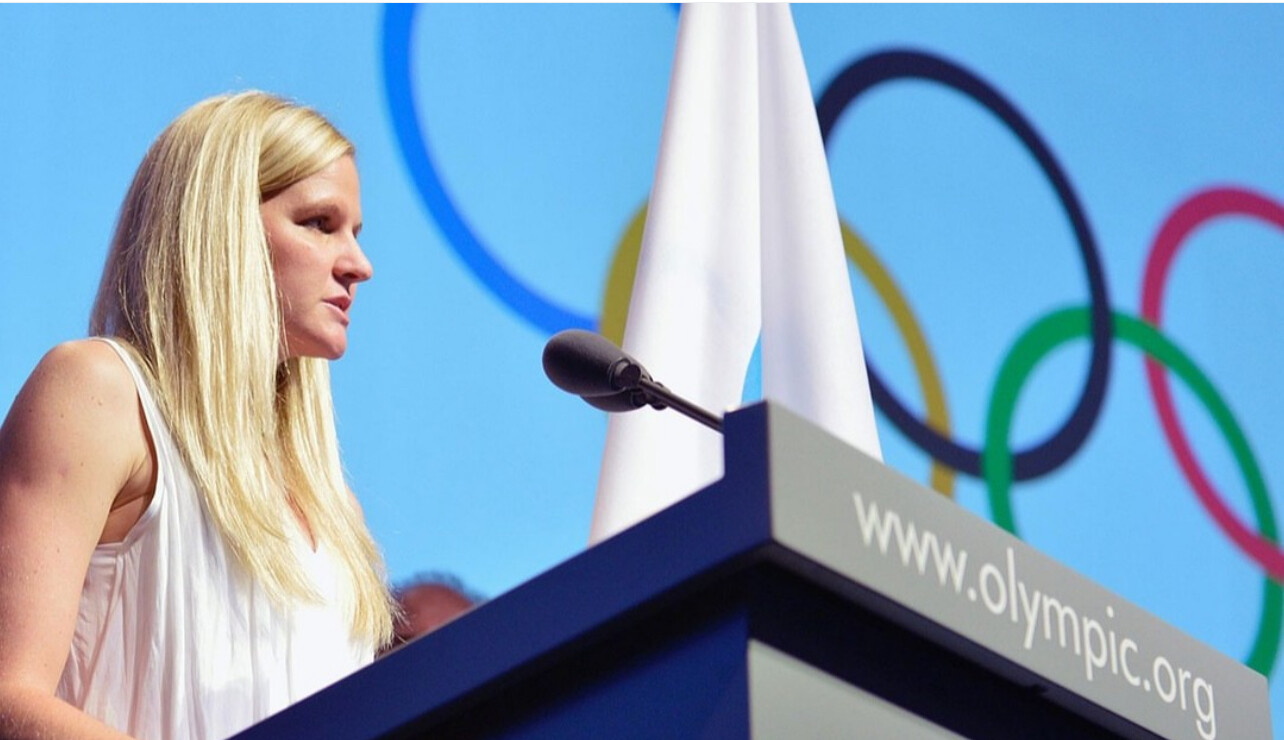
Before stepping into sports administration, Kirsty Coventry was a dominant force in competitive swimming. Born in Zimbabwe, she became one of the greatest backstrokers of all time, earning seven Olympic medals across five Olympic Games.

Her breakthrough moment came at the 2004 Athens Olympics, where she won gold in the 200m backstroke, along with silver and bronze medals in other events. Four years later, at the 2008 Beijing Olympics, she added four more medals to her collection, solidifying her reputation as Africa’s most decorated Olympian.
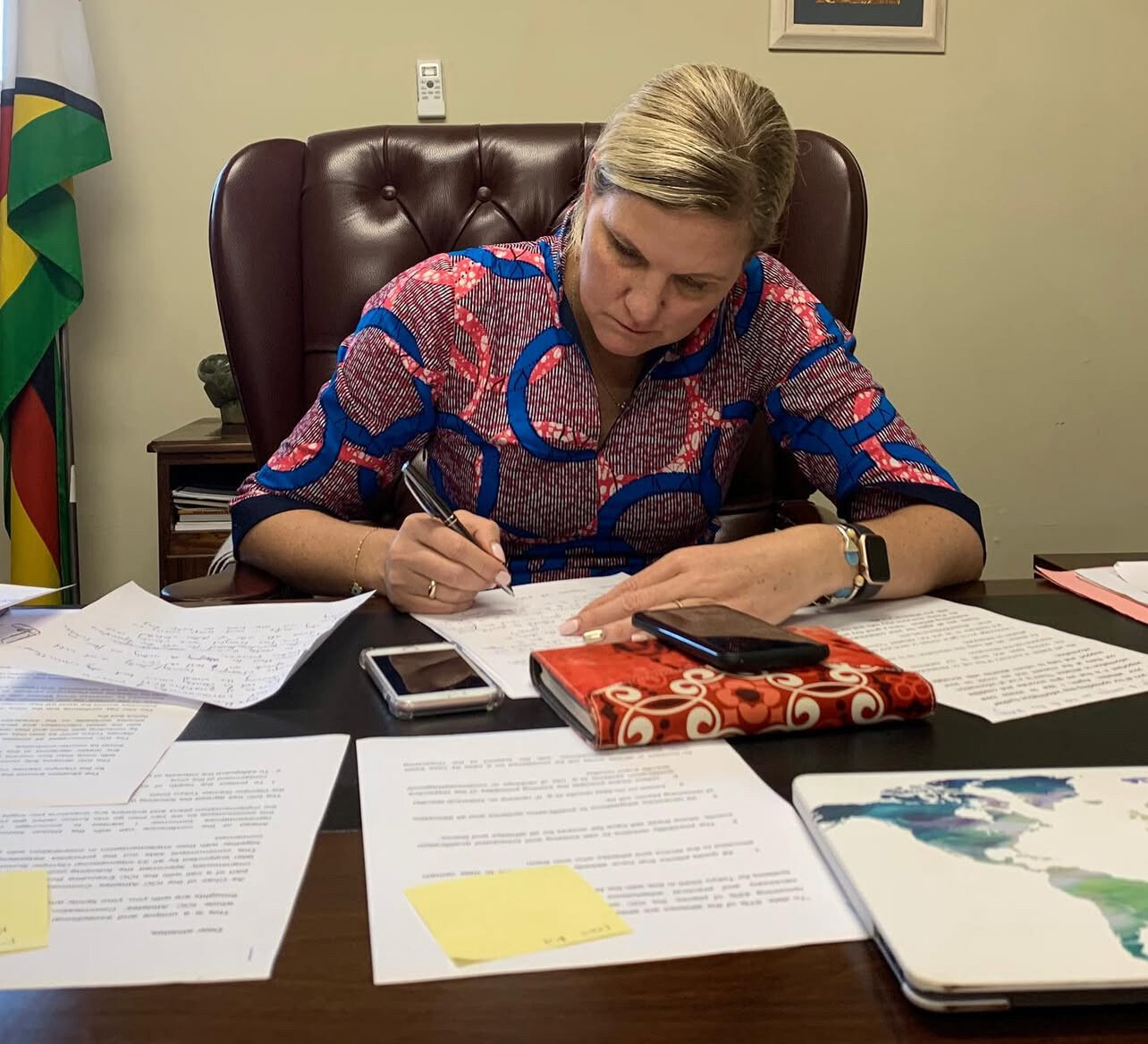
Beyond her success in the pool, Coventry set multiple world records, won two World Championship titles, and became a role model for young athletes across the African continent. After retiring from competition, she transitioned into sports governance, serving as Chair of the IOC Athletes’ Commission and playing a key role in Olympic policy-making.
However, her political involvement in Zimbabwe—where she served as Minister of Youth, Sport, Arts, and Recreation—has generated criticism. Some view her efforts as beneficial for youth sports development, while others argue that her association with a government accused of human rights violations could impact the IOC’s credibility.
Unexpected Results and IOC Power Struggles
Coventry’s election defied many expectations. Sebastian Coe, the two-time Olympic gold medalistand president of World Athletics, was widely seen as a frontrunner. However, he received only eight votes, a shocking defeat that underscores the complex political dynamics within the IOC.
Coe’s supporters believed his leadership in global athletics and Olympic advocacy would make him the ideal candidate, but the vote suggests that power within the IOC is shifting in new directions. Coventry’s victory signals a desire for a fresh perspective, though questions remain about how she will navigate the challenges ahead.
Challenges Ahead for Coventry’s Leadership
As she prepares to take office on June 23, 2025, Coventry faces several pressing issues that will shape her presidency:
• Financial and Sponsorship Issues – The IOC’s business model is under scrutiny, with shifting audience engagement and declining sponsorship deals requiring new revenue strategies.
• Doping and Fair Play – Strengthening anti-doping policies and restoring trust in fair competition remain major concerns.
• Inclusion and Political Tensions – The debate over transgender athletes, athlete activism, and geopolitical tensions around upcoming Games demand careful navigation.
• Upcoming Olympic Games – With the 2028 Los Angeles Olympics and 2032 Brisbane Games ahead, Coventry must oversee event planning, sustainability efforts, and global participation.
The Future of the IOC Under Coventry
Kirsty Coventry’s election is both a groundbreaking achievement and a contentious decision. As the first woman and first African to lead the world’s most powerful sports organization, she carries the weight of expectation, scrutiny, and Olympic tradition.
Will she modernize the Olympic movement and steer it into a new era of inclusivity and transparency? Or will her political controversies and IOC power struggles overshadow her leadership?
One thing is certain—Coventry’s presidency will shape the future of the Olympic Games in ways never seen before.
For more updates on this developing story and the world of Olympic sports, stay tuned to My Best Runs.
by Boris Baron
Login to leave a comment

LA 2028 Summer Olympics Games
Discover how the Los Angeles Candidature Committee describes their vision for the Games and the legacy they plan to leave behind: For centuries, people have been following the sun to California – to a coastal paradise of beautiful weather, inspiring landscapes and an ocean of possibilities. Since it was first settled, LA – the City of Angels – has built...
more...
Aga and Wolde run course records to win in Xiamen
Ruti Aga and Dawit Wolde achieved an Ethiopian double at the C&D Xiamen Marathon, both athletes setting course records to win the World Athletics Platinum Label road race on Sunday (5).
Aga and Wolde were the fastest athletes in their respective fields and Aga won the women’s race in 2:18:46, claiming a dominant victory ahead of her compatriot Gutemi Shone Imana in 2:23:11, while Wolde secured the men’s title in 2:06:06 ahead of Lesotho’s Tebello Ramakongoana, who ran a national record of 2:06:18.
Aga lined up as the Chinese all-comers' record-holder thanks to the PB of 2:18:09 she set in Dongying in 2023. The 30-year-old now owns the two fastest women’s marathon performances ever achieved in China, as she was just 37 seconds off that mark in Xiamen.
It was a return to winning ways for the 2019 Tokyo Marathon champion, who won the Daegu Marathon last April and then was runner-up in the Sydney Marathon in September.
Her time of 2:18:46 improved the previous course record by more than a minute. That course record of 2:19:52 had been set by Aga’s compatriot Mare Dibaba in 2015, the year in which she became the world marathon champion in Beijing.
Dibaba was also part of the field in Xiamen on Sunday and this time she ran 2:27:49 to finish fifth.
Behind Aga and Shone, Fikrte Wereta Admasu completed an Ethiopian sweep of the podium as she was third in 2:23:15, while Kenya’s Mercy Jerop Kwambai was fourth in 2:23:58.
While Aga was joined only by pacemakers in the final stages of the women’s race, Wolde still had three athletes for company as the men’s race reached the 40km mark.
But he managed to move away from his rivals to eventually claim a 12-second victory. Behind Wolde and Ramakongoana was Ethiopia’s defending champion Asefa Boki Kebebe, third in 2:06:32. His compatriot Chalu Deso Gelmisa was fourth in 2:06:45.
Ramakongoana’s performance took 1:40 off the national record he had set when finishing seventh at the Paris 2024 Olympic Games.
Login to leave a comment

CD XIAMEN INTERNATIONAL MARATHON
The C&D Xiamen International Marathon is an annual marathon race held in January in the coastal city of Xiamen in Fujian province, People’s Republic of China. Every January, the first medal of marathon race around the world is awarded here. The race has become a golden name card of Xiamen, showing its splendor to the whole world.It is one of...
more...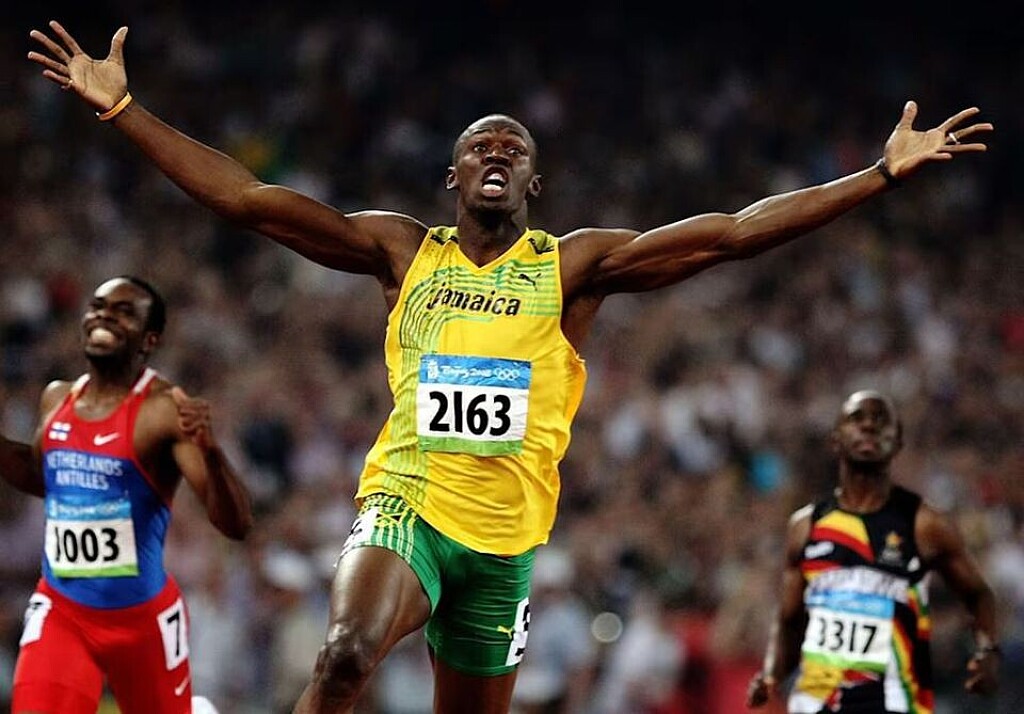
Usain Bolt reveals meal plan that helped him smash 100m world record at 2008 Beijing Olympics
Usain Bolt broke world records in all his three specialties but the 2008 Olympics diet change was the beginning of his dominance on track.
Three-time Olympic 100m champion Usain Bolt has revealed how a change in diet at the 2008 Olympics in Beijing played a crucial role in him setting a world record in his specialty.
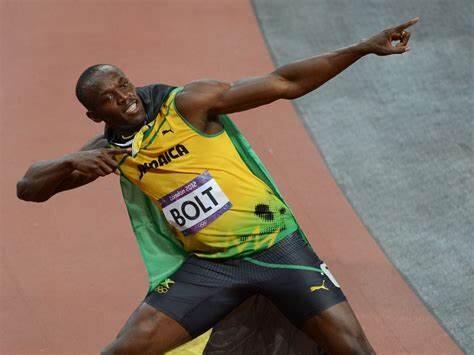
The legendry Jamaican sprinter who also managed three Olympic 200m gold titles, was fueled by chicken nuggets because he thought Chinese food tasted odd.
In his autobiography, Faster than Lightning, Bolt wrote: “At first I ate a box of 20 for lunch, then another for dinner. The next day I had two boxes for breakfast, one for lunch and then another couple in the evening. I even grabbed some fries and an apple pie to go with it,” the 11-time world champion told TalkSport.
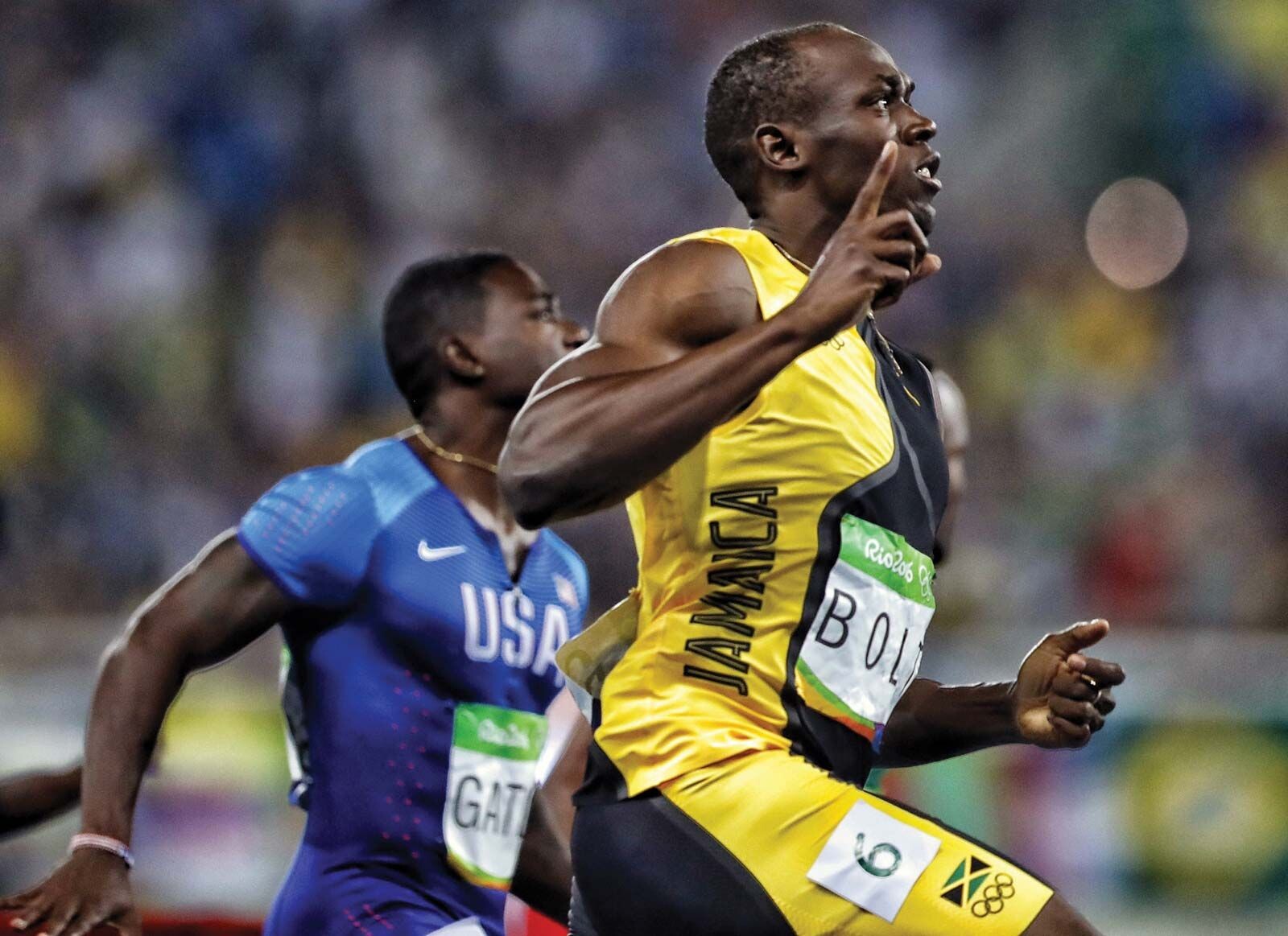
Bolt estimated he ate 1,000 of McDonald’s chicken nuggets during the Beijing Olympics. It was an even more impressive feat considering he did it with his shoelaces untied! Bolt finished so clear of his competitors that he pumped his chest while crossing the finishing line and had he not done that, a better final time would have been recorded.
The 38-year-old made history a year later when he set another record in the men’s 100m with a time of 9.58 seconds at the 2009 World Championships. He also won two 4x100m relay golds and holds the world record in all three disciplines.
Bolt retired from athletics after the 2017 World Championships, where he won bronze in his final solo 100m race but then pulled up in his last ever contest in the 4x100m relay final.
After refusing a wheelchair, he hobbled across the finish line alongside his teammates - but, despite his legendary career ending in heartbreak, Bolt will go down as one of the track's greatest ever competitors.
by Evans Ousuru
Login to leave a comment
Spanish Olympian given four-year ban for falsifying whereabouts documents
Spanish Olympian and two-time world championship medalist Mohamed Katir was handed a four-year ban by the Athletics Integrity Unit (AIU) on Friday for falsifying travel documents in support of his explanation for his three whereabouts failures in 2023.
Instead of accepting wrongdoing and taking on the two-year whereabouts ban, the 26-year-old middle-distance runner falsified travel documents (a travel itinerary, boarding pass and booking confirmation) in an attempt to mislead investigators as they probed the integrity of his explanation for a whereabouts failure that occurred on Feb. 28, 2023. The result was an even longer ban than what he was already facing.
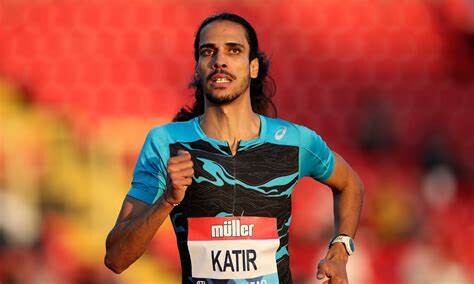
The four-year ban will run concurrently with Katir’s ongoing whereabouts sanction, extending his ban from the sport until February 2028. This means he will be forced to miss both the 2025 World Athletics Championships in Tokyo and the 2027 World Athletics Championships in Beijing.
According to the AIU, the world 5,000m silver medallist missed three tests between Feb. 28, 2023 and Oct. 10, 2023 (missing three doping tests in a 12-month window results in an anti-doping rule violation, or ADRV).
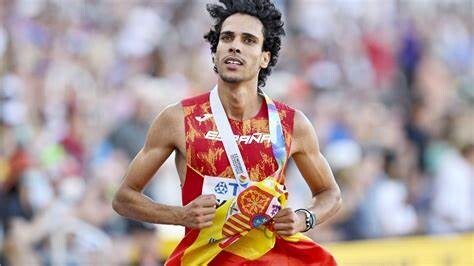
Katir’s whereabouts failures
On Feb. 28, 2023, a Doping Control Officer (DCO) went to the address in Murcia, Spain, indicated in the Athlete’s Whereabouts information; upon arrival, the DCO was told that Katir was in Lisbon and would not be returning until March 2.
Katir missed another test on April 3, when a DCO showed up at his home in Murcia again. When they arrived, Katir was training in France, and had failed to update his whereabouts. Katir told the AIU he tried to update his information, but the system was not working. He was charged with his second violation when he failed to send an email providing evidence of technical issues.
His third violation occurred on Oct. 10, when a DCO went to the specified location during a 60-minute time slot between 7:20 p.m. and 8:20 p.m. When the DCO arrived, Katir was away at training, and later insisted there was a mistake in his whereabouts, and claimed he never changed the time slot from his usual 7:00 a.m. to 8:00 a.m. window.
Katir is a two-time world championship medallist in the men’s 1,500m and 5,000m events. He won silver in the 5,000m behind Norway’s Jakob Ingebrigtsen at the 2023 World Athletics Championships in Budapest.
AIU head Brett Clothier said the ruling underscored the seriousness of tampering: “Gone are the days in athletics when explanations offered in anti-doping cases are just accepted at face value,” he stressed. “The vast majority of our elite athletes respect the strict rules and processes of the sport and they should take heart at the action being taken to ensure a level playing field.”
by Marley Dickinson
Login to leave a comment
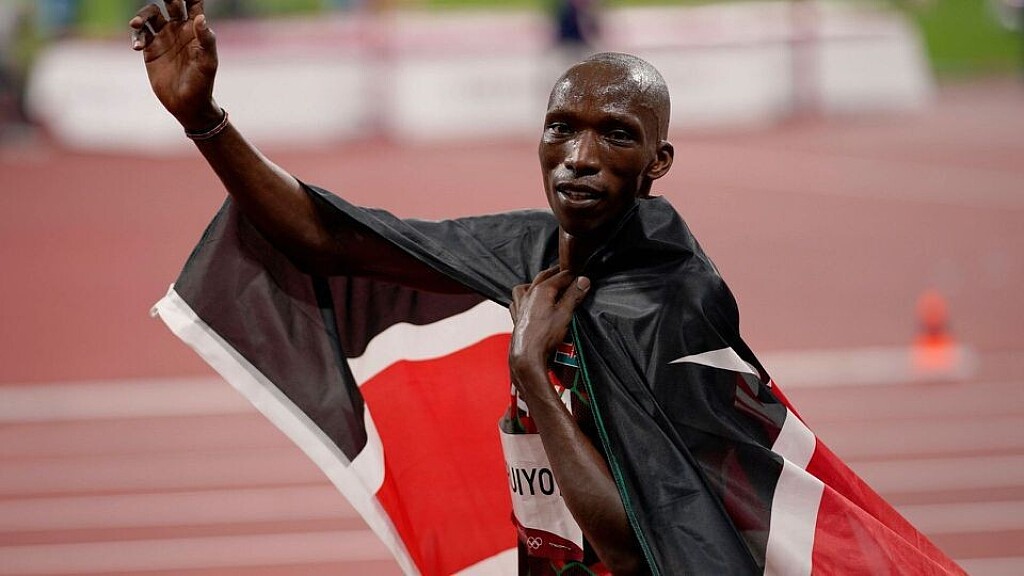
Timothy Cheruiyot reveals when he plans to hang up his spikes & his post-retirement goals
Timothy Cheruiyot plans to retire from the 1500m after a final championship, transitioning to long-distance and marathon races.
Timothy Cheruiyot has expressed his intention to retire from the 1500m discipline after the 2025 World Championships in Tokyo, Japan.
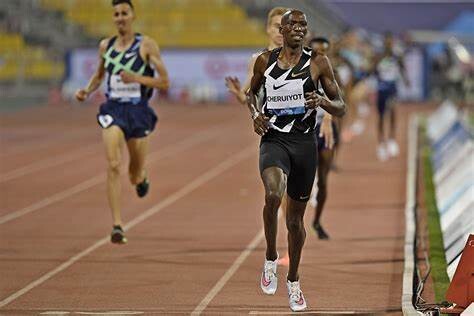
The 2020 Olympic silver medallist aims to transition to long-distance and road racing, marking a significant shift in his illustrious career.
Cheruiyot, one of the most consistent middle-distance runners over the past decade, has set his sights on concluding his 1500m journey with a strong performance in Tokyo.
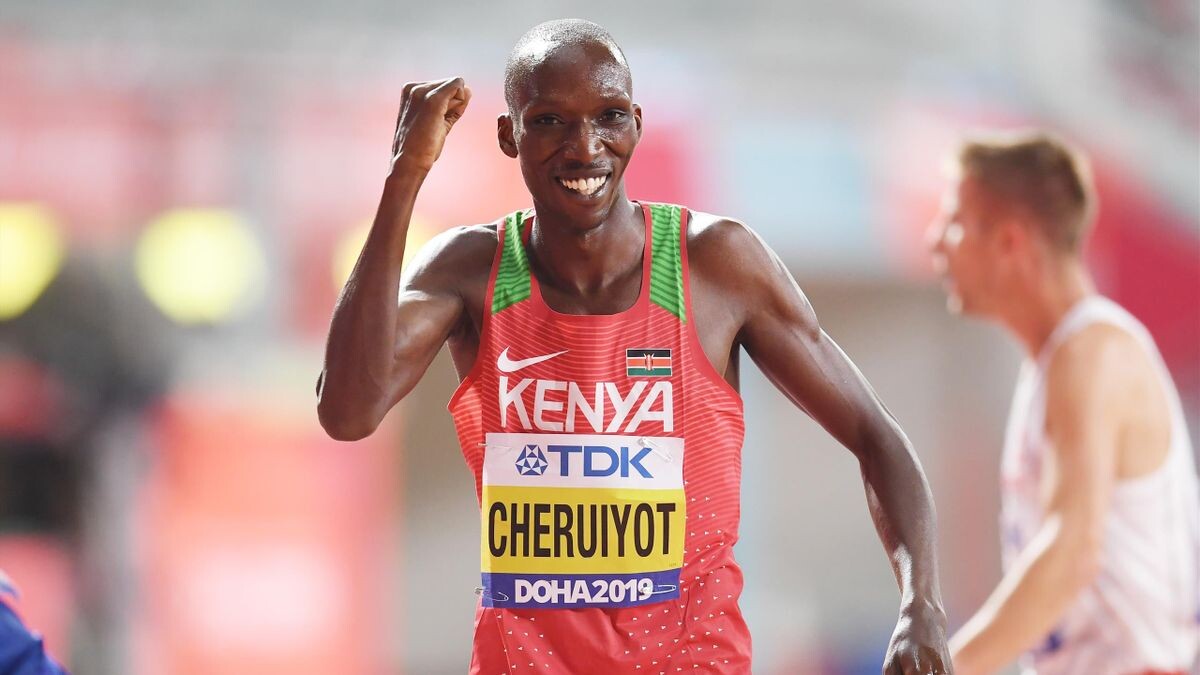
“My plan is to post good results at the 2025 World Championships. This will be my last 1500m after having done it for 10 years,” said Cheruiyot as per The Star.
“I will switch to 5000m or 10000m and then the marathon.”
The 29-year-old’s track record speaks for itself. His first major breakthrough came at the 2017 World Championships in London, where he secured a silver medal with a time of 3:33.99, finishing just behind fellow Kenyan Elijah Manang’oi.
Cheruiyot elevated his game in Doha 2019, claiming the world title in 3:29.26, solidifying his place among the sport’s elite.
Cheruiyot also earned a silver medal at the Tokyo 2020 Olympics, clocking 3:29.01 in a tightly contested race won by Norway’s Jakob Ingebrigtsen.
His dominance extended to the Diamond League, where he clinched five titles, and his medal haul includes two silvers each from the Commonwealth Games and African Championships.
However, Cheruiyot’s journey has not been without challenges. In Budapest 2023, he suffered a tendon injury that sidelined him for nine months.
Despite the setback, he returned to competitive form, surprising even himself by securing a spot at the 2024 Paris Olympics.
“This season was good for me. Despite tearing both my tendons last year, I am happy I came back strong,” he reflected.
“I started my training later than anyone. Making it to the Olympics surprised me; I did not run with confidence at the trials.”
While Paris didn’t go as planned—Cheruiyot finished 11th in a highly competitive race—he remains optimistic about his future. His focus has shifted to 2024, where he plans to participate in several 10km road races to prepare for his transition.
“I have not done any road race before, but I am hoping to test it next year before Tokyo. I will look for a 10km race to gauge my body,” he explained.
Cheruiyot emphasized the importance of strategic planning with his coach, Bernard Ouma, as he gears up for his sixth World Championships appearance.
“I need to sit down with my coach and plan well on the races I will participate in preparations for the World Championships,” he said.
Having made his global debut in 2015, Cheruiyot’s career has been a mix of highs and lows.
From a seventh-place finish in Beijing to gold in Doha and struggles in recent years, his resilience has been remarkable.
Now, as he nears the twilight of his 1500m career, Cheruiyot is determined to leave on a high note.
His ambition to tackle longer distances and eventually the marathon signals a new chapter for the Kenyan athlete, whose legacy in middle-distance running remains firmly intact.
by Festus Chuma
Login to leave a comment

Robots are taking over marathons in China
A surprising number of robots have been spotted participating in marathon events in China in just one week. At the Yizhuang Half Marathon in Beijing on Sunday, Tiangong the Humanoid Robot was spotted cheering on participants before joining the race with 100m to go, crossing the finish line and earning a medal. At the Hangzhou Marathon in Hangzhou, China, on Nov. 3, two quadruped robots acted as official pacesetters and cheerleaders while running alongside participants.Tiangong is the world’s first full-sized fully-electric humanoid robot, weighing in at 43 kg and standing at 163 cm. Its functions included waving, shaking hands and posing, according to Global Times.
The quadruped robots, Go2 and B2, were showcased in Hangzhou with different roles. Go2 provided runners with music, messages of encouragement and safety tips along the race course. It is also reportedly capable of shaking hands and performing backflips and handstands.B2 set out at a steady pace for the half-marathon, providing runners with a reliable gauge of their pace. Tests were conducted to assess the machine’s ability to respond to humans and obstacles on the course. During the race, B2 wore bunny ears to emphasize its role as a pace-setting rabbit.The robots’ abilities are not limited to running and maintaining steady paces. The machines can reportedly provide runners with real-time feedback on factors such as temperature and heart rate. The androids are also useful for upholding and enhancing safety measures during the event, facilitating real-time monitoring and detection of security or medical emergencies–even transporting medical supplies quickly across the venue when needed.The benefits of the two- and four-legged robots suggest their prevalence at marathon events will continue to increase in coming years.
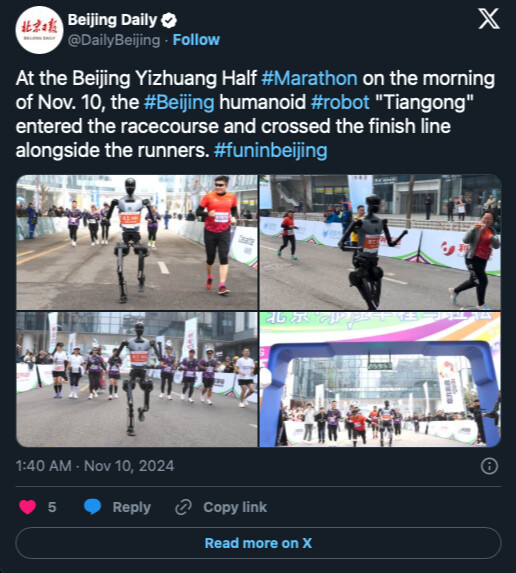
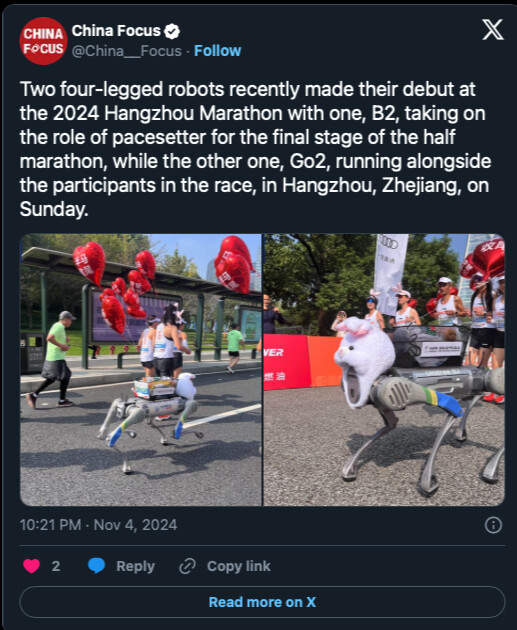
Login to leave a comment

Robots are taking over marathons in China
Would you trust a robot to pace your race?
A surprising number of robots have been spotted participating in marathon events in China in just one week. At the Yizhuang Half Marathon in Beijing on Sunday, Tiangong the Humanoid Robot was spotted cheering on participants before joining the race with 100m to go, crossing the finish line and earning a medal. At the Hangzhou Marathon in Hangzhou, China, on Nov. 3, two quadruped robots acted as official pacesetters and cheerleaders while running alongside participants.
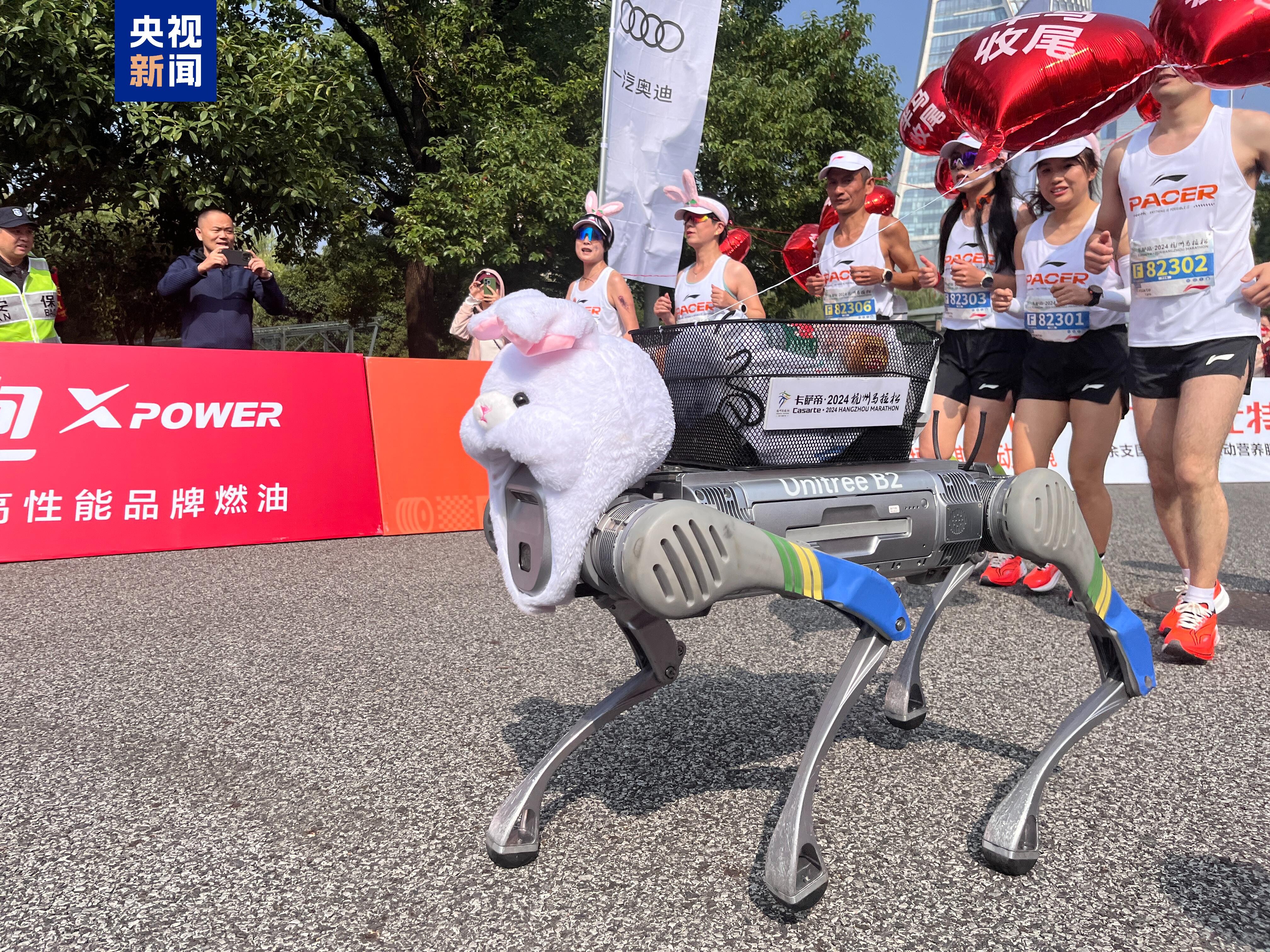
Tiangong is the world’s first full-sized fully-electric humanoid robot, weighing in at 43 kg and standing at 163 cm. Its functions included waving, shaking hands and posing, according to Global Times.
The quadruped robots, Go2 and B2, were showcased in Hangzhou with different roles. Go2 provided runners with music, messages of encouragement and safety tips along the race course. It is also reportedly capable of shaking hands and performing backflips and handstands.
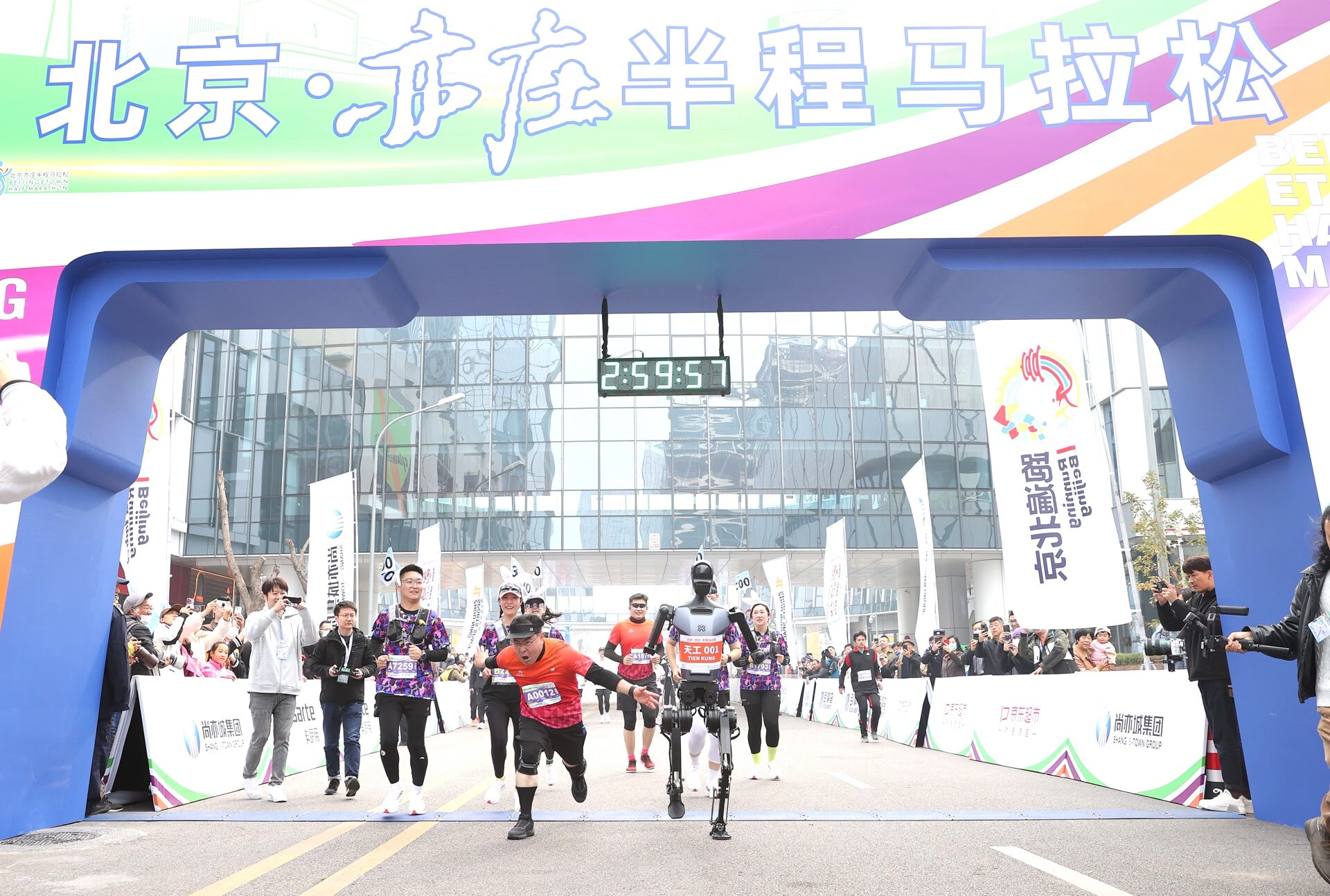
B2 set out at a steady pace for the half-marathon, providing runners with a reliable gauge of their pace. Tests were conducted to assess the machine’s ability to respond to humans and obstacles on the course. During the race, B2 wore bunny ears to emphasize its role as a pace-setting rabbit.
The robots’ abilities are not limited to running and maintaining steady paces. The machines can reportedly provide runners with real-time feedback on factors such as temperature and heart rate. The androids are also useful for upholding and enhancing safety measures during the event, facilitating real-time monitoring and detection of security or medical emergencies–even transporting medical supplies quickly across the venue when needed.
The benefits of the two- and four-legged robots suggest their prevalence at marathon events will continue to increase in coming years.
by Cameron Ormond
Login to leave a comment

Hangzhou Marathon
The Hangzhou Marathon won the honor of “gold medal game” awarded by Chinese Athletics Association, ranking among top domestic competitions. Established in 1987, a total of 32,000 runners from 50 countries and regions compete in these events: Full Marathon (42.195 km) and Half Marathon (21.0975 km), Mini Marathon (7 km), Couple Run (4.5 km) and Family Run (1.2 km). The...
more...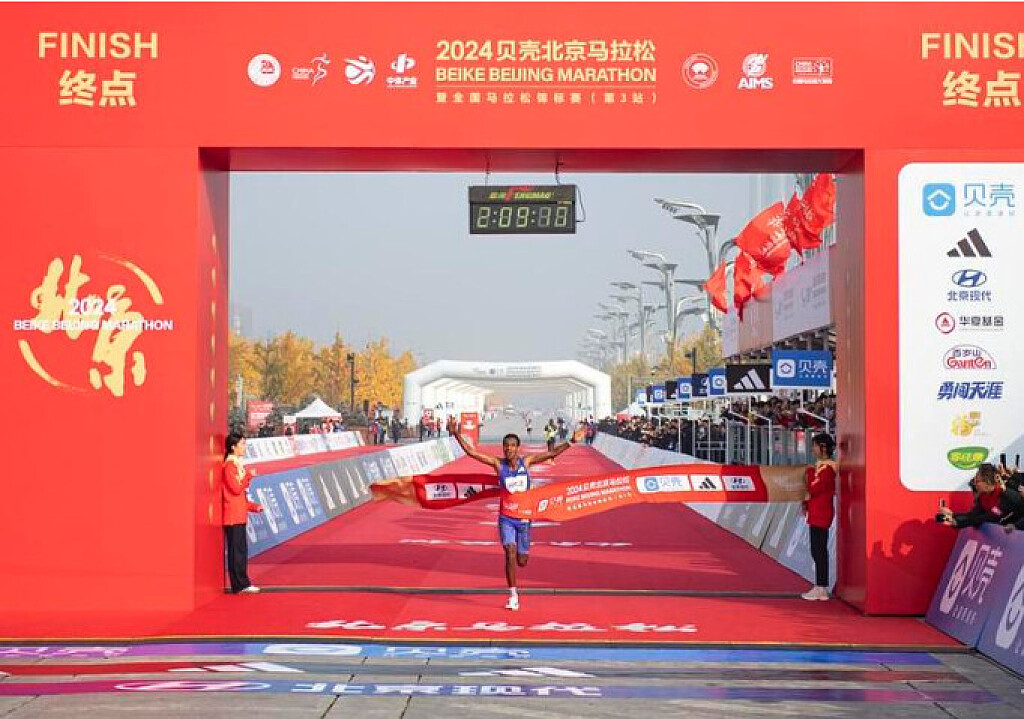
Ethiopian and Kenyan runners win titles at 2024 Beijing Marathon
BEIJING -- Ethiopia's Lemi Berhanu Hayle and Kenya's Vicoty Chepngeno claimed the men's and women's titles, respectively, at the 2024 Beijing Marathon on Sunday.
Hayle crossed the finish line first in 2 hours, 9 minutes and 16 seconds, just 14 seconds ahead of runner-up Bethwel Kibet Chumba of Kenya. Chinese runner Chen Tianyu finished third in 2:09:48.
The women's race saw Chepngeno, who clocked 2:21:56, stand atop the podium, while Rahma Tusa of Ethiopia and another Kenyan runner Angela Jemesunde Tanui were in the second and third place, respectively.
In order to enhance the overall race experience for runners, the organizers moved the start line 100 meters north on the eastern side of Tiananmen Square for a more streamlined start this year.
The marathon route, which spans from Tiananmen Square to the Beijing Olympic Park, remains a favorite for runners worldwide. Despite a cap of 30,000 participants, a record 182,949 runners from 43 countries and regions applied within the first three days of registration last month.
Login to leave a comment

Beijing Marathon
The Beijing Marathon is an annual marathon held in Beijing, People's Republic of China. The race was first held in 1981 and has been held every year since. The race begins at Tiananmen Square and finishes at the National Olympic SportsCenter stadium. Beijing Marathon is now a full marathon only marathon race. At the 2009 edition of the race, 4897...
more...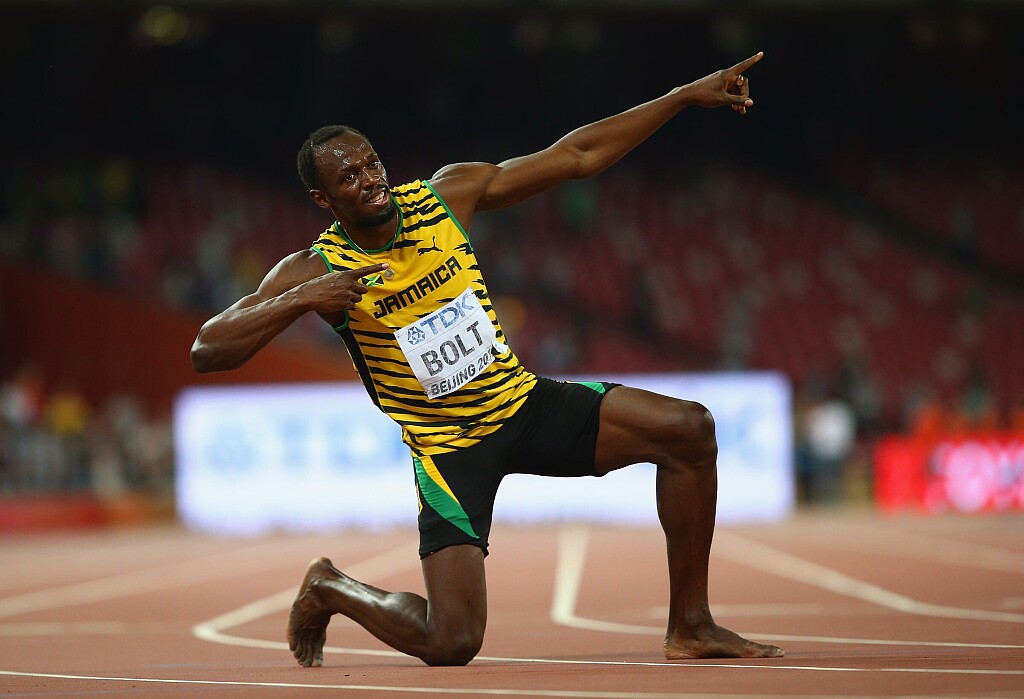
Usain Bolt shares the best advice he’s ever received
Known for his iconic celebrations and world-record-breaking times, eight-time Olympic gold medallist Usain Bolt shared a powerful piece of advice from his long-time coach on this week’s episode of the High-Performance Podcast.
Bolt credited his coach, Glen Mills—who led the Jamaican Olympic track and field team for two decades—for the advice that shaped the rest of his career. Mills began coaching Bolt after his Olympic debut in Athens 2004, where Bolt, then a rising talent, failed to advance from the men’s 200m heats.
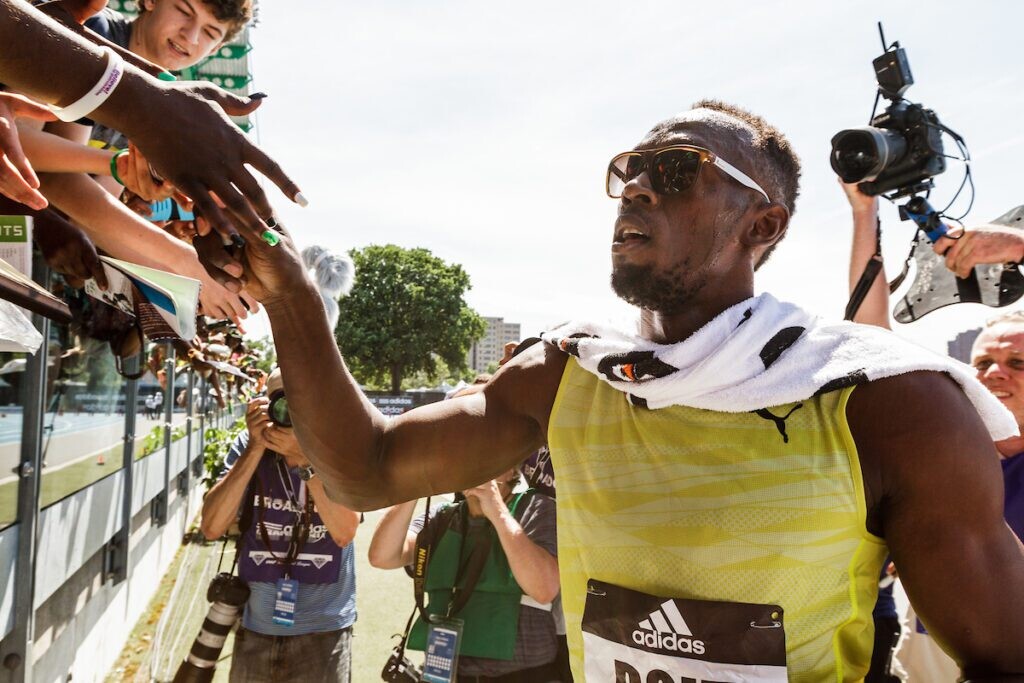
After that, Mills told Bolt, “You have to learn how to lose before you can learn how to win.” As a teenager, Bolt didn’t fully grasp what Mills meant by it, but it became clear. “You will fail at some point,” Bolt said on the podcast. “What’s important is what you take away and learn from it. If you can be truthful and honest with yourself, you’ll realize what you need to do to get better.”
Bolt came to Mills as a 200m specialist and credits his coach with developing his explosive power in the 100m—a distance in which Bolt set a world record of 9.58 seconds in 2009, a record that remains unbroken.
Bolt went on to become the seventh man in history to win Olympic gold in both the 100m and 200m at the 2008 Games in Beijing, a feat he accomplished twice more in his career, at London 2012 and Rio 2016—making him the only athlete in history to achieve a three-peat in these two sprint events.
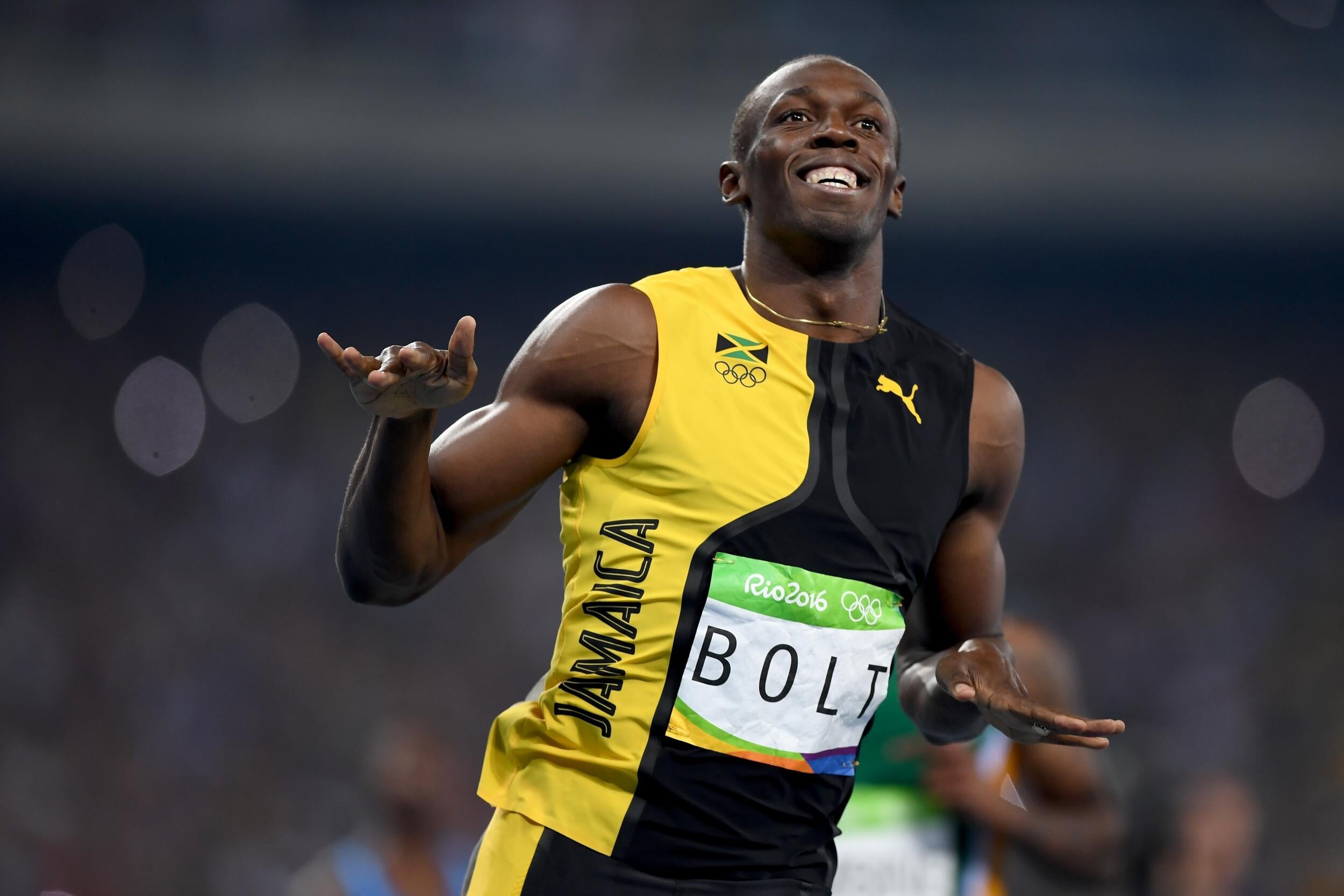
The 38-year-old officially retired after the 2017 World Championships and briefly tried his hand at professional soccer with Australia’s Central Coast Mariners in 2018.
by Marley Dickinson
Login to leave a comment
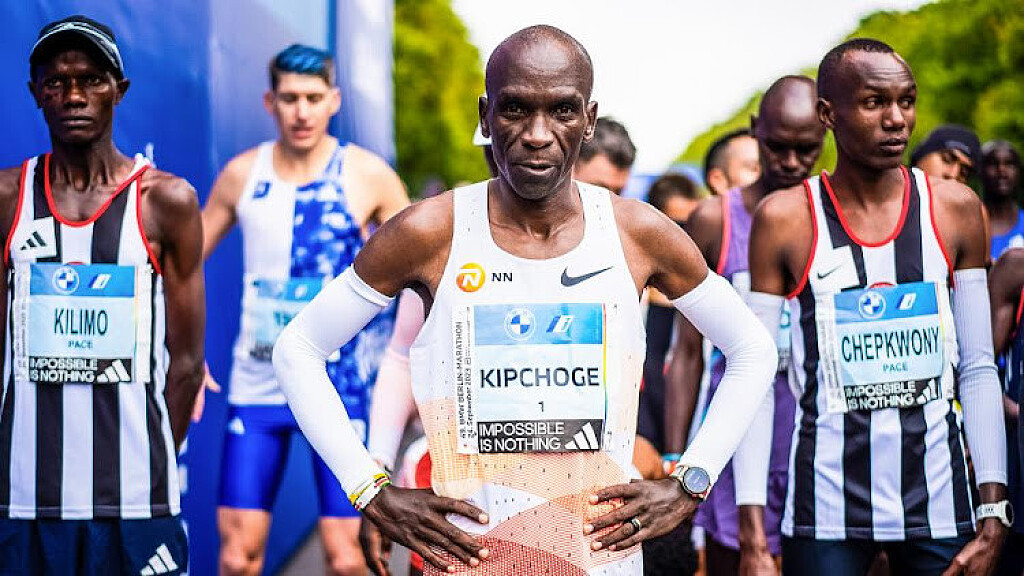
Marathon legend Kipchoge calls for a change in sports culture
The 2024 Paris Olympics marked exactly two decades since double Olympic marathon champion Eliud Kipchoge made his Olympic debut.
The legendary marathoner first ran in the Athens Olympics in 2004, where he won the 5,000m bronze medal before upgrading to silver four years later in Beijing in the same event.
By 2008, Kipchoge was already an established name in distance running, boasting two world championship medals and two at the Olympics.
This year, the legendary marathoner led team Kenya to the Olympics together with a strong contingent that included 2024 TCS London Marathon champion Alex Mutiso and 2022 Chicago Marathon winner Benson Kipruto.
A painful exit for the marathon legend
Kipchoge, shy about his 40th birthday, was headed for another highlight in his celebrated marathon career.
He was aiming to get back to winning ways, or at least reach the Olympic podium for a fourth time in his fifth Olympic Games.
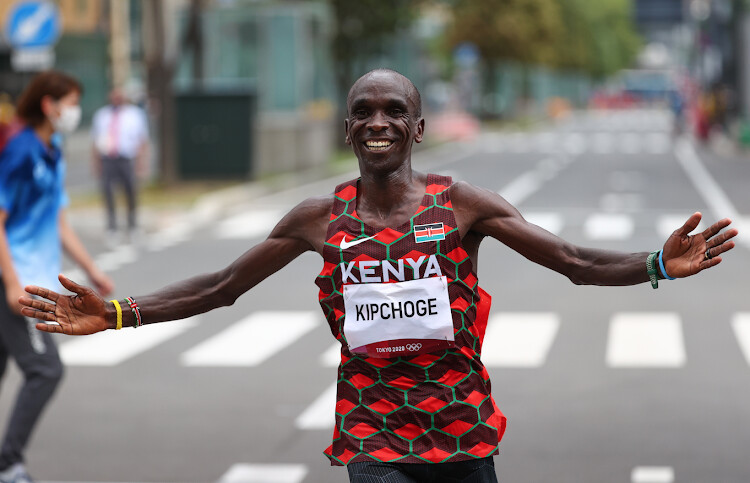
The running guru stayed at a touching distance of the leading pack up to the 15km mark. Then he began holding his waist, early worrying signs that all was not well for the defending Olympic champion.
The pain intensified, forcing him to decide to end his race about 12 km away from the finish point at Les Invalides.
That saw him record a Did Not Finish (DNF) for the first time in his illustrious career. Before the Olympics, Kipchoge’s worst marathon result was 10th place at the 2024 Tokyo Marathon.
It was a classy exit for the marathoner who set a world record in the 5,000m of the World Cross Country Championships junior race in 2003 and won gold. That would be the scene of the marathon’s great last Olympic parade.
Lessons from Paris
Reflecting on the recent Paris Olympics, Kipchoge outlined the key lessons learned, urging sports leaders in the country to take stock of past experiences and ensure they inform future strategies.
“One thing I learned and observed during the Olympics is that peace and education play a great role in our generation. The combination of the two is magical. Now we are done with Paris. Los Angeles is up next. Can we apply the lessons learned as we head to the next Olympics?” he posed to SportsBoom.com.
A call for change in sports culture
Kipchoge also expressed concern over how Kenyan athletes are often treated, drawing a parallel to weddings where people focus on celebrating the event rather than the bride and groom.
He pointed out that in sports, much like in weddings, the spotlight is frequently on the events themselves, while the athletes, who are the real protagonists, do not receive the recognition and support they deserve.
“That is how we operate. We celebrate the events and not our athletes, which should not be the case,” he offered.
The marathon star also challenged the traditional approach of simply rewarding athletes with trophies, urging for a more profound investment in their mental and emotional well-being. He added that equipping athletes with practical skills can sustain them beyond their sporting careers.
“It is the work of federations and the Ministry of Sports to make sure athletes are comfortable. Athletes should be taught literacy, and handling pressure in emotional and physical states. Do not just award them trophies. Work on their minds as well. Can we teach our athletes basic skills like using social media channels to earn money?” he posed.
A farmer’s patience: Advice to sports federations
Kipchoge also urged sports federations and the ministry to invest in athletes with the same patience and care that a farmer applies when planting a seed, waiting for it to germinate and eventually yield a good harvest.
“To our federation leaders, let us hold sports in the heart and mind. Train our athletes, invest in them and eventually wait for the results. What athletes do behind the scenes is commendable. They are the people who build the game by their hands,” he averred.
He concluded by calling on sports federations and sponsors to go beyond simply funding events and trophies, stressing the importance of investing in the well-being of athletes. “To our sponsors, I challenge you to include humanity in your budget. Finance these athletes for the good work they are doing,” he said. Despite the unexpected turn in his last Olympic hurrah, the two-time world record holder has no intentions to call time on his career, not just yet.
by SportsBoom
Login to leave a comment
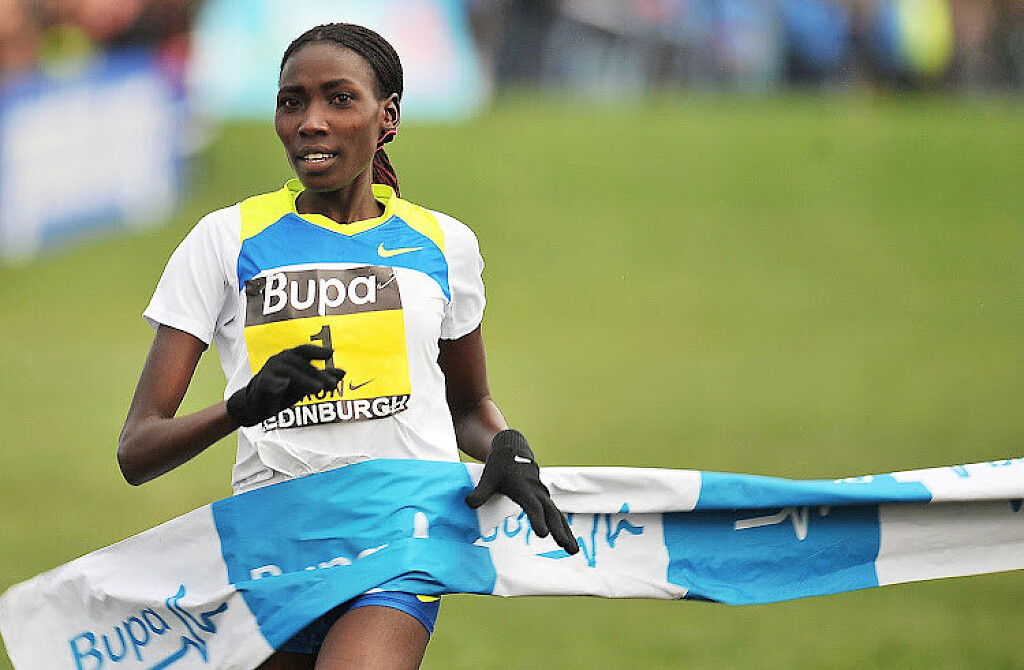
Masai, Kiptanui spearhead Kenya's charge at Frankfurt Marathon
The 2021 Chicago Marathon second runner-up Eric Kiptanui and Beijing 2008 Olympics 10,000m bronze medalist Linet Masai will spearhead Kenya’s charge at the Frankfurt Marathon set for October 27.
Race organizers anticipate a turnout of 12,000 participants, with expectations of a thrilling, fast-paced competition.
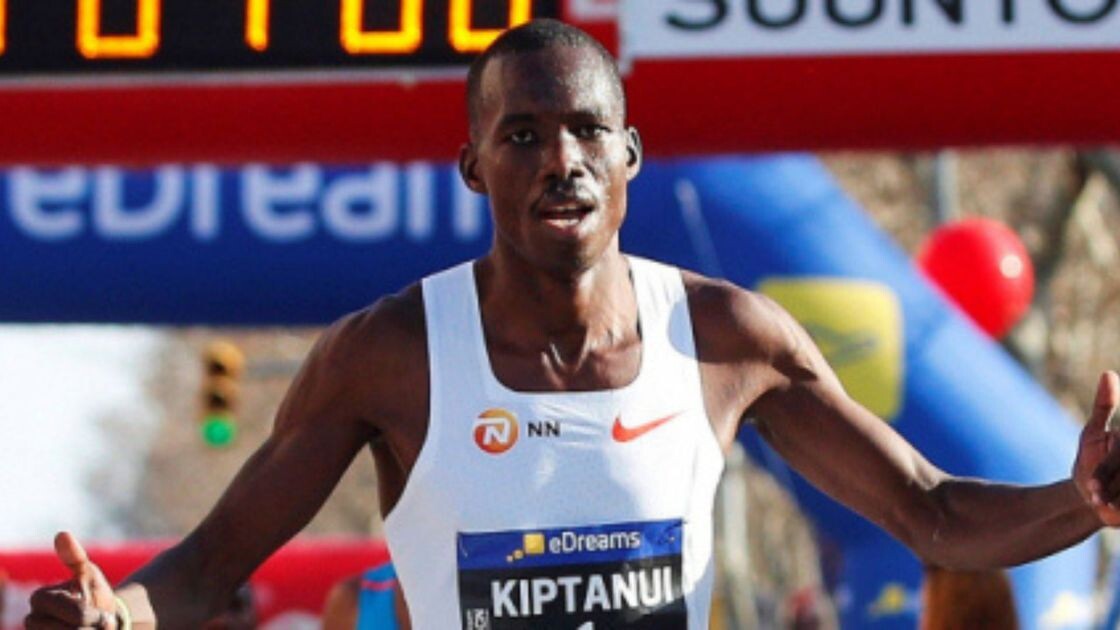
“We are looking forward to another high-class race that will certainly hold one or two surprises. After having the fastest race in the event's history last year in terms of the two winning times added together, we are excited to see what will be possible on October 27,” said race director Jo Schindler.
During last year’s race, Brimin Kipkorir sealed the title in 2:04:53 ahead of Ethiopian duo of Mulugeta Asefa (2:06:47) and Guye Idemo (2:07:44).
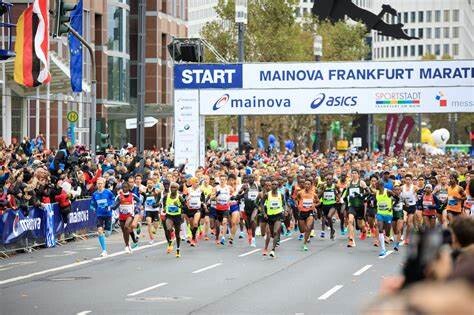
In the women’s elite race, Ethiopia’s Buzunesh Getachew (2:19:27) beat Winfred Moseti (2:20:55) and Sharon Chelimo (2:22:07) to the title.
Kiptanui enters the race with an impressive resume, including half marathon victories in Berlin (58:42) and Lisbon (1:00:05) in 2018, and Barcelona in 2019 (1:01:04).
In the marathon, he boasts a title from the Xiamen and Tuscany Marathon in 2021 (2:05:47-PB). He also secured runner-up finishes in Dubai 2020 (2:06:17) and Chicago 2021 (2:06:17).
His other accolades include a victory at the 2017 Madrid 10k Road race (27:34).
His main rival will be Ethiopia’s Herpasa Negasa, who finished second at the 2022 Seoul Marathon.
Negasa holds a personal best of 2:03:40 set during the 2019 Dubai Marathon where he placed second behind compatriot Getaneh Molla (2:03:34).
The Ethiopian’s accolades include runner-up finishes at the Hengshui 2018 Marathon (2:09:14), Lyon 2015 (2:10:17) and a second runner-up finish at the 2018 Warszawa Marathon (2:11:46).
In the women’s race, Masai will face a stern challenge from 2022 Berlin Marathon third-place finisher Tigist Abayechew.
Masai brings a rich trophy cabinet that includes bronze from the Beijing 2008 Games in the 10,000m (30:26.50) and a world title in the same event from the 2009 Berlin World Championships (30:51:24).
The 34-year-old is also a gold medalist from the 2007 World Cross Country Championships and a three-time silver medalist from Amman 2009, Bydgoszcz 2010 and Punta Umbria 2011.
In the full marathon, Masai holds a lifetime best of 2:23:46 from the 2018 Amsterdam Marathon where she finished fifth.
Abayechew holds a best of 2:18:03 she set during the Berlin Marathon, where she placed third behind Rosemary Wanjiru (2:18:00) and Tigst Assefa (2:15:37).
by Teddy Mulei
Login to leave a comment

Mainova Frankfurt Marathon
Frankfurt is an unexpectedly traditional and charming city, with half-timbered buildings huddled in its quaint medieval Altstadt (old city), cosy apple wine taverns serving hearty regional food, village-like neighbourhoods filled with outdoor cafes, boutiques and street art, and beautiful parks, gardens and riverside paths. The city's cache of museums is second in Germany only to Berlin’s, and its nightlife...
more...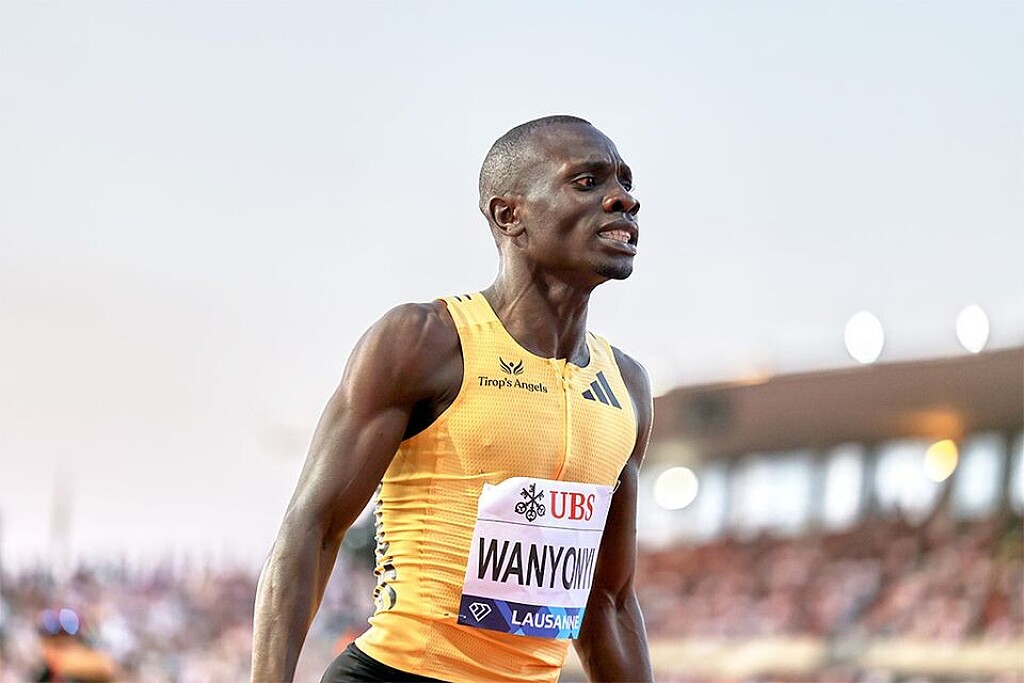
Why David Rudisha believes Emmanuel Wanyonyi is destined to break his 800m world record
Wanyonyi got to within an eighth-hundredth of a second away from equalling David Rudisha's 12-year 800m world record at the Lausanne Diamond League classic on Thursday.
When David Rudisha tipped Emmanuel Wanyonyi as the athlete most likely to break his 12-year-old 800m world record during the Kenyan trials for the Olympic Games at Nyayo National Stadium last June, it wasn’t just a casual remark.
Rudisha’s prediction is now gathering weight, especially after Wanyonyi clocked a blistering 1:41.11 at the Lausanne Diamond League meet in Switzerland on Thursday.
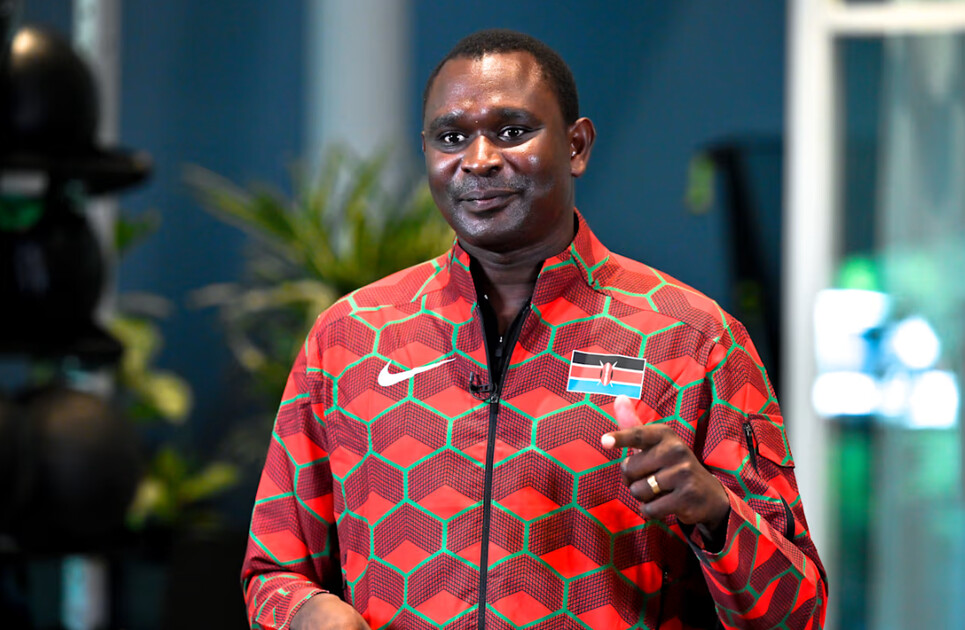
This time not only equaled Wilson Kipketer’s record but also placed Wanyonyi second on the all-time list, just eight hundredths of a second away from Rudisha’s world record of 1:40.91 set at the 2012 London Olympics.
“Wanyonyi is a young talented athlete. He has so much potential, and all he needs to do is fine-tune his craft, and this will see him push his time even lower,” Rudisha had told the media last June.
Rudisha, who knows a thing or two about world records, added, “He always shows his bravery and confidence whenever he steps on the track, and that has been the secret behind his success.
“World records are special. We are looking forward to seeing how the young generation is going to take up the challenge. Of course, there is a lot of innovation, and it improves performances. We believe that world records are there to be broken.”
Wanyonyi’s stunning performance in Lausanne has made him a force to be reckoned with in the world of athletics.
His time of 1:41.11 ties him with Kipketer and positions him as the most serious threat to Rudisha’s reign in the 800m. At just 20 years old, Wanyonyi’s rise to the top has been meteoric, and his determination to succeed mirrors that of Rudisha.
Rudisha himself had an illustrious career, beginning as a decathlete before switching to sprints and later focusing on the 800m in 2005. Just a year later, he won the 800m title at the World U20 Championships in Beijing, clocking 1:47.40.
In 2008, he claimed the African senior title in Addis Ababa with a time of 1:44.20. Then, on August 22, 2010, Rudisha set his first world record in Berlin, running 1:41.09 and breaking Kipketer’s 1997 mark.
Seven days later, he improved his record to 1:41.01 in Rieti. Rudisha continued his dominance by winning the world 800m title in Daegu in 2011, reclaiming it in Beijing in 2015, and becoming the first man since Peter Snell to retain the Olympic 800m title in Rio in 2016.
Now, Wanyonyi is carving out his own legacy. At 20, he became the youngest-ever Olympic 800m champion, leading a race of unprecedented depth in Paris.
He held off Canada’s Marco Arop, the reigning world champion, who briefly took the lead off the final turn before Wanyonyi surged back in the final steps. Arop finished with a North American record of 1:41.20 for silver, while Algeria’s Djamel Sedjati claimed bronze in 1:41.50.
Reflecting on his victory, Wanyonyi said, “It was going to be hard to defend as the only Kenyan in the final. I had a lot of pressure. I spoke to Rudisha yesterday, who told me I would win if I employed my tactics. I decided to run the way he did in London. If I had run a slow race, they would have beaten me.”
Although Wanyonyi didn’t quite match Rudisha’s record, he is keen on having another go at it when the Diamond League moves to Silesia, Poland, this Sunday.
While he has remained modest about his world-record ambitions, saying, “Maybe, but not now,” the Diamond League offers the perfect stage for him to make history. The Wavelight technology, which has been instrumental in helping athletes maintain pace, will also be in use, providing Wanyonyi with every opportunity to push the boundaries.
Wanyonyi is no stranger to breaking records. At 19, he shattered the previous one-mile (1,600m) record of 3:56.13 set by American Hobbs Kessler at the World Road Running Championships in Riga, Latvia, last year.
With Rudisha as his role model and mentor, Wanyonyi is poised to continue his upward trajectory and possibly eclipse the mark set by the man he so deeply admires.
As the athletics world watches, the question on everyone’s mind is not if, but when, Emmanuel Wanyonyi will break the 800m world record. And when that day comes, it will be the culmination of a journey inspired by greatness and driven by the relentless pursuit of excellence.
by Mark Kinyanjui
Login to leave a comment
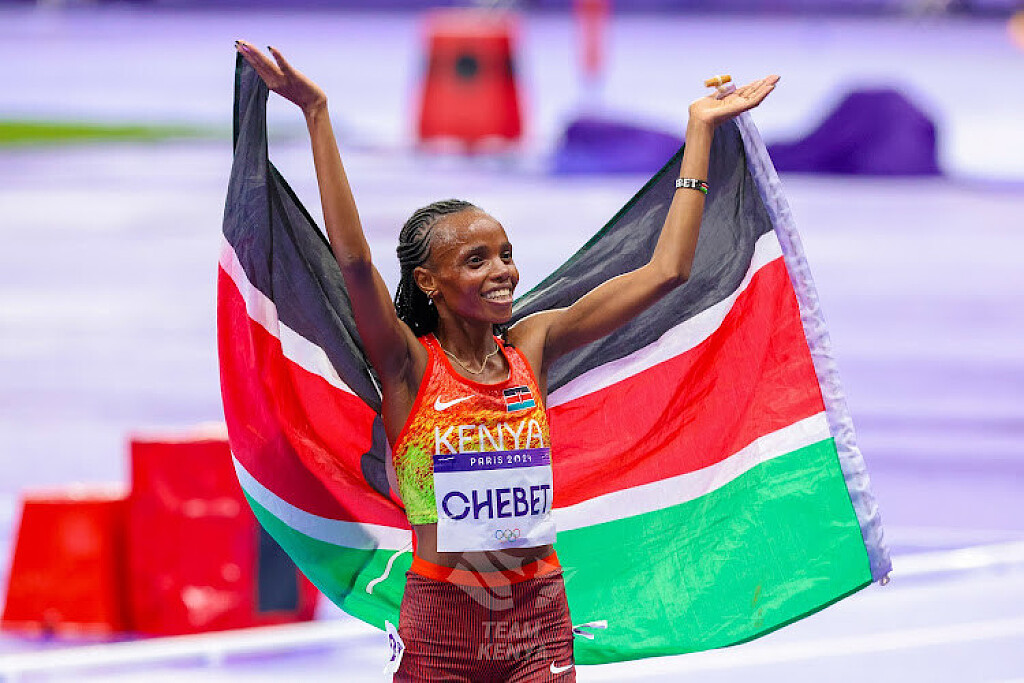
What next for Kenya after Paris 2024 Olympic Games
The curtains for the 2024 Paris Olympics fell on Sunday night with Kenya ranking 17th in the world after winning 11 medals.
Despite Kenya topping the African continent with 4 gold, 2 silver and 5 bronze medals, the results left a lot to be desired.
From 83 athletes competing in seven disciplines, a significant impact was expected from the Kenyan athletes and the world.
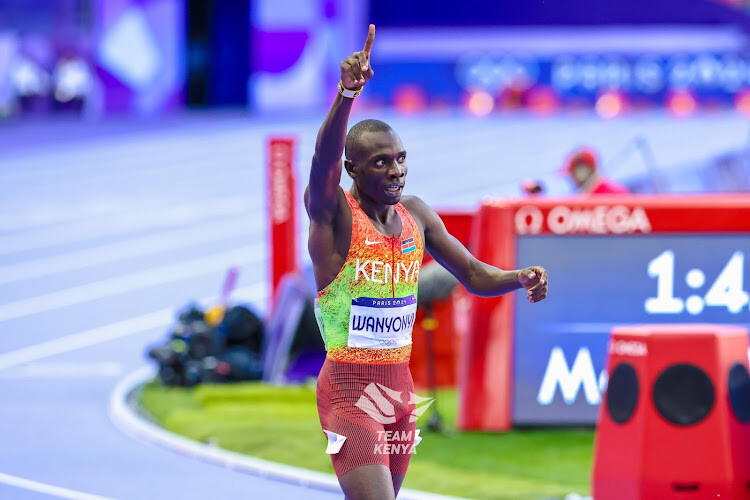
The show started with Judoka Zeddy Cherop falling 10-0 to Portugal’s Patricia Sampao in a record 22 seconds while Fencing African champion Alexandra Ndolo crushed out 13-12 to Ukranian Olena Kryvytska in her debut.
Maria Brunlehner and Ridhwan Mohamed finished 3rd and 4th in the women’s 50m freestyle and Men’s 400m freestyle heats respectively to crush out of contention for a swimming medal.
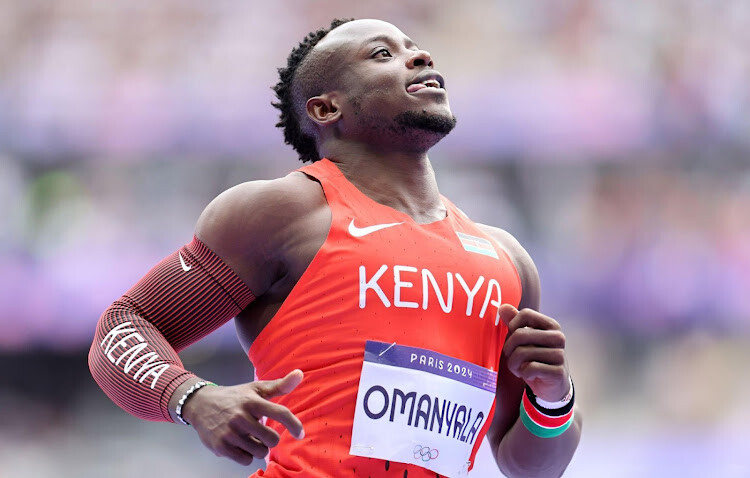
The sevens rugby team also crushed out in the group stage, after going down to Australia, Argentina and Samoa.
The women’s volleyball team booked their next flight after failing to win a single set following three identical 3-0 losses in a tough group B pool comprising Brazil, Poland and Japan.
Paris, the City of Love, had very little affection for Kenya as former world champion Julius Yego, finished a distant 5th in the javelin final with a 87.72m throw, to also bite the dust.
Africa's fastest man, Ferdinand Omanyala's 100m Olympic medal dream was shattered in the semi-finals after clocking 10.08 seconds to finish 8th.
However, Kenya redeemed herself with debutant Beatrice Chebet grabbing double gold in the 5000m and 10000m women’s races.
The best performer was followed closely by Faith Kipyegon who defended her 1500m gold and added the 5000m women’s silver.
Another debutant, Emmanuel Wanyonyi, grabbed the 800m gold, while Ronald Kwemoi struck the men’s 5000m silver.
Mary Moraa, the dancing queen, grabbed the 800m bronze, same as Faith Cherotich (3000m steeplechase) and Abraham Kibiwot (3000m steeplechase).
Hellen Obiri and Benson Kipruto rounded up the bronze tally in the men's and women's marathons.
Obiri failed in her quest for an Olympic medal having won silver in the women's 5000m in Tokyo, 2020 and Rio 2016 games.
History Making
Kenya will however keep pride in making history after Faith Kipyegon became the first woman to complete an Olympic hat trick after breaking her 1500m record in 3:51.29, before a fully packed iconic Stade de France.
Debutant Beatrice Chebet was the best performer entering the history books by winning a double gold in the women's 5000m and 10000m.
The feat makes Chebet the first Kenyan woman to win Olympic 10000m gold for Kenya since the race was introduced in the 1988 Olympics.
She is the third woman after Tirunesh Dibaba and Sifan Hassan to win the 5000m and 10000m double at the Olympic Games.
"I'm dedicating this medal to all Kenyans. I just want to hear my country is proud. This was for you, you were in my mind and heart in every lap; I might have made history but I will sleep better knowing Wananchi wataenjoy the weekend," she said.
Kenya’s legend Eliud Kipchoge failed to complete an Olympic marathon treble after dropping out of the race at the 20km mark.
Kipchoge later confirmed he won’t be running in the Los Angeles 2028 summer games.
“I felt a sharp pain in the stomach and I couldn’t continue. I'm disappointed that for the first time in my career, I failed to finish a race .” Kipchoge said.
Lady luck also smiled on Kenya after Kipyegon's 5000m silver medal was reinstated following an appeal, after a push and shove with Ethiopian nemesis, Gudaf Tsegay, had her initially disqualified.
In the 800m final, Canada appealed against Kenyan winner Emmanuel Wanyonyi's personal best of 1:41.91 in the 800m, claiming he obstructed silver medallist Marco Arop. Kenya won the appeal.
Tokyo 2020
Despite the dismal show in Paris, Kenya had bettered the 2020 Tokyo tally of 10 medals and a 19th spot finish.
The post-Covid games had challenges but Kenya grabbed four gold, four silvers and two bronze medals.
Emmanuel Korir (800m), Faith Kipyegon (1500m), Peres Jepchirhir (marathon), and Eliud Kipchoge (marathon) were the gold medalists while Hellen Obiri (5000m), Fergussin Rotich (800m), Brigid Kosgei (marathon) and Timothy Cheruiyot (1500m) won silver.
Benjamin Kigen and Hyvin Kiyeng won the men's and women's 3000m steeplechase races respectively.
Rio 2016
In the 2016 Rio De Janeiro games, Kenya managed six gold, six silver and one bronze medal for a tally of 13 medals.
Rio 2016 Olympics gold medalists were Jemima Sumgong in women's marathon, David Rudisha in 800m, Faith Kipyegon in 1500m, Conseslus Kipruto in 3000m steeplechase, Vivian Ceruiyot in 5000m and Eliud Kipchoge marathon.
Meanwhile, Vivian Cheruiyot (10000m); Paul Tanui (10000m); Hyvin Kiyeng (3000m steeplechase); Boniface Mucheru (400m hurdles); and Hellen Obiri (5000m) all grabbed silver, while Julius Yego managed a rare javelin silver. Margaret Wambui won bronze in women's 800m.
London 2012
The London 2012 Summer Games saw Kenya manage 2 gold, 4 silver and 7 bronze for a total of 13 medals.
Despite a cold and warm performance in the Queens land, Kenya won two gold medals to finish a distant 29th in the world rankings.
Legendary track masters Ezekiel Kemboi and David Rudisha grabbed gold in the men's 3000m and 800m races respectively.
Sally Kipyegon brought home the women's 10000m silver, while Priscah Jeptoo won the women's marathon silver medal as Vivian Cheruiyot grabbed the women's 5000m race.
Abel Kirui rounded up the silver medals haul after clinching the men’s marathon race.
Vivian Cheruiyot won bronze in the 10000m women's race, while Asbel Kiprop and Milcah Chemos clinched bronze in the men's and women’s 3000m steeplechase.
Timothy Kiptum and Pamela Jelimo clinched the men's and women's 800m race respectively while Thomas Longosiwa and Wilson Kipsang rounded off Kenya's bronze medals haul, winning the 5000m men's and women's marathon races.
What next?
As the nation awaits the Paris 2024 Games report on what worked and what didn't work, a lot will be looked into including preparations, sports science, lack of stadia and lack of funds among others.
However, one constant reminder is that Kenya must smell the coffee, lest our legacy is discarded by the improving rival nations every day.
The next Omanyala, Yego, Obiri and Kipchoge should be nurtured immediately if we are to remain world beaters in the summer games.
Beating the 2008 Beijing Summer Games remains the target, where Kenya sent a total of 46 athletes: 28 men and 18 women who brought home the best tally of six gold, four silver and six bronze medals.
The journey to the Los Angeles 2028 games starts with a new sheriff in town, CS Kipchumba Murkomen, at the helm of the Sports ministry.
by Eric Munene
Login to leave a comment

Paris 2024 Olympic Games
For this historic event, the City of Light is thinking big! Visitors will be able to watch events at top sporting venues in Paris and the Paris region, as well as at emblematic monuments in the capital visited by several millions of tourists each year. The promise of exceptional moments to experience in an exceptional setting! A great way to...
more...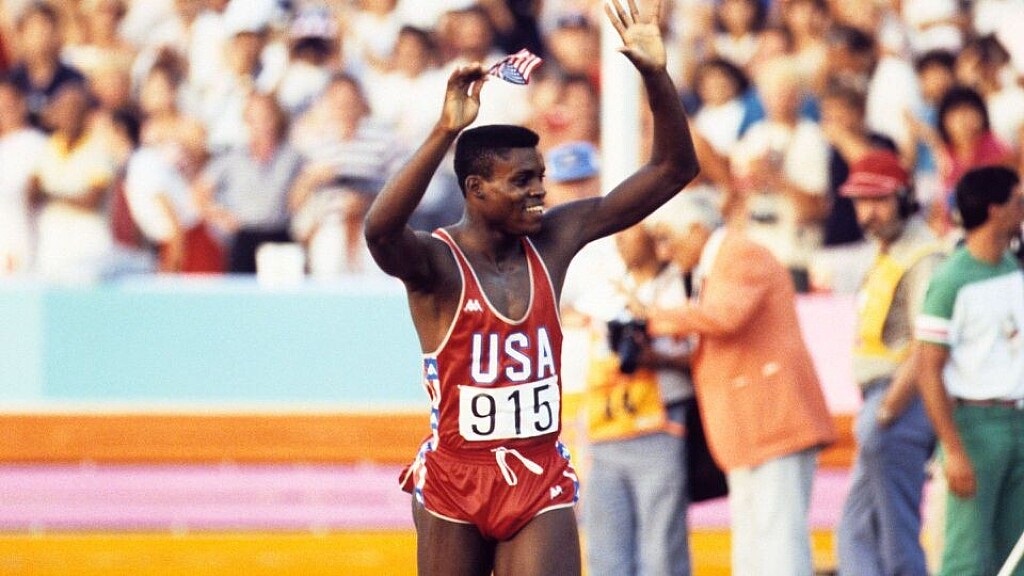
Athletes with the most track gold medals in the history of Olympics
Here are the athletes with the most gold medals at the Olympic athletic games
The track and field events continue to capture the imagination of sports fans around the world, at the Olympics in Paris.
While the current athletes compete for glory, it's worth reflecting on the legends who have set the bar exceptionally high in Olympic athletics.
Here’s a look at the athletes with the most gold medals in Olympic track and field history, showcasing their unparalleled achievements and enduring legacies.
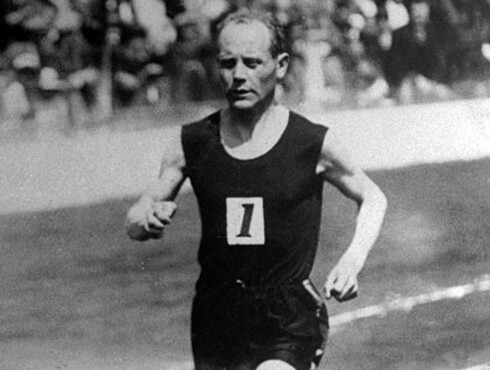
1. Paavo Nurmi (Finland)- 9 Gold medals
Paavo Nurmi, known as "The Phantom Finn," is celebrated for his extraordinary achievements in middle and long-distance running during the 1920s.
Competing in the 1920, 1924, and 1928 Olympics, Nurmi amassed an impressive 12 Olympic medals, including a record nine golds. His incredible versatility was highlighted by his ability to dominate distances ranging from the 1500m to the 20km.
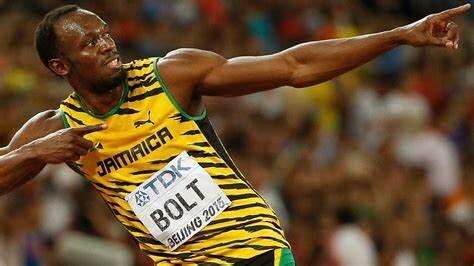
At the 1924 Paris Olympics, Nurmi won a record five gold medals, a feat that remains unmatched to this day.
His career is also marked by his remarkable achievement of setting 22 official world records across various distances.
2. Carl Lewis (U
SA)- 9 Gold medals
American sprinter Carl Lewis is another iconic figure in Olympic athletics, renowned for his dominance in both sprint events and the long jump.
Lewis’s Olympic career spanned from 1984 to 1996, during which he earned a total of 10 medals, including nine golds.
In his debut at the 1984 Los Angeles Olympics, Lewis matched the achievements of Jesse Owens by winning gold in the 100m, 200m, 4x100m relay, and long jump.
His subsequent victories across the 1988, 1992, and 1996 Games solidified his reputation as one of the greatest track and field athletes of all time.
3. Allyson Felix(USA) - 7 Gold medals
Allyson Felix stands as the most decorated female athlete in Olympic track and field history.
Her career, spanning five consecutive Olympics from 2004 to 2020, has seen her win a total of 11 medals.
Felix’s seven gold medals highlight her versatility and dominance in both the individual and relay events.
Felix’s remarkable achievements include gold medals in the 200m and 4x400m relays at the 2012 London Olympics, as well as two more golds in Rio 2016.
Her career continued to shine with additional medals in Tokyo 2020, proving her enduring excellence on the track.
4. Usain Bolt (Jamaica)- 8 Gold medals
Jamaican sprinter Usain Bolt is often hailed as the fastest man in history, and his Olympic success only cements this status.
Bolt’s career is highlighted by his three consecutive Olympic gold medals in the 100m, 200m, and 4x100m relay events at the 2008 Beijing, 2012 London, and 2016 Rio Games.
Bolt’s unprecedented triple-double achievements and world records in these events have set a benchmark in the sport.
His flair, speed, and charismatic performances have made him a global icon in athletics.
5. Shelly-Ann Fraser-Pryce (Jamaica)- 3 Gold medals
Jamaican sprinter Shelly-Ann Fraser-Pryce is another prominent name in Olympic athletics.
Known for her explosive starts and exceptional speed, Fraser-Pryce has won three gold medals in the 100m across the 2008 Beijing, 2012 London, and 2024 Paris Olympics.
Her ability to consistently perform at the highest level across four Olympics showcases her remarkable career.
These legendary athletes have not only achieved remarkable success but have also set records that continue to inspire future generations of track and field competitors.
From Paavo Nurmi’s unmatched versatility to Usain Bolt’s record-breaking sprints, their contributions to the sport have shaped the history of the Olympics and continue to captivate the world.
by Eric Munene
Login to leave a comment
Paris 2024 Olympic Games
For this historic event, the City of Light is thinking big! Visitors will be able to watch events at top sporting venues in Paris and the Paris region, as well as at emblematic monuments in the capital visited by several millions of tourists each year. The promise of exceptional moments to experience in an exceptional setting! A great way to...
more...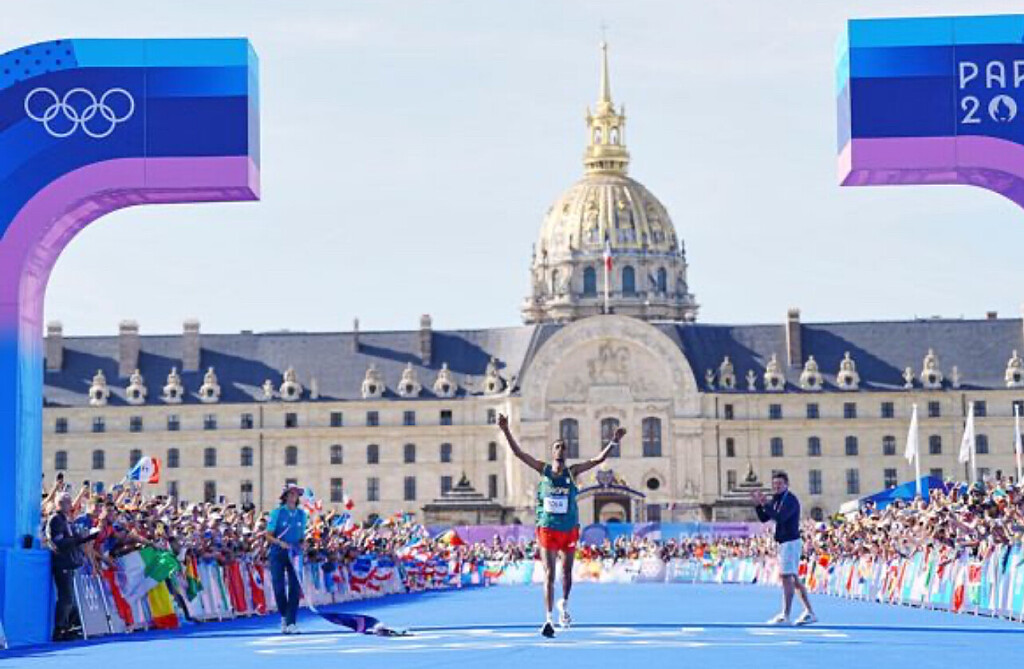
Ethiopia’s late sub Tola wins marathon in Olympic record in brutal conditions over hugely challenging course
Tamirat Tola, called into the Ethiopian team as a late replacement, won the men’s marathon title in an Olympic record of 2:06:26 in brutal heat and humidity over a course of hugely demanding hills, with Belgium’s Bashir Abdi earning silver in 2:06:47.
Kenya’s Benson Kipruto, fastest in the world this year after winning the Tokyo marathon in 2:02:16, marked his Olympic debut with bronze in 2:07:00 on a day when his 39-year-old compatriot Eliud Kipchoge, seeking a third consecutive title, failed to finish.
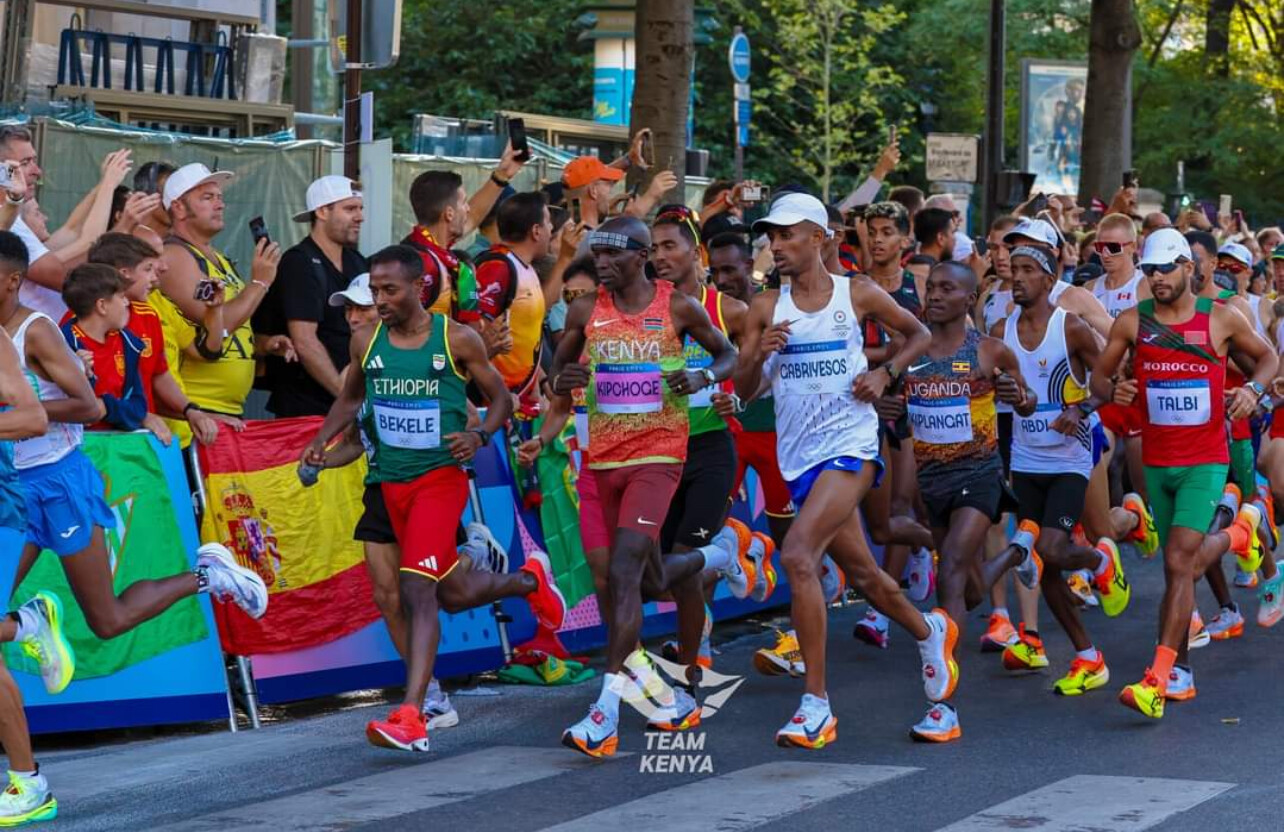
Britain’s Emile Cairess, making his Olympic debut, finished in fourth place, clocking 2:07:29 after moving past Ethiopia’s Deresa Geleta in the finishing stages, with the latter recording 2:07:31 and finishing a second ahead of Japan’s Akira Akasaki, who set a personal best.
In the circumstances it was scarcely creditable that Tola bettered the Olympic mark of 2:06:32 set at the Beijing 2008 Games by the late Kenyan runner Sammy Wanjiru.
Huge crowds lined the route in the closing stages, and the spectacle concluded amid packed grandstands in front of Les Invalides, its gilded dome glinting in the morning sunshine.
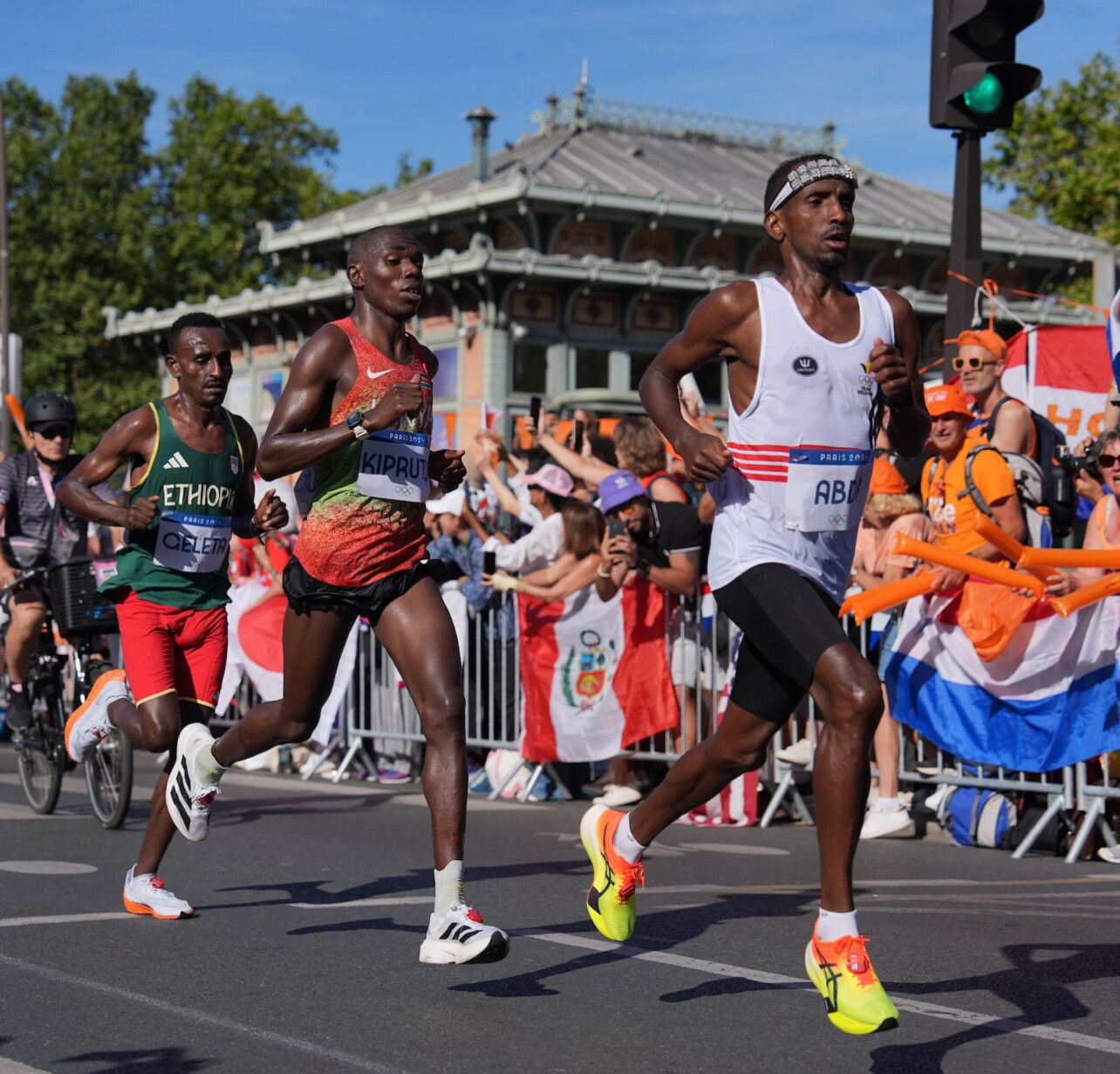
On a day like this, on a course like this, there was something fitting about the race concluding alongside the building constructed in the 17th century as a haven for disabled soldiers. Everyone completing the course today was a warrior.
Tola, the 2022 world champion, thus joins the fabled list of fellow Ethiopians who have won this prized race – Abebe Bikila in 1960 and 1964, Mamo Wolde in 1968 and Gezahegne Abera in 2000 – and added gold to the Olympic 10,000m bronze he won in 2016.
For an Ethiopian team that has not enjoyed its customary success on the track, this was a day of days – and they will have hopes of further success when the athletics programme concludes with the women’s marathon tomorrow.
“I am happy today because I fulfilled my goal,” said Tola, Ethiopia’s first gold medallist of these Games. “I prepared well. I trained hard so I could win. In my life, this is my great achievement.
“I was the reserve in the Ethiopian team, but when Sisay (Lemma) had injuries, then I had a chance to represent him. I was fully prepared and knew I could fulfil my dream. I am happy to do that today.
“This is the Olympics and it is not easy to win the Olympic Games, not at all. I am very proud, very happy.”
Abdi, who has recently recovered from a stress fracture of the hip, commented: "The course was very tough today. I tried not to lose a lot of energy. I tried to run as smartly as possible, so I am very, very happy with this result.
"The weather was hot, (the terrain featured) a lot of ups and downs. Actually, I expected going uphill would be most challenging, but I found going downhill most difficult.
“It was very steep and you don’t have control of your body. That was very scary, especially after 29km, we had almost 2km of running downhill and it was just going more down and down, and I was really afraid of falling.
"This is the hardest marathon course I’ve ever run."
Asked about his return from injury, he added: "It was really a long journey. At the beginning of the year I got a stress fracture, which meant I couldn’t run any races. I came here without any preparation and didn’t know what to expect.
"I told myself before I started, 'OK, you don’t have any race rhythm, but you are fresh, it is your first race of the season, you will be the only guy who is fresh’. That’s what I was repeating to myself during the race."
Kipruto commented: “The course was tough but I’m happy with the result I posted. I trained with the mind first before going to the legs and the heart. Running uphill and downhill was not easy.
“This was the hardest marathon I have run, and a different experience because it was my first Olympic Games."
"I saw Tola pushing but I said, 'no, it’s too early', so I tried to close the gap slowly."
Always in touch with the lead, Tola first took control of the race just after the 20km mark as the field came to the brow of the first long climb, overtaking Italy’s Eyob Faniel, who had pushed ahead by 23 seconds at the 15km mark before the start of the grinding uphill stretch.
The pack, led by Akasaki, Geleta and South Africa’s Elroy Gelant, caught up with him by the 25km mark, which was passed in 1:16:08, but Tola made his decisive move in the hardest part of the course – a brutal, extended climb from 27.5km to 29km involving a 16 per cent incline.
The pack soon became a straggling line as each runner worked out the best way of coping with a challenge so severe that some coaches here had been wondering whether it might be best for their charges to walk this stretch.
Once he got to the brow of the hill, he made the most of it, accelerating away from his labouring rivals and establishing an 11-second lead as he went through 30km in 1:32:12.
Such were the ups and downs of the route that it almost resembled a roller-coaster – but one which guaranteed no one involved had any fun at the fair.
The crucial question at this point was: could Tola, alone, resist the pack that was gradually re-gathering behind him? The answer became gradually and gloriously clear. Tola was never headed thereafter.
At 35km his lead was 18 seconds, at 40km it was 22 seconds. No one was going to stop him.
It was a tribute to Tola’s dedication that he should have been so patently ready to take on this monster of a marathon course at such short notice following the injury to Lemma, who won this year’s Boston Marathon in 2:06:17, having moved to fourth on the world all-time list with his 2:01:48 victory in Valencia last year.
They were huge super-shoes to fill – but Tola did so magnificently.
For Kipchoge it was clear well before the halfway point that he was not going to be challenging for a third consecutive title as he began dropping back, his hand going to his left hip as his face registered discomfort and pain. He dropped out shortly after falling back to 71st position at 30km.
Meanwhile his long-time rival Kenenisa Bekele, returning aged 42 to the Olympic arena where he won three golds and a silver on the track, finished 39th in 2:12:24.
"Around 15km my hamstring felt stretched, so I could not do any more after that,” Bekele said. “Even after 10km I was feeling the strain, so I knew I could not catch up with the leaders."
"It is fantastic that Ethiopia won the race. Tola is very strong, and I am happy for him."
"People have been talking about me and Kipchoge, but you see it was the young generation today. These guys are stronger than us.”
by Mike Rowbottom (World Athletics)
Login to leave a comment
Paris 2024 Olympic Games
For this historic event, the City of Light is thinking big! Visitors will be able to watch events at top sporting venues in Paris and the Paris region, as well as at emblematic monuments in the capital visited by several millions of tourists each year. The promise of exceptional moments to experience in an exceptional setting! A great way to...
more...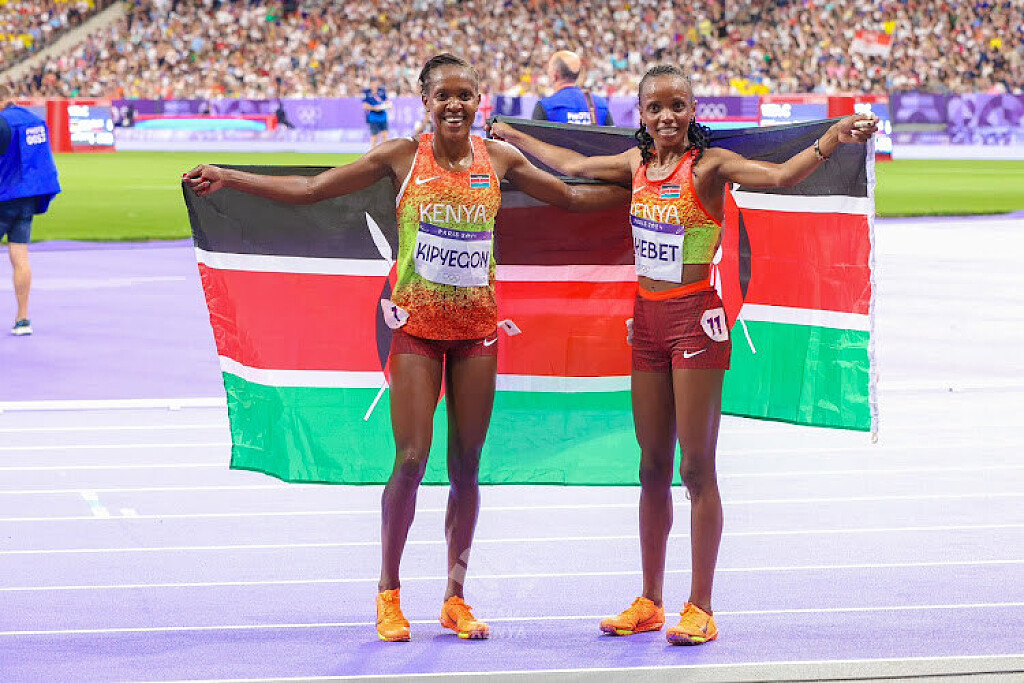
Chebet seeks Olympic double in 10,000m race as Wanyonyi eyes 800m final spot
Olympic 5,000m champion Beatrice Chebet will be seeking a historic double when she lines up in the 10,000m women's final at the Paris 2024 games Later tonight.
Chebet, won the 5000m on Monday night, dashing in the last 50m to beat two-time Olympic 1500m champion Faith Kipyegon and Dutch woman Sifan Hassan to the tape.
She will fly the Kenyan flag alongside compatriots Margaret Chelimo and Lilian Kasiait.
Kasait, is the second fastest runner this year with another sub-30 display of 29:26.89, while Chelimo finished fifth in the 5000m final, has a best time of (29:27.59), in the 25 laps race
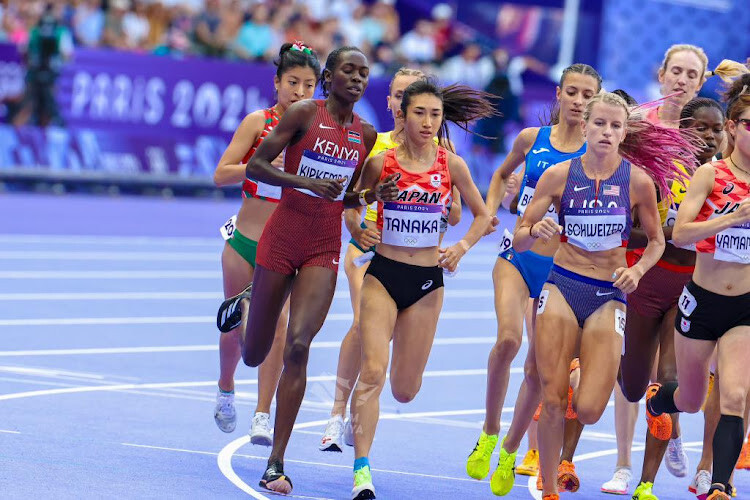
The world record holder with a time of (28:54.14), will face a rich field led by defending champion Sifan Hassan (29:06.82), Ethiopian two-time world 5000m record-holder Gudaf Tsegay and compatriots Fotyen Tesfay (29:47.71) and Tsigie Gebreselama (29:48.34).
While Chebet will be seeking to become the first Kenyan to clinch an Olympic double, Sifan's victory will see the Dutch star become the only woman to have won the title consecutively after Ethiopia’s Tirunesh Dibaba's grabbed the Beijing 2008 and London 2012 titles.
The 24-year-old Olympics debutant faces an acid test in her quest for a second gold medal despite being among the favourites despite flooring seasoned track legends Faith Kiyegon, Sifan and Ethiopia's Tsegay Gudaf. In the 5000m race.
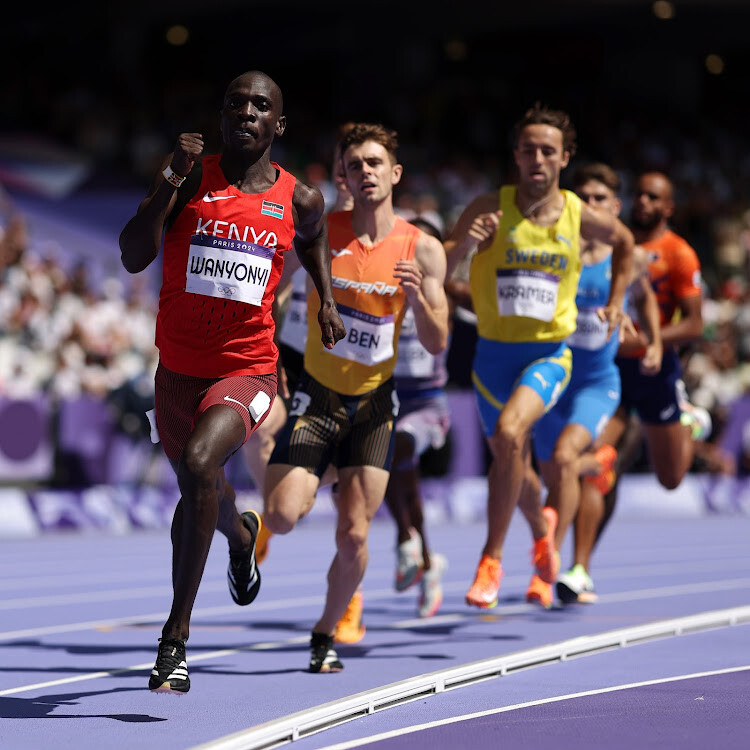
“This is a different race and I have to use a different technique to emerge victorious. "It will be tough but I will try my best," Chebet said.
The race takes place at 9.47 pm at the iconic Stade de France.
Meanwhile, Emmanuel Wanyonyi and Commonwealth Games title holder Wycliffe Kinyamal will kick start team Kenya’s track events this afternoon when they line up in the men's 800m semifinals at the 2024 Paris Olympic Games.
by George Ajwala
Login to leave a comment
Paris 2024 Olympic Games
For this historic event, the City of Light is thinking big! Visitors will be able to watch events at top sporting venues in Paris and the Paris region, as well as at emblematic monuments in the capital visited by several millions of tourists each year. The promise of exceptional moments to experience in an exceptional setting! A great way to...
more...