

Running News Daily
Running News Daily is edited by Bob Anderson and team. Send your news items to bob@mybestruns.com Advertising opportunities available.
Index to Daily Posts · Sign Up For Updates · Run The World Feed
Articles tagged #erythropoietin (EPO)
Today's Running News
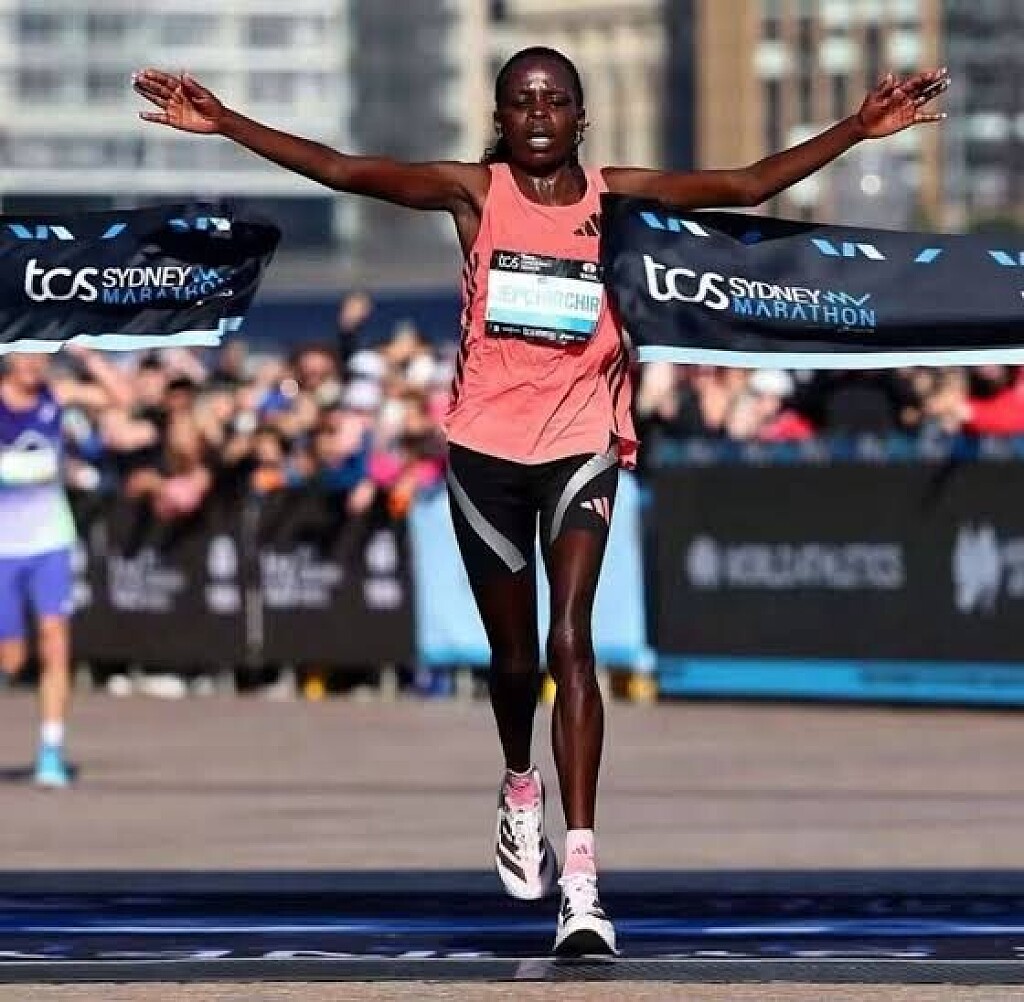


Shocking Development: Peres Jepchirchir Provisionally Suspended Over EPO Finding As Sydney Marathon Title Hangs In The Balance
Kenyan distance running has been rocked by a major development after Peres Jepchirchir, the reigning world marathon champion and 2021 Olympic gold medallist, was provisionally suspended by the Athletics Integrity Unit (AIU) following an adverse analytical finding for erythropoietin (EPO).
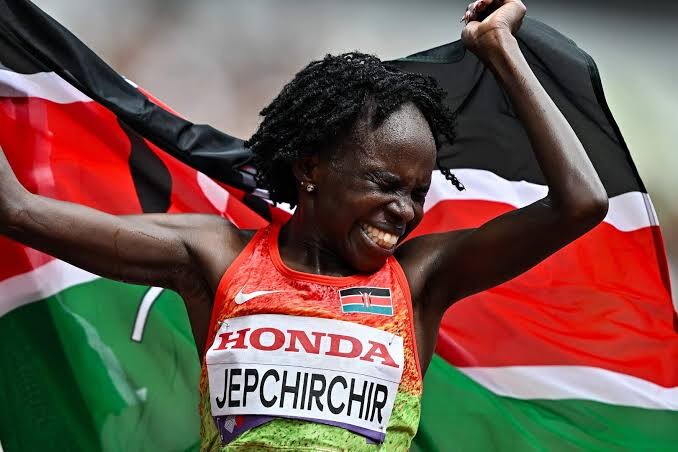
The 33-year-old reportedly tested positive for the prohibited substance in an out-of-competition sample collected in Kenya before the Sydney Marathon on August 30, 2026. The development has cast uncertainty over the future of one of the most accomplished female marathon runners of her generation, whose impressive career includes Olympic gold, a world championship title and victories at three of the sport's most prestigious marathons.
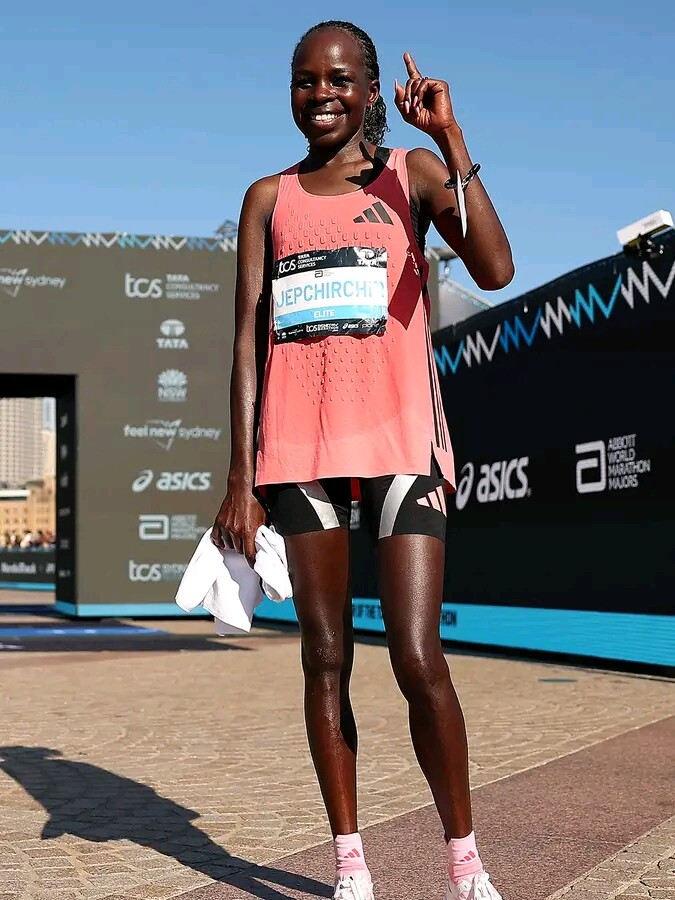
Jepchirchir returned to marathon competition in Sydney after a stress fracture forced her to withdraw from the London Marathon in April. Her comeback initially appeared to be another triumphant chapter in her career, as she stormed to victory in 2:18:31, finishing 3:40 ahead of compatriot Irine Cheptai.
However, the reported adverse analytical finding has placed that achievement under scrutiny, with the possibility that her Sydney victory could eventually be annulled depending on the outcome of the anti-doping proceedings.
Under anti-doping rules, results can be disqualified from the date of an adverse analytical finding or another applicable date determined under the regulations. If the relevant results are annulled, Jepchirchir could lose the Sydney Marathon title, which would have given her victories at four different World Marathon Majors, following her previous triumphs in New York, Boston and London.
EPO is a prohibited substance that stimulates red blood cell production, increasing the blood's capacity to transport oxygen to working muscles. Its performance-enhancing potential makes it particularly significant in endurance sports, including marathon running.
The substance is prohibited under anti-doping regulations, and a confirmed violation can carry serious consequences. Under the World Anti-Doping Code, a first violation involving a non-specified substance such as EPO generally carries a four-year period of ineligibility when the applicable conditions are met, although the final sanction depends on the circumstances of the case.
Jepchirchir's provisional suspension, however, is not a final sanction and does not itself establish that an anti-doping rule violation has been conclusively proven. The case must proceed through the relevant process, during which the athlete has the opportunity to exercise her rights under the applicable rules.
As of the information available, Jepchirchir has not commented publicly on the matter.
The Sydney Marathon has also acknowledged the seriousness of the situation while emphasising the importance of a fair process. In a statement, the event said Jepchirchir “is entitled to due process, and we will make no further comment on the case until that process has concluded.”
The case has attracted considerable attention because of Jepchirchir's standing in international athletics. She won Olympic marathon gold at the Tokyo Games in 2021 before claiming victory at the New York City Marathon later that year. In 2022, she conquered the Boston Marathon, adding another prestigious title to her growing collection.
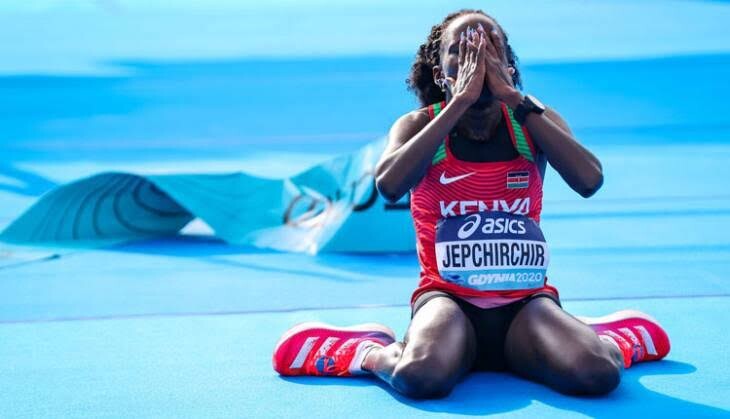
Her success continued in 2024 when she won the London Marathon, becoming one of the few women to capture victories at New York, Boston and London. She subsequently reached another career milestone at the 2025 World Athletics Championships in Tokyo, where she won the women's marathon title by just two seconds in a dramatic finish against Ethiopia's Tigst Assefa.
Jepchirchir has also established herself among the fastest women in marathon history. Her personal best of 2:14:43 places her ninth on the all-time women's marathon list, underscoring the level of performance that has defined her career.
Beyond the immediate implications for her Sydney victory, the case could have wider consequences if an anti-doping rule violation is ultimately established. The World Marathon Majors' rules provide for lifetime exclusion from the series for athletes who receive a doping-related ban of three months or longer, meaning a sufficiently lengthy sanction could jeopardise Jepchirchir's future participation in all eight events.
For an athlete who has built her reputation through success on the sport's biggest stages, such an outcome would represent a significant setback. Nevertheless, any consequences for her results, eligibility or future participation will depend on the applicable rules and the final outcome of the proceedings.
The development also renews attention on Kenya's ongoing efforts to protect the integrity of distance running. The country has produced generations of exceptional marathon runners, but high-profile anti-doping cases continue to raise difficult questions about clean competition and the responsibility of athletes, coaches and support personnel.
For now, the focus remains on the AIU's proceedings and the evidence surrounding the reported finding. Jepchirchir's provisional suspension marks a serious moment in her career, but the distinction between an adverse analytical finding and a final ruling remains essential as the case moves forward.
Once celebrated for her Olympic triumph, world championship glory and victories in the world's most prestigious marathons, the Kenyan star now faces an uncertain period as the anti-doping process unfolds. The eventual outcome will determine whether her latest Sydney success remains part of her remarkable record or becomes one of the most consequential episodes of her career.
by Erick Cheruiyot for My Best Runs.
Login to leave a comment
Doping Dilemma: How WADA's Policies Are Failing Our Sport
I am alarmed by how the World Anti-Doping Agency (WADA) is policing our sport. It's disheartening to see athletes win races only to be stripped of their titles months later due to delayed doping allegations. This approach undermines the integrity of athletics and, in the long run, does more harm than good.
Having dedicated my life to running—I ran my first mile on February 16, 1962, and I discovered my passion for our sport after clocking a 2:08.5 in a 880-yard race JUne 1, 1963—I've witnessed the sport's evolution firsthand. As the founder and publisher of Runner’s World for 18 years and, since 2007, the editor and publisher of My Best Runs, I am concerned about the professional side of athletics.
The Flaws in WADA's Zero-Tolerance Policy
WADA's strict liability standard holds athletes accountable for any prohibited substance in their system, regardless of intent. This has led to controversial sanctions, such as the four-year ban of American runner Shelby Houlihan. She tested positive for the steroid nandrolone, which she attributed to consuming a pork burrito. Despite her defense, the ban was upheld, raising questions about the fairness of such rigid policies.
Overhauling the Banned Substances List
The extensive list of prohibited substances maintained by WADA includes compounds with minimal or no performance-enhancing effects. By focusing on substances with proven performance benefits, we can prevent athletes from being unjustly penalized for trace amounts of inconsequential substances.

The Problem with Retroactive Disqualifications
Delayed disqualifications due to retroactive positive tests cause significant disruptions. Athletes are stripped of titles months or even years after competitions, leading to uncertainty and diminished trust in the sport. Investing in faster, more sensitive testing methods is crucial to detect violations promptly, ensuring that competition results are reliable and fair.
Rethinking the "Whereabouts" Requirement
WADA's "whereabouts" rule mandates that athletes provide their location for one hour each day to facilitate out-of-competition testing. This constant monitoring infringes on athletes' privacy rights and imposes an unreasonable burden. Reevaluating this policy could help balance effective anti-doping measures with respect for personal freedoms.
Understanding Blood Doping and Its Implications
Blood doping, which involves increasing red blood cells to enhance performance, poses significant health risks, including blood clots, stroke, and heart attack. While it's linked to deaths in sports like cycling, there is no documented case of a runner dying directly from blood doping.
Interestingly, many doping violations involve substances like erythropoietin (EPO), which, despite health risks, haven't been directly linked to fatalities among runners. In contrast, alcohol—a legal substance—is responsible for approximately 3 million deaths worldwide annually. This disparity raises questions about the consistency of current substance regulations in sports.
The Business of Anti-Doping
Established in 1999 with an initial operating income of USD 15.5 million, WADA's budget has grown significantly, reaching USD 46 million in 2022. This increase reflects the expanding scope of WADA's activities, including research, education, and compliance monitoring.
Funding is primarily sourced from public authorities and the sports movement, with the International Olympic Committee (IOC) being a major contributor. Notably, in 2024, the United States withheld over USD 3.6 million—about 6% of WADA's annual budget—due to disputes over the agency's handling of doping cases.
EPO's Prevalence in Doping Cases
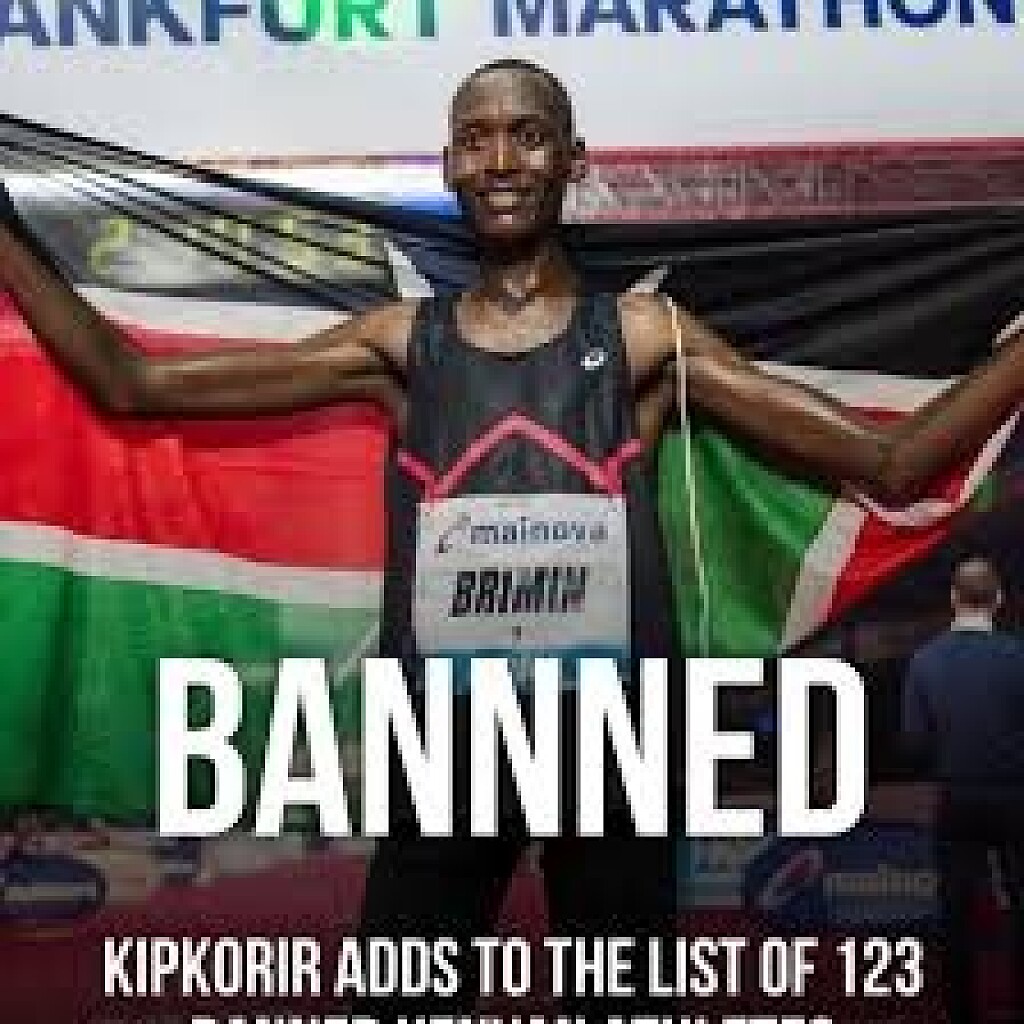
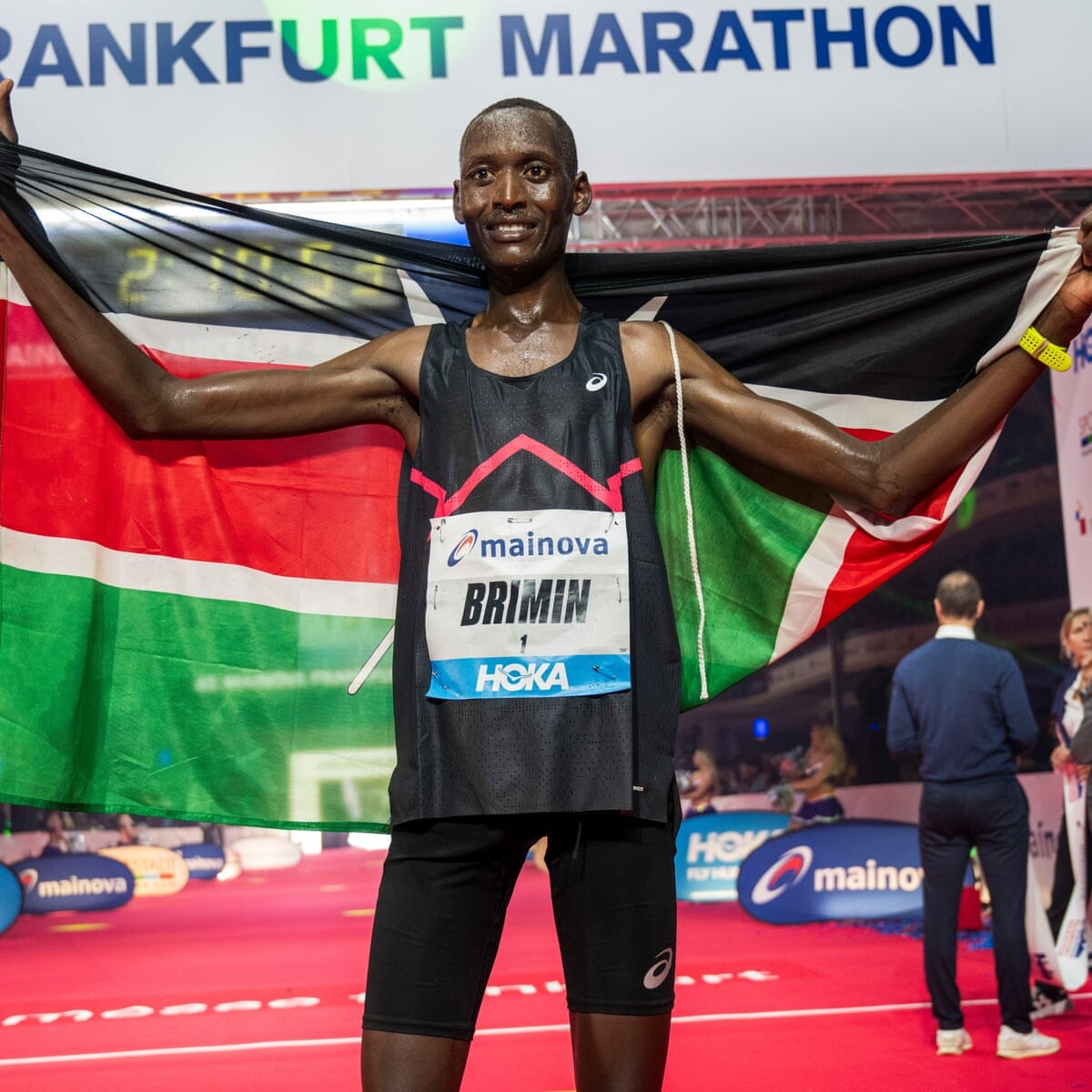
Erythropoietin (EPO) has a history of abuse in endurance sports due to its performance-enhancing capabilities. For example, Kenyan marathon runner Brimin Kipkorir was provisionally suspended in February 2025 after testing positive for EPO and Furosemide. This suspension adds to a series of high-profile doping cases affecting marathon running, especially among Kenyan athletes.
Adapting Governance and Policies to Maintain Trust
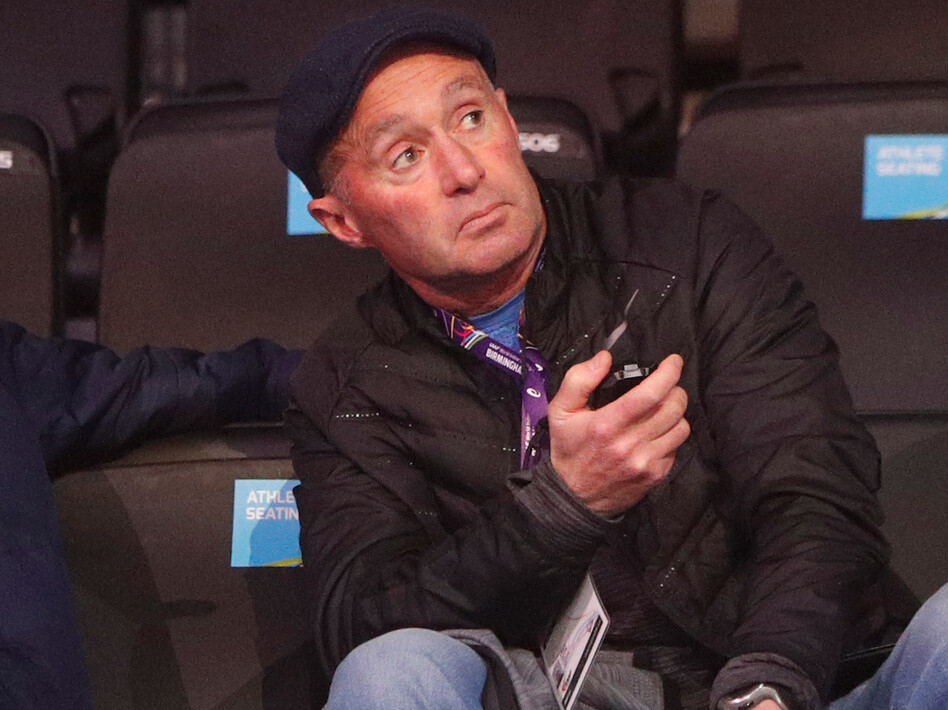
High-profile doping scandals have exposed flaws in the governance of athletics. The case of coach Alberto Salazar illustrates the challenges in enforcing anti-doping regulations. Salazar, who led the Nike Oregon Project, was initially banned for four years in 2019 for multiple anti-doping rule violations, including trafficking testosterone and tampering with doping control processes.
In 2021, he received a lifetime ban for sexual and emotional misconduct. His athlete, Galen Rupp, never tested positive for banned substances, yet his reputation suffered due to his association with Salazar. This situation underscores the importance of independent and transparent governance in maintaining the sport's integrity.
The banned drug list
The World Anti-Doping Agency (WADA) maintains a comprehensive list of substances and methods prohibited in sports to ensure fair competition and athlete health. This list is updated annually and includes categories such as:
· Anabolic Agents: These substances, including anabolic-androgenic steroids, promote muscle growth and enhance performance.
· Peptide Hormones, Growth Factors, and Related Substances: Compounds like erythropoietin (EPO) and human growth hormone (hGH) that can increase red blood cell production or muscle mass.
· Beta-2 Agonists: Typically used for asthma, these can also have performance-enhancing effects when misused.
· Hormone and Metabolic Modulators: Substances that alter hormone functions, such as aromatase inhibitors and selective estrogen receptor modulators.
· Diuretics and Masking Agents: Used to conceal the presence of other prohibited substances or to rapidly lose weight.
· Stimulants: Compounds that increase alertness and reduce fatigue, including certain amphetamines.
· Narcotics: Pain-relieving substances that can impair performance and pose health risks.
· Cannabinoids: Including substances like tetrahydrocannabinol (THC), which can affect coordination and concentration.
· Glucocorticoids: Anti-inflammatory agents that, when misused, can have significant side effects.
Additionally, WADA prohibits certain methods, such as blood doping and gene doping, which can artificially enhance performance. It's important to note that while substances like alcohol are legal and widely consumed, they are not banned in most sports despite their potential health risks.
In contrast, substances like EPO, which have not been directly linked to fatalities among runners, are prohibited due to their performance-enhancing effects and potential health risks. This raises questions about the consistency and focus of current substance regulations in sports..
Regarding the percentage of doping violations involving EPO, specific statistics are not readily available. However, EPO has been a focal point in numerous high-profile doping cases, particularly in endurance sports. For detailed and up-to-date information, consulting WADA's official reports and statistics is recommended
Blood Doping Across Sports
Blood doping is prohibited across various sports, particularly those requiring high endurance. The International Olympic Committee (IOC) banned blood doping in 1985, and since then, numerous sports organizations have implemented similar prohibitions. Cycling has been notably affected, with many major champions associated with or suspended for blood doping.
In conclusion, while the fight against doping is essential to maintain fairness in athletics, the current methods employed by WADA may be causing more harm than good. It's imperative to develop more nuanced, fair, and effective anti-doping policies that protect both the integrity of the sport and the rights of its athletes.
by Bob Anderson
Login to leave a comment
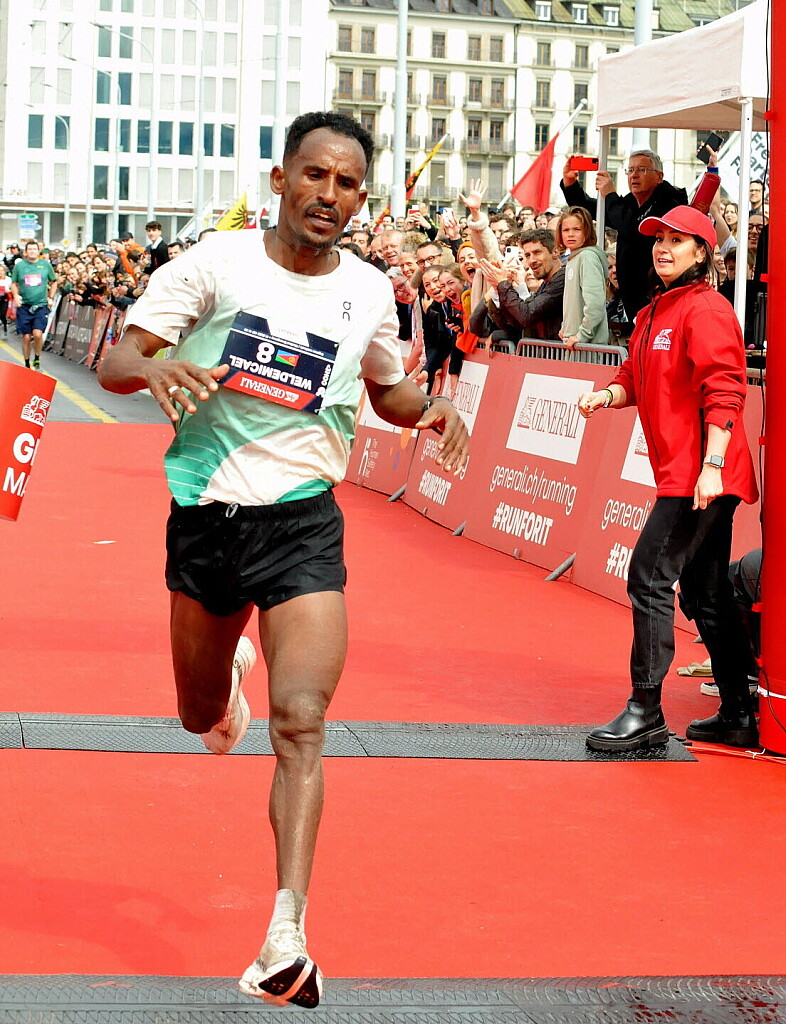
Geneva Marathon winner disqualified for doping
The athlete claimed he did not know what EPO or furosemide were and had no idea how they both ended up in his body.
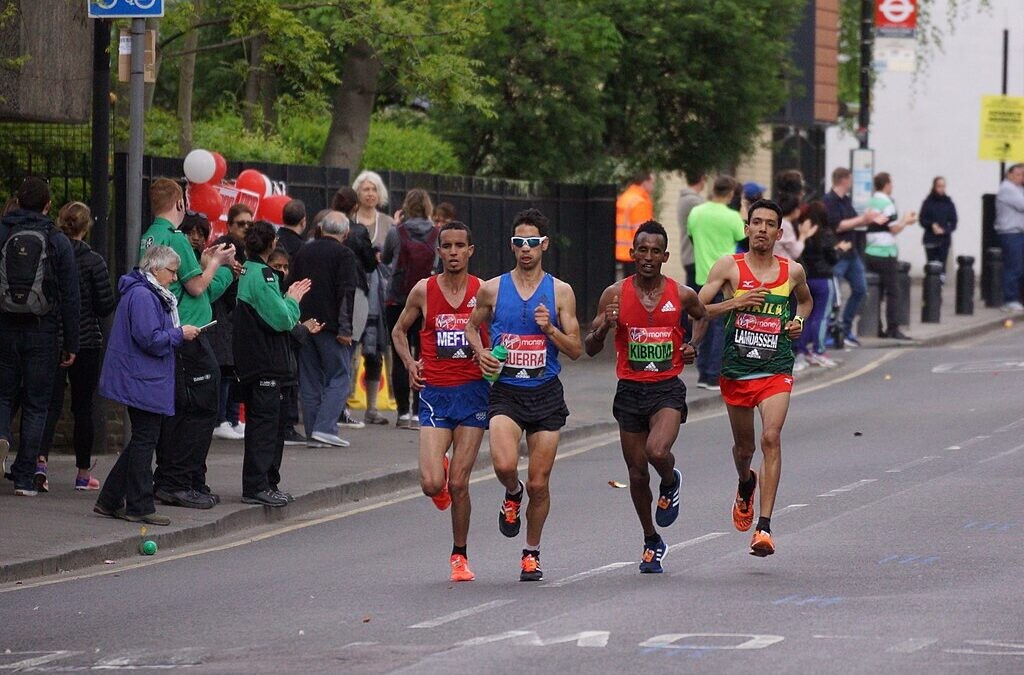
The winner of the 2024 Generali Geneva Marathon in Switzerland, Kibrom Weldemicael has been given a six-year doping ban after testing positive for two substances. Weldemicael was provisionally suspended just days before he was supposed to run at the 2024 Paris Olympics for Eritrea, now, the 37-year-old will be unable to compete until 2030, and his marathon win will be annulled.
According to the Athletics Integrity Unit, Weldemicael provided an in-competition urine sample after his win at May’s Geneva Marathon in 2:09:57. Three months later, a WADA laboratory in Cologne, Germany found an adverse finding in his May 5 sample for the presence of erythropoietin (EPO) and furosemide.
EPO enhances the blood’s oxygen-carrying capacity by increasing red blood cell production, which can improve endurance and performance in long-distance runners. Furosemide is a diuretic (often referred to as a “water pill”), which helps the body get rid of excess salt and water by increasing urine production. The drug is typically used to lose weight quickly or to mask the use of other performance-enhancing drugs. EPO and furosemide are both prohibited substances on the WADA 2024 Prohibited List.
According to the AIU, Weldemicael was notified of the adverse finding in person at the Paris Olympics, where he was preparing to run for Eritrea in the men’s marathon. He was given a provisional suspension on Aug 9, after failing to file a written submission on why the suspension should not be imposed. A week later, the athlete provided an explanation saying he had not taken EPO, and said his red blood cell count was high because he had been training in high-altitude locations for his entire career. He also requested a test of his B sample.
Weldemicael failed to pay for the cost of the B sample test by the deadline, waiving his right to the analysis. He later claimed he did not know what EPO or furosemide were, had not taken either and was unable to explain the presence of both in his body.
The AIU said they reviewed the athlete’s explanation and it was clear he had committed an ADRV (Anti-Doping Rule Violation).
The 37-year-old, who ran his marathon personal best of 2:07:25 this year, will be ineligible to compete until May 2030. His result from the 2024 Geneva Marathon will be disqualified, but his win from Maratón BP Castellón in Spain in February will stand. His best performance at a major marathon was his eighth-place finish at the 2015 London Marathon.
by Marley Dickinson
Login to leave a comment

Harmony Geneva Marathon
The Harmony Geneva Marathon for Unicef is arguably one of the most picturesque city marathons in Europe and unquestionably one of the fastest. The course takes in the countryside nestled between mountains and the shore of Lake Geneva before finishing in the heart of the city in front of the famous Jet d’Eau. Thousands of runners from more than 120...
more...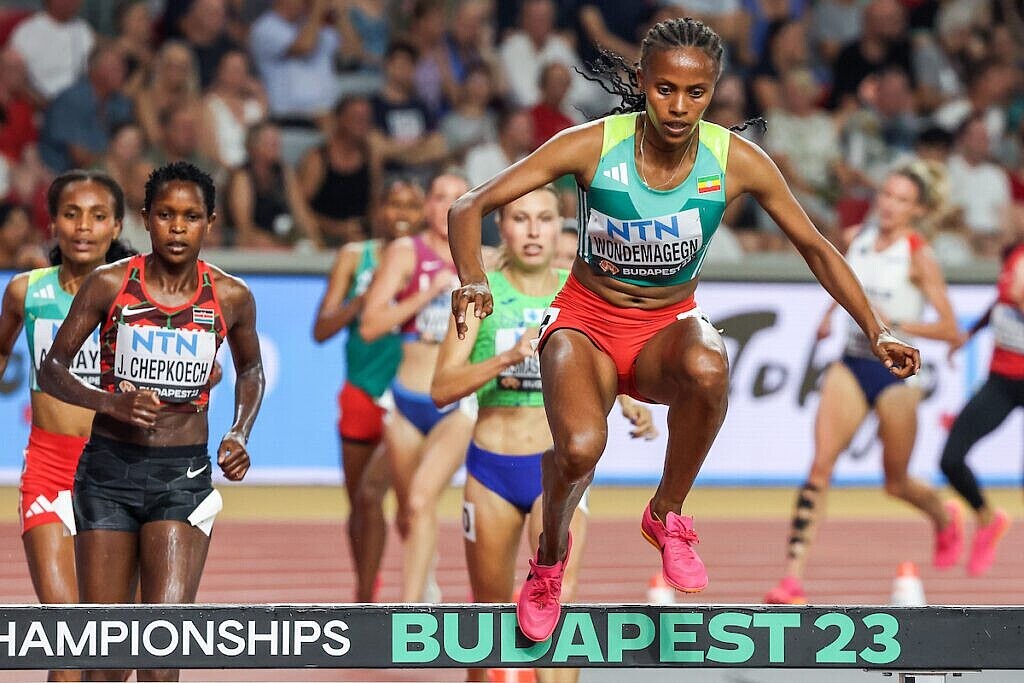
Ethiopian Olympic steeplechase finalist banned five years for EPO
Zerfe Wondemagegn, 21, will miss the next two Olympic Games due to a positive EPO test.
Zerfe Wondemagegn, an Ethiopian runner who reached the women’s 3,000m steeplechase final at the Tokyo Olympics and narrowly missed the world championship podium last year in Budapest, has been banned for five years by the Athletics Integrity Unit (AIU) after testing positive for two banned substances.
The 21-year-old was provisionally suspended by the AIU last November after traces of testosterone and erythropoietin (EPO) were found in an out-of-competition sample. According to the AIU, it received emailed testimony from an Ethiopian doctor stating that Wondemagegn had been given EPO as medicine to treat severe anemia and a kidney infection, but it “remained satisfied” she had broken anti-doping rules. The organization added that it had received a signed admission from the athlete last week.
Wondemagegn finished eighth at the Tokyo Olympics and fourth at the 2023 World Athletics Championships in Budapest. Two of the three samples in her case were taken while she was in Hungary (at worlds), and her result will be disqualified. Her fourth-place finish in Budapest earned her USD $16,000 in prize money.
Her suspension will leave her out of the 2024 Paris Olympics and run through October 2028, meaning she will also miss the 2028 Los Angeles Olympics.
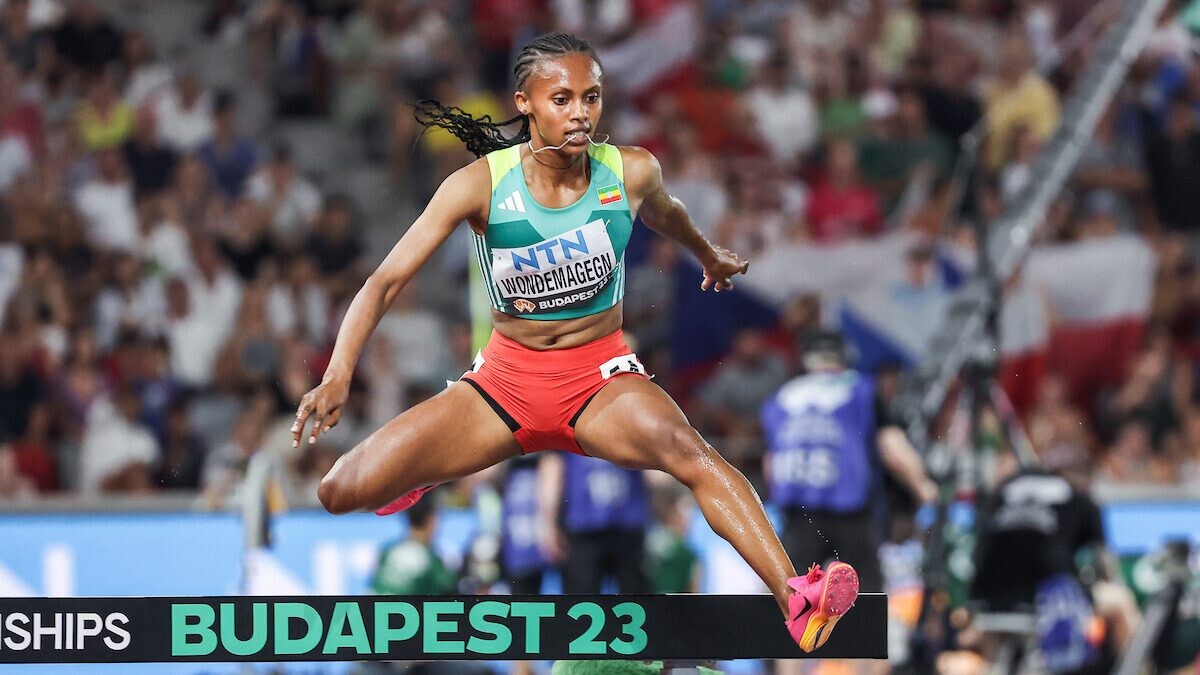
Wondemagegn’s case is the latest in a series of doping cases in the women’s steeplechase event. The 2022 world champion, Norah Jeruto of Kazakhstan (previously of Kenya), is facing a doping hearing in June, five weeks before the Paris Olympics. World Athletics is appealing against an earlier decision to clear the runner. Jeruto has argued that ulcers and COVID-19 explain her irregular blood test results.
Login to leave a comment
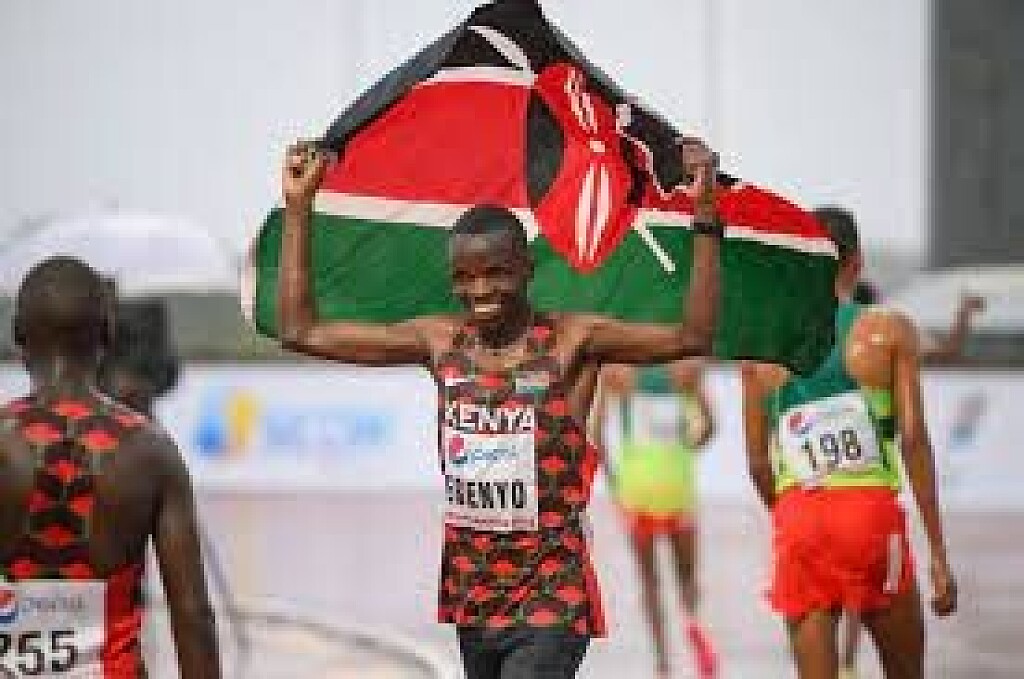
Daniel Simiu sights firmly trained on the Paris 2024 Olympics
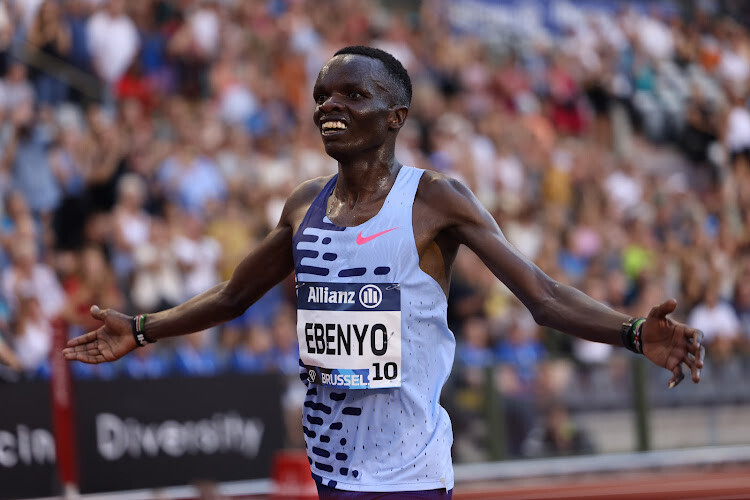
After scooping the gold medal at the 18th edition of the Vedanta Delhi Half Marathon on October 15 last year, Kenya’s middle-distance track prodigy Daniel Simiu has his sights firmly trained on the Paris 2024 Olympics.
The World Half Marathon silver medalist has vowed to torch the track on his way to a podium finish in the French capital in August.
In an exclusive interview on Friday, Simiu said he is ready to make the country proud at the premier global quadrennial games later in the year, where he hopes to fly the country’s flag in the 5000m race. “I have invested a lot of time in preparations and I’m looking forward to a splendid performance,” Simiu stated.
“There is every chance a Kenyan athlete will win gold this time around but,” he added.
The Commonwealth Games 10,000m silver medalist said the country boasts gifted athletes who possess the mojo to storm the gold medal at the premier annual global.
“What’s important is that we bring the title to Kenya. I’ll be happy if any of us gets to win the race,” he added.
The 27-year-old policeman pledged to obliterate the star-studded field in Paris en route to a historic triumph.
He will be seeking sweet revenge over his highly-rated Ugandan nemesis Joshua Cheptegei who edged him to the title at the Birmingham Commonwealth Games. “I’m determined to improve on my performance at the Commonwealth Games, where I slightly fell short of beating Cheptegei,” Simiu said.
He said he was proud to have wrapped up second at the Commonwealth Games. “Kiplimo is the best men’s 10,000m runner at the moment and emerging second behind him brought me some measure of pride,” Simiu remarked.
Born on September 18, 1995, Ebenyo lost his father early in life to cattle rustling and was raised by his mother and later, grandmother.
Simiu said it was while at Aiyam Day Secondary School that he carved his path to a career in athletics.
“I would always complete a stretch of 24-km trek to and from school,” he said.
He experienced a major setback in 2919 when he finished in second place at the National World Championships trials but was unable to compete as he failed to meet some of the Athletes Integrity Unit (AIU) doping requirements.
Simiu did the in-competition test several times but did not meet the required three out-of-competition tests that are mandatory for all athletes and include both urine and blood, at least one Athlete Biological Passport (ABP) test and one Erythropoietin (Epo) test.
He eventually picked up his pieces and ventured into road racing, where he won the Safaricom Kisii 10-km road race in a time of 29:16.71. The following year, he blazed to victory in the San Silvestre Vallecana 10 km in Spain on January 3.
He won the silver medal over 10,000m at the 2022 Commonwealth Games held in Birmingham and placed second again at the 2023 World Athletics Championships in Budapest.
by Tony Mballa
Login to leave a comment

Paris 2024 Olympic Games
For this historic event, the City of Light is thinking big! Visitors will be able to watch events at top sporting venues in Paris and the Paris region, as well as at emblematic monuments in the capital visited by several millions of tourists each year. The promise of exceptional moments to experience in an exceptional setting! A great way to...
more...
The Wild, Uncertain Science of Post-Exercise Ketones
A new review study points toward post-exercise ketone supplementation as a way to improve adaptation and performance. What does the uncertain science mean for endurance athletes?
I heard about athletes supplementing with ketones sometime in the mid-2010s. A company reached out, promising the next big breakthrough in endurance performance from this liquid supplement composed of a molecule naturally produced in the body from the breakdown of free fatty acids. They told me that the top cyclists in the world were already using ketones and that it was destined to take over running, too. They sent a few boxes…and they collected dust in the pantry. It felt like a biohack, and I wasn’t comfortable with it.

Over the years, more studies on ketone ingestion emerged, and I started to get more and more intrigued. Rumors came out that about 70 percent of the cycling peloton used the stuff. But they cost a ton, and it was hard to discern what was actual practice and what was just marketing.
It wasn’t until 2023, though, that I embraced that ketones were here to stay, whether I liked it or not. A 2023 study in the American Journal of Physiology-Endocrine and Metabolism had nine men complete two cycling trials, both with one hour consisting of two minutes at 90 percent of aerobic capacity (moderately hard), followed by two minutes at 50 percent of aerobic capacity (very easy). In both trials, the cyclists consumed a carb-protein drink immediately after exercise and at one, two, and three hours later. Here’s the study intervention: in just one trial, participants ingested 0.29 g/kg ketone monoester immediately after exercise and at one and two hours later.
The ketone trial led to 20 percent higher levels of natural erythropoietin (EPO) in the bloodstream.
For comparison, a 2005 study in the British Journal of Sports Medicine found that the initial exposure to altitude training increased EPO by an average of around 50 percent in swimmers, with large individual variability (returning to baseline after a couple of weeks of altitude training), with lots of variation across studies. Given that our bodies produce EPO to increase red blood cell production, and red blood cells transport oxygen that power endurance performance, the ketone study indicated that we could be seeing a supplement that supercharges adaptation and performance.
Context for Ketones
To be 100 percent honest, I was sad when I saw this study. I love performance physiology, but I don’t want to think about a new biohack. Maybe it’s a sign that I’m getting old when a study on cutting-edge science just makes me tired. Get these research protocols off my lawn!
But I also couldn’t bury my head in the sand (though that would probably increase EPO concentrations via hypoxia). Instead of giving into my old-coach fatigue, maybe I can help publicize the emerging science so fewer athletes have an information disadvantage. My final push was last week when a fantastic review article was published in the American Journal of Physiology-Cell Physiology by Ruben Robberechts and Chiel Poffé. If ketone supplementation has the potential that some think it may, the article could be a key step in the future of exercise physiology.
Before getting to the science, I think it’s important to lay out the stakes. Based on the articles (mixed with a heaping dose of gossip), I can see three different scenarios unfolding over the next 10 years.
One, post-exercise ketones don’t live up to their promise, and this is all a nothingburger. That outcome would please me the most, and we all know that what’s most important in science is my pleasure. If researchers did this type of theoretical analysis on other interventions (i.e. heat training, Vitamin D, lifting, ashwagandha, strides, beta-alanine, doubles, creatine), they could come back with similar findings. We are only talking about a few intervention studies and lots of theory, and future research could have different results. Plus, some critics would already be confident making their judgments as the Supreme Court of Nothingburgerland.
Two, ketones could become a more commonly used supplement with benefits for performance and health (like iron). They are expensive, which isn’t great, but maybe they will help athletes be healthier and faster, with limited side effects. On the flip side, maybe more research indicates tradeoffs that lead to benefit:risk calculations with performance or health. Over email, Dr. Poffé–an author of the review study and a key researcher in this field–says that “studies have shown divergent effects on performance depending on the exercise context and whether you take them before, during or after exercise.” Even if they are beneficial in some contexts, it’s not a simple equation of take ketones = get faster.
The third possibility is that they are banned as an illegal performance enhancer. I have no inside info on whether that’s a possibility, and at first blush, it doesn’t seem likely without some health risks. Dr. Poffé says “I honestly don’t see much of a reason to ban ketones while allowing other ergogenic supplements.”
So, yeah, we’re talking about a wide range of possibilities, which makes sense given the uncertain mechanisms and effects at play. Let’s dig in. (We got even deeper into the nuance on our podcast this week, which you can listen to here.)
Introduction to Ketones
As stated by the review study, ketone bodies “are molecules that are continuously produced from the breakdown of free fatty acids,” primarily in the liver. Ketone body production is upregulated during periods of low carbohydrate availability—that’s why you have heard “ketosis” thrown around for ultrarunners who practice low carbohydrate, high-fat nutrition, aiming to improve fat oxidation and avoid bonking. Ketosis via nutritional interventions comes with way too many downsides for endurance athletes, though, including everything from reduced bone density to diminished high-intensity performance. That makes sense intuitively because low carbohydrate availability is extremely stressful on most body functions, especially the endocrine system.
Ketone esters, enter stage left. Researchers figured out how to create an ester bond between a ketone body precursor and a ketone body (first in 1978 in rats, but not undergoing human testing until 2012). These ketone esters cause a “rapid and transient increase in ketone bodies,” possibly inducing ketosis. It was as if this evolutionary mechanism honed over millions of years now had a dimmer switch. For the chemistry nerds out there, you can probably guess what oral ingestion of an ester is like—not fun. Companies like HVMN honed the taste over time, and now I’d say that ketone esters taste like a robot’s ass. We can only imagine what they tasted like before.
Ketones have mostly been marketed as a before-and-during-exercise supplement, at least in the podcast ads I have heard. Take ketones, burn more fat at higher intensities, win the Tour de France, etc. However, a bunch of studies have shown limited to no acute benefit. For example, a 2017 study in Frontiers of Physiology found that pre-exercise ketone supplementation caused around a two percent performance decrease in 10 male professional cyclists doing a 50-minute time trial.
Perhaps there’s some protocol being used in the cycling peloton that improves acute performance, as the marketing claims indicate. Heck, Tom Evans reportedly took ketone esters on his way to winning Western States, so there must be some benefit for some athletes (or at least neutral impacts), possibly related to perceived effort. Anecdotally, when I tried ketones on a fatigued long run, the lights went out. Thankfully, I had my phone to call the Wuber (when my wife Megan drives to pick me up).
So perhaps it’s something else. Maybe all this ketone hype is because taking them improves recovery and hematological variables, confounding variables that are actually the driving force behind their use (maybe that even explains some of the success stories behind low carb, high fat nutrition approaches. I’d love to see the blood work!).
According to the review, after exercise, circulating ketone bodies are increased. However, any benefits athletes may see from a sustained increase are blunted in advanced athletes practicing good recovery nutrition. Ketone esters “may induce a unique physiological milieu to enhance post-exercise recovery and exercise adaptation as it allows to benefit from the potential beneficial effect of post-exercise ketosis in combination with other nutritional exercise recovery strategies (e.g., carbohydrate-protein recovery drink).” They had me at physiological milieu. Dr. Poffé says that his lab started ketone work in 2016 when “there was already some preliminary data showing that it could help riders during the Tour de France as a recovery aid.”
Mechanisms of Post-Exercise Ketones
I can’t emphasize enough how great this review article is, summarizing extremely uncertain science and studies. Before getting to the EPO mechanisms, let’s briefly touch on a bunch of other considerations. First, ketone bodies may cause epigenetic changes. For example, histone lysine β-hydroxybutylation could increase with ketone body increases, which may “increase transcription of genes involved in the adaptive response to exercise.” Across several different epigenetic mechanisms, it’s possible that ketone bodies could be a signal to the body to adapt to stimuli (which makes sense given their evolutionary role in exercise in energy-limited environments).
Second, ketones could “enhance the restoration of cellular energy status after exercise” while also blunting AMPK phosphorylation, which could enhance recovery due to its role in cellular stress or decrease adaptation due to its role in mitochondrial biogenesis. I love this one because that maybe-good, maybe-bad uncertainty regarding downregulation of AMPK points out just how little is known about the long-term consequences of post-exercise ketones, particularly in conjunction with other impacts.
Third, ketones alter g-receptor signaling, which “mediate cellular responses to a wide variety of external agents.” Fourth, ketones show anti-inflammation and anti-oxidation properties, which seems good at first glance but could theoretically cause long-term reductions in training adaptations since the inflammation response can spur adaptation. Fifth, ketones may influence neurotransmitter concentrations in the brain, which could profoundly impact perceived exertion (and possibly even mental health, though that’s a topic for another day).
The next cohort of potential adaptations are at the cutting edge of science but still theoretical. Ketones could increase muscle glycogen resynthesis, reduce protein degradation and enhance protein synthesis, spur angiogenesis that leads to more capillaries to supply blood to working muscles, induce favorable changes in muscle mitochondria, and improve sleep quality in athletes who are training hard. You can put those variables together with a 2019 study in the Journal of Physiology, where male athletes completed a three-week overload training block with six days a week of two-a-day training sessions, with one group having post-exercise ketones. That study found higher tolerated training load in the ketone group and improved performance. (The study was the subject of a Letter to the Editor disputing some of the conclusions.)
A 2023 study looked at a similar three-week overload block, validating the findings. They had 18 male athletes complete 10 training sessions per week, with one group taking post-exercise and pre-sleep ketones and the other taking a placebo. The ketone group “increased the number of capillary contacts and the capillary-to-fibre perimeter exchange index by 44 percent and 42 percent,” plus “substantially increased vascular endothelial growth factor and endothelial nitric oxide synthase expression both at the protein and at the mRNA level.” And the money finding: EPO concentrations in the ketone group increased by 26 percent. That study was eye-opening for the possible recovery and adaptation benefits of ketones, and it brings us back to the elephant in the room: potential hematological changes from increased EPO production.
Hematological Changes
In 2018, a study in the Diabetes Care journal found increasing levels of EPO after a ketone body infusion. The authors of the 2023 study that started this article cited this study as part of the impetus for their investigation (read their amazing summary here). We’re seeing similar findings in athletes in the 2023 studies, which found 20 percent and 26 percent increases in EPO production in the ketone groups relative to controls. But the science is not there to make a definitive conclusion.
In the title of this article, I promised uncertain science, and now we are deep in it. First, we don’t know how much this EPO change may impact performance. “Currently,” the review says, “it has not been identified if the observed changes in EPO post-exercise are indeed sufficient to induce an improvement in hemoglobin mass and oxygen transport capacity in humans, and whether these effects are additive to stimuli that are frequently used by athletes to increases EPO such as hypoxia.” It’s possible that these changes don’t correspond to performance benefits.
And get a load of this: “The precise physiological mechanism underlying ketone body-induced upregulation of EPO is currently unknown.” However, based on mouse models, the researchers theorize that it relates to H39K acetylation in kidney cells.
Are Ketones the Future?
There are tons of unanswered questions. How do these types of adaptations change over time? The longest study right now is a few weeks.
Do the processes change in female athletes? That’s one of my big concerns in making any recommendations since metabolic processes can vary based on gender. While more research is needed, Dr. Poffé indicates that past studies likely show that the results can be extrapolated to female athletes. “In a recent, unpublished study,” he says, “we observed that some effects are even more pronounced in females.”
How about aging athletes? Athletes of different levels, with different goals and backgrounds? What’s the right dosage and timing? Would the same responses happen at altitude? Should consumption be periodized? With similar studies, would other interventions lead to similar findings? Should ketones be banned altogether?
I don’t know the answers to those questions, and a lot more studies are needed before I make coaching recommendations other than “be careful” and “keep it simple.”
“Similar to most nutritional supplements,” Dr. Poffé says, “the long term effects (e.g. what occurs if you supplement for multiple years) are not known.” When athletes take ketones, he says instead of taking them chronically, to supplement “during periods of limited recovery opportunities,” like training camps. From a performance perspective, he advises to consider ketones when everything else is sorted out around training, nutrition, and recovery. They are “the final step,” not the first one.
In September, after reading the research, I dusted off that old package of ketones and opened up a serving for myself. Then I threw it in the trash because it seemed like a health hazard after all those years. I ordered a new package and started experimenting with them a couple days a week post-exercise. In October, at the Blue Sky Marathon, I closed the final four miles two minutes faster than last year to set a course record.
That probably had nothing to do with ketones, right? I’m no Olympian, but I train hard. And when looking back on the race and why I could finish so fast while feeling so good, I would be burying my head in the sand not to consider one of the only variables that changed.
I’m not sure what the future holds with post-exercise ketone supplementation. Maybe it’s all snake oil and placebo, with some studies that find physiological anomalies without a demonstration that it fundamentally alters performance trajectories, destined to be covering dust in the pantry of exercise physiology history.
Or maybe we’re seeing the dawn of a revolution in endurance training and performance.
by David Roche (Trail Runner Magazine)
Login to leave a comment
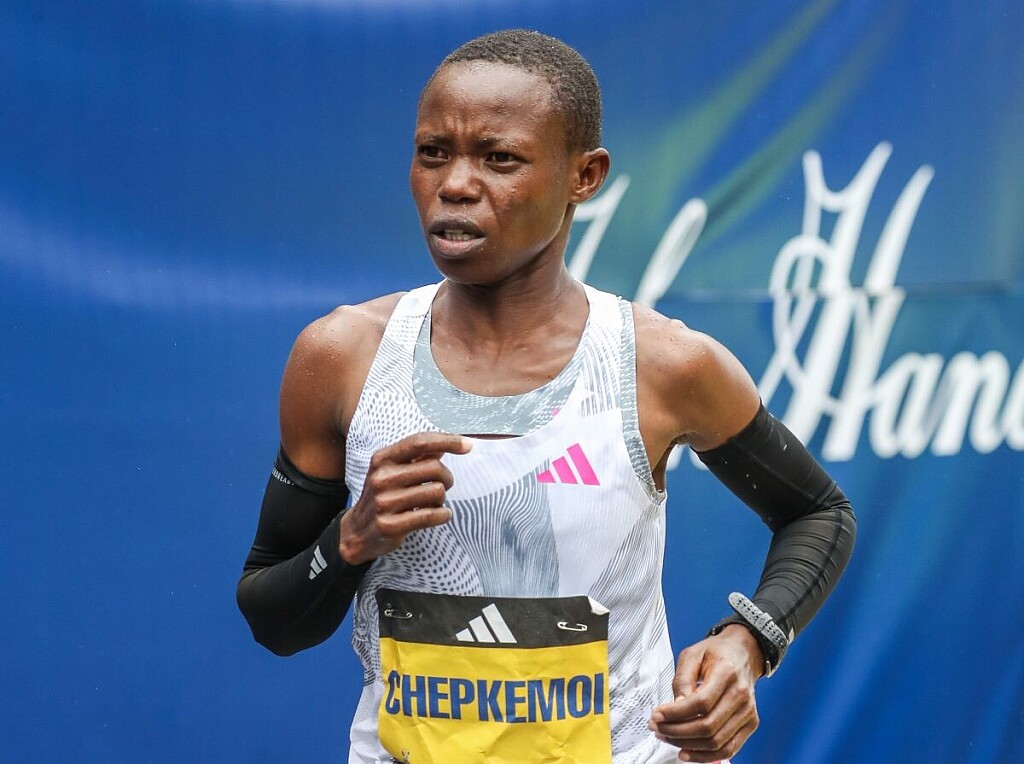
Boston Marathon finisher receives three-year doping suspension
On Thursday, the Athletics Integrity Unit (AIU) announced the suspension of Kenyan marathoner Maurine Chepkemoi after she tested positive for erythropoietin (EPO) on Nov. 3 during an out-of-competition doping test in Iten, Kenya.
Chepkemoi has a marathon personal best of 2:20:18 from a second-place finish at the 2021 Amsterdam Marathon. Since 2021, she has won the Enschede Marathon in the Netherlands in a course record time of 2:21:10 and finished 16th at the 2022 Berlin Marathon and 31st at the 2023 Boston Marathon in 2:35:25.
The length of her suspension was reduced by one year for admitting to the anti-doping rule violation (ADRV). The automatic period of ineligibility imposed is four years, unless the athlete can demonstrate that the ADRV was not intentional. In Chepkemoi’s case, she accepted her wrongdoing and the charges laid by the AIU, resulting in a three-year ban until Nov. 2026.
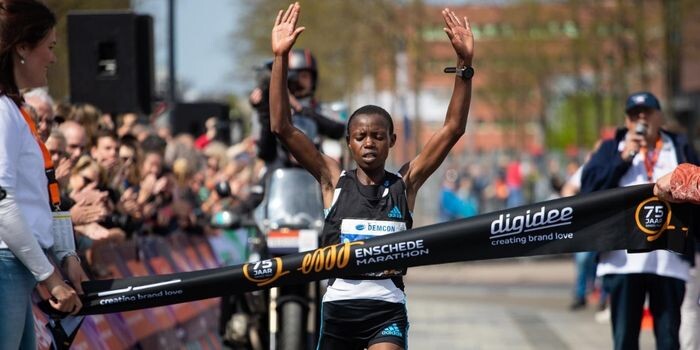
In a statement to Canadian Running, Chepkemoi’s agency, Demadonna Athletics, confirmed that their athlete openly admitted to seeking and using EPO.
EPO has been on the World Anti-Doping Prohibited List since the 1990s; it is used to improve endurance performance or to speed up recovery.
Chepkemoi was one of two Kenyan runners suspended for three years by the AIU on Thursday. The other runner was 2:08-marathoner Thomas Kibet. The 27-year-old tested positive for the steroid norandrosterone after a second-place finish at the 2023 Tallinn Marathon in Estonia.
There are currently 73 Kenyan athletes on the AIU’s Global List of Ineligible Persons. The Kenyan government is in the first year of their $25 million dollar five-year campaign to test more athletes and fight against doping in athletics. The AIU is working with the Kenyan Government, Athletics Kenya and the Anti-Doping Agency of Kenya (ADAK) to combat the issue and test more Kenyan athletes.
by Marley Dickinson
Login to leave a comment

Banned Kiwi Olympian Zane Robertson arrested in sexual assault probe
Two-time New Zealand Olympian Zane Robertson, who is serving an eight-year suspension for anti-doping rule violations, was arrested last week in a sexual assault probe at his home in Kenya, where police say they found an unlicensed AK-47 assault rifle and 23 rounds of ammunition.
Robertson—who holds New Zealand’s records in the marathon (2:08:19), half-marathon (59:47) and 10K (27:28), was visited by police at his home in the town of Iten on Sept. 20 to question him about a sexual assault complaint made against the 33-year-old, according to Kenya’s Standard newspaper.

Tom Makori, sub-county police commander, told the Standard authorities arrived at the house to arrest the runner for questioning in a sexual assault investigation, after a woman claimed she was victimized by Robertson at a house party the previous day. “The suspect has been living in Kenya for several years. He has bought land and built his residence. Our preliminary investigations indicate that the AK-47 in his possession was unlicensed,” Makori said.
“Police had gone to arrest him for questioning in relation to a sexual assault complaint, but he declined to open the door. Later, after the police gained entry, they discovered that he was in possession of a gun,” he added.
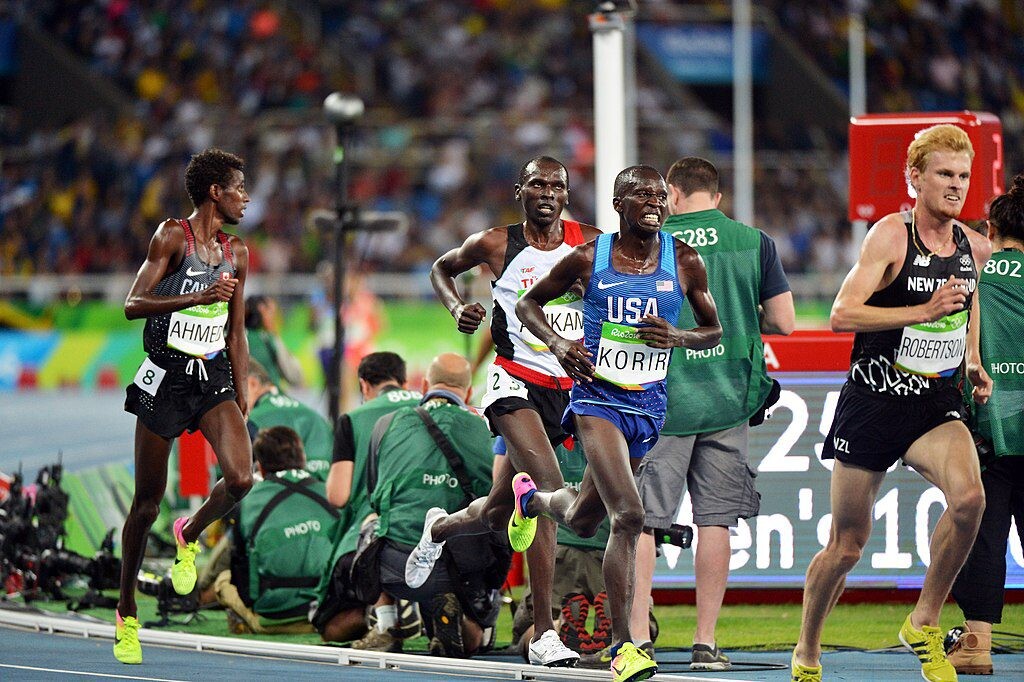
Police had not released an update on when, or if, Robertson will be officially charged in connection with either the sexual assault probe or the weapons arrest. “We may seek more time to conclude investigations,” said Makori.
The arrest comes exactly one year to the day that the Sports Tribunal of New Zealand provisionally suspended Robertson for anti-doping rule violations.
In May 2022, Robertson tested positive for erythropoietin (EPO) during the Greater Manchester Run—a finding later confirmed by B-sample testing. He breached the rules for the presence and use or attempted use of the prohibited substance and for tampering, or attempted tampering, with any part of the doping control process. His attempt to submit fraudulent documents to defend himself led to another charge.
In March, the Sports Tribunal of New Zealand handed Robertson an eight-year suspension for the violations, making him ineligible to compete until September 2030. However, Robertson announced his retirement from professional running a month before receiving the suspension.
In addition to breaking national records, the now-disgraced runner had distinguished himself by winning bronze in the men’s 5,000m at the 2014 Commonwealth Games in Glasgow. He finished 12th in the 10,000m at the 2016 Summer Olympic Games in Rio and 36th in the 2020 Tokyo Olympic marathon, in 2:17:04.
by Paul Baswick
Zane Robertson
Login to leave a comment
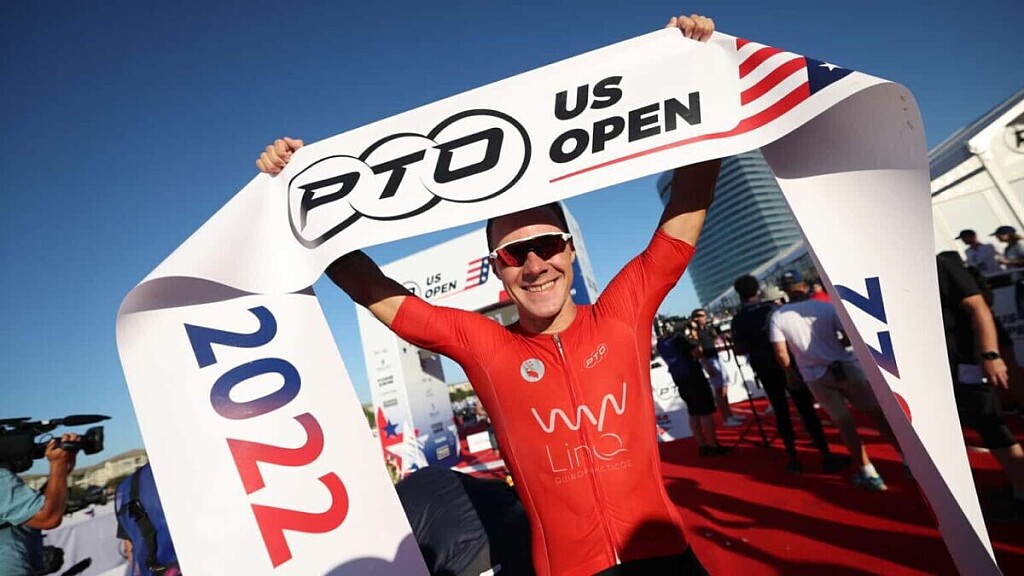
Pro triathlete takes shots at Olympians after doping ban
Ironman champion Collin Chartier said he won't blame a "tainted burrito or tainted COVID vaccine" for his positive EPO test.
American professional triathlete Collin Chartier was handed a three-year ban from competition on Monday after a positive result for erythropoietin (EPO) in a random drug test from February. The Ironman champion took to Instagram to address the positive test, stating that he was not going to make excuses, instead admitting his guilt. At the end of his apology note, Chartier took blatant shots at Olympic runners Shelby Houlihan and Zane Robertson, both of whom have faced doping bans in recent years.
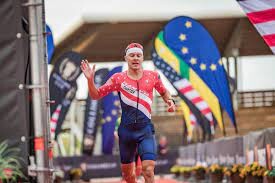
Shots fired
“I am not going to give myself or anyone else the bullshit excuse like a tainted burrito or tainted COVID vaccine,” Chartier wrote. The “tainted burrito” was a reference to Houlihan’s post-doping-ban excuse in June 2021, while the COVID vaccine line was a nod to Robertson’s more recent doping bust in March.
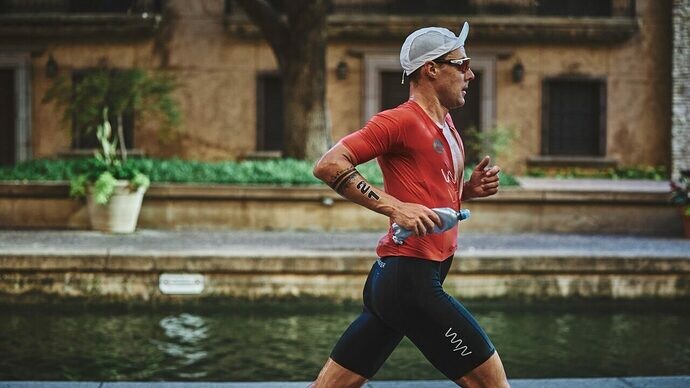
After testing positive for the steroid nandrolone in Dec. 2020, Houlihan claimed it was due to contaminated meat that she ate at a food truck the night before her test. Robertson took a similar route following his ban, blaming his positive test (which occurred in May 2022) on a COVID-19 vaccine he received in Kenya.
Chartier’s apology has not been well received by the triathlon community, with many of his peers going after him online. While there is no excuse for his actions or decision to use EPO, at least he admitted to cheating.
“Tell the whole truth”
Chartier’s apology has sparked an important conversation in the triathlon world surrounding dopers and the help they receive to cheat. Many other pro triathletes have demanded that Chartier take his admission of guilt a step further by exposing anyone who helped him cheat and any other athletes whom he knows have doped.
“Tell the whole truth,” eight-time Ironman champion Ben Hoffman wrote on Instagram. “How did you do it, who helped, who else is involved, and give the full story of why.” Former Ironman world champion Sebastian Kienle commented directly on Chartier’s apology post, writing, “Let me guess, you bought [the EPO on] the internet and also learned how to use it—all from the internet. Nobody helped you, nobody knew.”
These athletes—and many fans—have said Chartier’s apology feels hollow and insincere, since he has yet to identify others who helped him or who are also cheating. They object to any praise he may be receiving for being honest about having cheated, insisting that he has a further role to play in cleaning up the sport. (Robertson admitted to doping after originally making the bogus COVID vaccine excuse.)
Although Chartier said he is retiring, he is now serving a three-year ban from competition. Houlihan was given a four-year ban and is not eligible to race again until 2025. Robertson announced his retirement before his ban was made public, but was still given an eight-year ban.
by Running Magazine
Login to leave a comment
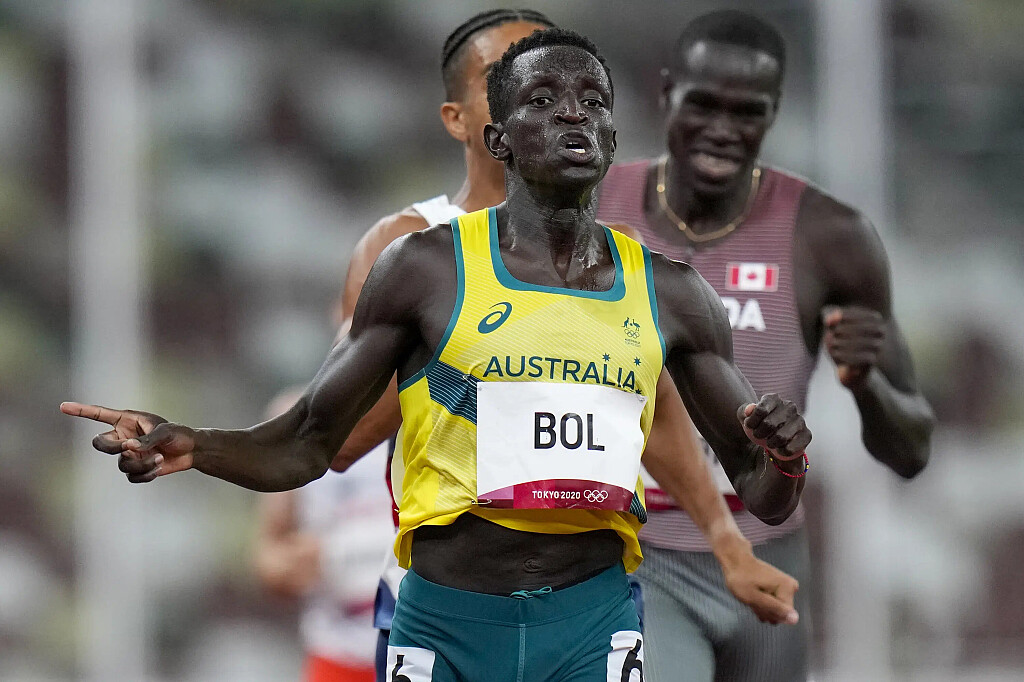
Peter Bol’s positive doping test revealed as “blunder” by Sports Integrity Australia
After two long months, the Peter Bol EPO-doping saga has concluded. Two independent laboratories have cleared the Australian 800m runner of using the banned substance, noting a “catastrophic blunder” in testing from Sports Integrity Australia (SIA).
In January, the 29-year-old faced a four-year suspension after he returned a positive result for the banned substance erythropoietin (EPO) from a urine sample taken in October. Upon further investigation, according to Sports Integrity Australia, neither of Bol’s A nor B samples showed the presence of EPO in his urine: “Only naturally occurring, endogenous erythropoietin was present during both tests.”
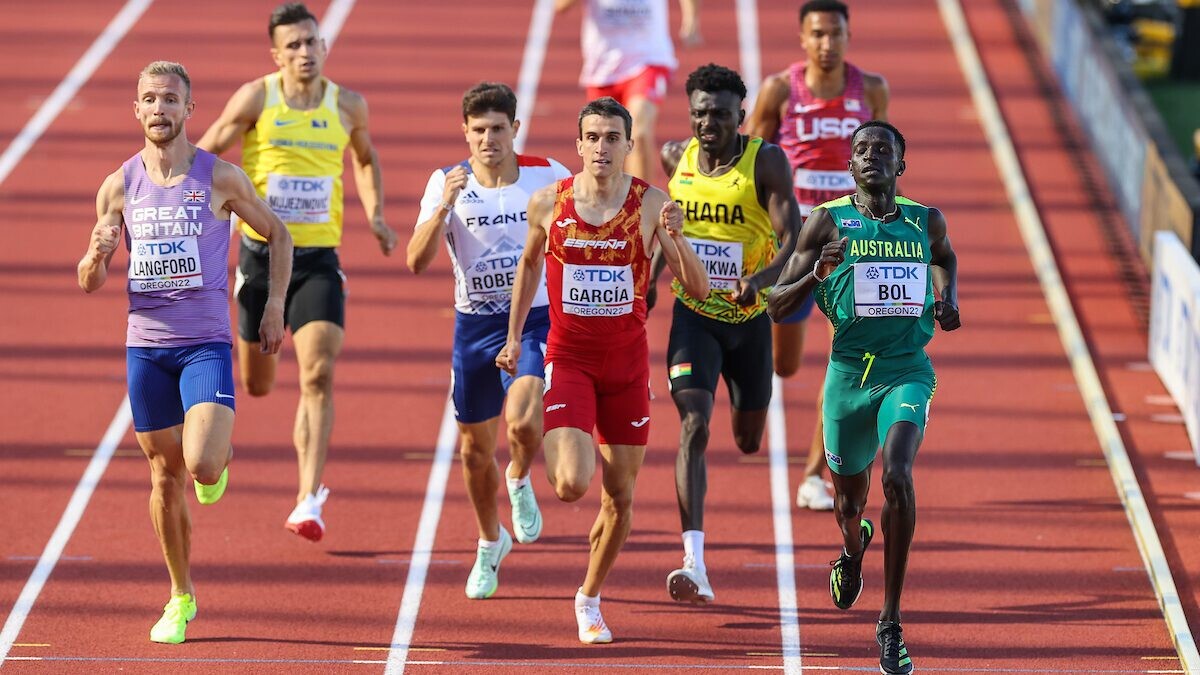
Bol said in an interview with Australia’s 9News that the entire process from the SIA was nothing but unfair to him. “To accuse me of doping without scientific proof… it’s tough, but deep down, I knew I was innocent,” said Bol.
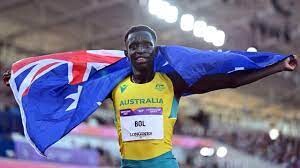
He became a household name in Australia at the 2020 Tokyo Olympics after breaking two national records in qualifying to reach the men’s 800m final, where he finished fourth. At the 2022 Commonwealth Games in Birmingham, U.K., he won silver in the 800m behind Kenya’s Wyclife Kinyamal.
Pleading innocence
Bol hired a lawyer and throughout the process, stressed his innocence on social media, saying he would do whatever was necessary to clear his name. “I told everyone that I was innocent and asked everyone in Australia to believe me and let the process play out,” Bol wrote on Twitter.
Bol voluntarily handed over his laptop, iPad and phone to the SIA to help prove his innocence and paid $1,200 to have his B-sample tested.
Subjective testing
During the investigation process, a group of Norwegian scientists raised their doubts about Peter Bol’s positive A-sample, saying the testing for EPO by the World Anti-Doping Agency remains subjective, especially in cases such as Bol’s, which delivered a “borderline” positive result.
According to the Sydney Herald, his legal team sent a letter to SIA demanding an end to the investigation.
The letter includes two independent expert analyses of Bol’s sample from October last year “never showed the presence of any synthetic EPO” and that “inexperience and incompetence at the Australian Sports Drug Testing Laboratory (ASDTL) led to an incorrect determination” of his positive A-sample.
Last month, the SIA lifted Bol’s suspension, allowing him to return to training after the B-sample tested by the World Anti-Doping Authority (WADA) returned an atypical finding.
Bol said he does not intend to sue SIA for damages, although his legal costs are around $50,000.
“I want SIA to see this situation as an opportunity to improve,” he said to Sydney Herald. “Not me trying to fight them. We’ve been transparent the whole time. They should be the same. What my family has gone through should never happen, but it did happen, and we want people to be held accountable.”
by Marley Dickinson
Login to leave a comment
Zane Robertson Popped for EPO
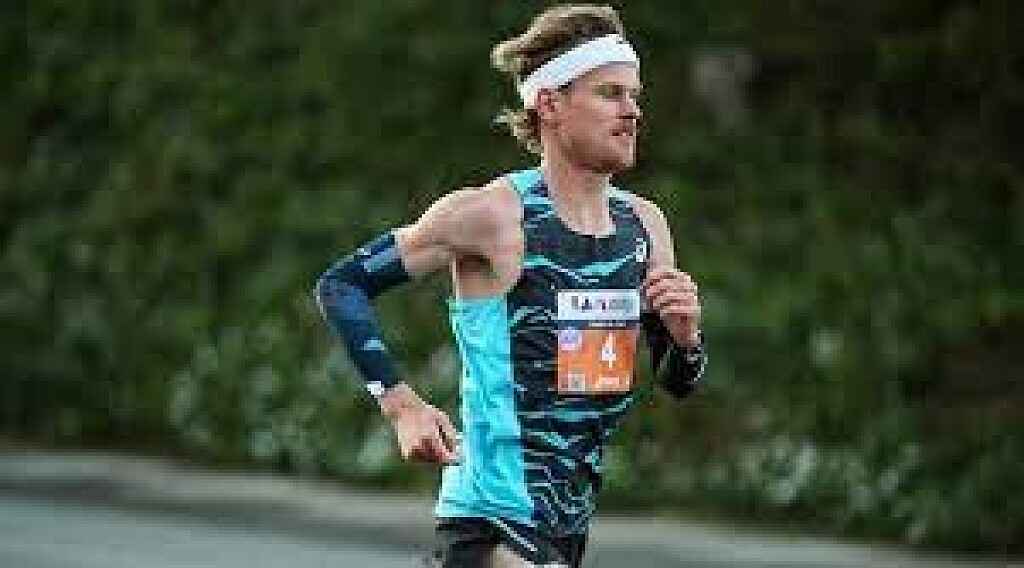
Zane Robertson, the New Zealand record holder in the half marathon (59:47) and marathon (2:08:19) and former record holder in the 10,000 (27:33.67), has been suspended by The Sport Tribunal of New Zealand from competition for 8 years after testing positive for Erythropoietin (EPO) and “providing false documentation in his defence.”
Robertson, who along with his twin brother Jake famously moved to Kenya in 2007 at the age of 17 to try to become one of the world’s best distance runners, had retired in February at the age of 33 but didn’t mention anything about a pending drug bust. Zane tested positive at the UK’s Great Manchester Run in May 2022.
Join the LetsRun.com Supporters Club today to support independent journalism.
Supporters club members get all the LetsRun content, savings on running shoes, and their support ensures LetsRun.com has on-site coverage from the biggest Athletics events in the world. Use code CLUB25 to save 25%. And follow us on social media:
After his B sample came back positive, Zane Robertson didn’t try to argue that EPO wasn’t in his system. Instead, he said he went to a Kenyan medical facility to get a COVID vaccination but instead was given EPO, and he provided documentation to back up his point, but investigators determined the documentation provided was false.
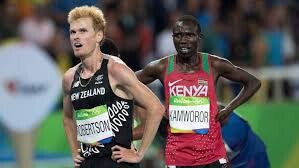
In addition to it making no sense medically why someone would be given EPO when they came in for a vaccine, a Vice President of the “medical facility Mr Robertson claimed to have attended” provided a statement saying “Mr Robertson was not administered EPO at the facility, that he had not attended the facility on the alleged date, that of the two doctors he claimed had treated him, one was a laboratory technician and the other was not employed at the facility, that the medical notes were not generated at the facility and the patient number on the notes was not Mr Robertson’s.”
The Sports Tribunal of New Zealand’s full decision can be read here (also embedded at the bottom of this document).
Additionally, Drug Free Sport New Zealand (DFSNZ) issued its own press release that can be read here (also embedded at the bottom of this document), but in reading it, appears that Robertson may have been targeted for testing.
“This case benefitted hugely from the sharing of key information and the invaluable support of the Athletics Integrity Unit and Anti-Doping Agency of Kenya. Our global partnerships allow us to collaborate across the anti-doping landscape to detect and deter doping and hold dopers to account, wherever they may be,” said Drug Free Sport New Zealand Chief Executive Nick Paterson.
The press release was unusual in that it contained a lengthy statement from Athletics NZ Chief Pete Pfitzinger, the two-time US Olympic marathoner (and Cornell grad), about how the organization was trying to make sure that Robertson’s mental health was being taken care of.
“As an organisation we take athlete welfare very seriously, so we understand the anxiety and stress that Zane will be experiencing. As soon as he received notification of the positive test for EPO last year, we offered and have provided extensive wellbeing support alongside High Performance Sport New Zealand and we will continue to provide support during this challenging time. We appreciate DFSNZ’s consideration of the athlete’s wellbeing throughout this process,” said Pfitzinger.
It’s worth noting that prior to the 2016 Olympics where Zane Robertson was 12th in the 10,000, Zane, who had relocated to Ethiopia, expressed his frustration as to the amount of doping in the sport and specifically the situation that was going on in Kenya.
“It’s disturbing that I can see these things unfolding before my eyes yet those athletes continue to race on,” said Zane to stuff.co.nz. Robertson also competed in the 2020 Olympics in the marathon where he was 36th.
by Robert Johnson
Login to leave a comment
Peter Bol’s doping suspension lifted after B-sample does not match
The 800m Olympic finalist has been exonerated after results show an atypical finding between the two samples.
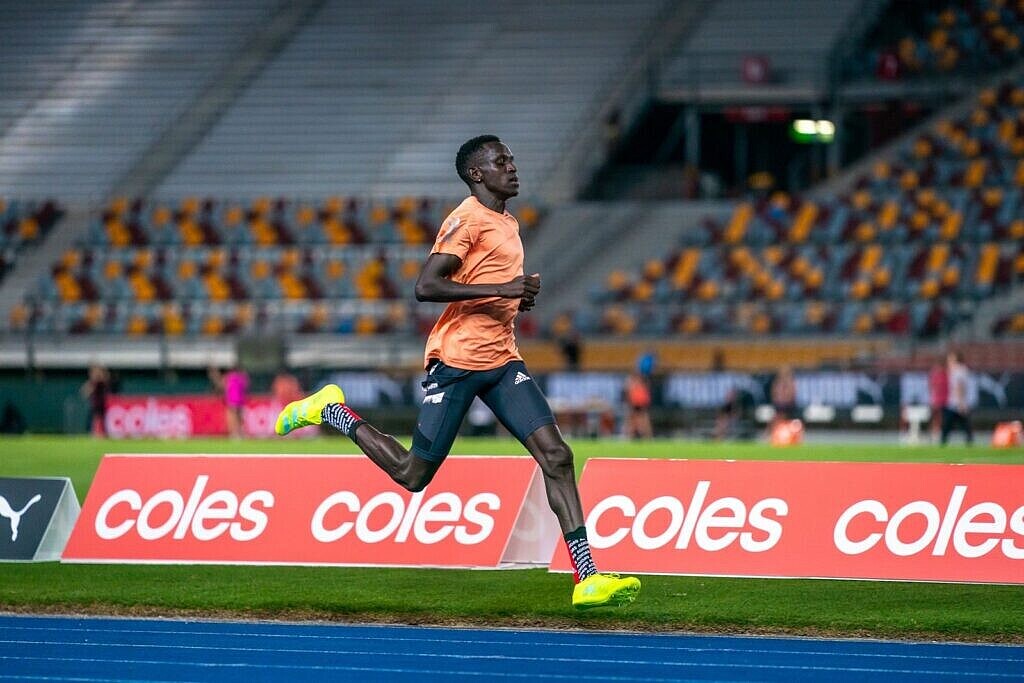
On Monday evening, Commonwealth Games 800m medallist Peter Bol’s provisional suspension for doping was lifted after his B-sample did not match his A-sample, meaning he can return to competition immediately.
Last month, the Australian 800m Olympic finalist made headlines as he returned a positive result for the banned substance erythropoietin (EPO) from a urine sample taken in October.
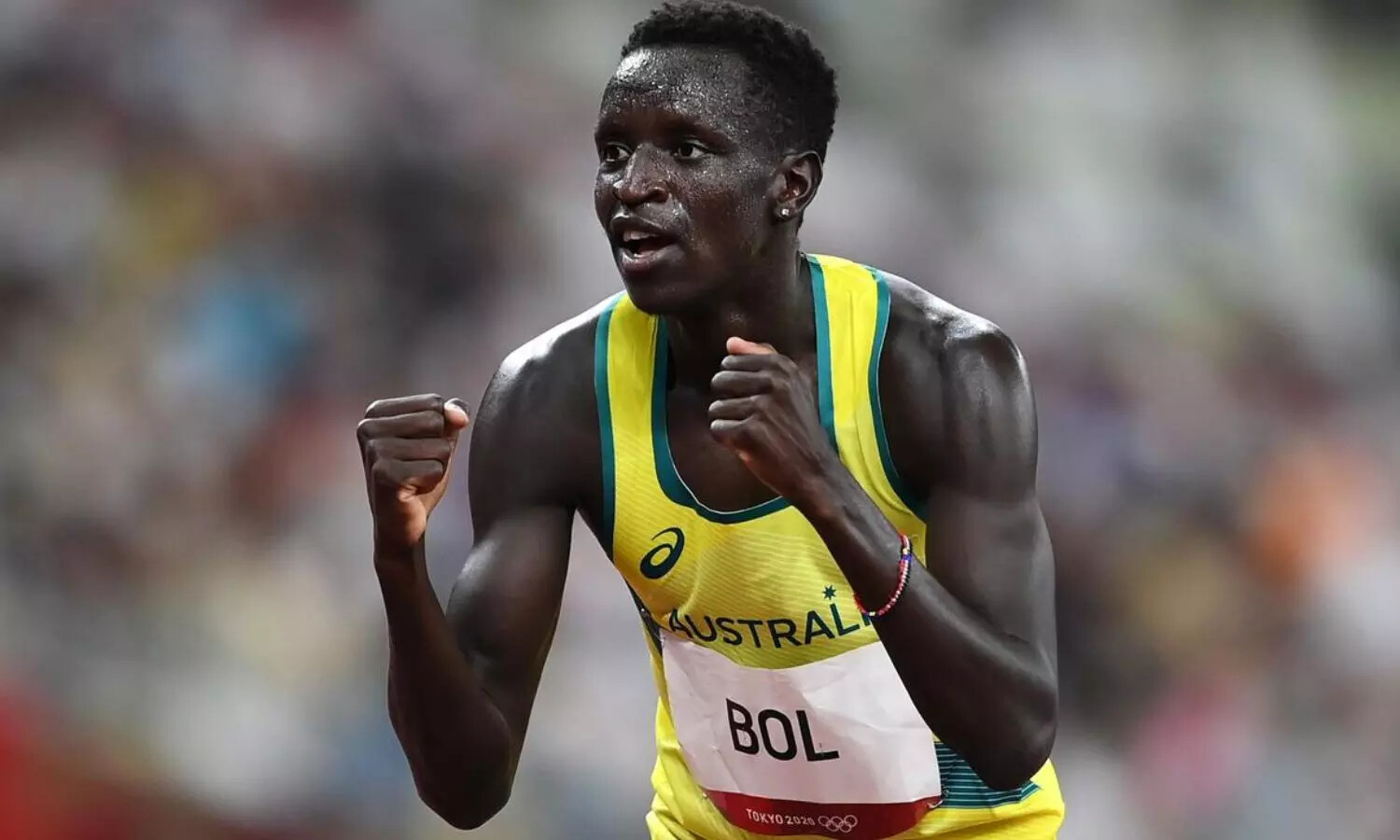
Throughout the process, Bol stressed his innocence and said he would do whatever was necessary to clear his name. “I told everyone that I was innocent and asked everyone in Australia to believe me and let the process play out,” Bol wrote on Twitter, as he faced the possibility of a four-year ban.
Bol voluntarily handed over his laptop, iPad and phone to Sport Integrity Australia to help prove his innocence and paid $1,200 just to have his B-sample tested.
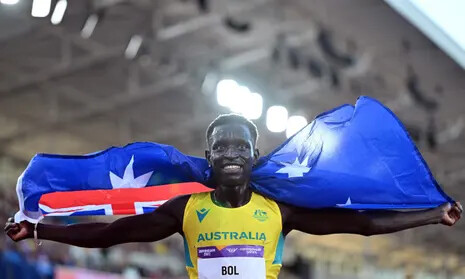
During the process, a group of Norwegian scientists raised their doubts about Peter Bol’s positive A-sample, saying the testing for EPO by the World Anti-Doping Agency remains subjective, especially in cases such as Bol’s, which delivered a “borderline” positive result.
“I was hopeful that the process would exonerate me,” Bol wrote. “I am relieved to report that it did.”
Sport Integrity Australia (SIA) said the suspension was lifted after Bol’s B-sample produced an “atypical finding,” which is not the same as a negative test result; it’s a report from a WADA-accredited laboratory that requires further investigation.
Despite Bol being allowed to return to training, Sports Integrity Australia (SIA) released a statement saying that Bol’s case remains open, and the SIA will now seek for a World Anti-Doping Agency (WADA) accredited laboratory to obtain a second opinion from an expert on the WADA EPO Working Group, which provides expert advice and analysis concerning the overall application of EPO testing.
by Running Magazine
Login to leave a comment
Three more kenyan athletes banned for breaking anti-doping rules
Three Kenyan athletes have been banned for a collective period of eight years after breaking anti-doping rules.
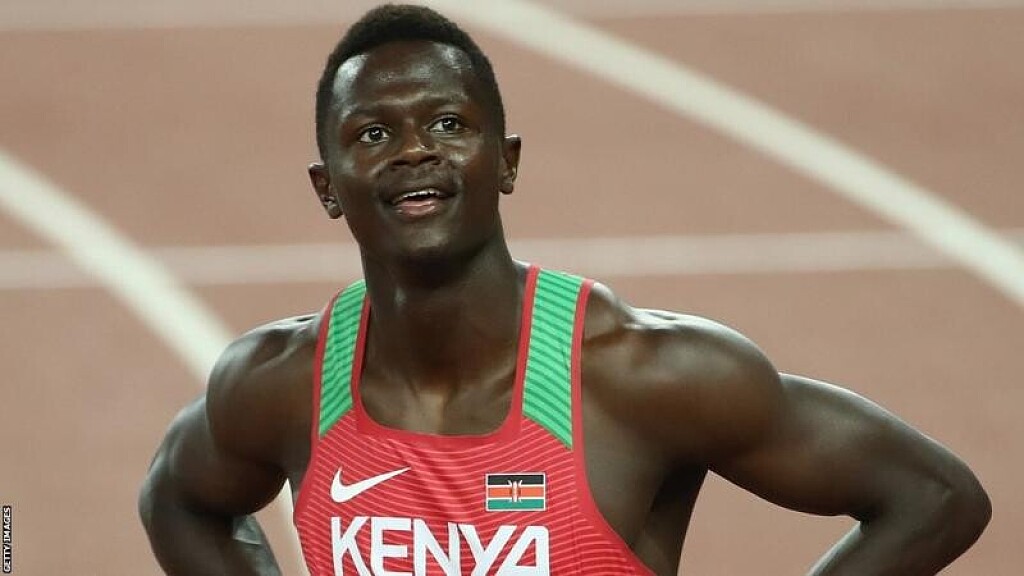
The Athletics Integrity Unit (AIU) has banned marathon runners Alice Jepkemboi Kimutai and Johnstone Kibet Maiyo for three years, and sprinter Mark Otieno for two.
Otieno, 29, tested positive for the banned anabolic steroid Methasterone moments before the 100m heats at the Tokyo Olympic Games.
It meant he was not allowed to compete.
Otieno, a three-time national 100m champion, will have his ban backdated from the Games and end in July 2023.
The suspension for November's Porto marathon winner Kimutai - who tested positive for the male hormone testosterone - began on 16 November.
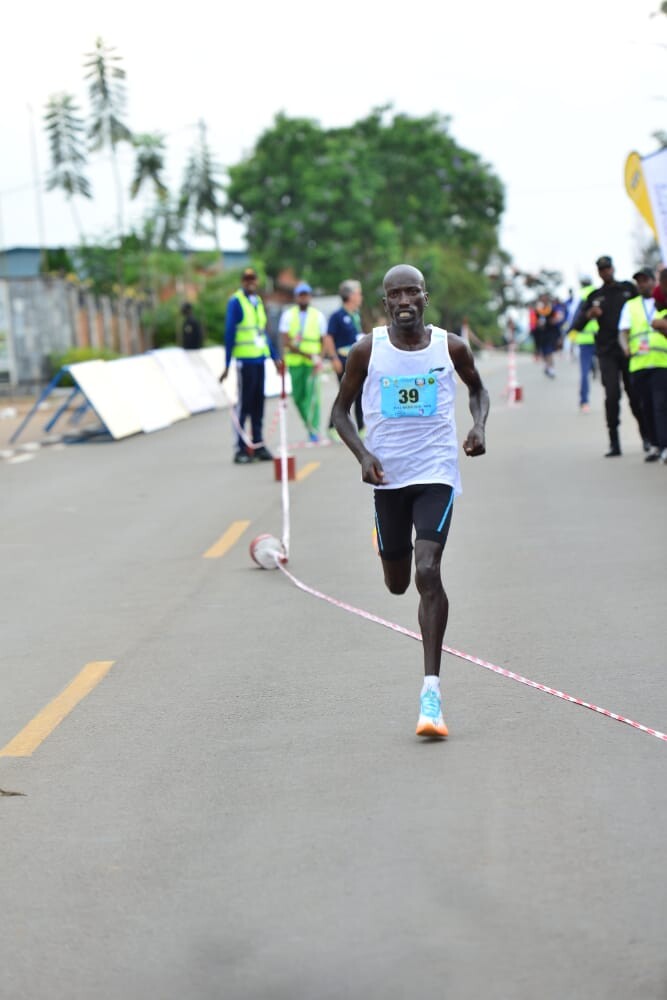
Maiyo's ban started on 20 July for returning a positive test for erythropoietin (EPO).
Last month the east African country avoided a sanction by governing body World Athletics - despite having 55 athletes serving suspensions - after committing to spend $25m over the next five years to combat doping.
Kenya's sports minister Ababu Namwamba then announced they intended to criminalise doping in athletics in an attempt to bring an end to a string of cases in the sport.
by BBC Sport
Login to leave a comment
Former Euro XC champ faces three year doping ban for EPO
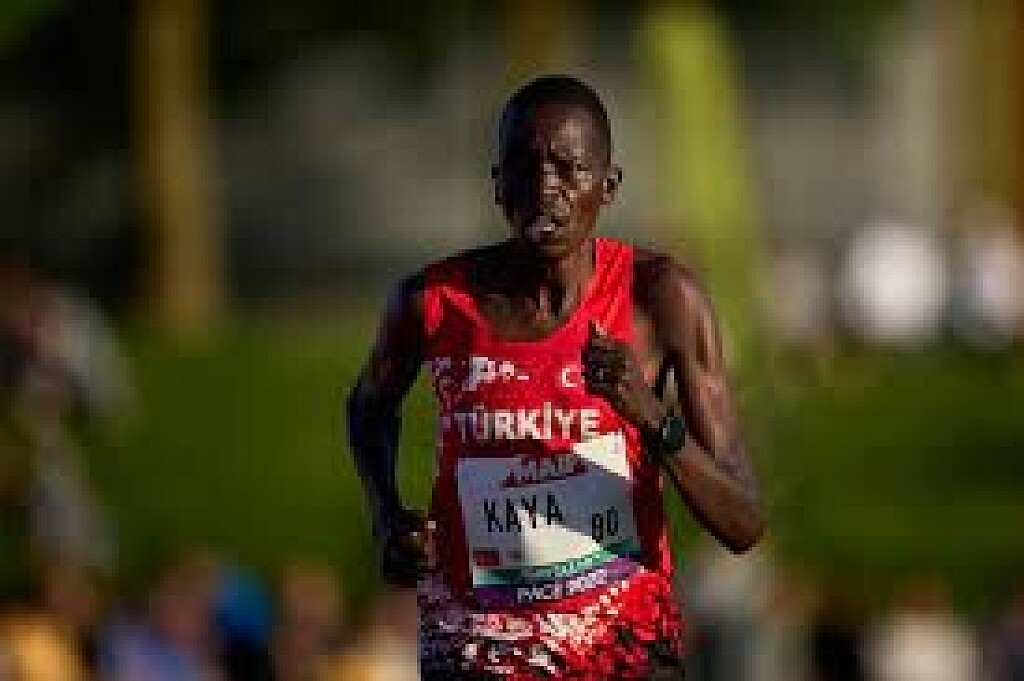
Olympian and two-time European cross country champ Aras Kaya has been given a three-year ban for doping after testing positive for erythropoietin (EPO). EPO is a hormone that promotes red blood cell production, improving endurance.
Kaya, 28, was born in Kenya but competes for Turkey, after moving there in 2015 and receiving citizenship in 2016. He tested positive at the Brasov Running Festival 10K in Brasov, Romania in September, according to the Athletics Integrity Unit (AIU). Kaya was given a four-year ban but admitted he was at fault and opted not to fight the case, reducing his ban to three years.
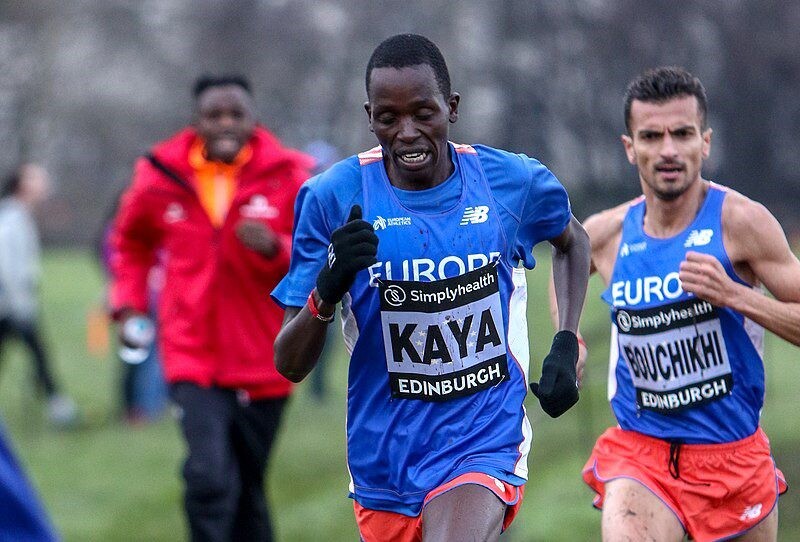
In 2021, Kaya took silver at the Euro cross country champs, runner-up to Norway’s Jakob Ingebrigtsen, and ran to bronze in 2018. He was set to run last weekend’s Euro Cross in Turin, Italy, but was a late withdrawal with his doping ban imminent, Athletics Weekly reported.
Kaya won the 2016 Euro cross country senior men’s title and took second in 2019 to Robel Fsiha of Sweden. Fsiha tested positive for artificial testosterone in 2020 and was banned for four years, elevating Kaya to the gold medal position. Kaya has a half-marathon PB of 60:51 and finished third in the 2022 European 10,000m cup.
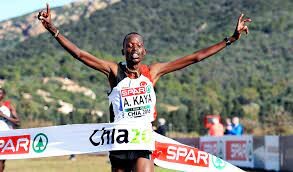
In the last year, Kaya was reported to have been in the process of receiving Russian nationalization, as he has been based in the Russian city of Kazan.
by Keeley Milne
Login to leave a comment
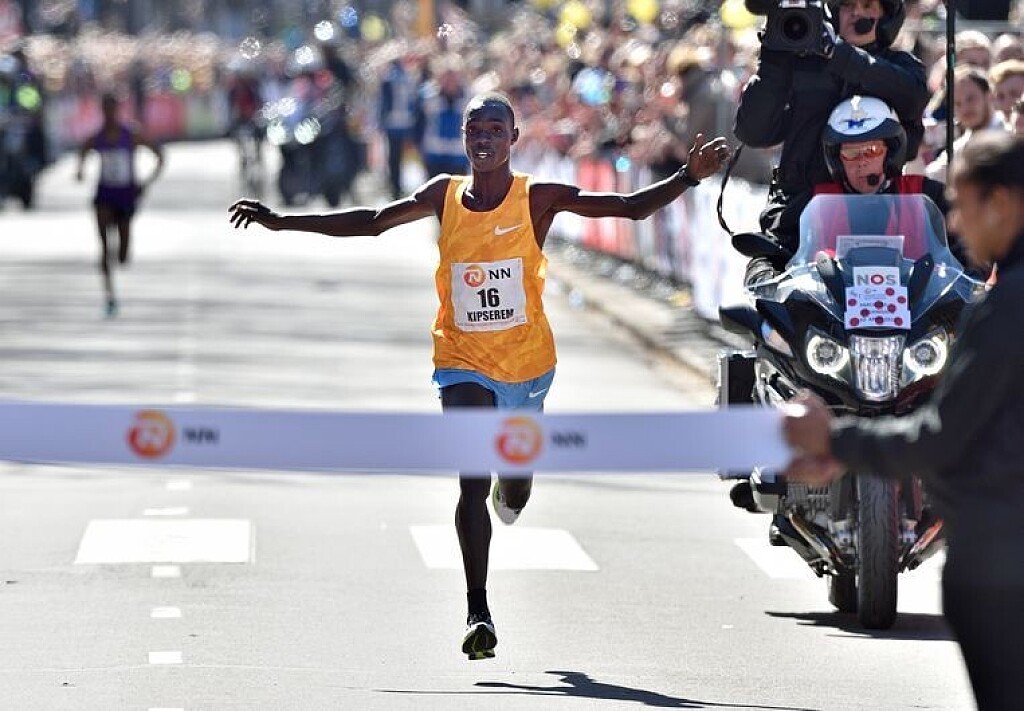
Two-time Rotterdam Marathon champion banned three years for EPO
The 2016 and 2019 Rotterdam Marathon champion, Marius Kipserem, was given a three-year doping ban by the Athletics Integrity Unit on Thursday for the use of erythropoietin (EPO), which is a breach of the World Athletics Anti-Doping Rules.
The 34-year-old becomes the 15th Kenyan athlete to receive a doping-related sanction since July. Kipserem was also one of Eliud Kipchoge’s 41 pacers at the INEOS-1:59 Challenge in 2019. He has a personal best of 2:04:04 from the 2021 Rotterdam Marathon, where he was the runner-up.
According to the Athletics Integrity Unit (AIU), Kipserem’s urine sample collected in an out-of-competition test conducted on Aug. 17 in Kapsabet, Kenya tested positive for EPO, a hormone that promotes red blood cell production, which improves endurance.
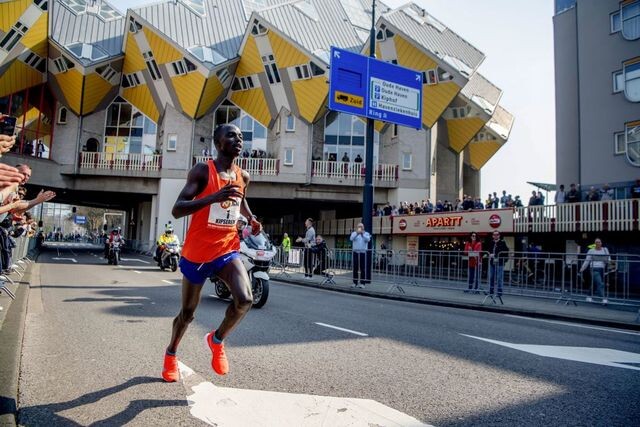
All of Kipserem’s results have been disqualified dating to Aug. 17. He last ran at the 2022 Blackmores Sydney Marathon in Australia on Sept. 18, where he placed sixth in 2:13:40. Kipserem trains with Rosa e Associati, Nike-sponsored training group in Kenya, alongside half-marathon world record holder Jacob Kiplimo and 2021 Chicago champion Seifu Tura. Lawrence Chrono and Emmanuel Saina, who both received doping bans this year, were also part of the group.
Kipserem is the third INEOS-1:59 pacer to recieve a doping ban. Philemon Kacheran and Alex Korio were the first two athletes from the challenge to be handed bans from the AIU.
Kipserem’s ban comes just days after two other Kenyan athletes were suspended by the AIU for doping-related charges. He is the fifth Kenyan athlete to receive sanctions in the last 30 days and the 52nd Kenyan who is currently serving a suspension.
According to Kenyan newspaper The Standard, Athletics Kenya held an anti-doping educational forum alongside the Anti-Doping Agency of Kenya (ADAK) on Tuesday in Eldoret. The ADAK called upon Athletics Kenya and government agencies to partner with them and educate athletes on the dangers and prevention of doping.
by Marley Dickinson
Login to leave a comment
Two more Kenyan marathoners suspended for failing doping tests
Two more Kenyan distance runners have been suspended by the Athletics Integrity Unit (AIU) for failing drugs tests, including Hangzhou Marathon winner Michael Kunyuga.
Kunyuga tested positive for norandrosterone and Maiyo Johnstone Kibet returned a sample found to contain erythropoietin (EPO).
Both are provisionally suspended as a consequence.
Norandrosterone is a product of nandrolone, an anabolic androgenic steroid known to accelerate muscle growth and recovery, while EPO boosts an athlete's endurance as it gives blood a greater capacity for carrying oxygen.
Kunyuga has a personal best in the marathon of 2 hours 6min 43sec, which ranks him among the 250 fastest athletes of all time.
The Kenyan's best results include winning the 2018 Hangzhou Marathon in 2:10:37 and placing fifth in the 2020 Seville Marathon, when Kunyuga set that personal best.
Kunyunga also won the Hengshui Lake Marathon and Padova Marathon in 2017.
Kibet's personal best in the marathon is 2:10:02, set in 2011 in Frankfurt.
In 2016, Kibet triumphed at the Wuhan Marathon.
The provisional suspensions are the latest in a long line of doing sanctions levied against Kenyan athletes.
Fifty banned Kenyans are listed on the AIU's database of ineligible persons, a national tally smaller only than Russia's.
A further seven, including Kibet and Kunyuga, are provisionally suspended.
Kenya is one of seven Category A nations deemed by the AIU to have the highest doping risk, along with Bahrain, Belarus, Ethiopia, Morocco, Nigeria and Ukraine.
by Ali Iveson
Login to leave a comment

The basics, benefits and limits of altitude training
For years, altitude training has formed an important part of the training of many endurance athletes who cite it as a core part of their season. Here we break down the basic theory behind it, the difficulties athletes must overcome and the main spots to do it.
Though different definitions exist of what constitutes altitude training, we will, for the sake of clarity, consider altitudes in the region of 1500m to 3000m above sea level.
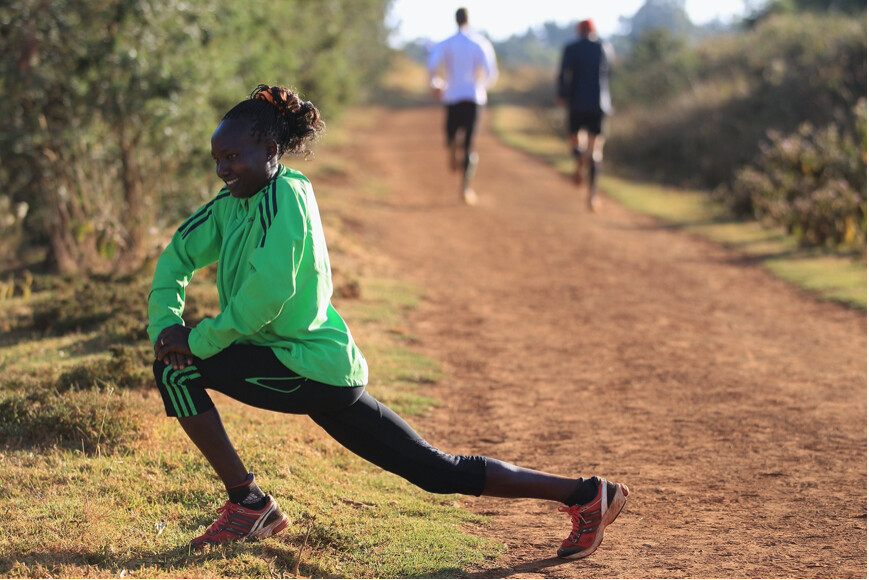
The theory behind altitude training
In simple terms, the oxygen inhaled from the air people breathe affects the energy their muscles receive to perform physical activities. Oxygen is carried around the body within red blood cells and helps the molecules in muscles perform their functions.
The higher the altitude, the lower the atmospheric pressure, which makes it harder for the body to transfer the oxygen into the blood. This is why people can often feel lethargic at altitude.
In response to this situation, the brain triggers the increased production of the hormone erythropoietin (EPO), encouraging the body to make more red blood cells to better transport the oxygen available. This means, over time, the body begins to transport the limited oxygen better than when it first arrived at altitude.
When an athlete then returns to sea level this increased level of red blood cells, coupled with the higher atmospheric pressure, means the body is better able to transport oxygen than it was before and an athlete’s aerobic capacity is increased.
The body will, over time, return to normal levels of red blood cell production if the process is not repeated and the time taken for this to happen will vary from one athlete to the next.
How long do people train at altitude for?
It takes time for the body to adapt to higher altitude and many of the effects do not occur until after a prolonged period of time. Various studies suggest there is no increase in red blood cell count within the first seven to 10 days, meaning usually athletes choose to spend a minimum of three to four weeks at altitude.
Some athletes choose to be based at high altitude throughout the year (e.g. Boulder in Colorado, Iten in Kenya and Addis Ababa in Ethiopia), coming down to sea level for shorter periods around a racing season.
The difficulties of living at altitude
Early on in any stay at altitude individuals will likely find themselves to be lethargic as their body responds to the lower atmospheric pressure. Other side effects can include headaches and difficulty sleeping but these will often wear off as the body slowly adjusts to its new environment.
In extreme cases and at the highest altitudes (usually in excess of 3000m), severe failures to adjust can result in acute mountain sickness (AMS) with a range of possible harmful effects.
Athletes will also find it difficult to replicate the pace they are able to run at sea level because of their body’s reduced ability to transport the available oxygen.
Many will therefore choose to head to lower altitude to perform much of their more intense training. This approach is generally referred to as “live high, train low” but it is an approach only possible where different altitudes exist in close proximity.
Where do people train at altitude?
There are a number of locations where athletes choose to train across the world but some locations are particularly popular. These include Iten (c. 2400m) in the Rift Valley, home to many famous athletes including Mary Keitany and Lornah Kiplagat.
Over the border in Ethiopia, established camps exist in Sululta (c. 2700m) and in the capital Addis Ababa (c. 2355m), with products including Kenenisa Bekele and Haile Gebrselassie.
Europe plays host to a number of Alpine and Pyrenees resorts, including Font Romeu (c. 1850m) in France, and St Moritz (c. 1856m) in Switzerland.
The USA has a number of high altitude hubs, with Boulder (c. 1624m) in Colorado a huge centre of North American running as well as Flagstaff (c. 2106m) in Arizona and Albuquerque (c. 1619m) in New Mexico.
Other locations include Mexico City (c. 2240m), Potchefstroom (c. 1378m) in South Africa, Falls Creek (c. 1600m) in Australia and Ifrane (c. 1660m) in Morocco. All locations come with their various pros and cons so it is important to research properly prior to any trip to altitude.
Are there alternatives to training at altitude?
Some athletes choose to replicate the experience of living in these locations through an altitude tent. These tents reduce the amount of oxygen within them and can be lived and slept in without the need to move location. Some see this as a less expensive and more pragmatic alternative to long trips away from home.
by World Athletics
Login to leave a comment
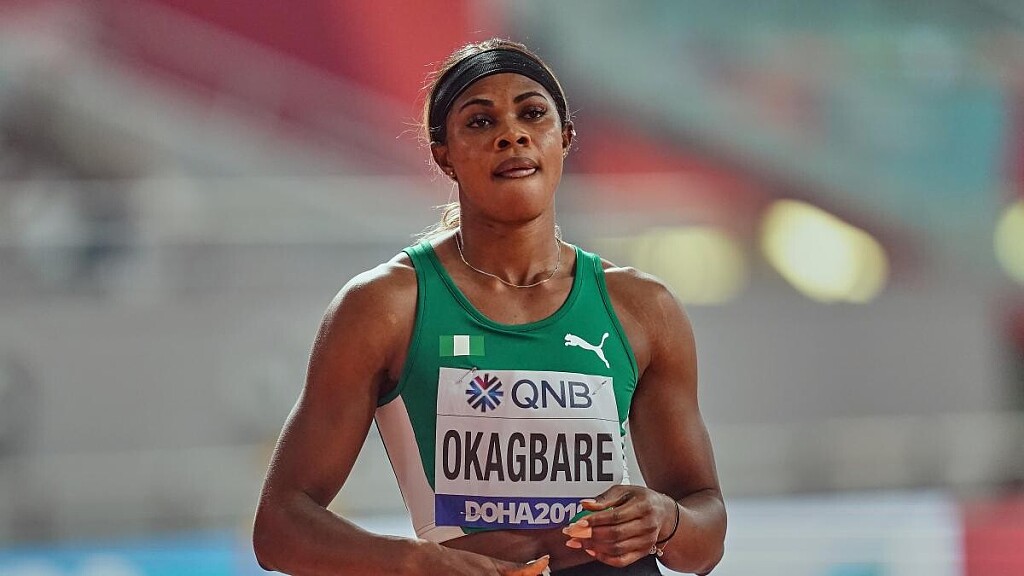
Nigerian sprinter Blessing Okagbare charged with three anti-doping offences
Nigerian sprinter Blessing Okagbare has been charged with three offences by the Athletics Integrity Unit (AIU).
She was suspended during the Tokyo Olympics after testing positive for a human growth hormone following an out-of-competition test on 19 July.
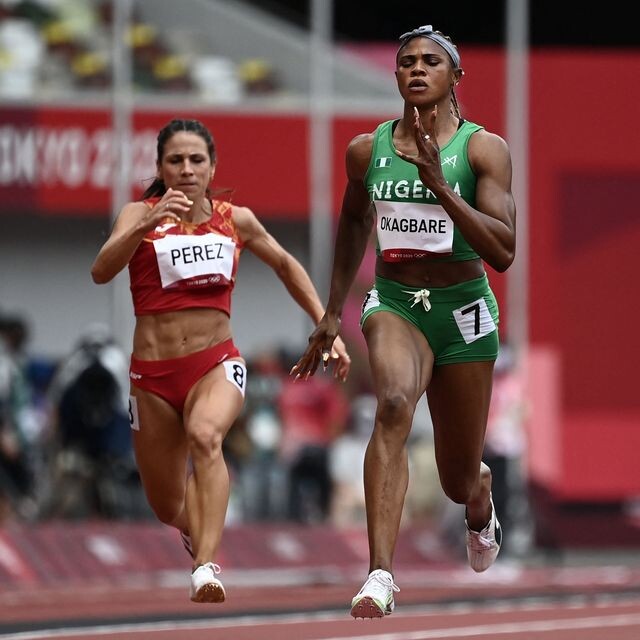
The 32-year-old later tested positive for another banned substance, recombinant erythropoietin (EPO), which increases red blood cell count.
She has also been charged for not co-operating with the AIU's investigation.
The AIU alleges Okagbare "failed to comply with a formal requirement to produce relevant documents, records and electronic storage devices" to the investigation.
Okagbare - a rival to Great Britain's Dina Asher-Smith - had won her 100m heat in Tokyo before being pulled out of the Games.
Okagbare, Olympic long jump silver medalist in Beijing in 2008, denies all the charges.
by Athletics
Login to leave a comment
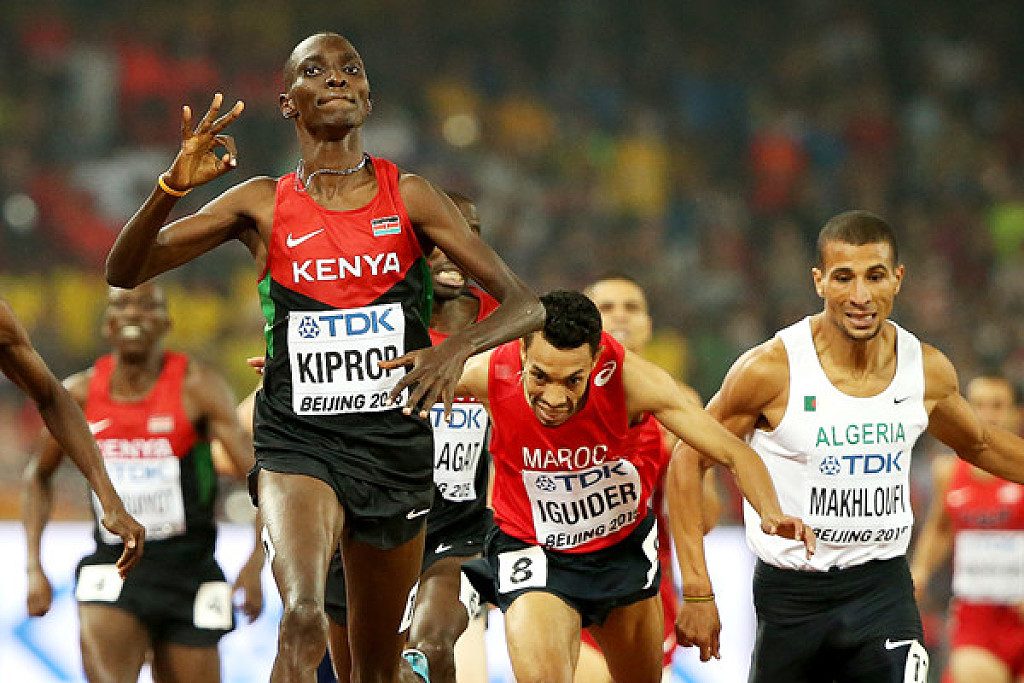
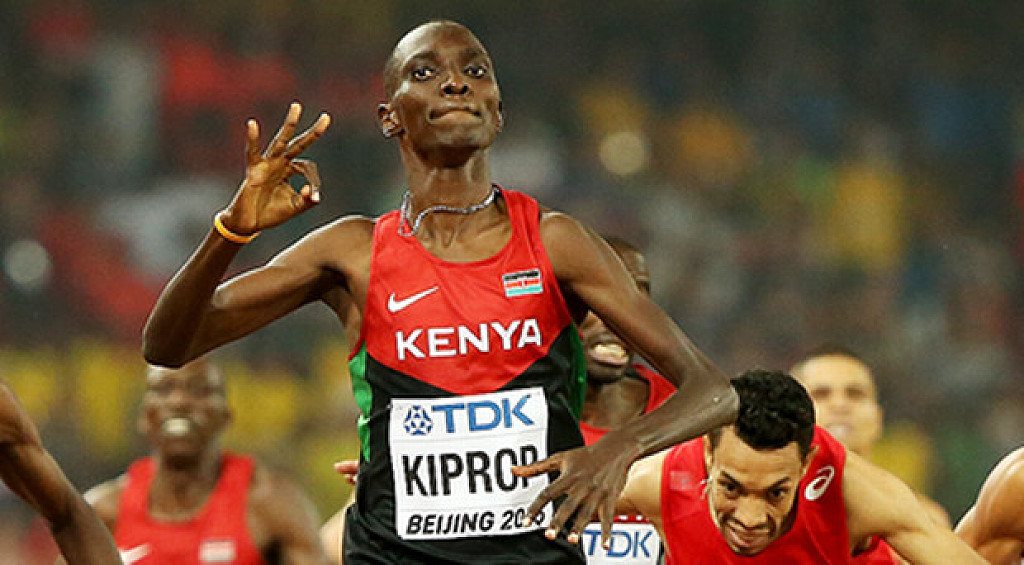
Kenya's Asbel Kiprop said, Someone badly wanted to bring me down, but Asbel promises to clean his name
His name Asbel means determined.
And determination is the driving force behind three-time World 1,500 meters champion Asbel Kiprop in his quest to unravel the truth behind his doping saga.
The 2008 Beijing Olympic Games 1,500m champion, who is now serving a four-year ban for a doping offence, believes getting to the bottom of the saga will enable him to leave a legacy in athletics, one that will not only expose what he terms “corrupt athletics systems” but will also enable him to defend the game and clean athletes.
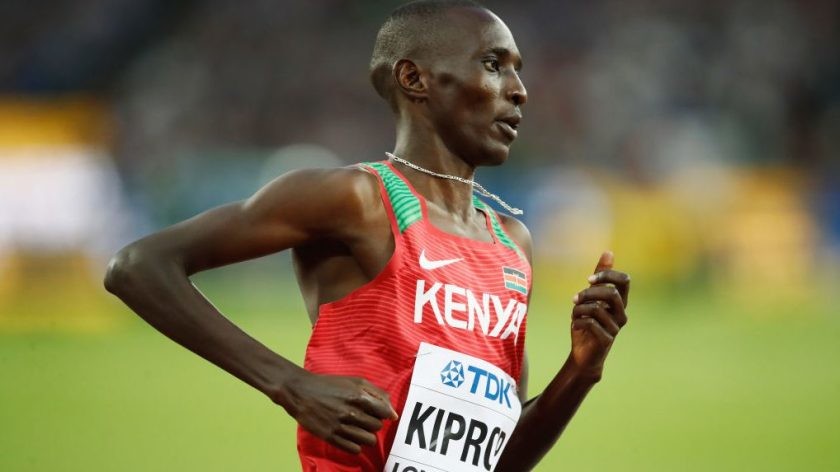
After clearing his name, former African Games and Africa 1,500m champion Kiprop, hopes to compete for Kenya again, perhaps at the 2022 World Championships in Oregon, or just for a short season.
Kiprop, 30, was provisionally suspended on May 2, 2018 after he tested positive for banned performance-enhancing substance Erythropoietin (EPO) in an out-of-competition test in November 2017.
Kiprop, the 2007 World Under-20 Cross Country champion, maintained his innocence but he was eventually found guilty of using EPO and was handed a four-year doping ban in April last year.
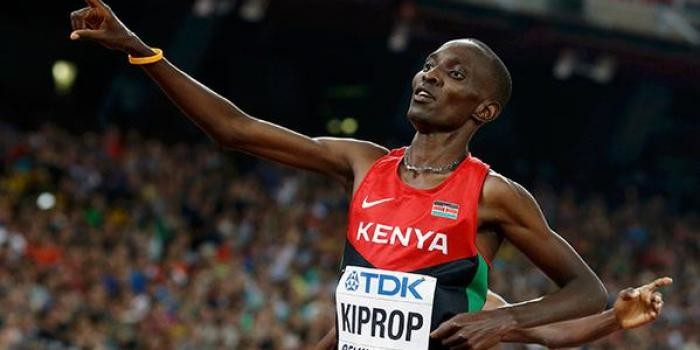
Kiprop will be eligible to compete by February 2022.
“I strongly believe there was an error somewhere that World Athletics and Athletes Integrity Unit (AIU) must really still look at and rectify. I won’t even be looking at compensation but to clear my name,” Kiprop told Grace Msalame in an NTV lifestyle show ‘Unscripted.’
“Even if I finish the ban, I will not relent in my quest to find the truth. I will not allow the truth to die even if it will take me a decade or more. I will fight to clear my name. I also don’t want to go down on record as being the person who ruined Kenya’s rich athletics heritage,” said Kiprop, who said that he is back in training read to make a return to athletics, his beloved sport.
Kiprop, who has hinted at hiring a European lawyer who is also a known scientist to pursue his case to the end, said he would like to hang his spikes honorably.
“I never planned to end my athletics career this way, and that is why I am so determined,” said Kiprop, who is now based at Police Training College, Kiganjo. “I know it will be hard for me to return strongly to the level where I was, but I have a point to prove since I still have the energy to run.”
Kiprop said he didn’t have enough money to appeal his four-year ban through his former lawyer Katwa Kigen.
“By the time I was ready to appeal my ban, AIU told me I was time-barred and that is why I believe there is hope with my new scientist lawyer,” the lanky athlete said.
But who would have loved to bring Kiprop down and end his illustrious athletics career?
Kiprop believes that from the way AIU handled his case, he is the victim of a complicated web. He believes someone wanted to fix him after he had defended his Rosa and Associati management from doping allegations back in 2014.
by Ayumba Ayodi
Login to leave a comment
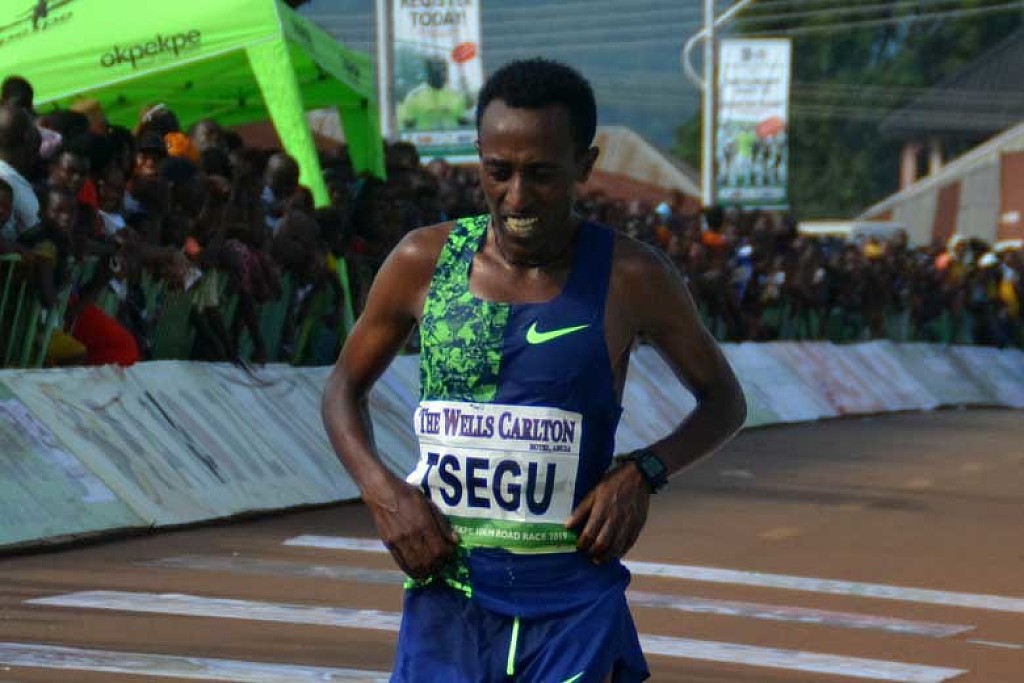
African Games 10,000 meters champion, Berehanu Tsegu of Ethiopia receives four-year doping ban for EPO
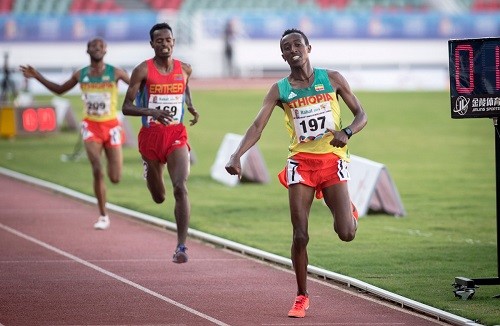
Berehanu Tsegu of Ethiopia has received a four-year doping ban from the Athletics Integrity Unit (AIU) after testing positive for the blood-boosting drug erythropoietin (EPO).
The 20-year-old triumphed in the 10,000 meter competition at the 2019 African Games in Morocco, winning the Yangzhou Jianzhen International Half Marathon in the same year.
Tsegu tested positive for EPO after providing an in-competition sample at the Copenhagen Half Marathon in September 2019.
He initially denied any knowledge of taking the prohibited substance, claiming "he was not aware how EPO could have entered his body."
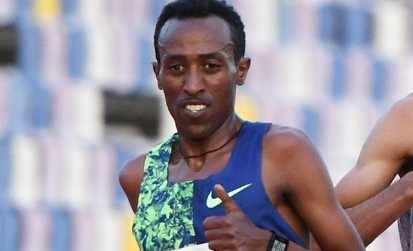
This month, however, Tsegu has admitted the anti-doping rule violations and accepted the consequences.
He has subsequently received a four-year ban and had all results from September 15 2019 disqualified.
In 2018, Ethiopia was named top of a list of nations categorized by World Athletics as most at risk of doping.
Along with Belarus, Ukraine and Kenya, they were among four countries included in Category A - Member Federations, which World Athletics believe are most likely to have doping problems.
Doping products are reportedly easily available in Addis Ababa, World Athletics warned.
Following their inclusion on the list, the Ethiopian Athletics Federation launched a major education program among young athletes to warn them of the dangers of doping.
Tsegu's suspension has been announced just weeks after Rio 2016 Olympic steeplechase gold medalist Ruth Jebet was handed a four-year ban for EPO.
The 23-year-old, who is Kenyan-born but competes for Bahrain, had tested positive for EPO in December 2017.
by Nancy gillen
Login to leave a comment
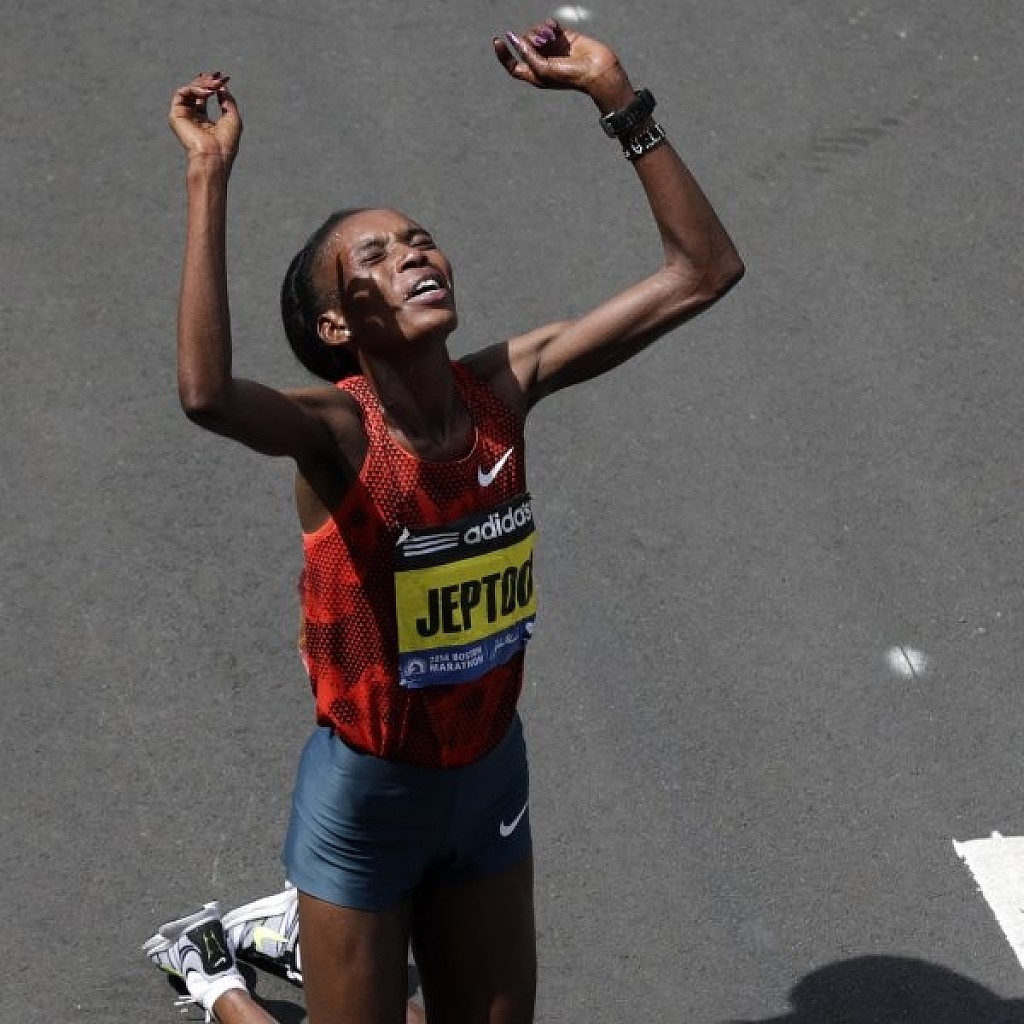
The side effects of doping are bad and it is just not worth doing it in the first place
At first, the Kenyan marathoner felt invincible. Racing out beyond the pack, his energy levels buoyed by blood doping, nothing seemed to stand in the way of victory.
"At 35 kilometres, I started getting cramps," the athlete told AFP on condition of anonymity, recalling the 2012 race in Europe where his health starting failing.
"I then started limping from 36-37 kilometres until I crossed the finish line."
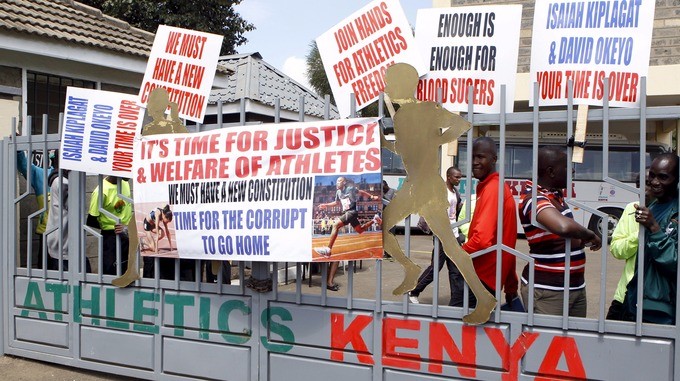
Remarkably, he still finished second and recorded a personal best, returning home from the European race with a silver medal and a tidy pot of prize money.
Elated at the result, and unaware of the health risks associated with erythropoietin (EPO) abuse, the 35-year-old started doping again.
The pain came roaring back, worse than before. EPO boosts the capacity of blood to carry oxygen to the muscles but its misuse can cause a host of serious complications.
"I feel pain in my chest, my muscles are sore and I cough a lot," he said, describing common side effects of EPO, a peptide hormone banned by the World Anti-Doping Authority (WADA) since the early 1990s.
By 2016, he was forced off the track into early retirement, and has not run since.
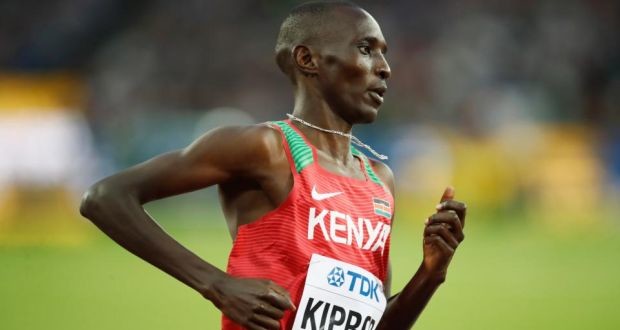
"All I knew, was that once you dope, you end up running well. I never knew there would be such problems," he said.
Kenya barely survived a string of high-profile doping scandals in 2016 that almost saw the African nation celebrated for its distance runners barred from the Rio Olympics.
Since then, Kenya has increased its testing of athletes 10-fold through a new anti-doping authority and tough new laws also threaten users and their dealers with criminal sanctions.
But EPO use has not been stamped out, say Kenyan athletes, suppliers of the substance and anti-doping officials.
There are thousands of professional runners registered with Kenya's athletic federation, but only a handful of elite competitors are regularly screened by the national doping watchdog ADAK.
The lure to rise above the pack is strong.
"When life becomes difficult, you look for an option to make ends meet," said the former Kenyan athlete, who has struggled to make a living after his health deterioration from EPO abuse.
"I was told if I used it, I'd run much better. But now I have missed out on everything."
The Anti-Doping Agency in Kenya (ADAK) has run awareness campaigns under its slogan "Stay Clean, Win Right", trying to educate athletes on the harms of abusing performance enhancing drugs.
"They try, but it's not enough. Not everyone on the field has received the information," the athlete told AFP.
He said athletes themselves needed to spread the word about the dangers of doping.
"I would encourage them not to dope, because even if they made money... they could also damage their bodies."
Login to leave a comment
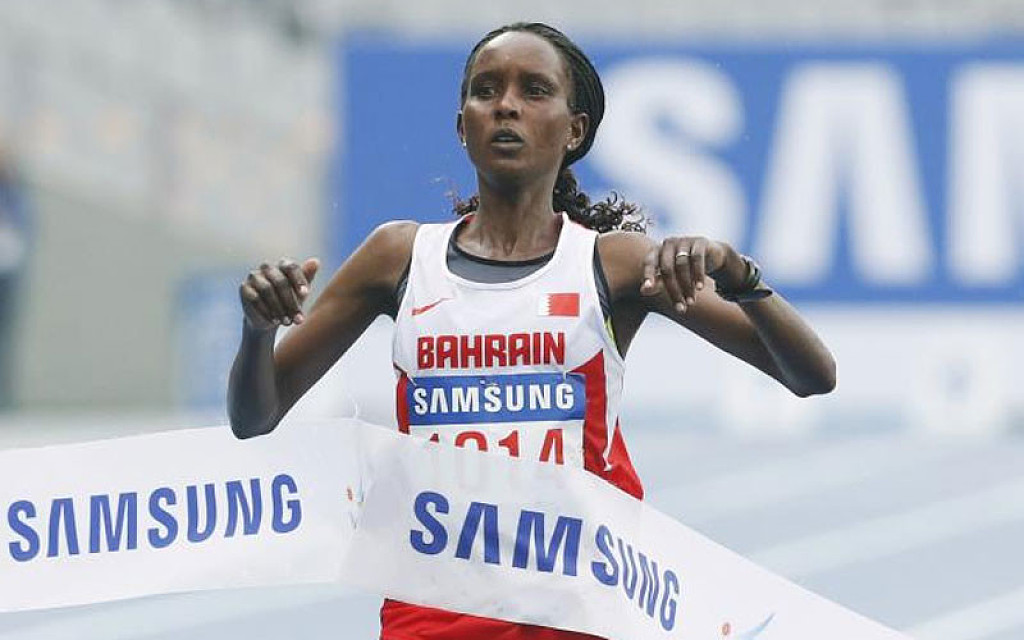
Rio’s Silver Medalist in the women’s marathon has been suspended over doping
Kenyan-born Bahraini Eunice Jepkirui Kirwa, who won silver in the women’s marathon in Rio Olympics was suspended after failing a dope test.
Kirwa has been suspended by the International Association of Athletics Federation’s Athletes Integrity Unit (AIU) after testing positive for Erythropoietin (EPO).
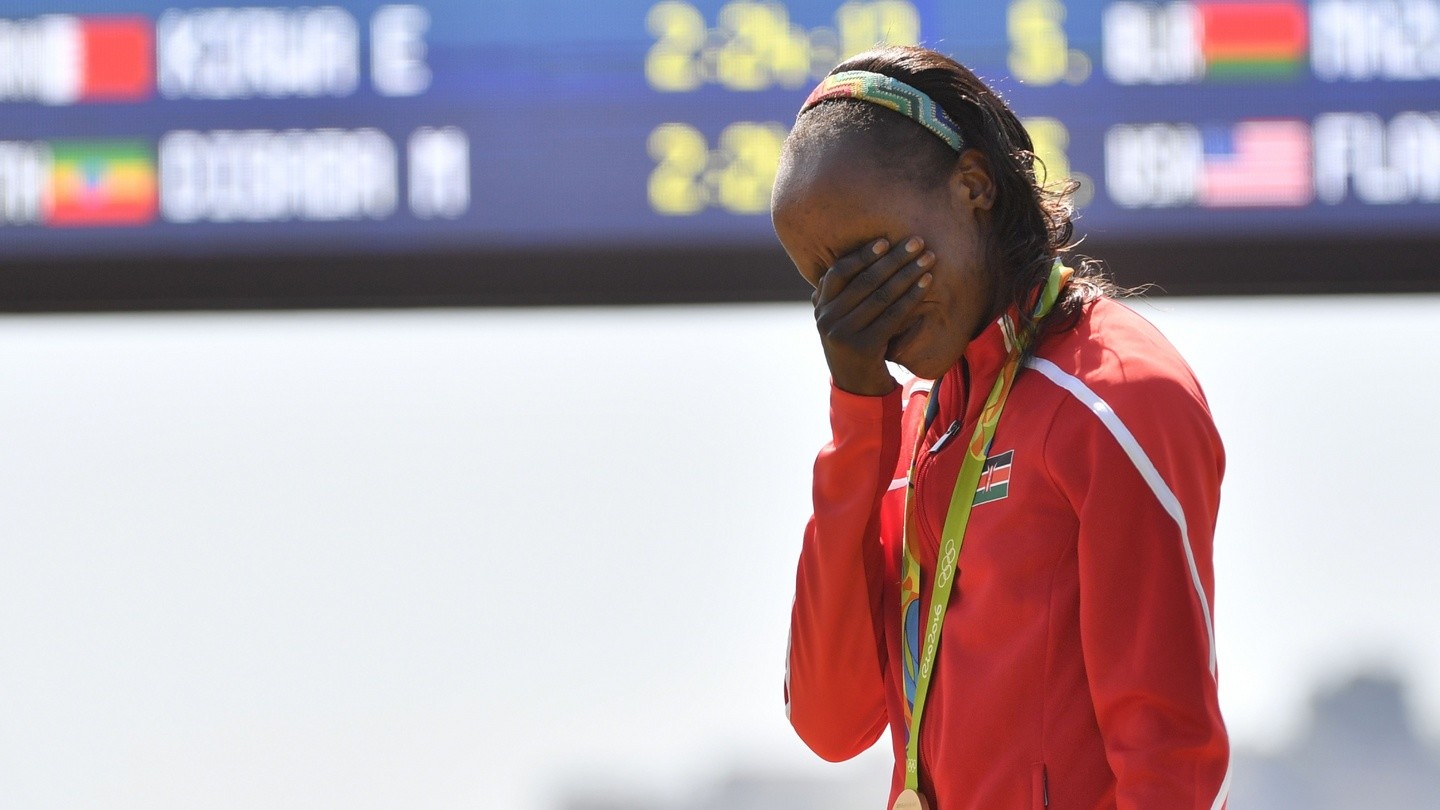
Kirwa, 34, was suspended alongside Indian runner Gomathi Marimuthu, who failed a dope test after winning the Asian 800 metres title last month. She tested positive to prohibited Norandrosterone, a type of anabolic steroid.
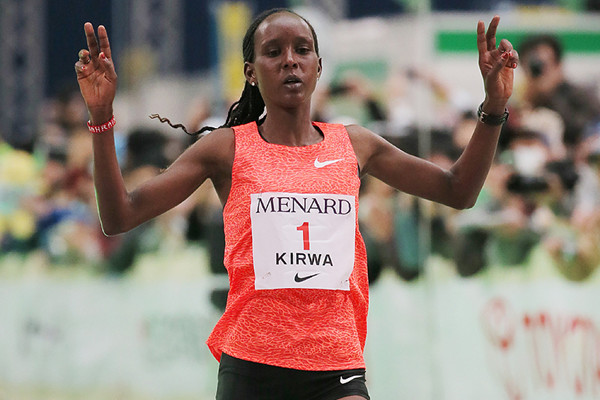
Kirwa, who also claimed bronze for Bahrain at the 2015 World Championships in Beijing, China, becomes the second athlete from the Middle East country to get suspended after Ruth Jebet, who also won gold in 3,000m steeplechase at the Rio Olympics.
Login to leave a comment
Kipsang said doping will ruin the country’s athletics glory if proper education is not conducted
Login to leave a comment
