

Running News Daily
Running News Daily is edited by Bob Anderson and team. Send your news items to bob@mybestruns.com Advertising opportunities available.
Index to Daily Posts · Sign Up For Updates · Run The World Feed
Articles tagged #400m hurdles
Today's Running News
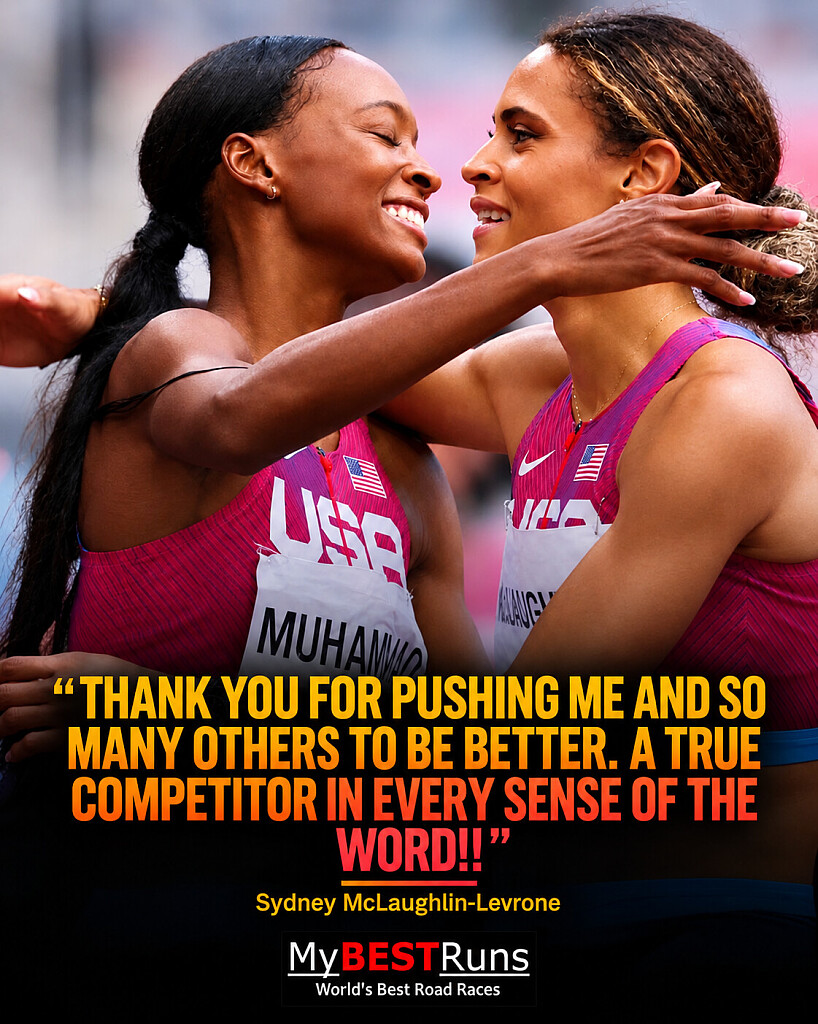


Sydney McLaughlin-Levrone Pays Emotional Tribute As Dalilah Muhammad’s Legendary Career Comes To An End
Some rivalries create champions. Others change an entire sport.
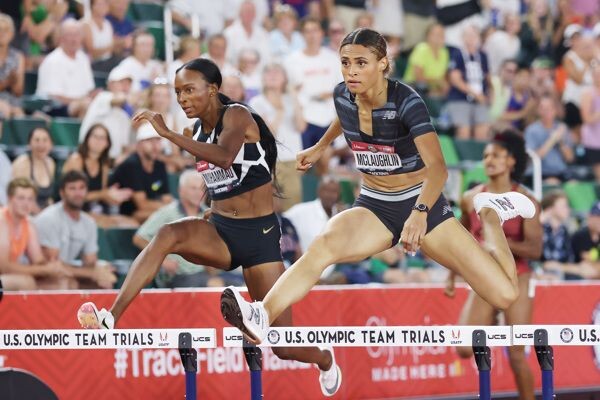
For Sydney McLaughlin-Levrone and Dalilah Muhammad, their extraordinary rivalry did both.
As Muhammad took the final 400m hurdles race of her remarkable career at the World Athletics Ultimate Championship Budapest 26, McLaughlin-Levrone paid tribute to the woman who helped push her to another level — not only as a competitor, but as one of the athletes who helped redefine what was possible in the event.
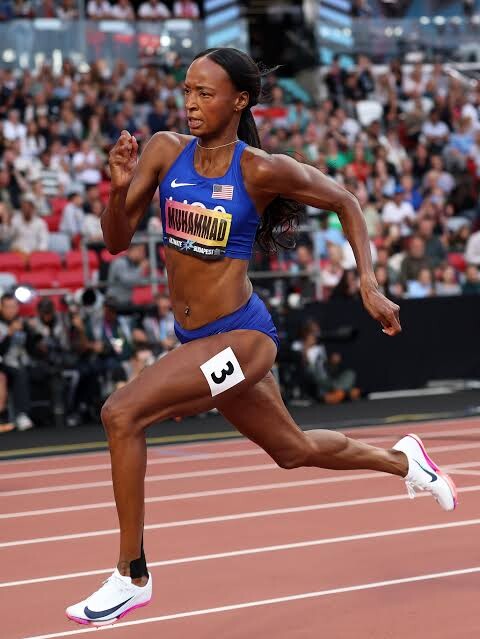
“Dalilah, you truly did just change the game for all of us.”
Those words carry particular weight because few athletes understand Muhammad’s impact better than McLaughlin-Levrone.
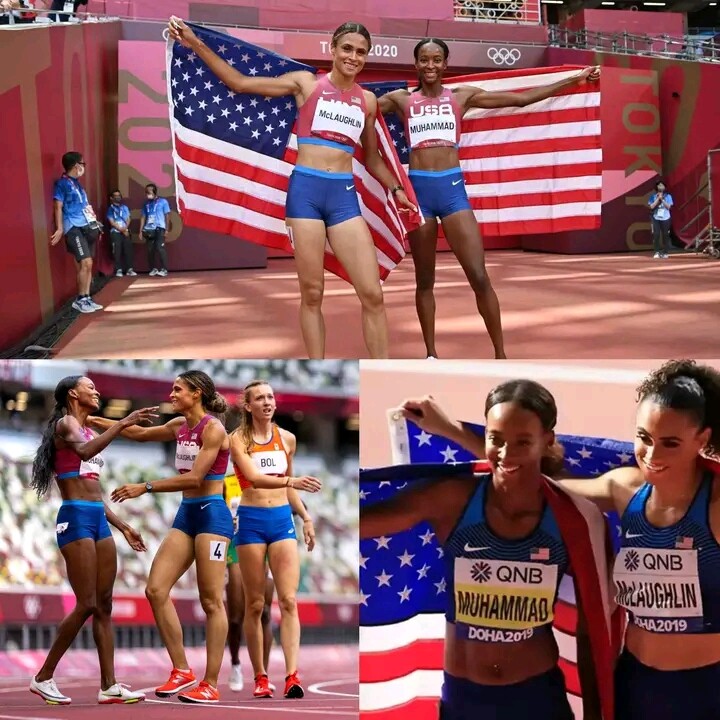
Their rivalry became one of the defining stories of modern women’s athletics. In 2019, Muhammad broke a world record that had stood for almost 16 years, clocking 52.20 seconds at the US Championships. Later that year, she lowered it again to 52.16 while winning the world title in Doha, with McLaughlin-Levrone finishing second in 52.23.
But Sydney was not content to simply chase Muhammad.
She kept coming.
At the Tokyo Olympics, McLaughlin-Levrone broke the world record with 51.46 seconds to win gold, while Muhammad followed closely in 51.58. Their performances demonstrated how dramatically the event had evolved in just a few years.
McLaughlin-Levrone continued to push the limits, eventually taking the world record down to 50.68 seconds in 2022 before producing an astonishing 50.37 at the Paris 2024 Olympics.
Yet behind those numbers was something more meaningful than a succession of records.
There was respect.
Muhammad had established a standard that forced McLaughlin-Levrone to chase something greater, while McLaughlin-Levrone’s rise helped create another level of competition for everyone following them.
That is the essence of “iron sharpens iron.”
One athlete pushes.
The other responds.
And the sport moves forward.
Their relationship also extended beyond individual competition. They represented the United States together and shared Olympic success as teammates, including the American women’s 4x400m relay gold medal at Tokyo 2020.
Now, years after their most memorable battles, Muhammad has taken her final bow.
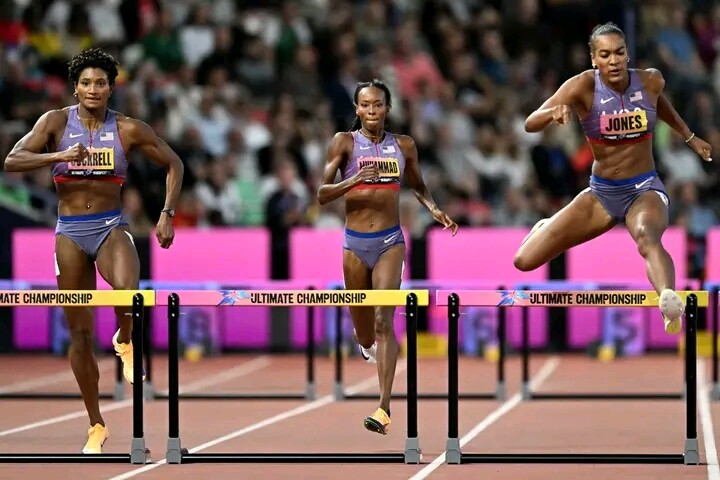
At the inaugural World Athletics Ultimate Championship in Budapest, the former Olympic champion and world record-holder finished fourth in 53.11 seconds, just 0.02 behind fellow American Anna Cockrell.
Jasmine Jones won the title in a season-best 52.45 seconds, with Emma Zapletalová taking second in 52.68 and Cockrell finishing third in 53.09.
For Jones, the victory represented the biggest breakthrough of her career. After finishing fourth at the Paris 2024 Olympics and claiming silver at the 2025 World Championships, she finally reached the top of a major international podium.
And there was something particularly fitting about Muhammad sharing her final race with an athlete from a younger generation.
The baton was not literally being passed, but the symbolism was impossible to miss.
Muhammad helped establish a new standard.
McLaughlin-Levrone took that standard even higher.
And now athletes such as Jones are beginning to write their own stories in an event transformed by those who came before them.
For Muhammad, the legacy goes far beyond medals and world records. She became one of the defining figures in the history of the women’s 400m hurdles, helping elevate the event through years of extraordinary competition.
That is why McLaughlin-Levrone’s tribute feels so much bigger than a farewell.
“Thank you for pushing me and so many others to be better. A true competitor in every sense of the word!!”
There was a time when Sydney was chasing Dalilah.
Then Sydney became the athlete everyone else had to chase.
But their story was never simply about one athlete replacing another. It was about competition creating excellence — about two extraordinary athletes raising the standard until the impossible began to look achievable.
Muhammad pushed the door open.
McLaughlin-Levrone ran through it.
And now a new generation is stepping forward.
As Muhammad leaves the track for the final time, the records will remain in the history books and the medals will become part of her remarkable legacy. But perhaps her greatest contribution will be found in the athletes she inspired, challenged and helped make better.
One pushed.
One answered.
Both changed the game.
That is what iron sharpens iron truly means.
And for one unforgettable era, Dalilah Muhammad and Sydney McLaughlin-Levrone showed the world exactly what happens when two great competitors refuse to let each other settle for ordinary.
by Erick Cheruiyot for My Best Runs.
Login to leave a comment
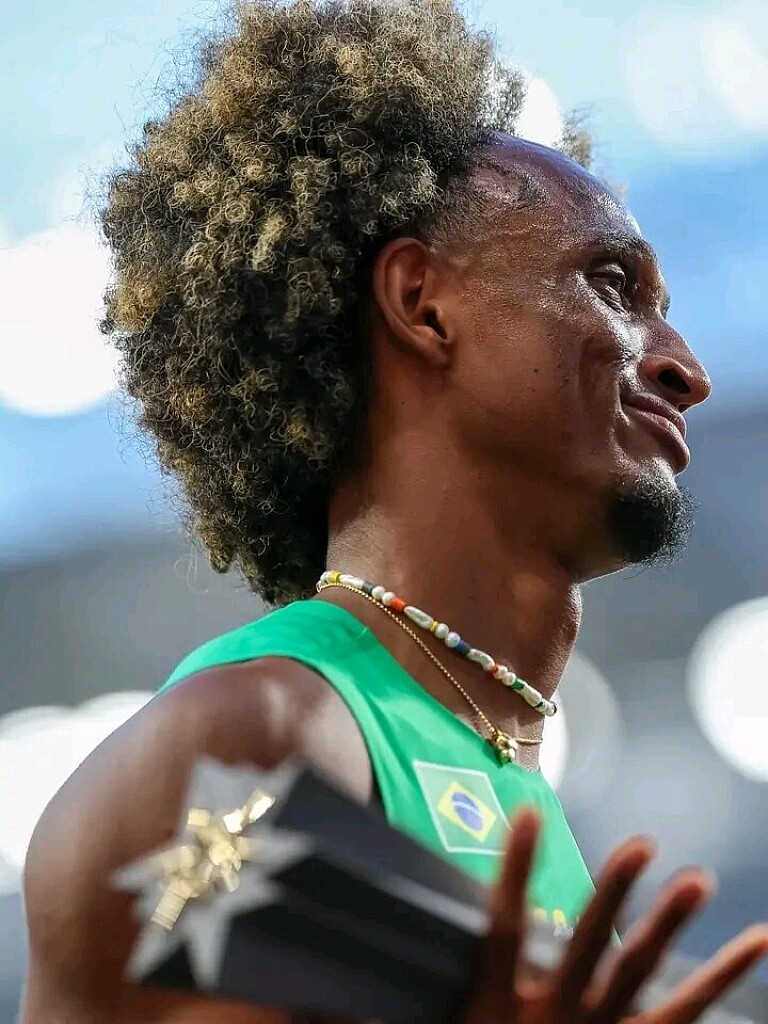
Alison Dos Santos Roars Again! World Record Holder Claims Ultimate 400m Hurdles Crown
Alison dos Santos has finished his season in spectacular fashion, adding the World Athletics Ultimate Championship title to an extraordinary run of form that has seen the Brazilian repeatedly produce performances at the highest level.
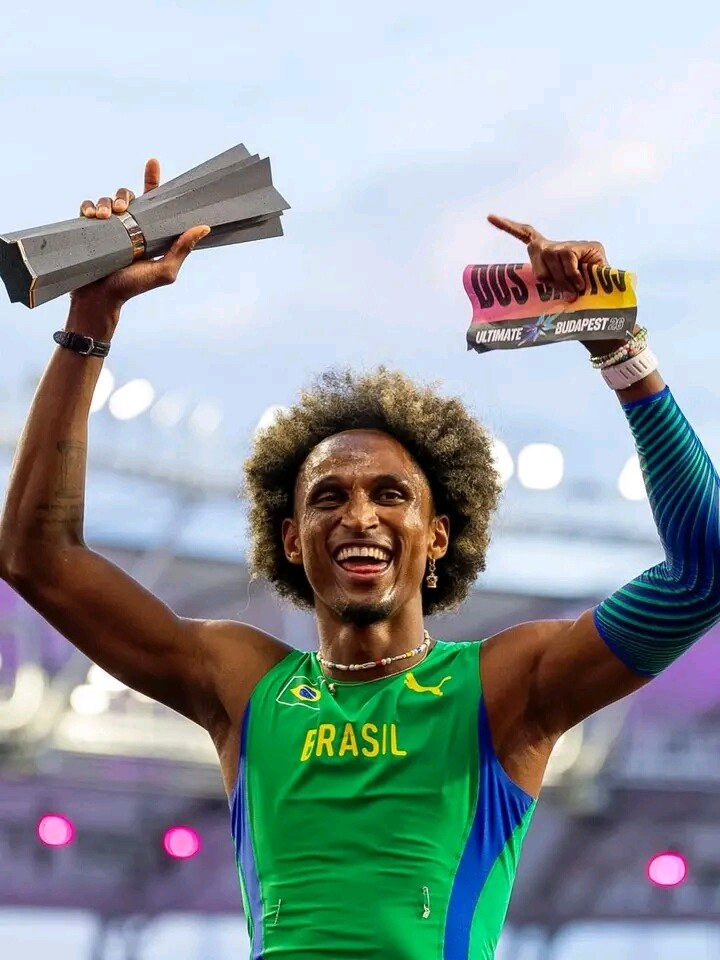
The world record holder stormed to victory in the men's 400m hurdles in Budapest, clocking a stunning 45.98 seconds to secure the ultimate crown and cap a memorable campaign in style.
Dos Santos entered the championship full of confidence after winning the Diamond League Trophy last weekend. His latest triumph came only a few weeks after his historic 45.80 world record in Zürich, making his Budapest performance another remarkable sub-46-second run.
The Brazilian once again displayed his trademark combination of speed, rhythm and control between the barriers. Although he could not quite reproduce his world-record time, his 45.98 was more than enough to defeat two of the biggest names in the event.
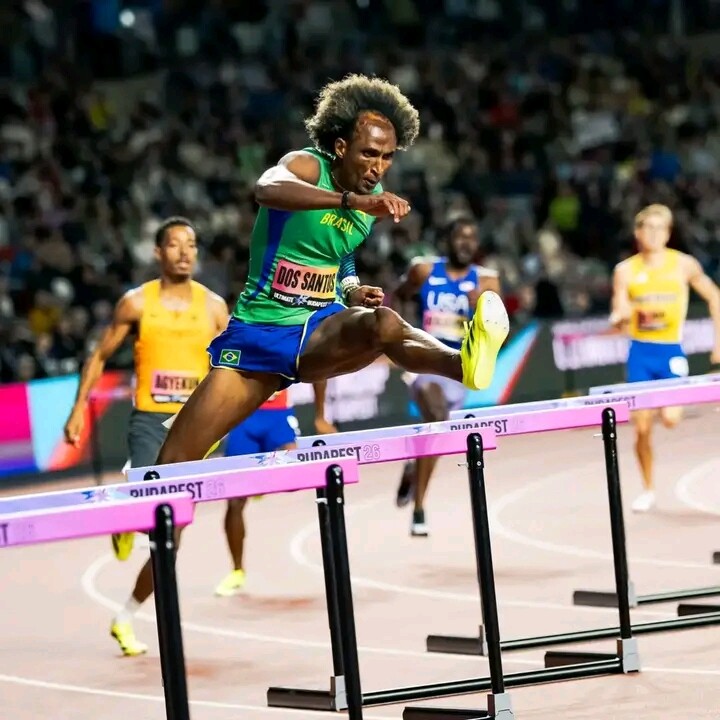
Rai Benjamin pushed hard throughout the race and finished second in 46.40 seconds, while Norwegian superstar Karsten Warholm secured third place in 46.78. The result once again highlighted the extraordinary depth and quality of a 400m hurdles event that has been dominated by these three giants in recent years.
For Dos Santos, however, the night belonged entirely to him. He not only walked away with the Ultimate Championship gold medal but also became the first man to record two sub-46-second performances over the 400m hurdles, underlining just how exceptional his current form has been.
His 45.80 world record in Zürich had already sent shockwaves through athletics, but returning a few weeks later to run 45.98 against Benjamin and Warholm shows that his record-breaking performance was no one-off.
Instead, Dos Santos has established a level of consistency rarely seen in the event. He has combined championship pressure with extraordinary speed, finishing his season as the Diamond League champion and now the Ultimate champion.
The Brazilian's latest victory is a fitting conclusion to a season in which he has continued to strengthen his reputation as one of the greatest 400m hurdlers of his generation.
From the world record in Zürich to the Diamond League Trophy and now the Ultimate Championship crown, Dos Santos has delivered a season-ending statement that will be difficult for his rivals to ignore.
What a way for the world record holder to finish the season — roaring across the line in 45.98 seconds and leaving Budapest with another major title to his name.
by Erick Cheruiyot for My Best Runs.
Login to leave a comment
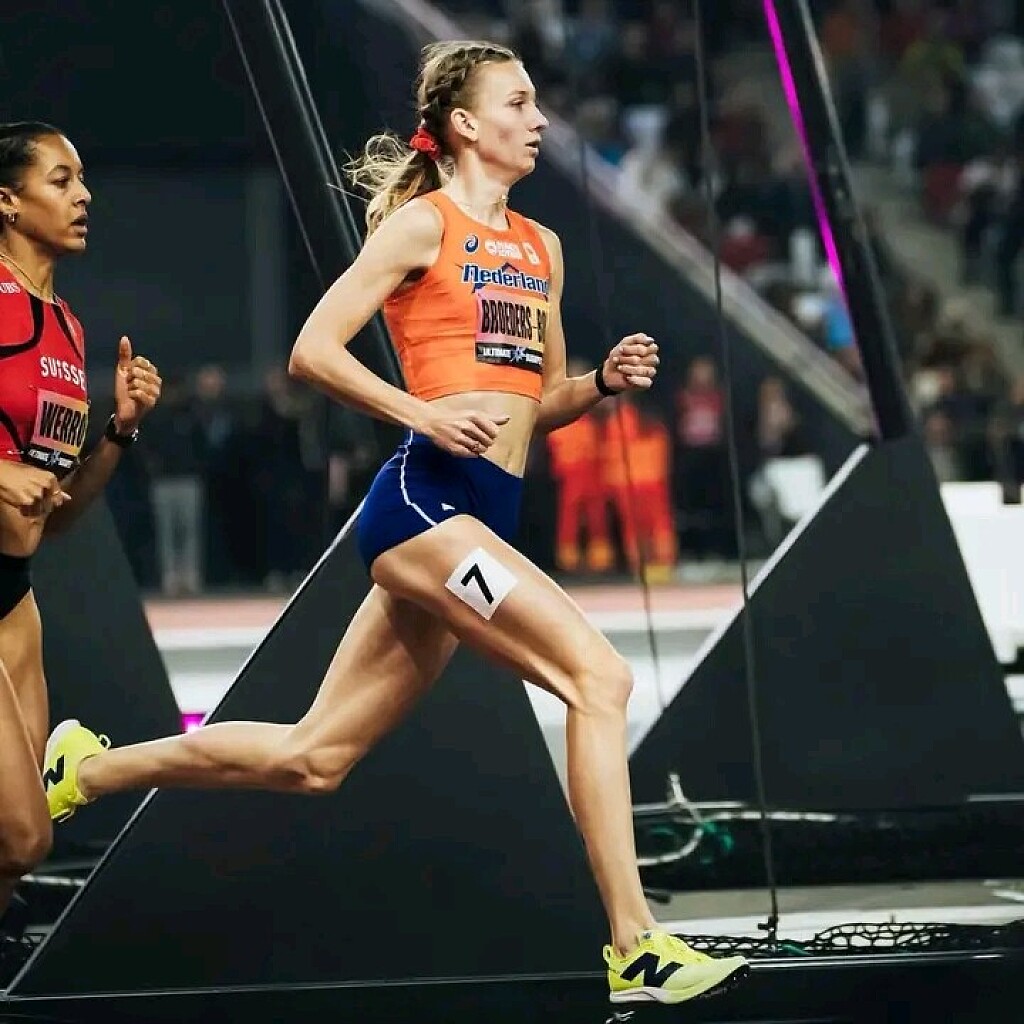
Femke Bol’s 800m Learning Curve Continues With Budapest Podium
Femke Bol may have walked away from Budapest with a third positon, but the Dutch star left the inaugural World Athletics Ultimate Championship with something potentially even more valuable — another lesson in mastering the tactical demands of the 800m.
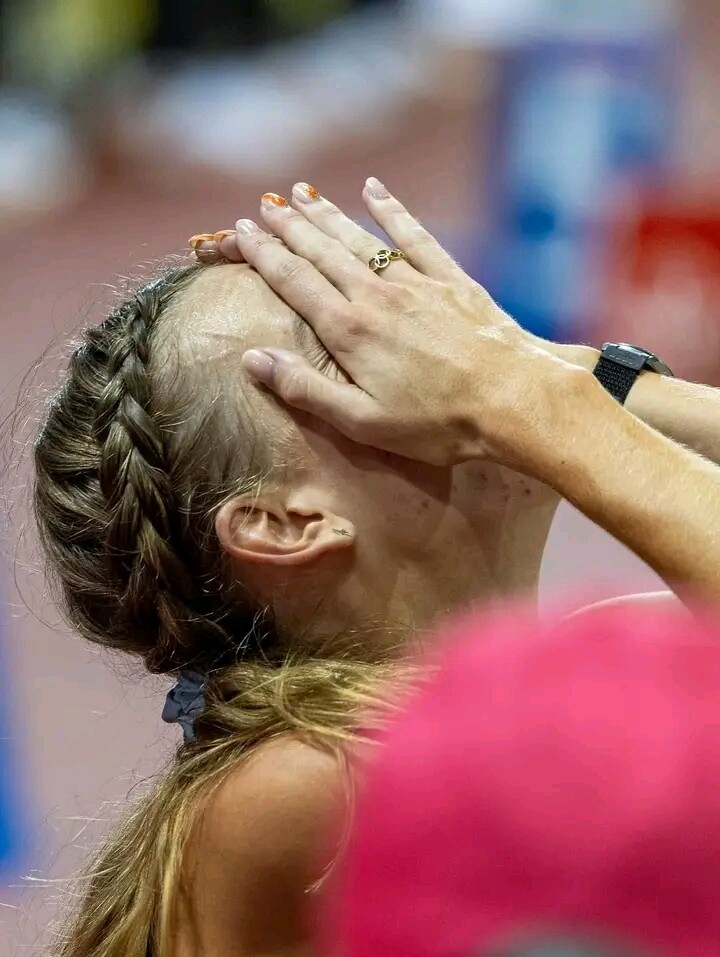
Bol, who only made the permanent transition to the two-lap event earlier this year after building her reputation as one of the world’s finest 400m hurdlers, finished third in a fiercely contested women’s final in 1:56.74.
Switzerland’s Audrey Werro claimed the title in 1:55.88, holding off Britain’s Keely Hodgkinson, who finished just 0.12 seconds behind in 1:56.00, while Bol completed the podium.
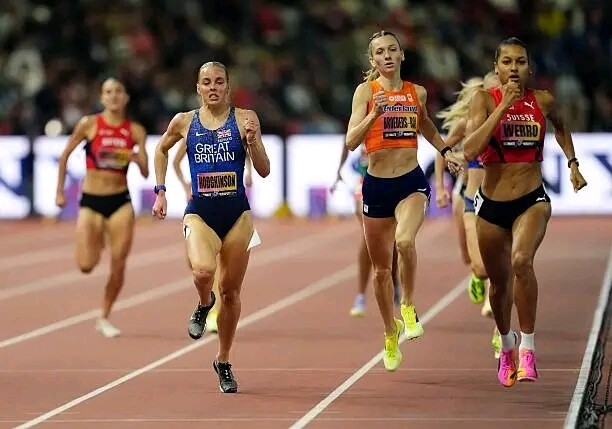
For Bol, however, the result was less about disappointment and more about understanding what she still needs to develop as an 800m runner.
The Dutchwoman has already demonstrated that she possesses the speed and endurance required for the event. What she is discovering now is that racing two laps at the highest level is not simply about running fast — sometimes, it is about knowing when not to run fast.

That was particularly evident in Budapest.
Werro controlled the early stages of the final intelligently, reaching the halfway point in 57.74 seconds. The relatively measured opening forced the athletes into a tactical battle, where positioning, patience and the ability to accelerate sharply over the closing stages became just as important as raw fitness.
Bol admitted that this type of race remains a learning experience for her.
“When we go fast, I finish with the same strength as when we go slow,” she explained, highlighting the confidence she has in her ability to handle a fast pace.
But she also recognised the challenge created by a slower opening.
“When we go slow, I don't have enough acceleration,” Bol acknowledged, while describing the Budapest final as an important opportunity to learn.
That difference is understandable given her background.
As a former 400m hurdles specialist, Bol has spent much of her career developing rhythm, strength and speed endurance over a demanding one-lap event. She is accustomed to establishing her race pattern early and relying on her powerful stride and finishing strength.
The 800m requires another layer of racing intelligence.
Athletes must constantly judge pace, protect their position, respond to moves and remain prepared for a sudden change of speed. A runner can be physically ready for a fast finish but still find themselves boxed in or too far from the front when the decisive move comes.
For Bol, that tactical education is happening at remarkable speed.
Despite only fully embracing the 800m this season, she has already produced consecutive performances in the 1:54 range, established herself among the world’s leading two-lap runners and reached major championship finals.
Her Budapest bronze therefore represents another significant step in a rapidly developing chapter of her career.
Rather than exposing a weakness that could hold her back, the final revealed an area where Bol still has room to grow.
And that could be an ominous prospect for her future rivals.
If Bol can combine the formidable strength and speed that made her a dominant force in the 400m hurdles with the tactical awareness required for championship-style 800m racing, she could become an even more dangerous competitor over two laps.
The Budapest final may have belonged to Werro, with Hodgkinson narrowly taking second positon and Bol settling for third place but the Dutch star's transition is clearly far from complete.
At 800m, Bol is still learning.
And if this season is any indication, she may be learning very quickly.
by Erick Cheruiyot for My Best Runs.
Login to leave a comment

Femke Bol Returns To Budapest: From One Of Her Darkest Moments To A New 800m Challenge
For Femke Bol, Budapest is more than just another stop on the athletics calendar. It is a place where heartbreak once threatened to define her championship campaign — only for the Dutch star to respond with one of the most memorable comebacks of her career.
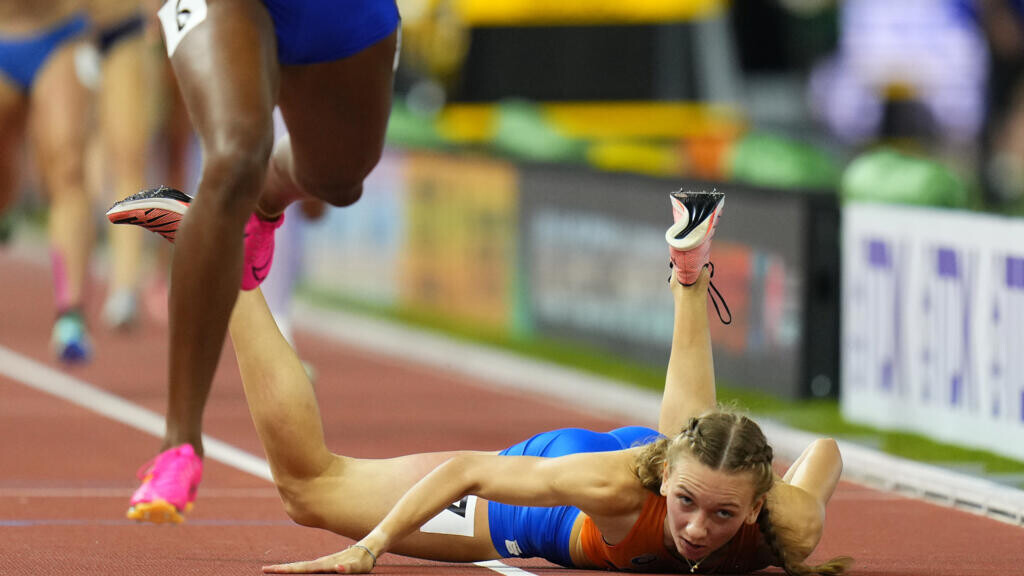
Three years ago, at the 2023 World Athletics Championships, Bol arrived in Budapest as one of the biggest names in the 400m hurdles. Yet her championships began with a painful collapse.
Anchoring the Netherlands in the mixed 4x400m relay on the opening night, Bol was within sight of victory when she fell just metres before the finish line. The Netherlands were disqualified, and what had looked like a near-certain gold medal disappeared in one devastating moment.
But Bol did not allow the disappointment to consume her.
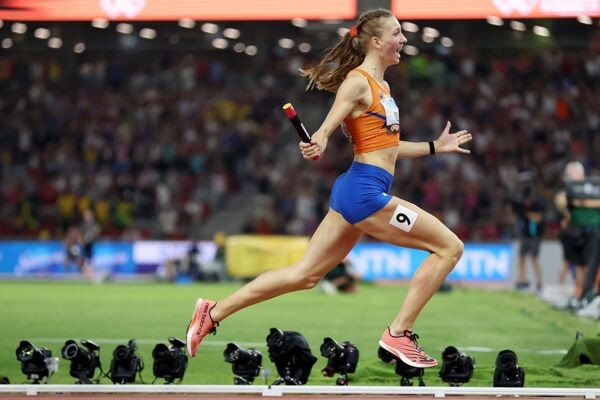
Six days later, she returned to the track for the 400m hurdles final and delivered an emphatic response. Running with remarkable composure, she stormed to victory in 51.70 seconds, finishing more than a second clear of American Shamier Little to claim her first individual global title.
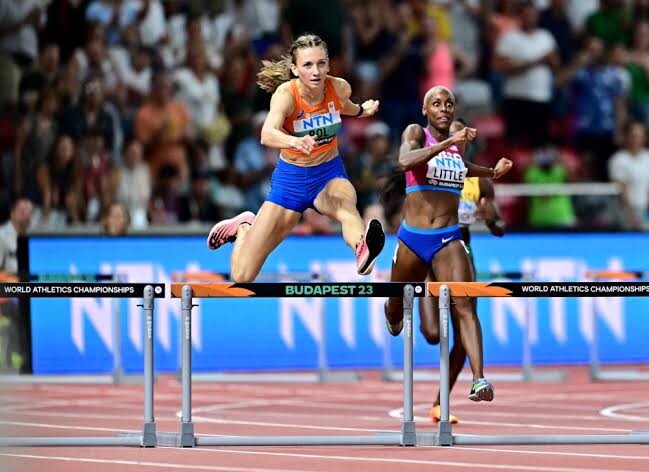
Then came the final track race of those championships — and another extraordinary chapter.
In the women’s 4x400m relay, Bol received the baton for the Netherlands with the Jamaican and British teams ahead. The deficit grew to roughly 10 metres down the back straight, but instead of surrendering, she began to hunt.
By the home straight, Bol had transformed the race.
She swept past Great Britain and then Jamaica to bring the Netherlands home in 3:20.72, securing a second world title in Budapest and completing one of the most remarkable redemption stories of the championships.
Now, Bol is heading back to the same city — but this time, her challenge is completely different.
There will be no hurdles standing in her way.
Instead, she will line up for the women’s 800m at the inaugural World Athletics Ultimate Championship in Budapest, where she will face two of the strongest middle-distance runners in the world: Olympic champion Keely Hodgkinson of Great Britain and Swiss sensation Audrey Werro. The three are among the headline names in a formidable 800m field for the September 11–13 championship.
And this is no longer the same Bol who first experimented with the event.
The Dutch star has made a significant transition to the 800m this season, steadily improving as she has gained experience over the two-lap distance. Her 2026 best stands at 1:55.41, placing her among the leading contenders heading into Budapest.
Yet the challenge could hardly be tougher.
Werro has been the revelation of the 2026 season. The Swiss star leads the world with 1:53.80, a mark that ranks among the fastest performances ever recorded. She also defeated Hodgkinson and Bol at the European Championships in Birmingham, winning in 1:54.81 as Hodgkinson took silver in 1:55.01 and Bol finished third in 1:55.54.
Hodgkinson, meanwhile, remains one of the defining figures of the event. The Paris Olympic champion has already run 1:54.33 this season and will arrive in Budapest determined to reclaim the winning momentum against a rival who has repeatedly pushed her to the limit.
The latest meeting between Werro and Bol only adds more intrigue. At the Diamond League Final in Brussels, Werro prevailed in 1:54.75, but Bol pushed her all the way to the line, finishing just 0.06 seconds behind in 1:54.81.
That makes Budapest particularly fascinating.
Bol is no longer returning simply as the hurdler who once conquered the Hungarian capital. She is coming back as an ambitious 800m runner, testing herself against an Olympic champion and the world leader in an event that demands speed, tactical intelligence and endurance in equal measure.
For Bol, Budapest carries memories of a fall, a first global individual title and an unforgettable relay victory.
Now she has the opportunity to create another memory.
This time, there are no barriers to clear and no baton to chase.
There is only 800 metres — two laps in which Bol will have to match the pace, strength and finishing speed of Werro and Hodgkinson.
She has already shown what she can do when Budapest gives her a second chance.
The question now is whether she can turn that history into another triumph.
by Erick Cheruiyot for My Best Runs.
Login to leave a comment
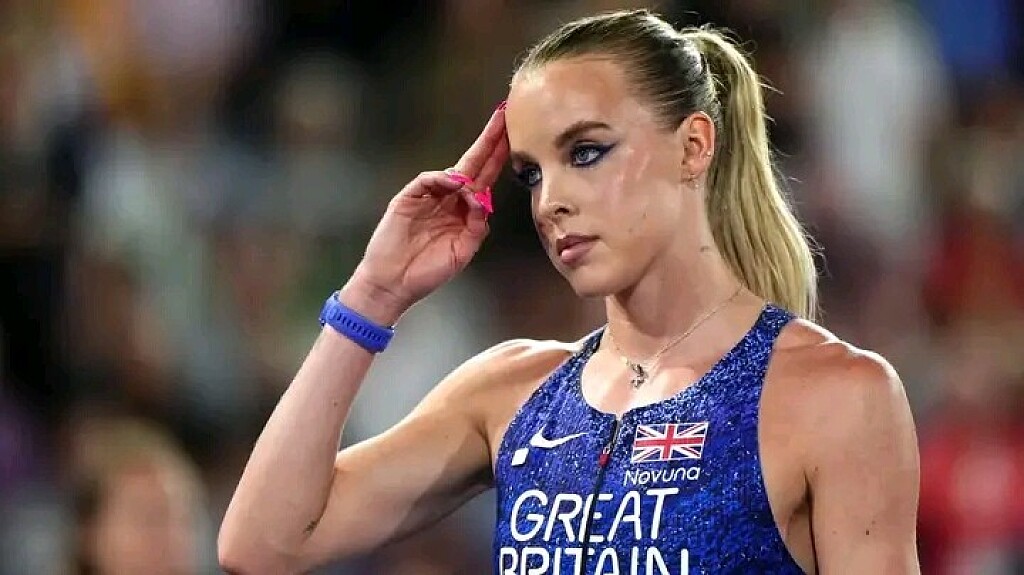
Keely Hodgkinson Set For Brussels Return As 800m Showdown Reaches Fever Pitch
Keely Hodgkinson is ready to step back onto the track in Brussels, and her return could add another explosive chapter to one of the most compelling women’s 800m rivalries of the 2026 season.
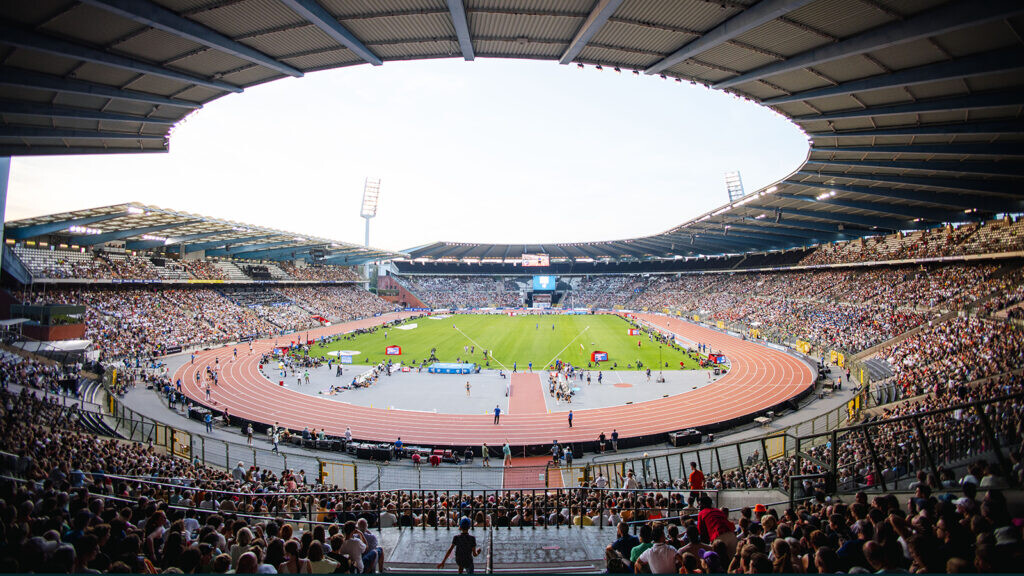
The British Olympic champion is scheduled to line up in the women’s 800m at the Wanda Diamond League Final at the Allianz Memorial Van Damme on Saturday, September 5, after deliberately sitting out the Zurich Diamond League meeting to give her body more time to recover. Hodgkinson had been due to face Audrey Werro in Zurich but withdrew, explaining that she was not yet ready to race.
That decision underlined just how carefully the 24-year-old has been managing her season. After a demanding European Championships campaign in Birmingham, where she was beaten to the 800m title by Werro, Hodgkinson chose recovery rather than forcing another race before she was fully prepared.
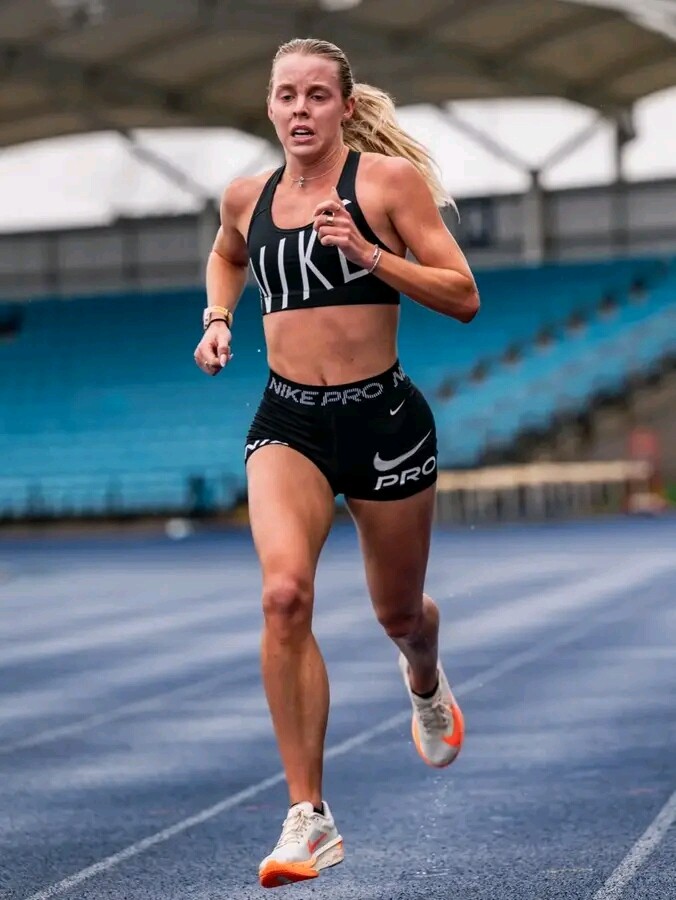
Now, Brussels presents an entirely different proposition.
The stage is set for a spectacular clash featuring some of the biggest names in the event. Hodgkinson will have to contend with Werro, the Swiss sensation who has transformed herself into one of the most formidable 800m runners in the world, while Femke Bol brings another dimension to the field following her remarkable transition from the 400m hurdles to the two-lap event. Reigning world champion Lilian Odira of Kenya is also confirmed for the Brussels showdown.
And there is plenty of unfinished business.
Werro has been operating at an extraordinary level this season. In Zurich, while Hodgkinson watched from the sidelines, the Swiss star produced a stunning 1:53.70 personal best and national record — one of the fastest performances ever recorded over 800m. Bol followed her home in a personal best, making the gap between the leading contenders even narrower.
Hodgkinson, however, has already demonstrated that she belongs in that conversation. Earlier this season in Stockholm, she ran 1:54.33, placing herself sixth on the all-time 800m list. Her championship pedigree is equally formidable: she is the reigning Olympic champion and a former Diamond League champion, with years of experience performing when the pressure is highest.
That makes Brussels far more than another race.
For Hodgkinson, it is an opportunity to answer questions raised by her European Championships defeat and prove that a carefully managed return can put her back at the centre of the 800m battle. For Werro, it is another chance to confirm that she has moved from rising star to genuine global force. For Bol and Odira, it is an opportunity to disrupt the established order.
With four elite names bringing different strengths to the same two-lap battlefield, the slightest tactical mistake could decide everything.
The King Baudouin Stadium is therefore set for an 800m final loaded with speed, rivalry and unfinished business. Hodgkinson has taken the patient route back. Now comes the moment when she must show what that patience has prepared her for.
Brussels is waiting — and the women’s 800m could deliver one of the defining races of the 2026 Diamond League season
by Erick Cheruiyot for My Best Runs.
Login to leave a comment
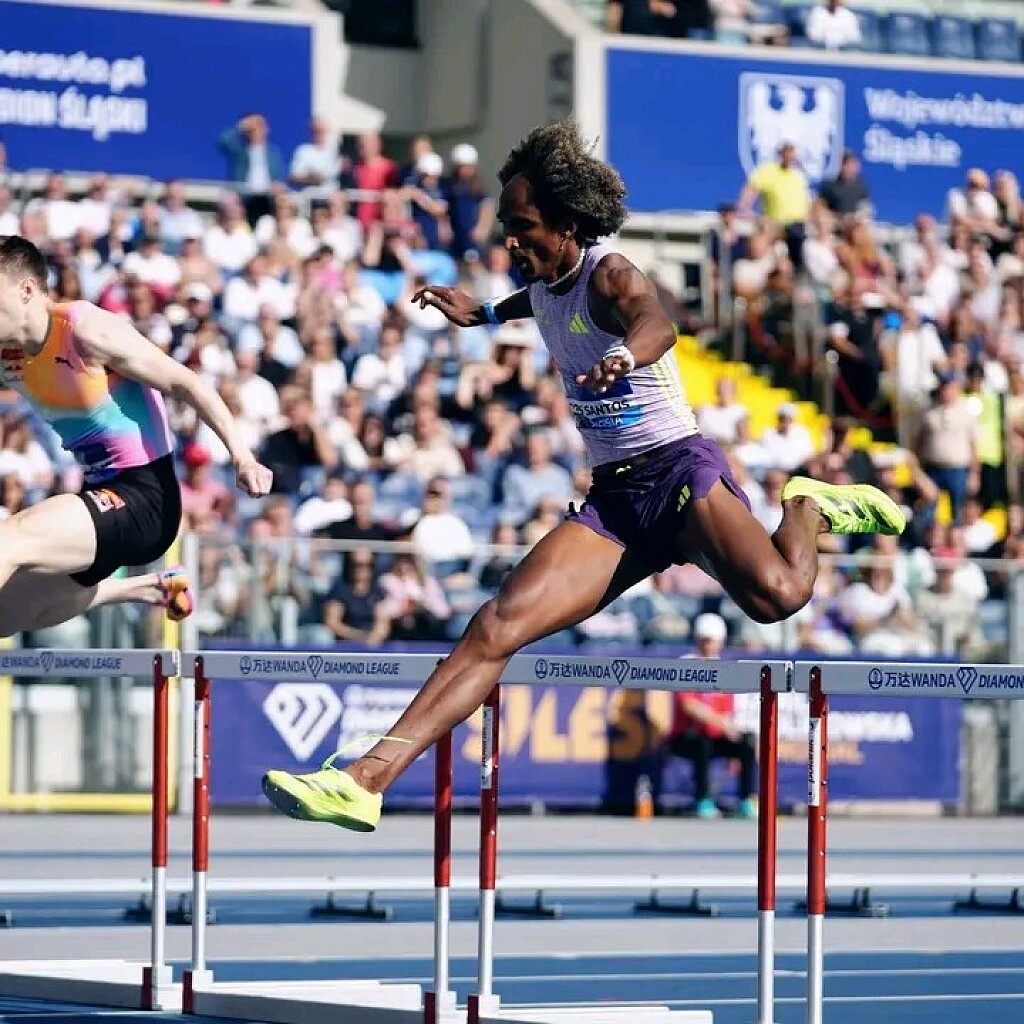
Is This the Greatest Era in Men’s 400m Hurdles History? Dos Santos Takes the Event to Another Level
The men’s 400m hurdles may be experiencing the greatest era in its history, and the numbers now make the argument almost impossible to ignore.
Brazilian superstar Alison dos Santos has taken the event to another level, storming to a sensational 45.80 world record in Zurich and moving to the summit of the all-time performance list.
But perhaps even more remarkable than the world record itself is what it has done to the historical rankings.
Every one of the 10 fastest performances in men’s 400m hurdles history is now owned by just three athletes: Alison dos Santos, Karsten Warholm and Rai Benjamin.
That extraordinary statistic perfectly captures the dominance of the current generation and highlights just how dramatically the event has evolved over the past few years.
Following his stunning performance in Zurich, dos Santos now sits at the top of the all-time list with 45.80, followed by Norway’s Karsten Warholm at 45.94, the time he ran in his historic world-record performance at the Tokyo Olympics in 2021.
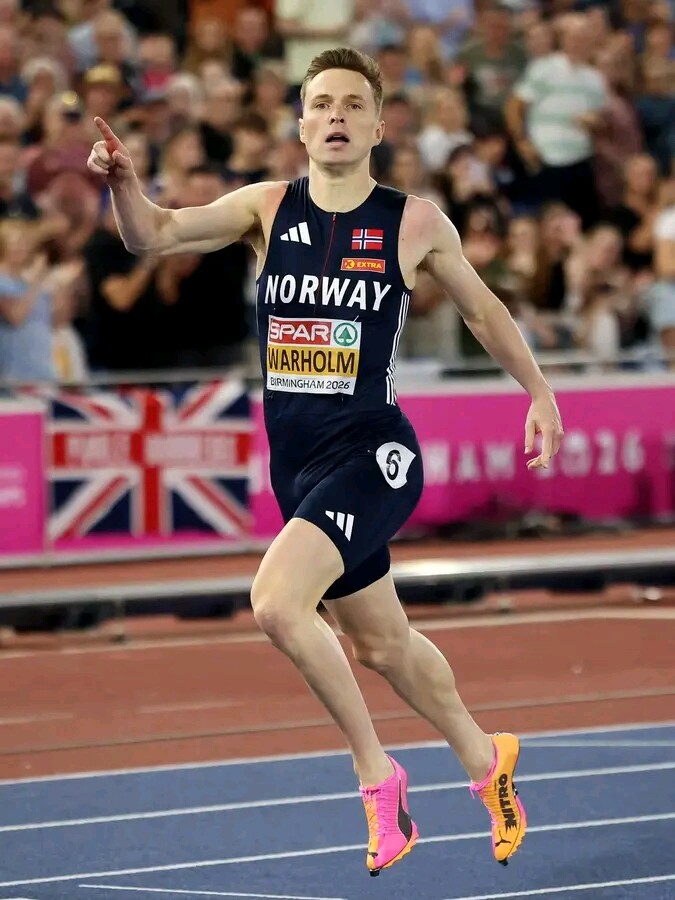
American star Rai Benjamin occupies third with 46.17, also from that unforgettable Tokyo final. Warholm is fourth with 46.28 from 2025, while dos Santos is fifth with his 46.29 from 2022.
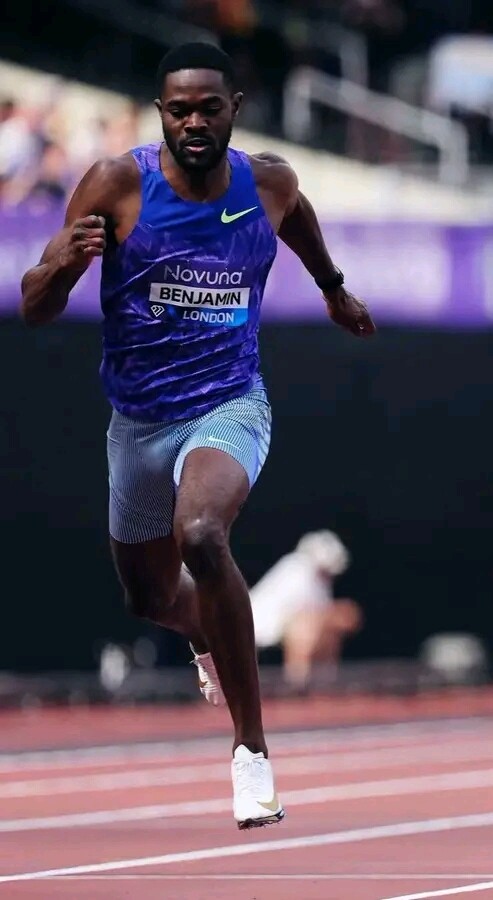
Benjamin appears again in sixth and seventh with 46.46 performances from 2024, while dos Santos takes eighth with 46.48 in 2026. Warholm completes the list with 46.51 from 2023 and 46.52 from 2023.
The distribution is extraordinary. Dos Santos owns three of the 10 fastest performances, Warholm owns four, while Benjamin owns the remaining three.
No other athlete has managed to break into the top 10.
That level of concentration at the very top of an event is a remarkable reflection of the era these three athletes have created.
At the centre of it all is dos Santos, whose 45.80 in Zurich has established a completely new benchmark. The Brazilian's performance did more than secure another historic victory; it pushed the boundaries of what is considered possible over one lap and 10 barriers.
Warholm had previously rewritten the history books in Tokyo when he clocked 45.94, becoming the first man to break the 46-second barrier and finally lowering Kevin Young’s legendary 46.78 world record, which had stood since the 1992 Barcelona Olympics.
Benjamin finished behind Warholm in Tokyo in 46.17, producing a performance that would itself have been considered extraordinary in almost any other era. Dos Santos completed the podium in 46.72, but his bronze medal would eventually prove to be just another chapter in his rise towards the summit.
The Tokyo final remains one of the most spectacular races in Olympic athletics history, but it also marked the beginning of an extraordinary period in which Warholm, Benjamin and dos Santos would repeatedly challenge the limits of the event.
Warholm has four performances inside the current top 10, including his 45.94 world record from Tokyo. Dos Santos has three, highlighted by his new global mark, while Benjamin also has three performances among the 10 fastest ever recorded.
Their remarkable consistency has transformed the 400m hurdles from an event once dominated by isolated historic performances into one defined by sustained excellence and intense rivalry.
For nearly three decades, Kevin Young’s 46.78 appeared almost untouchable. Then Warholm broke through. Benjamin immediately showed that the new standard could be challenged, and dos Santos emerged as another athlete capable of running at an astonishing level.
Now, times below 46 seconds are no longer viewed as an unimaginable frontier. They have become the territory occupied by the very best athletes of this generation.
And dos Santos has just moved that frontier even further.
His 45.80 has given the event a new target, but with Warholm and Benjamin still among the world's elite, the story may not be finished.
The question is no longer whether this generation is exceptional.
It is whether we are witnessing the greatest collection of men's 400m hurdlers ever assembled.
Three athletes now own every position in the all-time top 10.
Ten performances have been produced by just dos Santos, Warholm and Benjamin.
And at the very top stands Alison dos Santos, whose breathtaking 45.80 in Zurich has pushed the men’s 400m hurdles into territory that once seemed impossible.
Three superstars. Ten historic performances. One extraordinary era.
by Erick Cheruiyot for My Best Runs.
Login to leave a comment
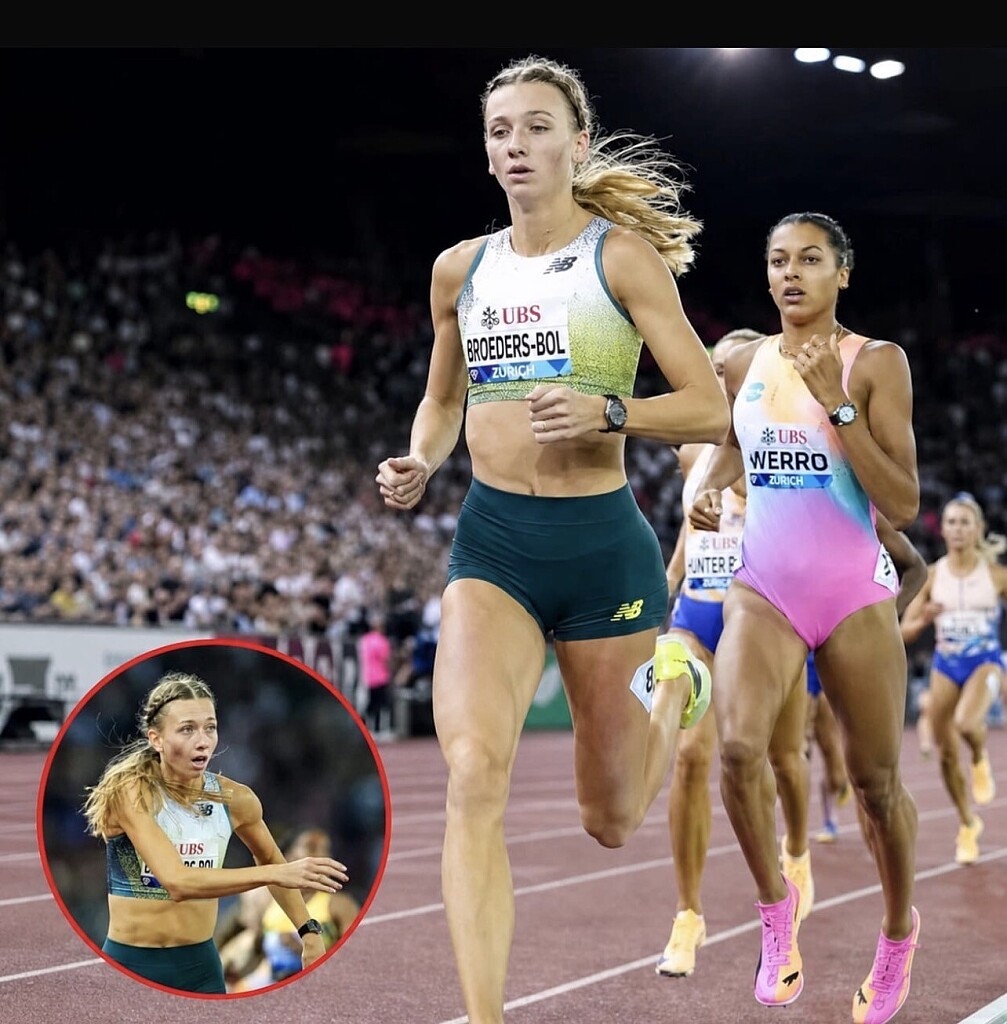
Femke Broeders-Bol’s Stunning 800m Transformation: From Hurdles Star to Dutch Record Breaker
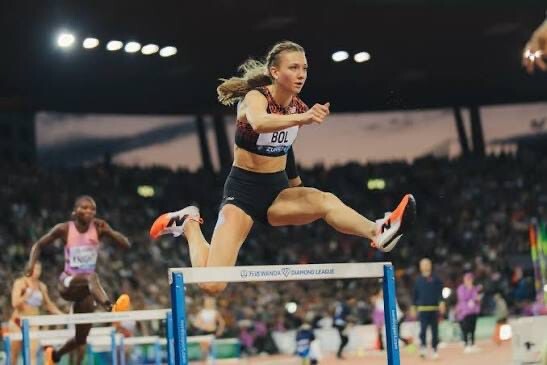
Femke Broeders-Bol has spent much of her career dominating the 400m hurdles, but in 2026 the Dutch star has opened an entirely new chapter — and her transformation into a world-class 800m runner is becoming one of the most fascinating stories in athletics.
What initially looked like an intriguing experiment has rapidly developed into something far more serious.
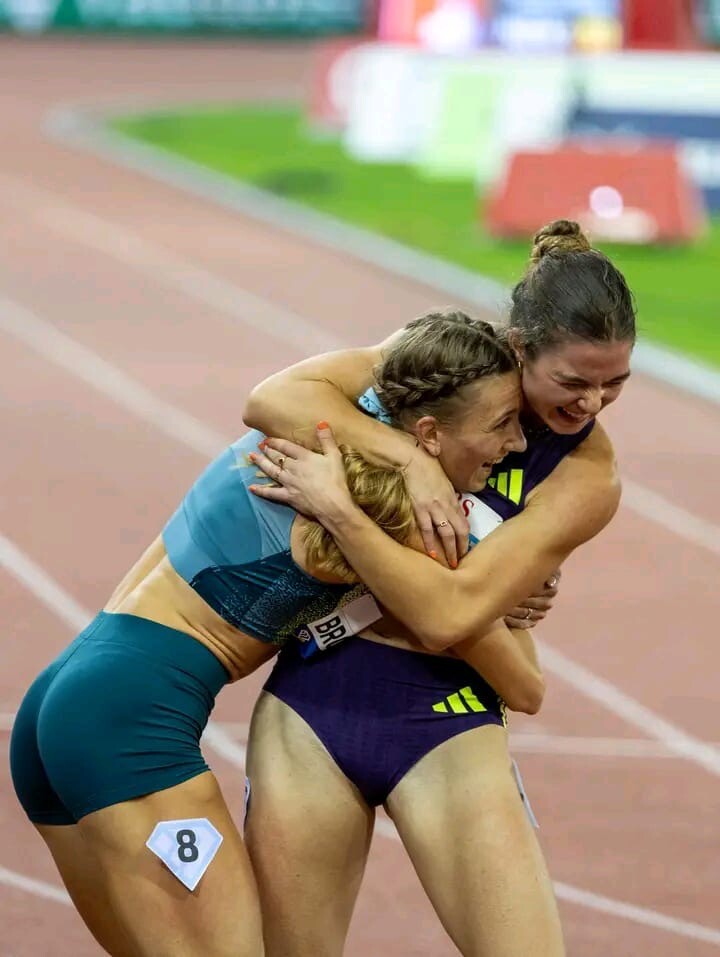
Broeders-Bol is now running times that place her firmly among the elite of the women’s 800m.
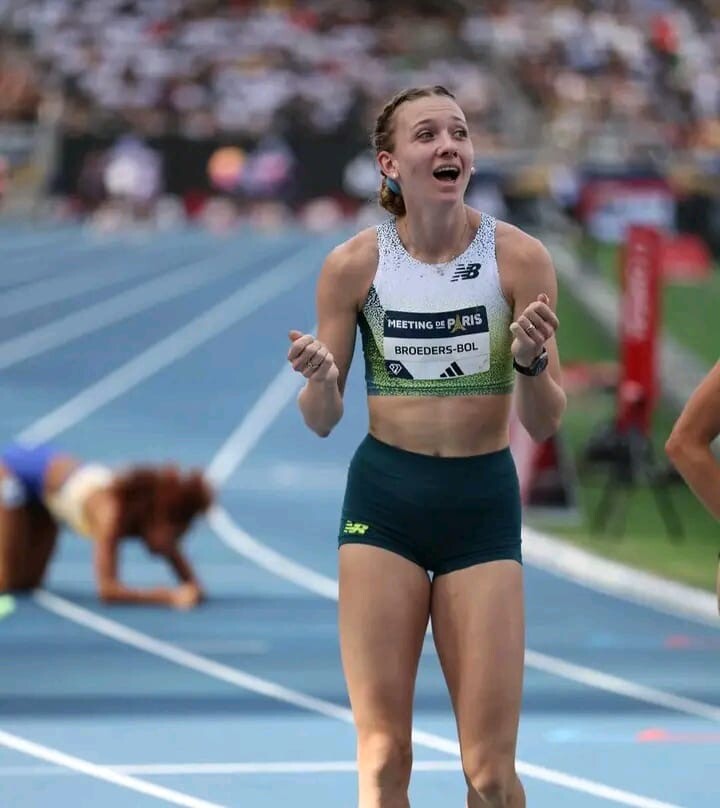
Her breakthrough has been remarkable in both its speed and scale. After making the transition to the two-lap event, she quickly demonstrated that the qualities that made her one of the world’s best 400m hurdlers could be transferred to the longer distance.
Her 2026 progression tells the story.
She clocked 1:55.60 in Paris on June 28, followed by 1:57.13 in Ostrava, before producing 1:55.54 at the European Championships in Birmingham. That performance equalled Ellen van Langen’s long-standing Dutch record of 1:55.54, a mark that had stood since the 1992 Olympic Games.
Just days later, Broeders-Bol went even faster.
At the Lausanne Diamond League on August 21, she ran 1:55.41, lowering the Dutch record outright and finishing second behind Switzerland’s Audrey Werro.
Then came Zürich.
On August 27, Broeders-Bol produced another extraordinary performance, stopping the clock at 1:54.71 to break her own national record by 0.70 seconds in less than a week. She finished second to Werro, who ran a spectacular 1:53.70 — the third-fastest time ever recorded in the women’s 800m.
For Broeders-Bol, however, the biggest headline was her own transformation.
Her 400m hurdles background has provided an exceptional foundation for the 800m. Years of racing over barriers have developed her speed, strength, rhythm, speed endurance and ability to maintain efficient mechanics when fatigue sets in. Those qualities are particularly valuable over two laps, where the ability to combine raw pace with endurance can separate the very best from the rest.
The challenge has been converting that 400m speed into sustained 800m pace.
And she is doing exactly that.
A 1:54.71 performance is no longer the result of an athlete simply testing herself in another event. It is the mark of a genuine 800m contender.
What makes the development even more intriguing is that Broeders-Bol herself has appeared surprised by just how quickly she has adapted to the distance.
In Zürich, she showed once again that her ceiling over 800m may be considerably higher than anyone initially expected.
At just 26, the Dutch star now finds herself at the beginning of a potentially extraordinary second chapter in her career. Her established reputation as a 400m hurdles powerhouse has already been transformed by a new national record over 800m — and she is continuing to improve at a breathtaking rate. World Athletics lists her 1:54.71 as her current personal best and ranks her among the leading women over the distance.
The question now is no longer whether Broeders-Bol can run the 800m.
It is how fast she can ultimately go.
If this remarkable progression continues, the road towards the Los Angeles 2028 Olympics could become one of the most intriguing storylines in women’s middle-distance running.
Femke Broeders-Bol has already proven that she can conquer the hurdles.
Now, she is showing that two laps of the track may belong to her too.
by Erick Cheruiyot for My Best Runs
Login to leave a comment
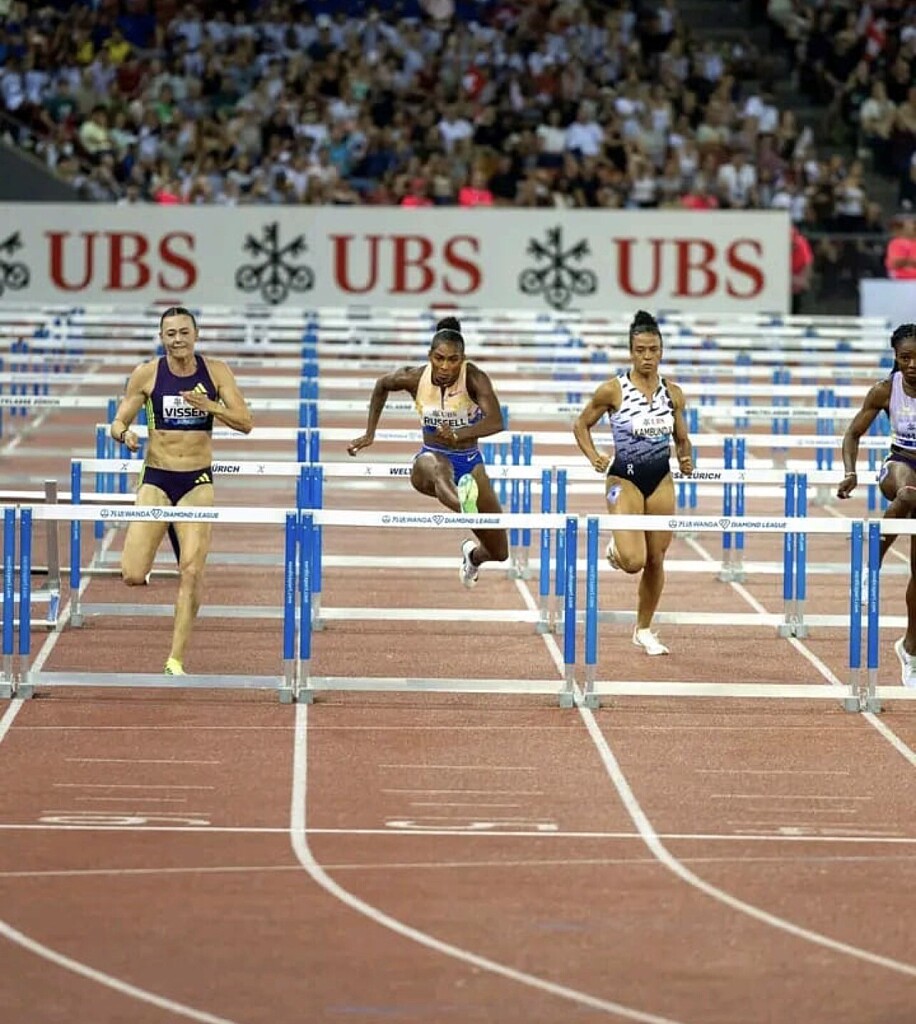
Masai Russell Makes History with Stunning 12.09 World Record in Zurich
Masai Russell delivered a performance for the ages at the Zurich Diamond League, storming to a stunning 12.09 seconds in the women’s 100m hurdles to break Tobi Amusan’s world record.
Running in completely still conditions with a legal 0.0 m/s wind, the American Olympic champion became the first woman in history to break the 12.10-second barrier.

Russell improved upon Amusan’s previous world record of 12.12, set at the 2022 World Championships in Eugene. The mark is subject to the usual ratification process.
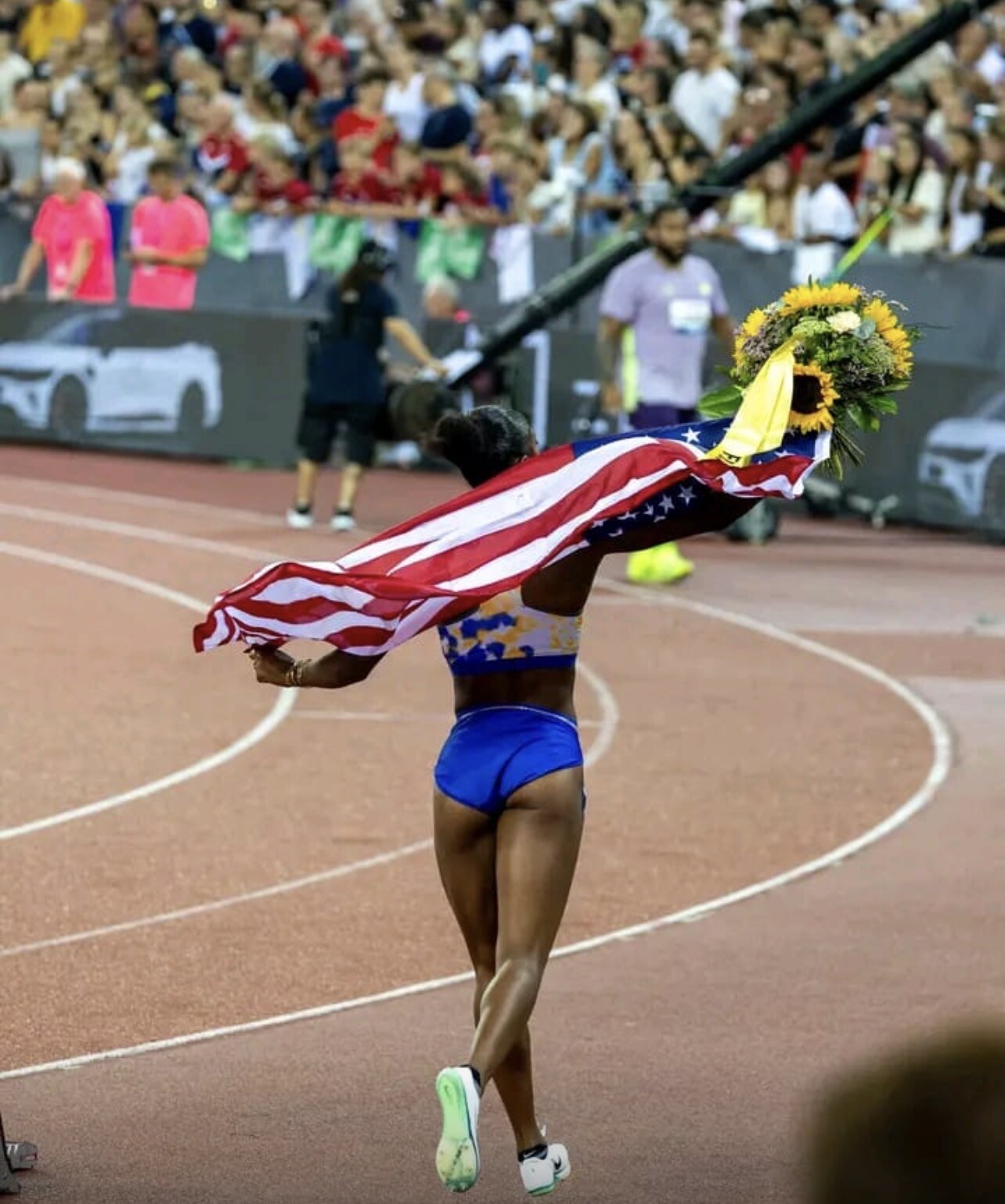
After repeatedly demonstrating her dominance throughout the season, Russell arrived in Zurich as the woman to beat. She attacked the race with extraordinary speed and precision, maintaining her rhythm over the hurdles before pulling away in the closing stages.
When the clock flashed 12.09, the significance of the performance was immediately clear. A barrier that had never been broken was gone.
Even more remarkably, the woman whose record she broke was racing beside her. Amusan, the Nigerian star who had held the world record for four years, finished second in 12.23.
The Netherlands’ Nadine Visser completed the podium in 12.34.
The performance adds another extraordinary chapter to Russell’s career. After establishing herself among the world’s elite and producing a season of remarkable consistency, she has reached the summit of the event as its fastest athlete in history.
Russell’s 12.09 was more than a victory. It rewrote the record books and provided the ultimate confirmation of her dominance.
Zurich had already witnessed a world record from Alison dos Santos in the men’s 400m hurdles. Less than 40 minutes later, Russell ensured the evening would become one of the most memorable in Diamond League history.
Masai Russell is now the world-record holder—and the first woman to run under 12.10 seconds for the 100m hurdles.
by Erick Cheruiyot for My Best Runs
Login to leave a comment
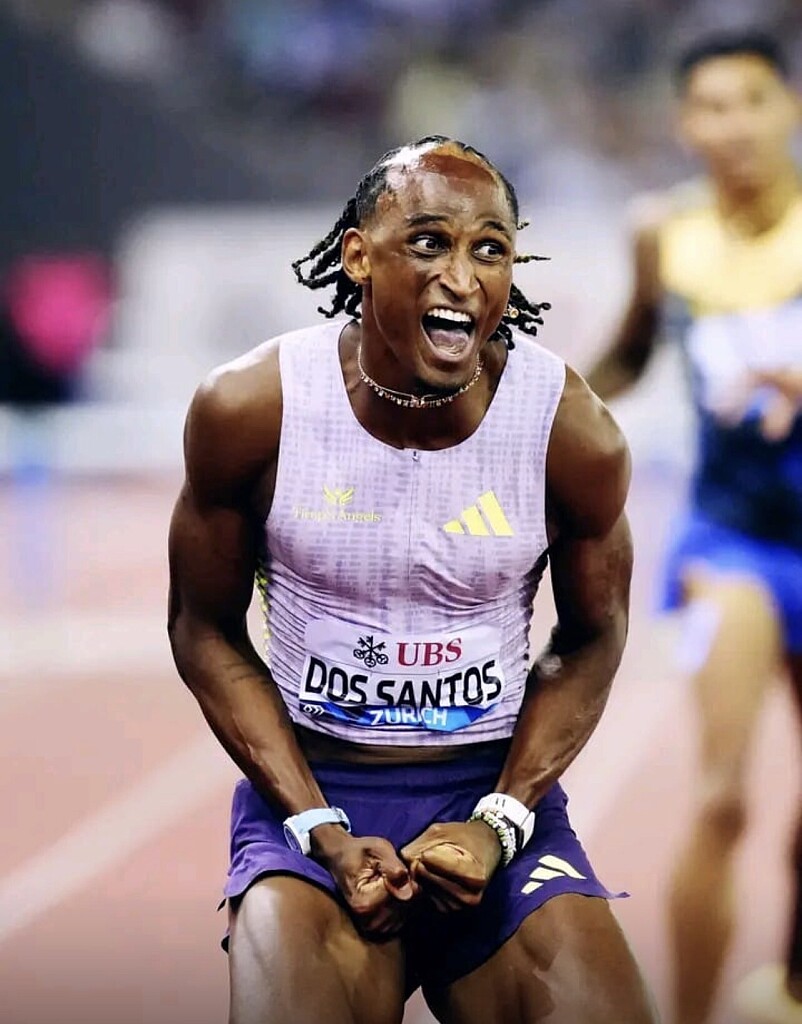
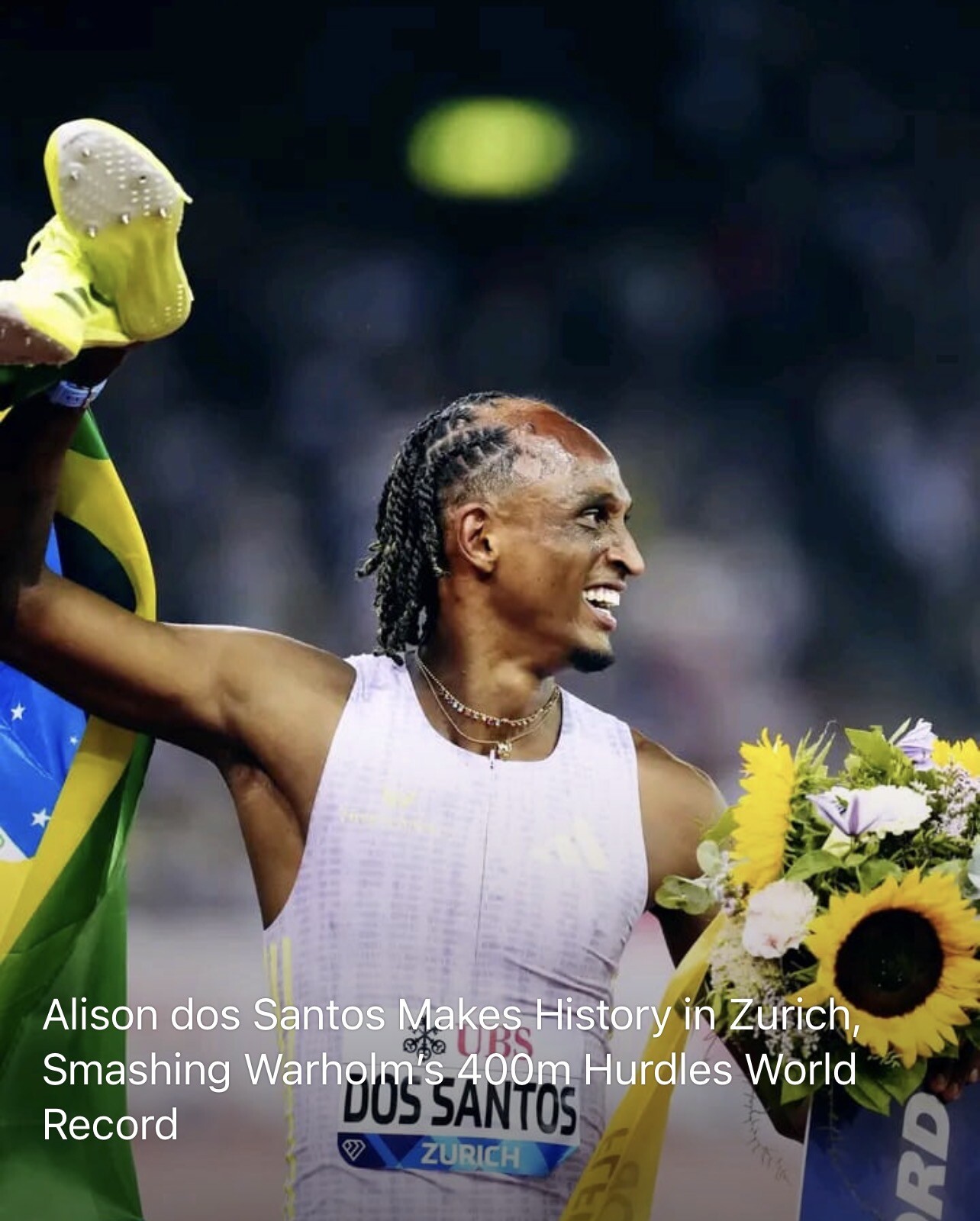
Alison dos Santos Makes History in Zurich, Smashing Warholm’s 400m Hurdles World Record
45.80 seconds. A new world record. A new chapter in the history of the 400m hurdles.
Brazilian star Alison dos Santos produced a breathtaking performance at the Zurich Diamond League on Thursday, storming to 45.80 seconds to shatter the men’s 400m hurdles world record and dethrone one of the greatest records in modern athletics.
Dos Santos delivered a sensational run at Weltklasse Zürich, becoming the first athlete to break the barrier set by Norway’s Karsten Warholm, whose legendary 45.94-second world record had stood since his spectacular victory at the Tokyo 2020 Olympic Games in 2021.
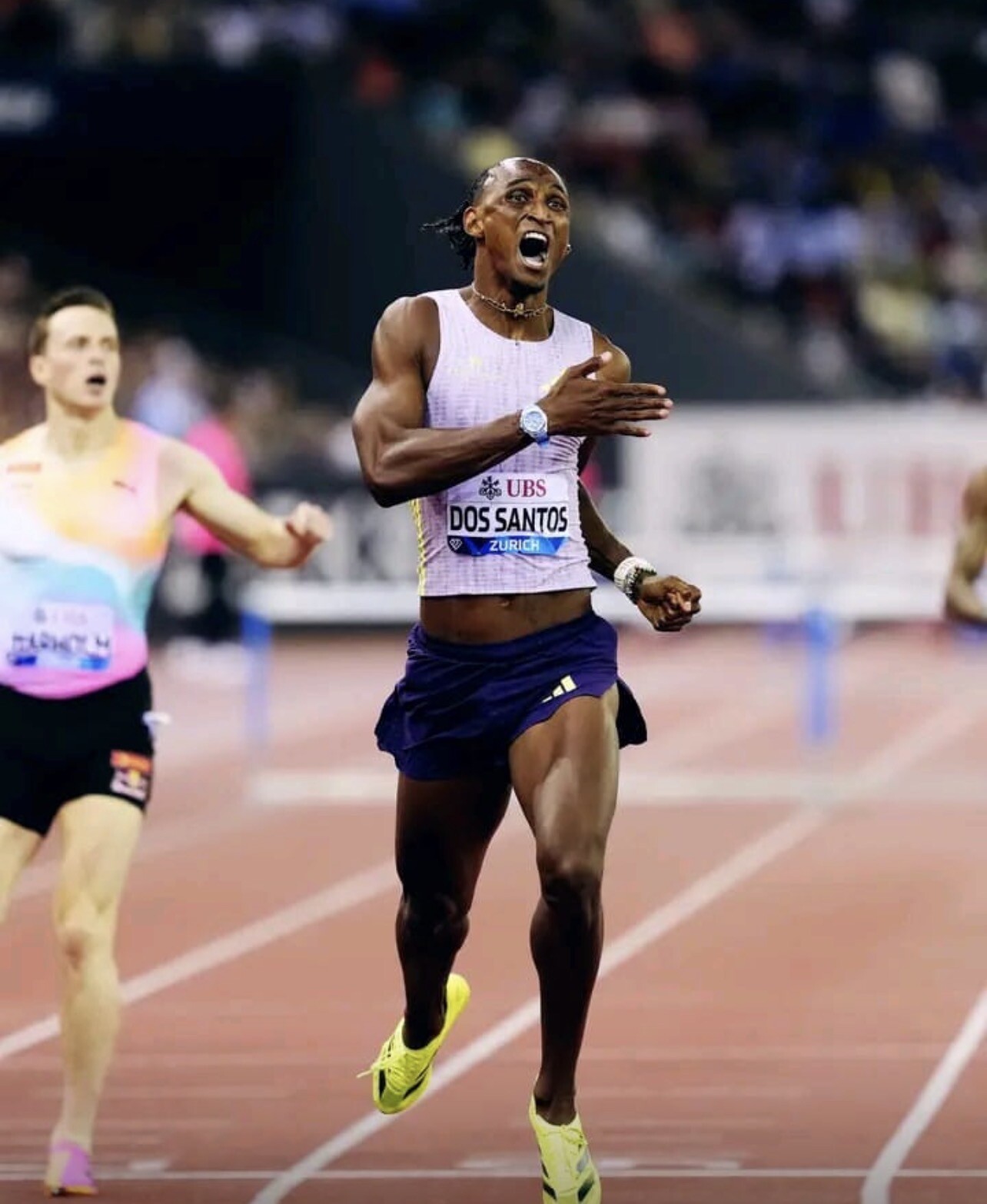
The Brazilian was in complete control from the opening stages, attacking the hurdles with remarkable speed and precision before powering down the final straight. The clock stopped at 45.80, sending shockwaves through the stadium and rewriting the record books.
Warholm, the former world-record holder and one of the sport’s most dominant figures, had to settle for second place in 46.69 seconds. Nigeria’s Ezekiel Nathaniel completed the podium in 47.50.
The result adds another extraordinary chapter to the rivalry between Dos Santos and Warholm. The pair have repeatedly pushed each other to new levels, but this time Dos Santos delivered the defining blow, taking down a record that had become synonymous with Warholm’s name.
The 26-year-old Brazilian has now cemented himself among the greatest 400m hurdlers in history. A world champion in 2022 and a two-time Olympic bronze medallist, Dos Santos has spent years chasing the sport’s very best — and in Zurich, he finally claimed its most coveted record.
His breakthrough is even more remarkable given that he entered the Zurich meeting with a personal best of 46.29 seconds in the 400m hurdles. His previous 2026 best had been 46.43, set just days earlier in Silesia, where he also defeated Warholm.
Now, the record belongs to Brazil.
Alison dos Santos — 45.80 seconds.
A new world record, a historic victory and a performance that will be remembered as one of the defining moments of the 2026 athletics season.
by Erick Cheruiyot for My Best Runs.
Login to leave a comment
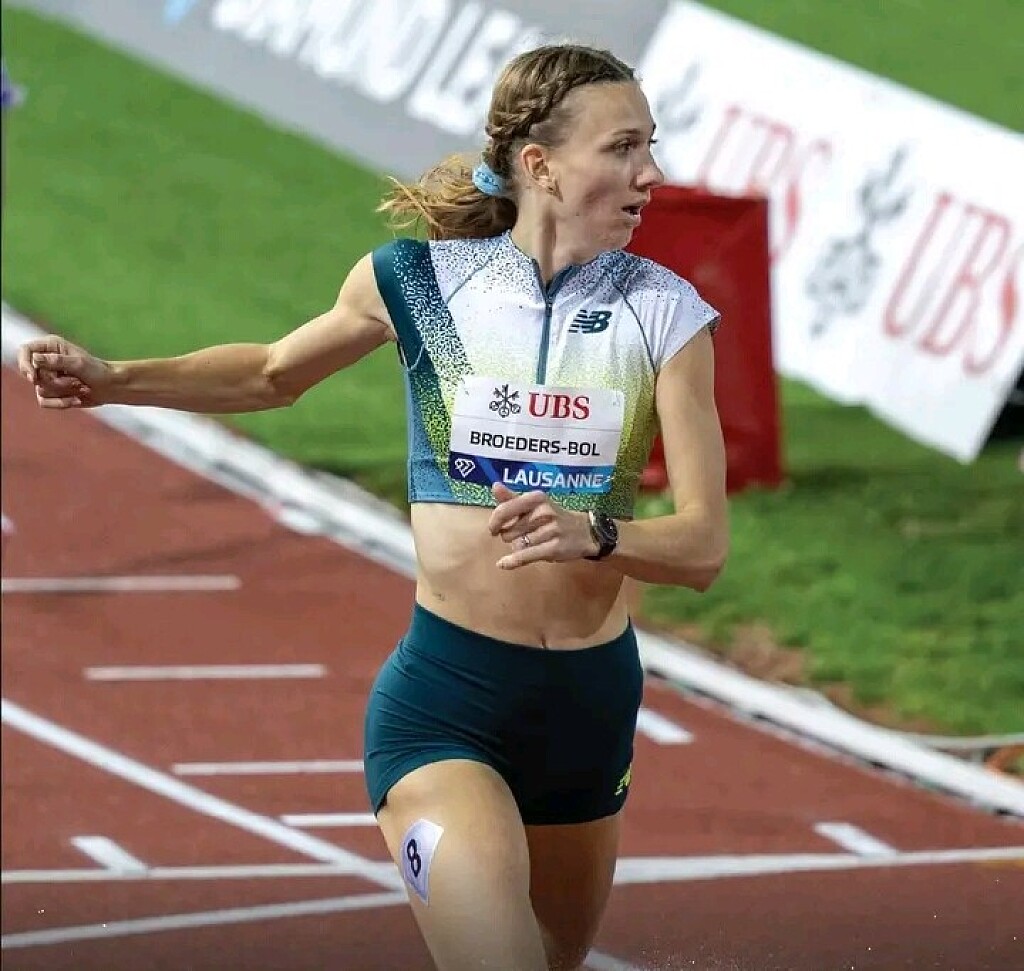
Femke Broeders-Bol’s Stunning Rise Continues with Dutch 800m Record in Lausanne
Femke Broeders-Bol’s remarkable transformation into a genuine 800m force continued in spectacular fashion at the Lausanne Diamond League, where the Dutch star smashed the national record with a breathtaking 1:55.41 and came within a fraction of victory.
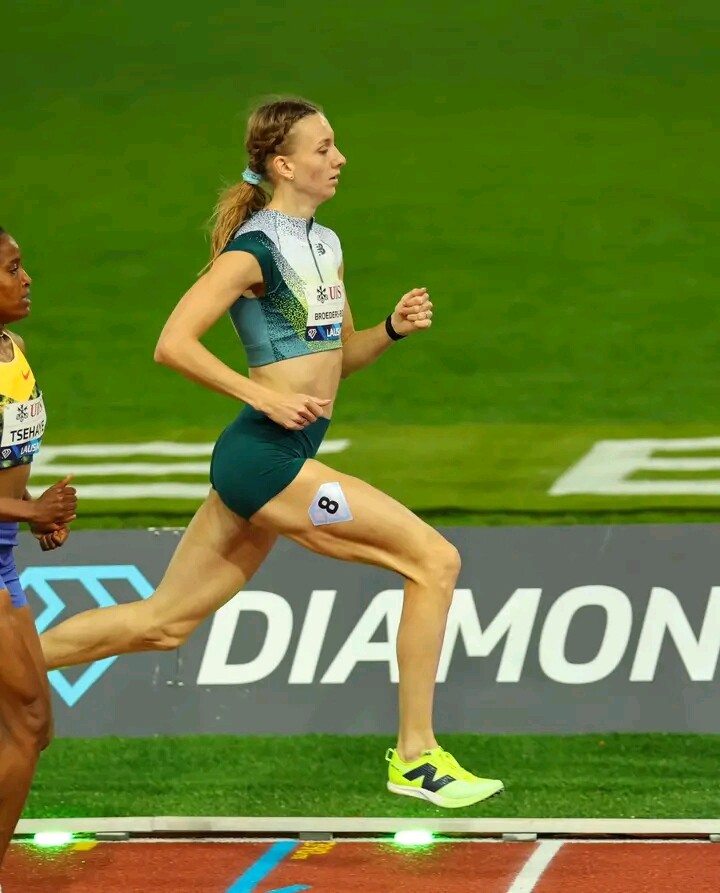
In one of the most thrilling races of the evening, Bol pushed Switzerland’s European champion Audrey Werro all the way to the finish line, with just 0.08 seconds separating the two athletes. Werro claimed victory in a meeting record of 1:55.33, while Bol crossed the line second in 1:55.41, rewriting the Dutch record books with the fastest 800m performance of her career.
Audrey Werro of Switzerland — 1:55.33, Meeting Record
Femke Broeders-Bol of the Netherlands — 1:55.41, National Record
For Bol, the performance marked another extraordinary step in what has become a sensational 2026 campaign. Her progression over two laps has been nothing short of remarkable. After running 1:59.07 in February, she improved to 1:57.13 in June, then 1:57.41 just days later, before breaking through with 1:55.60 in June. She continued her rapid rise with 1:55.54 in August before lowering the Dutch national record even further to 1:55.41 in Lausanne.
The latest breakthrough is especially significant because it came against one of the world's fastest 800m runners. Werro entered the race as the European champion and delivered a sensational performance of her own, but Bol refused to let her escape and stayed within striking distance all the way to the line.
Long recognised as one of the world's outstanding talents in the 400m hurdles, Bol is now showing just how formidable she can be over the flat 800m. Her ability to move from hurdles dominance into elite middle-distance competition has added another fascinating dimension to her career, and her rapid improvement suggests there could still be more to come.
From 1:59.07 to 1:55.41 in a single season, Bol has made one of the most dramatic improvements in women's middle-distance running this year. More importantly, she is no longer simply experimenting with the event—she is proving that she can challenge the very best.
The Dutch star may have narrowly missed victory in Lausanne, but her national-record performance sent a powerful message.
Femke Broeders-Bol is getting faster, the margins are getting smaller, and the women's 800m is becoming even more fascinating.
by Erick Cheruiyot for My Best Runs.
Login to leave a comment

Can Keely Answer Back? Hodgkinson And Werro Set For Explosive Zurich Rematch
The rivalry between Keely Hodgkinson and Audrey Werro is developing into one of the most compelling stories in the women’s 800m — and it gets another chapter next week.

Just days after their dramatic European Championship final in Birmingham, the Olympic champion and the newly crowned European champion will meet again at Weltklasse Zürich on August 27, with the sold-out Letzigrund Stadium ready for another spectacular showdown.
In Birmingham, it was Werro who produced the decisive moment. The Swiss star delivered a sensational front-running performance to win European gold in a championship-record 1:54.81, holding off Hodgkinson, who finished second in 1:55.01. Femke Broeders-Bol completed the podium in 1:55.54, setting a Dutch national record in the process.
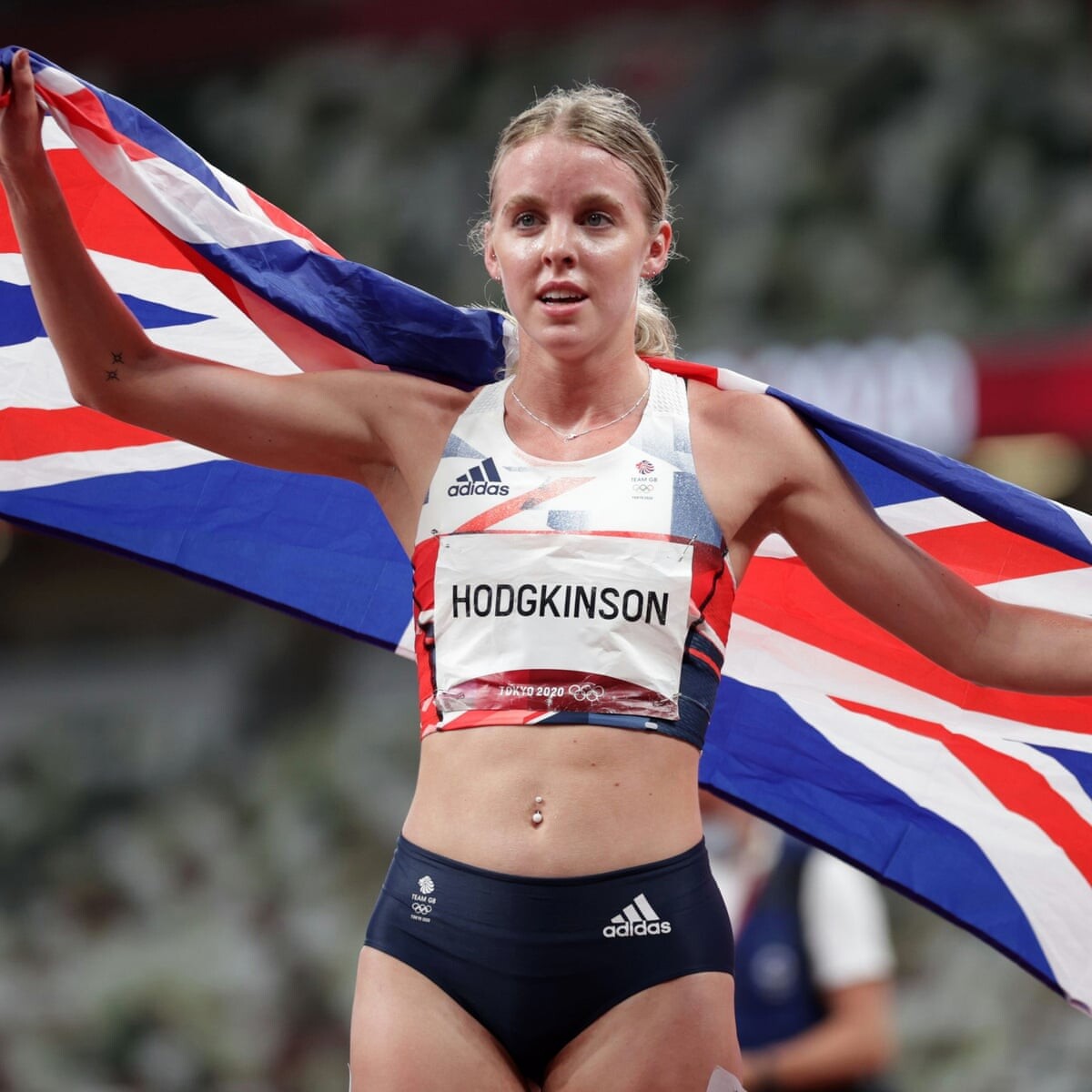
For Hodgkinson, the defeat was a rare setback in an event she has dominated at the highest level. But Zurich offers the perfect opportunity to respond.
And this time, the stage belongs to Werro.
The 22-year-old Swiss star will race in front of her home crowd at the Letzigrund Stadium, where she will arrive with enormous confidence after an extraordinary 2026 campaign. Earlier this season, Werro stormed to 1:53.98 in Stockholm, becoming only the third woman in history to break 1:54 at the time, while Hodgkinson followed her home in a British record 1:54.33.
Werro then went even faster in Paris, producing 1:53.80 — the third-fastest performance in history — further establishing herself as a genuine threat to the event’s all-time hierarchy.
But Hodgkinson knows exactly what it takes to win on the biggest stages. The reigning Olympic champion and former world champion has repeatedly demonstrated her ability to respond when challenged, and Zurich could provide another opportunity to remind the world why she remains one of the most formidable 800m runners of her generation.
Yet this will be far more than a two-woman battle.
Kenya’s Lilian Odira, the reigning world champion, adds another layer of danger to an already stacked field. Odira, Hodgkinson and Georgia Hunter Bell were the gold, silver and bronze medallists in the 800m at the 2025 World Championships in Tokyo, and their rivalry has continued into 2026.
Then there is Georgia Hunter Bell, who arrives in Zurich as the newly crowned European 1500m champion and one of the most versatile middle-distance athletes in the world. Her presence over 800m gives the race another serious contender capable of changing the complexion of the contest.
Femke Broeders-Bol will also be looking to build on her breakthrough European Championship bronze. The Dutch star has made an impressive transition from the 400m hurdles to the 800m this season, and her 1:55.54 national record in Birmingham showed that she is now capable of challenging the very best over two laps.
With Werro’s extraordinary speed, Hodgkinson’s championship pedigree, Odira’s world title credentials, Hunter Bell’s tactical intelligence and Broeders-Bol’s rapidly improving 800m form, Zurich could produce one of the deepest and most anticipated women’s 800m races of the season.
The question is simple:
Can Keely answer back?
Or will Audrey Werro once again prove too strong — this time with the roar of the Swiss crowd behind her?
The answer comes on August 27 at the sold-out Letzigrund Stadium in Zurich.
by Erick Cheruiyot for My Best Runs.
Login to leave a comment

Hodgkinson and Broeders-Bol Set for a Mouthwatering Birmingham 800m Showdown
The women’s 800m at the 2026 European Athletics Championships is reaching a thrilling stage, with Keely Hodgkinson of Great Britain and Femke Broeders-Bol of the Netherlands set to meet in the second semi-final in Birmingham today. With a place in Friday’s final at stake, the pressure is rising—and the quality of the field promises a fascinating two-lap battle.
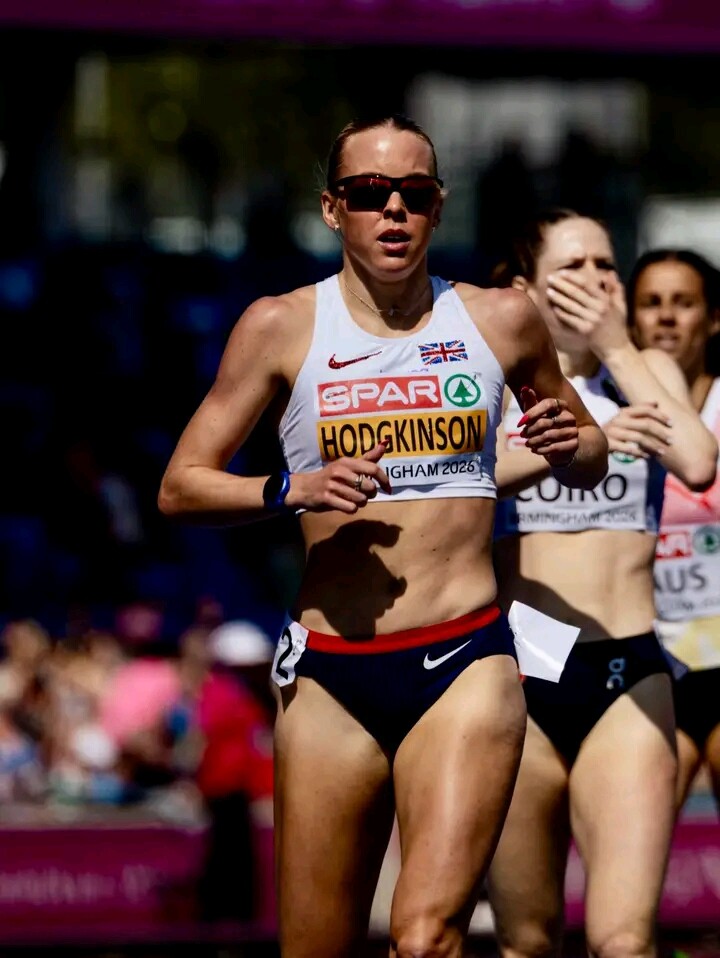
Hodgkinson laid down an early marker in the heats, producing a commanding 1:57.28 to become the fastest qualifier. The British Olympic champion looked comfortable throughout her race, underlining both her sharpness and confidence as she continues her bid for another European 800m title on home soil.
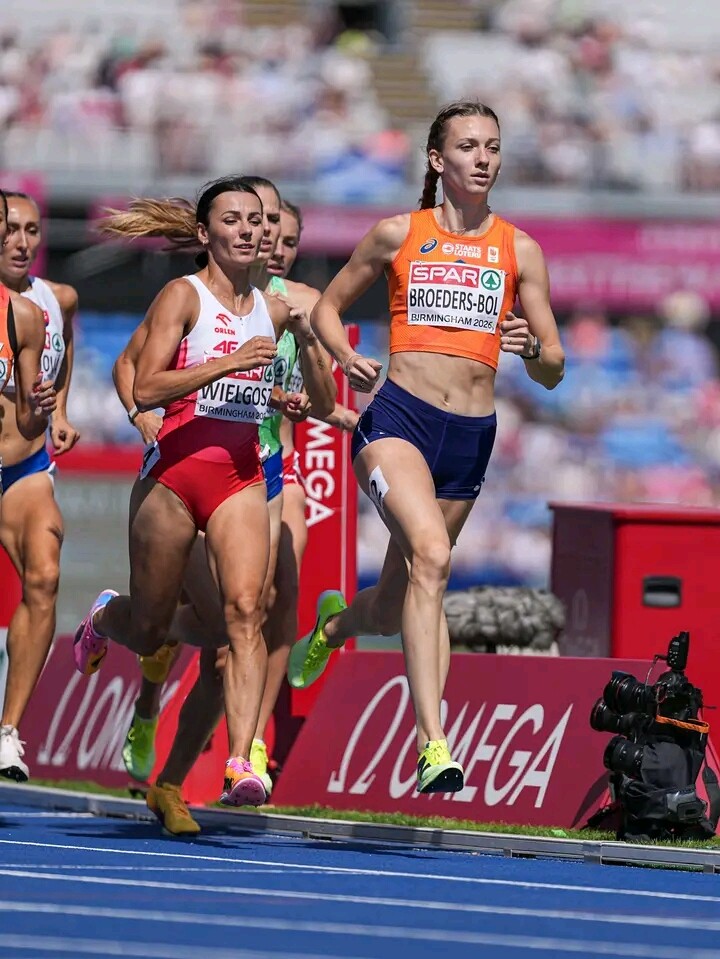
Broeders-Bol also progressed with little difficulty, stopping the clock at 1:59.96. Best known for her achievements over the 400m hurdles, the Dutch star has developed into an increasingly intriguing presence over 800m, bringing speed and versatility to a race packed with established middle-distance talent.
The semi-final will also feature Audrey Werro of Switzerland, whose presence adds another layer of danger to an already compelling contest. The Swiss star has enjoyed a remarkable season and recently produced 1:53.98, the third-fastest time in history, before also progressing safely through the Birmingham heats in 1:57.83.
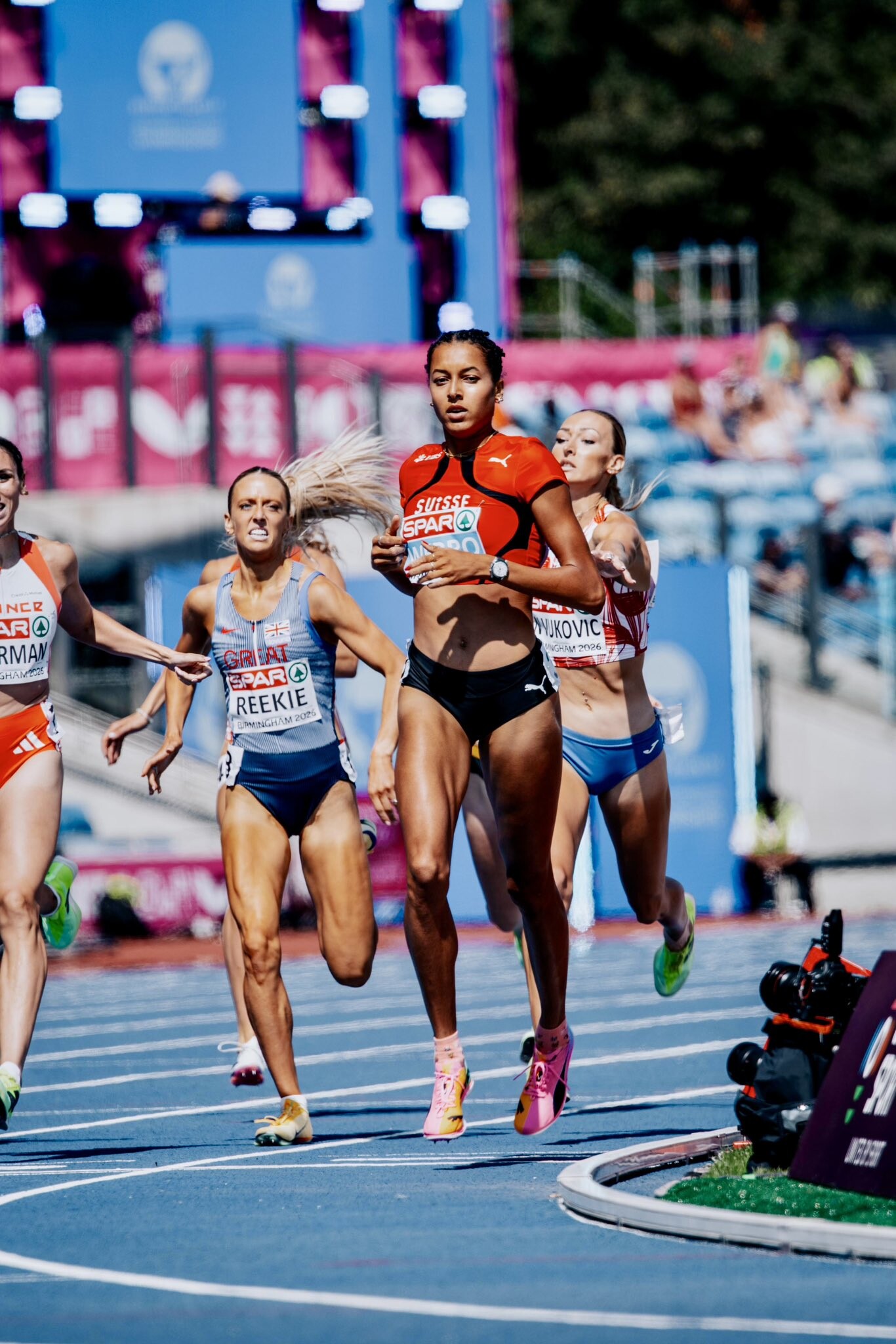
What makes this showdown particularly fascinating is the contrasting strengths of the leading contenders. Hodgkinson possesses immense championship experience and has repeatedly shown that she thrives when the pressure is at its highest. Werro brings extraordinary speed and the confidence of having recently defeated Hodgkinson in Stockholm, while Broeders-Bol’s transition from the 400m hurdles to the two-lap event gives her a distinctive blend of speed, strength and tactical versatility.
With the final only one day away, there is little room for error. The opening lap, positioning and the ability to unleash a decisive surge in the closing metres could determine who advances. Every stride will matter as the contenders fight not only for qualification, but also for momentum heading into the championship showdown.
For Hodgkinson, the Birmingham stage offers another opportunity to turn home support into a memorable performance. For Broeders-Bol and Werro, it is a chance to challenge one of the event’s most decorated figures and prove that the European 800m crown is anything but predictable.
The ingredients are perfect: speed, experience, ambition and a place in the final on the line. Birmingham is ready for another spectacular 800m battle.
by Erick Cheruiyot for My Best Runs.
Login to leave a comment

European Athletics Champioships
The27thEuropean Athletics Championshipswill be held from 10 to 16 August 2026 at theAlexander StadiuminBirmingham, United Kingdom.[1] This is the first time that a British city will have staged the European Athletics Championships although Birmingham has hosted many high-profile events, including the2007 European Athletics Indoor Championships, the2003and2018 IAAF World Indoor Championshipsand the2022 Commonwealth Games. Alexander Stadium was renovated between 2019 and...
more...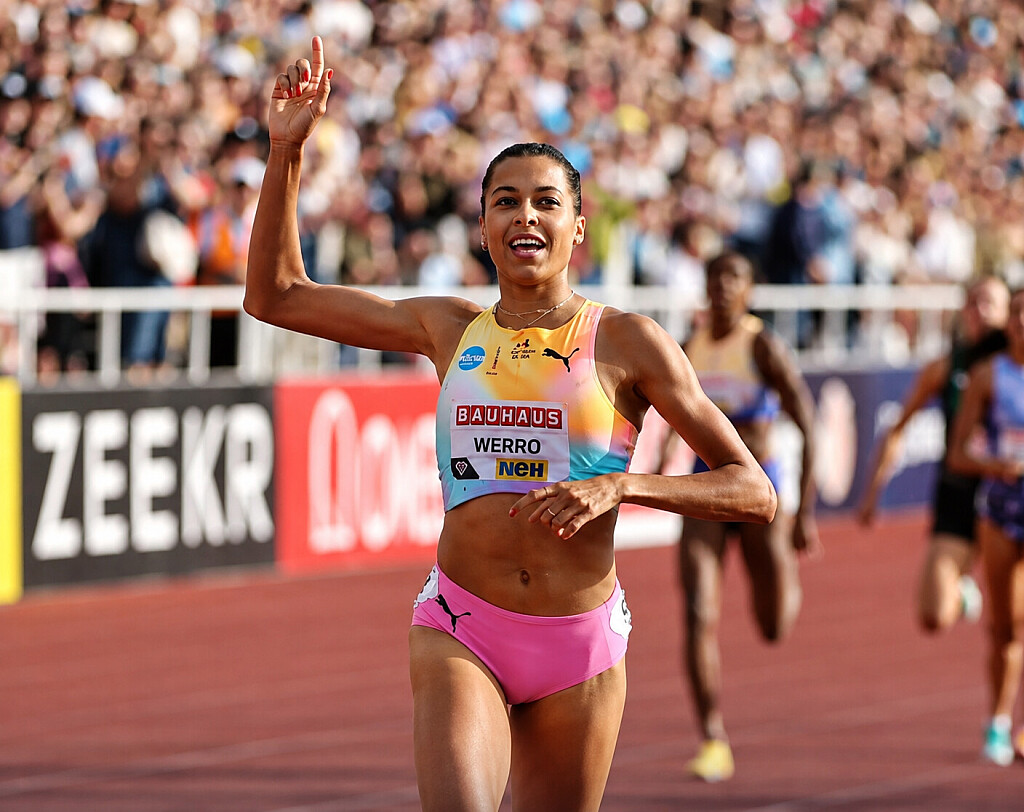
Audrey Werro Heads to Birmingham With History in Her Sights as Europe’s 800m Elite Prepare for a Blockbuster Showdown
Audrey Werro will arrive at the 2026 European Athletics Championships in Birmingham carrying more than just the hopes of Switzerland. The 22-year-old middle-distance star has established herself as the woman to beat in the women’s 800m, and she will enter Alexander Stadium with a world-leading time, extraordinary momentum and a realistic opportunity to chase one of athletics’ longest-standing records.
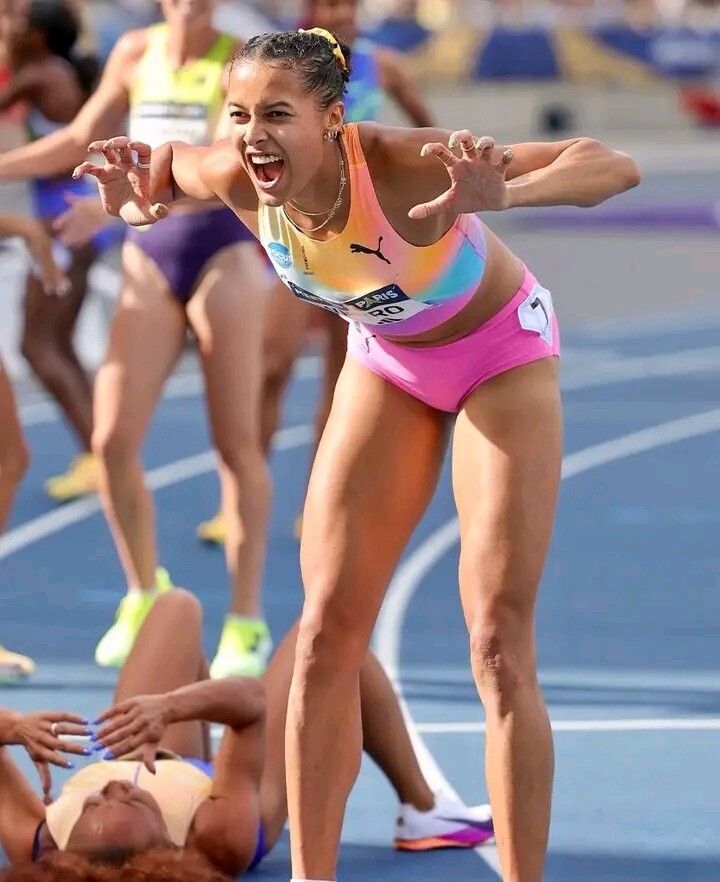
The European Championships will be held in Birmingham from August 10 to 16, with the women’s 800m among the events expected to command enormous attention.
Werro has already produced one of the defining performances of the 2026 season. At the Paris Diamond League on June 28, she stormed to 1:53.80, becoming only the third-fastest woman in history over 800m and moving within 0.52 seconds of Jarmila Kratochvílová’s world record of 1:53.28, which has stood since 1983.
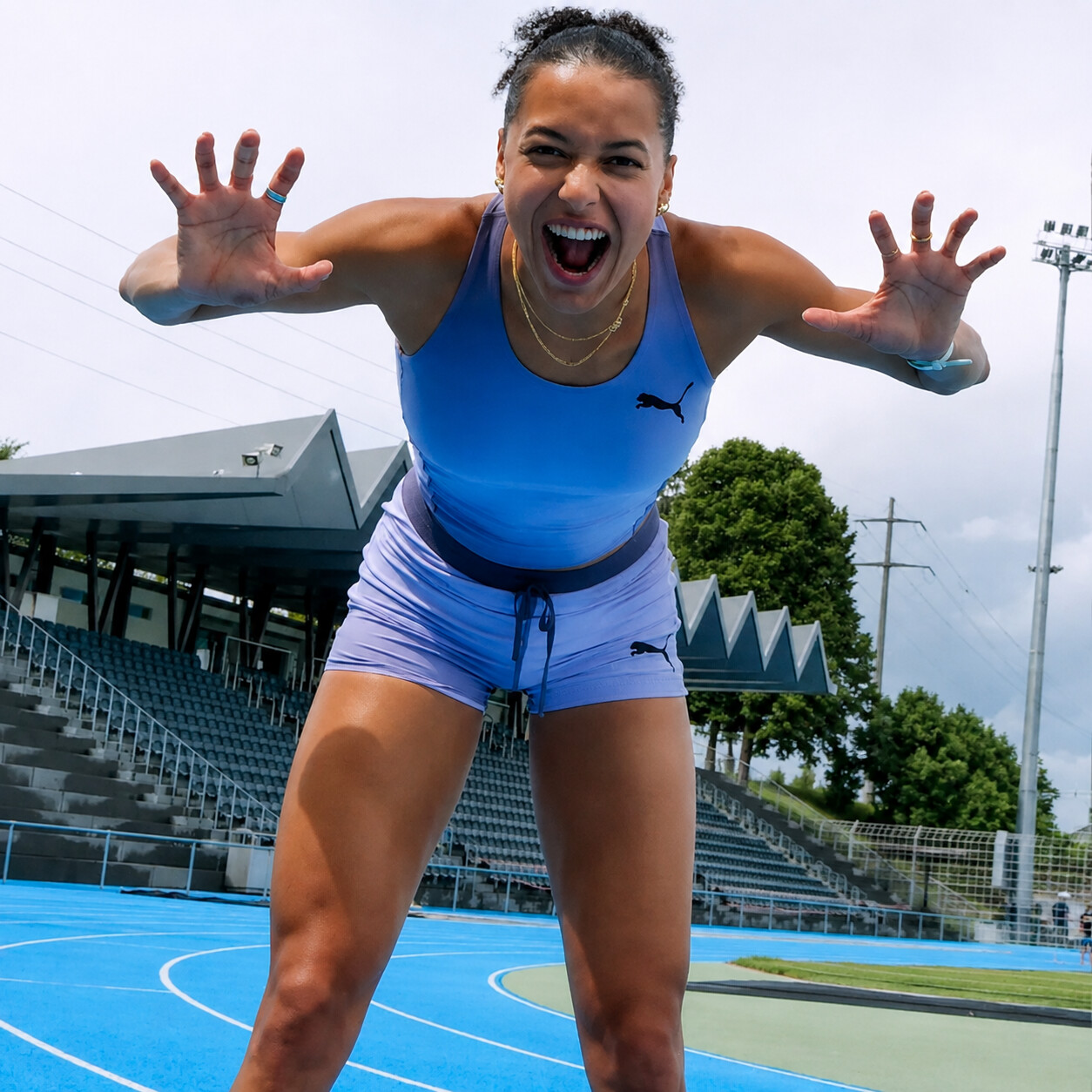
Even more remarkable is that Paris was not an isolated performance.
Earlier in June, Werro stunned Olympic champion Keely Hodgkinson in Stockholm, producing 1:53.98 to claim another Diamond League victory. Hodgkinson followed in a personal best of 1:54.33, setting the stage for what could become one of the defining rivalries of the championship.
The numbers underline just how extraordinary the 2026 women’s 800m season has become.
Werro leads the world with 1:53.80, followed by Hodgkinson at 1:54.33. Femke Broeders-Bol has made a spectacular transition to the two-lap event, running 1:55.60 in Paris, while France’s Anaïs Bourgoin followed with a national record of 1:55.65. Britain’s Georgia Hunter Bell has also broken 1:56, clocking 1:55.93 in Birmingham earlier in the season.
That depth makes Birmingham particularly intriguing. Werro may be the fastest woman in the world this year, but she will not be racing in isolation. Hodgkinson brings Olympic and European championship pedigree, Broeders-Bol possesses exceptional finishing speed after moving across from the 400m hurdles, while Bourgoin and Hunter Bell have demonstrated that they are capable of staying in the conversation when the pace becomes ferocious.
Werro’s remarkable form has extended beyond the 800m. On June 23 in Biel, she ran 1:22.85 for 600m, the fastest mark on the 2026 world list for the event.
Her development has been equally impressive over the longer sprint distance. Werro owns a 400m personal best of 51.03, highlighting the speed reserve behind her increasingly dominant 800m performances.
The Swiss star has therefore arrived at a fascinating point in her career. She is no longer simply a promising young athlete. After being named European Athletics’ 2025 Women’s Rising Star and winning the European U23 title, Werro has now moved firmly into the senior elite.
And Birmingham could provide the biggest stage yet for her growing reputation.
The question is no longer whether Werro can run under 1:54. She has already done it twice this season. The question now is whether she can find the fractions required to move from an extraordinary performance to something historic.
The world record of 1:53.28 is only 0.52 seconds away.
With the European title on the line, Hodgkinson seeking another major championship triumph and a rapidly improving field ready to challenge for the podium, the women’s 800m could become one of the races of the entire Birmingham championships.
For Werro, however, the objective is simple: arrive ready, execute the perfect two laps and see just how close she can get to history.
Birmingham awaits. And Audrey Werro has already shown that she is ready.
by Erick Cheruiyot for My Best Runs.
Login to leave a comment
European Athletics Champioships
The27thEuropean Athletics Championshipswill be held from 10 to 16 August 2026 at theAlexander StadiuminBirmingham, United Kingdom.[1] This is the first time that a British city will have staged the European Athletics Championships although Birmingham has hosted many high-profile events, including the2007 European Athletics Indoor Championships, the2003and2018 IAAF World Indoor Championshipsand the2022 Commonwealth Games. Alexander Stadium was renovated between 2019 and...
more...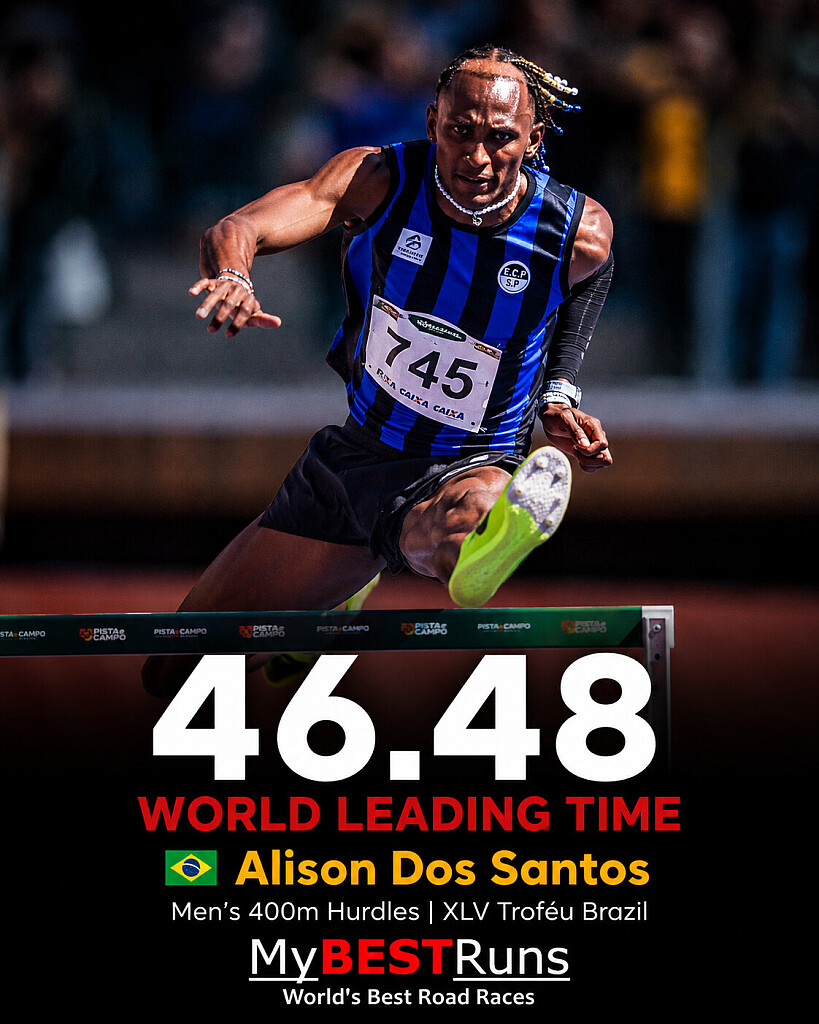
Alison Dos Santos Roars Back to the Top with World-Leading 46.48 at Troféu Brasil
Brazilian 400m hurdles star Alison Dos Santos has delivered a powerful statement ahead of the major championships, producing a sensational world-leading 46.48 seconds to win at the XLV Troféu Brasil in front of an ecstatic home crowd.
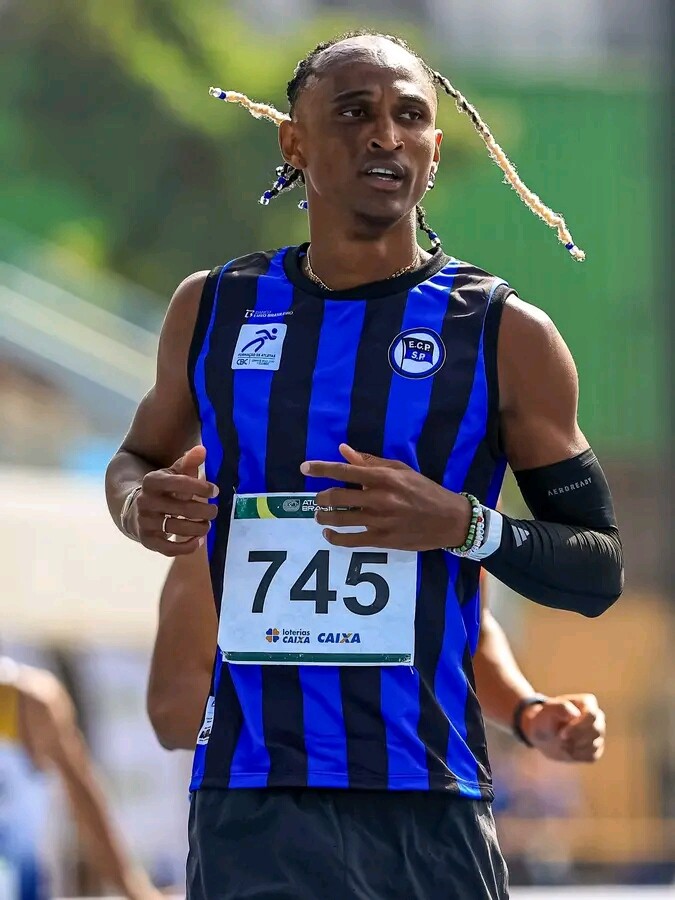
The breathtaking performance marked Dos Santos' fastest race since his unforgettable triumph at the 2022 World Athletics Championships, where he claimed global gold in dominant fashion. After battling injuries and setbacks over the past few seasons, the Brazilian has once again reminded the athletics world why he remains one of the event's greatest talents.
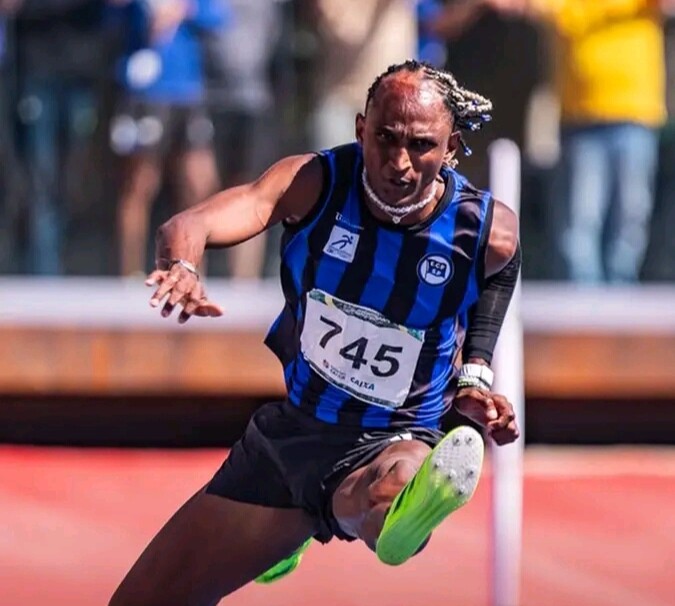
Clocking 46.48, Dos Santos surged to the top of the 2026 world rankings with a display of speed, rhythm, and flawless hurdling that left no doubt about his return to peak form. Every stride reflected the confidence and explosiveness that made him a world champion, sending a clear warning to his rivals that he is ready to challenge for more international titles.
The performance is more than just a fast time—it is a powerful comeback story. Returning to his very best after years of determination and resilience, Dos Santos has reignited excitement in one of track and field's most competitive events. His run not only thrilled the home fans but also reshaped the global picture in the men's 400m hurdles.
With the championship season gathering momentum, Alison Dos Santos has placed himself firmly back among the favourites. If this remarkable run is any indication, the Brazilian superstar is once again ready to chase gold on the world's biggest stages, proving that champions always find a way back to the top.
by Erick Cheruiyot for My Best Runs.
Login to leave a comment
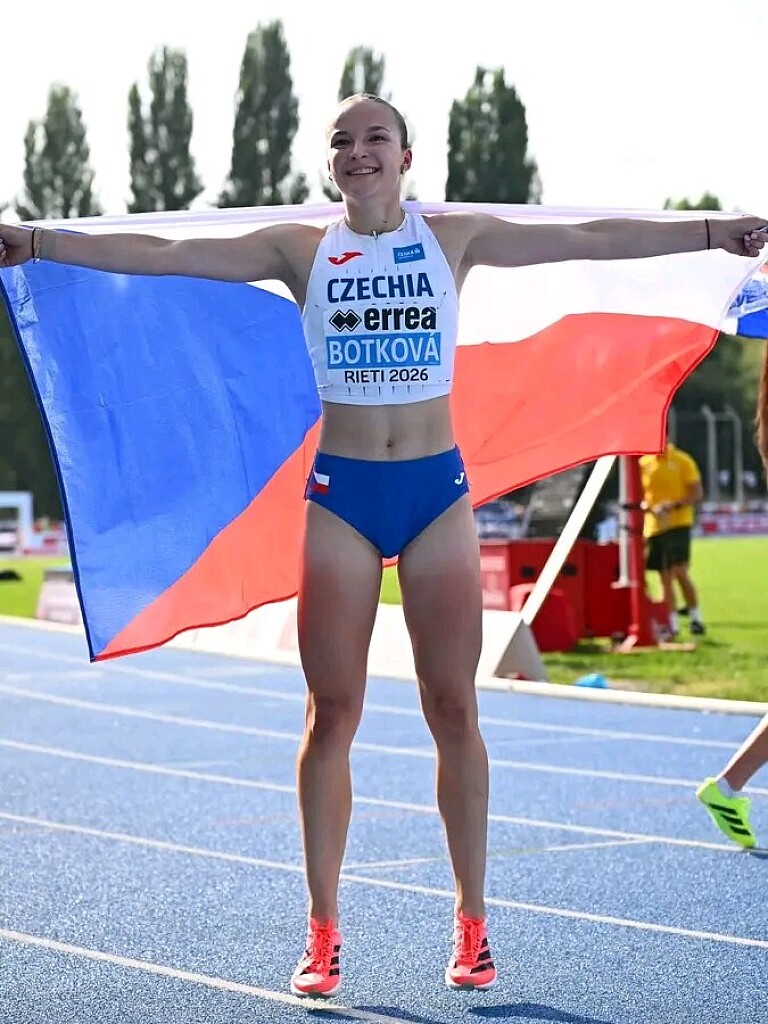
Linda Botková Rewrites History: The 16-Year-Old Who Produced One Of The Greatest Junior Hurdle Performances Ever
Track and field has witnessed the emergence of another extraordinary teenage phenomenon.
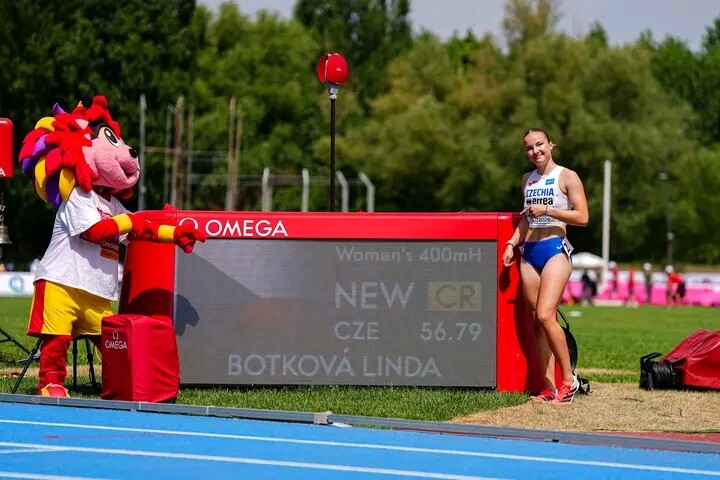
At just 16 years old, Czech sensation Linda Botková produced one of the greatest under-18 performances in the history of the women's 400m hurdles, storming to the European Athletics U18 Championship title in Rieti, Italy, with a breathtaking 55.19 seconds. It was far more than a gold-medal-winning run—it was a performance that rewrote the record books and firmly established her as one of the brightest young stars in global athletics.
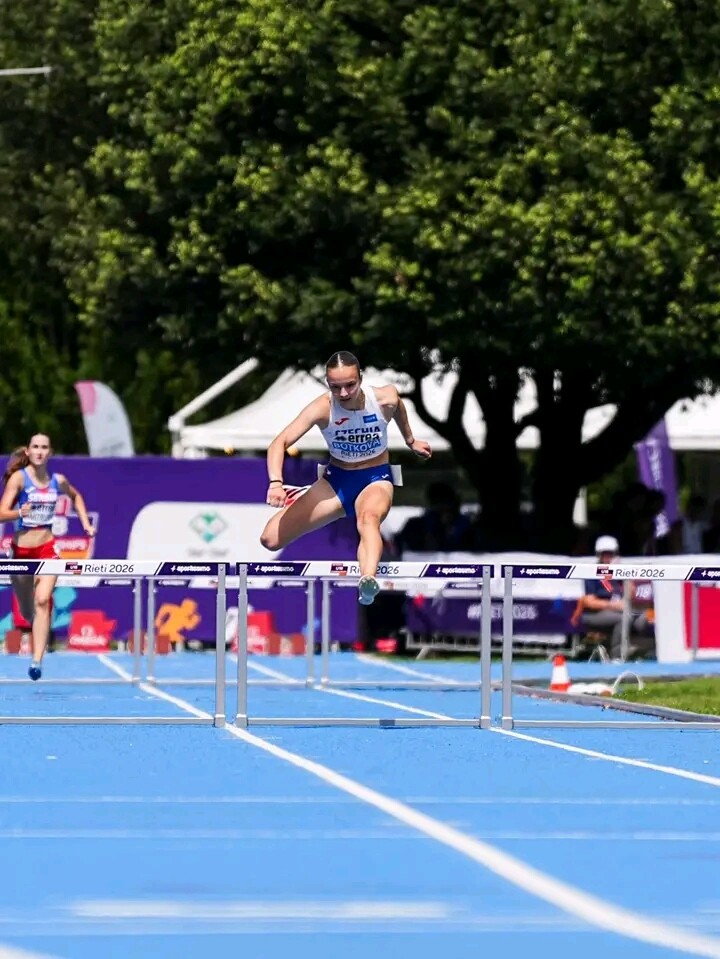
From the gun, Botková displayed remarkable maturity, attacking each hurdle with confidence, precision, and outstanding rhythm. She controlled the race from start to finish before unleashing a powerful sprint over the closing metres to cross the line in a stunning new personal best.
The significance of her performance extends well beyond the championship. Her sensational 55.19 not only earned her the European U18 crown but also produced an astonishing collection of milestones. She shattered the European Under-20 record, set a new European Under-18 best, established a new championship record, and remarkably lowered that championship record in all three rounds of the competition. The time also became the world Under-18 leading performance of the season, a new Czech Under-18 national record, and the second-fastest performance ever recorded by an Under-18 athlete.
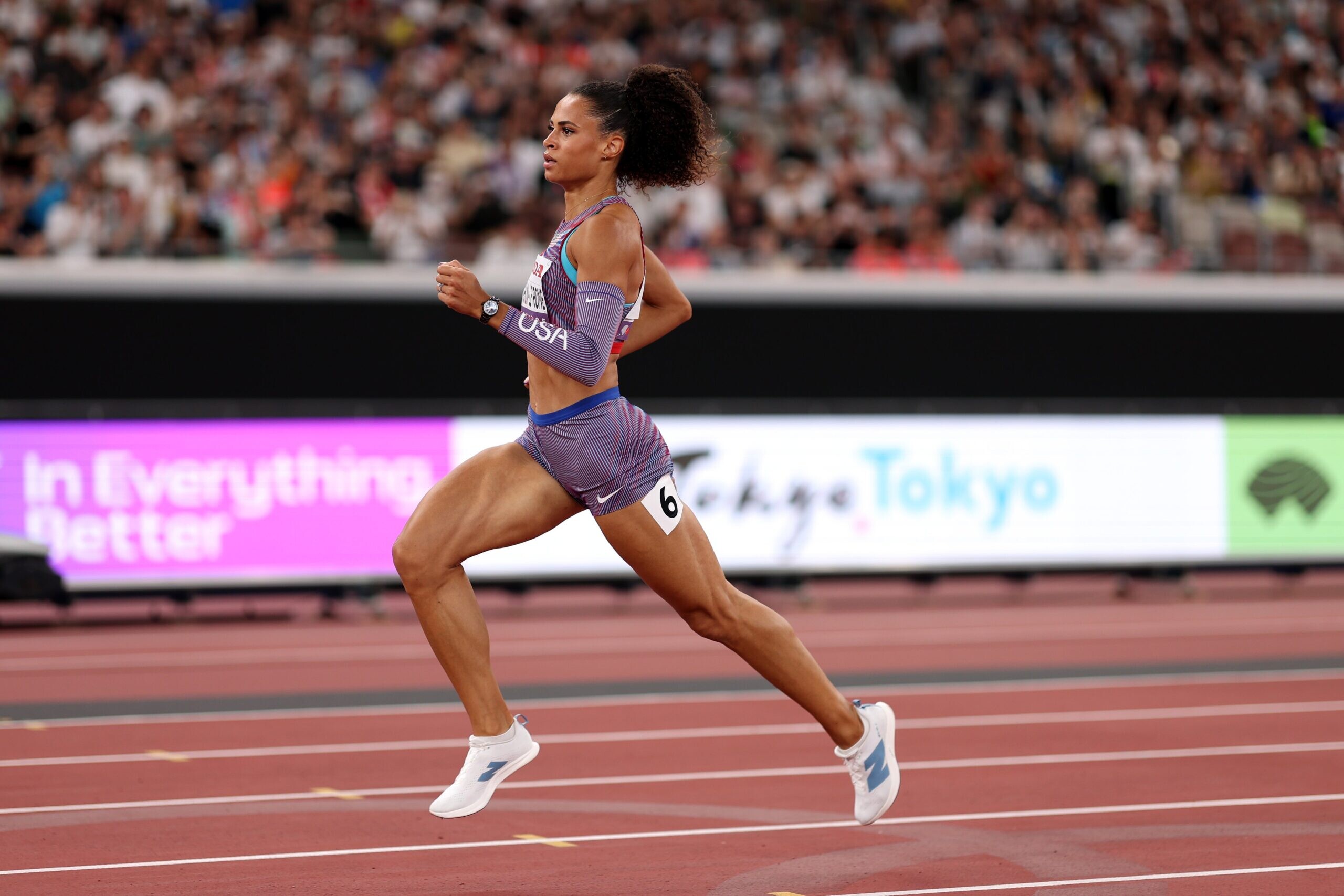
Only world record holder and Olympic champion Sydney McLaughlin-Levrone has ever run faster at the same age—a remarkable statistic that underscores just how exceptional Botková's achievement truly is.
Producing such a performance at only 16 years old, while still developing physically and technically, speaks volumes about her immense talent, discipline, and competitive maturity. It is a race that has instantly elevated her from a promising prospect to one of the most exciting young athletes in world track and field.
For Czech athletics, Botková's triumph represents the arrival of a potential global superstar. For the rest of the athletics world, it is a powerful reminder that a new generation is already pushing the boundaries of what seemed possible.
Winning European Under-18 gold was a remarkable achievement. Doing so in 55.19 seconds, while rewriting multiple records and becoming the second-fastest Under-18 400m hurdler in history, transformed the race into one of the greatest junior performances the event has ever witnessed.
by Erick Cheruiyot for My Best Runs.
Login to leave a comment

A Titanic Women's 800m Showdown Awaits As Budapest Prepares For A Race To Remember
The countdown to the inaugural World Athletics Ultimate Championship has already ignited excitement across the athletics world, but few events promise as much drama as the women's 800 metres. With a field packed full of world-class talent, Budapest is set to host what could become one of the most memorable two-lap races of the 2026 season.
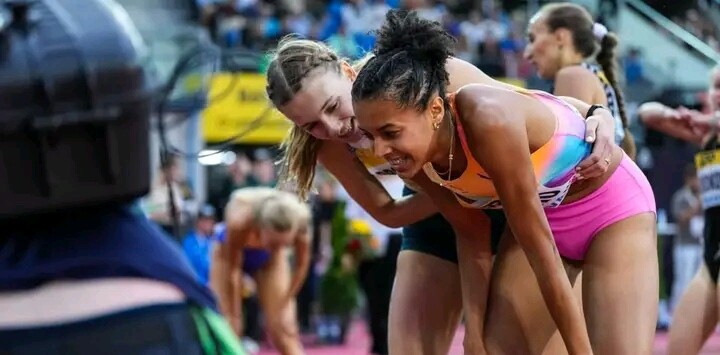
Scheduled for September 11–13 at the National Athletics Centre in Budapest, Hungary, the championship will bring together the sport's finest athletes while offering a record-breaking prize fund of US$10 million. Among the headline attractions is an extraordinary women's 800m lineup that blends raw speed, championship experience, fearless racing and tactical brilliance.
Leading the conversation is Switzerland's Audrey Werro, whose remarkable rise has established her among the world's elite. Producing sensational performances throughout the season, Werro has continued to rewrite expectations with her aggressive racing style and exceptional finishing strength, making her one of the favourites heading into Budapest.
Standing in her way is Great Britain's Olympic champion Keely Hodgkinson, one of the most accomplished 800m runners of her generation. Renowned for her flawless race management, devastating finishing kick and ability to thrive under pressure, Hodgkinson remains a formidable championship competitor capable of delivering when the stakes are highest.
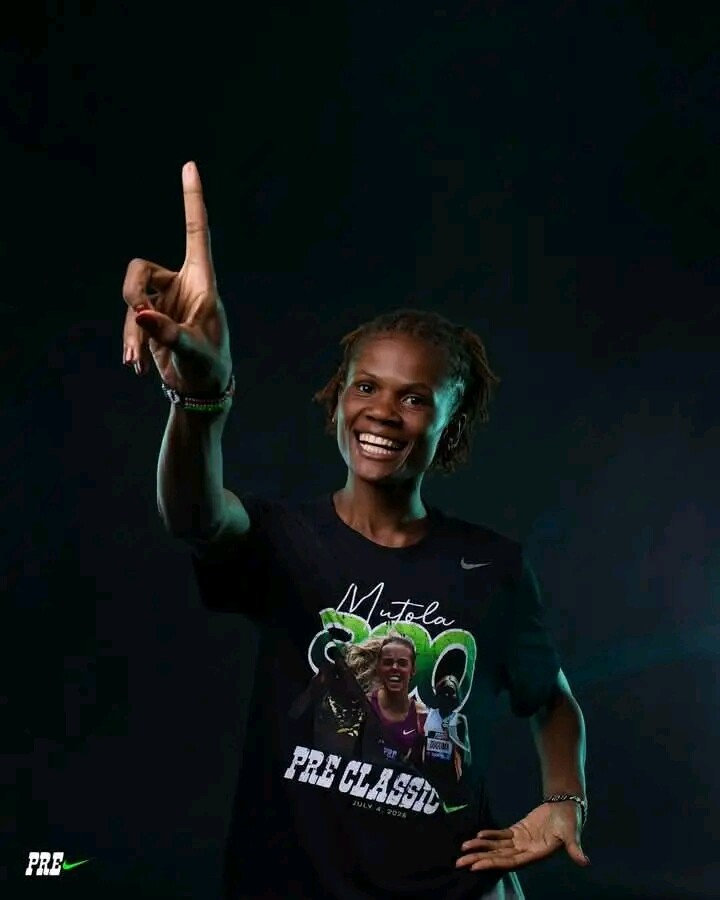
Kenya's Lilian Odira also enters the championship carrying enormous confidence as the reigning world champion. Having already demonstrated her ability to conquer major finals against elite opposition, Odira possesses the composure and resilience needed to challenge for another global title on one of athletics' biggest stages.
Adding even greater intrigue is Dutch superstar Femke Bol, whose transition from the 400m hurdles to the 800m has captured global attention. Already one of the sport's biggest names, Bol has shown remarkable adaptability and endurance, emerging as a genuine contender capable of upsetting the established specialists.
Completing this exceptional lineup is Great Britain's Georgia Bell Hunter, whose consistency throughout the season has firmly established her among the world's best. Her string of impressive sub-1:55 performances has demonstrated both speed and maturity, ensuring she will be a serious threat in any tactical or fast-paced final.
With every major contender arriving in outstanding form, the women's 800 metres promises far more than a battle for gold. It represents a clash of contrasting racing philosophies—fearless front-running, calculated tactics, explosive finishing speed and championship experience—all converging in one unforgettable contest.
As the inaugural World Athletics Ultimate Championship approaches, anticipation continues to build for what could become one of the defining races of the year. When the athletes take their places on the start line in Budapest, only one will leave wearing the crown, but the journey to that finish line promises a spectacle worthy of the global stage.
by Erick Cheruiyot for My Best Runs.
Login to leave a comment
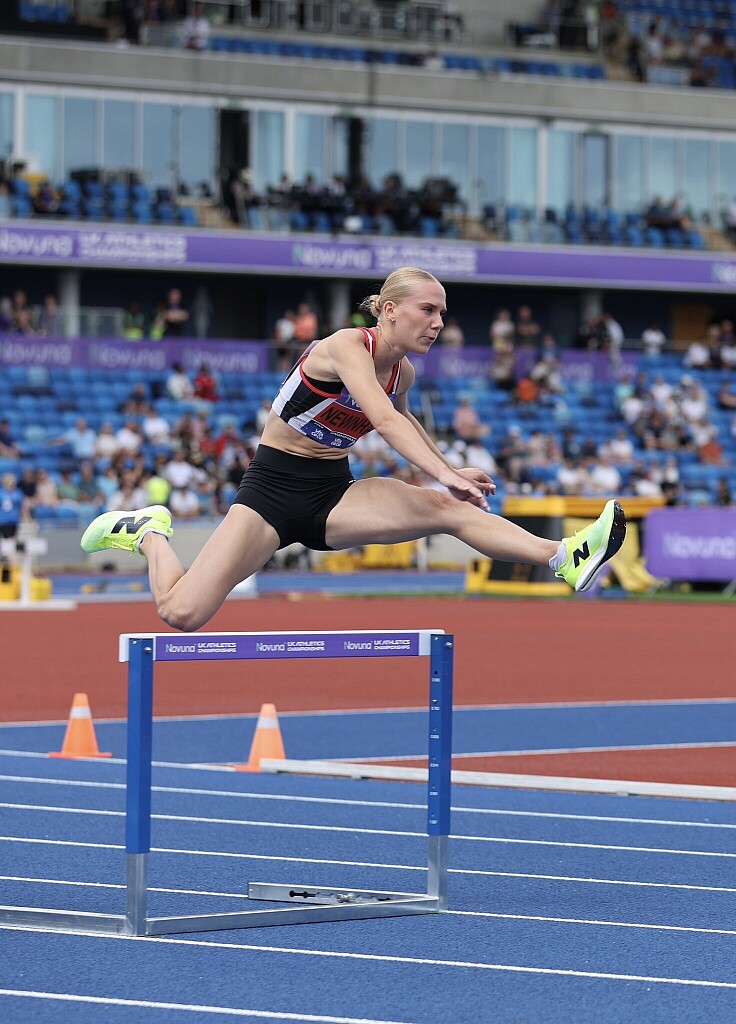
Emily Newnham breaks through: Britain has a new sub-54 star in the 400m hurdles
British athletics has a new name to celebrate after Emily Newnham produced the performance of her career, smashing through the coveted 54-second barrier in the women's 400m hurdles for the very first time.
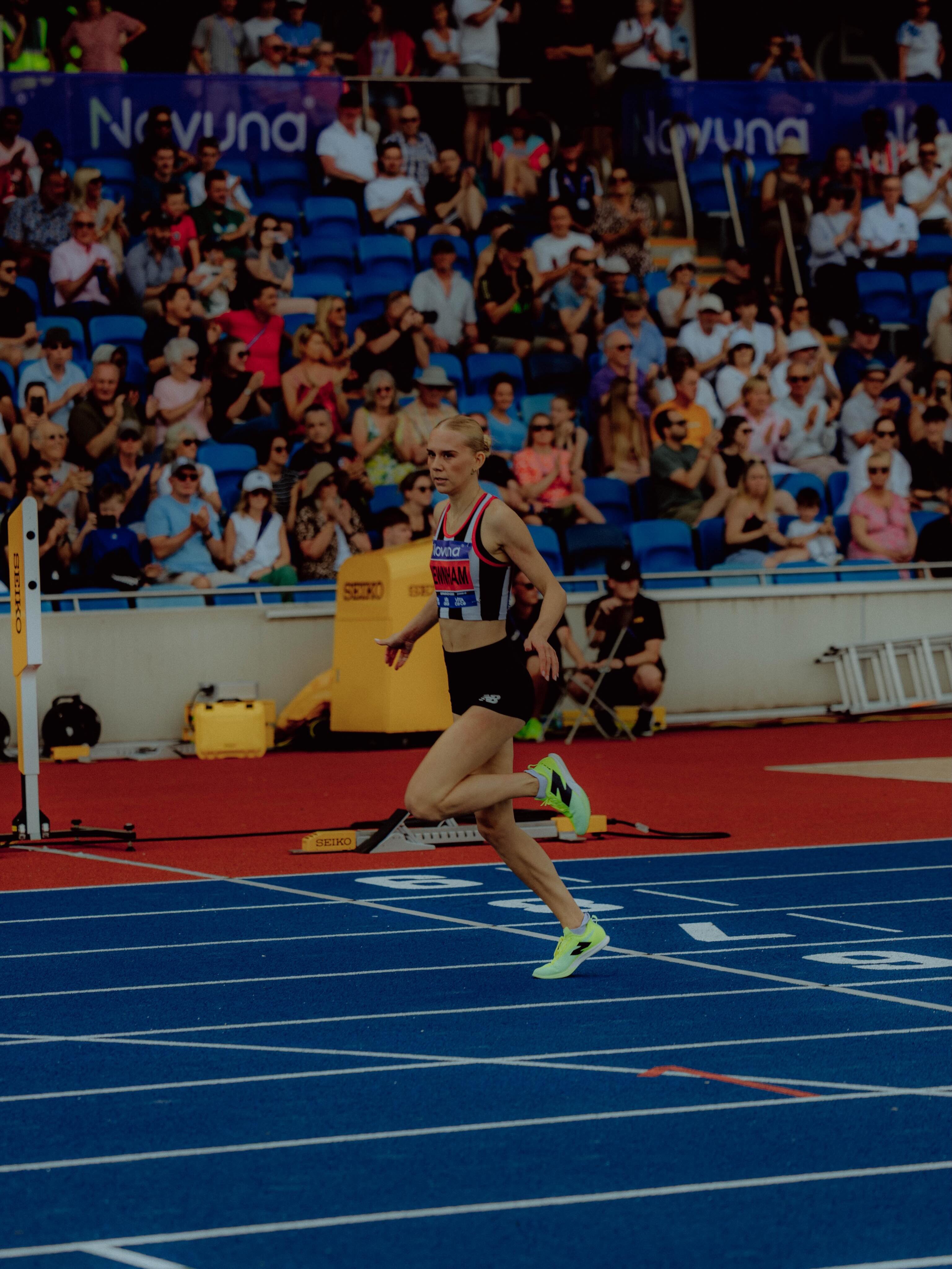
The 22-year-old delivered a superb run in Tampere, stopping the clock at 53.97 seconds to reach a milestone that had long appeared within her grasp. More than just a personal breakthrough, the performance places her among an elite group of British athletes who have achieved one of the event's most respected benchmarks.
By dipping under 54 seconds, Newnham becomes the first British woman in 13 years to accomplish the feat, ending a wait that stretches back to Perri Shakes-Drayton's sub-54 performance in 2013. The achievement marks the arrival of another exciting talent in Britain's rich tradition of one-lap hurdlers.
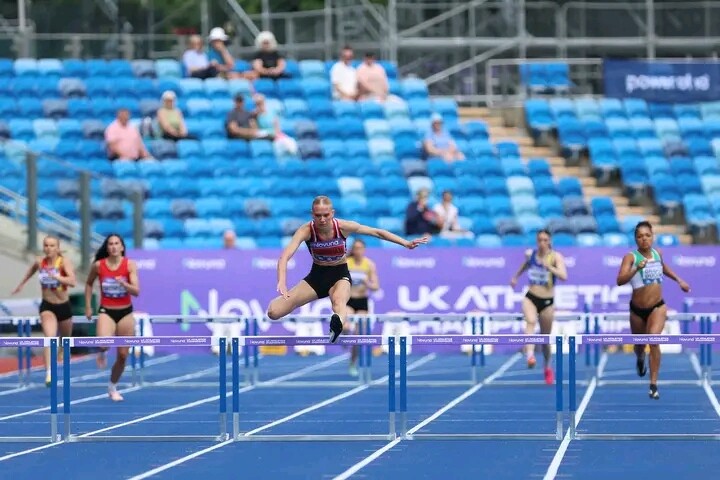
For any 400m hurdler, breaking the 54-second barrier is more than a statistical milestone. It is a statement of world-class potential, demanding a rare blend of speed, rhythm, endurance, and flawless hurdle technique. Newnham displayed all of those qualities in Tampere, attacking the race with confidence and maintaining her composure over the closing metres to secure the fastest time of her career.
The performance also reflects the steady progression she has shown over recent seasons. At just 22 years old, Newnham continues to develop both physically and technically, suggesting that her best performances may still lie ahead. Her latest breakthrough is not simply the reward for one outstanding race—it is the result of years of disciplined training, patience, and continual improvement.
With this landmark run, Newnham has announced herself as one of Britain's brightest emerging stars in the 400m hurdles. As the international championships approach, her confidence will undoubtedly soar, and so will expectations. Crossing the finish line in 53.97 was more than a personal best—it was the beginning of a promising new chapter in a career that now appears destined for even greater achievements.
by Erick Cheruiyot for My Best Runs.
Login to leave a comment

Olympic Champion Sydney McLaughlin-Levrone Welcomes First Child, Beginning a Beautiful New Journey
Sprint and hurdles superstar Sydney McLaughlin-Levrone has entered an exciting new chapter in her remarkable life, welcoming her first child with husband Andre Levrone. The four-time Olympic champion and women's 400m hurdles world record holder announced the birth of their daughter, Savannah Michelle Levrone, who was born on Sunday, July 12, 2026.

The couple shared the joyful news with an emotional message celebrating the arrival of their daughter and expressing gratitude to everyone who supported them throughout the pregnancy. Sydney described Savannah as "our blessing and our joy," while expressing excitement and faith for the future that lies ahead for their growing family.

The announcement marks a deeply personal milestone for one of the most accomplished athletes of her generation. Renowned for redefining the women's 400m hurdles through a succession of record-breaking performances, McLaughlin-Levrone now embraces a new role beyond the track as a mother.
The timing of the announcement adds another layer of significance. Just days earlier, Sydney reflected on the 10th anniversary of qualifying for her first Olympic Games at only 16 years old—a breakthrough that launched one of the most decorated careers in modern athletics. Ten years later, her journey has come full circle with another life-changing milestone, underscoring that her greatest moments continue to extend beyond sporting success.
The arrival of Savannah Michelle Levrone has been met with an outpouring of congratulations from athletes, fans, and the wider sporting community, who have celebrated the couple as they begin this new chapter together. As Sydney McLaughlin-Levrone steps into motherhood, the athletics world will undoubtedly continue to follow her inspiring journey—both on and off the track.
by Erick Cheruiyot for My Best Runs.
Login to leave a comment
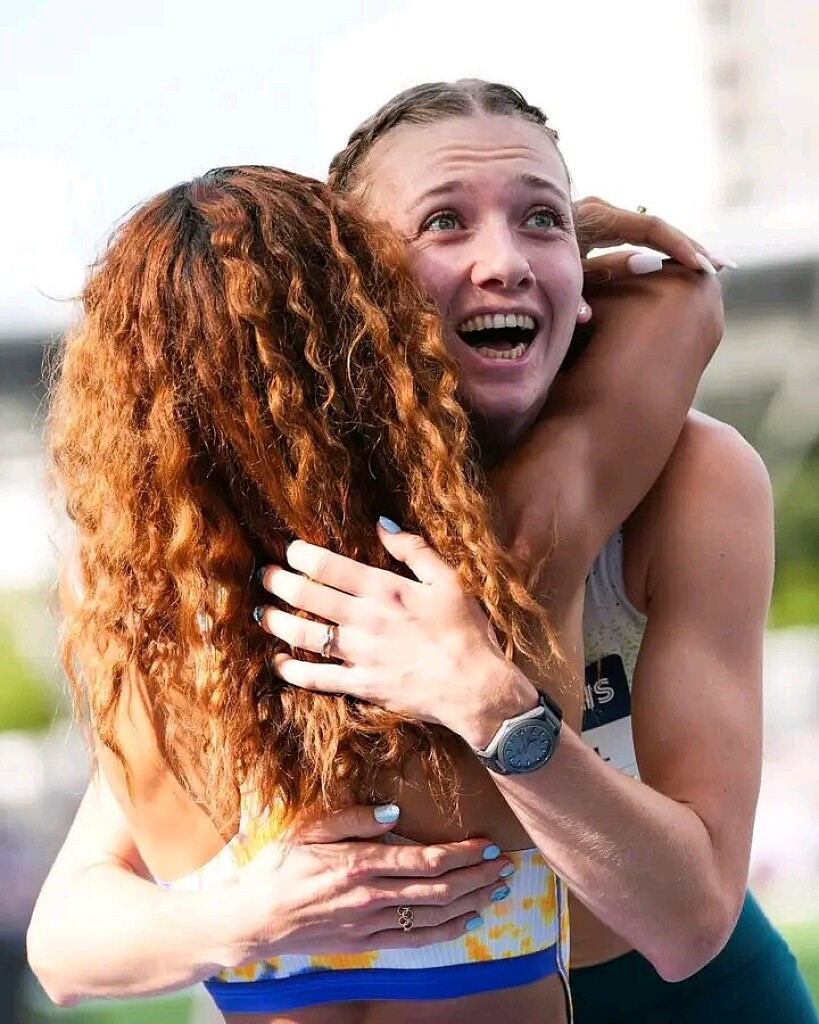
A New Era of Women's 800m Running: Why 2026 Is Producing Extraordinary Performances
Women's 800m running is experiencing one of its most remarkable seasons in recent memory, with elite athletes consistently delivering performances once considered almost unimaginable. As the 2026 campaign unfolds, a growing question echoes across the athletics world: what has changed to produce such exceptional times?
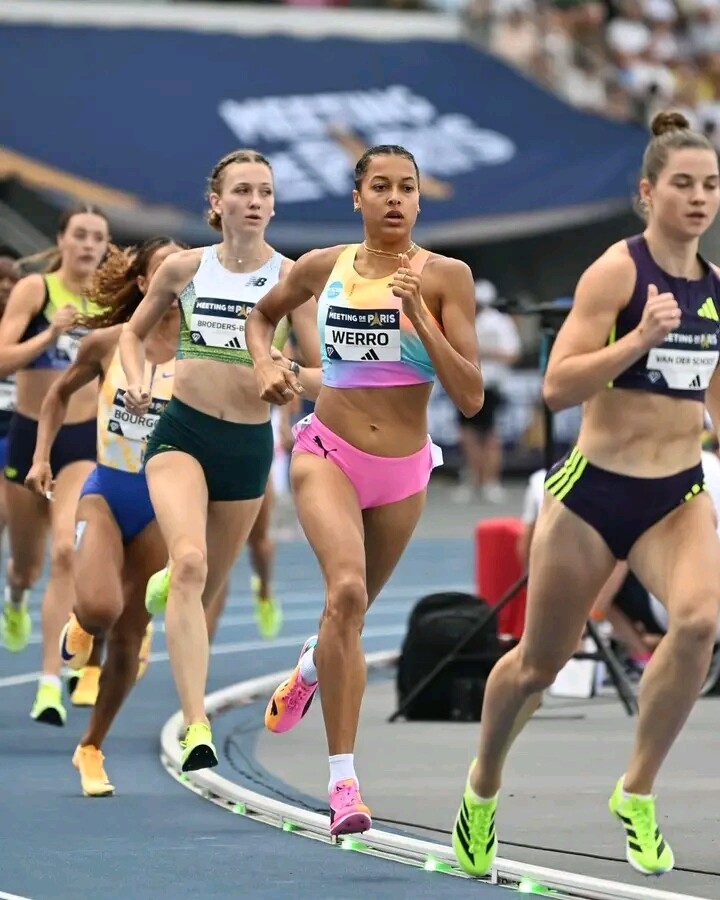
Leading this extraordinary surge is Audrey Werro, whose breathtaking consistency has rewritten expectations. The Swiss star has already clocked 1:53 on two separate occasions this season, becoming the first woman in history to break the 1:54 barrier more than once. Her repeated brilliance has transformed what was once regarded as a once-in-a-career performance into a new benchmark for excellence.
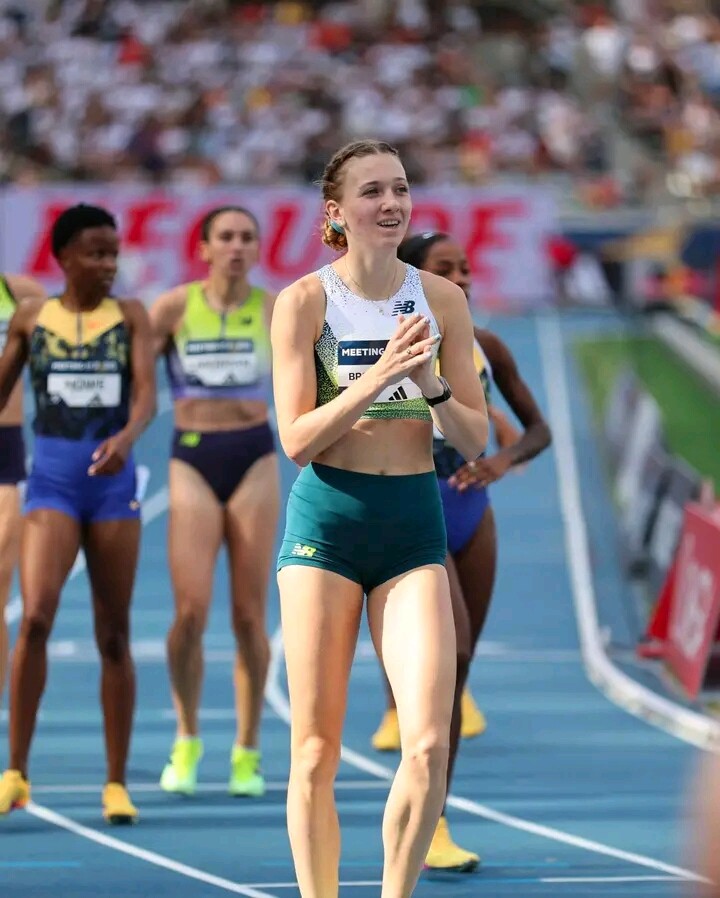
The momentum extends far beyond Werro. Dutch sensation Femke Bol, renowned globally for her dominance in the 400m hurdles, launched her Diamond League campaign with an outstanding 1:55 over two laps. Her impressive transition highlights not only her remarkable versatility but also the increasingly competitive standard now defining the women's 800m.
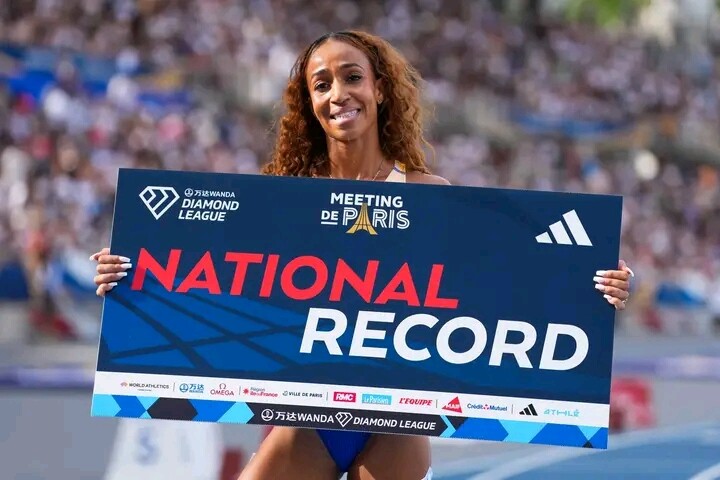
Meanwhile, France's Anaïs Bourgoin delivered one of the season's most inspiring breakthroughs. At the age of 29, Bourgoin produced the performance of her career by breaking the 1:56 barrier for the first time, proving that significant improvement remains possible even after years at the highest level of the sport.
The wave of fast times has prompted widespread discussion throughout the athletics community. Improved training methodologies, advances in sports science, enhanced race pacing, deeper international competition and growing confidence among athletes appear to be combining to elevate the event to unprecedented heights. With multiple women now capable of challenging world-class marks in the same race, the competitive landscape has become stronger than ever.
What once seemed extraordinary is rapidly becoming the new standard. Every major meeting now carries the possibility of another historic performance, and the women's 800m has emerged as one of the most captivating disciplines in global athletics.
If the first half of the season is any indication, the biggest performances may still lie ahead. As the world's finest middle-distance runners continue to push each other beyond previous limits, 2026 is shaping up as a defining year that could permanently reshape the history of the women's 800 metres.
by Erick Cheruiyot for My Best Runs.
Login to leave a comment

Taiju Goto Rewrites History Twice in 24 Hours as Teenage Sensation Shatters U18 World Record
The future of the 400m hurdles may have arrived sooner than anyone expected.
At just 17 years old, Japan's Taiju Goto delivered one of the most remarkable performances ever seen from a high school athlete, breaking the U18 world record not once, but twice in the space of two days at the Japanese Athletics Championships in Aichi.
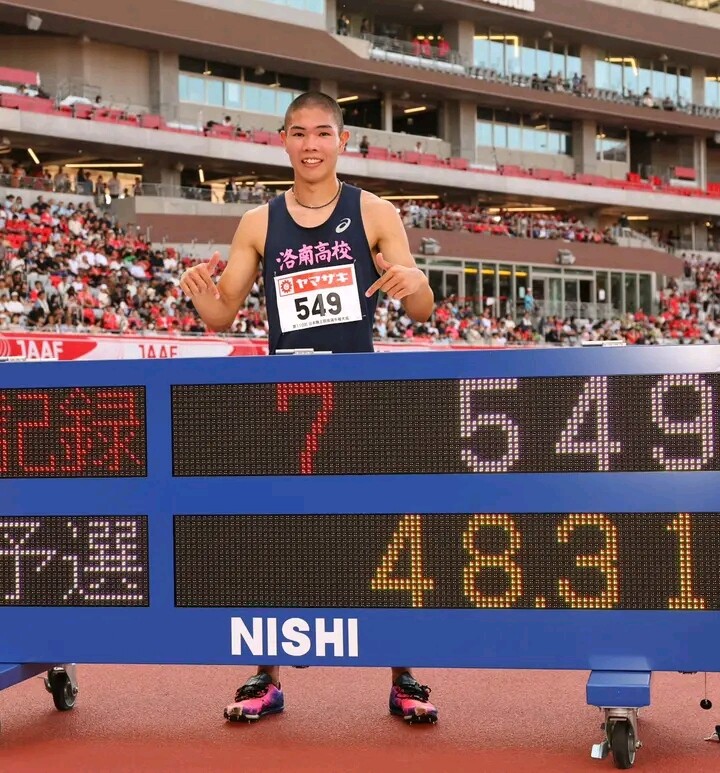
Goto first announced himself to the world during the heats, producing a stunning 48.31 seconds to erase a global age-group mark that had stood untouched for nearly a decade. It was the kind of performance that would have been enough to dominate headlines on its own.
But the teenager was not finished.

Returning for the final less than 24 hours later, Goto lined up in lane seven with the pressure of expectation suddenly resting on his shoulders. Rather than feeling the weight of history, he embraced it. Powering over the barriers with remarkable composure and rhythm, he crossed the finish line in an astonishing 48.09 seconds, slicing another 0.22 seconds off the record he had set the previous day.
Pending official ratification, the performance will stand as the new U18 world record.
What makes the achievement even more extraordinary is the level of the time itself. A 48.09 is not merely exceptional for a teenager—it is a performance capable of competing on the senior international stage. In several recent Olympic cycles, that mark would have been fast enough to reach the Olympic semifinals.
And Goto is still balancing elite athletics with life as a high school student.
The previous U18 world best of 48.84 had remained on the books throughout the 2010s and was widely considered one of the toughest age-group marks in the event. In just two races, Goto lowered it by an incredible 0.75 seconds—a massive margin in an event where records are often broken by hundredths of a second.
The men's 400m hurdles is currently enjoying a golden era led by world-class stars such as Karsten Warholm, Rai Benjamin, and Alison dos Santos. After this historic weekend, another name deserves a place on every athletics watchlist: Taiju Goto.
The timing could not be more intriguing. With the 2028 Olympic Games in Los Angeles approaching, Goto will still be only 19 years old when the world's biggest sporting stage arrives.
Many teenage prodigies generate excitement. Few produce performances that force the athletics world to rethink what is possible.
In Aichi, Taiju Goto did exactly that—twice. One record-breaking run announced his arrival. The second confirmed that a new star may already be on the rise.
by Erick Cheruiyot for My Best Runs.
Login to leave a comment
Paris Showdown: Broeders-Bol and Werro Set to Ignite the Women's 800m
Something special is brewing in Paris, and athletics fans around the world should take notice.
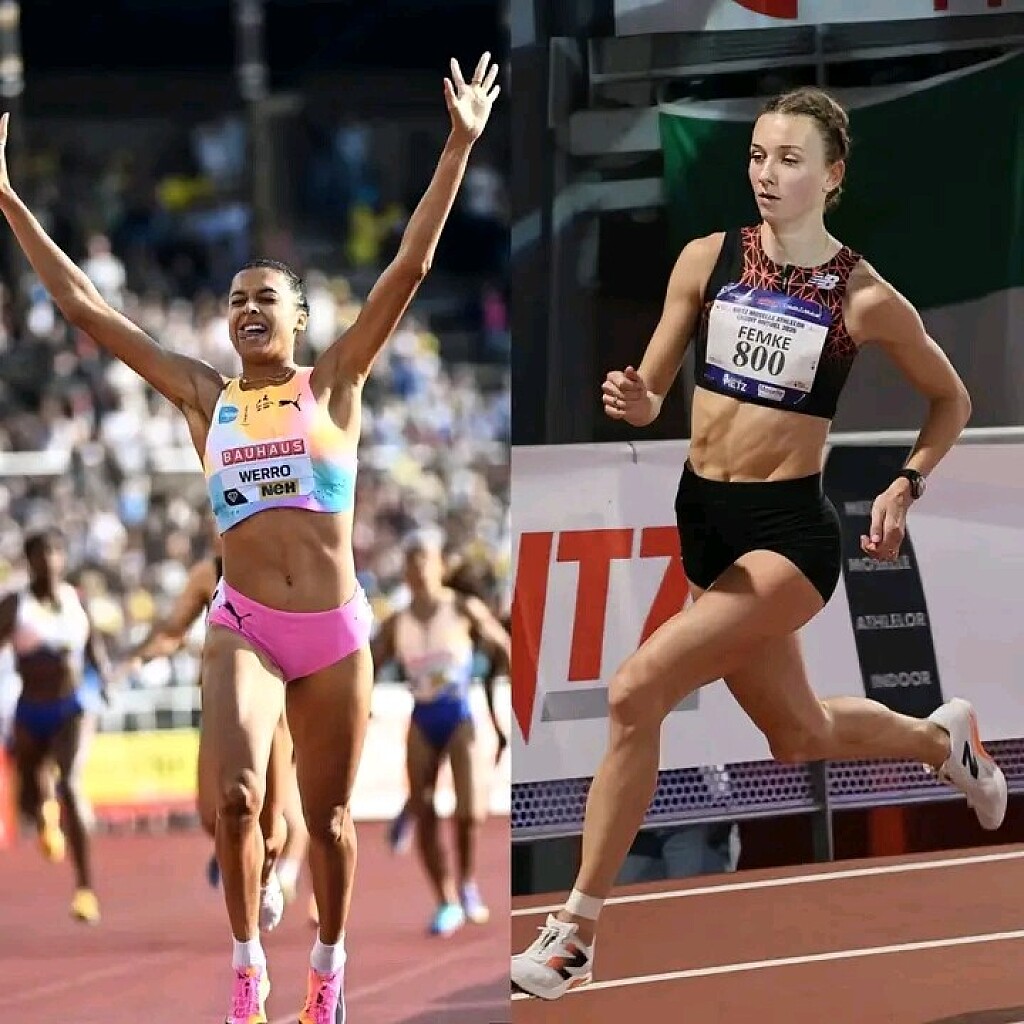
The women's 800m at the Paris Diamond League on June 28 is shaping up to be one of the most intriguing middle-distance clashes of the season, as Dutch star Femke Broeders-Bol steps back onto the start line to face Swiss sensation Audrey Werro in what promises to be a fascinating battle of speed, strength, and ambition.
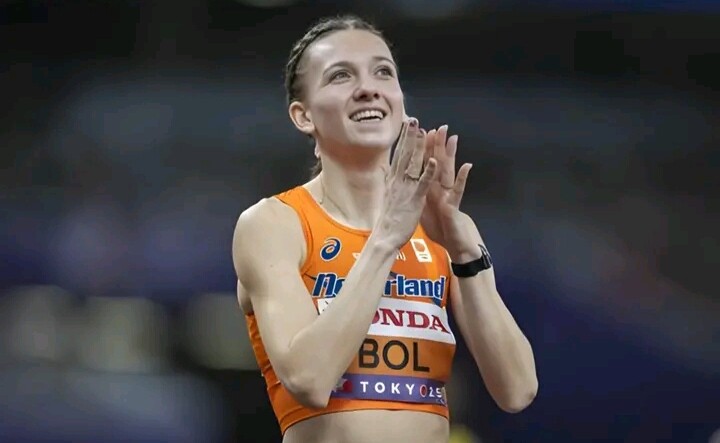
Broeders-Bol, already established as one of the sport's premier athletes and a two-time world champion in the 400m hurdles, continues to explore new territory in the 800m. Her debut over the distance at the Ostrava Golden Spike turned plenty of heads, as she powered to an impressive 1:57.13, immediately signaling that she could become a serious force beyond the hurdles.
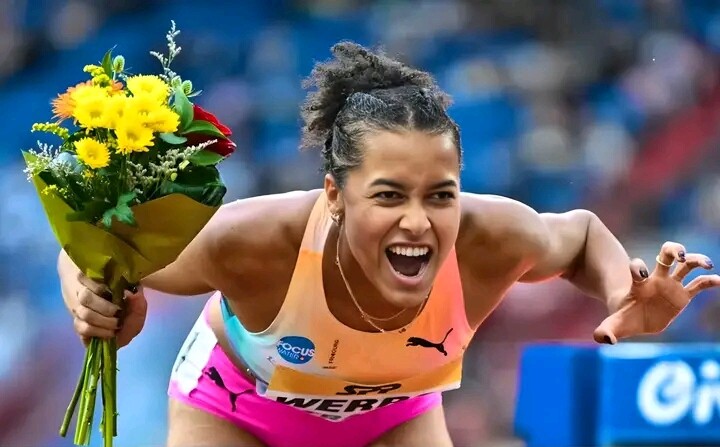
Awaiting her in Paris is a woman who has been rewriting expectations all season. Werro arrives with tremendous momentum after producing a stunning 1:53.98, the third-fastest women's 800m performance in history. The Swiss star has emerged as one of the hottest names in global athletics, combining fearless front-running with exceptional finishing speed.
While the race brings together athletes from different disciplines and backgrounds, the storyline is impossible to ignore. One competitor is testing the limits of her versatility and attempting to prove she belongs among the world's best middle-distance runners. The other is riding a wave of historic form and looking to further cement her status as the woman to beat in 2026.
The atmosphere at Charléty Stadium is expected to be electric, with fans eager to witness whether Broeders-Bol can continue her remarkable transition into elite 800m racing or whether Werro's record-breaking form will once again steal the spotlight.
Whatever the outcome, this is far more than just another Diamond League race. It is a meeting of two athletes at pivotal moments in their careers, bringing together proven championship pedigree and emerging historical greatness on one of athletics' biggest stages.
June 28. Paris. Broeders-Bol versus Werro.
The women's 800m just became one of the must-watch races of the year.
by Erick Cheruiyot for My Best Runs.
Login to leave a comment
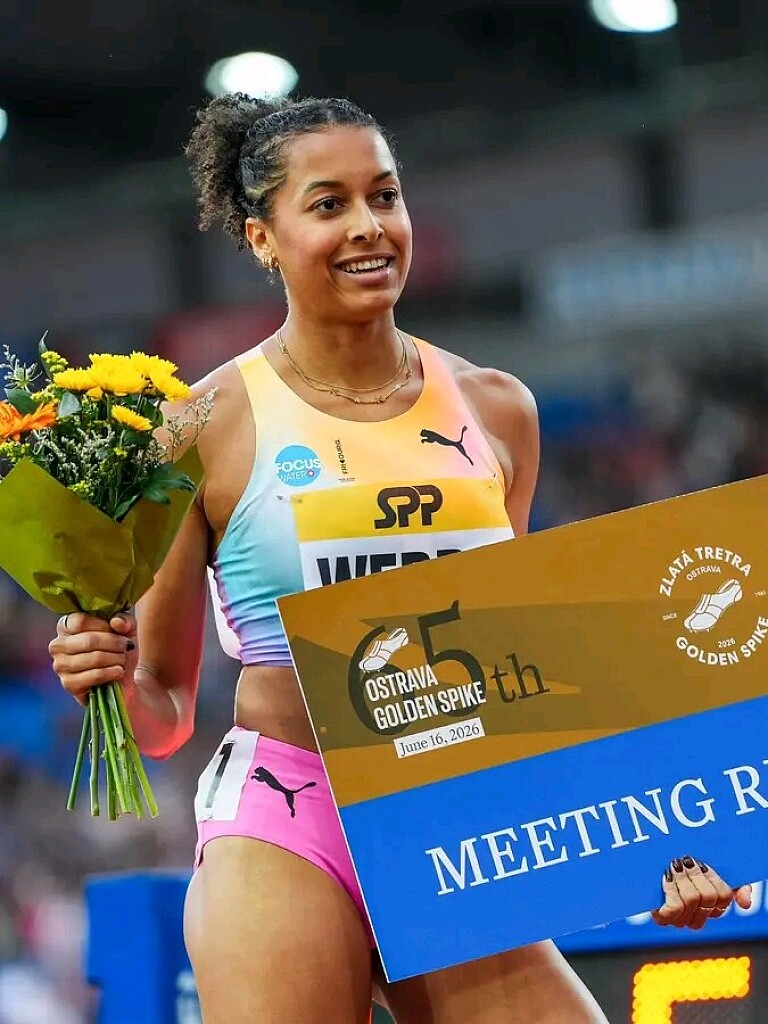
Audrey Werro Delivers Another Statement Run as 800m World Record Watch Intensifies
Audrey Werro continues to announce herself as one of the most exciting talents in global middle-distance running after producing another breathtaking 800m performance in Ostrava.
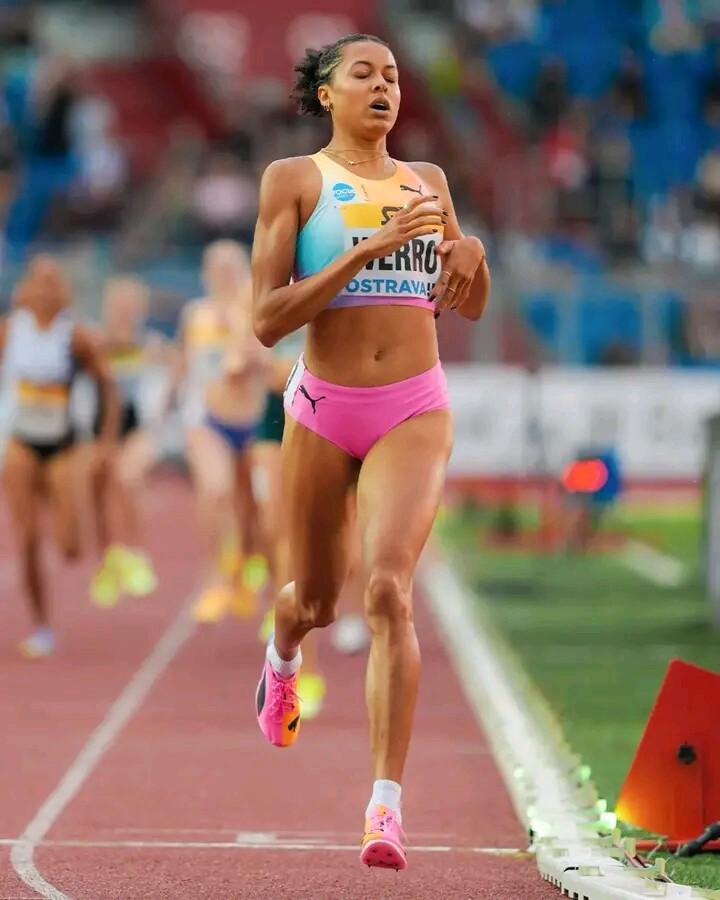
The Swiss star stormed to victory in 1:54.45, delivering a commanding display that once again placed her among the fastest women ever over the distance. Werro stayed composed through the early stages before making her decisive move in the final 200 metres, creating separation from a world-class field and powering home for a dominant win.
The race was set up at a furious pace, with the pacemaker taking the athletes through 400m in 55.8 seconds. Femke Bol’s sister, Femke Broeders-Bol, who has stepped up from the 400m hurdles this season, showed her growing strength by staying in contention alongside Werro deep into the race.
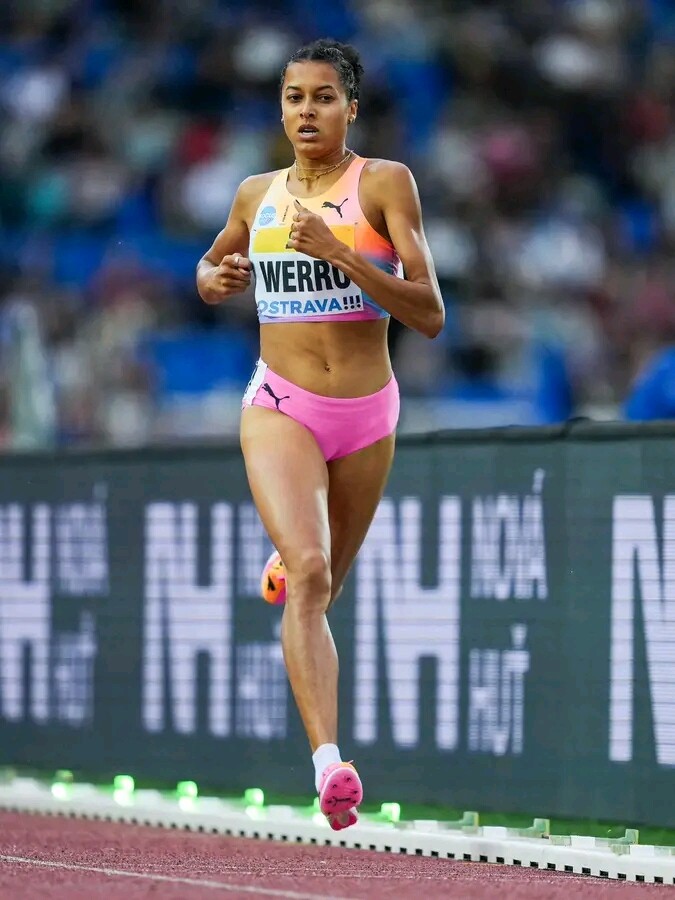
Broeders-Bol held on impressively until the final 200m before Werro shifted gears and pulled away. The Dutch athlete crossed the line second in a remarkable 1:57.13, moving to No.3 on the Dutch all-time 800m rankings with one of the best performances of her career.
The quality of the race was further highlighted by the depth of the field, as all eight finalists broke the two-minute barrier in a remarkable display of women’s 800m strength.
Werro’s performance has once again raised the question of whether the legendary world record could finally be under threat. Jarmila Kratochvílová’s long-standing mark of 1:53.28 from 1983 remains untouched, but with the current generation producing performances of this level, the historic record appears more vulnerable than it has in years.
Ostrava delivered a moment that showcased the incredible evolution of the women’s 800m, with Werro leading the charge and proving that history may soon be within reach.
by Erick Cheruiyot for My Best Runs.
Login to leave a comment
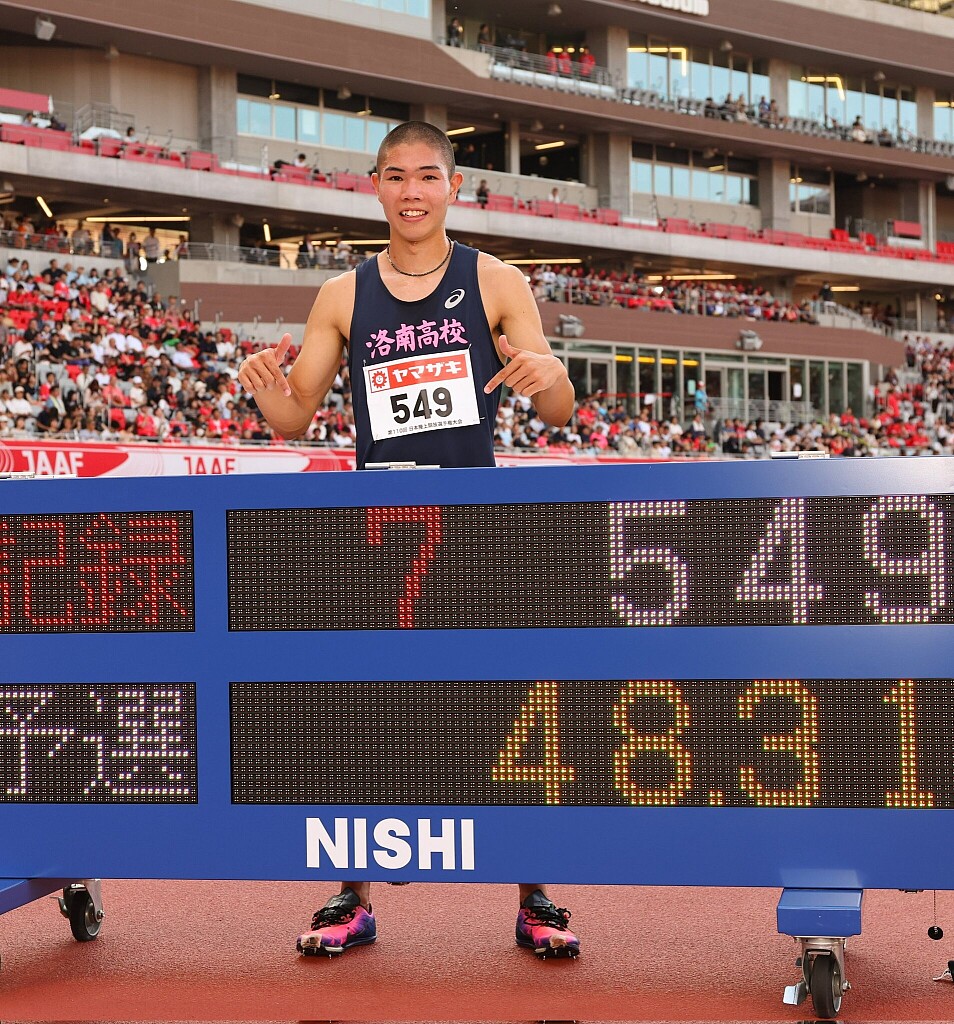
History Rewritten in Aichi: 17-Year-Old Taiju Goto Runs 48.31 to Shatter U18 World Best
Japanese sprint hurdling has witnessed a seismic moment of brilliance as 17-year-old Taiju Goto delivered a performance for the ages at the Japanese Athletics Championships in Aichi Prefecture, rewriting the global U18 record books in spectacular fashion.
In a race that defied expectations and dissolved the boundaries of age-group performance, Goto stormed to a personal best of 48.31 seconds in the 400m hurdles, a time that not only secured him victory in his heat but also sent shockwaves through the senior ranks he was competing against.
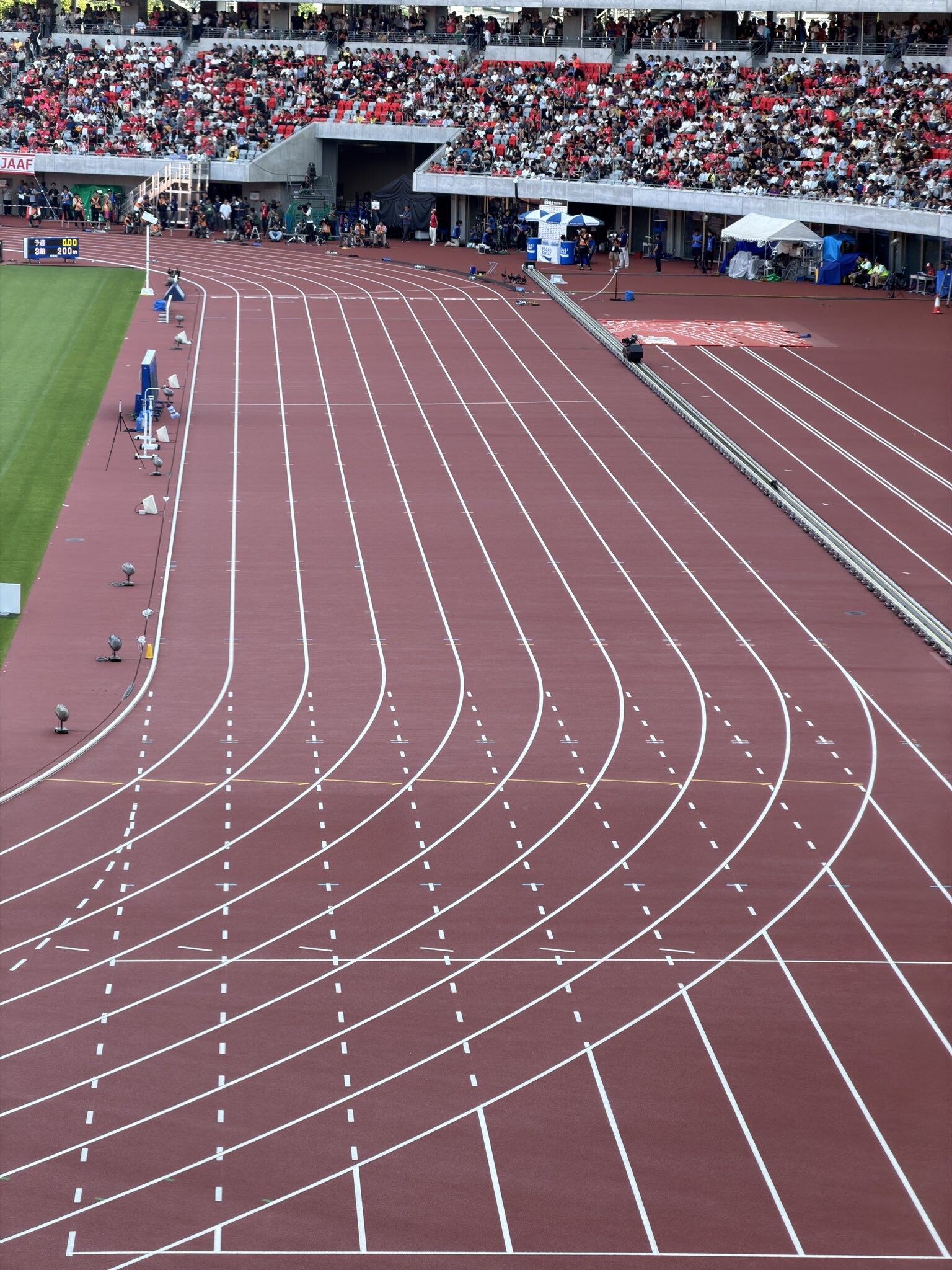
Against a field stacked with experienced national-level hurdlers, the teenager displayed remarkable composure, rhythm, and power between barriers, executing a race far beyond his years. His explosive finish down the home straight sealed a statement win and a place in the final, but it was the clock that told the real story.
With this run, Goto has obliterated the U18 world best, becoming the first athlete under 18 years old in history to break the 48.50-second barrier in the event. It is a landmark achievement that elevates him into entirely uncharted territory for junior sprint hurdling.
Beyond age-group dominance, the performance carries even greater statistical weight. His 48.31s now places him 6th on the all-time U20 global list, a staggering feat that underscores just how exceptional this breakthrough truly is when measured against older and more physically developed athletes.
What makes the run even more compelling is the context: Goto did not simply win against his peers—he outperformed senior competitors on one of Japan’s biggest national stages, announcing himself as a generational talent in the making.
As the championships continue, all eyes will now turn to the final, where anticipation builds around whether the teenage sensation can once again rise to the occasion. One thing is already certain—Taiju Goto has stepped into the global spotlight, and he has done so with record-breaking authority.
by Erick Cheruiyot for My Best Runs.
Login to leave a comment
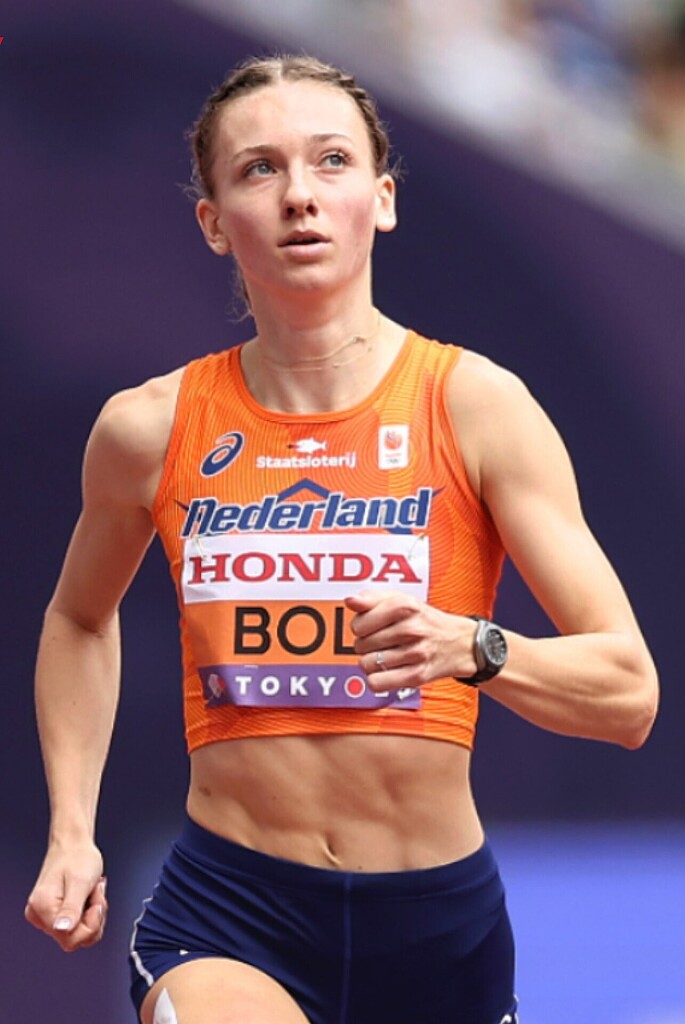
Femke Bol Set for Exciting 800m Outdoor Return at Ostrava Golden Spike
Dutch athletics superstar Femke Bol is preparing to launch her outdoor campaign in thrilling fashion after confirming that she will compete in the 800m at the prestigious Golden Spike Ostrava on June 16.
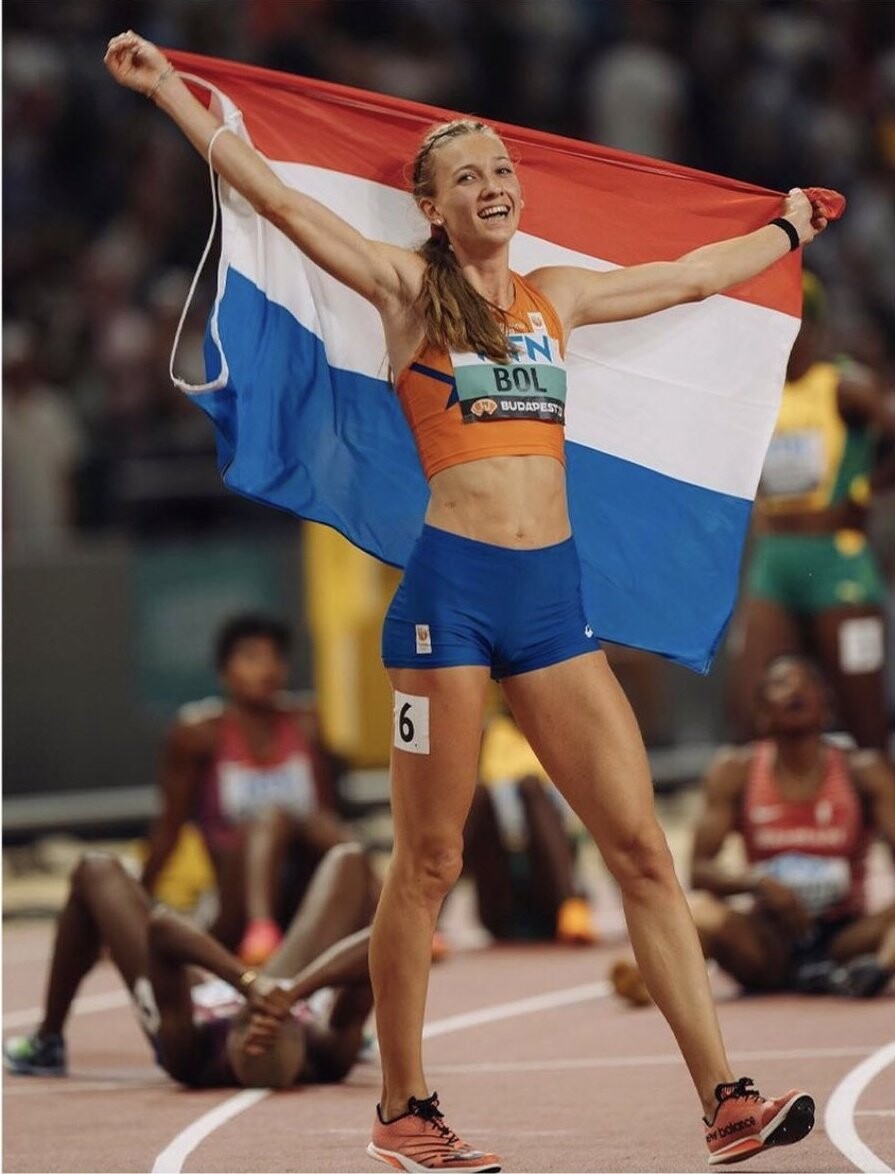
The announcement has immediately generated excitement across the athletics world, with fans eager to see how the reigning global 400m hurdles queen performs over the longer distance outdoors after her sensational indoor breakthrough earlier this year.
Bol, already regarded as one of the most versatile athletes in world athletics, stunned the track community during her indoor 800m debut in Metz back in February. Competing outside her specialist discipline, the Dutch star produced a remarkable 1:59.07 performance, becoming one of the very few elite 400m hurdlers capable of breaking the two-minute barrier in the event.
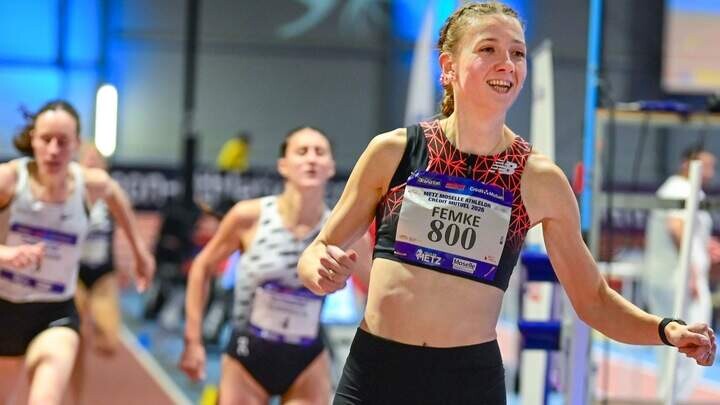
That performance was not only impressive for a debut — it was historic. Bol shattered the long-standing Dutch indoor 800m record of 2:00.01 previously held by Ester Goossens since 2001, underlining her extraordinary endurance, speed, and tactical maturity.
The decision to open her outdoor season in the two-lap event instead of the 400m hurdles adds another fascinating dimension to her already glittering career. It also signals her continued ambition to expand her range and sharpen her endurance ahead of the major championships later in the season.
Ostrava has long been known for producing fast times and unforgettable performances, and Bol’s presence instantly elevates the anticipation surrounding this year’s meeting. With her confidence soaring and her fitness clearly at an exceptional level, many will now wonder whether the Dutch sensation can push even deeper into world-class territory in the 800m outdoors.
Already a double world champion in the 400m hurdles and one of the most dominant figures in modern athletics, Bol continues to prove that her talent stretches far beyond one event. Her upcoming appearance in Ostrava is no longer just a season opener — it has become one of the most intriguing storylines of the early outdoor campaign.
by Erick Cheruiyot for My Best Runs.
Login to leave a comment
Dutch Queen of Speed: Femke Bol Ready to Light Up the FBK Games 800m
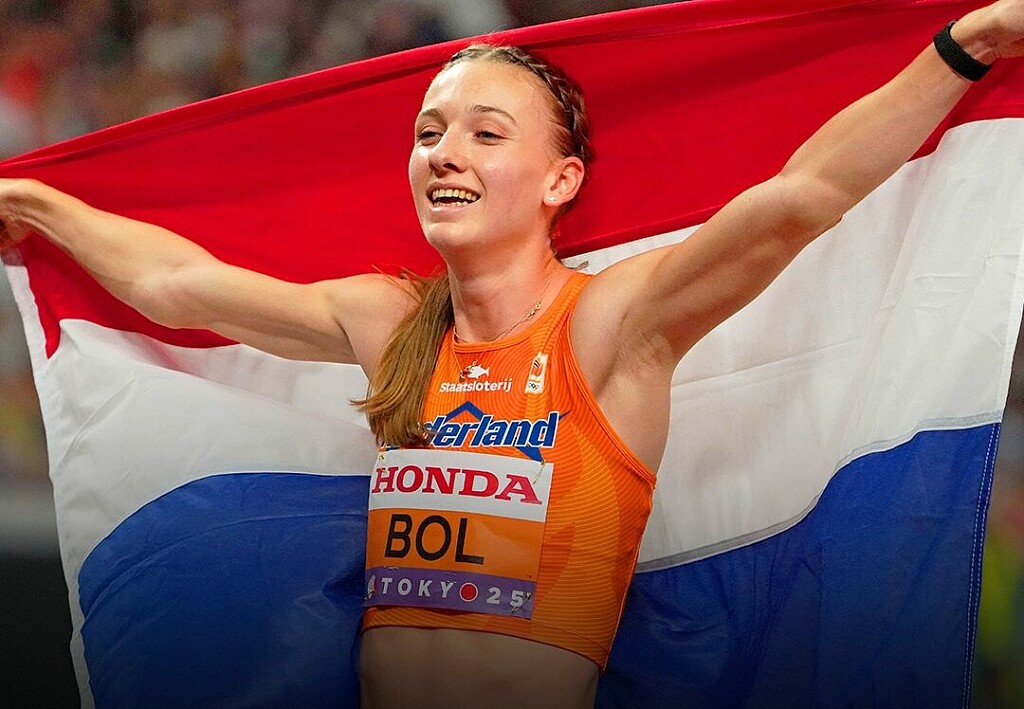
On Sunday, June 21, 2026, Femke Bol will once again command the spotlight as she prepares for a thrilling return to the 800m at the prestigious FBK Games in Hengelo. The Dutch superstar, already celebrated worldwide for her dominance in the 400m hurdles, is stepping back into the demanding two-lap event — a move that has generated enormous excitement across the athletics world.
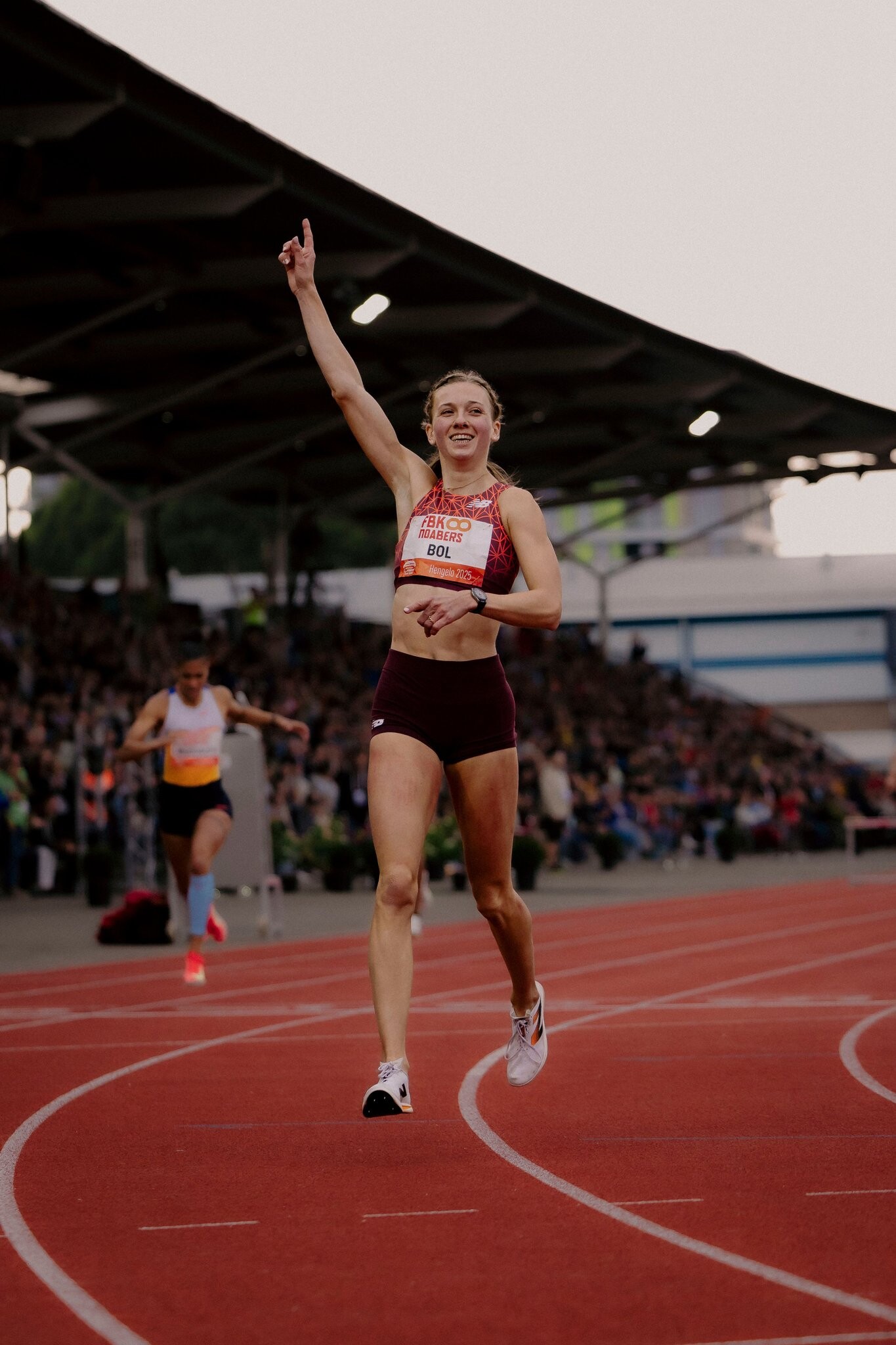
After delivering a sensational 800m breakthrough earlier this season, Bol proved that her brilliance extends far beyond the hurdles. During the World Indoor Tour meeting in Metz in February, she stormed to an incredible 1:59.07 performance, smashing the Dutch national record and announcing herself as a serious force in middle-distance running. The remarkable display highlighted her extraordinary endurance, speed and versatility — qualities that continue to elevate her status among the sport’s elite.
Now, the reigning Dutch sensation is set to bring that excitement onto home soil for what will be her very first 800m race in the Netherlands. Her appearance at the 45th edition of the FBK Games adds another compelling storyline to an already highly anticipated meeting, with supporters eager to witness how far she can push her limits in an event she has barely explored at elite level.
Renowned for her fearless racing style, devastating finishing strength and relentless competitiveness, Bol’s return to the 800m signals growing confidence in her range as an athlete. Every time she steps onto the track, she continues to challenge expectations and create unforgettable moments that captivate athletics fans around the globe.
The atmosphere in Hengelo is expected to be electric as the home favourite lines up before a passionate Dutch crowd. With anticipation building rapidly ahead of June 21, one thing is certain — whenever Femke Bol races, records, headlines and brilliance are never far away.
by Erick Cheruiyot for My Best Runs.
Login to leave a comment
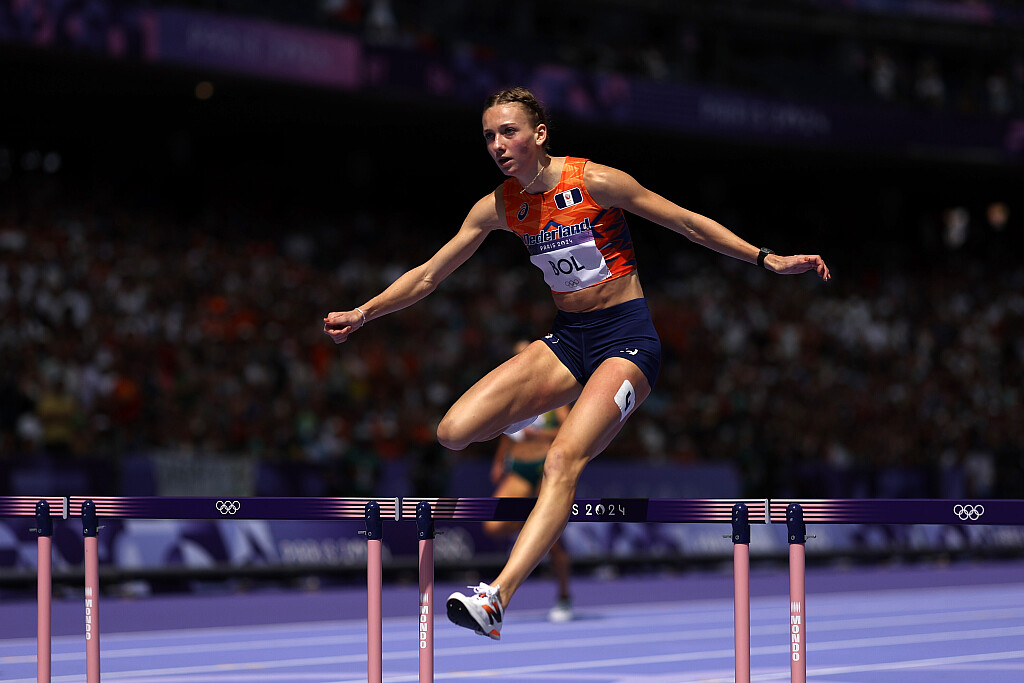
Silent Strides: Why Femke Bol Has Stepped Out of the Spotlight
In the fast-moving world of elite athletics, silence often sparks speculation. For Femke Bol, one of the sport’s most electrifying talents, the recent quiet spell is neither accidental nor alarming—it is calculated, necessary, and ultimately strategic.
At the start of the year, Bol signaled an intriguing evolution in her career. Known globally for her dominance in the 400m hurdles, she began exploring the demands of the 800m, a transition that immediately captured attention. Her indoor debut over the distance was nothing short of remarkable, clocking 1:59.07—a Dutch national record that underlined both her versatility and ambition.
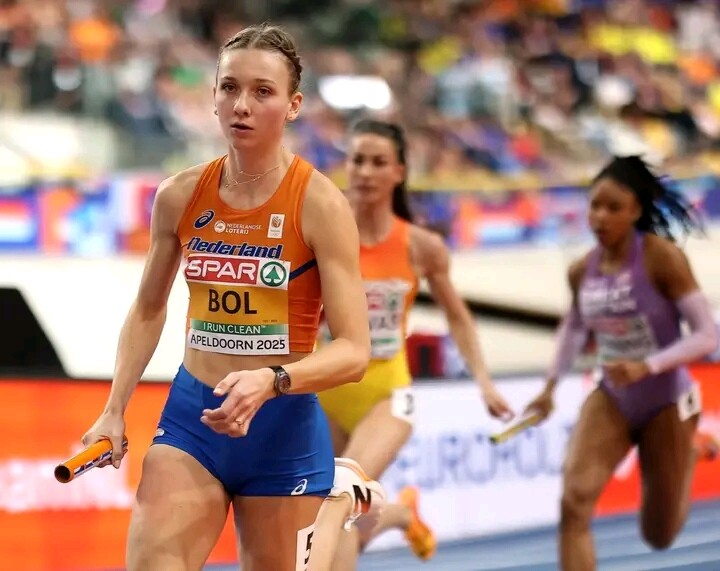
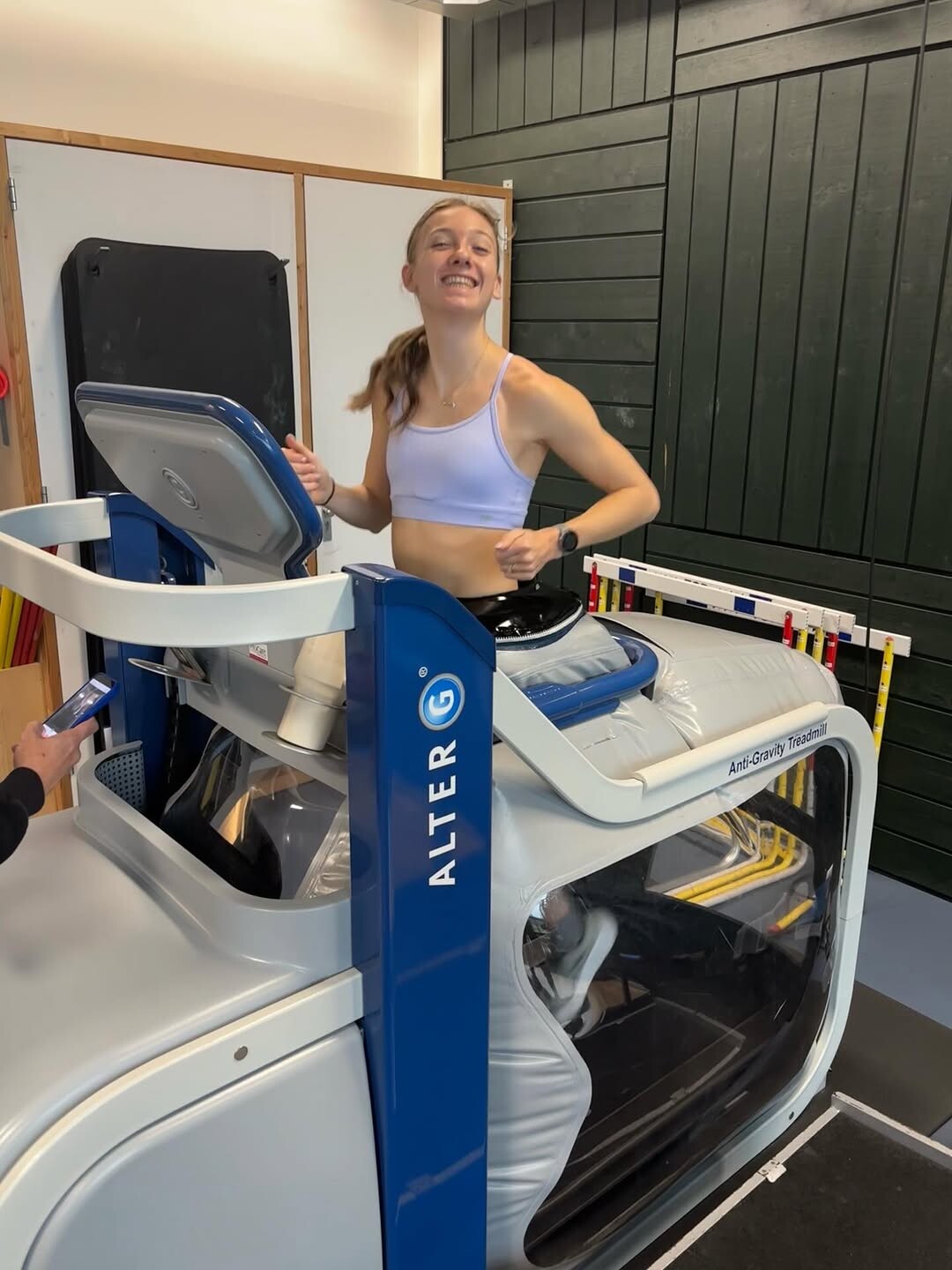
However, momentum in athletics can be fragile. Shortly after that breakthrough performance, Bol encountered a setback in the form of a foot tendon injury. Tendon issues, particularly for middle-distance athletes, require meticulous management. Unlike muscle injuries, they demand patience over urgency, often forcing athletes to pause at precisely the moment they appear to be accelerating.
The injury ultimately brought her indoor season to an early close. While fans may have noticed her absence from competition, behind the scenes the focus shifted entirely to recovery and long-term sustainability. Reports indicate that Bol has since resumed training, including a period in South Africa—a popular destination for elite runners seeking optimal conditions for controlled rehabilitation and endurance building.
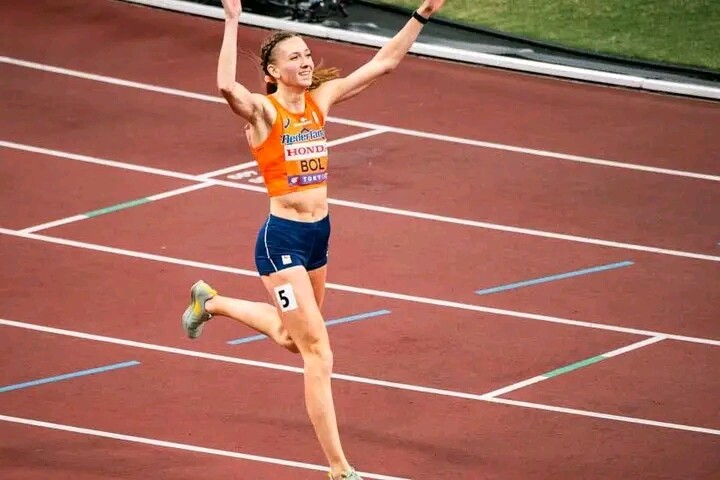
Her current approach reflects a deliberate and disciplined return. There is, as yet, no confirmed race schedule, a clear indication that she has not rushed back into competition. At this level, timing is everything; returning too soon can compromise not just a season, but an athlete’s trajectory. Bol’s camp appears intent on ensuring that when she does re-emerge, it will be on her own terms and at full strength.
This also explains her limited visibility in team activities, particularly relay preparations with the Dutch squad. Relay sessions are notoriously intense, often demanding repeated high-speed efforts—exactly the kind of strain that can aggravate a recovering tendon. For an athlete rebuilding carefully, such commitments are typically the first to be postponed.
Yet, if anything, this period of quiet should be viewed as a prelude rather than a pause. Bol has already demonstrated an ability to redefine expectations, and her venture into the 800m suggests an athlete unafraid to expand her boundaries. The temporary absence from the spotlight is not a retreat, but a recalibration.
When she returns, it is unlikely to be subtle.
by Erick Cheruiyot for My Best Runs.
Login to leave a comment
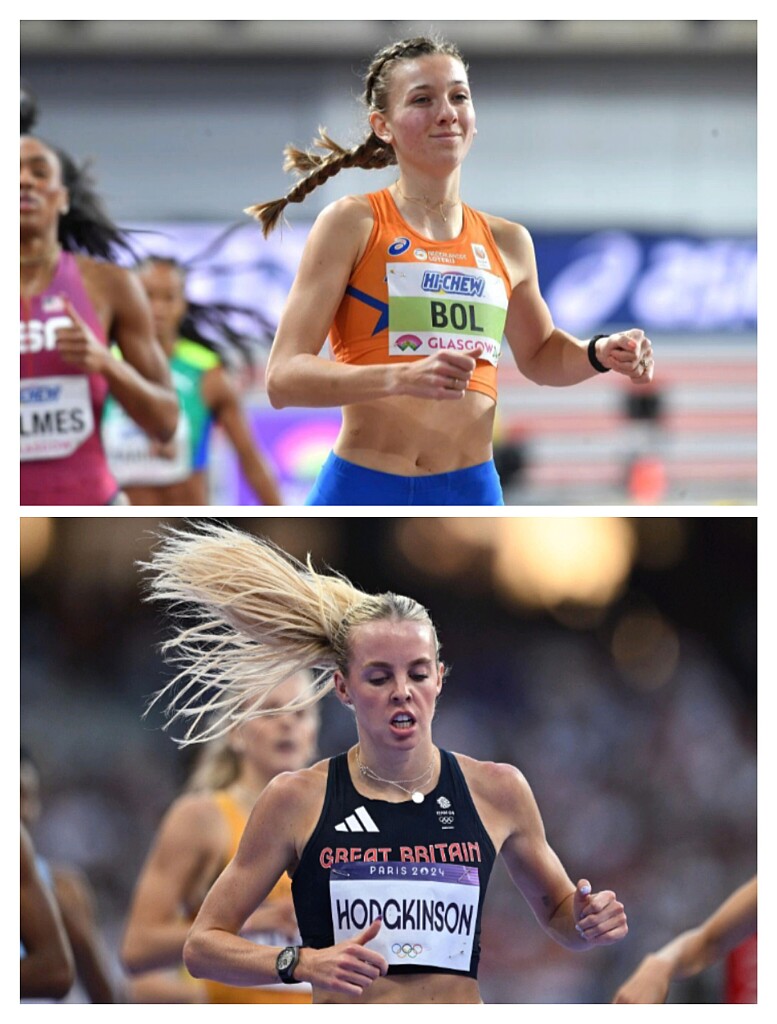
A Collision Course in Birmingham: Bol vs Hodgkinson for European Supremacy
As the summer spotlight turns toward Birmingham, the stage is set for a compelling middle-distance duel that could redefine the balance of power in European athletics. European Athletics Championships returns with more than just medals at stake—it brings with it a simmering rivalry between two of the continent’s most electrifying talents: Femke Bol and Keely Hodgkinson.

On paper, Bol holds the edge. The Dutch star, already a dominant force across multiple disciplines, has accumulated three European individual gold medals, underlining her consistency and championship pedigree. In contrast, Hodgkinson—Great Britain’s golden hope over 800 metres—has secured two individual European titles, each forged through tactical brilliance and fearless racing on the biggest stages.
But statistics, as ever in athletics, only tell part of the story.
Birmingham offers something far more intriguing: the possibility of convergence. Bol, long celebrated for her supremacy in the 400m hurdles and her seamless versatility, is widely expected to step up into the 800m. Should she do so, it would set the stage for a rare and highly anticipated head-to-head clash with Hodgkinson in her specialist event.
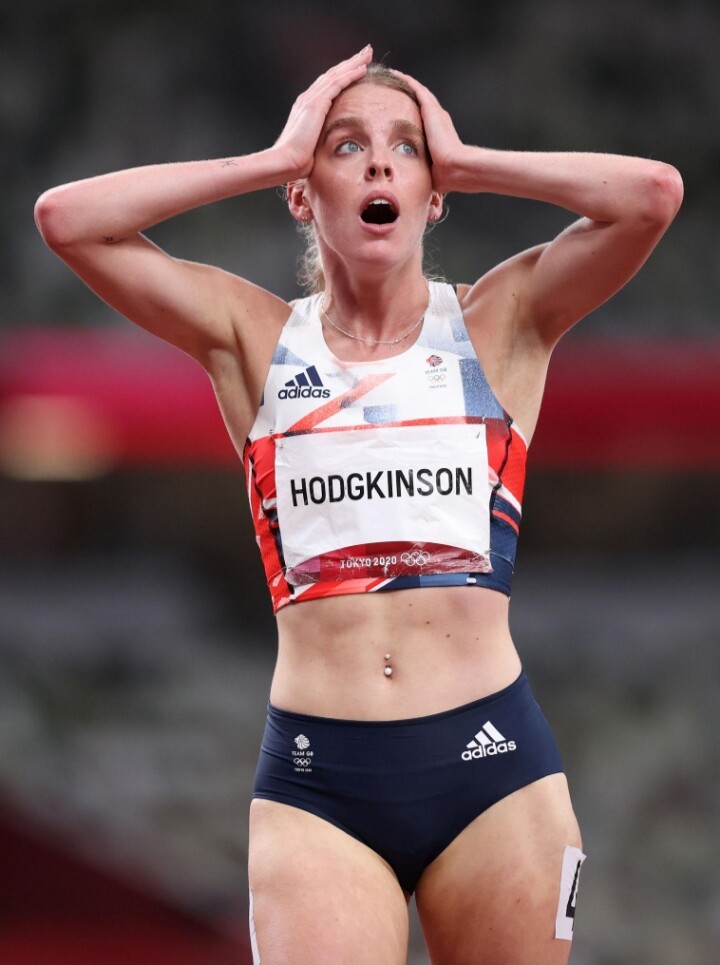
And that is where the narrative sharpens.
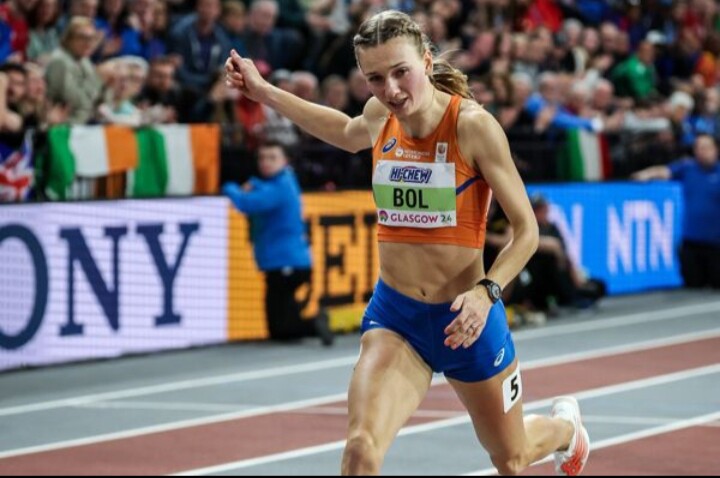
Hodgkinson’s authority over two laps is built on rhythm, poise, and an almost surgical sense of timing. She thrives in the tactical ebb and flow of championship racing, often striking with devastating precision in the closing stages. Bol, by contrast, brings an entirely different dimension—raw strength, relentless pace, and the capacity to stretch a race beyond conventional limits.
If they meet, it will not simply be a race. It will be a clash of philosophies.
For Bol, victory would extend her European dominance into new territory, reinforcing her status as one of the most versatile athletes of her generation. For Hodgkinson, it is an opportunity to defend home soil and reaffirm her command of the 800m against an opponent stepping into unfamiliar, yet dangerous, territory.
The stakes, then, are disarmingly simple yet profoundly significant: supremacy.
In a championship defined by fine margins and fleeting moments, Birmingham could become the arena where reputations are reshaped and legacies accelerated. One question lingers above all:
When the bell rings and the final lap unfolds, who will take control—and who will take the crown?
by Erick Cheruiyot for My Best Runs.
Login to leave a comment
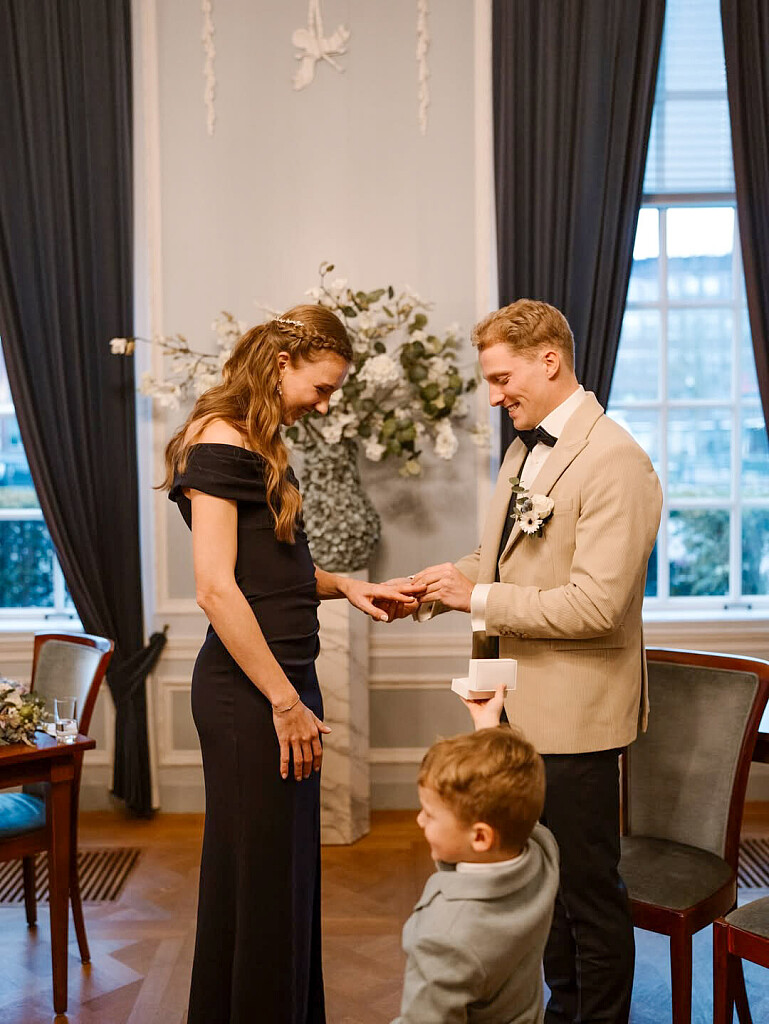
Love Beyond the Finish Line: Femke Bol and Ben Broeders Begin a Beautiful New Chapter
In the world of athletics, greatness is often measured in records, medals, and moments of brilliance on the track. Yet sometimes the most meaningful victories happen away from the stadium lights. For Dutch sprint and hurdles sensation Femke Bol and Belgian pole vault star Ben Broeders, February 21, 2026 became one of those unforgettable milestones.
With a heartfelt message shared with fans, Bol revealed the joyful news of their marriage:
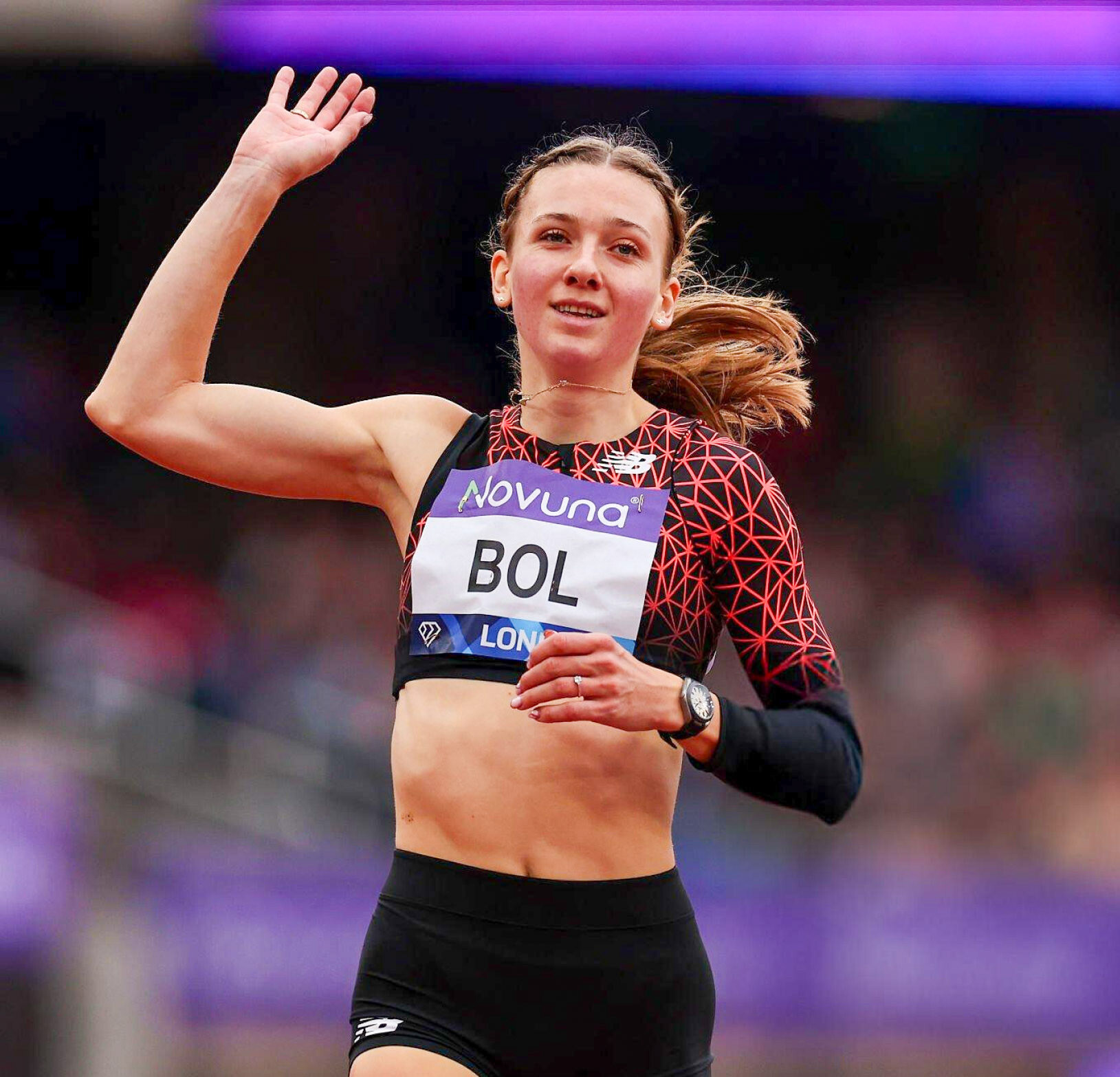
“We’re married – 21.02.2026. Loving you has always felt like home, our civil wedding just made it official.”
The simple yet powerful words perfectly captured the warmth of their relationship — a love story that has grown quietly alongside two remarkable athletic careers.
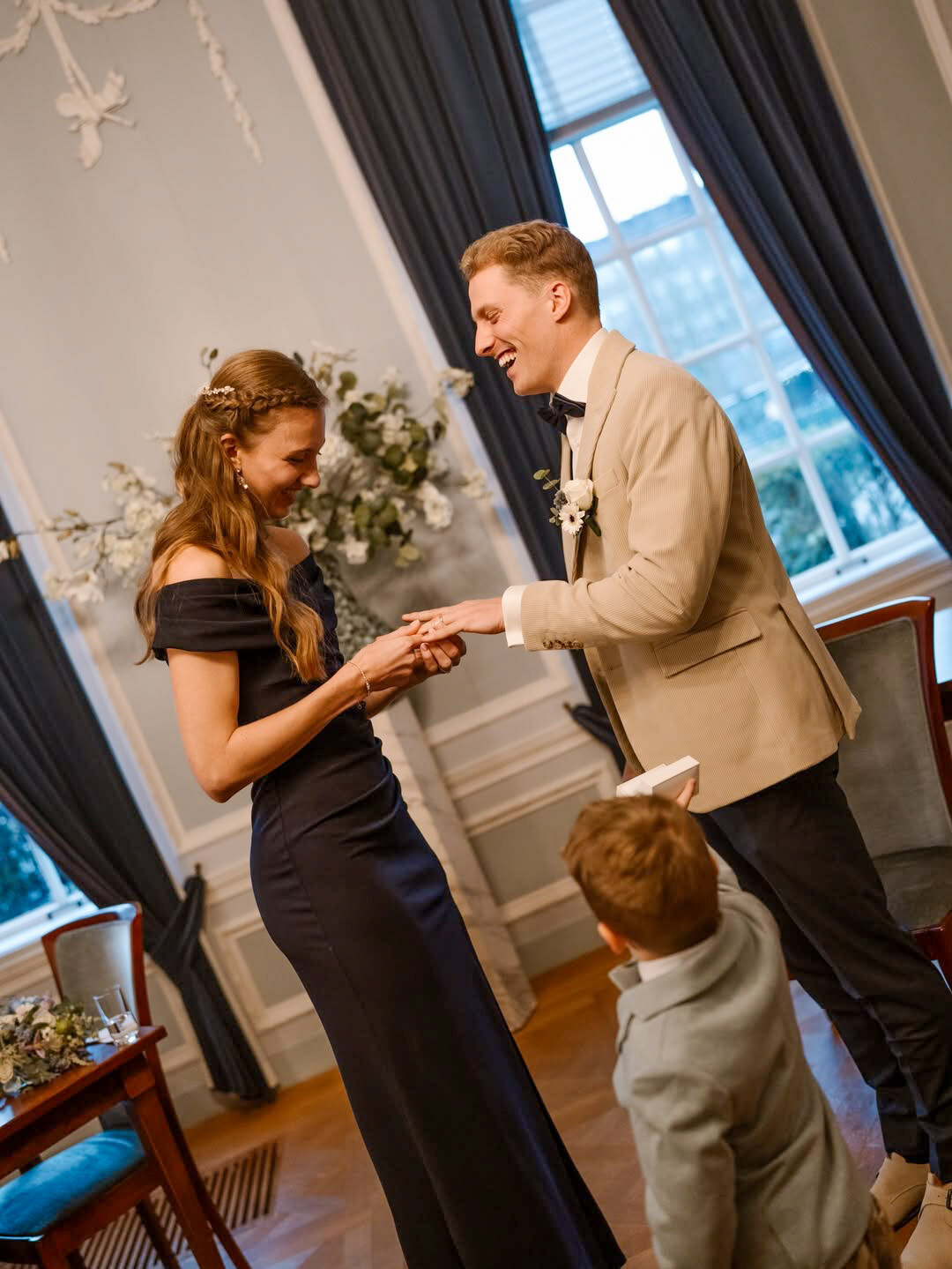
Photos from the special day show the couple stepping out hand in hand, smiling brightly as friends and loved ones applaud their union. In one beautiful moment, Bol holds a small bouquet while laughing beside Broeders, the happiness on their faces reflecting the significance of the occasion. Other images capture the intimate ceremony itself, as they exchange rings — a symbolic promise marking the beginning of a lifelong partnership.
What makes their story even more special is the shared excellence they bring to the sport they love. Both athletes hold national records for their respective countries — Bol for the Netherlands in the sprints and hurdles, and Broeders for Belgium in the pole vault. Their careers have taken them to the biggest stages in global athletics, yet their journey together shows that behind every champion is a life filled with personal dreams and meaningful connections.
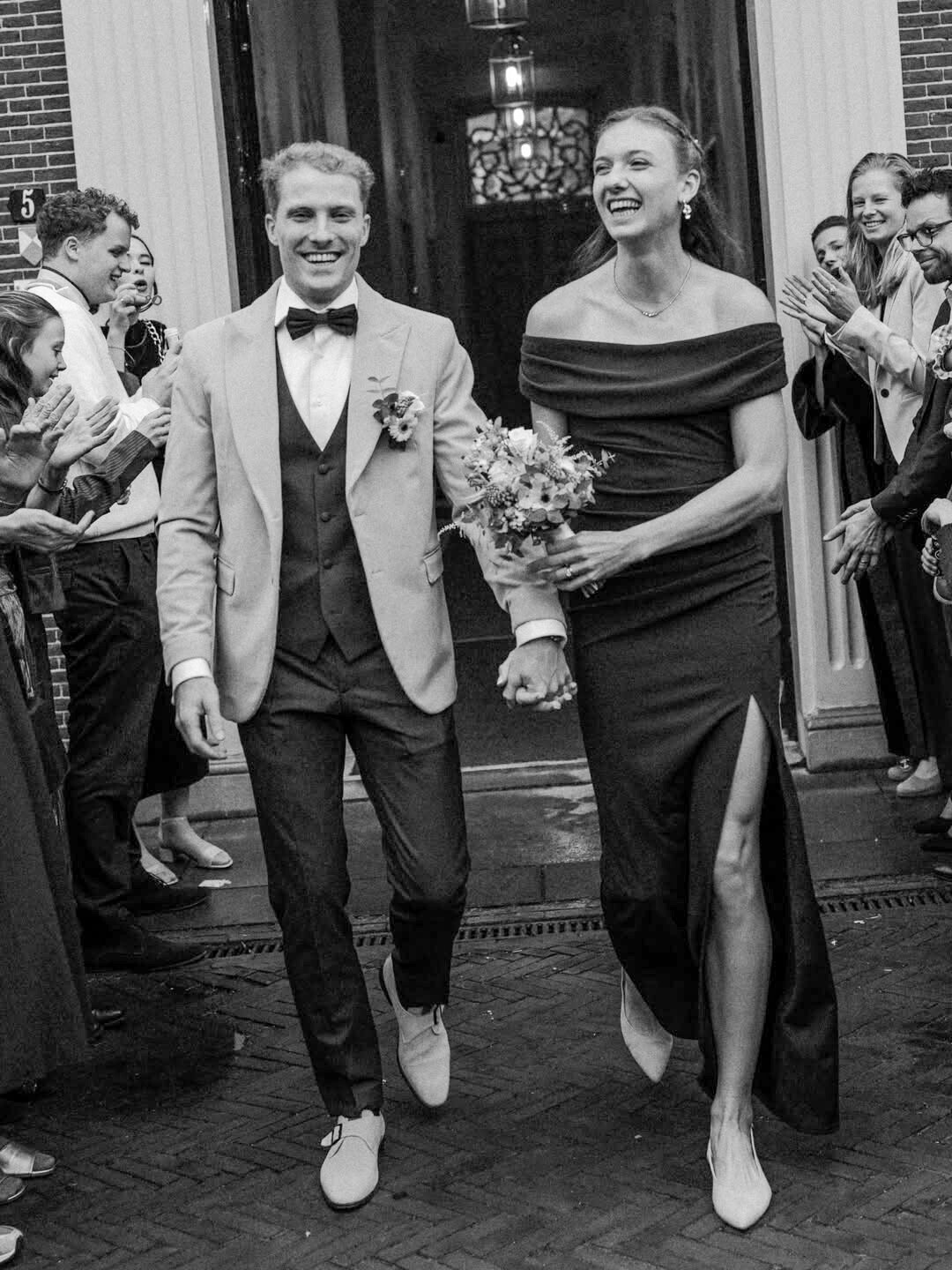
Bol has become one of the defining figures of modern track and field, dazzling fans with her extraordinary performances in the 400 meters and 400m hurdles. Broeders, meanwhile, has established himself among Europe’s finest pole vaulters, admired for his strength, technique, and competitive determination.
But beyond records and results lies something even more powerful — a partnership built on mutual understanding, shared passion, and unwavering support. Elite athletics demands constant travel, intense training, and immense mental focus. Having someone who truly understands that journey can make all the difference.
For Bol, describing love as “home” speaks volumes. It reflects a sense of comfort and stability amid the fast-paced rhythm of elite sport. And now, with their civil wedding making it official, that feeling becomes the foundation of a new chapter in their lives.
As congratulations pour in from across the athletics community, one thing is certain: while both athletes will continue chasing greatness on the track and in the field, this moment reminds us that the most beautiful victories sometimes happen far from the finish line.
For Femke Bol and Ben Broeders, the race toward a shared future has only just begun — and it’s already a winning one.
by Erick Cheruiyot for My Best Runs.
Login to leave a comment
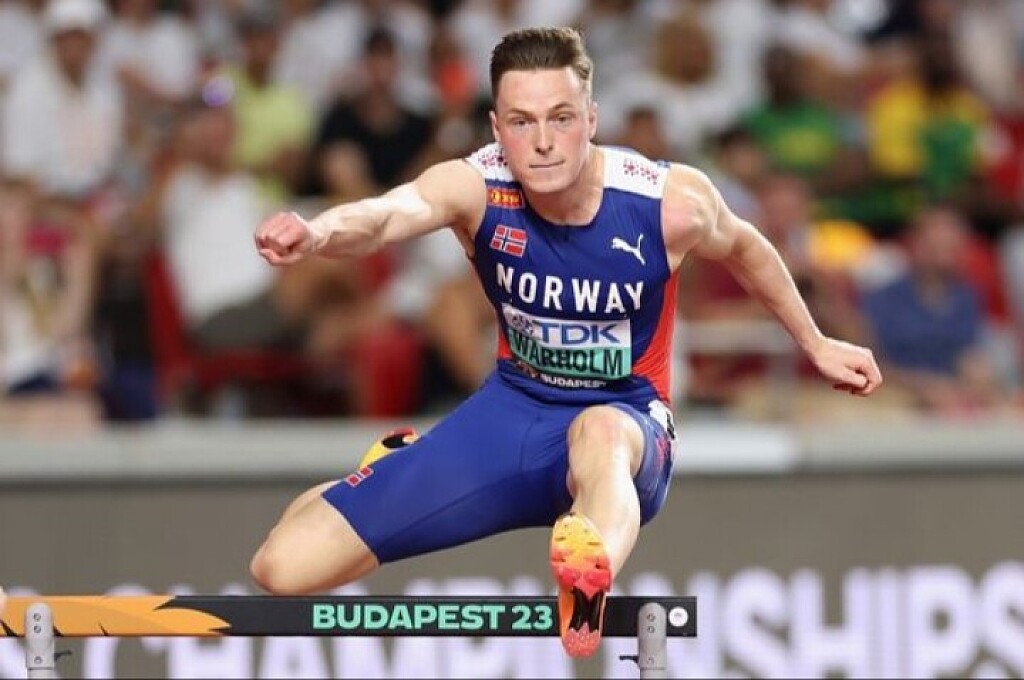
Karsten Warholm: The Man Who Smashed the 400m Hurdles Into a New Dimension
On February 28, 1996, in the quiet Norwegian town of Ulsteinvik, a champion was born. Over the years, Karsten Warholm has transformed himself into one of the most dominant and electrifying athletes of his generation — an Olympic champion, multiple-time world champion, European king, and the world record holder in the 400 meters hurdles.
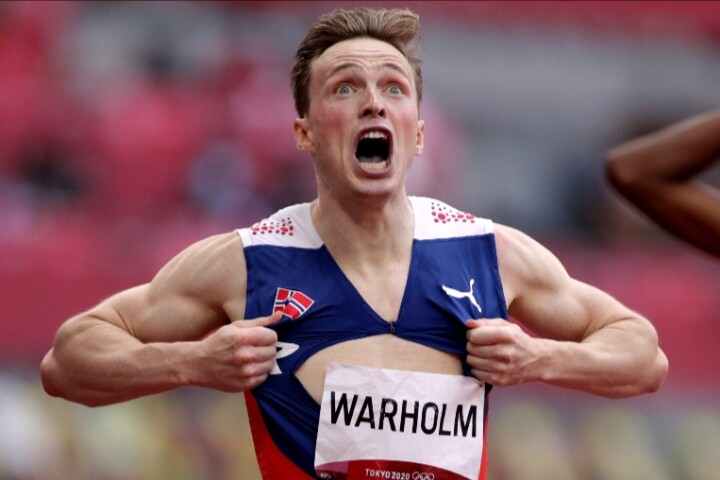
Warholm’s journey did not begin with hurdles alone. As a teenager, he displayed remarkable versatility in the combined events. In 2013, he became World Junior Champion in the octathlon in Donetsk, showcasing an unusual blend of speed, strength, and technical precision. The following year, he competed in the decathlon at the World Junior Championships in Eugene, finishing tenth against the best young athletes in the world. By 2015, he had already claimed double silver at the European Junior Championships in Eskilstuna — in both the 400 meters and the decathlon — a clear sign that he possessed rare, multidimensional talent.
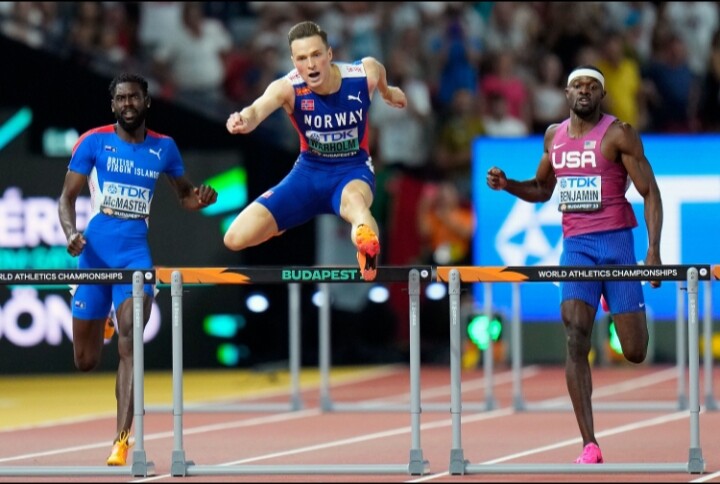
His early senior years hinted at something greater. He reached the semifinals of the 400m hurdles at the Rio 2016 Olympic Games, gaining valuable experience on the biggest stage. But it was in 2017 that the world truly took notice. At the World Championships in London, the young Norwegian stunned the field by winning gold in the 400m hurdles. Fearless from the gun and relentless between the barriers, he introduced a bold, attacking style that would become his trademark.
From that breakthrough moment, his rise accelerated. He secured European gold in Berlin in 2018 and claimed the European indoor 400m title in Glasgow in 2019, equaling the long-standing European indoor record of 45.05. Later that same year, he added another global crown at the World Championships in Doha, firmly establishing himself as the dominant force in his event.
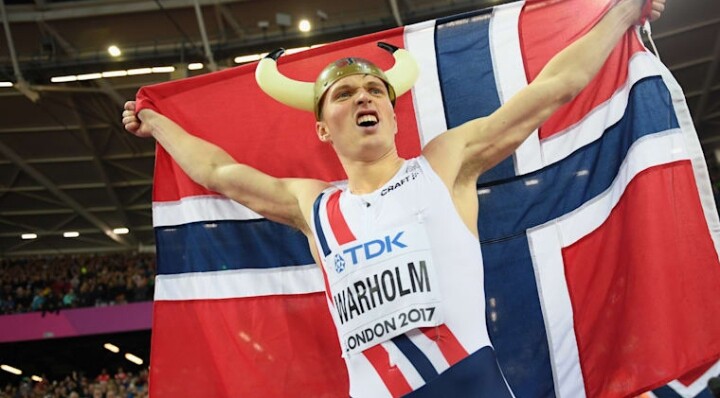
Then came August 3, 2021 — a date forever etched in athletics history. At the Olympic Games in Tokyo, Warholm produced one of the greatest performances the sport has ever witnessed. In a race of breathtaking intensity, he surged to Olympic gold and shattered the world record in the 400m hurdles with an astonishing 45.94 seconds. It was not just a victory; it was a redefinition of human possibility over barriers.
Champions are measured by how they respond to setbacks, and Warholm proved his resilience. After finishing seventh at the 2022 World Championships in Eugene, he returned stronger, reclaiming world gold in Budapest in 2023 with a commanding 46.89. In 2024, he added Olympic silver in Paris, European gold in Rome, and World Indoor silver in Glasgow, reinforcing his consistency at the highest level.
Beyond the hurdles, his athletic profile remains extraordinary. He has run 10.47 for 100 meters, 21.09 for 200 meters, and 44.87 for 400 meters. He holds the Norwegian record in the 300 meters at 32.49 and has cleared 2.05 meters in the high jump and leapt 7.66 meters in the long jump. Indoors, he has clocked 20.91 for 200 meters, equaled the European 400m record of 45.05, and set a world best of 34.26 in the 300m hurdles. Few specialists in modern athletics combine such speed, power, and technical mastery.
From a small coastal town to the pinnacle of global sport, Karsten Warholm has carried Norwegian athletics into a new era. His career is defined not only by medals and records but by courage, intensity, and an uncompromising will to push beyond limits. As he celebrates another year, one truth stands firm — the Viking of the 400m hurdles is not simply competing against rivals; he is racing against history itself, and more often than not, he wins.
by Erick Cheruiyot for My Best Runs.
Login to leave a comment
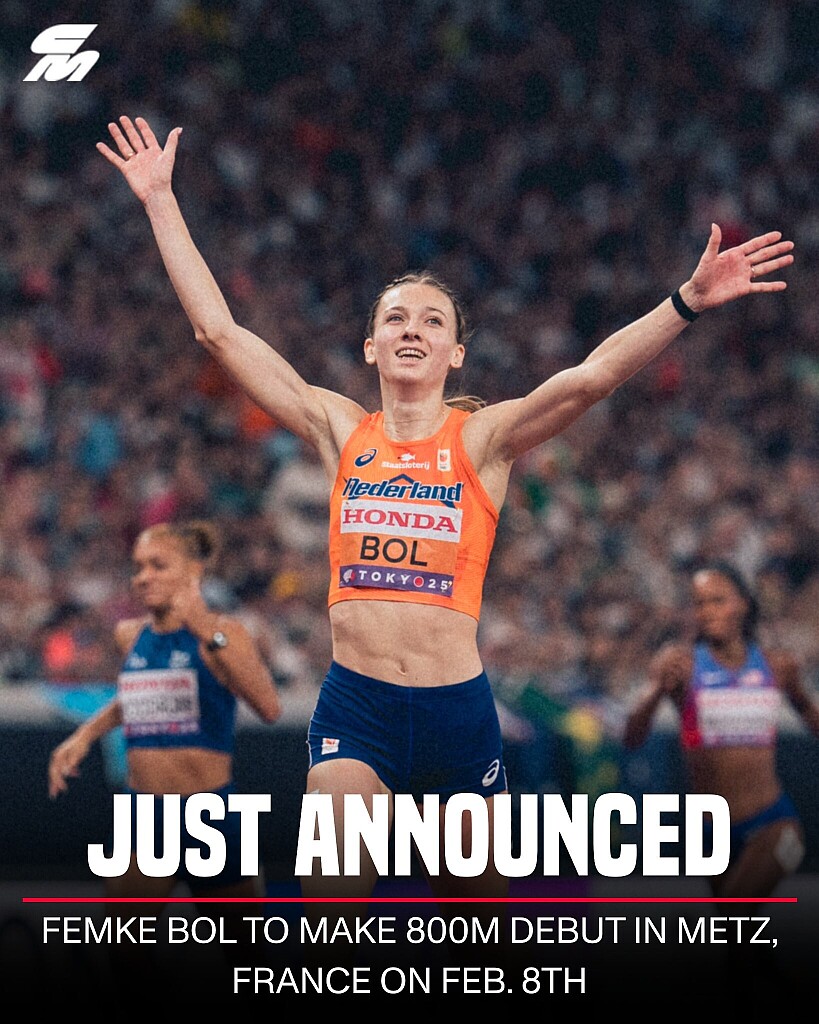
Femke Bol Set for 800m Debut at Athelor Meeting in Metz
The moment many athletics fans have been waiting for has finally arrived. Two-time world 400m hurdles champion Femke Bol is set to make her much-anticipated 800m debut at the Athelor Meeting in Metz, France, on February 8, meet organizers have confirmed.
The announcement was made on Moselle TV, sparking excitement across the track and field world as the Dutch superstar prepares to test herself over a new distance. Bol took the decision to explore the 800m back in October, shortly after sealing her second consecutive world title in the 400m hurdles in Tokyo, further cementing her dominance in the event.
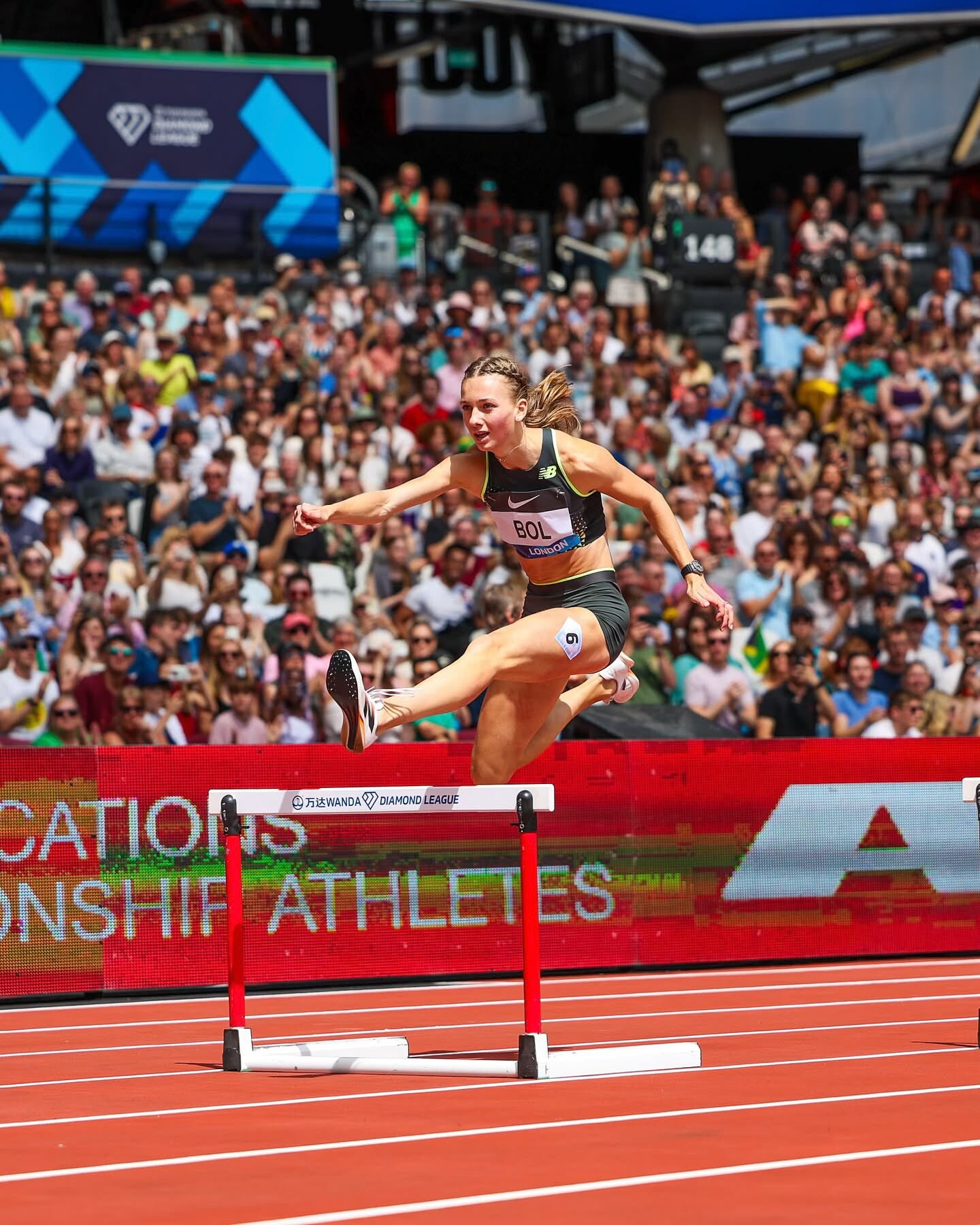
Meet director Dominique Abisse explained why Metz was chosen as the venue for this important career moment, highlighting both familiarity and comfort as key factors.
“She has chosen a place that reassures her, where she is on known ground, and a land that she appreciates,” Abisse said, speaking to French media.
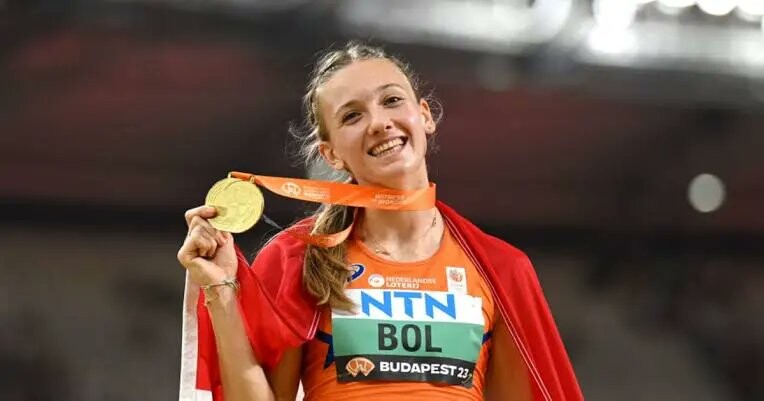
The choice of Metz also makes sense from a performance perspective. The city proved it can deliver fast middle-distance races last season, when Ethiopia’s Tsigie Duguma edged Britain’s Jemma Reekie in a thrilling 800m showdown, clocking 1:58.97 to Reekie’s 1:59.72. That race underlined the meet’s reputation as a stage capable of producing high-quality times.
Bol’s move to the 800m will be closely watched, given her exceptional speed, endurance, and tactical intelligence—qualities that have made her nearly untouchable over the one-lap hurdles. Whether this debut signals a long-term shift or a strategic experiment remains to be seen, but one thing is certain: all eyes will be on Metz on February 8 as one of the sport’s biggest stars takes on a bold new challenge.
by Erick Cheruiyot for My Bestruns.
Login to leave a comment
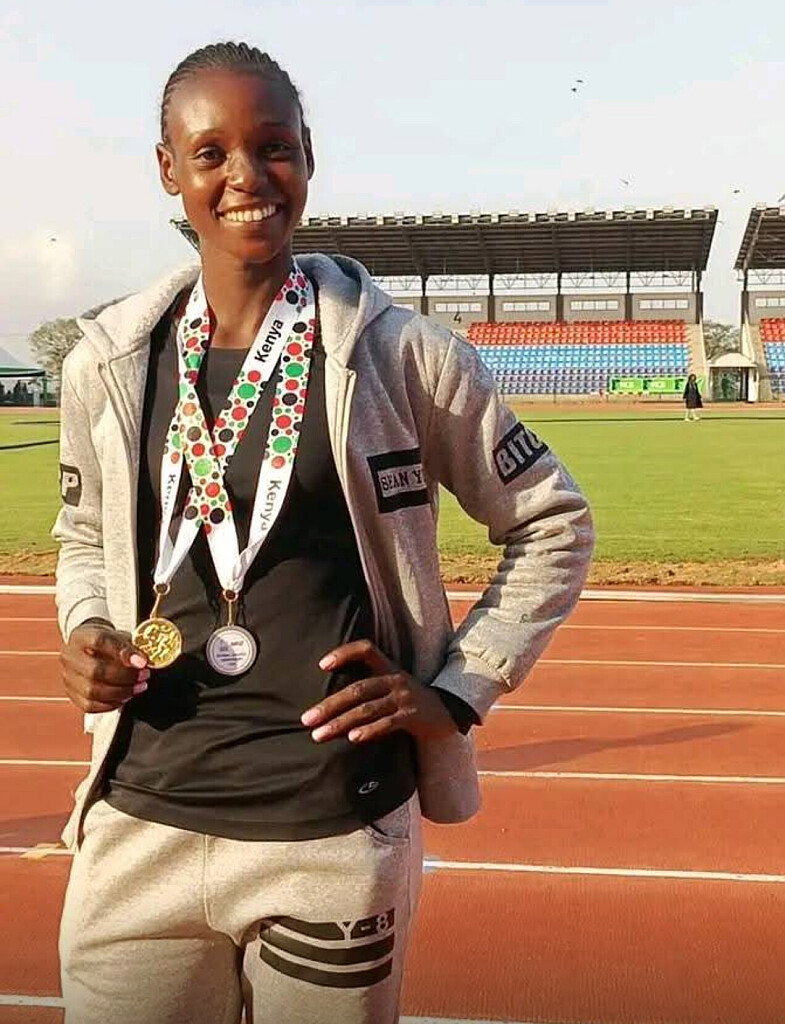
Gladys Muthoni Ngure Named Female Sprinter of the Year
KATA Sprinters Kiambu Camp 16’s own Gladys Muthoni Ngure has been named Female Sprinter of the Year, a well-deserved recognition of her dedication, consistency, and outstanding performances on the track.
Representing KATA Sprinters Camp 16, Gladys has continued to impress throughout the season, capturing multiple medals and setting a strong example for Kenya’s next generation of sprinters. Her drive, discipline, and enthusiasm for improvement have made her a standout athlete within the KATA family.
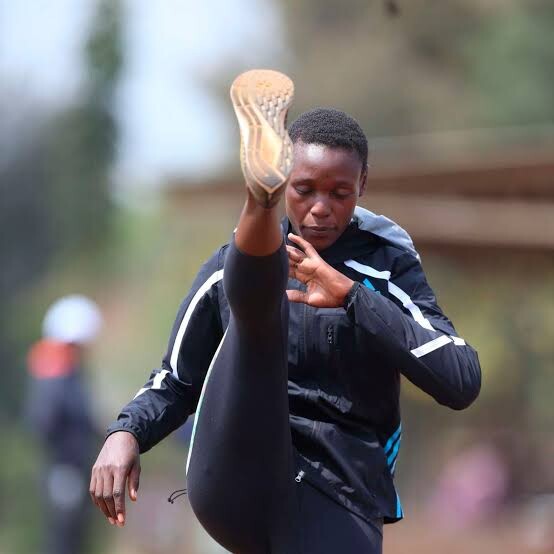
The award was presented during the Kiambu Sports Awards, where Gladys proudly represented her camp and coaches. Her commitment to training and her positive spirit have made her not only a fast runner but also a role model for her teammates.
“Gladys represents the KATA vision perfectly — combining hard work, focus, and a love for the sport,” said KATA Founder Bob Anderson. “We are proud of her progress and can’t wait to see what she accomplishes next season.”
Gladys’s journey in athletics has been built over years of dedication. According to her longtime coach Julius Gacheru, who began training her in 2015, Gladys has represented Kenya in multiple major events. She competed at the University Games in 2017, was part of Kenya’s 4x400m relay team in South Africa in 2024, and recently shone at the 2025 National Championships, where she captured gold in the 100m hurdles (14.5 seconds) and silver in the 400m hurdles (59.8 seconds).
Her achievements reflect both her personal commitment and the effectiveness of KATA’s structured system — blending world-class training, teamwork, and personal development.
With her latest honor, Gladys joins the growing list of KATA athletes making headlines across Kenya and beyond — proof that the KATA model is producing results at every level.
Congratulations, Gladys, on being named Female Sprinter of the Year. Your determination and speed continue to inspire the entire KATA family.
by Boris Baron
Login to leave a comment
KATA Welcomes Coach Dennis Musau as Chief Technical Officer
KATA is excited to announce the appointment of Dennis Musau, also known as Coach Dennis, as Chief Technical Officer (CTO), reporting directly to KATA founder Bob Anderson. His official start date is Monday, August 11, 2025.
Coach Dennis (first photo: out for a few miles this morning with Bob Anderson and Anderson Manor project manager Alberto near KATA Portugal) has been working with Bob and Catherine Anderson since 2021 and is currently completing his second three-month term at KATA Portugal, housed at Anderson Manor in Monforte da Beira. In his new role, he will be working full-time from both Portugal and KATA Thika in Kenya.

“I am so excited about our KATA project—both our KATA Running Camps and KATA Potato Farm projects,” says Coach Dennis.
“Bob Anderson has truly come up with a unique idea that is growing like wildfire throughout Kenya. Bob signed up our first camp on May 16, 2025, and already we’ve attracted Olympic-level runners and coaches to operate them. We have opened 30 KATA Running Camps and an additional 20 stand-alone farms, most growing two or more acres of KATA potatoes. This means we now have 30 KATA Running Camps, 20 KATA Farms, plus our KATA Thika and KATA Portugal Running Retreats training guests year-round.”
About Coach Dennis
Dennis graduated as a mathematics teacher in 1998 before shifting his career to athletics. Over the years, he has competed worldwide in a wide range of events, including the 3,000m steeplechase, 5,000m, 10,000m, 15km, half marathon (21km), and marathon (42km). His athletic journey began in high school as a 400m hurdles runner before a teacher encouraged him to move into long-distance events. He transitioned to the 3,000m steeplechase, then later to the 5,000m and 10,000m, achieving success across multiple distances.
With decades of experience in both competitive running and coaching, Dennis brings a unique blend of technical expertise, leadership, and passion to help guide KATA’s growth in Kenya and beyond.
by Boris Baron
Login to leave a comment

Track’s Biggest Stars Return to Hayward Field for U.S. Championships
Eugene, Oregon – The stage is set for another electrifying weekend at iconic Hayward Field, as the Toyota U.S.A. Track & Field Outdoor Championships take place this Saturday and Sunday at 4 p.m. ET, airing live on NBC and Peacock.
Some of the sport’s biggest stars will be headlining the meet, including Sydney McLaughlin-Levrone and Noah Lyles, two of America’s premier track and field athletes.
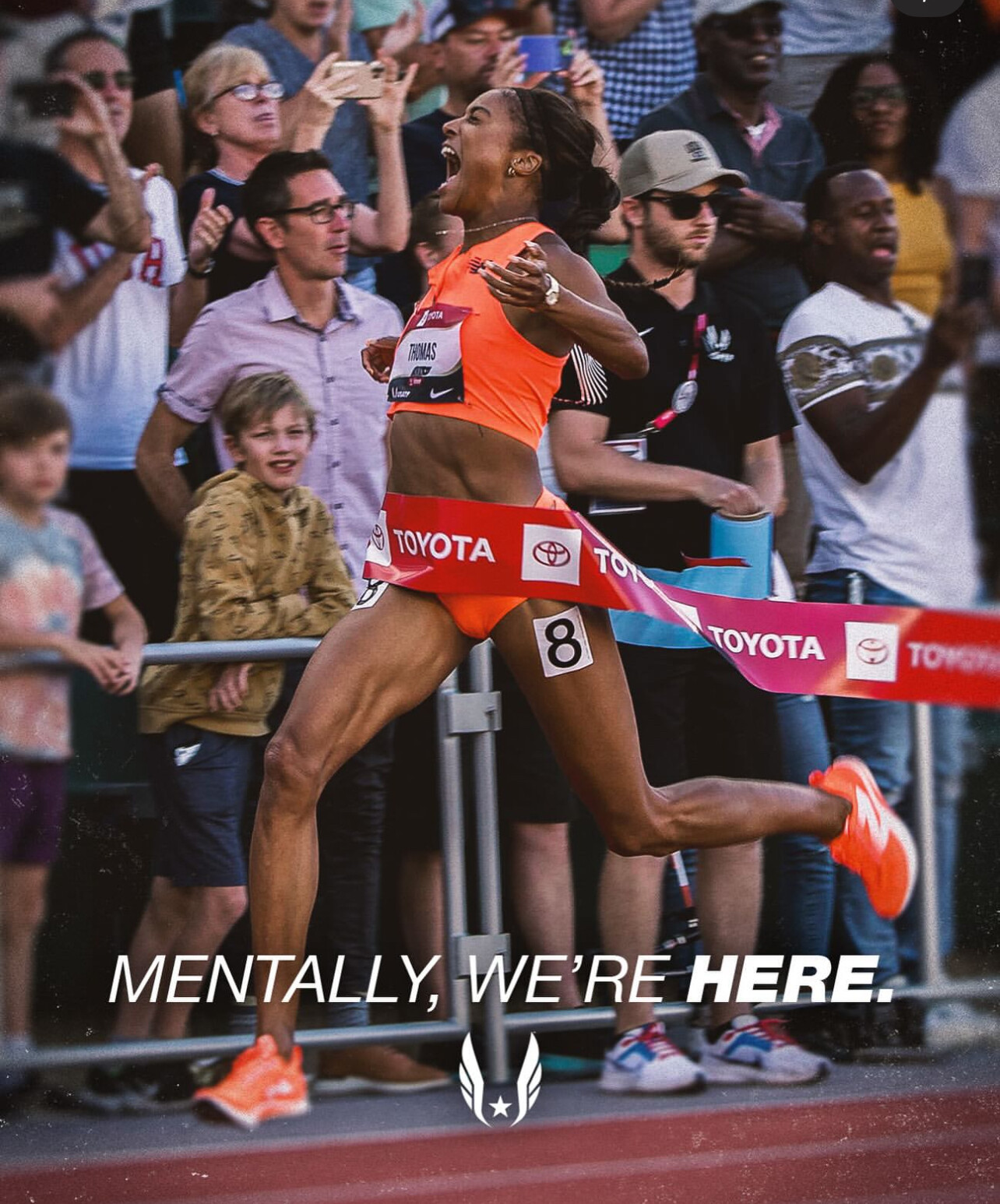
McLaughlin-Levrone, the reigning Olympic and World Champion in the 400m hurdles, is returning to the national spotlight after a strategic training and race schedule this season. Known for her graceful power and impeccable technique, Sydney has already redefined what’s possible in her event—shattering the world record multiple times. Fans are eager to see whether she’ll contest the 400m flat or return to the hurdles in Eugene.
On the men’s side, all eyes are on Noah Lyles, the reigning World Champion in the 100m and 200m. Lyles has made it clear he’s aiming for greatness this year, with both Olympic gold and world records on his radar. His recent performances on the Diamond League circuit suggest he’s peaking at the right time.
Distance Running Update: Eyes on the 1500m, 5000m, and 10,000m
The distance events promise fierce battles and major implications for Team USA selection.
In the men’s 1500m, all eyes will be on Yared Nuguse, who owns one of the fastest times in American history. He’ll be challenged by Cole Hocker, who famously stormed to an Olympic team spot in 2021, and NCAA standout Hobbs Kessler, who continues to climb the ranks.
The women’s 1500m will feature Nikki Hiltz, Emily Mackay, and Sinclaire Johnson, with Hiltz in standout form after their impressive road mile performances this season.
In the 5000m, American record holder Woody Kincaid will take on Grant Fisher, who’s back after injury and hungry to reclaim his place at the top. The women’s 5000m will include Elise Cranny, Karissa Schweizer, and Parker Valby, in what could be one of the most tactical races of the meet.
The 10,000m has already been contested earlier in the season, but the championship weekend will set the tone for the athletes’ final preparations ahead of international competition.
As always, Hayward Field brings the best out of American distance runners—expect fireworks as the fields chase not only titles, but Olympic dreams.
Catch the action live on NBC and Peacock.
Event: Toyota U.S.A. Track & Field Outdoor Championships
Location: Hayward Field, Eugene, Oregon
Broadcast: Saturday & Sunday at 4 p.m. ET on NBC & Peacock
by Boris Baron
Login to leave a comment

A guide to the World Athletics Championships in Tokyo
Thousands of the world’s best athletes will head to Japan in September for the World Athletics Championships Tokyo 25.
The 20th edition of this prestigious competition will star more than 2000 athletes from some 200 countries as they compete for medals across 49 events during nine days of action from 13-21 September.
Which events are contested at the World Athletics Championships?
There are 49 events on the programme for the World Athletics Championships Tokyo 25, meaning 147 medals will be awarded across the nine action-packed days of competition.
There are an equal number of disciplines for women and men – 24 each and one mixed event.
The disciplines are:
• 100m – women and men• 200m – women and men• 400m – women and men• 800m – women and men• 1500m – women and men• 5000m – women and men• 10,000m – women and men• Marathon – women and men• 3000m steeplechase – women and men• 100m hurdles – women• 110m hurdles – men• 400m hurdles – women and men• heptathlon – women• decathlon – men• high jump – women and men• pole vault – women and men• long jump – women and men• triple jump – women and men• shot put – women and men• discus – women and men• hammer – women and men• javelin – women and men• 20km race walk – women and men• 35km race walk – women and men• 4x100m relay – women and men• 4x400m relay – women, men and mixed
Learn more about the various events on our dedicated disciplines page.
How do athletes qualify and gain selection for the World Athletics Championships Tokyo 25?
The qualification system is based on a combination of entry standards and world rankings. The qualifying window for the marathon was 5 November 2023 until 4 May 2025. For the 10,000m, 20km race walk, 35km race walk, combined events and relays, the window runs from 25 February 2024 to 24 August 2025. For all other events, entry standards can be achieved from 1 August 2024 to 24 August 2025.
The World Athletics Relays Guangzhou 25 was a qualifying event for the relays, with the top 14 teams in each discipline securing their place at the World Championships.
The Road to Tokyo online tool is designed to help athletes, fans and media track the qualification process. Searchable by event, country and qualification status, the tool provides a real-time view of each event over the course of the qualification period.
The tool does not, and will not, indicate which athletes have been selected for entry by their member federation. Final entries will be published nearer to the time of the World Championships.
Will athletes win prize money?
Individual athletes and relay teams will win prize money at the World Athletics Championships Tokyo 25. There is a total prize money pot of US$8,498,000.
Individuals1st US$70,0002nd US$35,0003rd US$22,0004th US$16,0005th US$11,0006th US$70007th US$60008th US$5000
Teams1st US$80,0002nd US$40,0003rd US$20,0004th US$16,0005th US$12,0006th US$80007th US$60008th US$4000
There is also a world record bonus of US$100,000.
Which athletes will be competing?
The world’s best athletes – including global champions and world record-holders – will be competing at the World Athletics Championships Tokyo 25.
The names of the athletes who will be there will not be certain until the qualifying window closes and nations select their teams.
Champions from the last edition of the World Championships in Budapest in 2023 include:
• Sweden’s world pole vault record-holder Mondo Duplantis• Kenya’s world 1500m record-holder Faith Kipyegon• USA’s double sprint champion Noah Lyles• Ukraine’s world high jump record-holder Yaroslava Mahuchikh• USA’s world shot put record-holder Ryan Crouser• Dutch Olympic and world 400m hurdles medallist Femke Bol• India’s Tokyo Olympic javelin champion Neeraj Chopra• Venezuela’s world triple jump record-holder Yulimar Rojas• Norwegian multiple world record-holder Jakob Ingebrigtsen• Japan’s Olympic javelin champion Haruka Kitaguchi
by World Athletics
Login to leave a comment
Grand Slam Track Series Faces Scrutiny Over Delayed Athlete Payments
The inaugural Grand Slam Track (GST) series launched with high hopes and bold promises—top-tier venues, world-class athletes, and massive prize money. But just months after its first leg in Kingston, Jamaica, the glitter is beginning to tarnish as frustration mounts over unpaid prize money and appearance fees.
From Olympic gold medallists to world record holders, dozens of elite athletes are still waiting to be compensated for their performances. Middle-distance star Emmanuel Wanyonyi is owed $100,000 (approximately Ksh12.9 million) after topping the men’s short-distance leaderboard. American sprint sensation Gabby Thomas and 400m hurdles world record holder Sydney McLaughlin-Levrone are among others reportedly awaiting their payouts.
The issue extends beyond prize money. Appearance fees—typically paid prior to or shortly after competition—have also not been delivered. In contrast, athletes competing on the Diamond League circuit often receive payments within two to three weeks. The GST delay now stretches months, leaving agents, athletes, and federations scrambling for answers.
Organizers claim the delay is due to “economic challenges,” the same reason cited by GST founder Michael Johnson when he abruptly canceled the final series meet scheduled for Los Angeles. That announcement, made during an emergency Zoom call with athletes, raised immediate red flags about the financial health of the operation.

GST executive Kyle Merber recently attempted to ease concerns by emailing athlete representatives with a tentative payment plan. According to the message, prize money from Kingston will be paid by the end of July, with all other outstanding payments—including those for the canceled Los Angeles leg—expected by the end of September.
But skepticism remains. “It is still a bit vague,” one top agent told The Times. “If they have the money, why can’t they pay it now? For some of these athletes, we are talking hundreds of thousands of dollars.”
Reports of internal staff layoffs at GST have only added to the uncertainty.
Athlete managers and associations are now getting involved, demanding transparency and accountability. The Association of Athletics Managers recently held a meeting with Johnson to seek clarification, but sources say no firm dates or guarantees were given.
As the dust settles from what was supposed to be a revolutionary series for the sport, key questions remain unanswered:
• How much money was actually collected by GST?
• Have any athletes received their payments in full?
• What safeguards will be put in place to protect athletes moving forward?
"Big promises but I don't think GST set out to scam anyone," says Bob Anderson, " but those of us that have been around athletics for decades know that track and field is a hard sell. I hope the athletes involved will be paid but they should not count on it."
With millions promised and reputations on the line, the success—or collapse—of GST could set a precedent for future independent track series. For now, the running world waits.
by Boris Baron
Login to leave a comment
Grand Slam Track Stumbles After Strong Start, Leaving Top Athletes Asking: Where’s the Money?
When Olympic legend Michael Johnson launched Grand Slam Track (GST), the vision was bold: reinvent the sport with an athlete-first approach, big prize purses, and a reimagined global format. With a $30 million launch budget and promises to reward performance like never before, GST quickly gained traction. But after the abrupt cancellation of its final event in Los Angeles, questions are swirling—and athletes are asking where their promised money is.
The LA meet, originally scheduled for June 28–29, was expected to close out GST’s four-meet pilot season. Instead, the cancellation reportedly saved the organization upwards of $3 million, and left some top athletes publicly wondering when—or if—they’ll get paid.
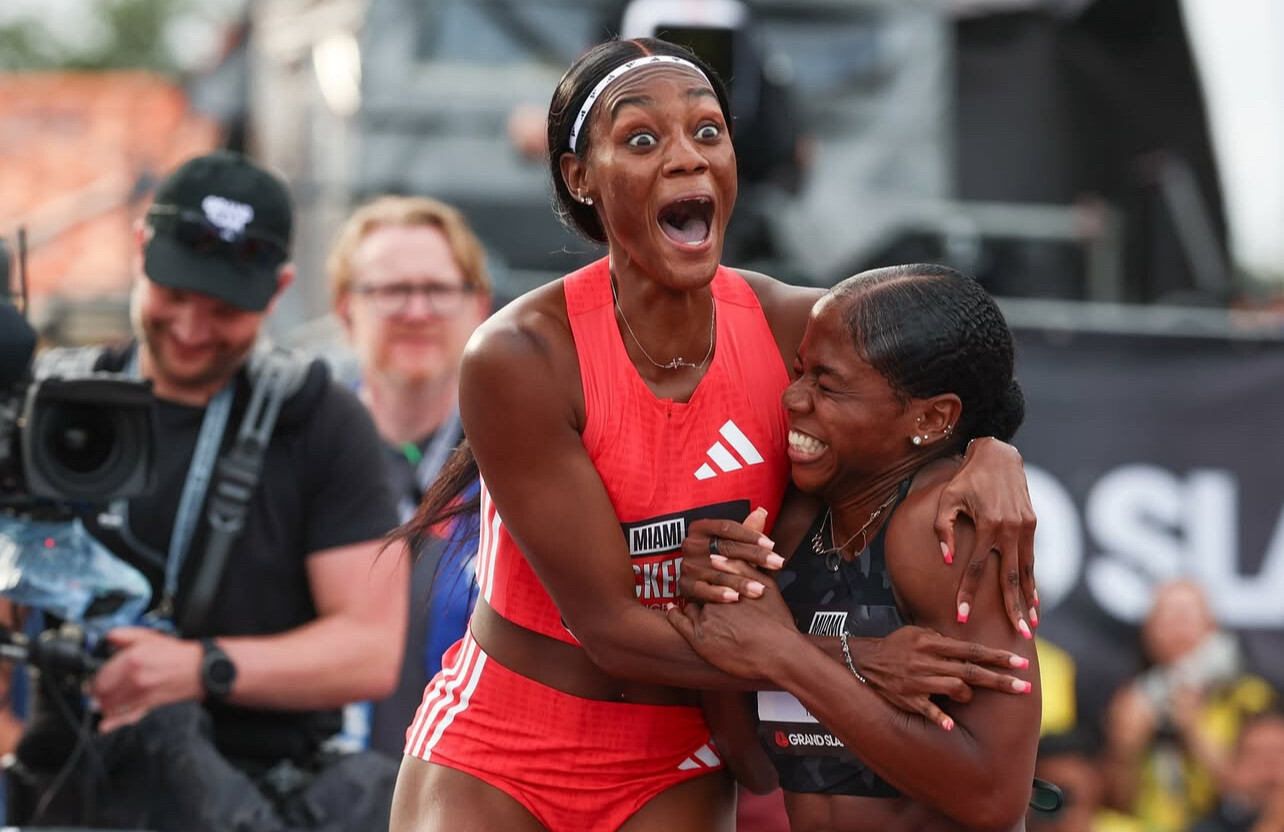
Brazil’s Alison dos Santos, the 2022 world champion in the 400m hurdles, told Norwegian outlet NRKthat he is still waiting on his $250,000 prize check. He said the cancellation came as a surprise but remains hopeful that the money will arrive later this year.
Others were more skeptical. Emmanuel Wanyonyi, Kenya’s Olympic 800m champion and winner of the short-distance event at GST Kingston, admitted after his victory at the Bislett Games that he hadn’t been paid either. “It might come. Why shouldn’t it come?” he said. “They have to pay us. I’ll be patient and wait.”
American distance phenom Nico Young, who won the 3,000m at the Philadelphia Slam and followed that performance with a U.S. record in the 5,000m (12:45.27) in Oslo, offered a more cautious response: “I don’t know if I’m supposed to say anything about it. We’re working on it.”
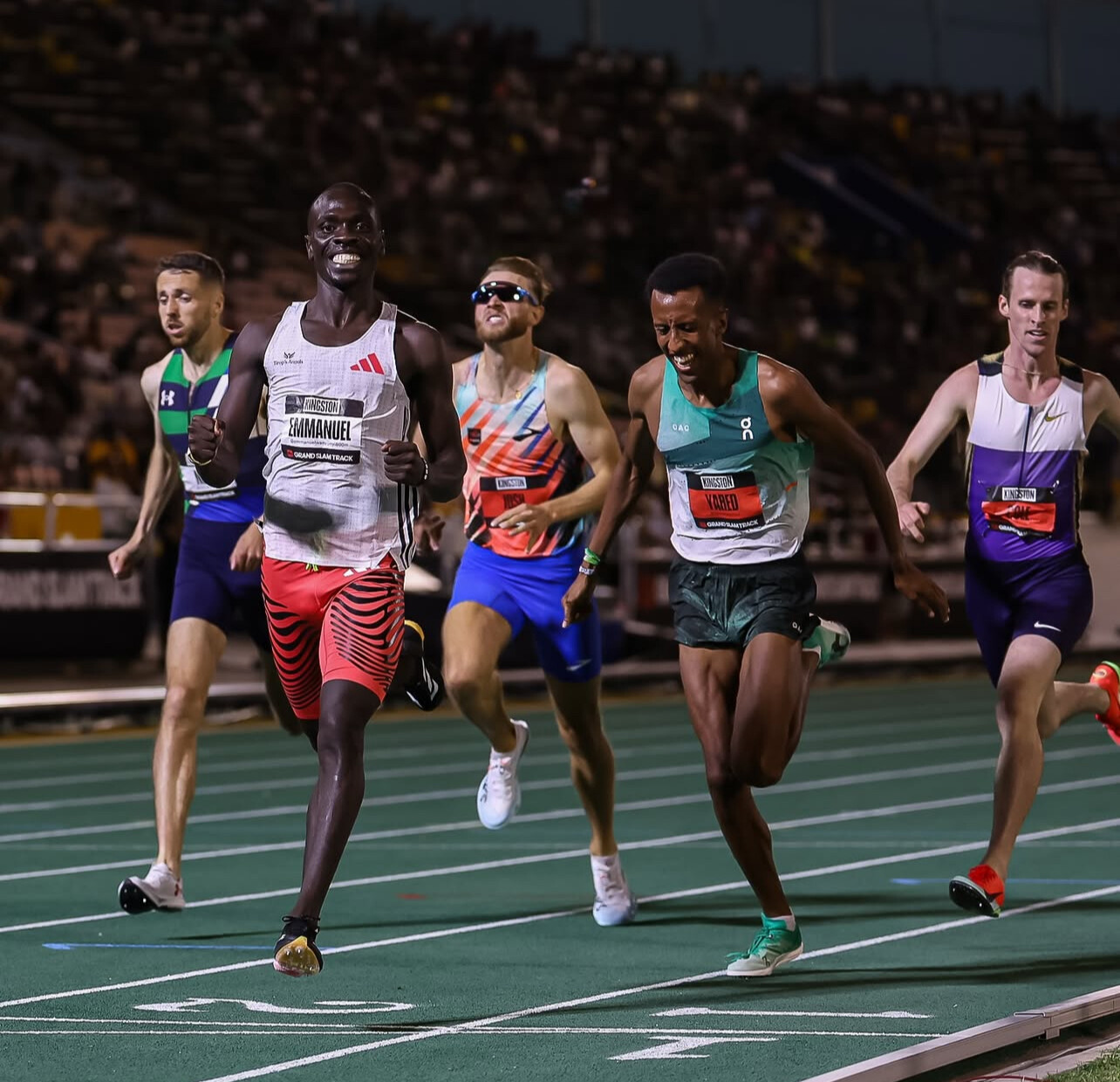
Even those with positive experiences are waiting. Charles Philibert-Thiboutot, a two-time Olympian for Canada, praised GST after competing in Kingston. “Grand Slam Track was one of the best experiences I’ve had as a pro,” he told Canadian Running. “I’m sad to see it struggle, because I do think that’s the way athletes should be treated at the highest level.” Still, he acknowledged he hasn’t been paid yet—but was told the money is on the way.
An agent representing multiple GST athletes confirmed that only half of the prize money from Kingston has been paid, and that winners from Miami and Philadelphia are still waiting. Delays in payout aren’t uncommon in professional track, with 6–12 week lags the norm—but with Kingston now 11 weeks in the rearview, patience is thinning.
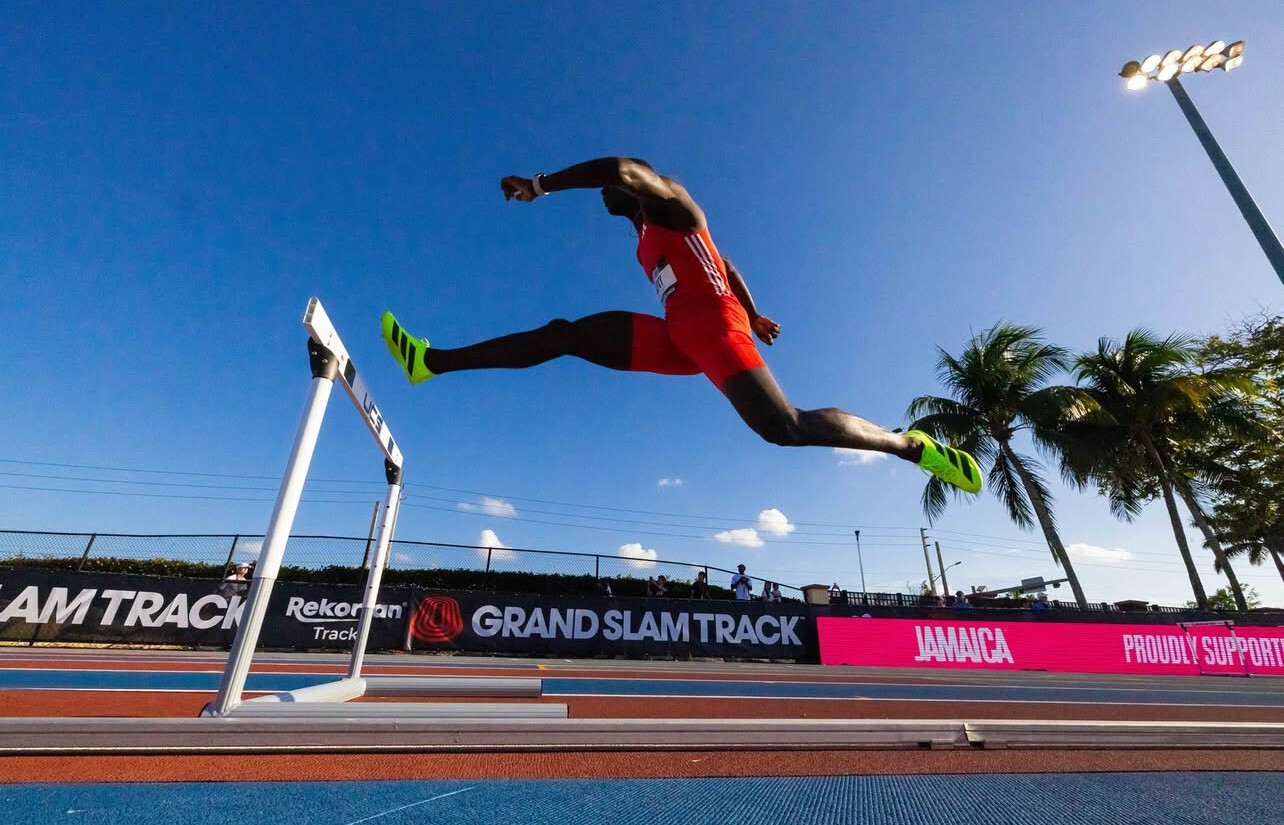
GST was originally backed by a $30 million budget, with $12.6 million earmarked for prize money—$3.15 million per event. The league also supported athlete contracts and high-end production values across its three completed events in Kingston, Miami, and Philadelphia.
In an email to NRK, GST spokesperson Callum Squires cited poor financial conditions at the LA venue as the reason for the cancellation. “The success of our three previous events has led us to make the difficult choice to end the pilot season and set our sights on 2026,” he wrote. “We will announce investors and new partnerships next week.”
Whether Grand Slam Track can recover and return stronger in 2026 may hinge on what happens next—and especially whether the league delivers on its most essential promise: paying the athletes who brought their best to the track.
by Boris Baron
Login to leave a comment

Grand Slam Track in Philadelphia: A Weekend of Records, Stars, and a Hurdles Debut
This weekend, the historic Franklin Field in Philadelphia transformed into the heart of global athletics as the Grand Slam Track (GST) continued its groundbreaking season. With packed stands, a star-studded lineup, and record-breaking performances, the meet was nothing short of electrifying.
At the center of the action was Olympic champion Sydney McLaughlin-Levrone, who turned heads by stepping away from her signature 400m hurdles to focus on the 100m hurdles. “It’s definitely been a shift these past few weeks, but it’s been great to work on sprint mechanics, block start, and hurdle technique,” Sydney said via The Athletic. While her mastery in longer races is legendary, she’s embracing this shorter sprint with confidence. Fans eagerly anticipate her performance as she lines up for the 100m hurdles on Sunday.
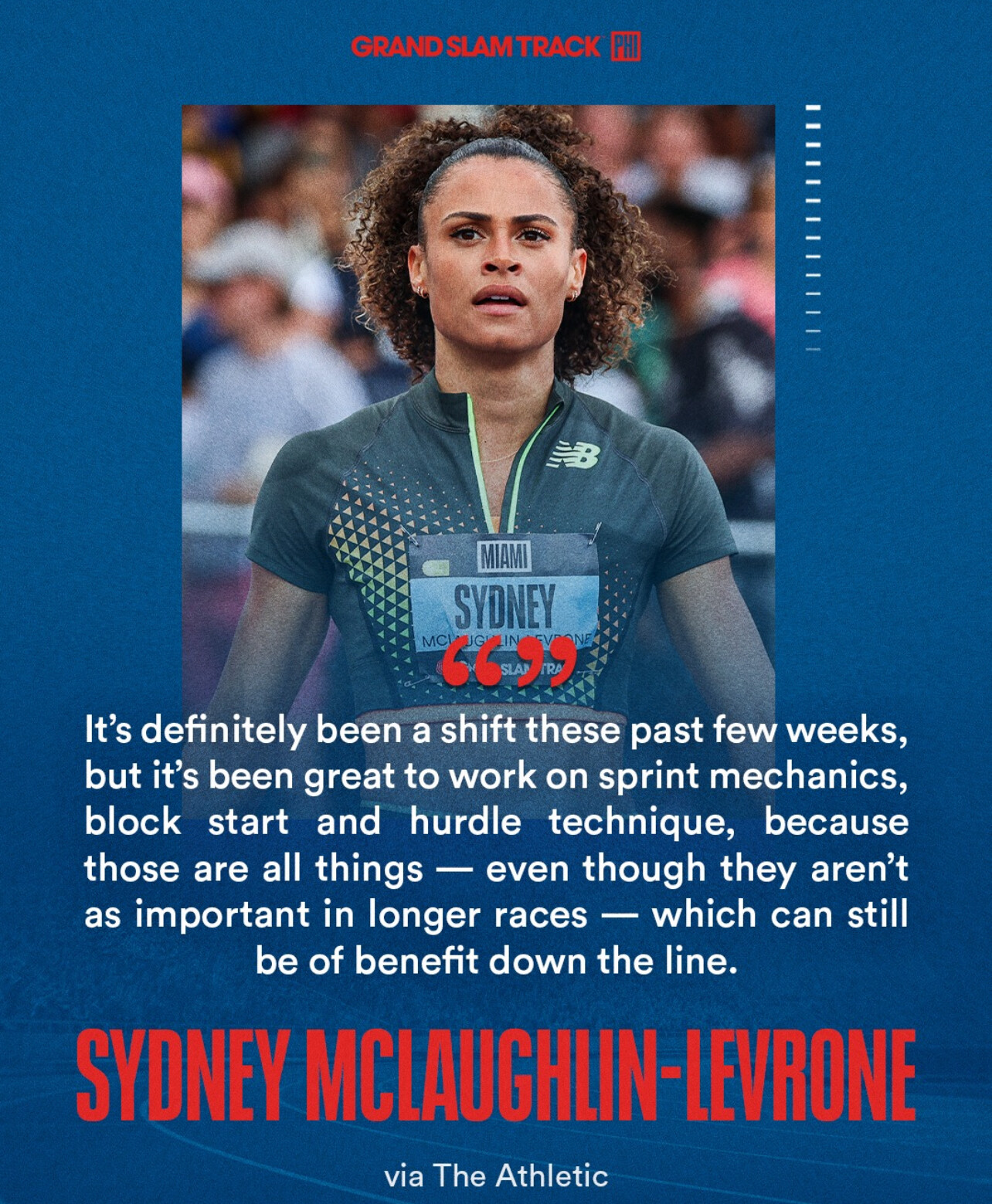
Saturday’s action delivered drama and brilliance across all distances:
Marco Arop’s Command in the Men’s 800m
Canada’s Marco Arop dominated the men’s 800m, clocking an impressive 1:43.38 to claim his third consecutive GST victory. He surged ahead of American Josh Hoey (1:44.41), thrilling the Philadelphia crowd. “It’s easy to run fast in a stadium like this, so I had to put on a show for them,” Arop said with a smile.
Diribe Welteji’s Record-Breaking 1500m
In the women’s 1500m, Ethiopia’s Diribe Welteji stunned the field with a championship record of 3:58.04. Hot on her heels were Australia’s Jessica Hull (3:58.36) and American Nikki Hiltz (4:00.54), making it one of the most thrilling races of the day.
Tactical Wins in the 3000m
Kenya’s Agnes Jebet Ngetich showcased her tactical brilliance in the women’s 3000m, edging out Ethiopia’s Ejgayehu Taye by just 0.09 seconds with a winning time of 8:43.61. In the men’s 3000m, American Grant Fisher delivered a commanding performance, leading from start to finish.
What’s Next?
Sunday promises even more excitement as athletes return to the track. Sydney McLaughlin-Levrone’s 100m hurdles debut is a highlight, alongside fierce battles in the sprints, middle distance, and field events.
The Philadelphia meet is part of GST’s mission to reshape professional track and field with a streamlined format, significant prize money, and a focus on athlete-driven competition. With a total prize pool of $12.6 million and top winners earning $100,000, the stakes are high.
Fans can tune in live on Peacock and The CW in the U.S. or follow highlights through international broadcasters.
As the athletes gear up for the final day in Philadelphia, one thing is clear: the Grand Slam Track is redefining what it means to race.
by Boris Baron
Login to leave a comment
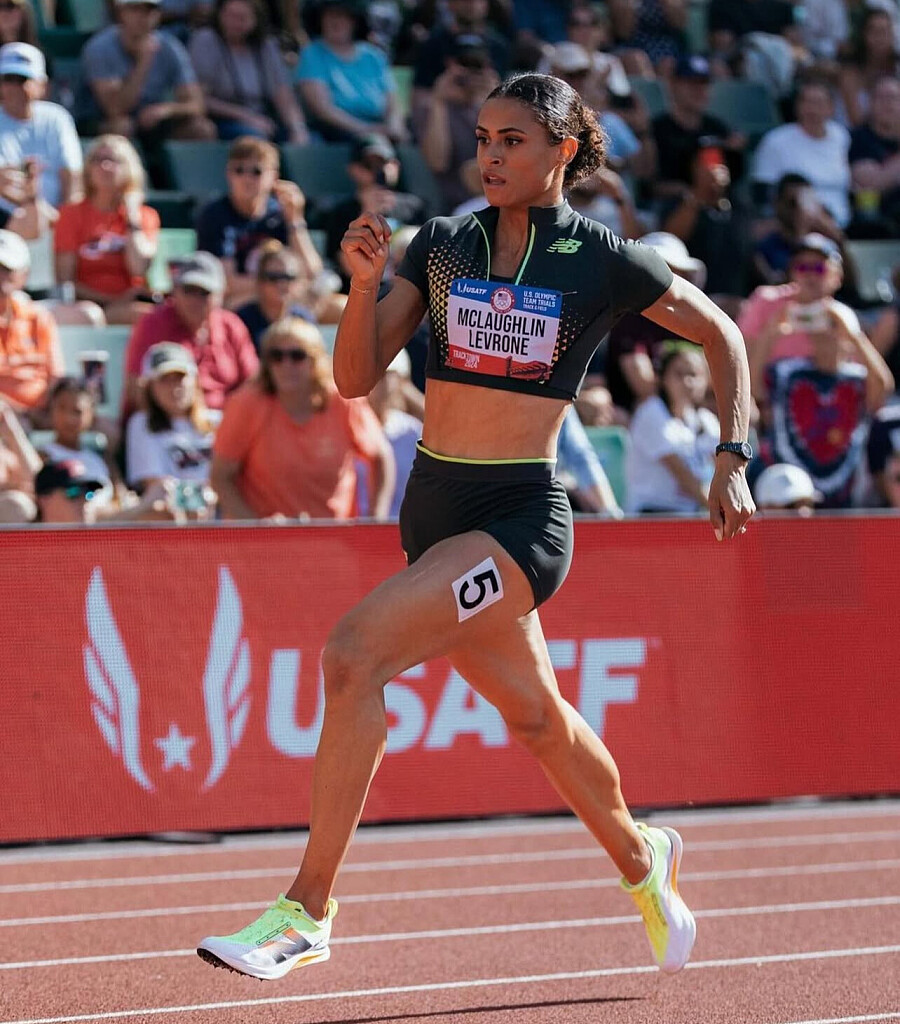
Sydney McLaughlin-Levrone Shakes Up Sprint World with 100m Hurdles Debut
Sydney McLaughlin-Levrone to Debut in 100m Hurdles at Philly Grand Slam Meet—A New Chapter Begins June 9
One of track and field’s most celebrated athletes is stepping into a new lane—literally.
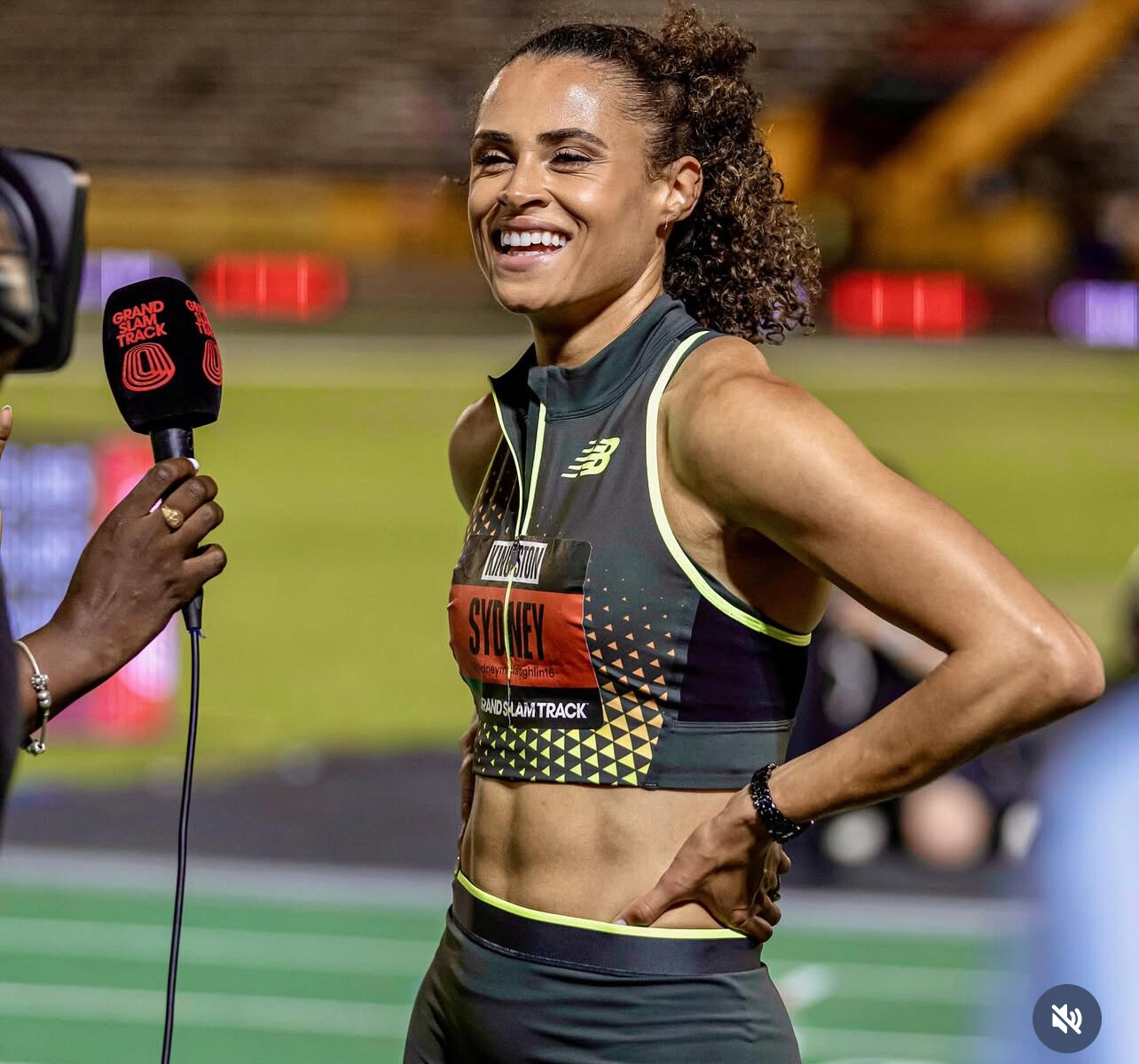
Sydney McLaughlin-Levrone, the Olympic and world champion in the 400m hurdles, will compete in the 100m hurdles for the first time as a professional at the Grand Slam Track Meet in Philadelphiaon June 9, 2025. The event marks a bold move for a star known for redefining her own limits.
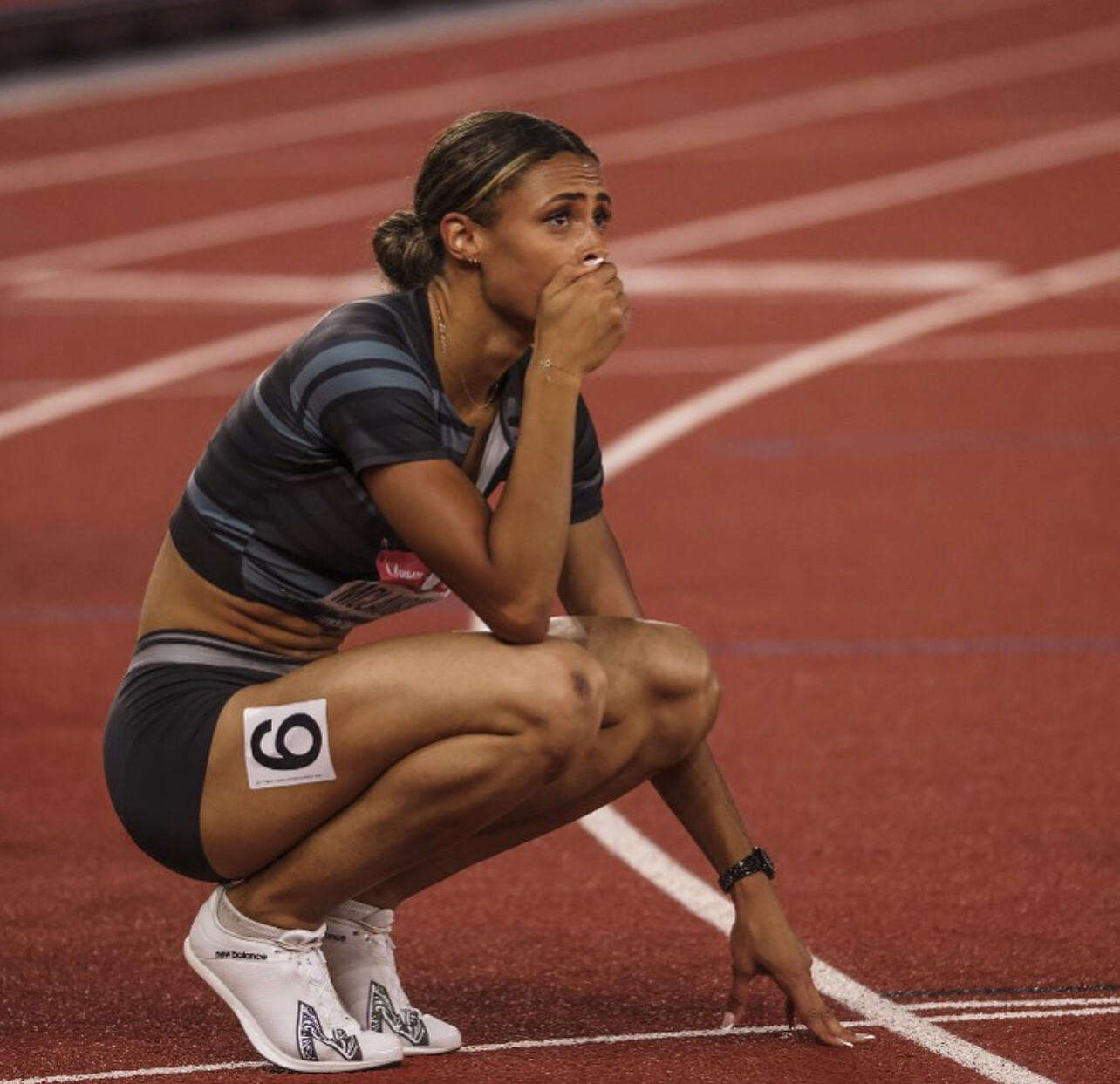
The meet is part of the Grand Slam Track series, an ambitious new project that launched in Kingston, Jamaica in May 2025. The series aims to bring excitement and elite matchups to iconic track venues with high-energy formats and streamlined scheduling. Unlike traditional leagues, Grand Slam Track events are standalone competitions that prioritize fan experience and top-tier competition without the bureaucracy of point-based rankings.
The Philly Grand Slam will be held at historic Franklin Field, home of the Penn Relays, and is expected to draw a packed crowd and worldwide attention—especially with McLaughlin-Levrone on the start list.
Why 100m hurdles, and why now?
Sydney was a dominant sprint hurdler in high school and has hinted in recent years that she still has unfinished business with the shorter hurdles. Her transition comes as no surprise to insiders:
• It’s a return to her roots: Before becoming a 400m hurdles world-beater, she posted elite-level times in the 100m hurdles as a teen.
• A lighter load physically: The 100m hurdles is demanding but significantly less punishing than the 400m hurdles, especially post-Olympics.
• A new challenge: With multiple Olympic and World titles already secured, Sydney may be seeking fresh goals—and this could open the door to a hurdles double in future major championships.
“I’ve always loved the hurdles,” she said in a statement ahead of the meet. “This is about stepping outside my comfort zone and having fun.”
With the 100m hurdles field likely to include top U.S. and international talent, fans will see how Sydney stacks up—technically, tactically, and mentally—against the best over 10 barriers and 100 meters.
Whether it’s a one-off experiment or the start of a new direction, June 9 in Philly is must-watch track.
by Boris Baron
Login to leave a comment

Faith Kipyegon and Jakob Ingebrigtsen Headline Historic 2025 Pre Classic
The 50th edition of the Prefontaine Classic, set for July 5 at Hayward Field in Eugene, Oregon, promises to be one of the most exciting track meets of the year. Headlining the event is three-time Olympic gold medalist Faith Kipyegon, who returns to the Pre Classic in search of her seventh career victory in the women’s 1500m.
Kipyegon, the world record holder in both the 1500m (3:49.04) and the mile (4:07.64), shattered the 1500m mark in Paris on July 7, 2024. Now, nearly a year later, she’ll look to reassert her dominance in front of a packed crowd at one of the sport’s most prestigious meets.
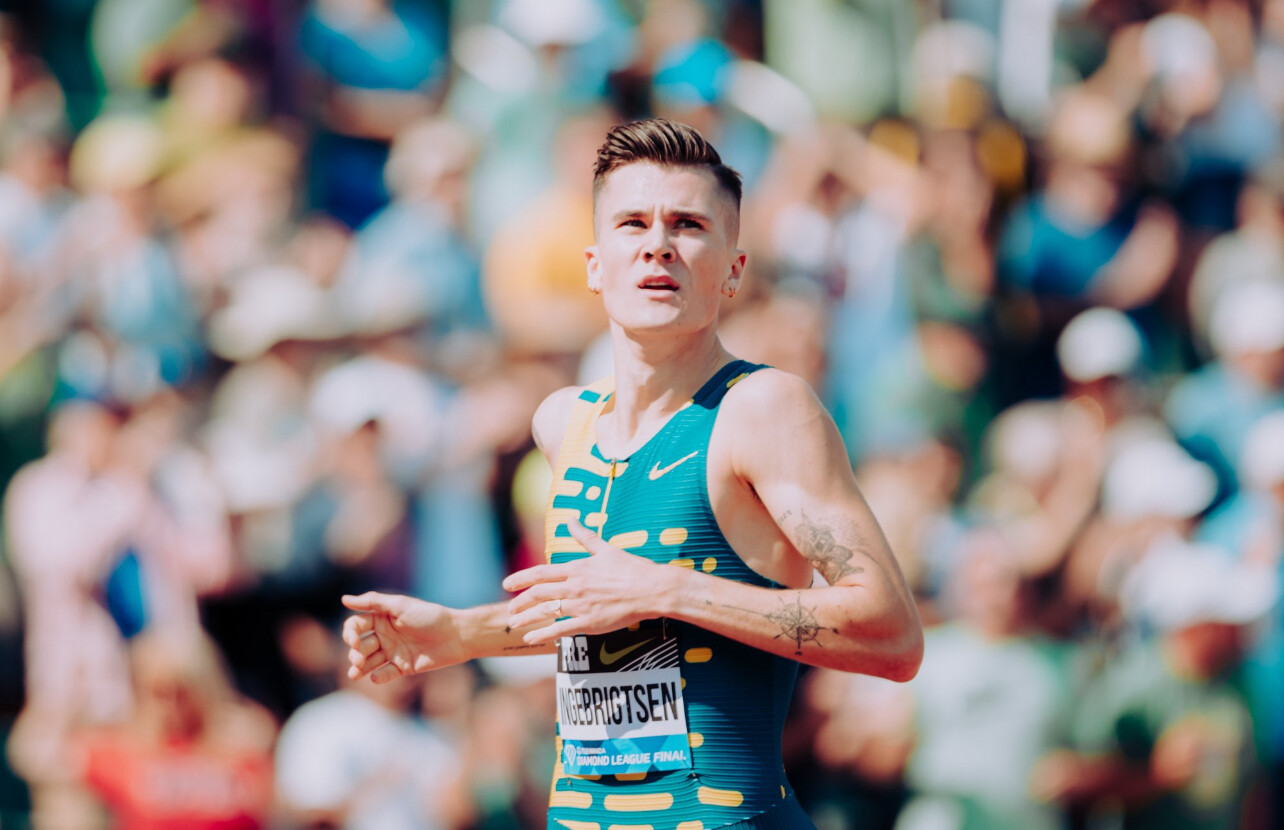
Joining Kipyegon in the 1500m are her fellow 2024 Olympic medalists—silver medalist Jessica Hull of Australia and bronze medalist Georgia Bell of Great Britain. Hull, a former University of Oregon standout, also holds the current world record in the 2000m.
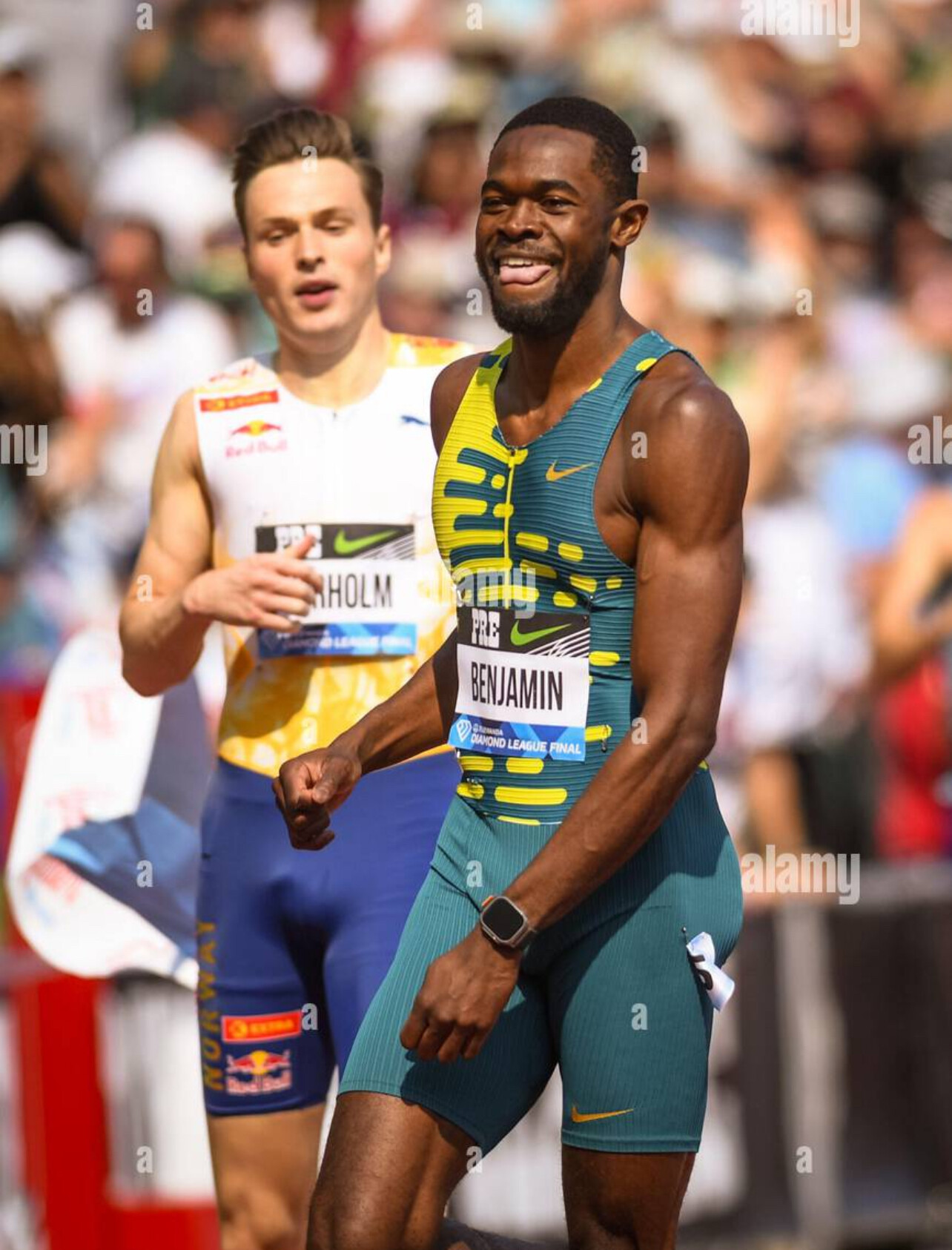
But Kipyegon isn’t the only big name set to thrill fans in Eugene. The men’s Bowerman Mile will feature a stacked lineup that includes:
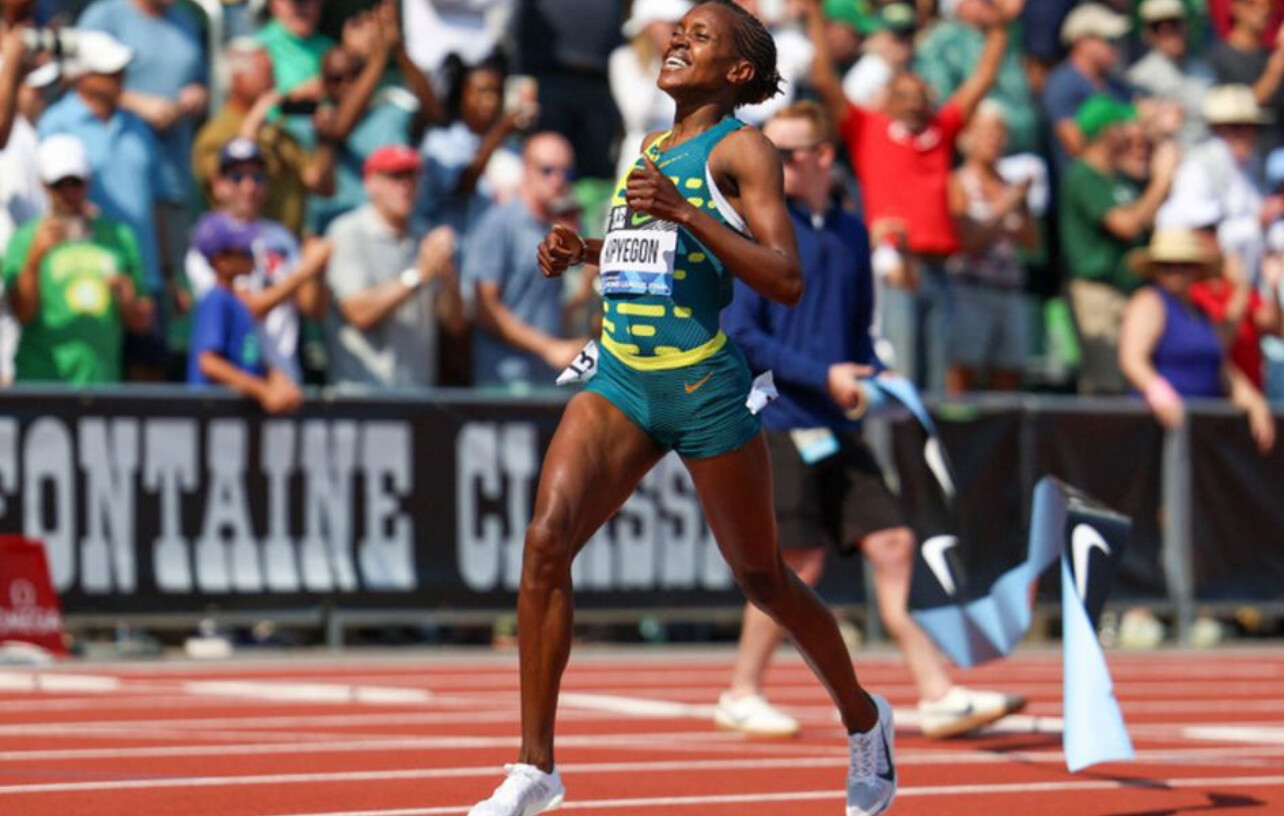
• Jakob Ingebrigtsen (Norway) – Olympic gold medalist and multiple-time Bowerman Mile champion

• Cole Hocker (USA) – 2024 Olympic 1500m champion
• Yared Nuguse (USA) – Olympic bronze medalist and former indoor mile world record holder
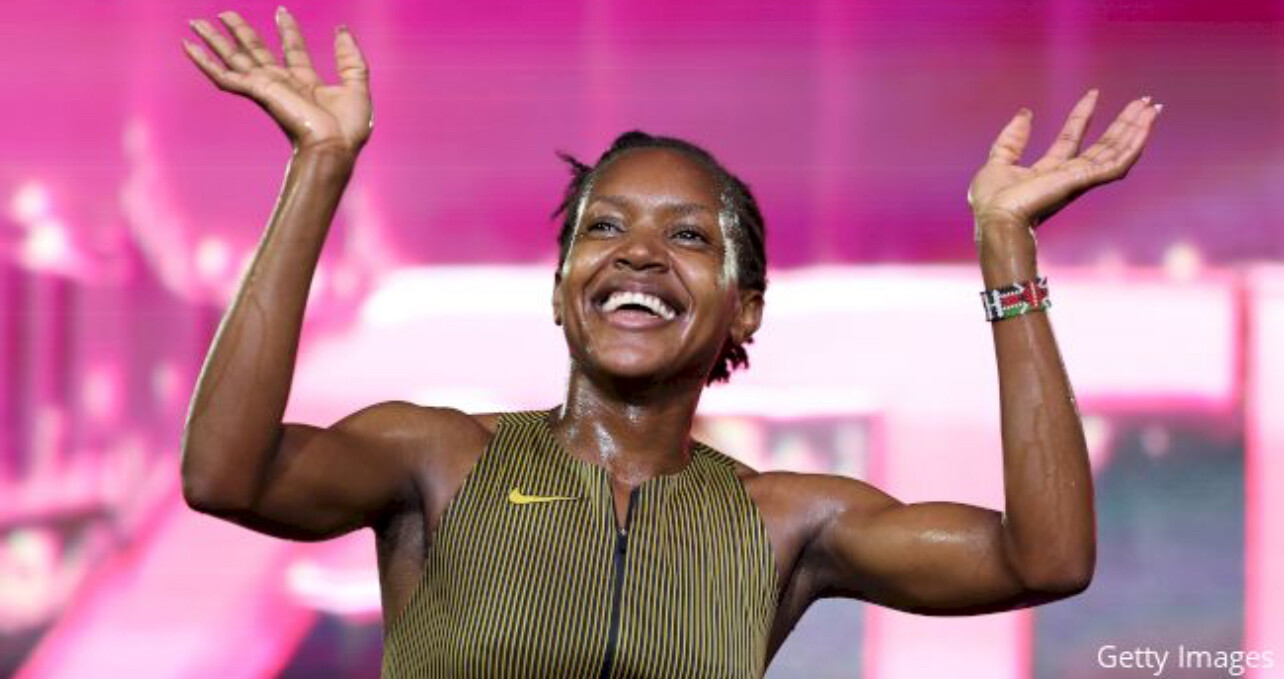
• Timothy Cheruiyot (Li Kenya) – Former world champion
• Jake Wightman (Great Britain) – 2022 world champion
• Grant Fisher (USA) – Olympic bronze medalist in both the 5000m and 10,000m
• Plus rising stars including Oliver Hoare, Neil Gourley, Azeddine Habz, Hobbs Kessler, Niels Laros, Cameron Myers, Stefan Nillessen, and Reynold Cheruiyot
In the men’s 400m hurdles, Olympic silver medalist Rai Benjamin will headline a competitive field that also includes CJ Allen, Trevor Bassitt, Clement Ducos, Malik James-King, Abderrahman Samba, and Assinie Wilson.
The 2025 Prefontaine Classic will feature 14 Diamond League disciplines, including the women’s 800m, 5000m, and 3000m steeplechase—each with world-class fields expected to be announced soon.
As the sport celebrates this milestone edition of the Pre Classic, the meet is shaping up to be not just a tune-up for global championships, but a showcase of track and field at its absolute best.
by Boris Baron
Login to leave a comment

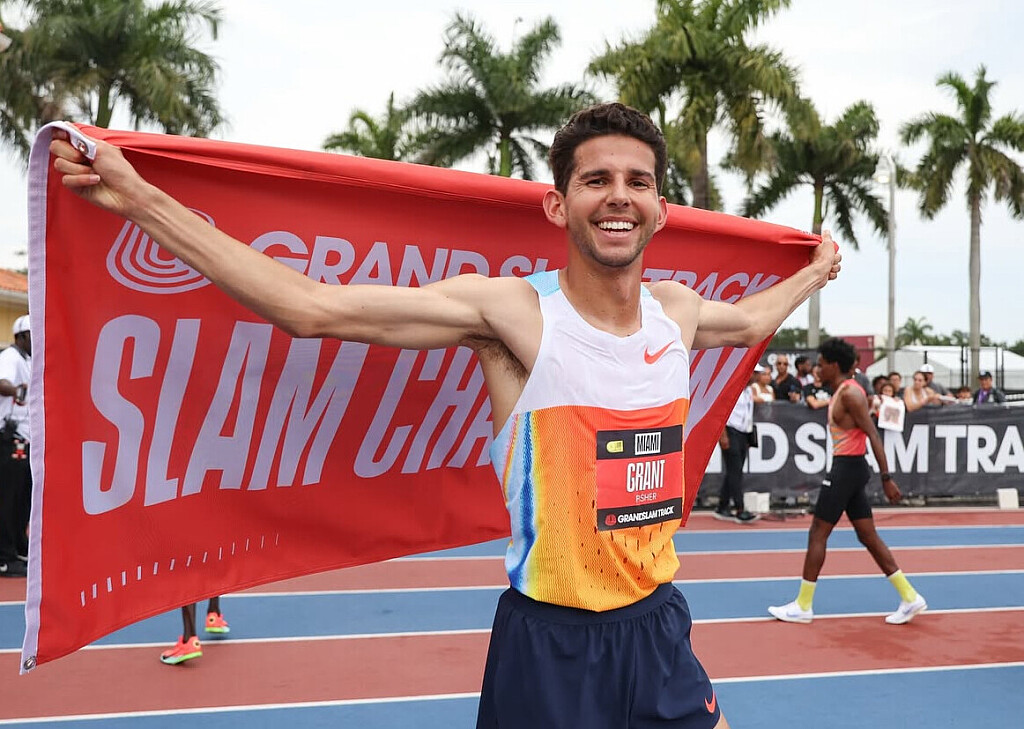
Day 3 Recap: Grand Slam Track Miami Delivers High Drama and Big Payouts
The final day of the Grand Slam Track meet in Miami concluded with thrilling performances and significant prize money awarded to top athletes. Held at the Ansin Sports Complex from May 2–4, this event marked the second stop in the inaugural Grand Slam Track series, founded by Olympic legend Michael Johnson.
Top Performers and Prize Money Winners
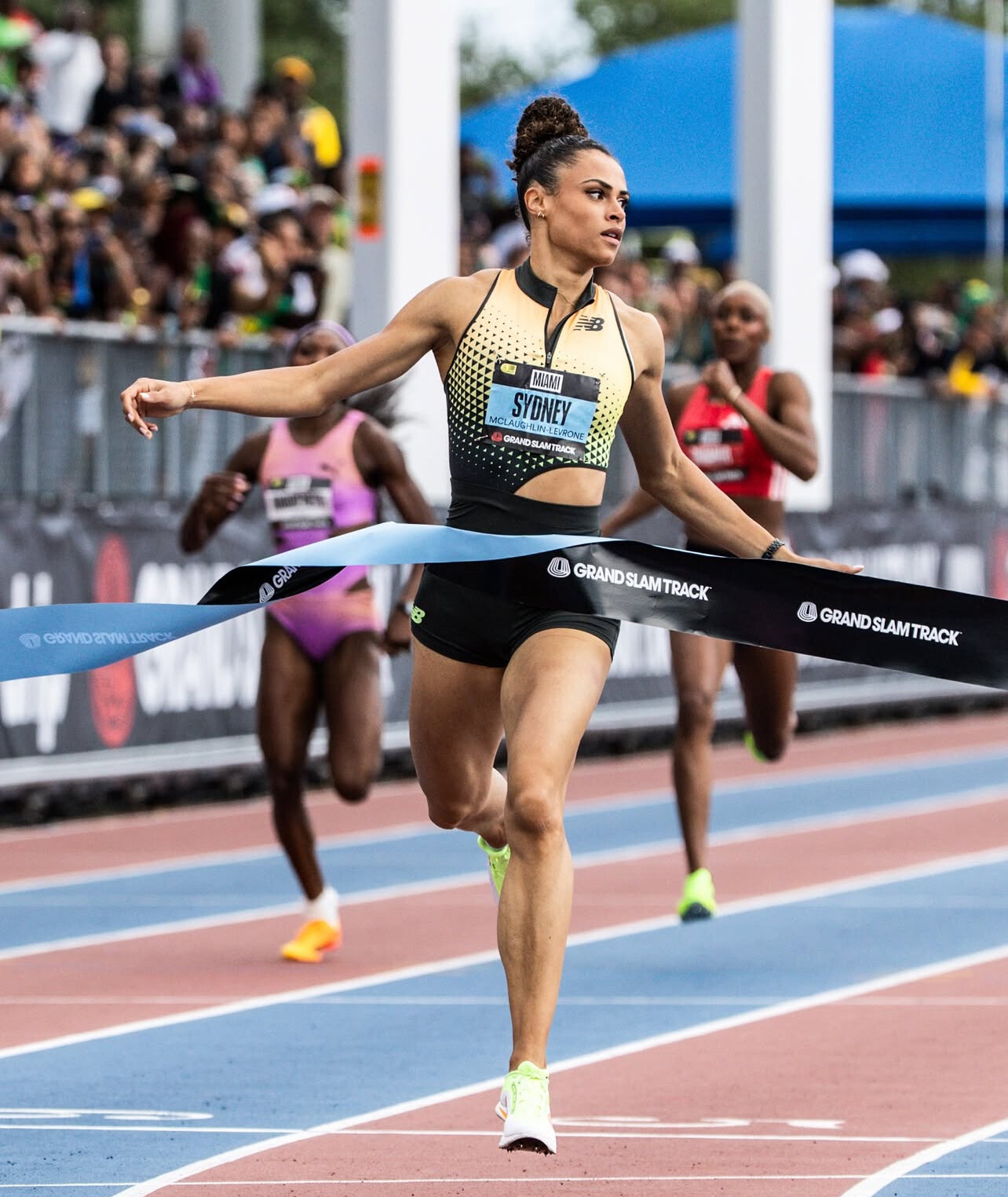
The Grand Slam Track series features six event groups, each comprising two disciplines. Athletes accumulate points across both events, with the highest total determining the group champion. Winners receive $100,000, with payouts extending to the eighth place at $10,000.
Men’s Short Sprints (100m & 200m):
Kenny Bednarek secured victories in both the 100m (9.79 seconds, wind-aided) and 200m (19.84 seconds), earning the maximum 24 points and the $100,000 prize.

Women’s Long Hurdles (400m Hurdles & 400m):
Sydney McLaughlin-Levrone dominated her events, including a 400m win in 49.69 seconds, clinching her second consecutive Grand Slam title and $100,000.
Men’s Short Distance (800m & 1500m):
Josh Kerr won the 1500m in 3:34.51 and placed fifth in the 800m with a personal best of 1:45.01, accumulating 16 points to secure the group title and $100,000.
Women’s Short Sprints (100m & 200m):
Melissa Jefferson-Wooden became the first athlete to win back-to-back Grand Slam titles, winning the 100m in 10.75 seconds and placing third in the 200m, totaling 18 points and earning $100,000.
Men’s Long Distance (3000m & 5000m):
Grant Fisher won the 5000m, securing enough points to top the long-distance group and take home $100,000.
“I need to be ready to win in a lot of different scenarios,” said Grant Fisher after his dominant performance in the men’s 5000m at the Grand Slam Track meet in Miami. The U.S. star closed with a blistering 3:57.58 over the final 1600 meters, showcasing both tactical patience and lethal finishing speed en route to his 13:40.32 victory over 12.5 laps.
Women’s Long Distance (3000m & 5000m):
Agnes Jebet Ngetich won the 5000m with a time of 14:25.80, setting a course record and claiming the group title and $100,000.
Prize Money Structure
The Grand Slam Track series offers substantial financial incentives:
First-place finishers in each event group receive $100,000. Second place earns $50,000, third place takes home $30,000, and fourth place is awarded $25,000. Fifth through eighth places receive $20,000, $15,000, $12,500, and $10,000 respectively. This structure ensures that all finalists receive compensation, promoting competitive participation across the board.
Emerging Stars and Notable Performances
Several athletes delivered standout performances:
• Andrew Coscoran: The Irish runner won the 3000m in 8:17.56, marking the biggest victory of his career.
• Masai Russell: Set a new American record in the 100m hurdles with a time of 12.17 seconds, the second-fastest in history.
• Peter Bol: The Australian middle-distance runner earned $30,000 in his Grand Slam Track debut, showcasing his potential in the league.
Looking Ahead
With two events completed, the Grand Slam Track series moves to Philadelphia and Los Angeles. Athletes will continue to compete for significant prize money and the coveted “Racer of the Year” title, awarded to the top male and female athletes based on cumulative points across all four Slams.
by Boris Baron
Login to leave a comment
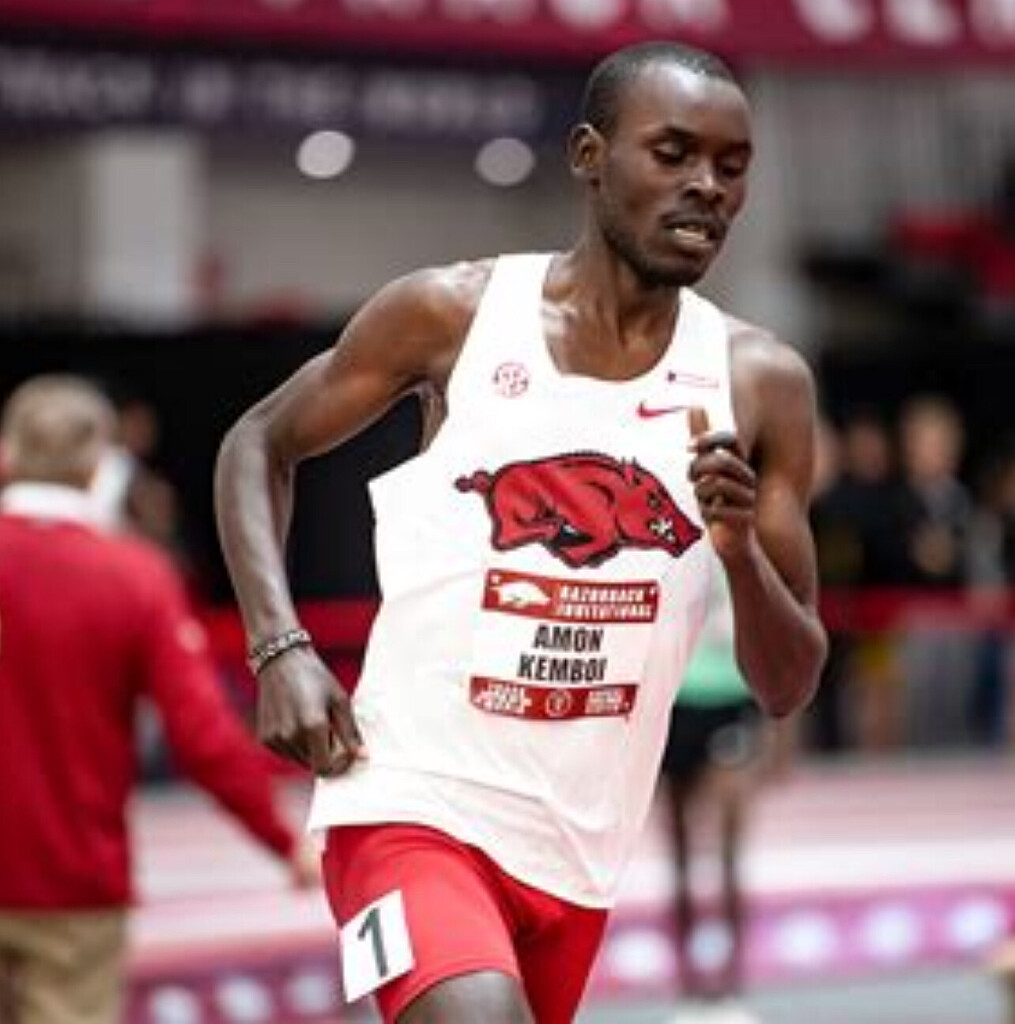
George Mills and Amon Kemboi Set for Grand Slam Track Debuts at Miami Slam
The Grand Slam Track league returns this weekend with its second meet of the season, the Miami Slam, taking place from May 2–4 at the Ansin Sports Complex in Miramar, Florida. Among the anticipated debuts is British middle-distance runner George Mills, who will compete in both the 3000m and 5000m events. Joining him is Kenyan long-distance runner Amon Kemboi, also making his Grand Slam Track debut in the same events.
George Mills (second photo):British Record-Holder Steps onto Grand Slam Stage
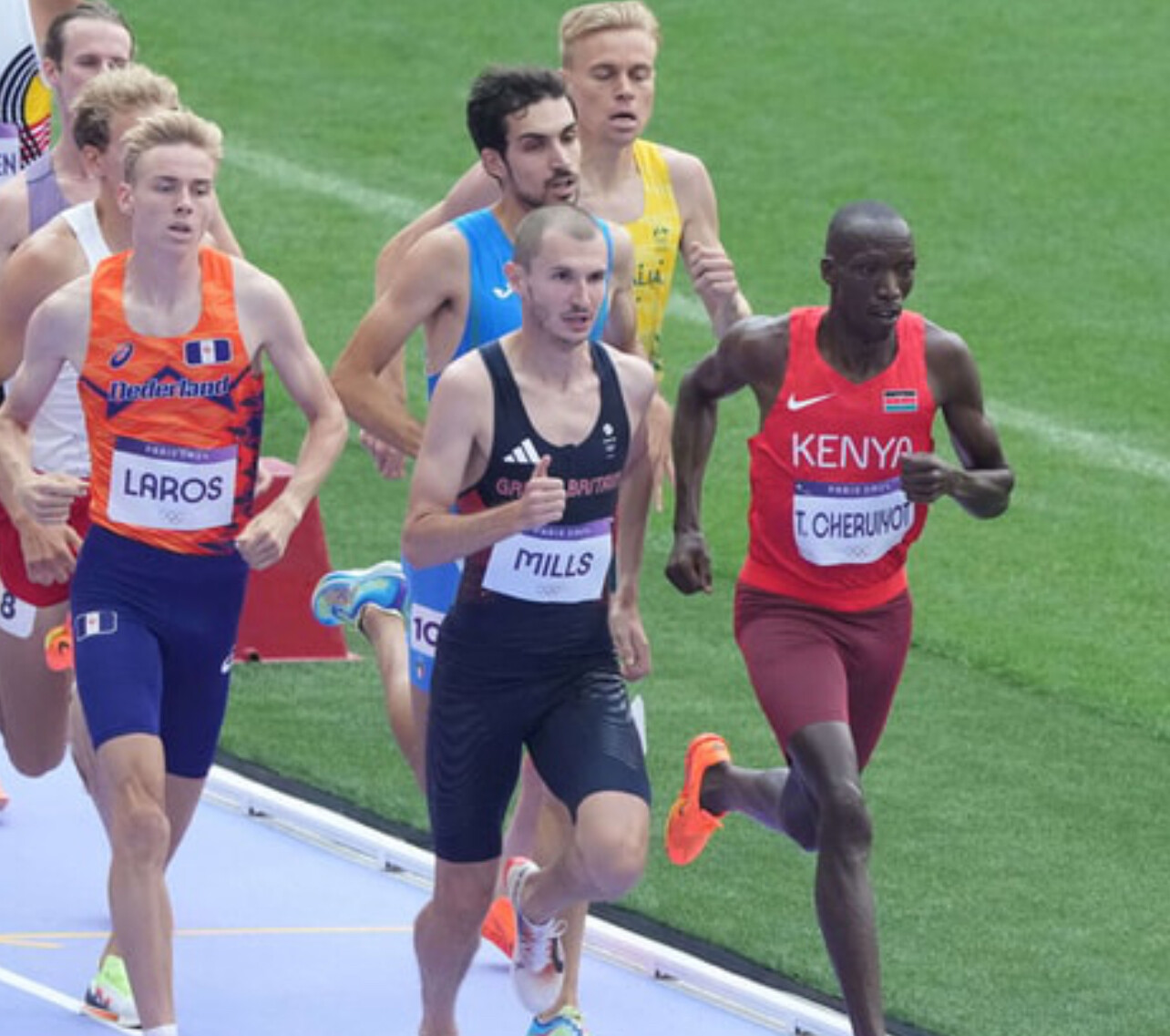
George Mills enters the Miami Slam with impressive credentials. Earlier this year, he set a new British indoor record in the 3000m with a time of 7:27.92, surpassing the previous record held by Josh Kerr. In the 5000m, Mills clocked an impressive 12:58.68, meeting the Olympic standard and showcasing his prowess over longer distances.
“It fits well right now to run a 3,000m and 5,000m double, and then we can tailor the rest of the year how we need to,” Mills stated ahead of the meet.
Amon Kemboi (first photo): Kenyan Star Makes Grand Slam Debut
Kenyan runner Amon Kemboi is also set to make his Grand Slam Track debut in Miami. Kemboi boasts personal bests of 7:38.99 in the 3000m and 13:06.30 in the 5000m. His participation adds depth to the long-distance field and introduces another formidable competitor to the Grand Slam Track series.
Grand Slam Track: A New Era for Track and Field
Founded by Olympic legend Michael Johnson, Grand Slam Track is revolutionizing professional track and field with a format inspired by Formula 1 and tennis. Each of the four “Slams” in the inaugural 2025 season—Kingston, Miami, Philadelphia, and Los Angeles—features 48 elite “Racers” competing head-to-head with 48 “Challengers” across sprint, hurdle, and distance events. Athletes race twice per weekend, earning points toward a $100,000 Slam title and a shot at the season-long championship.
Miami Slam Schedule Highlights (All Times ET)
• Friday, May 2:
• 5:42 PM – Women’s 100m Hurdles
• 5:51 PM – Men’s 1500m
• 6:16 PM – Women’s 5000m
• 7:01 PM – Men’s 3000m
• Saturday, May 3:
• 5:42 PM – Women’s 400m Hurdles
• 6:22 PM – Women’s 1500m
• 7:05 PM – Men’s 800m
• Sunday, May 4:
• 3:42 PM – Women’s 800m
• 4:04 PM – Women’s 3000m
• 4:44 PM – Men’s 5000m
How to Watch
• Streaming: Peacock will provide live coverage of all events.
• Broadcast: The CW Network will air live coverage on Saturday and Sunday.
As George Mills and Amon Kemboi make their Grand Slam Track debuts, fans can anticipate thrilling performances in the long-distance events. Their participation not only adds excitement to the Miami Slam but also underscores the global appeal and competitive spirit of this innovative track and field series.
by Boris Baron
Login to leave a comment
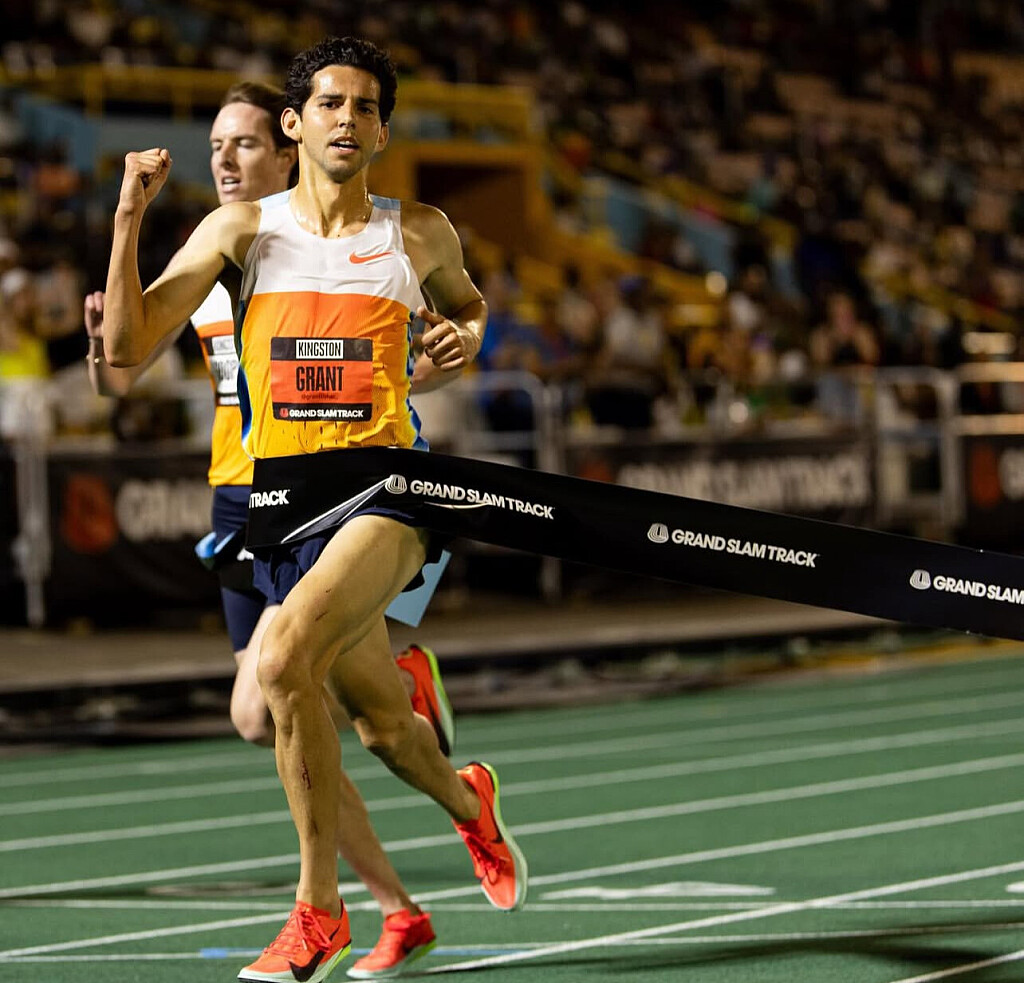
Grand Slam Track Bold Start Amidst Challenges
The inaugural Grand Slam Track event, held from April 4–6, 2025, at Jamaica’s National Stadium in Kingston, marked a transformative moment in professional track and field. Spearheaded by Olympic legend Michael Johnson, the series aims to revitalize the sport by offering substantial prize money and a unique competition format.
Innovative Competition Format
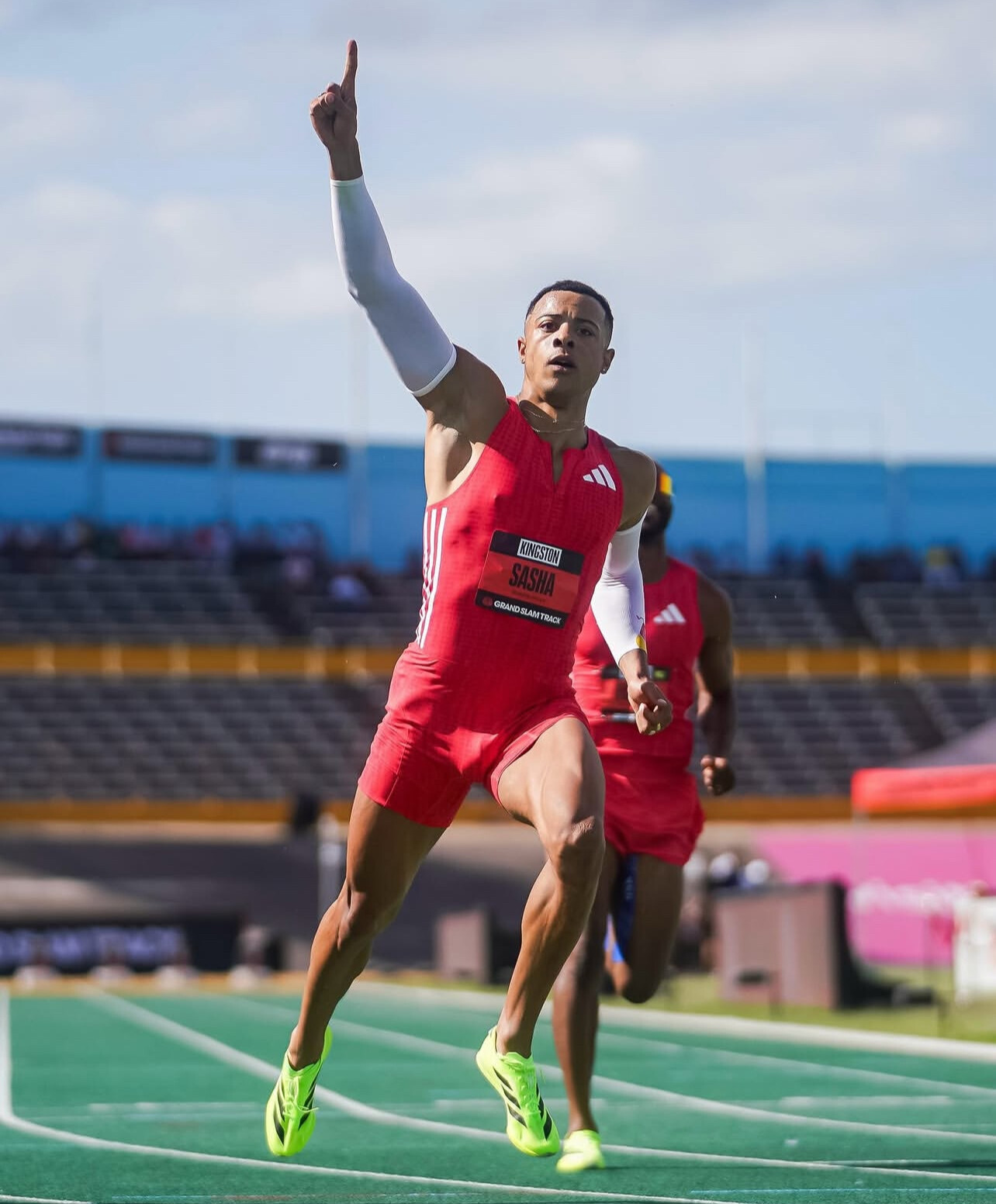
Grand Slam Track introduces a fresh approach to track and field competitions. Athletes are divided into 12 event groups—six for men and six for women—each comprising two disciplines:
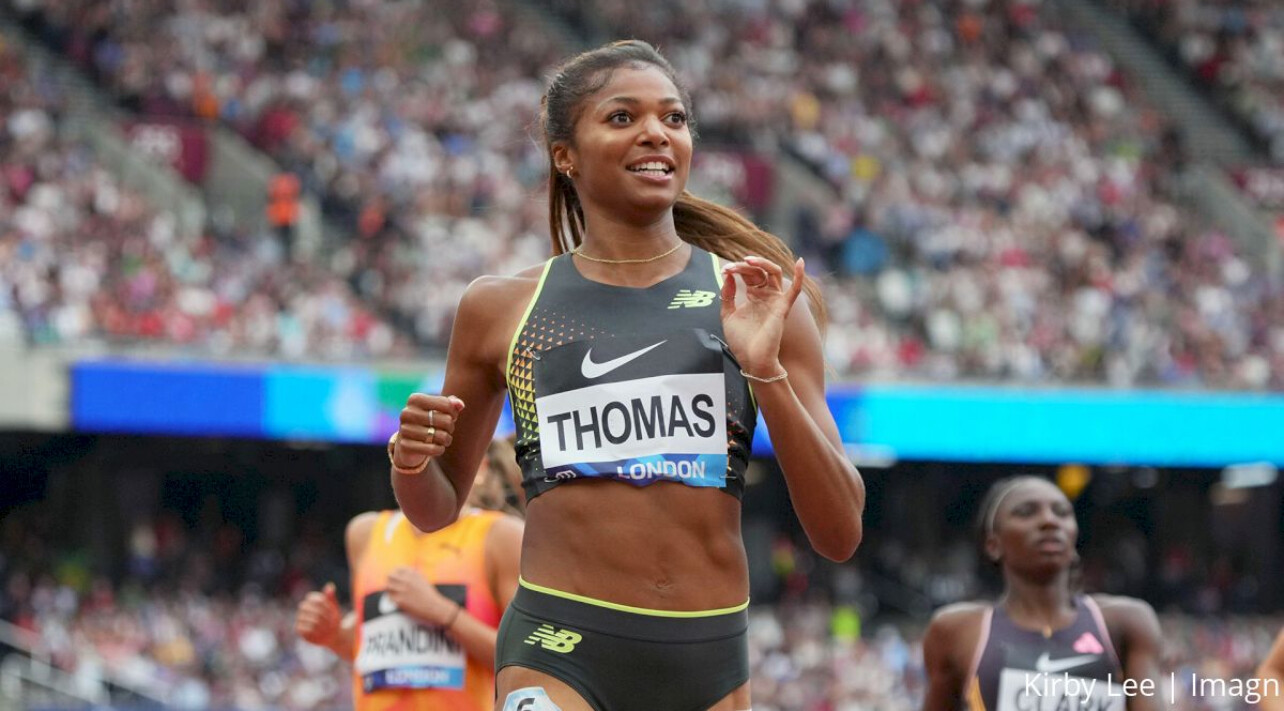
• Short Sprints: 100m and 200m
• Long Sprints: 200m and 400m
• Short Hurdles: 100m hurdles (women), 110m hurdles (men)
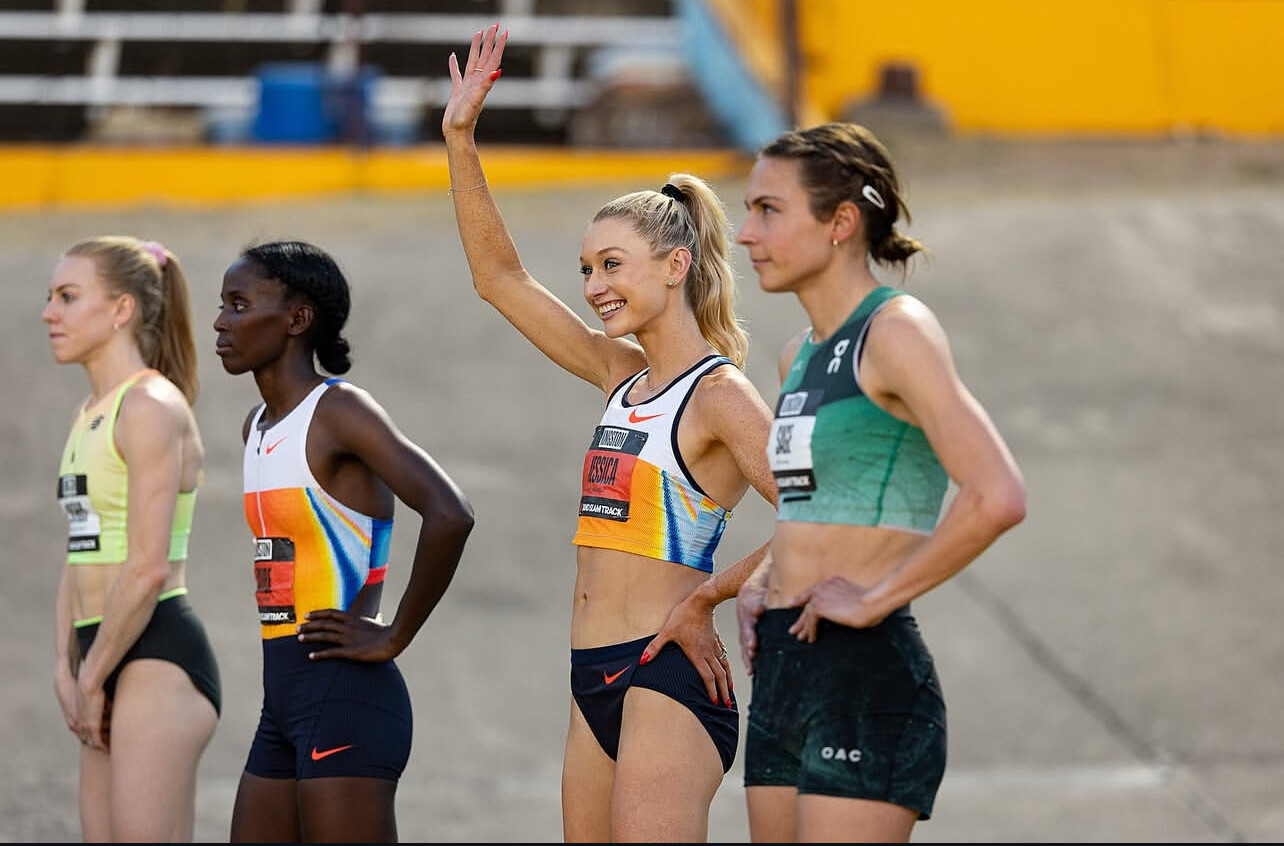
• Long Hurdles: 400m hurdles and 400m
• Short Distance: 800m and 1500m
• Long Distance: 3000m and 5000m
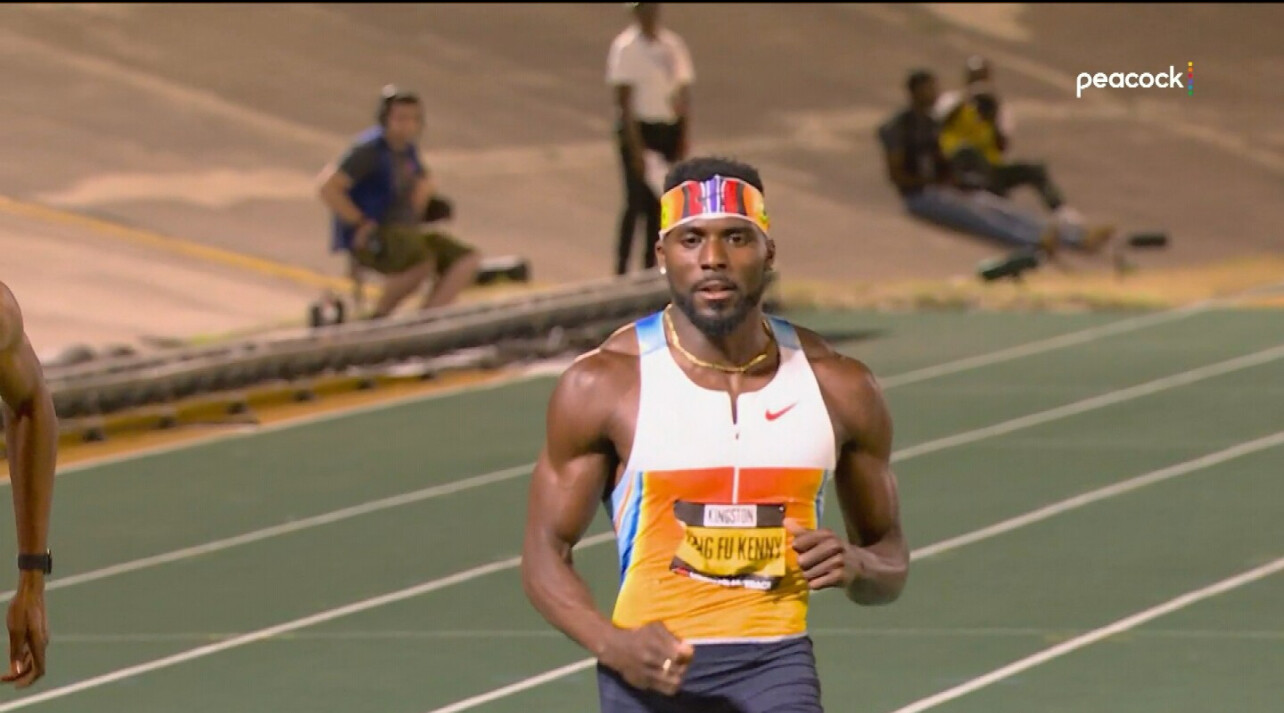
Over three days, competitors face off in both events within their group, earning points based on their performances. Points are awarded as follows:
• 1st place: 12 points
• 2nd place: 8 points
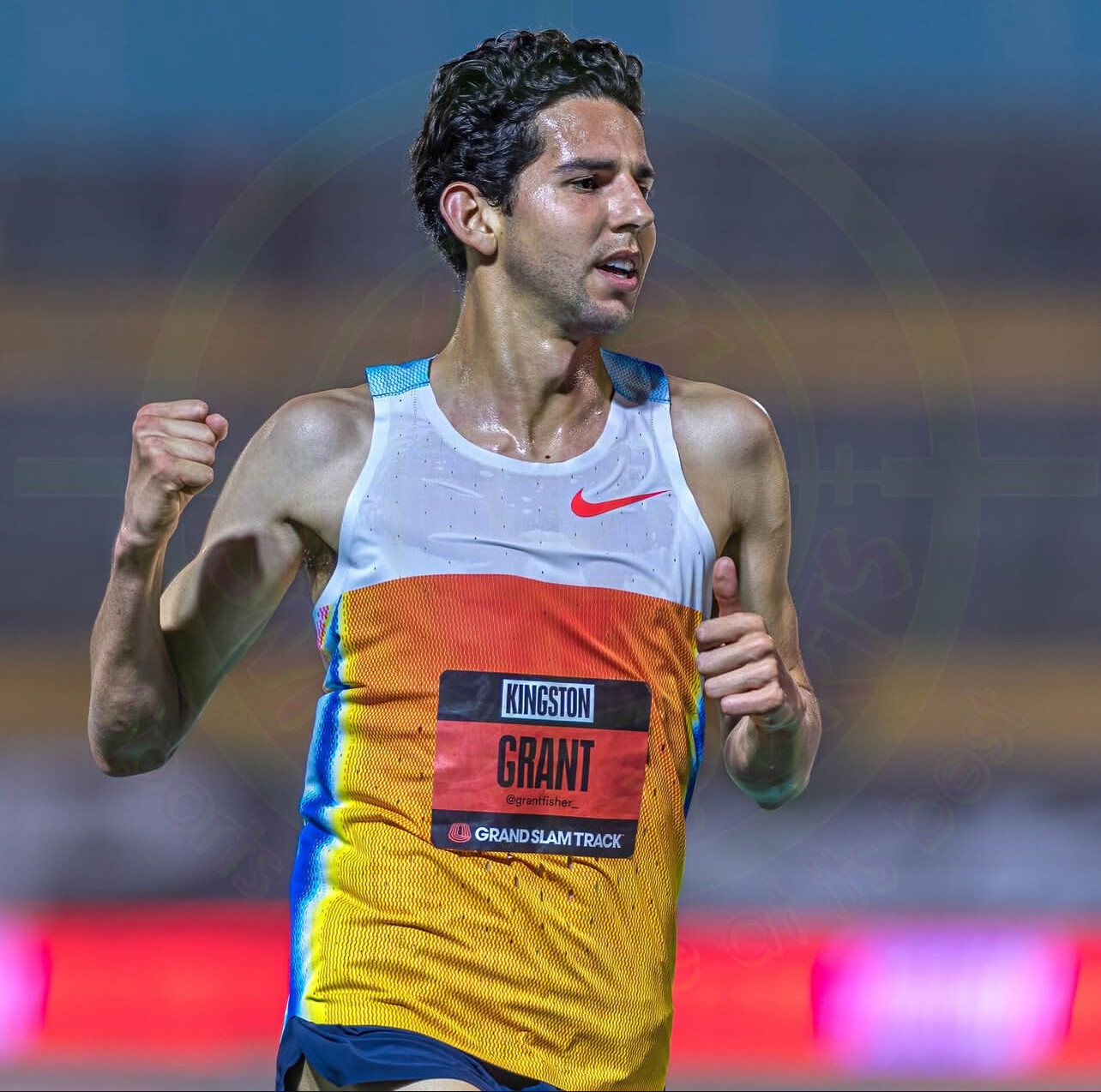
• 3rd place: 6 points
• 4th place: 5 points
• 5th place: 4 points
• 6th place: 3 points
• 7th place: 2 points
• 8th place: 1 point
The athlete with the highest combined score in each group is crowned the “Slam Champion” and awarded a $100,000 prize. In total, $1.2 million was distributed among the 12 group winners in Kingston, contributing to the event’s overall prize pool of $3.15 million.
Standout Performances
• Grant Fisher: The American distance runner secured the men’s long-distance Slam Champion title. Fisher won the 5000m in 14:39.14 and placed third in the 3000m with a time of 8:03.85, accumulating the highest points in his group and earning $100,000.
• Kenny Bednarek: Bednarek dominated the men’s short sprints, winning both the 100m in 10.07 seconds and 200m in 20.07 seconds. His flawless performance earned him the maximum 24 points and the $100,000 prize.
• Gabby Thomas: Thomas showcased her versatility by winning the women’s 200m in 22.62 seconds and finishing second in the 400m with a personal best of 49.14 seconds. Her combined results secured her the women’s long sprints title and a $100,000 award.
Challenges in Attracting Top Talent
Despite the substantial prize money and innovative format, the Grand Slam Track series has faced challenges in attracting some of the sport’s top athletes. Notably absent from the Kingston event were Olympic 100m champion Noah Lyles and double Olympic champion Jakob Ingebrigtsen. Lyles had previously indicated he would only participate if the league secured a broadcast partner, which it now has with deals on The CW and Peacock. However, he has yet to join the roster. Ingebrigtsen, on the other hand, reportedly declined participation due to the format requiring athletes to compete in two corresponding disciplines within an event category, which may not align with his specialization.
Financial and Attendance Concerns
The Kingston event, while successful in terms of athlete performances, struggled with low attendance. Reports indicate that the main grandstands never reached 50% capacity on any of the three days, with other sections remaining largely empty. Limited on-site parking and inadequate local marketing were cited as contributing factors to the sparse turnout. Financially, while the league has secured over $30 million in commitments from investors and strategic partners, the inaugural event’s low attendance and high operational costs suggest that it may have operated at a loss. However, organizers view this as a long-term investment in the sport’s revitalization.
Historical Context
Grand Slam Track is not the first attempt to establish a professional track and field league. The International Track Association (ITA), which operated from 1972 to 1976, initially attracted many top athletes but ultimately folded due to a lack of television revenue and difficulties in sustaining athlete participation. Similarly, the American Track League, founded more recently, has struggled to gain significant traction. These historical precedents highlight the challenges inherent in creating a sustainable professional track and field league.
Looking Ahead
The Grand Slam Track series continues with upcoming events in Miami (May 2–4), Philadelphia (May 30–June 1), and Los Angeles (June 20–22). Each meet follows the same format, offering athletes the opportunity to compete for significant prize money and fans the chance to witness high-stakes, head-to-head competition.
by Boris Baron
Login to leave a comment

Grand Slam Track League Aims to Revolutionize Track and Field
In an ambitious move to elevate professional track and field, sprinting legend Michael Johnson has launched the Grand Slam Track league. This innovative series promises athletes regular, high-stakes competitions against top-tier rivals, coupled with unprecedented financial incentives.
Unprecedented Financial Incentives
Grand Slam Track offers a substantial $12.6 million in prize money for its inaugural season. Athletes will compete in four major meets, with prize distributions as follows:
• 1st Place: $100,000
• 2nd Place: $50,000
• 3rd Place: $30,000
• 4th Place: $25,000
• 5th Place: $20,000
• 6th Place: $15,000
• 7th Place: $12,500
• 8th Place: $10,000
In contrast, the established Diamond League offers $10,000 for event winners and $1,000 for eighth place, highlighting Grand Slam Track’s commitment to elevating athlete compensation.
Season Schedule and Venues
The 2025 season features four high-profile meets:
1. Kingston, Jamaica – Independence Park: April 4–6
2. Miami, USA – Ansin Sports Complex: May 2–4
3. Philadelphia, USA – Franklin Field: May 30–June 1
4. Los Angeles, USA – Drake Stadium: June 27–29

These venues have been strategically selected to maximize global engagement and showcase the sport’s premier talents.
Elite Athlete Participation
The league has successfully attracted 48 elite athletes, known as “Grand Slam Racers,” who are contracted to compete in all four events. Notable participants include:
• Sydney McLaughlin-Levrone: Double Olympic champion in the 400m hurdles.
• Josh Kerr: 2023 world champion and 2024 Olympic silver medalist in the 1500m.
• Fred Kerley: World-renowned sprinter and Olympic medalist.
• Emmanuel Wanyonyi: Prominent middle-distance runner.
These athletes are poised to deliver thrilling head-to-head competitions, enhancing the sport’s appeal.
Visionary Leadership and Funding
Michael Johnson, a four-time Olympic gold medalist, spearheads the Grand Slam Track league. His vision is to create a platform that offers consistent, high-quality competitions and substantial financial rewards, addressing long-standing challenges in track and field.
The league has secured over $30 million in funding from private investments and strategic partnerships, including media rights deals with The CW Network and NBC Sports, ensuring extensive coverage and robust financial backing.
Broadcasting and Global Reach
Grand Slam Track has established broadcasting agreements with The CW Network and Peacock in the United States. Every event of each three-day meet will stream live on Peacock, with exclusive coverage of each Friday’s races, while The CW will air weekend coverage. NBC, whose parent company owns Peacock, will also air highlight specials.
The global broadcast team will be led by Steve Cram, Carrie Tollefson, and Anson Henry, with reporting from Radzi Chinyanganya and Taliyah Brooks. These collaborations aim to bring track and field to a broader audience, revitalizing interest in the sport.
With its innovative approach, substantial financial incentives, and commitment to showcasing elite talent, Grand Slam Track is set to redefine the landscape of professional track and field.
by Boris Baron
Login to leave a comment
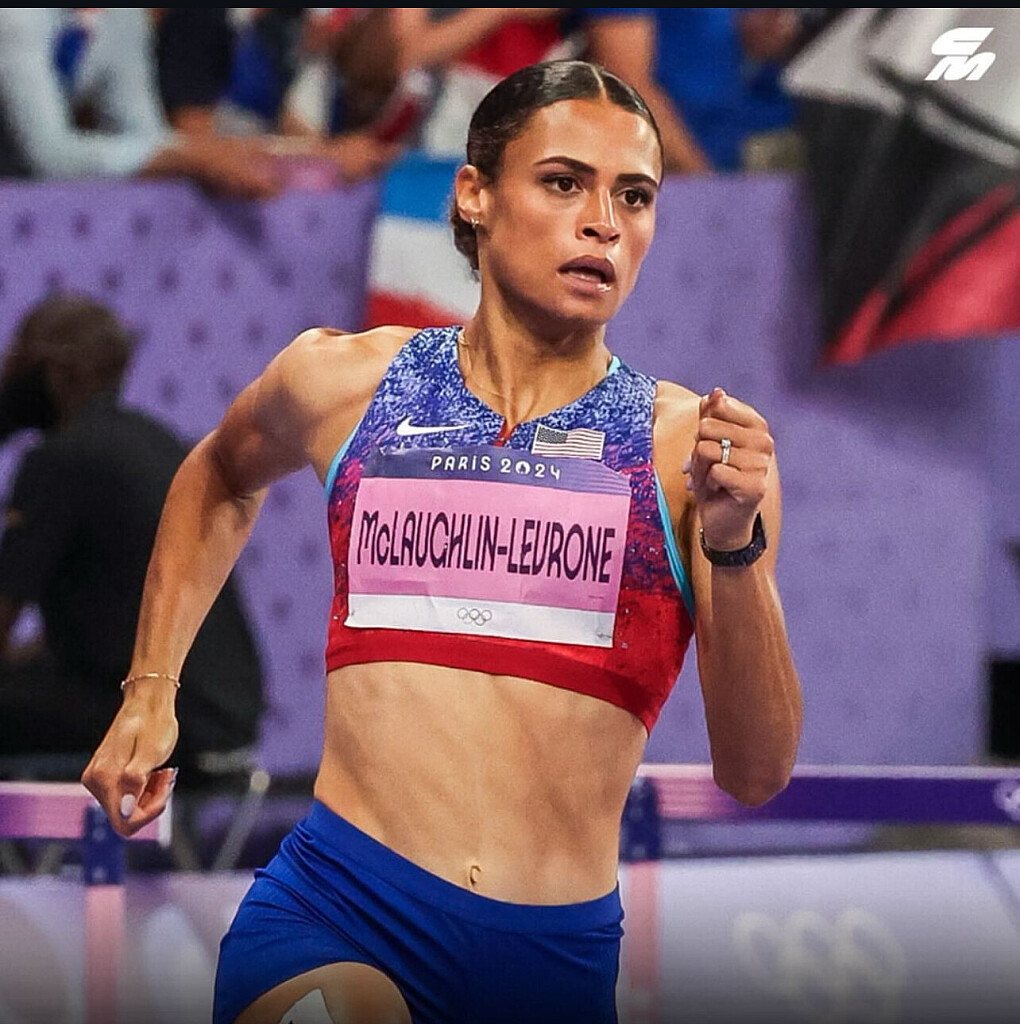
Sydney McLaughlin-Levrone’s Unmatched Dominance in the 400m Hurdles
Sydney McLaughlin-Levrone has firmly established herself as a formidable force in track and field, particularly in the 400-meter hurdles. Her performances have not only shattered records but have also set new benchmarks for the sport.
Record-Breaking Performances
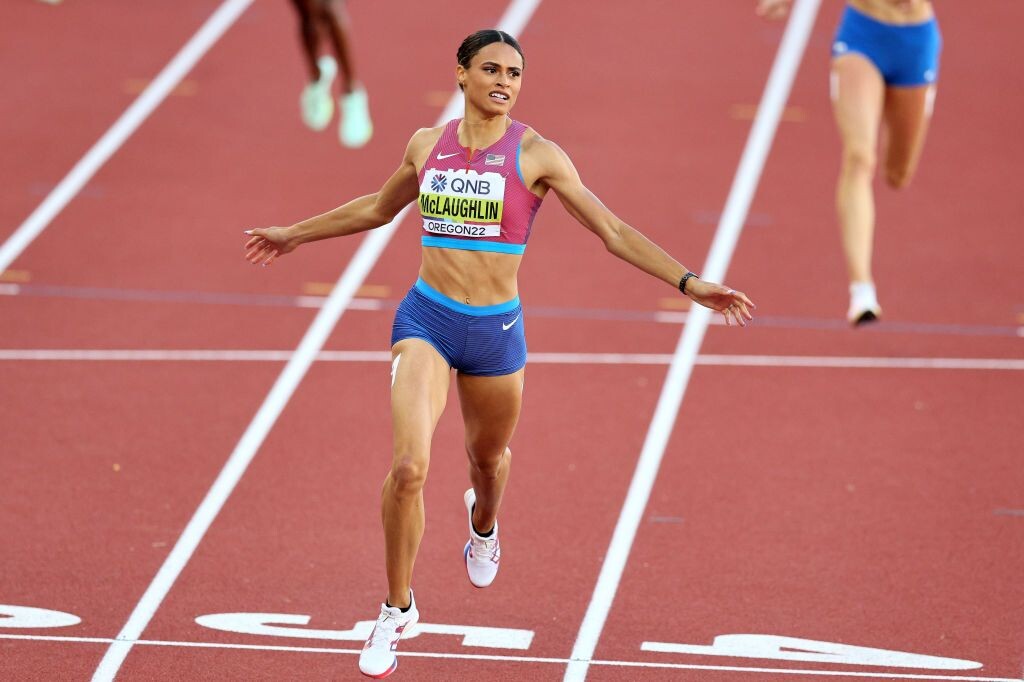
At the 2024 Paris Olympics, McLaughlin-Levrone clinched gold in the 400m hurdles, setting a new world record with a time of 50.37 seconds. This remarkable feat surpassed her previous record of 50.65 seconds, set just months earlier at the U.S. Olympic Trials.
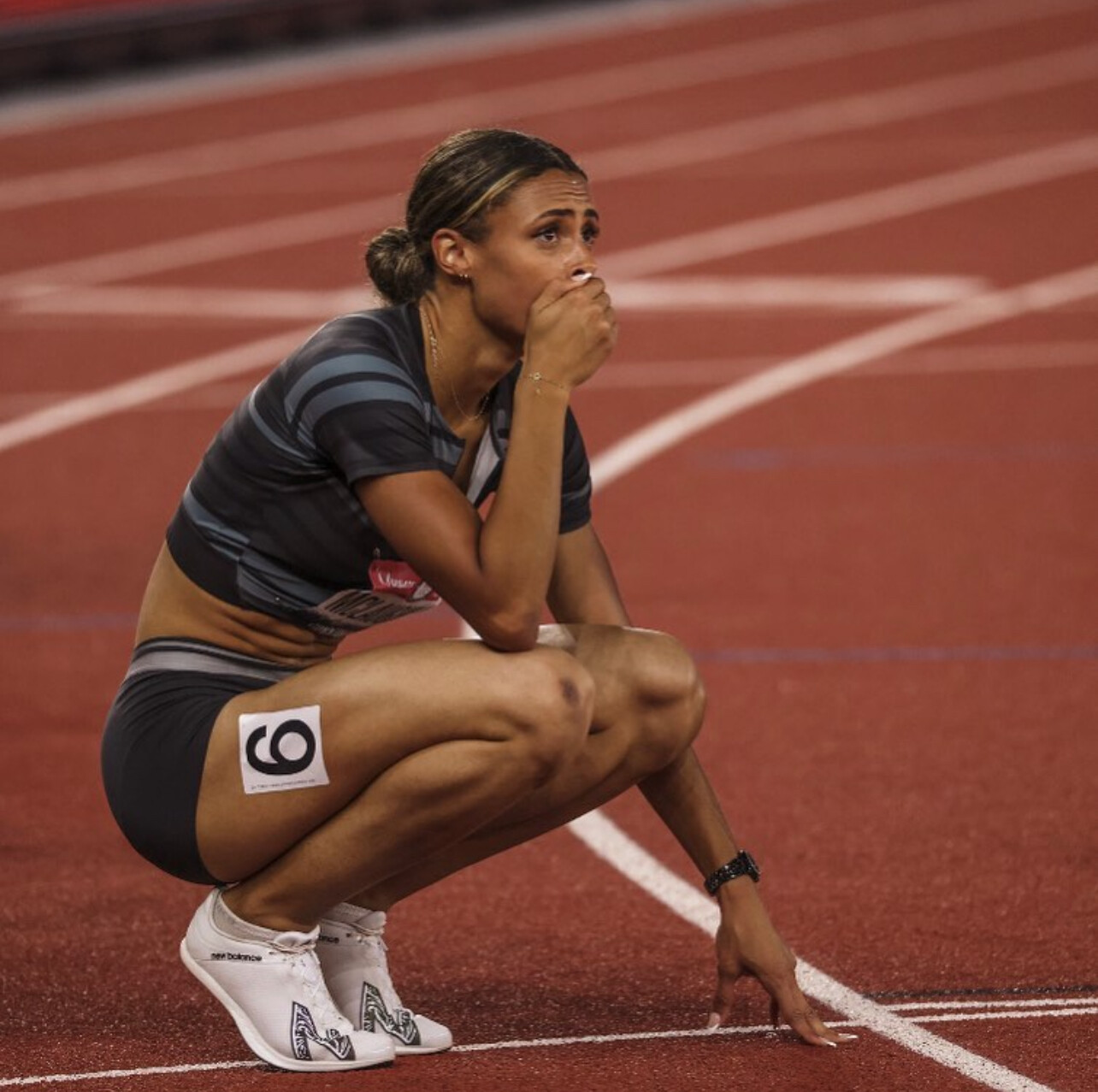
Unprecedented Winning Margins
McLaughlin-Levrone’s dominance is further highlighted by her significant winning margins. In the Paris final, she finished 1.5 seconds ahead of the silver medalist, Anna Cockrell, who clocked 51.87 seconds. This margin is unprecedented in the history of the event at the Olympic level.
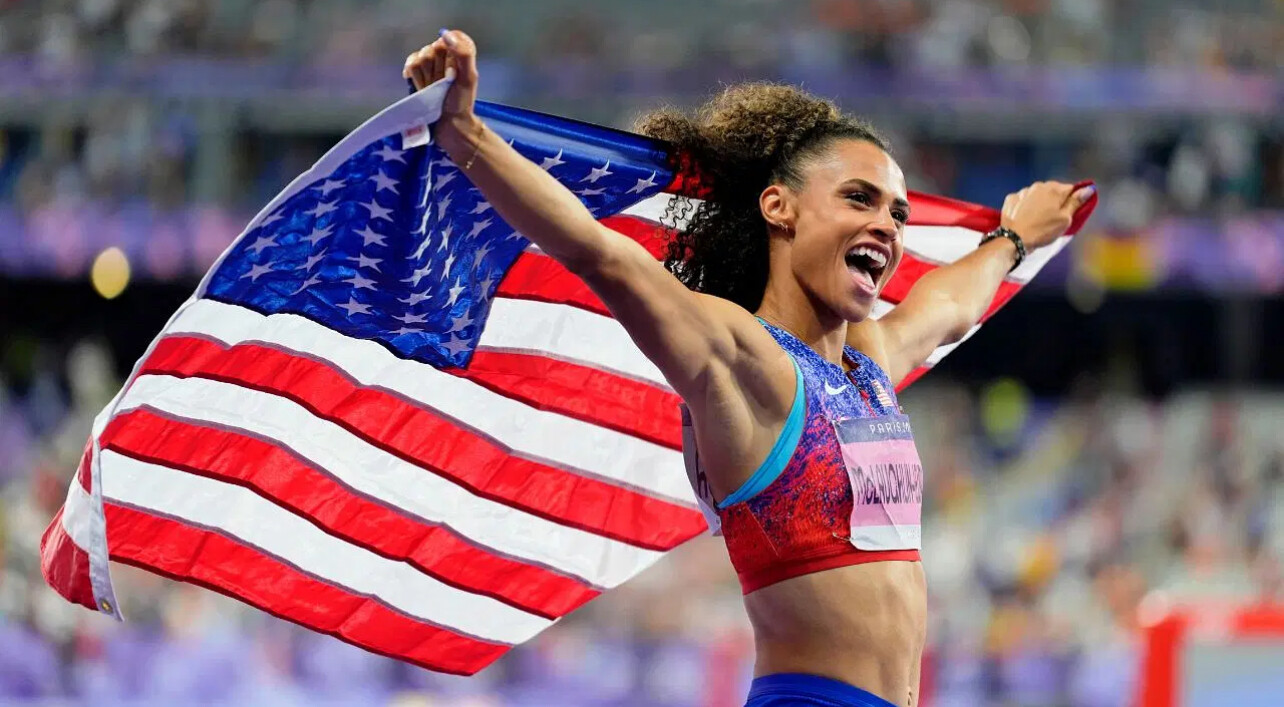
Consistency at the Pinnacle
Demonstrating unparalleled consistency, McLaughlin-Levrone has set the world record in the 400m hurdles six times, more than any other athlete in the event’s history. Her ability to continually push the boundaries of performance underscores her exceptional talent and dedication.
Technical Mastery and Training Regimen
Her success can be attributed to a meticulous training regimen and technical proficiency. McLaughlin-Levrone maintains an aggressive pace from the starting block, clearing each of the ten 30-inch hurdles with precision. Her ability to sustain speed between hurdles and execute flawless technique has set her apart from her peers.
Inspiration and Legacy
Beyond her athletic achievements, McLaughlin-Levrone serves as an inspiration, emphasizing the importance of discipline and dedication. Her journey reflects a commitment to excellence and a relentless pursuit of greatness.
by Boris Baron
Login to leave a comment
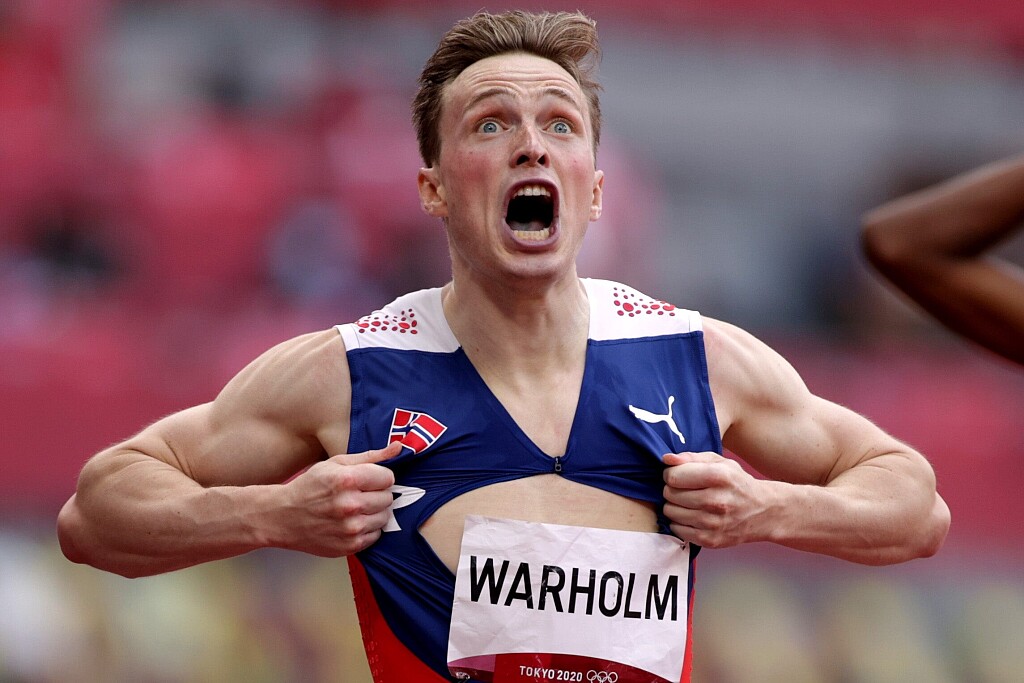
World Athletics Makes 300m Hurdles an Official Event
World Athletics has officially recognized the 300m hurdles as an official event, marking a major shift in the sport’s landscape. While it has long existed as a training and exhibition distance, the 300m hurdles will now count toward world rankings and all official statistical purposes, similar to the 400m hurdles.
In a statement released by World Athletics, the governing body noted:
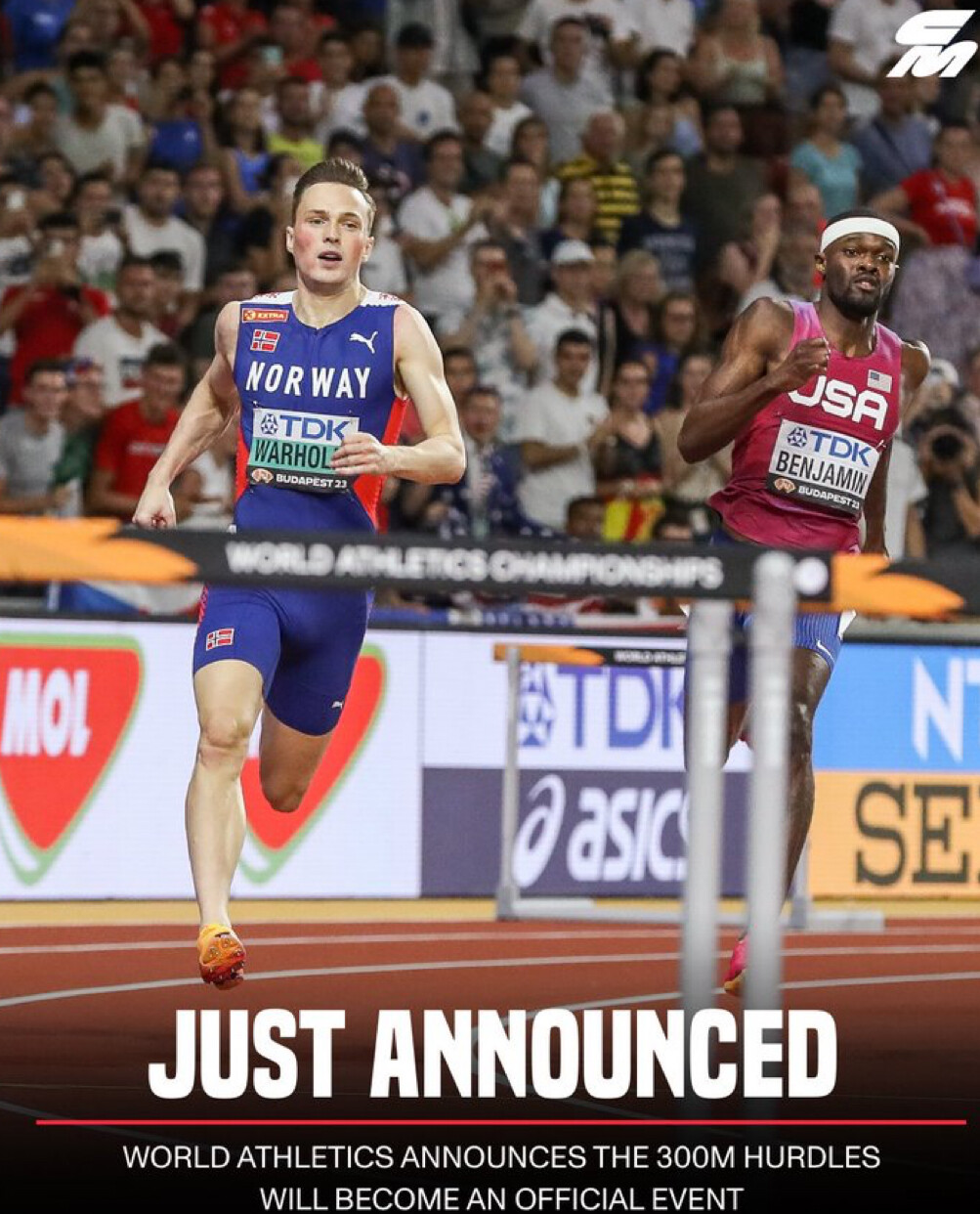
“It will serve all World Athletics statistical purposes, including world rankings towards which it will score as a similar event to the 400m hurdles. A list of world best performances will be kept, while conditions for setting an inaugural world record will be decided at a later stage, once the popularity of the event has reached a meaningful level.”
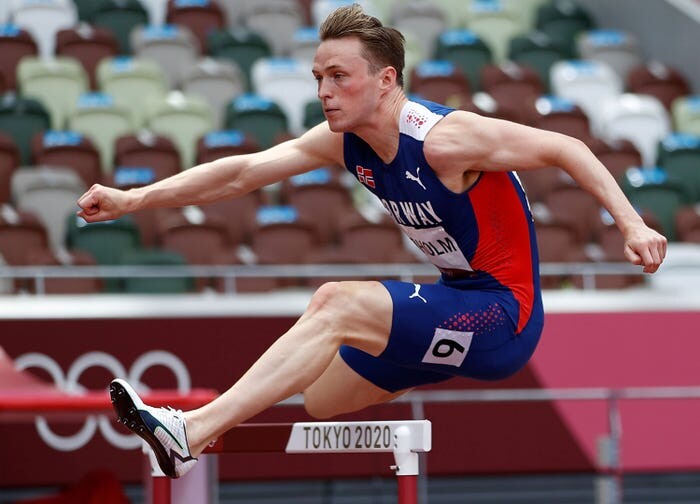
Though not yet eligible for world records, the event already boasts elite-level performances. Norway’s Karsten Warholm—the 400m hurdles world record holder—blazed 33.26 in Oslo in 2021, a mark widely recognized as the world best. He followed it up with a 33.28 performance in Bergen last year.
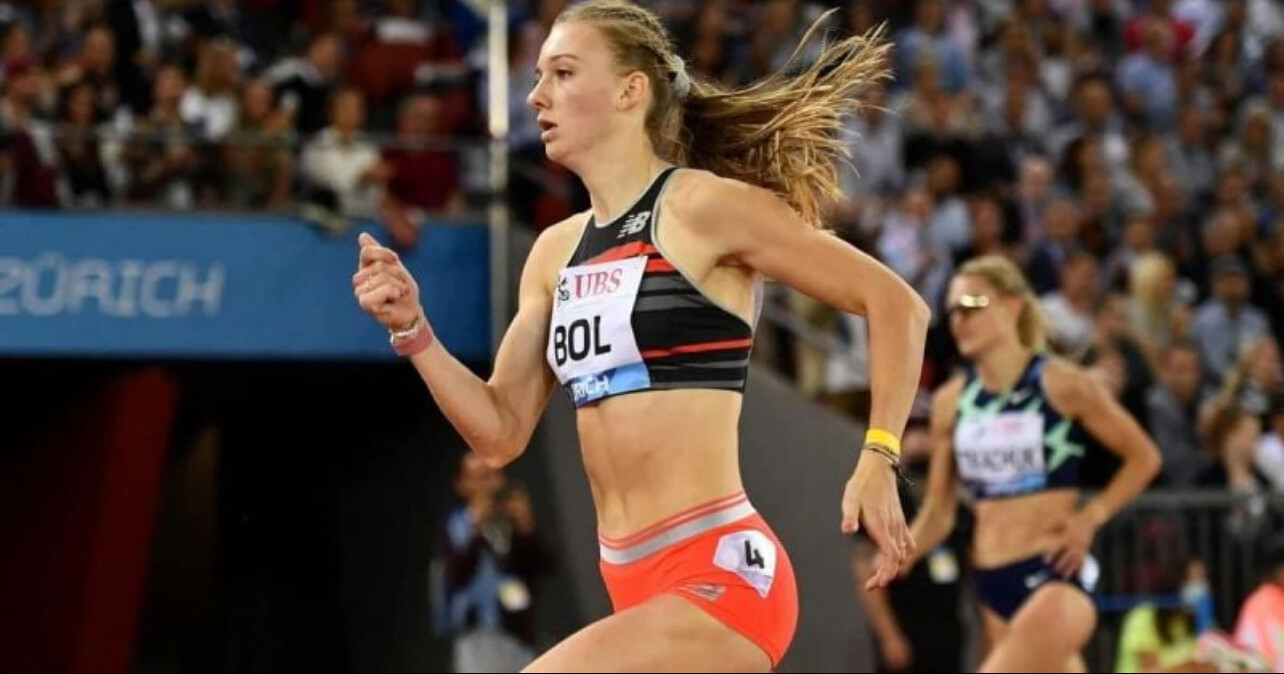
On the women’s side, Dutch superstar Femke Bol holds the top time with her 36.86 run in 2022.
The move to formalize the event brings renewed attention to what has typically been a non-championship distance. A major showcase is already on the calendar: the men’s 300m hurdles will feature at the Oslo Diamond League on June 12, 2025, setting the stage for a high-profile showdown in Warholm’s home country.
With elite athletes already embracing the event and more high-level races on the way, the 300m hurdles may soon become a fan favorite—and a mainstay in international competition.
Photos: Karsten Warholm Sets 300m Hurdles World Record
Norwegian hurdler Karsten Warholm setting the 300m hurdles world record with a time of 33.26 seconds at the Impossible Games in Oslo.
Femke Bol Breaks Women’s 300m Hurdles World Record
Dutch athlete Femke Bol breaking the women’s 300m hurdles world record with a time of 36.86 seconds at the Ostrava Golden Spike event.
by Boris Baron
Login to leave a comment

Who Had the Best Era in Track & Field? A Generational Showdown
Track and field has long been the stage for some of the most electrifying athletic performances in history. Each generation has produced legends who have redefined what is possible in sprinting, distance running, and field events. But which era stands above the rest?
From the Silent Generation pioneers to the Gen Z record-breakers, every period has contributed to the evolution of the sport. Let’s break down each era’s greatest stars and their lasting impact on track and field.
Gen Z (Born 1997 - 2012): The Future of Track & Field
The newest generation of elite athletes is already making waves on the world stage. With the benefit of cutting-edge training, nutrition, and recovery techniques, these young stars are smashing records at a rapid pace.
Notable Sprinters & Field Athletes:
• Sydney McLaughlin-Levrone (USA) – 400m hurdles world record holder and Olympic champion
• Mondo Duplantis (Sweden) – Pole vault world record holder
• Erriyon Knighton (USA) – One of the fastest teenagers ever in the 200m
Notable Distance Runners:
• Jakob Ingebrigtsen (Norway) – Olympic 1500m champion, European mile record holder
• Joshua Cheptegei (Uganda) – 5000m and 10,000m world record holder
• Jacob Kiplimo (Uganda) – Half marathon world record holder (57:31)
• Gudaf Tsegay (Ethiopia) – World champion in the 1500m, dominant in middle distances
Gen Z athletes are not only breaking records but also shaping the future of the sport through their influence on social media and global visibility. With their combination of speed, endurance, and access to modern sports science, they may soon surpass all who came before them.
Defining Traits: Explosive, record-breaking, tech-savvy
Millennials (Born 1981 - 1996): The Superstars of the Modern Era
No discussion of dominant track and field generations is complete without mentioning Usain Bolt. The Jamaican sprinting legend captured the world’s attention with his charisma and untouchable world records.
Notable Sprinters:
• Usain Bolt (Jamaica) – Fastest man in history (100m: 9.58, 200m: 19.19)
• Allyson Felix (USA) – Most decorated female Olympian in track history
• Shelly-Ann Fraser-Pryce (Jamaica) – One of the most dominant sprinters of all time
Notable Distance Runners:
• Eliud Kipchoge (Kenya) – The greatest marathoner of all time, first to break two hours in a marathon
• Mo Farah (UK) – Dominated the 5000m and 10,000m at two Olympic Games
• Genzebe Dibaba (Ethiopia) – 1500m world record holder
• Ruth Chepngetich (Kenya) – First woman to break the 2:10 barrier in the marathon, setting a world record of 2:09:56 at the 2024 Chicago Marathon
Millennials excelled across all track and field disciplines. They ushered in an era of professional distance running dominance, with African runners setting standards in middle and long distances. Meanwhile, Kipchoge’s sub-2-hour marathon attempt was a historic milestone in human endurance.
Defining Traits: Charismatic, dominant, endurance revolutionaries
Gen X (Born 1965 - 1980): The Tough and Versatile Competitors
Gen X athletes were the bridge between the amateur days of track and the fully professional era. They pushed the sport forward with fierce rivalries and new records, while also seeing the globalization of track and field.
Notable Sprinters:
• Maurice Greene (USA) – Former world record holder in the 100m (9.79)
• Marion Jones (USA) – One of the most dominant sprinters of the late ‘90s
Notable Distance Runners:
• Haile Gebrselassie (Ethiopia) – Olympic and world champion, former marathon world record holder
• Paul Tergat (Kenya) – Pioneered marathon running dominance for Kenya
• Tegla Loroupe (Kenya) – First African woman to hold the marathon world record
This era marked a golden age for distance running, with Gebrselassie and Tergat setting the stage for the marathon revolution that would come in the next generation. With increased sponsorships, the road racing circuit became more competitive, and Kenyan and Ethiopian dominance solidified.
Defining Traits: Tough, globalized, long-distance pioneers
Baby Boomers (Born 1946 - 1964): The Golden Age of Track & Field
The Baby Boomers took track and field into the modern Olympic era, producing some of the most iconic figures in the sport’s history.
Notable Sprinters:
• Carl Lewis (USA) – Nine-time Olympic gold medalist across sprints and long jump
• Florence Griffith-Joyner (USA) – 100m (10.49) and 200m (21.34) world record holder
Notable Distance Runners:
• Sebastian Coe (UK) – 800m and 1500m Olympic champion, middle-distance legend
• Steve Prefontaine (USA) – One of the most influential distance runners in history
• Miruts Yifter (Ethiopia) – 5000m and 10,000m Olympic champion
This era brought middle and long-distance running into the mainstream, with rivalries like Coe vs. Ovett and Prefontaine vs. the world captivating fans. The Baby Boomers were the first generation of professional-level training and saw athletes truly dedicated to their craft year-round.
Defining Traits: Bold, revolutionary, multi-talented
Silent Generation (Born 1928 - 1945): The Pioneers of Kenya’s Dominance
This generation laid the foundation for modern track and field, producing legends whose influence still resonates today.
Notable Distance Runners:
• Kip Keino (Kenya) – The pioneer of Kenya’s dominance in distance running, winning Olympic gold in the 1500m (1968) and 3000m steeplechase (1972)
• Emil Zátopek (Czechoslovakia) – Triple gold in 5000m, 10,000m, and marathon at the 1952 Helsinki Olympics
• Paavo Nurmi (Finland) – Nine-time Olympic gold medalist in long-distance events
Kip Keino’s triumph over Jim Ryun in the 1500m final at the 1968 Mexico City Olympics is considered one of the greatest upsets in Olympic history. Competing at high altitude, Keino used a fast early pace to break Ryun, ushering in an era of Kenyan middle-distance dominance that continues today.
Defining Traits: Groundbreaking, resilient, visionary
Which Generation Had the Greatest Impact?
Each generation of track and field athletes has contributed to the sport’s evolution in unique ways:
• Millennials brought global superstardom (Bolt, Felix, Fraser-Pryce, Kipchoge, Chepngetich)
• Gen X athletes were fierce competitors in a rapidly changing sport (Greene, Gebrselassie, Tergat)
• The Baby Boomers set records that still stand today (Carl Lewis, Flo Jo, Coe, Prefontaine)
• The Silent Generation laid the foundation for modern track and field (Owens, Zátopek, Kip Keino)
• Gen Z is already breaking records and shaping the future of the sport (McLaughlin-Levrone, Ingebrigtsen, Cheptegei)
While it’s hard to declare one era the best, one thing is certain: the sport of track and field continues to evolve, with each generation pushing the limits of human performance.
Which generation do you think is the greatest? Let us know in the comments!
by Boris Baron
Login to leave a comment

Sprint Showdowns and Distance Battles to Take Center Stage at the New Balance Indoor Grand Prix
The New Balance Indoor Grand Prix, a World Athletics Indoor Tour Gold meeting, is set to deliver thrilling track action in Boston on Sunday (Feb 2), with an elite lineup of global gold medalists ready to ignite the indoor season. The competition will serve as a crucial stepping stone towards the World Athletics Indoor Championships Nanjing 25 in March.
Sprints and Hurdles: Lyles and Alfred Lead the Charge

Olympic and world sprint sensation Noah Lyles returns to defend his 60m title, after setting a meeting record of 6.44 last year. Lyles, who claimed 100m gold and 200m bronze at the Olympics, kicked off his season with a 6.62 win in Gainesville last weekend. He will face Trayvon Bromell (USA), Zharnel Hughes (GBR), and 2022 world indoor champion Marcell Jacobs (ITA), who is making his North American indoor debut.
In the women’s 300m, Olympic 100m champion Julien Alfred steps up in distance for her New Balance Indoor Grand Prix debut. After winning world indoor 60m gold in Glasgow, Alfred took 100m gold and 200m silver at the Olympics and ended last season with a Diamond League Final victory. She faces a competitive field including 2019 world 200m champion Dina Asher-Smith (GBR) and USA’s Lynna Irby-Jackson.
The men’s 300m features Olympic 400m hurdles gold medalist Rai Benjamin. A past winner in Boston, Benjamin is set to battle 4x400m relay star Vernon Norwood and Matthew Boling.
The 60m hurdles events promise fireworks, with world record-holder Devynne Charlton (7.65) and Olympic champion Masai Russell renewing their rivalry. Russell edged Charlton in their recent clash in Lubbock, but the Bahamian sprinter leads their head-to-head series 8-2. Joining them are Olympic finalists Ackera Nugent, Grace Stark, and 2018 world indoor silver medallist Christina Clemons.
For the men, world record-holder Grant Holloway (7.27) looks to extend his 10-year unbeaten streak in the 60m hurdles. The Olympic and world champion headlines the field alongside Olympic finalist Freddie Crittenden and 2022 world silver medallist Trey Cunningham.
Middle and Long Distance Races: Olympic Medalists Face Off
The women’s 3000m sees Olympic 1500m silver medalist Jessica Hull (AUS) take on Great Britain’s Olympic bronze medalist Georgia Bell. Hull, the defending champion, set an Oceanian indoor record of 8:24.93 in this event last year. They are joined by USA’s Parker Valby, Emily Mackay, Elise Cranny, Ethiopia’s Melknat Wudu, Italy’s Sintayehu Vissa, and Olympic steeplechase medalist Emma Coburn.
In the men’s 1500m, USA’s Grant Fisher (Olympic 5000m and 10,000m bronze medalist) takes on 2022 world champion Jake Wightman (GBR), Oliver Hoare (AUS), and Josh Hoey, who recently broke the North American 1000m record.
Bryce Hoppel, the reigning world indoor 800m champion, leads the men’s 800m field, while Hobbs Kessler, Cameron Myers, Neil Gourley, and Andrew Coscoran battle in the 3000m.
Other Key Events
Women’s 60m: Mikiah Brisco (USA) and Zoe Hobbs (NZL) lead the field.
Men’s 400m: 2022 world indoor champion Jereem Richards (TTO) races USA’s Quincy Wilson.
Women’s 500m: Dutch 4x400m Olympic champion Lisanne de Witte takes on USA’s Olympic 800m medallist Raevyn Rogers.
Women’s Mile: Heather MacLean (2023 winner) faces Olympic finalist Susan Ejore, Maia Ramsden, and Sage Hurta-Klecker.
With an electrifying lineup of Olympic and world champions, the New Balance Indoor Grand Prix promises high-stakes racing and a preview of the talent heading to Nanjing 25.
by Boris Baron
Login to leave a comment

Hassan and Tebogo named World Athletes of the Year
Olympic champions Sifan Hassan and Letsile Tebogo have been announced as World Athletes of the Year at the World Athletics Awards 2024 in Monaco.
Following a vote by fans, Hassan and Tebogo received top honors on an evening that saw six athletes crowned in three categories – track, field and out of stadium – before the overall two winners were revealed.
Tebogo was confirmed as men’s track athlete of the year, with Sydney McLaughlin-Levrone receiving the women’s honour. Hassan claimed the women’s out of stadium crown and Tamirat Tola the men’s, while Mondo Duplantis and Yaroslava Mahuchikh were named field athletes of the year.
This year’s Rising Stars were also celebrated, with Sembo Almayew and Mattia Furlani receiving recognition.
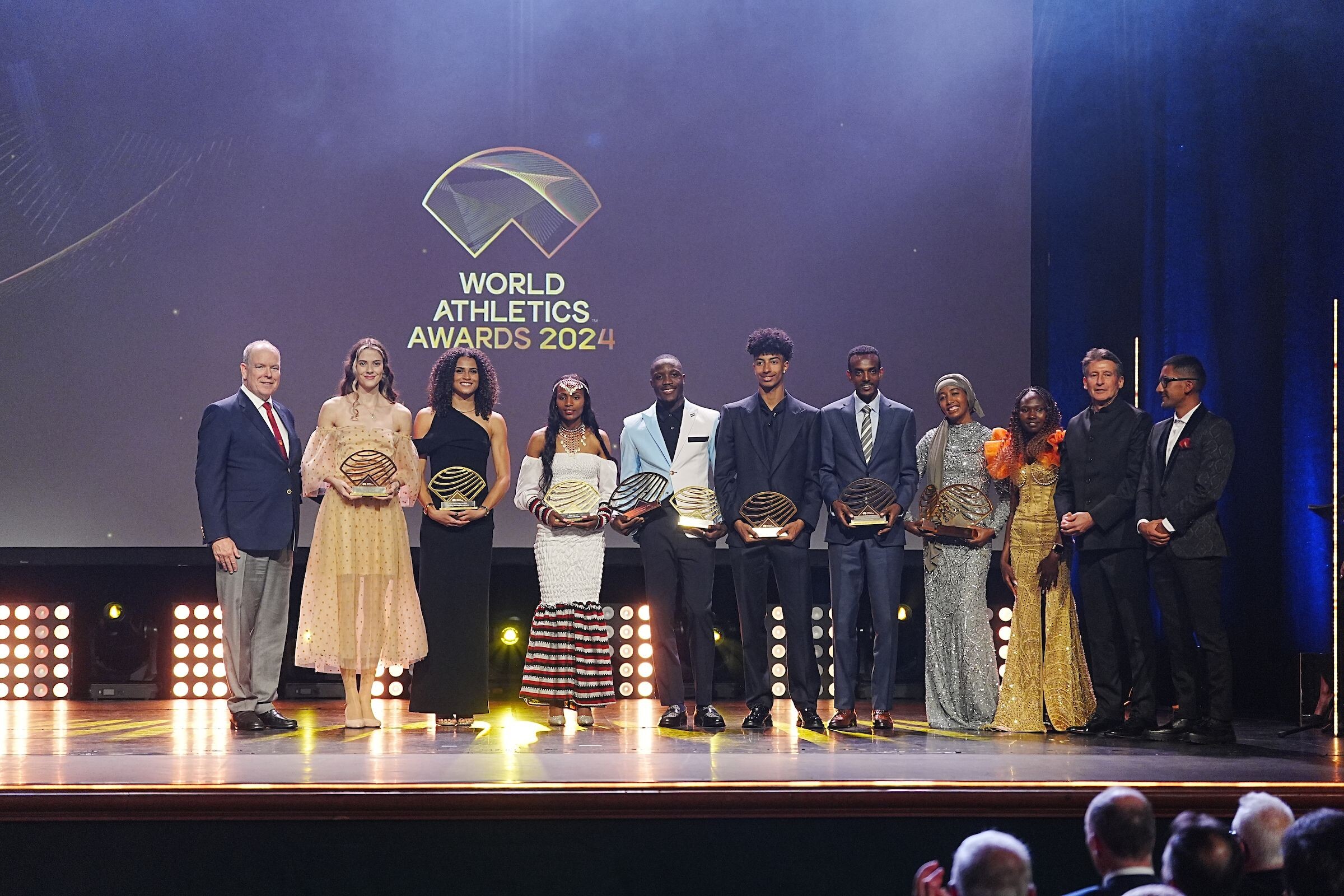
World Athletes of the Year for 2024
Women’s World Athlete of the Year: Sifan Hassan (NED)Men’s World Athlete of the Year: Letsile Tebogo (BOT)
Women’s track: Sydney McLaughlin-Levrone (USA)Women’s field: Yaroslava Mahuchikh (UKR)Women’s out of stadium: Sifan Hassan (NED)Men’s track: Letsile Tebogo (BOT)Men’s field: Mondo Duplantis (SWE)Men’s out of stadium: Tamirat Tola (ETH)
Women’s Rising Star: Sembo Almayew (ETH)Men’s Rising Star: Mattia Furlani (ITA)
“At the end of what has been a stellar year for athletics, we are delighted to reveal our list of World Athletes of the Year – both in their respective disciplines and overall,” said World Athletics President Sebastian Coe. “This group of athletes represents the very best of our sport and has this year redefined what is possible in terms of athletic performance.
“Our 2024 cohort set new standards in heights, speed and distance, including six world records and a host of Olympic and national records between them.
“I congratulate all our award winners, and all of the athletes nominated for these honors, and I thank them for inspiring us all with their performances this year.”
World Athletes of the Year Hassan and Tebogo both won gold and claimed multiple medals at the Paris 2024 Olympic Games.
Dutch star Hassan’s medal treble in Paris was capped by her winning the final athletics gold medal of the Games with her triumph in the marathon in an Olympic record of 2:22:55. That performance came just 37 hours after Hassan claimed bronze in the 10,000m, and six days after her first medal in the French capital – also bronze – in the 5000m.
As a result, she became the first woman to win medals in the 5000m, 10,000m and marathon at the same Games, and the first athlete since Emil Zatopek, who won all three men’s titles in Helsinki in 1952.
Tebogo also made history in Paris when he won the 200m, as he claimed a first ever Olympic gold medal in any sport for Botswana. He ran an African record of 19.46 – a time that moved him to fifth on the world all-time list – and that performance followed his sixth-place finish in the 100m final. He went on to form part of Botswana’s silver medal-winning men’s 4x400m team.
He dipped under 20 seconds for 200m a total of nine times in 2024, with those performances topped by his Olympic title-winning mark which remained the fastest of the year.
His fellow track athlete of the year, McLaughlin-Levrone, improved her own world 400m hurdles record twice, to 50.65 and 50.37, and claimed Olympic gold in that event as well as in the 4x400m. Tola, who joined Hassan in being named out of stadium athlete of the year, won the Olympic marathon title in Paris in an Olympic record.
World records were set by both field athletes of the year. Mahuchikh cleared 2.10m to improve the world high jump record before winning Olympic gold, while Duplantis revised his own world pole vault record three times, eventually taking it to 6.26m, and won the Olympic title.
"Thank you to the fans, to everybody who voted," said Hassan, who was in Monaco to receive her two awards. "I never thought I was going to win this one. This year was crazy. It’s not only me – all the athletes have been amazing. I’m really grateful. What more can I say?"
Standing alongside Hassan on the stage at the Theatre Princesse Grace, Tebogo said: "It feels amazing to know that the fans are always there for us athletes. It was a great year.
"This means a lot," he added. "It’s not just about the team that is around you, there are a lot of fans out there that really want us to win something great for the continent. It was a real surprise to hear my name because I didn’t expect this."
Almayew and Furlani named Rising Stars of 2024
Not only did Sembo Almayew and Mattia Furlani achieve great things as U20 athletes in 2024, they both also secured success on the senior stage.
Almayew finished fifth in the 3000m steeplechase final at the Paris Olympics, going close to her own national U20 record with her 9:00.83 performance, before she travelled to Lima where she won the world U20 title, setting a championship record in the process. With that win, the 19-year-old became the first ever Ethiopian world U20 women’s steeplechase champion.
Furlani improved the world U20 long jump record to 8.38m at the European Championships on home soil in Rome to secure silver, and he won two more senior major medals at the World Indoor Championships, where he got another silver, and the Olympic Games, where he claimed bronze.
In Glasgow – at the age of 19 years and 24 days – Furlani became the youngest athlete ever to win a world indoor medal in the horizontal jumps.
Knight wins President’s Award
The winner of the President’s Award was also announced in Monaco on Sunday (1), with Nike co-founder Phil Knight receiving the honour in recognition of his constant inspiring support for athletics and the development of the sport.
The President's Award, first awarded in 2016, recognises and honours exceptional service to athletics. Past winners of the award include the Ukrainian Athletics Association, British journalist Vikki Orvice, Swiss meeting director Andreas Brugger, Jamaican sprint superstar Usain Bolt, the Abbott World Marathon Majors, and 1968 men’s 200m medallists Tommie Smith, Peter Norman and John Carlos for their iconic moment on the podium in Mexico.
“Phil Knight’s passion for athletics is pretty much lifelong,” said Coe. “He developed an almost father-son relationship with his coach, the legendary Bill Bowerman, whose training approach was a departure from the orthodoxies of the day and who not only guided Knight’s career on the track but became a central figure when Phil took his first tentative steps in the running shoe business that became the dominant global force Nike.
“His love of athletics runs through Nike. It is a business created and driven by runners, with Phil never afraid to be the front runner.”
Knight said: “Thank you, Seb Coe, for the ultimate honour of the President’s Award, given by World Athletics. I am in great company, with Tommie Smith and John Carlos, and Usain Bolt. Obviously, I didn’t run as fast as those guys, but I am in such high company that I am thrilled by the award. Track and field has always been an important part of Nike – it has always been a central part of who Nike is.
“I do think running will continue to grow. Not only does Seb and his team do a great job promoting the sport, but it is a sport that not only is enjoyable, but it is probably the best fitness activity you can do. So, for me to win this honour, it is very meaningful.”
During the ceremony, a moment was taken to remember last year’s men’s out of stadium athlete of the year Kelvin Kiptum, the marathon world record-holder who died in a road traffic accident in February, as well as other figures from the sport who have passed away in 2024.
by World Athletics
Login to leave a comment
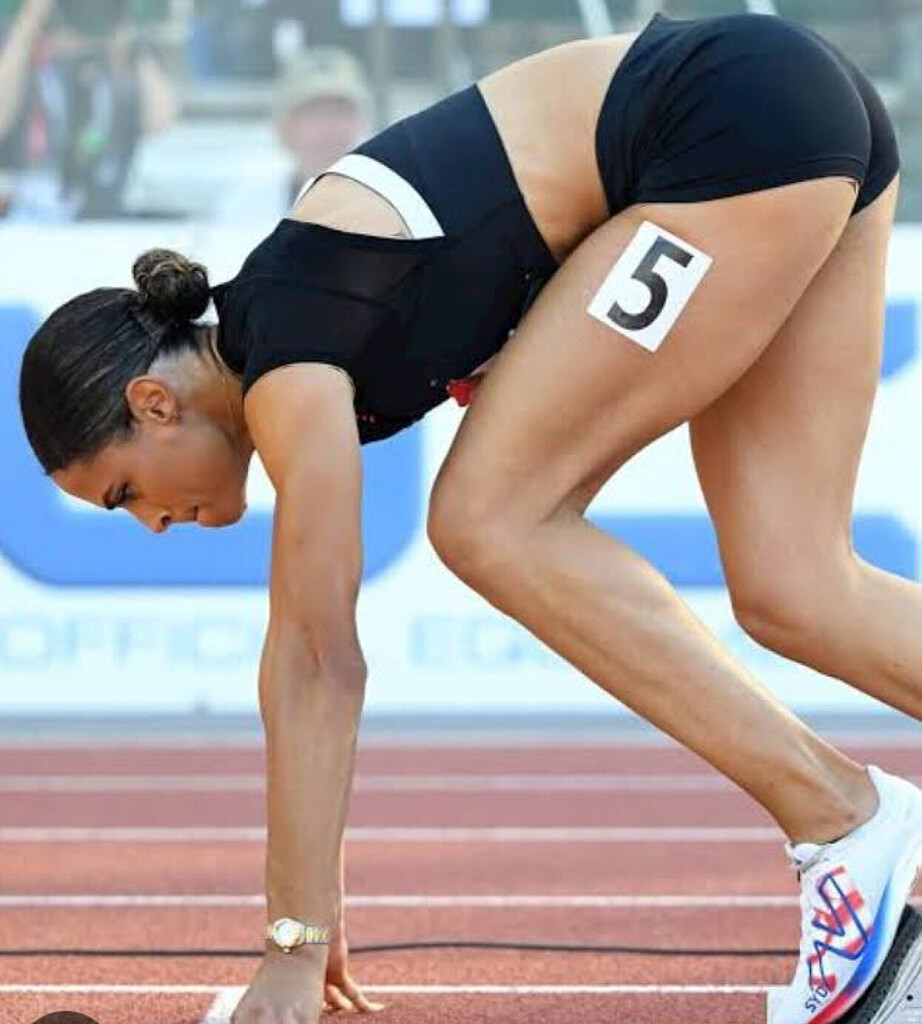
How many times has Sydney McLaughlin-Levrone broken the 400m hurdles world record?
Sydney Michelle McLaughlin-Levrone is an American hurdler and sprinter who competes in the 400 meters hurdles and is the world record holderin that event. She has won gold in the 2020 and 2024 Summer Olympics, as well as the 2022 World Athletics Championships.
She set a world record time of 50.37 seconds at the 2024 Summer Olympics on August 8, 2024, breaking her own old world record of 50.65 seconds.
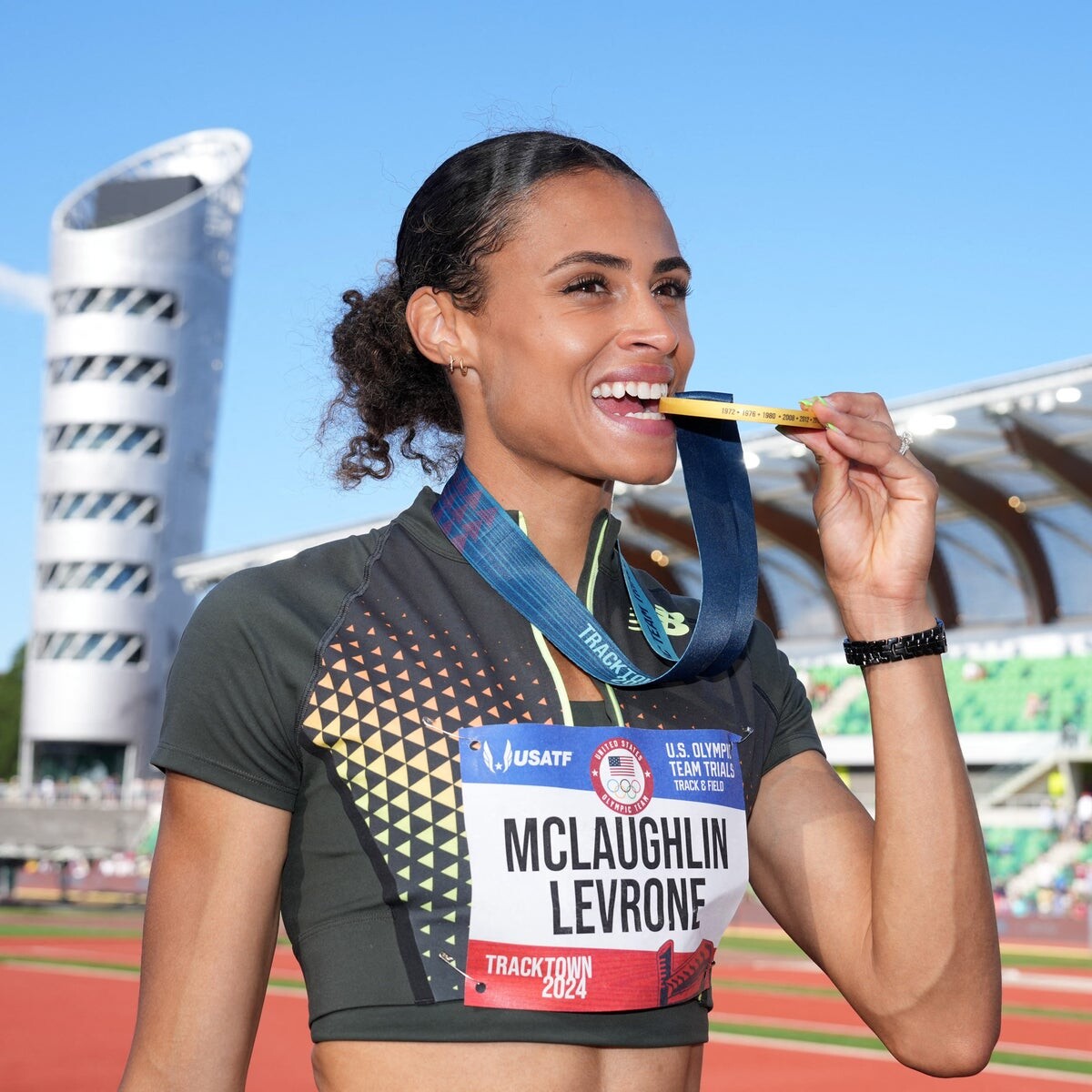
She is the first track athlete to break four world records in the same event; setting four world records during 13 months, she was the first woman to break the 52-second (June 2021) and 51-second (July 2022) barriers in the 400 m hurdles.[
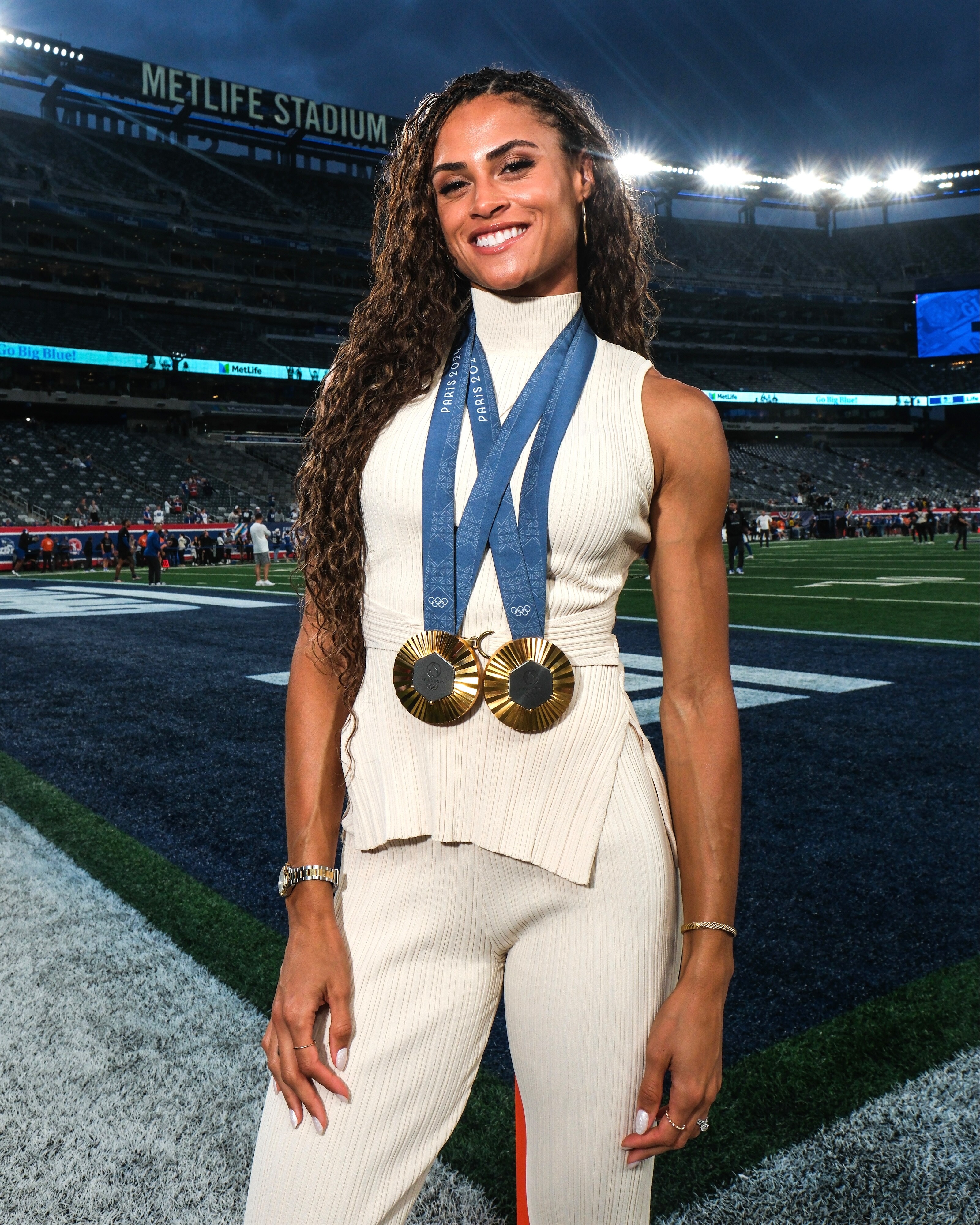
She won the silver medal at the 2019 World Championships. At all four competitions, she also took gold as part of a women's 4 × 400 m relay team.
Login to leave a comment
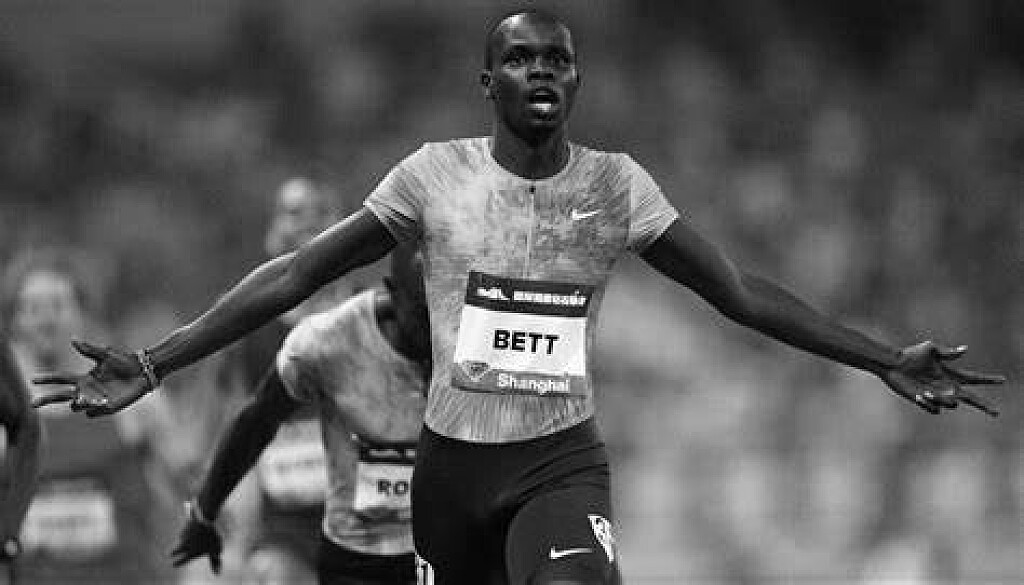
Former world U20 800m champion Kipyegon Bett dies aged 26
The Kenyan passed away in hospital, where he’d been receiving treatment for an illness
Kipyegon Bett, the former world under-20 800m champion, has sadly passed away at the age of 26.
The Kenyan, who also secured a bronze medal over two laps at the 2017 World Championships in London, was receiving treatment for an illness in hospital.
According to Nation, Bett was vomiting blood due to damage to some of his internal organs.
Purity Kirui, who is Bett’s sister and the 2014 Commonwealth 3000m steeplechase champion, told the outlet: “He’d been unwell for about a month and had been treated at AIC Litein Hospital as an outpatient. On Saturday (October 5), his condition deteriorated and was referred to Tenwek Hospital for further tests.”
Bett started competing internationally in 2015 and claimed respective gold and silver 800m medals at that year’s African and World Youth Championships.
The following season he became world under-20 800m champion in Bydgoszcz, clocking 1:44.95 to take the crown.
Bett also recorded his personal 800m best of 1:43.76 in 2016, with only world record-holder David Rudisha ahead of him at ISTAF Berlin.
It was therefore no surprise to see Bett make a global senior podium in 2017.
In a pulsating race at the World Championships, Bett clocked 1:45.21 and placed third behind France’s Pierre-Ambroise Bosse and Poland’s Adam Kszczot.
That year he also won the 800m at the Shanghai Diamond League, running 1:44.70 to win the event in China.
However, Bett tested positive for EPO in 2018 and subsequently received a four-year ban.
He only ever raced once after it ended and that was in the 400m hurdles two years ago.
by Tim Adams
Login to leave a comment
