

Running News Daily
Running News Daily is edited by Bob Anderson and team. Send your news items to bob@mybestruns.com Advertising opportunities available.
Index to Daily Posts · Sign Up For Updates · Run The World Feed
Articles tagged #China
Today's Running News
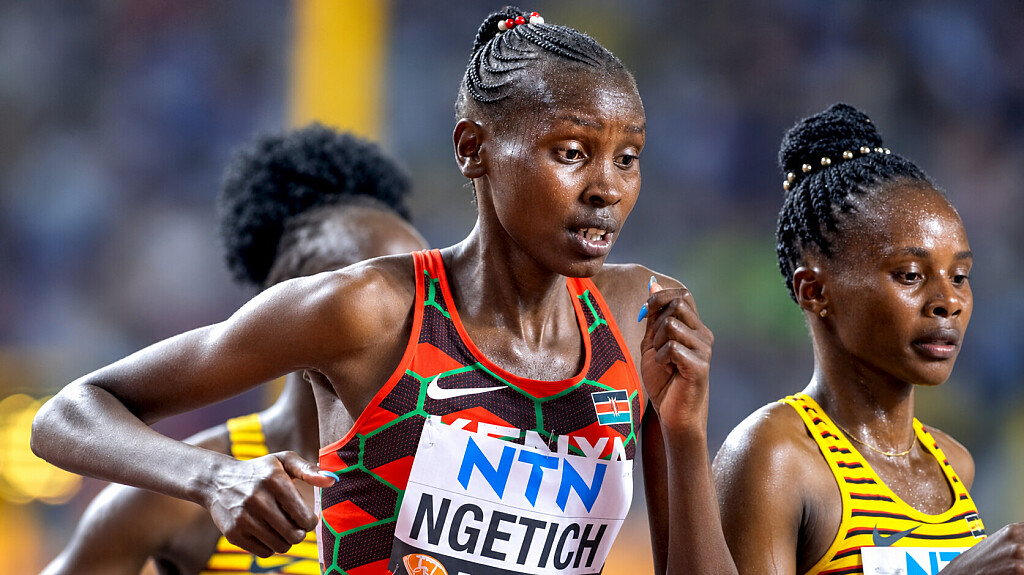


Agnes Ngetich Leads Star-Studded Women’s Half Marathon Field At World Road Running Championships
The stage is set for a spectacular women’s half marathon at the 2026 World Athletics Road Running Championships in Copenhagen, Denmark, with a deep international field ready to battle for the world title on Sunday, September 20.
The elite women’s race will begin at 9:10 a.m. local time, with the 21.0975-kilometre championship race taking runners through the streets of Copenhagen before the finish on Øster Allé.
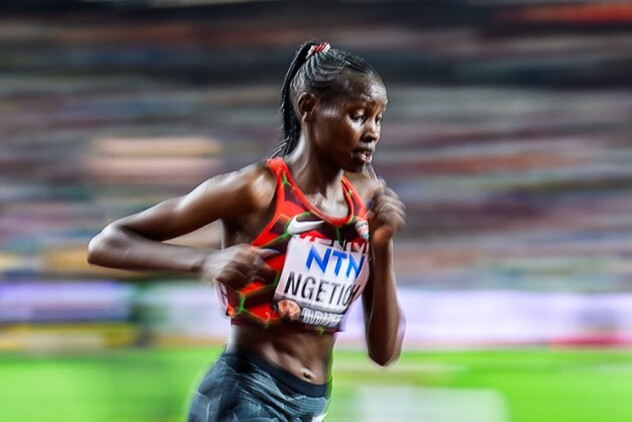
At the head of the entry list is Kenya’s Agnes Jebet Ngetich, who brings a sensational 1:03:04 personal best into the championship. She will lead a powerful Kenyan contingent that also includes Lilian Kasait Rengeruk, whose 1:03:32 is among the fastest times ever recorded over the distance.
Ngetich has established herself as one of the leading distance runners in the world, and her combination of speed and endurance makes her one of the major names to watch when the championship race gets underway.
Rengeruk provides another formidable Kenyan threat, while Daisilah Jerono, with a 1:05:21 personal best, and Veronica Loleo, with 1:05:35, add further depth to the Kenyan line-up.
Ethiopia will also arrive with serious firepower. Tsigie Gebreselama owns a remarkable 1:04:21 personal best, while Ftaw Zeray comes into Copenhagen with a 1:05:12 lifetime best.
The battle will not be restricted to the leading African nations, however. Weini Kelati Frezghi heads the American challenge with a 1:06:04 personal best, while Esther Chebet of Uganda has run 1:06:33.
Europe will be represented by several accomplished athletes, including Slovenia’s Klara Lukan, who owns a 1:06:43 personal best, and Norway’s experienced Karoline Bjerkeli Grøvdal, whose best stands at 1:06:55.
South Africa’s Glenrose Xaba is another prominent name on the list with a 1:07:03 personal best, while Great Britain’s Samantha Harrison enters with 1:07:10.
Uganda has further depth through Rebecca Chelangat at 1:07:18, Annet Chemengich Chelangat at 1:08:12 and Rispa Cherop at 1:08:53.
The international field also includes Ethiopia’s Melat Siyoum and Baraky Redae, Rwanda’s Florence Niyonkuru and Emeline Imanizabayo, Mexico’s Laura Galván, Belgium’s Chloé Herbiet and Lisa Rooms, the United States’ Emma Grace Hurley, Ednah Kurgat, Carrie Ellwood and Jessica McClain, France’s Mekdes Woldu, Alessia Zarbo and Mélody Julien, Italy’s Sofia Yaremchuk and Elvanie Nimbona, China’s He Wuga and Liang Tiantian, and New Zealand’s Georgie Grgec.
Women’s Half Marathon Entry List
1. Agnes Jebet Ngetich — Kenya — 1:03:04
2. Lilian Kasait Rengeruk — Kenya — 1:03:32
3. Tsigie Gebreselama — Ethiopia — 1:04:21
4. Ftaw Zeray — Ethiopia — 1:05:12
5. Daisilah Jerono — Kenya — 1:05:21
6. Veronica Loleo — Kenya — 1:05:35
7. Weini Kelati Frezghi — United States — 1:06:04
8. Esther Chebet — Uganda — 1:06:33
9. Klara Lukan — Slovenia — 1:06:43
10. Karoline Bjerkeli Grøvdal — Norway — 1:06:55
11. Glenrose Xaba — South Africa — 1:07:03
12. Samantha Harrison — Great Britain — 1:07:10
13. Rebecca Chelangat — Uganda — 1:07:18
14. Melat Siyoum — Ethiopia — 1:07:21
15. Florence Niyonkuru — Rwanda — 1:07:22
16. Baraky Redae — Ethiopia — 1:07:31
17. Laura Galván — Mexico — 1:07:31
18. Chloé Herbiet — Belgium — 1:07:32
19. Emeline Imanizabayo — Rwanda — 1:07:35
20. Emma Grace Hurley — United States — 1:07:35
21. Annet Chemengich Chelangat — Uganda — 1:08:12
22. Mekdes Woldu — France — 1:08:20
23. Alessia Zarbo — France — 1:08:20
24. Ednah Kurgat — United States — 1:08:25
25. Sofia Yaremchuk — Italy — 1:08:27
26. He Wuga — China — 1:08:31
27. Liang Tiantian — China — 1:08:33
28. Carrie Ellwood — United States — 1:08:34
29. Jessica McClain — United States — 1:08:37
30. Elvanie Nimbona — Italy — 1:08:38
31. Lisa Rooms — Belgium — 1:08:40
32. Rispa Cherop — Uganda — 1:08:53
33. Georgie Grgec — New Zealand — 1:09:13
34. Mélody Julien — France — 1:09:15
With so many athletes separated by relatively small margins on paper, the championship race could develop into a fascinating tactical contest. Personal bests provide an indication of speed, but championship racing often comes down to positioning, patience and the ability to respond when the decisive moves arrive.
For Ngetich, Rengeruk, Gebreselama, Zeray and the rest of the field, the opportunity is clear: 21.0975 kilometres through Copenhagen with a world championship title waiting at the finish.
The World Athletics Road Running Championships Copenhagen 26 take place on September 19–20, with the women’s elite half marathon taking centre stage on Sunday, September 20, at 9:10 a.m.
Copenhagen is ready for a major championship showdown — and the women’s half marathon promises to be one of the highlights of the weekend.
by Erick Cheruiyot for My Best Runs.
Login to leave a comment
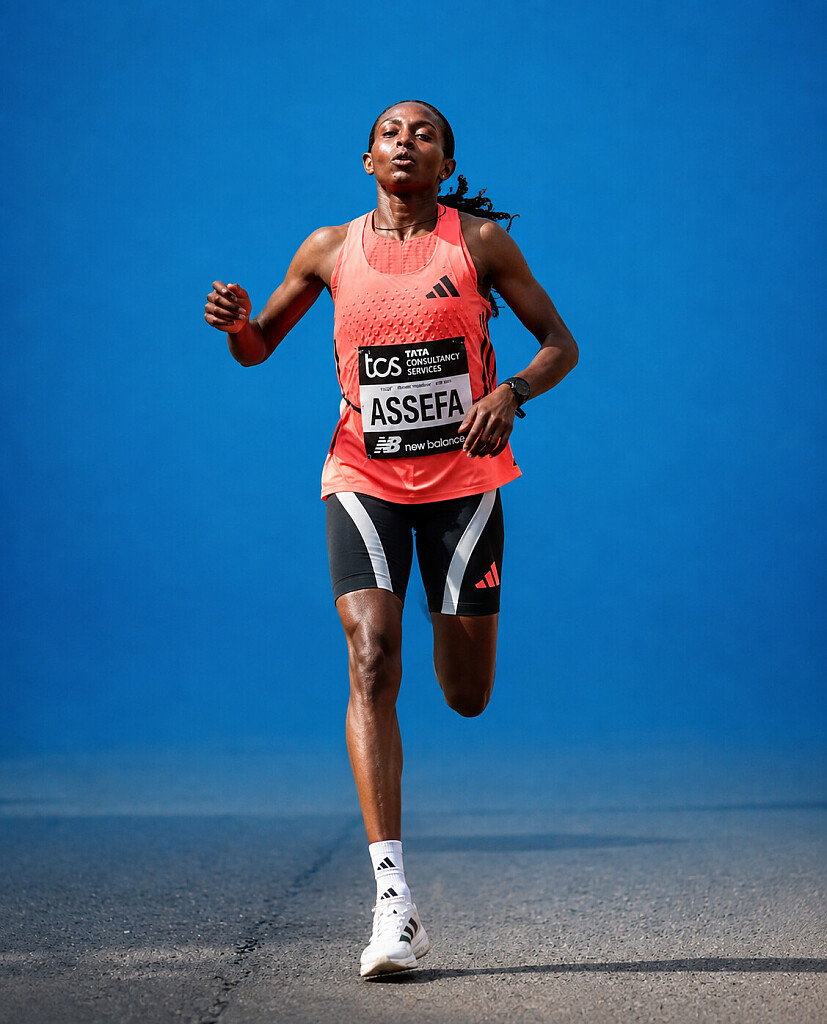
Berlin’s Women’s Marathon Field Brimming With Elite Talent as Star-Studded Line-Up Takes Shape
The women’s field for the 2026 BMW BERLIN-MARATHON is rapidly developing into one of the most intriguing marathon line-ups of the year, bringing together world-class champions, established contenders and an exciting collection of athletes determined to make their mark on one of the sport’s fastest stages.
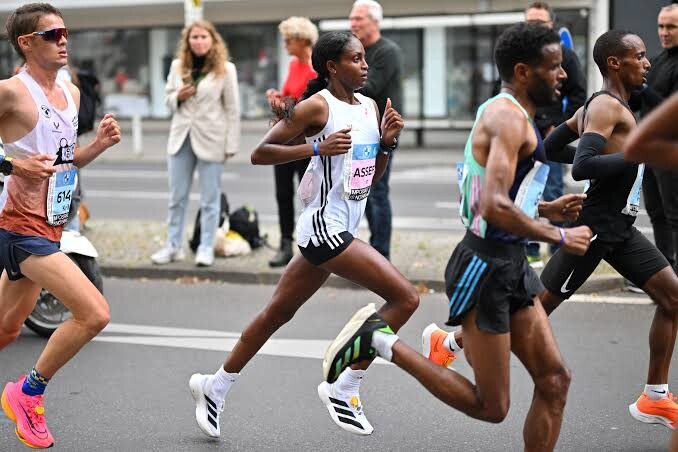
At the forefront is Ethiopia’s Tigst Assefa, whose extraordinary marathon career has already placed her among the all-time greats. Assefa is the current women-only marathon world-record holder, having improved her own mark to 2:15:41 at the 2026 TCS London Marathon, where she successfully defended her title.
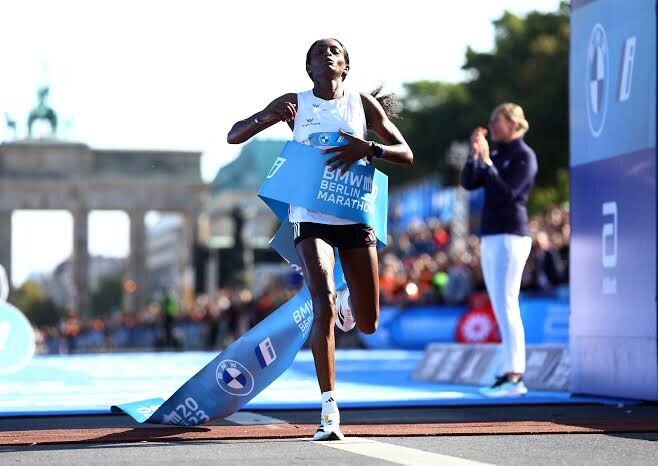
Her place in marathon history was secured even earlier in Berlin. At the 2023 BMW BERLIN-MARATHON, Assefa stormed to 2:11:53, smashing the then women’s world record by more than two minutes. The performance was subsequently ratified by World Athletics and remains among the fastest women’s marathon ever recorded in a mixed-gender race.
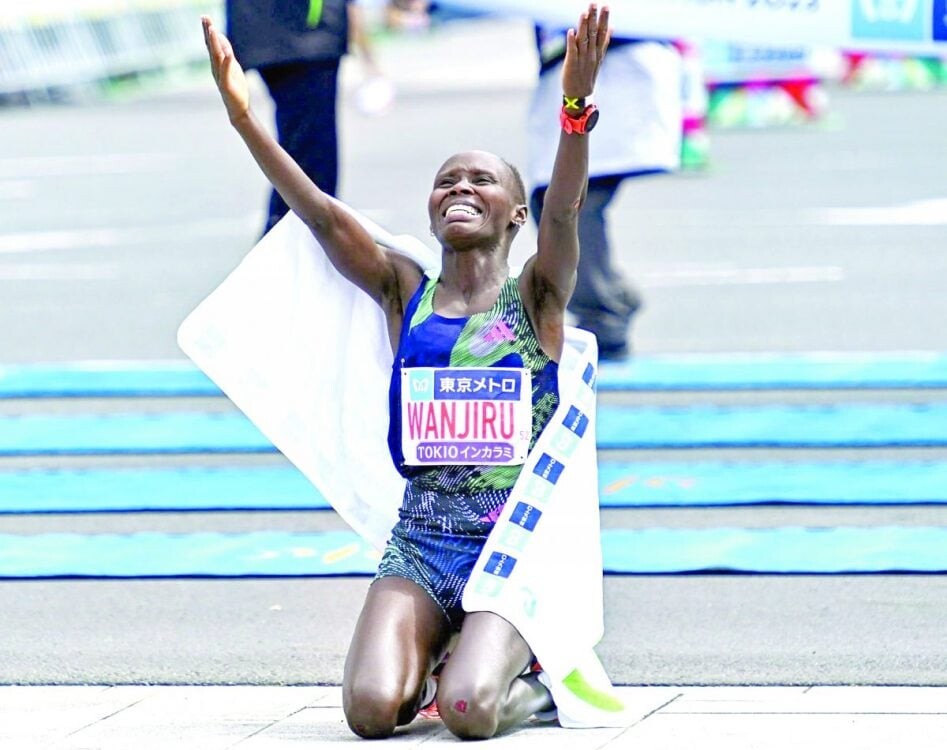
Kenya’s Rosemary Wanjiru, with a 2:16:14 personal best, provides another formidable presence at the sharp end of the race, while Ethiopia’s Bedatu Hirpa adds yet another major threat to an already exceptional field.
The 27-year-old Hirpa has built an impressive marathon résumé in a remarkably short period. She owns a 2:18:27 personal best, achieved when she won the Dubai Marathon, before continuing her winning momentum with victory at the Paris Marathon just months later. She also underlined her consistency this year with a second-place finish at the Osaka Marathon in 2:19:54. With her combination of speed, confidence and major-marathon experience, Hirpa could be one of the athletes capable of challenging the leading names in Berlin.
The Ethiopian challenge does not end there. Dera Dida (2:18:32), Zeineba Yimer (2:18:47), Bosena Mulatie (2:19:00), Misgane Alemayehu (2:19:08), Bekelech Gudeta (2:19:39), Gadise Mulu (2:20:59), Eebbisee Addunya (2:21:13) and Aminet Ahmed (2:21:24) give Ethiopia extraordinary depth, with every one of them boasting a personal best inside 2:22.
Kenya will also have strong representation through Evaline Chirchir (2:20:33) and Pascaline Jelagat (2:22:44), adding further firepower to a nation renowned for producing world-class marathon talent. China’s Deshun Zhang (2:20:53) also brings a sub-2:21 credential to the starting line.
Japan arrives with a deep group of proven marathoners. Rika Kaseda (2:21:55), Mao Uesugi (2:22:11), Natsuki Omori (2:23:45) and Rino Goshima (2:24:44) all possess impressive personal bests and could play an important role as the race develops. Morocco’s Fatima Gardadi (2:24:06) adds another strong international presence, while France’s Manon Trapp (2:23:38), the United States’ Jacqueline Gaughan (2:24:40) and Kodi Kleven (2:24:48), and Great Britain’s Lucy Reid (2:26:37) further strengthen the international depth.
Germany will have plenty to cheer for on home soil, with a sizeable contingent led by Kristina Hendel (2:27:29), who will be looking to rediscover the form that made her one of the country’s leading marathoners. After injury setbacks interrupted her progress, Hendel returns with the ambition of rebuilding her momentum on one of the biggest stages in the sport.
Anna Langerwisch is another German athlete attracting considerable interest. The 24-year-old has emerged rapidly among the country’s promising marathoners, winning the Hanover Half Marathon in 70:53 before improving her marathon personal best to 2:32:13 in Prague, remarkably in only her second marathon. Her recent 32:17 over 10 kilometres at the adidas Runners City Night in early August has added further intrigue around what she might produce over the full marathon distance.
Germany’s depth extends further, with Thea Heim (2:33:25), Cara Zollenkopf (2:36:05), Esther Pfeiffer (2:37:00), Katja Fischer (2:40:13), Sophia Wunsch (2:40:49) and Jule Vetter (2:42:18) also listed for the race. Their presence gives the home nation a broad representation across the field and adds another layer to an already fascinating international contest.
With Assefa’s extraordinary pedigree, Wanjiru’s proven class, Hirpa’s growing reputation and a supporting cast filled with athletes boasting sub-2:25 credentials, Berlin is shaping up for a women’s race packed with possibilities.
For Assefa, the return to Berlin carries an added historical dimension. It was on these very streets in 2023 that she produced the 2:11:53 performance that changed the landscape of women’s marathon running. Now, after lowering the women-only world record to 2:15:41 in London, she returns with another opportunity to write a new chapter in her remarkable career.
For the established stars, Berlin will be a chance to reaffirm their place among the marathon elite; for the emerging contenders, it could be the moment they announce themselves on one of the sport’s grandest stages.
The BMW BERLIN-MARATHON is renowned for fast racing and ambitious performances, and with such remarkable depth already assembled, the 2026 edition promises to deliver a captivating battle from the opening kilometres to the iconic finish on the Straße des 17. Juni.
by Erick Cheruiyot for My Best Runs.
Login to leave a comment

BMW Berlin Marathon
The story of the BERLIN-MARATHON is a story of the development of road running. When the first BERLIN-MARATHON was started on 13th October 1974 on a minor road next to the stadium of the organisers‘ club SC Charlottenburg Berlin 286 athletes had entered. The first winners were runners from Berlin: Günter Hallas (2:44:53), who still runs the BERLIN-MARATHON today, and...
more...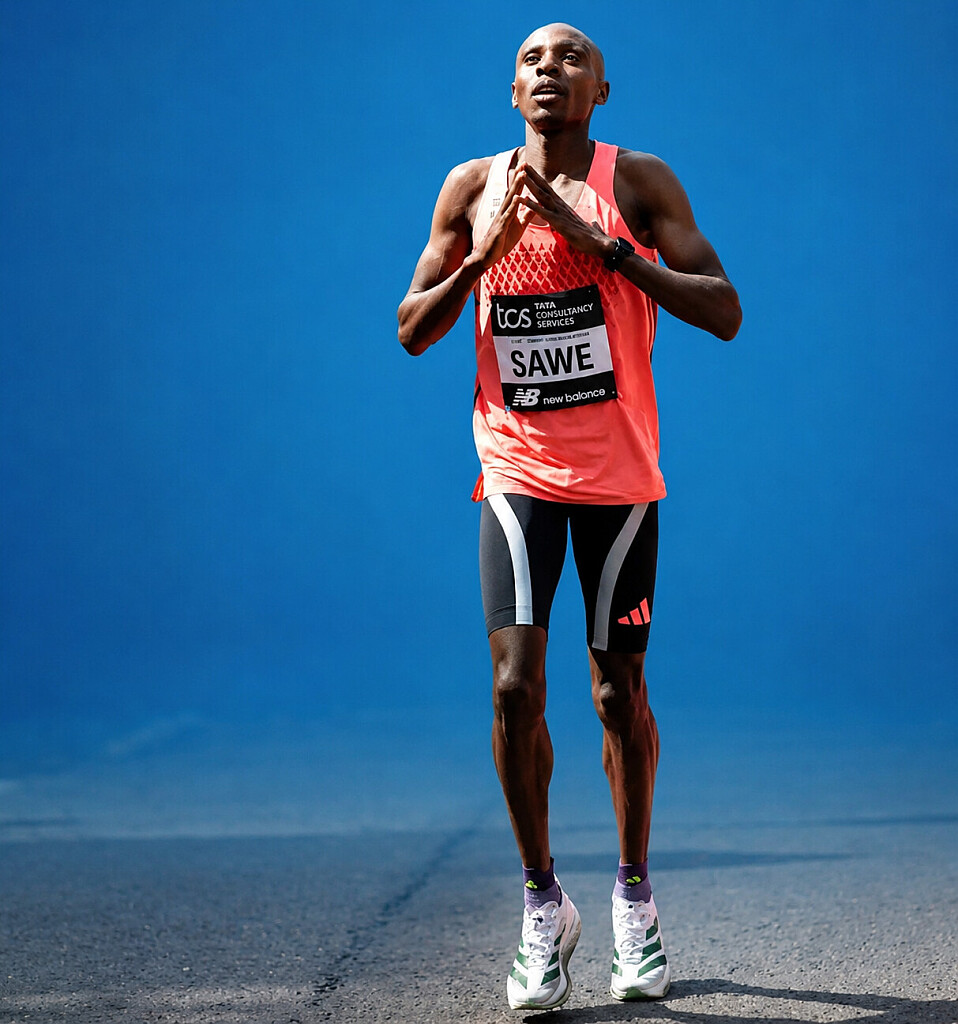
Sabastian Sawe Set for Another Historic Berlin Marathon as Elite Field Takes Shape
World record holder Sabastian Sawe is set to return to the BMW Berlin Marathon on September 27, where the Kenyan superstar will defend his title and attempt to add another remarkable chapter to his already extraordinary marathon career.
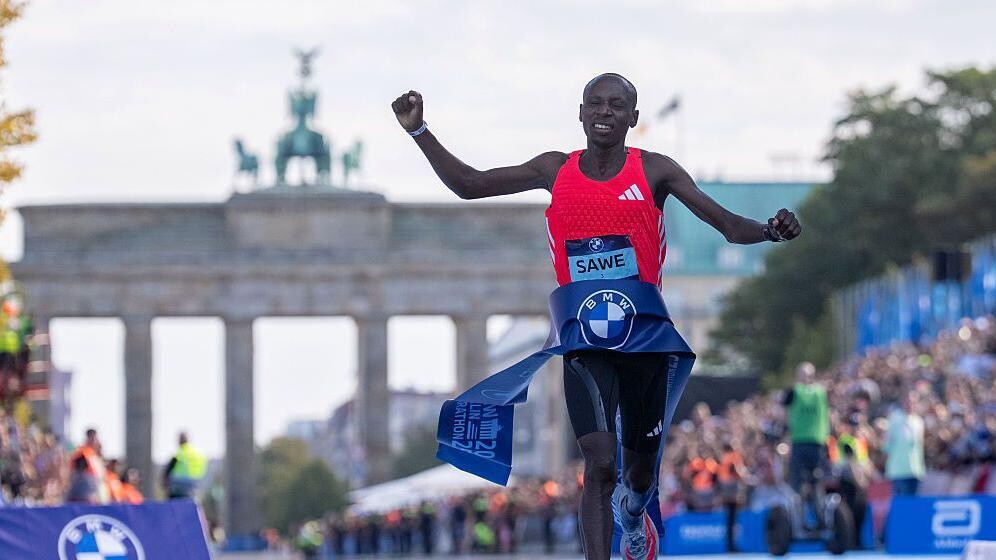
Sawe arrives in Berlin with unprecedented confidence after his sensational 1:59:30 performance in London, which made him the first athlete to officially break the two-hour barrier in the marathon. That landmark achievement has elevated expectations for his return to the German capital, where he will once again line up on one of the fastest marathon courses in the world.
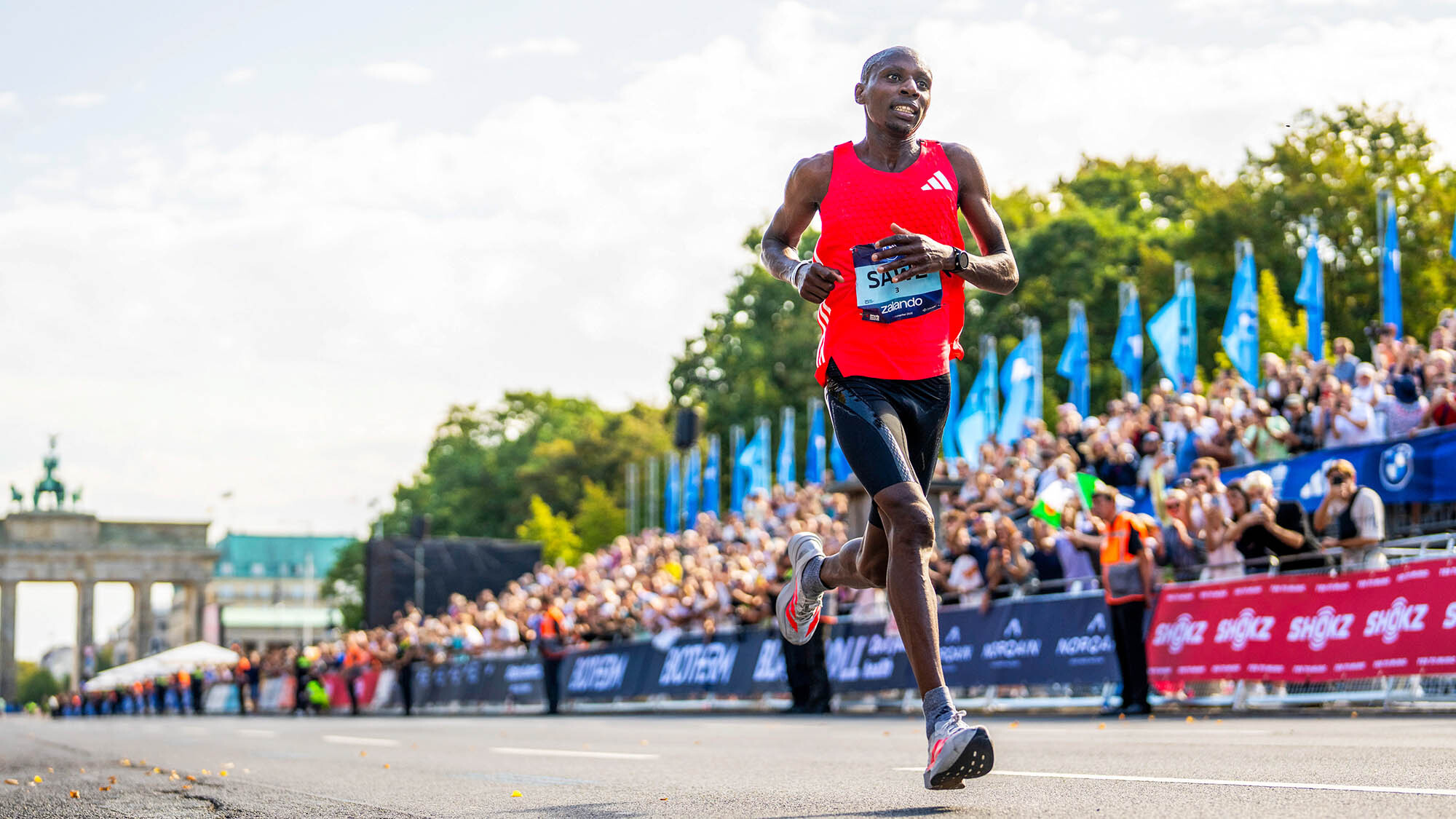
The Kenyan won the 2025 Berlin Marathon in 2:02:16 despite warm conditions, demonstrating his ability to produce a world-class performance even when circumstances are far from ideal. This time, he returns as the defending champion and world-record holder, with the famously flat Berlin course providing another opportunity to test the limits of what is possible over 42.195km.
Berlin has a remarkable history of producing record-breaking performances, and Sawe's presence immediately raises the possibility of another extraordinary race. The question now is whether the 31-year-old can go beyond his own 1:59:30 world record and take the marathon to an even higher level.
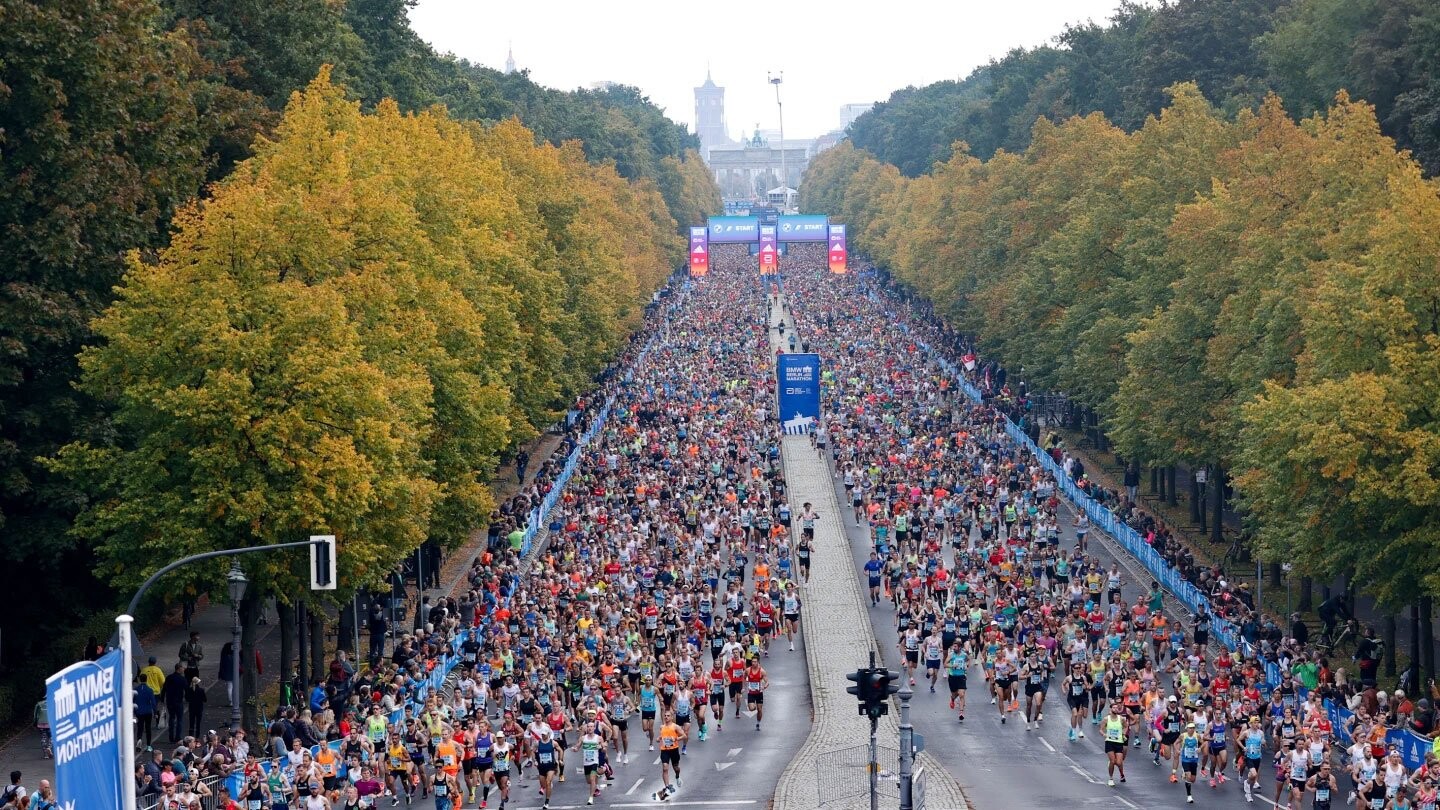
However, Sawe will face formidable opposition.
Tanzania’s Gabriel Geay has joined the elite field, bringing a personal best of 2:03:00 set in Valencia in 2022. The 29-year-old Tanzanian record holder established himself among the world’s leading marathoners with that performance and further underlined his credentials by finishing runner-up at the 2023 Boston Marathon.
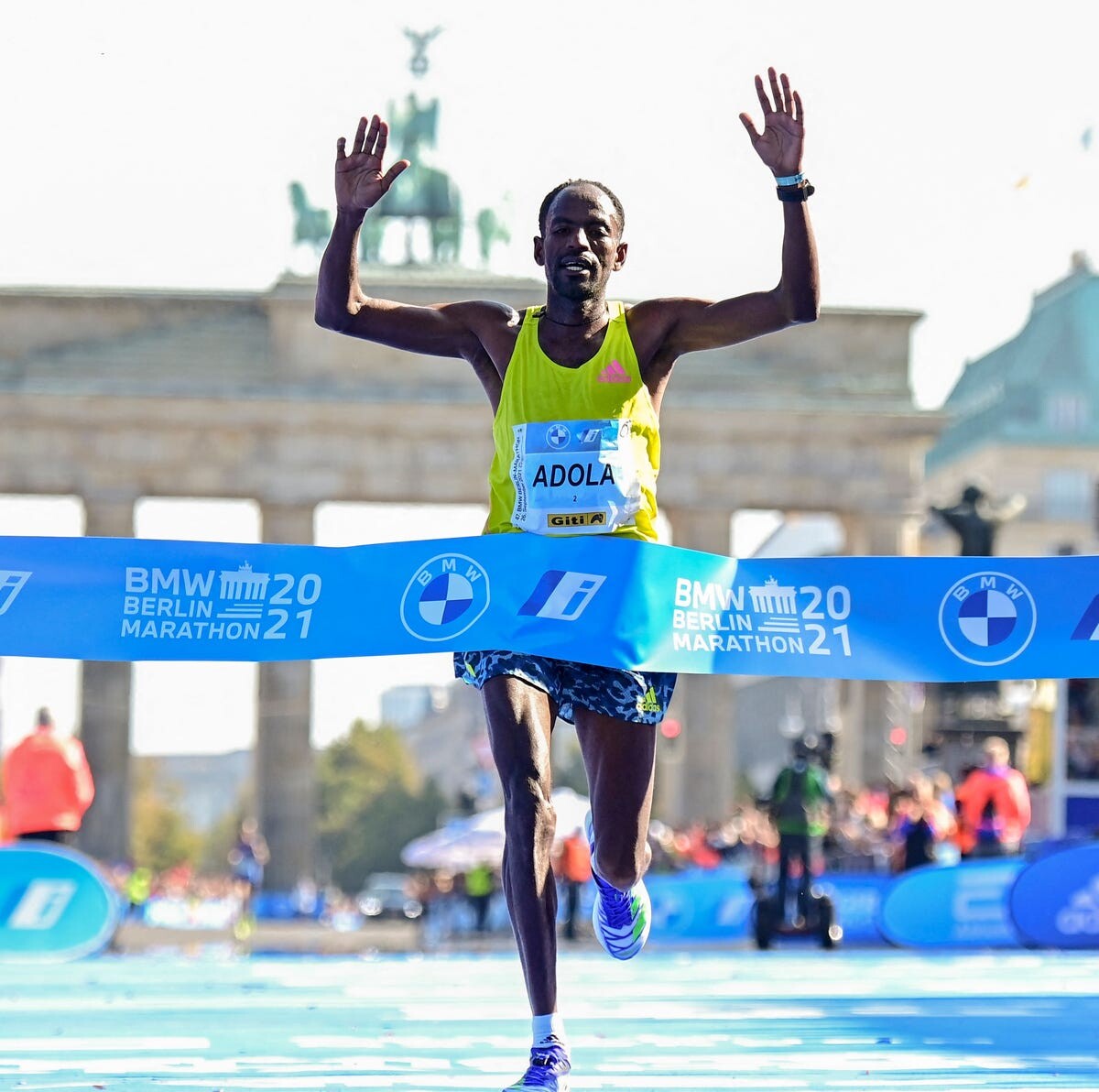
Ethiopia’s Guye Adola will also return to Berlin, the scene of some of the most memorable moments of his marathon career. In 2017, Adola stunned the athletics world on his marathon debut, pushing Eliud Kipchoge deep into the race before finishing second in a remarkable 2:03:46. Four years later, on September 26, 2021, Adola returned to Berlin and claimed victory in 2:05:45, adding another significant chapter to his association with the iconic German marathon. Now, after his recent return to top form, he will once again line up on the streets where he has already made history.
Now 35, Adola has endured injury setbacks in recent years, but his victory at the Rotterdam Marathon in 2:03:54 this spring proved that he remains a major force on the international marathon circuit.
The addition of Geay and Adola adds further quality to a field already packed with athletes capable of running at an extraordinary pace. With Sawe leading the charge, Berlin is shaping up to deliver another thrilling battle among some of the world's finest marathoners.
The depth of the field extends well beyond the leading contenders, with Ethiopia boasting an imposing group of marathoners. Getaneh Molla (2:03:34), Shura Kitata (2:03:59), Dejene Hailu (2:04:15), Selemon Barega (2:05:00), Taresa Tolosa (2:05:17), Tadu Abate (2:05:38), Asefa Boki (2:05:40) and Andamlak Belihu (2:06:40) will all bring proven credentials and the ambition to challenge for fast times in Berlin.
Japan, meanwhile, has assembled a particularly deep contingent, led by Kenya Sonota (2:05:59), Tsubasa Ichiyama (2:06:00), Kyoto Hirabayashi (2:06:14), Yuhei Urano (2:06:23), Hidekazu Hijikata (2:06:26), Yusuke Nishiyama (2:06:31), Naoki Koyama (2:06:33), Kazuya Nishiyama (2:06:45), Daisuke Uekado (2:06:54) and Shin Kimura (2:07:34). China’s Jie He (2:06:57) and Kenya’s Richard Yator (2:07:36) complete a remarkably deep field, setting the stage for a race where the battle for victory could be accompanied by a long list of outstanding personal performances.
For Sawe, though, the challenge goes beyond defending his Berlin crown. Having already broken the two-hour barrier, he now has an opportunity to chase an even more remarkable achievement on a course renowned for producing marathon history.
Can Sabastian Sawe lower his own 1:59:30 world record in Berlin on September 27?
The countdown is on, and if the conditions are right, the defending champion could once again have the marathon world watching every step.
by Erick Cheruiyot for My Best Runs.
Login to leave a comment
BMW Berlin Marathon
The story of the BERLIN-MARATHON is a story of the development of road running. When the first BERLIN-MARATHON was started on 13th October 1974 on a minor road next to the stadium of the organisers‘ club SC Charlottenburg Berlin 286 athletes had entered. The first winners were runners from Berlin: Günter Hallas (2:44:53), who still runs the BERLIN-MARATHON today, and...
more...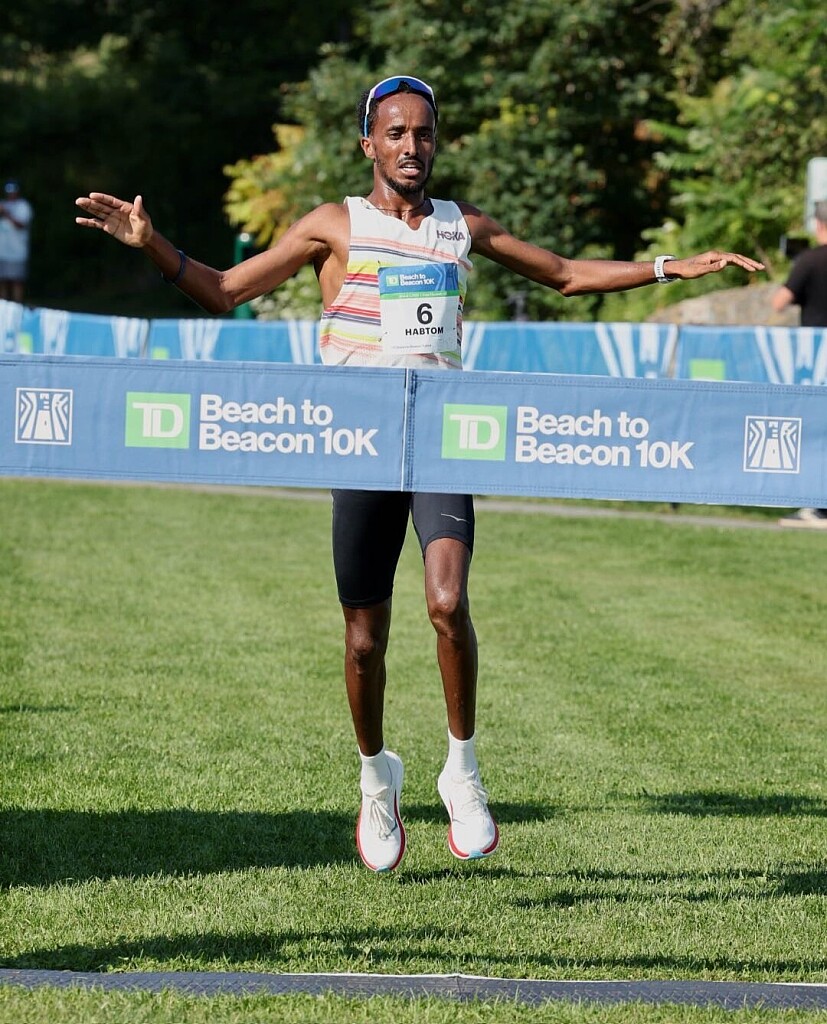
Habtom Samuel And Pamela Kosgei Shine With Brilliant Victories At TD Beach To Beacon 10K
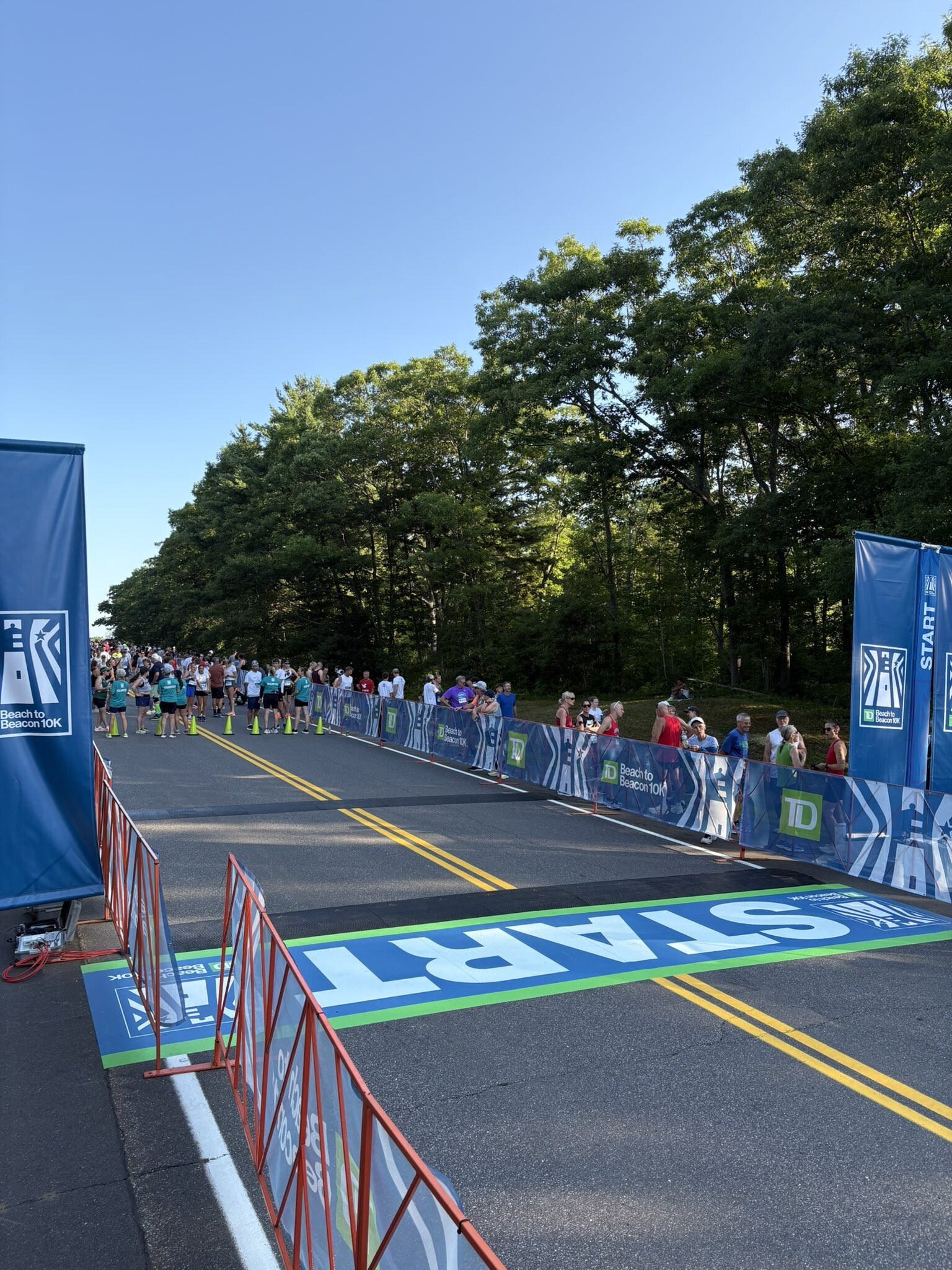
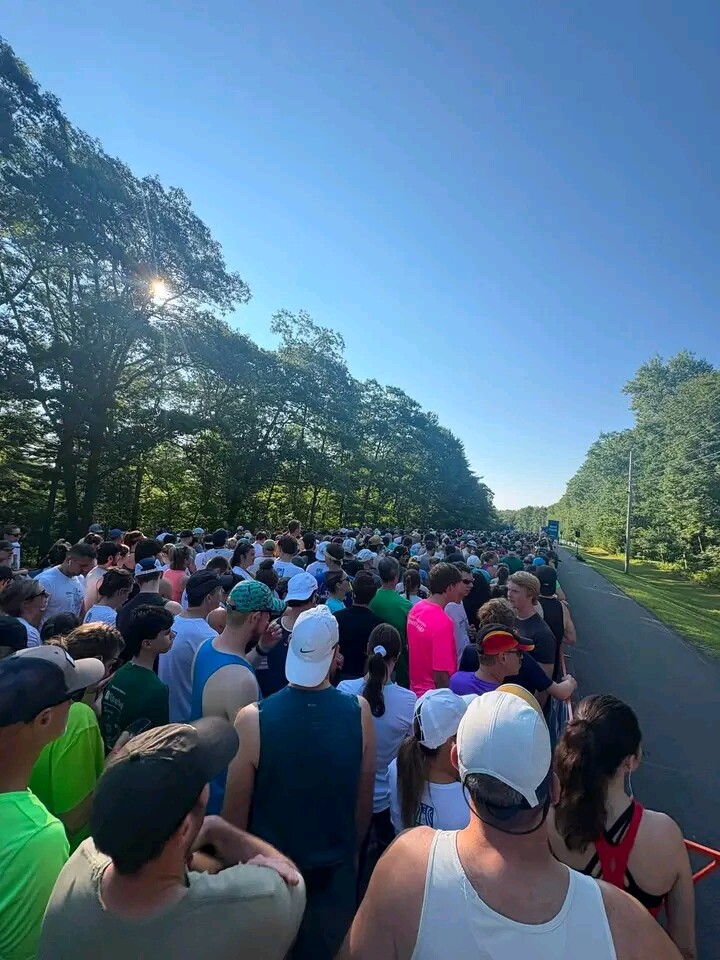
The 2026 TD Beach to Beacon 10K delivered another memorable chapter in one of America's most prestigious road races as Eritrea's Habtom Samuel and Kenya's Pamela Kosgei produced commanding performances to capture the men's and women's titles in Cape Elizabeth, Maine.
On a fast morning along the scenic coastal course, Samuel proved to be the class of the men's field. The Eritrean distance star surged to victory in an impressive 27:40, holding off a strong Kenyan challenge to secure one of the biggest road-racing victories of his career.
Patrick Kiprop led the pursuit and crossed the finish line eight seconds later in 27:48 to claim second place after a determined performance from start to finish. Fellow Kenyan Raphael Lekini Dapash completed the podium in 28:03, ensuring Kenya placed two athletes among the top three in a fiercely competitive international field.
Great Britain's Patrick Dever narrowly missed the podium with a time of 28:05, while American standout Biya Simbassa finished fifth in 28:11. Thailand's Kieran Tuntivate continued his consistent road-racing form by taking sixth in 28:12, ahead of Americans Joe Klecker (28:14) and Andrew Colley (28:16). Kenya's Pasanjo Kitonga finished ninth in 28:27, with Reid Buchanan rounding out the men's top ten in 28:29.
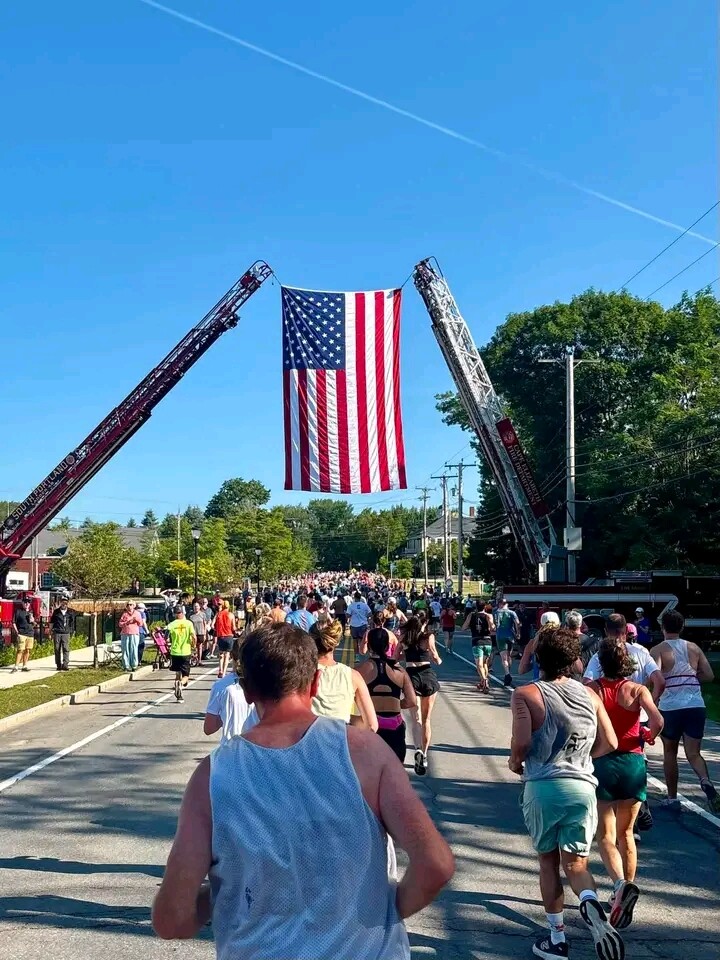
The women's race was equally captivating as Kenya's Pamela Kosgei displayed outstanding composure and strength to claim the title in 31:50. Kosgei faced relentless pressure from American distance star Elise Cranny throughout the closing stages but remained composed to cross the line just two seconds ahead and secure a memorable victory.
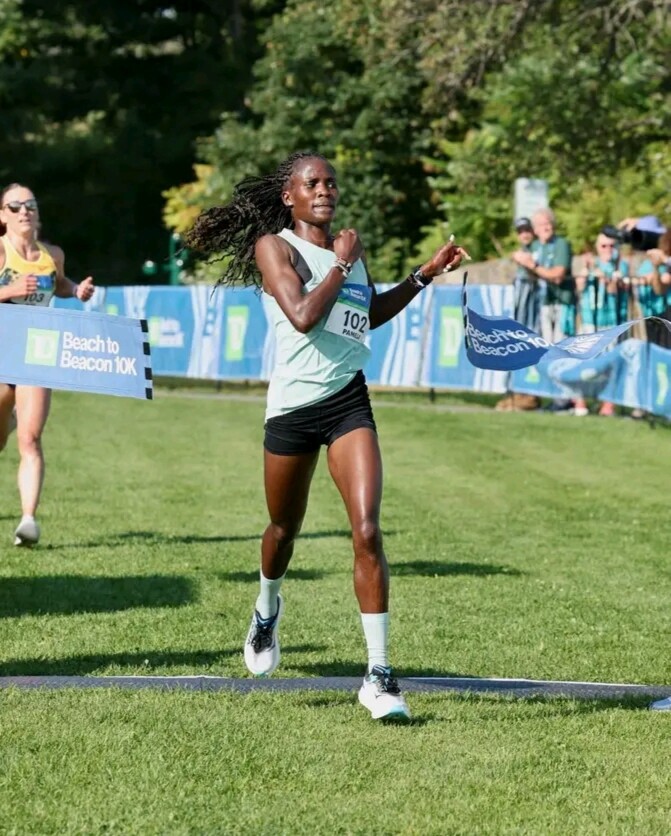
Cranny's courageous effort earned her second place in 31:52, while fellow American Molly Born completed the podium after running 32:14.
The battle for the remaining top positions was equally competitive. Annie Rodenfels finished fourth in 32:19, only one second ahead of China's Wuga He, who clocked 32:20. Megan Sailor placed sixth in 32:27, narrowly ahead of Kenya's Vicoty Chepngeno in 32:28. Dakotah Popehn finished eighth with 32:37, followed by Allie Buchalski in 32:40, while Uruguay's Julia Paternain completed the top ten in 32:57.
The 2026 edition of the TD Beach to Beacon 10K once again showcased world-class road racing, with elite athletes from across the globe producing exceptional performances on the renowned Maine course. Samuel's authoritative victory highlighted Eritrea's continued strength in distance running, while Kosgei reinforced Kenya's dominance on the international road-running circuit with a composed and tactical winning display.
The outstanding depth of both elite fields provided spectators with thrilling competition from the opening kilometers to the finish line, further cementing the Beach to Beacon 10K's reputation as one of the premier road races on the global athletics calendar.
by Erick Cheruiyot for My Best Runs.
Login to leave a comment

TD Beach to Beacon 10K
Joan Benoit Samuelson, a native of Cape Elizabeth, Maine, won the first-ever women's Marathon at the 1984 Olympics in Los Angeles and is founder and chair of the TD Bank Beach to Beacon 10K. "A long time dream of mine has been realized" says Samuelson. "I've always wanted to create a race that brings runners to some of my most...
more...
Blood, Grit and Determination: Li Meizhen’s Remarkable Marathon Finish Captivates the Running World
Marathon running is a sport built on endurance, discipline, and the ability to overcome adversity. At the 2024 Hengshui Lake Marathon in China, Li Meizhen delivered a powerful reminder of those qualities when she refused to let an unexpected challenge derail her race.
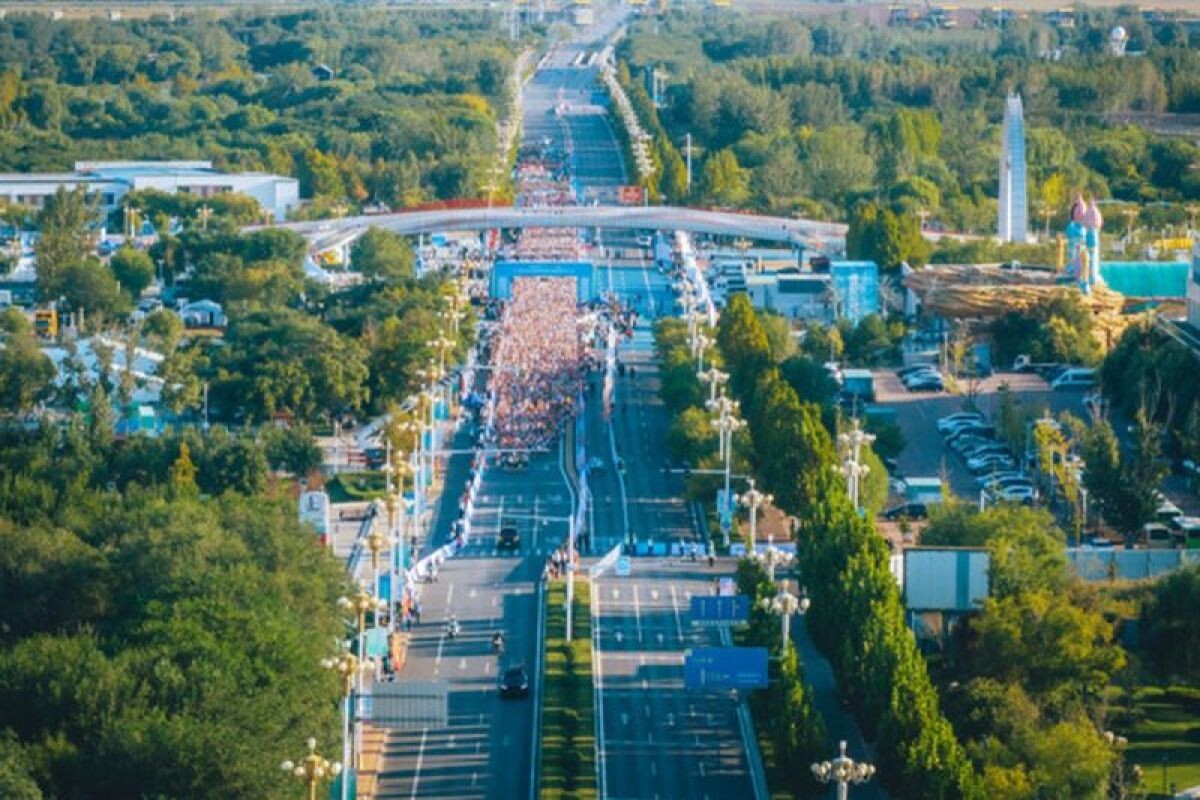
The 25-year-old runner from Fujian was already 34 kilometres into the marathon when her period suddenly started. With roughly eight kilometres still remaining, Li could see blood running down her legs. For many athletes, the situation would have been distressing enough to consider stopping. Li chose a different path.
She kept running.
Determined to reach the finish line, Li maintained her focus through the final stages of the race, pushing through both the physical demands of the marathon and an unforeseen personal challenge. When she finally crossed the line, the clock showed 2 hours, 35 minutes, a performance that placed her among the fastest women in a race featuring more than 20,000 runners from 26 countries and regions.
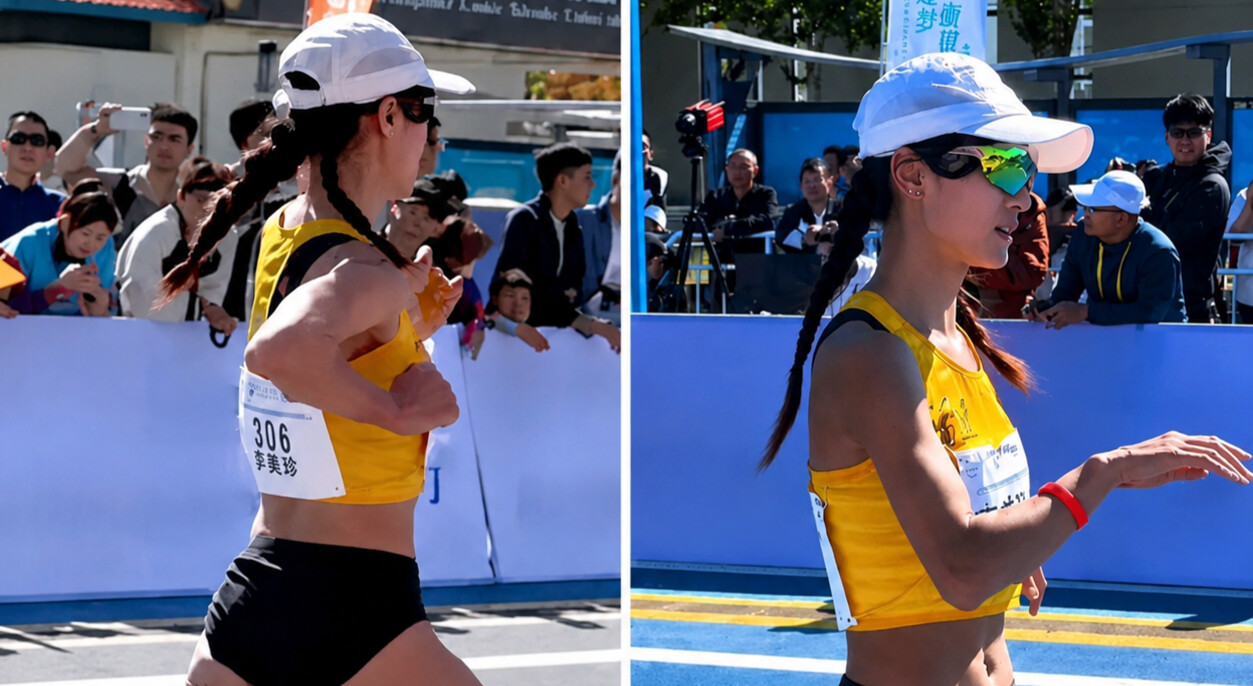
What happened during those closing kilometres quickly became a talking point across China. Videos of Li's finish spread rapidly on social media, drawing widespread admiration from runners and sports fans alike. Rather than focusing on the blood visible on her legs, many celebrated her determination and the message her performance sent about women's health in sport.
After the race, Li explained her decision in simple terms. She was chasing a qualifying standard for two upcoming championship marathons. Stopping would have meant abandoning months of preparation and starting the qualification process all over again at another race.
So she finished the one she was in.
The reaction online was overwhelmingly positive. Many women praised her for treating menstruation as what it is—a normal part of life rather than something that should prevent an athlete from competing, training, or pursuing ambitious goals.
For Li, resilience has been a defining characteristic throughout her running journey. She has been competing for approximately a decade, ever since she was recruited from a fifth-grade sports interest group after winning the 800 metres at her first county-level competition. Since then, she has steadily developed into a high-level distance runner capable of competing among the best.
Her experience at Hengshui Lake has resonated far beyond the marathon community because it highlights an often-overlooked reality of women's sport. Athletes frequently face challenges that are visible to everyone, such as injuries, weather conditions, or fatigue. Others are far more personal and rarely discussed publicly.
On this occasion, Li Meizhen confronted both.
Some obstacles in running can be anticipated and managed through preparation. Others arrive without warning. Faced with one of those unexpected moments deep into a marathon, Li chose perseverance over surrender.
Her 2:35 finish will be remembered not only as a qualifying performance, but as a powerful demonstration of courage, professionalism, and the unbreakable determination that lies at the heart of distance running.
by Erick Cheruiyot for My Best Runs.
Login to leave a comment
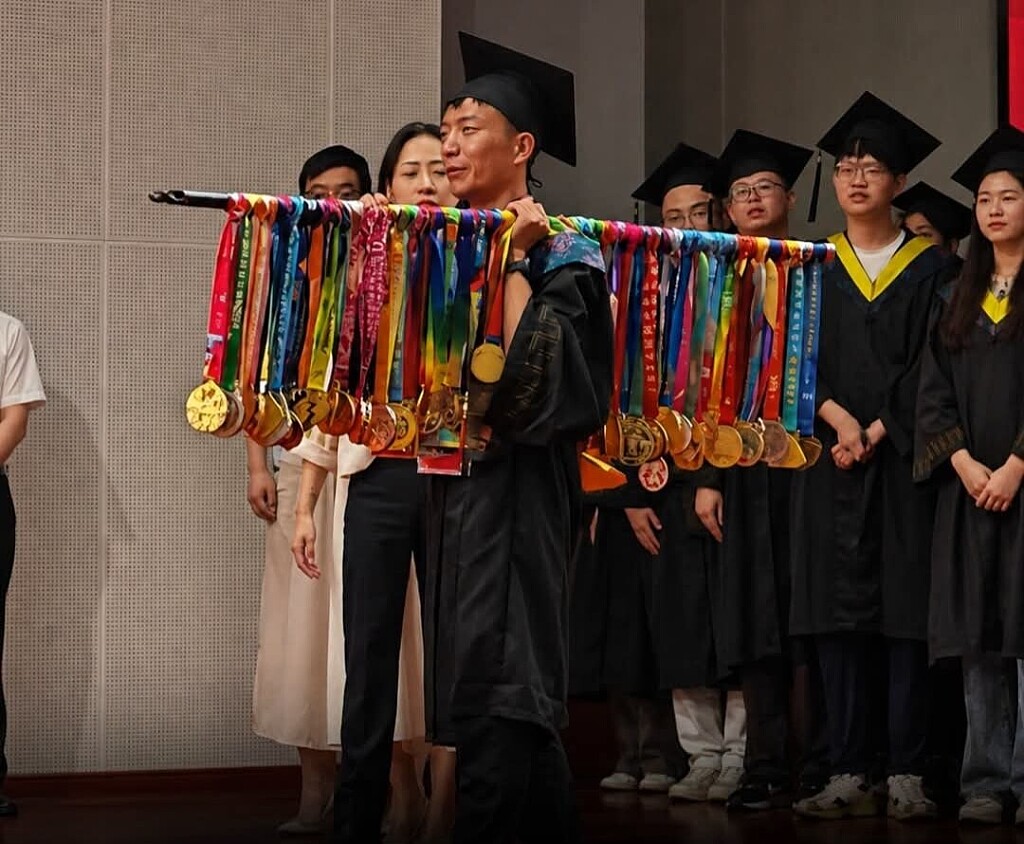
From Marathon Miles to a University Degree: Chinese Graduate Stuns Ceremony With 70+ Medals Earned Through Running
For most graduates, a university degree is the defining symbol of years of dedication and sacrifice. For 24-year-old Jin Yanwei, however, that achievement shared the spotlight with another remarkable testament to perseverance—more than 70 marathon medals that helped shape his journey to graduation.

On June 23, during the graduation ceremony at Xi'an Traffic Engineering Institute in Shaanxi Province, China, Jin walked across the stage to receive his degree like every other student. But moments later, he returned carrying a shoulder pole weighed down by over 70 marathon medals, with several more draped around his neck. The unexpected display left the audience in awe, drawing thunderous applause before the striking moment quickly captured the attention of millions online.

What many in the hall did not know was that Jin's success had been built not only in lecture rooms but also on roads and race courses across China. Although he was not a sports major, he transformed his passion for distance running into a source of financial support throughout his university years.
Jin completed his first marathon in 2021, a milestone that sparked an extraordinary commitment to endurance racing. Over the following years, he regularly competed in marathons and other long-distance events, using prize money and race incentives to help cover his educational expenses. What began as a personal challenge gradually became a practical way to finance his studies while pursuing his academic goals.
His achievements were no accident. They were the product of relentless discipline and consistency. Jin maintained a demanding training schedule, averaging around 15 kilometres every day and covering between 350 and 400 kilometres each month. In the past two years alone, he has run an astonishing 7,835 kilometres, a distance that reflects countless hours of dedication, resilience, and self-belief.
The image of Jin standing proudly in his graduation gown, balancing a shoulder pole overflowing with marathon medals, has since become a powerful symbol of determination. Every medal represented another finish line crossed, another challenge conquered, and another step towards securing both his education and his future.
Jin Yanwei's story is a powerful reminder that success is often built one step at a time. His graduation was not only the celebration of academic achievement but also the culmination of thousands of kilometres, unwavering commitment, and the courage to turn passion into purpose. In the end, those marathon miles delivered far more than medals—they helped carry him all the way to his university degree.
by Erick Cheruiyot for My Best Runs.
Login to leave a comment
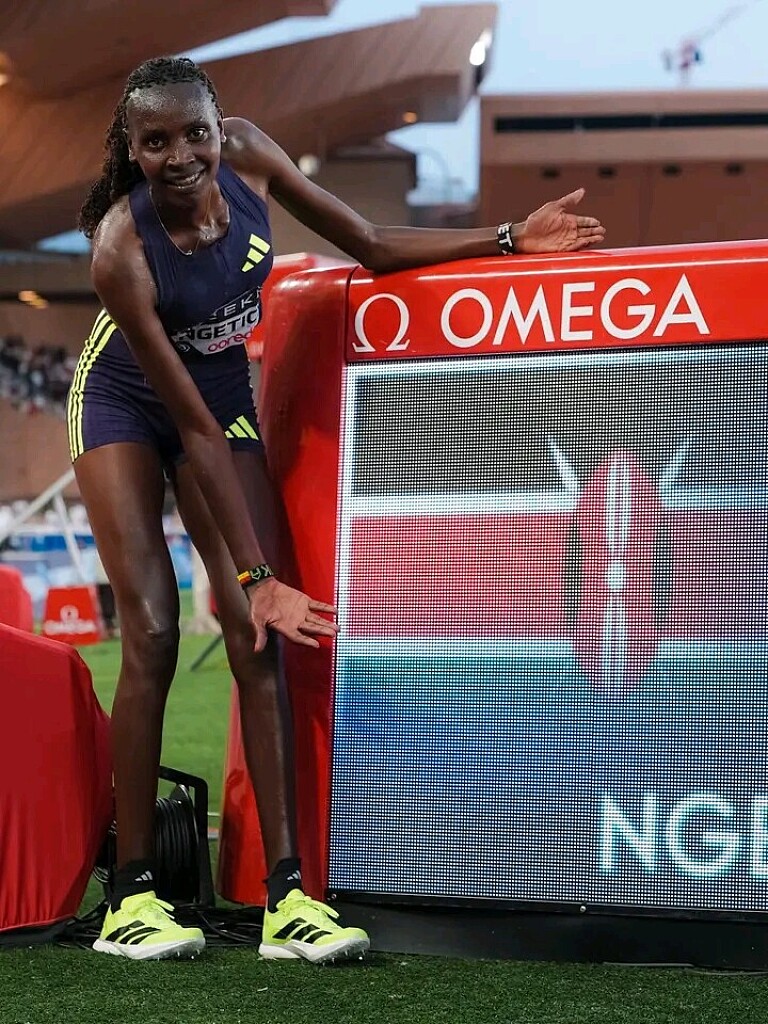
Agnes Ngetich Storms Into History as the Third-Fastest Woman Ever Over 3000m in Monaco Masterclass
Kenya's Agnes Jebet Ngetich delivered the performance of her career at the Monaco Diamond League, producing a breathtaking run that has rewritten the history books and firmly established her among the greatest women's distance runners of all time.
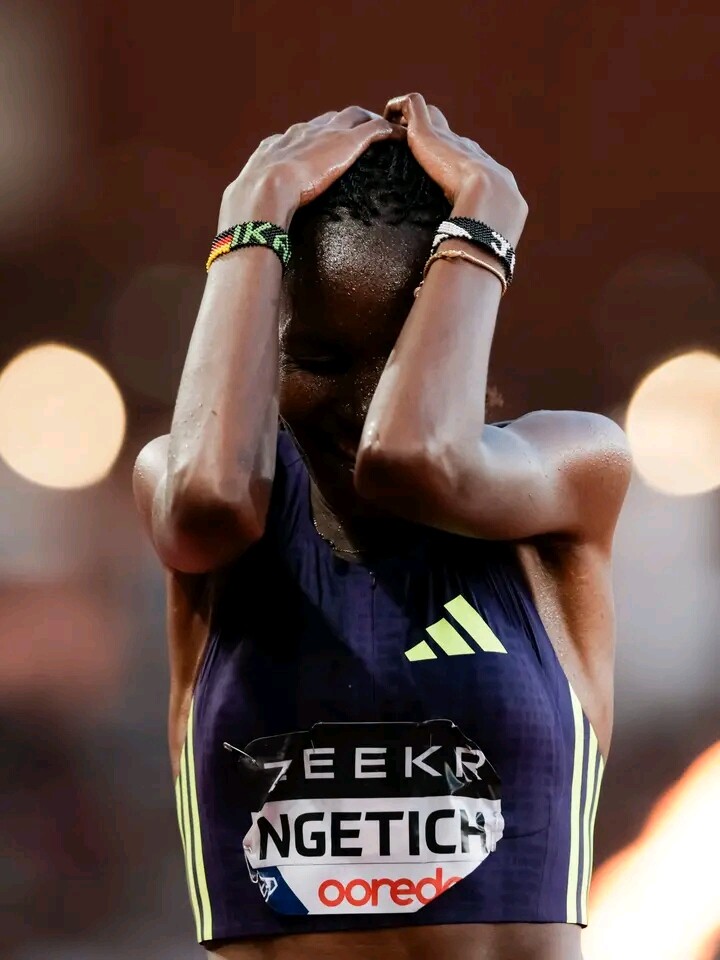
The 25-year-old clocked an astonishing 8:08.95, shattering the meeting record, setting a new personal best by more than 14 seconds, and recording the fastest women's 3000m time in the world this season. It was a sensational display that propelled her to third on the all-time world rankings, behind only China's Wang Junxia and fellow Kenyan Faith Kipyegon.
Ngetich's remarkable performance eclipsed Beatrice Chebet's 8:11.56, moving her onto the all-time podium and underlining her rapid rise as one of the sport's most formidable distance runners. Even more impressive was the fact that Monaco marked her first track race of the season, making her achievement all the more extraordinary.
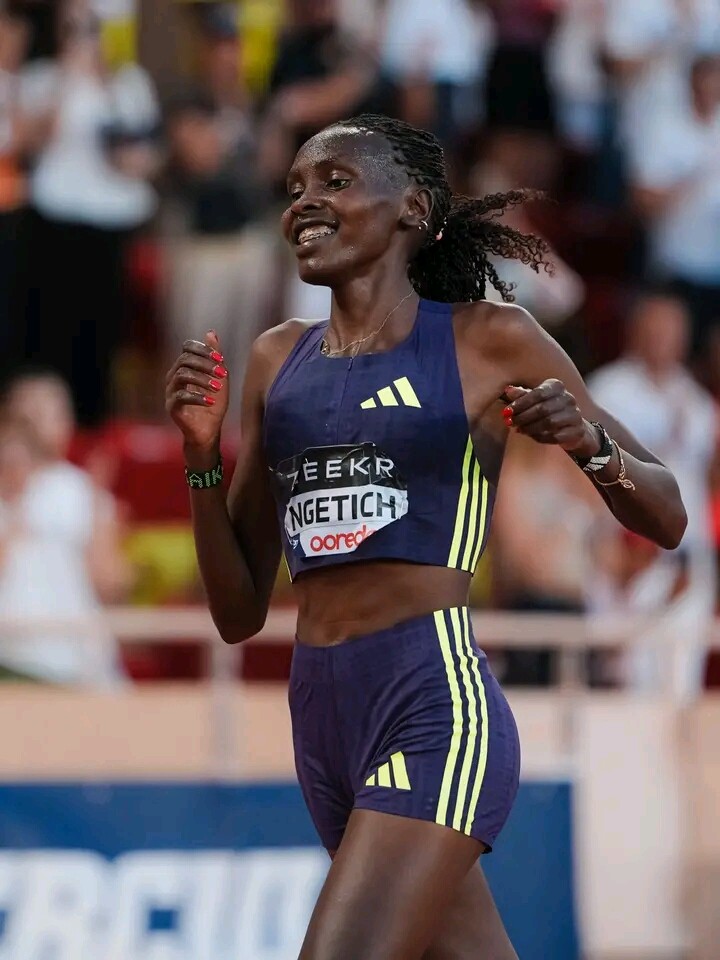
The race also highlighted Kenya's remarkable dominance in the event. For the first time in history, three Kenyan women now occupy three of the top four fastest performances ever recorded over 3000 metres—Faith Kipyegon, Agnes Ngetich, and Beatrice Chebet—cementing the nation's position as the global powerhouse in women's distance running.
Ngetich crossed the finish line alone in 8:08.95, while Ethiopia's Aleshign Baweke finished second in a personal best of 8:23.81, followed by compatriot Senayet Getachew, who also set a lifetime best of 8:24.02. Olympic champion Faith Kipyegon placed fourth in 8:24.21, her fastest performance of the season.
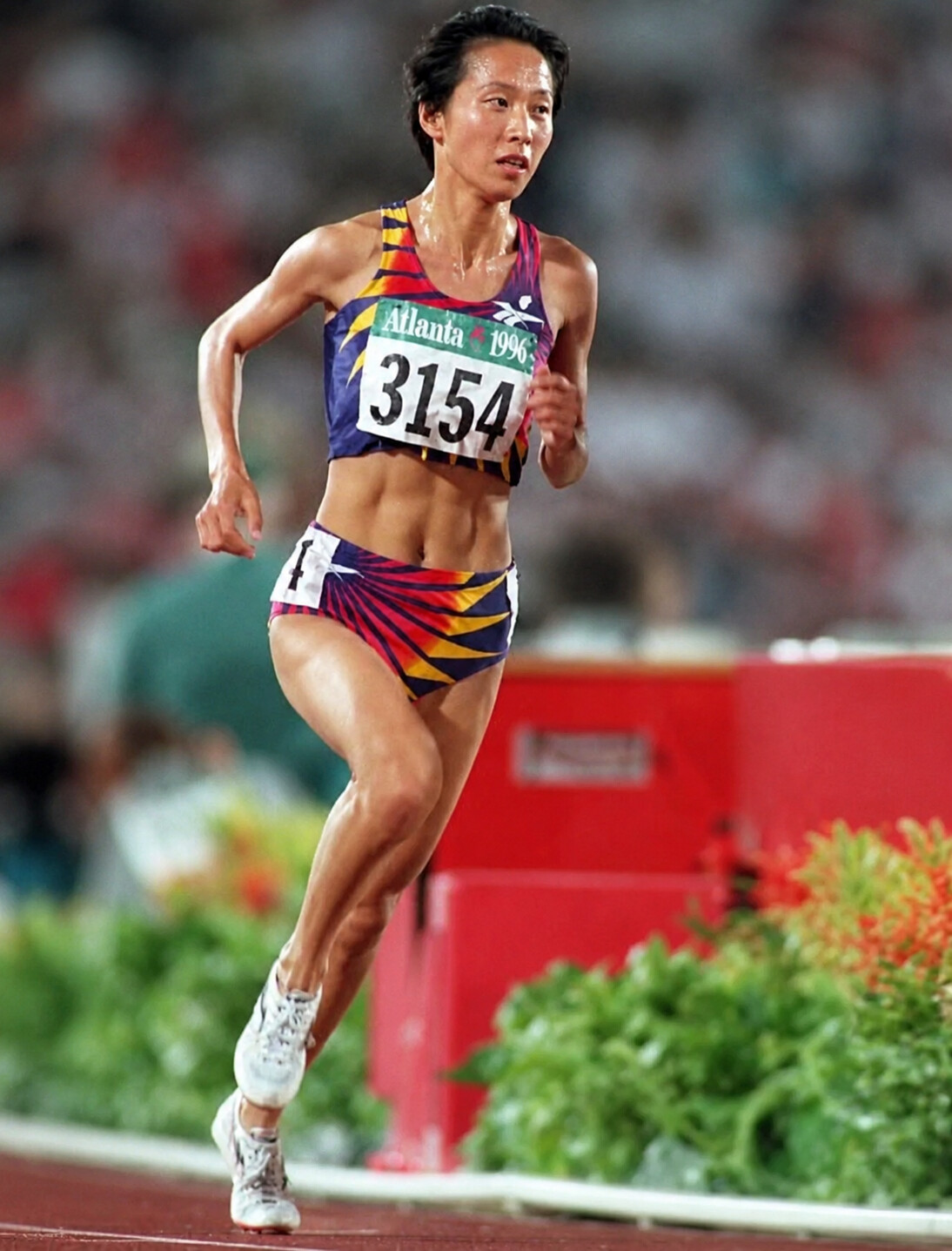
Ngetich's stunning run has also reignited one of athletics' longest-standing discussions—the pursuit of Wang Junxia's legendary world record.
Wang produced her iconic 8:06.11 in Beijing on 13 September 1993, a mark that has now stood for 33 years. It remains tdata:text/mce-internal,higgles,Wang%20Junxiahe oldest women's world record over a major distance still on the books and the final surviving global mark from an extraordinary week at the Chinese National Games.
That championship became one of the most controversial chapters in athletics history. Under coach Ma Junren, six Chinese women combined to produce 14 world-record performances across the 1500m, 3000m, and 10,000m in what became an unprecedented display of dominance. While the performances stunned the sporting world, they also sparked questions that have lingered for decades.
Since then, two of those historic world records have fallen. Ethiopia's Almaz Ayana erased the women's 10,000m record, while compatriot Genzebe Dibaba broke the 1500m world record in Monaco. Wang's 8:06.11 over 3000 metres is now the only record from that remarkable week that continues to stand.
For years, the record appeared untouchable. That perception has changed dramatically over the past 12 months.
Last August in Poland, Faith Kipyegon came within just 0.93 seconds of the record when she stormed to 8:07.04, the closest any athlete has ever come to surpassing Wang's mark. Earlier, Beatrice Chebet had produced 8:11.56 in Rabat to become one of the fastest women in history. Now, Agnes Ngetich has joined them with her sensational 8:08.95, creating an unprecedented era for women's distance running.
Kipyegon has made no secret of her ambition to attack the world record, while Chebet possesses the endurance, speed, and finishing strength to challenge it. With Ngetich now emerging as another genuine contender, the once-daunting gap has virtually disappeared. A record that remained more than ten seconds beyond reach for an entire generation is now separated from the world's best by less than a second.
Some world records survive because they are simply extraordinary. Others endure because the right challengers never arrive. Wang Junxia's 3000m record now faces relentless pressure from an exceptional generation of Kenyan athletes who have transformed the event.
If Monaco was any indication, the countdown has truly begun. After 33 years of survival, one of athletics' most iconic and debated world records has never looked more vulnerable. With Faith Kipyegon, Beatrice Chebet, and now Agnes Ngetich all closing in, the race to rewrite history may soon reach its unforgettable conclusion.
by Erick Cheruiyot for My Best Runs.
Login to leave a comment

Road to Beijing 2027: World Athletics Unveils Tougher Qualification System for Global Championships
The road to the 2027 World Athletics Championships in Beijing has officially begun — and earning a place on athletics’ biggest stage is about to become even more demanding.
World Athletics has now confirmed the qualification system and entry standards for the championships set for September 2027 in Beijing, China, introducing a major adjustment that could reshape the battle for global qualification across distance running and track events.

Under the newly announced structure, only around 40 percent of athletes will qualify automatically through direct entry standards, while the remaining 60 percent of places will be awarded via the World Athletics Rankings system. The change represents a clear shift away from the previous 50-50 balance used in recent championships.
The updated model places greater emphasis on consistency throughout the season rather than relying solely on one exceptional performance. Athletes will now need to compete regularly at high-level meetings, collect ranking points, and maintain elite performances across an extended qualification period.
For distance runners, the standards remain exceptionally demanding, highlighting the increasing depth and competitiveness of global athletics.

In the men’s marathon, athletes must run 2:06:00 or faster to secure an automatic qualification mark, while the women’s standard has been set at 2:23:20. The qualifying window for the marathon opened on November 3, 2025, and will close on Midnight May 2, 2027.
The men’s 10,000m standard has been fixed at 26:48.00, with the women required to run 30:40.00. In the 5000m, athletes must clock 12:50.00 for men and 14:36.00 for women to gain direct entry.
Middle-distance events will also demand world-class performances. The men’s 1500m standard stands at 3:30.00, while women must achieve 3:58.00. In the 800m, the entry standards are 1:43.00 for men and 1:57.50 for women.
Sprint events remain brutally competitive. Athletes targeting the men’s 100m must break 10 seconds with a qualifying standard of 9.95, while the women’s requirement has been set at 10.96. In the 200m, the standards stand at 20.07 for men and 22.45 for women.
The hurdles events also demand elite-level precision and speed, with qualifying marks of 13.18 in the men’s 110m hurdles and 12.60 in the women’s 100m hurdles.
Meanwhile, the 3000m steeplechase standards have been fixed at 8:08.00 for men and 9:06.50 for women — times that underline the growing global standard in one of athletics’ most physically demanding disciplines.
World Athletics says the revised qualification pathway is designed to create stronger, more competitive championship fields while maintaining strict control of athlete numbers across all disciplines.
Qualification windows for the 10,000m, race walks, combined events, and relays will run from February 23, 2026, through August 22, 2027. For all other track events, athletes can qualify between August 23, 2026, and August 22, 2027.
The new system is expected to intensify competition across the entire athletics calendar, with ranking points now becoming more valuable than ever before. Athletes will no longer depend solely on one breakthrough race; instead, sustained excellence across multiple competitions may prove decisive in securing a ticket to Beijing.
As preparations begin worldwide, the countdown to Beijing 2027 has already sparked anticipation for what could become one of the most fiercely contested World Championships in recent history.
by Erick Cheruiyot for My Best Runs.
Login to leave a comment
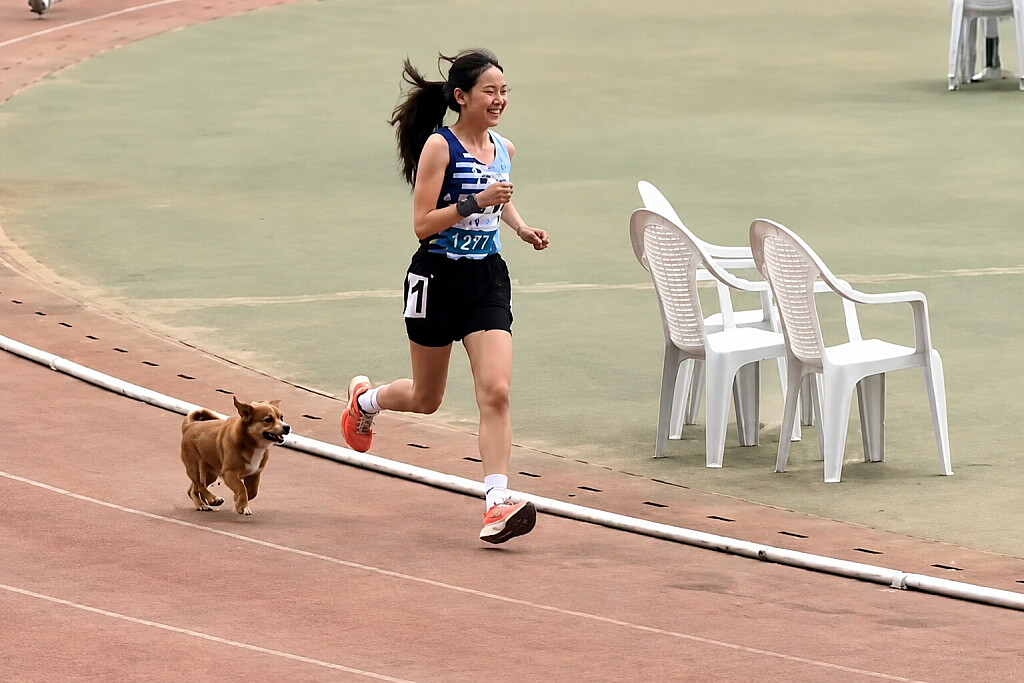
Stray Campus Puppy Becomes Unlikely Hero After Guiding Runner to Record-Breaking Victory
A university athletics meet in northern China delivered an unforgettable moment when a stray puppy unexpectedly joined a women’s 3,000m race and helped inspire a record-breaking performance that has since captured hearts across social media.
The star of the day was not only the winning athlete, but also a five-month-old campus dog named Bandeng, whose surprise appearance during the closing laps turned an ordinary race into a remarkable story of companionship, determination and community spirit.

As competitors pushed through the final stages of the race at Inner Mongolia University of Finance and Economics, the dark-brown puppy suddenly sprinted onto the track and ran alongside law student Qilegeer. With the crowd cheering loudly, Bandeng matched the athlete stride for stride, almost like an experienced pacemaker guiding her toward the finish line.
The emotional moment quickly became the highlight of the event.
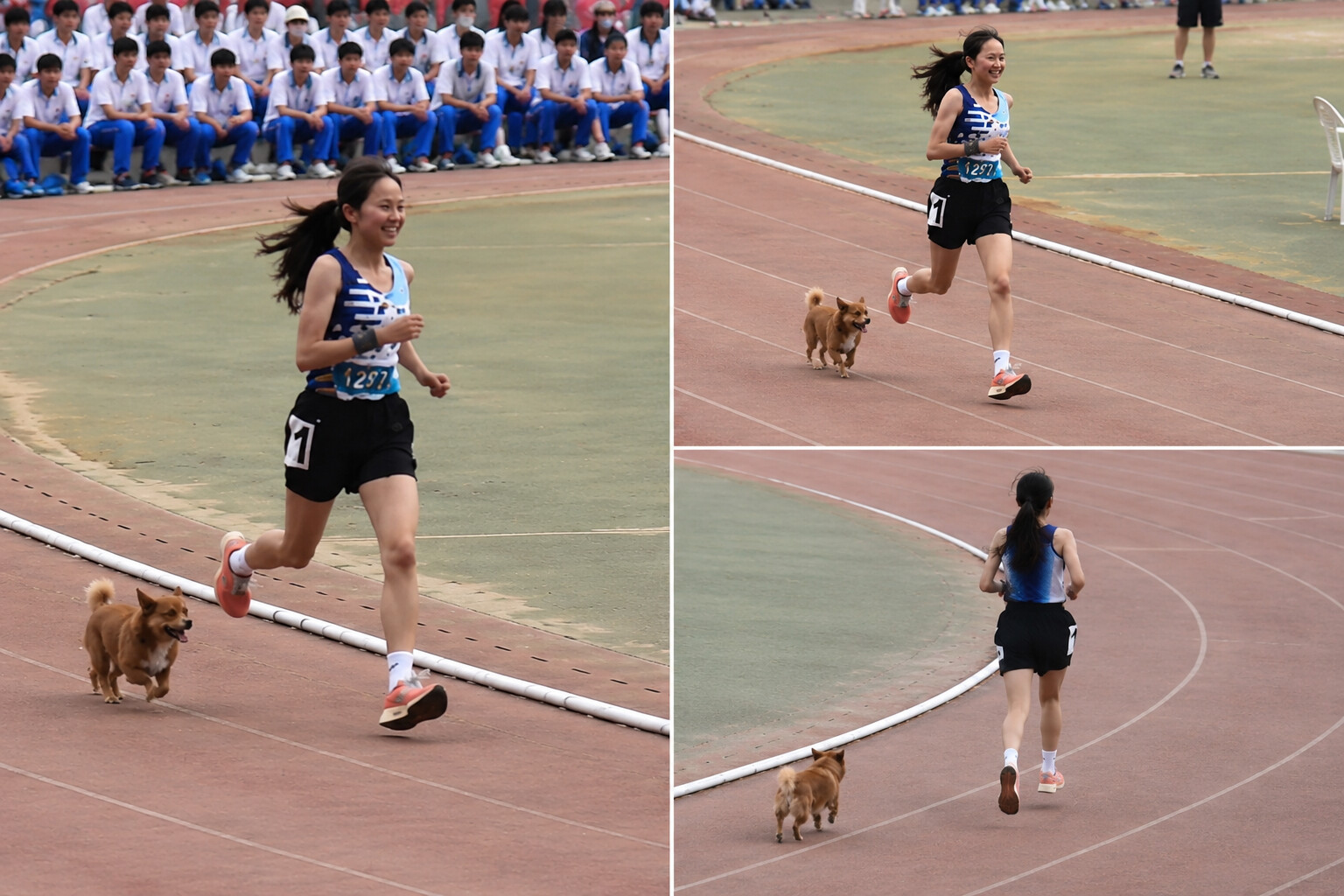
Fueled by the electric atmosphere — and perhaps by the encouragement of her four-legged companion — Qilegeer crossed the line in 11:30.38, smashing the university’s long-standing record of 11:38.36 that had stood since 2011.
Videos of the puppy racing beside the athlete rapidly spread online, attracting millions of views and transforming Bandeng into an overnight internet sensation.
According to reports from the university, the puppy was born on campus last December to another stray dog and has since been cared for by students and staff. Over time, Bandeng became a familiar and beloved presence around the school grounds, often receiving food and attention from students, including Qilegeer herself.
Speaking after the race, the champion runner described the experience as both surprising and deeply touching.
She explained that she felt strong throughout the competition, but the appearance of the puppy gave the race an entirely different emotional energy. At the same time, she admitted she was nervous about accidentally stepping on or kicking the dog while running at full speed.
The heartwarming scenes did not end at the finish line. Additional footage showed Bandeng happily rolling around near the podium after the race while its mother rested nearby, further winning over viewers online.
Many social media users praised the university community for caring for the stray animals living on campus, saying the kindness shown toward the dogs reflected positively on the institution itself.
What began as a routine university athletics competition ultimately became a powerful reminder that sometimes the most memorable sporting moments come from the most unexpected places — even from a small stray puppy with perfect timing.
by Erick Cheruiyot for My Best Runs.
Login to leave a comment
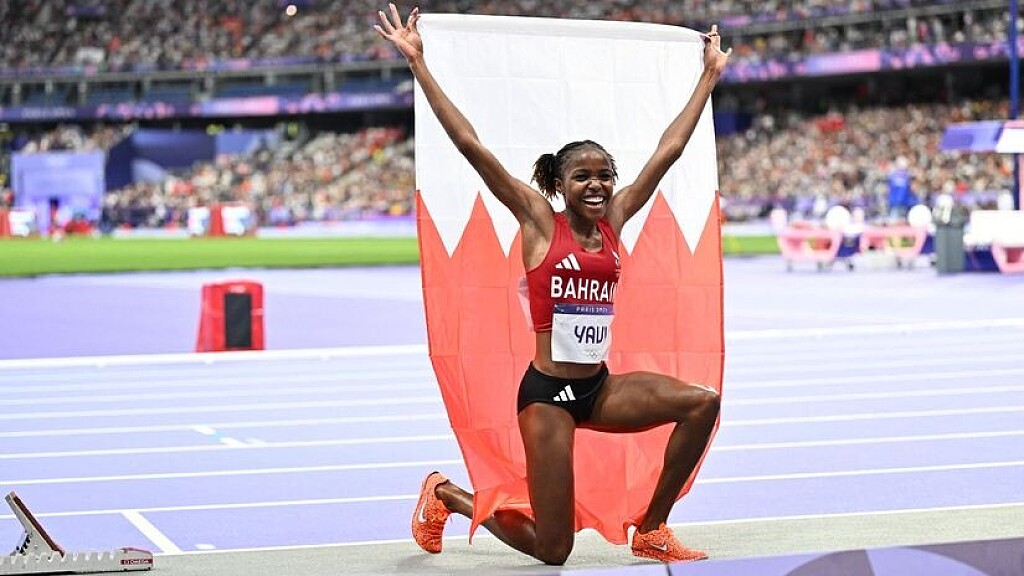
Yavi Returns as Cherotich and Chemutai Renew Fierce Rivalry in Xiamen
The women’s 3000m steeplechase is rapidly developing into one of the fiercest rivalries in global athletics, and another thrilling chapter is expected to unfold at the Xiamen Diamond League on May 23 in China.
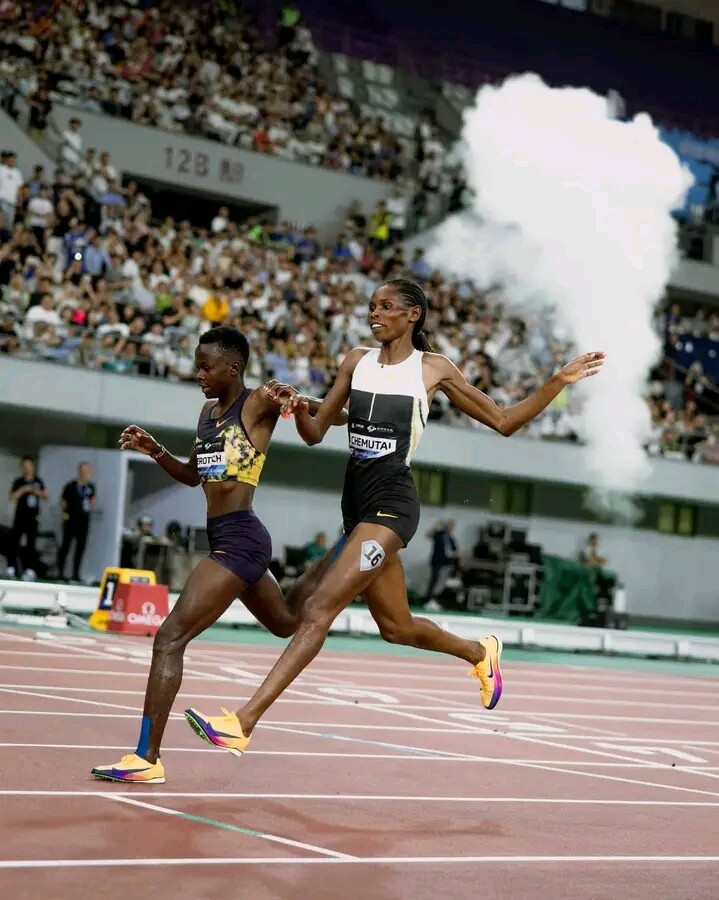
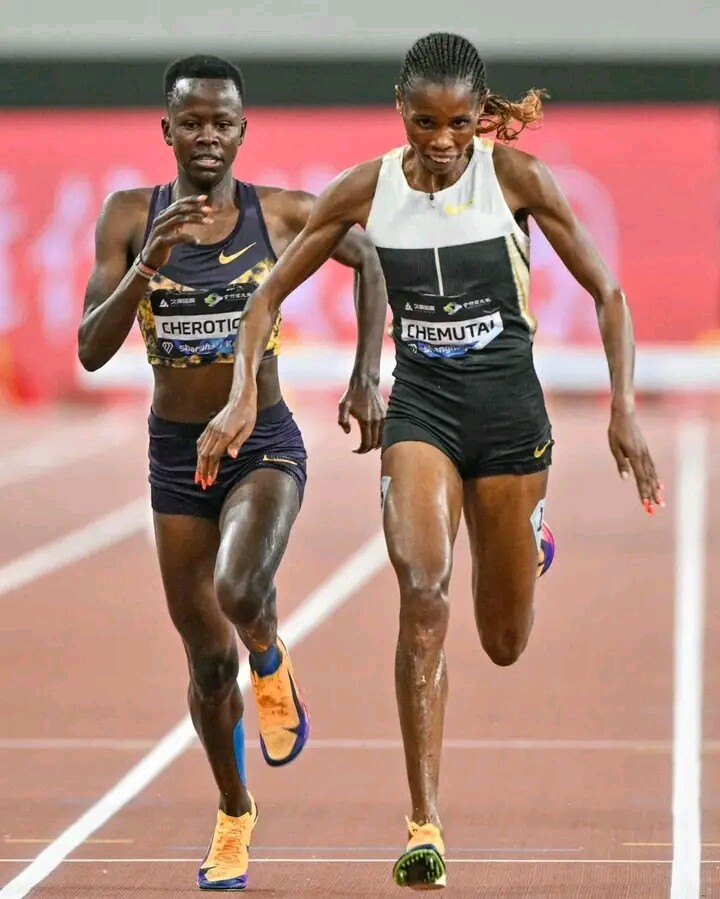
Fresh from a breathtaking contest in Shanghai, where Uganda’s Peruth Chemutai clocked a world-leading 8:51.47 to narrowly defeat Kenya’s Faith Cherotich, attention has now shifted to Xiamen for what promises to be another unforgettable showdown. Chemutai arrives carrying momentum and confidence after delivering one of the fastest performances of the season, while Cherotich heads into the race eager to respond and reclaim control of the rivalry.
But the battle is no longer just between two athletes.
Standing firmly in their path is reigning Olympic champion Winfred Yavi of Bahrain — a runner whose presence instantly transforms the intensity of any race she enters. Yavi has established herself as the benchmark in the women’s steeplechase, consistently forcing the pace and pushing the field into world-class territory. Whenever she lines up, the margin for error disappears.
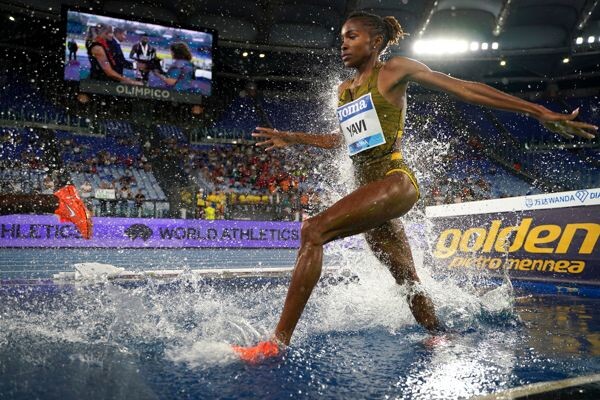
Her arrival in Xiamen adds another layer of intrigue to an already stacked contest. Known for her relentless front-running style and exceptional strength over the barriers, Yavi remains one of the most feared competitors in the discipline. With Chemutai coming off a statement victory and Cherotich determined to answer back, the stage is perfectly set for a high-stakes clash between three of the event’s biggest stars.
Cherotich, still among the brightest young talents in distance running, has built her reputation through fearless racing and explosive finishing speed. The Kenyan star will be chasing more than revenge in Xiamen — she will also be aiming to prove she can rise above the strongest field in women’s steeplechase today.
Chemutai, meanwhile, looks sharper and more dangerous with every race. The Ugandan Olympic champion appears to have rediscovered her peak form, and her recent performances suggest she is ready to dominate the Diamond League circuit this season.
With three elite athletes carrying different motivations into the same race, the women’s steeplechase in Xiamen is shaping up to be one of the standout moments of the Diamond League calendar. The pace is expected to be aggressive from the opening laps, and another world-class performance could be on the horizon.
As anticipation continues to build, one question now captures the attention of athletics fans worldwide: who will conquer Xiamen when the barriers clear and the final lap begins?
by Erick Cheruiyot for My Best Runs.
Login to leave a comment
Star-Studded Women’s Steeplechase Showdown Set for Xiamen Diamond League
The women’s 3000m steeplechase at the upcoming Xiamen Diamond League is shaping up to be one of the most fiercely contested distance races of the season, with Olympic champions, world medallists, and emerging young stars all set to collide on 23 May.
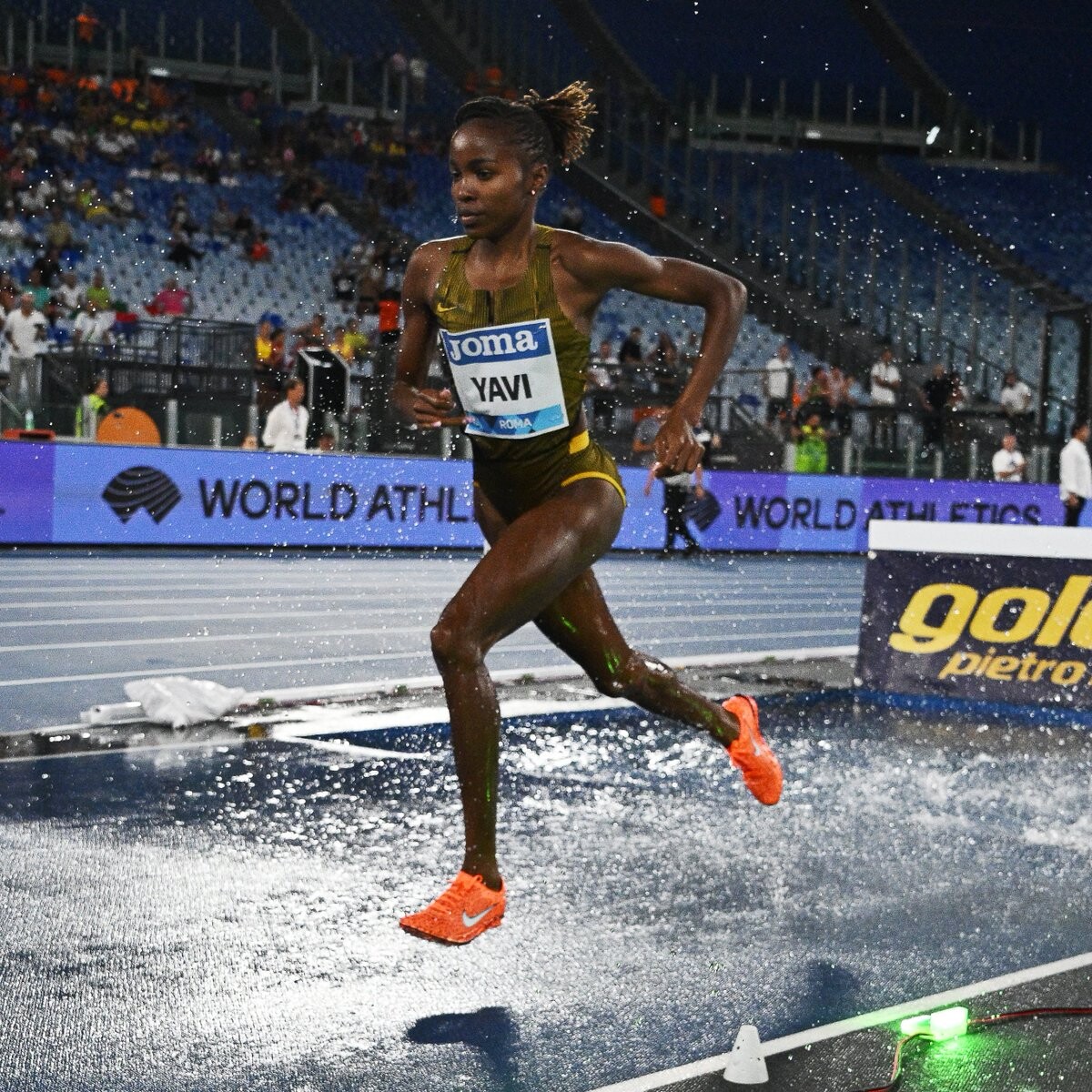
Leading the spotlight is Bahrain’s Winfred Yavi, one of the most dominant figures in global steeplechase running. Renowned for her fearless front-running and devastating finishing speed, Yavi enters the race as a major favourite in what promises to be a high-tempo contest from the gun.
However, Kenya’s teenage sensation Faith Cherotich will be eager to continue her rapid rise on the international stage. The gifted Kenyan has already established herself among the world’s elite despite her young age, and Xiamen offers another golden opportunity to test herself against the very best in the discipline.
Olympic champion Peruth Chemutai of Uganda also headlines the loaded field. Chemutai’s tactical brilliance and championship experience make her one of the most dangerous competitors in any major race, especially in championship-style battles where positioning and patience become decisive.
France’s Alice Finot, who has enjoyed a remarkable resurgence in recent seasons, adds further quality to the lineup alongside Tunisia’s Marwa Bouzayani and Kazakhstan’s Norah Jeruto, the former world champion whose return to the top level continues to attract significant attention.
The Ethiopian contingent arrives with impressive depth through Wosane Asefa, Firehiwot Gesese, Kena Tufa, and Alemnat Walle, while the United States fields a strong squad featuring Lexy Halladay, Olivia Markezich, Courtney Wayment, Kaylee Mitchell, and Angelina Ellis.
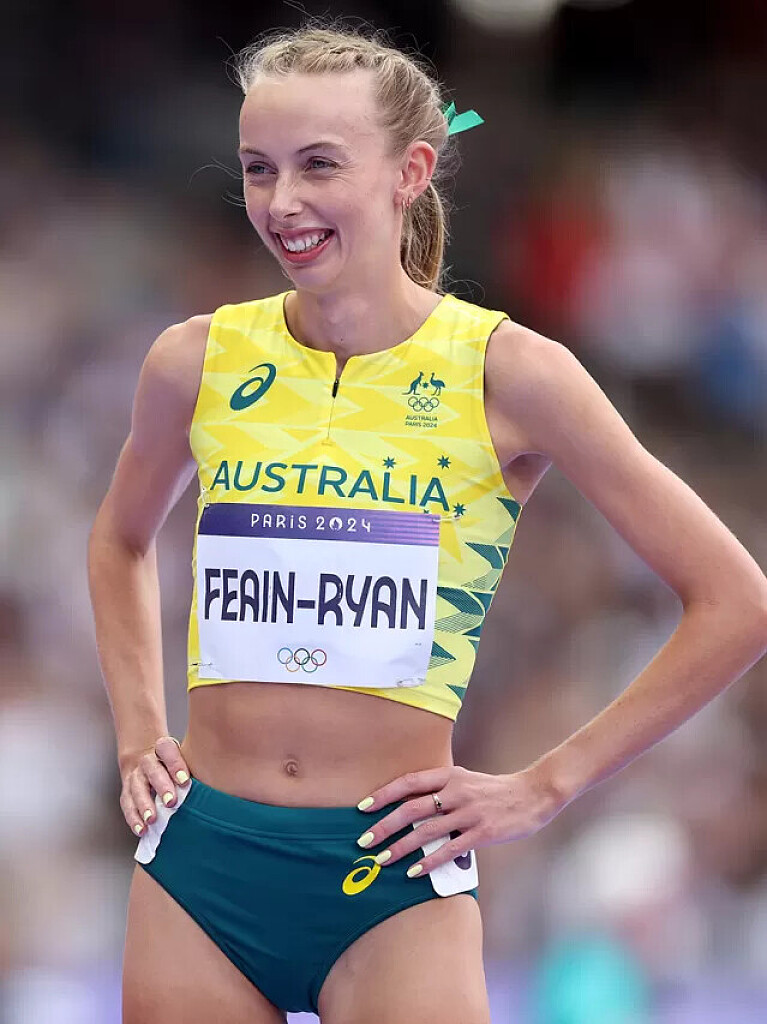
The race also features several exciting European names, including Dutch athlete Veerle Bakker, Germany’s Olivia Gürth, Australia’s Cara Feain-Ryan, Israel’s Adva Cohen, and China’s home representative Luo Xia, who will undoubtedly enjoy strong local support.
With such extraordinary depth assembled, the women’s steeplechase in Xiamen is expected to produce one of the fastest and most dramatic races of the Diamond League season. From seasoned global champions to fearless young challengers, the event promises relentless pace, tactical battles over the barriers, and a thrilling fight for supremacy on Chinese soil.
All eyes will now turn to Xiamen as the world’s finest steeplechasers prepare to launch another unforgettable chapter in one of athletics’ most demanding events.
by Erick Cheruiyot for My Best Runs.
Login to leave a comment
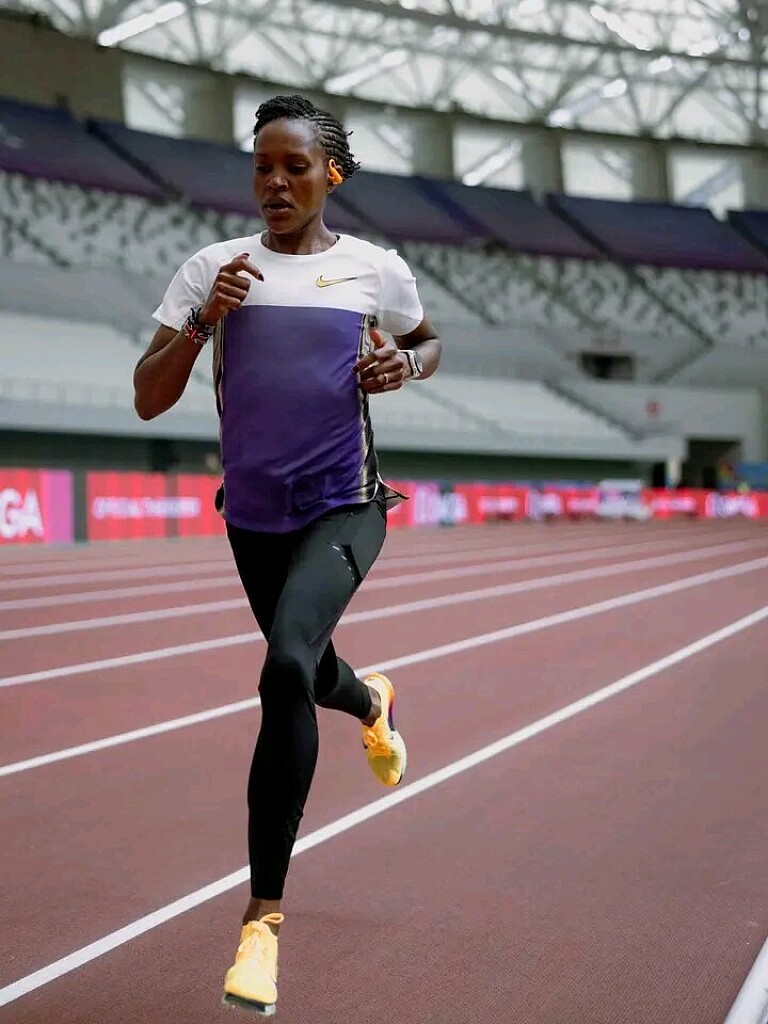
Shanghai Set for Fireworks as Faith Kipyegon Headlines Blockbuster Women’s 5000m Clash
The spotlight will shine brightly on Shanghai this Saturday as some of the world’s finest distance runners prepare for a captivating women’s 5000m showdown at the Diamond League meeting in China.
All eyes will be on Kenyan superstar Faith Kipyegon, who returns to the track leading a powerful international field packed with proven championship performers and rising talents eager to challenge the Olympic legend.
Scheduled for May 16, 2026, the race promises high drama, relentless pace and a fierce battle from the opening laps. Kipyegon, celebrated globally for rewriting the limits of women’s middle-distance running, now steps into another major test against a deep Ethiopian contingent and several dangerous challengers from across the world.
Ethiopia arrives heavily armed with athletes capable of turning the race into a tactical masterpiece or a blistering fast contest. Names such as Hawi Abera, Marta Alemayo, Medina Eisa, Hirut Meshesha and Alemnesh Tilaye add serious depth to the field, underlining the nation’s continued dominance in long-distance running.
Kenya will also look to make a strong statement through Margaret Akidor, Maurine Jepkoech Chebor and Caroline Nyaga, while Uganda’s Charity Cherop carries East African hopes into what is expected to be one of the most competitive women’s 5000m races of the season.
The global flavor of the event is further strengthened by the presence of Britain’s Melissa Courtney-Bryant and Australian duo Rose Davies and Maudie Skyring, athletes known for thriving in fast-paced championship environments.
With Shanghai’s electric atmosphere expected to fuel the occasion, fans could witness a tactical chess match evolve into a breathtaking late-race sprint. Every lap is likely to matter as the athletes position themselves for supremacy in one of the Diamond League calendar’s most anticipated distance races.
For Kipyegon, the race represents another opportunity to reaffirm her dominance on the world stage. For her rivals, it is a chance to challenge one of athletics’ greatest modern icons under the bright lights of Shanghai.
One thing is certain — Saturday’s women’s 5000m promises speed, intensity and world-class drama from start to finish.
by Erick Cheruiyot for My Best Runs.
Login to leave a comment
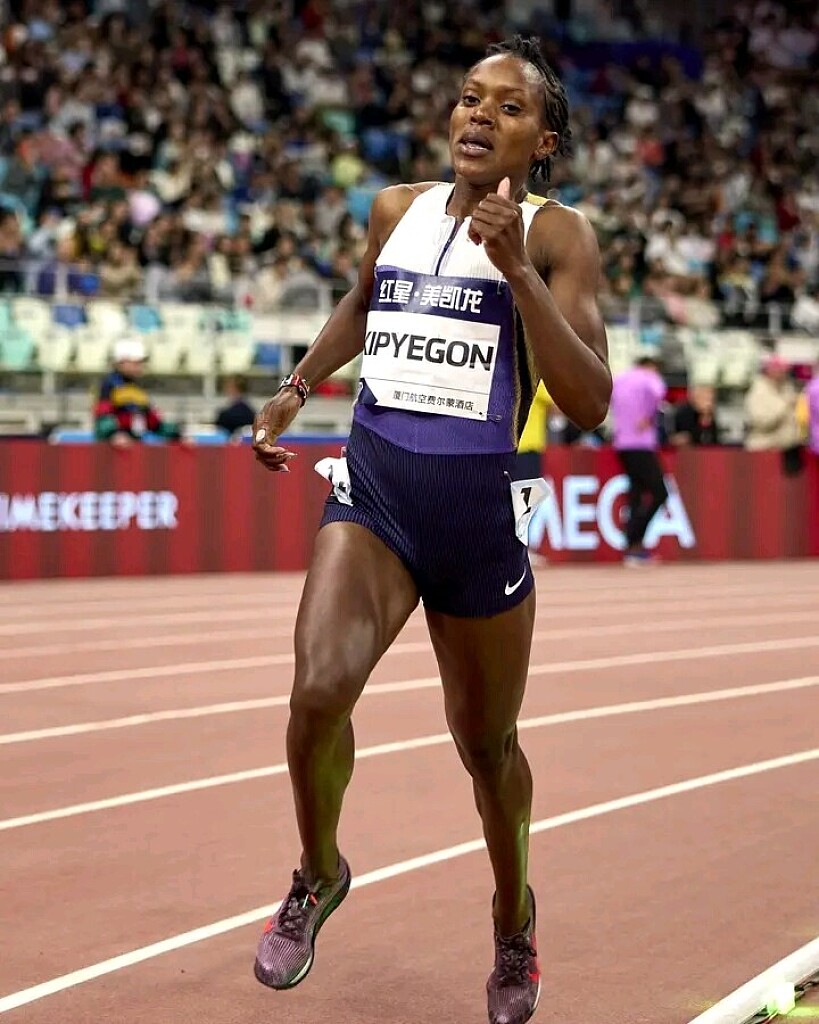
Faith Kipyegon Set for Bold 2026 Return as Shanghai Diamond League Awaits
Kenyan middle-distance queen Faith Kipyegon is ready to launch her 2026 track season in spectacular fashion, with the three-time Olympic champion confirmed for the Shanghai Diamond League on May 16 in China.
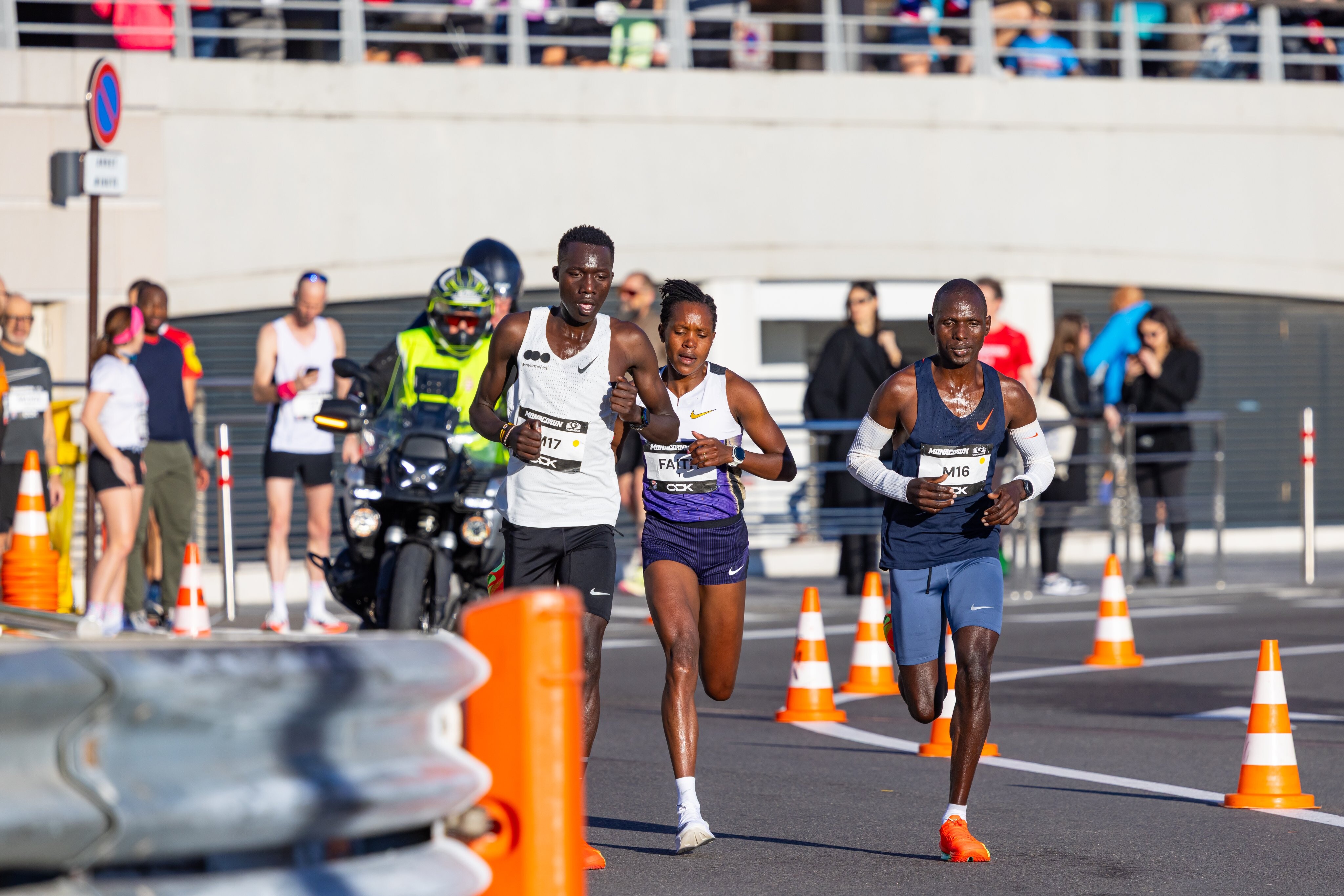
Rather than easing back through her trademark 1500m, Kipyegon has chosen a tougher test for her season opener — the women’s 5000m. It is a bold move from one of athletics’ greatest competitors, signaling her hunger to challenge herself across longer distances while continuing to redefine greatness on the track.
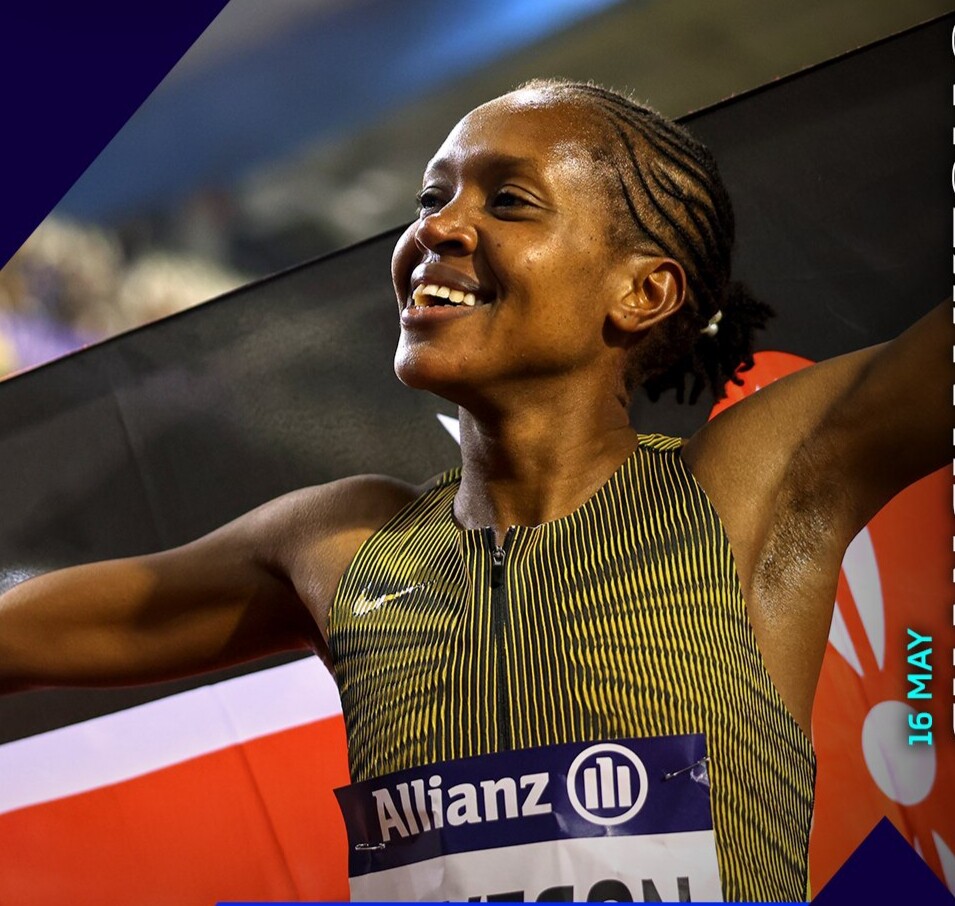
The Kenyan superstar owns a personal best of 14:05.20 over 5000m, a world-class mark in its own right. However, the Shanghai meeting has become known for fast times, and the current course record of 13:58.06 was set in 2025 by fellow Kenyan sensation Beatrice Chebet. That performance underlined Chebet’s growing status as one of the most dangerous names in global distance running.
Kipyegon will also line up against athletes who have gone faster over the distance, including Ethiopia’s Gudaf Tsegay and Chebet. Their presence promises a high-quality showdown in what could become one of the standout races of the early Diamond League season.
Yet writing off Kipyegon has never been wise. The reigning 1500m world record holder has built her career on rising to the biggest occasions, blending tactical brilliance with devastating finishing speed. Whether in championship finals or record-breaking runs, she has repeatedly shown an ability to turn pressure into performance.
For fans, Shanghai offers more than just a season opener. It is the return of one of the sport’s brightest stars, stepping into unfamiliar territory with her usual fearless ambition. If history has taught the athletics world anything, it is that whenever Faith Kipyegon steps onto the track, something special is always possible.
by Erick Cheruiyot for My Best Runs.
Login to leave a comment
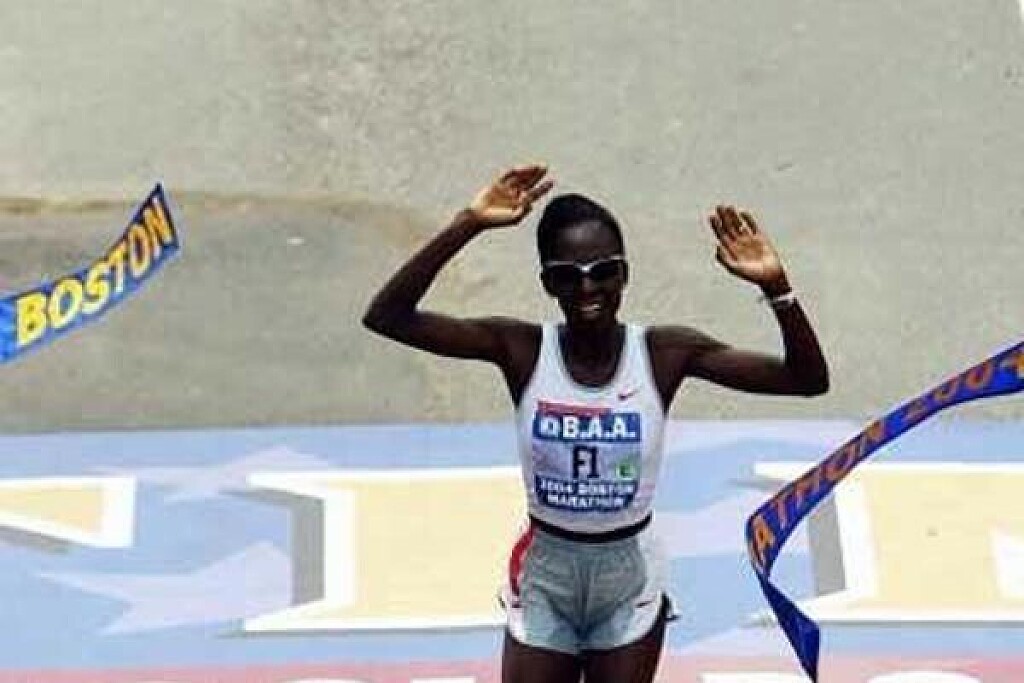
Silver Jubilee of Greatness: Remembering Catherine Ndereba’s Brilliant 2001 Boston Marathon Triumph
Twenty-five years ago, the streets of Boston witnessed the rise of one of long-distance running’s greatest queens. On a day like today, April 16, 2001, Kenya’s legendary Catherine Ndereba delivered a masterclass of endurance, strength, and tactical brilliance to win the women’s race at the prestigious Boston Marathon.
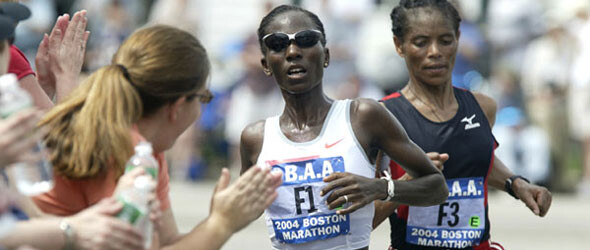
Ndereba crossed the finish line in an outstanding 2:23:53, securing a memorable victory and confirming her place among the world’s elite marathoners. It was a performance built on discipline and resilience, as she conquered the famous Boston course with the confidence of a champion.
Behind the Kenyan star came Poland’s Małgorzata Sobańska, who claimed second place in 2:26:42, while Russia’s Lyubov Mogunova completed the podium in 2:27:18 after a determined run.

The race also highlighted the depth of African excellence, with Kenya’s Lornah Kiplagat finishing fourth in 2:27:56, while Ethiopia’s Fatuma Roba took fifth in 2:28:08.
Further down the top ten were Russia’s Irina Timofeyeva (2:28:50), Lyudmila Petrova (2:29:23), China’s Wei Yanan (2:29:52), Italy’s Bruna Genovese (2:30:39), and Japan’s Kaori Tanabe, who rounded out the top ten in 2:31:31.
Ndereba’s victory was more than just another race win—it was the beginning of an unforgettable legacy in Boston. She would go on to become one of the most celebrated marathon runners in history, admired for her grace, consistency, and remarkable ability to shine on the biggest stages.
A quarter of a century later, her 2001 triumph remains a proud chapter in Kenyan athletics history and a reminder that true greatness never fades.
by Erick Cheruiyot for My Best Runs.
Login to leave a comment
New Era Unfolds in Brasília as Race Walking Stars Chase Historic Half Marathon Glory
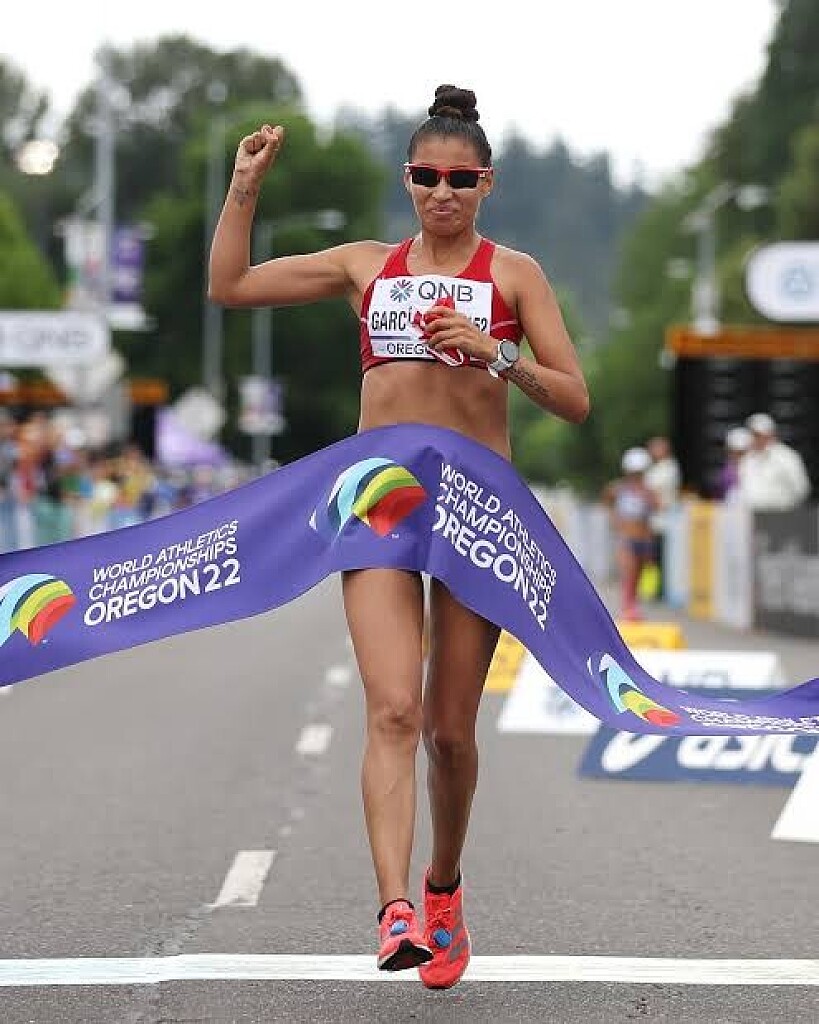
A fresh chapter in global race walking is set to be written in Ciaxa World Athletics Race Walking Team Championships Brasília 26, where the women’s half marathon makes its long-awaited championship debut in the Brazilian Capital. On Sunday, April 12, the Brazilian capital will host a compelling mix of proven champions and rising contenders, all navigating the uncertainty of a distance that promises both opportunity and unpredictability.
With 74 athletes representing 28 nations, the race introduces a new tactical dimension to elite race walking. The one-kilometre loop course in Brasília will test not only endurance and pacing but also adaptability, as athletes transition from the traditional 20km format to this slightly longer challenge.
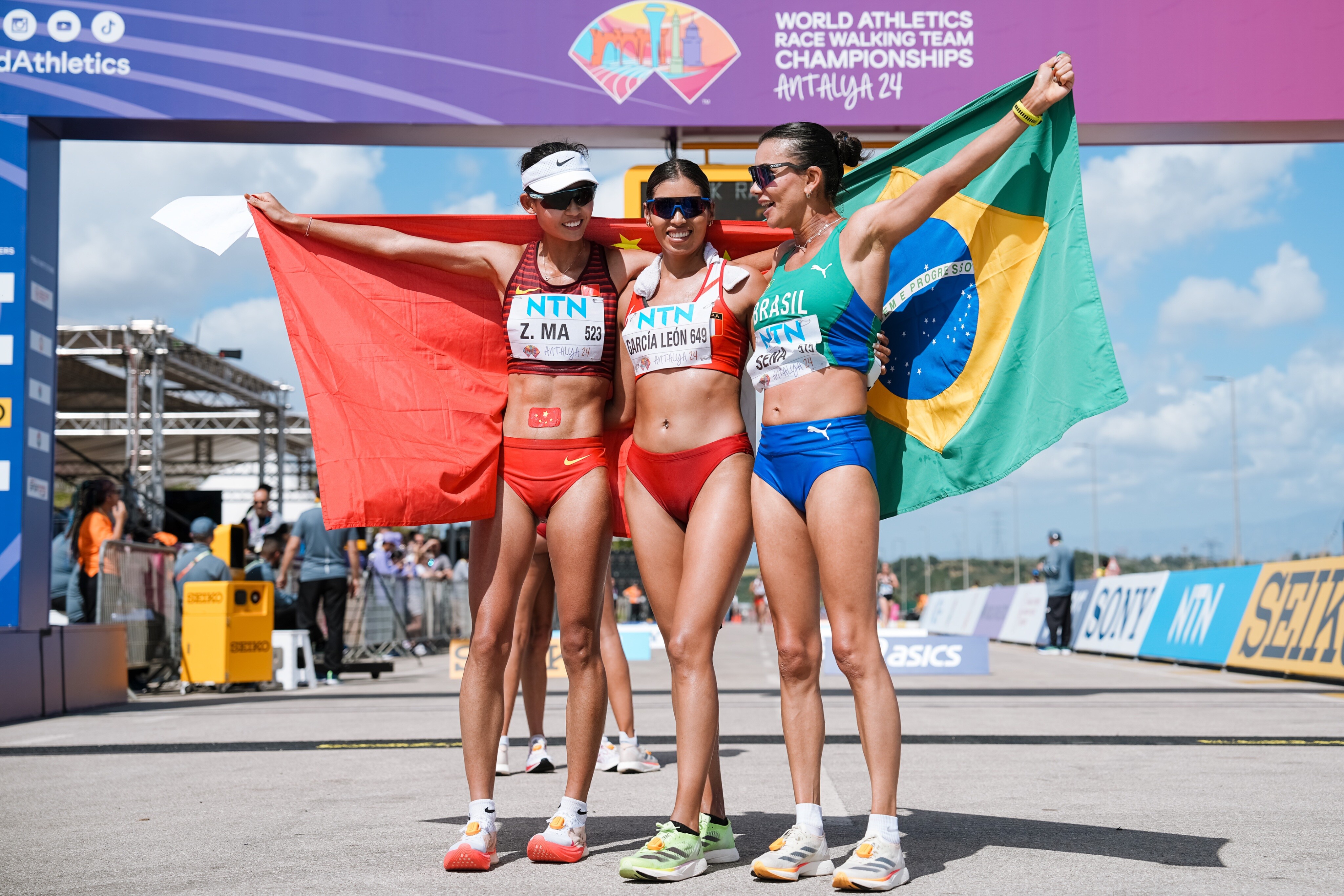
Leading the charge is Peru’s Kimberly García, a double world champion from 2022 and the reigning 20km champion from the previous edition. García has opened her 2026 season in impressive fashion, clocking a personal best of 1:34:17 at Dudince, underlining her readiness to contend for top honours. Her consistency and championship pedigree make her one of the standout names heading into this historic race.
She is joined by compatriot Evelyn Inga, who arrives with momentum after a breakthrough victory at the Dudinská 50, where she set a South American record of 1:33:49. Together, the Peruvian duo not only strengthens their individual medal prospects but also boosts their nation’s chances in the team standings, having narrowly missed out on the title in the previous championships.
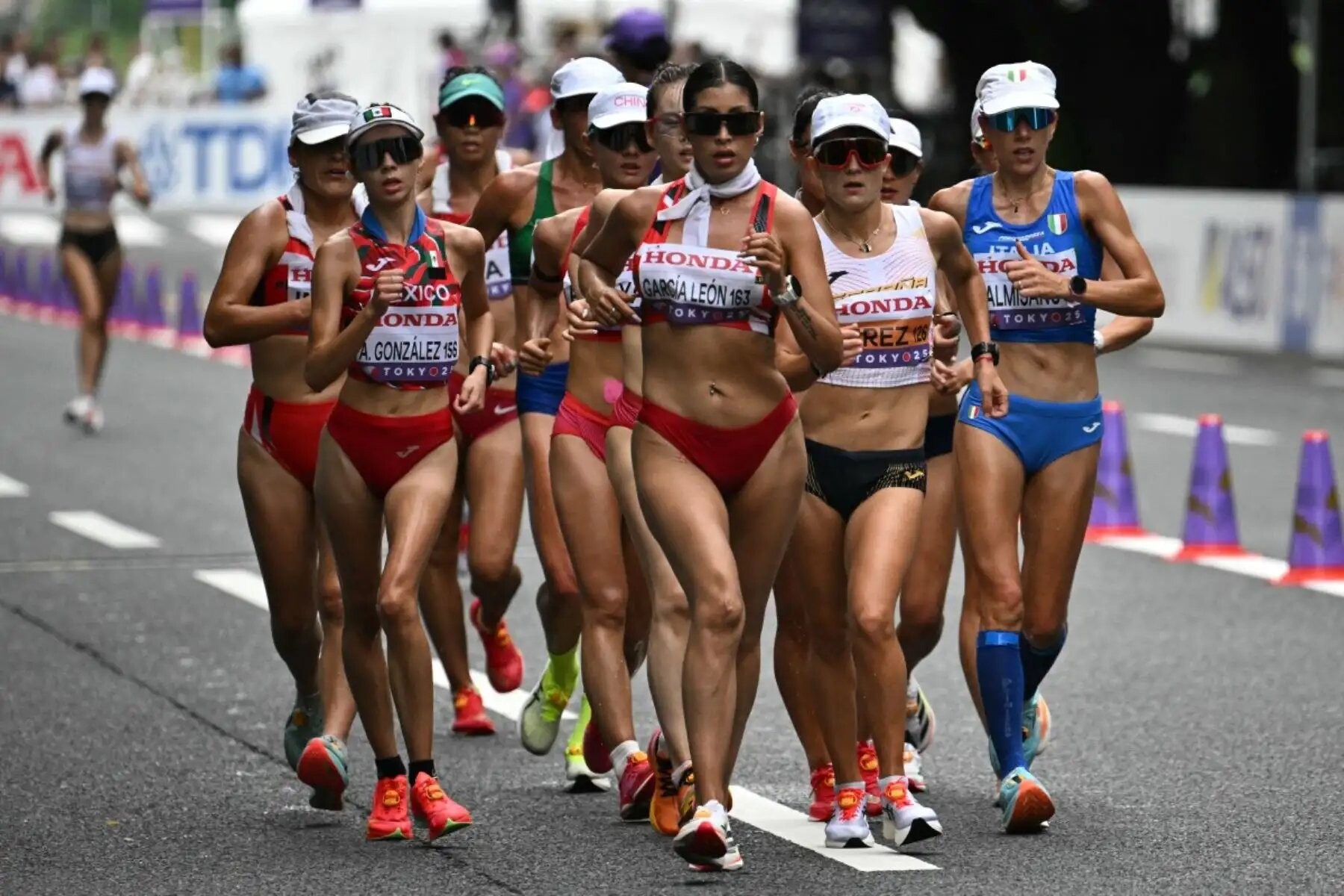
China, however, looms large once again. With exceptional depth, the Asian powerhouse fields five of the six fastest entrants. At the forefront is Ji Haiying, who leads the field with a world-class 1:32:22 recorded in Taicang. She is closely backed by Guo Na (1:32:24) and Dou Maocuo (1:32:27), forming a formidable trio that places China as overwhelming favourites for the team crown.
Spain’s Antía Chamosa adds further intrigue. The 26-year-old has steadily climbed the ranks and enters the championships in peak form after securing the national title with a personal best of 1:33:45. Her progression, combined with a strong showing at recent global events, suggests she could be a serious threat in this new format.
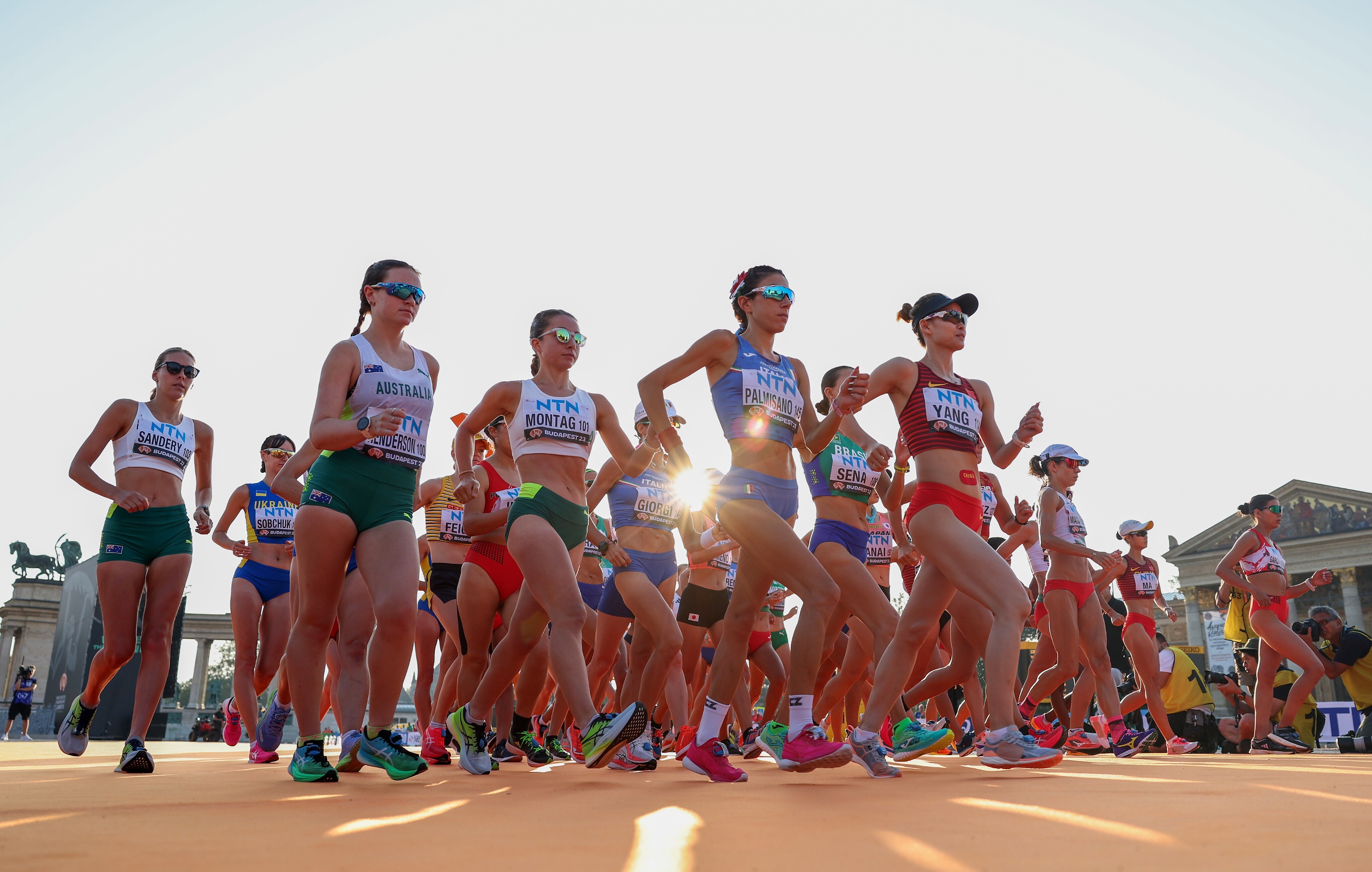
Meanwhile, Poland’s Katarzyna Zdziebło brings invaluable experience. A double world silver medallist, she thrives in high-pressure championship races. Although yet to record a time over the half marathon distance, her tactical awareness and finishing strength could prove decisive in what is expected to be a closely contested race.
Australia also enters the fray with genuine medal ambitions. Rebecca Henderson recently surged to a personal best of 1:32:25 to claim her national title, placing her among the fastest in the field. Alongside her, Olivia Sandery adds depth, having finished second domestically with 1:34:09, ensuring Australia remains competitive in both individual and team battles.
Elsewhere, Mexico’s Alejandra Ortega—third in Dudince—continues to show consistent form, while France’s emerging talent Pauline Stey is steadily gaining ground on the global stage and could challenge the established names.
Italy’s Nicole Colombi remains an intriguing wildcard, having entered both the half marathon and marathon events, with her final decision still pending.
Notably absent, however, are two of the sport’s biggest names: Spain’s double world champion María Pérez and Italy’s Olympic champion Antonella Palmisano. Their absence leaves the podium wide open, creating a rare opportunity for new champions to emerge.
As the sport embraces this new distance, Brasília stands as the stage for innovation, ambition, and history. With no established blueprint for success, the women’s half marathon promises a race defined not just by speed, but by strategy, resilience, and the courage to master the unknown.
by Erick Cheruiyot for My Best Runs.
Login to leave a comment

Almgren Opts Out of Drammen 10K to Prioritize Track Season Comeback
Swedish distance star Andreas Almgren has officially withdrawn from the upcoming Drammen 10K, choosing instead to shift his full attention toward preparations for the 2026 track season.
The announcement, confirmed through a statement by Svensk Friidrott, comes as a measured decision rather than a setback. While fans had anticipated seeing Almgren line up on the roads in Drammen, the Swedish standout has opted for a more calculated approach to ensure peak condition for the months ahead.
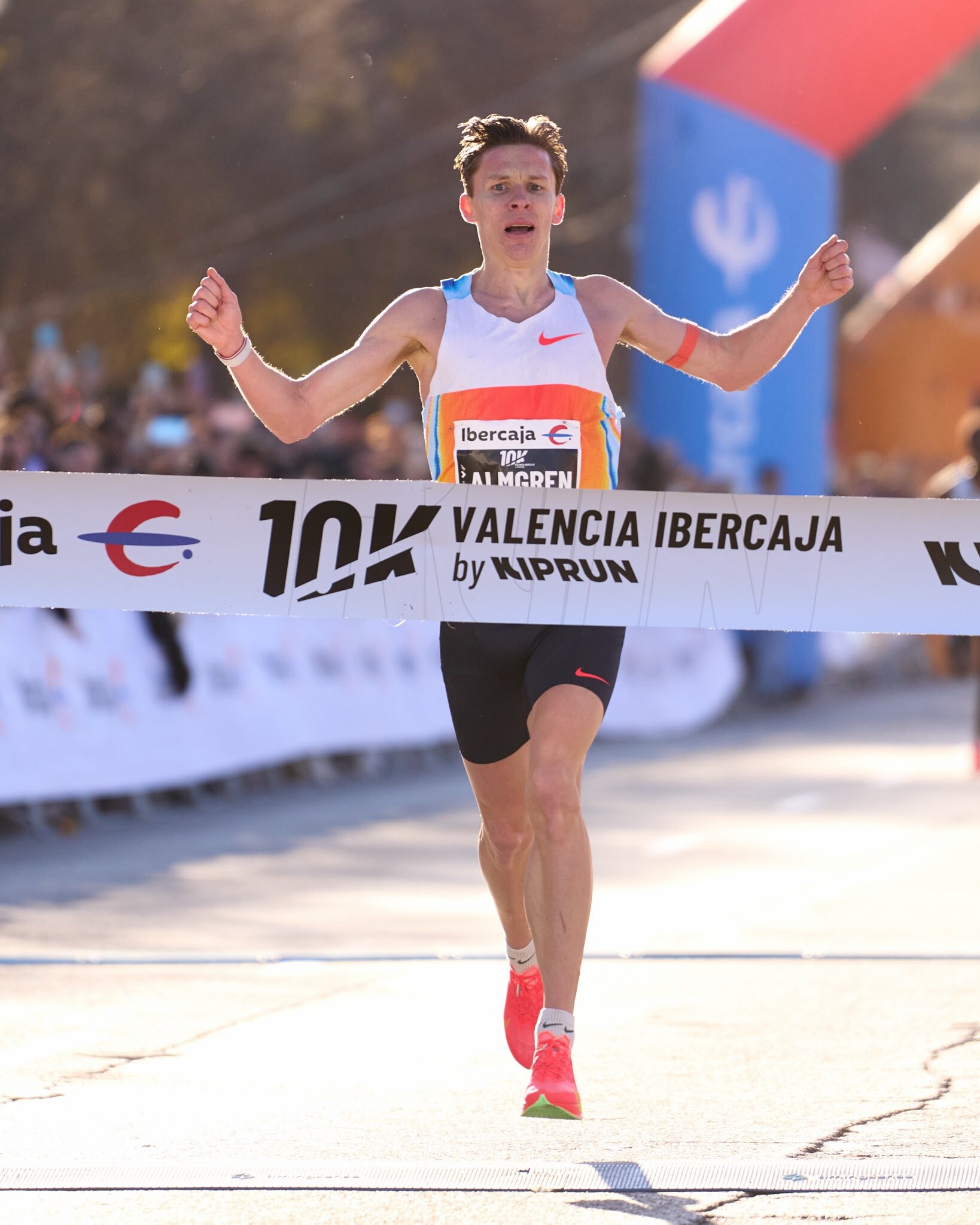
Speaking to Friidrott.se, Almgren revealed that a recent illness disrupted his early-season momentum, prompting a reassessment of his competition schedule. Rather than rushing back into racing, he emphasized the importance of rebuilding his training base and regaining full fitness.
“I won’t be running in Drammen. I had some issues with a cold earlier in the winter and spring, so I felt it was more important to focus on proper training right now,” he explained.
Encouragingly, the 30-year-old reports significant progress in his conditioning despite the interruption. His focus has now shifted toward long-term performance gains, with confidence growing ahead of a demanding international campaign.
“At the very least, my base fitness has improved, and I feel ready for the track season,” Almgren added, signaling optimism about what lies ahead.
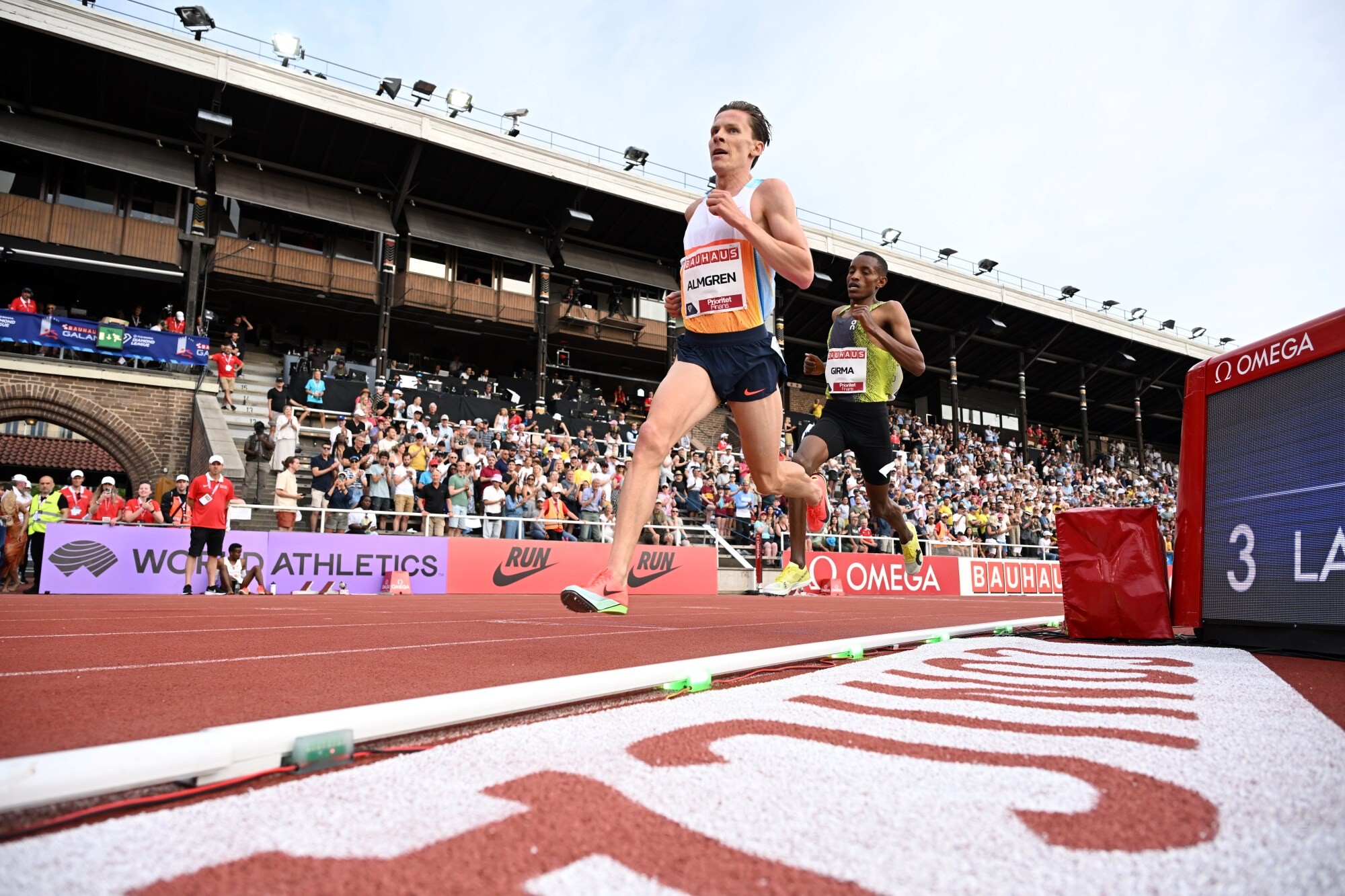
As part of his preparations, Almgren is set to head to the renowned high-altitude training base in Sierra Nevada, Spain, where he will spend four weeks fine-tuning his endurance and sharpening his race readiness. Altitude camps have long been a cornerstone for elite distance runners, offering physiological advantages that translate into improved performance at sea level.
Following this training block, Almgren is expected to open his international season on the global stage at the Diamond League meetings in China—an early test that could set the tone for his 2026 campaign.
While his absence from Drammen will undoubtedly be felt, Almgren’s decision reflects a disciplined and strategic mindset. In elite athletics, timing is everything—and by choosing preparation over immediate competition, the Swedish star is positioning himself for a stronger, more impactful return when it matters most.
by Erick Cheruiyot for My Best Runs.
Login to leave a comment

Bridging Worlds Through Running: Eliud Kipchoge’s Journey Beyond the Finish Line
In a career defined by historic milestones and unmatched discipline, Eliud Kipchoge continues to prove that his influence stretches far beyond the finish line. His latest journey—this time to Shijiazhuang, China—offers a compelling reminder that running is more than competition; it is a universal language that unites people across cultures, continents, and ways of life.

Throughout his remarkable journey, Kipchoge has traveled the world, immersing himself in diverse cultures and meeting individuals from all walks of life. Yet, it is these shared human experiences that leave the deepest mark. Each destination becomes more than a place—it becomes a story of connection, built through the simple yet powerful act of running.

His visit to Shijiazhuang marks the beginning of a meaningful partnership with Junlebao, one grounded not merely in business, but in shared philosophy. The roots of this collaboration trace back to an earlier meeting with Chairman Wei, shortly after he completed his six-star marathon journey. In that moment, a mutual understanding was formed—one shaped by the discipline, resilience, and humility that running demands.
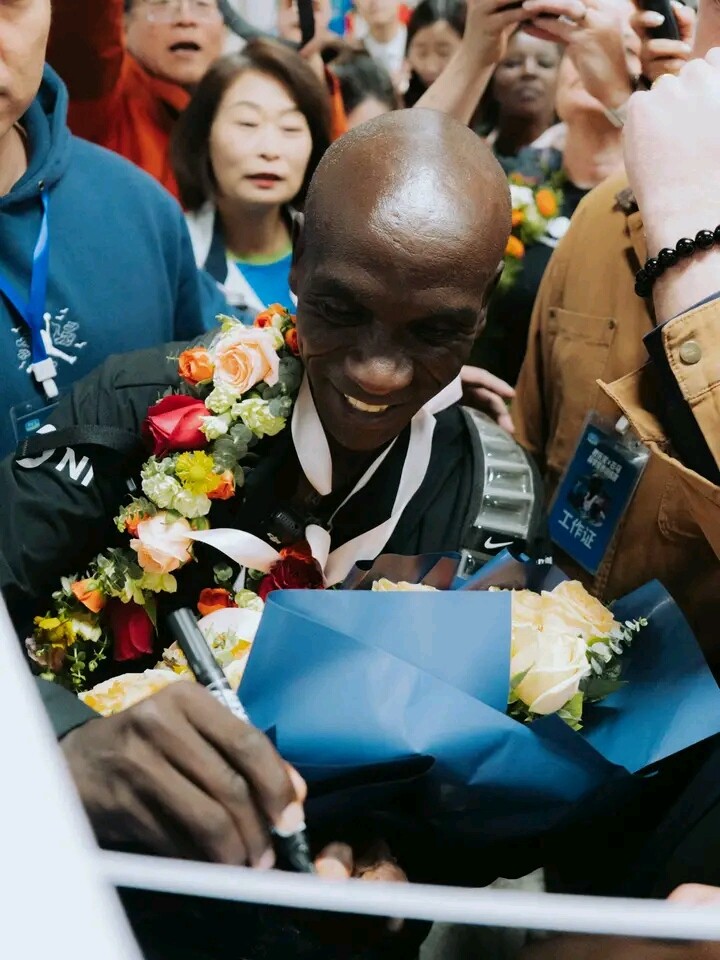
What followed in China was not just a formal engagement, but a genuine cultural exchange. Kipchoge was welcomed warmly—not simply as a global icon, but as a friend. Conversations flowed naturally, reflecting on how running shapes character, instilling patience, purpose, and respect for the process. These same principles, Kipchoge noted, are evident in Wei’s leadership, having guided Junlebao into becoming one of China’s leading dairy companies.

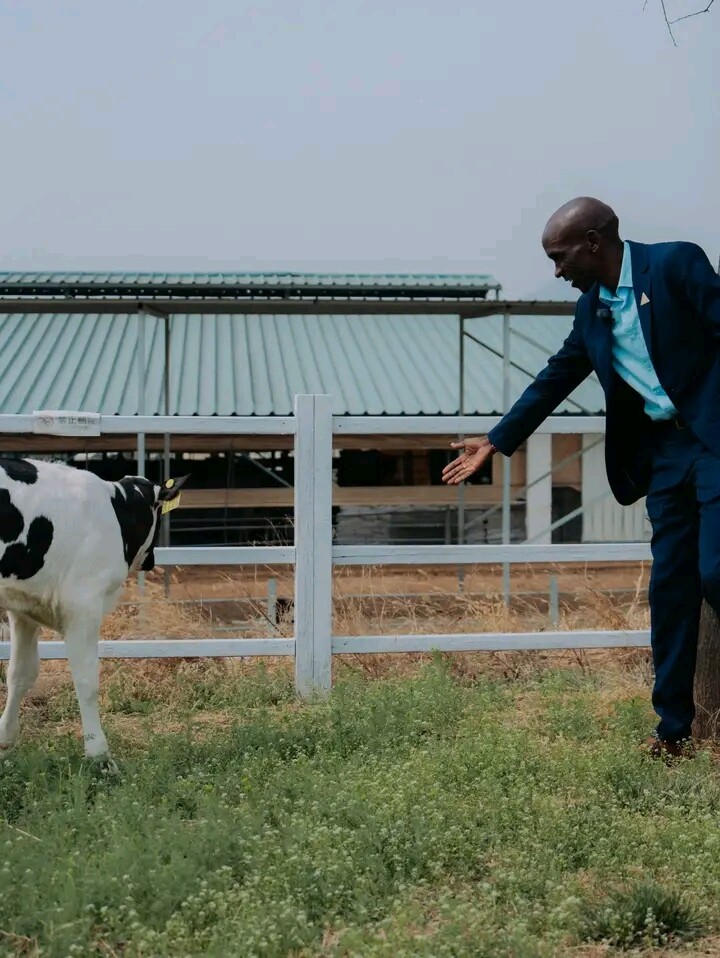
For Kipchoge, this alignment of values defines the true essence of the partnership. Running, in his philosophy, is a way of life—one that promotes health, consistency, and meaning. To stand alongside a partner who embodies these ideals strengthens his belief that greatness, whether in sport or business, is built on the same enduring foundations.
Looking ahead, Kipchoge sees this partnership as a journey that will grow steadily—connecting China and Africa step by step, guided by purpose and shared vision. It is a collaboration that extends beyond borders, aiming to inspire healthier lifestyles and deeper human connections.
In a world often divided by differences, Kipchoge’s message remains simple yet profound: through running, we find unity. And in that shared stride, we move forward—together.
by Erick Cheruiyot for My Best Runs.
Login to leave a comment

Fire and Glory in Yangzhou: Matata and Chebet Crowned Champions in a Race Against the Elements
The 2026 Yangzhou Half Marathon unfolded as a dramatic battle not only among the world’s finest distance runners but also against unforgiving heat and suffocating humidity. In conditions that demanded absolute resilience, tactical precision, and unshakable mental strength, two commanding performances rose above the rest—Kenya’s Alex Nzioka Matata and Miriam Chebet delivering masterclasses to claim the men’s and women’s titles respectively.
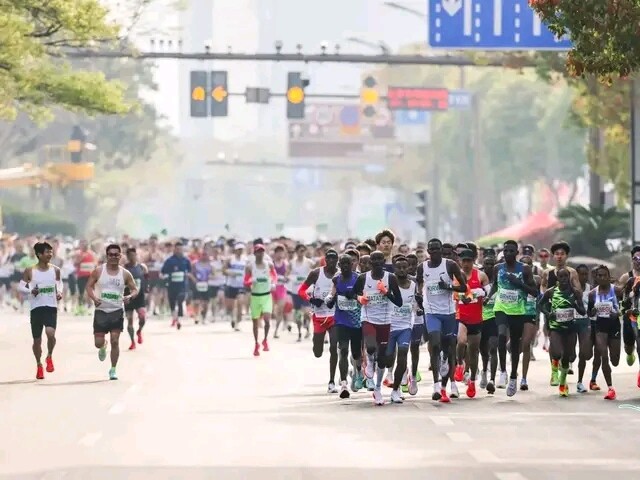
In the men’s race, the tempo was fierce from the outset, as elite contenders pushed the pace despite the oppressive climate. Yet it was Matata who ultimately seized control with authority. Displaying a perfect blend of patience and power, the Kenyan star surged through the latter stages to cross the finish line in a stunning 59:11, setting a new course record and stamping his dominance on the race. His performance was as composed as it was explosive, marking a defining moment in his rising career.
Ethiopia’s Jemal Yimer Mekonen mounted a strong and consistent challenge, clocking 59:30 to secure second place after staying within reach for much of the race. Fellow Kenyan Geoffrey Toroitich Kipchumba completed the podium with an impressive 59:57, ensuring a double podium finish for Kenya and reinforcing East Africa’s continued supremacy in distance running.
Further down the field, Uruguay’s Santiago Catrofe finished fourth in 1:00:58, while Kenya’s Solomon Yes claimed fifth in 1:02:07. China’s Jiang Fakun led the home charge in 1:03:09, followed by compatriot Athlete A0012 (1:03:30) and Kenya’s Felix Kiptoo (1:03:39), rounding out a deeply competitive top eight.
The women’s race mirrored the intensity of the men’s contest, unfolding at a relentless pace from the opening kilometers. A tightly packed lead group battled through the heavy air and rising temperatures, but as the race wore on, one athlete began to separate herself with quiet authority.
Miriam Chebet proved unstoppable when it mattered most.
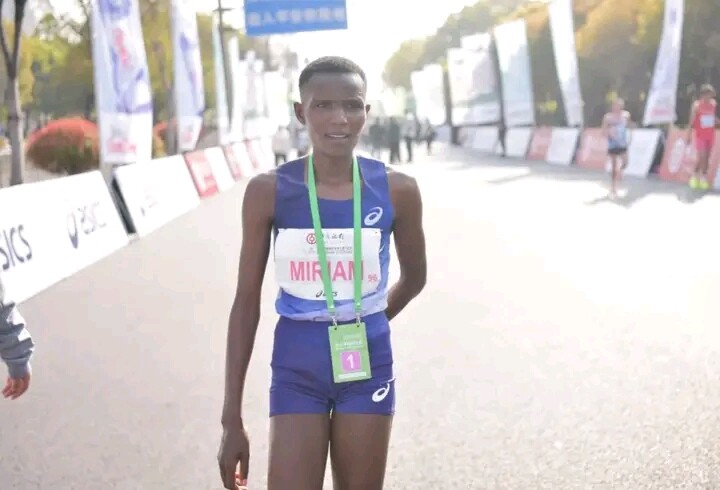
With remarkable composure, the Kenyan gradually broke away from her rivals in the closing stages, her stride remaining fluid and controlled despite the punishing conditions. She powered to victory in 1:06:27, a performance that combined strength, intelligence, and impeccable timing. Once she made her निर्णसive move, there was no response—her command of the race was absolute.
Ethiopia’s Ftaw Zeray Bezabh ran a determined race to secure second place in 1:07:02, holding firm under pressure. Kenya’s Gladys Chepkurui finished strongly to take third in 1:07:15, completing a highly competitive podium.
Ethiopia’s Wede Belew placed fourth in 1:07:38, maintaining consistency throughout, while compatriot Megertu Alemu Kebede finished fifth in 1:09:42. Uganda’s Stella Chesang followed closely in sixth with 1:09:45, as China’s Tsering Tsomo (1:10:10) and Zheng Xiaoqian (1:10:52) completed the top eight, highlighting the event’s international depth.
Held on March 29, 2026, the Yangzhou Half Marathon once again delivered a spectacle of world-class distance running, where brutal conditions only amplified the quality of competition. From Matata’s record-breaking brilliance to Chebet’s commanding triumph, the event became a powerful testament to endurance, excellence, and the unyielding spirit of elite athletes.
In the face of extreme adversity, they did more than compete—they redefined it.
by Erick Cheruiyot for My Best Runs.
Login to leave a comment
Ten-Year Ban Rocks Tanzanian Athletics as Jackline Sakilu Sanctioned for Doping Violations
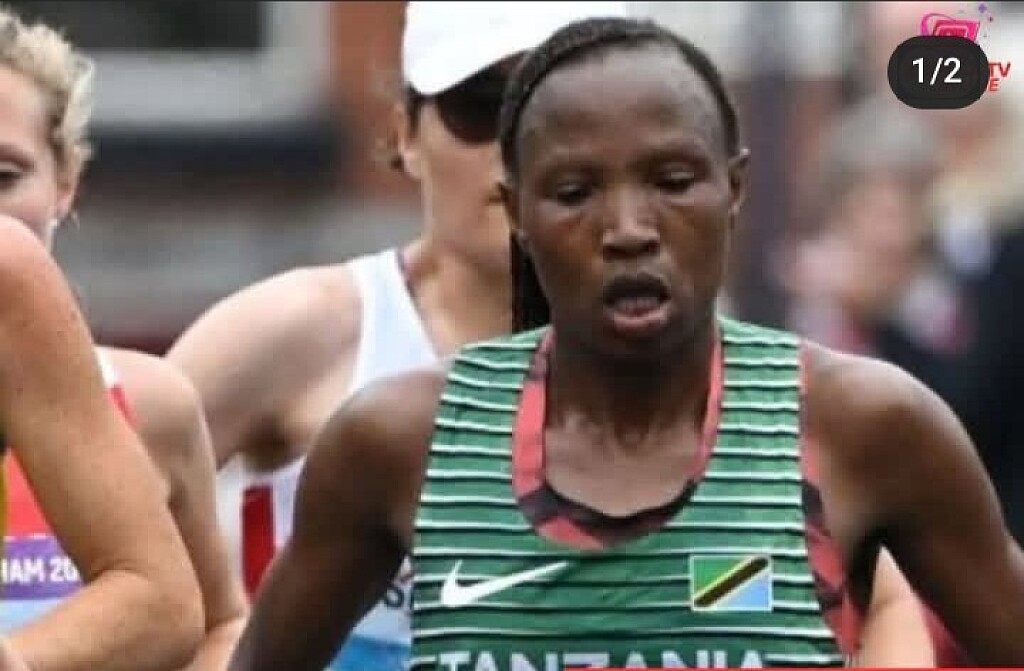
In a development that has sent shockwaves across the African distance running community, Tanzanian marathoner Jackline Sakilu has been handed one of the most severe doping sanctions in recent years—a 10-year ban from competition by the Athletics Integrity Unit (AIU).
The ruling, which took effect on September 17, 2025, follows a comprehensive investigation that confirmed the presence of multiple prohibited substances linked to testosterone in the athlete’s system. The substances identified—Androsterone, Etiocholanolone, 5α-Adiol, and 5β-Adiol—are recognized metabolites indicative of exogenous testosterone use, constituting a clear violation under anti-doping regulations aligned with the World Anti-Doping Agency (WADA) code.
Sakilu, 39, had built a reputation as one of Tanzania’s leading marathon figures, highlighted by her victory at the Chongqing Marathon in China, where she clocked an impressive 2:21:27 under demanding heat and humidity. That performance, along with all her competitive results dating back to June 29, 2024, has now been officially annulled as part of the sanction.
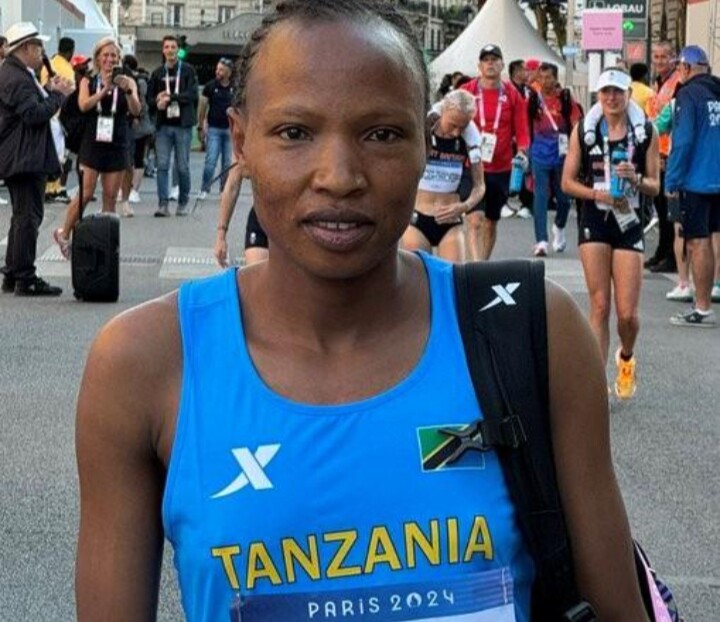
According to the AIU’s findings, multiple samples collected in both South Korea—during the Seoul Marathon—and in Arusha, Tanzania, tested positive for the banned substances. The consistency of the results reinforced the conclusion that the substances originated externally rather than naturally.
In her defense, Sakilu cited the use of common medications, including Ibuprofen and Prednisolone. However, these explanations were dismissed by investigators, who found no scientific link between the medications and the prohibited compounds detected. Furthermore, she did not possess a Therapeutic Use Exemption (TUE), weakening her case significantly.
The AIU classified the violation as aggravated, citing repeated use of banned substances over an extended period. This determination ultimately led to the imposition of the maximum-length sanction, sidelining Sakilu from the sport until 2035. In addition to the ban, she faces the forfeiture of titles, prize money, and rankings accumulated during the affected period.
The case stands as a stark reminder of the sport’s ongoing battle to uphold integrity and fairness. While Sakilu’s achievements once symbolized resilience and competitive excellence, this ruling redefines her legacy within a cautionary narrative that underscores the consequences of breaching anti-doping rules.
As global athletics continues to tighten its enforcement mechanisms, this decision reinforces a clear and uncompromising message: the future of the sport depends on clean competition, transparency, and unwavering accountability.
by Erick Cheruiyot for My Best Runs.
Login to leave a comment
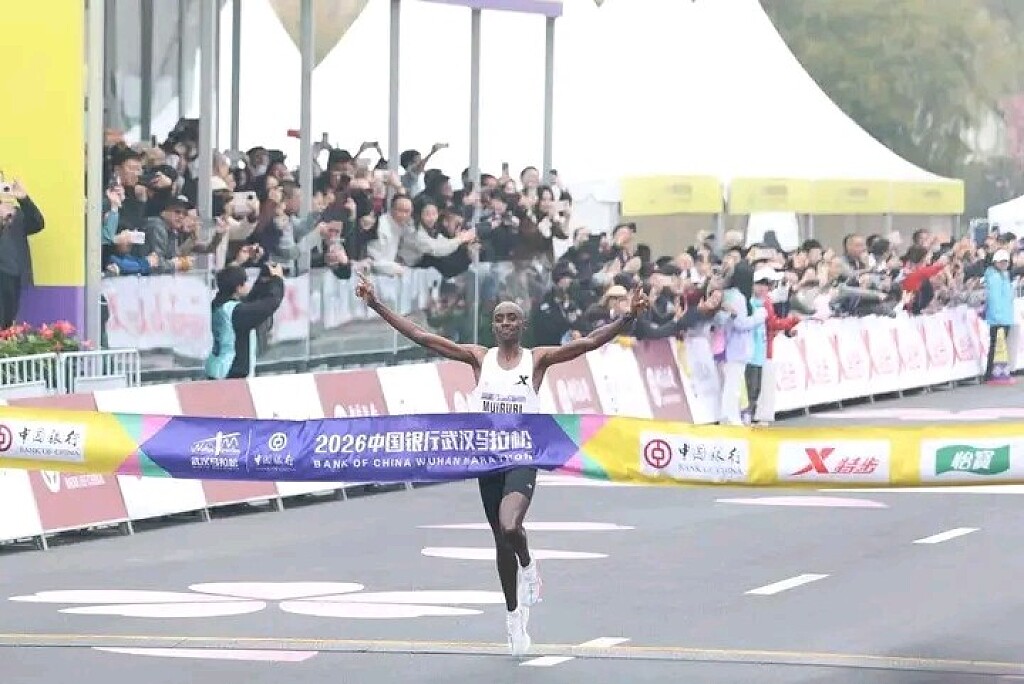
Double Kenyan Triumph in Wuhan: Muiruri and Maina Crowned in a Marathon of Grit and Glory
The vibrant streets of Wuhan bore witness to a day of extraordinary endurance and elite competition as the Wuhan Marathon unfolded into a gripping dual narrative—one defined by tactical brilliance in the men’s race and commanding authority in the women’s contest. Battling a demanding course wrapped in thick humidity and shifting conditions, the world’s finest distance runners delivered a spectacle that resonated with intensity from start to finish.

In the men’s race, patience and precision shaped the early kilometers before the contest erupted into life in the closing stages. A tightly packed lead group, dominated by East African powerhouses, held formation deep into the race, each athlete measuring effort against the punishing conditions. But as the decisive moments approached, it was John Mburu Muiruri who seized control with authority. With a perfectly timed surge, he broke away in the final stretch to claim a memorable victory in 2:10:16, stamping his class on a race that demanded both courage and composure.
Ethiopia’s Dekeba Gadisa Tafa fought valiantly to secure second place in 2:10:23, while Kenya’s Musa Kipsoyan Mitei completed the podium in 2:10:30, underscoring the depth of talent within the region. The home crowd found its hero in He Jie, whose determined run to fourth place in 2:10:56 drew roaring support as he carried national pride into the heart of the final kilometers.
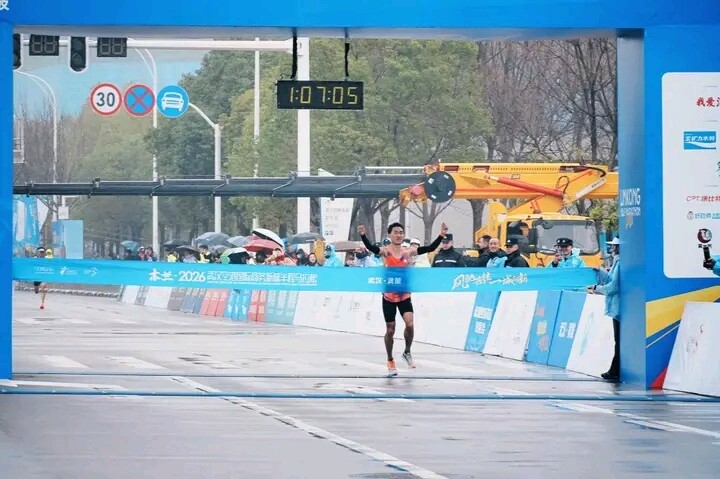
Yet if the men’s race delivered a tactical battle, the women’s contest rose as a masterclass in control and execution.
Kenya’s Veronica Njeri Maina stood at the center of a captivating performance, navigating the same unforgiving conditions with remarkable poise. In a race shaped by endurance and split-second decisions, Maina remained composed throughout before asserting her dominance when it mattered most. Her winning time of 2:24:14 reflected not only strength, but a deep understanding of race rhythm and timing.

Ethiopia’s Tamir Agere Adera followed with a determined effort to take second in 2:25:47, maintaining steady pressure but unable to reel in the Kenyan leader. Fellow Ethiopian Jeleta Lensa Debele secured third place in 2:28:44, holding firm as the race intensified in its closing stages.
One of the most electrifying moments came just behind the podium, where China’s Zhu Qing produced a dramatic late surge to finish fourth in 2:28:45—a mere second off third place. Her thrilling push ignited the home crowd, embodying the fighting spirit that defined the day. Ethiopia’s Askale Alemayehu He claimed fifth in 2:29:37, while China’s contingent, including Li Chunxia, Liu Jingya, and Liu Junhui, rounded out the top eight—highlighting the nation’s growing strength in distance running.

From the opening strides to the final sprints, spectators lining the course fueled every surge, transforming the marathon into a celebration of global athletics. The 2026 Wuhan Marathon will be remembered not only for its results, but for its narrative—a compelling blend of dominance and defiance, where Africa’s enduring excellence met China’s rising ambition on home soil.
In the end, it was a story of double Kenyan triumph. John Mburu Muiruri’s late-race brilliance and Veronica Njeri Maina’s commanding control defined a day where champions were not merely crowned, but forged—through discipline, resilience, and the relentless pursuit of greatness.
by Erick Cheruiyot for My Best Runs.
Login to leave a comment

Wuhan Marathon
Join Wuhan Marathon Wuhan Marathon by the Chinese track and field association, Hubei Province Sports Bureau, Wuhan Municipal People’s Government co-sponsored by the Wuhan Municipal Sports Bureau, Wuhan Sports Development Investment Co., Ltd. co-hosted by the Wuhan Hanma Sports Management Co., Ltd. operation. Will be held in April, in Wuhan. Race with full marathon, half marathon, healthy run and many...
more...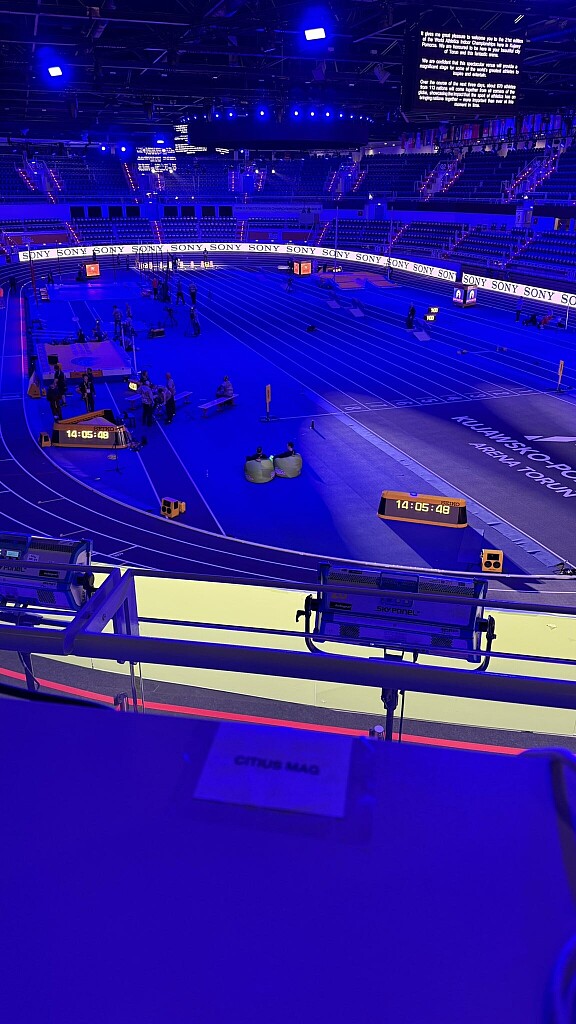
A New Global Chapter: World Athletics Awards 2028 and 2030 Championships to Asia’s Rising Cities
In a landmark decision that underscores the continued globalization of athletics, the World Athletics Council, during its 240th meeting in Toruń, officially confirmed the host cities for three major upcoming championships—each reflecting the sport’s expanding footprint and growing appeal across Asia.

India, Kazakhstan, and China have emerged as the chosen hosts for prestigious global events, signaling both trust in their organizational capabilities and recognition of their increasing influence in the athletics world.

The eastern Indian state of Odisha has been awarded the 2028 World Athletics Indoor Championships. Known for its passionate support of sport and its rapidly developing infrastructure, Odisha continues its rise as a prominent destination on the international athletics calendar. This selection builds on India’s broader ambition to establish itself as a global sporting hub.

Two years later, the spotlight will shift to Central Asia, where Astana will host the 2030 edition of the same championships. Astana’s modern facilities and strategic vision position it as an exciting new frontier for indoor athletics, promising a unique blend of elite competition and cultural vibrancy.

Meanwhile, the 2028 World Athletics Race Walking Team Championships have been awarded to Hefei. The Chinese city, already familiar with hosting international competitions, is expected to deliver a technically sound and highly competitive event in one of athletics’ most demanding disciplines.
These selections reflect more than logistical planning—they represent a deliberate shift toward inclusivity and global reach. By bringing premier competitions to diverse regions, World Athletics continues to inspire new generations of athletes while strengthening the sport’s worldwide community.
As the road to 2028 and 2030 begins, anticipation will steadily build. New stadiums will come alive, new heroes will emerge, and new stories will be written—each step, stride, and finish line contributing to the ever-evolving legacy of athletics.
by Erick Cheruiyot for My Best Runs.
Login to leave a comment
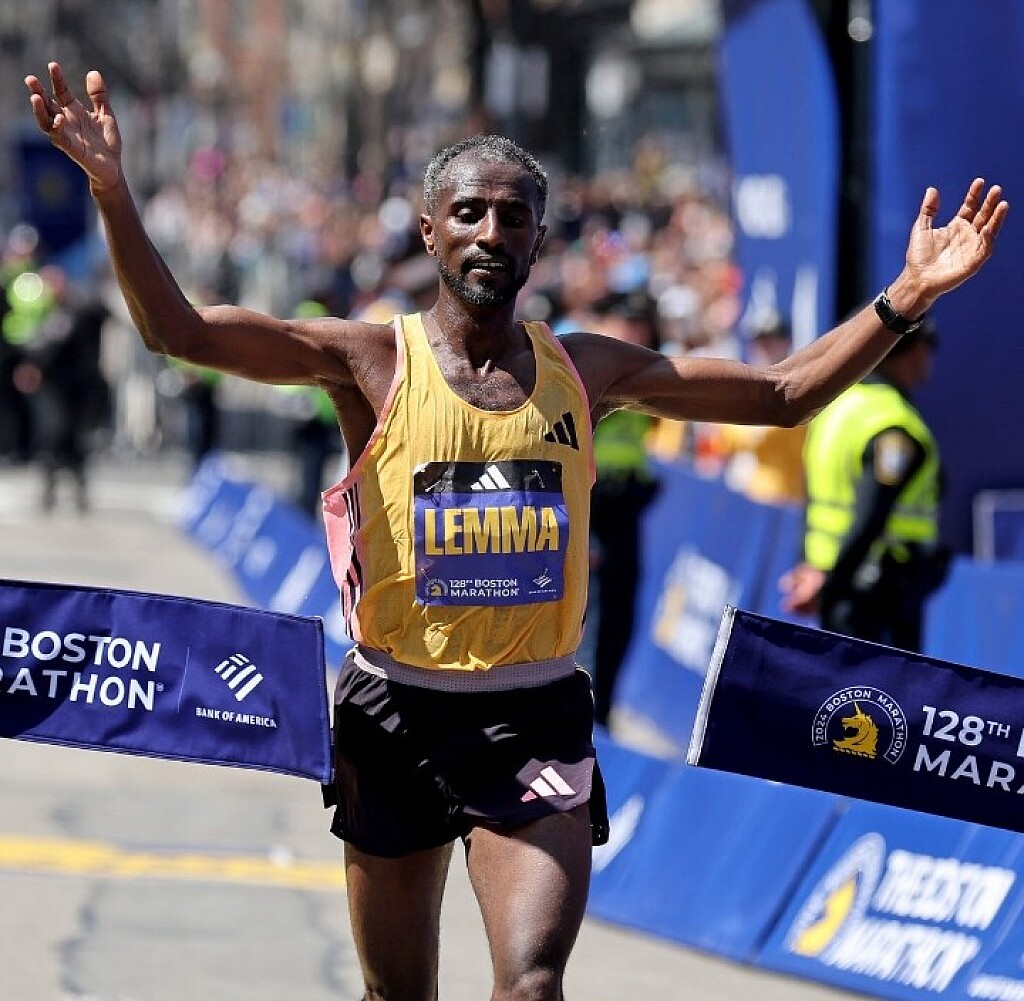
Sisay Lemma Headlines Powerful Elite Field as Seoul Marathon 2026 Promises High-Speed Showdown
The stage is set for a thrilling contest at the Seoul Marathon as a world-class men’s field prepares to race through the streets of the South Korean capital on Sunday, March 15, 2026. With a deep lineup featuring some of the fastest marathoners on the planet, the race is expected to deliver a captivating battle between seasoned champions and emerging contenders.
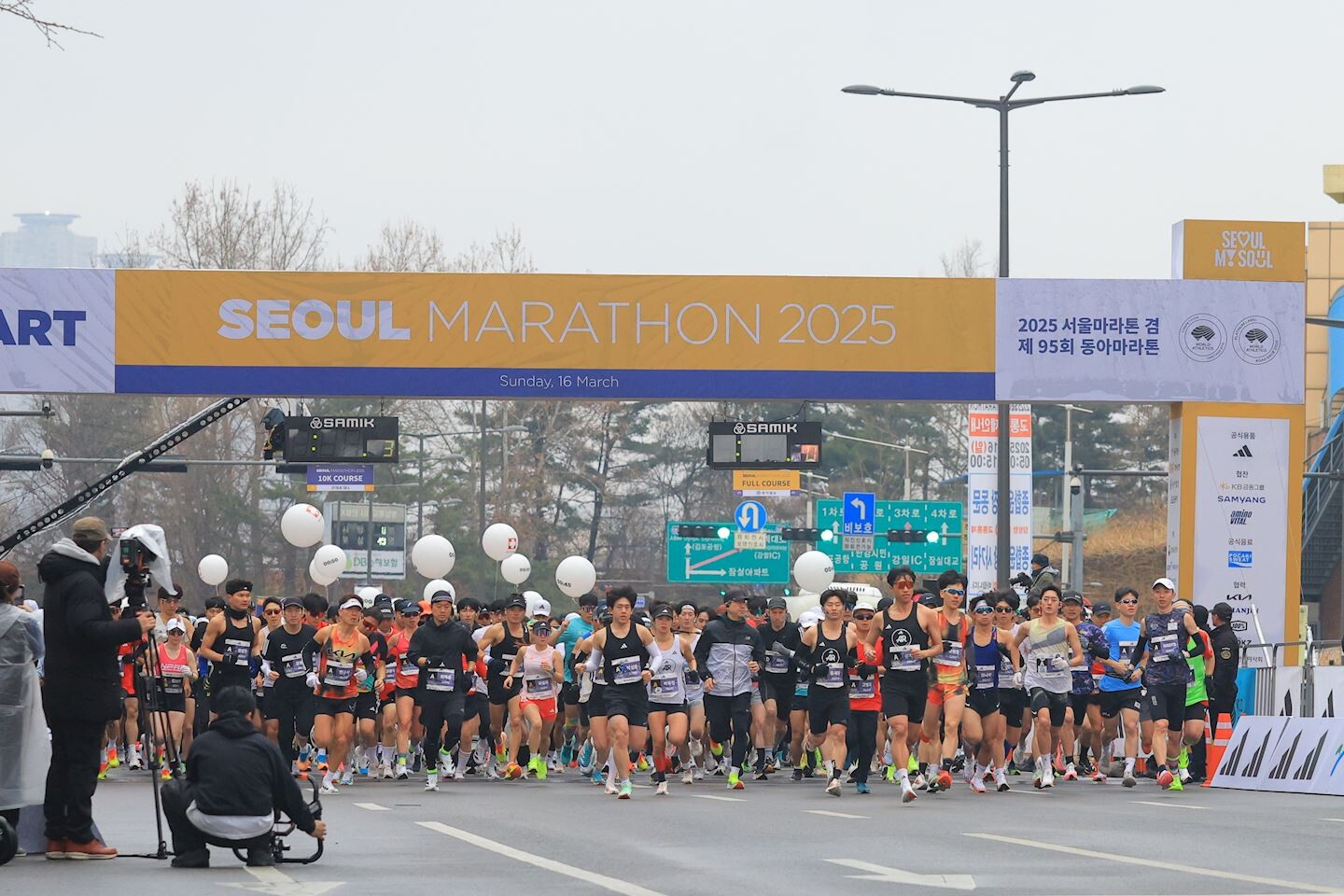
The marathon will begin at 7:30 a.m. local time in Seoul (KST). Fans around the world will tune in at different hours to follow the action: 1:30 a.m. in Kenya and Ethiopia (EAT), 11:30 p.m. on Saturday in Central Europe (CET), 3:30 p.m. Saturday on the U.S. West Coast (PST), and 9:30 a.m. Sunday in Australia’s east coast (AEDT) across Oceania.
Leading the field is Ethiopian marathon star Sisay Lemma, who enters the race as one of the clear favorites. With an impressive personal best of 2:01:48, Lemma has established himself among the world’s elite marathoners and arrives in Seoul with the kind of form capable of producing a very fast race.
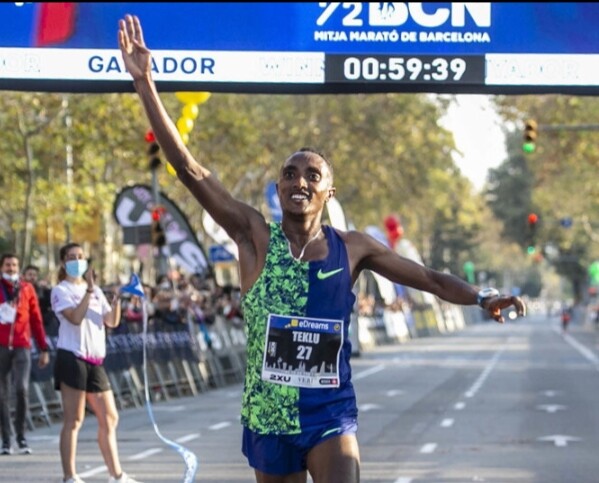
Standing in his path is defending champion Haftu Teklu, who returns determined to defend the title he captured last year. Teklu, whose personal best stands at 2:04:42, proved his strength on these roads before and will be eager to repeat that success.
Another major threat is Getaneh Molla, the winner of the prestigious Dubai Marathon in 2019. Molla’s outstanding 2:03:34 personal best highlights his ability to sustain an aggressive pace, making him one of the most dangerous competitors in the field.
Also in Ethiopia’s strong contingent is Tsegaye Getachew, known for consistent results across Europe, including strong performances at the Amsterdam Marathon and the Lisbon Marathon. With a personal best of 2:04:18, he remains firmly within striking distance of the leading contenders.

Kenya’s challenge will be spearheaded by experienced runners such as Sammy Kirop and Nick Kitundu, both capable of competing for podium positions. Their presence is reinforced by a strong Kenyan lineup that includes Enock Kinyamal, Gilbert Kibet, Collins Kipkurui, Edmond Kipngetich, and Felix Kipkoech, forming a deep and competitive squad.
Another intriguing entrant is Ethiopian athlete Haftamu Abadi, who enjoyed an impressive season last year with victories at the Vienna City Marathon and the Ljubljana Marathon. His appearance in Seoul marks his first marathon race in Asia, adding another layer of excitement to the elite contest.
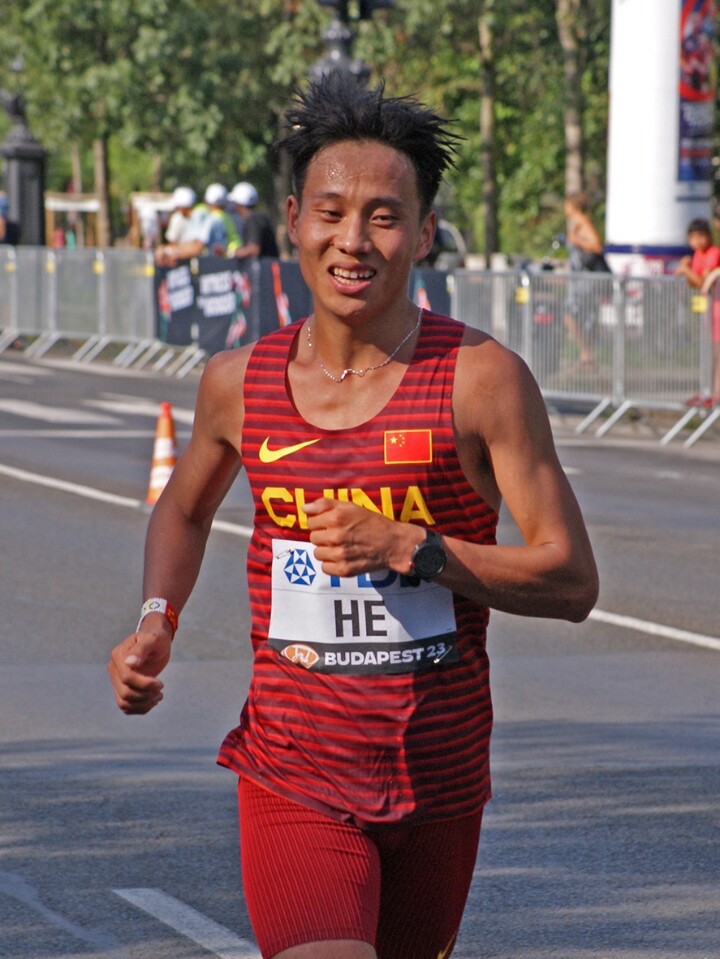
The race also highlights the growing global reach of marathon running, with athletes such as Japan’s Daisuke Uekado and China’s Jie He representing the host region.
With proven champions, hungry challengers, and a course historically known for fast times, the 2026 Seoul Marathon promises a gripping contest from start to finish. As the world’s elite converge on Seoul, the question remains: who will seize the moment and conquer one of Asia’s most prestigious marathons?
by Erick Cheruiyot for My Best Runs.
Login to leave a comment

Seoul International Marathon
The only marathon hosted in the heart of the Korean capital. Seoul marathon is the oldest marathon race hosted in Asia andis one of the fastestmarathon in the world. First held in 1931, Seoul marathon is the oldest marathon eventcontinuously held in Asia, and the second oldest in the world followingthe Boston Marathon. It embodies modern history of Korea, also...
more...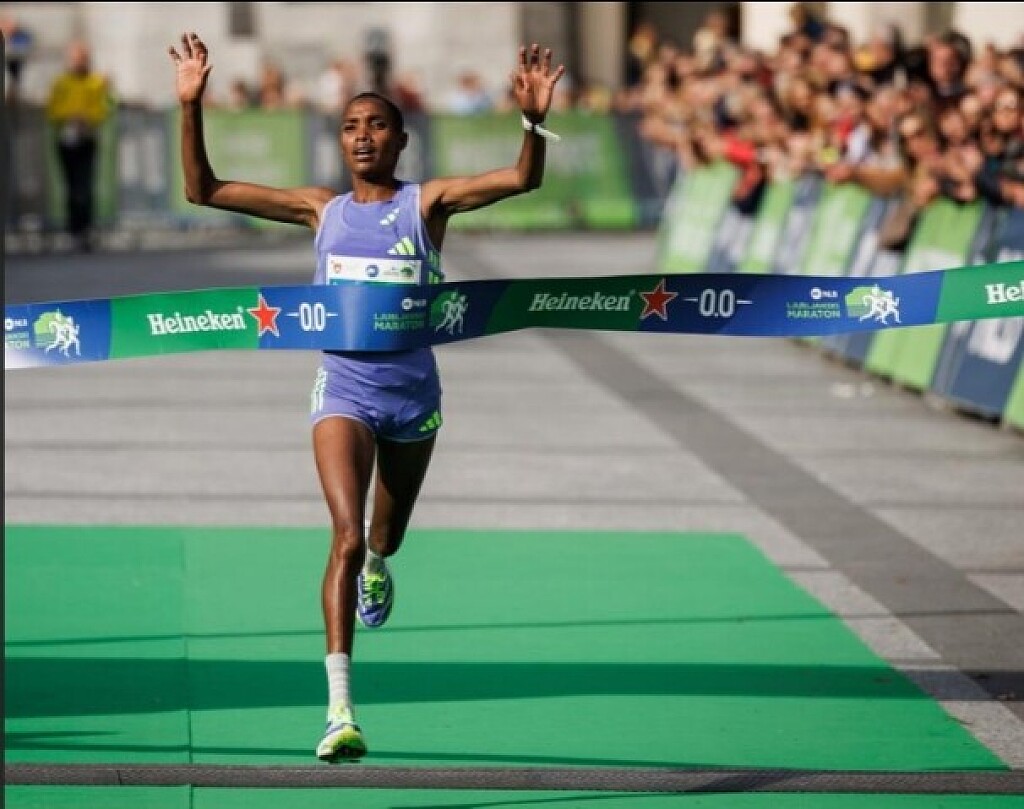
Tele Braces for Fierce Duel with Ethiopian Trio at Seoul Marathon
Kenyan marathoner Joyce Chepkemoi Tele is set to line up at the prestigious Seoul Marathon on March 15, 2026, in Seoul, South Korea, where she will face a formidable international field in one of Asia’s most respected road races.
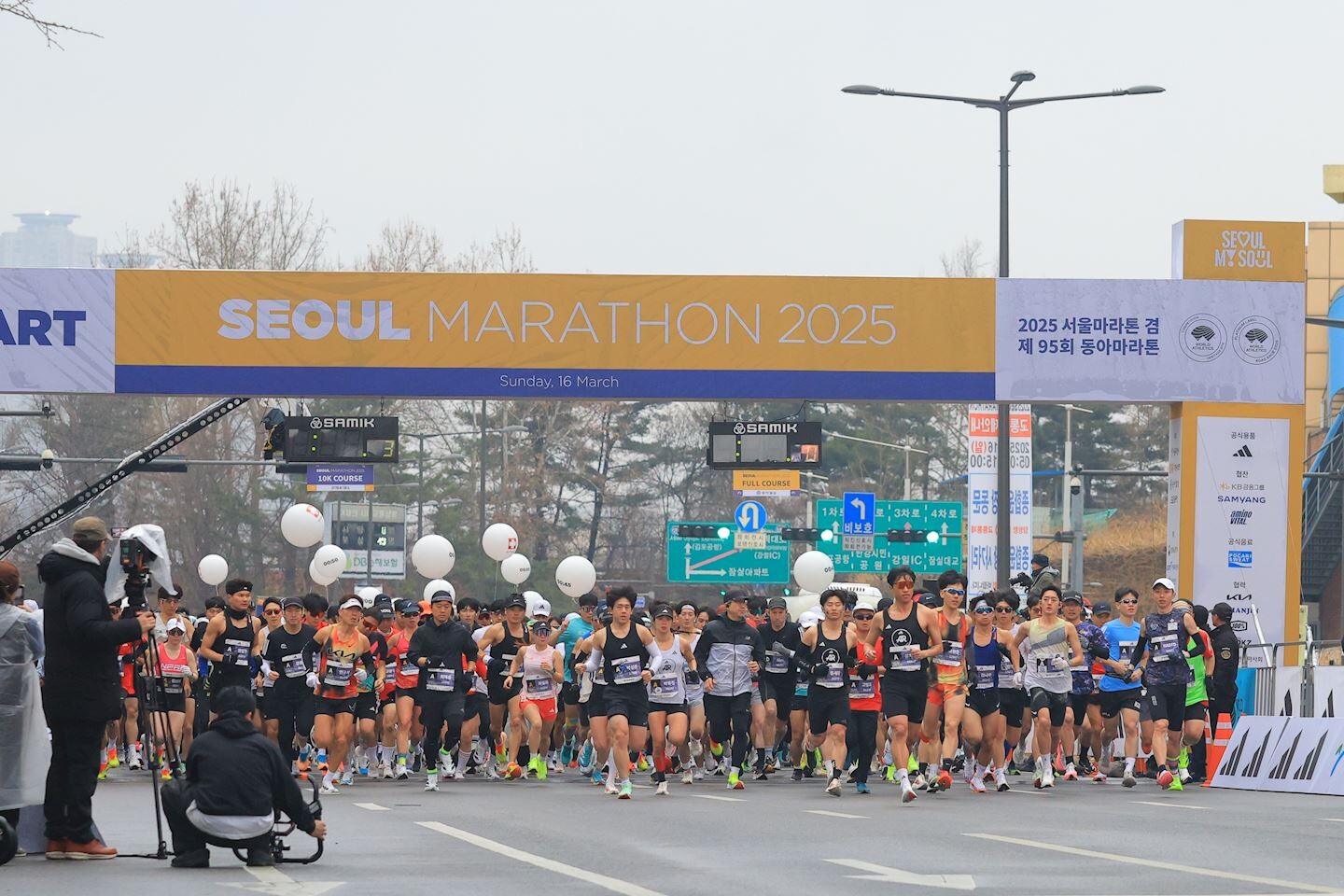
Tele, who holds a personal best of 2:20:17, heads into the race aiming to challenge some of the strongest marathon specialists on the circuit. The Kenyan has steadily built a reputation as a resilient and consistent performer over the classic distance, and the Seoul streets could provide the perfect stage for another major breakthrough.
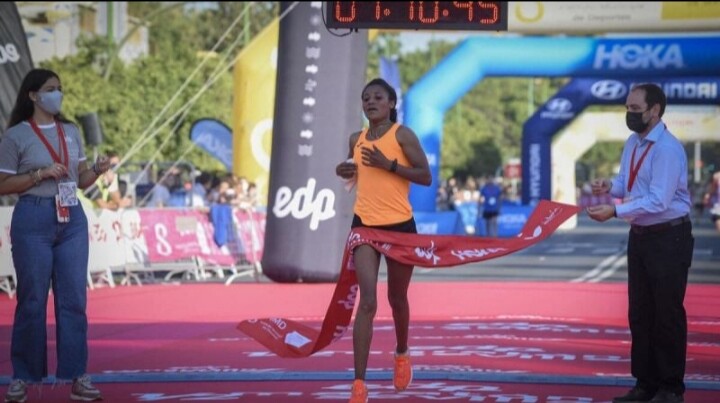
Awaiting her is a highly competitive lineup led by Ethiopia’s Tiruye Mesfin, the fastest entrant on paper with a personal best of 2:18:35. Mesfin’s experience and speed make her one of the clear favorites heading into the race.
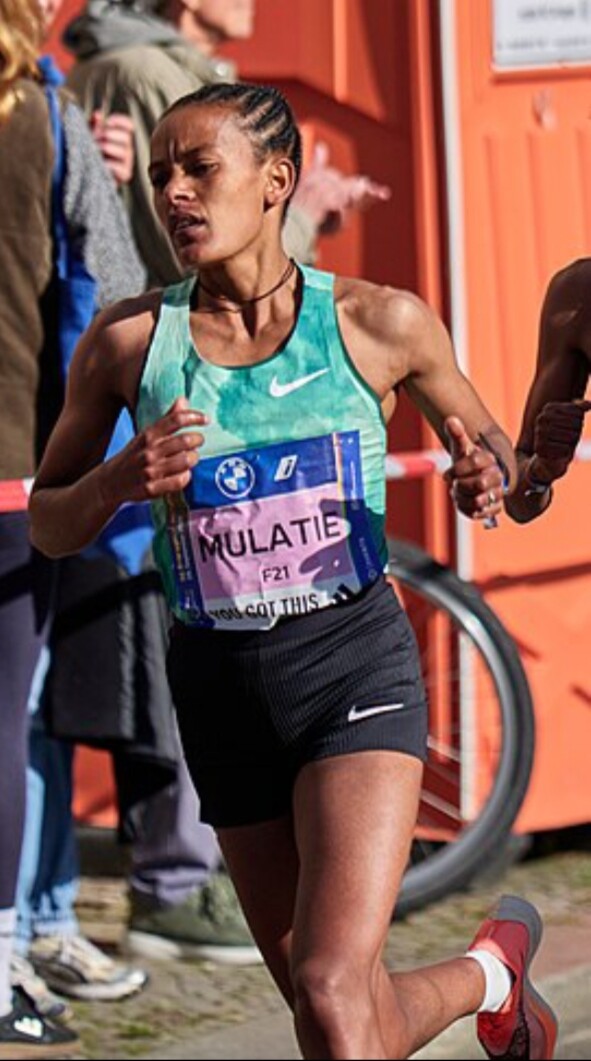
Another strong Ethiopian contender is Bosena Mulatie, who owns a 2:19:06 lifetime best and has demonstrated impressive strength in major city marathons. She will be joined by compatriot Bekelech Gudeta, whose personal best of 2:20:59 places her firmly among the athletes capable of shaping the outcome of the race.
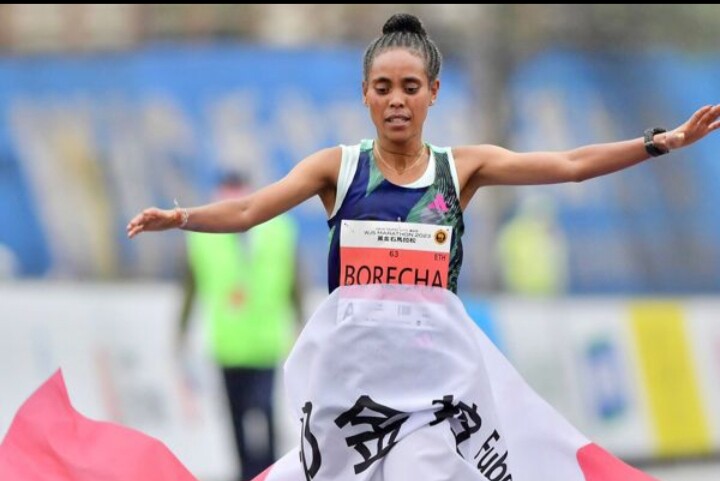
With several athletes clustered around the 2:18–2:26 range, the women’s race is expected to be fiercely contested from the early stages. The traditionally fast course in Seoul has often produced high-quality performances, especially when the pace is aggressive and weather conditions cooperate.
Elite Women’s Start List (PBs)
1. Bekelech Gudeta (Ethiopia) — 2:20:59
2. Tiruye Mesfin (Ethiopia) — 2:18:35
3. Bosena Mulatie (Ethiopia) — 2:19:06
4. Haven Hailu (Ethiopia) — 2:19:17
5. Joyce Chepkemoi Tele (Kenya) — 2:20:17
6. Zinash Gerado (Ethiopia) — 2:21:05
7. Anchelem Haymanote (Ethiopia) — 2:23:23
8. Meseret Gebre (Ethiopia) — 2:23:11
9. Betelihem Yemer (Ethiopia) — 2:23:20
10. Ayinadis Teshome (Ethiopia) — 2:25:50
11. Kebebush Yisma (Ethiopia) — 2:24:04
12. Medina Deme (Ethiopia) — 2:25:09
13. Wu Bing (China) — 2:25:01
14. Monica Chebet (Kenya) — 2:26:30
For Tele, the race represents an opportunity to measure herself against some of the finest marathon runners in the world while continuing to elevate Kenya’s strong presence on the global marathon stage. If the pace unfolds favorably, the Kenyan star could find herself in the thick of the battle as the race heads into its decisive closing kilometers.
As anticipation builds ahead of the March showdown, the women’s contest at the Seoul Marathon promises to deliver a thrilling clash between East Africa’s elite distance runners, with pride, prestige, and potentially fast times on the line.
by Erick Cheruiyot for My Best Runs.
Login to leave a comment
Seoul International Marathon
The only marathon hosted in the heart of the Korean capital. Seoul marathon is the oldest marathon race hosted in Asia andis one of the fastestmarathon in the world. First held in 1931, Seoul marathon is the oldest marathon eventcontinuously held in Asia, and the second oldest in the world followingthe Boston Marathon. It embodies modern history of Korea, also...
more...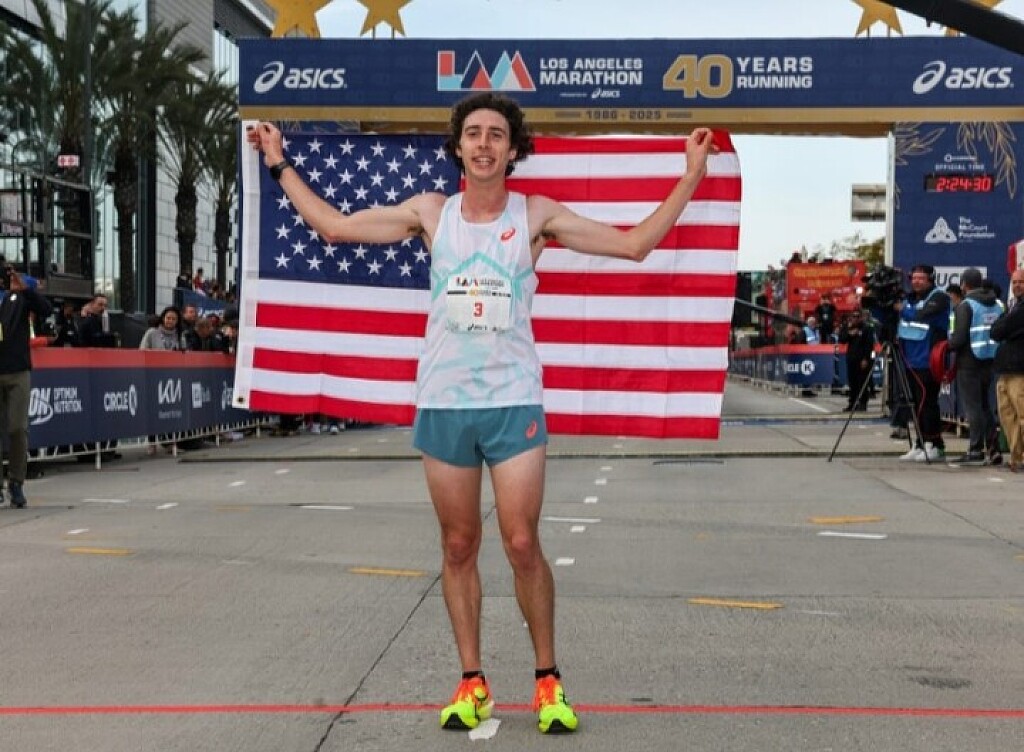
Rising Heat and Elite Rivalries Set the Stage for a Thrilling 2026 Los Angeles Marathon
The streets of Los Angeles will once again come alive with the rhythm of pounding footsteps as the 2026 edition of the Los Angeles Marathon takes place on Sunday, March 8 in California, United States. One of the most celebrated road races in America returns with thousands of runners and a competitive international elite field ready to battle across the iconic 42.195-kilometer distance.
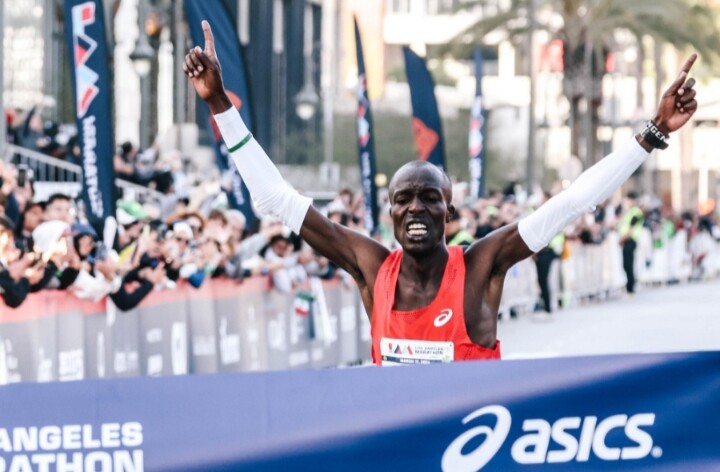
Race morning will begin early under Pacific Standard Time, with the professional wheelchair and handcycle athletes launching the action at 6:30 AM, followed by the elite men and women at 6:40 AM, before the main field of thousands of runners begins at 7:00 AM. For fans across Africa, the marathon unfolds later in the day, starting at 4:00 PM in West Africa, 5:00 PM in South and Central Africa, and 6:00 PM in East Africa.
Across Europe, Asia, and Oceania, fans will also be able to follow the race live as the 7:00 AM PST main start of the Los Angeles Marathon translates to 5:00 PM in Western Europe (including the United Kingdom and Portugal), 6:00 PM in Central Europe (such as France, Germany, Spain, and Italy), and 7:00 PM in Eastern Europe (including Greece, Finland, and Romania). In Asia, the race will begin at 9:30 PM in India, 11:00 PM in China, Singapore, and the Philippines, and midnight on March 9 in Japan and South Korea. For viewers in Oceania, the marathon will start at 2:00 AM on March 9 in Eastern Australia and 4:00 AM in New Zealand, meaning dedicated fans there will be watching the action unfold deep into the night.
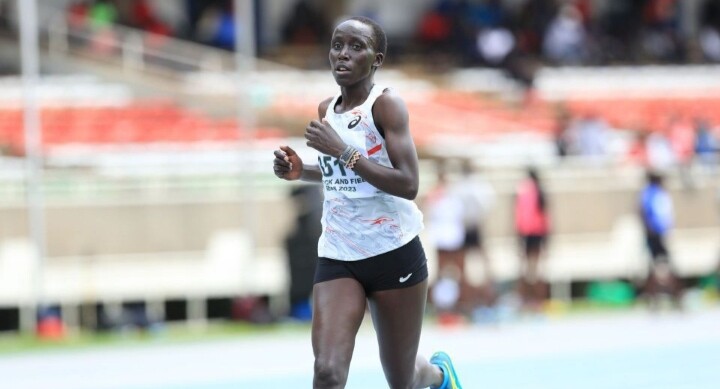
Defending champions return determined to protect their crowns. Ethiopia’s Tejinesh Tulu arrives aiming to repeat her triumph from last year, while American marathoner Matthew Richtman will attempt to defend the men’s title on home soil. Both champions face deeper and stronger fields this time, setting the stage for an unpredictable and highly competitive contest.
The women’s race features a strong East African presence led by Kenya’s Vicoty Chepngeno, who holds the fastest personal best in the field at 2:19:55. Ethiopia’s experienced campaigner Atsede Bayisa, with a best of 2:22:03, also arrives as a major contender, while Kenya’s Antonina Kwambai and Ethiopia’s Almaz Kemsi add further depth to a field capable of producing a fierce battle for the podium. The race also includes American hopes such as Kellyn Taylor and Makenna Myler, both looking to challenge the traditionally dominant East African runners. Meanwhile, defending champion Tejinesh Tulu remains a serious threat despite not owning the fastest personal best, as championship races often reward patience, tactical awareness, and strength in the closing kilometers.
The men’s contest promises equal intensity. Kenya’s Dominic Ngeno leads the field on paper with a personal best of 2:06:35, positioning him as one of the main favorites if the race develops at a fast pace. Defending champion Matthew Richtman will look to repeat his success, but he faces stiff competition from Ethiopia’s Abdela Godana and Kenya’s Michael Kimani Kamau, both capable of pushing the pace deep into the race. Eritrea’s Tesfu Tewelde, Sweden’s David Nilsson, and Kenya’s Athanas Kioko also enter the race with the potential to disrupt the favorites and deliver breakthrough performances.
Weather conditions could play a decisive role in how the race unfolds. Forecasts suggest that warm temperatures may already be present from the start, meaning the marathon could evolve into a tactical contest rather than a purely fast one. In such situations, pacing discipline, hydration, and the ability to surge late in the race often become the decisive factors.
With elite runners from Kenya, Ethiopia, the United States, Eritrea, and Europe lining up alongside thousands of passionate participants, the 2026 edition of the Los Angeles Marathon promises an exciting blend of global rivalry and personal ambition. As the sun rises over Los Angeles, champions will defend their titles, challengers will chase career-defining victories, and thousands of runners will set out on a journey toward one unforgettable finish line.
by Erick Cheruiyot for My Best Runs.
Login to leave a comment

Los Angeles Marathon
The LA Marathon is an annual running event held each spring in Los Angeles, Calif. The 26.219 mile (42.195 km) footrace, inspired by the success of the 1984 Summer Olympic Games, has been contested every year since 1986. While there are no qualifying standards to participate in the Skechers Performnce LA Marathon, runners wishing to receive an official time must...
more...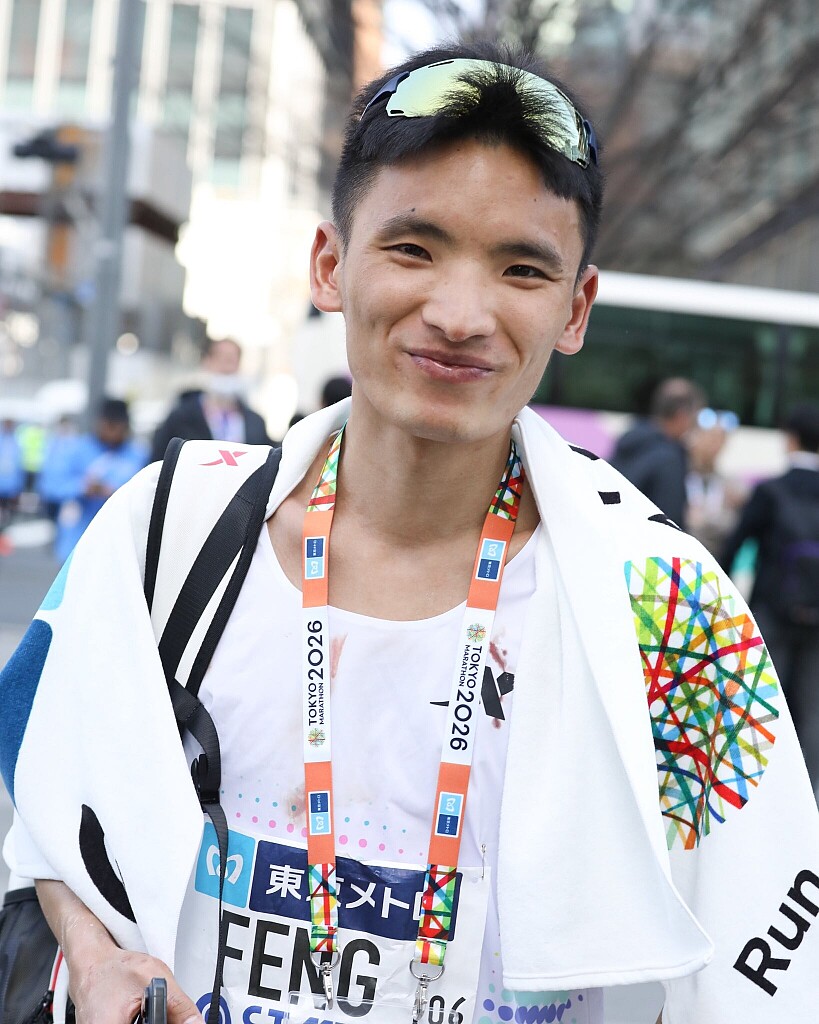
Tokyo Marathon Witnesses History as Feng Peiyou Storms to China’s First Sub-2:06 Marathon
Under crisp skies and ideal racing conditions in Japan’s capital, China’s long-distance running reached a defining milestone. Feng Peiyou delivered the performance of his life at the Tokyo Marathon, stopping the clock at 2:05:58 and rewriting the men’s Chinese national marathon record in emphatic fashion.
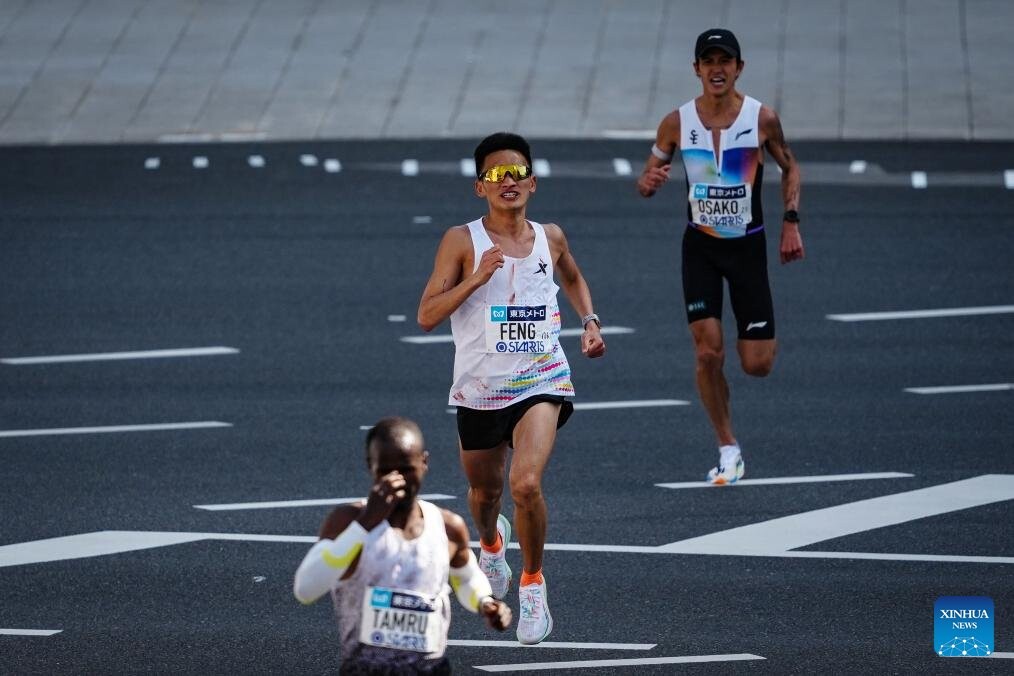
The 2:05:58 finish did more than secure an impressive 11th place overall in one of the world’s most competitive fields. It etched Feng’s name into history as the first Chinese man to break the 2:06 barrier over the classic 42.195-kilometer distance. In doing so, he lowered the previous national mark of 2:06:57 set by He Jie at the 2024 Wuxi Marathon, signaling a powerful new chapter for Chinese distance running.
What made the achievement even more compelling was the stage. The Tokyo Marathon, a World Marathon Major renowned for its deep elite field and lightning-fast course, offered no room for hesitation. Feng ran boldly from the outset, settling into a disciplined rhythm of approximately 3:05 per kilometer. Through 30 kilometers, he remained composed and calculating, aware that history was within reach but careful not to be consumed by the clock.

As fatigue began to test his resolve in the closing stages, ambition carried him forward. Running shoulder-to-shoulder with some of Asia’s finest competitors only sharpened his competitive edge. By the time he surged down the finishing stretch, the realization dawned: the barrier had fallen.
In the elite men’s race, Feng emerged as the top Asian finisher, underscoring his arrival among the continent’s leading marathoners. His breakthrough represents more than a personal triumph; it is a symbolic stride for a nation that has long sought to close the gap with the global marathon powerhouses.
Now 2:05:58 stands as both an achievement and a launching pad. The Asian record of 2:04:43, set in 2018 by El-Hassan El-Abbassi, looms as the next ambitious target. The margin may appear daunting, yet Feng’s performance in Tokyo suggests that the distance between aspiration and attainment is narrowing.
Every generation of athletes produces a moment that redefines possibility. For Chinese marathoning, that moment arrived on the streets of Tokyo. A door has been opened, a psychological ceiling shattered, and a new standard established.
History was made not by chance, but by courage — kilometer after relentless kilometer.
by Erick Cheruiyot for My Best Runs.
Login to leave a comment
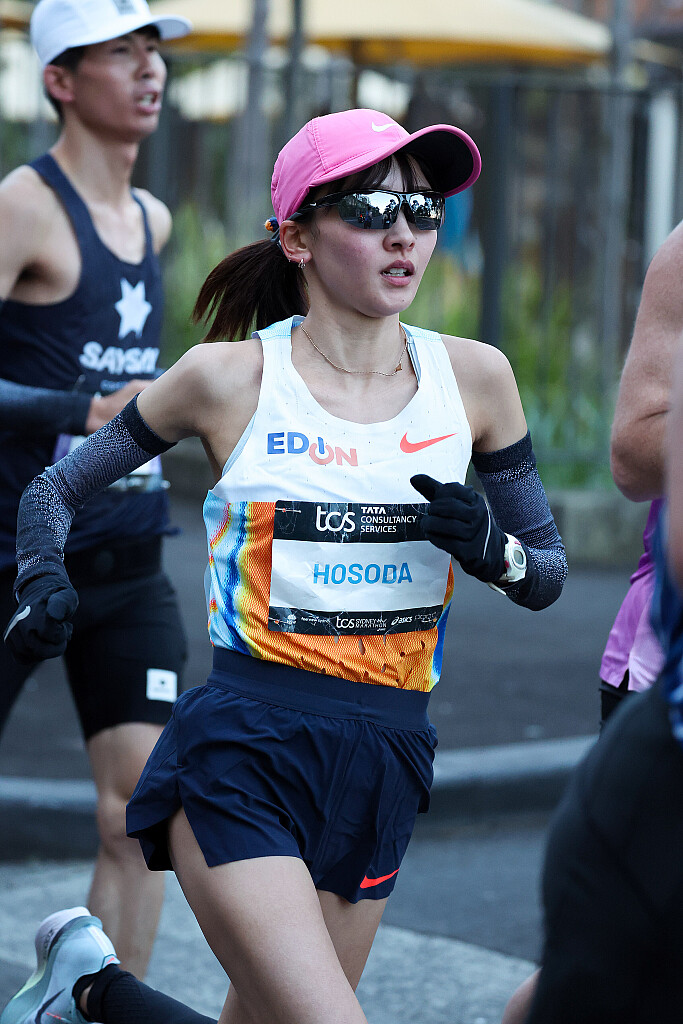
Queens of the Marathon: A Loaded Women’s Field Set to Ignite Tokyo 2026
The women’s race at the 2026 Tokyo Marathon to be staged on 1st March in Tokyo, Japan is shaping up to be one of the deepest and most compelling contests in recent marathon history, blending reigning champions, global major winners, national icons, and seasoned veterans into a single high-stakes showdown. At the center of the narrative stands Ethiopia’s formidable title defender Sutume Asefa Kebede, who returns to Tokyo chasing a third consecutive victory after dominating the previous two editions and establishing herself as the course record holder.
Kebede’s authority in Tokyo has been built on tactical intelligence and relentless pace control, but her path to another triumph will be far from straightforward. Among the most dangerous challengers is compatriot Hawi Feysa, who finished third in Tokyo last year before ascending to global prominence with victory at the 2025 Chicago Marathon. Her breakthrough confirmed what many suspected — that she possesses the finishing speed and endurance to win on any major stage.
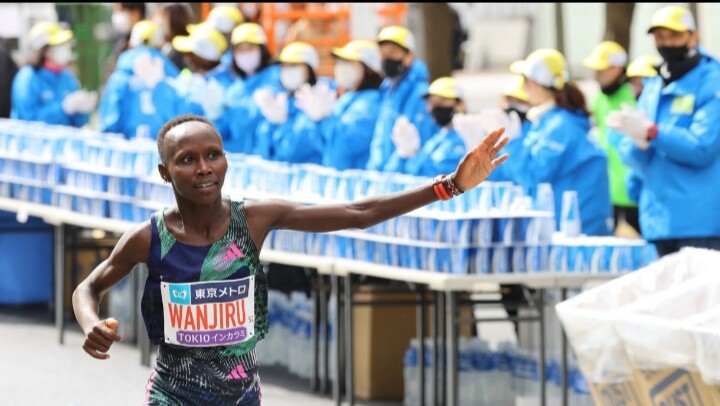
Another major threat comes from Kenya’s Rosemary Wanjiru, the 2025 Berlin Marathon champion, whose consistency at the highest level continues to make her one of the most dependable performers in elite women’s marathoning. With proven championship composure and a powerful late-race surge, Wanjiru enters Tokyo as a genuine title contender capable of disrupting Ethiopian dominance.
The depth extends even further with a wave of major champions from the past two seasons. Ethiopia’s Megertu Alemu, winner in Valencia in 2024, arrives with one of the fastest personal bests in the field, while Bertukan Welde brings confidence from her victory in Prague in 2025. Adding to the Ethiopian strength is Mestawut Fikir, who captured the Paris Marathon crown in 2024, and Waganesh Mekasha, winner of Osaka the same year — further proof of the nation’s extraordinary marathon pipeline.
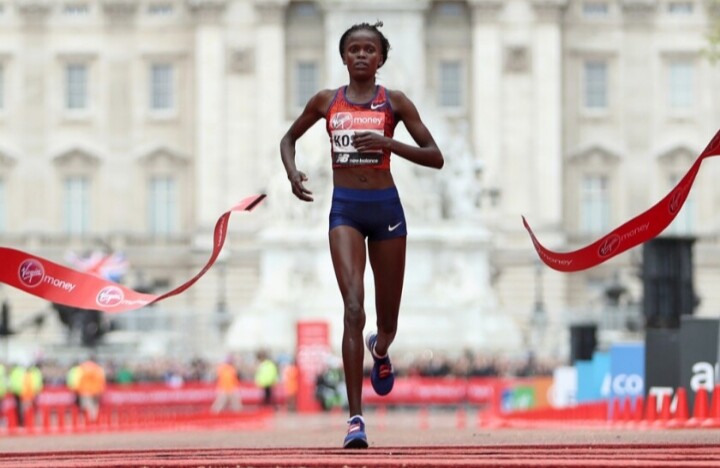
Yet perhaps the most recognizable name in the field remains Kenya’s Brigid Kosgei, the former world record holder whose 2:14:04 still ranks among the fastest performances ever recorded by a woman. Kosgei’s experience, championship pedigree, and proven ability to handle aggressive pacing make her presence alone a psychological factor for the entire field.
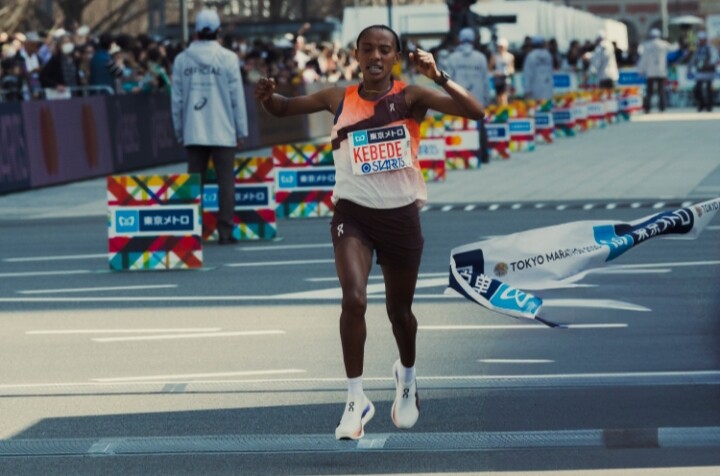
Japan’s hopes will largely rest on Ai Hosoda, currently the nation’s seventh-fastest woman in history. Hosoda produced a career-best 2:20:31 in Berlin in 2024 and recently announced that Tokyo will serve as her farewell race. The emotional weight of competing at home in her final marathon could provide an added dimension of motivation, especially after she secured qualification for the 2028 Olympic Trials with a strong performance in Sydney last year.
Beyond the headline names, the international depth remains impressive. Canada’s Malindi Elmore brings championship experience and resilience, while American veteran Sara Hall continues to defy expectations deep into her career. China fields a strong contingent led by Yuyu Xia, joined by Poland’s Aleksandra Brzezińska and Australia’s Vanessa Wilson, all capable of influencing the race dynamics if conditions or tactics shift.
What makes Tokyo particularly fascinating is the blend of proven speed and competitive hunger. Several athletes own personal bests under 2:18, creating the possibility of a historically fast race if pacing conditions align. But Tokyo is rarely predictable. Weather, pack strategy, and the psychological battle after 35 kilometers often determine the final outcome more than raw times on paper.
As the world turns its attention to Japan’s capital, one question dominates: can Kebede secure a historic three-peat, or will a new champion emerge from one of the strongest women’s marathon fields assembled this season?
by Erick Cheruiyot for My Best Runs.
Login to leave a comment

Tokyo Marathon
The Tokyo Marathon is a world-renowned annual marathon held in Tokyo, Japan. As one of the prestigious Abbott World Marathon Majors, it attracts elite and amateur runners from around the globe. The race holds World Athletics Platinum Label status, recognizing its high competitive standards, top-tier organization, and international appeal. Sponsored by Tokyo Metro, the Tokyo Marathon has grown into one...
more...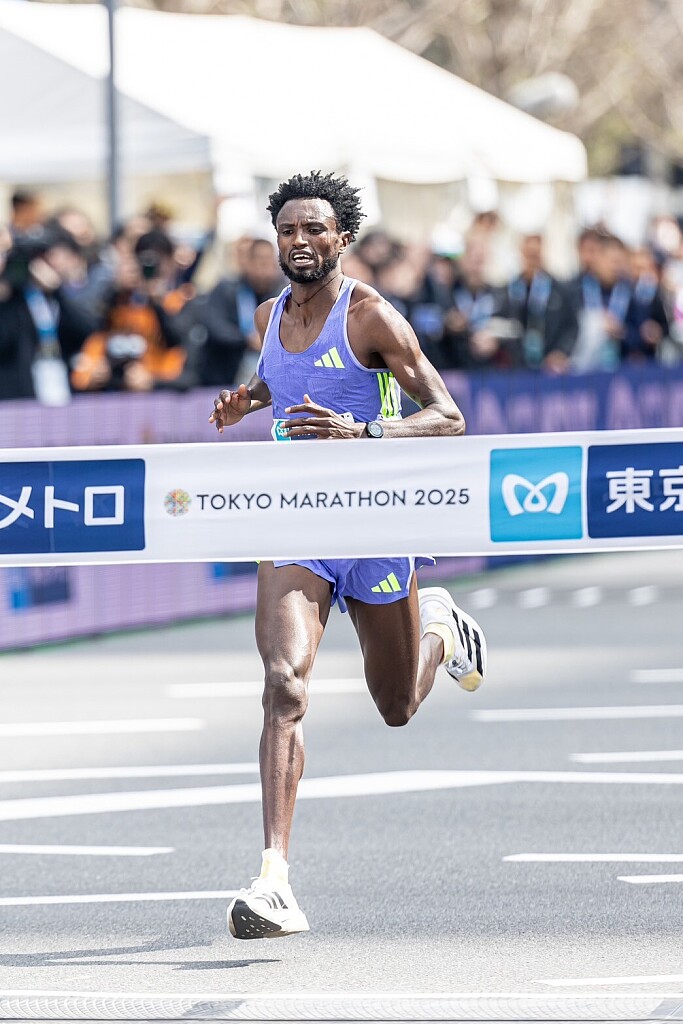
Tokyo’s Ultimate Test: A Marathon Showdown Loaded with Champions, Records, and Rising Threats
The men’s race at the Tokyo Marathon 2026 to be held on Sunday 1st March in the streets of Tokyo, Japan is shaping up to be one of the deepest and most unpredictable contests the event has witnessed in recent years. A compelling mix of returning stars, major champions, national record holders, and ambitious debutants ensures that the battle through Japan’s capital will be anything but routine. At the center of the narrative stands defending champion Tadese Takele, whose breakthrough victory last year transformed him from a promising talent into a proven major winner. Yet, defending a title in a field of this magnitude may prove even more difficult than winning it the first time.
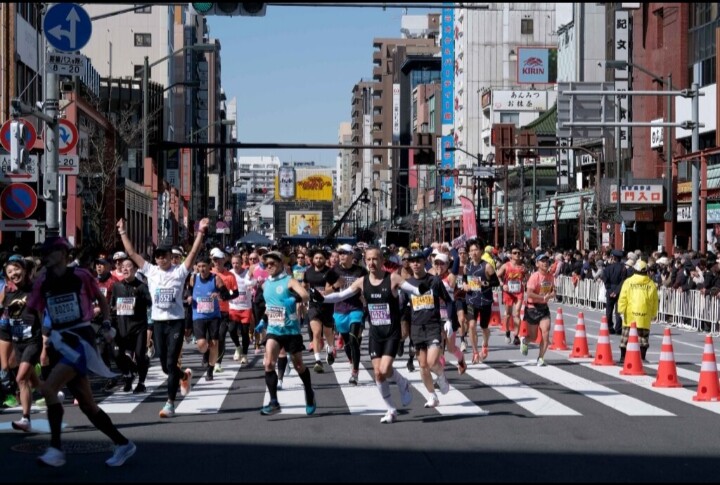
Several familiar rivals return with unfinished business. Among them is third-place finisher Vincent Kipkemoi Ngetich, alongside Geoffrey Toroitich, Suldan Hassan, and Japan’s own Tsubasa Ichiyama, all of whom cracked the top ten a year ago. Their familiarity with the course and conditions adds another tactical dimension to the race, particularly if the pace turns aggressive early.
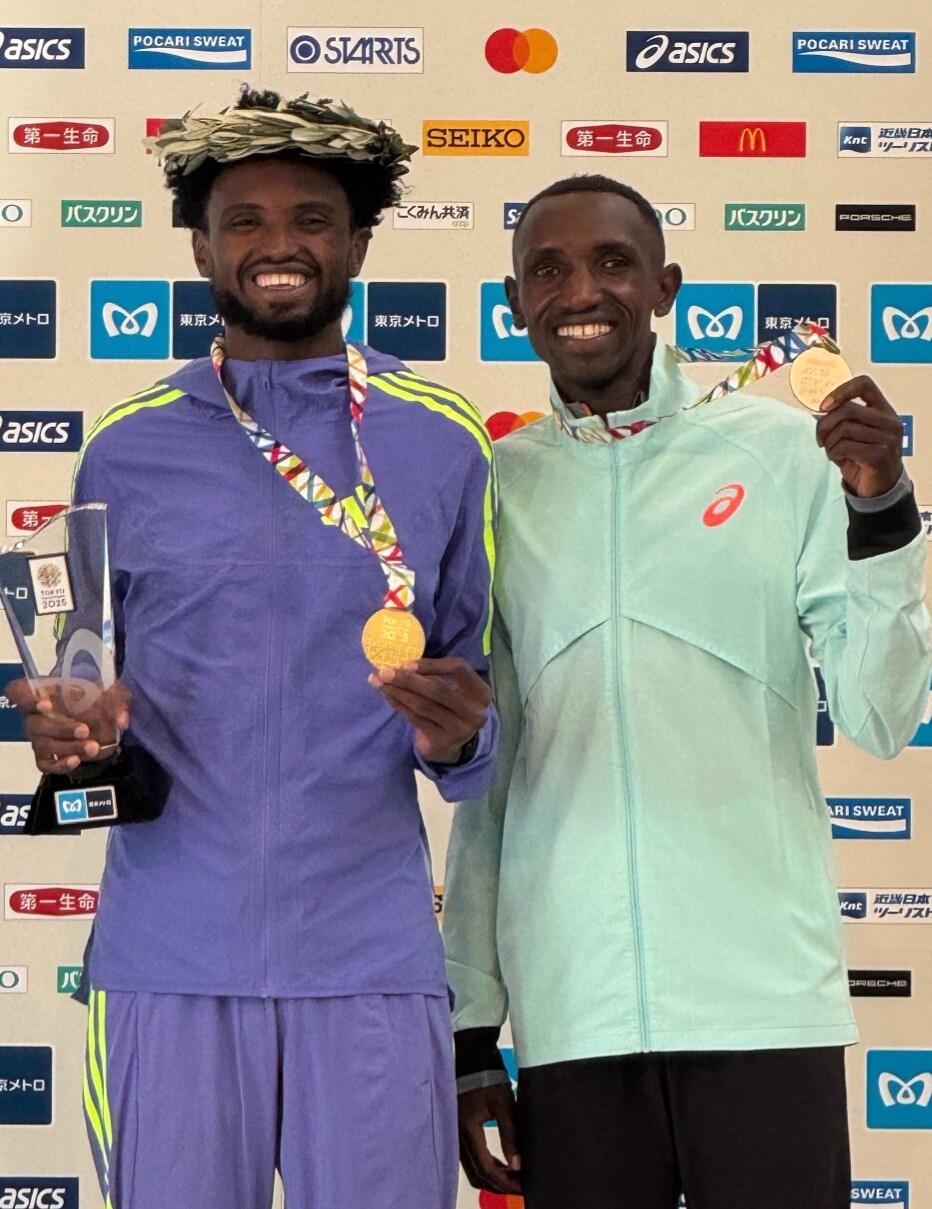
On paper, however, the fastest credentials belong to Timothy Kiplagat and Alexander Mutiso. Kiplagat, runner-up in Tokyo in 2024, owns a personal best of 2:02:55 and has already demonstrated his ability to handle the unique rhythm of this course. Mutiso arrives with the confidence of a major champion after conquering London in 2024, and his 2:03:11 lifetime best positions him squarely among the favorites. When athletes of such caliber collide, races often shift from tactical chess matches to brutal tests of endurance.
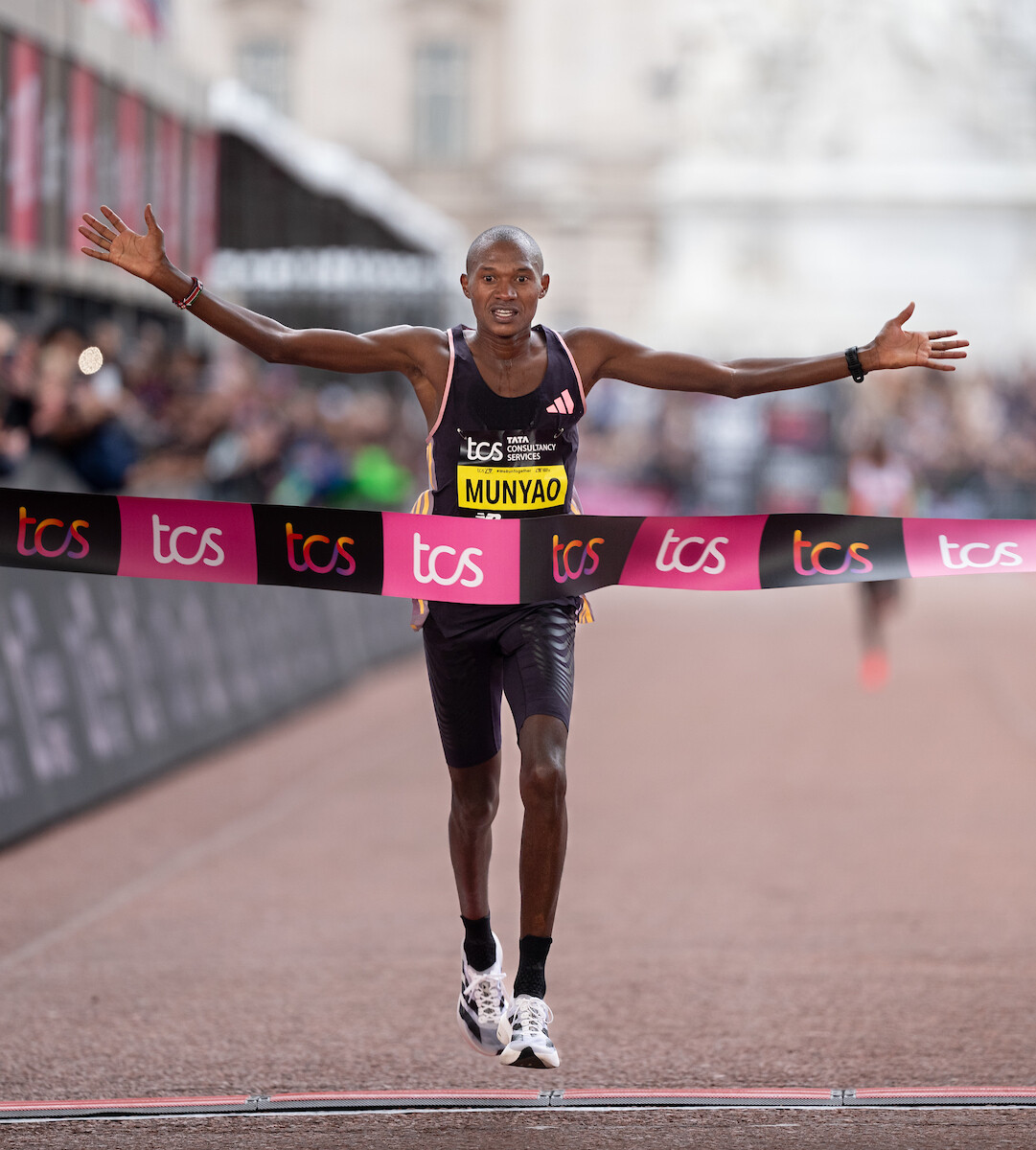
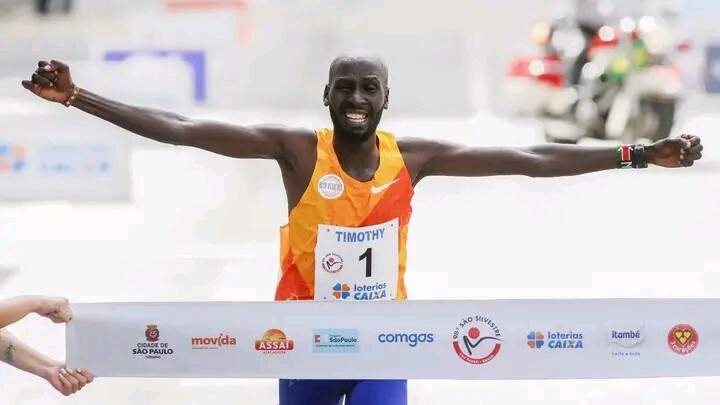
The field’s strength deepens further with global champions. Milkesa Mengesha, winner in Berlin in 2024, brings proven major-winning pedigree, while Chalu Deso returns as a former Tokyo champion eager to reclaim dominance. Olympic and world track star turned marathon force Selemon Barega adds intrigue as well, his 2:05:15 personal best hinting at untapped marathon potential that could surface dramatically on race day.
Japan’s elite contingent may be the most compelling storyline of all. National record holder Suguru Osako leads a formidable home squad that includes former record holder Kengo Suzuki, debut national record setter Ryota Kondo, and Ichiyama. Collectively, they account for four of the nine fastest Japanese marathon performances in history, reflecting the country’s remarkable progression in long-distance running. With the roar of home crowds behind them, the possibility of a historic domestic performance cannot be dismissed.

International depth extends far beyond the headline names. Canadian record holder Cam Levins adds North American firepower, while European challenges come from French record holder Morhad Amdouni and Italy’s world championship bronze medalist Iliass Aouani. Central Asia and East Asia are represented by Uzbekistan’s national record holder Shokhrukh Davlatov and China’s leading contender Peiyou Feng, while Ireland’s national record holder Fearghal Curtin adds further competitive depth.
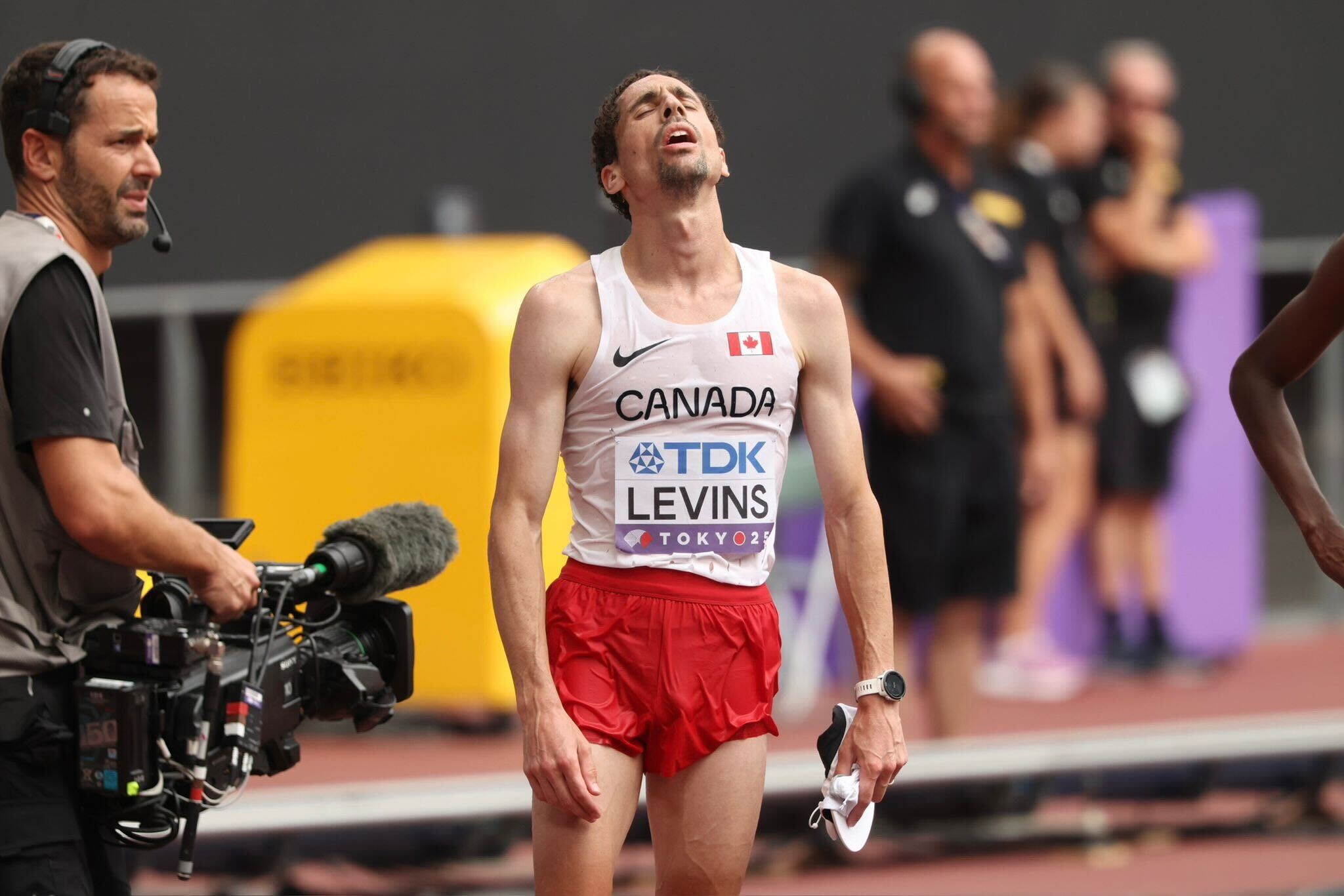
The debut list introduces another layer of unpredictability. Japan-based Kenyan runners Richard Kimunyan and Vincent Yegon will test themselves over the classic distance for the first time, joined by promising collegiate standouts Shinsaku Kudo and Teruki Shimada. Debuts at this level often produce surprises, especially when emerging athletes seize the opportunity to challenge established hierarchies.
With elite entries clustered between 2:02 and 2:05 personal bests—including names like Dawit Wolde and Daniel Mateiko—the margin between victory and obscurity could be measured in seconds. Tokyo has a history of fast times and dramatic finishes, and 2026 promises another chapter worthy of the World Marathon Majors stage.
In a sport where preparation meets uncertainty, this race will ultimately reward not just speed, but courage—the willingness to surge when legs are heavy, to gamble when logic says wait, and to endure when the city’s long avenues seem endless. When the leaders turn toward the finish line, only one athlete will claim the crown, but the journey there may redefine the global marathon landscape.
by Erick Cheruiyot for My Best Runs.
Login to leave a comment
Tokyo Marathon
The Tokyo Marathon is a world-renowned annual marathon held in Tokyo, Japan. As one of the prestigious Abbott World Marathon Majors, it attracts elite and amateur runners from around the globe. The race holds World Athletics Platinum Label status, recognizing its high competitive standards, top-tier organization, and international appeal. Sponsored by Tokyo Metro, the Tokyo Marathon has grown into one...
more...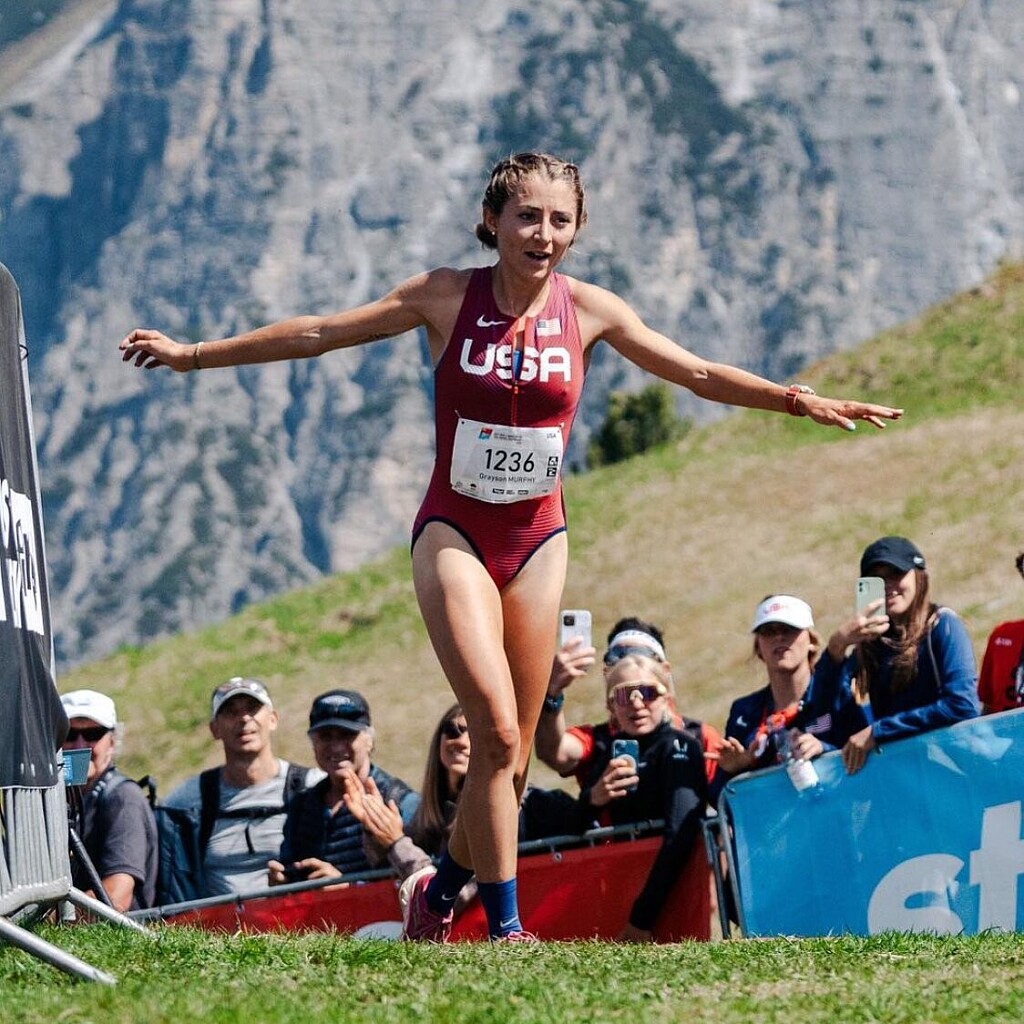
Chasing Summits, Defining Limits: Inside the 2026 World Mountain Running Cup Journey
With only sixty days remaining before the season opener, the anticipation surrounding the 2026 World Mountain Running Cup is reaching a powerful crescendo. Organized by the World Mountain Running Association (WMRA), this global series stands as the pinnacle of competitive mountain running — a demanding arena where athletic precision, endurance, and mental resilience intersect with some of the most dramatic landscapes on Earth.

Mountain running is not merely a sport; it is an encounter between human ambition and vertical terrain. Unlike road racing, where predictability dominates, mountain racing introduces variables that cannot be controlled — altitude, weather volatility, technical descents, and the relentless resistance of gravity. Success belongs not only to the strongest athlete, but to the most adaptable mind.
The 2026 season promises exceptional intensity as elite runners and rising talents converge across multiple continents, competing in three primary formats: Uphill, Up & Down, and Long Distance. Each discipline demands a distinct physiological and tactical approach, ensuring that only the most versatile athletes can contend for the overall title.

From volcanic ridgelines and alpine glaciers to forested mountain corridors and historic highland communities, every race contributes to a narrative larger than sport itself — a celebration of exploration, resilience, and the pursuit of excellence in its purest form.
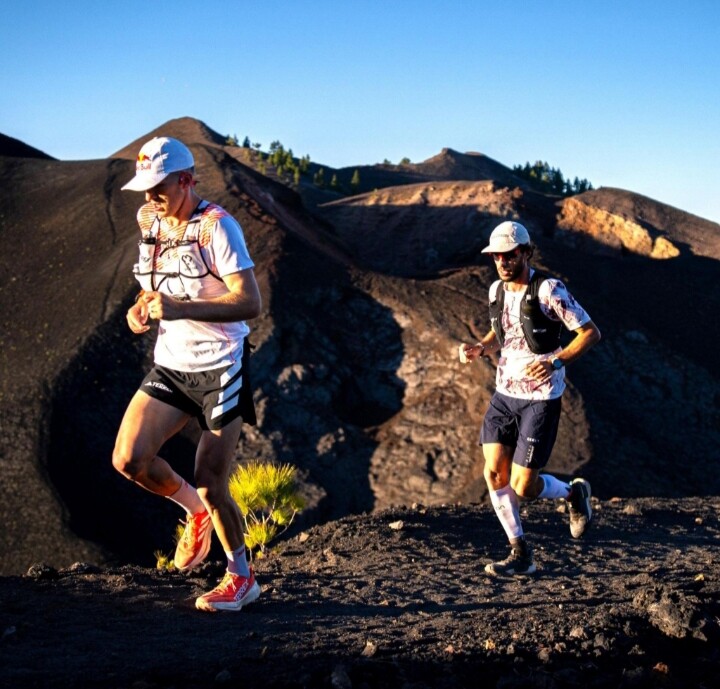
2026 World Cup Race Calendar
19 April — Portugal
São Brás de Alportel Cross — Up & Down
25–26 April — China
Beijing Changping Yanshou Trail Challenge — Uphill | Up & Down
7–9 May — Spain
Transvulcania — Uphill | Long
19–21 June — United States
Broken Arrow Skyrace — Uphill | Long
5 July — Austria
Grossglockner Mountain Run — Up & Down
18–19 July — France
Serre Che Trail Salomon — Uphill | Up & Down
8 August — Switzerland
Sierre-Zinal — Long
5–6 September — Italy
Trofeo Nasego — Uphill | Long
19 September — Poland
Maraton Trzech Jezior — Long Distance Final
10–11 October — Canada
Défi des Couleurs Simard — Uphill | Up & Down (World Cup Finals)
Beyond the competitive rankings, the World Cup embodies a deeper philosophy — trust in preparation, respect for nature, and belief in human potential. Athletes are not simply racing against one another; they are confronting terrain, fatigue, and uncertainty. Every climb becomes a negotiation with physical limits, and every descent demands courage under pressure.
The 2026 circuit also reflects the accelerating global growth of mountain running. Increased participation, improved race organization, and expanding media coverage are propelling the sport into a new era of recognition. For emerging athletes, this season represents opportunity; for established champions, it is a test of legacy.
As the countdown continues, training camps intensify, strategies evolve, and ambitions sharpen. Soon, starting lines will replace anticipation, and preparation will give way to performance.
In mountain running, there are no shortcuts — only the path upward and downward.
by Erick Cheruiyot for My Best Runs.
Login to leave a comment

New York City Returns to the National Spotlight as Icahn Stadium Named Host of 2026 U.S. Outdoor Championships
For the first time in more than three decades, New York City will once again stand at the center of American track and field. USA Track & Field has officially announced that the 2026 U.S. Outdoor Championships will be held at Icahn Stadium from July 23–26, bringing the nation’s top athletes to one of the sport’s most historic and iconic settings.
This announcement marks a significant shift for the championships, which in recent years have been closely associated with Eugene, Oregon. Since 2021, Eugene—home of Hayward Field—has served as the primary stage for the national championships, reinforcing its reputation as TrackTown USA. Now, the move to New York signals both a return to the sport’s roots and a renewed commitment to expanding track and field’s visibility in major metropolitan centers
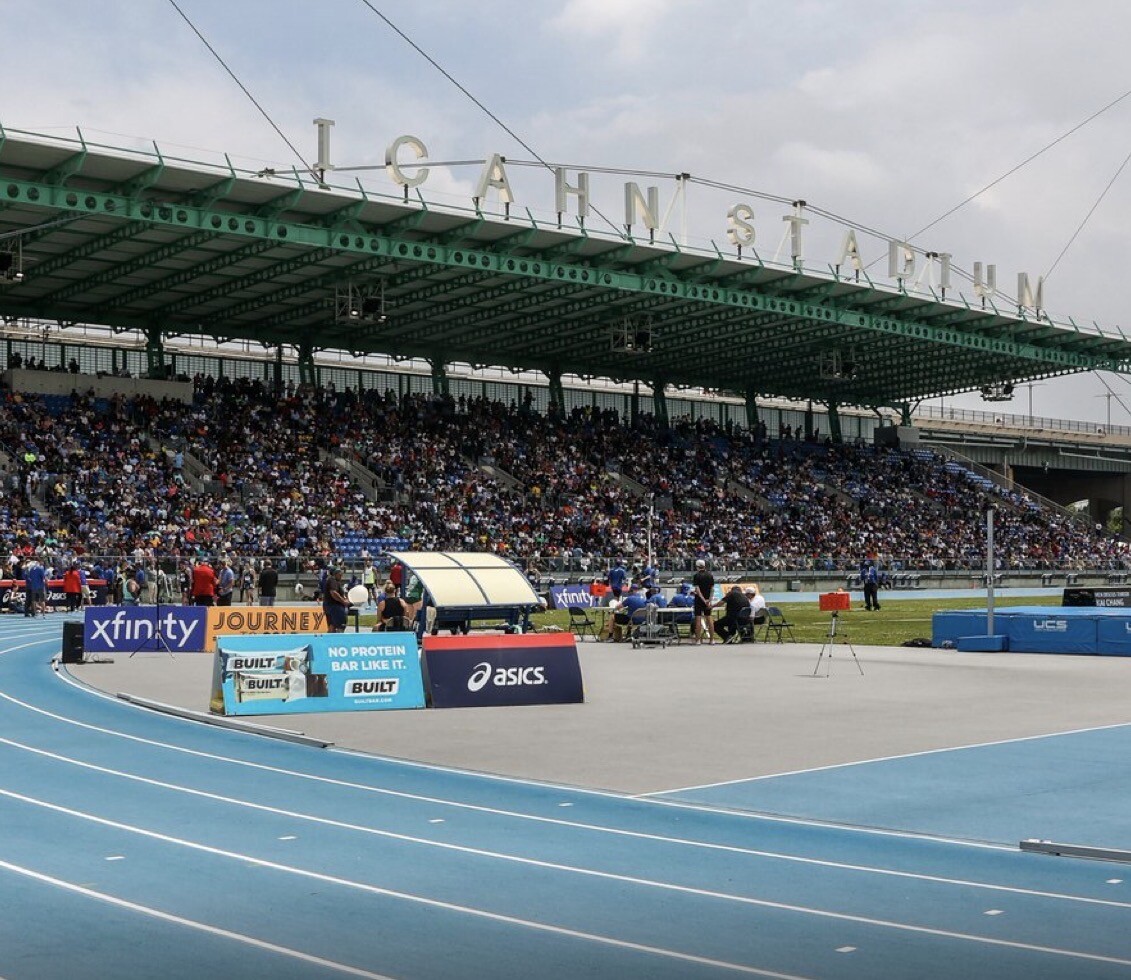
Icahn Stadium, located on Randall’s Island, is no stranger to elite competition. The venue has hosted numerous international meets, including Diamond League events, and has earned a reputation for producing fast times and memorable performances. Its IAAF Class 1 certification and world-class facilities make it a fitting location for the country’s premier outdoor championship.
The 2026 championships will also carry major significance beyond national titles. The meet will serve as a key proving ground for American athletes preparing for future global competitions, with many using the event to establish momentum heading into the 2027 World Championships cycle.
New York City has a rich but underappreciated history in U.S. track and field. The last time the city hosted a national outdoor championship was in 1991 at Downing Stadium, making the 2026 event a historic return after 35 years. Bringing the championships back to New York reconnects the sport with one of the world’s great athletic capitals and offers a powerful opportunity to inspire a new generation of athletes and fans.
Meanwhile, Eugene’s role remains firmly intact. USA Track & Field has confirmed that the 2027 U.S. Outdoor Championships will return to Eugene, where the team for the 2027 World Championships in Beijing, China, will be selected. This dual-city approach reflects the sport’s growing national footprint while honoring both tradition and innovation.
For athletes, the 2026 championships in New York will represent more than a national competition—it will be an opportunity to perform on one of the sport’s biggest domestic stages, in front of a diverse and passionate audience. For fans, it will be a rare chance to witness America’s best runners, jumpers, and throwers competing in the heart of one of the world’s most dynamic cities.
The return of the U.S. Outdoor Championships to New York City marks a historic moment—one that connects past and present, celebrates the sport’s national reach, and reminds the world that track and field belongs on the biggest stages.
by Bob Anderson for My Best Runs
Login to leave a comment
If the Dubai Marathon had a theme song, it would be the Ethiopian national anthem
Once again, “March Forward Dear Mother Ethiopia” echoed across the Dubai Police Academy start–finish area as Ethiopian runners swept both titles at the race’s 25th anniversary edition. Nibret Melakwon the men’s race in 2:04:00, and Anchinalu Dessie captured the women’s crown in 2:18:31, pushing Ethiopia’s all-time Dubai tally to 18 men’s and 19 women’s victories.
Melak’s debut was decisive and fearless.
A large pack of 20 hit halfway in 62:07 and stayed together until the final pacemaker stepped aside at 35K. As the pace stalled and contenders hesitated, Melak attacked. A 3:00 36th kilometer was followed by a surge 10 seconds faster — a move no one could match. He opened a clear gap and never looked back, finishing nearly two minutes ahead of training partner Yasin Haji (2:05:52). Rwanda’s John Hakizimana took third in 2:06:04, breaking his national record.
“I didn’t know what to expect in my first marathon,” Melak said. “My coach believed I could run 2:03. I waited for the right moment and went.”
On the women’s side, Dessie continued a perfect streak. Three marathons, three wins.
After victories in Seville and Beijing, she delivered her fastest yet in Dubai, slicing more than three minutes off her best. She battled compatriot Muliye Dekebo deep into the race before pulling away late. Dekebo rallied for second in 2:18:43, while Fantu Worku finished third in 2:19:08.
Conditions helped: 14°C (57°F) at the start, among the coolest in race history.
For Ethiopia, it was simply another chapter in a story that keeps repeating — strength, patience, and a well-timed surge when it matters most.
Results
Men
1. Nibret Melak (ETH) – 2:04:00
2. Yasin Haji (ETH) – 2:05:52
3. John Hakizimana (RWA) – 2:06:04
4. Molalign Fantahun (ETH) – 2:06:48
5. Gizealew Ayana (ETH) – 2:06:48
6. Jiregna Geleta (ETH) – 2:06:57
7. Berehanu Tsegu (ETH) – 2:07:13
8. Gadissa Tafa (ETH) – 2:07:51
9. Dechasa Alemu (ETH) – 2:08:21
10. Belay Bezabeh (ETH) – 2:08:23
Women
1. Anchinalu Dessie (ETH) – 2:18:31
2. Muliye Dekebo (ETH) – 2:18:43
3. Fantu Worku (ETH) – 2:19:08
4. Tiringo Mulu (ETH) – 2:21:12
5. Maritu Ketema (ETH) – 2:21:25
6. Askale Alemaheyu (ETH) – 2:22:56
7. Aberash Shilima (ETH) – 2:23:04
8. Fantu Shugi (ETH) – 2:23:29
9. Elifinesh Demise (ETH) – 2:23:30
10. Abebech Afework (ETH) – 2:23:52
by Race News Service
Login to leave a comment
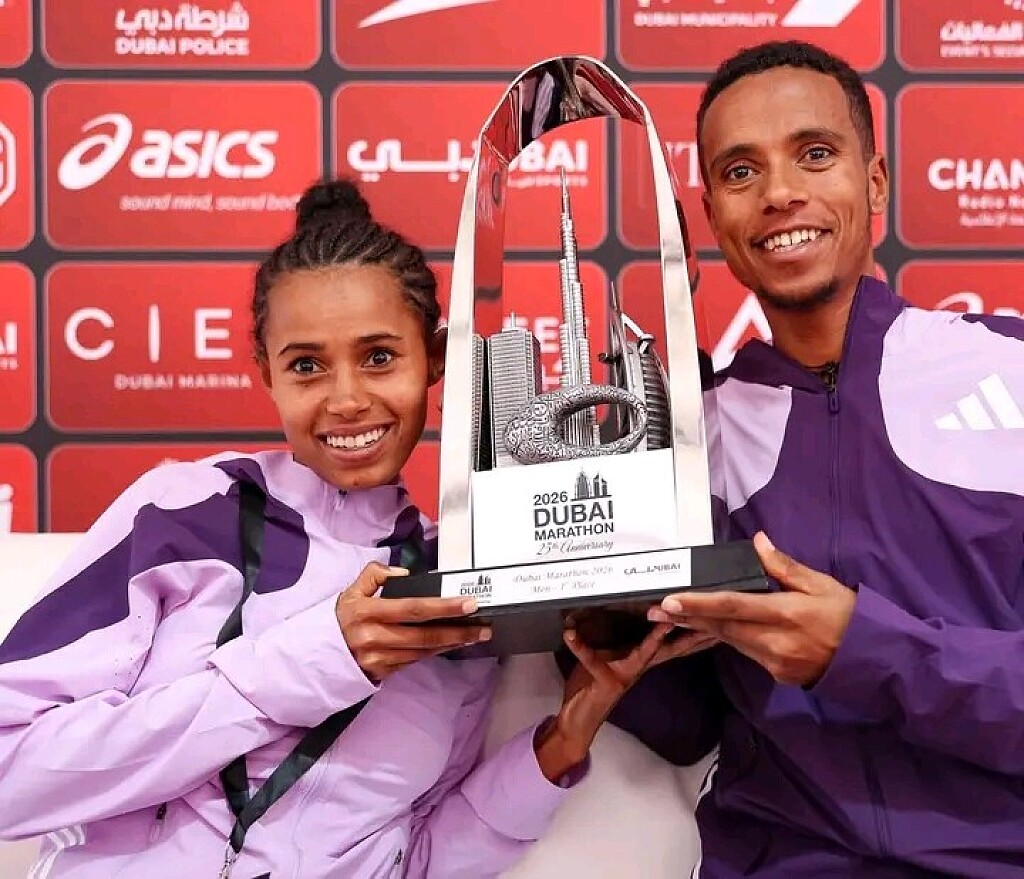
Heat, Grit and Glory: Dubai Marathon 2026 Delivers a World-Class Show
The streets of Dubai became a true arena of endurance and excellence as the 2026 Dubai Marathon unfolded under punishing heat and humidity. In conditions that demanded not only physical strength but also tactical intelligence, the world-class field delivered a performance worthy of one of the globe’s most respected road races, turning adversity into a showcase of resilience and elite competition.
In the men’s marathon, Ethiopia’s Nibret Melak emerged as the undisputed star of the day. Calm, calculated, and commanding, Melak controlled the race from the early stages before asserting his dominance when it mattered most, crossing the finish line in a brilliant 2:04:00. It was a performance defined by patience and precision, sealing a memorable victory on Dubai’s demanding course. Fellow Ethiopian Yasin Haji followed with a strong and consistent run to take second place in 2:05:52, while Rwanda’s John Hakizimana produced a courageous display to secure third in 2:06:04, earning a landmark podium finish for his nation.
The depth of competition was evident throughout the top ten, with Ethiopian athletes filling much of the leading pack in a tightly contested race where margins were razor thin. Molalign Fantahun and Gizealew Ayana finished together in 2:06:48, closely followed by Jiregna Geleta, Berehanu Tseku, Gadissa Tafa, Dechasa Alemu, and Belay Bezabeh, all of whom battled relentlessly through the oppressive conditions to deliver high-quality performances.
The women’s marathon matched the intensity of the men’s race and added a powerful chapter to the day’s narrative. Ethiopia swept the podium in commanding fashion, led by Anchinalu Dessie, who claimed victory in 2:18:31 after executing a perfectly balanced race that combined control with decisive strength in the latter stages. Muliye Dekebo kept the pressure on throughout, finishing a close second in 2:18:42 following a determined and disciplined pursuit. Completing the clean sweep was Fantu Worku, whose resilience carried her to third place in 2:19:08, rounding out an all-Ethiopian podium that highlighted the nation’s enduring dominance in the marathon.
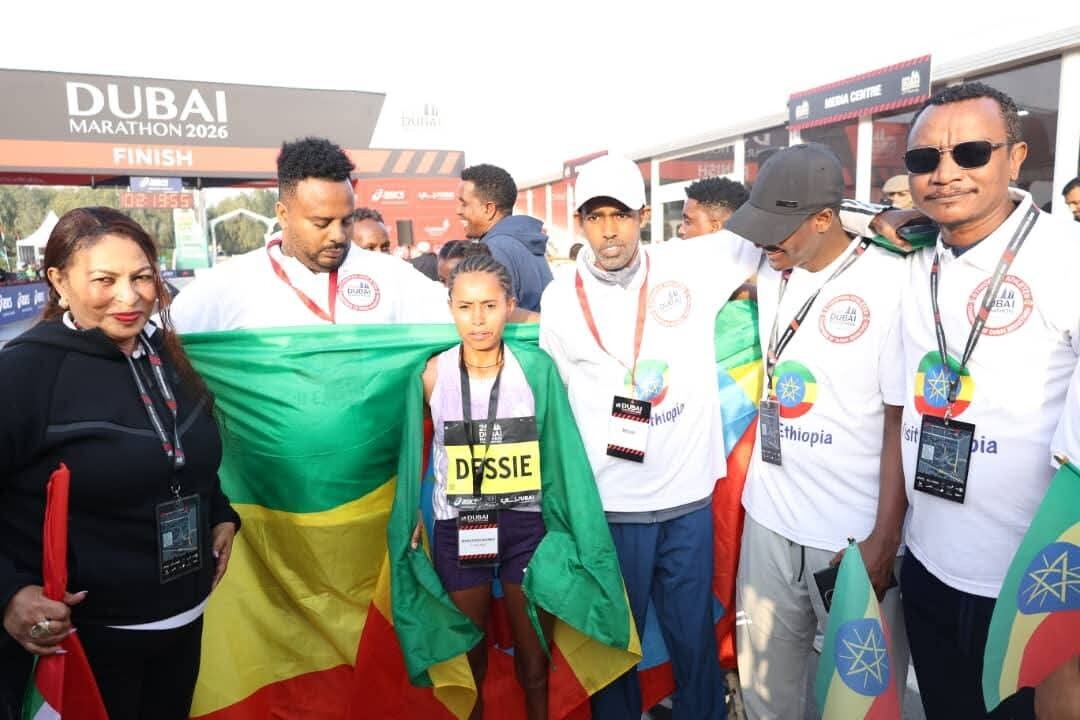
Beyond the podium, the scale of Ethiopia’s dominance in the women’s race was extraordinary. Ethiopian runners occupied all positions in the top ten, a complete sweep that underscored the nation’s unmatched depth, preparation, and tactical awareness in women’s marathon running. From the front to the chasing pack, the consistency of pace and composure under extreme conditions painted a clear picture of a system producing excellence at every level.
As the final runners crossed the line, Dubai Marathon 2026 stood as a celebration of grit, strategy, and world-class athleticism. In extreme conditions, champions rose, national pride was on full display, and the global running community witnessed performances that reaffirmed Dubai’s place among the elite events on the international marathon calendar.
by Erick Cheruiyot for My Bestruns.
Login to leave a comment

Dubai Marathon
In its relatively brief history (the race was first held in 2000), the Dubai Marathon has become one of the fastest, most respected and the most lucrative marathon in the world in terms of prize money. Each year thousands of runners take to the roads in this beautiful city in the United Arab Emirates (UAE) for this extraordinary race starting...
more...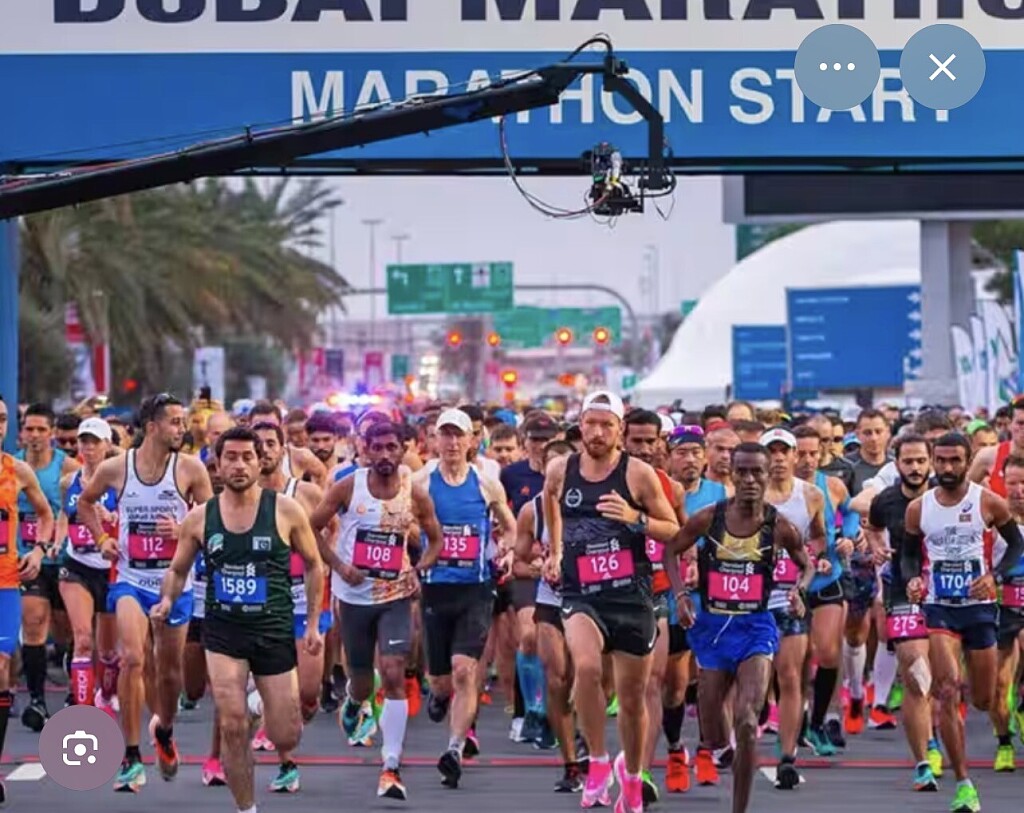
Dubai at 25: A Proven Launchpad for Ethiopian Marathon Greatness
When the Dubai Marathon made its debut at the turn of the 21st century, the city itself was still compact—just a few square kilometres around the centuries-old trading settlement of Dubai Creek. Fewer than 200 runners lined up for that first marathon, with several hundred more opting for the half-marathon.
A quarter century later, Dubai has expanded dramatically toward Abu Dhabi, its metro stretching to the edges of the desert. The marathon has grown just as impressively, now standing as one of the world’s most prominent road races, drawing thousands across the marathon, 10K, and 4K events.
In its early years, winning times were respectable but modest—around 2:10 for men and the mid-2:30s for women. That changed decisively in 2008, when race director Peter Connerton and his partner Ahmad Al Kamali brought world record holder Haile Gebrselassie to Dubai for three consecutive years. Haile’s first appearance alone lowered the course record by more than five minutes, instantly propelling Dubai into the top tier of global marathons.
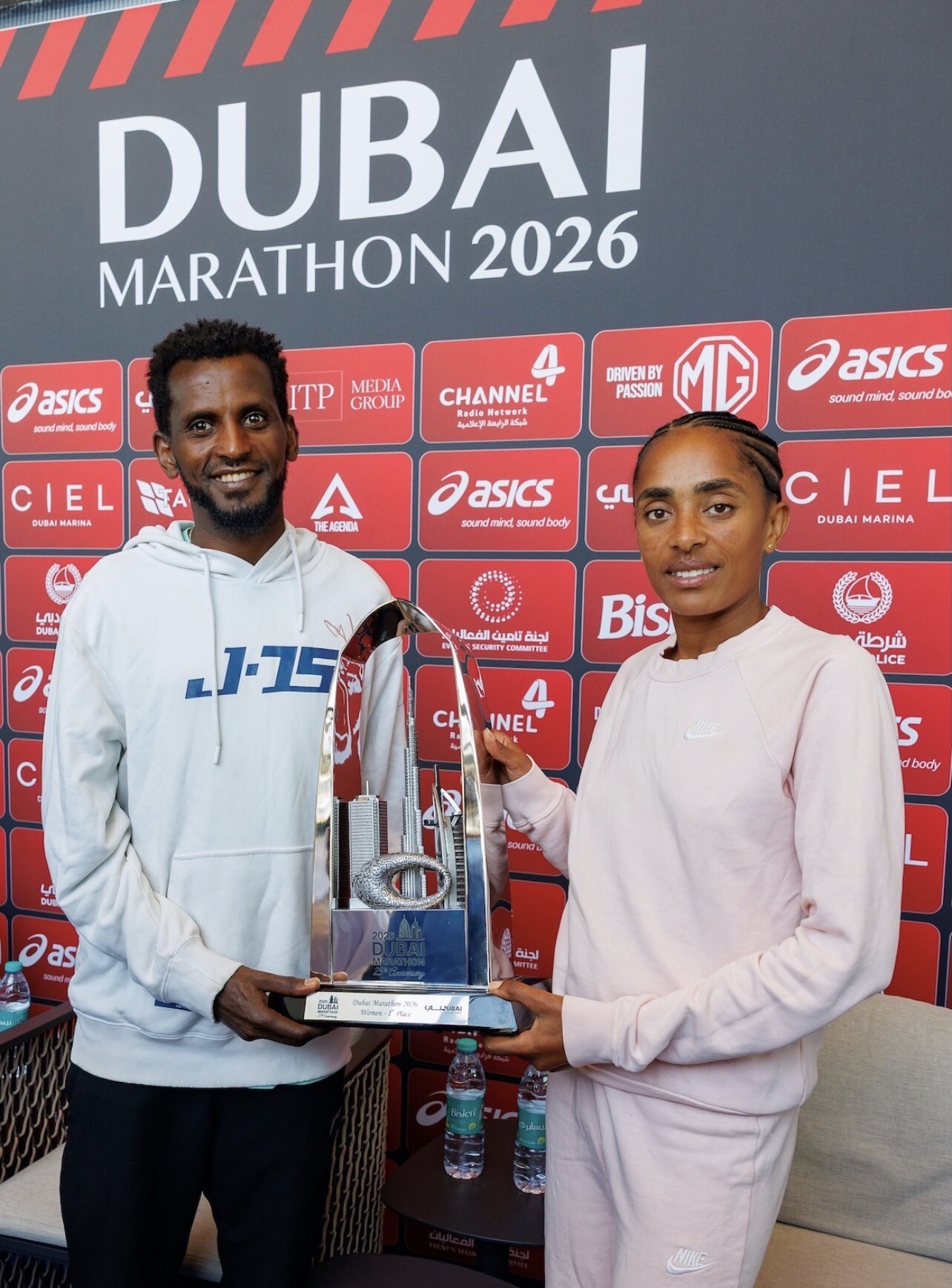
As the focus shifted toward debut runners, the race continued to redefine what was possible. In 2012, on a record-eligible course, four men finished under 2:05, ten under 2:07, and 17 under 2:10, while three women broke 2:20—achievements that came before supershoes and modern performance supplements pushed times even further.
Dubai’s reputation as a launchpad for greatness was reinforced in 2014, when 18-year-old Tsegaye Mekonnen of Ethiopia stunned the field with a debut victory in 2:04:32, an unofficial junior world record. In 2018, seven men broke 2:05 and four women dipped under 2:20—both unprecedented at the time. A year later, Ruth Chepngetich of Kenya claimed victory in 2:17:08, then the third-fastest women’s marathon ever, while Ethiopia’s Getaneh Molla won the men’s race in 2:03:34, setting a course record that still stands.
Time and again, Ethiopian runners have used Dubai’s exceptionally fast course—its total elevation change is only a few metres—as a springboard to world-class success. Remarkably, the men’s race has been won by debutants five times in a row. Two years ago, Tigist Ketema delivered another standout debut, winning the women’s race in a course-record 2:16:07, an unofficial debut world record that remains intact.
Several Dubai champions have gone on to achieve global success. Lelisa Desisa later became the 2019 Marathon World Champion, while Tamirat Tola captured Olympic gold in 2024. Dubai’s influence has also helped spark the growth of other major regional races, including the Abu Dhabi Marathon and the Ras Al Khaimah Half Marathon, now under the same management.
Sunday’s 25th-anniversary edition marks a milestone that reflects both longevity and resilience. The pandemic forced a two-year pause, but the event has re-established itself with strong prize money—$80,000 for the men’s and women’s winners—and performances that continue to rank among the world’s best.
Conditions appear ideal this year. With an earlier elite start time of 5:45 a.m., temperatures are expected to hover around a cool 16°C. Ethiopia’s Fantu Worku, who ran 2:21:57 in her Berlin debut four months ago, will welcome the change after racing in much warmer conditions. On the men’s side, Gadisa Birhanu arrives with a personal best of 2:04:59 from his 2023 Seville victory and a clear objective: contend for the win on one of the fastest marathon stages in the world.
A live stream of the Dubai Marathon will be available on race morning via the event’s official website.
Favourites with Personal Bests
Men
• Gadisa Birhanu (ETH) – 2:04:59
• Berehanu Tesgu (ETH) – 2:05:24
• Abera Kuma (ETH) – 2:05:50
• Deribe Robi (ETH) – 2:05:58
• Hailu Zewdu (ETH) – 2:06:31
• Belay Bezabeh (ETH) – 2:06:58
• Gadissa Tafa (ETH) – 2:07:02
• Gizealew Ayana (ETH) – 2:07:15
• Yasin Haji (ETH) – 2:07:45
• Nibret Melak (ETH) – Debut
• Semachw Sewnet (ERI) – Debut
Women
• Mimi Belete (BRN) – 2:21:22
• Fantu Worku (ETH) – 2:21:57
• Anchinalu Dessie (ETH) – 2:22:17
• Tigst Getnet (ETH) – 2:23:17
• Abebech Afework (ETH) – 2:23:33
• Sofia Assefa (ETH) – 2:23:33
• Zinash Mekonen (ETH) – 2:24:55
• Muliye Dekebo (ETH) – 2:25:35
• Maritu Ketema (ETH) – 2:25:55
• Tadelech Bekele (ETH) – 2:26:23
• Lemlem Hailu (ETH) – No mark
• Alemaddis Eyayu (ETH) – Debut
• Aberash Shilima (ETH) – Debut
by Race News Service
Login to leave a comment
Dubai Marathon
In its relatively brief history (the race was first held in 2000), the Dubai Marathon has become one of the fastest, most respected and the most lucrative marathon in the world in terms of prize money. Each year thousands of runners take to the roads in this beautiful city in the United Arab Emirates (UAE) for this extraordinary race starting...
more...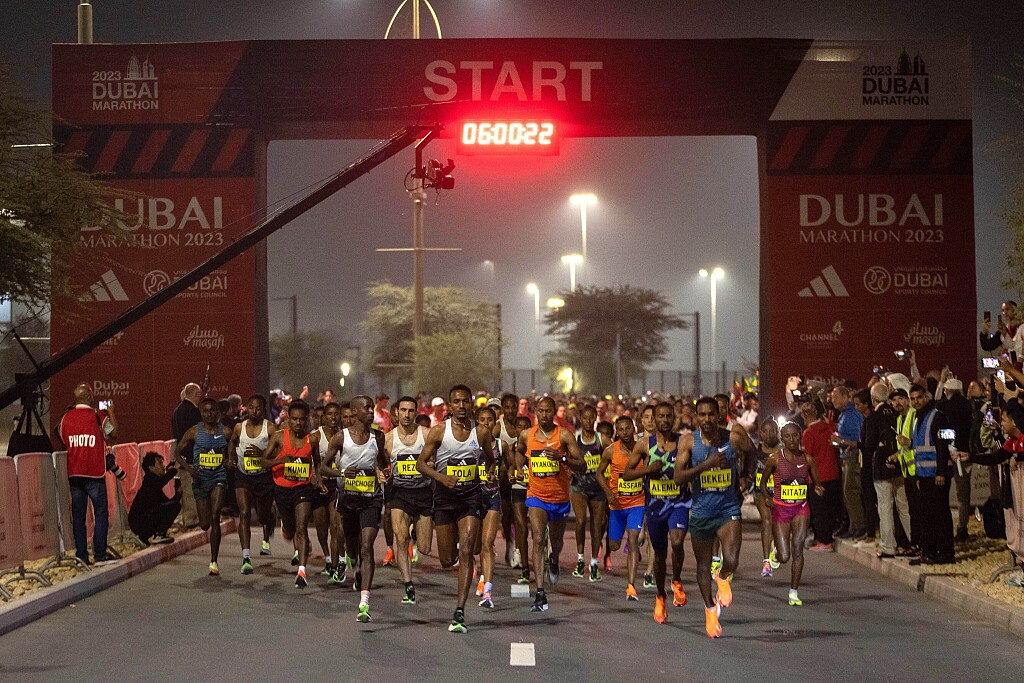
Dubai Awaits a World-Class Marathon Morning as Elite Stars Chase Speed and Glory
Dubai is set to wake up to world-class distance running on Sunday, February 1, 2026, as an outstanding elite field lines up for one of the fastest and most anticipated marathons on the global calendar. Known for its smooth roads, cool early-morning conditions, and history of exceptional performances, the Dubai Marathon once again offers the perfect stage for the world’s best to chase fast times and major victories.
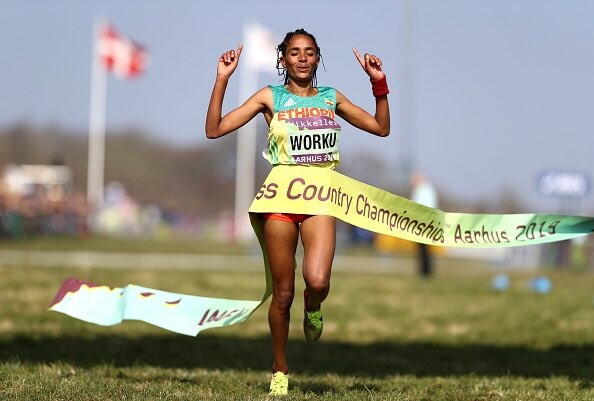
Leading the women’s race is Ethiopia’s Fantu Worku, who arrives with a personal best of 2:21:57 and the confidence of an athlete well accustomed to performing on big occasions. She will be closely challenged by compatriot Anchinalu Dessie (2:22:17), whose consistency and strength over the full distance make her a serious threat. Also in the mix are Tigist Getnet (2:23:17) and Abebech Afework (2:23:33), two experienced runners capable of turning a fast early pace into a decisive late-race move if conditions remain favorable.
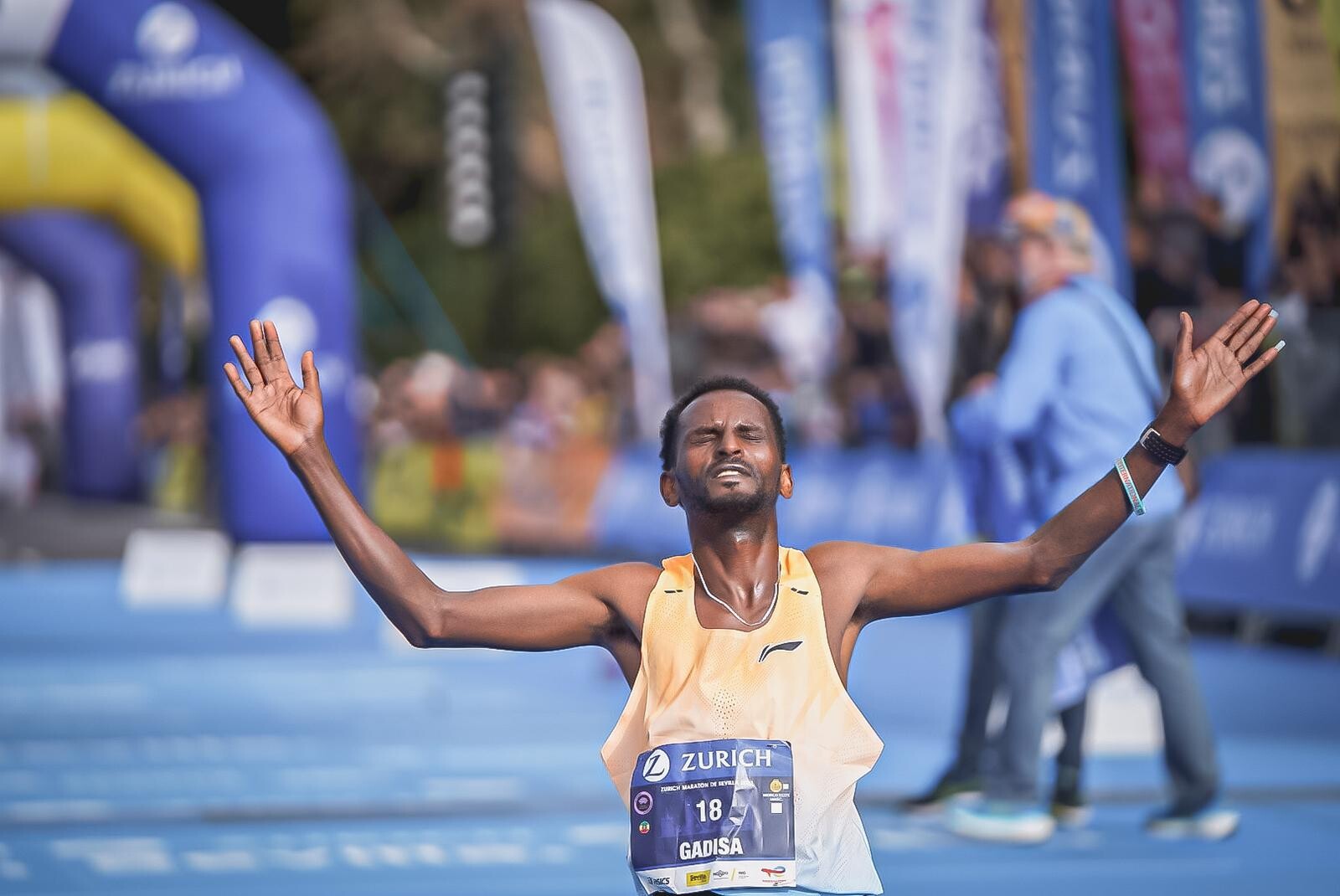
The men’s elite contest promises equal intensity and speed. Gadisa Birhanu of Ethiopia headlines the field with a formidable personal best of 2:04:59, underlining his status as one of the quickest marathoners in the world. Fellow Ethiopian Berehanu Tsegu (2:05:14) brings aggressive racing instincts, while Kenya’s Eric Kiptanui (2:05:47) adds depth and international rivalry to the field. Completing a formidable leading group is Abera Kuma (2:05:50), another athlete well positioned to capitalize if the race unfolds at a relentless tempo.
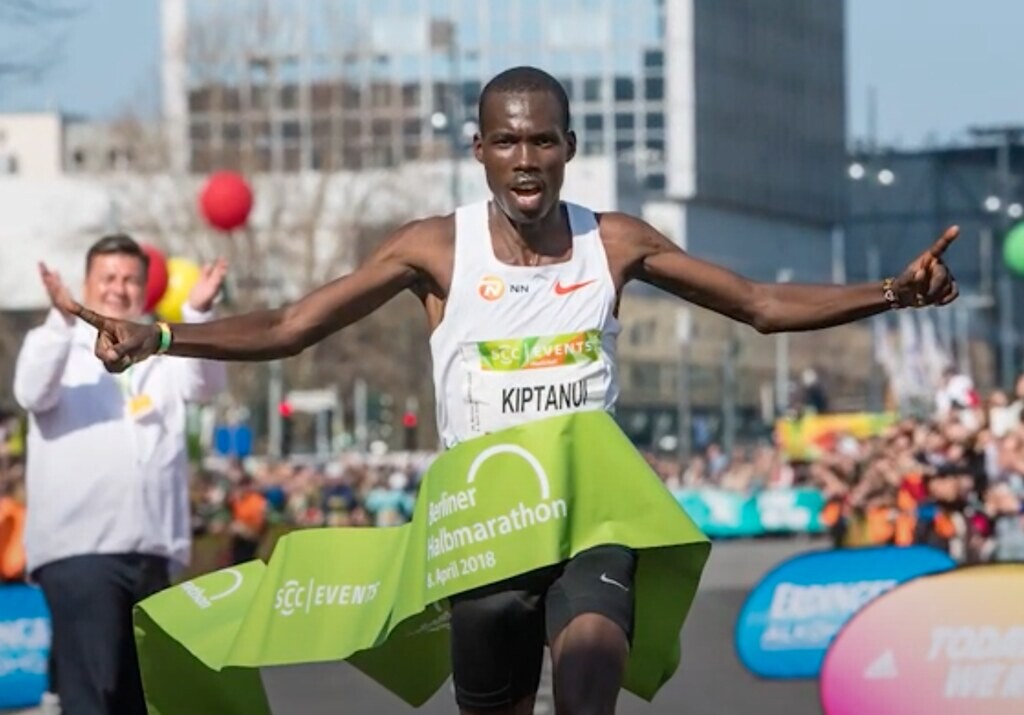
The race begins at 5:45 AM local time in Dubai, a start designed to maximize performance under cool conditions. Fans across Africa will be watching from 4:45 AM, while audiences in the United States can follow the action on Saturday evening at 5:45 PM Pacific Time, as the marathon unfolds across time zones.
With a lineup stacked with proven performers and emerging contenders, the 2026 Dubai Marathon is set to deliver a showcase of speed, endurance, and tactical racing at the highest level. As dawn breaks over the city, the world’s fastest athletes will chase excellence on the road, reaffirming Dubai’s place as a true home of elite marathon running.
by Erick Cheruiyot for My Bestruns.
Login to leave a comment
Dubai Marathon
In its relatively brief history (the race was first held in 2000), the Dubai Marathon has become one of the fastest, most respected and the most lucrative marathon in the world in terms of prize money. Each year thousands of runners take to the roads in this beautiful city in the United Arab Emirates (UAE) for this extraordinary race starting...
more...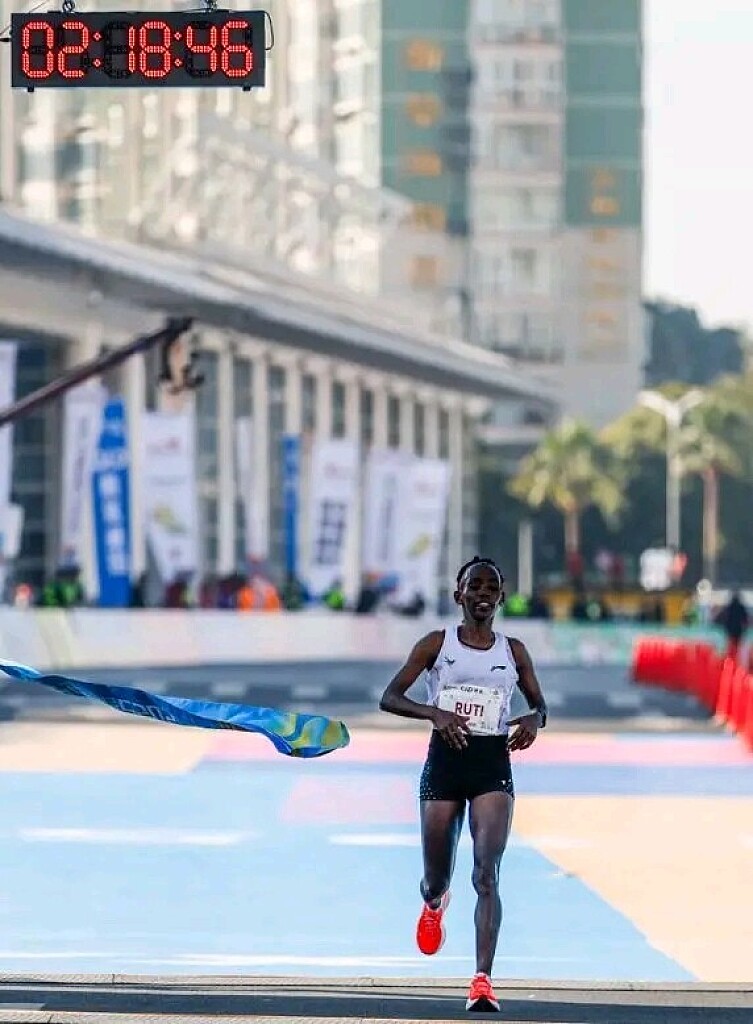
Ruti Aga Sora Headlines a Powerful Women’s Field at the 2026 Xiamen Marathon
The international road racing calendar turns its focus to Asia as Ethiopia’s consistent and battle-tested marathoner Ruti Aga Sora arrives in China for the 2026 Xiamen Marathon, scheduled for January 11 in the coastal city of Xiamen China. Known for her ability to deliver strong performances year after year, Sora enters the race carrying both experience and expectation in one of the deepest women’s elite fields seen at the event.
With a personal best of 2:16:34, Sora stands as the fastest athlete in the line-up. Beyond the numbers, her greatest strength lies in how she manages championship races—patient in the early stages, composed through the middle miles, and decisive when fatigue begins to shape the outcome. That racing intelligence could prove decisive on a course that often rewards control as much as speed.
She will be challenged by a powerful group of elite runners, led by fellow Ethiopians Megertu Alemu (2:18:09) and Meseret Abebayehu (2:19:50), alongside Fikrte Wereta Admasu (2:21:32). Kenya’s challenge is equally compelling, with Helah Jelagat Kiprop (2:21:27), Stacy Jepkemoi Ndiwa (2:23:29), and Mercy Jerop Kwambai (2:23:58) all capable of influencing the race if the pace remains honest deep into the final kilometers. On paper, the depth suggests a controlled opening followed by an increasingly tactical battle as the field thins.
The race will start at 7:30 AM local time in China, which corresponds to 2:30 AM in Kenya and 3:30 PM Pacific Time in the United States, allowing fans across multiple continents to follow the action live. Xiamen’s growing reputation as a fast and competitive marathon makes it an ideal setting for elite athletes seeking both performance and prestige.
As the kilometers unfold along Xiamen’s coastal roads, experience will collide with ambition. East Africa’s dominance in women’s marathon running once again takes center stage, but the outcome will be decided not by reputations or personal bests, but by resilience after 30 kilometers. When the finish line finally comes into view, only one athlete will claim victory—but every contender will be pushed to the limit.
by Erick Cheruiyot for My Bestruns.
Login to leave a comment
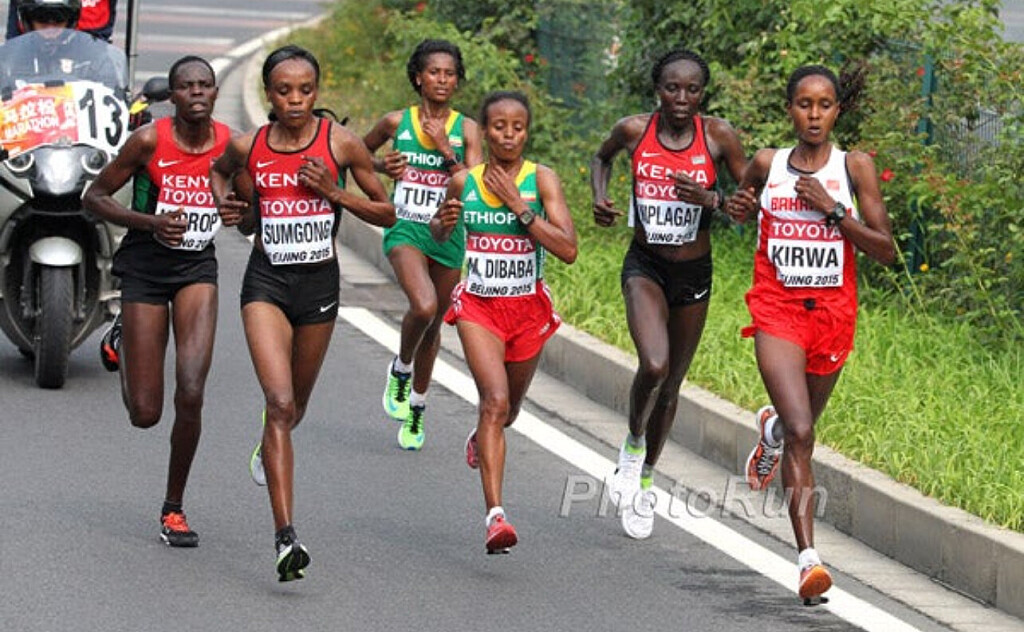
Women’s Marathon Power by Nation: What the Fastest Times Ever Reveal About Global Depth
When we talk about greatness in the women’s marathon, records and medals often dominate the conversation. A world record here, an Olympic podium there. But those moments, as extraordinary as they are, don’t always tell the full story.
A deeper question matters just as much:
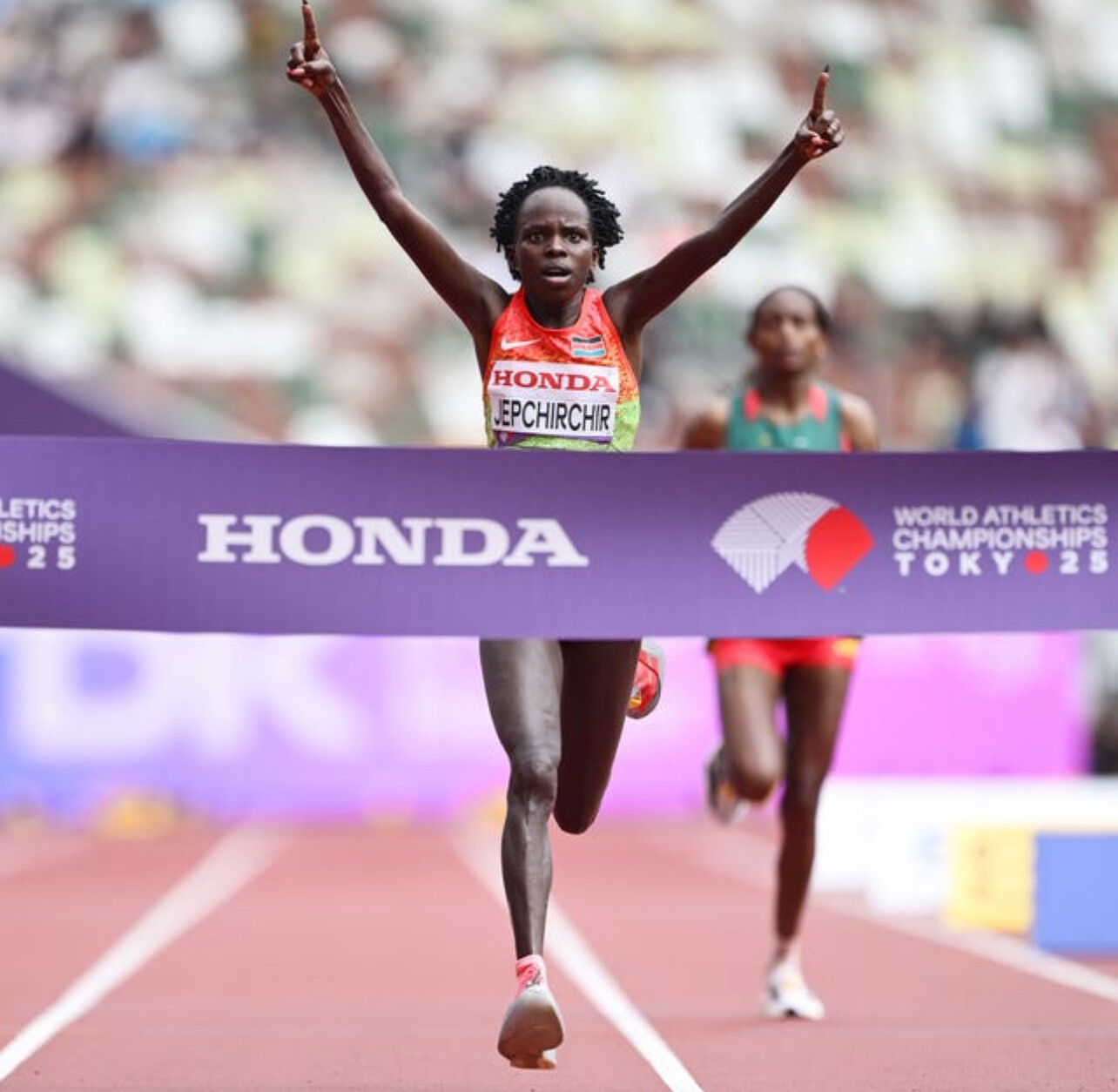
Which countries consistently produce elite women marathoners—year after year, athlete after athlete?
To answer that, analysts have stepped away from single seasons and headline performances and instead examined historical depth. The result is a ranking based on the average of the 10 fastest women’s marathon times ever recorded by each country, compiled as of December 31, 2025.
This is not about who ran best in 2025.
This is about who has built lasting excellence.
How the Rankings Were Calculated
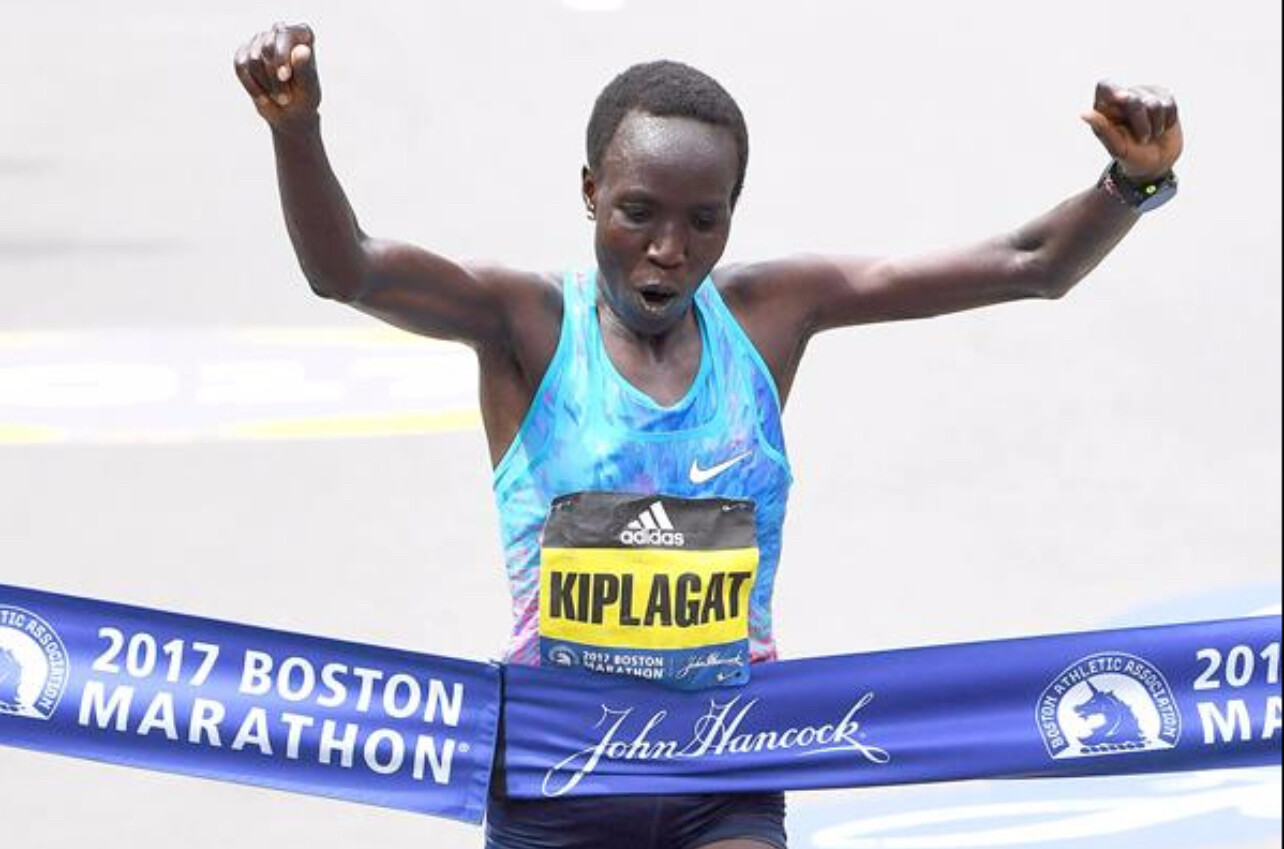
For each country:
• All women’s marathon performances in the historical record were reviewed
• The 10 fastest marathon times ever recorded by women from that country were identified
• Those ten times—regardless of year—were averaged
• The resulting figure represents that country’s all-time marathon depth
The year a performance occurred does not matter. An athlete needed only to run a marathon once to be included, as long as the time ranked among the nation’s fastest ten ever.
This approach shifts the lens from short-term form to long-term system strength.
A Dead Heat at the Top
At the summit of women’s marathon history sit two familiar giants—and they are inseparable.
Ethiopia and Kenya, both averaging 2:17:10, are tied at the top.
This is not the work of a single superstar. It reflects ten separate performances from each nation that, when averaged, would place comfortably on the podium at nearly any major marathon in the world. It is dominance built on depth—high-altitude environments, strong road-racing cultures, and generations of knowledge passed forward.
Japan and the United States: Different Systems, Similar Results
Behind the East African leaders, Japan (2:23:14) and the United States (2:23:39) stand out.
Japan’s strength comes from a uniquely structured system: corporate teams, deep domestic racing calendars, and an enduring cultural reverence for distance running. The consistency is remarkable.
The United States, by contrast, reflects a more decentralized model—athletes emerging from NCAA programs, professional training groups, and a growing focus on marathon specialization. The result is increasing depth at the elite level, even without a single dominant pipeline.
Europe’s Collective Strength
Europe does not produce women’s marathoners in quite the same numbers as East Africa, but its breadth is unmistakable.
Great Britain, Germany, the Netherlands, France, Spain, and others cluster tightly in the mid-2:20 range. No single nation dominates the continent, but together they form a strong competitive core, driven by improved sports science, professional racing opportunities, and increased global exposure.
Expanding Global Reach
One of the most telling aspects of this ranking is how widely excellence is distributed.
From Australia to China, from Bahrain to Peru, competitive women’s marathon running is no longer confined to a handful of regions. National programs, migration, dual citizenship, and professional opportunities have reshaped the global map.
Even countries lower on the list demonstrate something important: producing ten world-class marathon performances is no longer rare—it is becoming achievable.
Why This Ranking Matters
This list is not meant to replace medals, championships, or seasonal rankings. Instead, it complements them by answering a different question:
Who has built a system capable of producing elite marathon performances over time?
By focusing on all-time best performances rather than a single season, the rankings reward:
• Development, not just talent
• Consistency, not just peaks
• Depth, not just stars
In the modern era of women’s marathon running, that depth is what sustains greatness.
The Bigger Picture
The women’s marathon has never been deeper, more global, or more competitive than it is today. And as more countries invest in athlete development, the next reshuffling of this list may come from unexpected places.
What will not change is the lesson this ranking makes clear:
Greatness in the marathon is not built in one race or one year—it is built over generations.
Countries Included in This Ranking (with Average Times)
The following countries are represented in the women’s marathon depth analysis, based on the average of their 10 fastest women’s marathon performances ever recorded, compiled as of December 31, 2025:
• Ethiopia — 2:17:10
• Kenya — 2:17:10
• Japan — 2:23:14
• United States — 2:23:39
• Bahrain — 2:24:34
• Great Britain — 2:25:28
• Australia — 2:25:53
• China — 2:26:31
• Germany — 2:26:43
• Morocco — 2:26:43
• Netherlands — 2:27:56
• North Korea — 2:27:29
• France — 2:28:04
• Spain — 2:28:13
• Russia — 2:31:18
• Peru — 2:32:25
• Canada — 2:33:19
• South Korea — 2:33:19
• Poland — 2:35:01
• Sweden — 2:35:16
by Boris Barron
Login to leave a comment
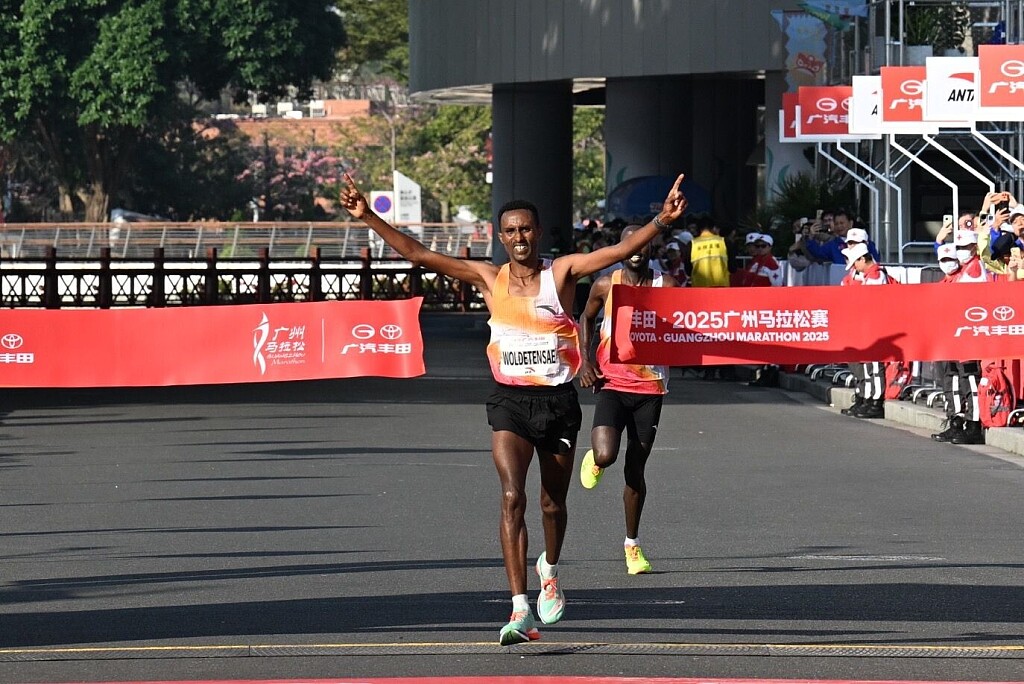
Ethiopian, Kenyan and Chinese Stars Shine at the Guangzhou International Marathon
Held in Guangzhou, the 2025 Guangzhou International Marathon brought 26,000 runners to the streets of southern China on December 21, unfolding beneath a crisp Lingnan sunrise at Tianhe Sports Center. From elites hunting fast times to first-timers savoring the spectacle, the day delivered standout performances and a citywide celebration of running.
The race followed the classic “One River, Two Banks” course—an urban showcase linking riverside boulevards, gleaming skyscrapers and historic districts, with signature crossings such as Liede Bridge and Haixinsha Island Park before the final run-in.
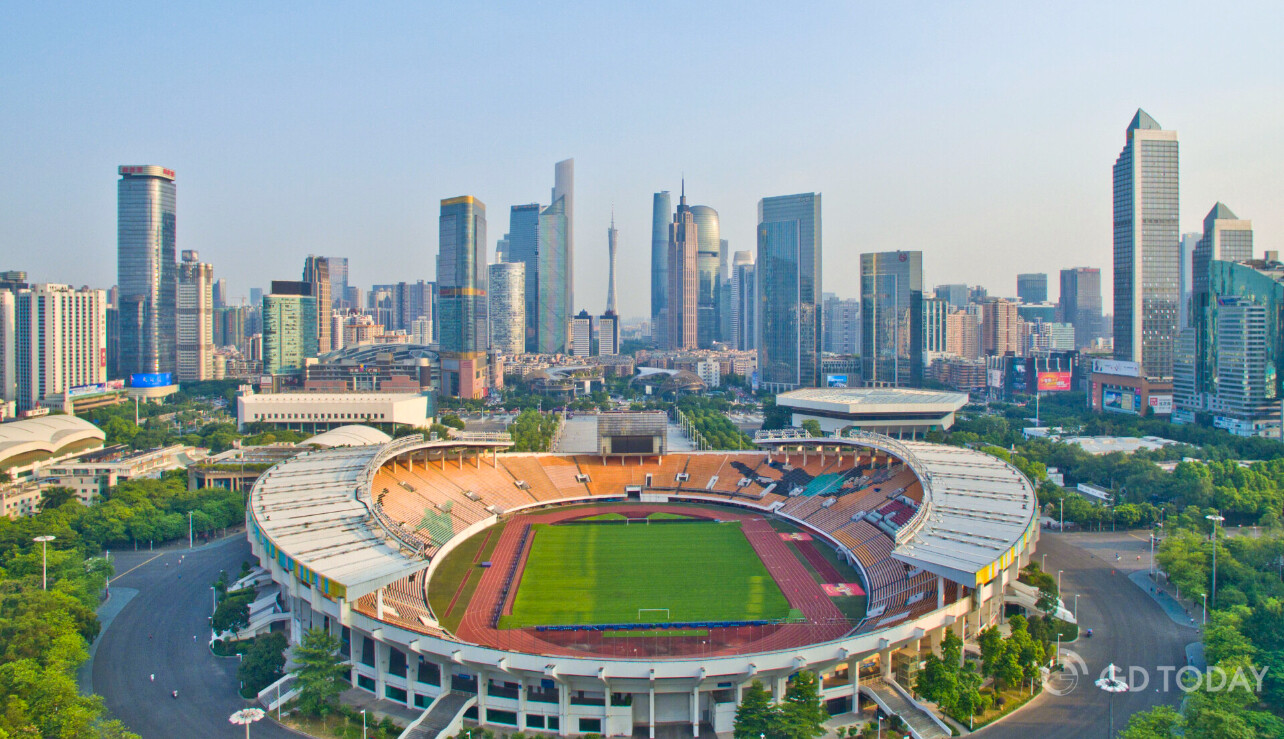
Men: A Two-Second Duel
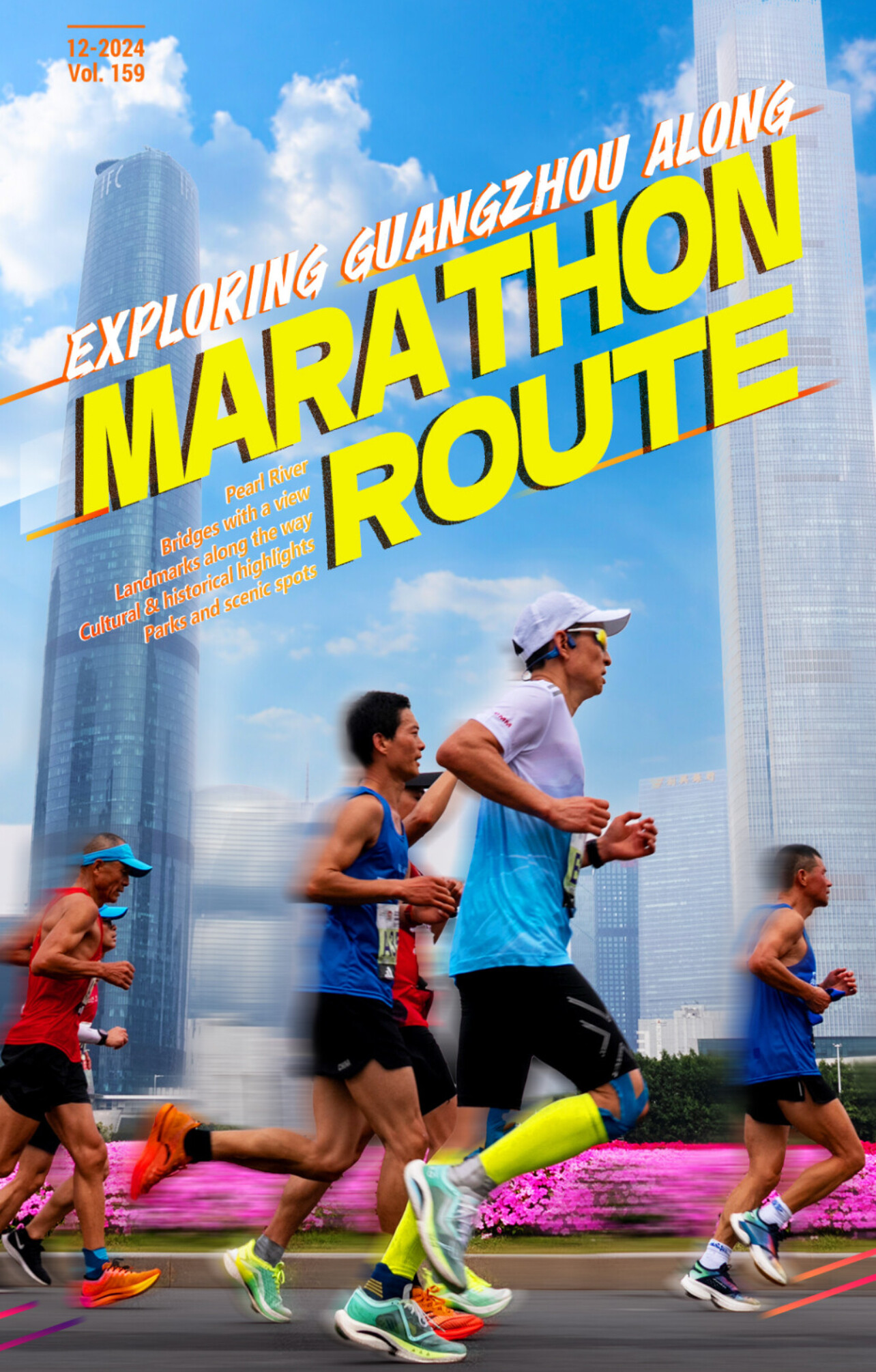
Ethiopia’s Afewerk Mesfin Woldetensae controlled the men’s race with poise, timing his effort perfectly through the middle stages and holding firm to the line for victory in 2:12:23. Kenya’s Felix Kirwa pressed relentlessly and finished just two seconds back in 2:12:25, a thrilling margin that kept spectators on edge to the finish.
The loudest cheers came for China’s Zhaxi Ciren, who surged to third overall in 2:14:06 to claim top domestic honors—an important podium for home athletes on one of the country’s biggest road-racing stages.
Chinese runners showed impressive depth throughout the top eight. Yang Chunlong clocked 2:17:57, Solang Cairen followed in 2:18:34, while Zhou Youfa (2:20:15) and Deng Guomin (2:20:22) rounded out strong performances that underscored a rising competitive standard.
Women: Record-Setting Authority
The women’s race belonged to Kenya’s Joyce Chepkemoi Tele, who produced a commanding, front-to-back run to win in 2:22:40 and break the course record. Her effort combined bold early pacing with measured control and sustained strength to the tape.
Ethiopia completed the podium sweep as Betelihem Afenigus Yemer (2:27:52) and Chaltu Chimdesa Kumsa (2:31:37) followed, highlighting the nation’s depth and tactical sharpness on fast, city courses.
Chinese women also had reason to celebrate. Ding Changqin led the domestic contingent with a fine 2:35:40 for fifth overall. She was followed by Tang Xiaofang (2:40:26), Song Jinting (2:41:41) and Li Yingcui (2:45:36), all finishing inside the top eight.
A Festival on the Run
Beyond the front of the race, Guangzhou embraced marathon day. Creative costumes—from Cantonese opera tributes to animated mascots—dotted the route, while spectators packed bridges, plazas and riverside promenades, turning the course into a moving festival.
Organizers matched the energy with careful planning. Cooling mist stations, clearly marked aid points and visible safety crews helped ensure the 42.195-kilometer journey was both competitive and runner-friendly.
By day’s end, the 2025 Guangzhou International Marathon had crowned champions, rewritten records and delivered personal victories for thousands. For elites, the results will resonate into the season ahead; for the wider field, it was a day of breakthroughs and shared joy—running through one of China’s most vibrant cities.
Top Results — 2025 Guangzhou Marathon
Men
1. Afewerk Mesfin Woldetensae (ETH) — 2:12:23
2. Felix Kirwa (KEN) — 2:12:25
3. Zhaxi Ciren (CHN) — 2:14:06
4. Yang Chunlong (CHN) — 2:17:57
5. Solang Cairen (CHN) — 2:18:34
6. Zhou Youfa (CHN) — 2:20:15
7. Deng Guomin (CHN) — 2:20:22
Women
1. Joyce Chepkemoi Tele (KEN) — 2:22:40
2. Betelihem Afenigus Yemer (ETH) — 2:27:52
3. Chaltu Chimdesa Kumsa (ETH) — 2:31:37
4. Pending official release
5. Ding Changqin (CHN) — 2:35:40
6. Tang Xiaofang (CHN) — 2:40:26
7. Song Jinting (CHN) — 2:41:41
8. Li Yingcui (CHN) — 2:45:36
by Robert Kibet for My Best Runs
Login to leave a comment

Guangzhou International Marathon
The Guangzhou Marathon was launched in 2012 and certified by CAA as the A level event. From 2014 to 2017,Guangzhou Marathon was recognized as the CAA Gold Medal Race for four consecutive years. The year of 2018 has seen this event was upgraded as IAAF Gold Label Road Race after it was awarded as IAAF Bronze and Silver Label Road...
more...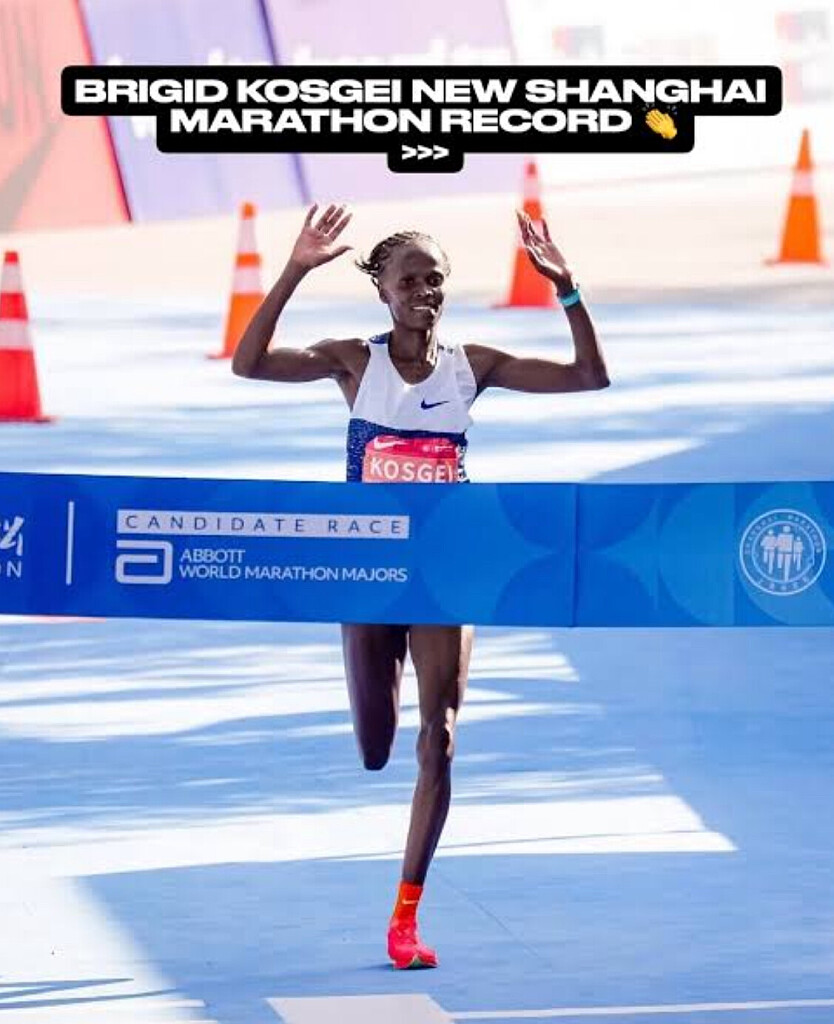
Kosgei Shatters Course Record as Mengesha Leads Ethiopian Sweep at the 2025 Shanghai Marathon
The 2025 Shanghai Marathon delivered the kind of fireworks organizers were hoping for on Sunday, November 30—fast times, dominant front-running, and a powerful statement that Shanghai is ready to join the World Marathon Majors.
More than 23,000 runners started at the Bund at 7 a.m., racing through one of the world’s most iconic skylines before finishing at Shanghai Stadium. Both the men’s and women’s races produced standout performances.
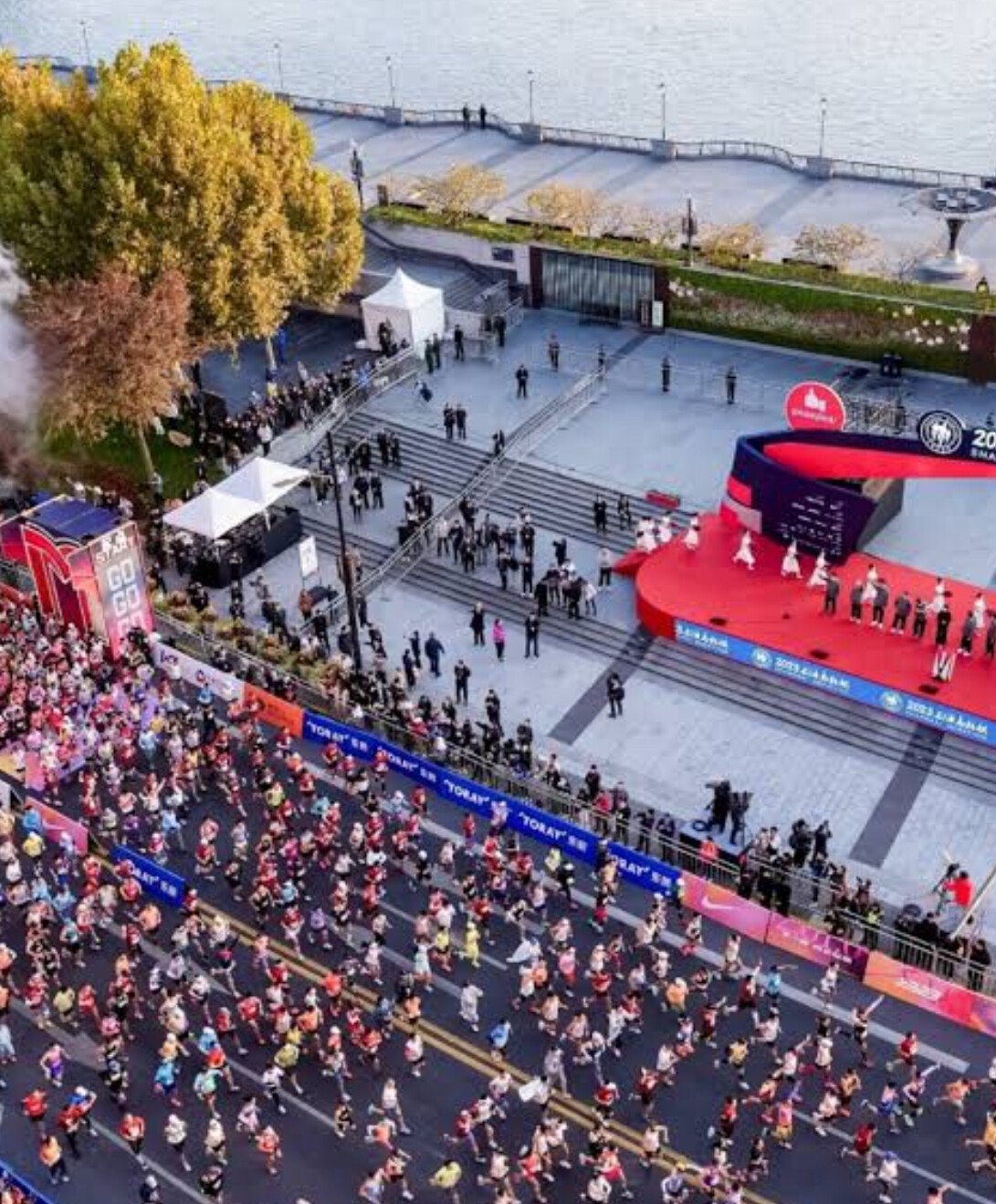
Kosgei Back on Top With a Historic Run
Former world record-holder Brigid Kosgei returned to the top of the podium in commanding style. The 31-year-old Kenyan surged early, hit halfway under 69 minutes, and never looked back, winning in 2:16:36—
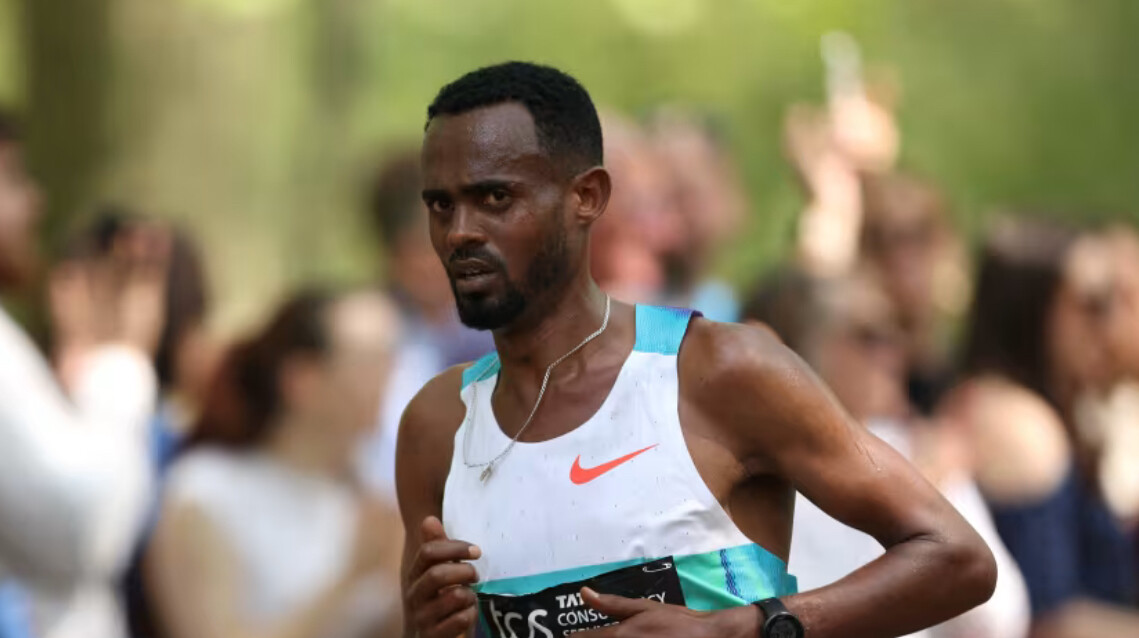
• the fastest marathon ever run on Chinese soil,
• a new Shanghai course record, and
• the third-fastest performance of her career.
Only compatriot Irine Chepet Cheptai could stay close in the early miles, eventually taking second in 2:18:51. Ethiopia’s Tiruye Mesfin finished third in 2:20:38, followed closely by fellow Ethiopian Bekelech Gudeta at 2:20:59.
China’s top star Zhang Deshun placed fifth in 2:25:13, continuing her impressive streak of top domestic finishes.
Ethiopia Sweeps the Men’s Podium
The men’s race unfolded differently—a large, aggressive pack early on before Ethiopia dominated the final 10K. In a furious sprint to the line, Milkesa Mengesha broke the tape in 2:06:25, edging compatriot Dawit Wolde by two seconds. Deresa Geleta finished third in 2:06:36, completing an all-Ethiopian podium.
Five Ethiopians broke 2:07, underscoring the depth at the front.
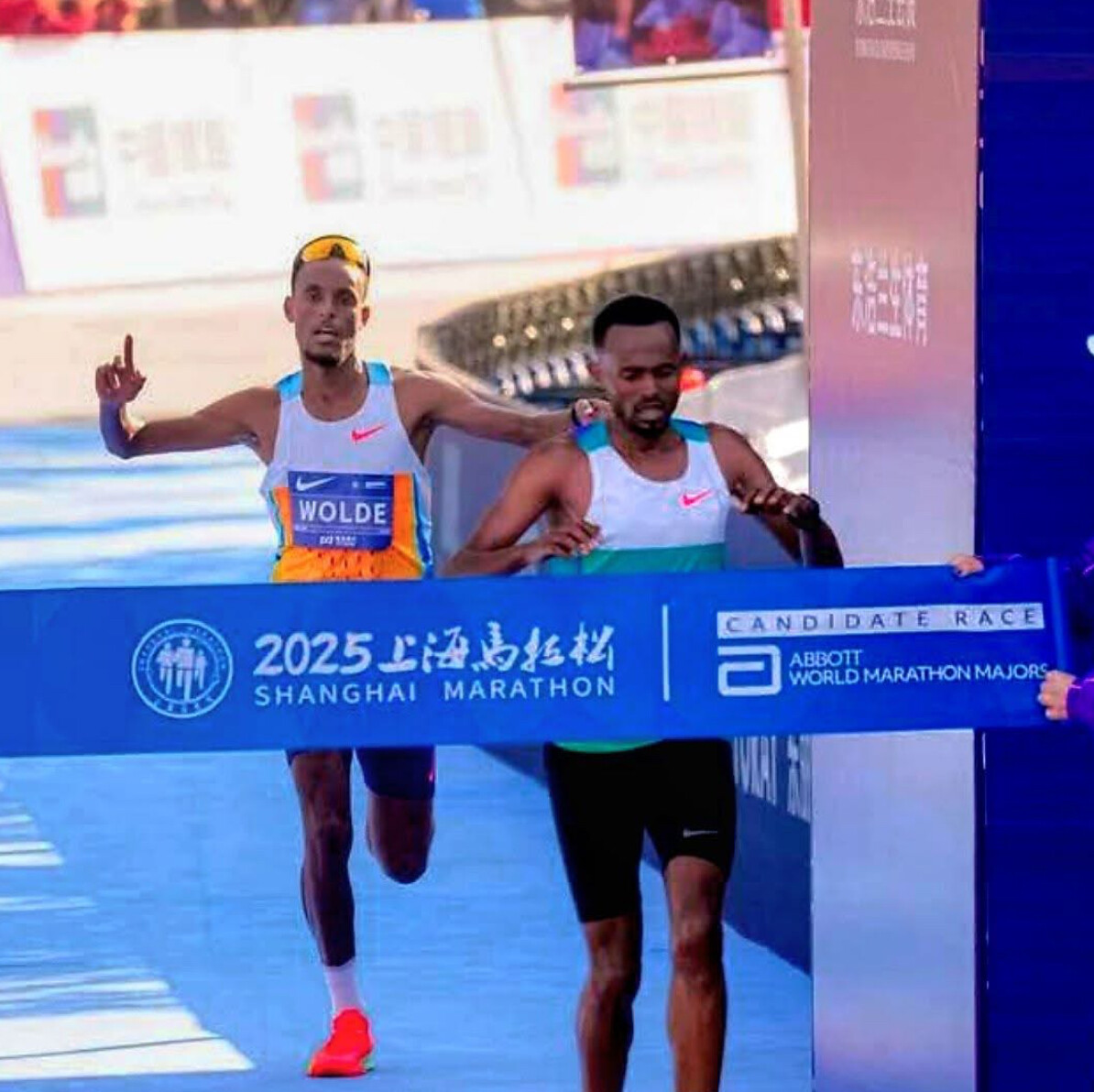
China’s Feng Peiyou delivered the best domestic performance of the day, clocking 2:08:36, the fastest marathon ever run by a Chinese athlete in Shanghai. Countrymen Yang Kegu, Li Dalin, and Ma Rui also cracked the top ten.
Top 10 Results
Men
1. Milkesa Mengesha (ETH) – 2:06:25
2. Dawit Wolde (ETH) – 2:06:27
3. Deresa Geleta (ETH) – 2:06:36
4. Haftu Teklu (ETH) – 2:06:57
5. Challa Gossa (ETH) – 2:08:06
6. Feng Peiyou (CHN) – 2:08:36
7. Solomon Kirwa Yego (KEN) – 2:09:42
8. Yang Kegu (CHN) – 2:12:00
9. Li Dalin (CHN) – 2:13:11
10. Ma Rui (CHN) – 2:13:26
Women
1. Brigid Kosgei (KEN) – 2:16:36 (course & Chinese all-comers record)
2. Irine Chepet Cheptai (KEN) – 2:18:51
3. Tiruye Mesfin (ETH) – 2:20:38
4. Bekelech Gudeta (ETH) – 2:20:59
5. Zhang Deshun (CHN) – 2:25:13
6. Veronicah Njeri Maina (KEN) – 2:26:33
7. Wu Shuang (CHN) – 2:27:17
8. Yao Miao (CHN) – 2:31:13
9. Shen Jiayao (CHN) – 2:31:57
10. Ma Xuexian (CHN) – 2:34:51
Shanghai’s Road to Becoming a Major
For the second straight year, organizers staged the race under the “Run Beyond Borders” banner, showcasing deep elite fields, expanded medical and volunteer support, and international broadcast coverage. Shanghai is currently undergoing World Marathon Majors evaluation, with the earliest possible inclusion in 2027.
by Boris Baron
Login to leave a comment

Shanghai International Marathon
Shanghai International Marathon has established itself as the marquee running event on China’s Marathon calendar. Every November, tens of thousand participants run passing the many historical places of this city such as Bund Bull, Customs House, Shanghai Museum, Shanghai Grand Theater, Shanghai Exhibition center, Jing’an Temple, Nan Pu Bridge, Lu Pu Bridge, Long Hua Temple, Shanghai Stadium. The course records...
more...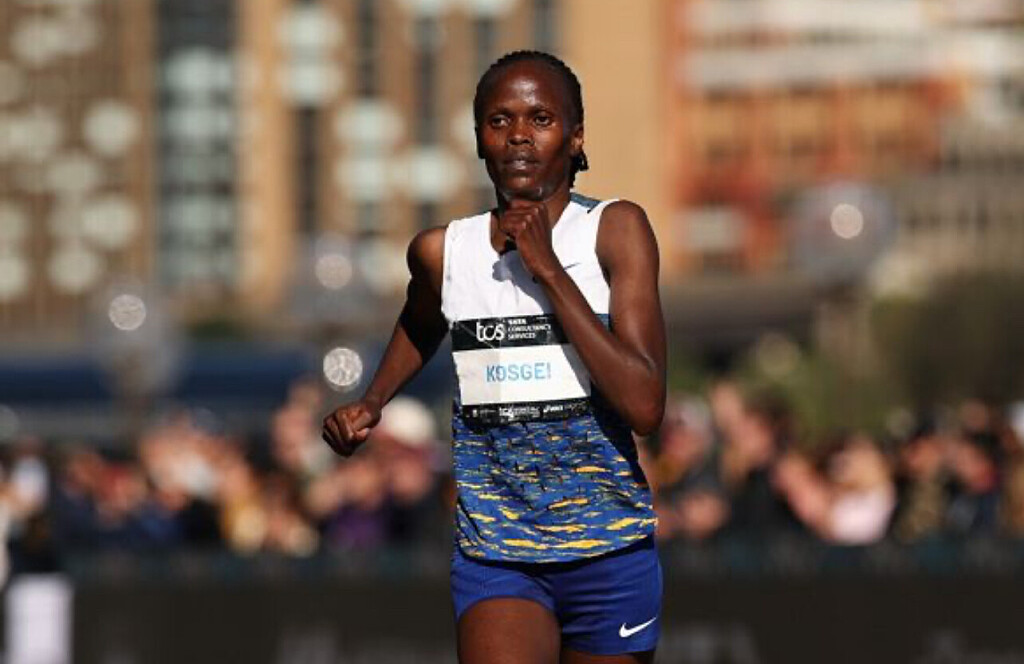
Stacked Fields Set for Sunday’s Shanghai Marathon as Kosgei and Kipchumba Return
The 2025 Shanghai Marathon — a World Athletics Platinum Label event — is set for Sunday (30), and both the women’s and men’s races are shaping up as some of the strongest in the event’s history. Former world record-holder Brigid Kosgei and defending men’s champion Philimon Kiptoo Kipchumba headline a deep international lineup chasing fast times on one of Asia’s premier courses.
The mass start field in Shanghai will once again deliver the energy and depth that has become a signature of this Platinum Label event, with tens of thousands of runners pouring through the city streets behind one of the strongest elite line-ups of the season. Local club runners, age-group veterans, first-time marathoners, and international amateurs will all share the course with the world’s best, creating a fast, colorful, and highly competitive atmosphere from start to finish.
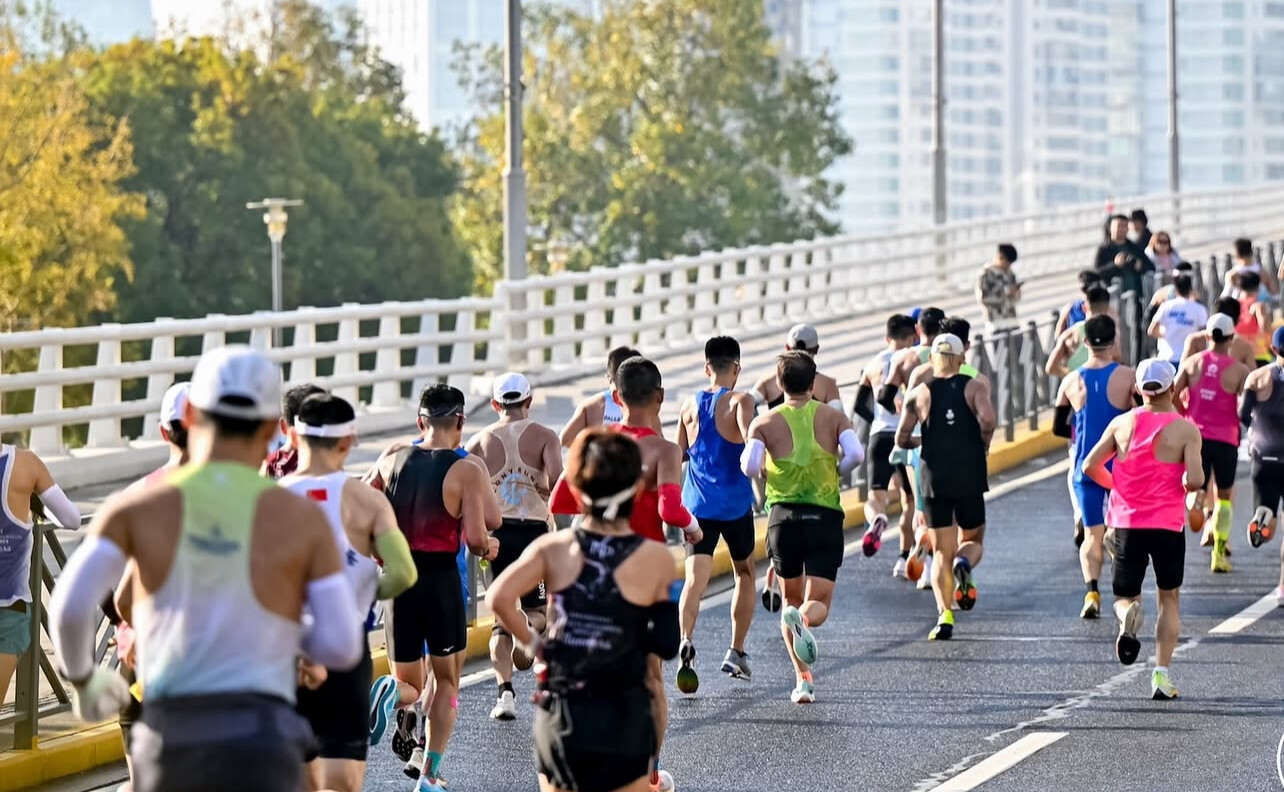
With ideal late-November conditions expected and Shanghai’s reputation for producing personal bests, the mass field is poised for another year of standout performances and unforgettable marathon moments.
Kosgei Targets First Win in Two Years — and a Course Record
Brigid Kosgei, whose 2:14:04 stood as the world record from 2019 to 2023, lines up for her third marathon of the year. The 31-year-old Kenyan has been consistently sharp in 2025—second in Hamburg (2:18:26) and again in Sydney (2:18:56).
A victory in Shanghai would be her first since Abu Dhabi 2023, but the stakes go beyond winning:
• The course record stands at 2:20:36 (Yebrgual Melese, 2018).
• Pacers have been asked to roll out at 2:17:50 pace, fast enough to challenge both the course mark and the Chinese all-comers’ record (2:18:09 by Ruti Aga, 2023).
Kosgei will not be alone. Two sub-2:20 performers stand in her way:
• Irine Cheptai (KEN) — PB 2:17:51, coming off strong runs in Chicago and Boston.
• Tiruye Mesfin (ETH) — PB 2:18:35, part of Ethiopia’s long history of dominance here.
Ethiopian women have won 10 of the last 14 editions, and Mesfin leads their charge again.
China brings a serious contender as well.
• Zhang Deshun, the No. 3 all-time Chinese marathoner (2:20:53 at Tokyo), returns just two weeks after winning the National Games.
Add in Bekelech Gudeta (ETH) — who won marathons in Seoul and Mexico City this year — and the women’s race becomes one of the most competitive in Shanghai’s history.
Four Sub-2:04 Ethiopians Lead Men’s Lineup

The men’s race may be even deeper. Ethiopia sends a quartet capable of pushing into all-time territory:
• Deresa Geleta (ETH) — 2:02:38, fastest in the field
• Birhanu Legese (ETH) — 2:02:48, two-time Tokyo champion
• Milkesa Mengesha (ETH) — 2024 Berlin winner
• Dawit Wolde (ETH) — former Xiamen champion
Geleta has been brilliant when healthy, clocking 2:02:38 in Valencia and 2:03:51 in Tokyo this year, though he dropped out of Wuxi and the World Championships. Legese tuned up with a 1:00:54 at the New Delhi Half.
But Ethiopia is far from guaranteed victory.
Kiptoo Kipchumba Returns to Defend His Title
Kenya’s Philimon Kiptoo Kipchumba, the 2023 champion, owns the Chinese all-comers’ record of 2:05:35 set in Shanghai. He hasn’t raced since placing 10th here last year, but he returns with unfinished business.
He is joined by a strong Kenyan contingent:
• Titus Kipruto — 2:04:54
• Solomon Kirwa Yego — 2:05:42
• Kenneth Keter — 2:05:53
• Edmond Kipngetich — 2:06:47
China’s biggest hope is Feng Peiyou, the second-fastest Chinese marathoner ever (2:07:06). A small improvement would break the national record of 2:06:57.
Pacers will target 2:58/km (≈2:05:00) — fast enough to threaten Kiptoo’s all-comers’ record.
Leading Entries
Women
• Brigid Kosgei (KEN) – 2:14:04
• Irine Chepet Cheptai (KEN) – 2:17:51
• Tiruye Mesfin (ETH) – 2:18:35
• Selly Chepyego Kaptich (KEN) – 2:20:03
• Zhang Deshun (CHN) – 2:20:53
• Bekelech Gudeta (ETH) – 2:21:36
• Veronicah Njeri Maina (KEN) – 2:24:46
• Xia Yuyu (CHN) – 2:25:45
• Wu Bing (CHN) – 2:26:01
• Li Meizhen (CHN) – 2:27:51
• Shen Ni (CHN) – 2:28:47
• Huang Xuemei (CHN) – 2:29:51
Men
• Deresa Geleta (ETH) – 2:02:38
• Birhanu Legese (ETH) – 2:02:48
• Dawit Wolde (ETH) – 2:03:48
• Haftu Teklu (ETH) – 2:04:42
• Titus Kipruto (KEN) – 2:04:54
• Philimon Kiptoo Kipchumba (KEN) – 2:05:35
• Solomon Kirwa Yego (KEN) – 2:05:42
• Kenneth Keter (KEN) – 2:05:53
• Edmond Kipngetich (KEN) – 2:06:47
• Feng Peiyou (CHN) – 2:07:06
• Challa Gossa (ETH) – 2:07:32
• Wu Xiangdong (CHN) – 2:08:04
by World Athletics
Login to leave a comment
Shanghai International Marathon
Shanghai International Marathon has established itself as the marquee running event on China’s Marathon calendar. Every November, tens of thousand participants run passing the many historical places of this city such as Bund Bull, Customs House, Shanghai Museum, Shanghai Grand Theater, Shanghai Exhibition center, Jing’an Temple, Nan Pu Bridge, Lu Pu Bridge, Long Hua Temple, Shanghai Stadium. The course records...
more...
Ethiopian Asimarech Naga to Race TCS Toronto Waterfront Marathon
Two years ago, Asimarech Naga was a promising Ethiopian steeplechaser. Now, at 26, she’s set to contend for the $25,000 CDN first-place prize at the 2025 TCS Toronto Waterfront Marathon on October 19.
“If it is God’s will, I want to win as I am preparing well for it,” she said. “I know the Toronto Waterfront Marathon is the biggest marathon in Canada and the course is flat. I am so excited to be there for the first time and do something great.”
From Track to the Roads
Nagging injuries from track spikes pushed Naga to pivot in 2023, joining the legendary coach Haji Adillo’s marathon training group. The move quickly paid off: she won the Dublin Marathon in 2:24:13, setting a new course record, and followed up with a 2:24:21 runner-up finish at the Wuxi Marathon in China earlier this year.
Now, she heads to Toronto—a World Athletics Elite Label race—ready to test herself again. “I have so many strong athletes [to train with], and the coaching program is great. It is really helping me,” she said.
Her inspiration dates back to elementary school, crediting a supportive sport teacher and citing Olympic legend Derartu Tulu—the first Black African woman to win Olympic gold (1992 Barcelona, 10,000m)—as her role model.
Coach Haji’s Confidence
Accompanying her to Toronto will be Haji Adillo himself. Known for guiding Olympic and World champions, Haji believes Naga is ready for a breakthrough:
“If everything goes as planned, and with a good pacer, she will run 2:22 or 2:23.”
His training group has featured icons like Tirunesh Dibaba, Kenenisa Bekele, and Lelisa Desisa, and his most cherished coaching memory remains Mare Dibaba’s 2017 World Championships win—Ethiopia’s first women’s marathon world title.
Haji’s Own Path
Before coaching, Haji was a 2:12 marathoner and a classmate of Haile Gebrselassie. Health issues ended his racing career, but his athletes have since won countless medals:
“Too many to count… maybe over a thousand,” he said with a smile.
Rising Star in the Making?
With her sharp progression, proven ability to win big races, and Haji’s belief in her potential, Asimarech Naga arrives in Toronto as one of the most exciting marathon talents to watch.
Could she be the next Ethiopian star to break through on the world stage?
by Paul Gains
Login to leave a comment
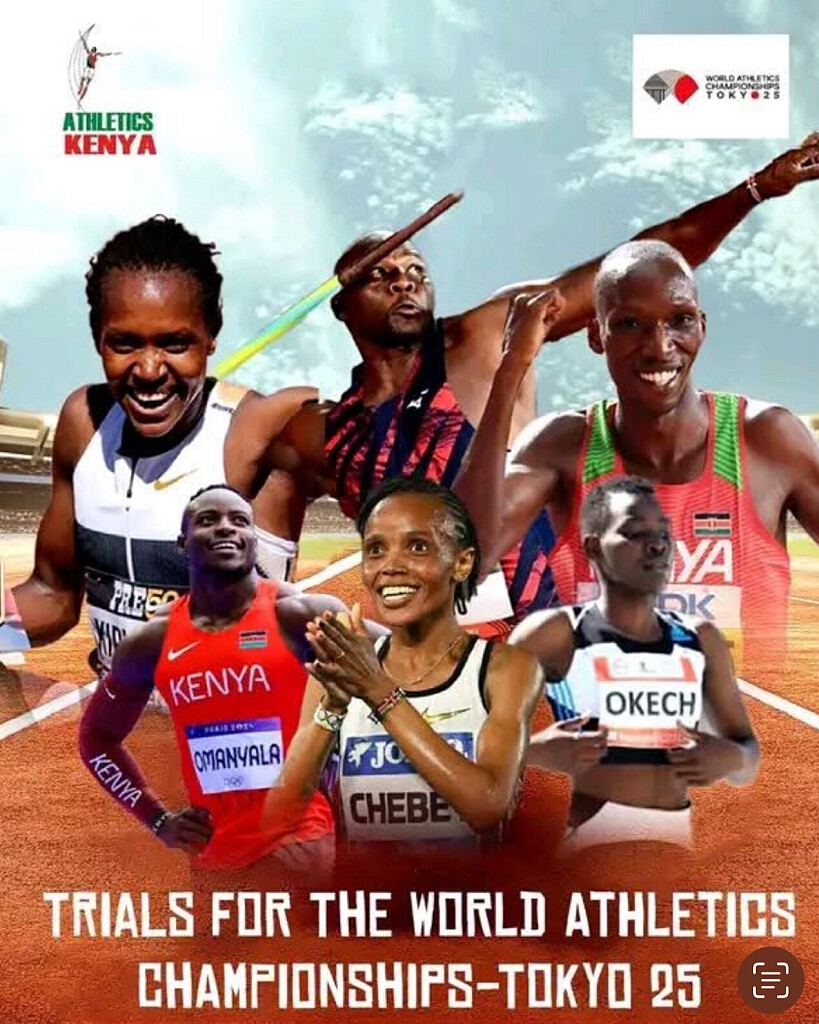
Kenya’s Top Athletes to Compete for World Championships Spots at Trials on July 22
With the 2025 World Athletics Championships set to take place in Tokyo this September, Athletics Kenya has announced that the official national trials will be held at the Ulinzi Sports Complex in Nairobi on July 22, 2025.
The one-day meet will determine who earns the right to represent Kenya on the global stage—and with Tokyo hosting the championships, the stakes couldn’t be higher.
The Tokyo 2025 event is expected to draw the world’s best talent, and Kenya, known for its depth in middle and long-distance running, is aiming to field its strongest team yet. A number of top stars are expected to compete at the trials, including 100m national record-holder Ferdinand Omanyala, world steeplechase medalist Beatrice Chepkoech, 1500m ace Faith Kipyegon, and marathon standout Sharon Lokedi.
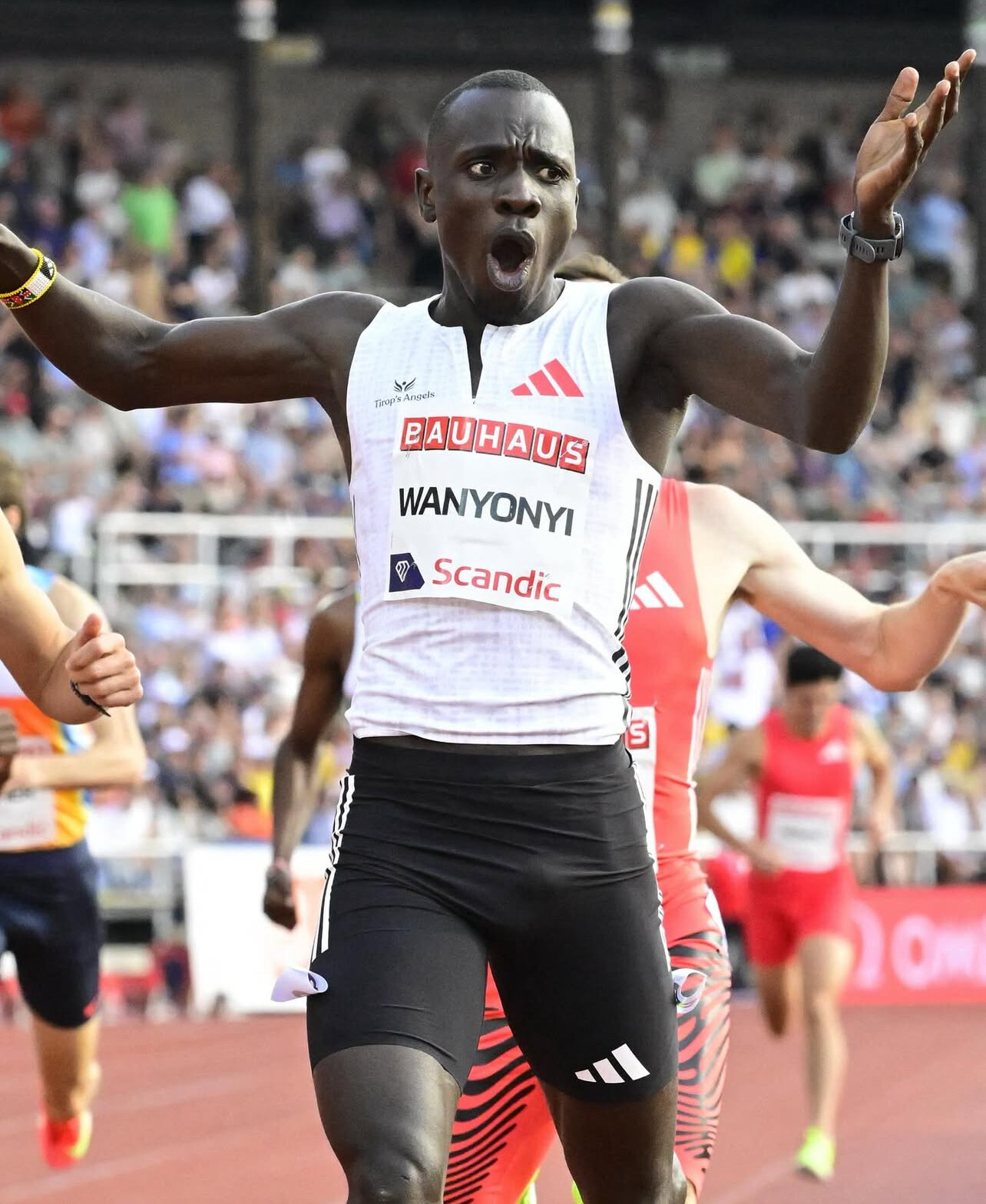
Though most of the attention will be on the track events, Kenya is also working to expand its representation in the field and sprints—areas where the country has shown recent promise.

A Veiled but Historic World Championship Ahead
The Tokyo 2025 World Championships mark the first time Japan will host the event since 1991 in Tokyo—when legendary performances, including Mike Powell’s world long jump record, rewrote the sport’s history books.
The 2025 edition, however, arrives amid a more complex and veiled atmosphere in the sport. With lingering questions about past doping scandals—including renewed attention to China’s 1990s distance-running records—many in the athletics community are calling for clean and transparent competition.
Kenya is no exception. The country remains under close international scrutiny but has made visible strides in testing, education, and compliance with global anti-doping standards.
What to Watch
• Will Faith Kipyegon aim to double in the 1500m and 5000m again?
• Can Omanyala convert his sub-10 form into a world medal?
• Will a new generation of Kenyan athletes step up in the sprints and field events?
The July 22 trials in Nairobi will offer the first answers. Expect fireworks—and a preview of what Team Kenya might look like in Tokyo.
by Boris Baron
Login to leave a comment
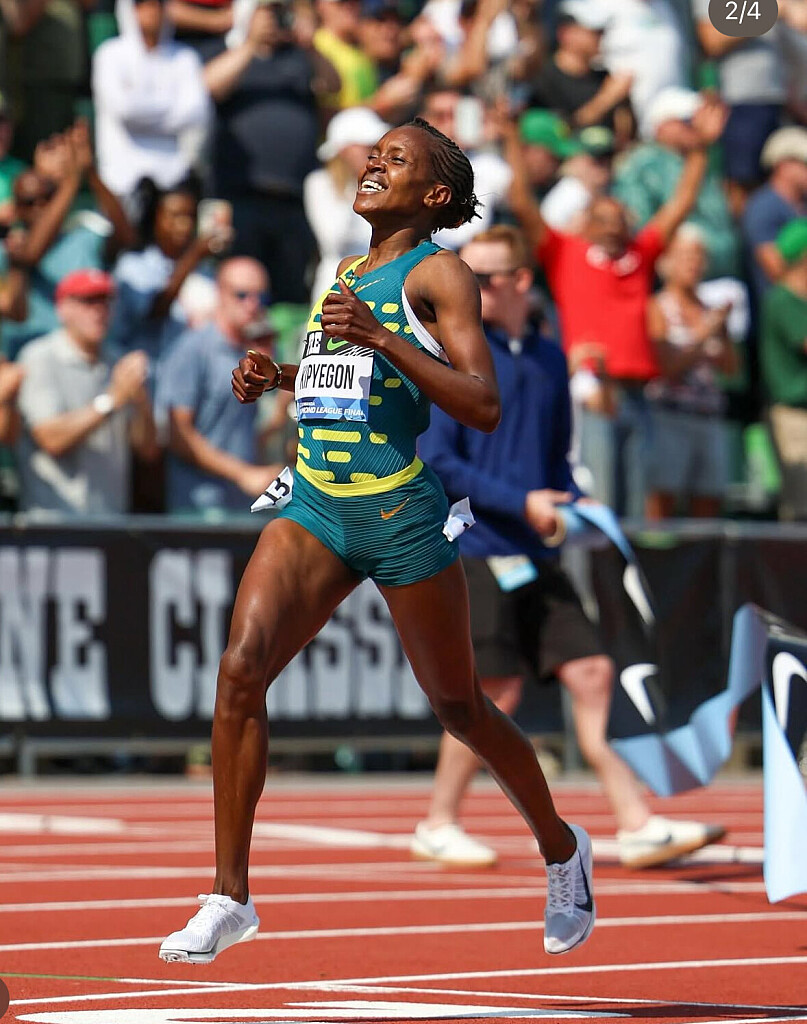
Faith Kipyegon to Race 3000m in Silesia – Is the World Record in Sight?
World 1500m record-holder Faith Kipyegon will race the 3000 meters at the Silesia Kamila Skolimowska Memorial on August 16, setting up what could be one of the most anticipated moments of the 2025 track season.
The Kenyan star has been rewriting the history books. Over the past year, she set new world records in the 1500m (3:48.68) and 5000m (14:05.20), and ran the fastest women’s mile ever in an unofficial exhibition event in Paris. Now she’s turning her attention to the 3000m—an event she hasn’t run seriously in over a decade.
A Decade Later, a Return to 3000m
Kipyegon’s personal best of 8:23.55 was set in 2014 when she was just 20. Since then, she’s become a global icon—earning three Olympic gold medals, multiple world records, and establishing herself as the most dominant female middle-distance runner of her generation.
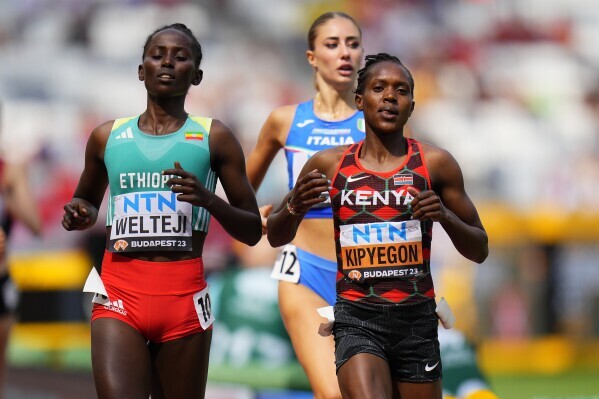
Now, with a combination of endurance from her 5000m training and unmatched speed honed in the 1500m, Kipyegon is poised to take a serious shot at history.
The Record She Might Be Chasing
The current women’s 3000m world record:
• 8:06.11 – Wang Junxia (China), set on September 13, 1993 in Beijing.
That mark has stood for more than 30 years—but it remains controversial. In 2015, a letter reportedly written by Wang Junxia in 1995 surfaced, in which she and nine teammates alleged they were forced to take “large doses of illegal drugs over the years” as part of a state-sponsored doping program under the direction of their coach, Ma Junren.
Wang wrote that the women “tried to refuse the drugs,” but that Ma would allegedly inject them himself if necessary. The letter was sent to Chinese journalist Zhao Yu but remained unpublished until decades later. Ma has consistently denied any doping allegations, and Wang’s world record still stands officially—despite renewed scrutiny.
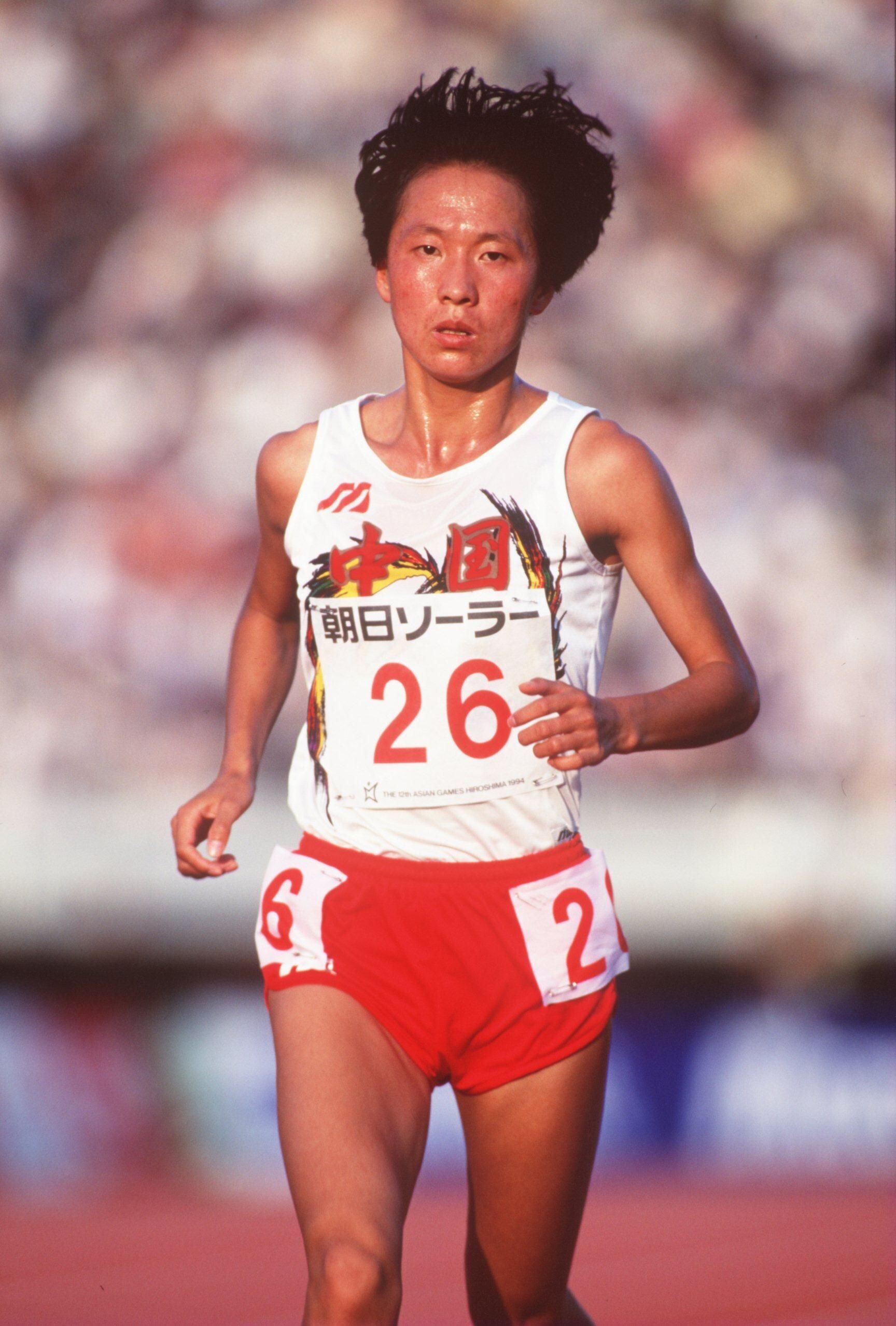
In response, the IAAF (now World Athletics) opened an investigation at the time, but as of today, the record has not been invalidated.
Why Silesia Matters
If Faith Kipyegon runs in the 8:10–8:15 range, it would mark one of the cleanest and most credible performances in the history of the event. Should she go even faster, it could position her to break or at least redefine the context of the 3000m record.
Few athletes in history have had the range, poise, and championship pedigree that Kipyegon carries. With the eyes of the world on Silesia this August, she may once again elevate the sport.
Is a new world record possible? We’ll find out soon.
If she does it, Faith Kipyegon won’t just rewrite another line in the record books—she’ll help reclaim one of the most contested chapters in women’s distance running.
by Boris Baron
Login to leave a comment

Quincy Wilson Turns Down Team USA Call—and His Reason Says Everything
At just 17, Quincy Wilson had the opportunity of a lifetime: a chance to represent Team USA at the World Athletics Indoor Championships in Nanjing. He could have stood shoulder to shoulder with Olympians, tested himself against the world’s best, and made his international debut on one of track and field’s biggest stages.
But Wilson said no.
Instead of flying to China, the high school junior stayed home in Maryland—and focused on his homework.
Yes, you read that right. The teenager who stunned crowds with a jaw-dropping 43.99 anchor leg at the Penn Relays—one of the fastest relay splits ever recorded in high school—chose to prioritize his studies. “School comes first,” Wilson posted on Instagram. And just like that, the rising sprint star reminded everyone that discipline isn’t just about medals. Sometimes, it’s about knowing when not to chase one.
What Has He Done Since?
Plenty. Wilson didn’t fade after passing on the global spotlight—he’s continued to rise, one breakthrough at a time:
• Set the high school track world on fire with a 43.99 anchor at the 2024 Penn Relays, helping Bullis School (MD) break national records.
• Became the youngest athlete in history to win the All-Met Athlete of the Year four years in a row.
• Ran 45.76 indoors and 44.20 outdoors, setting U18 world bests and defeating professional-level athletes in senior-level finals.
• Earned Olympic gold in the men’s 4x400m relay in Paris 2024—competing in the heats, becoming the youngest male U.S. track athlete to medal at the Games.
• Maintained academic excellence while continuing to dominate both indoor and outdoor circuits, staying true to his commitment to graduate with his class at Bullis in 2026.
Why This Story Matters
Quincy Wilson’s decision to delay international glory for academics wasn’t just impressive—it was instructive. In an age when young athletes are often rushed into the limelight, Wilson’s path is a reminder that long-term greatness is built with patience, intention, and maturity.
• He didn’t chase headlines—he earned them.
• He didn’t sacrifice school for sport—he’s mastering both.
• He’s not rushing to be great—he’s building it brick by brick.
A Lesson for Every Runner
Whether you’re chasing a PR, a national title, or just personal progress, Wilson’s journey offers a powerful takeaway:
• Run your own race. Don’t let hype or pressure pull you off course.
• Respect the process. Like training, growth takes time—and consistency.
• Play the long game. True success is sustainable, not rushed.
Wilson has already achieved what most runners only dream of. But more importantly, he’s doing it his way—with humility, focus, and incredible perspective.
As the world buzzes about what he could’ve done on that global indoor stage, Quincy Wilson is still just getting started.
And he’s doing it on his terms.
by Boris Baron
Login to leave a comment
Western States 100 Gears Up for an Epic Showdown Across Sierra Trails
The legendary Western States 100-Mile Endurance Run returns June 28–29, 2025, promising one of the most competitive and compelling editions in its storied history. Known as the world’s oldest 100-mile trail race, this ultra begins in Olympic Valley (formerly Squaw Valley) and finishes 100 rugged miles later at Placer High School in Auburn, California.
With more than 18,000 feet of climbing and 23,000 feet of descent, the race tests every aspect of a runner’s will and endurance. From snow-capped ridges to sweltering canyon floors, the course traverses remote backcountry, river crossings, and punishing climbs—all under the clock, with the coveted silver belt buckle awaiting those who finish under 24 hours.
Who’s Racing?

This year’s field is packed with elite talent, resilient veterans, and powerful storylines.
Top Men’s Contenders:
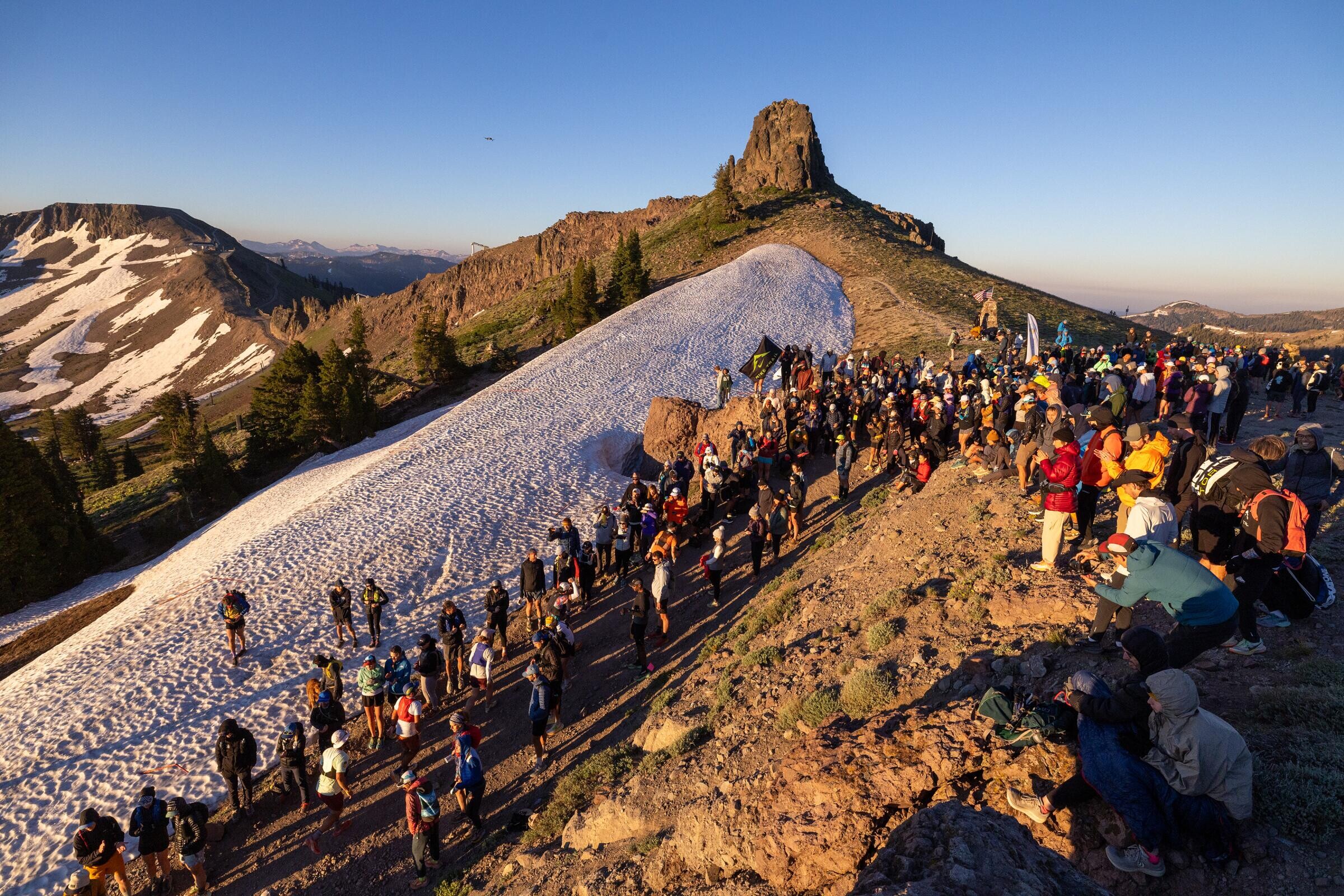
• Rod Farvard (USA) – One of the fastest Golden Ticket winners this season.
• Dan Jones (New Zealand) – Former Olympic Trials marathoner.

• Caleb Olson (USA) – Rising talent on the ultra scene.
• Chris Myers (USA) – Strong performances across the trail circuit.
• Jia-Sheng Shen (China) – Brings international prestige to the field.
Leading Women:
• Emily Hawgood (Zimbabwe) – Regular top-10 finisher with unfinished business.
• Eszter Csillag (Hungary) – One of Europe’s most consistent mountain runners.
• Heather Jackson (USA) – Former pro triathlete turned ultra star, back after a win at Unbound Gravel XL.
• Fu-Zhao Xiang (China) – Dominant at multiple global ultras.
• Ida Nilsson (Sweden) – Former European mountain running champion.
Notable Golden Ticket Winners:
• Riley Brady, Hannah Allgood, Rosanna Buchauer, Hậu Hà, Tara Dower, Abby Hall, Lin Chen, Caitlan Fielder, Nancy Jiang, Fiona Pascall, Johanna Antila
A Field That Crosses Generations
One of the most heartwarming developments this year is the record-setting six athletes aged 70 or older toeing the line.
Among them is Jim Howard, a two-time Western States champion (1981, 1983), who is making an inspiring return at age 70—running with two artificial knees. “I want to go out there one more time and be part of this incredible race,” Howard told Canadian Running.
Also returning is Jamil Coury, founder of Aravaipa Running, looking to build on his strong performance 15 years ago.
The Course
• Start: Olympic Valley (elevation: ~6,200 ft)
• Highest Point: Emigrant Pass (~8,750 ft)
• Finish: Auburn (elevation: ~1,200 ft)
• Snow is often a factor in the early miles, with extreme heat common in the canyons. Aid stations are spaced roughly every 4–8 miles, supported by over 1,500 volunteers.
Runners cross rivers, climb ridgelines, descend technical single-track, and are cheered into the stadium at Placer High—often in the dead of night.
Media and Spectator Access
• Live coverage, tracking, and video will be available on the Western States Endurance Run website.
• Key aid stations will allow crew and spectators, including Foresthill (mile 62) and Robie Point (mile 99).
A Race Like No Other
• One of the five races in the Grand Slam of Ultrarunning
• A UTMB World Series qualifier
• Historic, grassroots feel with world-class competition
Whether you’re cheering for a podium contender, an age-defying legend, or simply following the passion of runners determined to finish within 30 hours, this year’s Western States 100 is poised to deliver drama, beauty, and inspiration.
Let the countdown begin.
by Boris Baron
Login to leave a comment

Western States 100
The Western States ® 100-Mile Endurance Run is the world’s oldest and most prestigious 100-mile trail race. Starting in Squaw Valley, California near the site of the 1960 Winter Olympics and ending 100.2 miles later in Auburn, California, Western States, in the decades since its inception in 1974, has come to represent one of the ultimate endurance tests in the...
more...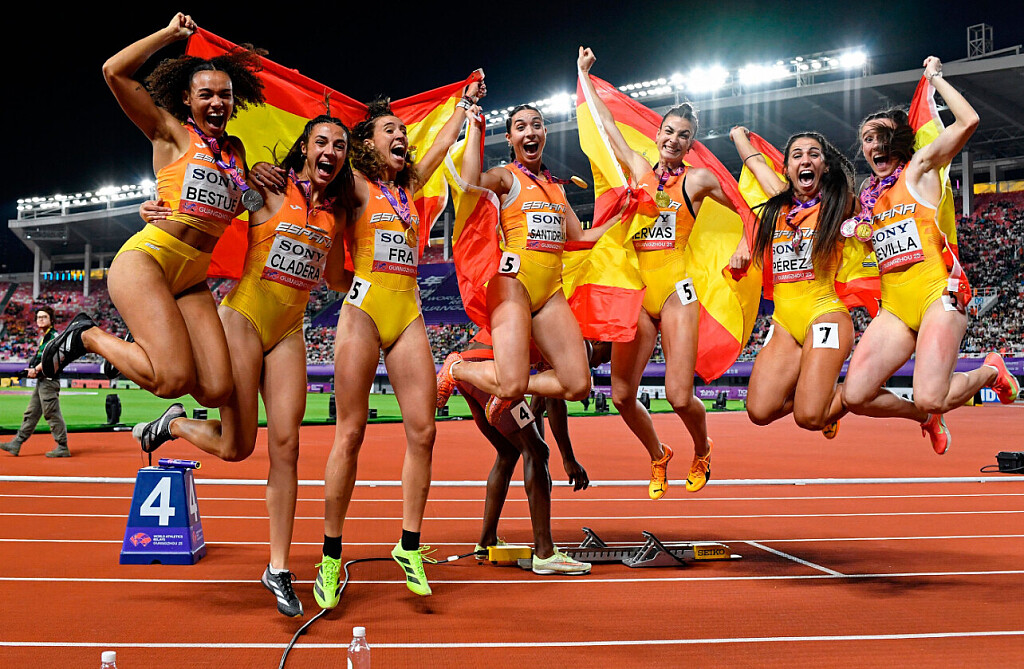
Spain’s Relay Breakthrough Turns Heads at World Relays
At the World Athletics Relays Guangzhou 25, held from May 4–5, 2025, a surprising question echoed through the stadium: When did Spain become a global relay powerhouse?
In what turned out to be a landmark weekend, Spain’s women’s 4x100m team—Esperanca Cladera, Jael Bestue, Paula Sevilla, and Maria Isabel Perez—blazed to a national record 42.18 in the opening round, defeating a Jamaican squad stacked with legends like Shelly-Ann Fraser-Pryce and Shericka Jackson.
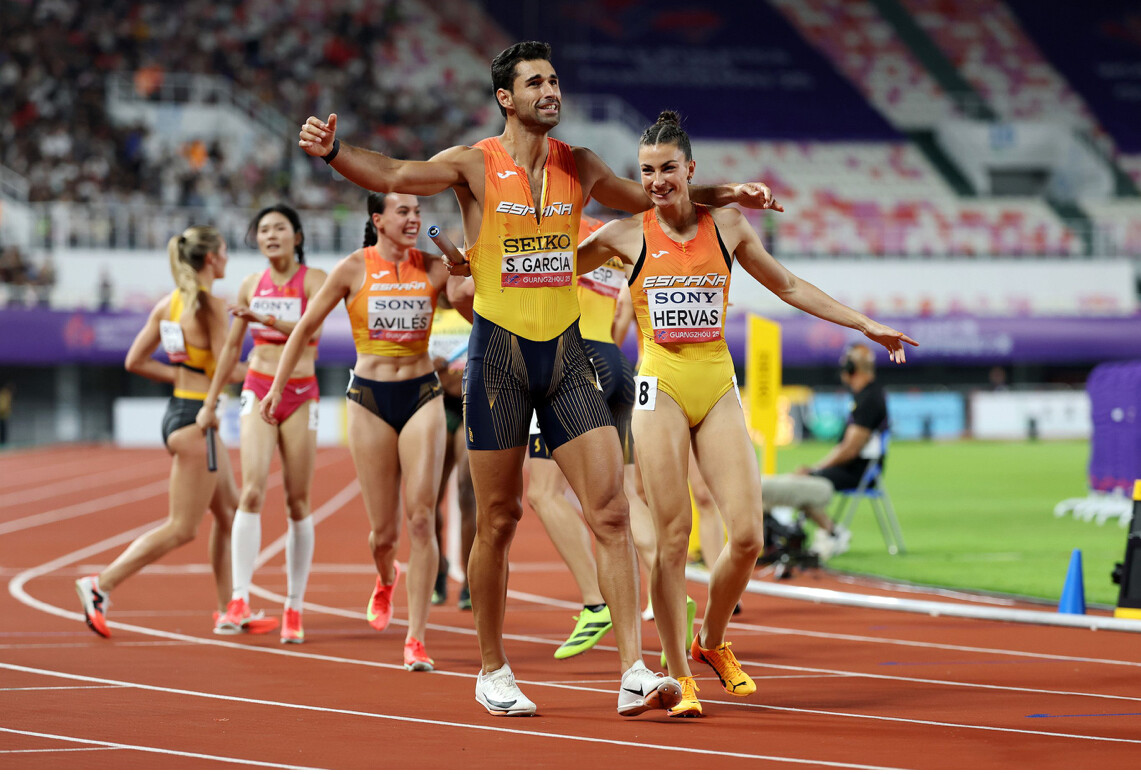
In the final, Spain proved it wasn’t a one-off. Clocking 42.28, they finished second behind Great Britain and ahead of both Jamaica and the USA.
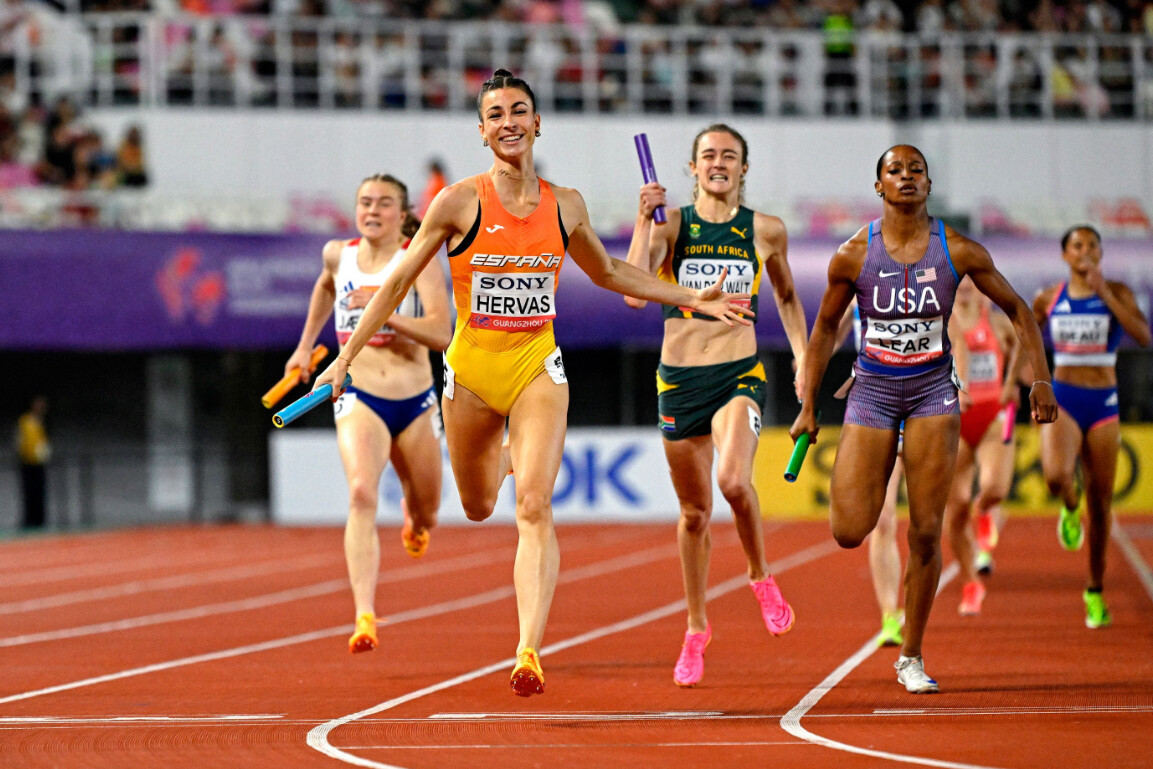
But they weren’t done.
In the women’s 4x400m final, Sevilla, Eva Santidrian, Daniela Fra, and Blanca Hervas delivered another shock: a gold medal performance in 3:24.13, again a national record, defeating powerhouses USA and South Africa.
The mixed 4x400m team—David Garcia, Carmen Aviles, Samuel Garcia, and Hervas—kept the momentum going, winning their heat in 3:12.55 and securing a berth at the 2025 World Championships in Tokyo.
A New but Growing Stage
The World Athletics Relays, launched in 2014 in Nassau, Bahamas, were designed to promote global relay competition and offer a dedicated international stage for national teams. The first three editions were held in 2014, 2015, and 2017 at Thomas Robinson Stadium. Initially intended as an annual meet, the format shifted to every odd-numbered year, aligning with the World Athletics Championships qualification calendar.
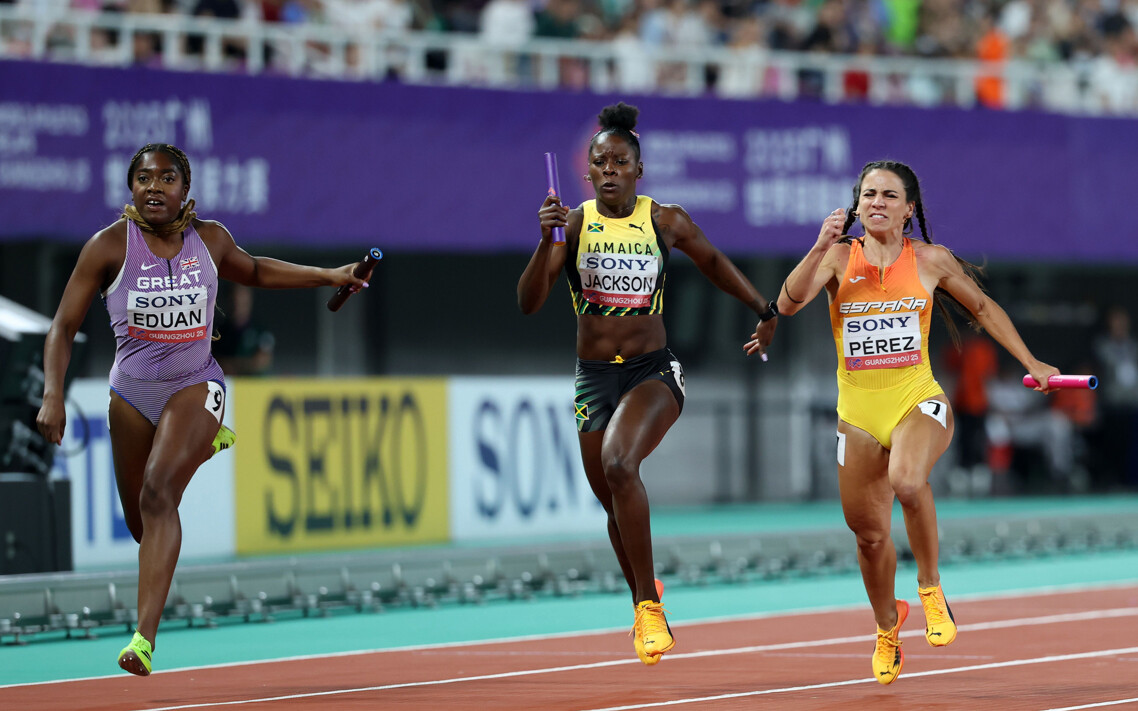
Until Guangzhou, Spain had never won a relay medal at the World Relays. Their only other global relay podium came in the form of a men’s 4x400m silver at the 2022 World Indoor Championships. And yet, in China, they were mixing it with sprinting royalty—and winning.
Why the Sudden Success?
“A lot of relay camps,” explained Jael Bestue, who also competed in the mixed 4x100m. “We work hard on baton changes and building trust. We’re like sisters.”
Though a botched handoff cost them in the mixed 4x100m, the women’s team bounced back brilliantly, executing smooth exchanges that led to their national record.
Blanca Hervas, anchor of both the women’s and mixed 4x400m squads, credited the consistent connection between teammates. “Most of our training is at home with our coaches, but we come together for camps multiple times a year. That shared bond is key.”
Santidrian, who ran the fastest split (50.58) in the 4x400m final, added: “We’re really close friends. When one of us improves, all of us improve.”
Spain’s recent success is no accident. National coach Jose Peiro Guixot traced it to a development program launched nearly a decade ago. “We created a national relay plan. The progress has been steady, and now it’s starting to show. But we’re not done—we want to keep improving.”
Even Spain’s younger athletes are feeling inspired. Andoni Calbano, part of a developmental mixed relay squad, said the women’s performance raised the bar. “Individually, we’re not the fastest. But our changes were perfect. That’s the secret.”
In the 4x100m final, Maria Perez held off a charging Shericka Jackson and Twanisha Terry to earn silver. “I was nervous,” Perez admitted. “But I just told myself: run faster.”
Then came the gold. In the 4x400m final, ‘Las Burbujas Doradas’ (The Golden Bubbles), as they’re known in Spain, stormed to victory. Hervas anchored in 50.59.
“My biggest dream came true,” said Hervas. “Gold medal, national record, World Relays champion—this is for our coaches, our families, everyone. It’s their medal too.”
by World Athletics with Boris Baron
Login to leave a comment
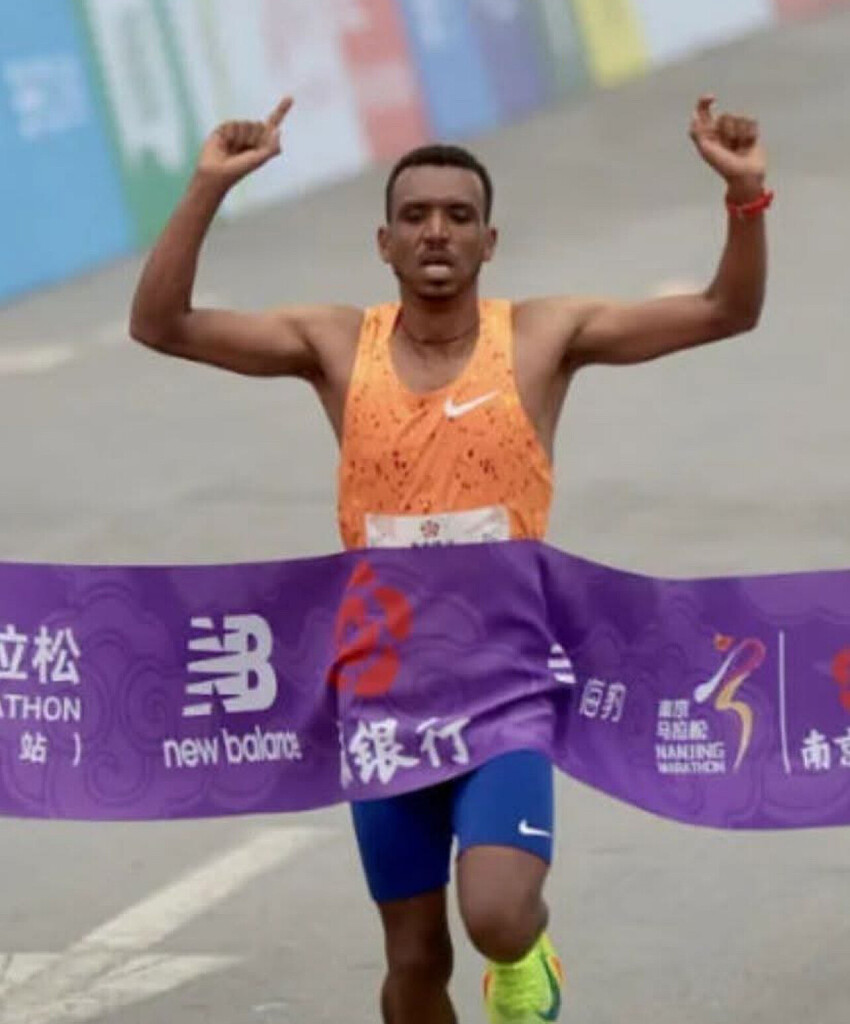
Martha Akeno and Abebaw Muniye Win Close Battles at Dalian Marathon
Close Finishes and Fast Times Define 2025 Dalian Marathon in China
May 11, 2025 – Dalian, China
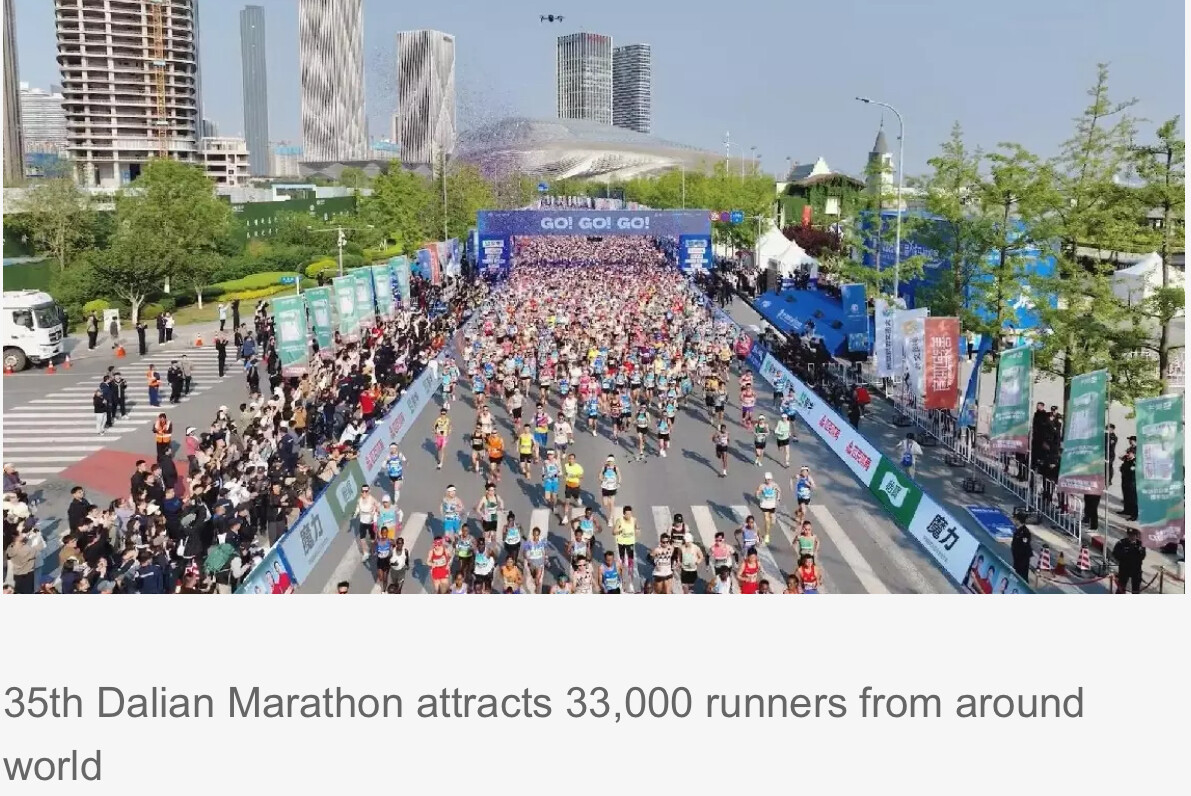
The 2025 Dalian Marathon delivered thrilling finishes in both the men’s and women’s races, as athletes from Ethiopia and Kenya dominated the podiums in this fast spring marathon on China’s northeast coast.

In the men’s race, Ethiopia’s Abebaw Muniye surged ahead in the final kilometers to take the win in 2:10:33, holding off countryman Kemal Husen, who crossed just 38 seconds later in 2:11:11. Kenya’s Timon Sutter rounded out the top three with a strong 2:11:36 finish.

The women’s race was even tighter, with the top three separated by just 31 seconds. Kenya’s Martha Akeno claimed victory in 2:29:20, narrowly edging out Ethiopia’s Saeda Kedir (2:29:23) and Baraki Gebriala (2:29:51).
Abebaw victory was particularly impressive given the competitive Ethiopian duo behind her, who pushed the pace throughout the second half.
The Dalian Marathon has become a popular destination for elite and emerging African talent, with its flat, sea-level course and consistent organization attracting fast times year after year.
While no course records were broken this year, the close finishes and deep international field further established Dalian as one of China’s premier marathons. Over 33,000 runners participated.
Results Summary:
MEN
Abebaw Muniye (ETH) – 2:10:33
Kemal Husen (ETH) – 2:11:11
Timon Sutter (KEN) – 2:11:36
WOMEN
Martha Akeno (KEN) – 2:29:20
Saeda Kedir (ETH) – 2:29:23
Baraki Gebriala (ETH) – 2:29:51
by Boris Baron
Login to leave a comment
Can Robots Really Replace Human Hands in Making Running Shoes?
Some people think the answer to making running shoes in the United States is simple: just use robots. Let’s explore this concept, says lifelong runner and publisher Bob Anderson, who recently sparked a lively conversation online after posting, “It’s just not realistic to imagine an American company finding enough labor in the U.S. to make running shoes.”
Anderson’s concern is shared by many runners who are watching shoe prices soar. “At this rate,” he added, “running shoes could cost $400 or more unless companies sacrifice their markup—which could cause other problems.”
So, could robotics be the solution?
“It’s never too late,” one reader commented on Facebook. “Eventually shoes will be manufactured using robotics. Imagine how inexpensive shoes will be then.”
It’s a logical idea. Automation has changed industries from cars to electronics. But as Anderson and others pointed out in the thread, running shoes are a unique challenge. The materials are flexible, the stitching is complex, and every design has slight variations. Even with advances in AI and robotics, there’s still no fully automated way to produce a quality performance shoe from start to finish.
Lan Rupf responded: “Years ago, Steve Jobs wanted to manufacture in Fremont using automation. It couldn’t be done. Same for Elon’s wish. It’s just too expensive and too complex.” Last photo Bob's current shoes.
Let’s talk numbers. A full robotic setup capable of handling key parts of shoe production can cost upwards of $500,000–$750,000 when you factor in software, installation, and maintenance. If each pair of shoes saves $2.50 in labor costs compared to overseas production, a company would need to manufacture 300,000 pairs over five years just to break even. That’s 60,000 pairs per year—and that’s assuming full uptime, perfect output, and no production issues.
In contrast, factories in Vietnam, Indonesia, and China can produce millions of pairs annually, using skilled human labor that costs under $2 an hour. These workers are often happy to have the job, and the factories are already optimized for efficiency.
Another reader brought up ON Running’s use of robotics to custom-fit shoes, saying “Robotics will be doing many of these jobs.” True—there are steps toward automation happening. But these are limited use-cases, and even ON still relies heavily on human workers in final assembly.
And beyond feasibility, there’s the bigger question: Even if we could automate everything, should we?Rupf warned, “If every job can be done by robots 100%, the majority of people in this world will be out of jobs. The future will be very bleak.”
So what’s the takeaway?
Right now, it’s too late to bring back large-scale running shoe factories to the U.S. using traditional labor, and it’s still too soon for robotics to be the magic solution. The most likely future? A hybrid approach, with robots assisting in certain areas, while skilled human workers overseas continue to handle the core of the work.
But for now, as Anderson concludes, “Don’t expect your next pair of running shoes to be made by a robot—in the U.S. or anywhere else.”
by Boris Baron
Login to leave a comment
 The last photo is my closet. I always have several pairs to pick from. - Bob Anderson 5/2 4:04 pm |
Why Running Shoes Are Getting More Expensive in 2025
American-Made Running Shoes Aren’t Coming Anytime Soon says Bob Anderson and here's why.
“It’s just not realistic to imagine an American company finding enough labor in the U.S. to make running shoes,” says lifetime runner Bob Anderson. “Even in states where companies might pay $10 an hour—half the rate in California—it would be difficult to find many Americans with the necessary skills.”
That reality helps explain why nearly all running shoes are made in Asia—and why prices are climbing. A combination of new tariffs, shifting global supply chains, and rising production costs is pushing the cost of your favorite shoes higher than ever across the United States.
The Impact of ‘Liberation Day’ Tariffs
On April 2, 2025, President Donald Trump announced a sweeping set of tariffs under the banner of “Liberation Day,” aiming to address what he described as unfair trade practices and to bolster domestic manufacturing. These tariffs include:
• A universal 10% tariff on all imported goods, effective April 5, 2025.
• Additional country-specific tariffs, ranging from 11% to 50%, on imports from 86 countries, effective April 9, 2025.
For the footwear industry, these tariffs have significant implications. For example, imports from major manufacturing hubs now face the following cumulative tariffs:
• China: 54%
• Vietnam: 46%
• Cambodia: 49%
• Bangladesh: 37%
• Indonesia: 32%
These increased costs are often passed on to consumers, leading to higher retail prices for running shoes.
Upcoming Changes: June 1, 2025
Further changes are scheduled to take effect on June 1, 2025:
• Increased Flat Fees on Small Parcels: For small parcels shipped from China and Hong Kong, the flat fee per item will increase from $25 to $50.
• Higher Tariffs on Low-Value Shipments: All goods made in China, regardless of order value, are now subject to a 30% tariff or a $25 per-item fee, which will increase to $50 per item after June 1, 2025.
These measures are expected to further impact the cost of imported footwear, potentially leading to higher retail prices for consumers. Brands and retailers may need to adjust their sourcing strategies and pricing models in response to these changes.
Global Manufacturing Landscape
Most major running shoe brands manufacture their products overseas, primarily in Asia. For instance:
• Nike: Primarily manufactures in Vietnam, Indonesia, and China.
• Adidas: Relies heavily on Vietnam, Indonesia, and China for production.
• New Balance: Assembles some models in the U.S., but many are produced in Vietnam and Indonesia.
• Brooks: Manufactures most of its running shoes in Vietnam and China.
• ASICS: Produces mainly in Vietnam and Indonesia.

Given the new tariffs, these companies face increased costs, which may be reflected in higher prices for consumers.
Challenges of U.S. Manufacturing
Producing running shoes domestically presents several challenges:
• Labor Costs: U.S. labor is significantly more expensive than in countries like Vietnam or Indonesia.
• Infrastructure: The U.S. lacks the large-scale infrastructure and trained workforce needed for mass shoe production.
• Supply Chain: Many components used in shoe manufacturing are produced overseas, making domestic production more complex and costly.
While some companies, like New Balance, have U.S.-based production, it’s limited and often involves imported components.
The Labor Cost Gap Behind Your Running Shoes
One of the main reasons running shoes are rarely made in the United States is the vast difference in labor costs. In Vietnam—currently the leading producer of running shoes for brands like Nike, Adidas, and New Balance—the average factory worker earns between $200 and $300 USD per month. In Indonesia and Cambodia, wages can be even lower. By contrast, U.S. manufacturing workers typically earn $3,000 to $4,000 per month, not including benefits.
Since running shoes are labor-intensive to make—often requiring 70 to 100 steps in the assembly process—these wage disparities drastically affect the cost of production. That’s why even with new tariffs, it’s still cheaper for most brands to produce shoes overseas than to bring operations back home.
Looking Ahead
The full impact of these tariffs will unfold over time. Consumers may see continued price increases and reduced availability of certain models. Brands may explore alternative manufacturing locations or adjust their product lines to mitigate costs.
As the situation evolves, staying informed will help consumers make educated decisions about their purchases.
by Boris Baron
Login to leave a comment
Conquering the Wall at the 2025 Jinshanling Great Wall Marathon
On May 10, 2025, runners from around the globe will gather to tackle one of the world’s most formidable races—the Jinshanling Great Wall Marathon. Set against the backdrop of China’s historic Great Wall, this event offers participants an unparalleled blend of physical challenge and cultural immersion.
A Race Through History
The marathon course winds through the Jinshanling section of the Great Wall, renowned for its steep ascents and rugged terrain. Runners will navigate over 20,000 uneven stone steps, varying in height and condition, as they traverse both restored and unrestored segments of this ancient structure. The elevation ranges from 278 meters to 492 meters above sea level, adding to the race’s complexity.
Participant Experiences
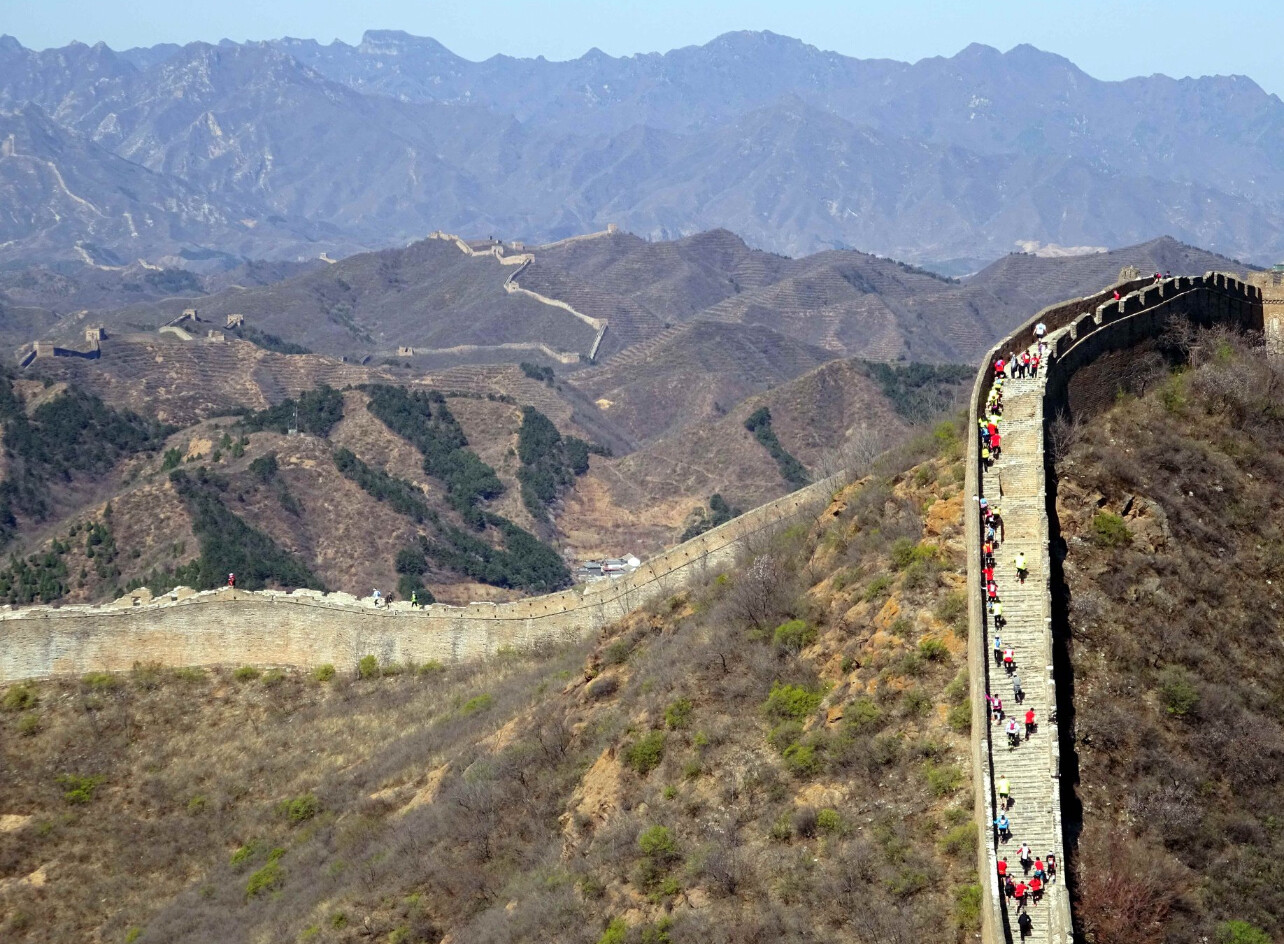
Runners often describe the marathon as both grueling and exhilarating. One participant noted, “The Jinshanling Marathon was the most challenging race I’ve ever completed. The steps were relentless, but the views made every effort worthwhile.” Another shared, “Running on the Great Wall was surreal. Each step felt like a journey through history.”
Event Highlights
• Distances Offered: Full Marathon (42K), 32K, Half Marathon (21K), 10K, and 5K
• Start Time: 6:00 AM for the Full Marathon
• Aid Stations: Strategically placed along the course, providing water, nutrition, and medical assistance
• Finisher Rewards: All finishers receive a commemorative medal and race shirt
Preparation and Training
Given the course’s demanding nature, participants are advised to engage in rigorous training, focusing on stair climbing and endurance. Proper hydration, nutrition, and acclimatization to uneven terrains are crucial for success.
Looking Ahead
The Jinshanling Great Wall Marathon continues to captivate the global running community, offering an unparalleled combination of challenge and cultural immersion. For those seeking a race that tests physical limits while providing a profound connection to history, this marathon remains an unmatched choice.
by Boris Baron
Login to leave a comment

Jinshanling Great Wall Marathon
Jinshanling Great Wall Marathon is seven years old. The running course has been well known by the most challenge and beautiful view. It has been highly attention by international runners around the world. This event has been growing and becoming the most popular running event among the international running communities. IThere were more than four hundreds international runners from more...
more...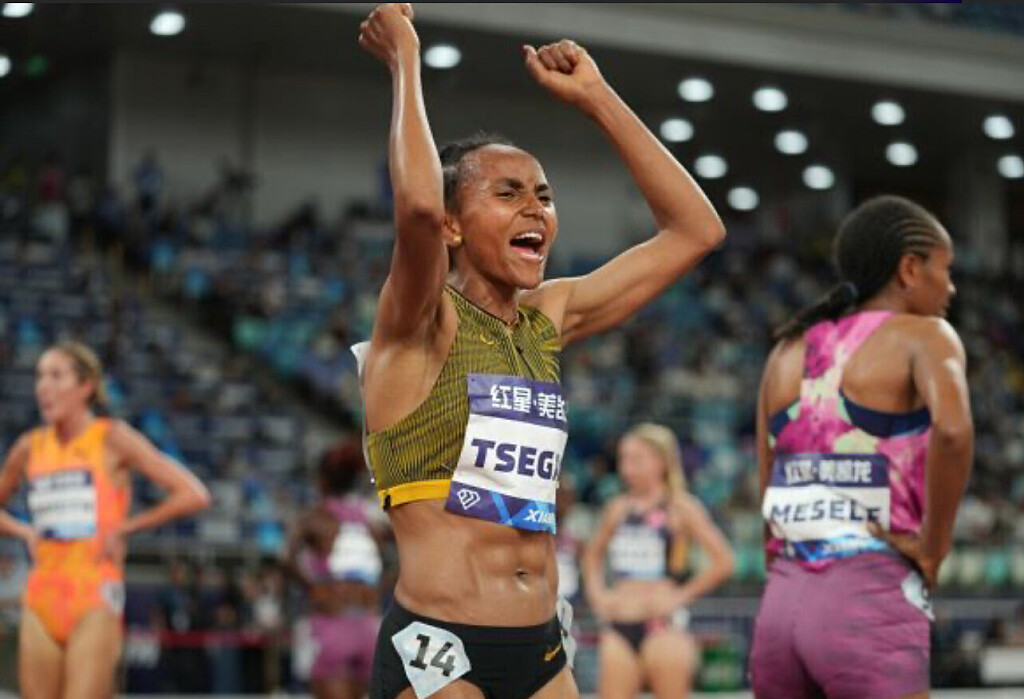
Diamond League 2025 Begins Saturday in Xiamen: Distance Stars Ready to Shine on Global Stage
The 2025 Wanda Diamond League kicks off this Saturday, April 26, in Xiamen, China, launching the most prestigious one-day series in global track and field. With 15 elite meets on the calendar, this year’s circuit serves as both a proving ground and a preview for the World Athletics Championships in Tokyo this September.
While Olympic champion Grant Holloway will headline the sprint hurdles, it’s the middle- and long-distance events in Xiamen that promise some of the most compelling matchups of the weekend.
Chebet vs. Tsegay in the Women’s 5000m
Saturday’s most anticipated race may be the women’s 5000m, featuring a classic Kenya vs. Ethiopia showdown.
Beatrice Chebet, the reigning Olympic champion and world record holder in the 10,000m, opens her Diamond League campaign against Gudaf Tsegay, the reigning 5000m world champion and world record holder. With personal bests of 14:05.92 (Chebet) and 14:00.21 (Tsegay), the two are expected to push each other deep into record territory.
They’ll be challenged by rising Ethiopian talents Freweyni Hailu and Birke Haylom, both capable of delivering world-class performances.
Kipyegon Returns in the 1000m
Also making her season debut is Kenyan superstar Faith Kipyegon, who will race the rarely-run 1000m. The two-time Olympic and world champion is the current world record holder in both the 1500m and the mile.
In Xiamen, she’ll face Jamaica’s Natoya Goule-Toppin and Uganda’s Halimah Nakaayi, both of whom are known for their championship pedigree over 800m. The 1000m offers an ideal distance for Kipyegon to sharpen her speed and stamina heading into the summer.
Men’s 3000m Steeplechase: A Deep Field Emerges
The men’s 3000m steeplechase will feature a stacked lineup, with top athletes from Kenya, Ethiopia, and Morocco vying for early-season dominance. With the event’s tradition of upsets and tactical drama, this race will be one to watch for fans of distance racing.
2025 Wanda Diamond League Schedule
Following Xiamen, the Diamond League tour travels to 14 more cities before the two-day final in Zurich. Here’s the full schedule:
• April 26 – Xiamen, China
• May 3 – Shanghai/Suzhou, China
• May 16 – Doha, Qatar
• May 25 – Rabat, Morocco
• June 6 – Rome, Italy
• June 12 – Oslo, Norway
• June 15 – Stockholm, Sweden
• June 20 – Paris, France
• July 5 – Eugene, USA
• July 11 – Monaco
• July 19 – London, UK
• August 16 – Silesia, Poland
• August 20 – Lausanne, Switzerland
• August 22 – Brussels, Belgium
• August 27–28 – Zurich, Switzerland (Diamond League Final)
The series leads directly into the 2025 World Athletics Championships, set for September 13–21 at Japan National Stadium in Tokyo.
by Boris Baron
Login to leave a comment
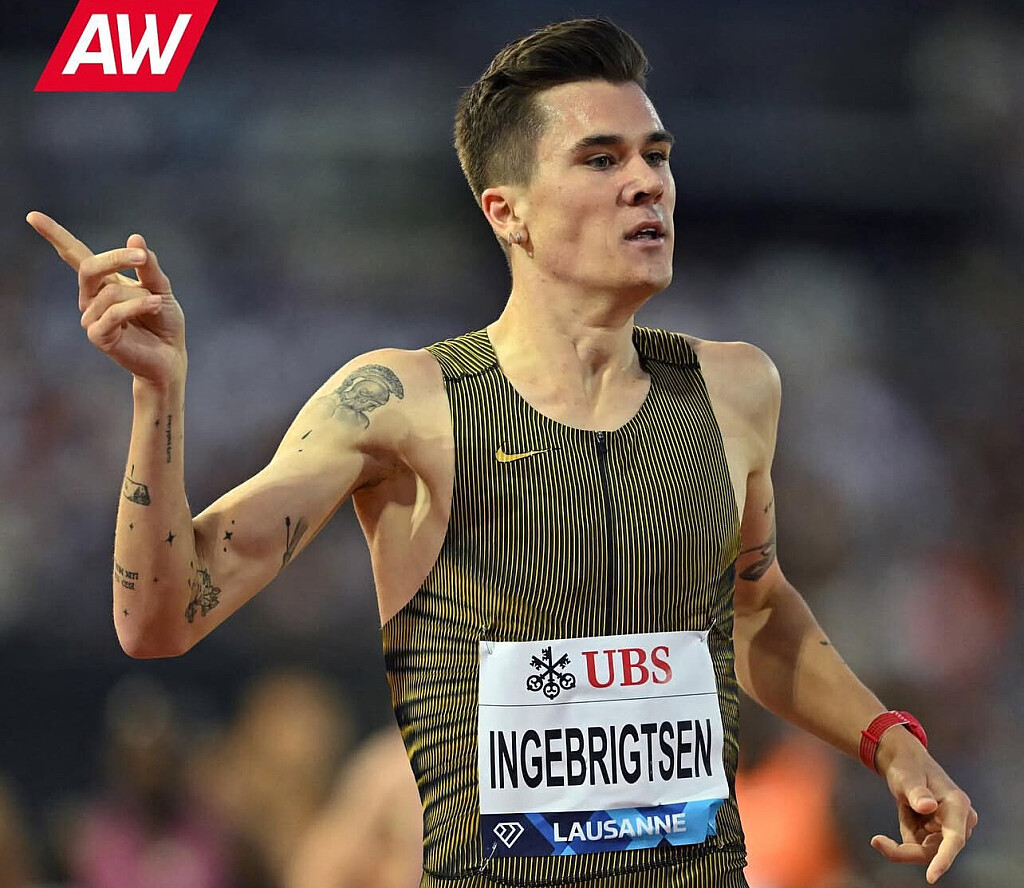
Showdowns Set to Define 2025 Diamond League Season with over 9 million in prize money
With the season opener just days away, rivalries from 800m to 10,000m are heating up on the Road to Zurich
The 2025 Wanda Diamond League kicks off on April 26 in Xiamen, China, launching a new season of high-stakes track and field action. For the world’s best middle- and long-distance runners, this marks the beginning of the Road to the Final—a journey that will culminate in Zurich on August 27–28.
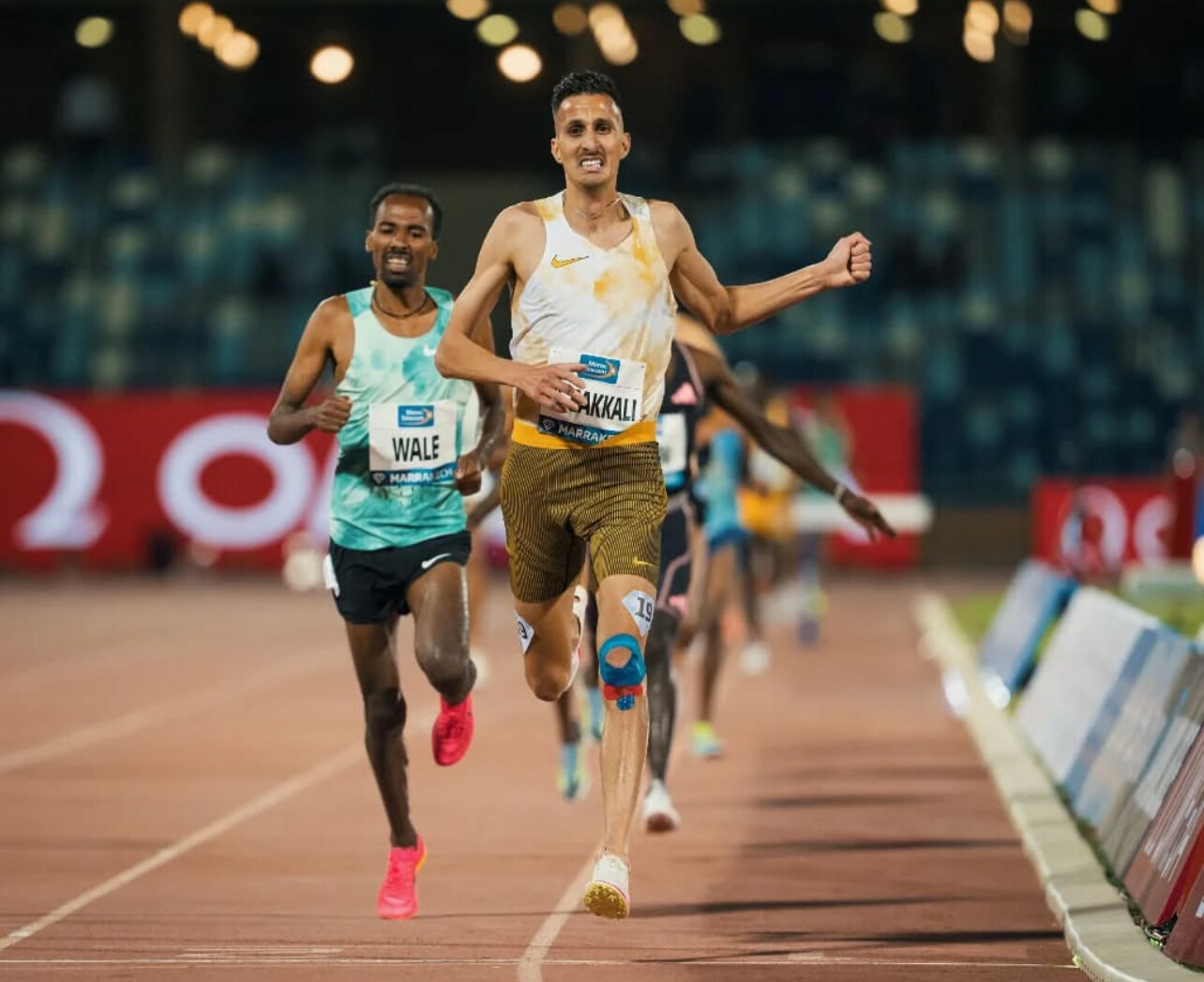
And if the early headlines are any indication, the upcoming season will be nothing short of electric.
Ingebrigtsen vs. Kerr: A Rivalry Rekindled
One of the fiercest rivalries in the sport will light up the men’s 1500m once again as Jakob Ingebrigtsen and Josh Kerr go head-to-head at the London Diamond League on July 19.

Their tension has been simmering since Kerr stunned Ingebrigtsen to win the world title in Budapest in 2023. The Norwegian responded with a strong victory in Zurich, but the scoreboard is far from settled.
Ingebrigtsen, now chasing his fifth career Diamond League title, will also line up against Olympic medalists Yared Nuguse and Cole Hocker in the Bowerman Mile at the Prefontaine Classic in Eugene on July 5, setting up another world-class clash.
Doha’s Steeplechase Rematch
The women’s 3000m steeplechase promises a rematch of Olympic proportions in Doha, where Winfred Yavi will face off against fellow medalists Peruth Chemutai and Faith Cherotich.
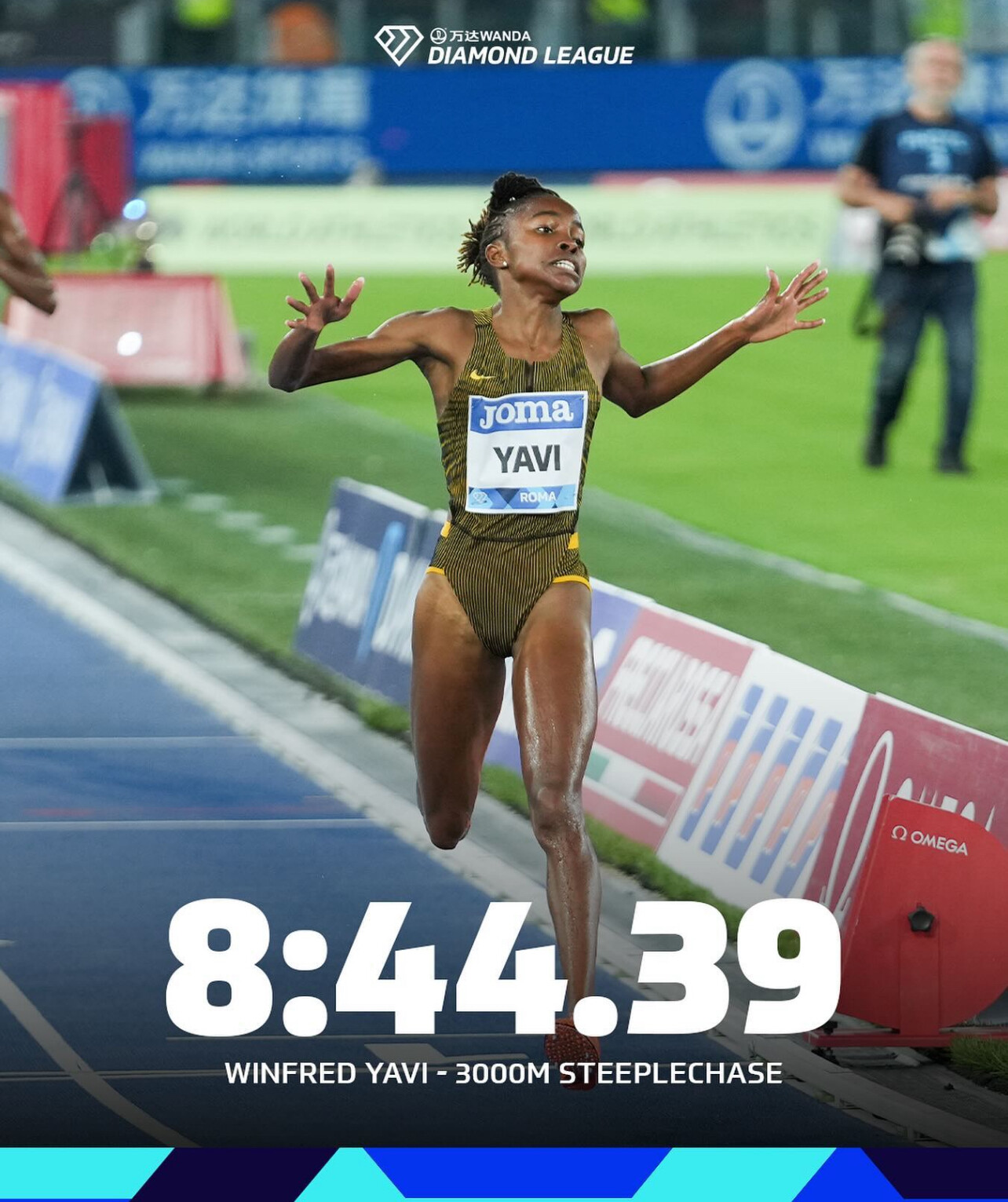
Yavi, the reigning Olympic champion, came within a whisker of the world record in Rome last season, while Cherotich enters 2025 as the Diamond League titleholder. Their early-season clash in Qatar could set the tone for one of the most compelling storylines in women’s distance running.
Eyes on Rome: A Distance-Lover’s Dream
The Pietro Mennea Golden Gala in Rome on June 6 is already shaping up to be one of the key middle- and long-distance showpieces of the year.
While final entries are still being confirmed, the women’s 800m is expected to feature a powerhouse lineup, potentially including Keely Hodgkinson, Athing Mu, and Mary Moraa. On the men’s side, stars like Emmanuel Wanyonyi, Marco Arop, and Djamel Sedjati are expected to battle for points in a crowded field of Olympic contenders.
Rome, known for producing fast times and historic finishes, could once again deliver career-defining performances.
2025: A Season Built for Distance Drama
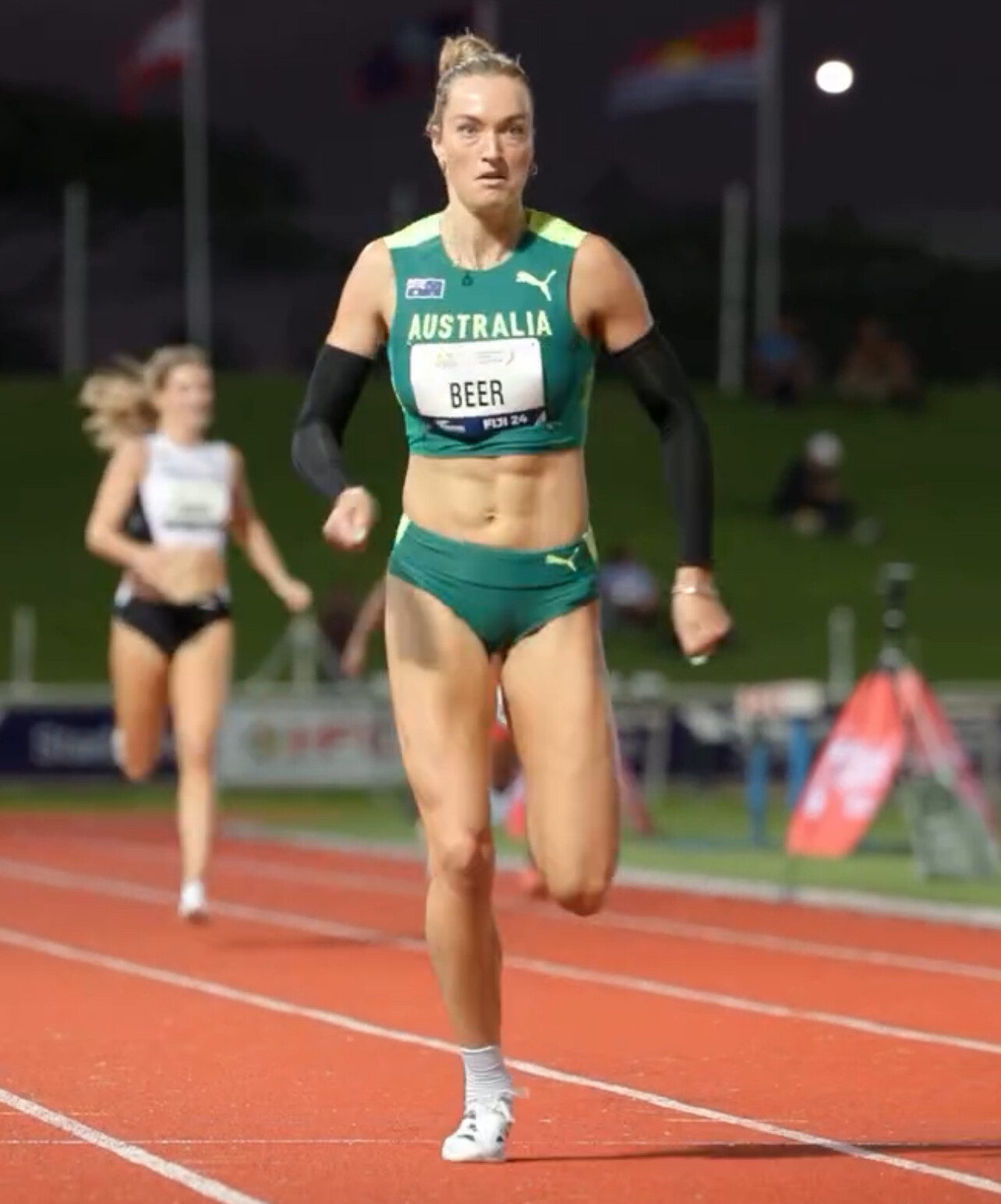
The Wanda Diamond League includes 14 series meets across four continents, leading to the two-day Final in Zurich, where only the top point-earners will compete for the Diamond Trophy. With increased prize money—ranging from $30,000 to $50,000 per discipline at series meetings and $60,000 to $100,000 at the Final—and millions watching worldwide, every race matters.
2025 is already shaping up to be a banner year for middle- and long-distance running. With fierce rivalries, Olympic-level fields, and rising stars chasing career breakthroughs in the 800m, 1500m, mile, steeplechase, 5000m, and 10,000m, the stage is set for one of the most thrilling Diamond League seasons yet.
by Boris Baron
Login to leave a comment
