

Running News Daily
Running News Daily is edited by Bob Anderson and team. Send your news items to bob@mybestruns.com Advertising opportunities available.
Index to Daily Posts · Sign Up For Updates · Run The World Feed
Articles tagged #Yomif Kejelcha
Today's Running News


2026: The Year Distance Running’s Impossible Records Began to Fall
Distance running has witnessed extraordinary seasons before, but 2026 is producing something that feels almost unprecedented.
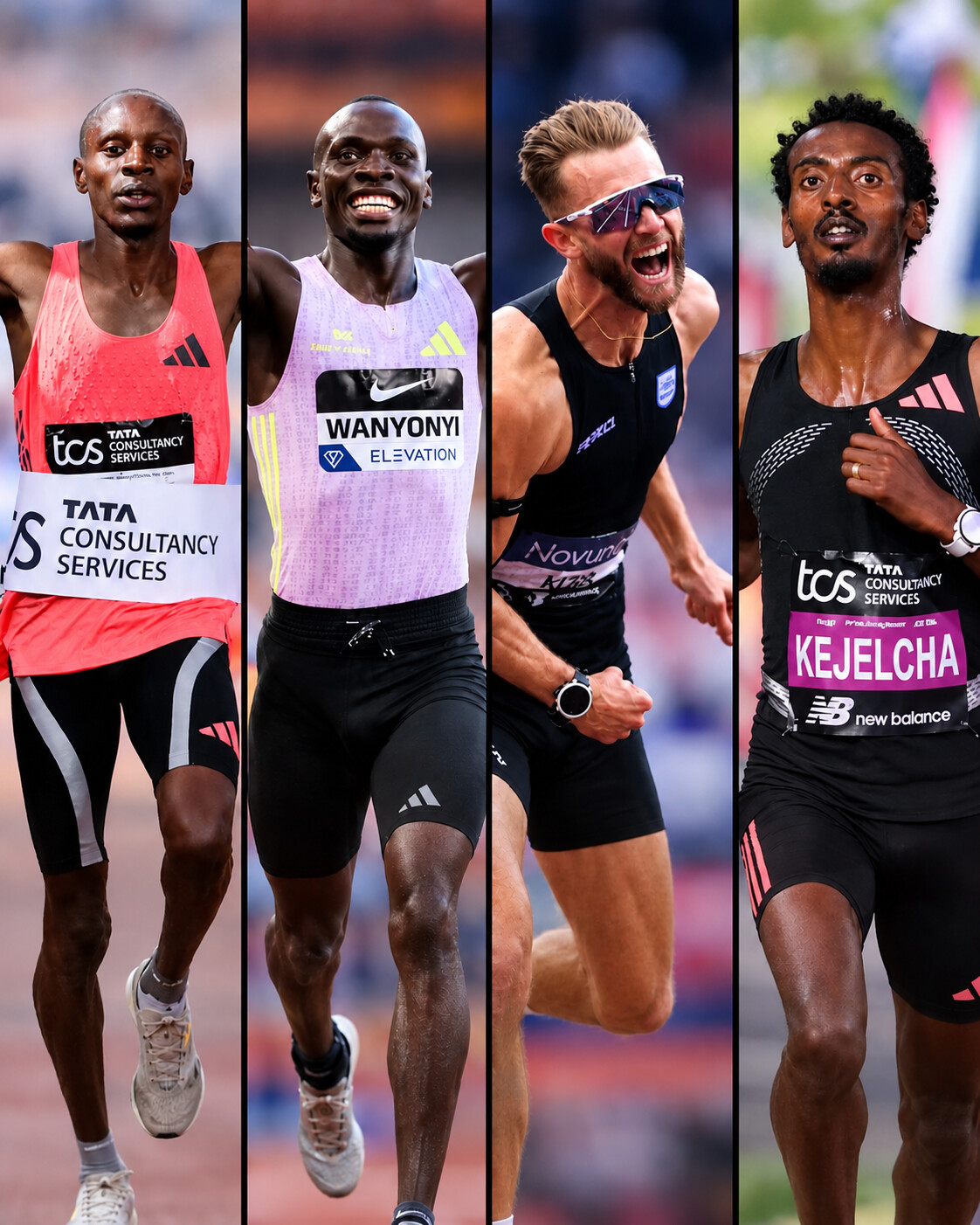
Records that had survived for decades, marks that appeared untouchable and performances that had defined entire generations of athletes are falling at a remarkable rate. In the space of just four months, four historic world records were rewritten, creating one of the most astonishing stretches the sport has ever seen.
And with four months still remaining in 2026, the question is no longer whether this has been an exceptional year.
It is just how much further the boundaries can be pushed.
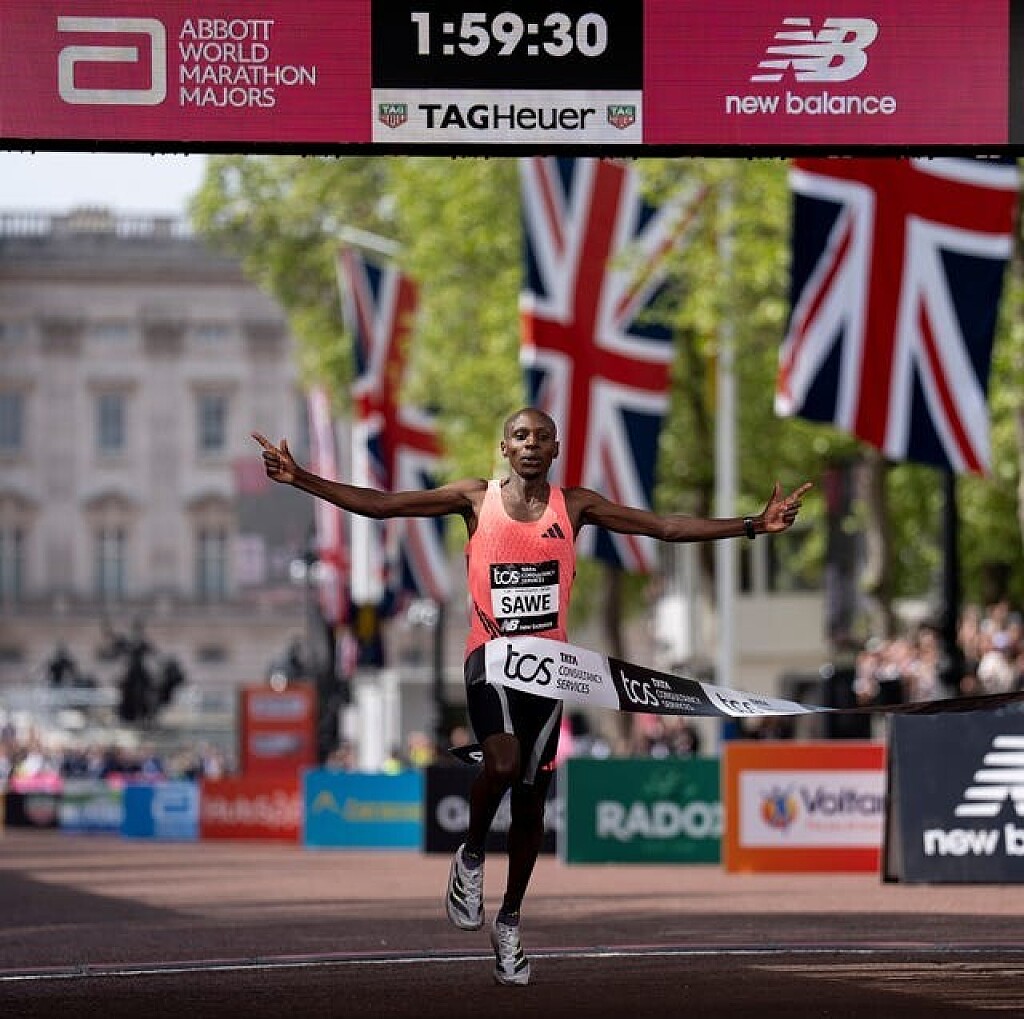
The extraordinary sequence began on April 26 at the London Marathon, where Sabastian Sawe delivered one of the defining performances in the history of the event. The Kenyan crossed the finish line in a breathtaking 1:59:30, becoming the first athlete to run a marathon under two hours in officially recognised, record-eligible conditions.
Eliud Kipchoge had famously broken the two-hour barrier in Vienna in 2019, proving that such a performance was humanly possible, but the specially organised conditions—including rotating pacemakers and a pace car—meant the time could not be recognised as an official world record.
Sawe's performance was different.
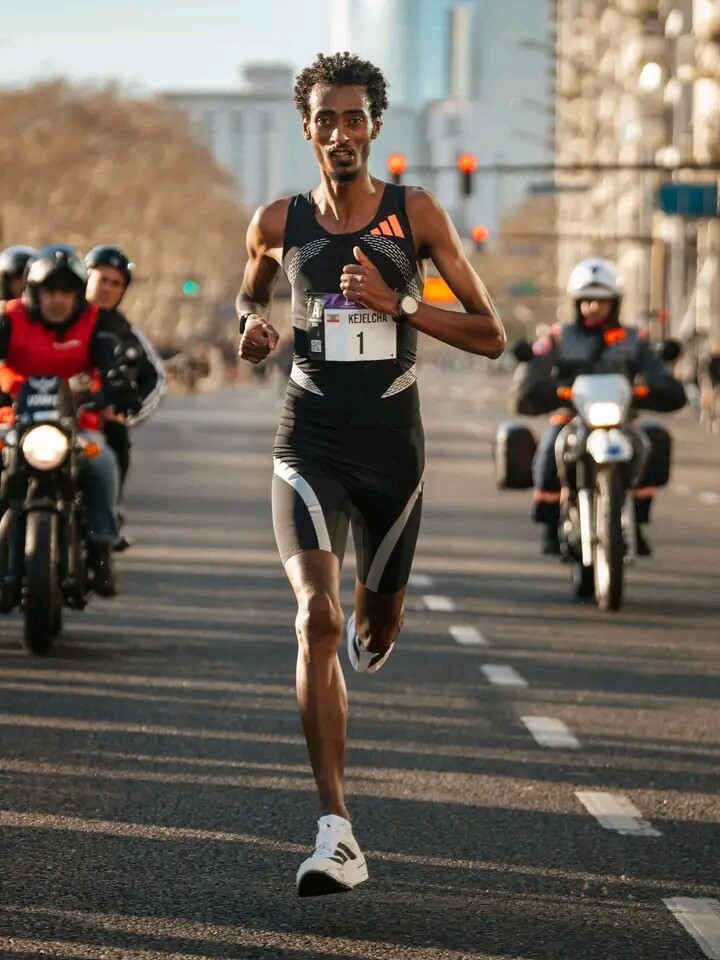
His 1:59:30 came in a conventional elite marathon race, and the historic morning became even more extraordinary as Ethiopia's Yomif Kejelcha finished in 1:59:41, while Uganda's Jacob Kiplimo clocked 2:00:28. In one astonishing race, three athletes went faster than the previous world-record standard.
Then came Monaco.
On July 10, Emmanuel Wanyonyi stepped into completely unfamiliar territory when he lined up for his first-ever 1000m race. What followed was nothing short of spectacular. The Kenyan middle-distance star stormed to 2:11.83, smashing a world record that had belonged to Noah Ngeny since 1999.
The previous mark had stood for 27 years, having been set four years before Wanyonyi was even born. Yet on his debut over the distance, Wanyonyi made history look effortless, while Britain's Jake Wightman also produced a superb performance to move into fifth place on the all-time list.
Just eight days later, London delivered another historic moment.
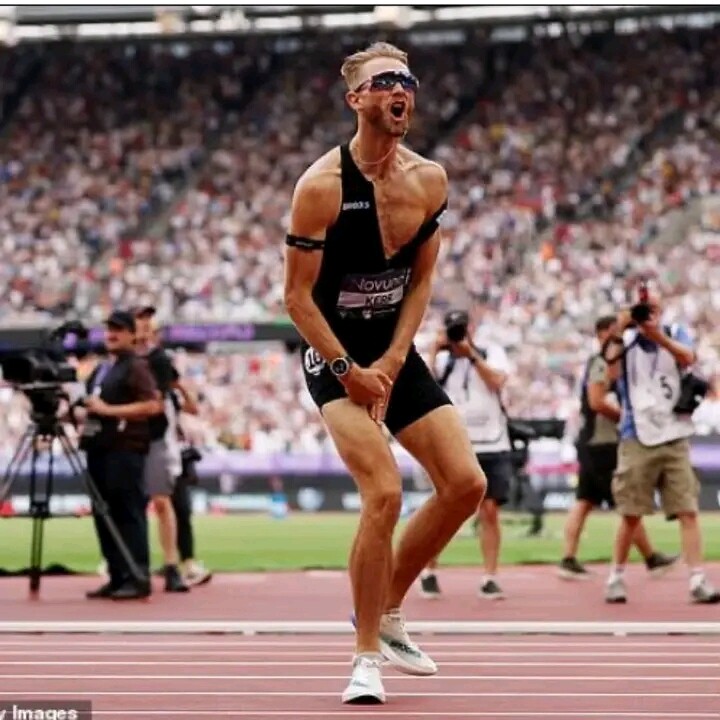
Josh Kerr had spoken openly about his ambitious mission, calling it “Project 222.” On the track, however, ambition turned into reality. The British star produced a stunning 3:42.66 for the mile, finally surpassing Hicham El Guerrouj's legendary 3:43.13 world record.
For decades, El Guerrouj's mark had stood as one of athletics' most iconic standards—a performance that appeared almost immune to the passing of time. Kerr changed that, producing a run that instantly secured its place among the greatest mile performances ever witnessed.
And then, in Buenos Aires on August 23, Yomif Kejelcha returned to the centre of the distance-running world.
Having already played a major role in London's historic marathon, the Ethiopian produced another extraordinary performance, this time over the half marathon. Kejelcha clocked 56:51, becoming the first man in history to break 57 minutes for the distance under valid record conditions.
What made the performance even more remarkable was the manner in which it unfolded. Kejelcha was running alone from around the 7km mark, with no rival beside him and no dramatic sprint finish required. He simply continued driving forward, producing one of the most dominant record-breaking performances ever seen on the roads.
Four historic records.
Four months.
A marathon barrier that had long been considered impossible in official competition. A 1000m record that had survived for 27 years. A mile record that had belonged to one of the greatest middle-distance runners in history. And a half-marathon performance that carried the event into completely new territory.
Distance running is living through a year unlike almost anything the sport has experienced before.
The most remarkable part?
2026 is not over yet.
With four months still remaining, the athletes of this extraordinary era may not be finished rewriting history.
by Erick Cheruiyot for My Best Runs.
Login to leave a comment

Jimmy Gressier’s Bold Copenhagen Double: From Sub-13 Speed To Half-Marathon Glory?
Jimmy Gressier is preparing to take on one of the most intriguing challenges of the 2026 World Athletics Road Running Championships in Copenhagen — competing in both the men’s 5km and half-marathon, with less than a day separating the two races.
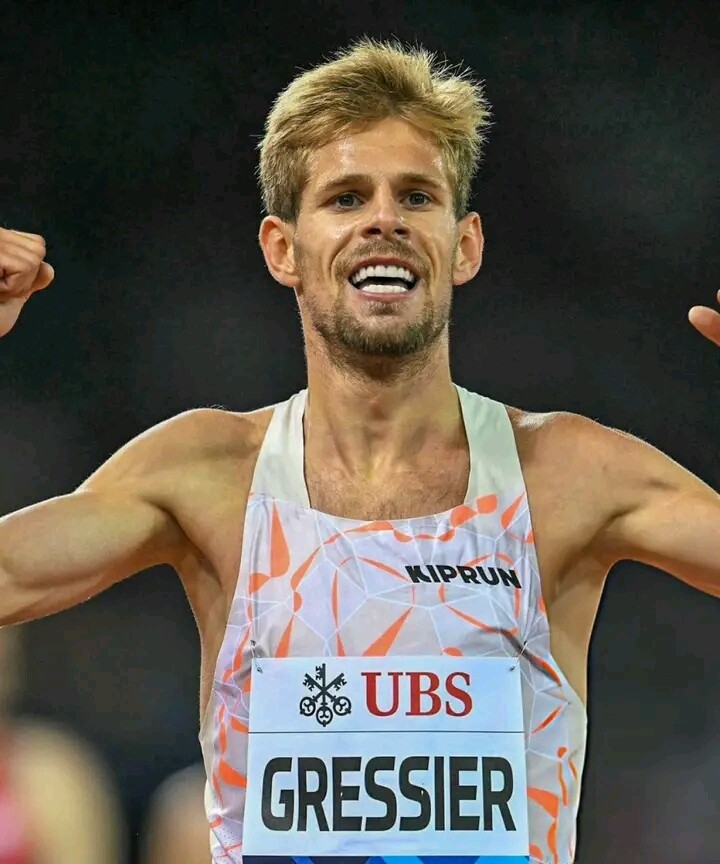
The French star is listed for the 5km on September 19 at 2:40 p.m., before returning to action for the half-marathon at 9:45 a.m. the following morning. That gives him just 19 hours and five minutes between races.
It is a remarkable contrast. One race is expected to last less than 13 minutes for Gressier; the other could keep him racing for around an hour. His personal bests tell the same story: 12:51 for 5km, equivalent to roughly 4:08 per mile, and 59:45 for the half-marathon, or about 4:33 per mile.
And the difference in his standing on the two start lists is striking.
In the 5km, Gressier enters as the fastest man in the field of 63 athletes. His sensational 12:51 in Lille in April made him the European record-holder and moved him to within just two seconds of the world record. Ethiopia’s Addisu Yihune is the only other athlete entered with a faster mark than 13 minutes, having run 12:54, while no other competitor has broken 13:06 this year.

The half-marathon presents a completely different challenge.
Gressier’s 59:45 personal best places him 13th on the entry list, with 12 athletes boasting faster lifetime performances. Kenya’s Nicholas Kipkorir leads that group with 58:08, while Sweden’s Andreas Almgren arrives with the European record of 58:41. Gideon Kipkertich Rono has run 58:38, Tadese Worku 58:47, while the field also includes major names such as Joshua Cheptegei, Daniel Simiu Ebenyo, Yemaneberhan Crippa and Conner Mantz.
Adding another layer of intrigue, Gressier has not raced a half-marathon in 2026.
Yet this is far from unfamiliar territory for the Frenchman.
Gressier has already demonstrated that he can excel over 21.1 kilometres. His 59:45 came when he won the European half-marathon title in Brussels-Leuven in April 2025, defeating Norway’s Awet Nftalem Kibrab by 1:23. He also finished fifth at the 2023 World Half Marathon Championships in Riga, clocking 59:46.
That makes Copenhagen’s unusual schedule particularly important.
When the inaugural World Road Running Championships were held in Riga three years ago, the elite races were compressed into a single afternoon, making a 5km-and-half-marathon double far more difficult to contemplate. Copenhagen has instead spread the competitions across the weekend, creating a window that allows athletes such as Gressier to attempt something far more ambitious.
He will not be alone. Ten athletes on the final entry lists have entered two races, but Gressier’s combination is arguably among the most demanding because of the intensity with which he attacks both distances.
There is also a powerful reminder of what Gressier can produce when the stakes are highest.
At last year’s World Championships in Tokyo, he produced a breathtaking finish to claim the 10,000m world title, edging Yomif Kejelcha by just 0.06 seconds. His own description of that dramatic finish captured his competitive instinct perfectly: he had targeted a medal, moved into third on the home straight, then surged through second before taking gold.
Now, Gressier is preparing for another test of versatility.
First comes the explosive 5km, where he arrives as the fastest man on paper and one of the biggest threats to the world’s best. Then, barely 19 hours later, comes the half-marathon — a race filled with established road-running specialists and several athletes with considerably faster credentials.
Two races. Two very different challenges. One extraordinary weekend.
In Copenhagen, Jimmy Gressier will find out just how far his remarkable range can take him.
by Erick Cheruiyot for My Best Runs.
Login to leave a comment
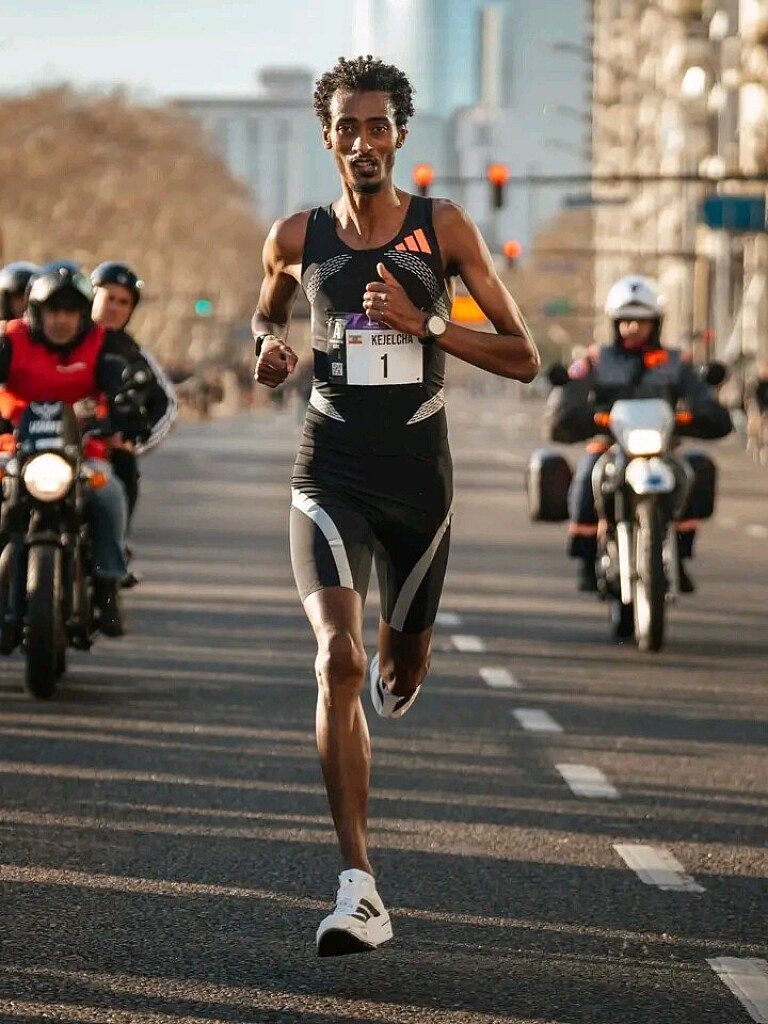
From 1:07:01 To 56:51: The Extraordinary Evolution Of The Half Marathon World Record
The history of the men’s half marathon world record is a remarkable journey through more than six decades of distance running, tracing the sport’s transformation from club-level competition to an era of extraordinary professional speed.
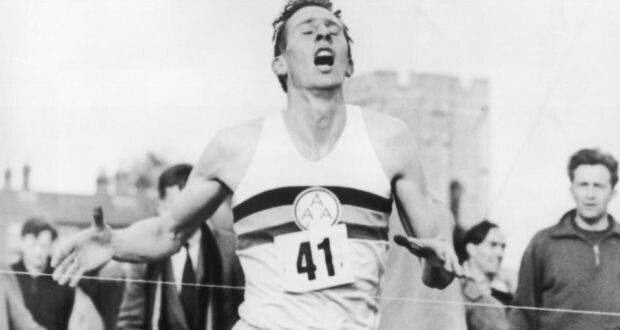
The story began in the spring of 1960 in Romford, Essex, where British club runner Brian Hill-Cottingham ran 21.0975 kilometres in 1:07:01, setting the fastest officially recorded time at the distance at the time.
For years, the record progressed slowly. British and American runners dominated much of the early history, with improvements often measured in seconds rather than dramatic leaps. Ron Hill lowered the mark to 1:05:44 in 1965, while Derek Clayton took it down to 1:03:22 in 1967. Through the 1970s and 1980s, the barrier continued to fall as athletes from different nations gradually pushed the limits of what was possible over 21.1 kilometres.
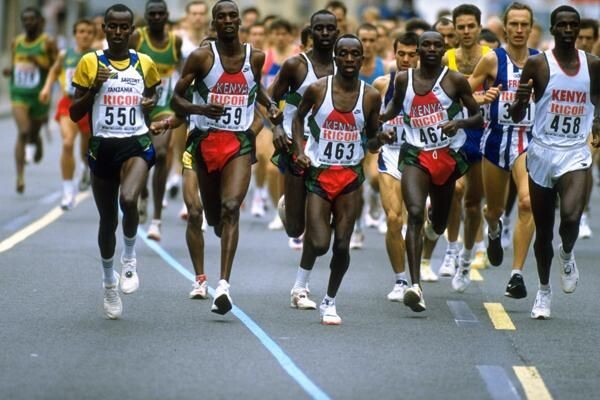
Then came the breakthrough that changed the character of the event.
In 1993, Kenya’s Moses Tanui became the first man to break the one-hour barrier, running 59:47 in Milan. It was a landmark moment for road running. The half marathon was no longer simply another distance on the racing calendar; it had become an event worthy of specialised preparation and elite-level ambition.
Kenya subsequently established a remarkable presence in the record progression. Paul Tergat lowered the record to 59:17 in 1998 before eventually pushing it below 59 minutes with a 59:06 mark later that year. Eritrea’s Zersenay Tadese and Kenya’s Sammy Wanjiru continued the progression in the 2000s, with Wanjiru taking the record to 58:33 in 2007.
Tadese reclaimed the record in 2010 with 58:23, but the most dramatic developments were still to come.
In 2018, Kenya’s Abraham Kiptum ran 58:18, only for countryman Geoffrey Kamworor to lower the standard to 58:01 in 2019. A year later, another Kenyan, Kibiwott Kandie, produced one of the greatest breakthroughs in the event’s history, becoming the first man to break 58 minutes with 57:32 in Valencia.
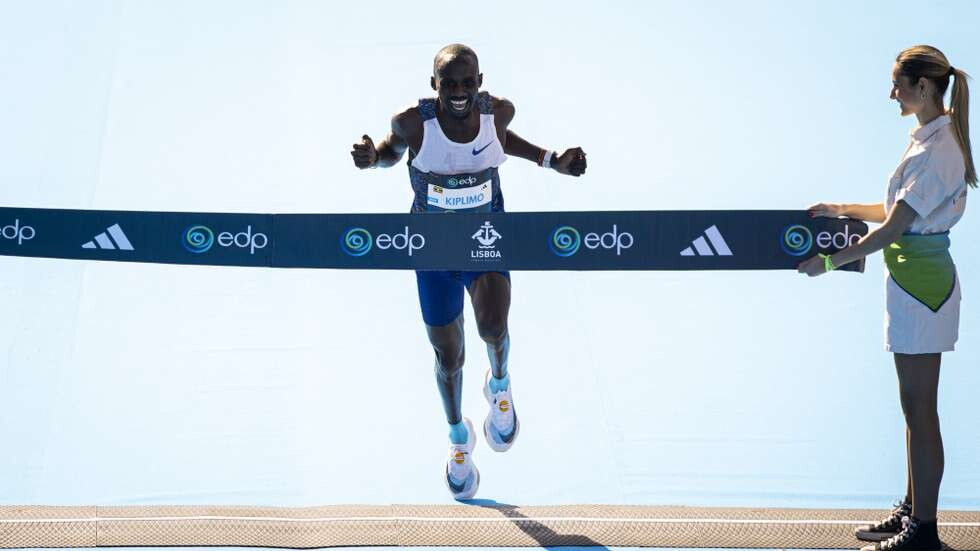
Uganda’s Jacob Kiplimo then entered the record books, running 57:31 in Lisbon in 2021. Ethiopia’s Yomif Kejelcha lowered it by another second to 57:30 in Valencia in 2024.
And then, in 2026, the record progression became a breathtaking battle between two of the finest distance runners of their generation.
Kiplimo reclaimed the world record in Lisbon with 57:20, taking 10 seconds from Kejelcha’s mark. But Kejelcha responded with an extraordinary performance in Buenos Aires on 23 August 2026, stopping the clock at 56:51.
The improvement was staggering—29 seconds faster than Kiplimo’s previous record.
Kejelcha’s 56:51 means he averaged approximately 2:42 per kilometre for the entire 21.0975-kilometre distance, a pace that would have seemed almost unimaginable when Hill-Cottingham first established the record at 1:07:01 in 1960.
From 1:07:01 to 56:51, the progression tells the story of an event that has undergone a remarkable transformation. Training has become more sophisticated, competition has intensified, courses have become faster, and generations of athletes have continued to challenge the boundaries of human endurance and speed.
What began as a record set by a British club runner on a spring day in Essex has evolved into one of the most fiercely contested records in modern distance running.
And with Kiplimo and Kejelcha pushing each other to unprecedented heights, the question is no longer whether the half marathon can go faster.
The question is: how low can the world record ultimately go?
by Erick Cheruiyot for My Best Runs.
Login to leave a comment

Three Historic World Records Ratified As Kiplimo, Tharp And Wanyonyi Enter The Record Books
Three extraordinary performances that captivated the athletics world have now been officially ratified by World Athletics, with Jacob Kiplimo, Ja’Kobe Tharp and Emmanuel Wanyonyi securing their places in the history books with remarkable world-record performances.
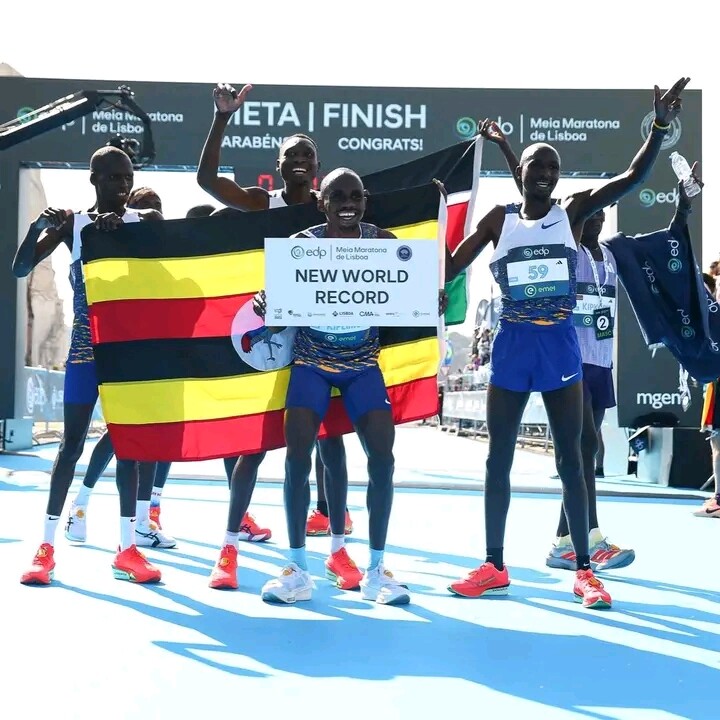
Uganda’s Jacob Kiplimo delivered a breathtaking 57:20 at the EDP Lisbon Half Marathon on 8 March 2026, producing what was then a spectacular world record. His performance underlined his exceptional ability over the half-marathon distance and further strengthened his status as one of the finest road runners of his generation.
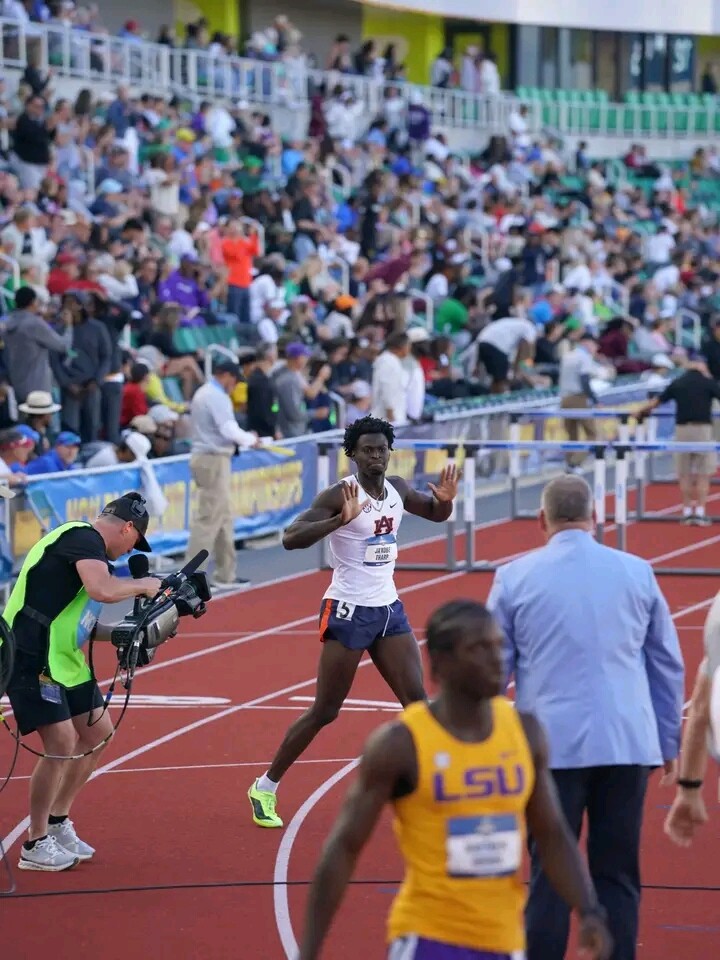
American hurdler Ja’Kobe Tharp created his own piece of history in Eugene on 10 June 2026, storming to 12.75 seconds in the 110m hurdles. The sensational performance came with a legal +1.0m/s following wind and established Tharp as the new world record-holder, marking a remarkable breakthrough on the global stage.
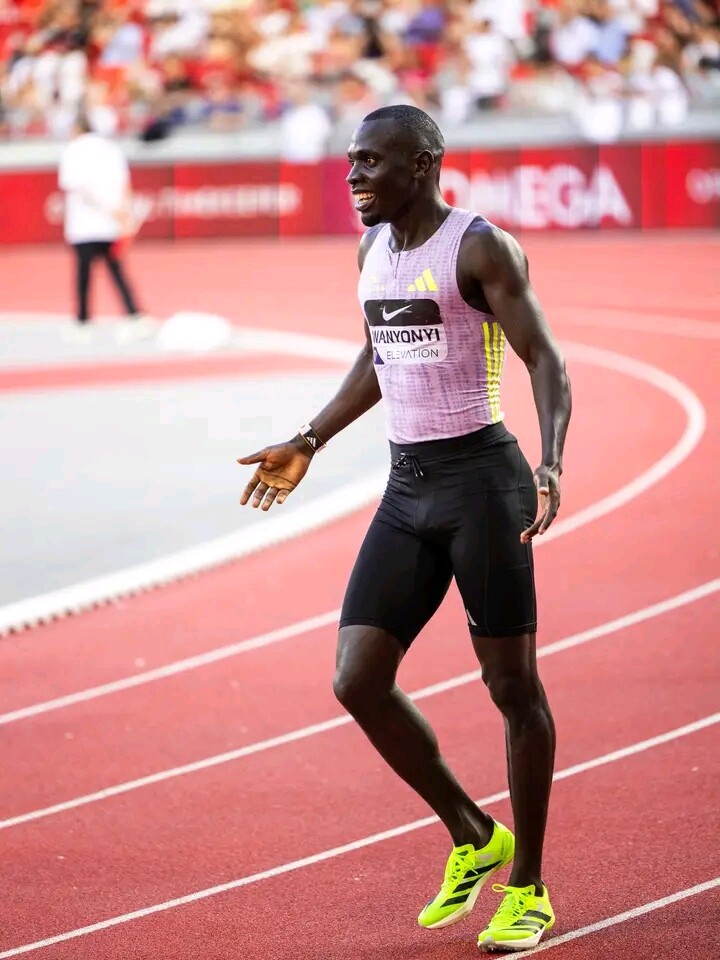
Kenya’s Emmanuel Wanyonyi completed the trio with a sensational 2:11.83 world record in the 1000m. The Olympic champion produced the performance in Monaco, lowering Noah Ngeny’s long-standing 2:11.96 world record from 1999. It was another extraordinary demonstration of Wanyonyi’s speed, strength and versatility beyond his specialist 800m distance.
What makes the three records particularly special is the variety of disciplines involved. Kiplimo conquered the demanding half marathon, Tharp mastered the technical challenge of sprint hurdling, while Wanyonyi extended his middle-distance brilliance over 1000m. Each performance showcased a different form of athletic excellence, yet all three athletes reached the same extraordinary destination: the world-record books.
Accuracy Note: Kiplimo’s 57:20 has since been surpassed by Ethiopia’s Yomif Kejelcha, who ran 56:51 at the Media Maratón Ciudad de Buenos Aires on 23 August 2026, taking 29 seconds off Kiplimo’s mark. The newer performance was still listed as pending ratification, meaning Kiplimo’s mark had been overtaken on the clock even as his record was among those formally ratified.
The ratification of the Kiplimo, Tharp and Wanyonyi performances nevertheless gives official recognition to three spectacular moments that will remain significant chapters in the 2026 athletics season.
Three athletes. Three extraordinary performances. Three officially ratified world records. From Lisbon to Eugene and Monaco, Kiplimo, Tharp and Wanyonyi have added another unforgettable chapter to the story of athletics
by Erick Cheruiyot for My Best Runs.
Login to leave a comment

From Buenos Aires History to Valencia Ambition: Kejelcha Begins the Next Chapter
Ethiopian distance-running sensation Yomif Kejelcha has been taking time to reflect on an unforgettable week in Buenos Aires, where he delivered one of the most extraordinary performances of his career and added another historic chapter to his remarkable journey.
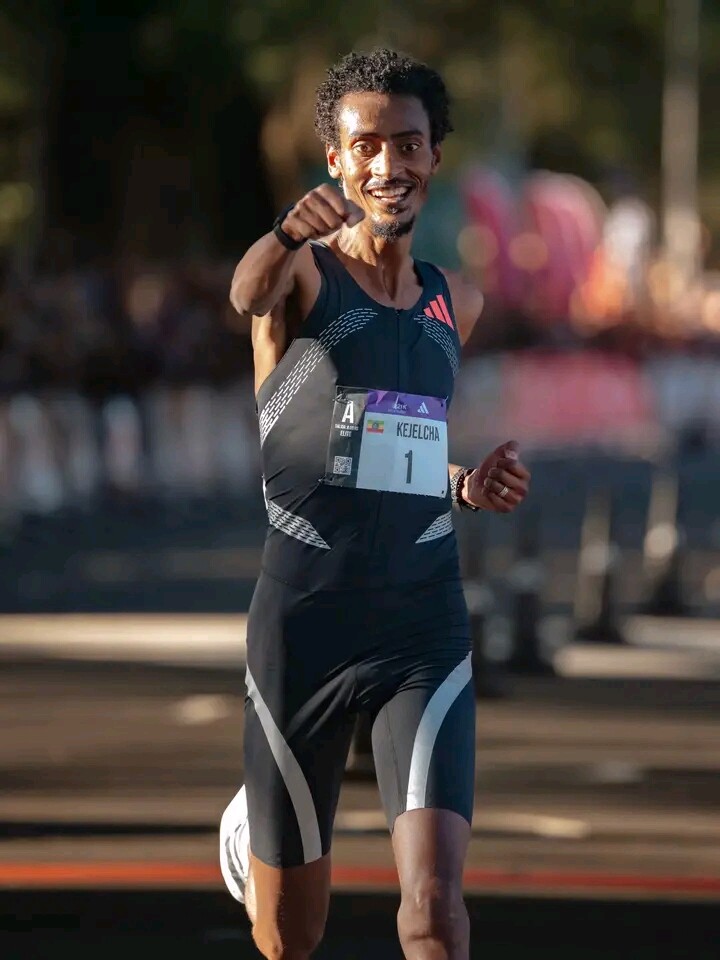
The memories from the Argentine capital remain fresh after Kejelcha produced a sensational 56:51 to break the half marathon world record in August 2026. His performance lowered the previous record by 29 seconds and marked another extraordinary milestone for one of the most versatile distance runners in the sport.
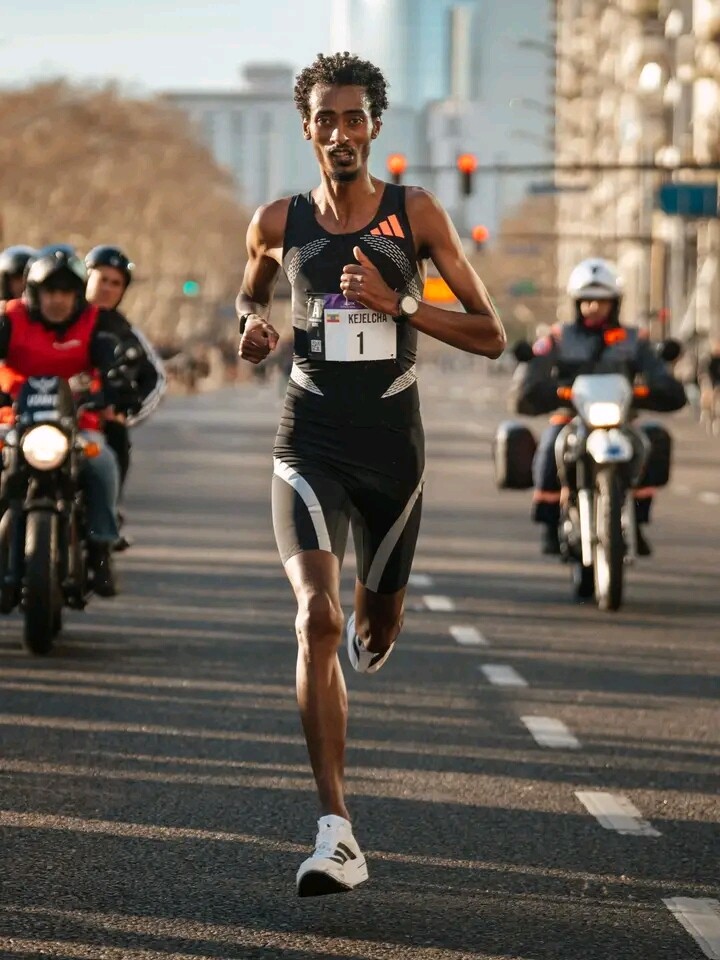
It was also a return to familiar territory for Kejelcha, who had previously held the half marathon world record after clocking 57:30 in Valencia in 2024. His latest performance in Buenos Aires therefore reinforced his remarkable ability over the 21.1km distance and added further significance to a city and race that he says left him deeply grateful for the warmth and support he received.
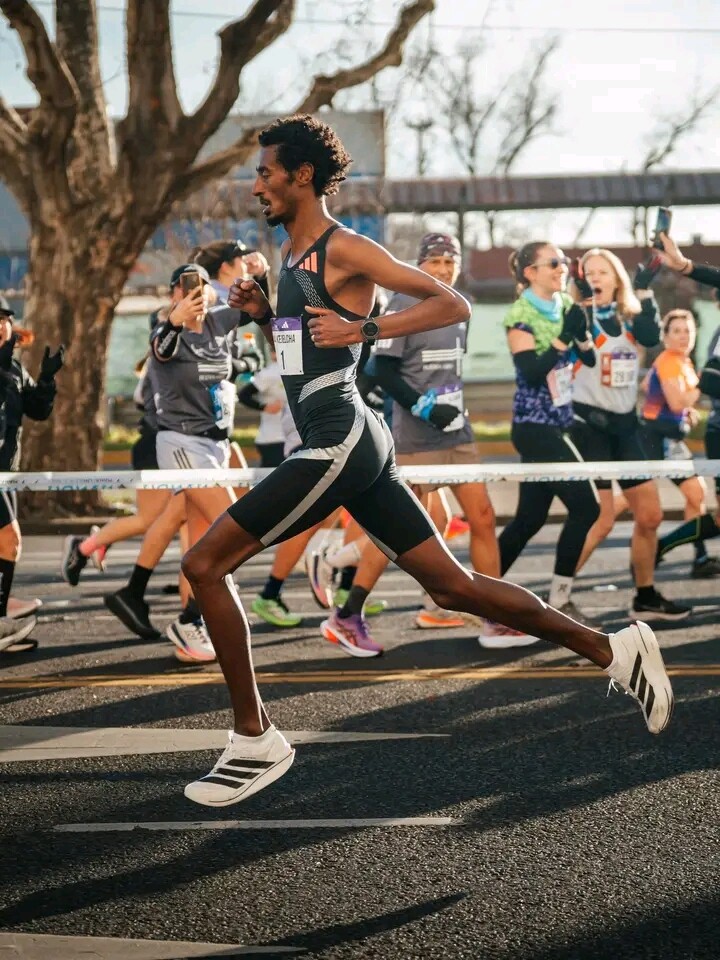
Reflecting on his time in Buenos Aires, Kejelcha shared his happiness over everything he experienced during the trip, expressing sincere appreciation for the love, encouragement and hospitality shown to him. The reception he received from fans and the local community made the historic occasion even more memorable.
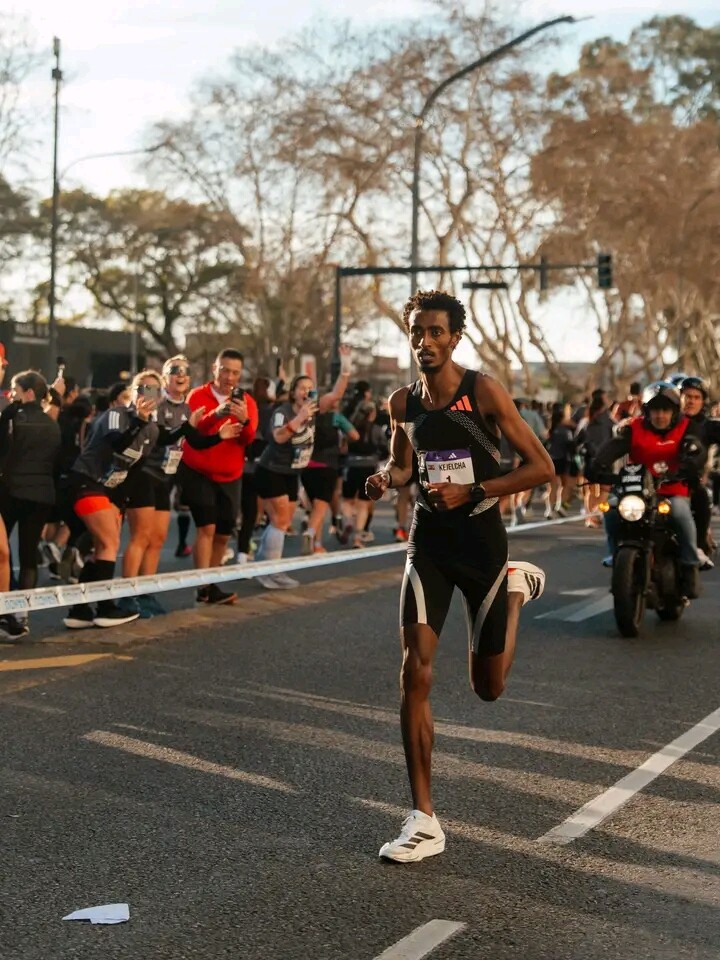
After the intensity and emotion of that performance, Kejelcha has returned home to Ethiopia, where the past week has been dedicated to rest, recovery and spending valuable time with his family. Following a demanding stretch of racing and training, the Ethiopian star is now giving both his body and mind the opportunity to recharge before gradually returning to his normal routine.
His incredible 2026 season has already featured another historic achievement. In April, Kejelcha made his marathon debut at the London Marathon and finished second in a breathtaking 1:59:41. The performance became the fastest marathon debut in history and made him only the second athlete to officially break the two-hour barrier in a record-eligible race.
Now, however, his attention is beginning to turn towards the next major challenge.
Kejelcha has identified the Valencia Marathon as his main objective for the closing stages of the season. Step by step, he is preparing to resume full training and build towards the prestigious Spanish race, where he will aim to bring an already historic campaign to a memorable conclusion.
Valencia also carries special significance in Kejelcha's recent career. It was there in 2024 that he set his previous half marathon world record, and he will now return to the Spanish city with even greater experience, confidence and a growing reputation as one of the most formidable distance runners of his generation.
The Ethiopian star also expressed his gratitude to supporters around the world for the overwhelming messages and affection he has received since his latest achievement. He made it clear that the encouragement from fans has meant a great deal to him and has added even more meaning to an unforgettable period in his career.
For now, the focus remains on recovery, family and patiently rebuilding towards the final major test of the season. But after rewriting history in Buenos Aires and producing a stunning marathon debut earlier in the year, Kejelcha's journey is far from over.
With Valencia now firmly in his sights, one of distance running's most exciting talents is preparing for the next chapter—and if 2026 has shown anything so far, it is that Yomif Kejelcha is capable of producing something truly extraordinary whenever history is on the line.
by Erick Cheruiyot for My Best Runs.
Login to leave a comment

VALENCIA TRINIDAD ALFONSO
The Trinidad Alfonso EDP Valencia Marathon is held annually in the historic city of Valencia which, with its entirely flat circuit and perfect November temperature, averaging between 12-17 degrees, represents the ideal setting for hosting such a long-distance sporting challenge. This, coupled with the most incomparable of settings, makes the Valencia Marathon, Valencia, one of the most important events in...
more...
Geoffrey Kamworor Eyes New York Hat-Trick as Kenyan Star Chases Another Major Triumph
Two-time New York City Marathon champion Geoffrey Kamworor is set for another assault on the Big Apple, with the Kenyan distance-running star targeting a historic third victory when the Abbott World Marathon Majors race returns on November 1.
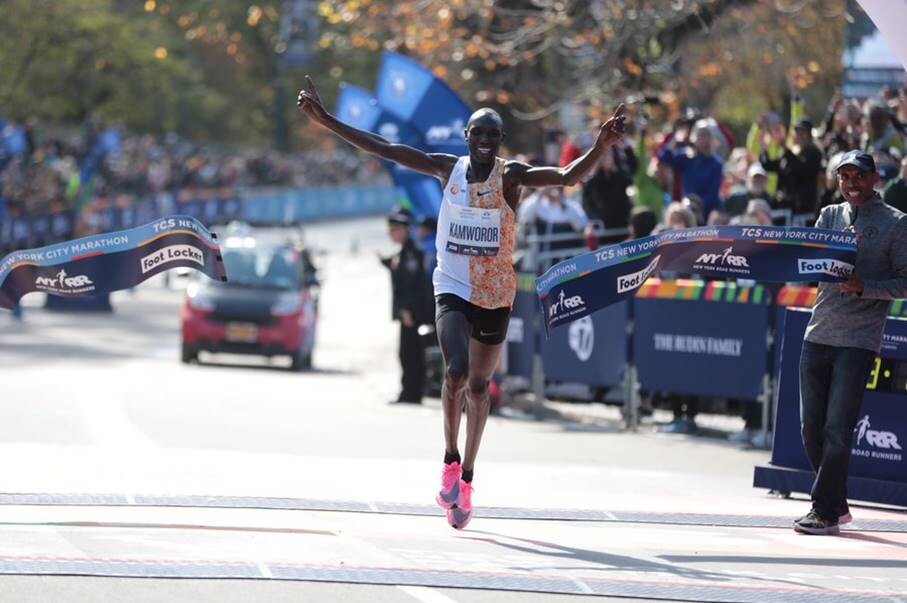
For Kamworor, New York represents much more than another marathon. It is a course where he has already enjoyed some of the defining moments of his illustrious career, and where he will now seek to add another prestigious title to a remarkable collection of achievements.
The 33-year-old has developed a special relationship with the New York course since making his debut there in 2015. On that occasion, he finished runner-up in 2:10:48 behind compatriot Stanley Biwott, who won in 2:10:34.
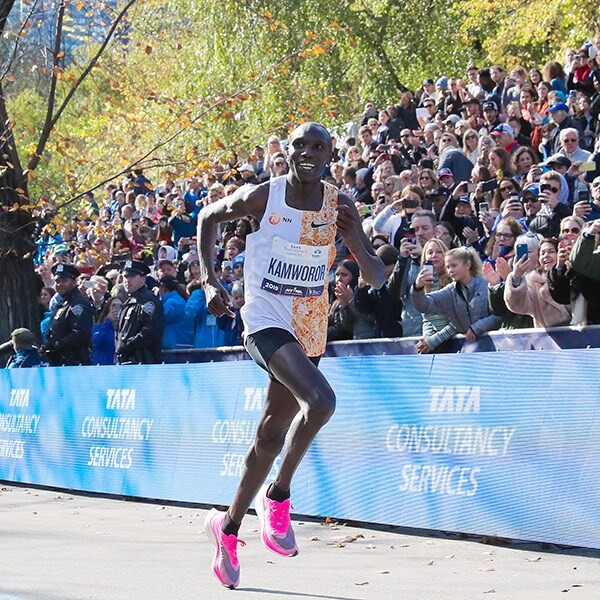
Two years later, Kamworor went one step further.
In 2017, he produced a composed performance to claim his first New York Marathon crown, crossing the finish line in 2:10:53. He held off fellow Kenyan and former world record-holder Wilson Kipsang, who finished just three seconds behind in 2:10:56, while Ethiopia's Lelisa Desisa took third in 2:11:32.

Kamworor returned the following year hoping to defend his title but had to settle for third place. Desisa triumphed in 2:05:59, ahead of Shura Kitata in 2:06:01, while Kamworor clocked 2:06:26.
But the Kenyan refused to stay away from the top for long.
In 2019, he reclaimed the New York crown in emphatic fashion, winning in 2:08:13. Albert Korir followed in second in 2:08:36, with Ethiopia's Girma Bekele completing the podium in 2:08:38.
Those two victories remain Kamworor's only Abbott World Marathon Majors titles, making New York a particularly significant venue in his career.
His latest appearance in the race, however, ended without another podium finish. Returning in 2024, Kamworor placed fifth in 2:08:50 as the Netherlands' Abdi Nageeye won in 2:07:39. Kenya's Evans Chebet was second in 2:07:45, while Albert Korir took third in 2:08:00.
Now, Kamworor is eager to return to the city where he has already tasted victory twice.
“I am very excited to be going back to New York,” Kamworor said, expressing his anticipation ahead of another demanding battle through the streets of the world's most famous city.
For the Kenyan star, the race offers a unique combination of sporting pressure and an atmosphere unlike any other.
“It's always an incredible experience to run the biggest marathon in the world. I'm really looking forward to feeling the energy of the crowd again,” he added.
Kamworor's challenge will be to arrive in New York at his best after a mixed campaign in 2026.
He began the year in spectacular fashion, winning the Ras Al Khaimah Half Marathon on February 14. The Kenyan clocked an impressive 58:14, finishing ahead of Bahrain's Birhanu Balew, who ran 58:23, and compatriot Gideon Rono, who crossed the line in 58:38.
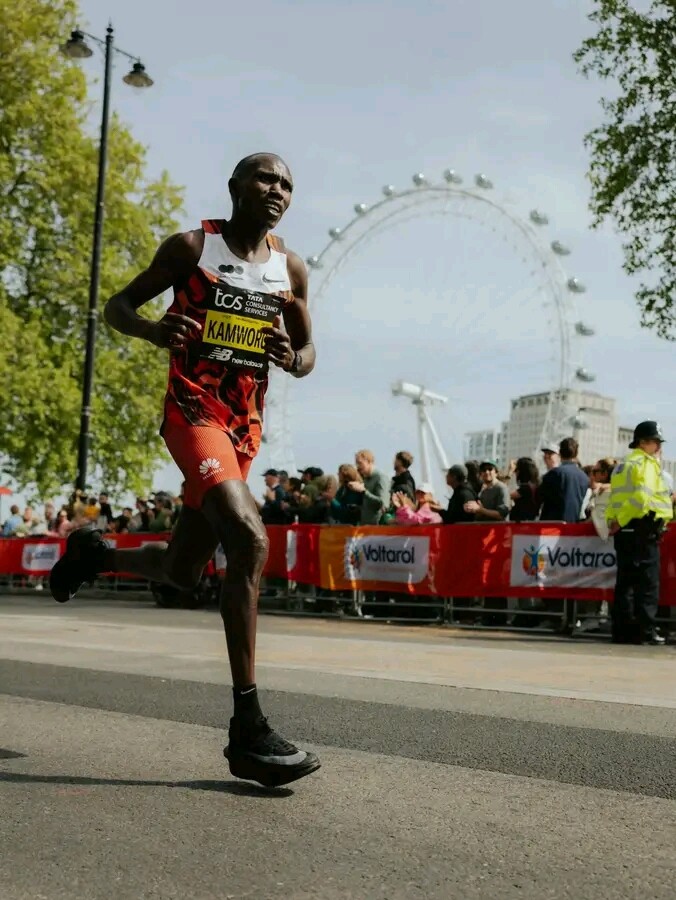
His London Marathon campaign on April 26 proved considerably tougher. Kamworor finished eighth in 2:05:38 in a historic race dominated by Sebastian Sawe, who produced a sensational 1:59:30 to become the first man to break the two-hour barrier in a marathon. Ethiopia's Yomif Kejelcha was second in 1:59:41, while Uganda's Jacob Kiplimo finished third in 2:00:28.
Kamworor will therefore arrive in New York with both experience and motivation on his side. He knows exactly what the course demands, having already navigated its hills, turns and relentless closing stages on multiple occasions.
Beyond the marathon, his career is decorated with major international honours across several disciplines.
Kamworor is a three-time world half marathon champion, winning his first title in Copenhagen in 2014 before successfully defending his crown in Cardiff in 2016 and completing his remarkable hat-trick in Valencia in 2018.
He has also established himself as one of Kenya's finest cross-country runners. He won the world junior cross-country title in Punta Umbria in 2011 before becoming a senior world champion in Guiyang in 2015 and Kampala in 2017. He added a bronze medal at the 2019 World Cross Country Championships in Aarhus.
That versatility has long been one of Kamworor's greatest strengths. From cross country to the half marathon and now the marathon, he has repeatedly demonstrated the endurance, tactical intelligence and competitive resilience required to succeed at the highest level.
Yet New York remains unfinished business.
With two victories already secured and another opportunity waiting on November 1, Kamworor has a chance to strengthen his legacy on one of the sport's most iconic stages.
A third triumph would not only give him a coveted New York hat-trick but would further cement his status as one of Kenya's most accomplished distance runners of his generation.
The Big Apple has already given Kamworor some of the proudest moments of his career. Now, the Kenyan star is returning with one clear ambition — to conquer New York once again.
by Erick Cheruiyot for My Best Runs.
Login to leave a comment

TCS New York City Marathon
The first New York City Marathon, organized in 1970 by Fred Lebow and Vince Chiappetta, was held entirely in Central Park. Of 127 entrants, only 55 men finished; the sole female entrant dropped out due to illness. Winners were given inexpensive wristwatches and recycled baseball and bowling trophies. The entry fee was $1 and the total event budget...
more...
Kejelcha and Sawe: Two Men Driving Road Running Into a New Era
Men's road running is moving into extraordinary territory, and two athletes are increasingly at the heart of its breathtaking evolution: Yomif Kejelcha of Ethiopia and Sabastian Sawe of Kenya.
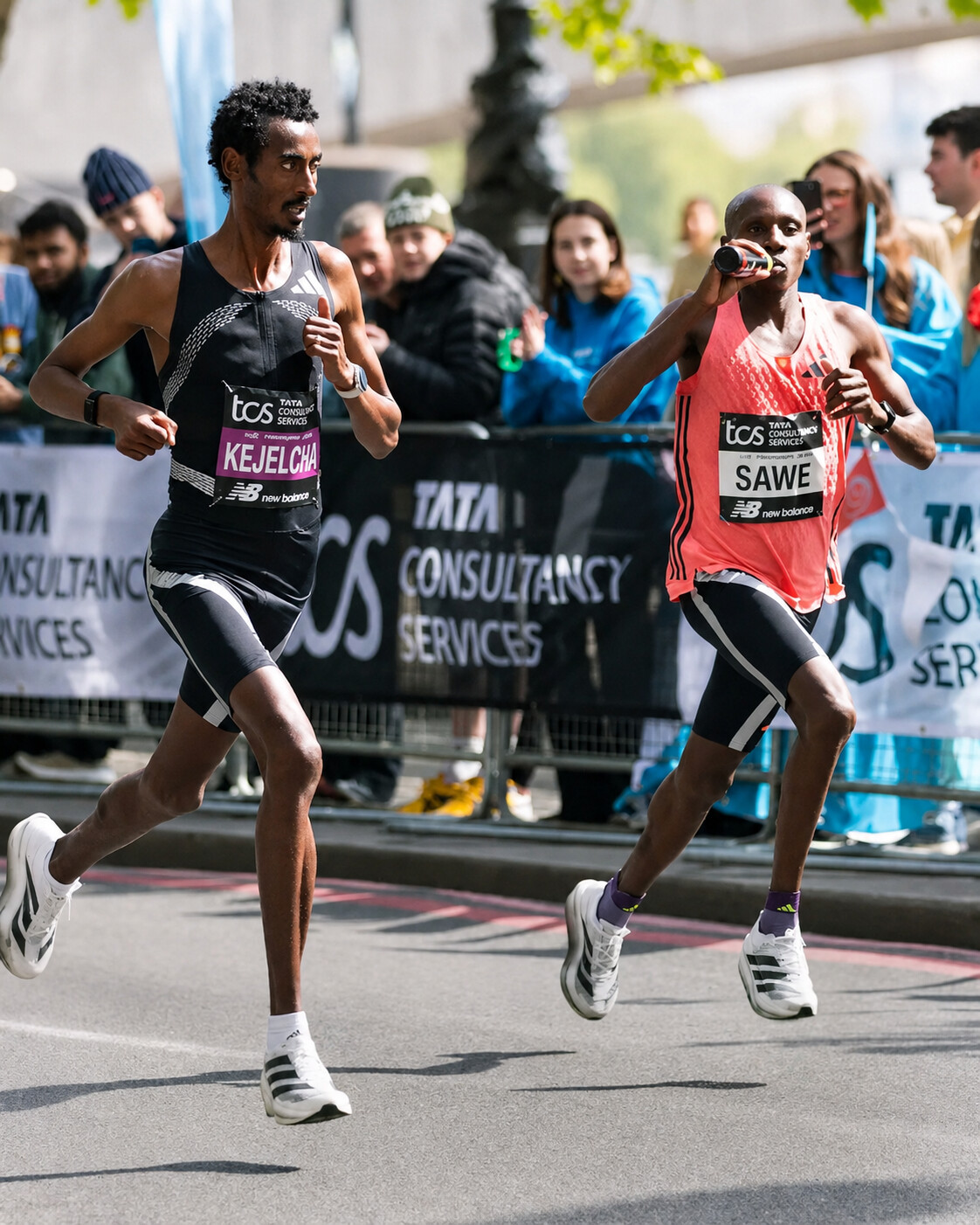
The pair represent the remarkable depth of modern East African distance running, but they are also doing something even more significant: pushing the boundaries of marathon and half-marathon performance to levels that once seemed almost unimaginable. Through their exceptional speed, endurance and ability to perform at the highest level, Kejelcha and Sawe are helping to redefine what is possible on the roads.
Sawe has established himself as one of the most formidable marathon runners in the world. His astonishing 1:59:30 marathon performance at TCS London Marathon on April 26, 2026, marked as a world record, African record and Kenyan record, demonstrated the extraordinary level the marathon has now reached. It also underlined his position at the very top of the men's marathon world rankings.
Kejelcha has been equally sensational, although his journey has highlighted a different kind of versatility. The Ethiopian, whose background includes world-class performances on the track and across shorter road distances, ran 1:59:41 for the marathon debut also at the TCS London Marathon on April 26, 2026, a performance marked as a national record. Just four months later, he delivered another stunning display by clocking 56:51 for the half marathon at the Argentina's capital, Buenos Aires on August 23, 2026, with the performance marked as a pending world record, African record and Ethiopian national record.
That combination of performances illustrates just how exceptional this new generation has become. Kejelcha's ability to threaten the absolute limits over the half marathon while also producing a sub-two-hour marathon performance speaks to his extraordinary range. Sawe, meanwhile, has continued to establish himself as a dominant force over the classic 42.195km distance, combining remarkable efficiency with the strength and speed required to compete at the very highest level.

The two stars are now preparing to take their talents to different stages of the road-running calendar. Kejelcha's next focus is the Valencia Marathon on December 6, where he will once again turn his attention to the marathon distance and look to build on his remarkable breakthrough over 42.195km. Sawe, meanwhile, is set to race the BMW Berlin Marathon on September 27, giving the Kenyan another major opportunity to showcase his extraordinary marathon strength on one of the world's fastest and most prestigious courses.
Those upcoming races add another fascinating dimension to their respective journeys. While Kejelcha heads to Valencia carrying exceptional speed and versatility into another marathon challenge, Sawe will arrive in Berlin with his sights firmly fixed on maintaining his dominance at the highest level of the sport.
What makes their rise particularly exciting is the wider message it sends to athletics. The marathon is no longer progressing only through small margins. The standards at the top are being pushed relentlessly forward, and performances that once appeared impossible are becoming increasingly realistic.
The official sub-two-hour marathon remains one of athletics' ultimate frontiers. Achieving it under standard race conditions would represent one of the greatest endurance breakthroughs in sporting history. Yet with athletes such as Sawe already breaking the two-hour barrier and Kejelcha running only seconds above it while also producing unprecedented half-marathon speed, that frontier appears closer than ever.
Their careers are different, and their strengths are not identical. Sawe has rapidly become a dominant marathon specialist, while Kejelcha brings exceptional versatility from the track to the roads and across multiple distances. But together, they symbolize the relentless progression of men's road running.
Yomif Kejelcha and Sabastian Sawe are not merely among the fastest men of their generation. They are helping to drive the sport toward a future that once seemed unthinkable. With Valencia and Berlin now on their horizons, the next chapter of this remarkable road-running revolution is already waiting to be written.
by Erick Cheruiyot for My Best Runs.
Login to leave a comment
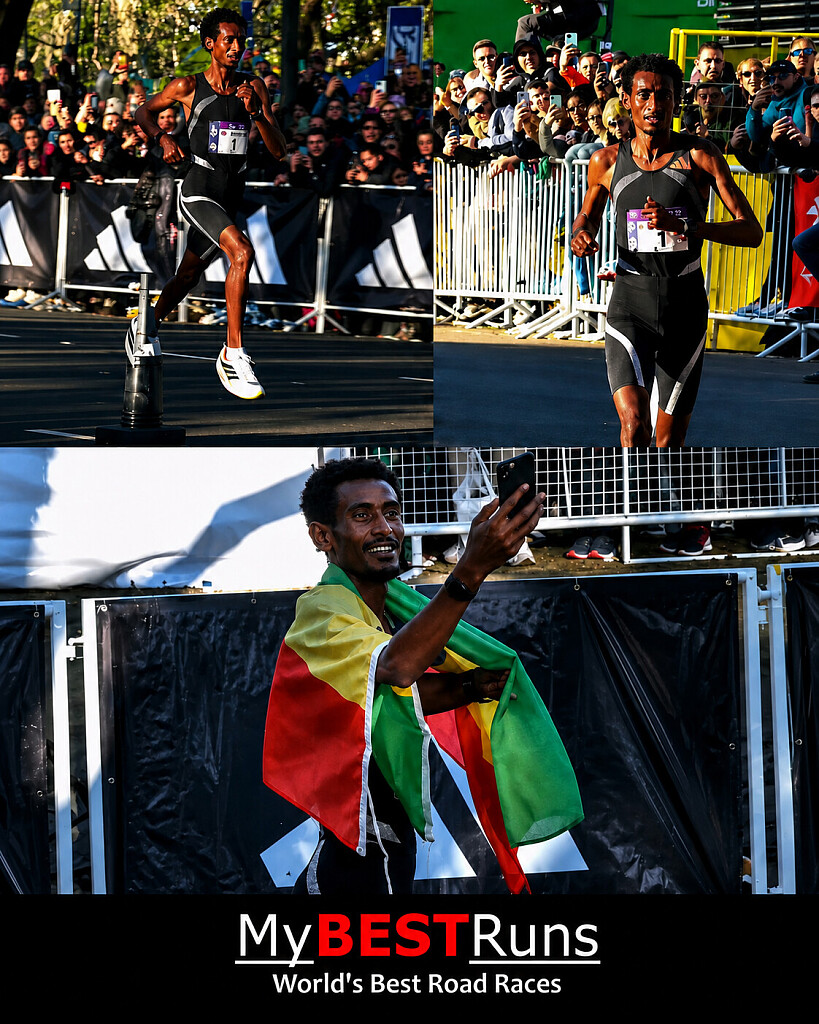
Yomif Kejelcha Smashes Half Marathon World Record with Sensational 56:51 in Buenos Aires
Ethiopia’s Yomif Kejelcha produced one of the most extraordinary performances in road racing history on the streets of Buenos Aires, Argentina, reclaiming the half marathon world record with a sensational 56:51 performance at the 2026 Buenos Aires Half Marathon.
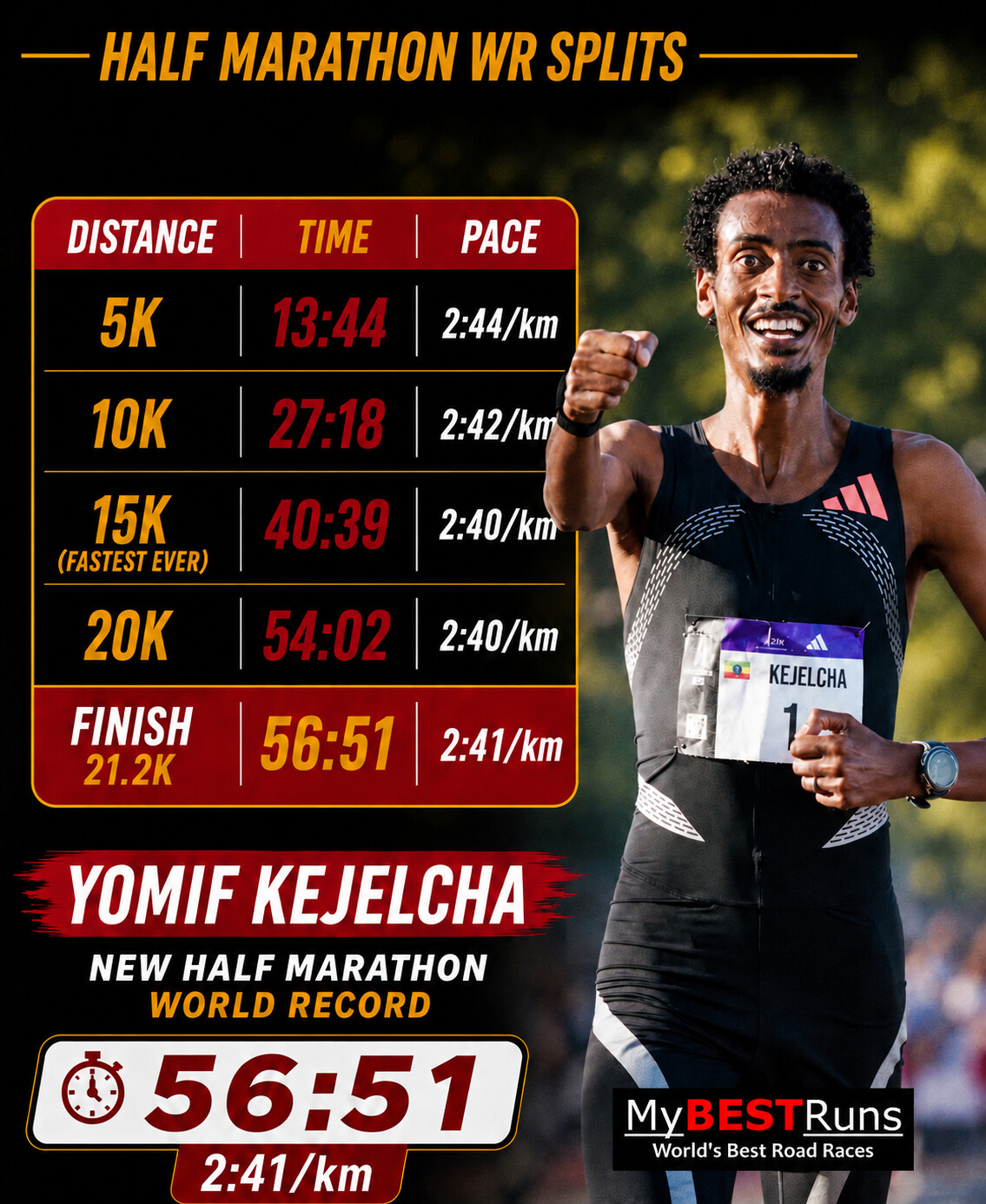
The former world record-holder delivered a breathtaking exhibition of speed and endurance to take 29 seconds off the previous pending mark of 57:20, set by Uganda’s Jacob Kiplimo and takes a huge chunk from his own former official world record. Kejelcha's new performance is pending the standard ratification procedures, but if officially ratified, it will return the world record to the Ethiopian star and mark another remarkable chapter in the evolution of the event.
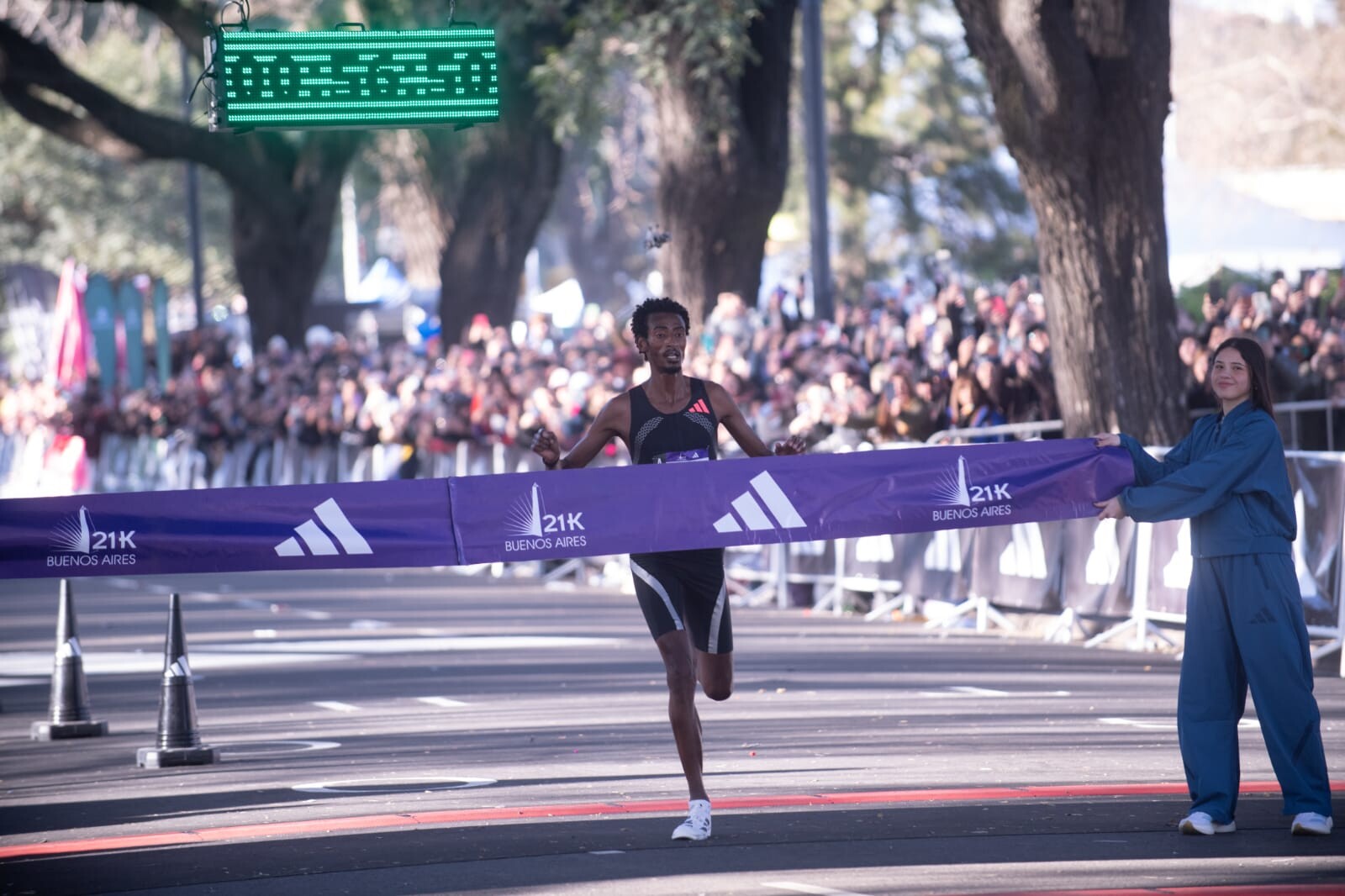
Kejelcha's achievement is particularly significant because the 57-minute barrier had already been broken before. Jacob Kiplimo had previously run under 57 minutes, clocking 56:42 that was not ratified demonstrating that the once-unthinkable barrier was possible. Kejelcha, however, has become the second man to run under 57-minute barrier who now returns to the top of the all-time rankings with another historic performance in Buenos Aires.

The Ethiopian's race was remarkable not only for the final time but also for the way he built his performance. He covered the opening five kilometres in 13:44 before reaching 10km in 27:18. Rather than slowing, Kejelcha accelerated through the middle stages, passing 15km in 40:39 and 20km in 54:02 as he continued to push the limits of elite road racing.
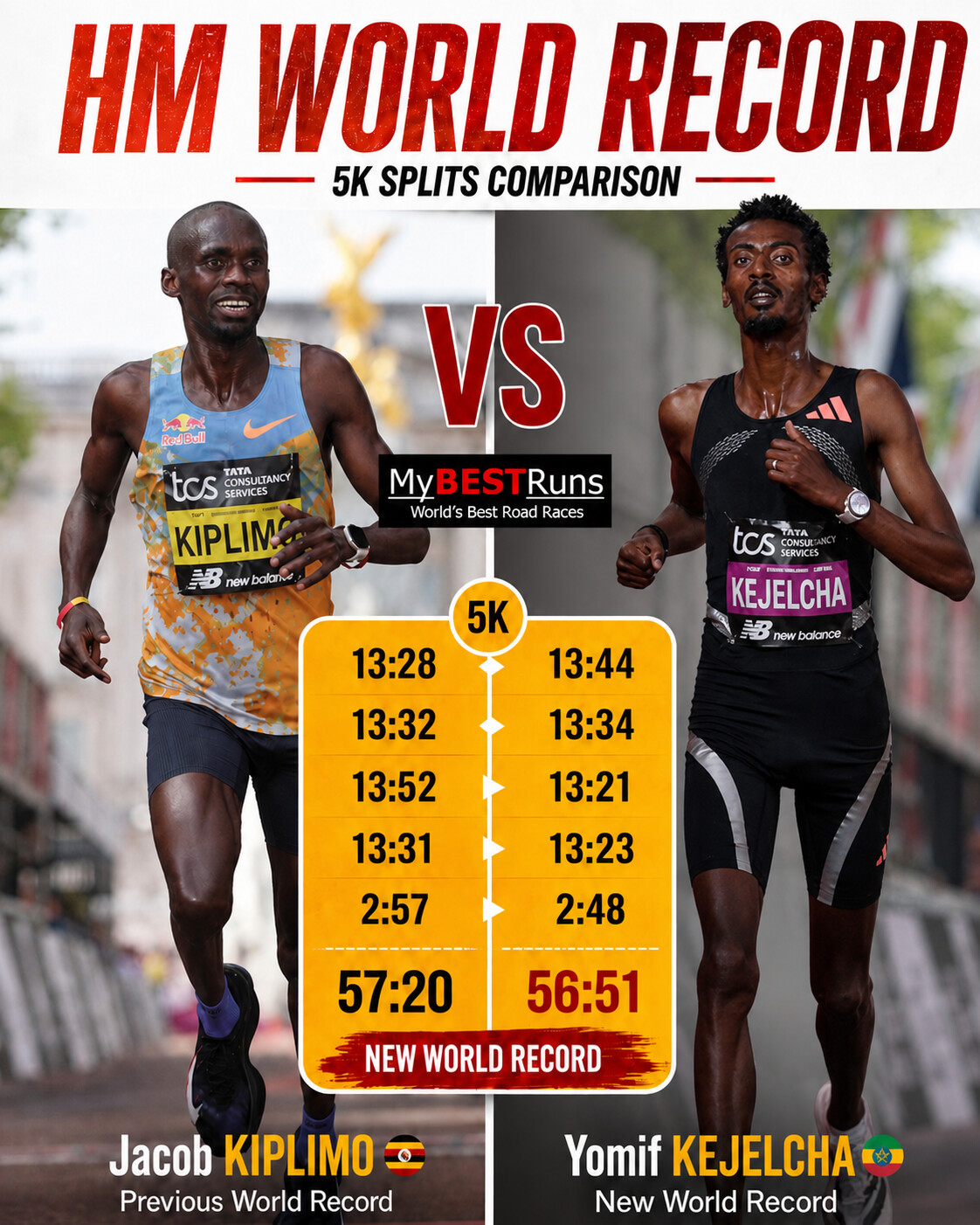
By the time he reached the finish line, Kejelcha had completed the race at an extraordinary average pace of approximately 2:42 per kilometre, producing one of the most astonishing sustained efforts ever witnessed in distance running. His stunning run sent a powerful message to the athletics world and further strengthened his status as one of the most formidable distance runners of his generation.
Behind the record-breaking champion, Ethiopia completed a dominant clean sweep of the men's podium. Tadese Worku Gebresilase claimed second place in 59:18, while Bereket Nega Batebo secured third in 1:00:17, giving Ethiopia a memorable one-two-three finish in the Argentine capital.
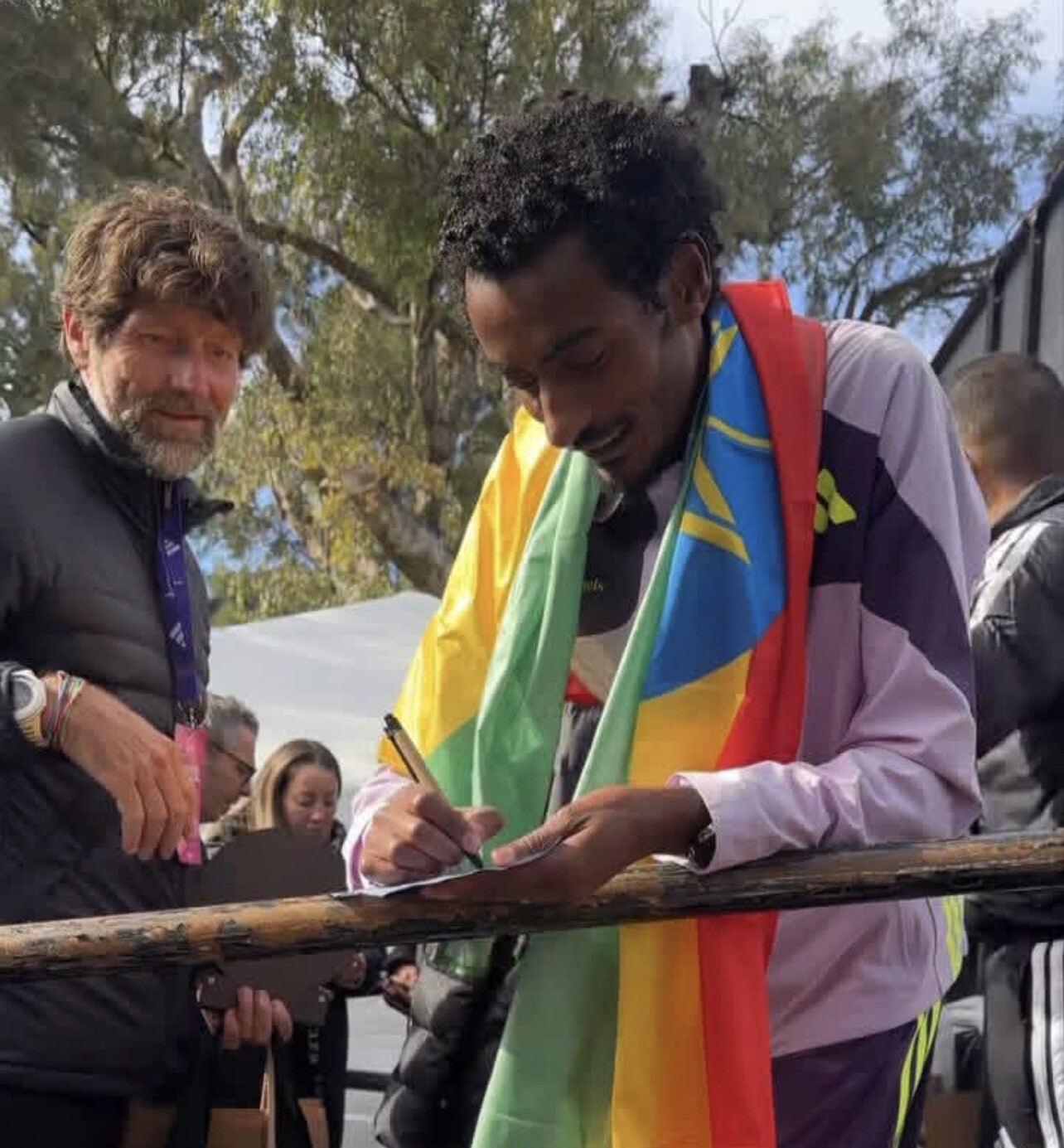
Kenya’s Jonathan Kipkoech Kamosong finished fourth in 1:00:20, followed by compatriot Simon Maywa in fifth with 1:00:55. Argentina’s Ignacio Erario gave the home supporters plenty to celebrate with an impressive sixth-place finish in 1:00:57, breaking the one-hour barrier in front of an enthusiastic local crowd.
Dillon Kipyeko of Kenya finished seventh in 1:01:07, with Robert Kiprop Koech eighth in 1:02:01. Mexico’s Julio Ortiz Ponce took ninth place in 1:03:17, while Colombia’s Jimmy Gómez completed the top 10 in 1:03:34.
The Buenos Aires Half Marathon will now take its place in the history books as the scene of a truly extraordinary breakthrough. For Kejelcha, this was more than just another victory. It was a spectacular return to the top, reclaiming a world record he had previously held and once again rewriting the limits of the half marathon.
The 56:51 performance remains pending ratification, but Yomif Kejelcha's run has already delivered one of the defining moments in the history of road racing.
by Erick Cheruiyot for My Best Runs.
Login to leave a comment


Buenos Aires Half Marathon
The Buenos Aires Half Marathon is one of the most important in Latin America and attracted more than 25,000 runners from all over the world. Dare to run the fastest half marathon in Latin America....
more...
Yomif Kejelcha and Fotyen Tesfay Arrive in Buenos Aires as the Fastest 21K Beckons
Buenos Aires is ready for a spectacular day of road racing, with Ethiopian stars Yomif Kejelcha and Fotyen Tesfay already in the Argentine capital ahead of Sunday’s Buenos Aires Half Marathon, also known as the 21K Buenos Aires.
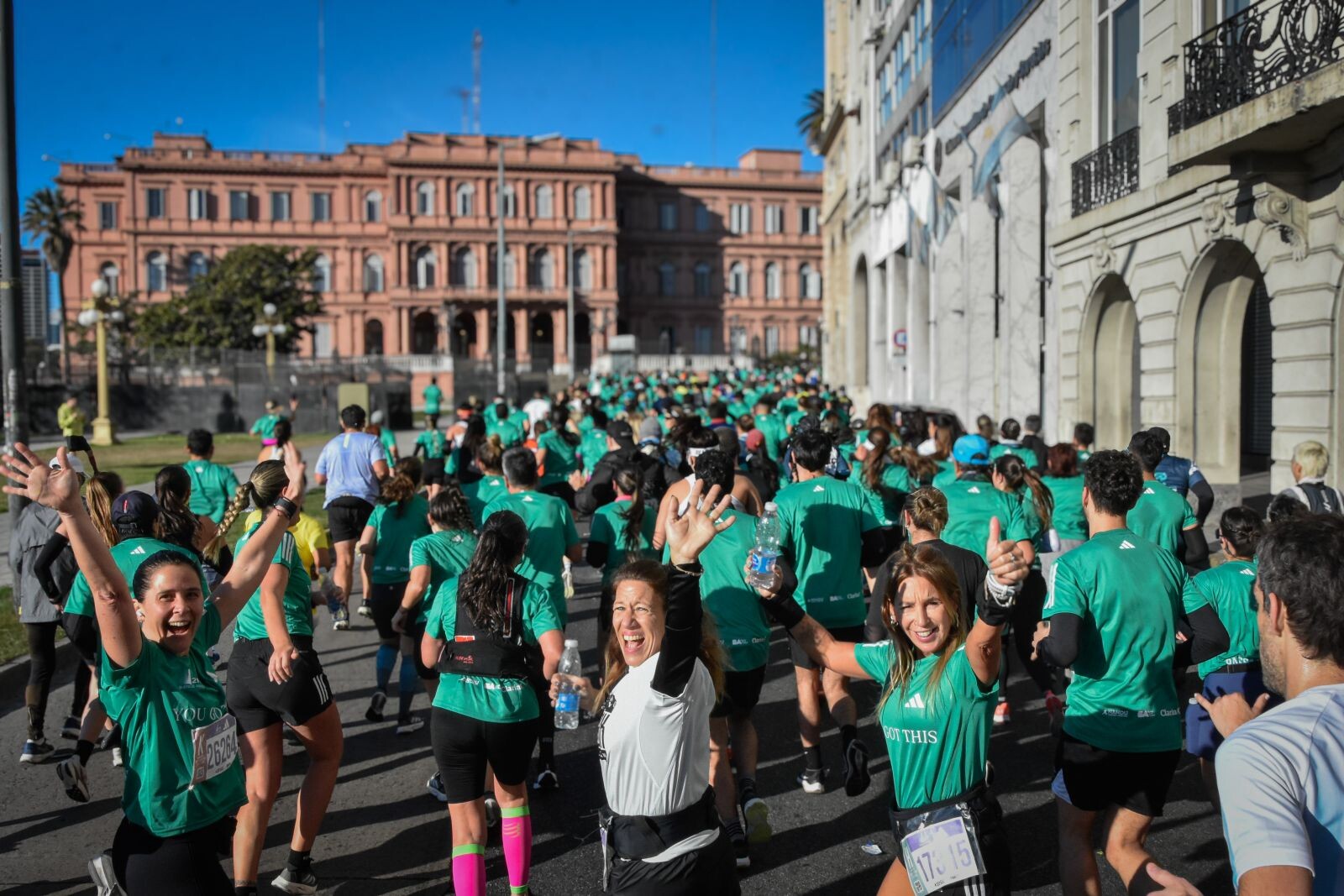
The race takes place on Sunday, August 23, 2026, bringing together a record field of 31,500 runners after entries sold out. Alongside the mass field, some of the world’s leading distance athletes will take centre stage, with the spotlight firmly on the elite races as they chase victory and potentially exceptional times over 21.097 kilometres.
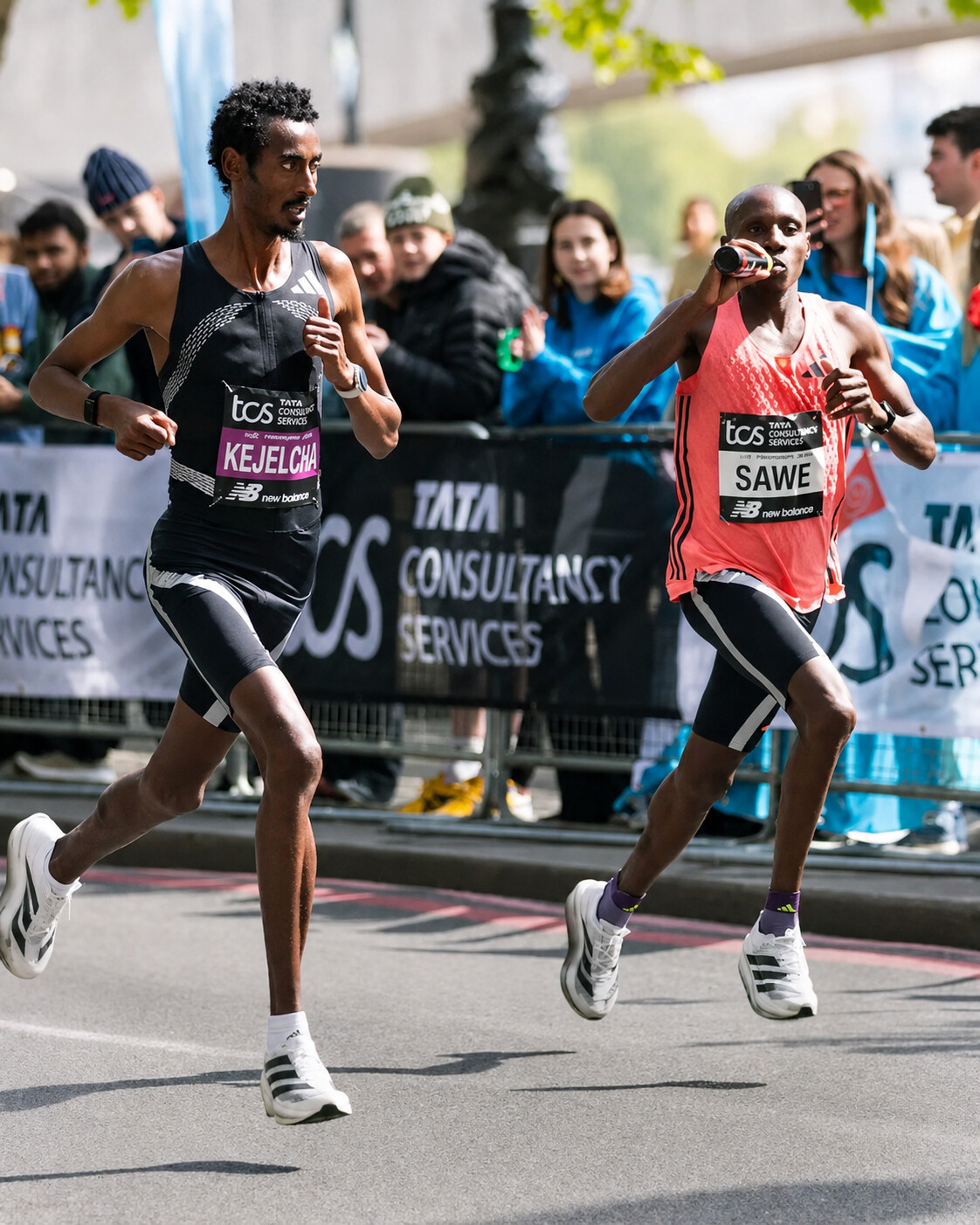
The race starts and finishes in Palermo, at Av. Figueroa Alcorta and Av. Dorrego, before taking runners onto a fast, flat 21.097-kilometre course through the Argentine capital. The route winds past some of Buenos Aires’ most iconic landmarks, including the Obelisco, Teatro Colón and Casa Rosada, providing a spectacular setting for one of the region’s premier road races.
Kejelcha arrives as one of the most formidable names in modern distance running. The 29-year-old Ethiopian is the reigning world-record holder for the half marathon, having clocked 57:30 in Valencia in October 2024. He has also established himself as an exceptional marathoner, running 1:59:41 on his debut at the 2026 London Marathon — the fastest marathon debut ever recorded and the second-fastest official marathon performance in history.
His presence adds enormous prestige to a Buenos Aires race that has become synonymous with fast running. In 2025, Uganda’s Jacob Kiplimo ran 58:29 in Buenos Aires, producing one of the fastest half-marathon performances ever recorded in the Americas and further cementing the event’s reputation as a venue capable of delivering extraordinary times.
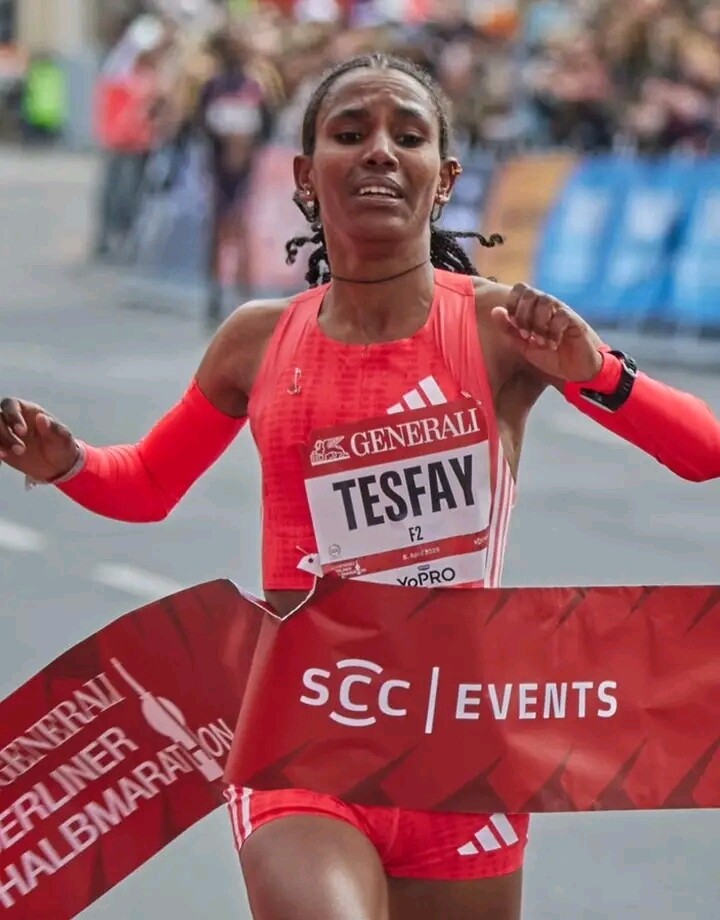
Tesfay brings equally impressive credentials to the women’s race. The 28-year-old Ethiopian owns a half-marathon personal best of 1:03:21, achieved in Valencia in 2024. Her progression over the marathon distance has been equally striking, highlighted by her 2:10:51 national record set in March 2026.
The conditions could further enhance the prospects of fast racing. Buenos Aires typically experiences cool temperatures around race time, with conditions commonly ranging between 9°C and 14°C — favourable weather for elite distance running when combined with the course’s flat profile.
For Kejelcha and Tesfay, the mission is clear: compete for the titles, test themselves against a strong international field and take advantage of one of the fastest half-marathon stages in the Americas.
With thousands of runners preparing to flood the streets and two Ethiopian stars already in position, anticipation is reaching its peak.
The stars have arrived. The course is ready. On Sunday, Buenos Aires waits for the fireworks.
by Erick Cheruiyot for My Best Runs.
Login to leave a comment
Buenos Aires Half Marathon
The Buenos Aires Half Marathon is one of the most important in Latin America and attracted more than 25,000 runners from all over the world. Dare to run the fastest half marathon in Latin America....
more...
Josh Kerr’s Mile Mastery Could One Day Lead Him To The London Marathon
Josh Kerr has conquered one of athletics’ most historic distances. Yet, remarkably, the Scottish star is already dreaming about a challenge that sits more than 25 miles beyond the distance that has made him a global track sensation.
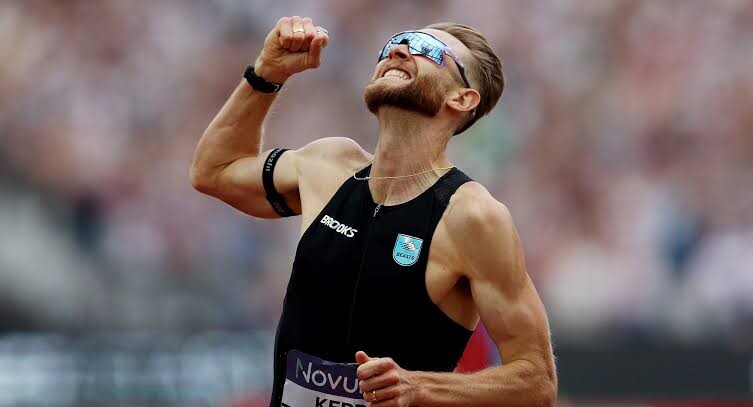
Kerr produced one of the defining performances of his career on July 18, 2026, at the London Stadium, storming to a sensational 3:42.66 in the Emsley Carr Mile to shatter Hicham El Guerrouj’s world record. The Moroccan’s 3:43.13 had stood untouched since 1999, but Kerr finally brought the 27-year-old mark down by 0.47 seconds.
The performance confirmed Kerr’s place among the greatest milers of his generation, but his ambitions extend well beyond the track.
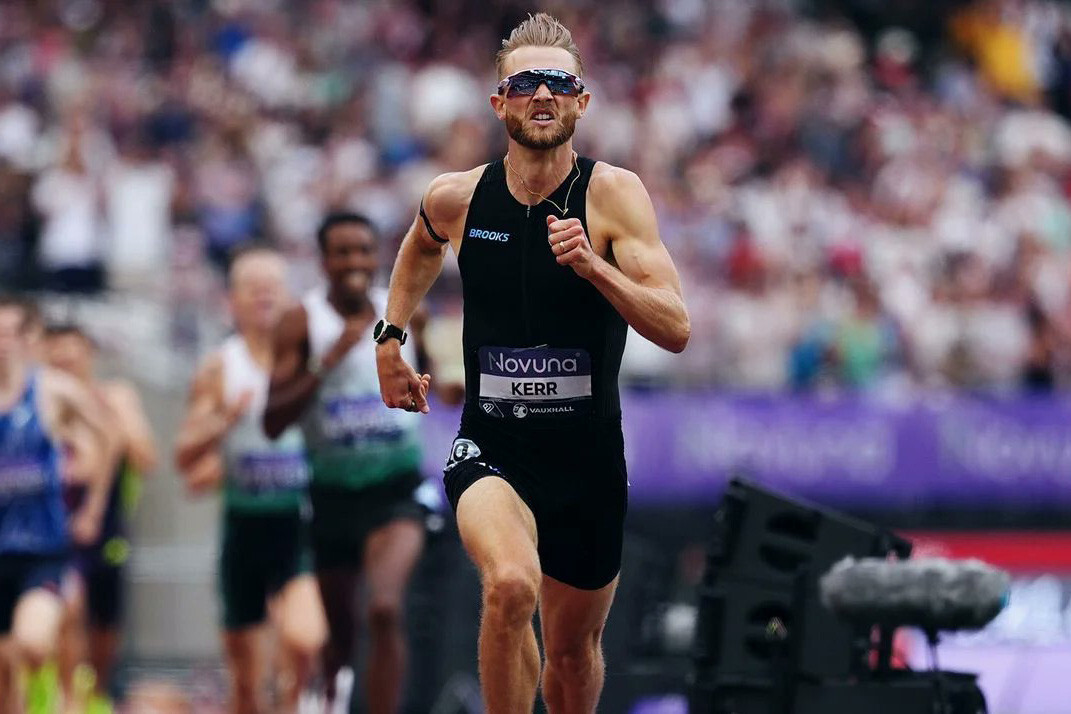
Speaking after his historic achievement, the 28-year-old revealed that the marathon is a distance he has become increasingly fascinated by, with the London Marathon occupying a particularly special place in his long-term imagination. For Kerr, the ultimate attraction would not necessarily be a world-class time, but the possibility of one day winning the race.
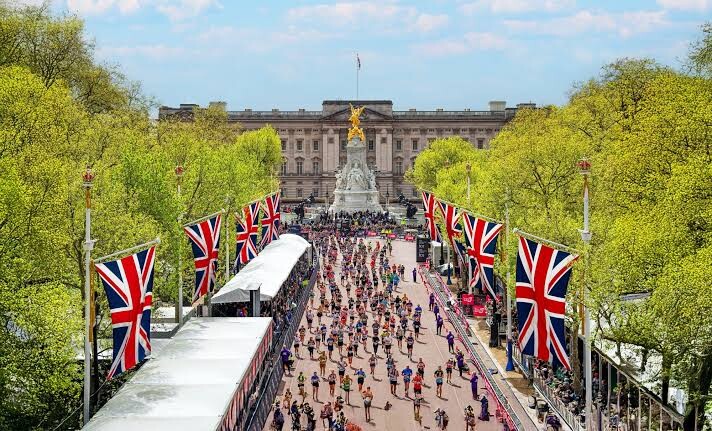
He remains realistic about how distant that ambition is. Kerr has made it clear that there is still important work to be completed on the track, with the Los Angeles 2028 Olympic Games among his major objectives. His marathon dream, therefore, belongs to the future rather than the immediate present.
That patience could prove crucial.
The transition from the mile to the marathon is one of the most demanding changes an elite distance runner can make. It requires far more than simply possessing exceptional aerobic fitness. The marathon places extraordinary demands on endurance, efficiency, energy management and the ability to maintain a high pace for more than two hours.
History, however, has shown that a world-class track runner can successfully make the leap when the timing is right.
Sifan Hassan provides perhaps the most spectacular modern example. After establishing herself as one of the most versatile distance runners in history, competing successfully from 1,500m through 10,000m, the Dutchwoman made her marathon debut at the 2023 London Marathon. She won in 2:18:33 after producing a remarkable finishing sprint, then went on to claim Olympic marathon gold the following year.
Her ability to change gears late in races became one of her greatest weapons. It is also an attribute Kerr knows particularly well.
Kerr has built his reputation around devastating finishing speed. Whether competing over 1,500m or the mile, his ability to accelerate when others are already approaching their physical limits has repeatedly separated him from the field. The question is whether that same weapon could eventually become a decisive advantage over the marathon distance.
Mo Farah's journey offers a more complicated lesson.
The British legend spent years dominating the 5,000m and 10,000m before turning his attention to the marathon. Despite possessing an extraordinary endurance base, Farah discovered that the marathon demanded an entirely different level of preparation. He finished eighth on his London Marathon debut in 2014 in 2:08:21 before eventually improving the British record to 2:06:22 in 2018.
Farah later explained that mastering the marathon took considerable time, underlining just how different the event is from even the longest Olympic track distances.
For Kerr, the physiological challenge would be even greater because his speciality is the mile.
The mile rewards an athlete who can combine enormous aerobic power with exceptional speed. The marathon, by contrast, demands the ability to operate efficiently for a prolonged period below maximum aerobic capacity. Running economy, lactate-threshold ability, endurance and the capacity to preserve energy deep into a race become increasingly important.
That transformation cannot be rushed.
And the marathon landscape Kerr would eventually enter is becoming more extraordinary by the year.
The 2026 London Marathon demonstrated just how far the event has evolved. Kenya’s Sabastian Sawe made history by becoming the first athlete to officially break the two-hour barrier in a competitive marathon, winning in 1:59:30. Ethiopia’s Yomif Kejelcha also finished inside two hours, while three men ultimately finished faster than the previous world record.
That is the standard waiting for Kerr if his distant ambition eventually becomes reality.
For now, however, there is no need to hurry. Kerr has already rewritten the mile record books, becoming the first man to break 3:43 and ending one of the longest-standing world records in modern athletics.
His next chapter is still firmly rooted on the track, where Olympic glory remains a major target. But somewhere beyond those ambitions lies a different challenge: 26.2 miles of London roads, a distance more than 25 miles longer than the event in which he currently reigns supreme.
It may sound improbable today, but Kerr is not dismissing the possibility.
“I promise I will try it.”
And if the day eventually comes when the world mile record-holder lines up on The Mall with the London Marathon title in his sights, it could become one of the most intriguing distance-running transitions the sport has ever witnessed.
by Erick Cheruiyot for My Best Runs.
Login to leave a comment
Emmanuel Kiprono Storms to World U20 3,000m Gold in Championship-Record 7:28.28
Kenya’s Emmanuel Kiprono has announced himself as one of the brightest young distance-running talents in the world after producing a sensational solo performance to win the men’s 3,000 metres gold medal at the World Athletics U20 Championships in a championship-record 7:28.28.
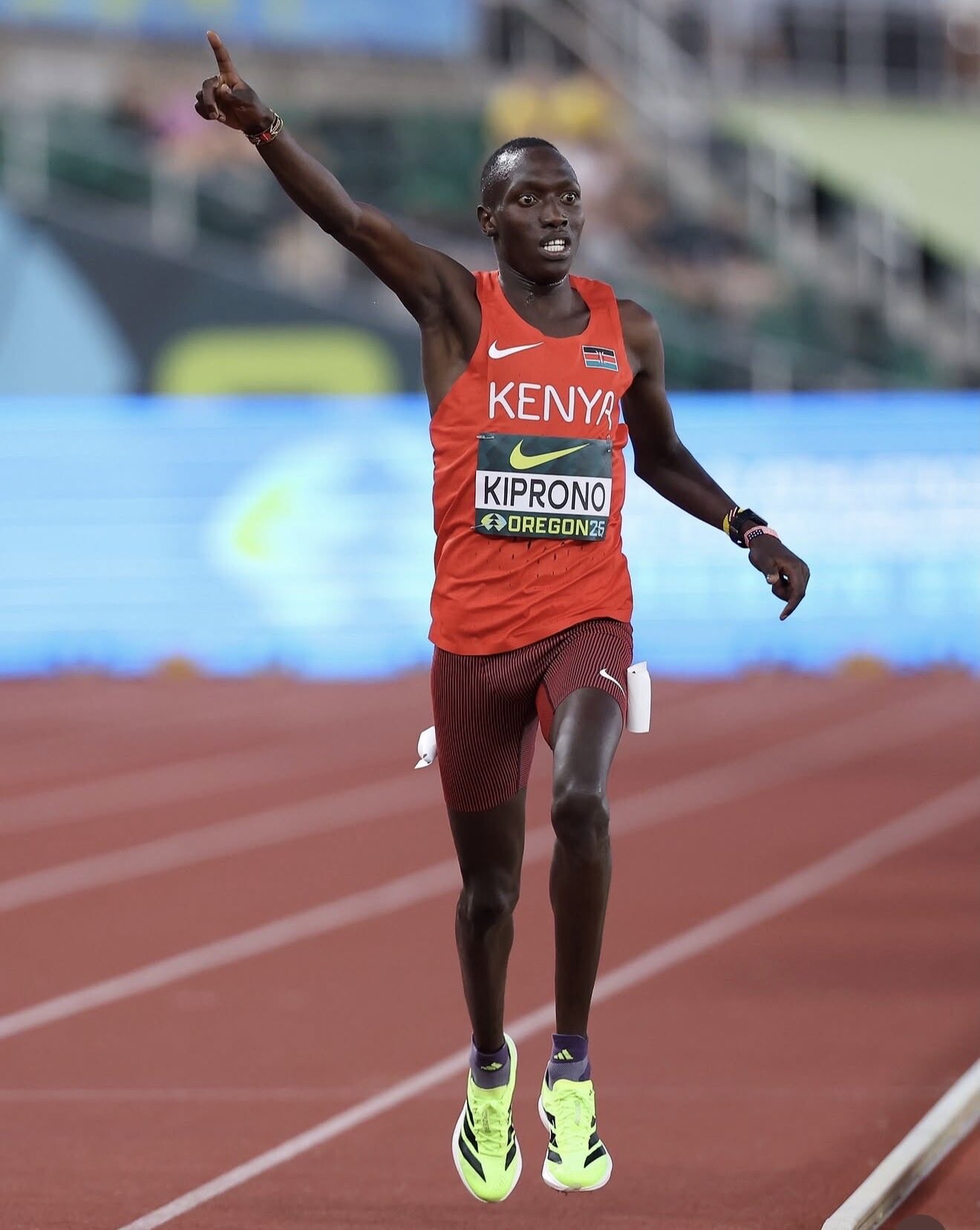
Just 17 years old, Kiprono took control from the opening metres and never looked back. Running completely alone for virtually the entire race, the Kenyan dictated the tempo with remarkable confidence and gradually transformed the final into a one-man race.
Kiprono passed 1,000 metres in 2:26.52, reached 1,600 metres in 3:54.58, and continued his relentless charge through 2,000 metres in 4:55.43. With every lap, the gap behind him grew larger as his rivals struggled to match his extraordinary pace.
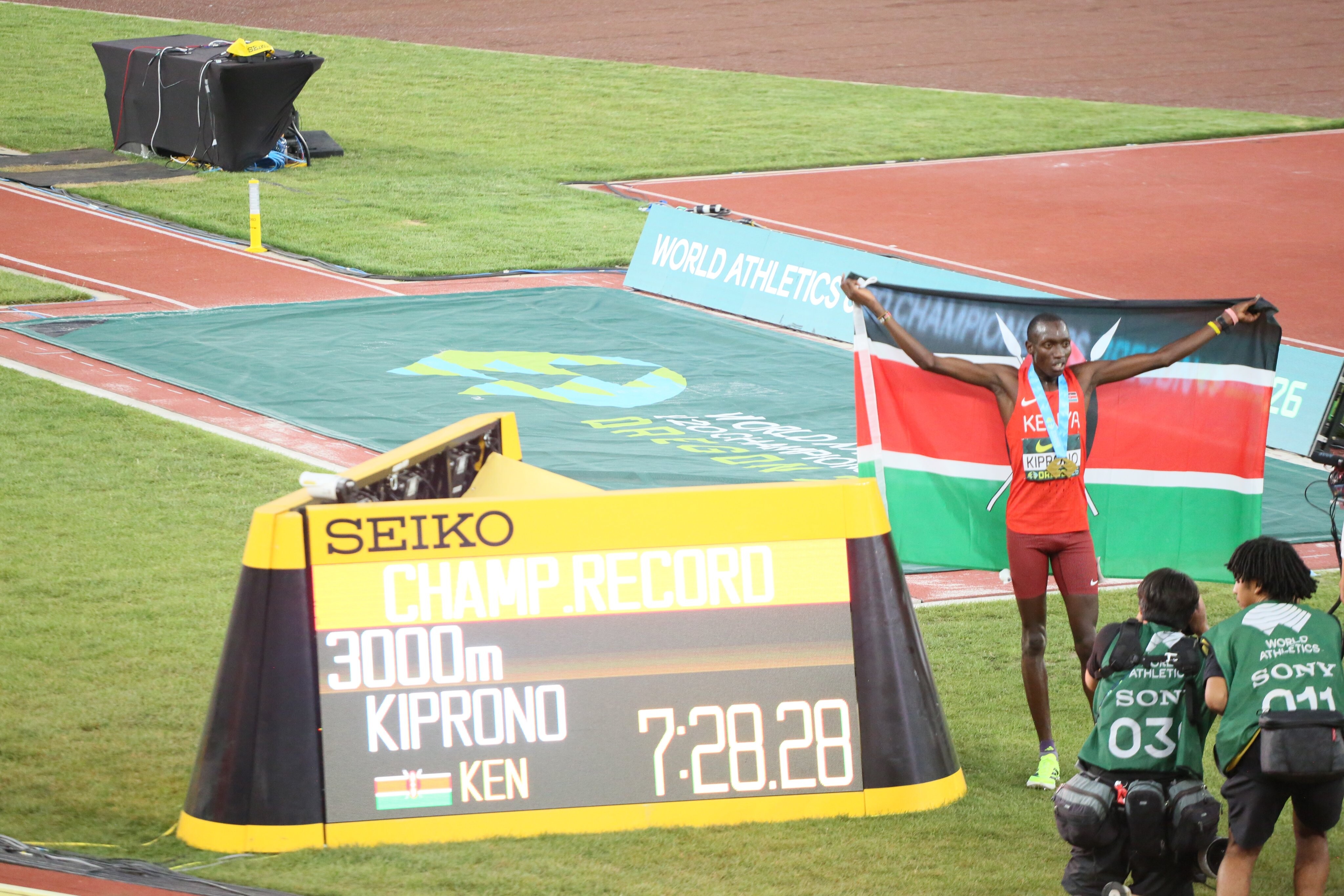
He eventually crossed the finish line in 7:28.28, smashing the championship record and coming agonisingly close to the world U20 record of 7:28.20, set by Ethiopia’s Yomif Kejelcha. Kiprono missed the global junior mark by just 0.08 seconds.
The margin of victory was equally spectacular. He finished 19 seconds ahead of France’s Alois Abraham, who took silver in 7:47.79, while Japan’s Ojiro Honda secured bronze in 7:48.49, setting a Japanese U20 record.

Men’s 3,000m Final
1. Emmanuel Kiprono — Kenya — 7:28.28 (Championship Record)
2. Alois Abraham — France — 7:47.79
3. Ojiro Honda — Japan — 7:48.49 (National U20 Record)
4. Liam Conway — Great Britain — 7:50.10 (Personal Best)
5. Aleksi Ahlfors — Finland — 7:50.56 (Personal Best)
6. Tzu-Chieh Chien — Chinese Taipei — 7:51.18 (National U20 Record)
7. Ilyes Druez — Belgium — 7:51.67 (Personal Best)
8. Sebastian Lörstad — Sweden — 7:51.94 (Personal Best)
9. Edwin Elkana — Kenya — 7:51.94 (Personal Best)
10. Owen Powell — United States — 7:53.35 (Personal Best)
Kiprono’s breakthrough is particularly significant given his performances earlier this year. The 17-year-old finished second in the U20 race at the World Cross Country Championships, establishing himself as one of the leading prospects in the new generation of Kenyan distance runners.
But on the track, he produced something even more extraordinary.
There was no tactical waiting game, no final-lap sprint and no group to shelter behind. Kiprono simply went to the front and challenged himself against the clock. His splits — 2:26.52 at 1,000m, 3:54.58 at 1,600m and 4:55.43 at 2,000m — demonstrate the remarkable consistency and courage behind the performance.
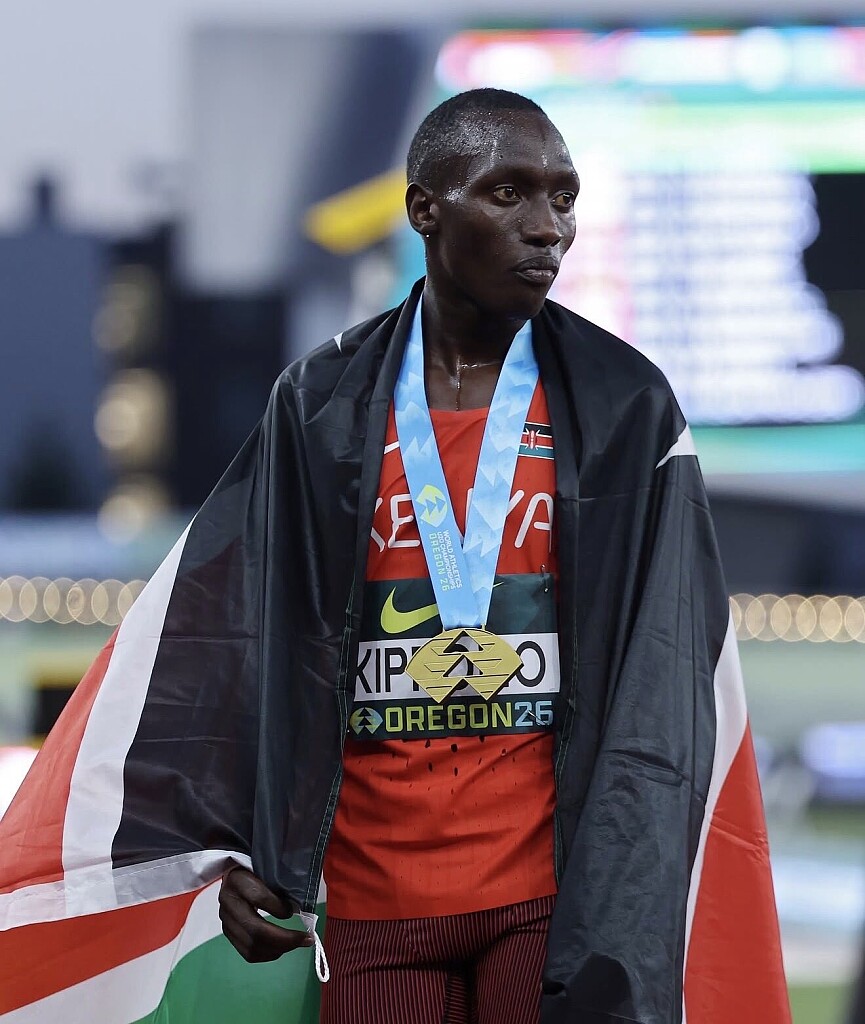
After the race, Kiprono celebrated with the Kenyan flag draped around him before posing beside the SEIKO championship-record display, which showed his historic 7:28.28.
His championship record also came with a tantalising glimpse of what might have been. Had he found even a fraction more in the closing metres, the world U20 record could have fallen as well. Nevertheless, coming within eight hundredths of the mark while running almost the entire race alone makes the achievement all the more remarkable.
Emmanuel Kiprono has not merely won a world junior title — he has made a statement. At only 17, his extraordinary front-running, championship record and near-world-record performance suggest that Kenyan distance running may have another major talent ready to emerge onto the global stage.
by Erick Cheruiyot for My Best Runs.
Login to leave a comment
Kelvin Kiptum's World Record Is Gone. His Legacy Never Will Be
Records are made to be broken. Legacies are not.
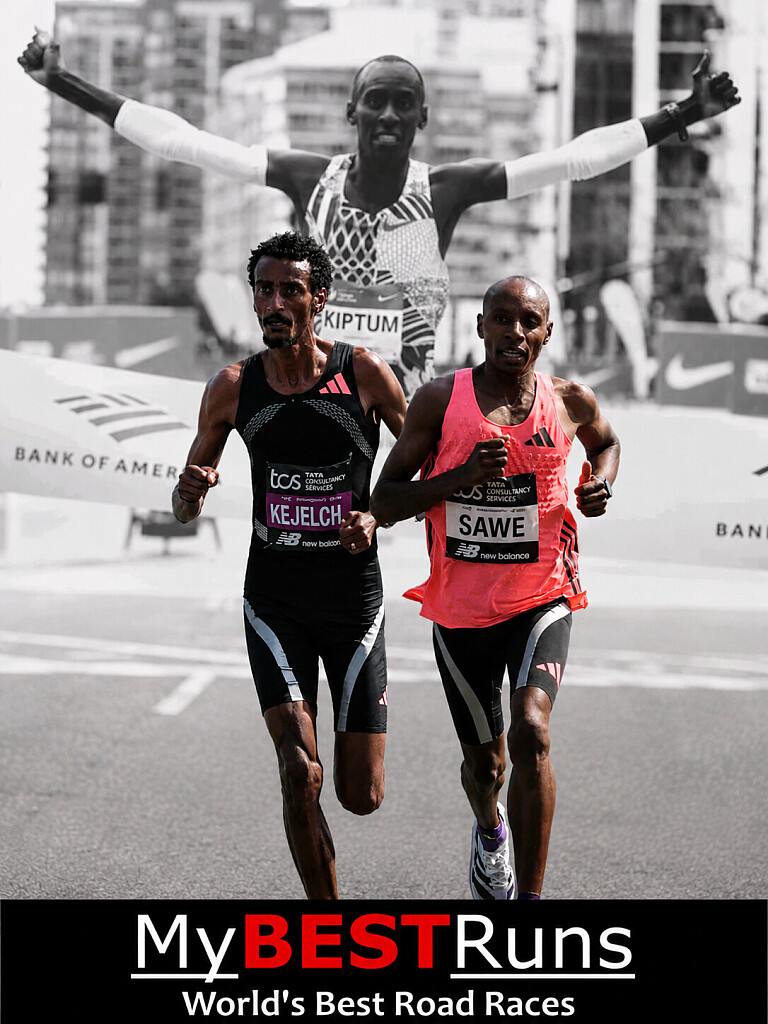
On October 8, 2023, the streets of Chicago witnessed one of the greatest performances in marathon history. At just 23 years old, Kenya's Kelvin Kiptum stormed to a world record of 2:00:35, redefining what many believed was possible over 42.195 kilometres.
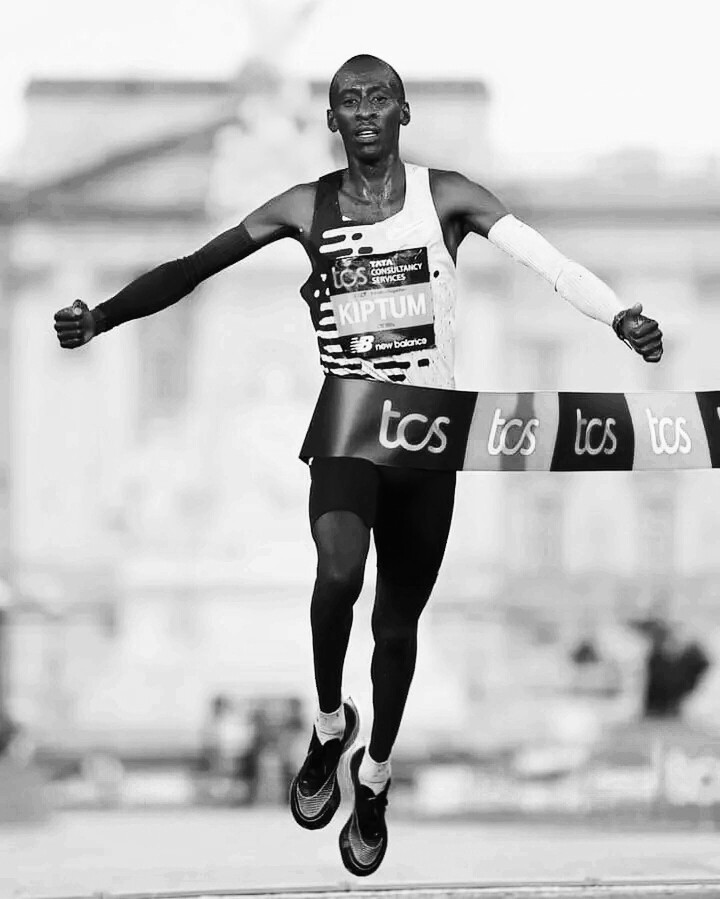
It was a performance that stunned the sporting world. Yet, no one could have imagined it would become his final masterpiece.
Just four months later, tragedy struck. Kiptum lost his life in a road accident at the age of 24, only five days after World Athletics officially ratified his world record. His marathon career lasted just three races, but it was nothing short of extraordinary. He won all three, remained unbeaten over the distance, and left behind a standard that inspired a new generation of marathon runners.
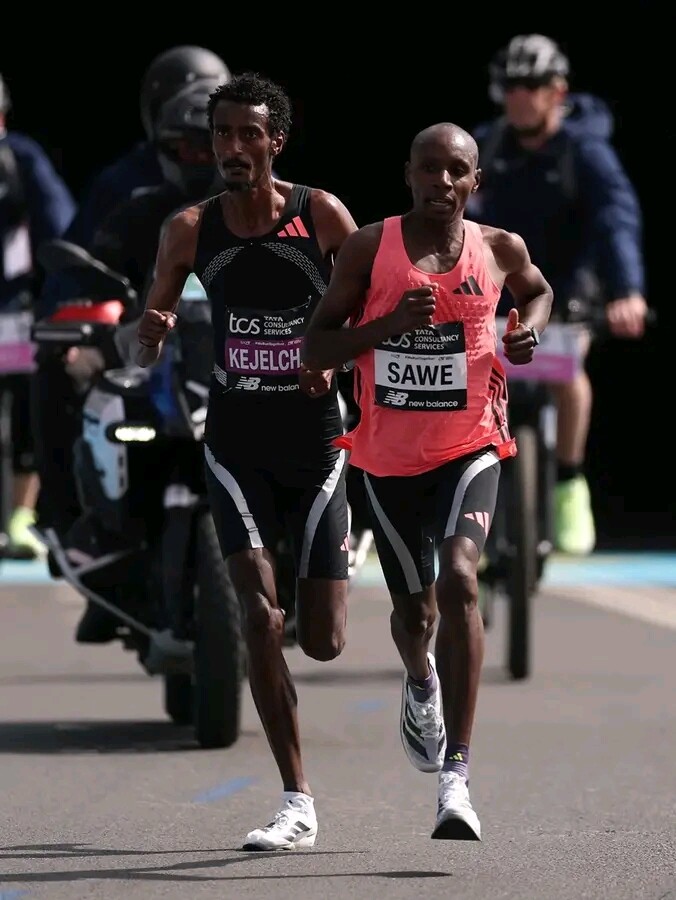
Then came another historic chapter.
At the London Marathon, a new world record was born. Sabastian Sawe delivered a sensational 1:59:30 to become the first man to officially break the two-hour barrier in a record-eligible marathon. Yomif Kejelcha followed with an extraordinary 1:59:41 on his marathon debut, while Jacob Kiplimo completed a remarkable podium in 2:00:28. In one unforgettable afternoon, Kiptum's world record was surpassed, signalling yet another leap forward in the evolution of marathon running.
But while the record books have changed, Kiptum's place in history has not.
His greatness was never defined solely by the time on the clock. It was defined by the belief he inspired. Kiptum proved that a young athlete training on the rugged roads of rurals around the world, competing sparingly and still shaping his own coaching journey, could challenge the very limits of human endurance. His achievements expanded what athletes believed was possible and helped usher the marathon into a new era.
His influence continues to resonate throughout the sport. Ruth Chepngetich dedicated her memorable 2024 Chicago Marathon victory to his memory, while Sawe's historic world-record performance came nearly two and a half years after Kiptum's unforgettable run in Chicago.
Time has moved forward. New records have been set. New champions have emerged.
Yet Kelvin Kiptum's name remains permanently etched in marathon history—not simply because he once held the world record, but because he changed the way the world viewed the marathon.
His world record is gone. His legacy never will be.
by Erick Cheruiyot for My Best Runs.
Login to leave a comment

Valencia Marathon 2026: Can John Korir Challenge the Two-Hour Barrier?
The 2026 Valencia Marathon is already shaping up to be one of the most eagerly anticipated races of the year, with an exceptional men's field confirmed for 6 December. As the countdown begins, one question is capturing the imagination of athletics fans worldwide: Can John Korir become the next man to break the two-hour barrier in an official marathon?
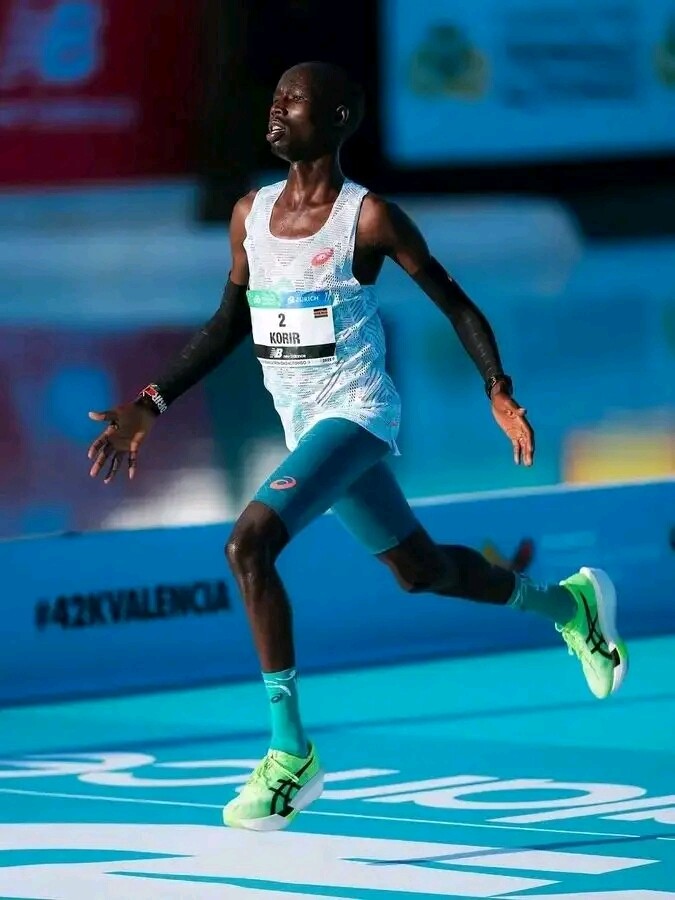
Korir returns to Valencia as the defending champion, having stormed to victory in 2025 with a then-personal best of 2:02:24. Since that triumph, the Kenyan has elevated his career to another level. On 20 April 2026, he delivered a sensational performance at the Boston Marathon, smashing the course record and lowering his lifetime best to 2:01:52. That remarkable run confirmed his status as one of the fastest and most dangerous marathoners in the world.
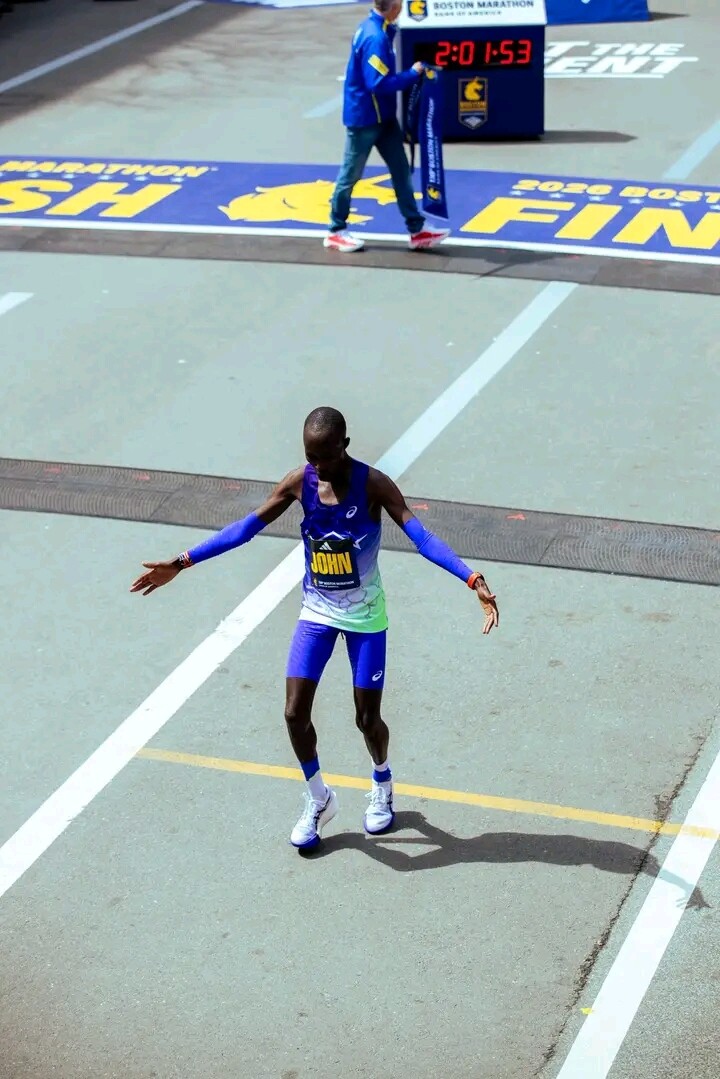
With his confidence soaring and his form peaking, Korir now heads back to the Spanish city where he first announced himself as a Valencia champion. The course's flat profile, cool December conditions and reputation for producing exceptionally fast times make it an ideal venue for another historic performance.
Standing in his way is Ethiopia's Yomif Kejelcha, whose marathon career has begun in spectacular fashion. In April, Kejelcha stunned the athletics world by clocking 1:59:41 on his 26.2-mile debut in London, becoming only the second athlete in history to cover the marathon distance in under two hours. His arrival in Valencia immediately raises the prospect of another record-breaking performance.
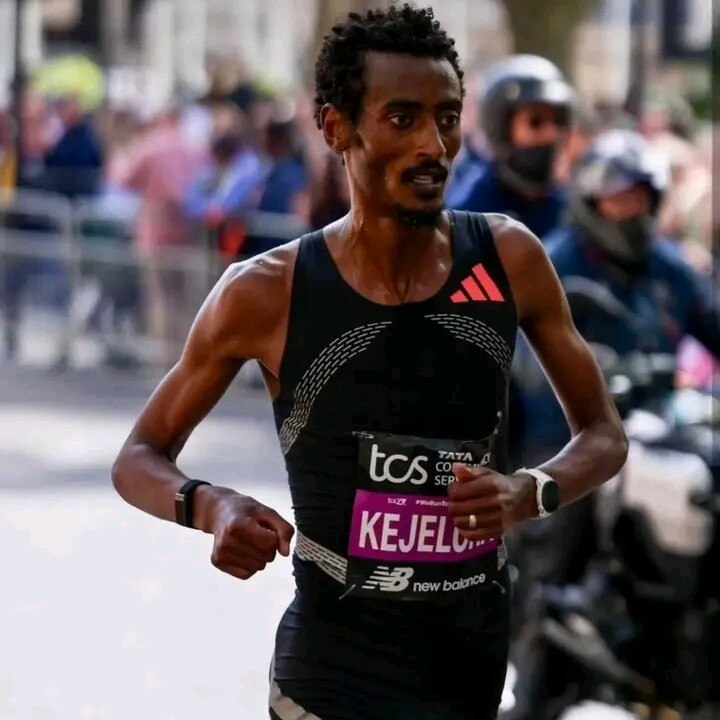
Kejelcha is no stranger to success on Valencia's streets. In 2024, he produced a then-world-record 57:30 to win the Valencia Half Marathon, demonstrating just how perfectly the course suits his aggressive racing style. That previous success makes him one of the leading contenders for marathon victory.
Adding even greater quality to the field is fellow Kenyan Alexander Mutiso, the 2024 London Marathon champion, who owns a personal best of 2:03:11. With three proven world-class athletes lining up, the men's race promises to be one of the strongest marathon contests of the season.
While breaking the two-hour barrier in an official marathon remains one of the greatest challenges in athletics, Valencia has built a reputation as a stage where extraordinary performances become reality. If the pace is relentless and the weather cooperates, fans could witness one of the fastest marathons ever run.
On 6 December, the streets of Valencia will host far more than a battle for victory. They will provide the stage for a fascinating showdown between defending champion John Korir, the explosive Yomif Kejelcha, and Alexander Mutiso—a clash that could redefine the limits of marathon running.
by Erick Cheruiyot for My Best Runs.
Login to leave a comment
VALENCIA TRINIDAD ALFONSO
The Trinidad Alfonso EDP Valencia Marathon is held annually in the historic city of Valencia which, with its entirely flat circuit and perfect November temperature, averaging between 12-17 degrees, represents the ideal setting for hosting such a long-distance sporting challenge. This, coupled with the most incomparable of settings, makes the Valencia Marathon, Valencia, one of the most important events in...
more...
Can Kejelcha Challenge Kiplimo? Ethiopian Ace Confirms Buenos Aires Half Marathon Bid
Ethiopian distance-running sensation Yomif Kejelcha is set to take his talents to South America after confirming his participation in the 2026 Buenos Aires Half Marathon, scheduled for August 23 in Argentina. The announcement has already generated excitement across the athletics world, with fans and analysts eager to see whether one of the sport's most accomplished road racers can mount an assault on the men's half marathon world record.
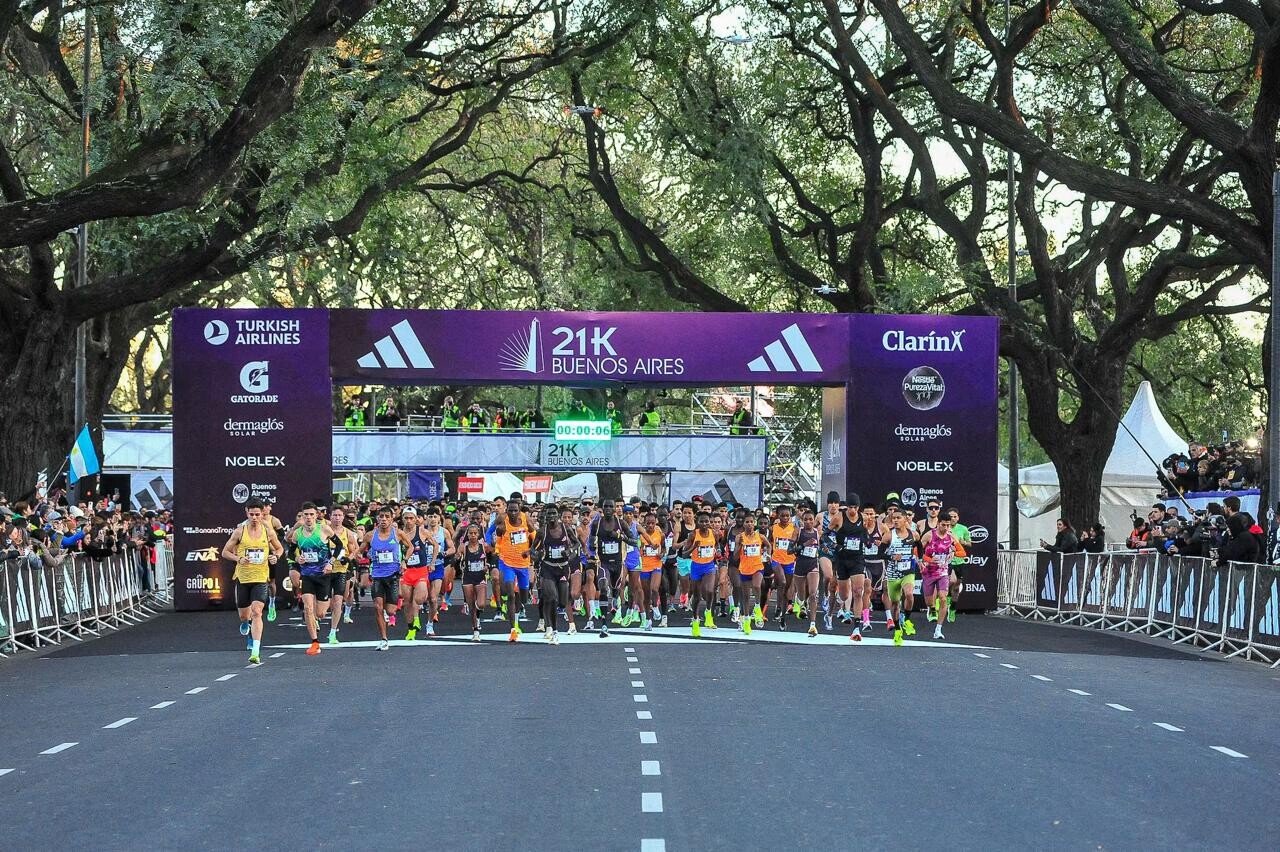
Kejelcha arrives in Buenos Aires carrying the reputation of a proven champion. Over the years, the Ethiopian star has built an impressive résumé on both the track and the roads, earning global recognition for his exceptional speed, endurance, and tactical brilliance. His move to compete in one of Latin America's premier road races adds another fascinating chapter to a career that has consistently delivered memorable performances.
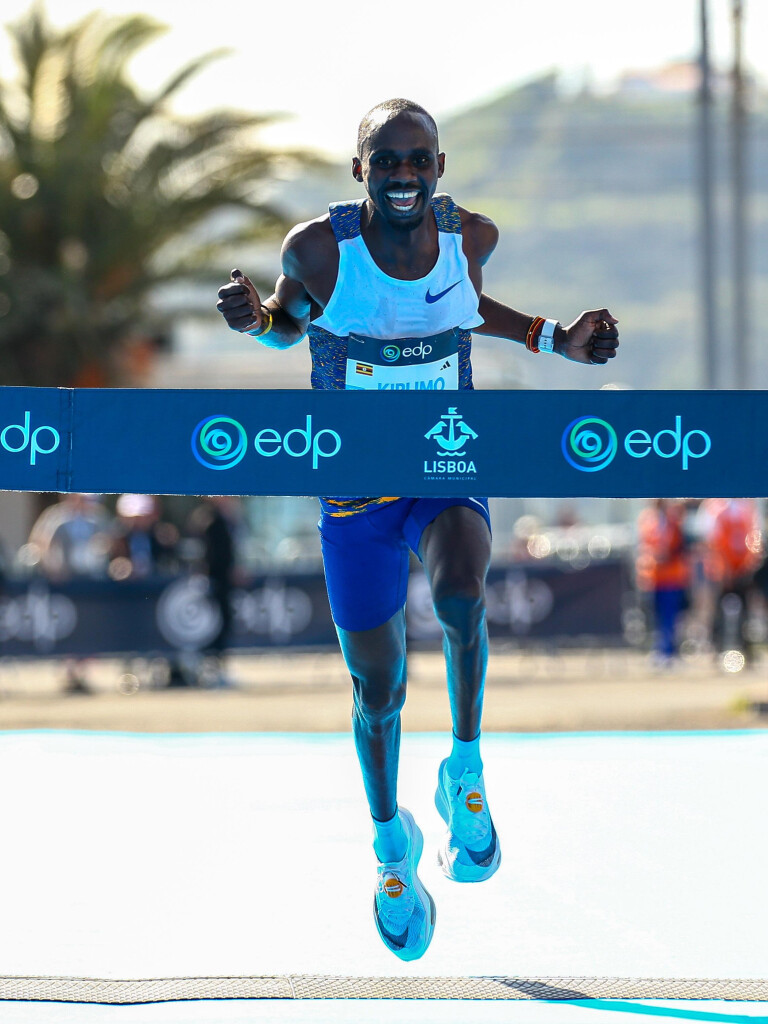
The spotlight, however, will inevitably fall on the record books. The current men's half marathon world record belongs to Uganda's Jacob Kiplimo, who stunned the athletics community with a historic performance several weeks ago, raising the bar to unprecedented heights. Since then, speculation has centered on which athlete possesses the talent and courage to challenge the new benchmark.
Kejelcha is undoubtedly among the leading candidates. Known for his aggressive racing style and ability to maintain relentless pace over long distances, the Ethiopian has repeatedly demonstrated that he thrives when chasing ambitious targets. Buenos Aires, with its traditionally fast course and competitive field, could provide the ideal setting for another landmark performance.
Yet breaking a world record is never guaranteed. Beyond physical preparation, such an achievement requires perfect weather conditions, flawless pacing, and an athlete capable of delivering the race of a lifetime. Even for a runner of Kejelcha's caliber, the challenge posed by Kiplimo's mark remains immense.
As the countdown to August begins, anticipation continues to build. Will Yomif Kejelcha simply add another major victory to his collection, or will he produce a performance that rewrites history? The answer awaits on the streets of Buenos Aires, where one of the world's finest distance runners will attempt to turn ambition into achievement and perhaps launch a serious attack on one of athletics' most coveted records.
by Erick Cheruiyot for My Best Runs.
Login to leave a comment
Buenos Aires Half Marathon
The Buenos Aires Half Marathon is one of the most important in Latin America and attracted more than 25,000 runners from all over the world. Dare to run the fastest half marathon in Latin America....
more...
Valencia Chooses Prestige Over Status: Why the World’s Fastest Marathon Isn’t Chasing Major Membership
For years, the Valencia Marathon has built a reputation that many races can only dream of. With its lightning-fast, sea-level course, ideal early-December weather, world-class organization, and remarkable depth of elite competition, the Spanish event has become a magnet for the sport’s biggest stars and record chasers.

Its appeal was reinforced recently when Ethiopian distance sensation Yomif Kejelcha confirmed that he will compete in this year's race on December 6. Kejelcha arrives with enormous momentum after producing a sensational 1:59:41 marathon debut in London, adding even more anticipation to an event already renowned for producing historic performances.
Given Valencia's growing stature, many observers have long wondered whether the race would eventually seek inclusion in the prestigious World Marathon Majors. Often described as the finest marathon outside the Major circuit, Valencia has consistently appeared to be the most logical candidate for expansion.
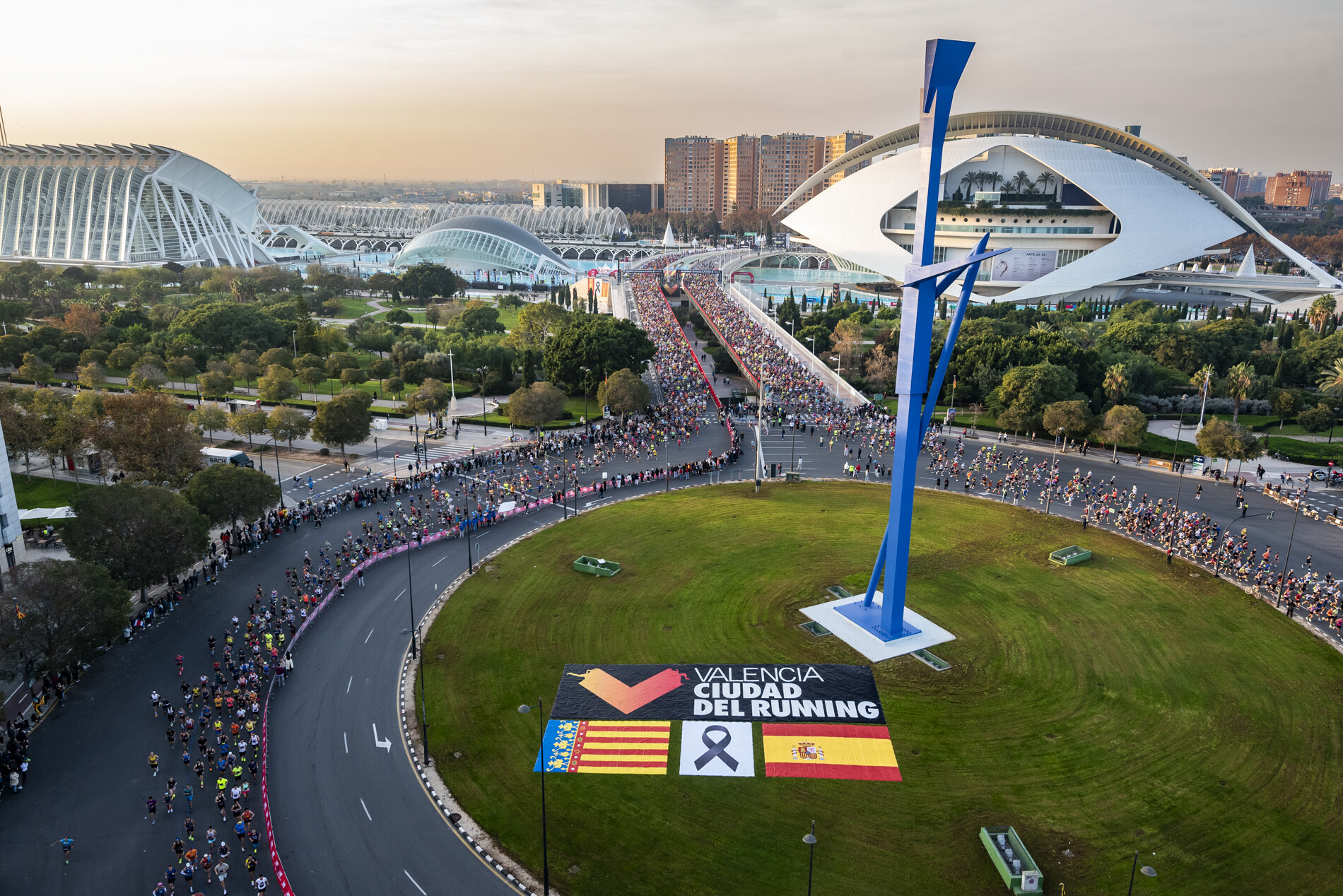
However, race organizers have revealed that such a move is not currently on the agenda.
Speaking exclusively to Marathon Handbook, Valencia Marathon CEO Juan Manuel Botella explained that the event has no immediate plans to pursue Major status. According to Botella, the decision is largely financial, with the costs associated with joining the World Marathon Majors considered too significant at this time.
The revelation may surprise many within the running community. Valencia is a race that continues to attract some of the world's best athletes, invests heavily in elite fields, and has openly expressed ambitions of hosting a sub-two-hour marathon performance on its famously fast course. Yet despite its global prestige and growing influence, organizers believe that becoming a Major does not currently offer enough value to justify the financial commitment required.
In many ways, the decision highlights Valencia's confidence in its own identity. Rather than chasing a label, the race continues to focus on what has made it one of the most celebrated marathons on the planet: exceptional conditions, elite competition, and a proven ability to produce extraordinary performances.
Whether or not Valencia eventually joins the World Marathon Majors, its standing within the sport remains unquestioned. For elite athletes seeking personal bests, records, and unforgettable racing experiences, the Valencia Marathon has already established itself as one of the crown jewels of global road running—Major status or not.
by Erick Cheruiyot for My Best Runs.
Login to leave a comment
VALENCIA TRINIDAD ALFONSO
The Trinidad Alfonso EDP Valencia Marathon is held annually in the historic city of Valencia which, with its entirely flat circuit and perfect November temperature, averaging between 12-17 degrees, represents the ideal setting for hosting such a long-distance sporting challenge. This, coupled with the most incomparable of settings, makes the Valencia Marathon, Valencia, one of the most important events in...
more...
New Names, New Standards: Record Ratifications Mark a Historic Chapter in Athletics
The global athletics record book has officially welcomed a new group of record-breakers after World Athletics ratified a series of outstanding performances that reshaped the sport across road running, race walking, and indoor competition.
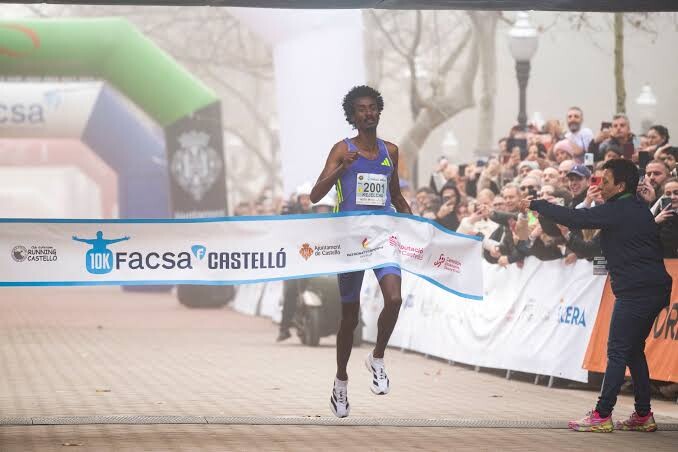
Among the newly confirmed marks is Ethiopian distance star Yomif Kejelcha’s world 10km record of 26:31, a performance that now stands as the fastest officially recognized time ever run over the distance on the roads.
Kejelcha produced the remarkable run in Castellón, Spain, on February 16, 2025. His record was elevated to official status following the annulment of the previous world best of 26:24, set by Kenya’s Rhonex Kipruto in 2020. Kipruto's result was removed from the record books after sanctions related to anti-doping rule violations led to the cancellation of his performances.
The recognition further strengthens Kejelcha’s place among the greatest road runners of his generation. Already the holder of the world half marathon record of 57:30, achieved in Valencia in 2024, the Ethiopian now owns world records at both 10km and half marathon distances.
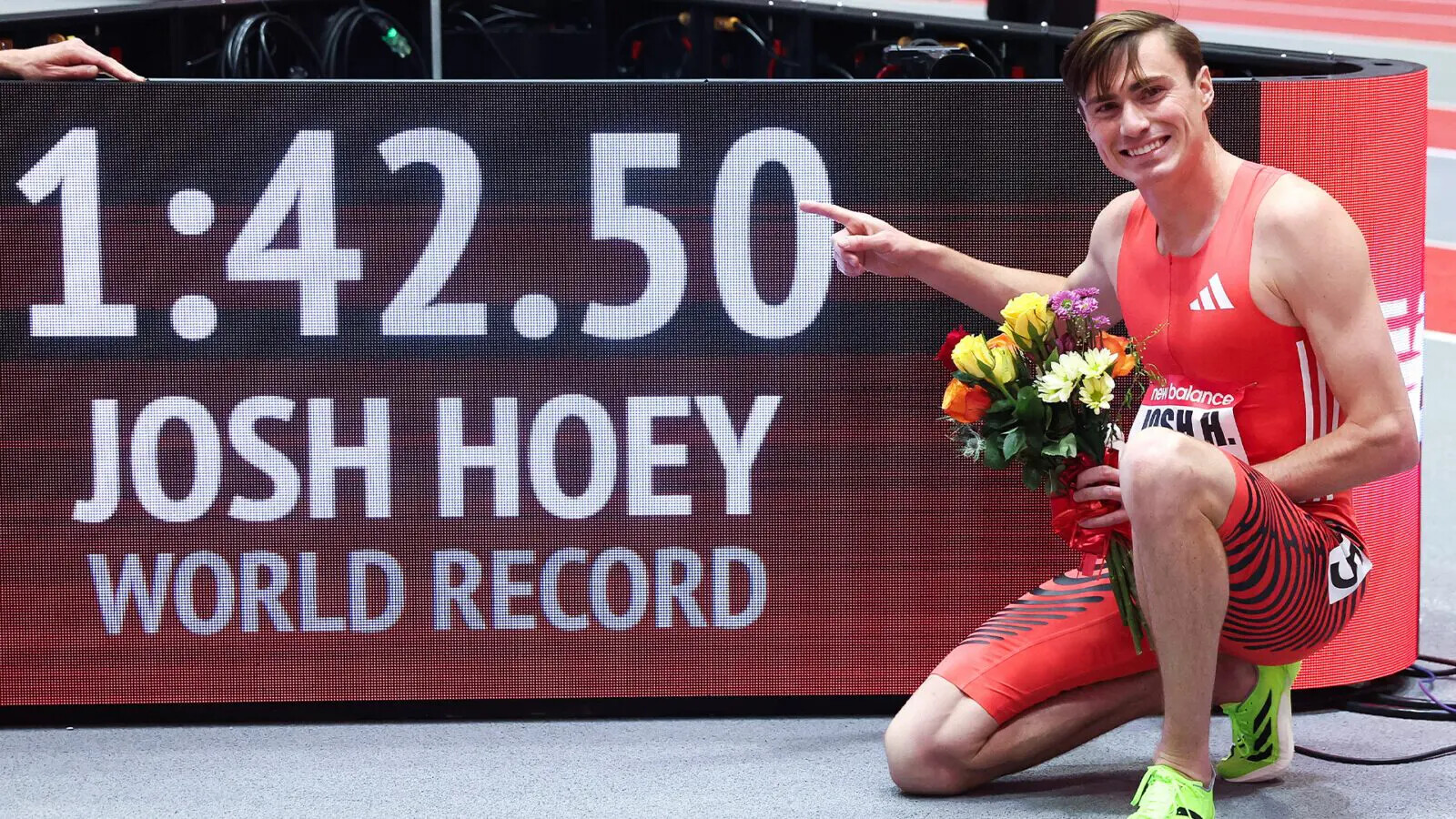
Another athlete celebrating official recognition is American middle-distance sensation Josh Hoey. The 26-year-old delivered a stunning performance at the New Balance Indoor Grand Prix in Boston on January 24, 2026, clocking 1:42.50 for the 800m on the short track.
His run erased one of indoor athletics’ most enduring records, surpassing the legendary 1:42.67 set by Wilson Kipketer in Paris in 1997. Hoey’s breakthrough performance marked a defining moment in his career and signaled the arrival of a new force in global middle-distance running.
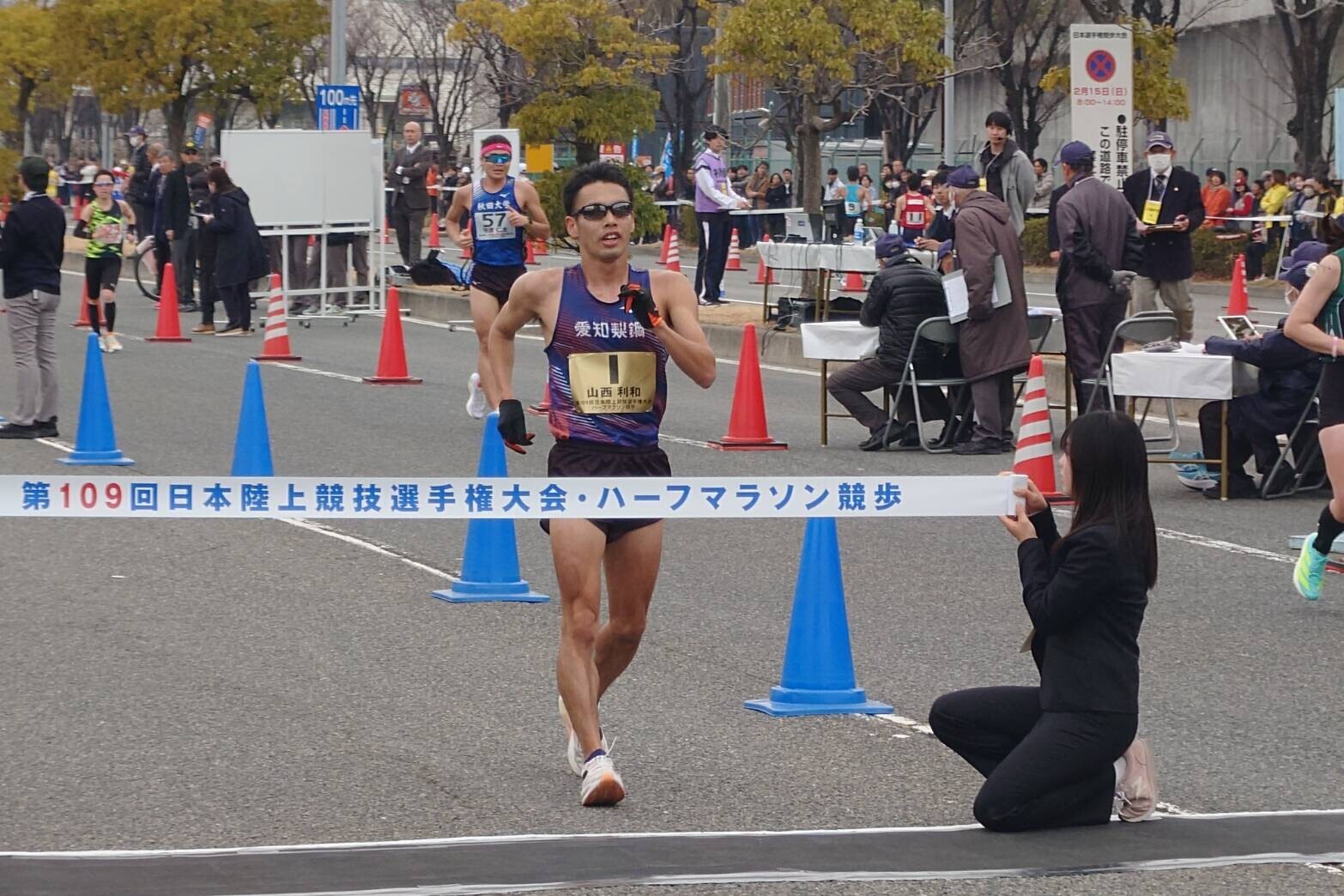
In race walking, Japan’s Toshikazu Yamanishi etched his name into history by becoming the first official world record holder in the half marathon race walk. Competing in Kobe on February 15, 2026, the two-time world champion covered the distance in 1:20:34, comfortably bettering the inaugural world-record standard of 1:21:30 established by World Athletics.
Yamanishi’s achievement comes at a significant time for the discipline, following the introduction of the half marathon and marathon as official senior road race walking events. His performance now serves as the benchmark for a new era in race walking.
The next generation of athletics stars also received official recognition as three world U20 records were ratified.
Ethiopia’s Saron Berhe continued her rapid rise by setting a world U20 1500m short-track record of 4:01.23 in Ostrava. The 18-year-old eclipsed the previous mark held by fellow Ethiopian Lemlem Hailu and further confirmed her status as one of the brightest young talents in distance running.
American teenager Cooper Lutkenhaus also made history when he stormed to a world U20 short-track 800m record of 1:44.03 in Winston-Salem. His remarkable season later reached even greater heights when he became the youngest athlete ever to win a world championship title in the 800m, capturing gold at the World Indoor Championships.
Meanwhile, Australian sprint prodigy Gout Gout continued his meteoric ascent by smashing the world U20 200m record. The 18-year-old sprinted to a breathtaking 19.67 seconds at the Australian Championships in Sydney, lowering the previous global junior mark and announcing himself as one of the sport’s most exciting young stars.
With their records now officially ratified, Kejelcha, Hoey, Yamanishi, Berhe, Lutkenhaus, and Gout have secured their places in athletics history. Their achievements not only redefine the limits of performance but also provide a glimpse into a future where barriers continue to fall and new generations of athletes push the sport into uncharted territory.
by Erick Cheruiyot for My Best Runs.
Login to leave a comment
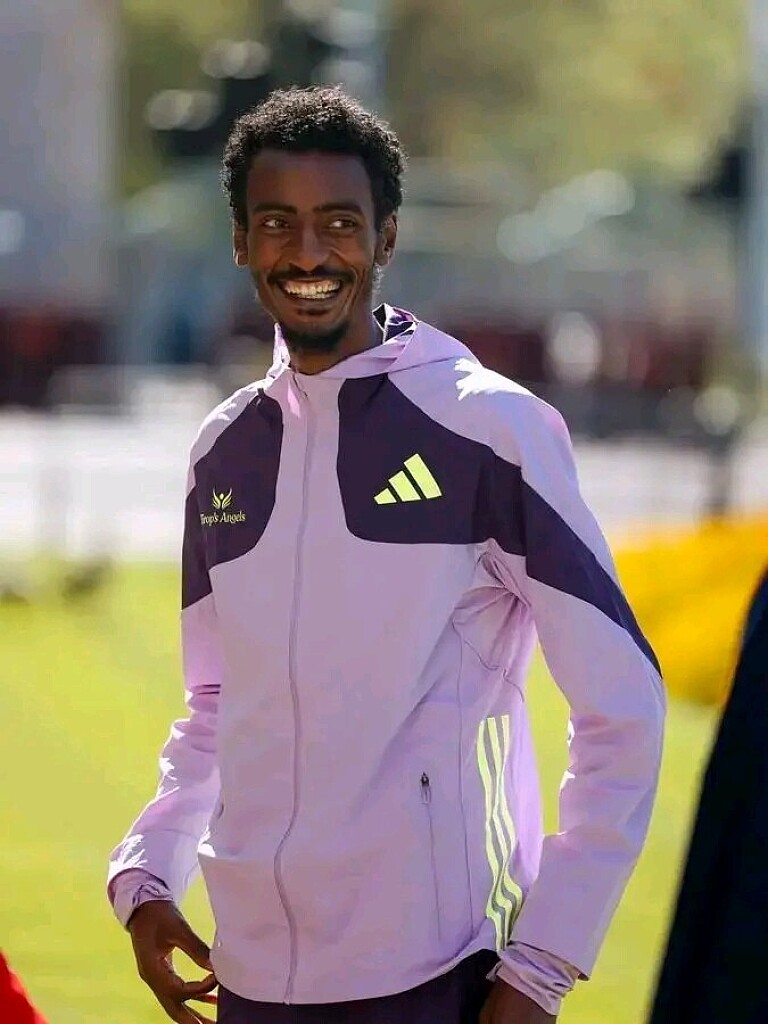
Under Two Hours, Yet Not Enough: Yomif Kejelcha's Remarkable Run in London
In most marathons, a performance like Yomif Kejelcha's would have rewritten history.
At the 2026 London Marathon, the Ethiopian distance star produced one of the finest races ever seen over 42.195 kilometres, stopping the clock at an astonishing 1:59:41. The time placed him among an extremely exclusive group of athletes to complete the marathon distance in under two hours in race conditions and would have shattered the world record on almost any other day.

Yet Kejelcha crossed the finish line in second place.
Ahead of him was Kenya's rising marathon sensation, Sebastian Sawe, who delivered a performance for the ages, storming to victory in 1:59:30 and finishing eleven seconds clear of the Ethiopian. It was a race that elevated the standard of marathon running to unprecedented heights and left spectators struggling to comprehend what they had witnessed.
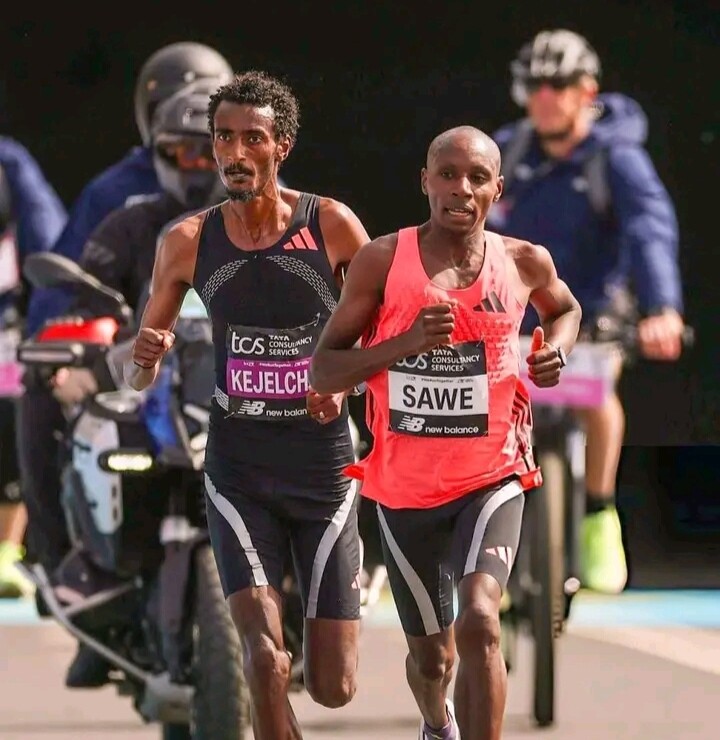
What makes Kejelcha's achievement even more remarkable is that he never expected such a result.
After the race, the Ethiopian admitted that his pre-race expectations were far more modest. He believed a finishing time somewhere between 2:02 and 2:03 was realistic. As the race entered its closing stages, fatigue began to take hold. Around the 25-mile mark, his legs felt increasingly heavy, and he was convinced his opportunity for something special had slipped away.
Then came the final stretch.
A glance at his watch revealed numbers that seemed almost impossible. Despite the pain and exhaustion, he was running at a pace few athletes in history had ever sustained. The finish line confirmed it: a sub-two-hour marathon and one of the fastest performances the sport has ever recorded.
Yet there was no world record celebration. No winner's trophy.
Only second place.
And perhaps that is what makes this story so compelling.
Elite sport often teaches us to measure success through victories, medals and records. But Kejelcha's run serves as a reminder that greatness cannot always be defined by finishing first. Sometimes an athlete produces the performance of a lifetime and still encounters someone capable of something even more extraordinary.
On paper, the result will forever show Kejelcha as the runner-up. History, however, is unlikely to remember it that way. His courageous front-running effort, his refusal to surrender when fatigue struck, and his astonishing finishing time ensured that his race became one of the defining moments of modern marathon running.
There are defeats that fade quickly from memory. Then there are performances so exceptional that they transcend the final standings.
Yomif Kejelcha did not leave London with a title or a world record. He left with something arguably more enduring: a place in one of the greatest marathon battles ever contested.
And when future generations look back on that unforgettable morning in London, they may ask a simple question:
If an athlete runs one of the fastest marathons in history, exceeds every expectation, and inspires millions along the way, can it really be called a defeat?
by Erick Cheruiyot for My Best Runs.
Login to leave a comment
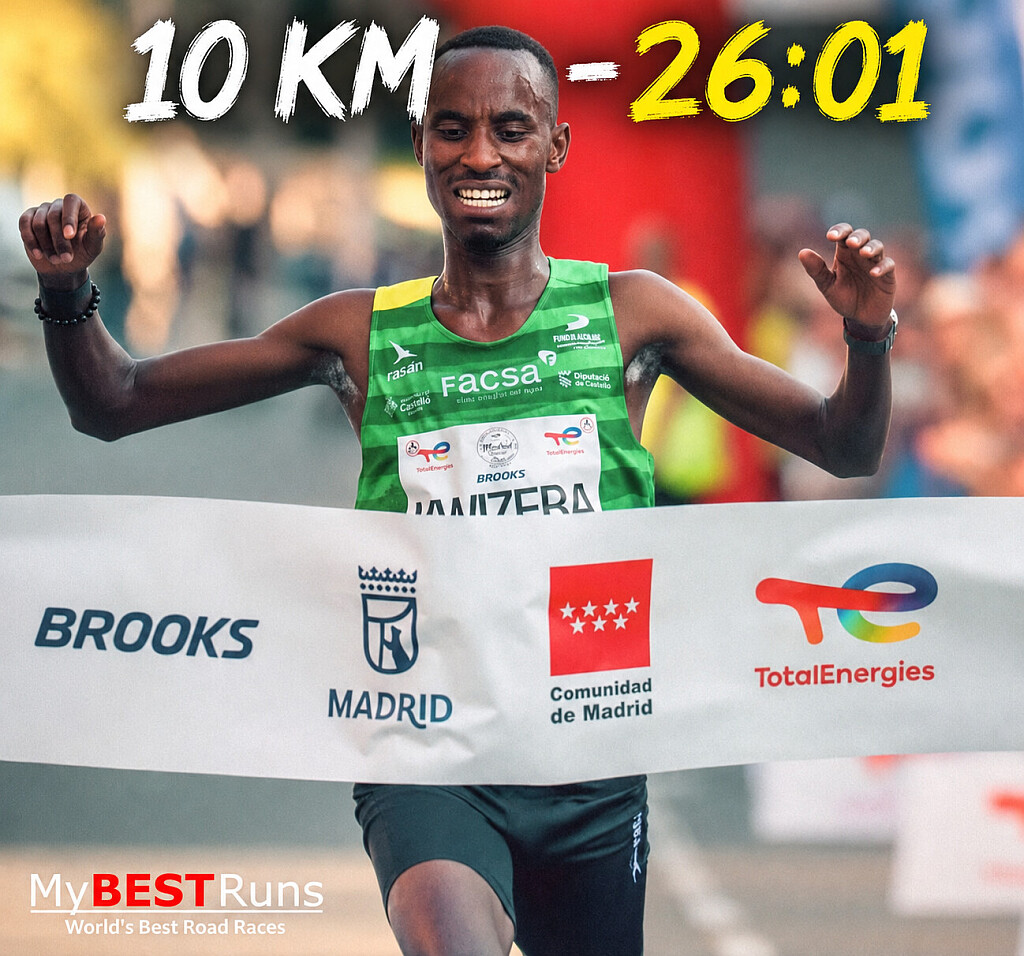
Kwizera Rewrites the Limits of Speed with Historic 26:01 in Madrid
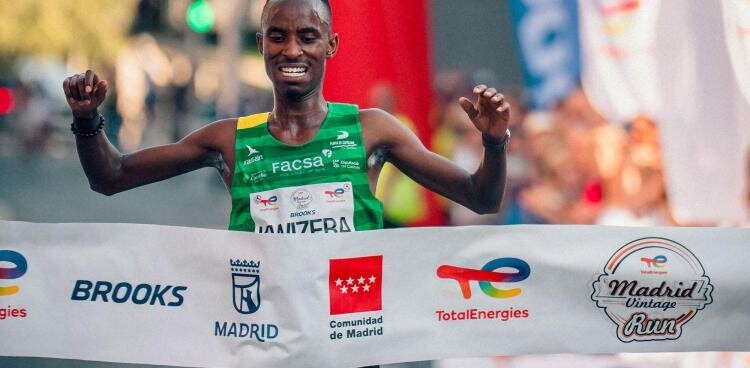
The athletics world was left in disbelief on Sunday as Burundi’s Rodrigue Kwizera produced a performance for the ages, storming to an astonishing 26:01 over 10 kilometers at the Madrid Vintage Run in Spain.
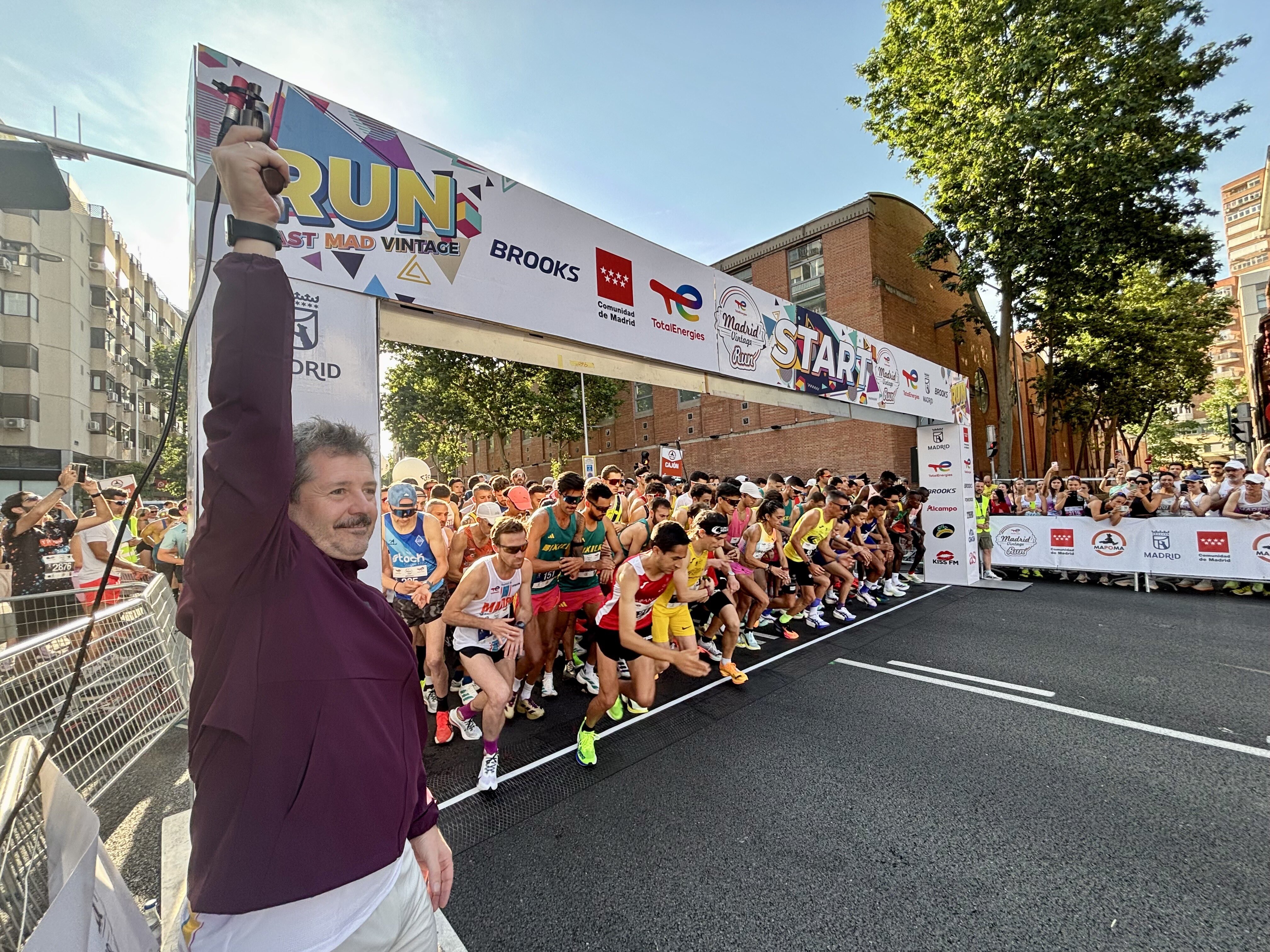
Covering the distance at a remarkable average pace of 2:36 per kilometer, Kwizera delivered the fastest 10K ever recorded by a human being, eclipsing not only every road performance in history but also every track performance over the distance. The breathtaking run immediately captured global attention and reignited discussions about the evolving boundaries of endurance running.
The 26-year-old's extraordinary effort was significantly quicker than the current official world record of 26:31, set by Ethiopia’s Yomif Kejelcha in February 2025. However, despite surpassing that mark by an incredible 30 seconds, Kwizera’s performance will not be ratified as an official world record.
According to competition regulations, the Madrid Vintage Run course does not meet the requirements for world-record eligibility. The route features a substantial net elevation drop of more than 160 meters and exceeds the allowable separation between the start and finish points, giving runners an advantage that falls outside World Athletics record standards.
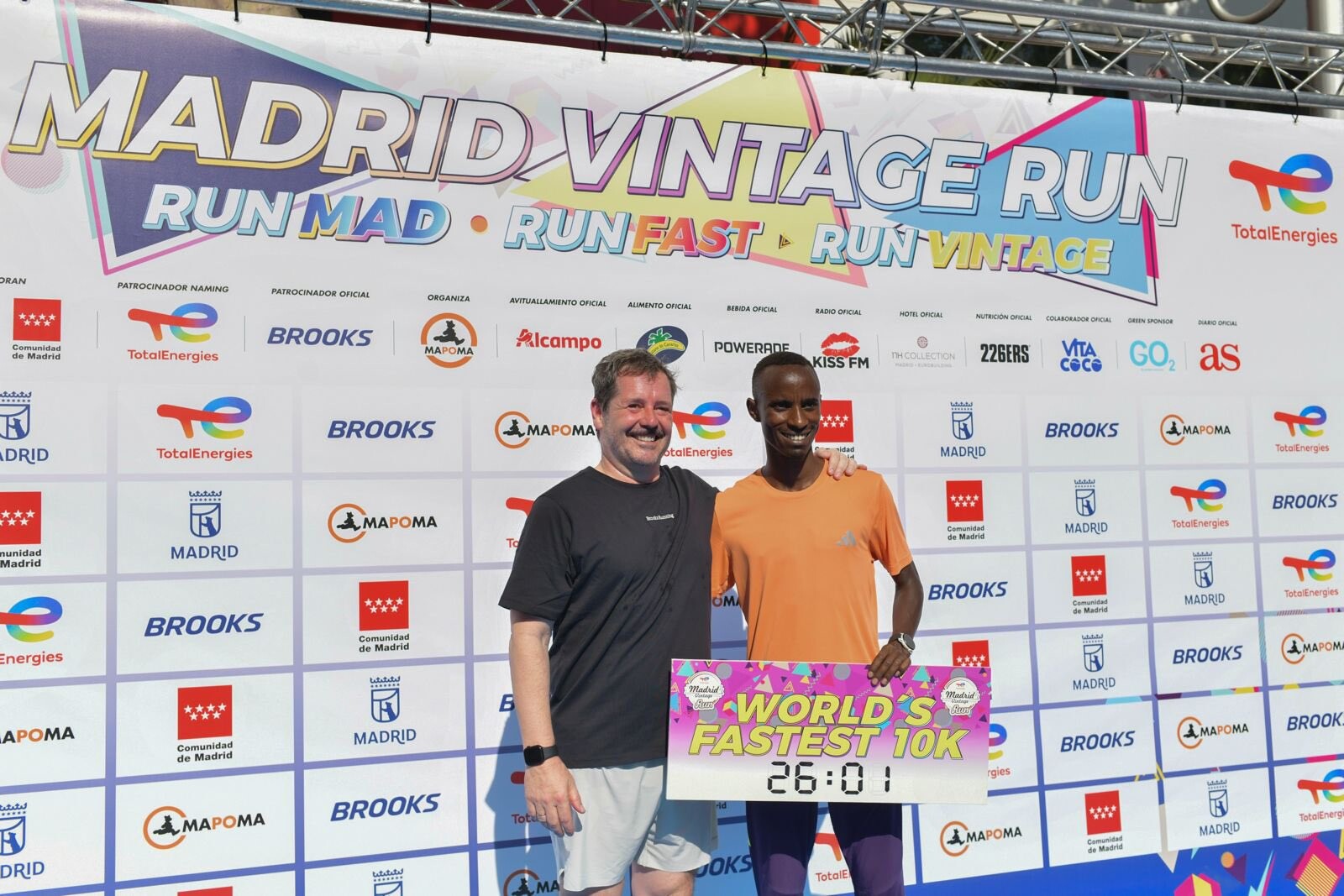
Nevertheless, the performance remains one of the most remarkable displays of distance running ever witnessed. Regardless of its official status, no athlete has ever covered 10 kilometers faster, making Kwizera’s run a landmark moment in the sport.
What adds even more intrigue to the achievement is the contrast with his previous official personal best. Before arriving in Madrid, Kwizera’s recognized 10K best stood at 26:54. To lower that mark by 53 seconds at an elite level is almost unheard of, underlining the magnitude of what unfolded on the streets of the Spanish capital.
From the opening kilometers, Kwizera settled into an aggressive rhythm and never relented. As he surged toward the finish line, spectators realized they were witnessing a performance that would be discussed for years to come. The final clock reading of 26:01 confirmed a run unlike anything the sport had seen before.
While the mark will not enter the record books as an official world record, it has undoubtedly secured its place in athletics history. On a day when speed, endurance, and ambition converged perfectly, Rodrigue Kwizera delivered a performance that pushed the limits of human potential and produced one of the most extraordinary 10K runs ever recorded.
by Erick Cheruiyot for My Best Runs.
Login to leave a comment
One Month Since Marathon Running Witnessed Its Greatest Day Ever
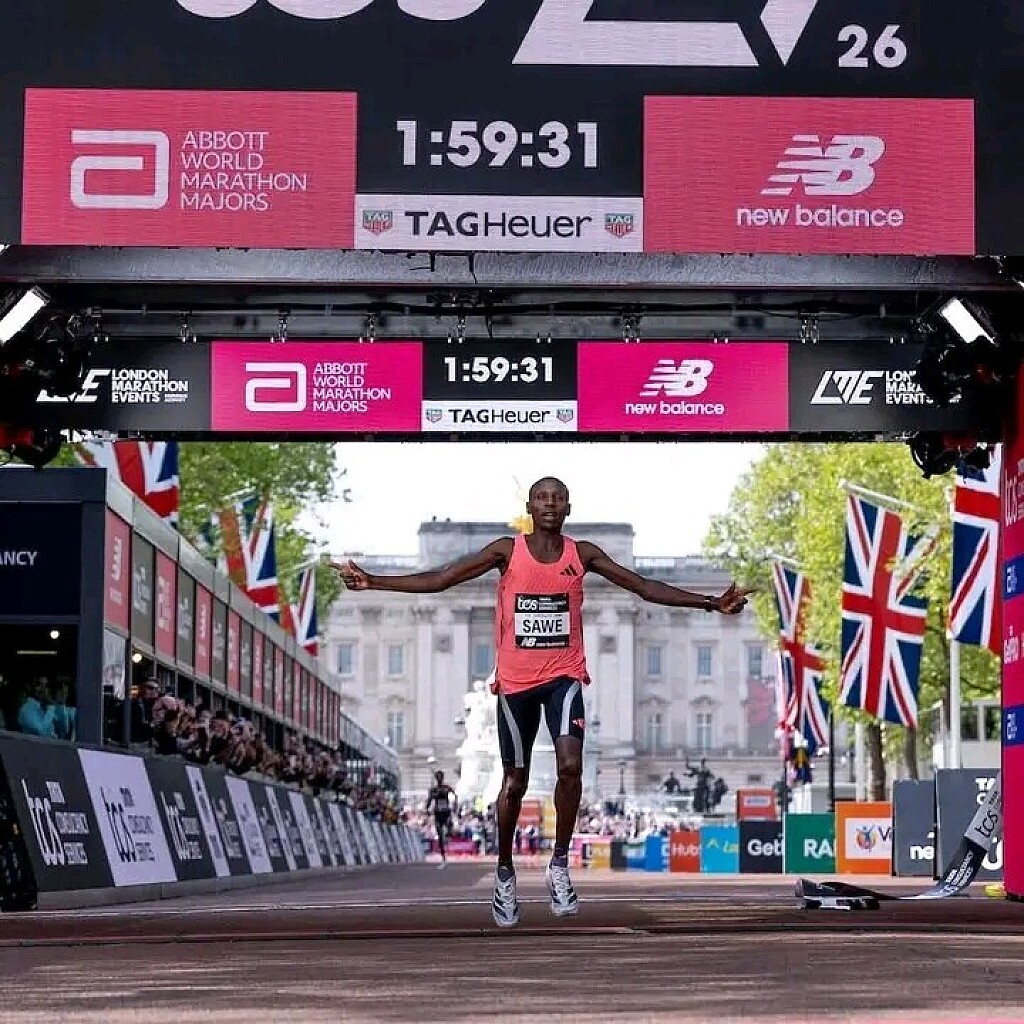
Exactly one month ago, at the TCS London Marathon the sport of marathon running experienced a moment so extraordinary that it permanently altered the limits of human endurance. What unfolded that historic day was not simply fast racing — it was the complete rewriting of what the athletics world believed was possible over 42.195 kilometers.
The headlines alone sounded almost fictional.
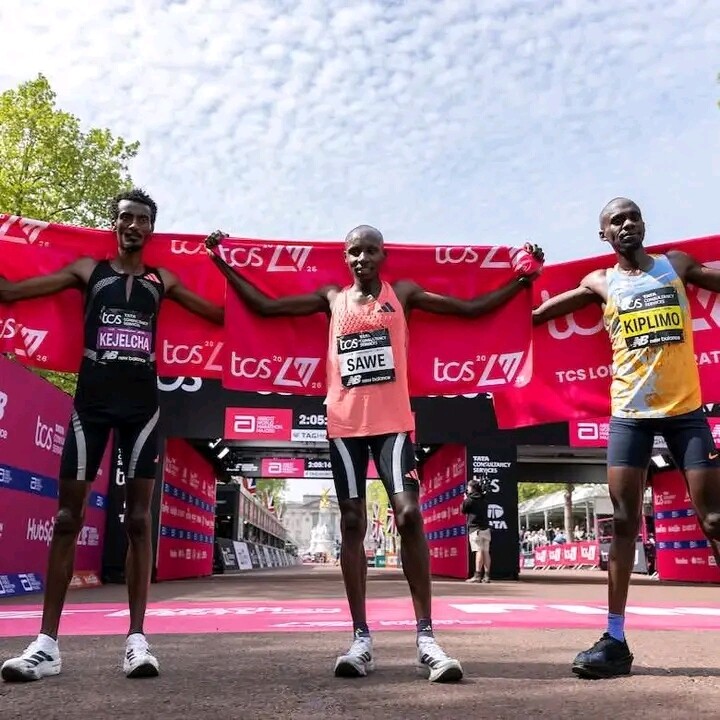
Kenya’s Sabastian Sawe delivered the performance of a lifetime, storming into history as the first athlete ever to break the two-hour barrier in an official marathon race. His astonishing 1:59:30 shattered one of the final frontiers in distance running and instantly became one of the greatest athletic achievements ever witnessed on the roads.
For decades, the sub-two-hour marathon had existed as an almost mythical benchmark — discussed by scientists, coaches and legends of the sport as the ultimate human endurance challenge. Sawe did not just cross that barrier; he obliterated the psychological wall surrounding it with fearless pacing, ruthless consistency and unmatched composure under pressure.
Yet the drama was only beginning.
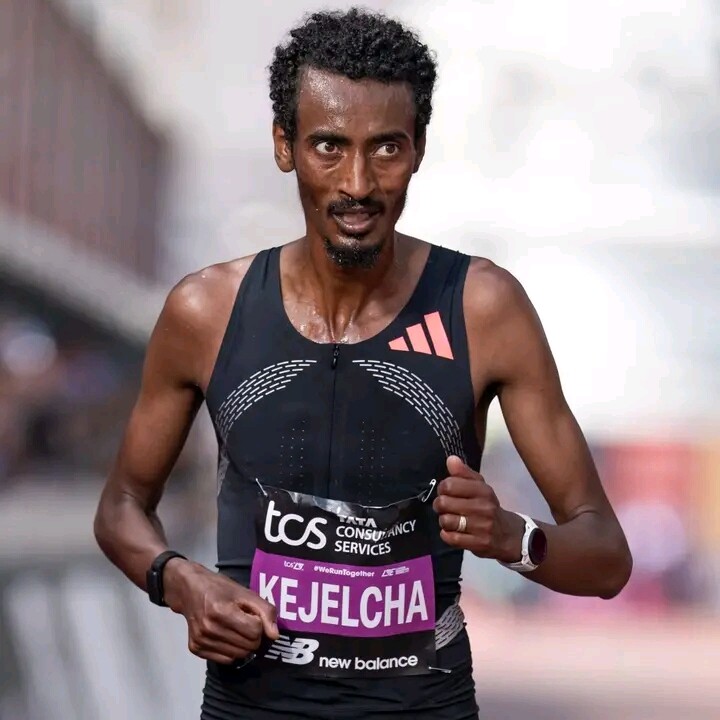
In one of the most remarkable marathon debuts the sport has ever seen, Ethiopia’s Yomif Kejelcha stunned the world by becoming the second man in history to run under two hours — clocking an extraordinary 1:59:41 in his very first marathon appearance. To achieve such a performance without prior marathon experience elevated the race from historic to almost surreal.
Kejelcha’s transition from track and half marathon brilliance to immediate marathon greatness showcased a rare combination of speed, efficiency and tactical intelligence. Most athletes spend years mastering the marathon. He conquered it on his first attempt.
And somehow, the race still had more history to offer.
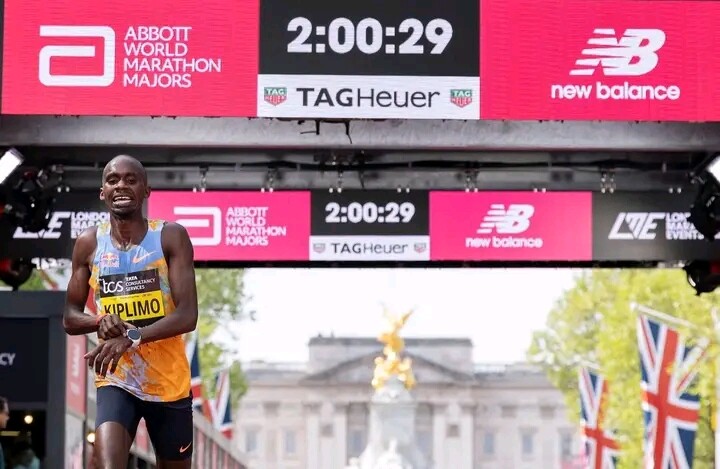
Uganda’s Jacob Kiplimo finished third in an astonishing 2:00:28 — a performance that, incredibly, was faster than the previous marathon world record of 2:00:35. On nearly any other day in athletics history, Kiplimo’s run would have dominated global headlines. Instead, it became part of a once-in-a-generation showcase of endurance greatness.
The depth of quality in the men’s race was unprecedented. Three athletes produced times once considered impossible within the same event, transforming the marathon from a race against rivals into a collective assault on history itself.

The women’s race was equally unforgettable.
Ethiopia’s Tigst Assefa once again proved why she remains one of the defining marathon athletes of this era. Defending her London crown in dominant fashion, Assefa surged to a sensational women’s-only world record of 2:15:41, combining elegance, strength and relentless rhythm from start to finish.
Her performance reinforced the rapid evolution of women’s marathon running, where barriers continue to fall and records are being pushed into territory previously unimaginable.
What made that day truly special was not only the records, but the feeling surrounding the races. Fans across the globe were witnessing history unfold in real time — a sporting spectacle where every split seemed impossible, every kilometer carried anticipation, and every finish line delivered another shock to the athletics world.
One month later, the echoes of that extraordinary day still resonate throughout global sport.
It was the day marathon running entered a new era. The day limits disappeared. The day history was rewritten kilometer after kilometer. And perhaps, the greatest single day the marathon has ever seen.
by Erick Cheruiyot for My Best Runs.
Login to leave a comment

TCS London Marathon
Since its inaugural edition on March 29, 1981, the TCS London Marathon has grown into one of the world's most prestigious road races, blending elite competition with an extraordinary charitable legacy. Founded by former Olympic champion and journalist Chris Brasher alongside Welsh athlete John Disley, the event has been staged every year and has been held in the spring annually...
more...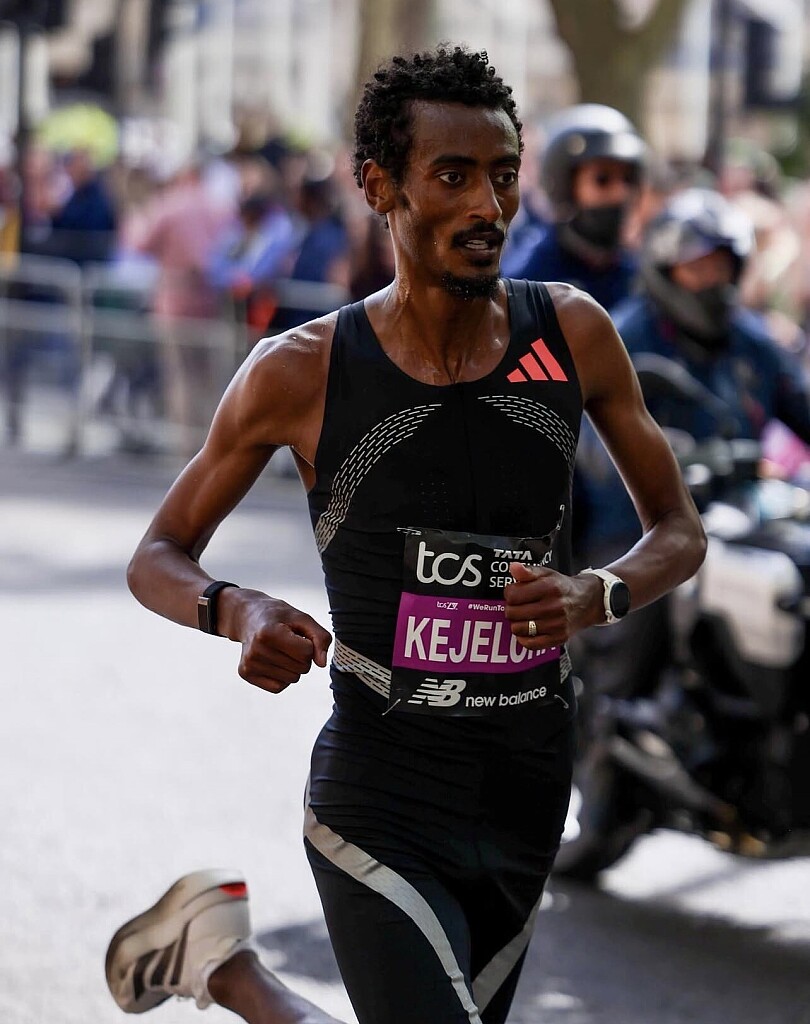
Adidas Thinks the Next Marathon Breakthrough Is the Body — And the Second Fastest Runner Ever Already Proved It
For the past decade, marathon innovation has revolved around shoes. Carbon plates. Super foams. Lighter and faster racing models that transformed what athletes believed was possible over 26.2 miles.
Now Adidas may have opened the next chapter in performance technology — and this time the breakthrough is not on runners’ feet.
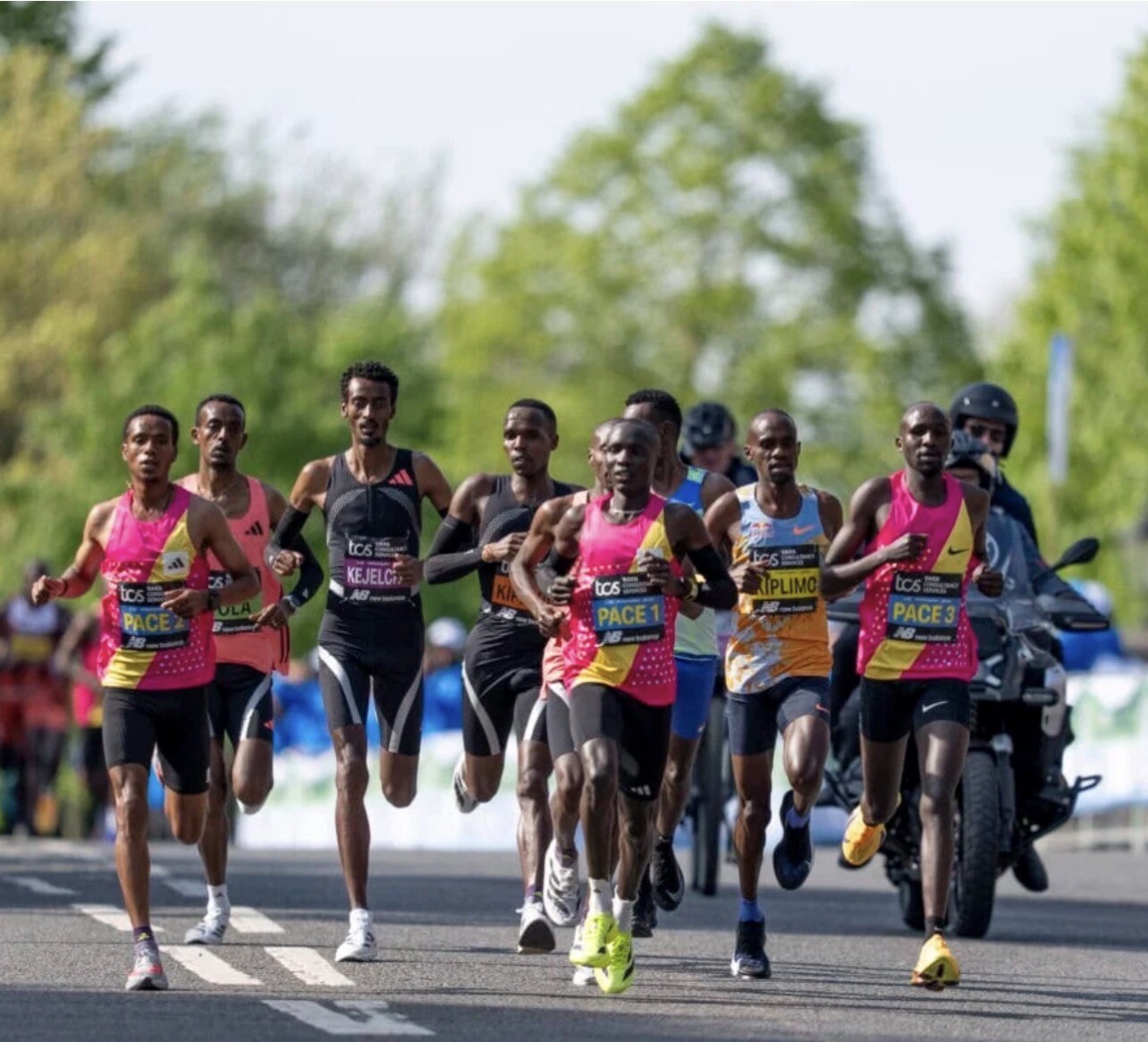
At the 2026 London Marathon, much of the focus centered on the historic performances by Sabastian Sawe and Yomif Kejelcha, who became the first two athletes in history to officially break two hours in the marathon in the same race. But another important development may have quietly emerged alongside those performances: Adidas’s new biomechanical racing suit.
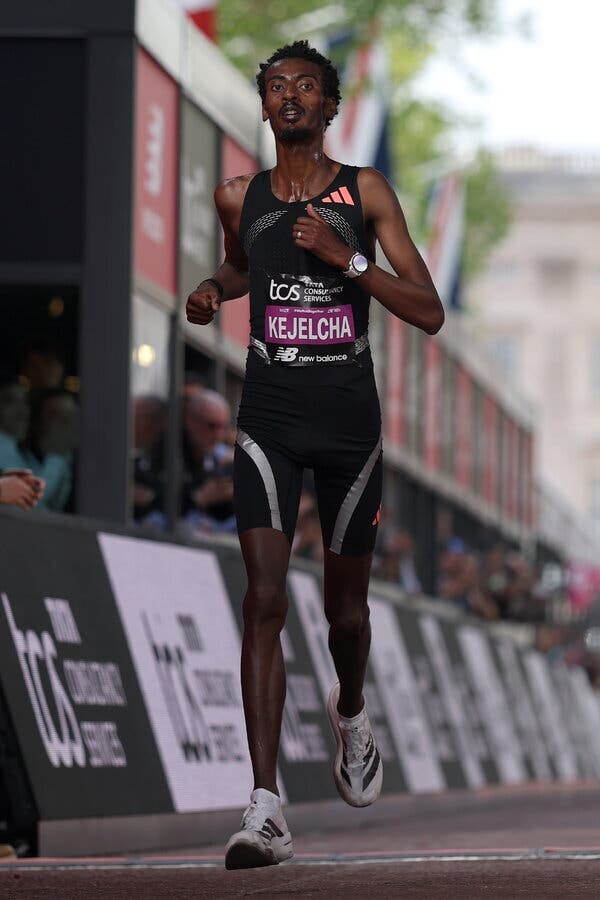
What makes the apparel intriguing is that it is not primarily about aerodynamics. The company’s bigger claim is biomechanical efficiency — helping runners maintain form deeper into the race as fatigue takes over.
Every experienced marathoner understands what happens late in a hard marathon. The hips begin to drop. The pelvis tilts. Posture weakens. Stride efficiency slowly deteriorates. Over the final miles, small mechanical losses become major time losses.
According to Adidas, the suit is designed to slow that breakdown.
Jessica G. Hunter, Adidas’s Manager of Athlete Performance and the leader behind the research project, spent years building the case internally that apparel itself could improve marathon performance. Leadership within the company was skeptical.
“Nobody had ever done it successfully before,” Hunter told The New York Times.
Her research focused on stabilizing the relationship between the core and hips — the key area responsible for keeping runners upright, balanced, and efficient during prolonged fatigue. The conclusion was that traditional apparel systems could not fully achieve that because singlets and shorts function as separate pieces.
“The only way to do that is with a full, connected suit,” Hunter explained.
That detail may prove to be the real innovation.
During the London Marathon broadcast, Kejelcha appeared to be wearing a fairly standard racing setup consisting of half-tights and a singlet. In reality, the upper and lower portions were connected into a single integrated garment. Adidas intentionally designed the suit to avoid looking radical or futuristic.
By comparison, Sawe raced in aerodynamic half-tights paired with a traditional untucked singlet. Every piece of his apparel could be clearly identified separately. Kejelcha’s system operated differently beneath the surface.
The idea of performance-enhancing apparel is hardly new in sports. Swimming saw a revolution — and eventual controversy — when full-body suits contributed to a flood of world records in 2008 and 2009. Cycling has long embraced skinsuits designed for aerodynamics and body stabilization. Running, however, has remained comparatively conservative outside the shoe revolution.
That may now be changing.
The timing is significant because marathon performances continue to improve at an astonishing rate. When races are decided by seconds rather than minutes, even marginal improvements become valuable. If a connected biomechanical suit helps an athlete maintain efficient posture just slightly longer over the final 10K, the competitive impact could be enormous.
The larger question is whether this represents the future of marathon racing or simply another experimental step in the sport’s endless pursuit of speed.
Either way, London may have marked the beginning of a new era — one where what runners wear from shoulders to hips becomes almost as important as what they wear on their feet.
by Bob Anderson for My Best Runs
Login to leave a comment
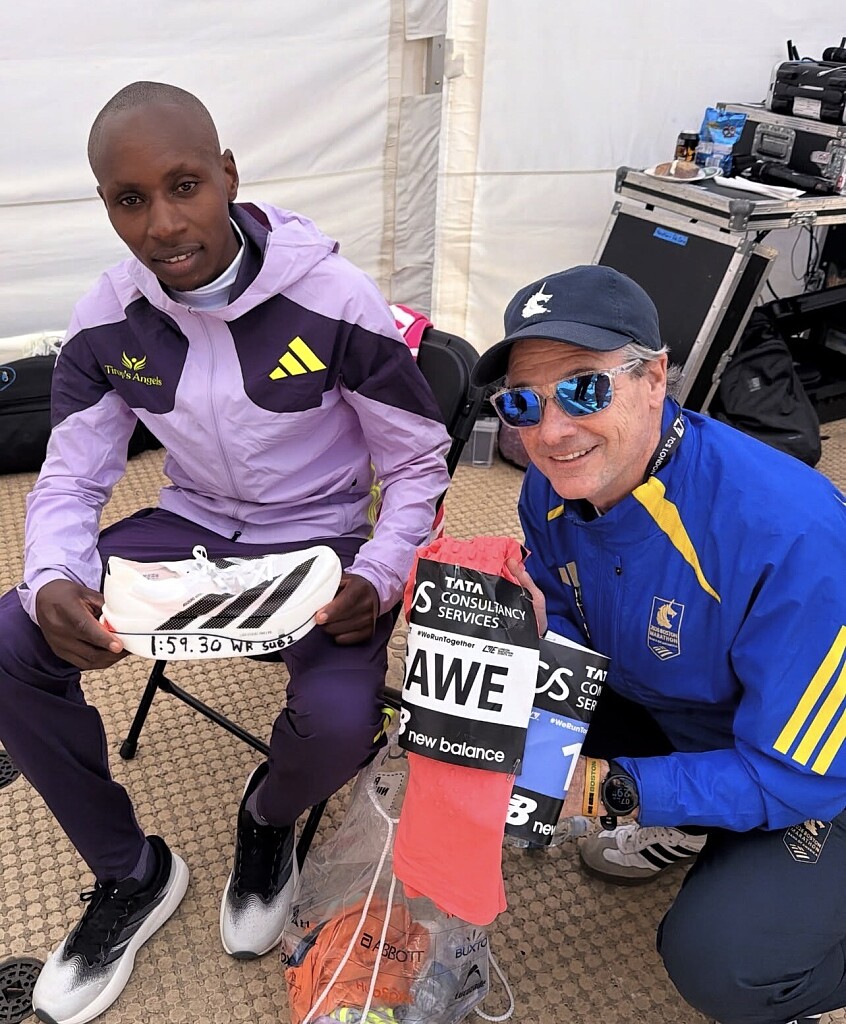
Berlin Marathon Lands the Fastest Marathoner in History as Sabastian Sawe Returns September 27
The 2026 Berlin Marathon already has its biggest headline. World record holder Sabastian Sawe has officially announced he will return to Berlin on September 27, setting the stage for another possible assault on marathon history.
Sawe stunned the running world in April when he won the London Marathon in a breathtaking 1:59:30, becoming the first athlete in history to officially run a marathon under two hours. Ethiopia’s Yomif Kejelcha followed closely behind in 1:59:41, making London the first marathon in history where two men officially broke the two-hour barrier. To date, Sawe and Kejelcha remain the only athletes ever to achieve the feat in official competition.
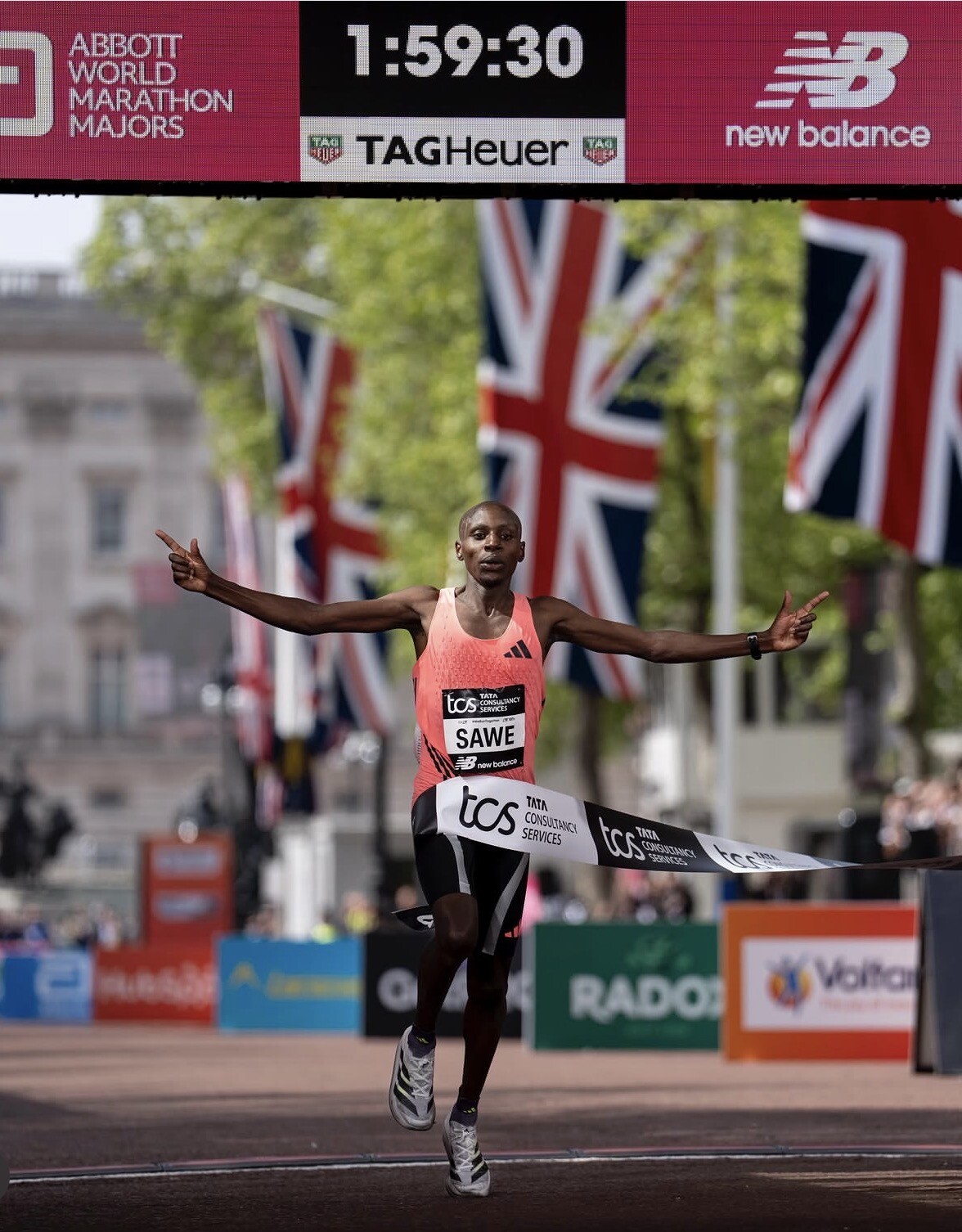
Now Sawe heads back to Berlin, widely regarded as the fastest marathon course in the world. The flat layout, cool September temperatures, and precision pacing have helped produce nine men’s marathon world records over the past quarter century. Legends including Eliud Kipchoge used Berlin as the stage for some of the greatest performances in distance running history.

“Berlin is a fast course with several world records set there. With perfect weather we could again see a sub-two-hour marathon,” says Bob Anderson, lifetime runner and editor of My Best RunsSawe is no stranger to success in Berlin. He captured the 2025 title in 2:02:16 despite unusually warm temperatures approaching 25C, a performance many viewed as one of the finest warm-weather marathons ever run. But after what happened in London, expectations are now on an entirely different level.

So far, Sawe is the only major elite men’s athlete officially confirmed for Berlin, though organizers are expected to announce additional top contenders in the coming weeks. The possibility of another historic showdown has already created enormous anticipation within the running world.
At the beginning of what could become one of the most remarkable marathon careers ever seen, Sawe has already changed the sport. Berlin may now offer the perfect stage for the next breakthrough.
by Boris Baron for My Best Runs
376
Login to leave a comment
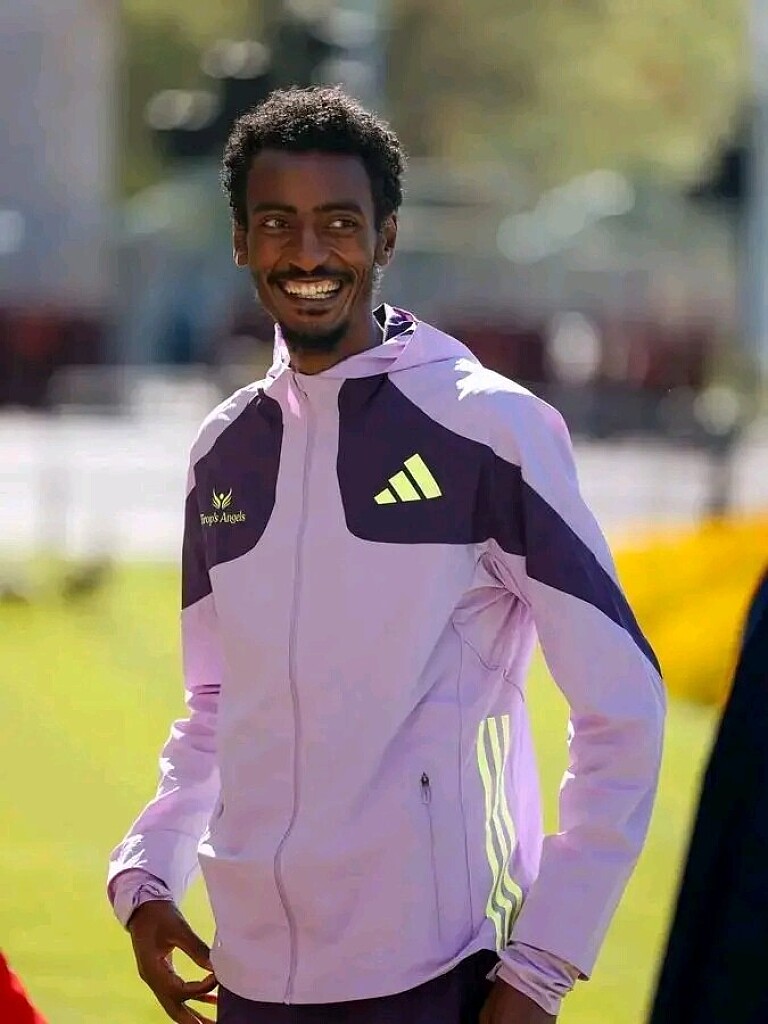
Kejelcha Returns to Valencia as Marathon World Awaits Another Historic Assault
The marathon world is once again bracing itself for something extraordinary after Ethiopian distance sensation Yomif Kejelcha was officially confirmed for the 2026 edition of the Valencia Marathon set for Sunday, December 6 in Spain.
The announcement immediately sent waves across global athletics, with anticipation already building around what could become one of the fastest marathons ever witnessed. Kejelcha returns to familiar territory carrying enormous momentum after his jaw-dropping performance at the 2026 London Marathon, where he stunned the world by clocking an astonishing 1:59:41 in his debut over the classic distance.
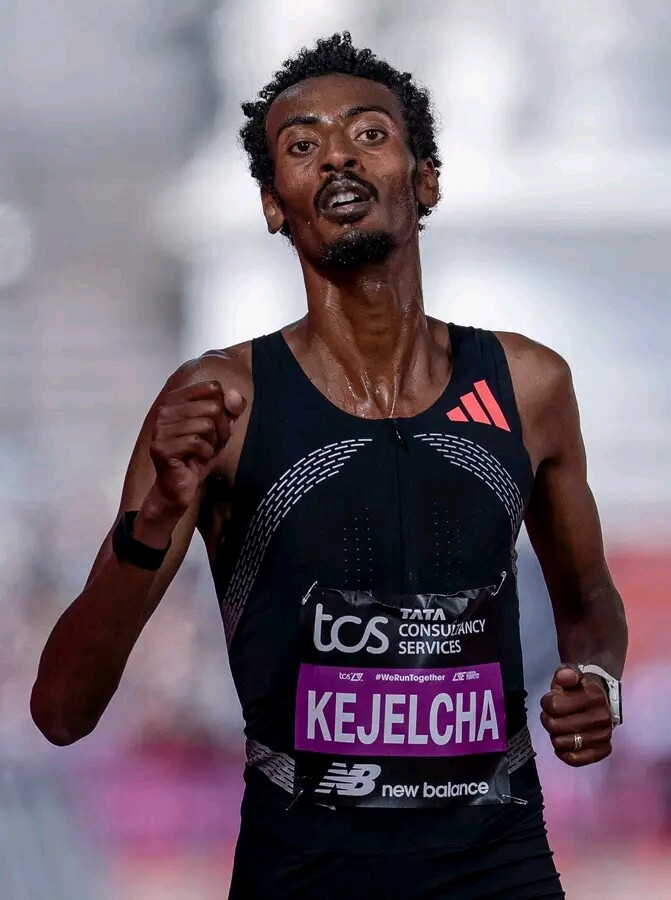
That breathtaking run not only rewrote marathon history, but also elevated Kejelcha into a completely new category of greatness. The Ethiopian star became just the second man ever to officially break the two-hour barrier in a record-eligible marathon, a feat once considered beyond human possibility.
Now, all eyes shift toward Valencia — a course widely regarded as one of the quickest marathon circuits on the planet.
For Kejelcha, the Spanish city already holds special significance. It was on these same lightning-fast streets that he produced one of the greatest half marathon performances in history, smashing the world record with a remarkable 57:30 in October 2024. That unforgettable display transformed Valencia into one of the defining venues of his career, and his return there feels less like coincidence and more like destiny.
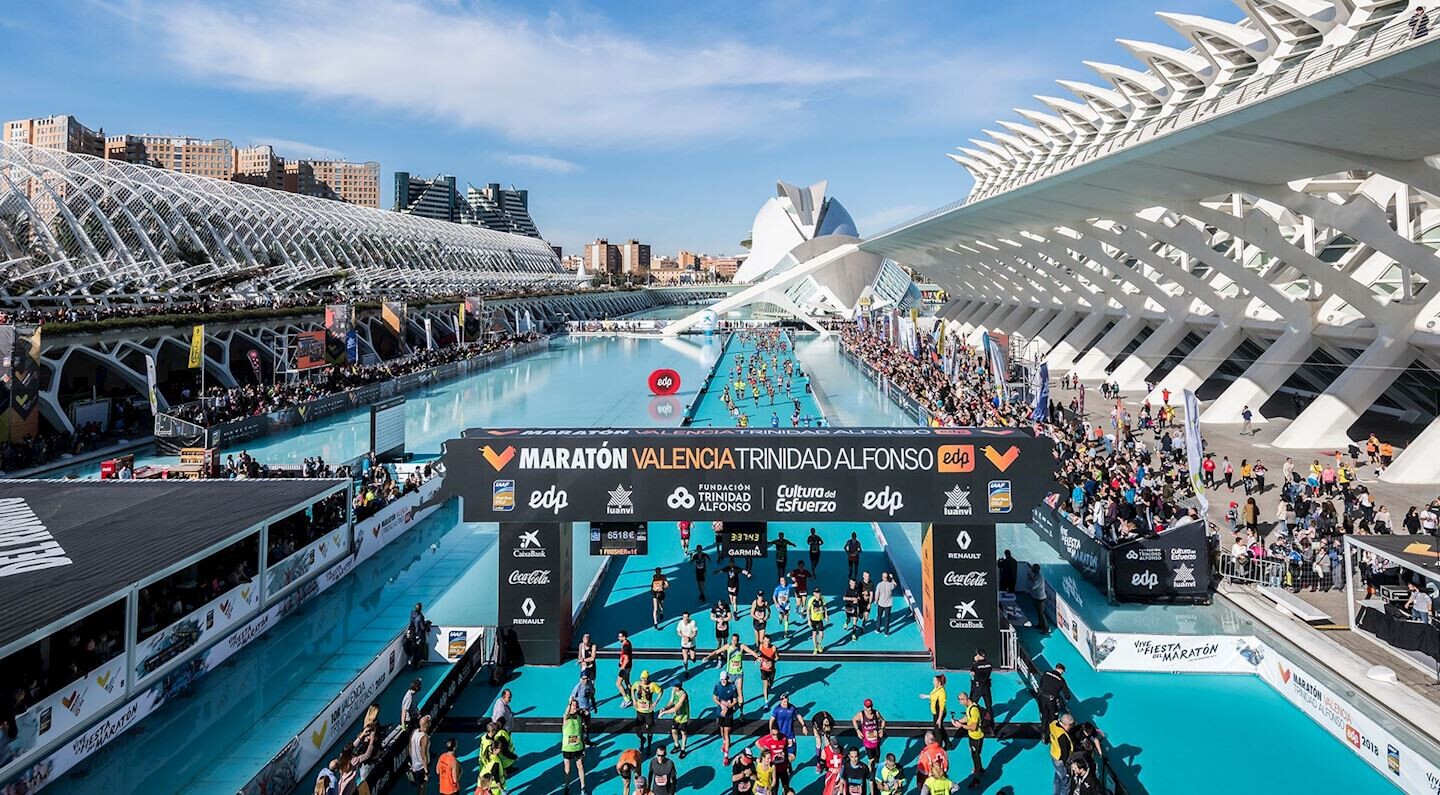
According to his manager, Gianni Demadonna, the decision to target Valencia followed extensive internal evaluations of Kejelcha’s current condition and long-term marathon potential. Those close to the Ethiopian camp reportedly believe the course offers the perfect environment for another historic performance.
And perhaps even more intriguing is the growing possibility of a world record attempt.
Valencia’s famously flat terrain — featuring minimal elevation changes across the entire course — has become a dream hunting ground for elite marathoners searching for fast times. With Kenyan star Sabastian Sawe expected to focus on Berlin later in the season, Kejelcha could arrive in Spain with a clearer path to dominate the race and fully attack the clock.
The prospect alone is enough to electrify the athletics community.
Kejelcha’s evolution from a dominant track athlete into a devastating road racer has unfolded with breathtaking speed. Already known for his explosive strength over 5,000m and 10,000m, the Ethiopian has now positioned himself as the newest giant of marathon running — a man capable of reshaping the limits of endurance sport.
As December approaches, excitement surrounding Valencia will only intensify. Fans, analysts, and fellow athletes understand the magnitude of what could unfold on the Spanish coast.
Because when Yomif Kejelcha steps onto a fast course, history no longer feels impossible — it feels expected.
by Erick Cheruiyot for My Best Runs.
Login to leave a comment
From Moneghetti to the Sub-2 Era: How Marathon Running Entered Another Dimension
The marathon has always been a race against human limits, but the distance between generations has never felt wider than it does today.
In 1990, Australian distance legend Steve Moneghetti produced one of the defining performances of his era when he stormed to victory at the Berlin Marathon in 2:08:16. At the time, the mark stood less than two minutes outside the world record — a remarkable achievement in an age when marathon running still seemed bound by barriers many believed could never be broken.
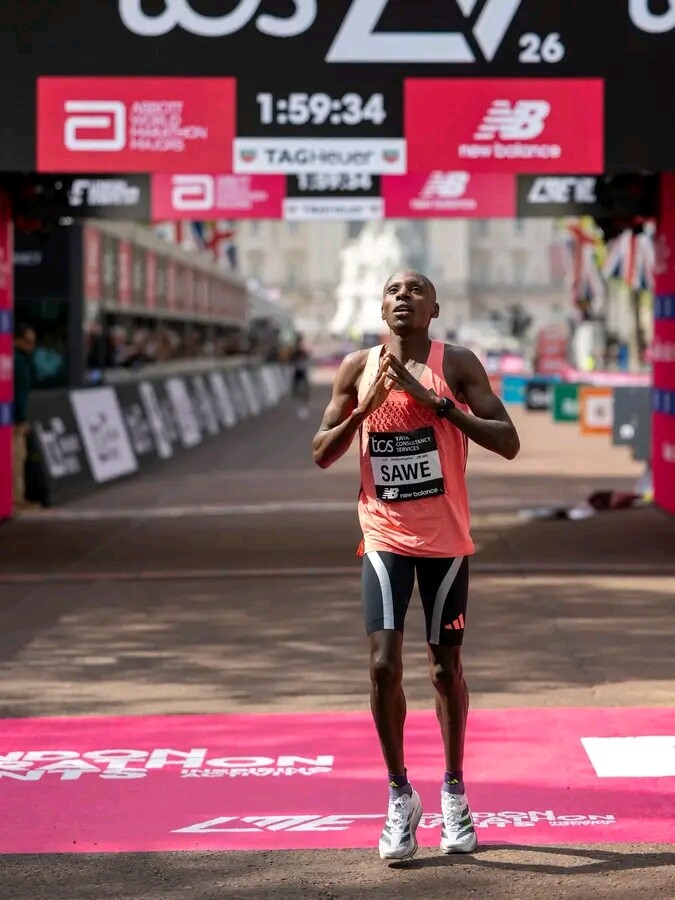
That performance elevated Moneghetti to the status of the 16th fastest marathoner in history, placing him among the sport’s global elite. His name carried weight in an era where every second shaved from the clock represented years of progress in training, nutrition, racing tactics, and endurance science.
Fast forward to today, and the landscape of marathon running has transformed almost beyond recognition.
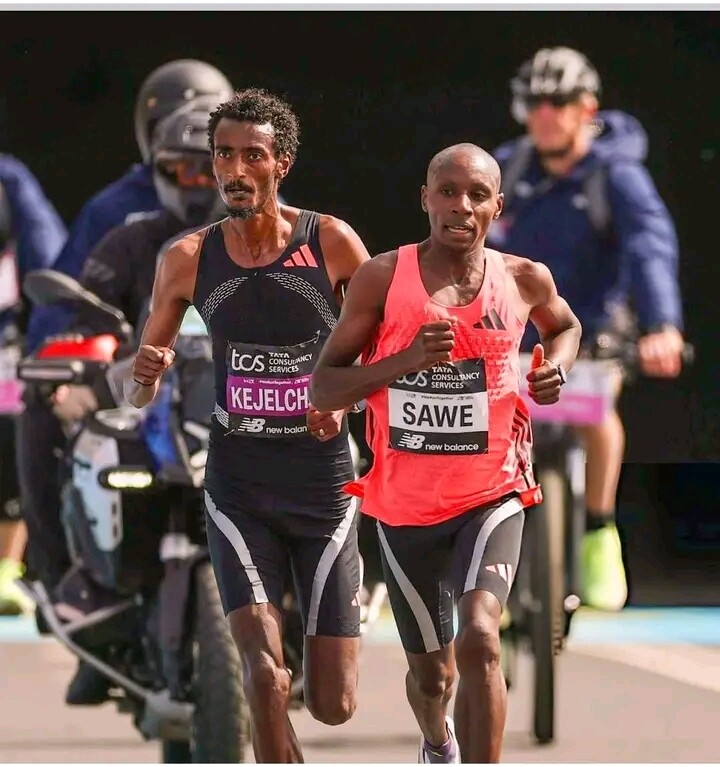
At the recent London Marathon, both Sabastian Sawe and Yomif Kejelcha delivered astonishing sub-2:00 performances, a feat that underlines the breathtaking evolution of the event. Times once considered untouchable are now being attacked with fearless ambition, as a new generation continues to redefine what the human body can endure over 42.195 kilometres.
The contrast perfectly captures the sport’s relentless progression. What once established an athlete among history’s greatest would no longer guarantee a place near the top of the modern rankings. Moneghetti himself reflected on that reality with remarkable honesty, noting that a performance which once made him the 16th fastest man ever would not even place him inside the top 100 today.
Yet that comparison does not diminish the greatness of past champions. Instead, it highlights how pioneers like Moneghetti helped lay the foundation for the marathon revolution unfolding today. Every generation pushes the boundaries further, inspiring the next to dream beyond what once appeared possible.
From Berlin in 1990 to London in the sub-2 era, marathon running has evolved from a test of endurance into a showcase of extraordinary human advancement. And judging by the speed of today’s athletes, the sport may still be far from reaching its final frontier.
by Erick Cheruiyot for My Best Runs.
Login to leave a comment
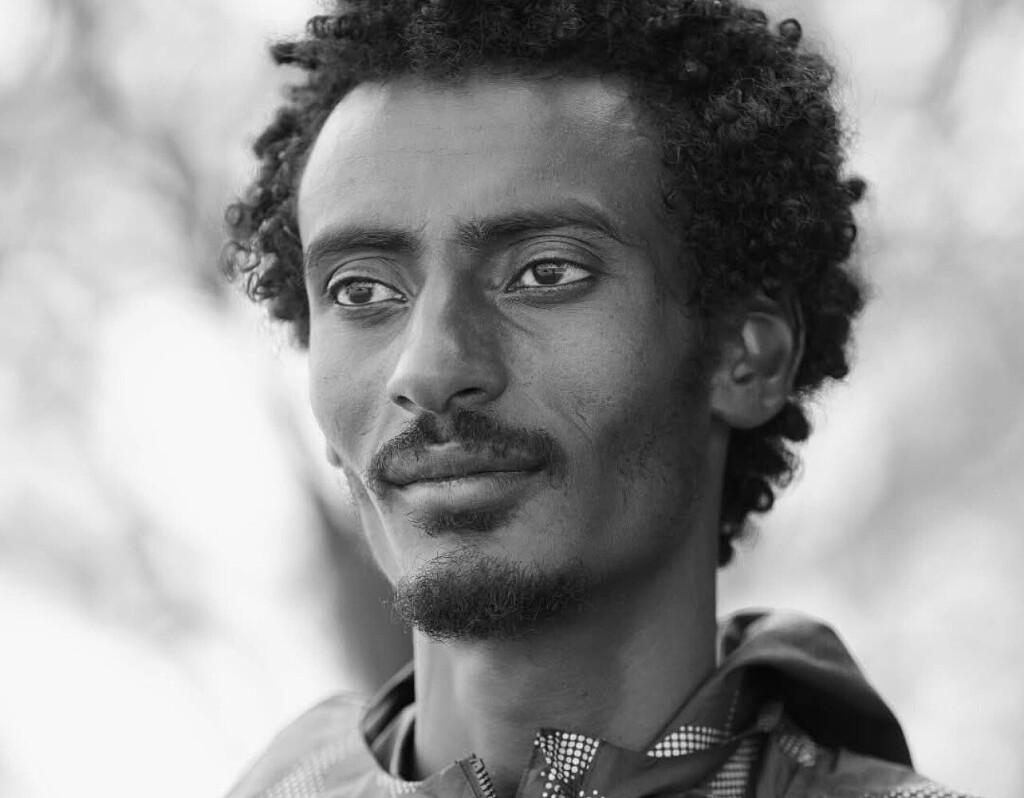
Where Should Yomif Kejelcha Run His Second Marathon — And Can He Break 1:59?
London changed marathon history forever as Sabastian Sawe and Yomif Kejelcha became the first two men ever to officially break the two-hour barrier for the marathon. Sawe won in 1:59:30, while Kejelcha stunned the world by running 1:59:41 in his marathon debut.
Now the focus shifts to the next question:
Where should Kejelcha run his second marathon?
And perhaps even more intriguing:
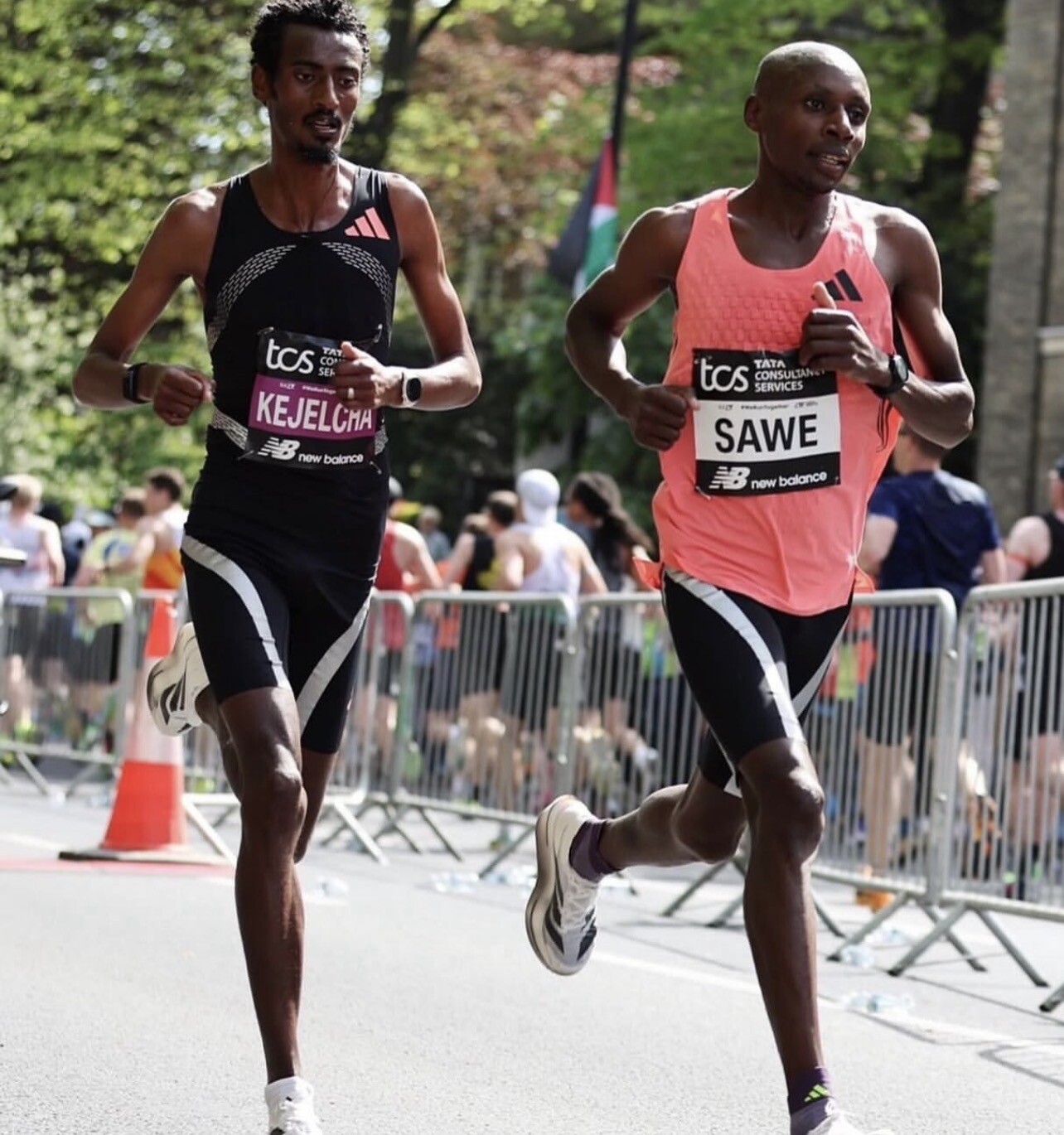
Can he become the first man to officially run under 1:59?
“Not to take away from Sawe’s amazing 1:59:30 marathon in winning London, but Kejelcha in second place clocked 1:59:41 in his first marathon ever. I think Yomif under perfect conditions can run under 1:59,” says Bob Anderson, lifetime runner and My Best Runs editor.
That possibility suddenly feels very real.

Kejelcha has long been considered one of the most naturally gifted distance runners in the sport. Before moving to the marathon, the Ethiopian star built a remarkable résumé that included world-class performances from 1500 meters through the half marathon. His 57:30 half marathon performance in Valencia confirmed that he possessed a rare combination of speed, efficiency, and endurance.
Those qualities are essential for what may become the next great frontier in distance running.
Breaking 1:59 would require sustaining approximately 4:32 per mile for the entire marathon distance. That demands not only endurance, but extraordinary efficiency and the ability to remain relaxed while running at near-impossible speeds.
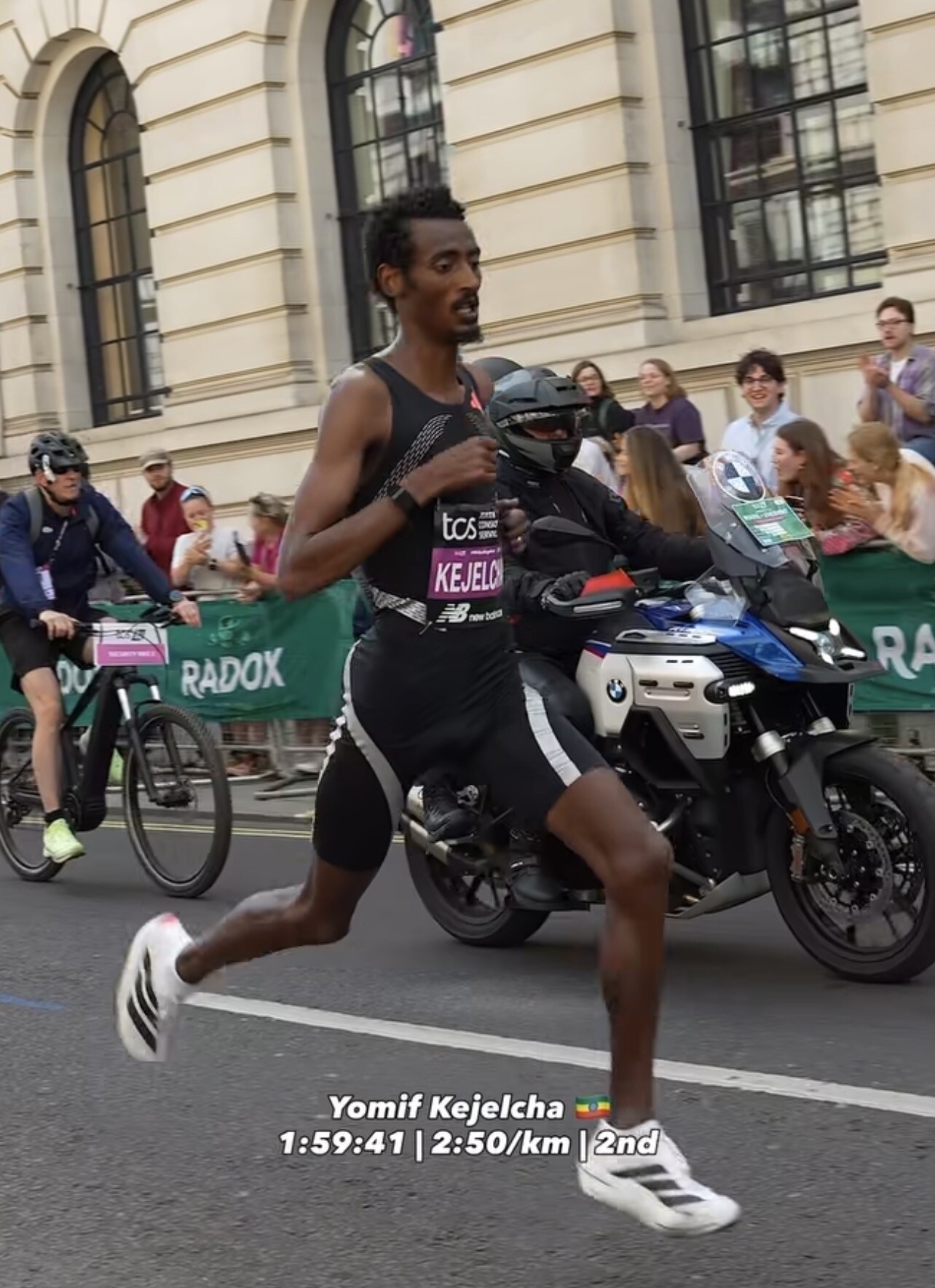
Very few athletes in history have appeared capable of that challenge.
Kejelcha now looks like one of them.
What makes his London performance even more extraordinary is that it came in his first attempt at the distance. Most elite marathoners require several races to learn the rhythm of fueling, pacing, and surviving the final 10 kilometers. Kejelcha immediately looked comfortable at a pace no one had ever officially sustained before.
That suggests there may still be room for improvement.
The question now becomes strategy.
Berlin immediately stands out as a logical option for his second marathon. No course in history has produced more marathon world records. Flat roads, cool temperatures, elite pacing, and ideal racing conditions have made Berlin the gold standard for fast marathoning.
If Kejelcha wants to make an immediate attack on history, Berlin would seem the obvious choice.
But there may be reasons to wait.
The Berlin Marathon comes only five months after London, and Kejelcha’s team may decide that patience is the smarter path. A debut marathon at world-record pace places enormous stress on the body, and carefully managing recovery could be critical to his long-term development.
Valencia may ultimately be the most intriguing possibility.
The Spanish race has rapidly become one of the fastest marathons in the world, producing countless personal bests and breakthrough performances. Kejelcha already has history there after running his half marathon world record, and the course appears perfectly suited to his smooth, efficient running style.
Chicago could also enter the conversation, though weather and wind conditions there can be less predictable.
Another option is Sevilla in early 2027, a race increasingly recognized for its fast course and ideal winter conditions.
Tokyo would provide prestige and global attention, but Berlin and Valencia are still generally viewed as superior venues for historic time attempts.
If Kejelcha’s goal is simply to win major marathons, he already has the ability to compete anywhere in the world.
But if the goal is to break 1:59, every detail matters:
weather,
pacing,
wind,
temperature,
fueling,
race timing,
and course design.
The difference between 1:59:41 and 1:58:59 may ultimately come down to only a few seconds per mile.
Still, London fundamentally changed how the running world views the limits of the marathon.
For years, an official sub-two-hour marathon felt impossible. Now the sport is already looking beyond that barrier.
At just 27 years old, Yomif Kejelcha may only be beginning his marathon career.
And after what happened in London, the possibility of a sub-1:59 marathon no longer feels unrealistic.
It feels possible.
by Boris Baron for My Best Runs
Login to leave a comment
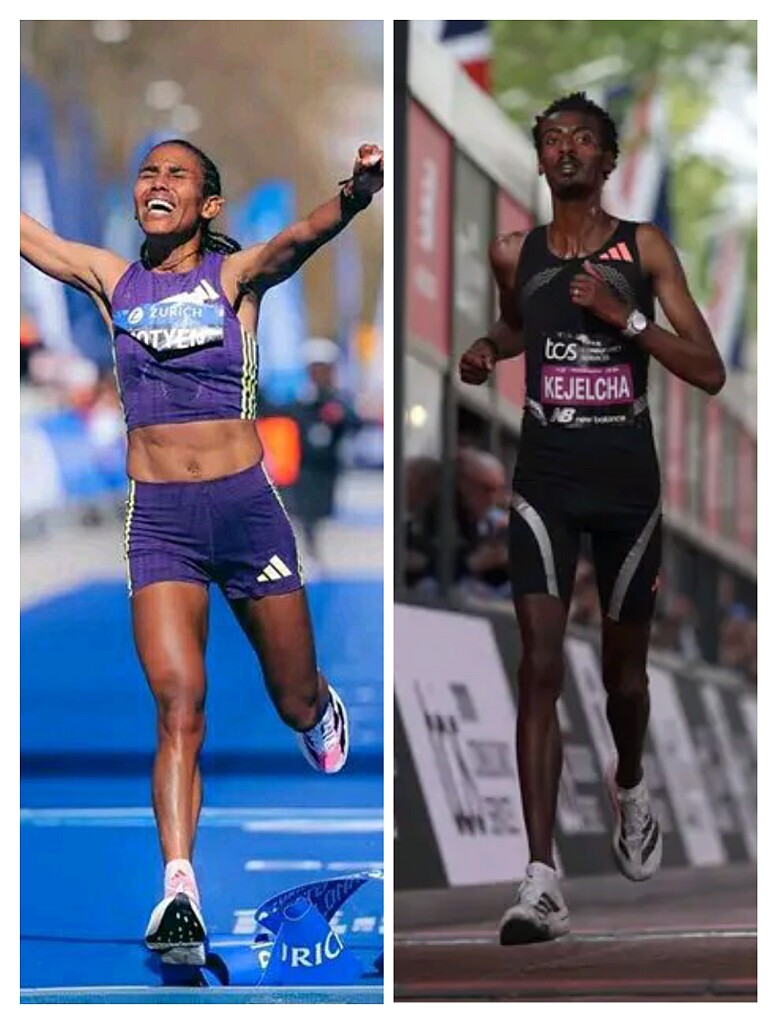
History Forged in Motion: Tesfay and Kejelcha Ignite Ethiopia’s Marathon Legacy
History is not something that waits quietly in the distance—it is claimed in bold strides, carved out by those daring enough to chase the extraordinary. In a breathtaking moment for global athletics, Fotyen Tesfay and Yomif Kejelcha have delivered performances that transcend expectation and redefine what is possible on the marathon stage.
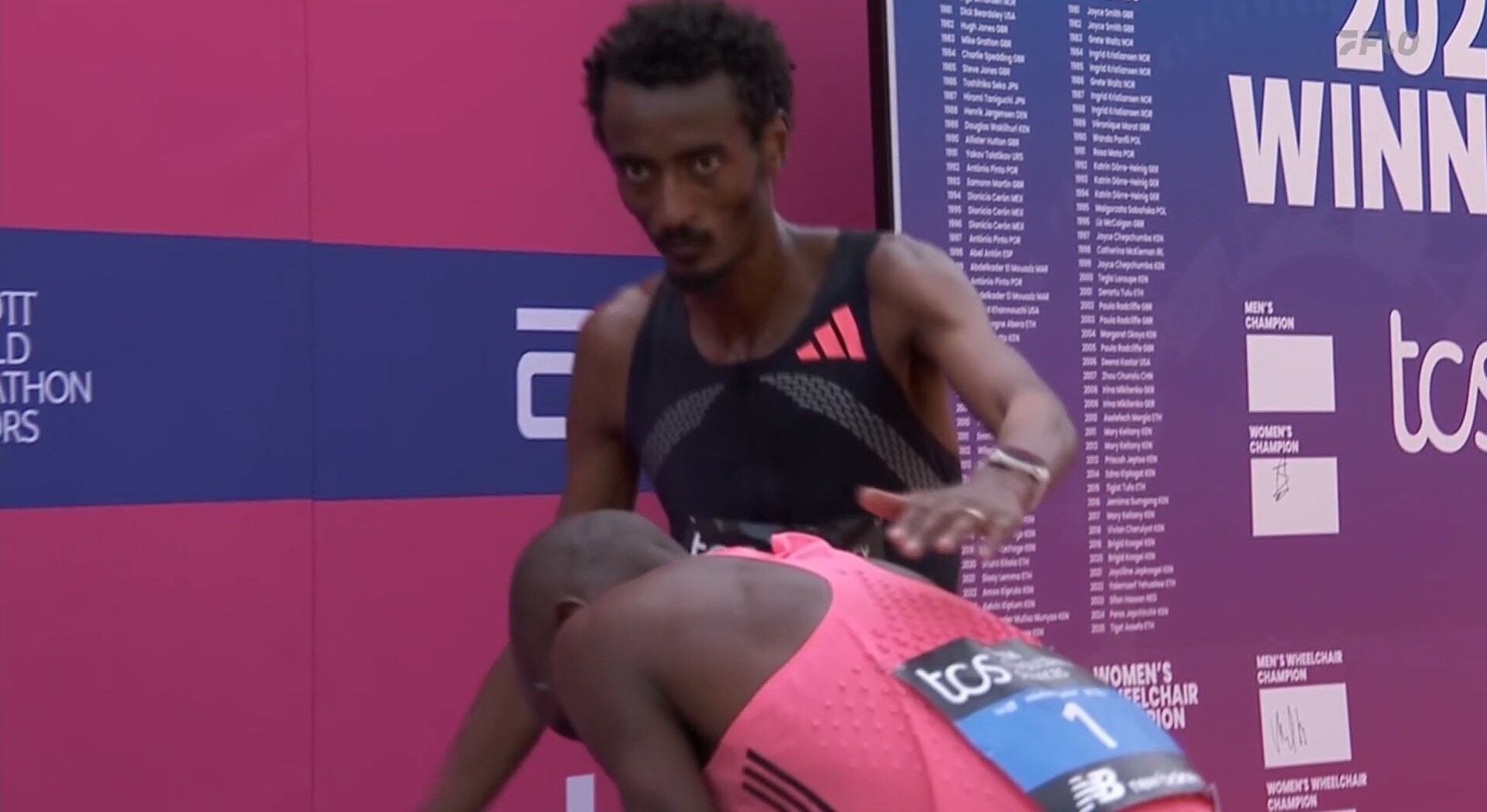
On her debut over 42.195 kilometers, Tesfay surged into the spotlight with a remarkable 2:10:51, a time that instantly places her among the greatest women marathoners in history. Composed, fearless, and relentless, she turned her first attempt into a statement of intent—one that echoes far beyond the finish line.
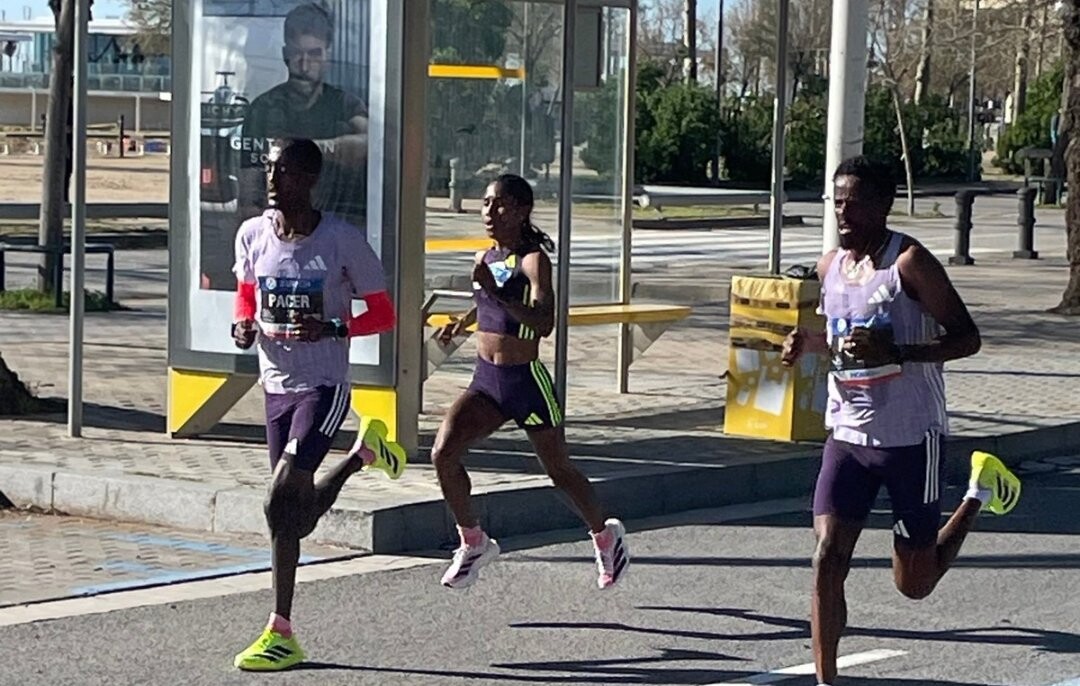
Alongside her, Kejelcha produced a run of staggering magnitude. Clocking 1:59:41 in his marathon debut, he did more than break the symbolic two-hour barrier—he shattered conventional limits. His performance stands as one of the fastest ever recorded, signaling a new era where the once-unthinkable is rapidly becoming reality.
What elevates this moment into the realm of the historic is its symmetry: two athletes, one nation, both achieving the second-fastest times ever on their debut. It is a rare convergence of brilliance that underscores Ethiopia’s enduring dominance in long-distance running.
The image of Tesfay lifting her arms in triumph and Kejelcha powering forward with unwavering focus captures more than victory—it reflects a culture built on discipline, resilience, and an unyielding belief in greatness. From the highlands of Ethiopia to the world’s grandest marathon stages, the message is unmistakable: the future is being written now.
This is not merely a milestone—it is a movement. Ethiopia has not just produced champions; it has redefined the boundaries of human endurance.
by Erick Cheruiyot for My Best Runs.
Login to leave a comment
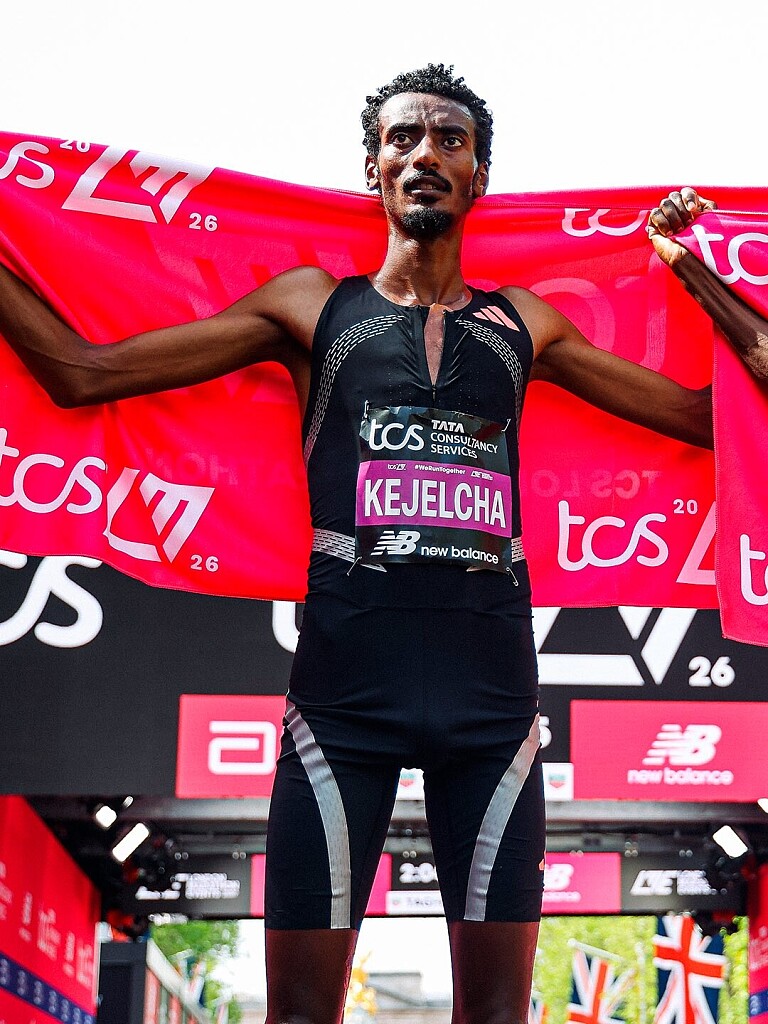
From Track Precision to Marathon Glory: Yomif Kejelcha’s Dream Debut in London
In the ever-evolving theatre of long-distance running, few transitions carry as much intrigue—and risk—as the leap from the track to the marathon. For Yomif Kejelcha, that leap was not just a test of endurance, but a bold reimagining of his athletic destiny.
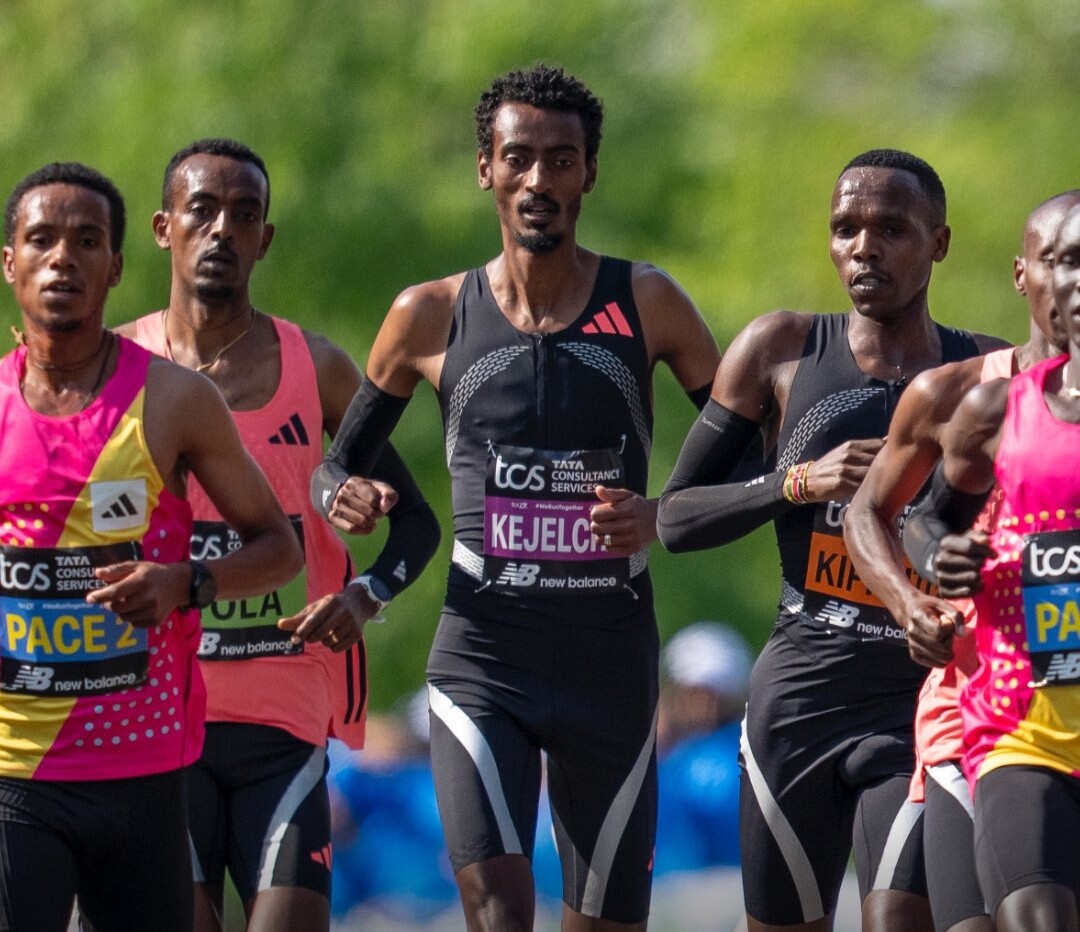
The Ethiopian star, long celebrated for his brilliance on the track, arrived at the London Marathon 2026 with quiet confidence and a daring ambition. He understood the magnitude of the shift: the marathon is not merely a longer race, but a different discipline entirely—one that demands patience, resilience, and a finely tuned sense of pace over punishing miles.
Yet what unfolded on the streets of London transcended even the highest expectations.
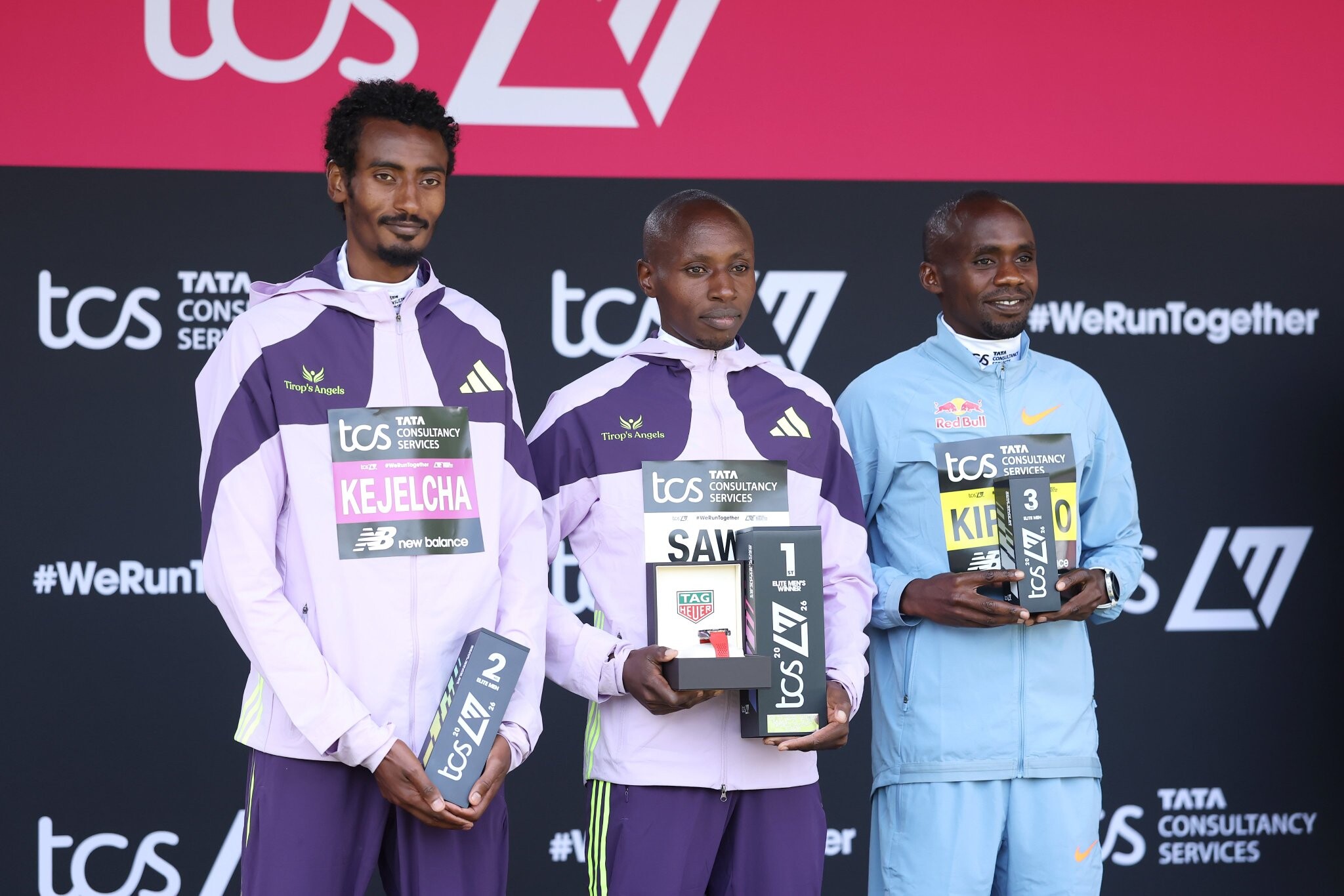
“I knew that shifting from track to the marathon would bring big changes in my career,” Kejelcha reflected afterward. “And I’m thrilled to say that the first debut lived up to the expectations.”
Clocking an astonishing 1:59:41, Kejelcha didn’t just complete his debut—he redefined it. Breaking the elusive two-hour barrier in a competitive race setting, he announced his arrival among the marathon elite in emphatic fashion. It was a performance that blended tactical intelligence with raw endurance, the hallmark of a runner who has mastered both speed and stamina.
Only one man finished ahead of him: Sabastian Sawe, whose world-record 1:59:30 added historic weight to an already unforgettable race. Together, their performances signaled a new era in marathon running—one where the once-mythical limits of human endurance are being rewritten in real time.
For Kejelcha, the moment carried a deeper significance. “Running sub-two hours in London felt unthinkable,” he admitted. “Yet that day arrived, and I fulfilled that dream.”
There is something profoundly poetic about that statement. For years, the sub-two-hour marathon existed as an almost mythical frontier—spoken of in hopeful tones, yet rarely touched in the crucible of open competition. And now, on debut, Kejelcha has etched his name into that rarefied narrative.
His journey from the track—where races are measured in seconds and surges—to the marathon’s vast, unforgiving landscape has begun not with hesitation, but with authority. It is a transition that suggests not just potential, but longevity at the highest level of the sport.
If this performance is any indication, Yomif Kejelcha’s marathon story is not merely starting—it is already accelerating toward greatness.
by Erick Cheruiyot for My Best Runs.
Login to leave a comment
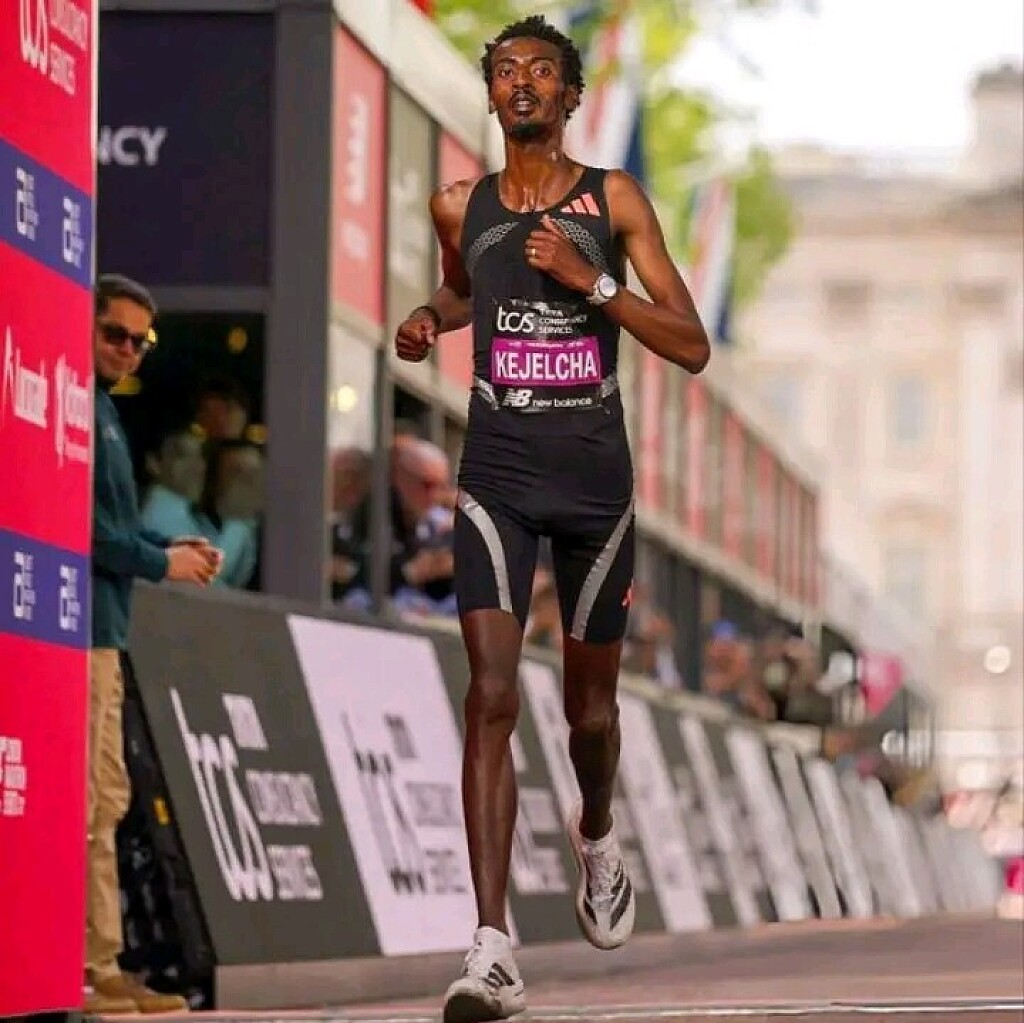
Fearless Debut: Yomif Kejelcha Turns Doubt into History with Stunning Sub-Two Marathon in London
The 2026 London Marathon delivered one of the greatest distance-running spectacles ever witnessed, and few stories were as captivating as the rise of Yomif Kejelcha. Just days before the race, even Kejelcha himself admitted that running 1:59 in his marathon debut sounded almost too good to be true. By Sunday afternoon, doubt had been replaced by destiny.
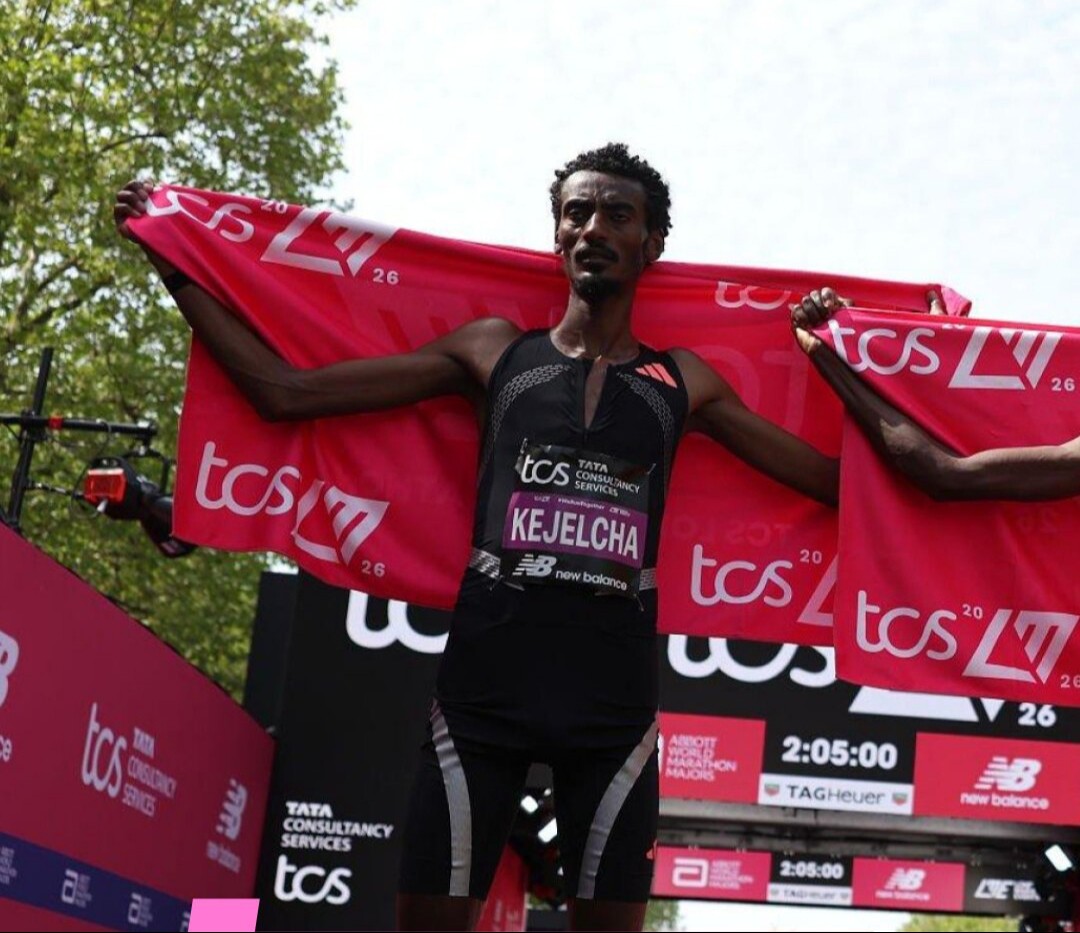
The 28-year-old Ethiopian produced a sensational 1:59:41 in his first-ever full marathon, becoming only the second man in history to officially break the two-hour barrier. It was a performance of courage, precision, and extraordinary natural talent — the kind of run that instantly becomes part of sporting folklore.
To achieve such a mark on debut makes the feat even more remarkable. The marathon is known for humbling even the finest athletes, demanding patience, strength, and experience over 42.195 kilometres. Yet Kejelcha ran with the poise of a seasoned champion, matching the pace of history stride for stride.
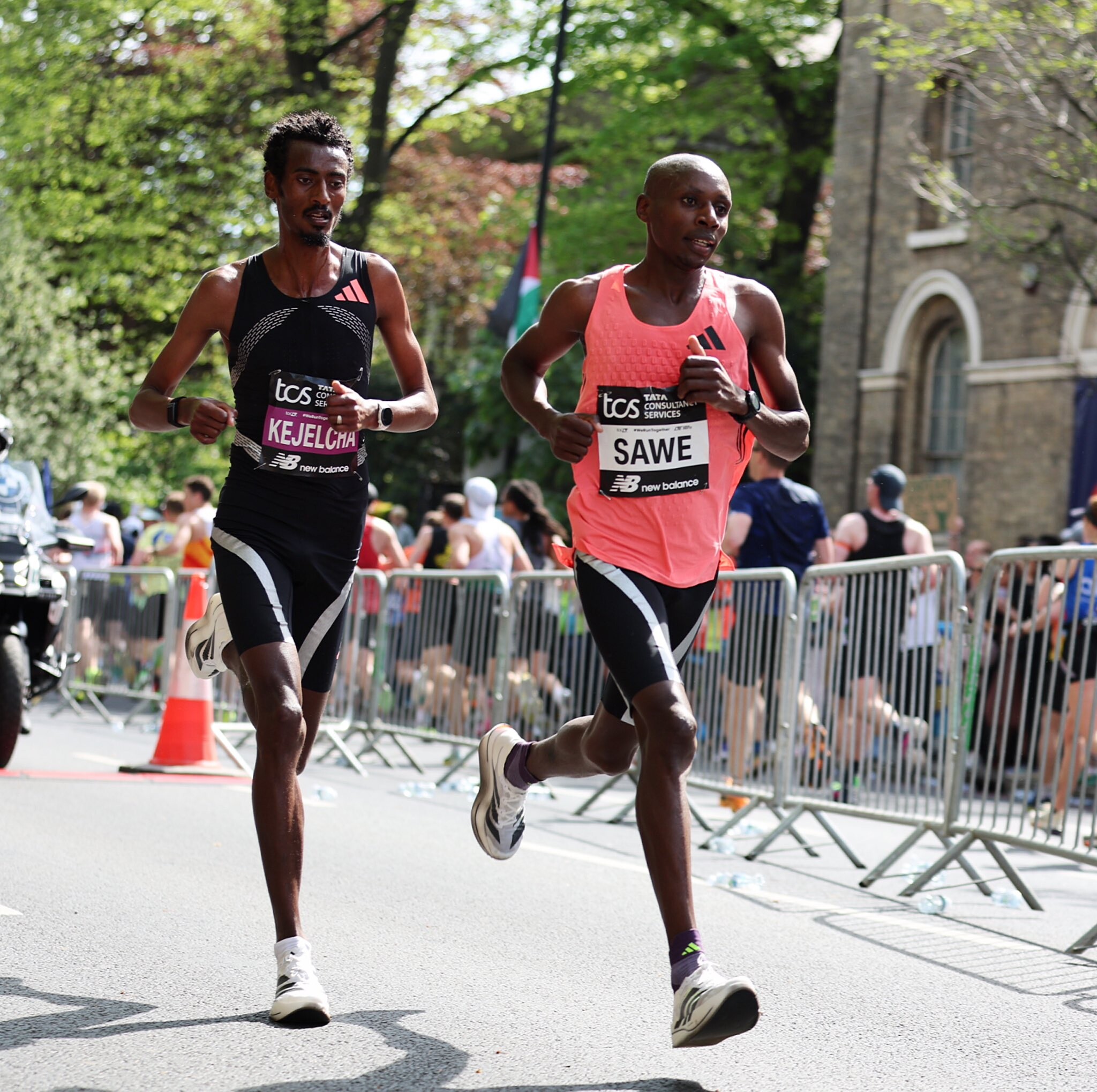
Only one athlete finished ahead of him — Sabastian Sawe, who stormed to victory in a world record 1:59:30. Together, the two men transformed London into the setting of an unforgettable breakthrough, becoming the first pair to go under two hours in the same official race.
For Kejelcha, second place carried the weight of triumph. He arrived with questions surrounding his transition to the marathon, but left with global admiration and a place among the sport’s immortals. What seemed impossible on Friday had become reality by Sunday.
London will celebrate Sawe’s world record, but it will also remember the fearless Ethiopian who trusted his legs, defied expectations, and discovered that the impossible was possible after all.
by Erick Cheruiyot for My Best Runs.
Login to leave a comment
TCS London Marathon
Since its inaugural edition on March 29, 1981, the TCS London Marathon has grown into one of the world's most prestigious road races, blending elite competition with an extraordinary charitable legacy. Founded by former Olympic champion and journalist Chris Brasher alongside Welsh athlete John Disley, the event has been staged every year and has been held in the spring annually...
more...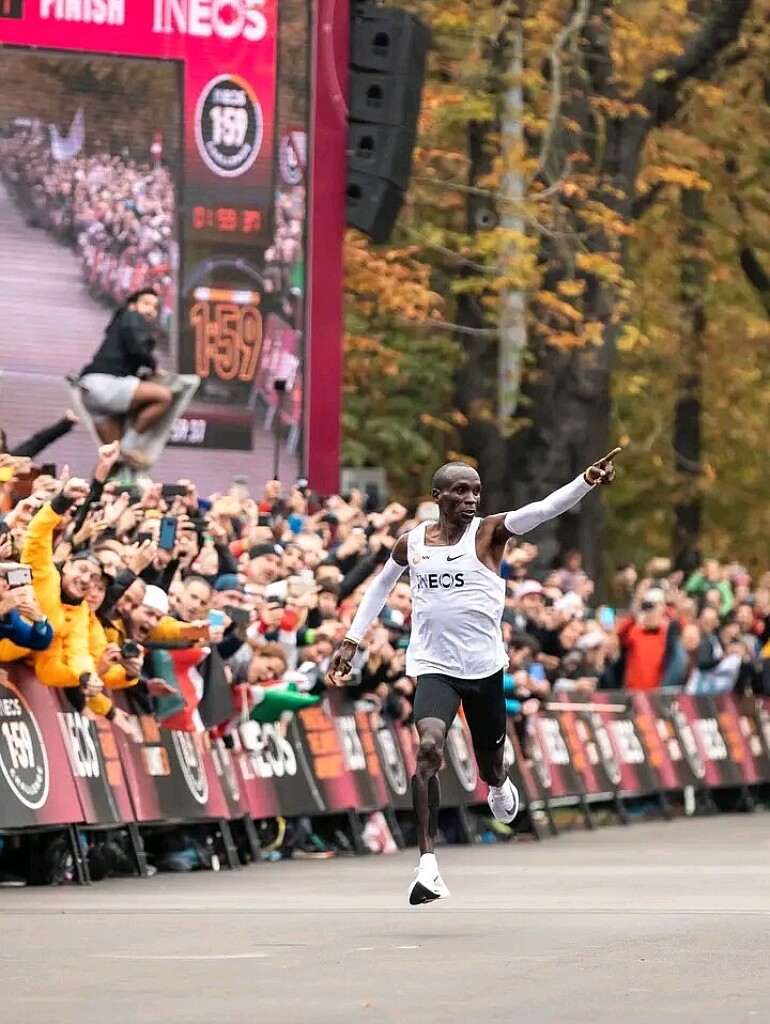
Kipchoge Hails Historic London Marathon as Sawe and Kejelcha Shatter the Two-Hour Barrier
Marathon legend Eliud Kipchoge has led the global athletics community in celebrating a landmark moment in distance running after Sabastian Sawe and Yomif Kejelcha both broke the once-unthinkable two-hour barrier at the London Marathon. Their astonishing performances transformed the streets of London into the stage for one of the greatest days the sport has ever witnessed.
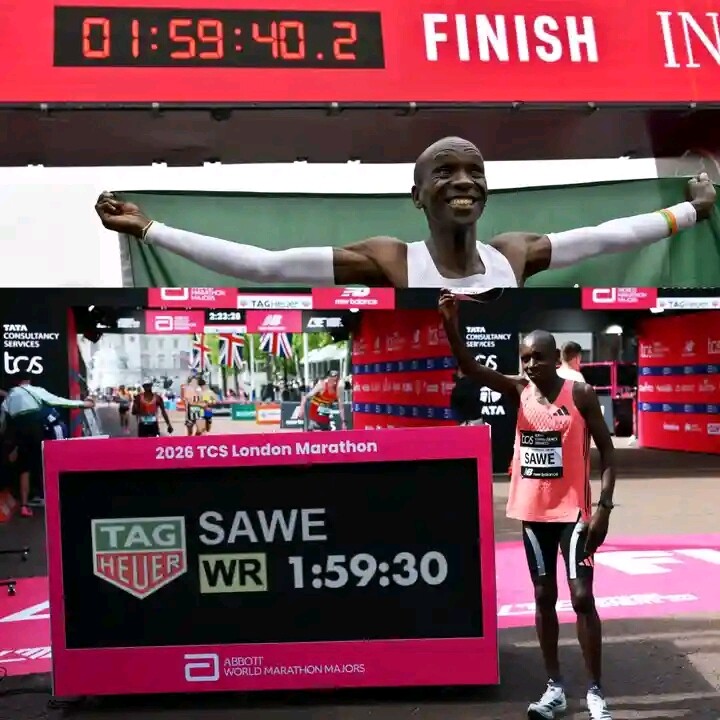
Reacting to the achievement, Kipchoge described the occasion as a defining chapter in marathon history, praising the pair for turning what was once considered impossible into reality. He noted that seeing two athletes dip under two hours in an official city marathon was powerful proof that the limits of human endurance continue to expand when extraordinary talent is matched with progress, preparation, and belief.
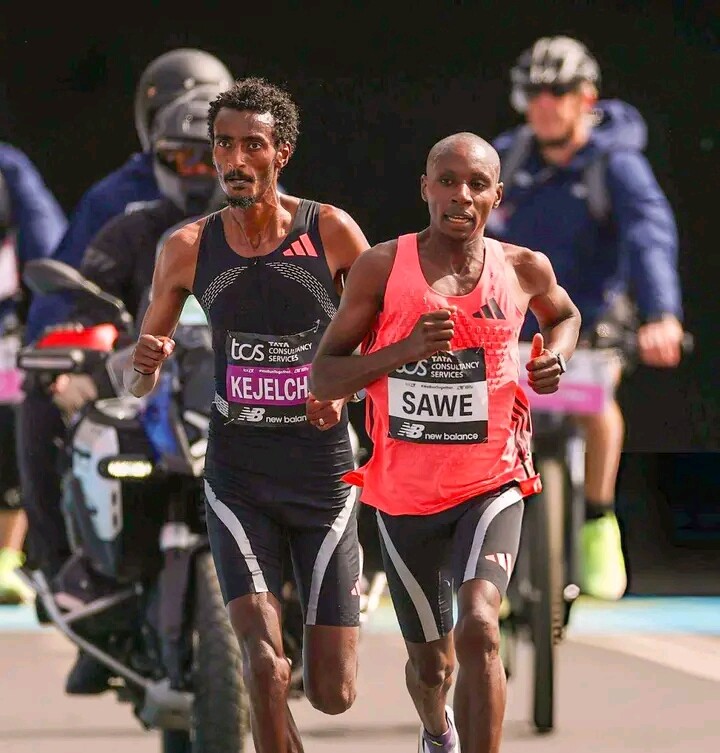
The Kenyan icon, who famously ran 1:59:40 during the INEOS 1:59 Challenge, said it had always been his hope that another athlete would one day carry that dream into a major city marathon and officially conquer the barrier. For Kipchoge, the London breakthrough was not the end of a journey, but the beginning of a new era for the marathon.
Sawe’s triumph and Kejelcha’s fearless run now stand as symbols of a sport entering uncharted territory. Their performances have redefined expectations and raised fresh excitement about how fast the marathon can become in the years ahead.
Kipchoge also used the moment to deliver the message that has inspired millions around the world: No Human Is Limited. With history now rewritten in London, the next generation of runners has been handed a new standard to chase—and a powerful reminder that impossible barriers are meant to fall.
by Erick Cheruiyot for My Best Runs.
Login to leave a comment
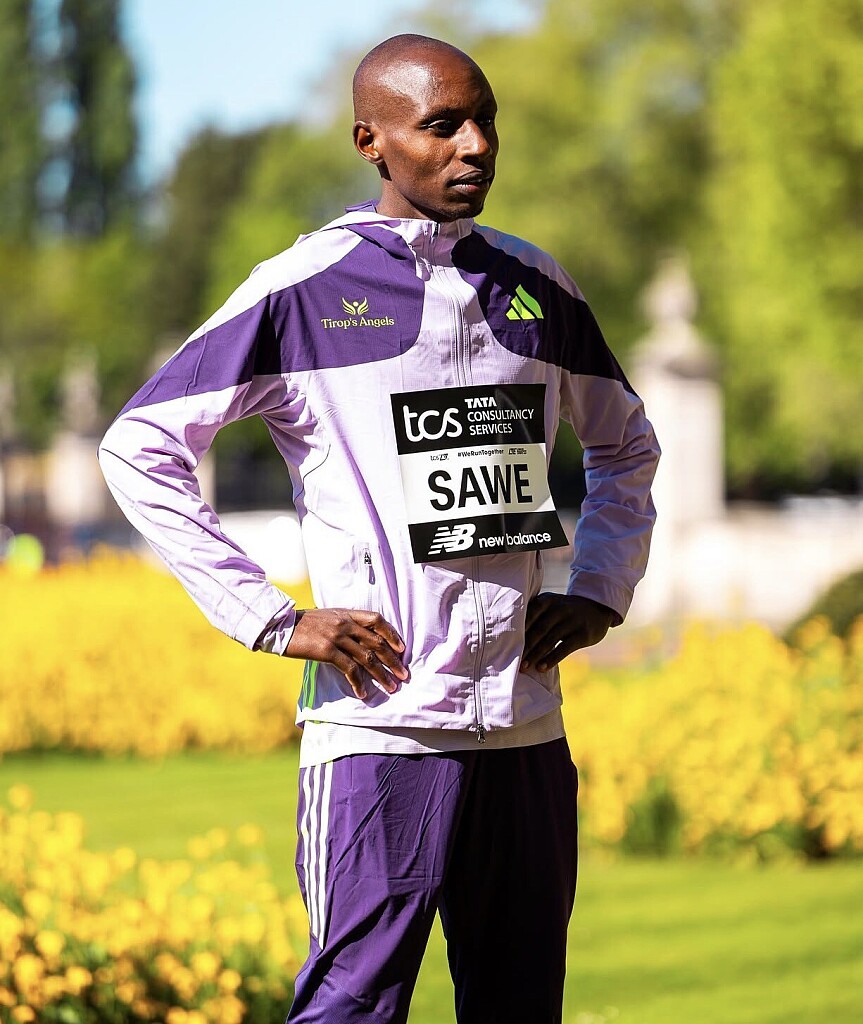
It has been achieved
Today in London, Sabastian Sawe didn’t just win the marathon—he broke the barrier, clocking an incredible 1:59:30.
His splits tell the story of something truly special:
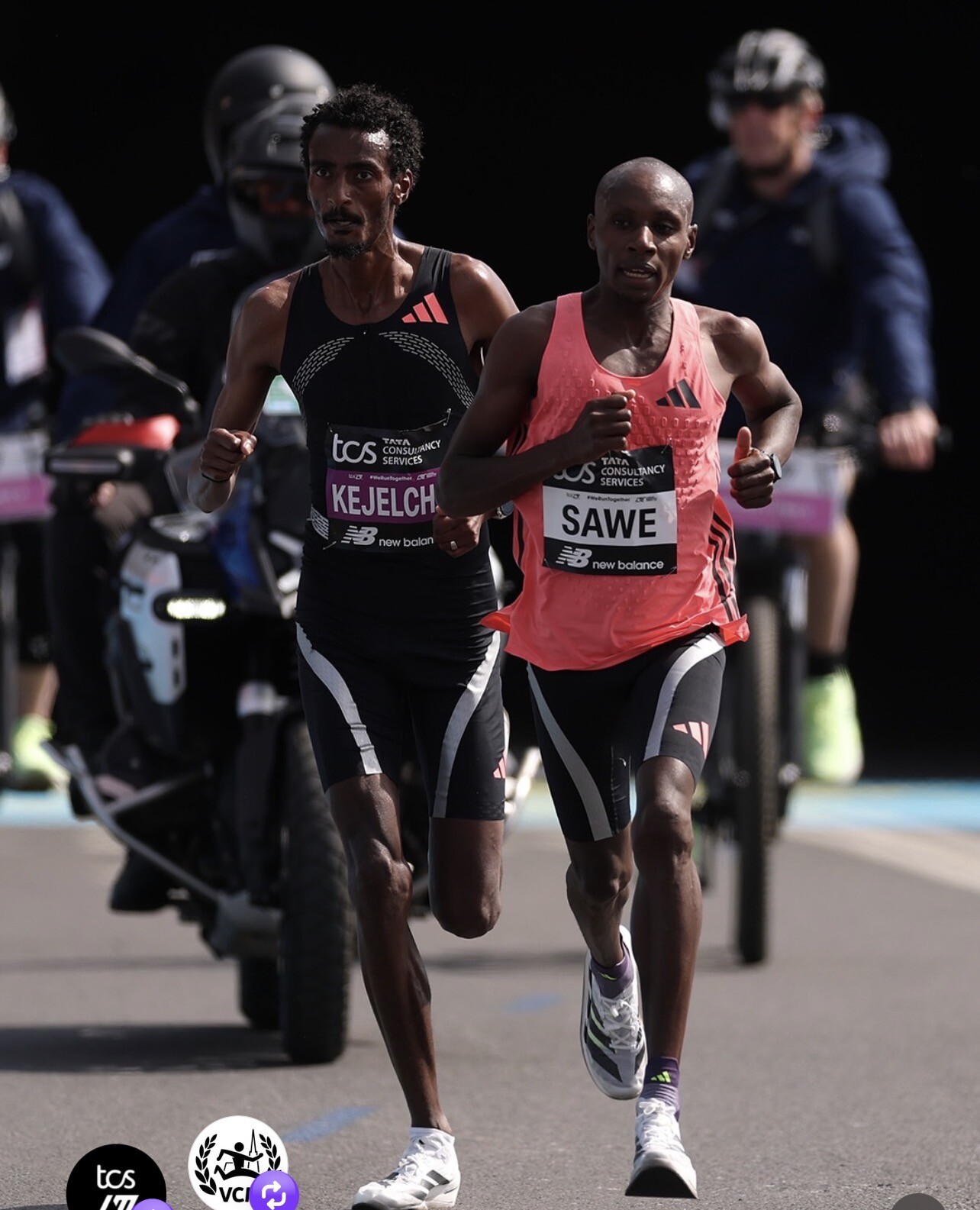
5K – 14:14
10K – 28:35
15K – 43:10
20K – 57:21
Half – 60:29
25K – 1:11:41
30K – 1:26:03
35K – 1:39:57
40K – 1:53:39
Finish – 1:59:30
And it wasn’t just one man today. Yomif Kejelcha finished second in 1:59:41—also under two hours in his marathon debut.
On the women’s side, Tigst Assefa delivered a performance of her own, setting a women-only world record of 2:15:41.
We’ve talked about moments like this for years. Today, it all came together.
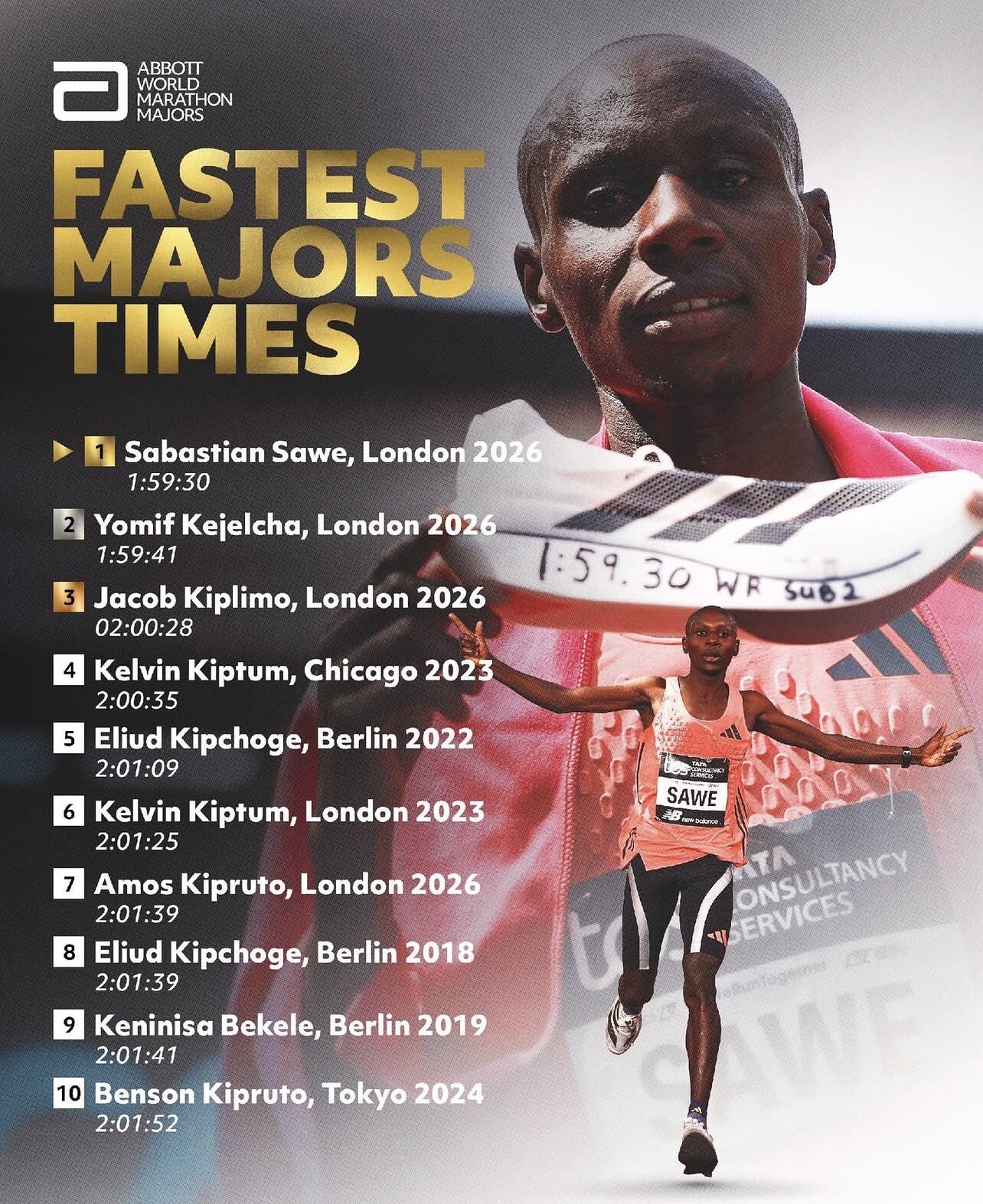
— Bob Anderson
by Bob Anderson Publisher My Best Runs
Login to leave a comment
TCS London Marathon
Since its inaugural edition on March 29, 1981, the TCS London Marathon has grown into one of the world's most prestigious road races, blending elite competition with an extraordinary charitable legacy. Founded by former Olympic champion and journalist Chris Brasher alongside Welsh athlete John Disley, the event has been staged every year and has been held in the spring annually...
more...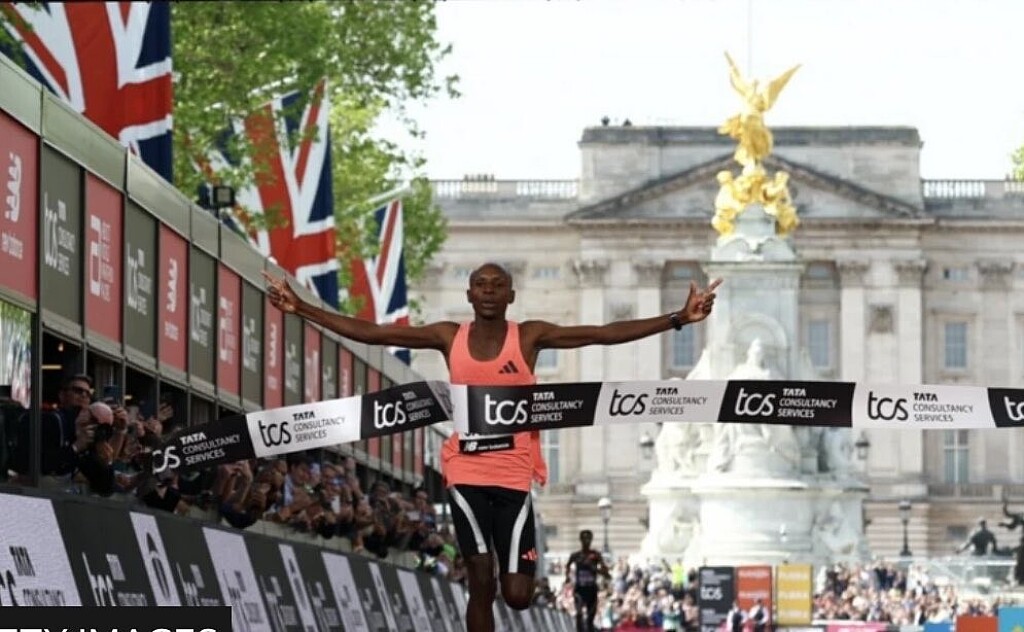
HISTORY REWRITTEN: Sawe Shatters the Two-Hour Barrier in a Marathon Masterpiece
In a moment that will echo through the annals of long-distance running, the defending champion Sebastian Sawe has achieved what generations once believed to be beyond human reach—breaking the two-hour barrier in an official marathon setting at the TCS London Marathon 2026.
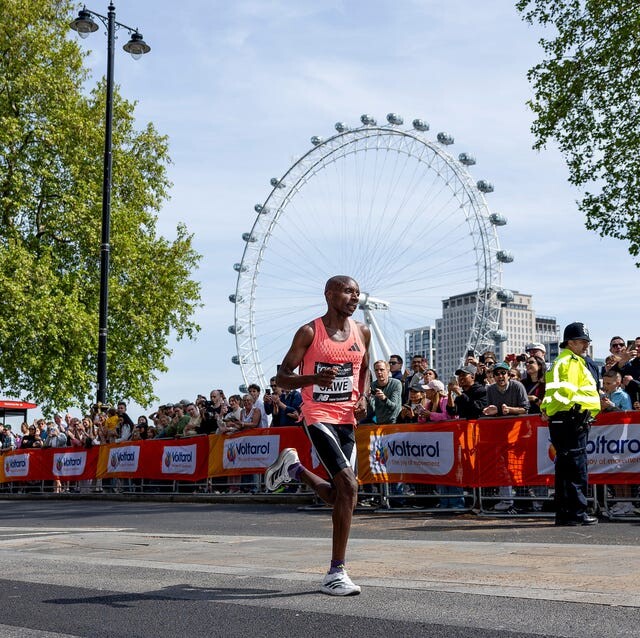
Clocking a breathtaking 1:59:30, the Kenyan star becomes the first man in history to run a sub-two-hour marathon under record-eligible conditions, delivering a performance of extraordinary precision, endurance, and courage. It was not just a race—it was a statement that the limits of human performance continue to be redefined.
The race unfolded at a relentless pace, with Sawe demonstrating remarkable composure and control from the very start. As the kilometers ticked away, it became increasingly evident that something historic was taking shape. Each stride carried the weight of expectation and possibility, and when he finally crossed the line, the stopwatch confirmed the unimaginable had become reality.
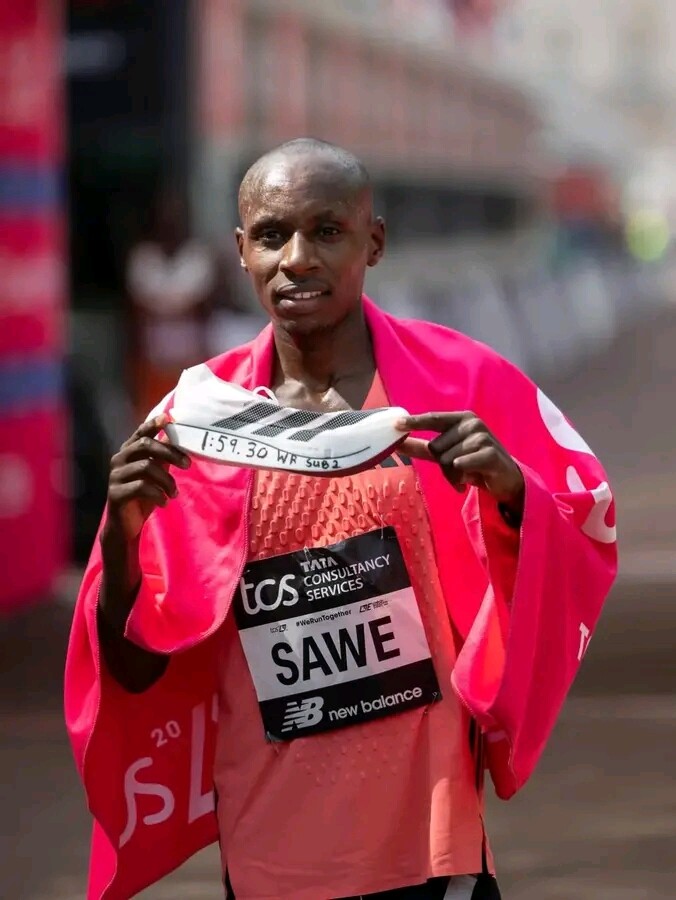
Hot on his heels was Ethiopia’s Yomif Kejelcha, who matched the historic time of 1:59:41, securing a personal best and national record in a performance that would have dominated headlines on any other occasion. Meanwhile, Uganda’s Jacob Kiplimo delivered a sensational 2:00:28, also a personal best and national record, further highlighting the extraordinary depth and quality of this unforgettable race.
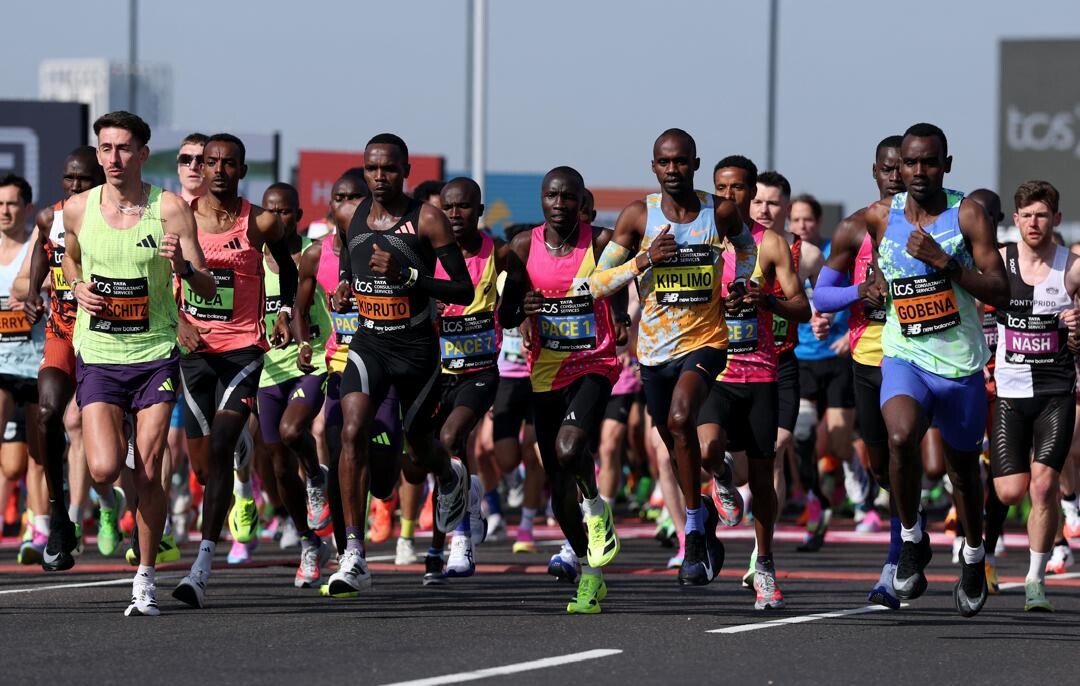
What made this performance even more remarkable was the manner in which it was achieved. The pace never wavered, the rhythm never broke, and the intensity never dropped. Every split reflected surgical precision, as the lead pack worked in perfect harmony before Sawe unleashed his decisive surge in the closing stages. It was a masterclass in controlled aggression—where endurance met absolute mental strength on the grandest stage.
Beyond the numbers and records, this race will be remembered for the statement it sends to the rest of the world: that marathon running has officially entered a new dimension. What was once considered untouchable is now history, rewritten in bold ink. Sawe’s triumph, alongside the extraordinary performances of Kejelcha and Kiplimo, has elevated the sport into a new era where limits are not just challenged—but completely erased.
Top 10 Finishers – 2026 TCS London Marathon (Elite Men)
1. Sebastian Sawe – 1:59:30 (World Record)
2. Yomif Kejelcha – 1:59:41 (PB, NR)
3. Jacob Kiplimo – 2:00:28 (PB, NR)
4. Amos Kipruto (Kenya) – 2:01:39 PB
5. Tamirat Tola (Ethiopia) – 2:02:59
6. Deresa Geleta (Ethiopia) – 2:03:23
7. Addisu Gobena (Ethiopia) – 2:05:23
8. Geoffrey Kamworor (Kenya) – 2:05:38
9. Peter Lynch (Ireland) – 2:06:08 NR
10. Mahamed Mahamed (Great Britain) – 2:06:14 PB
This extraordinary race will be remembered as one of the defining moments in the evolution of marathon running, where human endurance and scientific preparation converged to produce something once thought impossible. It was not only about breaking a barrier, but about completely redefining what the sport can deliver at its highest level, inspiring a new generation of athletes to dream beyond established limits.
As the dust settles on this historic achievement, the legacy of this day will endure far beyond the finishing times. Sebastian Sawe and his closest challengers have etched their names into athletics history, proving that greatness is not a destination but a continuous pursuit. The marathon world now stands transformed, with a new standard set and a new era unmistakably underway.
by Erick Cheruiyot for My Best Runs.
Login to leave a comment
TCS London Marathon
Since its inaugural edition on March 29, 1981, the TCS London Marathon has grown into one of the world's most prestigious road races, blending elite competition with an extraordinary charitable legacy. Founded by former Olympic champion and journalist Chris Brasher alongside Welsh athlete John Disley, the event has been staged every year and has been held in the spring annually...
more...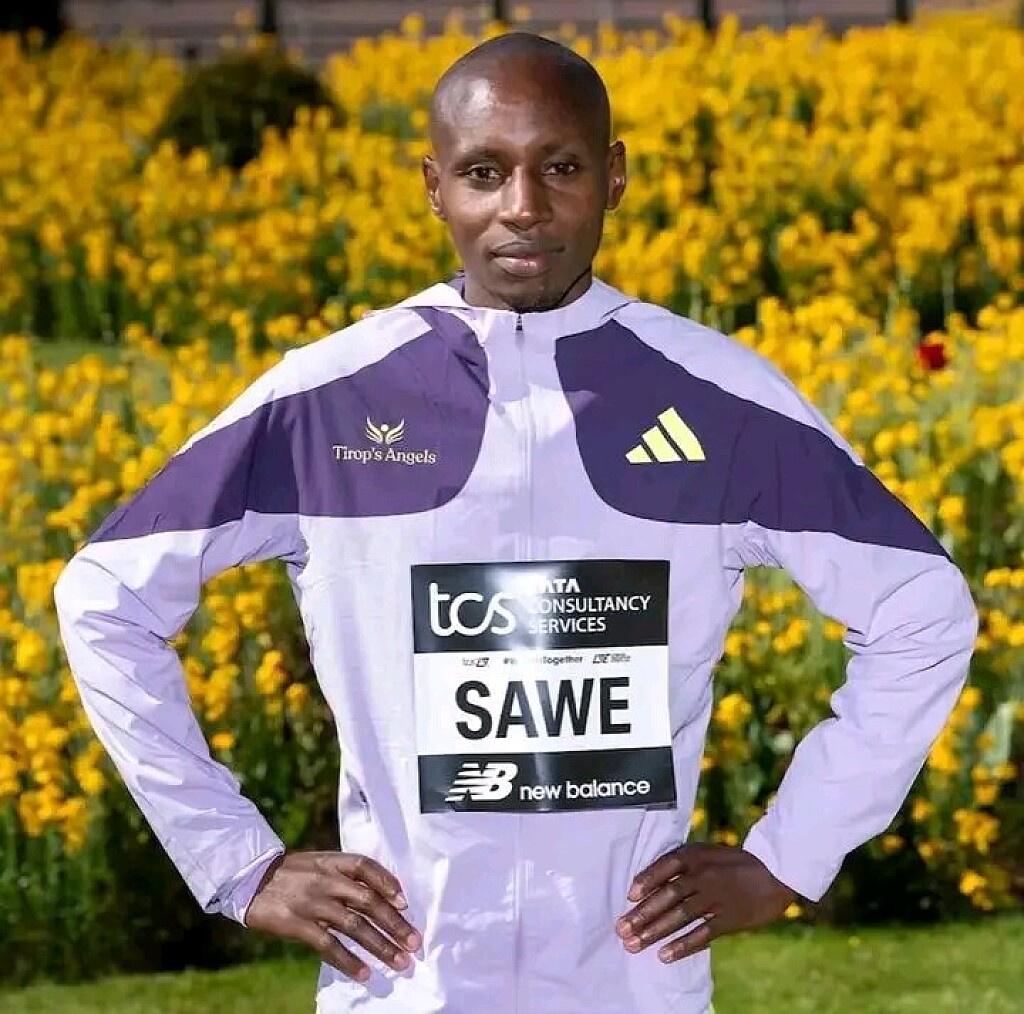
Sawe Braced for Fierce London Test Against World-Class Rivals
Confidence is building around Sabastian Sawe ahead of the 2026 London Marathon, with the Kenyan star making it clear that victory in the British capital will demand something exceptional.
Sawe believes the strength of this year’s field could force the race into historic territory once again.

“I am sure with the quality of athletes coming to London, it will take another fast time to win again,” he said ahead of Sunday’s showdown. “Perhaps the type of effort the great Kelvin Kiptum put in when he set the course record in 2023.”
That benchmark remains one of the defining performances in marathon history. Kiptum’s 2:01:25 course record in London was a masterclass in fearless front-running, and it continues to represent the standard every contender must now measure themselves against.
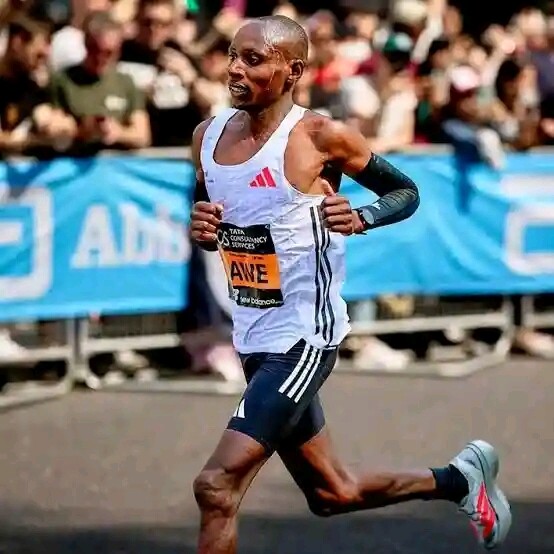
For Sawe, the challenge will be immense—but so will the opportunity.
The Kenyan enters the race as one of the sport’s rising forces, admired for his composure, tactical patience, and devastating finishing strength. Yet London in 2026 offers no room for hesitation, with a world-class field assembled for one of the most anticipated marathons of the season.
Among those standing in his path is Jacob Kiplimo, the Ugandan star whose range and endurance make him a serious threat over the classic distance. Ethiopia’s Yomif Kejelcha also arrives with formidable credentials, while two-time New York City Marathon champion Geoffrey Kamworor brings championship experience and relentless toughness.

With such names on the start list, the early pace is expected to be uncompromising. London’s flat roads and elite pacemaking have often produced memorable times, and another aggressive race could develop from the opening miles.
The London Marathon will be held on Sunday, April 26, with global attention fixed on the men’s contest. It is a race rich in history, but this year’s edition carries the feel of something more—a collision of generations, ambitions, and raw ability.
For Sawe, lifting the title would be a career-defining achievement. But if the pace ignites and the field commits, London may witness not just a winner, but another performance worthy of the city’s legendary marathon legacy.
by Erick Cheruiyot for My Best Runs.
Login to leave a comment
TCS London Marathon
Since its inaugural edition on March 29, 1981, the TCS London Marathon has grown into one of the world's most prestigious road races, blending elite competition with an extraordinary charitable legacy. Founded by former Olympic champion and journalist Chris Brasher alongside Welsh athlete John Disley, the event has been staged every year and has been held in the spring annually...
more...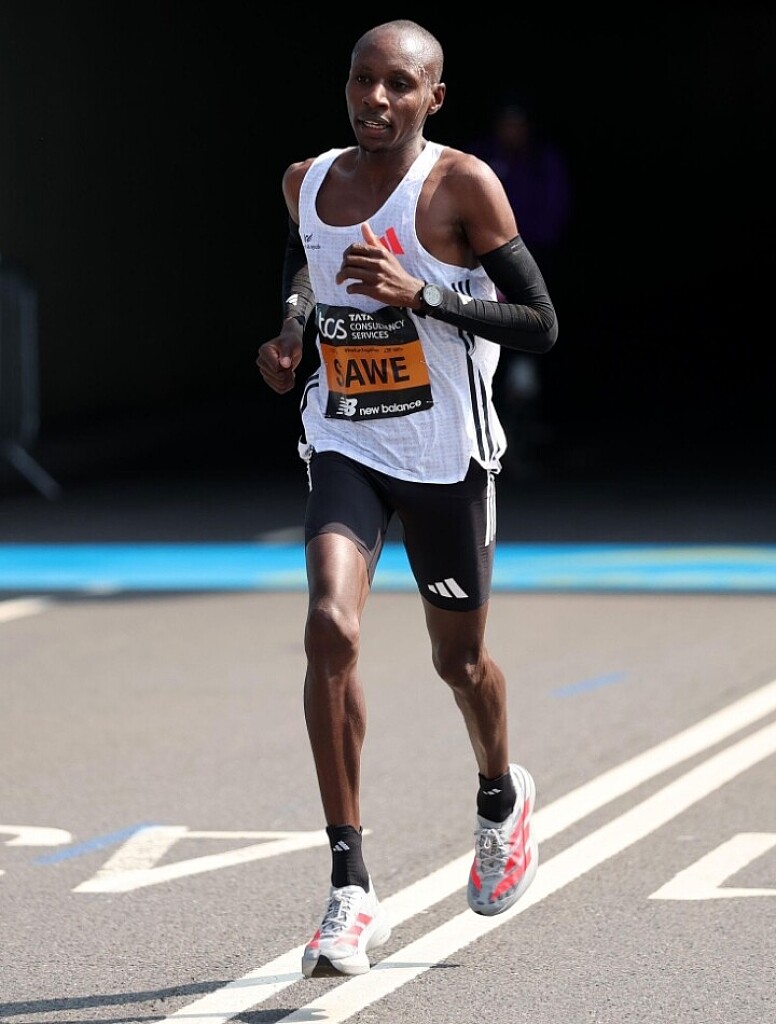
London Beckons: A Marathon of Giants Set to Ignite the Capital
The roads of London are once again preparing to host one of the most anticipated races on the global calendar, as the London Marathon 2026 assembles a men’s elite field of rare depth and quality. On Sunday, April 26, the world’s finest distance runners will converge on the British capital, chasing not only victory but a place in marathon history.
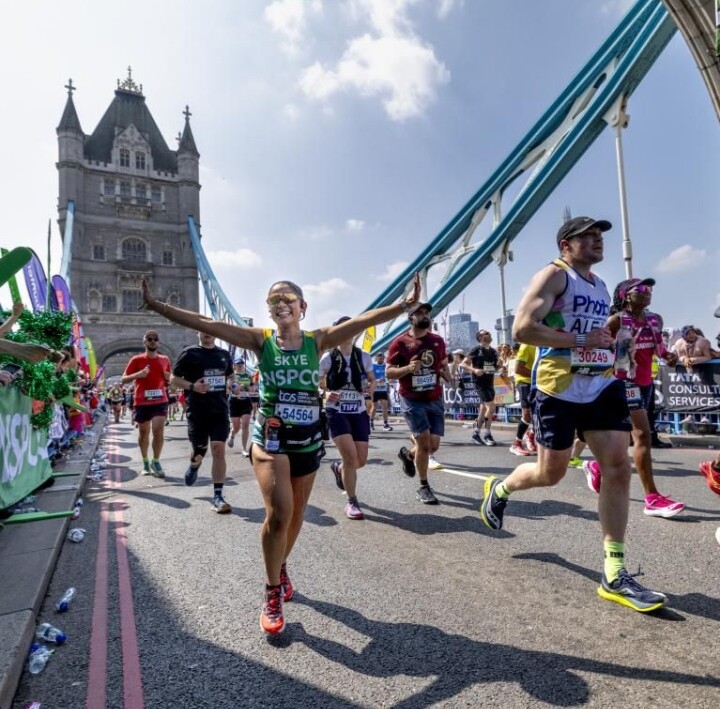
At the center of attention stands Sebastian Sawe, the defending champion whose commanding 2:02:05 personal best marks him as the man to beat. Sawe’s blend of composure and finishing power has already proven decisive on these streets, but this year’s contest promises to push him deeper than ever before.
Lining up against him is a formidable cast. Jacob Kiplimo, better known for his dominance over shorter road distances and cross country, brings a dangerous mix of speed and endurance. His 2:02:23 credentials suggest he is more than ready to challenge for the win if the race turns tactical—or brutally fast.
Ethiopia’s charge is equally imposing. Deresa Geleta and Olympic champion Tamirat Tola headline a contingent rich in pedigree, while Yomif Kejelcha adds intrigue with his much-anticipated marathon debut—an unknown factor capable of reshaping the race entirely.
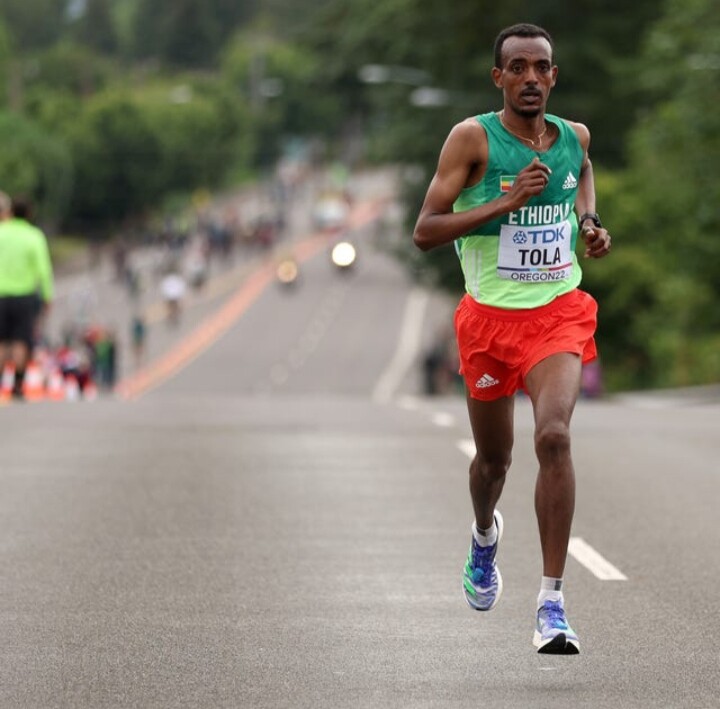
Kenya’s depth remains undeniable. Alongside Sawe are seasoned names like Amos Kipruto and the ever-consistent Geoffrey Kamworor, both of whom possess the experience and resilience required to thrive over 42.195 kilometers. Meanwhile, Uganda’s Joshua Cheptegei continues his transition to the marathon stage, carrying the weight of his track legacy into the ultimate endurance test.
The international flavor extends further, with Japan’s Shunya Kikuchi, France’s Hassan Chahdi, and South Africa’s Adam Lipschitz all aiming to disrupt the established order.
However, the home crowd has been dealt a blow. British hopeful Emile Cairess has been forced to withdraw due to a calf injury, removing a key figure who many believed could spearhead a domestic challenge. His absence shifts the spotlight away from local contention and further intensifies the East African dominance expected at the front.
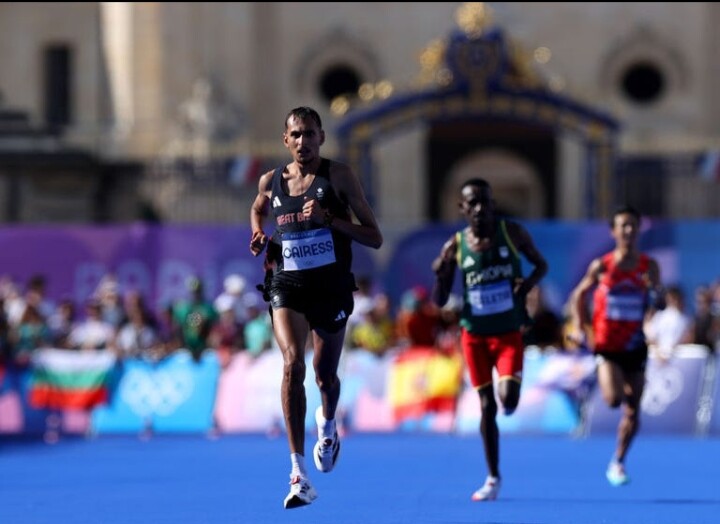
Yet marathons are rarely predictable. The rhythm of the race, the pacing strategies, and the unforgiving demands of the distance often rewrite expectations. What appears stacked on paper can unravel over the final miles along the Thames.
With the race set to begin in the morning hours, anticipation continues to build. Records may be threatened, debuts could dazzle, and champions will be tested to their limits.
In a field this deep, victory will not simply be earned—it will be wrestled from one of the most competitive line-ups the marathon world has seen in recent years.
by Erick Cheruiyot for My Best Runs.
Login to leave a comment
TCS London Marathon
Since its inaugural edition on March 29, 1981, the TCS London Marathon has grown into one of the world's most prestigious road races, blending elite competition with an extraordinary charitable legacy. Founded by former Olympic champion and journalist Chris Brasher alongside Welsh athlete John Disley, the event has been staged every year and has been held in the spring annually...
more...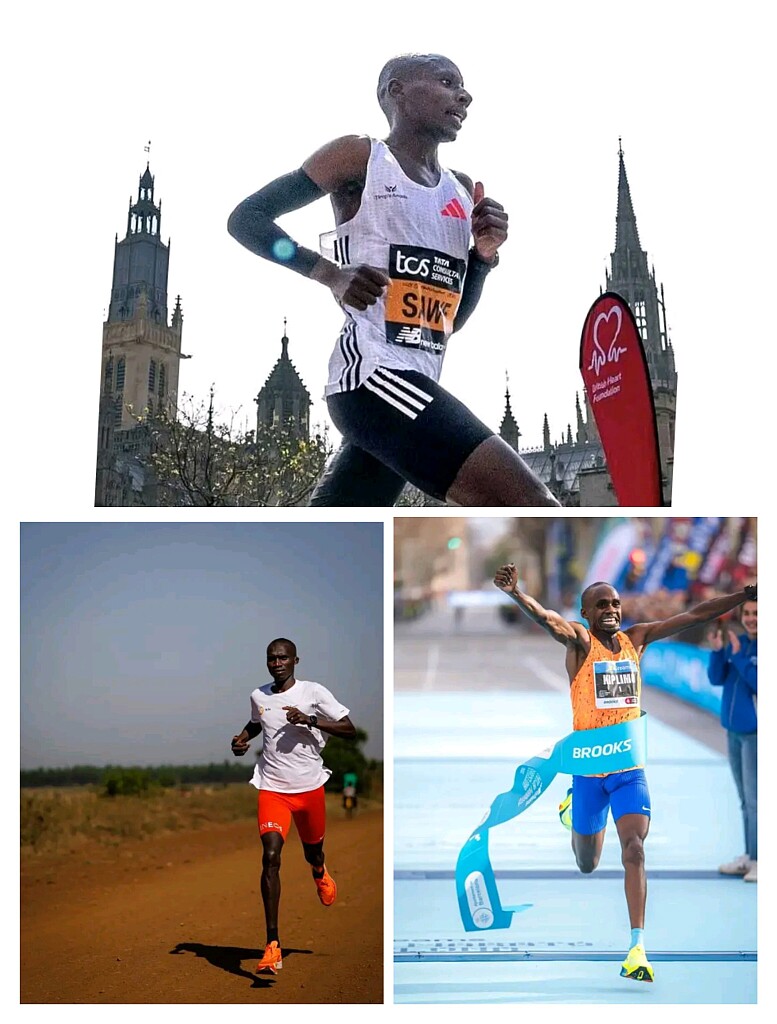
London Marathon 2026: Record Pace, Relentless Rivals, and a Race on the Brink of History
The countdown to the London Marathon on April 26, 2026, carries a rare sense of anticipation—one built not just on elite competition, but on the genuine possibility of history being rewritten. At the heart of it all stands the late Kelvin Kiptum’s extraordinary course record of 2:01:25, a mark that redefined the limits of marathon running and now faces a formidable, collective assault.
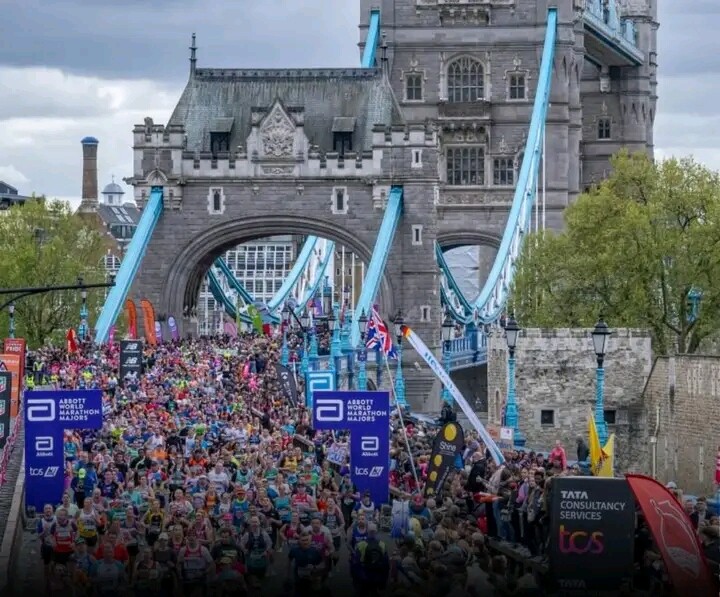
This year’s race brings together a field of exceptional depth and ambition, where three of the sport’s most dynamic figures—Sabastian Sawe, Jacob Kiplimo, and Joshua Cheptegei—headline a cast capable of turning pace into legend.
Sawe returns as the defending champion and the man everyone is chasing. His dominant victory in 2025, delivered in 2:02:27—the second-fastest time in London Marathon history—announced his arrival as a true force over 42.195 kilometres. Yet, even he recognises the scale of the challenge ahead. Against such a stacked field, victory alone may not suffice; it could take something far greater, perhaps even a course record, to secure back-to-back triumphs.
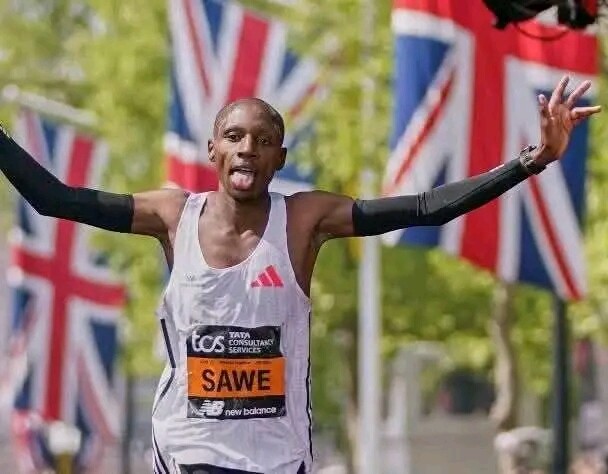
Pushing him every step of the way will be Kiplimo, whose evolution into the marathon continues to gather momentum. After an outstanding runner-up finish on his London debut, he has since refined his endurance and sharpened his edge, lowering his personal best to 2:02:23. Now, he returns not merely as a contender, but as an athlete with unfinished business—one determined to convert promise into dominance.
Then there is Cheptegei, the world record holder over 5,000m and 10,000m, whose transition to the marathon is steadily taking shape. With a personal best of 2:04:52 recorded in Amsterdam, the Ugandan star arrives in London with growing confidence and a clear objective: to translate his track supremacy into marathon greatness on one of the sport’s grandest stages.
Beyond this leading trio, the race is further elevated by the presence of Olympic champion Tamirat Tola and the immensely talented Yomif Kejelcha, ensuring that the pace will be honest, the pressure unrelenting, and the margin for error almost nonexistent.

What makes this edition truly compelling, however, is the delicate alignment of conditions required for greatness. London’s flat and fast course has long been a theatre for remarkable performances, but records are never guaranteed. Weather, pacing, and race dynamics must converge perfectly. Go out too aggressively, and the final miles can unravel even the strongest; hesitate, and the opportunity for history slips away.
Yet, if the rhythm is right and the courage to push the limits prevails, Kiptum’s towering mark may finally come under serious threat. The ingredients are all in place: a world-class field, fearless competitors, and a shared understanding that this is more than a race—it is a moment.
As the streets of London prepare to host another spectacle, one question echoes louder than ever:
Will April 26 deliver a champion—or a performance that redefines what is humanly possible?
by Erick Cheruiyot for My Best Runs.
Login to leave a comment
TCS London Marathon
Since its inaugural edition on March 29, 1981, the TCS London Marathon has grown into one of the world's most prestigious road races, blending elite competition with an extraordinary charitable legacy. Founded by former Olympic champion and journalist Chris Brasher alongside Welsh athlete John Disley, the event has been staged every year and has been held in the spring annually...
more...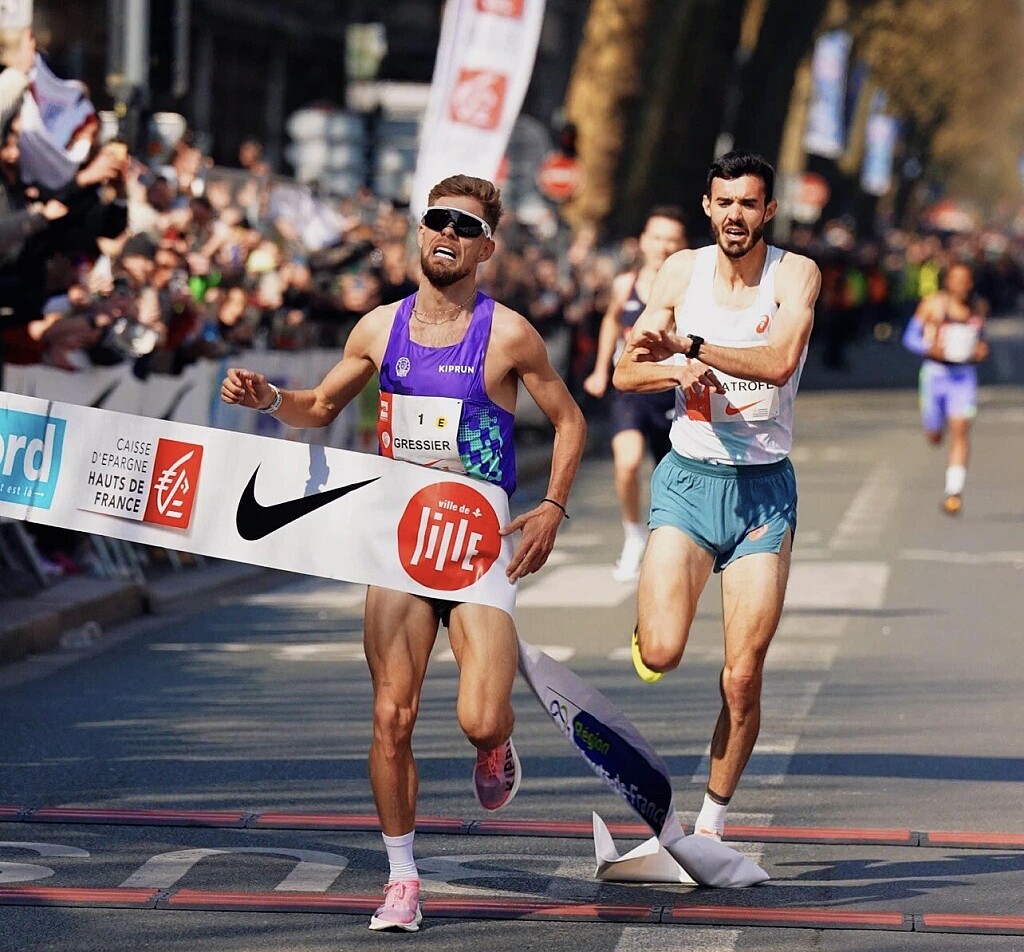
Gressier Flies to 12:51 in Lille Just Two Seconds Shy of World Record
France’s Jimmy Gressier delivered one of the most electrifying road 5K performances in history on Saturday in Lille, stopping the clock at 12:51—just two seconds shy of the world record.
On a fast and aggressive course at the Urban Trail de Lille, Gressier didn’t just win—he elevated European distance running to a new level. His time shattered his own European record of 12:57 set on the same streets a year ago and now places him joint third on the all-time list, behind only Berihu Aregawi (12:49) and Yomif Kejelcha (12:50).
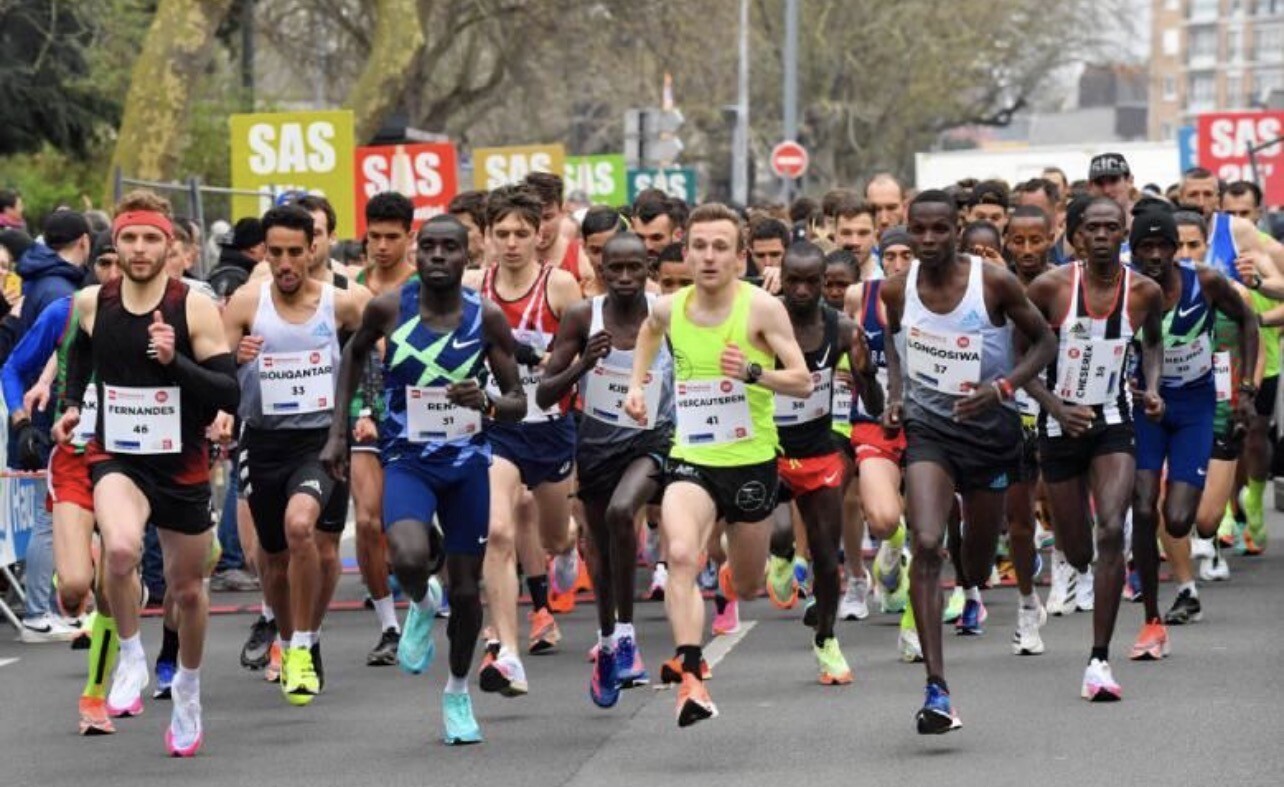
But this was no solo effort.
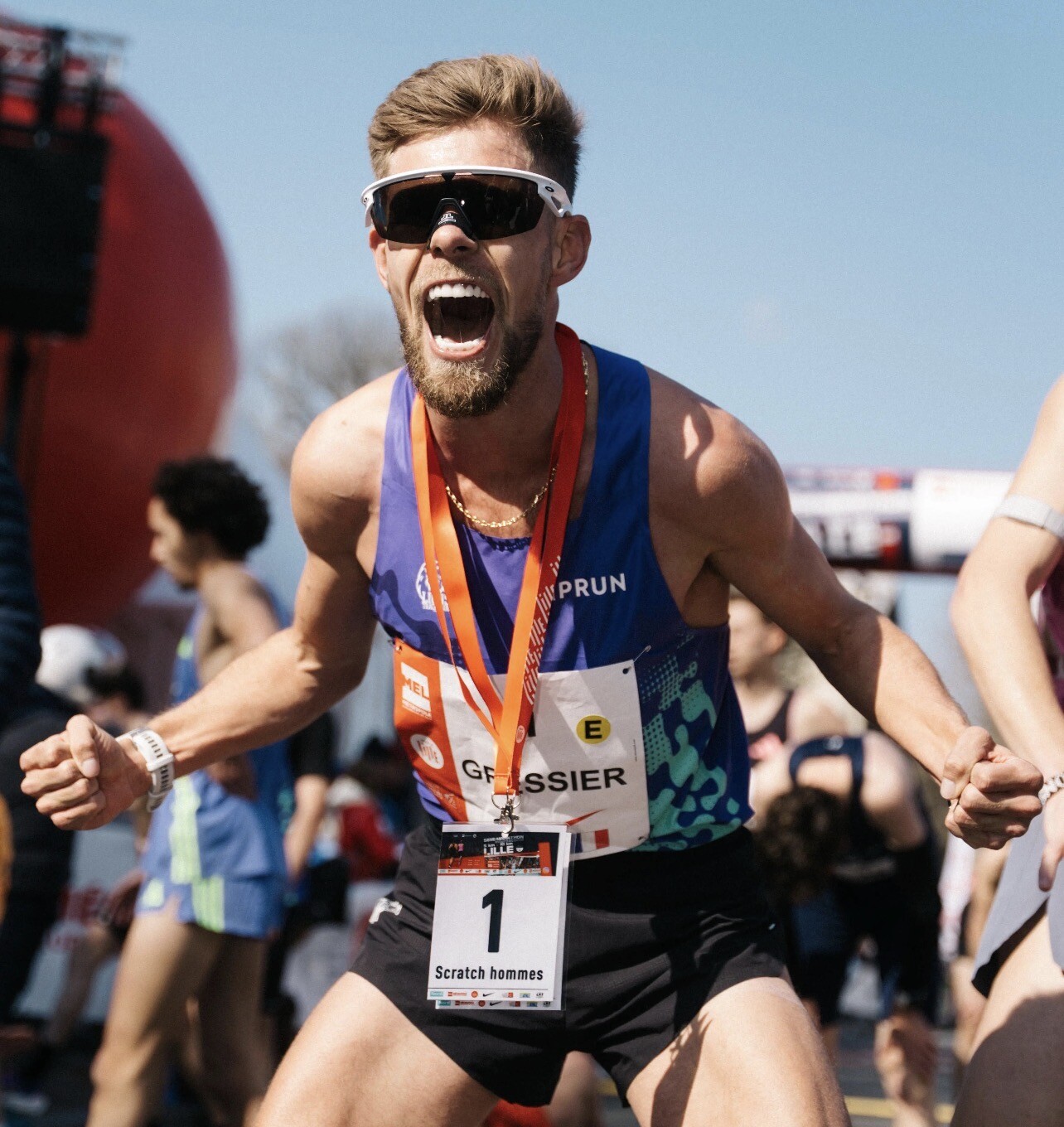
The race unfolded as a four-man battle at blistering pace, with Ethiopia’s Addisu Yihunepushing Gressier all the way to the line. Yihune finished second in 12:54, a performance that also launches him into the all-time top five. Close behind, France’s Yann Schrub clocked 12:56, breaking the previous European record as well and becoming one of the fastest men ever over the distance.
Three men under 13 minutes in one race—on the roads—signals something special.
Gressier’s run was controlled early, aggressive through the middle kilometers, and fearless in the closing stretch. When the pace surged late, he responded with authority, holding off Yihune in a final sprint that had the feel of a championship finish rather than a time trial.
At just 27, Gressier continues to redefine what’s possible for European distance runners. His 12:51 doesn’t just threaten the record books—it puts the world record squarely within reach.
And based on what we saw in Lille, it’s no longer a question of if—but when.
by Boris Baron for My Best Runs
Login to leave a comment

International de Lille 5 Km
The course in the city center will take the most beautiful arteries of the city, the Boulevard de la Liberté, the Boulevard Vauban or even Louis XIV which will make the Lille half-marathon one of the fastest in the world!...
more...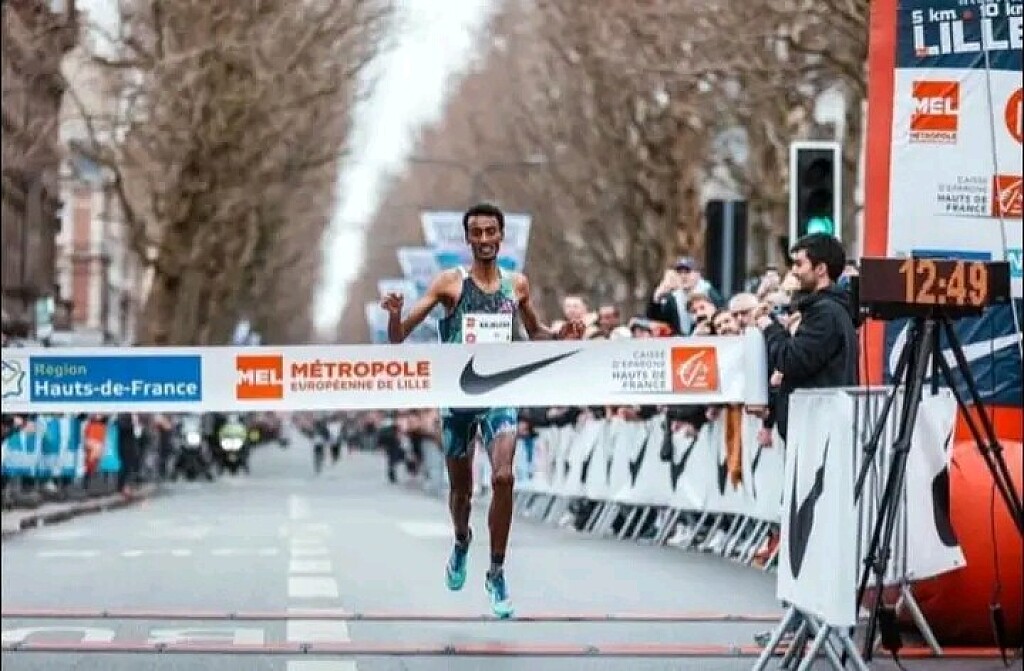
One Second from Immortality: The Day Yomif Kejelcha Lit Up Lille
On March 19, 2023, the streets of Lille witnessed a performance that came within a heartbeat of rewriting history. Ethiopia’s distance sensation, Yomif Kejelcha, delivered a breathtaking run over 5 kilometers—stopping the clock at an astonishing 12:50. Just one second separated him from the world record, a margin so slim it felt almost cruel.
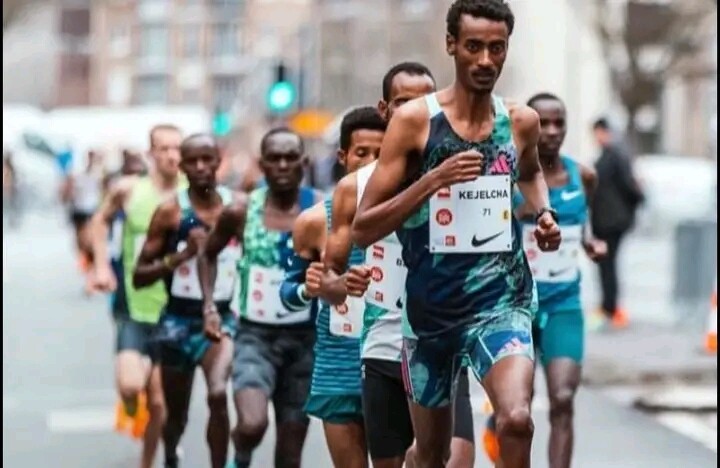
From the very first strides, Kejelcha ran with fierce intent. His rhythm was relentless, his stride smooth yet powerful, carving through the course with surgical precision. Averaging an incredible 2:34 per kilometer, he turned the race into a masterclass of speed endurance. Spectators could sense something extraordinary unfolding—every split time whispering the possibility of history.
As he surged toward the finish line, anticipation reached a fever pitch. But when the clock froze at 12:50, it confirmed both brilliance and heartbreak. The record would stand—for now. Still, what Kejelcha achieved that day was nothing short of remarkable: the second-fastest 5km performance ever recorded, a run that cemented his place among the sport’s elite.
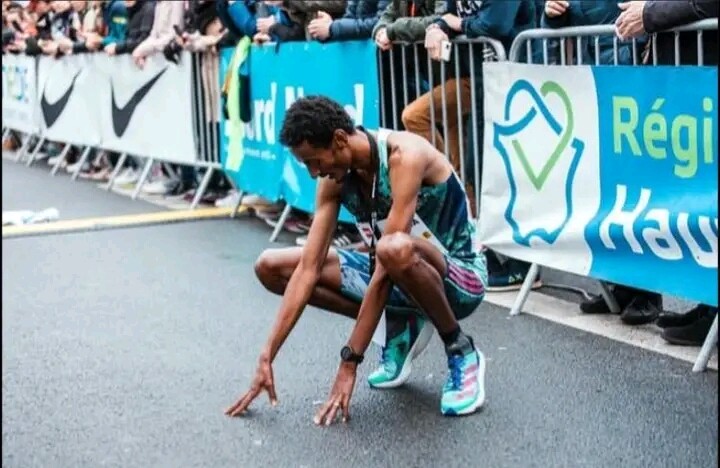
Beyond the individual feat lies a deeper story of dominance in distance running. Of the 100 fastest 5km times in history, an astonishing 42 belong to Kenya, while Ethiopia claims 19, and the United States holds 6. These numbers paint a vivid picture of East Africa’s enduring supremacy—a legacy built on generations of resilience, discipline, and extraordinary talent.
Kejelcha’s near-record run in Lille was more than just a race—it was a reminder of how thin the line is between greatness and eternity. One second may have denied him the record, but it could not diminish the magnitude of his performance. In the world of distance running, moments like these don’t fade—they echo, inspiring the next chase, the next breakthrough, and perhaps, the next record to fall.
by Erick Cheruiyot for My Best Runs.
Login to leave a comment
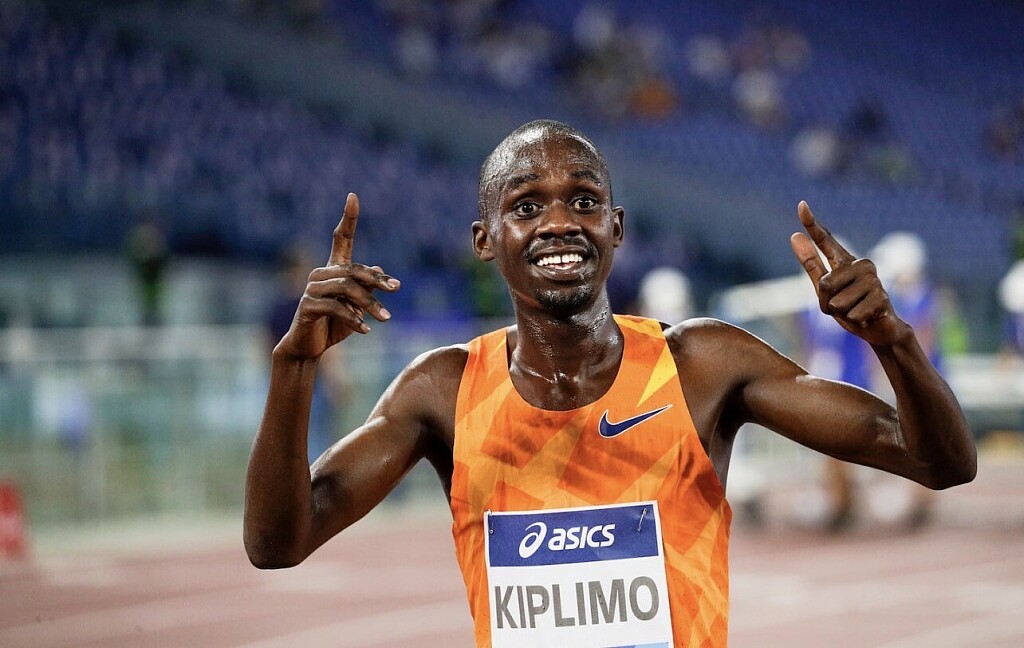
World Athletics Denies Jacob Kiplimo’s Half-Marathon World Record After Pace-Car Controversy
What looked like one of the greatest performances in road racing history will not make the record books.
World Athletics has officially refused to ratify Jacob Kiplimo’s stunning 56:42 at last year’s Barcelona Half Marathon, ruling that the Ugandan star received illegal pacing assistance during the race.
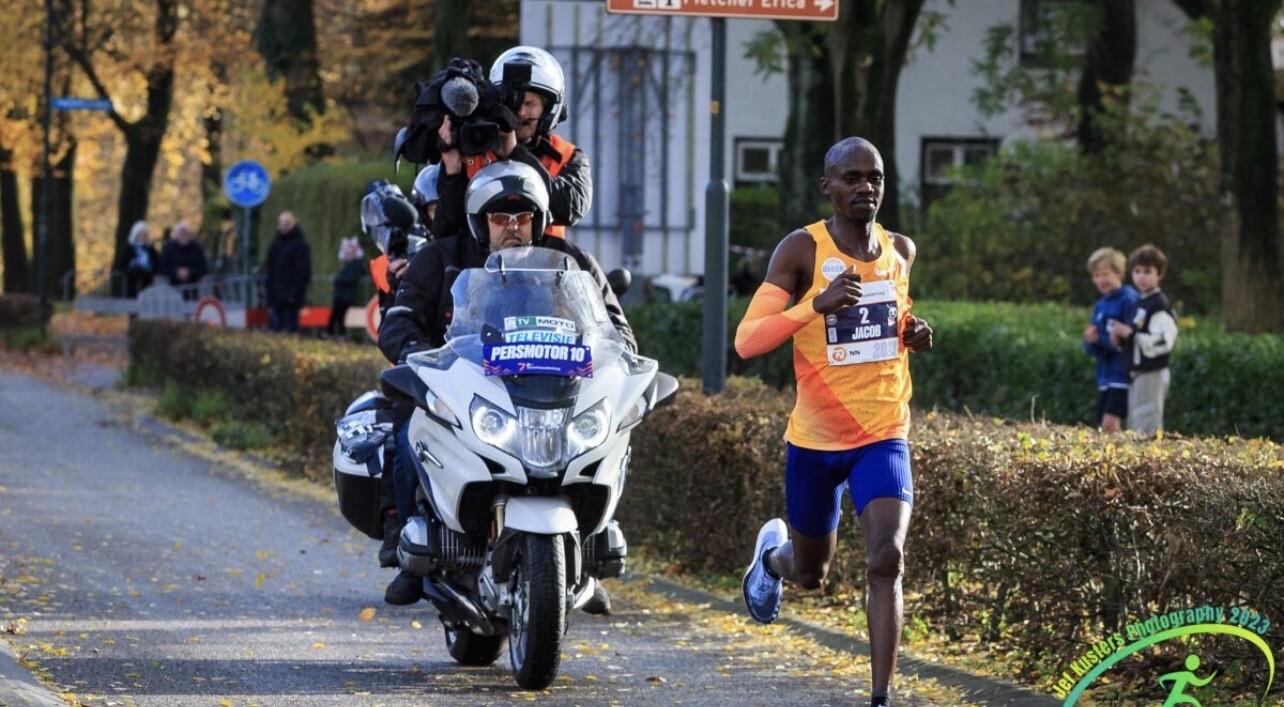
At the time, the performance felt historic — and it was.
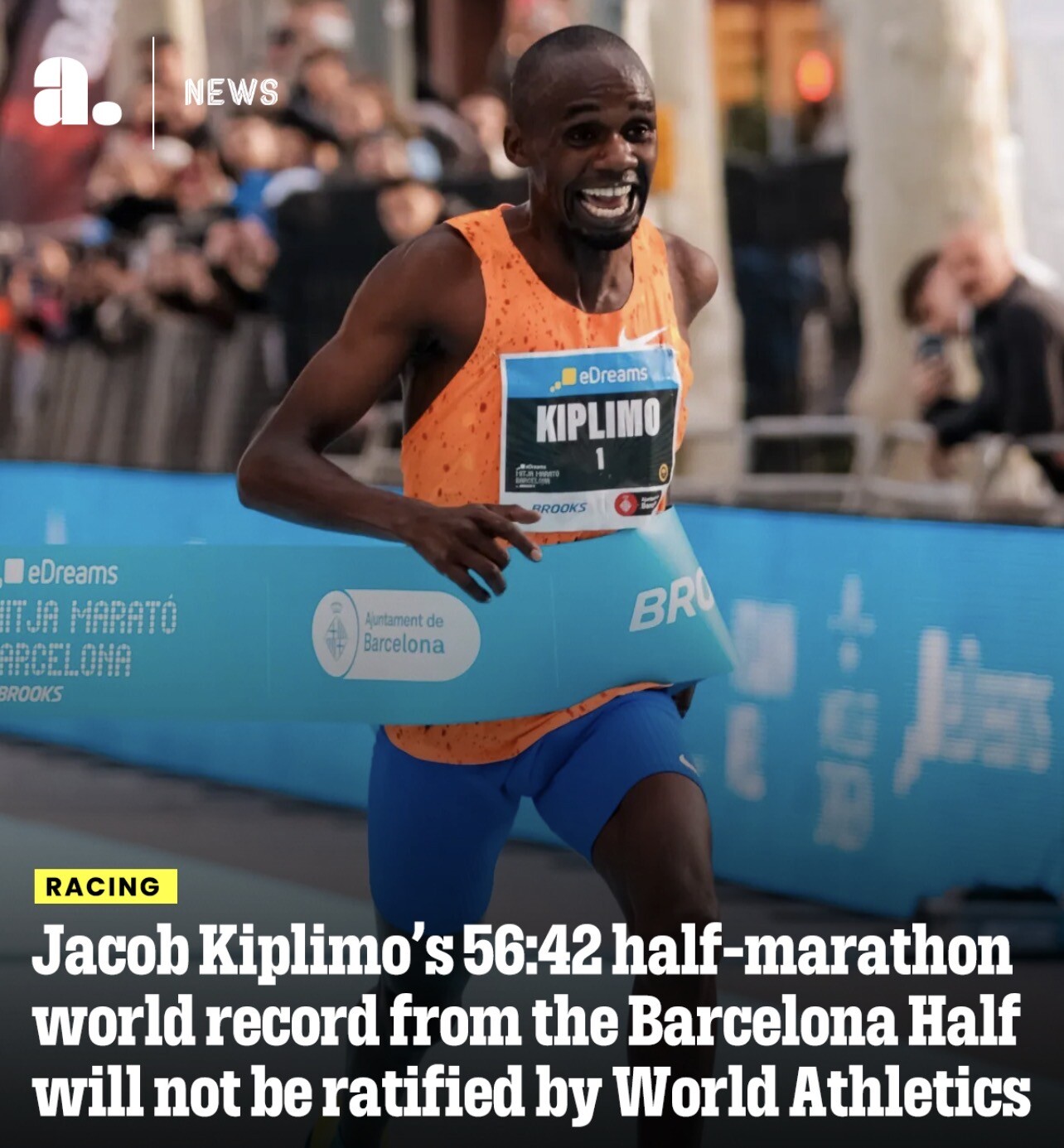
Kiplimo didn’t just break the half-marathon world record. He shattered it, slicing 48 seconds off the previous mark and becoming the first athlete in history to run under 57 minutes for 21.1 kilometers. His pace — 4:20 per mile (2:41 per kilometer) — redefined what many believed was humanly possible for the distance.
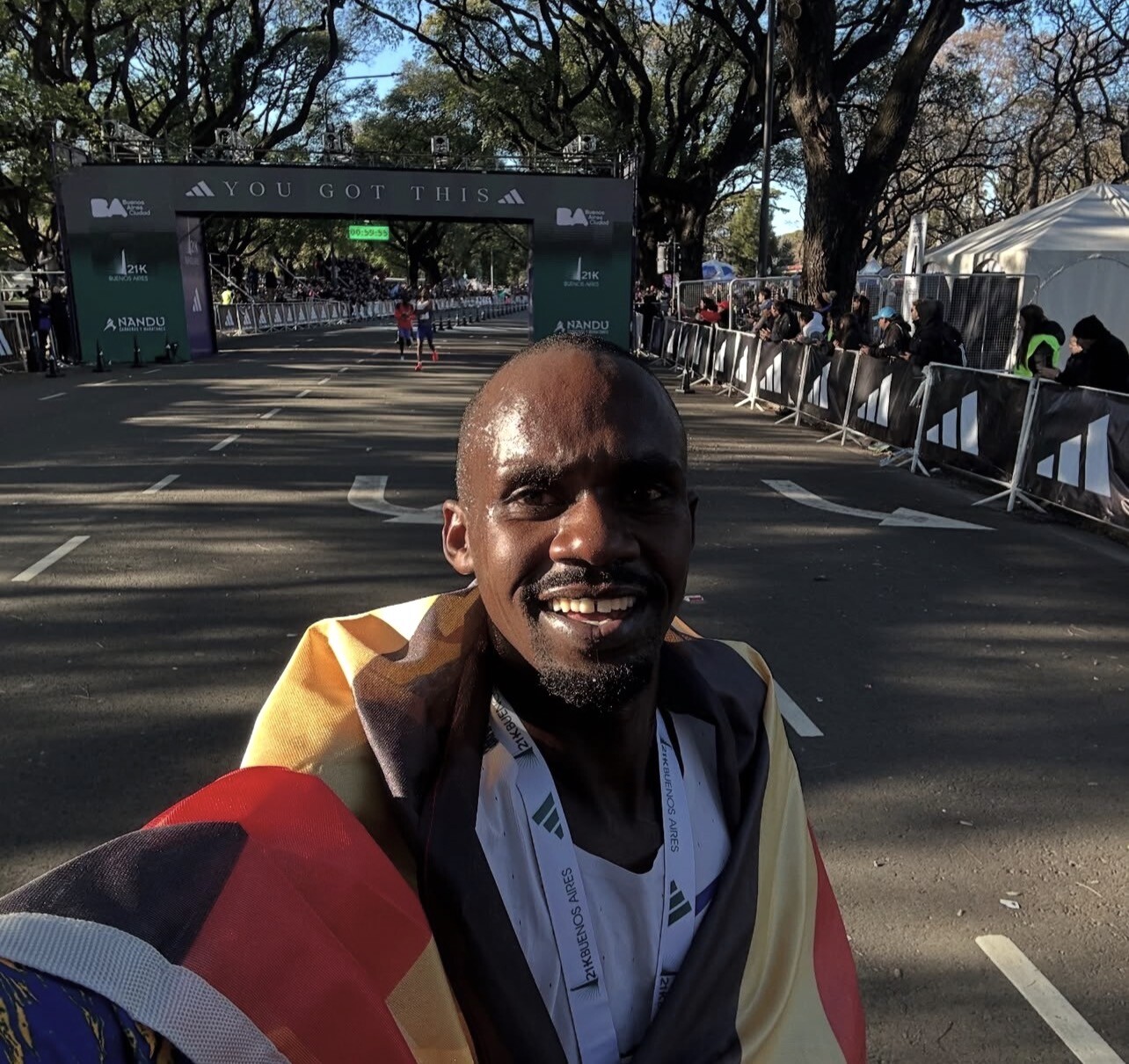
But after reviewing race footage and technical details, World Athletics concluded the run did not meet competition rules.
Under Article 6.3.1 of the Technical Rules, athletes are not allowed to receive assistance from non-competing individuals, vehicles, or any technical device beyond standard wearables. Broadcast video showed Kiplimo running much of the race approximately 10 to 15 meters behind the official lead pace car — close enough to potentially benefit from reduced wind resistance and visual pacing guidance.
Officials deemed that proximity illegal assistance.
While the rules do not specify an exact minimum distance between athletes and vehicles, World Athletics determined the advantage was significant enough to invalidate the performance. Reports also suggested that Kiplimo may have received coaching communication during the race, another potential violation, though the pacing issue alone was sufficient to deny ratification.
For fans, the decision is frustrating. The run appeared legitimate in real time — just one athlete racing fearlessly against the clock on a fast Barcelona course. It felt like a breakthrough moment for the sport.
Instead, it becomes an unofficial best.
With Kiplimo’s mark erased, the recognized world record remains with Yomif Kejelcha, whose 57:30 performance at the Valencia Half Marathon still stands as the official global standard.
Ironically, the controversy may set up one of the most compelling matchups of the season. Both Kejelcha and Kiplimo are scheduled to race the TCS London Marathon on April 26, where there will be no pace cars, no questions, and no gray areas — just head-to-head racing.
Moments like this also raise bigger questions for the sport. As road racing grows faster and more professional, clearer standards are needed. If a vehicle can affect results, there should be defined spacing rules so athletes and organizers know exactly where the line is.
Records should be undeniable.
Kiplimo’s 56:42 may not count officially, but it still showed the world what is possible. And if anything, the ruling adds motivation. The next time he runs that fast, there won’t be any debate.
And everyone will be watching.
by Boris Baron
Login to leave a comment

London Awaits a Blockbuster Men’s Marathon as World-Class Stars Line Up on April 26, 2026
The TCS London Marathon, set for Sunday, April 26, 2026, is already shaping up to be one of the most compelling races in the event’s rich history. The men’s elite start list reveals a field defined not just by star power at the top, but by extraordinary depth throughout—bringing together proven champions, fearless challengers, and highly anticipated debutants on one of the world’s fastest and most iconic courses.
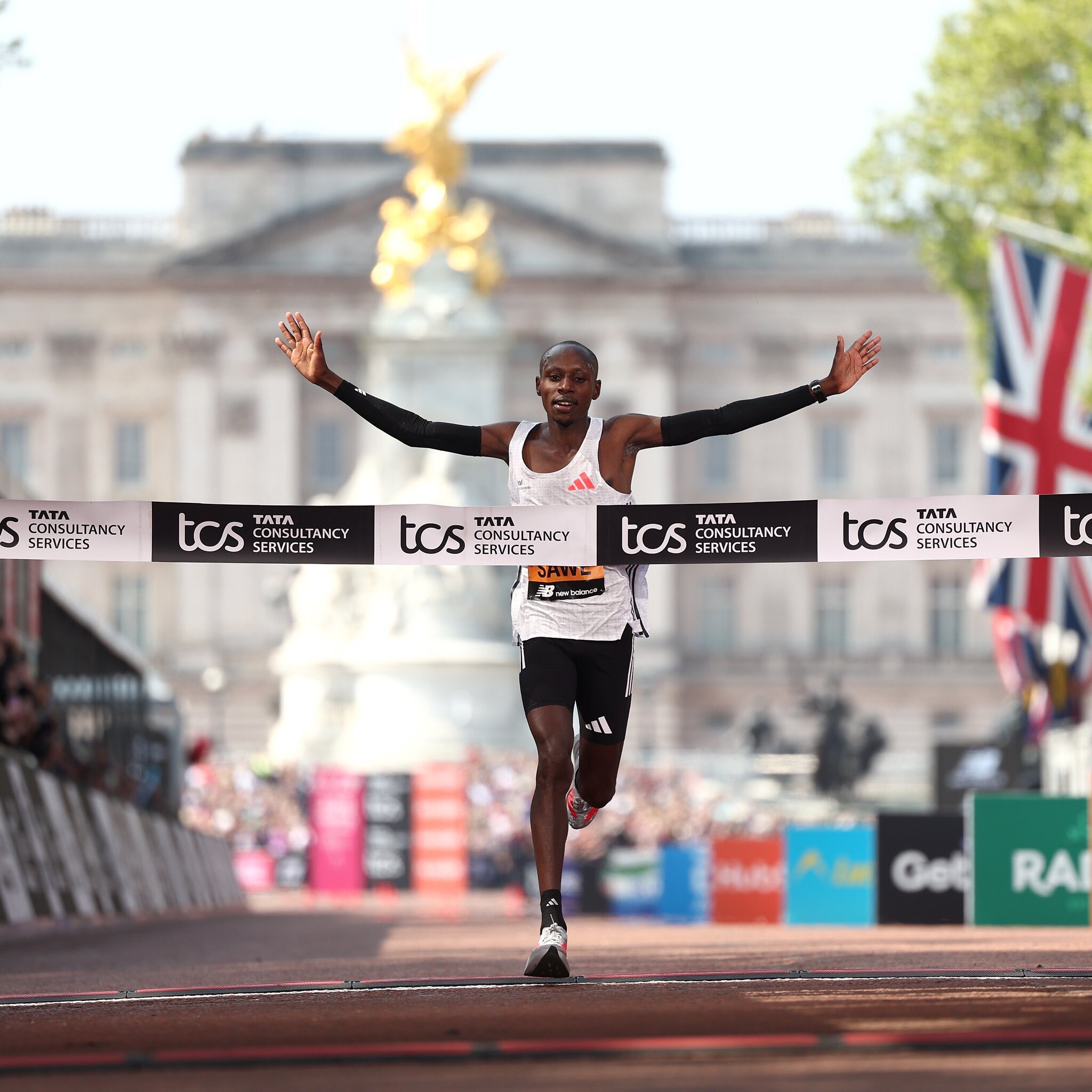
Leading the charge is Sebastian Sawe of Kenya, the fastest man entered with a personal best of 2:02:05. Efficient, composed, and devastatingly consistent, He is the defending champion and will arrive in London as a clear contender, capable of dictating the rhythm of the race from the early miles. Close behind him on the start list is Jacob Kiplimo of Uganda (2:02:23), whose evolution into the marathon continues to fascinate the running world. Known for his strength, speed, and fearless racing style, Kiplimo’s presence adds a layer of unpredictability to an already volatile contest.
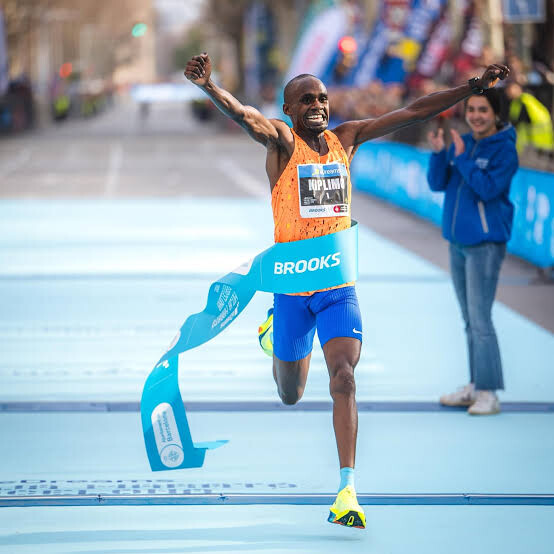
Ethiopia counters strongly through Deresa Geleta, owner of a 2:02:38 best and a runner respected for his smooth efficiency and reliability at the highest level. Adding further intrigue is Yomif Kejelcha, one of the most eagerly awaited marathon debutants in recent years. A global star on the track, Kejelcha now steps into uncharted territory, and how his speed and range translate over 42.195 kilometers will be one of the defining narratives of race day.
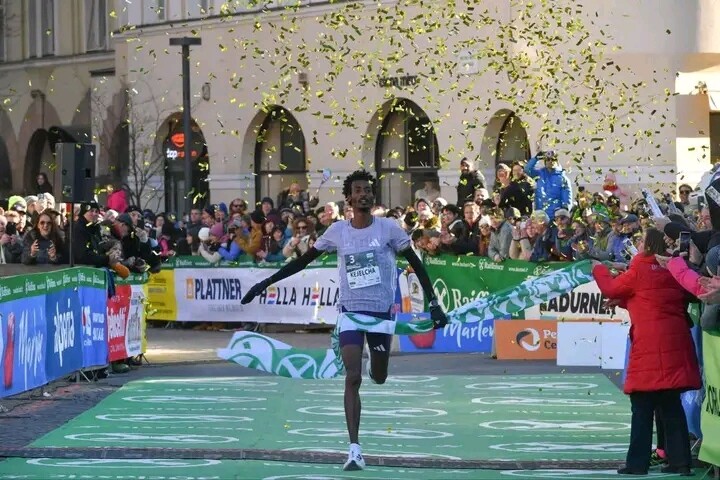
As the list unfolds, the depth of the field becomes impossible to ignore. Amos Kipruto of Kenya (2:03:13) brings championship pedigree and tactical intelligence, while Olympic marathon champion Tamirat Tola of Ethiopia (2:03:39) arrives with proven resilience and the ability to rise when the stakes are highest. Germany’s Amanal Petros (2:03:04), a national record holder, continues to push European marathon running forward and enters London in peak form.
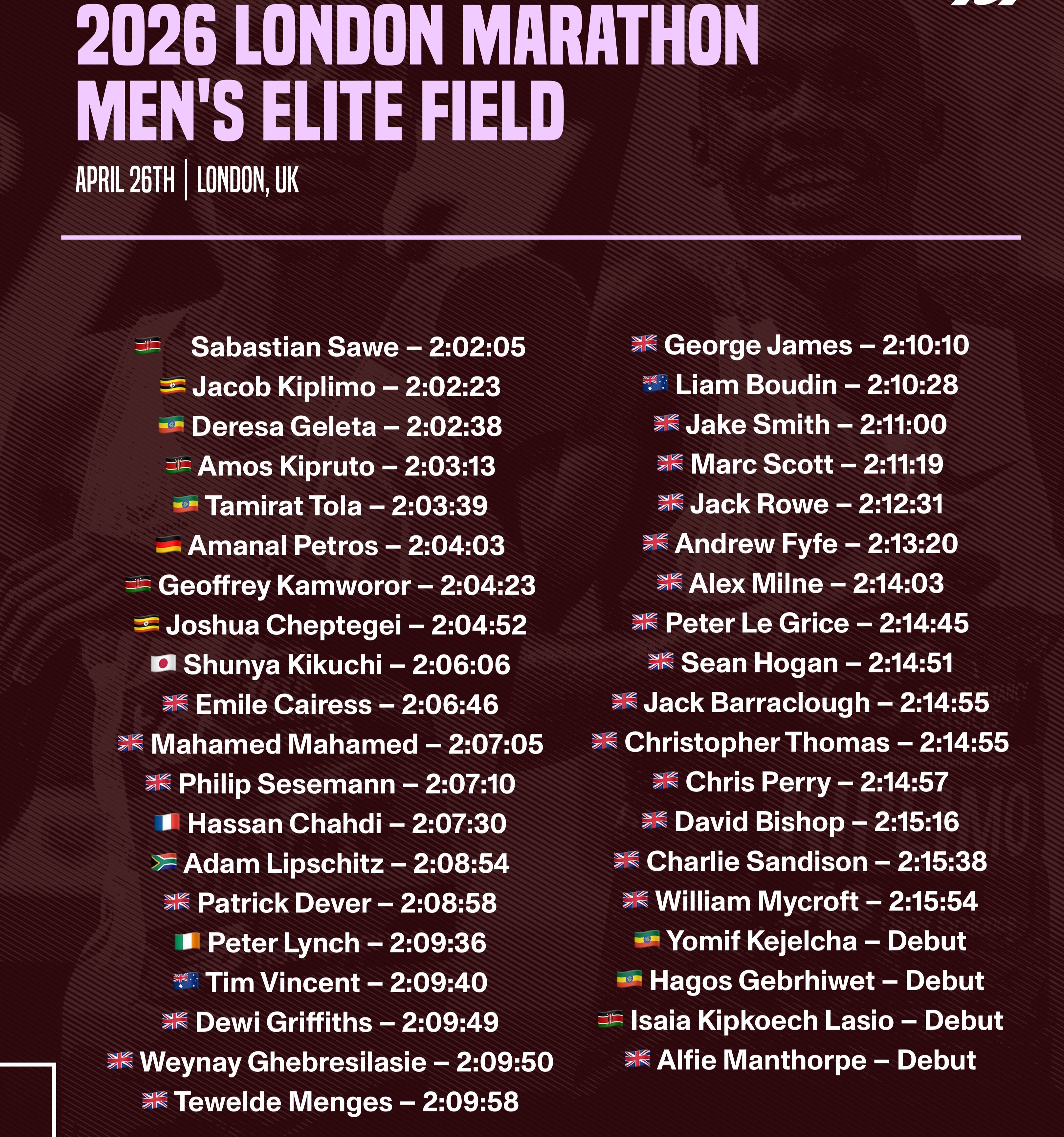
Even further down the start list, the quality remains striking. Geoffrey Kamworor of Kenya (2:04:23), a multiple-time world champion, offers experience, patience, and racing instinct that few can match. Uganda’s Joshua Cheptegei (2:04:52), one of the most decorated track athletes of his generation, continues his marathon journey with determination and growing confidence. Japan’s Shunya Kikuchi (2:06:06) represents a nation synonymous with marathon tradition, while Emile Cairess of Great Britain (2:06:46) carries home hopes, eager to make his mark on London’s global stage.
Beyond these names, the men’s elite start list continues deep, featuring more established performers and additional debutants ready to test themselves against the world’s best. This depth ensures that the 2026 race will not be won on reputation alone; it will demand patience, precision, and courage deep into the final miles.
When the gun sounds on Sunday, April 26, 2026, the TCS London Marathon will once again deliver what it promises best—a true test of endurance and excellence, where the margins are thin, the competition relentless, and the outcome anything but certain.
by Erick Cheruiyot for My Bestruns.
Login to leave a comment
TCS London Marathon
Since its inaugural edition on March 29, 1981, the TCS London Marathon has grown into one of the world's most prestigious road races, blending elite competition with an extraordinary charitable legacy. Founded by former Olympic champion and journalist Chris Brasher alongside Welsh athlete John Disley, the event has been staged every year and has been held in the spring annually...
more...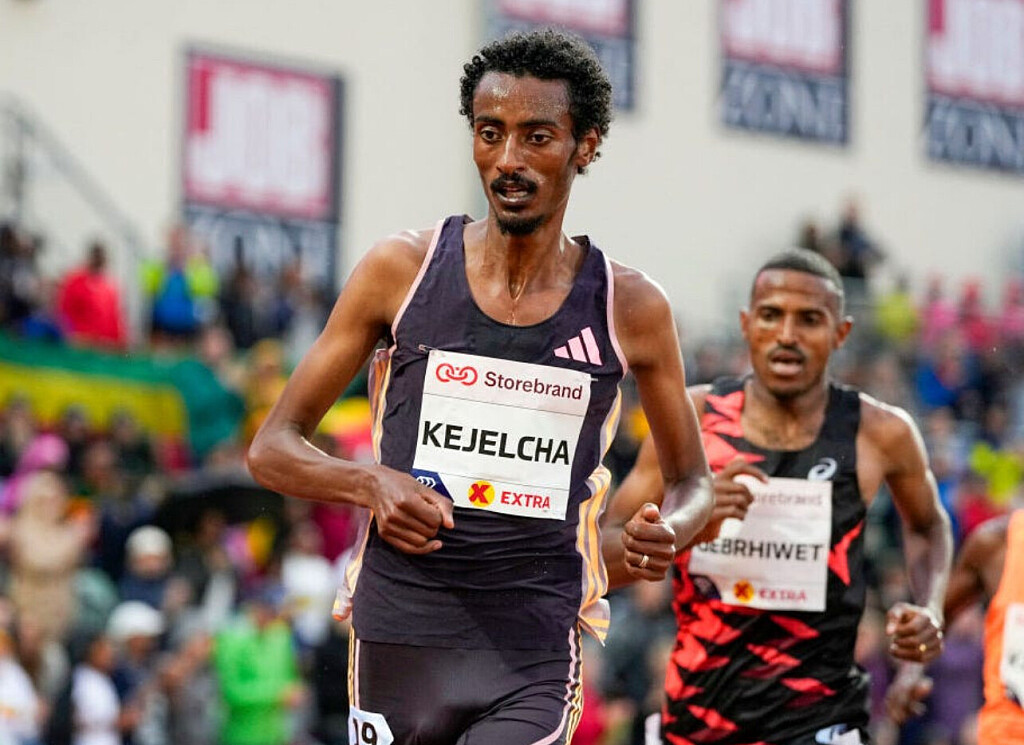
Elite Distance Stars Set for Fireworks at the 2025 BOclassic Alto Adige 10K
As the athletics world prepares to usher in the New Year, all eyes will turn to Bolzano, Italy, where the iconic BOclassic Alto Adige returns on December 31, 2025, with a world-class field worthy of its legendary status.
Headlining the elite lineup is Yomif Kejelcha, one of Ethiopia’s most formidable distance runners and a global championship medalist. Renowned for his devastating finishing speed and sharp tactical sense, Kejelcha brings pedigree, experience, and a championship mindset to the fast, spectator-friendly streets of Bolzano.
Kenya’s challenge will be led by Charles Rotich, a proven road-racing specialist whose strength and consistency make him a threat on any course. Representing Team Kenya, Rotich embodies the nation’s enduring dominance in distance running and will be eager to close the year with a statement performance on European soil.
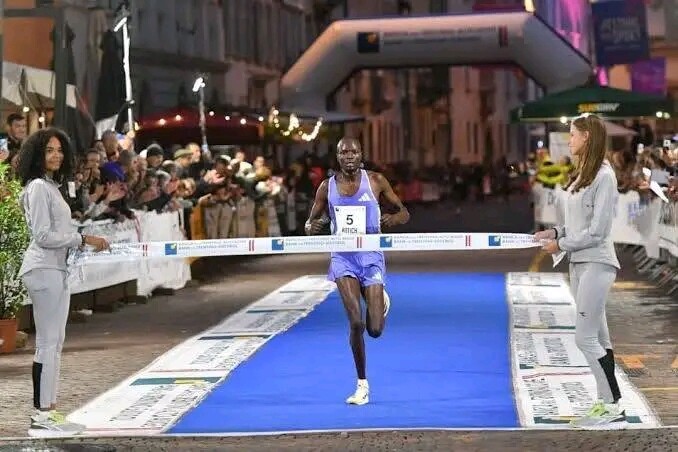
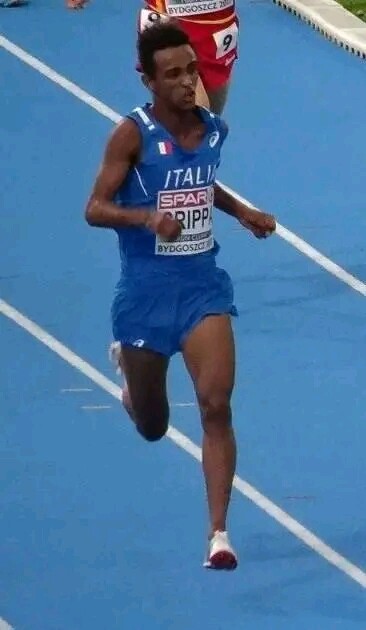
Completing the trio of elite contenders is Yemaneberhan Crippa, Italy’s distance-running standard-bearer. Racing on home ground, Crippa carries the hopes of the host nation as he faces Africa’s finest. His fearless racing style and deep familiarity with the BOclassic atmosphere make him a genuine podium contender.
With athletes from Ethiopia, Kenya, and Italy converging on one of the most historic road races in the world, the 2025 BOclassic Alto Adige promises a compelling showdown of speed, strategy, and national pride. As tradition dictates, Bolzano will once again provide the perfect stage to celebrate the past season—and launch the new one—with a spectacular clash of global distance-running excellence.
by Erick Cheruiyot for My Bestruns.
Login to leave a comment

BOclassic Alto Adige 10k
Challenge yourself against the world’s best! The BOclassic Raiffeisen New Year’s Eve Run is a prestigious year-end road race held annually, attracting elite international athletes alongside amateur runners. Known for its competitive field and festive atmosphere, the event provides a rare opportunity to test your speed on the same course as some of the world’s top distance runners. Whether you...
more...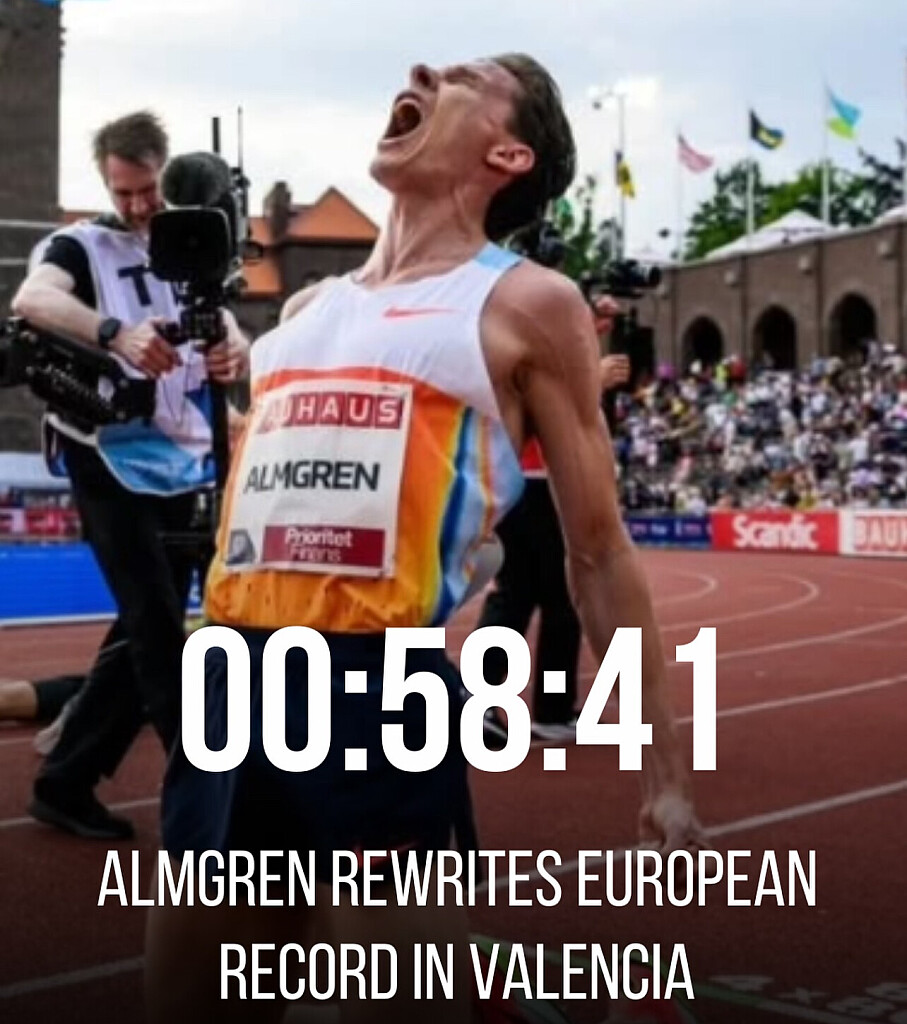
Andreas Almgren Breaks European Record as Agnes Ngetich Runs Second Fastest Half Marathon Ever in Valencia
Valencia, Spain — October 26, 2025 - The 2025 Valencia Half Marathon Trinidad Alfonso Zurich once again lived up to its global reputation as the fastest half marathon on Earth. The flat, coastal course produced extraordinary performances from both the men’s and women’s elite fields — highlighted by Sweden’s Andreas Almgren becoming the first European ever to break 59 minutes, and Kenya’s Agnes Jebet Ngetich clocking the second-fastest women’s time in history.
MEN’S RACE: ALMGREN MAKES HISTORY AS KEJELCHA DOMINATES
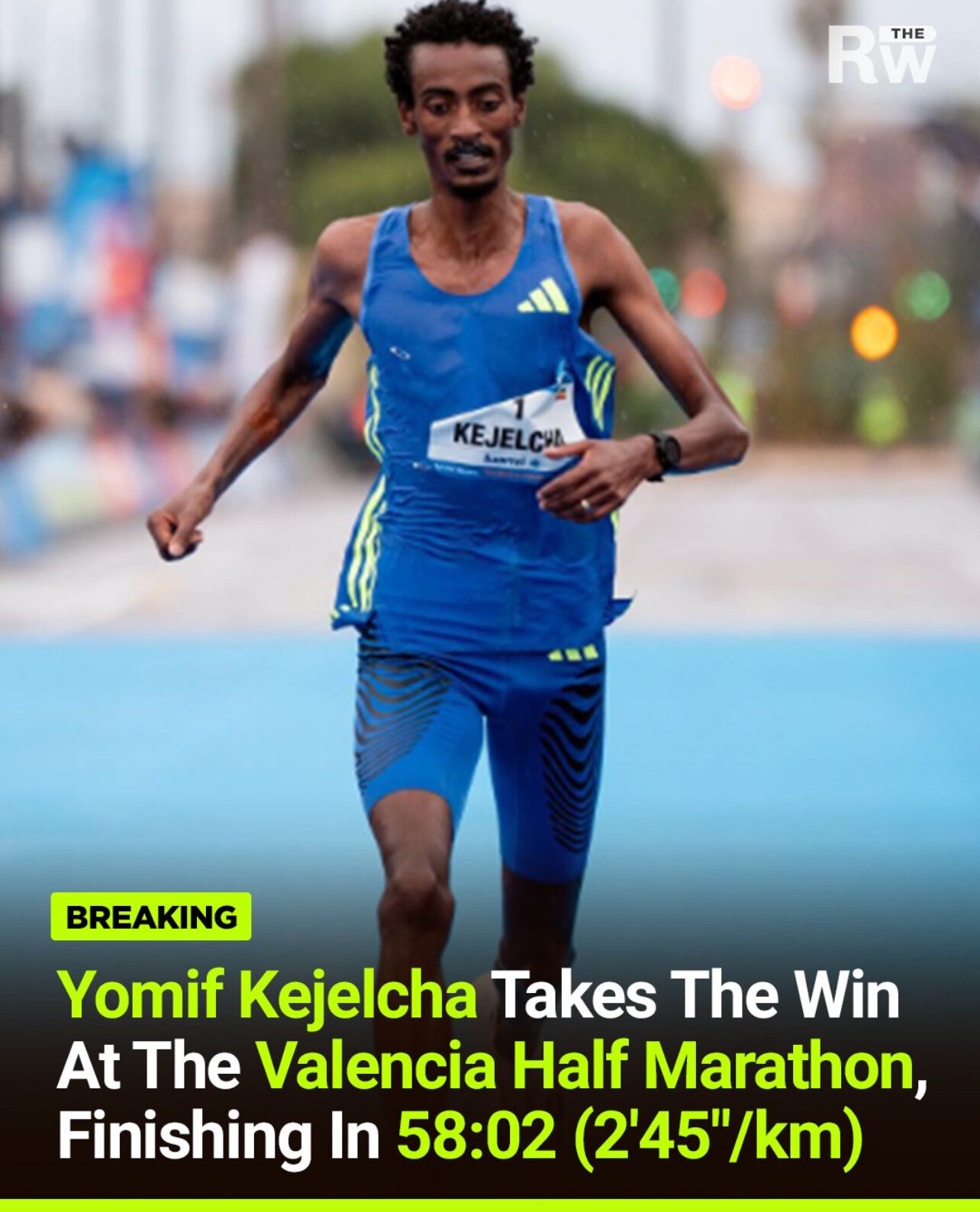
Ethiopia’s Yomif Kejelcha retained his Valencia title with a blistering 58:02, further cementing his place among the all-time greats. Though it was outside the current world record of 56:42, set earlier this year by Uganda’s Jacob Kiplimo at the Barcelona Half Marathon, Kejelcha’s effort was commanding from start to finish.
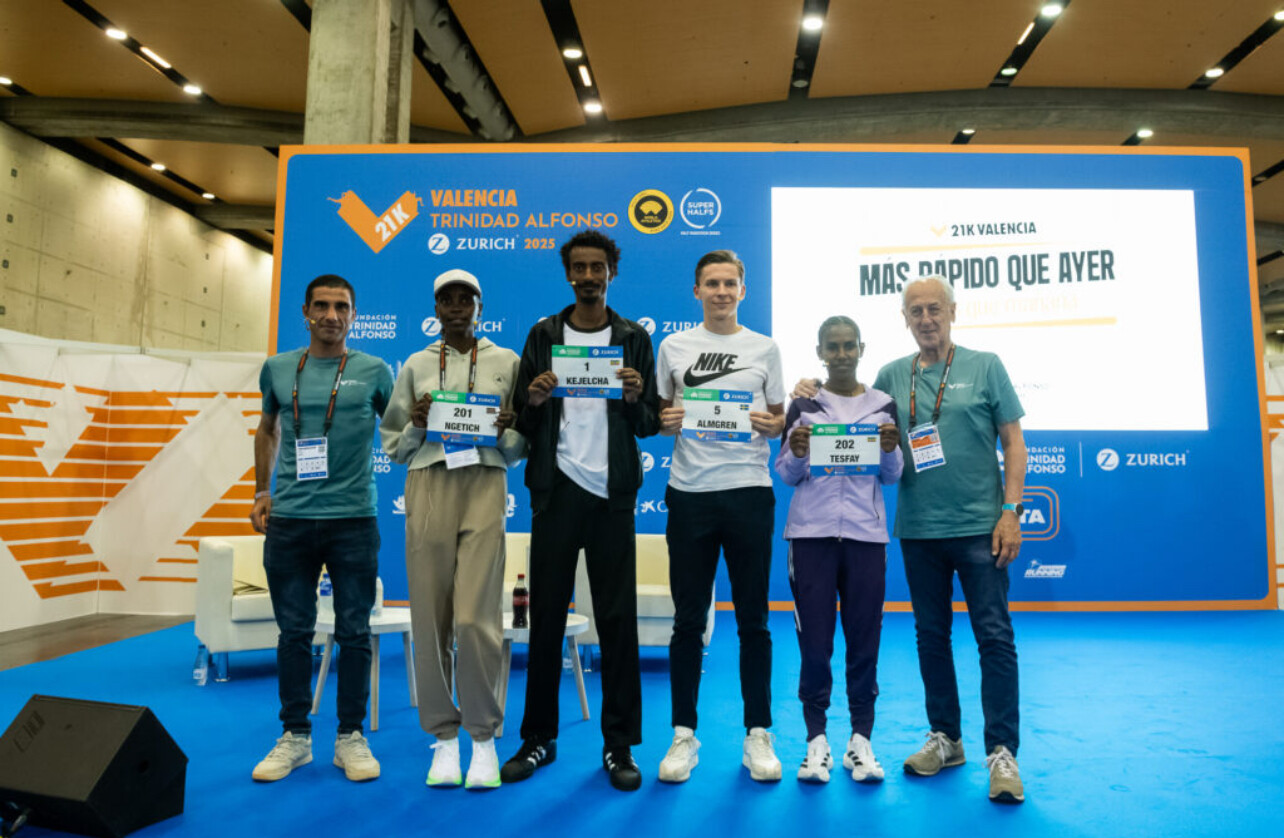
Running in his slipstream, Rodrigue Kwizera of Burundi and Brian Kibor of Kenya both crossed in 58:39, but the day’s biggest breakthrough came from Sweden’s Andreas Almgren, who stormed home in 58:41 — a stunning new European record.
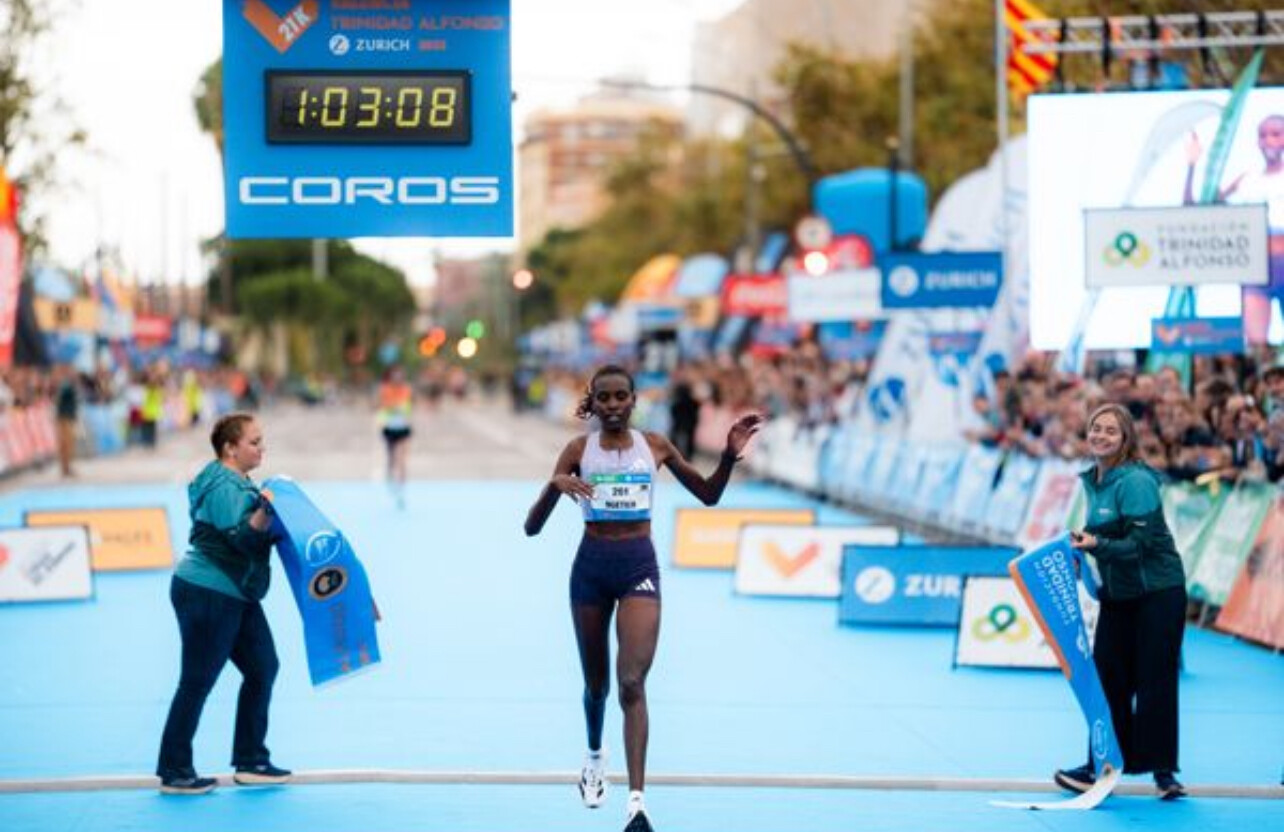
The 29-year-old Almgren shattered the previous continental best of 59:13, set by Julien Wanders in 2019, and became the first European athlete in history to dip under the 59-minute barrier.

“This means everything,” Almgren said after the finish. “I came to Valencia knowing it was the place for fast times, but to run 58:41 — it’s beyond my dreams. Europe is back in the game.”
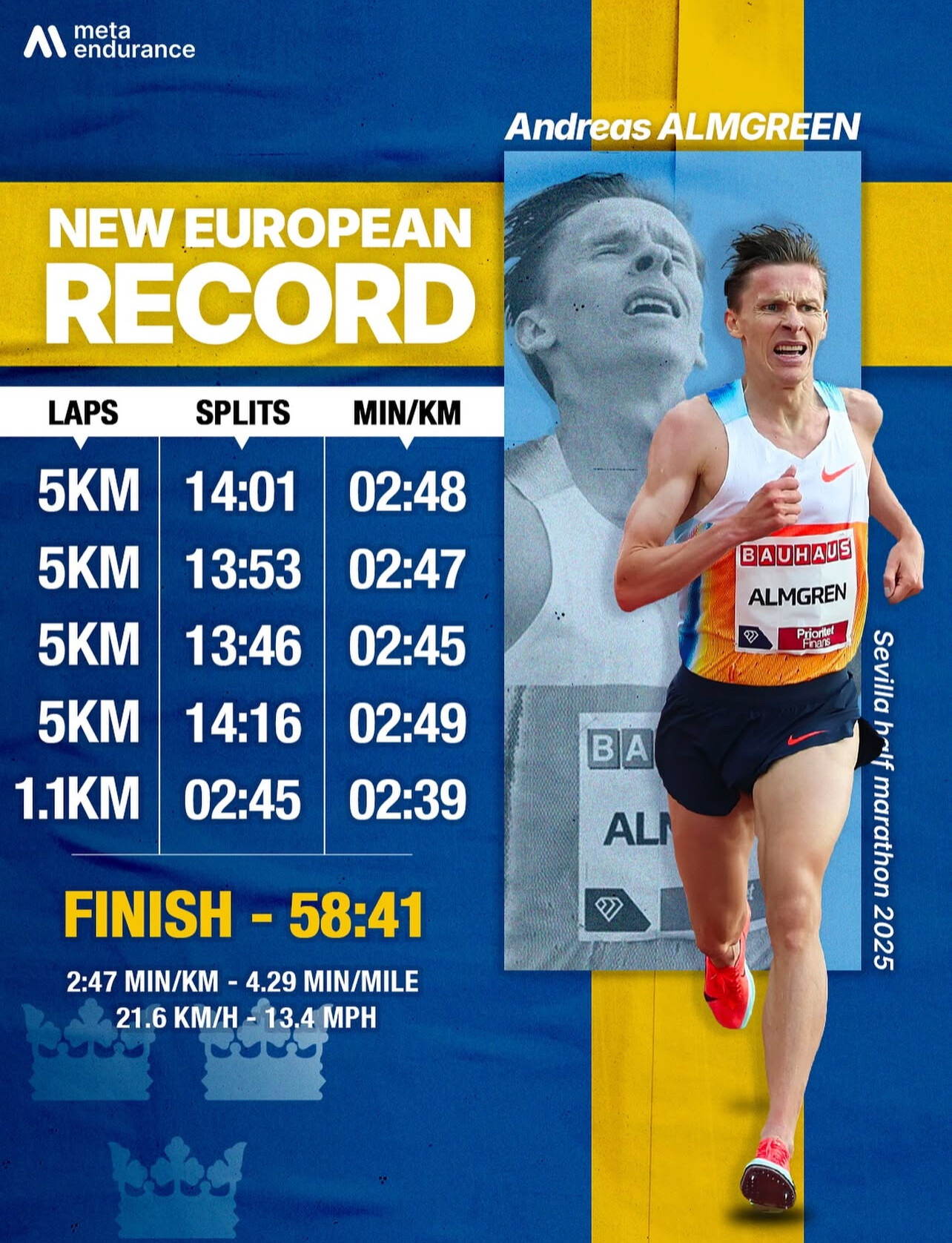
Kejelcha went out hard with early splits suggesting another sub-58 performance might be possible, hitting 10K in around 27:13. Slight headwinds in the final kilometers kept him just off world-record pace, but his margin of control was never in doubt.
WOMEN’S RACE: NGETICH CLOSES IN ON THE WORLD RECORD
Kenya’s Agnes Jebet Ngetich produced yet another masterpiece on the streets of Valencia, winning the women’s title in 1:03:08, the second-fastest time ever recorded for the half marathon. Only Letesenbet Gidey’s world record of 1:02:52, also set in Valencia in 2021, stands ahead of her on the all-time list.

Ngetich went out aggressively, passing 10K in 29:28, well inside world-record pace. But a headwind over the final five kilometers cost her valuable seconds. Despite missing the record, her performance once again showcased her dominance and her special connection with the streets of Valencia, where she has repeatedly delivered career-defining runs.
“Valencia brings out the best in me,” Ngetich said. “I felt strong, and even though I missed the record, I know it’s within reach. I’ll be back.”
Ethiopia’s Fotyen Tesfay took second in 1:05:11, while Kenya’s Veronica Loleo ran a superb personal best of 1:05:46 to finish third. The top performances underscored the remarkable depth and quality in women’s distance running today.
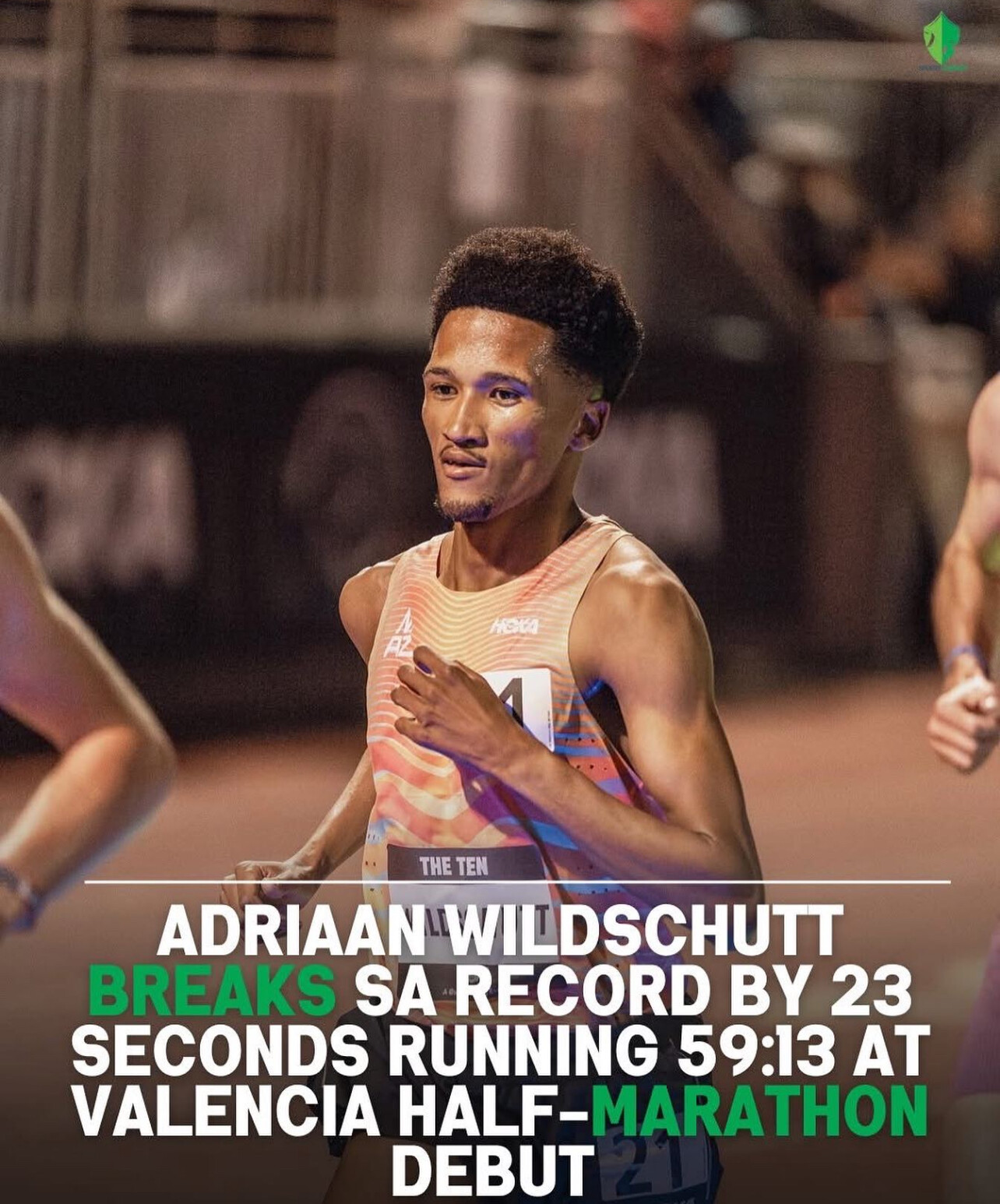
RACE CONDITIONS AND COURSE
Cool temperatures, light humidity, and minimal wind set the stage for another record-friendly day in Valencia. The famously flat and fast course — celebrated for its long straightaways and sea-level setting — once again proved why it’s the go-to destination for athletes chasing lifetime bests and global marks.
Pacemakers set an aggressive tempo from the start in both races, and despite minor breezes in the final stretch, the results confirmed that Valencia remains the gold standard for road racing worldwide.
TOP RESULTS
Men’s Elite Results
1. Yomif Kejelcha (Ethiopia) – 58:02
2. Rodrigue Kwizera (Burundi) – 58:39
3. Brian Kibor (Kenya) – 58:39
4. Andreas Almgren (Sweden) – 58:41 (European Record)
5. Milkesa Mengesha (Ethiopia) – 59:12
6. Boniface Kibiwott (Kenya) – 59:16
7. Sebastian Sawe (Kenya) – 59:22
8. Mohamed Essa (Morocco) – 59:45
9. Tadese Worku (Ethiopia) – 59:58
10. Gabriel Geay (Tanzania) – 1:00:02
Women’s Elite Results
1. Agnes Jebet Ngetich (Kenya) – 1:03:08 (Second-fastest time ever)
2. Fotyen Tesfay (Ethiopia) – 1:05:11
3. Veronica Loleo (Kenya) – 1:05:46 (Personal Best)
4. Irine Cheptai (Kenya) – 1:06:03
5. Melat Kejeta (Germany) – 1:06:37
6. Viola Chepngeno (Kenya) – 1:06:44
7. Tsige Haileslase (Ethiopia) – 1:06:56
8. Eilish McColgan (Great Britain) – 1:07:09
9. Selly Chepyego (Kenya) – 1:07:16
10. Marta Galimany (Spain) – 1:08:21
WHY VALENCIA CONTINUES TO INSPIRE THE WORLD
For more than a decade, Valencia has been the epicenter of half-marathon excellence. From Gidey’s women’s world record in 2021, to Kandie’s men’s mark in 2020, to Kejelcha’s near-record runs and now Almgren’s European breakthrough — the course has become synonymous with speed and history.
This year’s edition reinforced three powerful truths about modern distance running:
1. Yomif Kejelcha remains one of the greatest half-marathon specialists of all time.
2. Agnes Jebet Ngetich has brought women’s road racing to new heights, now sitting just seconds shy of a world record.
3. Andreas Almgren’s European record symbolizes a resurgent era for European endurance running.
FINAL SUMMARY
Event: 2025 Valencia Half Marathon Trinidad Alfonso Zurich
Date: October 26, 2025
Location: Valencia, Spain
Men’s Champion: Yomif Kejelcha (Ethiopia) – 58:02
Women’s Champion: Agnes Jebet Ngetich (Kenya) – 1:03:08 (Second-fastest ever)
European Record: Andreas Almgren (Sweden) – 58:41
by Boris Baron
Login to leave a comment

Valencia Half Marathon
The Trinidad Alfonso Valencia Half Marathon has become one of the top running events in the world. Valencia is one of the fastest half marathon in the world. The race, organized by SD Correcaminos Athletics Club, celebrated its silver anniversary in style with record participation, record crowd numbers, Silver label IAAF accreditation and an atmosphere that you will not find...
more...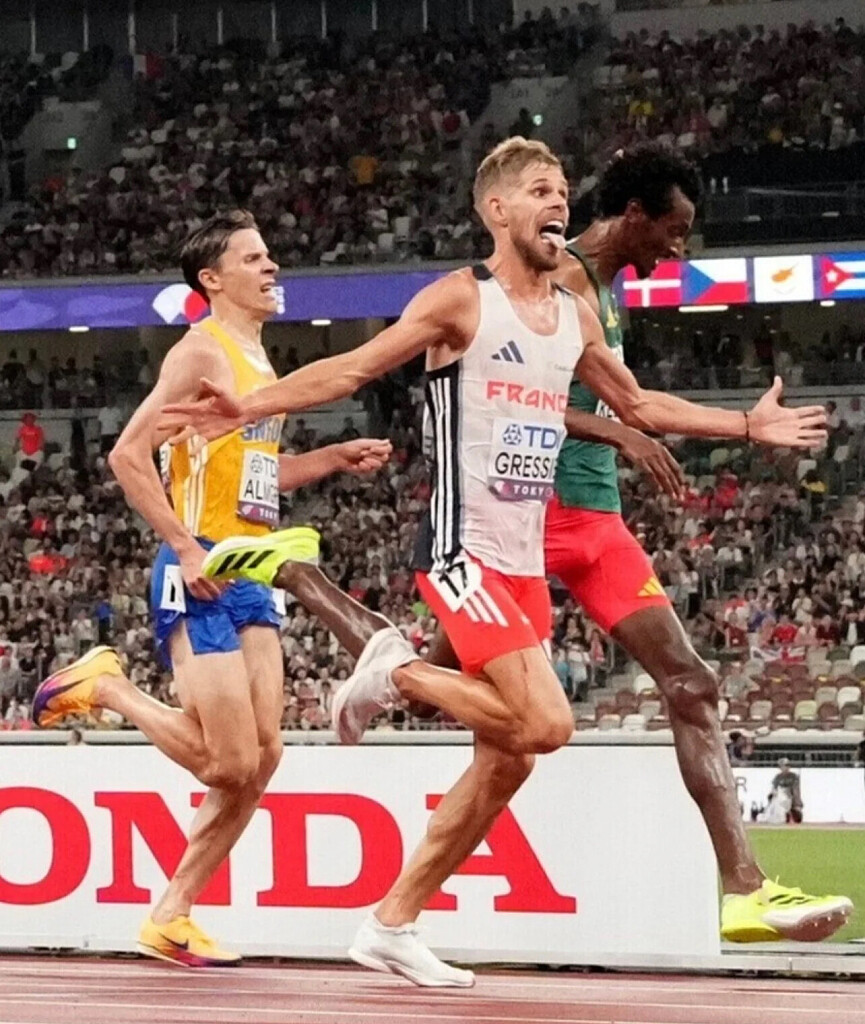
Jimmy Gressier shocks the world with stunning 10000m victory in Tokyo
France’s Jimmy Gressier stunned the athletics world in Tokyo Sept 14, sprinting past Ethiopia’s Yomif Kejelcha in the final strides to claim the men’s 10,000m world title. His winning time of 28:55.77wasn’t about records — it was about patience, tactics, and a devastating final kick. With that surge, Gressier became the first non–East African-born world champion in the event since 1983.
But for those who have followed his career, this moment wasn’t magic out of thin air. It was years in the making.

Building Blocks: Cross-Country and U23 Glory
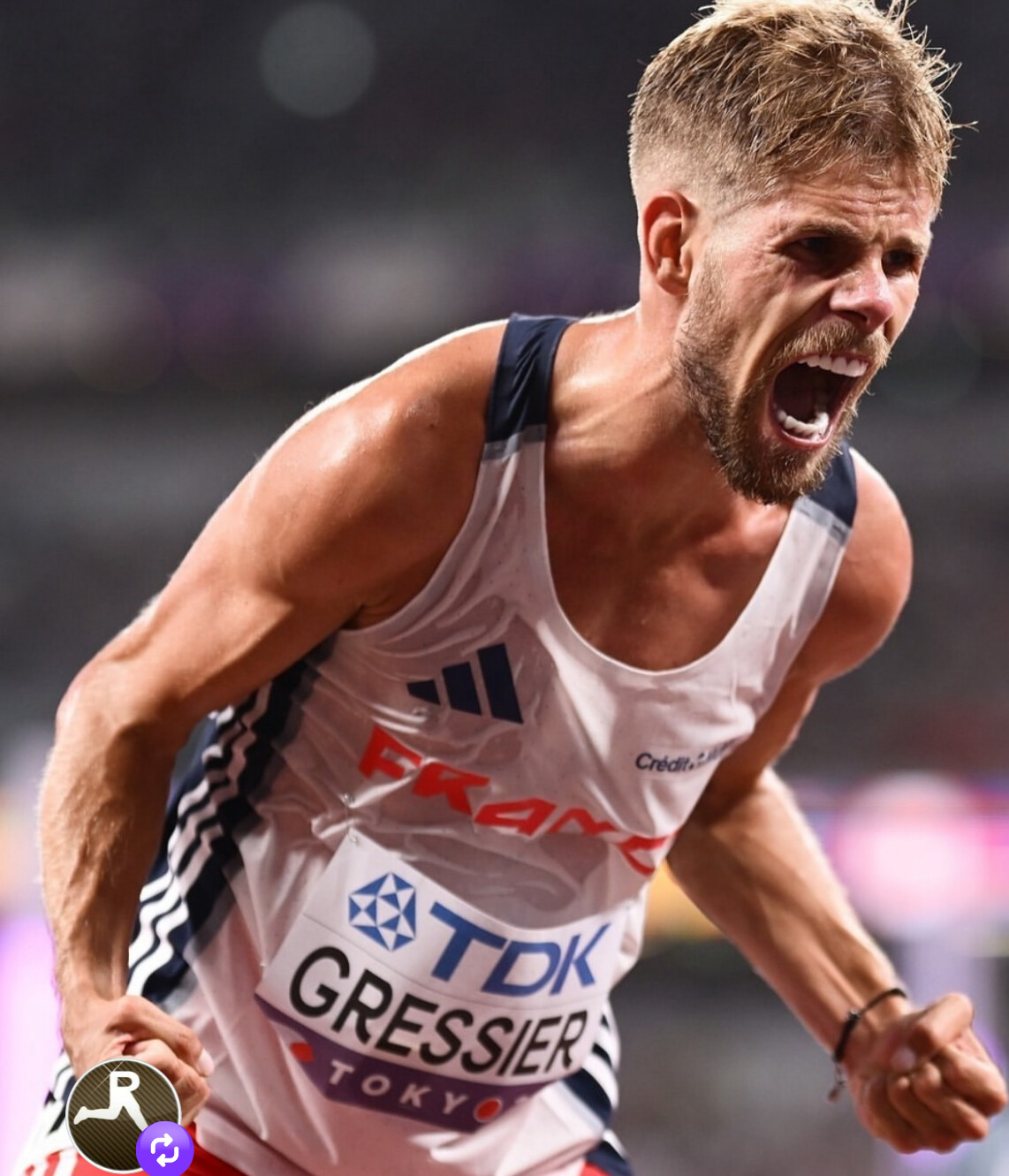
Born May 4, 1997, in Boulogne-sur-Mer, France, Gressier’s rise began on the fields of European cross-country. Between 2017 and 2019, he won three consecutive U23 European Cross-Country Championships, showcasing his toughness in cold, muddy races far from the track’s bright lights.
At the 2019 European U23 Championships, he doubled up to win gold in both the 5,000m and 10,000m, proving his versatility and hinting at bigger things to come.
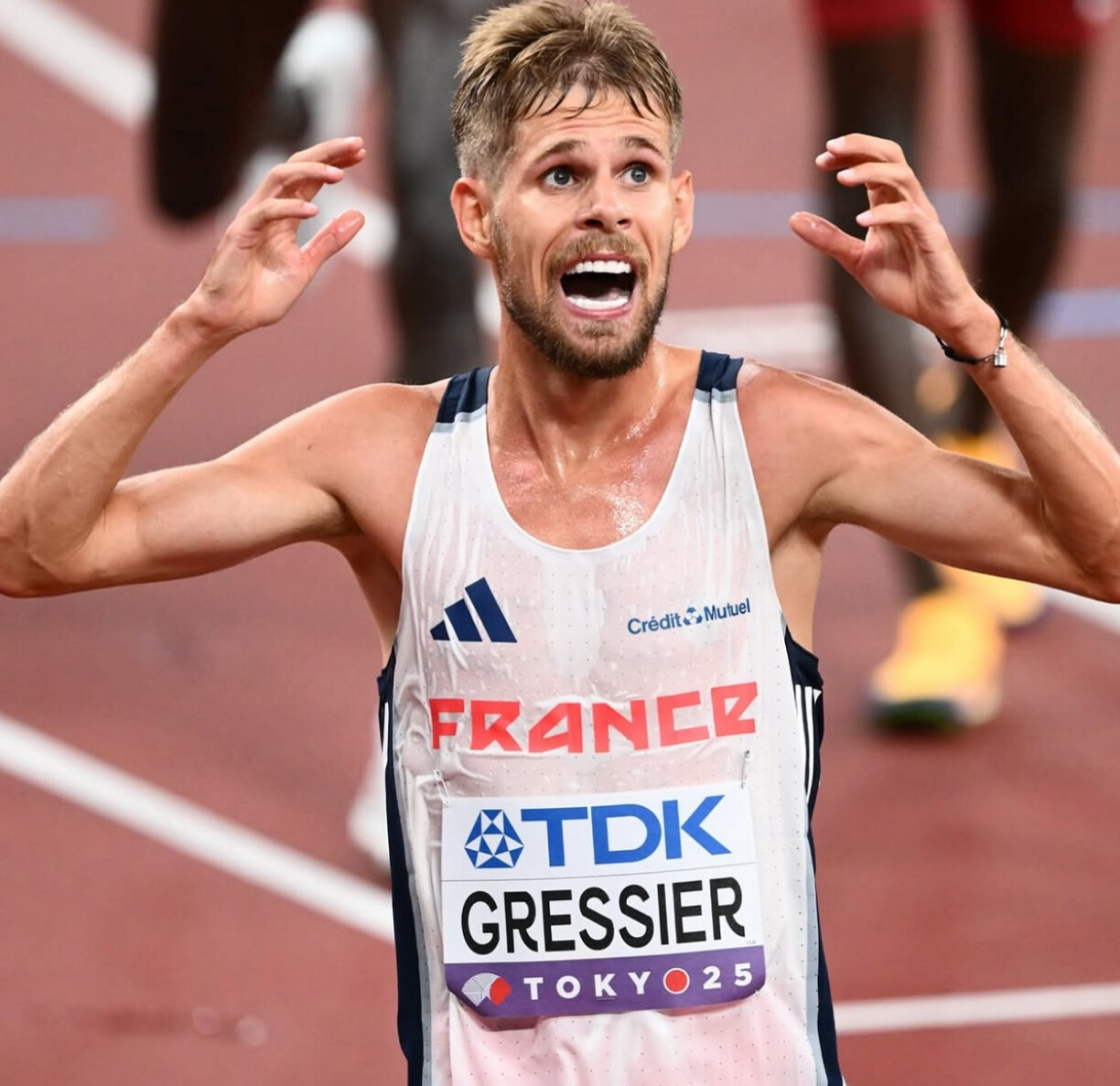
Records on Track and Road
Gressier has rewritten France’s distance running records, and in some cases Europe’s.
• European 5K road record: In 2025, he became the first European to break the 13-minute barrier on the roads, clocking 12:57.
• French national records: He has owned the national bests in both the 5,000m and 10,000m on the track.
• Range: From 3,000m indoors to road races, Gressier has consistently proven his speed and endurance.
These performances made him one of Europe’s most promising distance runners, but until Tokyo he hadn’t converted that talent into senior global hardware.
Close Calls and Lessons Learned
The near misses added to his hunger.
• At the 2021 Tokyo Olympics, he finished 13th in the 5,000m.
• At the 2022 World Championships in Eugene, he placed 11th in the 10,000m.

• At the 2022 European Championships in Munich, he narrowly missed the podium, finishing 4th in the 10,000m.
Each result showed progress, but also left him on the outside looking in when medals were awarded.
The Breakthrough in Tokyo
That changed on a humid night at the 2025 World Championships. The men’s 10,000m was run cautiously, the pack conserving energy for the inevitable burn-up over the final lap. When the bell rang, Gressier positioned himself perfectly. His closing burst in the home straight carried him past Kejelcha by just 0.06 seconds, with Sweden’s Andreas Almgren snatching bronze behind them.
It was a win not just for Gressier, but for European distance running — a reminder that the East African dominance of the 10,000m can be challenged.
Jimmy Gressier celebrates on the biggest stage
Until a few weeks ago, Jimmy Gressier was best known internationally for his celebrations, in particular at the European U23 cross country championshiops. Then he won the Diamond League final at 3000m with a big kick over Grant Fisher. Now he is world champion at 10,000m. He said, “It was a dream, and today I can say it: I am world champion.”
Gressier had shown flashes internationally (5th at the World Road Running Champs in the half marathon), but nothing on the track. He was 13th at last year’s Olympics (one spot behind Nico Young) and only 5th in a tactical European 10,000. He had never medalled at Europeans on the track and had a best finish of just ninth in four previous global finals across the 5,000 and 10,000. But he has run pbs this year in the 1500 (3:32), 3000 (7:30), and 5,000 (12:51), and after his big finish got him the Diamond League win, Gressier said he started to believe anything was possible at Worlds.
He explained: “I surprised myself in Zurich, but not today… I knew I could repeat the same plan, and that’s exactly what happened.” Gressier waited until the final 100m to attack and zig-zagged down the home straight to the title.
What Comes Next
At only 28, Gressier’s career is still entering its peak. With records behind him and now a world title to his name, the Frenchman has options: chasing more global medals on the track, doubling up in the 5,000m, or testing himself further on the roads.
For now, his Tokyo triumph stands as a moment of validation. Years of persistence, hard lessons, and belief came together in a single sprint — and Jimmy Gressier crossed into history.
by Boris Baron
Login to leave a comment
Thrilling Finishes Define 10,000m Races at World Championships in Tokyo
Tokyo, Sept. 14, 2025 — The 10,000m finals at the World Athletics Championships in Tokyo delivered everything fans hope for: tactical battles, dramatic last-lap fireworks, and history-making performances.
Chebet Claims Her First World Title

Kenya’s Beatrice Chebet finally added the missing piece to her resume, storming to her first World Championship gold in the women’s 10,000m. Already an Olympic champion and record-breaker on the roads, Chebet powered home in 30:37.61, unleashing a decisive final lap that left no doubt.
Italy’s Nadia Battocletti pushed hard to the line, setting a new national record for silver, while Ethiopia’s Gudaf Tsegay held on for bronze in the hot and humid conditions.
The race itself was cagey and tactical, with much of the field conserving energy before the closing laps. Chebet’s patience and well-timed surge sealed a long-awaited world crown. She now has her sights on a possible 5,000m–10,000m double in Tokyo.
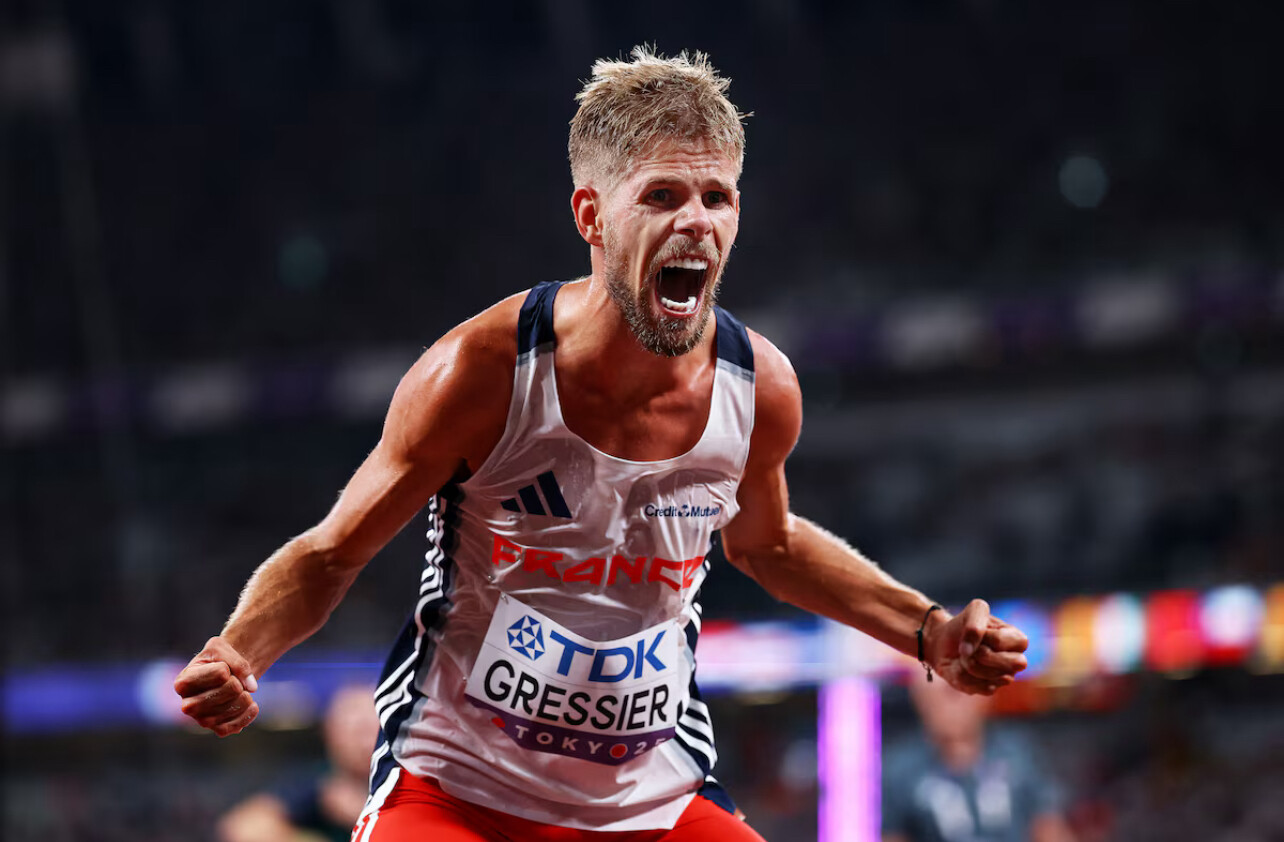
Gressier Shocks the Field in Men’s Race
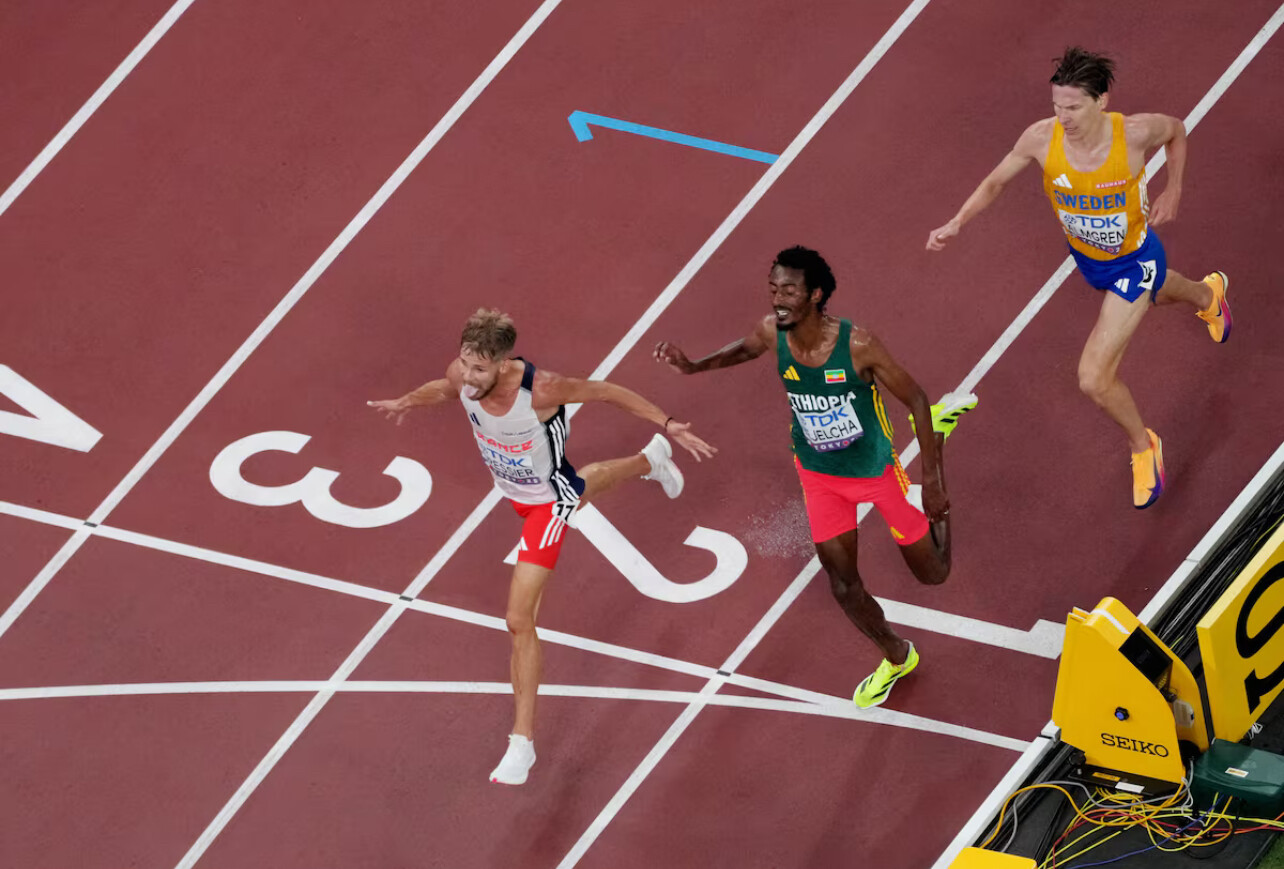
The men’s 10,000m unfolded in similar fashion, with the field bunched tightly until the bell lap. In one of the biggest upsets of the championships so far, Jimmy Gressier of France kicked past Ethiopia’s Yomif Kejelcha in the final strides, capturing gold in 28:55.77 by a margin of just 0.06 seconds.
Sweden’s Andreas Almgren took bronze, as the podium was decided by a frantic sprint down the home straight.
For Gressier, the victory was historic — he became the first non-East African-born athlete in decades to win a men’s 10,000m world title. His triumph underscored how smart tactics and raw finishing speed can still overturn tradition at the highest level.
Lessons from Tokyo
Both 10,000m finals highlighted how championship racing favors tactics over fast times. In the humid Tokyo evening, runners chose patience, waiting for the decisive final laps rather than chasing records. That set the stage for thrilling finishes that tested nerves, positioning, and sprinting strength.
• Chebet’s breakthrough confirmed her as the most complete distance runner in the world today.
• Gressier’s upset win proved that the East African stranglehold on the event is not unshakable.
• Fans were treated to dramatic championship racing at its best — where strategy matters as much as raw talent.
The 2025 World Championships in Tokyo are only just beginning, but the 10,000m finals will be remembered as races where patience, positioning, and perfect timing made all the difference.
by Boris Baron
Login to leave a comment

Monaco Diamond League Preview: Distance Fireworks Expected from 800m to 5000m
The prestigious Monaco Diamond League meet is set to ignite the track today, with a thrilling lineup of distance races headlined by Olympic medalists, world record holders, and rising stars. With world-best times under threat, all eyes turn to Monaco’s lightning-fast track where history is often made July 11.
Men’s 800m – 2:23 p.m. ET

Arguably the most anticipated race of the day, the men’s 800m features seven of the eight Olympic finalists, and talk of David Rudisha’s legendary 1:40.91 world record is swirling. The pace will be red-hot, with athletes hungry to establish themselves ahead of the Paris Olympics.

Expect fireworks early. The pacing is likely to be aggressive, and with such a deep field, a sub-1:43 clocking may not even guarantee a podium spot. With a record on the line, this race is not to be missed.
Women’s 1000m – 2:43 p.m. ET

The rarely-run but always-exciting 1000m could see the 28-year-old world record of 2:28.98, set by Svetlana Masterkova in 1996, finally fall. Faith Kipyegon, the undisputed queen of middle distance, came close with a 2:29.21 earlier this year and owns the second-fastest time ever. She’s the clear favorite to take another crack at history.
Australia’s Jess Hull brings impressive credentials too, coming off a 3:52.67 1500m (the third-best of her career) and showing solid speed with a 1:58.58 800m PB. Also in the mix are:
• Mary Moraa, 800m world champion, with a 2:33.43 1000m PB,
• Nelly Jepchirchir (2:31.24 PB),
• Jemma Reekie (2:31.11 PB),
• Sinclaire Johnson and Addy Wiley, both looking to move up in distance.
With a blend of speed and endurance, this event has record-breaking potential.
Men’s 5000m – 3:05 p.m. ET
Seven men in today’s lineup have broken 12:50 this season, promising one of the fastest 5000m races of the year. Ethiopian sensation Biniam Mehari, just 18 years old, recently stunned with a 26:43.8210,000m win at the Pre Classic and a 12:45.93 at the Oslo Diamond League, where much of the spotlight went to Nico Young’s American record.
Sweden’s Andreas Almgren enters with momentum after clocking a 12:44.27 European record, currently the fastest time in the world this year.
The Ethiopian federation will be watching closely, as Yomif Kejelcha (12:47.84) and Hagos Gebrhiwetare also lining up—both seasoned athletes capable of upsets.
Final Word
Monaco has a storied history of delivering some of the fastest middle-distance times on the planet. With stars like Kipyegon, Mehari, and Almgren peaking at just the right time, the stage is set for records to be rewritten.
Stay tuned. If there’s ever a day to witness distance running greatness, this is it.
by Boris Baron
Login to leave a comment
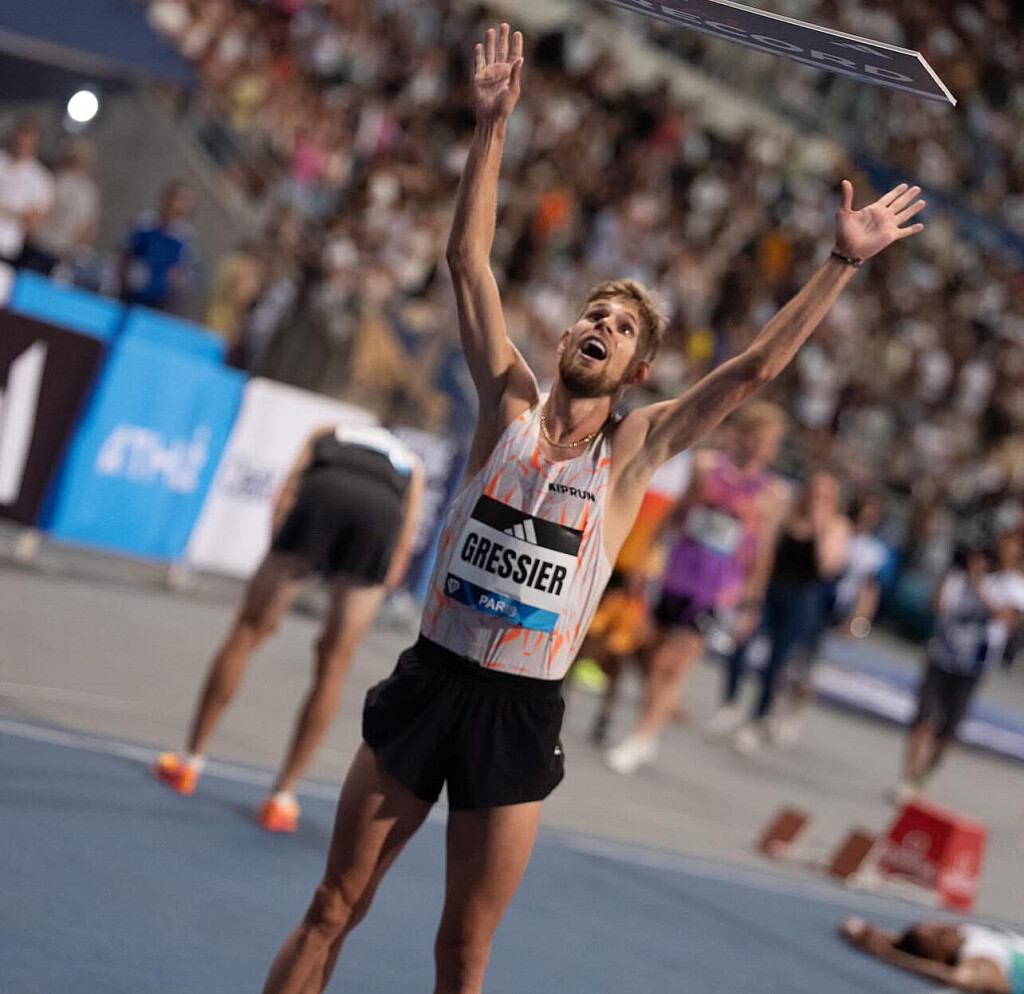
Jimmy Gressier Breaks French 5000m Record at Paris Diamond League
Paris, June 20, 2025 – In front of an electric home crowd at the Wanda Diamond League Meeting de Paris, Jimmy Gressier delivered the race of his life. The 28-year-old French distance star shattered his own national record in the 5000m, crossing the line in 12:51.59 to finish fourth in a stacked international field.
This performance not only marked a personal best for Gressier, but also cemented his place among the world’s elite, as one of only a handful of Europeans to run under 12:52 in the event.
“I might not be at 100%, but I didn’t want to miss out on being part of the celebration,” Gressier said before the race. That mindset paid off.
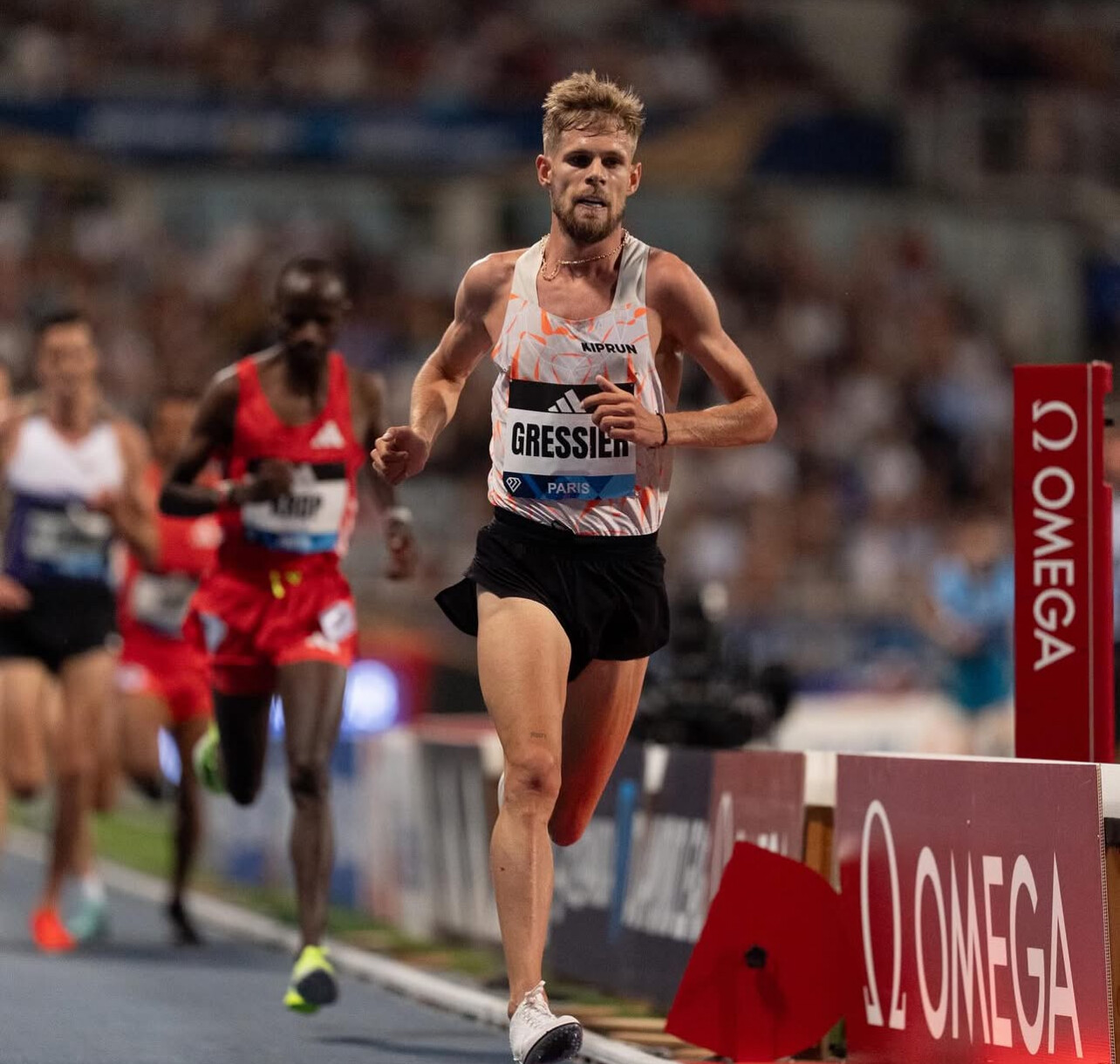
Racing Against the Best in the World
The race was won by Ethiopia’s Yomif Kejelcha, who clocked 12:47.84, followed closely by America’s Graham Blanks in 12:48.16 and Kenya’s Jacob Krop in 12:49.71. Gressier held his own against the top-tier field, surging in the final laps to break his previous French record of 12:54.92 (set indoors in 2024) by more than three seconds.
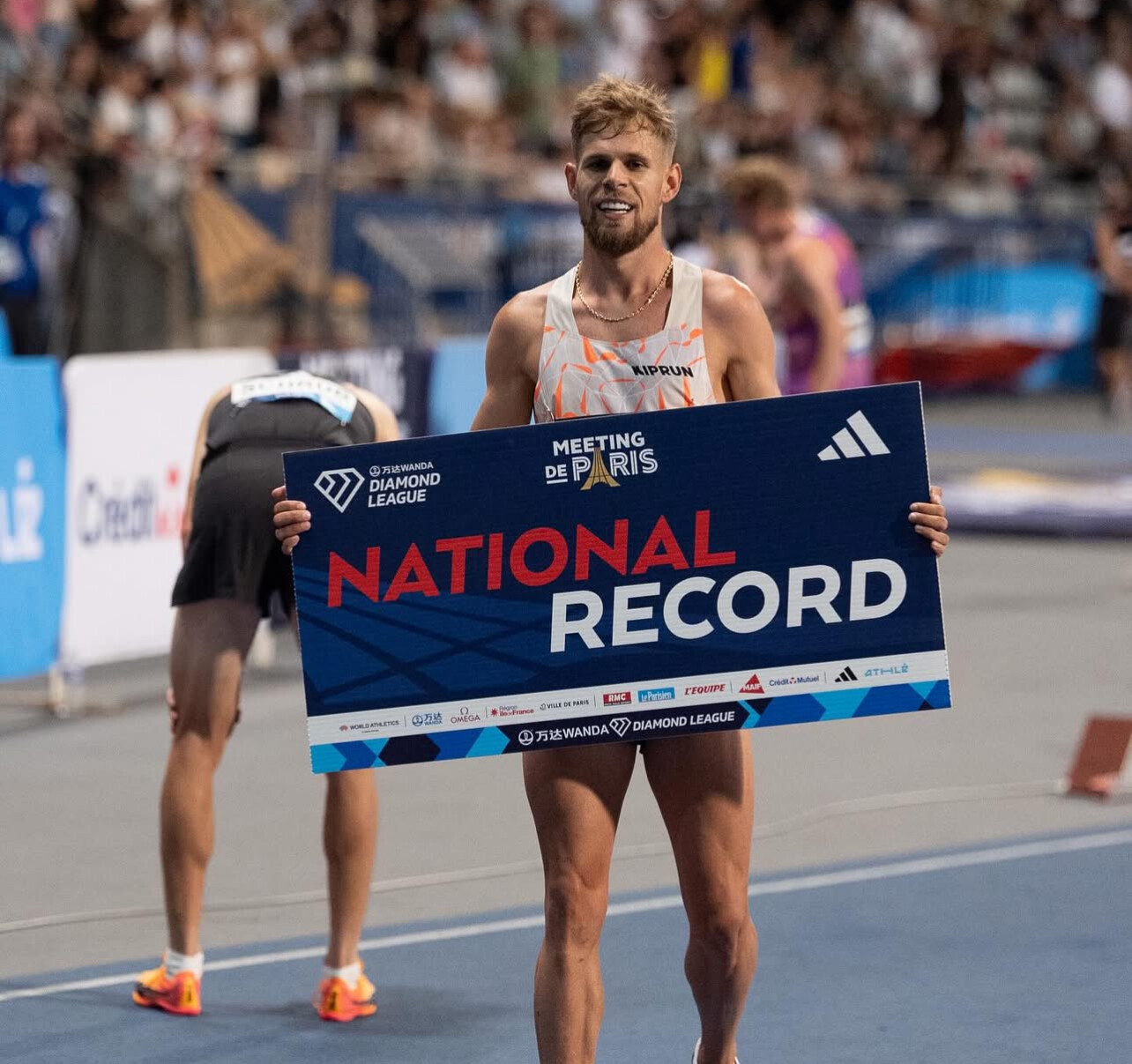
His fourth-place finish came with style and grit, as he crossed the line visibly elated, later holding up a large sign reading “National Record” to the roaring approval of the French fans at Stade Charléty.
A Milestone on the Road to Tokyo

Gressier’s record-setting run is a timely confidence boost ahead of the upcoming World Championships in Tokyo. A consistent performer on the European road and cross-country circuits, he now proves he can contend with the world’s best on the track as well.
Already the European 5 km road record holder and a multi-time national champion, Gressier is building one of the most versatile résumés in distance running today. His strength across surfaces and distances—from indoor tracks to rolling road courses—positions him as a serious contender for a medal on the global stage.
“Breaking the national record by over three seconds against this level of competition shows I’m on the right path,” Gressier said after the race.
What’s Next for Gressier?
With this new national record under his belt, Gressier’s focus now shifts to Tokyo, where the French star hopes to translate his breakthrough into a podium finish. He remains committed to a robust training block under longtime coach Dinielle Arnaud, with fine-tuning to be done before the biggest race of his life.
The Rise of French Distance Running
Gressier’s performance isn’t just personal—it’s symbolic. For French athletics, his record represents a resurgence in elite distance running. With Paris having hosted the Olympics just a year earlier, the momentum behind the sport in France is real. Gressier’s run serves as inspiration to a new generation of French runners aiming to follow in his fast footsteps.
Jimmy Gressier’s 12:51.59 at the 2025 Paris Diamond League is more than a national record—it’s a bold message to the world. He’s not just running with the best—he’s becoming one of them.
by Boris Baron
Login to leave a comment
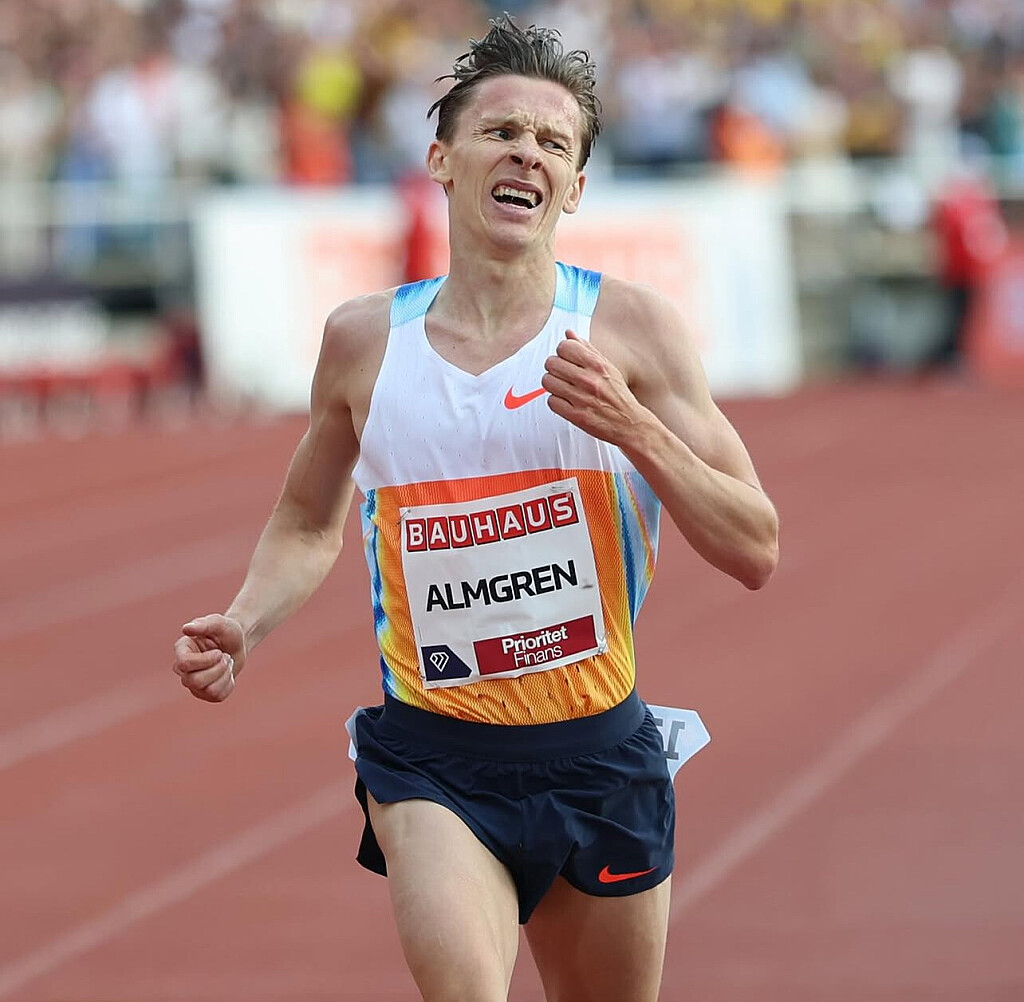
Andreas Almgren Stuns the World with 12:44.27 in Stockholm 5000m, Smashing European Record and Entering All-Time Top 10
Swedish distance star Andreas Almgren delivered the race of his life at the Stockholm Diamond League, clocking a breathtaking 12:44.27 to win the men’s 5000m and send shockwaves through the global distance running world. His time not only shattered the European Record (ER) and the meet record, but it also catapulted him into the top 10 fastest performers in history, now ranking #8 all-time.
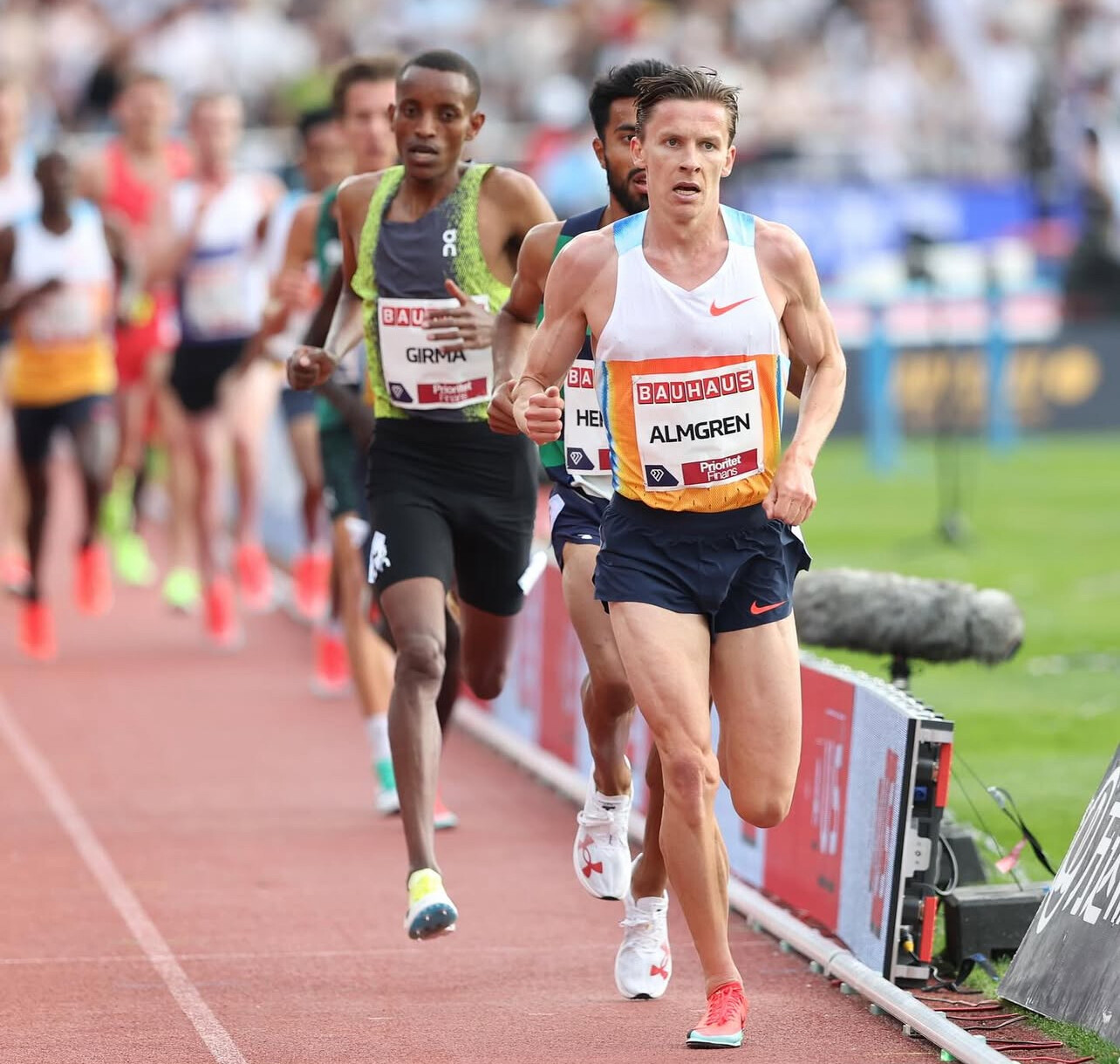
The home crowd in Stockholm witnessed a historic moment as Almgren, traditionally known for his prowess over 800m and 1500m, made a stunning statement in the long-distance arena. He became the first European ever to dip under 12:45 and now holds the fastest 5000m time ever run by a European athlete, surpassing Spain’s Mohamed Katir (12:45.01 from 2023).


? Top Results – Men’s 5000m (Stockholm Diamond League)
1. Andreas Almgren (Sweden) – 12:44.27 ?? ER MR
2. Kama Girma (Ethiopia) – 12:57.46 ??
3. Ky Robinson (Australia) – 12:58.38 ??
4. Mike Foppen (Netherlands) – 13:02.43 ??
5. Kenneth Kiprop (Uganda) – 13:02.69 ??
6. Denis Kipkoech (Kenya) – 13:07.02 ??
All-Time Men’s 5000m Rankings (As of June 2025)
Andreas Almgren now stands 8th on the all-time global list, behind legends like Cheptegei, Bekele, and Gebrselassie.
|
Rank |
Athlete |
Country |
Time |
Year |
|
1 |
Joshua Cheptegei |
UGA |
12:35.36 |
2020 |
|
2 |
Kenenisa Bekele |
ETH |
12:37.35 |
2004 |
|
3 |
Haile Gebrselassie |
ETH |
12:39.36 |
1998 |
|
4 |
Daniel Komen |
KEN |
12:39.74 |
1997 |
|
5 |
Hagos Gebrhiwet |
ETH |
12:42.18 |
2023 |
|
6 |
Selemon Barega |
ETH |
12:43.02 |
2018 |
|
7 |
Mohamed Katir |
ESP |
12:45.01 |
2023 |
|
8 |
Andreas Almgren |
SWE |
12:44.27 |
2025 ✅ |
|
9 |
Yomif Kejelcha |
ETH |
12:46.79 |
2023 |
|
10 |
Berihu Aregawi |
ETH |
12:46.91 |
2021 |
Pace Breakdown – Almgren’s 12:44.27
• Per kilometer: 2:32.85/km
• Per mile: 4:05.57/mile
(12:44.27 = 764.27 seconds total
5000 meters = 5 kilometers or 3.10686 miles)
A New Era in Distance Running?
The Stockholm performance underscores a growing shift in elite distance running. For decades, Kenya, Ethiopia, and Uganda have been dominant in the 5000m and 10,000m, but Almgren’s performance—alongside strong finishes by Australia’s Ky Robinson and the Netherlands’ Mike Foppen—suggests a broader international resurgence.
As the World Championships in Tokyo loom, Almgren’s breakout raises the stakes. Can the Swede replicate this form against the likes of Cheptegei and Barega on the biggest stage of all?
One thing is clear: the race to the podium in global distance running is no longer limited to East Africa. Andreas Almgren has kicked open the door—and the world is watching.
by Boris Baron
Login to leave a comment
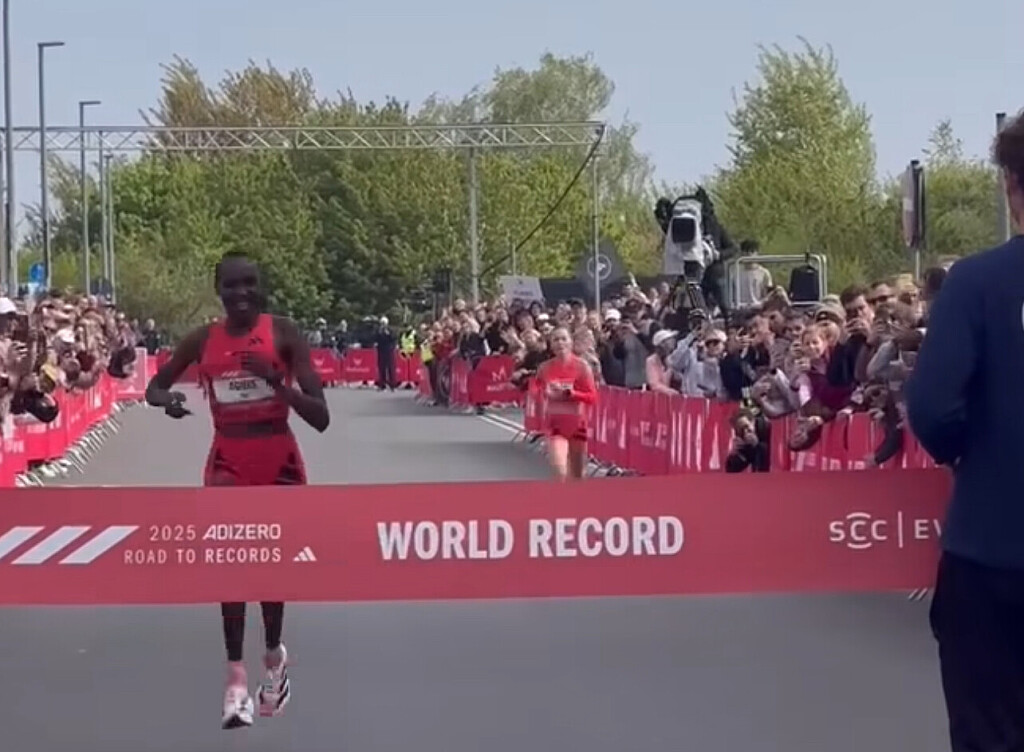
Agnes Ngetich Breaks Barriers with Historic 10K World Record at adidas Road to Records
Kenya’s Agnes Jebet Ngetich delivered a groundbreaking performance at the 2025 Adizero: Road to Records event in Herzogenaurach, Germany, becoming the first woman to run a women-only 10km road race in under 30 minutes. She crossed the finish line in 29:27, surpassing the previous women-only world record of 30:01 set by the late Agnes Tirop in 2021.
Ngetich, 24, maintained a swift pace from the outset, reaching the halfway mark in 14:37. Despite a slight slowdown in the latter half, she completed the second 5km in 14:50, ensuring all kilometers were run in under three minutes.
This achievement adds to Ngetich’s impressive record; in January 2024, she set the mixed-race 10km world record with a time of 28:46 in Valencia.
Expressing her elation post-race, Ngetich said, “I’m so excited. I didn’t expect this. Last year I missed it by two seconds, so I wanted to come here today and try for it again. I’m so proud of myself. After missing out on the Olympics last year, I want to make up for it this year at the world championships.”
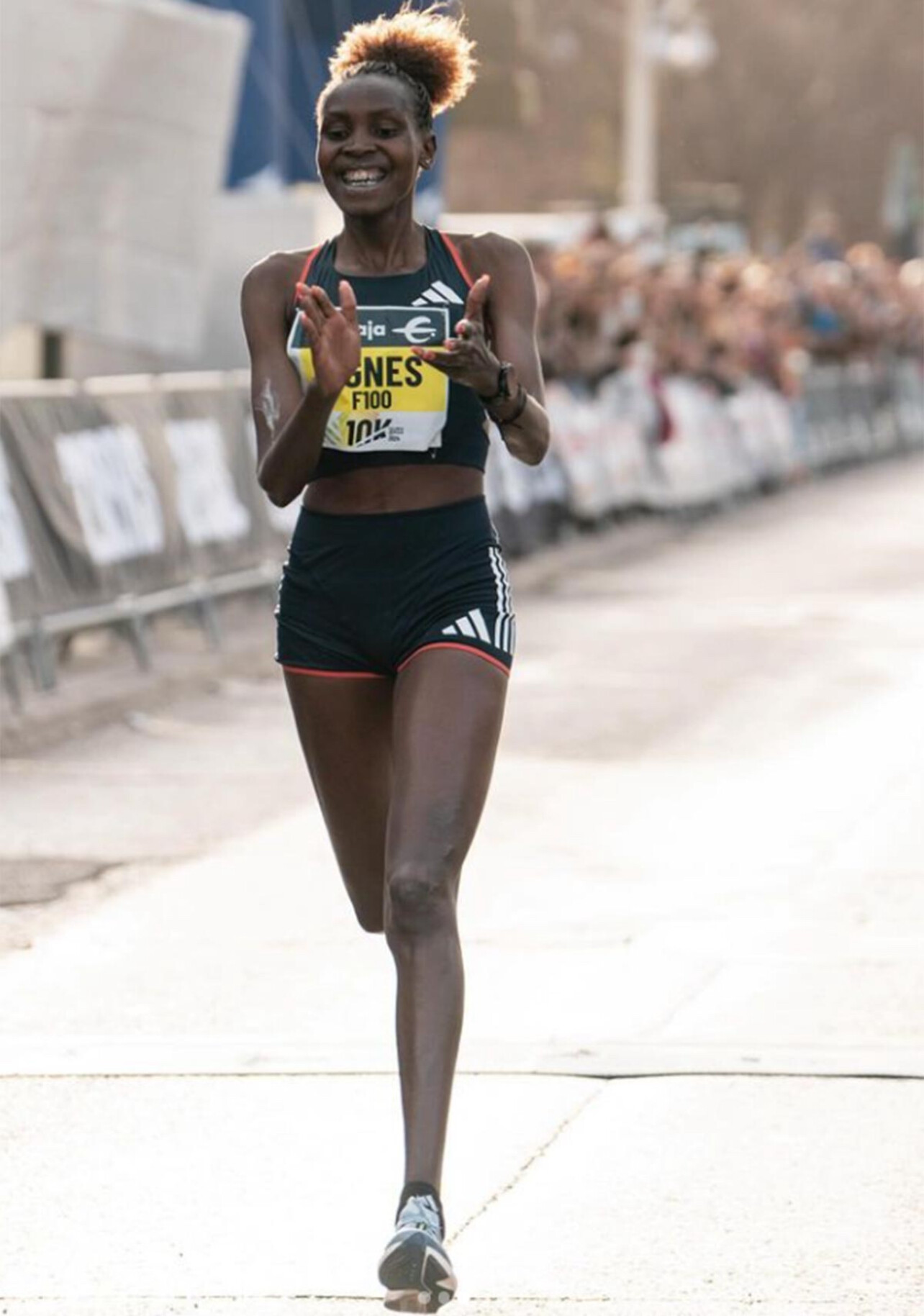
The Adizero: Road to Records event also witnessed remarkable performances in other categories. In the men’s 10km, Birhanu Balew of Bahrain, Gemechu Dida of Ethiopia, and Rodrigue Kwizera of Burundi all finished in 26:54. Ethiopia’s Medina Eisa clinched the women’s 5km title with a time of 14:48, while compatriot Yomif Kejelcha won the men’s 5km in 12:54.
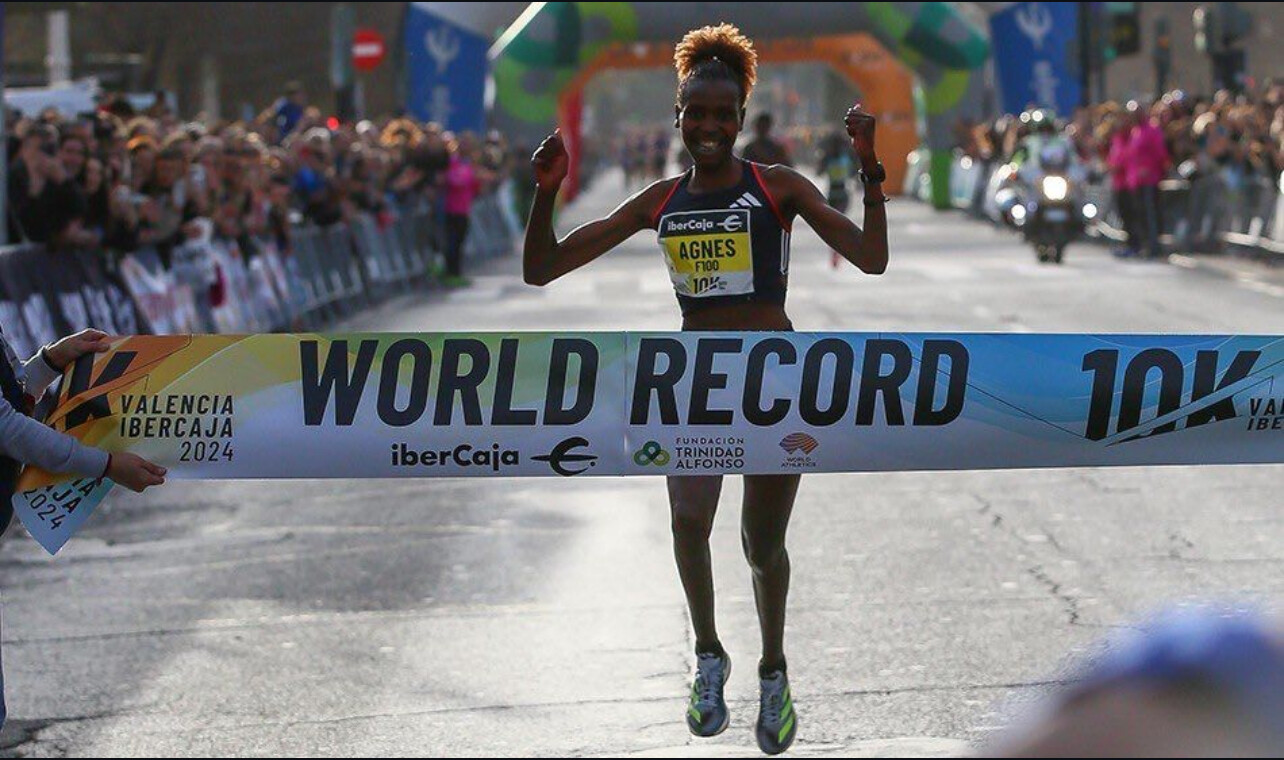
The event, hosted at adidas’ global headquarters, continues to be a platform where elite athletes push the boundaries of human performance, with today’s races adding to its legacy of record-breaking achievements.
by Boris Baron
Login to leave a comment

ADIZERO: ROAD TO RECORDS
Adidas HQ in Herzogenaurach, Germany played host to elite adidas athletes competing on a specially designed course around the adidas World of Sport campus across 5km, 10km and 21km distances The course followed a loop of approximately 2.5km on a smooth tarmac surface with a slight elevation on each lap. Conditions were perfect as the first event,...
more...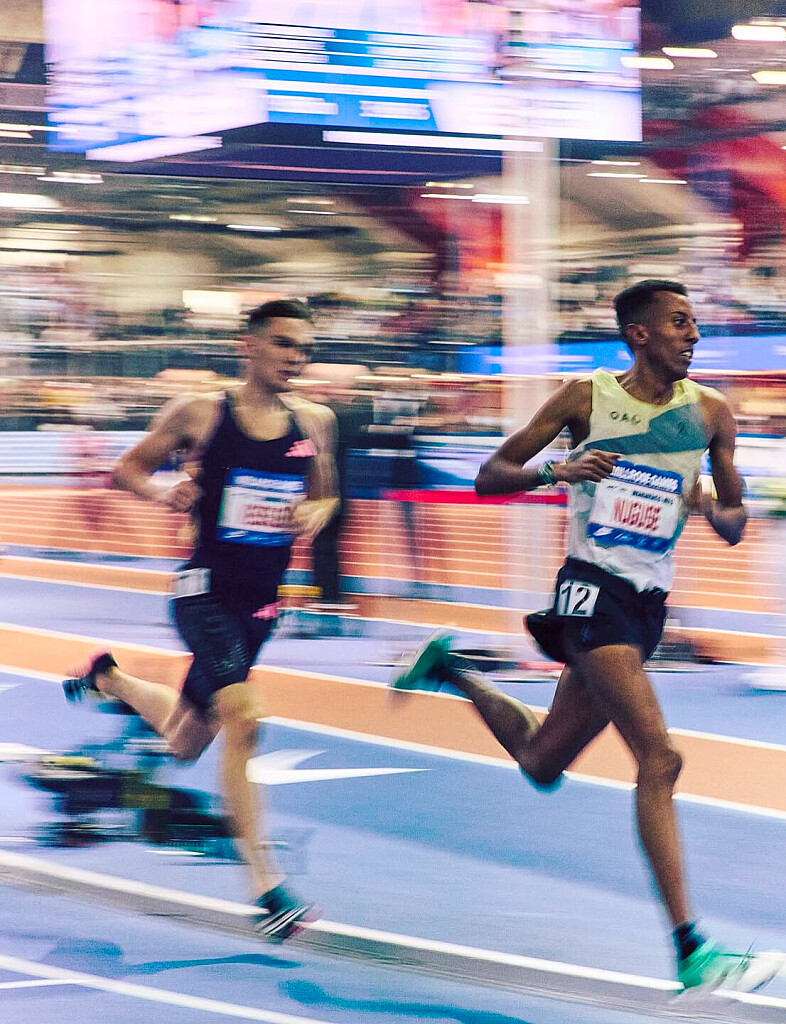
Vared Nuguse Aims to Reclaim Indoor Mile World Record in Boston
Yared Nuguse is taking another shot at history. This Sunday at Boston University’s Last Chance National Qualifier, the American middle-distance star will attempt to break Jakob Ingebrigtsen’s indoor mile world record of 3:45.14. He’ll have help in the form of pacers and pacing lights, but it’ll still take an all-out effort to bring the record back to U.S. soil.
Nuguse first set the record at the Millrose Games on February 8, running 3:46.63 to surpass Yomif Kejelcha’s 3:47.01 mark from 2019. But just five days later, Ingebrigtsen took the record down in Liévin, clocking 3:45.14 and putting himself in a league of his own. Now, Nuguse is back on the track, looking to erase the Norwegian’s name from the books.

The setting for this attempt couldn’t be better. Boston University’s track is known for producing fast times, and with a carefully planned race setup, Nuguse has a real shot at reclaiming the record. His training and recent performances suggest he’s in shape to run faster than he did at Millrose, but shaving off nearly 1.5 seconds to surpass Ingebrigtsen is a daunting challenge.
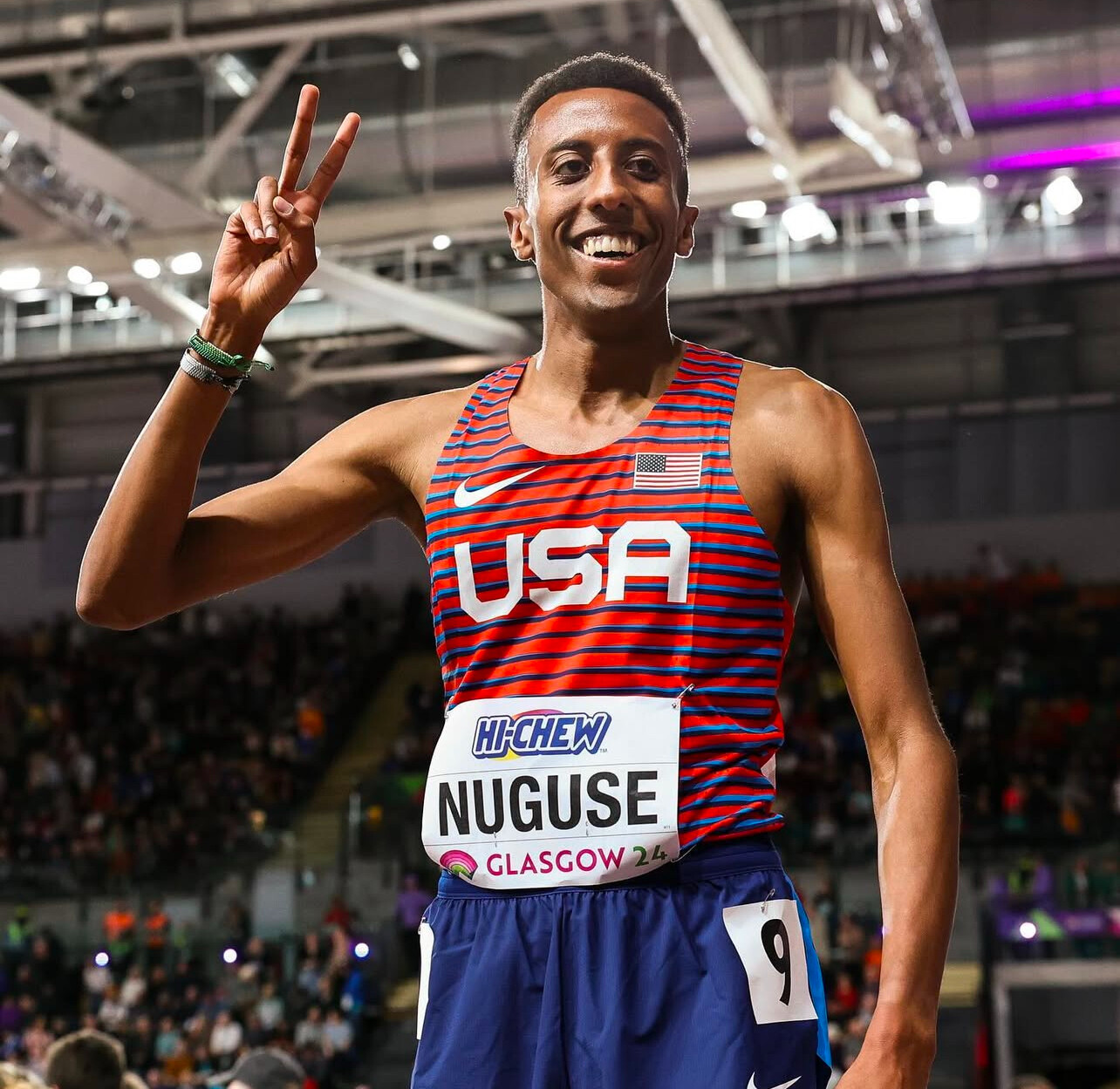
Whether he gets the record or not, this is a big moment in the ongoing battle for dominance in middle-distance running. Nuguse has proven he can rise to the occasion, and with the right execution, Sunday could be another milestone in his growing legacy.
by Boris Baron
Login to leave a comment
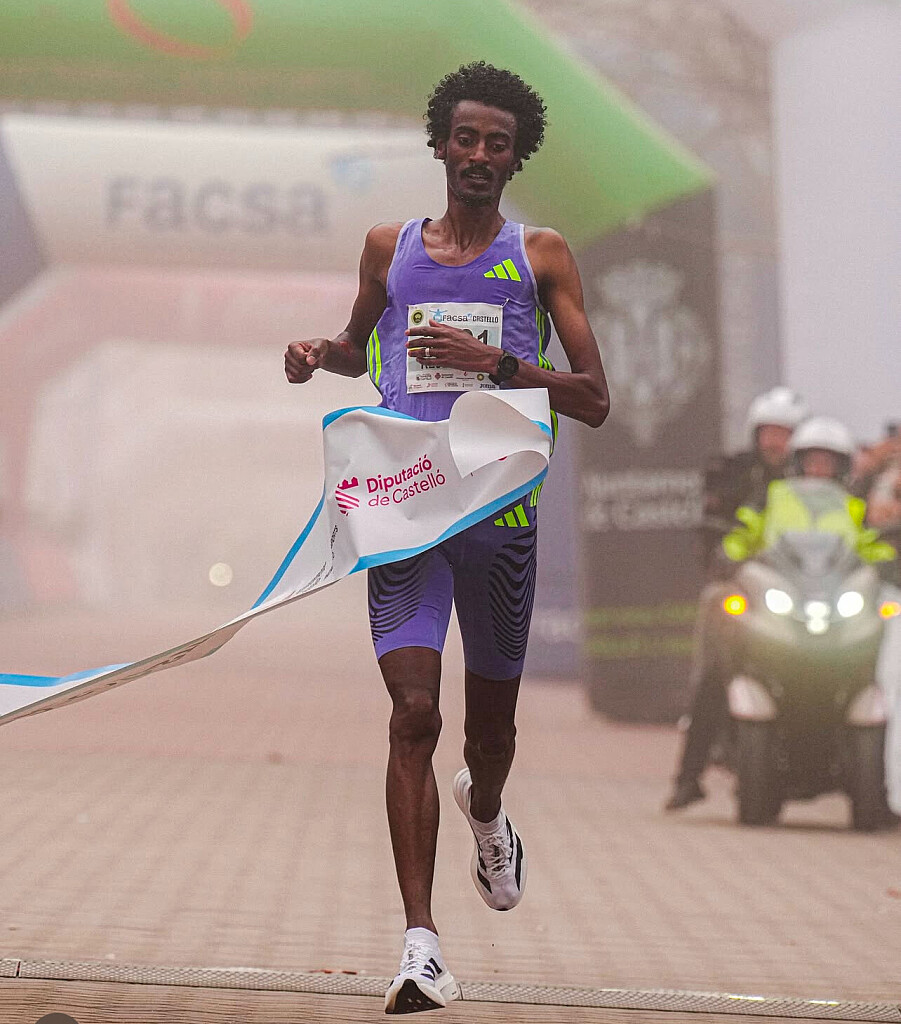
Yomif Kejelcha Runs Second Fastest 10K Ever on Road with 26:31 at Castellón
Yomif Kejelcha delivered a stunning performance at the Castellón 10K, clocking a personal best and course record time of 26:31. The Ethiopian star, known for his versatility across middle and long-distance events, continues to prove why he is one of the most formidable runners in the world today.
A Performance for the Ages
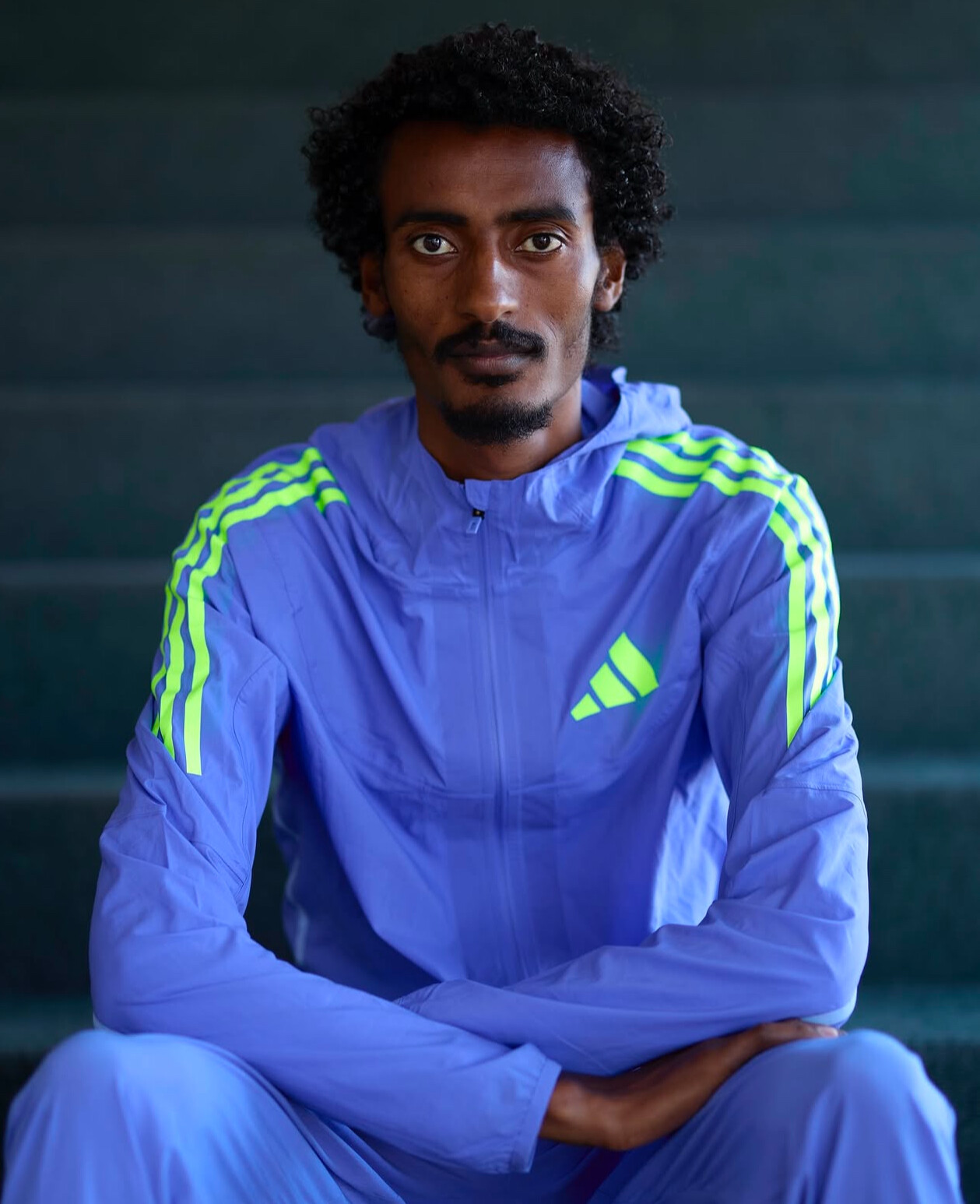
Kejelcha’s time of 26:31 is the second fastest ever recorded for 10 kilometers on the road, trailing only Rhonex Kipruto’s world record of 26:24 set in Valencia in 2020. He showcased his incredible endurance and speed, setting a blistering pace from the start and maintaining it through the streets of Castellón. His performance not only secured him the win but also solidified his place among the all-time greats in road racing.
The previous course record stood as a benchmark for elite performances, but Kejelcha demolished it with authority. His ability to transition between track and road racing at such a high level highlights his exceptional talent and training.
The Evolution of Yomif Kejelcha
Kejelcha has long been a dominant force in distance running. A two-time World Indoor Champion in the 3000m, he has also excelled on the track with a 12:46.79 personal best in the 5000m and a fo former indoor world record of 3:47.01 in the mile. His progression to longer road races has been remarkable, and this latest achievement suggests he is just getting started in rewriting records on the roads.
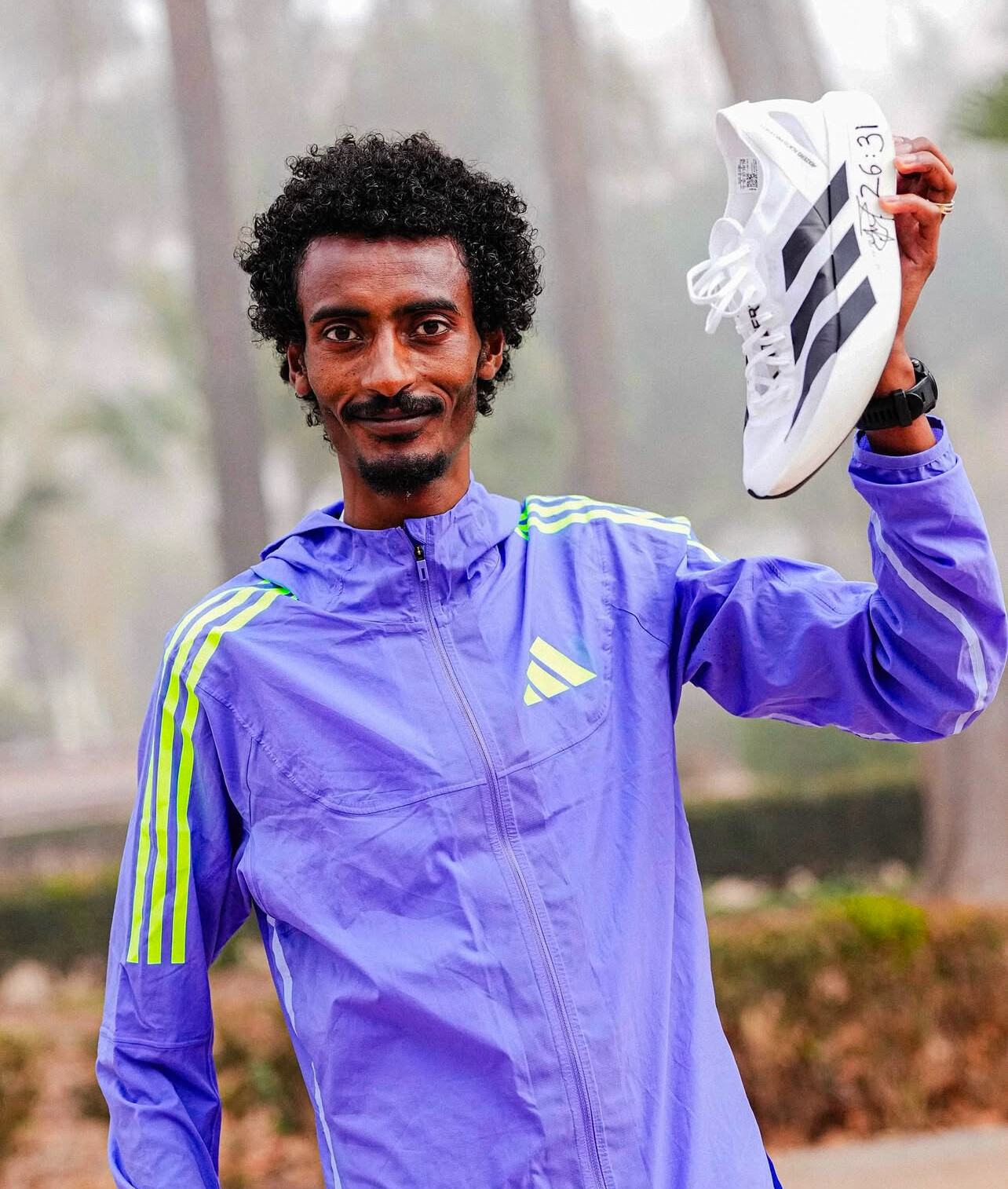
With this performance, Kejelcha joins again an elite club of sub-27-minute 10K road runners, a testament to his endurance and tactical brilliance. The road racing scene has seen unprecedented speed in recent years, with top athletes pushing the boundaries of what’s possible, and Kejelcha’s performance is yet another milestone in that progression.
What’s Next for Kejelcha?
With his new personal best, Kejelcha will undoubtedly be a contender in upcoming major road races and championship events. Whether he continues his focus on the 10K or makes an even stronger push into the half marathon and marathon distances remains to be seen, but one thing is certain—he is a runner to watch.
The Castellón 10K has witnessed history, and Yomif Kejelcha has once again shown why he is one of the premier distance runners in the world. His 26:31 finish not only sets a new course record but also raises the bar for what’s possible in road racing.
Top 10 Men's 10K Road Race Performances
As of February 2025, here are the top 10 fastest men's 10K road race times:
26:24 – Rhonex Kipruto (Kenya), Valencia, Spain, January 12, 2020
26:31 – Yomif Kejelcha (Ethiopia), Castellón, Spain, February 2025
26:33 – Berihu Aregawi (Ethiopia), Laredo, Spain, March 11, 2023
26:37 – Yomif Kejelcha (Ethiopia), Laredo, Spain, March 16, 2024
26:38 – Joshua Cheptegei (Uganda), Valencia, Spain, December 1, 2019
26:44 – Leonard Patrick Komon (Kenya), Utrecht, Netherlands, September 26, 2010
26:48 – Jacob Kiplimo (Uganda), Valencia, Spain, January 14, 2024
26:49 – Sebastian Sawe (Kenya), Herzogenaurach, Germany, April 29, 2023
26:50 – Kibiwott Kandie (Kenya), Herzogenaurach, Germany, April 30, 2022
26:51 – Nicholas Kimeli (Kenya), Brașov, Romania, September 25, 2022
Note: The above times are based on official records as of February 2025.
by Boris Baron
Login to leave a comment

10k Facsa Castello
The 10K FACSA Castelló is one of Spain’s fastest and most prestigious road races, drawing elite and amateur runners from around the world. Held in Castellón de la Plana, this race has grown exponentially, earning a reputation for its flat, high-speed course and exceptional organization. It holds a World Athletics Road Race Label, placing it among the top road races...
more...
The Evolution of the Half Marathon From Breaking One Hour to a New Era
“It was not that many years ago that breaking an hour for the half marathon was an amazing feat,” says My Best Runs editor Bob Anderson. “And today, we saw that record dip under 57 minutes. That’s running 4:19 mile pace for 13.1 miles. Wow!”
The half marathon, a 21.0975-kilometer (13.1-mile) race, has long been a benchmark of endurance and speed. For decades, breaking one hour in the event was considered an extraordinary achievement. But as training, technology, and competition have advanced, so have the records. On February 16, 2025, Uganda’s Jacob Kiplimo took the event into a new era, becoming the first person to break 57 minutes with a stunning world record of 56:42 at the eDreams Mitja Marató de Barcelona.
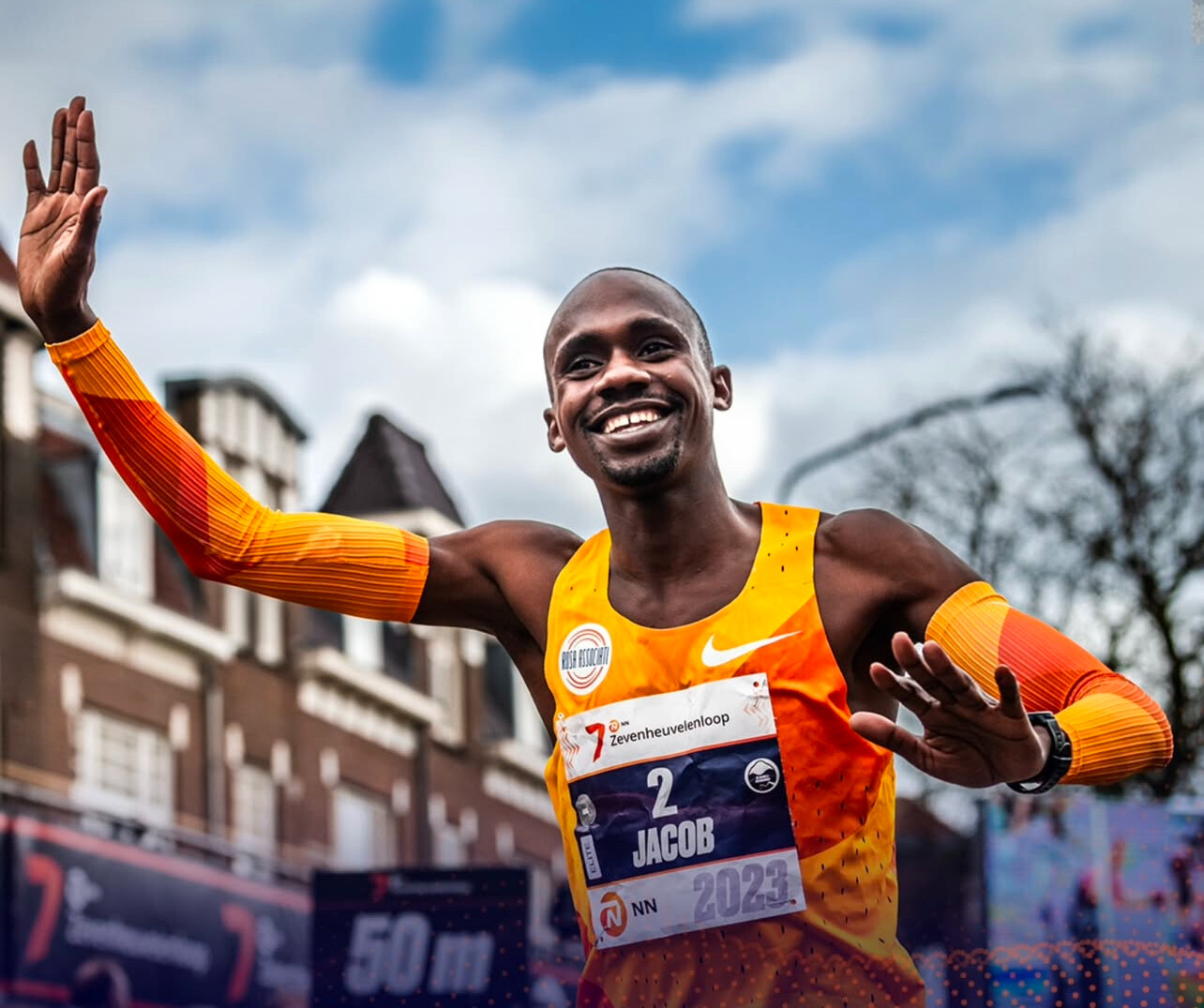
The history of the half marathon
The half marathon has been a competitive event since at least the early 20th century, though it did not gain widespread popularity until later. It emerged as a race distance that was more accessible than the full marathon but still required a balance of endurance and speed. Unlike the marathon, which has been an Olympic event since 1896, the half marathon has never been included in the Games, but it has had its own World Championships since 1992.
With the rise of professional distance running and major city half marathons, the event has grown into one of the most participated-in races worldwide. Many view it as a stepping stone to the full marathon, while others appreciate it as a challenging yet more manageable race.
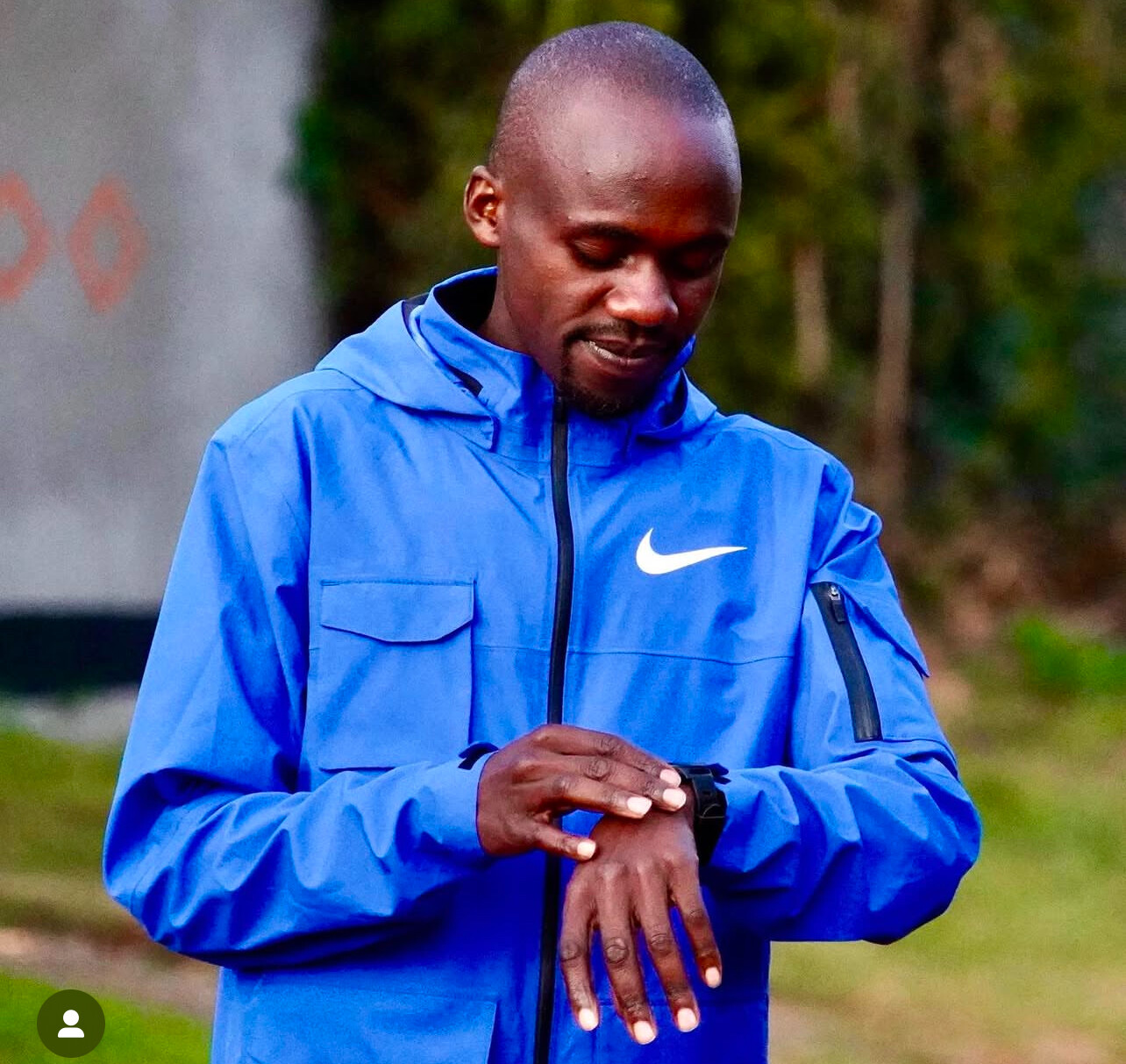
Breaking one hour The milestones
The quest to run a half marathon in under one hour became a defining goal for elite male distance runners. While marathon times had been steadily improving throughout the 20th century, the half marathon saw a more gradual progression.
1960: Australian runner Dave Power ran an unofficial best of 1:01:44.
1974: Ron Hill of Great Britain set a recognized world best of 1:02:22.
1978: Italy’s Marcello Fiasconaro improved the mark to 1:01:49.
1985: Steve Jones of Great Britain ran 1:01:14, bringing the record closer to the one-hour barrier.
1993: Moses Tanui of Kenya became the first man to break one hour, running 59:47.
Once Tanui shattered the one-hour barrier, improvements became more frequent, with Kenyan and Ethiopian athletes dominating the event.
1997: Paul Tergat (Kenya) ran 59:17.
2005: Samuel Wanjiru (Kenya) ran 59:16, then 58:33 in 2007.
2010: Zersenay Tadese (Eritrea) set a long-standing record of 58:23.
2020: Kibiwott Kandie (Kenya) became the first to break 58 minutes, running 57:32.
2021: Jacob Kiplimo (Uganda) set a new record at 57:31.
2024: Yomif Kejelcha (Ethiopia) improved it to 57:30.
2025: Jacob Kiplimo rewrote history with 56:42.
The women's half marathon world record
On the women’s side, the world record has seen significant improvements as well. Ethiopia’s Letesenbet Gidey currently holds the record, running 1:02:52 on October 24, 2021, at the Valencia Half Marathon. This was a massive leap forward, making her the first woman to break 64 minutes.
Previous records include:
1982: Joan Benoit Samuelson (USA) ran 1:08:34.
2001: Elana Meyer (South Africa) became the first woman to break 67 minutes, running 1:06:44.
2007: Lornah Kiplagat (Netherlands) set a world record of 1:06:25.
2017: Joyciline Jepkosgei (Kenya) became the first woman under 65 minutes, running 1:04:52.
2021: Letesenbet Gidey shattered expectations with 1:02:52.
A new era for the half marathon
With Kiplimo’s record-breaking 56:41, the half marathon has entered uncharted territory. His ability to maintain a 4:19 per mile pace for 13.1 miles is a testament to the evolution of the sport. Advances in training methods, course selection, pacing strategies, and shoe technology have all contributed to these record-breaking performances.
The question now is what comes next. Will someone push the limits even further and run under 56 minutes? Will Kiplimo’s record stand for years, or will it spark another round of breakthroughs?
For now, all eyes turn to Kiplimo’s next challenge: his marathon debut at the London Marathon on April 27, 2025. If his half marathon success is any indication, the world may soon see him make history over 26.2 miles as well.
One thing is certain—the evolution of the half marathon is far from over, and the best may still be yet to come.
by Boris Baron
Login to leave a comment
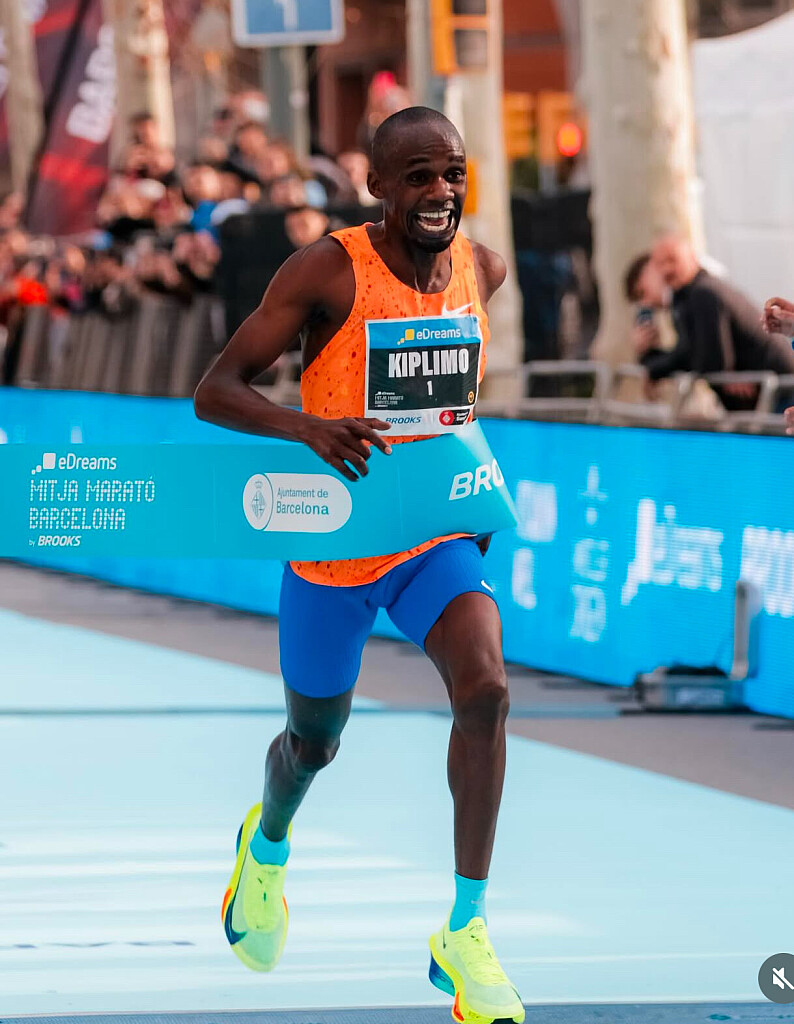
Jacob Kiplimo Shatters Half Marathon World Record with Historic Sub-57 Performance
On February 16, 2025, Ugandan long-distance runner Jacob Kiplimo delivered a historic performance at the eDreams Mitja Marató de Barcelona, setting a new men's half marathon world record with a time of 56 minutes and 42 seconds. This remarkable run shattered the previous record of 57:30, held by Ethiopia’s Yomif Kejelcha since October 2024, by an astonishing 49-second margin.
Kiplimo's achievement makes him the first athlete ever to complete the half marathon distance in under 57 minutes, representing the most significant improvement in the men’s half marathon world record to date. The 24-year-old credited the ideal race conditions in Barcelona for his unprecedented feat.
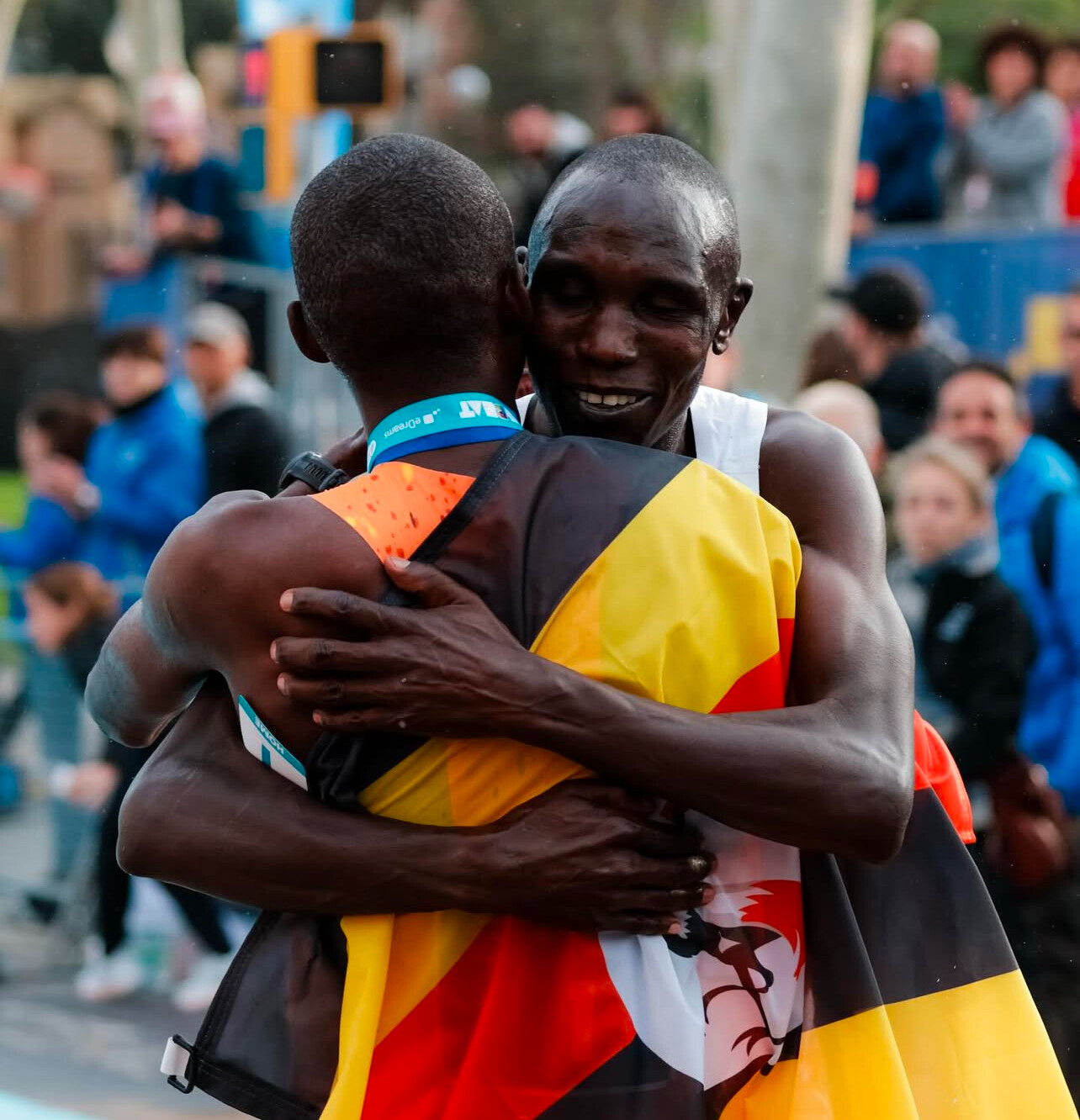
“The temperature was perfect, there was no wind at all, and the course was fantastic—everything went better than expected,” Kiplimo said after the race.
A Perfect Race Strategy
Kiplimo approached the race with a calculated strategy, setting an aggressive yet controlled pace from the start. By the third kilometer, he felt strong and decided to push the tempo further, creating an unstoppable rhythm that led to his record-breaking sub-57-minute finish.
With cool 13°C (55°F) weather, no wind, and Barcelona’s famously flat and fast course, Kiplimo capitalized on the conditions to achieve a performance that will be remembered for years to come. His average pace over the 21.1-kilometer course was an astonishing 2:41 per kilometer or 4:19 per mile, making this one of the fastest sustained performances in distance running history. His 15k split was 39:47, best time ever at that distance.
A Legacy of Dominance in Distance Running
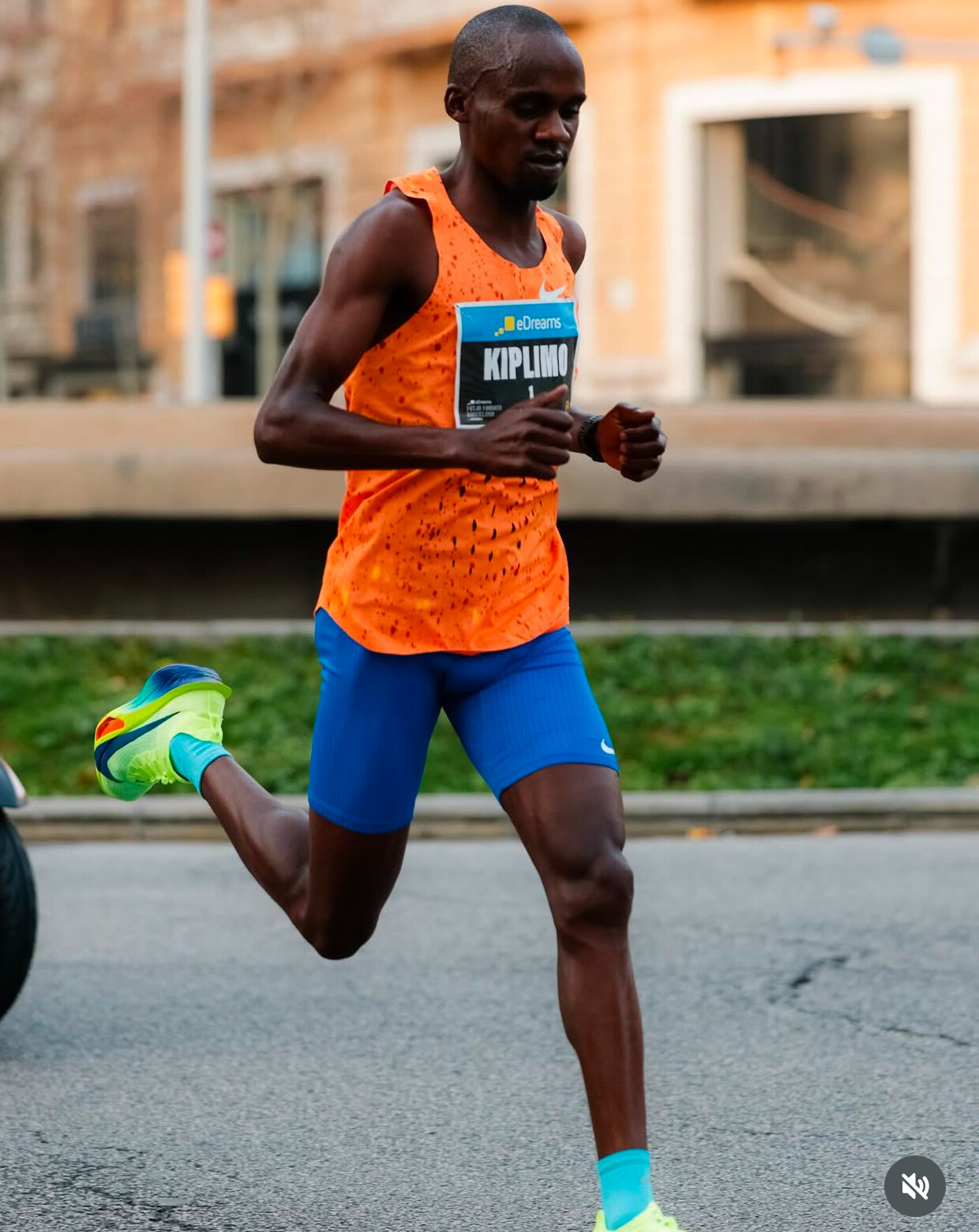
This latest achievement further solidifies Kiplimo’s position as one of the world’s premier distance runners. His accolades include:
Olympic success: Bronze medalist in the 10,000 meters at the Tokyo 2020 Olympics.
Cross country dominance: Two-time World Cross Country Champion.
Half marathon excellence: Previous world record holder with a time of 57:31, set in Lisbon in 2021.
Now, with a sub-57-minute half marathon, he has redefined the possibilities in the event.
A Look to the Future: Marathon Debut in London
Following his world record performance, Kiplimo announced that he will not compete again until making his marathon debut at the London Marathon on April 27, 2025. His transition to the 42.195-kilometer distance has been highly anticipated, and with his strength, speed, and endurance, many believe he could make an immediate impact on the world marathon scene.
His Barcelona performance indicates peak condition, and the running community eagerly awaits to see if he can translate his half marathon dominance into full marathon success.
Men's Top 10 Finishers:
Jacob Kiplimo (Uganda) – 56:42 (World Record)
Geoffrey Kamworor (Kenya) – 58:44
Samwel Mailu (Kenya) – 59:40
Birhanu Legese (Ethiopia) – 1:00:15
Philemon Kiplimo (Kenya) – 1:00:22
Mule Wasihun (Ethiopia) – 1:00:35
Leonard Barsoton (Kenya) – 1:00:50
Abdi Nageeye (Netherlands) – 1:01:05
Sondre Nordstad Moen (Norway) – 1:01:20
Julien Wanders (Switzerland) – 1:01:35
Women's Top 10 Finishers:
Joyciline Jepkosgei (Kenya) – 1:04:13
Letesenbet Gidey (Ethiopia) – 1:04:35
Ruth Chepngetich (Kenya) – 1:04:50
Yalemzerf Yehualaw (Ethiopia) – 1:05:05
Hellen Obiri (Kenya) – 1:05:20
Brigid Kosgei (Kenya) – 1:05:35
Peres Jepchirchir (Kenya) – 1:05:50
Sifan Hassan (Netherlands) – 1:06:05
Almaz Ayana (Ethiopia) – 1:06:20
Lonah Chemtai Salpeter (Israel) – 1:06:35
Kiplimo’s sub-57-minute performance in Barcelona has transformed the landscape of distance running. His ability to maintain a blistering pace throughout the race not only redefines human potential but also inspires the next generation of athletes to push beyond perceived limits.
As he shifts focus to the marathon, one question remains: Is he just getting started?
With the London Marathon on the horizon and potential future records in sight, Jacob Kiplimo’s journey is far from over—it's only just beginning.
by Boris Baron
Login to leave a comment

Granollers Barcelona Half-Marathon
The race is organized by the Col·lectiu d'Atletes de Fons group and was first held in 1987. The course starts and finishes in Granollers and passes through Les Franqueses del Vallès and La Garriga. It is among the more popular half marathon events in Spain with around 10,000 runners taking part in the day's events. In addition to the main...
more...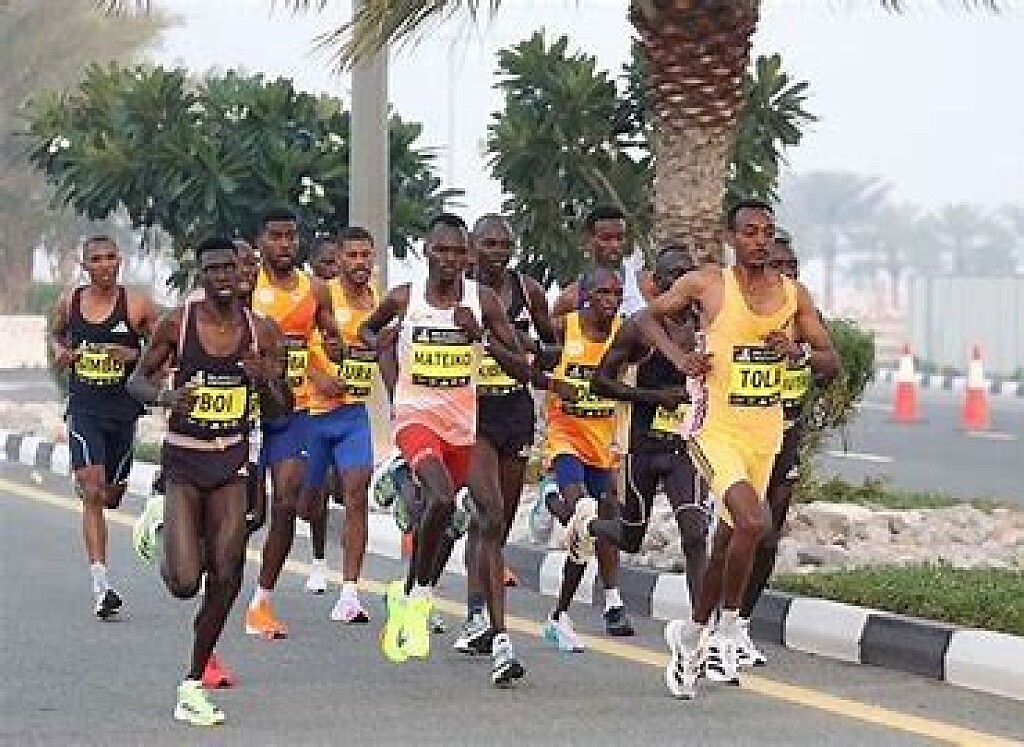
10K FACSA Castelló is A Fast-Growing Race with World-Class Talent
The 10K FACSA Castelló, set for February 16, 2025, in Castellón de la Plana, Spain, has quickly become one of the most exciting races on the international road racing calendar. Known for its flat and fast course, the event attracts an increasing number of participants each year while maintaining a reputation for top-tier organization and race-day experience.
This year’s edition promises to be one of the most competitive yet, with a strong lineup of elite runners ready to battle for victory on the streets of Castellón.
More Participants, Bigger Competition
Every year, the 10K FACSA Castelló sees an exponential increase in participation, with runners drawn to the event's fast course, great atmosphere, and high-quality organization. It is widely recognized as one of the fastest 10K races in Spain, earning a World Athletics Road Race Label, a prestigious distinction that places it among the best road races globally.
The race runs alongside the Marató BP Castelló, creating an exciting environment as thousands of runners take to the streets for both events. With the 10K and marathon starting together on Avenida Vila-real, the early miles are packed with energy before the races split at Avenida Valencia, where 10K runners can focus on a speedy finish.
Elite Athletes Confirmed for 2025
The 2025 edition of the race will feature some of the world’s best distance runners, ensuring a thrilling contest for top honors. Among the confirmed elite athletes:
Yomif Kejelcha (Ethiopia) – A two-time world indoor champion with exceptional speed over middle and long distances.
Janeth Chepngetich (Kenya) – A rising talent looking to make a mark in the 10K distance.
Mathew Kibiwott (Kenya) – An experienced road racer with strong finishing speed.
Pauline Mutwa (Kenya) – A formidable contender in women’s road racing.
Adding to the excitement, Spanish running legend Martín Fiz is set to take part. The former world marathon champion and European champion, now a master’s category record-holder, returns to Castellón with great enthusiasm. Fiz holds the Spanish M60 record in the 10K, which he set on this very course, and he remains an inspirational figure in the global running community.
A Course Built for Speed
The 10K FACSA Castelló is known for its quick course, making it a favorite for both elite and amateur runners seeking personal bests. With minimal elevation changes and well-designed turns, it offers ideal conditions for fast times. Past editions have produced some of the best 10K performances in Spain, further cementing its status as a top-tier event.
This year’s race is expected to deliver more outstanding performances, with perfect conditions in mid-February helping runners chase their best times.
A Race That Keeps Growing
With every passing year, the 10K FACSA Castelló continues to evolve, attracting larger fields, more elite athletes, and greater recognition on the international stage. Whether you're an elite competitor or a recreational runner aiming for a new personal best, this race promises an unforgettable experience.
As the 2025 edition approaches, excitement is at an all-time high. With an elite field ready to push the limits, a course designed for speed, and thousands of runners taking part, the 10K FACSA Castelló is set to deliver another thrilling chapter in its history.
by Boris Baron
Login to leave a comment
10k Facsa Castello
The 10K FACSA Castelló is one of Spain’s fastest and most prestigious road races, drawing elite and amateur runners from around the world. Held in Castellón de la Plana, this race has grown exponentially, earning a reputation for its flat, high-speed course and exceptional organization. It holds a World Athletics Road Race Label, placing it among the top road races...
more...