

Running News Daily
Running News Daily is edited by Bob Anderson and team. Send your news items to bob@mybestruns.com Advertising opportunities available.
Index to Daily Posts · Sign Up For Updates · Run The World Feed
Articles tagged #Brazil
Today's Running News
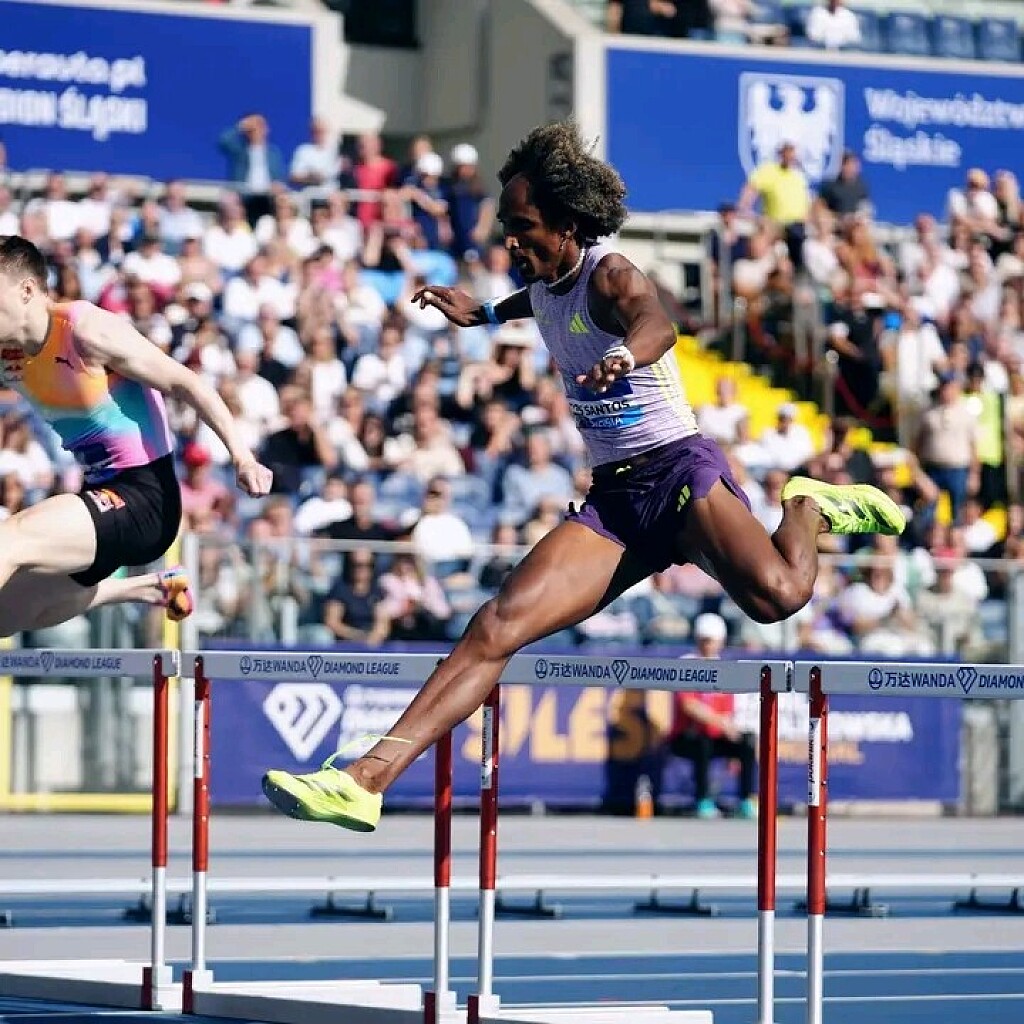


Is This the Greatest Era in Men’s 400m Hurdles History? Dos Santos Takes the Event to Another Level
The men’s 400m hurdles may be experiencing the greatest era in its history, and the numbers now make the argument almost impossible to ignore.
Brazilian superstar Alison dos Santos has taken the event to another level, storming to a sensational 45.80 world record in Zurich and moving to the summit of the all-time performance list.
But perhaps even more remarkable than the world record itself is what it has done to the historical rankings.
Every one of the 10 fastest performances in men’s 400m hurdles history is now owned by just three athletes: Alison dos Santos, Karsten Warholm and Rai Benjamin.
That extraordinary statistic perfectly captures the dominance of the current generation and highlights just how dramatically the event has evolved over the past few years.
Following his stunning performance in Zurich, dos Santos now sits at the top of the all-time list with 45.80, followed by Norway’s Karsten Warholm at 45.94, the time he ran in his historic world-record performance at the Tokyo Olympics in 2021.
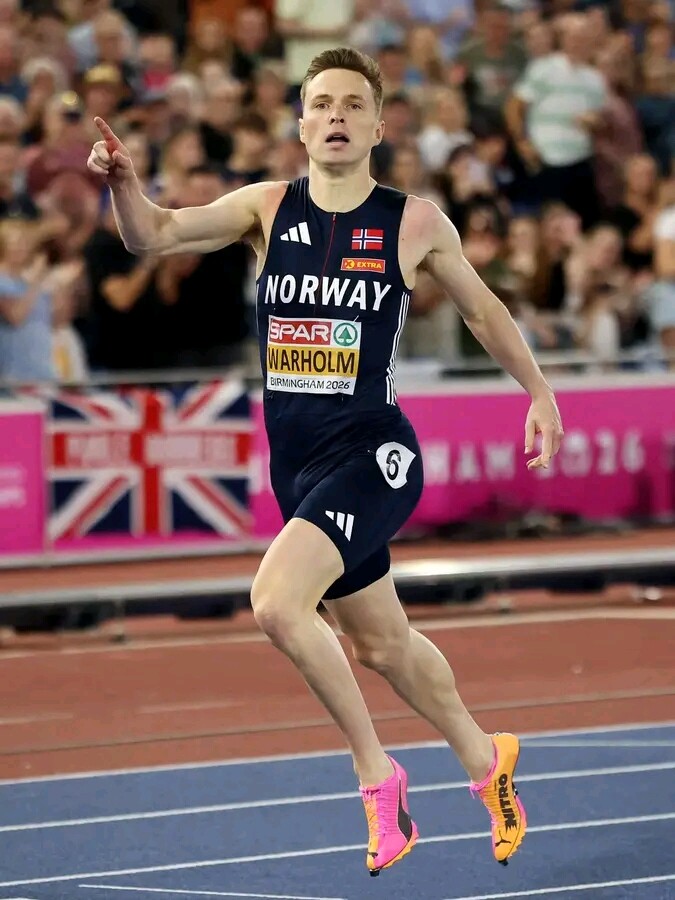
American star Rai Benjamin occupies third with 46.17, also from that unforgettable Tokyo final. Warholm is fourth with 46.28 from 2025, while dos Santos is fifth with his 46.29 from 2022.
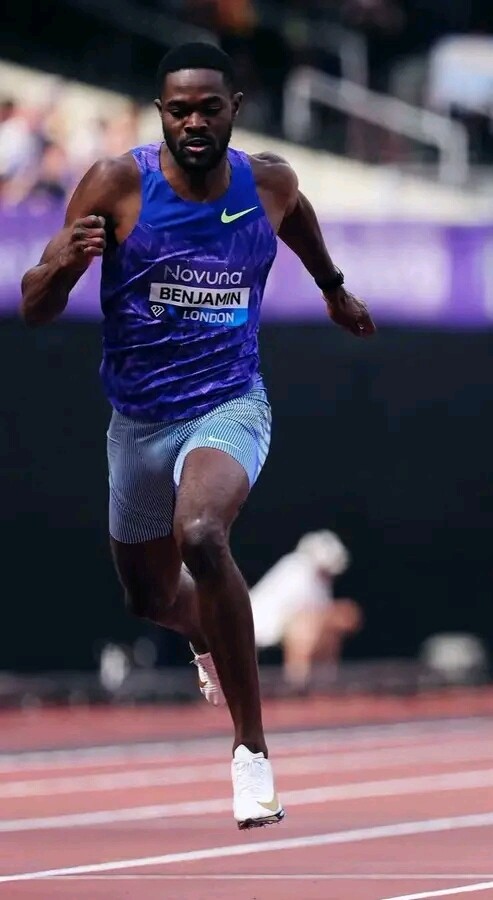
Benjamin appears again in sixth and seventh with 46.46 performances from 2024, while dos Santos takes eighth with 46.48 in 2026. Warholm completes the list with 46.51 from 2023 and 46.52 from 2023.
The distribution is extraordinary. Dos Santos owns three of the 10 fastest performances, Warholm owns four, while Benjamin owns the remaining three.
No other athlete has managed to break into the top 10.
That level of concentration at the very top of an event is a remarkable reflection of the era these three athletes have created.
At the centre of it all is dos Santos, whose 45.80 in Zurich has established a completely new benchmark. The Brazilian's performance did more than secure another historic victory; it pushed the boundaries of what is considered possible over one lap and 10 barriers.
Warholm had previously rewritten the history books in Tokyo when he clocked 45.94, becoming the first man to break the 46-second barrier and finally lowering Kevin Young’s legendary 46.78 world record, which had stood since the 1992 Barcelona Olympics.
Benjamin finished behind Warholm in Tokyo in 46.17, producing a performance that would itself have been considered extraordinary in almost any other era. Dos Santos completed the podium in 46.72, but his bronze medal would eventually prove to be just another chapter in his rise towards the summit.
The Tokyo final remains one of the most spectacular races in Olympic athletics history, but it also marked the beginning of an extraordinary period in which Warholm, Benjamin and dos Santos would repeatedly challenge the limits of the event.
Warholm has four performances inside the current top 10, including his 45.94 world record from Tokyo. Dos Santos has three, highlighted by his new global mark, while Benjamin also has three performances among the 10 fastest ever recorded.
Their remarkable consistency has transformed the 400m hurdles from an event once dominated by isolated historic performances into one defined by sustained excellence and intense rivalry.
For nearly three decades, Kevin Young’s 46.78 appeared almost untouchable. Then Warholm broke through. Benjamin immediately showed that the new standard could be challenged, and dos Santos emerged as another athlete capable of running at an astonishing level.
Now, times below 46 seconds are no longer viewed as an unimaginable frontier. They have become the territory occupied by the very best athletes of this generation.
And dos Santos has just moved that frontier even further.
His 45.80 has given the event a new target, but with Warholm and Benjamin still among the world's elite, the story may not be finished.
The question is no longer whether this generation is exceptional.
It is whether we are witnessing the greatest collection of men's 400m hurdlers ever assembled.
Three athletes now own every position in the all-time top 10.
Ten performances have been produced by just dos Santos, Warholm and Benjamin.
And at the very top stands Alison dos Santos, whose breathtaking 45.80 in Zurich has pushed the men’s 400m hurdles into territory that once seemed impossible.
Three superstars. Ten historic performances. One extraordinary era.
by Erick Cheruiyot for My Best Runs.
Login to leave a comment
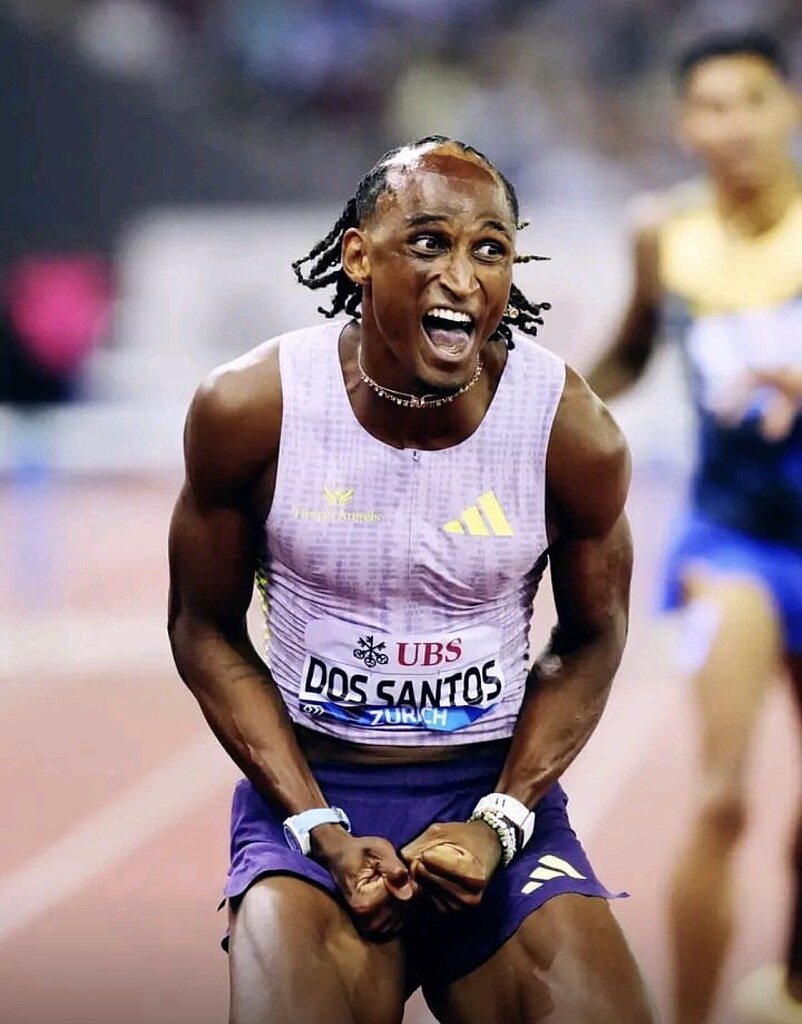
Alison dos Santos Makes History in Zurich, Smashing Warholm’s 400m Hurdles World Record
45.80 seconds. A new world record. A new chapter in the history of the 400m hurdles.
Brazilian star Alison dos Santos produced a breathtaking performance at the Zurich Diamond League on Thursday, storming to 45.80 seconds to shatter the men’s 400m hurdles world record and dethrone one of the greatest records in modern athletics.
Dos Santos delivered a sensational run at Weltklasse Zürich, becoming the first athlete to break the barrier set by Norway’s Karsten Warholm, whose legendary 45.94-second world record had stood since his spectacular victory at the Tokyo 2020 Olympic Games in 2021.
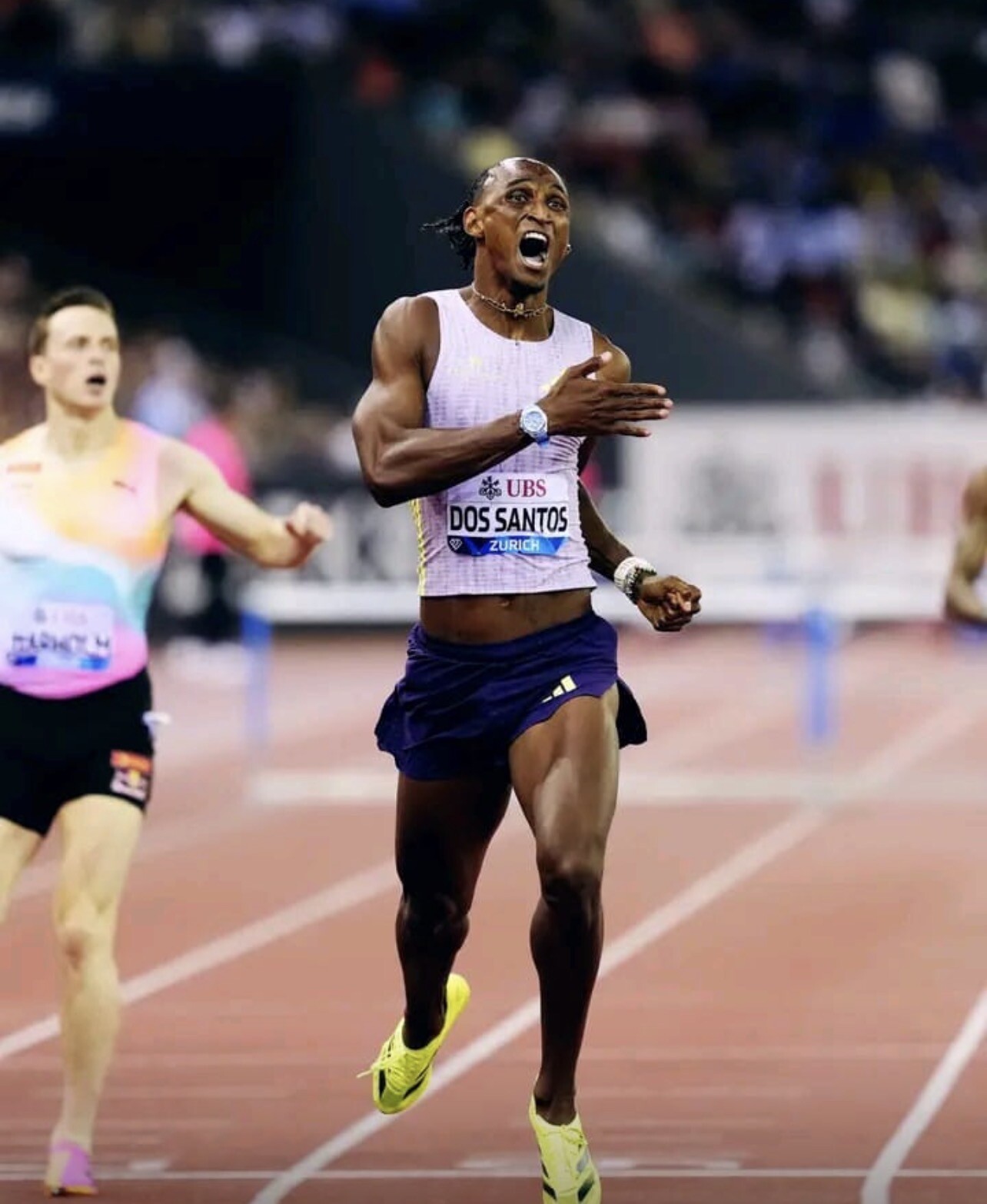
The Brazilian was in complete control from the opening stages, attacking the hurdles with remarkable speed and precision before powering down the final straight. The clock stopped at 45.80, sending shockwaves through the stadium and rewriting the record books.
Warholm, the former world-record holder and one of the sport’s most dominant figures, had to settle for second place in 46.69 seconds. Nigeria’s Ezekiel Nathaniel completed the podium in 47.50.
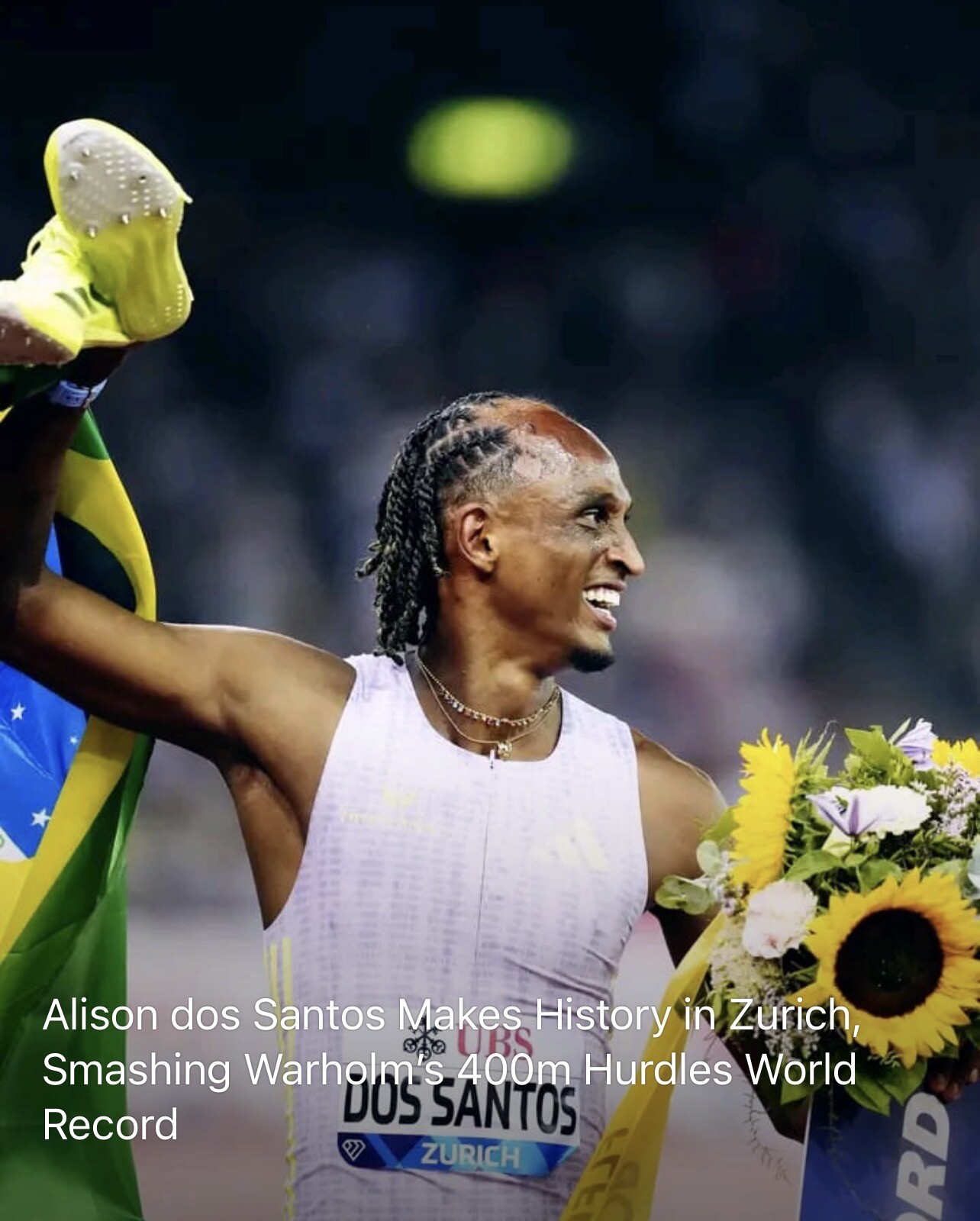
The result adds another extraordinary chapter to the rivalry between Dos Santos and Warholm. The pair have repeatedly pushed each other to new levels, but this time Dos Santos delivered the defining blow, taking down a record that had become synonymous with Warholm’s name.
The 26-year-old Brazilian has now cemented himself among the greatest 400m hurdlers in history. A world champion in 2022 and a two-time Olympic bronze medallist, Dos Santos has spent years chasing the sport’s very best — and in Zurich, he finally claimed its most coveted record.
His breakthrough is even more remarkable given that he entered the Zurich meeting with a personal best of 46.29 seconds in the 400m hurdles. His previous 2026 best had been 46.43, set just days earlier in Silesia, where he also defeated Warholm.
Now, the record belongs to Brazil.
Alison dos Santos — 45.80 seconds.
A new world record, a historic victory and a performance that will be remembered as one of the defining moments of the 2026 athletics season.
by Erick Cheruiyot for My Best Runs.
Login to leave a comment
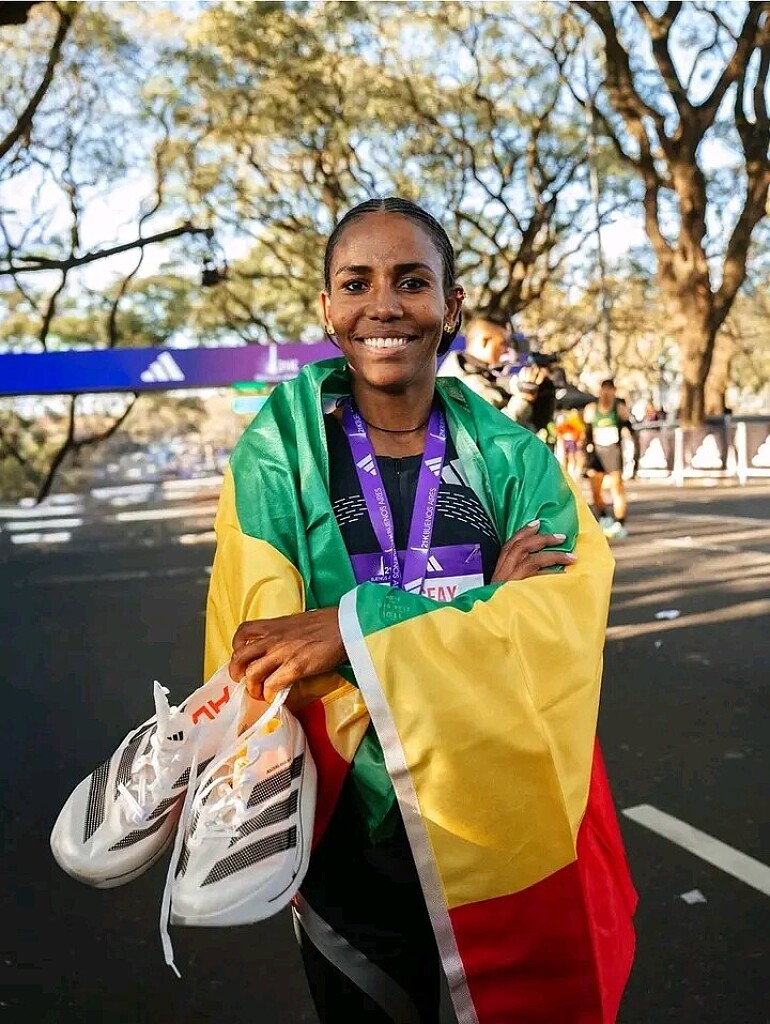
Fotyen Tesfay Haylu Smashes Buenos Aires Half Marathon Record with Historic 1:03:57 Performance
Ethiopia’s Fotyеn Tesfay Haylu delivered one of the most remarkable women’s half-marathon performances ever seen on American soil on Sunday, powering to a commanding victory at the 2026 Buenos Aires Half Marathon in Argentina in 1:03:57.
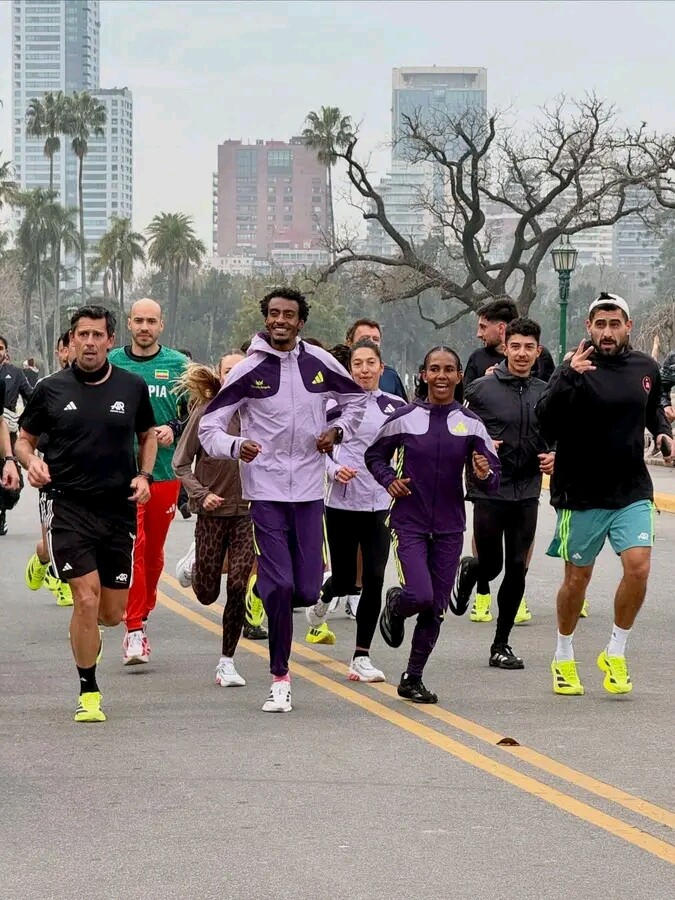
Running with exceptional confidence and strength, Tesfay took control of the race and produced a superb solo performance to rewrite the event record. Her breathtaking run also carried historic significance, as she became the first woman to break the 64-minute barrier for the half marathon in the Americas, producing what is being celebrated as the fastest women’s half-marathon performance ever recorded on the continent.
The Ethiopian star was in a class of her own, crossing the finish line more than a minute clear of Turkey’s Nevin Can, who finished second in 1:05:06. Another Turkish athlete, Selin Can, completed the podium in third place with 1:05:11, as the leading trio all produced strong performances on the fast streets of Buenos Aires.
Kenya also featured prominently in the top positions, with Irene Jepchumba Kimais taking fourth in 1:06:04, followed by Sheila Chepkirui in fifth with 1:06:13. Magaret Akidor Ngathike finished sixth in 1:06:46, while fellow Kenyan Deborah Samum claimed seventh place in 1:08:32.
Brazil’s Nubia de Oliveira Silva was eighth in 1:11:13, while Argentina’s Sofia Luna and Dahyana Juarez rounded out the top 10 with times of 1:11:21 and 1:11:28, respectively.
Top 10 Women – 2026 Buenos Aires Half Marathon
1. Fotyеn Tesfay Haylu (Ethiopia) – 1:03:57
2. Nevin Can (Turkey) – 1:05:06
3. Selin Can (Turkey) – 1:05:11
4. Irene Jepchumba Kimais (Kenya) – 1:06:04
5. Sheila Chepkirui (Kenya) – 1:06:13
6. Magaret Akidor Ngathike (Kenya) – 1:06:46
7. Deborah Samum (Kenya) – 1:08:32
8. Nubia de Oliveira Silva (Brazil) – 1:11:13
9. Sofia Luna (Argentina) – 1:11:21
10. Dahyana Juarez (Argentina) – 1:11:28
For Tesfay, it was far more than a race victory. Her 1:03:57 performance was a statement of extraordinary quality, combining speed, endurance and remarkable solo running to produce a landmark result in Buenos Aires. In a race that will be remembered for years to come, the Ethiopian did not simply win—she redefined what was thought possible for women’s half-marathon running in the Americas.
by Erick Cheruiyot for My Best Runs.
Login to leave a comment

Buenos Aires Half Marathon
The Buenos Aires Half Marathon is one of the most important in Latin America and attracted more than 25,000 runners from all over the world. Dare to run the fastest half marathon in Latin America....
more...
Débora Simas Runs 866.21 Kilometres in Seven Days to Shatter the Women’s Treadmill Record
For seven relentless days, Débora Simas turned a treadmill inside a bustling shopping mall in Florianópolis, Brazil, into the stage for an extraordinary feat of endurance.
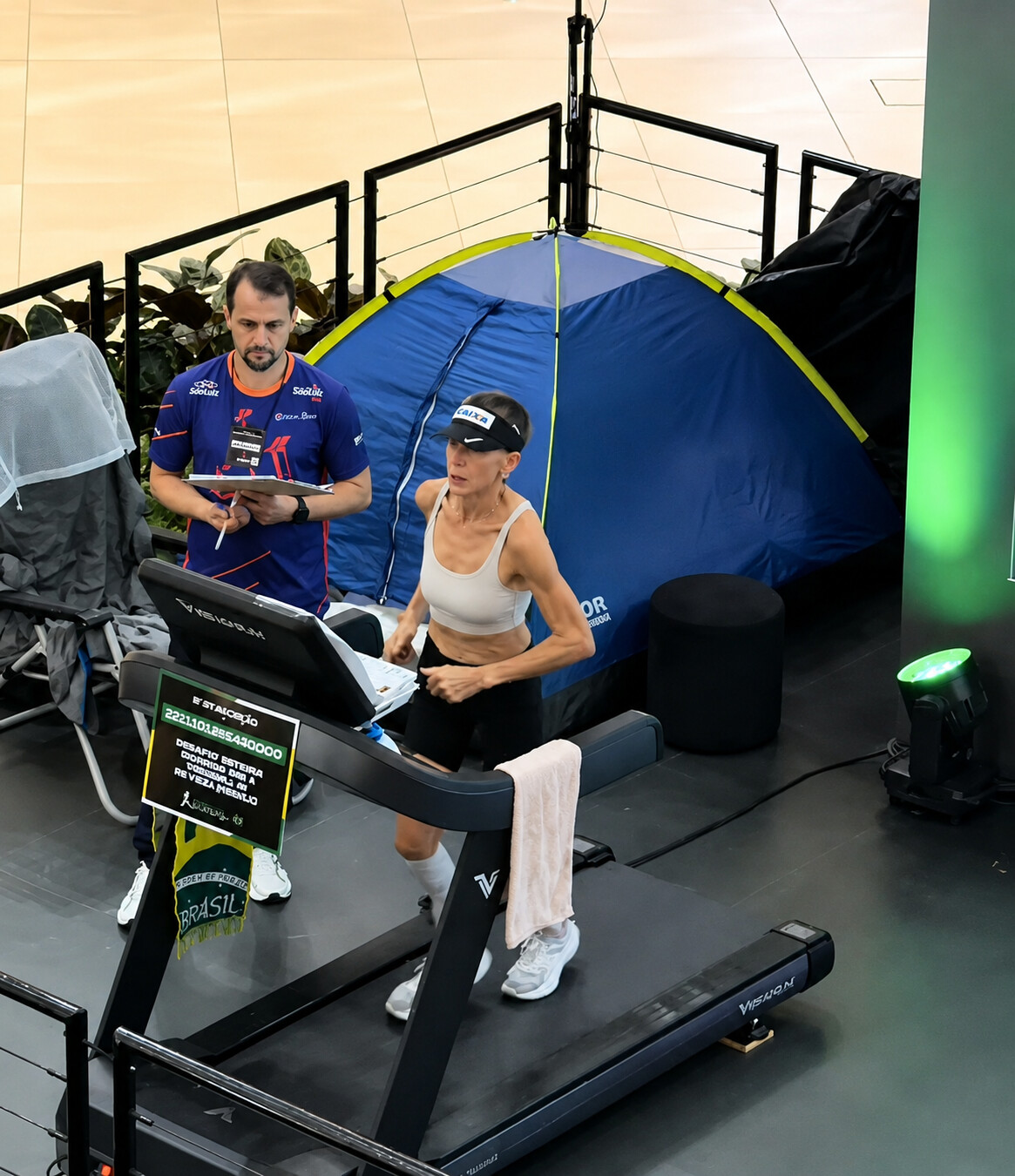
When the clock reached 168 hours at midday on Sunday, the 55-year-old ultramarathoner had covered an astonishing 866.21 kilometres — approximately 538 miles. That distance put her more than 20 kilometres beyond the previous Guinness World Records benchmark of 846.16 kilometres, set by New Zealand’s Emma Timmis in June 2024.
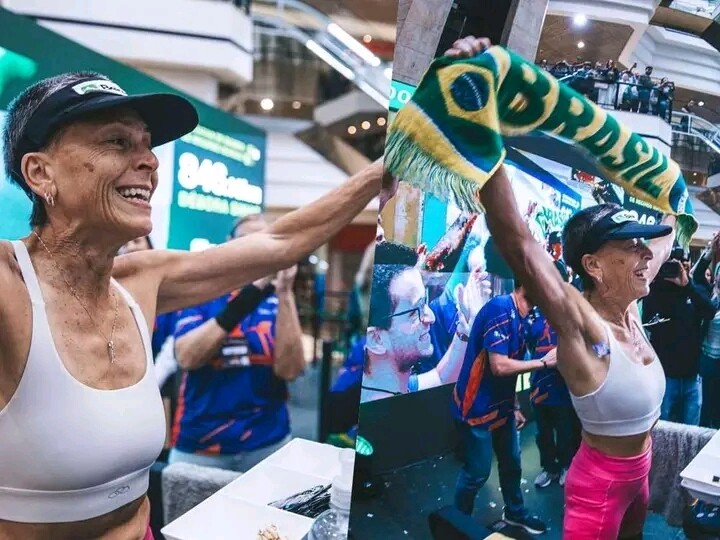
The achievement was the culmination of a challenge that demanded far more than simply running. For an entire week, Simas had to manage the relentless combination of physical fatigue, sleep deprivation, nutrition, recovery and the mental strain of repeatedly stepping back onto the treadmill.

Her temporary home was a tent positioned behind the treadmill, where she grabbed short periods of sleep and attended to essential recovery needs. Food, medical attention and other necessities had to be carefully fitted around the demands of the attempt, while a private bathroom inside the shopping centre provided the only place where she could briefly step away from the public eye.
This was not Simas’s first encounter with the unforgiving nature of seven-day treadmill running. In 2019, she completed 800.61 kilometres over the same 168-hour period at the Beiramar Shopping centre, setting a Brazilian and South American record at the time. Her return seven years later was driven by a very different ambition: to go beyond the world’s best mark.
The preparation behind the attempt was equally remarkable. Simas reportedly spent two years preparing for the challenge while balancing two jobs, often training largely on her own. Every kilometre of that preparation ultimately became part of a much bigger test of patience, resilience and belief.
There were moments during the seven days when the body threatened to take control. At one stage, a severe cramp placed the attempt in jeopardy and forced members of her support team to intervene. Yet Simas recovered and continued, refusing to let one difficult moment derail an effort that had taken years to build.
Her final distance of 866.21 kilometres represents an average of about 123.7 kilometres per day, or roughly 5.15 kilometres every hour across the full 168-hour period. That figure includes the periods when she was required to stop for essential needs, making the scale of the accomplishment even more striking.
Simas now has the number that matters most: 866.21 kilometres. However, there is an important distinction between breaking the previous mark and having the Guinness title officially ratified. Guinness World Records notes that records can change before they are immediately reflected online, and official recognition depends on the verification process.
For Simas, though, the significance of the achievement goes far beyond a number on a leaderboard. Her journey was a battle against exhaustion, discomfort and the powerful urge to stop — a test in which mental strength became just as important as physical endurance.
“I had to face the sleepiness, the pain, the exhaustion, and moments when my head had to be stronger than my body,” she said.
After 168 hours, the treadmill finally fell silent. Débora Simas stepped away having transformed seven days of relentless running into one of the most remarkable endurance performances of her career — and, pending official verification, a new women’s world-best mark for distance covered on a treadmill in one week.
by Erick Cheruiyot for My Best Runs.
Login to leave a comment
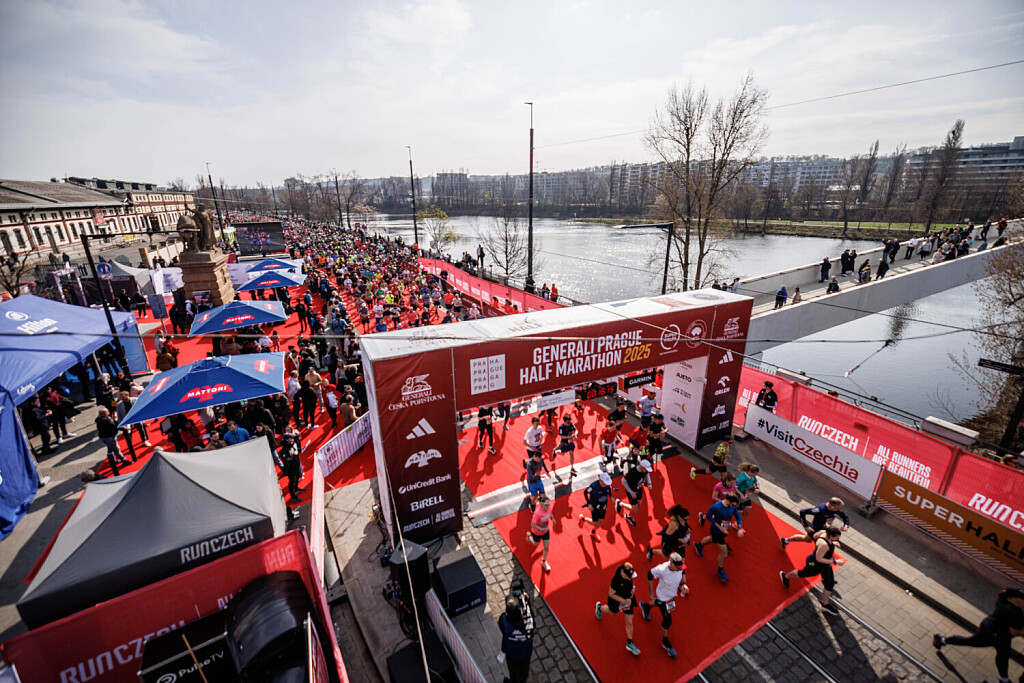
Prague Half Marathon’s First Ballot Draws More Than 70,000 Applications
The Generali Prague Half Marathon has entered a new era of unprecedented demand, with more than 70,000 runners reportedly applying for places in the race’s first-ever ballot for the 2027 edition.
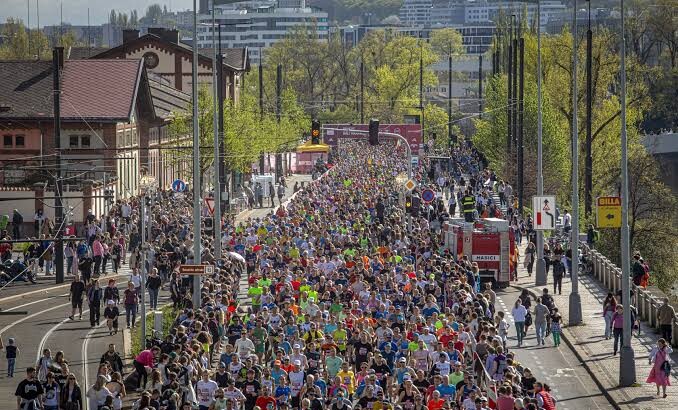
The remarkable response underlines the extraordinary international appeal of one of Europe’s most celebrated half marathons. With the race limited to 17,000 participants, the number of applications means demand exceeded available places by more than four times. RunCzech confirmed that the ballot attracted more than six times the race capacity in applications.
The move to a random draw marks a significant change from the previous registration system. In 2026, the 17,000-place field disappeared within just 2 hours and 23 minutes of registration opening, demonstrating how fiercely contested entry had become. Rather than rewarding those who happened to be quickest online, the new system gives applicants an equal opportunity through a random selection process.
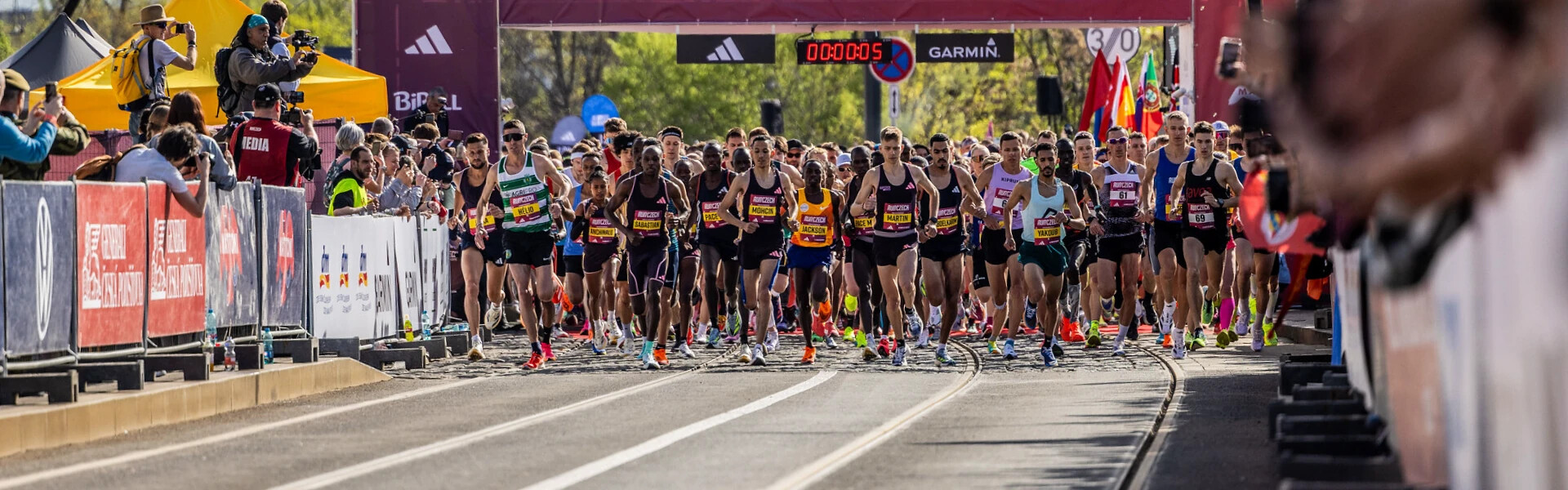
Applications opened on July 21 and closed at midnight heading into August 12, bringing three weeks of intense anticipation to an end. The draw is scheduled to take place this week, with every applicant due to receive the outcome by email no later than August 21. Those fortunate enough to secure a place will then have seven days to complete their registration before any unclaimed entries are returned to the pool.
The scale of the international interest is particularly striking. Applicants came from 161 countries, with 77 per cent of all applications submitted from outside the Czech Republic. The United Kingdom and Germany provided the largest overseas applicant groups, while Spain, Poland, Portugal, Italy and France were also strongly represented. Almost 1,300 applications came from Brazil and more than 700 from the United States.
For runners chasing the prestigious SuperHalfs series, Prague carries even greater significance. The race is one of the six founding members of the European half-marathon series, alongside Berlin, Copenhagen, Lisbon, Valencia and Cardiff, making a place on the start line highly coveted among runners pursuing the full collection. Around 45 per cent of ballot applicants already hold a SuperHalfs passport.
The 27th Generali Prague Half Marathon will take place on Saturday, April 3, 2027, taking runners through the historic heart of the Czech capital. The event also holds World Athletics Elite Label status, reinforcing its reputation not only as a mass-participation spectacular but also as a race capable of attracting world-class athletes and producing elite performances.
The huge ballot has transformed the meaning of simply getting to the start line in Prague. For thousands of runners, preparation has already begun, but their next step is not a training session or a race-plan decision—it is an email. This time, the fastest internet connection cannot guarantee a place; chance will decide who gets to experience the roar of the crowds, the historic streets and the unmistakable atmosphere of Prague at 21.1 kilometres.
The first ballot has therefore delivered a message that is impossible to ignore: Prague is no longer merely a race runners want to run—it is a race runners are competing to enter. With more than 70,000 applications chasing 17,000 places, the 2027 edition is already shaping up to be one of the most sought-after starts on the European road-racing calendar.
by Erick Cheruiyot for My Best Runs.
Login to leave a comment

Prague Half Marathon
Start the RunCzech season with one of the biggest running events in the Central Europe! Every year the Sportisimo Prague Half Marathon excites spectators with performances of elite athletes breaking records. Enjoy a course with incomparable scenery in the heart of historic Prague that follows along the Vltava river and crisscrosses five beautiful bridges. Take in majestic views of the...
more...
Relief at Last: Olympic Marathoner Daniel Do Nascimento Found Alive After 44 Days Missing
There are moments in sport that transcend medals, records, and championships. The safe return of Brazilian Olympic marathoner Daniel Ferreira do Nascimento is one of those moments.
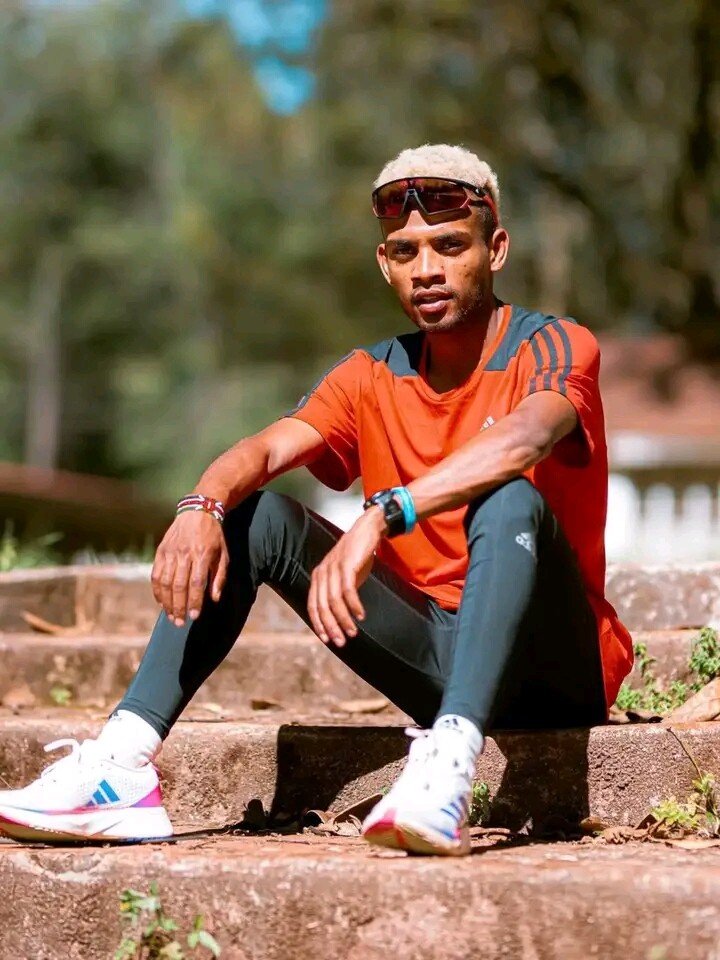
After 44 agonizing days of uncertainty, fear, and relentless searching, the South American marathon record holder has been found alive, bringing overwhelming relief to his family, friends, and the global athletics community.
Daniel had been missing since June 19, after leaving his family home in Paraguaçu Paulista, in the interior of São Paulo state, carrying only a black backpack. His sudden disappearance sparked growing concern as days turned into weeks with no confirmed information about his whereabouts.
The emotional breakthrough came after his mother, who had tirelessly appealed to the public through social media for help in finding her son, confirmed that he had been located. She immediately traveled to a police station in Brazil's capital to reunite with him, ending more than six weeks of heartbreaking uncertainty.
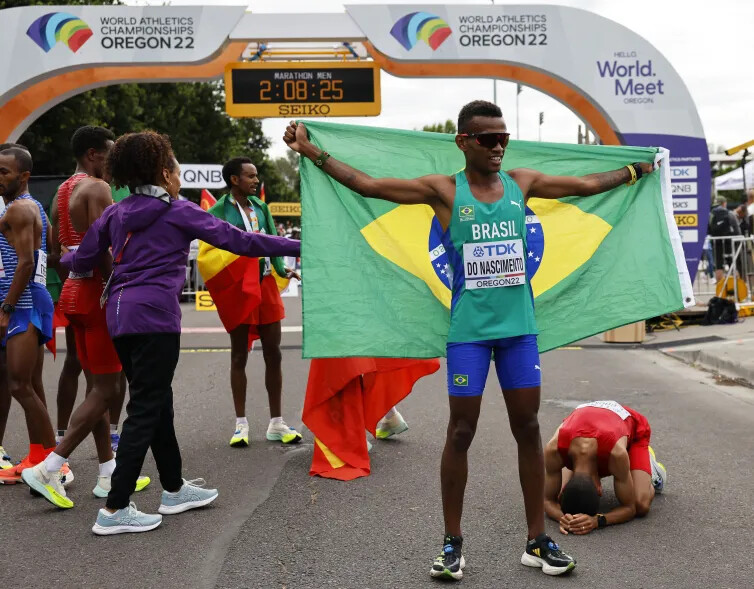
The family's search had captured widespread attention across Brazil and beyond. About a month after Daniel disappeared, relatives launched a major online campaign hoping someone would recognize him or provide information. In a particularly heartbreaking moment, the Olympic marathoner spent his 28th birthday away from those who love him, still missing as the desperate search continued.
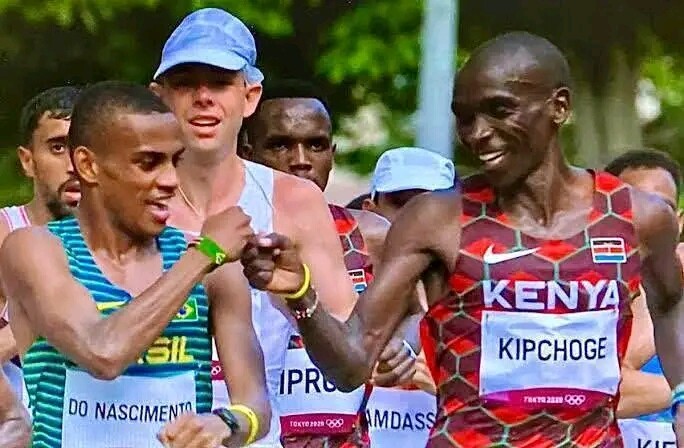
Behind the headlines lies a deeply personal struggle. According to his family, Daniel has been battling severe depression, a challenge that intensified following a doping case that abruptly brought his elite running career to a halt. In 2025, he received a five-year suspension, backdated to July 15, 2024, making him ineligible to compete in official events until 2029.
Despite the setbacks that have marked the past two years, today's news is not about records or racing. It is about life, hope, and the immeasurable joy of a family being reunited with their loved one.
Daniel remains one of South America's finest marathon runners, having represented Brazil at the Olympic Games and set a South American marathon record with a personal best of 2:04:51. Yet, this remarkable chapter serves as a powerful reminder that even the strongest athletes can face invisible battles beyond the finish line.
As Daniel returns to the care of his family, the athletics world shares in a collective sense of gratitude. The greatest victory today is not measured by time or trophies—it is the simple, priceless truth that he is alive.
The entire running community wishes Daniel strength, healing, and peace as he begins the next chapter of his journey, surrounded by the love and support of those who never stopped believing he would come home.
by Erick Cheruiyot for My Best Runs.
Login to leave a comment
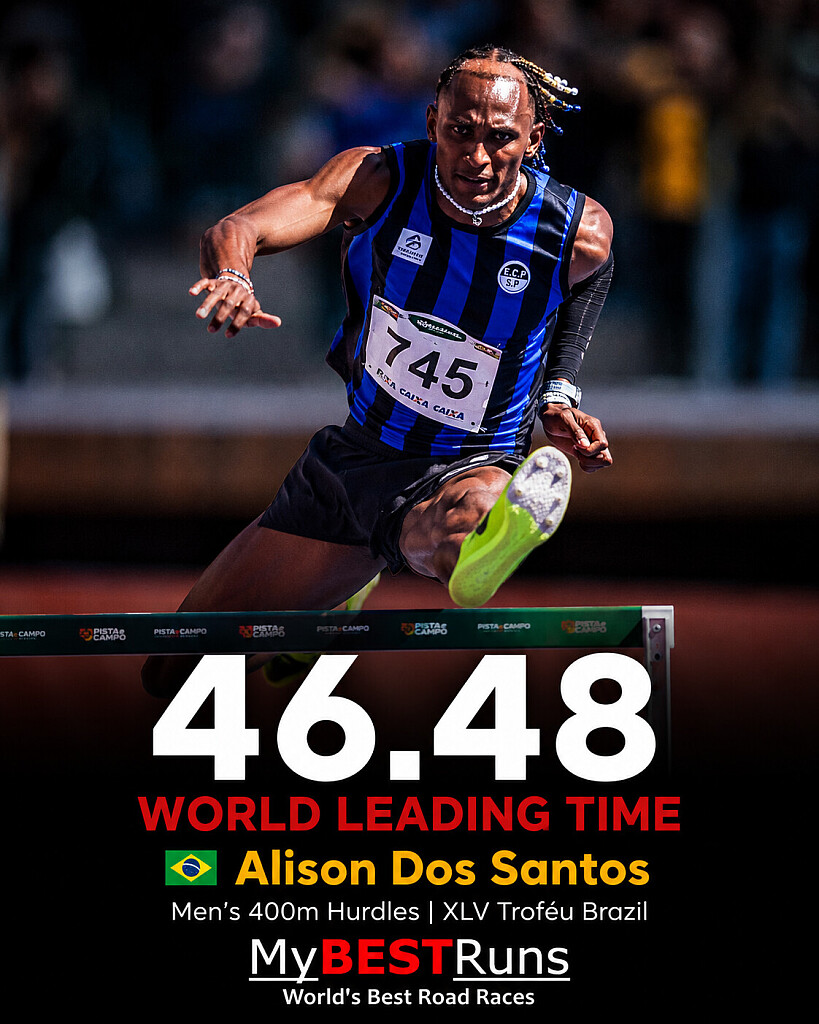
Alison Dos Santos Roars Back to the Top with World-Leading 46.48 at Troféu Brasil
Brazilian 400m hurdles star Alison Dos Santos has delivered a powerful statement ahead of the major championships, producing a sensational world-leading 46.48 seconds to win at the XLV Troféu Brasil in front of an ecstatic home crowd.
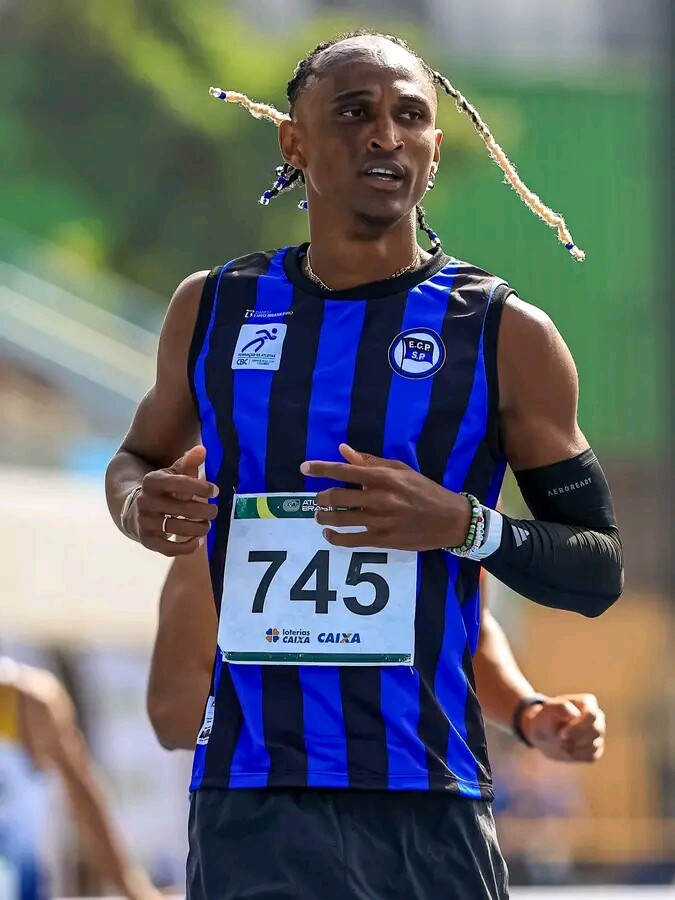
The breathtaking performance marked Dos Santos' fastest race since his unforgettable triumph at the 2022 World Athletics Championships, where he claimed global gold in dominant fashion. After battling injuries and setbacks over the past few seasons, the Brazilian has once again reminded the athletics world why he remains one of the event's greatest talents.
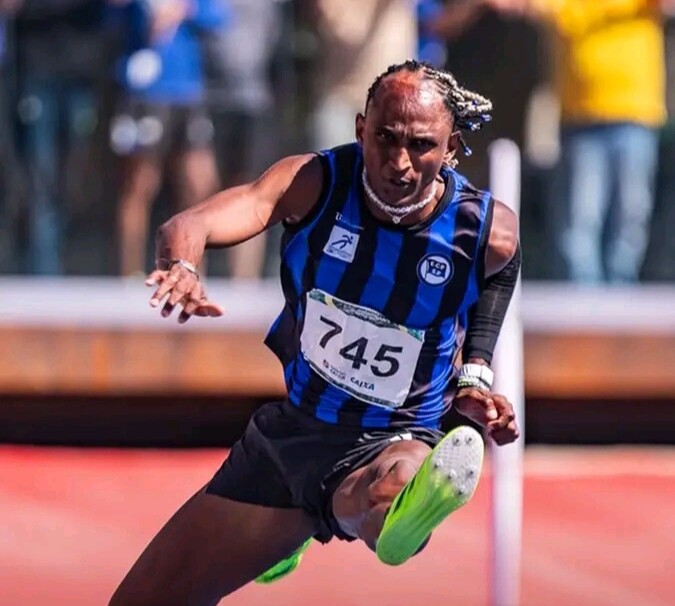
Clocking 46.48, Dos Santos surged to the top of the 2026 world rankings with a display of speed, rhythm, and flawless hurdling that left no doubt about his return to peak form. Every stride reflected the confidence and explosiveness that made him a world champion, sending a clear warning to his rivals that he is ready to challenge for more international titles.
The performance is more than just a fast time—it is a powerful comeback story. Returning to his very best after years of determination and resilience, Dos Santos has reignited excitement in one of track and field's most competitive events. His run not only thrilled the home fans but also reshaped the global picture in the men's 400m hurdles.
With the championship season gathering momentum, Alison Dos Santos has placed himself firmly back among the favourites. If this remarkable run is any indication, the Brazilian superstar is once again ready to chase gold on the world's biggest stages, proving that champions always find a way back to the top.
by Erick Cheruiyot for My Best Runs.
Login to leave a comment
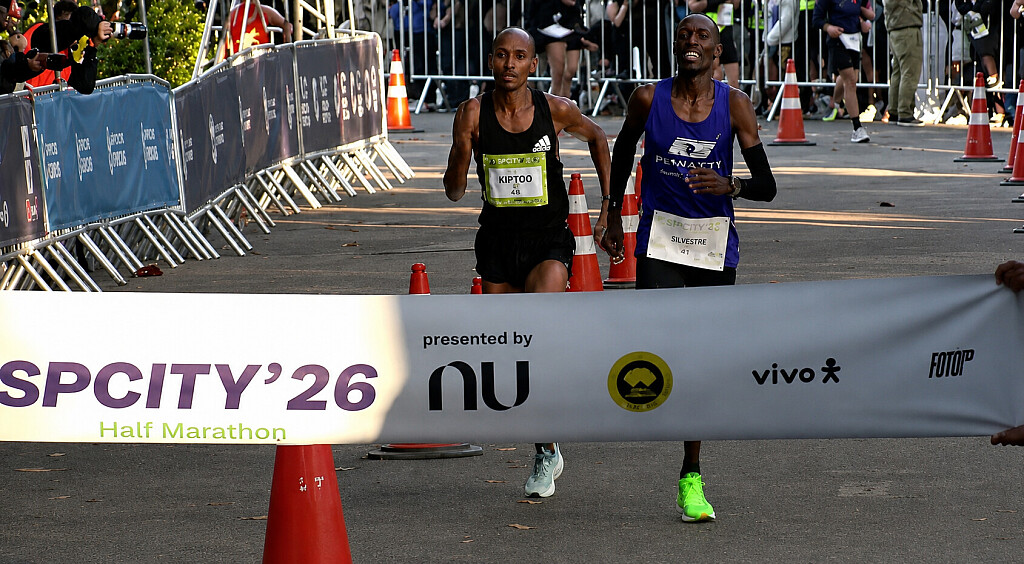
Gilmar Silvestre Triumphs at the SP City Marathon as International Elite Deliver Memorable Performances
The 2026 SP City Marathon produced a captivating display of endurance and determination, bringing together elite athletes from Brazil, Kenya, and Ethiopia for a fiercely contested men's race through the streets of São Paulo. With victory hanging in the balance until the closing meters, Brazil's Gilmar Silvestre emerged triumphant, claiming the title in 2:16:34 after an unforgettable battle.
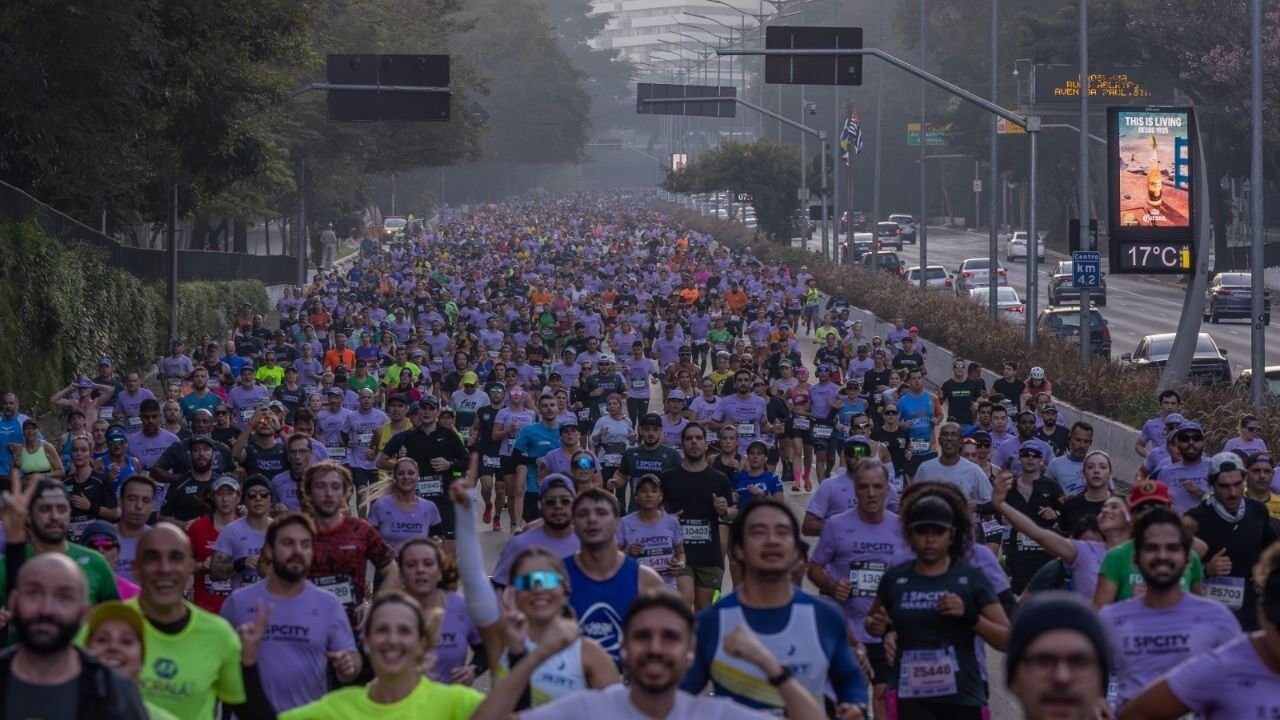
Silvestre was tested every step of the way by Kenya's Nicolas Kiptoo, who crossed the finish line with the same official time of 2:16:34 to secure second place in one of the closest finishes of the race. Fellow Kenyan Isaac Lelei completed the podium with an impressive 2:17:32, capping off a highly competitive contest among the leading trio.
Brazil continued its strong showing through Hiago Silva, who finished fourth in 2:21:40, while compatriot Andre Luiz claimed fifth in 2:22:33. Ethiopia's Abdena Kuma was the highest-placed Ethiopian athlete, taking sixth in 2:23:22, just one second ahead of Brazil's Victor Oliveira, who finished seventh in 2:23:23.
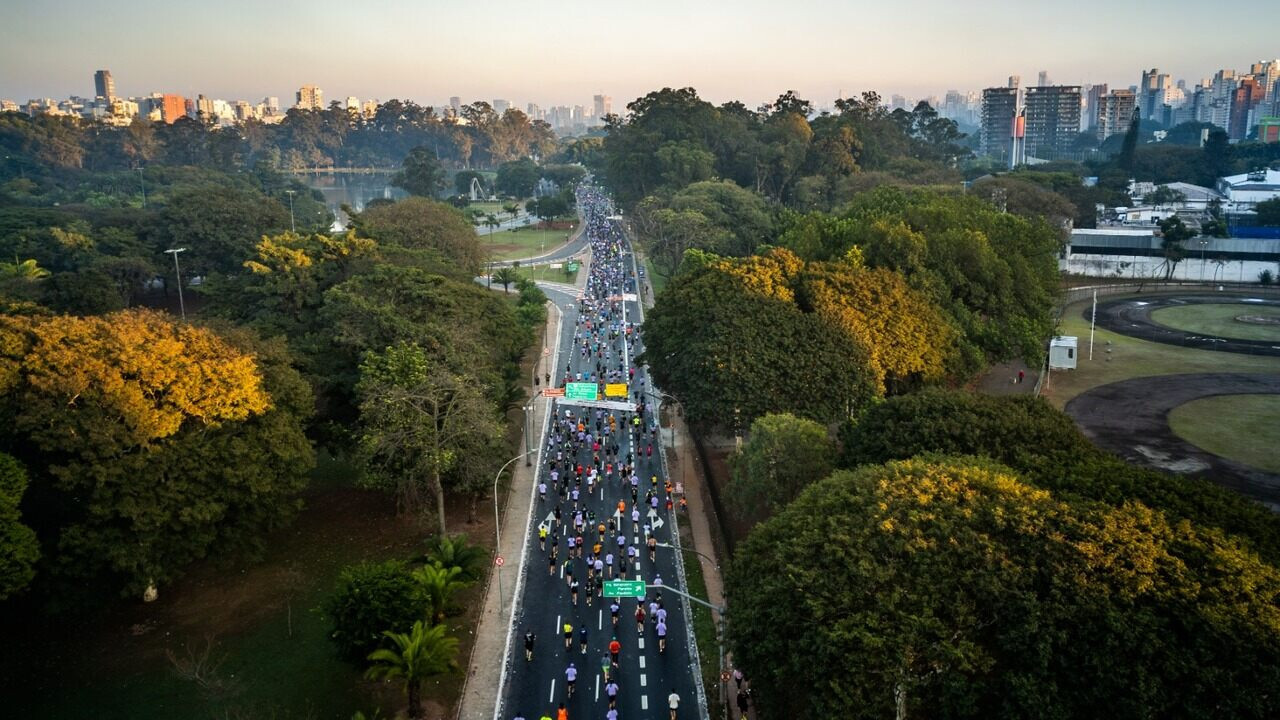
The depth of the field was further highlighted by Michael Paula, who placed eighth in 2:25:47, Raphael Magalhaes, who secured ninth in 2:27:34, and Leonardo Alves, who rounded out the top ten in 2:28:04.
Top 10 Men's Elite Results – 2026 SP City Marathon
1. Gilmar Silvestre (Brazil) – 2:16:34
2. Nicolas Kiptoo (Kenya) – 2:16:34
3. Isaac Lelei (Kenya) – 2:17:32
4. Hiago Silva (Brazil) – 2:21:40
5. Andre Luiz (Brazil) – 2:22:33
6. Abdena Kuma (Ethiopia) – 2:23:22
7. Victor Oliveira (Brazil) – 2:23:23
8. Michael Paula (Brazil) – 2:25:47
9. Raphael Magalhaes (Brazil) – 2:27:34
10. Leonardo Alves (Brazil) – 2:28:04
The race reached a breathtaking climax as Gilmar Silvestre and Nicolas Kiptoo charged down the finishing straight shoulder-to-shoulder, neither willing to surrender an inch after more than two hours of relentless effort. Every stride reflected months of sacrifice, discipline, and unwavering belief, while every second carried the weight of a dream. As thousands of spectators erupted in applause, Silvestre summoned one final surge of strength to edge ahead in the closing meters, with Kiptoo matching him on the official clock in a finish that will long be remembered. It was a powerful reminder that marathon running is about far more than crossing the line first—it is a celebration of courage, resilience, and the unbreakable human spirit.
The 2026 SP City Marathon once again reaffirmed its status as one of South America's premier road races, delivering a world-class competition, remarkable performances, and a dramatic finish that left athletes and fans alike with memories to cherish long after the final runner had crossed the finish line.
by Erick Cheruiyot for My Best Runs.
Login to leave a comment
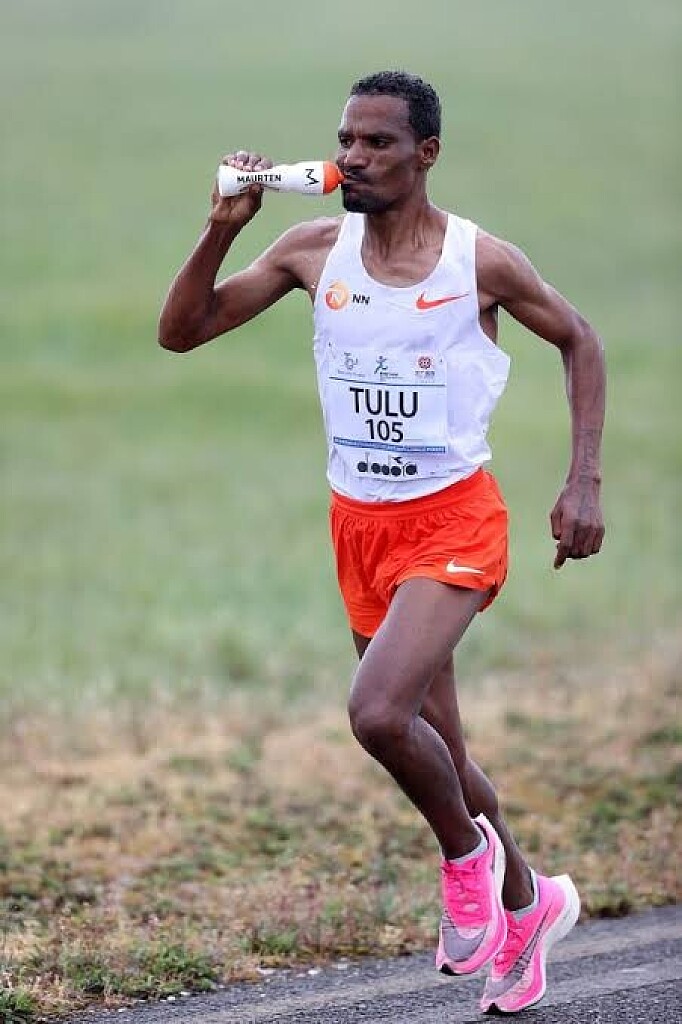
São Paulo Marathon Set for High-Stakes Showdown as Kipkosgei, Wami and Lelei Target Victory
The countdown is on for the 2026 São Paulo Marathon, where an elite international field is set to battle for one of South America's most prestigious road racing titles on Sunday, July 26, in Brazil.
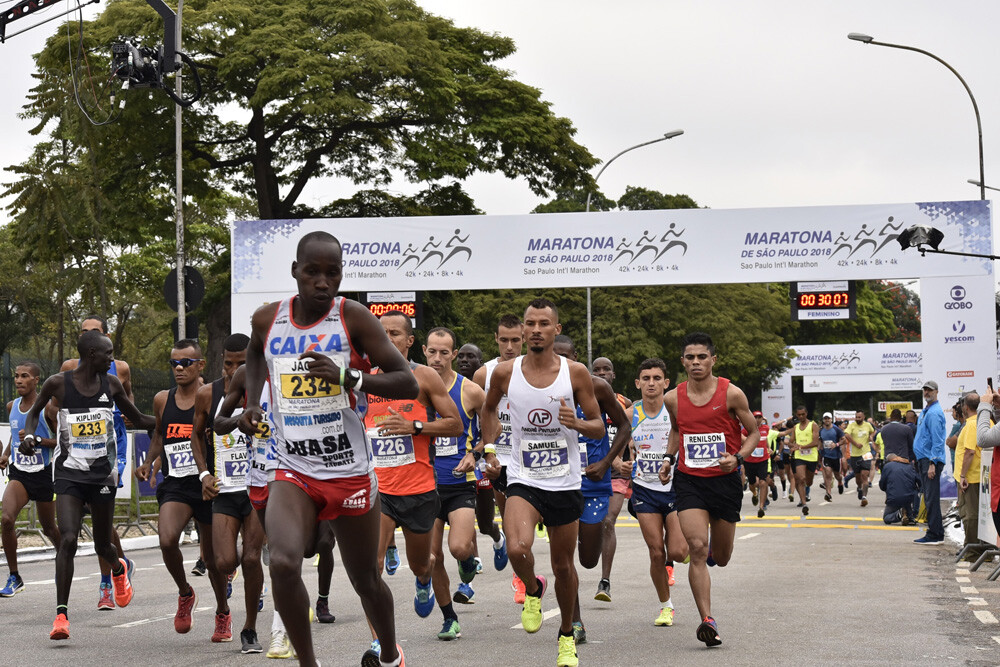
Ethiopia's Tulu Wami arrives carrying the fastest personal best in the field, having clocked an outstanding 2:05:19, making him the man every rival will be watching when the race gets underway. On paper, Wami stands as the favorite, but championship marathons are rarely decided by statistics alone.
Kenya will mount a formidable challenge through Denis Kipkosgei and Isaack Lelei, two accomplished marathoners eager to upset the pre-race predictions. Kipkosgei brings a personal best of 2:08:36, while Lelei has demonstrated his own consistency with a lifetime best of 2:09:32. Both possess the experience and tactical awareness to capitalize if the race turns into a battle of endurance rather than pure speed.
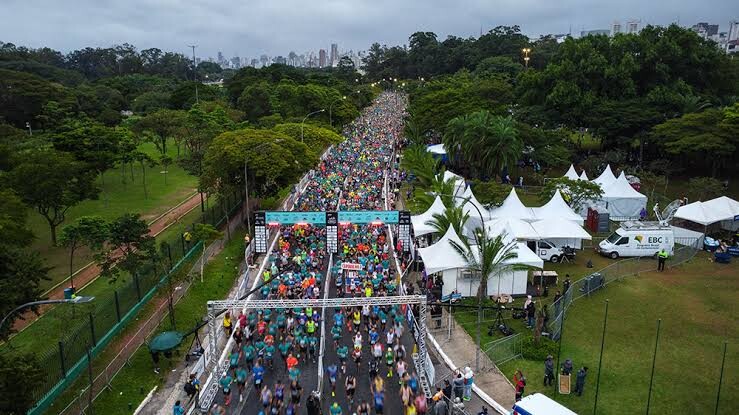
With three proven distance runners leading a deep and competitive field, the stage is set for an intriguing contest over the 42.195-kilometre distance. Whether the pace is aggressive from the gun or develops into a strategic duel in the closing kilometres, every move will carry significant weight.
Brazilian fans can expect an exciting spectacle as East Africa's marathon powerhouses renew one of the sport's greatest rivalries on Brazilian roads. Wami may hold the quickest credentials, but Kipkosgei and Lelei will be determined to write a different ending and take the title back to Kenya.
As anticipation builds ahead of Sunday's race, one question remains:
Will Tulu Wami justify his status as the fastest man in the field, or will Denis Kipkosgei or Isaack Lelei produce a memorable upset to claim the São Paulo Marathon crown?
by Erick Cheruiyot for My Best Runs.
Login to leave a comment

Sao Paulo Marathon
São Paulo International Marathon is held annually in the city of São Paulo since 1995. The competition also includes the25 km, 10 km and 3 km walk, in addition to the marathon. It is carried out all within the city of São Paulo, with departure and arrival in the Ibirapuera Park....
more...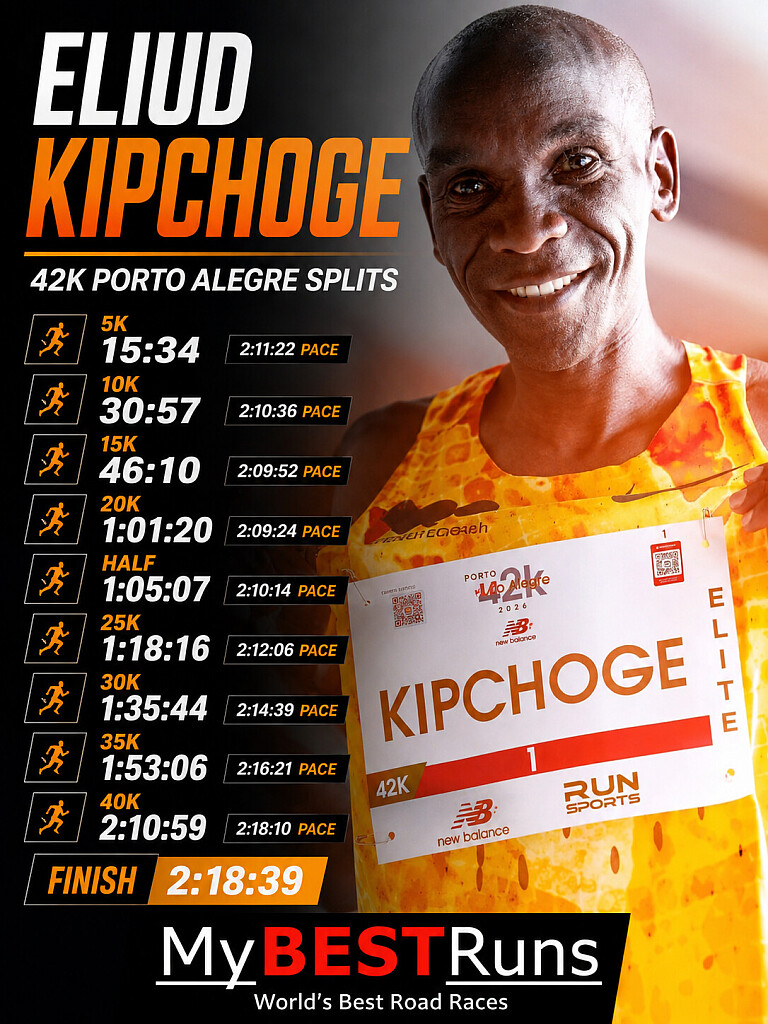
Beyond the Finish Line: Eliud Kipchoge's Journey Continues to Inspire the World
Eliud Kipchoge's remarkable World Tour continued on Brazilian soil as the Kenyan marathon icon completed the New Balance 42K Porto Alegre Marathon, crossing the finish line in 2:18:39 to place 12th overall during the second stop of his ambitious seven-continent global running tour.
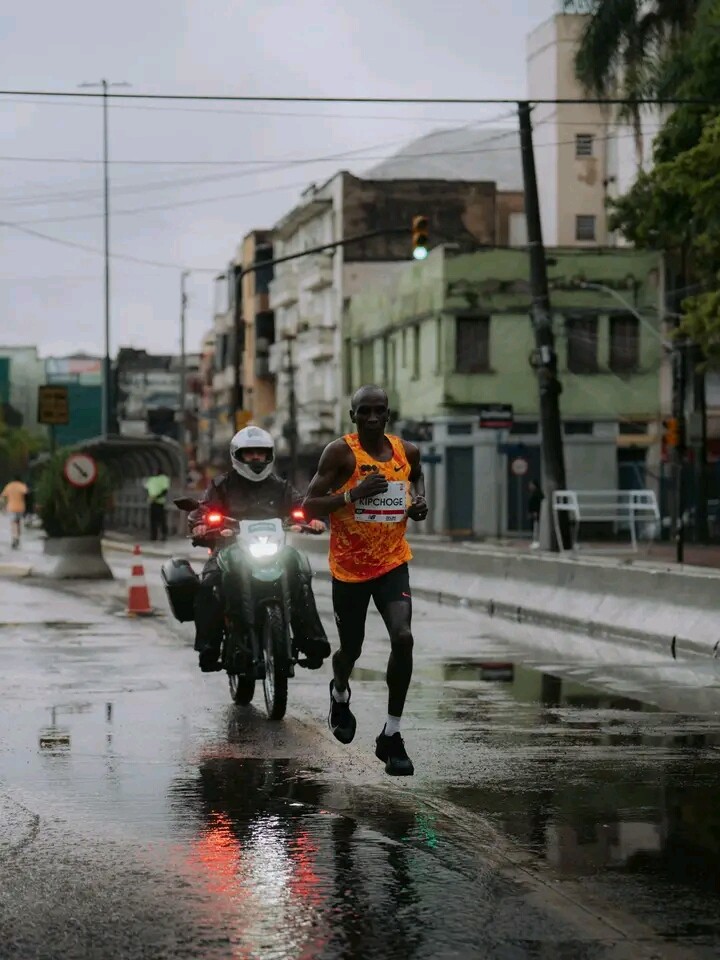
Competing against a strong international field, the two-time Olympic marathon champion displayed the resilience and determination that have defined his legendary career. While the result was not among the victories that have made him one of the greatest marathon runners in history, Kipchoge once again demonstrated the unwavering commitment that continues to inspire athletes and fans across the globe.
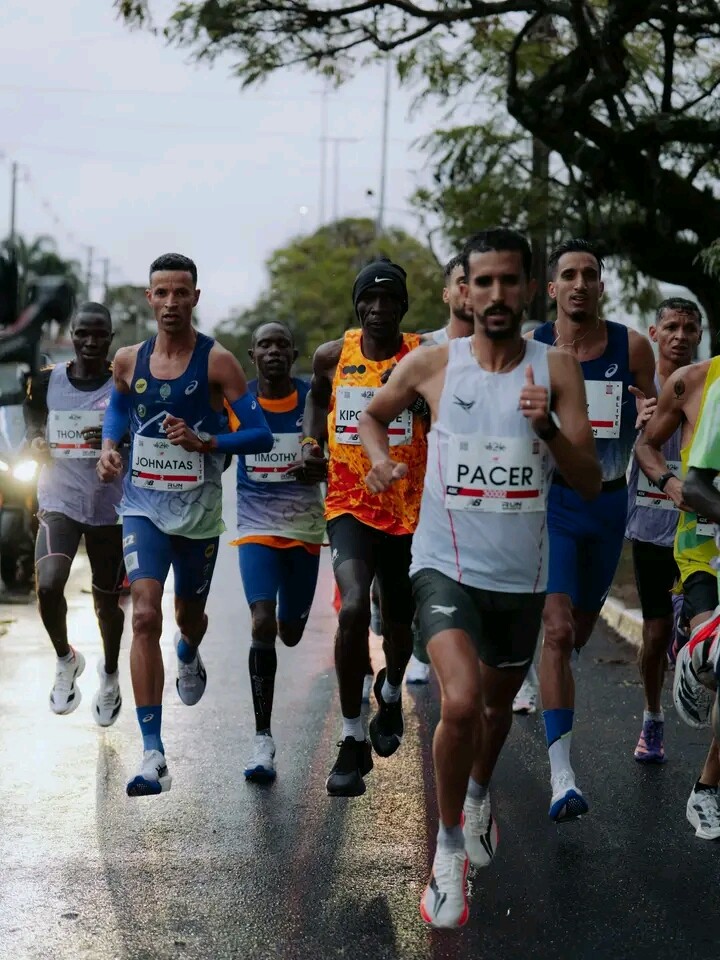
Morocco's Zineddine Ouria claimed victory in a superb 2:08:49, with Kipchoge finishing 9 minutes and 50 seconds behind the race winner after navigating the demanding course in Porto Alegre.
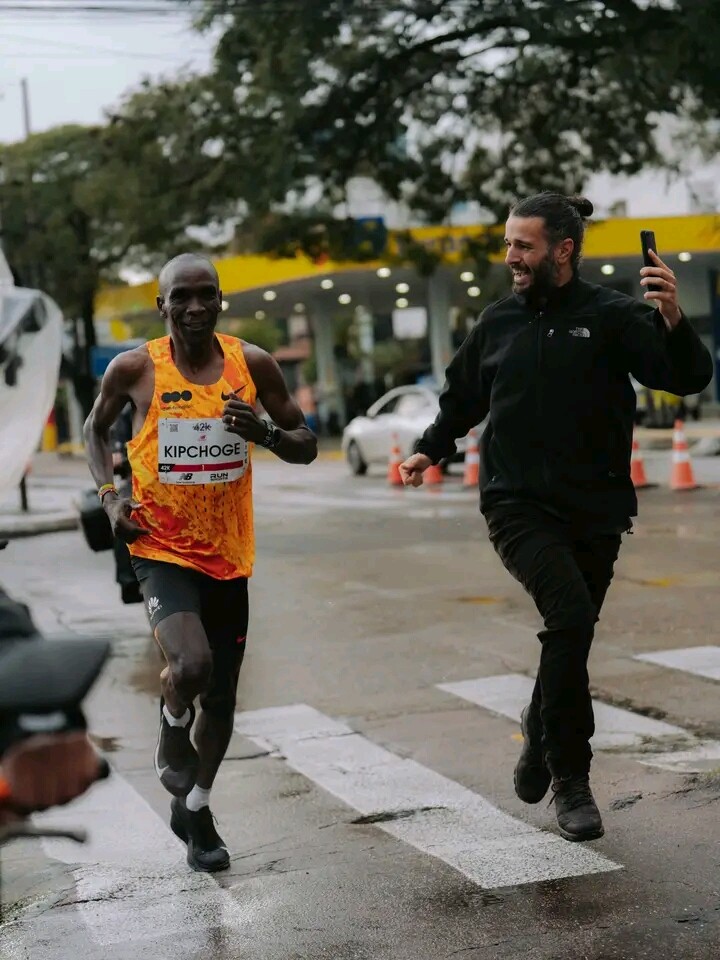
Kipchoge began the race with controlled and confident pacing, reaching 5km in 15:34 before passing the halfway mark in 1:05:07. As the race entered its decisive stages, the pace gradually slowed, but the veteran marathoner pressed on with characteristic determination, completing the 42.195-kilometre challenge in 2:18:39.
For many, the story will be told through the finishing position. But for those who truly understand greatness, this journey is about far more than medals, records, or podium finishes. Kipchoge's World Tour is a celebration of the sport itself—an opportunity to connect with runners across every continent, inspire the next generation, and continue living by the philosophy that has become synonymous with his career: "No Human Is Limited."
The Brazilian appearance also carried added significance, coming shortly after Kipchoge was permanently honoured in Porto Alegre with his footprints unveiled at the entrance of Parque Harmonia—a lasting tribute to his extraordinary impact on distance running and his enduring legacy in the sport.
Once a champion. Forever an inspiration. Legends do not stop inspiring when the victories become fewer; they inspire because they never stop showing up. Through every stride, every finish line, and every challenge embraced, Kipchoge continues to prove that true greatness is measured not only by what an athlete wins, but by the lives they touch along the way.
With the second stop of his World Tour now complete, Kipchoge will turn his attention to the next chapter of his global adventure when he lines up at the Melbourne Marathon in Australia this October. Wherever he races, millions will once again follow the journey of a man whose legacy extends far beyond the stopwatch.
by Erick Cheruiyot for My Best Runs.
Login to leave a comment
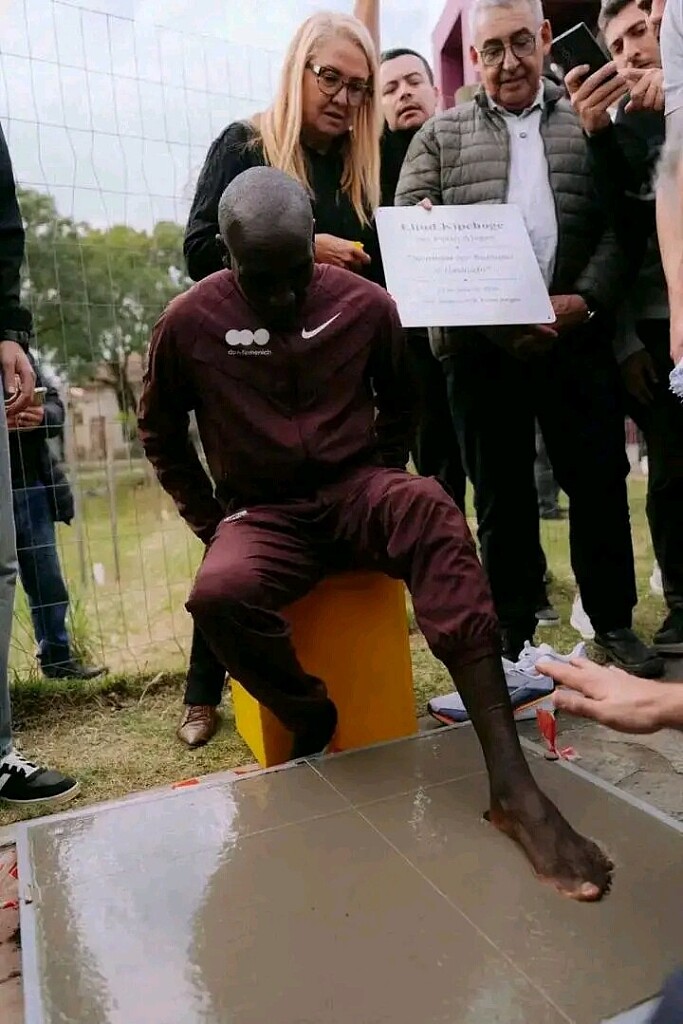
Eliud Kipchoge's Legacy Etched in Brazil as Marathon Icon Receives Permanent Honor
There are moments in sport that transcend records and victories, becoming lasting symbols of inspiration. One such moment has now been created in Brazil, where Kenyan marathon great Eliud Kipchoge has received one of the highest forms of recognition for his extraordinary contribution to athletics and global sport.

At the entrance of Parque Harmonia in Porto Alegre, Kipchoge has officially left his footprints, ensuring that his presence will remain a part of the city's sporting heritage for generations to come. Eliud Kipchoge has been permanently honored in Brazil with his footprints at the entrance of Parque Harmonia. The recognition celebrates far more than his remarkable achievements on the roads—it acknowledges the profound influence he has had on athletes, fans, and the global running community.

For millions around the world, Kipchoge represents the very definition of excellence. The two-time Olympic marathon champion has built one of the greatest careers in distance running history, winning multiple World Marathon Majors, setting world records, and becoming the first person to run a marathon in under two hours under controlled conditions. Yet beyond the medals and milestones, it is his humility, discipline, and unwavering belief that "No Human Is Limited" that have transformed him into a global symbol of perseverance and possibility.
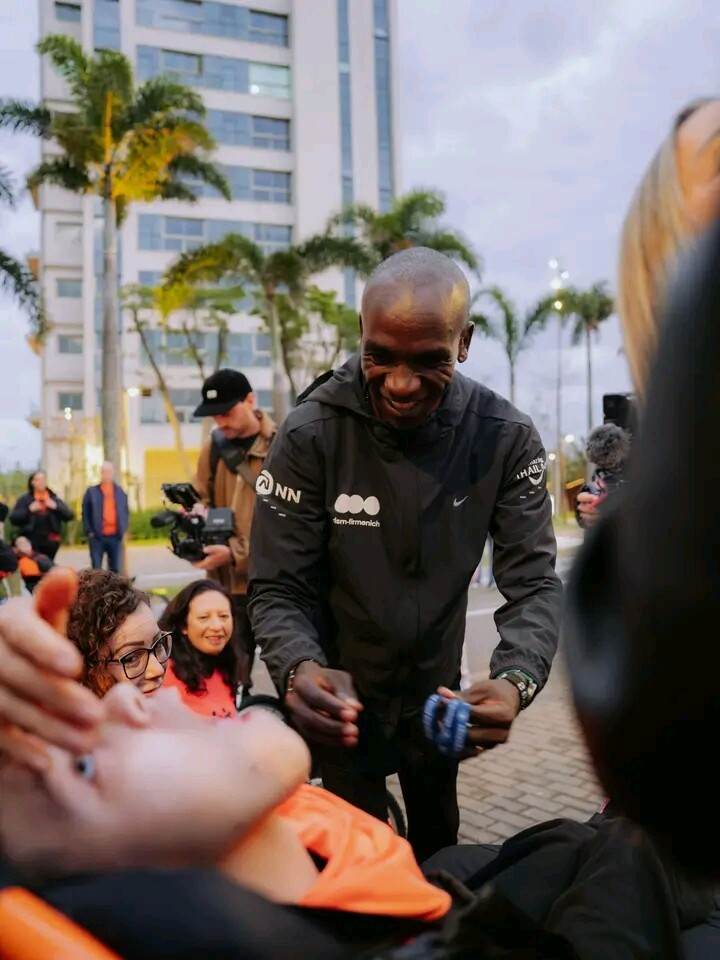
The permanent installation at Parque Harmonia stands as a powerful reminder that true greatness extends far beyond finish lines and podiums. Every visitor who walks past those footprints will be reminded of an athlete whose remarkable journey has inspired millions to dream bigger, work harder, and challenge the boundaries of human potential.
Few athletes earn recognition that becomes part of a city's landscape. Kipchoge has now joined that exclusive company, with his legacy literally etched into Brazilian soil—a fitting honor for a man whose influence reaches every corner of the running world.
As he continues to inspire both on and off the roads, Eliud Kipchoge's impact has already become timeless. His story is no longer defined solely by Olympic titles, world records, or marathon victories, but by the lives he has touched and the belief he has instilled in future generations.
His footprints in Porto Alegre symbolize far more than where he has been—they represent the path he has paved for countless others to follow. It is a legacy that will endure long after the final finish line, proving once again that true champions do not simply make history—they leave an everlasting mark on the world.
by Erick Cheruiyot for My Best Runs.
Login to leave a comment
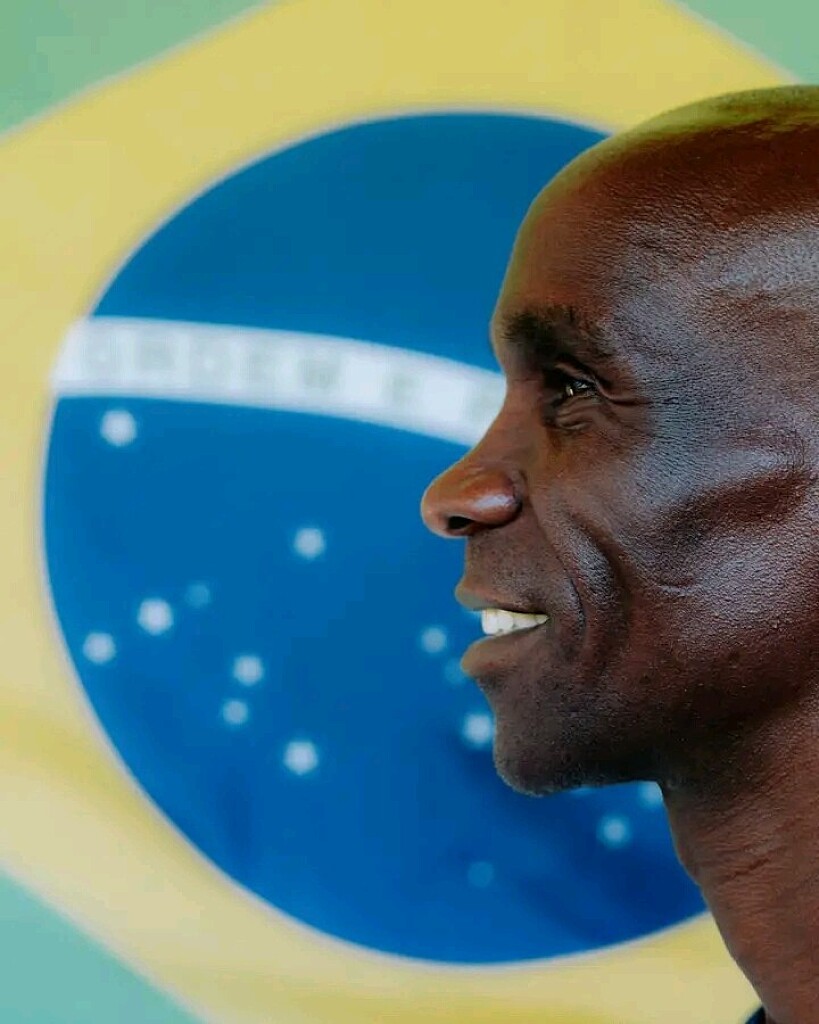
Kipchoge Headlines Star-Studded Elite Field for Porto Alegre Marathon
The countdown is on for what promises to be one of South America's most compelling marathon races of the year, as an exceptional men's elite field prepares to line up for the New Balance 42K Porto Alegre in Brazil on 12 July 2026.
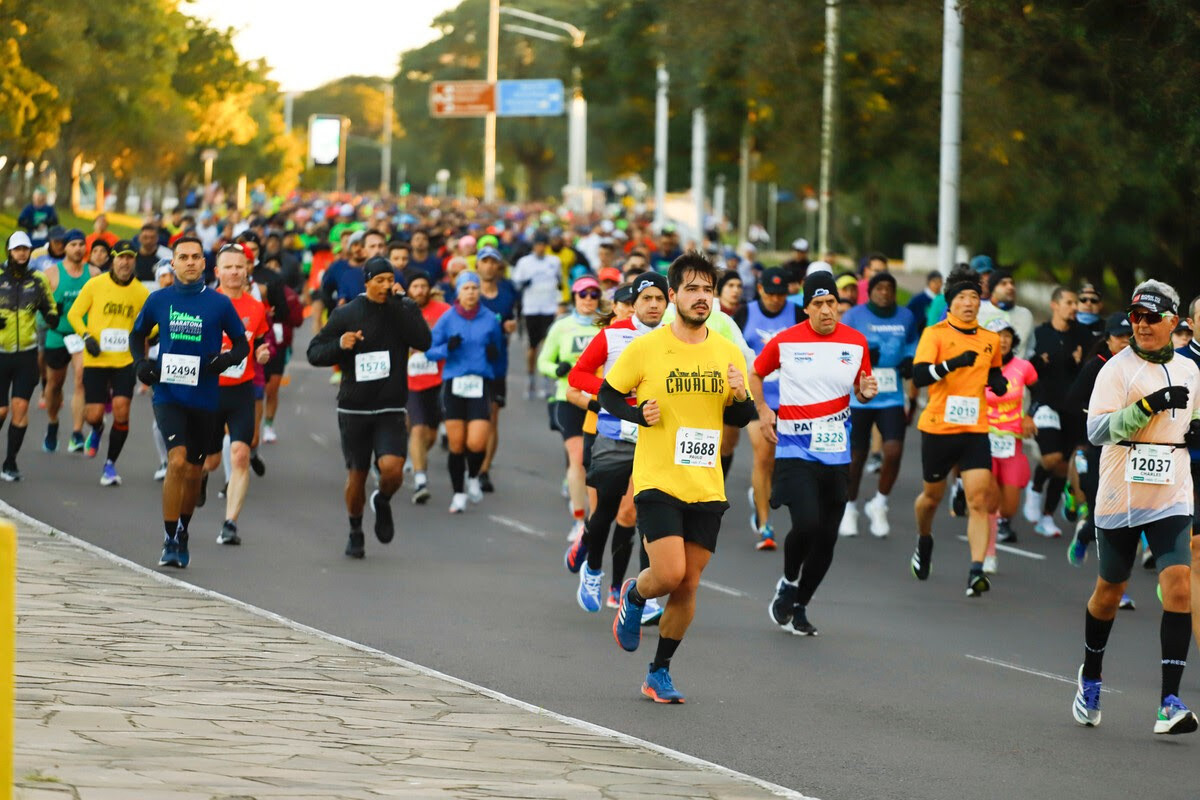
Leading the field is marathon legend Eliud Kipchoge of Kenya, whose remarkable personal best of 2:01:09 makes him the standout name on an entry list packed with proven international performers. The two-time Olympic marathon champion brings unrivalled experience and one of the greatest résumés in distance running, adding global prestige to the Porto Alegre event.
Just days before the race, Kipchoge shared an emotional message on social media, revealing the personal significance of his return to Brazil.
"The second part of my World Tour takes me to Porto Alegre, Brazil, a place that holds a very special meaning in my heart and in my career," he wrote.
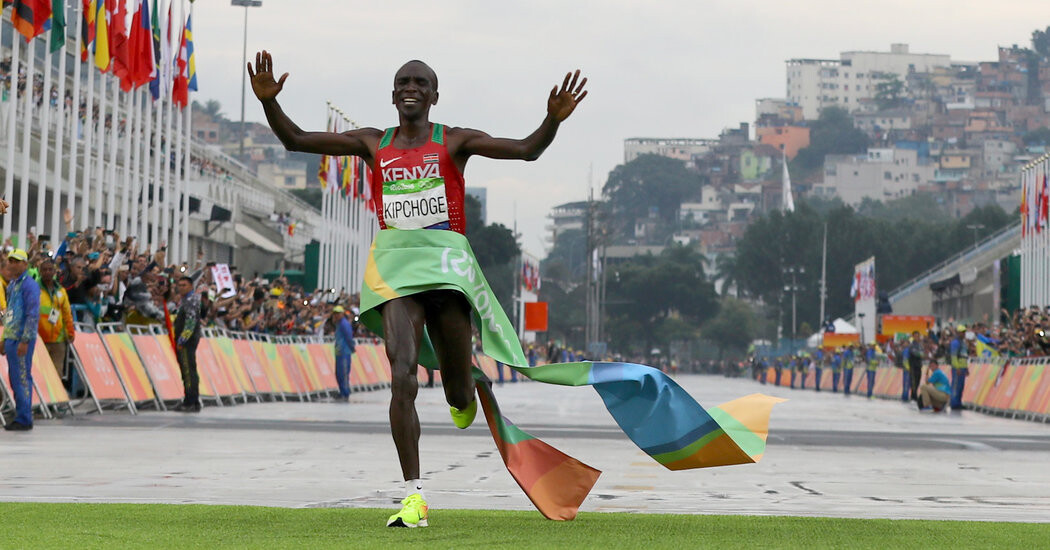
Kipchoge reflected on the memories that continue to inspire him, recalling that Brazil was where he captured his first Olympic marathon gold medal—a defining achievement that transformed both his career and his life.
"Going back to Brazil means a lot to me. This is where I won my first Olympic gold medal, a moment that changed my life forever and shaped the path I continue to walk today. The memories of that achievement will always stay with me, not as a finish line, but as a beginning. To return here carries deep meaning."
He concluded his message by inviting fans to be part of the occasion, saying: "Porto Alegre, let us run together and celebrate the spirit of Brazil and the energy of South America."
Kipchoge will face a formidable challenge from a deep and competitive field featuring Ethiopia's Shifera Tamru (2:05:18), Kebede Tulu Wami (2:05:19) and Derese Workneh (2:06:58), all capable of producing world-class performances on the right day.
Kenya will also be strongly represented by Philemon Kiptoo (2:05:35), Timothy Kipkorir Kattam (2:06:40), Thomas Kibet Maru (2:07:53) and Dominic Nyairo (2:09:13), ensuring another thrilling chapter in the long-standing Kenya-Ethiopia rivalry that has defined elite marathon racing for decades.
The international field is further strengthened by Brazil's José Márcio Leão and Paulo Roberto Paula, Chile's Hugo Catrileo, Morocco's Yakoub Labquira and Zineddine Ouria, and Paraguay's Derlys Ayala, giving the race a truly global flavour.
With a blend of marathon champions, rising contenders and experienced campaigners assembled on the start line, the streets of Porto Alegre are set to host a captivating battle over 42.195 kilometres. Beyond the pursuit of victory, Kipchoge's return adds an emotional dimension to the event, reconnecting him with a country where one of the defining chapters of his legendary career was written. As the world turns its attention to Brazil, fans can expect a fiercely contested race where tactical brilliance, endurance and resilience will determine who emerges victorious.
by Erick Cheruiyot for My Best Runs.
Login to leave a comment
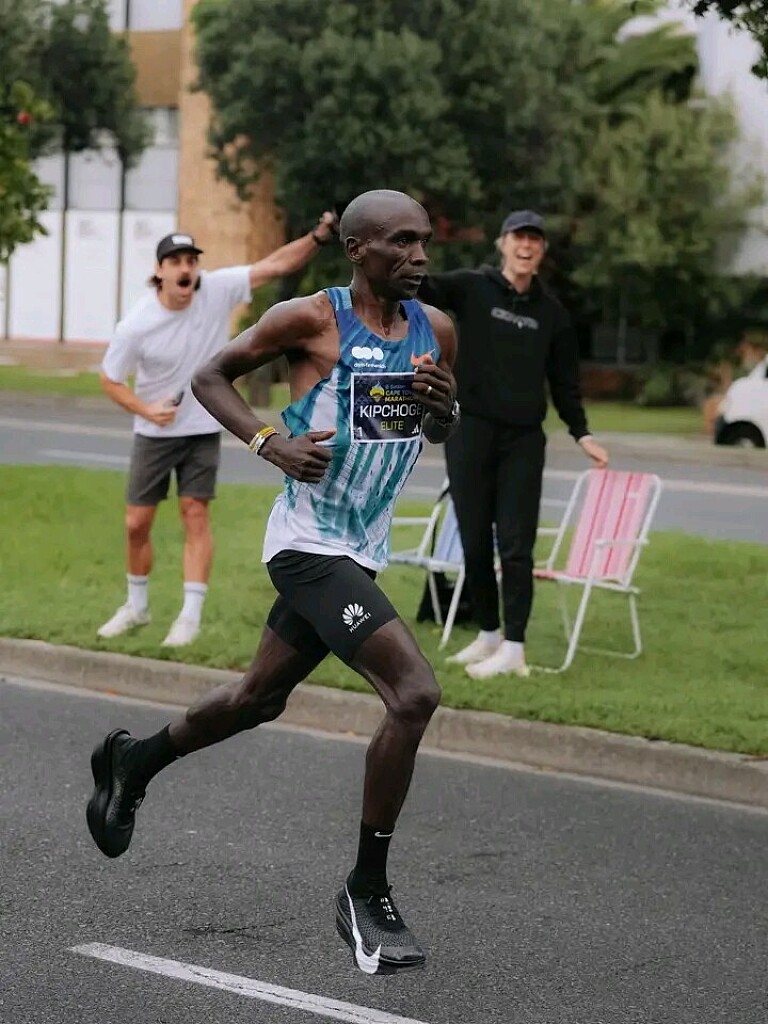
Kipchoge’s Global Journey Continues as Marathon Legend Targets Porto Alegre Glory
At 41 years old, marathon icon Eliud Kipchoge continues to defy time and redefine greatness. After opening his 2026 World Marathon Tour campaign at the Sanlam Cape Town Marathon in South Africa, the Kenyan legend is now preparing for the next stop of his global journey — the Porto Alegre Marathon in Brazil on Sunday, July 12.
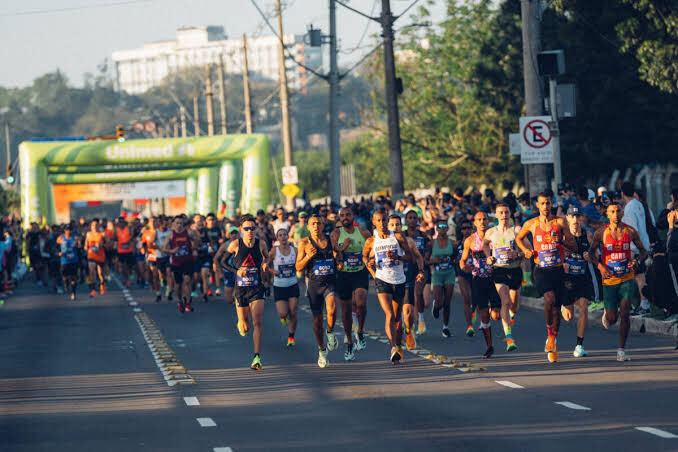
Kipchoge crossed the finish line in Cape Town in 2:13:29, placing 16th overall while maintaining an average pace of 3:09 per kilometre. Although the result may not reflect the dominance that defined many of his peak years, the performance once again highlighted the extraordinary longevity, discipline, and fighting spirit of one of the greatest marathon runners in history.
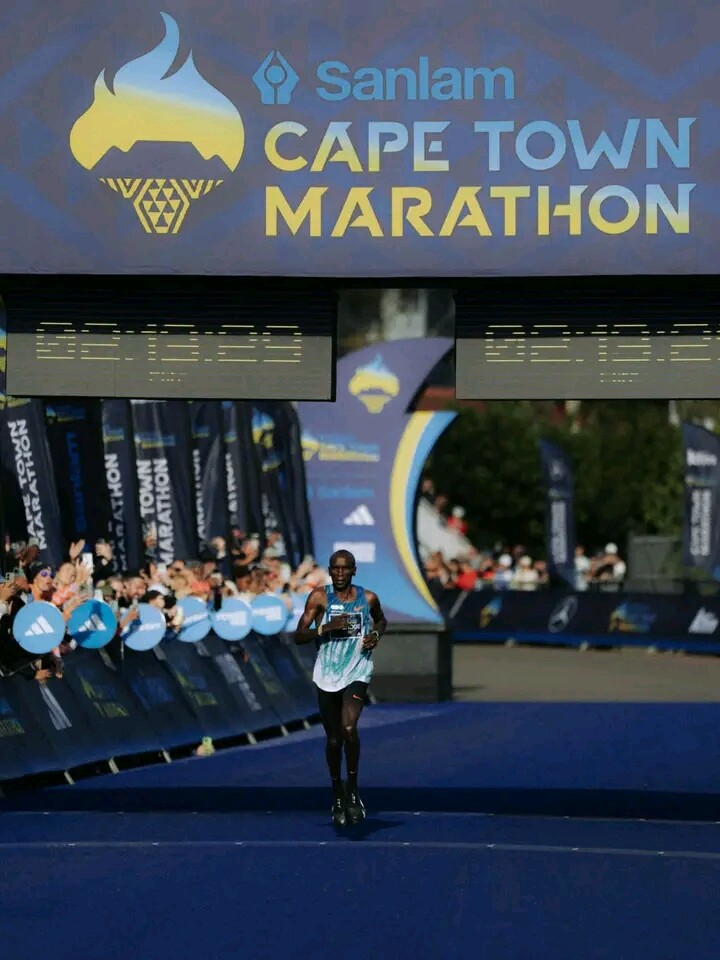
Even at 41, Kipchoge remains one of the most respected and influential figures in world athletics. His presence alone transforms races into global attractions, drawing attention from fans, athletes, and organizers across continents. From his historic unofficial sub-two-hour marathon achievement — a groundbreaking performance that changed the perception of human endurance forever to multiple Olympic and World Marathon Major triumphs, the Kenyan superstar has already secured a legacy few athletes will ever match.
Now, attention shifts to Brazil, where excitement is rapidly building ahead of his appearance at the Porto Alegre Marathon. The race is expected to attract massive international interest as South American fans prepare to witness one of the sport’s greatest icons compete live on their streets.
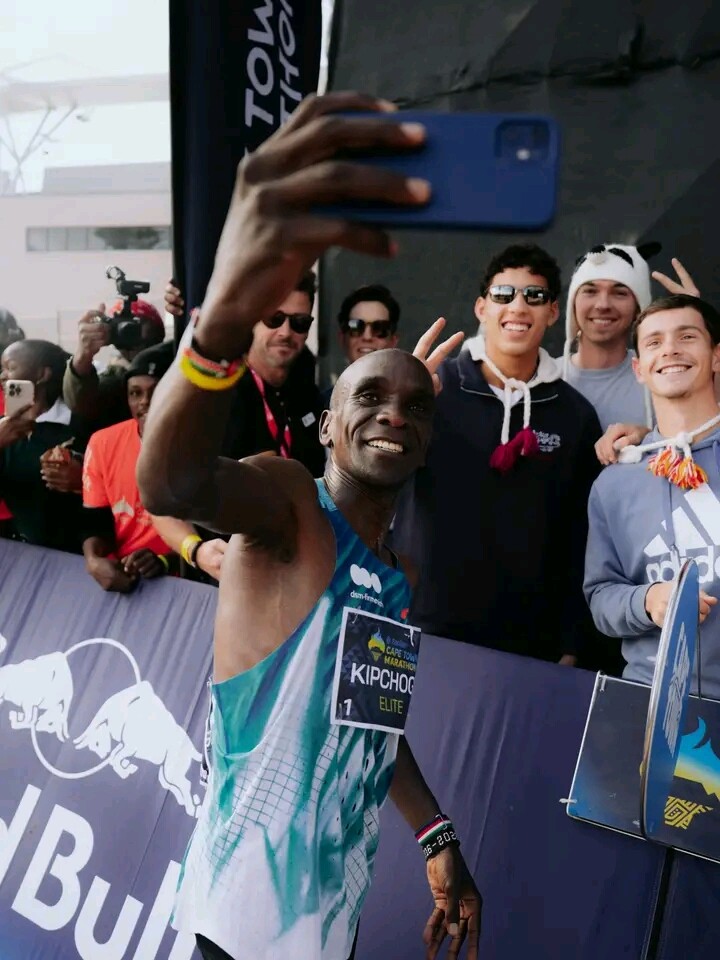
Kipchoge’s enduring philosophy, “No Human Is Limited,” continues to inspire millions around the world. More than a slogan, it has become a symbol of resilience, ambition, and the belief that barriers are meant to be challenged regardless of age or circumstance.
As he continues his 2026 campaign, Kipchoge is proving that greatness is not only measured by victories, but also by consistency, influence, and the courage to keep competing at the highest level. From Cape Town to Porto Alegre, the marathon king’s remarkable journey continues to captivate the athletics world.
by Erick Cheruiyot for My Best Runs.
Login to leave a comment
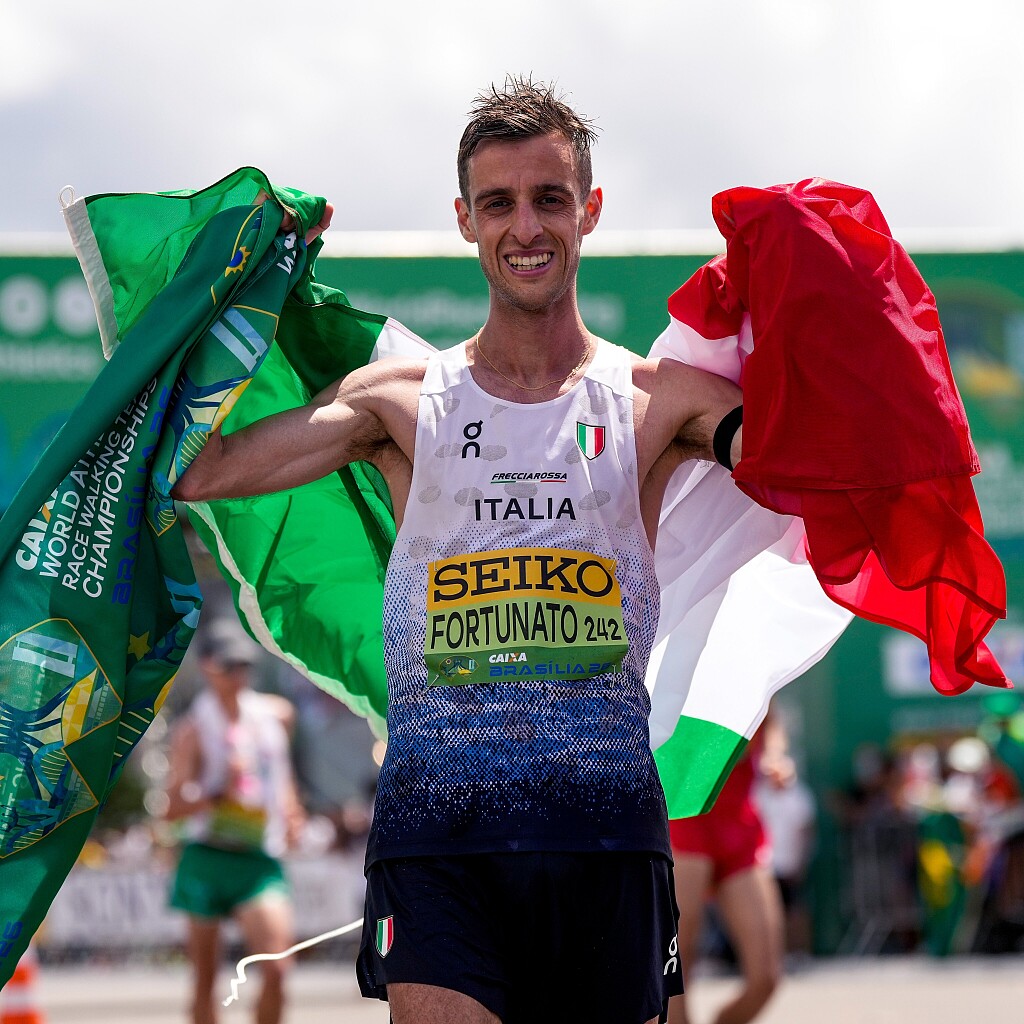
Fortunato and García León Crowned World Champions in Brazil
The 2026 World Athletics Championships Race Walk events in Brazil delivered two memorable contests, as Italy’s Francesco Fortunato and Peru’s Kimberly García León claimed gold in the men’s and women’s Half Marathon Race Walk titles respectively.
In the men’s race, Fortunato produced a performance of courage and composure to seize the world crown in dramatic fashion. The Italian star crossed the line in a championship record and personal best of 1:27:25, overcoming two red cards and harsh racing conditions before launching a devastating final-kilometre surge.
With the pressure at its highest, Fortunato found the strength to move past both Ethiopia’s Misgana Wakuma and Brazil’s Caio Bonfim, turning a tense battle into a historic victory. His triumph confirmed his status among the finest race walkers of his generation.
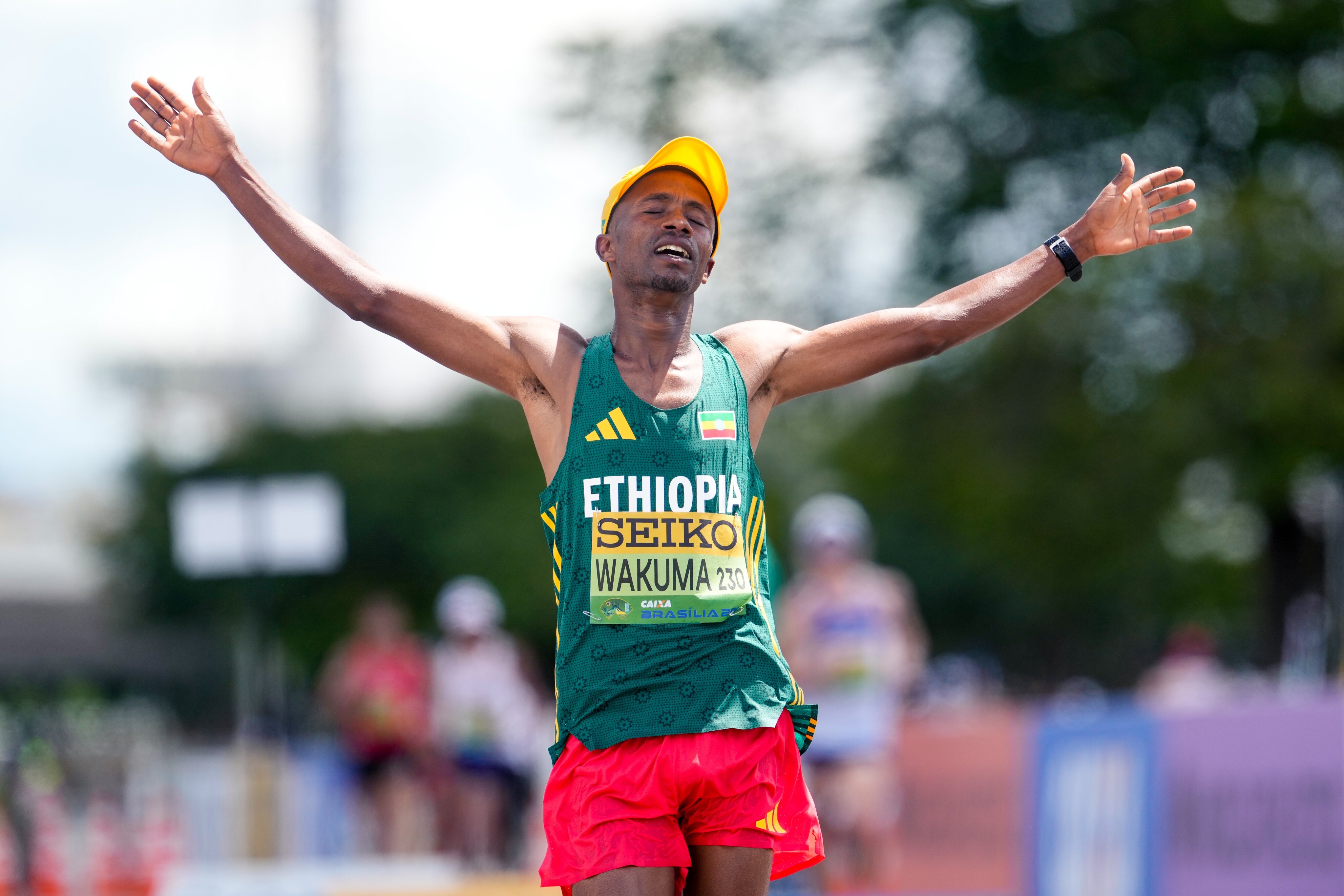
Wakuma earned a landmark silver medal for Ethiopia in 1:27:33, underlining Africa’s growing presence in the discipline, while home favourite Bonfim delighted the Brazilian crowd with bronze in 1:27:36.
Men’s Top 10 Results – Half Marathon Race Walk
1. Francesco Fortunato (Italy) – 1:27:25
2. Misgana Wakuma (Ethiopia) – 1:27:33
3. Caio Bonfim (Brazil) – 1:27:36
4. Leo Köpp (Germany) – 1:27:50
5. Kento Yoshikawa (Japan) – 1:28:00 SB
6. Jordy Rafael Jiménez Arrobo (Ecuador) – 1:28:00
7. Toshikazu Yamanishi (Japan) – 1:28:18
8. Tomohiro Noda (Japan) – 1:28:42
9. Diego García Carrera (Spain) – 1:28:55
10. Álvaro López (Spain) – 1:29:08
The women’s race was equally impressive, with Peru’s Kimberly García León once again proving why she remains one of the dominant names in global race walking. The reigning world champion over 20km judged her race perfectly, timing her effort to perfection before pulling clear to win gold in 1:35:00.
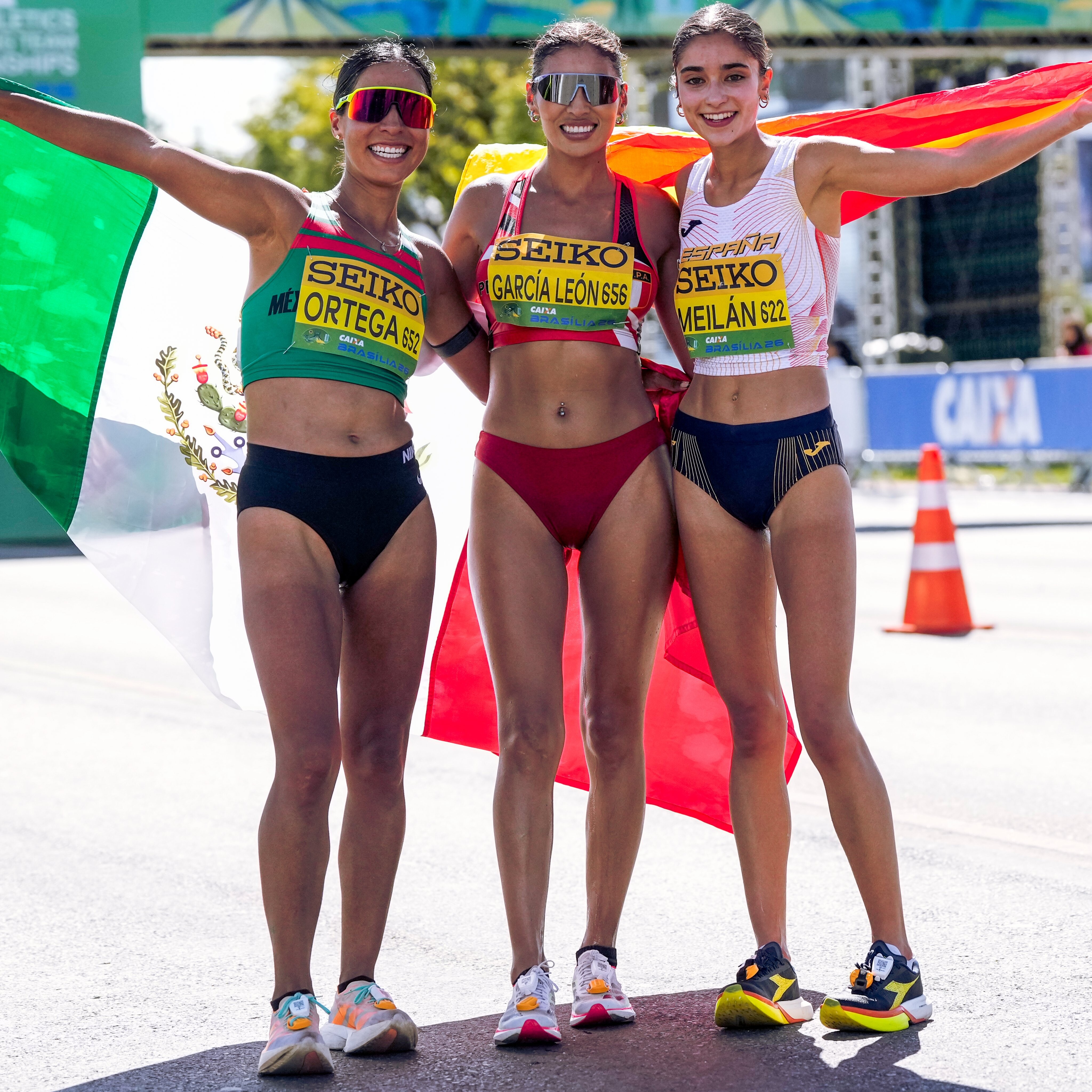
Her measured display of control and precision earned Peru another major title and reinforced her reputation as one of the sport’s most consistent champions.
Mexico’s Alejandra Ortega claimed silver in 1:35:21 after a strong and determined performance, while Spain’s Aldara Meilán completed the podium with bronze in 1:35:38.
In the women’s team standings, Ukraine secured the gold medal, with Spain taking silver and Australia finishing with bronze.
Together, the men’s and women’s races showcased the extraordinary demands of championship race walking—technical excellence, tactical intelligence, and resilience under pressure. In Brazil, Fortunato and García León rose above the rest to write their names into world championship history.
by Erick Cheruiyot for My Best Runs.
Login to leave a comment
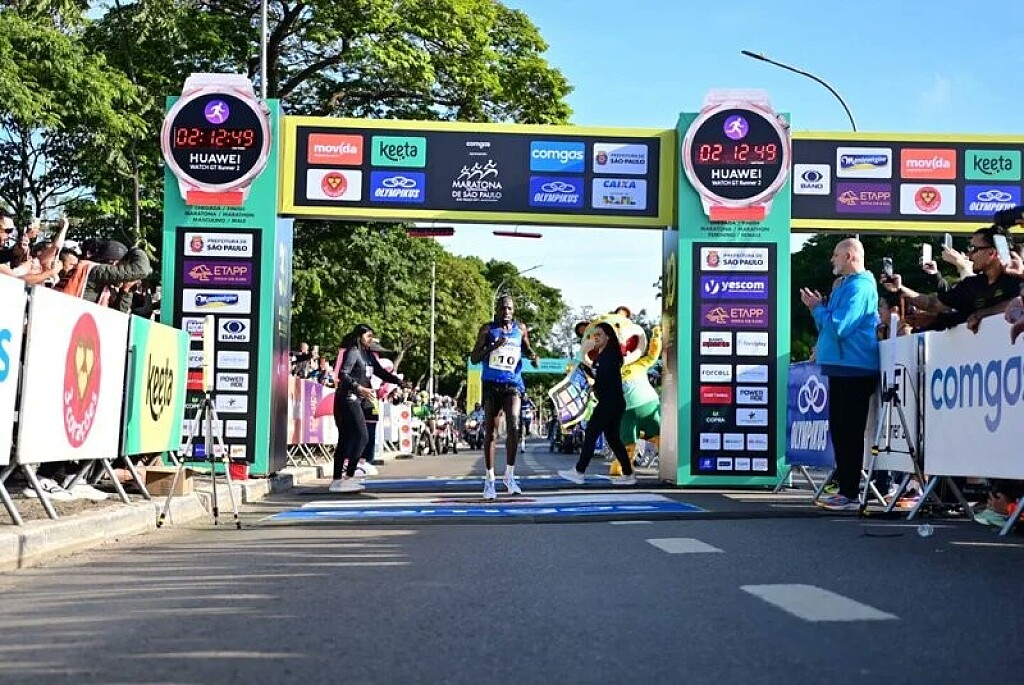
Kenya Rules São Paulo as Marathon Brilliance Lights Up Brazil
Kenyan distance running once again announced its global supremacy in emphatic fashion as Team Kenya produced a commanding display at the 2026 São Paulo Marathon in Brazil, sweeping the men’s podium and claiming two of the three places in the women’s race.
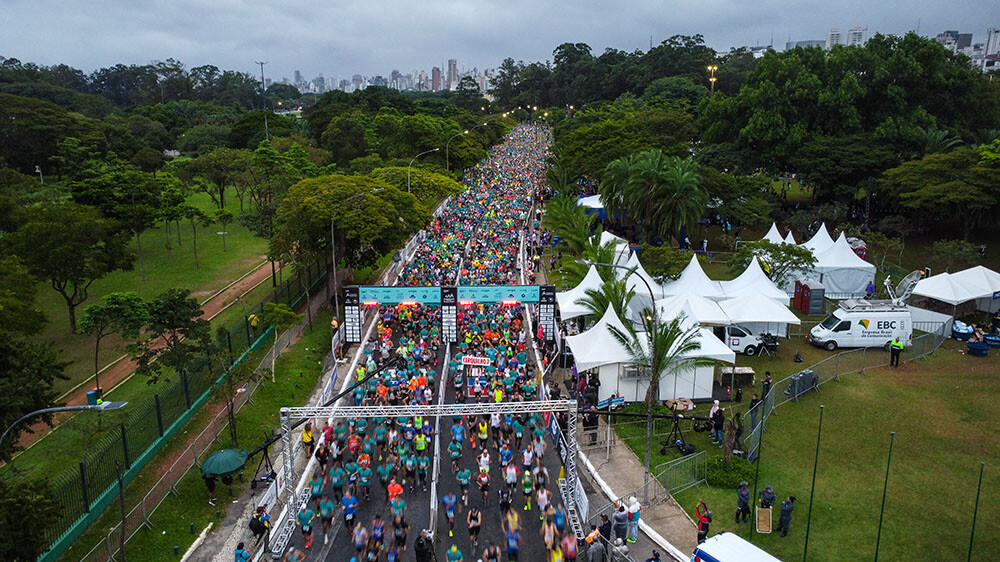
From the opening kilometers to the final stride, the streets of São Paulo became a stage for Kenyan excellence, with world-class endurance, tactical discipline, and fearless finishing proving too strong for the international field.
In the women’s race, Euliter Jepchirchir Tanui delivered a composed and authoritative performance to secure victory in 2:33:06. Running with confidence and control, Tanui timed her race superbly before pulling clear when it mattered most to seal a memorable triumph.
Ethiopia’s Desta Abera Demise fought hard to take second place in 2:37:12, while another Kenyan star, Vivian Jeftanui Kiplagat, completed the podium in 2:38:52, ensuring Kenya celebrated two medal positions in the women’s contest.
If the women’s race was impressive, the men’s event was a complete Kenyan masterclass.
Ezekiel Kemboi Omullo stormed to victory in 2:12:47, holding off a relentless challenge in one of the closest finishes of the day. Just six seconds behind, fellow Kenyan Elias Maiyo crossed in 2:12:53, while Jonathan Maiyo completed an extraordinary clean sweep for Kenya in 2:13:16.
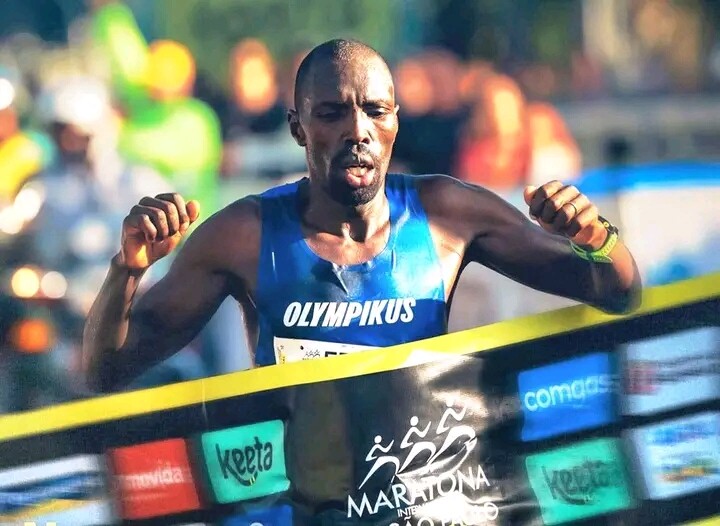
The all-Kenyan podium underlined the nation’s unmatched depth in marathon running, where fresh talent continues to rise and established names continue to deliver on the biggest stages.
The 2026 São Paulo Marathon will be remembered not only for fast times and fierce competition, but for another powerful chapter in Kenya’s rich athletics legacy. Across continents and across generations, Kenyan runners continue to set the standard—unstoppable, unshaken, and simply uncontrollable.
by Erick Cheruiyot for My Best Runs.
Login to leave a comment
Sao Paulo Marathon
São Paulo International Marathon is held annually in the city of São Paulo since 1995. The competition also includes the25 km, 10 km and 3 km walk, in addition to the marathon. It is carried out all within the city of São Paulo, with departure and arrival in the Ibirapuera Park....
more...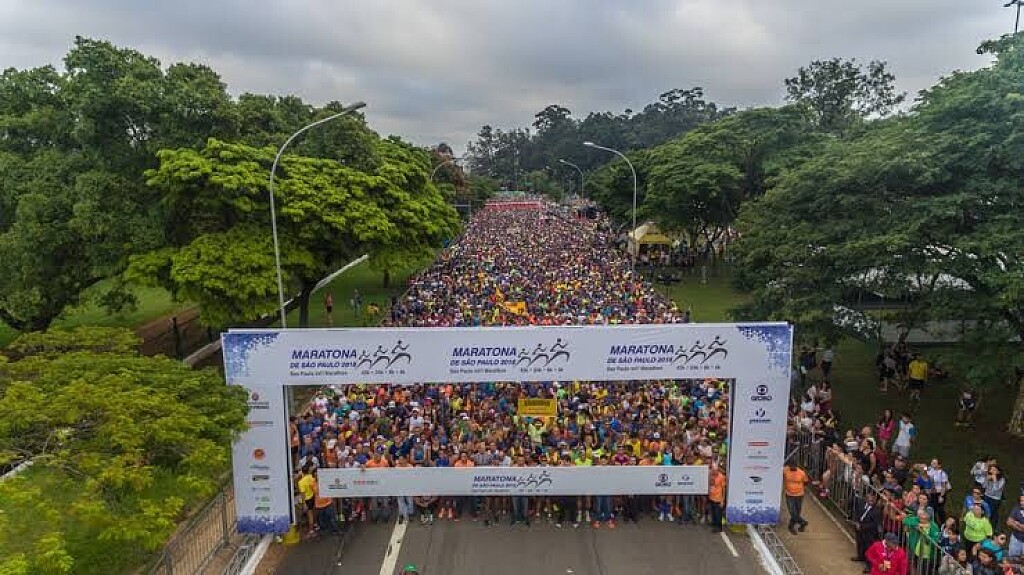
São Paulo Marathon Set for High-Calibre Showdown as Elite Field Assembles
The stage is set for a compelling distance-running spectacle in São Paulo, Brazil where an accomplished and diverse elite field will converge on April 12 for the latest edition of the São Paulo Marathon. With a blend of proven performers and emerging contenders, the race promises both tactical intrigue and high-quality performances across the board.
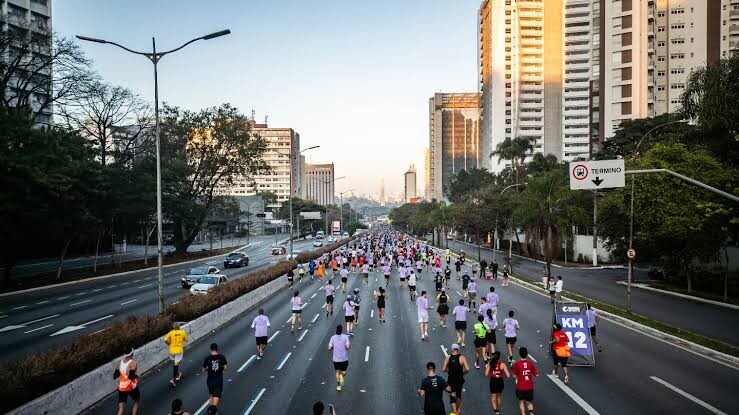
Leading the men’s lineup is Kenya’s Jonathan Maiyo, the standout entrant on paper with a personal best of 2:04:56. Known for his consistency and strength over the marathon distance, Maiyo enters as the man to beat, carrying both experience and pedigree into the Brazilian streets.
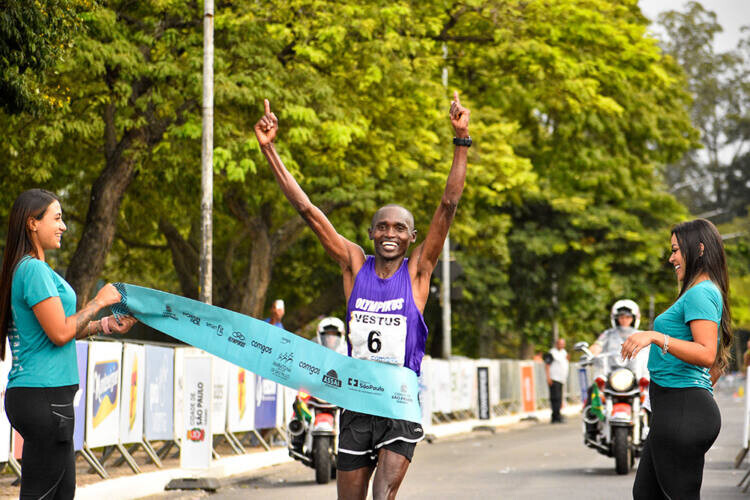
He will be closely challenged by compatriots Ezekiel Kemboi Omullo (2:08:26) and William Kibor (2:08:32), both of whom bring solid credentials and the capacity to influence the pace. With such depth among the Kenyan trio, the men’s race could unfold into a strategic battle rather than a straightforward time trial, especially if conditions play a role.
In the women’s contest, Uganda’s Nancy Cheptegei headlines the field with a personal best of 2:31:45. She faces stiff competition from Kenya’s Vivian Jeftanui Kiplagat (2:37:14) and Edna Jeruto Kimitei (2:43:15), both eager to challenge for top honors and potentially upset the pre-race hierarchy.
Beyond the statistics, the São Paulo Marathon is renowned for its vibrant atmosphere and demanding course, factors that often shape unpredictable outcomes. The combination of urban energy, climatic variables, and tactical racing typically ensures that victories are earned through resilience as much as raw speed.
As the countdown to race day narrows, anticipation continues to build. Whether it’s a dominant display from the favorites or a breakthrough performance from an outsider, all signs point to a gripping contest in one of South America’s premier road races.
by Erick Cheruiyot for My Best Runs.
Login to leave a comment
Sao Paulo Marathon
São Paulo International Marathon is held annually in the city of São Paulo since 1995. The competition also includes the25 km, 10 km and 3 km walk, in addition to the marathon. It is carried out all within the city of São Paulo, with departure and arrival in the Ibirapuera Park....
more...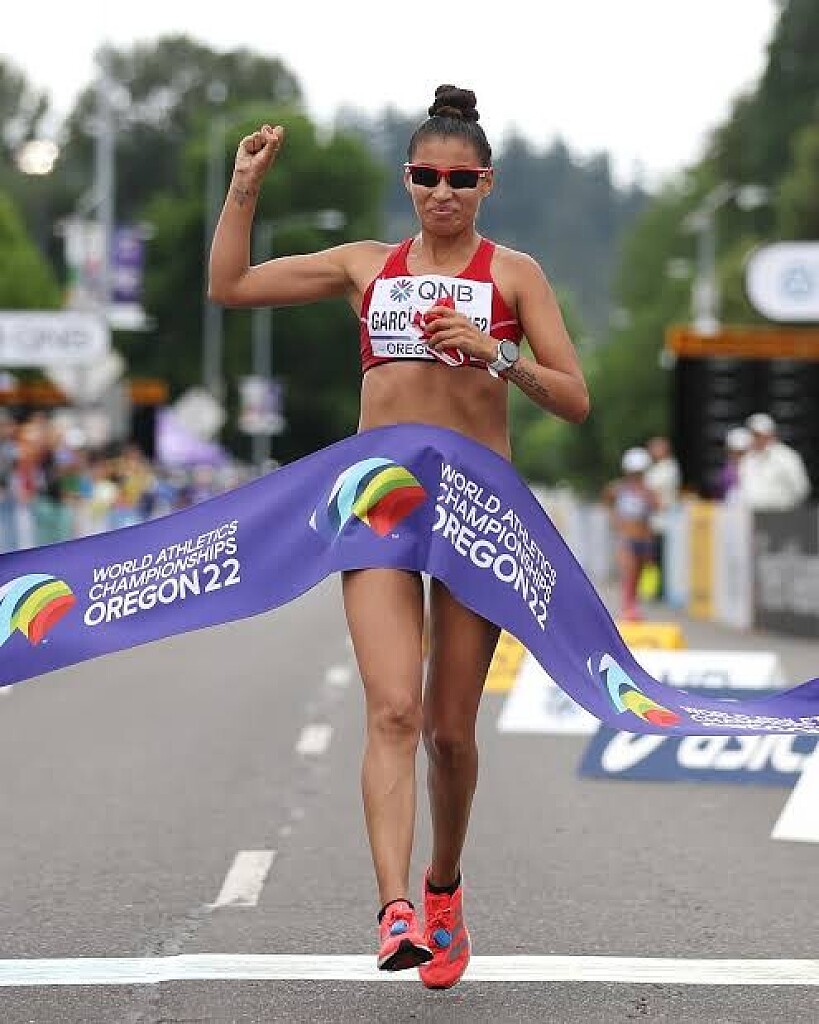
New Era Unfolds in Brasília as Race Walking Stars Chase Historic Half Marathon Glory
A fresh chapter in global race walking is set to be written in Ciaxa World Athletics Race Walking Team Championships Brasília 26, where the women’s half marathon makes its long-awaited championship debut in the Brazilian Capital. On Sunday, April 12, the Brazilian capital will host a compelling mix of proven champions and rising contenders, all navigating the uncertainty of a distance that promises both opportunity and unpredictability.
With 74 athletes representing 28 nations, the race introduces a new tactical dimension to elite race walking. The one-kilometre loop course in Brasília will test not only endurance and pacing but also adaptability, as athletes transition from the traditional 20km format to this slightly longer challenge.
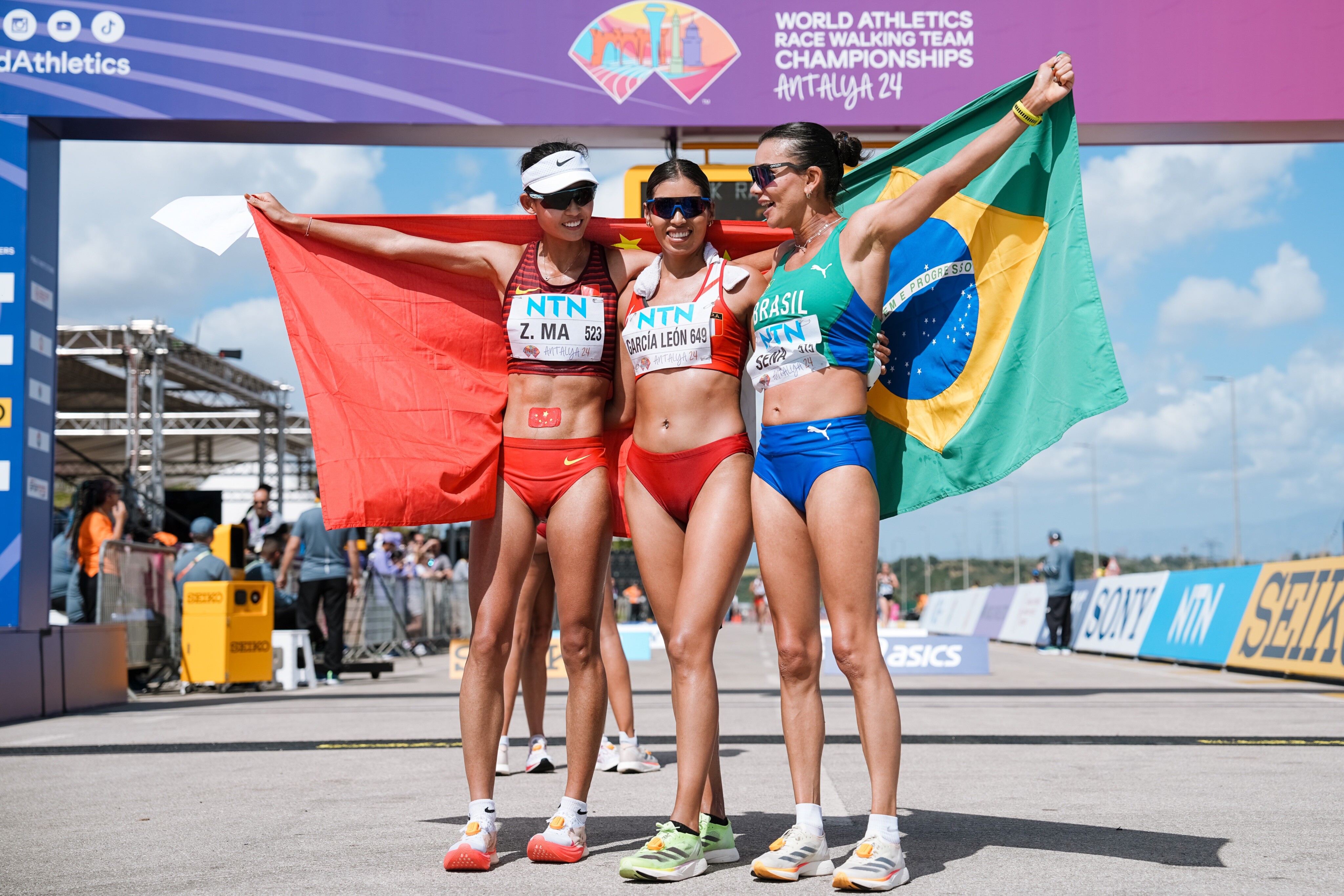
Leading the charge is Peru’s Kimberly García, a double world champion from 2022 and the reigning 20km champion from the previous edition. García has opened her 2026 season in impressive fashion, clocking a personal best of 1:34:17 at Dudince, underlining her readiness to contend for top honours. Her consistency and championship pedigree make her one of the standout names heading into this historic race.
She is joined by compatriot Evelyn Inga, who arrives with momentum after a breakthrough victory at the Dudinská 50, where she set a South American record of 1:33:49. Together, the Peruvian duo not only strengthens their individual medal prospects but also boosts their nation’s chances in the team standings, having narrowly missed out on the title in the previous championships.
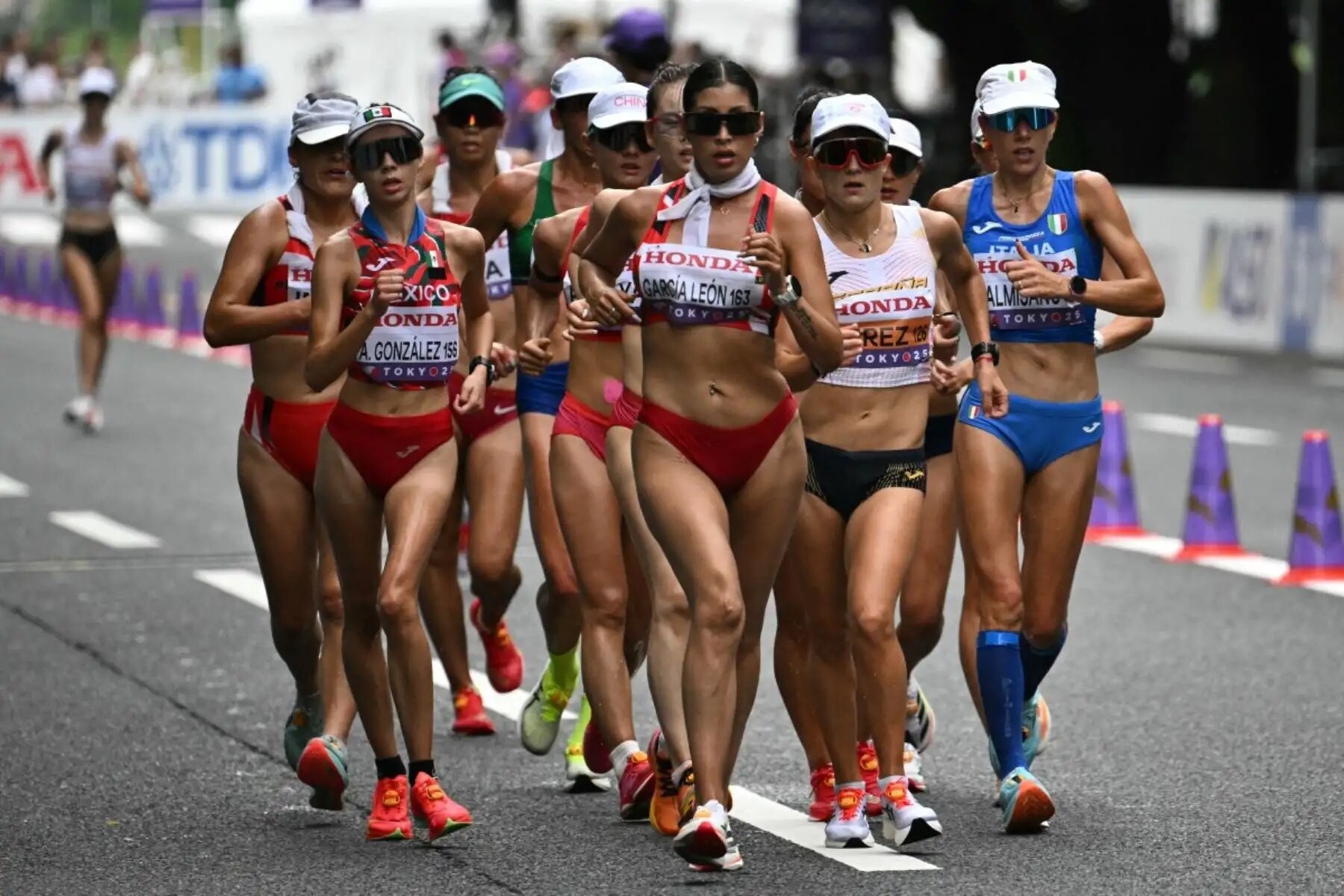
China, however, looms large once again. With exceptional depth, the Asian powerhouse fields five of the six fastest entrants. At the forefront is Ji Haiying, who leads the field with a world-class 1:32:22 recorded in Taicang. She is closely backed by Guo Na (1:32:24) and Dou Maocuo (1:32:27), forming a formidable trio that places China as overwhelming favourites for the team crown.
Spain’s Antía Chamosa adds further intrigue. The 26-year-old has steadily climbed the ranks and enters the championships in peak form after securing the national title with a personal best of 1:33:45. Her progression, combined with a strong showing at recent global events, suggests she could be a serious threat in this new format.
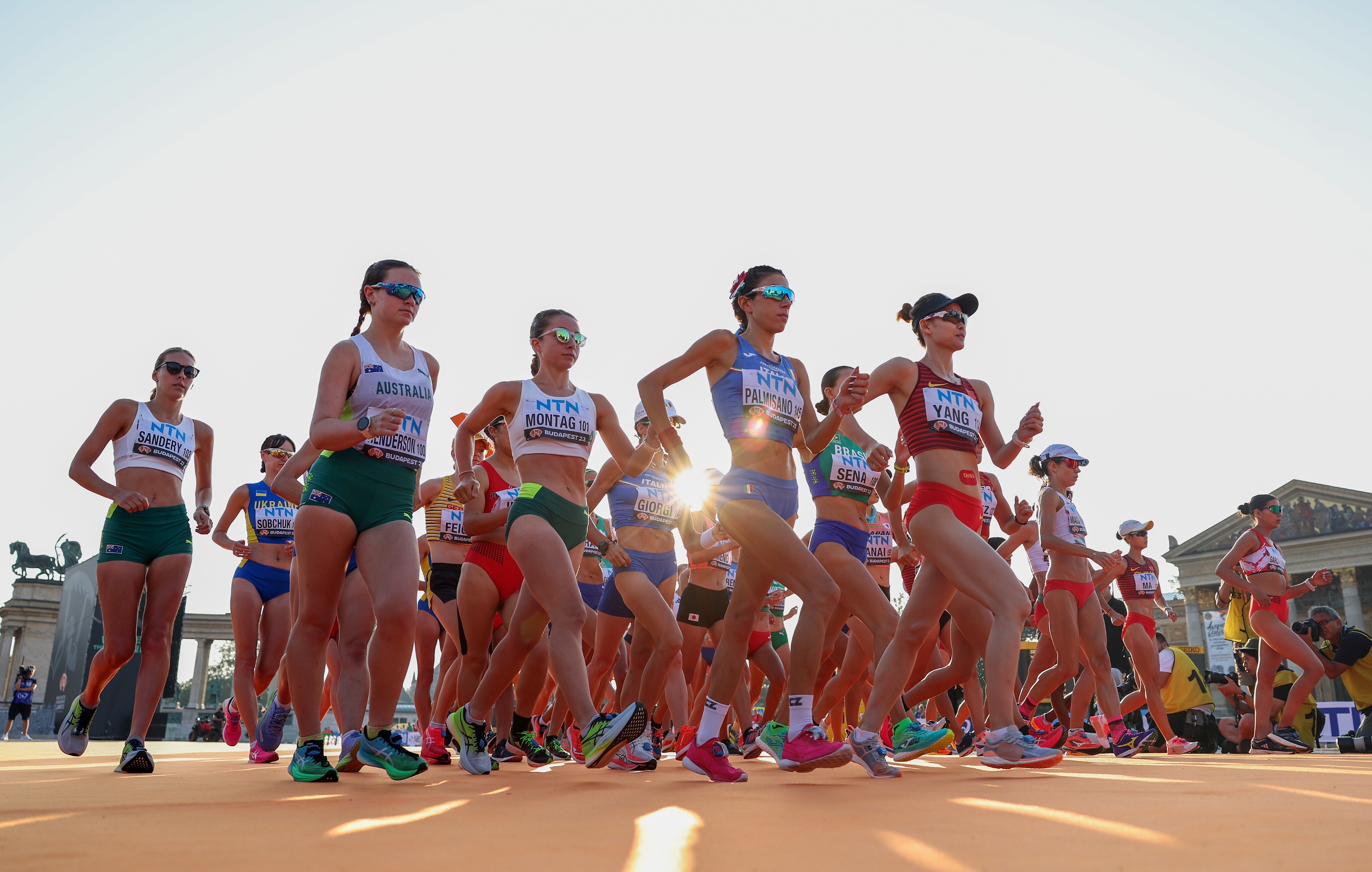
Meanwhile, Poland’s Katarzyna Zdziebło brings invaluable experience. A double world silver medallist, she thrives in high-pressure championship races. Although yet to record a time over the half marathon distance, her tactical awareness and finishing strength could prove decisive in what is expected to be a closely contested race.
Australia also enters the fray with genuine medal ambitions. Rebecca Henderson recently surged to a personal best of 1:32:25 to claim her national title, placing her among the fastest in the field. Alongside her, Olivia Sandery adds depth, having finished second domestically with 1:34:09, ensuring Australia remains competitive in both individual and team battles.
Elsewhere, Mexico’s Alejandra Ortega—third in Dudince—continues to show consistent form, while France’s emerging talent Pauline Stey is steadily gaining ground on the global stage and could challenge the established names.
Italy’s Nicole Colombi remains an intriguing wildcard, having entered both the half marathon and marathon events, with her final decision still pending.
Notably absent, however, are two of the sport’s biggest names: Spain’s double world champion María Pérez and Italy’s Olympic champion Antonella Palmisano. Their absence leaves the podium wide open, creating a rare opportunity for new champions to emerge.
As the sport embraces this new distance, Brasília stands as the stage for innovation, ambition, and history. With no established blueprint for success, the women’s half marathon promises a race defined not just by speed, but by strategy, resilience, and the courage to master the unknown.
by Erick Cheruiyot for My Best Runs.
Login to leave a comment
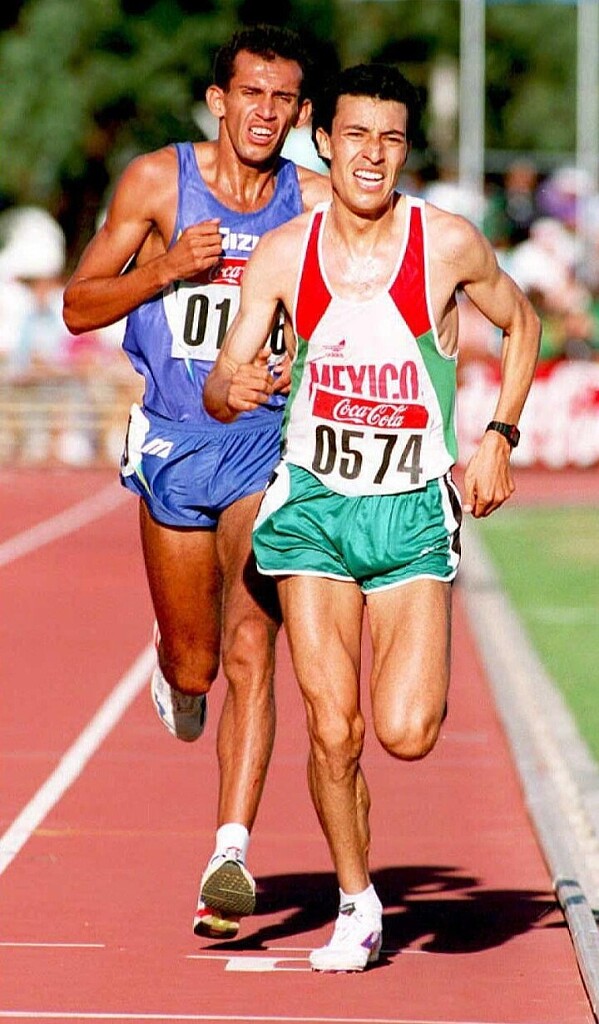
On This Day 1995: Mexico’s Quintanilla Delivers a Masterclass in the 10,000m
On March 18, 1995, the coastal city of Mar del Plata, Argentina, became the stage for a compelling chapter in long-distance running. The 12th Pan American Games had drawn elite athletes from across the continent, but it was in the men’s 10,000 meters final where a story of grit, control, and quiet dominance unfolded.
Mexico’s Armando Quintanilla stepped onto the track with focus etched into every stride. The race began with a measured pace, the pack tightly grouped, each runner conserving energy while watching for the decisive moment. Among them was Brazil’s Valdenor dos Santos, a formidable competitor known for his endurance and tactical awareness.
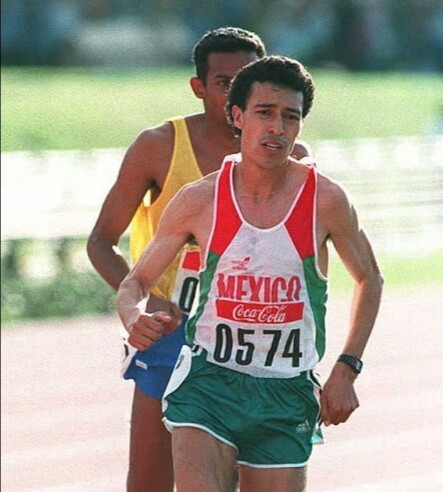
As the laps wore on, the rhythm of the race began to shift. Quintanilla, composed and calculating, gradually moved to the front. His stride remained smooth, almost effortless, as if he had already visualized this very moment long before the starting gun had fired. Dos Santos stayed within striking distance, refusing to let the gap widen, his determination evident with every passing lap.
But championship races are rarely won by proximity alone—they are claimed by those who dare to seize control. In the closing stages, Quintanilla surged with authority, stretching the field and leaving no room for doubt. The Mexican runner crossed the finish line in 28 minutes, 57.41 seconds, securing the gold medal with a performance defined by discipline and timing.
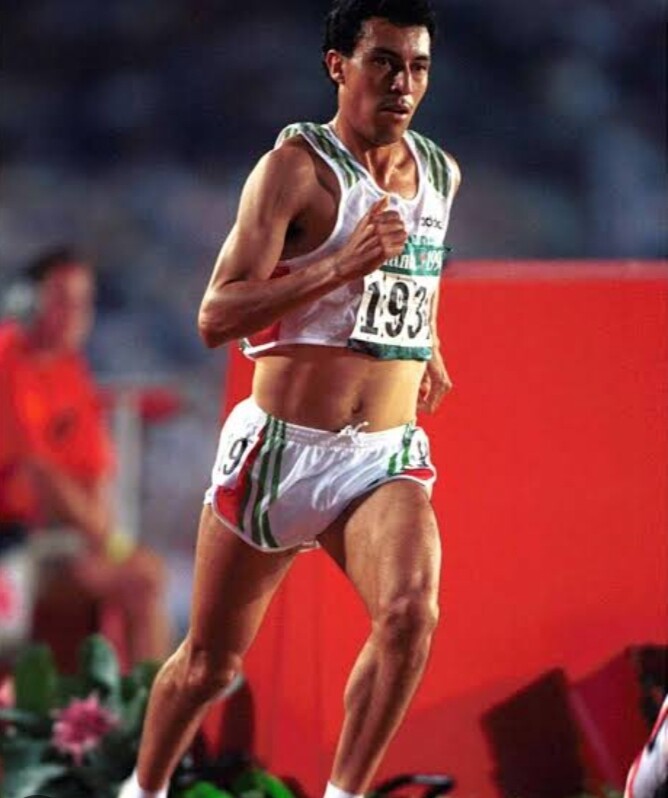
Behind him, dos Santos fought valiantly to the end, earning the silver medal and cementing his place in a fiercely contested race that demanded both resilience and heart.
The 10,000 meters final in Mar del Plata was more than just a race—it was a display of strategic mastery and continental pride. Quintanilla’s victory not only highlighted his personal excellence but also underscored Mexico’s strength in distance running during that era.
Years later, the image of Quintanilla leading the field remains a symbol of determination and execution at the highest level. It serves as a reminder that in long-distance running, greatness is not only about speed—but about patience, courage, and the will to rise when it matters most.
by Erick Cheruiyot for My Best Runs.
Login to leave a comment

Pan American Games
The Pan American Games area premier, quadrennial multi-sport event for 41 nations across the Americas, held one year before the Summer Olympics. Organized by Panam Sports, the games serve as a direct Olympic qualifier and feature thousands of athletes competing in diverse sports. The next edition, the 2027 Pan American Games, will take place in Lima, Peru, from July 16...
more...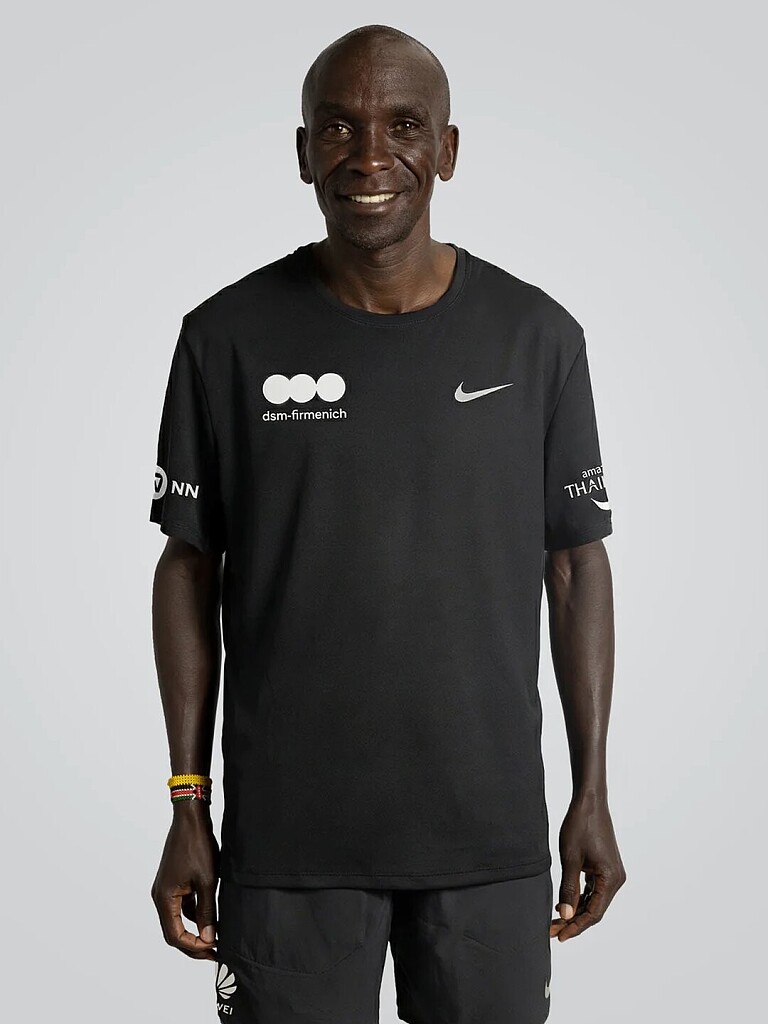
Kipchoge’s World Tour Heads to Brazil with NB42K Porto Alegre Appearance
Marathon legend Eliud Kipchoge is set to continue his ambitious global running mission with a highly anticipated appearance at the NB42K Porto Alegre on July 12, 2026, in Porto Alegre, Brazil.

The South American race will form part of Kipchoge’s unique World Tour project — a challenge that will see the Kenyan great run seven marathons across all seven continents over the next two years. The initiative reflects his vision of using running as a universal platform to connect people and inspire communities around the world.
The visit to Brazil also carries deep personal significance for the two-time Olympic champion. It comes exactly ten years after his unforgettable victory in the 2016 Rio Olympic Marathon in Rio de Janeiro, where he captured the first of his Olympic gold medals and cemented his place among the sport’s all-time greats.
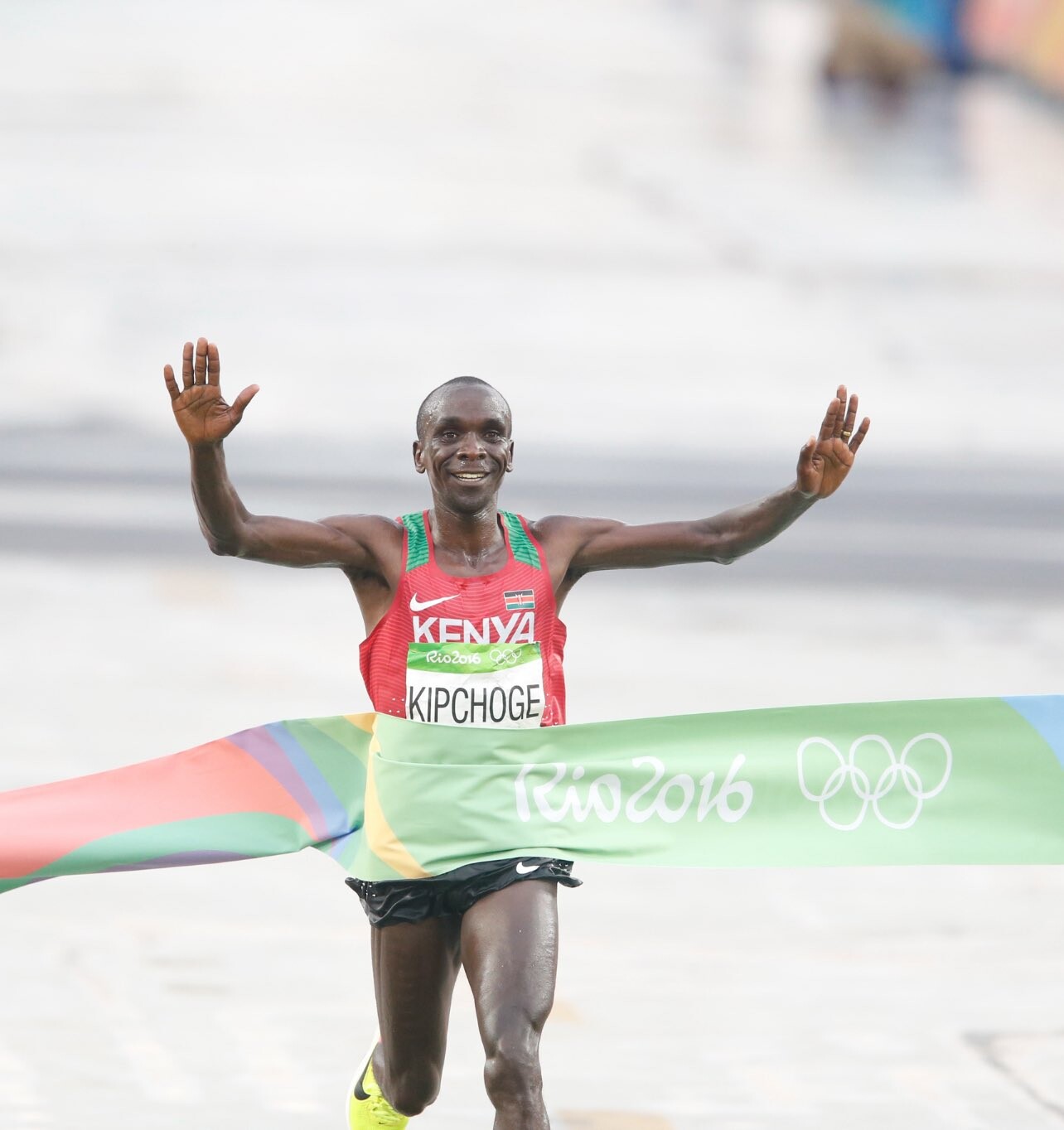
In a message shared on his social media platforms, Kipchoge expressed both excitement and nostalgia about returning to Brazil.
“Running is a universal language that speaks to hope, discipline, and unity. I am very excited to return to Brazil where I won my first Olympic Gold medal. Each continent has its own spirit, and I look forward to sharing this journey with South America while inspiring people to believe that No Human Is Limited. See you on the streets of Porto Alegre on 12 July at the NB42k!”
Kipchoge’s global journey will begin on African soil at the Cape Town Marathon in Cape Town, South Africa on May 24, before the legendary Kenyan heads to South America for the Brazilian stop.
As the world’s most celebrated marathoner continues to write new chapters in his remarkable career, his message remains clear — that running has the power to unite people across continents while reminding the world that no human is limited.
by Erick Cheruiyot for My Best Runs.
Login to leave a comment
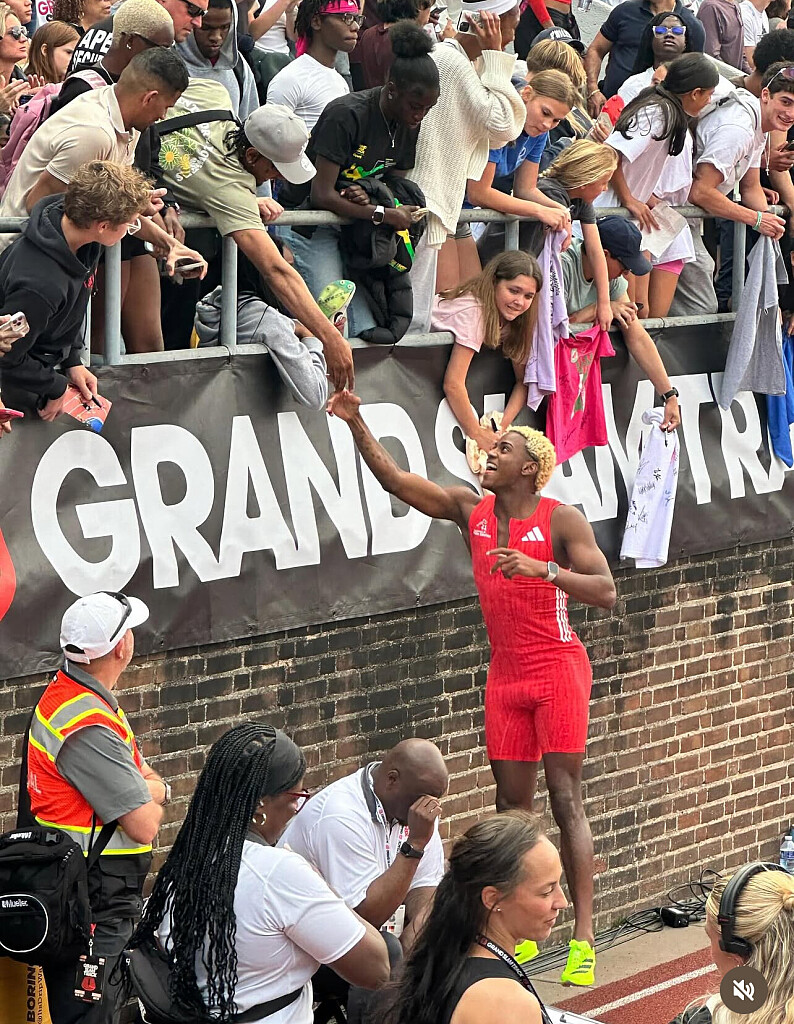
Grand Slam Track Stumbles After Strong Start, Leaving Top Athletes Asking: Where’s the Money?
When Olympic legend Michael Johnson launched Grand Slam Track (GST), the vision was bold: reinvent the sport with an athlete-first approach, big prize purses, and a reimagined global format. With a $30 million launch budget and promises to reward performance like never before, GST quickly gained traction. But after the abrupt cancellation of its final event in Los Angeles, questions are swirling—and athletes are asking where their promised money is.
The LA meet, originally scheduled for June 28–29, was expected to close out GST’s four-meet pilot season. Instead, the cancellation reportedly saved the organization upwards of $3 million, and left some top athletes publicly wondering when—or if—they’ll get paid.
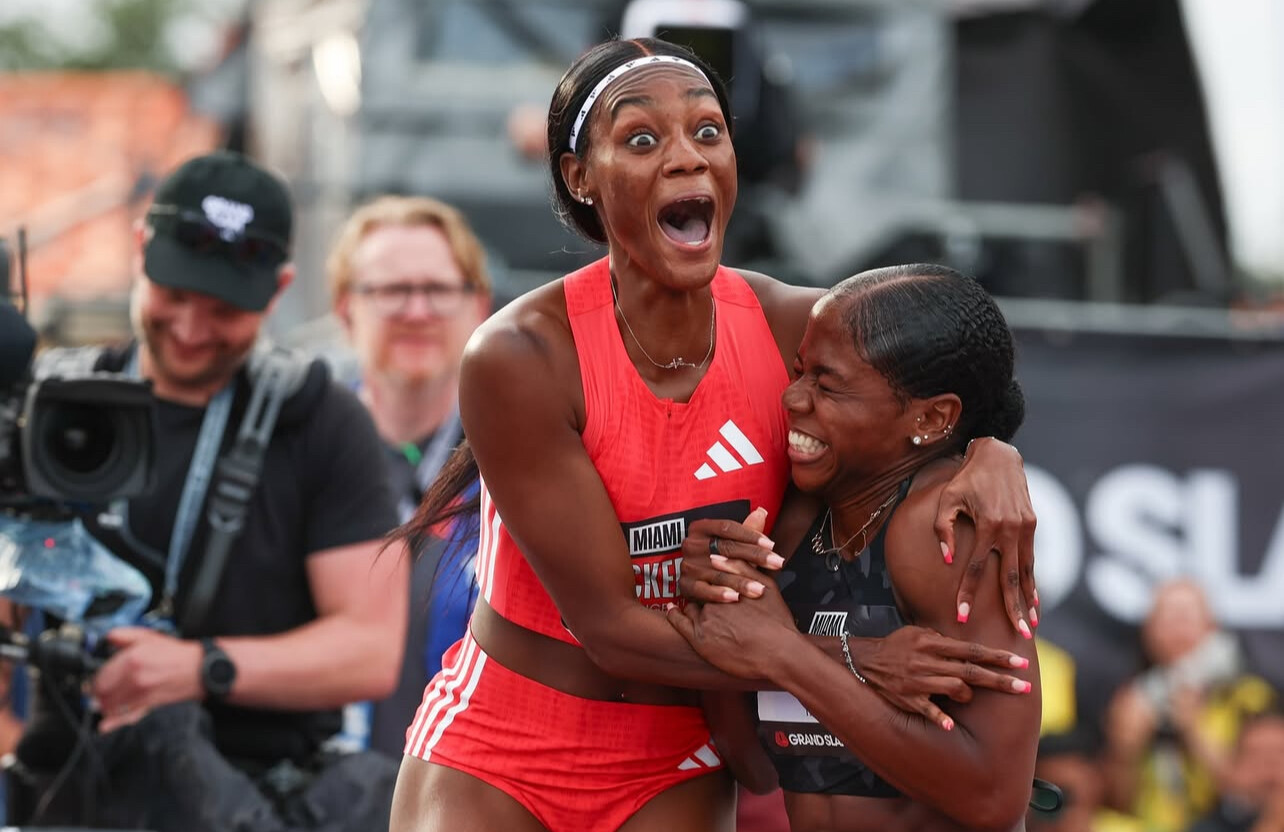
Brazil’s Alison dos Santos, the 2022 world champion in the 400m hurdles, told Norwegian outlet NRKthat he is still waiting on his $250,000 prize check. He said the cancellation came as a surprise but remains hopeful that the money will arrive later this year.
Others were more skeptical. Emmanuel Wanyonyi, Kenya’s Olympic 800m champion and winner of the short-distance event at GST Kingston, admitted after his victory at the Bislett Games that he hadn’t been paid either. “It might come. Why shouldn’t it come?” he said. “They have to pay us. I’ll be patient and wait.”
American distance phenom Nico Young, who won the 3,000m at the Philadelphia Slam and followed that performance with a U.S. record in the 5,000m (12:45.27) in Oslo, offered a more cautious response: “I don’t know if I’m supposed to say anything about it. We’re working on it.”
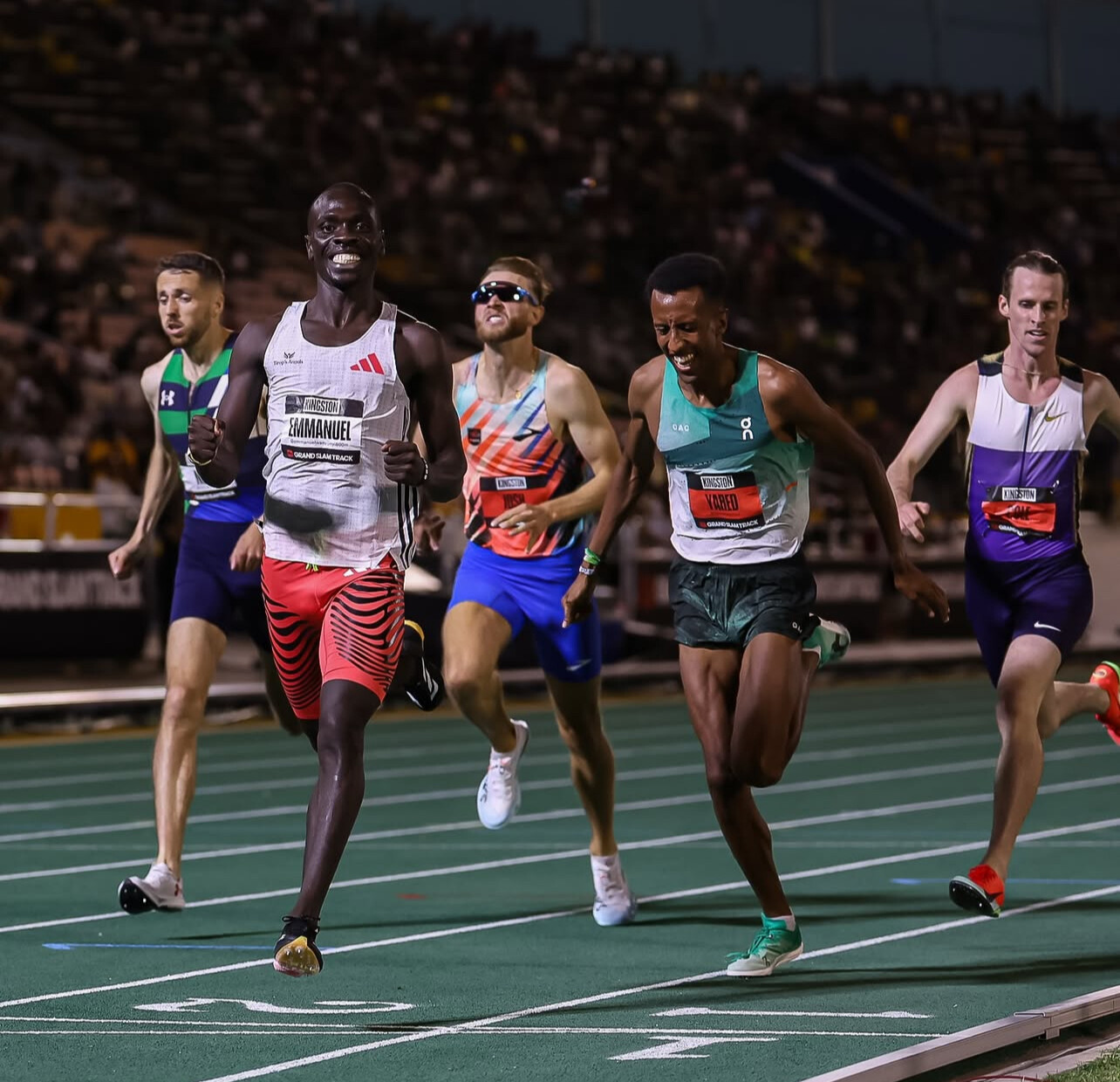
Even those with positive experiences are waiting. Charles Philibert-Thiboutot, a two-time Olympian for Canada, praised GST after competing in Kingston. “Grand Slam Track was one of the best experiences I’ve had as a pro,” he told Canadian Running. “I’m sad to see it struggle, because I do think that’s the way athletes should be treated at the highest level.” Still, he acknowledged he hasn’t been paid yet—but was told the money is on the way.
An agent representing multiple GST athletes confirmed that only half of the prize money from Kingston has been paid, and that winners from Miami and Philadelphia are still waiting. Delays in payout aren’t uncommon in professional track, with 6–12 week lags the norm—but with Kingston now 11 weeks in the rearview, patience is thinning.
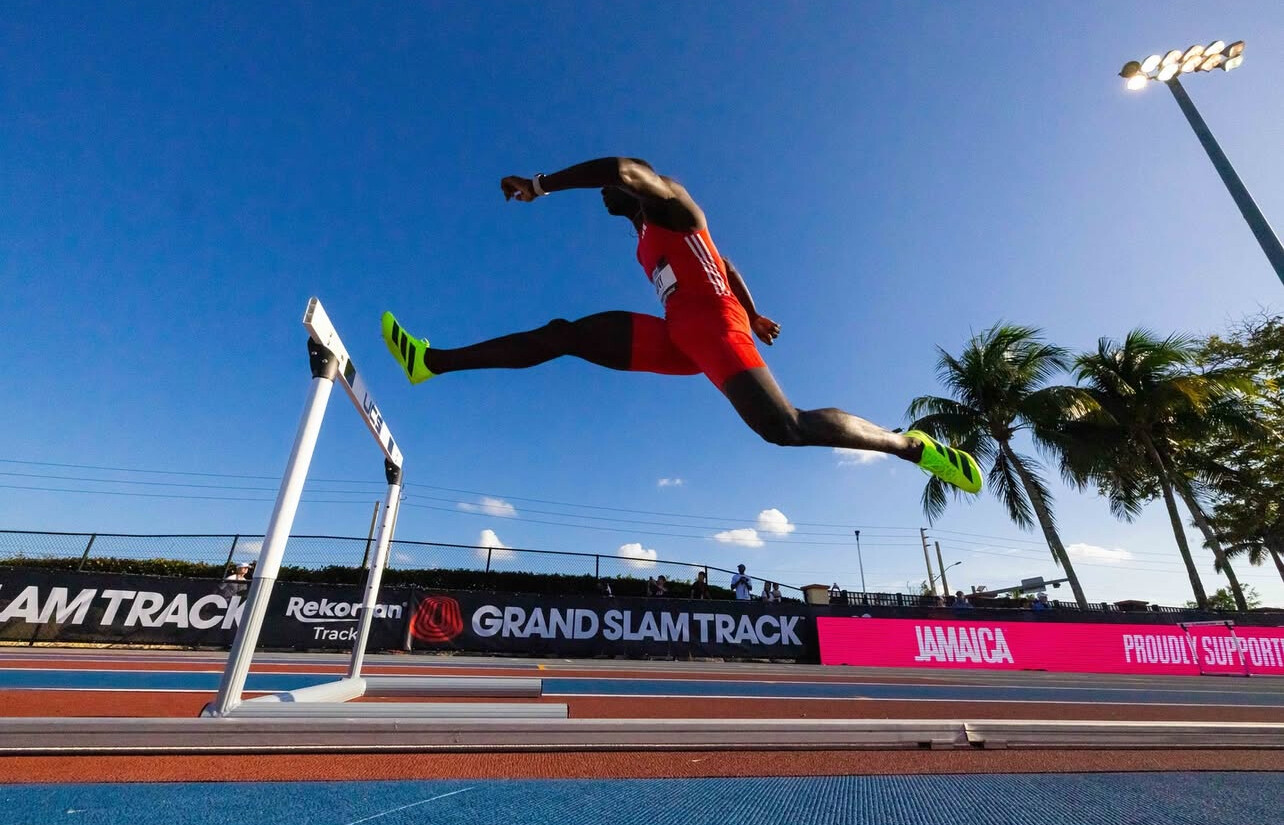
GST was originally backed by a $30 million budget, with $12.6 million earmarked for prize money—$3.15 million per event. The league also supported athlete contracts and high-end production values across its three completed events in Kingston, Miami, and Philadelphia.
In an email to NRK, GST spokesperson Callum Squires cited poor financial conditions at the LA venue as the reason for the cancellation. “The success of our three previous events has led us to make the difficult choice to end the pilot season and set our sights on 2026,” he wrote. “We will announce investors and new partnerships next week.”
Whether Grand Slam Track can recover and return stronger in 2026 may hinge on what happens next—and especially whether the league delivers on its most essential promise: paying the athletes who brought their best to the track.
by Boris Baron
Login to leave a comment
The Champion Who Was Shoved Off Course but Won Our Hearts
He Lost Gold but Won the World’s Respect
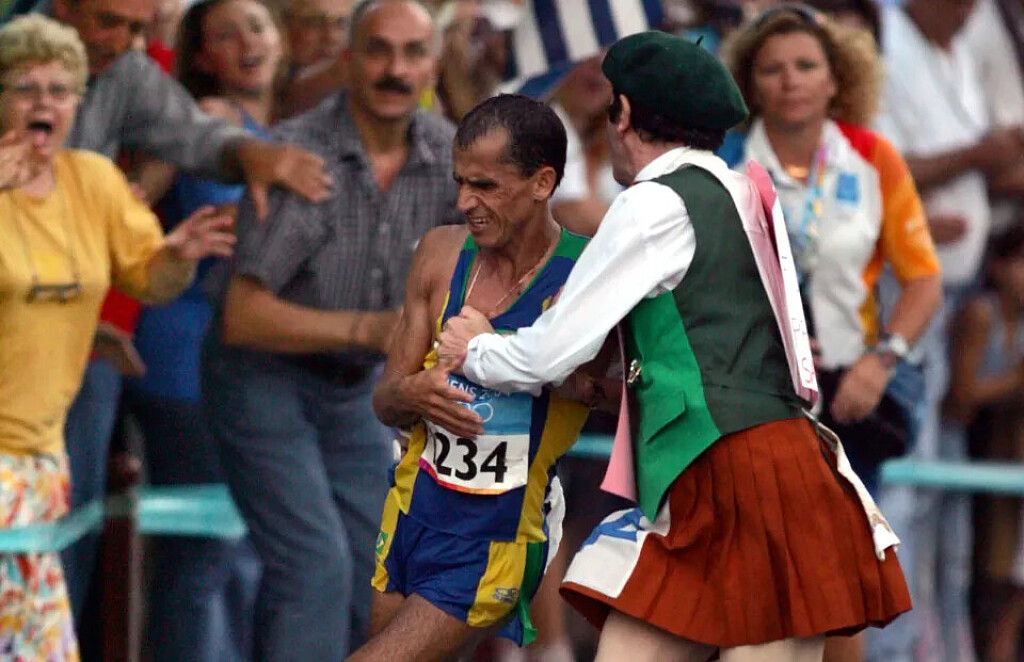
In one of the most unforgettable moments in Olympic history, Brazil’s Vanderlei de Lima was on the brink of glory at the 2004 Athens Olympic Marathon—until a shocking intrusion changed everything.
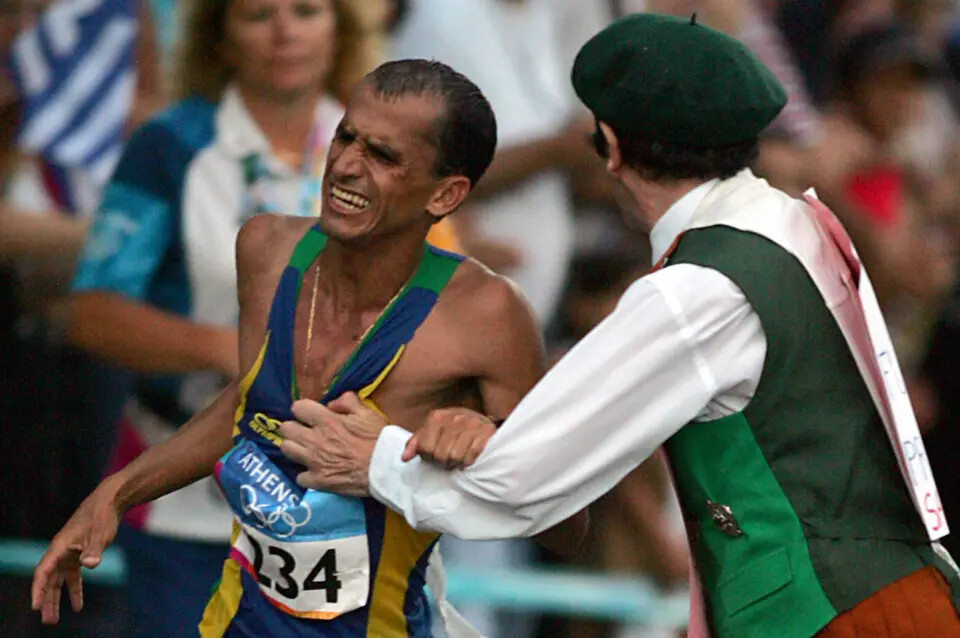
With just over four miles to go and a commanding 25-second lead, de Lima appeared destined to capture Brazil’s first-ever Olympic gold in the marathon. Then, without warning, a man leapt from the crowd and forcefully pushed him off the course.
The assailant was later identified as Neil Horan, a former Irish priest already notorious for disrupting the 2003 British Grand Prix. Though a bystander quickly intervened to help free de Lima, the damage was done—his rhythm was broken, precious seconds were lost, and his chance at gold began slipping away.
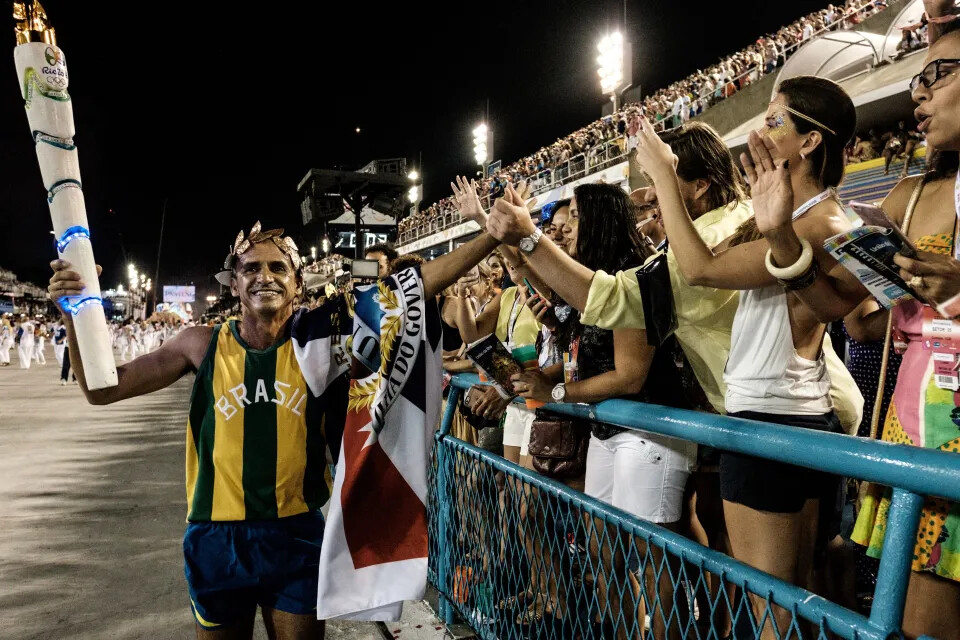
Still, de Lima didn’t stop.
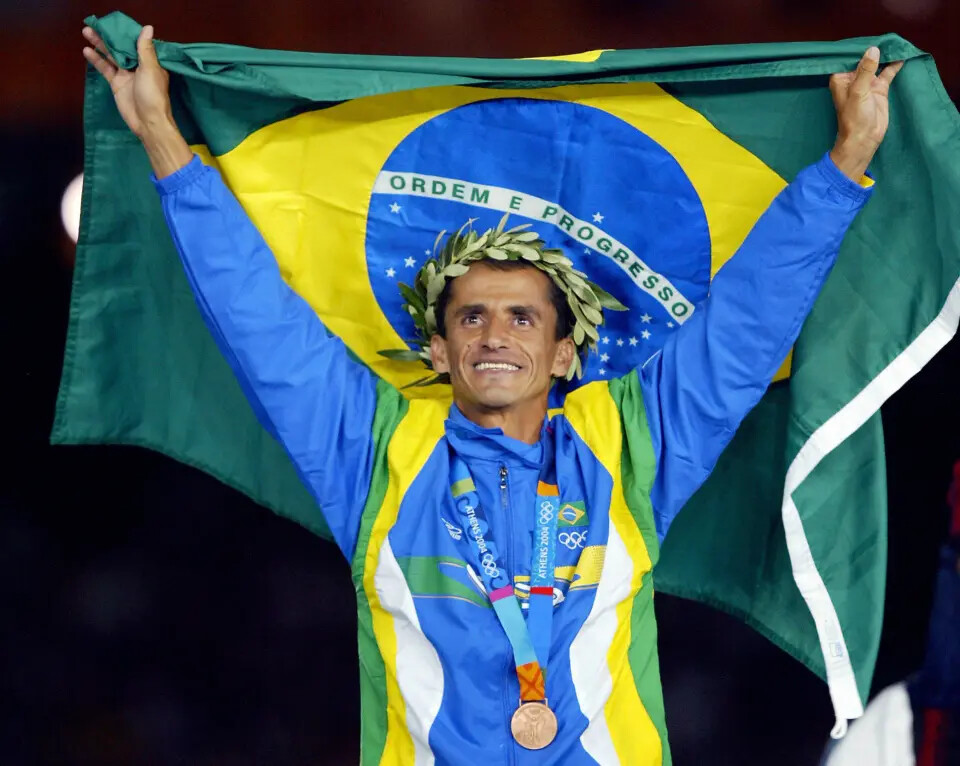
He returned to the course, running with remarkable resolve and even smiling and waving to the crowd as he entered the stadium. He crossed the line in third place, claiming the bronze medal—but earning something even greater in the eyes of the world.
His grace under pressure became a symbol of true sportsmanship. For his extraordinary display of dignity, Vanderlei de Lima was later awarded the Pierre de Coubertin Medal, a rare honor given by the International Olympic Committee to those who embody the Olympic spirit.
Though he was robbed of a gold medal, de Lima’s legacy endures as a timeless reminder: sometimes the greatest victories are not measured by the color of the medal, but by the strength of the human spirit.
What Happened to Neil Horan?
The man who infamously shoved Vanderlei de Lima off course was identified as Neil Horan, a former Irish priest with a history of disrupting major sporting events. He had previously interfered with the 2003 British Grand Prix and was known for spreading extreme religious views.
For the Athens incident, Horan was arrested and later convicted, receiving a 12-month suspended sentence from Greek authorities. Though he didn’t serve jail time, he was globally condemned for robbing de Lima of a likely gold medal. Horan was defrocked by the Catholic Church in 2005 and has since appeared sporadically in the media, showing little remorse for his actions.
Vanderlei de Lima, meanwhile, earned something far more enduring: the world’s respect.
by Boris Baron
Login to leave a comment

Pedro Arieta’s Selfless Finish at the 2025 Boston Marathon Goes Viral
As the iconic finish line of the Boston Marathon came into view on April 21, Brazilian runner Pedro Arieta, 34, was just moments away from achieving a personal milestone. He had been running strong, on pace to finish in under 2 hours and 40 minutes—his ambitious goal for the 2025 edition of the world’s oldest annual marathon.
But as he turned onto Boylston Street, with the roar of the crowd rising and the clock ticking, Arieta was faced with a choice that would define his race in a way no stopwatch ever could.
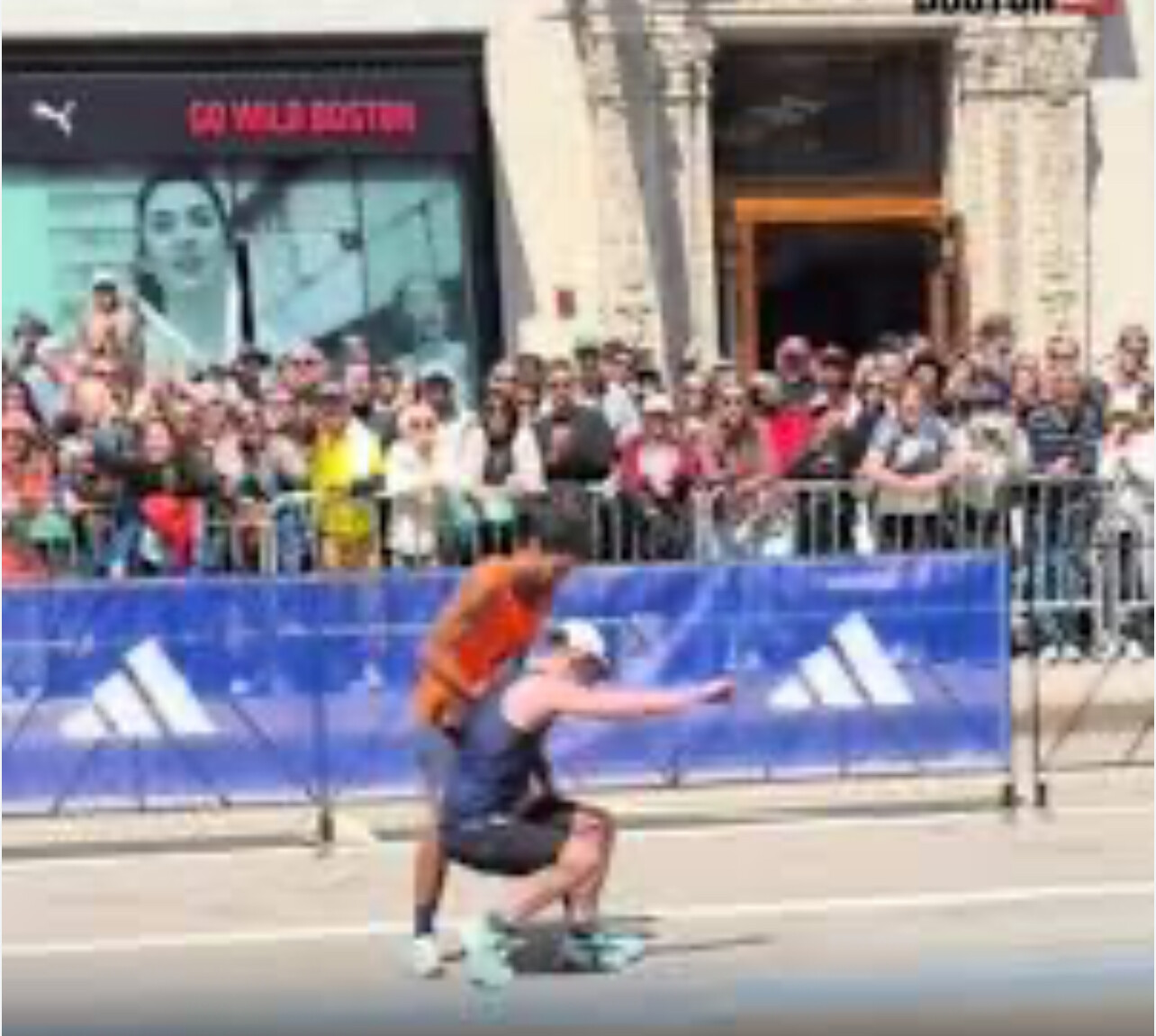
A Moment of Humanity on the Homestretch

Just ahead of him, Shawn Goodwin, a 35-year-old runner from Boston, stumbled and fell. While many runners—focused on their own times and finish-line dreams—sped past, Arieta instinctively slowed, stopped, and reached out.
He sacrificed seconds, and ultimately his sub-2:40 goal, to help a fellow runner get back on his feet and across the finish line.
Several spectators captured the act of sportsmanship on video. Within hours, Arieta’s gesture had gone viral—shared by runners, media outlets, and fans around the world as a moving reminder of what the sport is truly about.
A Finish Time with Greater Meaning
Arieta ultimately crossed the finish line in 2:41:29—just 90 seconds shy of his target. But the story he carried with him mattered more than the numbers.
“The Boston Marathon surprised me in more ways than one,” he wrote in an Instagram post the following day. “It was impossible to run past someone who needed help reaching their dream finish line and not help them complete the Boston Marathon.”
His wife, professional runner Luíza Cravo de Azevedo, who finished in 2:52:36, commented proudly on his post:
“The essence of sport to me is that right there. You dreamed about a sub 2:40 and when you were ALMOST there, God used you to lose a few minutes and do something with much more meaning.”
The Essence of Boston
For thousands of runners each year, the Boston Marathon is the culmination of training, sacrifice, and personal pursuit. But moments like this transcend time goals and rankings. Arieta’s act echoed the true spirit of Boston—a race steeped not just in elite athleticism, but in camaraderie, resilience, and shared triumph.
As Arieta and Goodwin crossed the finish line together, they reminded the world that sometimes, the most memorable moments in sport aren’t recorded on a clock—but in the heart.
by Boris Baron
Login to leave a comment
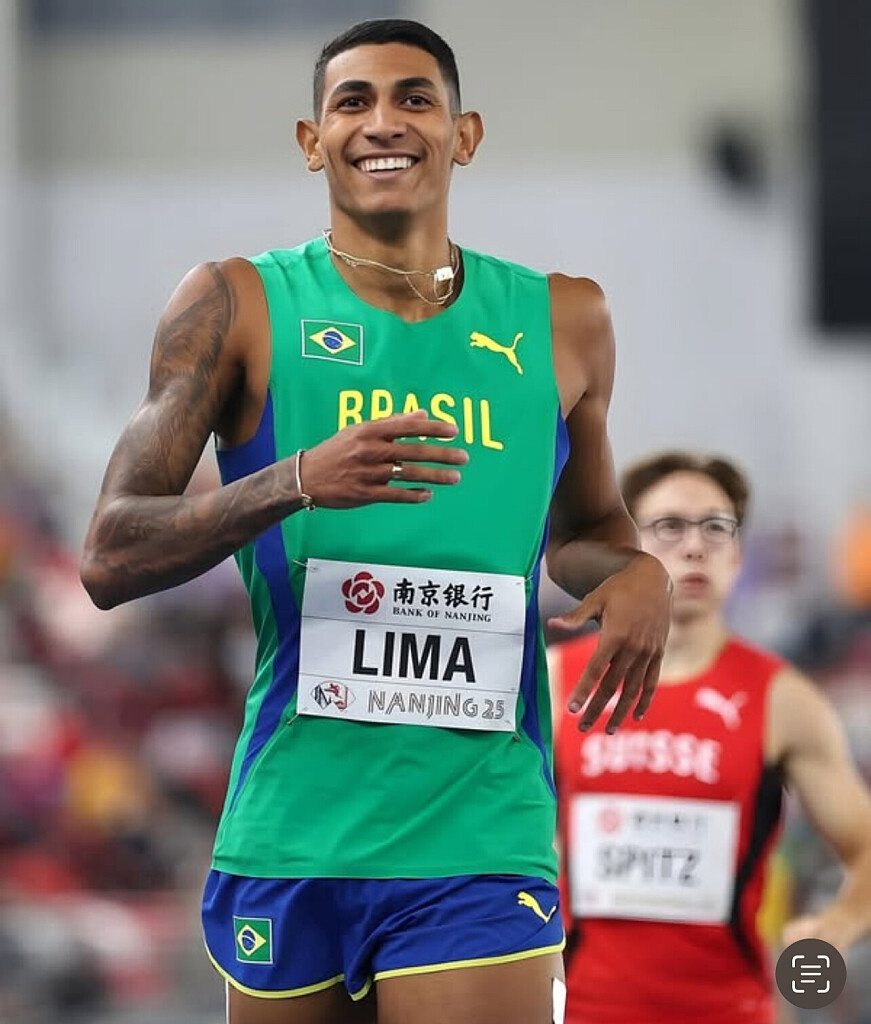
Highlights from the Opening Day of the World Athletics Indoor Championships in Nanjing
The World Athletics Indoor Championships began on March 21, 2025, in Nanjing, China, featuring outstanding performances across various events.
Matheus Lima da Silva Sets South American Record
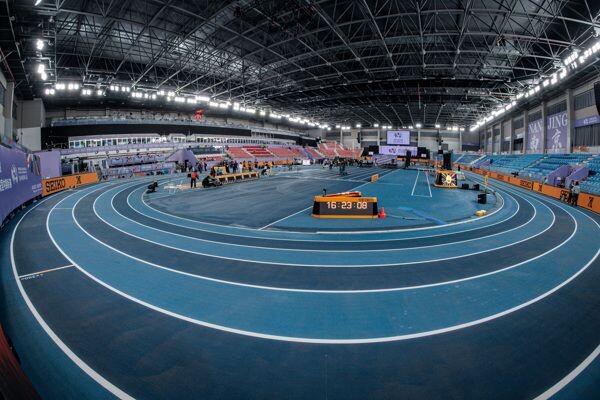
Brazil’s Matheus Lima da Silva set a new South American indoor record in the men’s 400 meters, clocking 45.79 seconds to win his heat and advance to the semifinals.
Triple Jump Gold for Andy Díaz Hernández
Italy’s Andy Díaz Hernández secured gold in the men’s triple jump with a leap of 17.80 meters, setting a new Italian record. China’s Zhu Yaming took silver with 17.33 meters, and Brazil’s Almir Dos Santos earned bronze with 17.22 meters.
Jeremiah Azu Triumphs in Men’s 60 Meters
Great Britain’s Jeremiah Azu won the men’s 60 meters final, recording a personal best of 6.49 seconds. Australia’s Lachlan Kennedy finished second in 6.50 seconds, and South Africa’s Akani Simbine claimed bronze with 6.54 seconds.
Woo Sang-hyeok Wins High Jump
South Korea’s Woo Sang-hyeok claimed gold in the men’s high jump, clearing 2.31 meters. New Zealand’s Hamish Kerr and Jamaica’s Raymond Richards both cleared 2.28 meters, earning silver and bronze respectively based on countback rules.
Strong Performances in Middle-Distance Events
In the men’s 800 meters heats, France’s Yanis Meziane led with a time of 1:46.07, followed by the USA’s Brandon Miller at 1:46.47, and Puerto Rico’s John Rivera at 1:46.84.
The opening day set a high standard, with athletes delivering exceptional performances and setting the stage for an exciting competition ahead.
by Boris Baron
Login to leave a comment
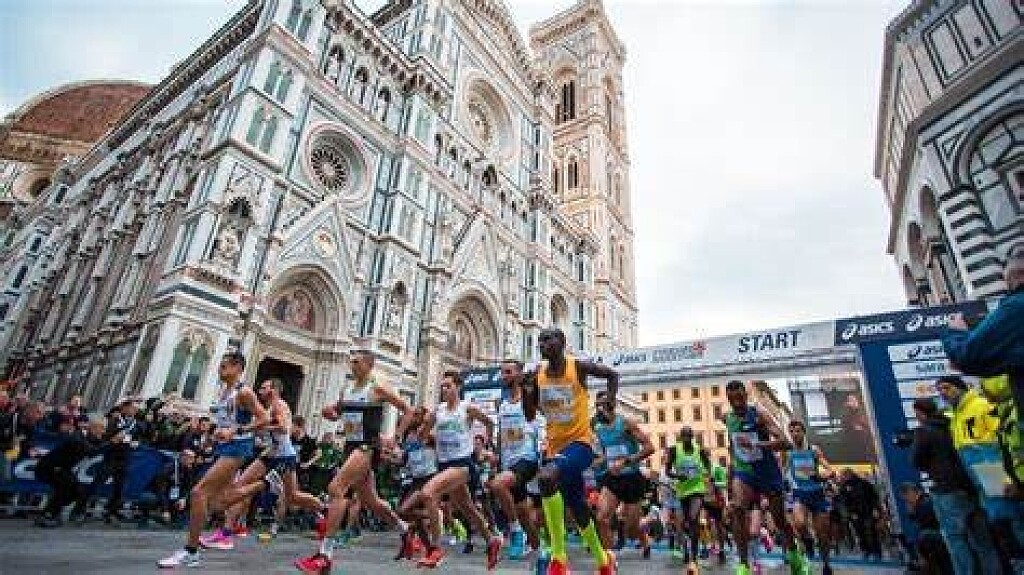
Firenze Marathon 2024: Top runners
Florence - Writing one's name in the roll of honour of a noble event and doing it on the occasion of the 40th birthday, the challenge of the 40^ Estra Firenze Marathon is therefore even more electrifying and the task of making it so is entrusted to twelve men and eight women.
Top runners – Men
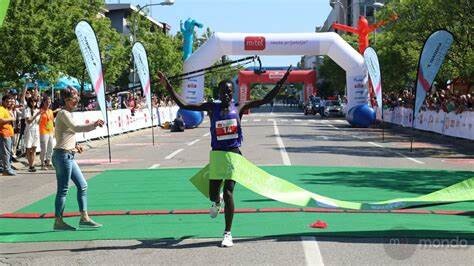
Five from Kenya and Italy, one from France and Burundi to beat the record to be beaten currently in the legs of the Kenyan James Kipkogei Kutto who in 2006 crossed the finish line in 2h08'40". The Kenyan Dikson Simba Naykundi (Caivano Runners) could succeed in his debut on the queen distance. Dikson Nyakundi brings with him the excellent record of 60'39" on the half marathon distance that earned him victory in Treviso in 2022 and has racked up several podiums in Italy, as stated in his curriculum in which we find, among others, the victories in Cremona in 2021 and at the last edition of the Neapolis Half Marathon.
In the race, however, there are those who already have experience on the queen distance and will try to have their say having already run below the record of the event. This is the Kenyan Edwin Kimutai Kiplagat who with 2h08'21", detached in Geneva in 2021, could captain the leading group.
Just over a minute away, the winner of the last edition of the Neapolis Marathon, the Kenyan Samuel Naibei Kiplimo who has already stopped the clock of the 2022 Run Rome The Marathon at 2h09'41", when he conquered the seventh position overall. Behind him is the first on the home list, the Moroccan with an Italian passport Hicham Boufars (Asd International Security) who participated in Florence in 2019 (third overall with 2h13'29"), in 2018 with a personal best (second overall with 2h12'16"), 2015 (2h13'36") and 2014 (2h17'12"), followed by the Kenyan Hyllry Chemweno who this year snatched the personal best of 2h13'28" by winning the Skopje marathon (Macedonia).
A little further behind is Lhoussaine Oukhrid (ASD AT Running) with a personal best of 2h16'25" followed by the Algerian with a French passport Menad Lamrani, last year at the personal best of 2h16'45" at the Rennes marathon (France).
At the start, with the task of acting as a hare, the Kenyan Simon Dudi Ekidor who brings the time of 2h18'58" from the 2019 Nairobi marathon.
Closing the ranks are three Italian regulars of this event, the Moroccan Khalid Jbari (Athl. Club 96 Alperia), capable of 2h21'32", his personal best, in 2022 and Andrea Soffientini (Dinamo Running), for him already three medals in the Firenze Marathon, in 2022 (2h26'36"), in 2021 (2h22'29") and in 2021 (2h26'36") and Kabir Hicham (Pol Moving SSD ARL) who in Florence conquered his best time with 2h22'44" last year, when he showed up sixth at the finish line, improving on the 12^ position of 2021 (2h27'24").
Burundian Jean Marie Bukuru makes his debut with the record of 63'03" in his legs at the 2023 Arezzo half marathon.
Top runners – Women
Five from Kenya, two national standard-bearers and one from Morocco for the glory of the 40^ Estra Firenze Marathon, although, barring surprises, it does not seem that the women's record of the route that belongs to the Olympic Lonah Chemtai Salpeter can waver, in 2018 she had lowered it by four minutes compared to the previous one bringing it to 2h 24'17".
On paper, the victory goes to the Kenyan Vivian Cherotich to whom the Italian roads bring luck, as told by the record with victory conquered at the last edition of the Romeo & Giulietta Half Marathon with a time of 1h09'18" which is on a par with the victory of the last marathon in Eindhoven (Netherlands) when she set her personal best of 2h26'41". Watch out for the Moroccan Souad Kabouchia who here in Florence, in 2021, has already taken fourth place running in 2h27'49", a handful of seconds from the personal best that gave her the victory of the last marathon in Enschede, which ended in 2h27'16".
Three minutes behind her it is possible to see the stride of her compatriot Dorine Cherop Murkomen who this year in Seville set her best time with 2h29'39".
The breath on the neck is of the Kenyan Teresiah Kwaboka Omosa (Caivano Runners) who has racked up several victories, including the half marathons of Udine (2021), Wachau (2022) and Nancy (2024) as well as that of the Salzburg marathon in 2018. For her, the record on the queen distance is from 2021 when in Fürstenfeld (Austria) she stopped the clock at 2h30'12".
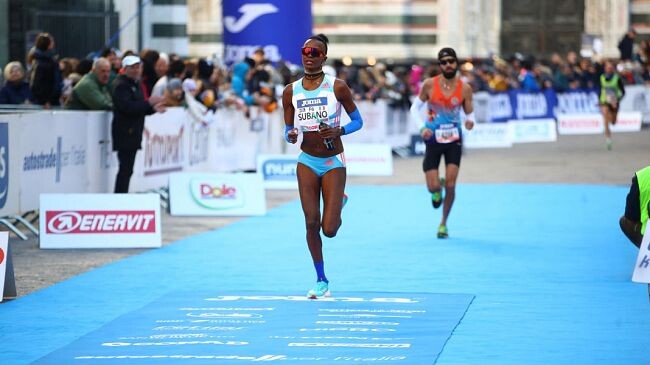
A little more detached is the Kenyan Hellen Chepkorir who brings 2h34'16" scored in Kosice (Slovakia) in 2017. In the group of pursuers the Kenyan Lucy Chepoghon Chelele who boasts the time of 2h38'12" a few weeks ago in Nairobi, the blue of Kenyan origin Maria Gorette Subano (Cus Pro Patria Milano), last year able to snatch the bronze medal of the 39^ Firenze Marathon and recently improved at the Berlin marathon (Germany) where she finished her efforts in 2h38'45". For Italy also her teammate Sarah Giomi with the time of 2h40'22" set in Amsterdam in 2018.
Hall of Fame
The ranking by nations still sees the colors of Italy in the lead with 22 victories (11 among men and 11 among women), followed by Kenya with 16 successes (12/4), then Ethiopia which with 15 victories (7/8) extends its lead over Great Britain with 9 victories (3/6); then at 2 there are Bahrain (2/0) and Hungary (0/2). Austria (0/1), Belgium (0/1), Brazil (1/0), Israel (0/1), Yugoslavia (1/0), Morocco (1/0), Norway (0/1), Czech Republic (0/1), Russia (0/1), Rwanda (0/1), Slovenia (0/1) and Ukraine (1/0) all have one win each. There are 18 nations that can boast at least one victory in the roll of honour.
Victories of 9 different nations among men and 13 different nations among women. Men: Kenya 12, Italy 11, Ethiopia 7, Great Britain 3, Bahrain 2. Brazil, Yugoslavia, Morocco and Ukraine: 1. Women: Italy 11, Ethiopia 8, Great Britain 6, Kenya 4, Hungary 2. Austria, Belgium, Israel, Norway, Czech Republic, Russia, Rwanda and Slovenia: 1.
The 2023 edition of the Florence Marathon brought the tricolor back to the men's podium with Said El Otmani (CS Army), in the women's victory of Clementine Mukandanga who signed the national record for Rwanda while the last Italian who had the national anthem sung is Giovanna Volpato who in 2008 cut the ribbon in 2h34'13".
Login to leave a comment

Firenze Marathon
This is Firenze (Florence) Marathon! Along the way you will be surrounded by centuries of art, history and culture, a unique emotion that can only be experienced by those who run in Florence. Thousands of sports people and enthusiasts from all over the world come to participate in this classic race on the last Sunday in November. The route takes...
more...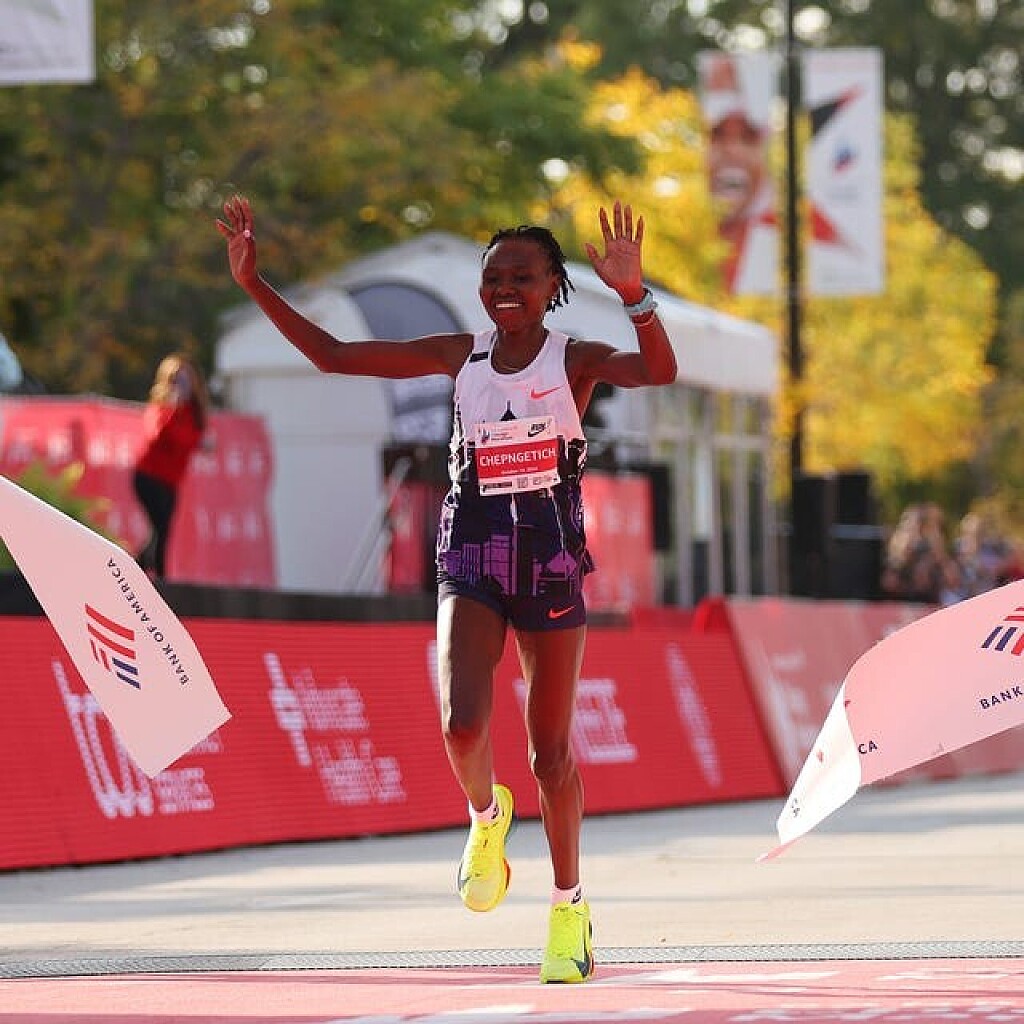
MARATHON GROUNDBREAKERS
Since Australia’s Derek Clayton ran history’s first sub—2:10 marathon in Fukuoka, Japan, on 3 December 1967, there have been a total of 4538 sub—2:10 marathons (as of 30 October 2024), 4537 by men, one by a woman.
As with any new ground-breaking performance, Ruth Chepngetich’s 2:09:56 in Chicago on 13 October has forced us to reassess all our past assumptions, or, like many, to doubt the validity of the performance itself. But no matter how we got here, to whatever you want to ascribe it, this is where we are now, 2:09:56 by a woman.
In this new reality, until proven otherwise, Ruth Chepngetich is the new Paula Radcliffe, just as Paula was the new Grete Waitz, one ground-breaker to the next, 1978 to 2003 to 2024.
There have been many talented women champions through the years besides those three, including all the pioneers who had to overcome centuries of gender bias that restricted women from even showing their stuff.
But in terms of pure ground-breaking, the 1978 New York City Marathon drew a bright line between what once was and what would be.
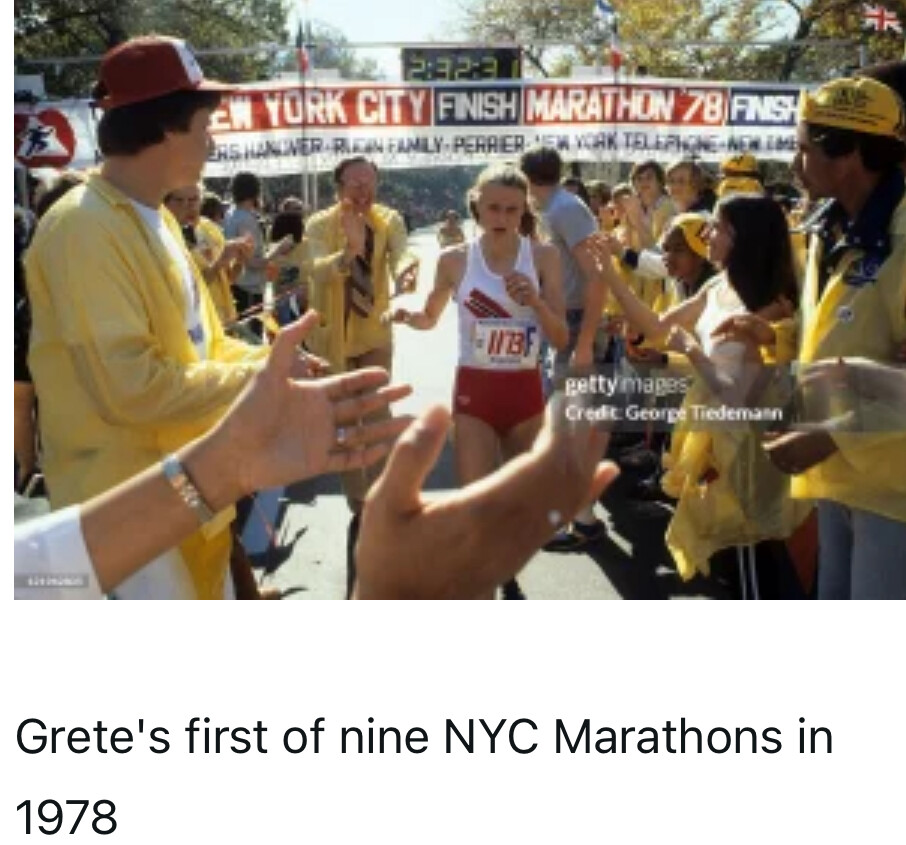
On 22 October 1978, Norway’s track and cross-country star Grete Waitz participated in the marathon for the first time, almost on a whim, as the trip was more of a honeymoon for her and husband Jack after the long track season.
The 2:32:30 world record Grete ran that day was totally unexpected by both the public and Grete herself. She wore bib #1173, wasn’t included on the list of elite women, and came with no specific marathon preparation (not a single run over 13 miles). In fact, she was so upset with husband, Jack, for suggesting she come run the marathon that she threw her shoes at him in the hotel room following her victory.
Still, like almost all debuting marathoners, after a short period of recovery and reflection, Grete concluded she could probably improve next time.
Thus, in New York 1979, following a more careful preparation, Grete ripped nearly five full minutes off her 1978 mark to record history’s first sub—2:30 by a woman at 2:27:33. Her margin of victory over England’s Gillian Adams was 11 minutes (2:38:33). The combination of the mild-mannered former geography teacher from Oslo and the raucous New York City crowds proved transformative, elevating women’s running to heights previously unimagined.
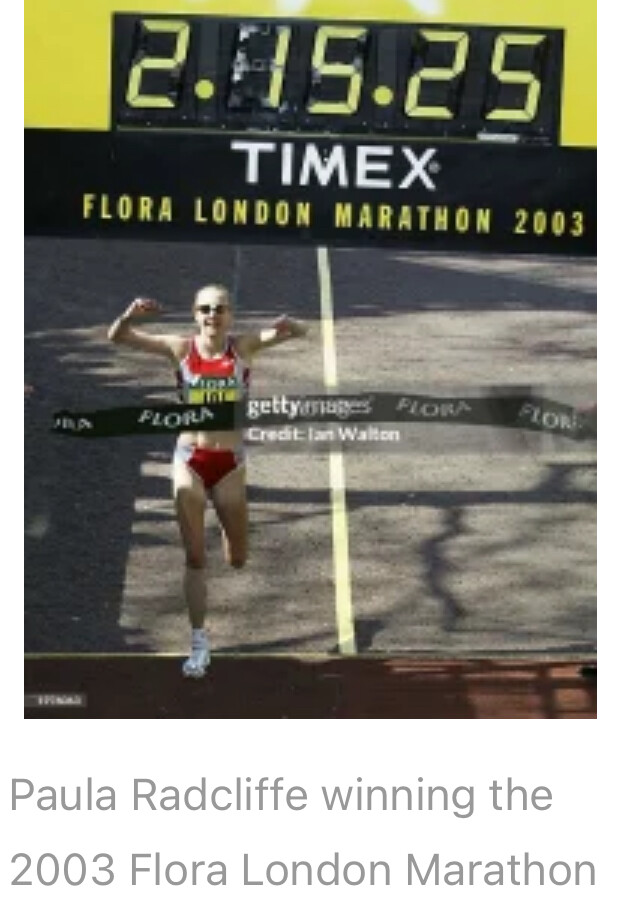
Though Japan’s Naoko Takahashi broke the 2:20 barrier for women in Berlin 2001, after Norway’s Ingrid Kristiansen (2:21:15, London ‘85), America’s Joan Benoit Samuelson (2:21:21, Chicago’85), and Kenyan Tegla Loroupe (2:20:43, Berlin ‘99) all challenged the barrier in the 1980s and ‘90s, it was England’s Paula Radcliffe who established new headlands in the marathon in London 2003 with her 2:15:25.
Nearly two minutes faster than her own 2:17:18 record from Chicago the year before, her 2:15 arced away from Catherine Ndereba’s 2:18:47 from Chicago 2001, completed just one week after Takahashi’s first sub-2:20 in Berlin.
The quality of Paula’s 2:15 can be seen in the 16 years and an entire shoe technology revolution that developed before Kenya’s Brigid Kosgei did Paula one better in Chicago 2019 at 2:14:04. That performance plowed new ground again. And now we have Ruth Chepngetich in Chicago 2024 with history’s first sub-2:10, just a year after Ethiopia’s Tigst Assefa’s first sub—2:12 in Berlin `23 (2:11:53).
Twice before, Chepngetich had come to Chicago with world record intentions. In 2022, she won the race in 2:14:18, just 14 seconds off Kosgei’s record. In 2023 she finished second in 2:15:37. On both occasions she flew through halfway under 66 minutes, only to falter in the second half. Perhaps she was a close reader of Malcolm X.
“There is no better teacher than adversity. Every defeat, every heartbreak, every loss, contains its own seed, its own lesson on how to improve your performance the next time.” – Malcolm x
In simple terms, making innovative strides in athletics requires time, experimentation, and reviewing, similar to how new scientific theories are examined before full acceptance. But women just haven’t been at the marathon game long enough to produce a large enough sample size to define their outer limits with any accuracy. They are barely two generations in since 1978.
Men have been competing for a much longer time with a much larger sample size.
Though Eliud Kipchoge surpassed the two-hour barrier in Vienna in 2019, that was accomplished as an exhibition, not a sanctioned race. In that sense, we are still awaiting the next barrier breaker on the men’s side in the Marathon.
Looking back, England’s Jim Peters stands as the first modern barrier breaker with his 2:18:40 win at the 1953 Polytechnic Marathon between Windsor and Chiswick in West London, England, history’s first sub—2:20.
Next was Ethiopia’s Abebe Bikila, the legendary double Olympic victor in Rome 1960 and Tokyo 1964. His 2:15:17 in Rome still stands as the barefoot marathon world record.
Next came Australia’s Derek Clayton, the first man under both 2:10 and 2:09. His 2:08:34 from Antwerp 1969 lasted for 12 years, holding off challenges throughout the entire Running Boom era headed by Americans Frank Shorter and Bill Rodgers.
Though never world record holders, the two Americans dominated the 1970s boom era, Shorter through the first half, Rodgers the second.
The Eighties were the last decade of international marathon champions: American (Al Salazar, Greg Meyer); European (Steve Jones, Carlos Lopes); Japanese (Toshihiko Seko and the Soh brothers); and Australian (Rob de Castella). Kenya’s Joe Nzau won Chicago in 1983 in a thrilling duel with England’s Hugh Jones when Chi-town was still developing its reputation as a world class event.
Ibrahim Hussein set new records in Honolulu and kick-started the Kenyan marathon revolution
The full East African deluge didn’t begin until 1987 and ‘88 when Kenya’s Ibrahim Hussein (already a two-time and soon to be three-time Honolulu Marathon champion) became Africa’s first New York City and Boston Marathon winner and Ethiopia’s Belayneh Dinsamo set the world record, 2:06:50, in Rotterdam 1988 that lasted over a decade.
The list of marathon stars from other nations scaled back markedly in the 1990s. Mexico had its turn at the top via greats like Dionicio Cerón (1994-`96 London champion), and back-to-back New York Ciy winner German Silva (1994 & 1995).
Moroccan-born American Khalid Khannouchi twice ran a world marathon record, first in Chicago 1999 (2:05:42), then three years later in London 2002 (2:05:38). And who could forget the personable Brazilian, Marílson Gomes dos Santos, who won New York City twice in 2006 & 2008, or Meb in NYC `09 and Boston 2014??
But the United Nations pickings get rather meager after that as East African athletes have had a stranglehold on the sport of marathoning, most dominatingly by Kenya’s Eliud Kipchoge. His run of sustained excellence over 42.2 kilometers was, and is, unprecedented in its longevity, including double gold in Rio 2016 and London 2020. And his last world record of 2:01:09 in Berlin 2022.
Sadly, the current record holder, Kelvin Kiptum, died in a car accident in February 2024 after establishing the 2:00:35 world record in Chicago 2023.
With the 2024 TCS New York City Marathon scheduled this weekend, we don’t expect to see any record performances. Yet, all the above is why we follow the game, isn’t it, to witness the arc of improvement over time, while hoping to discover a new name to remember? It’s as valid a focus as any other in this life.
And despite its many flaws and corruptions, the sport of marathoning retains an innate dignity that many endeavors do not. People may have bruised, battered, and tarnished it in the name of glory and money. But it survives, nonetheless, as a simple reflection of the human drive to achieve more in the quest to discover our best.
Doesn’t always turn out that way, but I don’t think we are done with it quite yet. Onward!
by Toni Reavis
Login to leave a comment
Paris Olympics sees record numbers of marriage proposals
Olympic engagement rings were almost as popular as medals at the 2024 Games
Paris 2024 definitely put the rings in the Olympic rings. With nine new engagements, the Paris Olympics set the record for the most proposals ever at one Games–very fitting for the City of Love. Four of these came from athletics, with a jumper, a thrower, a steeplechaser and a marathoner all taking part in what has seemed to become another Olympic trend. Some of the romantic gestures received criticism for overshadowing the athletic performances–but all partners said “yes,” and seemed pretty pleased about the special moment.

U.S. marathoner Dakotah Lindwurm
The American marathoner became an Olympian and a fiancée in the same day–on Sunday, her boyfriend had been waiting on one knee when she made her Olympic debut and crossed the line with an impressive 12th-place finish in the fastest marathon in Olympic history. Lindwurm was the first American to complete the race, clocking 2:26:44. She may not have won a medal or achieved a personal best, but she excitedly accepted the engagement ring.
French steeplechaser Alice Finot
Also making her Olympic debut, Finot broke the European record with her fourth-place finish in the women’s 3,000m steeplechase final on Thursday, finishing in 8:58.67. She then reached behind her race bib to pull out a pin that she had run with, before dropping to her knee and presenting the pin to her partner, Bruno Martínez Bargiela.
Finot told herself she would propose if she ran under nine minutes, seeing as nine is both her lucky number and marks the number of years the couple has been together. As if to slip an engagement ring onto his finger, she fastened the pin, engraved with the words “Love is in Paris,” to his shirt.
Brazilian triple jumper Almir dos Santos
Almir dos Santos followed his 11th-place finish in the men’s triple jump final on Friday by bringing his girlfriend, Talita Ramos, trackside at the Stade de France and popping the question. 80,000 onlookers watched as he gently placed the ring on her finger on her right hand; the couple got an overwhelming amount of attention for this huge “error”. (In Brazilian culture, the ring is switched to the left hand after wedding vows are made).
American shot-putter Payton Otterdahl
Otterdahl chose a slightly more private setting to make his grand gesture. While touring the city, he presented an engagement ring to his girlfriend, Maddy Nilles, in front of the Eiffel Tower. One day earlier, on Aug. 3, he took fourth place in the men’s shot put final.
Los Angeles (the next host for the Summer Olympics) isn’t known for being quite as romantic as Paris, so this new Olympic record will probably remain for a long time.
by Cameron Ormond
Login to leave a comment

Paris 2024 Olympic Games
For this historic event, the City of Light is thinking big! Visitors will be able to watch events at top sporting venues in Paris and the Paris region, as well as at emblematic monuments in the capital visited by several millions of tourists each year. The promise of exceptional moments to experience in an exceptional setting! A great way to...
more...
What next for Kenya after Paris 2024 Olympic Games
The curtains for the 2024 Paris Olympics fell on Sunday night with Kenya ranking 17th in the world after winning 11 medals.
Despite Kenya topping the African continent with 4 gold, 2 silver and 5 bronze medals, the results left a lot to be desired.
From 83 athletes competing in seven disciplines, a significant impact was expected from the Kenyan athletes and the world.
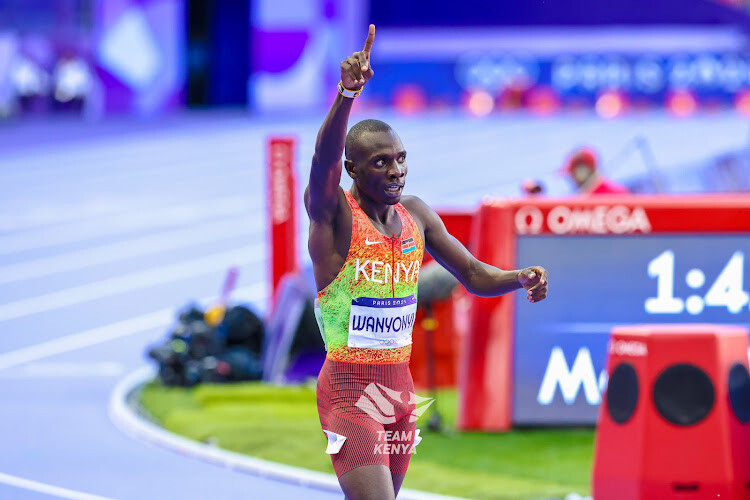
The show started with Judoka Zeddy Cherop falling 10-0 to Portugal’s Patricia Sampao in a record 22 seconds while Fencing African champion Alexandra Ndolo crushed out 13-12 to Ukranian Olena Kryvytska in her debut.
Maria Brunlehner and Ridhwan Mohamed finished 3rd and 4th in the women’s 50m freestyle and Men’s 400m freestyle heats respectively to crush out of contention for a swimming medal.
The sevens rugby team also crushed out in the group stage, after going down to Australia, Argentina and Samoa.
The women’s volleyball team booked their next flight after failing to win a single set following three identical 3-0 losses in a tough group B pool comprising Brazil, Poland and Japan.
Paris, the City of Love, had very little affection for Kenya as former world champion Julius Yego, finished a distant 5th in the javelin final with a 87.72m throw, to also bite the dust.
Africa's fastest man, Ferdinand Omanyala's 100m Olympic medal dream was shattered in the semi-finals after clocking 10.08 seconds to finish 8th.
However, Kenya redeemed herself with debutant Beatrice Chebet grabbing double gold in the 5000m and 10000m women’s races.
The best performer was followed closely by Faith Kipyegon who defended her 1500m gold and added the 5000m women’s silver.
Another debutant, Emmanuel Wanyonyi, grabbed the 800m gold, while Ronald Kwemoi struck the men’s 5000m silver.
Mary Moraa, the dancing queen, grabbed the 800m bronze, same as Faith Cherotich (3000m steeplechase) and Abraham Kibiwot (3000m steeplechase).
Hellen Obiri and Benson Kipruto rounded up the bronze tally in the men's and women's marathons.
Obiri failed in her quest for an Olympic medal having won silver in the women's 5000m in Tokyo, 2020 and Rio 2016 games.
History Making
Kenya will however keep pride in making history after Faith Kipyegon became the first woman to complete an Olympic hat trick after breaking her 1500m record in 3:51.29, before a fully packed iconic Stade de France.
Debutant Beatrice Chebet was the best performer entering the history books by winning a double gold in the women's 5000m and 10000m.
The feat makes Chebet the first Kenyan woman to win Olympic 10000m gold for Kenya since the race was introduced in the 1988 Olympics.
She is the third woman after Tirunesh Dibaba and Sifan Hassan to win the 5000m and 10000m double at the Olympic Games.
"I'm dedicating this medal to all Kenyans. I just want to hear my country is proud. This was for you, you were in my mind and heart in every lap; I might have made history but I will sleep better knowing Wananchi wataenjoy the weekend," she said.
Kenya’s legend Eliud Kipchoge failed to complete an Olympic marathon treble after dropping out of the race at the 20km mark.
Kipchoge later confirmed he won’t be running in the Los Angeles 2028 summer games.
“I felt a sharp pain in the stomach and I couldn’t continue. I'm disappointed that for the first time in my career, I failed to finish a race .” Kipchoge said.
Lady luck also smiled on Kenya after Kipyegon's 5000m silver medal was reinstated following an appeal, after a push and shove with Ethiopian nemesis, Gudaf Tsegay, had her initially disqualified.
In the 800m final, Canada appealed against Kenyan winner Emmanuel Wanyonyi's personal best of 1:41.91 in the 800m, claiming he obstructed silver medallist Marco Arop. Kenya won the appeal.
Tokyo 2020
Despite the dismal show in Paris, Kenya had bettered the 2020 Tokyo tally of 10 medals and a 19th spot finish.
The post-Covid games had challenges but Kenya grabbed four gold, four silvers and two bronze medals.
Emmanuel Korir (800m), Faith Kipyegon (1500m), Peres Jepchirhir (marathon), and Eliud Kipchoge (marathon) were the gold medalists while Hellen Obiri (5000m), Fergussin Rotich (800m), Brigid Kosgei (marathon) and Timothy Cheruiyot (1500m) won silver.
Benjamin Kigen and Hyvin Kiyeng won the men's and women's 3000m steeplechase races respectively.
Rio 2016
In the 2016 Rio De Janeiro games, Kenya managed six gold, six silver and one bronze medal for a tally of 13 medals.
Rio 2016 Olympics gold medalists were Jemima Sumgong in women's marathon, David Rudisha in 800m, Faith Kipyegon in 1500m, Conseslus Kipruto in 3000m steeplechase, Vivian Ceruiyot in 5000m and Eliud Kipchoge marathon.
Meanwhile, Vivian Cheruiyot (10000m); Paul Tanui (10000m); Hyvin Kiyeng (3000m steeplechase); Boniface Mucheru (400m hurdles); and Hellen Obiri (5000m) all grabbed silver, while Julius Yego managed a rare javelin silver. Margaret Wambui won bronze in women's 800m.
London 2012
The London 2012 Summer Games saw Kenya manage 2 gold, 4 silver and 7 bronze for a total of 13 medals.
Despite a cold and warm performance in the Queens land, Kenya won two gold medals to finish a distant 29th in the world rankings.
Legendary track masters Ezekiel Kemboi and David Rudisha grabbed gold in the men's 3000m and 800m races respectively.
Sally Kipyegon brought home the women's 10000m silver, while Priscah Jeptoo won the women's marathon silver medal as Vivian Cheruiyot grabbed the women's 5000m race.
Abel Kirui rounded up the silver medals haul after clinching the men’s marathon race.
Vivian Cheruiyot won bronze in the 10000m women's race, while Asbel Kiprop and Milcah Chemos clinched bronze in the men's and women’s 3000m steeplechase.
Timothy Kiptum and Pamela Jelimo clinched the men's and women's 800m race respectively while Thomas Longosiwa and Wilson Kipsang rounded off Kenya's bronze medals haul, winning the 5000m men's and women's marathon races.
What next?
As the nation awaits the Paris 2024 Games report on what worked and what didn't work, a lot will be looked into including preparations, sports science, lack of stadia and lack of funds among others.
However, one constant reminder is that Kenya must smell the coffee, lest our legacy is discarded by the improving rival nations every day.
The next Omanyala, Yego, Obiri and Kipchoge should be nurtured immediately if we are to remain world beaters in the summer games.
Beating the 2008 Beijing Summer Games remains the target, where Kenya sent a total of 46 athletes: 28 men and 18 women who brought home the best tally of six gold, four silver and six bronze medals.
The journey to the Los Angeles 2028 games starts with a new sheriff in town, CS Kipchumba Murkomen, at the helm of the Sports ministry.
by Eric Munene
Login to leave a comment
Paris 2024 Olympic Games
For this historic event, the City of Light is thinking big! Visitors will be able to watch events at top sporting venues in Paris and the Paris region, as well as at emblematic monuments in the capital visited by several millions of tourists each year. The promise of exceptional moments to experience in an exceptional setting! A great way to...
more...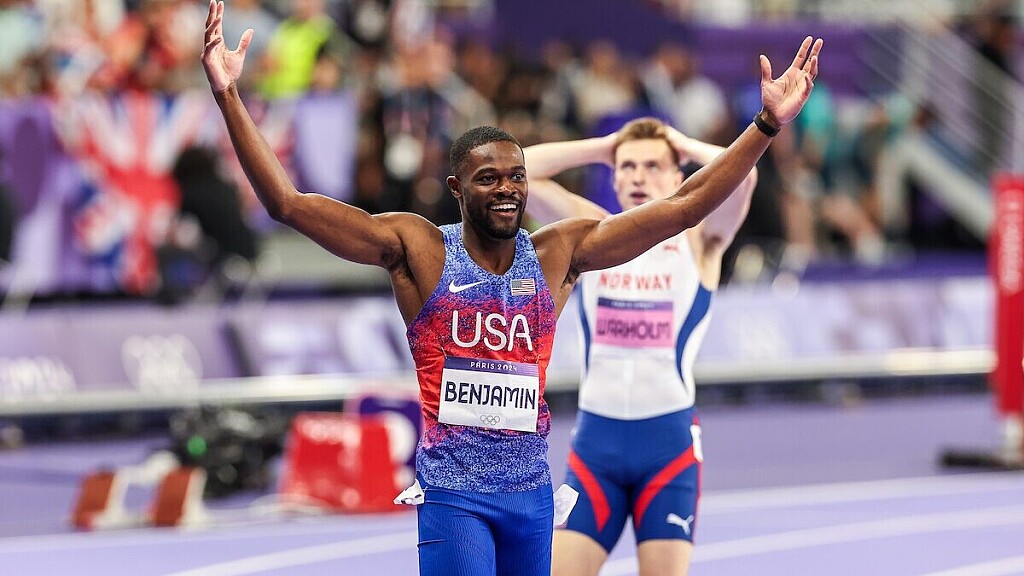
Team USA’s Rai Benjamin upsets Warholm for 400m hurdles Olympic gold
The young American fulfilled his dream of Olympic gold on Friday, while Brazil's dos Santos repeated his bronze-medal performance from Tokyo.
The top two finishers from Tokyo 2020 traded podium positions in an electrifying 400m hurdles final at the Stade de France on Friday, as American Rai Benjamin unseated the defending Olympic champion, world champion and world record holder, Karsten Warholm of Norway. Benjamin, the silver medallist from Tokyo, took gold in a season’s best 46.46–well ahead of Warholm’s 47.06, while Alison dos Santos of Brazil repeated his bronze medal performance from Tokyo 2020 in 47.26 seconds.
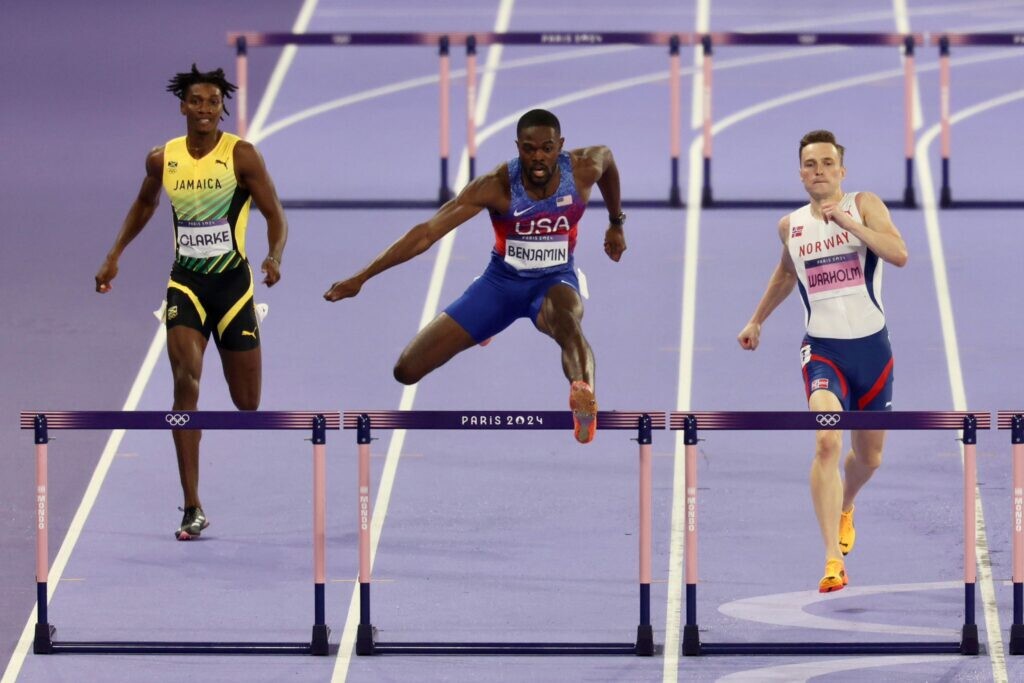
Warholm, in lane 7, had Benjamin in his sights in lane 8, and gained ground on the American through the first turn, but couldn’t quite make up the stagger. By the home stretch, Benjamin was pulling away, leaving Warholm behind.
Having medalled at the last four major championships in the event, dating back to the 2019 World Championships in Doha, the 26-year-old Benjamin was one of the favourites for gold on Friday; he had the fastest time in the world this year (46.46). Warholm, Benjamin and dos Santos are the three fastest men ever in the 400m hurdles event. Warholm set the world and Olympic record of 45.94 in an empty stadium in Tokyo three years ago.
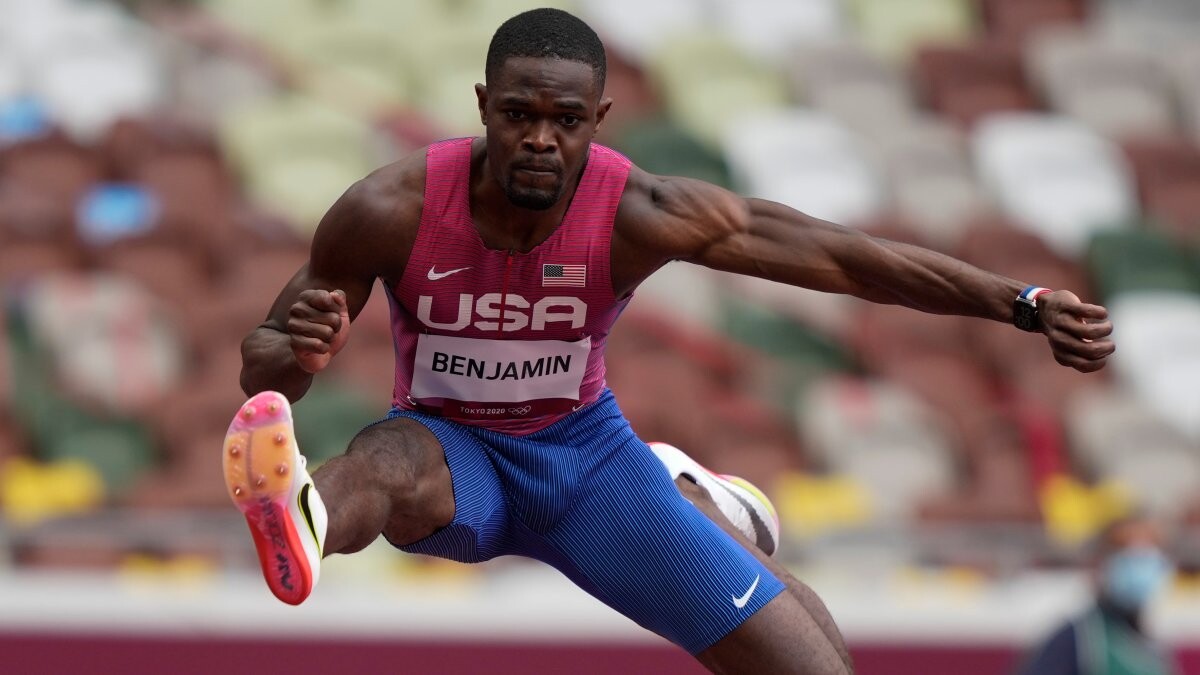
In May, the hurdler stirred controversy when he stated his intention not to wear a race bib on his uniform at the Olympics. (Race bibs are required to identify athletes as per World Athletics rules; clearly someone must have talked him out of it, since he was most definitely wearing race bibs at these Games; not wearing one would earn him a disqualification.)
Team USA had another standout night on the track, despite a disappointing loss to Team Canada in the men’s 4x100m relay. The American women redeemed the night by taking gold in the women’s 4x100m relay final.
by Anne Francis
Login to leave a comment
Paris 2024 Olympic Games
For this historic event, the City of Light is thinking big! Visitors will be able to watch events at top sporting venues in Paris and the Paris region, as well as at emblematic monuments in the capital visited by several millions of tourists each year. The promise of exceptional moments to experience in an exceptional setting! A great way to...
more...
BMI Is a Controversial Measure of Health Outcomes—a New Study Suggests a Better Method
It’s not all about height and weight.
New research suggests incorporating waist circumference into how we predict health outcomes, instead of relying on BMI.
Study authors say BMI does not take into account muscle mass or the links between abdominal fat and poorer health, among other downfalls of the measurement.
In an effort to understand how body composition affects health, most medical professionals and researchers still use the body mass index (BMI), but this has always been a problematic and controversial method when actually applied to individuals, rather than large populations. For example, commentary in the British Journal of General Practice, published back in 2010, called use of BMI unethical, overly simplistic, and potentially harmful to a significant proportion of patients.
A new study in JAMA Network Open assessed a possible pivot toward a different measurement tool: the body roundness index, or BRI. In addition to weight and height (which is all that the BMI includes), the BRI considers waist circumference because that can more comprehensively reflect visceral fat distribution, according to the study’s lead author Xiaoqian Zhang, M.D., at Beijing University of Chinese Medicine in China.
In the cohort study involving nearly 33,000 U.S. adults, researchers looked at the association between an increase in BRI from 1999 to 2018 and the significant rise in all-cause mortality (particularly cardiometabolic disease, kidney disease, diabetes, and cancer) during the same period.
More abdominal fat has been linked to higher risk of these conditions because this type of fat is often visceral, which means it wraps around your organs instead of sits just under the skin. That means it can increase inflammation and drive more chronic diseases, Zhang told Runner’s World. For example, one study of Korean adults found those with normal body mass index had more cardiovascular risk factors if they carried excess abdominal obesity.
“Because of the way it includes waist circumference, BRI effectively provides a more accurate indication of health problems related to being overweight or underweight,” Zhang said. “We found both the lowest and the highest BRI values are associated with significantly increased risks of all-cause mortality.”
The Problem with BMI
Considering a switch away from BMI involves understanding why this effort matters. BMI was not meant to be used on an individual level. It relied only on Belgian men (because it was a formula devised in the 1830s by a Belgian mathematician) and did not take women and/or non-Caucasians into account, the British Journal of General Practice authors noted. As other researchers note, it was also not meant to inform medicine or predict health outcomes
By looking only at height and weight, the BMI might measure general obesity but it doesn't distinguish body fat from muscle mass, said the recent study’s co-author Wenquan Niu, Ph.D., at the Center for Evidence-Based Medicine in China. Because of this, for example, many bodybuilders are classified as obese.
“Fat distribution and body composition can vary dramatically among individuals who have the same BMI,” he told Runner’s World. “That’s why we need a more accurate indication of health problems related to overweight or underweight. Using the BRI is more helpful for this, given the limitations of the BMI metric.”
What to Know About Waist-to-Hip Ratio
The BMI and BRI are not the only possibilities when it comes to body composition. One that’s easy to measure at home is hip-to-waist ratio (WHR), which involves measuring both of those and then dividing your waist number by your hip number. According to a study published in JAMA Network Open in 2023, the ideal ratio for most men is below 0.95 and under 0.85 for women.
Even if you’re physically active and are not overweight, the WHR can help identify your risk of future metabolic issues, because abdominal fat plays a significant role in issues like insulin resistance and hypertension, according to Vitor Engrácia Valenti, Ph.D., a researcher at Sao Paulo State University in Brazil who has done work on body composition.
“The BMI calculation is far less helpful than your WHR, which can give you an indication of whether your waist circumference is outside the normal range,” he told Runner’s World.
Other indicators of body composition are lean muscle mass and fat mass, but those require specialized equipment such as a DXA scan for accurate numbers, Valenti added.
In general, the goal shouldn’t be reducing body fat as much as possible—you do need body fat for overall health—but to focus on reduction of abdominal fat in particular.
Although “spot training” for this type of fat is not a possibility, a systematic review and meta-analysis published in Advances in Nutrition looked at 43 studies focusing on training styles and their effects. Researchers found that although aerobic exercise tends to produce slightly greater efficacy in decreasing belly fat, the biggest change comes when it’s combined with resistance training.
by Runner’s World
Login to leave a comment
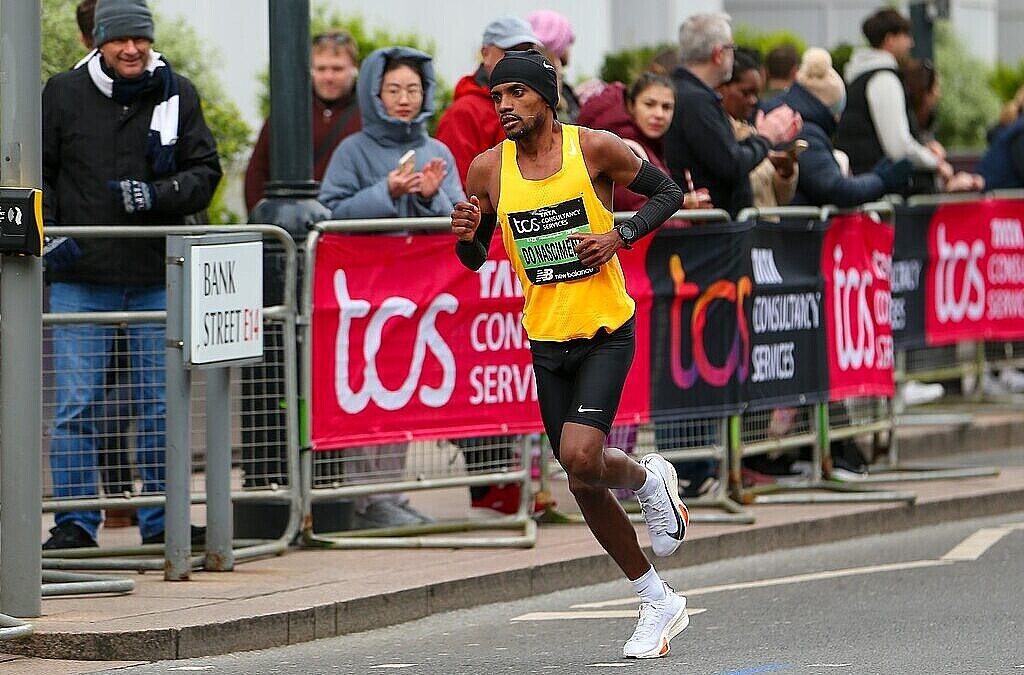
Brazilian Olympic marathoner receives doping suspension
Daniel do Nascimento, a 2:04 marathoner who famously fist-bumped Eliud Kipchoge during the last Olympic marathon, has been banned after testing positive for three illegal substances.
Brazil’s national marathon record holder and Paris Olympic-bound athlete, Daniel do Nascimento, has been provisionally suspended by the Brazilian Doping Control Authority (BDCA) after testing positive for three banned substances: drostanolone, methenolone and nandrolone.
According to Brazilian media outlet Globo, do Nascimento tested positive for the three anabolic steroids during an out-of-competition test conducted on July 4 while training in Kenya for the Paris Games. As a result, he will miss the Olympics. He was slated to run the marathon after qualifying at last year’s Hamburg Marathon with a time of 2:07:06. His personal best of 2:04:51 from the 2022 Seoul Marathon stands as the South American record.
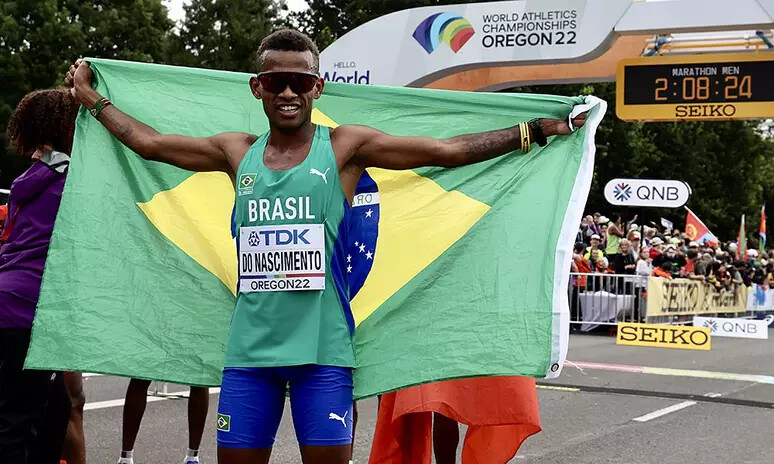
The three banned substances in Nascimento’s test are all anabolic steroids (precursors of testosterone). Do Nascimento will likely face a four-year ban from athletics, jeopardizing his dreams for the 2028 Olympics in Los Angeles. The 25-year-old’s suspension may be reduced to three years if he admits to the three anti-doping rule violations.
Do Nascimento’s girlfriend, Graziele Zarri, was also suspended earlier this year after testing positive for androstanediol and testosterone in a test conducted by the Anti-doping Agency of Kenya (ADAK). She ran 2:42:48 in her marathon debut last December in Valencia.
Beside being the South American record holder for the marathon, do Nascimento is most famous for taking a porta-potty stop while leading the 2022 New York City Marathon. He set a blistering pace for 30 km, but ended up collapsing and did not finish the race.
Do Nascimento also made headlines at the 2020 Olympic marathon in Tokyo for exchanging mid-race fist bumps with former world record holder Eliud Kipchoge. The moment went viral, making do Nascimento a well-known name in Brazil and the distance running world.
by Marley Dickison
Login to leave a comment

Teen sprinter sues Gatorade over doping ban that cost him an Olympic spot
The fastest high school sprinter in history is suing Gatorade, claiming the company gave him a fraudulently certified product that contained a banned substance and led to his four-year banishment from track and field, costing him a chance to compete in the Paris Olympics.
Issam Asinga, the Surinamese teenager who set the under-20 world record in the 100 meters, said that when Gatorade honored him as its high school track and field athlete of the year in July 2023, it provided a gift basket that included Gatorade Recovery Gummies. In a lawsuit filed Wednesday, the 19-year-old Asinga claims those gummies are the reason he later tested positive for the banned substance GW1516, which led to a four-year ban this May and stripped him of his record. The suit further claims the company took measures to protect its reputation, damaging Asinga’s in the process.
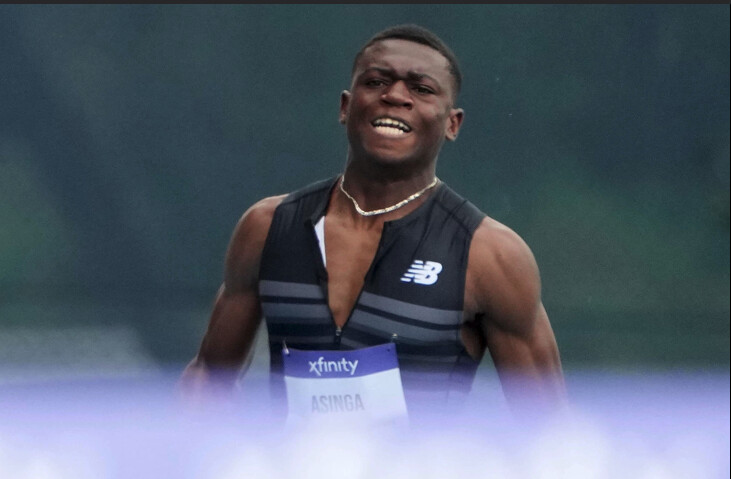
Asinga filed suit in the Southern District of New York against Gatorade and Pepsi Co., its parent company. He is seeking, according to the lawsuit, to “recoup the millions of dollars he has lost in economic opportunities, as well as compensation for the devastating emotional harm he has suffered.”
In an emailed statement, a Gatorade spokesperson said: “The product in question is completely safe and the claims made are false. … Gatorade products are FDA compliant and safe for athlete consumption, which was validated by the findings of the Athletics Integrity Unit investigation.”
Were he eligible, Asinga could have competed for Suriname at the Paris Olympics, earning potentially millions on a sponsorship deal. Instead, he is banned from the Games and lost his endorsement opportunity. The suspension also will prohibit him from training with or competing his college teammates at Texas A&M, and despite support from his coaches, Asinga believes he could lose his scholarship.
“You’re either guilty or you’re not,” Asinga said in a Zoom interview alongside his lawyers. “I know I’m not, so I’ve got to chase my dream. I’ve got two Olympian parents; I was born to run. Am I going to destroy my dream because of something I didn’t do, or am I going to keep fighting until the end?”
‘I was honored when they told me to get tested’
Asinga grew up in Atlanta, went to a St. Louis boarding school, lived a couple of years in his mother’s native Zambia, went to high school in Florida and currently attends Texas A&M. He is the son of track and field Olympians: His mother, Ngozi, competed for Zambia, and his father, Tommy, once served as the flag bearer for Suriname.
By the summer of 2023, Asinga had become one of the world’s most promising track athletes. That April, he stunned the track world by beating world champion Noah Lyles in a 100-meter race in Florida with a wind-aided time of 9.83 seconds.
Asinga chose to compete under the flag of Suriname. In a Zoom interview Wednesday, as he described the effect of his son’s suspension on his home country, Tommy began to cry.
“I felt like I had more of an opportunity to make a difference running for Suriname,” Issam Asinga said. “In Suriname, the one thing that’s holding them back is the facilities. They don’t have someone who can make that difference. I can use whatever I do in my track career to help better this country.”
Gatorade named him its 2023 Florida boys’ track and field player of the year and invited him to a July 11 ceremony in Los Angeles. One month before the ceremony, according to the lawsuit, Asinga took a drug test that came back clean.
“I was honored when they told me to get tested,” Asinga said. “I was like, ‘Okay, bet!’ That’s how I know I’m going somewhere.”
At a gathering the day before the awards ceremony, Gatorade gave Asinga and other athletes a gift bag that included cherry-flavored Gatorade Recovery Gummies. The container was stamped as “NSF Certified for Sport.” NSF is an independent public health organization.
According to the lawsuit, Asinga’s mother texted Issam’s coach, Gerald Phiri, a photo of the ingredient label and asked, “Is this ok to eat[?]”
When Ngozi showed him a picture of the Gatorade logo, Phiri wrote back: “Oh yea these are both fine. Gatorade doesn’t make products that are against sporting rules.”
For the next two weeks, according to the lawsuit, Asinga took two gummies after his workouts. The Athletics Integrity Unit (AIU), the drug-testing arm of World Athletics, tested him again July 18.
Asinga stopped taking the gummies “on or around” July 25, according to the lawsuit. On July 28, Asinga ran the 100 meters in 9.89 seconds at a meet in São Paulo, Brazil. This time, the wind was legal: He had broken the under-20 world record. The AIU tested him again on that day, and that July 28 test would come back clean.
On Aug. 9, 2023, the AIU informed Asinga he had failed the July 18 drug test. Picograms of GW1516 had been detected in his urine. When Asinga received the call, he said, he dropped to his knees in shock.
“It was devastating,” Asinga said. “It was the worst day of my life.”
Known as cardarine, GW1516 was originally developed as a potential treatment for obesity and alters how the body metabolizes fat, according the U.S. Anti-Doping Agency. It is illegal for use in food or medication. The U.S. Anti-Doping Agency notes in its handbook, “athletes should be aware, however, that dietary supplements may be contaminated with this compound.”
Asinga and his lawyer, Paul Greene, who specializes in defending athletes accused of performance-enhancing drug use, compiled a list of foods and supplements he had consumed that could be tested for GW1516. They included the Gatorade gummies.
“We kind of laughed it off,” Asinga said. “It was the last thing I would have thought this source would have been in. This brand is something I’ve looked up to my whole life. Gatorade is a part of sports.”
Asinga sent the gummies to the same lab, according to the lawsuit. On Oct. 26, 2023, according to the lawsuit, the lab notified the AIU that “preliminary findings” concluded the Gatorade gummies had been contaminated with GW1516.
When a company produces a dietary supplement that requires certification, it makes them in numbered lots so each lot can be tracked in case of contamination. By federal regulation, it must keep samples of each lot.
According to the lawsuit, further testing at the Utah lab confirmed not only the GW1516 contamination in the gummies Asinga had supplied; it also showed the same baseline concentration of GW1516 that had been detected in Asinga’s drug test. The chemical codes matched. The lab provided those analytical results to the AIU.
According to the AIU decision, the lab noted “two unusual aspects.” There was a “large discrepancy in the findings between the two containers of the Gatorade Recovery Gummies” and the contamination was present on the surface of the gummy rather than uniformly distributed.
The lab concluded “it was not possible to rule out deliberate adulteration of the product after it was opened,” the decision read.
Asinga’s lawyers said it defies belief that Asinga could have adulterated the gummies.
“All of them would have had to have been dipped individually in a formula that would have been watered to a trillionth of a gram,” Greene said. “An 18-year-old kid living in a dorm would have had to have done that. It’s almost laughable that that’s what he was accused of doing.”
According to the lawsuit, Asinga again contacted Gatorade and requested a sealed bottle from the 22092117150234 lot.
According to the lawsuit, Gatorade instead sent a bottle of recovery gummies to the AIU from a different lot. That lot had been tested by NSF and was accurately labeled as such, according to the lawsuit. The NSF, in a a public notice issued in early June, said the container in Asinga’s case came from an allotment it had not tested.
“They did a bait-and-switch,” said Alexis Chardon, the lawyer representing Asinga in court. “They said, ‘We don’t have a sealed supplement of the one we gave Issam. But we have this other one. Why don’t you take this one?’ That one was NSF tested. And then they let that lie fester.”
“Gatorade fully complied with the Athletics Integrity Unit investigation, including producing evidence that was accepted by the AIU that the gummies were not contaminated with the banned substance in their original ruling,” a Gatorade spokesperson said in an emailed statement.
When the AIU tested the gummies from that container, the results came back clean, according to the lawsuit. Once the AIU received those tests, it handed down its four-year ban to Asinga.
“Gatorade created, fed, and encouraged the false narrative that Issam was given ‘clean’ gummies and therefore Issam had adulterated the ones he got tested,” the lawsuit reads.
Attempting to restore a reputation
On June 14, less than two weeks after the NSF released its public notice about Gatorade, Asinga received what he hoped would be a breakthrough: A representative from the AIU called Greene and told him Gatorade had found and sent a sealed bottle from the same lot as Asinga’s bottle of recovery gummies. If that bottle was tainted with GW1516, it would be pivotal to overturning Asinga’s suspension.
The tests came back negative, according to the lawsuit.
Feeling “confused,” according to the lawsuit, Asinga contacted other athletes from the 2023 awards ceremony and found one who had a similar bottle of recovery gummies. When that bottle was tested for GW1516, according to the lawsuit, it also came back negative.
“For a while, it looked like we dug ourselves in deeper,” Chardon said.
According to the lawsuit, Asinga’s team had one more idea: On June 26, they asked for his original recovery gummies to be retested. They wondered whether the GW1516 had become undetectable over the previous six months.
On July 5, according to the lawsuit, the results came back: The gummies that once had tested positive now returned a negative result.
“Gatorade’s delay had cost Issam the possibility of proving contamination in a sealed container from the same lot he had ingested, robbing him of the possibility of ever meeting the AIU’s gold standard test for showing innocent ingestion of a banned substance,” the lawsuit reads.
In a statement, Gatorade said it “spent those months looking for the specific lot number in the field and, once sourced, immediately provided the product to the AIU.”
Because GW1516 is illegal, Greene said, scant testing has been done on it. Greene is hoping to organize lab tests that can prove GW1516 could become undetectable over the six months. He hopes to use that finding in his Court of Arbitration for Sport appeal later this year.
The lawsuit against Gatorade made Wednesday “one of the first days I can say I’m actually taking a deep breath and let it out a little bit,” Ngozi said. “As a parent, it’s so overwhelming. You never in a million years expect your child to be fighting for his character and his integrity because of something he didn’t do.”
Over the past month, Asinga lost his final glimmer of hope that he could run in the Paris Olympics. He has remained optimistic that he will sprint next year for Texas A&M. He has cried and felt depressed at times. Over the winter, he stopped practicing for several days and wondered whether track was worth it. He still believes he will prevail.
“It hurts,” Asinga said. “There’s been some bad days. The clouds might be over us. But they’re going to have to clear eventually.”
Login to leave a comment
New Study Reveals How Women's VO2 Max Differs from Men's
A new study from researchers at the Federal University of São Paulo in Brazil focused on women's aerobic capacity suggests that the mechanisms of VO2 max decline—and thus perhaps the best countermeasures—are different in men and women.Maximal oxygen uptake, or VO2 max, is perhaps the single best predictor of long-term health and longevity. It’s also the key trait that distinguishes elite endurance athletes. We know all this from more than a century of research… in men. Whether the same things hold true for VO2 max in women is less clear, because there simply isn’t as much data on them.
A new study from researchers at the Federal University of São Paulo in Brazil aims to fill some of this gap. They recruited 85 runners and 62 sedentary people, all women between the ages of 20 and 70, and split them further into younger (less than 50) and older (greater than 50) age groups. Then they tested their VO2 max with a progressive treadmill test to exhaustion, measured their body composition with a DXA scan, and collected information about their training and other health-related habits. The results are published (and free to read) in Experimental Gerontology.
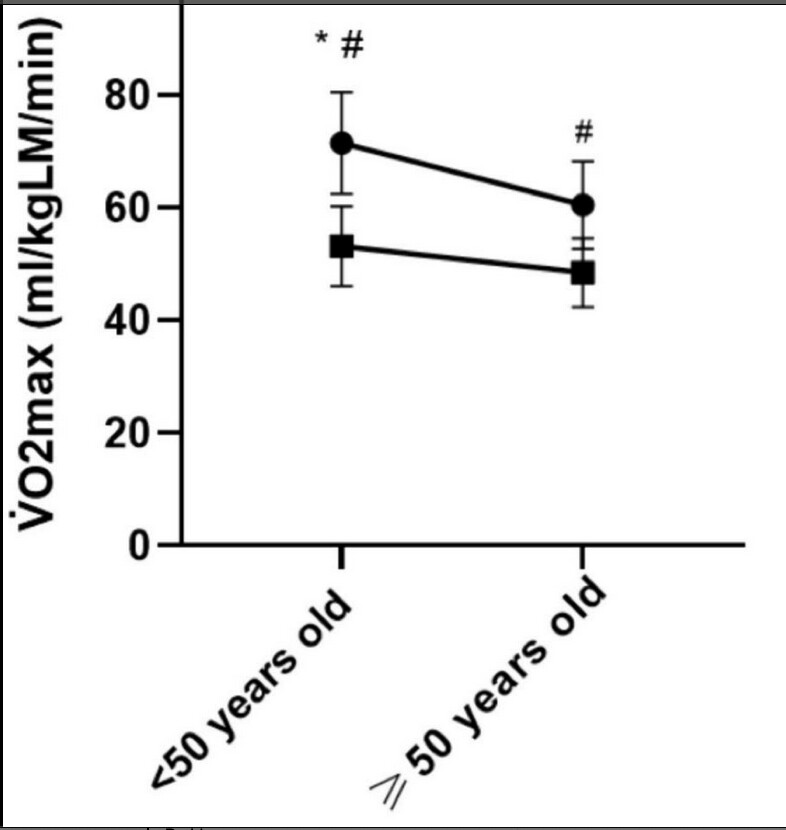
The headline findings are unsurprising: runners had higher VO2 max than non-runners, meaning they were able to suck in, distribute to their muscles, and use more oxygen per minute; younger people had higher VO2 max than older people. But when you zoom in on the details, some more interesting patterns emerge.What the VO2 Max Data Shows
There are three ways of expressing VO2 max. The first is absolute VO2 max, which is simply the greatest volume of oxygen you can use per minute, usually expressed in liters per minute. If you get fitter, you’ll be able to deliver and use oxygen more quickly, enabling you to power your exercise on sustainable aerobic metabolism for longer. Conversely, if you get too unfit and your VO2 max drops too low, even simple daily activities like climbing the stairs will require more oxygen than you can supply, turning them into challenging anaerobic efforts.
Here’s how the absoluteVO2 max values compared for the four groups, with runners represented by circles and sedentary people by squares:All this means that absolute VO2 max is a useful marker of health and performance—but it’s less useful for comparison between different people, because the amount of oxygen you use depends on body size. A heavyweight rower might use twice as much oxygen as a diminutive marathoner, but if she’s twice as big then she’s not necessarily fitter. Instead, she’ll need all that extra oxygen to move her larger body around. A better comparison would be to divide each person’s VO2 max by their weight, giving what’s called relative VO2 max, expressed in milliliters of oxygen per kilogram of body weight. Here’s what that data looks like:The key thing to notice here is that there’s a much bigger gap between the runners and non-runners in relative VO2 max than in absolute VO2 max, which is because the non-runners weigh substantially more on average. The relative value offers a much better reflection of how much fitter the runners are for running: what matters is not just how much aerobic power you can deliver, but how big a load that power needs to move.
Why Body Composition Matters, Too
The researchers also present a less-common third way of expressing VO2 max. In this case, they divided the absolute value not by total weight, but by the weight of each person’s lean mass, meaning primarily muscle as well as connective tissue.
To understand why this is relevant, it’s useful to think about VO2 max in terms of oxygen supply and demand. The traditional view of VO2 max was that it was dictated by oxygen supply—that is, by how quickly you could suck in oxygen, diffuse it from your lungs to bloodstream, and pump it to your muscles. These are all considered “central” limitations on VO2 max. The primary way changing VO2 max, in this picture, is for your heart to get stronger so that it can pump more blood to your muscles.
But oxygen demand also matters. It doesn’t matter how much oxygen you pump to your muscles if your muscles aren’t capable of extracting and, with the help of mitochondria, making use of it to provide aerobic energy. That’s why VO2 max is more closely proportional to your total muscle mass than to your overall weight. If you add ten pounds of fat to your body, your absolute VO2 max won’t change because fat doesn’t consume oxygen. If you add ten pounds of muscle, your ability to consume oxygen will increase, and your ability to supply oxygen will likely follow suit. How much muscle you have, and how effectively that muscle can use oxygen, are “peripheral” limitations on VO2 max.
Here’s what the data showed for VO2 max divided by lean mass only:An Unexpected Finding About VO2 Max in Women
Here’s where the surprise comes in. Based on earlier data from men, the researchers had hypothesized that these relative-to-muscle values would be less affected by aging than the relative-to-whole-body values. To put it another way, the male data had suggested that age-related declines in VO2max were primarily related to declines in central factors like the heart and circulatory system, while peripheral factors like the ability of muscle to use oxygen stayed relatively constant. But that’s not what they found here: both central and peripheral factors seemed to decline at similar rates in women.
Why should VO2-max declines in women be different than in men? One possibility is that it’s a fluke that’s specific to the relatively small group of women being tested here. But it’s also possible that there’s a genuine difference. The researchers suggest that “intramuscular adipose tissue”—that is, small amounts of fat located within the muscle itself, sometimes referred to as muscle fat infiltration—may play a role. This infiltration tends to be higher in women, and increases with age. If that’s what’s happening, then it suggests that the mechanisms of VO2 max decline—and thus perhaps the best countermeasures—are different in men and women.
There’s one final point to note in this data—one that, in this case, does echo previous findings in men. The runners experienced a steeper VO2 max decline with age than the non-runners. This might be a sort of physiological regression to the mean: the higher you start, the more you’re likely to fall. But it probably also reflects the fact that older runners tend to train less than younger ones, a pattern that showed up in this study too. There are plenty of good reasons for that, but it’s also a reminder: if you’re working hard to be super-fit now, you’ll have to keep working similarly hard to be similarly fit in the future. When it comes to fitness, saving for retirement only takes you so far.
by Outside Online
Login to leave a comment

The Issam Asinga Case: Evil Coverup or Did The Fastest High School Sprinter Ever Test Positive For Drugs After Eating Gatorade Gummies?
Six weeks ago, 19-year-old Issam Asinga, the fastest teen sprinter in world history, was handed a four-year ban from the sport of track & field after testing positive for the banned substance GW1516. Asinga’s positive sample came in July 2023, just days before he ran 9.89 seconds to become, at the time, the youngest person in history to break 10 seconds for 100 meters. Asinga, who had been provisionally suspended since August 2023 by the Athletics Integrity Unit (AIU), appealed the decision to the AIU’s disciplinary tribunal, who ruled against him and upheld the four-year suspension on May 27.
Until then, the details of Asinga’s case had been kept secret. Now they are public, and potentially explosive.
Asinga, who maintains his innocence, blamed the positive test on contaminated Gatorade gummies he received at the company’s National Athlete of the Year ceremony in Los Angeles last summer, where he was honored as high school track & field athlete of the year. Asinga has already appealed his case to the Court of Arbitration for Sport, where it is expected to be heard later this year. He is also mulling whether to launch a civil suit against Gatorade because the gummies in question falsely carried an NSF Certified for Sport label, which signified that the product did not contain any prohibited substances. NSF has made a public statement saying the gummies from Asinga’s lot number were not NSF Certified and the NSF Certified mark was being used without authorization.
“They distributed a supplement that wasn’t NSF Certified for Sport that had a banned substance in it,” said Asinga’s lawyer Paul Greene. “That’s violation of product liability law, negligence, implied warranty, New York state consumer protection law. I mean, it’s bad. He had the possibility of getting endorsement and NIL deals that were going to be in the millions of dollars and he lost all that as a result of this. He also lost out on the chance to compete in the World Championships and the Olympics.”
The AIU, however, was not satisfied that the gummies were the source of Asinga’s positive test, and its disciplinary tribunal agreed.

Incredible 2023 high school season
Asinga’s is one of the highest-profile doping cases in recent years. After running personal bests of 10.44 seconds in the 100m and 20.76 in the 200m as a junior in 2022 at Principia High School in Missouri, Asinga transferred to Montverde Academy in Florida for his senior year, where he improved enormously and produced one of the greatest seasons ever by a high school sprinter.
During the 2023 indoor season, Asinga won national high school titles in the 60m (6.59) and 200m (20.48) at New Balance Nationals, tying the national record in the former event (he ran 6.57 in the semis) and breaking the national record in the latter. Outdoors, Asinga ran a wind-aided 9.83 in the 100m to defeat Noah Lyles, who would go on to win the world title in that event four months later. Asinga, who was born in the US but represents Suriname internationally, then ran 19.97 in the 200m in April (#2 all-time among US high schoolers) and 9.89 in July to win the South American 100m title in Sao Paulo, Brazil. The latter time ranked Asinga in a tie for ninth in the world in 2023. It was also a world U20 record and was the first time a US high school athlete had broken the fabled 10-second barrier.
Now that world U20 record has been stripped as Asinga finds him at the center of controversy. The 43-page decision in his case released by the AIU presents only two possible versions of events.
Option A: An 18-year-old was caught doping barely a month after being added to the international testing pool. Then he or someone in his camp tried to cover up his doping by manipulating evidence and defaming Gatorade, one of the world’s largest sports nutrition companies.
Option B: One of the greatest sprint talents in history was unjustly banned after consuming a tainted supplement given to him by one of the most famous brands in sports.
Neither picture is particularly rosy for the sport of track & field, but one of them must be true. After reviewing the evidence, the AIU and its disciplinary tribunal is clear which version it believes: Option A. As a result, Asinga is banned from competition until 2027 barring a successful appeal to CAS.
Background: Asinga enters the testing pool
Most high school track athletes, even elite ones, are rarely drug-tested. But by the spring of 2023, Asinga was running so fast it was becoming clear he could be a factor at that summer’s World Championships in Budapest. He was added to the World Athletics Testing Pool on June 1.
Asinga was tested on June 11 and returned a negative result. He was tested again out-of-competition on July 18 (in his training base of Clermont, Fla.) and again at the South American championships on July 28. The July 18 sample tested positive for GW1516, a banned substance that modifies how the body metabolizes fat and has been found to cause cancer. Specifically, Asinga’s sample tested positive for low levels of two metabolites of GW1516 — a metabolite is a substance produced when the body breaks down a specific drug. In this case, Asinga’s urine contained the GW1516 sulfone metabolite (at a concentration of 0.2 nanograms per milliliter in both his A sample and B sample) and the GW1516 sulfoxide metabolite (at a concentration of 0.5 ng/mL in his A sample and 0.4 ng/mL in his B sample).
On August 9, Asinga was informed of his positive test and provisionally suspended from competition. Shortly after, in an effort to prove his innocence, he began sending his supplements to be tested for contamination at the Sports Medicine Research and Testing Laboratory (SMRTL), a WADA-accredited lab in Salt Lake City. The first supplement Asinga sent, melatonin gummies, tested negative. Asinga then sent a larger set of supplements, including Airborne and Skratch Lab Hydration packets as well as Gatorade Immune Support Gummies and Gatorade Recovery Gummies, two new products he had received at the Gatorade National Athlete of the Year ceremony on July 10.
All of the supplements tested negative for GW1516 except the Gatorade Recovery Gummies. In December, SMRTL informed the AIU that of the five gummies tested, four were positive for GW1516. That much, the parties agree on. From there, the narratives diverge.
Contaminated during manufacturing or as part of a coverup?
Asinga said he began taking the Recovery Gummies shortly after the ceremony on July 10 — initially two per day, then less consistently before traveling to Brazil for the South American championships on July 25. He said he did not take any gummies to Brazil. Asinga declared the gummies as a supplement on the doping control form for his July 18 test and said he had no concerns about the gummies because the container carried the NSF Certified for Sport label.
Greene said the AIU was initially reluctant to share the results of the SMRTL analysis with Asinga because it viewed the test results of products from an opened container as unreliable. (LetsRun.com reached out to the AIU for comment on June 2 but had not received an answer as of publication).
“Normally, SMRTL’s process and the AIU’s process is if there is a preliminary finding in a supplement, they don’t initially just tell the athlete straight away,” Greene said. “They try to go and find their own sealed version and test that too and then go to confirmation testing.”
But neither SMRTL nor the AIU could find a sealed version from the same lot number as Asinga’s gummies. So, after several weeks, the AIU relented and shared the news that the Gatorade Recovery Gummies had tested positive for GW1516. Asinga said he felt he was on his way to clearing his name.
“I was like okay, boom,” Asinga told LetsRun.com. “When I got that message, I was like, okay, finally we’re going to move forward.”
But the AIU did not agree with Asinga’s assessment and hinted at something far more sinister. In the disciplinary tribunal hearing, which took place over Zoom on April 30, Martial Saugy, former director of the WADA-accredited lab in Lausanne, Switzerland, served as an expert witness for the AIU and noted that the exterior of the gummies contained much higher concentrations of GW1516 than the interior of the gummies.
“I cannot see how these results would be consistent with a contamination during the manufacture of the gummies,” Saugy said. “These results point to an adulteration of the gummies at a later stage.”
Another key point: Asinga had opened both containers of gummies before sending them to SMRTL. And in SMRTL’s analysis, it noted a “large discrepancy” between the concentration levels of GW1516 between the containers. The two gummies tested from the first container each featured a concentration of at least 610 ng of GW1516 per gummy. Meanwhile of the three gummies tested from the second container, the highest concentration of GW1516 was 1.5 ng per gummy, and one of the gummies did not test positive for GW1516 at all.
This fact left open the possibility for manipulation; to be satisfied of his innocence, the AIU demanded to see a positive test from a separate, sealed container of gummies from the same lot number as Asinga’s.
Separate lot numbers bring questions
This is where things get complicated. The lot number printed on Asinga’s gummy containers was 22092117150234. NSF has issued a statement saying this lot number was not NSF Certified and the NSF Certified mark was being used without authorization. As part of the case, the Lausanne lab did test a sealed container of Gatorade Recovery Gummies, which tested negative. But that container was from a different lot number — lot 22092117150213, which was one of the lots that did receive NSF certification.
The gummies were not manufactured directly by Gatorade, but rather by a company contracted by Gatorade called Better Nutritionals, who manufactured the gummies for Gatorade at its plant in Gardena, Calif. As part of its case, the AIU called a former Better Nutritionals employee as a witness who testified that, for all intents and purposes, lots 22092117150234 and 22092117150213 were identical. This witness, referred to only as Witness B in the decision, made the following argument:
Witness B said lots 22092117150213 and 22092117150234 were part of the same batch of 20,000 jars’ worth of gummies cooked on the same day. That batch of 20,000 jars was separated into two lots: 7,500 jars (lot 22092117150213) would enter the marketplace immediately without the NSF Certified for Sport logo, of which a few would be sent to NSF for testing. The remaining 12,500 jars (aka lot 22092117150234, which included the gummies Asinga received) would be held back and given the NSF Certified logo predicated on NSF testing on lot 22092117150213.
Before NSF testing had been completed, lot 22092117150213 entered the marketplace without the NSF Certified logo.
By October 4, the 12,500 jars from lot 22092117150234 had been labeled NSF Certified. On October 18, Better Nutritionals received confirmation that lot 22092117150213 had been granted NSF certification, which was confirmed on the NSF website.
As proof that the two lots were part of the same batch, Witness B noted that the first six digits of the lot number, which refer to the cook date, were identical: 220921, or September 21, 2022. Furthermore, Witness B said the seventh digit refers to the specific production line used at the factory. Again, both were the same — 1, referring to the first production line.
Witness B said it would not be feasible to produce two separate batches on the same day, noting that a batch with 20,000 jars’ worth of gummies would take roughly 19 hours to complete with a minimum of eight hours to clean the production line between batches.
Witness B and another witness from Better Nutritionals (Witness A) noted there was no logical source for contamination as GW1516 is not an ingredient of any of the other products manufactured in the Gardena plant.
To simplify: one lot of 7,500 jars (lot 22092117150213) was NSF Certified but did not bear the NSF label. Another lot of 12,500 jars (lot 22092117150234) was not NSF Certified but did bear the NSF label, and that is the lot Asinga’s gummies came from. Better Nutritionals claims the two lots were cooked as one large batch of 20,000 jars, and as a result, the fact that one lot was NSF Certified means that both lots should be considered NSF Certified.
To represent him in his appeal, Asinga hired Greene, the sports lawyer who previously represented Jarrion Lawson, Shelby Houlihan, Peter Bol, and many others in their high-profile doping cases. Greene said he does not buy Witness B’s argument.
“There’s no such thing as two lots of the same,” Greene told LetsRun.com. “They’re not the same. Every lot is separate according to NSF and according to FDA rules.”
After it was informed of Asinga’s positive test by the AIU, the NSF conducted its own investigation and issued the following public notice on June 4:
Gatorade® Immune Support Gummies (citrus; lot number 22091937150233) and Gatorade® Recovery Gummies (cherry; lot number 22092117150234), manufactured by Better Nutritionals LLC, have been found in the public domain bearing the NSF Certified for Sport® Mark without authorization. These specific lot numbers, for these products, have not been tested, evaluated or certified by NSF and are not authorized to use the NSF certification mark or make any claims of NSF certification.
Furthermore, Greene noted that Witness B was terminated for cause by Better Nutritionals in December 2022 — the same month Better Nutritionals filed for bankruptcy.
Asinga asked a representative at Gatorade for a sealed container from lot 22092117150234 — the lot from which Assinga’s gummies came — but was informed that Gatorade Recovery Gummies had been discontinued for “manufacturing reasons” (Witness A said the gummies were discontinued because Better Nutritionals went bankrupt). The AIU and SMRTL also requested sealed containers from the same lot, yet Gatorade/Better Nutritionals only made containers from lot 22092117150213 available. Greene says that makes no sense. If the two lots are identical, Greene argues, why not send one from the same lot number as Asinga’s?
“Somehow they had several sealed versions from the 7,500 lot but nothing from the 12,500 lot,” Greene said. “I find it hard to believe they don’t have anything out there and it was an intentional choice to withhold it. It had to be. Why else wouldn’t they give us one from both? What’s the difference?”
If Gatorade has no sealed version, Greene says, they are in violation of FDA regulations, which state that supplement manufacturers must hold reserve samples from each lot they produce.
by Jonathan Gault
Login to leave a comment
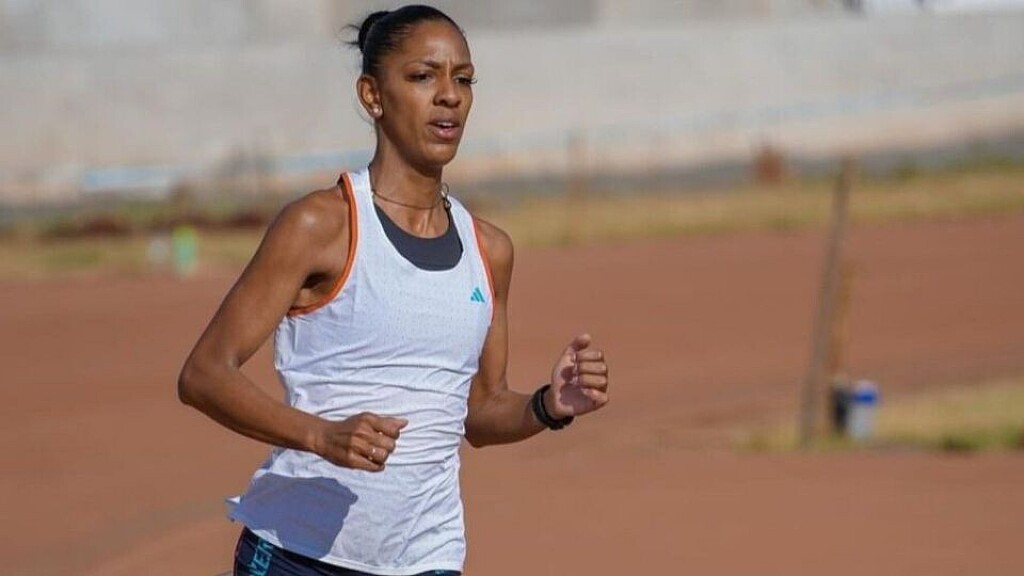
Anti-Doping Agency reveals details leading to suspension of top Brazilian athlete caught in Kenya
The Anti-Doping Agency of Kenya has detailed how a top Brazilian athlete training in Kenya was nabbed over the use of a prohibited substance before she was suspended.
Anti-Doping Agency of Kenya (ADAK) has explained how Brazilian athlete Graziele Zarri was caught cheating in the country before she was provisionally suspended.
Zarri was among five athletes suspended by ADAK over various doping offences last month, the others being Kenyans Samuel Kimani Wanjiru, Panuel Mkungo, Brian Kiptoo and Victor Kiptoo.
The Brazilian was nabbed for using prohibited substances S1.1 Anabolic Androgenic Steroids (AAS)/Testosterone with tests conducted while she was in the country.
“I confirm that ADAK collected a sample from the athlete on 23rd January 2024,” ADAK’s Head of Legal Services Bildad Rogoncho said in a response to Pulse Sports.
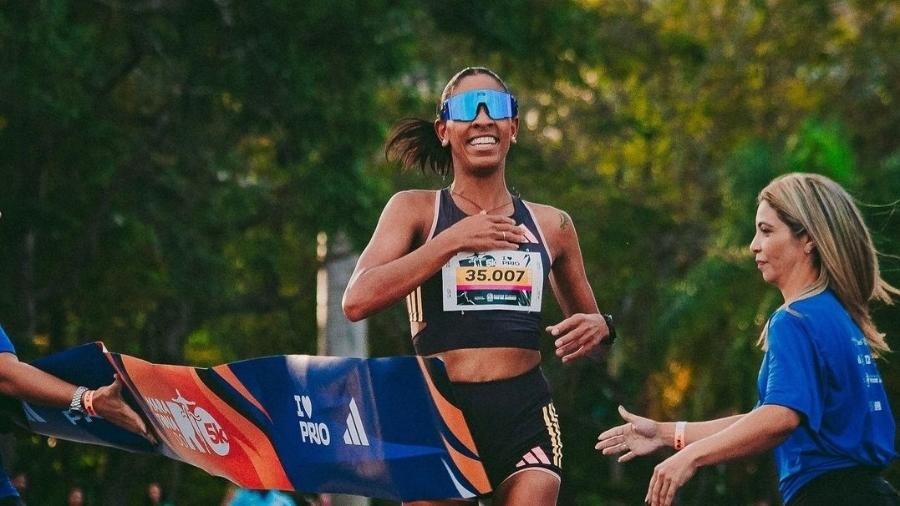
“The sample was transported to and analyzed by a WADA accredited laboratory in Stockholm, Sweden; that is the Doping Control Laboratory - Karolinska University Hospital.
“The Sample tested positive for Anabolic Androgenic Steroids (AAS)/ Pregnanediol, Androsterone, Androstane, Ketoetiocholanolone, Androstanediol, Etiocholanolone, Adilos, Epitestosterone and Testosterone.
“The athlete’s case was then referred to the Brazilian National Anti-Doping Organization for processing.”
ADAK says the athlete had been training in Eldoret when the sample was collected but when contacted, she denied having used the prohibited substance and claimed to have used a supplement acquired in Kenya.
She, however, failed to produce proof of the supplement and could not also recall its name, leaving ADAK with no option but to act.
“The athlete alleged to have bought and used some supplement which are suspected to have been contaminated with the substance found in the athlete's system. This matter is now being dealt with by the Brazilian National Anti-Doping Organization,” added Rogoncho.
Zarri is a long-distance runner who recently won the 5k race in Rio de Janeiro, Brazil and had been training in Kenya, alongside her husband Daniel Nascimento, in a bid to make Brazil’s Olympics team.
Nascimento is the South American marathon record holder and the only Brazilian qualified for the marathon at the upcoming Paris Olympics.
by Joel Omotto
Login to leave a comment

Suriname sprinter blames Gatorade for positive doping test
On Monday morning, Surinamese sprinter and current world U20 100m record holder Issam Asinga was issued a four-year doping ban by the Athletics Integrity Unit (AIU) after testing positive for the metabolites of GW1516 in an out-of-competition test on July 18, 2023. Asinga and his agent claimed the positive test resulted from ingesting Gatorade Recovery Gummies, which were given to him after he won the Gatorade U.S. Boys Track and Field Athlete of the Year award last July.
A few weeks later, at the South American Athletics Championships in São Paulo, Brazil, Asinga set a new U20 100m world record of 9.89 seconds, only to be provisionally suspended two weeks later, just before the start of the 2023 World Athletics Championships in Budapest.

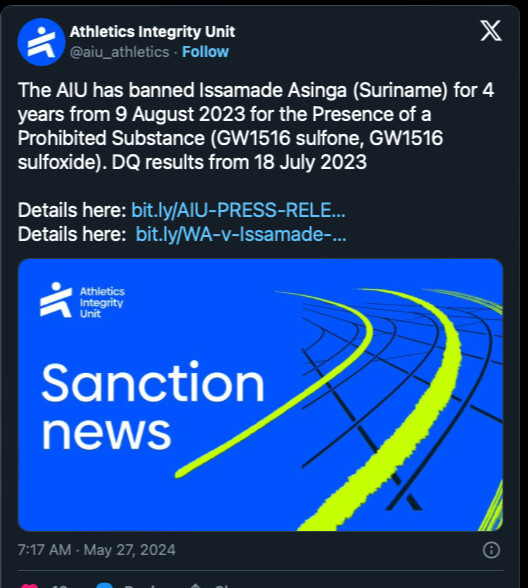
GW1516 was originally developed to treat obesity and diabetes, but is not approved for human use, due to its carcinogenic effects. It is banned both in and out of competition and is not eligible for a Therapeutic Use Exemption (TUE). A USADA bulletin from 2019 states that GW1516, also known as cardarine or endurobol, has been found in some supplements, despite being illegal.
Asinga claimed he took gummies from Gatorade that were supposed to help with recovery. He said two containers of the gummies revealed the presence of the banned substance, but the AIU panel stated he did not show proof that the gummies were the source of the drug found in his sample.
According to the AIU, Asinga claimed he took the Gatorade gummies the week before the positive test, and that subsequent testing of two unsealed containers of Gatorade gummies, provided by the athlete, revealed the presence of GW1516 and GW1516 sulfoxide. “The Disciplinary Tribunal found that Asinga did not satisfy his burden of proof to establish that the Gatorade Recovery Gummies were the source of the GW1516 metabolites detected in his sample.”
In making its decision, the AIU Disciplinary Tribunal stated that the Gatorade recovery gummies provided in unsealed containers by the athlete for testing contained significantly more GW1516 on the outside than on the inside, which practically excludes any contamination by raw ingredients during the manufacturing process. They also noted that the gummies were batch-tested by the National Sanitation Foundation (NSF), and that a sealed jar of the Gatorade recovery gummies, from the same batch taken by Asinga, tested negative for GW1516.
The 19-year-old sprinter plans to appeal the ban, which would take the case to the Court of Arbitration for Sport (CAS) in Switzerland.
All of Asinga’s results from July 18 onward will be disqualified, including his two South American Championships gold medals in the 100m and 200m, as well as his world U20 100m record of 9.89 seconds.
by Running Magazine
Login to leave a comment
More Than 100 Professional Athletes to Race Boston 5K
Fast fields featuring Olympians, Paralympians, rising stars, and recent B.A.A. event winners will take center stage at the Boston 5K presented by Point32Health and B.A.A. Invitational Mile on Saturday, April 13. The deepest professional field in race history will include more than 100 accomplished athletes from 19 nations, set to square off for prize money and awards in the open, wheelchair, and Para Athletics Divisions.
“More than 40,000 athletes will take part in B.A.A. races across Boston Marathon weekend,” said Jack Fleming, President and Chief Executive Officer of the B.A.A. “Saturday’s Boston 5K and B.A.A. Invitational Mile fields feature some of the fastest American and international stars, many who are aiming to compete at the Olympics and Paralympics in Paris.”
A new champion will be crowned and the stage is set for another close race at the Boston 5K. Ben Flanagan (Canada), Edwin Kurgat (Kenya), and Alex Masai (Kenya) – all top-five finishers a year ago – will return. They were at the front of an exciting finish a year ago that saw the top 13 men come across the line within ten seconds of the winner.
Top Americans Cooper Teare, Zach Panning, and Drew Hunter look to be at the front of the field. Teare is the reigning U.S. club cross country national champion, while Panning led a majority of February’s USA Olympic Team Trials – Marathon and Hunter is a former national champion indoors at 2 miles. B.A.A. High Performance Team members Eric Hamer and Barry Keane will be racing their hometown event.
Also on the start line will be Ben Kigen, an Olympic steeplechase bronze medalist in 2021; Simon Koech, last year’s Diamond League winner in the steeplechase; and Merhawi Mebrahtu, the 5,000m World Junior Championships silver medalist. Ethiopians Getnet Wale and Addisu Yihune are the two fastest men in the field, having gone sub-13:00 on the track for 5,000 meters.
Leading the women’s field is USATF 5K National Champion and B.A.A. High Performance Team member Annie Rodenfels. Joining her are 2024 Team USA Olympic marathoner Dakotah Lindwurm, former American marathon record holder Keira D’Amato, perennial top-American Boston Marathoner Nell Rojas, as well as Team B.A.A. runners Abbey Wheeler, Bethany Hasz Jerde, and Megan Hasz Sailor.
Uganda’s Sarah Chelangat, the Cherry Blossom 10 Mile champion in 2023, and Mercy Chelangat, a former NCAA Cross Country and 10,000m winner, are both entered. Reigning B.A.A. Half Marathon champion Fotyen Tesfay of Ethiopia also comes back to Boston seeking another win.
In the wheelchair division, course record holder and six-time Boston Marathon champion Marcel Hug (Switzerland) will square off against Americans Daniel Romanchuk and Aaron Pike. Brazil’s Vanessa de Souza – the 2018 Boston 5K winner – is the women’s wheelchair division favorite. Perennial Para Athletics Division contenders El Amine Chentouf (T12, vision impairment), Brian Reynolds (T62, lower-limb impairment), and Marko Cheseto (T62, lower-limb impairment) will vie for prize money and podium placings. This will be the largest professional Para Athletics Division field in event history.
Nearly 10,000 participants will take part in the Boston 5K, serving as the first race of the 2024 B.A.A. Distance Medley series.
KRISSY GEAR LOOKS TO REPEAT IN B.A.A. INVITATIONAL MILE
Krissy Gear earned a hard-fought B.A.A. Invitational Mile win last year and now comes in with the target on her back as defending champion. Four of the top five finishers from 2024 return, including Susan Ejore (Kenya), Jazz Shukla (Canada) and Taryn Rawlings (USA). Micaela Degenero, the 2022 NCAA Indoor Mile champion, and 4:23.94 Helen Schlachtenhaufen are entered as well.
Massachusetts high school standout Ellie Shea will take on the professionals. The Belmont High School student-athlete finished 10th at last year’s B.A.A. Invitational Mile.
Massachusetts native and 3:52.94 miler Johnny Gregorek leads the men’s field of competitors. Melkeneh Azize of Ethiopia, the world junior champion at 3000m in 2022, and Harvard’s Vivien Henz, a national champion in Luxembourg, will each make their B.A.A. road racing debuts.
In addition to the professionals, student-athletes from each of the eight cities and towns that make up the Boston Marathon route will compete in a Scholastic Mile and Middle School 1K.
Login to leave a comment

B.A.A. 5K
The B.A.A. 5K began in 2009, and became an instant hit among runners from far and wide. Viewed by many as the “calm before the storm,” the Sunday of Marathon weekend traditionally was for shopping, loading up on carbohydrates at the pasta dinner, and most importantly- resting. But now, runners of shorter distances, and even a few marathoners looking for...
more...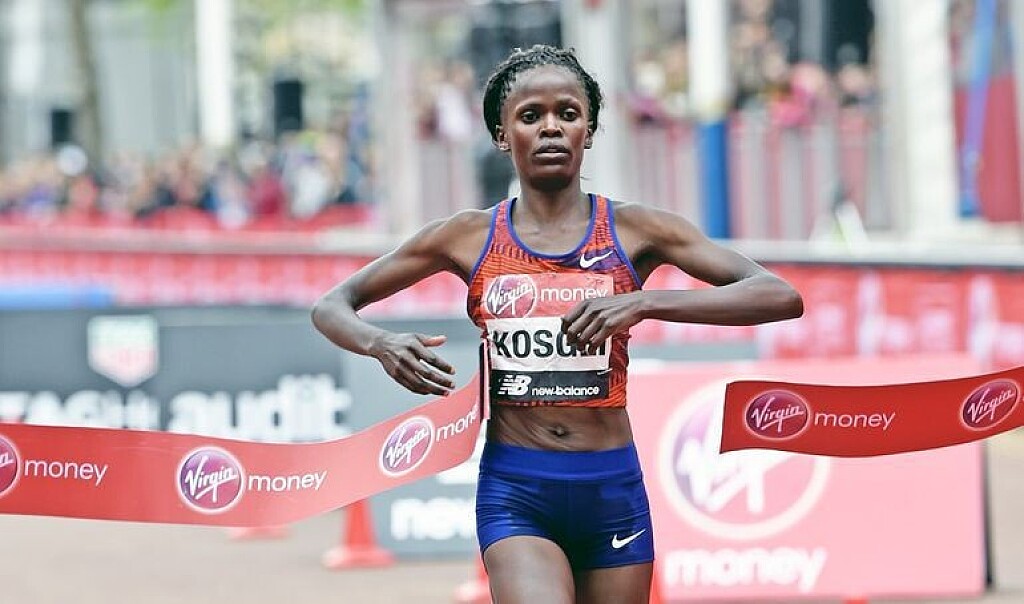
Brigid Kosgei fine tuning for London Marathon at Lisbon Half Marathon
Former world marathon record holder Brigid Kosgei will be keen to gauge her form at the Lisbon Half Marathon ahead of her return to the London Marathon.
Former world marathon record holder Brigid Kosgei is the star attraction for the Lisbon Half Marathon, where she intends to have a great build-up for the London Marathon.
The 30-year-old will use the 21km race scheduled for Sunday, March 17 to gauge form and pace for the marathon that takes place in the capital city of England.
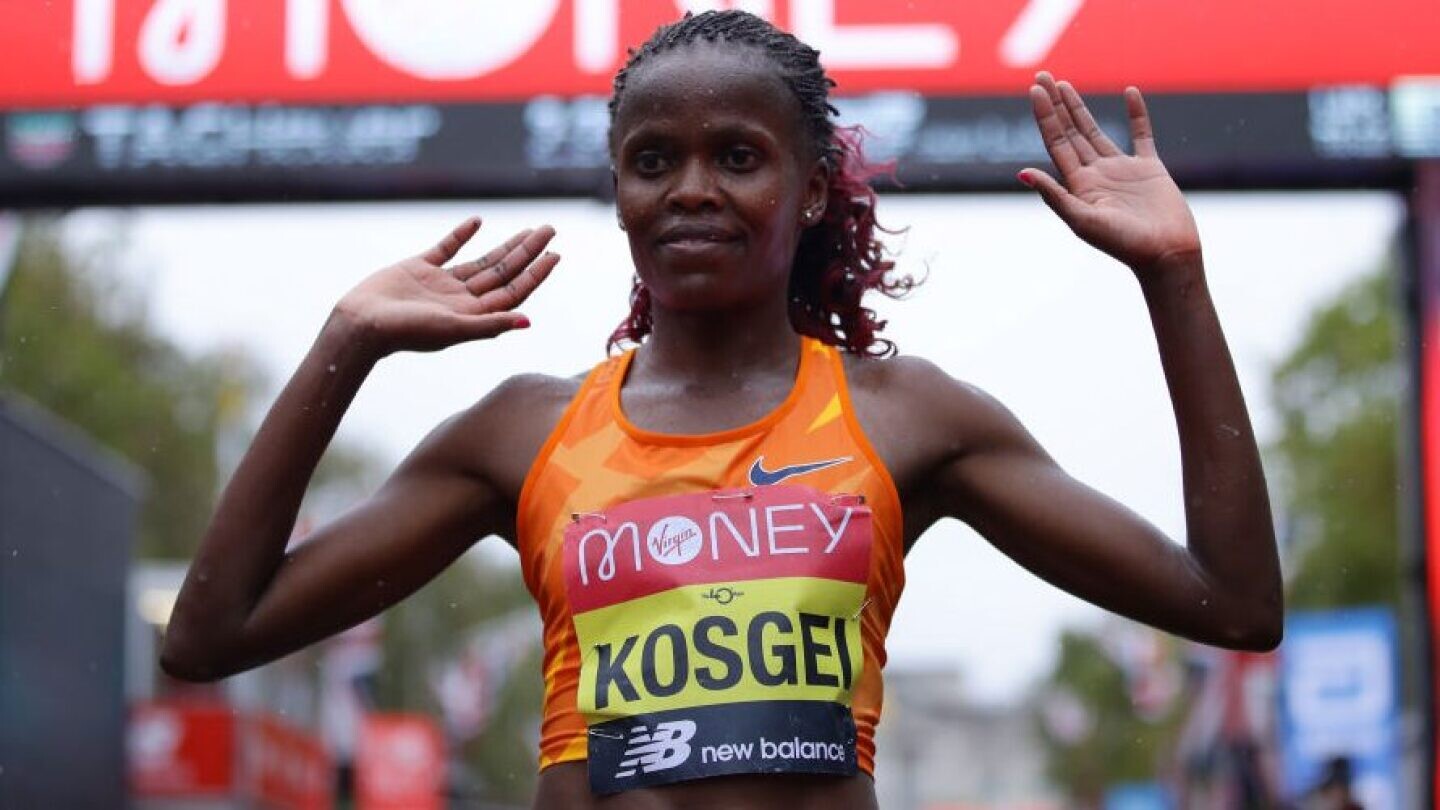
In addition to Kosgei, there will be other big names in the ladies' elite in Lisbon, with six more women with personal bests under 68 minutes.
Bosena Mulatie (65.46), Tigist Menigstu (66.20), and Betty Chepkemoi Kibet (66.37) will be hoping to stop Kosgei who suffered an injury last season and was forced to withdraw from the London Marathon.
Pauline Esikon (67.15), Vivian Melly (67.35) and Zewditu Aderaw Gelaw (67.25) are the other highlights beyond Kosgei.
The men’s field has attracted 10 athletes with the best marks under the hour. Abraham Kiptum will be returning and he is the biggest highlight, with a personal best of 59.09.
He will face a stern test from Ethiopians Solomon Berihu (59.17) and Dinkalem Ayele (59.30), but also compatriots Brian Kwemoi and Bravin Kipkogei Kiptoo (both with 59.37).
Meanwhile, several European athletes like the Norwegian Sondre Nordstad Moen (59.48), the Germans Amanal Petros (60.09) and Hendrik Pfeiffer (62.05), the Irish Stephen Scullion (61.08), Hélio Gomes and Rui Pinto have also confirmed participation. Brazilian Daniel do Nascimento, with a personal record of 61.03, will also be present, in what is his first race with Nike.
by Abigael Wuafula
Login to leave a comment

EDP HALF MARATHON OF LISBON
EDP Lisbon Half Marathonis an annual internationalhalf marathoncompetition which is contested every March inLisbon,Portugal. It carries World Athletics Gold Label Road Racestatus. The men's course record of 57:31 was set byJacob Kiplimoin 2021, which was the world record at the time. Kenyanrunners have been very successful in the competition, accounting for over half of the total winners, withTegla Loroupetaking the...
more...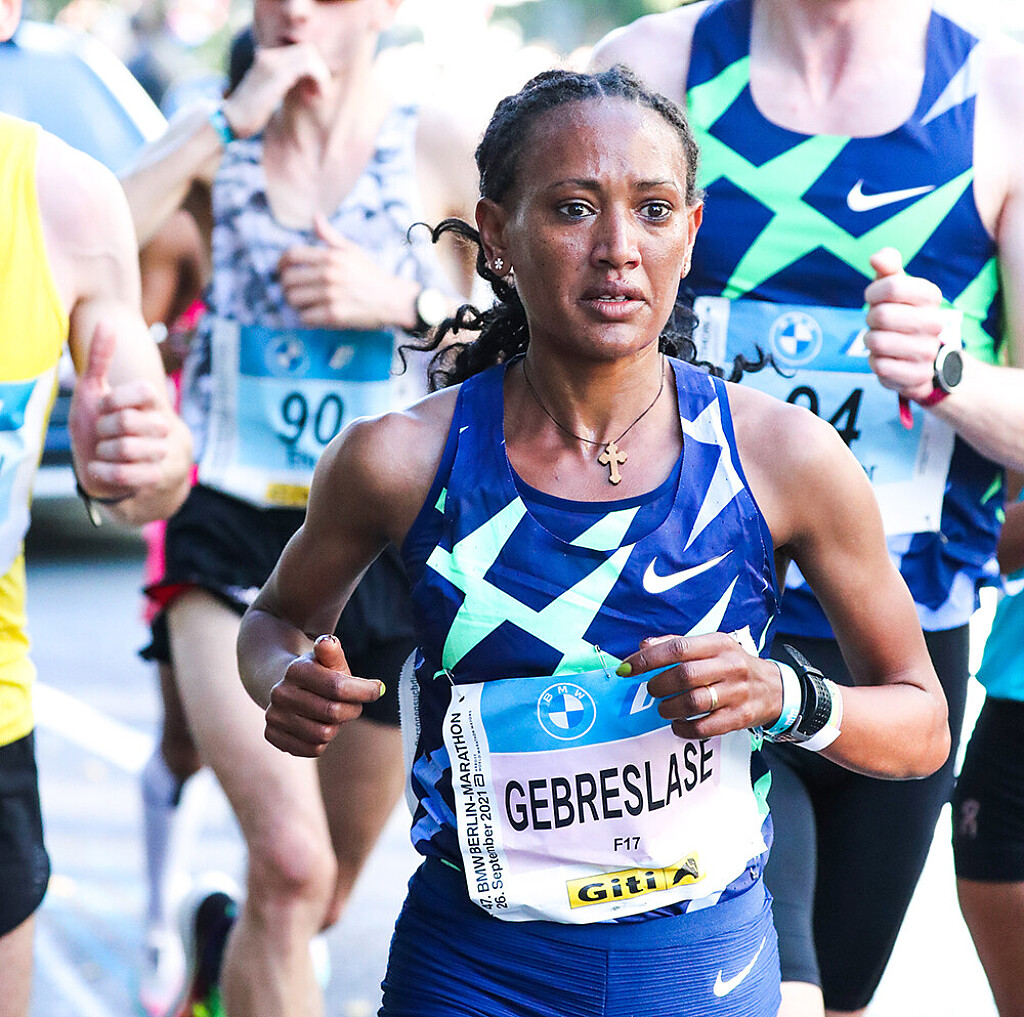
Gotytom Gebreslase hopes to break Nahoya course record
In advance of the highly anticipated race scheduled for this Sunday, March 10, 2024, the Nagoya Women’s Marathon held a pre-race press conference for the invited elite athletes today in Nagoya, Japan.
Gotytom Gebreslase (ETH), 2022 Oregon World Champion and 2023 Budapest World Championships silver medalist said, “My goal for Sunday is to run under two hours 18 minutes, and if the weather and pacemakers are good, I will try to break the course record of 2:17:18.” Her competitor Eunice Chebichii Chumba of Bahrain, 2023 Asian Games Champion said, “My preparation has been going well, and my focus will be to improve my personal best of 2:20:02.”
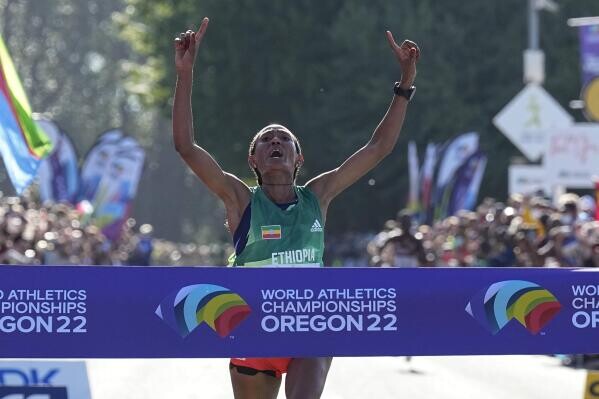
For Japanese athletes, the Nagoya Women’s Marathon 2024 will be the last chance to win a place in the Paris Olympics team by beating the new national record of 2:18:59 just set by Honami Maeda this January.
The 2020 Tokyo Olympians Ayuko Suzuki will aim to break the target of 2:18:59 so she can compete in the Olympics again to show what she really can do, adding that she was ready to turn the support of the local spectators of her hometown Aichi into strength. Sharing the same goal with Ayuko, Rika Kaseda commented that she had prepared for a high-speed race and would challenge herself to keep up with the pace of other fast athletes to grab the last ticket for Paris 2024.
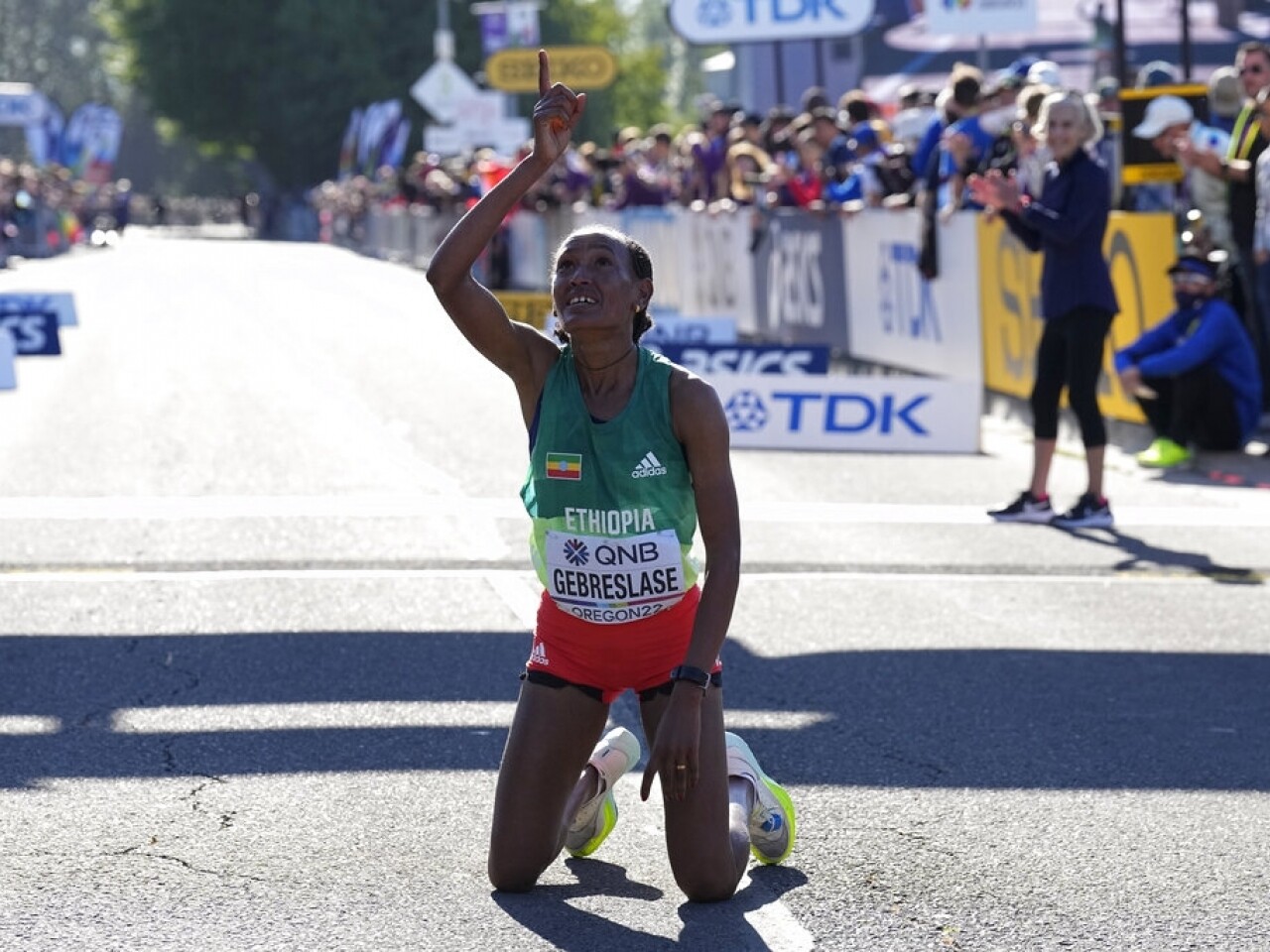
In addition to these top elite athletes, many recreational runners will join the Nagoya Women’s Marathon 2024 from home and abroad, making it an exciting race with 18,000 participants. All finishers will be presented with an event’s exclusively designed Tiffany & Co. pendant and a New Balance T-shirt as the finisher prize.
Sunday’s race will be streamed live free of charge to 37 countries and regions (Argentina, Australia, Bahrain, Brazil, Brunei, Cambodia, Chile, Colombia, Egypt, Ethiopia, France, Germany, Hong Kong, Indonesia, Israel, Italy, Kenya, Macau, Malaysia, Mexico, Monaco, Myanmar, Namibia, Netherlands, New Zealand, Papua New Guinea, Philippines, Puerto Rico, Romania, Singapore, South Africa, South Korea, Spain, Taiwan, Thailand, United Kingdom, and United States of America) on the race’s official website at https://womens-marathon.nagoya/en/broadcast.php. Stay tuned for the race to start at 9:10 a.m. on Sunday, March 10, 2024, Japan time.
by AIMS
Login to leave a comment

Nagoya Women's Marathon
The Nagoya Women's Marathon named Nagoya International Women's Marathon until the 2010 race, is an annual marathon race for female runners over the classic distance of 42 km and 195 metres, held in Nagoya, Japan in early March every year. It holds IAAF Gold Label road race status. It began in 1980 as an annual 20-kilometre road race held in...
more...
Can Strength Training Protect You from Running Injuries?
The logic is good and the anecdotes are common, but the evidence is shakier than expected, researchers find
The best way to prevent running injuries isn’t to waste your time stretching or searching for the perfect shoe; it’s to get strong. That’s where the zeitgeist has been headed over the past decade or so, as old ideas about injury prevention have produced disappointing results in studies. The rationale for strength training, by contrast, is seemingly unassailable: injuries occur when more stress is applied to a tissue than it can absorb, so strengthening the tissue should ward off injuries.
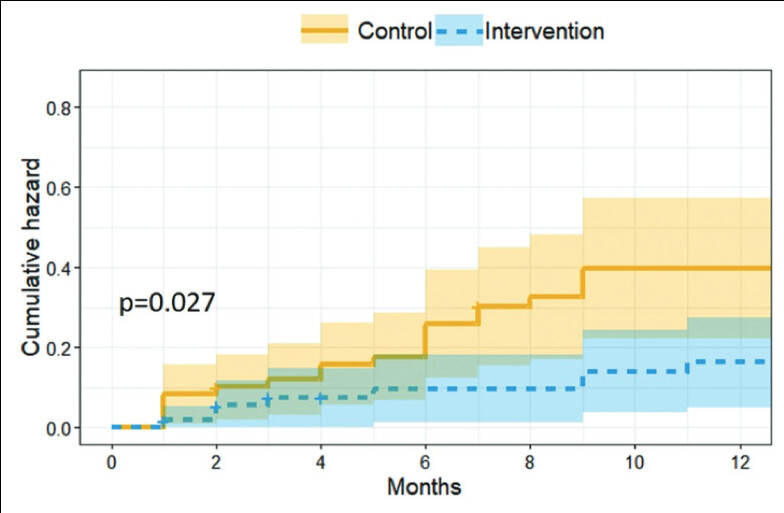
But that claim, too, should be treated with caution, according to a new systematic review of exercise-based prevention programs for running injuries. In Sports Medicine, a research team led by Richard Blagrove of Loughborough University in Britain sums up the available evidence. Blagrove, for the record, is the author of Strength and Conditioning for Endurance Running and has worked with plenty of elite runners on their strength routines, so it’s not like he’s an anti-strength-training zealot. I’ve written before about some of his previous research on strength training and running economy. But the overall picture on injury prevention is underwhelming—although, as Blagrove and his colleagues point out, there are reasons for optimism and some intriguing avenues for future research.
As with all systematic reviews, the first challenge is finding studies that meet your criteria. In this case, one of the key hurdles was ensuring that the subjects in the study were, by some reasonable definition, runners. Previous reviews of the topic have included military studies where running only made up a small fraction of overall training, and injuries sustained during other training activities were counted as “running injuries.” For the new review, they insisted that running had to be the subjects’ main training activity, comprising at least half their training time.
They were able to include nine articles with a total of 1,904 subjects—which, for a tricky topic like running injuries, isn’t a lot. The exercise interventions were all over the map: strength exercises like lunges and squats, plyometric hops and jumps, core routines, foot strengthening, and so on. Overall, perhaps not surprisingly given the wide variety of regimens, there was no significant benefit for the exercise groups compared to the control groups in injury risk (what proportion of subjects got injured during the studies) or injury rate (how many injuries they suffered for a given amount of running).
That, for now, is the state of the evidence. As always, we’re left hungry for more. What are the injury benefits of a straightforward strength-training routine? Given that this is among the most common forms of supplementary exercise among runners, you’d think we would know if it helps, but there’s almost no evidence either way. That’s important, Blagrove and co. point out, because there is robust evidence that this approach works in other sports like soccer. That doesn’t mean it will work in running, since the injury mechanisms are different, but it does suggest that it’s worth finding out.
One intriguing pattern in the data is that the three studies that produced the lowest injury risk also happened to be the three studies where the exercise routine was supervised rather than just assigned to be performed at home. Previous research has tended to find that people get bigger gains when they have a spotter or a personal trainer looking on. That could be because they dig a little deeper; or in this case, it could be that this is the only way to ensure people do the exercises at all. Sports medicine doctors and physical therapists often laugh about the patients who come for a follow-up visit claiming that they’ve been doing their assigned exercises religiously… but when they’re asked to demonstrate them, search for the piece of paper where the exercises are described. Exercises can only work if you actually do them, needless to say.
It’s also worth noting that Blagrove and his colleagues were particularly intrigued by a 2020 study from the American Journal of Sports Medicine that used foot and ankle strengthening, including exercises like the “foot doming,” based on the concept of a “foot core” providing stability to the rest of the body. In that study of 118 runners in Brazil, the control group was 2.4 times more likely to develop an injury during the one-year follow-up period. The survival graph from that study, showing the cumulative injuries for the control group (solid line) and foot-strengthening group (dashed line), is certainly compelling:
But the whole point of a meta-analysis is to pool more than one study, to increase sample size and reduce the risk of fluke results—and of investigator error or bias. One of the minor details in the meta-analysis: there were actually two other studies that met the inclusion criteria, both by the same research team. But when Blagrove’s team dug into the studies, they found identical baseline data—the same age, height, body mass, BMI, running experience, and biomechanical parameters—and identical injury occurrences… even though the studies had different sample sizes, durations, and exercises. The authors didn’t respond to questions about their data, so Blagrove’s meta-analysis excluded them.
The bottom line? We can’t say for sure, at this point, whether strength training or other forms of exercise lower your risk of getting injured while running. The logic is sound, and the circumstantial evidence from other sports is suggestive. Maybe more importantly, there’s also solid evidence that various forms of strength training improve running economy and boost your long-term health. It would be nice to get some injury prevention as a bonus, but the package is already pretty enticing.
by Outside Online
Login to leave a comment
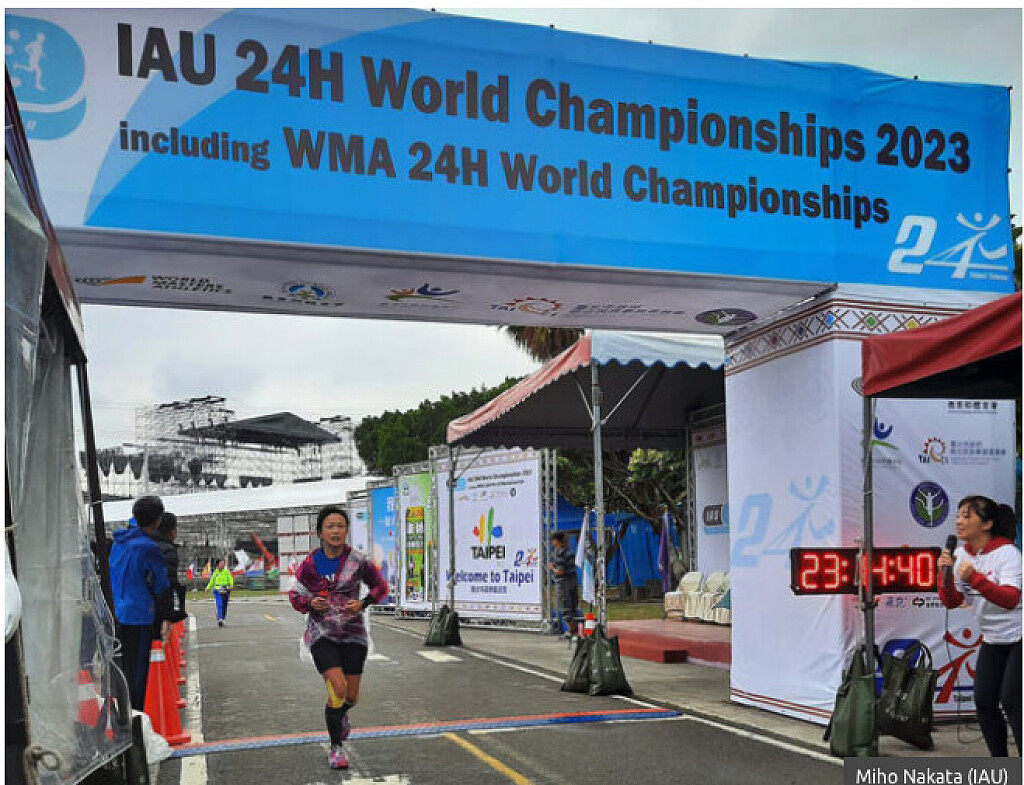
World 24-hour record for Miho Nakata
Japanese ultra-runner sets women’s all-time best by slim margin as Aleksandr Sorokin takes men’s title at the IAU World 24-hour Championships in Taipei
Japan’s Miho Nakata set a women’s world record when winning the IAU World 24-hour Championships in Taipei on Saturday (Dec 2) while Lithuania’s Aleksandr Sorokin retained his world crown and the British team won bronze in the men’s race, Adrian Stott reports.
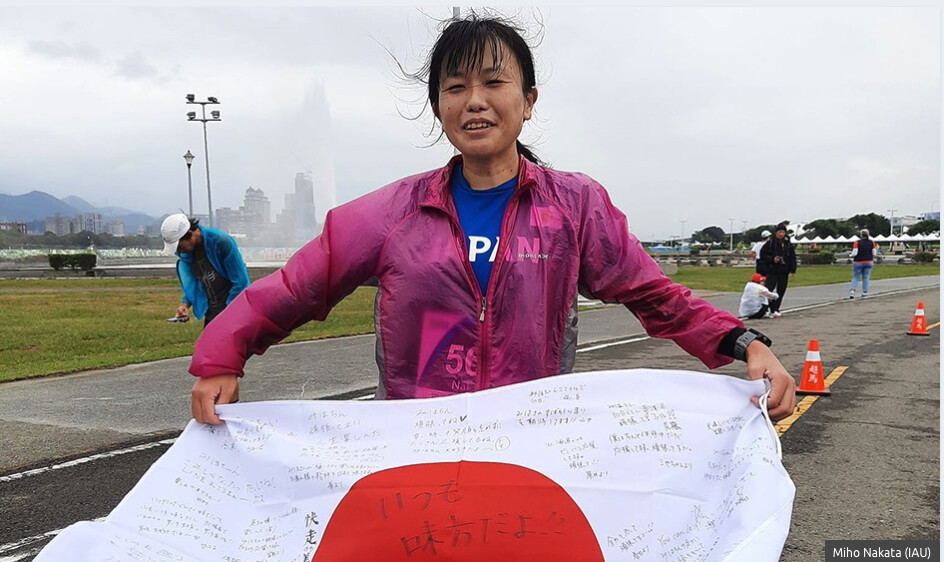
With final results still to be confirmed, organisers are reporting a distance of 270.363km (167.995 miles) which, if confirmed, will surpass the distance set by Camille Heron of 270.116km (167.842 miles) at the last edition of the championship in 2019 by a mere 246 metres.
Nakata had been the early leader and at six hours had reached 78km, with Finland’s Noora Honkala and Herron in second and third. She reached 100km in around 7hr 50min, a total of 10 minutes up on Herron’s split from her world record run in 2019.
At halfway, Nakata had accumulated 146km, on par with Herron’s record split at the 2019 event in Albi. Herron was lying second with 142km, Norway’s Line Caliskaner was on 140km with Spain’s Carmen Maria Perez and Honkala also on 140km.
Herron seemed to encounter difficulties and retired at this point, leaving Nakata to power on and reach 100 miles in approximately 13hr 25min with Spain’s Perez at about 13:45 and Honkala at 14.00.
By 20 hours, Nakata had reached 228.00km. Although still moving well it looked like she was falling slightly behind record schedule despite being 12km ahead of Perez, as Ukraine’s Olena Shevchenko moved up to third.
A strong final three hours by Nakata took her past Herron’s mark, seemingly in the final minutes of the race. Shevchenko took the silver, while previous champion and world record holder Patrycja Bereznowska of Poland took bronze.
Putting Nakata’s run in perspective, her distance was only beaten by four of the men in the championship and increased her 24-hour PB by 14km from 256.024km. She also has a 100km best of 7:19:12 when finishing at the 2023 World 100km Championships in Berlin.
Positions changed a lot in the last couple of hours, with the likelihood of several national records yet to be confirmed in both the women’s and men’s races.
In the team competition, the experienced Polish team paced well to take the gold medals. Japan claimed silver and Czech Republic the bronze.
Sorokin retains global title
Aleksandr Sorokin had a similarly emphatic victory in the men’s race, although falling short of his current world record.
At six hours he led Brazil’s Denison Da Silva by 2km, with Greece’s Fotios Zisimopoulos in third. Reaching the first landmark of 100k in just over seven hours, he was slowly stretching his lead out.
Sorokin hit 100 miles in approximately 11hr 35min and totalled 166km at halfway. This compared with a 170.9km split when he set his exceptional world record of 319.614km in Verona last year. Zisimopoulos reached halfway in 158km, with Ukrainian Andrii Tkachuk now third.
Sorokin maintained a strong pace in the second half of the race to take the victory, surpassing 300km for the third time in his career to retain his title. Zisimopoulos, who had broken the record in the 245km Spartathlon race in September, cemented his place in the world ultra standings, taking second place with over 290km to gain his first ultra championship medal. Tkachuk took the bronze.
Lithuania took the gold medals in the team competition, with Poland taking silver.
Superb pacing from the Great Britain and Northern Ireland men’s team saw them earn well-deserved bronze medals.
Daniel Hawkins led the British men home in 10th, Former European 24-hour champions Dan Lawson was 17th and British record-holder Robbie Britton was the third counter in 22nd place.
by Jason Henderson (Athletics Weekly)
Login to leave a comment
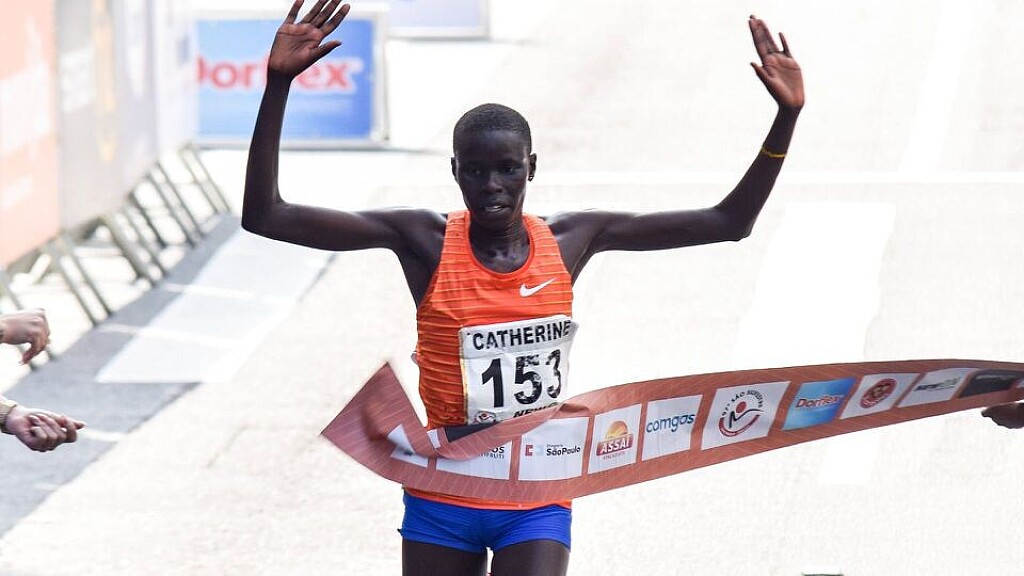
Catherine Reline eyeing Olympic glory next season
21-year-old Catherine Reline will be eyeing a debut at the Olympic Games after a fruitful 2023 season.
21-year-old Catherine Reline will be hoping to extend her good fortunes to the 2024 season as she eyes the Olympic Games in Paris, France.
Reline has enjoyed a great 2023 season, securing a podium place in most of her races. The highlight of her career this season was finishing third in the Half Marathon at the World Road Running Championships.
She also won the Chemasusu Dam Half Marathon and also finished second at the Trunsylvania International 10K where Agnes Ngetich broke the world record.
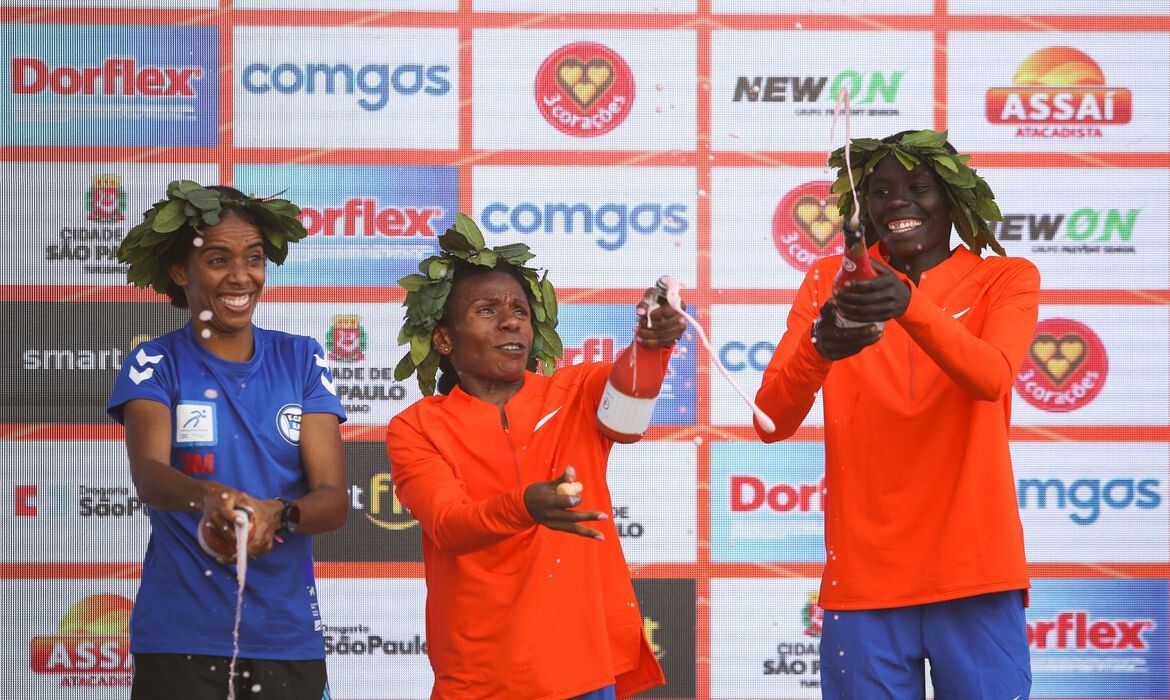
However, Ngetich’s world record was not ratified since the course did not meet the standards of World Athletics.
“I have another race in Brazil then after that, I will come back home to prepare for the Olympic Games where I intend to make Team Kenya for the 10,000m,” she said.
Speaking about her preparations ahead of the Chemasusu Dam Half Marathon, Reline said she did not prepare well for the race since she was just from the World Road Running Championships in Riga.
“I had not prepared well for the race since I was just from competing at the World Half Marathon.
I rested for a bit and then went to compete…I wanted to try the half marathon because my body was not very tired and I felt like I had the strength to run another race,” she said.
Courtesy of her win, she walked away with Ksh 100,000 and she expressed her excitement about walking away with the money noting that the economic times are hard.
by Abigael Wuafula
Login to leave a comment
Paris 2024 Olympic Games
For this historic event, the City of Light is thinking big! Visitors will be able to watch events at top sporting venues in Paris and the Paris region, as well as at emblematic monuments in the capital visited by several millions of tourists each year. The promise of exceptional moments to experience in an exceptional setting! A great way to...
more...
Isai Rodriguez, Sam Chelanga capture gold and silver for U.S. in men´s 10,000 meters at Pan American Games
Isai Rodriguez and Sam Chelanga made history Friday at the Pan American Games, becoming the first American teammates to take the top two spots in the men’s 10,000-meter final at Julio Martinez Pradanos National Stadium in Santiago, Chile.
Rodriguez, an All-American at Oklahoma State, and Chelanga – the collegiate 10,000 record holder from 2010 at Liberty – became the first pair of teammates from any country since 1979 and only the third tandem in meet history to secure gold and silver in the event.
Rodriguez prevailed in 28 minutes, 17.84 seconds, the fastest Pan Am Games winning performance since 2007, and Chelanga clocked 29:01.21, with Guatemala’s Alberto Gonzalez earning bronze in 29:12.24.
Rodriguez and Chelanga joined Mexico’s Rodolfo Gomez and Enrique Aquino in 1979, along with Luis Hernandez and Gomez in 1975 as the only teammates to sweep the top two spots in the men’s 10,000.
Rodriguez secured the first 10,000 gold for the U.S. since Bruce Bickford triumphed in 1987 in Indiana.
It marked the second straight Pan Am Games that the Americans had two athletes on the 10,000 podium, with Reid Buchanan and Lawi Lalang achieving silver and bronze in 2019 in Peru. The U.S. also had a pair of 10,000 medalists in 1967 in Winnipeg.
The Americans added bronze medals in the women’s 1,500-meter final and javelin throw competition, in addition to the men’s shot put, taking the lead with 19 overall medals entering the last day of the track and field schedule.
Brazil leads with seven gold medals and is second behind the Americans with 18 overall medals.
Darlan Romani triumphed for Brazil in the men’s shot put with a fifth-round effort of 70-1 (21.36m).
Mexico’s Uziel Aaron Munoz secured silver at 69-4.75 (21.15m), with former Arizona standout and NCAA Division 1 champion Jordan Geist edging fellow American athlete Roger Steen for bronze by a 67-4.25 (20.53m) to 67-3.50 (20.51m) margin.
Colombia’s Flor Denis Ruiz won the women’s javelin gold medal with a throw of 207 feet (63.10m) on her opening attempt.
Nebraska teammates Rhema Otabor, representing the Bahamas, and American competitor Maddie Harris captured silver and bronze, respectively. Otabor had a mark of 198-7 (60.54m) and Harris produced a throw of 197 feet (60.06m).
Venezuela’s Joselyn Brea completed a sweep of the women’s 1,500 and 5,000 titles, clocking 4:11.80 to edge Cuba’s Daily Cooper (4:11.86) and American athlete Emily Mackay (4:12.02).
Gianna Woodruff believed she had become the first female athlete from Panama to capture a Pan Am Games gold medal in any event, clocking 56.44 in the women’s 400-meter hurdles.
But Woodruff was later disqualified as a result of Rule 22.6.2, which states that an athlete is penalized after “knocking down or displacing any hurdle by hand, body or the upper side of the lead leg.”
Brazil’s Marlene Santos, who ran 57.18, was elevated to the event winner, with Daniela Rojas from Costa Rica earning silver in 57.41 and Montverde Academy of Florida senior Michelle Smith, representing the U.S. Virgin Islands, taking bronze in 57.53.
Jamaica’s Jaheel Hyde emerged victorious in the men’s 400-meter hurdles in 49.19.
Brazil’s Matheus Lima earned silver in 49.69 and Cuba’s Yoao Illas was the bronze medalist in 49.74.
Cuba’s Luis Enrique Zayas cleared 7-5.25 (2.27m) on his third attempt to prevail in the men’s high jump final.
Puerto Rico’s Luis Joel Castro achieved a 7-4.25 (2.24m) clearance on his first opportunity to capture silver, with Donald Thomas of the Bahamas grabbing bronze after achieving the height on his third try.
Cuba added two more medals in the men’s triple jump final, with Lazaro Martinez winning on his first attempt with a 56-4.75 (17.19m) performance.
Brazil’s Almir Dos Santos secured silver at 55-6.25 (16.92m) and Cuba’s Cristian Napoles took the bronze medal at 54-8 (16.66m), holding off American athlete Chris Benard and his fourth-place mark of 54-1 (16.48m).
by Erik Boal
Login to leave a comment
Pan American Games
The Pan American Games area premier, quadrennial multi-sport event for 41 nations across the Americas, held one year before the Summer Olympics. Organized by Panam Sports, the games serve as a direct Olympic qualifier and feature thousands of athletes competing in diverse sports. The next edition, the 2027 Pan American Games, will take place in Lima, Peru, from July 16...
more...
Brazilian runner breaks Guinness World Record with 366 consecutive marathons
A Brazilian ultrarunner has set a new Guinness World Record for the most consecutive marathon-distance runs in 366 days. On August 28, Hugo Farias of São Paulo completed his 366 consecutive 42.2-kilometer runs to finish his Projeto Propósito in front of a crowd of 2,000 people.
Farias, 44, started his journey on Aug. 28, 2022, after quitting his job at IBM. He set out on this challenge with the goal of completing 365 marathons in 365 days to show people that anything is possible. He did not decide to do a 366th until recently, as he wanted to eclipse the Guinness World Record and surpass the accomplishments of Belgium’s Stefan Engels and England’s Gary McKee, both of whom completed the full calendar year.
Farias tracked the entire project on Strava, where he wore daily bib numbers according to the marathon number he was on. After completing his 366th run, Farias joked, “I think I will start reducing volume now.”
The father of one covered an astonishing 15,443 km, which is equivalent to a flight from New York to Singapore, and 123,000 metres of elevation gain, or roughly 14 times the height of Mount Everest. According to his Strava, Farias went through 27 pairs of running shoes during the challenge and had 10 shoes on rotation (over 10 days) for the first five months.
His Projeto Propósito required extensive planning, and Farias had support from a team of health professionals which included running coaches, a physical trainer, a physiotherapist, a psychologist, a nutritionist, an orthopedist, a dermatologist (his wife), plus cardiologists and physiologists. Farias also dedicated three months to physical and mental preparation before undertaking his marathon journey.
His Projeto Propósito required extensive planning, and Farias had support from a team of health professionals which included running coaches, a physical trainer, a physiotherapist, a psychologist, a nutritionist, an orthopedist, a dermatologist (his wife), plus cardiologists and physiologists. Farias also dedicated three months to physical and mental preparation before undertaking his marathon journey.
by Marley Dickinson
Login to leave a comment
Kandie faces stiff opposition as he seeks to defend Valencia title
Former Valencia Half Marathon winner Kibiwott Kandie is among 14 Kenyans set to battle it out at the Valencia Half Marathon on October 22 in Spain.
Kandie, who holds the half marathon's best time of 57:32, will face tough competition from Ethiopia’s Yomif Kejelcha who holds a time of 58:32 (second best time in the marathon).
Kandie, the 2020 World Athletics Half Marathon silver medalist, will be hoping to cement his name in Valencia and replicate his amazing performance back in 2020 when he set the record time in the race.
The two will be joined by runners, who have clocked under 59 minutes in the race, including Matthew Kimeli, winner of the 15th annual UAE Healthy Kidney 10K in 2019 in Central Park, New York, who holds a time of 58:43.
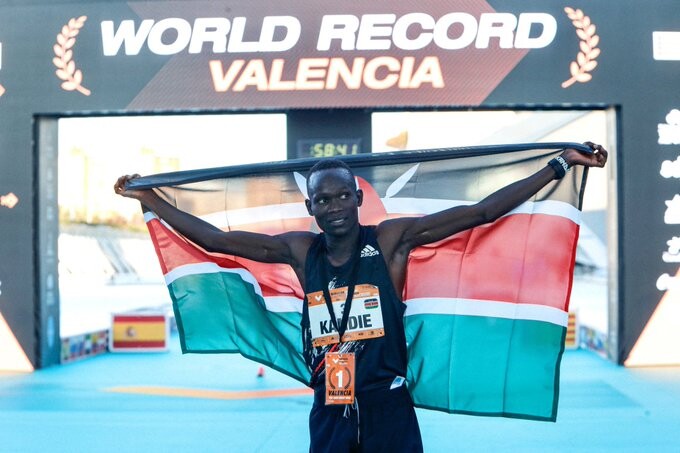
Sebastian Sawe, who holds a half marathon best of 58:58 from his win at the 2022 Bahrain Royal Night Half Marathon, will be gunning to take the title from Kandie.
The 2022 Standard Chartered Marathon 10km bronze medalist, Bravin Kiprop, who has a time of 59:22 in the half marathon, will also be among the challengers alongside Josephat Kiprotich who won the 38th edition of the Maratona da Cidade do Rio de Janeiro, Brazil in June.
Other Kenyan athletes in the race include Brian Kwemoi (59:37), Hillary Kipkoech (59:41), Erick Sang (59:50), Weldon Langat (59:55), Laban Kiplimo (1:00.13) and Kelvin Kibiwott (1:00.14).
Ethiopian’s Tadese Worku, 3,000m medalist at the 2021 World Athletics U20, and 5,000m world 3,000m junior record holder, Hagos Gebrhiwet will give the Kenyans a competitive race.
Great Britain's all-time number three, Callum Robert Hawkins (1:00:00), will be looking to pull an upset for the group.
The women's challenge will be led by the 2019 world 5,000m silver medallist, Margaret Chelimo who holds a time of 1:05:26 in the marathon and she will be joined by Janet Chepngetich.
The 2020 World Half Marathon silver medalist and current European record holder over the distance, Melat Kejeta from Germany together with Ethiopia’s 2023 world cross country silver medalist, Tsigie Gebreselama will give the Kenyan ladies a tough race.
by Teddy Mulei
Login to leave a comment

Valencia Half Marathon
The Trinidad Alfonso Valencia Half Marathon has become one of the top running events in the world. Valencia is one of the fastest half marathon in the world. The race, organized by SD Correcaminos Athletics Club, celebrated its silver anniversary in style with record participation, record crowd numbers, Silver label IAAF accreditation and an atmosphere that you will not find...
more...
100m world junior record holder suspended for doping
Suriname’s Issam Asinga, who only two weeks ago stunned the athletics world by shattering the U20 100m world record at the South American Championships in Sao Paulo, Brazil, has been provisionally suspended by the Athletics Integrity Unit (AIU) for the alleged use or presence of a prohibited substance . The suspension, which went into effect Wednesday and was announced by the AIU on Friday, is for the presence of GW1516, a substance that modifies how the body metabolizes fat, and which can boost endurance.
Provisional suspensions are issued before a hearing to determine whether the charges warrant any official punishment.
Botswana’s Nijel Amos, who won silver in the 800m at the 2012 Olympics in London, received a provisional suspension last year for the presence of the same metabolite ahead of the World Athletics Championships in Eugene, Ore. He ended up receiving a three-year ban.
GW1516 was originally developed to treat obesity and diabetes, but is not approved for human use, since it was discovered to be carcinogenic. It is banned in and out of competition, and not eligible for Therapeutic Use Exemption (TUE). A USADA bulletin from 2019 says GW1516 is also sometimes known as cardarine or endurobol and has been found in some supplements, even though it is illegal. In 2017, there were 31 sanctions worldwide related to its use.

The 18-year-old Asinga clocked an impressive 9.89 seconds with a tailwind of (-0.8m/s) on July 28 to become the first South American sprinter to break the 10-second barrier in the 100m. His blazing run surpassed the previous record of 9.91 seconds set by Botswana’s Letsile Tebogo at last year’s World U20 Championships in Cali, Colombia, and also broke the South American area record, bettering the 10.00 mark set by Brazil’s Robson da Silva in 1988.
In addition to claiming a world record in Brazil, Asinga’ also picked up a free PlayStation 5 with his performance. A tweet posted last week shows retired American sprinter Justin Gatlin handing Asinga the video game console with the caption “The special moment when Justin Gatlin promised Issam Asinga a PS5 if he ran a legal 9.8 and he delivered!”
Asinga has made headlines in the 2023 season, running for Montverde Academy near Orlando, Fla. Earlier this year, he beat world champion Noah Lyles in a 100m race to break the U.S. high school record, and a week later, broke Lyles’s 200m high school record in 19.97 seconds.
The provisional suspension appears to have dashed Asinga’s dreams for gold at the World Athletics Championships in Budapest later this month, where he was set to run the double. The sprinter has plans to head to Texas A&M University in the NCAA on a full track and field scholarship this fall.
by Running Magazine
Login to leave a comment

18-year-old sprinter Issam Asinga breaks world junior 100m record
In a remarkable debut on the international stage, 18-year-old Issam Asinga of Suriname stunned the athletics world on Friday, shattering the U20 100m world record at the South American Championships in Sao Paulo, Brazil. Asinga clocked an impressive 9.89 seconds with a tailwind of (-0.8m/s) to become the first South American sprinter to break the 10-second barrier in the 100m.
Asinga’s blazing run surpassed the previous record of 9.91 seconds set by Botswana’s Letsile Tebogo at last year’s World U20 Championships in Cali, Colombia, and also broke the South American area record, bettering the 10.00 mark set by Brazil’s Robson da Silva in 1988.
To make his record more impressive, his time was run at altitude, as Sao Paulo sits nearly 800m above sea level. Asinga’s new record also sparred other fast times in the field, with Brazil’s Erik Cardoso breaking the Brazilian national record for silver in 9.97.
The 18-year-old sprint phenom has made headlines in the 2023 season, running for Montverde Academy near Orlando, Fla. Earlier this year, he beat world champion Noah Lyles in a 100m race to break the U.S. high school record, and a week later, broke Lyles’s 200m high school record in 19.97 seconds.
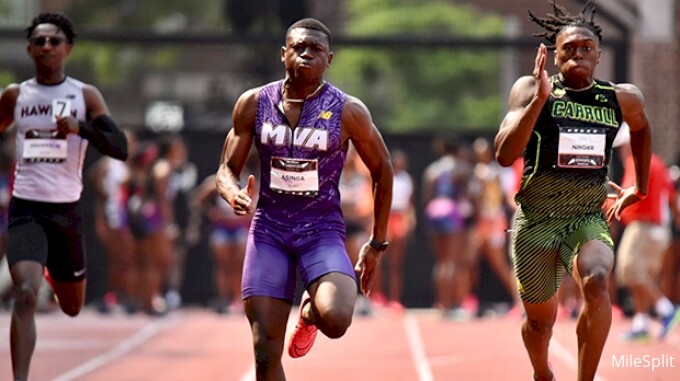
Asinga’s sights are now on the 2023 World Athletics Championships in Budapest this August, where he will run the sprint double. After worlds, Asinga will head to Texas A&M University in the NCAA on a full track and field scholarship. His exceptional talent runs in the family. His father, Tommy Asinga, holds multiple national records for Suriname and represented the country at three Olympic Games (1988, 1992 and 1996).
by Marley Dickinson
Login to leave a comment
Too Mentally Fried on a Run? Here’s How to Motivate Yourself to Keep Going
New research shows that motivational self-talk can counter brain drain.
Susanna Sullivan is no stranger to mental fatigue. From late August until early June, the 2:24 marathoner teaches pre-algebra to 104 sixth-graders—which, if you’ve ever dealt with middle schoolers, you’ll know can be exhausting.

“If a student asks, ‘Can I go to the office?’ I immediately have to make all these other considerations: Who else is out of the room? Do I trust the kid to go directly to the office? Are they distressed?” says Sullivan. “By the end of the day, my brain is toast.”
While her non-athletic colleagues may be able to go home and recharge after a long day, Sullivan needs to find a way to rally. Her coach, who is the head coach at George Mason University, holds practices in the evenings. Given that Sullivan is expected to make the American marathon team for the World Championships in August, these workouts matter... whether she’s mentally drained or not.
Much of the prevailing advice recommends doing your best to prevent mental fatigue. For runners like Sullivan, however, prevention isn’t a viable option. In that case, science suggests motivational self-talk might be the solution.
The Problem With Mental Fatigue
Anyone who has had a “long day” knows what mental fatigue feels like: you’re drained, you can’t concentrate, your self-regulation is trashed, and you probably have no interest in going for a run, never mind a hard workout. This comes from putting in the effort to pay attention to something while blocking out distractors—which research shows is tiring and kills your ability to self-regulate.
“There are a certain amount of effs you can give in a day. And if you give them all up, by the end of the day you’ve got none left to give,” says Shannon Baird, Ph.D., a certified mental performance consultant who works with the United States Army Special Forces.
Typically, Baird and others recommend finding ways to pause and recharge throughout the day to avoid creating a mental fatigue “deficit.” If you become mentally fatigued, the most common recommendations are to put off a hard workout or adjust your pace or intervals. Sometimes, however—as in Sullivan’s reality—mental fatigue is unavoidable, and you can’t reschedule. If you hit traffic on your way to a race, for instance, you can’t just move the race to a different day, and you probably don’t want to give up on your goals. In that case, according to a recent study published in the Journal of Applied Sport Psychology, try some motivational self-talk.
Why Motivation Is Important
According to Gleber Pereira, Ph.D., an associate professor in the physical education department at Universidade Federal do Paraná in Brazil and the lead author on the study, motivation is a key contributor to whether or not you’re willing to continue exercising, particularly at a given intensity.
“We have two reasons to explain how you stop or continue exercise: potential motivation, or your willingness to keep exerting yourself in exercise, and motivational intensity, which is how you perceive effort during the exercise,” he says. According to this model, a runner will slow down or stop when their perceived effort matches their level of willingness.
Mental fatigue has a double-whammy effect when it comes to potential motivation and motivational intensity:
First, researchers theorize that it may decrease your potential motivation before you ever start exercising.
Second, it makes you perceive the effort as more difficult sooner than if you were mentally fresh.
Therefore, Pereira and his colleagues hypothesized that if they could manipulate athletes’ motivation levels, they could offset these performance-impairing effects of mental fatigue. They decided to test an intervention that is freely available to every athlete: self-talk.
Testing Motivational-Self Talk
The researchers took 12 men who typically exercised three to five days per week and had them perform three identical cycling tests to exhaustion several days apart. In the first two sessions, participants spent 30 minutes prior to the cycling test either relaxing in a comfortable chair (the control condition) or performing a mentally fatiguing activity called the Stroop task.
During this task, participants identified the display color of words that appeared on a computer screen while ignoring the color that the letters spelled out. (So if the word “red” appeared in green ink, the participant was supposed to press the green button.) The researchers then used a brainwave-measurement technique called electroencephalography and asked participants to self-report their level of fatigue to confirm that, in the mental fatigue condition, they were in fact mentally fatigued.
In the third session, participants were trained how to perform motivational self-talk—essentially redirecting negative thoughts by using short motivational phrases such as “Let’s go!” and “You can do it!” They then performed their final cycling test, which used the same setup as the mental fatigue (Stroop task) condition; this time, however, they were instructed to use motivational self-talk cues whenever they had negative thoughts, felt tired, or otherwise wanted to stop.
It Works!
When the subjects were mentally fatigued, their endurance performance worsened (i.e., they quit sooner) by approximately 19 percent compared to the control condition. However, when the subjects were mentally fatigued and practiced self-talk during exercise, their endurance performance remained similar to the control condition—meaning that despite being mentally fatigued, they were able to maintain their effort for longer.
Pereira and his colleagues speculate that motivational self-talk works in two ways. First, it helps you maintain or increase your potential motivation, i.e., your willingness to exert yourself.
“Mental fatigue may decrease your potential motivation from before you exercise,” says Pereira. “But when you use motivational self-talk, you might increase your willingness to exert.”
Second, it affects your perception of effort. The researchers found that while mental fatigue increased participants’ ratings of perceived exertion (RPE) and feelings of displeasure at the outset of the test (compared to control), the participants reached their peak RPE and feelings of displeasure—which would lead to slowing down and stopping—later in the test when they used motivational self-talk than when they didn’t.
Put another way, motivational self-talk helped them to delay feelings of maximal exertion (“This is so hard, I can’t keep going”) and displeasure (“I hate this, it isn’t worth it”), which improved their performance.
How to Develop Motivational Self-Talk
According to Baird, motivational self-talk is all about manipulating your internal environment.
“Your body is crying for attention because you’re pushing your body. But you don’t have to listen to the thoughts. You don’t have to board that train.” Instead, she says, “you want to facilitate your brain to be an asset, not a detriment.” One way to do that is through motivational-self-talk.
ID Your Negative Thoughts
To replace debilitating thoughts with ones that will enhance your performance, start by identifying the thoughts that are your most common detractors from performance. Maybe they have to do with physical sensations (“This hurts”), boredom (“When will this be over”), or despondency (“I’m a terrible runner; I’m never going to achieve my goal”). Wherever your brain tends to go, you want to be able to quickly recognize these thoughts when the arise.
Choose Motivational Phrases
Once you are prepared to recognize your negative thoughts, write down several motivational self-talk cues that resonate with you. Some examples from Pereira’s study include “Do your best,” “Go to your maximum,” and “Keep going.” He recommends keeping the sentences short and referring to yourself as “you” rather than “I.”
Sullivan finds her motivation in comparing the task at hand to other hard things. “You only have to run for two more minutes” or “Just make it up this hill” works because, as she says, “That seems so much more manageable than 104 sixth graders. A hill is nothing compared to them.”
Practice
Finally, it’s time to practice using your phrases. “Every time your thought goes to some wish to stop or decrease the pace—that’s when you need to use it,” says Pereira. “If you can do it in practice, you can be ready to do it in a race.”
by Runner’s World
Login to leave a comment
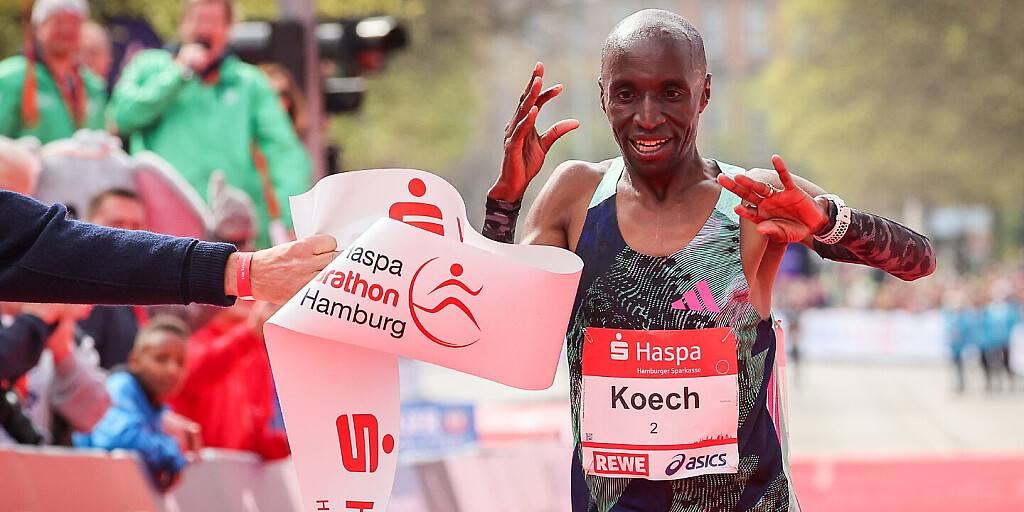
Kenya’s Bernard Koech won the men's race at the Haspa Marathon Hamburg in a course record while Dorcas Tuitoek completed a Kenyan double by winning the women’s race
Kenya’s Bernard Koech won the men's race at the Haspa Marathon Hamburg in a course record of 2:04:09, while Dorcas Tuitoek completed a Kenyan double by winning the women’s race in 2:20:09 on Sunday (23).
Their compatriots Joshua Belet and Martin Kosgey took second and third in the men’s race with 2:04:33 and 2:06:18, respectively. Long-time leader Tiruye Mesfin of Ethiopia struggled in the final stages and despite falling, she still finished second in the women's race in 2:20:18, while Stella Chesang clocked 2:20:23 on her debut to break the Ugandan record.
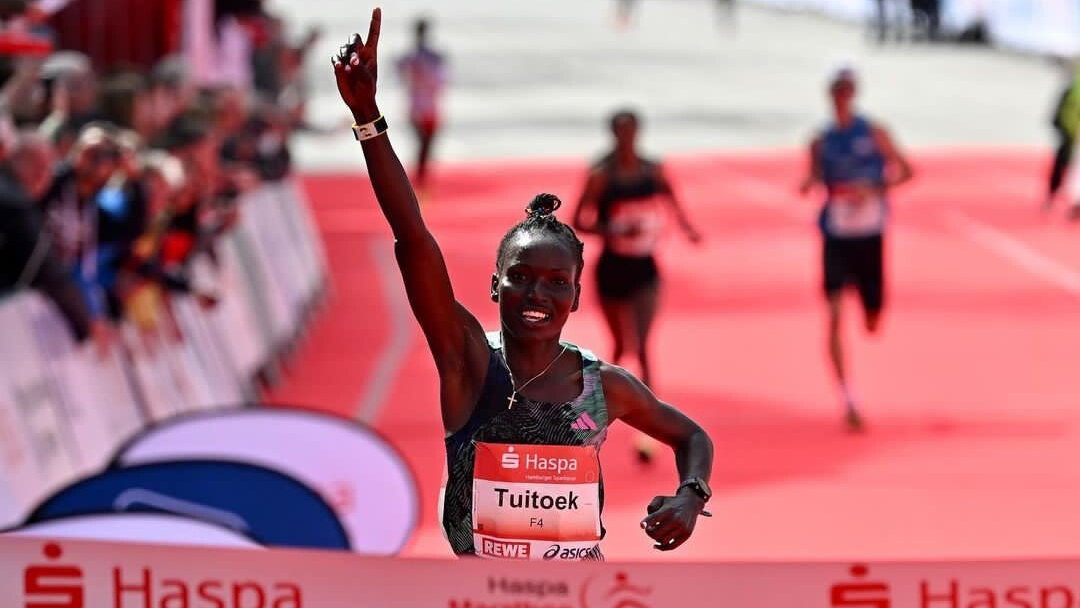
In almost perfect conditions a leading group of 13 runners formed in the men’s race right after the start and they stayed together until the 27th kilometer. The half marathon mark was passed in 62:32, slightly off course record pace. But after 27km the pace of the leading group increased and Koech, Kosgey and Belet broke away. Kosgey dropped back right before the 35km mark and the decisive moment came when Koech left Belet behind.
Koech built on his lead and with 2:04:09 he improved the course record by 38 seconds.
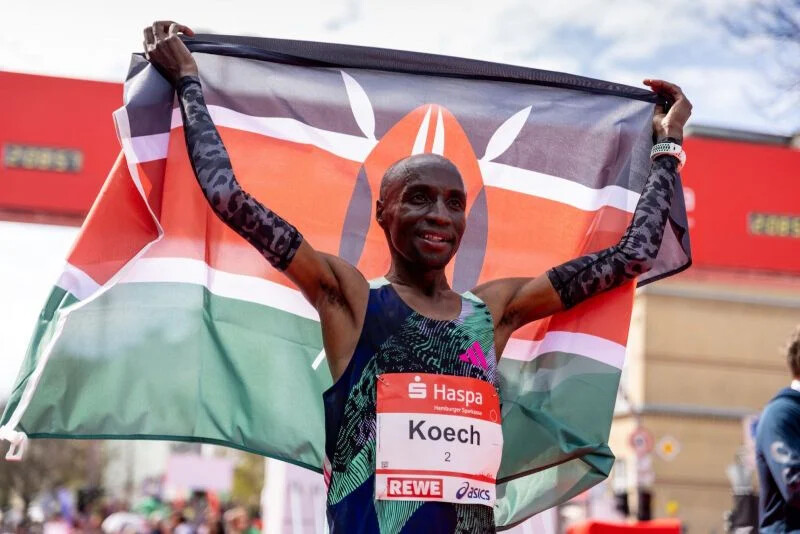
With 2:04:33 for second place, Belet was also under the previous record, while Kosgey followed in 2:06:18.
Brazil’s Daniel Do Nascimento, who was among the pre-race favorites, finished fourth in 2:07:06.
“I ran a god race and I knew that I probably had to run a time around my PB to win,” said Koech. “I spoke with Eliud Kipchoge about the course before I came here and he gave me some advice.”
Kipchoge won his marathon debut in Hamburg back in 2013.
Kenya’s Rhonzai Lokitam Kilimo finished fifth in 2:08:08, the same time as Germany’s Richard Ringer – a PB for the latter, which is two seconds inside the Olympic qualifying time.
As expected, it was Mesfin who took the lead in the women’s race early on. But with a half marathon split of 69:46, she was not as fast as she had planned. The 2:17:23 course record was out of reach, but at 35km Mesfin looked a certain winner.
She was around a minute ahead of her rivals, but then disaster struck. The 20 year-old slowed and then stumbled, falling to the ground in the final kilometer. Behind her, Tuitoek saw her opportunity and found another gear to pass Mesfin around 300 meters from the finish line.
“I was really surprised to win. I did not see when Tiruye Mesfin fell, I was just fully focused on myself. I still had enough energy,” said 25-year-old Tuitoek, who had a PB of 2:24:54 before the race. “I knew that I could probably run a 2:20 time. This course is really fast and good for records.”
by World Athletics
Login to leave a comment

Haspa Marathon Hamburg
The HASPA MARATHON HAMBURG is Germany’s biggest spring marathon and since 1986 the first one to paint the blue line on the roads. Hamburcourse record is fast (2:05:30), the metropolitan city (1.8 million residents) lets the euphoric atmosphere spill over and carry you to the finish. Make this experience first hand and follow the Blue Line....
more...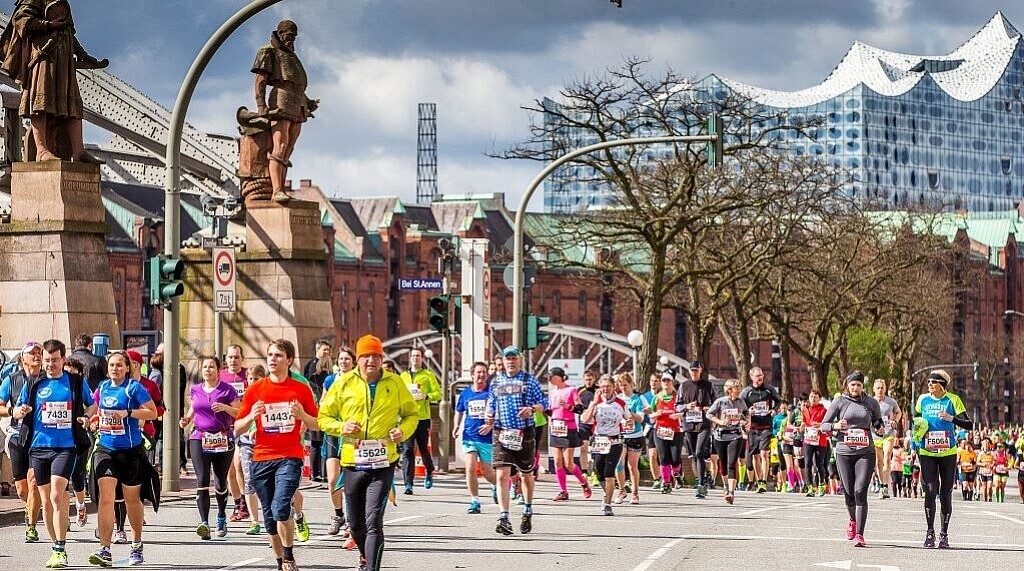
Tiruye Mesfin targets Hamburg Marathon course record and Daniel do Nascimento intends to bounce back this Sunday
Very fast times and thrilling races are expected at the Haspa Marathon Hamburg on Sunday. Just a year after Yalemzerf Yehualaw set a sensational course record of 2:17:23, which at that time was an unofficial world debut record as well, a fellow-Ethiopian will be at the start line, hoping to smash the mark: 20 year-old Tiruye Mesfin announced at the press conference in Hamburg that she targets a world-class time of sub 2:17.
Brazil’s Daniel do Nascimento is among the men’s favorites. The South American record holder wants to bounce back after disaster struck in New York in November. After taking the European marathon gold in Munich in sensational style last summer Hamburg will be the first race at the classic distance for Germany’s Richard Ringer. Around 12,000 runners have registered for the marathon event while the total number including shorter races is over 30,000.
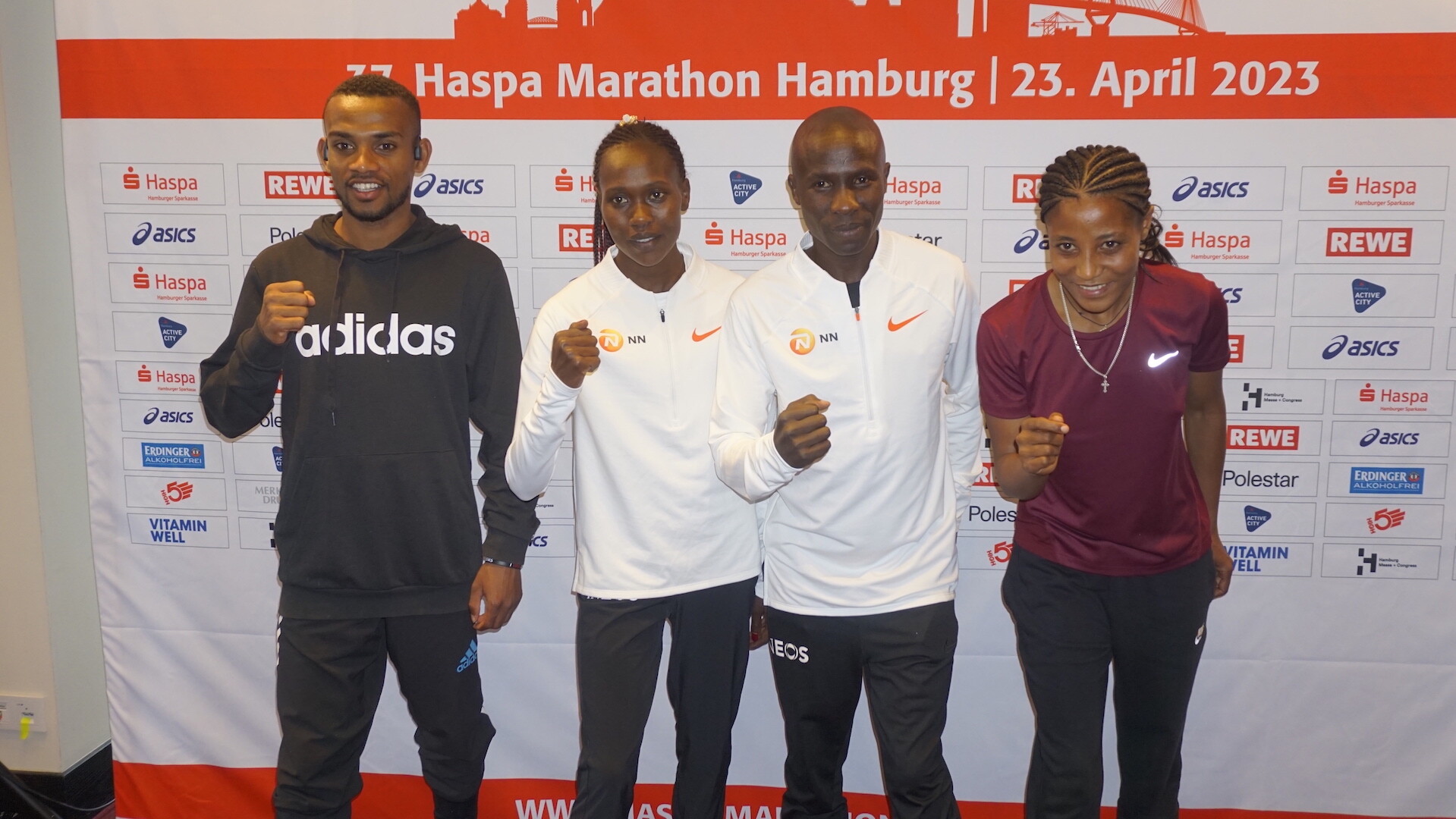
A live stream of the race will be available worldwide at www.haspa-marathon-hamburg.deon Sunday. The race starts at 9.30am local time and the coverage will begin at 8.45am. While the commentary will be in German the Twitter account of the Haspa Marathon Hamburg will carry English elite race updates.
Tiruye Mesfin could indeed be in a position to break the course record on Sunday if weather conditions will be suitable. At the moment the forecast looks good, however there might be some wind. The Ethiopian youngster ran a superb 2:18:47 debut at the Valencia Marathon in December and believes she can run considerably faster in her second marathon on Sunday.
“I am in fine form and my preparations went very well. I will try to break the course record, but at least I want to run a personal best,“ said Tiruye Mesfin, who hopes to be in the mix for Olympic qualification. „My plan is to run the first half in 68:00.“ While this would lead towards a world-class time of 2:16 she knows that it will probably not be enough to secure an Olympic spot. “I think I would have to go even faster, but there is some time left and I could do it in a later race.“
Qualifying for the 2024 Paris games will probably be easier for Stella Chesang since the competition for places in Uganda is not as tough as in Ethiopia. Running her debut marathon in Hamburg she is ready for an adventurous pace.
“I want to go with the first and see how it goes for me and what is possible. I hope to achieve Olympic qualification,“ said Stella Chesang, who chose Hamburg for her first marathon “because of the fast course“. Her half marathon PB of 68:11 indicates that she could break the Ugandan record of 2:23:13. And her tenth place at the World Cross Country Championships in Bathurst, Australia, in February shows that she is probably in very good form.
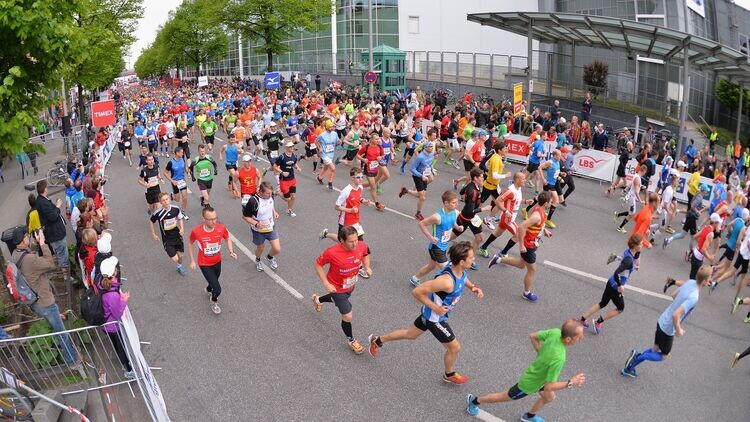
Kenya’s Bernard Koech is the fastest runner in the field with a PB of 2:04:09. He did not make it in time for Thursday’s press conference because of a strike at Hamburg airport. South American record holder Daniel do Nascimento arrived a day earlier and was present when the conference fittingly began in room Sao Paulo at the Radisson Hotel.
A year ago the Brazilian, who recently trained in Uganda for a longer period, stunned with a time of 2:04:51 in Seoul. However the 24 year-old then collapsed with ten kilometers to go at the New York Marathon in November. Daniel do Nascimento ran world record pace in the first part of that race and was ahead by well over two minutes at half way. “I made a mistake in New York, it was not a good strategy. After 30k I felt sick and got stomach problems. For me marathon is a bit like a marriage - there are difficult times and better times,“ he said. “I will run more intelligently on Sunday and will surely finish this time.“
If he should succeed in breaking his personal best he would then most probably break the course record as well. Last year Cybrian Kotut improved the mark to 2:04:47, which is just four seconds quicker than do Nascimento’s South American record. Unfortunately the Kenyan is among a number of withdrawals the organisers have to cope with. Ethiopians Mule Wasihun and Muktar Edris, who wanted to run his debut in Hamburg, had to cancel their starts due to an injury as well.
After his sensational gold medal performance at the European Championships in Munich last summer Richard Ringer returns to the classic distance for the first time. Olympic qualification is his next major goal. “Preparing for Hamburg everything went really well, even better than expected,“ said Richard Ringer, who will choose a more conservative approach on Sunday.
"I don’t want to take too many risk now as I really want to make sure that I achieve the Olympic qualifying time and go under 2:08.“ Richard Ringer’s PB stands at 2:08:49. “At the moment I hope that a time between 2.07:30 and 2:08:00will be enough to qualify for Paris.“ Another German runner who will go for the Olympic standard in Hamburg is local runner Haftom Welday. The former Eritrean surprised with a 2:09:06 in Berlin last year and now hopes to run well under the Olympic qualifying time of 2:08:10. Since he will choose a more aggressive approach than Ringer there could be an interesting German battle in Hamburg as well.
Elite Runners with Personal Bests
MEN:
Bernard Koech KEN 2:04:09
Tsegaye Kebede ETH 2:04:38
Daniel do Nascimento BRA 2:04:51
Martin Kosgei KEN 2:06:41
Masresha Bere ETH 2:06:44
John Langat KEN 2:07:11
Henok Tesfay ERI 2:07:12
Joshua Kemboi KEN 2:08:09
Daniel Mateo ESP 2:08:22
Richard Ringer GER 2:08:49
Martin Musau UGA 2:09:04
Haftom Welday GER 2:09:06
Derlys Ayala PAR 2:10:11
Jeisson Suarez COL 2:10:51
Ernesto Zamora URU 2:11:26
Andy Buchanan AUS 2:12:23
Arttu Vattulainen FIN 2:13:29
Joshua Belet KEN Debut
Moses Koech KEN Debut
Demeke Tesfaye ETH Debut
Simon Debognies BEL Debut
WOMEN:
Tiruye Mesfin ETH 2:18:47
Sintayehu Tilahun ETH 2:22:19
Giovanna Epis ITA 2:23:54
Dorcas Tuitoek KEN 2:24:54
Marion Kibor KEN 2:25:15
Kumeshi Sichala ETH 2:26:01
Tsigie Haileslase ETH 2:27:08
Paolo Bonilla ECU 2:27:38
Obse Abdeta ETH 2:27:47
Rosa Chacha ECU 2:28:17
Zenebu Bihonzg ETH 2:28:59
Katja Goldring USA 2:29:01
Tereza Hrochova CZE 2:29:06
Molly Grabill USA 2:29:17
Loreta Kancyte LTU 2:30:48
Fabienne Königstein GER 2:32:35
Tabea Themann GER 2:33:51
Stella Chesang UGA Debut
Mekdes Woldu FRA Debut
Mary Granja ECU Debut
Ana Ferreira POR Debut
Login to leave a comment
Haspa Marathon Hamburg
The HASPA MARATHON HAMBURG is Germany’s biggest spring marathon and since 1986 the first one to paint the blue line on the roads. Hamburcourse record is fast (2:05:30), the metropolitan city (1.8 million residents) lets the euphoric atmosphere spill over and carry you to the finish. Make this experience first hand and follow the Blue Line....
more...
Garcia breaks 35km race walk world record in Dudince
Double world champion Kimberly Garcia got her 2023 campaign off to a superb start on Saturday (25), breaking the 35km race walk world record with 2:37:44* at the Dudinska 50, the first World Athletics Race Walking Tour Gold meeting of the year.
The Peruvian race walker produced a solo effort from the early stages, passing through the first kilometre as part of a small lead group and then breaking away just a couple of minutes later. By the time she reached 5km in 22:41, she had a 16-second lead over Chinese duo Liu Hong and Ma Li.
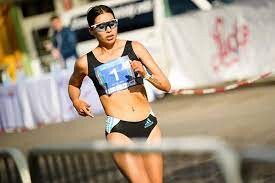
Garcia’s lead grew to more than a minute by 15km, which she passed in 1:07:29 with four-time world champion Liu still level with compatriot Ma. World silver medallist Katarzyna Zdzieblo was a further minute behind in fourth.
Ma started to lose contact with Liu at about 18km, but Garcia continued churning out her metronomic splits, reaching 20km in 1:29:58. With 10km to go, Garcia’s lead
over Liu had grown to 84 seconds. Wu Quanming, meanwhile, was starting to close on Chinese teammate Ma.
Garcia reached 30km in 2:15:10, almost two minutes clear of Liu, who was safe in second place. Wu had moved into third by this stage, but Ecuador’s Magaly Bonilla was closing fast.
There was no catching Garcia, though, who maintained her relentless pace to charge through the finish line in 2:37:44, taking two seconds off the previous fastest mark for the distance.
Liu, who was making her debut at the distance, followed more than two minutes later in 2:40:06 but was rewarded with an Asian record. Bonilla was third in an Ecuadorian record of 2:46:32 and a fading Wu held on for fourth (2:47:34).
"I knew I was in good shape and that I could challenge the world record," said Garcia. "The first 20km was ok and at a good pace, then I started to tire and the wind got stronger. Thankfully I found some extra energy for the final five kilometres.
"It's a big thing for me to achieve this record," added Garcia, who also confirmed she will defend both of her titles at this year's World Championships. "I still think I can go faster, maybe at the World Championships. I'm not planning any more 35km races before Budapest."
Doctor remedies last year’s runner-up finish
One year after finishing second over 35km in Dudince, Mexico’s Jose Doctor triumphed in a national and meeting record of 2:26:37.
He trailed Olympic bronze medallist Evan Dunfee and Ecuador’s Brian Pintado during the early stages, as Dunfee led through 10km (41:25). They moved together as a trio up until 17km, reached in 1:10:14, but Dunfee then started to slip behind. By 20km, which Pintado and Doctor reached in 1:22:31, an 11-second gap had emerged to Dunfee.
Pintado tried to make a break after 22km, but Doctor reeled him back in just over a kilometre later. Brazil’s Caio Bonfim, meanwhile, was also moving through the pack. Doctor reached 25km in 1:43:21 with an 18-second lead over Bonfim, who was now in second, 24 seconds clear of Pintado.
Pintado continued to slip behind and eventually withdrew after 27km. Doctor, however, remained a safe distance ahead of Bonfim, while China’s Cui Lihong was making up ground on Dunfee.
Doctor extended his lead in the final kilometres and crossed the line a confortable winner in 2:26:37. Bonfim was second in 2:27:30. Lihong moved into third place with just over a kilometre left, finishing 15 seconds ahead of the Canadian in 2:29:00.
In the closest finish of the day, 2017 world champion Eider Arevalo of Colombia won the men’s 20km in 1:19:23 with double world bronze medallist Perseus Karlstrom finishing 21 seconds behind.
India’s Sandeep Kumar led during the early stages, going through 5km in 19:38 with a five-second lead over Karlstrom. The Swede drew level with Kumar a few kilometres later and the duo went through 10km in 39:33, 17 seconds ahead of Arevalo and Mexico’s Noel Chama.
Kumar was given a third red card and had to sit out a one-minute penalty, essentially taking him out of contention. It left Karlstrom alone in the lead between 12km and 17km when Arevalo finally caught up with him.
They rallied for the best part of a lap before Arevalo finally broke free thanks to a 3:50 final kilometre, winning in 1:19:23. Karlstrom was second in 1:19:44 and Chama was third in 1:20:46.
Elsewhere, Mexico’s Alegna Gonzalez won the women’s 20km race in 1:28:09, winning by more than two minutes from Puerto Rico’s Rachelle de Orbeta.
by World Athletics
Login to leave a comment
