

Running News Daily
Running News Daily is edited by Bob Anderson and team. Send your news items to bob@mybestruns.com Advertising opportunities available.
Index to Daily Posts · Sign Up For Updates · Run The World Feed
Articles tagged #Arizona
Today's Running News
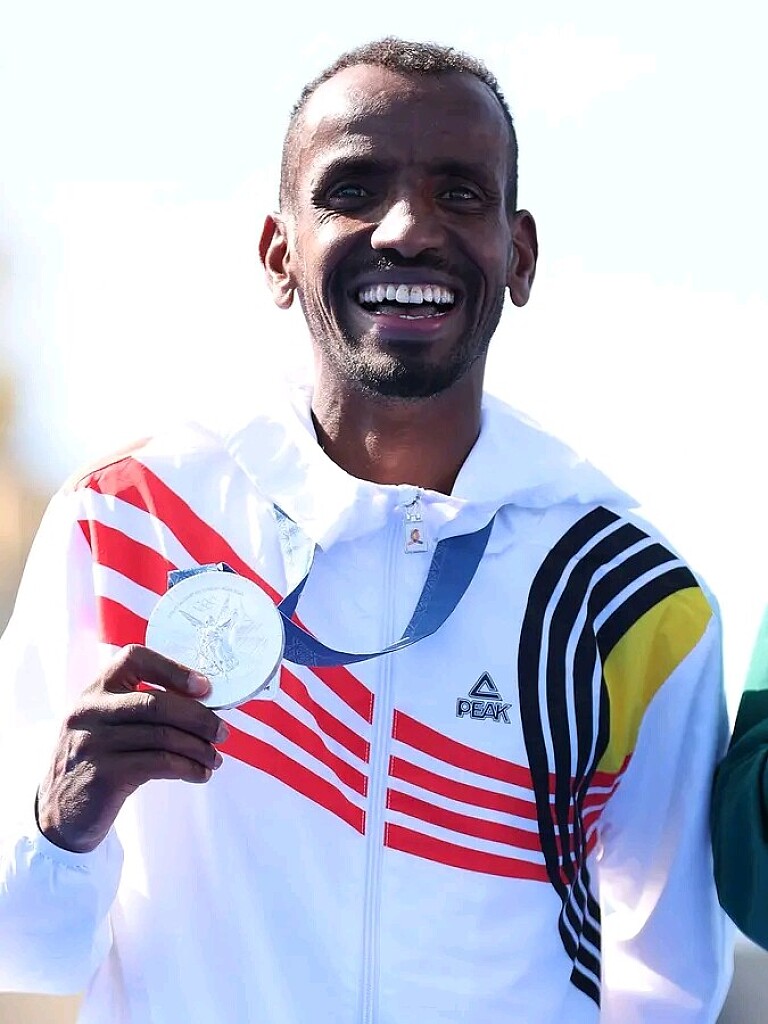


Bashir Abdi Withdraws From Chicago Marathon After Calf Injury
Belgian marathon star Bashir Abdi has been forced to withdraw from the 2026 Chicago Marathon after suffering a calf injury during his final training session in Flagstaff, Arizona.
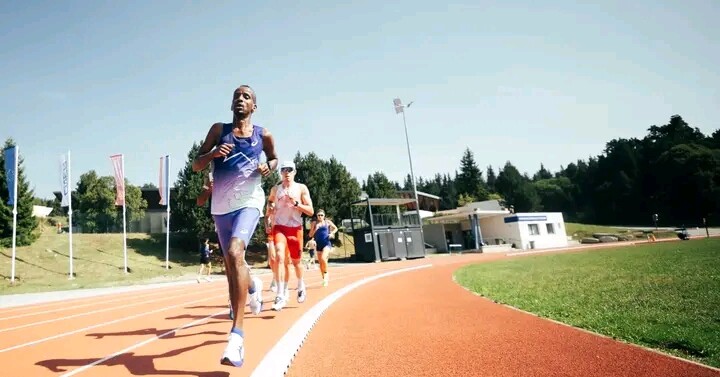
The two-time Olympic marathon medallist confirmed on Monday that a small tear in his calf has ruled him out of Sunday’s race, bringing an untimely end to months of preparation for one of the biggest marathons of the year.
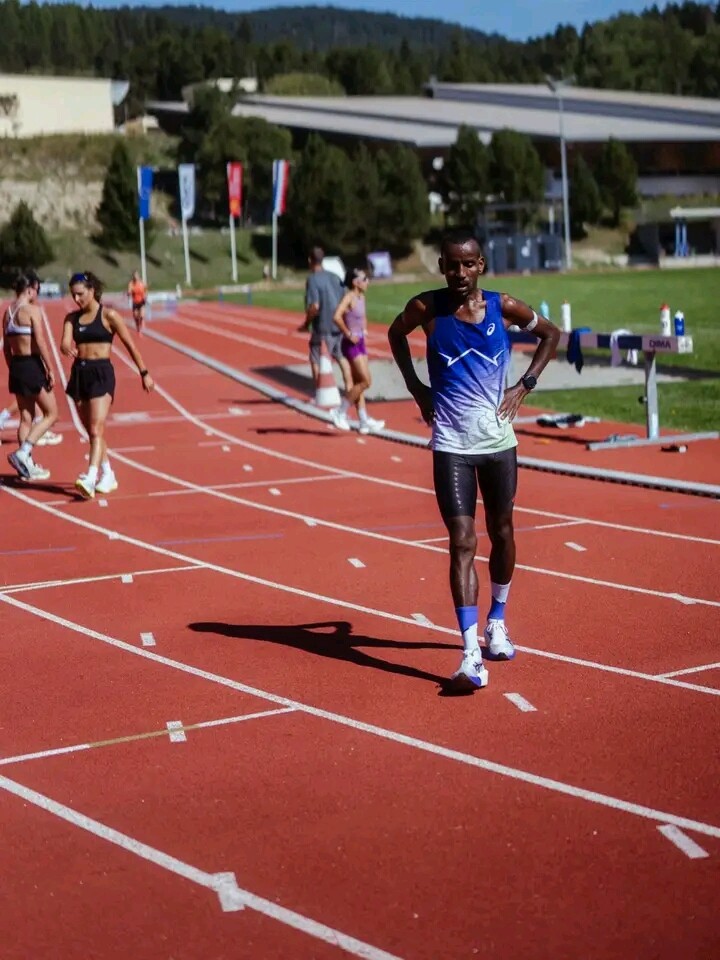
“Unfortunately, I will not be participating in the Chicago Marathon this weekend,” Abdi announced. “During my last training session in Flagstaff, I suffered a small tear in my calf.”
The 37-year-old stressed that the injury is not considered serious, but explained that it is significant enough to prevent him from safely taking his place on the start line. After consulting with his coach and medical team, the decision was made to avoid taking unnecessary risks.
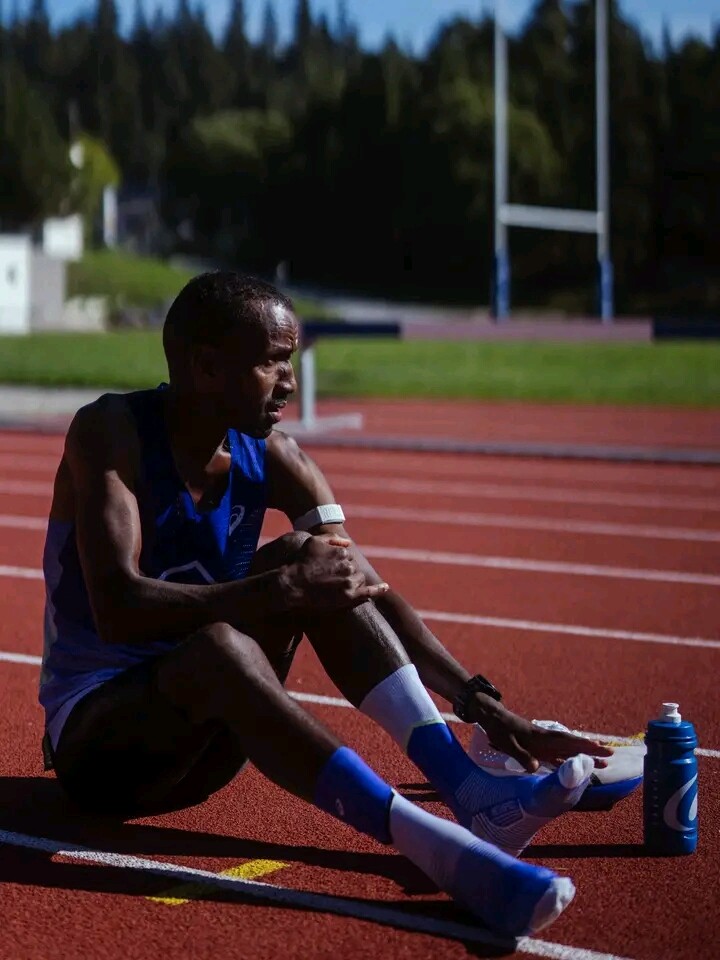
“It’s not a major injury, but enough to keep me from the start line. After consulting with my coach and medical team, we decided not to take any risks,” Abdi said.
The withdrawal is a major disappointment for Abdi, who had been listed among the elite contenders for the 48th edition of the Bank of America Chicago Marathon. The race is scheduled for October 11 and is expected to feature more than 55,000 finishers.
Abdi arrived at the Chicago buildup with an impressive marathon résumé. He won Olympic silver in Paris in 2024 after previously taking bronze at the Tokyo Olympics in 2021, establishing himself as one of the most accomplished marathoners of his generation.
He is also the European marathon record-holder, having clocked 2:03:36 in Rotterdam in 2021 to become the first European athlete to break the 2:04 barrier.
His 2026 season had shown that he remained capable of competing at the highest level. In April, Abdi finished third at the Rotterdam Marathon in 2:04:19, behind Ethiopia’s Guye Adola and Tesfaye Deriba.
For Abdi, the immediate priority is now recovery rather than forcing a return before he is ready. Missing Chicago will undoubtedly be frustrating after months of preparation, but protecting his long-term career is the more important decision.
The Belgian remains determined to move forward, with his focus now shifting toward rehabilitation and preparing for his next opportunity to race.
For one of Europe’s greatest marathoners, Chicago may be off the calendar—but the pursuit of more history continues.
by Erick Cheruiyot for My Best Runs.
Login to leave a comment
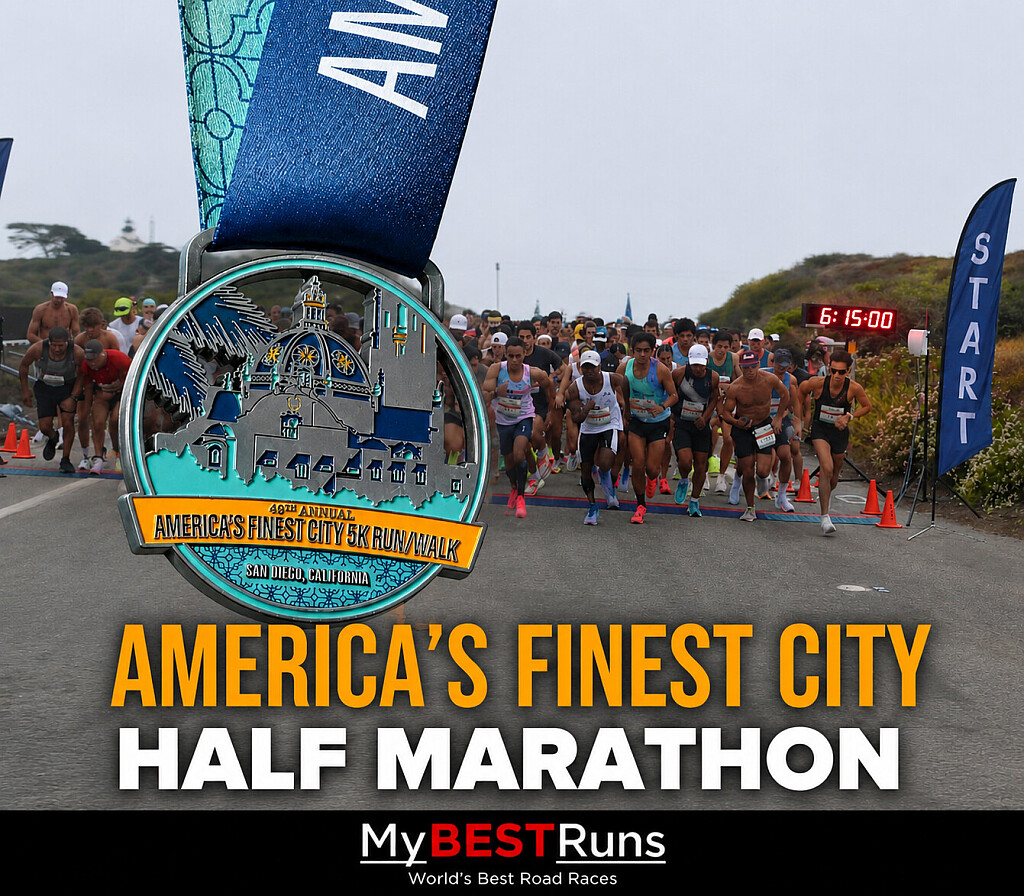
About 5,000 Runners Turn San Diego Into A Sea Of Energy At The 49th America’s Finest City Half Marathon
San Diego came alive on Sunday, August 16, 2026, as approximately 5,000 runners from across the region and beyond took to the streets for the 49th annual America’s Finest City Half Marathon & 5K, bringing together competitive athletes, recreational runners, families, running clubs and spectators for one of the city’s longest-running road racing traditions.
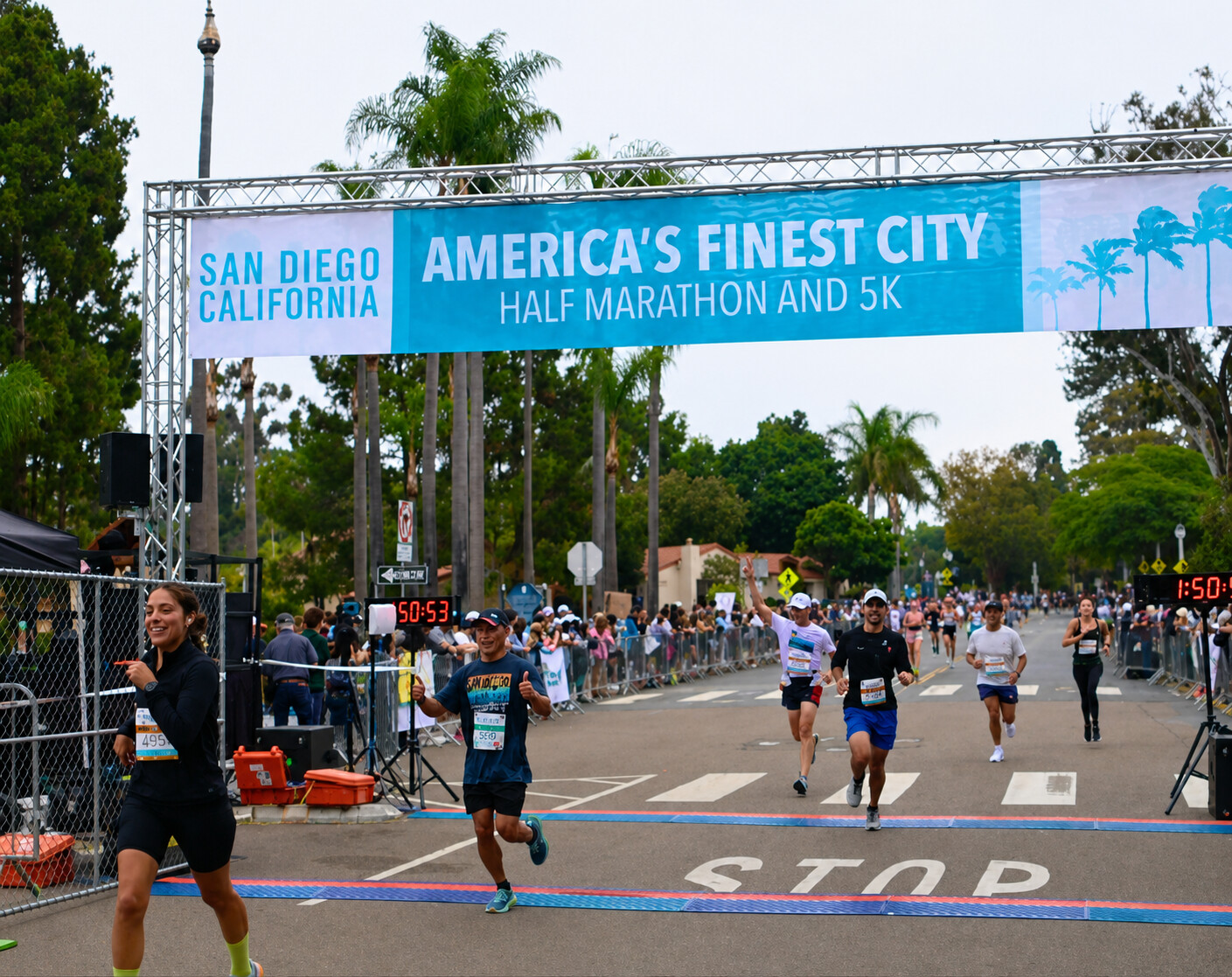
Established in 1978, the America’s Finest City Half Marathon has become a signature event on San Diego’s running calendar, with the 2026 edition once again showcasing the city’s spectacular coastline, historic landmarks and vibrant urban landscape. The event also featured a 5K, giving runners of different abilities an opportunity to take part in the morning’s festivities.

The 13.1-mile half marathon followed a scenic point-to-point course that began at the historic Cabrillo National Monument. With panoramic views of the Pacific Ocean and San Diego Bay setting the tone, runners embarked on a journey through some of San Diego’s most recognizable locations.
From the starting point, the course moved through historic Fort Rosecrans and Point Loma before continuing along San Diego Bay and Harbor Island. Participants then travelled through downtown San Diego before making their way to the finish at iconic Balboa Park, where cheering spectators, live music and celebrations greeted runners as they completed their journey.
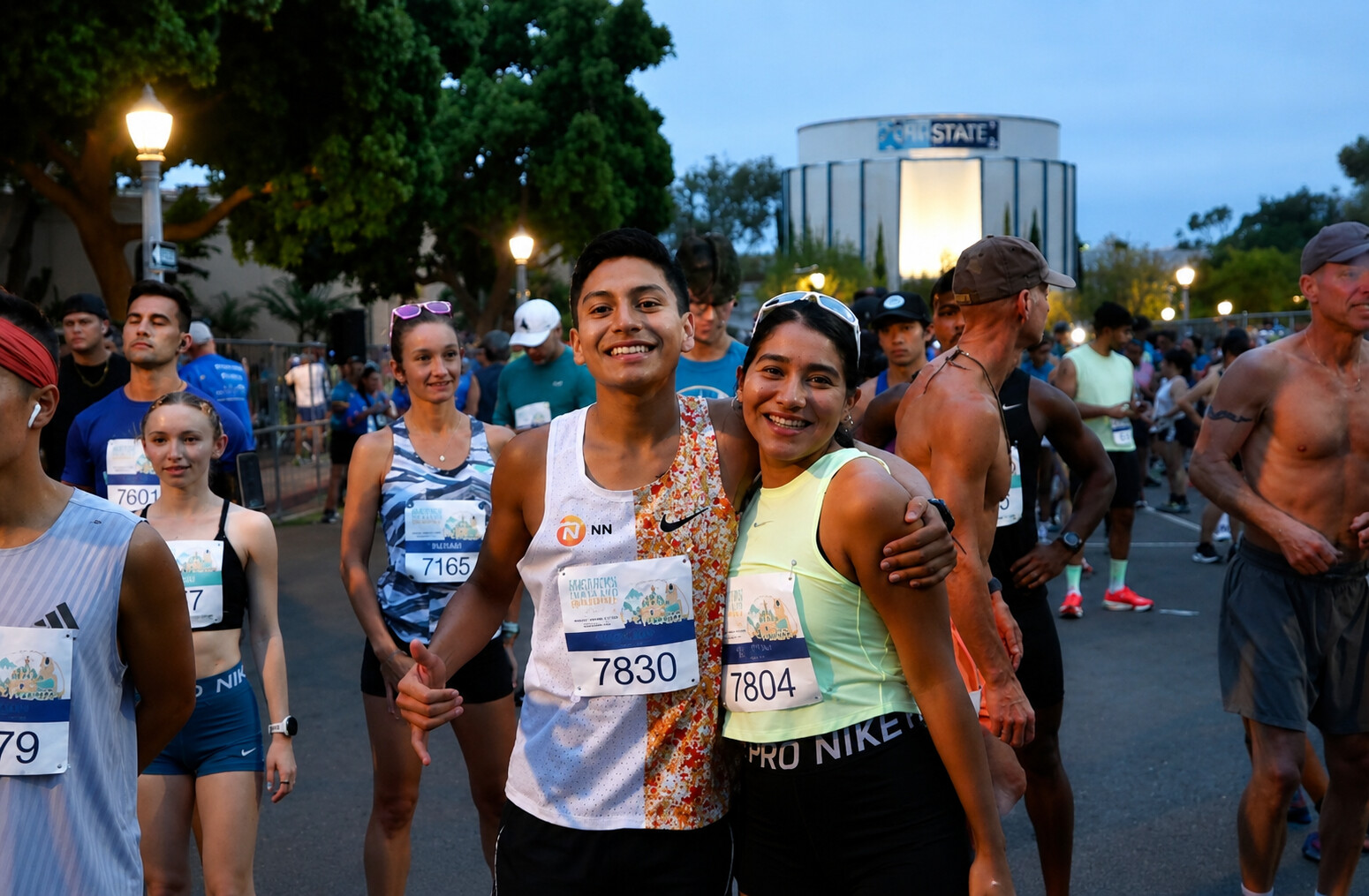
At the front of the race, Edward Buck produced the fastest performance of the day, winning the men’s half marathon in 1:04:39. The 25-year-old from Newark, United Kingdom, held off a closely packed group at the finish, with San Diego’s Lars Dewall finishing just five seconds behind in 1:04:44.
Jaquavious, 29, from Orem, Utah, secured third place in 1:05:04, while Phoenix’s Aron Orar finished fourth in 1:05:19. The first four men were separated by just 40 seconds, underlining the competitive nature of the race.
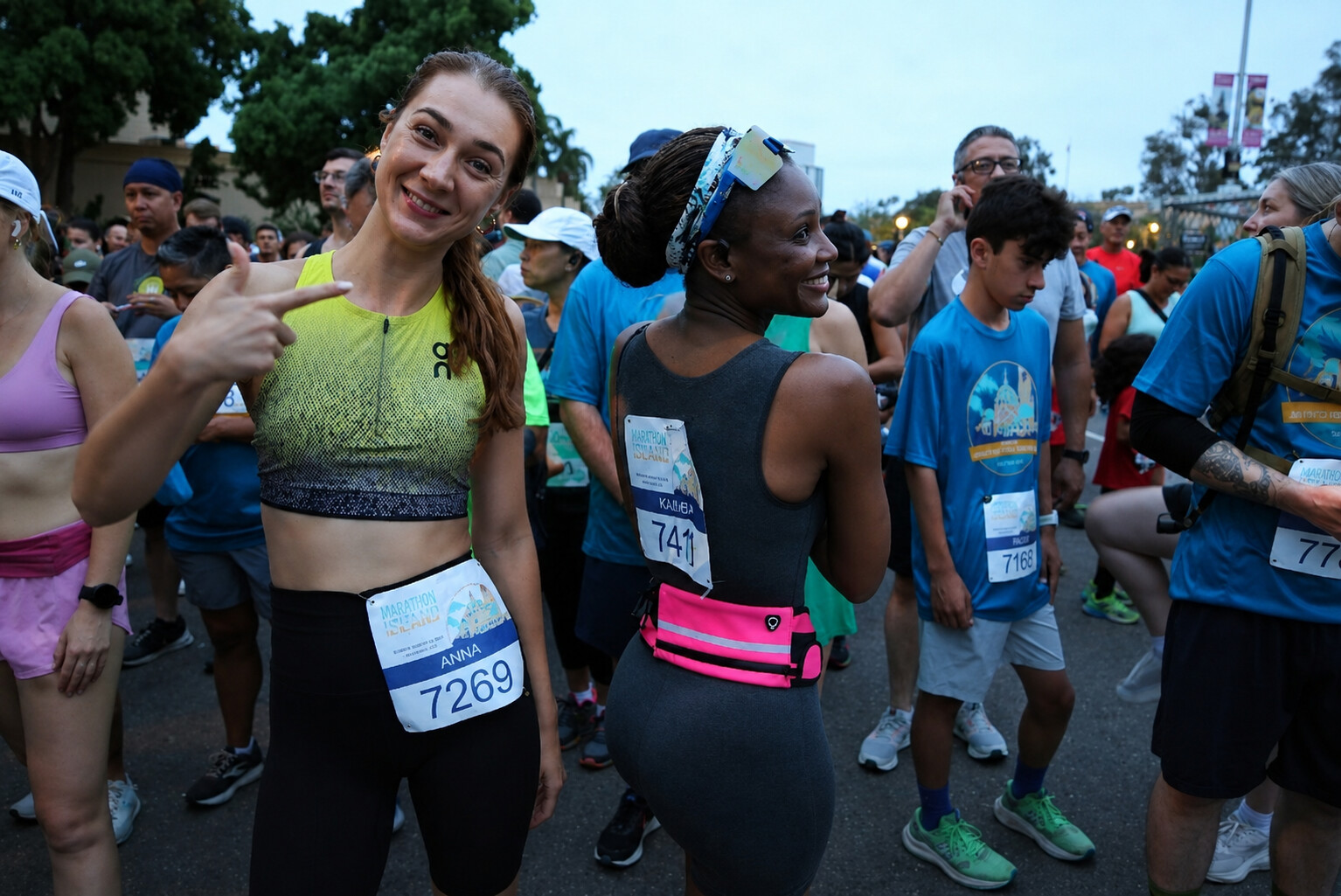
Morgan Jensen claimed the women’s title in 1:13:12, with the 24-year-old from Sandy, Utah, producing a commanding performance over the 13.1-mile course. Melissa Berry, 26, of Flagstaff, Arizona, finished second in 1:16:26, while Katelyn Yunker, 24, of Carlsbad, California, completed the women’s podium in 1:18:41.
Hope Stark, 22, of Colorado Springs, Colorado, followed in fourth with 1:19:23. Jensen’s winning margin was 3 minutes and 14 seconds, while only 42 seconds separated Yunker and Stark in the battle for third and fourth.
The accompanying 5K offered a shorter, fast and flat route through the heart of Balboa Park, providing an accessible option for runners of all levels while adding to the lively atmosphere surrounding the main event.
The 49th edition also carried special significance as it marked the conclusion of the 2026 SoCal Triple Crown, giving participants an additional reason to celebrate after completing the Southern California race series.
With thousands of runners filling San Diego’s streets and spectators supporting them along the way, the America’s Finest City Half Marathon & 5K once again proved that the appeal of road racing extends far beyond competition. From the breathtaking views at Cabrillo National Monument to the historic streets of Point Loma, the waterfront, downtown and the finish in Balboa Park, the event offered runners a memorable journey through the heart of San Diego.
The 2026 edition ultimately brought together speed, scenery and community, reinforcing the America’s Finest City Half Marathon’s place as one of San Diego’s most distinctive and enduring running celebrations.
by Erick Cheruiyot for My Best Runs.
Login to leave a comment

America's Finest City
America's Finest City Half Marathon is run on a fast, scenic, point-to-point course. The race starts at the historic Cabrillo National Monument at the tip of Point Loma with its world-renowned vistas of San Diego Bay and the Pacific Ocean, follows scenic San Diego Bay and Harbor Island along the Embarcadero to the Star of India, winds through downtown San...
more...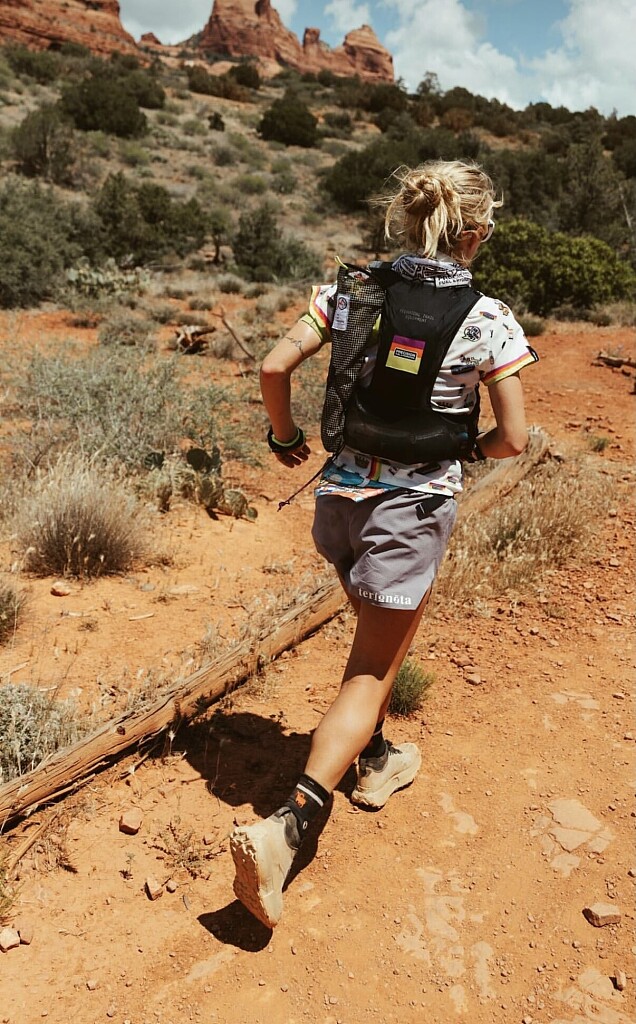
From Exclusion to Domination: Rachel Entrekin’s Historic Cocodona Triumph Redefines Women’s Endurance Running
For decades, women were pushed to the margins of competitive distance running, denied opportunities in races that today define the pinnacle of endurance sport. The idea of women conquering extreme distances was once dismissed entirely by sporting authorities who believed the female body was incapable of enduring such physical punishment.
The history is impossible to ignore.
The legendary Boston Marathon did not officially allow female entrants until 1972, despite women proving for years that they could compete at the highest level. Even more striking, the Olympic marathon remained closed to women until the 1984 Games, a staggering reminder of how recently barriers still existed in elite running.
Now, decades later, the sport has witnessed another groundbreaking chapter — one that perfectly captures how dramatically the landscape has changed.
While men may generally possess advantages in raw speed and physical strength, endurance science has increasingly highlighted areas where women excel — particularly in prolonged fatigue resistance, energy efficiency, and the remarkable ability to tolerate physical suffering over extreme durations. Few performances in recent memory have illustrated that reality more powerfully than what unfolded this week in the Arizona wilderness.
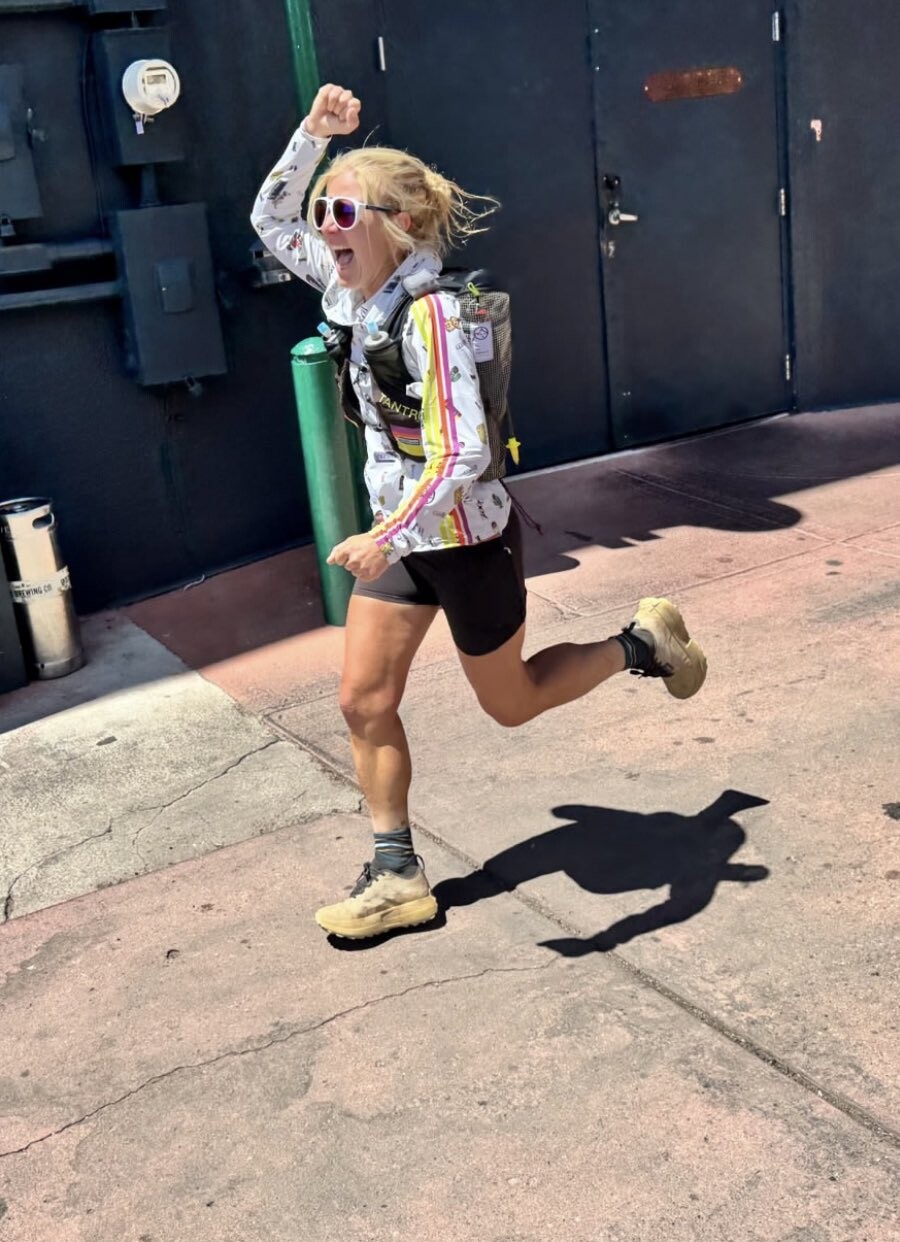
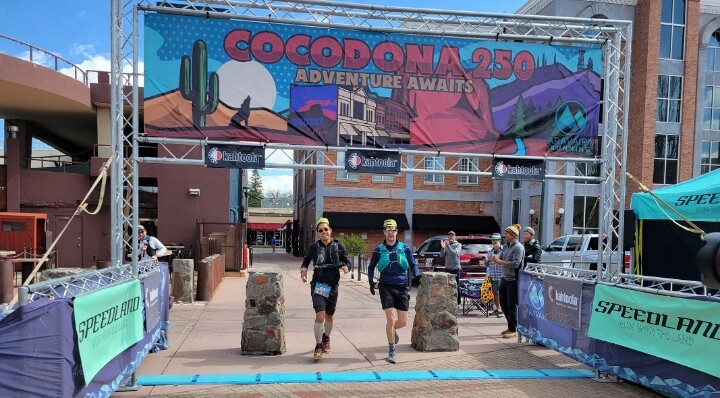
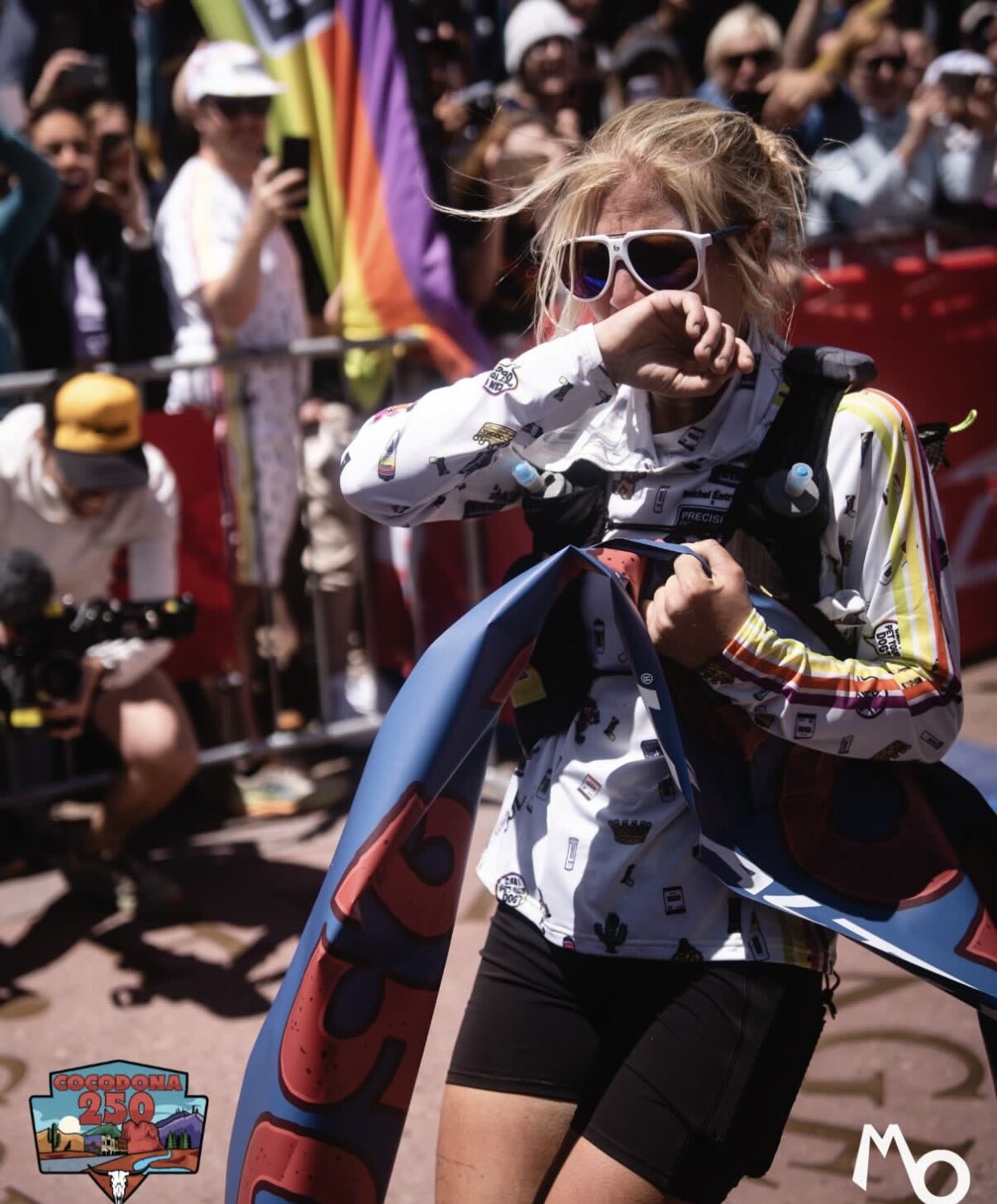
On the brutal and unforgiving trails of the Cocodona 250, Rachel Entrekin produced one of the greatest ultramarathon performances ever witnessed, defeating the entire field outright to claim her third consecutive title in spectacular fashion.
The American endurance star conquered the staggering 254-mile course in an astonishing 56 hours, 9 minutes, and 48 seconds — the fastest time ever recorded over the distance by any athlete.
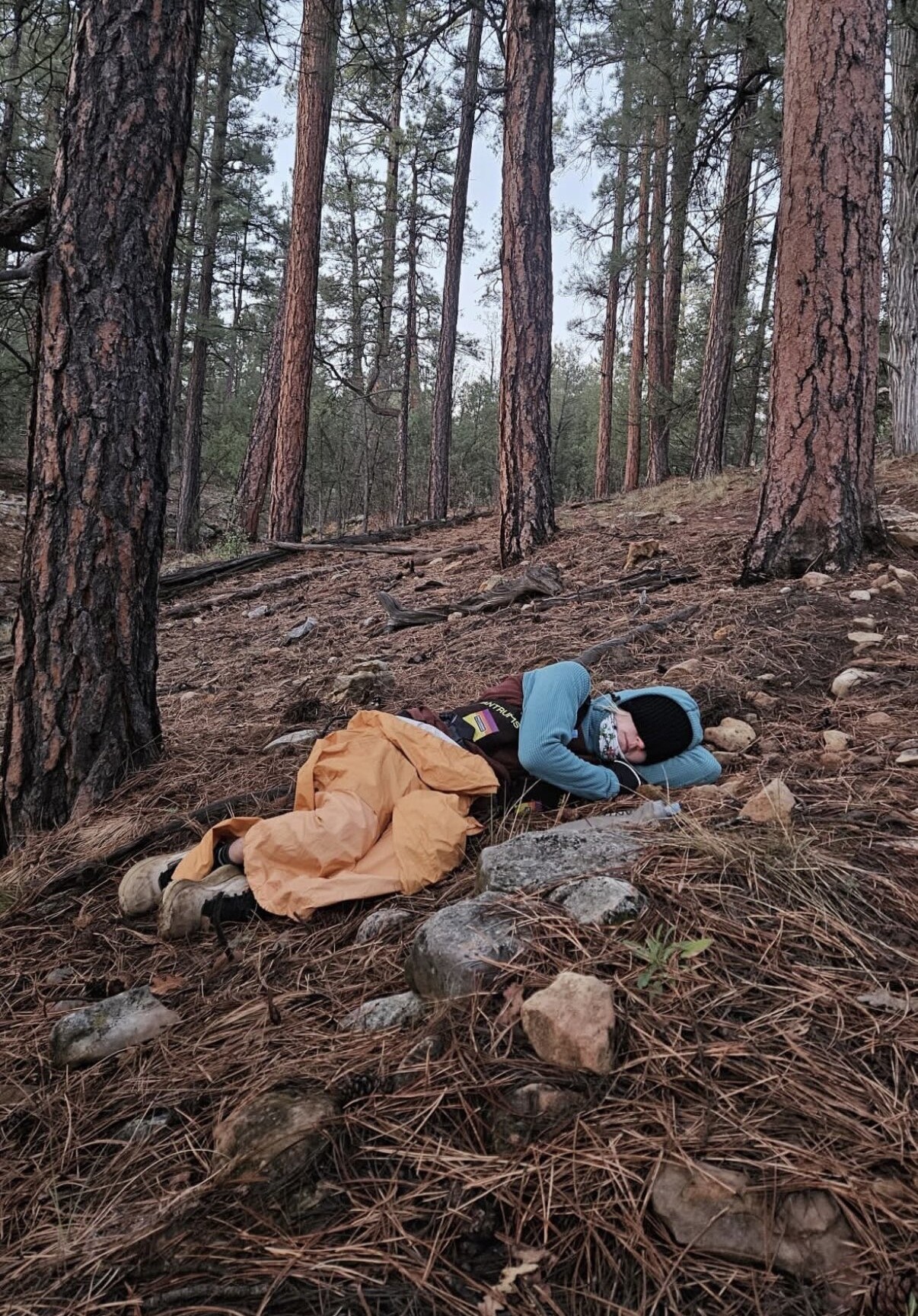
Male or female.
Across punishing mountain climbs, endless desert trails, technical terrain, and crushing exhaustion, Entrekin remained relentless from start to finish. Even more astonishing was the physical sacrifice behind the achievement: she reportedly completed the entire race on just 15 minutes of sleep.
In a contest where most athletes battle hallucinations, muscle failure, and severe mental fatigue, Entrekin somehow maintained elite-level pace and composure for more than two continuous days of running. The performance did not merely secure victory — it completely shattered assumptions about the limits of human endurance.
The Cocodona 250 is widely regarded as one of the most grueling ultramarathons on Earth. Stretching across Arizona’s harsh backcountry, the race tests athletes through sleep deprivation, brutal elevation gain, extreme temperatures, and relentless physical punishment that pushes even the world’s strongest runners to collapse.
Yet Entrekin appeared almost untouchable.
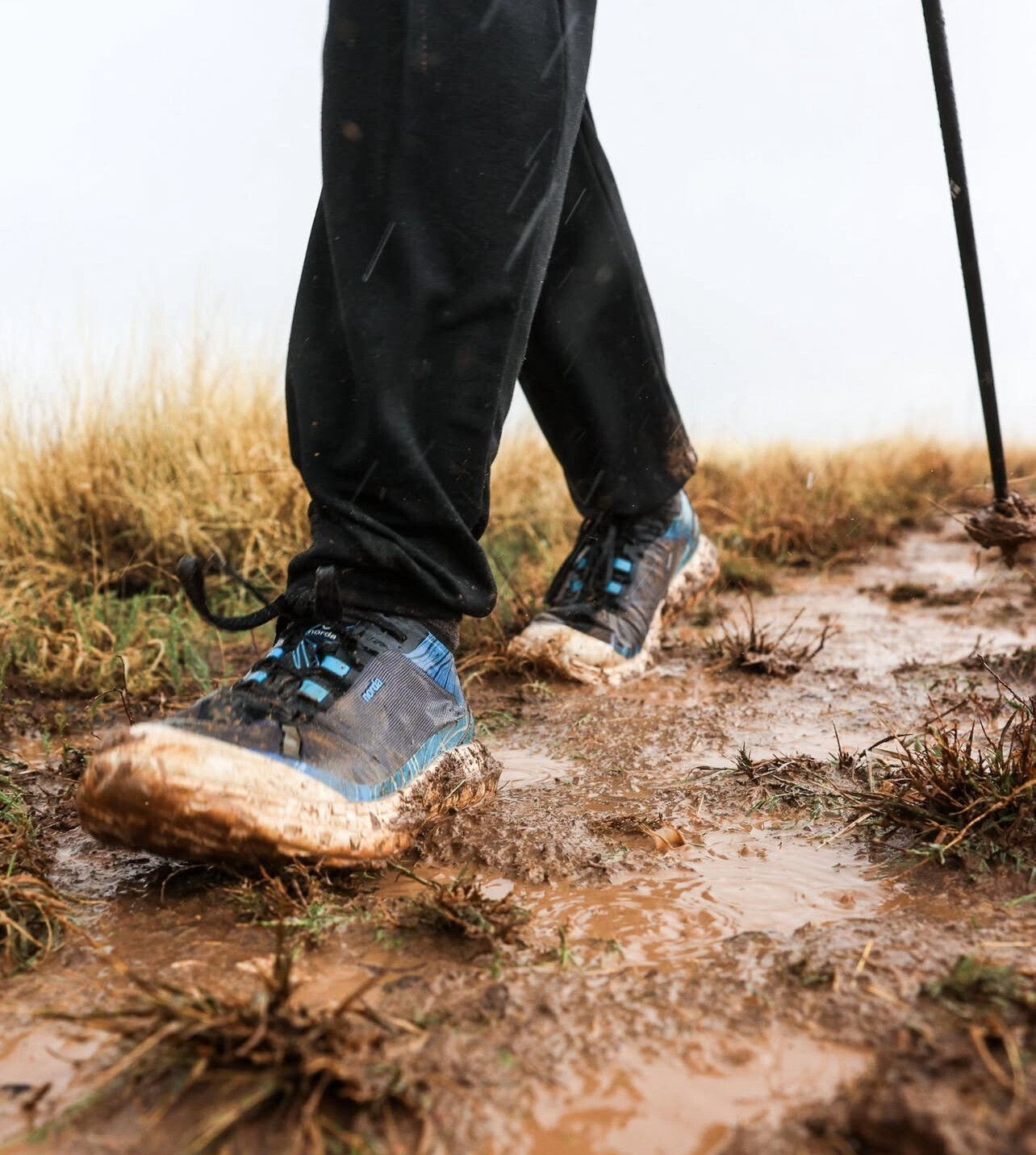
Adding another fascinating layer to the historic achievement was the footwear behind the run. Entrekin covered the entire course wearing the unreleased norda 055, a highly anticipated trail shoe expected to launch in the summer of 2026. Her extraordinary performance has already generated massive curiosity within the global running community, with many eager to learn more about the shoe that carried her through one of ultrarunning’s greatest displays of dominance.
More importantly, however, her victory symbolizes something far bigger than records, technology, or trophies.
It represents the evolution of women’s distance running itself — from exclusion and doubt to complete mastery on the sport’s most demanding stages. What was once considered impossible has now become undeniable reality.
And deep in the deserts and mountains of Arizona, Rachel Entrekin did more than simply win a race.
She delivered a performance that may forever redefine the boundaries of endurance sport.
by Erick Cheruiyot for My Best Runs.
Login to leave a comment
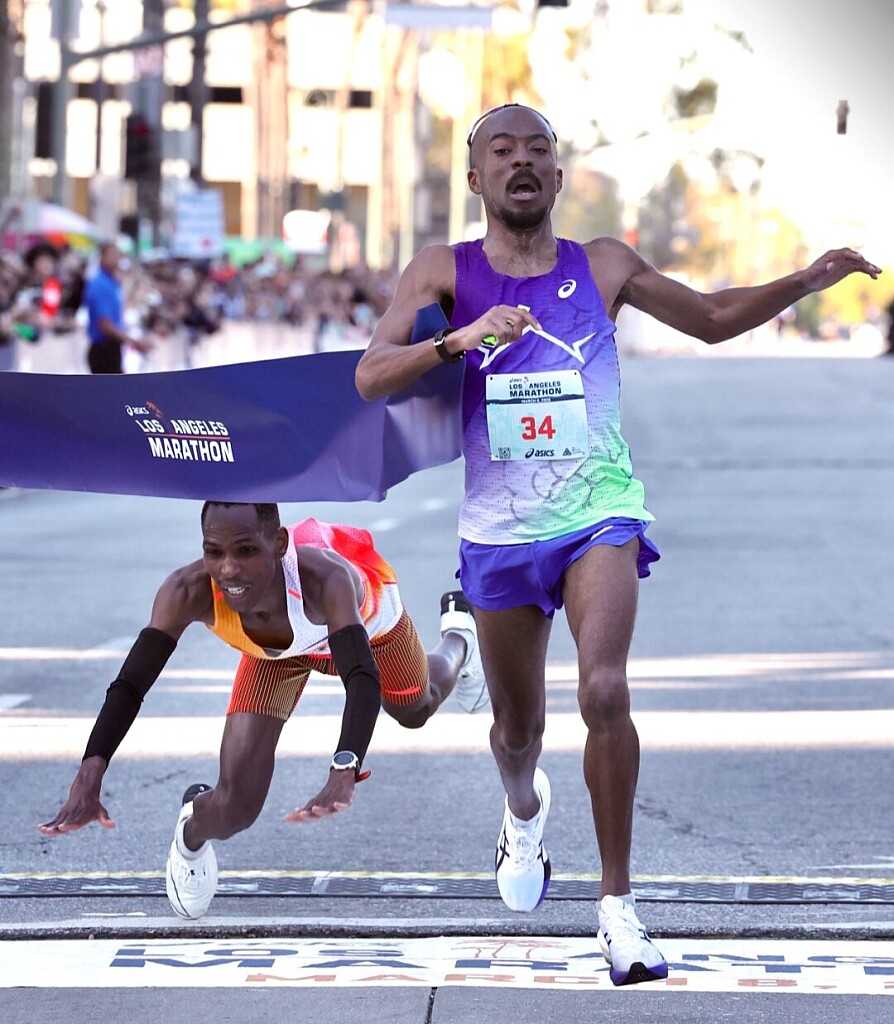
Miller’s Last-Stride Triumph and Cherono’s Inspiring Run Highlight Dramatic Los Angeles Marathon
The 41st edition of the Los Angeles Marathon produced a day filled with drama, resilience, and unforgettable performances, as American runner Nathan Miller captured the men’s title in the closest finish in race history while Kenya’s Priscah Cherono delivered a remarkable victory in the women’s race.
The men’s contest came down to a breathtaking final sprint. Miller surged at the last possible moment to edge Kenya’s Michael Kamau at the finish line, with both runners officially credited with the same time of 2:11:18 after covering the demanding 26.2-mile course. Their shoulder-to-shoulder battle through the closing stretch created a thrilling finale, with Miller’s perfectly timed surge proving decisive in the final stride.
Moments after the finish, concern rose for Kamau, who reportedly did not take fluids during the race and collapsed after crossing the line. Medical personnel quickly attended to the Kenyan athlete, who was taken away on a stretcher following his courageous effort. Fellow Kenyan Enyew Nigat completed the podium, finishing third in 2:14:23 after a steady performance throughout the race.
For Miller, the victory marks a significant moment in a career defined by dedication both on and off the road. The 36-year-old from Jackson, Michigan balances elite competition with his work as a substitute teacher and a high school track and cross-country coach at Jackson High School. His personal best of 2:10:45, achieved at the Grandma's Marathon in 2023, also stands as the fastest marathon ever run by a U.S.-born Black athlete. His triumph continues a growing American presence atop the race, following the victory of Matt Richtman last year, who became the first American men’s champion since 1994 when he won in 2:07:56.
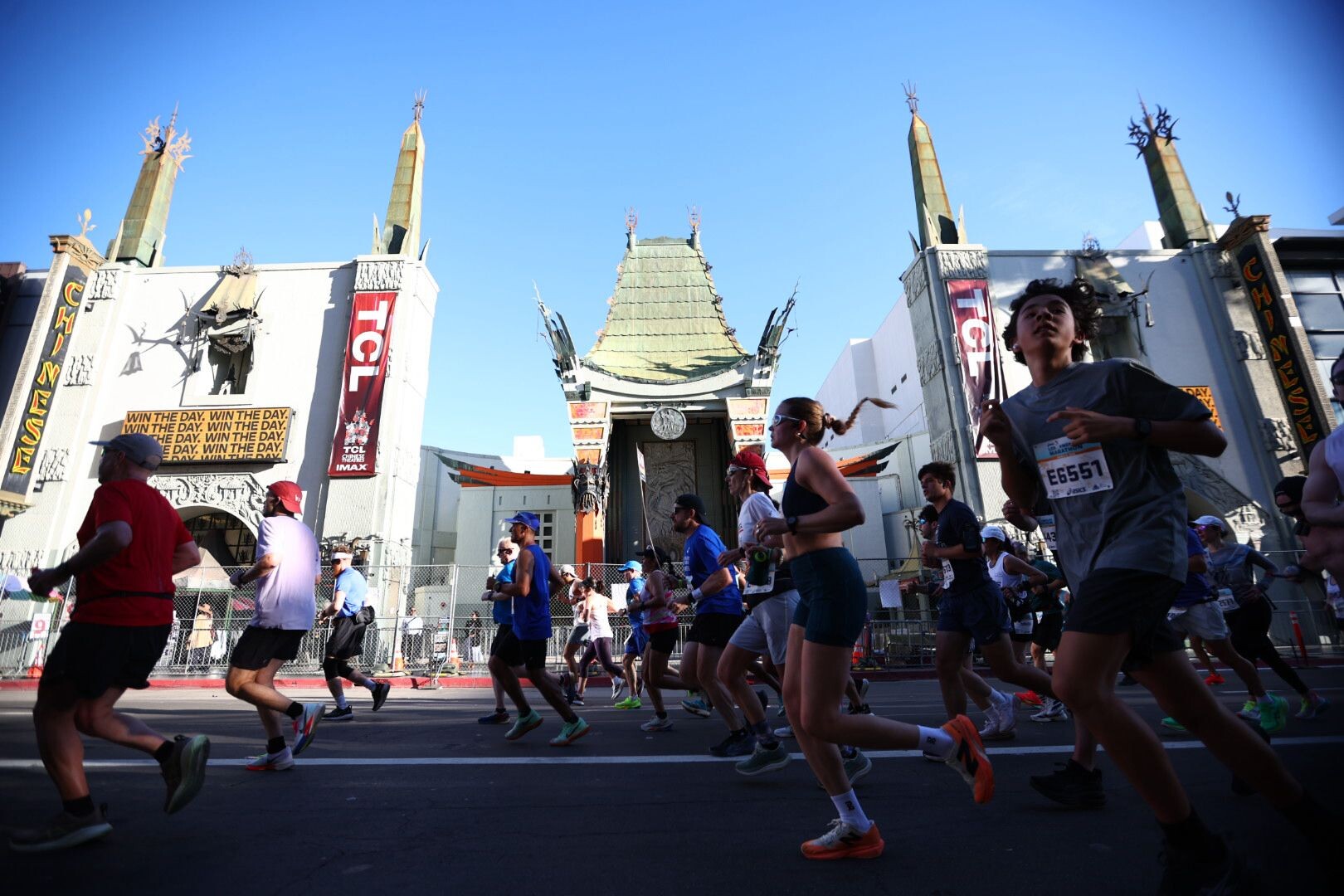
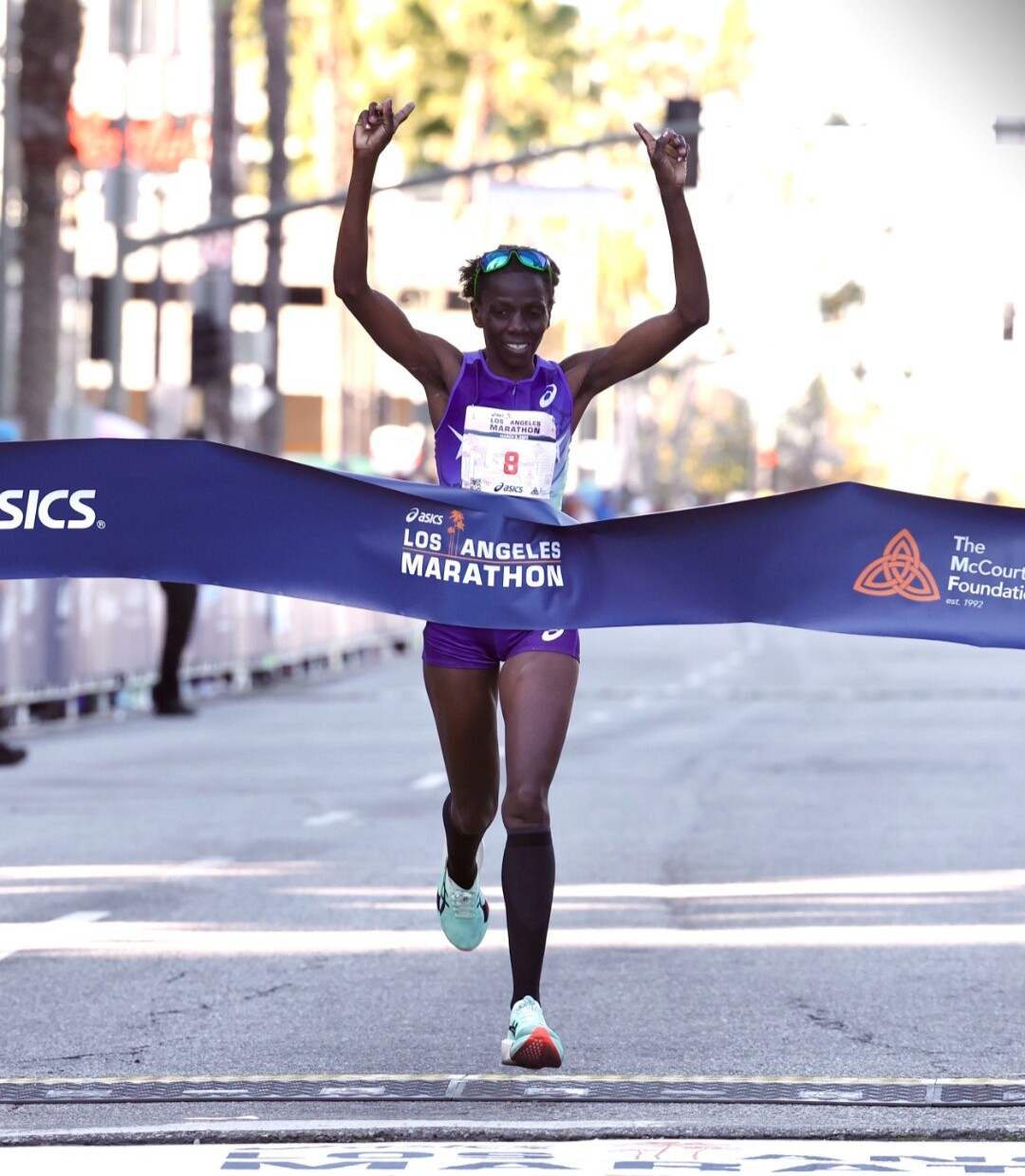
While the men’s race delivered a dramatic sprint finish, the women’s race showcased experience and determination as Cherono powered to victory in 2:25:20. At 45 years old, the mother of three produced an inspiring run across the streets of Los Angeles. Cherono, who now lives in Colorado Springs, Colorado, once competed at the Olympic level, finishing 10th in the 5,000 meters at the 2008 Summer Olympics in Beijing.
American runner Kellyn Taylor of Flagstaff, Arizona finished second in 2:27:37, while Kenya’s Antonina Kwambai secured third place in 2:28:50, rounding out a competitive women’s podium.
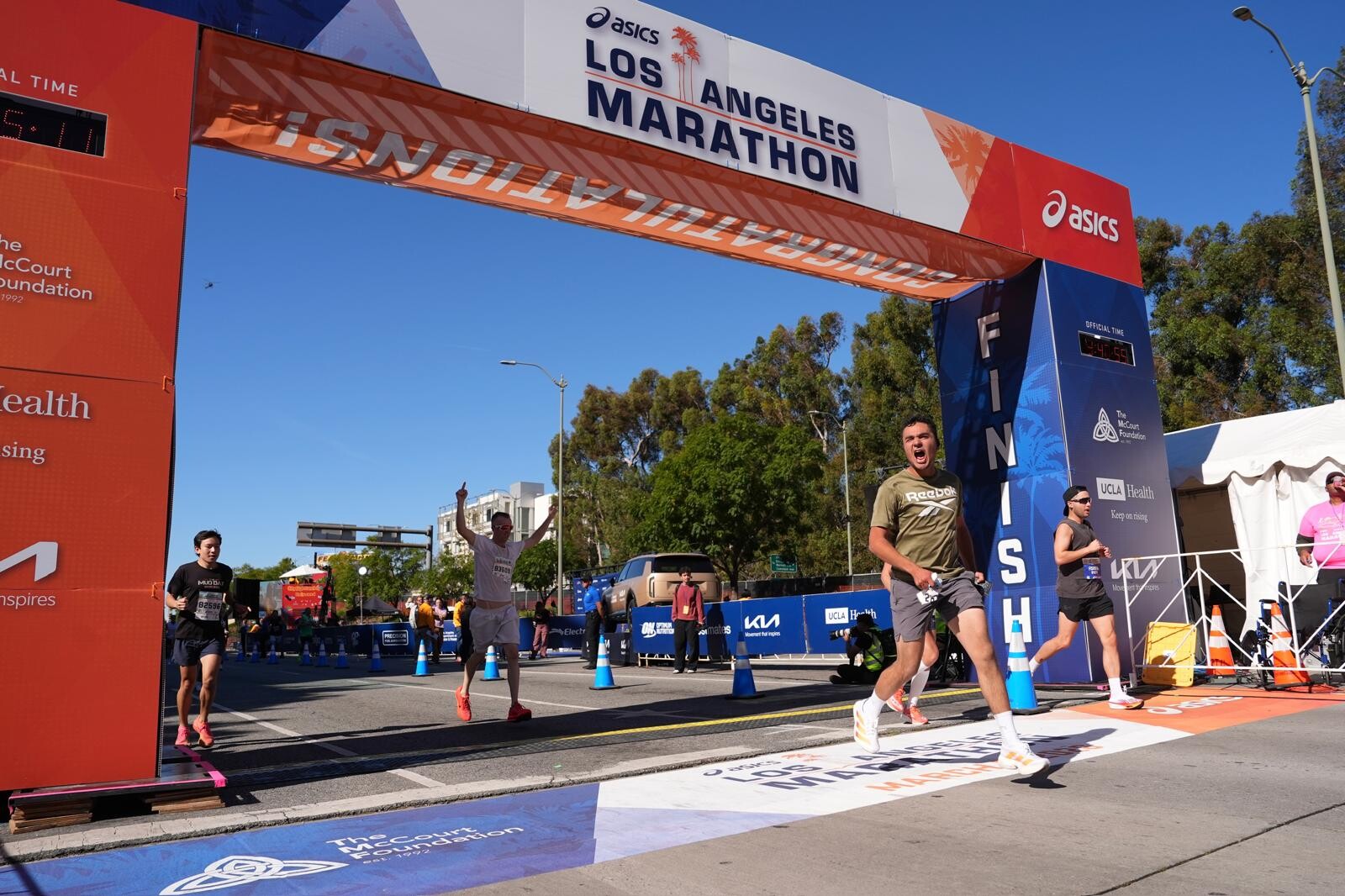
Weather conditions added another layer of challenge to the race. With temperatures forecast to climb into the 80s by midday, organizers announced that runners who managed to complete 18 miles of the course would still receive medals due to the expected heat. The race began at Dodger Stadium and stretched across the city before finishing in the Century City district of Los Angeles, where thousands of runners pushed through the warm conditions and the relentless distance.
From Miller’s electrifying last-stride surge to Cherono’s inspiring victory at 45, the 2026 Los Angeles Marathon unfolded as a powerful reminder of the spirit of endurance that defines the sport. On a warm California morning filled with tension and triumph, the race once again proved that in the marathon, greatness often reveals itself in the very final stride.
by Erick Cheruiyot for My Best Runs.
Login to leave a comment

Los Angeles Marathon
The LA Marathon is an annual running event held each spring in Los Angeles, Calif. The 26.219 mile (42.195 km) footrace, inspired by the success of the 1984 Summer Olympic Games, has been contested every year since 1986. While there are no qualifying standards to participate in the Skechers Performnce LA Marathon, runners wishing to receive an official time must...
more...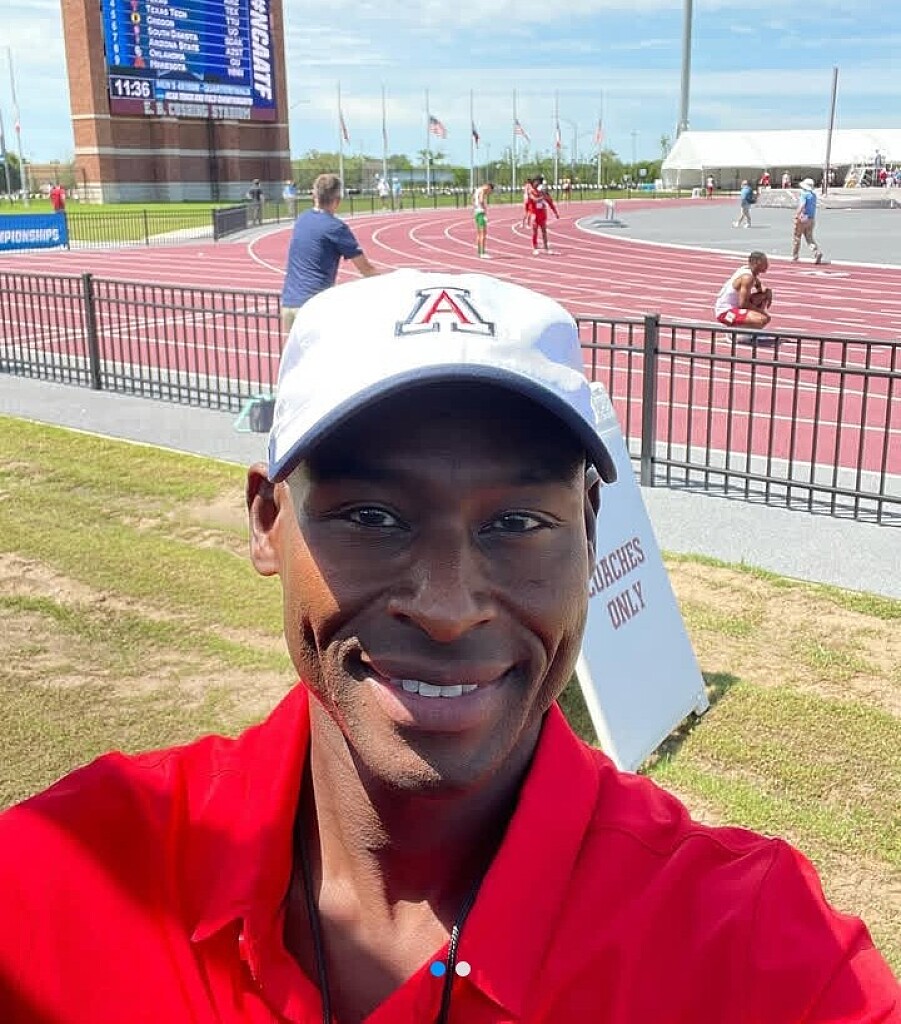
Bernard Lagat Appointed USATF General Manager of Youth Programs
Five-time Olympian and eight-time world champion Bernard Lagat has taken on a new mission—this time off the track—after being appointed General Manager of Youth Programs by USA Track & Field (USATF).
One of the most accomplished middle-distance runners in athletics history, the Kenyan-born American will now play a central role in shaping the future of the sport in the United States. In his new position, Lagat will oversee USATF’s wide-ranging youth structure, including flagship competitions such as the Junior Olympics, Youth National Championships, and U20 Championships.
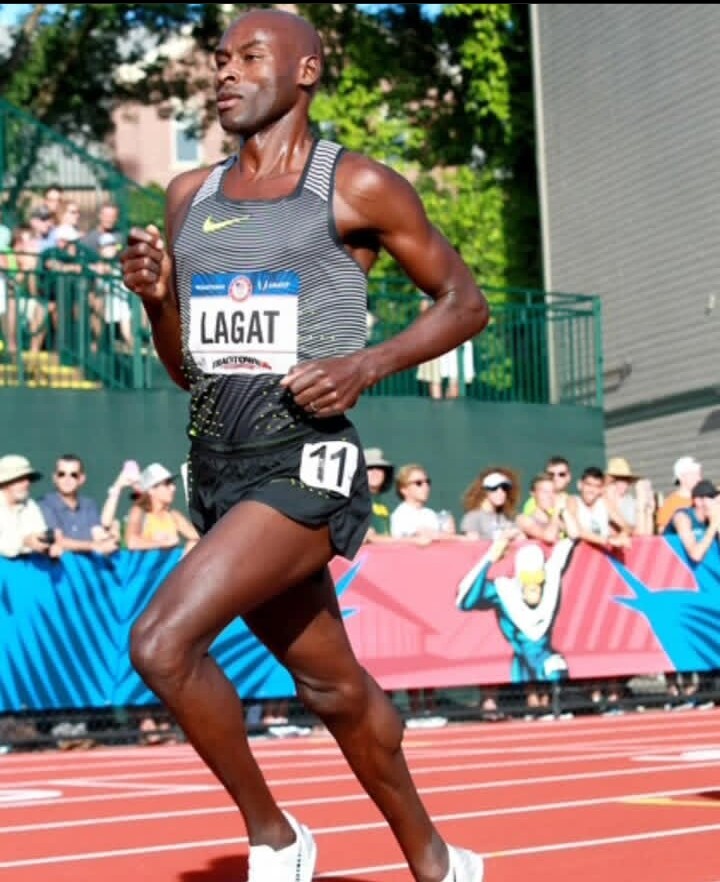
Beyond managing existing programs, Lagat has been tasked with expanding opportunities for young athletes nationwide. His mandate includes the development of new initiatives such as training camps, mentorship pathways, and long-term athlete development programs, aimed at nurturing talent both on and off the track.
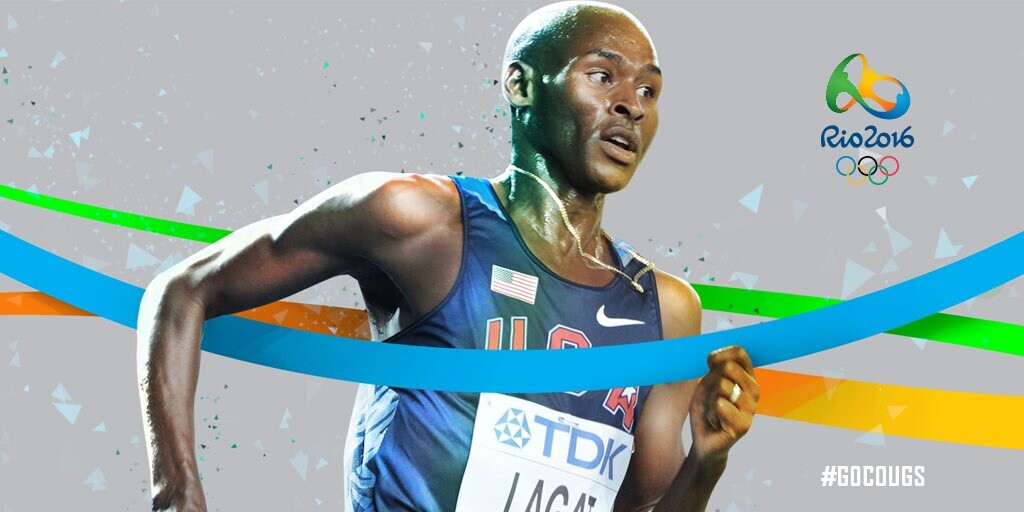
Lagat’s appointment comes with strong credentials beyond his legendary racing career. He previously served on the USATF Board of Directors, giving him valuable insight into the organization’s governance and strategic direction. His experience also extends into collegiate coaching, having worked as head cross country coach and assistant track and field coach at the University of Arizona, where he contributed to athlete development at the highest NCAA level.
Widely respected for his professionalism, longevity, and deep understanding of elite performance, Lagat now transitions into a leadership role that aligns with his passion for giving back to the sport. His influence is expected to help bridge the gap between grassroots athletics and the international stage, inspiring the next generation of American runners.
With Bernard Lagat at the helm of youth development, USATF signals a strong commitment to building a sustainable future—guided by one of the sport’s most enduring and respected figures.
by Erick Cheruiyot for My Bestruns.
Login to leave a comment
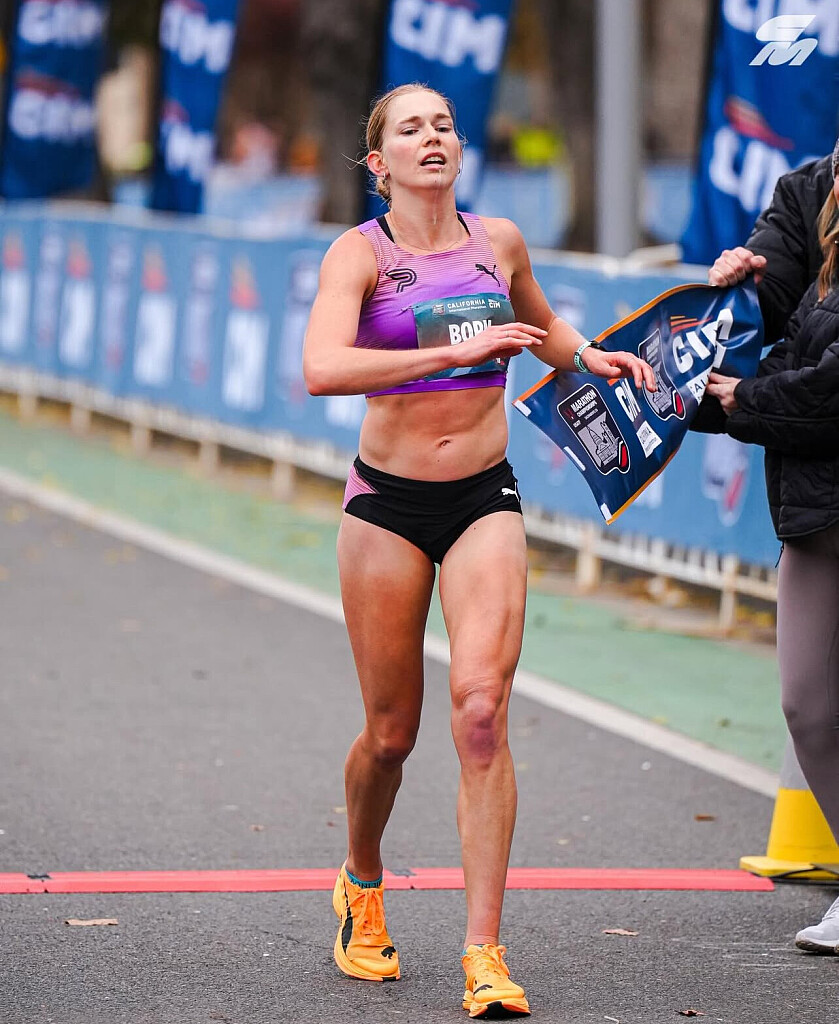
Molly Born Smashes Course Record in Marathon Debut; Futsum Zienasellassie Returns to the Top at CIM 2025
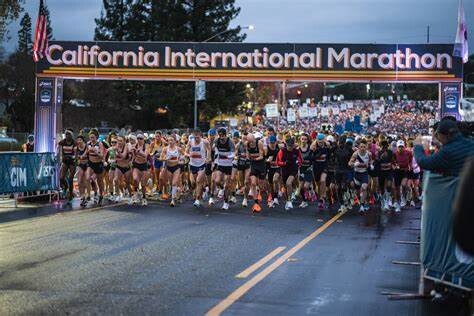
SACRAMENTO, California — December 7, 2025 The California International Marathon once again lived up to its reputation as America’s fastest championship course, producing breakout performances and reaffirming elite talent at the 2025 USATF Marathon Championships. Two standout athletes—Molly Born and Futsum Zienasellassie—delivered the signature performances of the day.
Born’s Brilliant Debut: 2:24:09 Course Record
In her first-ever marathon, 26-year-old Molly Born ran with the poise and confidence of a seasoned veteran. The Oklahoma State alumna powered through the rolling downhills from Folsom to Sacramento to claim the 2025 USATF Marathon Championship in 2:24:09, breaking the women’s course record and announcing herself as a major new force in American distance running.
Born excelled at 1,500m through 10,000m during her collegiate career, but never attempted the marathon until today. Her debut suggests she has found her event.
“I knew it was a possibility, but I wasn’t expecting all this,” Born said after winning.

“It feels really good. I think I’ve found my event—going forward, it’s going to be the marathon.”
Women’s Top Five — CIM 2025
1. Molly Born — 2:24:09 (Course Record)
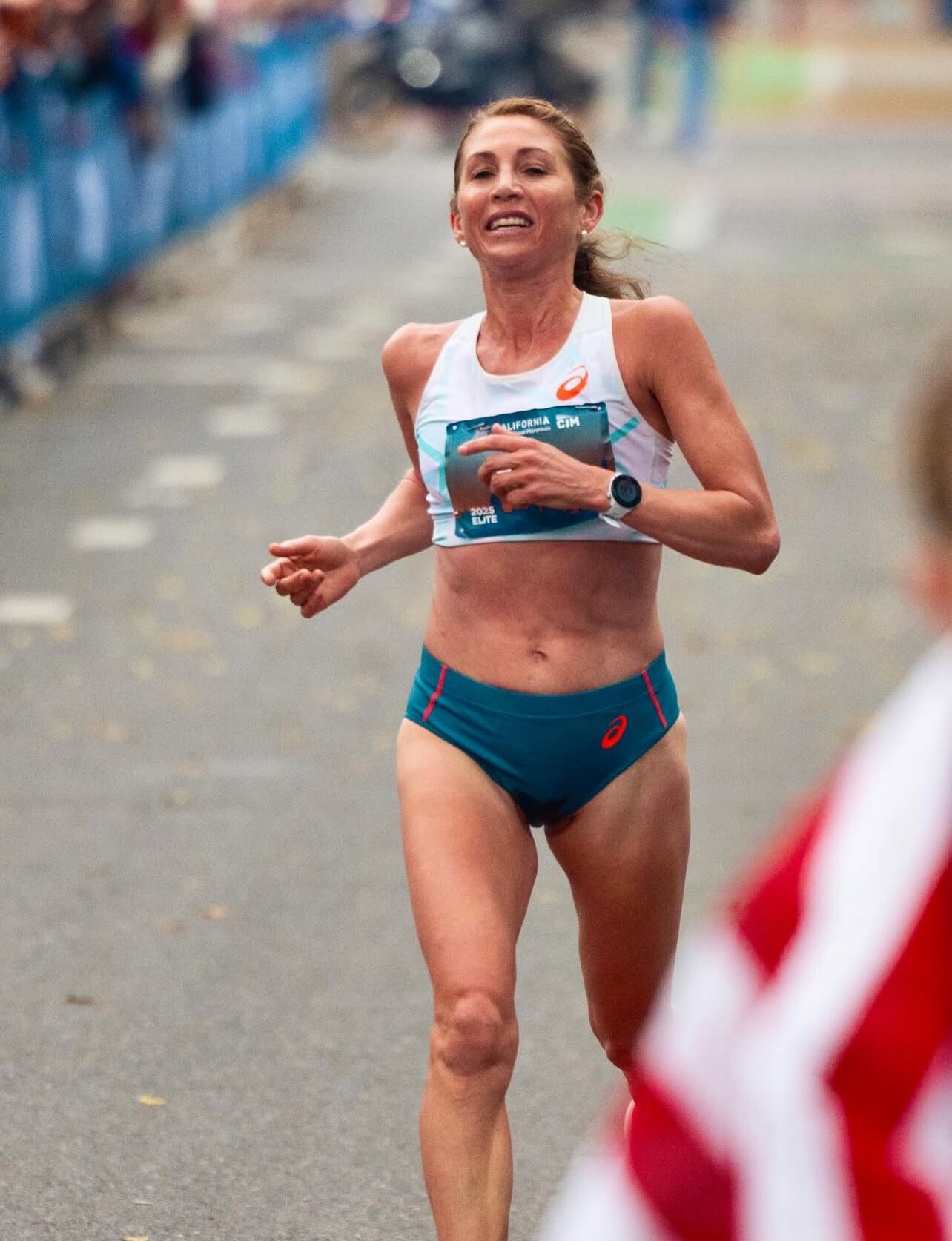
2. Sara Hall — 2:24:36
3. Megan Sailor — 2:25:16
4. Lindsey Bradley — 2:28:41
5. Maya Weigel — 2:28:44
Hall and Sailor also broke 2:26, marking one of the deepest women’s fields ever at CIM.
Zienasellassie Reclaims the CIM Crown
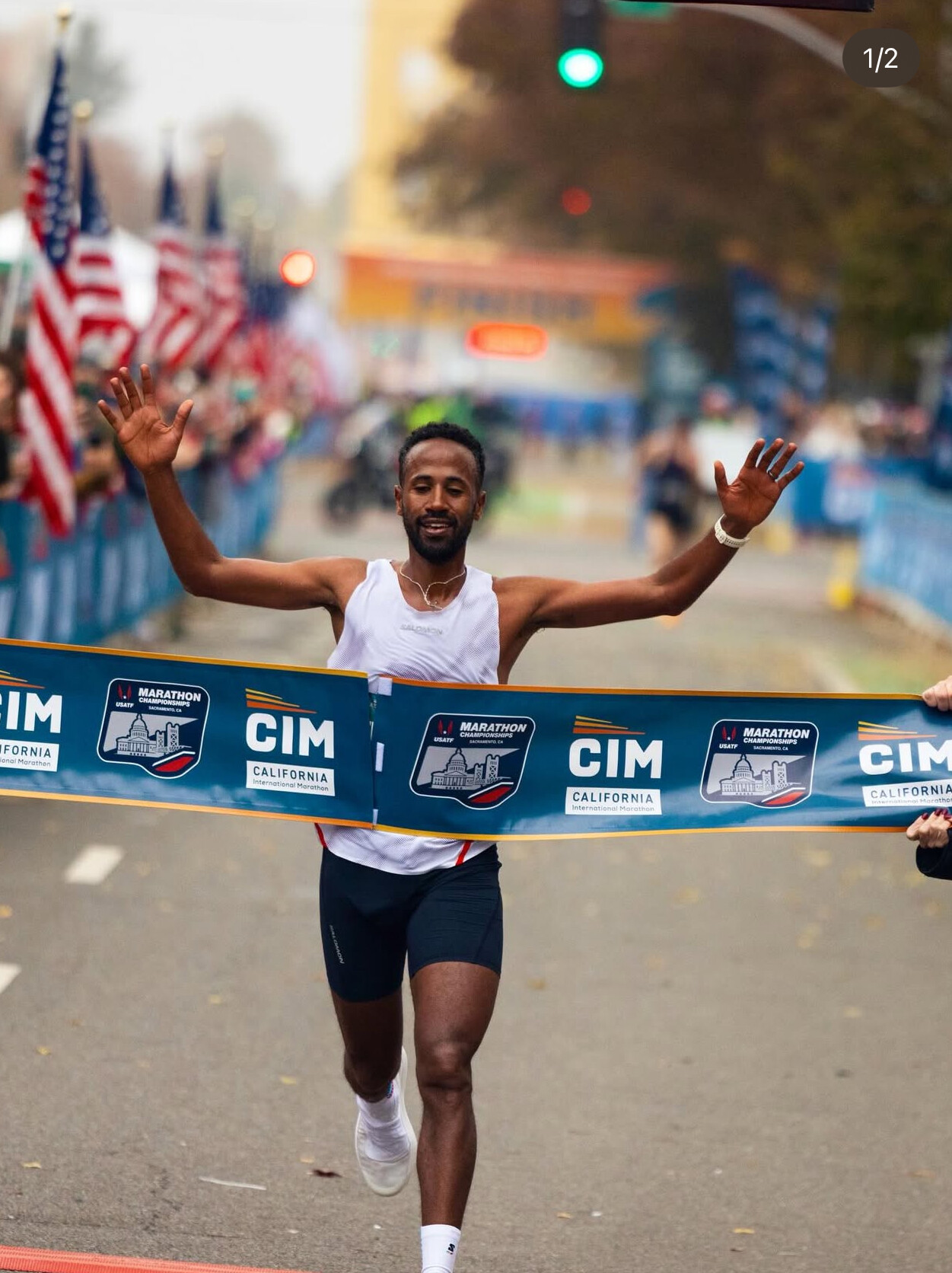
On the men’s side, Futsum Zienasellassie reclaimed the title he first won in 2022, crossing the finish in 2:09:29 to earn his second CIM victory. Smooth, controlled pacing and a strong final 10K separated him from the pack in a deep men’s field.
Zienasellassie famously grew up in Eritrea before starring at Northern Arizona University. His win today continues his rise as one of the most consistent American marathoners.
Men’s Top Five — CIM 2025
1. Futsum Zienasellassie — 2:09:29
2. Joseph Whelan — 2:09:41
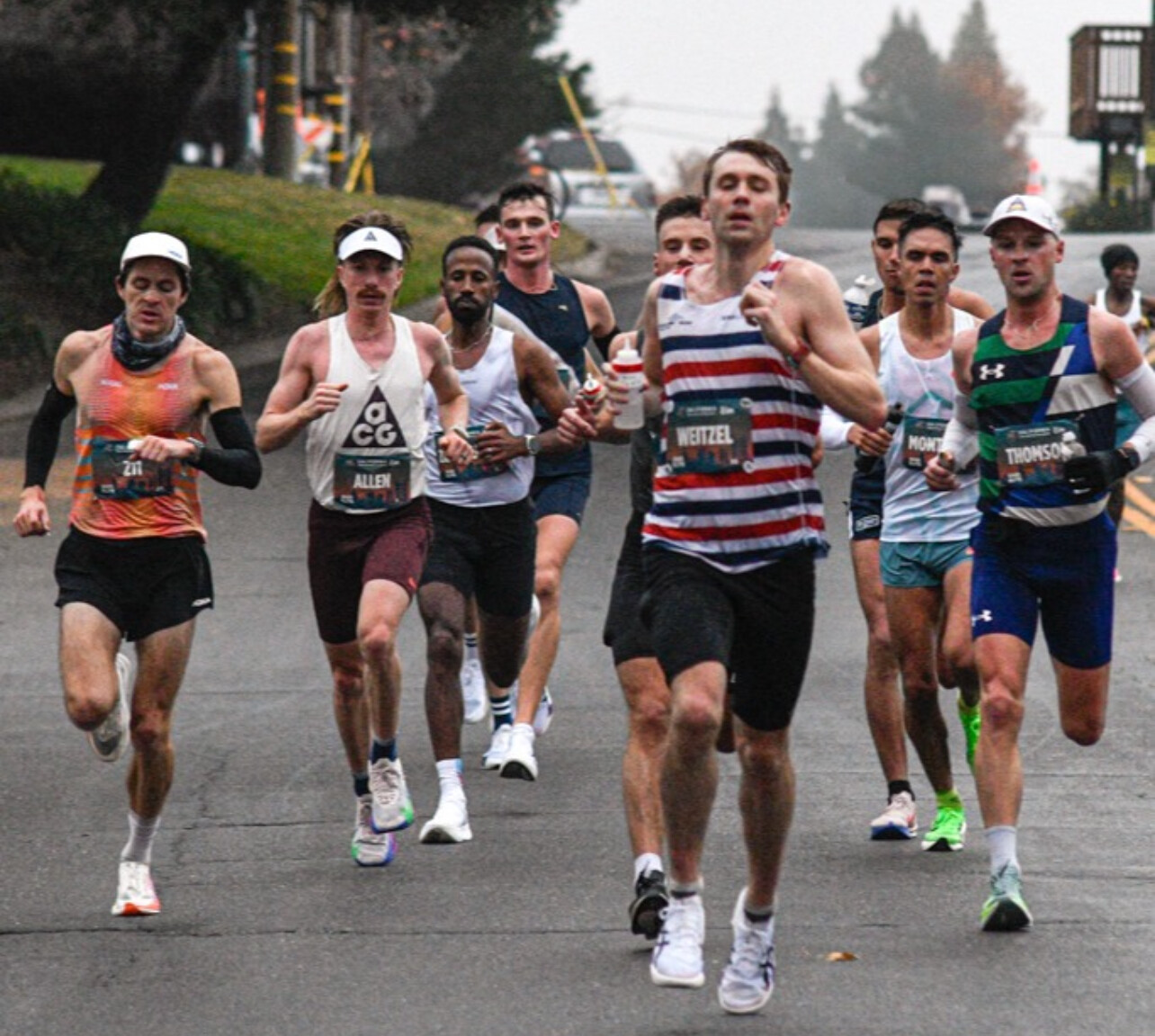
3. Christian Allen — 2:09:57
4. Joseph Trojan — 2:10:38
5. Chris Maxon — 2:10:54
Three men breaking 2:10 on the CIM course underscores why this race remains a cornerstone of American distance running.
A Historic Day in Sacramento
Ideal racing conditions and CIM’s fast net-downhill profile helped produce one of the strongest editions in race history:
• A course record in the women’s race
• Three men under 2:10
• A national title decided in dramatic fashion
• An electrifying debut from one of America’s newest marathon stars
The 2025 California International Marathon once again proved why so many U.S. runners come to Sacramento seeking breakthroughs—and today, the event delivered exactly that.
by Boris Baron
Login to leave a comment

California International Marathon
The California International Marathon (CIM) is a marathon organized by runners, for runners! CIM was founded in 1983 by the Sacramento Running Association (SRA), a 501(c)(3) non-profit organization. The SRA Board of Directors is comprised of runners with a combined total of 150+ years of service to the CIM. The same route SRA management created for the 1983 inaugural CIM...
more...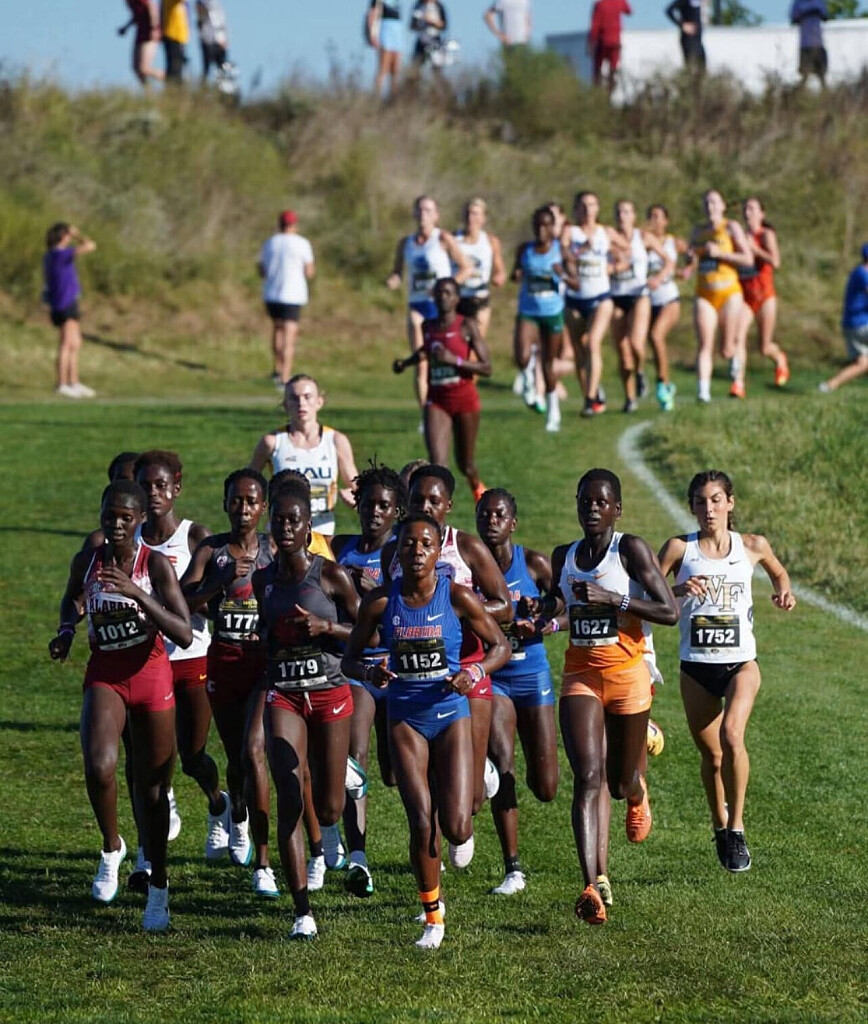
A Record-Breaking Journey: 60 Townhall Athletes Set for NCAA Nationals
For young runners in Kenya, the dream has always extended far beyond the finish line. It is about opportunity, education, and building a future through running. On November 22, sixty alumni of Townhall Athletics will stand on the starting line at the Gans Creek Cross Country Course in Columbia, Missouri—not only as competitors, but as student-athletes whose journeys blend world-class talent with academic ambition.
Their road to the NCAA National Cross Country Championships was forged through nine regional qualifiers, where Townhall athletes earned advancement both individually and through team berths. Each qualifier represents a story that began on rugged high-altitude trails in Kenya and continued in American classrooms—balancing mileage with lectures, workouts with research projects.
A Pipeline for Talent and Learning
Many of these athletes grew up with limited access to formal training facilities—sometimes even without proper running shoes. Through Townhall Athletics, runners such as Brian Musau, Dennis Kipngetich, and Laban Kipkemboi at Oklahoma State University received structured coaching and the mentorship needed to secure life-changing scholarships.
In Florida, Kelvin Cheruiyot, Desma Chepkoech, and Judy Chepkoech have combined tactical racing with strong academic records, while Debora Cherono at Texas A&M has emerged as a respected leader both on campus and on the track.
In the Mountain West Conference, New Mexico’s Evans Kiplagat and Vincent Chirchir continue to show how academic and athletic development go hand in hand. At Iowa State, Joash Rutto and Mercylin Kirwa have built reputations for consistency and endurance, exemplifying the discipline long associated with Kenyan distance running.
Other Townhall standouts, including Meshack Kuiyo at Boise State and Gilbert Rono at Tulane, carry the hopes of their programs while pursuing degrees and competing at the top level of collegiate sport.
Gans Creek: Where Experience Meets Ambition
Gans Creek is known for its rolling hills, long grass straights, and technical curves—terrain that demands smart pacing and a strong finish. For Kenyan athletes who grew up training at altitude, the course offers a blend of familiarity and challenge, providing a perfect stage to showcase endurance, resilience, and race intelligence.
Lining up against top collegiate athletes from across the United States and around the world, Townhall runners bring not only speed but also the mental fortitude and tactical awareness refined through years of structured training back home.
Voices of Support
Kenyan sports leaders continue to stress that athletic success must be paired with education to secure a long-term future.
Barnaba Korir, AK Youth Development Director and NOC-K First Vice President, emphasizes:
“These scholarships are more than athletic opportunities—they are life-changing. Education ensures our youth can thrive long after the final lap.”
Ibrahim Hussein Kipkemboi, Director of the Africa Athletics Development Centre, adds:
“Blending study with sport protects athletes from early burnout and equips them for the future.”
Athletics Kenya President Lt. Gen. (Rtd) Jackson Tuwei reinforces the message:
“The goal is not just fast runners, but well-rounded individuals. Education and athletics go hand in hand for global success.”
Impact Beyond the Course
These sixty qualifiers demonstrate how structured development and academic pathways can open doors for rural youth across Kenya. Their progress validates youth programs, inspires younger athletes, and shows how scholarships allow talent to flourish both on the track and in the classroom.
The Journey and the Finish Line
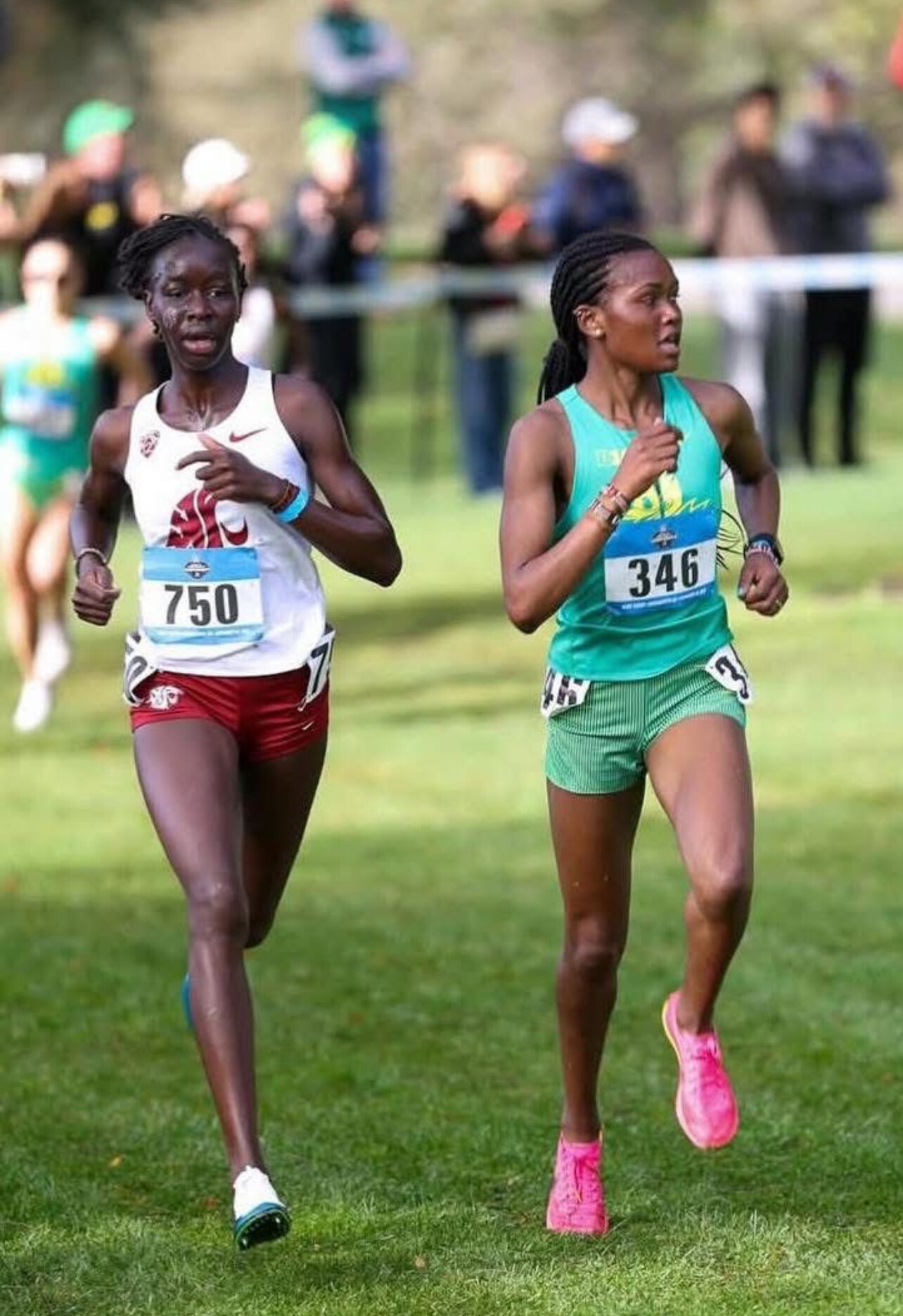
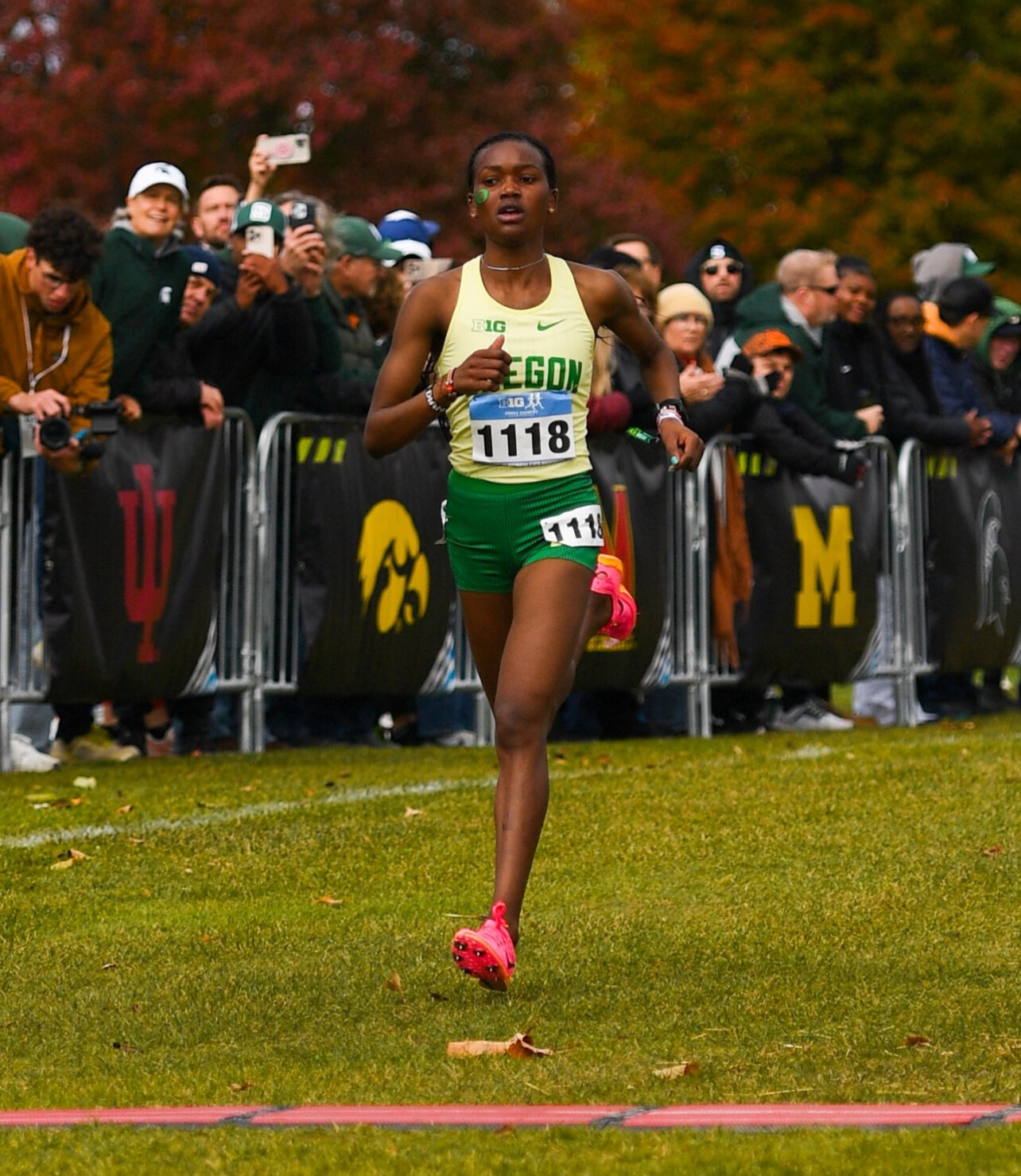
On race day, athletes such as Rosemary Longisa and Caroline Jepkorir of Washington State University, Evans Tanui of Arizona, and Diana Cherotich of Oregon will carry far more than personal ambition. They will carry the dreams of families, coaches, and communities who believed in them from the start.
Every stride over Missouri’s rolling terrain reflects years of discipline, sacrifice, and the pursuit of excellence—both academic and athletic.
When the final lap is run, results will matter. But so will the journey that brought them here. From dusty Kenyan tracks to the championship stage at Gans Creek, Townhall athletes have shown that with vision, support, and resilience, success in running and life can grow together.
As they race for NCAA glory, they continue to inspire a generation to see that the finish line is not an end—it is, in fact, the beginning.
by Robert Kibet
Login to leave a comment
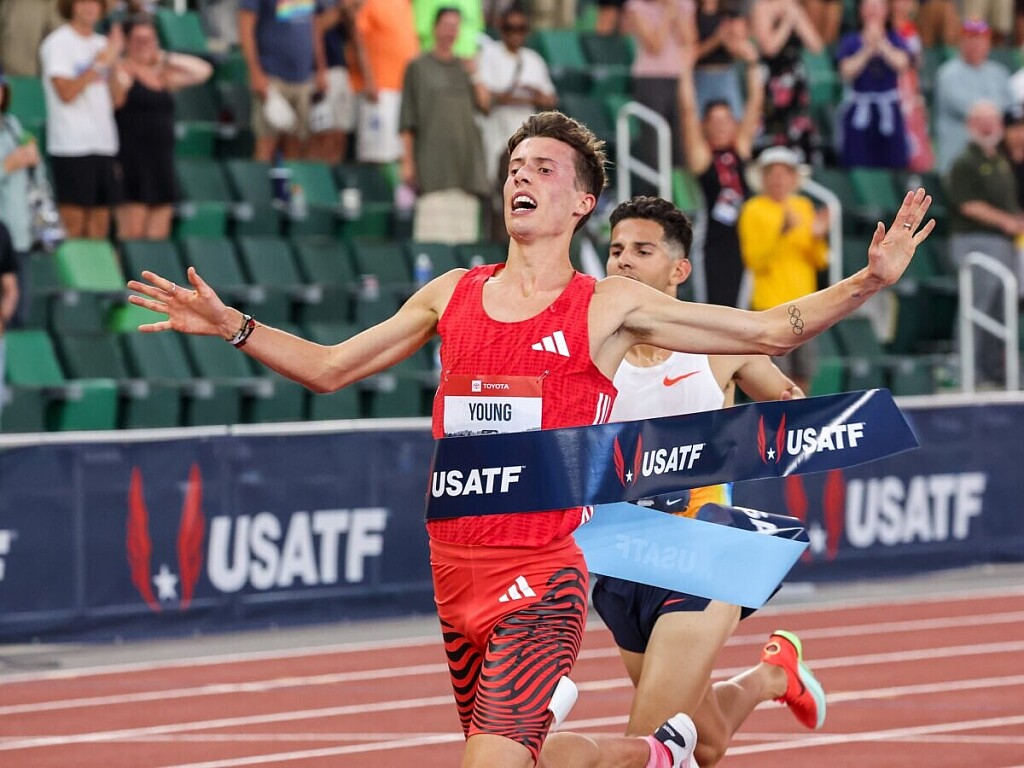
Nico Young Clinches U.S. 10,000m Title with Electrifying Finish in Eugene
Eugene, Oregon – July 31, 2025
Nico Young delivered a career-defining performance on Wednesday night at the 2025 USATF Outdoor Championships, storming to victory in the men’s 10,000 meters with a closing display that left the crowd at Hayward Field in awe.
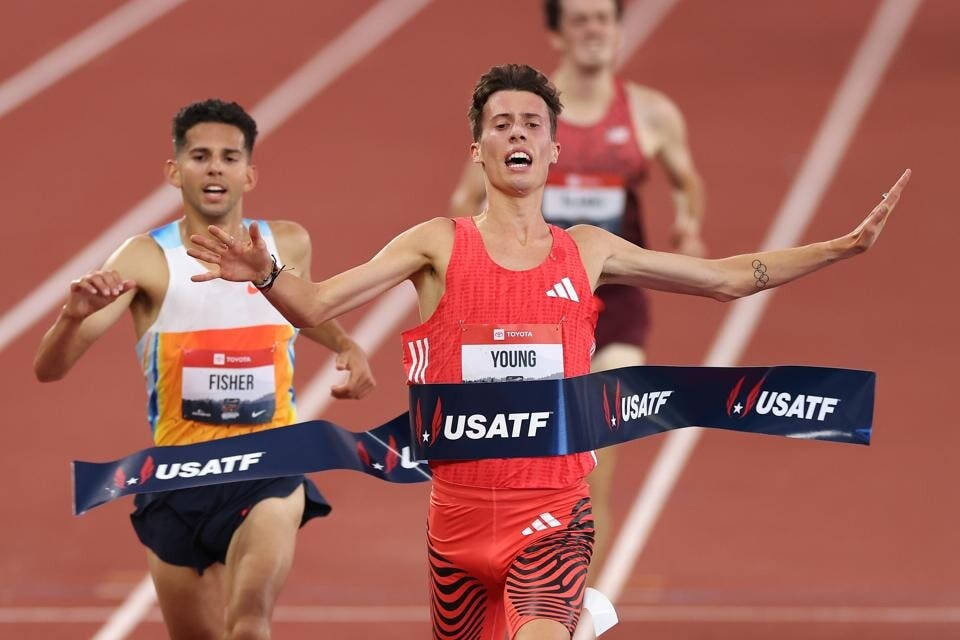
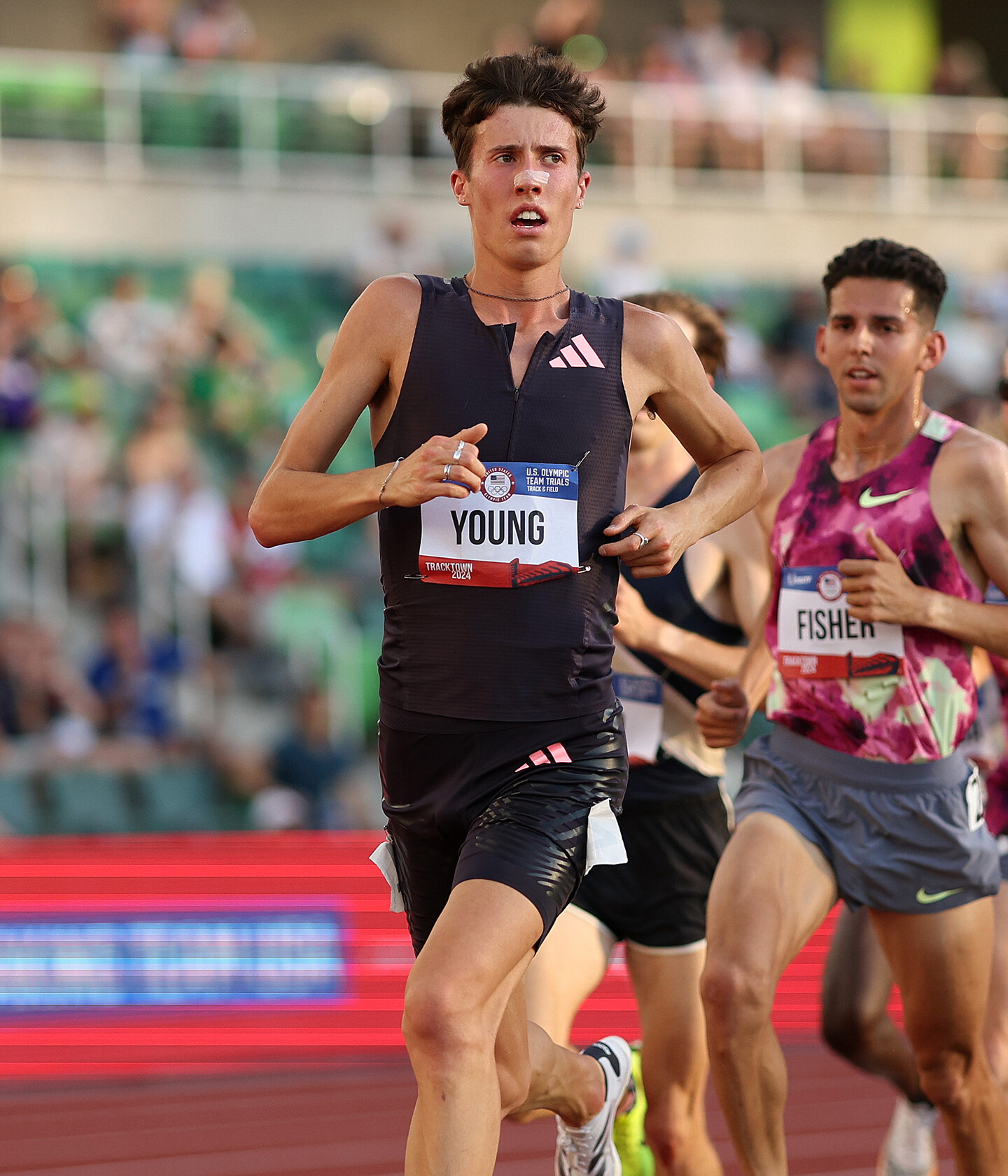
In a tightly contested final, Young surged past established veterans Grant Fisher and Graham Blanks with a stunning final lap of 56.54 seconds, covering the last 1600 meters in under four minutes—an extraordinary finish in a championship 10K. His winning time: 29:02.12.
Grant Fisher, one of the most accomplished distance runners in U.S. history, claimed the silver medal in 29:02.37, while rising star Graham Blanks, fresh off a record-breaking collegiate season, secured bronze in 29:02.43.
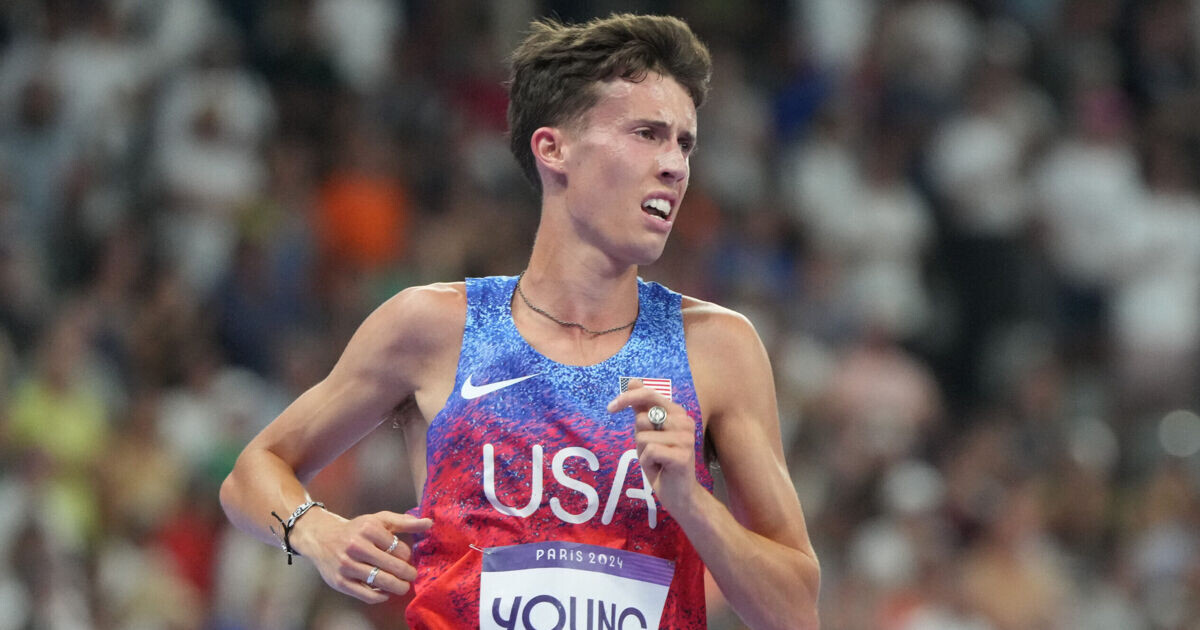
“What a way to end the night in Eugene,” echoed the sentiments of fans and announcers alike as Young crossed the line, arms raised in triumph.
At just 22 years old, Young’s victory represents a passing of the torch and a new era in American distance running. Known for his aggressive style and fearless front-running as a collegiate athlete at Northern Arizona University, Young has now proven he can execute a tactical race and close with world-class speed—a critical asset on the international stage.
The men’s 10,000m capped an electric night of competition at Hayward Field and set the tone for the rest of the championships. With this performance, Young not only claimed his first national title but also firmly established himself as a contender for global medals in the years ahead.
Men’s 10,000m – Final Results
• Nico Young – 29:02.12 (National Champion)
• Grant Fisher – 29:02.37 (National Runner-Up)
• Graham Blanks – 29:02.43 (National Bronze)
Stay tuned to My Best Runs for continued coverage of the 2025 USATF Outdoor Championships and road to the World Championships.
by Boris Baron
Login to leave a comment
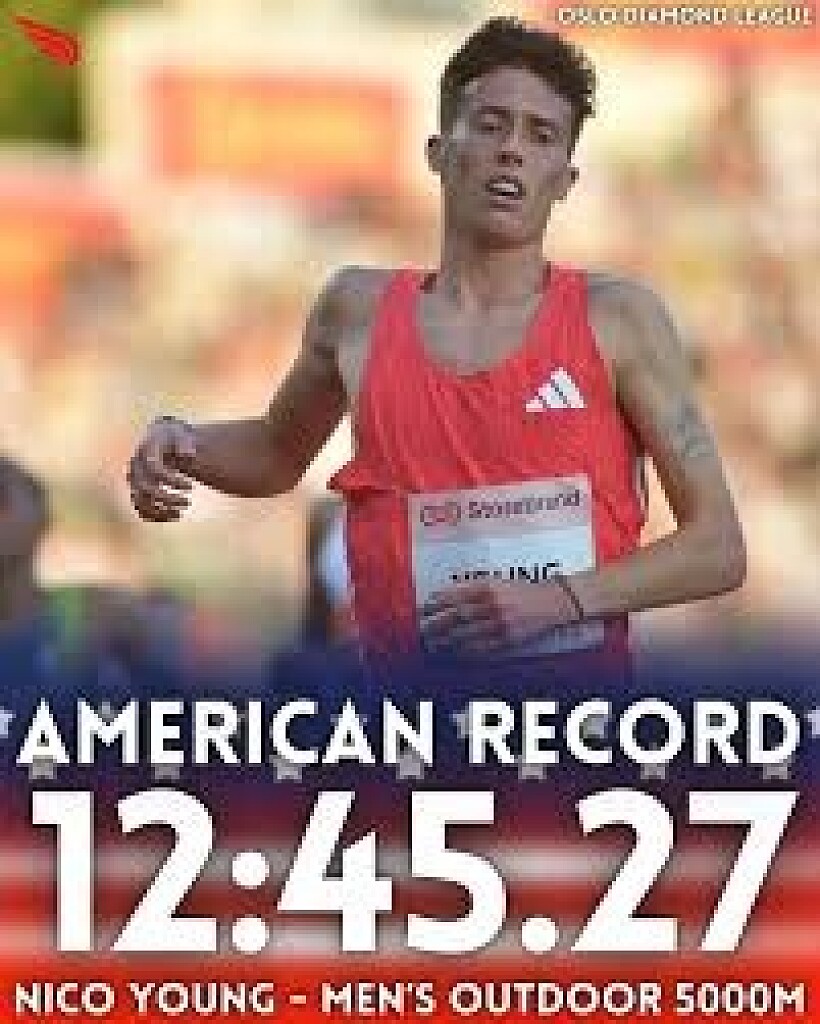
Nico Young Shatters American Record with 12:45.27 in Oslo Diamond League 5000m
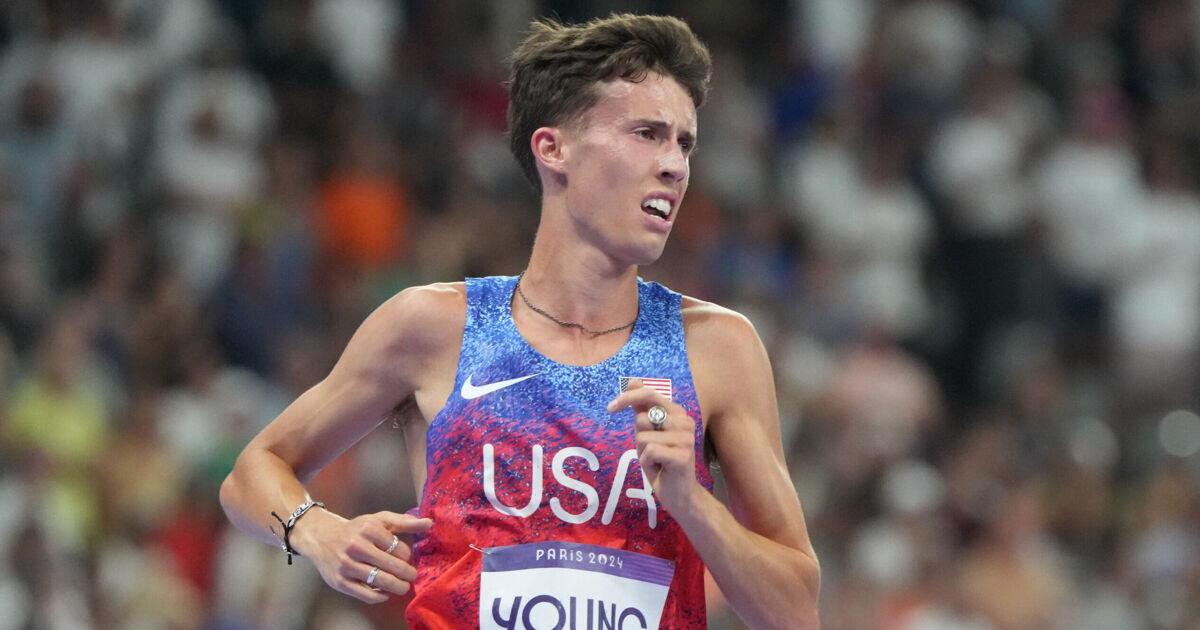
In a performance that shook the foundations of U.S. distance running, Nico Young stormed to a stunning 12:45.27 at the Oslo Diamond League on June 12. Not only did he win the race, but he also demolished the American 5000m record, vaulting himself into the top ranks of global distance running.
The 21-year-old’s breakthrough marks the fastest 5000m ever run by an American and the fourth-fastest time in world history outdoors. His average lap was 61.4 seconds—roughly 4:06 per mile or 2:33 per kilometer—executed against one of the deepest fields ever assembled.
Standout Performances with Official Times
• Nico Young (USA) – 12:45.27 – ?? American Record
• George Mills (GBR) – 12:46.59 – ?? British National Record
• Thierry Ndikumwenayo (Burundi) – 12:47.67 – Personal Best
• Dominic Lokinyomo Lobalu (Switzerland) – 12:50.87 – ?? Swiss National Record
This was a race defined by speed, grit, and history-making performances. Eight athletes reportedly broke 12:51—unprecedented in Diamond League competition. National records fell on three continents.
Young’s Path to Greatness
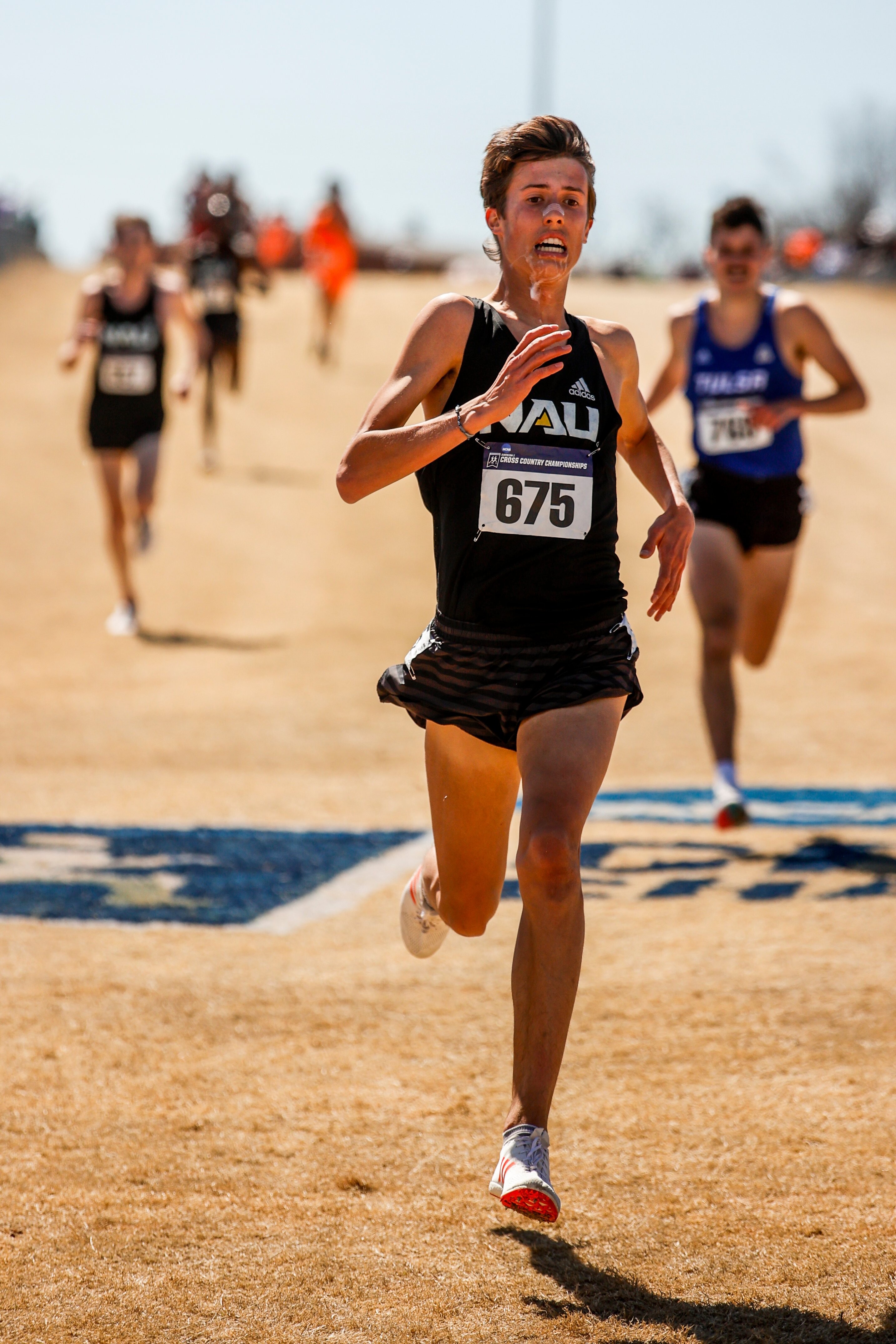
Nico Young’s rise began at Newbury Park High School, where he set high school records and led his team to national titles. At Northern Arizona University, he continued to dominate, becoming a multi-time NCAA All-American before turning pro with Adidas.
Training under coach Mike Smith, Young has honed not just his endurance but also his race instincts—perfectly on display in Oslo as he timed his final surge to perfection against the best in the world.
A New Standard
Young’s 12:45.27 surpasses Grant Fisher’s previous American record of 12:46.96 set in 2022. His time now ranks him behind only three men in history: Joshua Cheptegei, Kenenisa Bekele, and Hagos Gebrhiwet.
With this performance, Nico Young has redefined what’s possible for American distance runners and firmly positioned himself as one of the most exciting young talents in the sport.
by Boris Baron
Login to leave a comment
Addi Zerrenner’s Second Wind: From Track Star to Trail Warrior
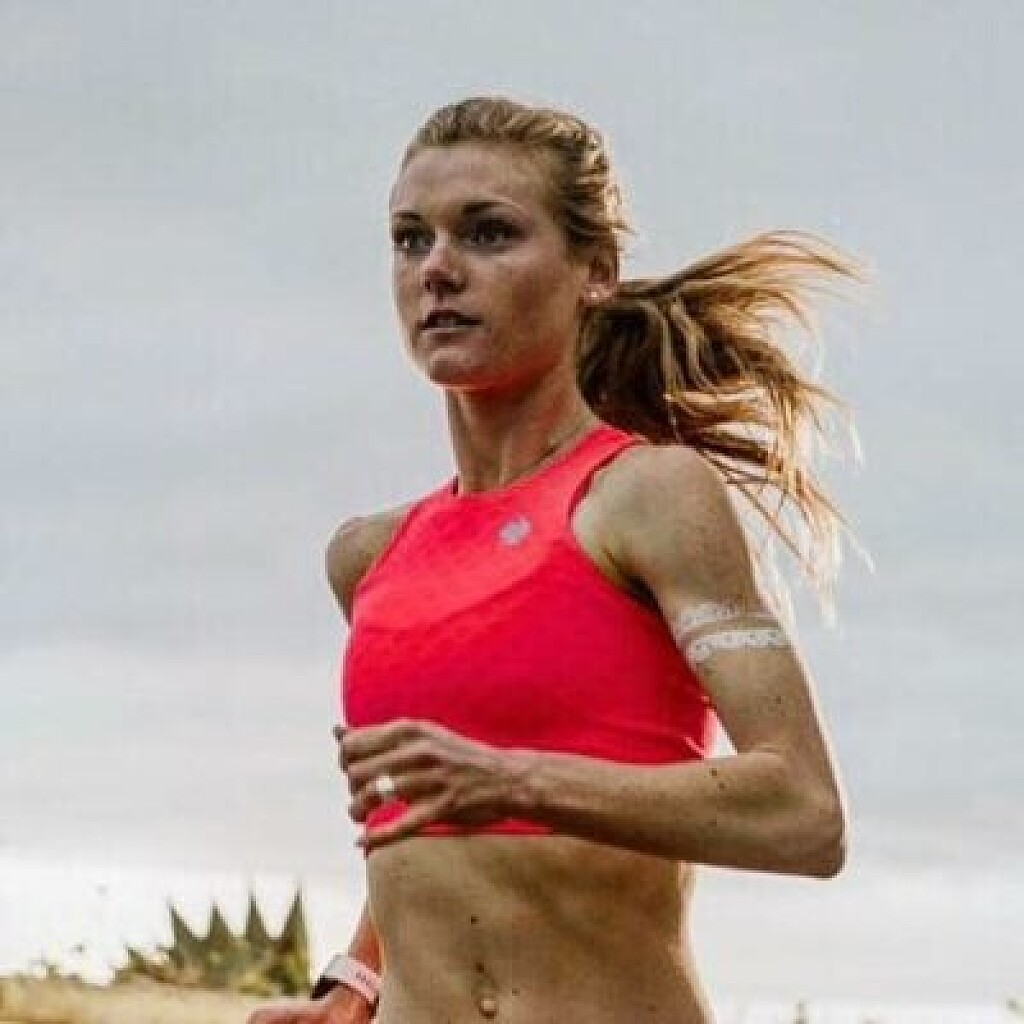
For years, Addi Zerrenner chased speed on the track and roads. As an NCAA standout at Arizona and one of the top U.S. prospects in distance running, she seemed destined for marathon greatness. But after years of pushing, something shifted. The joy dimmed. The pressure mounted. And like many elite athletes, Addi hit a wall — not physically, but mentally.
What came next wasn’t a retreat — it was a reinvention.
Trading Pavement for Peaks
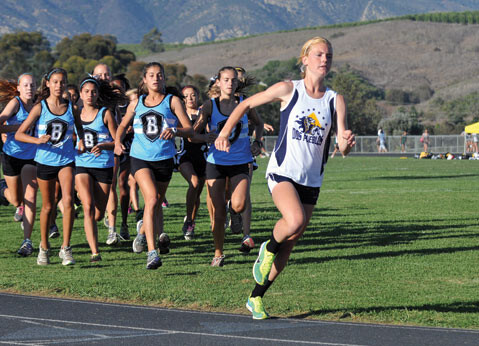
Addi left the regimented world of splits and lap counts behind and found herself drawn to the mountains. There, she discovered something that had been missing: joy.
“It was like breathing again,” she said in a recent interview. “Out there, it wasn’t about pace. It was about movement, freedom, and reconnecting with why I loved running in the first place.”
That shift wasn’t just emotional. Addi began to thrive. She posted strong performances at mountain and trail races across the West, including podium finishes at high-profile events like the Broken Arrow Skyrace and strong showings on technical terrain that would leave most road runners gasping.
From Burnout to Breakthrough
Her story resonates far beyond elite circles. In a sport that too often burns out its best too early, Addi Zerrenner shows what’s possible when an athlete listens to their body — and more importantly, their heart.
Trail running, with its slower pace and wilder spirit, gave her the space to heal and rediscover competition on her own terms. It’s a reminder that success in running isn’t a straight line — and sometimes, leaving the track is the only way to find your lane.
What’s Next for Addi?
With momentum behind her and a growing presence in the trail and ultra world, Addi’s future could include anything from the UTMB series to U.S. Mountain Running Team bids. And with her platform, she’s also becoming a voice for runners navigating transitions — from injury, burnout, or even just life’s next phase.
“I still run hard. I still want to be great. But I’m doing it for me now,” she said. “And that’s more powerful than any PR.”
by Boris Baron
Login to leave a comment
Arizona’s Monster — Why the Cocodona 250 Is One of the Toughest Races on Earth
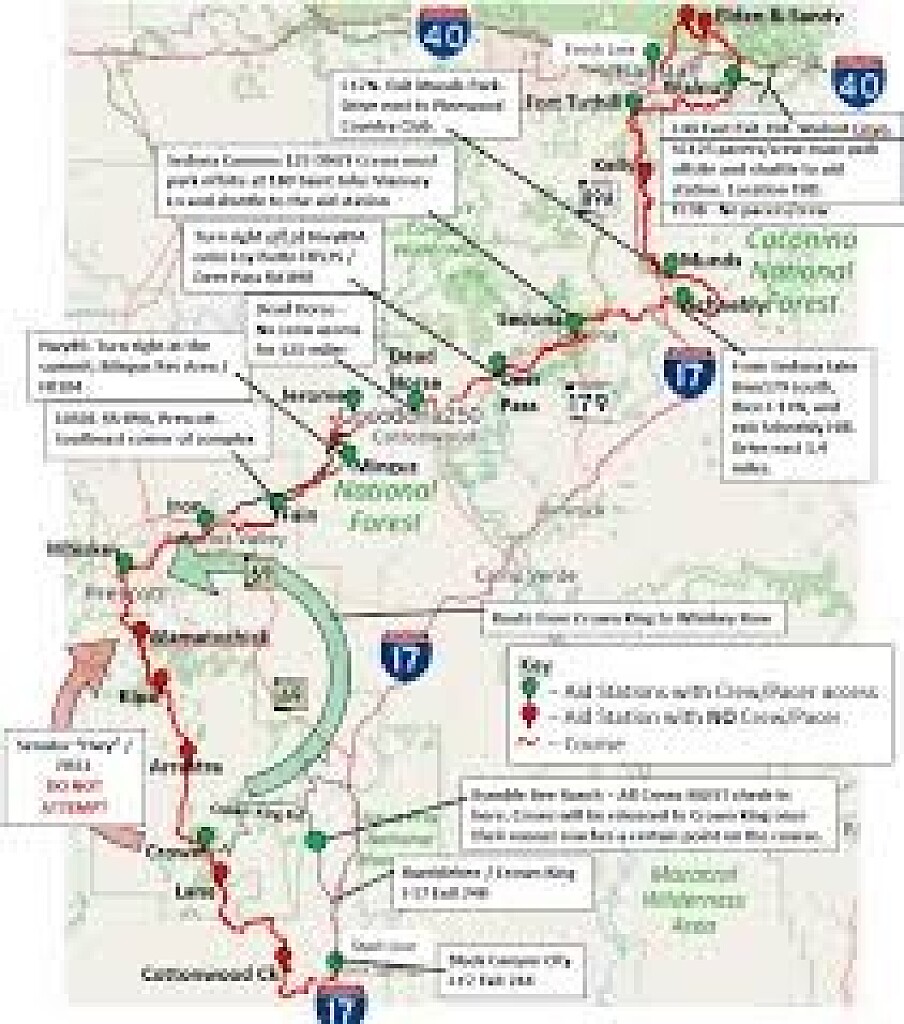
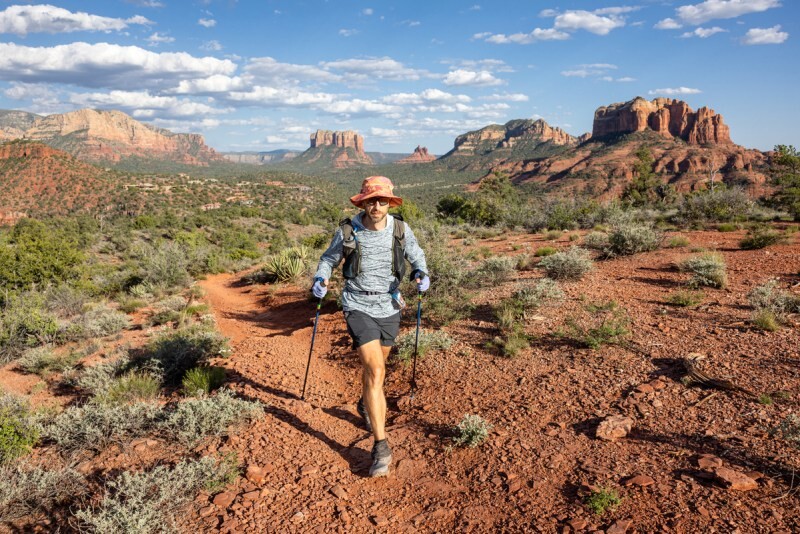
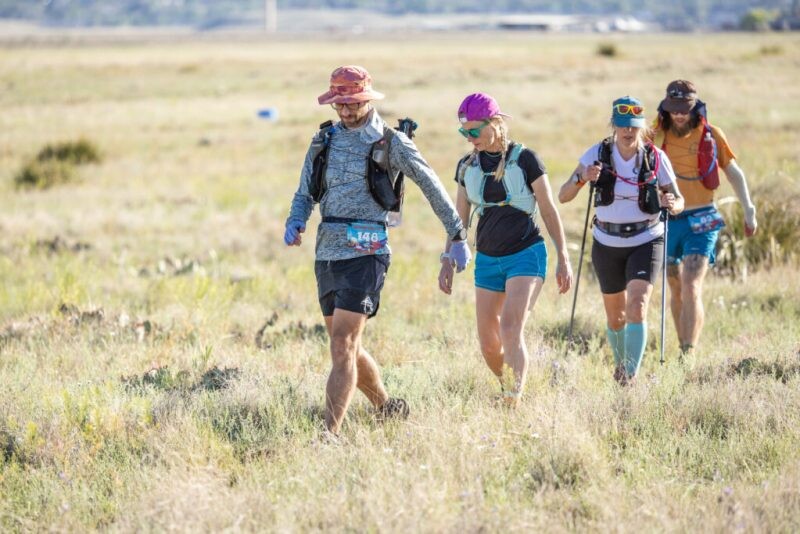
The Cocodona 250 isn’t just a race—it’s an odyssey through Arizona’s most rugged and awe-inspiring landscapes. Spanning 256.5 miles from Black Canyon City to Flagstaff, this ultramarathon demands everything a runner has—physically, mentally, and emotionally.
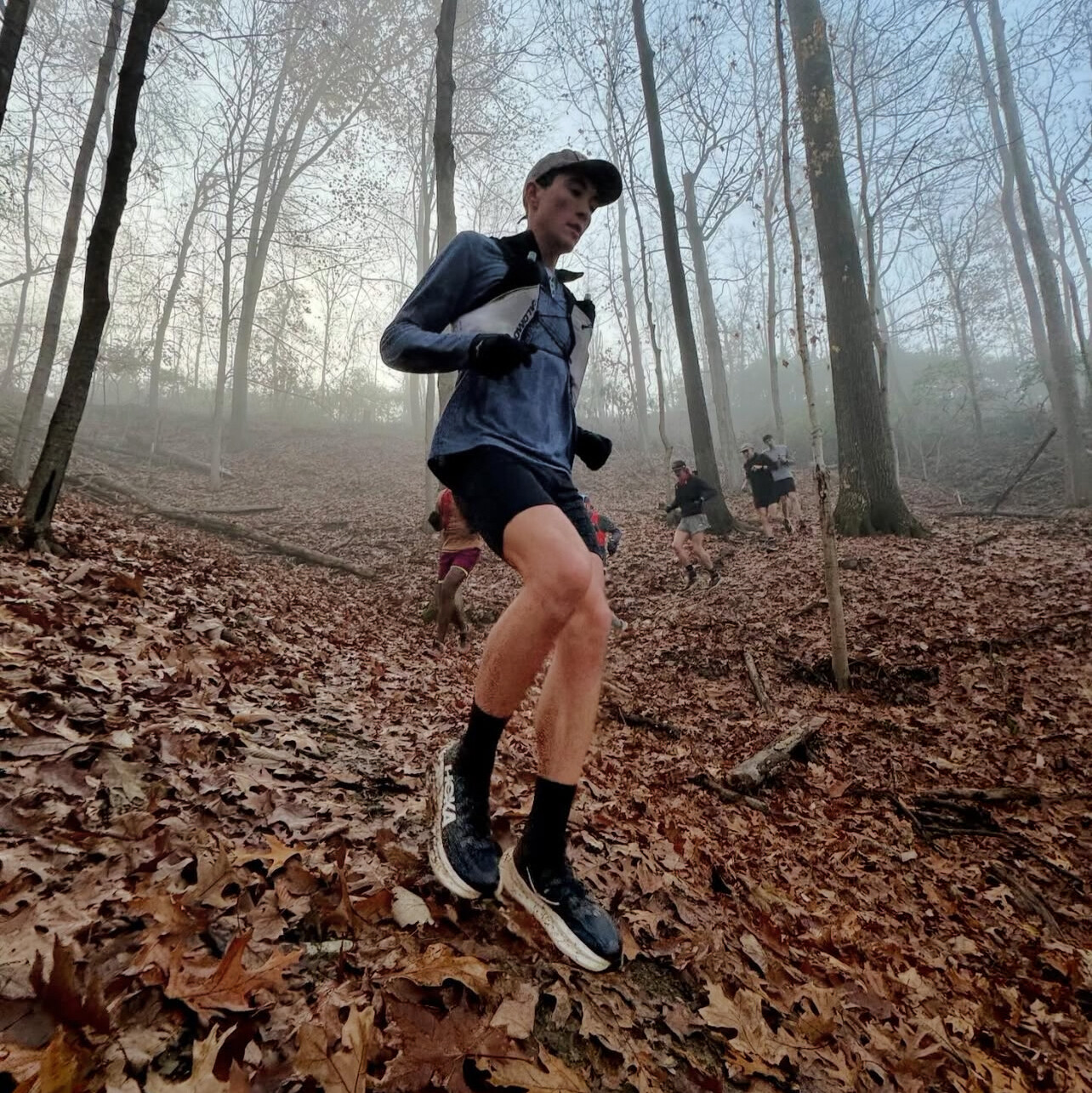
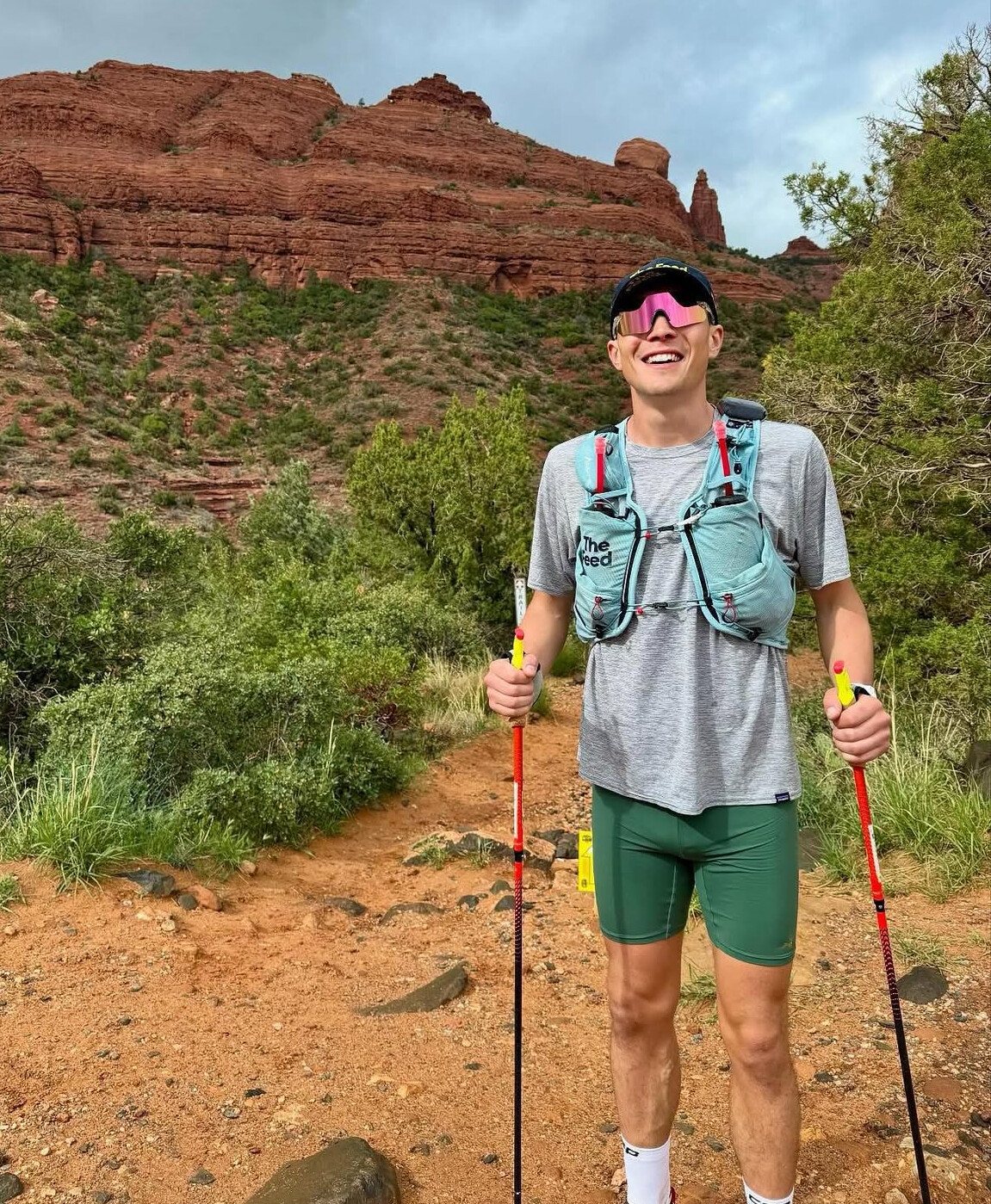
With over 40,000 feet of elevation gain, participants climb mountain passes, descend desert valleys, and navigate technical trails through towns rich in mining and frontier history—Crown King, Prescott, Jerome, Clarkdale, and Sedona—before reaching the final climb to Mount Elden and the finish in Flagstaff.
The terrain breakdown reflects the challenge:
• 45% single-track trails
• 46% jeep and double-track roads
• 9% pavement
Runners face a 125-hour cutoff to complete the course, pushing through heat, altitude shifts, and sleep deprivation. With elevations ranging from 1,996 feet to over 9,200 feet, it’s a test of true ultrarunning grit.
For those who dare to take it on, Cocodona is more than a race—it’s a journey across time, terrain, and personal limits.
by Pros Baron
Login to leave a comment
Dan Green Wins Cocodona 250 in Record Time Averaging 13:45 per mile
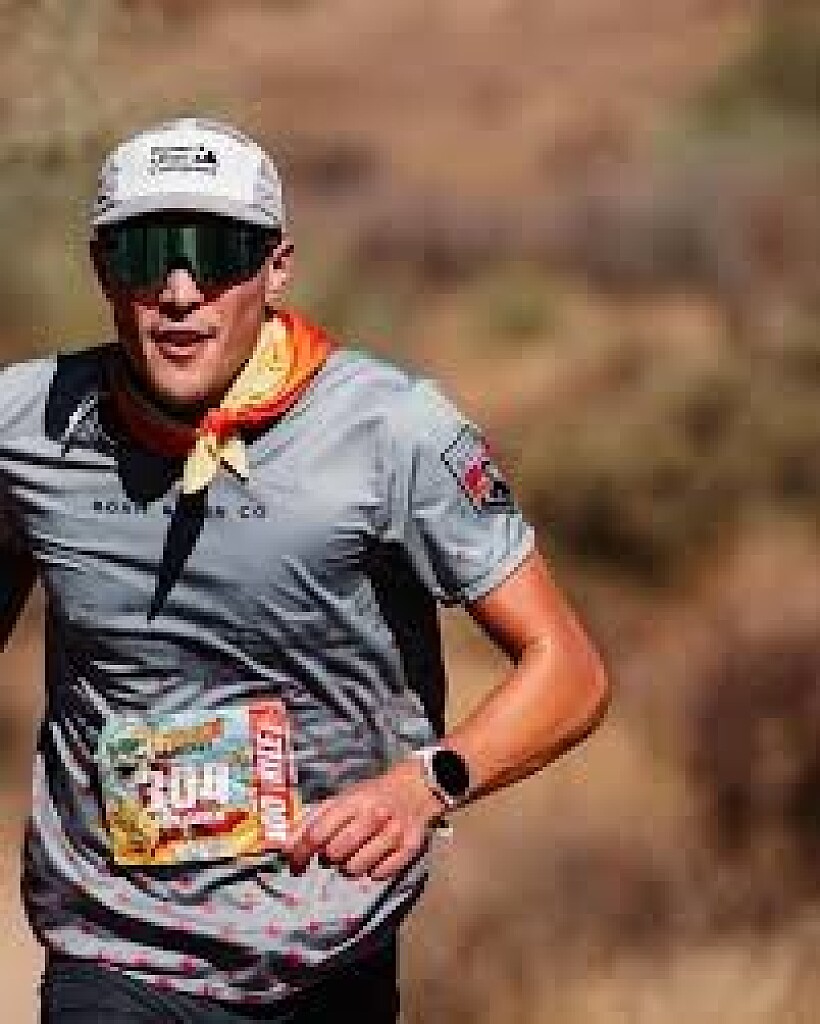
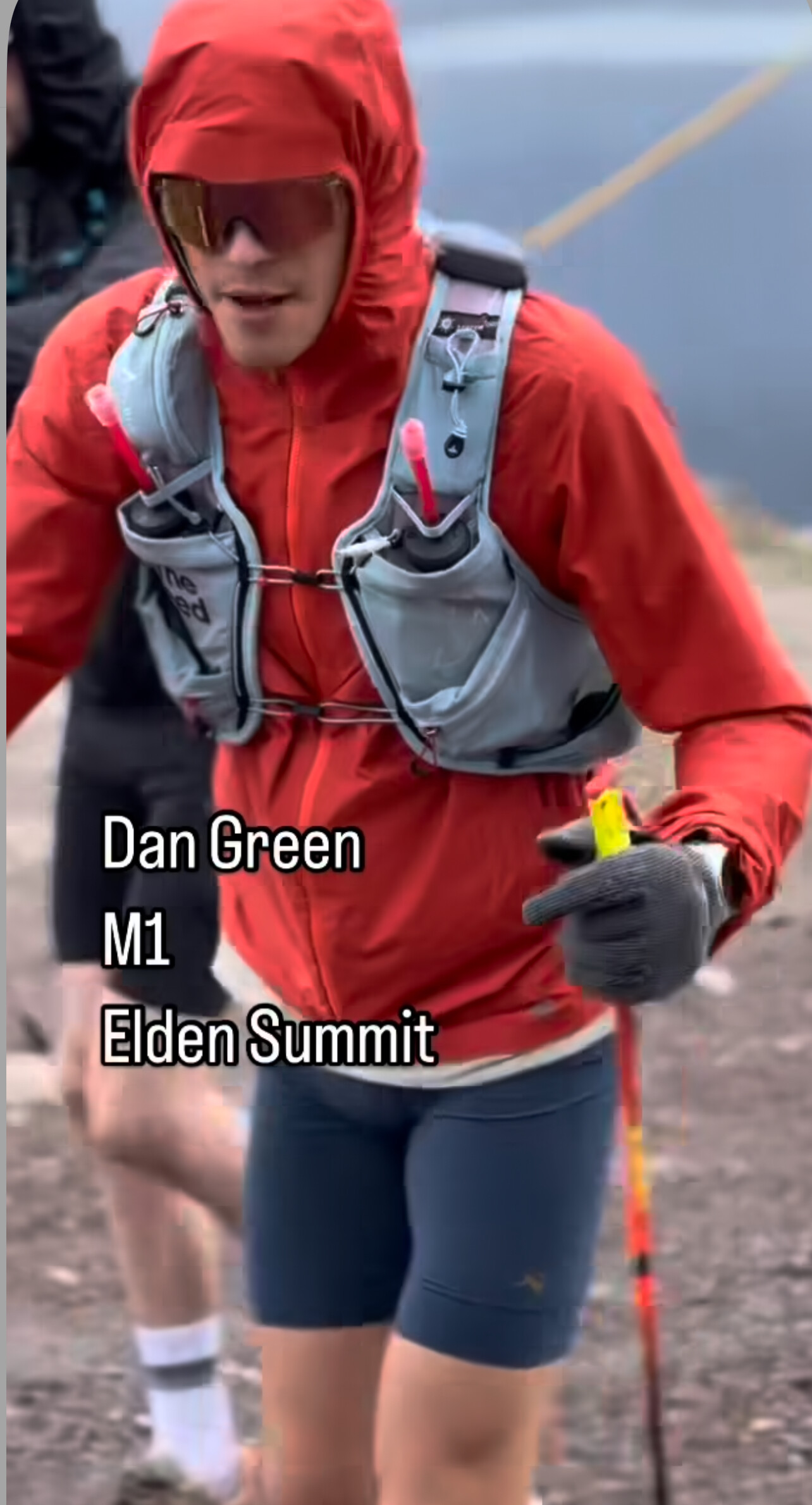
Dan Green, a seasoned endurance athlete from Huntington West Virginia, took on the grueling Cocodona 250ultramarathon across Arizona this week—and not only finished the race, he won it in spectacular fashion.
Green completed the 256.5-mile course in 58 hours, 47 minutes, and 18 seconds, setting a new course record and surpassing the previous best by over an hour. That’s an average pace of 13 minutes and 45 seconds per mile—an incredible feat considering the race includes nearly 40,000 feet of elevation gain.
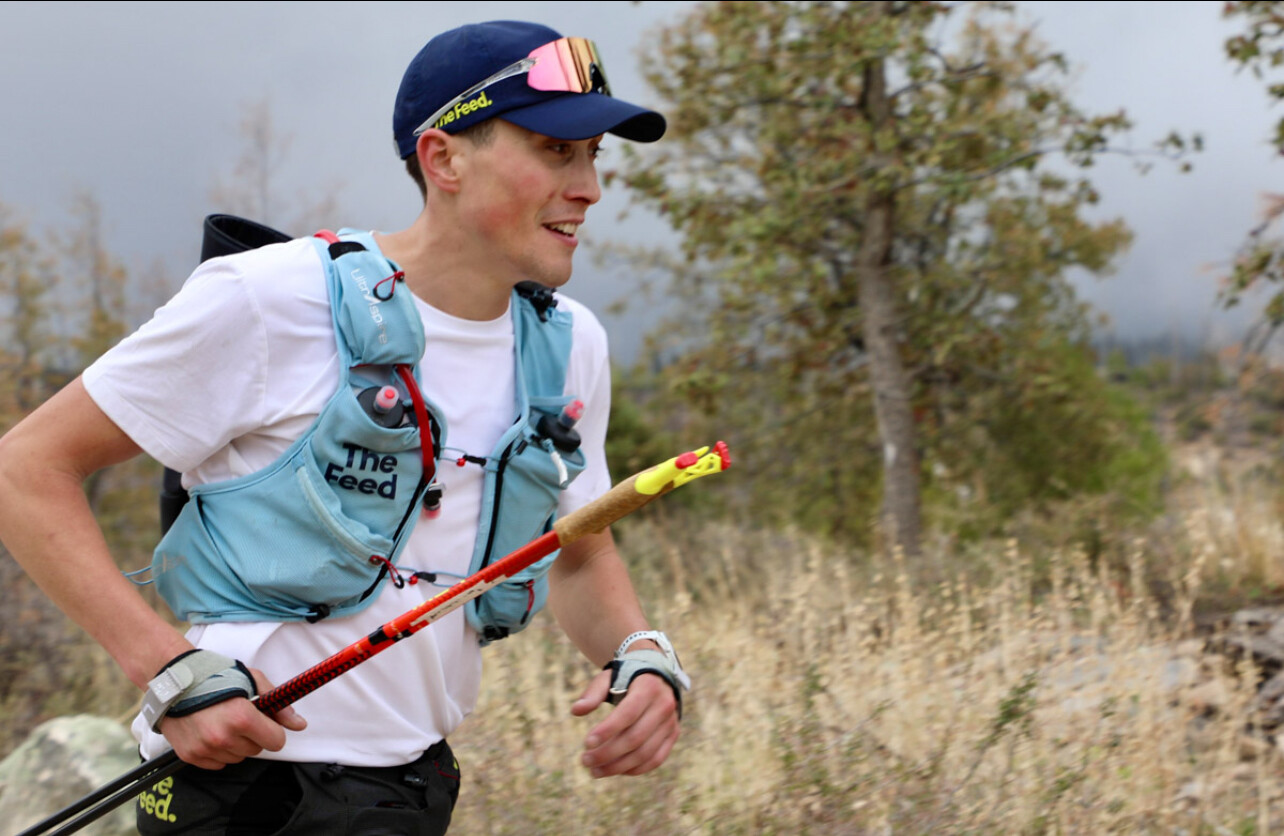
The Cocodona 250 is one of the most challenging ultramarathons in the world, stretching from Black Canyon City to Flagstaff, with runners navigating desert heat, rugged mountain trails, and rocky ascents through towns like Prescott, Jerome, and Sedona. The course is roughly 45% single-track trail, 46% jeep and dirt road, and just 9% paved.
Top 5 Men’s Finishers
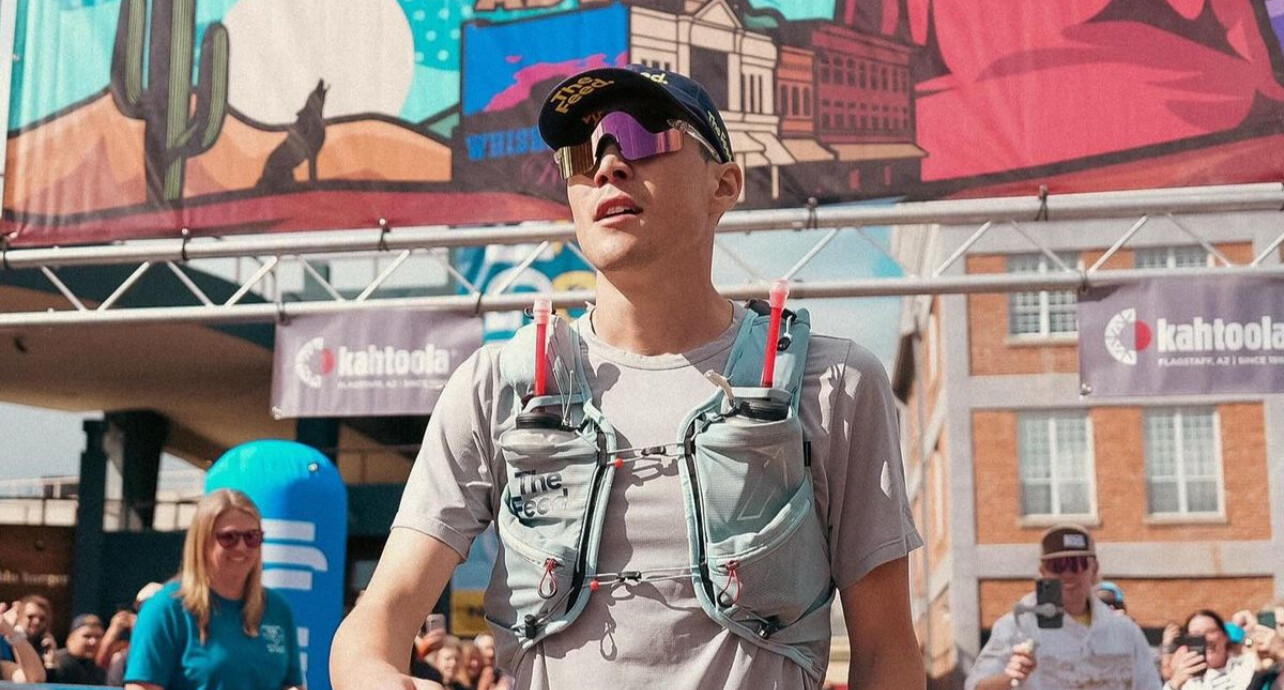
1. Dan Green (USA) – 58:47:18 (13:45/mi)
2. Ryan Sandes (South Africa) – 61:21:04
3. Edher Ramirez (Mexico) – 63:10:13
4. Harry Subertas – 65:28:53
5. Finn Melanson – 66:29:40
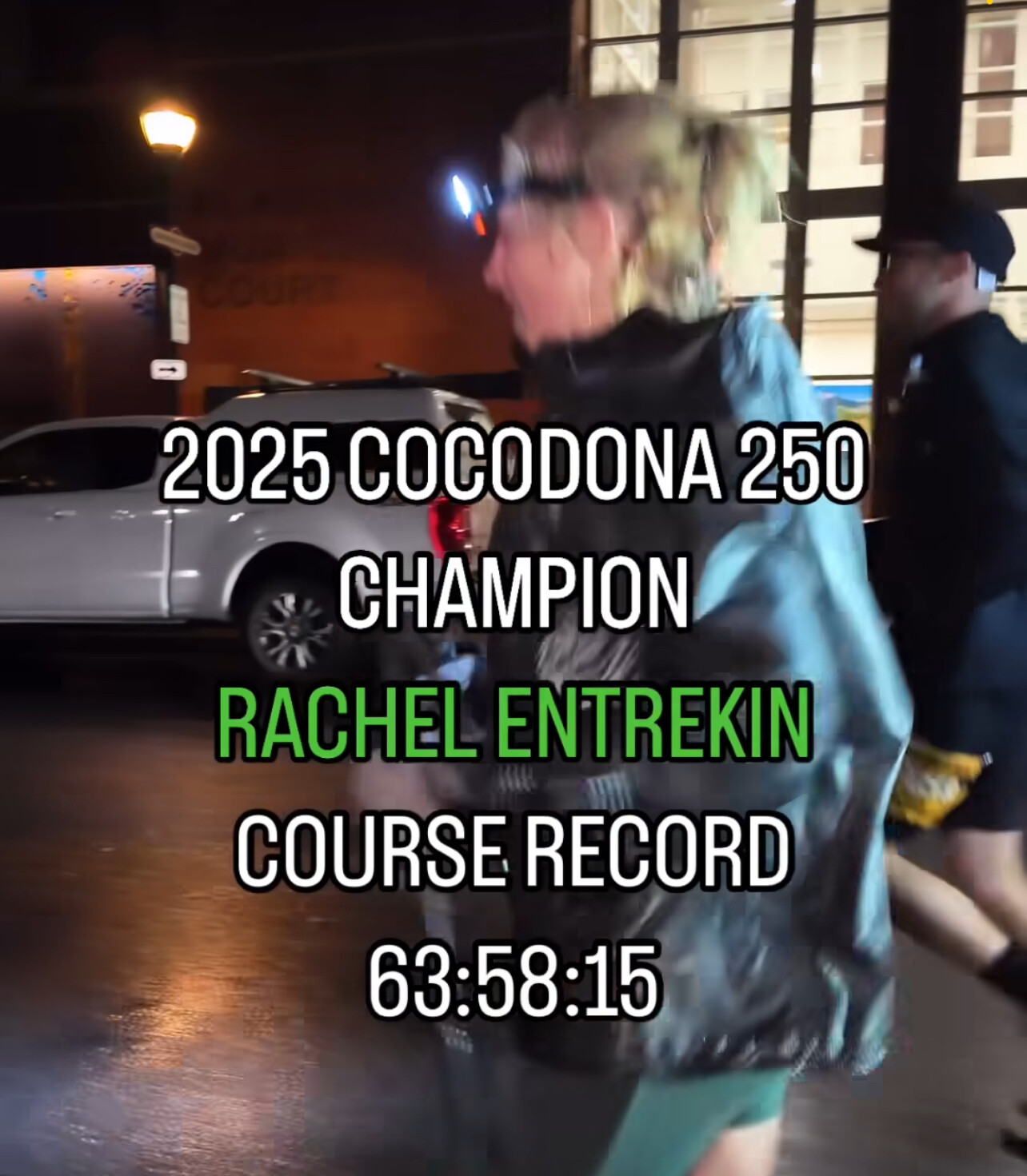
Women’s Champion
• Rachel Entrekin – 63:58:15
Set a new women’s course record by more than seven hours
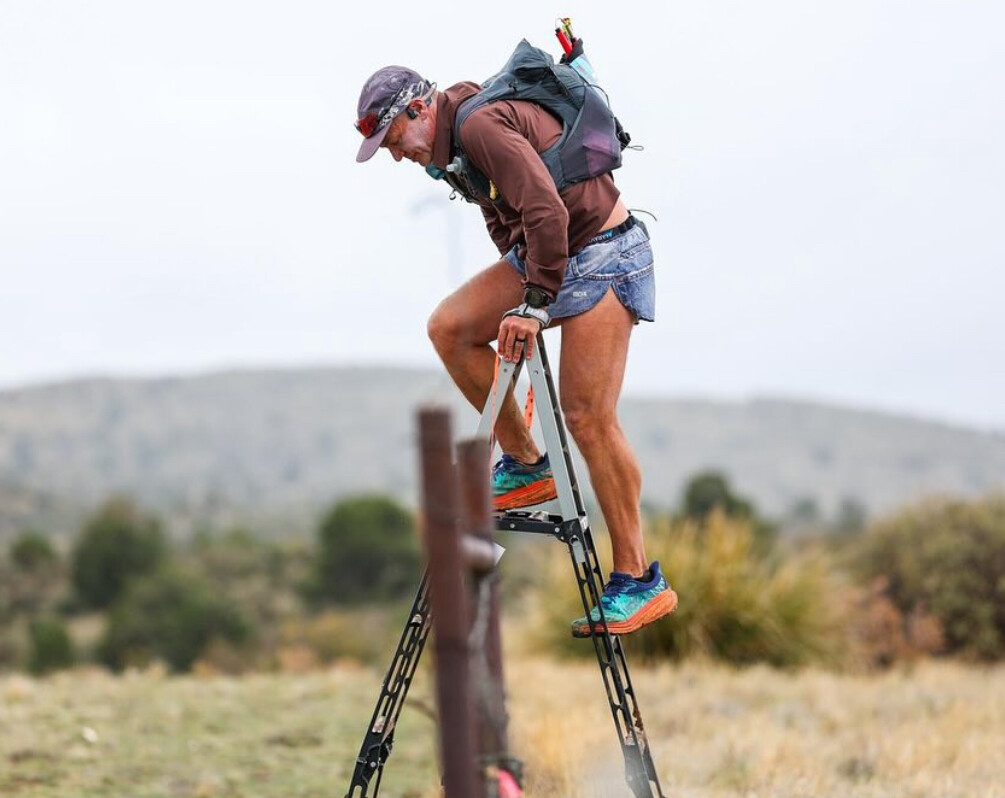
Green’s calm and steady demeanor helped him manage the distance. Speaking with a reporter mid-race via video call, he said:
“Some people take it too seriously. Like why? I mean, you can have fun, still do good, and you can brighten people’s day a little better too.”
This mix of positivity and performance is exactly what the ultrarunning world thrives on—and Dan delivered both in Flagstaff.
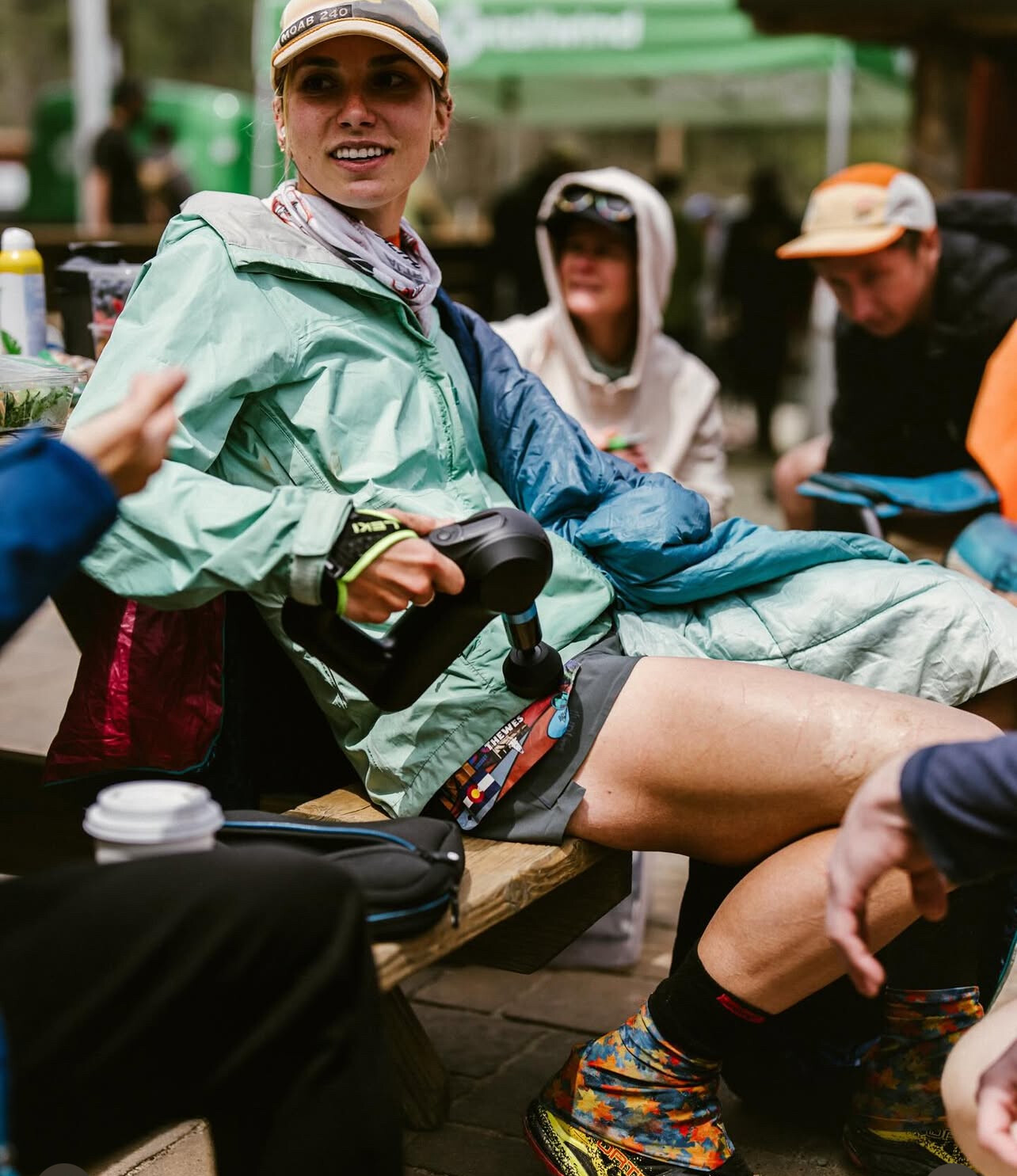
Cocodona 250 Quick Facts
• Distance: 256.5 miles
• Elevation Gain: ~40,000 ft
• Time Limit: 125 hours
• Cutting Through: Black Canyon, Crown King, Prescott, Jerome, Sedona, Flagstaff
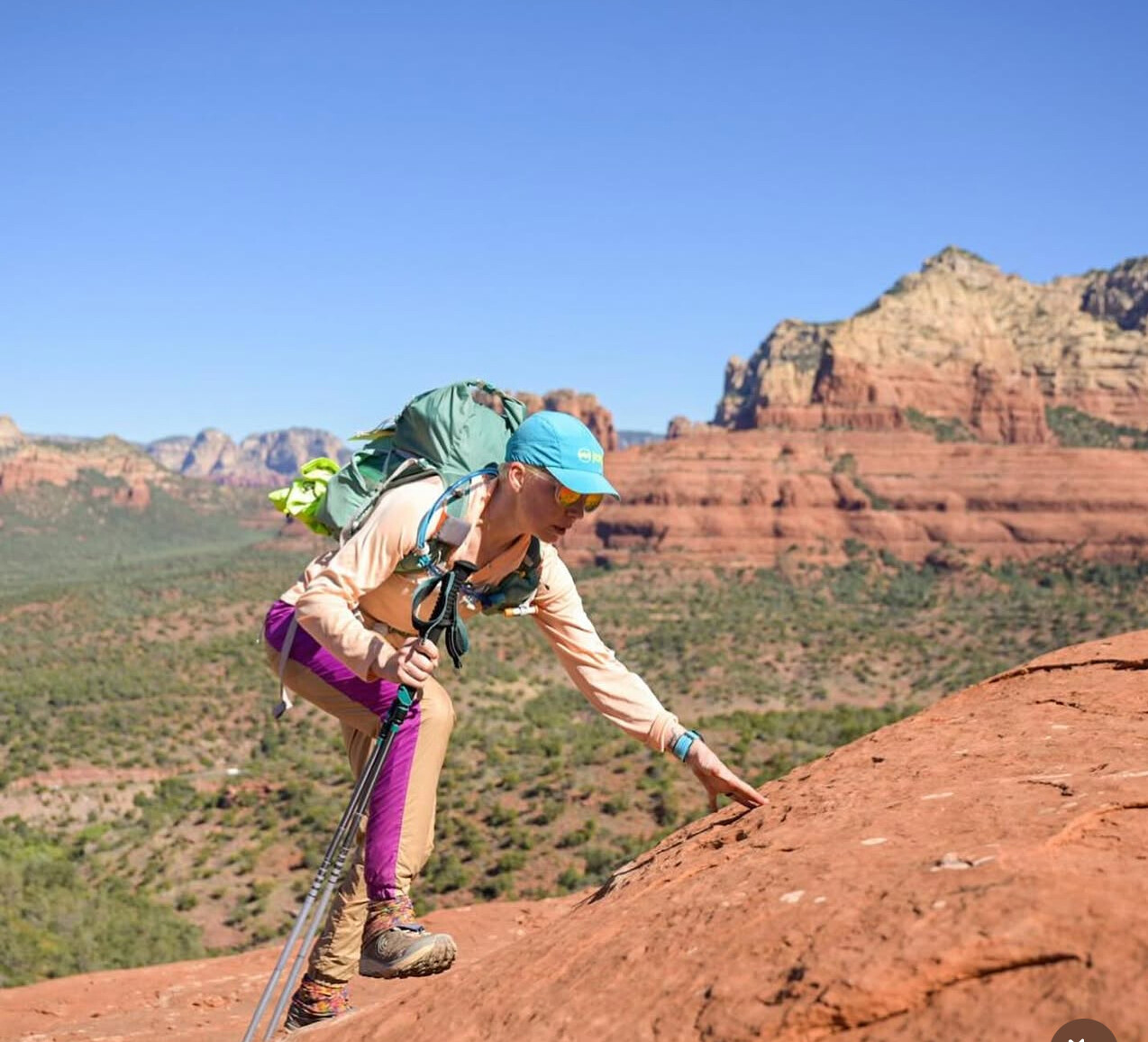
• Terrain Breakdown:
• 45% single-track trail
• 46% double-track/jeep road
• 9% pavement
"Congratulations to Dan Green—your new course record holder and a shining example of what grit, strategy, and a good attitude can achieve over 250+ miles," says MBR editor Bob Anderson
by Boris Baron
Login to leave a comment
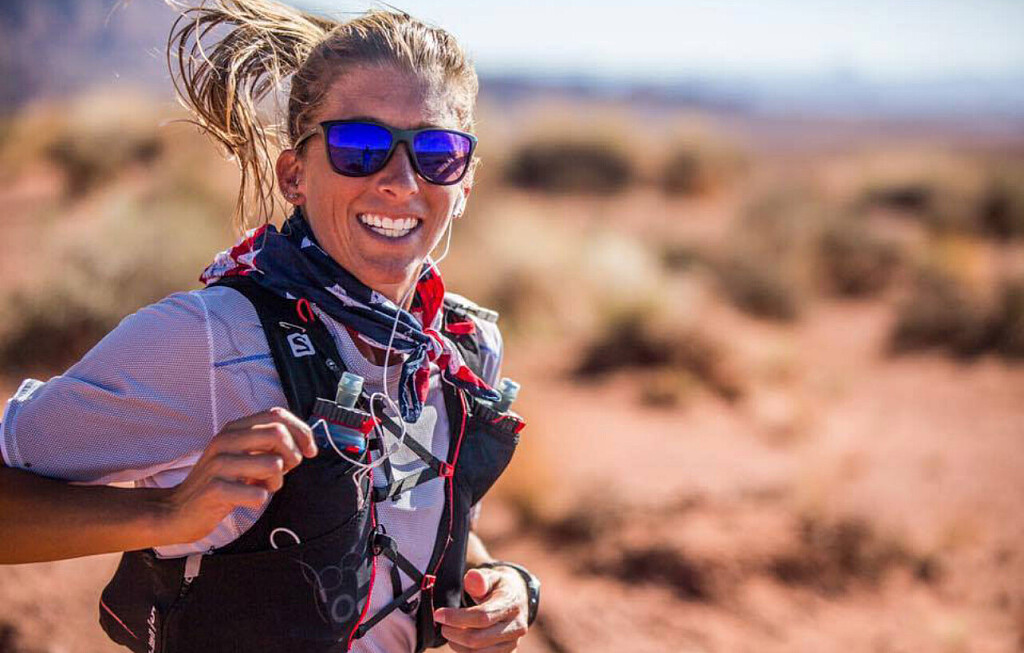
The GOAT Returns: Courtney Dauwalter Takes on the Cocodona 250 Mile Ultra
Courtney Dauwalter, widely regarded as one of the greatest ultrarunners of all time, is set to take on the formidable Cocodona 250—a 250-mile ultramarathon stretching from Phoenix to Flagstaff, Arizona. This grueling race, commencing at 5 a.m. PT on Monday, May 5, 2025, marks her first race over 200 miles since 2020 .
Born on February 13, 1985, in Hopkins, Minnesota, Dauwalter’s athletic journey began with cross-country skiing, where she became a four-time state champion during high school. She continued her athletic pursuits at the University of Denver on a cross-country skiing scholarship and later earned a master’s degree in teaching from the University of Mississippi in 2010 . Before turning professional in 2017, she taught middle and high school science in Denver.
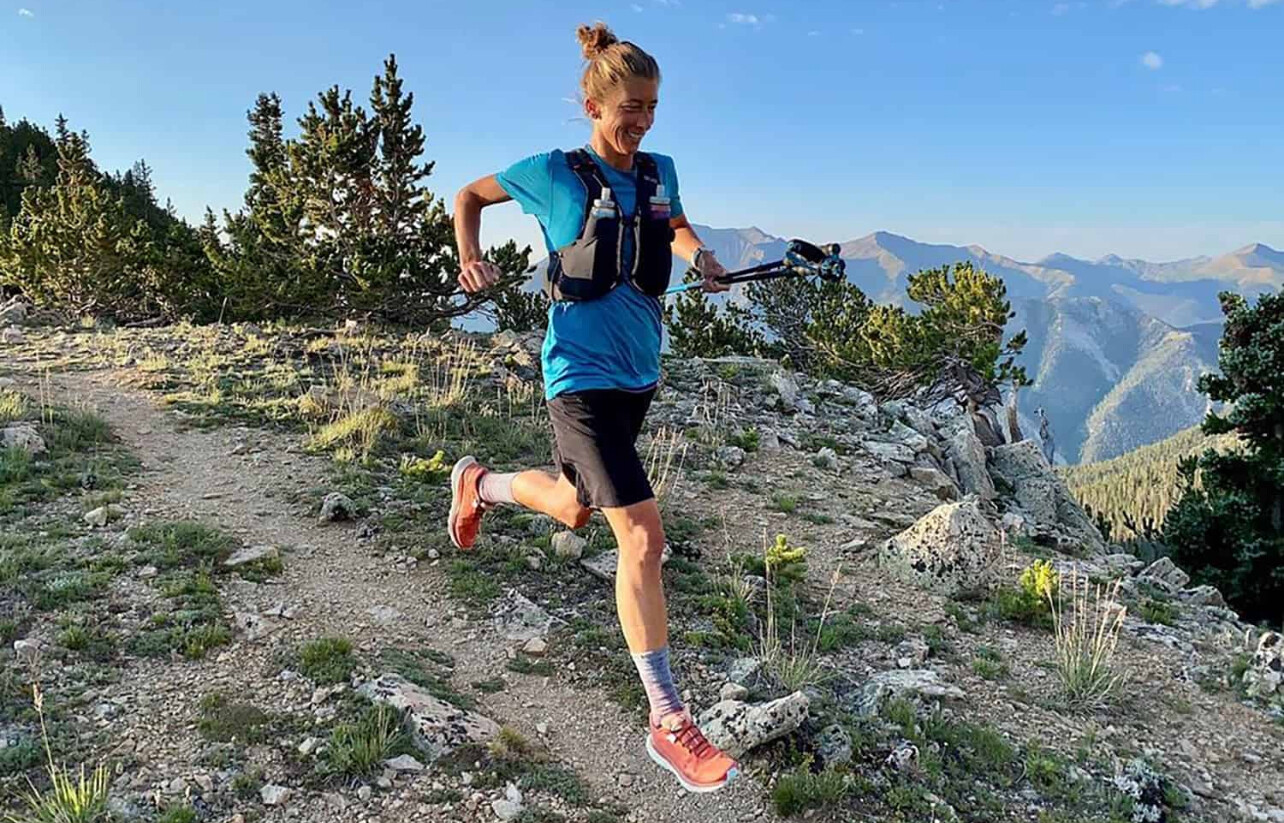
Dauwalter’s ultrarunning career is marked by remarkable achievements. In 2023, she became the first person to win the Western States 100, Hardrock 100, and the Ultra-Trail du Mont-Blanc (UTMB) in the same year . Her victories often come with record-breaking performances, showcasing her exceptional endurance and mental fortitude.
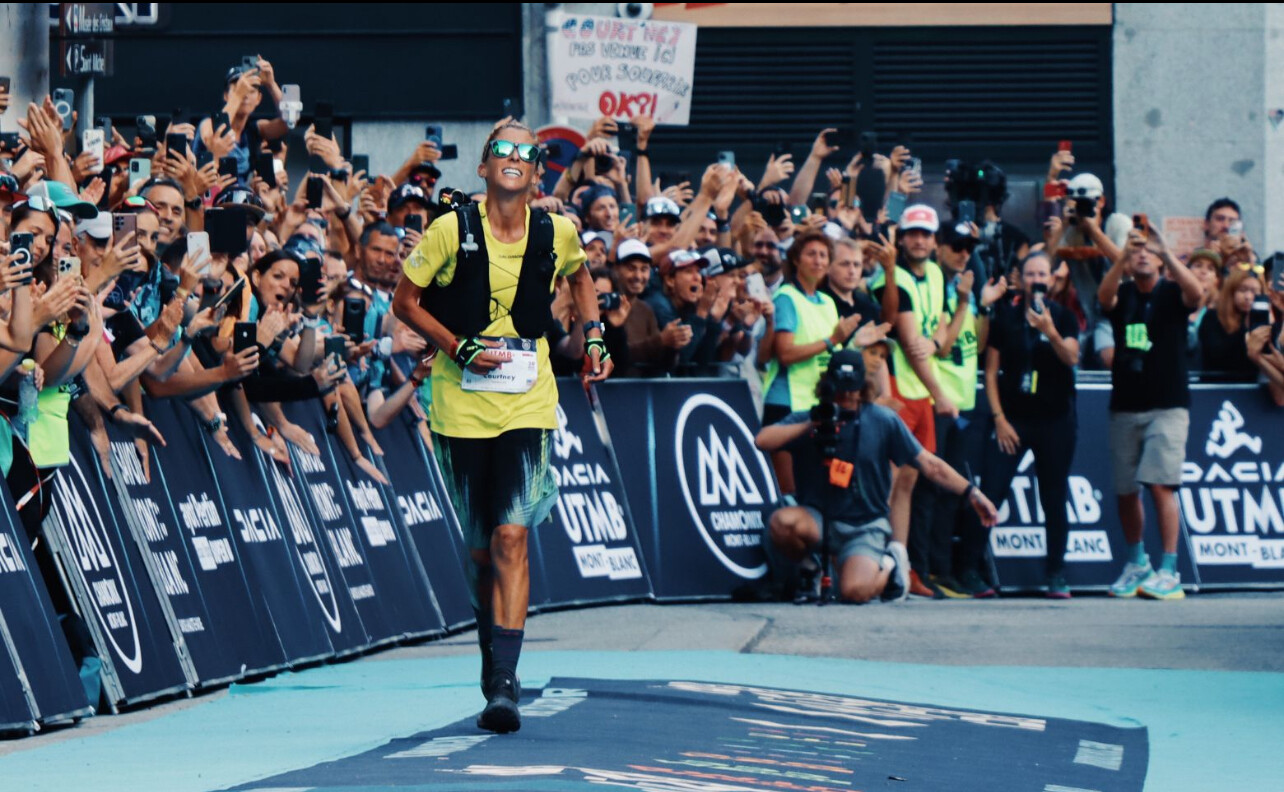
The Cocodona 250 is a point-to-point race that challenges runners with diverse terrains, including desert landscapes, mountainous trails, and significant elevation changes. For Dauwalter, this race presents an opportunity to explore new limits. “I haven’t run a race over 200 miles since 2020,” she noted, highlighting the significance of this endeavor .
Her preparation for Cocodona has been promising. She began her 2025 season with a victory at the Crown King Scramble 50K, indicating strong form leading into this ultramarathon .
A distinctive aspect of Dauwalter’s approach is her embrace of the “Pain Cave,” a term she uses to describe the mental space where she confronts and overcomes extreme physical challenges. She visualizes it as a place to “chip away” at her limits, finding growth through adversity.
Unlike many elite athletes, Dauwalter eschews strict training regimens and coaching, opting instead for an intuitive approach that prioritizes joy and curiosity. Her philosophy centers on listening to her body and finding happiness in the process, which she believes enhances performance.
Courtney Dauwalter’s journey from a science teacher to an ultrarunning icon serves as an inspiration to athletes and non-athletes alike. Her achievements demonstrate the power of resilience, mental strength, and a passion-driven approach to pursuing one’s goals.
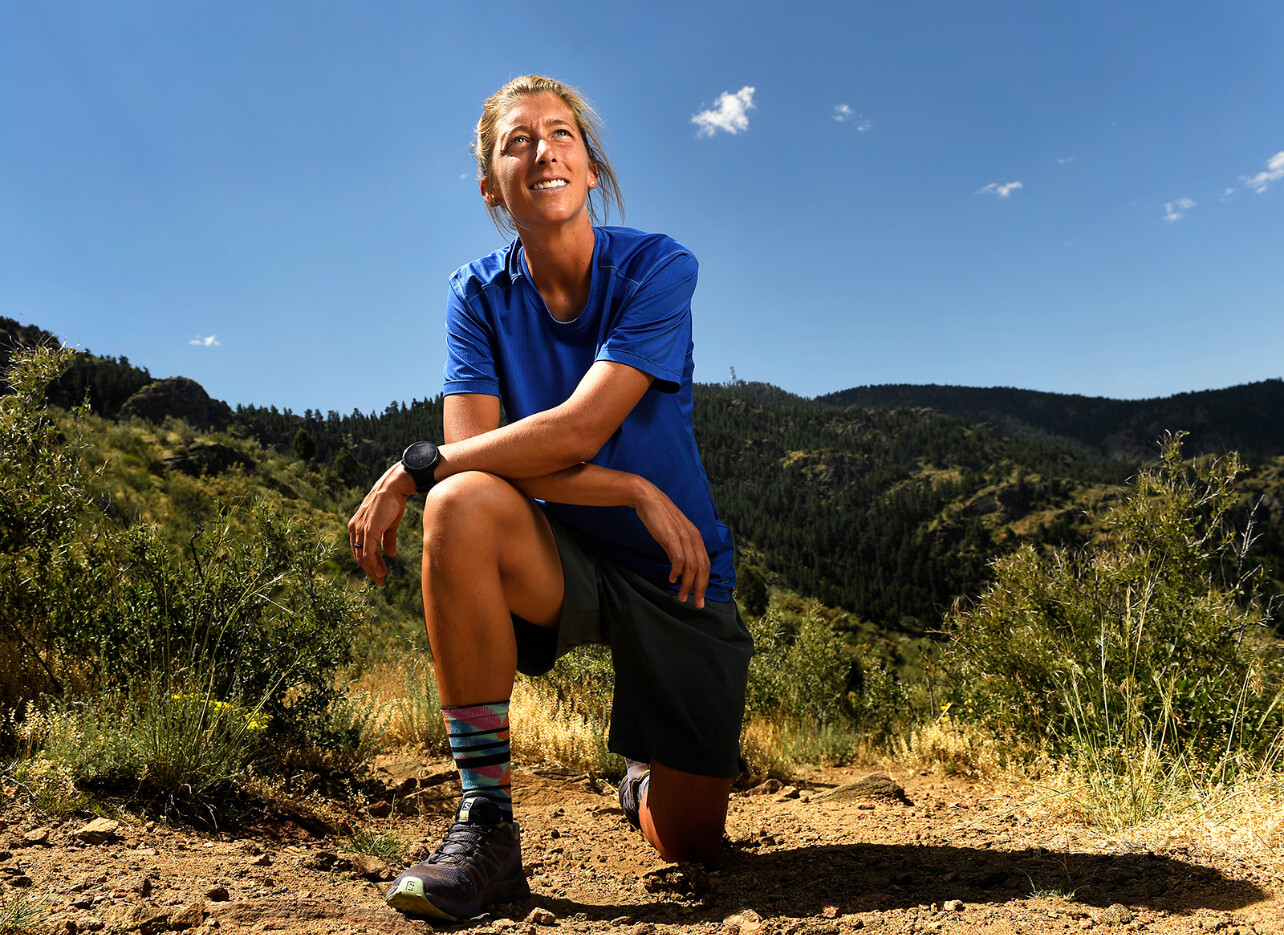
As she embarks on the Cocodona 250, the ultrarunning community watches with anticipation, eager to witness another chapter in the extraordinary career of this remarkable athlete.
by Boris Baron
Login to leave a comment
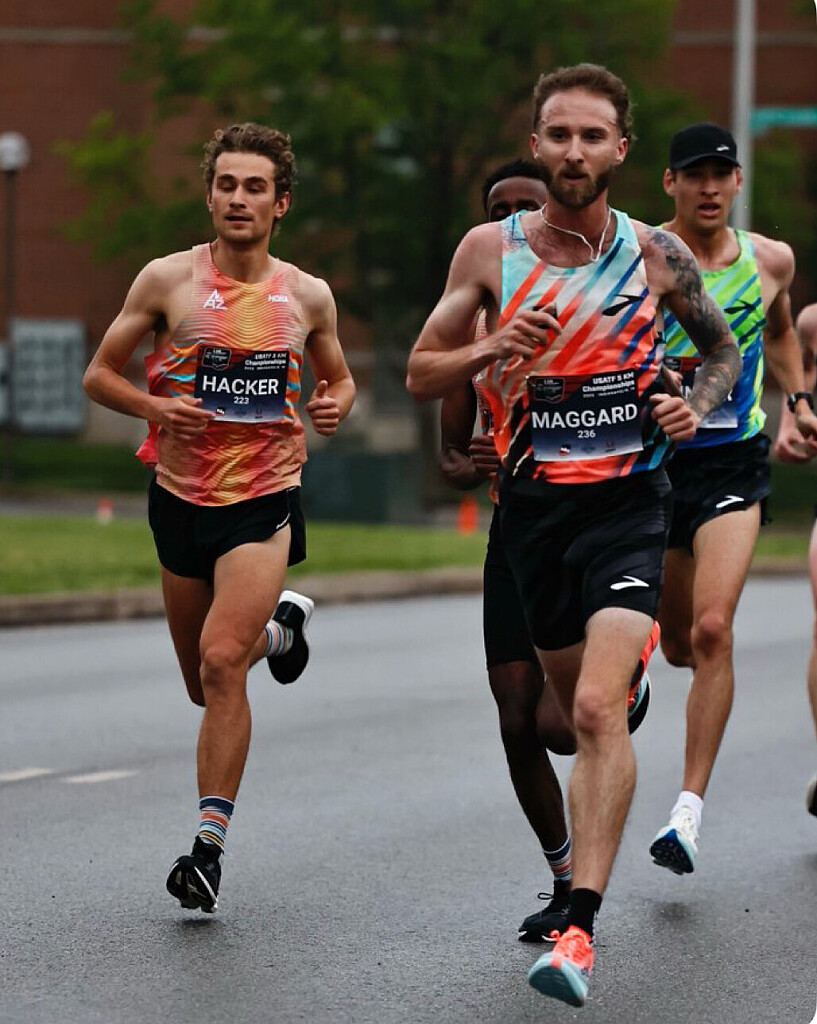
Fast Finishes in Indy as Hacker and Andrews Claim 5K Crowns
On a crisp morning in downtown Indianapolis, the 2025 USATF 5 km Championships delivered thrilling finishes and fast times, with Olin Hacker and Josette Andrews emerging as national champions.
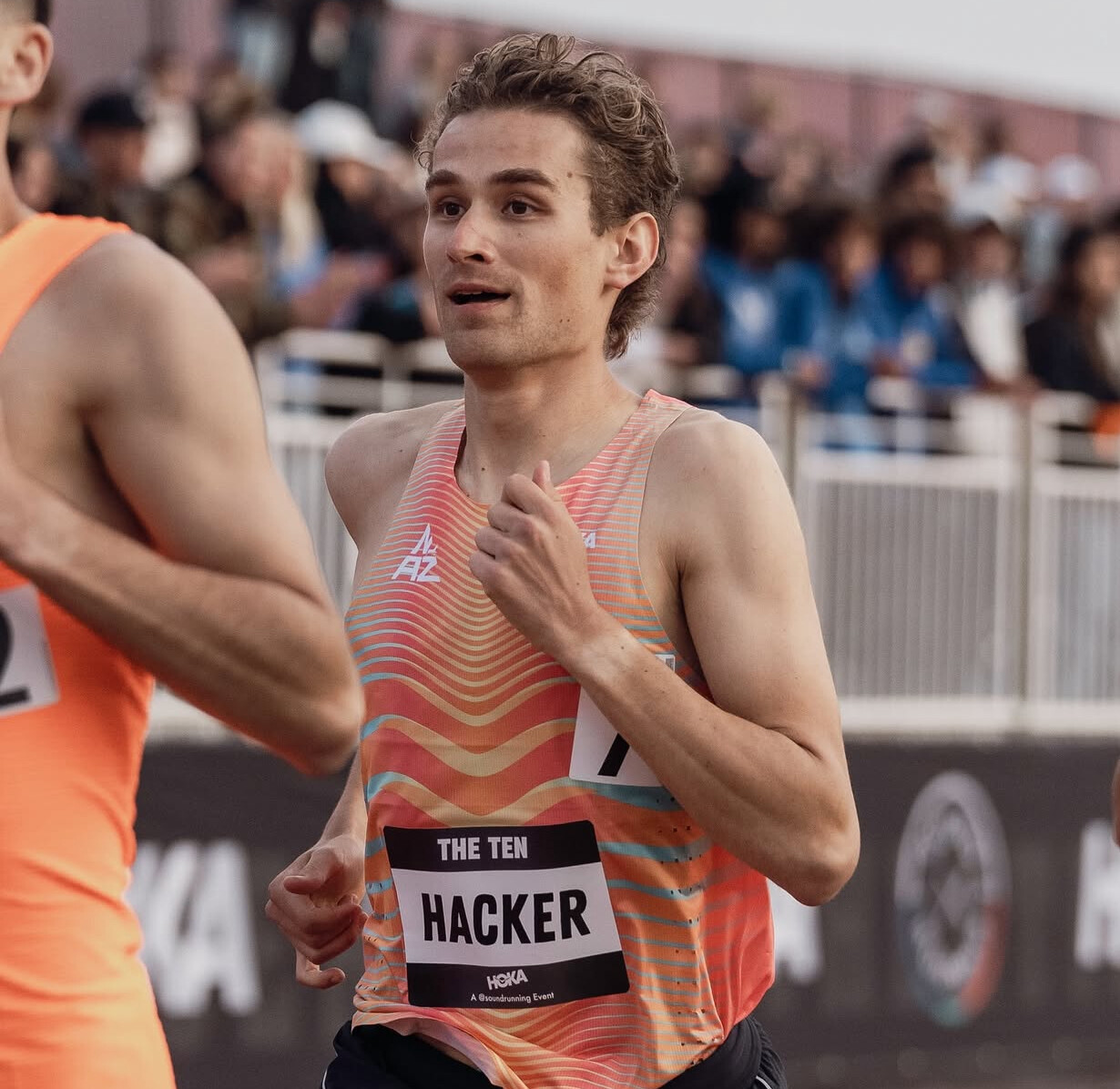
In the men’s race, Olin Hacker of HOKA Northern Arizona Elite made a decisive move in the final kilometer, pulling away from a tightly packed lead group. His surge proved untouchable, and he crossed the finish line in 13:31.93 to claim the national title. Casey Clinger of Brooks was just a stride behind in 13:33.04, with Hacker’s teammate Ahmed Muhumed rounding out the podium in 13:36.88—completing a trio of sub-13:40 finishers.
Men’s Top 10 Finishers
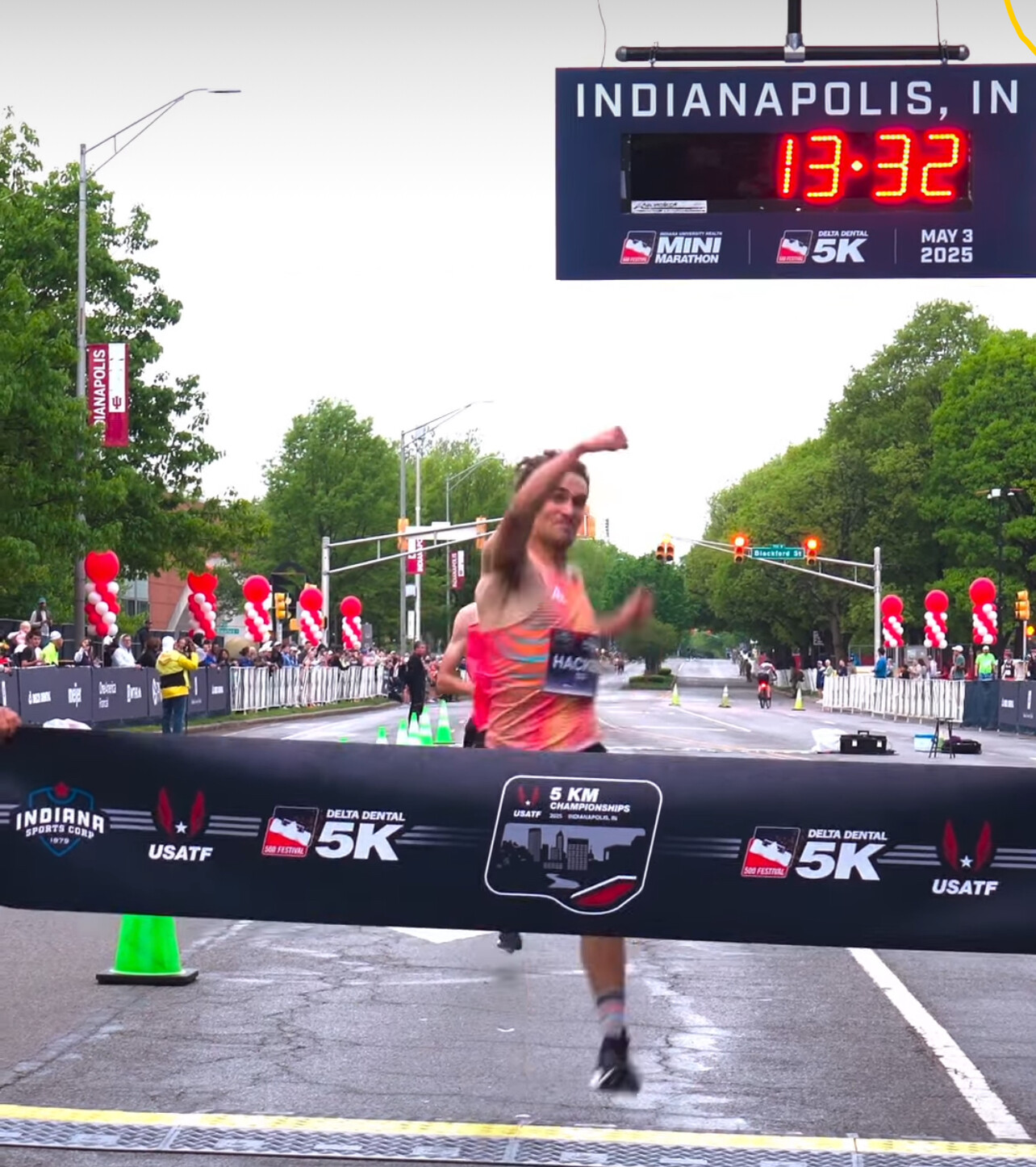
1. Olin Hacker (HOKA NAZ Elite) – 13:31.93
2. Casey Clinger (Brooks) – 13:33.04
3. Ahmed Muhumed (HOKA NAZ Elite) – 13:36.88
4. Morgan Beadlescomb (adidas) – 13:39.50
5. Graham Crawford (Reebok) – 13:42.10
6. Reed Fischer (Tinman Elite) – 13:44.75
7. Sam Chelanga (Nike) – 13:47.30
8. Ben Flanagan (On Running) – 13:49.60
9. Emmanuel Bor (U.S. Army) – 13:52.25
10. Eric Avila (HOKA) – 13:54.80
In the women’s race, Josette Andrews showed impressive strength and timing, kicking hard in the final stretch to take the win in 15:12.34. Emily Infeld of Nike followed closely in 15:14.50, and Karissa Schweizer of Bowerman Track Club secured third in 15:16.75, as the top trio pushed each other to the line.
Women’s Top 10 Finishers
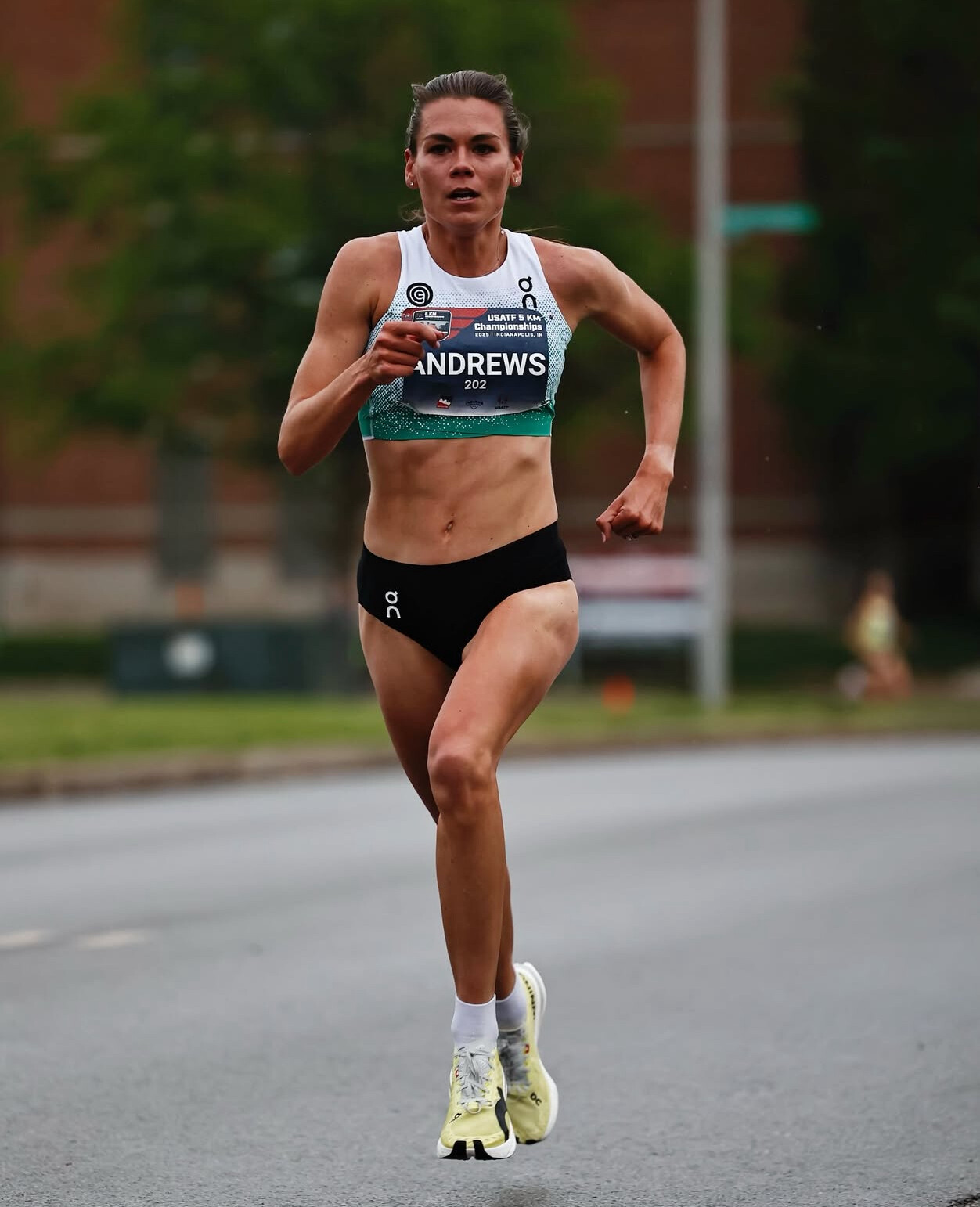
1. Josette Andrews – 15:12.34
2. Emily Infeld (Nike) – 15:14.50
3. Karissa Schweizer (Nike Bowerman TC) – 15:16.75
4. Elly Henes (adidas) – 15:19.20
5. Rachel Schneider (Under Armour) – 15:22.85
6. Abbey Cooper (New Balance) – 15:25.40
7. Molly Seidel (Saucony) – 15:28.95
8. Vanessa Fraser (Nike) – 15:31.50
9. Emily Lipari (adidas) – 15:34.05
10. Natosha Rogers (Hansons-Brooks) – 15:36.60
The performances in Indianapolis set the tone for what promises to be a fast and competitive summer racing season across the U.S. road circuit.
by Boris Baron
Login to leave a comment

OneAmerica 500 Festival Mini-Marathon
The mission of the 500 Festival is to produce life-enriching events and programs while celebrating the spirit and legacy of the Indianapolis 500 and fostering positive impact on the city of Indianapolis and state of Indiana. As an organization providing multiple events and programs, many of which are free to attend and impact over 500,000 people annually, our mission to...
more...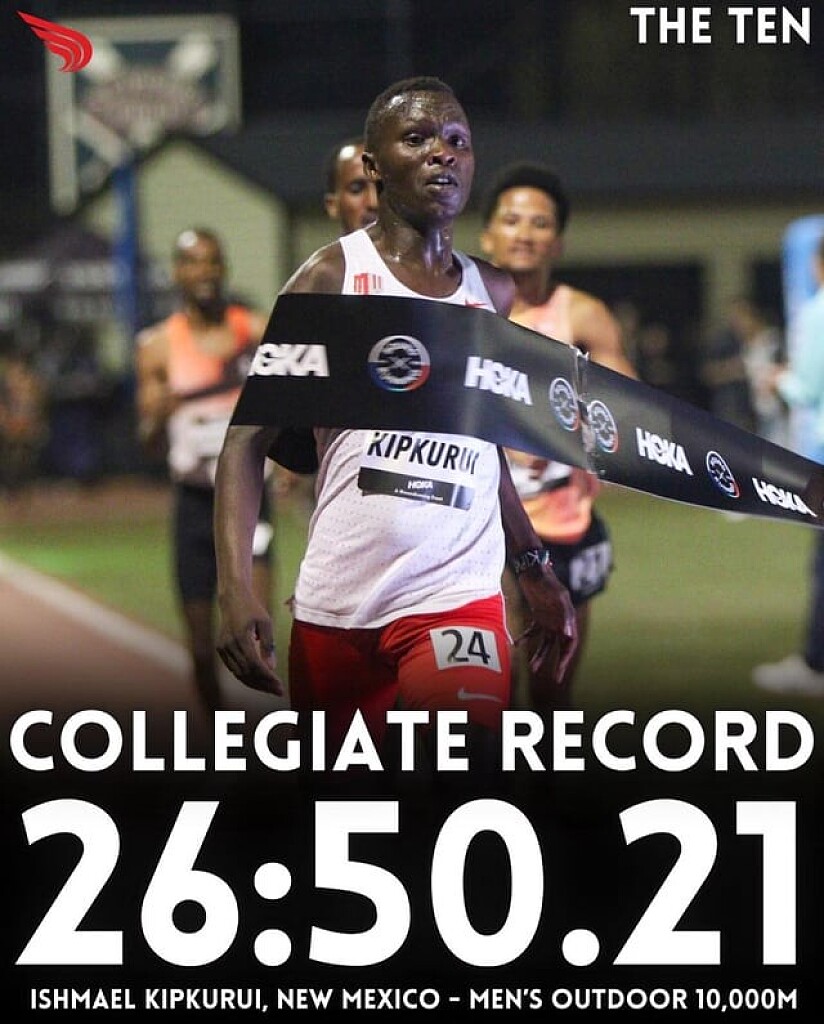
Ishmael Kipkurui Sets New NCAA 10,000m Record at The TEN 2025
In a remarkable performance at The TEN 2025 meet on March 29 in San Juan Capistrano, California, University of New Mexico freshman Ishmael Kipkurui set a new NCAA 10,000-meter record with a time of 26:50.21 which is 4:19 per mile pace. This achievement surpasses the previous record of 26:52.72, set by Northern Arizona’s Nico Young at the same event in 2024.
Kipkurui’s teammate, Habtom Samuel, also delivered an impressive performance, finishing second with a time of 26:51.06, placing both runners under the former collegiate record. South African athlete Adrian Wildschutt of HOKA NAZ Elite secured third place, clocking 26:51.27.
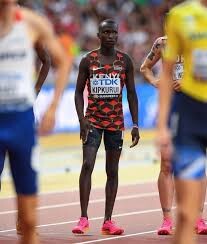
Ethiopian runner Telahun Haile Bekele faced an unusual challenge, missing the official start and beginning approximately 90 meters behind the field. Despite this setback, he finished fourth with a time of 26:52.79. American athlete Graham Blanks, representing New Balance, rounded out the top five, finishing in 26:57.30 and achieving the World Championships qualifying standard.
The race conditions were ideal, with temperatures around 55°F and minimal wind, contributing to the evening’s exceptional performances.
Kipkurui’s achievement adds to his growing list of accolades. Prior to this record-breaking run, he secured the individual title at the 2024 World U20 Cross Country Championships, leading the Kenyan team to a gold medal finish.
The TEN meet continues to solidify its reputation as a premier event for distance runners aiming for exceptional performances and records on U.S. soil.
by Boris Baron
Login to leave a comment

The Ten
The world's fastest 10,000m races each year have taken place in a sleepy little coastal town in southern California. More national records were broken in 2022 than any other race on the planet as the best in the western hemisphere launched into rarified zones of time and space. The best return to San Juan Capistrano this year to cap off...
more...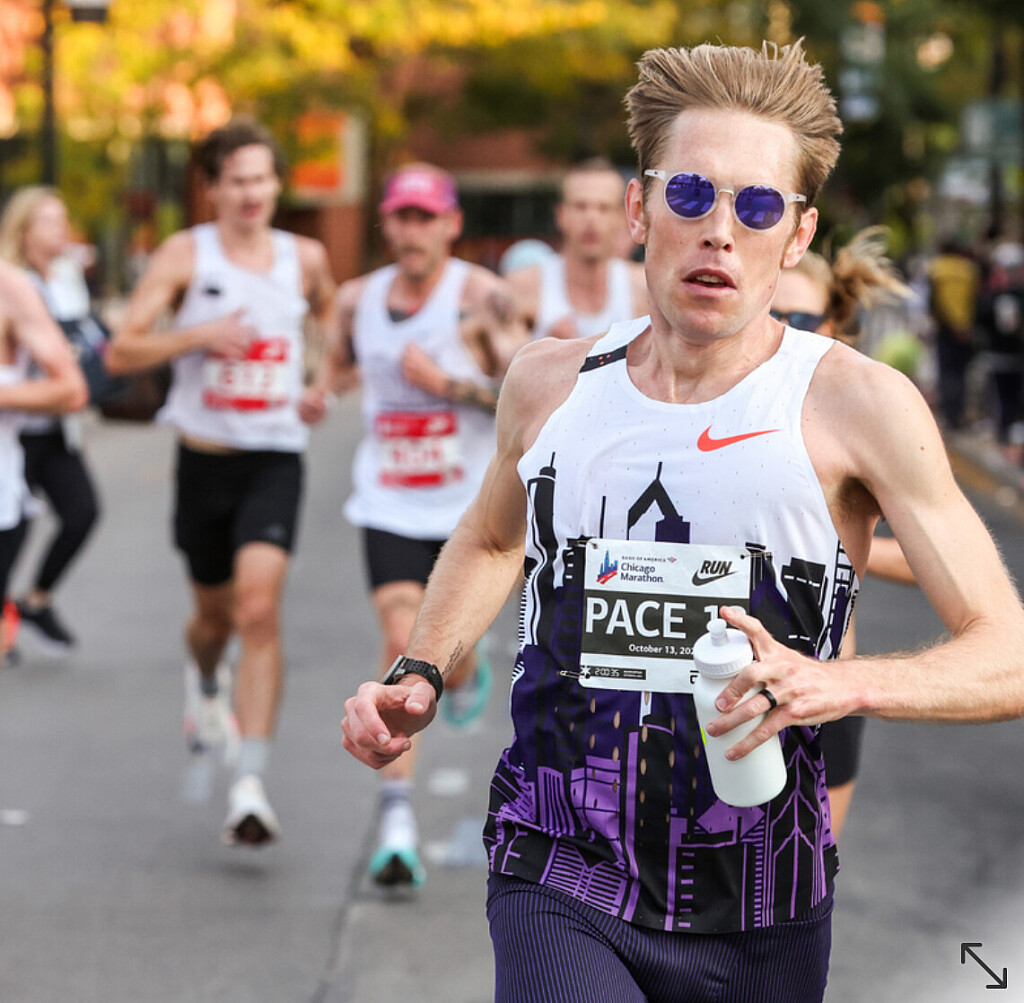
The Art and Impact of marathon Pacing
In elite marathon running, pacemakers—often called “rabbits”—play a crucial yet understated role. These athletes set a predetermined tempo, guiding lead runners through significant portions of the race to facilitate record-breaking performances or personal bests. The Chicago Marathon offers a compelling case study of this dynamic, particularly through the collaboration between Sifan Hassan and her pacer, Reid Buchanan.
A Synergistic Partnership: Hassan and Buchanan
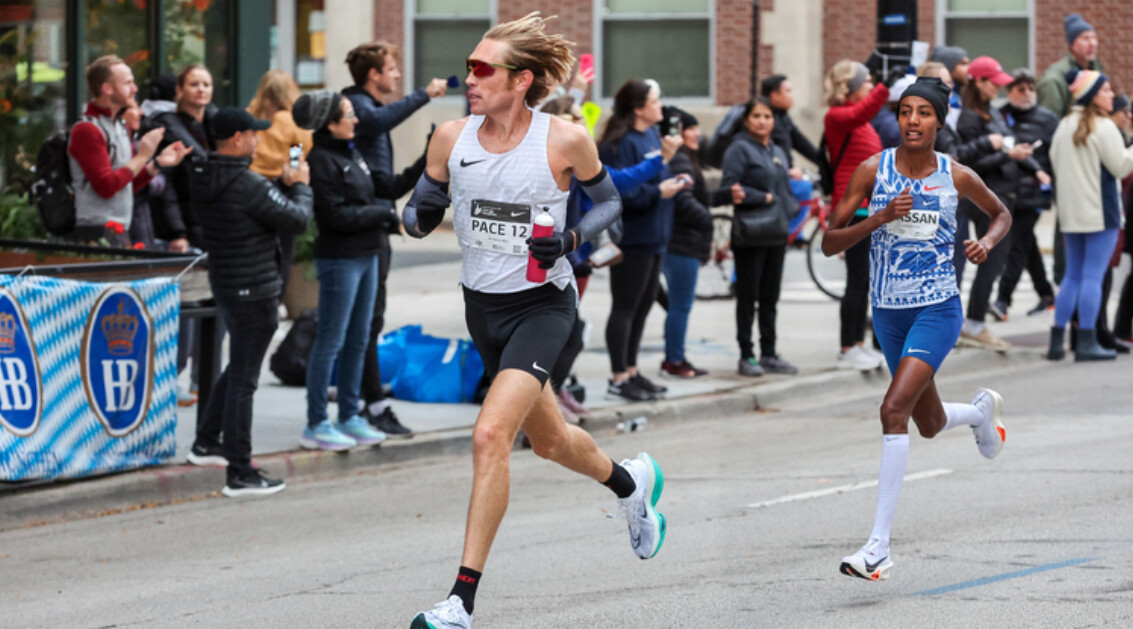
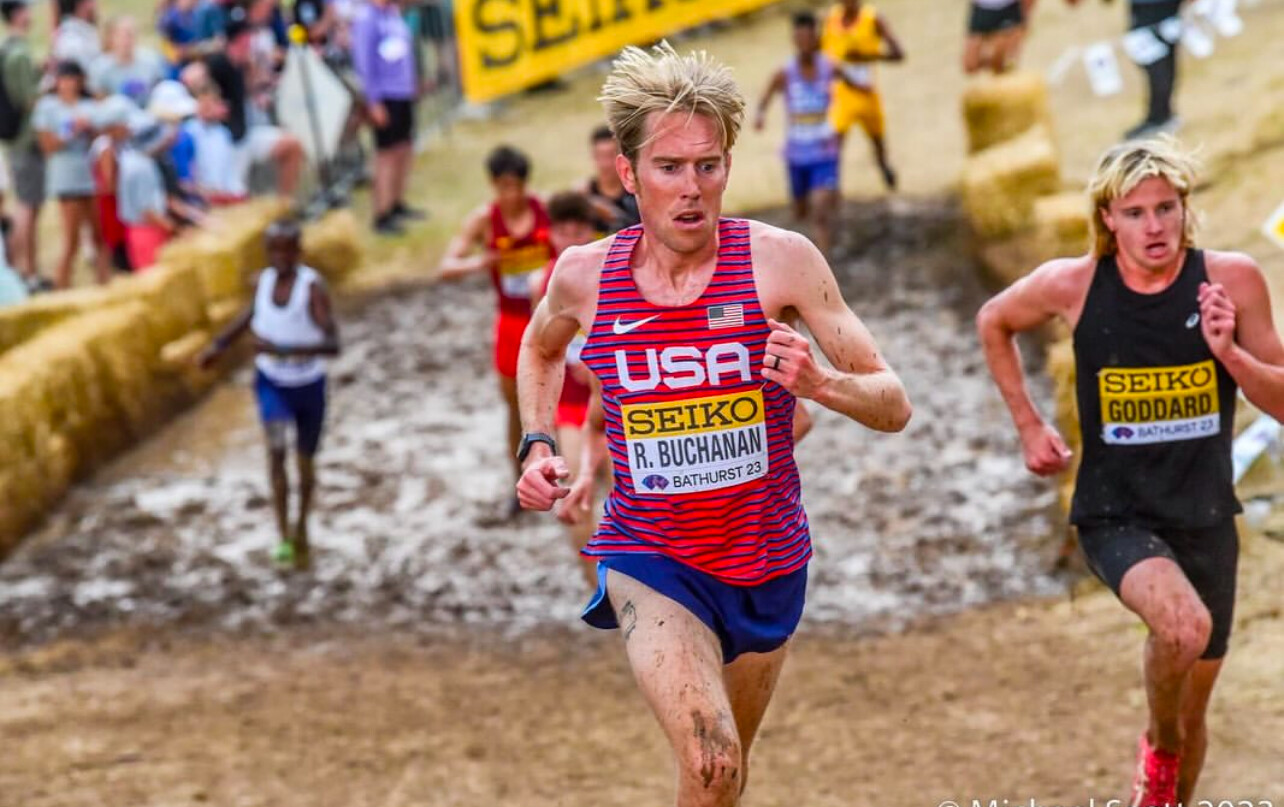
Sifan Hassan, a distinguished middle-distance runner, embarked on her second marathon endeavor in 2023 Chicago. To navigate this challenge, she enlisted Reid Buchanan, a seasoned U.S. athlete with a personal marathon best of 2:11:38, set in 2020 at The Marathon Project in Chandler, Arizona. Despite his experience, pacing another athlete introduced new complexities.
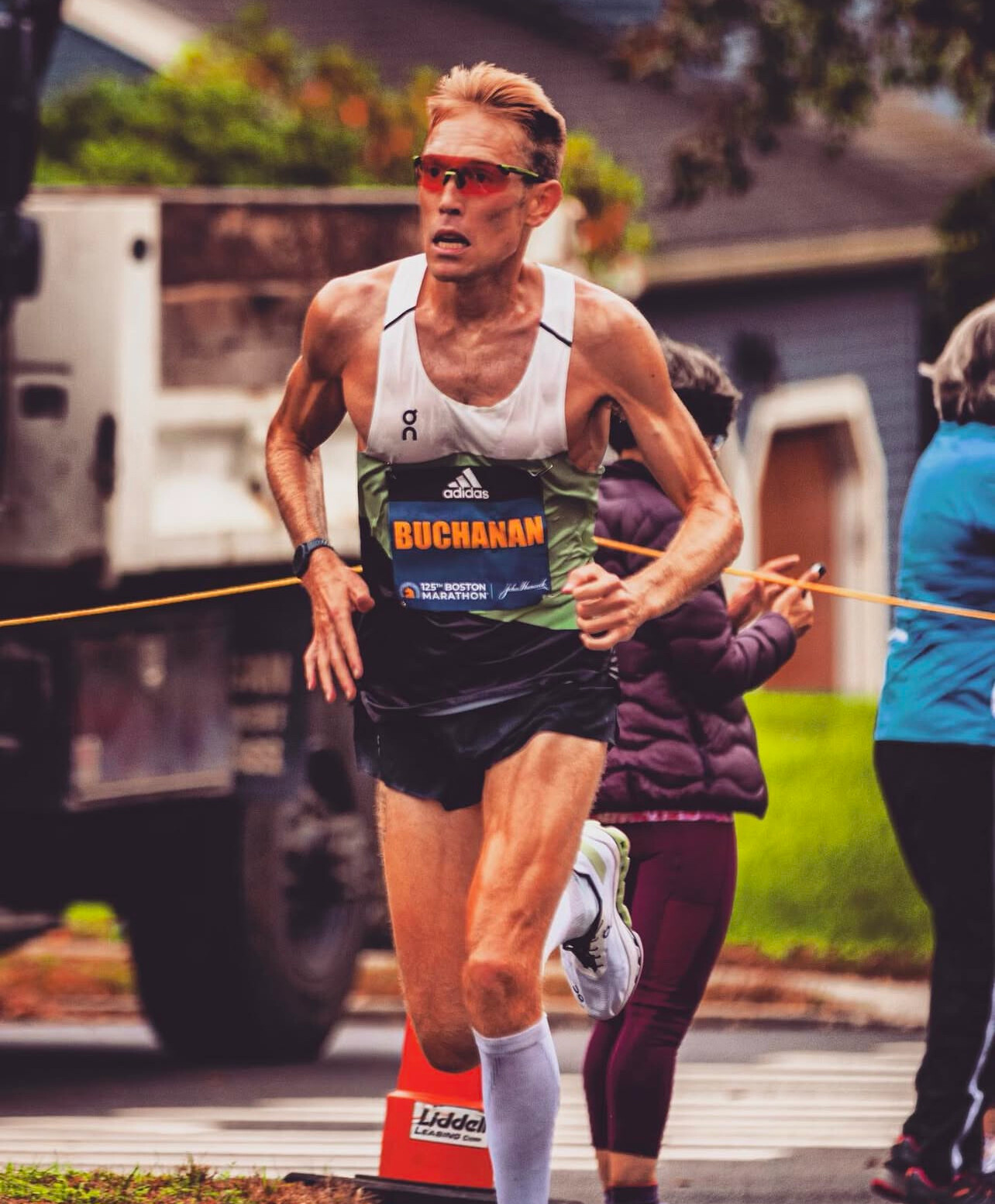
Their pre-race dialogue underscored the strategic intricacies of pacing. Buchanan proposed, “I was brought in to run 2:16 pace, but I think I can get you to about 25K at 2:12 pace.” Hassan’s response was both confident and motivating: “Oh, I’m sure you can go further. You just have to believe.” This exchange not only set ambitious expectations but also highlighted the psychological interplay between athlete and pacer.
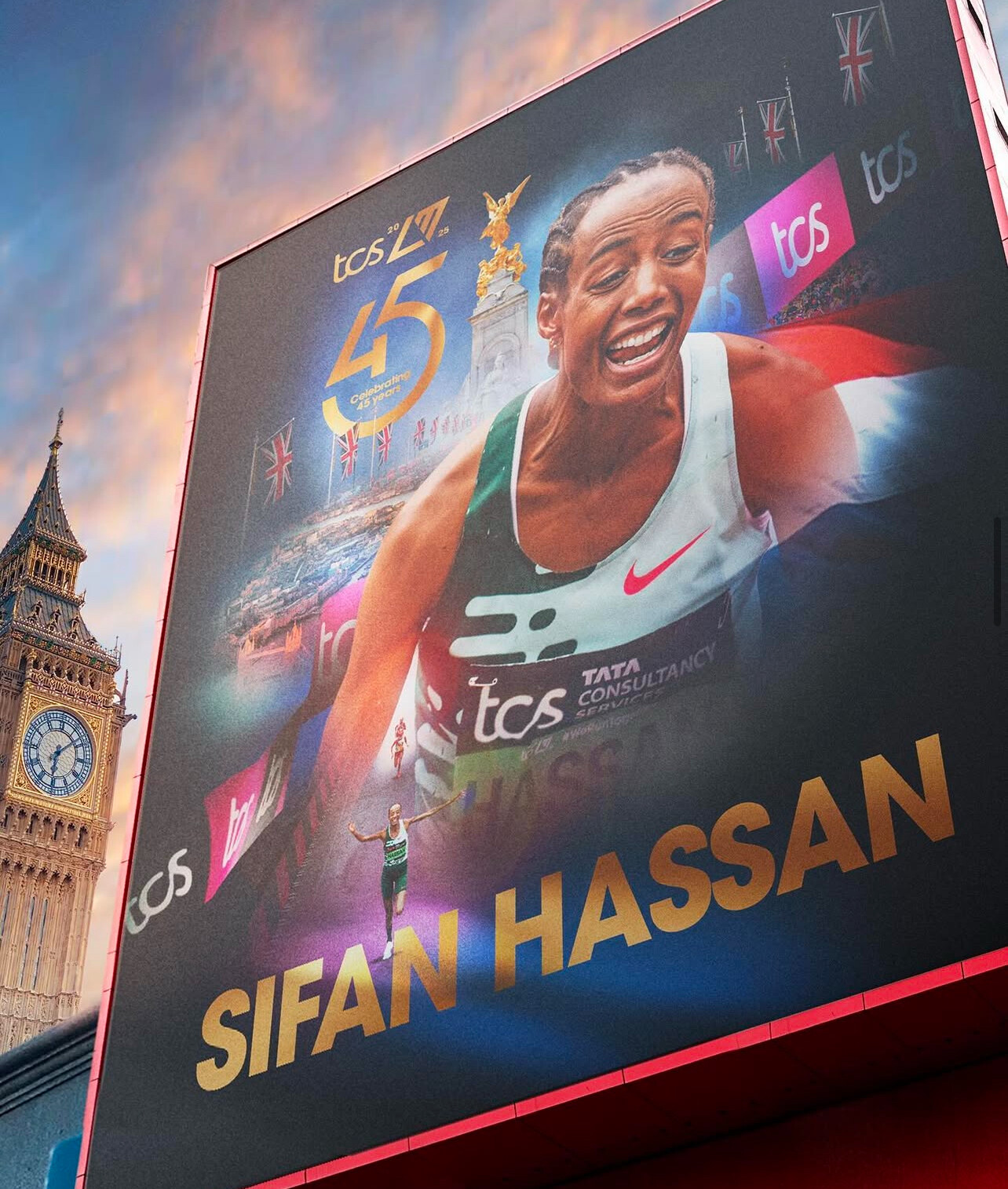
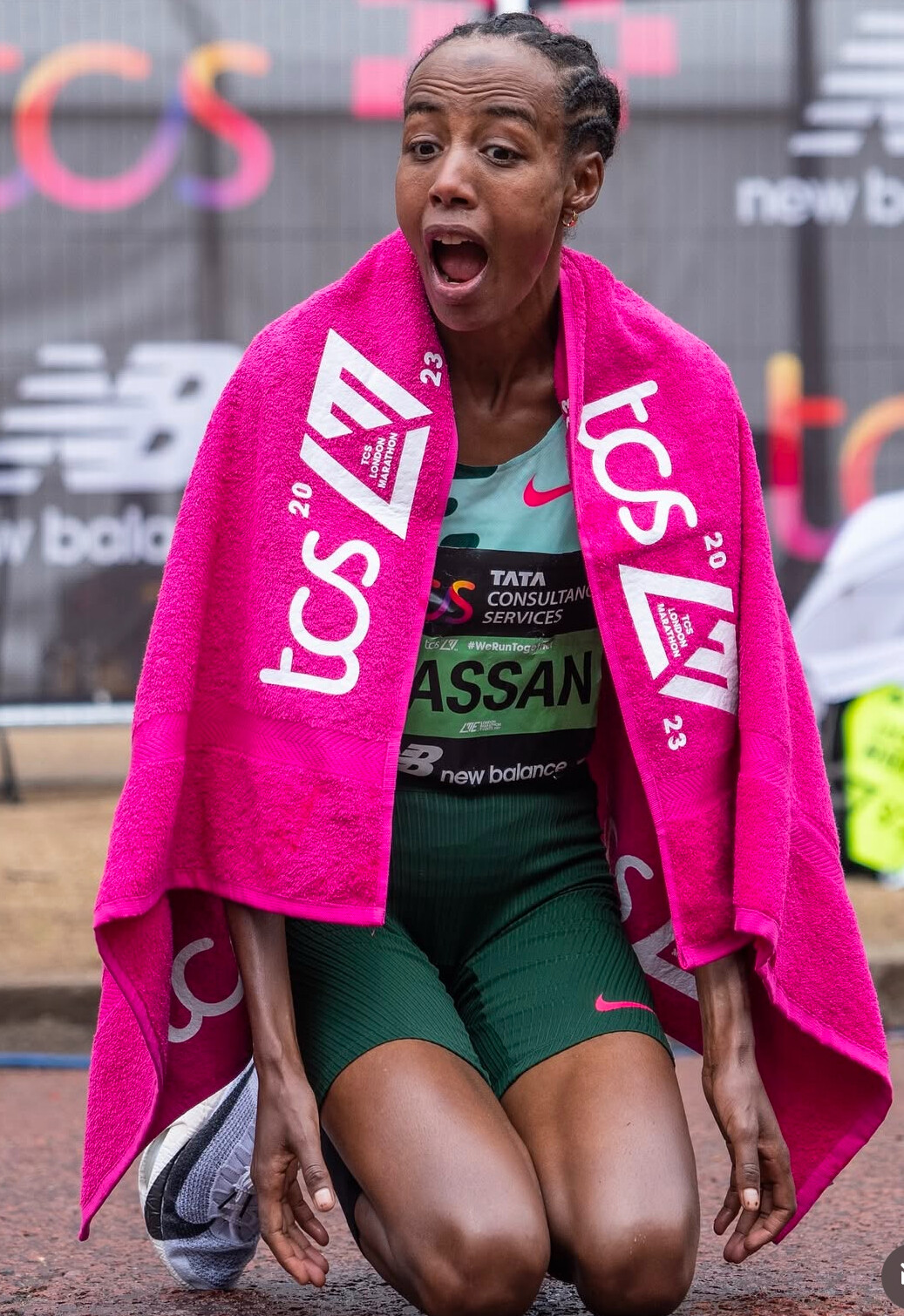
During the race, Buchanan’s steady pacing was instrumental. Hassan initially struggled to find her rhythm, feeling the intensity of the early kilometers. However, Buchanan’s consistent tempo helped her regain composure. By the 22K mark, Hassan had closed the gap on the leading pack, and by 25K, she began to assert her dominance, eventually breaking away to finish with a course record time of 2:13:44.
The Evolution and Role of Professional Pacemakers
The concept of pacemaking is not a modern innovation. Its roots trace back to 1954 when Chris Brasher and Chris Chataway paced Roger Bannister to the first sub-four-minute mile. This historic event showcased the potential of strategic pacing in achieving unprecedented athletic feats.
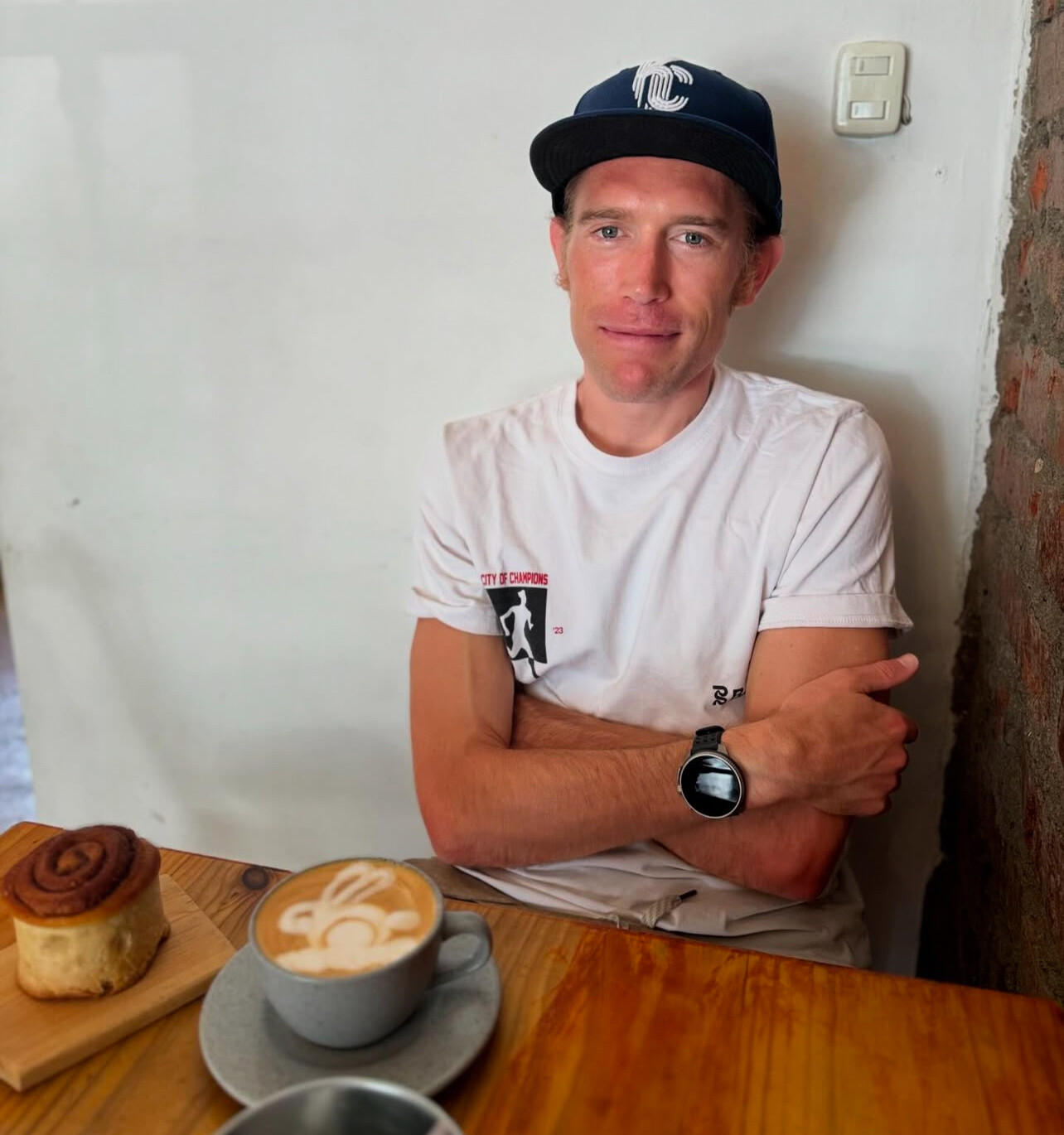
In contemporary marathons, pacemakers are integral, especially in events aiming for fast times and records. Races like the London and Chicago Marathons employ pacers to maintain a consistent, swift pace, enhancing the event’s prestige and competitive allure. Conversely, marathons such as Boston and New York prioritize tactical racing and do not utilize pacemakers, fostering a different competitive atmosphere.
The responsibilities of a pacemaker are multifaceted. They must possess the physical capability to sustain target paces comfortably, often requiring personal bests significantly faster than the pace they are assigned to set. Contracts typically outline specific distances and paces, with incentives for exceeding expectations. While some races mandate that pacemakers drop out at predetermined points, others allow them to complete the race, potentially influencing the final standings.
The Psychological and Physiological Impact of Pacing
Beyond the physical benefits, pacemakers offer psychological advantages. Running alongside a pacer can reduce the mental burden of pace management, allowing athletes to focus on other aspects of their performance. Studies have shown that runners perceive efforts as less strenuous when following a set pace, potentially enhancing overall performance.
Physiologically, pacemakers help mitigate air resistance, enabling runners to conserve energy. Research indicates that drafting behind a pacer can reduce oxygen consumption by approximately 8% at certain speeds, underscoring the strategic advantage in distance running.
The Debate: Purity of Competition vs. Record-Breaking Performances
The utilization of pacemakers is not without controversy. Critics argue that their presence can detract from the competitive essence of racing, transforming events into time trials rather than head-to-head contests. This perspective suggests that pacemakers may provide an undue advantage to certain athletes, potentially overshadowing the unpredictability and strategic depth that characterize traditional racing.
Proponents, however, contend that pacemakers elevate the sport by facilitating record-breaking performances and pushing the boundaries of human potential. They argue that the presence of pacers can lead to more exciting and dynamic races, showcasing the zenith of athletic achievement.
The Chicago Marathon exemplified the profound impact a pacemaker can have on an athlete’s performance. The collaboration between Sifan Hassan and Reid Buchanan not only led to a record-setting run but also highlighted the intricate balance of strategy, trust, and mutual ambition in elite marathon racing. As the sport continues to evolve, the role of pacemakers will undoubtedly remain a focal point of both innovation and debate, shaping the future landscape of long-distance running.
by Outside online with Boris Baron
Login to leave a comment
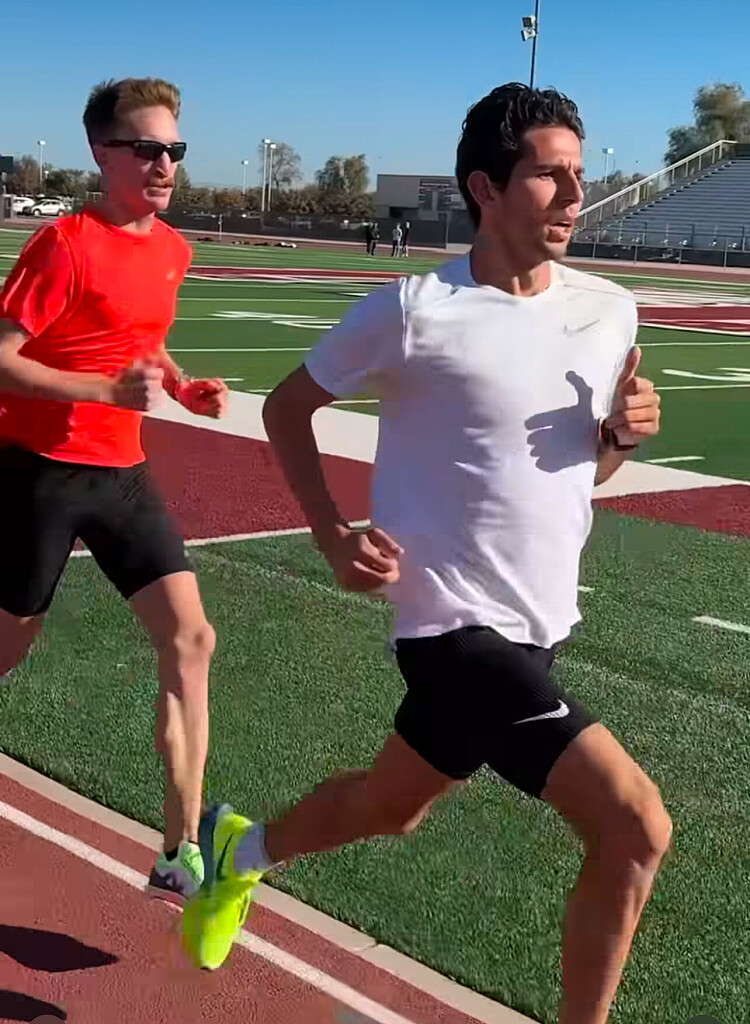
Grant Fisher Clocks a sub Four-Minute Mile to Conclude a 7K Workout
Grant Fisher, one of America's top distance runners, continues to showcase his exceptional fitness and race-readiness. In a recent Track workout Grant closed a demanding 7-kilometer workout with a stunning sub four-minute mile, demonstrating his world-class endurance and speed. The session, held in Chandler, Arizona, was designed to simulate race conditions, ensuring that Fisher is primed for his upcoming season opener.
A Closer Look at the Workout
The workout was structured to test Fisher’s ability to maintain a high level of performance deep into a training session. His coach, Mike Scannell, closely monitored his effort, emphasizing the of controlled fatigue management.
The workout breakdown:
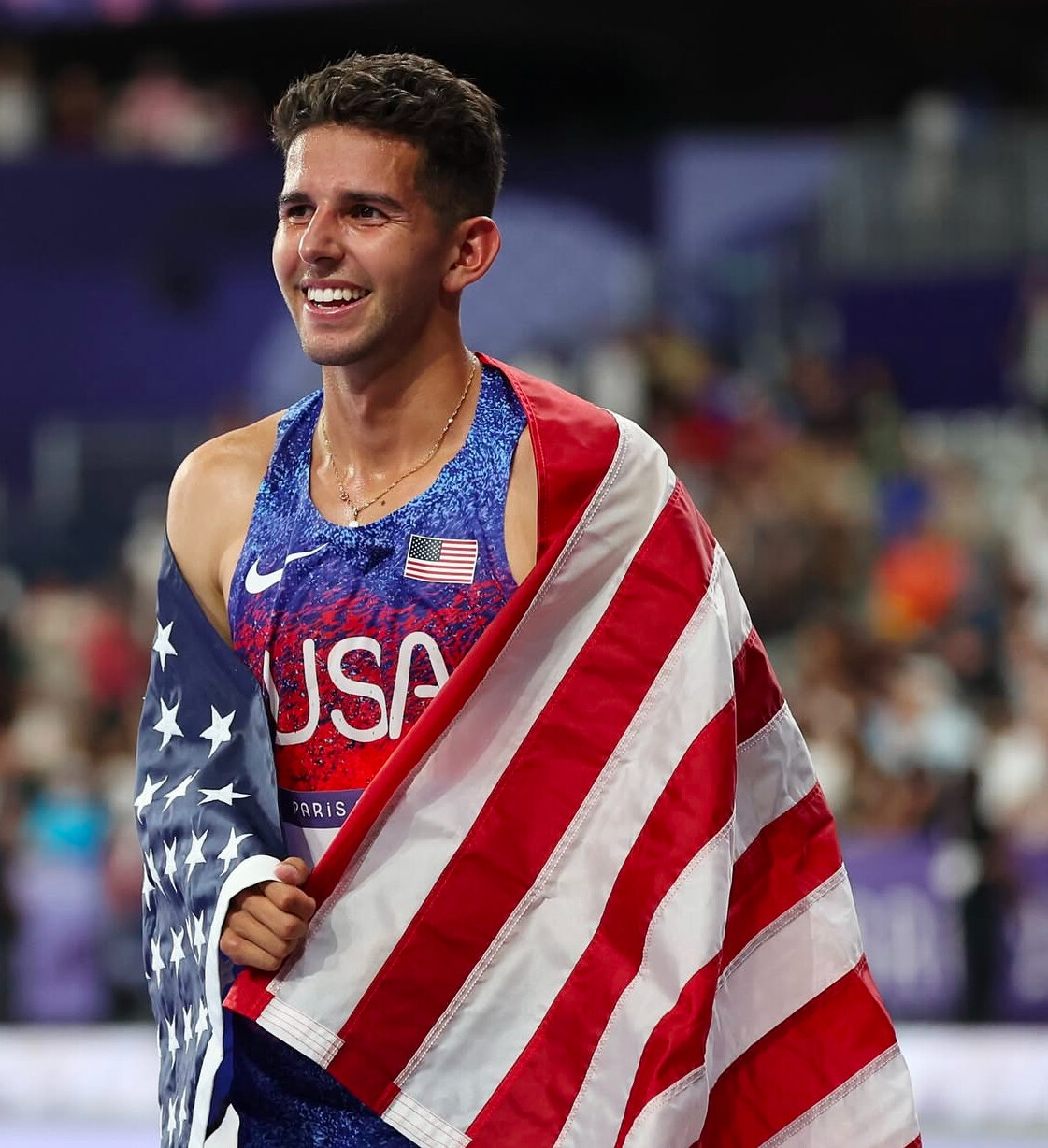
First Segment: A 2,000-meter interval, completed in 5:08.
Second Segment: Four 800-meter repeats, split in 2:06, 2:09, 2:08, and 2:08.
Final Segment: A 1,600-meter effort, where Fisher clocked an astonishing sub 4:00 mile to finish the session.
Between intervals, Fisher took controlled recovery breaks, with coach Scannell monitoring his blood lactate levels to ensure he remained within an optimal training range. Professional runner Sam Gilman assisted in pacing certain portions of the session, helping maintain consistency and push Fisher to his best effort.
A Career Defined by Breaking Barriers
Fisher’s ability to produce elite performances at the highest level is no surprise. Born on April 22, 1997, in Calgary, Alberta, and raised in Grand Blanc, Michigan, Fisher made history as a high schooler when he became the seventh U.S. prep athlete to break the four-minute mile barrier. He achieved this milestone in 2015 at the Festival of Miles in St. Louis, Missouri, clocking a 3:59.38.
After high school, Fisher attended Stanford University, where he further cemented his reputation as a distance-running star. Under coach Chris Miltenberg, he won the 2017 NCAA 5,000m title and earned 12 All-American honors. Fisher’s consistency and tactical intelligence on the track made him one of the most accomplished distance runners in Stanford history.
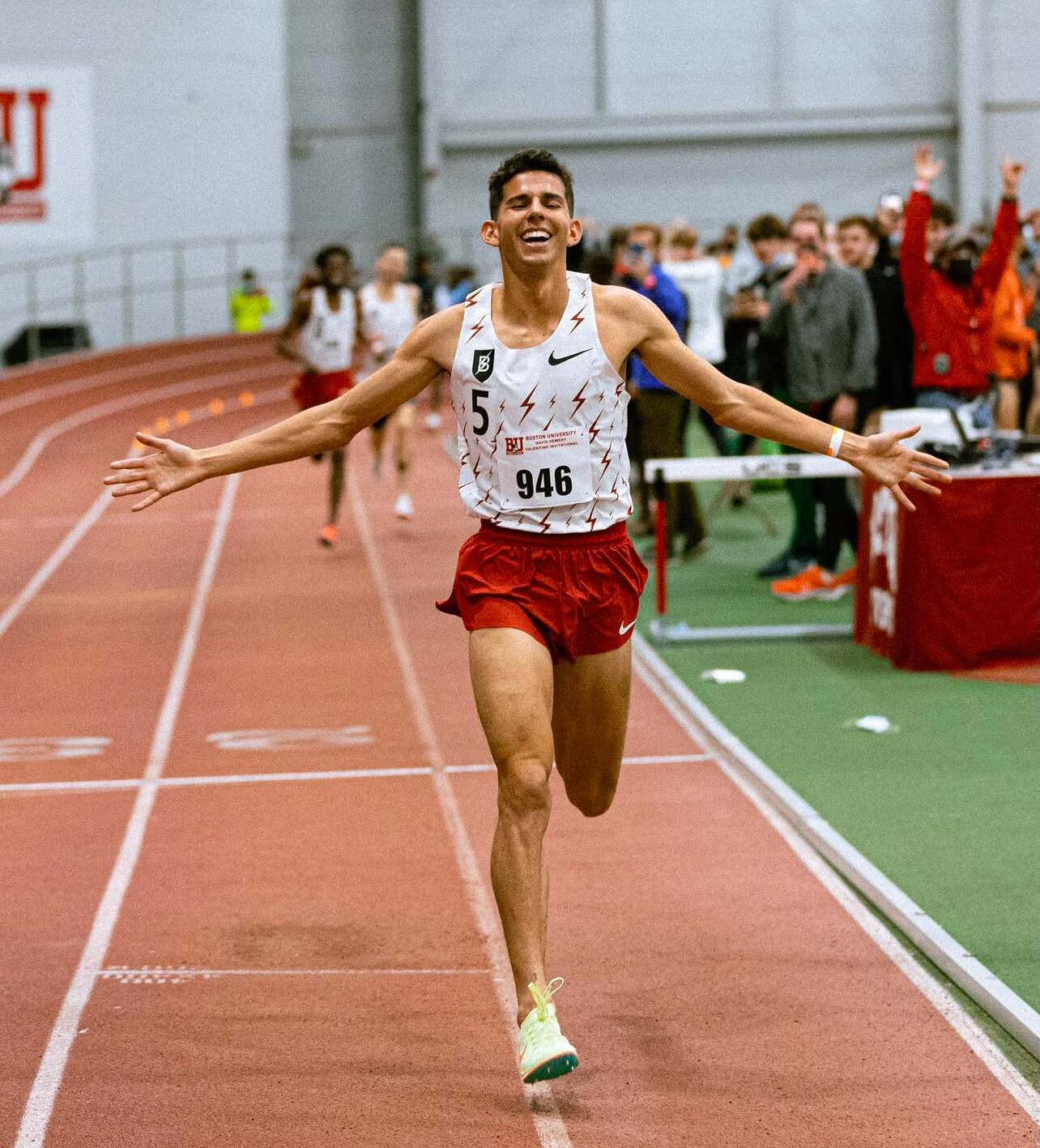
Turning professional in 2019, Fisher joined the Bowerman Track Club (BTC), training under coach Jerry Schumacher. The move propelled his career to new heights, as he set multiple American records, including:
3,000m: 7:25.47 (2023)
Two-mile: 8:03.62 (2023)
5,000m: 12:46.96 (2022)
10,000m: 26:33.84 (2022)
His performances placed him among the best distance runners in the world. At the Tokyo 2020 Olympics (held in 2021), he finished fifth in the 10,000m and ninth in the 5,000m, proving he could compete at the sport’s highest level.
Paris 2024 and Beyond
Fisher’s steady progression led to historic achievements at the 2024 Paris Olympics, where he became the first American to medal in both the 5,000m and 10,000m in the same Games, earning two bronze medals. This feat solidified his status as one of America’s greatest-ever distance runners.
As he prepares for the 2025 season, Fisher is expected to begin his campaign with a 1,500-meter race at the New Balance Indoor Grand Prix in Boston before focusing on the 3,000m and 5,000m during the indoor season. His long-term goal remains clear: to position himself as a gold medal contender at the 2028 Los Angeles Olympics.
Fisher’s ability to run a sub four-minute mile at the end of an intense workout speaks volumes about his fitness level and training discipline. As he continues to sharpen his form, fans can expect even greater performances from him in the coming months.
by Boris Baron
Login to leave a comment
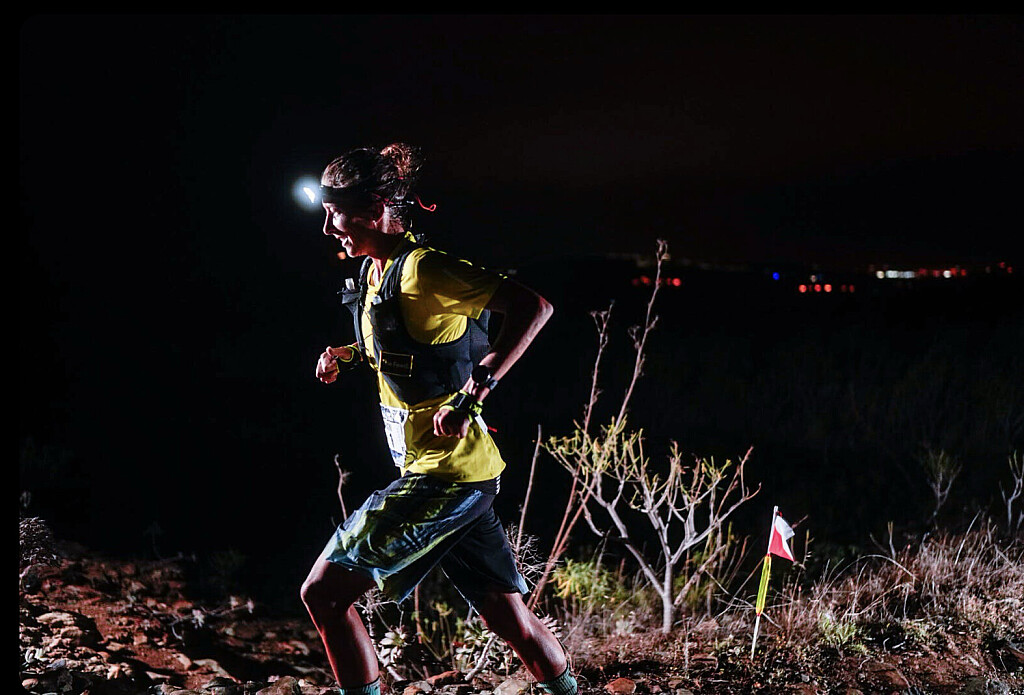
How Did Courtney Dauwalter Get So Damn Good?
If Courtney Dauwalter could travel back in time, this is what she would do: She’d join a wagon train crossing the American continent, Oregon Trail-style, for a week, maybe more, just to see if she could swing it. It would be hard, and also pretty smelly, but Dauwalter wonders what type of person she’d be if she deliberately decided to take that journey. Would she stop in the plains and build a farm? Could she make it to the Rocky Mountains? How much suffering could she take, and how daunted might she be by the terrain ahead of her?
“If you get to Denver and this huge mountain range is coming out of the earth, are you the type of person who stops and thinks, ‘This is good’?” she wonders. “Or are you the person who’s like, ‘What’s on the other side?’ ”
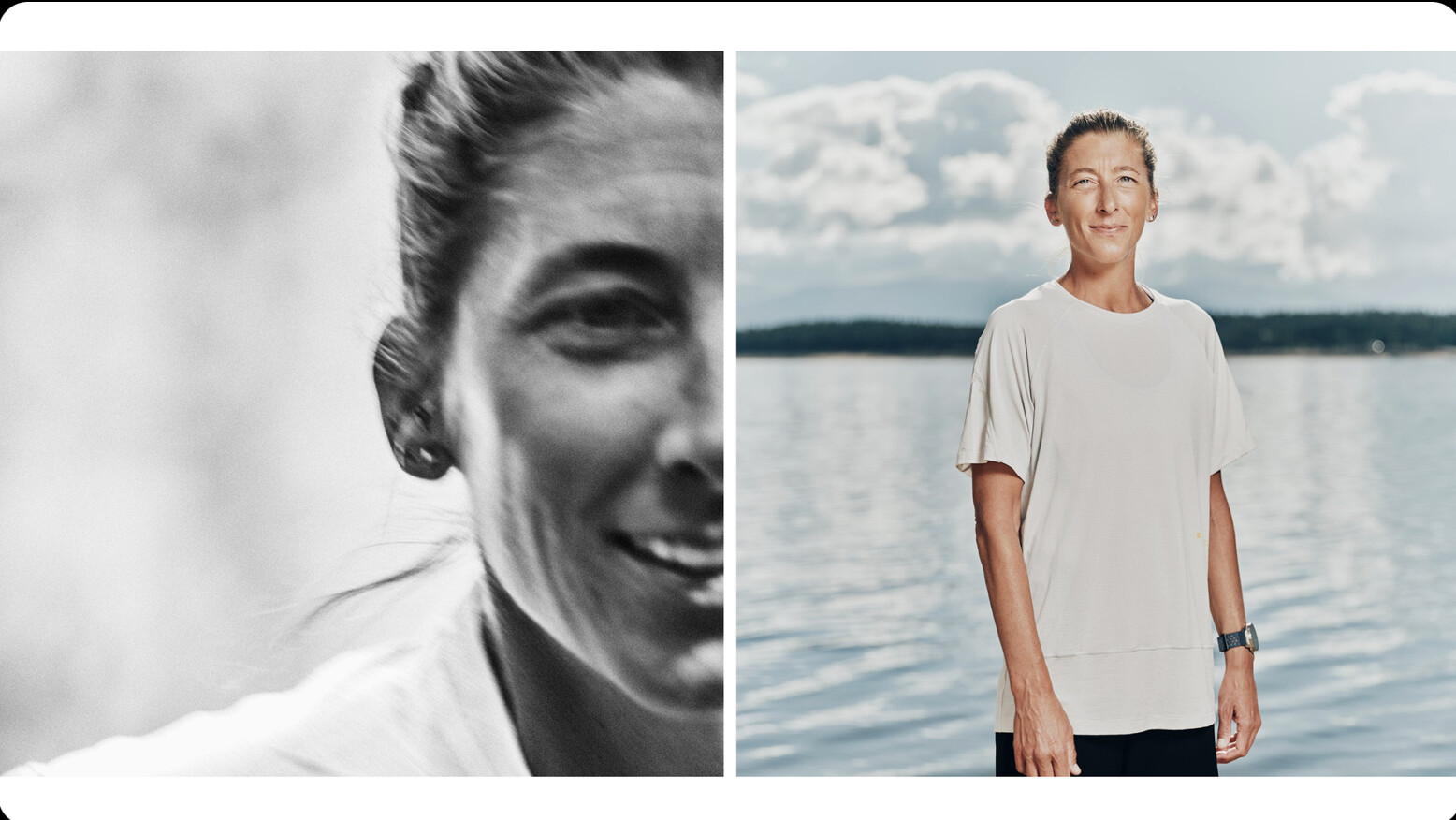
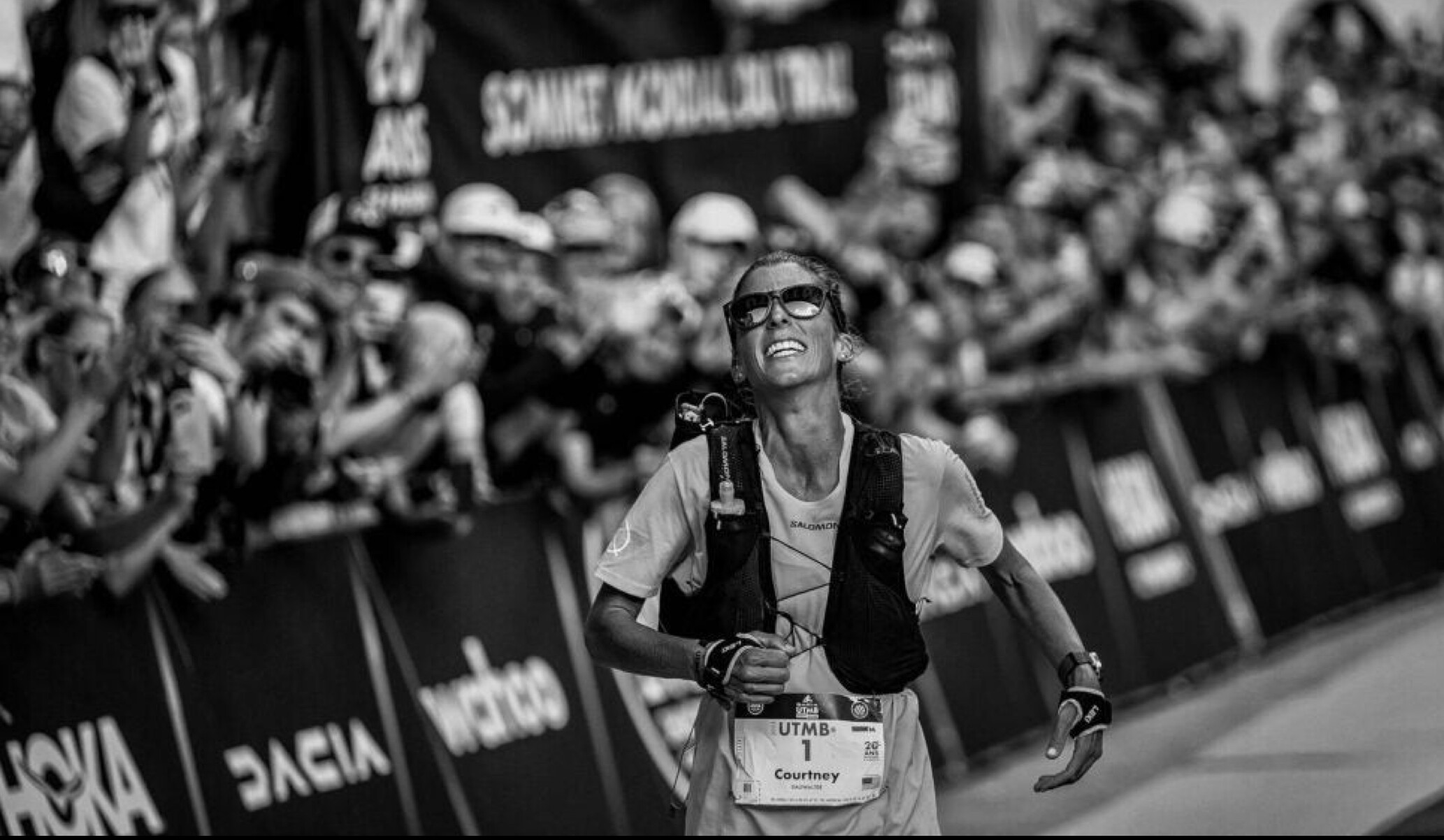
Dauwalter is probably (definitely) the best female trail runner in the world—a once-in-a-generation athlete. She’s hard to miss at the sport’s most famous races, and not just because of the nineties-style basketball shorts she prefers. (Her explanation: she just likes them.) It’s because she’s often running among the leading men in the sport, smiling beneath her mirrored sunglasses. The 39-year-old is five foot seven and lean, with smile lines and hair streaked with highlights from abundant time spent in high-altitude sun.
Dauwalter shared her historical daydream with me while sipping a pink sparkling water at her house in Leadville, Colorado, after a four-hour morning training run. Her cross-country wagon musings get at why she’s the best female ultrarunner ever to live: Dauwalter is curious. She’s curious about pain, about limits, about possibility. This quality is fundamental to what makes her so good.
Over the past eight years, Dauwalter has won almost everything she’s entered. In 2016, she set a course record at the Javelina Jundred—an exposed, looped route through the Sonoran Desert of Arizona. That same year she won the Run Rabbit Run 100-miler in Steamboat Springs, Colorado, by a margin of 75 minutes, despite experiencing temporary blindness for the last 12 miles (she could only see a foggy sliver of her own feet). Because of ultrarunning’s huge distances, it’s not unheard of to beat the competition by so much, but it doesn’t happen with the frequency that Dauwalter manages.
In 2018, she won the extremely competitive Western States 100 in California; it was her first time on the course. A year later, she set a new course record while winning the prestigious Ultra-Trail du Mont-Blanc (UTMB), besting the second-place finisher by just under an hour. In 2022, she set the fastest known time on the 166.9-mile Collegiate Loop Trail in her backyard in Colorado, and she won (and set a new course record at) the Hardrock 100, a grueling high-altitude loop through the state’s San Juan Mountains.
Dauwalter is also one of the few runners of her caliber to seriously dabble in the really long distance races. In 2017, she won the Moab 240—yes, that’s 240 miles—in two days, nine hours, and fifty-five minutes, ten hours ahead of the second-place finisher. She ran even farther at Big’s Backyard Ultra in 2020, a quirky test of wills where athletes complete a 4.167-mile course every hour on the hour until only one runner is left. Dauwalter set a women’s course record of just over 283 miles.
Given everything she’s accomplished, it’s hard to believe that the past two summers have been her most successful yet. In 2023, she returned to Western States, where she smashed the women’s course record by more than an hour and finished sixth overall. When she passed Jeff Colt, who finished ninth, he remembers how calm and collected she looked, running all alone. “My pacer looked back at me and said, ‘Jeff, I can’t even keep up with her right now,’ ” he says. Less than three weeks later, she won Hardrock again, taking fourth place overall and setting a new women’s course record. The race changes direction on the looped course each year, and she now holds both the clockwise and counterclockwise records.
In the interest of testing herself one more time, in late August she traveled to France to run UTMB again. She won that race too, becoming the first person in history to win all three races in a single summer. “She’s one of those humans who defy even the concept of an outlier,” says Clare Gallagher, a former Western States winner who has raced against Dauwalter. “I look at her summer and I have no words. It’s truly hard to conceptualize.”
Dauwalter led UTMB from the start, and she finished more than an hour ahead of the woman in second place. As she descended the final stretch of trail, she was followed by a barrage of cameras and a handful of people who looked like they just wanted a bit of her magic to rub off on them. As crowds roared on either side of the finish line in Chamonix, she looked back at the spectators and clapped in their direction, never raising her hands above her head or pumping her fists in the air. After hugging her parents and her husband, 39-year-old Kevin Schmidt, she jogged back in the direction she’d just come to high-five hundreds of fans.
Dauwalter grew up in the suburbs of Minneapolis, in a tight-knit family that was always active. The kids all played soccer, and when they weren’t at practice they were busy building tree forts or making up games at the local park. In seventh grade, she started running cross-country, and in eighth grade she joined the nordic ski team. She claims to have spent the first years just trying to stay upright, but in high school she went on to be a four-time state nordic ski champion and attended the University of Denver on a cross-country-skiing scholarship. She says that her parents, who now frequently crew and support her at races, led by example. “You work hard, you give everything you’ve got, you don’t forget to have fun,” she says.
Minnesota winters are notoriously cold, and she credits her ability to dig deep within herself to the unforgiving conditions. “Growing up there, you just learn to do stuff, regardless of the weather,” she says. She also points to a cross-country coach who taught her to think differently about pain. “He laid the groundwork for understanding that our bodies are capable of so much,” she says. “We can push past those initial signals saying that’s all I have and turn the knob, and there’s always one more gear.”
After college, Dauwalter taught middle and high school science in Denver, which is where she met Schmidt. “A woman I worked with and a guy he worked with were married, and they just kept putting us in the same places,” she says. “I didn’t know they were meddling!” Schmidt, who works as a software engineer, is also a competitive runner. He and Dauwalter train together—sometimes he’ll join in for her second run of the day—and they trade off supporting each other during races. When I met up with them in Leadville, Dauwalter had just finished crewing for Schmidt at a 100-miler in Switzerland. During her races, he maps her splits, takes care of her aid-station needs, and serves as crew captain. He’s the “spreadsheet brain” to her “tie-dye brain,” as he puts it, and he provides emotional support too.
“Its clear to me when she has taken up residence in the pain cave, so I try my best to fill it with snacks and encouragement,” says Schmidt. One time, while driving to an aid station during a race, Schmidt got a flat tire while carrying everything Dauwalter needed for the night. He wound up sprinting the final three miles to catch her in time.
When Dauwalter started racing more competitively and winning, she and Schmidt had a series of discussions about what they wanted their lives to look like. Ultimately, they decided that she should try to give professional running a shot. In 2017, without a sponsor and with a lot of unknowns still ahead, she left teaching to run full-time. “What we wanted was to look back when we were 90 years old and not wonder what if? about anything,” she says.
Mike Ambrose, the former team manager at Salomon, offered Dauwalter her first sponsorship as a trail runner that same year. She was still new on the scene, but Ambrose could see that she was driven, and the talent was there. “She’s super curious about pushing herself,” he says. “She had this huge engine coming from nordic skiing, and her 24-hour time was really crazy. I thought, well, if she just figures it out and gets more trail experience, she obviously has the mental and physical capacity.”
Despite her nearly superhuman athleticism and mental fortitude, Dauwalter is also very normal. She likes nachos, candy, and beer. She watches sports (the Vikings are her NFL team, even though she’s been in Broncos territory for years), and she wants to spend time with the people she loves, including her parents, and the friends who often crew for her.
Ultrarunning frequently sees short-lived stars, runners who dominate for a couple of years before burning out or slowing down, either from overtraining or simply from the passage of time and the wear on their bodies. Dauwalter, however, seems to have a rare capacity to push against her own limits without tipping over the edge. She’s been running long distances at an elite level for seven years now. Gallagher wonders how she’s managed to avoid injury, given Dauwalter’s volume of physically demanding races.
Login to leave a comment
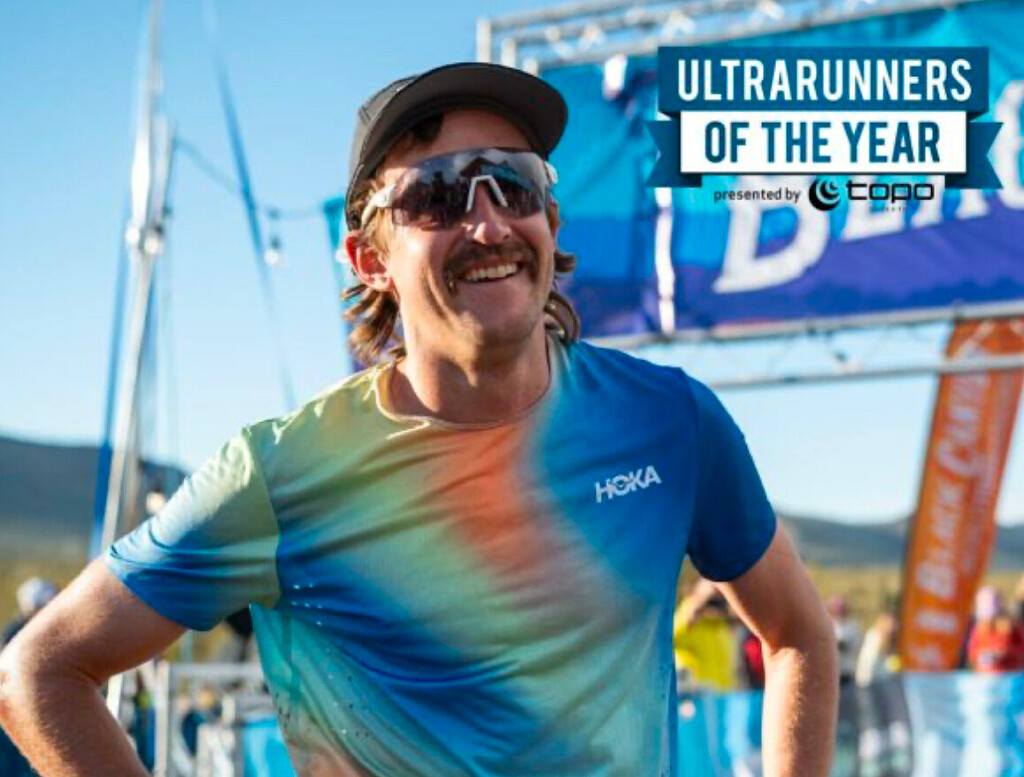
Hayden Hawks Named 2024 UltraRunner of the Year
Hayden Hawks has been named the 2024 UltraRunner of the Year, cementing his status as one of the most accomplished athletes in ultrarunning. The recognition comes after a stellar season highlighted by victories in some of the world’s most prestigious ultra-distance races.
The Cedar City, Utah native delivered standout performances, including a victory at the Courmayeur-Champex-Chamonix (CCC) 101K on Mont Blanc. Known as one of the toughest races in the Ultra-Trail World Tour, the CCC is a proving ground for elite ultrarunners, and Hawks’ 10:20:11 finish solidified his dominance on the global stage.
He also claimed victory at the highly competitive Black Canyon 100K in Arizona, where he not only won but set a new course record with a time of 7:30:18. His season was rounded out with podium finishes at races like the Western States 100, where he placed third in 14:24:31, and the Julian Alps Ultra-Trail in Switzerland, where he finished second.
Hawks lives in Cedar City with his wife, Ashley, and their two children. Balancing a demanding training schedule with family life, he credits his support system for his success, calling his family his “greatest motivation.”
Hawks’ achievements in 2024 highlight his versatility across different terrains and conditions. Whether racing on the mountainous trails of Europe or the arid landscapes of the American West, Hawks has consistently demonstrated his ability to adapt and excel. His Black Canyon course record and CCC triumph underscore his speed, endurance, and tactical prowess.
As the 2024 UltraRunner of the Year, Hayden Hawks has not only etched his name into the sport’s history but also inspired countless runners worldwide to push their limits. With a career that continues to rise, the running community eagerly awaits what 2025 will bring for this ultrarunning star.
Login to leave a comment
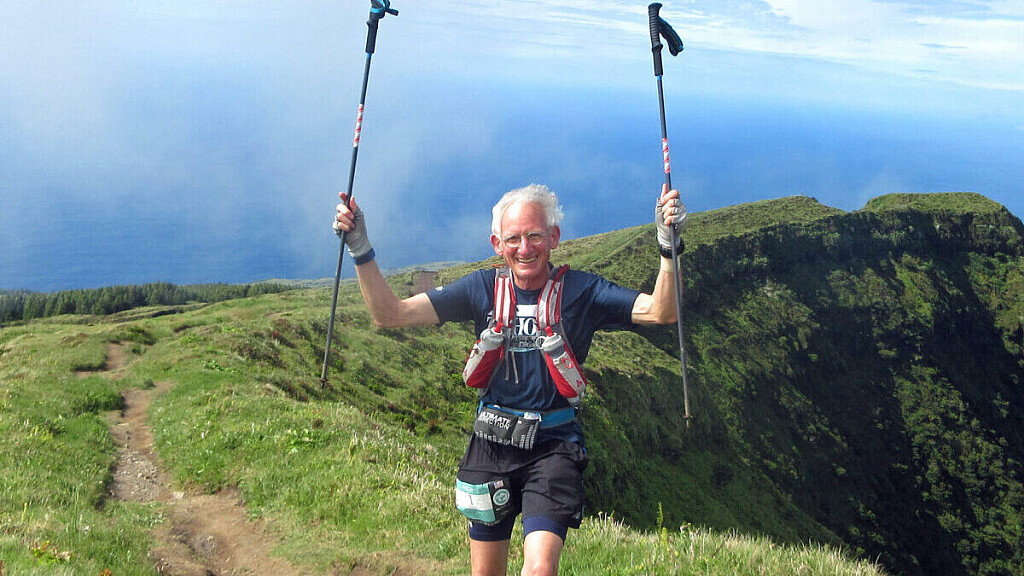
Is this Pennsylvania senior the most prolific runner of 2024?
Gene Dykes, 76, racked up an astounding 43 races in 2024, including eight marathons and nine ultras.
At 76 years young, Pennsylvania’s Gene Dykes has made 2024 a year of milestones that most runners of any age would envy. Here’s a closer look at why this runner might just be the most prolific of the year—from breaking records to embracing DNFs (Did Not Finish) with humour, Dykes continues to prove that age is not a barrier.
Races around the globe (and in his backyard)
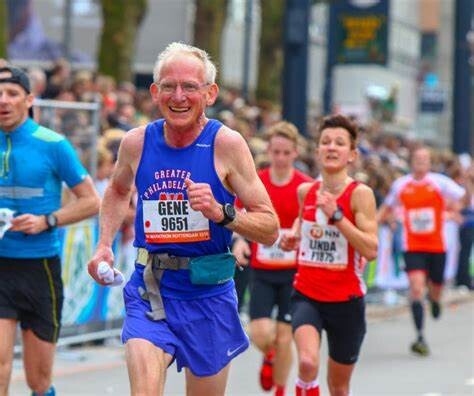
With 43 races completed in 2024, Dykes’s calendar reads like a globetrotter’s dream. He raced in three countries and racked up 19 starts in Pennsylvania alone. From marathons and ultras to shorter races like 5Ks, he tackled every distance imaginable. Dykes says a highlight was completing three stunning trail races in Australia. Dykes’s philosophy of “just run”—no stretching, no weights and no cross-training—clearly works for him.
But it wasn’t all wins. Six DNFs(did not finish), including one at mile 160 of a 200-mile race, remind us that even the most determined, experienced runners face challenges. His attitude? Brush it off and keep running.
Breaking records and smashing goals
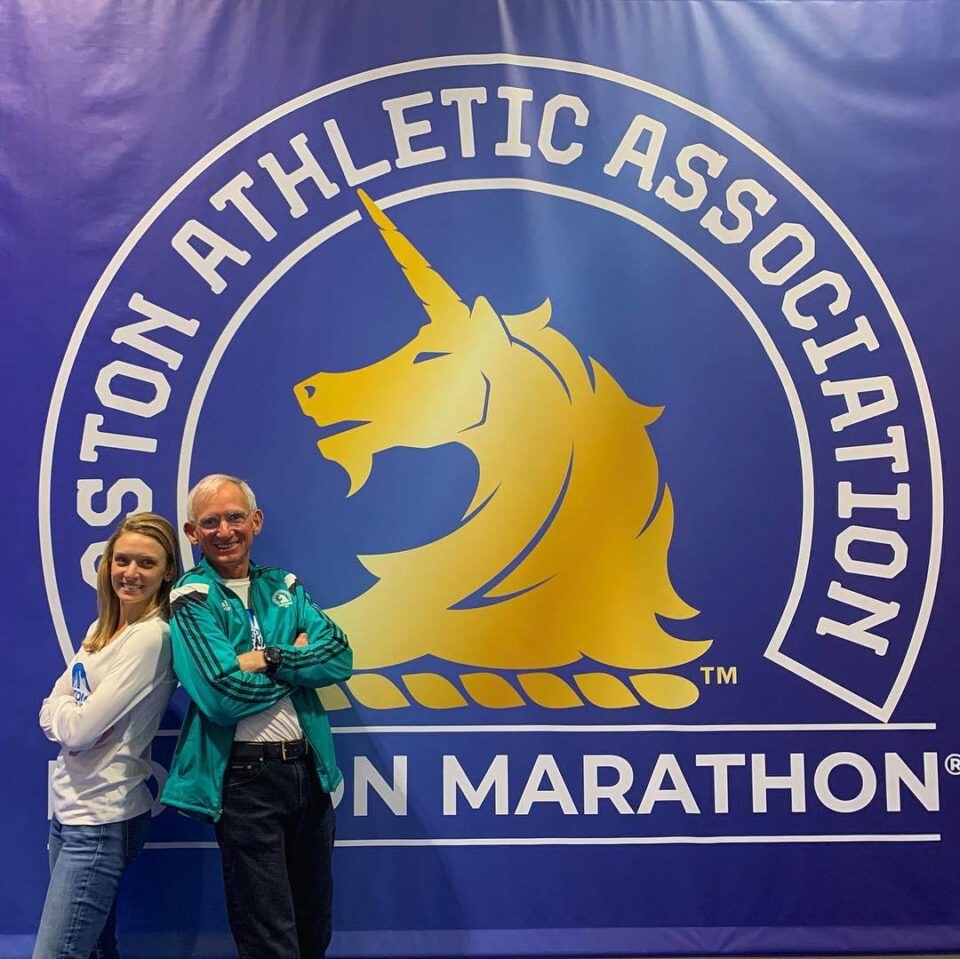
“This past year was all about running as many races as I could,” says Dykes. He compares his 2024 running season to 2018, when he ran 40 races and trained hard in between. “Every race and every training session made me faster,” he explains. “How did it go this year? I ran 43 races and every race and every training session just made me more and more tired. But I had a lot of fun!” Dykes captured five national championship races and three Pan American championship races throughout the year, but he was most pleased with setting the M75 course record at the Boston Marathon.
A family affair and adventure-driven philosophy
Running isn’t just a solo adventure for Dykes, and he says his marathon and ultra finishes with his daughters stand out as one of the highlights of his year. Adventure also motivated some of his races; he undertook a six-day trail running adventure in Newfoundland, covering 87 miles of rugged, breathtaking terrain.
What’s next for this marathon machine?
With 184 marathons and ultras to his name since 2006, including a 2:54:23 marathon PR at age 70, 2024 adds another incredible chapter for Dykes. Next year’s schedule is already packed, from the Tokyo Marathon (where he aims to complete his Marathon Majors clean sweep) to a 300-mile trail race in Arizona. After May, Dykes plans to take a well-deserved sabbatical, gearing up for a future in the M80 age group.
by Keeley Milne
Login to leave a comment
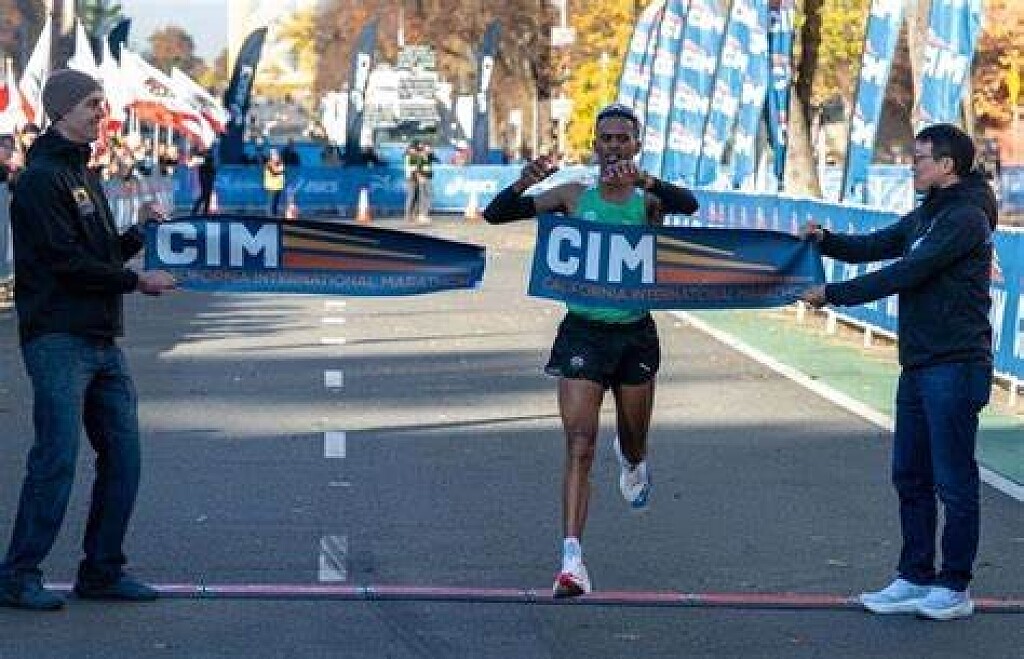
Records fall again as world’s best runners shine at California International Marathon
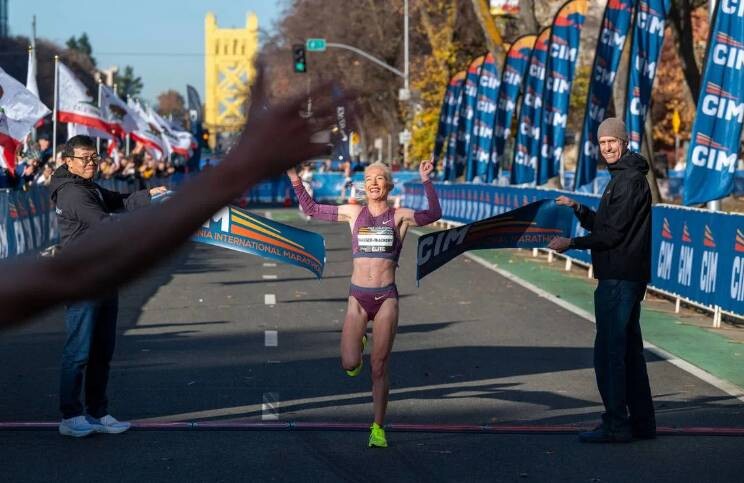
Tsegay Weldlibanos demolished a men’s course record that stood for more than 30 years en route to victory in his first-ever California International Marathon. British Olympian Callie Hauger-Thackery’s record-smashing pace was just enough to edge Jacqueline Gaughan and take home the women’s CIM title Sunday in Sacramento.
It was a day to celebrate, as is so often the case on one of the fastest marathon courses in the country. Sunny, dry conditions, temperatures a crisp but comfortable high 40s, and a world-class field in peak form led to another record-setting Sunday in the state capital.
Weldlibanos, of Eritrea, who lives and trains in high country Flagstaff, Arizona, turned the notoriously fast Folsom-to-Capitol course into a personal playground Sunday, crossing the finish line at two hours, seven minutes and 35 seconds — three seconds faster than the previous course best set by Jerry Lawlor in 1993.
CJ Albertson, the “Fresno Kid” and come-from-behind men’s winner in 2023, missed out on back-to-back wins, taking home a second-place finish and a trip to the podium.
Hauger-Thackery set a blistering pace and needed every bit, her 2:24:28 beating Gaughan’s 2:24:40 by .12 of a second. Stephanie Bruce finished third. One of the fastest British marathoners ever, Haugher-Thackery burst onto the scene in 2023 and earned a spot to represent Great Britain in the 2024 Paris Olympics.
Husband and coach Nick Hauger, who finished third on the men’s side moments earlier, met the women’s winner at the finish in an emotional moment. Hauger was draped in the Stars and Stripes; the Union Jack adorned Haugher-Thackery’s shoulders as the couple embraced in victory.
Fifth-place women’s finisher Brittney Feivor’s cheering section hugged the rail at the finish. Susan Kessler, Feivor’s mother-in-law, traveled from Kenosha, Wisconsin, to watch the former Marquette University standout’s run Sunday.
“It’s exhilarating. We know how much work she puts in,” said Kessler. Feivor logs 50 to 90 miles or more a week in training. “It’s cheering and giving her the support she needs.”
The day didn’t just belong to the elites. As many as 10,000 runners and another 1,000 relay runners were expected to cross the finish line on race day, traveling from across the country and Northern California for the chance to notch a personal best or qualify for marathons on the 2025 calendar.
The California International Marathon is a qualifying race for the Boston Marathon. The 129th running is April 21. It’s a short walk — or jog — from the finish line at Ninth Street and Capitol Mall to a bell at the state Capitol’s west steps. Runners here know what the bell’s peal means: Someone’s going to Boston next year.
On Sunday, that someone was Alex Mills, 23, of Tacoma, Washington, shaking the bell nearly off its moorings as proud family — 10 in all — watched on from the Capitol steps.
Mills, who graduated this year from George Fox College in Oregon, wasted no time. Sacramento was the first marathon for the collegiate cross-country runner.
Mills’ mother, Shelly, and entourage planned their vacation around the Sacramento trip. Now, she said, they’ll have to schedule a second in Boston.
“I’m just happy to get it over with,” said Mills, still draped in his warming blanket.
Sometimes the run is about redemption. Andy Holstrom came down to Sacramento from Portland for this year’s marathon. Holstrom, bib 115, was on the course, wife Rebecca and parents Bob and Marla Mion of Newcastle cheering on from the mall. Andy and Rebecca, expecting a child in April, ran Boston last year, but after a disappointing run in the Bay State, Andy was looking for a personal best in California.
Rebecca, who recently ran an ultramarathon, carried a placard with its own bit of cheeky motivation: “Don’t embarrass our unborn son,” it read. “Run fast.”
Dad-to-be Andy delivered, cracking the 2:40 barrier with a 2:39:12.
Brandon Moran of Boston took the trip west, breaking into the coveted 2:30s, relishing the CIM’s fast downhill after running on Boston’s grueling hills. “It’s been two years since I ran this fast. I’m very, very happy with the result. It’s just the smoothest course I’ve ever run.”
by Darrell Smith
Login to leave a comment
California International Marathon
The California International Marathon (CIM) is a marathon organized by runners, for runners! CIM was founded in 1983 by the Sacramento Running Association (SRA), a 501(c)(3) non-profit organization. The SRA Board of Directors is comprised of runners with a combined total of 150+ years of service to the CIM. The same route SRA management created for the 1983 inaugural CIM...
more...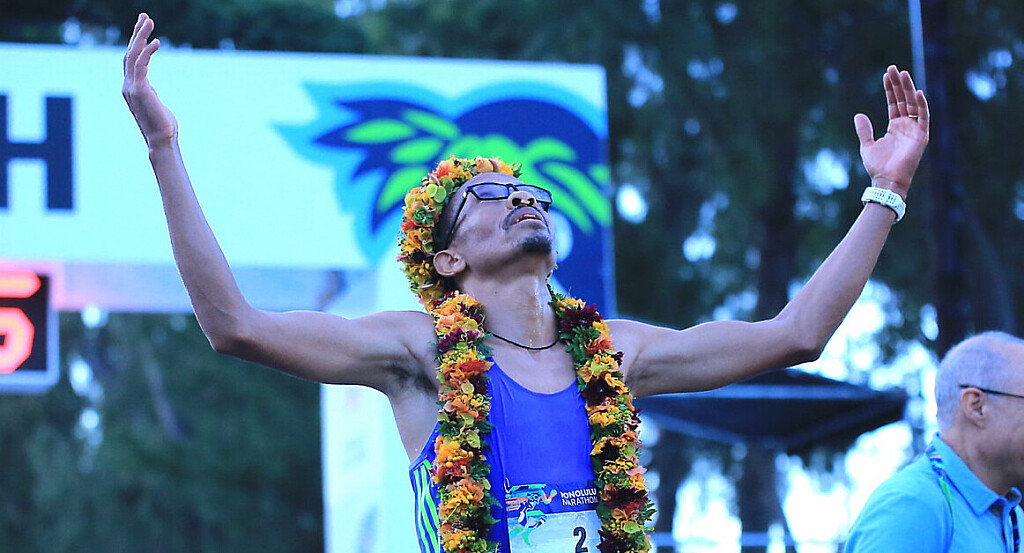
The 52nd Honolulu marathon was another fun and spirited event
Nearly 25,000 runners started the 52nd Honolulu Marathon under 72°F temperatures, 88% humidity and very calm winds. Due to the increased competition that has grown during a second running boom in recent years, Honolulu’s pro marathon field was not as deep as in the past.
“It’s getting harder to get the top runners here,” admitted marathon president Dr. Jim Barahal. “There are other races now, like Valencia, that have faster so they come back they come back courses, no heat or hills. But I’m happy with the field we got and the races they produced.”
Both defending champions returned, heading up small, but strong lead packs.
Kenya’s Paul Lonyagata came down with a small injury two months ago back home in Kenya, and wasn’t prepared to defend his title with any strength. He dropped out just before the 10K mark.
But women’s defender, Cynthia Limo, who debuted with her victory in Honolulu last year in 2:33:01, saw herself in a tight four woman battle that lasted from the 1st mile until 30 km.
Last year’s third place men’s finisher, Reuben Kerio, 30, of Kenya, for some reason, downloaded a 4:38 11th mile as the race headed out Kalanianaʻole Highway for the 4 mile stretch out to Hawaii Kai and the turnaround.
What had been a four man pack was instantly reduced to two as Eritrean Olympian Yamane Haileselassie, 26, who debuted in Boston in April, answered the call a few steps behind the rushing Kenyan.
Super shoes not withstanding, a 4:38 is more like a breakaway mile after 30 km not a how-do-you-do mile not even halfway through the race. Pundits on the scene questioned Kerio‘s decision.
At 15 miles, Yamane HaileSelassie made a move of his own, and within a mile had 10 seconds on Kerio. The lead grew to 30 seconds by 20 miles and the race seemed all but over.
HaileSelassie defected to the United States after the world championships in Eugene, Oregon in 2022. He moved to Flagstaff, Arizona, where he drives an Uber making food deliveries 40 hours a week to supplement is racing income.
He recently won the BAA Half Marathon in Boston on November 10th, running 1:01:46. He was third in that race last year and in seventh the year before. So you knew he was on form. He was also the fifth place finisher at the 2021 Olympic steeplechase final in Tokyo. When you can run top five in the Olympic steeplechase, you know this could be a great marathon runner.
According to his coach, James McKirdy, this is the first season that Yamane has worn super shoes. But he didn’t seem to be dialed in to the new technology quite yet as his feet came out full of blisters at the end of the competition. Still, he held off a never-say-die Reuben Kerio to win the race in 2:11:59
Kerio, who closed within 12 seconds going up Diamondhead at 40 km, finished 17 seconds back with Japan’s Kensuke Horio taking third place in 2:15:30.
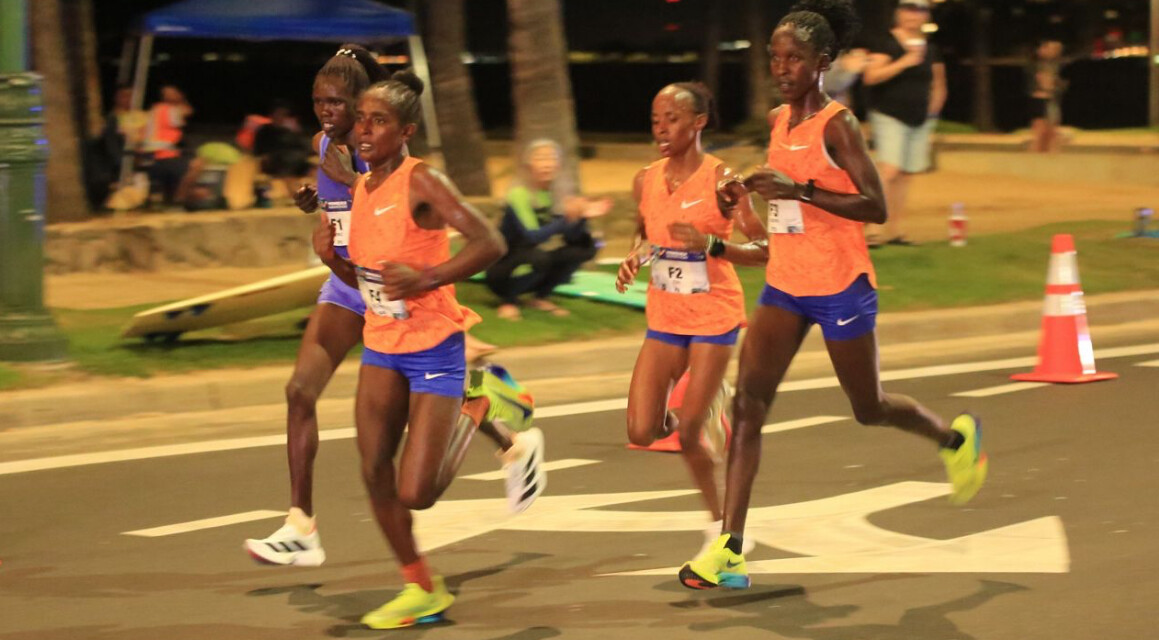
Women leaders through Waikiki in mile 6 (33:10)
The women staged a four-person battle from mile one to mile 19. Defending champion Cynthia Limo ran alongside country woman F3 Judith Korir, silver medalist at the 2022 World Championships marathon in Eugene, Oregon. Along with them was F2 Sandrafelis Tuei, also of Kenya, who is has personal best of 2:22:22 from a fourth place finish in Shanghai, China in 2023. The fourth woman in the group was F4 Fanta Gelasa of Ethiopia, runner up at the 2024 Milan Marathon in Italy.
The tall striding Judith Korir controlled the pace for much of the first half, but at 19 miles the Ethiopian Gelasa finally let go and Cynthia Limo began to show signs of trying to take the race over.
In mile 20 Judith Korir finally fell away, leaving just Cynthia and Sandrafelis.
Those two stay together until Diamond Head when, at the 39 km mark, at the aid station Tuei seemed indecisive, unsure how to go to the table and almost ran into it before coming around the table to get her drink. But then she failed to grab it, whereas Cynthia easily snatched her bottle and kept on trucking’.
Suddenly, a side-by-side battle was a two stride advantage. And that seemed to be enough to break Tuei. From there, Limo loped home uncontested to finish in 2:31:13 to take her second straight, Honolulu Marathon title. Tuei finishing 2:31:47, with Judith Korir taking third in 2:36:17.
In this modern area of super shoes, when winning times are faster than ever, sometimes an old-fashioned foot race can be more fun to watch than a solo run against the clock.
Honolulu never had, nor never will have, a reputation for being a fast marathon. But pro racing is just as important to the Honolulu Marathon Association as tens of thousands of average runners. Though In 2019, Honolulu had both the fastest marathon in the America (2:07:59) and the slowest, as they never close their finish line and some finishers take up to 17 hours to complete their journey.
But that’s what makes Honolulu special. And with more people than ever coming to enjoy sun and sand and swaying palm trees while the snow flies back home, it seems the aloha spirit will never go out of style.
by Toni Reavis
Login to leave a comment

Honolulu Marathon
The Honolulu Marathon’s scenic course includes spectacular ocean views alongside world-famous Waikiki Beach, and Diamond Head and Koko Head volcanic craters.The terrain is level except for short uphill grades around Diamond Head. ...
more...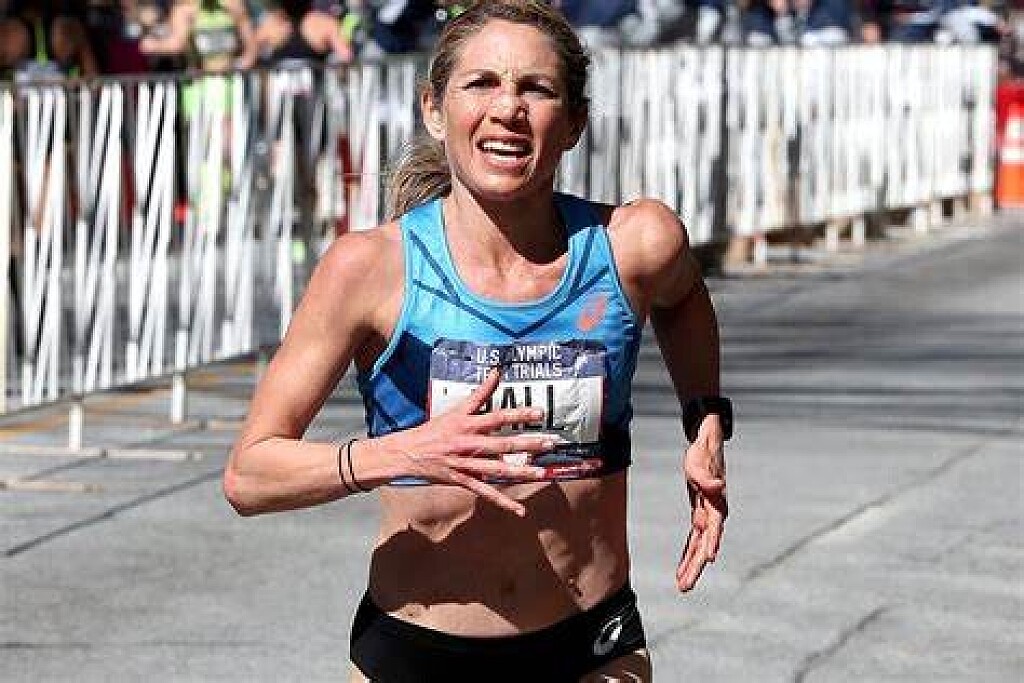
Sara Hall Smashes Her Own American Masters Record
In her fourth marathon of 2024, Sara Hall finished 10th at the Valencia Marathon in Spain in 2:23:45. Hall, 41, shattered her own U.S. masters record, 2:26:06, which she set at the Olympic Marathon Trials in February.
The race was won by Megertu Alemu of Ethiopia in 2:16:49.
Hall averaged 5:29 per mile pace in Valencia. It was her best marathon since 2022, when she ran 2:22:10 at the World Championships in Eugene, Oregon, and placed fifth.
Hall has been frequent racer throughout her career, not needing much time to recover between races. Her entry into Valencia was a last-minute addition, after she raced in Chicago eight weeks earlier, and the race did not go according to plan. (Hall was 18th in 2:30:12.) She also ran Boston this year, finishing 15th in 2:27:58.
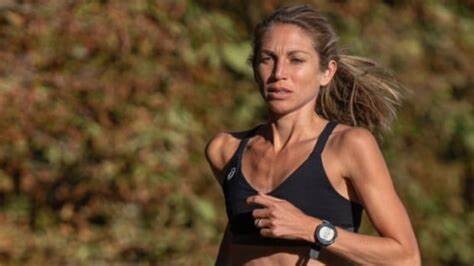
She posted to her Instagram account after the race.
“After a long stretch of not feeling like myself since Boston, it felt so good to have my normal fight out there,” Hall wrote, in part. “Applied the lessons I learned from Chicago, handled the very similar conditions much better. Chose to believe in myself even when my confidence had been rattled over and over. What a dream to do this four times this year.”
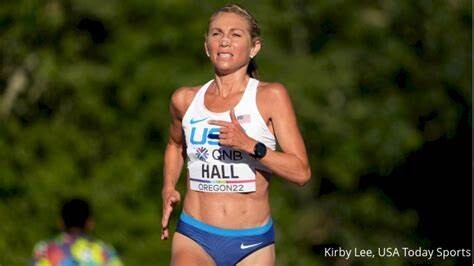
Hall elaborated in a text message to Runner’s World that she missed several bottles in Chicago—she fumbled a couple, and others she didn’t drink much out of—and became dehydrated in the humid conditions. “This time just was much more intentional to consume fluids even if I didn’t feel like I needed it,” she said.
She also increased her electrolytes and said she went out more conservatively than she would normally run and did at Chicago. Hall ran half spits that were almost even—1:11:40 and 1:12:05.
Hall’s PR is 2:20:32 from the Marathon Project in Chandler, Arizona, a one-time event set up for elite runners during the pandemic. That PR puts her fifth on the U.S. all-time list, behind Emily Sisson, Keira D’Amato, Betsy Saina, and Deena Kastor.
Her career is notable for its duration. Hall has appeared in every Olympic Trials since 2004, either on the track or in the marathon, or both. She is coached by her husband, Ryan Hall, who is third on the U.S. all-time list for men’s marathoners.
Hall was not the only record setter in Valencia. Roberta Groner, 46, who represented the U.S. at the 2019 world championships in Doha, Qatar, where she finished sixth, ran 2:29:32, setting an American record for the 45–49 age group.
Groner’s record should be safe for at least the next three years—or until Hall turns 45 in April 2028.
by Sarah Lorge Butler
Login to leave a comment

VALENCIA TRINIDAD ALFONSO
The Trinidad Alfonso EDP Valencia Marathon is held annually in the historic city of Valencia which, with its entirely flat circuit and perfect November temperature, averaging between 12-17 degrees, represents the ideal setting for hosting such a long-distance sporting challenge. This, coupled with the most incomparable of settings, makes the Valencia Marathon, Valencia, one of the most important events in...
more...
Elite Field Shaping Up For 88th Version Of Manchester Road Race
This year's Manchester Road race will feature several Olympians and world-class runners, who will join others clad in turkey suits, tutus, college gear and pilgrim costumes in a field expected to exceed 11,000 on Thanksgiving morning.
This year marks the 88th version of the famed race. The annual 4.737-mile run through Manchester's central streets, regarded as one of America's largest and most Turkey Day events, will start at 10 a.m. on Thanksgiving morning (Nov. 28) on Main Street in Manchester, in front of St James Church.
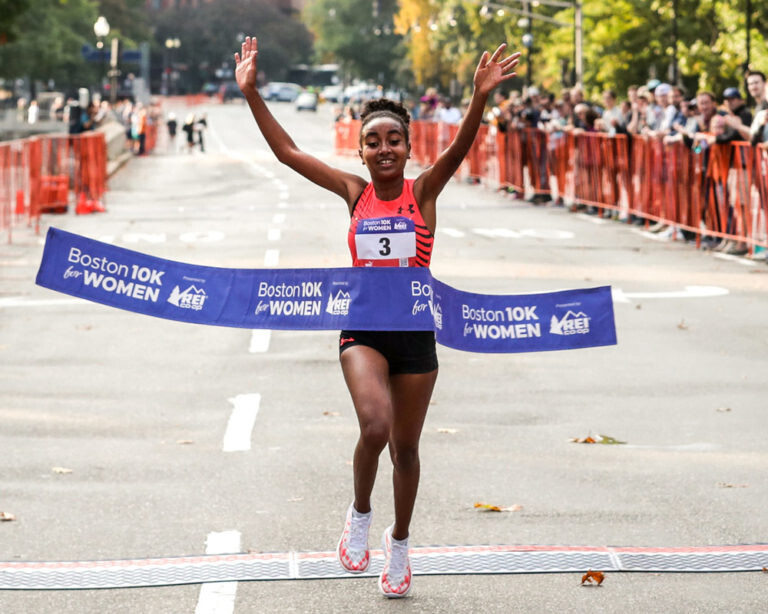
Organizers said large crowds of spectators are expected to view the race, which is one of only 22 in the United States, and 298 in the world, designated as a World Athletics Label Road Race by World Athletics, the international governing body for the sport of track and field.
Defending champion and Olympian Weini Kelati of Flagstaff, Arizona has entered the race. Kelati has won the MRR women’s title for the past three years, and a fourth victory this Thanksgiving will set the record for most consecutive wins by a female competitor. A 13-time All American runner at the University of New Mexico who finished eighth last summer in the 10,000 meters finals at the Paris Olympic Games, Kelati set the MRR women's course record of 22:55 in 2021 during her first Manchester appearance.
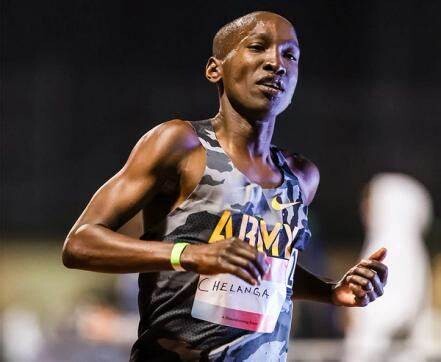
Kelati won the women's race in Manchester last November with a time of 23:21 and finished 19th in the overall competition. She will be joined in the elite field this Thanksgiving by Annie Rodenfels, the 2023 runner-up, and 2019 winner and marathon great Edna Kiplagat.
Former champions Ben Flanagan (2021) and Sam Chelanga (2013), Kenyan Olympian Edwin Kurgat, who placed seventh in the 5,000 meters finals at the Paris Olympics, and Andrew Colley, the fourth place-finisher in Manchester in 2022 with a time of 21:07, are expected to lead the men’s elite field.
As of early Monday morning, more than 9,000 runners had registered for this year's race.
by Chris Dehnel
Login to leave a comment

Manchester Road Race
The Manchester Road race is one of New England’s oldest and most popular road races. The 86th Manchester Road Race will be held on Thanksgiving Day. It starts and finishes on Main Street, in front of St. James Church. The Connecticut Sports Writers’ Alliance recently honored the Manchester Road Race. The CSWA, which is comprised of sports journalists and broadcasters...
more...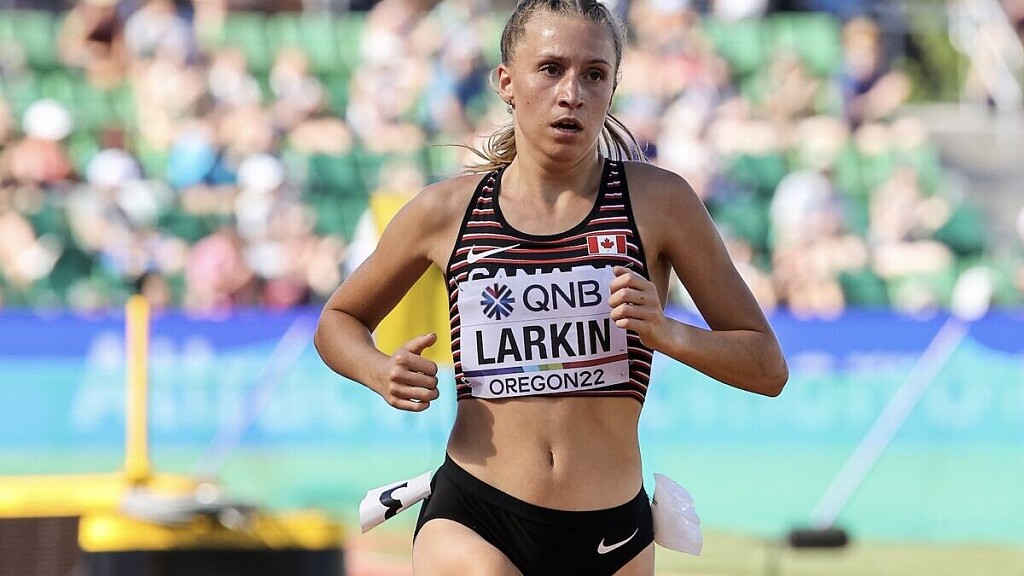
Ontario runner signs pro contract with Under Armour
On Thursday, Rosseau, Ont., native Gracelyn Larkin announced her contract with Under Armour’s pro running club, Dark Sky Distance, which is based in Flagstaff, Ariz. The 5,000m Canadian outdoor champion from 2022 is a recent graduate of Northern Arizona University (NAU), and formerly competed for the University of New Mexico (UNM) from 2019-2023.
Already located in Flagstaff following her graduation, Larkin will continue training at altitude under coaches Shayla Houlihan and Stephen Haas. The Canadian will be among former UNM teammate and Olympian Weini Kelati and 2022 New York City Marathon champion Sharon Lokedi, who also represent Under Armour.
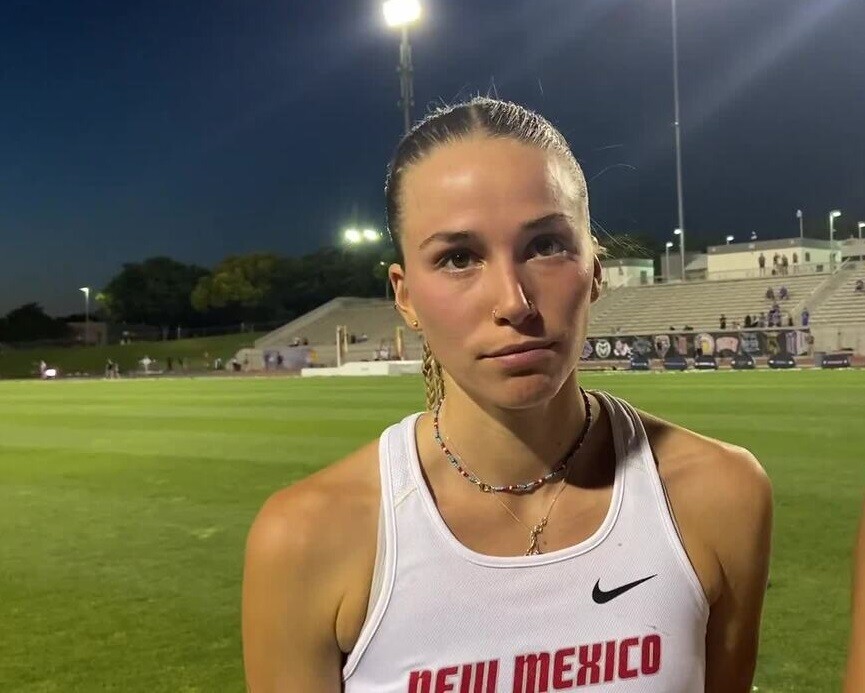
The 23-year-old boasts personal bests of 15:23.63 in the 5,000m and 32:32.61 in the 10,000m. A successful collegiate career saw Larkin earn All-American status seven times, before she went on to represent Canada in the 5,000m at the 2022 World Championships in Eugene, Ore.
Over the summer, Larkin chased a spot on the Canadian Olympic team. At the Harry Jerome Classic 5,000m in Burnaby, B.C., in June, she clocked 15:25.83 to claim fifth place in a quick race; the time was just two seconds off her personal best. Later that month, Larkin competed at the Canadian Olympic Track and Field Trials in Montreal, placing fourth in the women’s 5,000m final with a time of 15:36.41. The UNM graduate was less than three seconds behind the winner, Gabriela Debues-Stafford. Despite strong efforts, Larkin fell short of qualifying for Paris 2024.
“I’m very grateful to be joining such an amazing group of hard-working individuals,” Larkin said in the announcement post on Instagram. “Working with Under Armour is an amazing opportunity and I can’t wait to represent them over the upcoming years. I look forward to learning from my teammates and coaches while I develop as a professional athlete!”
by Cameron Ormond
Login to leave a comment
IRONMAN Kona 2024: Kristian Blummenfelt targets World Championship RECORD
There is one triathlon summit Kristian Blummenfelt has yet to scale, and this Saturday (October 26) in Hawaii he bids to end the wait.
Kona 2024 sees the professional men return to the Big Island for the first time in two years to fight out the 2024 IRONMAN World Championship, with a stellar field set to line up.
Blummenfelt, third behind compatriot Gustav Iden in 2022, will likely start the favourite to top the podium this time, with his friend and rival still rebuilding from a 2023 beset by injury and personal tragedy.
It will not be a cakewalk though (when is Kona ever a cakewalk), with defending champion Sam Laidlow, two-time king Patrick Lange and giant Dane Magnus Ditlev among those also set to toe the line.
Blummenfelt has already shown he is Ironman-ready for this test – remember how he aced Frankfurt less than two weeks after racing the Mixed Relay at the Paris 2024 Olympics? A blistering 7:27:21 – topped off by a 2:32:29 marathon – shocked many, including the man himself.
Blummenfelt Kona prep
Since then Blummenfelt and Iden have been preparing for Kona in the familiar surroundings of Flagstaff, Arizona. And according to Kristian’s coach Olav Aleksander Bu, things are going well.
The Norwegians are always brutally honest about where they are at heading into a race, and always fiercely ambitious with their goals. This time is clearly no different, Blummenfelt is aiming not just to win…
Bu told TRI247: “Prep has been good. It helps that it is a couple of weeks later this year. Race day will have to show what he is capable of ? The weather plays a big role, but a record is always a good target.”
The current Kona record remember was set just two short years ago, in the last Pro Men championship race on the Big Island. That was Iden with a spectacular 7:40:24.
Once Kona is in the rear view mirror, all attention will turn to what Blummenfelt does from 2025 on. That ambitious plan to move to pro cycling and the Tour de France appears to be dead, so he is once again all in on triathlon.
What next for Blummenfelt in 2025?
If L.A. 2028 is confirmed as a future goal, the big question will be how ‘Big Blu’ approaches the four-year cycle heading once more towards the greatest show on earth.
As Bu told TRI247 recently, 10 months of short-course preparation and racing heading into Paris 2024 was ‘mission impossible’, so it is likely the 30-year-old from Bergen would transition back down in distance much earlier next time round.
Bu explained: “We’ll have to come back to this later, but if LA becomes realistic, it means transitioning earlier with more short-course racing. However, with the development we have seen around the tactics, involving dedicated domestiques, it has become a less interesting sport from an individual level, and more a “team” sport.”
We also asked Bu who he fears among the opposition this coming Saturday, and his response as ever was illuminating. The focus is 100 percent on elite preparation and performance from his own athletes, and absolutely nothing else.
“I don’t know, as I really don’t pay attention to what others do. I obviously know some of the household names, which have been on the podium the last few years, but not how they are performing and who is on the start line.”
by Graham Shaw
Login to leave a comment
Ironman World Championship Triathlon Men
The inaugural KONA™ race was conceptualized in 1978 as a way to challenge athletes who had seen success at endurance swim, cycling, and running events. Honolulu-based Navy couple Judy and John Collins proposed combining the three toughest endurance races in Hawai’i—the 2.4-mile Waikiki Roughwater Swim, 112 miles of the Around-O’ahu Bike Race and the 26.2-mile Honolulu Marathon—into one event. ...
more...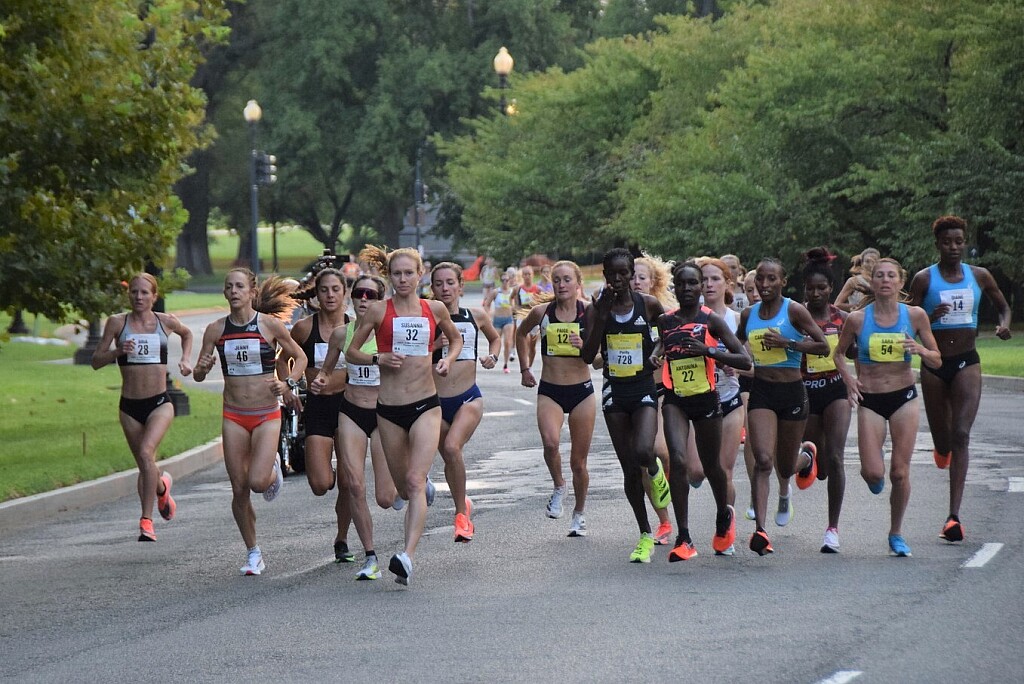
What the elites eat: Marathon Edition
Curious about what elite marathoners eat to fuel their peak performance? From carb-loaded pre-race meals to post-race burger feasts, here’s an inside look at what the elites eat before, during, and after a marathon.
As runners and human beings, we’re naturally curious, slightly nosy people. With information instantly available with the twitch of a finger across our iPhone screens, this curiosity has never been easier to satisfy. Plus, many of our favorite runners are more transparent than ever about their training blocks, pulling back the blinds through social media to show what it takes to be the best. Which is why we’re ever-fascinated by the race-related nutrition strategy of elite runners, who often perform at superhero-like levels.
We asked a few elite marathoners what they eat surrounding race day—pre-race dinner, pre-race breakfast, and post-race celebration—so you don’t have to.
Note: One sentiment echoed among all of the athletes interviewed was that their diets are personal and have gone through lots of trial-and-error to be finessed to their specifications. No lifestyle should be replicated exactly.
35, Boulder, Colorado
About him: First American and ninth overall finisher in the 2019 Chicago Marathon (2:10:36). Placed second at the 2020 U.S. Olympic Trials Marathon (2:10:02); Finished 28th in Tokyo Olympics marathon (2:16:26). After a second round of double Haglund’s surgery in 2022, he’s back in top form and running the 2024 New York City Marathon on November 3.
The night(s) before a race:
“I start thinking about meals two nights out, and I go carb-heavy on both. For the first night, I like to have Thai food, usually a noodle dish, and a side of rice. The only thing I’ll really avoid is spice since I’ve had issues from it a couple times. The night before, I do pasta, usually a marinara (that’s what a lot of races provide for the elite athletes), but a good pesto sauce works well, too. I mostly stay away from the creamy sauces. I don’t like to get too much more specific—you never know exactly what’s going to be available, so I try not to make particular foods part of my routine.”
Race morning:
“Race mornings I’ll get up at least three hours before (I prefer four, but with 7 to 8 A.M. starts, that becomes a little counter-productive), I’ll go for a short walk with some skipping or something, just to get the body moving. My first choice for breakfast is oatmeal with peanut butter, honey, and a little fruit mixed in. And at least one, usually two cups of coffee. It’s not something to avoid, but I recommend making sure that you have more than just simple carbs (cereal, muffin, etc), I find that if there isn’t at least some protein, I start getting that ‘empty’ feeling during my warmup, and if that mixes with the adrenaline, I feel real queasy. If I’m taking gels, I take one on the start line, maybe five minutes before. I also like Generation UCAN, which I’ll sip as I’m going through my drills, maybe half an hour out.”
During the race:
“I like to get my calories from gels and have just electrolytes in my bottles. Most major marathons provide drink stations every 5K, and I’ll drink about 8-10 oz of SOS per bottle (there can be splashing, and you never get it all out). I’ll take Roctane gels before every other drink station (every 30 minutes or so).”
Post-race meal:
“Most races I want a hash—lots of potatoes with some eggs, bacon, cheese, and veggies all mixed up, but after marathons my stomach takes a while to settle down, so I’m more in a lunch mood. So my go-to post-race meal is a big bistro bacon cheeseburger, ideally with an onion ring and barbecue sauce, side of fries, and a beer. I mostly stay away from fried foods during a build up, but I always take at least a week off after a marathon and at this point, that beer and burger is almost a Pavlovian ‘vacation time’ signal for my whole body.”
41, Flagstaff, Arizona
About her: She’s the fourth-fastest American woman in history based on her personal best (2:20:2) at the 2020 Marathon Project; Second-fastest American female half-marathon runner and former American record-holder (1:07:15). Most recently, she was 18th overall and the women’s master champion in the 2024 Chicago Marathon (2:30:12).
The night(s) before a race:
“Rice with chicken. I skip the veggies to not risk having to make a bathroom stop in the race.”
Pre-race breakfast:
“Two scoops of UCAN energy powder with whey protein, and a little bit of almond butter.” Bonus, Hall credits her husband, Ryan Hall, as being the best coffee maker, brewing pour-over, medium roast coffee blended with butter.
During the race:
Ketone-IQ—peach flavored.
Post-race meal:
“My favorite post-meal race is Thai food. I’m usually eating a lot of boring food before the race, so I want something spicy and more flavorful after.”
Bonus—Lunch during training blocks:
“Two scoops of UCAN powder, two pieces of gluten-free bread with Kerrygold Butter.”
36, Boulder, Colorado
About her: Won the 2019 Grandma’s Marathon and finished ninth in the 2020 U.S. Women’s Olympic Trials Marathon in 2:30:39. She was the top American finisher in the Boston Marathon in 2021 (fifth, 2:27:12, ) and 2022 (10th, 2:25:57). In January, she placed ninth in the Houston Half Marathon in a new personal best of 1:08:52.
The night(s) before a race:
“I always have the same thing. Basically, a couple cups of white rice and a chicken breast is where I tend to fall. White rice is going to fuel the most carbs per serving. I used to mix up potatoes and white rice, but for me, I digest white rice well, I feel better, it’s easy to find, simple, and works well.
I don’t care about spices—and I’m usually not making it myself if I’m not at home. Typically, before races, there’s a pre-race dinner, and chicken is an option. I wouldn’t do any cream-based sauces. If it tastes good, great. If it doesn’t, great. I don’t care.”
Pre-race breakfast:
“Typically it’s oatmeal with a tablespoon of peanut butter, a banana, and maybe honey. I’m not 100 percent satisfied with my pre-race meal, because sometimes it can feel a bit heavy in my stomach, because oatmeal does have some fiber. So I try to play around with things. Sometimes I’ll do a couple pieces of toast with a banana and peanut butter. I can switch between those two. Try to get 500-600 calories in, mostly from carbs, two-three hours before the race. Plus, I drink coffee with half-and-half.
Post-race meal:
“Immediately after the race, I honestly will grab whatever is available. Typically, after a race, we’ll be shuttled to a post-race holding area where you’re waiting, so there are usually refreshments there. I’ll slam Gatorade—anything with sugar and electrolytes. Maybe there’s my own bottle with Skratch in it. Banana, a protein shake. I’m pretty open, as long as it’s immediate.
And as far as later, it completely depends. I’m trying to do a better job at this—especially after a major marathon—but it kind of takes a while. You might get drug-tested, then shuttled back to your hotel, shower, then six hours later you’re like, ‘I need to eat.’ If it’s a marathon, I love a big burger with fries—the classic stuff, lettuce, tomato, onion, and tons of ketchup and mayo. That’s something my body would crave. Fries are my favorite food ever that I don’t typically eat during a marathon cycle.”
35, Louisville, Colorado
About her: Finished sixth in the 2017 London Marathon (2:25:38), seventh in the 2019 New York City Marathon (2:28:23), eighth in the 2019 Chicago Marathon (2:29:06), eighth in the 2021 New York City Marathon (2:27:00). Most recently, an Achilles injury forced her to pull out of the 2024 Chicago Marathon days before the race.
The night(s) before a race:
“I do 72-hours of carb-loading. So, obviously, in the build to that, carbs are key. Three days out from the race is when I start it. It is always the same. The night before, I have pasta with marinara sauce, and I don’t do a lot of protein with that. I do love angel hair, that’s my go-to. I also like rigatoni. Plus, I’ll have some type of bread and salad.”
Pre-race breakfast:
“The morning of, I always do a plain bagel and peanut butter with a banana. I’ve done that since high school. And I do an Americano with two shots. I eat that threeish hours out from the race.
During the race:
“I’ll take my first gel 15 minutes before the start of the race. I’ve been all over the place with what I take, but right now, Neversecond. Big fan of their Cola C30 gels. They worked wonders for me during this build. I had some stomach issues earlier in the build with long runs and couldn’t quite figure out what was going on, so I switched up my nutrition during, so never second has been a godsend.”
Post-race meal:
“After the race, it’s hard because usually my stomach is a mess. Not only did you just run really hard for two and a half hours, but you’re taking all this fuel during, so I have a really hard time eating solids immediately after the race. My choice if I can get it is soda. I’m not a big soda drinker, but after a marathon, all I want is a Coke, Sprite, or Ginger Ale. I’m always really thirsty when I finish.
Then later when I feel like eating, I always do a burger (stacked with all the fixings—sometimes adding bacon) and sweet potato fries with ranch. I never opt out of Ranch. Anything I can dip ranch in is a plus for me. And I order a Blue Moon. I’m not a beer drinker, but that’s what I want after a marathon.”
by Mallory Arnold
Login to leave a comment
Toronto’s Andrew Alexander to Debut at TCS Toronto Waterfront Marathon
Organizers of the TCS Toronto Waterfront Marathon are once again excited about the upcoming marathon debut of a young Canadian runner.
The lure of winning a Canadian championship title - the national marathon championships being run concurrently with this World Athletics Elite Label race - has brought 25-year-old Andrew Alexander to the fight.
“I want to be the first Canadian to cross the line,” says the Toronto native. “I want to be at least one one-thousandth of a second ahead of the second Canadian. If the (fast) time comes with that I will be happy. But for the first marathon it’s just get this out and, if it goes well, focus on time chasing after that.”
Considering this graduate of Notre Dame University won the 2023 Canadian indoor 1,500m and 3,000m titles and then claimed the national 10,000m gold in May of this year, racing the marathon is one giant leap. Still, he has a lot of support for this challenge.
Coached by former Canadian 1,500m record holder, Dave Reid, and current Canadian 3,000m steeplechase record holder, Matt Hughes, that potential was clearly demonstrated when he won the 2023 TCS Toronto Waterfront Half Marathon in 62:44. He has also run 10,000m on the track in 28:17.24, not world class, but encouraging for a marathon runner.
“Since I started working with them they said they thought my event would be the marathon as much as it’s painful to hear that,” he recalls with a laugh. “I thought there was no better time than now. I had completed the Olympics trials (1,500m) last summer and didn’t really have the result I was looking for. I haven’t done a marathon so let’s give this a go!
“Toronto is as great a place as any other to start my marathon journey just because it’s home and I am familiar with it, and I have tons of people support. I am looking forward to it.”
With both Reid and Hughes often accompanying him on their bikes he has increased his training volume to around 160km a week. Whereas his longest run a year ago might be roughly 28 kilometres during this buildup for Toronto Waterfront he has added some Sunday runs of 40-43 kilometres.
“The big challenge has been getting used to the fluids and nutrition intake kind of taking it in right,” he reveals. “After the first few workouts while practicing nutrition I threw up immediately after.
“I remember thinking to myself ‘Oh my God what have I signed up for? ’Practicing that over the last few weeks I have honed in on that and it’s going well.”
At the beginning of 2024 Reid and Hughes helped arrange a six-week altitude training camp in Flagstaff, Arizona for their athlete - his first experience at high altitude. Alexander stayed with the Under Armour Dark Sky Group and called it a ‘gut punch’ as the acclimation took some time. Still, he believes it helped lay a base for the upcoming season.
Alexander attended Neil McNeil High School in Scarborough, Ontario - an institution where the late comedian John Candy also studied - and while running for the school he earned a place on Canada’s team for the 2017 World Cross Country Championships in Kampala, Uganda.
After he had won the Ontario High School championships (OFSAA) for Neil McNeil he accepted a scholarship to Notre Dame University. Five years with the ‘Fighting Irish’ led to him coming home with a Bachelor’s degree in neuroscience and a Master’s in Business Management. For the moment he is focusing on his running career and has temporarily delayed a career that would utilize his education. Working part time in a specialty running store together with an online apparel store provides income.
Turning his attention once again to the TCS Toronto Waterfront Marathon he eventually concedes having thought of a time goal for his debut - a couple of minutes on either side of 2 hours 10 minutes would be sufficient he says. But being a Canadian champion is the primary motivator.
“The national championship side of it definitely excites me,” he explains. “I have heard there is more depth on the Canadian side this year which I am super excited about. I just love the competition and competing against our Canadian guys.
by Paul Gains
Login to leave a comment
TCS Toronto Waterfront Marathon
The Scotiabank Toronto Waterfront Marathon, Half-Marathon & 5k Run / Walk is organized by Canada Running Series Inc., organizers of the Canada Running Series, "A selection of Canada's best runs!" Canada Running Series annually organizes eight events in Montreal, Toronto and Vancouver that vary in distance from the 5k to the marathon. The Scotiabank Toronto Waterfront Marathon and Half-Marathon are...
more...
America’s most prominent marathoner weighs up career in coaching after recent struggles
US marathon great Galen Rupp has not ruled out a career in coaching after experiencing it first-hand as a volunteer as he continues his recovery from surgery.
US marathoner Galen Rupp is not ruling out a career in coaching once he finally hangs his spikes as he comes to the end of his storied journey in track and road races.
America’s most prominent marathoner in the last decade has been struggling to produce his form of old with injuries also making his life difficult.
Rupp had surgery in April which has kept him out of action since them but as he continues his recovery, he seems to have found a love for coaching after joining his coach Mike Smith at the University of Arizona to work as a coach on volunteer basis.
“That’s TBD [to be decided], but definitely during cross country,” Rupp, who has been coaching men’s and women’s team at UNA told Flagstaff Running News.
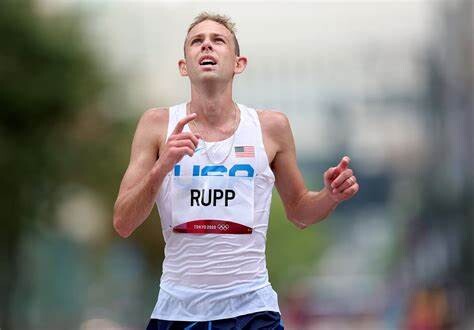
“I was down here training and this just seemed like a good opportunity. It’s been really fun. The kids are amazing to work with,” he added, while revealing that he plans to continue coaching throughout the cross-country season.
Asked if the experience has got him thinking of a career in coaching when he finally retires, the 2017 Chicago Marathon winner said: “Yes, absolutely. I’m having a lot of fun doing it now.”
Rupp is coming off a difficult season when he missed out on the Paris Olympics after finishing 16th at the US Olympics trials in February in what would have been his fourth appearance at the Games.
His previous Olympics appearances yielded a silver medal in 10,000m at the 2012 London Games before clinching marathon bronze in Rio 2016.
The 38-year-old has, however, been waning in his powers and there are still doubts whether he can regain his form of old and win major marathons again.
by Joel Omotto
Login to leave a comment
Is FKT Fever Coming to the Himalayas?
American runner Tyler Andrews just set the speed record on Manaslu, running from base camp to the summit while using an ultralight setup. Will more runners flock to the world’s highest peaks to prove themselves?
On September 19, 34-year-old American mountain runner Tyler Andrews ascended Nepal’s 26,781-foot Manaslu in a mind-bending 9 hours and 52 minutes. The time shaved more than two hours off the previous speed record on the peak, set in 2023 by Nepalese climber Pembe Gelji Sherpa. Before that, Francois Cazzanelli, an alpinist and guide from Italy, summited in 13 hours, in 2019.

Manaslu is one of the world’s 14 peaks above 8,000 meters. These mountains have traditionally been the realm of mountaineers and professional high-alpine guides, not trail runners.
But Andrews believes that’s about to change. “I think we’re going to start seeing more mountain runners going this way,” Andrews told Outside from Manaslu base camp.
His belief stems in part from his own experience on the peak, and from changing dynamics he’s seeing in the world of ultrarunning and the pursuit of fastest known times. Andrews is part of a new generation of mountain runners seeking out increasingly bigger, more challenging, and more daunting speed records. “If you start with the Colorado fourteeners, then go to the Alps, then the Andes, the natural progression is to the Himalayas and the 8000ers,” he told Outside.
Instead, ascents on Nepal’s highest mountains, including those resulting in speed records, have historically been tracked by the Himalayan Database. But that’s changing, and Andrews is one reason behind the shift. He actually works part-time for Fastest Know Time as Regional Editor for Latin America and the Himalayas. Part of his job is to create routes and then help FKT track records on them.
“I think in the past, the team didn’t want to be trying to verify routes that required rock climbing because you can’t just use a GPS watch to track something that’s vertical,” Andrews says. “But Manaslu is not like that, so tracking it is really no different than other mountains on there, like Cotopaxi or Denali.”
When Andrews returns from Manaslu base camp—he’s currently supporting a friend attempting a ski descent—he will submit his GPX data to Fastest Known Time for approval. He also plans to submit his data to the Himalayan Database.
Manaslu and 26,864-foot Cho Oyu in Tibet are considered the easiest of the 14 8,000-meter peaks. On Manaslu, the nine-mile route from base camp to the summit requires less technical climbing than harder peaks, like K2 or Nanga Parbat. Still, Manaslu isn’t easy. The trail gains nearly 11,000 feet of elevation, requires the use of fixed ropes in many sections, and travels over steep sections of snow and ice. Climbers must also survive in what mountaineers call the “Death Zone”—elevations above 26,000—because there’s not enough oxygen for human beings to survive more than a day or two.
Andrews ran up Manaslu without using supplemental oxygen, and he did so with an extremely lightweight setup. He wore a pair of waterproof trail running shoes designed to shed snow, a puffy jacket, lightweight pants, and a windbreaker. He carried a 30-liter backpack containing bare essentials: harness, helmet, goggles, ice axe, water, snacks, and energy gels.
In 2013 he ran straight up 15,780-foot Mont Blanc, typically a two-day mountaineering ascent, in less than 5 hours while wearing shorts and a t-shirt. In 2017 he ascended Mount Everest twice in the same week.
Jornet’s ascents prompted some trail runners to take on similar challenges, setting off a flurry of mountain-top FKTs, and inspiring a new generation of endurance athletes.
Similarly, Andrews thinks the time is right for athletes to “push back on some of the conventional wisdom” for ascending 8,000-meter peaks. Instead of ascending Manaslu overnight, as is typical (“so you don’t get roasted by the sun”), Andrews did it mostly during daylight, which allowed him to use more conventional footwear, due to the warm temperatures.
Andrews also brought a stationary bike to base camp, which he said was “absurd.” But the device enabled him to get his heart rate higher than he would have while running.
But Andrews cautions that Himalayan ascents aren’t for untested trail runners. “I didn’t just step off the track and onto an 8,000-meter mountain,” he says. Andrews has been mountaineering for 15 years, and much more seriously in the last five. In recent years he’s ascended 22,841-foot Aconcagua in Argentina, 19,347-foot Cotopaxi in Ecuador, and 22,349-foot Ama Dablam in Nepal, among other peaks.
He lives and trains at high altitude, splitting time between Flagstaff, Arizona and Quito, Ecuador. And Andrews has extensive experience running at higher altitudes in the Andes.
Prior to Manaslu, Andrews ran dozens of trails above 16,000 feet in the Himalayas. His FKT on Manaslu was his second attempt on the mountain in two years. He didn’t summit the first time. “I got my ass kicked,” Andrews says. “But I learned a lot.” Both times, he hired expert local outfitter Dawa Steven Sherpa of Asian Trekking to manage logistics.
For 2025 and beyond, Andrews hopes to add more Nepali trails to the Fastest Known Times database. “There’s an absolute smorgasbord of mountain trail running here,” he says. “Really epic beautiful routes that most people do in a few days to a few weeks that
by Outside Online
Login to leave a comment
Nike Continues Shuffle of Pro Coaches
Pete Julian’s Union Athletics Club will move to Colorado.
In the latest move by Nike to reconfigure its pro running teams, Pete Julian’s Union Athletics Club will move from Oregon to Colorado, sources tell Runner’s World.
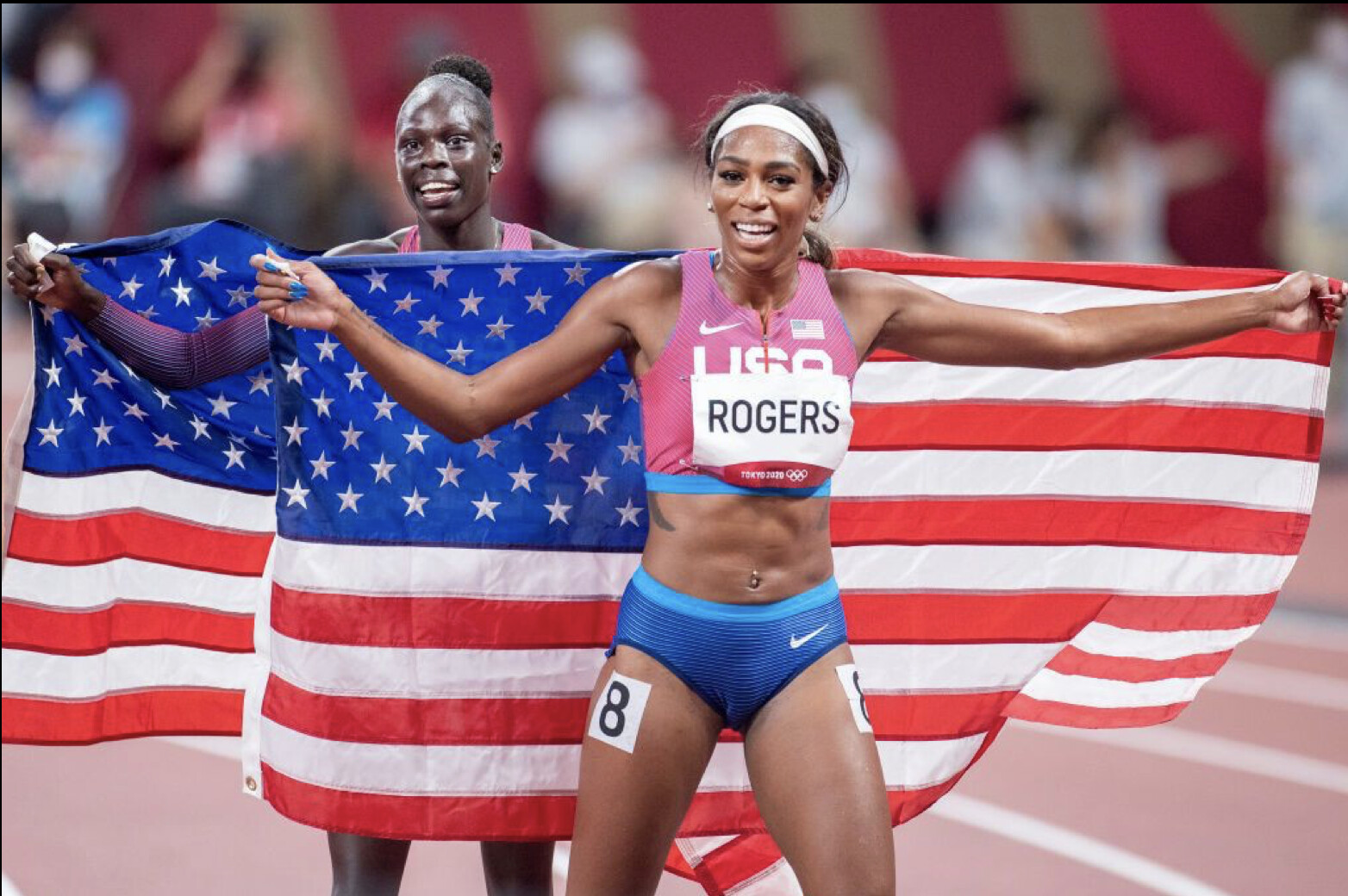
This move comes two weeks after it was announced that Mike Smith would leave his post at Northern Arizona University in June 2025 to start a Nike pro group.
Julian, reached by text by Runner’s World, did not deny the team was making the move but said he was unable to comment. Media relations representatives at Nike acknowledged questions from Runner’s World on July 19 and again on August 12, but they did not reply with any further information about the group’s move.
UAC’s 10 current athletes compete at a range of events. They include Raevyn Rogers, the 2021 Olympic bronze medalist in the 800 meters, and Sinclaire Johnson, the 2022 U.S. champion in the 1500 meters. Suguro Osako, a marathoner from Japan, is also listed on the roster; he finished 13th at the Olympics in Paris in 2:09:25.
It is unclear if all the athletes will go to Colorado with Julian. A message to Rogers via social media was not immediately returned. Rogers has strong ties to Oregon; she went to the University of Oregon and won five individual NCAA titles there. Her image graces the tower at Hayward Field in Eugene, and she is not known to have spent much time training at altitude, if any.
Depending on where in Colorado the group lands, athletes could be training at at least 5,200 feet of elevation. Altitude training is increasingly seen as essential for elite distance runners. Boulder, Colorado, which has long been a mecca for distance athletes, is already crowded with pros: On Athletics Club has a sizable pro group there, as does Team Boss, a group of elite distance runners anchored by steeplechaser Emma Coburn, who runs for New Balance.
Coaching and athlete turnover is common after the Olympic Games. Most pro athletes have contracts that take them through the end of the Olympic year, and some have an option in their contracts that allows a sponsor to sign them for an additional year.
Several high profile athletes have left the UAC in recent years. Jessica Hull returned to her native Australia and trains under her father; she won a silver medal in Paris. Donavan Brazier had great success under Julian in 2019, but LetsRun reported he left the UAC in 2024 after undergoing a fourth surgery on his left foot and lower leg. Fan favorite Craig Engels is now living in California and training under his college coach, Ryan Vanhoy.
Julian’s wife, Colleen Glyde Julian, is a professor of biomedical informatics at the University of Colorado’s medical school in Aurora, Colorado. He has long commuted to Portland, Oregon, from Denver several times each week for athlete workouts in Beaverton.
by Runner’s World
Login to leave a comment

Why older runners are rocking the trails
Recent performances by Jeff Browning and Ludo Pommeret suggest that trail runners age like fine wine.
A fascinating trend has emerged in trail and ultrarunning: athletes in their 40s and 50s are not just competing—they’re thriving. Recent performances by American ultrarunner Jeff Browning (53) and France’s Ludovic Pommeret (49) are putting to rest the common belief that athletic performance declines with age. Instead, these trail runners are proving that experience, mental resilience and a well-honed training regimen can defy the clock. Why are trail runners getting better with age, and how are they doing it?
The power of experience
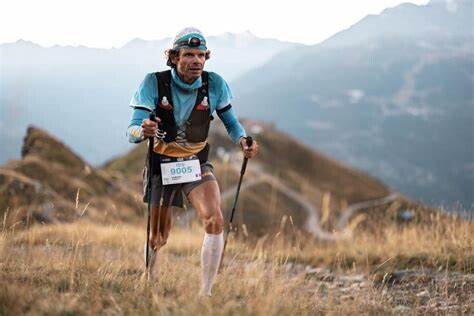
One of the key reasons trail runners are excelling later in life is the accumulation of experience and mental resilience built over time. Running on technical trails requires quick decision-making and the ability to stay calm under pressure, qualities that often improve with age. Pommeret won the UTMB 176K race at age 41 and placed fourth at this year’s edition, at the age of 49, after winning Hardrock 100 only six weeks earlier. Some of his success can be attributed to years of experience, which has taught him to manage his energy efficiently, pace himself wisely and navigate challenging terrain with confidence.
Research supports this idea, suggesting that older athletes possess greater mental resilience, allowing them to maintain focus and composure during long, grueling races. This psychological edge often compensates for any slight physical declines, enabling veteran runners to stay competitive.
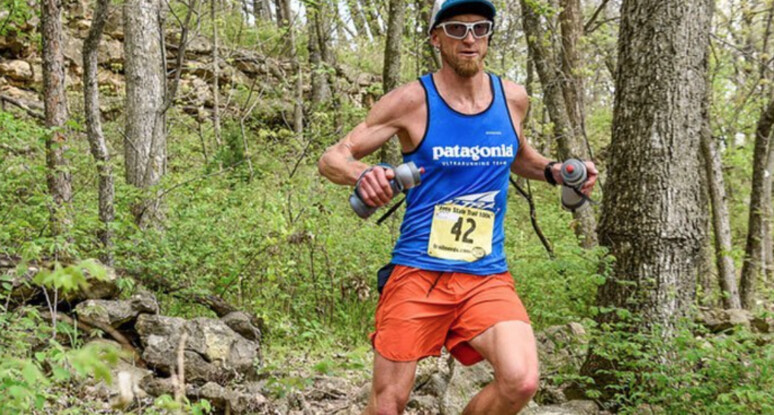
Adapted training and smarter recovery
Older trail runners are also better able to adapt their training to suit their aging bodies. Browning has consistently performed at the top level through his 40s and early 50s, most recently setting a supported FKT on the Colorado Trail at age 52 and placing second at this year’s Cocodona 250 (402 km) in Arizona. Browning emphasizes the importance of strength training, flexibility and strategic recovery. Instead of pushing through pain or ignoring signs of overtraining, experienced runners like Browning adjust their routines to prevent injury and enhance their longevity in the sport.
Research shows that strength training becomes increasingly important as we age, helping to maintain muscle mass, bone density and joint stability. Older athletes are also often more attuned to the need for adequate recovery, which is vital for avoiding burnout and ensuring sustainable performance.
Wisdom of pacing and nutrition
As trail runners age, they also tend to develop a keen sense of pacing and nutrition, partially due to familiarity with their own body. Unlike younger runners, who might go out too fast and burn out, more experienced runners understand the importance of conserving energy for the later stages of a race. They also become more meticulous about nutrition, recognizing that fueling their bodies properly can make the difference between finishing strong and hitting the wall.
Pommeret’s victory at the 2016 UTMB is a perfect example. After falling behind early in the race, Pommeret strategically paced himself, gradually working his way up the field to take the lead in the final miles. This kind of tactical acumen is often honed over years of racing experience.
Trail running is increasingly proving that age is just a number. with athletes like Pommeret and Browning demonstrating that with the right mix of experience, training adaptations, mental resilience and smart pacing, older runners can continue to compete—and win—at the highest levels.
by Keeley Milne
Login to leave a comment
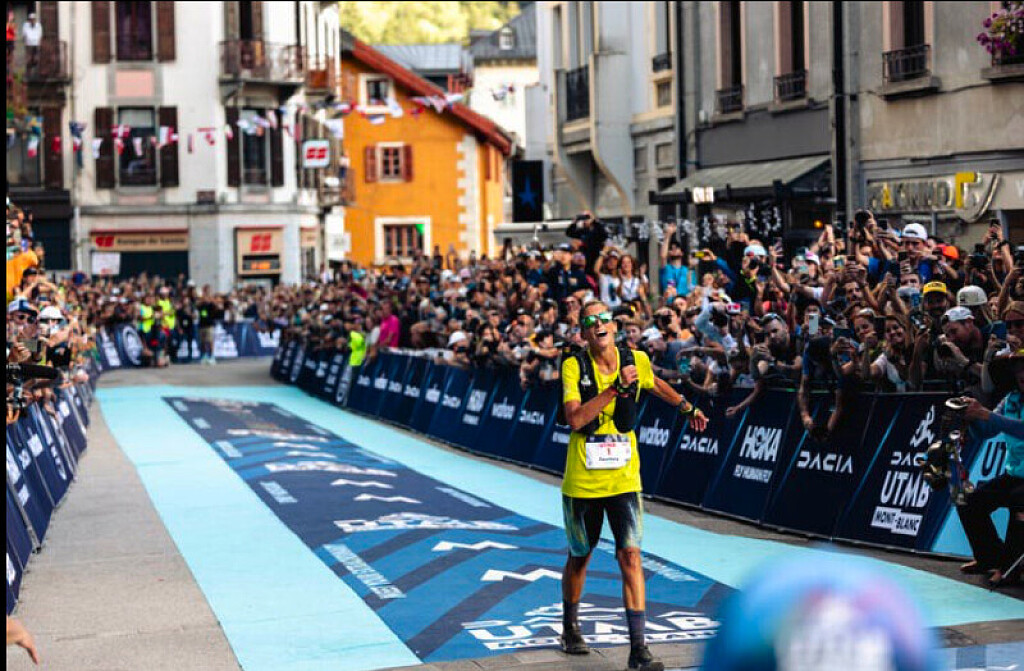
UTMB Is Having a Golden Moment. But It’s Delicate.
After a year that included a maelstrom of controversy, the world’s most prominent ultra-trail running event has righted its path
“It felt like a golden era of trail running.”
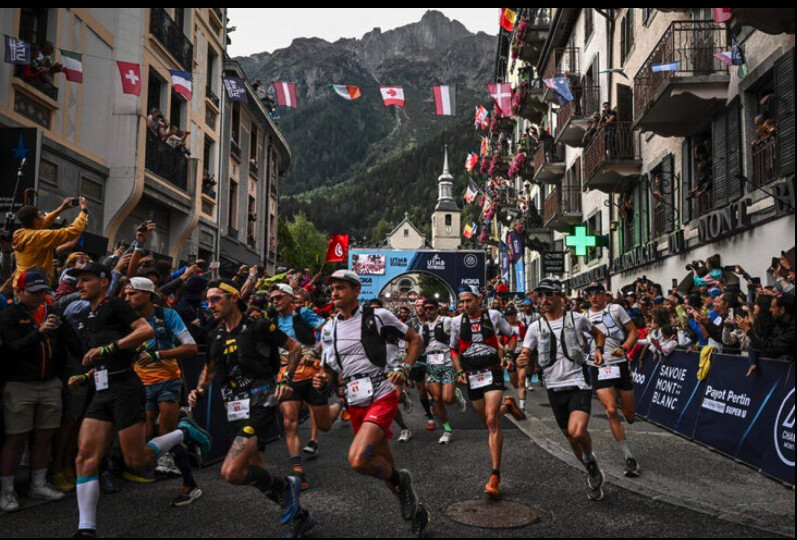
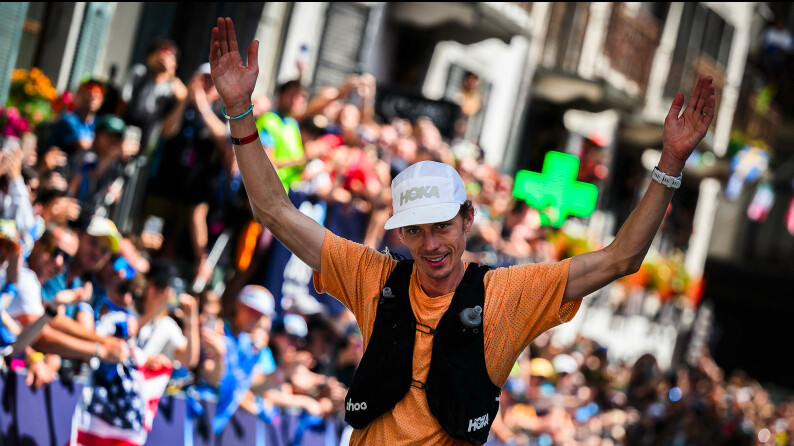
That quote came from Keith Byrne, a senior manager at The North Face and a UTMB live stream commentator for nearly a decade, who was talking about last summer’s UTMB World Series Finals in Chamonix, France.
The UTMB races during the last week of August last summer were, I thought, the most alluring in the event’s 20-year history.
After years of being frustrated by the course, American Jim Walmsley finally put it all together for a victorious lap around Mont Blanc. In doing so he became the first U.S. man to win the race, setting a course record of 19:37:43. He and his wife, Jess, had moved from Arizona to live full-time in France to make it happen. And then there was Colorado’s Courtney Dauwalter, who won the race handily in 23:29:14 to notch her third victory and continue the strong legacy of American women on the course. The win felt extra historic because it made her the first person to win Western States, Hardrock, and UTMB in the same year—arguably the three most legendary and competitive 100-mile events in the world, and she dominated each one.
The events came off without a hitch and included record crowds in Chamonix, plus a record 52 million more tuning into the livestream.
Throughout the fall and winter, harmony and happiness seemed to give way to chaos and discontent. But a year later, as the UTMB Mont Blanc weeklong festival of trail running kicks off on August 26, everything seems back to normal in Chamonix. What happened along the way is a tale of drama, perhaps both necessary and unnecessary, all of it culminating in course corrections by the multinational race series.
In short, what a year it has been for UTMB.
And now, hordes of nervous and excited runners from all corners of the globe are descending on Chamonix for this year’s UTMB Mont-Blanc races. Registration for UTMB World Series events is reportedly up about 35 percent year over year with even greater growth in interest for OCC, CCC and UTMB race lottery applications. There is more media coverage, more pre-race hype, and more excitement than ever before. More running brands are using the UTMB Mont Blanc week to showcase their new running gear with media events, brand activations, and fun runs. Even The Speed Project—although entirely unrelated to UTMB—chose Chamonix as the starting point of its latest so-called underground point-to-point relay race to try to catch some of the considerable buzz UTMB is generating.
So what happened? Did the UTMB organization do its due diligence and make amends with several significant changes in the spring? Was the angst and stirring of emotions just not as widely felt as the fervent bouts of Instagram activism claimed it to be? Have the participants and fans of the ultra-trail running world suffered amnesia or become ambivalent? Or is it all a sign of the race—and the entire sport of trail running—going through growing pains as it adjusts to the massive global participation surge, increased professionalism, and heightened sponsorship opportunities?
On the eve of another 106-mile lap around the Mont Blanc massif, I wanted to take a look at what happened and the current state of UTMB’s global race series that culminates here in Chamonix this week.
We caught a glimpse of what was to come shortly before UTMB last year, when the race organization announced the European car company Dacia as its new title sponsor. A fossil-fuel powered conglomerate didn’t sit well with some fans of the event, coming amid an era of widespread climate doom (even though the brand would be highlighting its new Spring EV at the UTMB race expo.) The Green Runners, an environmental running community co-founded by British trail running stars Damian Hall and Jasmin Paris, called it an act of “sportswashing” and released a petition calling on UTMB to denounce the partnership. (Hall even traveled all the way to Chamonix to deliver the petition in person.)
These grumblings of discontent and others that followed exploded into a social media firestorm shortly after UTMB. In October, it became public that UTMB had moved to launch a race in British Columbia, Canada, just as a similar event in the same location was struggling with permitting. A he-said, she-said back-and–forth left onlookers with whiplash. Then on December 1, UTMB livestream commentator Corrine Malcolm announced on Instagram that she had been fired and in late January, a leaked email from elite runners Kilian Jornet and Zach Miller to fellow athletes called for a boycott of the race series. All of it, jet fuel for social media algorithms.
“We’re at a turning point in trail running, but we can keep the core values if the community stands up,” the Pro Trail Runners Association secretary, Albert Jorquera, told me at the time.
In the midst of these dramas, I interviewed race founders Catherine and Michel Poletti over lunch at a Chamonix cafe. For nearly a decade now, I have met with the couple for candid conversations that helped frame online articles and magazine stories, and most recently for the book, The Race that Changed Running: The Inside Story of UTMB.
I plunged headlong into two articles with hopes of explaining it all. There was so much heat swirling around the UTMB stories, and so little light.
“The very thing that made ultrarunning so bonding was being torn apart by the community itself through social media,” said Topher Gaylord. A former elite runner who tied for second in the inaugural UTMB in 2003, Gaylord engineered UTMB’s first title sponsorship with The North Face and has been a close supporter of the Polletis for 20 years. “Some players are using social media to divide the community. That’s super disappointing.”
To me, it felt like the aggressive online activists were winning the day. Trail running suddenly seemed polarized, infected with the intertwined social media viruses of false indignation and close-mindedness. Twice, I deep-sixed my article drafts. Friends and editors convinced me they wouldn’t be read dispassionately. Who wants to be handed a fire extinguisher, when your goal is to torch the house?
Well, what a difference eight months can make. We now have some perspective and, with it, some answers.
Since its earliest days, UTMB’s volunteer founding committee believed in the values of the sport. The very first brochure produced for the race—a mere sheet of paper—featured a paragraph on values. In later years that statement became much more comprehensive, expanding to cover a wide range of topics and the race’s mission to support and protect them.
But maintaining those values in an organization that has gone from a singular race with a literal garden-shed office to a 43 global event series with a staff of more than 70 full-time employees is tricky at best. In an interview once, Michel Poletti paused, asking if I had seen a photo of a mutual friend that was making the rounds. He was climbing one of Chamonix’s famed needle-sharp aiguilles, one foot on each side of a razor sharp ridge—a perilous balancing act, big air on each side. It was his metaphor for trying to move ever up, while balancing business growth and heartfelt values.
Over the course of dozens of hours of interviews with the Polettis, I came to learn one thing: UTMB always moves forward up the ridge. In the process, UTMB corrects its course. It starts with a careful analysis after each edition, evaluating pain points in areas such as logistics, security, media, traffic, and others, discussing how they can be addressed. Historically, those course corrections haven’t been at the pace others might want—especially since the social unrest that developed during the Covid pandemic—but the organization has a reliable pattern of steadily addressing concerns.
And so, not too many weeks after that lunch meeting, UTMB set to work. First came a heartfelt effort they kept under the radar—traveling around the U.S. to listen and learn. They spent two weeks in the U.S. in February, visiting with American athletes, race directors, journalists, consultants, and their Ironman partners. “We need to learn from our mistakes and from this crisis,” Michel said.
Methodically over the ensuing months, UTMB rolled out a series of changes. Some were aimed at directly addressing the controversies, others were overdue for what is, by any metric, the world’s premier ultra-trail running event.
“My hope is that the trail running community understands that we are human,” Catherine had told me over the winter.
Four months ago, at the end of April, the race organization announced that Hoka would become the new title sponsor of UTMB Mont-Blanc and the entire UTMB World Series through 2028. It was a huge move because Hoka, one of the biggest running brands in the world, essentially doubled-down on its support of UTMB and trail running in general. The five-year deal brought benefits other than cash, too. Hoka has a strong history of inclusivity and growing representation among marginalized communities, an area UTMB has announced it intends to focus more on beginning this year. The deal also moved Dacia out of the title sponsor limelight, instead bringing a brand with a strong reputation in trail running to the fore.
Dacia was shifted to the role of a premier partner in Europe, and now plays an integral part in a new eco-focused mobility plan UTMB updated in July. Fifty of their cars can be signed out for use by over 70 staff and 2,500 volunteers, encouraging them to arrive in Chamonix using public transportation instead. The move is estimated to eliminate 200 vehicles driving into the valley. (The organization’s new mobility plan will transport an estimated 15,000 runners and supporters, eliminating the need for approximately 6,000 cars during the UTMB Mont-Blanc week. On average, a bus will run every 15 minutes between Chamonix and Courmayeur, Italy, and Chamonix and Orsières, Switzerland.)
In May, UTMB announced a new anti-doping policy it had developed with input from PTRA. The organization committed to spending at least $110,000 per year, money that will be allocated to test all podium finishers and a randomized selection of the 687 elite athletes in attendance. The new policies will be implemented by the International Testing Association, an independent nonprofit that has also conducted two free informational webinars for the 1,400 UTMB Mont Blanc elite runners.
Not long after the announcement, Catherine Poletti suggested this was just a start. Speaking at TrailCon, a new conference held in Olympic Valley, California, on June 26, she said, “It’s a first big step for us. And we’ll continue to develop this policy.” (The most important anti-doping protocol may still be beyond UTMB, however. “The elephant in the room is that we need a coordinated approach to establish out-of-competition testing,” Tim Tollefson, an elite U.S. runner and director of the Mammoth TrailFest in California, who spearheaded independent testing at his event in 2023. “Individually, we’re just lighting our money on fire.”)
In mid-June, UTMB addressed a longtime issue with top runners—prize money. A chunk of the funding from the ratcheted-up Hoka sponsorship was directed to supporting the bigger prizes for the OCC, CCC and UTMB races in Chamonix—about $300,000 this year, nearly double of 2023—as well as more prize money for the three UTMB World Series Majors. (The sequence was intentional. The organization wanted a new doping policy in place before increasing prize purses, since large cash awards are often thought to lead to a growth in doping.)
It’s a move that was long overdue—the most celebrated marquee event in any sport should reward its top athletes more than any other event—but not possible without Hoka’s increased involvement. The proposal was shared with PTRA in advance of the announcement, and the group provided feedback that was incorporated into the final divvying up of the purse. The total amount spent on prize money across all UTMB races is now more than $370,000.
“We increased the prizes quite dramatically,” said UTMB Group CEO Frédéric Lenart. “It’s very important for us to support athletes in their living.”
Finally, just last week, UTMB announced a new department within the company called “Sport and Sustainability.” The group is headed by longtime UTMB staffer Fabrice Perrin. He was a driving force behind the creation of UTMB’s live coverage back in 2012. Heading up relations with the pro athletes will be longtime elite trail runner Julien Chorier. Nicolas LeGrange, UTMB’s Director of Operations, will be in charge of sustainability and DEI, Diversity, Equity Inclusion.
On the DEI front, UTMB is calling its strategy “leave no one behind,” and they promise new initiatives coming this fall so that, according to Perrin, “every athlete feels a sense of belonging within our community,” he says. “I am committed to ensuring that we perfect symbiosis with the entire community of trail running.”
UTMB has already begun to embrace adaptive athletes, something it was criticized for lacking as recently as last year. This year’s UTMB Mont Blanc races will feature a team of 12 adaptive athletes who will be participating in the MCC, OCC and UTMB races. Under the direction of adaptive athlete and team manager Boris Ghirardi, who lost his left foot and part of his left leg after a motorcycle accident in 2019, the race organization recruited the athletes from around the world to showcase how adaptability and resilience are key elements of the UTMB values.
“I proposed this program to make a concrete action around adaptive athletes and the inclusion policy, and to prove that it was possible,” he said this weekend. “If you really get everyone working on this, you can change the game.”
And with that, UTMB Mont-Blanc 2024 is underway, resuming the golden era status that Byrne raved about last August. Starting this past weekend, banners have been unfurled over Place du Triangle de l’Amitié in the heart of Chamonix, kicking off the carefully choreographed trail running Super Bowl that is UTMB. The excitement begins on August 26 and culminates as the race for UTMB individual crowns reach a tipping point on August 31. (The golden hour of the final finishers on September 1 will be something to behold, too.)
“It’s like wrapping the Tour de France, Burning Man, and the biggest industry trade show into one giant, week-long festival,” Gaylord says. “It’s an amazing week for our sport, one of the biggest showcases we have.”
The aura of Chamonix and the opportunity to run a race there is drawing as much or more interest than ever before. It is perhaps the essence of what will keep the UTMB World Series afloat into the distant future. Runners will continue to chase Running Stones at qualifying events around the world, knowing the carrot of running one of the races around the Mont Blanc massif is second to none.
Trail running is booming on a global scale, and it’s not just UTMB shouldering the burden or reaping the benefits. The Golden Trail World Series, Spartan Trail Running, Xterra Trail Running—and even the World Trail Majors, Western States 100, and dozens of other more prominent trail races—are all trying to get a bigger piece of the pie, either by way of money or relevance.
UTMB Mont Blanc, as trail running’s most important race, is at the very beating heart of it all. And trail running is a soul sport, so when change and growth happen, it can feel threatening to all of us whose lives have been changed for the better by time spent with dirt underfoot and blue sky above. UTMB is big enough now that it’s urgently important that it make changes judiciously and preemptively.
As the world’s most significant trail race, the consequences of UTMB’s choices will ripple throughout the ecosystem. UTMB understands this. “Do we owe something to trail running? Yes, of course we do,” Michel Poletti once told me. That’s truer than ever now.
At TrailCon in June, Catherine Poletti summed up UTMB’s challenge. “Trail running is changing around the world. We’ve seen that evolution over 20 years. We need to adapt, to find a good balance, to accept different models and ways of organizing.”
Back in August 2021, I wrote an article here called, “UTMB, Don’t Break Our Hearts.” It came the summer after the organization announced its investment from the Ironman Group. Change– big change– was everywhere. Could the race around Mont Blanc maintain its soul and passion amid talk of multinational sports marketing, we all wondered? Michel Poletti closed the interview by saying, “Nous prenons un rendez-vous dans trois ans.” Simply translated: “We’ll schedule an interview in three years.”
Three years is now, and both UTMB and trail running’s landscape have changed dramatically, if not literally then certainly figuratively. We’ve seen UTMB adjust its rudder this past year, responding to concerns. Perhaps not at the pace any individual or specific group would like, and not to the extent some would wish. But it’s happening, and for that we should all breathe a cautious sigh of relief. Because if you love trail running, you have to care about what happens at the world’s biggest trail race.
As I write this in Chamonix very early on the morning of August 26, overcast skies are parting and blue skies are in the offing. The forecast for the week ahead is for bright sun with a few clouds. It’s a workable enough metaphor for trail running’s future. But one thing has to happen for it to come true. The race that changed running needs to continue to listen to its stakeholders around the world, and engage with them as it grows and develops in the days ahead. If that happens, Byrne’s vision of the golden age of our sport just might linger on. I can hope.
by Outside Online
Login to leave a comment
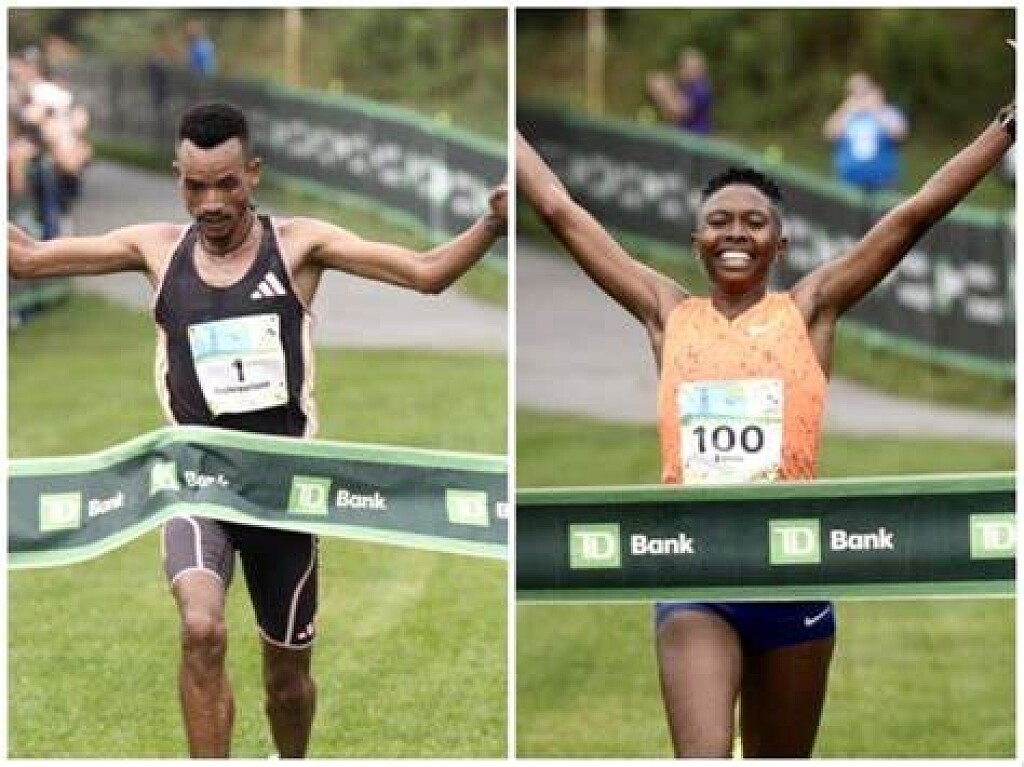
Tadese Worku, Faith Chepkoech top finishers at rainy Beach to Beacon
For the first time in the 26-year history of the race, started by 1984 Olympic marathon gold medalist and Cape Elizabeth native Joan Benoit Samuelson, runners left the starting line as rain fell. On Friday night, with thunderstorms expected Saturday morning, organizers pushed the start back an hour. Still, it poured as wheelchair racers took off at 8:50 a.m., and the rain was still steady when the elite women’s field started 10 minutes later.
“If anything, it was just going to be a true race, and we weren’t going to worry about times,” said Susanna Sullivan of Reston, Virginia, who finished fourth in the women’s race. “It takes a little bit of the pressure off, too, when you know it’s just going to be a race and not a time trial.”
Making her Beach to Beacon debut, Kenya’s Faith Chepkoech, 21, won the women’s race in 32 minutes, 5 seconds – 12 seconds ahead of 44-year-old Edna Kiplagat (32:17), another Kenyan who placed fifth in last year’s race. Cintia Chepngeno, also of Kenya, was third (32:20), two seconds ahead of Sullivan, the top American finisher.
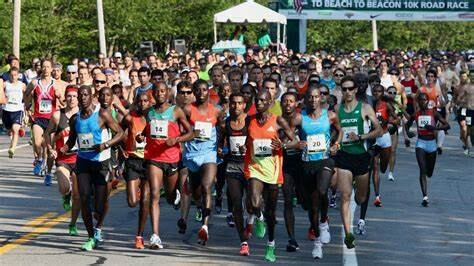
The men’s winner, Tadese Worku of Ethiopia, also made his Beach to Beacon debut. Worku, 22, won in 28:12, pulling away from runner-up Peter Mwaniki Aila (28:25) down the stretch. Mathew Kimeli, who won the Beach to Beacon in 2022, placed third (28:31). Biya Simbassa of Flagstaff, Arizona, was the top American male finisher, taking fourth in 28:34 for his third consecutive top-five finish.
The weather didn’t keep fans from cheering for runners along the course. Runners were serenaded by Dolly Parton’s “9 to 5” at around the 2 1/2-mile mark. A mile later, runners were greeted by a bagpiper. Mile after mile, there were loud cheers for the 6,072 participant.
by Tadese Worku, Faith Chepkoech
Login to leave a comment
TD Beach to Beacon 10K
Joan Benoit Samuelson, a native of Cape Elizabeth, Maine, won the first-ever women's Marathon at the 1984 Olympics in Los Angeles and is founder and chair of the TD Bank Beach to Beacon 10K. "A long time dream of mine has been realized" says Samuelson. "I've always wanted to create a race that brings runners to some of my most...
more...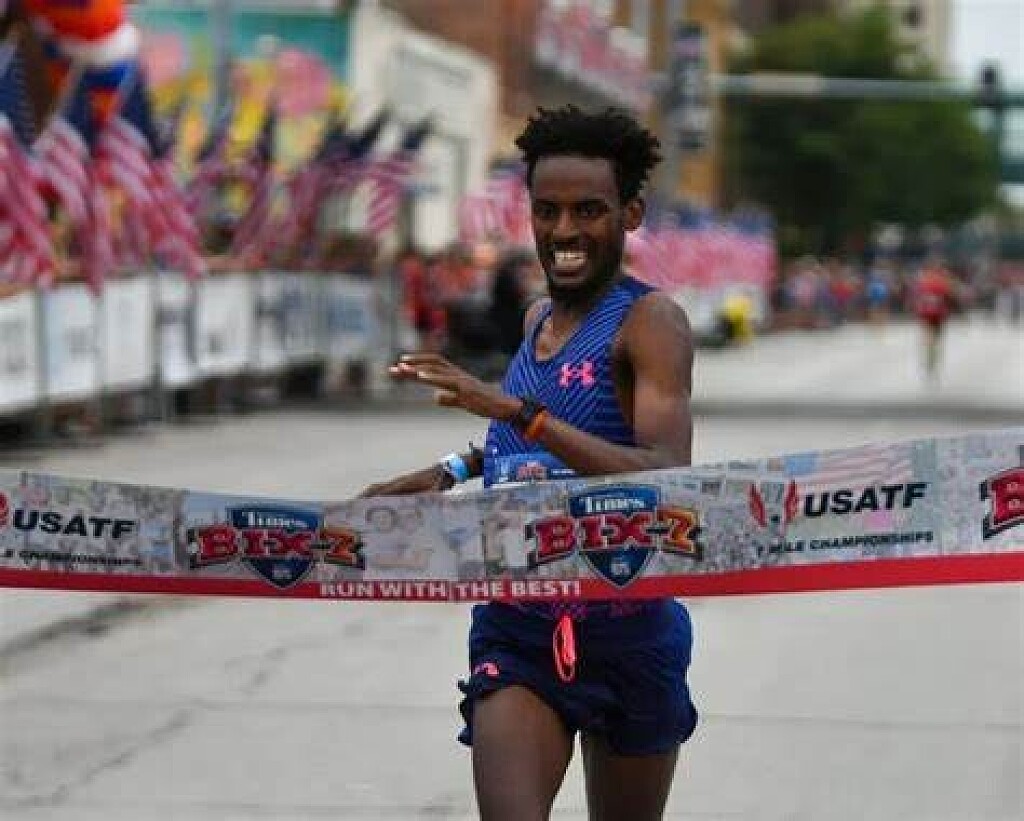
Defending champions return to Bix
Kellyn Taylor and Biya Simbassa each ran the Quad-City Times Bix 7 for the first time last year.
They clearly loved the course, the atmosphere and just about everything about the annual race through the streets of Davenport.
Both Taylor and Simbassa held off late challenges from other runners, both ran the sixth best Bix 7 times ever by a U.S. athlete of their gender and both plan to return to defend their championships when the race is held for the 50th time on July 27.
It marks the first time in 12 years that both the men’s and women’s champions are returning to defend their Bix titles.
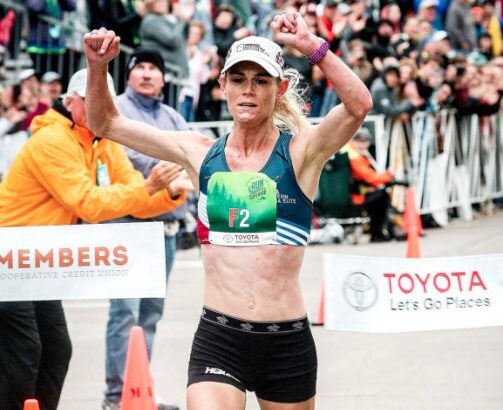
Simbassa admitted he wasn’t really sure how he felt about the Bix 7 course last year when he first saw the endless array of ups and downs in the course. But after holding off Olympian Clayton Young to win, he liked it.
“I mean, now I do,’’ he said after his victory. “It’s a course that’s all about strength and I train for this."
Taylor went through a similar transformation.
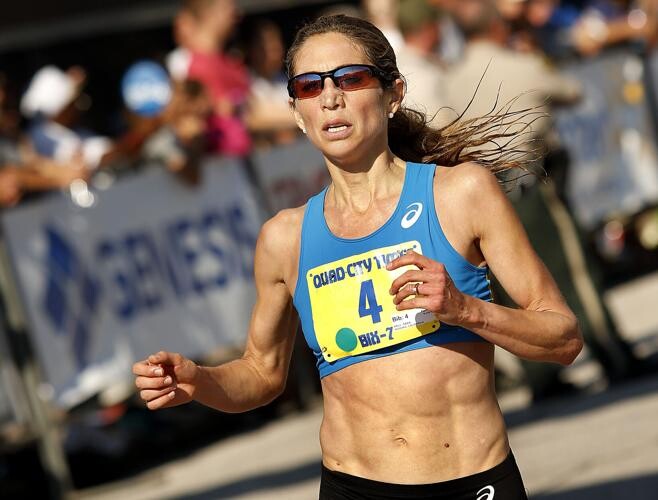
“When I saw the course, I was like, ‘Oh, no. What did I get myself into?’ ” she said. “That’s a super substantial hill right at the beginning and then it rolls all the way through. It’s certainly not easy by any means. I think that works to my favor since I’m more of a strength runner.”
Taylor appreciated more than just the hills.
“The crowds were amazing,” she said. “It’s not what I expected at all — the streets were completely lined, and a race that isn’t a huge marathon, I don’t feel like you see that that often. The crowds were incredible.”
Taylor and Simbassa will be bidding to repeat as Bix 7 champions, something that has been done only seven times in the race’s history, four times by men, three times by women.
Both runners failed to land berths on the U.S. Olympic team, which would have precluded a return to Bix, but they’ve still used their 2023 victories as a springboard to additional success.
Taylor briefly led the New York City Marathon last November before placing eighth, making her the top American finisher in the race. It was the third time she has been in the top eight at New York.
The Wisconsin native, who will turn 38 a few days before the Bix 7, then focused her attention on making the U.S. Olympic team and made a respectable showing in the trials in the marathon, finishing 15th, and the 10,000 meters, placing sixth.
Simbassa, a 31-year-old native of Ethiopia who now lives in Flagstaff, Arizona, attempted to earn an Olympic spot in the marathon but placed 11th in the trials.
However, he has followed that with an ambitious schedule on the U.S. road racing circuit, recording top-five finishes in the Bolder Boulder 10k (5th), Cherry Blossom 10-miler (5th), Gate River 15k (4th), Amway River Bank 25k (3rd) and Houston Half-marathon (4th).
Also included in the field are four former Olympians and nine other runners who have placed in the top 10 at the Bix 7 in the past. Elite athlete coordinator John Tope said even more top runners could be added between now and race day.
Among the top men’s entries are two former Iowa State University standouts.
Wesley Kiptoo of Kenya was the 2021 NCAA indoor 5,000-meter champion and a seven-time All-American for the Cyclones. He was seventh in the Bix 7 two years ago and won the Cherry Blossom 10-miler earlier this year.
Hillary Bor, a Kenya native who is now an American citizen, also attended Iowa State before representing the U.S. in the 3,000-meter steeplechase at the Olympics in both 2016 and 2021. He also is the U.S. record-holder in the 10-mile run.
Other former Olympians in the field are Morocco’s Mohamed El Aaraby and Americans Jake Riley and Shadrack Kipchirchir. Riley and Araby both competed in the marathon in Tokyo in 2021 and Kipchirchir ran the 10,000 meters in 2016.
Riley also is a Bix 7 veteran along with Kenya’s Reuben Mosip and Americans Frank Lara, Andrew Colley and Isai Rodriguez. Lara was second in the Bix 7 in 2021 and eighth a year ago.
Rounding out the men’s field are Raymond Magut of Kenya; Tsegay Tuemay and Tesfu Tewelde of Eritrea; and Americans Nathan Martin, Ryan Ford, JP Trojan, Merga Gemeda and Titus Winders.
The most recognizable name in the women’s field is 41-year-old Sara Hall, the wife of two-time Olympian, U.S. half-marathon record-holder and 2010 Bix champion Ryan Hall. Sara Hall was fifth in the U.S. Olympic marathon trials earlier this year and has two strong Bix 7 efforts on her resume, placing second in 2014 and third in 2017.
She and Taylor will be challenged by three up-and-coming runners from Kenya — Emmaculate Anyango Achol, Grace Loibach Nawowuna and Sarah Naibei. Achol has run the second fastest women’s 10k ever (28:57) and Naibei won the Lilac Bloomsday 12k in May.
Also in the field are Bix 7 veterans Kassie Parker, Jessa Hanson, Carrie Verdon and Tristin Van Ord along with Americans Annmarie Tuxbury and Stephanie Sherman, Ethiopia’s Mahlet Mulugeta and Kenya's Veronicah Wanjiru.
The elite field also includes four legendary runners who have helped build the Bix 7 into the international event that it is. Two-time champion Bill Rodgers, who has run the Bix 7 43 times, will be joined by four-time women’s champion and 1984 Olympic gold medalist Joan Samuelson, two-time Olympic medalist Frank Shorter and Meb Keflezighi, who has two Bix titles and an Olympic silver medal on his resume.
by Don Doxsie
Login to leave a comment

Bix 7 miler
This race attracts the greatest long distance runners in the world competing to win thousands of dollars in prize money. It is said to be the highest purse of any non-marathon race. Tremendous spectator support, entertainment and post party. Come and try to conquer this challenging course along with over 15,000 other participants, as you "Run With The Best." In...
more...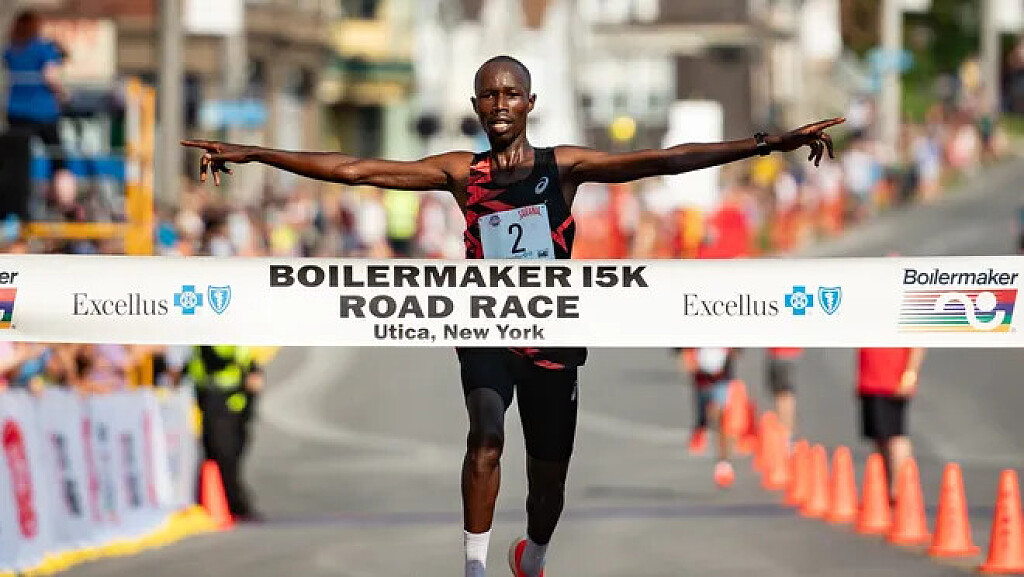
Kenyan John Korir captures 2024 Boilermaker 15K title
John Korir of Kenya finished first at the 47th Boilermaker 15K Road Race presented by Excellus BlueCross BlueShield, falling just short of last year’s record at 42:11.
This year’s 15K race saw 7,967 finishers, with 3,663 crossing the finish line for the 5K, up from 6,973 and 3,125, respectively, in 2023.
Korir successfully unseated the champion of the 2022 and 2023 Boilermaker, Jemal Yimer of Ethiopia. Yimer came in second place this year, just 8 seconds slower at 42:19. Yimer and Korir remained neck and neck throughout the race before the golf course.
Biya Simbassa of Flagstaff, Arizona, led the pack of American athletes, finishing 8th overall with a time of 43:53.
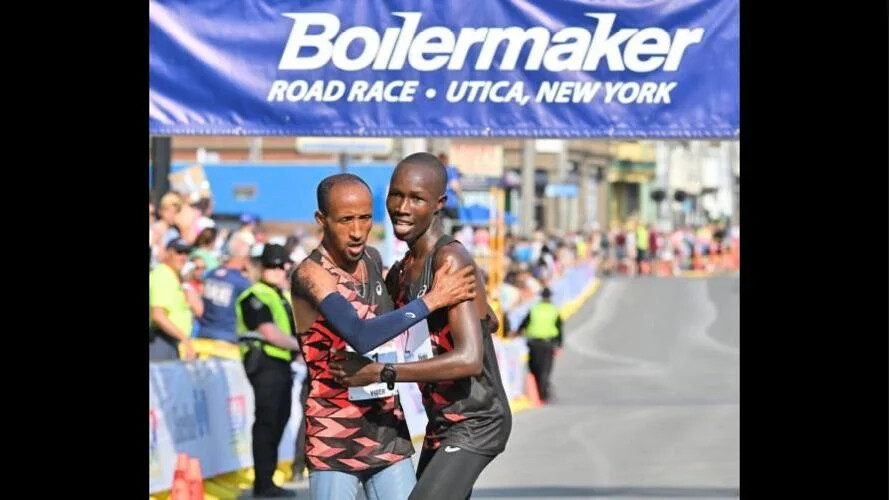
Winning the Women’s Open Division by a matter of milliseconds was Grace Loibach Nawowuna of Kenya, who broke the tape at 49:18. Emmaculate Anya Achol, also of Kenya, came in just mere steps behind Nawowuna.
The American women’s contingent was led by Annamaria Kostarellis of Arkansas, who finished in fifth place overall with a time of 50:18.
Canadian Josh Cassidy defended his title in the men’s open wheelchair division with a time of 34:05, beating Utica’s own Hermin Garic, who finished second with a time of 36:06. The 2024 Women’s Wheelchair Open Division saw a new champion in Hoda Elshorbagy of Illinois finishing in 40:25.
19-year-old Brendan Carter of Watertown, Massachusetts, won the 5K Road Race presented by Utica National in 15:38, crossing the finish line 13 seconds ahead of second-place finisher Dan Casatelli of Deansboro. Annika Hurley of Springfield, New Jersey, won the women’s open division of the 5K at 19:03.
“The 2nd Sunday in July never seems to fail to deliver beautiful weather for the Boilermaker,” said Mark Donovan, Boilermaker president, “for our 47th running, Mother Nature provided yet another picture-perfect day for our participants and spectators, making for a great experience.”
by Guest
Login to leave a comment
Boilermaker 15k
The Boilermaker 15K is the premier event of Boilermaker Weekend. This world krenowned race is often referred to as the country's best 15K. The Boilermaker 15K is recognized for its entertaining yet challenging course and racing's best post-race party, hosted by the F.X. Matt Brewing Company, featuring Saranac beer and a live concert! With 3 ice and water stops every...
more...
This Ultramarathoner Runs 100s of Miles to Build Inner Strength and Confidence
“Through ultrarunning, I’ve learned how tenacious and resilient I am.”
Name: Rachel Bambrick Age: 31 Hometown: Philadelphia Occupation: Occupational therapist, ultrarunning coach, founder of Women in Ultrarunning Time Running: 9 years Reason for Running: Running, and ultrarunning in particular, teaches me something new about myself every time I’m out on the trail.
When I moved to Philadelphia in 2016, I wanted to find an active community to meet new people and continue to challenge myself. I laced up my shoes, and started running with run clubs in the city.
In 2018, I watched a friend take part in the Run Across Haiti, a 200-mile run in eight days, organized as a fundraiser for WORK, a nonprofit which financially empowers families through employment.
I knew it would be difficult to push myself through the distance. I had never run an ultramarathon before, but I was determined to see how far I could go. I decided to take the leap and give ultrarunning a try through a worthwhile cause in Haiti.
Inspired by my friend, I completed Run Across Haiti in 2019, raising money for WORK. The adventure made me reflect on what drew me to ultra distances. While fighting sore muscles, scorching heat, and self doubt, I surprised myself that I still continued and succeeded. This journey of self-discovery empowered me to explore my limits.
I kept running ultramarathons following Run Across Haiti, and eventually set my sights on something longer: the epic Cocodona 250-mile race, which leads from Black Canyon City to Flagstaff, Arizona through the rugged and exposed trails of the backcountry.
In May 2023, I set off from Black Canyon City. For more than 119 hours, I wondered if I was strong enough to finish, and if I would make the cut-off time. When I could actually sleep, it was just for an hour or two at aid stations, or curled up in the dirt on the side of the trail.
But I kept moving, and telling myself “I am exactly where I need to be” and “It will get better.” I cried and smiled when I saw the finish line in Flagstaff. I was proud of how far I had come and of my inner strength in those many challenging moments.
I’ve been lucky to reach many starting lines these past few years and meet amazing people. But I felt like something was missing. I wanted to create a space for women to share experiences, knowledge, and support in ultrarunning.
So, I founded Women in Ultrarunning in January 2024 as a four-part program providing women in the Philadelphia area with a space to learn about ultrarunning. The group is a mix of seasoned ultramarathon runners and newer ultra runners who are looking to sign up to their first ultra race.
The first events began at local trailheads with an introduction to ultra running, mental strategy, nutrition, and how to navigate technical trails.
After discussions, we set off through the trails for a 90-minute run, maintaining an average 13-minute-per-mile pace to stay together. Our goal is to foster community and connection, not break speed records. We’re out there to enjoy the company, stay together, and learn from one another. A time-based group run allows us to be pace inclusive and welcome those who may be out on their first trail run.
Women in Ultrarunning is now a community across the United States, and an online community on Heylo to celebrate each other’s successes, help find training partners for runners, and chat about all things ultrarunning, like gear, nutrition, and strength and conditioning. It has been surreal to see an idea that lived in my head grow into fruition and take shape.
Through ultrarunning, I’ve learned how tenacious and resilient I am. I’ve also found a supportive community that I’m proud to be a part of. Because of the Women in Ultrarunning community, I’ve experienced a connection to ultrarunning in a way I never thought was possible.
I hope to be here for years to come with glitter on my cheeks and a smile on my face to continue to cheer on women as they achieve their toughest goals.
These three tips have made my running journey a success:
1. Be consistent and patient with nutrition on the run
Just like training your legs for races, you need to train your stomach for races. Don’t be disheartened if you have a string of discouraging runs. The process can be very rocky, and you may need to try a few brands before you find what works for you! It took me years to be comfortable with fueling on long runs.
2. Remember that trail pace is different than road pace
Getting used to running on rocky terrain, sand, or dirt takes time and practice. While it’s easy to get swept up in paces on the roads, try to run on trails based on effort. Some miles will be slow going! What matters is you are still moving forward.
3. Give yourself grace
Remember in running you’ll have low moments, but what is important is how you pull yourself out of the negativity. Feel the struggle and remind yourself it’s okay to feel down, then put yourself back into a mindset that allows you to continue positively. If you fall or fail, give yourself grace to get back up and continue on.
Rachel’s Must Have Gear:
→ WildSense Run Glitter: My approach to running and ultras is all about adding softness and sparkle wherever I can. Wild Sense’s glitter is all natural and biodegradable so I can feel good about the sparkly little trail I may leave behind.
→ HOKA Challengers: Living in the city of Philadelphia, being a trail/ultrarunner can be tough sometimes! Often my runs have one objective: How can I get to the trails? The Challengers are perfect because they’re designed as all-terrain shoes so I can easily take them from city streets to the trails of the Wissahickon.
→ Zensah Seamless Run Bra: As an ultrarunner, chafing can be a huge issue. Especially with sports bras. This bra from Zensah has been my go-to for all my long efforts and races for years. I used these bras for the entirety of the Cocodona 250 in 2023 and walked away without any bra hotspots.
by Runner’s World
Login to leave a comment

How to Keep Tick Bites from Ruining Your Summer
More people in the U.S. are being diagnosed with tick-related diseases every year, but we don't have to let that stop us from getting outdoors.
At home in Brooklyn, New York, my wife and I have discovered ticks on our dog, a pit-boxer mix who lacks the wherewithal to notify us of such an intruder. A few weeks ago, I found a tick—luckily, before it bit—on my arm while visiting Oakland, California. Outside editors have been coming across the disgusting creatures in northern New Mexico, northern Virginia, and coastal Massachusetts.

A decade ago, my little sister contracted Lyme disease in high school, so I have always been paranoid about tick bites. And with growing tick populations, ever more tick-related diseases, and a flurry of headlines about both, I’m sure I’m not alone.

There are hundreds of species of ticks, but the one to be most concerned about in the United States is Ixodes scapularis. The hard-body tick, also known as the blacklegged tick or deer tick, is a vector for a handful of diseases, including Lyme. “It causes far and away the most trouble in terms of health,” says Dr. Peter Krause, a senior research scientist with a specialty in epidemiology and infectious diseases at Yale Medicine.
Ticks are experiencing a largely unwanted glow-up in our current times. The largest vector-borne disease today is still Lyme, says Alison Hinckley, epidemiologist with the Centers for Disease Control and Prevention’s (CDC) Division of Vector-Borne Diseases in Fort Collins, Colorado. She cites a 2021 estimate based on insurance records that shows 476,000 Americans are diagnosed and treated for Lyme disease each year, which can cause headaches, muscle aches, joint swelling, severe fatigue, and even neurological symptoms. (As a point of comparison, only about 2,000 cases of Rocky Mountain spotted fever are reported each year in the U.S.) The reasons for the rise in Lyme range from deer populations to climate change. It’s enough to make me consider trading my hiking boots for gym trainers.
But if we stay inside, the bugs win. So we spoke to some experts to learn why ticks are prospering, what we can do about it, and how to continue to exercise outside safely. The good news? You can take precautions no matter your outdoor sport of choice, and finding a tick doesn’t have to be a five-alarm emergency.
According to the CDC, there are ticks in every state, though different species (carrying different diseases) proliferate in different environments. For instance, the lone star tick, named for a white spot on its back, is often found in Texas, and the brown dog tick thrives in Arizona. Lyme hails from Krause’s home state of Connecticut—it was named for the town of Old Lyme, in the state—but he might also encounter wood ticks and brown dog ticks, which can both transmit Rocky Mountain spotted fever. It’s not very common, he says, but the disease can cause fever, nausea, muscle pain, and a host of other scary symptoms. Despite its name, the lone star tick can also be found in Connecticut (it’s prevalent elsewhere on the East Coast, too, and in the southeastern and south-central United States), and can transmit an infection that leads to Alpha-gal Syndrome, which sometimes causes a permanent allergy to red meat. And that’s just one state. Another tick-borne disease, Babeosis, used to be called “Nantucket fever,” because one of the first cases in America was found on the nearby Massachusetts island in 1969. The Gulf Coast, American dog, and winter ticks transmit different pathogens around the country. You can see what ticks live in your state on the CDC website.
Still, the majority of tick-borne illnesses in the United States are Lyme disease. Ticks have a three-stage life cycle, Krause explains. As larvae, ticks feed on small mammals like mice. If these mammals are carrying Lyme-causing Borrelia bacteria, the tick is now infected and can transmit the disease. The “bloodmeal” (yum!) allows the larvae to molt into its next stage, when it is known as a nymph. At this point, if a nymph feeds on a human, the human will become infected.
Climate change is a major factor in the rise in tick diseases. Ticks need temperate, moist climates—they’ll die if it’s too hot, cold, or dry. Global warming, Krause says, is increasing tick habitat, with more areas becoming warm and humid. Given the southern states are experiencing hot, dry weather, they might have a temporary decrease in tick populations, but that hasn’t yet been shown, he says.
As a point of proof, Krause points to our northern neighbor. Canada was not historically home to Lyme-carrying tick populations, but now sees many cases of Lyme each year, due to both climate change and tick migration. Deer ticks, predictably, travel on the backs of deer and other furry creatures, but they can also attach to birds, Krause says, allowing them to establish a new colony hundreds of miles away.
The second factor that might be fueling today’s tickflation is deer distribution. Adult ticks use deer as all-you-can-eat mating hotels, and a single deer can host hundreds of ticks, Krause explains. “Wherever deer are, there are a lot more ticks than there would be without deer,” he says.
There is some agreement from across the pond. Dr. Lucy Gilbert is a Senior Research Fellow at the University of Glasgow with a focus on ecology, environmental change, and infectious disease ecology, along with evolution and diversity. Her research strongly suggests that the boom in deer distribution and abundance is a greater factor in the proliferation of ticks (though not necessarily Lyme disease) than climate change.
Lyme disease cases surged by 69 percent in 2022, according to the CDC. But even as data collections gets more efficient, there are still likely many cases missed. As STAT News reports, “There are a lot more cases of Lyme disease in the country than are ever reported to the CDC.”
The increase in disease incidence, Gilbert says, may be related to deer and climate change. Additional factors could be better awareness from the public and doctors identifying tick-related diseases, paired with an increase in outdoor recreation.
The simple answer is that activities that put you in tick habitat—long grass or forests with dense shrubs—will be higher risk than sports that don’t. Hiking and running in the woods increase the likelihood that you’ll encounter a tick. Even short grass, like you’d find on a baseball field or soccer pitch, can carry ticks, Krause says. Something on a hard court, like basketball, would be very low-risk.
The CDC recommends staying away from thick vegetation, high grass, and leaf litter and to “walk in the center of trails when hiking,” to avoid brushing up against grass or other plants where ticks might be hanging out.
Riding a bike on a trail might be lower-risk than running it, says Krause, because ticks will have greater difficulty reaching you from the grass, and cyclists are more likely to stay in the center of the trail. Walking may also be safer than trail running, as you’re more likely to avoid brushing any grasses in places with sharp turns, Krause says.
Dr. Kevin DuPrey, a sports medicine specialist, wrote a 2015 article about Lyme disease in athletes for Current Sports Medicine Reports, and he also has firsthand experience. When running cross-country at University of Delaware, Duprey contracted Lyme disease. Before he was diagnosed and treated, he’d experienced mid-race fatigue—to the point of wanting to lie down and nap during the middle of a competition.
Today, as a precaution, DuPrey tries to avoid overgrown trails especially from mid-May through August, when the transmission rate is highest for Lyme and other tick-borne diseases. He’ll check himself for ticks after running, or even mid-run if he’s in an overgrown area.
He recommended bug spray with DEET to repel ticks, but also offered a clothing tip: light-colored threads can make it easier to spot ticks on your body.
The CDC also recommends using EPA-registered insect repellents (like OFF! Active Insect Repellent I), wearing loose-fitting clothing, and treating your gear with permethrin, an insecticide that should not be applied directly to your skin. The organization even has chat bots to help you find effective repellents (they recommend something with DEET, picaridin, IR3535, oil of lemon eucalyptus, para-menthane-diol, or 2-undecanone) and assessing tick bites.
“In general, DEET, if used as prescribed, is safe,” Krause says. You wouldn’t want to apply it to a small child if they’re going to lick their skin, he says, but considers it safe overall when used as directed. If ingested, it can cause serious side-effects including seizures, according to the National Pesticide Information Center. But aside from a chance of skin irritation, it’s safe to apply topically. Permethrin, which is only suitable for application to gear and clothing, has more safety concerns, says Krause.
When you head back inside, Hinckley recommends you check your clothing and gear for ticks. Then, using a mirror, check your entire body, particularly under your arms, in and around ears, inside your belly button, the backs of your knees, your hair, between your legs, and around your waist. Then, take a shower as soon as possible.
Hinckley also encourages good tick hygiene for pets. Preventative products like topicals, chews, and collars can help, and she advises manual pet-downs for ticks after time outside. This isn’t just for your pets sake—ticks can take a pitstop on your four-legged roommate before making their way to you.
It’s understandable that you might freak out if you find a tick, especially if it’s attached. But if you find it early—within 36 to 48 hours—DuPrey say, the chance of Lyme disease transmission is actually very low.
If you’re uncertain how long it’s been since you were bitten, he advises seeking professional medical advice, especially if you were bit during the summer months, find a circular rash, or experience flu-like symptoms. If caught early, both Krause and Duprey says, Lyme and other tick-borne diseases can be treated with antibiotics.
As an expert who’s closely studied ticks and tick-borne diseases, Gilbert praises the media’s coverage in highlighting tick awareness and Lyme disease. But she says there is sometimes “too much scare-mongering and exaggerating the outcomes of Lyme disease.” While noting that some people progress to chronic Lyme disease, which can be debilitating, the vast majority of people who contract Lyme do not develop a long-term illness.
Gilbert has heard about certain tick-removal techniques like applying Vaseline, olive oil, or burning them off your skin, but her advice is simple: “This is not a good idea!” Instead, she recommends gently plucking the tick off of your skin by its mouth, using fine tweezers or tick tools (available at veterinary clinics, pharmacies, and online) which won’t squash the tick. If you do find a tick, take a picture before you dispose of it, so you can show it to a doctor in the event you need to visit one.
For disposal, the CDC recommends putting the bug in alcohol, a sealed bag, tape, or a soon-to-be-flushed toilet. The CDC also has resources that can help you decide what to do after a tick bite.
People with immunocompromising conditions are at greater risk for tick-borne infection, Krause says, and should exercise additional caution. As a historical example, he notes when Babesia (the parasite that causes Babesiosis) took over Nantucket, an editorial in the New England Journal of Medicine advised people who didn’t have a spleen avoid buying land on Nantucket. (The spleen, which helps fight infection, is crucial in warding off Babesiosis.)
The best path forward might be to channel an anti-Robert Frost mentality. If you’re going to choose a path to hike, run, or a bike, choose a well-worn one, and stay in the center of it. And I’m not sure if Frost wrote a poem about this, but check your body, take a shower, and throw all your clothes in the dryer when you get back inside.
by Outside Online
Login to leave a comment
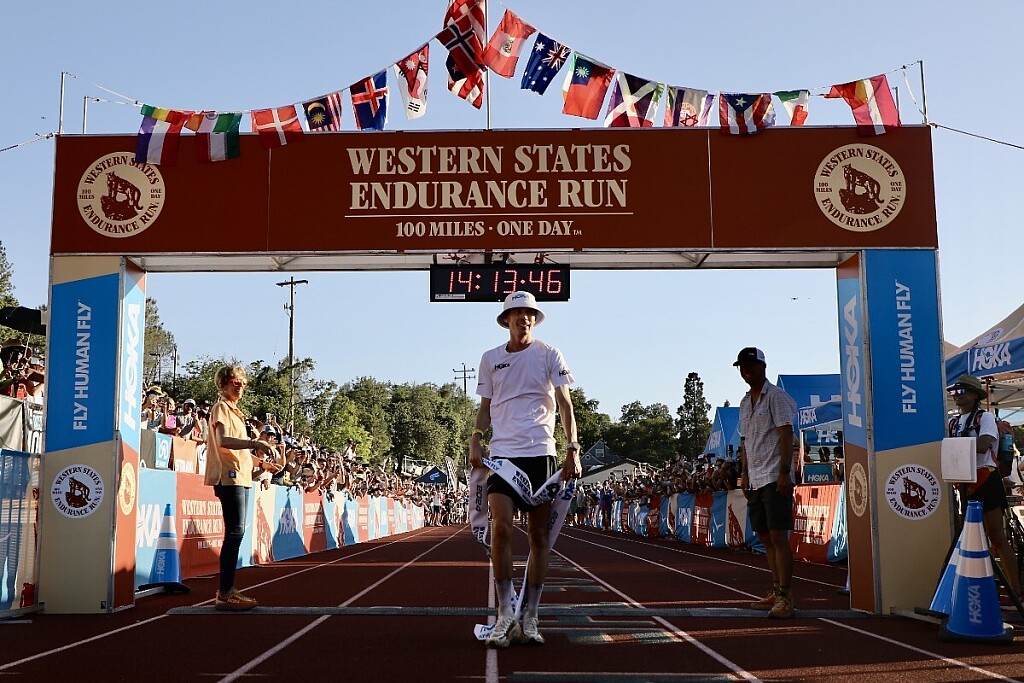
Western States 100: Walmsley Wins a Fourth Time While Schide Rocks the Women’s Field
For hours, Katie Schide (pre-race and post-race interviews) chased ghosts. For hours, Jim Walmsley (pre-race and post-race interviews) and Rod Farvard (post-race interview) chased each other. And in the end, after 100 courageous, gutsy miles at one of the world’s most iconic ultramarathons, it was Schide and Walmsley who won a fast, dramatic 2024 Western States 100.
Schide, an American who lives in France, was on pace to break the course record until late in the race, while Americans Walmsley and Farvard battled throughout most of the second half of the race, alternating the lead as late as mile 85.
Schide’s winning time was 15:46:57, just over 17 minutes behind Courtney Dauwalter’s 2023 course record, almost an hour faster than her own time last year, and the second fastest women’s time ever. Walmsley, meanwhile, won his fourth Western States in 14:13:45, the second fastest time ever — only behind his own record of 14:09:28 that he set in 2019.
Second and third in the men’s race came down to an epic sprint finish on the track between Farvard and Hayden Hawks (pre-race and post-race interviews), who finished in 14:24:15 and 14:24:31, respectively.
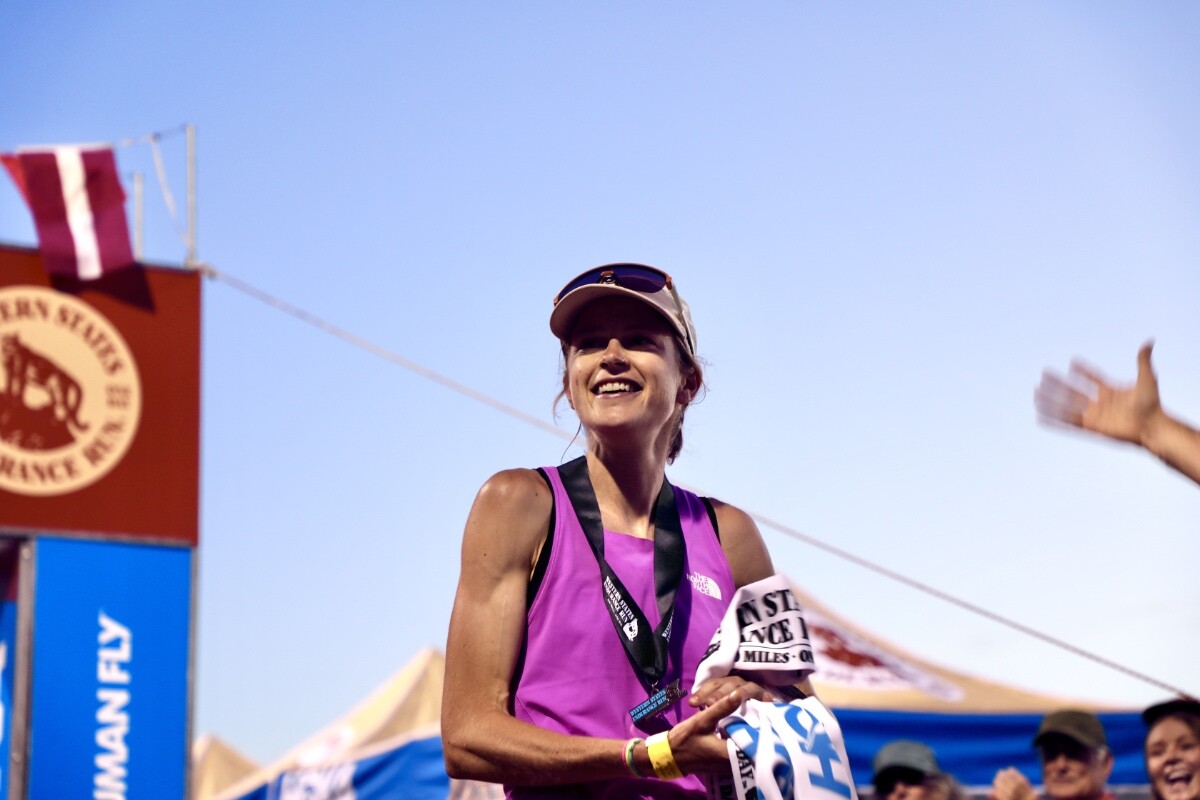
In the women’s race for the podium, Fu-Zhao Xiang (pre-race and post-race interviews) finished second in 16:20:03, and Eszter Csillag (pre-race and post-race interviews) took third for the second time in a row, in 16:42:17.
Both races featured one of the deepest and most competitive fields in race history, with the men’s top five all coming in faster than last year’s winning time, and the women’s top 10 finishing just under 40 minutes faster than last year’s incredibly competitive top 10.
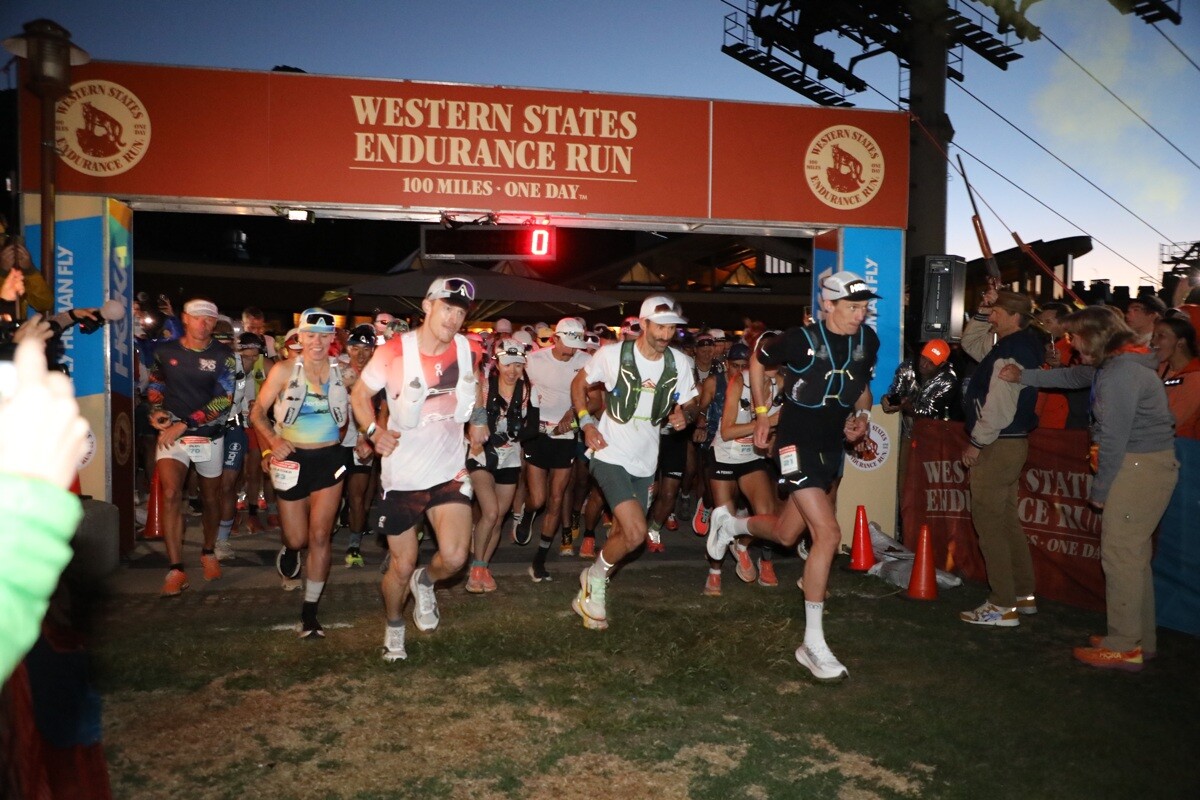
At 5 a.m. on Saturday, June 29, they were all among the 375 runners who began the historic route from Olympic Valley to Auburn, California, traversing 100.2 miles of trail with 18,000 feet of elevation gain and 22,000 feet of loss. After last year’s cool temperatures, the weather at this year’s race was a bit warmer, albeit with a notable lack of snow in the high country. The high temperature in Auburn was in the low 90s Fahrenheit.
A special thanks to HOKA for making our coverage of the Western States 100 possible!
2024 Western States 100 Men’s Race
In his return to the race that propelled him to the heights of global trail running and his first ultra on American soil in three years, Jim Walmsley (pre-race interview) demonstrated why he is, once again, the king of Western States. Before the race, Walmsley exuded a calmness that perhaps eluded him during his first attempts, when he attacked it with an obsessive intensity that led him to famously take a wrong turn and then dropping out in back-to-back years.
“We’ll just roll with what plays out and just kind of see what happens in the race,” he said in his pre-race interview. There’s a marked difference when compared to his remarks from his interview before the 2016 race.
What happened in the race was this: In his fourth Western States, Rod Farvard (post-race interview) had the race of his life to push Walmsley like he’d never been pushed before in his long history with the event.
Farvard — a 28-year-old from Mammoth Lakes, California, who has improved his finish each year at the race, from a DNF in 2021 to 41st place in 2022 to 11th place last year — put himself in a strong position from the start, leading a large pack of runners that included Walmsley at the top of the Escarpment, the 2,500-foot climb in the first four miles of the race. For the next 45-plus miles, Farvard remained in the top 10, part of a chase pack of American Hayden Hawks (pre-race and post-race interviews), Kiwi Dan Jones (pre-race interview), and Chinese runner Guo-Min Deng, among others.
At the Robinson Flat aid station at mile 30 — the symbolic end of the runners’ time in the high country, which features an average elevation of around 7,000 feet — Walmsley, who started the race conspicuously wearing all black, came through in 4:24 looking fast and smooth, now wearing an ice-soaked white shirt. Jones, the 2024 Tarawera 102k champion and fifth-place finisher in his Western States debut last year, and Hawks, who set the course record at February’s Black Canyons 100k after dropping out of last year’s Western States, followed about 90 seconds later. The two runners, frequent training partners, ran together frequently throughout the day, with Hawks often foregoing ice at aid stations.
After the trio of Walmsley, Hawks, and Jones went through Last Chance at mile 43 together, Walmsley put nearly two minutes on them up the climb to Devil’s Thumb. “I was with everybody at the bottom,” he said, according to the race’s official livestream.
About halfway through, at mile 49.5, the order remained the same: Walmsley in the lead with an elapsed time of 6:58, followed by Jones one minute back, Hawks two minutes back, and Farvard just over two and a half minutes back. The rest of the top 10 were last year’s 17th-place finisher Dakota Jones; 2024 Transvulcania Ultramarathon champion Jon Albon (pre-race interview), who is from the U.K. but lives in Norway; 2023 fourth-place finisher Jia-Sheng Shen (China) (pre-race interview); 2023 Canyons 100k champion Cole Watson; Western States specialist Tyler Green (pre-race interview); and Jupiter Carera (Mexico).
Then began a thrilling, chaotic second half of the race — featuring a gripping back-and-forth between Walmsley and Farvard, a wildfire near the course, a two-man river crossing, and a sprint finish on the track.
It all started when Walmsley entered Michigan Bluff at mile 55, again looking calm and in control, changing shirts and getting doused with ice. Farvard came in just behind him and left the aid station first, leading the race for the first time since the first climb up the Escarpment. The same routine took place seven miles later at Foresthill: Walmsley entering first, Farvard leaving first.
For the next 18 miles, the two runners alternated in the lead. By mile 78, they were so close that they were crossing the American River at the same time. Their battle underscored the overall depth of the field at this year’s race: At mile 80, the top five men were within 16 minutes of one another.
Around then, the 15-acre Creek Fire, which started not long before, was visible from the final quarter of the course and crews were temporarily not permitted to travel to the Green Gate aid station at mile 80 because the route to it passed close to the fire. Eventually, a reroute was established for crews to get to Green Gate and, later, after the wildfire was controlled, the regular route was reopened.
At Green Gate, Farvard came through in the lead, with Walmsley four minutes back and looking like he was hurting. It was then, perhaps, that the thought entered people’s minds: Could Farvard really take down the champ?
But Jim Walmsley is Jim Walmsley for a reason, and he again proved why he is among the world’s best. Against the ropes, facing one of his first real challenges in the race that shaped him, he delivered, entering the next aid station, Auburn Lake Trails at mile 85, more than a minute earlier than Farvard. He had made up five minutes in five miles.
Walmsley never trailed again, increasing his lead to 11 minutes by the Pointed Rocks aid station at mile 94 and then picking up his crew, including his wife, Jess Brazeau, at Robie Point to run the final mile with him. He entered the track at Placer High School to loud cheers, his loping stride still looking smooth, stopping a few steps short of the tape to wave to the crowd and raise his arms in triumph. He had done it again.
Behind him, Farvard was fading but determined to cap an extraordinary race with a second-place finish. Hawks, who had made up five minutes on Farvard in the couple miles between Pointed Rocks and Robie Point, was on the hunt, and by the time he stepped on the track, Farvard was within sight.
It was then that fans were treated to one of the most unique sights in all of ultrarunning: After 100 miles of racing, two men were sprinting against each other on a track. In the end, Farvard’s lead held, and he finished 16 seconds ahead of Hawks. He collapsed at the finish line — a fitting end to an epic performance.
Dan Jones ended a strong race with a fourth-place finish in 14:32:29, with Caleb Olson capping an impressive second half of the race — from 11th at mile 53 to fifth in 14:40:12 at the finish. All five men ran a time that would have won the race last year.
Behind Olson came Jon Albon, running 14:57:01 in his 100-mile running-race debut, followed by the surgical Tyler Green, who finished in seventh for his fourth straight top 10 finish at the race. Green’s time of 15:05:39 also marked a new men’s masters course record, breaking the 2013 Mike Morton record of 15:45:21.
Rounding out the top 10 were Jia-Sheng Shen in eighth with a time of 15:09:49, Jonathan Rea in ninth who methodically moved his way up during the last 60 miles to finish in 15:13:10; and Chris Myers in 10th in 15:18:25.
2024 Western States 100 Women’s Race
Through the high country, into and out of the canyons, and along the river of the world’s oldest 100-mile trail race, Katie Schide (pre-race and post-race interviews) raced only the ghosts of the clock and history. Smiling throughout, she seemed unaffected by the solitude and the enormity of the possibility that lay before her: to attempt to break the course record of one of the world’s most iconic trail races.
Schide, an American who lives in France, came into the race as the clear favorite, and for good reason: She finished second last year, breaking Ellie Greenwood’s previously untouchable 2012 course record by more than three minutes and losing to only Courtney Dauwalter, who broke Greenwood’s record by an astounding 78 minutes on her way to a historic Western States-Hardrock 100-UTMB triple win. Schide, winner of the 2022 UTMB and 2023 Diagonale des Fous 100 Mile, spent the last two-and-a-half months in Flagstaff, Arizona, training for Western States, winning this year’s Canyons 100k in an impressive tune-up and putting in a monster training block.
In her pre-race interview, Schide said that she had thought about ways to improve her race from last year, which perhaps should have been the first warning to her competition. The second, then, was her immediate separation from the women’s chase pack: She summited the Escarpment, a 2,500-foot climb during the first four miles, in first place and never looked back. By the first aid station — Lyon Ridge at 10 miles — she was already 12 minutes under course record pace, and by Robinson Flat at mile 30, she was 21 minutes ahead of second-place Emily Hawgood (pre-race interview), from Zimbabwe but living in the U.S.
The lead only ballooned from there. By Dusty Corners at mile 38, Schide was an incredible 26 minutes under course record pace, and though she lost a few minutes from that pace by the time she climbed up to Michigan Bluff at mile 55, her smile had not waned even slightly. She smoothly entered the iconic aid station, doused herself with ice, changed shirts, and was soon on her way. She never sat down.
Twenty-seven minutes behind her was Hawgood, looking to build on back-to-back fifth-place finishes. Eszter Csillag (pre-race and post-race interviews), a Hungarian who lives in Hong Kong, followed soon after, in the same third spot she finished in last year.
After them ran a dense pack of women: Only 16 minutes separated Hawgood in second from Lotti Brinks in 11th.
At the halfway point, the top 10 were Schide, 33 minutes up in an elapsed time of 7:26; Csillag; Hawgood; Chinese runner Fu-Zhao Xiang (pre-race and post-race interviews), the fourth-place finisher at last year’s UTMB; Lin Chen (China); American Heather Jackson, a versatile former triathlete who recently finished fifth at a competitive 200-mile gravel bike race; ultrarunning veteran Ida Nilsson (pre-race interview), a Swede living in Norway; Becca Windell, second in this year’s Black Canyon 100k; 2023 CCC winner Yngvild Kaspersen (Norway); and Rachel Drake, running her 100-mile debut.
Schide, easily identifiable in her pink shirt, maintained her large lead throughout the second half of the race, remaining calm, controlled, and upbeat throughout the tough canyon miles. By Foresthill at mile 62, she was 19 minutes ahead of course record pace and 48 minutes ahead of the second-place Xiang. Schide’s stride still looked smooth as she waved to fans and even high-fived a cameraman.
Schide’s aggressive pace eventually slowed — by Green Gate at mile 80, her lead on the course record had dissipated — but her spirits did not. After a quick sponge bath at Auburn Lake Trails aid station at mile 85, she fell behind course-record pace for the first time all day, only 15 miles remained until the finish.
Schide entered the track a couple of hours later, running with her crew and no headlamp. She would finish before dark. She stopped for a hug on the final straightaway and lifted the tape with, of course, a smile.
Xiang had methodically pulled away from Hawgood and Csillag during an incredibly strong second half to win the battle for second. Fu-Zhao Xiang finished in 16:20:03 for the third fastest time in race history. Chen, who dropped out at mile 78, was one of the few elite runners who had a DNF on this day, which was categorized by a lack of attrition in both the women’s and men’s elite races.
Eszter Csillag came in about 22 minutes behind Xiang in 16:42:17 for her second consecutive third-place finish, a 30-minute improvement from last year — a statistic that perhaps exemplifies the speed of this year’s race better than any other.
The battle for fourth and fifth was nearly as close as Farvard and Hawks’s race for second in the men’s race a couple of hours earlier.
At Pointed Rocks at mile 94, Hawgood led by barely two minutes, running hard and straight through the aid station. Kaspersen, meanwhile, was drinking Coke and made up almost a minute by Robie Point.
Emily Hawgood’s lead ultimately held, and she finished fourth in 16:48:43 to improve her finish from prior years by one spot. Yngvild Kaspersen was less than two minutes back in 16:50:39. Ida Nilsson capped a strong day to finish sixth in 16:56:52 and break Ragna Debats’s masters course record by almost 45 minutes. That means the top six women all finished in under 17 hours in a race that had only ever had three women finish under that mark — and two of them, Dauwalter and Schide, were last year.
The rest of the top 10 were Heather Jackson in seventh in 17:16:43, and, in close succession, Rachel Drake in 17:28:35, Priscilla Forgie (Canada) in 17:30:24, and Leah Yingling in 17:33:54.
The top 10 women were all faster than the 12th-fastest time in race history going into the day.
by Robbie Harms
Login to leave a comment

Hardrock 100
100-mile run with 33,050 feet of climb and 33,050 feet of descent for a total elevation change of 66,100 feet with an average elevation of 11,186 feet - low point 7,680 feet (Ouray) and high point 14,048 feet (Handies Peak). The run starts and ends in Silverton, Colorado and travels through the towns of Telluride, Ouray, and the ghost town...
more...
How to Find Your “Sweet Spot” Race Distance
Expert advice for focusing on your best event to maximize your running potential.Ever notice that some runs and races are more satisfying than others? These workouts aren’t necessarily the easiest runs or even the ones that are the most fun. Instead, they’re fulfilling because the distance feels challenging, but doable. You collect your medal and walk away thinking, “I bet I can do even better next time,” rather than, “thank goodness that’s over.”
If you have already clicked with a specific distance, you may have already found your running “sweet spot,” or the race length that fires up your inner athlete and gets you training for your next PR. But if you’re new to running or haven’t yet hit your racing stride, some experimentation and a little self-reflection will help you determine where to focus your time and effort when registering and training for events. To help you land on your sweet spot (and figure out what to do when you get there), we chatted with a few run coaches who have worked with athletes of all levels of experience and race preferences. Here’s what you need to know.
What factors determine your sweet spot race distance?
Before you declare yourself a 10K devotee or commit to running a marathon in every state, give yourself adequate time to build a personal relationship with running and experience different races.
“I don’t know if there’s really a set amount of time required to figure this out,” Matt Forsman, USATF/RRCA-certified running coach and race organizer at Sasquatch Racing, tells Runner’s World. “Some people run for years before determining what distance is their sweet spot. For others, a certain distance immediately speaks to them. If you’re new to running, I’d say give yourself at least six to nine months to build some running fitness, try a few distances, and go from there.”
As you rack up the miles and try different races on for size, it can be helpful to keep these factors in mind:
Fitness and Experience
“Your current level of running fitness should be an important part of the calculus in determining what race distance is best for you,” Forsman says, noting that shorter distances like 5K and 10K, while they present their own unique challenges, are generally more beginner-friendly than half marathons and marathons.
You may find that, even as a newbie, these shorter distances enable you to make noticeable progress that’s reflected in your race times. These wins are valuable, as they can keep you engaged and motivated.
Schedule and Lifestyle
Anyone who’s trained for a marathon or ultramarathon will tell you how all-consuming it can be. Some people have the necessary bandwidth or a flexible schedule. Others have the support and resources to fit training between competing priorities, like work, family obligations, and social events. But if you simply don’t have the time and energy to train for a specific distance, it’s probably not your sweet spot.“You should fit running in and around your life and not life in and around your running,” Todd Buckingham, Ph.D. exercise physiologist at PTSportsPRO in Grand Rapids, Michigan tells Runner’s World. “We do this because it’s fun. We do this because we want to push ourselves. But hopefully not to the extent of alienating friends and family. You need to find a distance that will work with your life.”
Location
If you train outdoors, you will always contend with temperature, climate, and terrain. Therefore, where you live will likely play a role in determining your sweet spot, Will Baldwin, USATF and VDOT-certified running coach in Flagstaff, Arizona tells Runner’s World
“If summer temperatures soar, focusing on local 5Ks instead of marathon training will be much more manageable,” Baldwin says. Of course, you can beat the heat by logging miles before or after sunrise, running on a treadmill, but workarounds often require extra planning and schedule adjustments. The same goes for training in frigid, icy temps.
In some cases, your zip code may present an advantage, as year-long temperate weather and extended daylight hours open up more opportunities for longer outdoor training runs.
“And if there’s a fantastic trail system nearby with plenty of races, it’s the perfect chance to test those trail-running skills and have some fun with it,” Baldwin adds.
Past Performance
Your race history is a clue to where your natural talents lie, which can help inform your sweet spot. “Genetics do play a role,” Buckingham says. “Some people have the diesel engine where they can just go all day long, but they can’t go any faster…other people are really good at short distances but struggle at long distances.” Buckingham and Baldwin recommend checking out online tools like the VDOT Running Calculator, which uses one race distance time to determine your estimated time for other distances. Runner’s World also has an easy-to-use race time predictor. Say, for example, your half-marathon PR is 2:10. The calculator uses this information to suggest an exhaustive list of predicted race times, including a 58:40 10K. However, if your 10K PR is actually 56:10, you may be better suited to the 10K.
“Athletes can use this tool to see which of their PRs is the most distinguished for each distance, helping them determine their ideal race distance,” Baldwin says.
You can also garner a lot of information by participating in local races and looking at race results. “See where you finish in relation to other people your age and sex because that will probably tell you just as well,” Buckingham says.
Injuries
“I think it's important to consider any aggravations and injuries you’ve incurred,” Forsman says. “Running is a high-impact sport that generates about three to seven times your bodyweight in impact force per foot strike. If you have [had] a number of injuries in your recent or distant past, shorter distances like the 5K or 10K may make the most sense. Conversely, if you’ve never had any running-related injuries and your running fitness level is high, a longer distance might work great for you.”
Your Happiness and Enjoyment
Do you notice that some races are simply more fun than others? Pay attention to those gut-level feelings, even if they contradict all of the other data you’ve collected, Baldwin says.
“When figuring out an athlete’s ideal race distance or their sweet spot, I love to start with what excites them the most,” he says. “Even if someone shines in a 10K or half marathon, their heart might be set on the full marathon. Passion is often the fuel source of consistent training, so tapping into that excitement is really important.”How do you level up in your sweet spot race distance?
Once you find your sweet spot, you may need to make some adjustments to your running routine because a training program should be tailored to your upcoming event, if you plan to race.
“If you’re currently running a few easy miles a few times a week but really want to run a fast 5K, you’re going to need to inject some ‘quality,’ like tempo, intervals, and hills, to develop strength and speed,” Forsman says. “If you want to simply tackle a longer distance like a half or full marathon, you’re going to need to gradually add some more miles into your training to build stamina and endurance.”
Focusing on one distance also allows you to fine-tune your fueling and hydration strategy, especially if you opt for longer distances. “If the event we’re training for is going to take us over 90 minutes to complete, we have to start talking about and practicing fueling. We’ll need to incorporate either some liquid fuel or energy gels to help us finish the race and utilize all of our fitness,” Baldwin says. “It’s an added expense to have fuel for all of the important long runs and races, so it’s also something to consider when choosing your ideal race distance,” he adds.
Are there downsides to sticking with one race distance?
It can be rewarding to climb the ranks in sweet spot events, but the experts caution against getting too “stuck” in your sweet spot.
“You should definitely be mixing up the types of races you do,” Baldwin says. “It’s common for a marathon runner to come to me who has been stuck at a certain level for years. When I go back through their training history, they almost always have been doing only marathons for several years in a row. They’ve neglected the shorter races, speed work, and their leg turnover.” Baldwin explains that training at different paces engages different energy systems, and temporarily focusing on shorter, faster distances can improve your speed and efficiency, even on slower endurance runs.
The same concept applies to runners with a shorter sweet spot. “If shorter distances like the 5K or 10K are your thing, there’s still utility in tackling longer distances. Training for a longer distance can help you better manage fatigue in the latter stages of your 5K or 10K,” Forsman says.
Plus, you could miss out on what got you hooked on running in the first place. “Professional athletes have to specialize and really just focus on one event because that’s how they earn their livelihood. But the average runner should have fun with it,” Buckingham says. “If you have fun doing one race distance, that’s fine. But don’t be afraid to jump in the local 5K if your friends ask you to join them.”
by Runner’s World
Login to leave a comment
To Fight Midlife Blues, Try Mastering Something Difficult
How is it possible to become good at something when you’re already far behind and time isn’t on your side?
That was the question pressing against my brain in April 2018. I was four months shy of my 47th birthday and had just completed my first obstacle-course racing competition, something called a Spartan Race. My age put me at the rock bottom of the well-known U-shaped curve of life happiness, bracketed on either side by younger and older adults. I was content enough, but my days were clouded by sameness—the same work routine, same circle of friends, a narrowing of interests skewed to my competencies.
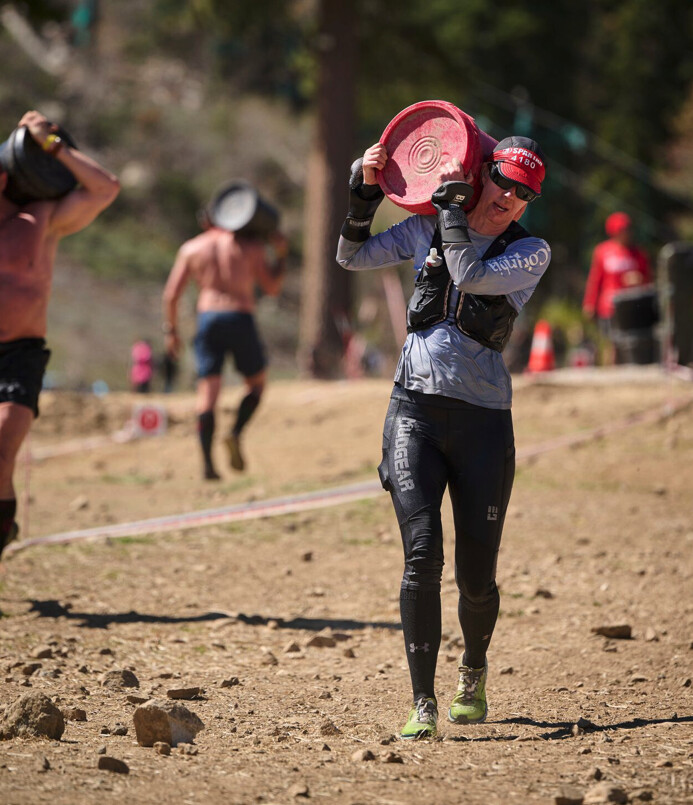
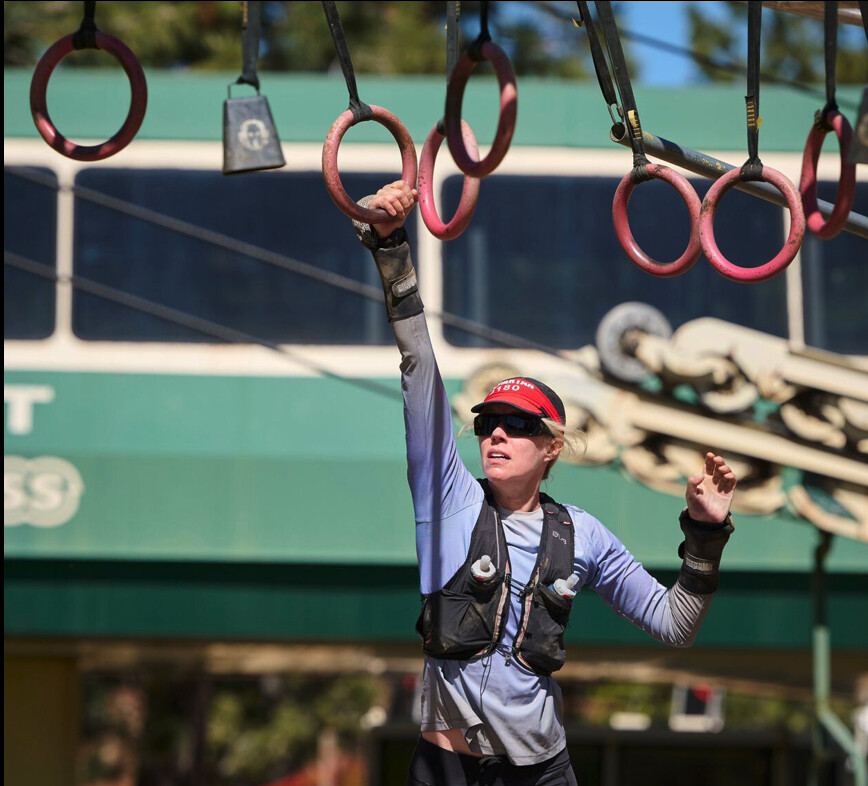
Trying to interrupt my midlife slump with this race was predictable, I suppose. What happened to me after that day was not.
As an unathletic desk jockey glued to my screens, training for the competition seemed like a way to fight back against inertia and a body heading past its prime. Obstacle-course racing combines endurance running in often difficult terrain with military- and hunter-gatherer-styled obstacles: crawling under barbed wire in mud, lugging heavy sandbags up mountains, climbing ropes, scaling walls. You even throw a spear. A version of the sport will be included in the 2028 Olympics as part of the modern pentathlon.
As someone who’d chosen bowling to fulfill my university’s physical education requirement and earned the nickname “Bones” in junior high for her physique, my goal was simple: Finish and don’t die. Then I’d go back to my sitting and screens, with my race T-shirt tucked in the drawer—a sartorial red sports car to don when midlife seemed bleak.
But in the days after crossing the finish line—a middle-aged athletic nobody who fell 10 feet off a rope during the competition into a crumpled heap of humiliation—all I could think about (apart from how much every part of me hurt) was: When can I race again? And how can I get better—a lot better?
I’d taken my first step on the road to mastery—a journey that has been profoundly humbling, and one that I’ll likely never finish.
I n today’s culture, we celebrate “life hacks” and shortcuts to good health and happiness, whether through supplements, fad diets, five-minute workouts or the short-lived dopamine hit of social media likes. In the workplace, completing goals by setting and achieving KPIs (key performance indicators) often determines our professional value. These expectations can make it difficult to start something new and hard in midlife, when we tend to gravitate toward what we’re already good at and the rewards that come with completing it.
At first, I certainly fell into this mindset. Closing in on age 50, “mastery” seemed vaguely absurd. Haunting me was the much-discussed 10,000-hour rule popularized by Malcolm Gladwell in his book “Outliers,” where he suggested that it usually takes that much specialized practice to become an expert in a discipline. Even with two hours a day of training—if I could manage that with a full-time job and loads of middle-aged responsibilities—it would take more than 13 years to hit the mastery mark. I’d be 60. Mastery, I felt, was a journey for those who start young.
But my experience and research over the past six years show that I was wrong to see the challenge in such stark, age-bound terms. As I discovered, pursuing something difficult at any age can have profound benefits for health and happiness, even if you never become a master or an expert.
Becca Levy, a professor of epidemiology at Yale, examined data from one of the country’s most detailed studies of growing older, the Ohio Longitudinal Study on Aging and Retirement, and overlaid it with mortality data. She found that older people with more positive perceptions of aging live 7.5 years longer, on average, than those who are less positive.
One factor believed to fuel this longer lifespan is a “will to live,” which can include pastimes that excite and push us. This doesn’t mean we should be occupied all the time. There’s a lot of creative and mental good to be gained from putting down our smartphones, turning off the TV and letting the mind wander. But chronic boredom and a general lack of purpose have been correlated with anxiety, depression and risk of making mistakes.
That feeling began creeping into my life before I discovered obstacle-course racing. But humbling myself among younger people in gyms, training nearly every day no matter how busy or tired, having the goal of racing in new places (like the Arabian Desert)—it has ignited in me a renewed will to live. I am constantly learning, relearning and unlearning.
I am also constantly having to be OK looking dumb.
The Greek Stoic philosopher Epictetus mused that if you want to improve at something, you need to “be content to be thought foolish and stupid.” I’ve channeled his wisdom, flailing about on playground monkey bars as impatient children commented on my technique and their amused parents (my peers) watched. Neighbors can see me crawling around my backyard like a wounded animal, performing mobility exercises with stiff middle-aged limbs.
I have felt the sting of finishing races almost dead last, and I once quit a competition midway because I was too cold. I’d never quit anything in my life until that point. Showing up at my gym the next day with everyone else clad in their finisher T-shirts felt like not getting invited to prom.
On the other hand, it’s very hard to be bored slithering under barbed wire in mud, hurling spears and learning to pull yourself up a 17-foot rope. And with improvement has come a mental shift to believe the file labeled “me” isn’t finished—that I can still add to it.
These benefits are available on a variety of fronts as we age. The Seattle Longitudinal Study, started in 1956, is one of the most comprehensive research projects on how we develop and change cognitively throughout adulthood. Among its key findings: Some abilities, such as word skills, may increase into our 60s and beyond, particularly for women, while others, such as spatial abilities—think assembling furniture or reading a map—hold up into our 80s for men. That’s a lot of opportunity for later-in-life learning and journeys of mastery.
Here’s the thing about trying to achieve mastery later in life: You may not reach your destination. And I’ve come to believe that’s a good thing. Because unlike the enjoyable activities we pursue that have definitive endings—taking a walk, eating a great meal, going on vacation—training to get good at something hard is ongoing, incomplete. And that’s the beauty of it: There’s always something to look forward to.
Regardless of what you’re trying to master—fly fishing, chess, pickleball—experts say that regular movement of some sort is critical for maintaining the physical and cognitive health you’ll need. Starting a new exercise program, particularly in midlife, when noticeable decline often begins, “can really interrupt the pace of those not-good changes, those negative changes, and turn them into positive changes,” says Steven Austad, senior scientific director for the American Federation for Aging Research. New research, he adds, shows “physical activity is one of the best ways to avoid later-life dementia.”
Six years have passed since my first race. After some 4,000 hours of practice, I’ve advanced on the five-stage “Dreyfus model” of skill acquisition from “novice” to “advanced beginner” to “competence.” I now race competitively in my age group and have under my belt 19 top-three podium finishes and two world championship competitions. Some days, when everything is clicking, I may even touch the fourth stage of proficiency.
It’s a far cry from childhood, when I cowered behind my best friend during dodgeball and warmed my school’s bench in soccer games. Longevity is never guaranteed, but I’ve made strides to keep functioning independently as I age—lifting my suitcase into the airplane’s overhead bin, hiking three miles in snow if our car breaks down. I’m also more confident off the racecourse. Not long ago, I took a job with a tech start-up where I’m one of the oldest employees. Younger workers teach me about AI; I took a crew of them on their first Spartan Race.
Admittedly, I’m still coming to peace with the idea that I’ll never reach the final stage of “expert” at this sport I now love. I’ve met people who are experts: They possess natural talent I don’t, or have spent time training that I probably can’t at this point. There remain obstacles I fail during races more than I’d like; now that I’m 52 years old, I don’t know if that will change.
These reminders of my limitations and mortality are what’s been most humbling about the experience. But “never finished” may be the best medicine when life seems to be making a turn toward endings. I interviewed a woman in her 80s nicknamed “Muddy Mildred” who ran obstacle-course races. How far can I get with the time that is left to me?
1. Intrinsic motivation gets you farther than extrinsic motivation. Motivation from external factors—money, a promotion, a medal—can be short-lived. “I can probably get someone up from the couch to run a 10K if I give them enough money,” says Chad Stecher, a behavioral health economist and assistant professor at Arizona State University. “But after that 10K, unless I provide additional incentives or support, their physical activity won’t persist.”
Instead, look for a pursuit where you are motivated to engage because of personal satisfaction or a deeper drive. One place to start: childhood. What did you want to be or do when you grew up, but it hasn’t yet happened? My experience of being a gawky kid still drives me.
2. Cultivate a “growth mindset.” Believing your success is tied more to hard work than innate talent is critical on the mastery journey. The well-known Stanford University psychologist Carol Dweck talks about one Chicago school’s unorthodox but effective grading protocol, where instead of a failing grade, students would get a “Not Yet.”
You’re not going to become a good diver without landing a lot of belly-flops, or a competent fly-fisherman without the line occasionally getting wrapped up in a tree. It doesn’t mean you won’t get there; it just means you haven’t gotten there yet.
3. Locate edges and equalizers. Crystallized intelligence—your stored-up body of wisdom—can make age a secret weapon. The older you are, the more you’ve tried, failed, succeeded and learned. Draw from that bank. I can’t rely on a 25-year-old body to perform well, so I’ve turned to information: intel on gear, clothing, weather, hydration, terrain, sleep.
“When you’re older, you can see the bigger picture more than you could when you were 17,” says Alex Hutchinson, bestselling author of the book “Endure.” “It’s really easy to get excited about big goals, but to actually achieve them takes patience to take care of details, patience to stay on track when obstacles arise.”
4. Prioritize what’s essential. You can’t hack your way to mastery. It takes time and the “disciplined pursuit of less,” as Greg McKeown explains in his book “Essentialism.”
To include obstacle-course racing in an already full life, I trimmed my Instagram feed to mainly follow accounts helping me learn about the sport. After analyzing how much of my workday was spent in inefficient, hour-long, weekly one-on-one meetings, I cut most of them back to 25 minutes and set clear agendas. I declined all social invitations that weren’t from my closest friends and stepped away from many boards I served on. With every “no,” I got back a few more hours to devote to this new journey.
5. The mastery journey can be never-ending. And that’s fine. Finishing only that first race would have given me short-lived bragging rights and an awesome social media photo. But then it would have been over—extinguishing a source of meaning in my life.
It wasn’t until I firmly entered the realm of “never finished” that I realized how electrifying it could be. Which sure feels like a far cry from being stuck at the bottom of a U curve.
Login to leave a comment
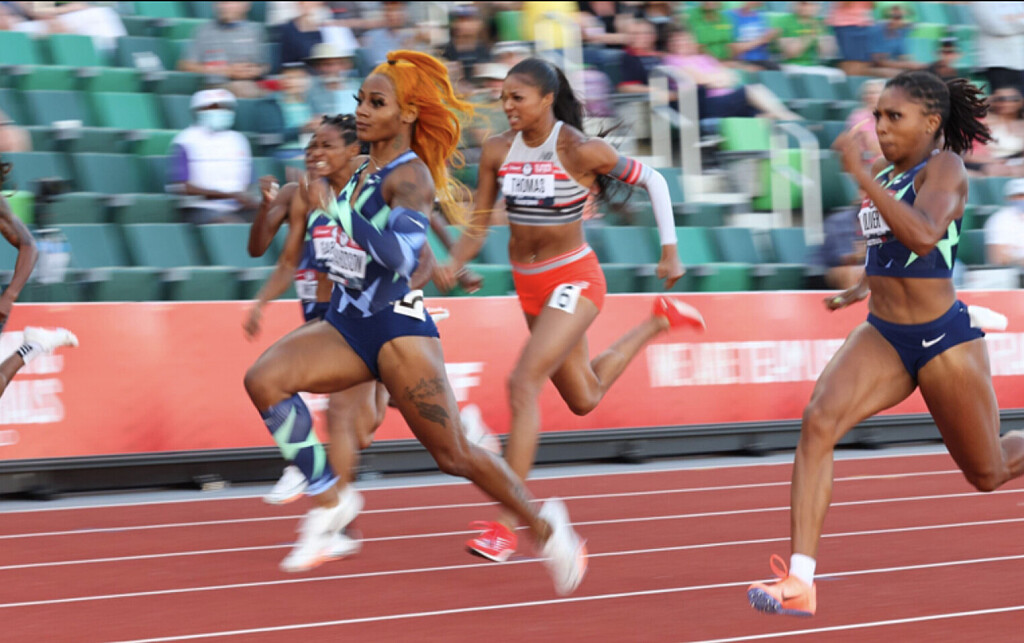
What You Need to Know About the U.S. Track and Field Olympic Trials
From June 21-30, more than 900 runners, throwers, and jumpers will put it all on the line for a chance to compete for Team USA at the Paris Olympics
The U.S. Track and Field Olympic Trials is a showcase of hundreds of America’s best track and field athletes who will be battling for a chance to qualify for Team USA and compete in this summer’s Paris Olympics. For many athletes competing in Eugene, simply making it on to the start line is a life-long accomplishment. Each earned their spot by qualifying for the trials in their event(s). The athlete qualifier and declaration lists are expected to be finalized this week.
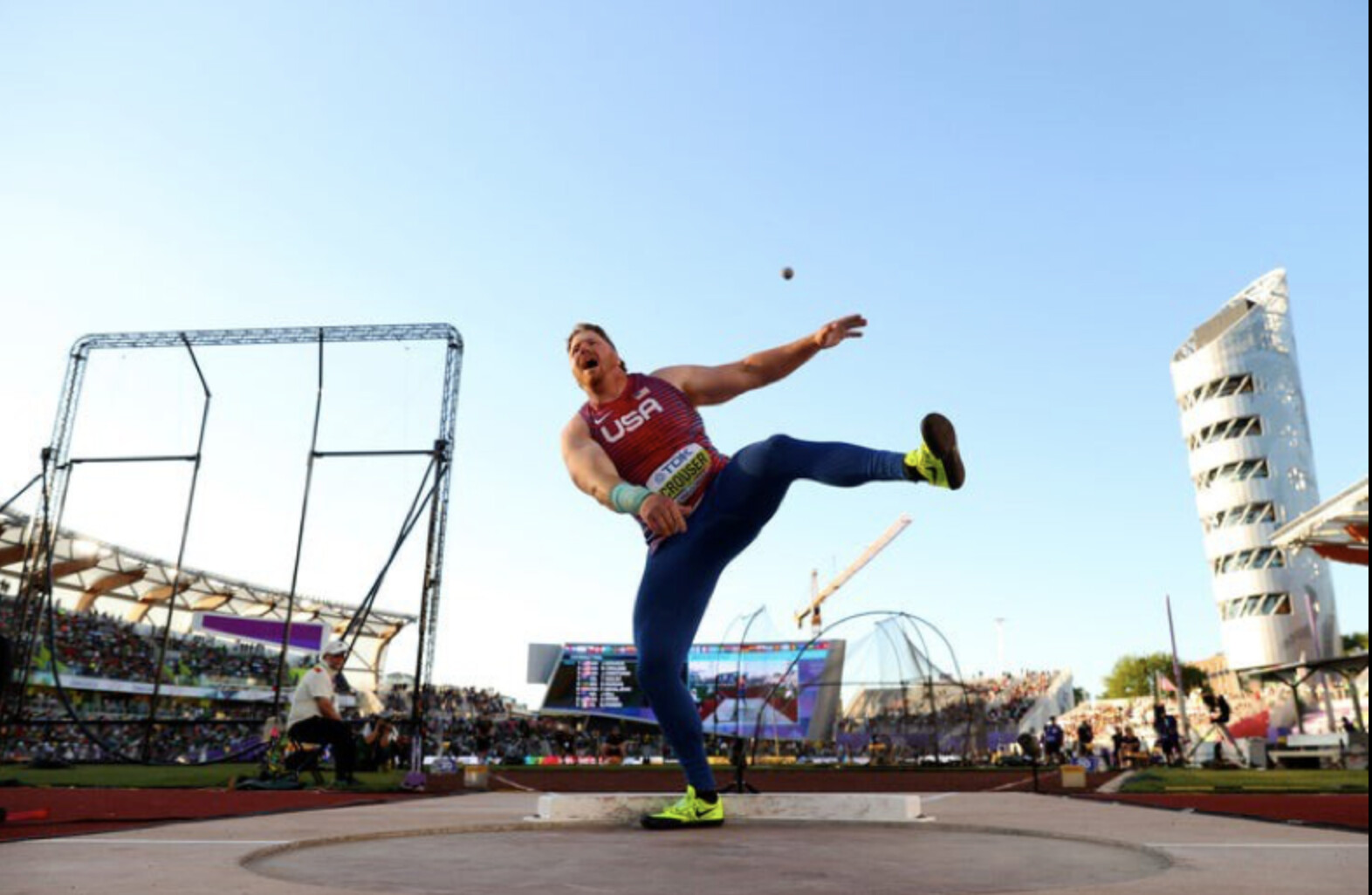

But for the highest echelon of athletes, the trials defines a make-or-break moment in their career. Only three Olympic team spots (in each gender) are available in each event, and given the U.S. depth in all facets of track and field—sprints, hurdles, throws, jumps, and distance running events—it’s considered the world’s hardest all-around team to make. How dominant is the U.S. in the world of track and field? It has led the track and field medal count at every Olympics since 1984.
At the trials, there are 20 total events for women and men—10 running events from 100 meters to 10,000 meters (including two hurdles races and the 3,000-meter steeplechase), four throwing events (discus, shot put, javelin, and hammer throw), four jumping events (long jump, triple jump, high jump, and pole vault), the quirky 20K race walking event, and, of course, the seven-event heptathlon (women) and the 10-event decathlon (men).
(At the Olympics, Team USA will also compete in men’s and women’s 4×100-meter and 4×400-meter relays, plus a mixed gender 4×400, and a mixed gender marathon race walk. The athletes competing on these teams will be drawn from those who qualify for Team USA in individual events, along with alternates who are the next-best finishers at the trials.
There’s also the Olympic marathon, but the U.S. Olympic Trials Marathon was held on February 3 in Orlando, Florida, to give the athletes enough time to recover from the demands of hammering 26.2 miles before the big dance in Paris.
Although some countries arbitrarily select their Olympic track and field teams, the U.S. system is equitable for those who show up at the Olympic Trials and compete against the country’s best athletes in each particular event. There’s just one shot for everyone, and if you finish among the top three in your event (and also have the proper Olympic qualifying marks or international rankings under your belt), you’ll earn the opportunity of a lifetime—no matter if you’re a medal contender or someone who burst onto the scene with a breakthrough performance.
The top performers in Eugene will likely be contenders for gold medals in Paris. The list of American stars is long and distinguished, but it has to start with sprinters Sha’Carri Richardson and Noah Lyles, who will be both competing in the coveted 100 and 200 meters. Each athlete won 100-meter titles at last summer’s world championships in Budapest and ran on the U.S. gold-medal 4×100 relays. (Lyles also won the 200) Each has been running fast so far this spring, but more importantly, each seems to have the speed, the skill, and swagger it takes to become an Olympic champion in the 100 and carry the title of the world’s fastest humans.
But first they have to qualify for Team USA at the Olympic Trials. Although Lyles is the top contender in the men’s 100 and second in the world with a 9.85-second season’s best, five other U.S. athletes have run sub-10-second efforts already this season. Richardson enters the meet No. 2 in the U.S. and No. 3 in the world in the women’s 100 (10.83), but eight other Americans have also broken 11 seconds. That will make the preliminary heats precariously exciting and the finals (women’s on June 22, men’s on June 23) must-see TV.
There are five returning individual Olympic gold medalists competing in the U.S. Olympic Trials with the hopes of repeating their medals in Paris—Athing Mu (800 meters), Sydney McLaughlin-Levrone (400-meter hurdles), Katie Moon (pole vault), Vallarie Allman (discus), and Ryan Crouser (shot put)—but there are more than a dozen other returning U.S. medalists from the Tokyo Olympics, as well as many more from the 2023 world championships, including gold medalists Chase Ealey (shot put), Grant Holloway (110-meter hurdles), Laulauga Tausaga (discus), and Crouser (shot put).
The most talented athlete entered in the Olympic Trials might be Anna Hall, the bronze and silver medalist in the seven-event heptathlon at the past two world championships. It’s an epic test of speed, strength, agility, and endurance. In the two-day event, Hall and about a dozen other women will compete in the 100-meter hurdles, high jump, shot put, 200 meters, long jump, javelin throw, and 800 meters, racking up points based on their performance in each event. The athletes with the top three cumulative totals will make the U.S. team. At just age 23, Hall is poised to contend for the gold in Paris, although Great Britain’s Katarina Johnson-Thompson, the world champion in 2019 and 2023, is also still in search of her first Olympic gold medal after injuries derailed her in 2016 and 2021.
If you can find your way to Eugene—and can afford the jacked-up hotel and Airbnb prices in town and nearby Springfield—you can watch it live in person at Hayward Field. Rebuilt in 2021, it’s one of the most advanced track and field facilities in the world, with an extremely fast track surface, a wind-blocking architectural design, and 12,650 seats that all offer great views and close-to-the-action ambiance. Tickets are still available for most days, ranging from $45 to $195.
If you can’t make it to Eugene, you can watch every moment of every event (including preliminary events) via TV broadcasts and livestreams. The U.S. Olympic Trials will be broadcast live and via tape delay with 11 total broadcast segments on NBC, USA Network, and Peacock. All finals will air live on NBC during primetime and the entirety of the meet will be streamed on Peacock, NBCOlympics.com, NBC.com and the NBC/NBC Sports apps.
The Olympic Trials will be replete with young, rising stars. For example, the men’s 1500 is expected to be one of the most hotly contested events and the top three contenders for the Olympic team are 25 and younger: Yared Nuguse, 25, the American record holder in the mile (3:43.97), Cole Hocker, 23, who was the 2020 Olympic Trials champion, and Hobbs Kessler, 21, who turned pro at 18 just before racing in the last Olympic Trials. Sprinter Erriyon Knighton, who turned pro at age 16 and ran in the Tokyo Olympics at age 17, is still only 20 and already has two world championships medals under his belt. Plus, the biggest track star from the last Olympics, Sydney McLaughlin-Levrone, is aiming for her third Olympics and third Olympic gold (she won the 400-meter hurdles and was on the winning 4×400 relay in Tokyo), and she’s only 24.
Several young collegiate stars could earn their place on the U.S. team heading to Paris after successful results in the just-completed NCAA championships. Leading the way are double-NCAA champions McKillenzie Long, 23, a University of Mississippi senior who enters the trials ranked sixth in the world in the 100 (10.91) and first in the 200 (21.83), and Parker Valby, a 21-year-old junior at the University of Florida, who ranks fifth in the U.S. in the 5,000 meters (14:52.18) and second in the 10,000 meters (30:50.43). Top men’s collegiate runners include 5,000-meter runner Nico Young (21, Northern Arizona University), 400-meter runner Johnnie Blockburger (21, USC), and 800-meter runners Shane Cohen (22, Virginia) and Sam Whitmarsh (21, Texas A&M).
It’s very likely. Elle St. Pierre is the top-ranked runner in both the 1500 and the 5,000, having run personal bests of 3:56.00 (the second-fastest time in U.S. history) and 14:34.12 (fifth-fastest on the U.S. list) this spring. Although she’s only 15 months postpartum after giving birth to son, Ivan, in March 2023, the 29-year-old St. Pierre is running better and faster than ever. In January, she broke the American indoor record in the mile (4:16.41) at the Millrose Games in New York City, then won the gold medal in the 3,000 meters at the indoor world championships in Glasgow in March.
St. Pierre could be joined by two world-class sprinters. Nia Ali, 35, the No. 2 ranked competitor in the 100-meter hurdles and the 2019 world champion, is a mother of 9-year-old son, Titus, and 7-year-old daughter, Yuri. Quanera Hayes, 32, the eighth-ranked runner in the 400 meters, is the mother to 5-year-old son, Demetrius. Hayes, a three-time 4×400 relay world champion, finished seventh in the 400 at the Tokyo Olympics.
Meanwhile, Kate Grace, a 2016 Olympian in the 800 meters who narrowly missed making Team USA for the Tokyo Olympics three years ago, is back running strong at age 35 after a two-year hiatus during which she suffered from a bout of long Covid and then took time off to give birth to her son, River, in March 2023.
No, unfortunately, there are a few top-tier athletes who are hurt and won’t be able to compete. That includes Courtney Frerichs (torn ACL), the silver medalist in the steeplechase at the Tokyo Olympics in 2021; Alicia Monson (torn medial meniscus), a 2020 Olympian in the 10,000 meters, the American record holder in the 5,000 and 10,000 meters, and the fifth-place finisher in the 5,000 at last year’s world championships; and Joe Klekcer (torn adductor muscle), who was 16th in the Tokyo Olympics and ninth in the 2022 world championships in the 10,000. Katelyn Tuohy, a four-time NCAA champion distance runner for North Carolina State who turned pro and signed with Adidas last winter, is also likely to miss the trials due to a lingering hamstring injury. There is also some doubt about the status of Athing Mu (hamstring), the Tokyo Olympics 800-meter champion, who has yet to race in 2024.
Meanwhile, Emma Coburn, a three-time Olympian, 2017 world champion, and 10-time U.S. champion in the 3,000-meter steeplechase, broke her ankle during her season-opening steeplechase in Shanghai on April 27. She underwent surgery a week later, and announced at the time that she would miss the trials, but has been progressing quickly through her recovery. If both she and Frerichs miss the meet, it will leave the door wide open for a new generation of steeplers—including 2020 Olympian Valerie Constein, who’s back in top form after tearing her ACL at a steeplechase in Doha and undergoing surgery last May.
The U.S. earned 41 medals in track and field at the 2020 Paralympic Games in Tokyo—including 10 gold medals—which ranked second behind China’s 51. This year’s Paralympics will follow the Olympics from August 28-September 8 in Paris.
The 2024 U.S. Paralympic Trials for track and field will be held from July 18-20 at the Ansin Sports Complex in Miramar, Florida, and Paralympic stars Nick Mayhugh, Brittni Mason, Breanna Clark, Ezra Frech, and Tatyana McFadden are all expected to compete.
In 2021 at the Tokyo Paralympics, Mayhugh set two new world records en route to winning the 100 meters (10.95) and 200 meters (21.91) in the T-37 category, and also took the silver medal in the 400 meters (50.26) and helped the U.S. win gold and set a world record in the mixed 4×100-meter relay (45.52). Clark returns to defend her Paralympic gold in the T-20 400 meters, while McFadden, a 20-time Paralympic medalist who also competed on the winning U.S. mixed relay, is expected to compete in the T-54 5,000 meters (bronze medal in 2021).
Livestream coverage of the U.S. Paralympic Trials for track and field will be available on Peacock, NBCOlympics.com, NBC.com, and the NBC/NBC Sports app, with TV coverage on CNBC on July 20 (live) and July 21 (tape-delayed).
Login to leave a comment
Rath and Vinuelas take top honors in 2024 Fontana Days Half Marathon
Nathan Rath came all the way from Chandler, Arizona to participate in the Fontana Days Half Marathon, and he was certainly pleased with the outcome of his journey.
The 42-year-old Rath took first place with a time of 1:10:16 on the pleasantly cool morning of June 1.
“The day was beautiful,” he said. “Great weather, great course — it was a good experience.”
Traversing the 13.1 miles down Sierra Avenue from Lytle Creek, Rath was able to pull away from tough competitors Helio Carrillo (who came in second place in 1:10:29) and his friend Erik Chazin (who was third in 1:10:51) and cross the finish line at Fontana City Hall.
“I had a good push at the end,” he said. “I was here with my friend Erik and we pushed each other. Without that, it would have been a lot tougher.”
The first-place female finisher (and 13th place overall) was Abbey Vinuelas, a 38-year-old resident of the Northern California city of Fairfield.
Vinuelas was all smiles after receiving her award.
“What a beautiful course,” she said. “It really energized me all the way down, and I absolutely loved it.”
It was the third half marathon that Vineulas had entered in the past two months, and she took top honors each time.
More than 1,000 runners took part in the Fontana Days Half Marathon this year.
Login to leave a comment

Fontana Days Half Marathon
The Fontana Days Run Half Marathon began back in 1955 with a reported 200 participants. Race founders were unaware that the annual Half Marathon would grow to include over 2,000 participants. The Fontana Days Run provides participants with a safe, festive, and well organized event. The Annual Fontana Days Run features a Half Marathon, 5K Run, 5K Race Walk, 5K...
more...
Ben Flanagan breaks his national record at Canadian 10K
It wasn’t obvious from the start that he was going for the Canadian record, but Ben Flanagan made a move halfway into the Canadian 10K Championships at Tamarack Ottawa Race Weekend (also known as the Ottawa 10K, putting distance between himself, marathoner Rory Linkletter and Jeremy Coughler, and held on for the win, squeaking past his Canadian record by two seconds, to finish in 28:09. (The previous record, held jointly with Canadian marathon record holder Cam Levins, was 28:11.)
“I wanted to stay on the gas and in that final kilometre I gave it everything I had,” Flanagan told Canadian Running post-race. His final kilometre was a split of two minutes and 38 seconds. Linkletter finished second in Ottawa, in 28:40 (a new personal best) and Coughler third, in 28:55 (also a personal best).
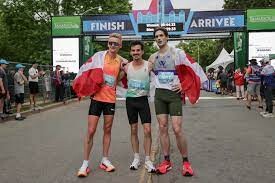
It was overcast and about 18 C in Ottawa Saturday–slightly warmer than ideal for racing, but less hot than it has been in recent years, which was a relief for the runners and made fast times possible. The race began with a fairly sedate 2:57 split, but got progressively faster (the third-kilometre split was 2:45). Flanagan took advantage of the hard downhill turn where the race crosses the canal, to make his move. It was a $6,000 payday for Flanagan, who will get $5,000 for the win and an additional $1,000 bonus for the national record.
Linkletter will be disappointed not to take the national championship, something he has yet to accomplish in his career; he is Canadian, but lives and trains in Flagstaff, Arizona, under former American marathoner Ryan Hall. Linkletter has been named to the Canadian marathon team for the Paris Olympics, along with Levins. Flanagan is also qualified for the Olympics (in the 5,000m), but has not yet been officially selected.
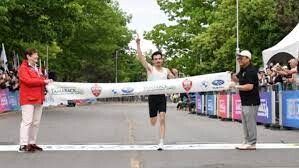
Coughler won his third consecutive Spring Run-Off 8K in Toronto’s High Park in April; in 2023, he won the Canadian 10,000m Championships.
For Flanagan and Linkletter, Saturday’s race was almost a repeat of the 2022 event, which Flanagan also won (in 28:40), with Linkletter finishing second.
by Anne Francis
Login to leave a comment

Ottawa 10K
Ottawa's course is fast, scenic and few elevation changes. Considered to be an excellent course for first timers and should provide an environment conducive to setting a PR. The Ottawa 10K is the only IAAF Gold Label 10K event in Canada and one of only four IAAF Gold Label 10Ks in the world. The Ottawa 10K attracts one of the...
more...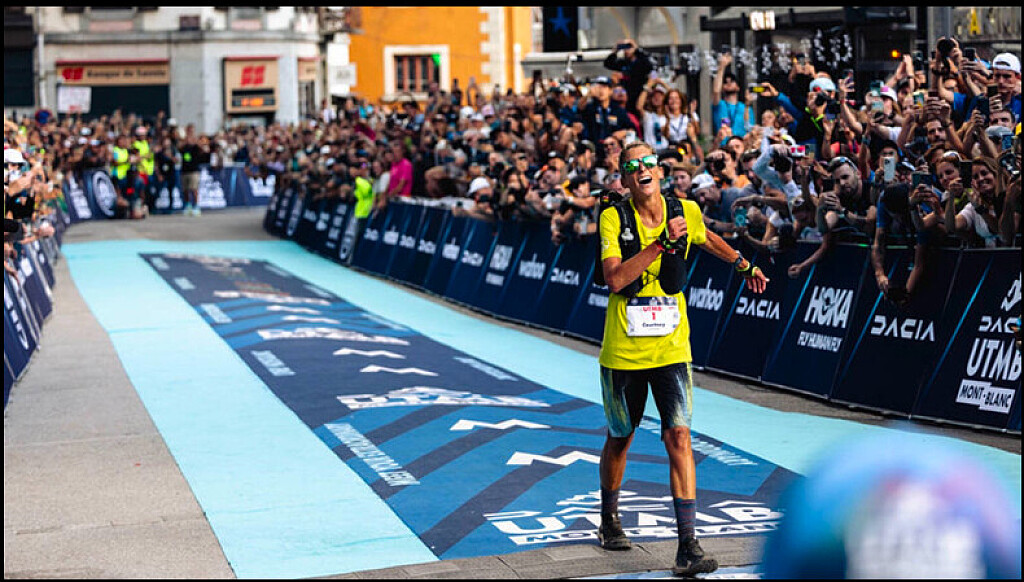
The Keys to Courtney Dauwalter’s Continued Dominance
During a recent press conference, Dauwalter dished oUltrarunner extraordinaire Courtney Dauwalter has picked up in 2024 right where she left off last year. After famously winning three of ultrarunning’s most epic races during the span of about nine weeks last summer—Western States 100, Hardrock 100, and Ultra-Trail du Mont-Blanc—the 39-year-old athlete from Leadville, Colorado, defended her Transgrancanaria 126K title in a decisive wire-to-wire win in late February and won the Mount Fuji 100-miler for the second time on April 27, placing third overall.
She’s now gearing up to go for a third straight win at the Hardrock 100 on July 12-13 in Silverton, Colorado. After Hardrock, she’ll be crewing and pacing her husband, Kevin Schmidt, at the Leadville 100 on August 17-18, and then tackling a yet-unannounced trail running project in September.We caught up with Dauwalter to talk about her fueling and training in a virtual press conference, where she announced the May 20 release of her signature flavor of Tailwind Nutrition Endurance Fuel—Dauwaltermelon with Lime—as a permanent part of the brand’s lineup. Since she’s emerged as one of the world’s top trail ultrarunners, she’s been known for having a sound approach to nutrition and fueling, never shying away from eating whatever she wants, admitting her soft spot for candy and pastries, or having a beer every now and then if she feels like it.
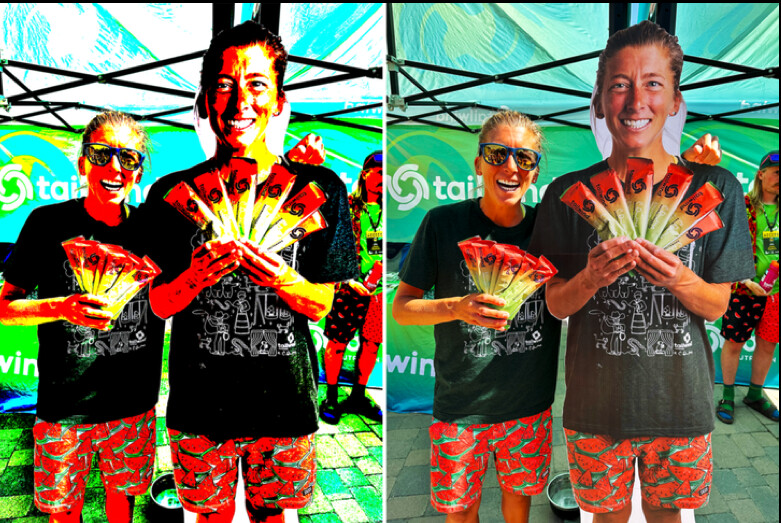

COURTNEY DAUWALTER: I am still eating all of my favorite things whenever they sound good in quantities that sound good, and I am not intending to change that part of my life, because it just gives me a lot of joy to live that way. I guess it’s got to be partly my upbringing, and also with Kevin and I, our idea of how we want to live our lives is to enjoy it to its fullest while it’s here. We just want to enjoy food, enjoy meals out, enjoy the cravings that we have, and not worry about it. But I would say in the past couple of years I do more consistently do a recovery drink after a long run or after putting in big efforts, and that’s something that I was a little more lax with originally, so I feel like that’s a step in the right direction.
When I first got into ultrarunning, I had no nutrition plan. I didn’t know what I was doing. My first race was a 50K, and I remember not knowing that these aid stations would be buffets. My mind was blown when I got to them—all the options were overwhelming. I just started filling my pockets with jelly beans. In those first years, I did a lot of mimicking of what the people around me were doing. So if I came to an aid station and someone was grabbing pickles and drinking Mountain Dew, then that’s what I would do. If they were grabbing pretzels and cheese cubes, that’s what I would go for. It was just kind of roulette for me on what I would end up eating—if it would work, or if it wouldn’t work.
Initially, I never had a fueling plan at all. But then in 2017, I went to the Run Rabbit Run 100 in Steamboat Springs, Colorado, and Tailwind was available on course at all of the aid stations. I had a buddy who had started using it that year, and I remember just loving it and suddenly not having all the stomach issues and energy dips that I often had. I was like, ‘Oh, maybe this is what it’s like to have something reliable.
'At this point we’ve gotten pretty dialed on the race nutrition plan for those 10-to 24-hour efforts or the events of 100 miles or below. I’m not a person who has my watch beeping at me ever to remind me to eat. I don’t get those kinds of reminders, and I don’t want to eat every 15 minutes or 30 minutes during a race. I’m going to just slow drip the calories I have as often as possible—basically it’s an eating contest on the move. Now I know my body functions pretty well with about 200 calories per hour during those efforts. So, depending on the distance between aid stations, I can rely solely on a bottle of Tailwind and then supplement with some chews or waffles or gels, because usually I get actually hungry feeling and having something solid helps with that. But mostly, I’m relying on Tailwind as my backbone to the whole plan and generally aiming for that 200-calorie-per-hour benchmark.The past couple years (working with a nutritionist friend), we’ve been better at creating A, B, C and D plans—because sometimes the perfect nutrition plan that you have relied on isn’t going to work. Our approach is that’s fine, and here are some things you can start subbing in during a race that can cover your needs. I view race nutrition like a puzzle piece, and sometimes it fits into the puzzle right where we want it to, and sometimes we have to kind shift things around a little bit. I think one of the reasons a lot of us love ultrarunning is because, when things just aren’t going to plan, we have to problem-solve it.
That’s one thing I’m hoping to focus on a little bit more on in this buildup and this prep for Hardrock, because in the past couple times I’ve run it, I’ve struggled a little bit with taking stuff in. I would love to just try to intentionally train my stomach to be better at taking in those calories while pushing hard at 12,500 feet or 13,000 feet just to see if we can make some strides forward. So stay tuned on if that works or not.
Not specific things. I think I want to just keep finding the challenges that intrigue me and fire me up to keep putting in the work, the training, the time, the effort to go after them. And so whatever that is, there’s not a list of things I want to check off necessarily, but, I’m continuing to pour myself into this sport and see what’s possible while every one of my systems [muscular, digestive, endocrine, cognitive, emotional, etc.] is allowing that to happen. The Leadville 100 is on my short list of races I would love to do as soon as I can, but as far as a bucket list in general or what intrigues me, I’m still very interested in exploring the longer stuff and how our brains and our bodies can work together to take us over 100 miles. What does that look like to move efficiently for 200 miles or 500 miles? So that’s where I am putting a lot of my attention into—just finding ways to test myself on stuff that’s really long.I am interested in trying a road marathon again at some point because that was what led me to ultrarunning.. I didn’t think I could make that distance, but I finished without dying and then wondered, ‘What else is out there that sounds too hard that I could try?’ And then I stumbled into the ultrarunning world. In those first marathons, I was a casual runner.
I ran every day before work because it made me feel better to start the day, but I wasn’t doing huge miles or running quickly. So circling back to run a road marathon would be kind of fun.I definitely didn’t invent it, and I don’t know who did originally, but I know that for me that phrase just became this imagery that I really grabbed onto—as opposed to the struggle bus or the hurt locker or the many other terms. That one for me was visually something I could see, and it was something that I could work with to be productive. Back in high school, I had a cross country skiing coach who was big on the mental side of the sport and would always remind us and believe in our capacity to push past that moment when it feels like you have nothing left. He was huge on just the idea that there’s always one more gear. So I just crank the knob and believe that it can be cranked a little bit more. Having someone who believed in me so wholeheartedly that I could trust to keep pushing was important because it’s hard to do that when you’re any age, but for sure it’s hard to do when you’re a teenager.
The idea that you feel like you’re about to die and yet you’re telling me there’s more to push past that? That’s hard to learn. So I feel really lucky that I had that coach and to learn about that mental side of sports and digging deeper than you think.
That was so special, a highlight of my life for sure. We ran together through the desert in Arizona, side by side the whole time through all the highs and lows, and made it to that finish line. I’ll remember that forever, and that gift that she gave me of doing this thing with me and the sport I love and spending so much time preparing for it. She was training hard back home in Minnesota, trying to learn how to run trails, trying to power hike hills, and learning how to use all of the gear because she had never really run trails before. I think the domino effect is that you can start anything at any age. She was 66 when we ran this race together and 64 when she started this journey into trail running. I had told her my dream was to run an ultra with my mom, and now that she has completed a 100K, she has found a lot of joy in the trails. Even though we don’t have a race on the calendar together yet, she is still just finding that peace that the trails bring her, and it’s something she incorporates into her weekly life. I think that’s really cool, and it’s why I hope more people can find out about trail running—not necessarily even ultrarunning—but just getting out on the trails and exploring a little bit because that feeling of moving with your feet surrounded by nature and feeling so small in a big landscape is really, really cool.
My hope is that people hearing about the stuff that I’m doing or that the ultrarunning community is doing helps them believe they could go after something that sounds too hard or something that sounds crazy. Whether that’s running 100 miles or 200 miles or not. We can all find that thing in our lives that we can go after with a little more gusto and raise the bar for ourselves on what we’re actually aiming for. I also hope I can be a small example that you can work really, really, really hard at something and have a lot of fun doing it. Those things can happen at the same time and there’s no reason to separate them. I never predicted this chapter in my life, but I feel grateful every day for it. I’m just trying to squeeze as much living out of this period of life as I can.
n her approach to nutrition and fueling, early-career bonks, and more.
by Outside Online
Login to leave a comment
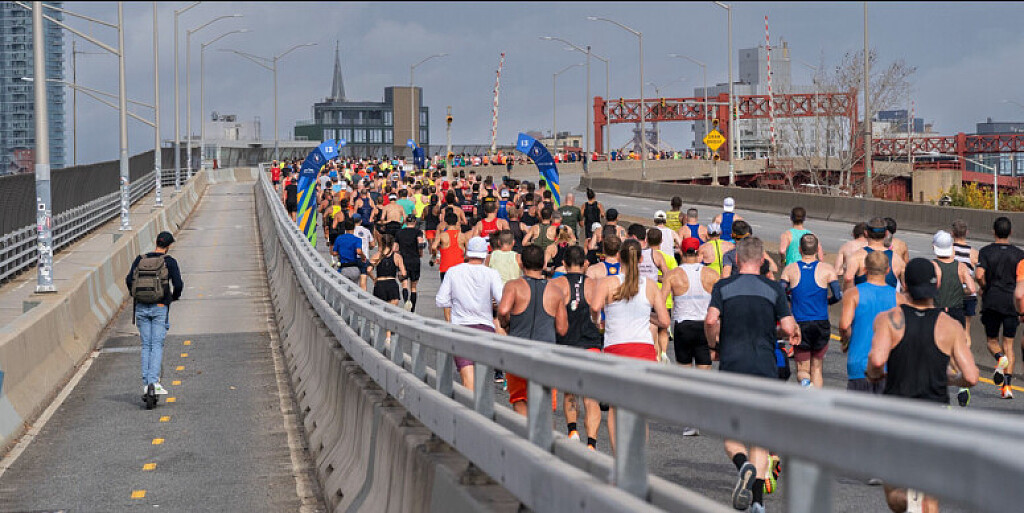
How to Add Hills to Your Marathon Training
Everything to know about adding inclines to training, including how often to tackle them and the best strength moves for prepping your legs.
Running a marathon is a difficult feat in and of itself. Add in a hilly course—like you’ll find in the Big Sur, Boston, New York City, or San Francisco marathons, for example—and that adds a new level of challenging.
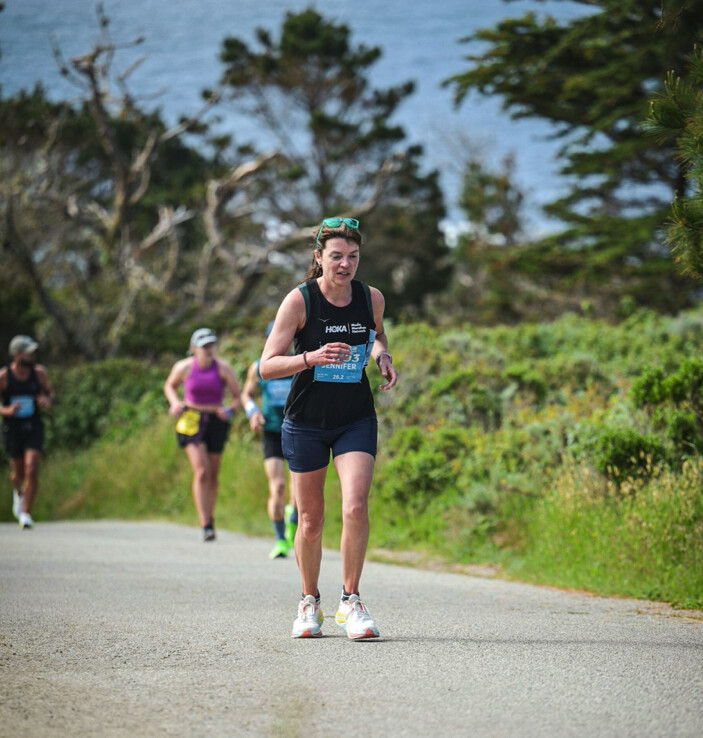
Having just run the Big Sur International Marathon, thanks to an invitation from the Hoka team last month, I learned the importance of incorporating hills into my marathon training cycle from Ben Rosario executive director of the HOKA Northern Arizona Elite in Flagstaff, Arizona, who was also my running coach.
In order to prepare for the demanding elevation changes of the course, I tackled hills every week of my training. Being that I live in Eastern Pennsylvania with many rolling hills, it wasn’t hard to seek out inclines regularly.
“You’re going to have a more enjoyable experience on race day, if you hill train throughout your marathon training,” says Rosario, whose advice rang true for me.
On race day, by mile 20, I had had enough of the hills mentally. Despite the breathtaking views of the Pacific ocean in the distance, six more miles still felt like an eternity in my head. However, I reminded myself that physically I had more to give because of the work I’d put into training, especially having pushed through so many tough climbs. I conquered the last 10K that day, and hit my marathon goal.
So how can you add hills to your own marathon training plan? Can running hills all the time be too much? And what do you do if you don’t have access to hills? To answer these questions, we chatted with expert run coaches to find out their best tips for how to train for hilly marathons.
How Often to Incorporate Hills Into Your Marathon Training Plan
If you live in a hilly area there’s nothing wrong with running hills on your regular runs—it will only help you come race day, Rosario says. “Not the hilliest run you can find necessarily, but there is nothing wrong with having a little bit of up and down in your runs everyday,” he adds.
If you don’t live in a hilly area, but you’re able to get to some place with hills, adding hills to your runs twice a week is smart, especially if you’re a more seasoned runner who has some base fitness. Incorporating hills into your weekly long run and speed session is a good place to start, Rosario suggests.
For novice runners taking on a hilly marathon, who have never consistently run hills before, be careful not to take on too much too fast, as you can get injured if you add hills into your training too aggressively or too quickly, says Richelle Weeks, D.P.T., physical therapist, certified run coach, and marathoner in Ottawa, Canada.
To make sure you don’t overdo it, Weeks advises new runners start with adding hills to one shorter run per week, until you get comfortable with climbing. Then, gradually add distance and more hills over the course of four to six weeks. “This is why I recommend a marathon training session be 20 weeks so there’s plenty of time to introduce hills,” says Weeks.
She also recommends runners have a comfortable base of running fitness first, before tackling inclines. “Most runners who get injured training for a marathon get their injury in the first month or the last month,” Weeks says. That’s because runners often are upping too many variables at once, like frequency, volume, speed, and hills. “Build frequency and volume first to get a good base. Then add in hills or speed, one at a time,” she adds.
I have a five-mile loop from my home with four big hills involved, so I would always incorporate this loop into my weekend long run, sometimes doubling it as my distance increased over the weeks. In previous marathon training, I mainly stuck to flat paths for longer runs, but knew this wouldn’t help me train for Big Sur. While my times were slower on that loop because of the hills, I did notice the more I ran it, the more efficient I was at covering climbs.
My weekend long run consisted of, on average, 1,200 feet of elevation gains for my 10- to 15-mile runs, reaching more than 1,500 feet for my 20-miler, which was helpful considering the Big Sur Marathon course features 2,182 feet of elevation gain.
How to Prep for a Hilly Marathon on a Treadmill if You Don’t Live Near Hills
If you can’t find a hilly route, finding a treadmill with both incline and decline capabilities is the next best thing, says Rosario. For many runners who don’t have access to a treadmill with decline options, Weeks advises strength training to build your quadriceps, which you need strong to tackle tough descents (see moves below).
You can research the elevation changes on the course you’ll run, and simulate that on the treadmill. If you’re doing a 15-mile treadmill run, for example, Rosario suggests plugging in the course inclines based on the elevation changes. For example, if you notice your course has a 6-percent grade at mile nine that stretches for one mile, add that percent and duration into your treadmill workout.
How to Handle Recovery Runs on Hills
It’s a good idea to keep recovery runs flat and easy during marathon training, as you want your easy runs to stay easy! If that means driving to a flat path or track, and you have the time, certainly do so, Rosario says.
If you can’t get to a flatter area, it’s okay to have those hills on your easy runs, with one caveat: Accept that you’ll really slow down your pace. “If you’re doing a recovery run, make sure you keep it easy, and if that means stopping and walking to go up the hills to keep your heart rate low and to make it feel like a relaxed run, then walk up the hills,” says Weeks.
For example, I ran some of the steeper hills on my recovery runs at a 10- to 12-minute mile pace, while my typical recovery pace is about a nine-minute mile. This strategy of adding hills to my recovery runs actually helped throughout the race. When the hills got long and taxing toward the end of the Big Sur course, I reminded myself to find my recovery pace and settle into it, so I could make it through the hills and feel strong for the subsequent miles.
The Garmin Forerunner 265S helped me maintain a lower effort on recovery runs, as I could keep an eye on my pace and heart rate, making sure I wasn’t exerting too much effort.
What to Do About Speed Workouts When Prepping for a Hilly Marathon
A mistake many runners make when it comes to training for a hilly marathon is tackling their hard workouts—like mile repeats or tempo runs—on the track or flat path that they’re comfortable with, Rosario says. The reason that’s an issue is because you’re not training your leg muscles to handle the demands of running hills at a harder effort.
Hill-based workouts ask more of the quads and calves and better prepare you for race day, Rosario adds, which is why speed workouts are precisely where you should incorporate hills. Just remember: “Hilly loops aren’t as cut and dry as training on a track,” he says, meaning your times are going to vary more as you run uphill and downhill, rather than sticking with a specific pace.
If you’re doing a speed session with hills, pay attention to your effort instead of pace, Rosario says, and give the workout the same effort you would on the track. For example, if you’re doing mile repeats with hills at threshold, instead of focusing on trying to hit a specific time, focus on maintaining about a 6 to 7 on the RPE scale (that’s a hard effort, but you can still say a few words).
Repeating the same hilly loop over and over again for those repeats will also help you see how you’re improving.
How to Strength Train for a Hilly Marathon
On average, two strength workouts a week is a good goal for most runners looking to prepare for a hilly marathon, says Weeks. Those workouts can include both uphill and downhill strength movements in each session.
“In the classic hilly marathons like Boston and Big Sur, it’s the quads that are beat to shreds after the race,” says Rosario. That’s why it’s important to incorporate strength moves to build up the quads so they can withstand the impact.
If you’re a lower mileage runner (around 30 or fewer miles per week), you can do strength work on non-running days. High mileage runners who do two or more speed sessions per week and a long run would benefit from keeping their easy days easy and hard days hard. So Weeks suggests pairing strength work with speed days.
Form Tips for Running Hills in a Marathon
Downhills are more dangerous than the uphills, say Rosario, because they cause us to run in a way that is less efficient. “When we run up a hill, there’s no way to get up it except fairly efficiently,” he says. “You’re running in a way that’s as close to perfect [form] as possible [on the uphill].”
That said, you still want to focus on solid running form when going up an incline. Think about running with a tall posture (avoid dropping your head and shoulders), a forward lean from the ankles, and avoid overstriding by keeping your foot strike underneath you. Also, use your glutes to push off and offer power.
When running downhill, runners tend to land hard on their heels, which sends a lot of shock through and up the kinetic chain—from the heel to the legs and hips—which causes eventual soreness postrace because the body is having to violently absorb all that shock, Rosario says.
Allow your feet to land closer to the hips, as opposed to way out in front of you in an overstride, as this creates a more gentle impact on the body, Weeks adds.
What runners need to practice, Rosarios says, is letting gravity do the work on the downhill. “You don’t want to bomb down the hill out of control, but you also don’t want to put on the brakes. You want to run as smoothly as possible down the hill,” he says. “It’s that medium effort that you want to find [running downhills] which takes time to learn and practice.”
As for accomplishing your hilly marathon: Give yourself grace, flexibility, plenty of time to train, and learn the marathon course you’ll run as best you can before race day. Marathons with a lot of inclines aren’t for the faint of heart, but now having raced one, I can say I’m proud I accomplished it. Afterall, American novelist and poet Jack Kerouac, who spent time living in a cabin at Big Sur in the 60s and traveling the United States wrote: “Because in the end, you won’t remember the time you spent working in an office or mowing the lawn. Climb that goddamn mountain.” In this case, just run it, for as long as you can.
by Runner’s World
Login to leave a comment
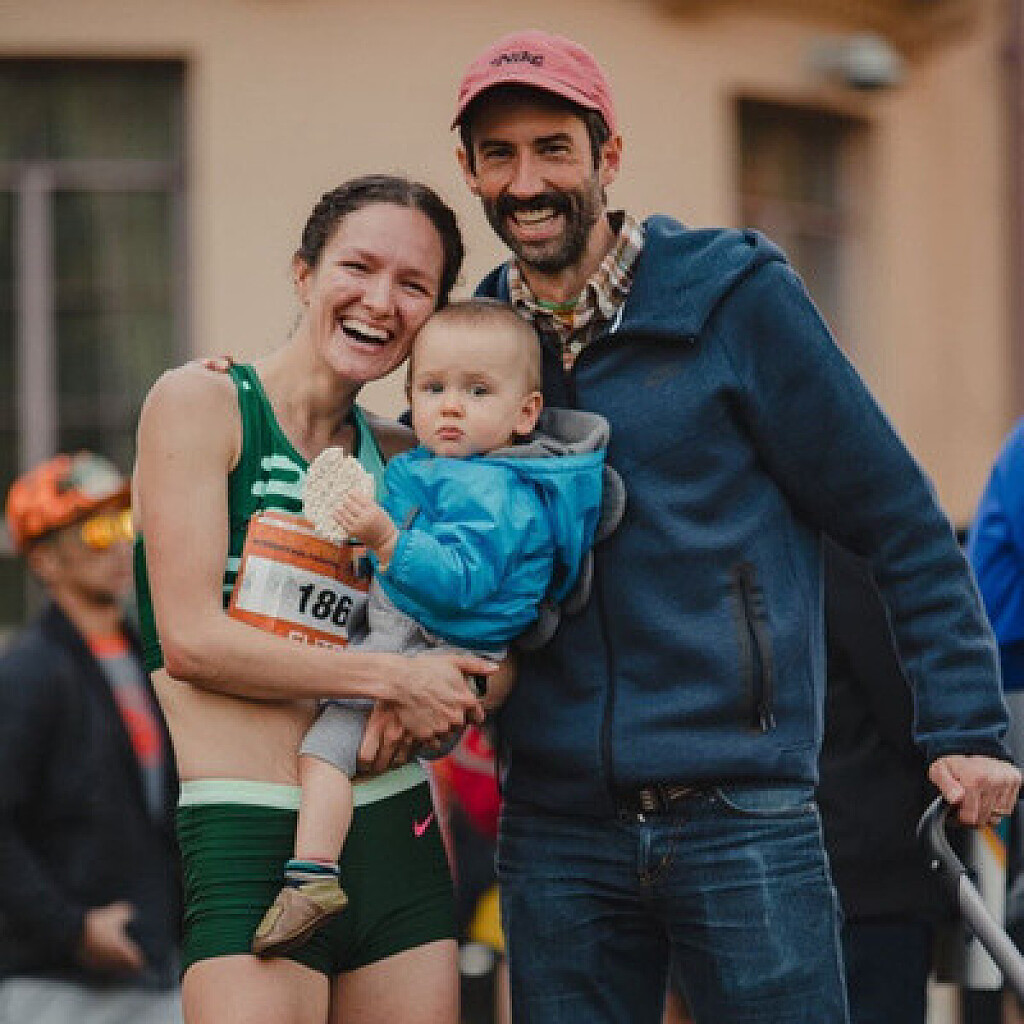
Meet the ultimate ultrarunning power couple
The running accomplishments of Rachel Drake and Tyler Green are astonishing on their own—but there’s far more to this pair of high-achievers than paces and race results. Drake recently earned her entry to the 2024 edition of the legendary Western States 100 with a strong win at Black Canyon Ultras 100K in Arizona, and Green finished second at the 2023 edition of Western States (and capped off his season with a sixth-place finish in the men’s race at UTMB 171K); the couple juggles demanding careers, school (Drake), coaching (Green) and family time with their one-and-a-half-year-old son, Lewis. We connected with the couple to find out how they make it work.
Drake, now 32, grew up in White Bear Lake, Minn., and the family currently lives in Green’s hometown of Portland, Ore. They will soon be moving to Salt Lake City, Utah, so Drake can begin her anesthesiology residency in the summer. The dynamic trail-running duo met at the McKenzie River 50K, and now combine their strengths in raising a family while balancing high-level running performance. Green, 40, works as a trail running coach and a high school cross country and track coach.
From Western States to World Trail Majors
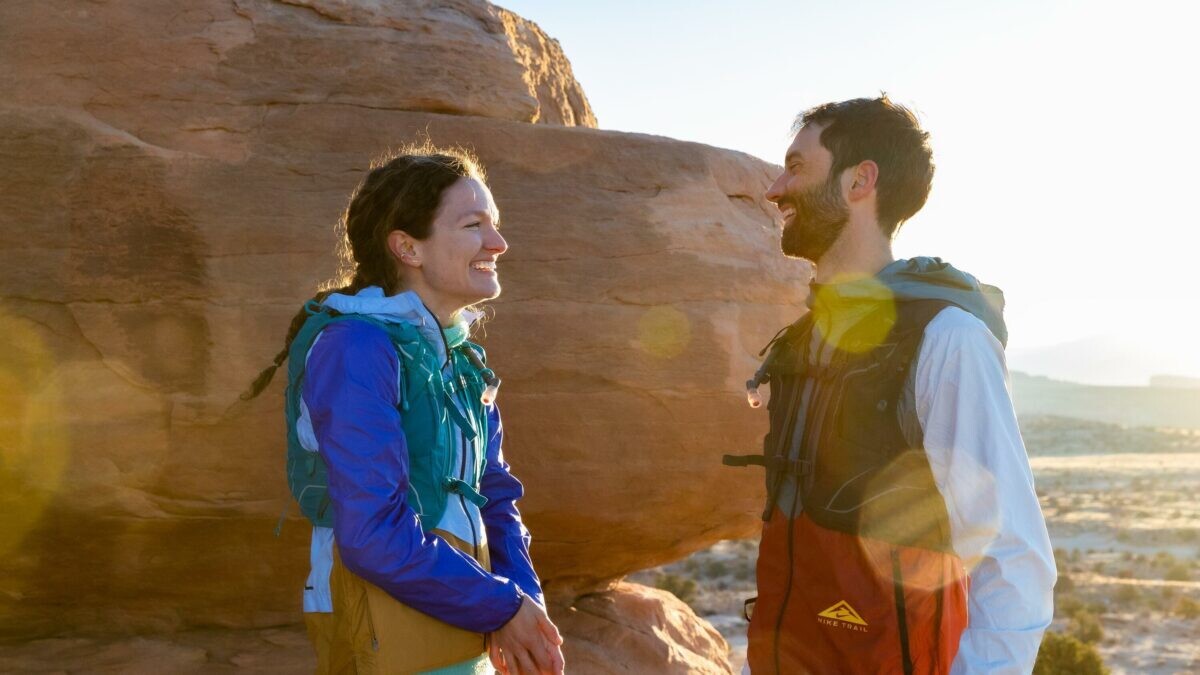
The couple has similar goals for the 2024 season—they are both racing Western States on June 29, and both hope to capture another top performance at one of the World Trail Majors races, with the current plan being to run Ultra Trail Cape Town in November. The couple exemplifies flexibility in running and life—when a recent trip to run Ultra Trail Madeira was entirely derailed due to travel difficulties, they rallied, enjoying time at home instead. And when Black Canyon Ultra 100K in February was delayed several hours due to bad weather, Drake rose to the occasion.
“I’m really proud of how I handled the multiple changes in plans, I never felt stressed or perturbed,” Drake posted on Instagram after Black Canyon 100K was delayed several hours. “And I guess my ability to fall back asleep showed that my catecholamines were indeed not yet surging through my bloodstream. I think having been through medical school, graduate school and the birth of a child has really put things in perspective.”
An element of surprise
Both Green and Drake love being a part of the trail running community, and while being parents adds an element of challenge, they are finding joy in bringing Lewis to events. “Just a few weeks ago we were at the Gorge Waterfalls trail races, and it’s so fun to bring Lewis into the fold,” Drake told Canadian Running. “He was making friends and wandering around at the finish line, and it was just the best.”
While Drake is quick to express gratitude for their lives, she also acknowledges that they have their hands full. “It’s challenging to balance everything. Lewis is a super easygoing kid, but having a toddler definitely adds an element of surprise to every well-laid plan,” she says. “When we travel, the logistics are a lot more complicated, but it’s always worth it.”
Combining strengths
Drake says that, as athletes, her strengths and Green’s are quite different. “Tyler is much more of a 100-mile specialist, and I am more of a 50K specialist,but moving up in distance this year,” she says. “I think I am also more of a speed-oriented runner and Tyler is probably more of a strength runner.”
As well as being partners through life, Drake and Green share a specific dynamic in the running world—that of coach and runner. “Tyler actually coaches me, so he gives me a lot of advice,” Drake explains. “I’ll weigh in on race strategy and planning our competitive calendars, but I don’t get involved with his training, since he has a great coach.”
Drake and Green share a mutual sponsor in the backpack brand Osprey. “Rachel has partnered with Osprey for five years now, and I followed suit three years ago as I saw how positive the partnership was,” Green explains. “Our connection with Osprey runs deep; they have supported us as people first, whether that’s celebrating a great race result, jumping for joy when we shared we were expecting a baby, or caring for us through injury. We feel like our stories are interwoven.”
The brand’s commitment to sustainability and longevity in its products pairs well with the couple’s values. “I have an Osprey backpack I’ve had for 20 years, it’s still my favorite pack, and I think that tells a lot about how our values align with the company,” says Green. “The gear Osprey makes truly performs and lasts. We’re ultrarunners who work incredibly hard to keep going and going and going, and an Osprey pack on our backs reflects that process.”
Running as a new mom
Drake and Green are now parenting a toddler, and while Drake’s top-notch performance may seem remarkable so quickly after having a child, she says she wouldn’t call it a fast return. “I had a sacral stress fracture at four months postpartum and had to take time to recover from that and then build back fitness,” she says, emphasizing that the culture that celebrates “bouncing back” from postpartum rarely includes any discussion about the challenges of returning to running after giving birth.
“I nursed Lewis for a year after he was born,” she adds. “I loved nursing and it felt important to me to prioritize that. While I was nursing, I felt much more limited with my training, so I had to accept that, even though I was preparing for races that I really cared about.”
Drake’s social media captures enviable images of family, travel, running and mountains, almost always with Lewis in tow. The key to the couple’s success: “Lots of communication with each other, planning our days out and capitalizing on getting stuff done during Lewis’s nap time,” Drake says. One could safely predict fans will follow Drake’s and Green’s performances on trails and off, long after the results of this year’s Western States.
by Keeley Milne
Login to leave a comment

Western States 100
The Western States ® 100-Mile Endurance Run is the world’s oldest and most prestigious 100-mile trail race. Starting in Squaw Valley, California near the site of the 1960 Winter Olympics and ending 100.2 miles later in Auburn, California, Western States, in the decades since its inception in 1974, has come to represent one of the ultimate endurance tests in the...
more...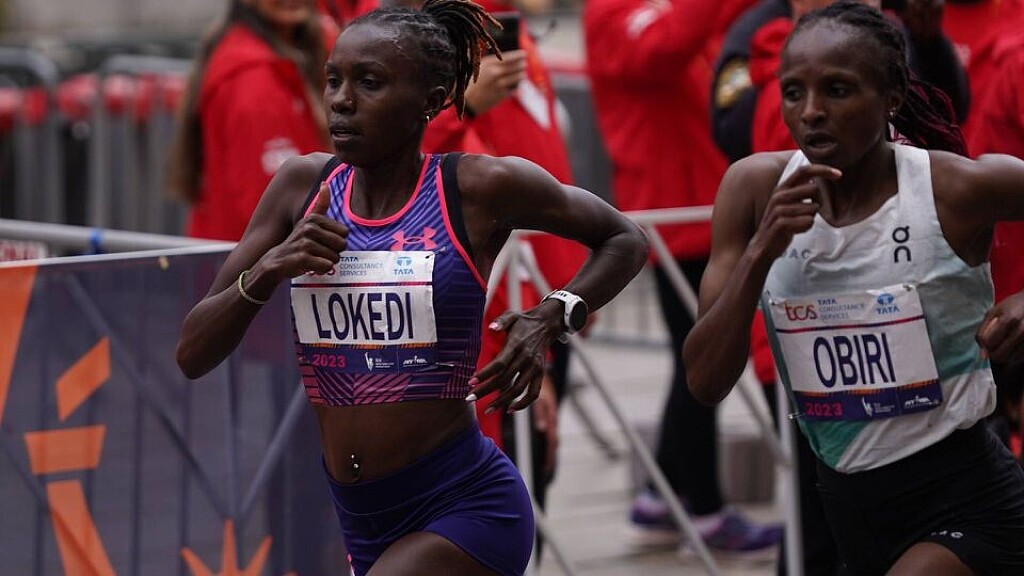
Sharon Lokedi: How the Kenyan marathon star is sketching her strategy for victory at Boston Marathon
Sharon Lokedi is aiming for victory at the Boston Marathon where she will be facing elite rivals.
2022 New York City Marathon champion Sharon Lokedi has rapidly ascended to the pinnacle of long-distance running with her sights firmly set on the 128th Boston Marathon.
Amidst a field brimming with talent, Lokedi's journey from her marathon debut to becoming a favorite in Boston illustrates not only her athletic prowess but also her unique approach to managing the pressures of elite competition.
"Before I get to a race, there’s so much tension and anxiety. I try to remain present," Lokedi shared as per Run.
This practice, recommended by her sports psychologist in July 2023, has helped her maintain calm and focus, vital for someone whose career in running has been anything but typical.
Surprising herself and the athletic world, she clinched victory at her first marathon attempt in New York in 2022 with a time of 2:23:23, joining the ranks of debut winners in the storied race.
Despite facing an injury that sidelined her from the Boston Marathon last April she returned to the global marathon scene last November, securing a third-place finish in New York, a testament to her resilience and tenacity.
The 30-year-old Kenyan runner's story is a blend of innate talent and serendipity having never envisioned a professional career in athletics.
From her humble beginnings running at age 12 to training alongside Olympic champions in Kaptagat, Kenya, Lokedi's ascent in the sport is, by her own admission, "a miracle."
Training at altitudes close to 8,000 feet, Lokedi has pushed her limits, clocking upwards of 140 miles a week in preparation for Boston.
Under the guidance of her coach Haas, she has emphasized hill training, a crucial component for tackling the notoriously challenging Boston course.
"I think she’ll be in the mix," said Haas, highlighting Lokedi's diligent preparation and positive mindset.
Lokedi's connection to the running community, both in Kenya and her second home in Flagstaff, Arizona, has been a source of strength and inspiration.
The camaraderie she shares with competitors, including close friend and fellow Kenyan Hellen Obiri underscores a spirit of mutual respect and friendship that transcends rivalry.
"Racing with Sharon, it’s really good for me," Obiri remarked.
The Boston Marathon promises a historic showdown in the women's elite field, featuring luminaries such as Obiri, Tadu Teshome, Hiwot Gebremariam, and Edna Kiplagat, alongside promising American contenders like Emma Bates and Sara Hall.
"Sharon has been my good friend since 2019. She’s a lovely girl," Obiri added, highlighting the deep bonds formed between athletes at the highest levels of competition.
For Lokedi and Obiri, the Boston Marathon is not just another race, it is an opportunity to showcase their skills, support each other, and celebrate their friendship, irrespective of the outcome.
As she prepares to toe the line in Boston, her message is clear: "I know I’m strong. I want to come into the race knowing that anything is possible."
by Festus Chuma
Login to leave a comment

Boston Marathon
Among the nation’s oldest athletic clubs, the B.A.A. was established in 1887, and, in 1896, more than half of the U.S. Olympic Team at the first modern games was composed of B.A.A. club members. The Olympic Games provided the inspiration for the first Boston Marathon, which culminated the B.A.A. Games on April 19, 1897. John J. McDermott emerged from a...
more...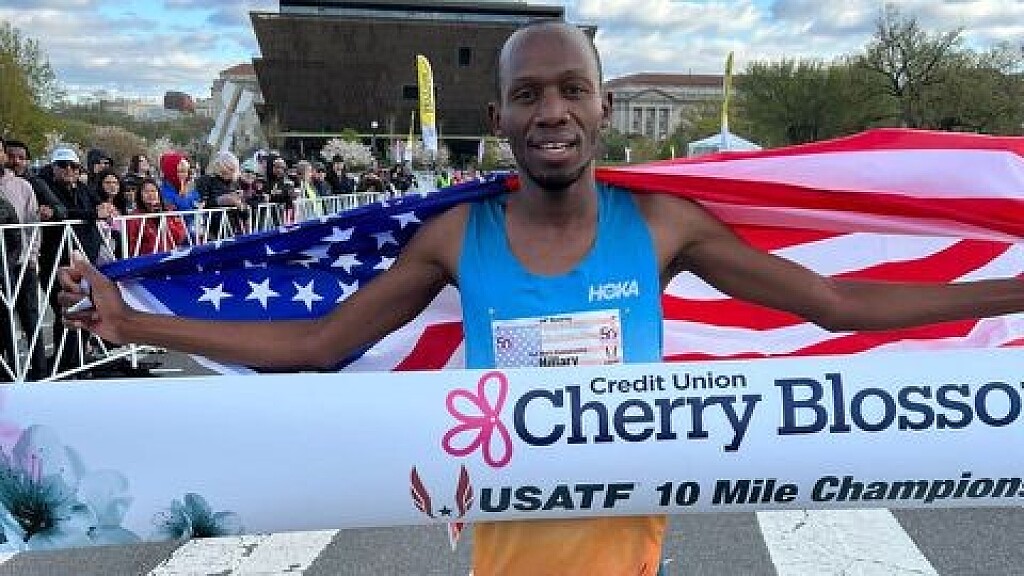
Hillary Bor Smashes His American Record at Cherry Blossom 10-Miler
Ugantda's Sarah Chelangat (51:14) broke the women's course record as American Emily Durgin (51:26) ran fast to finish second.
Two-time Olympic steeplechaser Hillary Bor enjoyed a triumphant return to the nation’s capital, winning his second consecutive USATF 10-mile championship title this morning at the Credit Union Cherry Blossom 10-Miler and lowering his own national record by a healthy 15 seconds in the process. Bor, 34, who was coming off of a strong half-marathon debut in New York City three weeks ago, finished third overall behind Kenyans Wesley Kiptoo (45:54) and Raymond Magut (45:55), clocking 45:56. Another American, Nathan Martin, also ran under Bor’s previous record of 46:11, stopping the clock at 46:00.
“Last year when I ran this race I ran 46:11 and it shows the fitness,” Bor told Race Results Weekly while wrapped in an American flag. “I went to Rabat for my steeplechase. I broke my foot and still ran 8:11. Last summer I was really, really struggling with the injury; I was just rehabbing from June to September.”
But today Bor –who represents Hoka, and like last year wore bib 13– felt healthy mile after mile. In cool and sunny conditions he was in the lead pack of seven at 5-K (14:14), and was the race leader at 10-K (28:36) where eight men remained in contention for the overall title including Kiptoo, Magut, Kenya’s Shadrack Kimining, and Americans Teshome Mekonen and Biya Simbassa. The leaders were averaging 4:38 per mile, but Bor felt the pace slow a little bit past the 10-K mark.
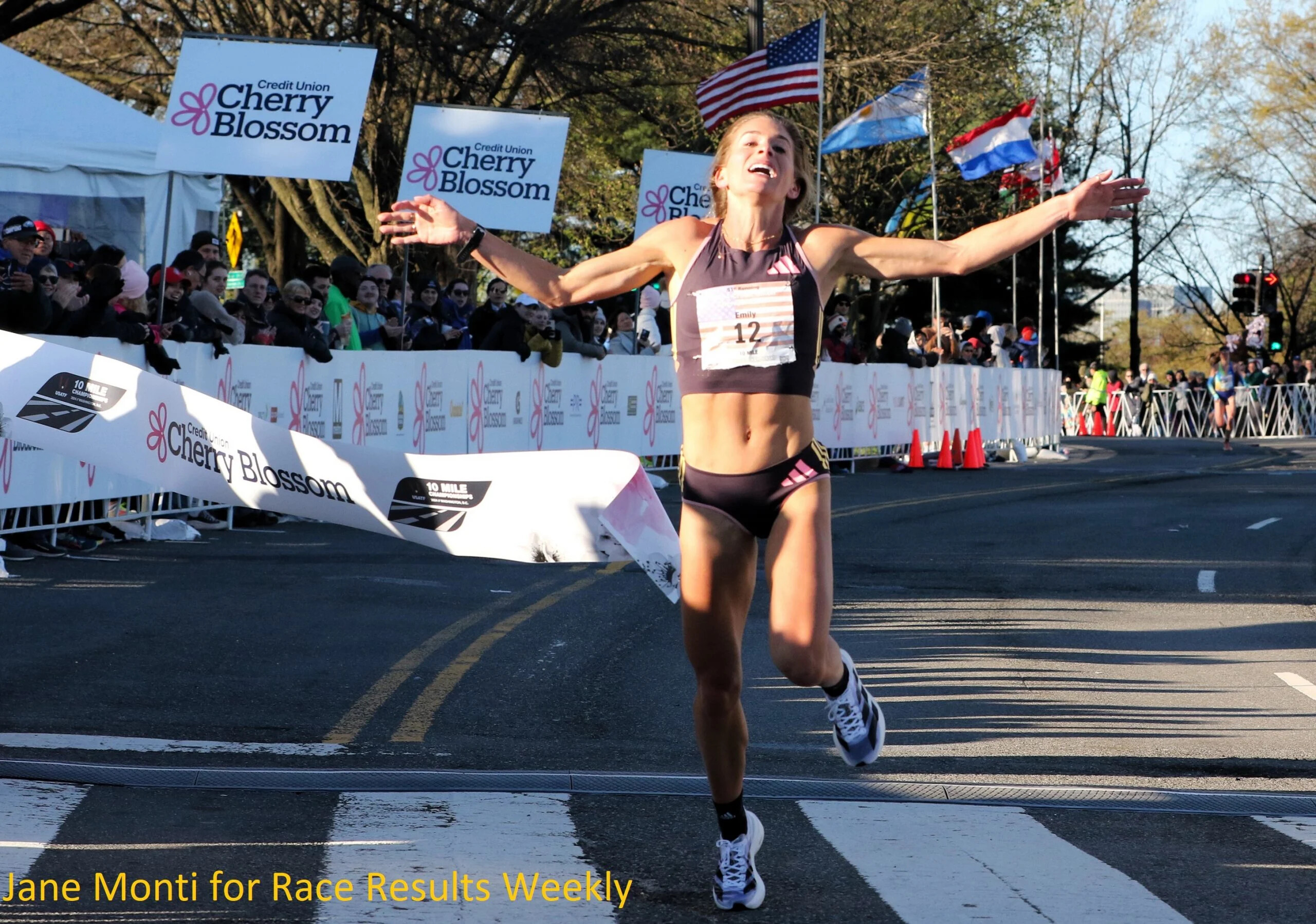
“Between 10-K and 15-K, we slowed down,” Bor continued. “We kind of wait and look at each other.”
With less than a mile to go, four men still had a chance for the win: Bor, Kiptoo, Magut and Martin. The race wouldn’t sort itself out until the final 800 meters where the course goes uphill, turns left, then goes back downhill for the finish line adjacent to the Washington Monument. Bor thought he could take the overall win, but Kiptoo had other ideas.
“The last 800 I was just kind of waiting,” said Kiptoo, who runs for Hoka Northern Arizona Elite. “I was like, everybody is making a move and I was like just good to wait until that last 600, and that’s where I knew I was going to win.”
Kiptoo streaked to the finish line to take the overall title, but only had a second on Magut and two seconds on Bor in the end. On the financial front Bor was the big winner, earning $10,000 for the USATF title and another $2,000 for finishing third overall. Kiptoo earned $6,000 for the overall win plus a $1,000 bonus for running sub-46:00. Magut won $3,750 for finishing second overall and running sub-46:00 (time bonuses were only available for the first and second place finishers).
“The fitness is there,” said Bor, who will move back to the track where he hopes to make his third consecutive Olympic team in the steeplechase. “Ten miles has been good to me.”
Today’s race was bittersweet for Martin. The 34-year-old, who finished seventh at the Olympic Trials Marathon in February, ran an excellent race, breaking the national record, but still ended up second in the national championships.
“I was going for the win,” Martin told Race Results Weekly. “A mile to go I tried to take off and gap people and it didn’t work out. But, it was an awesome time.”
In the separate early-start elite women’s race, Uganda’s Sarah Chelangat repeated as overall champion in a new course record of 51:14. The 22-year-old led from gun to tape, and her time was a whopping 50 seconds faster than last year. She earned a total of $7,000: $6,000 for the win and $1,000 for breaking 52 minutes. She said that she had come to win.
“I’m happy,” said Chelangat, who represents Nike. “It is hard when you are running alone, but I’m happy because I won the race.”
Behind her, American Emily Durgin was running the race of her life. Durgin, 29, who represents adidas, moved from a chase pack of three at 10-K (31:45), where she ran with Ethiopians Kasanesh Ayenew and Tegest Ymer, to running alone by the final mile. She was too far behind Chelangat at 15-K to try for the overall win, but she kept pushing because she wasn’t sure if Rachel Smith (Hoka), the recently crowned USA 15-K champion, was catching up.
“The last mile I was more like, I hope Rachel doesn’t come from behind again,” Durgin said, referring to the USA 15-K Championships on March 2 where Durgin finished third. “At that point I was still trying to maintain a good time, and coming into this race I was like, I really want to win a national title, but I also wanted to run a fast time.”
Indeed she did. Durgin’s time of 51:26 was only three seconds slower than Keira D’Amato’s USATF record for an all-women’s race set in 2020 at a special event here in Washington during the pandemic.
“If I ended up second here today and still ran fast I was going to be happy with it,” Durgin continued. “Thankfully, I think I gapped Rachel enough so she wasn’t able to out-kick me this time.”
by David Monti
Login to leave a comment

Cherry Blossom Ten Mile Run
The Credit Union Cherry Blossom is known as "The Runner's Rite of Spring" in the Nation's Capital. The staging area for the event is on the Washington Monument Grounds, and the course passes in sight of all of the major Washington, DC Memorials. The event serves as a fundraiser for the Children's Miracle Network Hospitals, a consortium of 170 premier...
more...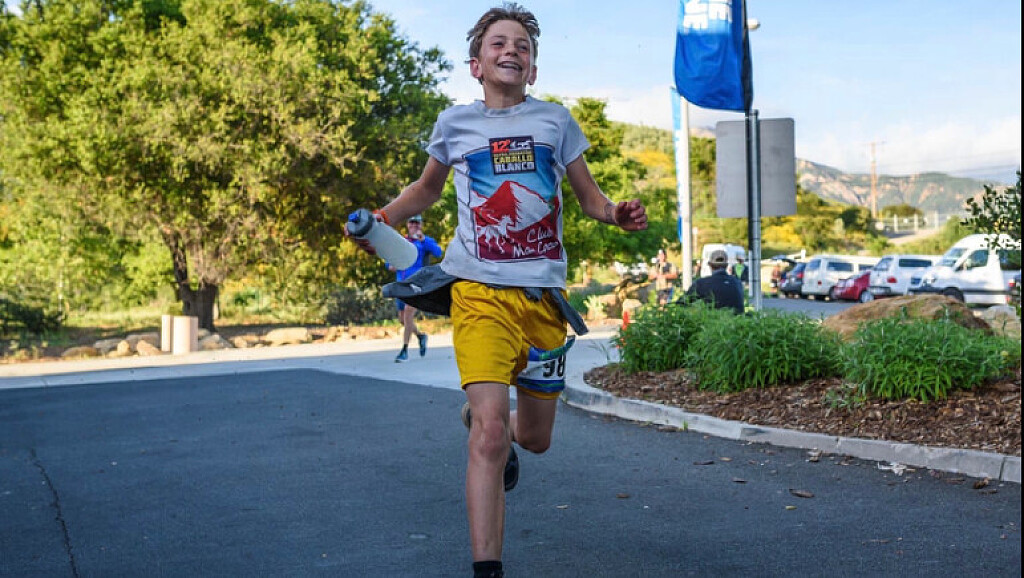
This Teen Ultrarunner Wants to Take on the World's Most Prestigious Races
Last November, 17-year-old Sebastian Salsbury received an email reminder. He had 13 days to decide about entering the race lottery for the 2024 Western States 100 Mile Endurance Run, regarded as one of the most prestigious trail events in the world.
Rules stipulate that each lottery applicant must be at least 18 years old on race day. On January 20, Salsbury will finally meet the age requirement, five years after he technically ran a qualifying time to enter the lottery for the first time.
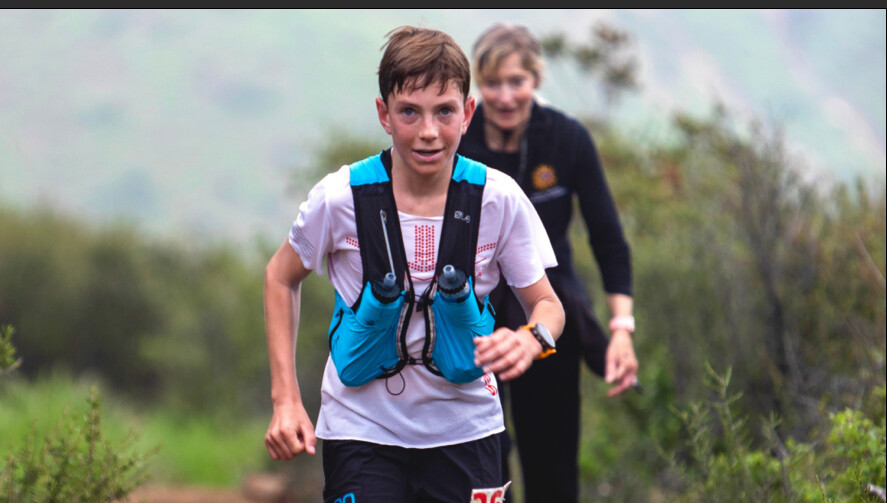
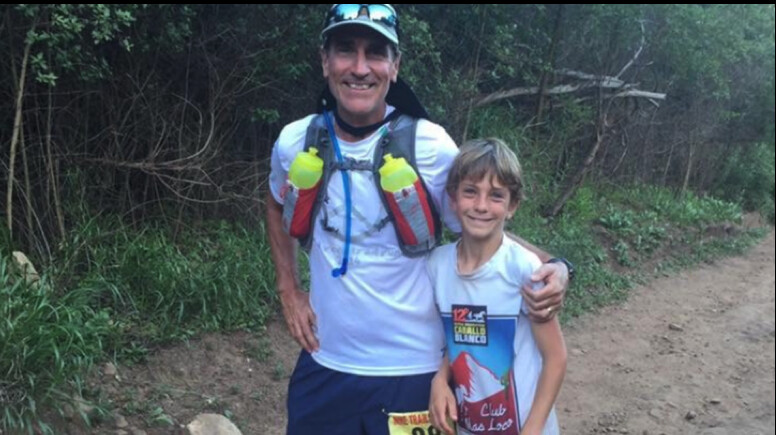
It's been a goal he's been progressing toward for years. In 2020, when Salsbury was 13, he completed the Black Canyon 100K in Arizona in 15 hours 49 minutes and 32 seconds, well within the 17-hour time limit necessary to qualify for the Western States lottery.
"It's hard to put that experience into words," Salsbury says. "It was one of the most beautiful courses I've ever been on. That race made me feel like I was doing the right thing in my life."
Starting Young
Salsbury, who grew up in Santa Barbara, California, was attracted to the trails at a young age. Throughout his childhood, his parents often brought him to nearby trails to hike. The hikes gradually transitioned into jogs, and Salsbury's relationship with the outdoors continued to grow. The mountains, he says, were a playground.
Though Salsbury played basketball, football, and soccer growing up, his love for running took over. He quit the other sports after junior high school to minimize risk for injury, he says, and to dedicate more time to running.
A few years after Salsbury's entry into racing-his first was a local 5K on the road when he was four-he ran the Santa Barbara Red Rock Trail Run. Despite being just nine, he kept up with his father for all 28 miles. The following year, for the Santa Barbara Nine Trails, Salsbury traversed 35 miles with nearly 12,000 feet of vertical gain from the Jesusita trailhead to Romero Canyon trailhead and back, again alongside his father, a road marathoner.
Next, Salsbury entered the Black Canyon 100K in Arizona. He recalled the point-to-point race as one of his most difficult running experiences to date.
"I was basically crying," Salsbury remembers, adding that his hydration vest kept digging into his ribs. "I loved the feeling of working hard and going through really low moments and overcoming them. I crave it."
Supported for the last 20 miles by his coach at the time, Tyler Hansen, Salsbury crossed the finish feeling both defeated and uplifted. The Black Canyon race gave him the confidence to continue challenging himself in ultrarunning.
"My best friends don't understand," Salsbury says about the pursuit of ultras, which he envisions including some of the most technically demanding and prestigious races in the world: the Western States 100 in California, Ultra-Trail du Mont-Blanc through the French Alps, as well as the Hardrock Hundred Mile Endurance Run in Colorado. Salsbury admits that running disrupts his social life, and also that he doesn't mind the solitude the sport necessitates. In fact, he welcomes it.
"I like the feeling of being alone in the mountains," Salsbury says. "It's a great way to free your mind."
Given that he is still a teen-the average age of trail runners is in the mid-30s-Salsbury has not been immune to negative comments over the years. "It's not cool at all to hate, but I can still see where someone would be coming from, seeing a kid doing all that stuff," Salsbury says. "There are going to be people that troll and hate for no reason. That's just life."
A Purposeful Progression
The training required to undertake ultras is out of this world for a typical high school runner. To ensure he's programming himself with sufficient miles without overloading his still-developing body, Salsbury sought the guidance of his longtime role model, pro trail runner Hayden Hawks. The two met when Salsbury was 14, and their camaraderie clicked naturally.
"I had lots of mentors help me at a young age in my running journey, and I felt the responsibility to do the same with Sebastian," says Hawks, 32. "We have taken a patient and gradual approach, developing strength, speed, and a foundation that will help him build into the longer distance races at an older age."
Hawks has coached Salsbury for the past two years, carefully mapping out a plan that tallies 50 miles weekly spread across six days. Salisbury complements the mileage with a combination of hiking, mountain biking, and intervals on an indoor bike as part of his cross training. Three days a week, he does strength exercises at Varient Training Lab in Santa Barbara. To fit it all in so he could have ample opportunity to train and compete, prior to the Covid-19 pandemic, Salsbury enrolled in West River Academy, an online private school program.
"I have zero regrets," Salsbury says. "The opportunity that it's given me to travel with my family and run and be able to guide my days how I want and learn at my own pace, I'm grateful for that."
The online program lasts up to three hours a day, which is "a lot less than standard high school," Salsbury chuckles. In 2022, he researched computer engineering and built a computer from scratch. This year, as part of the online curriculum, he's learning to speak German in addition to researching for a project about coffee and sustainability, which he is especially interested in as a part-time certified barista. Salisbury works at a local coffee shop twice a week.
So far, he's enjoying the unique balance of online learning and ultrarunning. "I like to keep myself busy," he says. "I've always had this next-level energy. Obviously it goes into running, but it's who I am as a person."
His days are hardly routine compared to the average high schooler. On a recent Thursday, Salsbury started the day with a three-minute cold plunge before he spent the remainder of the morning packing running shoes, thermal layers, his COROS watch, and a heart rate monitor ahead of a four-day trip to Boulder, Colorado, to train with a friend at altitude.
Living at sea level in Santa Barbara, Salsbury doesn't often have the opportunity to run at altitude beyond twice a year, mostly "just a vacation with my family where I get to do some running," he says.
As much as he has run over the years, Salsbury says he's been fortunate to never have had any serious injuries. This year, a growth spurt of eight inches led to severe shin splints, and Salsbury, who is now 6-foot-4 and 162 pounds, took four months off from running.
Now, life is back to business as usual. Salsbury is planning ahead. His next race is the La Cuesta Ranch 25K in San Luis Obispo, California, in late January. After he graduates from high school in June 2024, he wants to pursue a running career ideally full-time, though he hasn't stated when he aims to turn professional.
"I've always had the intention to be one of the greatest ultrarunners in the world one day. That will continue to be my goal," Salsbury says. "I want to leave a positive impact on the sport and be an inspiration to other athletes of any age, but obviously the youth because that's how I grew up. People can judge and say whatever they want, but I do want to be the best of all time."
by Trail Runner Magazine
Login to leave a comment
