

Running News Daily
Running News Daily is edited by Bob Anderson and team. Send your news items to bob@mybestruns.com Advertising opportunities available.
Index to Daily Posts · Sign Up For Updates · Run The World Feed
Articles tagged #2027
Today's Running News



2027 Could Bring Unprecedented Heat, Raising New Concerns for Marathon Runners Worldwide
The global running community could face a formidable challenge in 2027, as forecasts of a potentially powerful El Niño raise concerns about rising temperatures and the impact of extreme heat on marathon performances.
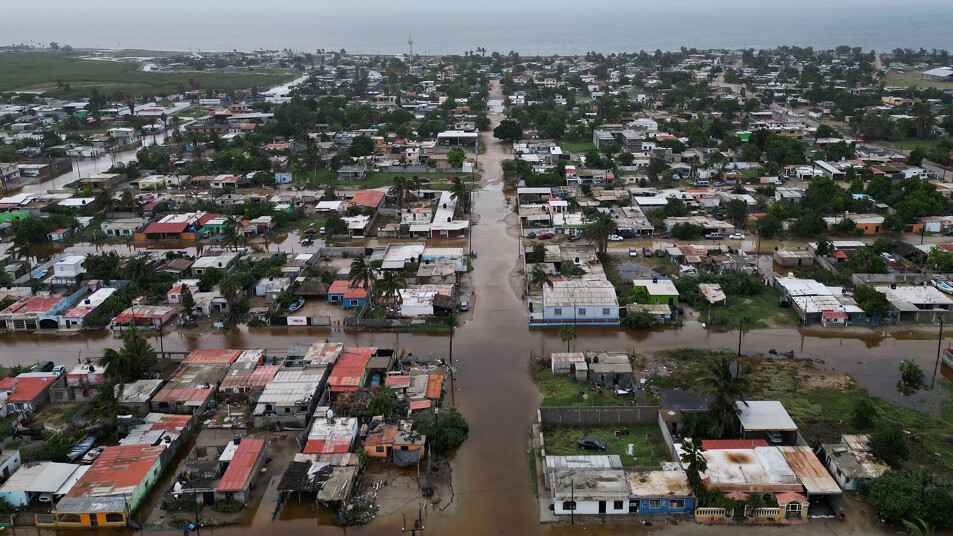
With long-distance runners increasingly chasing personal bests on the world's biggest stages, the prospect of another exceptionally warm year has placed race-day weather firmly in the spotlight. For marathoners, even a modest rise in temperature can make the difference between a record-breaking performance and a difficult battle to reach the finish line.
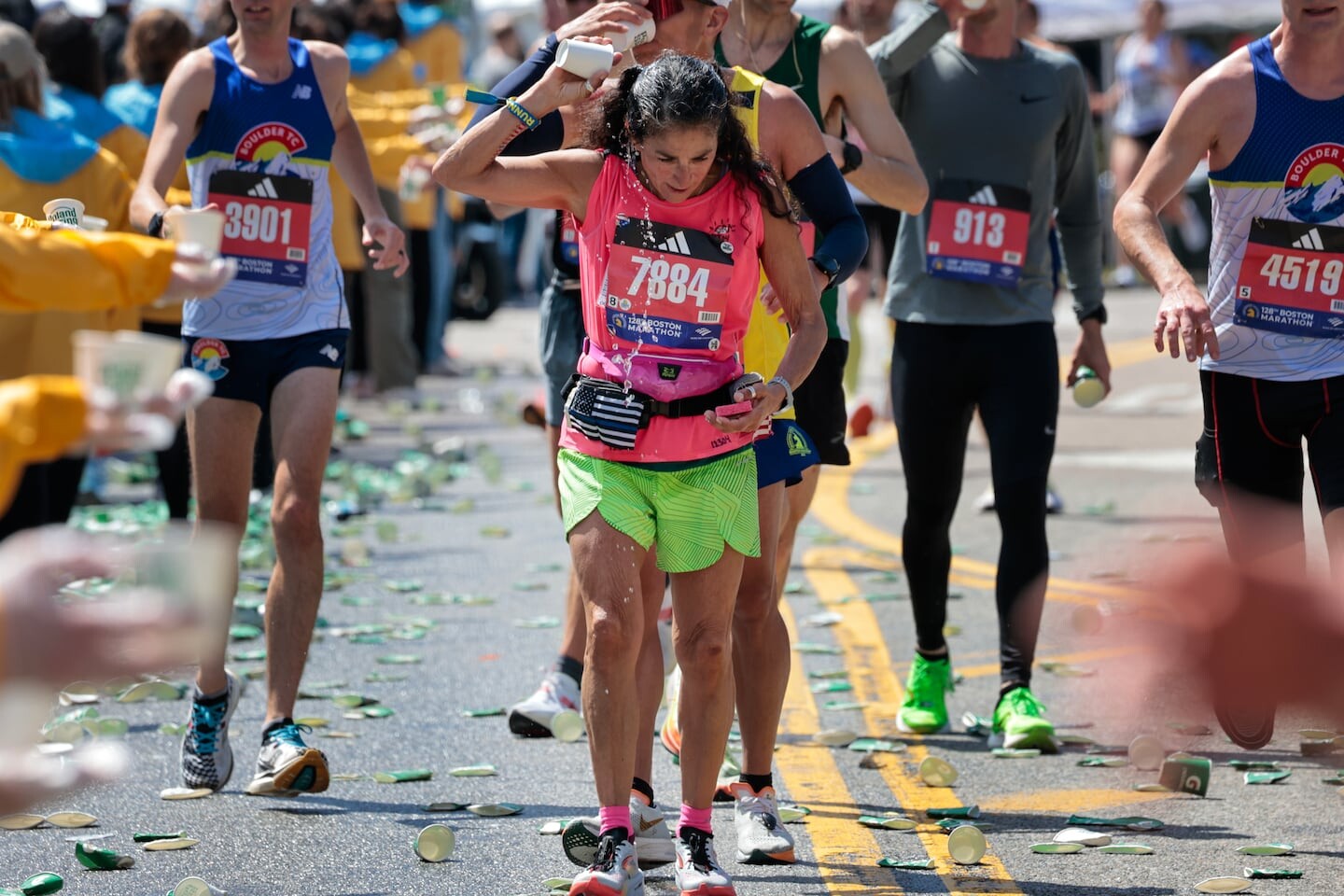
At the centre of the concern is the Pacific Ocean, where developing El Niño conditions could influence global temperatures. Forecasts have raised the possibility of an unusually strong event, although its eventual intensity and the precise effects on temperatures around the world remain uncertain.
El Niño is a natural climate phenomenon characterised by warmer-than-average sea surface temperatures across parts of the central and eastern equatorial Pacific. It can alter weather patterns across different regions, while its warming influence can contribute to higher global temperatures. The full impact depends on the strength of the event and how it interacts with other climate factors.

The timing is particularly important. Global temperatures have often responded strongly in the year following a major El Niño, meaning 2027 could face an increased risk of challenging heat. However, whether it ultimately surpasses the existing global temperature record will depend on evolving ocean conditions, atmospheric patterns and human-caused climate change.
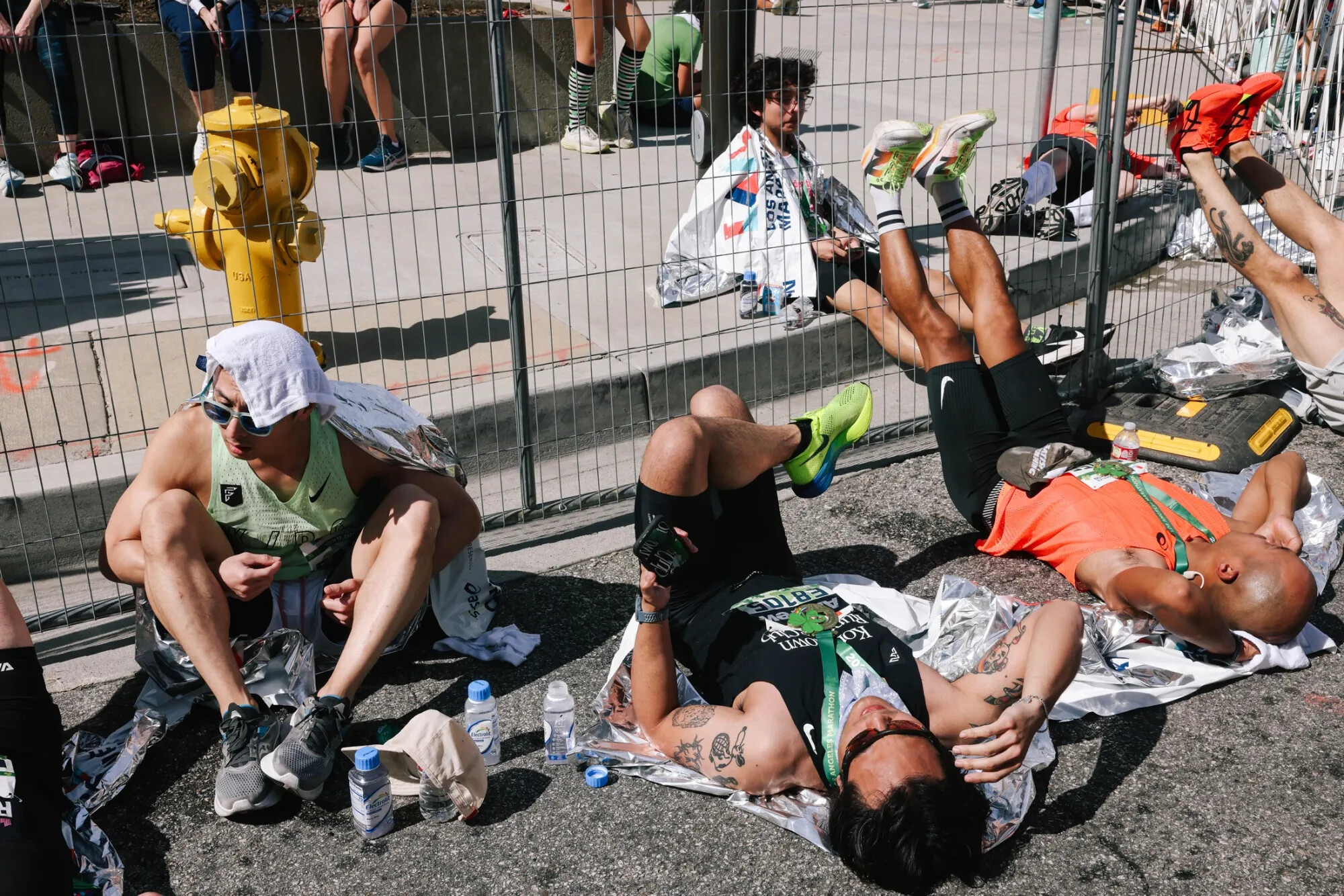
For marathon runners, the implications are significant. Scientific research has repeatedly shown that warmer conditions can reduce endurance performance, increase physiological strain and make it more difficult to maintain a planned race pace over 42.195 kilometres.
An analysis of seven North American marathons illustrates how substantially conditions can influence elite performances. Researchers found that leading male runners finished approximately 1.7 per cent slower relative to course records under the coolest conditions examined. In the warmest category, that difference increased to around 4.5 per cent.
For an athlete capable of running a marathon in 2:05:00, a slowdown of that magnitude could translate into several additional minutes on the clock. At the elite level, where races are frequently decided by seconds, such a difference can determine whether a runner achieves a personal best, secures a podium finish or misses a major performance target.
The consequences can be even more noticeable among recreational athletes, who often spend considerably longer exposed to the conditions.
A separate analysis by researchers at the University of Chicago, examining approximately 4.7 million marathon finishing times, highlighted the substantial effect of temperature on runners across different ability levels. The findings suggested that the typical participant could lose roughly 19 minutes when racing in temperatures in the 70s Fahrenheit, compared with conditions in the 40s. In the 80s Fahrenheit, the estimated time penalty rose to approximately 33 minutes.
These figures underline why marathon preparation involves much more than mileage, speed sessions and strength training. Temperature, humidity, direct sunlight and the body's ability to regulate heat can all influence how effectively a runner sustains an effort over the full distance.
Many marathon performances are achieved in cool conditions, with temperatures of approximately 4°C to 10°C often considered favourable for endurance running. As temperatures climb beyond that range, the body must devote more resources to cooling itself, potentially increasing cardiovascular strain and making a previously comfortable pace harder to maintain.
However, there is no universal temperature at which every marathon runner begins to slow down. Individual fitness, acclimatisation, humidity, wind, course exposure and race strategy all influence performance. A cool, overcast morning can produce very different outcomes from a sunny, humid day, even when the thermometer shows similar readings.
by Erick Cheruiyot for My Best Runs.
Login to leave a comment
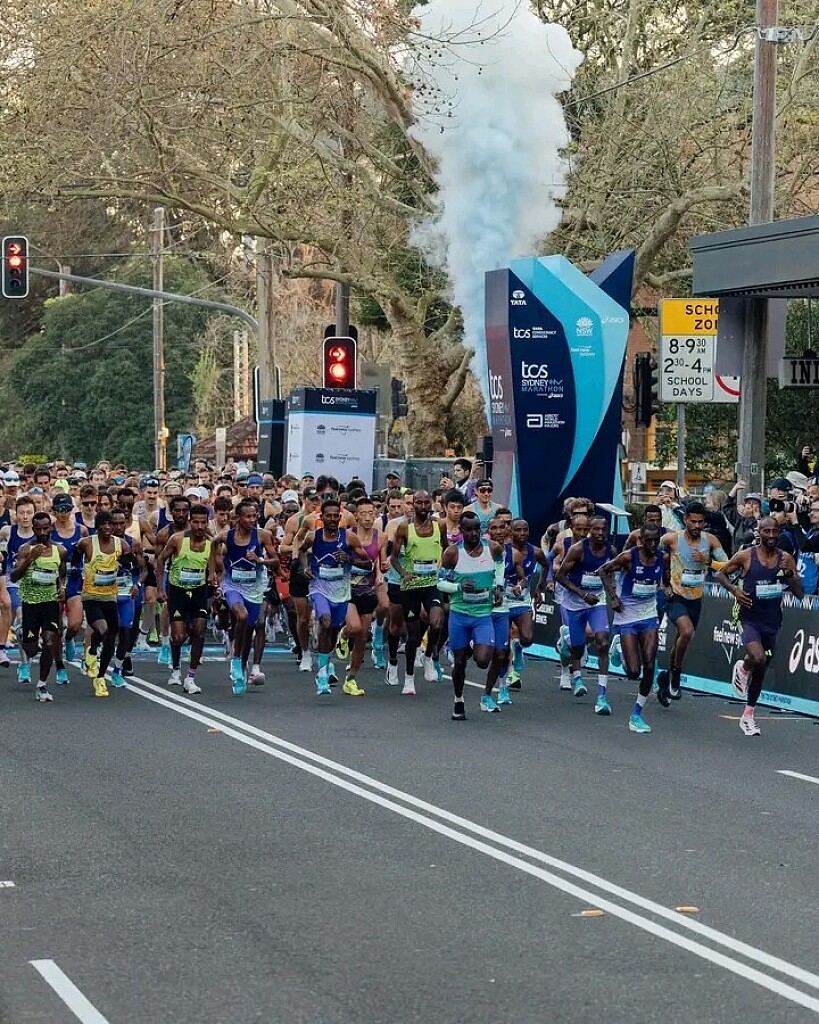
2027 Sydney Marathon Ballot Opens as Runners Worldwide Set Their Sights on Australia’s Iconic Race
The road to one of the world’s most spectacular marathon experiences has officially begun, with entries now open for the 2027 TCS Sydney Marathon presented by ASICS. Runners from across the globe can now submit their applications for a chance to participate in Australia’s largest marathon, an event that combines world-class distance running with the unforgettable scenery of Sydney.
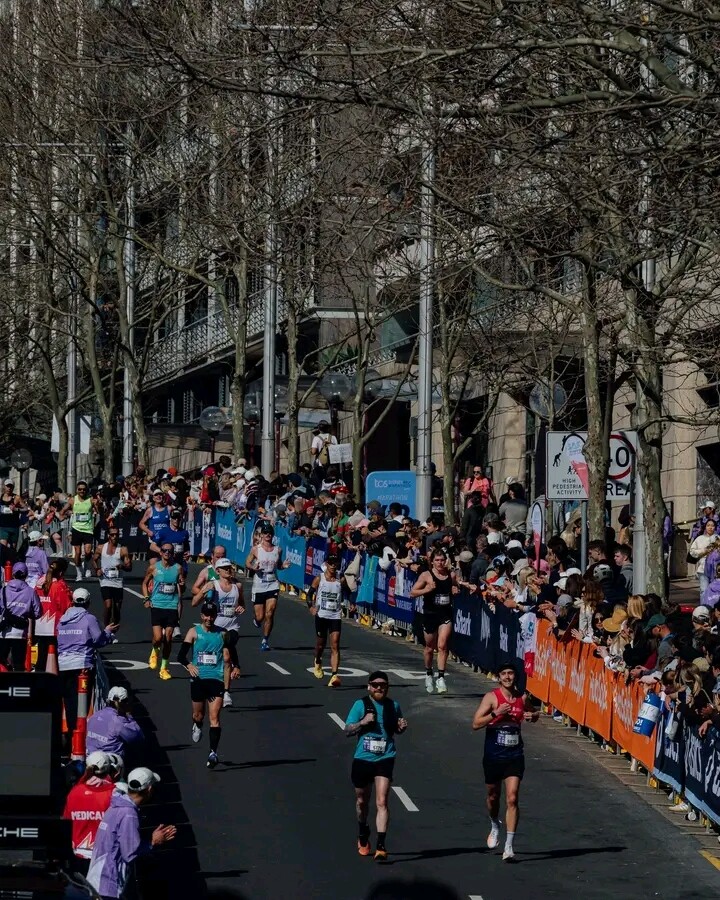
Scheduled for Sunday, August 29, 2027, the race promises to bring together thousands of runners, from passionate recreational athletes to experienced marathoners, for a memorable journey through one of Australia’s most celebrated cities.
More than a test of endurance, the Sydney Marathon offers participants an opportunity to experience the city’s distinctive atmosphere, vibrant culture and internationally recognised landmarks. The highlight for many runners will be the chance to cross the finish line beneath the iconic sails of the Sydney Opera House, creating a lasting memory at the end of months of preparation and training.
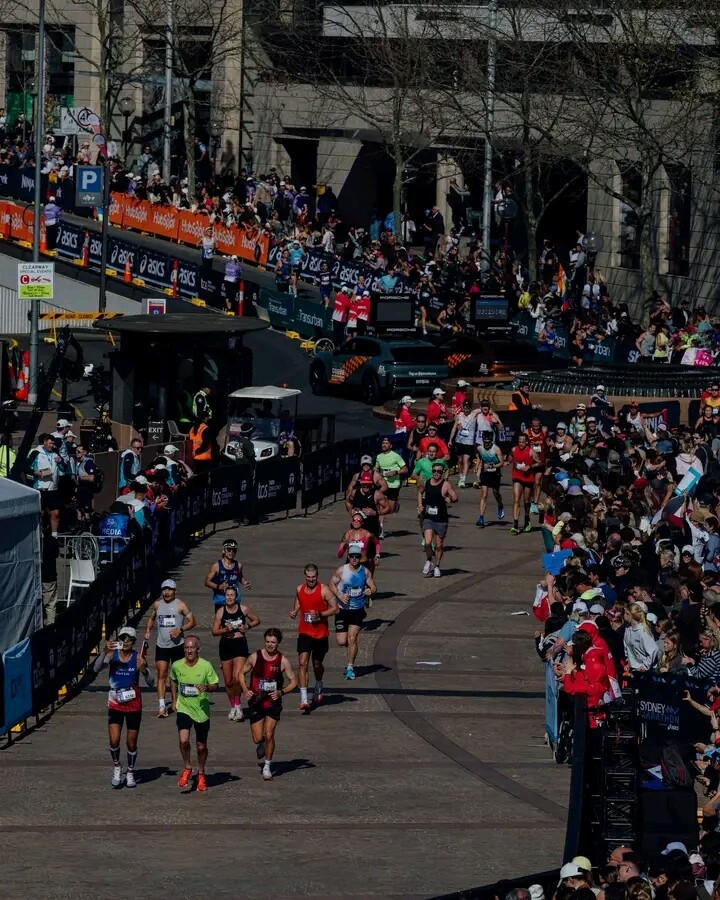
For international participants, the appeal extends well beyond race day. From exploring Sydney’s streets and waterfront to soaking up the atmosphere surrounding the event, the marathon offers an experience that combines sporting ambition with travel and cultural discovery.
Ballot Applications Open Until October 19
Runners hoping to secure a place in the 2027 edition must submit their applications before the ballot closes on Tuesday, October 19, 2026, at 10:00 a.m. Australian Eastern Daylight Time (AEDT).
Unlike a conventional first-come, first-served registration system, the marathon uses a random ballot to allocate places. This means applicants have an equal opportunity in the draw, regardless of when they submit their applications during the ballot period.
Athletes are therefore encouraged to complete their applications before the deadline, ensure that their contact details are accurate and familiarise themselves with the event's important dates.
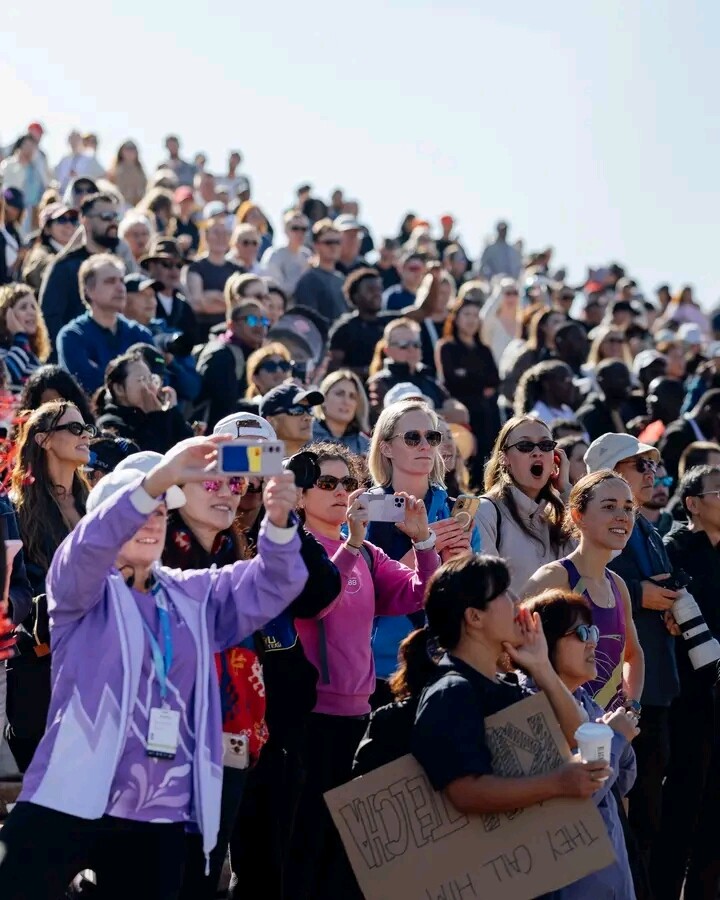
Applicants will be notified of the outcome on November 3, 2026. Successful applicants will have their registered bank cards charged, with confirmation emails sent afterwards. Runners should ensure that the email addresses provided during registration are correct and check their junk or spam folders if they cannot find the notification.
The organisers have also clarified that they will not respond to individual enquiries about ballot application status between the opening of the ballot and the announcement of results. All ballot outcomes are final, and applicants are encouraged to consult the official frequently asked questions for further guidance.
Duo teams and participants competing in non-elite racing wheelchairs are subject to separate application procedures and should not apply through the general ballot.
An Opportunity to Be Part of Sydney’s Marathon Story
With the ballot now open, runners have the opportunity to begin planning for an event that brings together international participation, personal achievement and the excitement of marathon racing in a world-famous destination.
For those who secure a place, the journey will begin long before the starting gun sounds. Training schedules, long-distance runs and months of preparation will eventually lead to race day, when the streets of Sydney become the stage for thousands of individual stories of determination and achievement.
The 2027 TCS Sydney Marathon is scheduled for August 29, with ballot applicants expected to receive their results on November 3, 2026. Anyone who has not received a notification is advised to wait until after November 6 before contacting the organisers.
For athletes dreaming of racing in Australia, the opportunity to take part in Sydney’s celebrated marathon begins with a ballot application. The race may last only a few hours, but the journey to the starting line—and the memories created along the way—can last a lifetime.
by Erick Cheruiyot for My Best Runs.
Login to leave a comment

Sydney Marathon
The Sydney Marathon is a marathon held annually in Sydney, Australia. The event was first held in 2001 as a legacy of the 2000 Summer Olympics, which were held in Sydney. In addition to the marathon, a half marathon, 9 kilometres (5.6 mi) "Bridge Run", and a 3.5 kilometres (2.2 mi) "Family Fun Run" are also held under the banner...
more...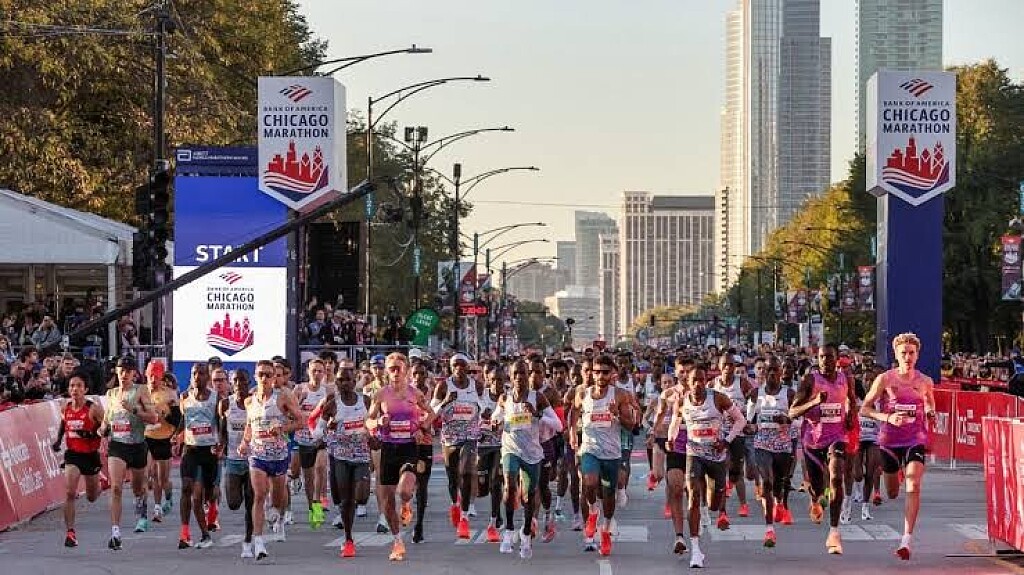
Chicago Marathon 2027 Applications Open As Lottery Window Closes On October 29
Applications for the 2027 Bank of America Chicago Marathon are officially open, giving runners from around the world an opportunity to secure a place in one of the most prestigious races on the global road-running calendar. However, aspiring participants will have less than three weeks to enter the general lottery before applications close on October 29.

The 49th edition of the celebrated marathon is scheduled for Sunday, October 10, 2027, when thousands of athletes will take to the streets of Chicago for one of the sport’s biggest annual running events.
For the majority of runners, the non-guaranteed entry lottery remains the primary route to securing a coveted race bib. Applicants will have to wait until December 8, when the results are scheduled to be communicated by email. Those fortunate enough to be selected will then need to complete their payments within the designated mid-December deadline to confirm their participation.
The entry fee is set at $250 for United States residents and $260 for international applicants, with an additional processing fee. Importantly, runners who enter through the lottery will only be charged if they are successful in securing a place.
Beyond the general lottery, Chicago offers alternative pathways for runners who meet specific eligibility requirements. Athletes who achieve the designated age-group qualifying standards may apply for guaranteed entry, provided their qualifying performances were recorded on certified courses between January 1, 2025, and October 29, 2026.
Another opportunity is available through the Chicago Distance Series. Runners who successfully complete all three designated races in the 2027 series will earn guaranteed entry into the 2028 Bank of America Chicago Marathon, offering an alternative for those planning their marathon journey beyond next year’s event.
As one of the seven Abbott World Marathon Majors, Chicago continues to attract elite competitors, recreational runners and marathon enthusiasts seeking the experience of racing on one of the world’s most recognised marathon stages. Its reputation, fast course and electric atmosphere make securing entry a priority for thousands of hopeful participants each year.
With the application deadline approaching, runners hoping to be part of the 2027 edition should ensure they submit their lottery applications before October 29. Those pursuing guaranteed entry should also carefully review the official eligibility requirements and qualifying standards before applying.
For many, the journey to Chicago begins long before race day. With the lottery window now open, the first step towards the starting line is making sure the application is submitted on time.
by Erick Cheruiyot for My Best Runs.
Login to leave a comment

Bank of America Chicago
Running the Bank of America Chicago Marathon is the pinnacle of achievement for elite athletes and everyday runners alike. On race day, runners from all 50 states and more than 100 countries will set out to accomplish a personal dream by reaching the finish line in Grant Park. The Bank of America Chicago Marathon is known for its flat and...
more...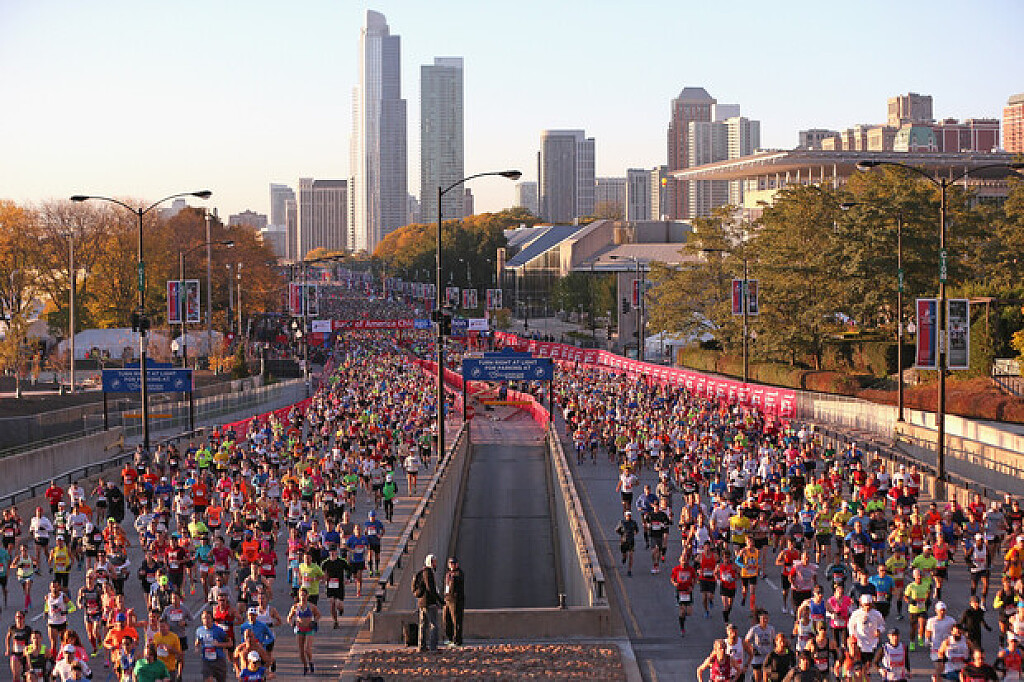
Chicago Marathon 2026: Emma Grace Hurley Makes Her Debut as Clayton Young Battles Injury Concerns
The 2026 Chicago Marathon will provide an important stage for two American distance runners approaching the race from very different circumstances. Emma Grace Hurley is preparing to make her debut over the classic 42.195-kilometre distance after establishing herself among the country’s leading half-marathon runners, while Clayton Young faces a race against time to overcome a hamstring injury that threatens to derail his ambitions.
Both athletes have compelling stories heading into Chicago, but their immediate objectives differ. Hurley is looking to gain valuable experience as she begins her marathon journey, whereas Young must contend with significant uncertainty surrounding his fitness and the potential consequences of racing while injured.

Emma Grace Hurley: A Promising Talent Ready for Her Marathon Debut
Hurley arrives in Chicago following an outstanding performance at the World Athletics Road Running Championships in Copenhagen, Denmark, where she clocked 1:06:23 to finish fifth in the women’s half marathon. Her performance established a women-only American record and contributed to the United States securing the team silver medal.
The result has generated considerable interest in what she might accomplish over the full marathon distance. However, despite the growing expectations, Hurley and her coach, Andrew Begley, have maintained a measured approach, understanding that the transition from half marathon to marathon requires more than simply extending the distance.
Her recent training has offered encouraging indications of her preparation. A demanding workout observed in Indiana, together with training activity shared on Strava, has provided further insight into the work she has undertaken ahead of her Chicago debut.
Nevertheless, the marathon presents a different set of challenges. Athletes must balance pace, endurance, nutrition and energy conservation while preparing for the demanding final kilometres, when even well-conditioned runners can experience unexpected difficulties.
For Hurley, Chicago represents an opportunity to learn those lessons firsthand rather than place unnecessary pressure on herself to produce an immediate breakthrough. Her long-term plan includes two marathons before the 2028 United States Olympic Marathon Trials, making this first appearance an important stage in her development.
Her approach is captured in a straightforward statement: “This one is for learning and the next is for nailing it.”
That philosophy reflects an understanding that building a successful marathon career takes patience, experience and careful progression. While her half-marathon record demonstrates considerable potential, Chicago will offer the first real test of how effectively she can translate that ability to the longer distance.
A strong debut would provide a valuable foundation for her future ambitions, but the experience itself will be equally important as she prepares for the next chapter of her marathon career.
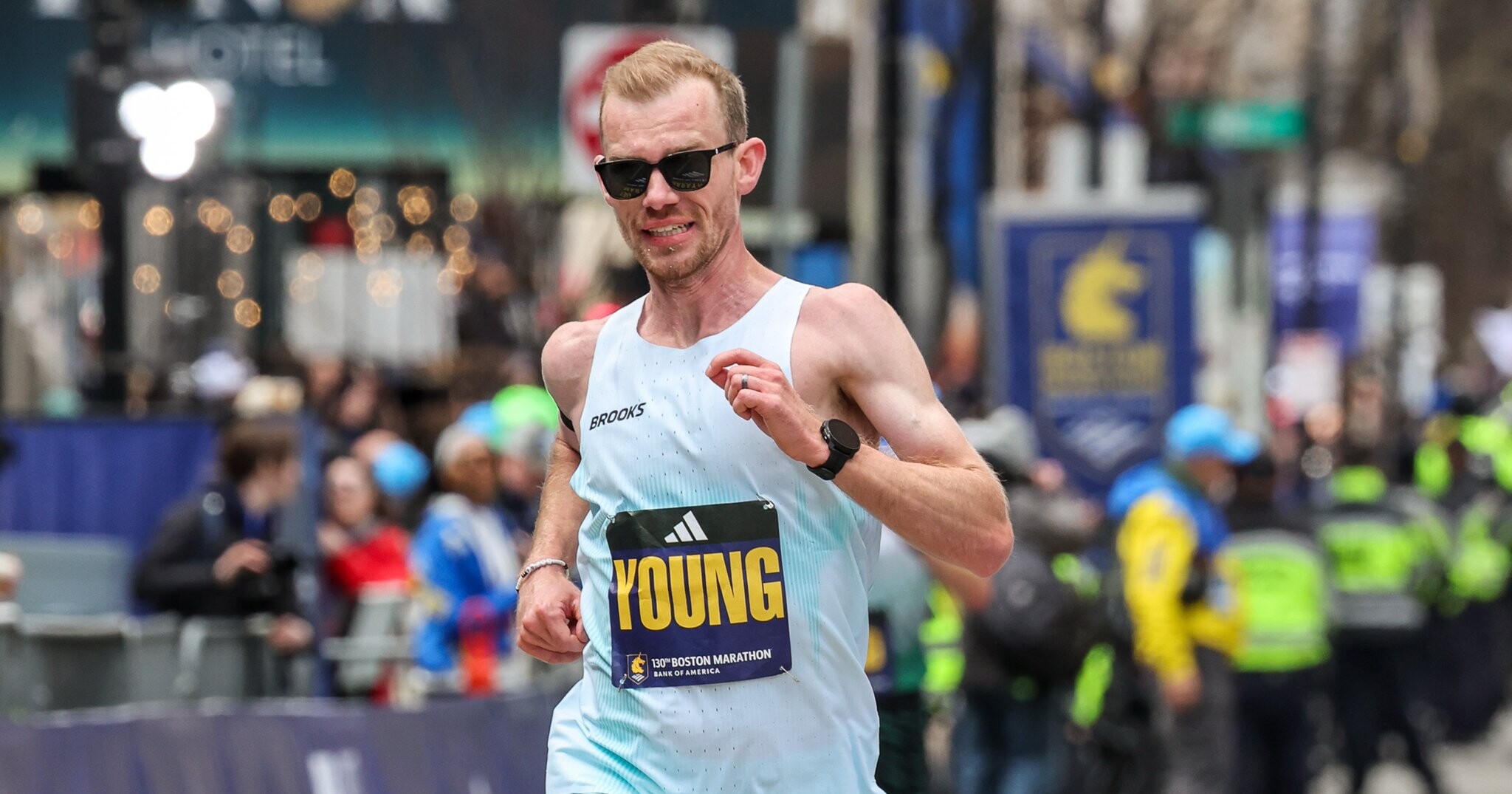
Clayton Young: Hamstring Injury Casts Doubt Over Chicago Ambitions
Young, meanwhile, heads into the Chicago Marathon facing a far more complicated challenge after sustaining a significant hamstring injury during the final stages of the Great North Run.
The American revealed that he suffered a 12-centimetre split tear in his semitendinosus, one of the muscles that make up the hamstring group, during the final 250 metres of the race. The timing of the injury could hardly have been more unfortunate, arriving with the Chicago Marathon approaching and his competitive ambitions still firmly in focus.
Medical advice reportedly differed on how he should manage the injury. One doctor recommended taking four weeks off running, a period of rest that would have ruled him out of Chicago. Another advised a more cautious, day-by-day approach, which Young has chosen to follow.
His recent training activity on Strava and videos shared on YouTube suggest that he has continued to complete substantial workouts. However, evidence of training does not necessarily establish that a serious muscle tear has healed sufficiently to withstand the demands of a marathon.
The injury has placed considerable doubt over his hopes of challenging the American marathon record. More importantly, it has raised questions about whether attempting to race could aggravate the damage and compromise his preparations for the 2027 season and the build-up to the 2028 U.S. Olympic Marathon Trials.
For an athlete with significant long-term ambitions, the decision carries consequences beyond a single race. A successful appearance in Chicago could represent another major achievement, but worsening the injury could potentially cost him valuable training time during a crucial period in his career.
Young is known for his ability to deliver under pressure, making his situation particularly intriguing as race day approaches. However, competing through a hamstring tear of this nature would present an unfamiliar challenge, even for an athlete accustomed to producing strong performances when it matters most.
For now, he remains entered in the race, but his participation and ability to compete effectively remain important questions. His recent workouts may offer encouragement, yet the true condition of the injured muscle and its response to marathon demands will be central to determining what is realistically possible.
Two Americans, Two Very Different Challenges
Hurley and Young illustrate the contrasting realities that elite runners can face ahead of a major marathon. One is entering the distance with momentum, enthusiasm and an opportunity to discover her potential. The other is attempting to navigate an injury that could influence not only his immediate performance but also his longer-term development.
For Hurley, Chicago is the beginning of a new chapter. Her record-setting half-marathon performance has created anticipation, but her emphasis remains on learning, gaining experience and building towards future goals.
For Young, the race presents a more difficult calculation. His competitive instincts and reputation for performing under pressure must be weighed against the risks of pushing through an injury that could have lasting consequences for his season.
Their respective stories will add another dimension to the American contingent at the 2026 Chicago Marathon. While Hurley seeks to establish herself over 42.195 kilometres, Young faces the challenge of determining whether his body is ready to meet the demands of one of the world's premier road races.
As race day approaches, the central questions remain clear: How will Hurley handle her first marathon, and will Young be able to compete without jeopardising his recovery and future ambitions?
The answers will emerge on the streets of Chicago, where preparation, patience and sound decision-making could prove just as important as raw talent and competitive determination.
by Erick Cheruiyot for My Best Runs.
Login to leave a comment
Bank of America Chicago
Running the Bank of America Chicago Marathon is the pinnacle of achievement for elite athletes and everyday runners alike. On race day, runners from all 50 states and more than 100 countries will set out to accomplish a personal dream by reaching the finish line in Grant Park. The Bank of America Chicago Marathon is known for its flat and...
more...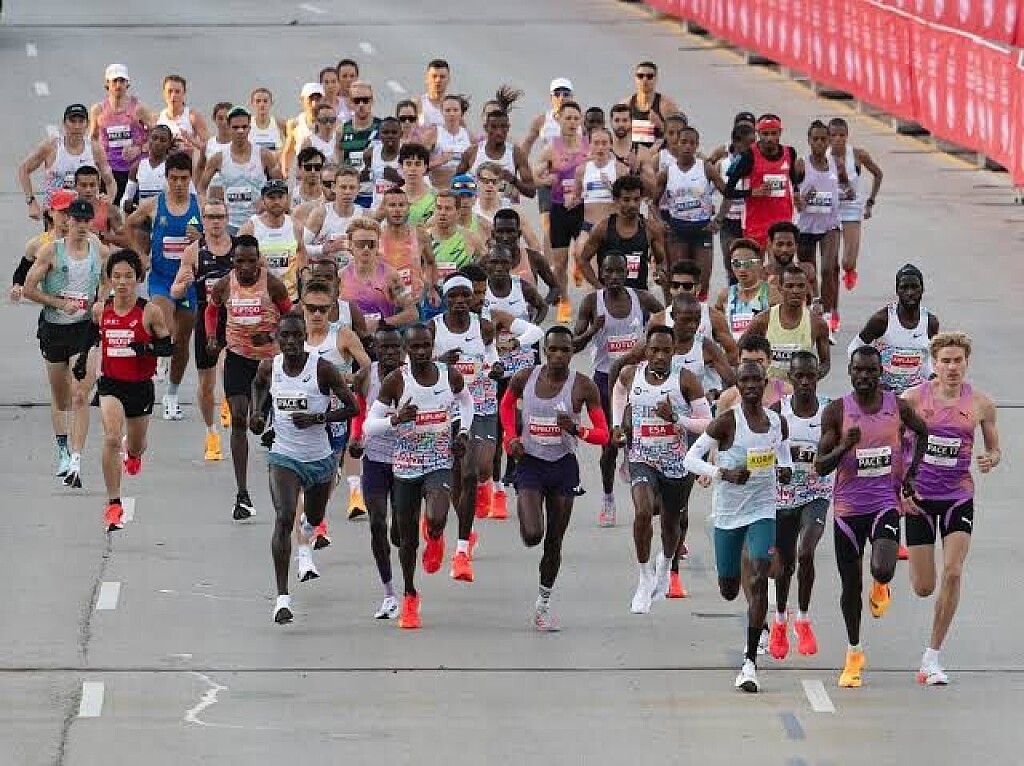
2027 USATF Marathon Championships Headed To Chicago Marathon
The 2027 Bank of America Chicago Marathon is set to become an even bigger stage for American distance running, with the race selected to host the 2027 USATF Marathon Championships on October 10, 2027.
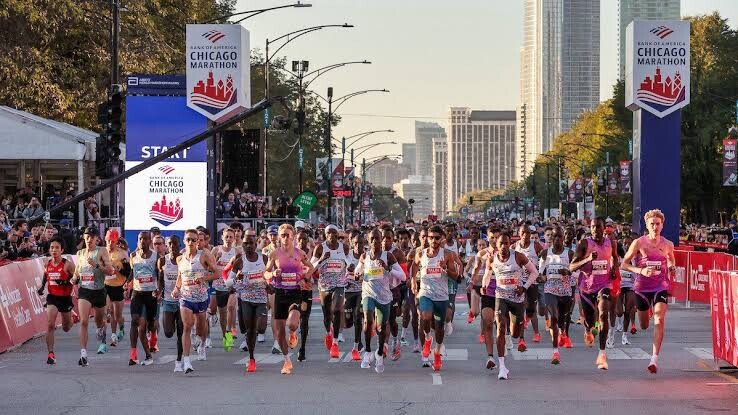
The national championships will be contested directly within the Abbott World Marathon Major, giving American athletes the opportunity to fight for national titles while competing alongside one of the deepest international fields in marathon racing.

A dedicated championship field will feature 20 American men and 20 American women, creating two highly competitive national title races on the streets of Chicago. Chicago Event Management will serve as the local organizing committee, while USATF will announce the selection criteria and championship entry procedures at a later date.
The decision adds another major layer to what is already one of the world's most prestigious marathons.

More Spotlight For American Marathoners
One of the most significant elements of the announcement is the planned television coverage.

The Chicago Marathon will provide dedicated coverage of the USATF Championship races within the main broadcast, including additional cameras focused on the American men and women. This should give U.S. athletes considerably more visibility throughout the race, particularly when the international leaders begin to separate from the field.
The broadcast will be available on NBC in Chicago and Peacock nationally, bringing the championship battle to a much wider audience.
The national championship will also carry a prize purse of nearly $110,000, with prize money extending through 10th place in both the men's and women's competitions.
Chicago Expands High Performance Program
The 2027 event will also see Chicago expand its High Performance Program to 300 athletes, creating more opportunities for elite and sub-elite American marathoners to compete in a world-class environment while pursuing qualifying performances for the 2028 U.S. Olympic Team Trials – Marathon.
For the wider marathon community, applications for the 2027 Chicago Marathon open at 8:00 a.m. Central Time on Thursday, October 8, 2026, and close at 2:00 p.m. Central Time on Thursday, October 29, 2026.
With a World Marathon Major, a national championship, a substantial prize purse and a growing pathway toward the 2028 Olympic Trials all converging on the same 26.2-mile course, Chicago 2027 is shaping up to be a major date on the American marathon calendar.
by Erick Cheruiyot for My Best Runs.
Login to leave a comment
Bank of America Chicago
Running the Bank of America Chicago Marathon is the pinnacle of achievement for elite athletes and everyday runners alike. On race day, runners from all 50 states and more than 100 countries will set out to accomplish a personal dream by reaching the finish line in Grant Park. The Bank of America Chicago Marathon is known for its flat and...
more...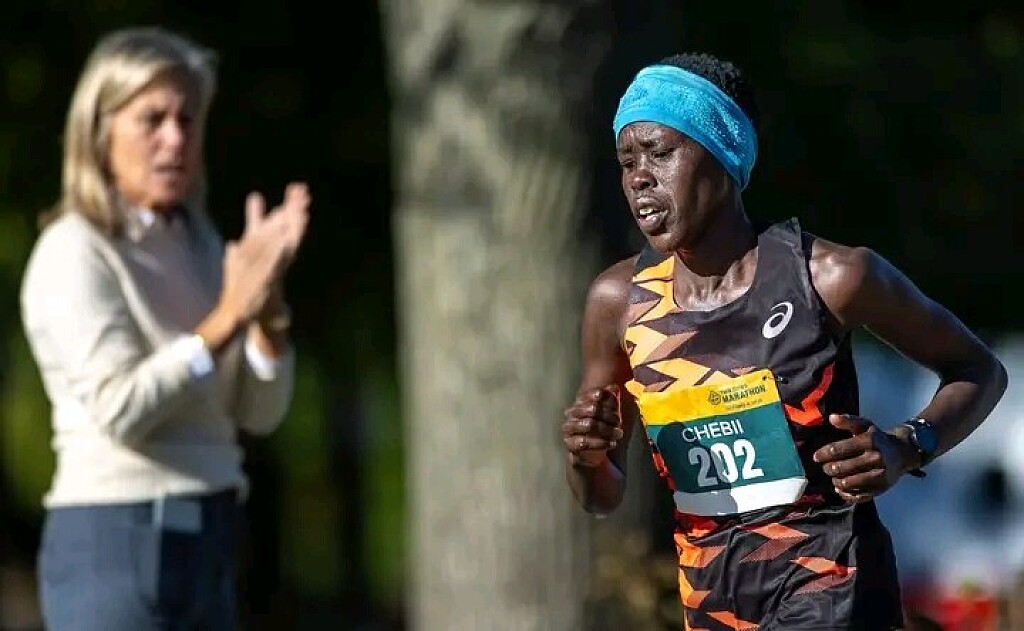
Twin Cities Marathon Turns the Page as Iconic Race Moves to Mid-October in 2027
The Twin Cities Marathon has closed the chapter on one of the longest-running traditions in American marathon racing, with the event set to leave its familiar early-October slot and move to mid-October beginning in 2027.

The 2026 edition marked the final time the race would be held in its traditional early-October window, bringing an end to a calendar tradition that has defined the event for more than four decades.

Beginning in 2027, Twin Cities Marathon Weekend will move to a mid-October date. The decision follows growing concerns over warmer and increasingly unpredictable conditions during the race's traditional weekend, with organisers seeking a better environment for runners, spectators and volunteers.
The change is more than a simple adjustment to the racing calendar. Early October, once synonymous with crisp autumn temperatures in Minnesota, has increasingly brought challenging heat. In recent years, organisers have had to contend with conditions that can place additional stress on marathon runners and increase demands on medical and public-safety teams.
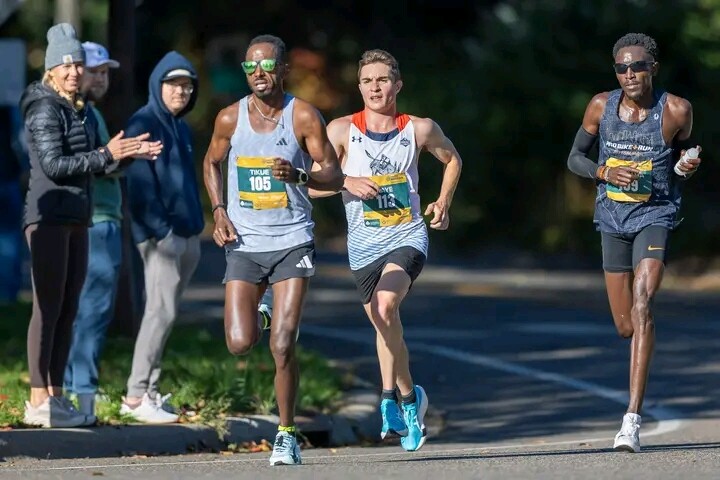
The inaugural Twin Cities Marathon was held on October 3, 1982, attracting 4,563 entrants. What began as a relatively young marathon has since developed into one of the most recognisable road races in the United States, growing alongside the running communities of Minneapolis and St. Paul.
The course itself has long been one of the event's defining features. Runners travel through Minneapolis, pass the city's famous chain of lakes and follow a scenic route toward St. Paul before finishing near the Minnesota State Capitol. The combination of major urban landmarks, parkways, waterways and autumn scenery has helped give the race its distinctive identity.
The 2026 edition continued that long tradition, with roughly 30,000 runners taking part across the various events of Marathon Weekend. The marathon also featured defending champions Will Norris and Jane Bareikis, while favourable temperatures provided runners with much more comfortable conditions than some of the warmer editions in recent years.
Yet even with favourable weather this year, the decision to move the race reflects a longer-term concern. Organisers are looking beyond a single race morning and considering how changing weather patterns could affect the event in the years ahead.
For runners, the move could eventually become one of the most important changes in the marathon's modern history. A later October date offers the possibility of cooler racing conditions while preserving the course, the atmosphere and the traditions that have made Twin Cities Marathon a fixture on the American running calendar.
For more than four decades, the first Sunday of October provided a familiar date for thousands of runners preparing to take on the Twin Cities course.
That tradition has now reached its final chapter.
From 2027, the Twin Cities Marathon will arrive later in the fall — opening a new era for a race whose history remains firmly connected to the streets of Minneapolis and St. Paul.
by Erick Cheruiyot for My Best Runs.
Login to leave a comment
Drunk Motorcyclist Crashes Into Two Runners On Closed Kuala Lumpur Marathon 10K Course
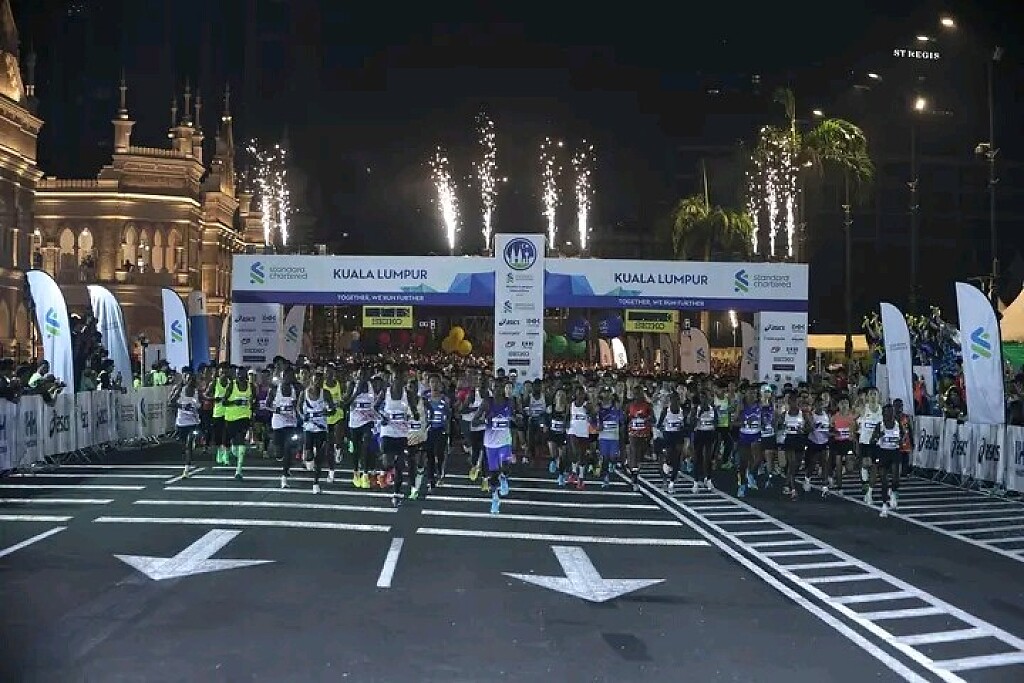
A morning of racing at the 2026 Kuala Lumpur Standard Chartered Marathon turned into a frightening scene on Saturday after a motorcycle entered a section of the course that had been closed to traffic and collided with two runners.
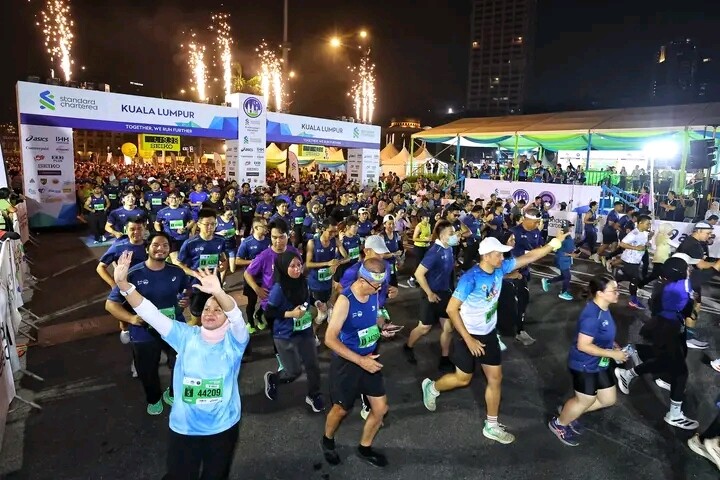
The incident happened at about 6:15 a.m. on October 3 along Jalan Munshi Abdullah, where the 10K race was taking place. Police said the 21-year-old motorcyclist, who was carrying a 19-year-old male pillion passenger, had passed through a section blocked off with traffic cones.
According to police, an officer manning the road closure ordered the rider to stop, but he allegedly continued riding and then travelled against the flow of traffic before crashing into two marathon participants.
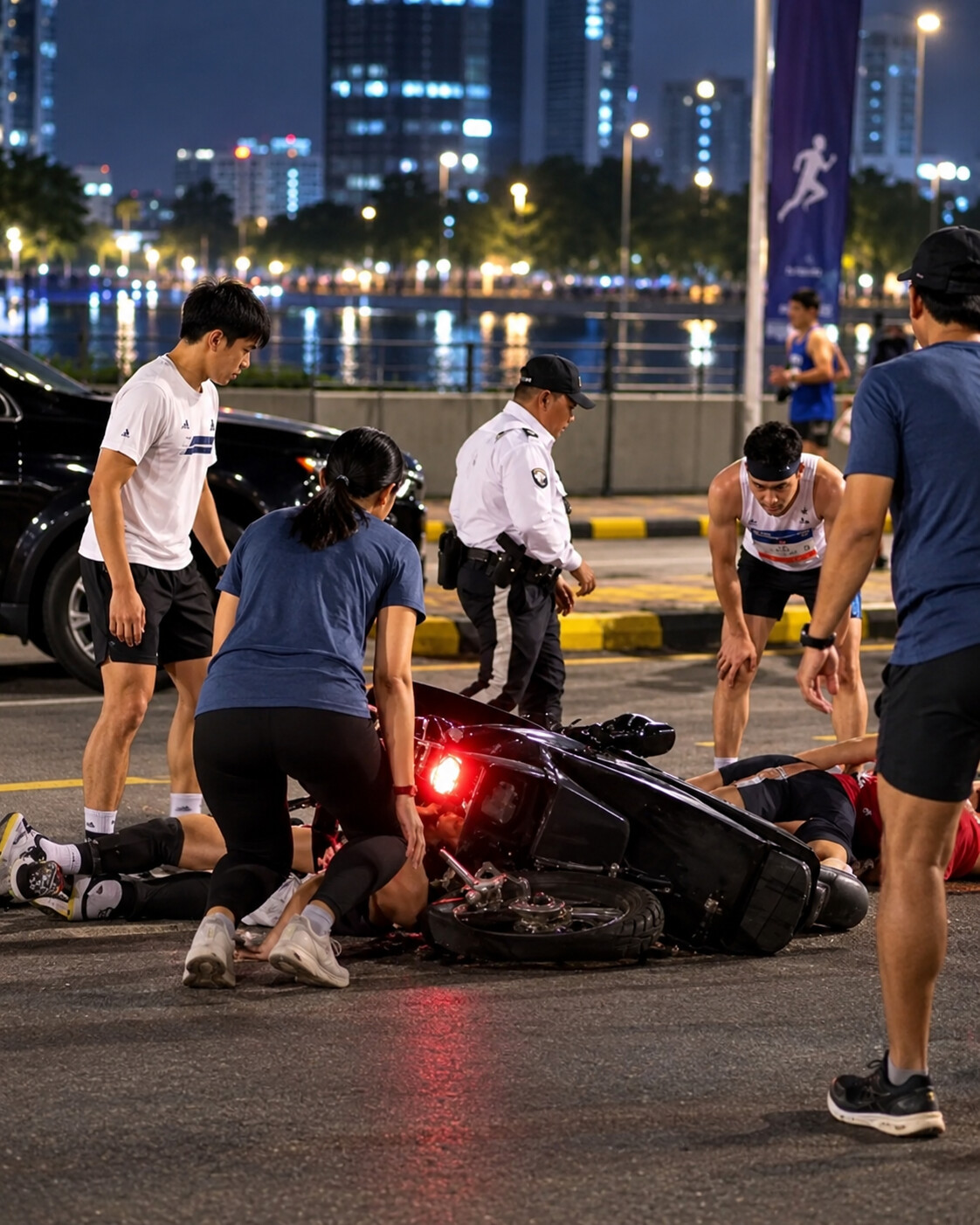
The two injured runners were a 50-year-old woman and a 41-year-old man. The woman suffered neck injuries and was taken to Prince Court, while the man sustained injuries to his right knee and hand. Both received medical attention, with reports indicating that their injuries were not life-threatening.
The incident became even more serious when an initial alcohol screening of the rider returned a positive result. Police said an evidential breath test recorded 164mg of alcohol per 100ml, after which the rider and his passenger were taken to Hospital Kuala Lumpur for blood and urine samples as part of the investigation.
The motorcyclist was subsequently remanded while police investigated the circumstances surrounding the crash. The case was initially investigated under Section 44(1A)(b) of Malaysia's Road Transport Act 1987, as well as Section 186 of the Penal Code.
On Monday, October 5, the 21-year-old was charged in Kuala Lumpur Traffic Court with two counts of driving under the influence. The court granted bail of RM5,000 for each charge, although reports said he was unable to raise the bail and was ordered to be sent to prison pending the next court mention on January 7, 2027.
The crash has highlighted the crucial role of road closures, traffic police and race marshals in protecting runners during major road races. The Kuala Lumpur Marathon's 10K event is a designated race category, with the course reserved for participants during the event.
For the thousands of runners who took part, what should have been a celebration of running instead became a stark reminder that even with extensive race-day safety measures in place, one vehicle entering a closed course can create a potentially devastating situation.
The Kuala Lumpur Standard Chartered Marathon organisers have confirmed the incident and are cooperating with authorities as the police investigation continues.
by Erick Cheruiyot for My Best Runs.
Login to leave a comment
Paris Marathon Enters a New Era as Record 166,000 Runners Enter First-Ever Lottery
The Paris Marathon has entered a new era, adopting a lottery system for the first time as demand for one of the world’s most iconic road races continues to surge.

A staggering 166,000 runners from 165 countries registered for the inaugural lottery for the 2027 ASICS Marathon de Paris, giving the race a level of demand far beyond the number of places available. The 2027 edition, scheduled for April 4, will also mark the marathon’s 50th edition.
The scale of the interest is striking. The 2026 Paris Marathon attracted 58,853 participants, meaning the number of lottery applicants for next year’s race is almost three times the size of last year’s starting field. With the event traditionally welcoming around 50,000 to 60,000 runners, securing a place has suddenly become a matter of chance rather than simply being quick enough to register.
The move represents a significant departure from the marathon’s long-standing first-come, first-served registration model. In previous years, runners had to be ready when entries opened, with places capable of disappearing rapidly as demand continued to grow. For 2027, however, every eligible application entered the same draw, removing the race against the clock that once determined who secured a bib.
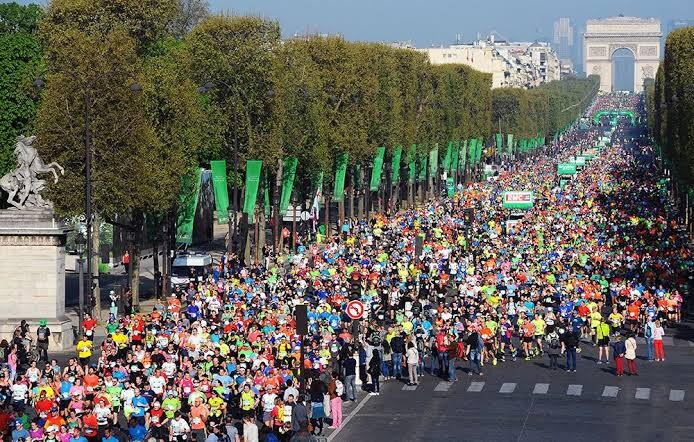
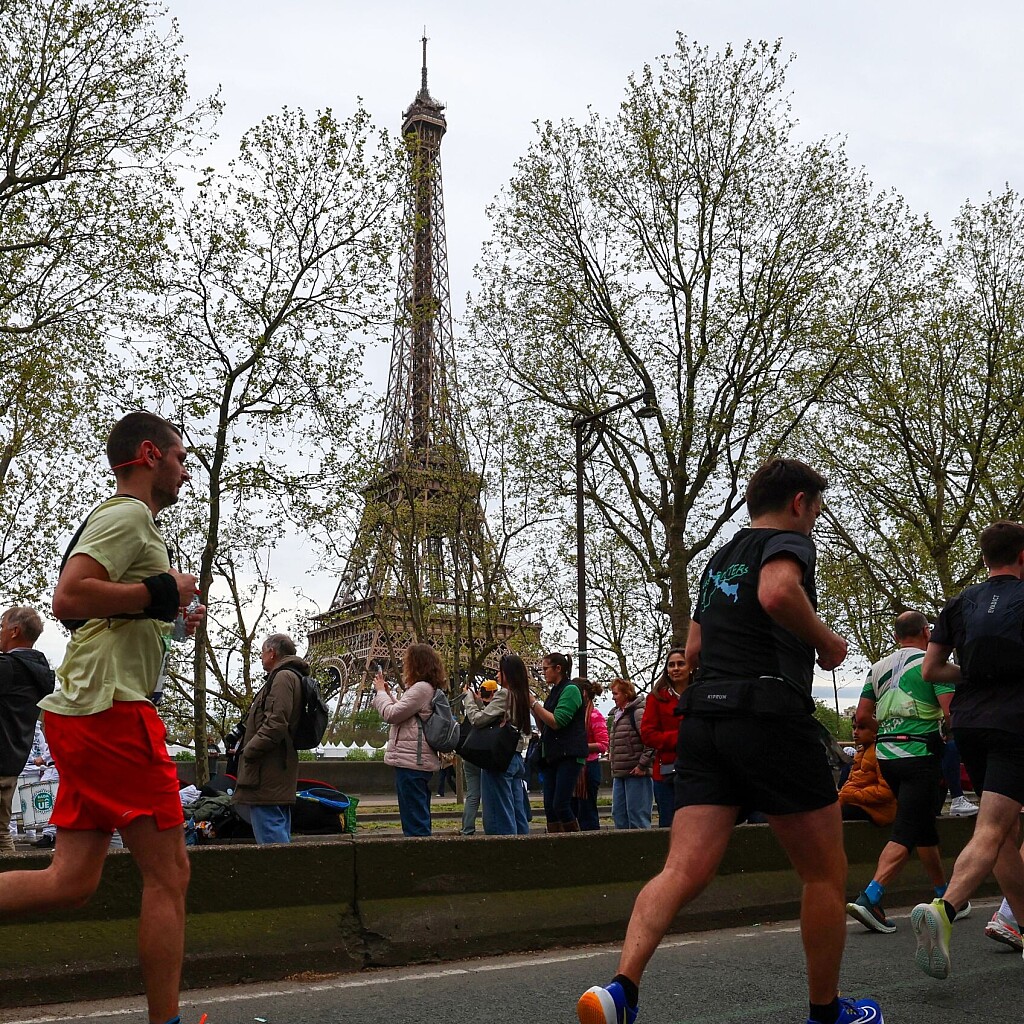
The extraordinary response also underlines the growing international appeal of the Paris Marathon. Applicants for the 2027 race came from 165 countries, reflecting the global attraction of a course that takes runners through some of the French capital’s most recognisable landmarks, including the Champs-Élysées, the Seine, Notre-Dame and the Eiffel Tower.
The lottery has also changed the experience for runners before race day. Results began being communicated from October 1, with successful applicants given 72 hours to confirm their places and complete payment. Any places that are not confirmed are expected to be offered again through subsequent lottery rounds.
The demand is not limited to the marathon. The 2027 HOKA Semi de Paris also attracted nearly 110,000 lottery applicants, meaning the two major Parisian road races generated close to 280,000 applications combined.
Paris has therefore reached a point where obtaining a race bib can be almost as challenging as preparing to run the 42.195-kilometre course itself. Although the Paris Marathon is not an Abbott World Marathon Major, the introduction of a lottery highlights just how dramatically demand for major international road races has grown.
For the runners who secure one of the coveted places, the next challenge will be preparation for April 4, 2027. For those left out of the draw, the message from this year’s numbers is clear: competition for a place on the streets of Paris is becoming increasingly intense.
by Erick Cheruiyot for My Best Runs.
Login to leave a comment

Schneider Electric Paris Marathon
The Schneider Electric Marathon de Paris offers a unique opportunity to make the city yours by participating in one of the most prestigious races over the legendary 42.195 km distance. The Schneider Electric Marathon de Paris is now one of the biggest marathons in the world, as much for the size of its field as the performances of its runners....
more...
Berlin Marathon 2027 Lottery Is Officially Open As Runners Race For A Place On The World’s Fastest Stage
The wait is over for thousands of marathon hopefuls dreaming of running through the streets of Berlin next year, with registration for the 2027 Berlin Marathon officially opening on Thursday, October 1.
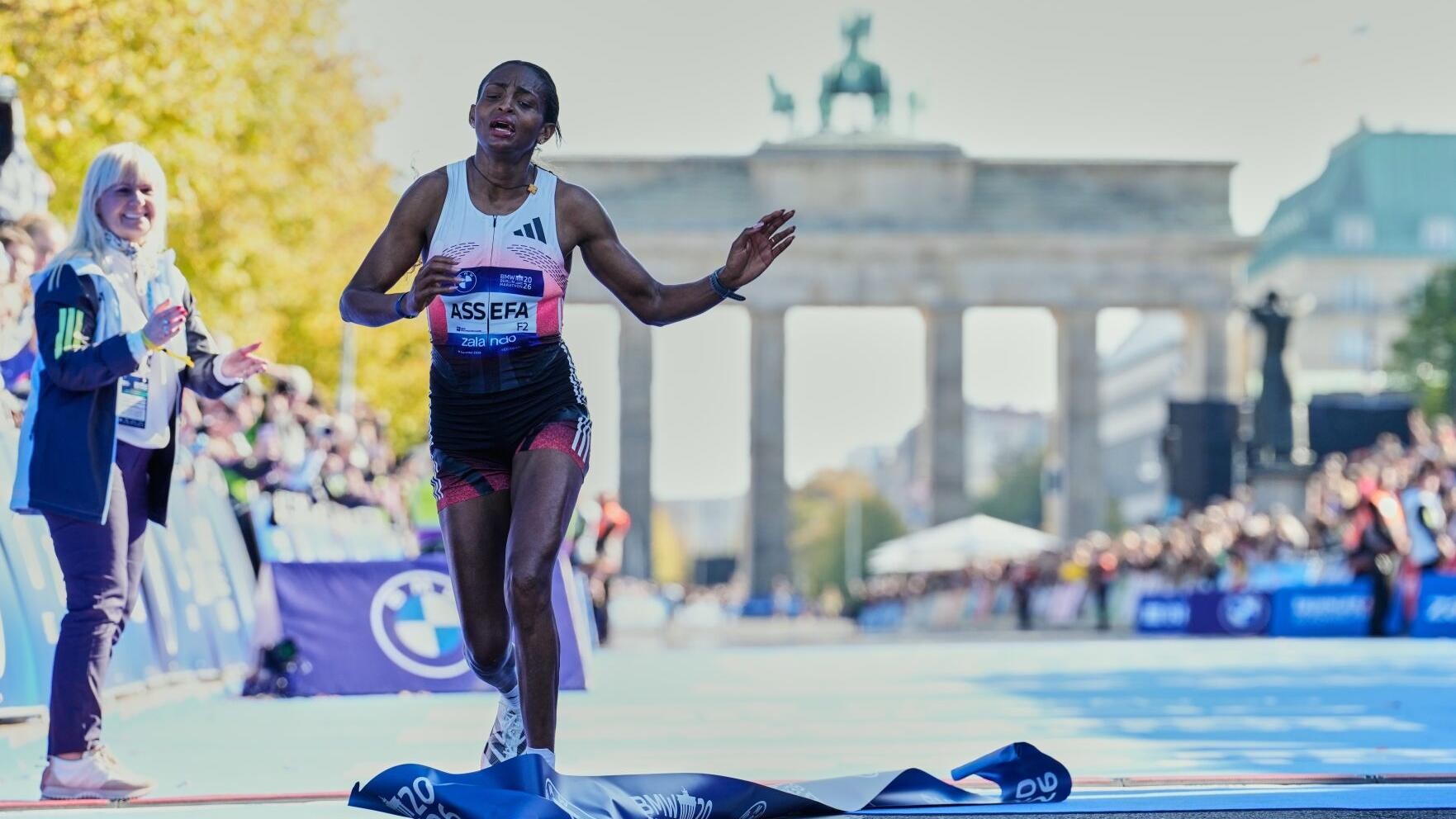
Runners now have until November 12, 2026, to enter the lottery, with the results scheduled to be sent by email on December 3. The entry fee of €215, around $244, will only be charged to athletes who successfully secure a starting place.
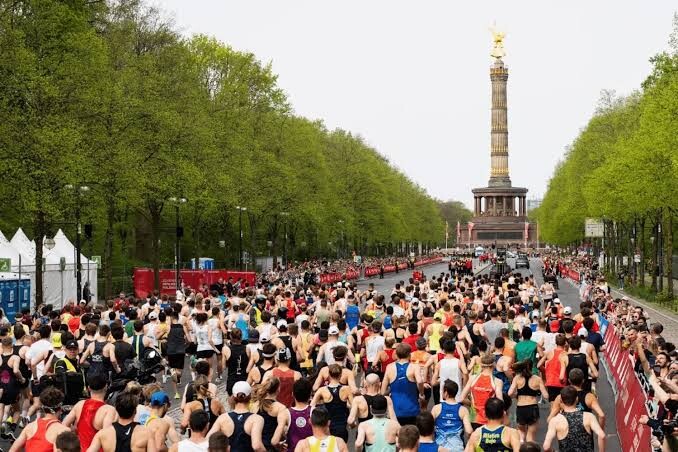
The 2027 race is scheduled for Sunday, September 26, once again bringing thousands of runners onto one of the most famous and fastest marathon courses in the world. Berlin has become synonymous with record-breaking performances, with 13 world records having been set on the course over the years.
That remarkable history continues to give the Berlin Marathon a unique place on the international marathon calendar. From elite athletes chasing world records to recreational runners attempting their first major marathon, the race attracts competitors from across the globe, all sharing the same iconic finish beneath the Brandenburg Gate.
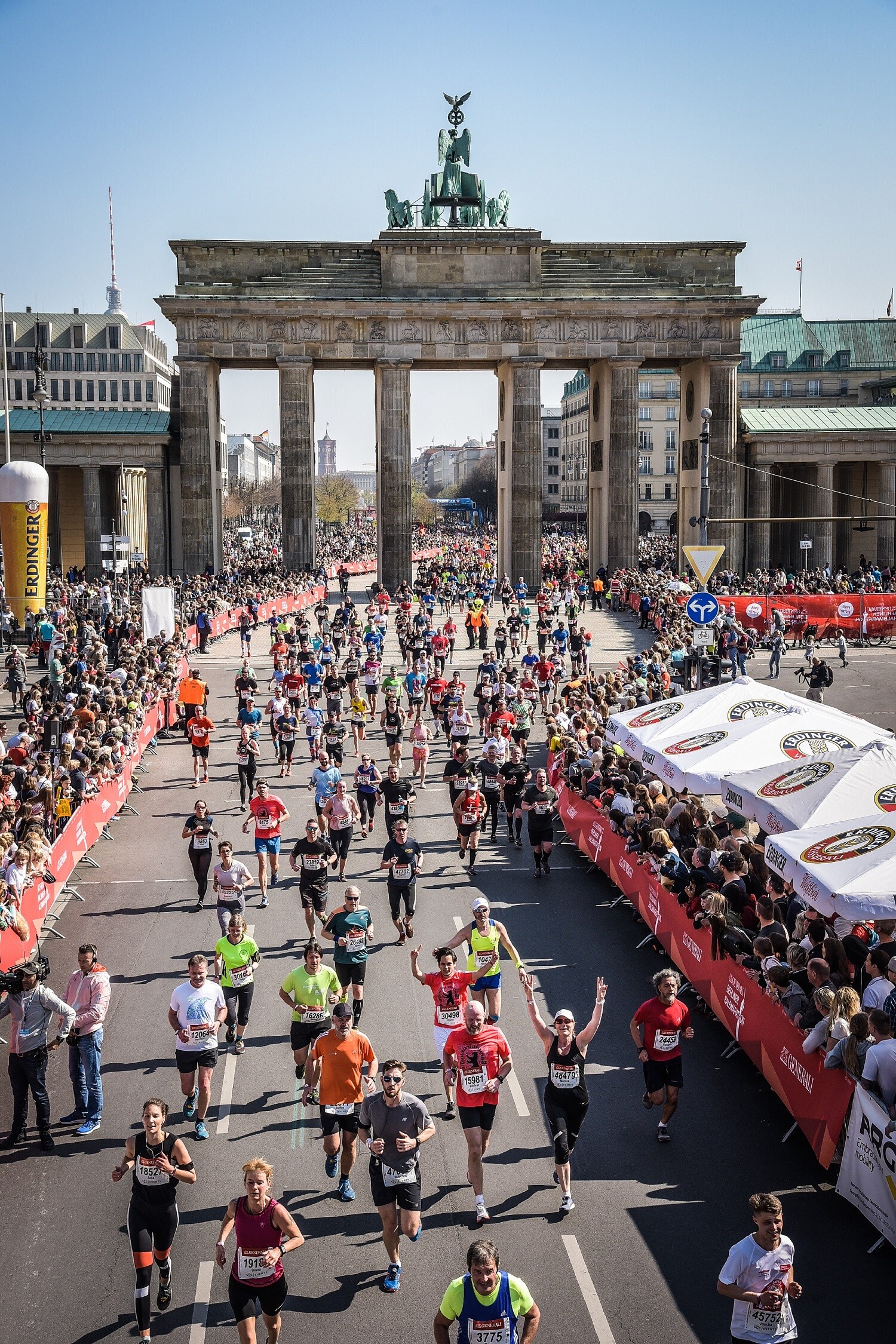
For runners who have already built a special relationship with the event, however, there are ways to bypass the public lottery. Members of the Jubilee Club, which is open to runners who have completed the Berlin Marathon 10 or more times, receive a guaranteed starting place.
There is also a special route for runners who were unable to compete in the 2026 edition after accepting the organisers’ goodwill offer. Those athletes will receive a registration code for the 2027 race by email, with the code required to be redeemed before the ballot closes on November 12.
Runners do not necessarily have to enter alone, either. Groups of two or three athletes can apply together as a team. One runner registers the group and receives a team code, which is then shared with the other members. Each athlete completes their own registration using that code, and if the team is selected, everyone in the group receives a place together.
The lottery system means that demand will once again be high, with aspiring Berlin Marathon runners now facing a nervous wait after submitting their applications. For many, the December 3 email will determine whether their plans for one of the world's most prestigious marathons can become reality.
For those dreaming of lining up in Berlin, the important dates are clear: registration opened on October 1, the ballot closes on November 12, results will be announced on December 3, and the 2027 Berlin Marathon will be held on September 26.
The road to Berlin 2027 has officially begun — and for thousands of runners, the countdown to finding out whether they have secured their place is now underway.
by Erick Cheruiyot for My Best Runs.
Login to leave a comment

BMW Berlin Marathon
The story of the BERLIN-MARATHON is a story of the development of road running. When the first BERLIN-MARATHON was started on 13th October 1974 on a minor road next to the stadium of the organisers‘ club SC Charlottenburg Berlin 286 athletes had entered. The first winners were runners from Berlin: Günter Hallas (2:44:53), who still runs the BERLIN-MARATHON today, and...
more...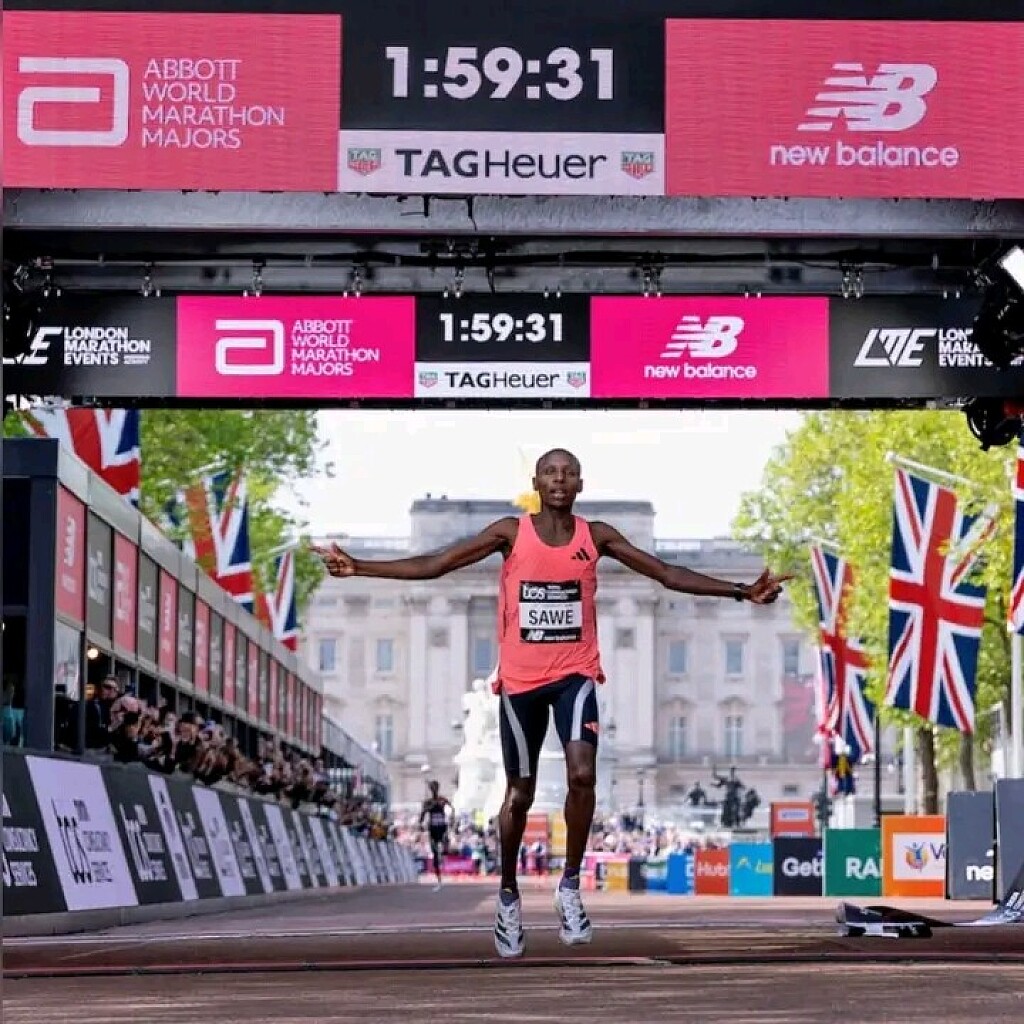
Sabastian Sawe Set For London Marathon Title Defence After Historic Sub-Two Triumph
Kenyan marathon star Sabastian Sawe is set to return to the streets of London in 2027 to defend the title he claimed in unprecedented fashion a year earlier.
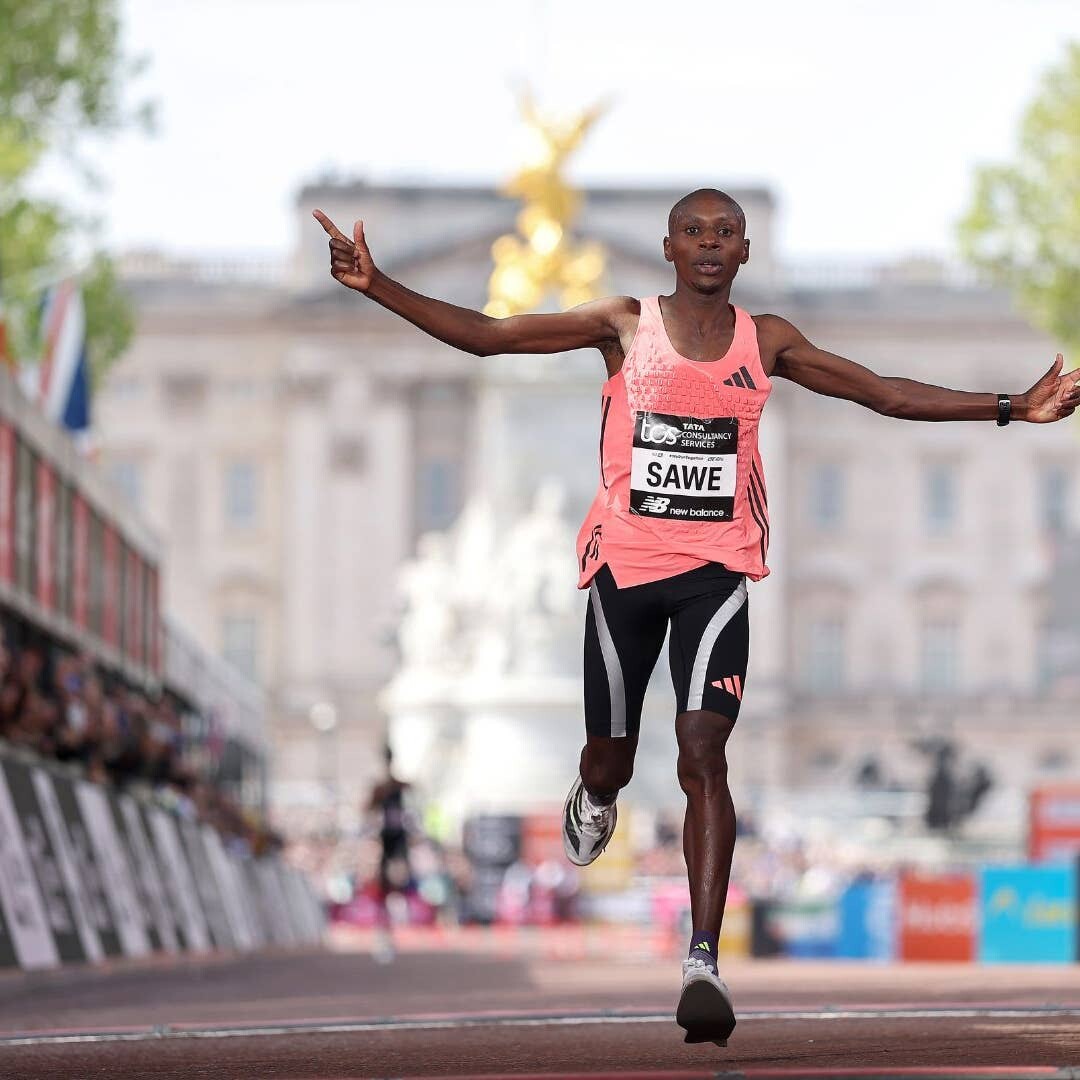
The reigning TCS London Marathon champion and marathon world-record holder has been confirmed for the 2027 TCS London Marathon, scheduled to take place on Saturday, April 24, and Sunday, April 25.
Sawe made history in the British capital in April 2026 when he clocked an astonishing 1:59:30, becoming the first man to break the two-hour barrier in a record-eligible marathon. His extraordinary performance also saw him improve the previous world record by 65 seconds.
Now, the Kenyan superstar will return to the scene of his greatest marathon achievement with the chance to defend his London crown and add another memorable chapter to his remarkable career.
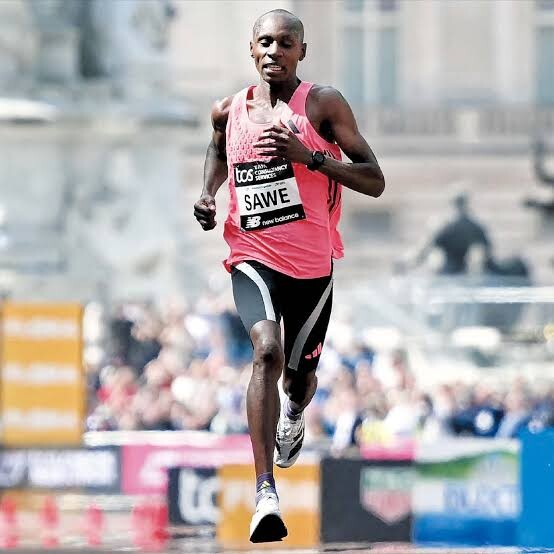
However, the 2027 edition will be unlike any London Marathon that has come before it.
For the first time, the iconic event will be held across a two-day marathon weekend, with a huge field of 100,000 participants expected to take part. The historic format will see the elite and mass-participation races distributed across Saturday and Sunday.
Remarkably, the decision over which elite athletes would compete on each day was settled in one of the most unusual ways imaginable — through a game of rock, paper, scissors.
Sawe faced Catherine Debrunner, the women's wheelchair world-record holder, in a contest to determine who would claim the traditional Sunday slot.
Debrunner won the showdown, meaning Sawe and the elite men's field will headline the action on Saturday, April 24, while the elite women's and women's wheelchair races will take centre stage on Sunday, April 25.
Saturday's programme will feature the Elite Men's Open, Men's Wheelchair and Men's Good for Age races, while Sunday's schedule will include the Elite Women's Open, Women's Wheelchair and Women's Championship races.
For Sawe, though, the novelty surrounding the 2027 event will eventually give way to the familiar challenge of covering 26.2 miles through the streets of London.
He will arrive as the defending champion and marathon world-record holder, carrying the weight of history after delivering one of the most extraordinary performances ever seen over the marathon distance.
On April 24, 2027, the spotlight will once again fall on the Kenyan superstar as Sawe begins his bid to retain his London Marathon crown and create another unforgettable moment on one of the world's most famous marathon courses.
by Erick Cheruiyot for My Best Runs.
Login to leave a comment

TCS London Marathon
Since its inaugural edition on March 29, 1981, the TCS London Marathon has grown into one of the world's most prestigious road races, blending elite competition with an extraordinary charitable legacy. Founded by former Olympic champion and journalist Chris Brasher alongside Welsh athlete John Disley, the event has been staged every year and has been held in the spring annually...
more...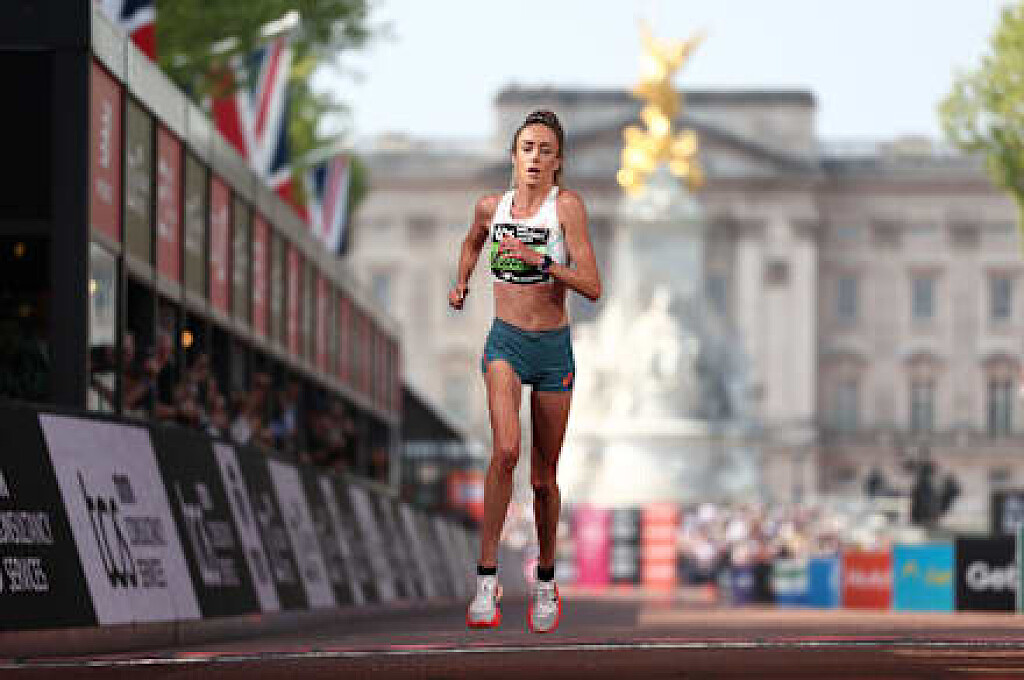
London Marathon 2027 Set To Shape Britain’s Road To Beijing And LA Olympics
The 2027 London Marathon is set to take on huge significance for British marathon runners, serving as the trial race for both the 2027 World Athletics Championships in Beijing and the LA 2028 Olympic Games.
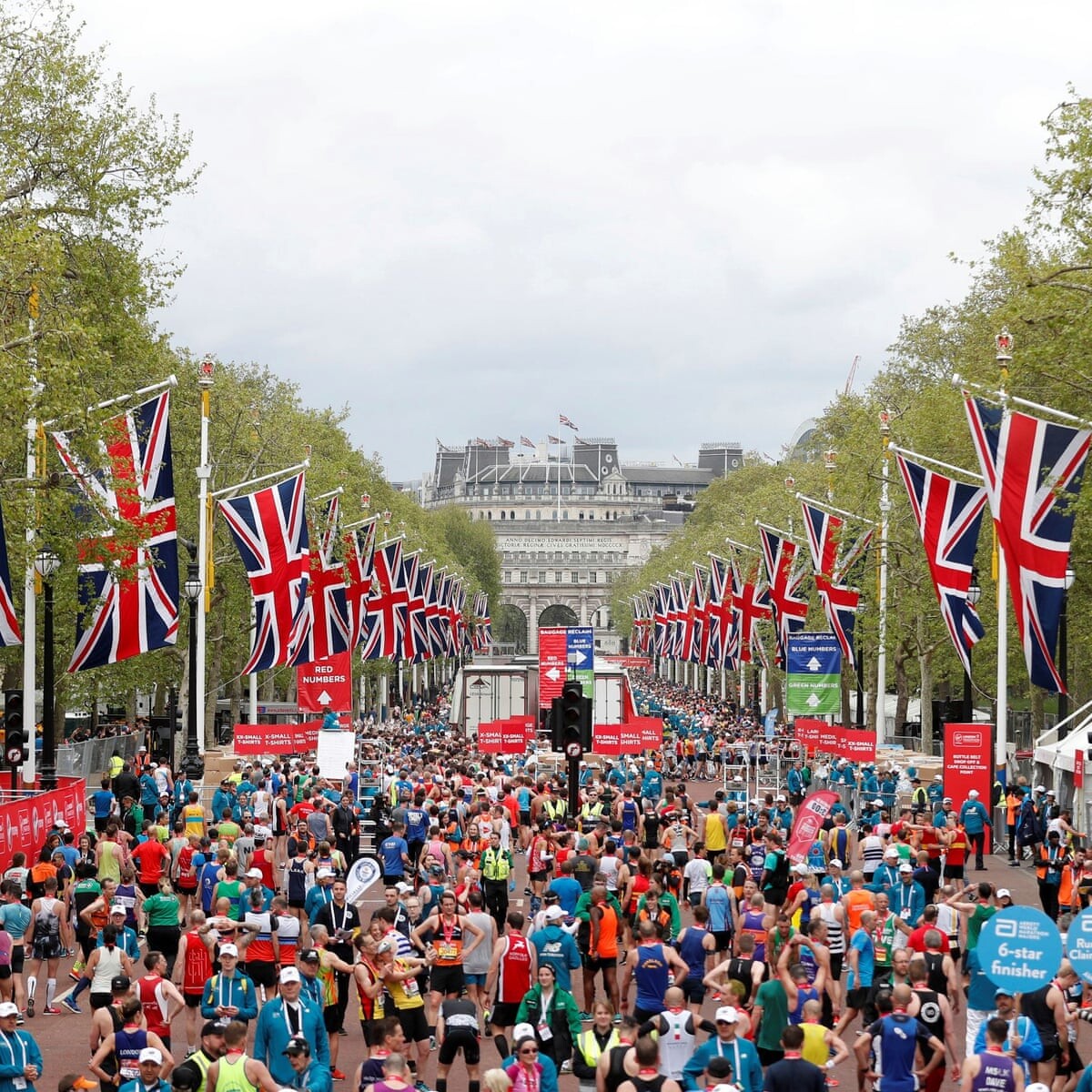
For the Beijing 2027 World Championships, the first two British finishers in both the elite men’s and women’s races will be eligible for selection, provided they have achieved the required World Athletics qualifying standard either before or on the day of the London Marathon.
The qualifying marks are 2:06:00 for men and 2:23:20 for women.
That puts a premium on both position and performance in London, with athletes knowing that a strong finish could potentially secure them a place on Britain’s team for the global championships in Beijing later in 2027.
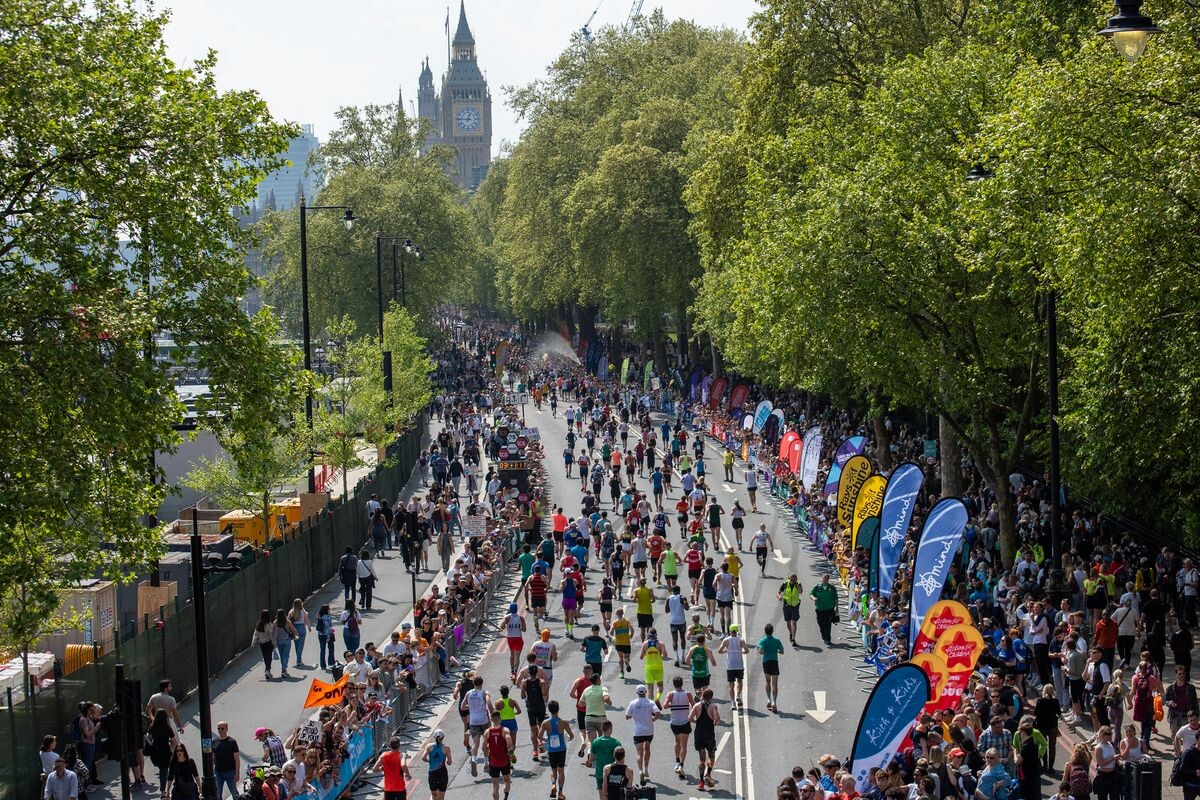
The stakes will be even higher for those targeting the LA 2028 Olympics.
The first British man and first British woman across the London Marathon finish line will be pre-selected for the 2028 Olympic marathon team, provided they achieve the Olympic qualifying standards, which are expected to be confirmed by the end of 2026.
However, pre-selection will not be the final step. Those athletes will still need to demonstrate their form through performances over different distances during the 2028 season before their Olympic places can ultimately be confirmed.
With London already one of the most prestigious marathons in the world, the 2027 edition now carries an added layer of national importance.
British marathoners will have more than a coveted London Marathon result on the line. For the leading athletes, the race could become the first major step towards Beijing 2027, while simultaneously opening the door to a potential Olympic journey ending in Los Angeles in 2028.
London 2027 is shaping up to be a defining race for Britain’s marathon ambitions — with Beijing and LA firmly on the horizon.
by Erick Cheruiyot for My Best Runs.
Login to leave a comment
TCS London Marathon
Since its inaugural edition on March 29, 1981, the TCS London Marathon has grown into one of the world's most prestigious road races, blending elite competition with an extraordinary charitable legacy. Founded by former Olympic champion and journalist Chris Brasher alongside Welsh athlete John Disley, the event has been staged every year and has been held in the spring annually...
more...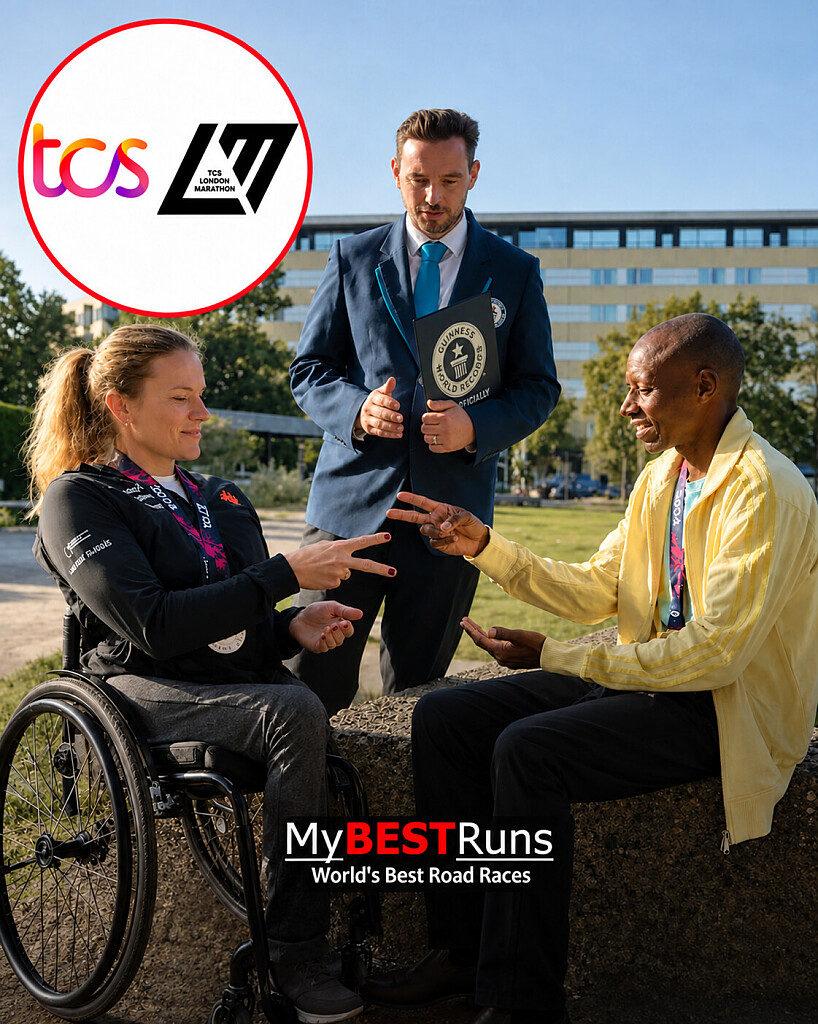
London Marathon’s 2027 Elite Schedule Decided By Rock, Paper, Scissors
The 2027 TCS London Marathon has found a remarkably unconventional way to settle one of its biggest questions — with a game of rock, paper, scissors.

Kenyan marathon star Sabastian Sawe and Swiss wheelchair champion Catherine Debrunner, the reigning London Marathon champions in their respective races, went head-to-head in a contest overseen by an official Guinness World Records adjudicator.
Debrunner emerged victorious, securing Sunday, April 25, 2027, for the elite women’s and women’s wheelchair races. As a result, the elite men’s and men’s wheelchair races will open the historic weekend on Saturday, April 24.
The unusual showdown has also earned its place in the record books, with Guinness World Records recognising it as the first elite marathon race start ever decided by a game of rock, paper, scissors.
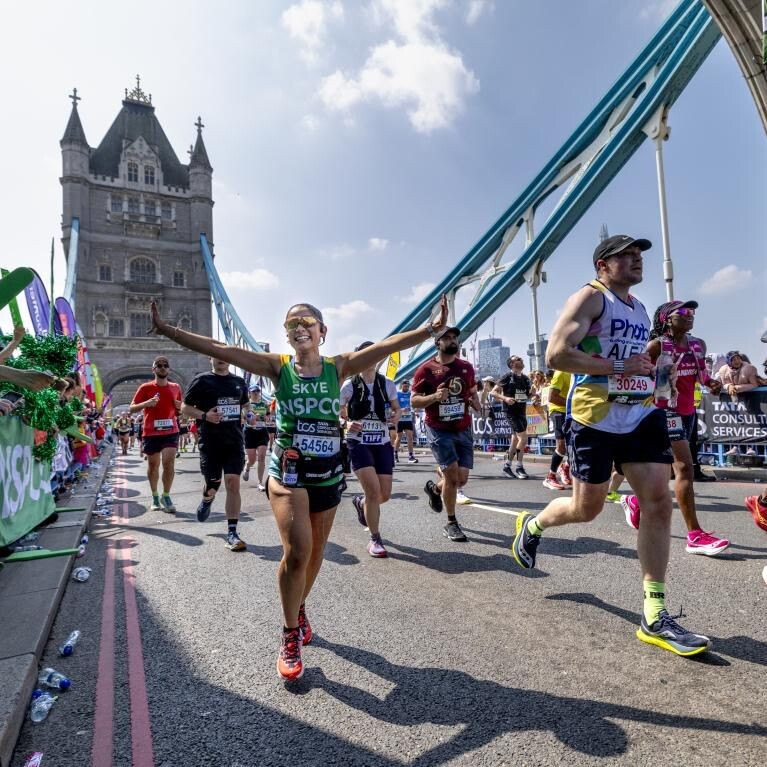
The decision adds another memorable chapter to what will already be an extraordinary edition of the London Marathon. For 2027 only, the race will be staged across two days, creating the Double TCS London Marathon, with around 100,000 participants expected to take part across the weekend.
Sawe enters the story as one of the defining figures of the 2026 London Marathon. The Kenyan made history by clocking 1:59:30, becoming the first athlete to run a sub-two-hour marathon in a record-eligible competitive race.
Debrunner, meanwhile, is a four-time London Marathon wheelchair champion, making her one of the most successful athletes in the event’s history. Her victory over Sawe means the women’s elite and women’s wheelchair races will retain the traditional Sunday spotlight.
The 2026 London Marathon also produced another landmark performance on the same course, with Ethiopia’s Tigst Assefa setting a women’s-only marathon world record.
The unprecedented two-day format was introduced following extraordinary demand for places. A record 1.33 million people applied for the 2027 London Marathon ballot, surpassing the previous record for any marathon.
With approximately 100,000 runners expected to finish on The Mall over the weekend — close to twice the size of the 2026 field — London is preparing for one of the biggest marathon weekends ever staged.
London Marathon Events chief executive Hugh Brasher added a playful warning after the rock-paper-scissors showdown, suggesting that while Sawe and Debrunner could settle the schedule with a game, the atmosphere would be considerably more competitive once the racing begins.
And so, before the first elite athlete has even reached the start line, the 2027 London Marathon has already made history — with its schedule decided not by the clock, but by rock, paper, scissors.
by Erick Cheruiyot for My Best Runs.
Login to leave a comment

LA28 Olympic Flame To Make History With First-Ever Journey Through All 50 U.S. States
The Olympic flame is preparing for a journey unlike any it has made before.
For the first time in Olympic history, the flame heading to the Los Angeles 2028 Olympic Games will travel through all 50 U.S. states, bringing one of the Games’ most enduring traditions directly into communities across the country.

The historic American chapter will begin in Atlanta, Georgia, the host city of the 1996 Olympic Games and the last U.S. city to stage a Summer Olympics. Thirty-two years after the Atlanta flame was extinguished, the Olympic flame will return to the city to begin its extraordinary journey toward Los Angeles.
Before reaching American soil, the flame will be ceremonially lit in Olympia, Greece, the birthplace of the ancient Olympic Games. From there, it will make its way to the United States before beginning a nationwide relay in spring 2028. The complete route is expected to be announced in 2027.
50 STATES. ONE FLAME. ONE JOURNEY.

From Hawaii to North Dakota and from South Dakota to California, the relay is being designed to showcase communities, landmarks, cultural celebrations and major events across the United States.
LA28 says the relay will be one of the largest in Olympic history, with the flame passing through iconic locations and bringing celebrations to selected cities along the way. The journey is intended to give people across the country an opportunity to experience the Olympic spirit before the Games officially begin in Los Angeles.
The public will also have an opportunity to become part of the history. LA28 has confirmed that members of the general public will be eligible to be nominated as torchbearers, although further details about the nomination process will be announced later.
The full route remains under development, meaning the landmarks, cities and communities that will welcome the flame are still to be revealed. What is already certain, however, is the scale of the journey: every U.S. state will have a place in the Olympic Torch Relay for the first time.
THE OLYMPIC STORY WILL CONTINUE
The flame's journey will not be the only torch relay connected with LA28.
Following the conclusion of the Olympic Games, the Paralympic Torch Relay will begin in August 2028. Its flame will originate in Stoke Mandeville, United Kingdom, the birthplace of the Paralympic Movement, before continuing its own journey toward Los Angeles. The starting point of the U.S. portion of that relay will be announced at a later date.
The LA28 Paralympic Games are scheduled for 15–27 August 2028, marking Los Angeles' first time hosting the Paralympic Games.
For LA28, the Olympic flame will therefore become more than a symbol carried toward an opening ceremony. It will become a moving connection between communities separated by thousands of miles, linking America's Olympic past in Atlanta with its Olympic future in Los Angeles.
One flame. Fifty states. Millions of people. One extraordinary road to LA28.
by Erick Cheruiyot for My Best Runs.
Login to leave a comment
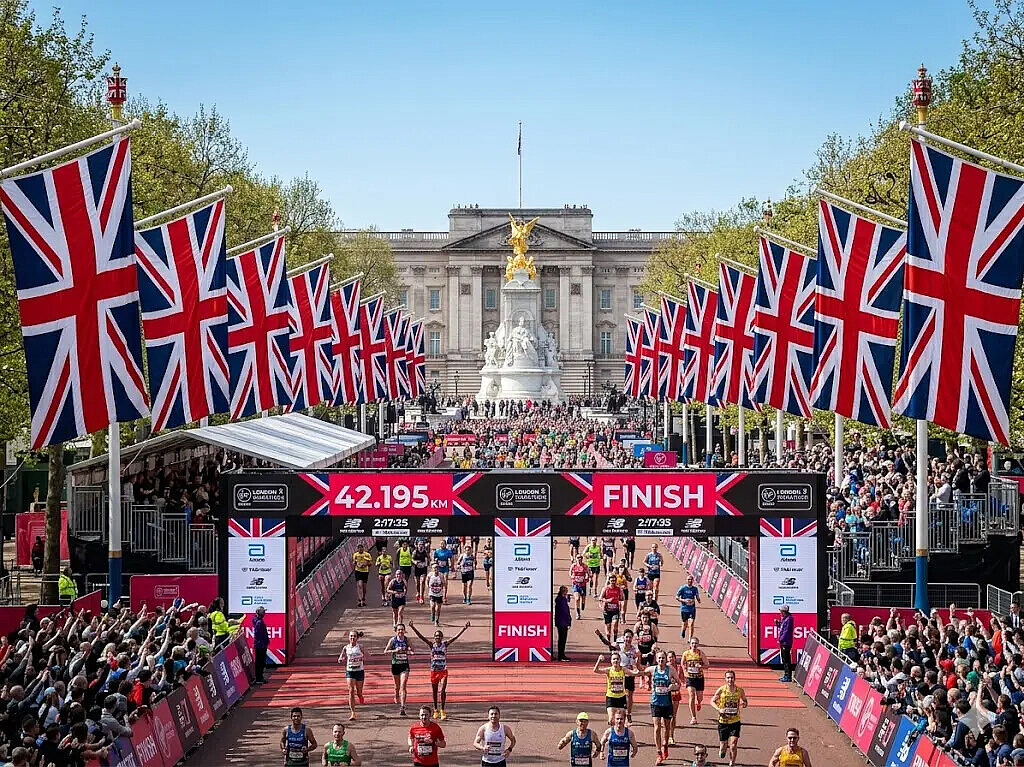
London Marathon Makes History With 100,000 Runners Across Two Days In 2027
The TCS London Marathon is preparing to make history in 2027, with the world-famous race set to become a two-day event for the first time.
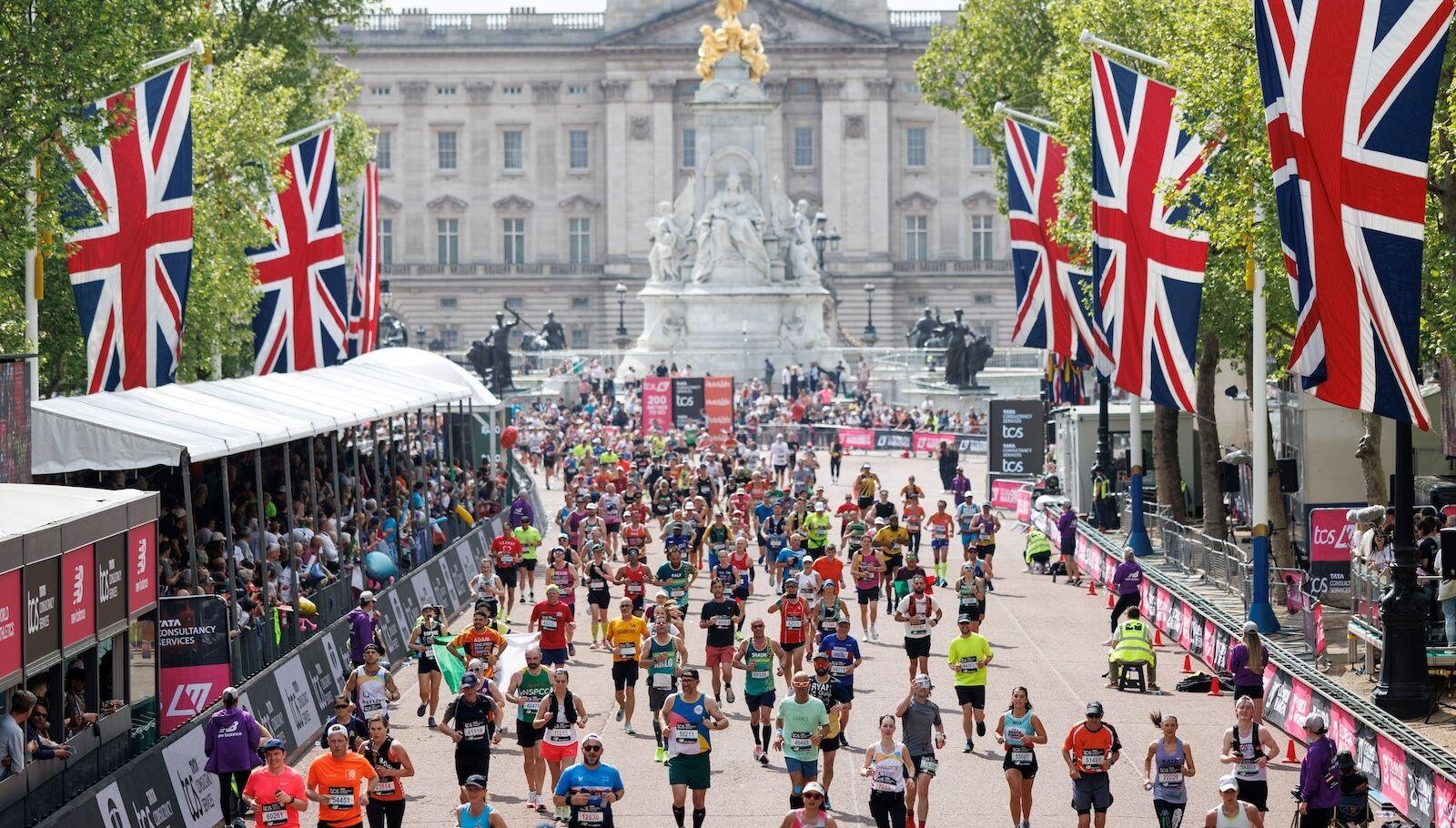
The landmark edition will take place on Saturday, April 24, and Sunday, April 25, 2027, bringing together an unprecedented 100,000 participants across the weekend in a one-off expansion of one of the world's most prestigious marathons.
Known as the 2027 Double TCS London Marathon, the historic weekend will give thousands more runners the opportunity to experience the legendary course from Greenwich to Westminster, while elite athletes and mass participants share the spotlight across two days.
The decision to introduce the two-day format follows extraordinary demand for places. More than 1.33 million people entered the ballot for the 2027 marathon, underlining the enormous global appeal of the London Marathon.
DOUBLE BILL!
For the first time in the event's history, the elite programme will be spread across two days, creating a unique weekend of world-class marathon racing.
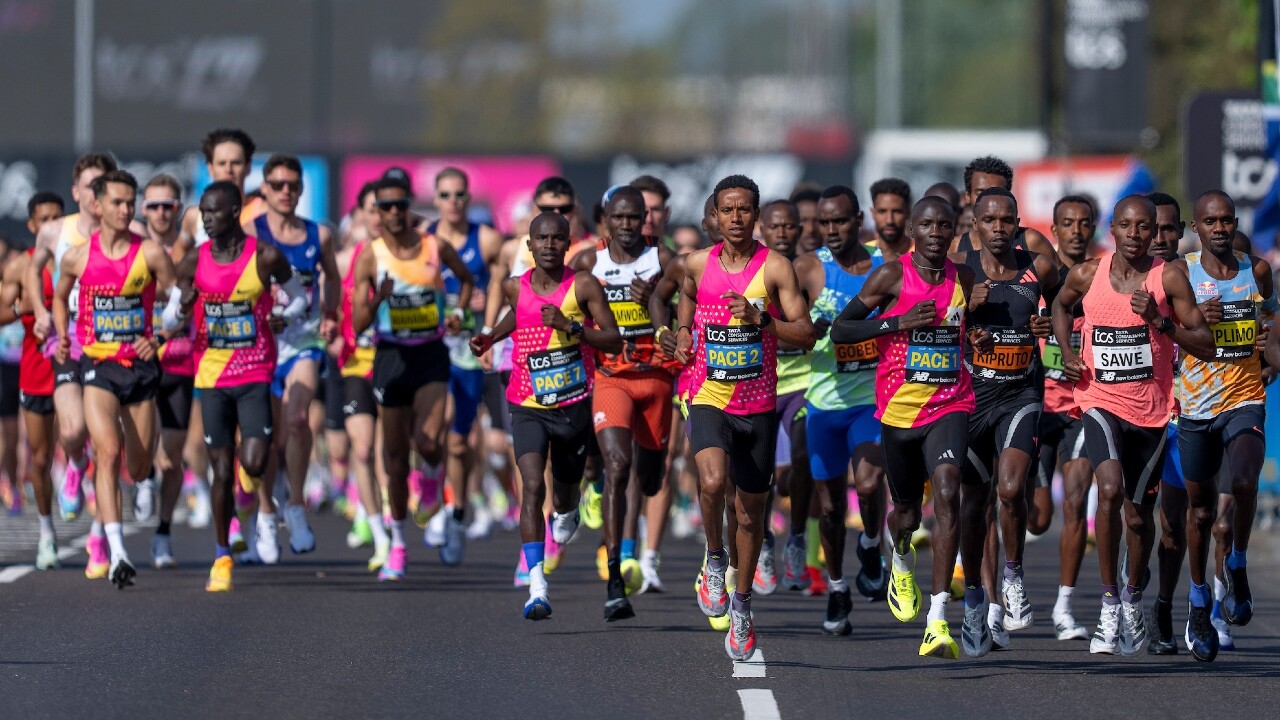
SATURDAY, APRIL 24
1. Elite Men's Wheelchair
2. Elite Men
3. Men's Championships and Good For Age
Saturday will put the spotlight on the men's competition, with the elite men's wheelchair race and elite men's marathon forming the centrepiece of the opening day. Men's Championship and Good For Age runners will also take to the iconic London course.
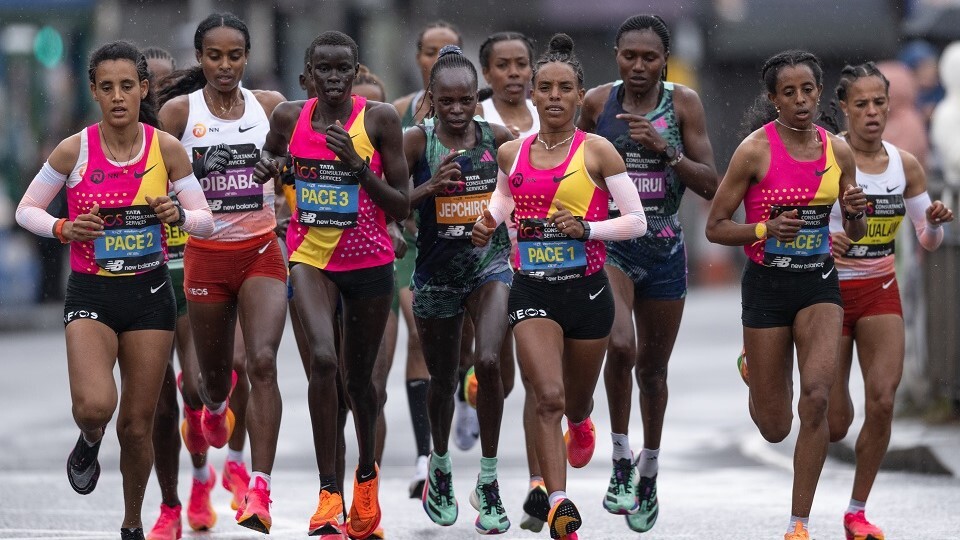
SUNDAY, APRIL 25
1. Elite Women's Wheelchair
2. Elite Women
3. Women's Championships and Good For Age
Sunday will then belong to the women's field, with the elite women's wheelchair and elite women's marathon races followed by the Women's Championships and Good For Age categories.
The two-day arrangement will create a completely different atmosphere around the London Marathon, allowing the world's leading athletes and thousands of amateur runners to share the spotlight across an extraordinary weekend.
A Marathon Weekend Like No Other
Despite the expanded format, the event will retain the character that has made the London Marathon one of the world's most recognisable road races.
Runners will once again take on the iconic route through the streets of the British capital, beginning in the Greenwich area before making their way towards the famous finish in central London.
The 2027 edition will also provide an enormous platform for spectators, charities, volunteers and running communities from across the globe to become part of a historic occasion.
More Than Just A Race
The 2027 Double is expected to become much more than a marathon. It will be a huge celebration of running, charity and London communities, bringing together recreational runners, elite athletes, volunteers, spectators and supporters from around the world.
The London Marathon has long been recognised as one of the world's major fundraising events, and the expanded 2027 edition is expected to create even greater opportunities for charities and community organisations to raise money.
Organisers have projected that the 2027 Double could generate more than £150 million for good causes, while also delivering a significant economic and social contribution to the United Kingdom.
The wider celebrations will also include the TCS Mini London Marathon, ensuring that young runners have their own opportunity to be part of this historic weekend.
One Historic Weekend, One Iconic Race
Although the 2027 edition will look very different from previous London Marathons, the two-day format is planned as a one-off change for 2027.
With 100,000 participants, two days of elite competition and a mass field representing runners from around the world, the 2027 TCS London Marathon is set to become one of the most extraordinary editions in the event's history.
From world-class wheelchair athletes and elite marathoners to Championship competitors, Good For Age runners and thousands of recreational participants, London will become the centre of the global running world for one unforgettable weekend.
by Erick Cheruiyot for My Best Runs.
Login to leave a comment
TCS London Marathon
Since its inaugural edition on March 29, 1981, the TCS London Marathon has grown into one of the world's most prestigious road races, blending elite competition with an extraordinary charitable legacy. Founded by former Olympic champion and journalist Chris Brasher alongside Welsh athlete John Disley, the event has been staged every year and has been held in the spring annually...
more...
Boston Marathon 2027 Cut-Off Confirmed At 5:17 As Thousands Miss Out On Coveted Spots
The Boston Athletic Association (BAA) has officially revealed the qualifying cut-off for the 131st Boston Marathon, with runners required to finish 5 minutes and 17 seconds faster than their respective qualifying standards to secure a place in the 2027 race.
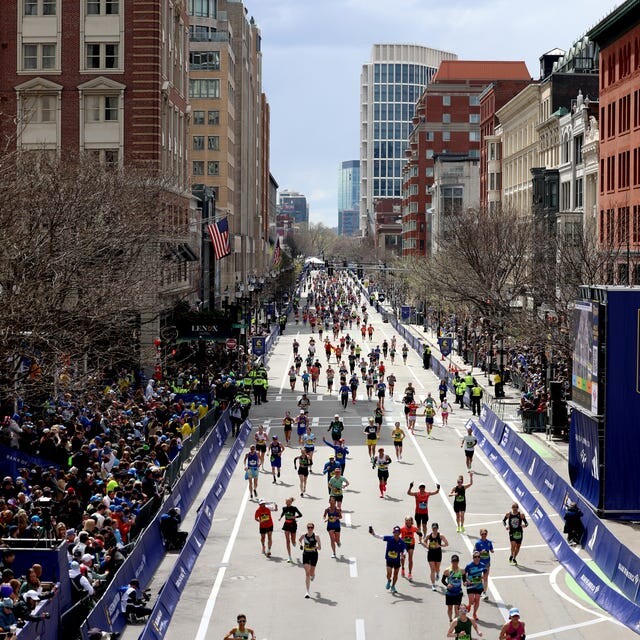
In total, 25,630 qualified applicants have been accepted or are in the process of being accepted, while 8,019 qualifiers were not accepted, highlighting just how competitive entry to the iconic Boston Marathon has become.
For runners in the 18–34 age group, the numbers were particularly demanding. Men needed to run 2:49:43, while women and non-binary athletes needed 3:19:43 to make the cut.
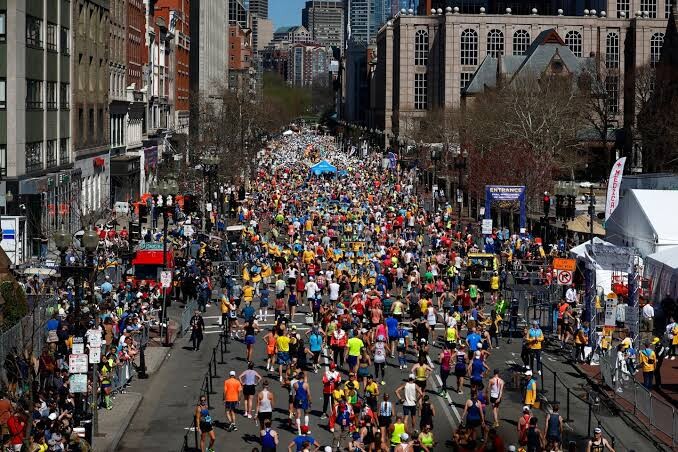
The latest figures show that achieving the official Boston qualifying standard alone was not enough this time around. Thousands of runners managed to qualify under the published standards but were left outside the field because demand for places exceeded the available capacity.
The 5:17 cut-off also represents a significant margin for athletes chasing their Boston dreams. For many runners, the difference between qualifying and being accepted came down to several minutes after months or even years of training.
The figures also underline the growing depth of the marathon community, with a large number of athletes now capable of running times that would once have been comfortably inside the Boston field. As more runners target the historic race, the gap between simply achieving the qualifying standard and actually earning a bib continues to become an important part of the Boston experience.
For those who secured acceptance, the focus now shifts from qualification to preparation. With the race set for April 19, 2027, runners have the opportunity to build toward the famous 26.2-mile journey from Hopkinton to Boston and experience one of the most celebrated traditions in road racing.
The 131st Boston Marathon is scheduled for April 19, 2027, bringing together another highly competitive field of qualifiers from around the world. For those who made the cut, the next chapter is now about preparing for Patriots' Day and the historic journey from Hopkinton to Boston.
For the thousands who missed out despite achieving the qualifying standard, the result serves as another reminder of how difficult it has become to turn a Boston-qualifying time into an actual race entry.
by Erick Cheruiyot for My Best Runs.
Login to leave a comment

Boston Marathon
Among the nation’s oldest athletic clubs, the B.A.A. was established in 1887, and, in 1896, more than half of the U.S. Olympic Team at the first modern games was composed of B.A.A. club members. The Olympic Games provided the inspiration for the first Boston Marathon, which culminated the B.A.A. Games on April 19, 1897. John J. McDermott emerged from a...
more...
Allyson Felix Launches ‘Project Six’ With Eyes On Historic LA28 Comeback
Allyson Felix is preparing to write another extraordinary chapter in her remarkable career, with the American sprint legend targeting a return to competition and an unprecedented sixth Olympic appearance at the Los Angeles 2028 Games.

Felix, now 40, retired from elite competition after the 2022 season, bringing an illustrious career to a close after six Olympic Games and 11 Olympic medals. She is now embarking on what she has called “Project Six” — an ambitious attempt to return to the track and put herself in contention for the United States mixed 4x400m relay pool for LA28.
The comeback is expected to begin with a return to structured training under her longtime coach Bobby Kersee, with Felix targeting a return to racing in 2027. Rather than simply revisiting the past, the project represents a completely new challenge for an athlete who has already achieved almost everything possible in the sport.

Felix has described the journey as a “live experiment in human potential,” framing the comeback not only around medals or records but around the experience of pursuing something difficult and uncertain. With her two children watching, she sees the project as an opportunity to demonstrate what it means to commit to a dream even when the outcome is far from guaranteed.
Her proposed route back to the Olympic stage is particularly intriguing. Instead of attempting to rebuild a full individual programme, Felix is targeting the United States mixed 4x400m relay, an event in which her experience over one lap could become central to her hopes of making the Olympic team.
If she succeeds, Felix would compete at the Olympics at the age of 42, potentially becoming the first American track and field athlete to appear at six Olympic Games. That would add another remarkable milestone to a career that already includes 11 Olympic medals and a place among the most decorated athletes in the history of the sport.
The location makes the potential comeback even more significant. Los Angeles is Felix’s hometown, while the LA28 athletics programme will be staged at the historic Los Angeles Memorial Coliseum, creating the possibility of an extraordinary homecoming on the Olympic stage.
For Felix, the prospect of returning to that setting would bring her career full circle — from an 18-year-old Olympic debutant in Athens in 2004 to a veteran mother attempting one final journey toward an Olympic team more than two decades later.
Nothing about the road to LA28 will be guaranteed. Felix will first have to rebuild her competitive form, navigate the demands of elite training at 40 and beyond, and ultimately earn her place against a new generation of American 400m runners.
But that uncertainty is precisely what makes Project Six so compelling. After a career defined by longevity, resilience and repeated reinvention, Allyson Felix is once again testing the boundaries of what is possible.
And this time, the finish line could be waiting in Los Angeles.
by Erick Cheruiyot for My Best Runs.
Login to leave a comment
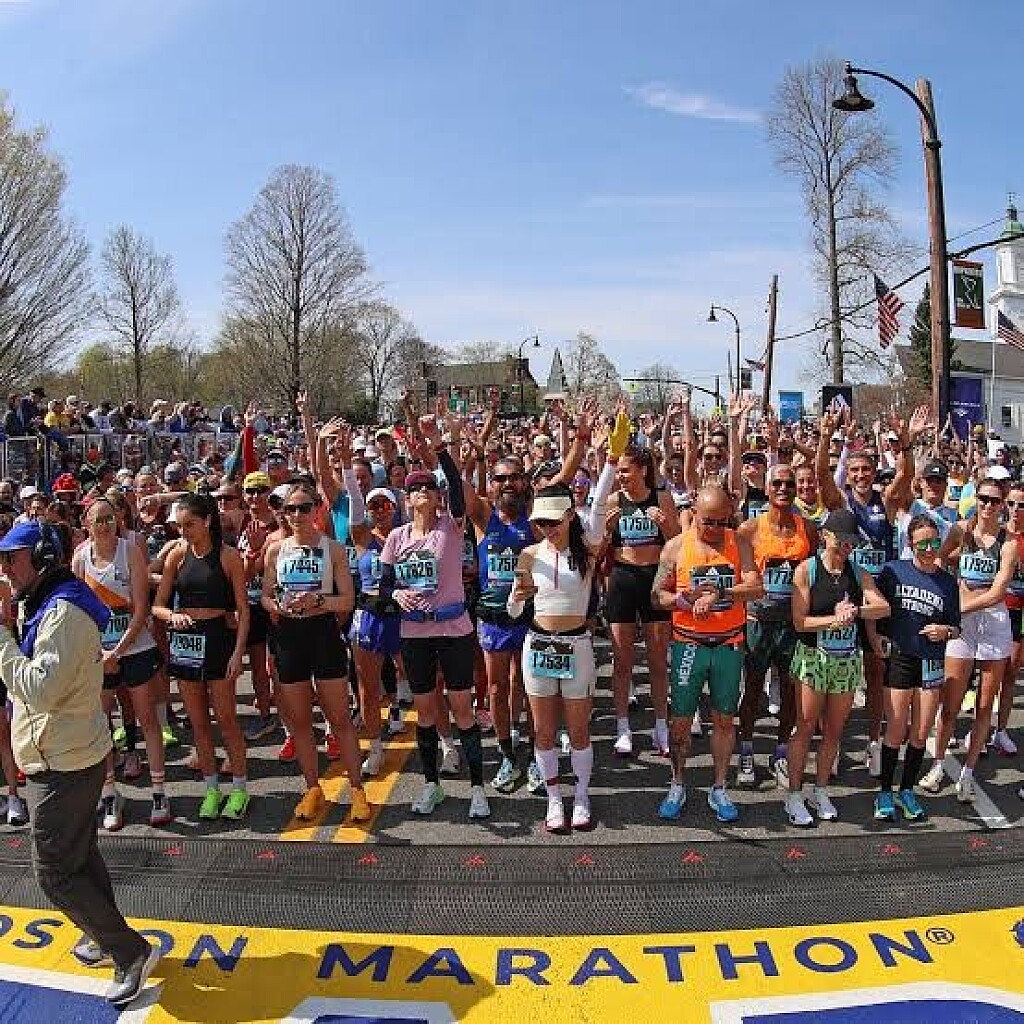
Record 215 Charities Set to Bring Thousands of Runners to the 2027 Boston Marathon
The Boston Marathon is about to make history in another way, with a record 215 nonprofit organizations selected to participate in the 2027 Official Charity Program.
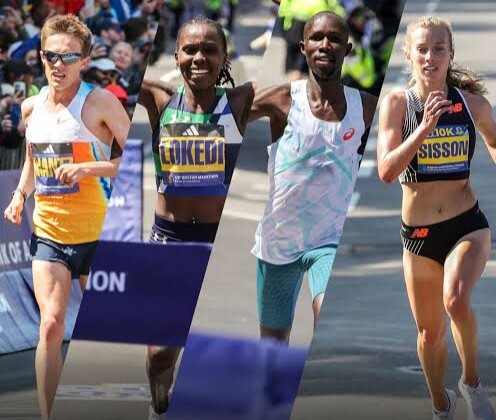
The Boston Athletic Association announced the record field on Monday, confirming that the program has surpassed 200 organizations for the first time. Among the 215 selected charities, 22 are first-time partners, adding a new group of organizations to one of the most prominent charity programs in distance running.
The 131st Boston Marathon will take place on Monday, April 19, 2027, with charity runners expected to account for close to 10 percent of the overall field. That translates into thousands of athletes taking on the legendary 26.2-mile course while raising money for causes that extend far beyond the race itself.
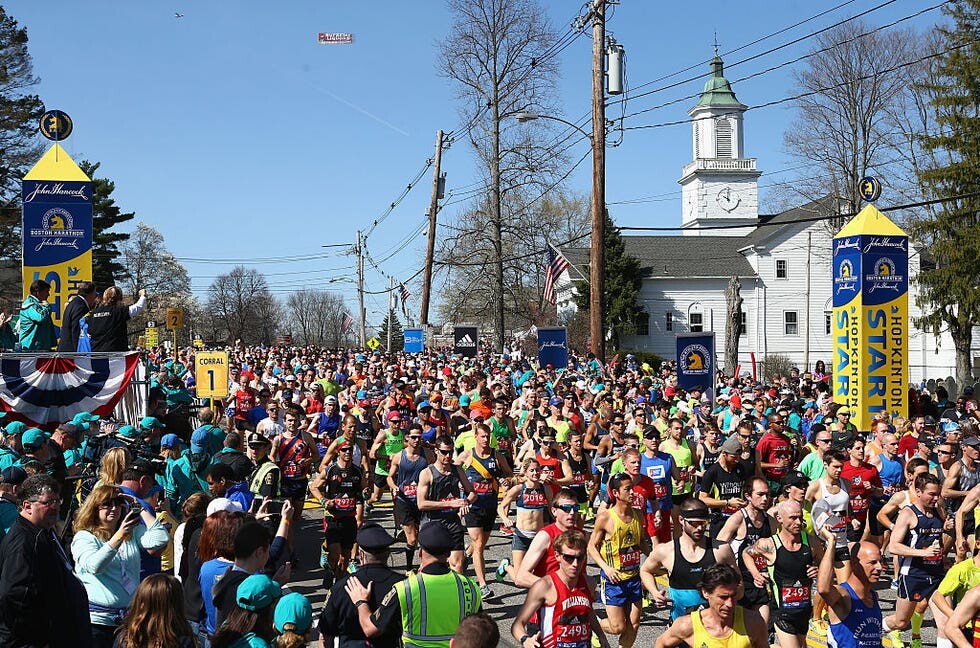
The charities represent a wide range of missions, including hospitals and medical care, cancer research, veterans' services, youth development, disability advocacy and homelessness prevention. For the runners involved, the Boston Marathon becomes more than a personal challenge—it becomes a platform for giving back and bringing attention to causes close to their hearts.
The financial impact of the program has also reached record levels. Charity runners raised $57.3 million in 2026, setting a new single-year fundraising record. That was a 13.7 percent increase from the $50.4 million raised in 2025, showing just how rapidly the charitable side of the Boston Marathon continues to grow.
Since the official charity initiative began in 1989, more than $675 million has been raised through Boston Marathon fundraising efforts, providing significant support to nonprofit organizations over nearly four decades.
The growth in the number of participating charities is equally striking. The program featured 160 organizations in 2024, while the 2027 edition will have 215. That is an increase of 55 charities, or roughly 34 percent, in just three years.
But earning a charity place is not simply a shortcut to the Boston starting line. Runners who secure one of these coveted spots take on a major fundraising responsibility, with commitments generally ranging from $10,000 to $15,000, depending on the charity and its requirements.
For many runners, that means their Boston journey begins long before they arrive in Hopkinton. Training runs are accompanied by fundraising campaigns, community events and personal appeals as athletes work to reach their targets while preparing for one of the world's most demanding and prestigious marathons.
The charity route has also become an important pathway for runners who cannot enter through the traditional qualifying system. It gives them an opportunity to experience Boston while simultaneously turning their marathon journey into a fundraising mission.
With 215 organizations now preparing their teams for 2027, the Boston Marathon's charitable footprint has never been larger.
When the starting gun fires next April, thousands of runners will chase the famous finish line on Boylston Street—but they will also be running for something much bigger than themselves.
by Erick Cheruiyot for My Best Runs.
Login to leave a comment
Boston Marathon
Among the nation’s oldest athletic clubs, the B.A.A. was established in 1887, and, in 1896, more than half of the U.S. Olympic Team at the first modern games was composed of B.A.A. club members. The Olympic Games provided the inspiration for the first Boston Marathon, which culminated the B.A.A. Games on April 19, 1897. John J. McDermott emerged from a...
more...
Masai Russell Ends Perfect 2026 Season After 14 Straight Wins
Masai Russell has called time on a remarkable 2026 campaign, withdrawing from ATHLOS London and ending a season in which the Olympic champion won every race she contested.
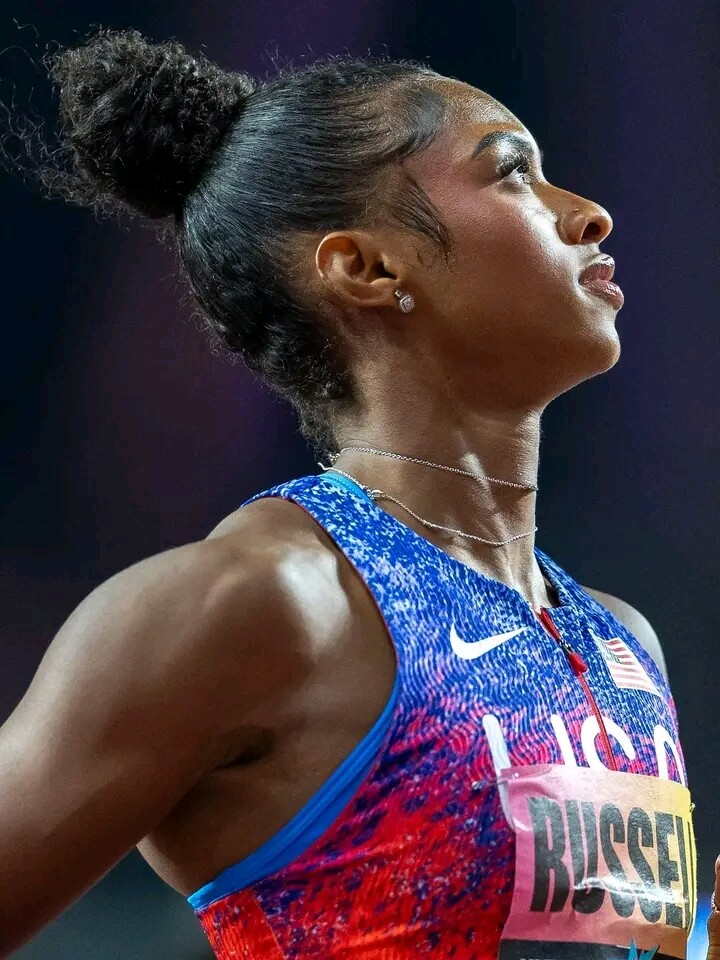
The American hurdler confirmed the decision on September 15, just days before ATHLOS London’s September 18 meeting at StoneX Stadium. Russell said she and her team believe stepping away is the right decision for her body as they turn their attention to what comes next.
“I'm grateful for everyone who has supported me throughout this year,” Russell said in her message to fans, before signing off with a promise to return to the track in 2027.
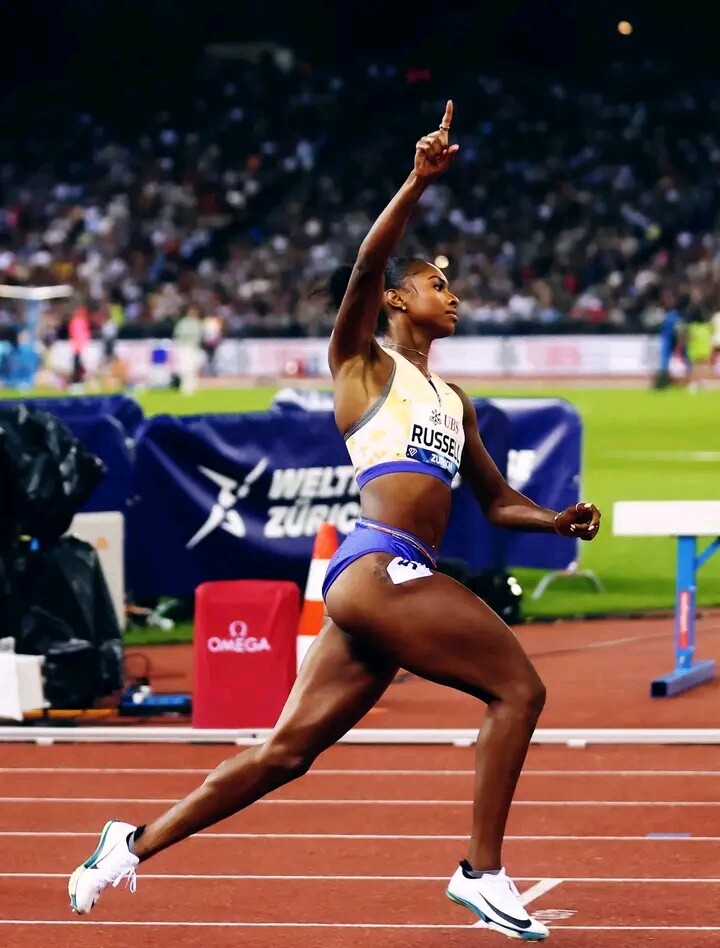
It brings an extraordinary season to a close: 14 races, 14 victories and an unbeaten record in 2026.
Russell’s season reached another level in August when she produced one of the defining performances of the year at the Weltklasse meeting in Zurich. The Olympic champion stormed to 12.09 seconds in the 100m hurdles, breaking Tobi Amusan’s world record of 12.12 and becoming the fastest woman ever over the barriers.
The performance was not a one-off. Russell followed her world-record run by winning the Diamond League Final in Brussels in 12.20 seconds before heading to Budapest for the inaugural World Athletics Ultimate Championship.
In Budapest, she completed her perfect season in style, winning the 100m hurdles in 12.22 seconds ahead of Nigeria’s Tobi Amusan and the Netherlands’ Nadine Visser. The victory was Russell’s 14th of the year and secured her unbeaten record for 2026.
Her withdrawal means fans will not get to see the world-record holder compete at ATHLOS London, where she had originally been announced among the star-studded field. The event takes place at StoneX Stadium on Friday, September 18, as ATHLOS makes its first international appearance.
For Russell, however, the decision closes the chapter on a season that has already placed her among the defining figures of the 2026 athletics campaign.
She has collected Olympic, Diamond League and World Athletics Ultimate Championship success, while adding a world record that erased one of the most significant marks in women's sprint hurdles.
And perhaps most remarkably, she did it without losing a single race.
Now Russell turns her attention to recovery, preparation and whatever comes next.
After a year of 14 wins from 14 races, a world record and an unbeaten streak, the next time Masai Russell steps onto the track will be in 2027 — with the 12.09 world-record holder entering a new season carrying an entirely different level of expectation.
by Erick Cheruiyot for My Best Runs.
Login to leave a comment
Boston Marathon Opens 2027 Registration With New Lifeline For Runners Who Miss The Cut-Off
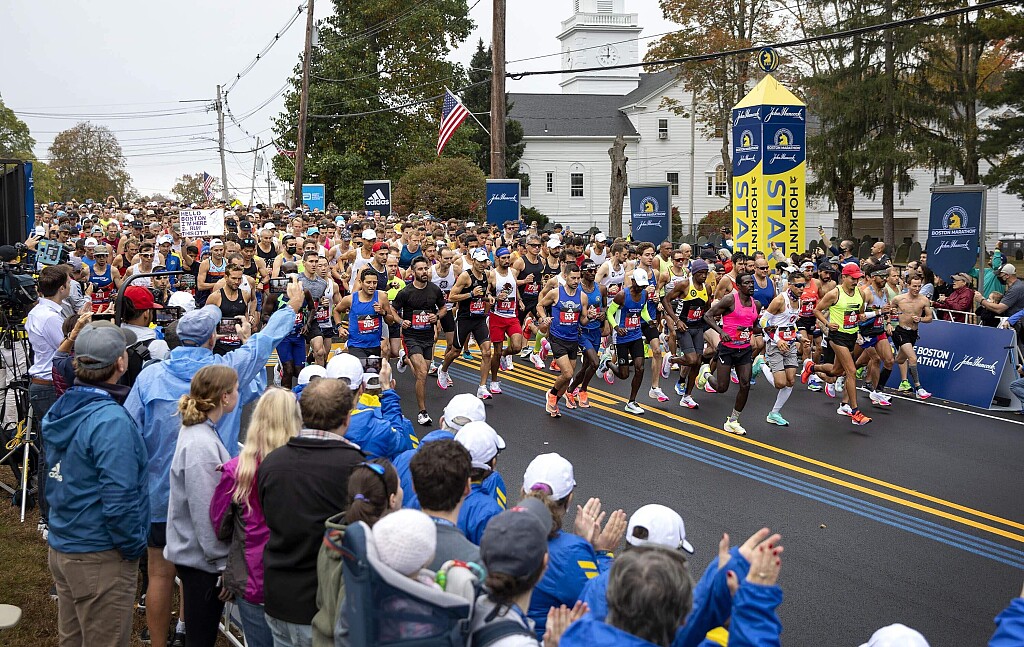
Registration for the 2027 Boston Marathon opened today, September 14, giving thousands of runners who have achieved the official qualifying standards their chance to apply for one of the most coveted places in road racing. The registration window will remain open through Friday, September 18, at 5:00 p.m. Eastern Time.
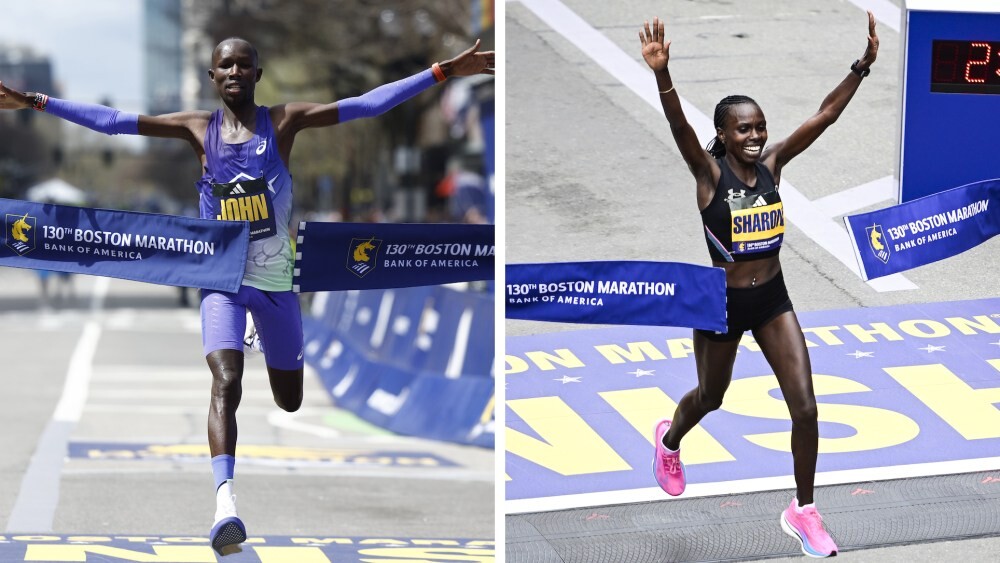
The 2027 edition of the Boston Marathon will bring a major change to the qualification process. For the first time, runners who meet their age-group qualifying standard but finish outside the eventual cut-off will have an additional opportunity to gain entry through a new Boston Qualifier Selection.
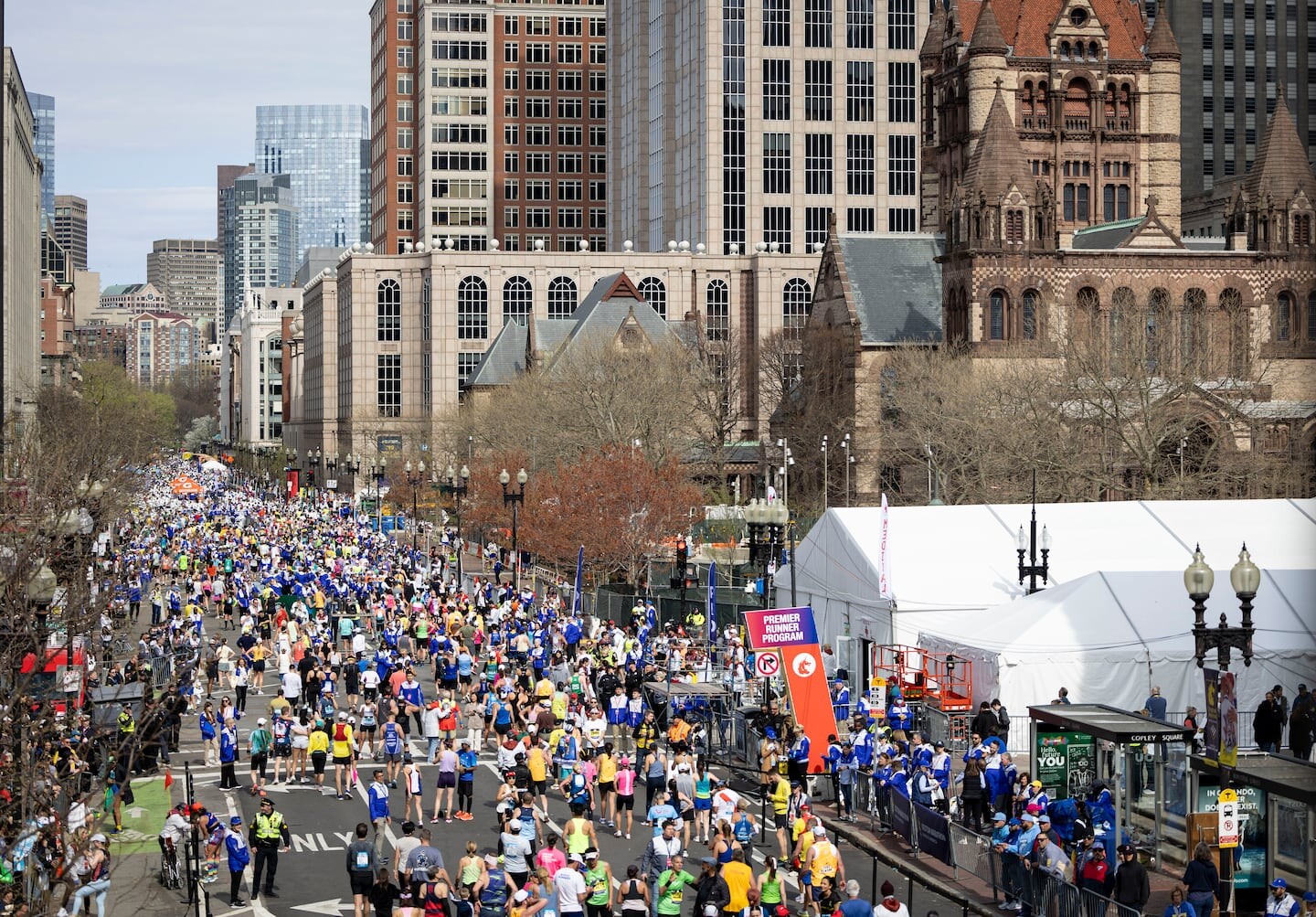
After registration closes, the Boston Athletic Association (B.A.A.) will verify performances and rank applicants according to how far they finished under their respective qualifying standards. The fastest qualifiers will be accepted first, with their performances determining the cut-off for each age and gender group.
But this time, missing that cut-off will not necessarily mean the end of the dream. Approximately 1,000 runners whose qualifying performances are not fast enough to secure automatic entry will be randomly selected through the Boston Qualifier Selection. Those athletes will automatically be included in the pool for the additional draw.
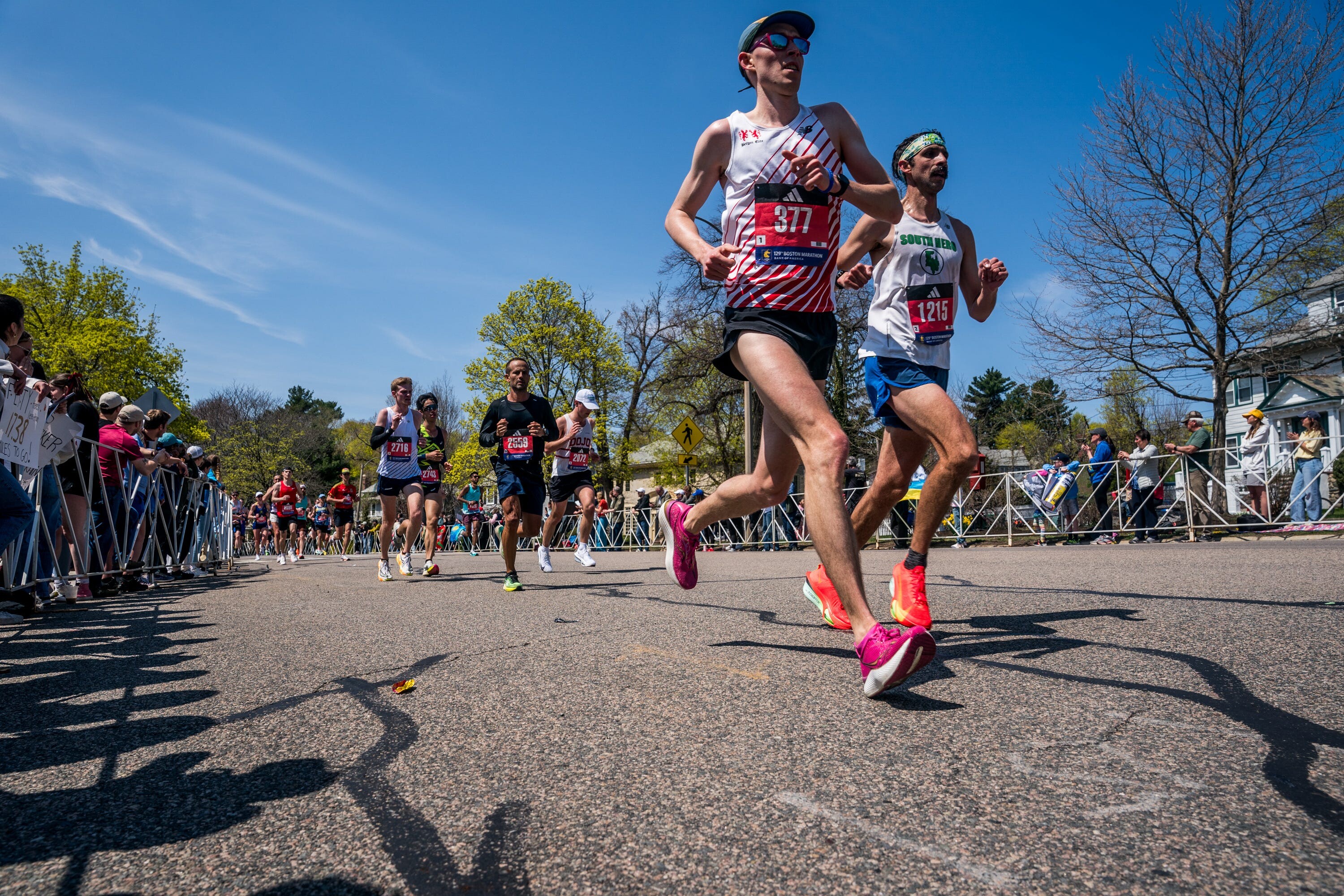
The new system comes as demand for Boston continues to outpace the number of available qualifying places. In recent years, simply achieving the published standard has increasingly failed to guarantee entry. For the 2025 Boston Marathon, 12,324 qualified applicants were not accepted, while another 8,887 missed out for the 2026 race after the qualifying field produced a cut-off of 4 minutes and 34 seconds faster than the applicable standard.
That reality has transformed Boston qualification into a race within the race. A runner may finish under the official standard and still need to be several minutes faster to secure a place, depending on the strength and size of the applicant pool.
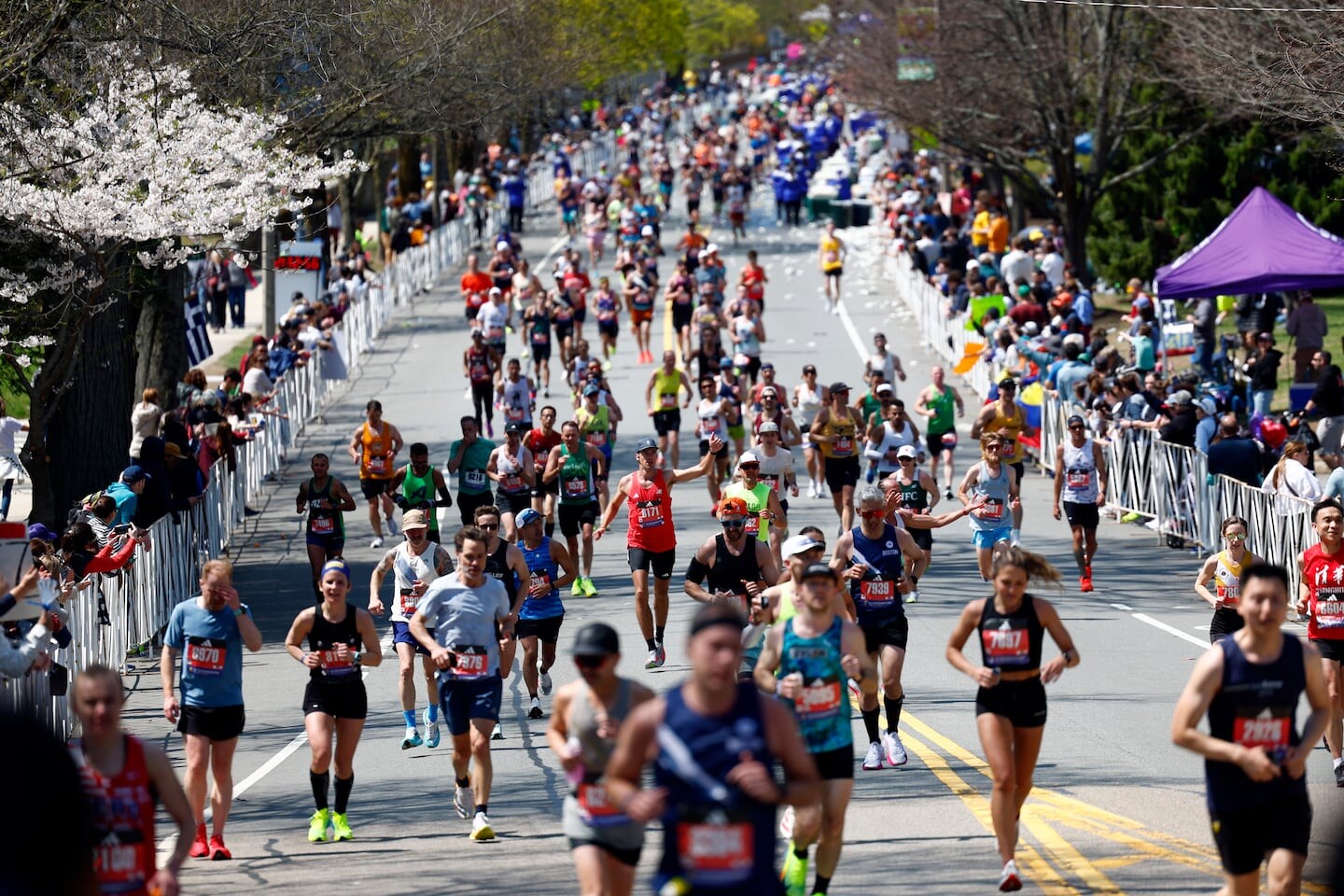
The new random-selection component therefore offers a small but significant second chance to runners who have already done what Boston asks of them: beat the qualifying standard for their age and gender. The B.A.A. says the change reflects the increasingly fast pace of marathon running and the growing global demand for places in the historic race.
There is another important change for the 2027 registration cycle, and it could have a major impact on runners choosing where to chase their qualifying times.
The B.A.A. has introduced a net-downhill adjustment for qualifying performances. Any verified qualifying time recorded on a course with a net elevation drop of at least 1,500 feet will receive an adjustment when submitted for Boston consideration. Courses with a net drop of 1,500 to 2,999 feet will receive a five-minute addition, while courses dropping 3,000 to 5,999 feet will receive a 10-minute addition. A course with a net downhill of 6,000 feet or more will not be accepted as a Boston qualifying course.
The rule means a runner's official finishing time may not necessarily be the time ultimately used by Boston for qualification purposes. For example, a 2:45:30 performance on a course with a 2,000-foot net descent would be assessed as 2:50:30 after the five-minute adjustment.
The B.A.A. says the policy is intended to account for the significant advantage provided by courses with substantial net elevation loss and to create a more consistent standard for athletes qualifying around the world.
Despite the changes, the published 2027 qualifying standards remain unchanged. Men aged 18–34 must run 2:55:00, while women and non-binary runners in the same age group must run 3:25:00. The standards gradually increase across the older age groups, with runners aged 80 and above required to run 4:50:00 for men and 5:20:00 for women and non-binary athletes.
Importantly, qualifying standards are based on a runner's age on race day, April 19, 2027, and qualifying times must be official net times from eligible certified marathon courses. Meeting the standard still does not guarantee entry because the size of the qualifying field remains limited.
For runners chasing Boston, the message is clear: running under the standard remains the first hurdle, but running significantly faster can still make the difference between receiving a bib and watching from home. The new Boston Qualifier Selection, however, gives approximately 1,000 additional qualifiers a chance that did not previously exist.
The 131st Boston Marathon, will be held on Monday, April 19, 2027. Qualifier applicants are expected to receive their acceptance or non-acceptance notifications by early October.
Boston, long regarded as one of the hardest major marathons to enter through qualification, is changing with the times. As runners get faster and the global appetite for the race continues to grow, the road to Boylston Street is becoming more competitive—but for around 1,000 runners who fall just short of the cut-off, the dream will now remain alive a little longer.
by Erick Cheruiyot for My Best Runs.
Login to leave a comment
Boston Marathon
Among the nation’s oldest athletic clubs, the B.A.A. was established in 1887, and, in 1896, more than half of the U.S. Olympic Team at the first modern games was composed of B.A.A. club members. The Olympic Games provided the inspiration for the first Boston Marathon, which culminated the B.A.A. Games on April 19, 1897. John J. McDermott emerged from a...
more...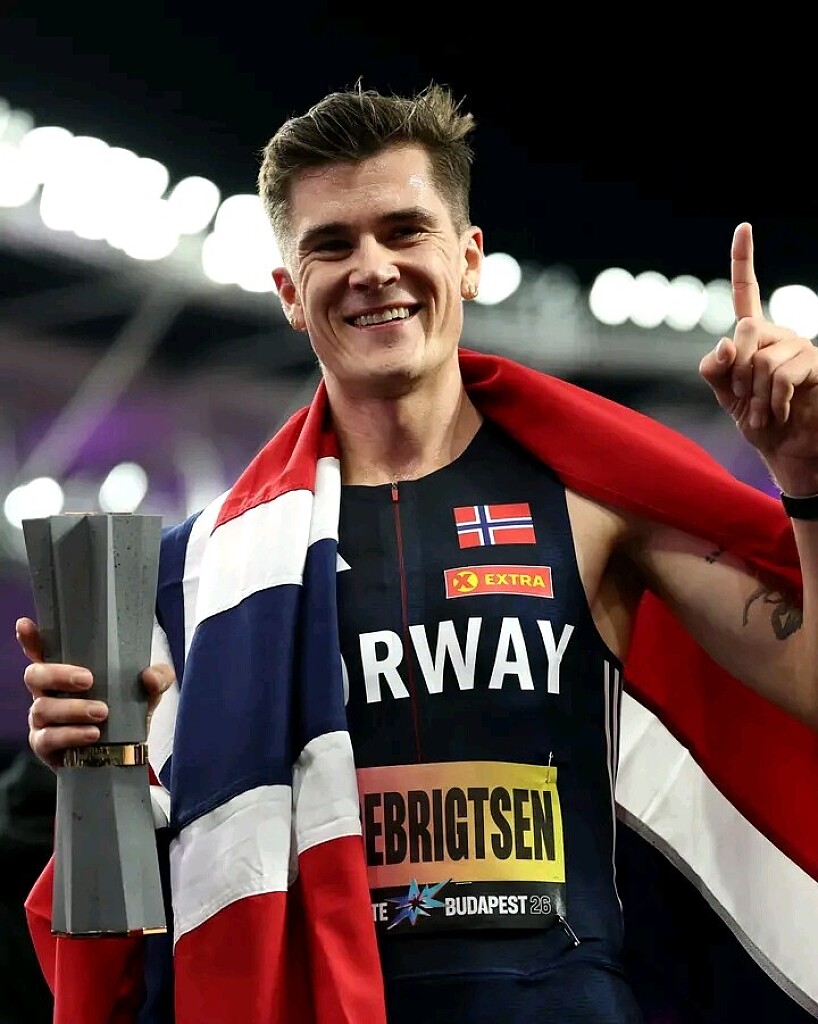
Jakob Ingebrigtsen Withdraws From Budapest 1500m After Stunning 5000m Victory: “Fitness Cannot Be Faked”
Jakob Ingebrigtsen has made a major decision regarding the remainder of his World Athletics Ultimate Championship campaign, confirming that he will withdraw from the men’s 1500m in Budapest despite producing a sensational performance to win the 5,000m title.
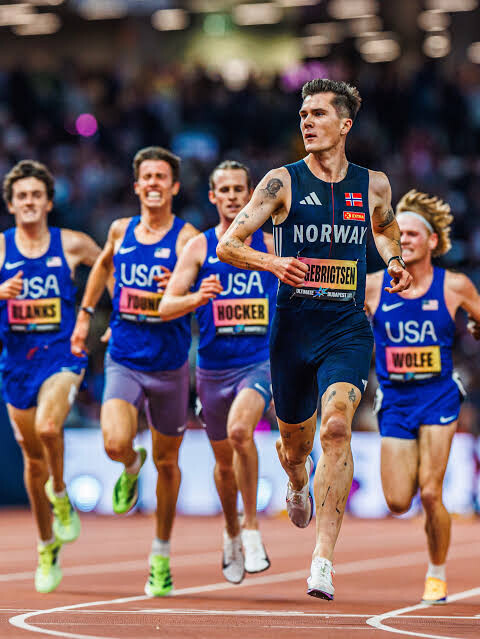
The Norwegian superstar stormed to victory in the inaugural Ultimate Championship 5,000m on Friday night, clocking a season-best 12:59.24 and delivering a devastating finishing kick to defeat Olympic 5,000m champion Cole Hocker and American Parker Wolfe.
Ingebrigtsen’s final 100 metres was arguably the defining moment of the race. The Olympic champion produced a remarkable 12.60-second closing 100m, powering away from the field to secure the $150,000 winner’s prize and underline just how far his fitness has progressed since returning from Achilles surgery.
The victory was particularly significant after what has been an extremely difficult period for the 25-year-old. Earlier in the season, Ingebrigtsen faced serious uncertainty over whether he would even be able to compete at the highest level again. His return has gradually gathered momentum, and his performance in Budapest offered perhaps the clearest indication yet that the Norwegian is rediscovering his formidable racing ability.
But rather than risk pushing his recovering body further, Ingebrigtsen has now opted to step away from the 1500m.
The decision means the highly anticipated showdown with British rival Josh Kerr will not take place in Budapest after all. The two stars had been expected to renew one of the biggest rivalries in modern middle-distance running in the 1500m final.

Instead, Ingebrigtsen is looking beyond the immediate opportunity and towards the bigger picture.
“I’m thinking about 2027… Fitness cannot be faked,” the Norwegian said, signalling that protecting his long-term condition has become more important than chasing another major victory only days after his return to peak-level competition.

The decision comes just one week after an emotionally charged Diamond League Final in Brussels, where Ingebrigtsen finished fourth in the 1500m behind Australia’s Cameron Myers, Kenya’s Phanuel Kipkosgei Koech and American Ethan Strand.
After that race, Ingebrigtsen delivered a fiery assessment of his rivals and questioned the tactics surrounding the pacemaking, particularly involving Hocker. He later acknowledged that there had been “a little too much adrenaline and emotion” when microphones were placed in front of him immediately after the race.
Yet his latest decision shows that beneath the emotion and competitive intensity lies a longer-term strategy.
Ingebrigtsen has already demonstrated that he can compete at an elite level again. His 12:59.24 in Budapest was not simply a victory — it was a statement that the Norwegian remains capable of producing a world-class finish even after months of injury rehabilitation.
Now, however, he is choosing not to gamble with that progress.
For a runner who has spent much of the year fighting his way back from injury, another 1500m race could have offered enormous rewards but also carried unnecessary risk. By withdrawing, Ingebrigtsen is effectively prioritising longevity over one more opportunity for immediate glory.
His message is clear: the comeback is underway, but it will not be rushed.
The 5,000m victory has given Ingebrigtsen confidence, momentum and perhaps, most importantly, proof that his body can once again handle elite competition.
Now comes the harder part — knowing when to stop.
With 2027 already firmly in his sights, the Norwegian has chosen recovery over risk. And after everything he has endured, that could ultimately prove to be one of the most important decisions of his comeback.
Jakob Ingebrigtsen is not walking away from the sport. He is protecting his future in it.
by Erick Cheruiyot for My Best Runs.
Login to leave a comment
Copenhagen Half Marathon Turns to Lottery System as Demand Soars for 2027 Race
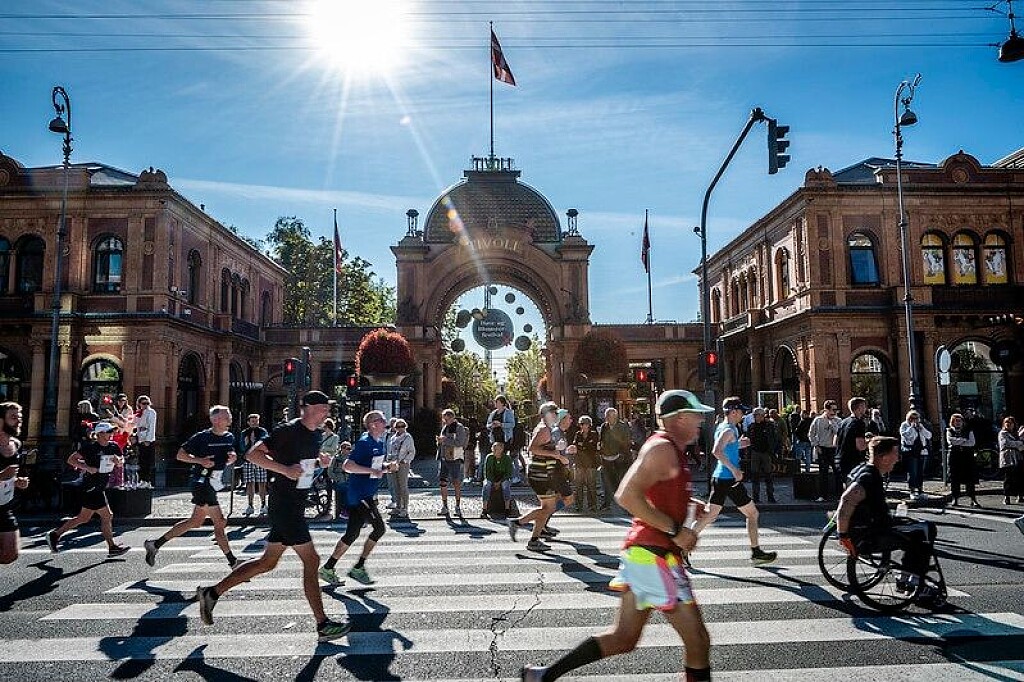
The Copenhagen Half Marathon is the latest major road race to abandon the traditional first-come, first-served entry system, with the hugely popular event set to allocate places for its 2027 edition through a lottery.
Registration will be free and will open on Tuesday, September 16, before closing on September 30. Crucially, runners will have exactly the same chance of securing a place whether they register on the first day or in the final minutes before the deadline.
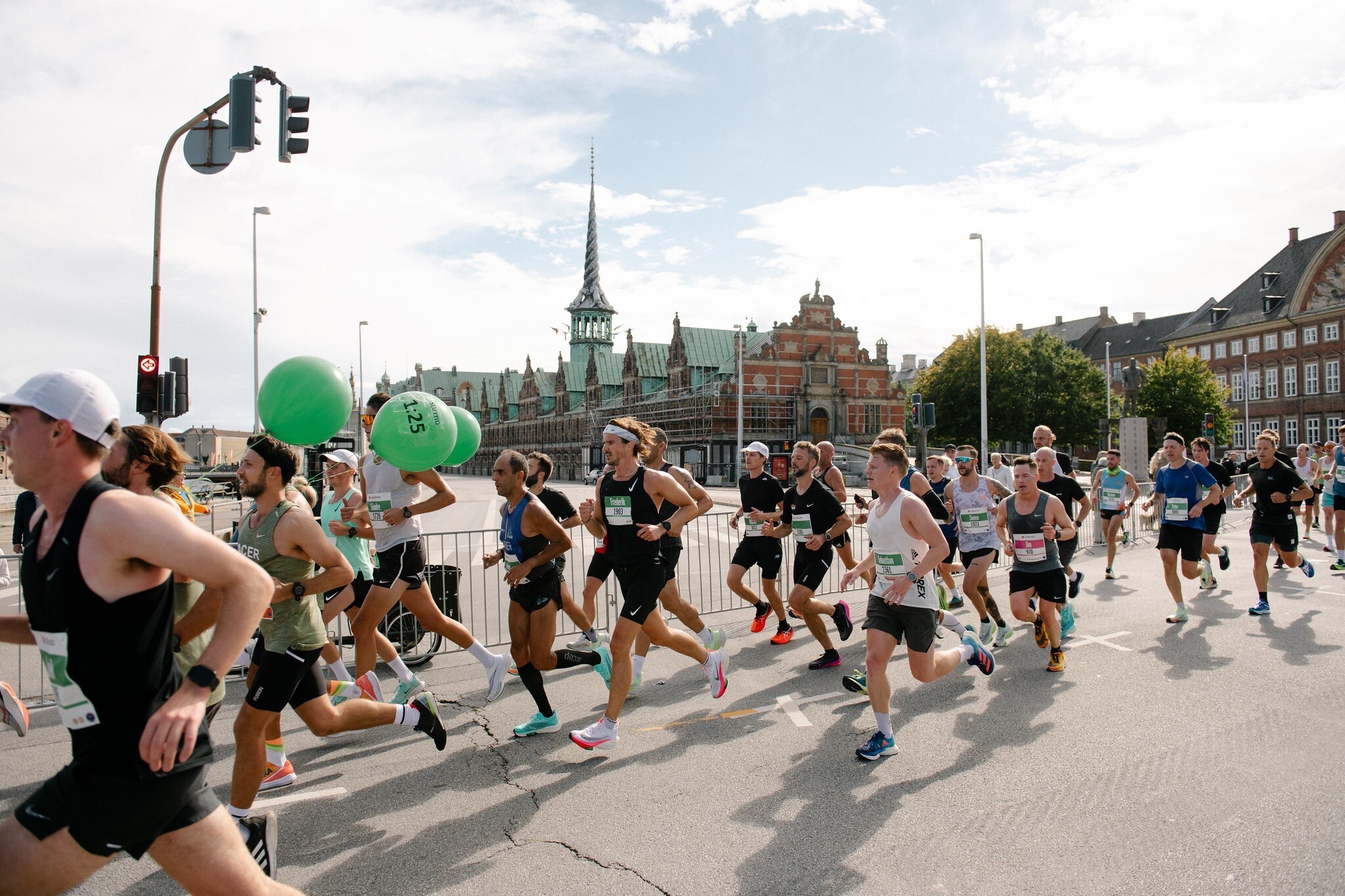
A record 45,000 runners are expected to take to the streets of Copenhagen in 2027, underlining the extraordinary growth and demand surrounding one of Europe's biggest half marathons.
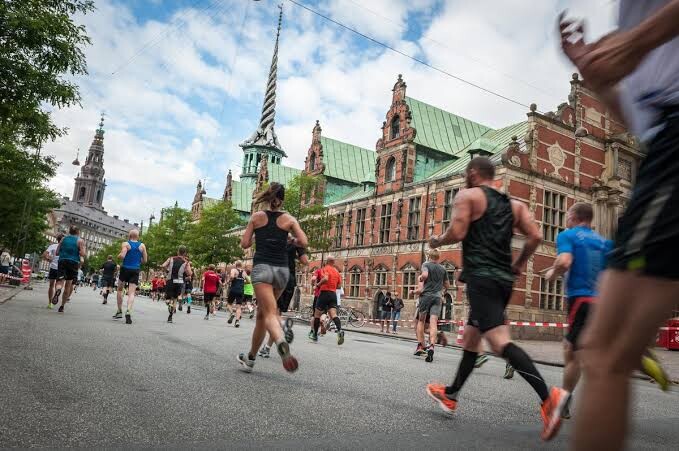
The move comes after the race's previous editions demonstrated just how difficult it had become to secure an entry. The 2025 Copenhagen Half Marathon sold out in just two and a half hours, while the 2026 edition—which will also serve as the World Athletics Half Marathon Championship this Sunday—had already moved to a ballot system when entries opened in March 2025.
Sparta Athletics, the organisation behind both the Copenhagen Marathon and Copenhagen Half Marathon, has now firmly embraced the lottery approach for its major events. The 2027 Copenhagen Marathon ballot attracted an astonishing 80,937 applications for only 35,000 available places, highlighting the enormous gap between demand and capacity.
Copenhagen is far from alone. Prague introduced a similar system in August, while Berlin and Lisbon also used ballots for their 2026 races, reflecting a major shift in the way Europe's most sought-after road races are managing unprecedented demand.
There will also be no official resale platform for Copenhagen's 2027 half marathon. Entries will remain strictly personal and non-transferable, meaning anyone attempting to buy a bib from another runner risks arriving at the start line with an entry that cannot be used.
For runners, the message is becoming increasingly clear: the days of simply logging on and buying a place in one of Europe's biggest road races are disappearing.
As participation in distance running continues to surge, the Copenhagen Half Marathon's decision is another powerful sign of a changing era. The biggest races are no longer asking whether they will sell out—but how they can fairly decide who gets to stand on the start line.
by Erick Cheruiyot for My Best Runs.
Login to leave a comment

Copenhagen Half Marathon
The Copenhagen Half Marathon was the first road race in Scandinavia and is one of the fastest half marathons in the world. The Copenhagen Half Marathon has been awarded with the International Association of Athletics Federation's (IAAF) most distinguished recognition - the IAAF Road Race Gold Label. Copenhagen Half Marathon was awarded the IAAF Road Race Bronze Label in January...
more...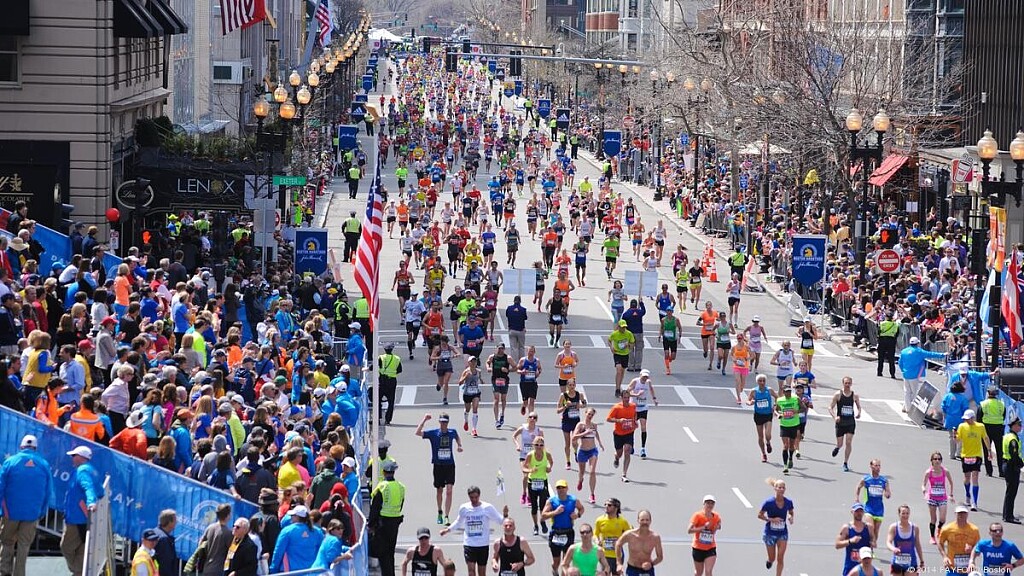
The Boston Marathon Trap: Why A “BQ” May Still Not Be Enough
For thousands of marathon runners around the world, qualifying for the Boston Marathon is more than a race goal — it is a badge of honour, a symbol that months and sometimes years of disciplined training have finally paid off.
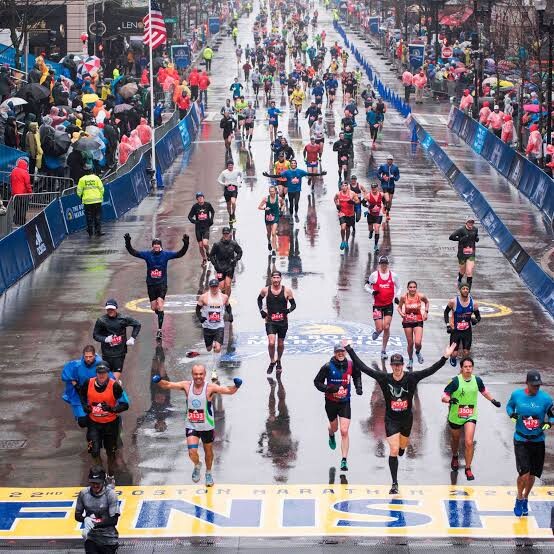
But there is an important distinction every aspiring Boston runner needs to understand: running under the official Boston qualifying standard does not automatically guarantee a place on the starting line.
That reality has caught out countless runners who believed that crossing the finish line a few seconds inside their qualifying mark meant their Boston dream was secured.
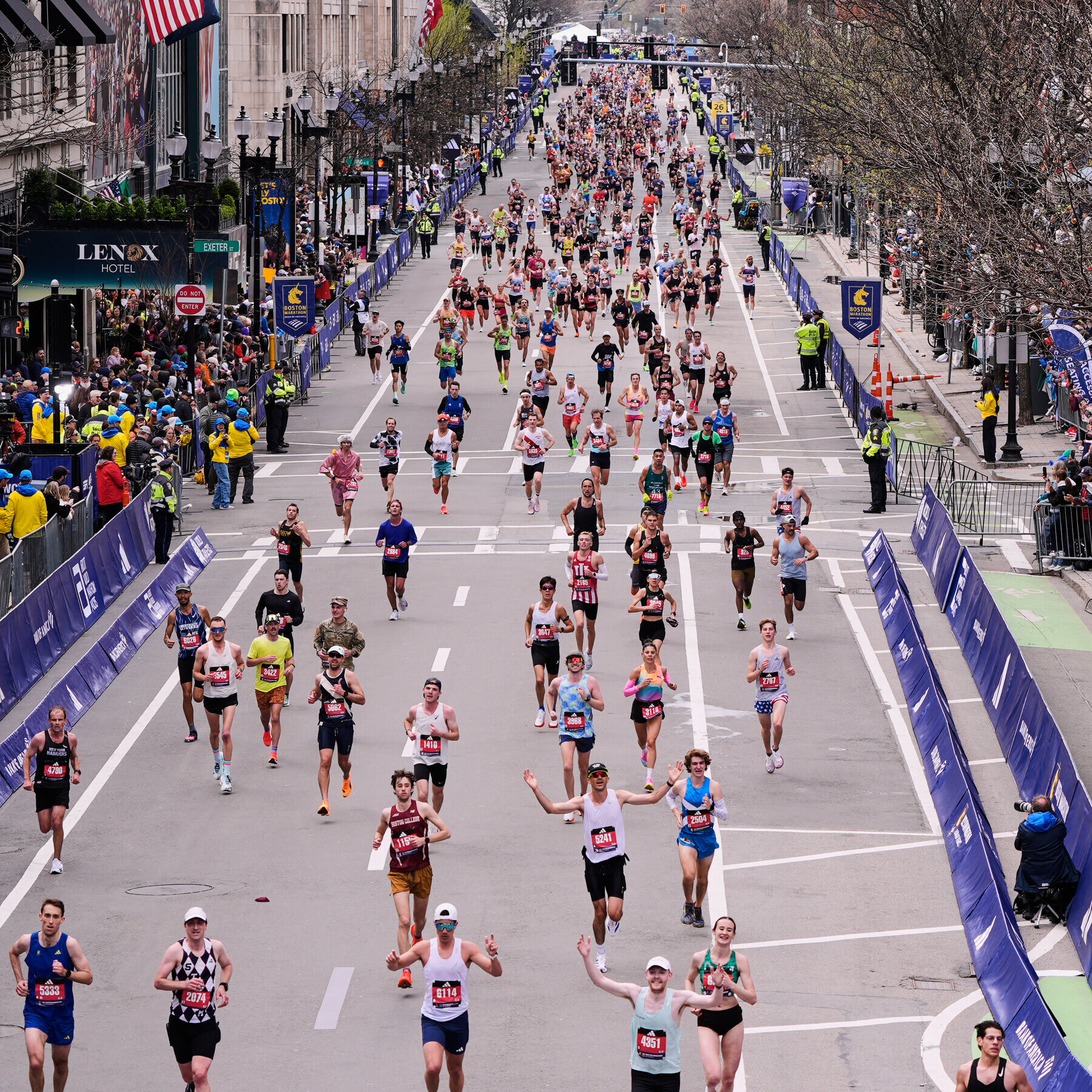
It does not.
The Boston Athletic Association (B.A.A.) sets qualifying standards according to age and gender, but the race also has a limit on the number of participants. When the number of qualified applicants exceeds the available places, the fastest runners within the qualifying pool are given priority. In other words, simply achieving the published standard gives you the opportunity to apply — it does not guarantee acceptance.
The Cutoff Is The Number That Really Matters
This is where the famous Boston “cutoff” comes into play.
The cutoff represents how much faster than the official qualifying standard a runner needed to be in order to gain entry that particular year. And it can change significantly depending on how many runners apply and how fast the qualifying field is.
The numbers tell the story.
For the 2024 Boston Marathon, the cutoff was 5:29. For 2025, it climbed sharply to 6:51. For the 2026 race, the cutoff settled at 4:34, meaning accepted qualifiers needed to be at least four minutes and 34 seconds faster than their applicable age- and gender-based standard.
That means a runner who finishes a marathon just 30 seconds under the published qualifying standard can technically be a Boston qualifier — yet still miss out on an actual place.
And that is where the heartbreak begins.
Imagine spending months building mileage, sacrificing weekends, surviving brutal workouts and finally producing the race of your life. You cross the line, look at your watch and discover that you have beaten the Boston standard.
For a moment, you believe you are going to Boston.
Then registration closes.
And you discover that the field was faster than expected.
Don't Train For The Bare Minimum
For runners serious about making the journey to Hopkinton, Massachusetts, the lesson is straightforward: don't make the official qualifying standard your ultimate target.
Make it your starting point.
If your age-group standard is 3:00:00, for example, training specifically to run 2:59:59 may leave almost no margin for the realities of Boston qualification. A stronger strategy is to set a substantially faster personal target, giving yourself a buffer against an unpredictable cutoff.
A five-minute cushion is often discussed among Boston hopefuls as a sensible ambition, but runners should understand that there is no guaranteed “safe” buffer. The cutoff is determined after registration based on the qualifying pool, and even a five-minute margin cannot promise entry in every year.
The smartest approach is therefore to aim as far under your standard as your training and ability realistically allow.
Boston Is Getting Faster
The growing difficulty of earning a place reflects the popularity and competitiveness of the marathon.
The B.A.A. has acknowledged that demand for Boston has increased while marathoners have continued to get faster. For the 2026 race, the organisation tightened qualifying standards by five minutes for runners aged 18–59, yet the race still received far more qualifying applications than available places.
For the 2026 Boston Marathon, the B.A.A. received 33,249 qualifier applications. Of those, 8,887 applicants were ultimately not accepted, despite having achieved the official qualifying standard.
Those numbers provide a powerful reminder: Boston qualification is no longer simply about beating a published time. It is about beating it by enough.
And There Is Another Detail Runners Must Watch
For the 2027 Boston Marathon, the B.A.A. has also introduced time-index adjustments for qualifying performances on courses with more than 1,500 feet of net elevation drop.
Depending on the amount of net downhill, a qualifying performance can receive a five- or ten-minute adjustment during the registration review process. That makes course selection an increasingly important part of the Boston qualification strategy.
So runners chasing Boston should not only ask, “Can I run the qualifying time?”
They should also ask:
“Can I run significantly faster than it — on a course that meets Boston's qualification rules?”
The Dream Is Boston. The Goal Should Be Faster Than Boston.
Qualifying for Boston remains one of the most prestigious achievements in recreational marathon running. But the difference between qualifying and getting accepted is now more important than ever.
The official standard gets you into the conversation.
Your margin gets you closer to the starting line.
So if Boston is the dream, don't build your entire training cycle around scraping under the qualifying mark by a few seconds. Give yourself room. Chase a faster marathon. Choose your qualifying race carefully. Prepare for the possibility that the cutoff may move.
Because the ultimate goal isn't simply to say:
“I qualified for Boston.”
It is to wake up on Patriots' Day, make your way to Hopkinton, and finally hear the words every Boston hopeful has dreamed about:
“You're going to Boston.”
by Erick Cheruiyot for My Best Runs.
Login to leave a comment
Boston Marathon
Among the nation’s oldest athletic clubs, the B.A.A. was established in 1887, and, in 1896, more than half of the U.S. Olympic Team at the first modern games was composed of B.A.A. club members. The Olympic Games provided the inspiration for the first Boston Marathon, which culminated the B.A.A. Games on April 19, 1897. John J. McDermott emerged from a...
more...
Noah Lyles Ends 2026 Season Due to Injury, Sprint Star to Miss Budapest Championships
Noah Lyles has made the difficult decision to bring his 2026 season to an early end, with an injury forcing the American sprint star to step away from competition for the remainder of the year.
Lyles announced the decision on Friday, revealing that the problem he suffered during the U.S. Outdoor Championships in New York has continued to affect his training and recovery. The injury, which initially appeared manageable, flared up during rehabilitation, ultimately leading him to shut down his season rather than risk a more serious setback.
Lyles had arrived at the U.S. championships in spectacular form. He powered to victory in the men's 100m at Icahn Stadium in a world-leading 9.79 seconds, matching his personal best and once again demonstrating why he remains one of the most formidable sprinters in the world.
However, his championships took an unfortunate turn in the men's 200m final. Lyles pulled up after suffering a strain in his left hamstring, leaving him unable to maintain his usual pace. He eventually crossed the finish line in 50.88 seconds.
The injury has proved more troublesome than initially expected. During his rehabilitation, the problem flared up again, preventing Lyles from progressing as planned. Rather than risk worsening the injury, the 29-year-old has chosen to prioritize his recovery and bring his 2026 campaign to a close.
The decision means Lyles will miss the inaugural World Athletics Ultimate Championships in Budapest, scheduled for September 11–13. The Budapest 2026 event would have provided another major opportunity for the American to compete against the world's best, but he will now be forced to watch from the sidelines.
Despite the disappointment, Lyles can look back on a season that once again showcased his extraordinary ability. His world-leading 9.79-second performance in the 100m was a powerful reminder of his speed, while his decision to step away reflects the importance of protecting his long-term career.
With the 2027 World Championships and the 2028 Los Angeles Olympic Games on the horizon, Lyles' priority now shifts from racing to recovery, rehabilitation and rebuilding his fitness.
It is certainly not the ending he would have wanted for his 2026 campaign. But sometimes, the most important race is the one that comes after the setback — the race back to full health.
For now, Noah Lyles' 2026 season is over. The next chapter is recovery, rebuilding and preparing for an even bigger return.
by Erick Cheruiyot for My Best Runs.
Login to leave a comment

Indianapolis Ready to Take Centre Stage as USATF Indoor Championships Return for 2027 and 2028
Indianapolis is set to become the home of American indoor track and field for the next two years after USA Track & Field confirmed that the city will host the 2027 and 2028 USATF Indoor Championships at the Indiana State Fairgrounds.

The nation’s leading athletes will compete at the Indiana Farm Bureau Fall Creek Pavilion, with the 2027 championships scheduled for February 19–21, followed by the 2028 edition from February 18–20.
The announcement marks a significant moment for Indianapolis and its long-standing connection with the sport. The 2027 championships will take place 40 years after the city hosted the inaugural World Indoor Championships at the Hoosier Dome in 1987, bringing another major chapter of elite indoor athletics back to a city with a rich track and field history.
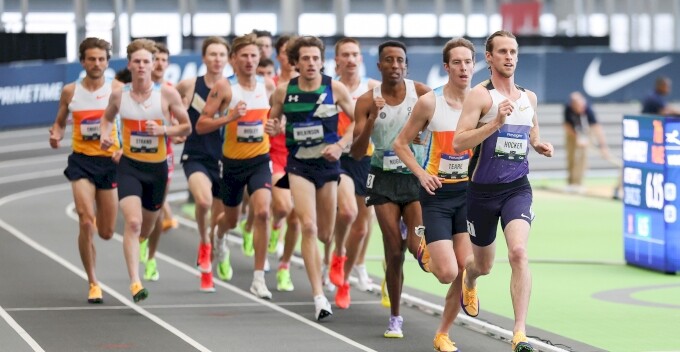
Although Indianapolis is home to USA Track & Field's national office and has hosted major athletics competitions over the years, the upcoming editions will be the first time the city has staged the USATF Indoor Championships. The Indiana State Fairgrounds has nevertheless developed into an increasingly important venue for the sport, providing a major platform for elite indoor competition.
The consecutive championships will give athletes two years of high-stakes competition on one of America's growing indoor stages, with national titles and places among the country's finest athletes once again on the line.
The 2028 USATF Indoor Championships will carry even greater significance, serving as a selection event for athletes hoping to represent the United States at the 2028 World Athletics Indoor Championships in Odisha, India. That will add another layer of intensity to the competition as athletes battle not only for national honours but also for the opportunity to compete on the global stage.
For Indianapolis, the return represents more than simply hosting another national championship. Four decades after welcoming the world's finest athletes for the inaugural World Indoor Championships, the city is preparing to once again place track and field firmly in the national spotlight.
With two consecutive editions now secured, Indianapolis is ready to welcome America's best indoor athletes as they chase national glory, international selection and the chance to create another memorable chapter in the city's proud athletics history.
by Erick Cheruiyot for My Best Runs.
Login to leave a comment
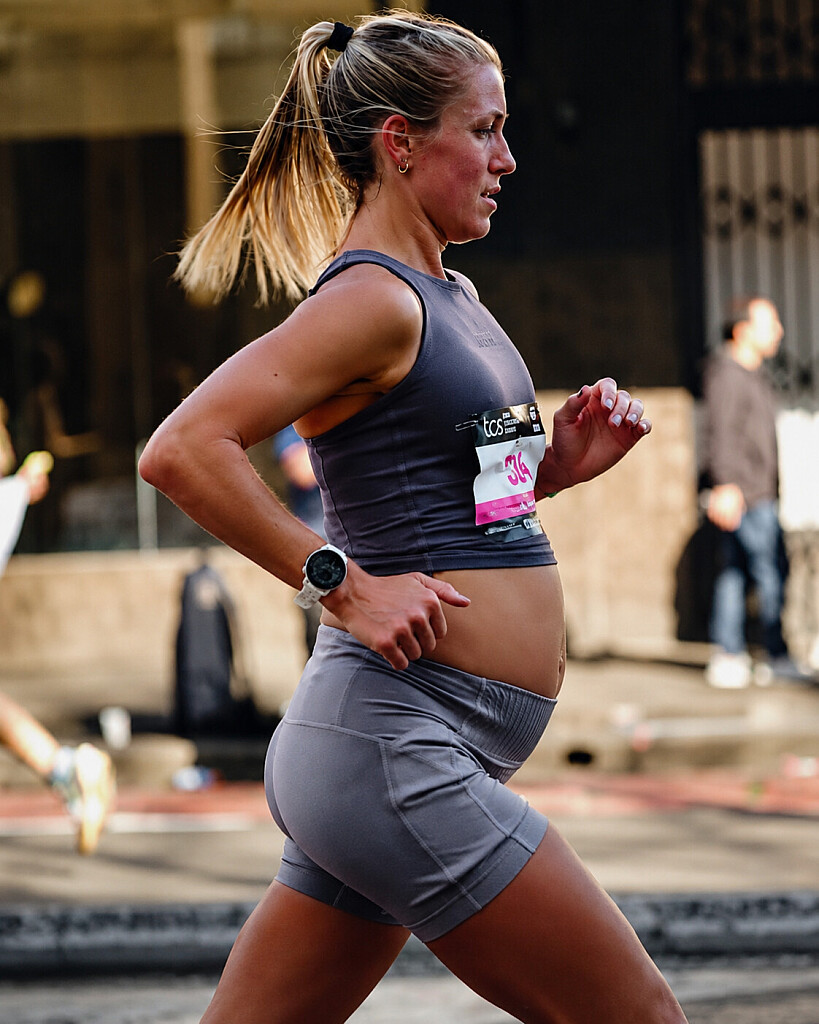
Ali Anderson Defies the Odds to Run Sub-3 Marathon at 32 Weeks Pregnant in Sydney
Ali Anderson produced one of the most remarkable performances of the Sydney Marathon on Sunday, becoming one of the rare women to break three hours for the marathon while 32 weeks into pregnancy.
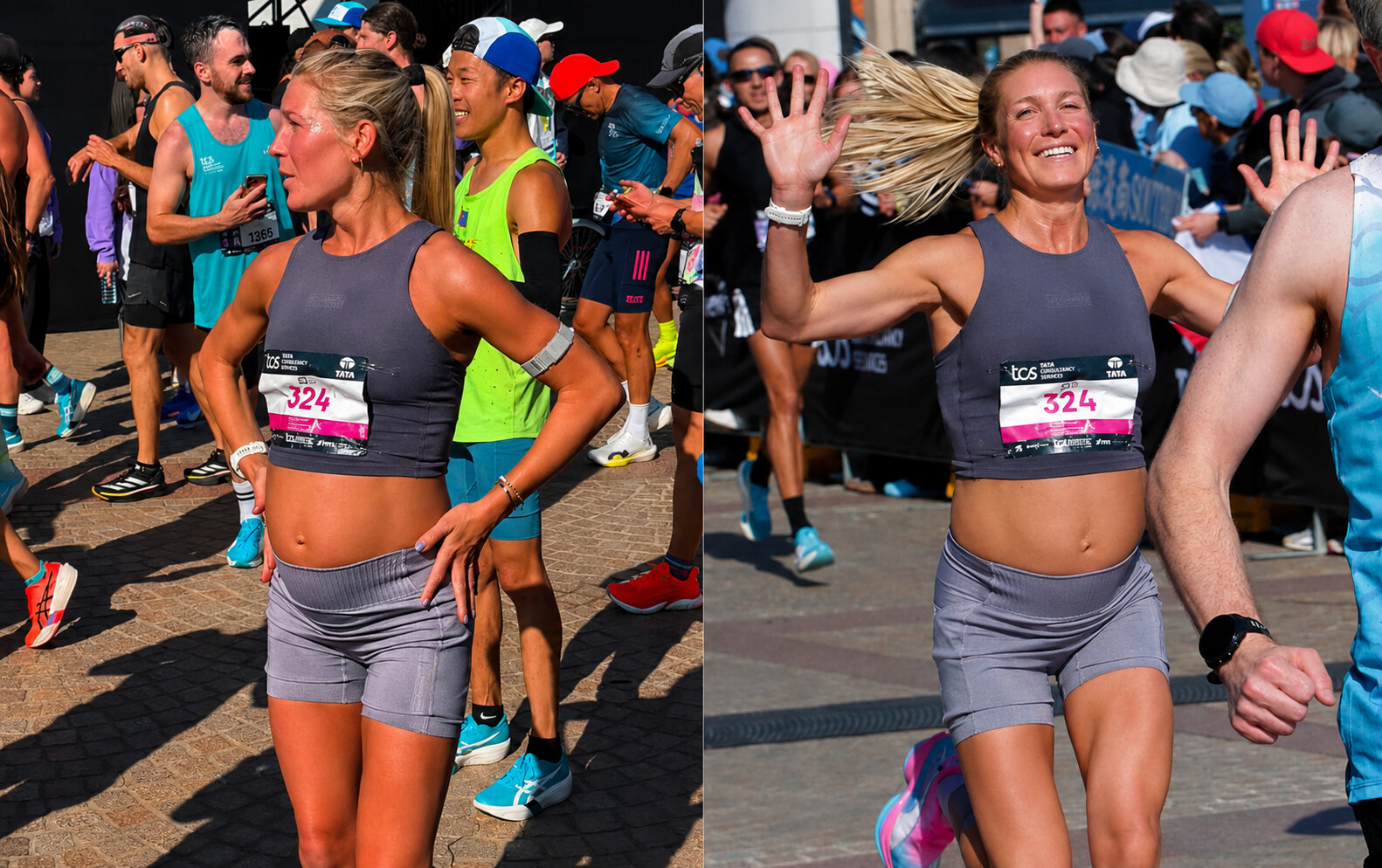
The 29-year-old American from Oklahoma crossed the finish line in 2:59:43, completing the 26.2-mile journey from North Sydney to the Sydney Opera House with just 17 seconds to spare under the three-hour barrier. Her performance came as part of a record field of around 40,000 runners and marked her seventh marathon, as well as her fourth World Marathon Major.
Anderson had entered the Sydney Marathon before discovering she was pregnant. Rather than withdraw, she decided to continue preparing for the race after consulting her doctor, who told her there was no medical reason to stop her normal training, provided she was no longer pursuing a personal-best effort.

The Sydney performance was particularly striking when compared with her previous marathon earlier in the year. At the Boston Marathon in April, Anderson was just 13 weeks pregnant when she clocked a spectacular 2:41:58, establishing her personal best. Nineteen weeks later in Sydney, the physical demands of late pregnancy were naturally reflected in her pace, but she still managed to produce a sub-three-hour performance.
Her Boston average pace was approximately 6:11 per mile, compared with around 6:52 per mile in Sydney — a difference of roughly 41 seconds per mile. Yet despite the slower pace and the additional demands of carrying a pregnancy into the third trimester, Anderson maintained enough control to finish inside three hours.
Speaking after the race, Anderson acknowledged that the hills felt considerably tougher because of her increased weight, but said she felt good throughout the marathon and was careful not to push herself beyond her limits.
“I'm obviously heavier, so the hills were a little bit more intense. But I felt really good, and I wasn't pushing too hard,” she said.
There was also another challenge that required careful planning: bathroom stops. With pregnancy adding an extra logistical consideration to an already demanding marathon, Anderson had to manage her race differently from a conventional marathon preparation and execution.
Her decision to race came after seeking medical advice. Anderson said her doctor reassured her that she could continue running, while making it clear that the objective should not be chasing another personal best.
Her performance also comes against a growing body of evidence suggesting that exercise during pregnancy can be safe for many women when appropriately managed. Research has generally found reassuring outcomes for continued physical activity during pregnancy, although evidence specifically examining competitive marathon racing in late pregnancy remains much more limited. Individual medical circumstances can vary significantly, making professional medical guidance essential.
Anderson also had the option of postponing her Sydney Marathon entry. The event's rules allowed pregnant runners to defer their places to 2027, 2028 or 2029 with a doctor's letter. She chose not to take that route.
The Sydney Marathon was therefore more than another race on Anderson's résumé. It became a test of how she could adapt her ambitions to an extraordinary stage of her life — maintaining her passion for distance running while putting performance goals into perspective.
Her original plans extended beyond Sydney. She had another marathon scheduled for December and had hoped to pursue the 2:37:00 qualifying standard for the U.S. Olympic Marathon Trials. Her Boston personal best of 2:41:58 currently leaves her 4 minutes and 58 seconds outside that mark.
For now, however, Anderson's achievement in Sydney stands on its own.
A 2:59:43 marathon is impressive under any circumstances. Doing it at 32 weeks pregnant makes Anderson's Sydney Marathon one of the most extraordinary distance-running stories of the year.
by Erick Cheruiyot for My Best Runs.
Login to leave a comment
Sydney Marathon
The Sydney Marathon is a marathon held annually in Sydney, Australia. The event was first held in 2001 as a legacy of the 2000 Summer Olympics, which were held in Sydney. In addition to the marathon, a half marathon, 9 kilometres (5.6 mi) "Bridge Run", and a 3.5 kilometres (2.2 mi) "Family Fun Run" are also held under the banner...
more...
Athletics Must Remain Number One” — Coe’s Final Challenge As The Race For His Successor Heats Up
The battle for the future of world athletics is already taking shape, but outgoing World Athletics President Sebastian Coe has made one message unmistakably clear: athletics must remain at the heart of the Olympic Games.
Speaking ahead of the Diamond League meeting in Zurich, Coe said he remains highly optimistic about the sport’s future and insisted that athletics must protect its position as the leading sport of the Olympic movement.

“There are only two truly global sports, one is football and one is athletics. We must maintain our position as the number one Olympic sport,” Coe said.
The 69-year-old Briton is approaching the final year of his presidency after first taking charge of the global governing body in 2015. He was re-elected for a third term in 2023, which, under World Athletics’ term limits, is his final mandate.
Coe will leave office in 2027, when the next World Athletics president is elected at the Elective Congress in Beijing, immediately before the 2027 World Athletics Championships. The new president will serve a four-year term covering 2027–2031.

And the succession battle is already gathering momentum.
Among the candidates declared eligible so far are prominent figures from within the sport’s leadership, including World Athletics Vice-Presidents Adille Sumariwalla of India, Raul Chapado of Spain and Ximena Restrepo of Colombia. The current list also includes Yuko Arimori of Japan, Hatem Fouda of Egypt, Ivan Garcia of Uruguay, Jean Gracia of France and Kenya’s Jackson Tuwei.
Restrepo brings a particularly distinguished competitive background to the contest. The Colombian won Olympic bronze in the women’s 400 metres at Barcelona 1992 and became the first woman elected as a World Athletics Vice-President in 2019.
For Coe, however, the final chapter of his presidency is not simply about preparing for his departure. He says his priority over the next year is to continue strengthening the sport so that his successor inherits an organisation capable of growing even further.
“I've never been more optimistic about the future of the sport,” Coe said, adding that whoever succeeds him will inherit “a very much stronger sport” than the one he took over in 2015.
His presidency has coincided with significant changes across the sport, including governance reforms, commercial development and efforts to make athletics more innovative and globally engaging. The launch of the new World Athletics Ultimate Championship in Budapest this September is another example of the organisation’s attempt to create a shorter, high-stakes competition featuring many of the world’s leading athletes.
But the next president will inherit an enormous responsibility.
Athletics is the foundation of the Olympic Games, producing some of the most iconic moments in Olympic history and bringing together athletes from virtually every corner of the world. The challenge for Coe’s successor will be to preserve that unique position while making the sport more commercially powerful, more accessible to younger audiences and even more compelling in an increasingly competitive global sporting landscape.
Coe believes the opportunity is there.
As he prepares to hand over the presidency in 2027, his challenge to the next generation of World Athletics leadership is clear: protect the sport’s Olympic identity, keep pushing its boundaries and make sure athletics remains the heartbeat of the Games.
The question now is not whether Coe will leave a significant mark on athletics, but who will have the vision, influence and leadership required to carry the sport into its next era.
Who do you think should lead World Athletics after Sebastian Coe?
by Erick Cheruiyot for My Best Runs.
Login to leave a comment
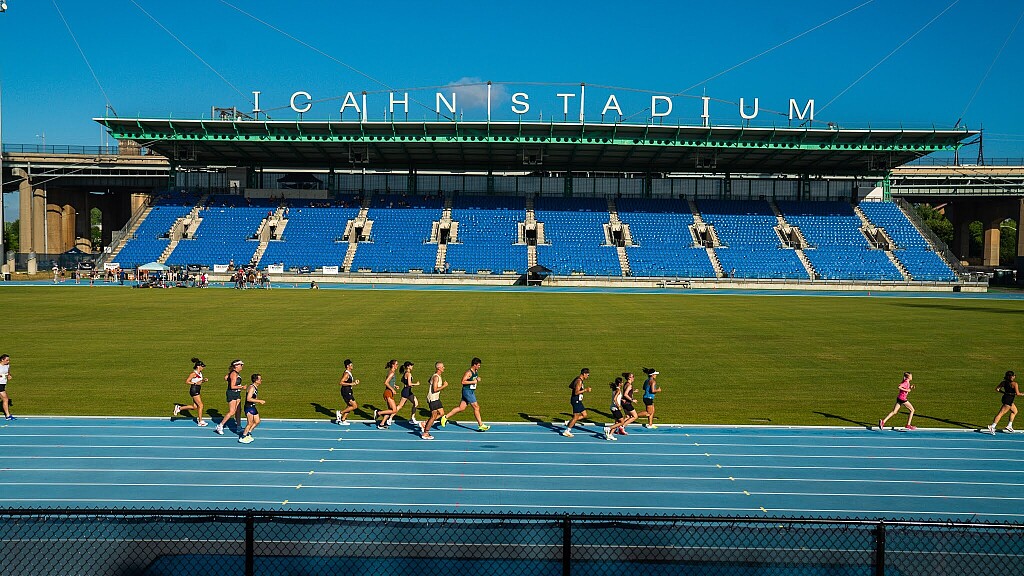
Athlos Nyc 2026 Cancelled As Series Sets Its Sights On A New Global Calendar
ATHLOS has announced a major change to its 2026 plans, confirming that the third edition of ATHLOS NYC will not take place as originally scheduled on October 2 at Icahn Stadium in New York City.
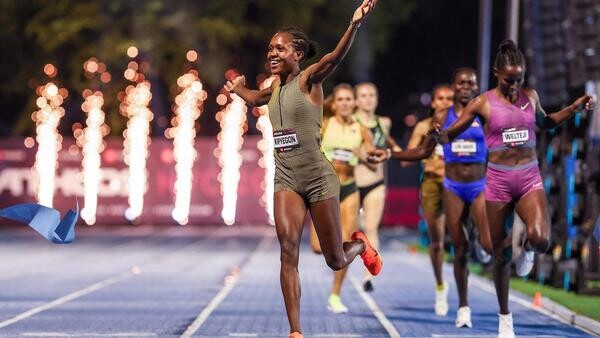
The decision marks a significant change for the rapidly growing women’s track and field series, which had been preparing to return to New York for another high-profile edition. ATHLOS said the move is part of a broader strategy to align its future events more closely with the global athletics calendar.
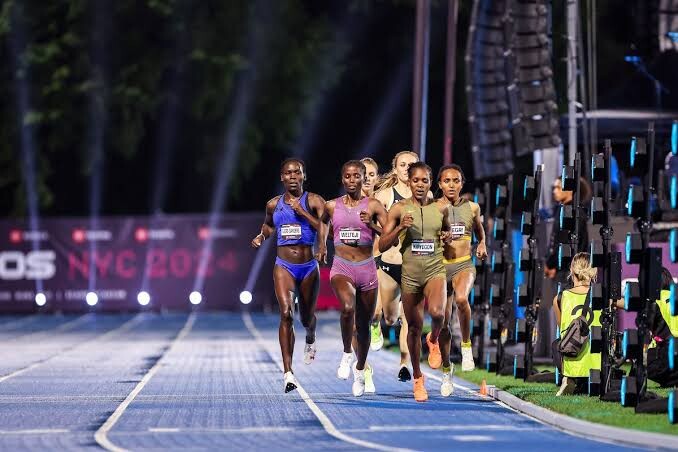
The organisation explained that it will not stage ATHLOS NYC in October 2026, with the goal of restructuring its schedule from the 2027 season onward. The new approach is intended to give the world’s best female athletes greater opportunities to compete in a healthier and more sustainable schedule while allowing them to perform at their peak.
When ATHLOS was launched, the series deliberately created a new competition window at the end of the traditional athletics season. However, as the event has grown, ATHLOS says it has become increasingly clear that its long-term home should be within the main international athletics calendar.
The cancellation of ATHLOS NYC, however, does not signal a retreat from the organisation’s global ambitions.
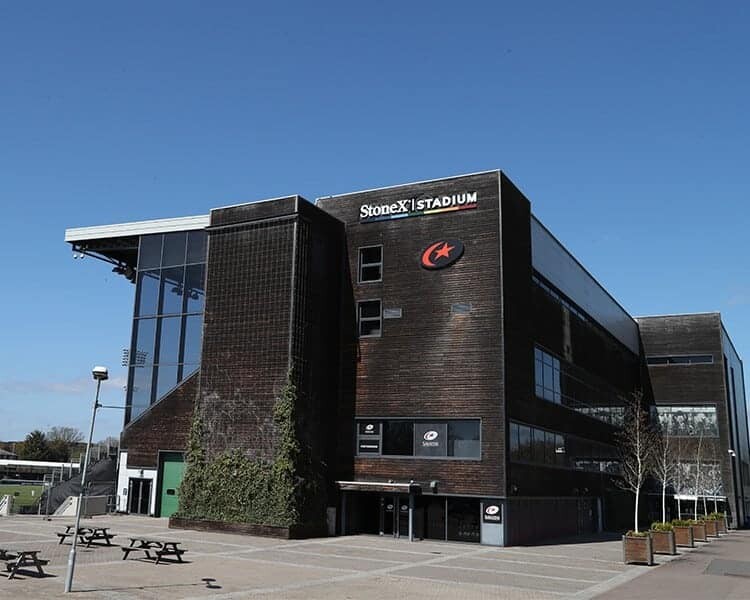
ATHLOS London remains firmly on the calendar for September 18, 2026, at StoneX Stadium in London, marking the series’ highly anticipated first event outside the United States. The London meeting is expected to bring together some of the biggest names in women’s athletics for what promises to be a spectacular night of elite competition.
ATHLOS has built its reputation around putting female athletes at the centre of the experience, combining world-class competition with significant prize money and an energetic event atmosphere. Its programme features several of the sport’s most exciting disciplines, including the 100m hurdles, 100m, 200m, 400m, 800m, mile and long jump.
While the decision to cancel the New York edition will come as a disappointment to fans who were expecting another major night at Icahn Stadium, ATHLOS insists that its commitment to women’s track and field remains stronger than ever.
The organisation is now turning its attention to London and to building a more sustainable international calendar from 2027. The latest decision could therefore prove to be less an ending than a strategic reset as ATHLOS looks to strengthen its position on the global athletics stage.
ATHLOS NYC may be absent from the 2026 calendar, but the series’ international ambitions are only getting bigger.
by Erick Cheruiyot for My Best Runs.
Login to leave a comment

Entries Set to Open for Historic 100th Comrades Marathon as Centenary Celebration Begins
One of the most iconic milestones in the history of ultramarathon running is drawing closer, with entries for the historic 100th edition of the Comrades Marathon set to open on Tuesday, 25 August 2026.
The Comrades Marathon Association has officially announced a detailed entry process for the 2027 race, which will unfold in three stages and give runners around the world the opportunity to secure their place in what promises to be one of the most significant editions ever held of The Ultimate Human Race.
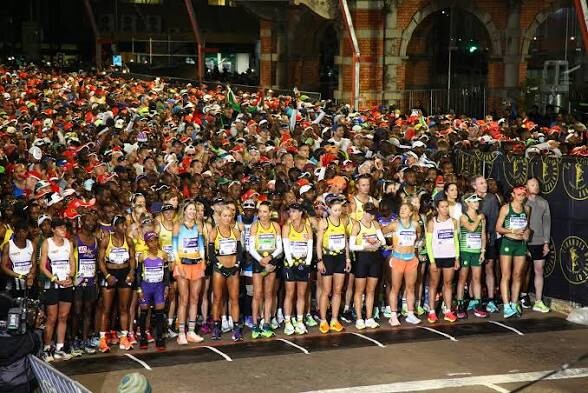
The announcement followed the official launch of the 2027 Comrades Marathon on Wednesday, 19 August, when the centenary campaign, “The Greatest Story Ever Run,” was unveiled alongside a special logo created exclusively for the landmark 100th edition.
The launch also revealed several major highlights for the Centenary Race. The historic event will take place on Sunday, 13 June 2027, and will be a Down Run, with 28,000 places available. The entry process will include a ballot, while the race will offer a record R8.919 million in prize money. Organisers have also set an ambitious goal of raising R10 million for the Amabeadibeadi charities, adding an important charitable dimension to the centenary celebrations. One of the defining moments of the launch was the unveiling of the special Centenary mark, created to commemorate this extraordinary milestone in the history of the race.
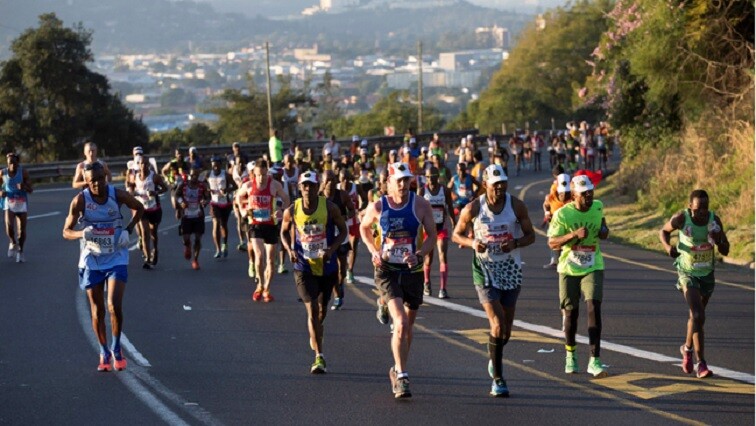
The entry process begins on 25 August at 10:00 a.m. SAST, when entries open for Green Number runners, Yellow Number runners and Amabeadibeadi charity entrants.
The next phase follows on 2 September at 10:00 a.m. SAST, when entries open for Comrades Marathon Association members. This window will remain open for 72 hours or until the available entry allocation is filled, with places offered on a strictly first-come, first-served basis.
For general entrants, the process will move to a ballot system. General entries open on 9 September at 10:00 a.m. SAST, with runners able to enter the ballot until it closes on 22 September at 4:30 p.m. SAST. The ballot draw is then scheduled to take place on 23 September.
Several other crucial dates will shape the road to the historic race. The substitution period will run from 15 to 31 March 2027, while 3 May 2027 is the final deadline for runners to submit their qualifying performances, seeding information and other required entry details.
To qualify for the 2027 Comrades Marathon, runners must complete a 42.2km marathon in under five hours between 15 June 2026 and 3 May 2027.
The journey will finally culminate on Sunday, 13 June 2027, when thousands of runners are expected to line up for the historic 100th edition of the Comrades Marathon.
The 2027 race will represent a remarkable moment for the legendary South African ultramarathon. For more than a century, the Comrades Marathon has captured the imagination of runners and spectators with its extraordinary test of endurance, determination and human spirit. Its centenary edition will celebrate the generations of athletes who have faced its demanding roads, conquered its challenges and helped build one of the world's most respected endurance events.
For runners dreaming of becoming part of this historic occasion, the road to Comrades 2027 is now clearly marked. From the opening of entries in August 2026 to race day in June 2027, every deadline will matter.
The Greatest Story Ever Run is preparing for its most historic chapter yet.
by Erick Cheruiyot for My Best Runs.
Login to leave a comment

Comrades Marathon
Arguably the greatest ultra marathon in the world where athletes come from all over the world to combine muscle and mental strength to conquer the approx 90kilometers between the cities of Pietermaritzburg and Durban, the event owes its beginnings to the vision of one man, World War I veteran Vic Clapham. A soldier, a dreamer, who had campaigned in East...
more...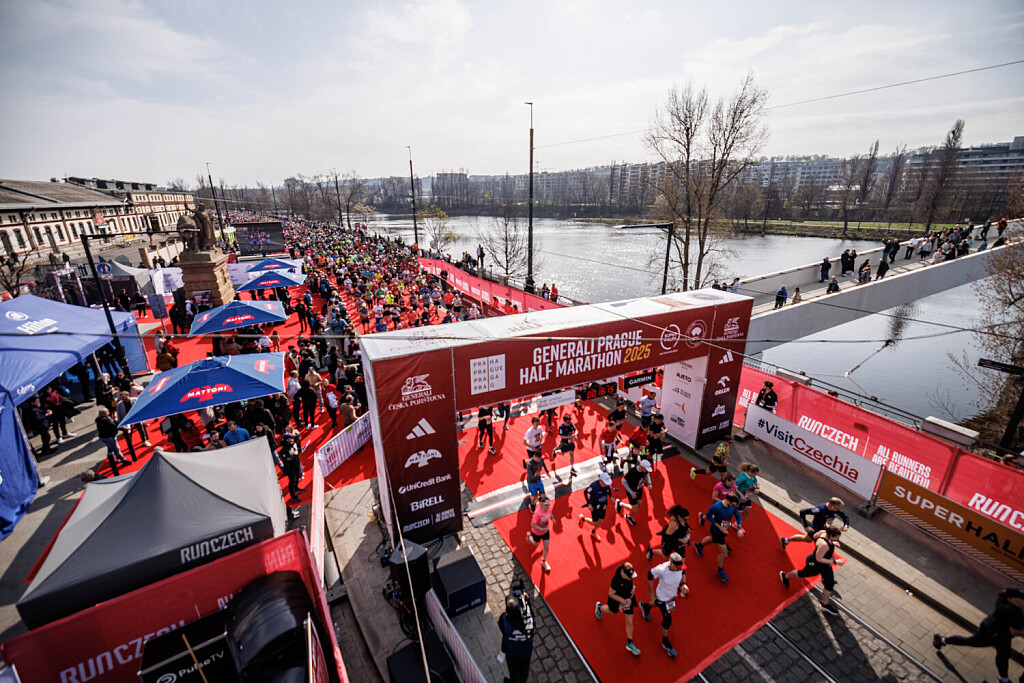
Prague Half Marathon’s First Ballot Draws More Than 70,000 Applications
The Generali Prague Half Marathon has entered a new era of unprecedented demand, with more than 70,000 runners reportedly applying for places in the race’s first-ever ballot for the 2027 edition.
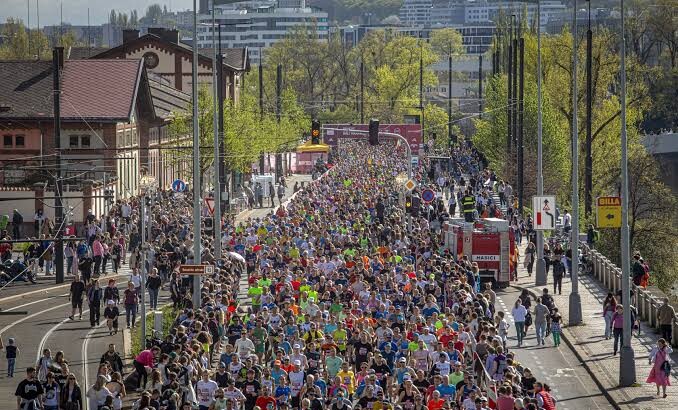
The remarkable response underlines the extraordinary international appeal of one of Europe’s most celebrated half marathons. With the race limited to 17,000 participants, the number of applications means demand exceeded available places by more than four times. RunCzech confirmed that the ballot attracted more than six times the race capacity in applications.
The move to a random draw marks a significant change from the previous registration system. In 2026, the 17,000-place field disappeared within just 2 hours and 23 minutes of registration opening, demonstrating how fiercely contested entry had become. Rather than rewarding those who happened to be quickest online, the new system gives applicants an equal opportunity through a random selection process.
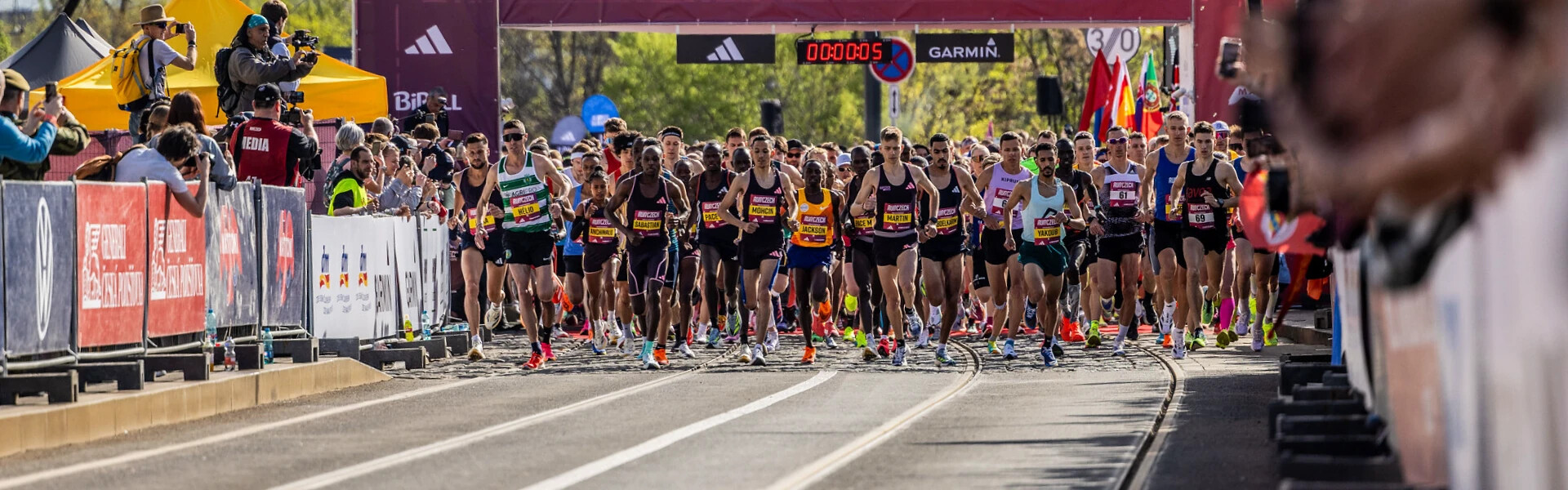
Applications opened on July 21 and closed at midnight heading into August 12, bringing three weeks of intense anticipation to an end. The draw is scheduled to take place this week, with every applicant due to receive the outcome by email no later than August 21. Those fortunate enough to secure a place will then have seven days to complete their registration before any unclaimed entries are returned to the pool.
The scale of the international interest is particularly striking. Applicants came from 161 countries, with 77 per cent of all applications submitted from outside the Czech Republic. The United Kingdom and Germany provided the largest overseas applicant groups, while Spain, Poland, Portugal, Italy and France were also strongly represented. Almost 1,300 applications came from Brazil and more than 700 from the United States.
For runners chasing the prestigious SuperHalfs series, Prague carries even greater significance. The race is one of the six founding members of the European half-marathon series, alongside Berlin, Copenhagen, Lisbon, Valencia and Cardiff, making a place on the start line highly coveted among runners pursuing the full collection. Around 45 per cent of ballot applicants already hold a SuperHalfs passport.
The 27th Generali Prague Half Marathon will take place on Saturday, April 3, 2027, taking runners through the historic heart of the Czech capital. The event also holds World Athletics Elite Label status, reinforcing its reputation not only as a mass-participation spectacular but also as a race capable of attracting world-class athletes and producing elite performances.
The huge ballot has transformed the meaning of simply getting to the start line in Prague. For thousands of runners, preparation has already begun, but their next step is not a training session or a race-plan decision—it is an email. This time, the fastest internet connection cannot guarantee a place; chance will decide who gets to experience the roar of the crowds, the historic streets and the unmistakable atmosphere of Prague at 21.1 kilometres.
The first ballot has therefore delivered a message that is impossible to ignore: Prague is no longer merely a race runners want to run—it is a race runners are competing to enter. With more than 70,000 applications chasing 17,000 places, the 2027 edition is already shaping up to be one of the most sought-after starts on the European road-racing calendar.
by Erick Cheruiyot for My Best Runs.
Login to leave a comment

Prague Half Marathon
Start the RunCzech season with one of the biggest running events in the Central Europe! Every year the Sportisimo Prague Half Marathon excites spectators with performances of elite athletes breaking records. Enjoy a course with incomparable scenery in the heart of historic Prague that follows along the Vltava river and crisscrosses five beautiful bridges. Take in majestic views of the...
more...
Tokyo Marathon 2027 Entry Is Open: Why Getting A Place Is The Real Race
For thousands of marathoners around the world, the Tokyo Marathon is a dream race. But while entering the lottery costs nothing, actually securing a place is another story altogether.
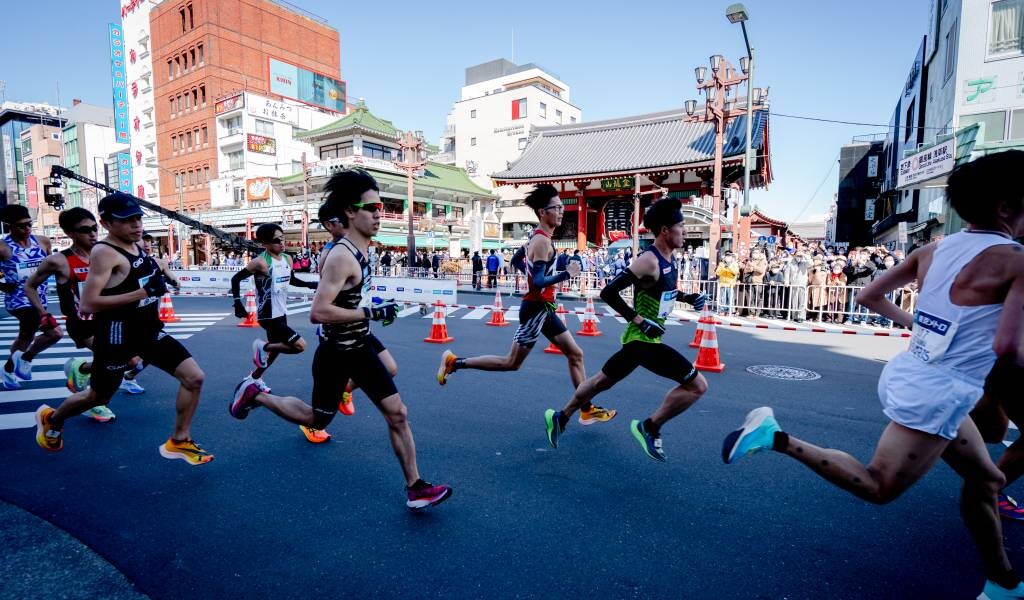
The general-entry window for the Tokyo Marathon 2027 opens today, Friday, August 14, and will remain open until 5 p.m. Japan Standard Time on August 28. The 20th-anniversary edition of the race will take place on Sunday, March 7, 2027, with a record 40,000 marathon places available.
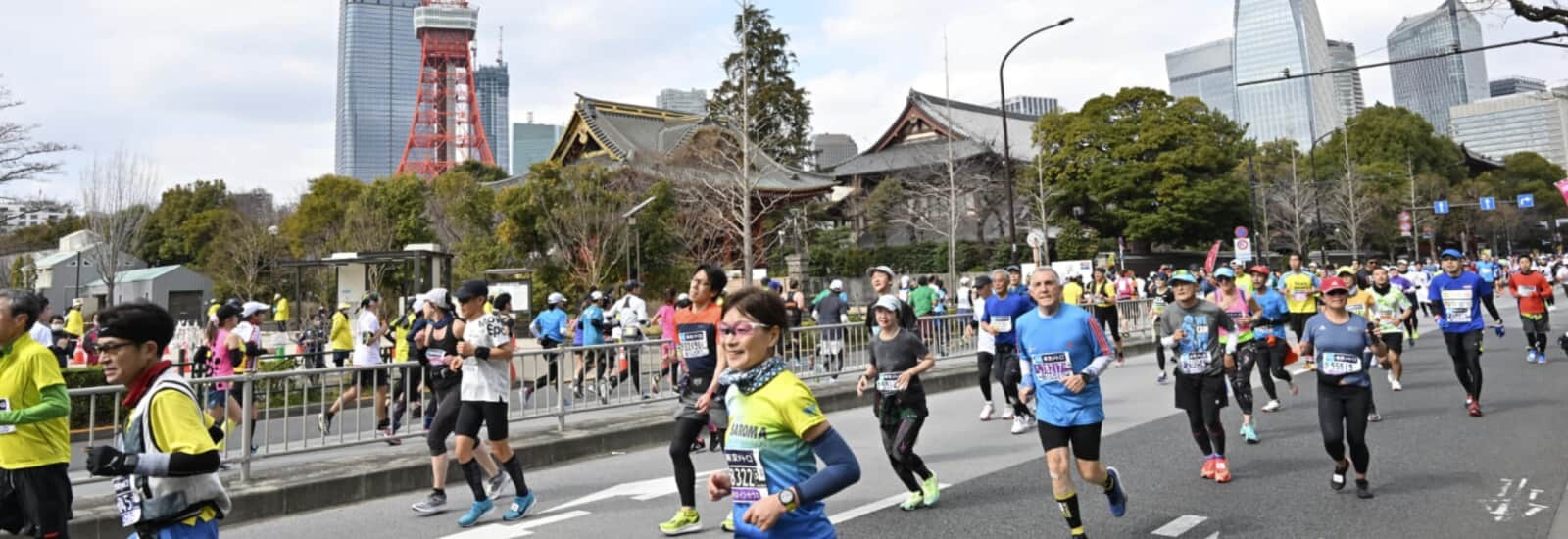
Applicants will learn their fate on September 18, with successful runners required to complete payment between September 18 and 5 p.m. on September 30. Those who fail to pay by the deadline will lose their places. The entry fee is ¥19,800 for runners living in Japan and US$230 for international entrants.
At first glance, Tokyo's famous lottery can look like a straightforward numbers game: hundreds of thousands of runners competing for roughly tens of thousands of places. But the reality is considerably more complicated.
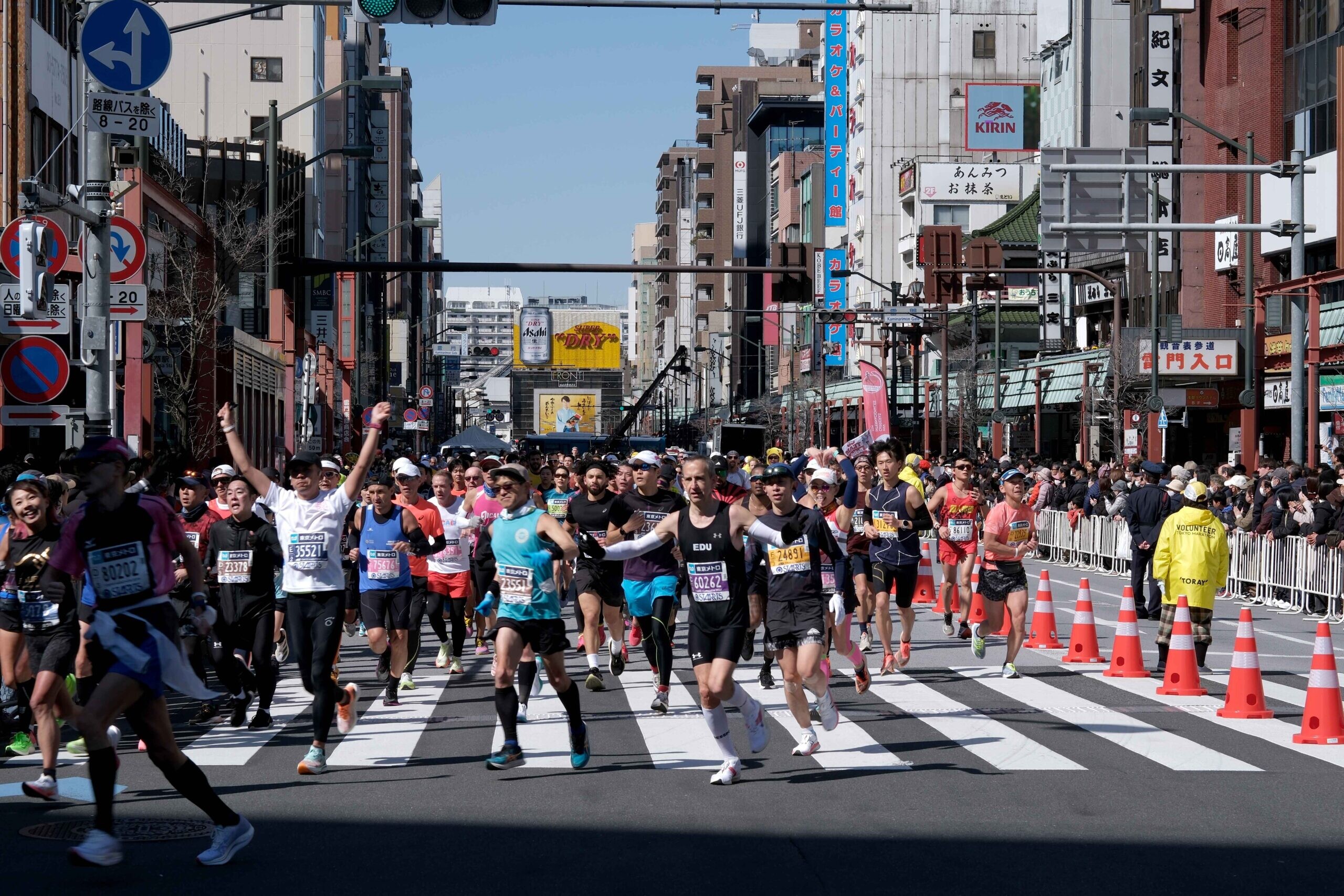
The headline figure of a roughly 10 percent acceptance rate should not be interpreted as meaning every applicant is competing equally for every one of the 40,000 places. The Tokyo Marathon divides its field among several entry routes before the remaining places reach the general lottery.
For 2027, 4,000 places are allocated to the ONE TOKYO three-consecutive-lottery-loss challenge, reserved for eligible ONE TOKYO members who entered the 2024, 2025 and 2026 editions and missed out in all three. Another 1,000 places are reserved for the Tokyo Resident Entry. The general draw also includes dedicated allocations of 500 places for people with disabilities, 15 wheelchair places and up to five Duo Teams.
That makes the phrase "one in 10" a useful shorthand, but not the whole story. For a first-time applicant, particularly one applying from overseas, the effective odds can be much tougher because several places have already been allocated through other categories.
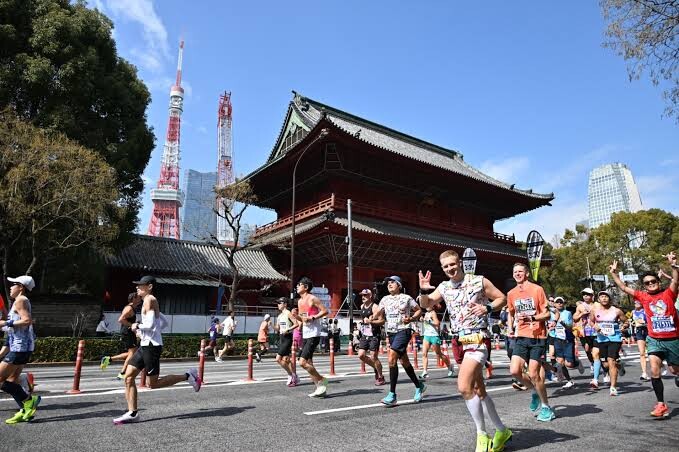
There is also an important requirement for faster runners.
Anyone declaring an expected finishing time of 3:00:00 or faster must provide official evidence of having achieved either a marathon in 3:00:00 or faster or a half marathon in 1:25:00 or faster at an event held between July 1, 2024 and June 30, 2026. Results recorded only by a GPS watch or running application do not qualify. Official certificates or records are required.
Tokyo's remarkable rise makes today's lottery particularly striking.
When the inaugural Tokyo Marathon was held in 2007, the race attracted 95,044 total applicants, including 77,521 for the marathon, with 25,000 marathon places available. The race has since evolved into one of the world's most sought-after major marathons and became an Abbott World Marathon Majors event in 2013.
The demand has grown dramatically over the years. By the 2010 and 2011 editions, total applications had already climbed beyond 300,000, demonstrating how quickly Tokyo became one of the hardest city marathons in the world to enter.
Now, two decades after that first race, Tokyo is preparing for its 20th anniversary edition with the biggest marathon field in the event's history. The capacity has been increased from 39,000 to 40,000 runners, giving more athletes a chance to experience one of the most iconic courses in global road running.
But increased capacity does not necessarily mean an easy ticket.
For many runners, Tokyo is more than another marathon. It is the Asian representative in the Abbott World Marathon Majors and one of the six races required to complete the coveted Six Star journey. That status, combined with Tokyo's reputation for exceptional organisation, a fast course and an unforgettable passage through the heart of the Japanese capital, keeps demand extraordinarily high.
And for those who miss the general lottery, the dream does not necessarily end there. Tokyo offers alternative pathways, including charity entries and official entry programmes, although these routes come with their own requirements and, in some cases, additional financial commitments.
For everyone entering the general lottery this month, however, the immediate challenge is simple: submit the application, wait for the draw and hope your name appears when the results are released on September 18.
The Tokyo Marathon may offer 40,000 runners the opportunity to line up in 2027.
Getting one of those places remains the real race.
Entry window: August 14–28, 2026
Lottery results: September 18, 2026
Payment deadline: September 30, 2026
Race day: March 7, 2027
Field size: 40,000
Domestic entry fee: ¥19,800
International entry fee: US$230
by Erick Cheruiyot for My Best Runs.
Login to leave a comment

Tokyo Marathon
The Tokyo Marathon is a world-renowned annual marathon held in Tokyo, Japan. As one of the prestigious Abbott World Marathon Majors, it attracts elite and amateur runners from around the globe. The race holds World Athletics Platinum Label status, recognizing its high competitive standards, top-tier organization, and international appeal. Sponsored by Tokyo Metro, the Tokyo Marathon has grown into one...
more...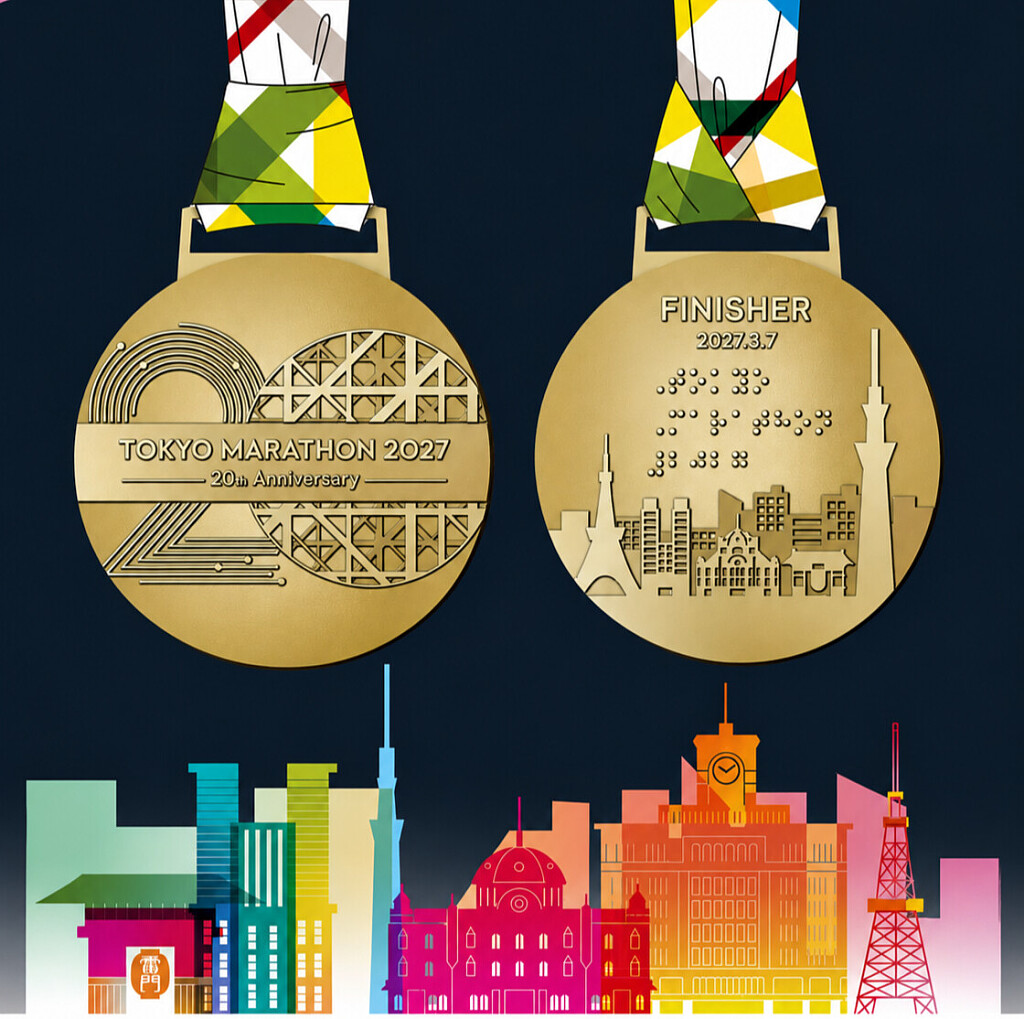
Tokyo Marathon 2027 Unveils Spectacular 20th-Anniversary Finisher Medal
The Tokyo Marathon 2027 is set to become a landmark edition as the race celebrates its 20th anniversary, and organisers have unveiled a special finisher medal designed to commemorate the occasion.
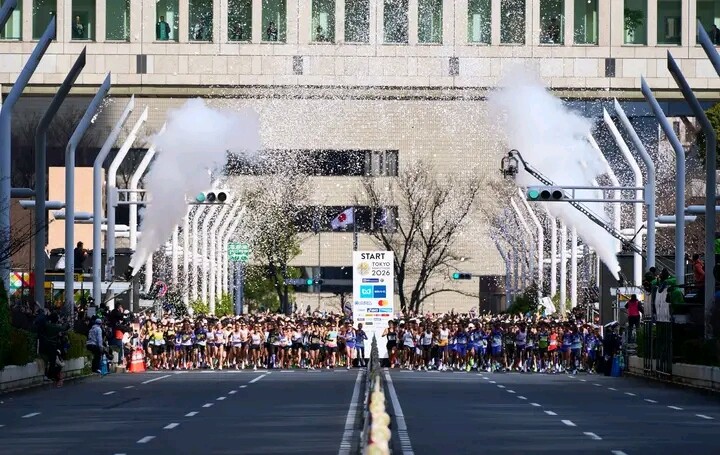
Scheduled for Sunday, March 7, 2027, the 20th edition will feature a Premium Edition Finisher Medal created specifically to mark two decades of the Tokyo Marathon.
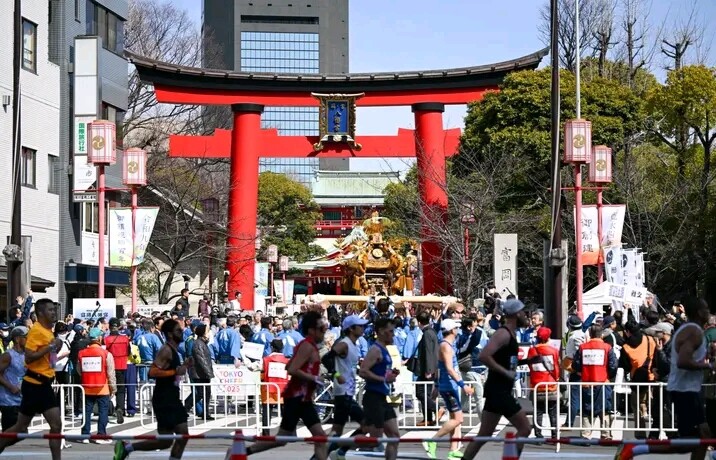
The commemorative medal is an impressive 100 millimetres in diameter, making it an extra-large version befitting such a significant milestone.
At the centre of the front design is a striking graphical interpretation of the number “20”, symbolising the 20th edition and giving the medal a distinctive anniversary identity.
The reverse side carries an equally meaningful design, featuring representative buildings and landmarks located along the Tokyo Marathon course. The imagery captures the character of Tokyo while expressing the marathon’s role in connecting people and cultures from around the world.

Importantly, the special medal will not be reserved for elite athletes or a select group of runners. Every runner who successfully completes the Tokyo Marathon 2027 will receive the 20th-anniversary Premium Edition Finisher Medal, giving every finisher a lasting memento of their achievement.
The medal unveiling adds another layer of excitement to an already highly anticipated edition of the race. For runners, it will represent not only the completion of 42.195 kilometres through one of the world’s most recognisable cities, but also their place in a significant chapter of Tokyo Marathon history.
With its combination of the bold “20” anniversary design, Tokyo landmarks and oversized 100mm format, the medal is set to become one of the most distinctive finisher medals in the event’s history.
As anticipation builds toward March 7, 2027, runners now have another special reason to chase the finish line in Tokyo: the chance to earn a medal created specifically for the marathon’s 20th-anniversary celebration.
Twenty editions. One iconic city. One unforgettable finish.
by Erick Cheruiyot for My Best Runs.
Login to leave a comment
Tokyo Marathon
The Tokyo Marathon is a world-renowned annual marathon held in Tokyo, Japan. As one of the prestigious Abbott World Marathon Majors, it attracts elite and amateur runners from around the globe. The race holds World Athletics Platinum Label status, recognizing its high competitive standards, top-tier organization, and international appeal. Sponsored by Tokyo Metro, the Tokyo Marathon has grown into one...
more...
Josh Kerr Sets His Sights on History: World Record Glory and Olympic Gold Drive Britain's Middle-Distance Star
Fresh from a thrilling victory in the mile at the Glasgow 2026 Commonwealth Games, Josh Kerr has made one thing abundantly clear—his greatest achievements may still lie ahead.
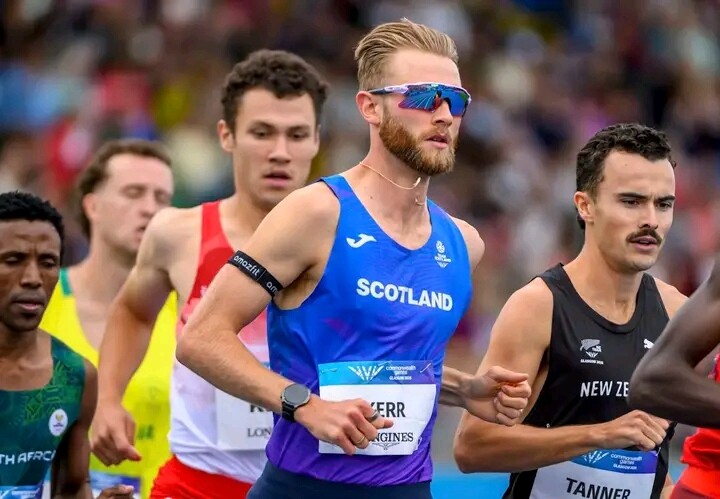
The British middle-distance star has unveiled an ambitious roadmap that could redefine his legacy, with two towering objectives at the heart of his journey: breaking Hicham El Guerrouj's legendary 1500m world record of 3:26.00, set on July 14, 1998, in Rome, and capturing the Olympic 1500m title at the Los Angeles 2028 Olympic Games.

Kerr enters this new chapter with confidence soaring after producing one of the most remarkable performances in middle-distance history. His sensational 3:42.66 during the groundbreaking Project 222 campaign shattered the men's mile world record, ending a 27-year reign and proving he possesses the speed, endurance, and tactical brilliance required to challenge the sport's greatest barriers.
That achievement has strengthened Kerr's belief that the oldest and most revered record in men's middle-distance running is now within reach. For more than 28 years, Hicham El Guerrouj's 3:26.00, set in Rome on July 14, 1998, has stood as the benchmark of excellence in the 1500m, surviving generations of world-class challengers and earning a reputation as one of athletics' most untouchable performances.
Rather than rushing the attempt, Kerr has laid out a carefully calculated plan designed to maximize his chances of success. His immediate priority is the 2027 World Athletics Championships in Beijing, where he hopes to reclaim the world 1500m title and reaffirm his position among the sport's elite.
Only after that championship campaign will his focus shift toward an assault on El Guerrouj's historic mark. A dedicated world-record attempt is expected later in 2027, built around months of meticulous preparation, altitude training, world-class pacing, ideal racing conditions, and flawless execution—the same ingredients that powered his record-breaking mile performance.
For Kerr, world records are not won by chance. They are earned through relentless preparation, perfect timing, and the courage to attack history when every detail aligns.
Beyond the pursuit of history lies one final prize that continues to fuel his ambition: Olympic gold.
Having earned bronze at the Tokyo 2020 Olympics and silver at the Paris 2024 Games, Kerr now has just one medal missing from an already glittering collection. His ultimate objective is to stand atop the Olympic podium in Los Angeles in 2028, completing a remarkable progression from bronze to silver and finally to gold.
If successful, Kerr would not only cement his place among Britain's greatest middle-distance runners but also become the first athlete to erase Hicham El Guerrouj's iconic 3:26.00 world record since it was established in Rome on July 14, 1998, before completing his Olympic medal collection with the sport's ultimate prize.
The stage is set, the blueprint is in place, and the countdown has begun. The question now is whether Josh Kerr can accomplish what generations of elite milers have failed to do—rewrite one of athletics' most enduring records and crown his career with Olympic gold in Los Angeles.
by Erick Cheruiyot for My Best Runs.
Login to leave a comment

Golden Gate 10K/5K Double 8K Delivers Thrilling Competition and Spectacular Scenery in San Francisco
The iconic Golden Gate Bridge once again provided a breathtaking backdrop as runners gathered in San Francisco on August 2 for the 2026 Golden Gate 10K/5K Double 8K. Blessed with cool conditions and panoramic views from start to finish, the event attracted nearly 500 participants, producing a memorable day of competition across the Double 8K, Open 10K and Open 5K races.

According to race founder and director Bob Anderson, the event continued to grow in popularity, with nearly 500 athletes signing up for this year's edition. Anderson reported, "We had nearly 500 sign ups. People did really like it."

The featured Golden Gate Double 8K, a distinctive challenge that combines a 5K, a recovery break and a concluding 3K, once again delivered exciting racing. Anthony Cortes, 32, produced the standout performance of the day, storming to victory in a combined time of 26:31. Andy Vo, 25, secured second place in 28:37, while Tyler Jeppson, 47, completed the overall podium in 31:25. Ali Abdin, 44, crossed the line fourth in 35:20.
Caitlin Huang, 25, captured the women's title in 32:31, ahead of Stacy Chen, 27, who finished in 34:07. Veteran runner Betty G, 59, continued to demonstrate remarkable consistency by claiming third in 37:04, while 17-year-old Piper Sovik rounded out the top four in 40:53.

The age-group competition showcased impressive performances across every generation. Tyler Jeppson led the men's 40-49 division with 31:25, Heath Rickling, 52, won the men's 50-59 category in 1:02:46, David Boss, 63, topped the men's 60-69 division in 36:54, while Cheryl Charleson, 70, claimed the men's 70+ title in 1:16:50.

Among the women, Huyen Kreutzer, 45, won the 40-49 division in 47:32, Betty G added the women's 50-59 crown to her overall podium finish with 37:04, Diane Gifford, 62, captured the 60-69 title in 43:43, while Cheryl Charleson also secured the women's 70+ division in 1:16:50.
The Open 10K produced one of the closest finishes of the morning. Michel Arlinghaus, 24, edged the field in 42:20, narrowly defeating Mateusz Dembski, 35, who crossed the line just nine seconds later in 42:29. Sixty-three-year-old Keith Hedlund impressed with an outstanding 42:31 to finish third overall, while Ben Kubany, 43, placed fourth in 42:59.

Ashleigh Fehrenbach, 37, led the women's race with a winning time of 41:12, followed by Lan Clayton, 58, in 46:10, Nivy Kani, 25, in 48:30, and Alicia Robert, 32, in 50:21.
The age-group titles added further depth to the competition. Ben Kubany claimed the men's 40-49 category in 42:59, Carlos Arredondo, 51, won the men's 50-59 division in 48:05, Keith Hedlund completed a memorable double by taking the men's 60-69 title with 42:31, while Dennis Boyle, 72, won the men's 70+ category in 1:18:41.
On the women's side, Angeles Morales, 42, topped the 40-49 division in 53:37, Lan Clayton added the women's 50-59 title with 46:10, Sheila Lyzwa, 63, won the women's 60-69 category in 1:05:03, while Suzanne Koonce, 74, claimed the women's 70+ title in 54:02.
The Open 5K also delivered exciting racing. Barrett Wade, 49, claimed the men's title in 18:31, holding off Kris Croome, 45, who finished second in 18:46. Mark Eger, 54, completed the podium in 23:04, while Blake Jackson, 40, finished fourth in 25:28.
One of the day's most impressive performances came from 15-year-old Taylor Synnott, who surged to the women's title in 18:34, finishing just three seconds behind the overall men's winner. Seventeen-year-old Sofia Kiyama placed second in 21:48, fellow teenager Kiki Boukas, 15, finished third in 21:57, while 16-year-old Amina Zegar took fourth in 22:44, highlighting the strength of the next generation of distance runners.
The 5K age-group champions included Barrett Wade in the men's 40-49 division (18:31), Mark Eger in the men's 50-59 category (23:04), Shreekanth Karwande, 73, in the men's 70+ division (30:45), Kellie Ward, 49, in the women's 40-49 category (29:58), Katherine Swanson, 56, in the women's 50-59 division (25:06), and Marilee Diaz, 61, in the women's 60-69 category (28:43). There were no finishers recorded in the women's 70+ division.
Following another highly successful edition, the Golden Gate 10K/5K Double 8K will return on Sunday, August 1, 2027, in San Francisco. The event will once again feature the signature Double 8K, alongside the traditional 10K and 5K races. Starting from historic Crissy Field near the Presidio, the scenic course offers runners uninterrupted views of the Golden Gate Bridge for more than 80 percent of the route as it winds through the spectacular Golden Gate National Recreation Area.
The unique Double 8K format—5K, a recovery break, followed by a 3K—will once again headline the event. Every finisher will receive a commemorative medal, while participants will also take home an official event shirt and logo tote bag. The men's and women's Double 8K champions will each receive $100 in prize money, with trophies also awarded to the race winners.
Blending elite competition, inspiring masters performances, rising young talent and one of the most spectacular race settings in the United States, the Golden Gate 10K/5K Double 8K continues to strengthen its reputation as one of California's premier road running events, with another memorable edition already awaiting runners in 2027.
by Erick Cheruiyot for My Best Runs.
Login to leave a comment

Golden Gate 10k/5k DOUBLE 8K
The Golden Gate courses offers unparalleled views of the Golden Gate Bridge for more than 80% of the way! The course will begin at historic Crissy Field near the Presidio of San Francisco. Runners will enjoy the gorgeous vistas of the Golden Gate National Recreation Area. We are offering three races: Golden Gate 10K and 5K (run/walk) and Golden Gate...
more...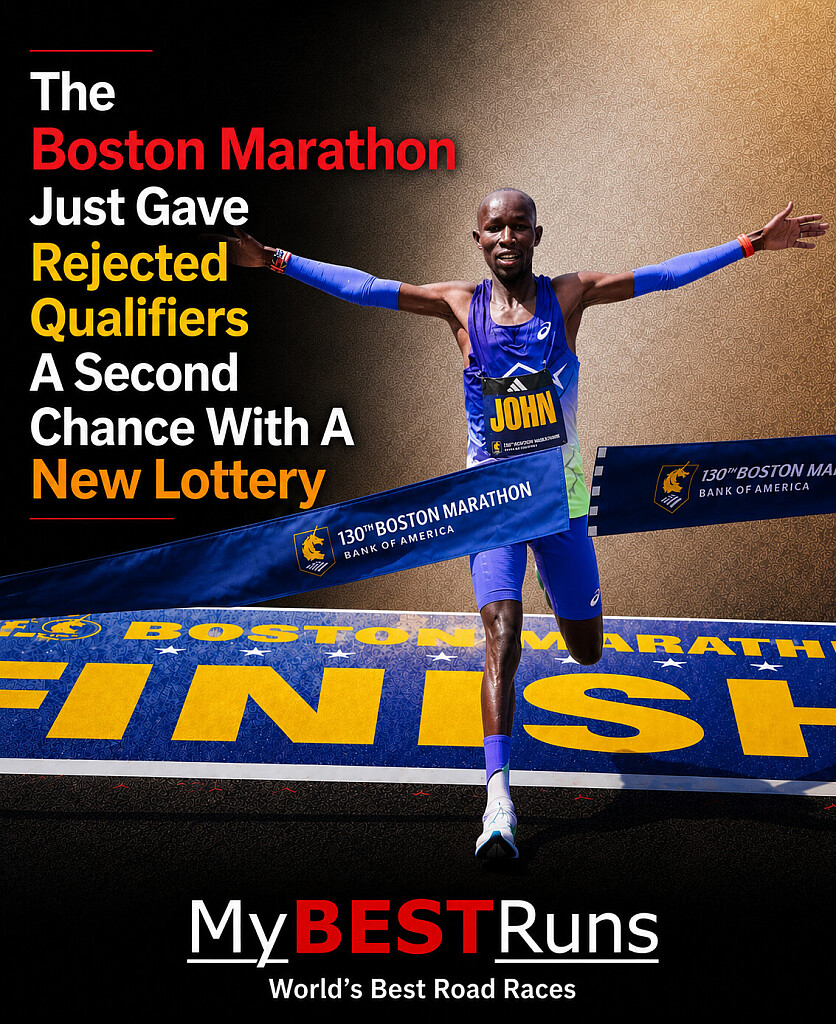
Boston Marathon Opens a New Door: Historic Lottery Gives Rejected Qualifiers a Second Chance in 2027
For generations, earning a place at the Boston Marathon has been one of the toughest achievements in distance running. Unlike most of the world's major marathons, Boston has always stood by one uncompromising principle: meet the qualifying standard—and beat everyone else who qualified—or miss out. That long-standing tradition is now evolving.
In a landmark announcement, the Boston Athletic Association (B.A.A.) has confirmed that the 2027 Boston Marathon will introduce a new lottery system, giving approximately 1,000 runners who achieve a Boston qualifying time—but narrowly miss the annual entry cut-off—a second opportunity to reach the iconic starting line in Hopkinton.
The move marks one of the most significant changes to Boston's qualification process in decades, while preserving the race's elite qualifying standards.
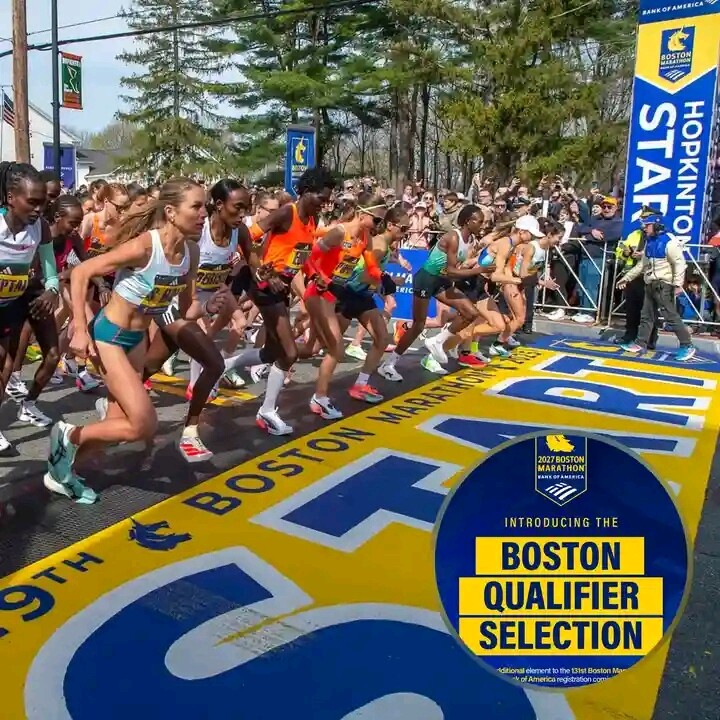
The new system will not replace Boston's traditional selection process. Instead, all applicants will continue to be ranked according to how much they exceeded the official qualifying standard for their respective age group and gender. After race times are verified, the fastest qualifiers will receive guaranteed entry until the field reaches capacity, establishing the annual cut-off time.
What changes in 2027 is what happens next.
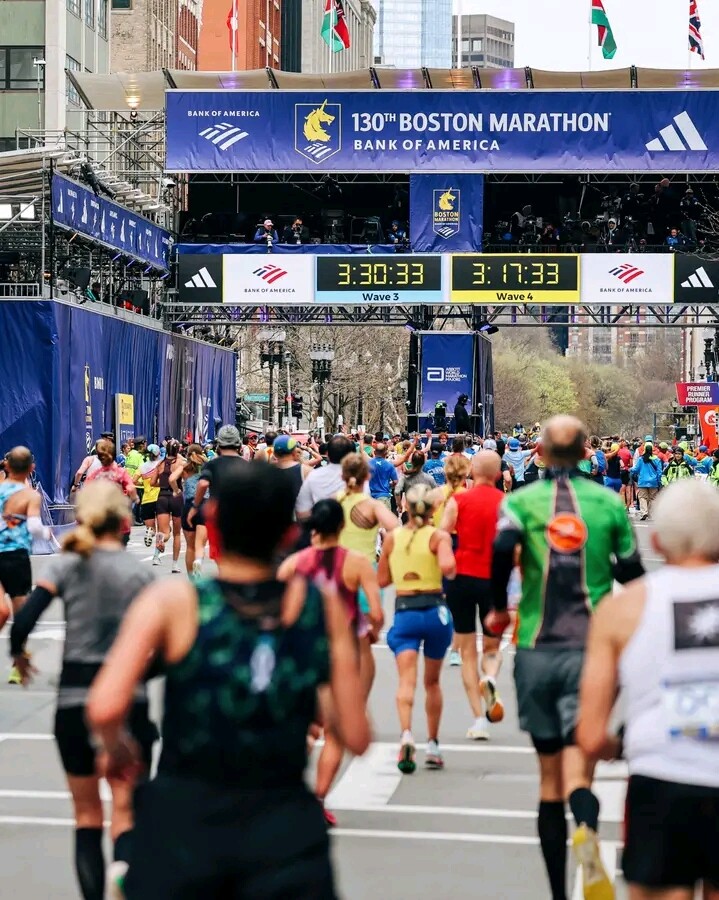
Rather than ending the process there, the B.A.A. will randomly select around 1,000 additional runners from the pool of qualified athletes who fell below the cut-off. Any runner who meets the qualifying standard but is not initially accepted will automatically be entered into the draw, with no separate application required.
The announcement comes after several years of record-breaking demand.
More than 11,000 qualified runners were denied entry for both the 2024 and 2025 editions despite posting official qualifying performances. In 2024, 11,039 qualifiers missed out, while that number climbed to a record 12,324 for the 2025 race. Even for the 2026 Boston Marathon, approximately 8,900 qualified applicants were left disappointed after 33,249 runners applied for just 24,362 available places.
Under the new format, the additional 1,000 lottery entries would have provided an opportunity to roughly one in every nine to twelve rejected qualifiers based on recent registration figures.
B.A.A. President and Chief Executive Officer Jack Fleming said the initiative reflects the increasingly competitive nature of marathon running.
"With the increasingly fast times in our sport, our random Boston Qualifier Selection gives all those who have met the standard for their age group a chance to run Boston," Fleming said.
The decision also brings Boston closer to the registration models used by its fellow Abbott World Marathon Majors. While Boston has traditionally relied almost exclusively on qualifying performances, races such as London, New York City, and Chicago have long allocated significant portions of their fields through public lotteries.
Alongside the lottery announcement, the B.A.A. also confirmed another notable update for the 2027 qualifying process. For the first time, qualifying performances achieved on courses with more than 1,500 feet (457 metres) of net elevation loss will be adjusted through a downhill indexing system, ensuring a more consistent comparison of performances across different marathon courses.
Registration for qualified runners will take place from September 14–18, 2026, with all applicants expected to receive their acceptance status in early October.
While Boston's qualifying standards remain among the most demanding in the sport, the introduction of a lottery offers hope to thousands of runners whose dreams have previously been decided by mere seconds. For the first time in the race's storied history, qualifying alone may no longer guarantee disappointment for those who narrowly miss the cut—because chance will now have a place alongside speed on the road to Boston.
by Erick Cheruiyot for My Best Runs.
Login to leave a comment
Boston Marathon
Among the nation’s oldest athletic clubs, the B.A.A. was established in 1887, and, in 1896, more than half of the U.S. Olympic Team at the first modern games was composed of B.A.A. club members. The Olympic Games provided the inspiration for the first Boston Marathon, which culminated the B.A.A. Games on April 19, 1897. John J. McDermott emerged from a...
more...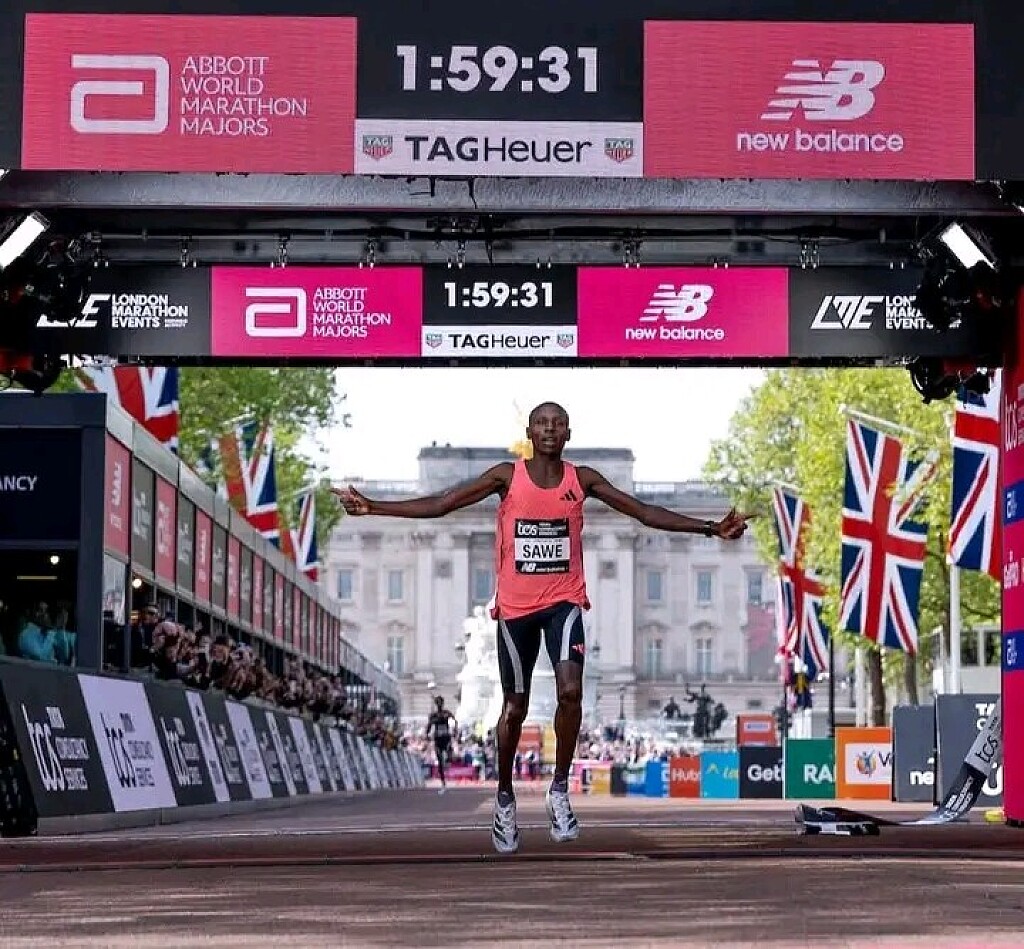
London Marathon Ballot Day Arrives as Record 1.33 Million Applicants Learn Their 2027 Fate
For more than 1.3 million hopeful runners around the world, the wait is finally over.
Today, 1,338,544 applicants are discovering whether they have secured a coveted place in the 2027 TCS London Marathon, as ballot result emails are sent out to every entrant. It marks one of the most eagerly anticipated days in the global running calendar, with this year's ballot rewriting the history books before a single runner has even crossed the start line.

The unprecedented number of applications has set a new world record for marathon ballot entries, highlighting the ever-growing appeal of one of the world's most iconic road races. Despite organizers expanding the event to accommodate a record-breaking 100,000 participants, demand was still extraordinary, leaving the chances of success at approximately one in 13.
The 2027 edition will stand apart from every previous London Marathon. To celebrate the event on an unprecedented scale, organizers will stage the race across two days—Saturday, April 24, and Sunday, April 25, 2027—creating what has been named The Double. Around 45,000 runners will take to the streets on Saturday, while 55,000 will compete on Sunday, making it the largest marathon event ever staged.

Unlike previous years, every ballot entrant was automatically considered for both race days. Successful applicants will therefore receive confirmation not only that they have earned a place but also which day they will run the famous 26.2-mile route from Greenwich to Westminster.
London Marathon Events Chief Executive Hugh Brasher described the occasion as a landmark moment for the sport.
"The 2027 Double TCS London Marathon will be a weekend of celebration like no other in history. This is a once-in-a-lifetime opportunity for 100,000 people to take part across the two days," Brasher said.
While many runners will be celebrating today's life-changing email, over a million others will inevitably miss out through the ballot. However, the draw is far from the only route into the race.
Charity entries remain available, and for this unique 2027 edition, selected charities will also offer places on the Saturday race. The National Autistic Society has been named the event's official Charity of the Year. Additional opportunities are available through Good for Age qualification, affiliated running clubs, and the MyWay virtual marathon, allowing participants to complete the marathon distance anywhere in the world during the same weekend.
Another major announcement is still to come. Organizers have yet to reveal whether the elite men's and women's races, along with the Championship and Good for Age fields, will be staged on Saturday or Sunday. The decision is expected to attract significant attention following this year's historic London Marathon, which witnessed the first officially ratified sub-two-hour marathon performance, further elevating the race's global prestige.
For the fortunate 100,000 receiving positive news today, however, those details can wait. Their focus now shifts from anticipation to preparation as they begin the journey toward becoming part of one of the most historic marathon weekends the sport has ever seen.
The countdown to the 2027 TCS London Marathon has officially begun, and for those holding a successful ballot email, history awaits on the streets of London.
by Erick Cheruiyot for My Best Runs.
Login to leave a comment
Heartbreak for Gout Gout: Australian Sprint Sensation Ruled Out of World U20 Championships With Serious Hamstring Injury
Australian teenage sprint sensation Gout Gout has suffered a devastating setback after being ruled out of next month's World Athletics U20 Championships in Eugene following a serious hamstring injury sustained during training in Brisbane.
The highly rated sprinter injured his left hamstring during a training session on Wednesday night. An MRI scan conducted the following morning confirmed a Grade 3C partial tear of the proximal biceps femoris tendon. While the tear affects less than 10 percent of the tendon's cross-sectional area, it extends over an eight-centimetre length, making it a significant injury that requires a lengthy rehabilitation period.
The diagnosis immediately ended Gout's hopes of competing in Eugene, where he had been expected to challenge for gold. The disappointment is even greater considering he had deliberately prioritized the World U20 Championships over the upcoming Commonwealth Games in Glasgow, choosing to focus his entire season on the global junior championships.
In a heartfelt statement following the diagnosis, Gout shared his disappointment while remaining determined to return stronger.
"I'm very disappointed but I have no other possibility but to accept the situation. I understand this is part of athletics. My focus now will be on my rehab in the coming weeks and months and ensuring I come back in 2027 better and stronger and faster."
The withdrawal is a major blow not only for Australian athletics but also for fans around the world who had eagerly anticipated watching one of the sport's brightest young stars compete on the international stage. Gout has emerged as one of the most exciting sprint prospects of his generation, earning global attention with his remarkable speed and maturity at such a young age.
Although missing the World U20 Championships is a painful setback, the teenager and his support team are now focused entirely on recovery. Rather than rushing back to competition, the priority will be a complete rehabilitation to ensure he returns in peak condition.
With youth firmly on his side and enormous potential still ahead of him, there is every reason to believe this injury will become just another chapter in what promises to be an outstanding career. Athletics fans everywhere will now be hoping to see Gout Gout back on the track in 2027—fully recovered, stronger than ever, and ready to continue his rise among the world's elite sprinters.
by Erick Cheruiyot for My Best Runs.
Login to leave a comment
Viviana Aroche Delivers Career-Defining Victory to Claim Pan American 10,000m Gold
Guatemalan distance runner Viviana Aroche celebrated one of the biggest victories of her career after claiming the women's 10,000m title at the 2026 Pan American Athletics Championships in Medellín, Colombia.
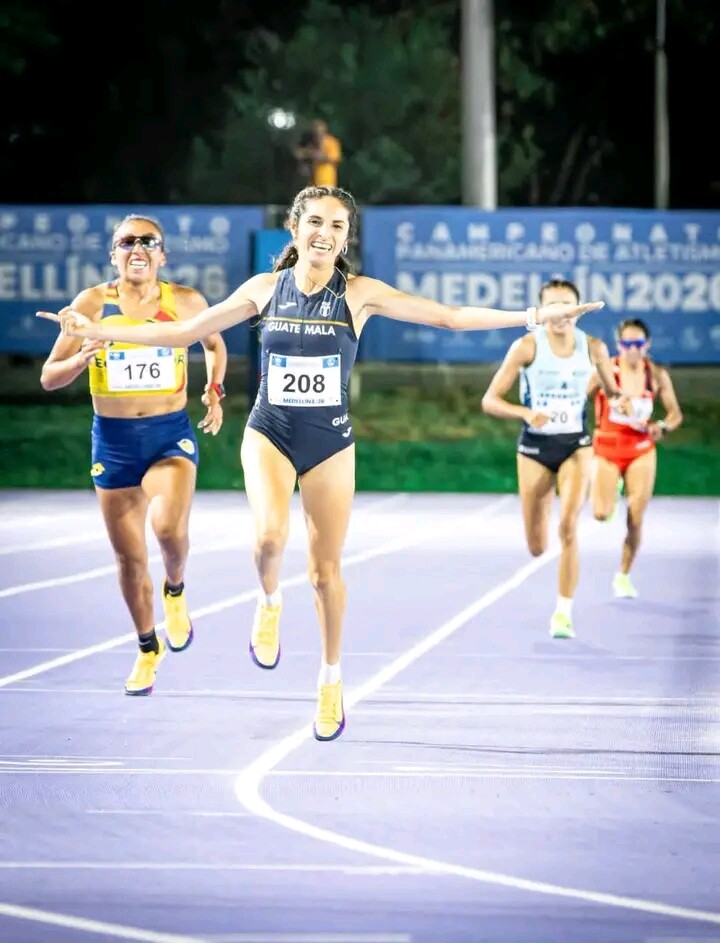
Following her gold-medal performance, Aroche reflected on the journey that led her to the top of the podium, expressing gratitude for the opportunity to achieve another major milestone while acknowledging the blessings she has experienced throughout her career.
The newly crowned Pan American champion reserved special praise for her longtime coach, Francisco Ayala Pérez, whose guidance has been instrumental in her development over the years.

"We have been working together for many years, and we continue moving forward as a team," Aroche said. "This journey continues, and my desire to keep improving is greater than ever."
Aroche also spoke passionately about the pride of representing Guatemala on the continental stage, describing it as a tremendous honor to see her country's flag raised after her victory.
She now turns her attention to the future, setting her sights on the 2027 Pan American Games in Lima, Peru, where she hopes to once again wear the Guatemalan colors with distinction.
Her triumph in Medellín is a testament to years of discipline, resilience, and consistent hard work. More than just a gold medal, it represents the rewards of unwavering commitment and a partnership with her coach that continues to drive her toward even greater achievements.
by Erick Cheruiyot for My Best Runs.
Login to leave a comment
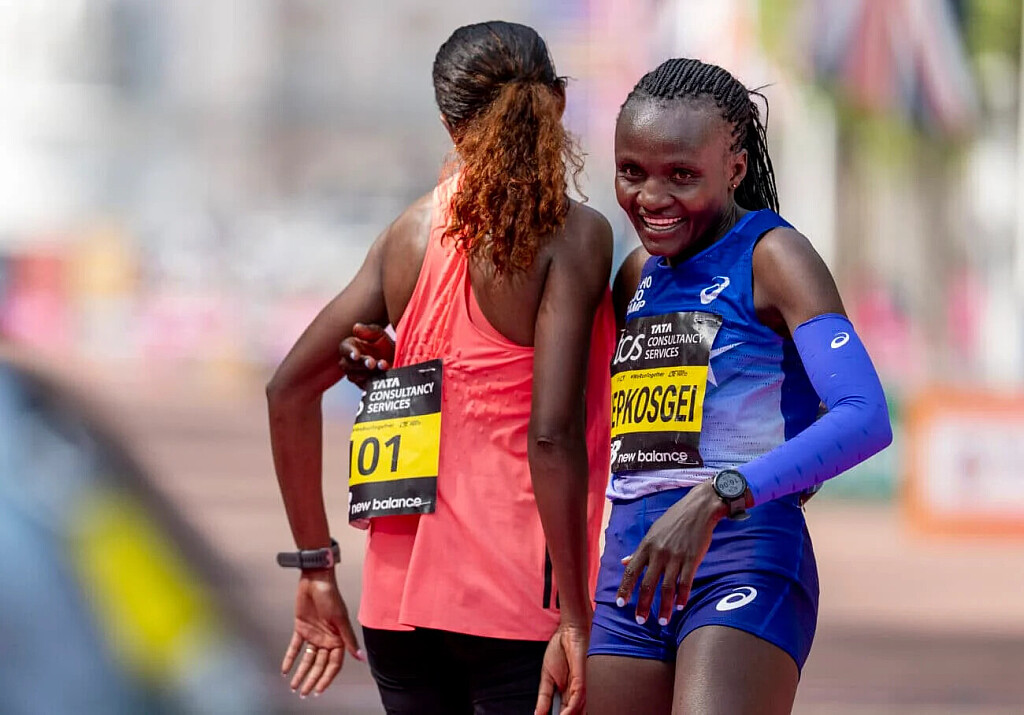
London Marathon Set for Historic Expansion as 100,000 Runners Take Part in Landmark Two-Day Event
The TCS London Marathon is preparing to enter a new era after organisers confirmed that the iconic race will be staged across two consecutive days in 2027, marking the first time in its 46-year history that the event will adopt such a format.
The unprecedented move will allow up to 100,000 participants to take part, making it one of the largest marathon celebrations ever held and potentially the biggest charity fundraising event in British history.
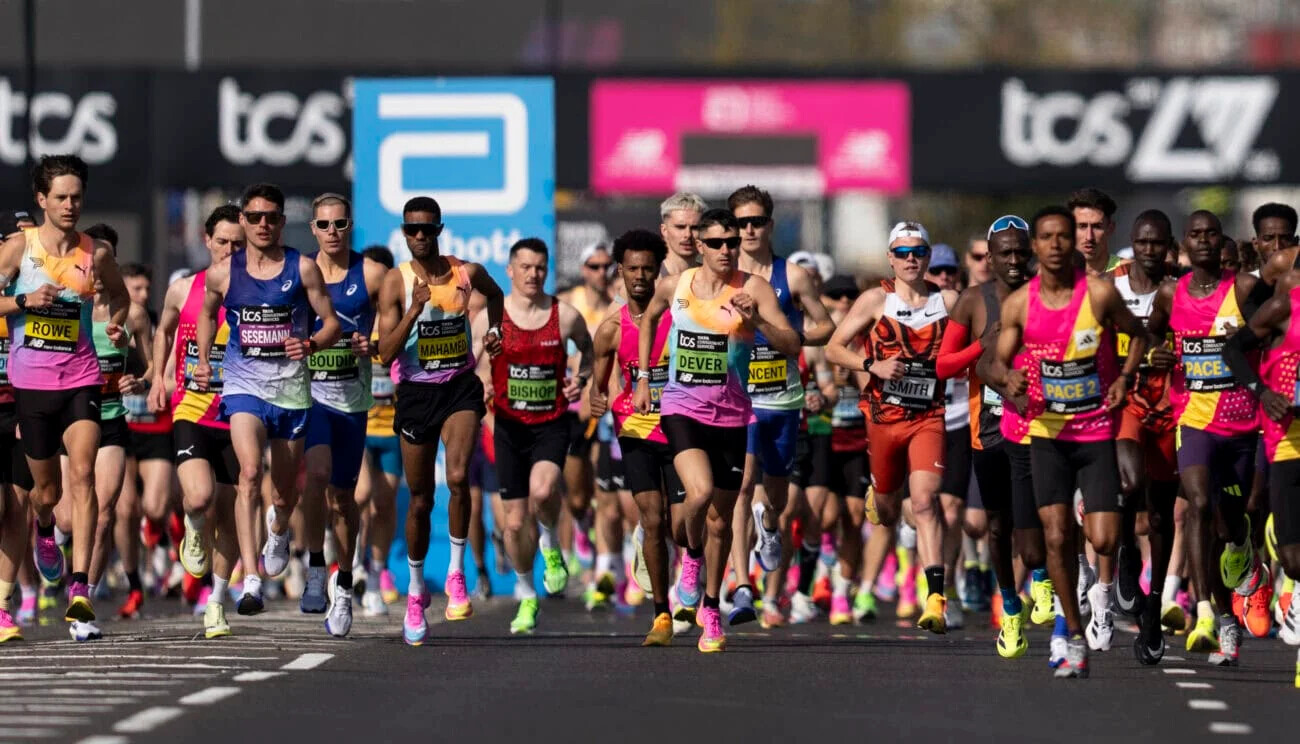
Race organisers say the decision comes in response to overwhelming demand from runners around the world. In recent years, applications for the London Marathon have reached record-breaking levels, with hundreds of thousands of hopeful participants competing for a place on the start line. The expanded format is designed to give more people the opportunity to experience one of the world's most prestigious road races while further strengthening its remarkable charitable impact.
Since its inception in 1981, the London Marathon has grown from a major sporting event into a national institution renowned for its unique blend of elite competition, community participation, and fundraising. The race has generated billions of pounds for charitable causes over the decades, with runners consistently using the event as a platform to support organizations close to their hearts.
Organisers believe the two-day format could unlock an unprecedented wave of fundraising, with projections suggesting the event could raise more than £150 million for charity. If achieved, the figure would establish a new benchmark for mass-participation fundraising events in the United Kingdom.
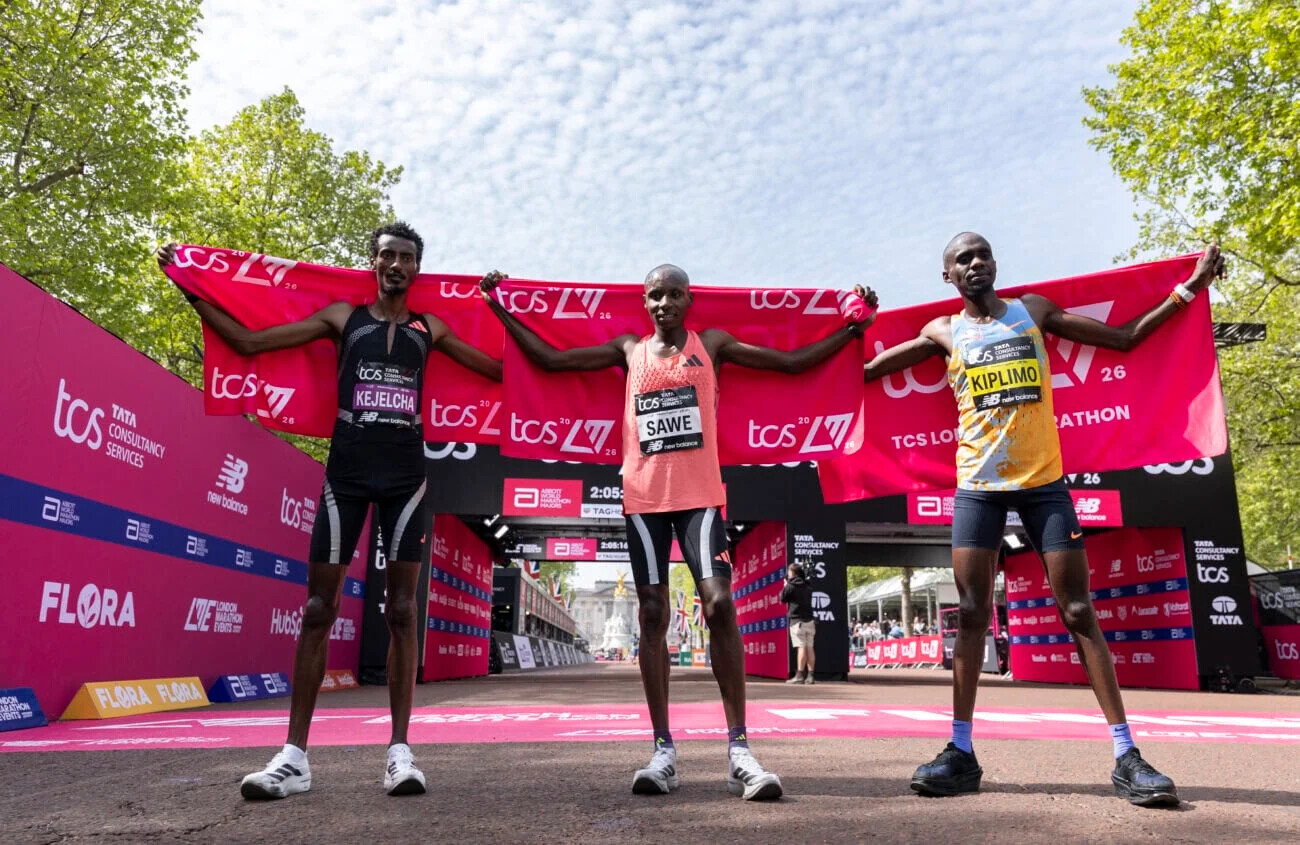
The expanded race weekend is also expected to deliver significant economic benefits for London, attracting tens of thousands of additional visitors, supporters, and international participants. Hotels, restaurants, and local businesses are likely to see a major boost as the capital hosts what promises to be one of the largest running gatherings ever assembled.
While details regarding how elite races and mass-participation fields will be divided across the two days are yet to be fully outlined, the announcement has already generated excitement throughout the global running community.
For marathon enthusiasts, charity fundraisers, and first-time runners alike, 2027 promises to be a historic chapter in the London Marathon's story—a bold expansion of an event that continues to redefine what is possible in distance running while inspiring millions around the world.
With 100,000 runners expected on the streets of London, the 2027 edition is set to become more than a marathon; it will be a landmark celebration of endurance, community, and charitable giving on a scale never seen before.
by Erick Cheruiyot for My Best Runs.
Login to leave a comment
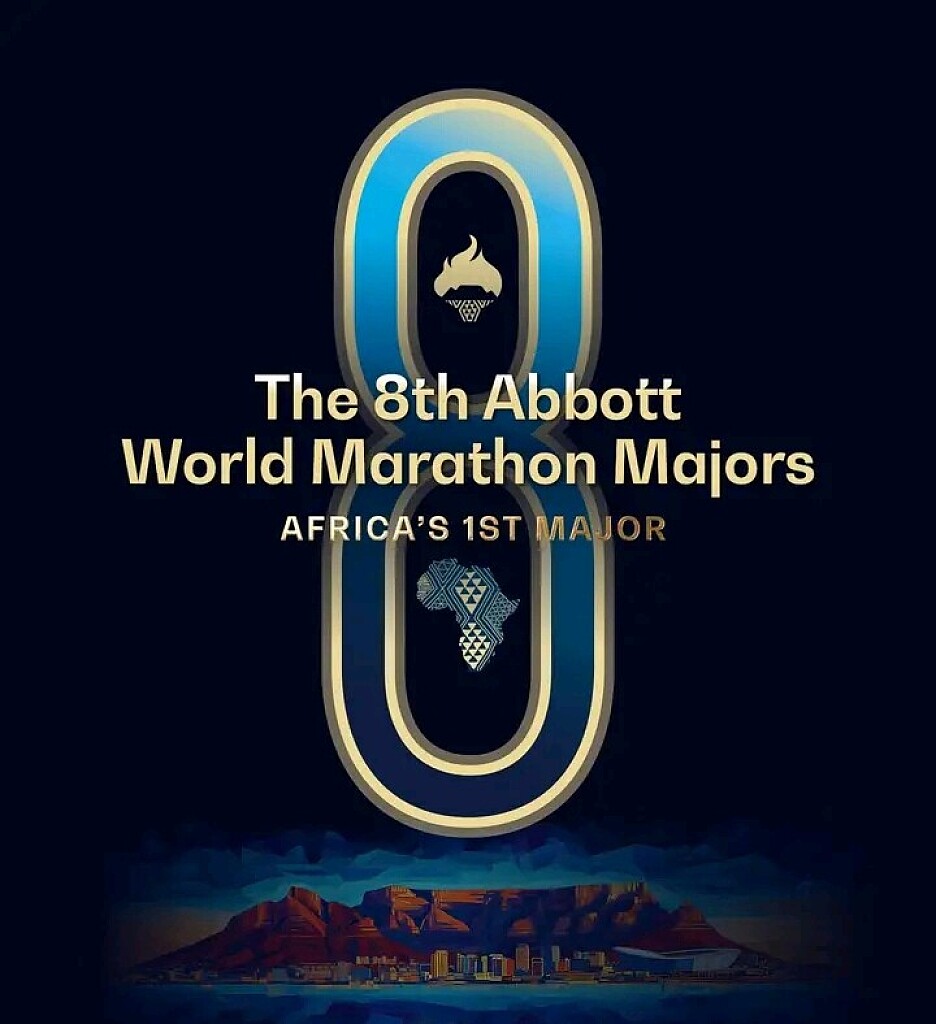
Africa Makes History as Sanlam Cape Town Marathon Earns World Marathon Major Status
CAPE TOWN, South Africa — A landmark chapter in global distance running has been written, with the Sanlam Cape Town Marathon officially securing its place among the world's most prestigious road races. Following a rigorous assessment process, the event has been awarded Abbott World Marathon Majors status, becoming the eighth race in the renowned series and the first ever on African soil.
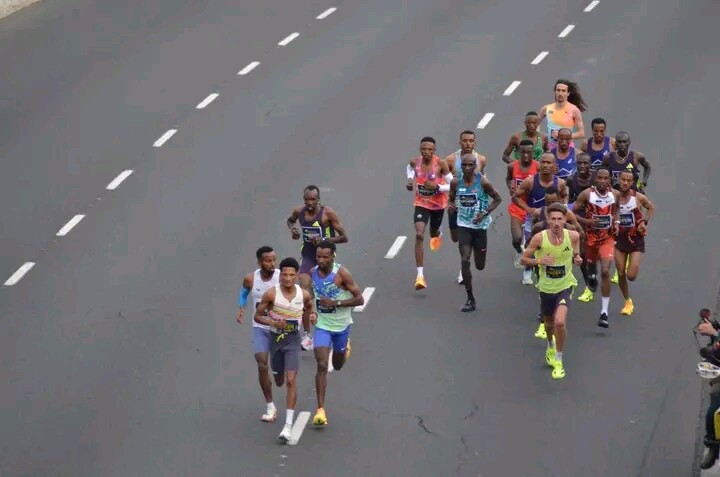
The announcement marks a historic breakthrough not only for South Africa but for the entire African continent, which has long been recognized as the heartbeat of distance running. For decades, African athletes have dominated marathon racing around the world. Now, Africa finally has a Major of its own.
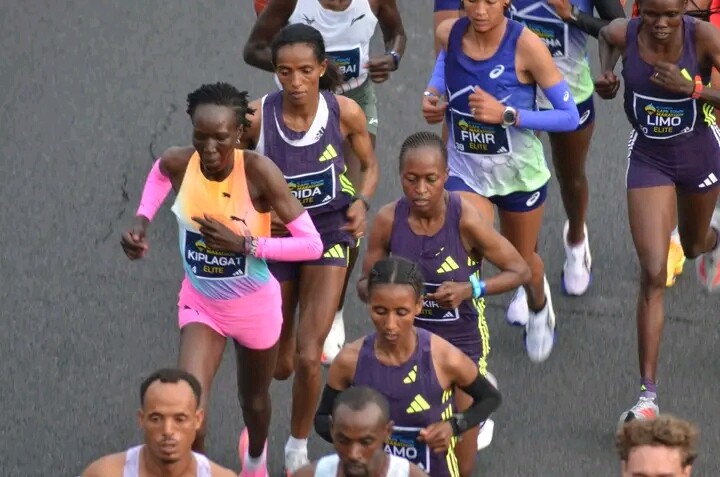
Beginning with the 2027 edition, scheduled for 22–23 May, the Sanlam Cape Town Marathon will join an elite group of races that includes Tokyo, Boston, London, Sydney, Berlin, Chicago, and New York City. The achievement elevates Cape Town into one of the most celebrated destinations in global marathon running and cements Africa's place at the highest level of the sport.
The journey to Major status has been years in the making, driven by relentless commitment from race organizers, athletes, volunteers, sponsors, running clubs, and supporters who believed in the vision of bringing a World Marathon Major to Africa. Through continuous improvements in race organization, international standards, athlete experience, and community engagement, the event steadily built a reputation worthy of the sport's grandest stage.
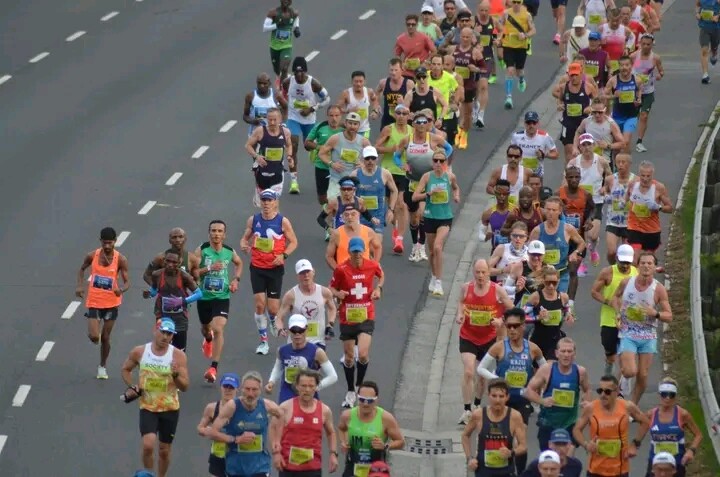
For many within the running community, the moment represents far more than the success of a single race. It is a victory for an entire continent whose passion for athletics has inspired generations. From elite champions to recreational runners, countless individuals have contributed to turning what once seemed an ambitious dream into reality.
The elevation of the Sanlam Cape Town Marathon is expected to boost international participation, tourism, and investment while providing a powerful platform to showcase Africa's culture, landscapes, and sporting excellence to a global audience.
As the countdown begins to May 2027, celebrations are already underway across the running world. The message resonating from Cape Town to every corner of Africa is clear: history has been made.
Africa's first Abbott World Marathon Major has arrived, and a new era for distance running has officially begun.
by Erick Cheruiyot for My Best Runs.
Login to leave a comment

Cape Town Marathon
The Sanlam Cape Town Marathon is a City Marathon held in Cape Town, South Africa, which is sponsored by Sanlam, the City of Cape Town and Vital Health Foods. The marathon is held on a fast and flat course, starting and finishing in Green Point, near the Cape Town Stadium. Prior to existing in its current format, the Cape Town...
more...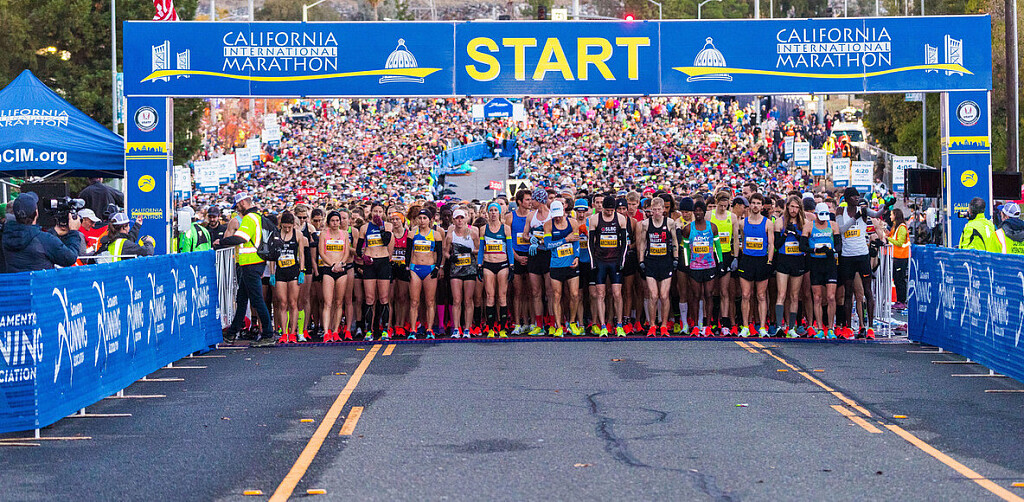
California International Marathon Announces Historic Growth, Bigger Field and Longer Finish Window for 2027
The California International Marathon is preparing for one of the most significant transformations in its history, with organizers confirming plans to dramatically expand the race beginning in 2027. Long regarded as one of America's premier marathon courses, CIM will nearly double its capacity while giving runners more time to reach the finish line, opening the door for thousands of additional participants.
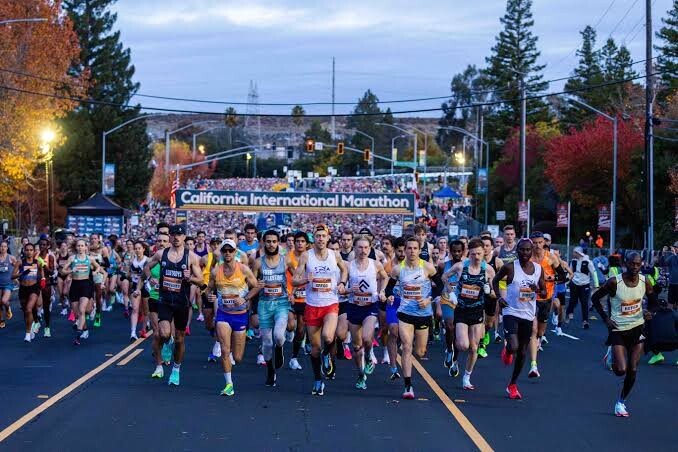
The announcement follows a new agreement involving Union Pacific, whose freight rail operations have historically influenced race-day logistics along the course. Under the new arrangement, trains will be held for a longer period, allowing organizers to extend road closures and accommodate a much larger field than ever before.
As a result, participation is expected to grow from approximately 10,000 runners to nearly 20,000 through the introduction of a second starting wave. The expansion marks a major milestone for a race that has steadily increased in popularity among both elite competitors and recreational marathoners.
Perhaps the most welcome change for many runners is the extension of the race cutoff time. For years, CIM enforced a strict six-hour limit, largely because the course needed to reopen before scheduled rail operations resumed. Beginning in 2027, that deadline will be extended to at least six hours and 45 minutes, with race organizers gaining an additional 45 minutes to an hour of road-closure time.
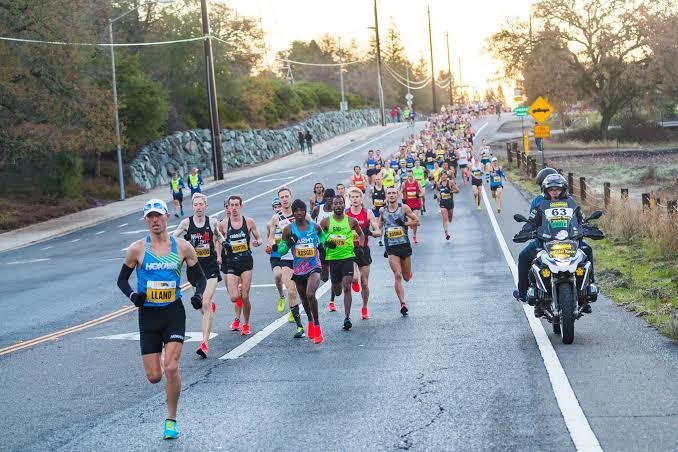
The revised cutoff creates new opportunities for participants who may have previously struggled to finish within the existing time restriction. More runners will now be able to complete the marathon experience without the pressure of an unusually demanding cutoff clock.
Despite the expansion, the California International Marathon will retain the characteristics that have made it one of the world's most respected marathon courses. The point-to-point route from Folsom to downtown Sacramento remains unchanged, featuring a net elevation drop of 366 feet while staying comfortably within Boston Marathon qualifying standards for downhill courses.
Combined with Northern California's typically cool early-December conditions, the course has earned a reputation as one of the fastest and most reliable venues for athletes chasing personal bests and Boston Marathon qualification marks.
That reputation is supported by impressive numbers. In 2025, more than 30 percent of CIM finishers achieved Boston-qualifying times, an extraordinary statistic that highlights the race's appeal among serious marathoners. With Boston Marathon qualifying standards becoming five minutes faster for most age groups beginning in 2026, fast and athlete-friendly courses such as CIM are expected to become even more sought after.
For runners planning their next marathon, there is no immediate change. The 2026 edition will operate under the same format that has defined the event for more than four decades. The landmark expansion—including the larger field and extended cutoff time—will officially debut in 2027.
As the California International Marathon enters a new era, organizers are balancing growth with tradition, ensuring that one of America's most celebrated road races remains both accessible and competitive. For thousands of future participants, the message is clear: there will soon be more room on the start line and more opportunity at the finish.
by Erick Cheruiyot for My Best Runs.
Login to leave a comment

California International Marathon
The California International Marathon (CIM) is a marathon organized by runners, for runners! CIM was founded in 1983 by the Sacramento Running Association (SRA), a 501(c)(3) non-profit organization. The SRA Board of Directors is comprised of runners with a combined total of 150+ years of service to the CIM. The same route SRA management created for the 1983 inaugural CIM...
more...
From Helsinki to Beijing: The Incredible Transformation of Marathon Qualification Standards
The road to the World Athletics Championships marathon has never been more unforgiving. What was once an attainable global benchmark for many international runners has now evolved into an exclusive club reserved for only the fastest athletes on the planet. Over the last two decades, the qualification standards for the championships marathon have dropped dramatically, reflecting the explosive evolution of elite distance running across the world.
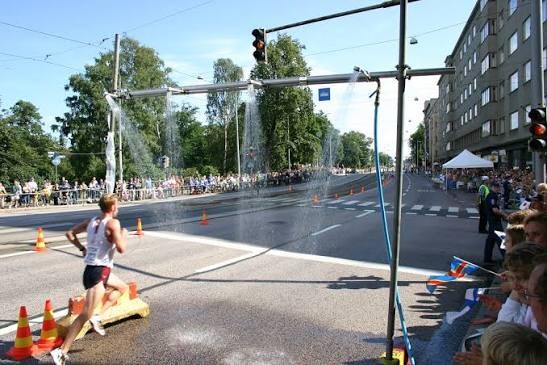
Back in Helsinki 2005, male athletes could secure qualification with a time of 2:18:00, while women needed 2:45:00 to earn a place on the starting line. The standards remained unchanged at the Osaka 2007 Championships, maintaining an era where consistency and endurance were enough to compete on the world stage.
However, the landscape of marathon running slowly began to transform between 2009 and 2017. Qualification times fluctuated between 2:16 and 2:19 for men, while women’s standards ranged from 2:38 to 2:45. Even then, the shift toward faster racing had already begun, driven by deeper international competition and advancements in sports science.
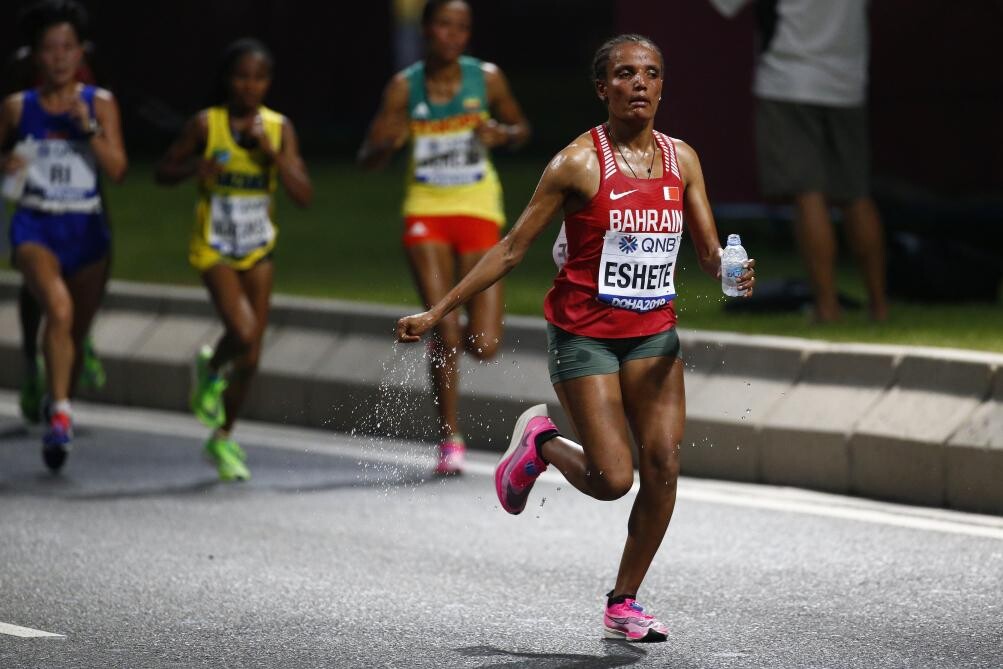
The major turning point arrived in 2019 during the Doha World Championships. World Athletics introduced a new qualification structure, replacing the old “A” and “B” standards with a unified direct-entry system supported by world rankings. At the same time, the standards became significantly tougher, dropping to 2:16:00 for men and 2:37:00 for women.
What followed was an unprecedented acceleration in elite marathon performances.
By the time the championships moved to Eugene in 2022 and Budapest in 2023, the entry standards had tightened even further to 2:14:30 for men and 2:33:30 for women. These were no longer simply elite times — they were becoming world-class requirements.
Then came the astonishing leap for Tokyo 2025 and Beijing 2027.

World Athletics pushed the standards to a staggering 2:06:30 for men and 2:23:30 for women — marks that place athletes among the very best marathoners globally. In today’s era, running a national-class performance is no longer enough; athletes must now deliver near-podium level times simply to qualify.
The dramatic drop in standards reflects far more than just faster athletes. Modern marathon running has been reshaped by revolutionary shoe technology, improved pacing systems, advanced nutrition strategies, scientific training methods, altitude preparation, and the growing depth of competition worldwide. The sport has entered a high-speed era where records fall rapidly and expectations continue to rise.
For many athletes, the new standards represent both inspiration and pressure. Qualification now demands extraordinary precision, consistency, and near-perfect execution over 42.195 kilometres. Every second matters more than ever before.
Yet despite the increasing difficulty, the evolution also highlights the remarkable progress of human performance. Marathon running is no longer merely about endurance — it has become a showcase of innovation, tactical intelligence, and extreme athletic excellence.
The World Championships marathon has evolved from a global competition into one of the most selective endurance events in athletics history, and the future suggests the standards may only continue to get faster.
by Erick Cheruiyot for My Best Runs.
Login to leave a comment

Road to Beijing 2027: World Athletics Unveils Tougher Qualification System for Global Championships
The road to the 2027 World Athletics Championships in Beijing has officially begun — and earning a place on athletics’ biggest stage is about to become even more demanding.
World Athletics has now confirmed the qualification system and entry standards for the championships set for September 2027 in Beijing, China, introducing a major adjustment that could reshape the battle for global qualification across distance running and track events.

Under the newly announced structure, only around 40 percent of athletes will qualify automatically through direct entry standards, while the remaining 60 percent of places will be awarded via the World Athletics Rankings system. The change represents a clear shift away from the previous 50-50 balance used in recent championships.
The updated model places greater emphasis on consistency throughout the season rather than relying solely on one exceptional performance. Athletes will now need to compete regularly at high-level meetings, collect ranking points, and maintain elite performances across an extended qualification period.
For distance runners, the standards remain exceptionally demanding, highlighting the increasing depth and competitiveness of global athletics.

In the men’s marathon, athletes must run 2:06:00 or faster to secure an automatic qualification mark, while the women’s standard has been set at 2:23:20. The qualifying window for the marathon opened on November 3, 2025, and will close on Midnight May 2, 2027.
The men’s 10,000m standard has been fixed at 26:48.00, with the women required to run 30:40.00. In the 5000m, athletes must clock 12:50.00 for men and 14:36.00 for women to gain direct entry.
Middle-distance events will also demand world-class performances. The men’s 1500m standard stands at 3:30.00, while women must achieve 3:58.00. In the 800m, the entry standards are 1:43.00 for men and 1:57.50 for women.
Sprint events remain brutally competitive. Athletes targeting the men’s 100m must break 10 seconds with a qualifying standard of 9.95, while the women’s requirement has been set at 10.96. In the 200m, the standards stand at 20.07 for men and 22.45 for women.
The hurdles events also demand elite-level precision and speed, with qualifying marks of 13.18 in the men’s 110m hurdles and 12.60 in the women’s 100m hurdles.
Meanwhile, the 3000m steeplechase standards have been fixed at 8:08.00 for men and 9:06.50 for women — times that underline the growing global standard in one of athletics’ most physically demanding disciplines.
World Athletics says the revised qualification pathway is designed to create stronger, more competitive championship fields while maintaining strict control of athlete numbers across all disciplines.
Qualification windows for the 10,000m, race walks, combined events, and relays will run from February 23, 2026, through August 22, 2027. For all other track events, athletes can qualify between August 23, 2026, and August 22, 2027.
The new system is expected to intensify competition across the entire athletics calendar, with ranking points now becoming more valuable than ever before. Athletes will no longer depend solely on one breakthrough race; instead, sustained excellence across multiple competitions may prove decisive in securing a ticket to Beijing.
As preparations begin worldwide, the countdown to Beijing 2027 has already sparked anticipation for what could become one of the most fiercely contested World Championships in recent history.
by Erick Cheruiyot for My Best Runs.
Login to leave a comment
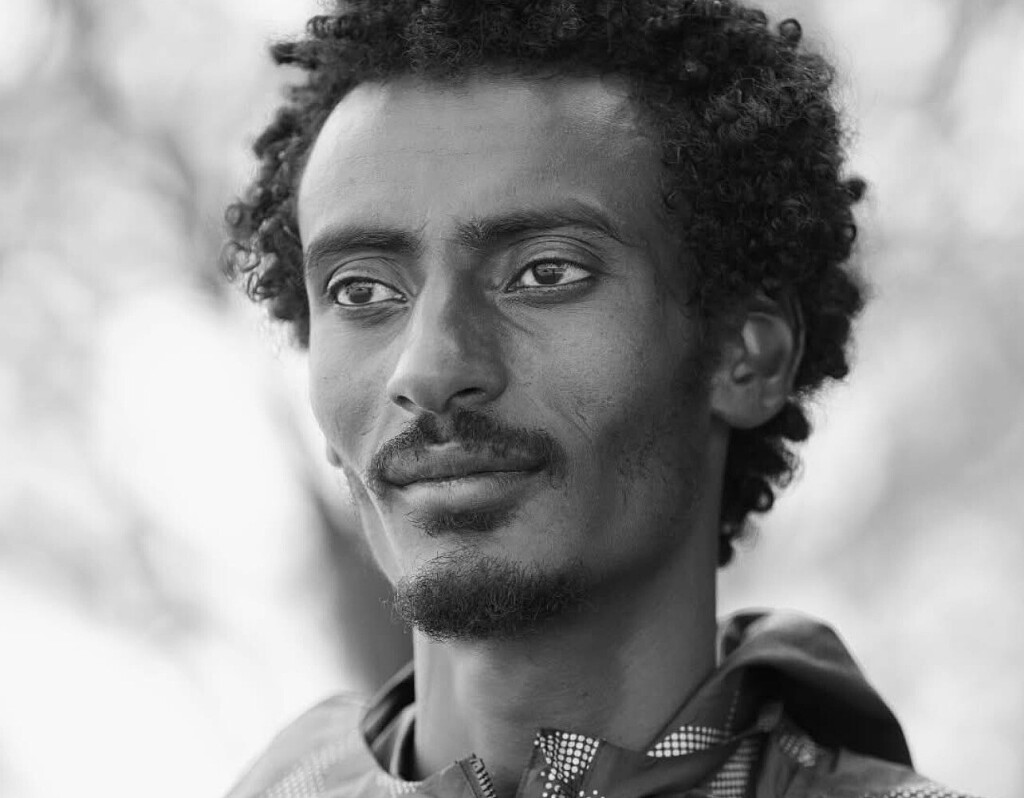
Where Should Yomif Kejelcha Run His Second Marathon — And Can He Break 1:59?
London changed marathon history forever as Sabastian Sawe and Yomif Kejelcha became the first two men ever to officially break the two-hour barrier for the marathon. Sawe won in 1:59:30, while Kejelcha stunned the world by running 1:59:41 in his marathon debut.
Now the focus shifts to the next question:
Where should Kejelcha run his second marathon?
And perhaps even more intriguing:
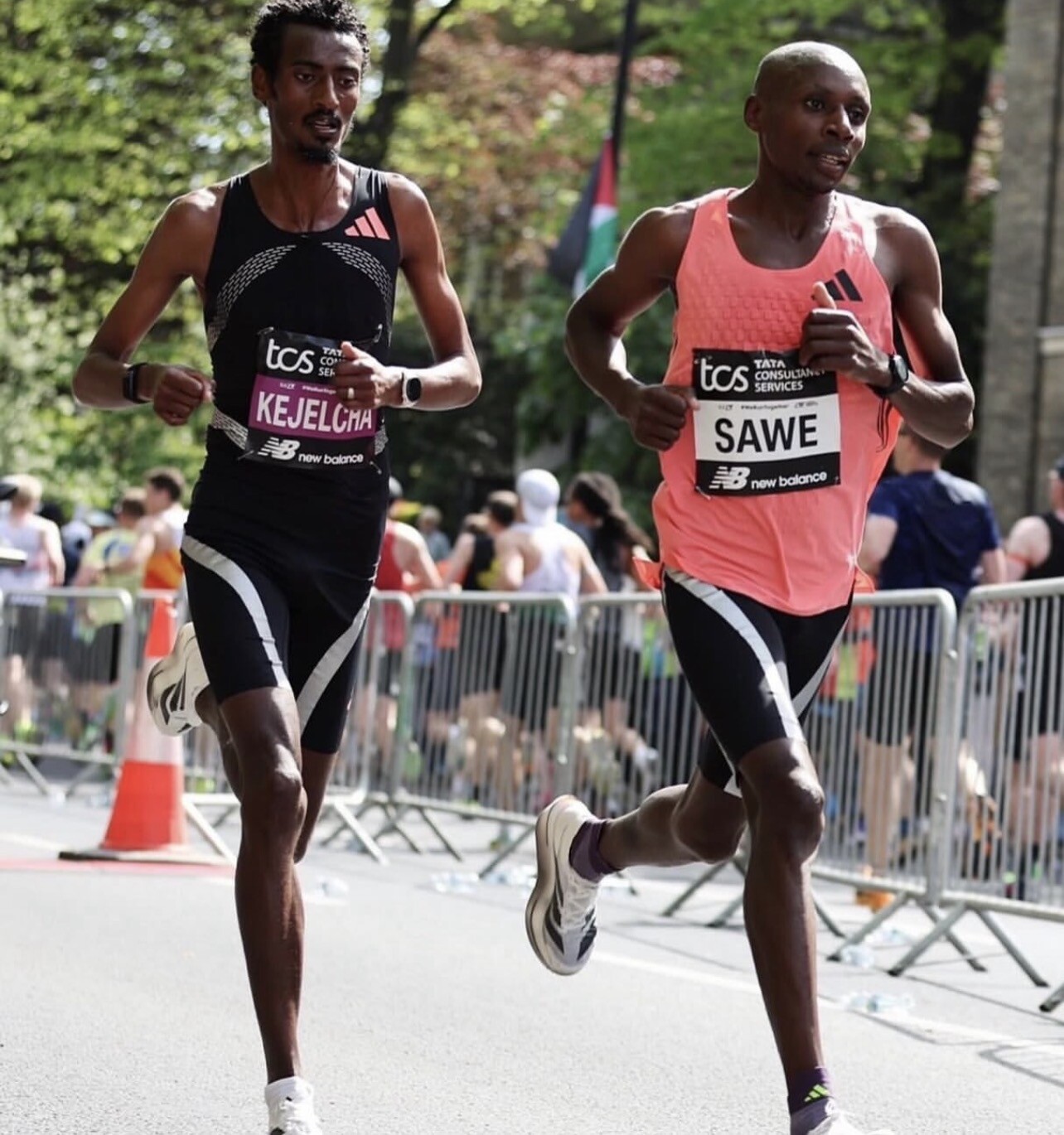
Can he become the first man to officially run under 1:59?
“Not to take away from Sawe’s amazing 1:59:30 marathon in winning London, but Kejelcha in second place clocked 1:59:41 in his first marathon ever. I think Yomif under perfect conditions can run under 1:59,” says Bob Anderson, lifetime runner and My Best Runs editor.
That possibility suddenly feels very real.

Kejelcha has long been considered one of the most naturally gifted distance runners in the sport. Before moving to the marathon, the Ethiopian star built a remarkable résumé that included world-class performances from 1500 meters through the half marathon. His 57:30 half marathon performance in Valencia confirmed that he possessed a rare combination of speed, efficiency, and endurance.
Those qualities are essential for what may become the next great frontier in distance running.
Breaking 1:59 would require sustaining approximately 4:32 per mile for the entire marathon distance. That demands not only endurance, but extraordinary efficiency and the ability to remain relaxed while running at near-impossible speeds.
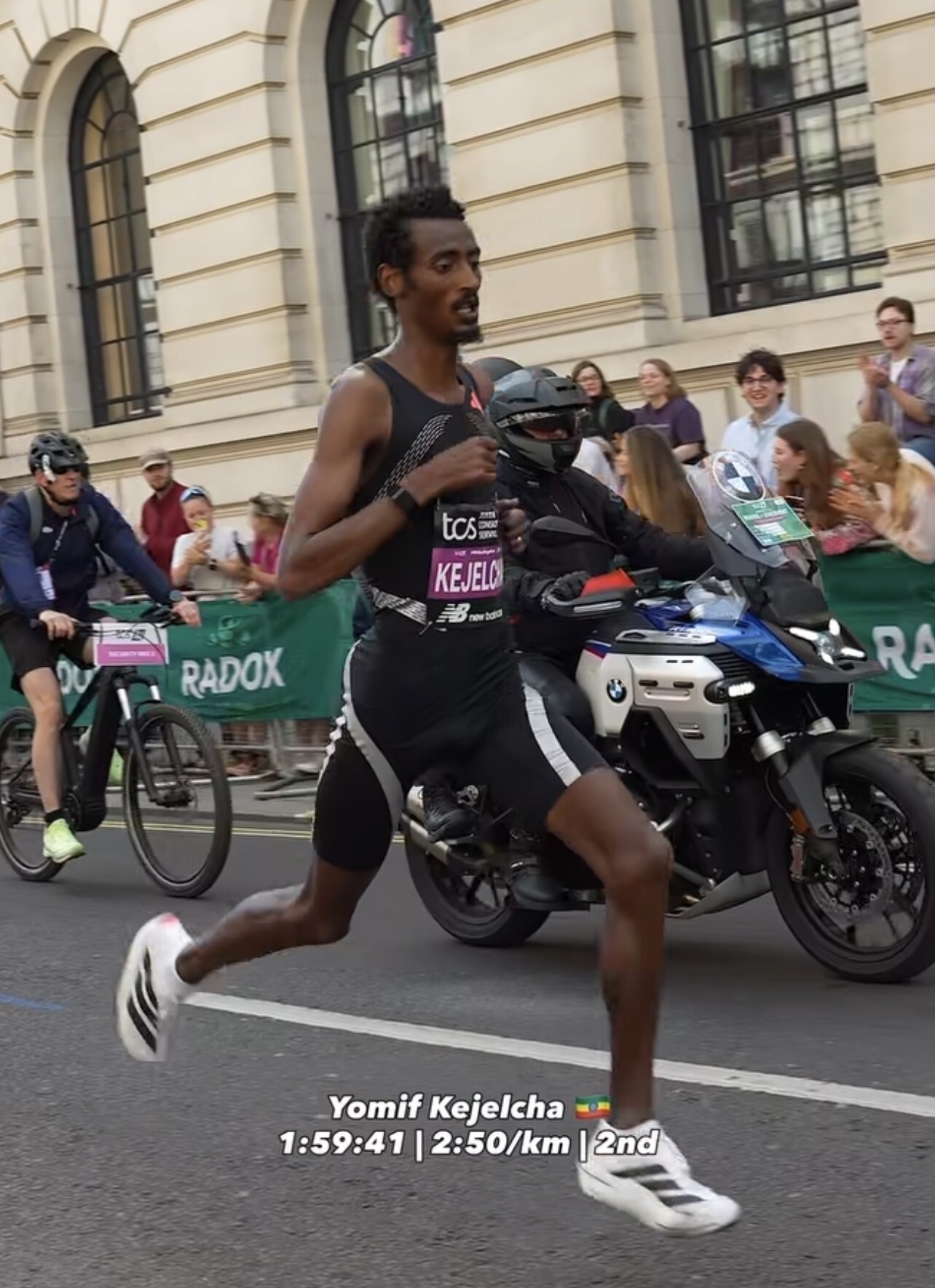
Very few athletes in history have appeared capable of that challenge.
Kejelcha now looks like one of them.
What makes his London performance even more extraordinary is that it came in his first attempt at the distance. Most elite marathoners require several races to learn the rhythm of fueling, pacing, and surviving the final 10 kilometers. Kejelcha immediately looked comfortable at a pace no one had ever officially sustained before.
That suggests there may still be room for improvement.
The question now becomes strategy.
Berlin immediately stands out as a logical option for his second marathon. No course in history has produced more marathon world records. Flat roads, cool temperatures, elite pacing, and ideal racing conditions have made Berlin the gold standard for fast marathoning.
If Kejelcha wants to make an immediate attack on history, Berlin would seem the obvious choice.
But there may be reasons to wait.
The Berlin Marathon comes only five months after London, and Kejelcha’s team may decide that patience is the smarter path. A debut marathon at world-record pace places enormous stress on the body, and carefully managing recovery could be critical to his long-term development.
Valencia may ultimately be the most intriguing possibility.
The Spanish race has rapidly become one of the fastest marathons in the world, producing countless personal bests and breakthrough performances. Kejelcha already has history there after running his half marathon world record, and the course appears perfectly suited to his smooth, efficient running style.
Chicago could also enter the conversation, though weather and wind conditions there can be less predictable.
Another option is Sevilla in early 2027, a race increasingly recognized for its fast course and ideal winter conditions.
Tokyo would provide prestige and global attention, but Berlin and Valencia are still generally viewed as superior venues for historic time attempts.
If Kejelcha’s goal is simply to win major marathons, he already has the ability to compete anywhere in the world.
But if the goal is to break 1:59, every detail matters:
weather,
pacing,
wind,
temperature,
fueling,
race timing,
and course design.
The difference between 1:59:41 and 1:58:59 may ultimately come down to only a few seconds per mile.
Still, London fundamentally changed how the running world views the limits of the marathon.
For years, an official sub-two-hour marathon felt impossible. Now the sport is already looking beyond that barrier.
At just 27 years old, Yomif Kejelcha may only be beginning his marathon career.
And after what happened in London, the possibility of a sub-1:59 marathon no longer feels unrealistic.
It feels possible.
by Boris Baron for My Best Runs
Login to leave a comment
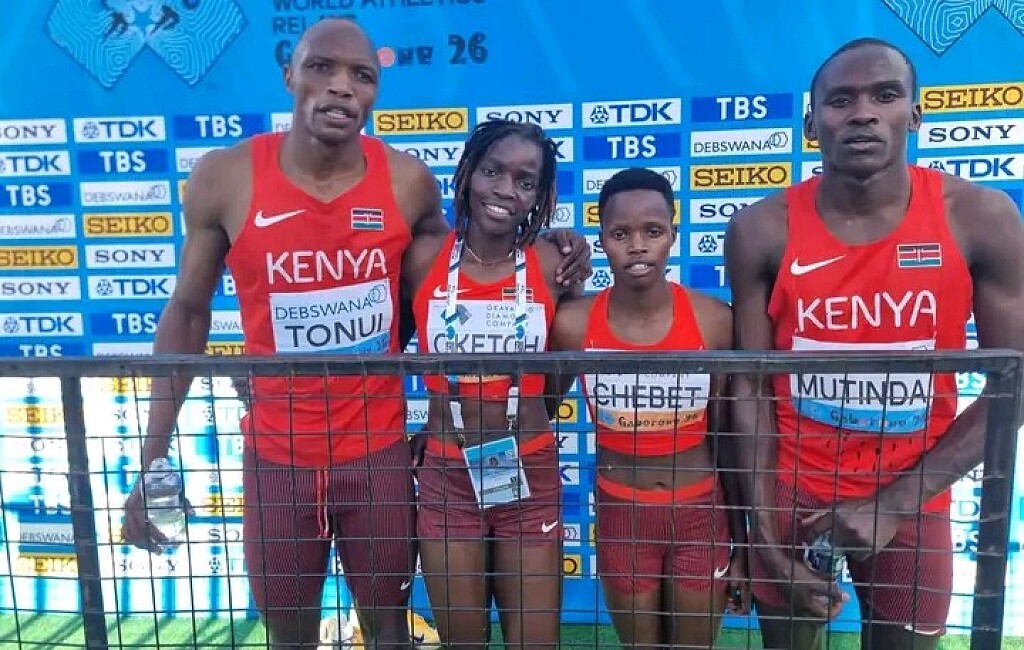
A Statement Before the Final: Kenya Shatters African Record in Mixed Relay Showdown
In a race defined by precision, courage, and rising ambition, Kenya delivered a performance to remember at the World Athletics Relays 2026 in Gaborone. The quartet of Mercy Oketch, George Mutinda, Kevin Tonui, and Mercy Chebet combined brilliance and composure to clock an outstanding three minutes, nine point eight seven seconds, rewriting the African record in the mixed 4x400m relay.
It was more than just a fast race—it was a statement.
Team Kenya did not simply chase the clock; they reshaped expectations of African sprinting on the global stage. Their electrifying run secured second place in their heat, confidently advancing them to the final, while also sealing automatic qualification for the 2027 World Championships.
Though they crossed the line behind a dominant Great Britain & Northern Ireland squad, the significance of Kenya’s performance resonated far beyond the finishing order. This was a breakthrough moment—one that signaled a new era.
From the opening leg, Kenya showed intent. Oketch set the tone with a controlled yet aggressive start, keeping the team firmly in contention. Mutinda followed with discipline and balance, maintaining momentum under pressure. Tonui then injected raw power into the race, closing crucial ground before handing over to Chebet, who delivered a determined anchor leg to secure the historic result.
The achievement reflects a shifting identity in Kenyan athletics. Long revered for its dominance in distance running, the nation is now steadily building a formidable presence in sprint relays—an evolution underscored by this record-breaking display.
The mixed 4x400m relay continues to captivate with its blend of strategy, speed, and teamwork. In Gaborone, it offered Kenya the perfect stage to announce its arrival among the world’s elite.
Not a finish line, but a powerful warning—the final still awaits.
by Erick Cheruiyot for My Best Runs.
Login to leave a comment
History in Motion: Jamaica Ignites a New Era with Mixed 4x100m World Record
Jamaica delivered a performance of breathtaking precision at the World Athletics Relays in Gaborone, storming to a sensational world record of 39.99 seconds in the mixed 4x100 metres relay—while securing qualification for both the final and the 2027 World Championships.

Though it came in a qualifying heat, the run carried the authority of a championship-winning performance. Jamaica did not merely progress—they redefined the standard. In one explosive display, they confirmed their place in the final and, crucially, booked early qualification for the World Athletics Championships.

The execution was nothing short of elite. The mixed 4x100m, still a developing event, demands absolute clarity in timing and flawless baton exchanges between male and female athletes. Jamaica delivered with remarkable cohesion, their transitions smooth and their speed devastating from start to finish.
Stopping the clock at 39.99 at this stage of the competition sends a powerful message. It highlights not only their dominance but also the possibility that an even faster performance could emerge when medals are on the line.
With the mixed 4x100m set to make its Olympic debut at the Los Angeles 2028 Olympic Games, Jamaica’s run in Gaborone stands as a defining early benchmark in the event’s history. It reflects the nation’s enduring sprint legacy, now evolving into new formats with the same authority.
What was meant to be a step toward the final became something far greater—a record-breaking statement, a qualification secured, and a clear warning to the world.
All eyes now turn to the final, where Jamaica will look to transform early dominance into gold.
by Erick Cheruiyot for My Best Runs.
Login to leave a comment

THE HOMECOMING OF A LEGEND: ALLYSON FELIX EYES ONE LAST OLYMPIC CHAPTER
When greatness speaks, the world listens—and this time, it echoes with purpose. At 40, Allyson Felix has reignited the spark that once made her the heartbeat of global sprinting. In a move that has sent ripples across the athletics world, the most decorated female track and field athlete in Olympic history has announced her return from retirement, setting her sights firmly on the 2028 Summer Olympics.

For Felix, this is not merely a comeback—it is a calling. She describes it as a “once-in-a-lifetime homecoming,” a rare alignment of legacy and location. The Olympic stage will return to Los Angeles, her home soil, offering a poetic full circle to a career already etched in gold. Few athletes ever get the chance to close their journey where it all feels most personal. Felix intends to seize that moment.
Dubbed “Project Six,” her ambitious pursuit targets a sixth Olympic appearance—an extraordinary milestone that would see her add to a résumé spanning 2004 Athens Olympics, 2008 Beijing Olympics, 2012 London Olympics, 2016 Rio Olympics, and 2020 Tokyo Olympics. Remarkably, Felix has never left the Olympic stage empty-handed—her consistency as striking as her brilliance.
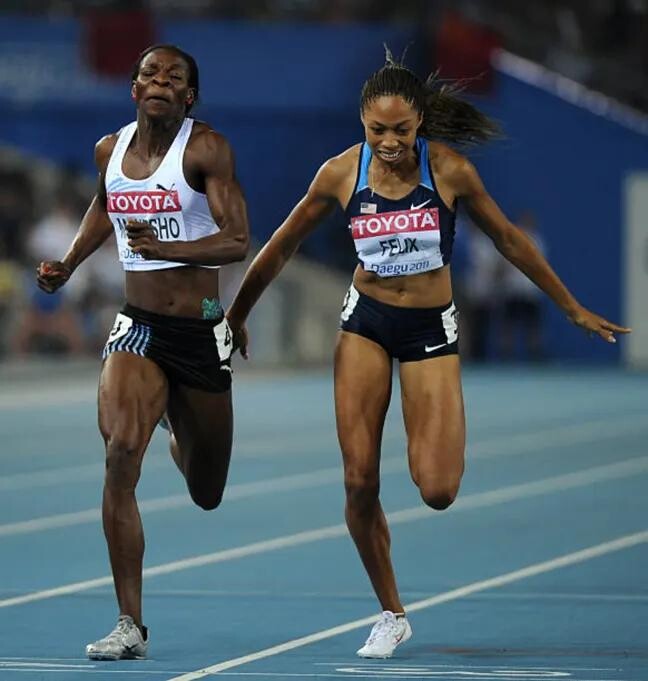
Her planned return to competition in 2027 signals more than preparation; it reflects discipline, patience, and belief. The modern era of sprinting is faster, younger, and fiercely competitive—but Felix has never been defined by age or expectation. She has thrived on rewriting limits.
Yet beyond medals and records, this comeback carries a deeper narrative. Felix has long been a voice for athletes—particularly mothers and women—challenging norms and advocating for change within sport. Her return now blends that advocacy with ambition, proving that elite performance and evolving identity can coexist.
If Los Angeles 2028 becomes her final act, it promises to be more than a race. It will be a statement. A celebration. A reminder that greatness does not simply fade—it chooses its moment to rise again.
And Allyson Felix, once more, is ready to run.
by Erick Cheruiyot for My Best Runs.
Login to leave a comment
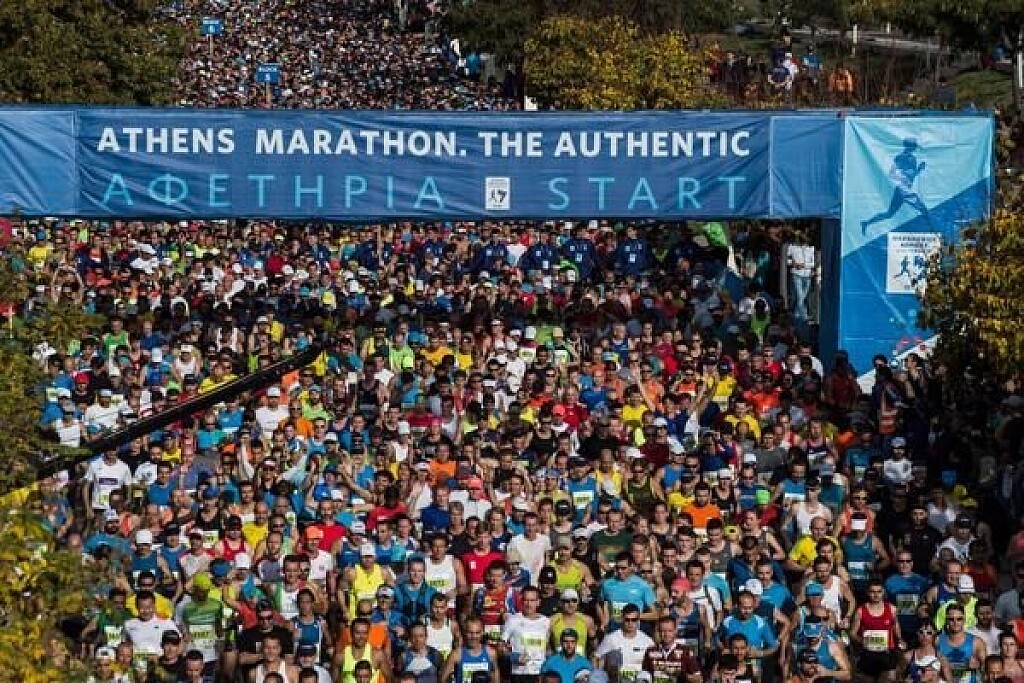
A New Era Begins: World Athletics Unveils Standalone Marathon Championships from 2030
In a bold and transformative move, World Athletics has laid out a visionary roadmap that will reshape the future of distance running. At the heart of this strategy is the introduction of a standalone World Marathon Championships, set to debut in 2030—marking a historic shift for one of the sport’s most iconic disciplines.
For decades, the marathon has been a cornerstone of the World Athletics Championships, embodying endurance, tradition, and global prestige. However, under the new structure, the event will make its final appearances within the Championships in 2027 and 2029 before stepping into its own spotlight. From 2031 onward, road races—including the marathon—will no longer feature in the World Championships program.

Instead, the newly established World Marathon Championships will stand as an annual spectacle, designed to elevate the discipline to unprecedented heights. In a unique format, elite men’s and women’s races will alternate each year, maintaining the rhythm of top-level competition while creating a more focused and commercially vibrant platform for the sport’s biggest stars.
This evolution is not happening in isolation. World Athletics has emphasized that the championship is being built in close collaboration with key stakeholders who have helped turn the marathon into a global phenomenon—from race organizers to commercial partners. While further details of these partnerships are yet to be revealed, the intention is clear: to create an event that reflects both the heritage and the modern dynamism of road running.
Meanwhile, the World Athletics Road Running Championships will continue as a separate annual competition, ensuring that shorter road distances retain their own global stage.
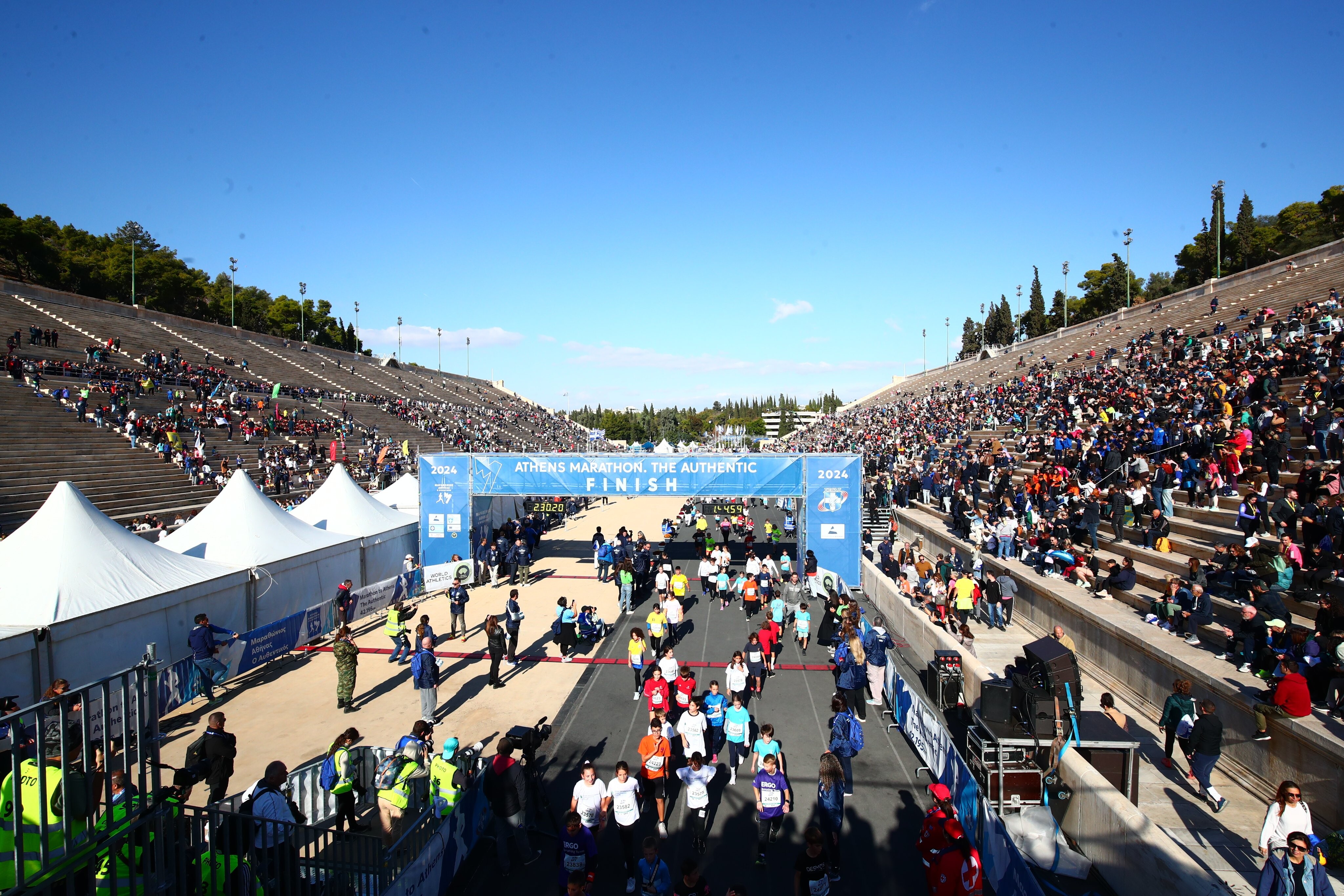
Adding a layer of historical significance to this new chapter, the ancient city of Athens has emerged as the preferred host for the inaugural edition in 2030. Widely regarded as the spiritual home of the marathon, Athens offers a symbolic and cultural resonance that aligns perfectly with the ambitions of the new championship. The Athens Marathon The Authentic—already steeped in legend—has further strengthened its case by attaining Elite Label status, reinforcing its credentials on the global stage.
If confirmed, Athens would not only host a new competition but also bridge the ancient origins of the marathon with its modern evolution, creating a powerful narrative that celebrates both legacy and progress.
This strategic shift signals more than just a structural change—it represents a reimagining of how the marathon is experienced, celebrated, and elevated worldwide. By giving the event its own dedicated platform, World Athletics is betting on a future where the marathon stands taller than ever, commanding global attention in a way never seen before.
by Erick Cheruiyot for My Best Runs.
Login to leave a comment
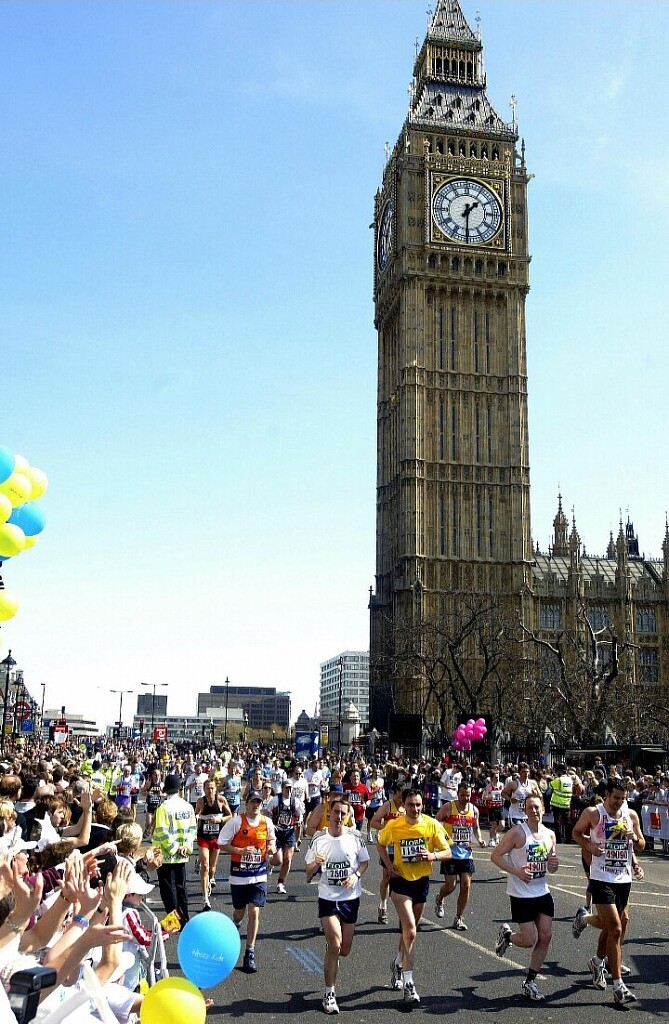
London Marathon Eyes Historic Two-Day Expansion Amid Unprecedented Demand
The ever-growing appeal of the London Marathon has reached a remarkable new milestone, prompting organizers to consider a bold and transformative shift for the 2027 edition. Following another year of record-breaking interest, plans are being explored to stage the iconic race across two days—an innovation that could redefine one of the world’s most celebrated marathons.
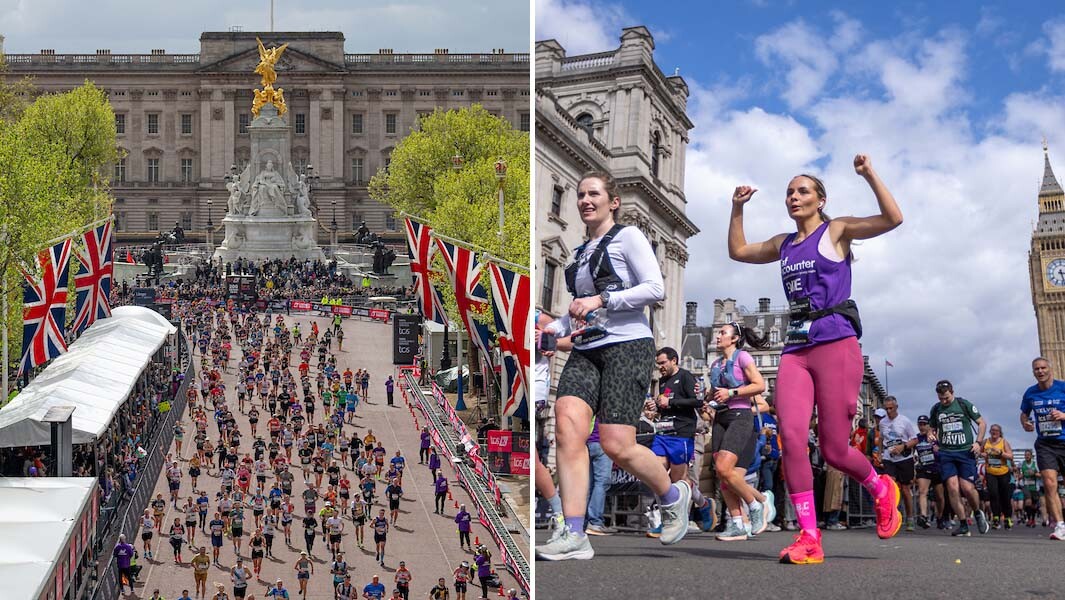
In 2026, the event attracted an astonishing 1.1 million public applications, a figure that underscores its unmatched global allure. Yet, with only a fraction of applicants securing a place, the demand has far outpaced capacity. The proposed two-day format seeks to address this imbalance, potentially allowing close to 100,000 runners to participate—effectively doubling the current field.
Under the new concept, the traditional structure of the race would undergo a significant evolution. The elite men’s and women’s competitions, typically contested on the same day, would instead be separated, each taking center stage on its own day. This shift would not only create more space for mass participation but could also provide greater visibility and storytelling opportunities for both elite races, giving each its own spotlight.
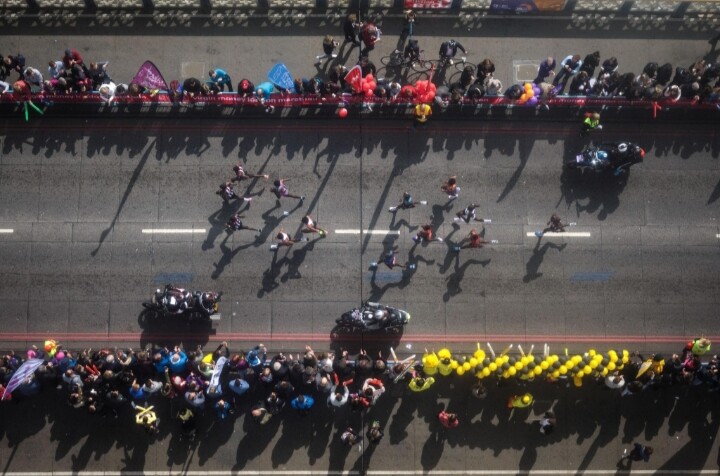
Such a change represents more than just logistical expansion—it signals a reimagining of the marathon experience itself. For amateur runners, the opportunity to be part of this historic event would become more accessible. For spectators and global audiences, a two-day spectacle could enhance engagement, turning the marathon into a weekend-long celebration of endurance, diversity, and human achievement.
However, the proposal is not without debate. Critics may question whether splitting the elite races could dilute the traditional head-to-head drama that defines championship-style competition. Others may raise concerns about the increased operational demands on the city, from road closures to crowd management. Yet, in an era where participation sport continues to surge, innovation may be the only path forward.
Ultimately, the idea reflects a simple truth: the London Marathon is no longer just a race—it is a global movement. Expanding it across two days could be the next logical step in ensuring that more people, from all walks of life, have the chance to be part of something extraordinary.
Whether embraced or contested, one thing is certain—the future of marathon running in London is on the brink of a historic evolution.
by Erick Cheruiyot for My Best Runs.
Login to leave a comment
TCS London Marathon
Since its inaugural edition on March 29, 1981, the TCS London Marathon has grown into one of the world's most prestigious road races, blending elite competition with an extraordinary charitable legacy. Founded by former Olympic champion and journalist Chris Brasher alongside Welsh athlete John Disley, the event has been staged every year and has been held in the spring annually...
more...
Speed, Smiles and Standout Performances at the Marina Double 15K
The 9th edition of the Marina Double Road Race delivered yet another memorable chapter along the scenic waterfront of Brisbane, as runners took to the flat and fast course on March 21, 2026. Set against the breathtaking backdrop of the San Francisco Bay, the event once again showcased the unique blend of competition, community, and pure running joy that defines this race.

From the opening strides at Sierra Point to the turnaround at Oyster Point and back, athletes were met with near-perfect conditions. Calm weather and a picturesque route created the ideal stage for both elite performances and personal triumphs, as participants across the Double 15K, 10K, 5K, and Kids Mile embraced the rhythm of the day.

Adding to its distinctive appeal, the Double 15K is a unique race concept created by Bob Anderson, designed to test both speed and endurance in a strategic format. Athletes first complete a 10K, then return 1 hour and 45 minutes later to race a 5K, with their combined times determining the final standings. Beyond overall results, the coveted Double Victory Cup is awarded to the runner who achieves the best age-graded performance—an element that celebrates excellence across all ages, highlighted this year by an outstanding victory from a 50-year-old woman, Ritsuko Tague who delivered 58:49, the top age-graded run of the day.


At the front of the field, the Double 15K produced a series of standout performances led by Anthony Cortes, who delivered a commanding run to win the men’s race in 49:42. He was followed by Harold Castiaux, whose strong and steady effort secured second place in 55:16, while Ben Kortlang claimed third in 57:35 with a determined finish. Fernando Wotari completed the top four, crossing the line in 1:07:50.
In the women’s race, Ritsuko Tague showcased both experience and strength, surging to victory in 58:49 with an impressive display of control. Bella Rogers followed in 1:08:37, highlighting her emerging potential, while Anitha Nanunda took third in 1:15:02 through a resilient performance. Julia Rogers rounded out the top four, finishing in 1:21:25.
Beyond the leading pack, the depth of competition across the age groups added another layer of meaning to the event. From the 40–49 to the 60–69 divisions, athletes demonstrated that excellence in running knows no boundaries of age, blending experience, discipline, and enduring passion into performances that were as inspiring as they were competitive.
More than just a race, the Marina Double 15K once again brought together a vibrant community united by a shared love of the sport. Familiar faces reconnected, new friendships were formed, and every finisher contributed to the spirit that makes this event truly special.
With the energy of this edition still fresh, the journey continues toward the next chapter on April 3, 2027—another opportunity to hit the road, chase new goals, and write fresh stories along the timeless beauty of the Bay.
by Erick Cheruiyot for My Best Runs.
Login to leave a comment

Marina Double 15k & 10k/5k
2027will be our 8th year at this location for the Double 15K (10K+break+5K), 10k, 5k the new 1-Mile for all ages and kids mile (13 and under). You are going to love our flat and fast course. All participants will receive an official shirt, tote bag and all finishers will receive a big medal. Brisbane is just 20 minutes from...
more...
America Steps Back: Strategic Absence Reshapes the Road to the 2026 World Relays
In a surprising yet calculated move, the United States has announced it will not field men’s or women’s 4x400m relay teams at the 2026 World Relays in Gaborone, Botswana. The decision, confirmed by USA Track & Field, reflects a blend of logistical challenges, financial considerations, and a shifting competitive strategy in global athletics.
At the heart of the matter lies the difficulty of assembling top-tier relay squads outside major championship seasons. With elite athletes prioritizing individual events and carefully managing their schedules, securing a truly competitive “A team” has proven increasingly complex. Sending second-tier squads, while an option, carries both financial strain and reputational risk for a nation long synonymous with relay dominance.
The World Relays, scheduled for May 2–3 in Gaborone, serve as a crucial gateway to global championships. They act as the primary qualification pathway for both the 2026 World Ultimate Championships (mixed relays) and the 2027 World Championships, where only the top 12 teams per event advance. Despite their absence, USATF remains confident that its 4x400m teams can still secure qualification through world rankings—a route that rewards consistency across the season rather than a single high-stakes performance.

Beyond qualification implications, the decision alters the narrative of one of track and field’s most compelling rivalries. The anticipated rematch between the United States and Botswana in the men’s 4x400m relay will not materialize on Botswana soil. This comes after the two nations shared dramatic victories at the 2024 Olympic Games and the 2025 World Championships, delivering performances that electrified fans and elevated the event’s global profile.
For Botswana, the absence of the American team removes a formidable opponent but also shifts the spotlight. Competing at home, their athletes now carry heightened expectations to capitalize on familiar conditions and passionate local support. For the United States, meanwhile, the move underscores a longer-term vision—prioritizing peak performance at major championships over participation in every qualifying event.
Ultimately, this decision signals more than a withdrawal; it reflects an evolving philosophy in elite athletics. As the sport becomes increasingly strategic, even the most dominant nations are redefining how—and when—they compete. The ripple effects will be felt not only in Gaborone but across the global track and field landscape as the road to 2027 begins to take shape.
by Erick Cheruiyot for My Best Runs.
Login to leave a comment
