

Running News Daily
Running News Daily is edited by Bob Anderson and team. Send your news items to bob@mybestruns.com Advertising opportunities available.
Index to Daily Posts · Sign Up For Updates · Run The World Feed
Articles tagged #2027 Boston Marathon
Today's Running News
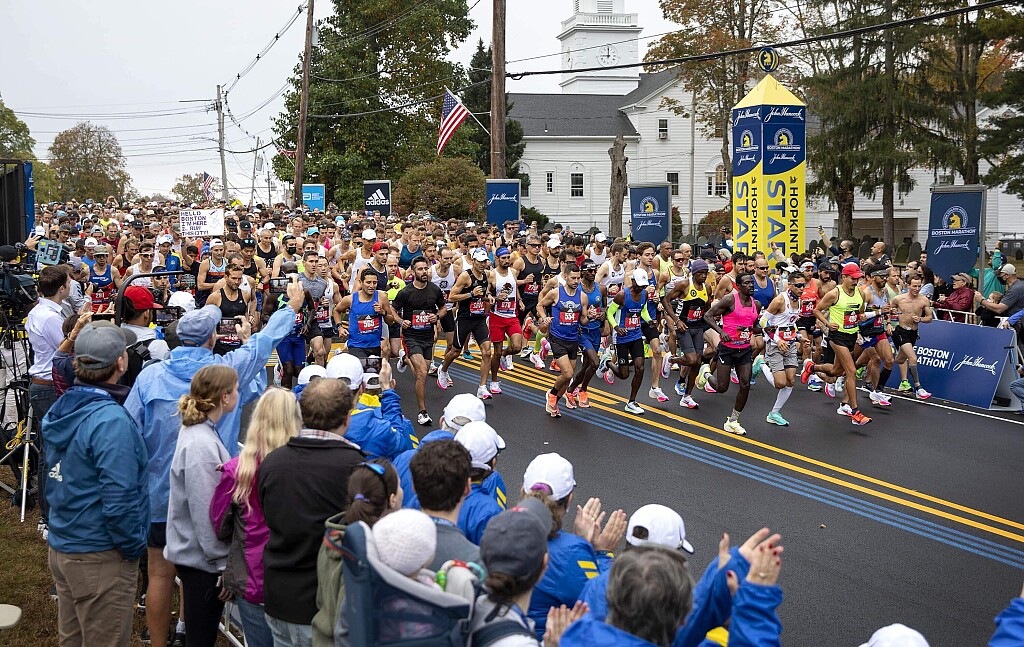


Boston Marathon Opens 2027 Registration With New Lifeline For Runners Who Miss The Cut-Off
Registration for the 2027 Boston Marathon opened today, September 14, giving thousands of runners who have achieved the official qualifying standards their chance to apply for one of the most coveted places in road racing. The registration window will remain open through Friday, September 18, at 5:00 p.m. Eastern Time.
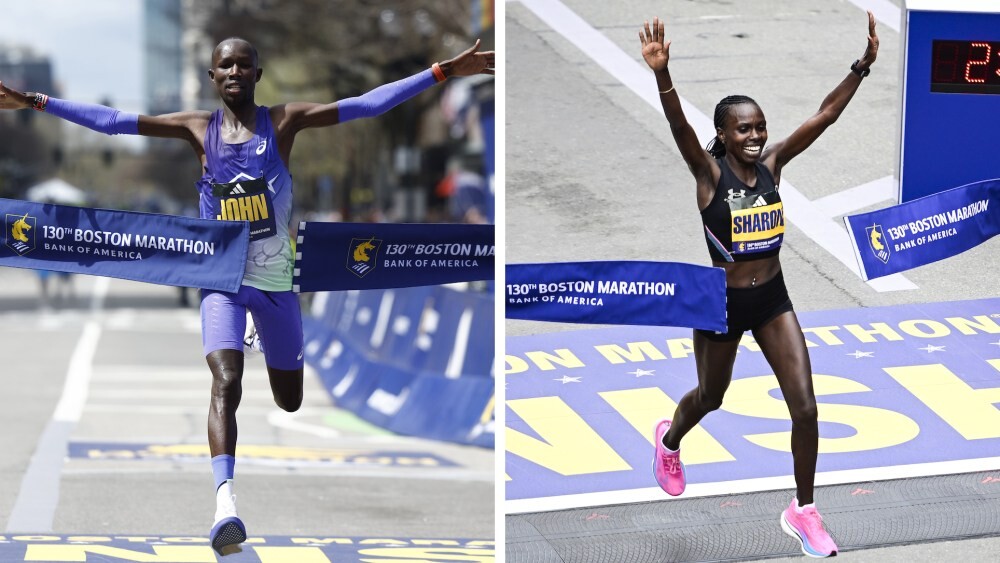
The 2027 edition of the Boston Marathon will bring a major change to the qualification process. For the first time, runners who meet their age-group qualifying standard but finish outside the eventual cut-off will have an additional opportunity to gain entry through a new Boston Qualifier Selection.
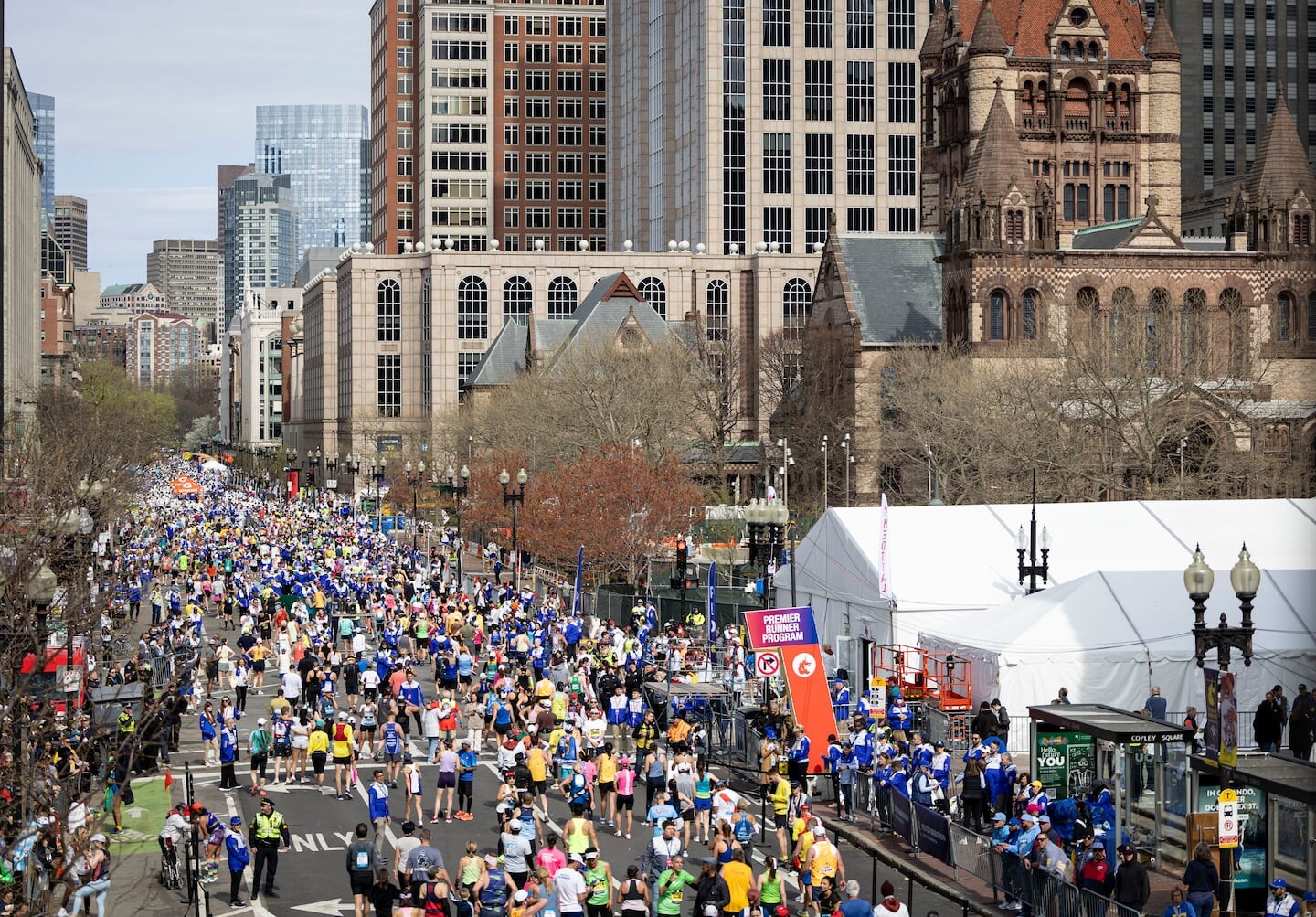
After registration closes, the Boston Athletic Association (B.A.A.) will verify performances and rank applicants according to how far they finished under their respective qualifying standards. The fastest qualifiers will be accepted first, with their performances determining the cut-off for each age and gender group.
But this time, missing that cut-off will not necessarily mean the end of the dream. Approximately 1,000 runners whose qualifying performances are not fast enough to secure automatic entry will be randomly selected through the Boston Qualifier Selection. Those athletes will automatically be included in the pool for the additional draw.
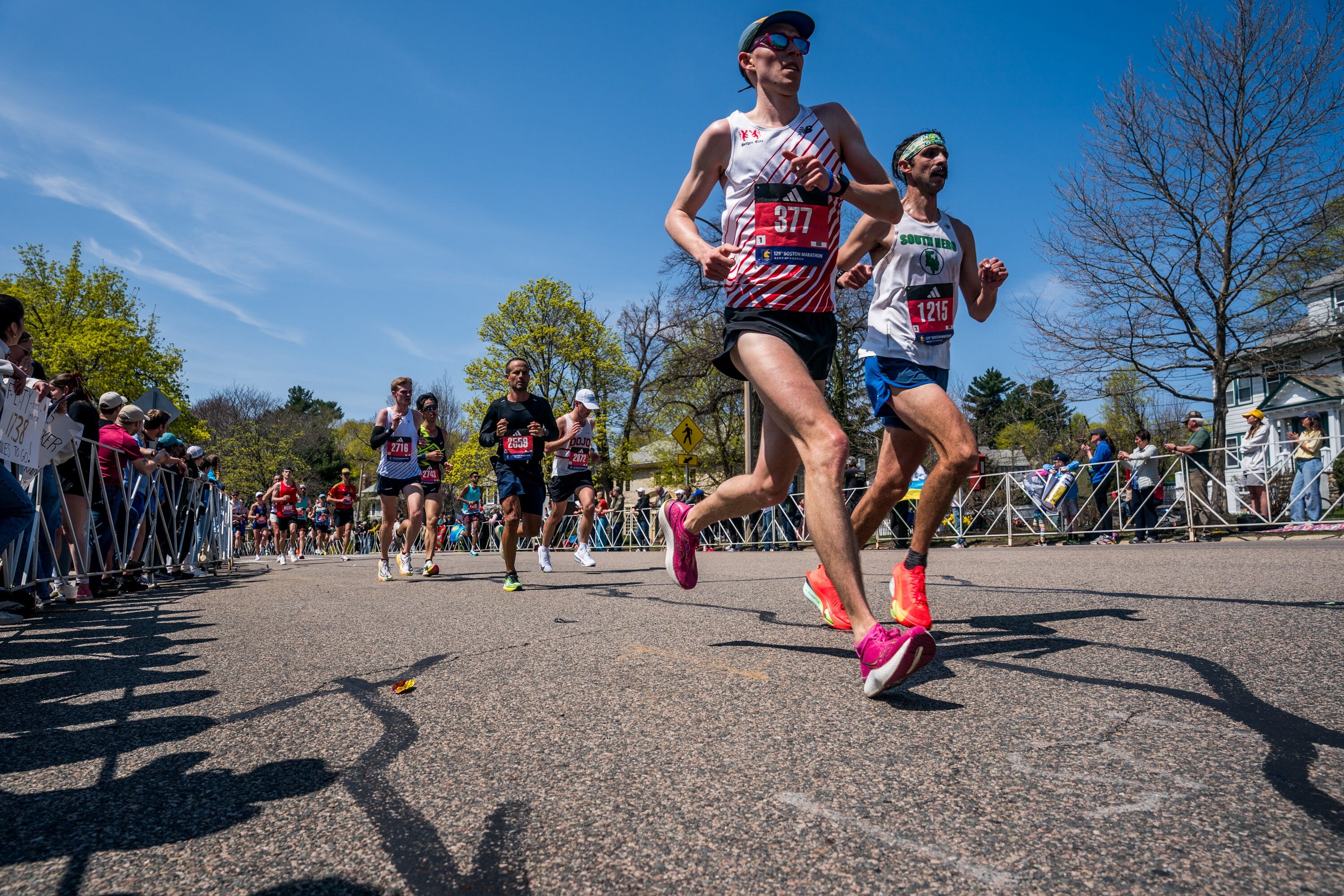
The new system comes as demand for Boston continues to outpace the number of available qualifying places. In recent years, simply achieving the published standard has increasingly failed to guarantee entry. For the 2025 Boston Marathon, 12,324 qualified applicants were not accepted, while another 8,887 missed out for the 2026 race after the qualifying field produced a cut-off of 4 minutes and 34 seconds faster than the applicable standard.
That reality has transformed Boston qualification into a race within the race. A runner may finish under the official standard and still need to be several minutes faster to secure a place, depending on the strength and size of the applicant pool.
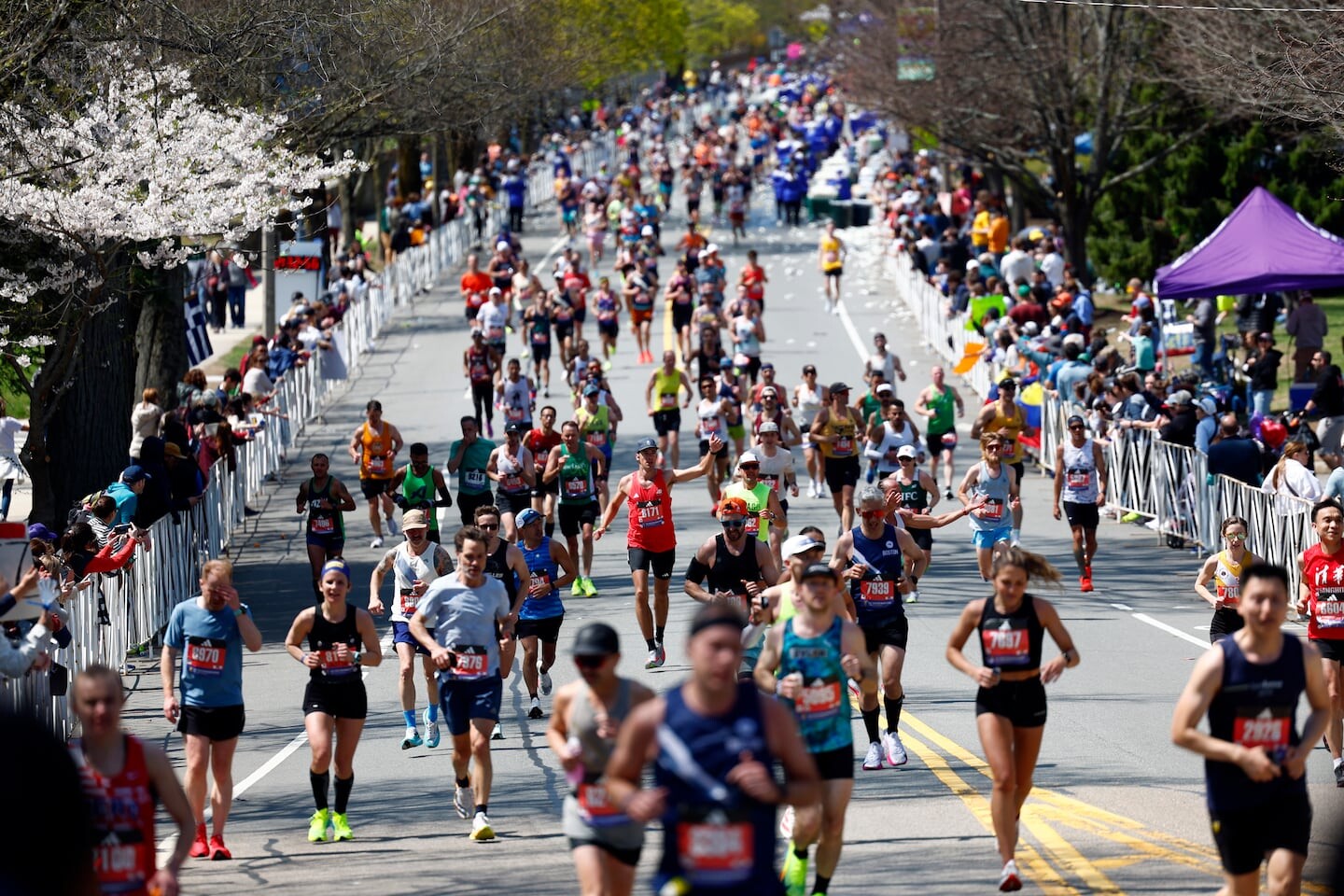
The new random-selection component therefore offers a small but significant second chance to runners who have already done what Boston asks of them: beat the qualifying standard for their age and gender. The B.A.A. says the change reflects the increasingly fast pace of marathon running and the growing global demand for places in the historic race.
There is another important change for the 2027 registration cycle, and it could have a major impact on runners choosing where to chase their qualifying times.
The B.A.A. has introduced a net-downhill adjustment for qualifying performances. Any verified qualifying time recorded on a course with a net elevation drop of at least 1,500 feet will receive an adjustment when submitted for Boston consideration. Courses with a net drop of 1,500 to 2,999 feet will receive a five-minute addition, while courses dropping 3,000 to 5,999 feet will receive a 10-minute addition. A course with a net downhill of 6,000 feet or more will not be accepted as a Boston qualifying course.
The rule means a runner's official finishing time may not necessarily be the time ultimately used by Boston for qualification purposes. For example, a 2:45:30 performance on a course with a 2,000-foot net descent would be assessed as 2:50:30 after the five-minute adjustment.
The B.A.A. says the policy is intended to account for the significant advantage provided by courses with substantial net elevation loss and to create a more consistent standard for athletes qualifying around the world.
Despite the changes, the published 2027 qualifying standards remain unchanged. Men aged 18–34 must run 2:55:00, while women and non-binary runners in the same age group must run 3:25:00. The standards gradually increase across the older age groups, with runners aged 80 and above required to run 4:50:00 for men and 5:20:00 for women and non-binary athletes.
Importantly, qualifying standards are based on a runner's age on race day, April 19, 2027, and qualifying times must be official net times from eligible certified marathon courses. Meeting the standard still does not guarantee entry because the size of the qualifying field remains limited.
For runners chasing Boston, the message is clear: running under the standard remains the first hurdle, but running significantly faster can still make the difference between receiving a bib and watching from home. The new Boston Qualifier Selection, however, gives approximately 1,000 additional qualifiers a chance that did not previously exist.
The 131st Boston Marathon, will be held on Monday, April 19, 2027. Qualifier applicants are expected to receive their acceptance or non-acceptance notifications by early October.
Boston, long regarded as one of the hardest major marathons to enter through qualification, is changing with the times. As runners get faster and the global appetite for the race continues to grow, the road to Boylston Street is becoming more competitive—but for around 1,000 runners who fall just short of the cut-off, the dream will now remain alive a little longer.
by Erick Cheruiyot for My Best Runs.
Login to leave a comment

Boston Marathon
Among the nation’s oldest athletic clubs, the B.A.A. was established in 1887, and, in 1896, more than half of the U.S. Olympic Team at the first modern games was composed of B.A.A. club members. The Olympic Games provided the inspiration for the first Boston Marathon, which culminated the B.A.A. Games on April 19, 1897. John J. McDermott emerged from a...
more...
The Boston Marathon Trap: Why A “BQ” May Still Not Be Enough
For thousands of marathon runners around the world, qualifying for the Boston Marathon is more than a race goal — it is a badge of honour, a symbol that months and sometimes years of disciplined training have finally paid off.
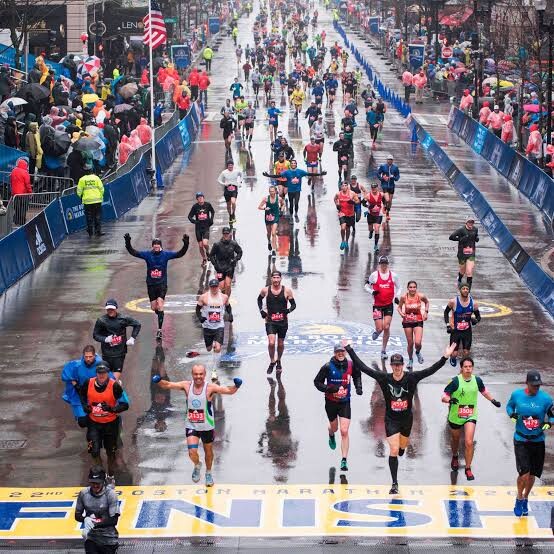
But there is an important distinction every aspiring Boston runner needs to understand: running under the official Boston qualifying standard does not automatically guarantee a place on the starting line.
That reality has caught out countless runners who believed that crossing the finish line a few seconds inside their qualifying mark meant their Boston dream was secured.
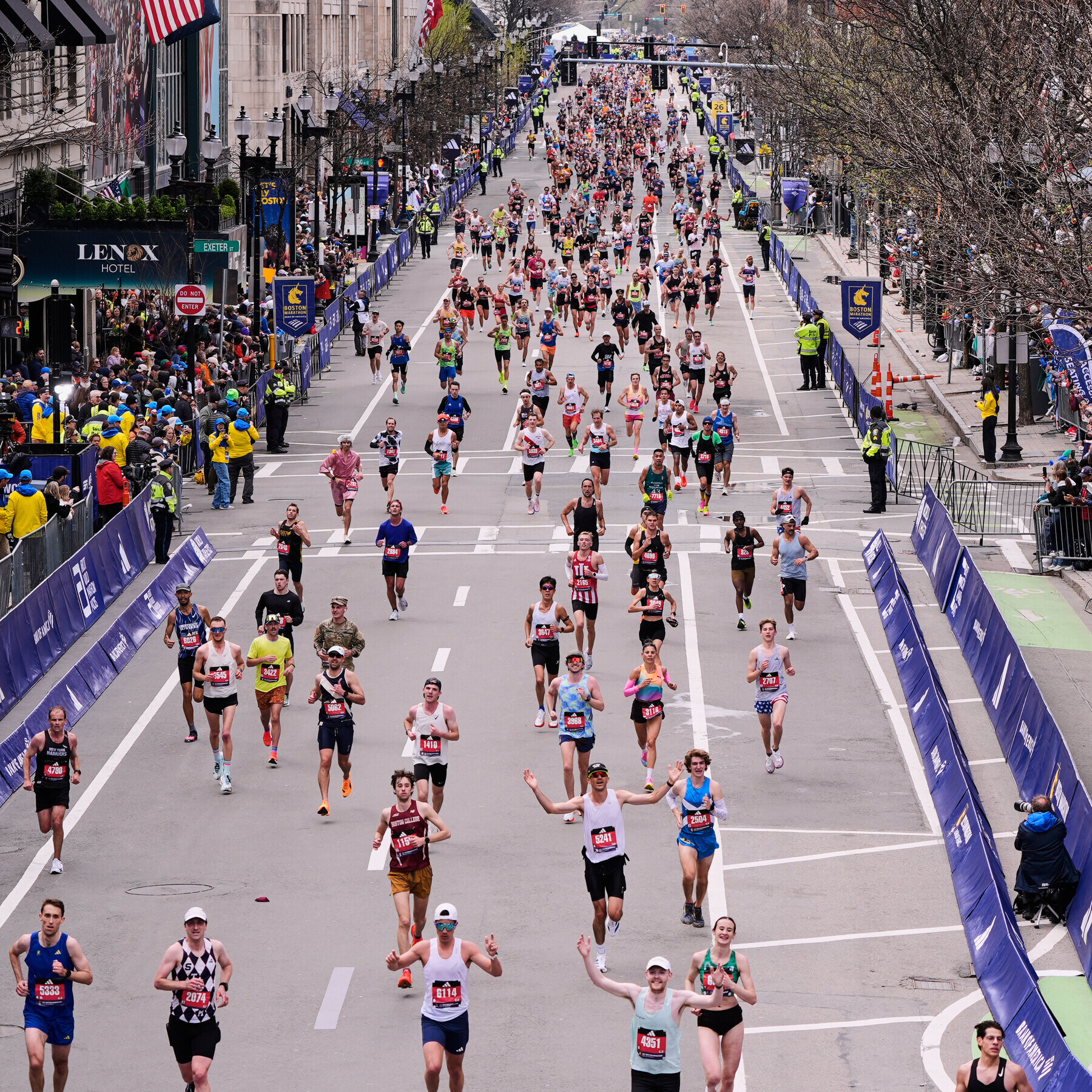
It does not.
The Boston Athletic Association (B.A.A.) sets qualifying standards according to age and gender, but the race also has a limit on the number of participants. When the number of qualified applicants exceeds the available places, the fastest runners within the qualifying pool are given priority. In other words, simply achieving the published standard gives you the opportunity to apply — it does not guarantee acceptance.
The Cutoff Is The Number That Really Matters
This is where the famous Boston “cutoff” comes into play.
The cutoff represents how much faster than the official qualifying standard a runner needed to be in order to gain entry that particular year. And it can change significantly depending on how many runners apply and how fast the qualifying field is.
The numbers tell the story.
For the 2024 Boston Marathon, the cutoff was 5:29. For 2025, it climbed sharply to 6:51. For the 2026 race, the cutoff settled at 4:34, meaning accepted qualifiers needed to be at least four minutes and 34 seconds faster than their applicable age- and gender-based standard.
That means a runner who finishes a marathon just 30 seconds under the published qualifying standard can technically be a Boston qualifier — yet still miss out on an actual place.
And that is where the heartbreak begins.
Imagine spending months building mileage, sacrificing weekends, surviving brutal workouts and finally producing the race of your life. You cross the line, look at your watch and discover that you have beaten the Boston standard.
For a moment, you believe you are going to Boston.
Then registration closes.
And you discover that the field was faster than expected.
Don't Train For The Bare Minimum
For runners serious about making the journey to Hopkinton, Massachusetts, the lesson is straightforward: don't make the official qualifying standard your ultimate target.
Make it your starting point.
If your age-group standard is 3:00:00, for example, training specifically to run 2:59:59 may leave almost no margin for the realities of Boston qualification. A stronger strategy is to set a substantially faster personal target, giving yourself a buffer against an unpredictable cutoff.
A five-minute cushion is often discussed among Boston hopefuls as a sensible ambition, but runners should understand that there is no guaranteed “safe” buffer. The cutoff is determined after registration based on the qualifying pool, and even a five-minute margin cannot promise entry in every year.
The smartest approach is therefore to aim as far under your standard as your training and ability realistically allow.
Boston Is Getting Faster
The growing difficulty of earning a place reflects the popularity and competitiveness of the marathon.
The B.A.A. has acknowledged that demand for Boston has increased while marathoners have continued to get faster. For the 2026 race, the organisation tightened qualifying standards by five minutes for runners aged 18–59, yet the race still received far more qualifying applications than available places.
For the 2026 Boston Marathon, the B.A.A. received 33,249 qualifier applications. Of those, 8,887 applicants were ultimately not accepted, despite having achieved the official qualifying standard.
Those numbers provide a powerful reminder: Boston qualification is no longer simply about beating a published time. It is about beating it by enough.
And There Is Another Detail Runners Must Watch
For the 2027 Boston Marathon, the B.A.A. has also introduced time-index adjustments for qualifying performances on courses with more than 1,500 feet of net elevation drop.
Depending on the amount of net downhill, a qualifying performance can receive a five- or ten-minute adjustment during the registration review process. That makes course selection an increasingly important part of the Boston qualification strategy.
So runners chasing Boston should not only ask, “Can I run the qualifying time?”
They should also ask:
“Can I run significantly faster than it — on a course that meets Boston's qualification rules?”
The Dream Is Boston. The Goal Should Be Faster Than Boston.
Qualifying for Boston remains one of the most prestigious achievements in recreational marathon running. But the difference between qualifying and getting accepted is now more important than ever.
The official standard gets you into the conversation.
Your margin gets you closer to the starting line.
So if Boston is the dream, don't build your entire training cycle around scraping under the qualifying mark by a few seconds. Give yourself room. Chase a faster marathon. Choose your qualifying race carefully. Prepare for the possibility that the cutoff may move.
Because the ultimate goal isn't simply to say:
“I qualified for Boston.”
It is to wake up on Patriots' Day, make your way to Hopkinton, and finally hear the words every Boston hopeful has dreamed about:
“You're going to Boston.”
by Erick Cheruiyot for My Best Runs.
Login to leave a comment
Boston Marathon
Among the nation’s oldest athletic clubs, the B.A.A. was established in 1887, and, in 1896, more than half of the U.S. Olympic Team at the first modern games was composed of B.A.A. club members. The Olympic Games provided the inspiration for the first Boston Marathon, which culminated the B.A.A. Games on April 19, 1897. John J. McDermott emerged from a...
more...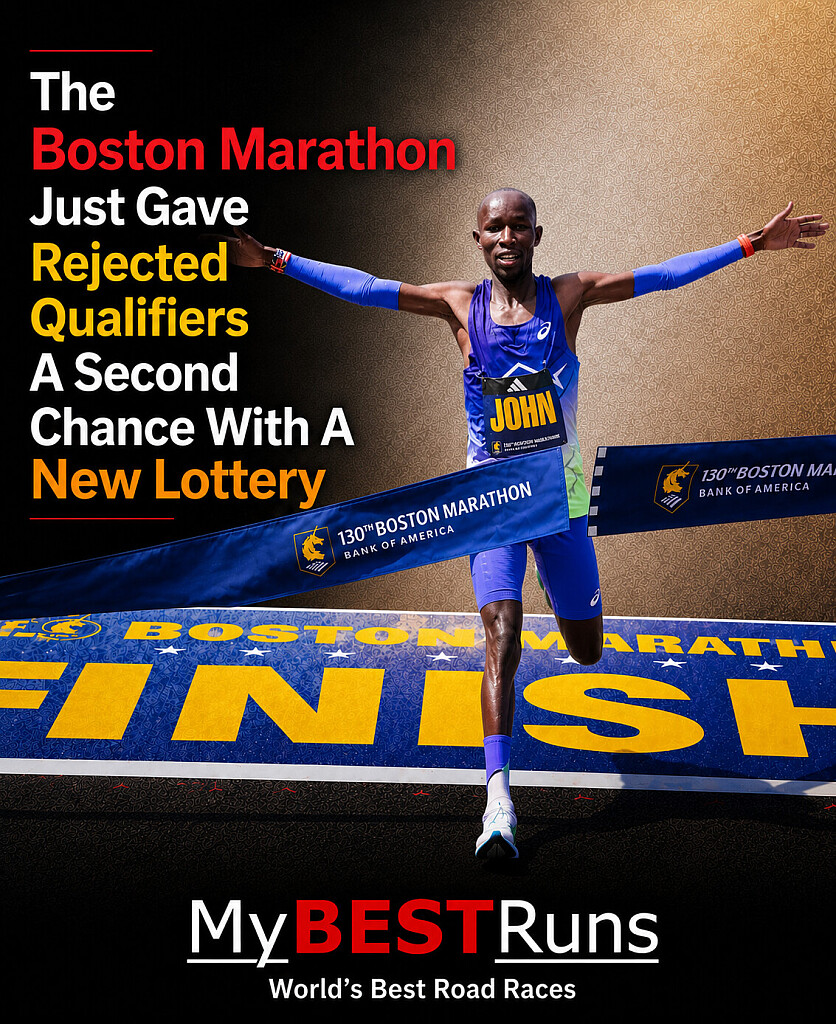
Boston Marathon Opens a New Door: Historic Lottery Gives Rejected Qualifiers a Second Chance in 2027
For generations, earning a place at the Boston Marathon has been one of the toughest achievements in distance running. Unlike most of the world's major marathons, Boston has always stood by one uncompromising principle: meet the qualifying standard—and beat everyone else who qualified—or miss out. That long-standing tradition is now evolving.

In a landmark announcement, the Boston Athletic Association (B.A.A.) has confirmed that the 2027 Boston Marathon will introduce a new lottery system, giving approximately 1,000 runners who achieve a Boston qualifying time—but narrowly miss the annual entry cut-off—a second opportunity to reach the iconic starting line in Hopkinton.
The move marks one of the most significant changes to Boston's qualification process in decades, while preserving the race's elite qualifying standards.
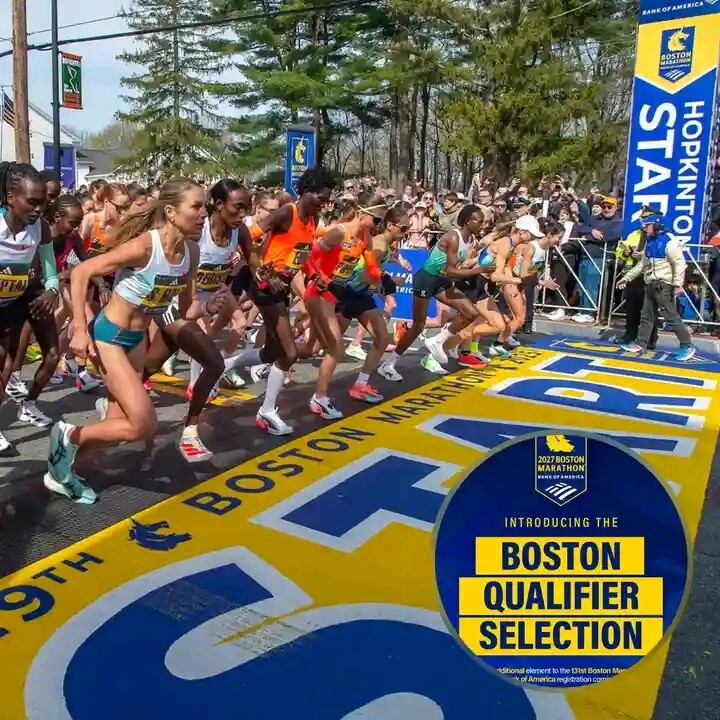
The new system will not replace Boston's traditional selection process. Instead, all applicants will continue to be ranked according to how much they exceeded the official qualifying standard for their respective age group and gender. After race times are verified, the fastest qualifiers will receive guaranteed entry until the field reaches capacity, establishing the annual cut-off time.
What changes in 2027 is what happens next.
Rather than ending the process there, the B.A.A. will randomly select around 1,000 additional runners from the pool of qualified athletes who fell below the cut-off. Any runner who meets the qualifying standard but is not initially accepted will automatically be entered into the draw, with no separate application required.
The announcement comes after several years of record-breaking demand.
More than 11,000 qualified runners were denied entry for both the 2024 and 2025 editions despite posting official qualifying performances. In 2024, 11,039 qualifiers missed out, while that number climbed to a record 12,324 for the 2025 race. Even for the 2026 Boston Marathon, approximately 8,900 qualified applicants were left disappointed after 33,249 runners applied for just 24,362 available places.
Under the new format, the additional 1,000 lottery entries would have provided an opportunity to roughly one in every nine to twelve rejected qualifiers based on recent registration figures.
B.A.A. President and Chief Executive Officer Jack Fleming said the initiative reflects the increasingly competitive nature of marathon running.
"With the increasingly fast times in our sport, our random Boston Qualifier Selection gives all those who have met the standard for their age group a chance to run Boston," Fleming said.
The decision also brings Boston closer to the registration models used by its fellow Abbott World Marathon Majors. While Boston has traditionally relied almost exclusively on qualifying performances, races such as London, New York City, and Chicago have long allocated significant portions of their fields through public lotteries.
Alongside the lottery announcement, the B.A.A. also confirmed another notable update for the 2027 qualifying process. For the first time, qualifying performances achieved on courses with more than 1,500 feet (457 metres) of net elevation loss will be adjusted through a downhill indexing system, ensuring a more consistent comparison of performances across different marathon courses.
Registration for qualified runners will take place from September 14–18, 2026, with all applicants expected to receive their acceptance status in early October.
While Boston's qualifying standards remain among the most demanding in the sport, the introduction of a lottery offers hope to thousands of runners whose dreams have previously been decided by mere seconds. For the first time in the race's storied history, qualifying alone may no longer guarantee disappointment for those who narrowly miss the cut—because chance will now have a place alongside speed on the road to Boston.
by Erick Cheruiyot for My Best Runs.
Login to leave a comment
Boston Marathon
Among the nation’s oldest athletic clubs, the B.A.A. was established in 1887, and, in 1896, more than half of the U.S. Olympic Team at the first modern games was composed of B.A.A. club members. The Olympic Games provided the inspiration for the first Boston Marathon, which culminated the B.A.A. Games on April 19, 1897. John J. McDermott emerged from a...
more...
2026 Boston Marathon Qualifying Standards Among the Most Demanding Ever Issued
The Boston Athletic Association (B.A.A.) has confirmed new qualifying standards for the 2026 Boston Marathon, scheduled for April 20, 2026, and they are among the most demanding ever issued in the event’s 130-year history. For runners aged 18 to 59, the time standards have been made five minutes faster than those used for the 2025 race — a reflection of both the extraordinary growth in marathon participation and the deepening field of competitive age-group runners.
These updates reinforce the B.A.A.’s commitment to maintaining the Boston Marathon as the pinnacle of achievement for amateur and professional runners alike. With more applicants qualifying each year than the race can accept, meeting the standard no longer guarantees entry — runners must often exceed the qualifying mark by several minutes to secure a bib.
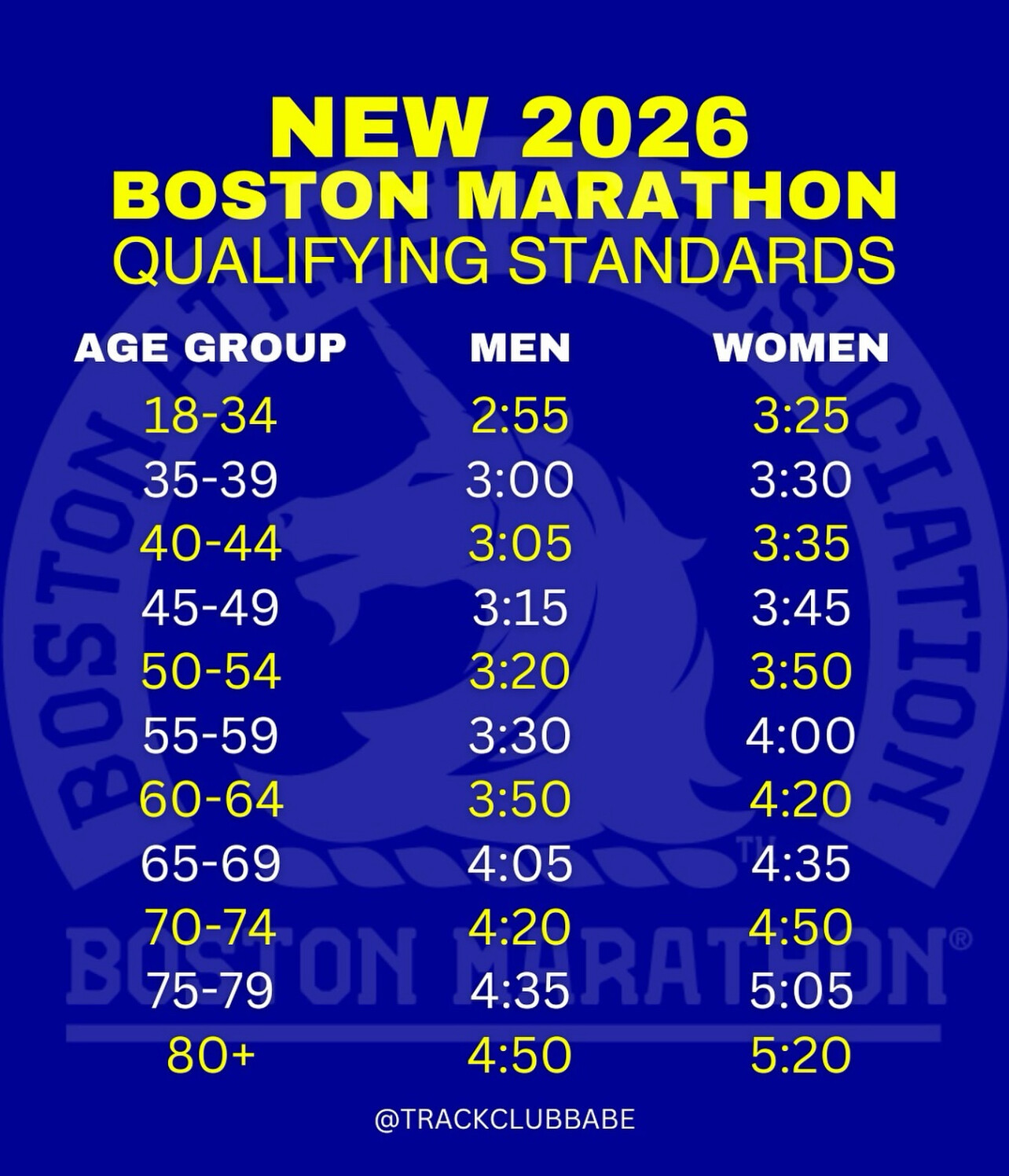
2026 Boston Marathon Qualifying Standards
Age Group – Men – Women
18–34 – 2:55:00 – 3:25:00
35–39 – 3:00:00 – 3:30:00
40–44 – 3:05:00 – 3:35:00
45–49 – 3:15:00 – 3:45:00
50–54 – 3:20:00 – 3:50:00
55–59 – 3:30:00 – 4:00:00
60–64 – 3:50:00 – 4:20:00
65–69 – 4:05:00 – 4:35:00
70–74 – 4:20:00 – 4:50:00
75–79 – 4:35:00 – 5:05:00
80+ – 4:50:00 – 5:20:00
These standards closely match the official 2026 qualifying table published by the B.A.A. Standards for runners aged 60 and above have changed little or remained consistent with prior years, while younger age divisions (18–59) now face significantly faster requirements.
Meeting these times makes a runner eligible to apply for registration, but acceptance depends on the number of applicants. For the 2025 Boston Marathon, runners needed to be 6 minutes and 51 seconds faster than the posted standard to gain entry. For the 2026 edition, the cutoff narrowed but remained steep — 4 minutes and 34 seconds faster than the standard.
Elite Field Entry
The B.A.A. does not publicly post official qualifying times for elite athletes. Instead, entries are extended by invitation to runners who have recently achieved world-class performances. While not formalized, typical benchmarks for consideration are around sub-2:20 for men and sub-2:45 for women, depending on the depth of the field and prior race results.
Course Adjustments Coming for 2027
Beginning with the 2027 Boston Marathon, new rules will redefine which marathon courses count toward qualification. Races with net-downhill profiles will face time “indexing” to ensure fairness:
• Courses dropping 1,500–2,999 feet: +5 minutes added to finishing time
• Courses dropping 3,000–5,999 feet: +10 minutes added
• Courses dropping 6,000 feet or more: will no longer count as qualifiers
These adjustments, already confirmed by the B.A.A., are designed to standardize qualifying efforts across all marathon courses and eliminate advantages from steep downhill profiles.
What This Means for Runners
For competitive marathoners worldwide, the 2026 standards mark one of the most significant tightening periods in recent memory. The message from the B.A.A. is clear:
• Run faster than ever before.
• Choose a certified, fair course.
• Don’t aim to meet the standard — aim to beat it decisively.
The Boston Marathon remains the benchmark for excellence in distance running. With the 2026 standards now in place and additional adjustments ahead for 2027, the pursuit of a Boston Qualifier (BQ) remains one of the most respected — and challenging — achievements in the sport.
by Boris Baron
Login to leave a comment
Boston Marathon
Among the nation’s oldest athletic clubs, the B.A.A. was established in 1887, and, in 1896, more than half of the U.S. Olympic Team at the first modern games was composed of B.A.A. club members. The Olympic Games provided the inspiration for the first Boston Marathon, which culminated the B.A.A. Games on April 19, 1897. John J. McDermott emerged from a...
more...