

Running News Daily
Running News Daily is edited by Bob Anderson and team. Send your news items to bob@mybestruns.com Advertising opportunities available.
Index to Daily Posts · Sign Up For Updates · Run The World Feed
Articles tagged #Olympic flame
Today's Running News


LA28 Olympic Flame To Make History With First-Ever Journey Through All 50 U.S. States
The Olympic flame is preparing for a journey unlike any it has made before.
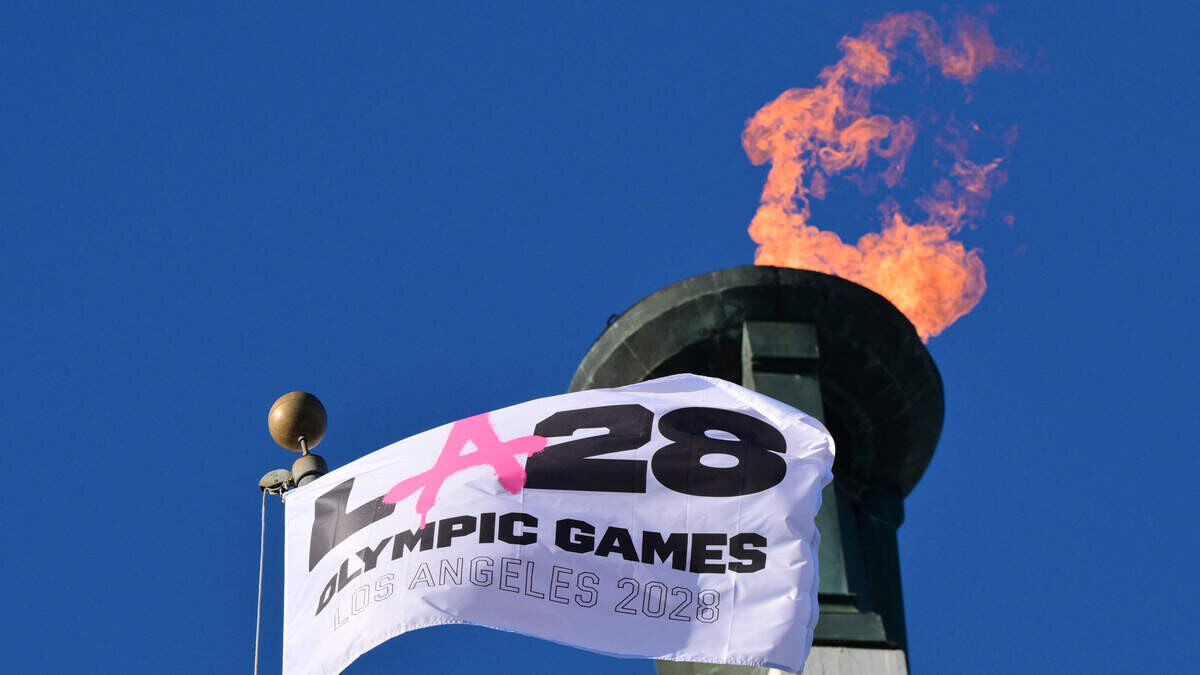
For the first time in Olympic history, the flame heading to the Los Angeles 2028 Olympic Games will travel through all 50 U.S. states, bringing one of the Games’ most enduring traditions directly into communities across the country.
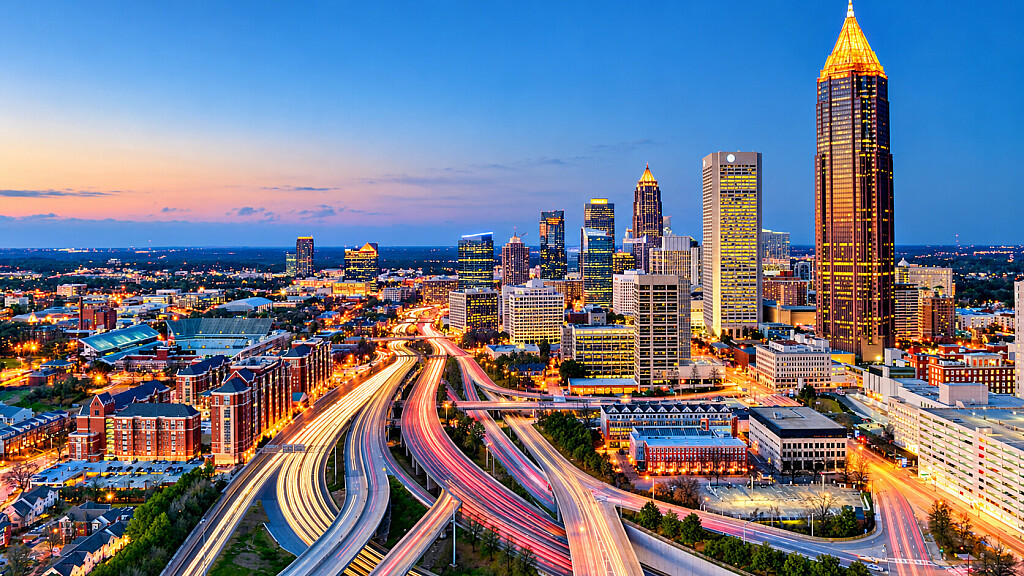
The historic American chapter will begin in Atlanta, Georgia, the host city of the 1996 Olympic Games and the last U.S. city to stage a Summer Olympics. Thirty-two years after the Atlanta flame was extinguished, the Olympic flame will return to the city to begin its extraordinary journey toward Los Angeles.
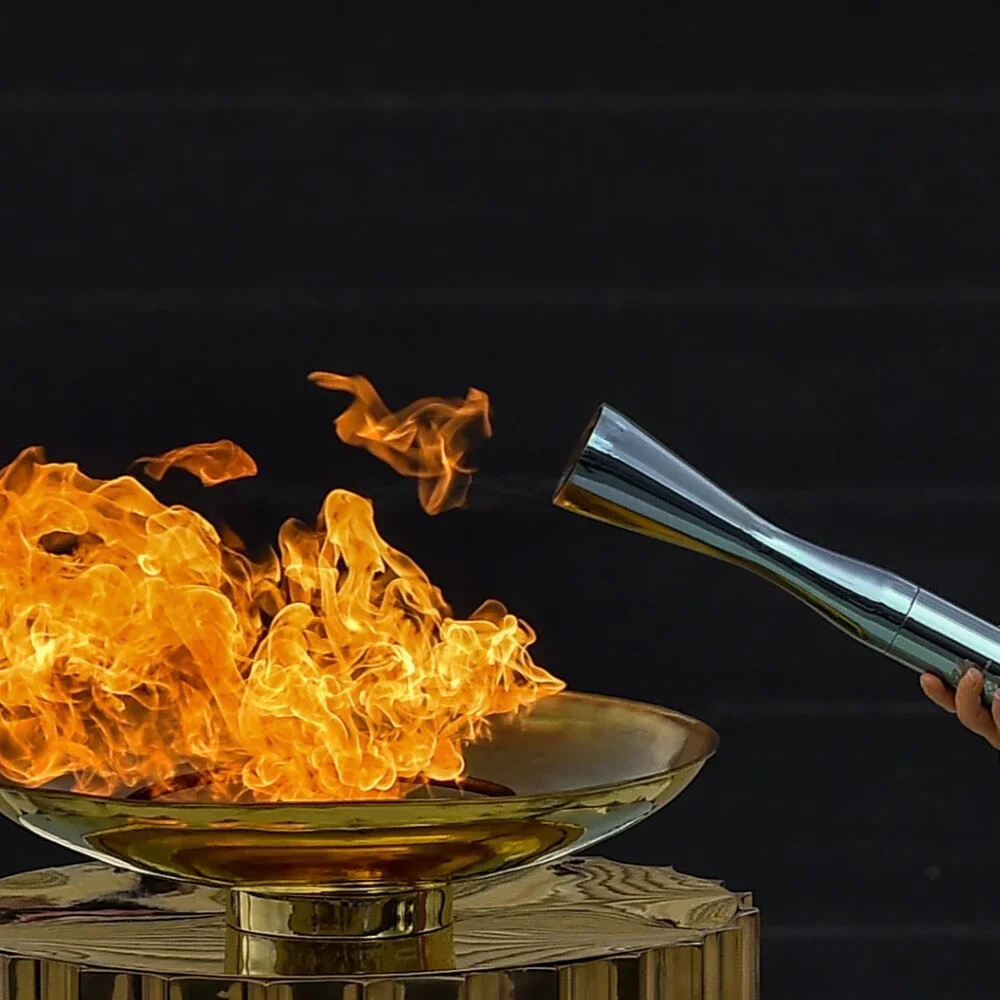
Before reaching American soil, the flame will be ceremonially lit in Olympia, Greece, the birthplace of the ancient Olympic Games. From there, it will make its way to the United States before beginning a nationwide relay in spring 2028. The complete route is expected to be announced in 2027.
50 STATES. ONE FLAME. ONE JOURNEY.
From Hawaii to North Dakota and from South Dakota to California, the relay is being designed to showcase communities, landmarks, cultural celebrations and major events across the United States.
LA28 says the relay will be one of the largest in Olympic history, with the flame passing through iconic locations and bringing celebrations to selected cities along the way. The journey is intended to give people across the country an opportunity to experience the Olympic spirit before the Games officially begin in Los Angeles.
The public will also have an opportunity to become part of the history. LA28 has confirmed that members of the general public will be eligible to be nominated as torchbearers, although further details about the nomination process will be announced later.
The full route remains under development, meaning the landmarks, cities and communities that will welcome the flame are still to be revealed. What is already certain, however, is the scale of the journey: every U.S. state will have a place in the Olympic Torch Relay for the first time.
THE OLYMPIC STORY WILL CONTINUE
The flame's journey will not be the only torch relay connected with LA28.
Following the conclusion of the Olympic Games, the Paralympic Torch Relay will begin in August 2028. Its flame will originate in Stoke Mandeville, United Kingdom, the birthplace of the Paralympic Movement, before continuing its own journey toward Los Angeles. The starting point of the U.S. portion of that relay will be announced at a later date.
The LA28 Paralympic Games are scheduled for 15–27 August 2028, marking Los Angeles' first time hosting the Paralympic Games.
For LA28, the Olympic flame will therefore become more than a symbol carried toward an opening ceremony. It will become a moving connection between communities separated by thousands of miles, linking America's Olympic past in Atlanta with its Olympic future in Los Angeles.
One flame. Fifty states. Millions of people. One extraordinary road to LA28.
by Erick Cheruiyot for My Best Runs.
Login to leave a comment
The Olympic Gold That Korea Had To Wait 52 Years To Truly Claim
On August 9, 1936, Sohn Kee-chung crossed the finish line of the Olympic marathon in Berlin in 2:29:19.2, becoming the first Korean to win an Olympic gold medal.
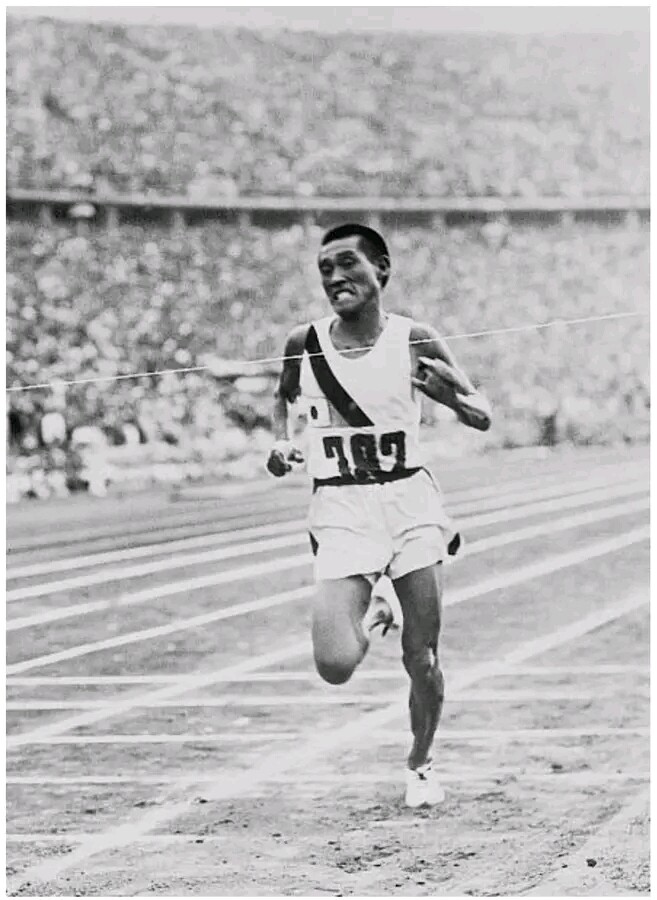
But there was a painful contradiction behind the triumph.
The scoreboard did not identify him as Sohn Kee-chung. It listed him as Kitei Son — the Japanese pronunciation of his Korean name. And instead of competing for Korea, he was officially entered as a member of the Japanese delegation because Korea had been under Japanese colonial rule since 1910.
Sohn was born in 1912 near Sinuiju, in what is now North Pyongan Province, and emerged as one of the outstanding distance runners of his generation. His talent became impossible to ignore in the 1930s, and in November 1935 he ran 2:26:42 in Tokyo to set a world marathon record.
By the time he arrived in Berlin, Sohn was already a world-class marathoner. Yet his greatest sporting achievement would unfold under an identity that had been imposed upon him.
He was not permitted to compete under his Korean name. He was not permitted to carry the Korean flag. His uniform bore the Japanese emblem.
And even after winning Olympic gold, he could not celebrate as a Korean champion.
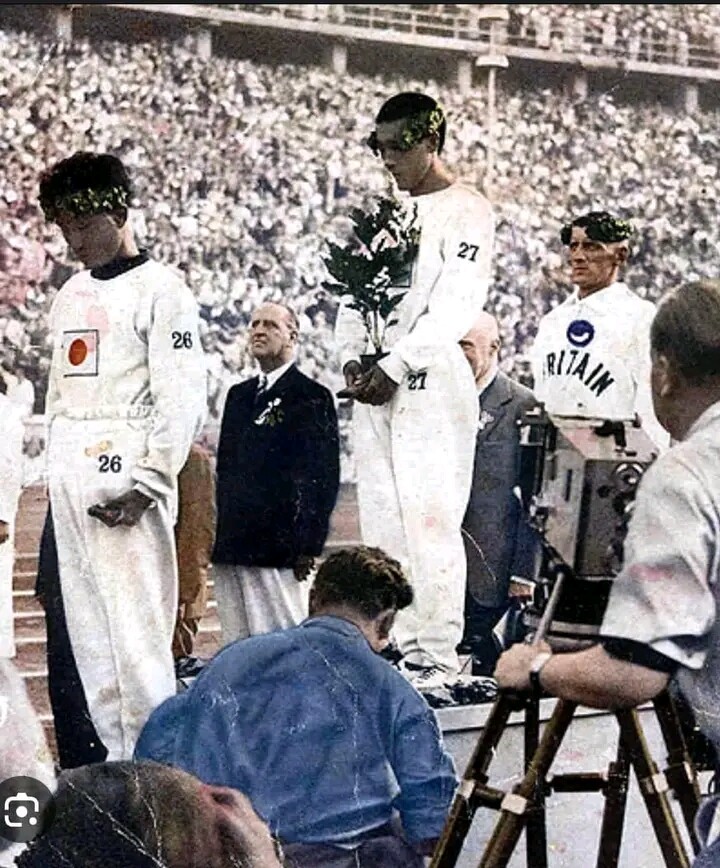
Sohn won the marathon ahead of Britain's Ernie Harper, while another Korean, Nam Sung-yong, claimed bronze. Sohn became the first Olympic marathoner to break the 2:30 barrier, with his 2:29:19.2 Olympic record standing as a remarkable achievement. Importantly, however, his Berlin time was not a world record — his world-best mark had come the previous year in Tokyo.
The medal ceremony became one of the most haunting images in Olympic history.
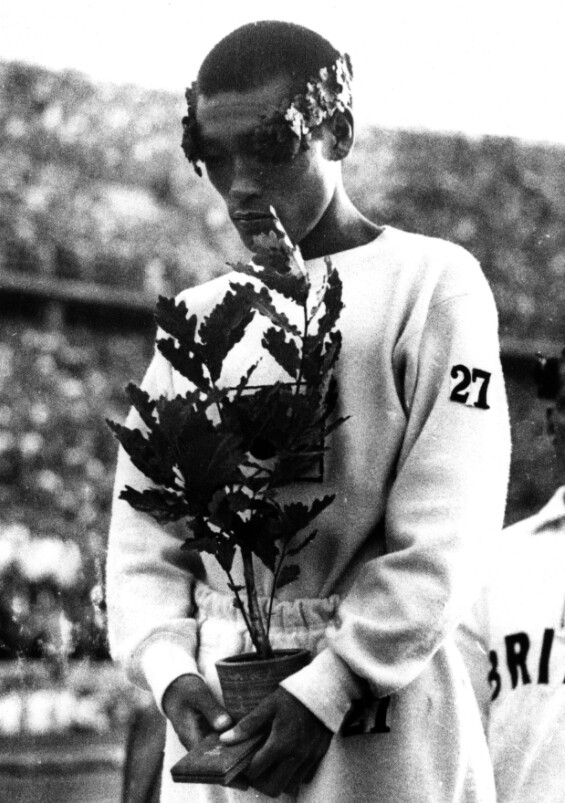
As the Japanese flag was raised and the Japanese anthem played, Sohn stood on the top step of the podium with his head lowered. Nam Sung-yong stood beside him on the third step. Neither athlete was able to represent the nation from which they came.
Sohn held the laurel wreath he had received for winning the marathon across his chest, concealing the Japanese flag on his uniform.
The gesture was silent.
But the message was powerful.
He had won the race for himself and for Korea, even though the official ceremony claimed him for Japan.
Back home, Koreans celebrated his victory with enormous pride. For many, Sohn's success was a rare moment of national affirmation during colonial rule. Yet the emotions were complicated. Some Korean nationalists viewed participation in the Japanese team as a painful compromise, while others saw Sohn's victory as a powerful act of resistance against the colonial claim that Koreans were inferior.
The reaction of the Korean press became another chapter in the story.
On August 25, 1936, the Dong-A Ilbo published the famous photograph of Sohn on the podium with the Japanese flag removed from his uniform. The newspaper's journalists had deliberately erased the emblem — an act of defiance against Japan's colonial authorities. The incident triggered a major crackdown. Multiple journalists were arrested, and the newspaper was forced to suspend publication for months. Historical accounts record that eight people involved were imprisoned and that the paper was suspended for roughly nine months.
The photograph became more than an image of an Olympic champion.
It became an image of a nation trying to preserve its identity.
After Korea was liberated in 1945, Sohn's life took a new direction. He became an influential coach and helped develop the next generation of Korean distance runners. Among those he guided were Suh Yun-bok, who won the Boston Marathon in 1947, and Ham Ki-yong, the 1950 Boston Marathon champion. Sohn also served in various athletic organizations in South Korea.
In 1948, he carried the flag for the newly independent Republic of Korea at the London Olympics — another deeply symbolic moment in a life that had begun with his identity being taken from him on an Olympic starting line.
Decades later, Sohn returned to Germany and, in 1972, attended the Munich Olympics. There, he was reunited with filmmaker Leni Riefenstahl, whose film Olympia had documented the 1936 Berlin Games.
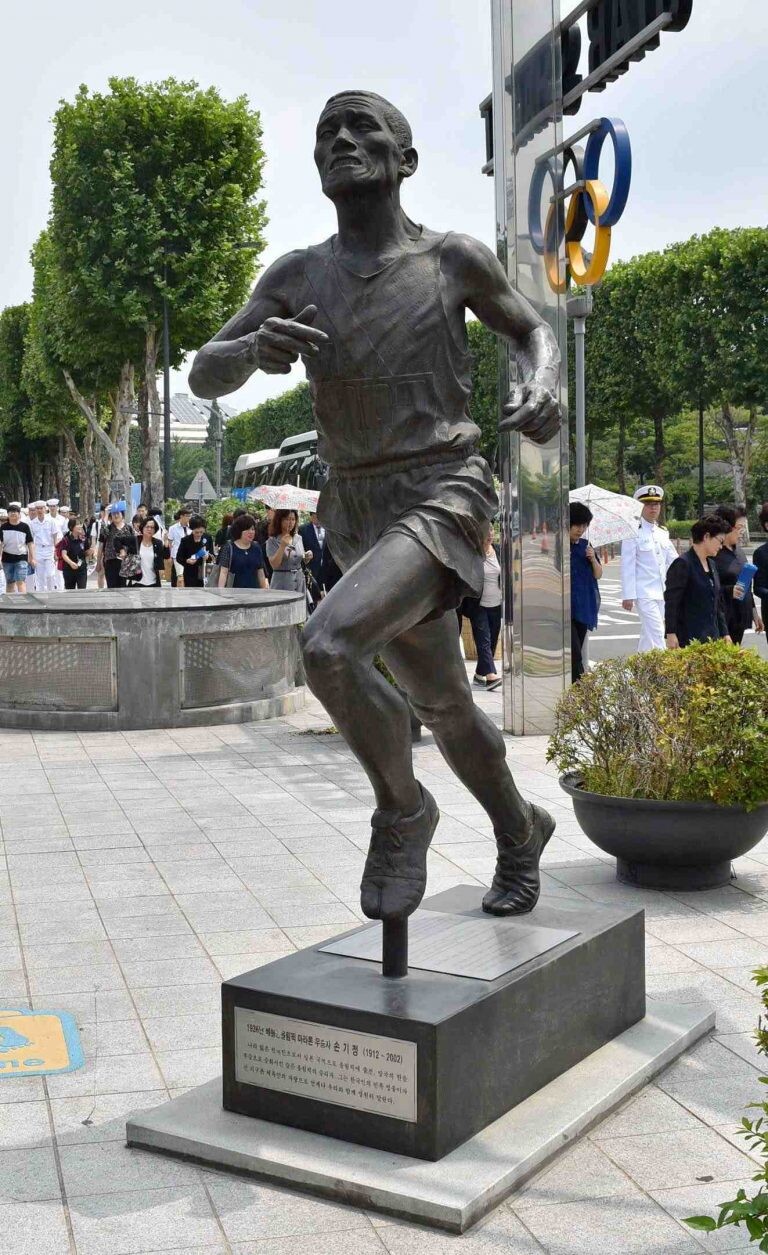
Today, Sohn Kee-chung’s legacy is also preserved in Seoul, South Korea, where a statue of the legendary marathoner stands at Sohn Kee-chung Athletic Park, near the memorial hall named in his honor. The memorial site includes a bronze head statue created in 1990, depicting Sohn in his later years, with scenes from his historic 1936 Berlin victory engraved below. Another statue, unveiled in 2016 to mark the 80th anniversary of his Olympic triumph, portrays the young Sohn proudly holding the Olympic trophy — this time with the South Korean flag in place of the Japanese emblem that had appeared on his uniform in Berlin.
But perhaps the most emotional chapter came in Seoul.
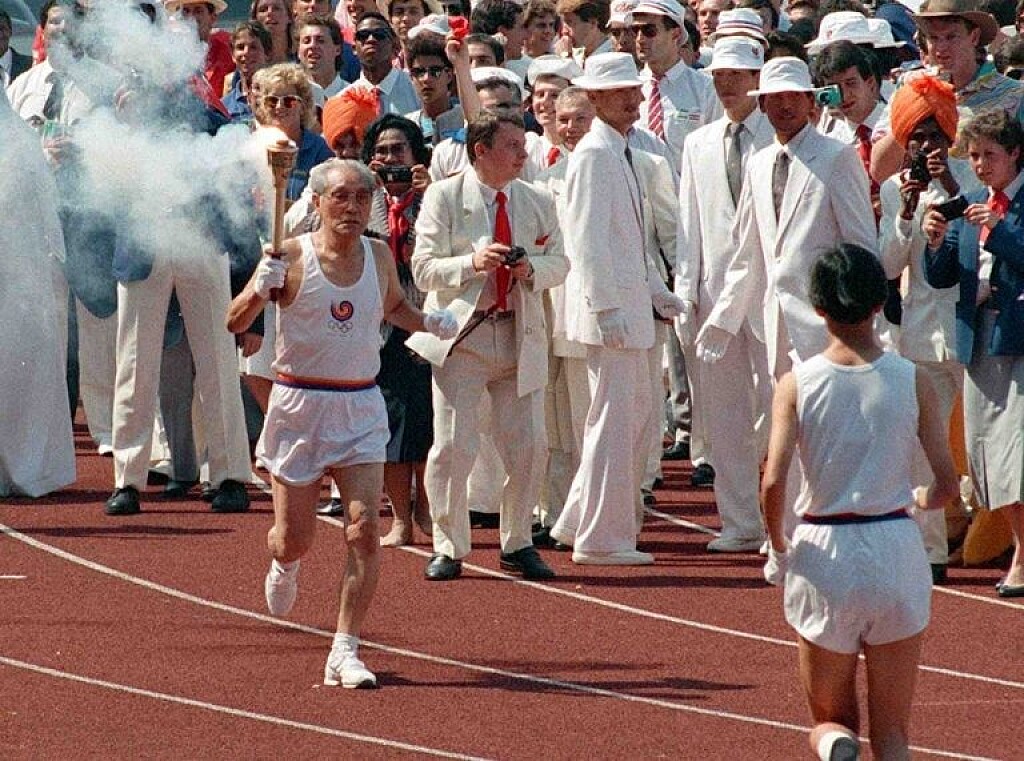
On September 17, 1988, 52 years after his Berlin triumph, the 76-year-old Sohn Kee-chung carried the Olympic torch into the stadium at the opening ceremony of the Seoul Olympics.
Think about what that moment represented.
In Berlin in 1936, he had stood on the Olympic podium beneath a foreign flag, unable to openly celebrate his victory as a Korean.
In Seoul in 1988, he entered an Olympic stadium carrying the flame for his own country.
The symbolism was almost impossible to miss.
The young runner who had once been forced to compete under the name Kitei Son was now an elderly Korean national hero, carrying the Olympic flame before his people.
He had spent more than five decades watching history slowly return his name to him.
Sohn Kee-chung died in November 15, 2002, aged 90, in Seoul, South Korea leaving behind far more than an Olympic medal. He left a story about athletic greatness, identity, dignity and resistance — a story in which a marathon victory became inseparable from the history of an entire nation.
His Berlin gold medal may have been officially recorded under Japan's name.
But in Korea, the champion was always Sohn Kee-chung.
And perhaps that is why the photograph of him standing on the podium, head bowed and the laurel wreath covering the Japanese emblem, remains so powerful.
He won the race in Berlin. But the world took decades to understand who had actually won it.
by Erick Cheruiyot for My Best Runs.
Login to leave a comment
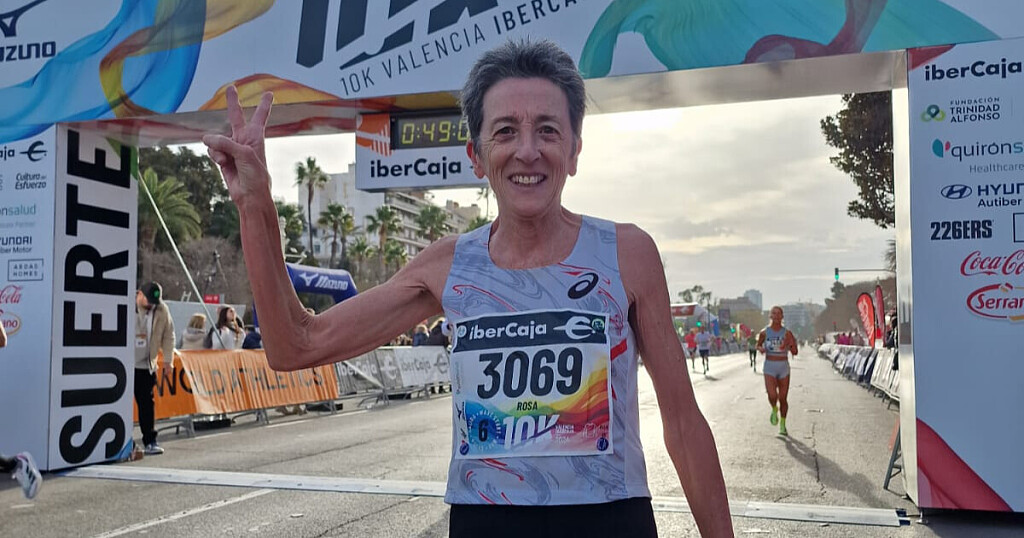
Rosa Mota: The Woman Who Refused to Accept Limits and Redefined Marathon Greatness
Long before women's distance running received the recognition it deserved, a young girl from the historic streets of Porto was quietly preparing to change the sport forever.
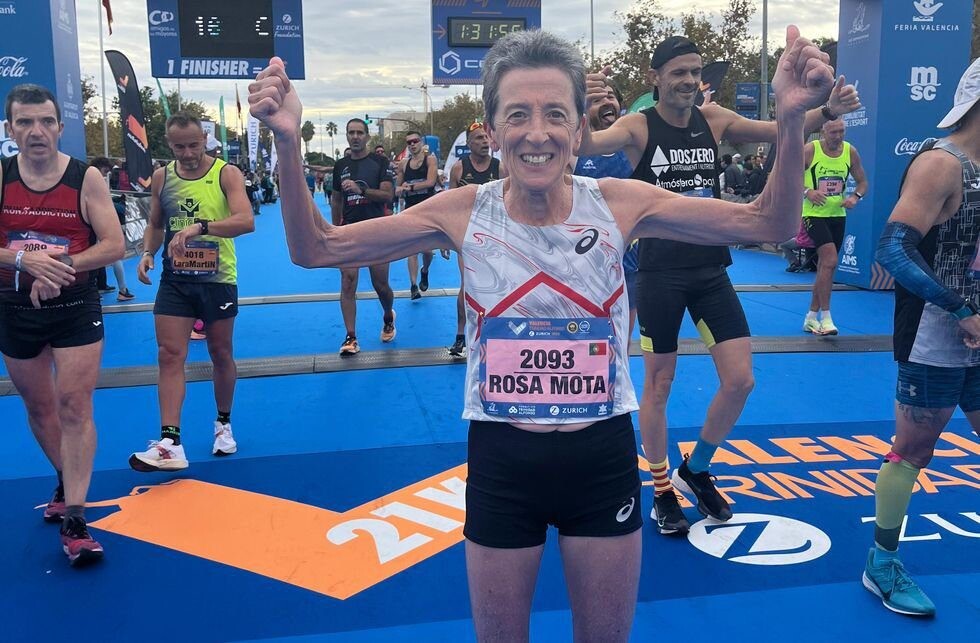
Born in the Foz Velha district of Portugal's second-largest city, Rosa Mota grew up battling asthma and sciatica—two conditions that might have convinced many that elite athletics was an impossible dream. In an era when opportunities for female athletes were scarce and expectations even lower, she was often reminded of her supposed limitations.
Rosa chose not to listen.
Instead, she ran.
She ran beyond the boundaries others placed around her. She ran beyond pain. She ran beyond doubt. And in doing so, she became one of the greatest marathon runners the world has ever known.
When the inaugural women's marathon was introduced at the 1982 European Championships in Athens, few outside Portugal expected Rosa Mota to be a contender. The race featured some of the finest distance runners of the era, including Norway's legendary Ingrid Kristiansen.
By the end of the race, expectations had been shattered.
Mota stormed to victory, announcing herself on the international stage and beginning a reign that would redefine women's marathon running. It was not merely a breakthrough win—it was the arrival of a champion whose influence would extend far beyond medals and records.
What made Rosa extraordinary was not overwhelming physical dominance. Her greatness stemmed from something deeper: an unbreakable resilience, remarkable tactical intelligence, and an ability to perform under the highest pressure. She carried herself with calm confidence, but beneath that calm was an iron determination that competitors found impossible to match.
Over the next decade, Mota assembled one of the most remarkable résumés in athletics history.
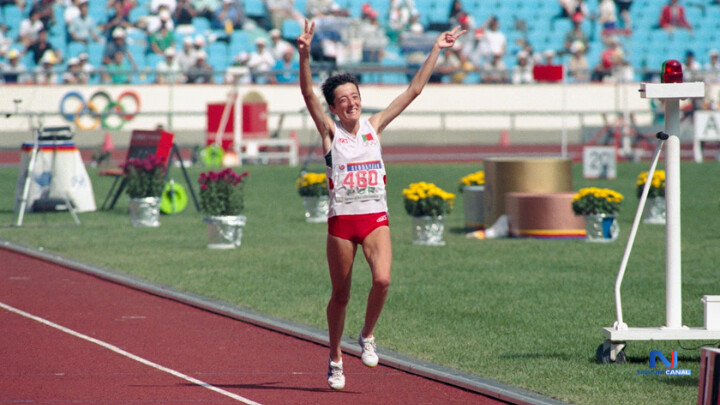
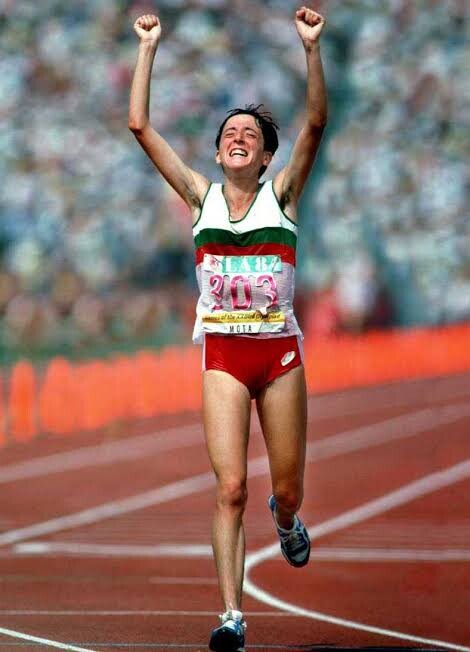
She became European champion, World champion, and Olympic champion—a combination no other woman has ever held simultaneously in the marathon. Her crowning achievement arrived at the 1988 Olympic Games in Seoul, where she produced a masterclass in championship racing.
With just two kilometres remaining, Mota launched a perfectly timed surge that left her rivals with no answer. She crossed the finish line 13 seconds clear of the field, securing Olympic gold and becoming the first Portuguese woman in history to win an Olympic title.
The victory elevated her from national hero to global icon.
Her success did not stop there.
In 1990, she captured her third Boston Marathon title, further cementing her status among the sport's elite. Later that same year, she defended her European Championship crown in Split in dramatic fashion. After building a commanding lead, she was gradually reeled in by Soviet athlete Valentina Yegorova. Yet when the race entered its decisive moments, Mota found another gear and held on to win by five seconds.
The triumph made history.
No athlete—male or female—had ever won three European marathon titles. Rosa Mota became the first.
Numbers alone illustrate the scale of her dominance. During a remarkable ten-year period, she contested 21 marathons and won 14 of them. Consistency at such a level is almost unheard of, particularly in an event as demanding as the marathon.
The sport itself eventually delivered its verdict.
The Association of International Marathons and Distance Races honoured Mota as the greatest female marathon runner of all time, a distinction reflecting not only her achievements but also the profound impact she had on the development of women's distance running worldwide.
Yet despite her accomplishments, her name is not always mentioned as frequently as some of her male contemporaries. It is one of the lingering injustices of sporting history: many pioneering women achieved greatness equal to any champion, yet their stories often received far less attention.
Rosa Mota deserves to be remembered among the sport's immortals.
Even after retiring from elite competition, she never drifted far from running. She carried the Olympic flame through Athens in 2004, received the prestigious Abebe Bikila Award for her contributions to long-distance running, and continued competing well into her sixties.
Remarkably, age did little to slow her down.
She won the Macau Mini Marathon multiple times and later set a world record for the women's 65–69 age category over 10,000 metres, proving that the spirit which drove her to Olympic glory never faded.
Today, a sports pavilion in Porto proudly bears her name—a fitting tribute to a woman whose achievements transcended generations.
Rosa Mota's story is not simply about medals, records, or championships. It is a story of perseverance. A story of breaking barriers when few believed they should be broken. A story of showing up, year after year, race after race, regardless of the obstacles.
Some champions are remembered because they were loud.
Others are remembered because they changed history.
Rosa Mota did both through the power of her performances alone.
She was a pioneer. She was a trailblazer. She was an Olympic champion.
And for many, she remains the greatest female marathon runner the sport has ever seen.
by Erick Cheruiyot for My Best Runs.
Login to leave a comment
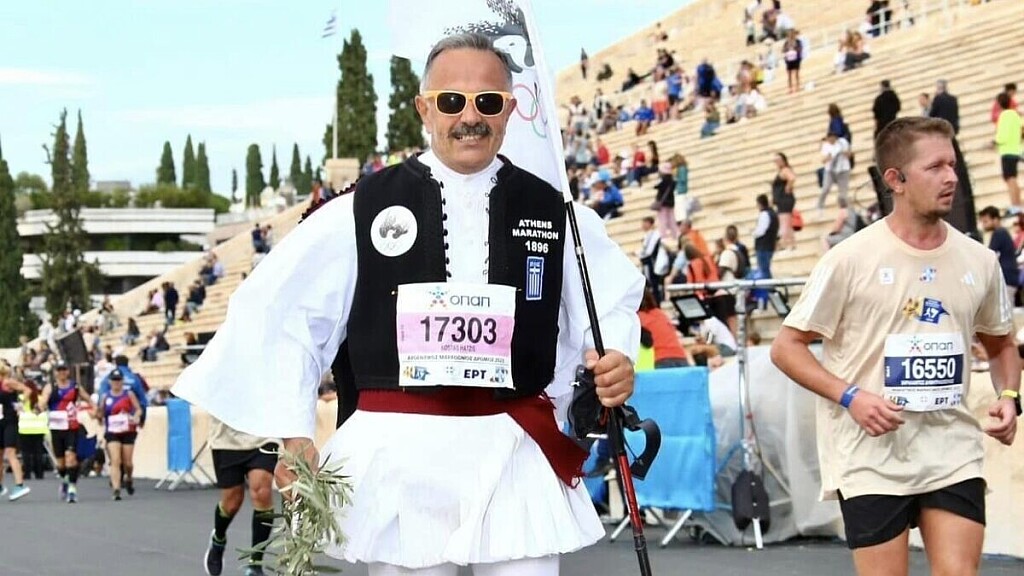
Greek runner offers $1,500 reward for stolen marathon costume
One man's tradition of racing the Athens Marathon could be up in flames after his costume was stolen just days before Sunday's race.
For seven consecutive years, Greek marathoner Kostas Hatzis has travelled to Athens from his home in the Netherlands to take part in the Athens Marathon. On Wednesday, his plans to participate in the 41st edition of the race (set for Sunday) came to a halt when his suitcase, containing his traditional Greek costume, matching shoes and Olympic Truce flag, was stolen from his vehicle. He now offers a reward of €1,000 (CAD $1,491) for anyone who returns his belongings.
“My world collapsed,” Hatzis wrote on Facebook. “My traditional Greek costume and matching shoes were snatched from me. My Olympic Truce flag, my running outfits and all I need for one week. I did not come all the way from my home in NL to eat, drink and sleep in Athens.”Hatzis’s traditional Greek costume is the distinctive uniform of Greek soldiers called Tsoliades–right down to the fustanella (a kilt-like garment) and the tsarouchis (flat shoes with pompoms). The Olympic Truce flag bears a drove with a traditional Olympic flame, symbolizing peace and human spirit.
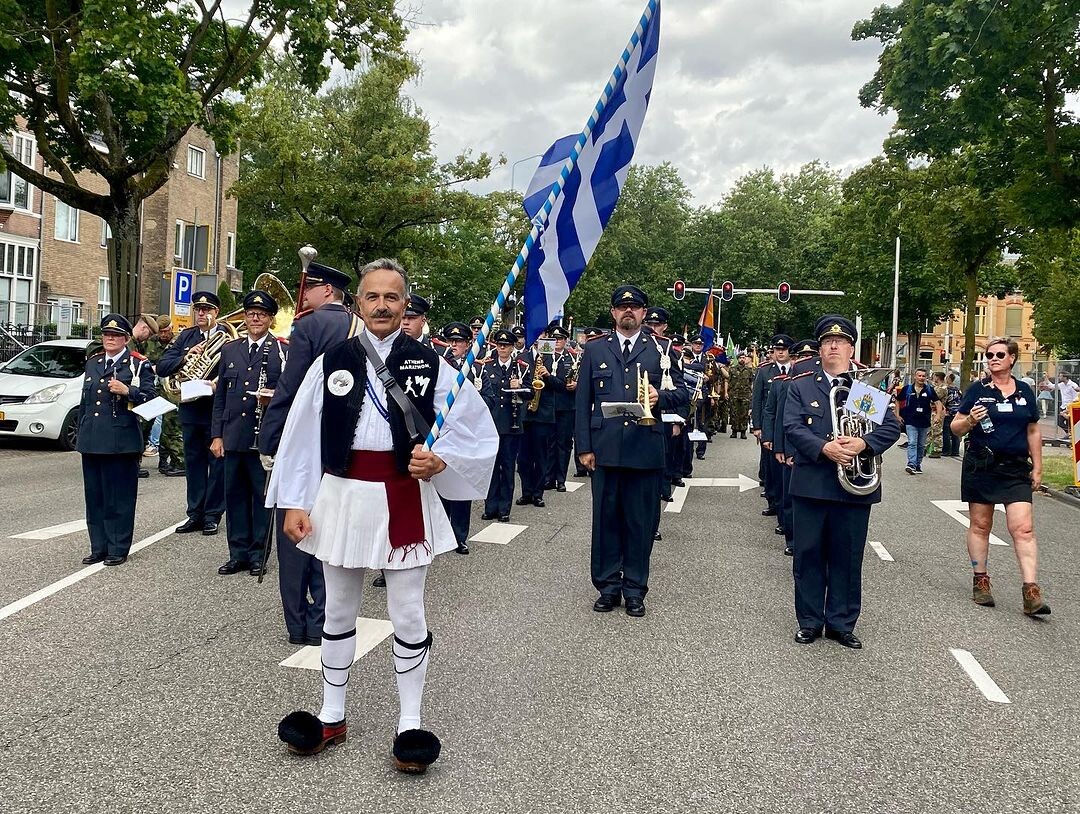
The runner, who calls himself an “International Marathon Messenger“, runs to promote the Ancient Greek tradition of Olympic Truce, or Ekecheiria. The tradition acknowledges the signing of a treaty between three kings to allow safe participation in the Olympic Games for individuals from the Greek city-states–Elis, Pisa and Sparta–despite ongoing conflicts.
In October, Hatzis took part in passing the marathon flame at the Kosice Peace Marathon in Košice, Slovakia, to honour the 100th edition of Europe’s oldest marathon.
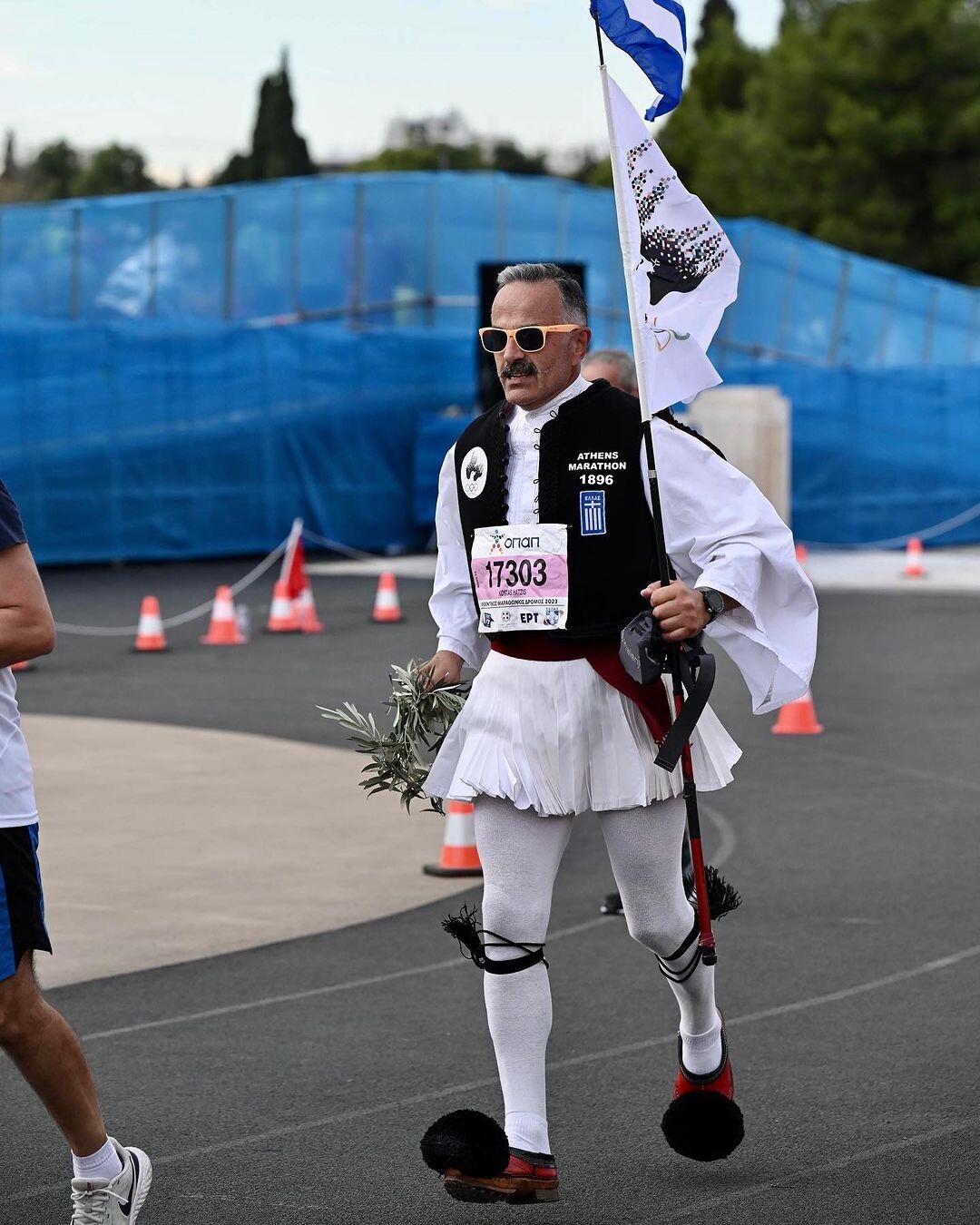
Sunday’s race was set to mark Hatzis’s eighth consecutive time competing in the Athens Marathon; his fastest time for the course is 5:17:26, which he ran in 2016. The runner has participated in countless other marathons since 2012, including the Barcelona Marathon, Paris Marathon, TCS Amsterdam Marathon and the HAJ Hannover Marathon.
by Cameron Ormond
Login to leave a comment

Athens Marathon
The Athens Classic (authentic) Marathon is an annual marathon road race held in Athens, Greece, normally in early November. The race attracted 43.000 competitors in 2015 of which 16.000 were for the 42.195 km course, both numbers being an all-time record for the event. The rest of the runners competed in the concurrent 5 and 10 kilometers road races and...
more...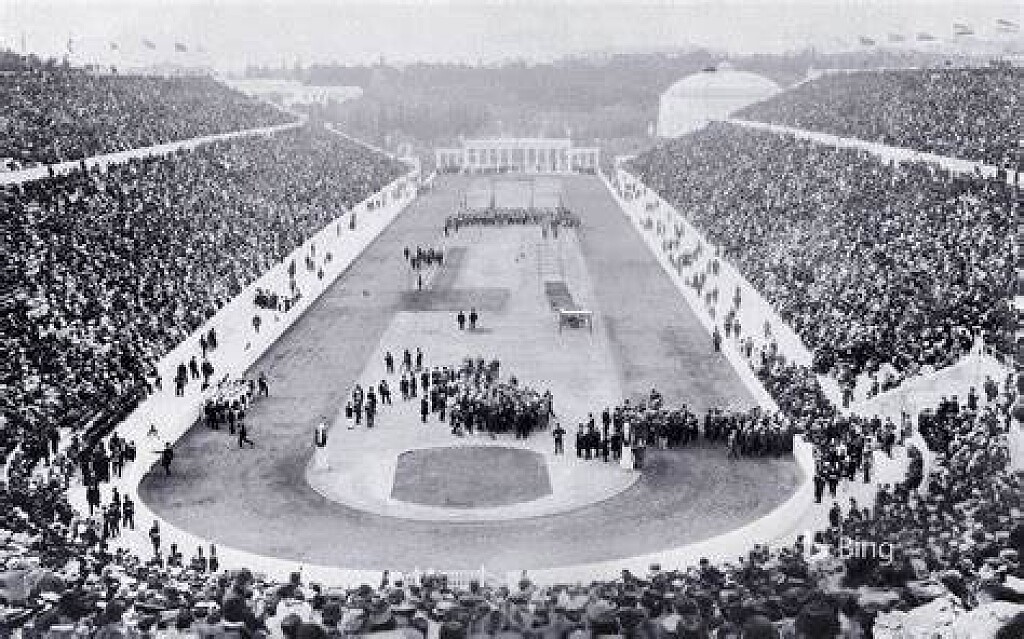
From Ancient Olympia to Paris 2024
Modern Olympic history is full of victories and defeats but along the way since the revival of the Olympics in 1896, we encountered geopolitics, a shift in women’s rights and the state of global affairs.
From Athens to Rio, in the last 125 years, the games have crossed five continents, added and removed events, resisted boycotts and were only canceled three times due to two World Wars.
In 1894, Pierre de Coubertin launched his plan to revive the Olympic Games, and in 1896 the first Games of the modern era were held in Athens
Origins of the Olympic Games
The history of the Games goes back around 3,000 years, to the Peloponnese in Ancient Greece. Sports contests organized at Olympia back then took place every four years and acquired the name Olympic Games.
The first written evidence of the official Games dates from 776 BC, when the Greeks began measuring time in Olympiads, or the duration between each edition of the Olympic Games.
The four-year interval between the Ancient Games editions was named an “Olympiad” and was used for dating purposes at the time: time was counted in Olympiads rather than years. They were held between August 6 and September 19 during a religious festival honoring Zeus.
The games were named after their location at Olympia, a sacred site located near the western coast of the Peloponnese peninsula in southern Greece.
The games included Chariot races – one of the oldest of Greek sports dated back to the Mycenean Period (1100 B.C) – consisting of 12 laps around a hippodrome (horse track) and 12 times in the opposite direction, with the length varying depending on where the event was held.
There was also kele (riders competing in horseback), footraces (running), wrestling, pentathlon – a five-event combination of long jump, running and wrestling – boxing, and lastly the pankration, which was a combined contest of boxing, wrestling and kicking.
Structure and Traditions of the Ancient Olympics
All free male Greek citizens were entitled to participate in the ancient Olympic Games, regardless of their social status. Orsippos, a general from Megara; Polymnistor, a shepherd; Diagoras, a member of a royal family from Rhodes; Alexander I, son of Amyndas and King of Macedonia; and Democritus, a philosopher, were all participants in the Games.
Married women were not allowed to participate in, or to watch, the ancient Olympic Games. However, unmarried women could attend the competition, and the priestess of Demeter, goddess of fertility, was given a privileged position next to the Stadium altar.
One of the things that is commonly argued about is the question of whether there were amateur athletes in the ancient Olympic games. Ancient Olympic athletes were neither amateur nor professional. The word athlete is a Greek word that means “one who competes for a prize” and is related to two Greek words, athlos meaning contest and athlon meaning prize.
Greek athletes competed for prizes at athletic festivals. Some of the prizes were symbolic, for instance the wreath of olive leaves at Olympia, and others were material prizes worth money, for instance bronze tripods, or amphoras filled with olive oil. There were also cash awards of 500 drachmai (considered to be a fortune) or getting an early pension plan by receiving a free meal every day.
The Significance of Competition
For the ancient Greeks, whose fiercely independent city-states were often at war with one another, athletic contests became a unifying, peacemaking force. During the Olympic games, all hostilities were suspended. City-states sent their best athletes to compete
Decline of the Ancient Olympics
After thousands of years of the Greeks and Romans gathering at the Olympia to celebrate the festival in honor of Zeus, in 393 AD, the Christian emperor Theodosius I forbade the celebration of pagan cults, which included the Games.
Nonetheless, the popularity of sports contests and cultural festivities continued in many Greek-influenced provinces of the Roman empire as late as the 6th century AD.
Following Theodosius’ order, pagan cults began to disappear, and the site of Olympia was abandoned. Earthquakes destroyed the structures and their ruins disappeared gradually under the earth and sand.
Revival of the Olympic Spirit
There were no longer any visible traces of the site. Thanks to the writings of ancient historians, the memory of the Games and their place in the Greek world was not totally forgotten. The Games were known to have existed, but the knowledge of their exact location had been lost.
In 1776, the English traveler Richard Chandler discovered the site of ancient Olympia. The principal research digs were carried out a hundred years later by German archaeologists.
Pierre de Coubertin in re-establishing the Olympics
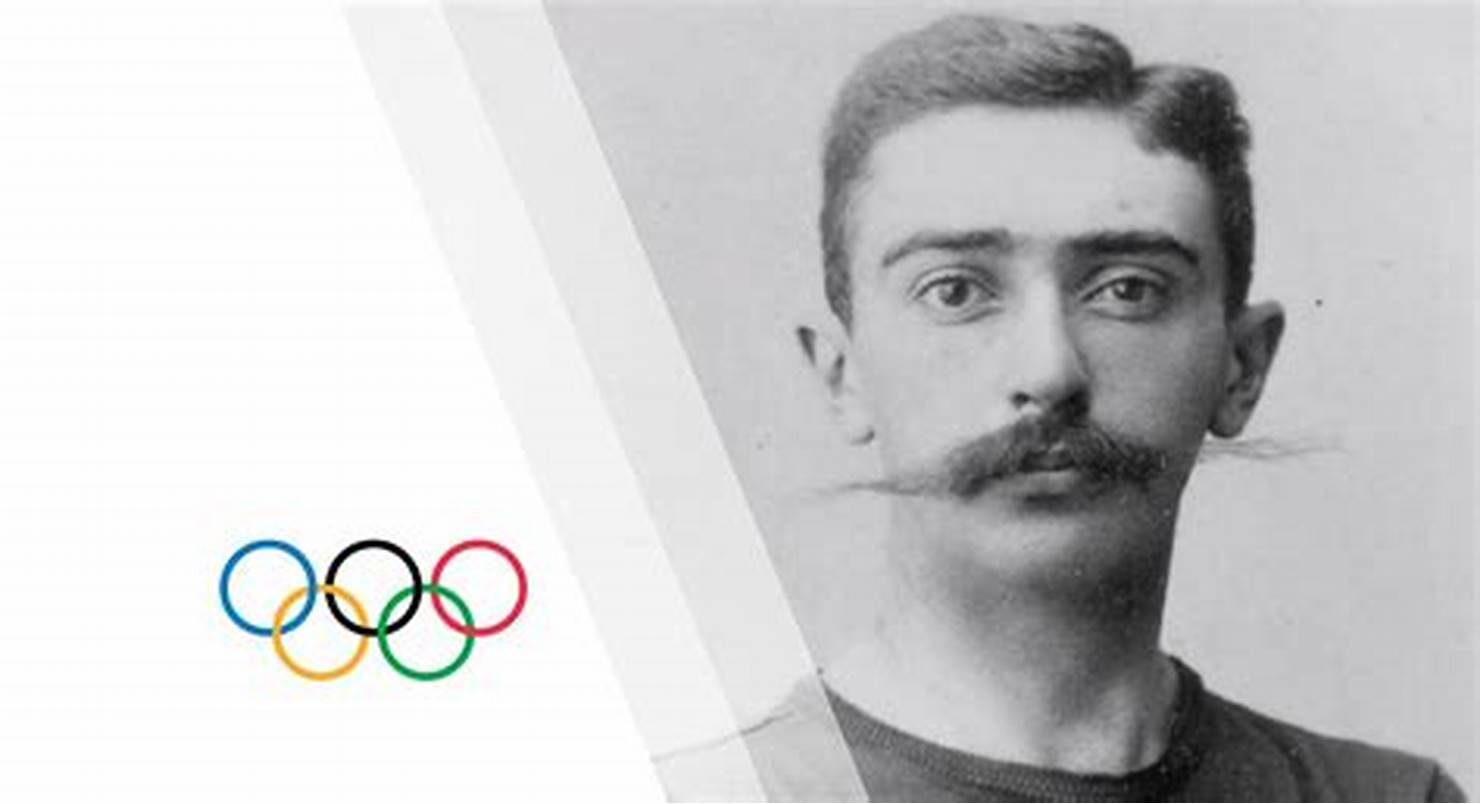
Pierre de Coubertin is widely recognized as the founder of the modern Olympic Games and the International Olympic Committee. Although artefacts suggested that ancient Olympia was prosperous, Coubertin was not put off and in 1894 invited athletes and sports people alike to attend a sports conference where he suggested the revival of the Olympics.
It was then decided on 23 June 1894 that a modern Olympic game should be held every four years and that each game should take place in a different country. It was unanimously agreed that the first modern Olympic games should be held in Olympia Greece.
Pierre de Coubertin was instrumental in establishing many of the Olympic traditions that continue to this day – the five rings, the Olympic flag, the oath and motto. He produced many writings about sport and education – one of his most famous quotes is “The important thing in the Olympic Games is not winning but taking part. Just as in life, the aim is not to conquer but to struggle well.”
The Modern Olympic Games
The International Olympic Committee (IOC) was founded on the initiative of Pierre de Coubertin on 23 June 1894, during the Olympic Congress.
At first Pierre de Coubertin planned to discuss amateur sport during the congress, however, by the time the invitations for the delegates to gather at the Sorbonne University in Paris were being sent, he changed both the programme and the title of the congress.
The event, which was eventually called the “Congress on the Revival of the Olympic Games”, served as an opportunity for de Coubertin to present his proposal to revive the Olympic Games. And thus, the International Olympic Committee was founded.
The 1894 Sorbonne congress was attended by 79 participants from 12 countries and its Opening ceremony featured musical pieces, songs, and poems.
First Modern Olympics (1896)
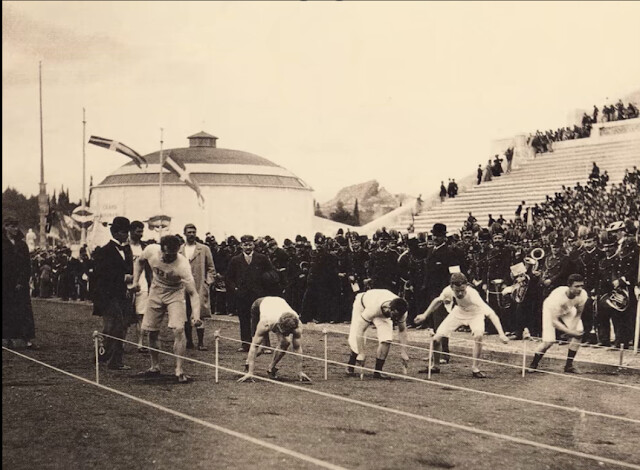
The first celebration of the modern Olympic Games took place in its ancient birthplace - Greece. The Games attracted athletes from 14 nations, with the largest delegations coming from Greece, Germany, France and Great Britain.
Due to its historical significance, the Greek hosts wanted to win the marathon above all else. Spyridon Louis set off from the city of Marathon and took the lead four kilometres from the finish line and, to the joy of the 100,000 spectators, won the race by more than seven minutes.
Hungarian swimmer Alfréd Hajós won the 100m and the 1200m events. For the longer race, the swimmers were transported by boat out to sea and left to swim the required distance back to shore. Hajós later confessed that his “will to live completely overcame [his] desire to win”.
On 6 April 1896, the American James Connolly won the triple jump to become the first Olympic champion in more than 1,500 years. He also finished second in the high jump and third in the long jump.
Evolution of the Games
The 1900 Summer Games in Paris took place from 14th May to 28th October and were held alongside the Exposition Universelle International which was staged to celebrate the achievements of the past century – the diesel engine (running on peanut oil), escalators, talking films and the telegraphone (the first magnetic audio recorder) were first displayed there.
Held as part of the Paris World’s Fair, the 1900 Games span five months, with 20 events and 24 countries represented. Because events are so spread out, many athletes and officials don't even realize they are competing in the Olympics.
But the 1900 Games introduce several new sports, including rugby, golf, cricket and croquet (the only year croquet is played), as well as equestrian events, archery and soccer. Swimming races take place in the Seine River and five sports—tennis, polo, soccer, rowing and tug of war—include athletes from differing nations playing on the same teams.
It’s also the first-time women participate, with 22 competing (along with 975 men). American Alvin Kraenzlein shines during the Paris Games when he takes gold in four track and field events.
Notable Olympic Events and Milestones
The Olympic flame, a symbol of peace and unity, was first introduced at the Berlin Games in 1936. The torch relay, which carries the flame from Olympia, Greece, to the host city, has become a cherished tradition. This relay not only symbolizes the connection between ancient and modern Games but also promotes the spirit of the Olympics across various nations
The concept of the Olympic Village was first realized during the 1924 Paris Games. This innovation provided a communal living space for athletes, enhancing the experience and fostering hospitality among competitors from around the world. The Village has since become a staple of the Olympic experience, allowing athletes to live and interact together during the Games
The Cold War era saw significant political tensions affecting the Olympics, leading to boycotts of the 1980 Moscow Games by the United States and the 1984 Los Angeles Games by the Soviet Union and its allies.
In response to various global challenges, including the COVID-19 pandemic, the Olympics have shown resilience by adapting their schedules and formats. The Tokyo 2020 Games were postponed to 2021, marking a significant moment in Olympic history as they navigated unprecedented circumstances while still aiming to uphold the Olympic spirit
A Symbol of Peace
As the world looks forward to future Olympic Games, including Paris 2024, we mustn’t forget that the Olympic Games have long served as a powerful symbol of peace, unity, and athletic excellence, transcending cultural and national boundaries. Their legacy is rooted in a philosophy that combines sport with education and cultural exchange, promoting values such as friendship, solidarity, and fair play.
by Juliana Alexandra
Login to leave a comment

Paris 2024 Olympic Games
For this historic event, the City of Light is thinking big! Visitors will be able to watch events at top sporting venues in Paris and the Paris region, as well as at emblematic monuments in the capital visited by several millions of tourists each year. The promise of exceptional moments to experience in an exceptional setting! A great way to...
more...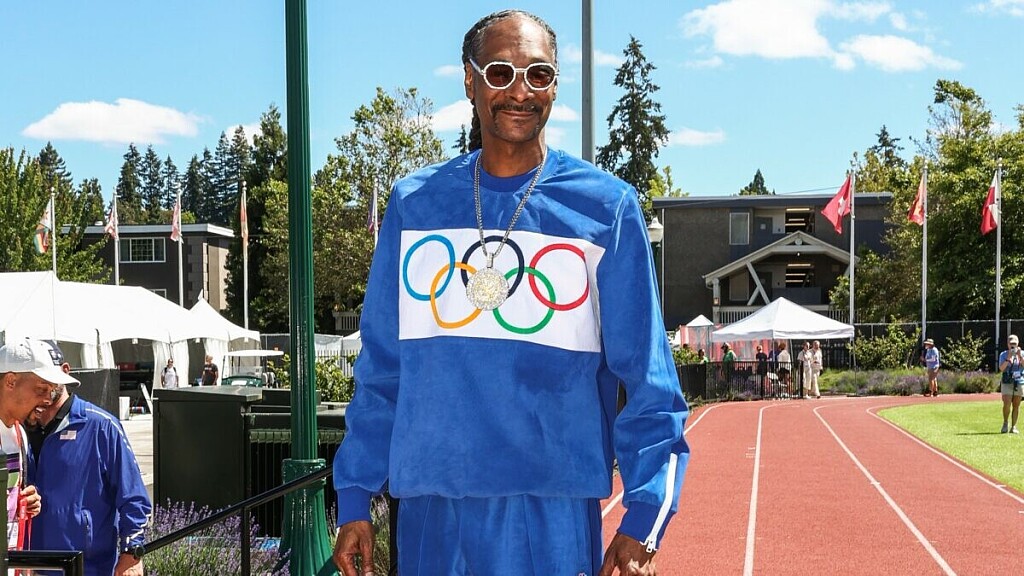
Snoop Dogg to carry Olympic torch at opening ceremony
With the Paris Olympic opening ceremony just days away, popular American rapper Snoop Dogg has been revealed as one of the final torchbearers of the Olympic flame ahead of Friday’s ceremony. Snoop Dogg, whose full name is Calvin Cordozar Broadus Jr., will carry the torch through the neighbourhood of Saint-Denis, according to the town’s mayor, Mathieu Hanotin.
Saint-Denis marks the final stop of the Olympic flame’s journey before it reaches the renowned Eiffel Tower, symbolizing the start of the global event. The rapper has already touched down in Paris, sharing his excitement with fans by tweeting a photo of himself in the Olympic host city on Tuesday, captioned: “U ready? Paris 2024 Olympics ya digggg!”
In addition to his role as a torchbearer, Snoop Dogg will provide regular reports and explore the city’s history and landmarks for prime-time shows on NBC and Peacock. His involvement will undoubtedly add some flair to the U.S. broadcast.
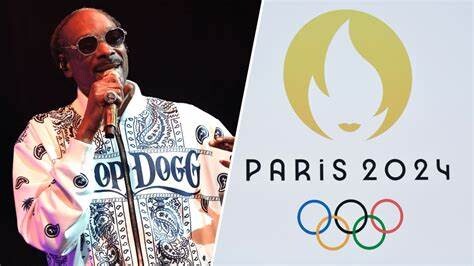
The D.O. Double G has been heavily involved with track and field this summer, also making an appearance at the 2024 U.S. Olympic Trials in Eugene, Ore., last month, where he did some play-by-play commentary on the 3,000m steeplechase and the 100m, plus ran an impressive 200m race in 34.44 seconds.
Snoop Dogg will be joined by French rapper MC Solaar and Ukrainian pole vault legend Sergey Bubka as they carry the Olympic torch around Saint-Denis (home to the Olympic stadium and aquatics centre). The torch relay is a historic Olympic tradition, and the Paris flame was first lit in April during a ceremony in Olympia, Greece, the home to the ancient Games. It’s been relayed across France over the past two months.
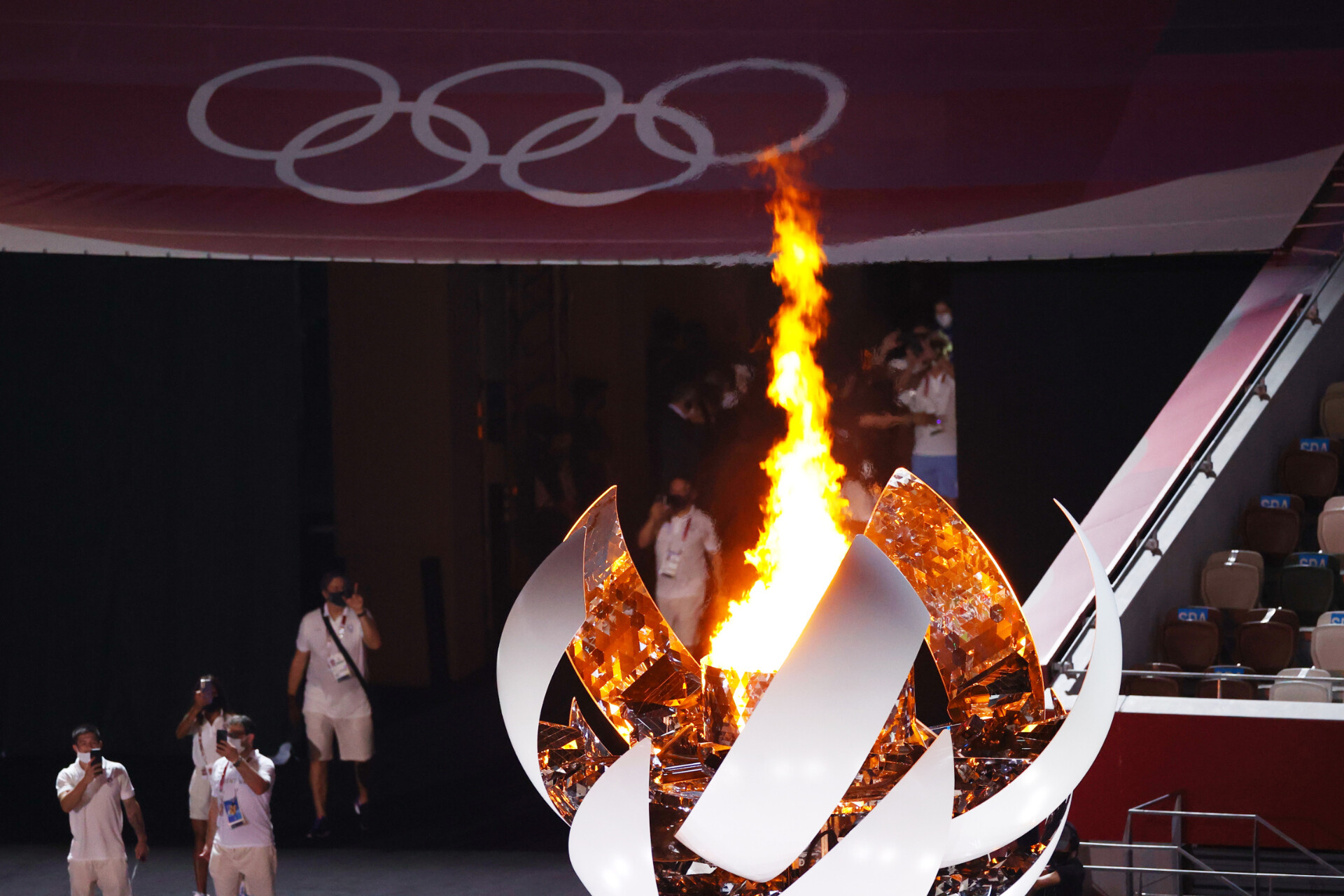
After the flame is lit, the opening ceremony will begin on the River Seine, where approximately 10,000 athletes from 206 National Olympic Committees and the IOC Refugee Olympic Team are expected. Canada’s flag bearer(s) have not yet been announced for the opening ceremony. According to the Canadian Olympic Committee, the announcement will come Wednesday morning.
by Marley Dickinson
Login to leave a comment
Paris 2024 Olympic Games
For this historic event, the City of Light is thinking big! Visitors will be able to watch events at top sporting venues in Paris and the Paris region, as well as at emblematic monuments in the capital visited by several millions of tourists each year. The promise of exceptional moments to experience in an exceptional setting! A great way to...
more...
France aims to make Paris Olympics mosquito-free
In an effort to prevent the spread of mosquito-born viruses, France is aiming to make the 2024 Paris Olympics mosquito-free.
If you thought the Olympic flame would just be burning citronella, it won’t. According to local news, the French government and the Paris Olympic organizing committee have hired a company to install 15 traps over a one-hectare area of “green and shady, humid areas” of the city next month. This is to stop virus-carrying tiger mosquitoes from disrupting the Paris Olympics, which will attract millions of visitors.
Over the last decade, the Asian tiger mosquito has inhabited western Europe, posing a significant health risk by transmitting diseases such as dengue, chikungunya, and Zika. The government and committee see the mosquitos as a potential public relations nightmare to what is proposed to be the most digital Olympics ever. With the Games just four months away, experts are worried that a bite from a tiger mosquito could even jeopardize an athlete’s ability to compete.

An entomologist and expert on mosquito-borne diseases, Didier Fontenille, told Inside The Games: “If you have dengue, you’re not going to jump over any hurdles. The host cities and especially the Olympic Village must be kept mosquito-free.”
An entomologist and expert on mosquito-borne diseases, Didier Fontenille, told Inside The Games: “If you have dengue, you’re not going to jump over any hurdles. The host cities and especially the Olympic Village must be kept mosquito-free.”

Tiger mosquitoes lay their eggs in stagnant water. The government is pushing locals to help fight the insect war by cleaning up dirty water from outdoor flower pots or trays.
Paris will also deploy thousands of anti-insect systems citywide to slash mosquito numbers and ensure a successful, bug-free Olympics.
by Marley Dickinson
Login to leave a comment
Paris 2024 Olympic Games
For this historic event, the City of Light is thinking big! Visitors will be able to watch events at top sporting venues in Paris and the Paris region, as well as at emblematic monuments in the capital visited by several millions of tourists each year. The promise of exceptional moments to experience in an exceptional setting! A great way to...
more...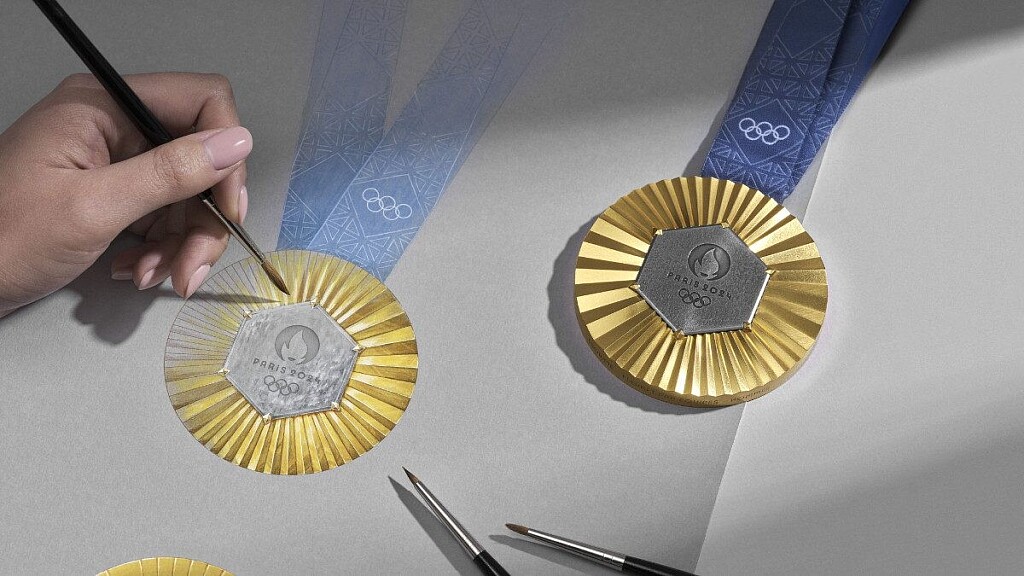
Paris 2024 Olympic medals to feature pieces of the Eiffel Tower
On Thursday, organizers of the Paris 2024 Olympic and Paralympic Games unveiled a unique addition to this year’s Olympic medals: pieces of the iconic Eiffel Tower. Each medal for the Games will incorporate a hexagonal piece of iron taken from the heart of the Eiffel Tower, Paris’s most recognizable monument.
Built for the Exposition Universelle (World’s Fair) in 1889 to celebrate the 100th anniversary of the French Revolution, the tower was designed to showcase France’s industrial prowess and serve as a symbol for the city. Each piece will be a focal point in the center of the medals.
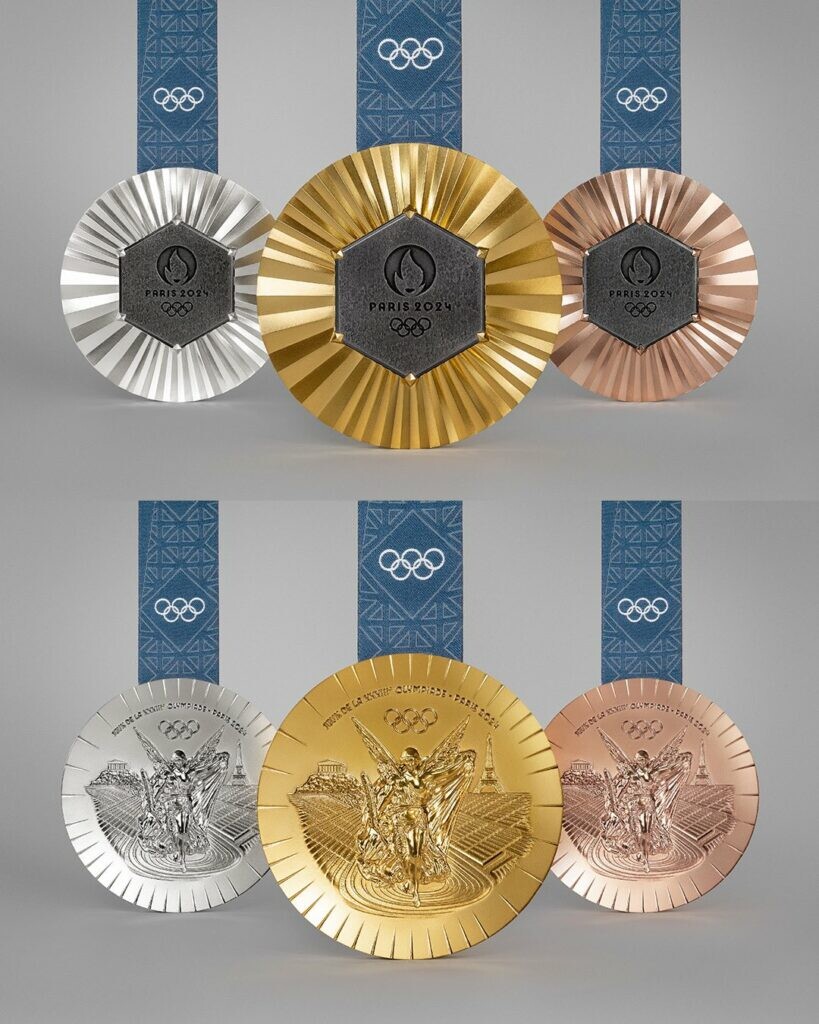
Crafted by the French jeweller, Chaumet, the six-sided piece will be in the medal of all 5,084 gold, silver and bronze medals. “We wanted to offer a piece of the 1889 Eiffel Tower to all the medalists of the Paris Olympic and Paralympic Games,” said Paris 2024 president Tony Estanguet.
You may be asking where did the metal come from? No, it was not cut directly off the Eiffel Tower. According to Inside The Games, the metal was sourced from a metal warehouse in Paris by the company responsible for maintaining the 330-meter landmark. The use of recycled metal is also in line with the trend seen at the Tokyo Olympics, where the metals were made partly from consumer electronics.
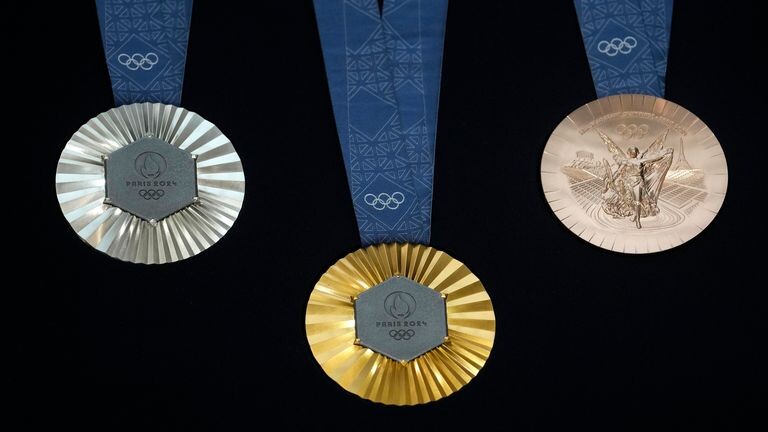
The reverse side of the medals will feature the Greek goddess Nike flying toward the historic Panathinaikos Stadium in Athens, a tradition since 2004. With the approval of the International Olympic Committee (IOC), Paris organizers modified the design to incorporate the Eiffel Tower in the background.
Beyond the medals, the Eiffel Tower will play a central role in the festivities at the Games. From the opening ceremony, where sports teams will sail down the River Seine, to the potential placement of the Olympic flame atop the tower, the iconic landmark will be a focal point throughout the Olympic and Paralympic Games, which run from July 26 to Aug. 11, and the Paralympics, from Aug. 28 to Sept. 8.
by Marley Dickinson
Login to leave a comment
Paris 2024 Olympic Games
For this historic event, the City of Light is thinking big! Visitors will be able to watch events at top sporting venues in Paris and the Paris region, as well as at emblematic monuments in the capital visited by several millions of tourists each year. The promise of exceptional moments to experience in an exceptional setting! A great way to...
more...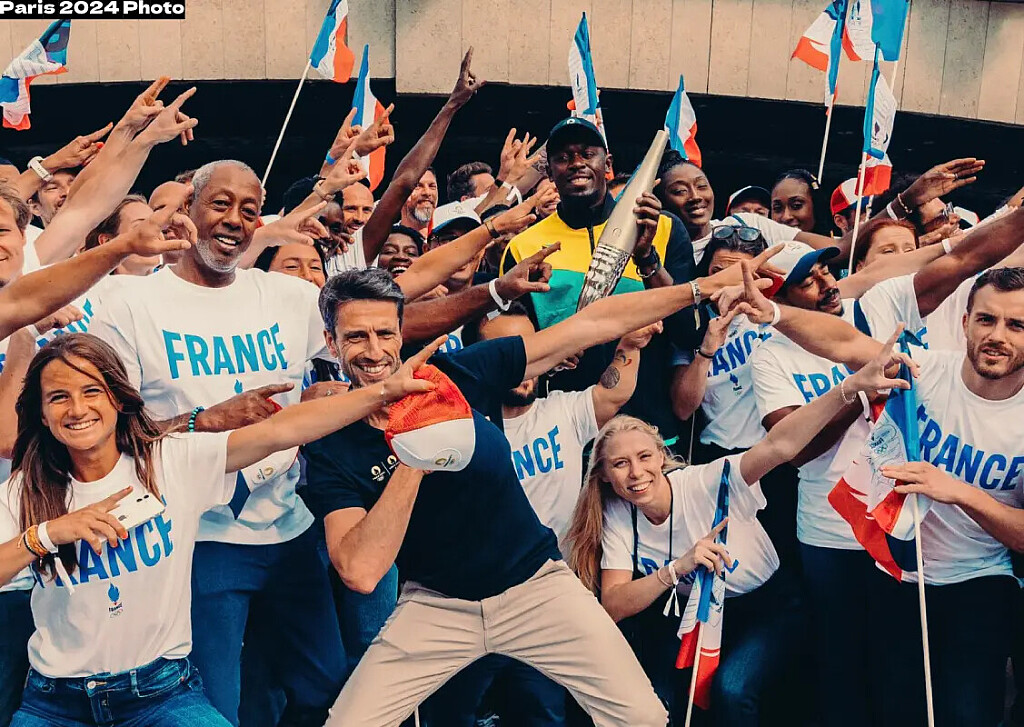
Usain Bolt kicks off 2024 Olympic torch relay in Paris
On Tuesday, under the Eiffel Tower in Paris, Jamaican sprinting legend Usain Bolt helped kick off the Olympic torch relay ceremony, unveiling the torch and marking 365 days until the start of the 2024 Olympic Games.
The world record holder in the men’s 100m, 200m, and 4x100m events, Bolt proudly hoisted the torch high into the air, captivating the audience with his signature lightning-bolt pose. The sight of the world’s fastest man with the symbolic torch filled the air with excitement as thousands of Parisians turned up in anticipation of the upcoming games.
“I’m happy to be here,” said Bolt, the retired sprinter. “Paris has always been a city that I enjoyed competing and hanging out in. I’m excited for the Olympics next year. I’ll be here with my family.”
During the ceremony, Bolt unveiled the Olympic torch alongside Paris Mayor Anne Hidalgo and Paris 2024 chief Tony Estanguet. The eight-time Olympic champion was paraded through the cheering crowd of spectators, waving French flags, as he unveiled and carried the torch around.
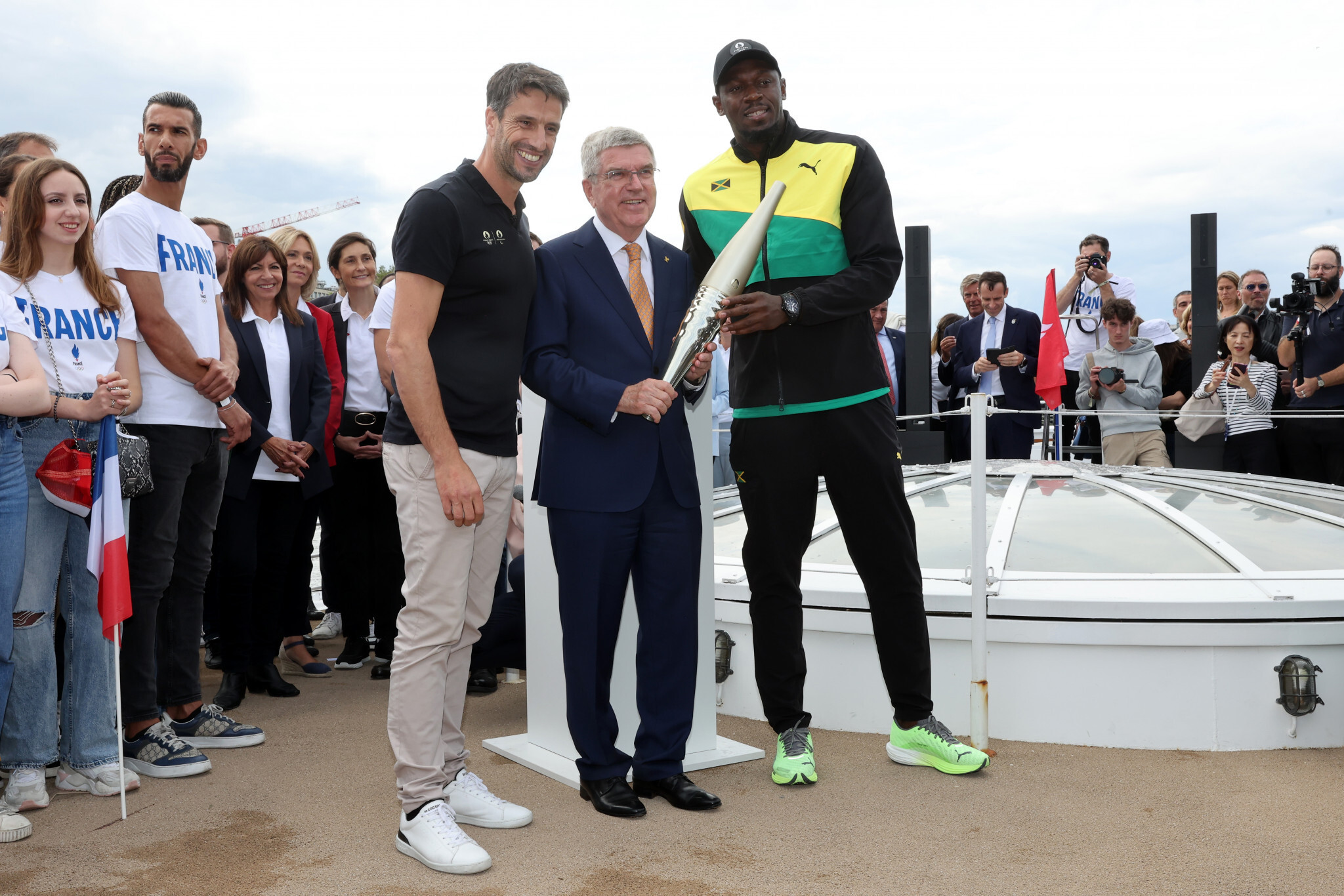
The opening ceremony of the 2024 Olympics is scheduled for July 26, 2024, and it will be the first Olympic ceremony in history to take place outside the traditional stadium setting, on boats, along the picturesque River Seine in front of an audience of over half a million spectators. The unveiling took place on the banks of the iconic river, which also inspired the design of the torch.
“I think it’s gonna be one of the best, if not the best, opening ceremony,” said Bolt to reporters. “Imagine everybody standing outside, across the bridges cheering people up. It’s never been done before…”
The torch, crafted with lightweight polished steel and a champagne hue, boasts a remarkable design imitating the reflection of the Eiffel Tower on the rippled surface of the Seine. This creative touch aims to convey a sense of peaceful energy, reflecting the spirit of Paris and the Games.
The Olympic flame will be ignited on April 16, 2024, in the ancient city of Olympia, Greece, the birthplace of the Games, symbolizing the beginning of the torch’s journey to Paris. The torch relay will pass through various French cities and landmarks, including the Pantheon in Paris and the picturesque Mont Saint-Michel, before the torch is passed to some of France’s overseas territories.
by Running Magazine
Login to leave a comment
Paris 2024 Olympic Games
For this historic event, the City of Light is thinking big! Visitors will be able to watch events at top sporting venues in Paris and the Paris region, as well as at emblematic monuments in the capital visited by several millions of tourists each year. The promise of exceptional moments to experience in an exceptional setting! A great way to...
more...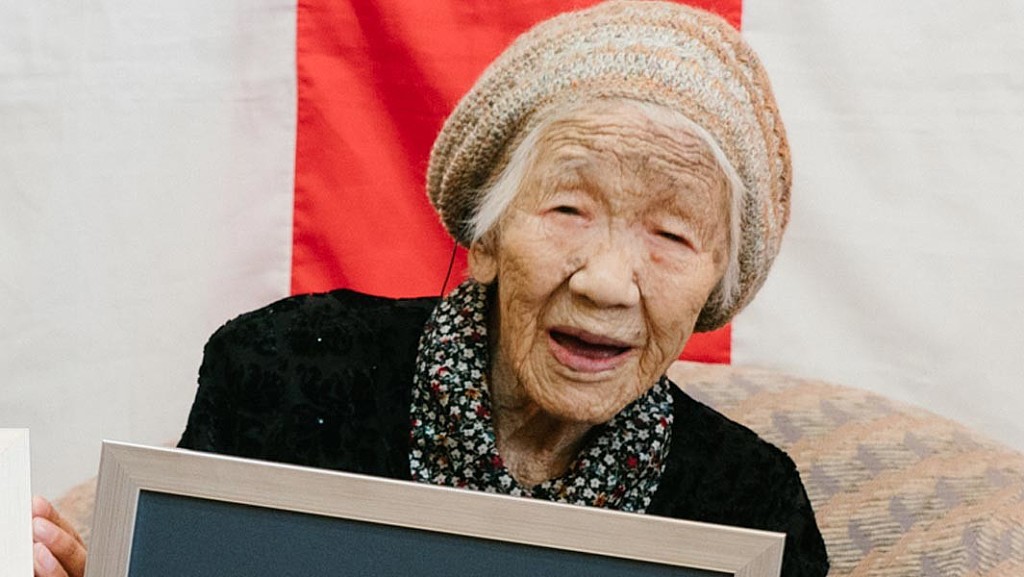
Japan's Kane Tanaka 117-year-old set to carry Olympic torch ahead of Tokyo Games
Kane Tanaka, the world’s oldest person, will take part in the Olympic torch relay ahead of the Tokyo Games, according to a report in the Japanese newspaper the Mainichi Shimbun. At 117, Tanaka is officially recognized by Guinness World Records as the oldest person alive.
She was already scheduled to carry the torch in the 2020 relay, but those plans were put on hold when the Games were postponed due to COVID-19. Tanaka’s new date to carry the Olympic flame is set for May 11, by which time she will be 118 years, 129 days old.
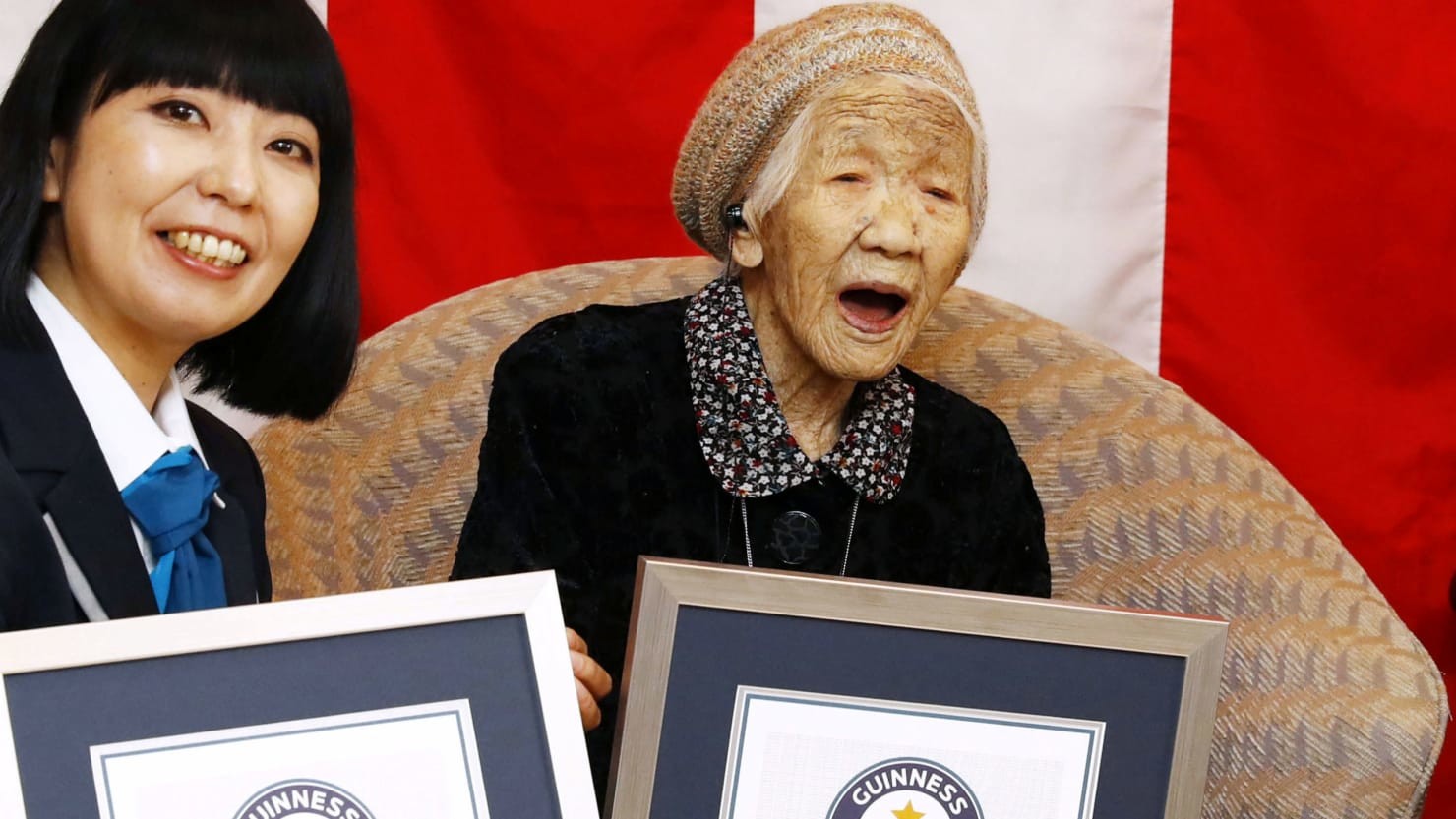
Tanaka was born in Fukuoka, Japan, on January 2, 1903, just seven years after the first modern Olympics in Athens. Now, more than a century later, she is ready to play a role in the 2021 Olympics. At her care home in Fukuoka, Tanaka will be pushed in a wheelchair for 200m as she carries the Olympic flame. She was added to the relay lineup when Nippon Life Insurance Co., a Japanese company that has sponsored the 2021 Olympics and Paralympics, suggested it to organizers. The Nippon team said they “wanted her to send a positive message about this time of long-living.” Tanaka’s 61-year-old grandson accepted on behalf of his grandmother, saying his family wants “people to see Kane happily carrying the Olympic flame.”
The Mainichi Shimbun report says Tanaka is in good shape, but notes that the plans may be cancelled if she isn’t feeling well on the day of the relay. Because of this, the torch relay is going to be a surprise event for Tanaka, who has not been informed of the plans. “When we were first approached about her doing it, we worried what might happen given her age, but we were getting worked up over nothing,” her grandson told the Mainichi Shimbun. “We’ll be happy if the people who see her holding the torch up and looking well can think, ‘There’s hope in going on living.'”
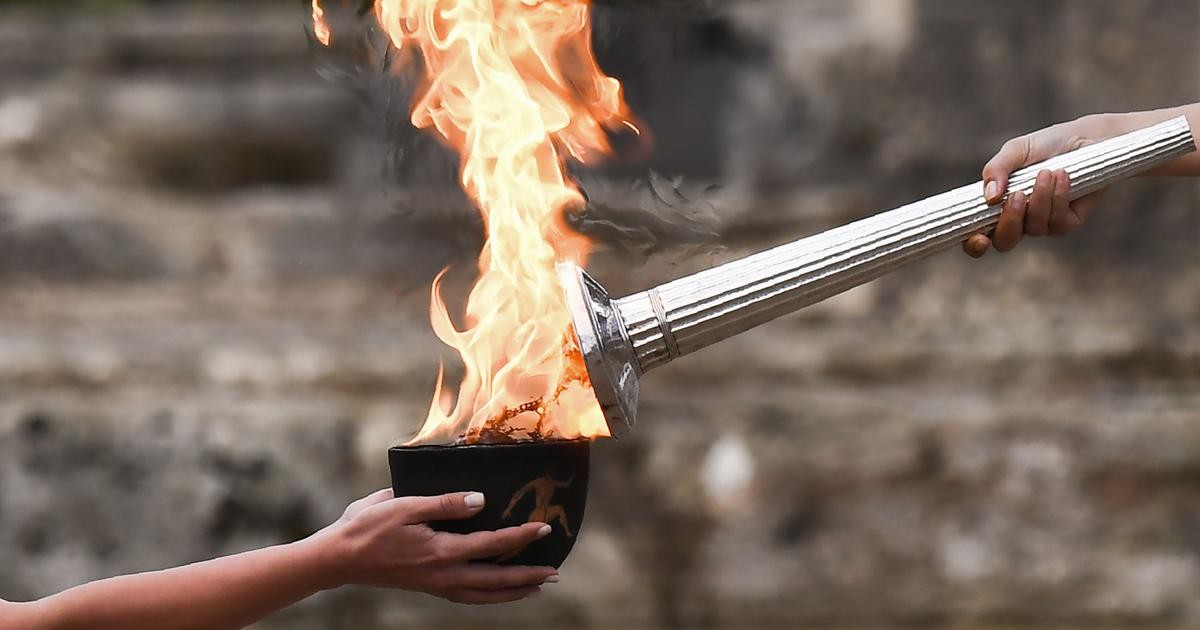
The last time the Olympics were held in Tokyo (which was in 1964), Tanaka was 61, as old as her grandson is now and almost half her current age. In her lifetime, she has lived through a total of 49 Olympics (both summer and winter editions), and the 2021 Games will be the 50th.
by Ben Snider-McGrath
Login to leave a comment

Tokyo 2020 Olympic Games
Fifty-six years after having organized the Olympic Games, the Japanese capital will be hosting a Summer edition for the second time, originally scheduled from July 24 to August 9, 2020, the games were postponed due to coronavirus outbreak, the postponed Tokyo Olympics will be held from July 23 to August 8 in 2021, according to the International Olympic Committee decision. ...
more...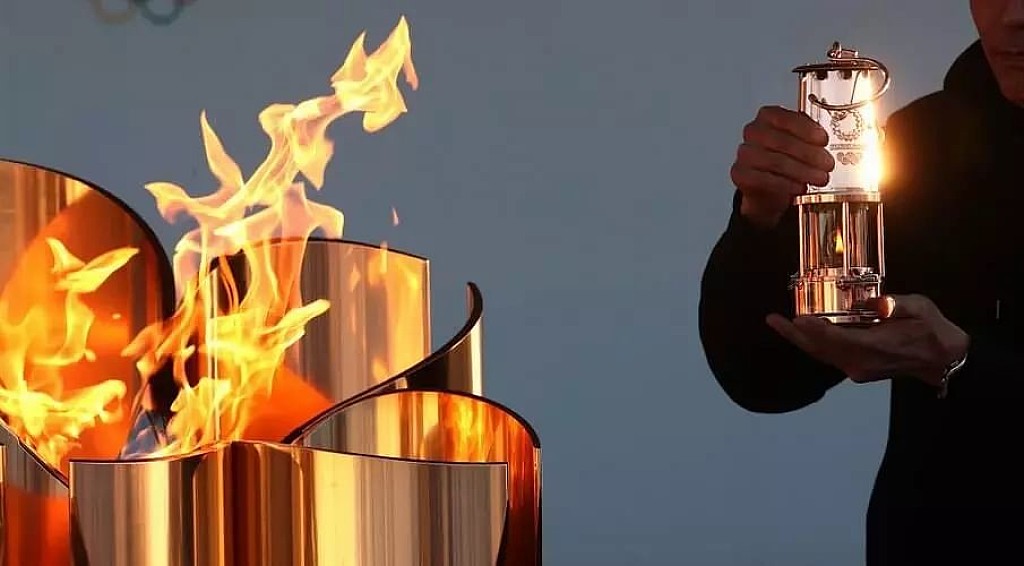
Tokyo Olympic flame will be put on public display at the Japan Olympic Museum from September 1 to November 1
The Tokyo Olympic flame will be put on public display at the Japan Olympic Museum from September 1 to November 1, Tokyo 2020 organizers announced here on Monday.
A display ceremony will be held on August 31 and attended by Tokyo 2020 President Yoshiro Mori and Japanese Olympic Committee President Yasuhiro Yamashita.
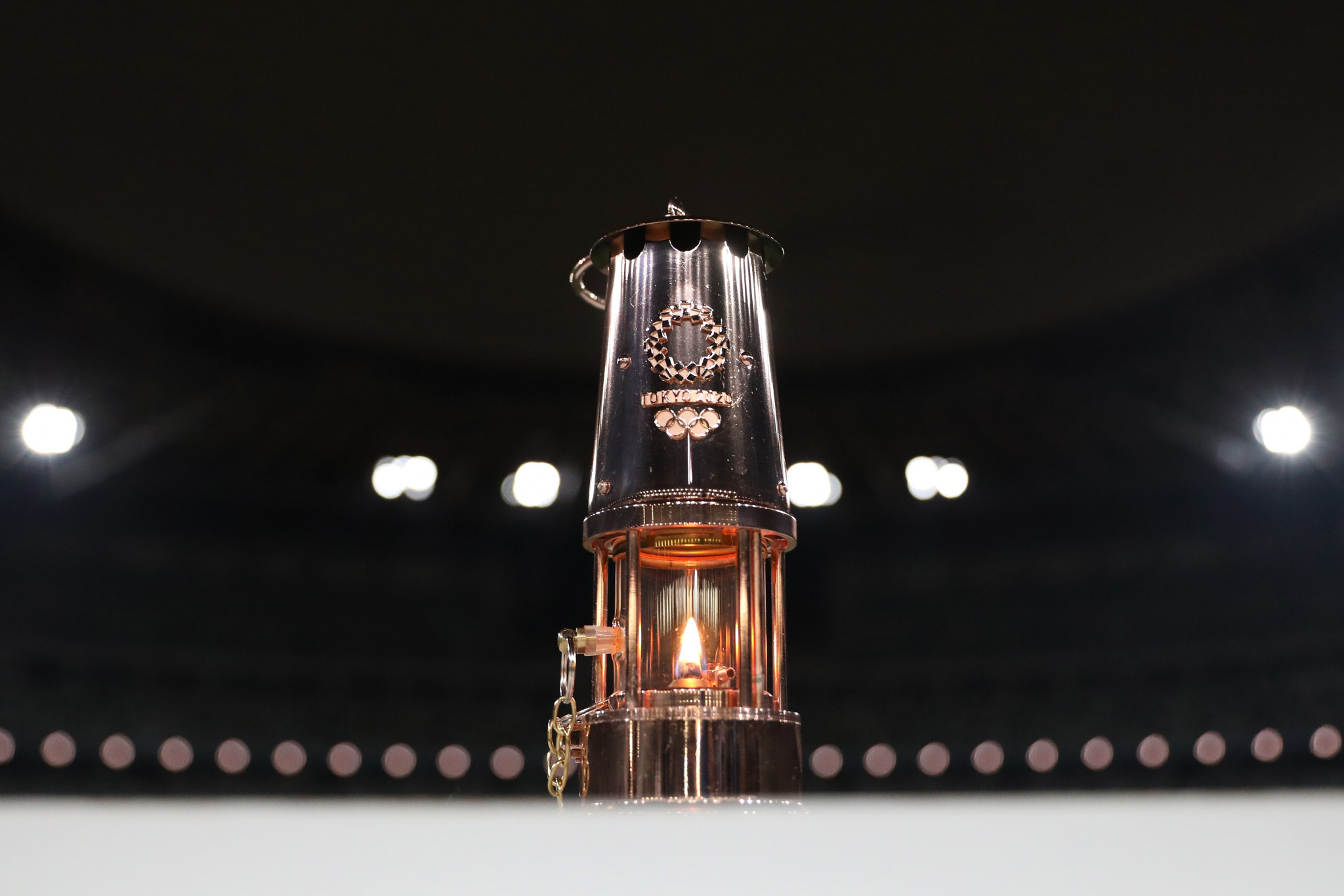
The Olympic flame, which was lit in Olympia, Greece, on March 12, has been kept in a secret place since its last display in Fukushima was canceled on April 7 when Japan prepared for a state of emergency.
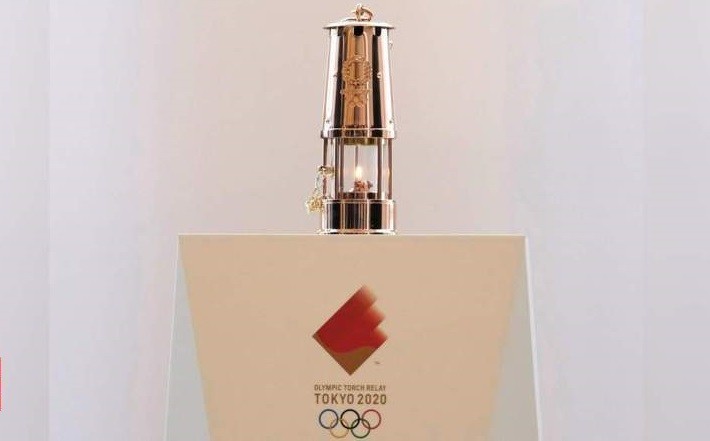
The flame arrived in Japan on March 20 for a torch relay originally scheduled to kick off on March 26 at the J-Village National football center in Fukushima. But the relay was called off after the postponement of the Olympic Games.
Reports said last week that Tokyo Olympic organizers will try to preserve the torch relay schedule developed for 2020 to be used in next year's postponed Games, which means that the relay will still last 121 days and traverse all 47 prefectures.
Login to leave a comment
Tokyo 2020 Olympic Games
Fifty-six years after having organized the Olympic Games, the Japanese capital will be hosting a Summer edition for the second time, originally scheduled from July 24 to August 9, 2020, the games were postponed due to coronavirus outbreak, the postponed Tokyo Olympics will be held from July 23 to August 8 in 2021, according to the International Olympic Committee decision. ...
more...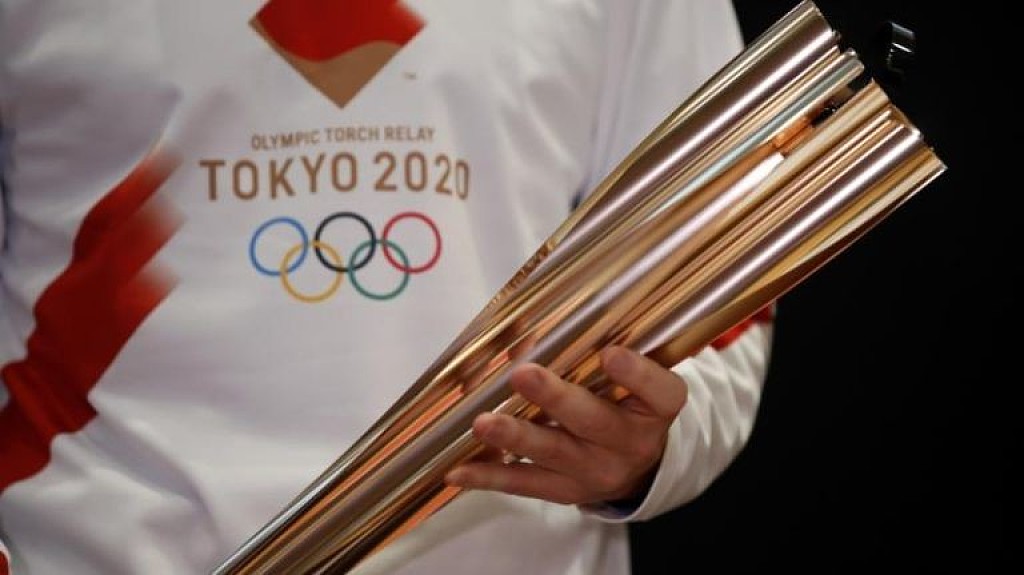
Tokyo 2020 Olympic Flame lighting to be held without spectators on Thursday March 12, as part of their measures against the spread of coronavirus
Only 100 guests invited by the International Olympic Committee (IOC) and Tokyo 2020 will be present to watch the first Torch bearer Anna Korakaki carry the flame away from the Ancient Olympic Stadium at the beginning of the relay in a Ceremony which normally attracts thousands to the site.
IOC President Thomas Bach is expected to be joined by Prokopis Pavlopoulou, the Greek President, in one of his final engagements before the formal end of his term of office.
"Today, the Hellenic Olympic Committee (HOC) announced that the Lighting Ceremony of the Olympic Flame will take place without spectators present," a Tokyo 2020 statement said.
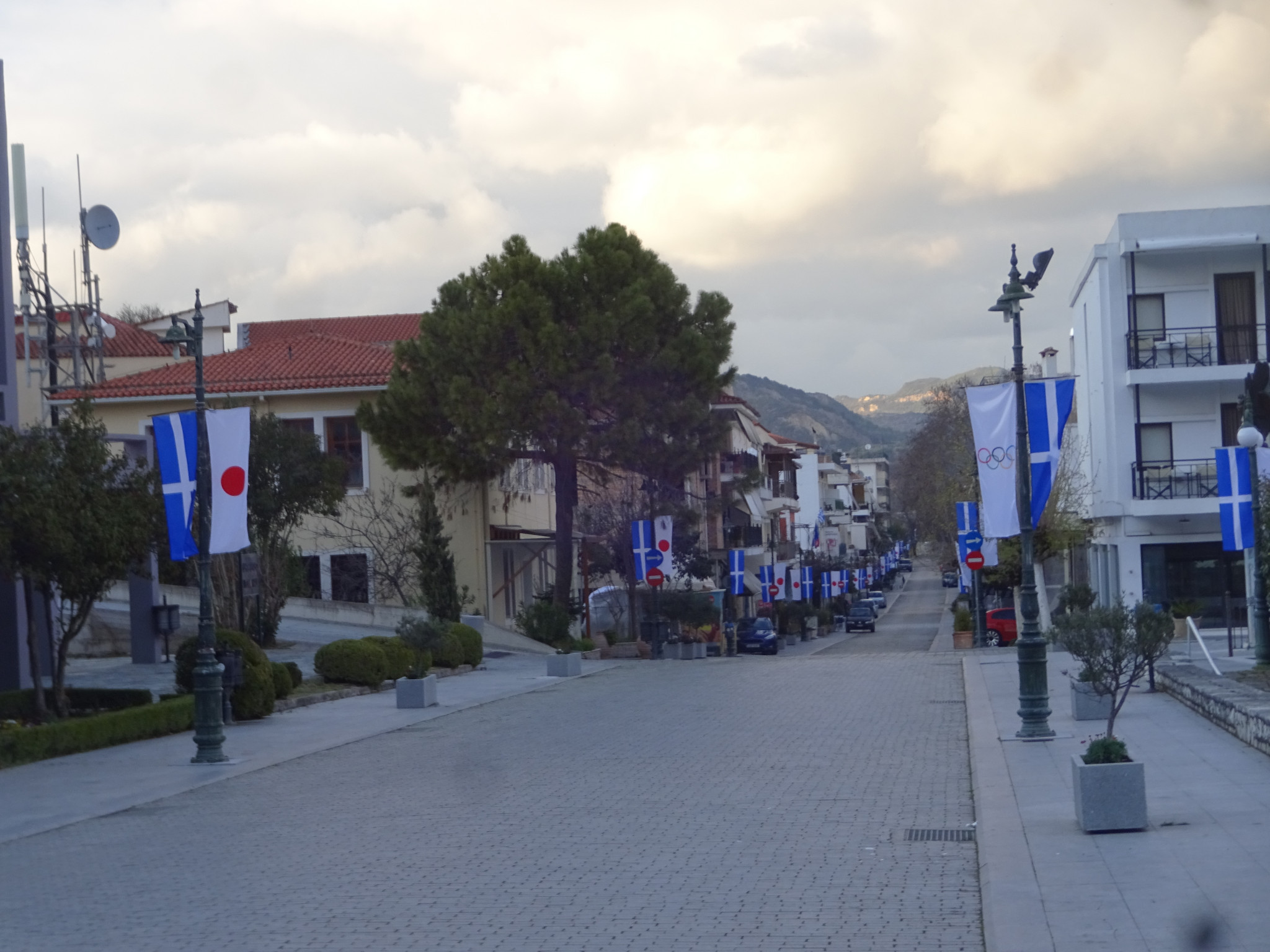
"One hundred accredited guests from the International Olympic Committee and Tokyo 2020 Organising Committee will participate.
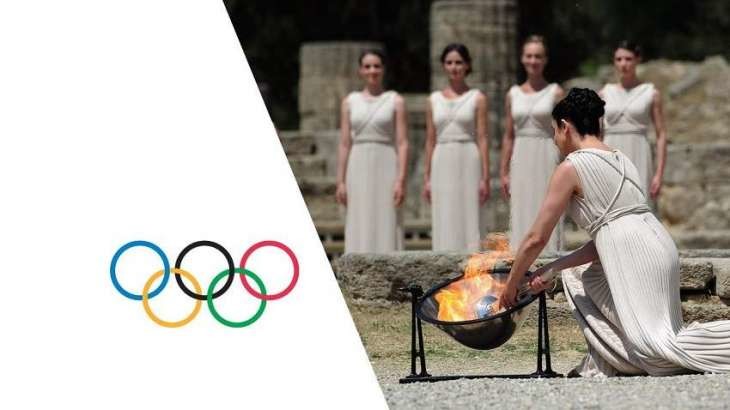
"Tokyo 2020 is grateful for the efforts of all parties involved to ensure that the Ceremony will take place while taking into consideration the latest countermeasures by the Hellenic Government against COVID-19.
"As part of Tokyo 2020’s commitment to delivering a safe and secure Torch Relay, the Organising Committee will reduce the size of its traveling delegation as much as possible, and will take every consideration for protecting public health as Tokyo 2020 participates in the Lighting Ceremony of the Olympic Flame."
It was also confirmed that the final full dress rehearsal, scheduled for Wednesday (March 11) will be also be held without spectators.
A reserve lit at the rehearsal will be held on standby in case the weather makes it impossible to kindle a flame on the day of the actual Ceremony.
The Ancient Olympia archaeological site where the lighting is set to take place was closed today "due to emergency measures to avoid and limit coronavirus".
This measure has been taken by the Ephorate of Elis which has also closed all other ancient sites and museums in the region until March 18
A total of 73 cases of COVID-19, as coronavirus has been officially named by the World Health Organization, have been confirmed in Greece.
Organisers of the Olympic Flame lighting ceremony have also called upon local Mayors on the torch route to follow precautions recommended by the Greek Health Ministry during the week long relay around Greece.
"We urge the Mayors of the cities through which the Olympic Flame will pass or stay overnight to follow the instructions of the Ministry of Health and the National Public Health Organization." said the Hellenic Olympic Committee (HOC).
The HOC have not ruled out further changes to the programme which, they claim, will be taken "with a view to protecting public health".
by Philip Barker
Login to leave a comment
Tokyo 2020 Olympic Games
Fifty-six years after having organized the Olympic Games, the Japanese capital will be hosting a Summer edition for the second time, originally scheduled from July 24 to August 9, 2020, the games were postponed due to coronavirus outbreak, the postponed Tokyo Olympics will be held from July 23 to August 8 in 2021, according to the International Olympic Committee decision. ...
more...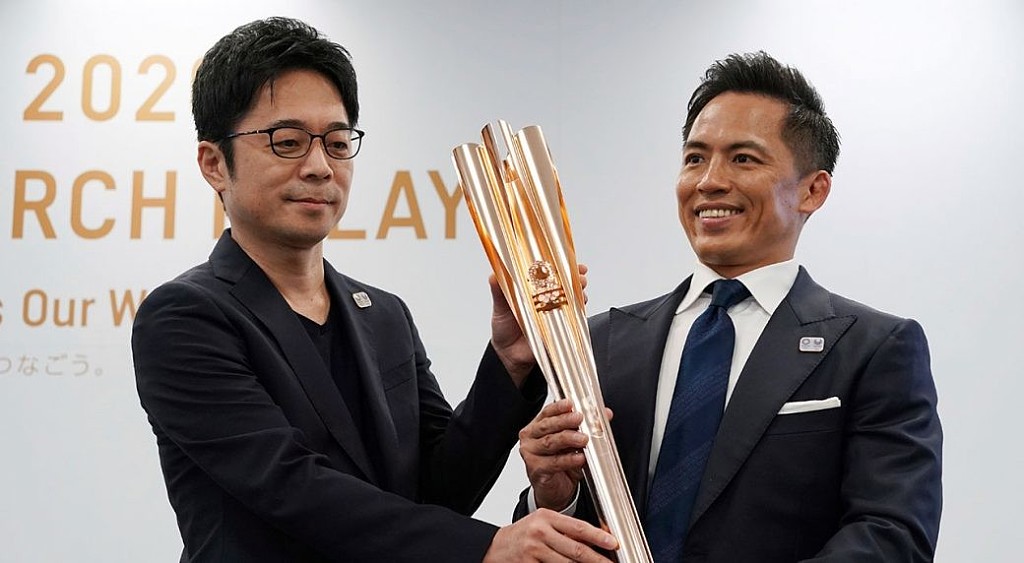
Here is what you have to do to be part of the Olympics Torch Relay for the 2020 Tokyo Olympics
Recruitment of torch relay runners for the 2020 Tokyo Olympics opened on Monday for people of all genders and nationalities.
The recruitments will be conducted by four sponsor companies and all the 47 prefectures in Japan. Applicants can apply to all sponsor companies and one of the prefectures, but can only run once in the relay, Xinhua news agency reported.
Those who wish to be torchbearers in the relay, which will travel around Japan for 121 days, can first submit their application through the smartphone app of Coca-Cola (Japan) Co, one of the torch relay sponsors of Tokyo Games.
The application period will end on August 31 and the final results are expected around the middle of December.
The three other torch relay sponsors, Toyota Motor, Nippon Life Insurance and Nippon Telegraph and Telephone Corporation, will begin accepting applications on June 24, while special entities led by local governments in each prefecture will start doing so on July 1.
About 10,000 torchbearers will run roughly 200m each in the Japan leg of the relay, which will pass through all 47 prefectures of the country and feature major landmarks, including world heritage sites and areas devastated by recent natural disasters such as the 2011 earthquake and tsunami.
To run in the relay, people must have been born before April 1, 2008, and have a connection with the prefecture in which they wish to run, the organisers said.
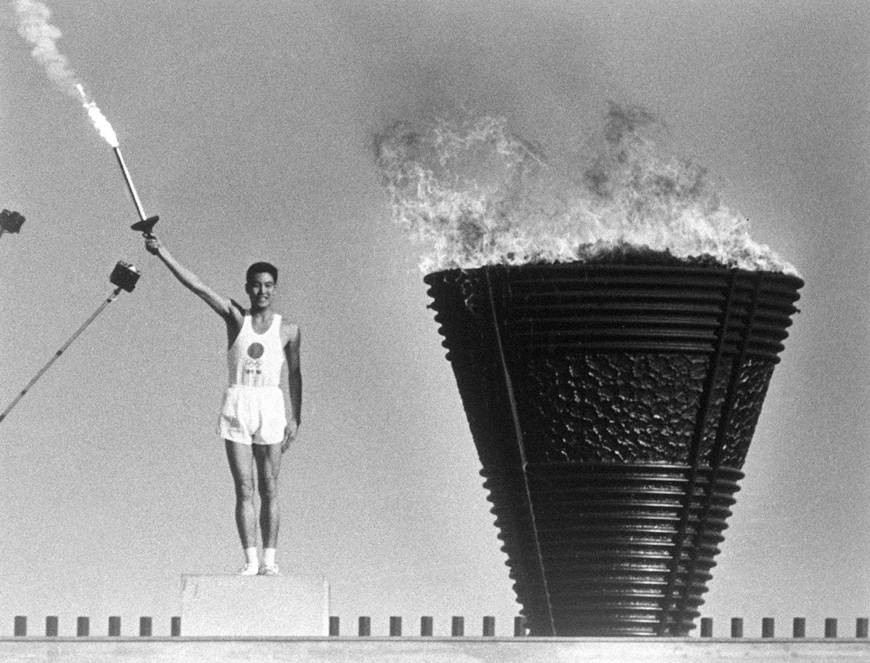
The third photo is the Olympic flame at the 1964 Tokyo Olympics.
Login to leave a comment
Tokyo 2020 Olympic Games
Fifty-six years after having organized the Olympic Games, the Japanese capital will be hosting a Summer edition for the second time, originally scheduled from July 24 to August 9, 2020, the games were postponed due to coronavirus outbreak, the postponed Tokyo Olympics will be held from July 23 to August 8 in 2021, according to the International Olympic Committee decision. ...
more...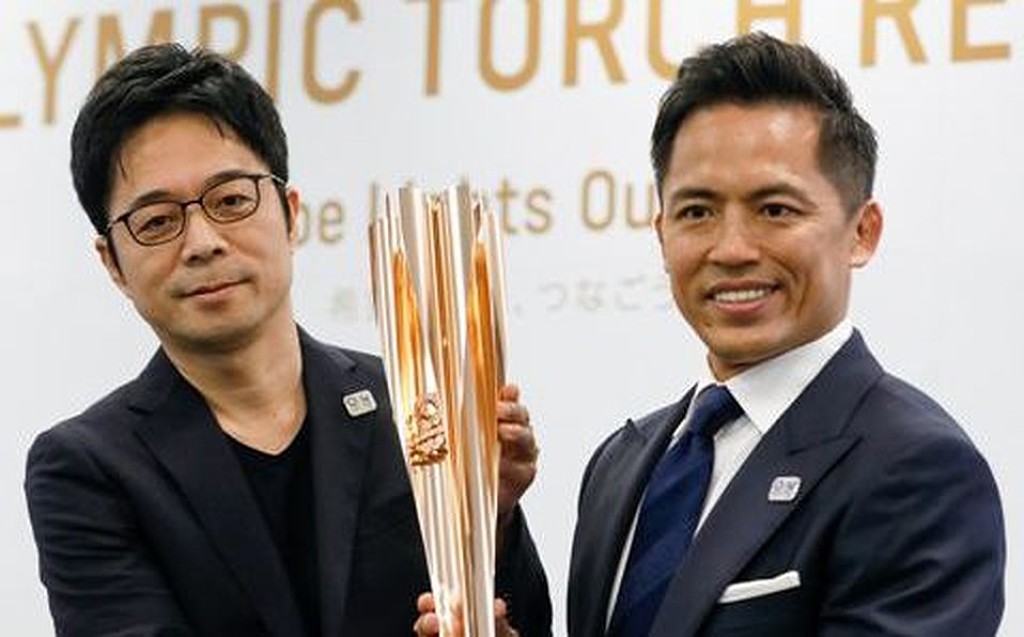
The concept of the tokyo 2020 olympic torch is to bring the Japanese people together
The Olympic torch incorporates several elements of Japanese culture, and reinforces Tokyo 2020’s Olympic Torch Relay concept: “Hope lights our way”.
The concept is designed to bring the Japanese people together around messages of support, acceptance and encouragement of one another, while also reflecting the Olympic flame’s ability to promote peace and hope to the world.
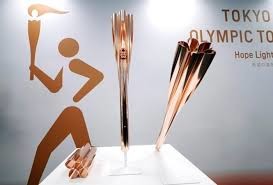
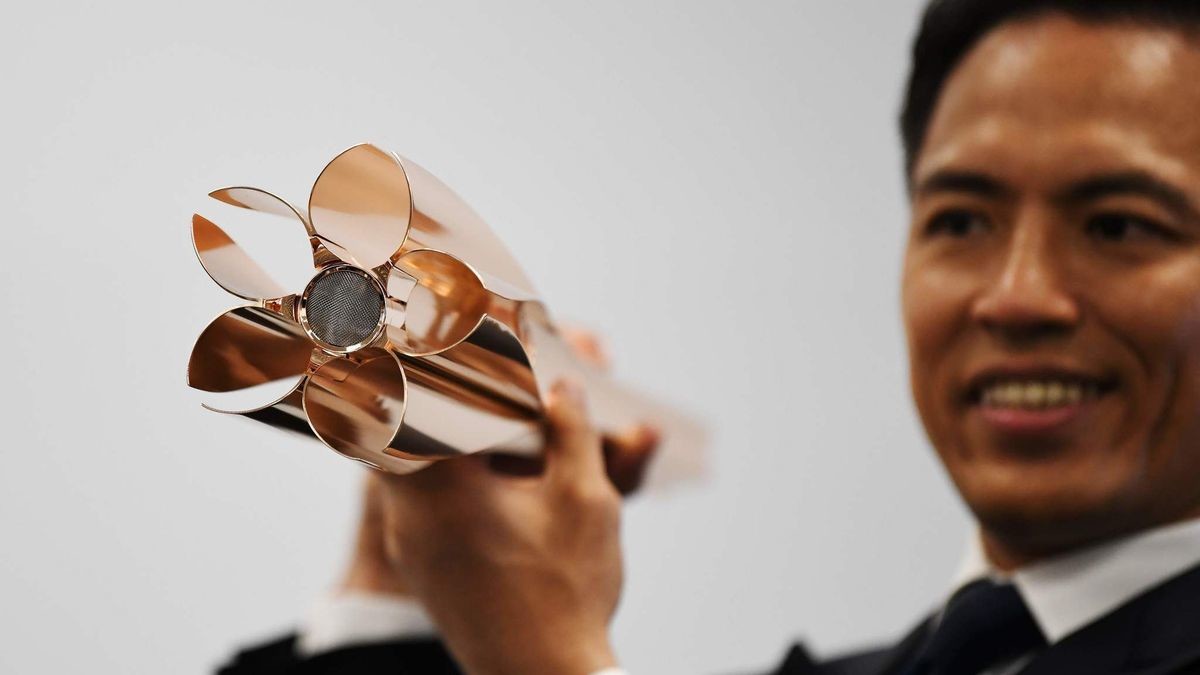
Not only do Japan’s famed cherry blossoms happen to bloom in March, coinciding with the start of the Olympic Torch Relay, but the shape of the torch also resembles a Japanese traditional “Sakuramon” cherry blossom emblem.
The body of the torch features five cylinders that represent petals of the beloved flower. Flames are generated from each “petal”, which are united in the centre of the torch, lighting the way with greater brilliance. A number of technological innovations are deployed in the combustion section that lights the torch, including catalytic reaction.
Further building on this spirit of innovation, the torch’s unique shape is made possible by utilising the same modern aluminium extrusion technology used in the manufacturing of Japan’s renowned bullet trains.
The construction of the torch also incorporates sustainability by using aluminium waste from temporary housing that was built in the aftermath of the Great East Japan Earthquake. While the materials were once used to help rebuild lives, they will now be used to spread a message of hope and recovery.
In keeping with its vision to celebrate unity in diversity, the torch was designed to ensure ease of use for everyone. It consists of a weight and shape that is simple to grip and features a position mark to help visually impaired torchbearers identify the front of the torch.
Login to leave a comment
Tokyo 2020 Olympic Games
Fifty-six years after having organized the Olympic Games, the Japanese capital will be hosting a Summer edition for the second time, originally scheduled from July 24 to August 9, 2020, the games were postponed due to coronavirus outbreak, the postponed Tokyo Olympics will be held from July 23 to August 8 in 2021, according to the International Olympic Committee decision. ...
more...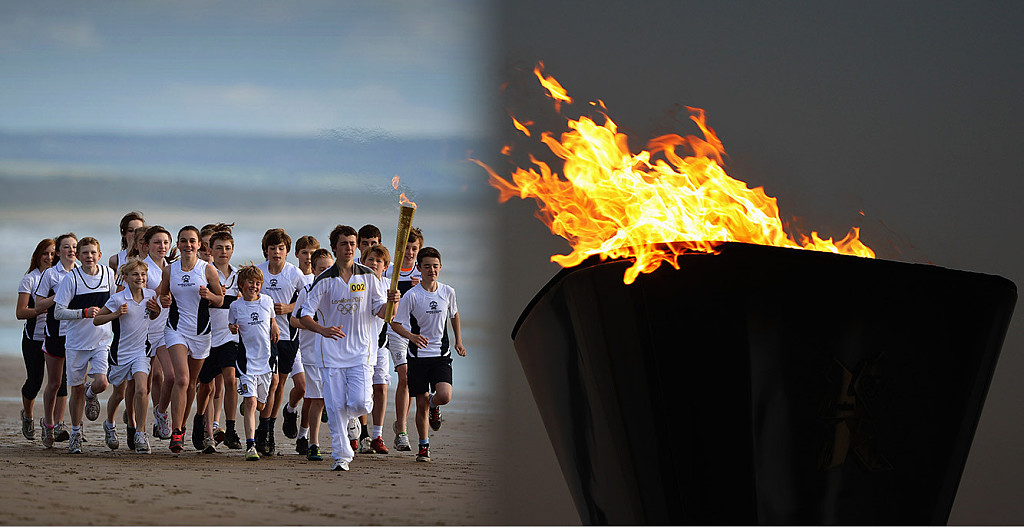
Tokyo 2020 Olympic Torch Relay will start it's 121 day journey March 26, 2020
The concept for the Tokyo 2020 Olympic Torch Relay across Japan will be "Hope Lights Our Way", uniting the Japanese people around messages of supporting, accepting and encouraging one another.
The Olympic flame is often associated with a message of peace and hope, as it is carried around the host nation, and as such has become one of the most powerful symbols of the Olympic Movement.
In 2020, the Olympic flame will not only symbolise the sunrise of a new era spreading the hope that will light our way, but will also serve to spread the joy and passion of the Japanese around the Olympic movement as the Games approach.
Upon its arrival in Japan, the Olympic flame will initially be put on display at various locations in the Tohoku region, to help underscore this message of hope in the areas affected by the 2011 earthquake and tsunami.
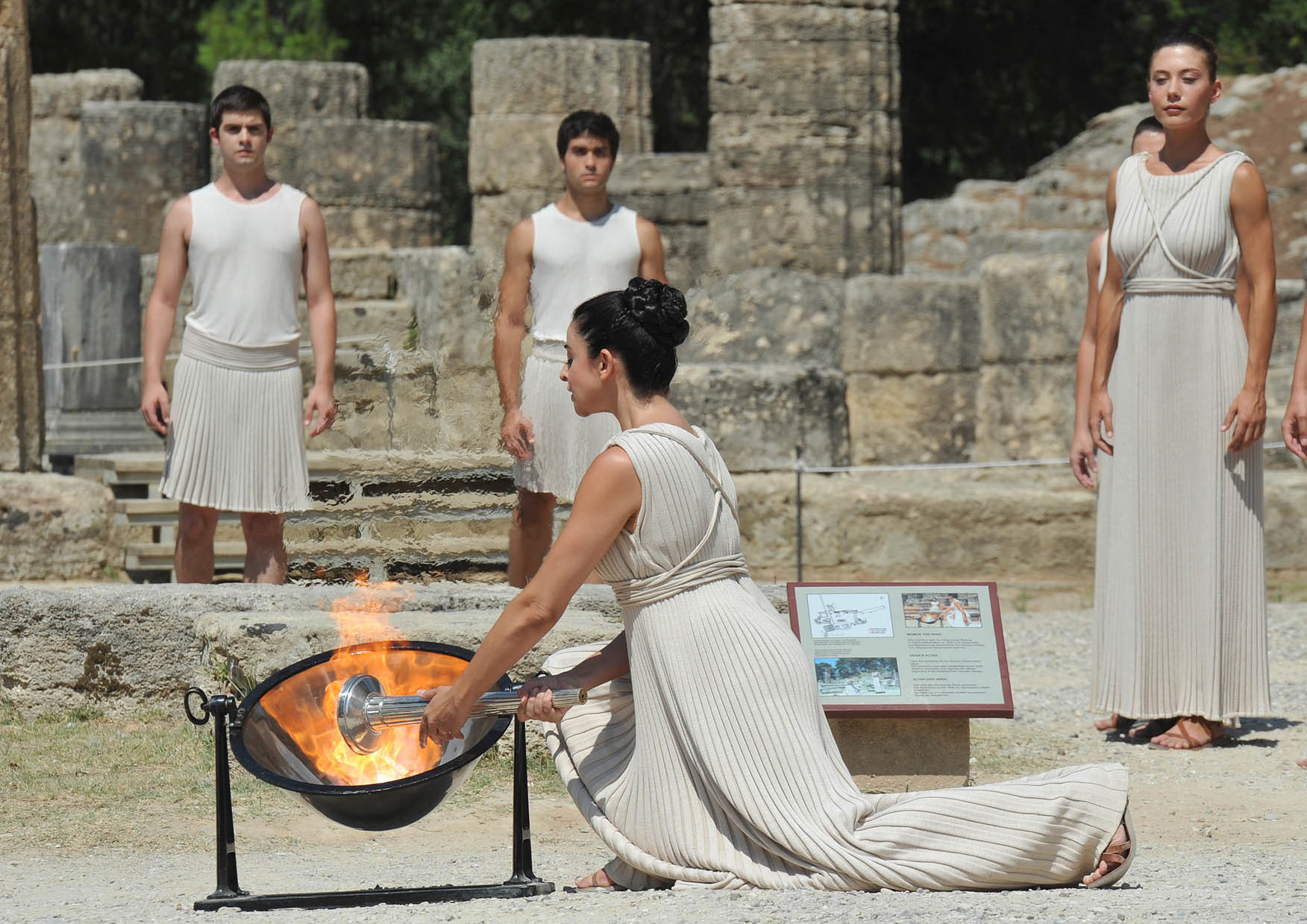
The Relay will travel to all 47 prefectures in Japan, showcasing the varied cultural and scenic attractions of each region.
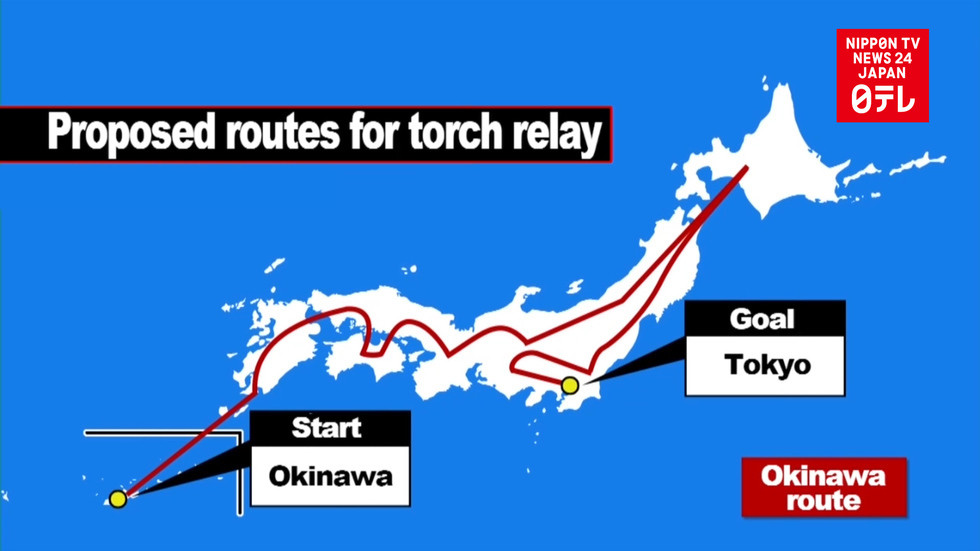
The Relay will commence on March 26 2020 in Fukushima Prefecture, and start its journey southwards. The torch is likely to traverse the inland prefectures of central Japan against the backdrop of Japan's famous cherry blossoms, which typically bloom there in early April.
The Relay will then proceed southwest until it reaches the islands of Okinawa, the southernmost prefecture of Japan, in early May.
It will make its way back up to the north of the country, passing through Kyoto in late May, all the way up to Hokkaido, where it will arrive in mid-June. The Relay will then turn southwards again and complete its long journey in Tokyo after spending three days in each of the four prefectures outside of the capital that are hosting events during the Olympic Games Tokyo 2020.
The torch will traverse Japan for a total of 121 days. The precise route of the Relay will be firmed up during the coming months and announced in 2019, following approval by the IOC.
March 12 is the lighting ceremony in Olympia Greece and the Greek leg of the Tokyo 2020 Torch Relay will continue until March 19 when there is a handover ceremony in Athens, Greece.
The Flame arrives at Matsushima Airfield, Miyagi, Japan on March 20, 2020.
Login to leave a comment
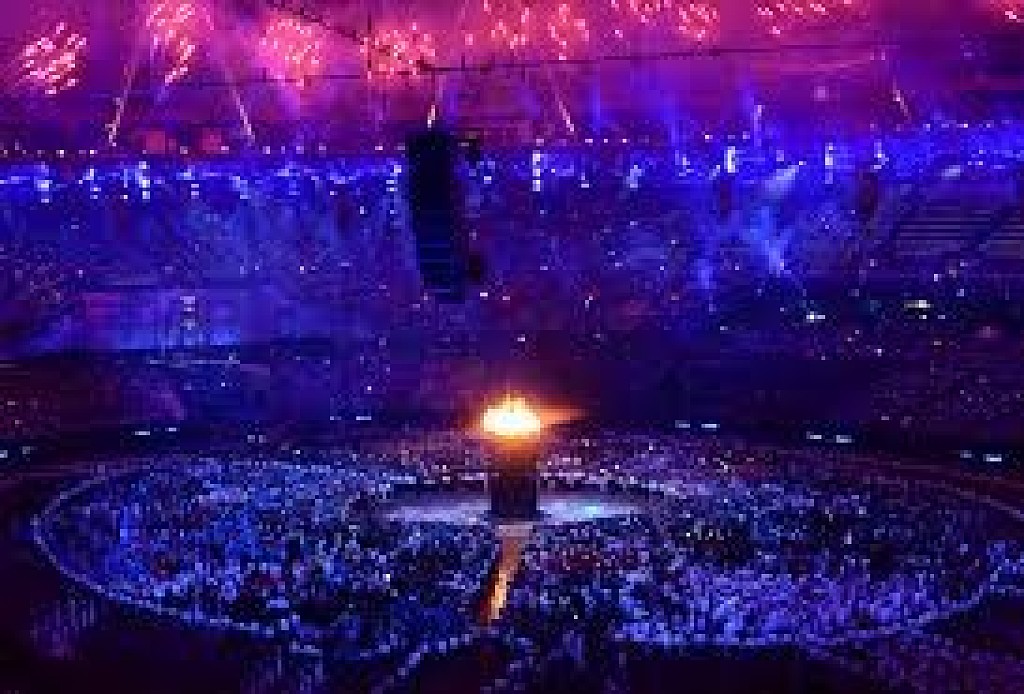
Tokyo 2020 confirms to install Olympic flame cauldrons in stadium and waterfront
Reports that cauldrons would be established both in the Olympic Stadium and on Tokyo's waterfront near the Yume-no-Ohashi Bridge were confirmed at a meeting of the Tokyo 2020 Organising Committee.
Under the Olympic Charter, the flame must be in public view for the entirety of the Olympics.
Tokyo 2020 organisers stated, "So that as many people as possible can view the flame, two separate cauldrons will be deployed.
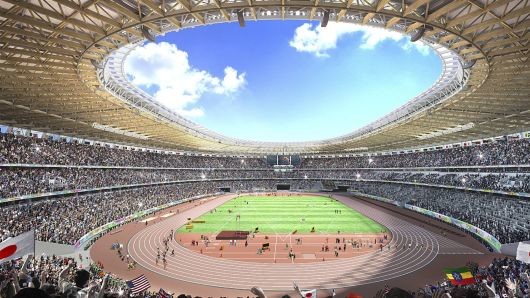
"One will be set up inside the Olympic Stadium and used only during the Opening and Closing Ceremonies; another, to which the flame will be transferred after the Opening Ceremony, will be placed in Tokyo's bustling waterfront area, allowing the wider public to view it and experience the spirit and excitement of the Games.
"The flame will only be displayed in one location at a time."
"A number of locations, including Games venues, live sites and tourist attractions in Tokyo, were considered as the site for the cauldron outside of the Olympic Stadium.
"Tokyo 2020 took into account the IOC's stipulation that the location should be a symbolic site which would allow as many people as possible to view the flame without having to purchase tickets for the Games.
"Considering all these factors, as well as security and operational issues, it was decided that the Ariake side of the Yume-no-Ohashi Bridge in the waterfront area would be an ideal location.
Login to leave a comment
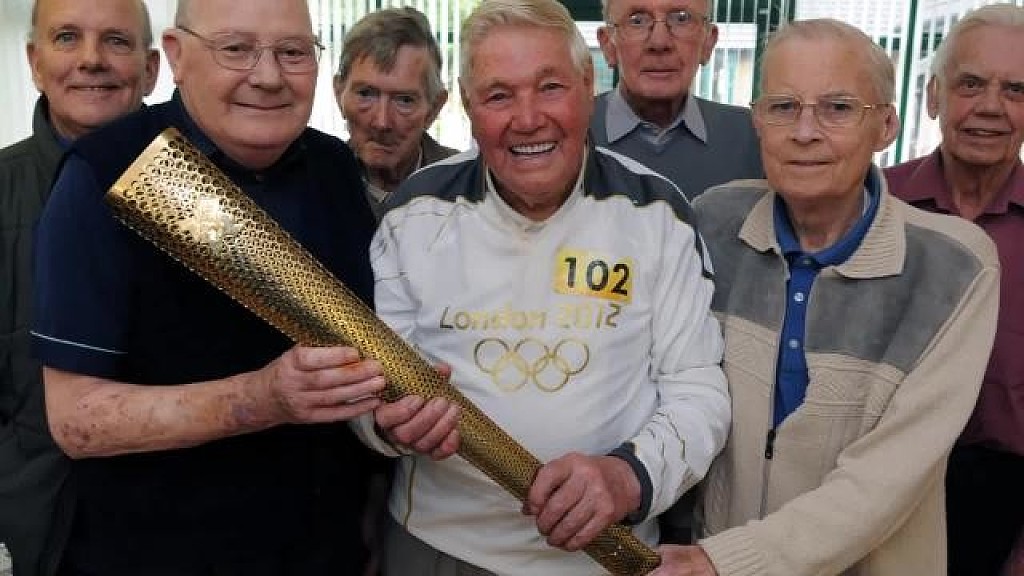
Great North Run legend Jim Purcel has passed away at aged 96
Senior Running
Login to leave a comment
