

Running News Daily
Running News Daily is edited by Bob Anderson and team. Send your news items to bob@mybestruns.com Advertising opportunities available.
Index to Daily Posts · Sign Up For Updates · Run The World Feed
Articles tagged #rock
Today's Running News
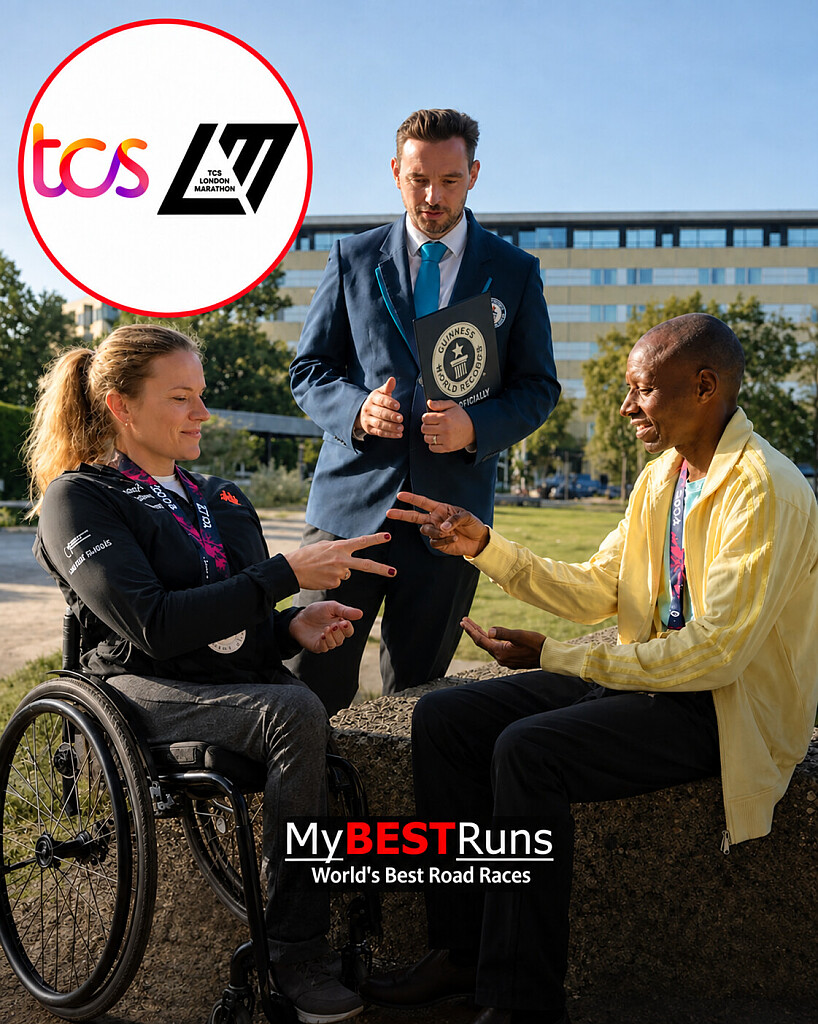


London Marathon’s 2027 Elite Schedule Decided By Rock, Paper, Scissors
The 2027 TCS London Marathon has found a remarkably unconventional way to settle one of its biggest questions — with a game of rock, paper, scissors.
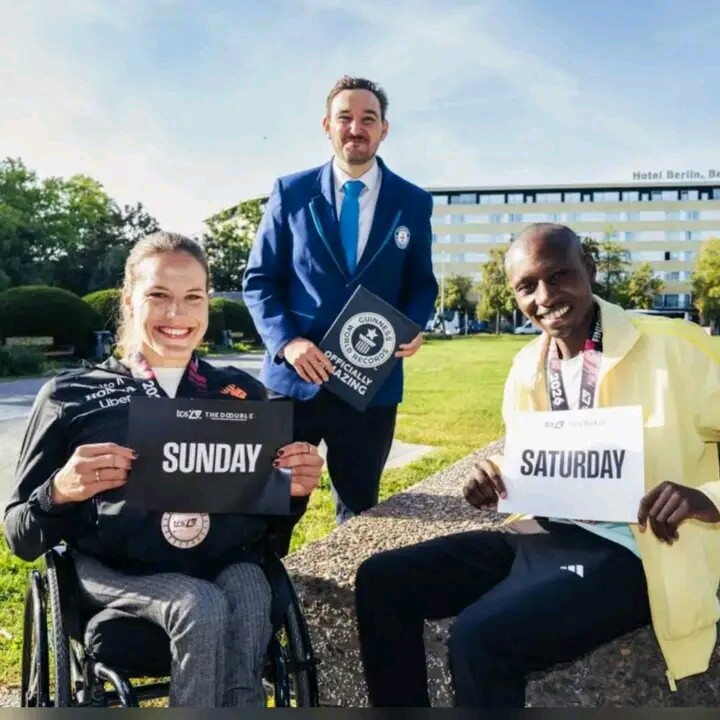
Kenyan marathon star Sabastian Sawe and Swiss wheelchair champion Catherine Debrunner, the reigning London Marathon champions in their respective races, went head-to-head in a contest overseen by an official Guinness World Records adjudicator.
Debrunner emerged victorious, securing Sunday, April 25, 2027, for the elite women’s and women’s wheelchair races. As a result, the elite men’s and men’s wheelchair races will open the historic weekend on Saturday, April 24.
The unusual showdown has also earned its place in the record books, with Guinness World Records recognising it as the first elite marathon race start ever decided by a game of rock, paper, scissors.

The decision adds another memorable chapter to what will already be an extraordinary edition of the London Marathon. For 2027 only, the race will be staged across two days, creating the Double TCS London Marathon, with around 100,000 participants expected to take part across the weekend.
Sawe enters the story as one of the defining figures of the 2026 London Marathon. The Kenyan made history by clocking 1:59:30, becoming the first athlete to run a sub-two-hour marathon in a record-eligible competitive race.
Debrunner, meanwhile, is a four-time London Marathon wheelchair champion, making her one of the most successful athletes in the event’s history. Her victory over Sawe means the women’s elite and women’s wheelchair races will retain the traditional Sunday spotlight.
The 2026 London Marathon also produced another landmark performance on the same course, with Ethiopia’s Tigst Assefa setting a women’s-only marathon world record.
The unprecedented two-day format was introduced following extraordinary demand for places. A record 1.33 million people applied for the 2027 London Marathon ballot, surpassing the previous record for any marathon.
With approximately 100,000 runners expected to finish on The Mall over the weekend — close to twice the size of the 2026 field — London is preparing for one of the biggest marathon weekends ever staged.
London Marathon Events chief executive Hugh Brasher added a playful warning after the rock-paper-scissors showdown, suggesting that while Sawe and Debrunner could settle the schedule with a game, the atmosphere would be considerably more competitive once the racing begins.
And so, before the first elite athlete has even reached the start line, the 2027 London Marathon has already made history — with its schedule decided not by the clock, but by rock, paper, scissors.
by Erick Cheruiyot for My Best Runs.
Login to leave a comment
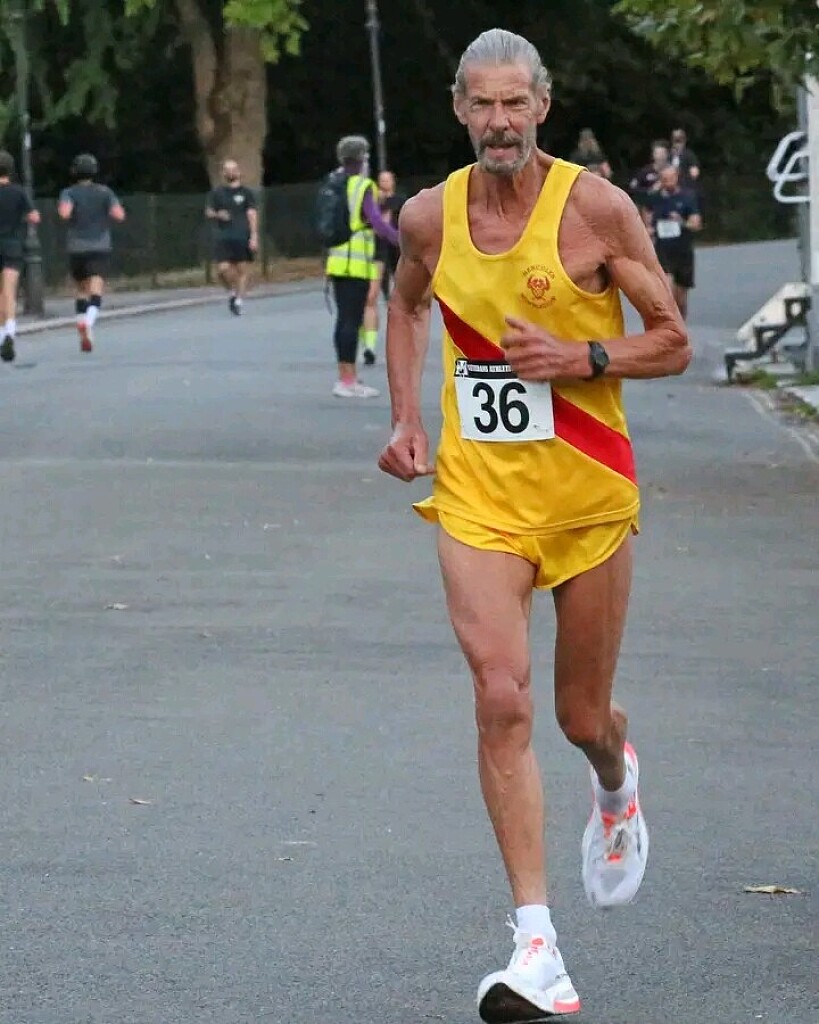
At 82, Former King Crimson Bassist Peter Giles Is Still Rewriting British Running Records
At an age when many people have long since stepped away from competitive sport, Peter Giles is still finding new ways to challenge the clock.
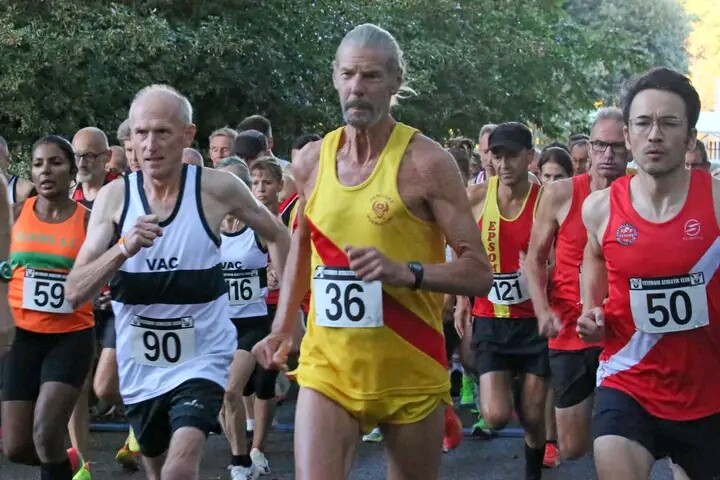
The 82-year-old Briton has continued his remarkable running journey by improving his British M80 5km age-group record to 22:28 at Battersea Park over the weekend, adding another chapter to a sporting story that began relatively late in life.
What makes Giles' achievement even more remarkable is that running was not always part of his world. He did not take up the sport seriously until he was 44, meaning his journey from recreational runner to record holder has unfolded over several decades.
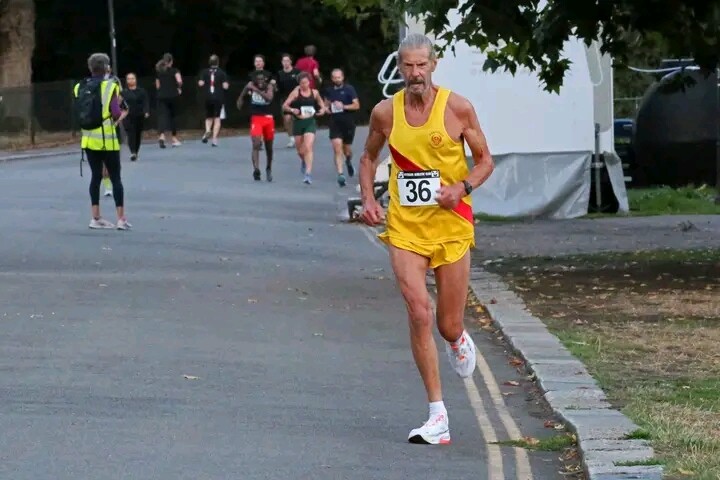
Giles, however, is perhaps better known to some music fans for his time behind the bass guitar. He was a member of the influential progressive rock band King Crimson during its early years, making his life story an unusual blend of music and endurance sport.
Running eventually became a major part of his life, but it was not until he reached 80 that Giles decided to make age-group records a serious target.
Speaking to The Times last year, he explained that he had been anticipating the opportunity for years, knowing that turning 80 would open the door to a new collection of age-group records.
His approach to training is equally unconventional.
Rather than relying on elaborate fitness programmes, supplements or long hours inside a gym, Giles keeps things remarkably simple. He does not use supplements, does not go to the gym and prefers a straightforward diet that includes porridge, eggs and fish.
For Giles, longevity appears to come from knowing when to do less rather than constantly pushing for more.
He believes many runners make the mistake of doing too much, particularly as they get older, while his own philosophy has increasingly centred on simplicity.
“Most runners overtrain,” Giles has said, explaining that his approach has become simpler with age.
That philosophy has clearly served him well. At 82, Giles continues to compete against the clock, demonstrating that athletic ambition does not necessarily disappear with age.
His latest 22:28 at Battersea Park is more than just another number on an age-group results sheet. It is a reminder that there is no single timetable for discovering how far the human body can go.
From the stage with a bass guitar to the roads and paths of Britain, Giles has built an extraordinary second act — one in which the pursuit of faster times has continued well into his 80s.
And judging by his latest record, Peter Giles is not finished rewriting the record books yet.
by Erick Cheruiyot for My Best Runs.
Login to leave a comment
Lost on the Matterhorn: Search Continues for Canadian Trail Runner Kalie McCrystal
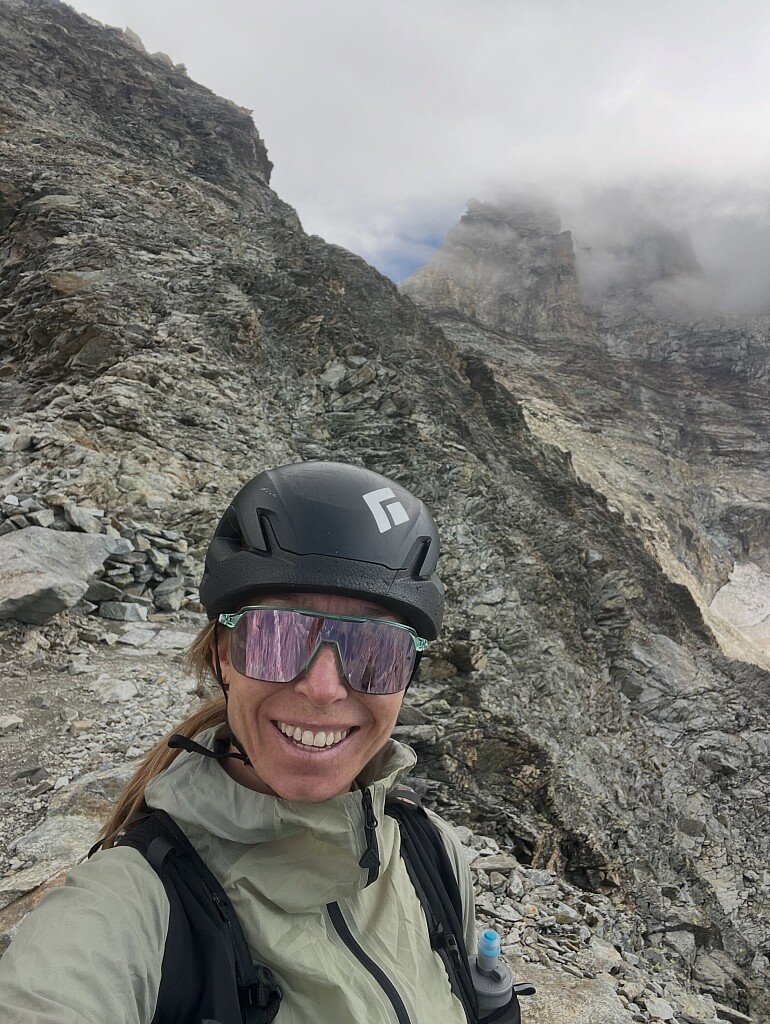
The dedicated helicopter search for 38-year-old Canadian mountain runner and lawyer Kalie McCrystal has been suspended after an intensive operation failed to find any trace of her on the Matterhorn in Italy.
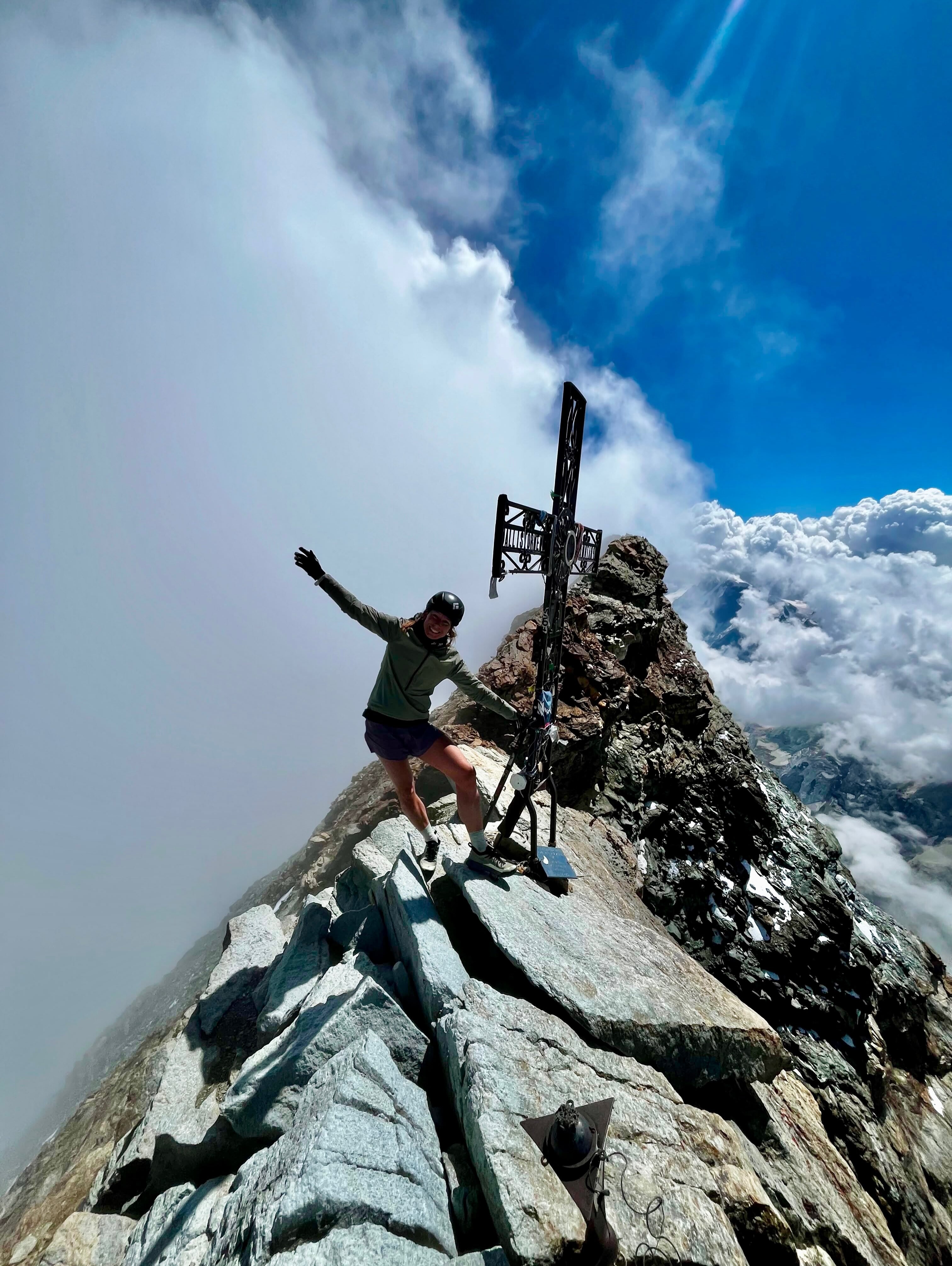
McCrystal, from Squamish, British Columbia, was last seen on Tuesday, September 1, at around 3,830 metres above the Jean-Antoine Carrel Hut on the Italian side of the Matterhorn. A mountain guide reportedly saw her continuing towards the summit at a fast pace, with McCrystal telling the guide that she was training for an attempt to break the mountain's ascent-and-descent record.
The disappearance has triggered a major search operation across one of the Alps' most challenging environments. Rescue teams conducted repeated helicopter sweeps of the Matterhorn, examining steep cliffs, narrow gullies and other difficult sections of the route on both the Italian and Swiss sides.

A large air ambulance was initially deployed before rescuers switched to a smaller helicopter that could operate closer to the mountain's hazardous rock faces and couloirs. Despite the closer and repeated searches, however, no sign of McCrystal was found.
Authorities also deployed a helicopter-mounted RECCO detector, a technology designed to locate compatible rescue reflectors that can sometimes be incorporated into outdoor clothing or equipment. No signal was detected. Attempts to locate McCrystal through her cellphone also failed to produce a result.

McCrystal had been staying near Cervinia, Italy, as she prepared for a record attempt via the Lion Ridge, the principal Italian route up the Matterhorn. Rising to 4,478 metres, the iconic peak straddles the border between Switzerland and Italy and is renowned for its steep, exposed and technically demanding terrain.
For McCrystal, the planned challenge represented another ambitious chapter in an already impressive mountain-running career. An experienced skyrunner and mountaineer, she has built a reputation for tackling some of the world's most demanding mountain races and routes.
Earlier this year, she won Argentina's 4 Refugios Non-Stop, covering approximately 40 kilometres with 3,350 metres of elevation gain.
Her preparation for the Matterhorn had also included a remarkable solo effort. Just weeks before her disappearance, McCrystal completed a solo ascent and descent of the Matterhorn from Zermatt via Switzerland's Hörnli Ridge in 6:47:33, according to the Fastest Known Time database. Only 10 days later, she competed in Italy's demanding Trofeo Kima skyrunning race.
Her previous experience on the Matterhorn highlights how familiar she was with high-altitude alpine terrain. Athletics Canada describes McCrystal as an experienced skyrunner and mountaineer with extensive knowledge of technical and high-altitude mountain environments. Her planned record attempt was therefore the latest in a series of demanding challenges undertaken at the highest level of mountain running.
Although the dedicated helicopter operation has now been suspended, the search for McCrystal has not completely ended. Mountain guides who regularly climb the Matterhorn are continuing to remain alert for any possible signs, while rescuers are awaiting additional information from police that could potentially lead to a new, more targeted search.
Athletics Canada has also appealed to the media to help raise awareness of McCrystal's disappearance and support the ongoing efforts to locate her.
The news has left the Canadian mountain-running community, as well as many international athletes and supporters who have followed McCrystal's achievements, deeply concerned. Her family is working directly with mountain-rescue services as efforts to determine her whereabouts continue.
At this difficult time, thoughts remain with Kalie McCrystal's family, friends, teammates and everyone involved in the search, with the mountain-running community continuing to hope for answers and her safe return.
by Erick Cheruiyot for My Best Runs.
Login to leave a comment

One Year Since The Pocket Rocket’s Final Race: Shelly-Ann Fraser-Pryce’s Legacy Still Burns Bright
One year ago, the world watched the final race of one of the greatest sprinters in athletics history.

On September 21, 2025, Shelly-Ann Fraser-Pryce stepped onto the track for the final time as a professional athlete. At 38, after an extraordinary 18-year career defined by Olympic triumphs, world titles, remarkable comebacks and unmatched longevity, the Jamaican sprinting icon brought her competitive journey to a close at the World Athletics Championships in Tokyo.
Her final appearance came in the women’s 4x100m relay. Running the opening leg for Jamaica, Fraser-Pryce helped her team secure a silver medal in 41.79 seconds behind the United States. It was a fitting conclusion to a career that had produced an extraordinary collection of global medals and established her among the most decorated sprinters of all time.

Her final individual race had come earlier in the championships, when she finished sixth in the 100m final in 11.03 seconds. Although she was unable to add another individual world title to her remarkable record, simply reaching another global final at the age of 38 was another demonstration of the extraordinary longevity that had defined her career.
A few weeks later, on October 7, Fraser-Pryce officially announced her retirement from professional track and field, closing the book on an era that had stretched across nearly two decades.

Her journey had begun with Olympic gold in the 100m at Beijing 2008, where she announced herself as one of the world's most explosive sprinters. Four years later in London, she successfully defended her Olympic 100m title, becoming only the third woman in history to accomplish that feat.
But Fraser-Pryce's greatness was never defined by one race or one championship.
She went on to win three Olympic gold medals and eight Olympic medals overall, while collecting 10 World Championships titles. She became the first woman to win five individual world 100m titles, a record that perfectly illustrates her remarkable consistency at the highest level.
Her career also became a story of resilience. After becoming a mother, Fraser-Pryce returned to elite competition and continued challenging the world's best sprinters, proving that motherhood and sporting excellence could exist side by side at the highest level.
Yet statistics only tell part of the Shelly-Ann Fraser-Pryce story.
There was the explosive start from the blocks, the fierce determination through every metre of a race and the unmistakable confidence that made her presence instantly recognisable. There was also the smile that often followed her performances and the pride with which she represented Jamaica on the biggest stages in world athletics.
Beyond the track, she built an influence that extended far beyond her medals and records. Through the Pocket Rocket Foundation, she has supported young Jamaican student-athletes by helping provide opportunities in education and sport.
Retirement, therefore, has not meant walking away from athletics.
In 2026, Fraser-Pryce took on a new role as a Global Ambassador for Laureus, continuing to use her experience, platform and voice to inspire young people and contribute to positive change through sport.
The starting line may no longer be part of her daily life, but her influence remains firmly embedded in the sport she helped shape.
A year after that final evening in Tokyo, women's sprinting has entered a new chapter. New athletes are carrying the sport forward, new rivalries are emerging and new records are waiting to be written.
But the standard Shelly-Ann Fraser-Pryce established will remain.
The Pocket Rocket has left competitive track and field, but the legacy she built over 18 remarkable years is still very much alive.
A year after her final race, which part of Shelly-Ann Fraser-Pryce do you miss the most?
Was it her explosive reaction from the blocks, her relentless competitive spirit, that unmistakable smile after a race, or the pride and passion with which she represented Jamaica?
Or perhaps it is simply the sight of Shelly-Ann Fraser-Pryce standing in the starting blocks, ready to give everything one more time.
One final race. One final medal. Eighteen extraordinary years.
The Pocket Rocket may have left the track, but her legacy will continue to inspire generations to come.
by Erick Cheruiyot for My Best Runs.
Login to leave a comment
Sydney Marathon Turns Race Week Into a Citywide Celebration as Run Perks Opens the Event to Everyone
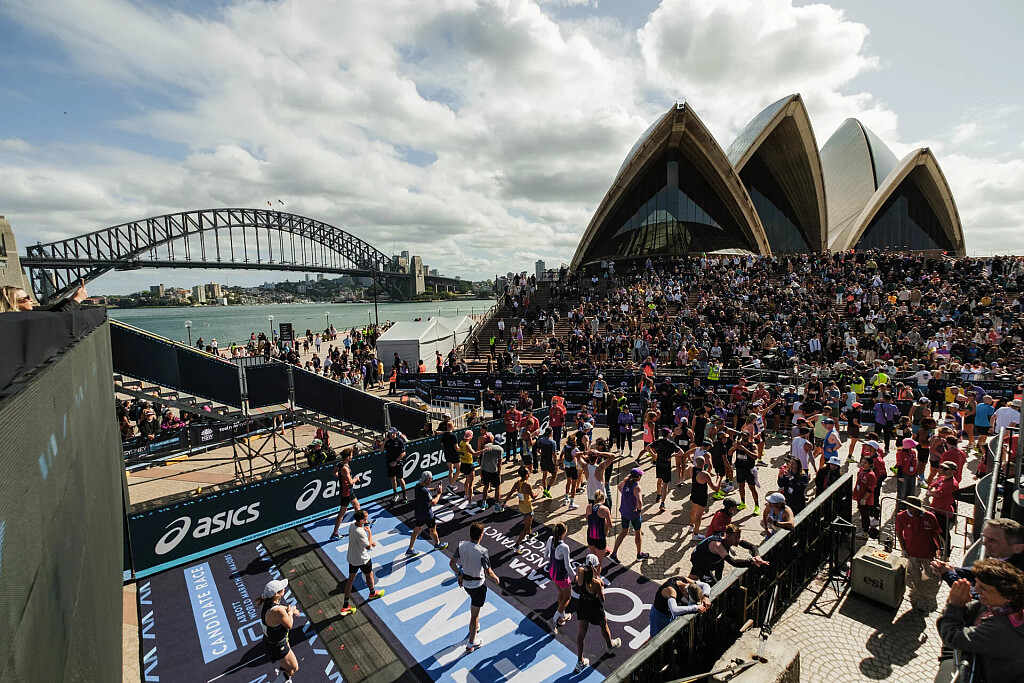
The TCS Sydney Marathon is no longer content to be a one-day spectacle reserved for those wearing race bibs. In 2026, the event is extending its reach across the Harbour City, turning marathon week into a citywide celebration that runners, spectators, residents and visitors can all enjoy.

The fourth edition of the marathon’s Run Perks program will run from Tuesday, August 25, through Monday, August 31, surrounding race day on Sunday, August 30, with Medal Monday following on August 31.
The initiative brings restaurants, pubs, cafés and tourism operators into the marathon experience, offering a wide range of special deals designed to encourage people to explore Sydney while supporting local businesses. Offers are listed through the official TCS Sydney Marathon app, with location-aware features helping users discover participating venues closest to them.
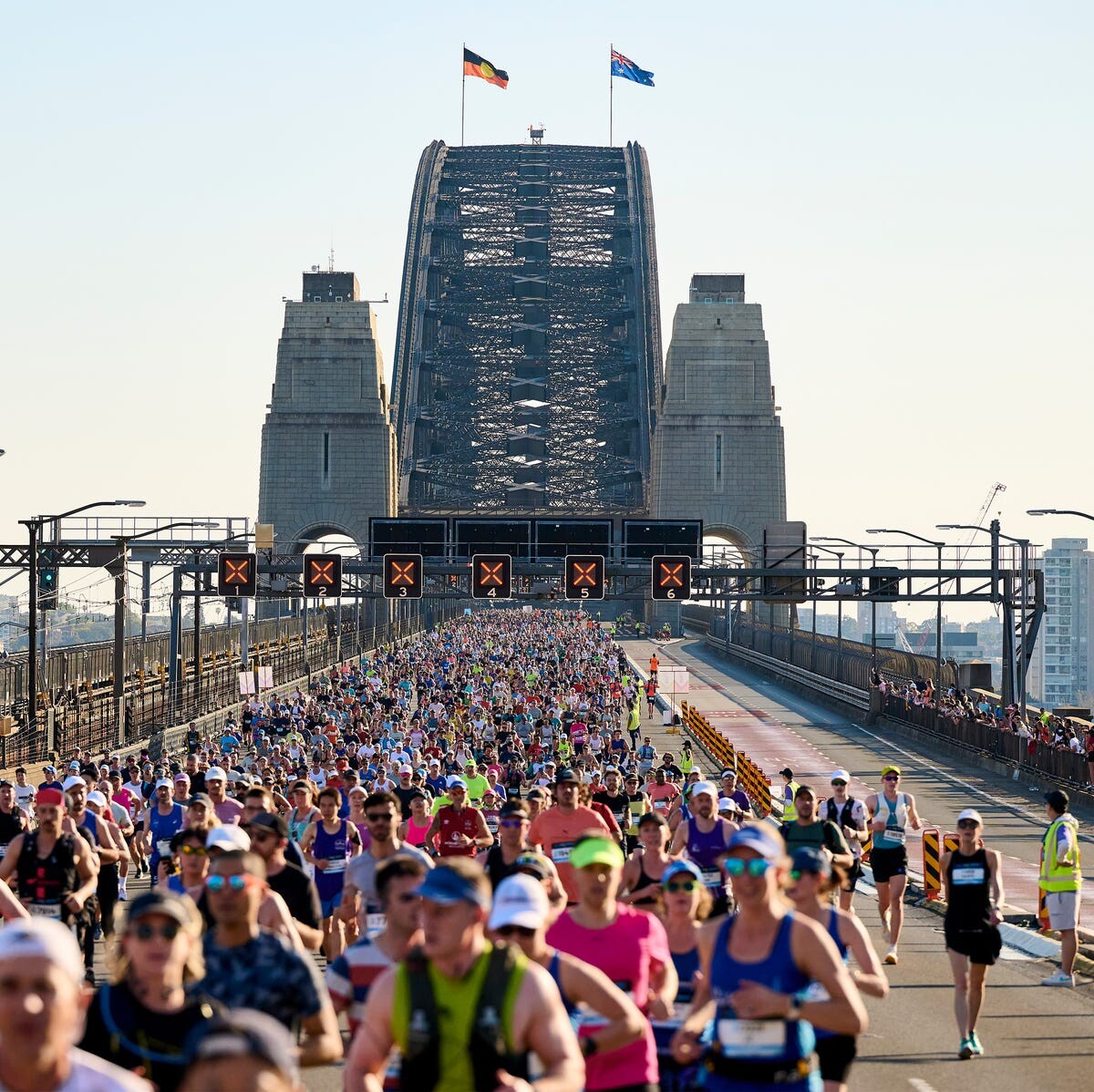
What makes Run Perks particularly appealing is that the benefits are not exclusively reserved for competitors. While some individual offers are specifically aimed at marathon participants, many are available to the wider marathon community, meaning you do not necessarily need a race bib or finisher’s medal to take part in the broader race-week experience.
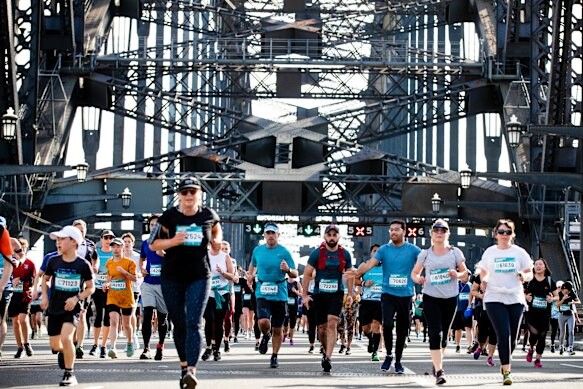
The deals range from straightforward food and drink specials to experiences designed to help visitors discover more of Sydney. Among the offerings are $20 schnitzels at The Glenmore Hotel, a $25 pizza-and-beer deal at The Australian Heritage Hotel, and a $19 lunch special at 4 Doors Down. Other venues are offering coffee deals, discounts on meals, tours and attractions across the city.
There are also race-specific opportunities for those taking part in the marathon. Some businesses are offering post-race incentives for finishers who present their medals or proof of participation, while others are extending discounts to spectators, support crews and the wider marathon community.
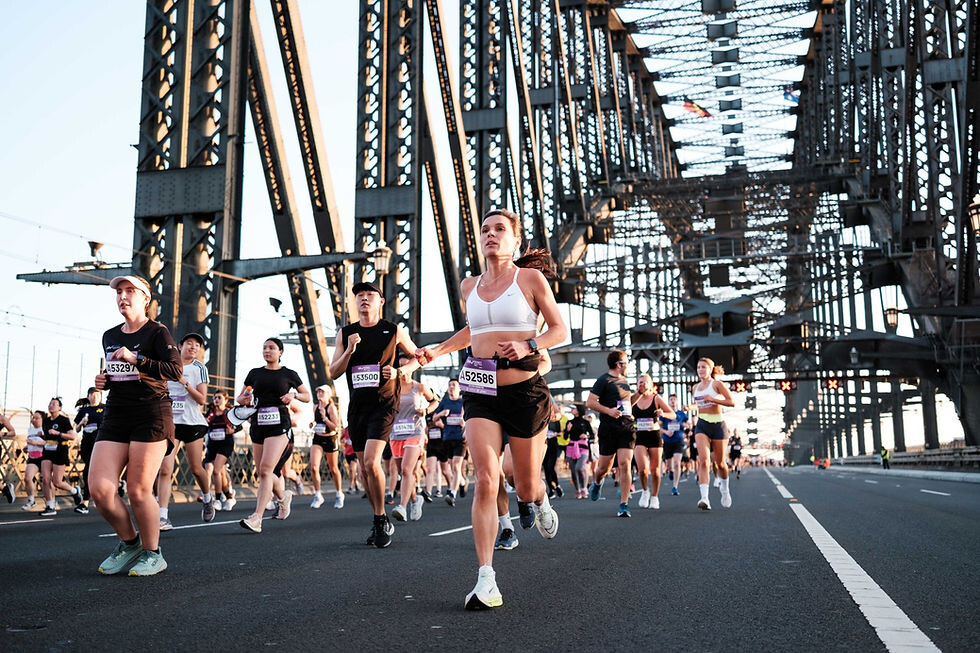
The concept reflects a broader shift in how Sydney is embracing its marathon. After making history as the seventh Abbott World Marathon Major, the TCS Sydney Marathon is becoming increasingly intertwined with the identity, tourism and business life of the city itself. The 2026 edition is expected to attract more than 40,000 participants, building on the 32,963 finishers recorded in 2025.
That scale gives Run Perks significance beyond a collection of discounts. Thousands of runners and their families will spend several days in Sydney, while spectators and residents will encounter the event throughout the city. By encouraging people to eat locally, visit attractions and experience different parts of Sydney, the marathon is helping turn the economic and social impact of race week into something that extends well beyond the course.
The timing is also important. Sydney is still establishing itself as one of the world’s major marathon destinations, having entered the Abbott World Marathon Majors in 2025. The 2026 event represents its second year as a Major and comes with ambitions for an even larger field and an even greater international profile.
And that is perhaps the most interesting part of Run Perks: the marathon is becoming less about what happens between the start and finish lines and more about what happens throughout the entire city.
From a coffee before sunrise to a post-race meal, an afternoon exploring The Rocks or an evening enjoying one of Sydney’s many restaurants and pubs, race week is being woven into the everyday rhythm of the city.
The official marathon app remains the best source for the latest participating venues, opening hours, redemption requirements and individual offer conditions, as these vary from business to business.
With more than 40,000 participants expected on August 30, Sydney is preparing for much more than another marathon. It is preparing for a week in which the entire city gets a chance to move, celebrate, explore and benefit from the energy of one of the world’s fastest-growing major marathons.
Sydney Marathon may have a start line and a finish line, but in 2026, its footprint stretches far beyond both.
by Erick Cheruiyot for My Best Runs.
Login to leave a comment

Sydney Marathon
The Sydney Marathon is a marathon held annually in Sydney, Australia. The event was first held in 2001 as a legacy of the 2000 Summer Olympics, which were held in Sydney. In addition to the marathon, a half marathon, 9 kilometres (5.6 mi) "Bridge Run", and a 3.5 kilometres (2.2 mi) "Family Fun Run" are also held under the banner...
more...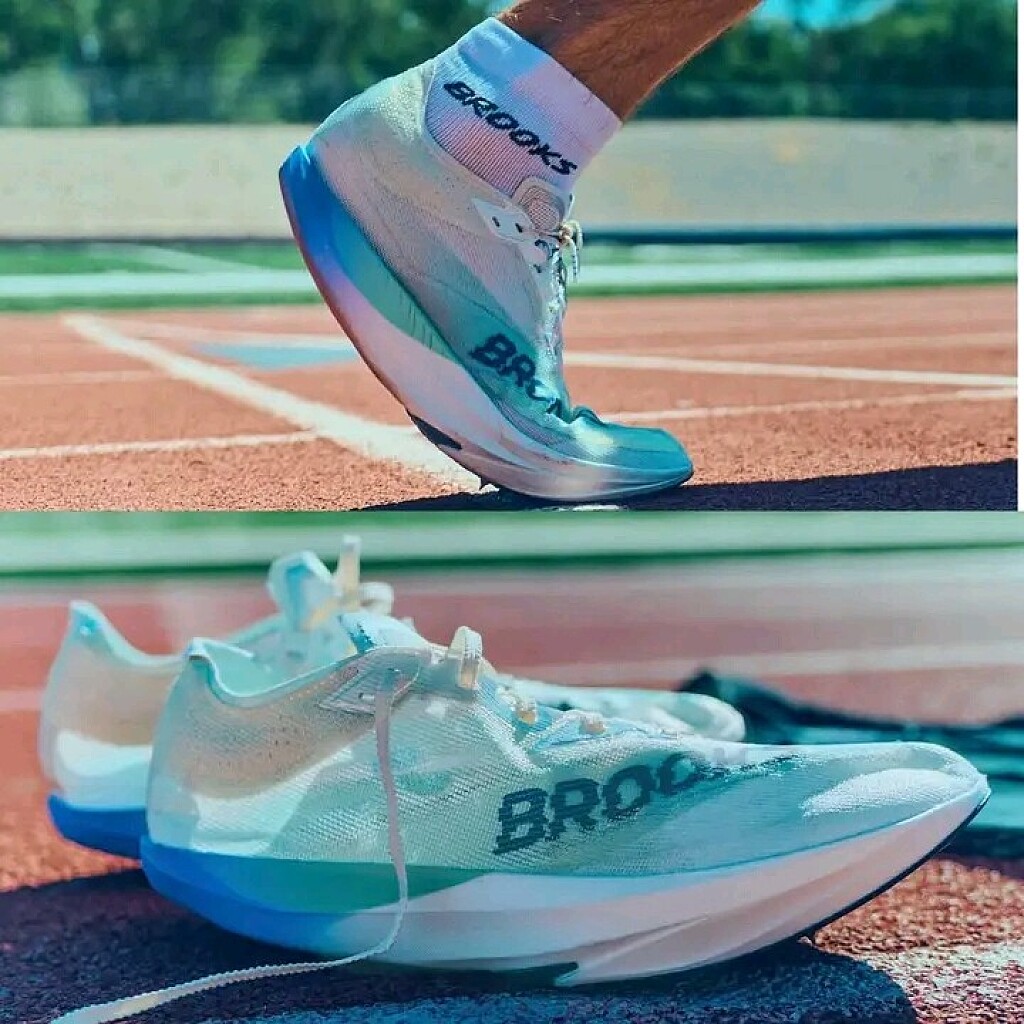
Inside the Brooks Hyperion 222: The Revolutionary Spike Built to Help Josh Kerr Chase History
When the world's fastest milers line up, victory is often decided by the smallest of margins. At the very highest level, every gram, every stride, and every fraction of a second matters. As Josh Kerr prepares for his ambitious "Project 222" attempt to run the fastest mile in history, he will do so wearing a pair of spikes created with one purpose alone—to help redefine what is humanly possible.
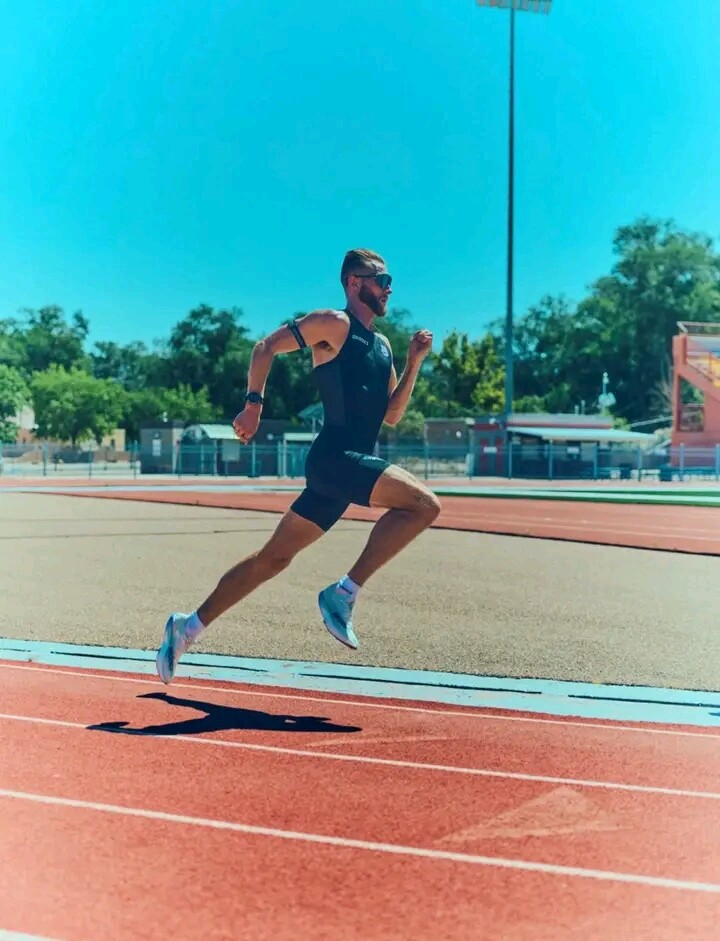
The Brooks Hyperion 222 is not a commercially available racing shoe. It is a highly specialized prototype, meticulously developed by the engineers and sports scientists at the Brooks Run Research Lab to complement Kerr's unique running mechanics. Every element has been carefully refined to maximize speed, efficiency, and performance over the mile.
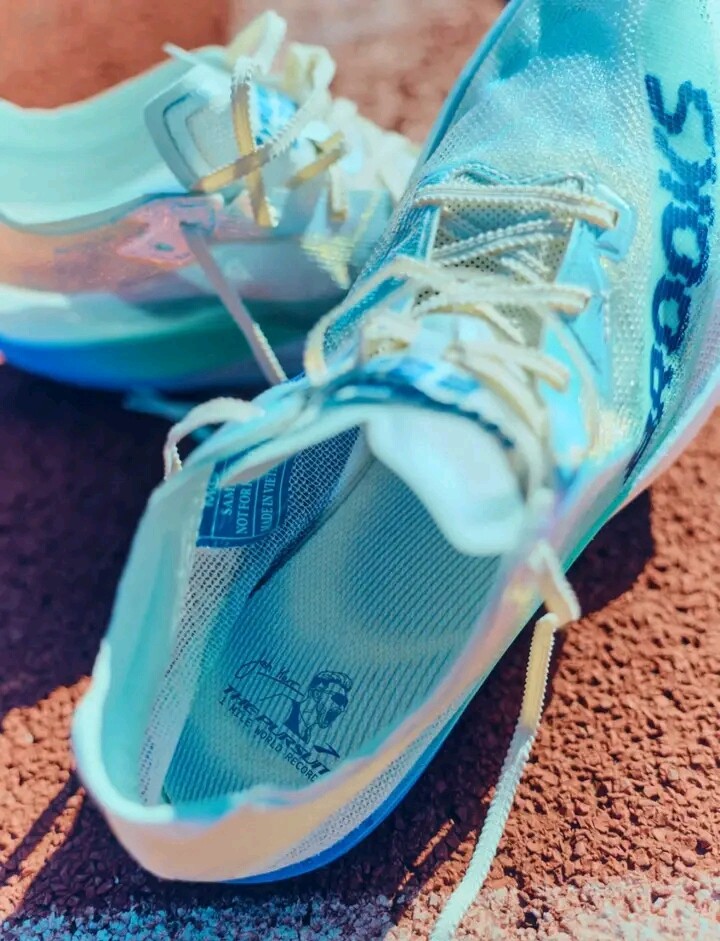
At the heart of the design is a bespoke carbon-fiber plate, custom-built to match Kerr's biomechanics and the exact shape of his foot. Rather than relying on a one-size-fits-all approach, Brooks engineered the plate specifically for the British middle-distance star, allowing for optimal energy transfer with every stride while maintaining stability through the bends.
The shoe also features an aggressive rocker geometry that promotes a smoother and more powerful transition from foot strike to toe-off. This innovative design helps maintain momentum throughout the race, reducing energy loss and encouraging the forward propulsion required to sustain world-record pace over four laps.
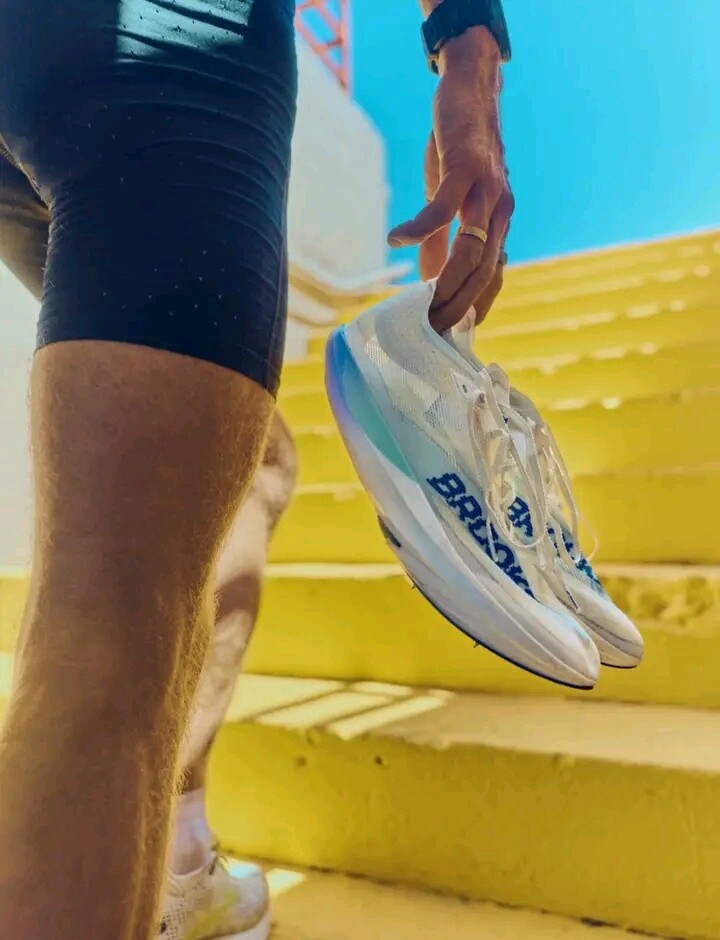
Traction is equally critical at speeds approaching 16 miles per hour. To maximize grip on the track, the Hyperion 222 is fitted with custom titanium pins that provide exceptional bite into the surface while keeping overall weight to an absolute minimum. The result is greater confidence through the turns and more efficient power delivery during every acceleration.
Completing the package is Brooks' specially tuned ATPU foam, engineered exclusively for Kerr's Project 222 challenge. The lightweight cushioning is calibrated to deliver the ideal balance of responsiveness and energy return, supporting the relentless rhythm required to cover the mile in under 3:42—or 222 seconds.
Whether Josh Kerr succeeds in rewriting the record books or not, the Brooks Hyperion 222 represents the cutting edge of performance footwear. It is a striking example of how elite athletic talent, scientific innovation, and precision engineering are coming together in the relentless pursuit of sporting greatness.
This afternoon, all eyes will be on Kerr. And beneath every stride will be one of the most advanced track spikes ever created, built with a single mission—to help make history.
by Erick Cheruiyot for My Best Runs.
Login to leave a comment
At 40, François D'Haene Reclaims the GR20 Crown with a Historic Sub-30-Hour Run
Age is often seen as the greatest opponent in endurance sports. Yet for François D'Haene, it has become another challenge to conquer.
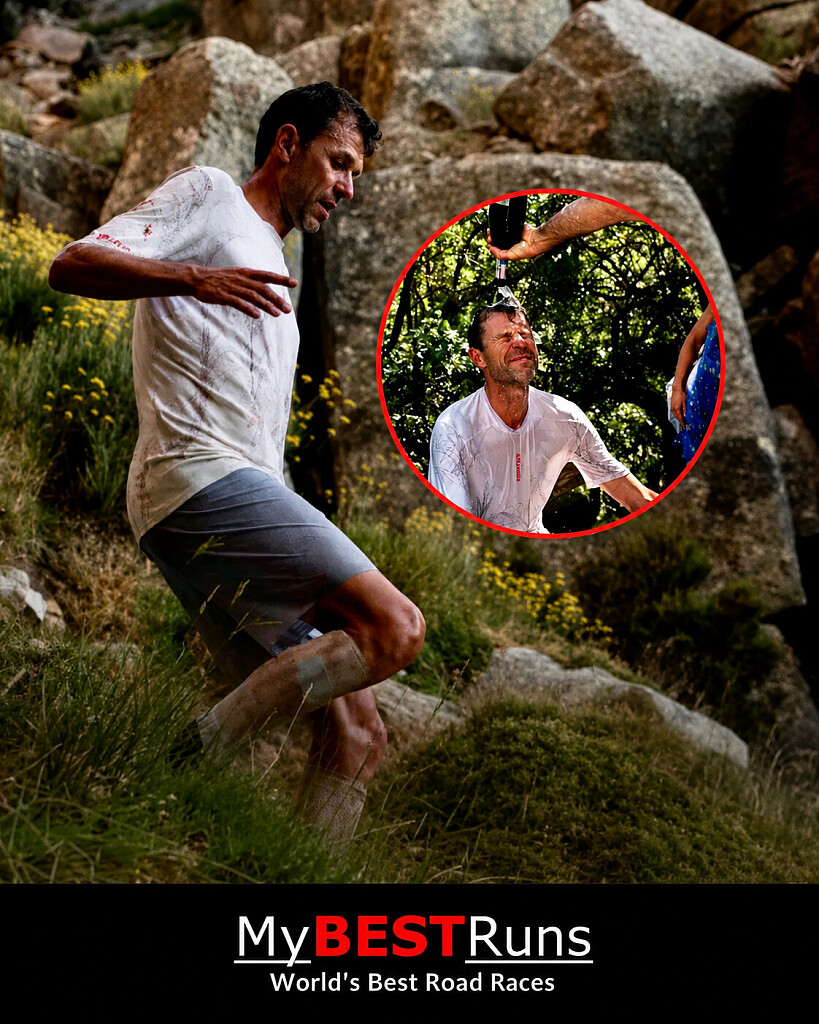
The legendary French trail runner has once again etched his name into the history books after setting a new supported Fastest Known Time (FKT) on the iconic GR20 in Corsica. Covering approximately 160 kilometers across one of Europe's most demanding mountain trails, D'Haene completed the route in an astonishing 29 hours, 46 minutes and 20 seconds, becoming the first athlete ever to break the elusive 30-hour barrier.

The GR20 stretches diagonally across the Mediterranean island of Corsica from Calenzana in the north to Conca in the south. Renowned for its unforgiving terrain, the route features around 12,000 meters of cumulative elevation gain, with steep ascents, rocky ridges and highly technical descents that have earned it a reputation as Europe's toughest long-distance hiking and trail-running route.
D'Haene began his remarkable journey at 4:30 a.m. on Wednesday, July 8, and reached Conca at 10:16 a.m. the following morning, maintaining an extraordinary pace across nearly 30 hours of relentless climbing and descending. Throughout the effort, a rotating team of pacers accompanied him in accordance with supported FKT guidelines, helping him maintain his rhythm across the brutal mountain course.
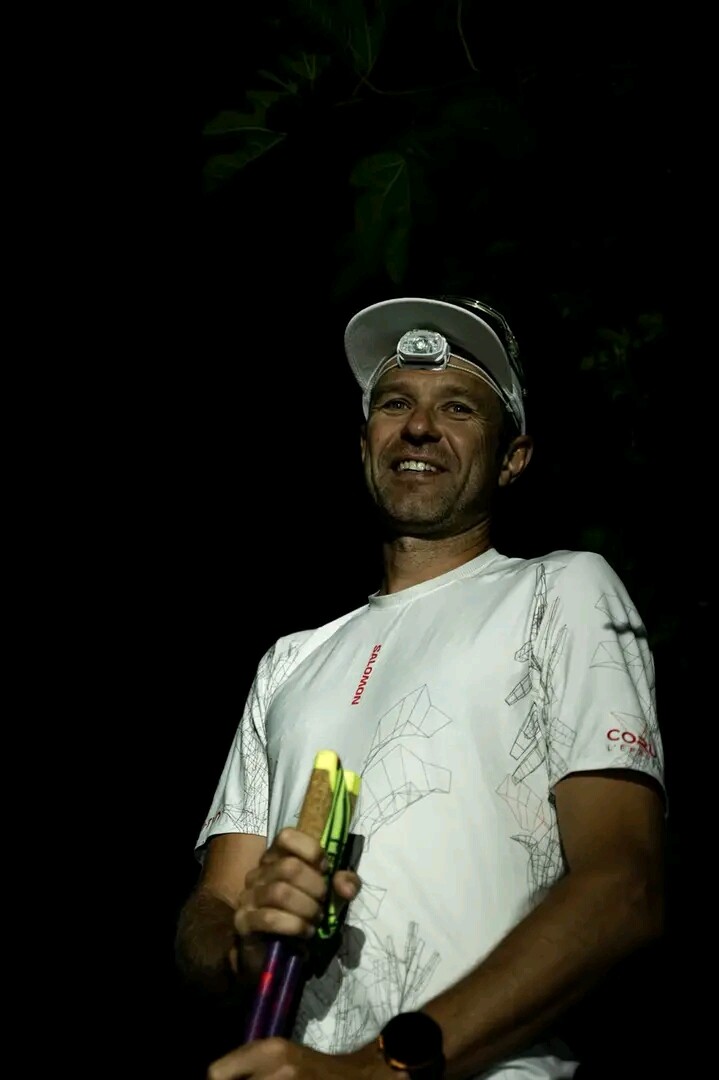
His performance erased the previous supported record of 30 hours, 25 minutes, set by Corsican trail specialist Lambert Santelli in 2021. In doing so, D'Haene shaved nearly 40 minutes off a mark many believed would stand for years.
What makes the achievement even more extraordinary is the story behind it. D'Haene first claimed the GR20 record in 2016, running 31 hours and 6 minutes. Several years later, Santelli eclipsed that performance on home soil. Rather than leaving the record behind, D'Haene returned a decade later—not simply to reclaim it, but to redefine what was thought possible.
At 40 years old, he proved that experience, resilience and meticulous preparation can be just as powerful as youthful speed. While many elite endurance athletes begin to slow with age, D'Haene continues to raise the standard, delivering one of the most impressive performances of his already legendary career.
His latest triumph adds another remarkable chapter to a résumé that already includes four Ultra-Trail du Mont-Blanc (UTMB) victories, four Diagonale des Fous titles, and the Hardrock 100 counterclockwise course record. Those accomplishments alone secured his place among trail running's all-time greats. This historic return to the GR20 only strengthens that legacy.
Breaking the 30-hour barrier on one of the world's most unforgiving mountain routes is more than just another record—it is a powerful reminder that greatness is measured not only by talent, but by the willingness to return, evolve and achieve what once seemed impossible.
François D'Haene did exactly that, turning back the clock and once again proving that true champions never stop rewriting history.
by Erick Cheruiyot for My Best Runs.
Login to leave a comment
Courtney Dauwalter Rewrites Hardrock 100 History with Another Record-Breaking Masterclass
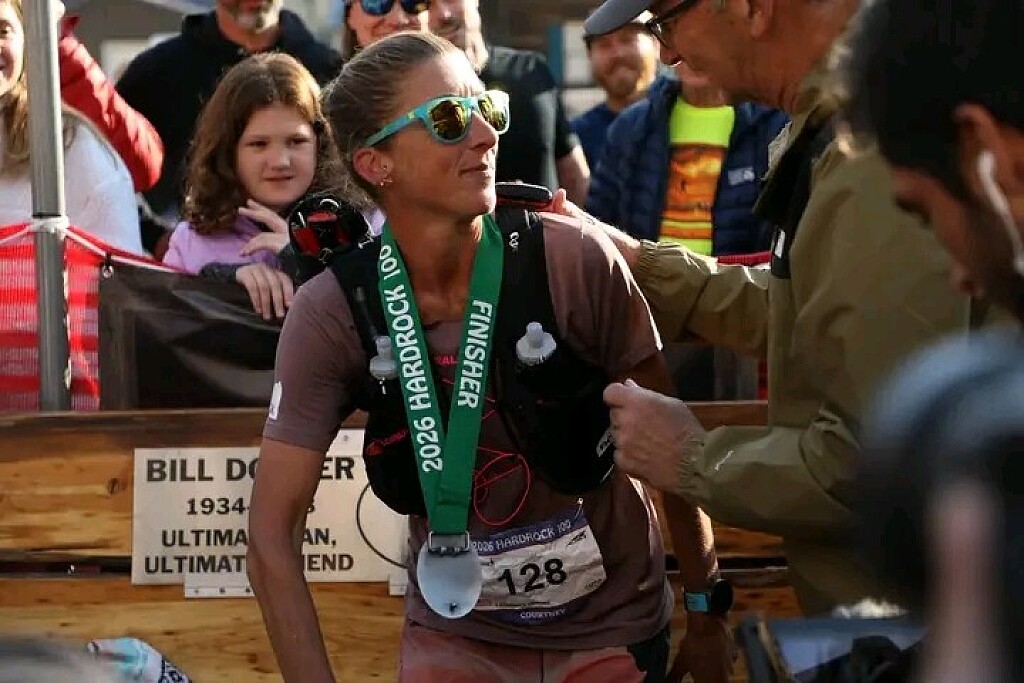
Courtney Dauwalter has once again proven why she is regarded as one of the greatest ultrarunners the sport has ever seen, delivering another extraordinary performance to win the 2026 Hardrock 100 in breathtaking fashion.
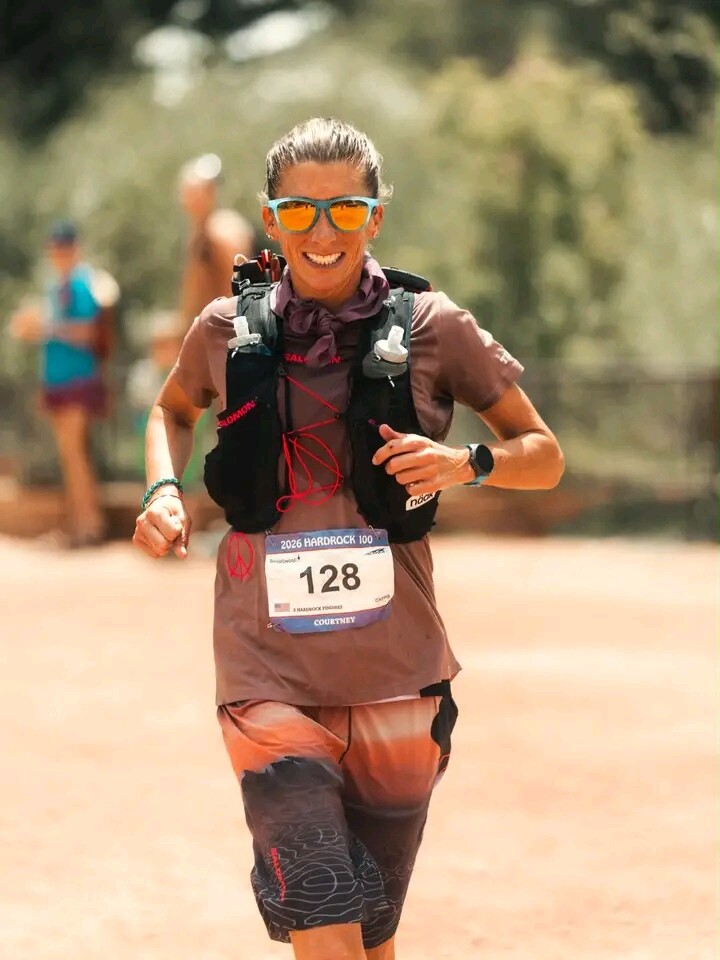
The American endurance superstar crossed the finish line in 26:03:10, setting a new clockwise course record and eclipsing her own previous mark of 26:11:49, which she established in 2024. By shaving more than eight minutes off her former record, Dauwalter once again raised the standard in one of the world's toughest and most prestigious ultramarathons.
The Hardrock 100, renowned for its unforgiving mountain terrain, extreme altitude, and over 33,000 feet of climbing through Colorado's San Juan Mountains, is widely considered one of the ultimate tests of endurance. Yet Dauwalter made the seemingly impossible look routine, combining relentless pace, remarkable resilience, and flawless race management from start to finish.
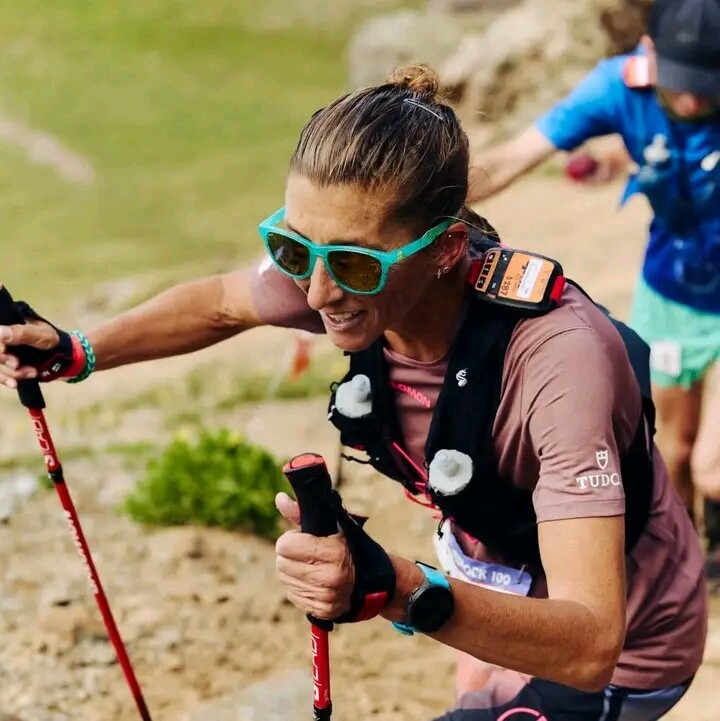
Her latest triumph is far more than another race victory—it is another historic chapter in a career already filled with legendary achievements. In a sport where margins are often measured by survival rather than speed, breaking a course record you already own is an exceptional feat, highlighting her continued evolution at the very highest level.
Year after year, Dauwalter has redefined what is possible in ultrarunning, consistently dominating the world's most demanding races while inspiring athletes across every discipline of endurance sport. Her fearless approach, unmatched mental strength, and remarkable consistency have made her a global icon whose performances continue to reshape the limits of human endurance.
With another Hardrock 100 title and yet another course record now added to her remarkable résumé, Courtney Dauwalter has once again reminded the world that greatness is not simply about winning—it is about continually surpassing your own extraordinary standards.
The 2026 Hardrock 100 will be remembered as another showcase of her brilliance, as one of ultrarunning's all-time greats delivered yet another unforgettable performance in the mountains of Colorado
by Erick Cheruiyot for My Best Runs.
Login to leave a comment

Hardrock 100
100-mile run with 33,050 feet of climb and 33,050 feet of descent for a total elevation change of 66,100 feet with an average elevation of 11,186 feet - low point 7,680 feet (Ouray) and high point 14,048 feet (Handies Peak). The run starts and ends in Silverton, Colorado and travels through the towns of Telluride, Ouray, and the ghost town...
more...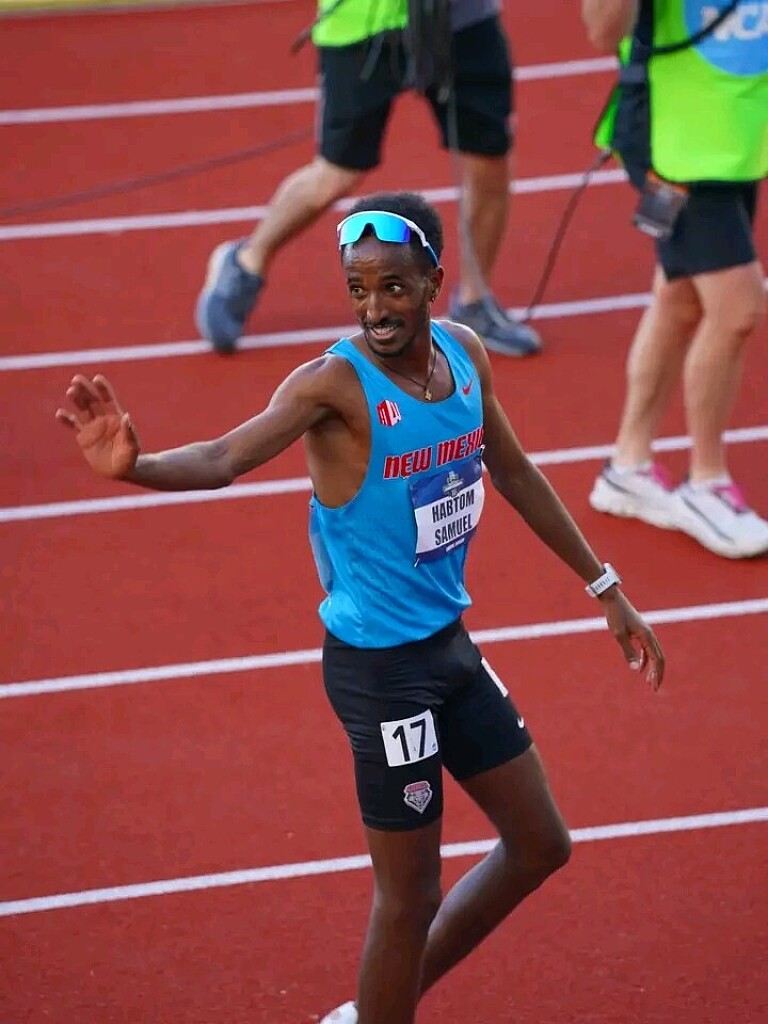
Habtom Samuel Delivers a Masterclass to Claim NCAA 5,000m Crown in Thrilling Championship Battle
The NCAA Men’s 5,000m final delivered everything fans love about distance racing — patience, tactical brilliance, relentless pressure, and a dramatic finish that came down to pure speed.

Eritrean sensation Habtom Samuel of New Mexico produced a memorable performance to capture the national title, crossing the finish line in 13:38.93 to claim the gold medal. His victory added another remarkable chapter to his collegiate career as he completed a historic championship double, proving once again that he belongs among the elite names in NCAA distance running.

The race unfolded as a battle of endurance and strategy, with the leading pack staying tightly grouped before the decisive moments arrived. As the pace intensified and the final lap approached, Samuel showed incredible composure, saving his strongest move for the closing stages.
In the final 200 meters, Samuel unleashed a powerful finishing kick that separated him from the field and secured the championship victory. Rocky Hansen of Wake Forest fought bravely until the end, producing an impressive sprint finish to earn the silver medal in 13:39.91, just behind the champion.
Kenya’s Elsingi Kipruto of Louisville completed the podium with a strong performance, finishing third in 13:42.58 after staying among the contenders throughout the race.
The final also highlighted the strength of international talent in NCAA distance running, with several Kenyan athletes making their mark. Ernest Cheruiyot (Arkansas) finished fifth in 13:44.52, while Brian Musau (Oklahoma State) placed sixth in 13:47.18. Other Kenyan athletes, including Evans Kurui, Robin Kwemoi Bera, and Denis Kipngetich, also battled strongly against one of the deepest fields in collegiate athletics.
Top 10 Finishers — NCAA Men’s 5,000m Final
1. Habtom Samuel — New Mexico, Eritrea — 13:38.93
2. Rocky Hansen — Wake Forest, United States — 13:39.91
3. Elsingi Kipruto — Louisville, Kenya — 13:42.58
4. Marco Langon — Villanova, United States — 13:42.77
5. Ernest Cheruiyot — Arkansas, Kenya — 13:44.52
6. Brian Musau — Oklahoma State, Kenya — 13:47.18
7. Pierre Attiogbe — Cornell, United States — 13:47.43
8. Isaac Hedengren — BYU, United States — 13:48.84
9. Evans Kurui — Washington State, Kenya — 13:51.49
10 Robin Kwemoi Bera — Iowa State, Kenya — 13:51.83
From the opening strides to the explosive finish, the NCAA Men’s 5,000m final was a true showcase of championship racing — where every decision mattered and the final moments created a race to remember.
by Erick Cheruiyot for My Best Runs.
Login to leave a comment
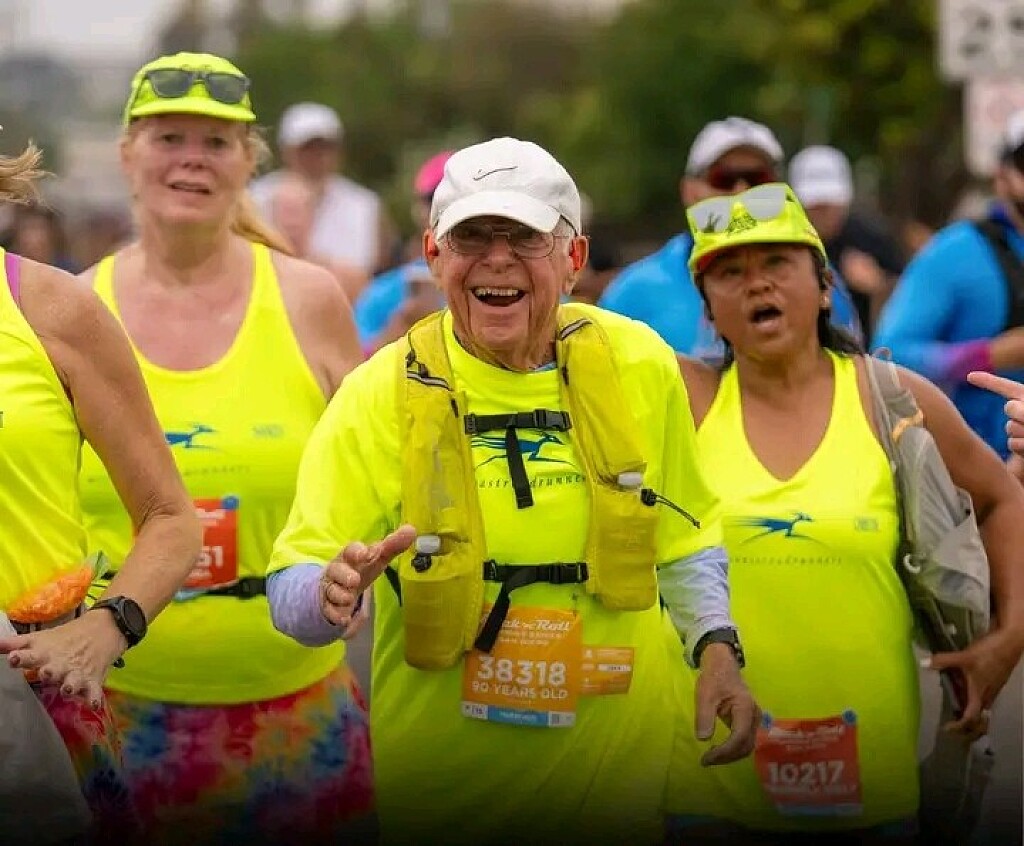
At 90, Bill Schwarz Proves It’s Never Too Late to Chase a Marathon Dream
Age may slow the clock, but it does not have to limit ambition. At 90 years old, Bill Schwarz has achieved something many runners spend a lifetime pursuing—completing his first marathon.
On May 31, Schwarz took on the full 26.2-mile challenge at the Rock ‘n’ Roll San Diego Marathon, embarking on a journey that was never about pace, rankings, or finishing inside the official cutoff time. For him, there was only one goal: cover the entire distance.
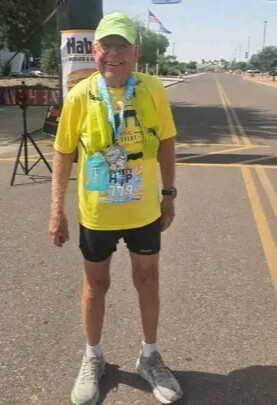
More than nine hours after starting, Schwarz was still moving forward. While the official race clock had long stopped, he continued until his watch confirmed he had completed every mile of the marathon course. That was the achievement that mattered most.
Schwarz’s remarkable accomplishment is made even more inspiring by the life he has led. A retired engineer, he once contributed to the Apollo space program, helping design components that played a role in humanity’s journey to the moon. Decades later, he is still proving that exploration and perseverance know no age limit.
Unlike many people in their later years, Schwarz takes no medication and has never undergone a joint replacement. Running first entered his life in the 1950s when he was a high school student. What began as a practical way to balance his interests eventually became something much deeper. Over the years, he stepped away from the sport and returned to it several times, describing running as a form of meditation that brings clarity and peace.
The marathon dream gained new meaning following the loss of his wife, Janice, two and a half years ago. Searching for purpose and direction during a difficult period, Schwarz registered for a local 5K race. That single event reignited his passion for movement and personal challenge.
One race led to another. A 5K became a half marathon. Then another half marathon. Soon, he had completed five. Last year, he walked and ran 60 miles along Spain’s historic Camino de Santiago over six days. The experience convinced him that his body was capable of tackling an even greater challenge—the marathon.
Determined to give himself every opportunity to succeed, Schwarz committed fully to preparation. He trained approximately ten hours each week with the support of a strength coach, running coach, stretch trainer, and Pilates instructor. Along the way, he lost 40 pounds and embraced a data-driven approach to training, monitoring his effort through heart-rate zones and using modern technology to help plan his nutrition strategy.
On race day, he was not alone. A friend of his daughter accompanied him throughout the entire journey, providing encouragement and companionship over every mile of the demanding course.
Yet, despite finally conquering his first marathon at an age when most people have long retired from athletic pursuits, Schwarz is not finished dreaming.
His sights are already set on the next challenge: the Boston Marathon. The oldest official finisher in the race’s storied history was 84 years old, meaning Schwarz could potentially rewrite the record books if he reaches the starting line and completes the course.
Before taking on San Diego, he summed up his philosophy with a simple but powerful statement:
"My objective is to finish. And whatever time it takes, it's going to be wonderful."
That mindset carried him through 26.2 miles and into marathon history. More importantly, it delivered a message that resonates far beyond running: goals do not have an expiration date, and it is never too late to pursue a dream.
by Erick Cheruiyot for My Best Runs.
Login to leave a comment
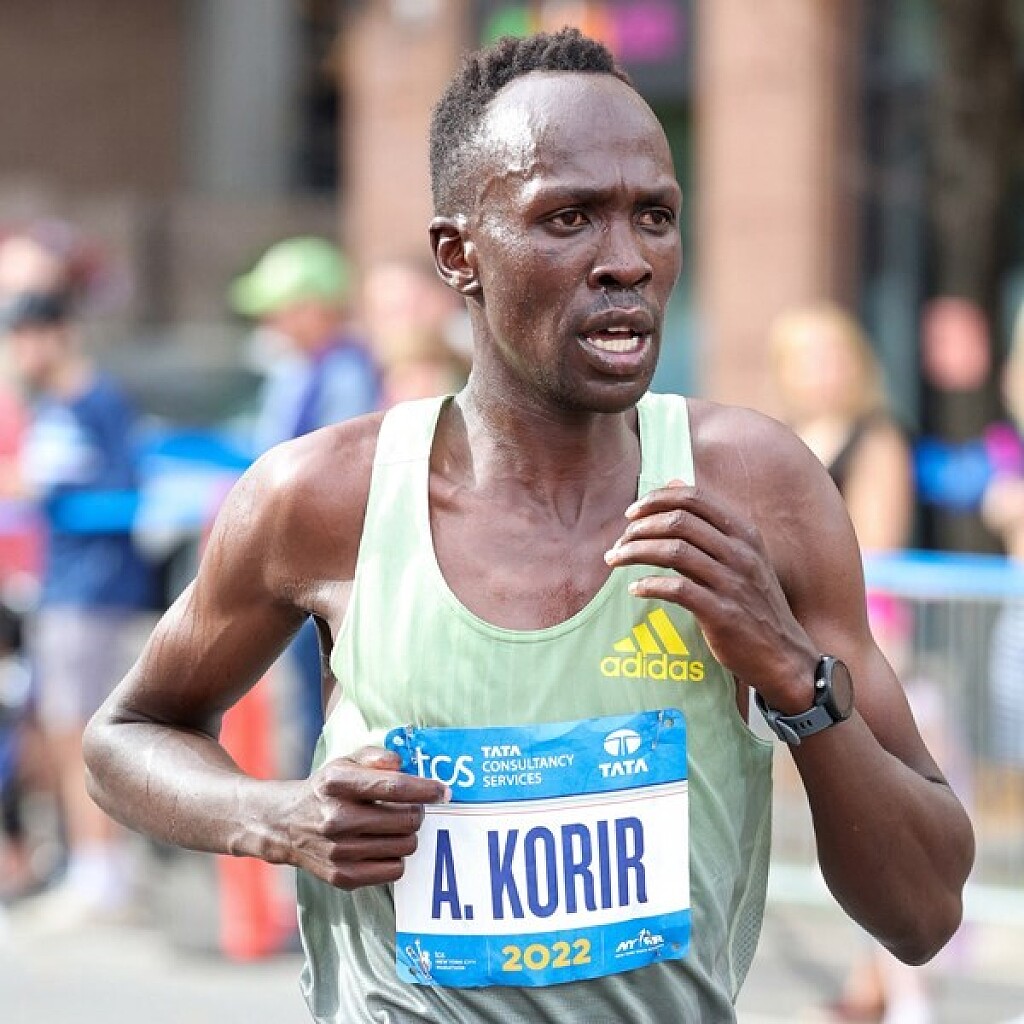
Five-Year Ban Rocks Kenyan Athletics as Albert Korir Sanctioned in Major Doping Case
The integrity of global athletics has once again come under sharp focus following a decisive ruling by the Athletics Integrity Unit (AIU), which has handed Kenyan long-distance runner Albert Korir a five-year ban for anti-doping violations. The sanction, confirmed after multiple positive tests, underscores the sport’s uncompromising stance against the use of performance-enhancing substances.
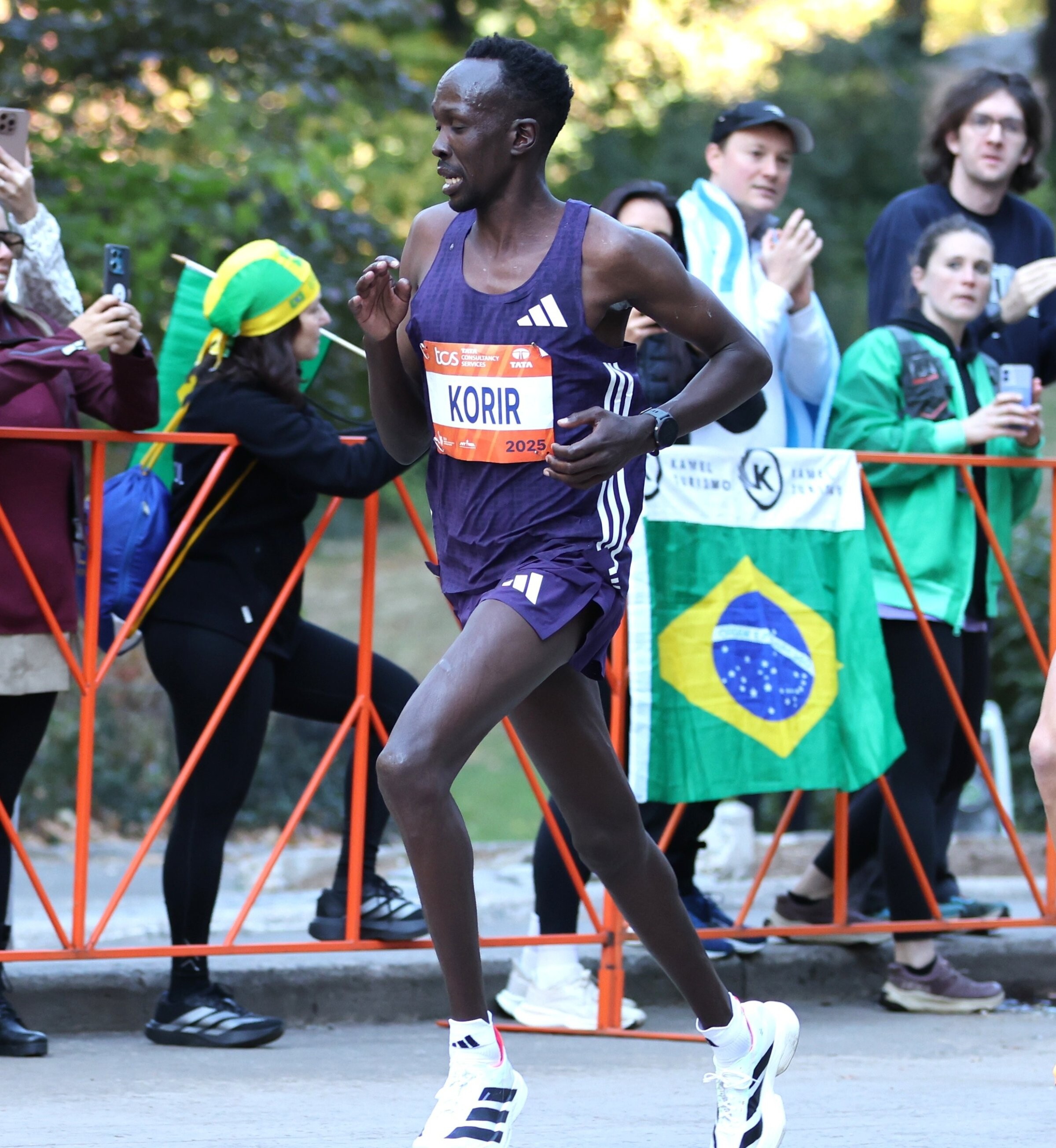
According to the AIU’s official findings, Korir was found to have used CERA (Continuous Erythropoietin Receptor Activator), a prohibited substance designed to boost endurance by increasing red blood cell production. The violation falls under World Athletics Anti-Doping Rules 2.1 and 2.2, covering both the presence and use of a banned substance. Samples collected in Kenya in October 2025 repeatedly returned positive results, leaving little room for dispute.
The disciplinary outcome is significant. Korir will serve a five-year period of ineligibility, effective from January 8, 2026, through January 7, 2031. In addition, all of his competitive results from October 3, 2025, onward have been disqualified, resulting in the forfeiture of titles, medals, and any prize money earned during that period.
In its ruling, the AIU acknowledged that Korir admitted to the violations at an early stage of the process. This cooperation led to a reduction of the sanction from a potential six-year ban to five years. However, the body emphasized that the seriousness of the offense warranted a lengthy suspension, reinforcing its commitment to protecting clean competition.
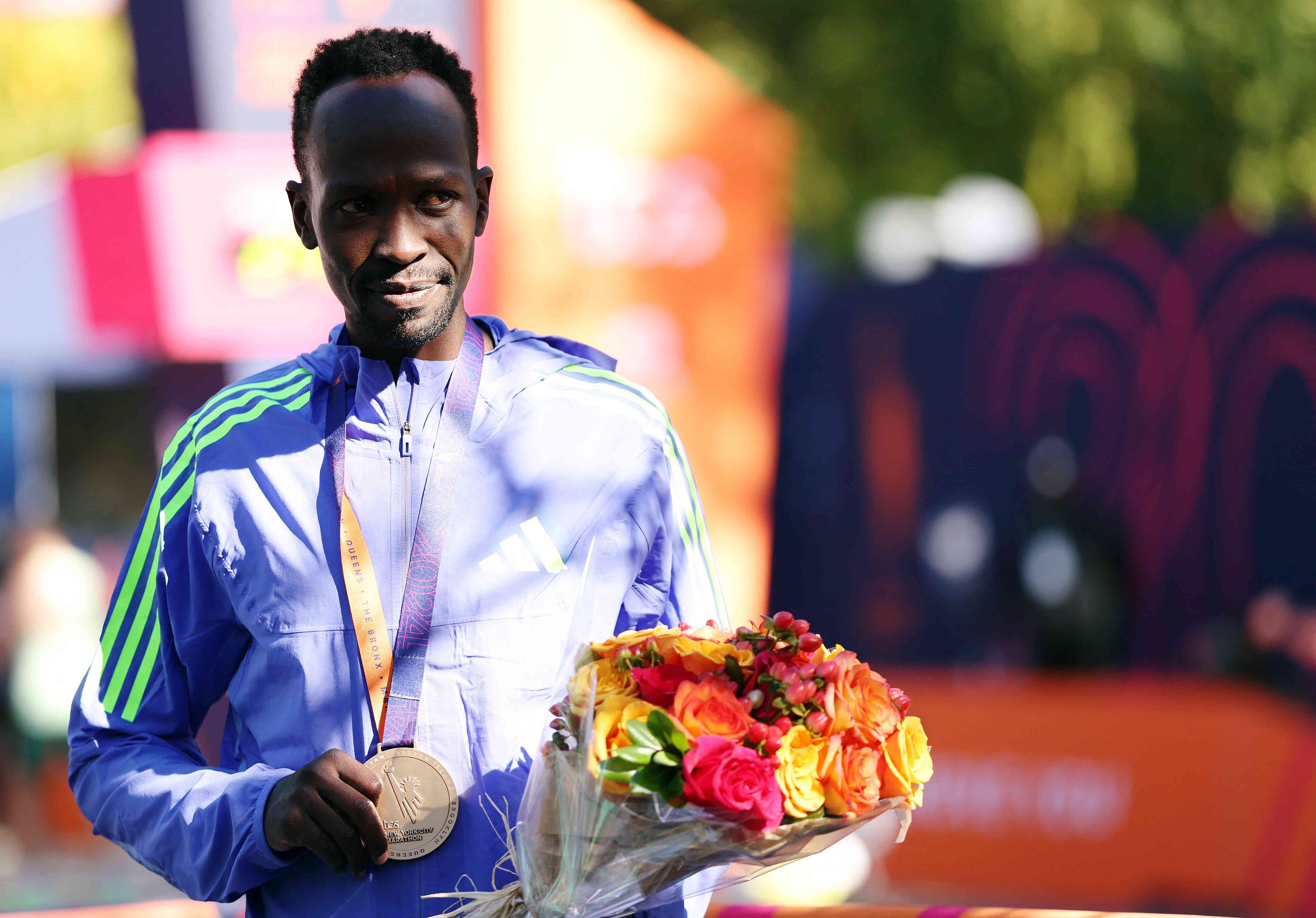
The case also confirmed that Korir did not possess a Therapeutic Use Exemption (TUE), eliminating any possibility that the substance had been used for legitimate medical purposes. This further solidified the grounds for the sanction and highlighted the strict regulatory framework governing elite athletics.
This development arrives amid growing concern over repeated doping cases, particularly within endurance running. Each new violation not only damages individual reputations but also casts a shadow over the credibility of the sport as a whole. For Kenya, a nation synonymous with distance running excellence, such incidents present an ongoing challenge in maintaining trust and preserving its rich athletic legacy.
The AIU, operating as the independent body responsible for enforcing anti-doping measures under World Athletics, continues to intensify its efforts globally. Its message remains clear: fairness is non-negotiable, and any breach of the rules will be met with firm and transparent action.
Albert Korir had built a strong reputation on the global stage through consistent high-level performances, highlighted by his victory at the New York City Marathon in 2021, a title he retained despite later scrutiny. He also claimed wins at the Ottawa Marathon in both 2019 and 2025, underlining his competitiveness across major city races. Earlier, he finished runner-up in New York in 2019 and returned in 2023 to secure third place with a personal best of 2:06:57, demonstrating steady progression at the elite level. However, his initially recorded third-place finish at the 2025 New York City Marathon was later nullified following his disqualification, casting a shadow over an otherwise impressive career marked by podium finishes and international victories.
As the sport moves forward, cases like this serve as both a warning and a reminder—true greatness in athletics is built not only on performance, but on integrity.
by Erick Cheruiyot for My Best Runs.
Login to leave a comment
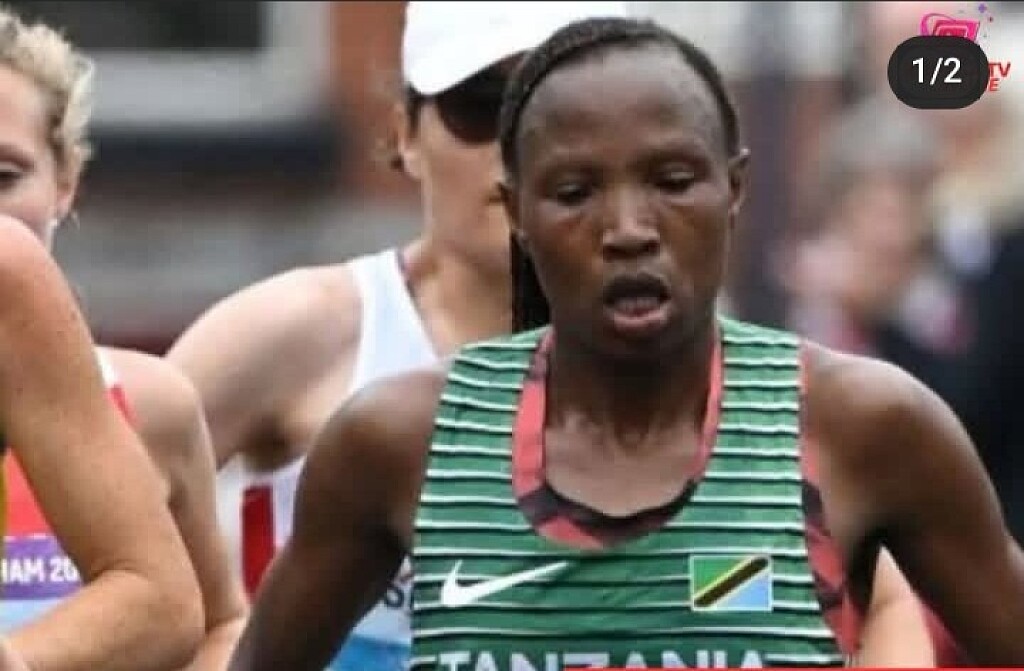
Ten-Year Ban Rocks Tanzanian Athletics as Jackline Sakilu Sanctioned for Doping Violations
In a development that has sent shockwaves across the African distance running community, Tanzanian marathoner Jackline Sakilu has been handed one of the most severe doping sanctions in recent years—a 10-year ban from competition by the Athletics Integrity Unit (AIU).
The ruling, which took effect on September 17, 2025, follows a comprehensive investigation that confirmed the presence of multiple prohibited substances linked to testosterone in the athlete’s system. The substances identified—Androsterone, Etiocholanolone, 5α-Adiol, and 5β-Adiol—are recognized metabolites indicative of exogenous testosterone use, constituting a clear violation under anti-doping regulations aligned with the World Anti-Doping Agency (WADA) code.
Sakilu, 39, had built a reputation as one of Tanzania’s leading marathon figures, highlighted by her victory at the Chongqing Marathon in China, where she clocked an impressive 2:21:27 under demanding heat and humidity. That performance, along with all her competitive results dating back to June 29, 2024, has now been officially annulled as part of the sanction.
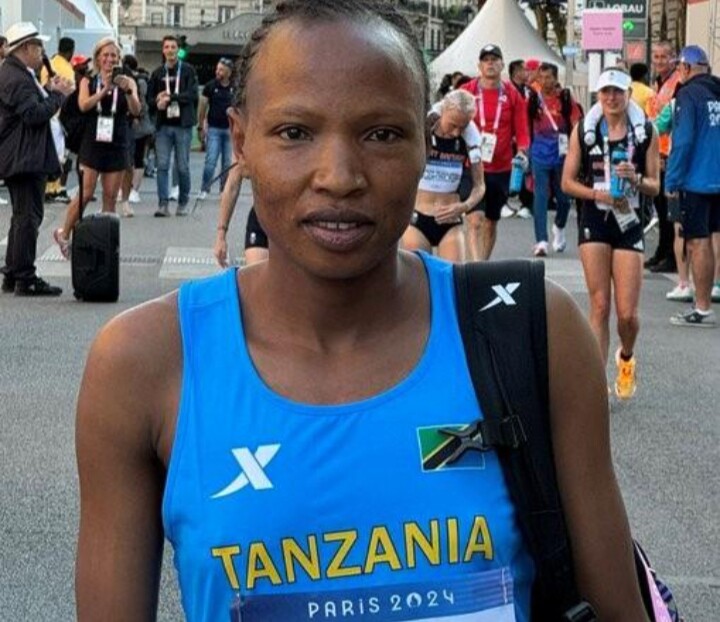
According to the AIU’s findings, multiple samples collected in both South Korea—during the Seoul Marathon—and in Arusha, Tanzania, tested positive for the banned substances. The consistency of the results reinforced the conclusion that the substances originated externally rather than naturally.
In her defense, Sakilu cited the use of common medications, including Ibuprofen and Prednisolone. However, these explanations were dismissed by investigators, who found no scientific link between the medications and the prohibited compounds detected. Furthermore, she did not possess a Therapeutic Use Exemption (TUE), weakening her case significantly.
The AIU classified the violation as aggravated, citing repeated use of banned substances over an extended period. This determination ultimately led to the imposition of the maximum-length sanction, sidelining Sakilu from the sport until 2035. In addition to the ban, she faces the forfeiture of titles, prize money, and rankings accumulated during the affected period.
The case stands as a stark reminder of the sport’s ongoing battle to uphold integrity and fairness. While Sakilu’s achievements once symbolized resilience and competitive excellence, this ruling redefines her legacy within a cautionary narrative that underscores the consequences of breaching anti-doping rules.
As global athletics continues to tighten its enforcement mechanisms, this decision reinforces a clear and uncompromising message: the future of the sport depends on clean competition, transparency, and unwavering accountability.
by Erick Cheruiyot for My Best Runs.
Login to leave a comment
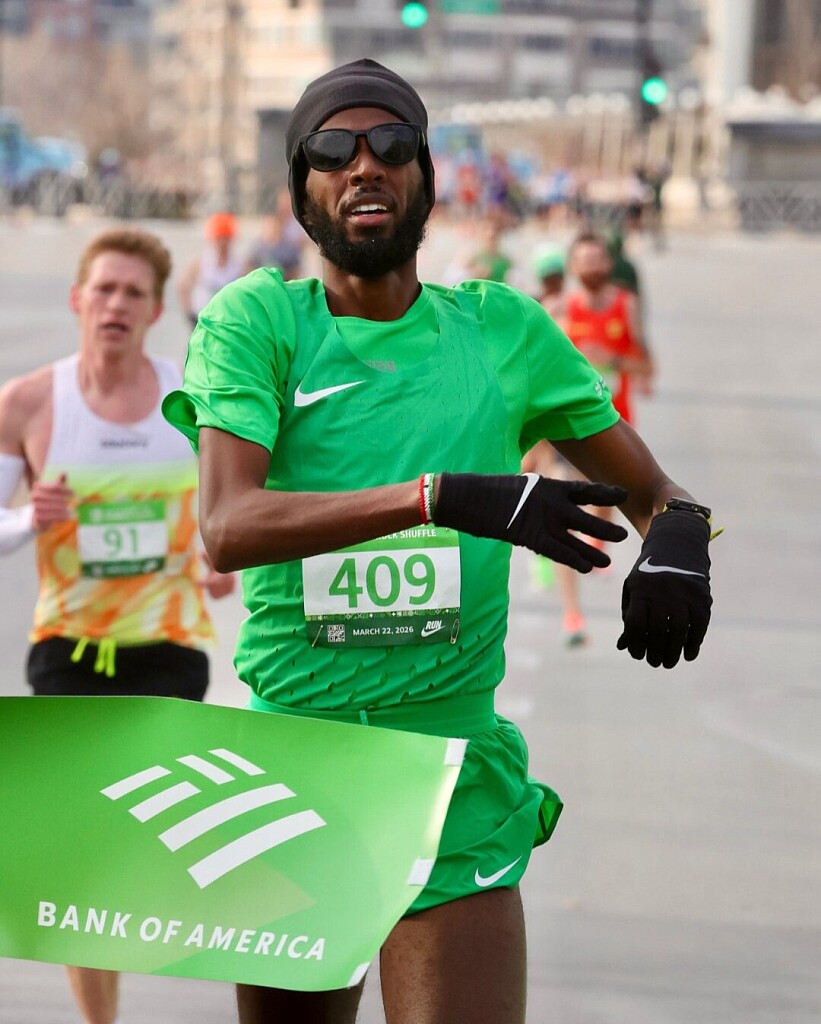
Emerald Stride: Moh Ahmed Opens 2026 with Commanding Victory in Chicago
Canadian distance icon Moh Ahmed launched his 2026 season in style and substance, delivering a composed and confident victory at the Shamrock Shuffle 8K in Chicago. On a day infused with St. Patrick’s Day spirit, the four-time Olympian embraced the occasion, racing in a striking all-green Nike kit that mirrored both the festive mood and his own vibrant return to competition.
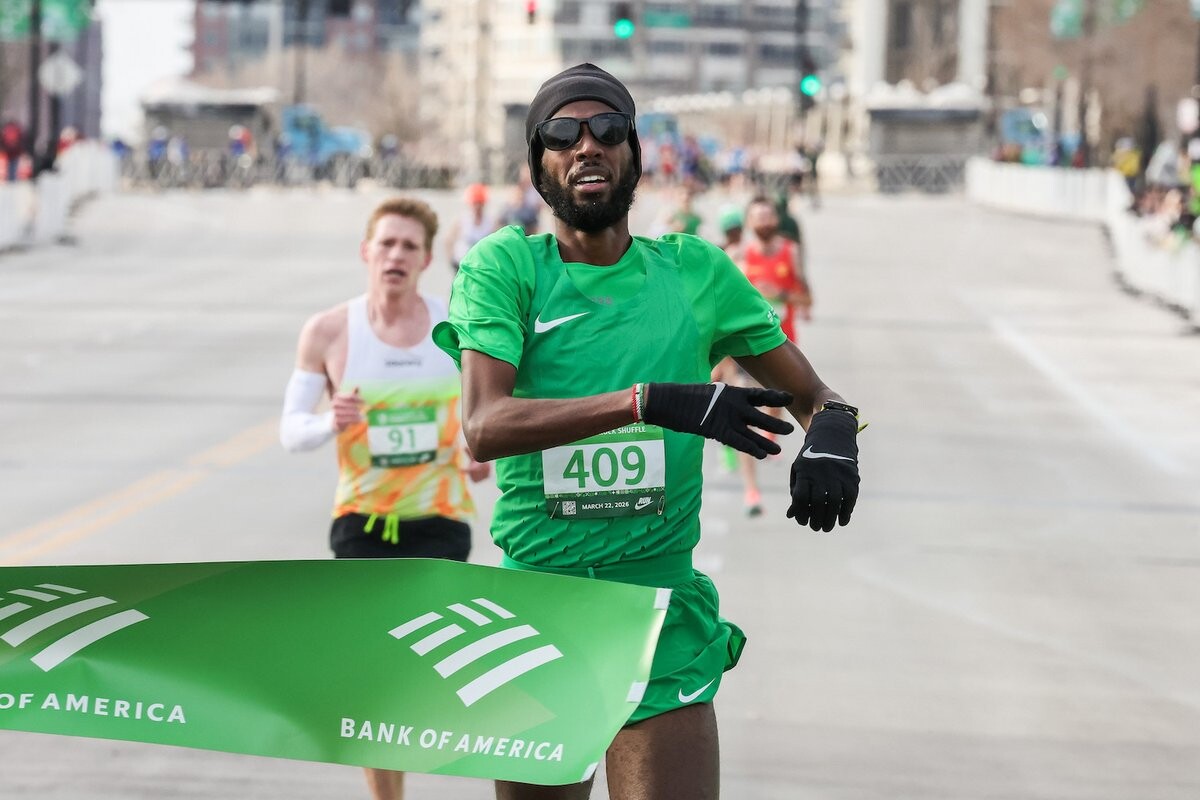
Ahmed crossed the finish line in 22:59, asserting control in the closing stages to secure the win by five seconds in a tightly contested race. His performance combined tactical patience with a decisive late surge—hallmarks of an athlete long accustomed to competing on the global stage.

Behind him, American runner Chandler Gibbens claimed second place in 23:04, while J.P. Flavin rounded out the podium in 23:09, both pushing the pace but ultimately unable to match Ahmed’s finishing strength.
While the 8K distance lacks official Canadian record recognition, Ahmed’s outing offers a strong early-season indicator of his form. His established credentials over more standard road distances—highlighted by a 10K personal best of 28:22—underscore the depth of his endurance and speed, translating effectively even across less conventional race formats.

The day also belonged to the Nike Swoosh Track Club, which secured the mixed team title with a combined time of 1:37:23. The squad delivered a cohesive performance, with Thomas Ratcliffe finishing seventh overall in 23:20, while American standouts Karissa Schweizer and Courtney Frerichs added crucial points with second- and third-place finishes in the women’s race, clocking 24:56 and 26:08 respectively. Fittingly, the team’s unified all-green attire turned their victory into a visual statement as much as a competitive one.
For Ahmed, this performance signals more than just a seasonal opener—it is a reminder of his enduring class and competitive instinct. As the 2026 campaign unfolds, Chicago may well be remembered as the first step in another compelling chapter for one of Canada’s most accomplished distance runners.
by Erick Cheruiyot for My Best Runs.
Login to leave a comment

B of A Shamrock Shuffle 8K
The Shamrock 8k is a huge celebration of the beginning of running season. It is the world's largest timed 8k, starting and finishing in Chicago's Grant Park. Runners feel the energy of over 30,000 runners and a big cheering crowd (present during the entire course.)The excitement lasts throughout the after-party, where participants find beer, food and live music. The flat...
more...
Hurley’s Golden Shuffle: Record Falls, Redemption Rises in Chicago
On a vibrant Sunday morning in Chicago, the streets pulsed with energy, but it was Emma Grace Hurley who truly stole the spotlight with a performance of rare brilliance. Racing at the Shamrock Shuffle 8K, Hurley delivered a masterclass in pace, precision, and resilience, storming to the finish in a stunning 24:29 to set a new American record over the distance.

In her first race since the disappointment at the Atlanta Half Marathon, Hurley’s victory carried deeper meaning—this was redemption wrapped in record-breaking excellence. With authority and composure, she eclipsed the long-standing mark held by Deena Kastor, shaving seven seconds off a record that had stood for over two decades on the same course since 2005. It was more than a statistical achievement—it felt like a symbolic passing of the torch.
From the opening kilometers, Hurley ran with intent, locking into a relentless rhythm that kept her ahead of record pace. Chicago’s iconic streets, lined with roaring fans dressed in green, provided the perfect backdrop for a run that balanced control with bold ambition. Step by step, she edged closer to history, her stride unwavering, her focus absolute.

Behind her, Karissa Schweizer also delivered an impressive performance, finishing runner-up in 24:56—her first race since transitioning from the Bowerman Track Club to new coach Chris Miltenberg. Remarkably, both athletes broke the 25-minute barrier, underlining the depth and rising standard of American women’s distance running.
But the day belonged to Hurley. Crossing the finish line, she didn’t just win—she etched her name into history. Her 24:29 now stands as a testament to her growing stature and signals a powerful new chapter in her career.
Breaking a record set by a legend like Kastor is no small feat. It reflects Hurley’s dedication, evolution, and the quiet confidence of an athlete coming into her prime. More importantly, it offers a glimpse of what lies ahead as she continues to chase even greater milestones on the global stage.
On a day defined by celebration and spirit, Emma Grace Hurley delivered something unforgettable—a performance that redefined excellence, inspired a new narrative of resilience, and announced the arrival of a formidable force on the roads.
by Erick Cheruiyot for My Best Runs.
Login to leave a comment
B of A Shamrock Shuffle 8K
The Shamrock 8k is a huge celebration of the beginning of running season. It is the world's largest timed 8k, starting and finishing in Chicago's Grant Park. Runners feel the energy of over 30,000 runners and a big cheering crowd (present during the entire course.)The excitement lasts throughout the after-party, where participants find beer, food and live music. The flat...
more...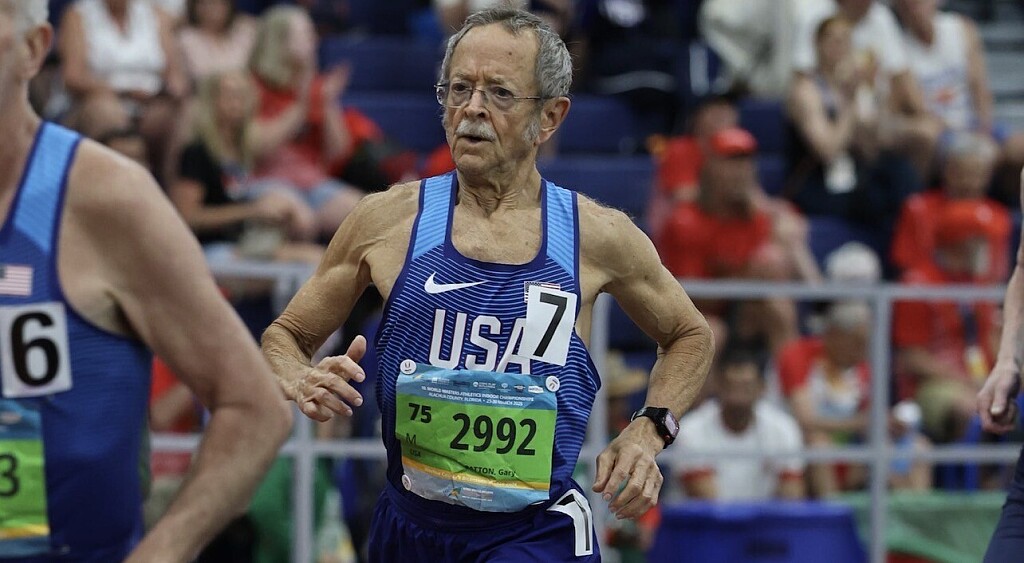
Ageless and Relentless: Gary Patton Smashes M80-84 Indoor Mile World Record at The Armory
On February 12, 2026, at the NYRR Night of the Races held at The Armory in New York City, 80-year-old American masters runner Gary Patton delivered one of the most inspiring performances of the indoor season, setting a new M80-84 indoor mile world record of 6:38.10.
The Rock Rapids, Iowa native sliced four full seconds off the previous mark of 6:42.10, set in 2014 by fellow American Inocencio Cantu. The record had stood for more than a decade. Patton didn’t just break it — he decisively lowered it.
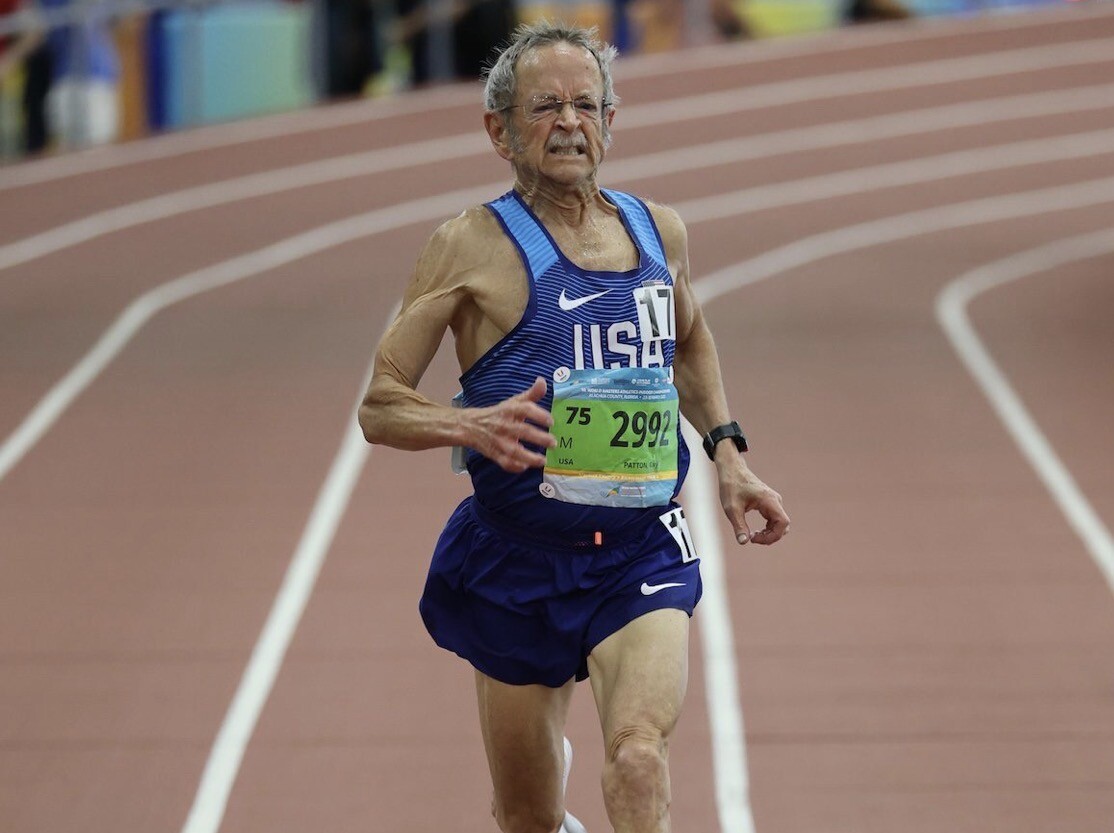
Already holding one masters world record to his name, Patton proved once again that his competitive drive remains as strong as ever. From the gun, he ran with poise and precision, controlling the pace and maintaining smooth mechanics throughout the four laps on the fast indoor surface. As the bell lap approached, it was clear he was on record pace. When he crossed the line, the clock confirmed history.
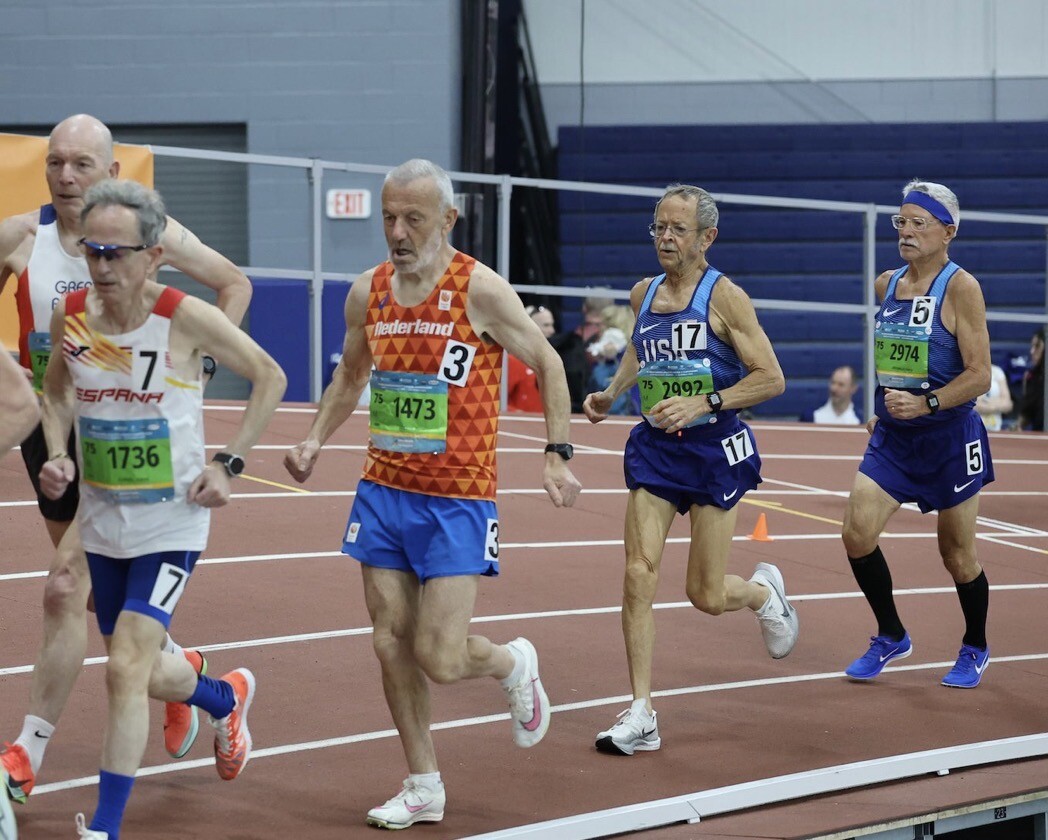
The Armory, one of the most iconic indoor tracks in the United States, has hosted Olympians, world champions, and American record holders. On this night, it belonged to an 80-year-old athlete still chasing excellence.
The previous record-holder, Inocencio Cantu, later went on to set mile world records in both the M85 and M90 age divisions — a testament to the longevity possible in masters athletics. Now Patton joins that elite company, continuing the tradition of American dominance in the older age groups.
Breaking records at 80 requires more than talent. It demands discipline, intelligent training, careful recovery, and unwavering commitment. In masters competition, each year brings new physical challenges, making significant time drops increasingly rare. That makes Patton’s four-second improvement especially impressive.
Patton has long been a fixture in U.S. masters running, competing at national and international championships, including the World Masters Athletics Indoor Championships. Known for his steady, focused approach, he continues to pursue performance rather than simply participation.
by Boris Baron for My Best Runs
Login to leave a comment

16 year old Sam Ruthe from NZ Runs 3:48.88 Indoors in Boston — 11th Fastest Mile in World History
Boston’s lightning-fast indoor oval delivered another historic night — and this time it belonged to Sam Ruthe.
Racing at the Boston University Terrier Classic, Ruthe powered home in 3:48.88 for the mile, rocketing himself to 11th fastest in indoor world history and stamping his name among the sport’s all-time greats.

On a track famous for records and fearless pacing, Ruthe looked calm early, patient through the middle laps, then unleashed a decisive final 400 meters that separated him from the field. Down the homestretch, his form stayed tall and relaxed — no panic, just power — a sign of a runner completely in control.
When the clock stopped at 3:48.88, the crowd knew they’d witnessed something special.
A Rare Barrier

Running under 3:50 indoors isn’t just fast — it’s exclusive territory.
Only a handful of athletes in history have dipped that low on a 200-meter banked track. Indoor miles demand perfect rhythm, tight turns, and zero wasted motion. Ruthe handled all three like a veteran.
His time:
• Ranks 11th all-time indoors
• Places him among the elite global milers of this generation
• Signals serious potential for even faster outdoor marks
Boston: The Place for Breakthroughs
The Terrier Classic has quietly become one of the world’s premier indoor showcases. The combination of:
• lightning-quick surface
• precise pacing
• and athletes willing to take risks
makes it a magnet for historic performances.
Ruthe simply added another chapter to that story.
by Boris Baron
Login to leave a comment

The 50th Marine Corps Marathon Celebrates 50 Years of Pride and Perseverance
This Sunday, October 26, 2025, the Marine Corps Marathon will celebrate its 50th anniversary, marking half a century of inspiring runners to “run with purpose and finish with pride.”
Affectionately known as “The People’s Marathon,” the Marine Corps Marathon (MCM) stands apart from the world’s other great races. It offers no prize money, focusing instead on participation, community, and service. For fifty years, it has united civilians, service members, and runners from around the world in one of the most patriotic and emotionally charged marathons on the planet.
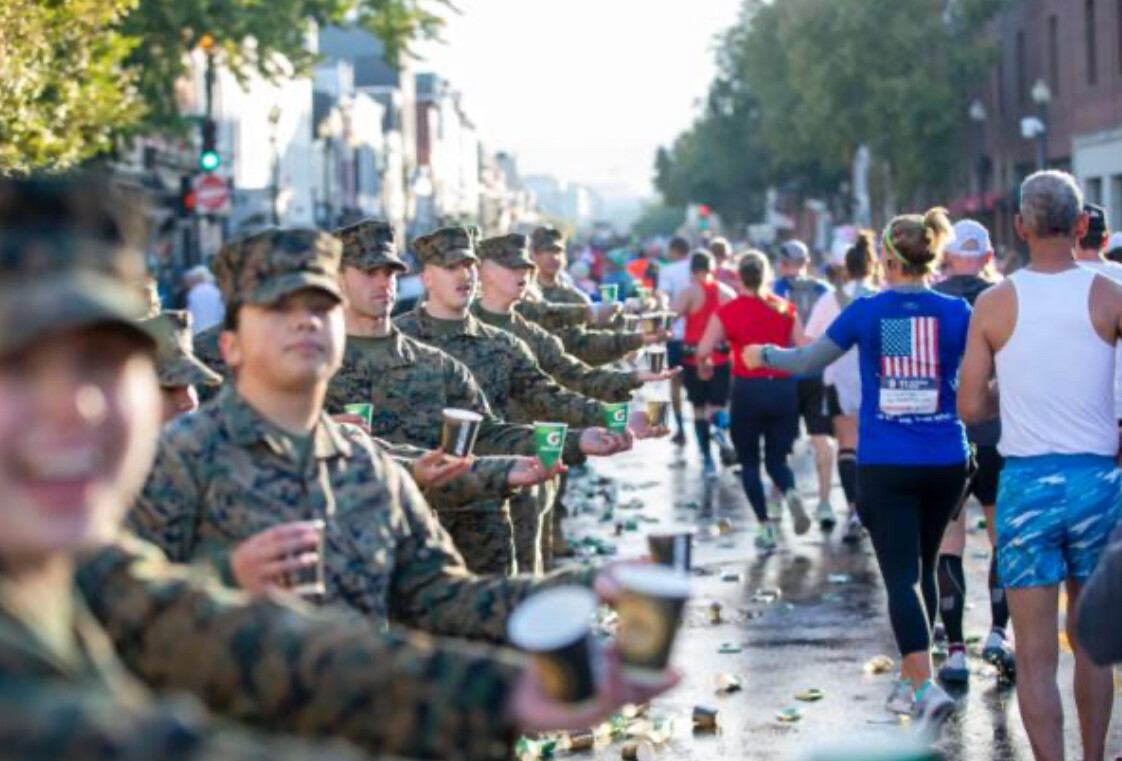
A Legacy Born in 1976
The first Marine Corps Marathon was held in 1976, founded by the U.S. Marine Corps to promote physical fitness, community goodwill, and the Marine tradition of excellence. Over time, it grew into one of America’s largest marathons, famous for its inclusivity and purpose-driven mission.
Unlike most major races, the MCM awards no cash prizes to top finishers. Instead, it honors every participant who crosses the line, from first to last. This spirit of equality earned it the nickname “The People’s Marathon.”

This year’s event is completely sold out, with more than 40,000 registered runners from all 50 states and dozens of countries. Despite uncertainty surrounding the ongoing government shutdown, organizers confirmed the race will go on as planned.
The Course: A Run Through History
The Marine Corps Marathon offers one of the most scenic and symbolic marathon routes in the world. The race begins in Arlington, Virginia, just steps from the Pentagon, before leading runners into the heart of Washington, D.C.
Participants cross the Key Bridge into Georgetown, pass through Rock Creek Park, and continue along the Potomac River, circling the Jefferson and Lincoln Memorials. They run past the Washington Monument, the U.S. Capitol, and the National Mall before heading back into Arlington.
The final miles take runners alongside Arlington National Cemetery before the course finishes at the Marine Corps War Memorial — the iconic Iwo Jima statue. The short but steep “Victory Hill” leading to the finish line has become legendary, offering one of the most emotional finishes in the sport.
Course Records and Champions
Over five decades, the Marine Corps Marathon has witnessed remarkable performances. The men’s course record of 2 hours, 14 minutes, and 1 second was set in 1987 by Jeffrey Scuffins of the United States. The women’s record of 2 hours, 37 minutes, was set in 1990 by Olga Markova of Russia.
Notable champions over the years include two-time winner Darrell General in the 1990s and Augustus Maiyo, representing the U.S. Army World Class Athlete Program, who won in 2012. In 2024, Marine officer Kyle King claimed victory in 2 hours, 25 minutes, and 6 seconds.
Though these times stand out, the marathon’s true spirit lies not in record books but in its participants — from elite athletes to first-time marathoners, from active-duty Marines to civilians running in honor of loved ones.
The 50th Anniversary Edition
This year’s golden anniversary promises to be the largest and most memorable in race history. More than 40,000 participants will line up at dawn, cheered on by tens of thousands of spectators. Security will be heightened, and logistics finely tuned to handle the largest field ever.
The Marine Corps Marathon remains a race about pride, not paychecks. Each runner earns a medal from a uniformed Marine at the finish line — a simple, powerful gesture that captures the spirit of the event.
Why It’s One of the World’s Best Runs
Few marathons can match the Marine Corps Marathon for emotion and meaning. The course passes the monuments of American history, but its greatest monument is the collective spirit of the runners themselves.
It’s a race that demands effort — the rolling hills early on and the final climb to Iwo Jima test every runner — but it rewards every step with purpose. To finish here is to be part of something larger than sport.
The Marine Corps Marathon is more than a race. It’s a salute — to endurance, to courage, and to the shared belief that running can unite people in pride and purpose.
Final Word
As the Marine Corps Marathon celebrates 50 years, it reminds us why we run. We run to test our limits. We run to honor service and sacrifice. We run to connect — with others, with history, and with something greater than ourselves.
This Sunday, tens of thousands will run those 26.2 miles through the capital of freedom, cheered on by Marines and crowds waving flags. And when they reach the finish line beneath the shadow of Iwo Jima, every runner will know: they didn’t just finish a marathon — they became part of history.
by Boris Baron
Login to leave a comment

Marine Corps Marathon
Recognized for impeccable organization on a scenic course managed by the US Marines in Arlington, VA and the nation's capital, the Marine Corps Marathon is one of the largest marathons in the US and the world. Known as 'the best marathon for beginners,' the MCM is largest marathon in the world that doesn't offer prize money, earning its nickname, “The...
more...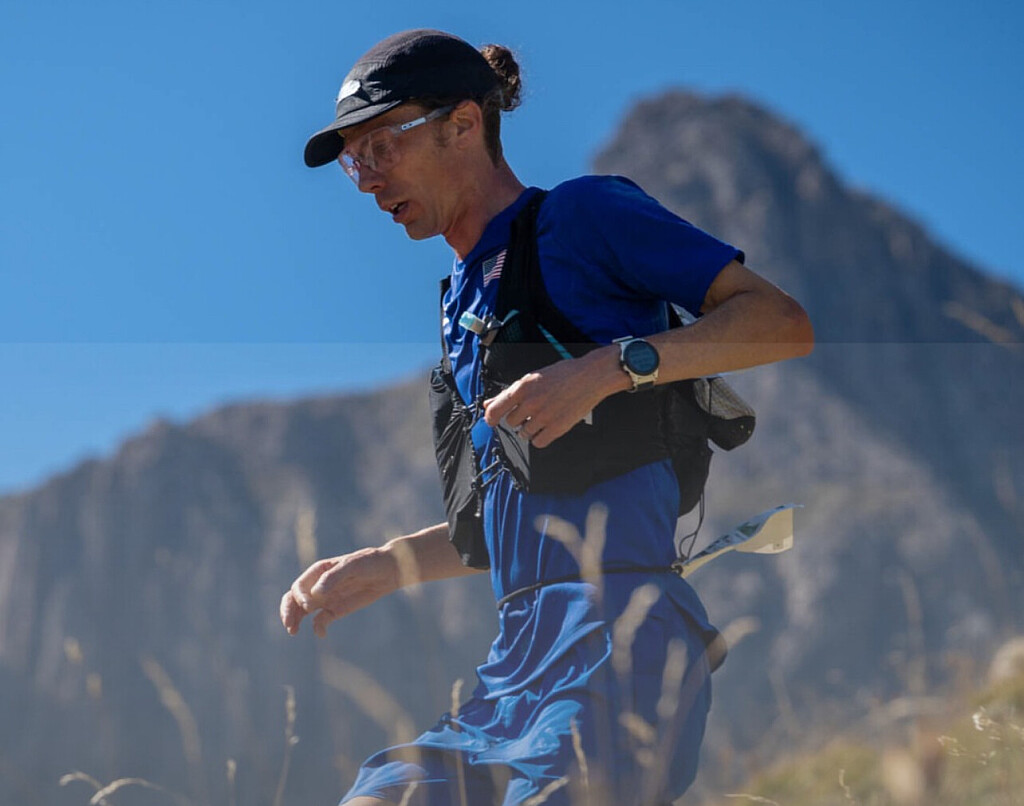
Americans Jim Walmsley and Katie Schide Win Trail Running World Championship Titles
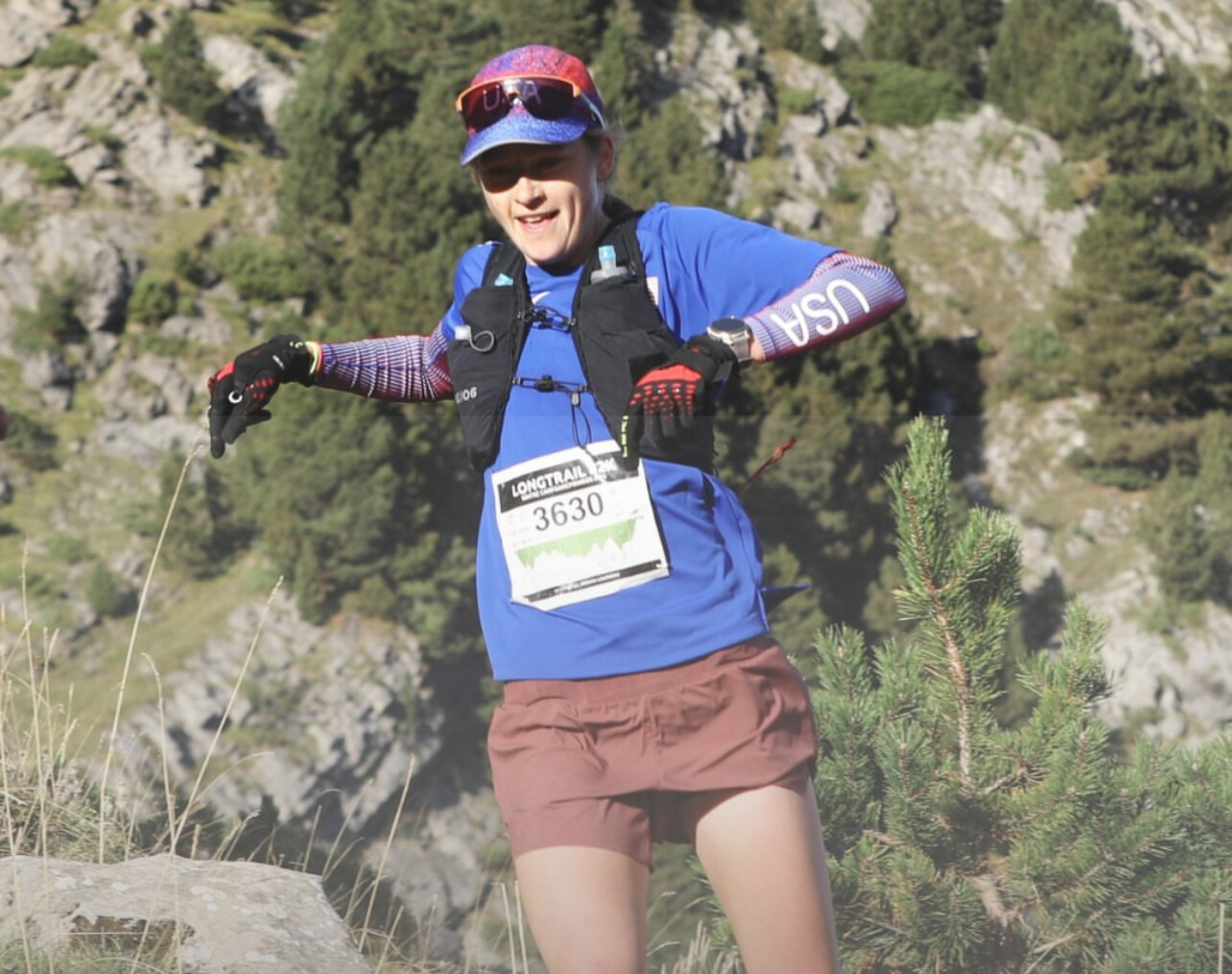
Canfranc, Spain — September 27, 2025. It was a historic day for U.S. trail running in the Pyrenees as Jim Walmsley and Katie Schide stormed to victory in the Long Trail race at the 2025 World Mountain and Trail Running Championships. Both dominated the grueling 50.9-mile course that packed in nearly 17,750 feet of elevation gain and loss across technical, mountainous terrain.
Walmsley’s Men’s Triumph
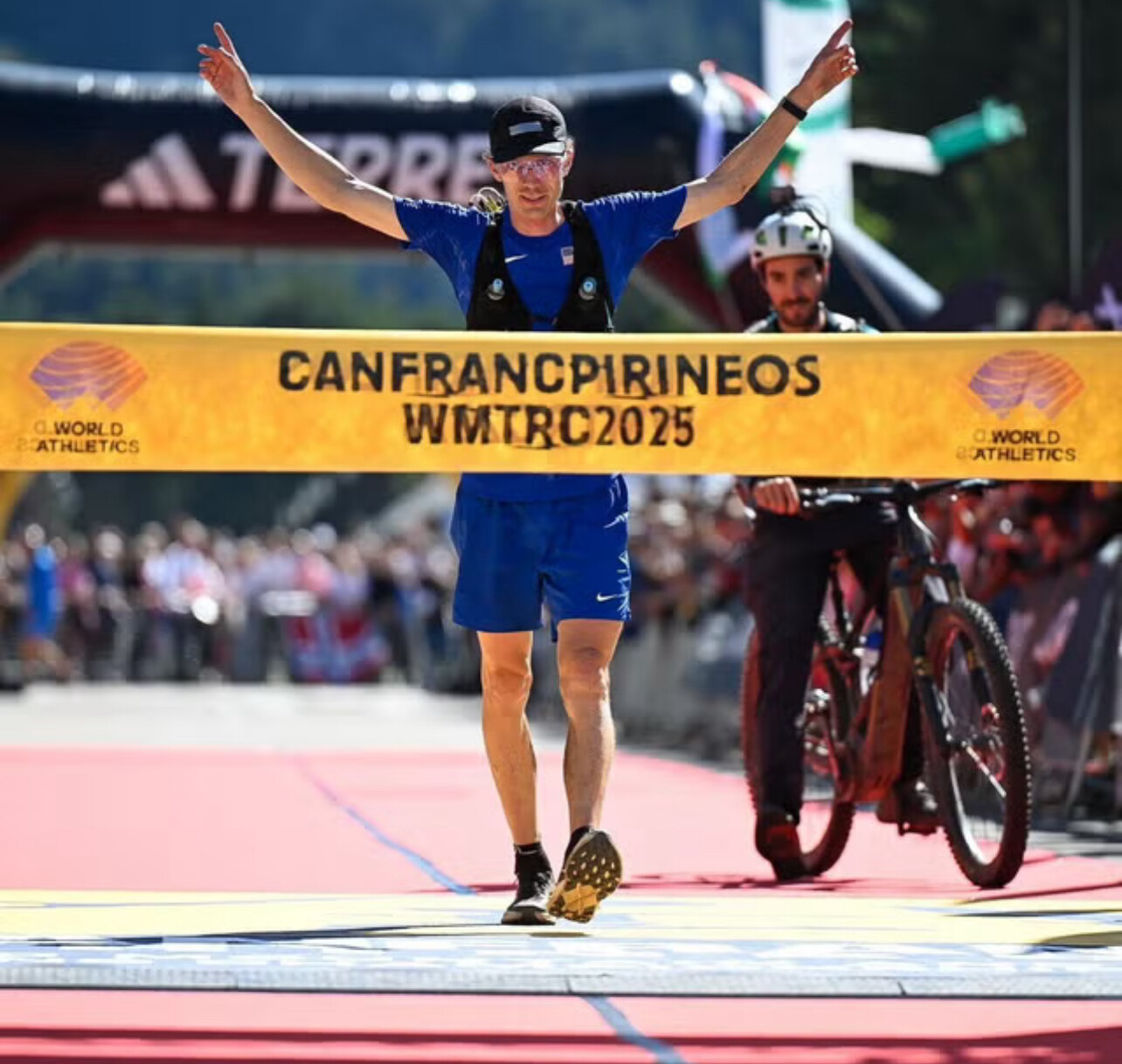
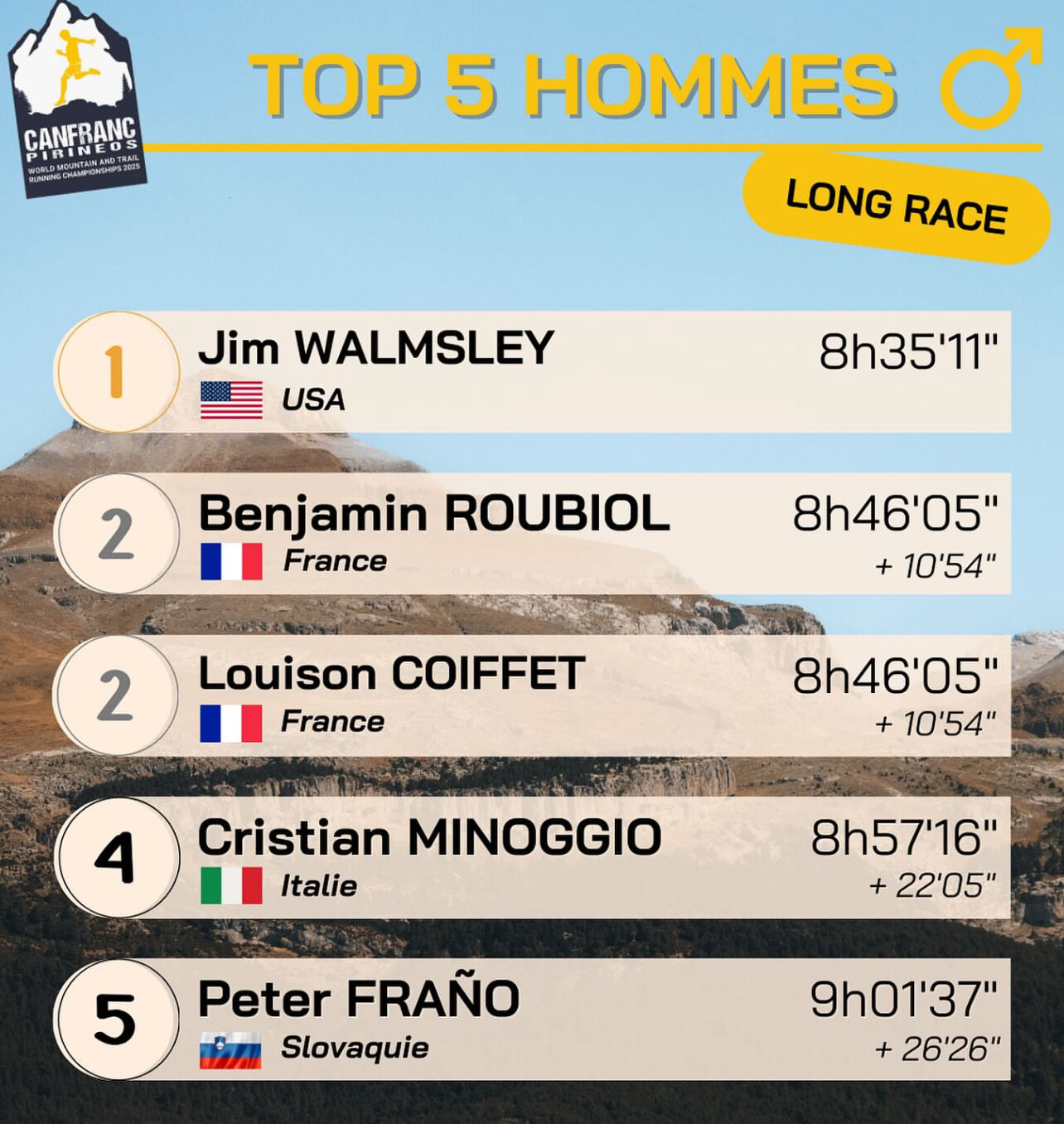
Walmsley, already celebrated as one of the best ultra runners of his generation, played his cards perfectly. After running with France’s Benjamin Roubiol and Louison Coiffet through the opening stages, he surged clear just past 47 km. By the 70 km mark he had carved out a commanding lead and never looked back.
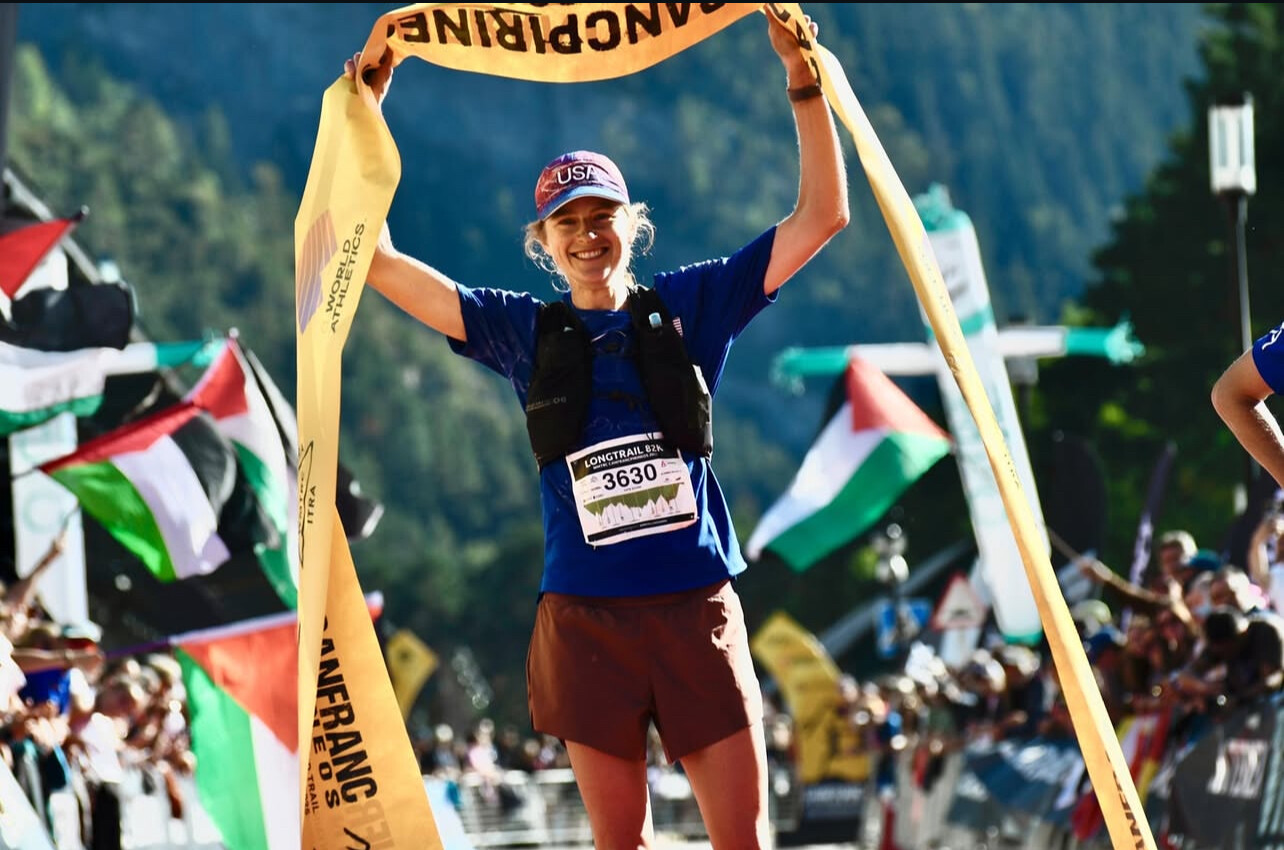
He broke the tape in 8:35:11, more than ten minutes ahead of Roubiol and Coiffet, who shared silver in 8:46:05. For Walmsley, who became the first American man to win UTMB in 2023, this victory further cements his legacy as the standard-bearer for U.S. trail and ultra running.
Schide’s Commanding Performance
On the women’s side, Katie Schide delivered a masterclass in front-running. She built a gap of 38 seconds within the first 4 km, stretched it to five minutes by 25 km, and by the halfway point was nearly 20 minutes ahead of her nearest rival.
Schide crossed the finish in 9:57:59, winning by more than 25 minutes. Already a champion of UTMB, Hardrock, and Western States, her latest triumph adds a world title to a résumé that ranks among the most impressive in the sport.
A Landmark for U.S. Trail Running
Together, Walmsley and Schide showcased American dominance on one of the world’s toughest stages. Their wins highlight not only physical endurance and technical skill but also tactical brilliance and unwavering mental strength.
For fans and fellow athletes alike, their victories in the Pyrenees are a reminder of what’s possible when preparation meets opportunity on the world stage.
by Boris Baron
Login to leave a comment
Brock Hinzmann Partners with KATA Running Camp in Eldoret
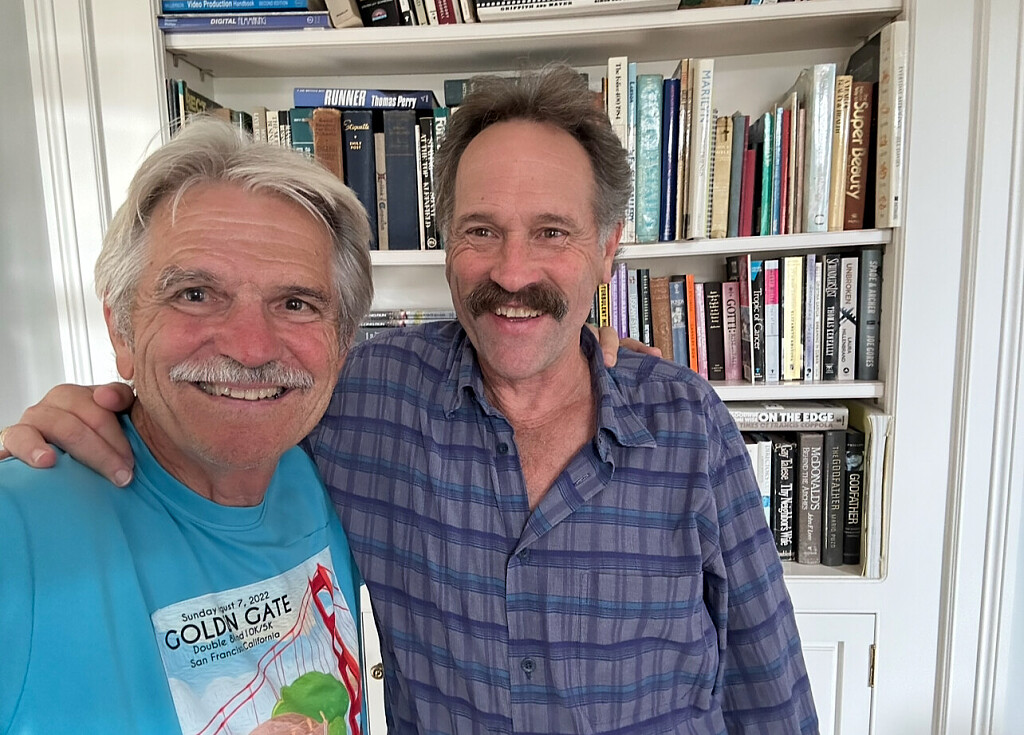
KATA Running Camp 10 in Eldoret, operated by Ruth Chumo, has a new partner—Brock Hinzmann, a lifelong runner and visionary thinker.
“I told Brock about our KATA Running Camp and Potato Farm project in Kenya,” says Bob Anderson. “He liked that the program is sustainable and wanted to get involved. Not only did his contribution establish a new KATA Running Camp, but he will also share in the sales of KATA potatoes.”

Brock Hinzmann is chairperson for the Silicon Valley Node of The Millennium Project, an international think tank that monitors global trends and helps plan for sustainable alternative futures.
Brock began running in the late 1960s in Oregon’s Willamette Valley—then a hub of U.S. distance running—just as Kenyan athletes were emerging on the world stage. At 16, he ran his first marathon in 2:44:52. His career highlights include a 6th-place finish at the 1983 Honolulu Marathon and his fastest time of 2:19:15 at the Boston Marathon in 1984 (21st place). He continued to run competitively throughout his career, representing his company’s track team and running wherever his international travels took him.

He completed his last marathon in 2018 at age 65, but at 71, running is still part of his life. “I’ve always found runners around the world to be like a tribe—accepting and supportive of each other,” Brock reflects.
For Brock, investing in KATA is more than financial. It is a way of giving back to the running community that inspired him. He encourages everyone to keep running and to travel widely—two passions that continue to guide his life.

by Boris Baron
Login to leave a comment

Ludo Pommeret and Katie Schide Dominate a Gritty 2025 Hardrock 100
The 2025 Hardrock 100 delivered everything the ultra-trail world expects from one of the sport’s most iconic races—grit, altitude, heartbreak, and triumph. At the heart of it all, France’s Ludovic “Ludo” Pommeret successfully defended his title, while American ultra star Katie Schide shattered the women’s course record.
Pommeret Goes Back-to-Back

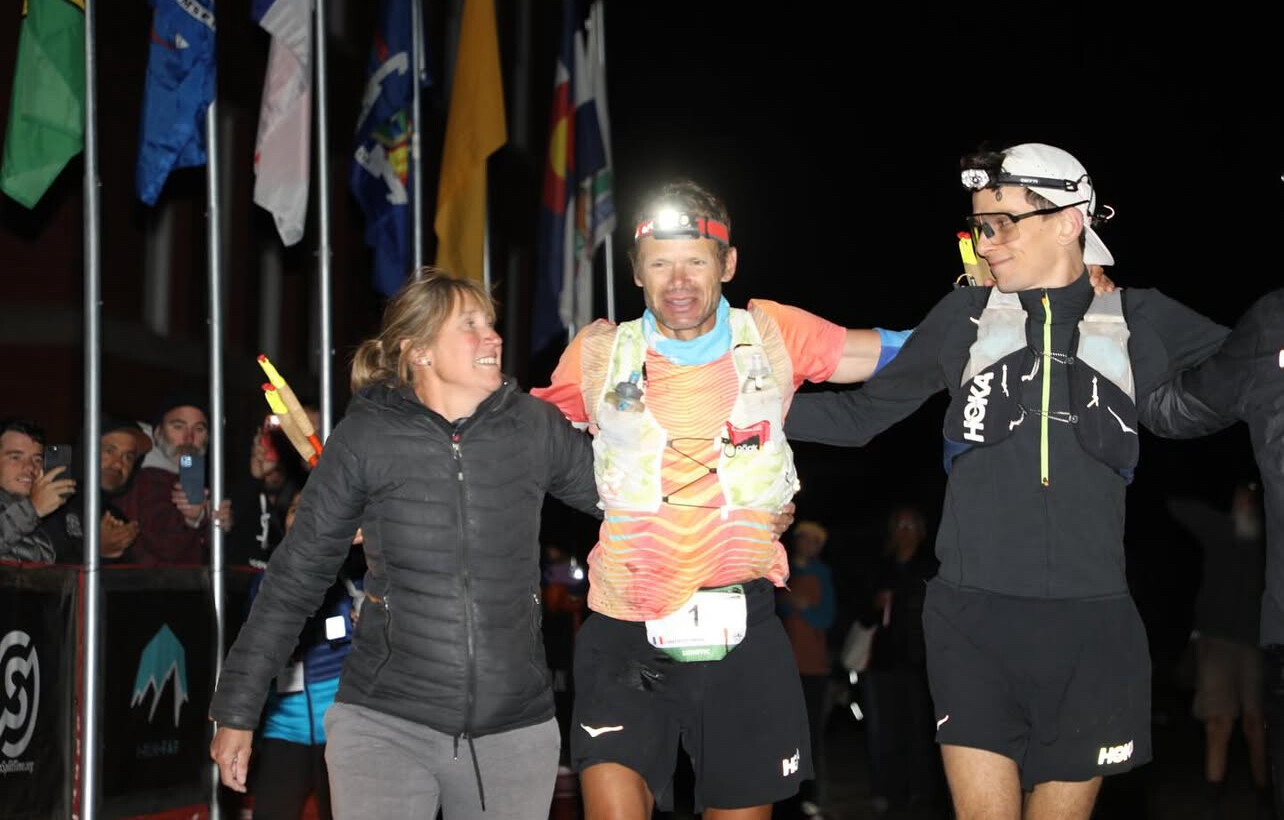
For the second year in a row, the 49-year-old Pommeret conquered the brutal 102.5-mile loop through Colorado’s San Juan Mountains, finishing in 22:21:55—the fifth-fastest time in race history. Battling thin air, smoky conditions from nearby wildfires, and rugged terrain with over 33,000 feet of elevation gain, Pommeret executed a masterclass in pacing.
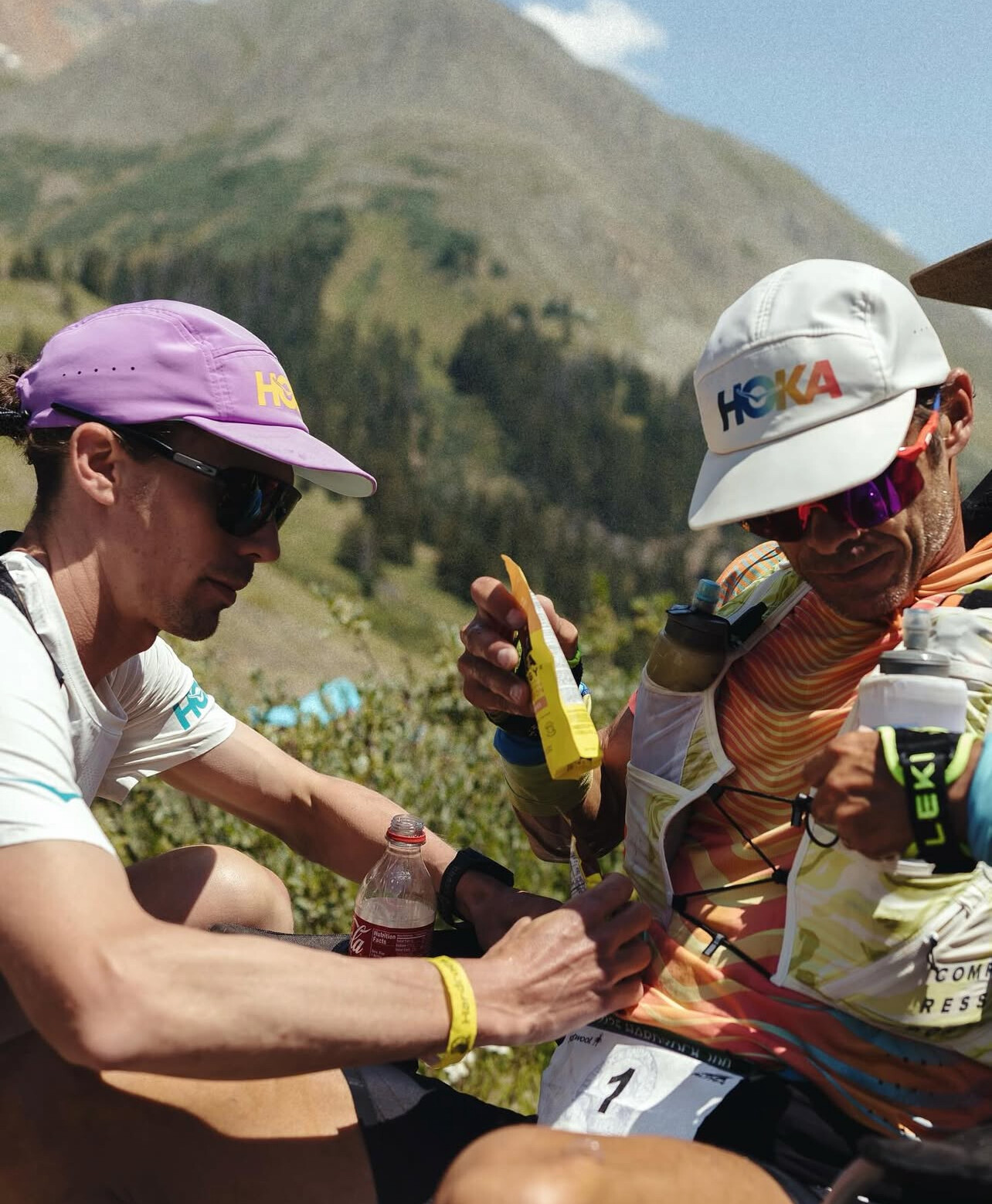
Starting conservatively on the climbs, he surged on the descents, aided by elite pacers Jim Walmsleyand Vincent Bouillard. By dawn, he had extended his lead and cruised into Silverton well under the 48-hour cutoff, earning another coveted kiss of the Hardrock finish-line rock.
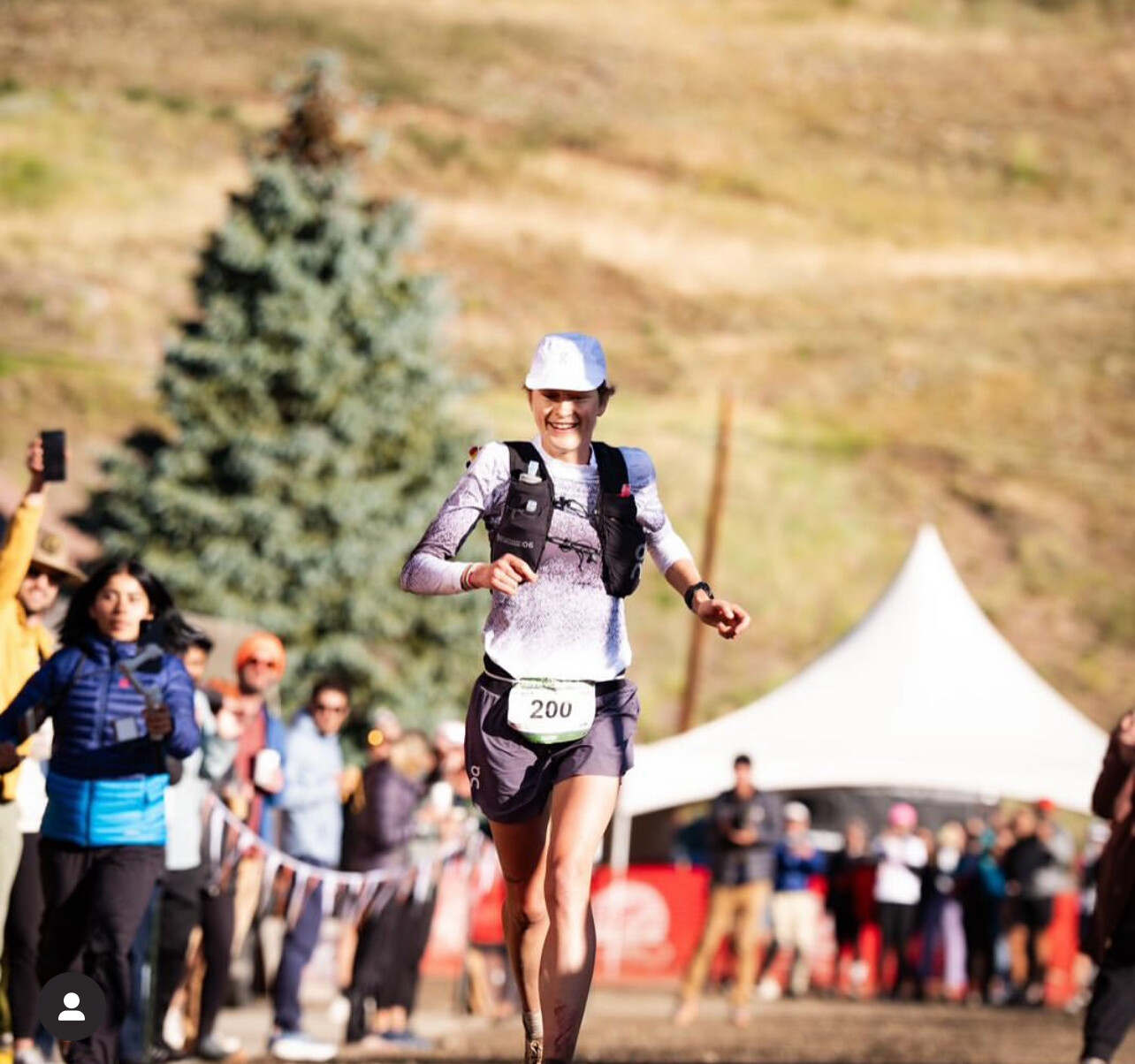
The men’s podium was a French sweep: Mathieu Blanchard placed second in 23:44, followed by Germain Grangier in 24:04.
“I was worried about the smoke early on,” Pommeret said afterward, “but the final miles were magic. I even walked the last climb to take it all in.”

Schide Smashes Course Record

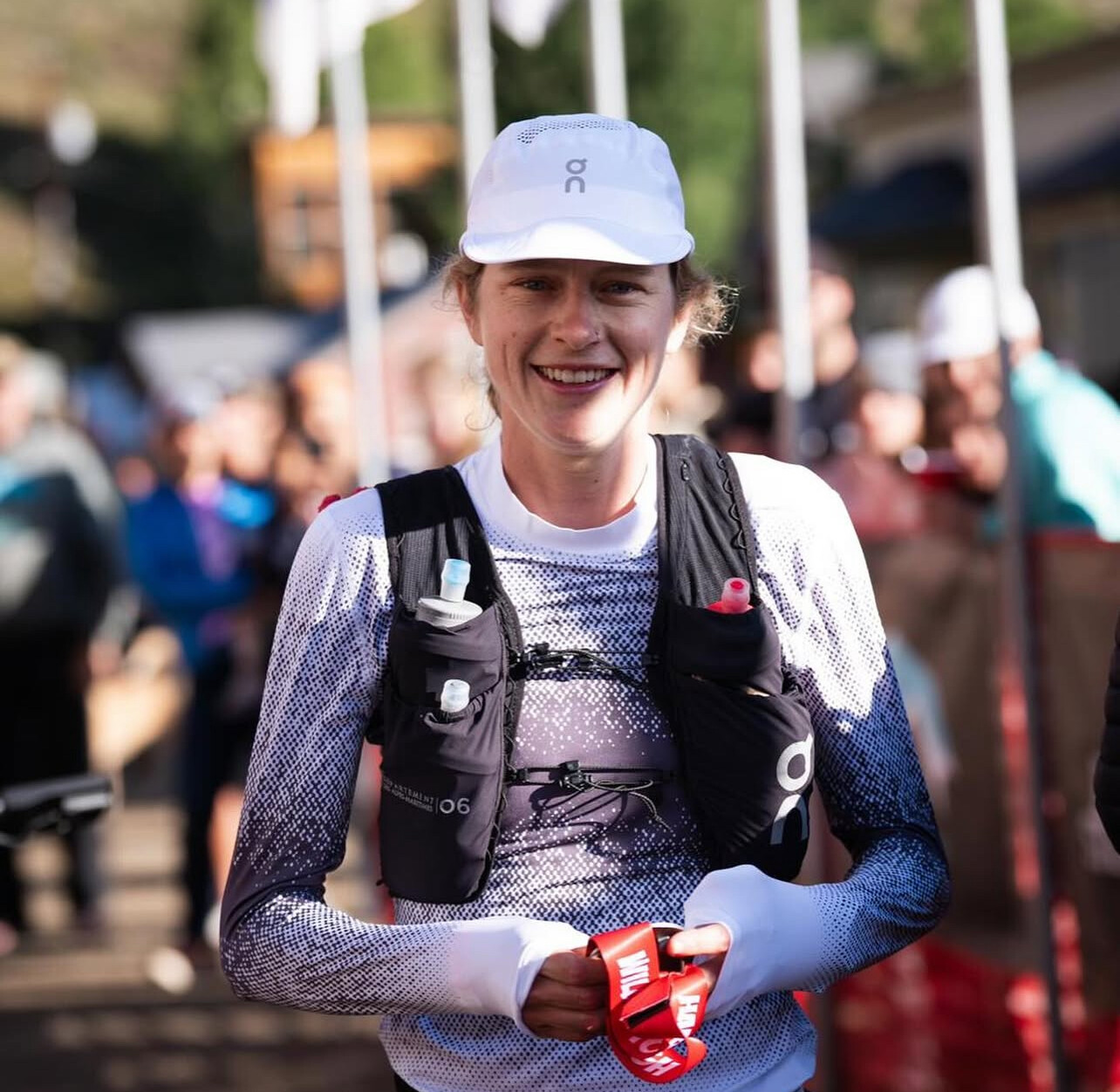
In the women’s race, Katie Schide delivered one of the most commanding performances in Hardrock history, crossing the finish in 25:50—the fastest counterclockwise time ever on this course. Her effort redefined what’s possible on one of the toughest 100-milers in the world, solidifying her place among the sport’s elite.
A Somber Note
The celebration was tempered by tragedy. One of the 146 starters, 60-year-old Elaine Stypula, passed away early in the race. The trail community paused to honor her memory, a reminder of both the beauty and the inherent risk of this extreme pursuit.
Why This Race Matters
• Age is just a number: At nearly 50, Pommeret continues to perform at the highest level, adding another major title to a résumé that includes victories at UTMB (2016) and Diagonale des Fous (2021).
• Trail’s toughest test: With extreme elevation, altitude averaging over 11,000 feet, and no room for error, Hardrock remains a crucible for the toughest athletes on Earth.
• Global competition: With a French men’s podium and an American record-breaker, the international caliber of this year’s race underscored its global significance.
2025 Hardrock 100 Key Results
|
Category |
Winner |
Time |
|
Men’s Champion |
Ludovic Pommeret |
22:21:55 |
|
Women’s Champion |
Katie Schide |
25:50 (course record) |
|
Men’s 2nd |
Mathieu Blanchard |
23:44 |
|
Men’s 3rd |
Germain Grangier |
24:04 |
|
|
|
|
With record-breaking performances and powerful moments of perseverance, the 2025 Hardrock 100 once again proved why it’s one of the most respected races in the world of ultrarunning.
by Boris Baron
Login to leave a comment
Hardrock 100
100-mile run with 33,050 feet of climb and 33,050 feet of descent for a total elevation change of 66,100 feet with an average elevation of 11,186 feet - low point 7,680 feet (Ouray) and high point 14,048 feet (Handies Peak). The run starts and ends in Silverton, Colorado and travels through the towns of Telluride, Ouray, and the ghost town...
more...
Billy Mills Turns 87 — A Running Legend Reflects on a Life of Purpose and Legacy
With wife Patricia by his side, the Olympic icon continues to inspire generations
On June 30, 2025, the legendary Billy Mills celebrated his 87th birthday, marking another chapter in a life defined by resilience, achievement, and unwavering purpose. His wife Patricia Mills, who has been his rock and closest partner for decades, shared a heartfelt message on social media:

“Happy Birthday to Billy! What a journey he has had! 87 years! Thank you all for his birthday wishes.”
For the running world, Billy Mills remains one of the most powerful figures in the sport’s history. His astonishing gold medal victory in the 10,000 meters at the 1964 Tokyo Olympics is still considered one of the greatest upsets in Olympic track history. Mills, a member of the Oglala Lakota Nation, was a virtually unknown underdog when he surged past world record holders in the final stretch to win in 28:24.4—setting an Olympic record and becoming the only American man ever to win Olympic gold in the 10,000 meters.
But Mills’ legacy extends far beyond the track.
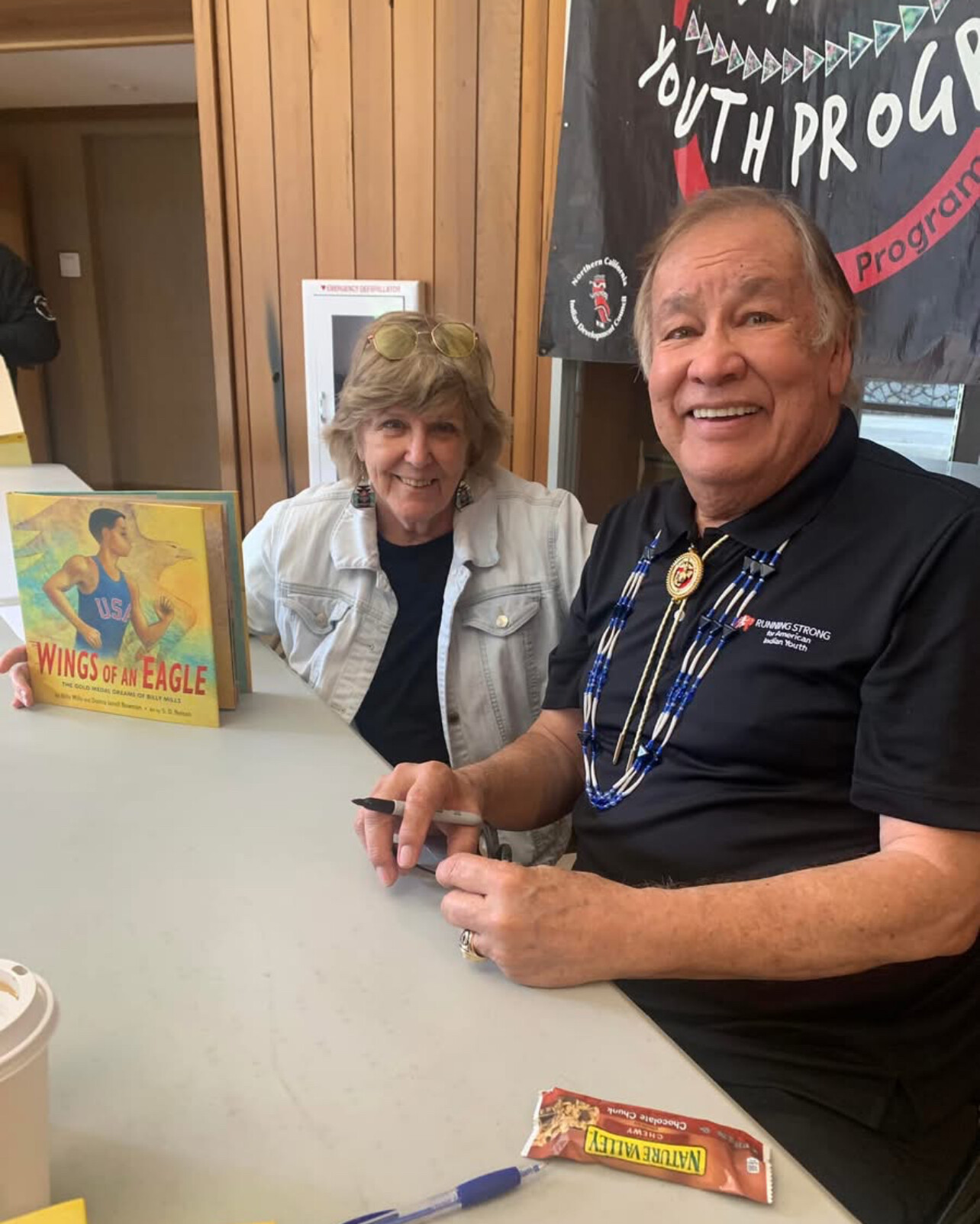
He has spent his post-competitive life as a motivational speaker, author, and advocate for Native American youth, co-founding Running Strong for American Indian Youth, an organization that supports wellness, education, and cultural preservation across the U.S.
Now at 87, Billy remains a symbol of what is possible when belief, determination, and heart align. His story has inspired generations of runners—elite and recreational alike—to push beyond what seems possible.
Still Leading in so many different ways
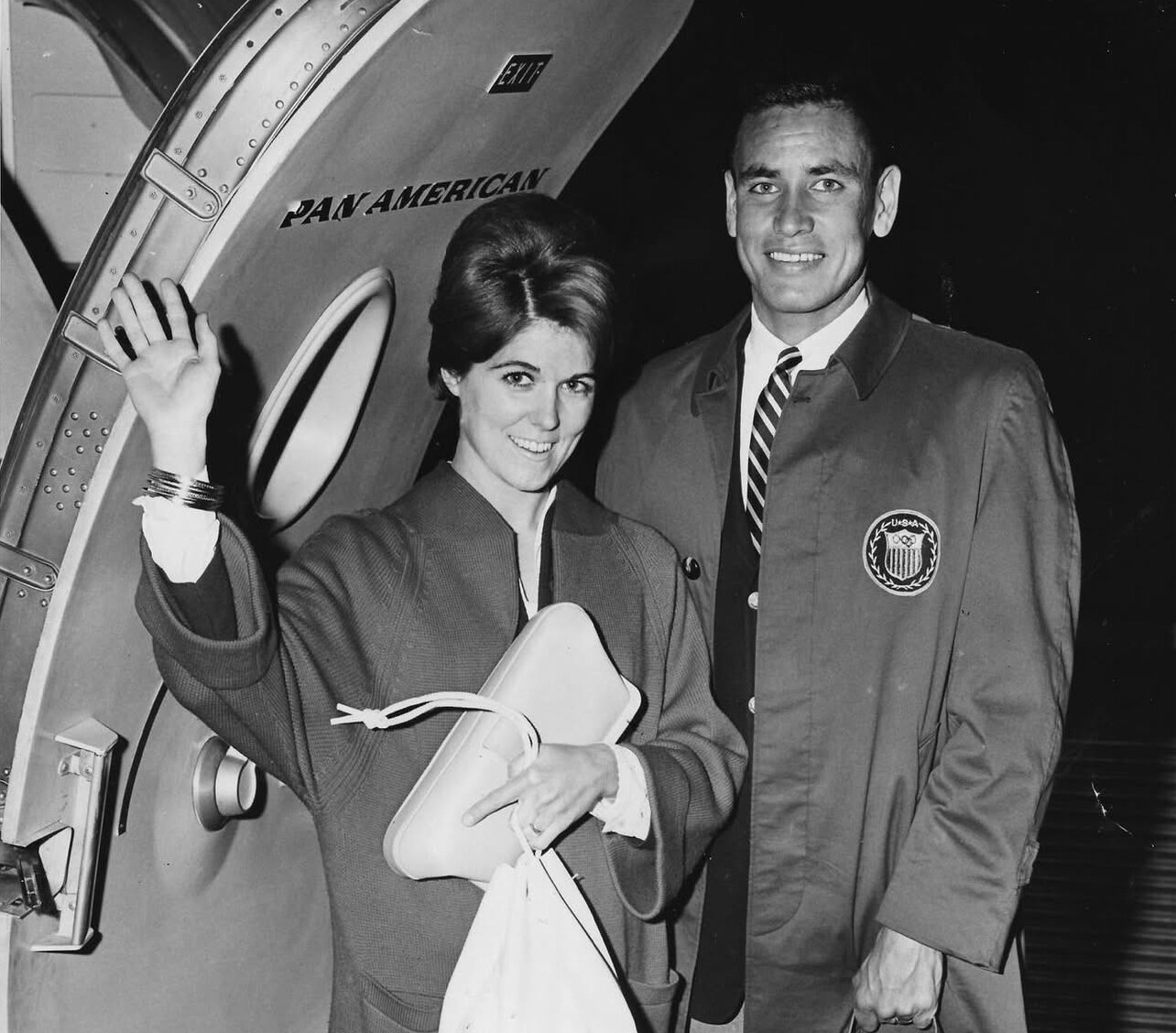
Whether through his speeches, interviews, or presence at events, Mills continues to uplift others. He and Patricia, married since 1962, have navigated decades of change together, and her love and support have always been central to Billy’s journey.
From the Olympic podium to today, Billy Mills exemplifies the spirit of the running community: perseverance, humility, and using one’s platform to make the world better.
Happy Birthday, Billy. Your stride still echoes.
by Boris Baron
Login to leave a comment
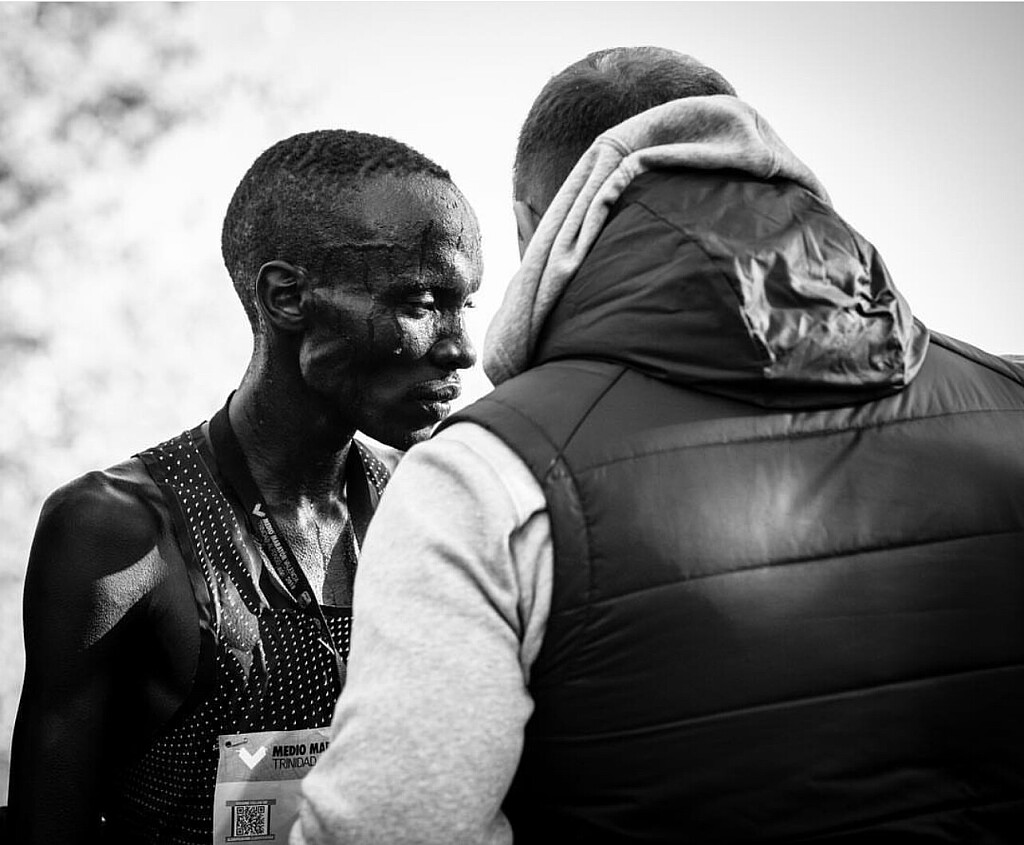
Is There A Running Life After a Ban? Abraham Kiptum Hopes His Comeback Tells a New Story
After nearly six years out of competition, former world half-marathon record holder Abraham Kiptum is preparing to make a dramatic return to the sport that once made him a star. The 34-year-old Kenyan, who was banned for four years in 2019 due to irregularities in his Athlete Biological Passport (ABP), has set his eyes on two major races: the Nairobi City Marathon and the Kericho Half Marathon.
But his path back has been anything but easy.
A Record-Breaking Rise
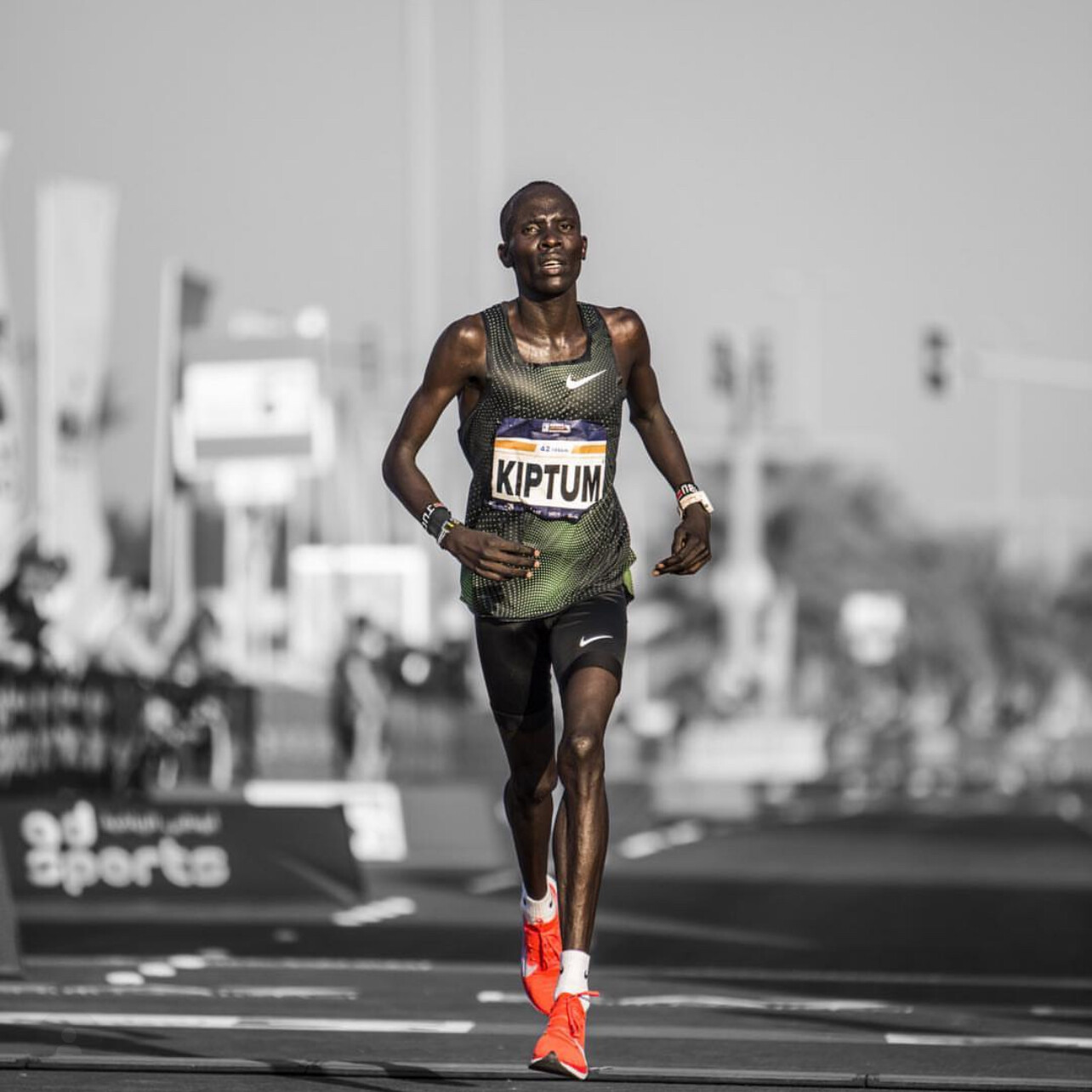
Kiptum’s running career took off like a rocket. After early days pacing elite women’s marathons while still in high school, he racked up victories in Lagos, Casablanca, and Madrid. At the 2017 Amsterdam Marathon, he ran a personal best of 2:05:26. Then in 2018, Kiptum stunned the running world by setting a new half-marathon world record at the Valencia Half Marathon, clocking 58:18—breaking a record that had stood since 2010.
But that triumph would soon be erased.
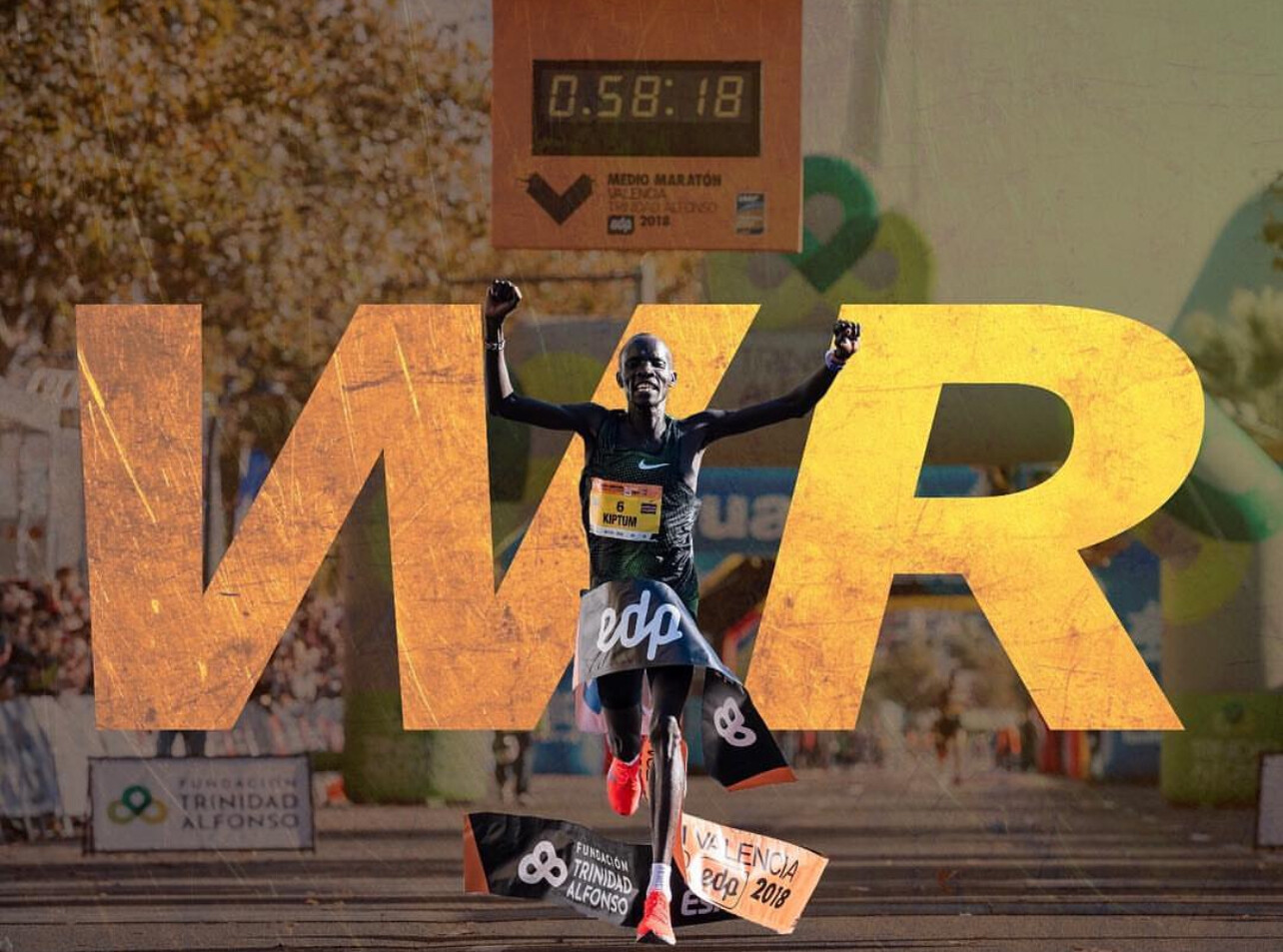
The Fall from Grace
Just one day before he was scheduled to compete in the 2019 London Marathon, everything unraveled. On April 26, 2019, the Athletics Integrity Unit (AIU) provisionally suspended Kiptum for ABP violations. The ABP doesn’t detect banned substances directly, but rather monitors biological markers over time—looking for signs of manipulation.
“I was so surprised about ABP because I had never heard about it in my entire life,” Kiptum said.
Not only did he miss London, but all of his results after October 13, 2018—including his world record—were nullified.
A Life Unraveled
Returning to his hometown in Nandi County, Kiptum didn’t just lose races—he lost his sense of purpose, his reputation, and many of his relationships.
“I was sent back home, and I stayed there until I completed my ban,” he recalled. “To make matters worse, my wife and friends deserted me. I was only left with my parents and brothers.”
With no races, no income, and little support, he turned to farming and herding animals to survive. For years, he lived in isolation, his name a shadow of its former glory.
A Second Chance
After completing his suspension, it was his younger brother who pushed him to rejoin the sport. He brought Kiptum to a training camp to reignite the flame.
“After serving four years, I have returned to action, doing what I know best—running,” he said. “My body is responding well, and I feel ready.”
Now, he’s training hard with hopes of reaching the podium at the 2025 Nairobi City Marathon, slated for Sunday, July 5 at Uhuru Gardens.
Lessons from the Abyss
Kiptum doesn’t shy away from admitting the ban taught him hard truths.
“Yes, I had money when I set the world record. I even bought land and helped change the lives of my family,” he said. “But I’ve learnt that money comes and goes. What matters most is staying around the right people.”
As he builds toward redemption, Kiptum carries both scars and lessons—reminders of a fall that nearly ended it all, and a second chance that might redefine him.
Can Abraham Kiptum reclaim his place among the world’s best distance runners? No one knows. But what’s clear is that he’s not giving up.
There may just be life—and speed—after a ban.
by Boris Baron
Login to leave a comment
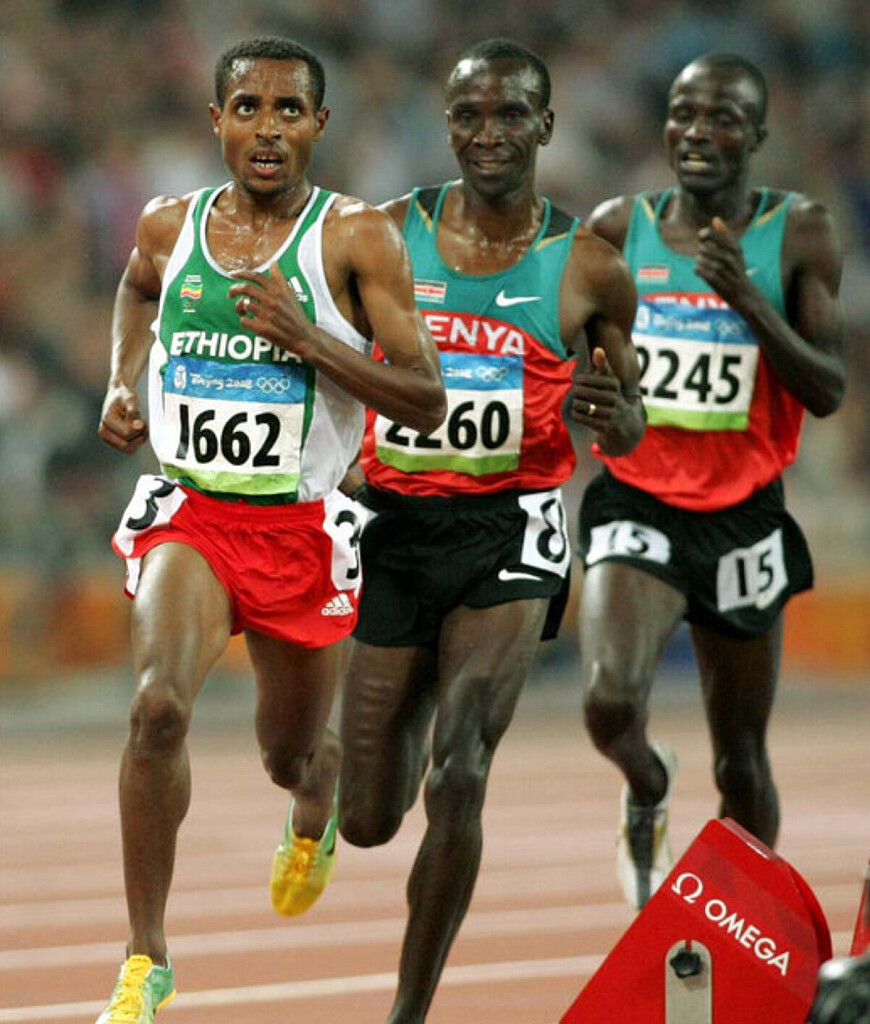
Olympic 5000m medalist Edwin Soi joins new KATA Running Camp in Kericho — a unique Kenyan training program blending elite coaching and community impact.
From Olympic bronze to farming for the future, Edwin Soi’s journey reflects both speed and sustainability.
In the world of distance running, Edwin Soi is a name etched in excellence. At the 2008 Beijing Olympics, Soi captured the bronze medal in the 5000 meters, finishing with a time of 13:06.22behind Kenenisa Bekele and Eliud Kipchoge—an iconic race that cemented his place among the greats of Kenyan running.
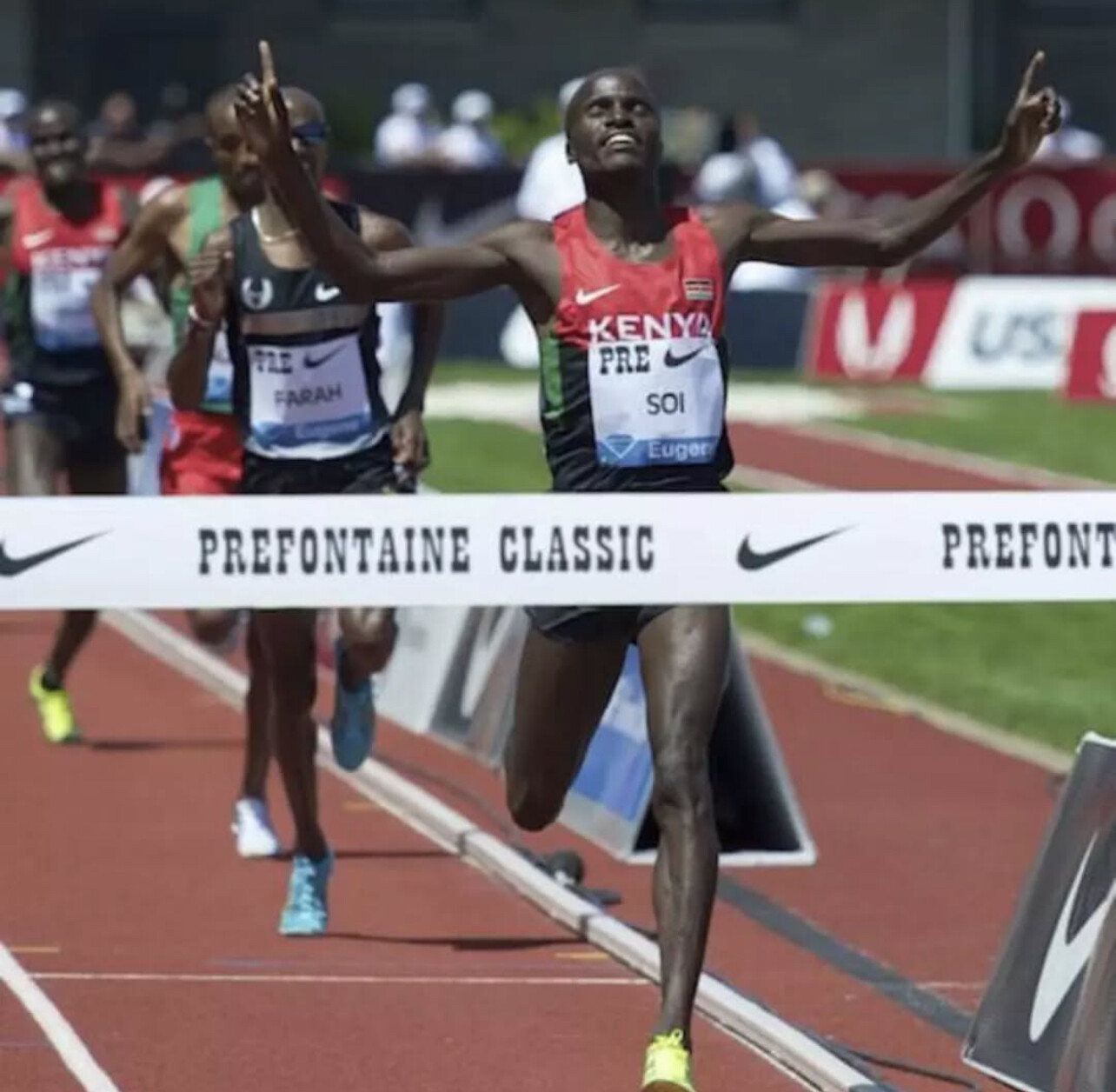
Now, over 15 years later, Soi continues to perform at an elite level. In early 2025, he placed on the podium at a major half marathon in Poland, proving that his speed and endurance have stood the test of time. But the accomplished Olympian is now expanding his impact beyond the track.
This year, Soi has teamed up with Bob Anderson, the founder of Runner’s World and the visionary behind the Kenyan Athletics Training Academy (KATA). Together, they are launching a unique initiative in Kericho, Kenya that combines world-class training with sustainable farming.
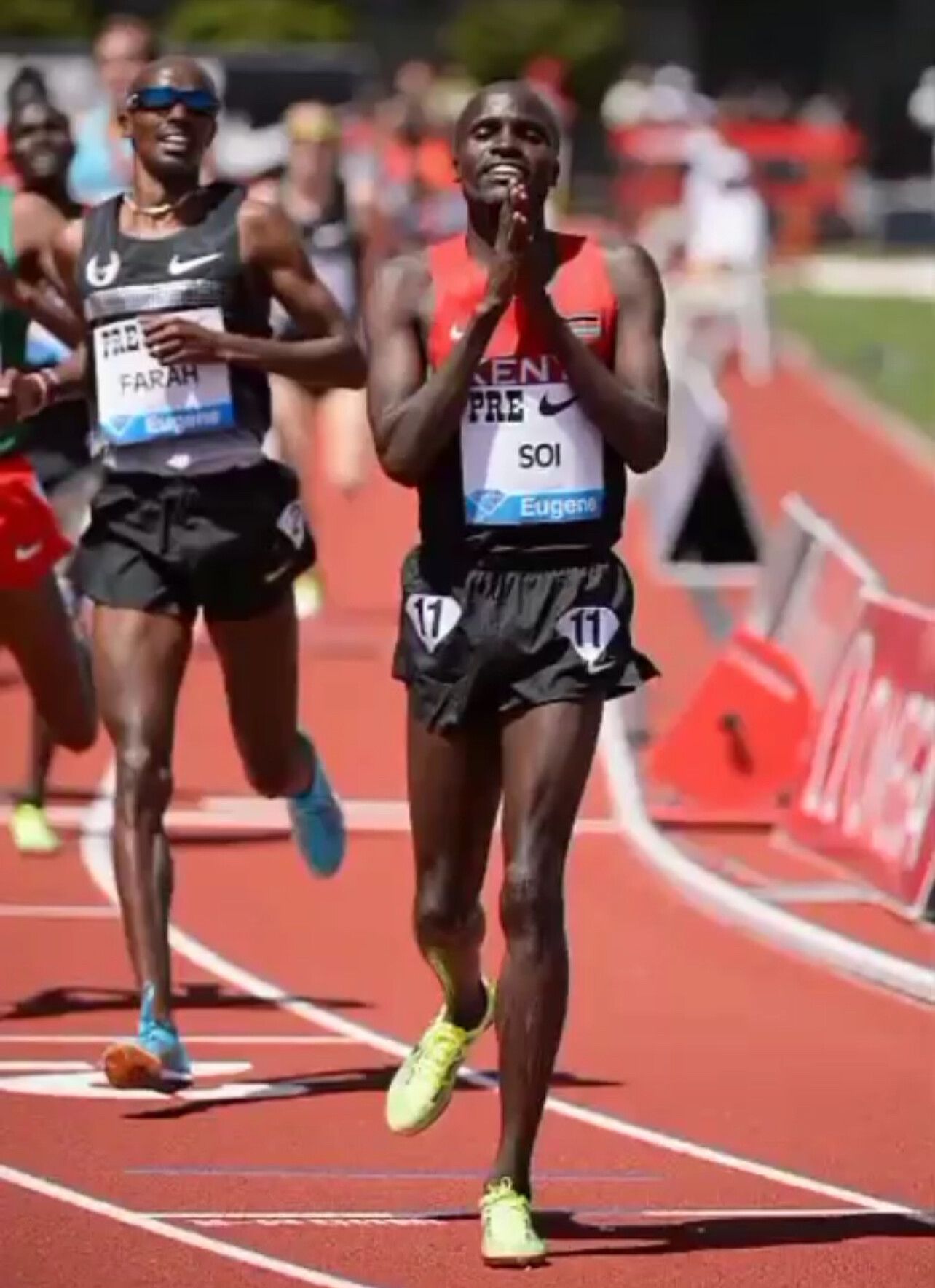
“I am very excited to be working with Bob Anderson on this new, unique program,” says Soi. “Bob has created something very special for athletes, and combining it with his ideas about farming KATA Potatoes gives us the opportunity to be sustainable. It’s perfect.”
A Vision Rooted in History
Bob Anderson’s connection to Kenyan running spans nearly four decades.
“I first traveled to Kenya in 1987 and saw and met many runners. I knew then that a program like what we have now set up was needed,” Anderson explains. “I returned with my wife Catherine in 2014 and met Elam and Joel. That’s when the idea for the Kenyan Athletics Training Academy (KATA) in Thika really started to take shape.”
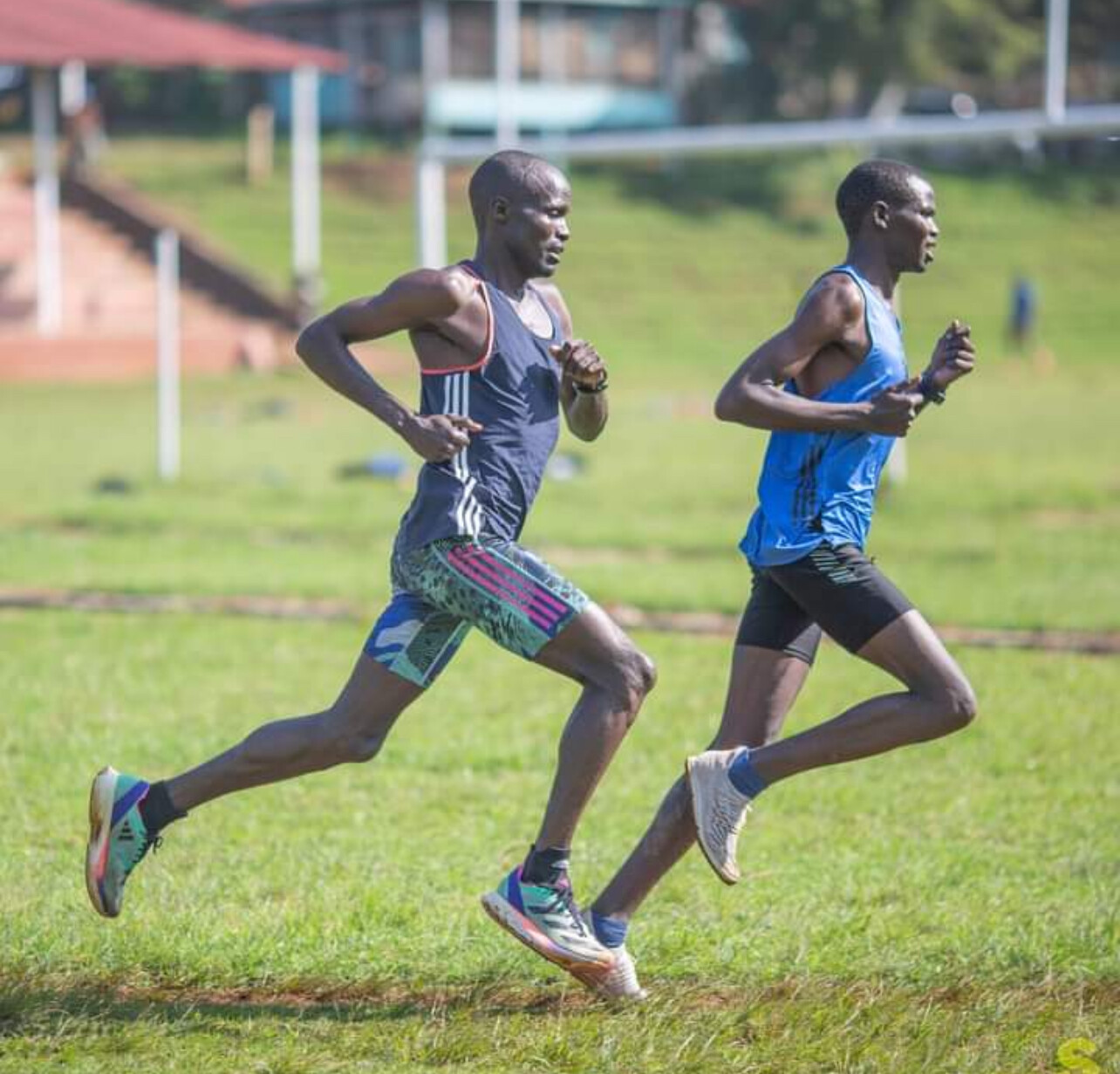
KATA officially opened in 2019, offering elite Kenyan athletes a base to train and grow. But the vision didn’t stop there.
In 2023, Anderson and longtime friend Brock Hinzmann (last photo) a 2:19 marathoner from Los Altos Hills, California, piloted the first KATA farm. The goal was to integrate agriculture into athlete development—creating a model where training and sustainability go hand in hand.
“We established a KATA farm in 2023 working with Brock, but the program needed some refinements. I finalized our new format in May of 2025. I told Edwin Soi about our program and he told me he loved the idea and jumped right on it,” says Anderson.
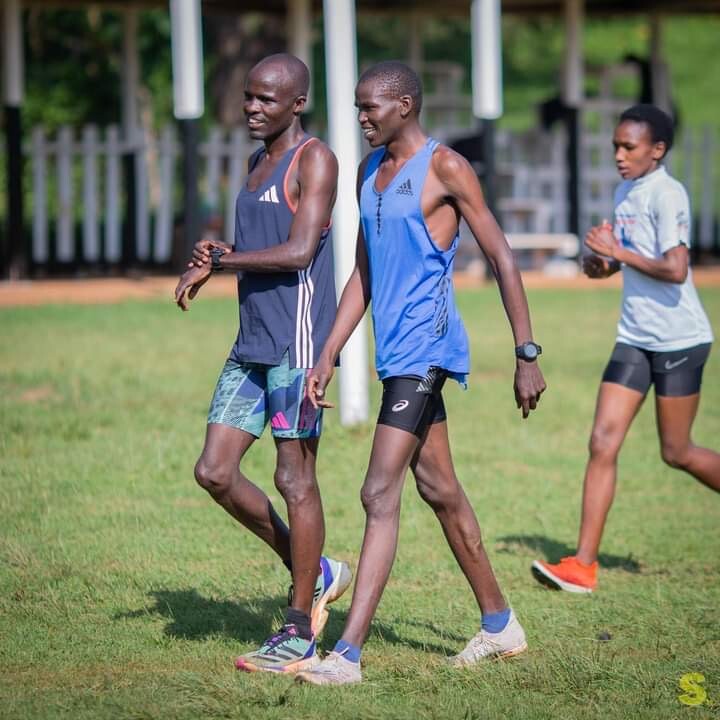
Kuresoi: A New Chapter
Now, with Soi’s leadership, the KATA Running Camp and Potato Farm in Kuresoi is set to become a flagship model for the future. Athletes will not only receive top-level training from one of the greatest distance runners of his generation, but they’ll also participate in sustainable farming practices—planting, maintaining, and harvesting KATA-branded potatoes.
The program provides housing, coaching, food, and competition opportunities—with the added benefit of long-term revenue from agriculture. It’s a model designed not just to develop athletes, but to support their lives beyond running.
“Edwin Soi brings credibility, passion, and wisdom to this project,” says Anderson. “It’s not just about winning races anymore—it’s about building something that lasts.”
Looking Ahead
With KATA camps now expanding across Kenya—including recent launches in Kapcherop, Molo, Nyandarua, and Kuresoi—the partnership between Bob Anderson and Edwin Soi represents a new chapter in Kenyan running. One where elite performance and local empowerment go hand in hand.
Soi’s journey—from Olympic bronze to coaching, mentoring, and planting the seeds of a new future—demonstrates what’s possible when world-class talent meets a visionary purpose.

by Boris Baron
Login to leave a comment
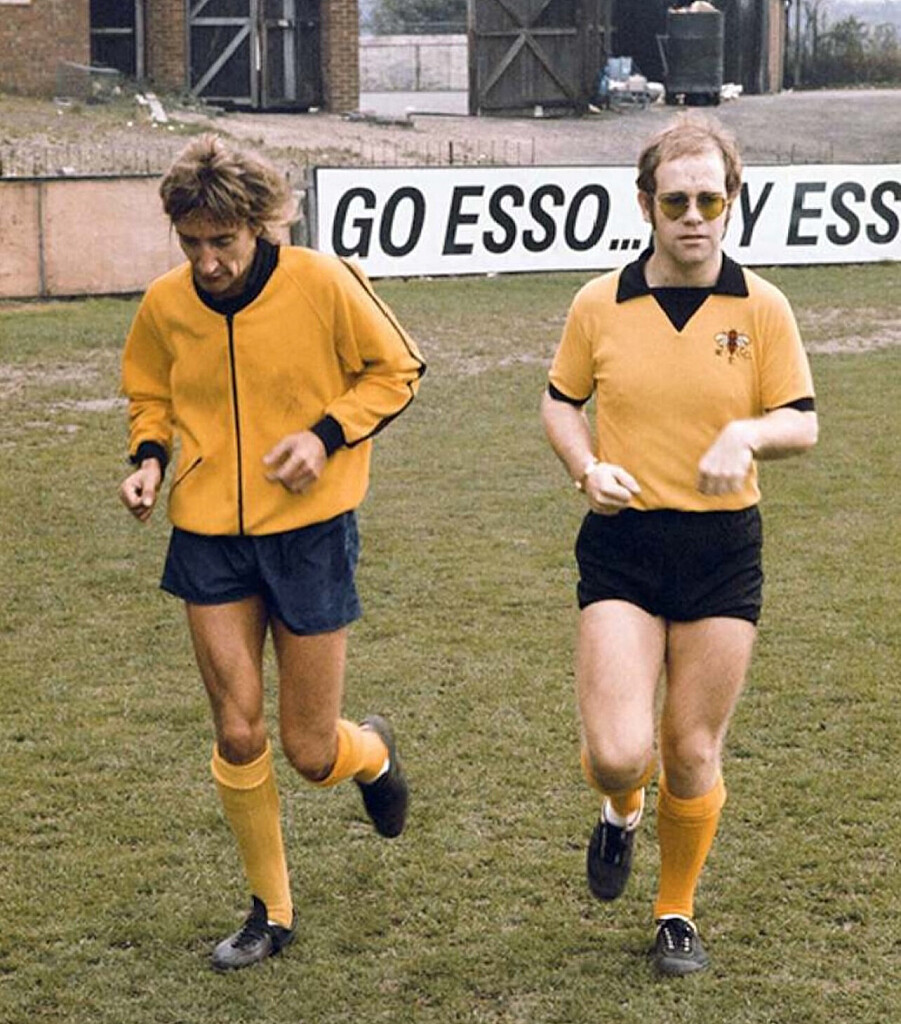
Rod Stewart Trains to Become the Fastest 80-Year-Old Over 100 Meters
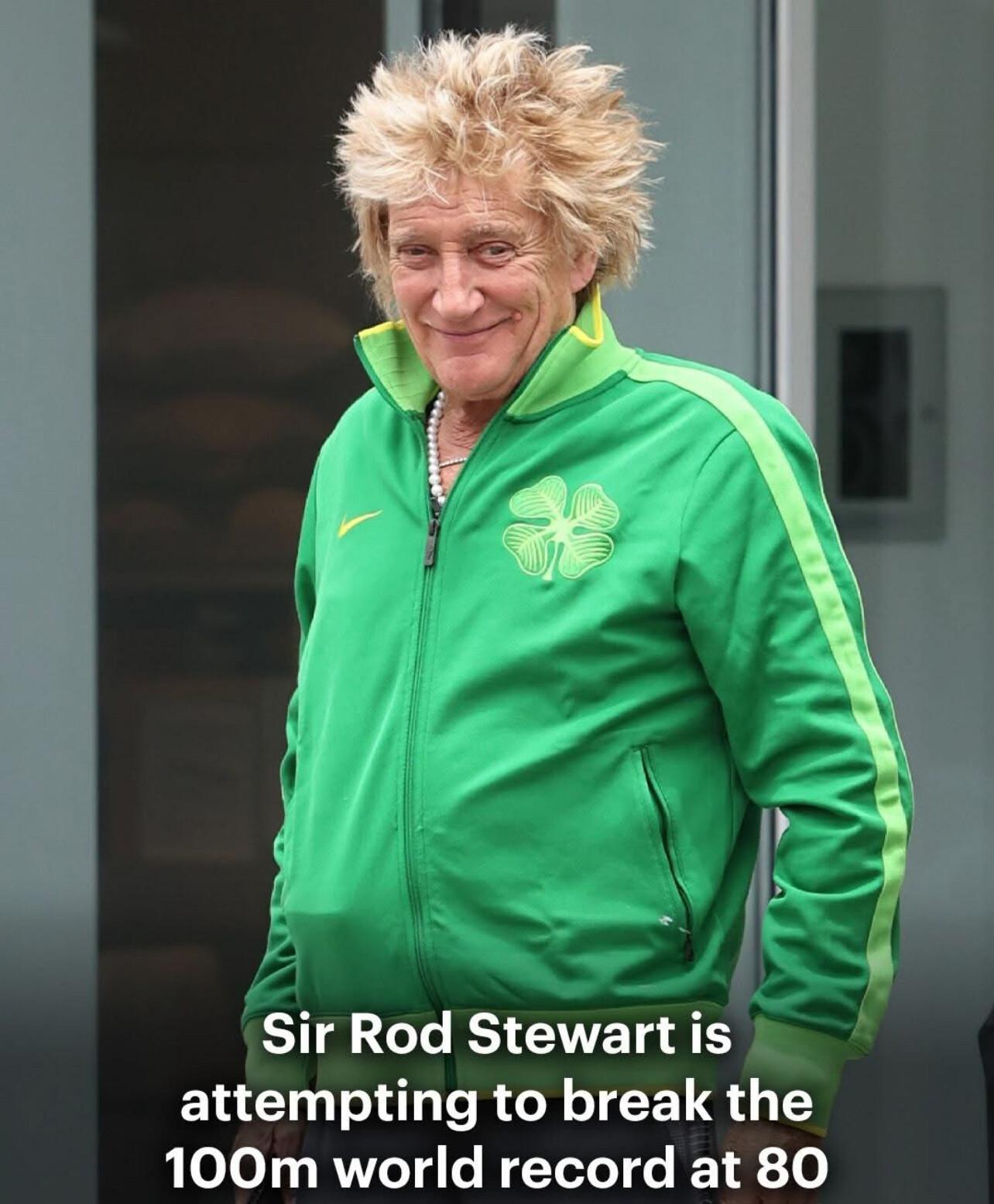
At nearly 80 years old, Sir Rod Stewart isn’t slowing down—he’s speeding up. The rock legend, best known for chart-topping hits and sold-out concerts, has taken on a new challenge: becoming the fastest 80-year-old to run 100 meters.
According to a recent post by Men’s Health UK, Stewart has even built a private running track at his English estate to pursue this ambitious goal. His focus? Beat the current world record for the men’s 80–84 age group in the 100m dash.
The Time to Beat
To break the world record, Stewart needs to run faster than 14.65 seconds, the time set by Hidekichi Miyazaki of Japan, who famously ran 100 meters at age 105, and more directly, better than the official M80 world record of 14.35 seconds, held by Donald Pellmann (USA).
Pellmann achieved this mark in 2015 at age 100, but within the 80–84 age category, Stewart’s real target is the 14.35 seconds mark.
That’s no easy feat—even for someone in peak shape—but Stewart appears committed. Reports say he’s blending his music rehearsal schedule with an intense training regimen designed to improve sprint mechanics, explosiveness, and overall fitness.

A Rock Star’s Reinvention
While most performers his age are scaling back, Stewart is lacing up his spikes. Known for his flamboyant style and tireless energy on stage, he’s now channeling that same passion into a stopwatch-driven mission.
“Rod is laser-focused,” one source told Men’s Health UK. “This isn’t a publicity stunt. He wants this.”

With Glastonbury on the horizon and a possible world record on the line, Stewart is showing that aging doesn’t mean stopping. In fact, it might just be the perfect time to start running.
My Best Runs will be tracking Stewart’s journey closely. Whether or not he breaks the record, one thing is clear: Rod’s still got the rhythm—and now, the speed.

by Boris Baron
Login to leave a comment
Super Shoes or Super Runners? How Carbon-Plated Racing Shoes Are Reshaping the Distance Running World
A Bold Step Forward—or Too Much?
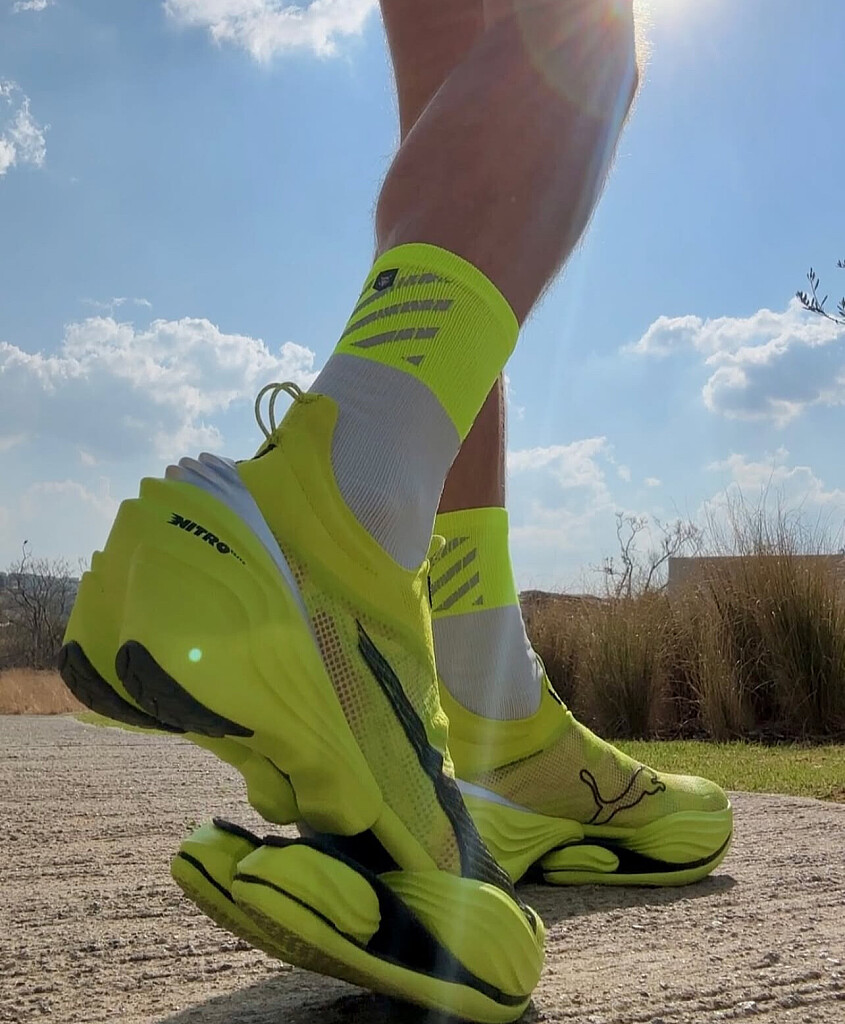
The eye-catching shoes in the images, with their bright yellow color and radical stack height, exemplify the cutting-edge engineering behind today’s carbon-plated distance racing shoes. These models, possibly from Puma’s Nitro range, showcase an exaggerated rocker design, thick midsoles, and strategically placed carbon plates, all intended to maximize energy return. However, this aggressive design pushes the limits of World Athletics regulations, which restrict stack heights to a maximum of 40mm for road races. If these shoes exceed that, they would be deemed illegal in sanctioned competitions—a fine line that highlights the tension between innovation and fairness in modern distance running.
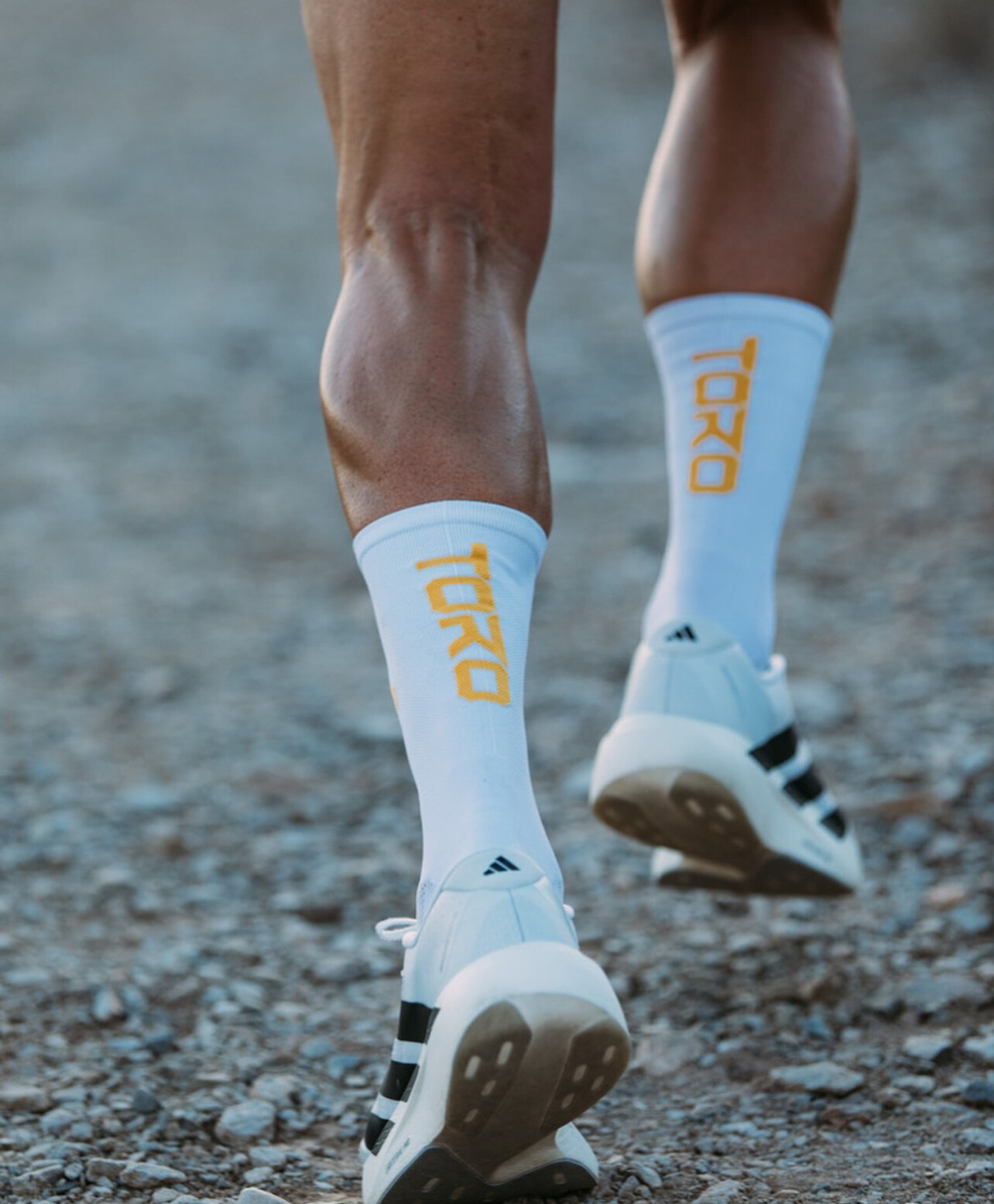
Over the past few years, the distance running community has witnessed a revolution, not just in athletic performance but in technology. At the heart of this transformation are the carbon-plated “super shoes,” with models like the Nike Alphafly 3, Adidas Adizero Pro Evo 1, and Saucony Endorphin Elite capturing headlines—and finish lines.
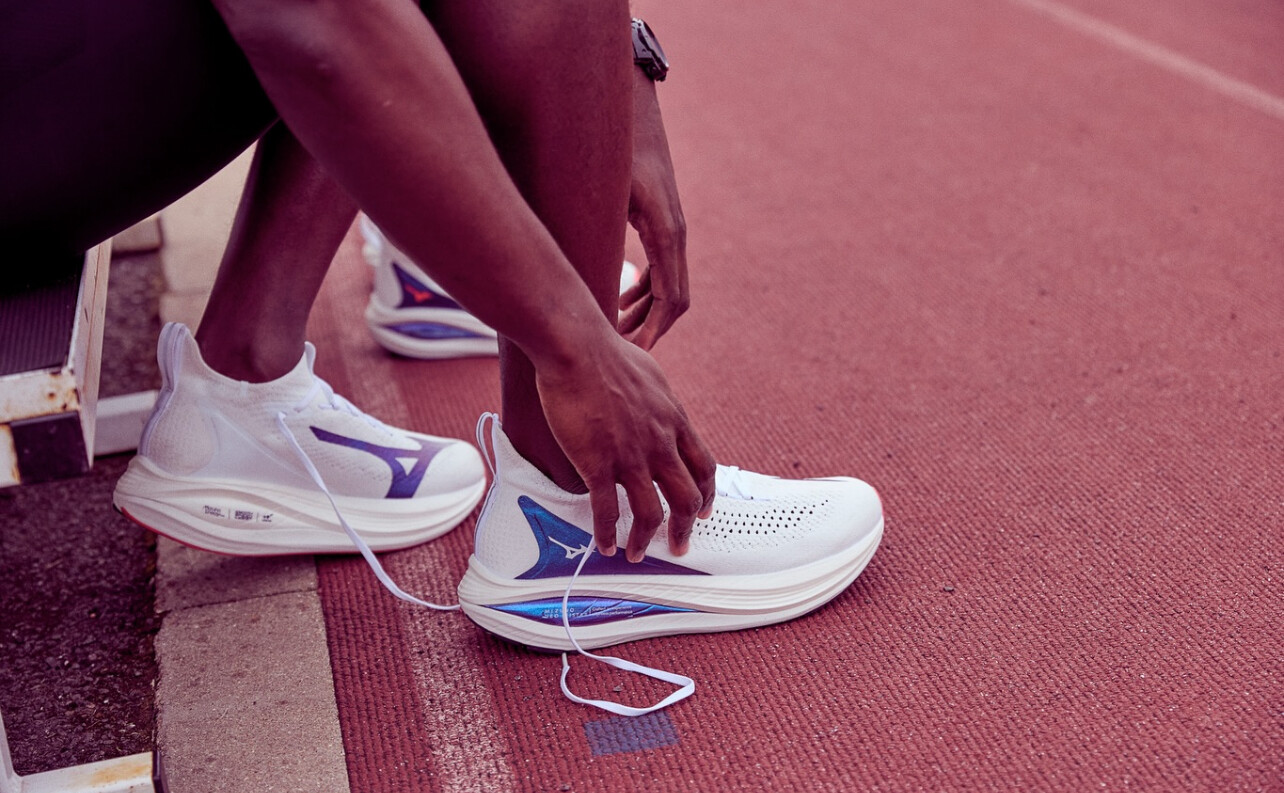
These shoes are more than just a flashy innovation. They represent a fusion of engineering, biomechanics, and material science aimed at optimizing energy return and minimizing fatigue. The secret lies in their construction: a lightweight, resilient foam midsole paired with a rigid carbon-fiber plate that creates a propulsive effect. Research has shown these super shoes can improve running economy by up to 4%, translating into crucial seconds—or even minutes—shaved off race times for elite athletes.
Marathon world records and personal bests are being rewritten at a blistering pace. From Eliud Kipchoge’s sub-two-hour marathon in a prototype Nike shoe to Tigst Assefa’s stunning women’s world record at the Berlin Marathon, the combination of human talent and advanced footwear is undeniable.
However, this technological leap hasn’t come without controversy. Critics argue that super shoes are blurring the line between natural ability and mechanical advantage, creating an uneven playing field. Access is also a concern: with many of these models retailing at $250 or more, elite athletes and well-funded programs often have a leg up on competitors who can’t afford the gear. Some purists feel this shift detracts from the simplicity and rawness of the sport, which historically prized grit and determination over gear.
Yet others argue that innovation is inevitable. After all, every era of distance running has had its technological advances, from cinder to synthetic tracks, from wool to moisture-wicking gear. Super shoes are merely the latest chapter in this ongoing evolution. They offer athletes a tool—how they use it is still up to them.
For amateur runners, these shoes are not just for the elites. Weekend warriors chasing personal records have embraced carbon-plated models, with many reporting improvements in comfort and reduced post-race soreness. But it’s essential to note that no shoe can replace proper training, nutrition, and race strategy.
Looking ahead, the super shoe debate will likely continue, especially as brands develop even more advanced models. World Athletics, the sport’s governing body, has already implemented regulations on shoe design and stack height to maintain some level of fairness.
In the end, the question remains: are we witnessing the rise of super runners, or is this the dawn of a new era where gear becomes as crucial as training? Either way, carbon-plated racing shoes have changed distance running forever—and there’s no turning back.
"As a master runner I like a shoe that does not have such a thick sole," says 77 year old lifetime runner Bob Anderson. "I have taken a few falls and these new super shoes could be a problem."
by Boris Baron
Login to leave a comment
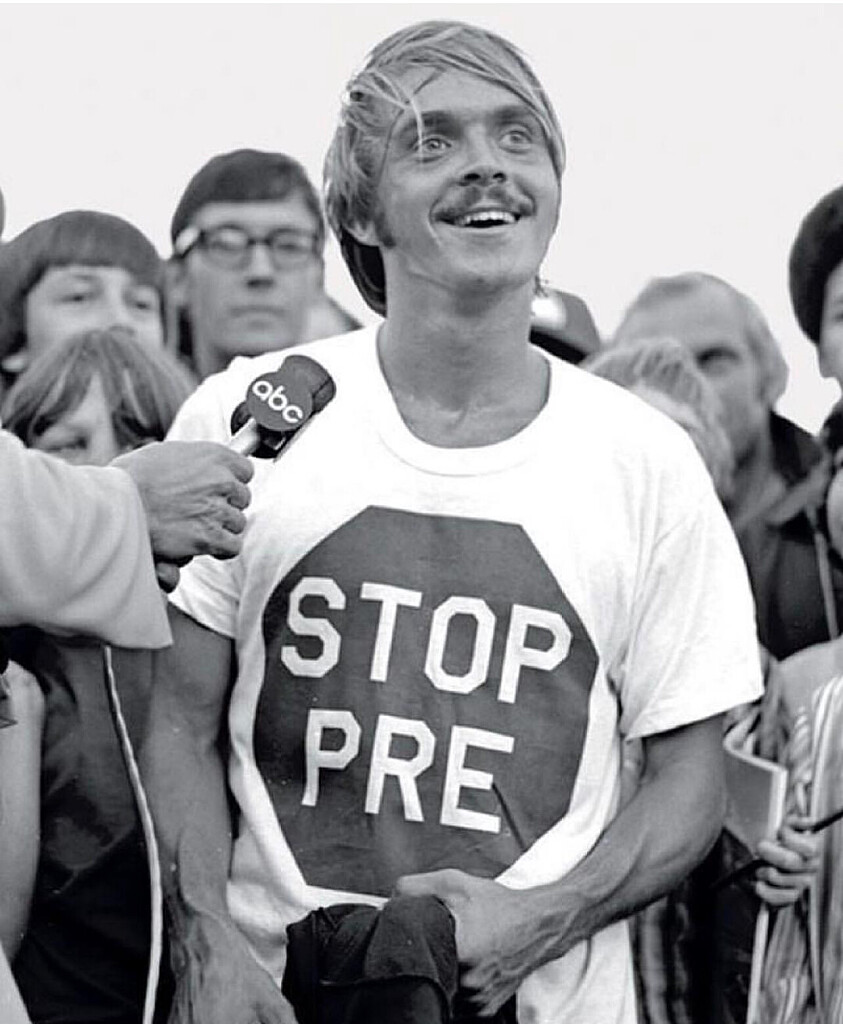
Remembering Steve Prefontaine: 50 Years Since His Untimely Passing
On May 30, 1975, the running world lost one of its most charismatic and determined figures: Steve Prefontaine. Known simply as “Pre,” he wasn’t just a distance runner—he was a phenomenon, captivating fans with his relentless style and rebellious spirit. As we mark 59 years since his passing, let’s celebrate his life by sharing stories and facts that many may not know.
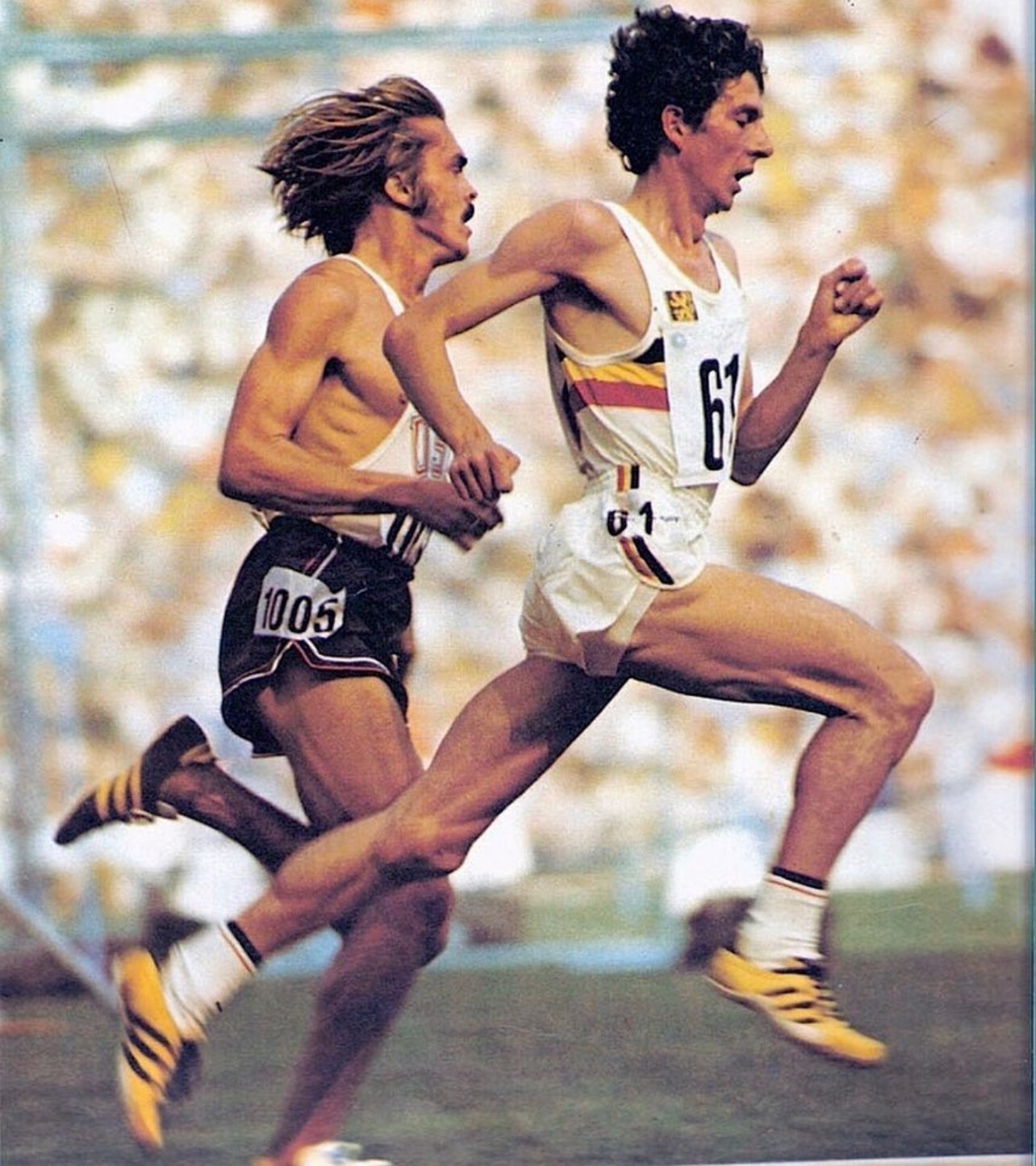
The Man Behind the Legend
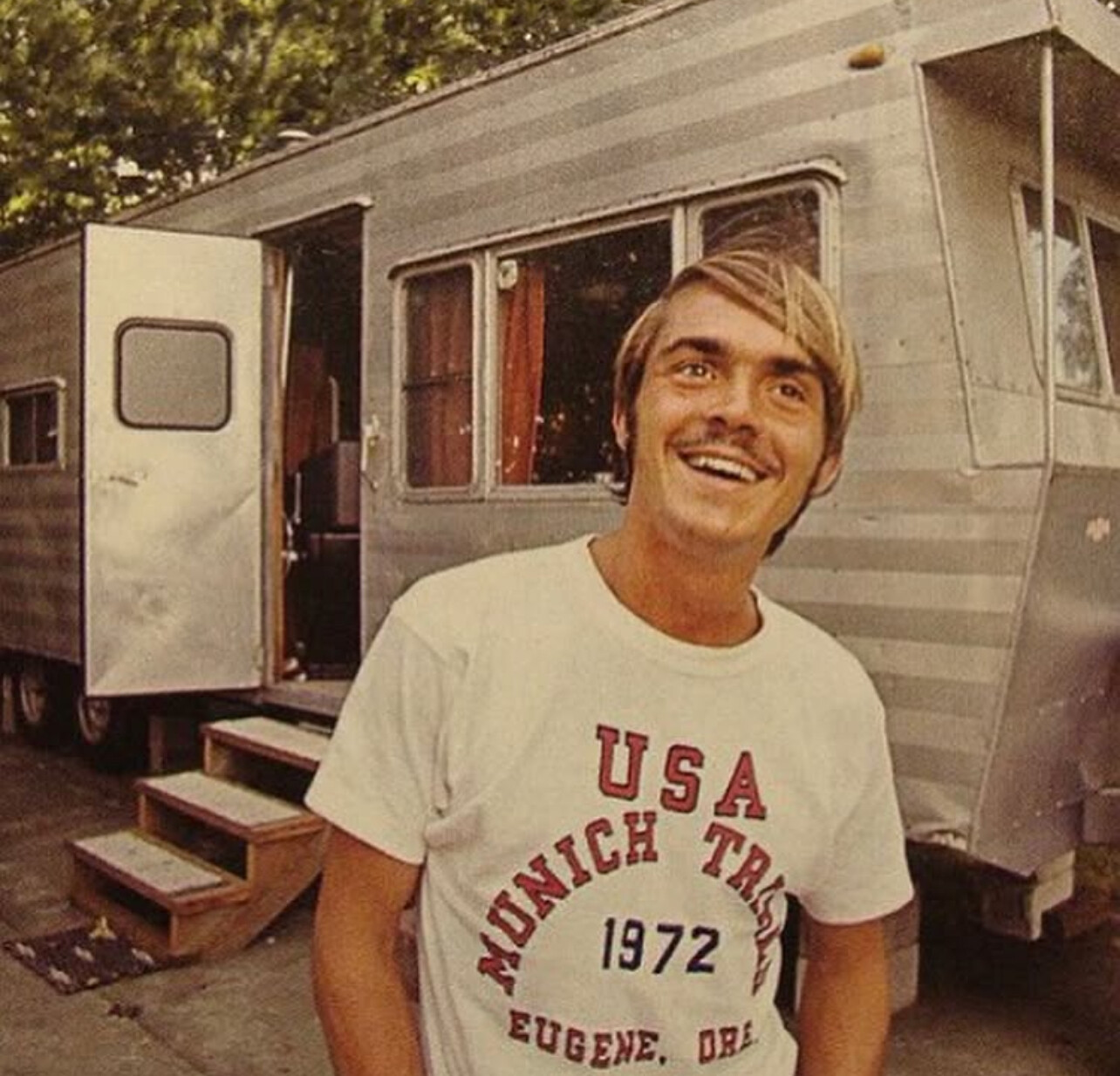
Born in Coos Bay, Oregon, Steve Prefontaine became a running icon in an era dominated by more conservative racing strategies. His front-running style—pushing the pace from the gun—symbolized not just his physical prowess but his sheer will to win.
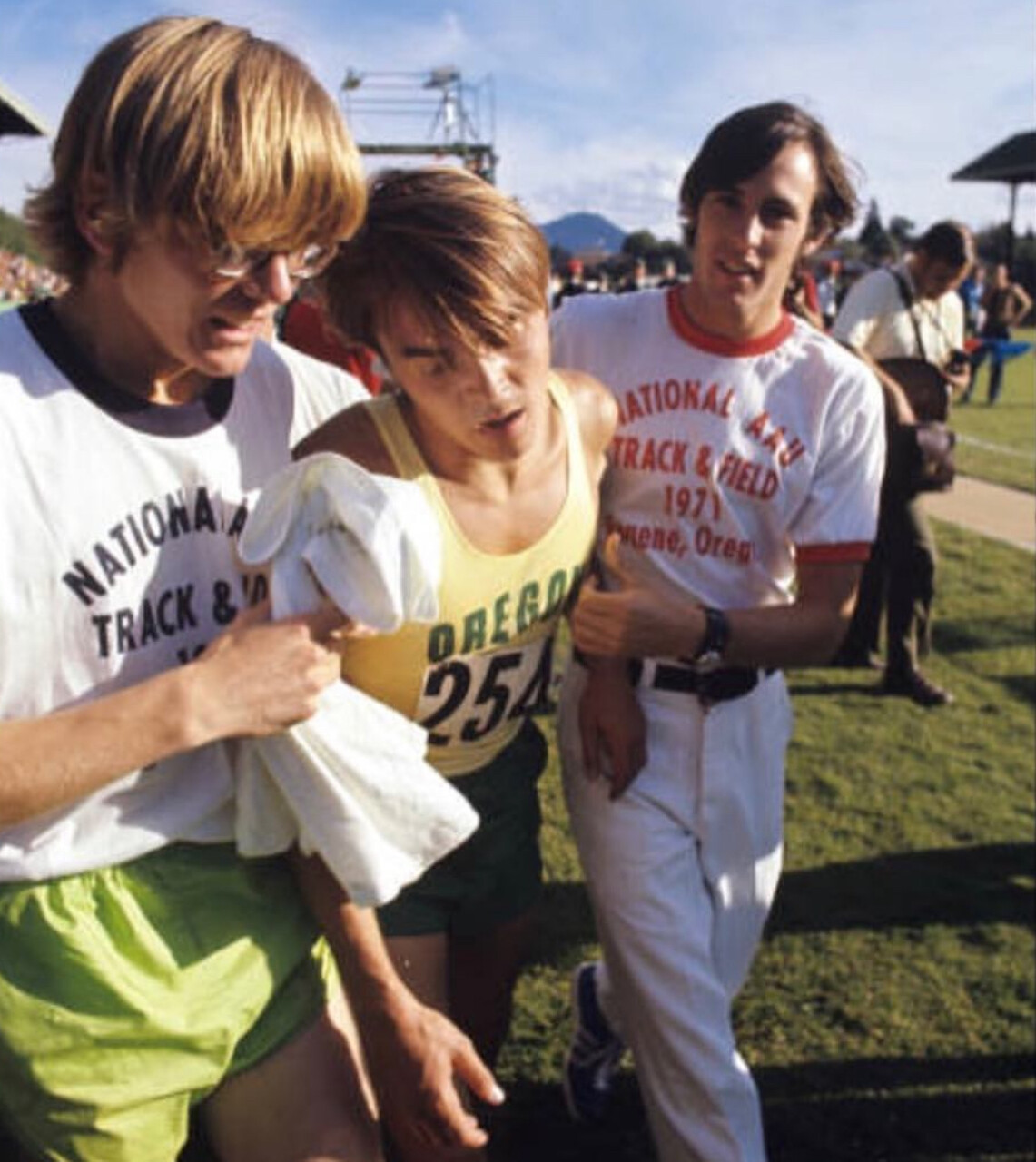
While many remember his records, charisma, and tragic death at age 24, there’s more to Pre’s story:
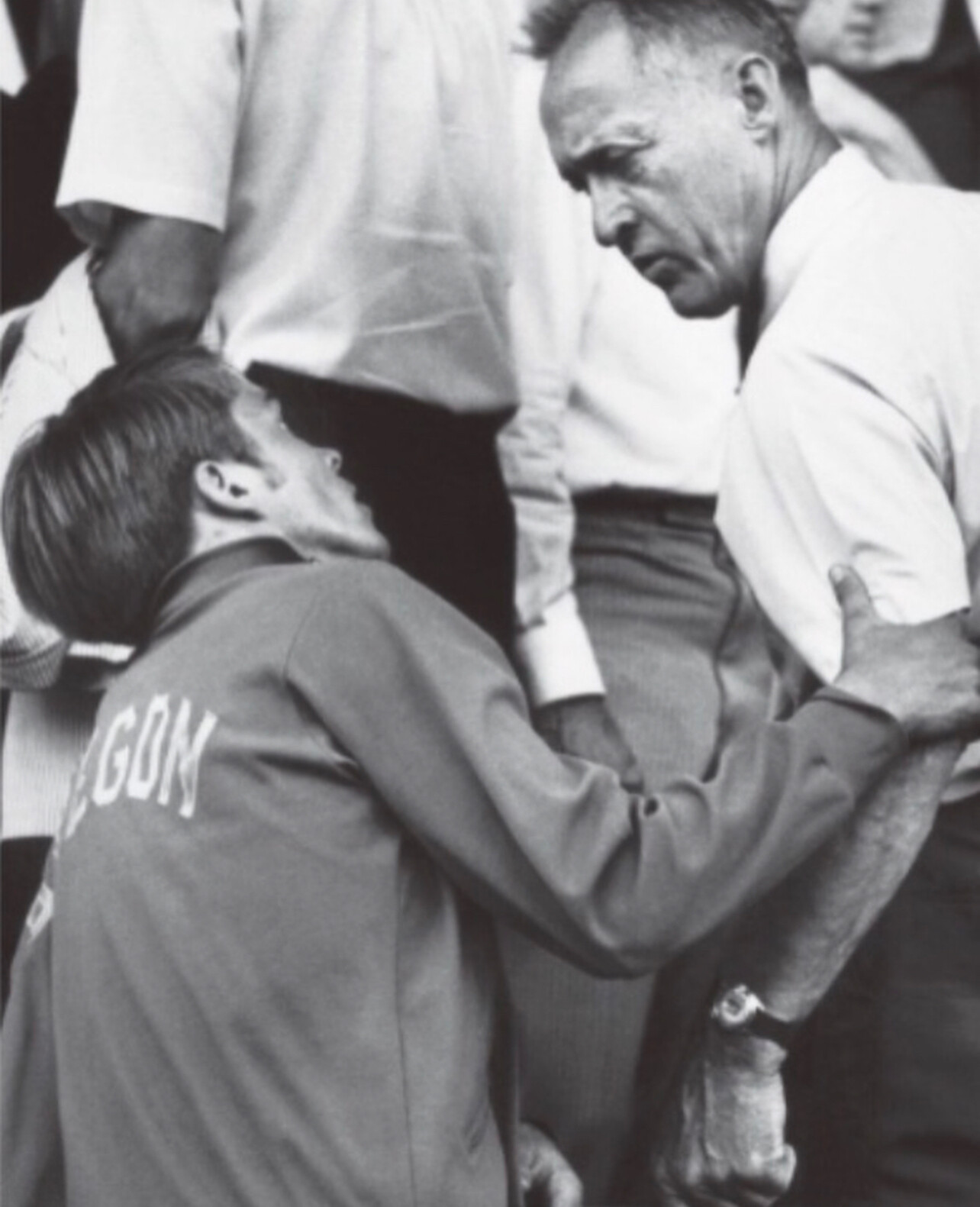
Lesser-Known Facts About Steve Prefontaine
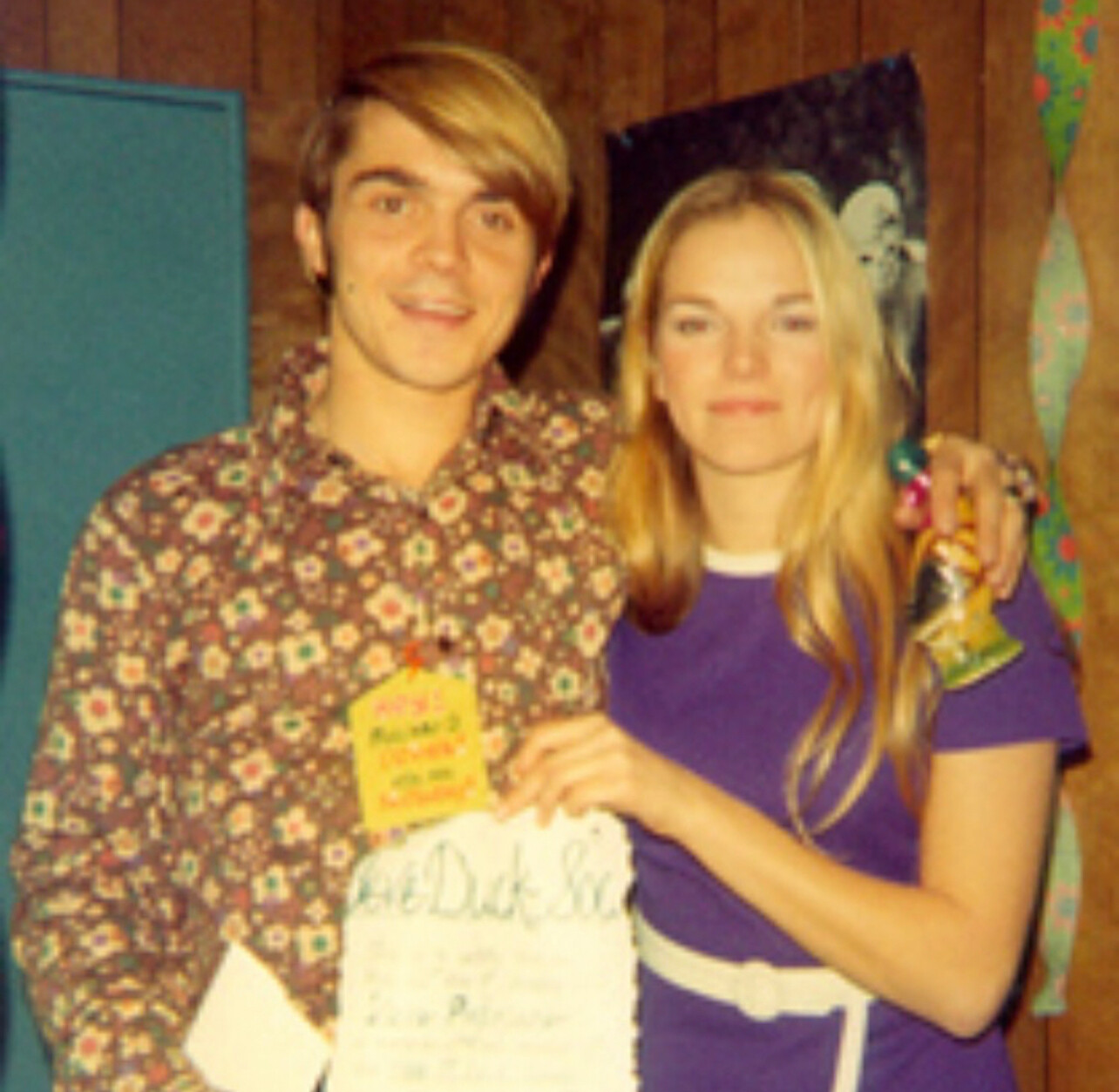
✅ His First Love Was Football
Before he discovered distance running, Prefontaine dreamed of playing football. His small stature (just over 5’9”) eventually led him to cross-country and track, where his natural talent shone.
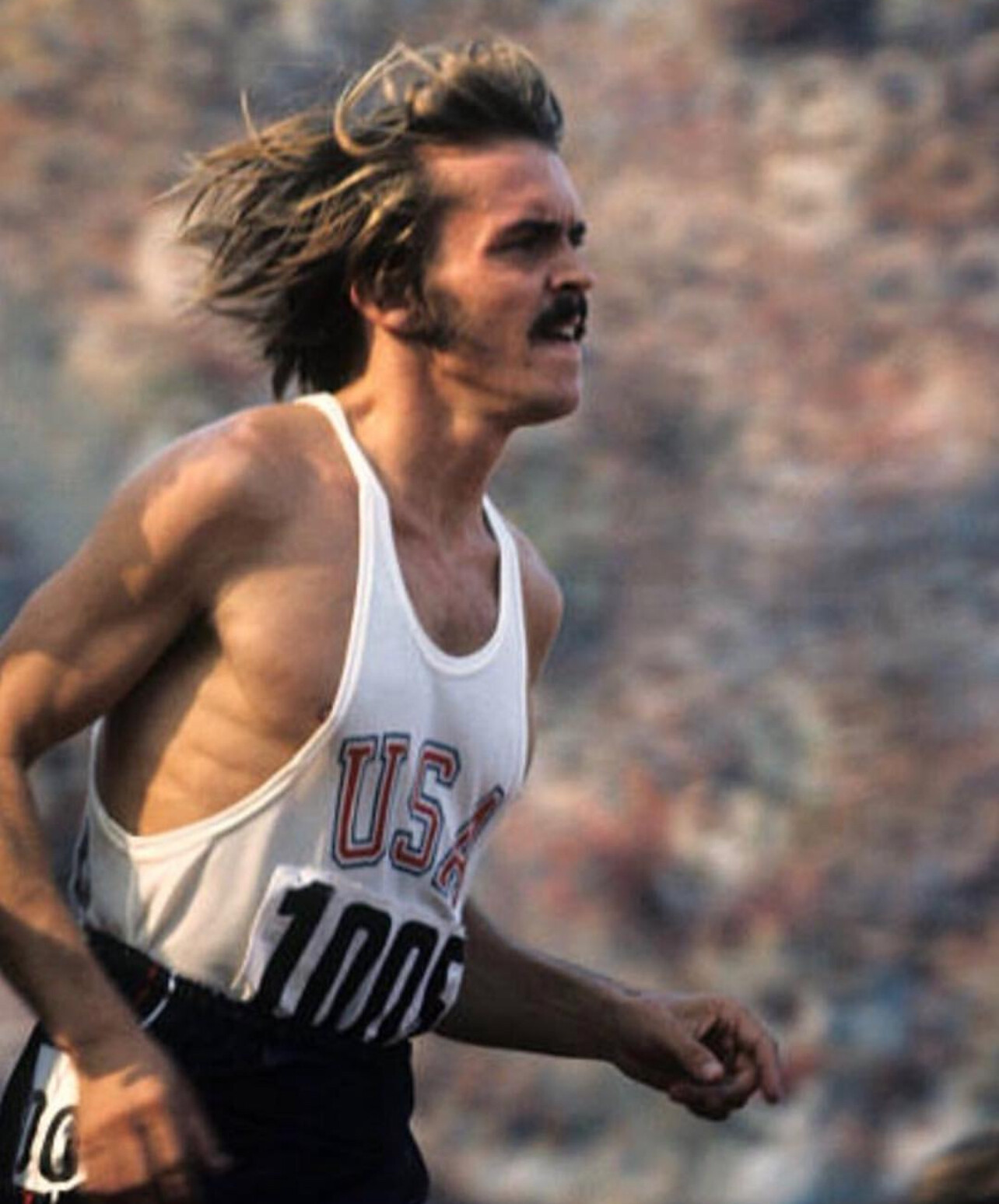
✅ He Was a Student of the Sport
Pre wasn’t just a competitor—he was a student of running. He meticulously logged his workouts and was known to study race tactics and course layouts in detail, even though he famously raced “without a watch.”
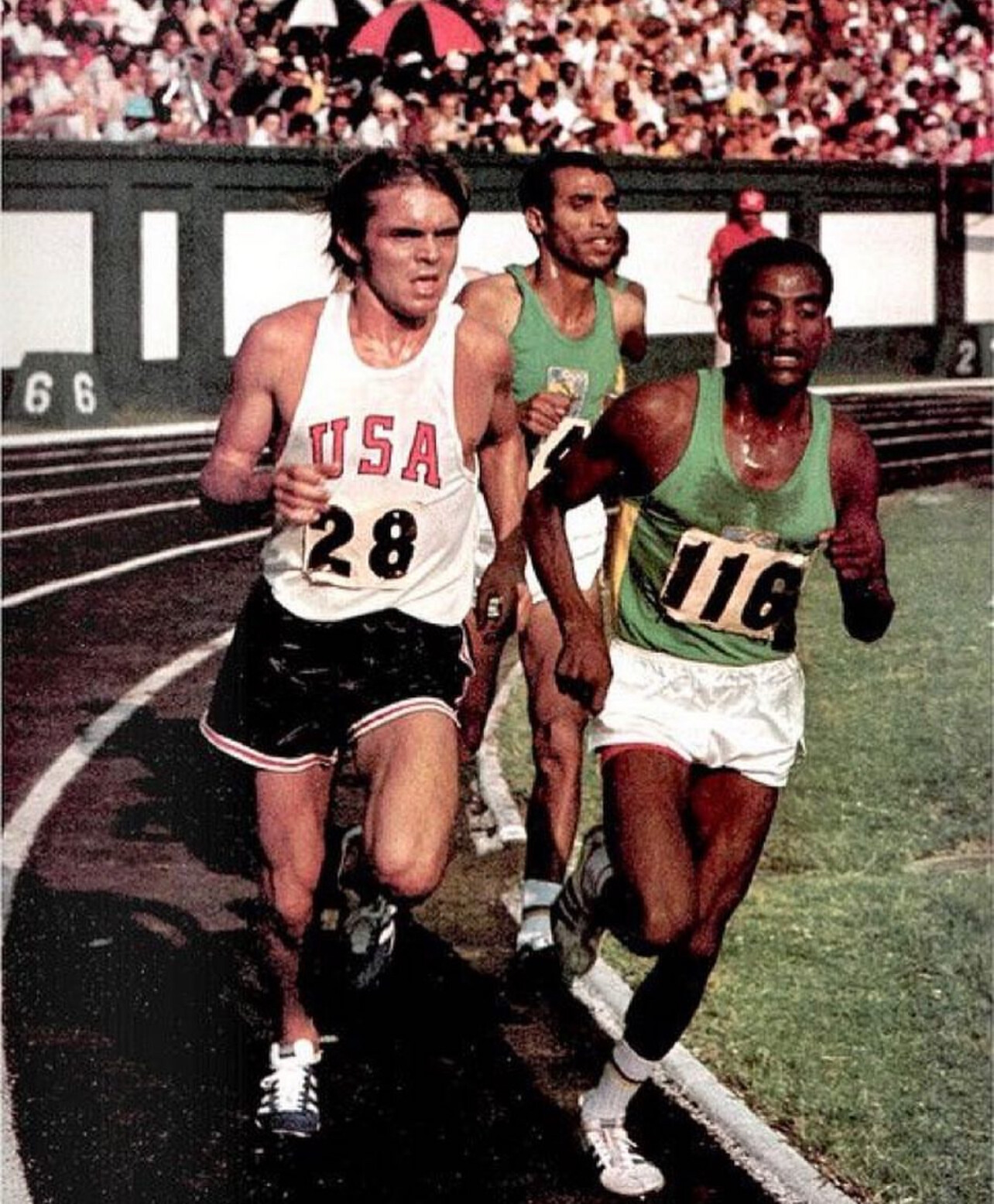
✅ He Worked Hard Off the Track
While at the University of Oregon, Prefontaine worked part-time at a bar called The Prince Pückler’s Ice Cream Parlor to make ends meet. He was known for being personable and engaging with customers.
✅ He Advocated for Amateur Athletes
Pre was a vocal critic of the AAU (Amateur Athletic Union) and its restrictive policies. He championed athlete rights, paving the way for future reforms in track and field compensation and professionalism.
✅ He Had an Eye for Art
Many don’t know that Prefontaine had a strong artistic side. He enjoyed sketching and was known to doodle during downtime, particularly in college.
✅ The 1972 Munich Olympics Fueled His Fire
After finishing fourth in the 5000 meters in Munich, just shy of the medals, Pre’s determination was stronger than ever. He was already planning his strategy for the 1976 Montreal Olympics—a dream tragically cut short.
✅ His Car Crash Had Controversial Theories
While officially ruled an accident (his MGB sports car flipped after hitting a rock wall), there have been whispers over the years of mechanical failure or other drivers being involved. Regardless, the crash at 24 years old left the running world stunned.
✅ He Was an Early Nike Ambassador
Phil Knight, co-founder of Nike, was an early supporter of Prefontaine. Pre wore early versions of Nike shoes and even helped test prototypes, playing a key role in building the brand’s credibility among elite athletes.
Legacy Beyond the Finish Line
Steve Prefontaine’s legacy isn’t just about times or places—it’s about spirit. His courage to lead from the front, his determination to fight for athletes’ rights, and his ability to inspire transcended the track. His story continues to resonate with runners and fans, even 59 years after his death.
As we reflect today, let’s honor Pre’s legacy not just by remembering his races, but by embracing his passion, fearlessness, and commitment to excellence.
by Boris Baron
Login to leave a comment
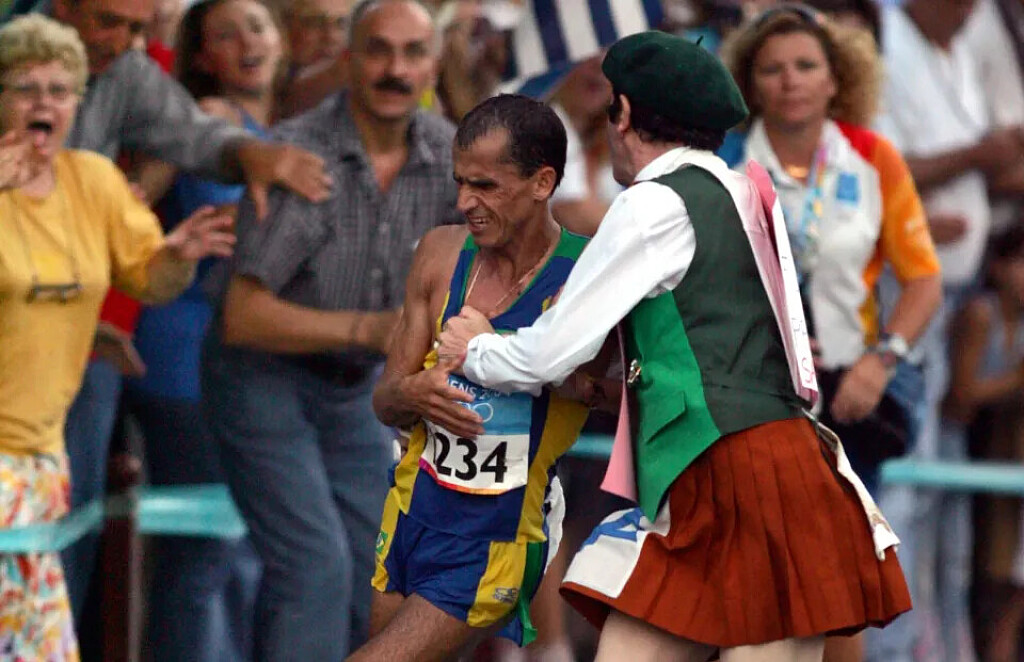
The Champion Who Was Shoved Off Course but Won Our Hearts
He Lost Gold but Won the World’s Respect
In one of the most unforgettable moments in Olympic history, Brazil’s Vanderlei de Lima was on the brink of glory at the 2004 Athens Olympic Marathon—until a shocking intrusion changed everything.
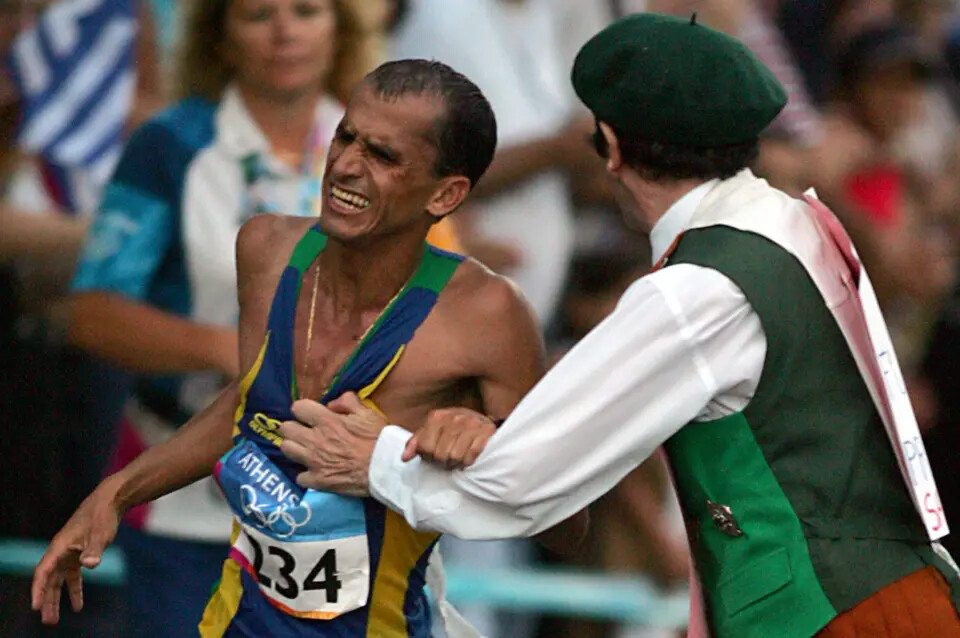
With just over four miles to go and a commanding 25-second lead, de Lima appeared destined to capture Brazil’s first-ever Olympic gold in the marathon. Then, without warning, a man leapt from the crowd and forcefully pushed him off the course.

The assailant was later identified as Neil Horan, a former Irish priest already notorious for disrupting the 2003 British Grand Prix. Though a bystander quickly intervened to help free de Lima, the damage was done—his rhythm was broken, precious seconds were lost, and his chance at gold began slipping away.
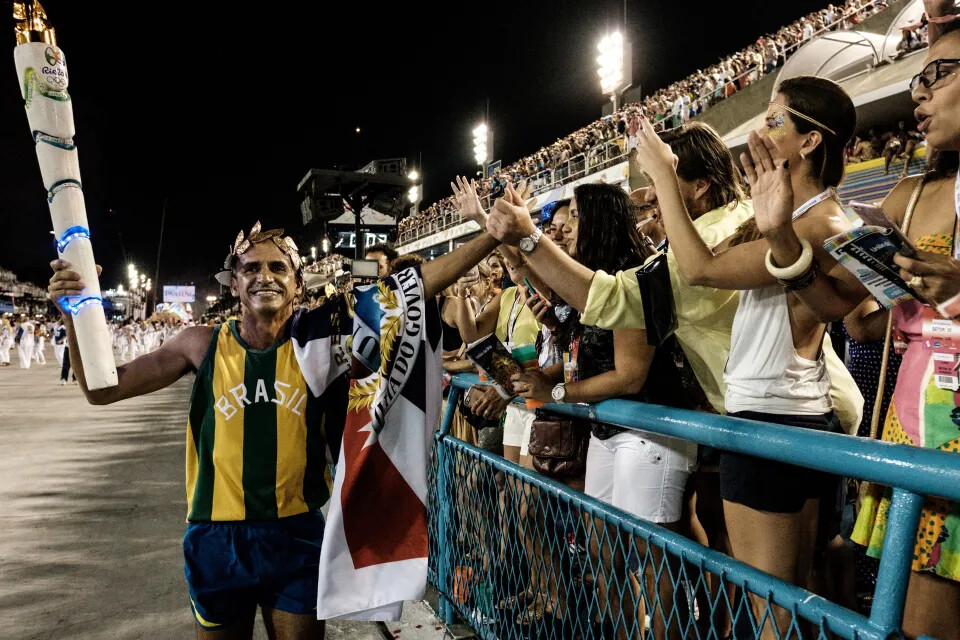
Still, de Lima didn’t stop.
He returned to the course, running with remarkable resolve and even smiling and waving to the crowd as he entered the stadium. He crossed the line in third place, claiming the bronze medal—but earning something even greater in the eyes of the world.
His grace under pressure became a symbol of true sportsmanship. For his extraordinary display of dignity, Vanderlei de Lima was later awarded the Pierre de Coubertin Medal, a rare honor given by the International Olympic Committee to those who embody the Olympic spirit.
Though he was robbed of a gold medal, de Lima’s legacy endures as a timeless reminder: sometimes the greatest victories are not measured by the color of the medal, but by the strength of the human spirit.
What Happened to Neil Horan?
The man who infamously shoved Vanderlei de Lima off course was identified as Neil Horan, a former Irish priest with a history of disrupting major sporting events. He had previously interfered with the 2003 British Grand Prix and was known for spreading extreme religious views.
For the Athens incident, Horan was arrested and later convicted, receiving a 12-month suspended sentence from Greek authorities. Though he didn’t serve jail time, he was globally condemned for robbing de Lima of a likely gold medal. Horan was defrocked by the Catholic Church in 2005 and has since appeared sporadically in the media, showing little remorse for his actions.
Vanderlei de Lima, meanwhile, earned something far more enduring: the world’s respect.
by Boris Baron
Login to leave a comment

Why Zegama Remains the Most Revered Mountain Marathon
Zegama-Aizkorri 2025: The Mountain Marathon That Defines Grit and Glory
ZEGAMA, SPAIN — On Sunday, May 25, 2025, the world’s most electrifying trail marathon returns to the rugged peaks of the Basque Country. The Zegama-Aizkorri Mountain Marathon, now in its 24th edition, is more than a race—it’s a rite of passage for mountain runners.
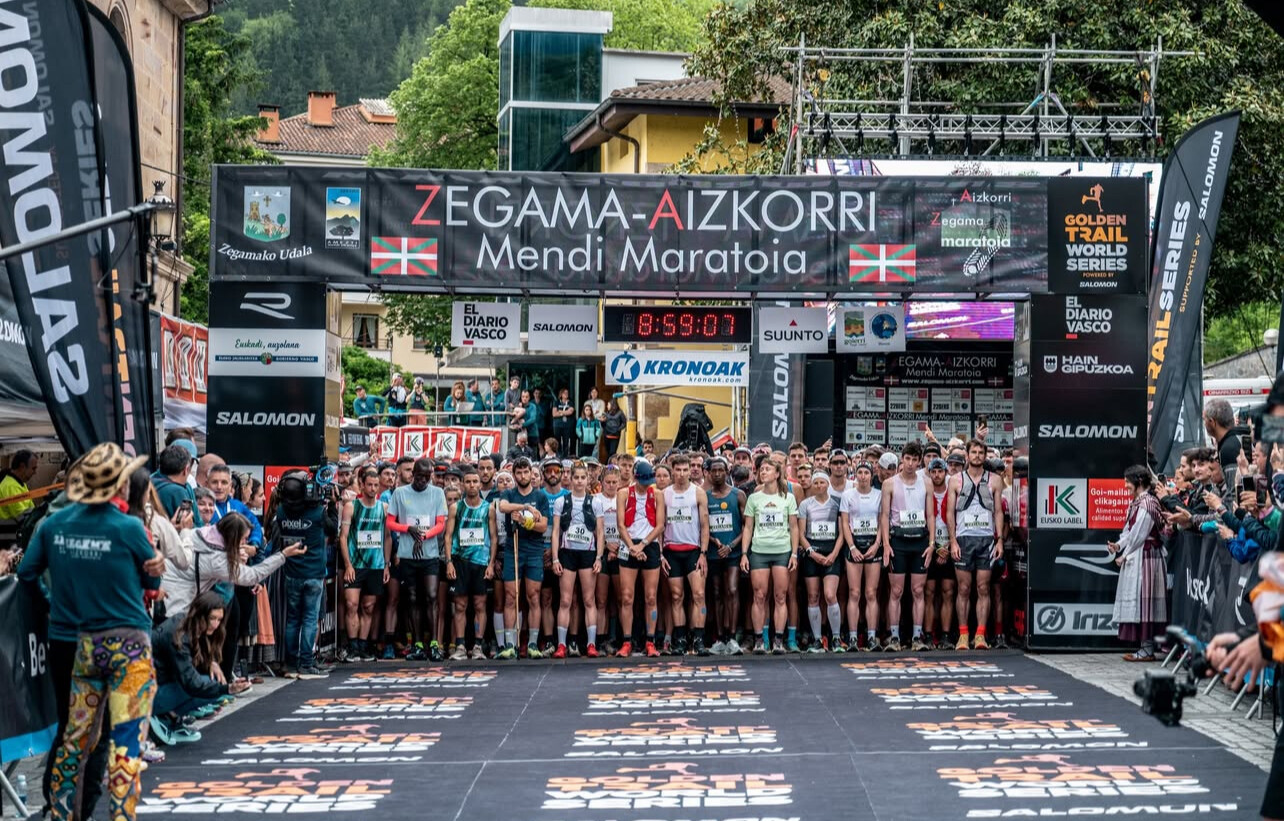
Each year, hundreds of elite and amateur athletes are drawn to the small village of Zegama to test themselves on a course that is as breathtaking as it is brutal. With 42.195 kilometers (26.2 miles) of steep, technical terrain and 2,736 meters (8,976 feet) of vertical gain, the challenge is legendary.
A Look Back at 2024: Jornet and Nordskar Shine
In 2024, trail running legend Kilian Jornet claimed his 11th Zegama title, completing the course in 3:38:07, the second-fastest time in the race’s history. The Spaniard’s unmatched mastery of this terrain—where weather, altitude, and technicality collide—continues to amaze.
On the women’s side, Norway’s Sylvia Nordskar delivered a breakthrough performance, winning in 4:29:12. Her victory came after years of chasing a podium finish, cementing her place among the world’s best mountain runners.
What Makes Zegama So Unique?
Zegama's course runs through the Aizkorri-Aratz Natural Park, an untouched alpine landscape of jagged ridges, mossy forests, and sweeping vistas. But it’s not just the scenery that defines Zegama—it’s the intensity of the terrain:
• Brutal Climbs: Runners face punishing ascents like Sancti Spiritu, where fans line both sides of the narrow path, turning the mountain into a human tunnel of noise and encouragement.
• Technical Descents: Slippery rock faces and steep downhills test a runner’s balance and nerve, often under unpredictable weather that can shift from fog to freezing rain in minutes.
• Unmatched Atmosphere: Thousands of passionate Basque fans hike deep into the mountains to cheer with cowbells, flags, and chants. It’s been compared to the Tour de France on foot.
In Zegama, you’re not just running against the clock—you’re running with the crowd, through weather, over stone, and into history.
2025 Expectations
With another stacked field expected for 2025, the stage is set for drama. Can Jornet make it 12 wins? Will Nordskar defend her title? Or will a new name rise through the mist?
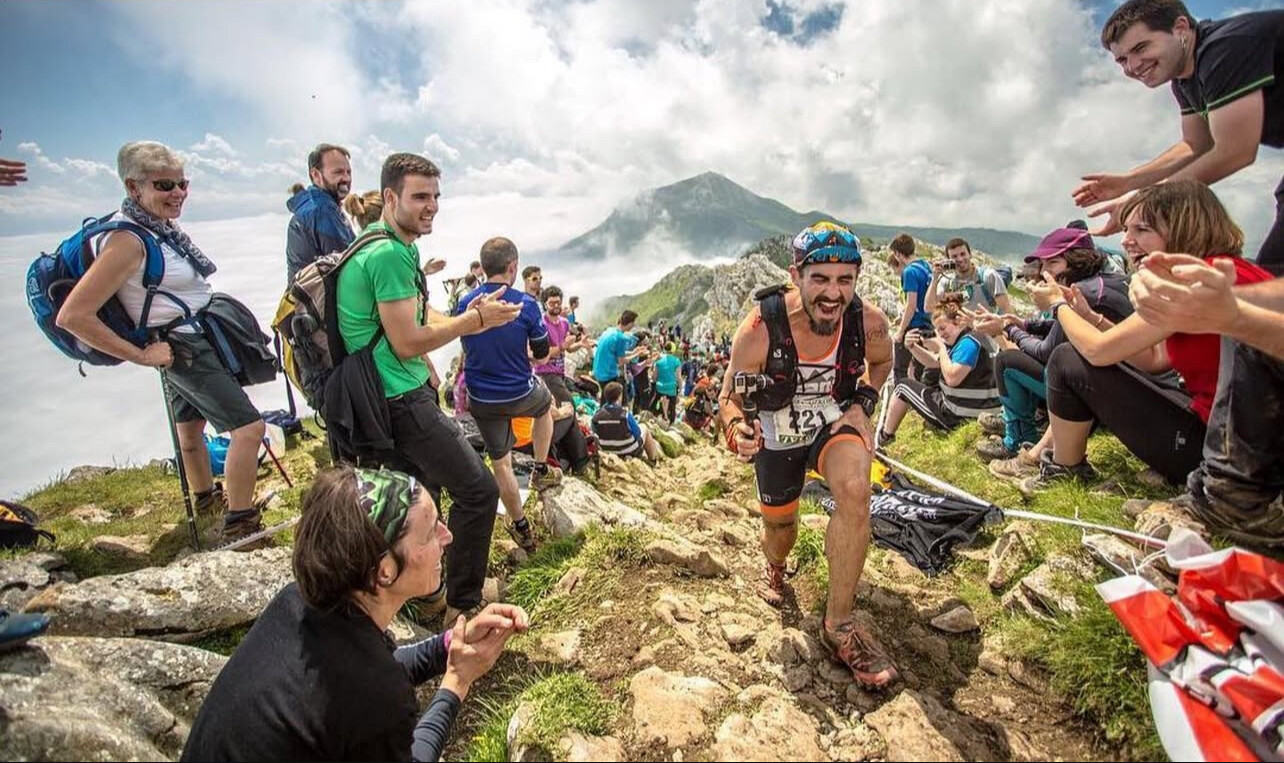
One thing is certain: Zegama es Zegama. No other race captures the raw essence of mountain running like this one.

by Boris Baron
Login to leave a comment
Dan Green Wins Cocodona 250 in Record Time Averaging 13:45 per mile
Dan Green, a seasoned endurance athlete from Huntington West Virginia, took on the grueling Cocodona 250ultramarathon across Arizona this week—and not only finished the race, he won it in spectacular fashion.
Green completed the 256.5-mile course in 58 hours, 47 minutes, and 18 seconds, setting a new course record and surpassing the previous best by over an hour. That’s an average pace of 13 minutes and 45 seconds per mile—an incredible feat considering the race includes nearly 40,000 feet of elevation gain.
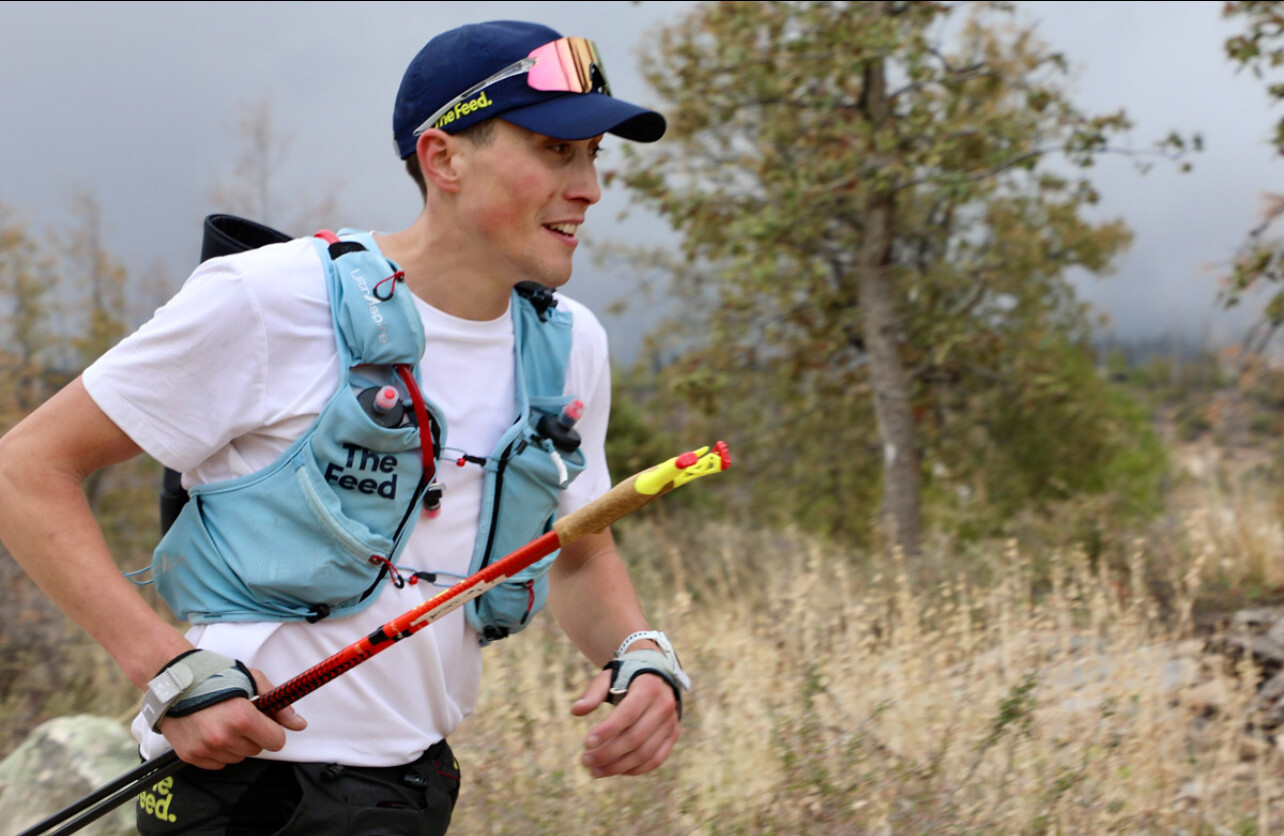
The Cocodona 250 is one of the most challenging ultramarathons in the world, stretching from Black Canyon City to Flagstaff, with runners navigating desert heat, rugged mountain trails, and rocky ascents through towns like Prescott, Jerome, and Sedona. The course is roughly 45% single-track trail, 46% jeep and dirt road, and just 9% paved.

Top 5 Men’s Finishers

1. Dan Green (USA) – 58:47:18 (13:45/mi)
2. Ryan Sandes (South Africa) – 61:21:04
3. Edher Ramirez (Mexico) – 63:10:13
4. Harry Subertas – 65:28:53
5. Finn Melanson – 66:29:40
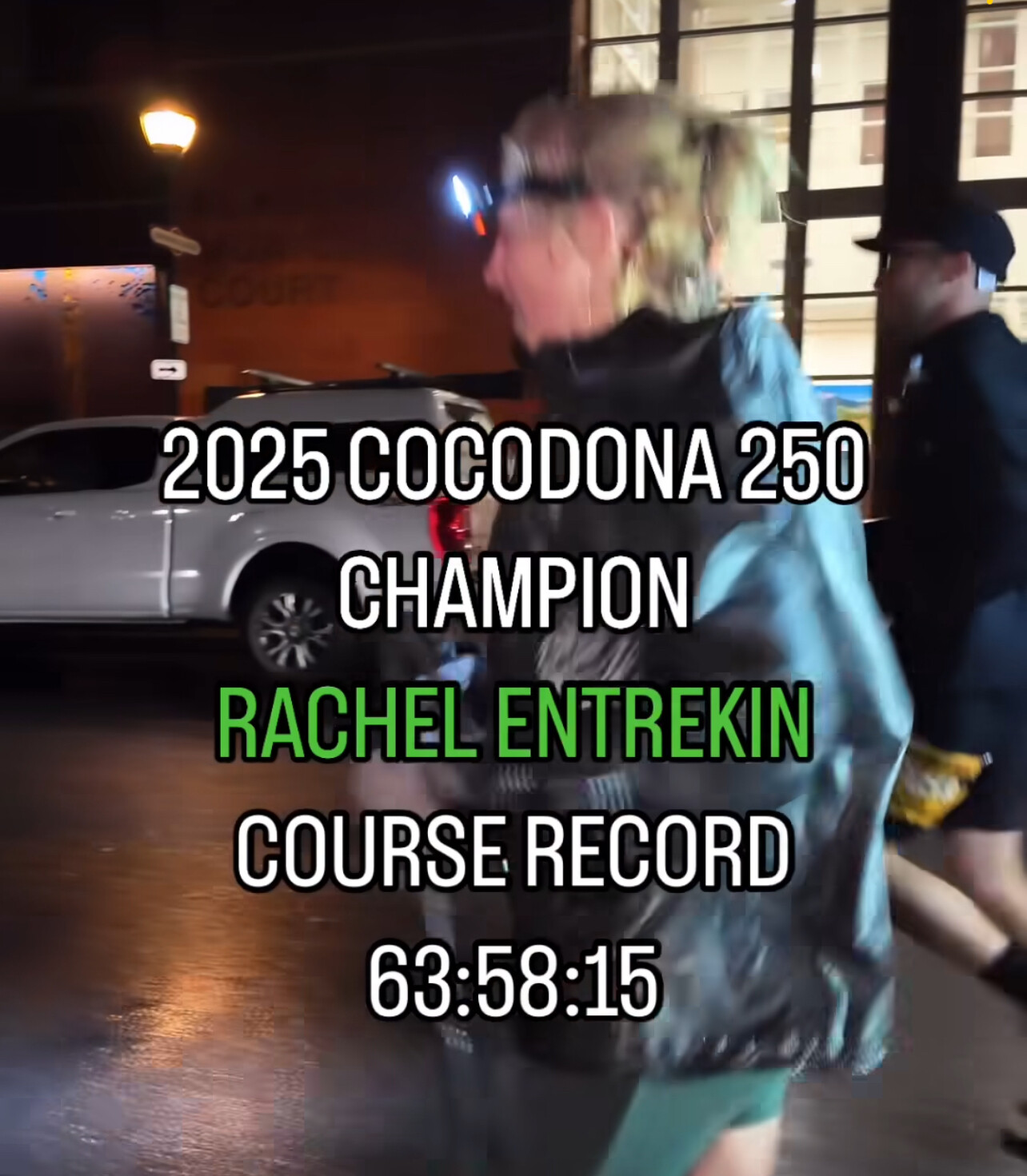
Women’s Champion
• Rachel Entrekin – 63:58:15
Set a new women’s course record by more than seven hours
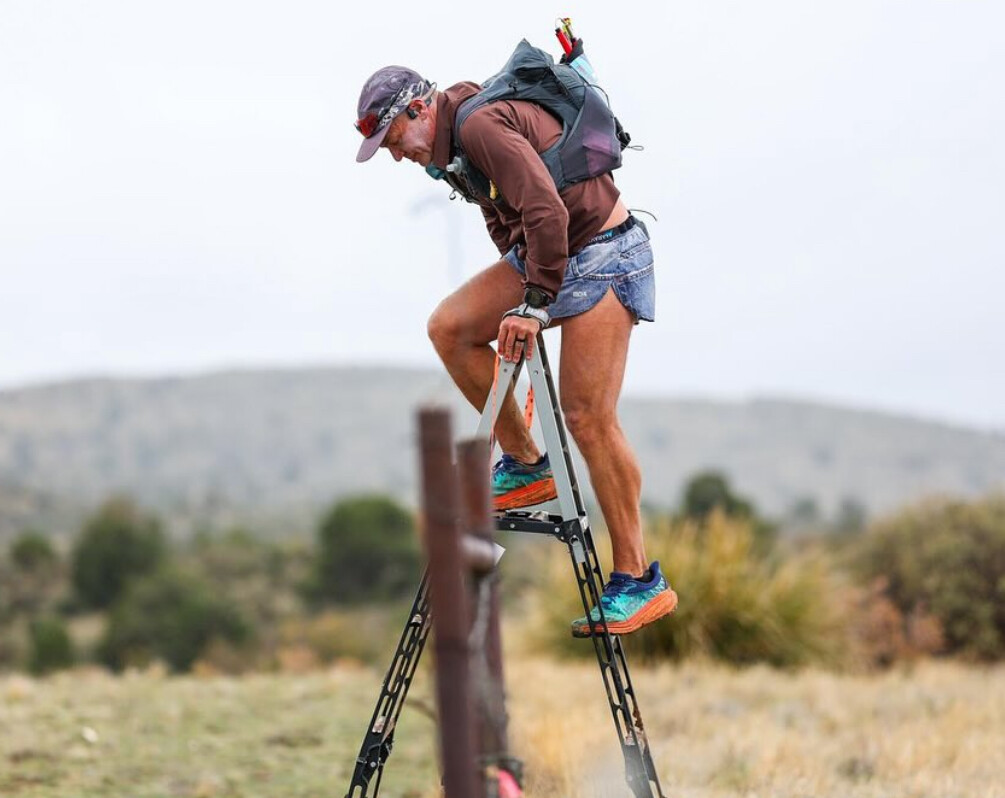
Green’s calm and steady demeanor helped him manage the distance. Speaking with a reporter mid-race via video call, he said:
“Some people take it too seriously. Like why? I mean, you can have fun, still do good, and you can brighten people’s day a little better too.”
This mix of positivity and performance is exactly what the ultrarunning world thrives on—and Dan delivered both in Flagstaff.
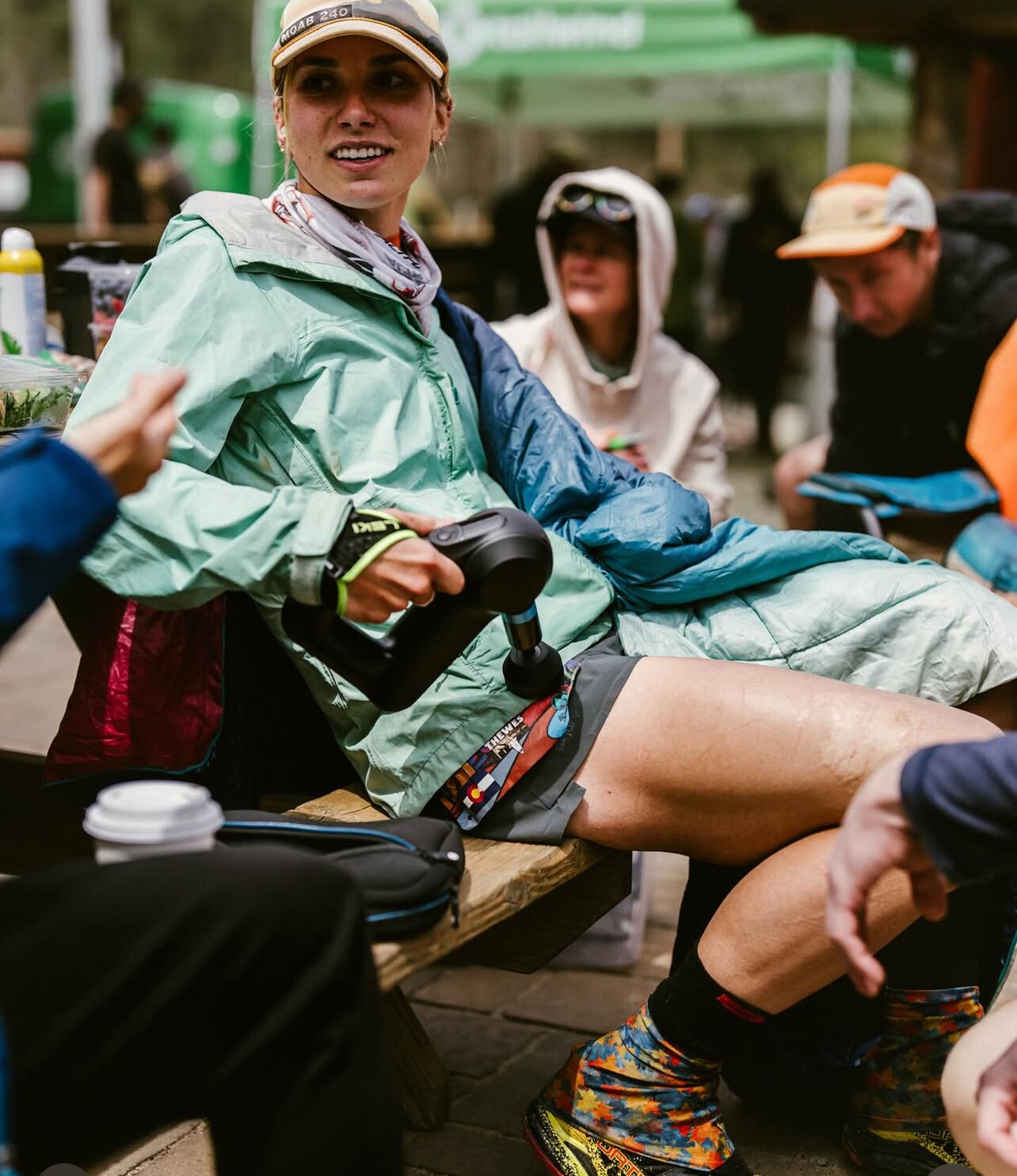
Cocodona 250 Quick Facts
• Distance: 256.5 miles
• Elevation Gain: ~40,000 ft
• Time Limit: 125 hours
• Cutting Through: Black Canyon, Crown King, Prescott, Jerome, Sedona, Flagstaff

• Terrain Breakdown:
• 45% single-track trail
• 46% double-track/jeep road
• 9% pavement
"Congratulations to Dan Green—your new course record holder and a shining example of what grit, strategy, and a good attitude can achieve over 250+ miles," says MBR editor Bob Anderson
by Boris Baron
Login to leave a comment
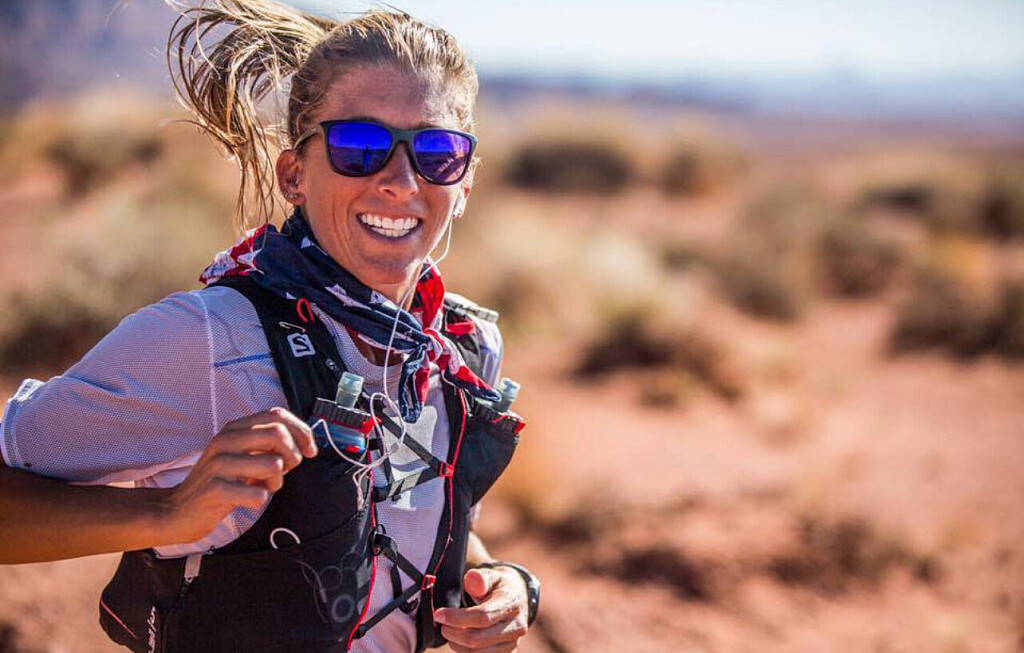
The GOAT Returns: Courtney Dauwalter Takes on the Cocodona 250 Mile Ultra
Courtney Dauwalter, widely regarded as one of the greatest ultrarunners of all time, is set to take on the formidable Cocodona 250—a 250-mile ultramarathon stretching from Phoenix to Flagstaff, Arizona. This grueling race, commencing at 5 a.m. PT on Monday, May 5, 2025, marks her first race over 200 miles since 2020 .
Born on February 13, 1985, in Hopkins, Minnesota, Dauwalter’s athletic journey began with cross-country skiing, where she became a four-time state champion during high school. She continued her athletic pursuits at the University of Denver on a cross-country skiing scholarship and later earned a master’s degree in teaching from the University of Mississippi in 2010 . Before turning professional in 2017, she taught middle and high school science in Denver.
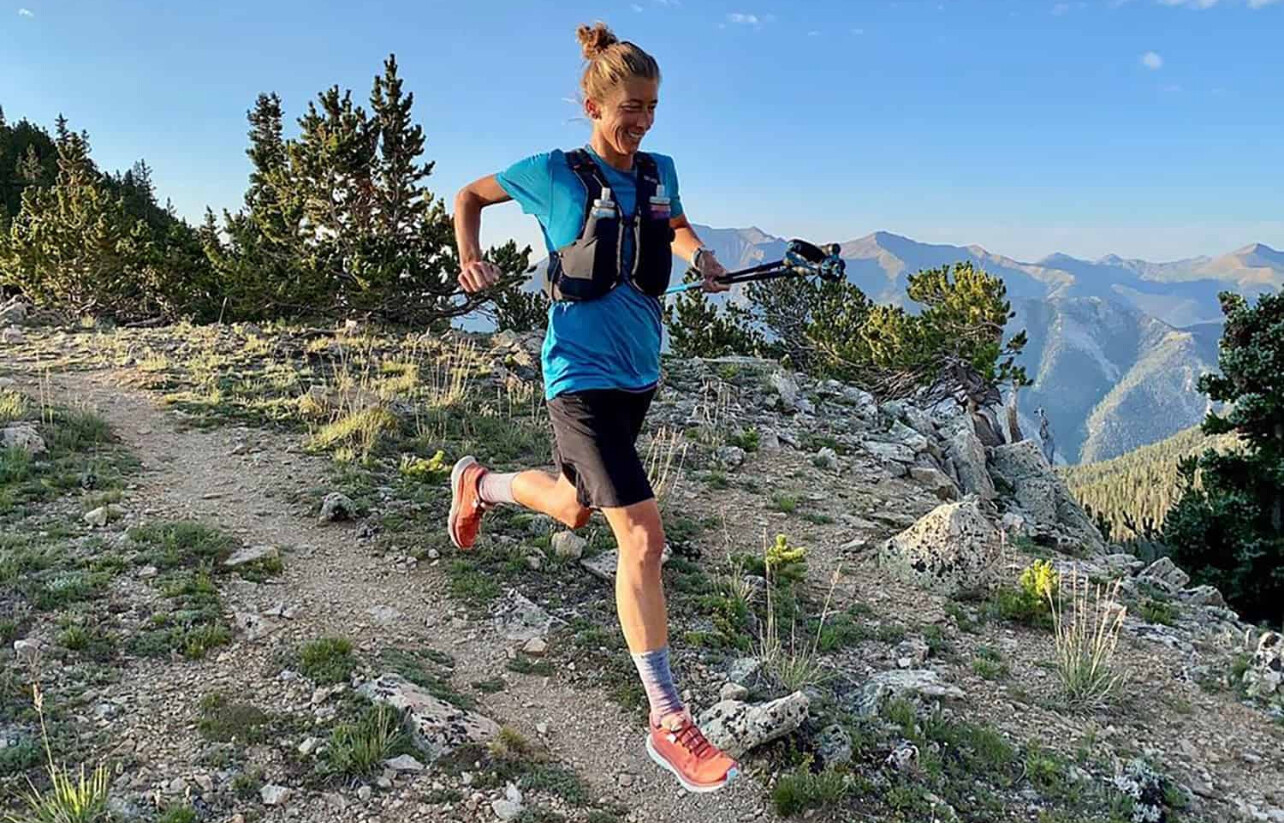
Dauwalter’s ultrarunning career is marked by remarkable achievements. In 2023, she became the first person to win the Western States 100, Hardrock 100, and the Ultra-Trail du Mont-Blanc (UTMB) in the same year . Her victories often come with record-breaking performances, showcasing her exceptional endurance and mental fortitude.
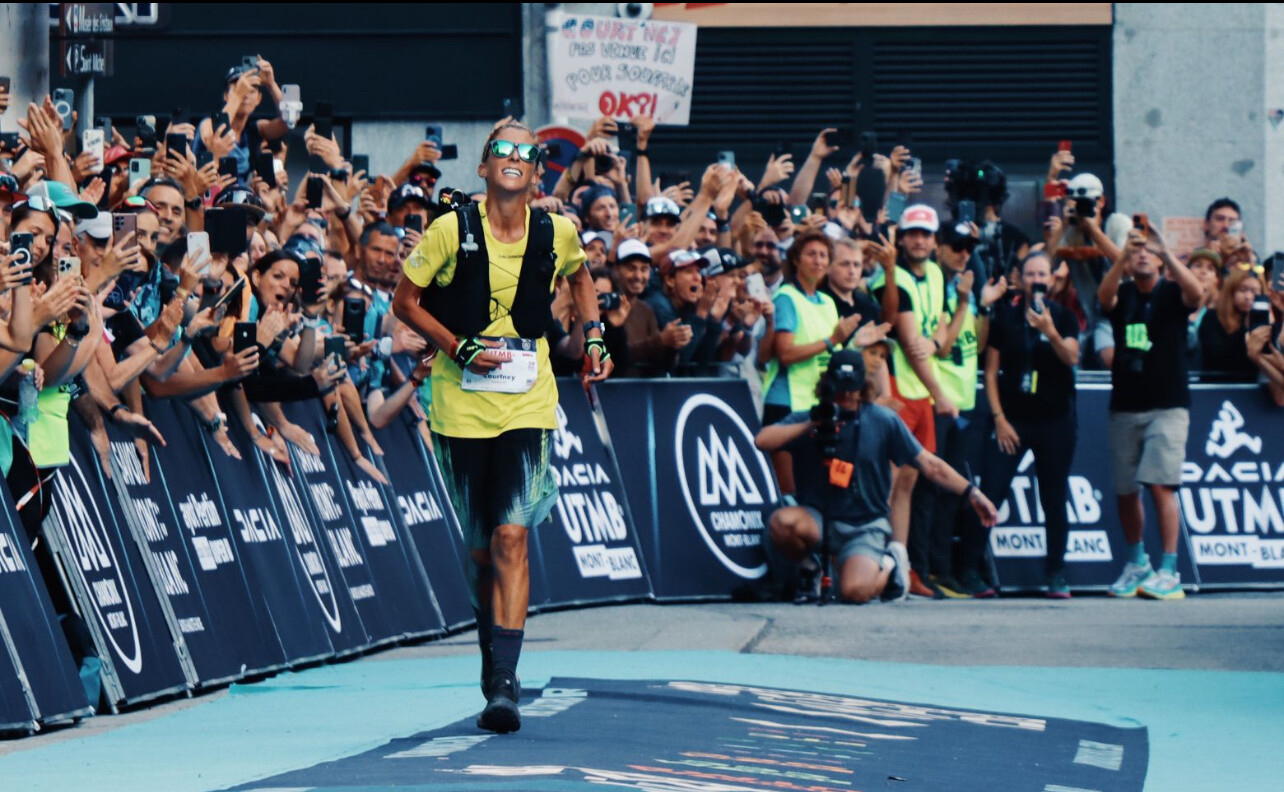
The Cocodona 250 is a point-to-point race that challenges runners with diverse terrains, including desert landscapes, mountainous trails, and significant elevation changes. For Dauwalter, this race presents an opportunity to explore new limits. “I haven’t run a race over 200 miles since 2020,” she noted, highlighting the significance of this endeavor .
Her preparation for Cocodona has been promising. She began her 2025 season with a victory at the Crown King Scramble 50K, indicating strong form leading into this ultramarathon .
A distinctive aspect of Dauwalter’s approach is her embrace of the “Pain Cave,” a term she uses to describe the mental space where she confronts and overcomes extreme physical challenges. She visualizes it as a place to “chip away” at her limits, finding growth through adversity.
Unlike many elite athletes, Dauwalter eschews strict training regimens and coaching, opting instead for an intuitive approach that prioritizes joy and curiosity. Her philosophy centers on listening to her body and finding happiness in the process, which she believes enhances performance.
Courtney Dauwalter’s journey from a science teacher to an ultrarunning icon serves as an inspiration to athletes and non-athletes alike. Her achievements demonstrate the power of resilience, mental strength, and a passion-driven approach to pursuing one’s goals.
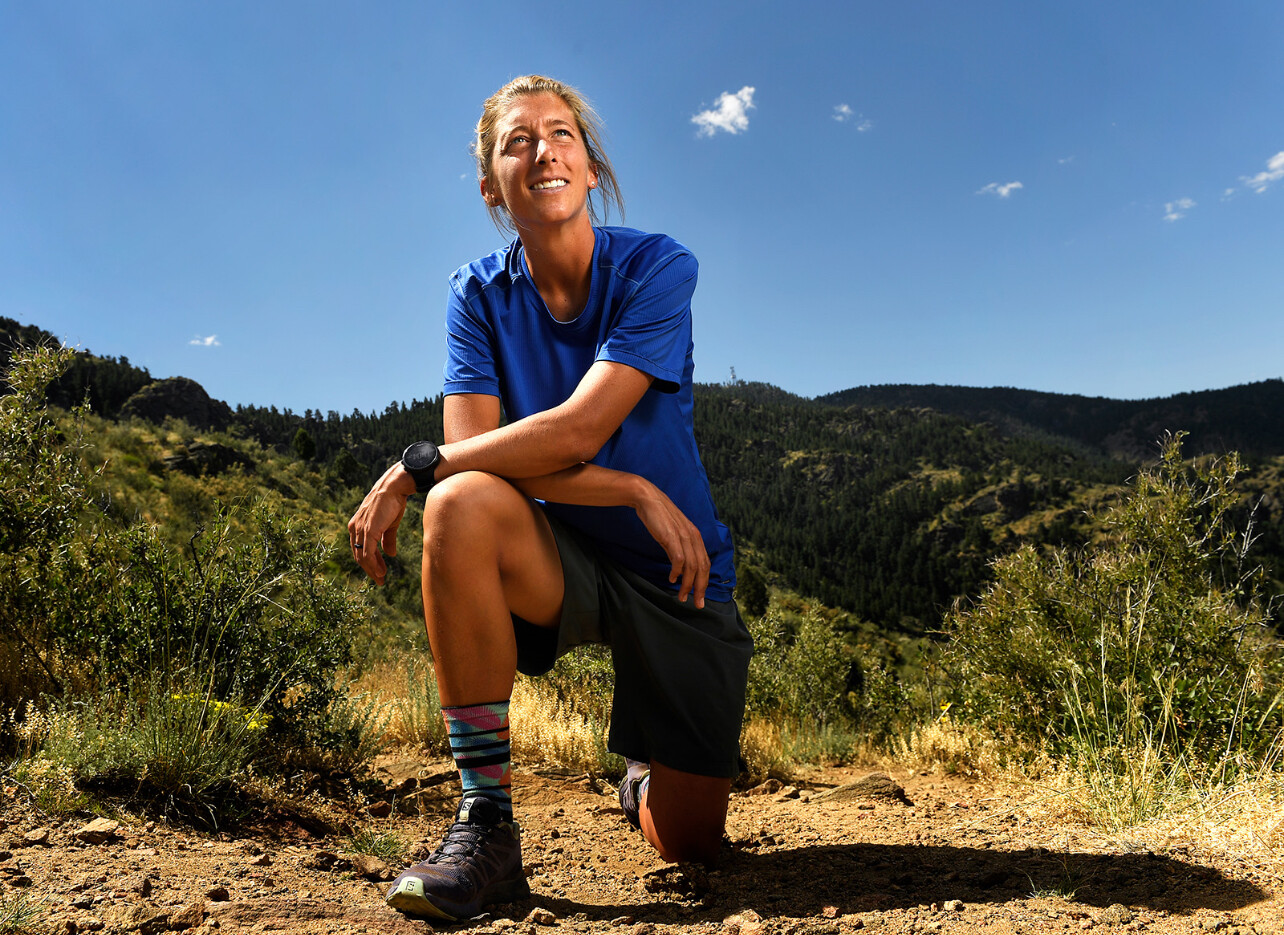
As she embarks on the Cocodona 250, the ultrarunning community watches with anticipation, eager to witness another chapter in the extraordinary career of this remarkable athlete.
by Boris Baron
Login to leave a comment

BOLDERBoulder: A 10K Like No Other known as America’s All-time best 10k
Since its inception in 1979, the BOLDERBoulder 10K has transformed from a modest local race into one of the world’s most celebrated road running events. Initially attracting just 2,700 participants, the race now welcomes over 50,000 runners annually, making it one of the largest 10K races globally. Set against the picturesque backdrop of the Rocky Mountains, the course winds through Boulder’s vibrant neighborhoods, culminating at the University of Colorado’s Folsom Field. Here, tens of thousands gather to honor fallen service members in one of the nation’s most significant Memorial Day tributes.
A standout feature that sets the BOLDERBoulder apart is its comprehensive age-based recognition system. Unlike many races that award only broad age categories, the BOLDERBoulder honors the top 15 finishers of each individual age, starting from age six. This approach celebrates the achievements of runners across the entire age spectrum, fostering a sense of inclusivity and personal accomplishment. Additionally, participants who complete the 10K in a time faster than their age receive the “Ageless Wonder” ribbon and certificate, further acknowledging exceptional performances.
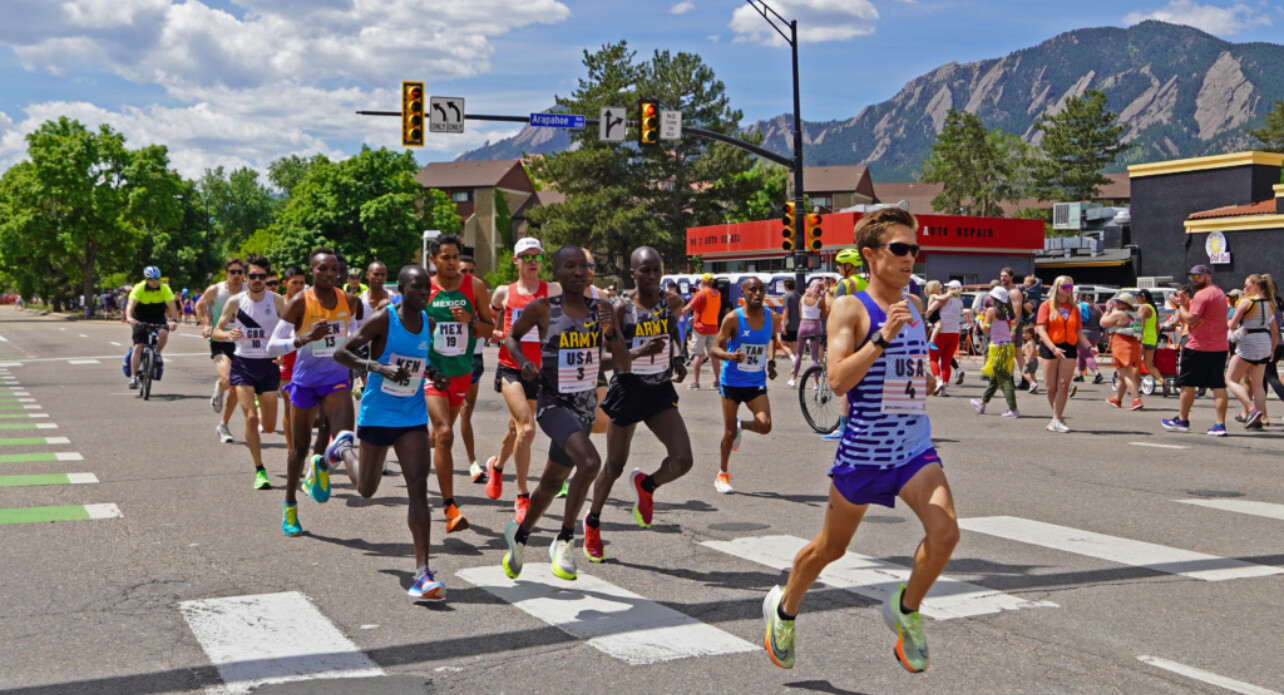
The race is renowned not only for its scale but also for its competitive spirit. The men’s course record stands at an impressive 27:52, set by Josephat Machuka in 1995, while Delillah Asiago set the women’s record at 32:13 the same year. These records underscore the event’s status as a magnet for elite international athletes.

Beyond the elite competition, the BOLDERBoulder is a celebration of community and patriotism. The race features live music, enthusiastic spectators, and a festive atmosphere that embodies the spirit of Boulder. A unique aspect of the event is its dedication to honoring military service members, with three starting waves reserved for current and former members of the U.S. armed forces.
The BOLDERBoulder stands as a testament to the enduring power of community and the unifying spirit of sport. Its blend of competitive excellence, community involvement, and patriotic tribute has solidified its reputation as “America’s All-Time Best 10K.”
by Boris Baron
Login to leave a comment

BOLDER BOULDER
In 1979 we dreamt of attracting a few hundred of our friends to race though the streets of Boulder, Colorado to celebrate Memorial Day with our families. Fast forward almost 40 years and the Bolder BOULDER has grown to become one of the largest and most highly acclaimed 10K’s in the world. Almost 1.2 million runners, joggers, walkers and spectators...
more...
Chasing the Moon Why More Runners Are Racing at Night
In the world of road racing, a new trend is lighting up the calendar — night races. From moonlit 5Ks in city centers to full marathons under desert skies, more runners are discovering the unique thrill of racing after dark.
It’s not just about cooler temperatures. Running at night transforms a familiar sport into a fresh adventure. Shadows dance, the streets glow, and every step feels a little more electric. The growing popularity of after-dark races is reshaping the race scene — offering runners a different kind of challenge and a new way to experience their favorite sport.
Why Night Running Is Booming
1. Cooler Conditions
In many parts of the world, daytime racing is becoming tougher due to rising temperatures. Night races offer a welcome break from the heat. Cooler air not only makes running more comfortable but can also lead to faster times.
2. Unique Atmosphere
There’s something magical about racing under the stars or through city streets lit by neon and lamplight. Night races often feature live music, colorful lights, and cheering crowds that bring a party-like energy to the course.
3. New Mental Challenge
Running at night taps into a different focus. Depth perception changes. Landmarks look different. Pacing often needs to be more internal. It’s a test of awareness, resilience, and rhythm — skills that benefit runners in all distances.
4. Flexibility for Busy Lives
For many runners balancing work, family, and training, a night race fits more easily into their schedule. No early morning alarms required — just lace up after sunset and go.
Notable Night Races Around the World
• Las Vegas Rock ‘n’ Roll Half Marathon (USA)
One of the world’s most famous night races, it lets runners sprint down the Las Vegas Strip under a sea of neon lights.
• Desert Night Marathon (Israel)
A surreal experience of running through the desert with only the moon and special course lighting guiding the way.
• Night Nation Run (Multiple Cities Worldwide)
A combination of a 5K and an electronic dance music festival, featuring DJs, lights, and a party atmosphere at the finish line.
• Moonlight Half Marathon (Italy)
Runners glide along the Italian coastline near Venice, racing toward the setting sun and finishing under the stars.
How Running at Night Changes the Game
Night running is not simply daytime running in the dark. It demands small but important adjustments:
• Gear Up Wisely: Headlamps, reflective gear, and even glow sticks help runners stay visible and avoid obstacles.
• Pacing by Feel: Without clear visual distance markers, many runners shift from “chasing the clock” to running by effort and rhythm.
• Hydration Still Matters: Cooler air can mask dehydration. Smart runners treat nighttime races with the same fueling and hydration strategy as day races.
Night racing is more than a workaround for daytime heat — it’s a full experience. It’s about energy, excitement, and adventure. For many runners, it reignites their passion for the sport by offering something familiar but refreshingly different.
by Boris Baron
Login to leave a comment
American Stars Ready to Shine at the 2025 Boston Marathon
The 129th Boston Marathon, set for Monday, April 21, 2025, promises to be a historic showdown between international champions and a formidable field of elite American runners. With defending champions Hellen Obiri and Sisay Lemma returning to defend their titles, the depth of competition will be among the strongest in recent memory.
Elite American Men
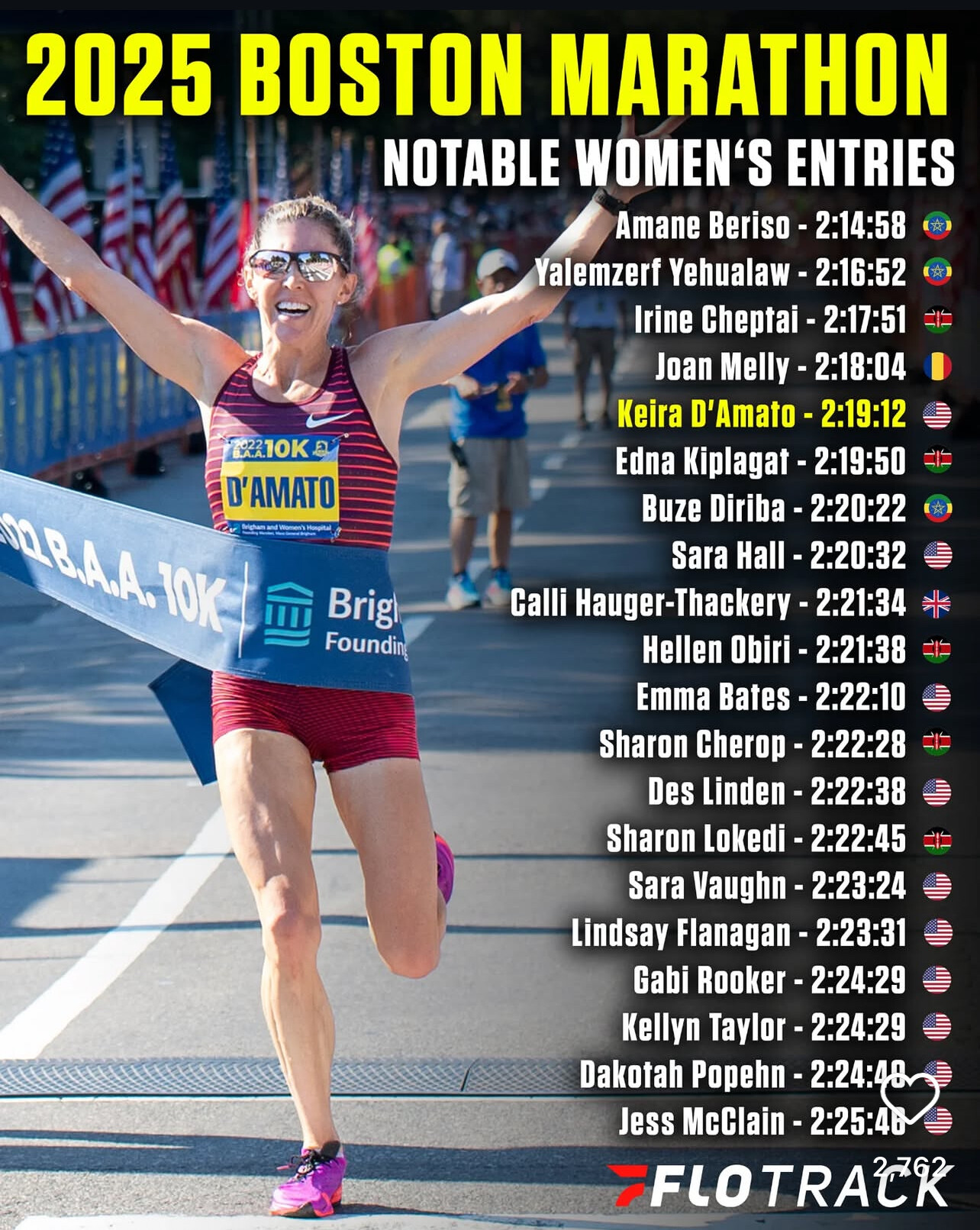
• Conner Mantz – PB: 2:07:47
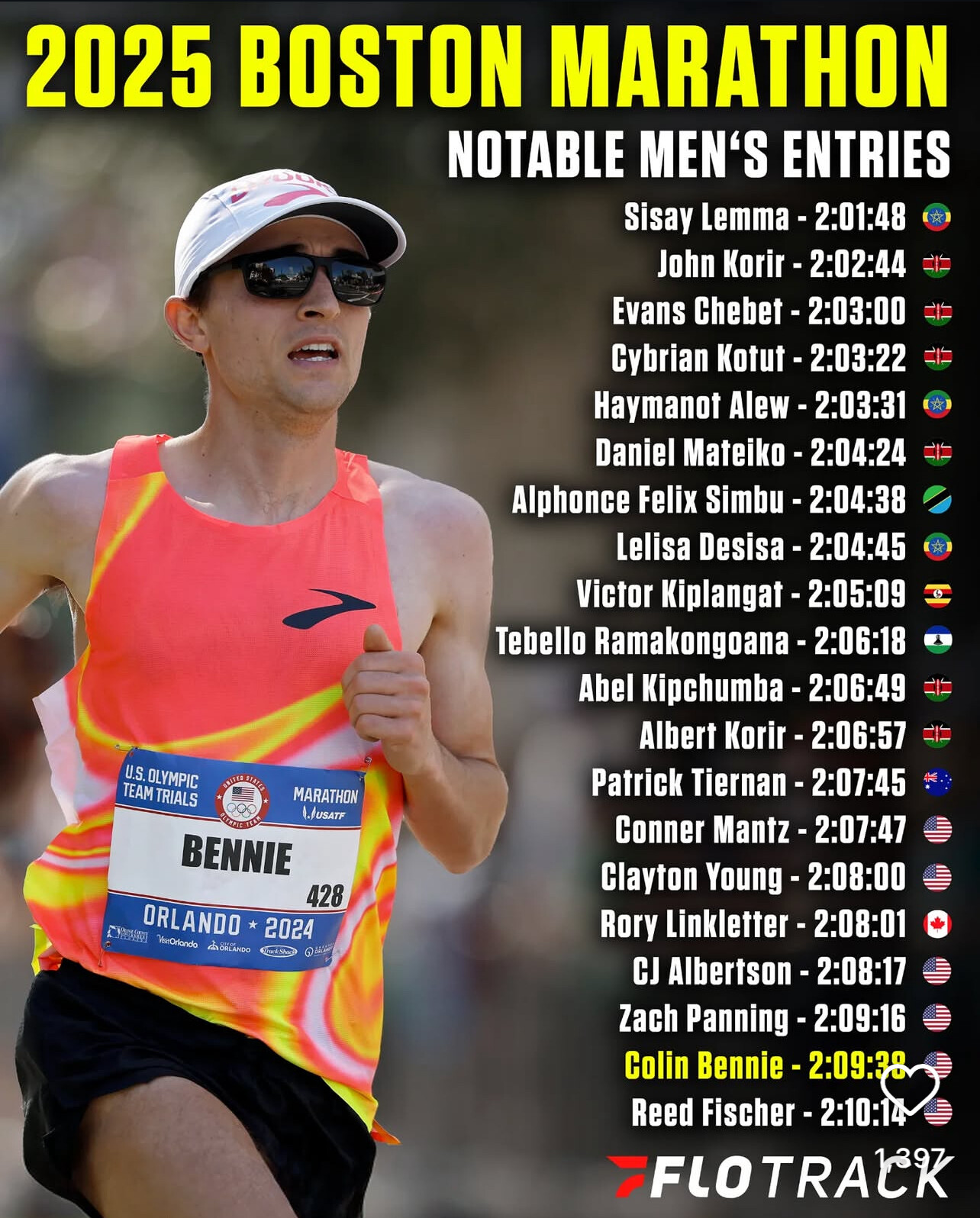
Mantz enters Boston as one of the top American hopes, fresh off an 8th-place finish at the Paris Olympics and 6th in New York City.
• Clayton Young – PB: 2:08:00

Training alongside Mantz, Young placed 9th in Paris and 7th in NYC, and continues to close the gap with the world’s best.
• CJ Albertson – PB: 2:08:17
Known for his fearless tactics and high mileage, Albertson ran his personal best at the 2024 Chicago Marathon.
• Zach Panning – PB: 2:09:16
The 5th-place finisher at the U.S. Olympic Trials, Panning brings aggressive racing and consistent progress to Boston.
• Colin Bennie – PB: 2:09:38
The Massachusetts native and 2021 top American finisher returns with home course advantage and renewed focus.
Elite American Women
• Keira D’Amato – PB: 2:19:12
The former American record holder returns from injury with momentum and the experience to contend.
• Emma Bates – PB: 2:22:10
Bates was the top American at the 2024 Boston Marathon and continues to improve with every outing.
• Sara Hall – PB: 2:20:32
One of the most experienced American marathoners, Hall posted a 2:23:45 in Berlin last fall.
• Desiree Linden – PB: 2:22:38
The 2018 Boston champion returns for her 12th Boston start, a fan favorite with unmatched experience.
• Dakotah Popehn – PB: 2:24:40
Popehn was the top American finisher at the Paris Olympics and brings strong international credentials.
• Jess McClain – PB: 2:25:46
McClain placed fourth at the U.S. Trials and will be making her Boston debut as a rising star.
International Elite Field
Men’s Division:
• Sisay Lemma (ETH) – PB: 2:01:48
The defending champion and one of the fastest marathoners in history, Lemma seeks to repeat in Boston.
• John Korir (KEN) – PB: 2:02:44
The 2024 Chicago Marathon champion is a serious threat in any race he enters.
• Evans Chebet (KEN) – PB: 2:03:00
Boston champion in 2022 and 2023, Chebet looks to reclaim his title and join the three-time winners’ club.
Women’s Division:
• Amane Beriso (ETH) – PB: 2:14:58
The fifth-fastest woman in history is making her Boston debut.
• Yalemzerf Yehualaw (ETH) – PB: 2:16:52
Still just 25, Yehualaw adds tremendous firepower to the field.
• Hellen Obiri (KEN) – PB: 2:21:38
The two-time defending champion is chasing history with a potential third straight victory on Boylston Street.
Race Day Details
• Date: Monday, April 21, 2025
• Start Times:
• Wheelchair Division – 9:02 AM
• Handcycle & Duo Participants – 9:05 AM
• Elite Women – 9:32 AM
• Elite Men & Wave 1 – 10:00 AM
• Wave 2 – 10:25 AM
• Wave 3 – 10:50 AM
• Wave 4 – 11:15 AM
• Tracking & Coverage: Available through the B.A.A. Racing App with live updates, leaderboards, and interactive course maps.
“I’ve run over a thousand races in my life, and nothing compares to Boston,” says My Best Runs editor Bob Anderson. “When I ran 3:32:17 here at age 65, I felt like a rock star the entire way. The crowd was unbelievable—cheering, encouraging, lifting every runner forward. Boston isn’t just about the elites—it’s about the thousands of others out there chasing their dreams on the same course.”
With a deep American field and some of the fastest runners on the planet, the 2025 Boston Marathon is shaping up to be one of the most competitive in history. Whether it’s a breakout run or a hard-fought defense, fans can expect something unforgettable from this year’s race.
by Boris Baron
Login to leave a comment

Boston Marathon
Among the nation’s oldest athletic clubs, the B.A.A. was established in 1887, and, in 1896, more than half of the U.S. Olympic Team at the first modern games was composed of B.A.A. club members. The Olympic Games provided the inspiration for the first Boston Marathon, which culminated the B.A.A. Games on April 19, 1897. John J. McDermott emerged from a...
more...
Surviving the Sahara – Inside the Marathon des Sables, the World’s Toughest Footrace
Dubbed the toughest footrace on Earth, the Marathon des Sables (MdS) is a grueling multi-day ultramarathon that challenges participants to traverse approximately 250 kilometers across the unforgiving terrain of the Moroccan Sahara Desert. This annual event tests the limits of human endurance, self-sufficiency, and resilience.
A Brief History of a Brutal Race
The Marathon des Sables was conceived by Frenchman Patrick Bauer, who in 1984 embarked on a solo trek of 350 kilometers across the Sahara Desert. Inspired to share this transformative experience, Bauer organized the inaugural race in 1986 with just 23 participants. Since then, the MdS has grown exponentially, attracting over a thousand competitors annually from around the globe.
The Race Format – Six Days of Pain and Perseverance
The MdS spans six stages over seven days, covering diverse and challenging terrains:
• Stages 1–3: Medium-distance runs of 30–40 km each.
• Stage 4 (The Long Day): An arduous 80+ km stretch, often extending into the night.
• Stage 5: A standard marathon distance of 42.2 km.

• Stage 6: A non-competitive charity stage, approximately 10 km, fostering camaraderie among participants.
Competitors must be self-sufficient, carrying their own food, equipment, and personal belongings throughout the race. Water is rationed and provided at checkpoints, and communal Berber tents are set up at designated bivouac sites for overnight stays.
Training and Preparation – Building the Body and the Mind
Preparation for the MdS requires a comprehensive approach:
• Endurance Training: Incorporating high-mileage runs, often back-to-back, to simulate race conditions.
• Strength Conditioning: Focusing on core and lower-body strength to handle the added weight of the backpack.
• Heat Acclimatization: Training in heated environments or during peak temperatures to adapt to desert conditions.
• Mental Fortitude: Developing strategies to cope with isolation, fatigue, and the psychological demands of the race.
Many participants also engage in simulated self-sufficiency exercises, practicing with their race gear and nutrition plans to ensure efficiency and comfort during the event.
Gear and Packing Essentials – Living Out of a Backpack
Competitors are required to carry mandatory equipment, including:
• Sleeping bag
• Headlamp and spare batteries
• Compass and roadbook
• Emergency whistle and signaling mirror
• Minimum of 2,000 calories per day
• First-aid supplies, cooking equipment, and survival gear
Optional items often include gaiters to prevent sand ingress, specialized desert footwear, and comprehensive blister care kits. Balancing pack weight (typically between 6.5 to 15 kg) with essential supplies is crucial for performance and comfort.
The Daily Grind – Life in the Desert
Each day begins before dawn, with participants breaking camp and preparing for the day’s stage. The course presents a variety of challenges, from towering sand dunes to rocky jebels (mountains), under the relentless desert sun. Checkpoints provide rationed water and medical support, but the journey between them is a true test of endurance.
Evenings are spent at bivouac sites, where runners tend to injuries, share experiences, and rest under the starlit Sahara sky, fostering a unique sense of community and mutual support.
Famous Runners and Legendary Stories
The MdS has seen remarkable athletes:
• Rachid El Morabity: A Moroccan runner with multiple victories, renowned for his dominance in desert ultramarathons.
• Laurence Klein: A French athlete with several MdS wins, exemplifying endurance and resilience.
Inspirational tales abound, such as that of Mauro Prosperi, an Italian competitor who in 1994 survived nine days lost in the desert after a sandstorm veered him off course—drinking bat urine and eating lizards before eventually being rescued.
Why They Keep Coming Back
For many, one MdS is enough. For others, it becomes an annual pilgrimage. The appeal goes beyond running—it’s about testing your limits and discovering who you really are when stripped of all comfort.
The camaraderie, the solitude, the intensity, and the transformation draw people back. In a world filled with convenience, the MdS offers a rare crucible: a space where pain becomes purpose and exhaustion becomes transcendence.
by Boris Baron
Login to leave a comment
 An amazing challenge. I am sure the feeling of crossing the finish line must be a feeling that would be hard to put in words. - Bob Anderson 4/4 3:11 am |

Marathon Des Sables
The Marathon des Sables is ranked by the Discovery Channel as the toughest footrace on earth. Seven days 250k Known simply as the MdS, the race is a gruelling multi-stage adventure through a formidable landscape in one of the world’s most inhospitable climates - the Sahara desert. The rules require you to be self-sufficient, to carry with you on your...
more...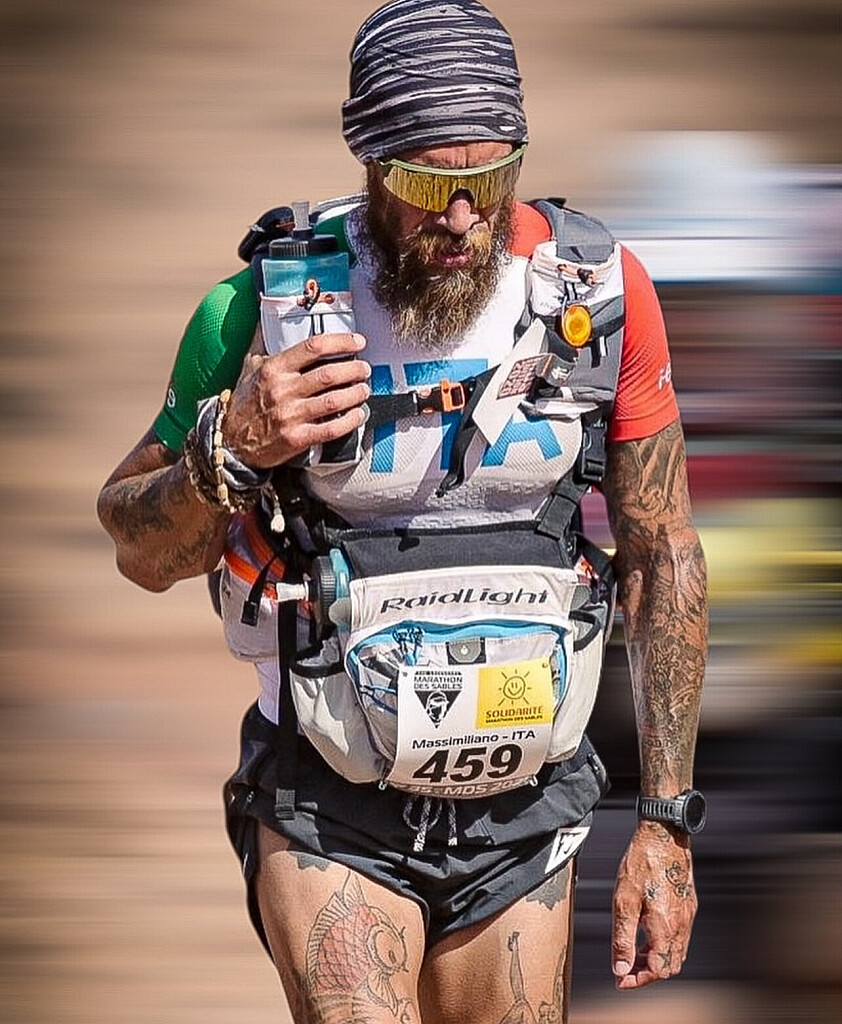
What It Takes to Go Beyond 26.2 - Taking on the Ultra
For many runners, crossing the marathon finish line is the pinnacle of endurance racing. But for an increasing number of athletes, 26.2 miles is just the beginning. The ultramarathon—defined as any race longer than a marathon—has surged in popularity, drawing runners eager to test their limits over 50K (31 miles), 100K (62 miles), 50 miles, 100 miles, and beyond.
But how do you make the leap from marathoner to ultramarathoner? What does it take to conquer these longer distances? Let’s break it down

The Key Differences Between a Marathon and an Ultra
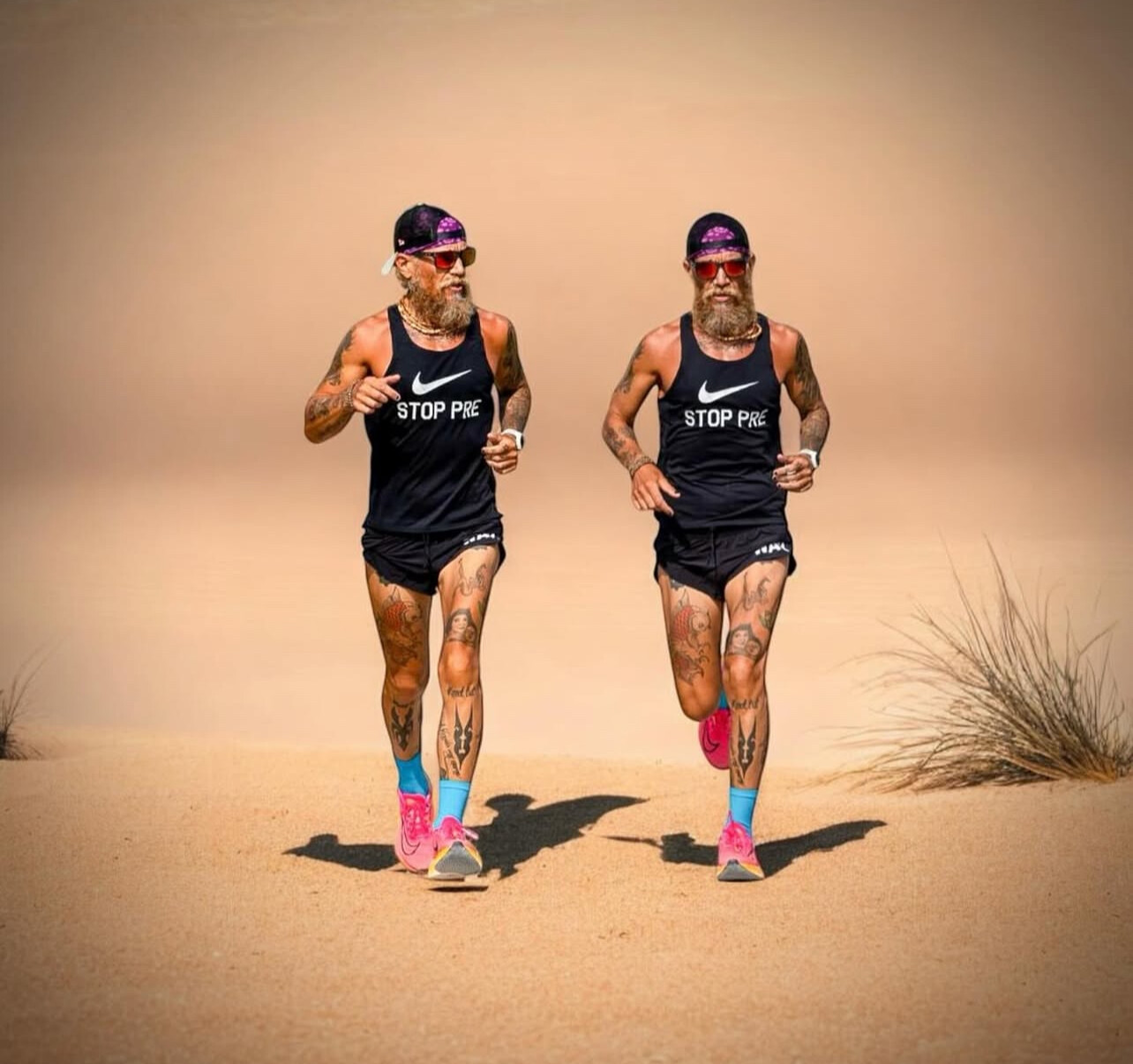
While both require strong endurance, an ultramarathon is a completely different beast from a road marathon. Here’s what sets them apart:
• Pacing Is Crucial – In a marathon, you can push your pace hard and still hold on. In an ultra, going out too fast can be a disaster. Starting conservatively is essential.
• Nutrition Matters More – Running beyond 26.2 miles means your body will need real food, not just energy gels. Successful ultrarunners eat a mix of carbohydrates, protein, and fatto sustain energy levels.
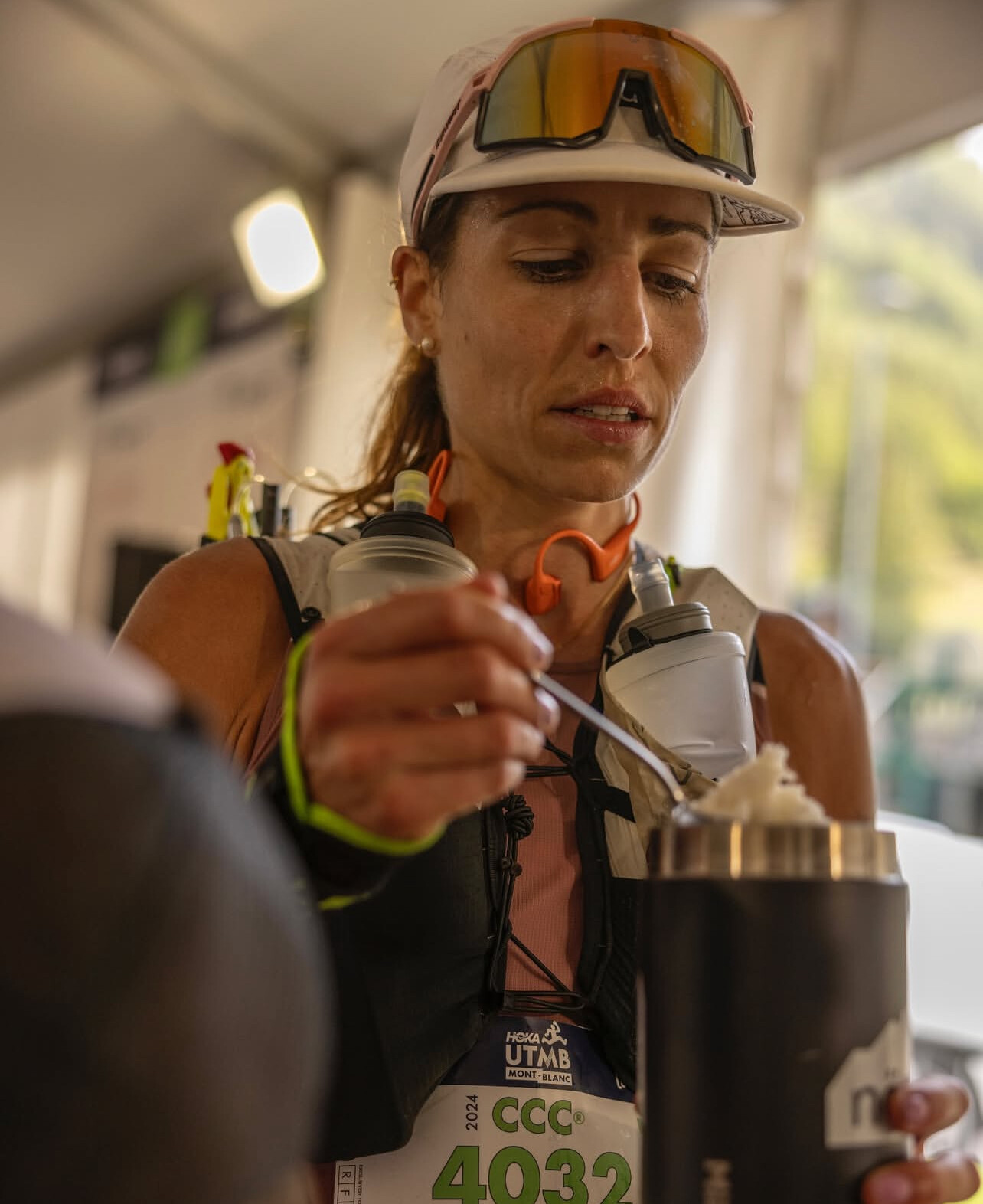
• Trail Running Dominates – Many ultras take place on rugged trails, requiring technical footwork, elevation gains, and varying terrain.

• Mental Fortitude is Everything – Ultramarathons test your mental resilience as much as your physical endurance. Learning to embrace discomfort and keep moving forward is key.
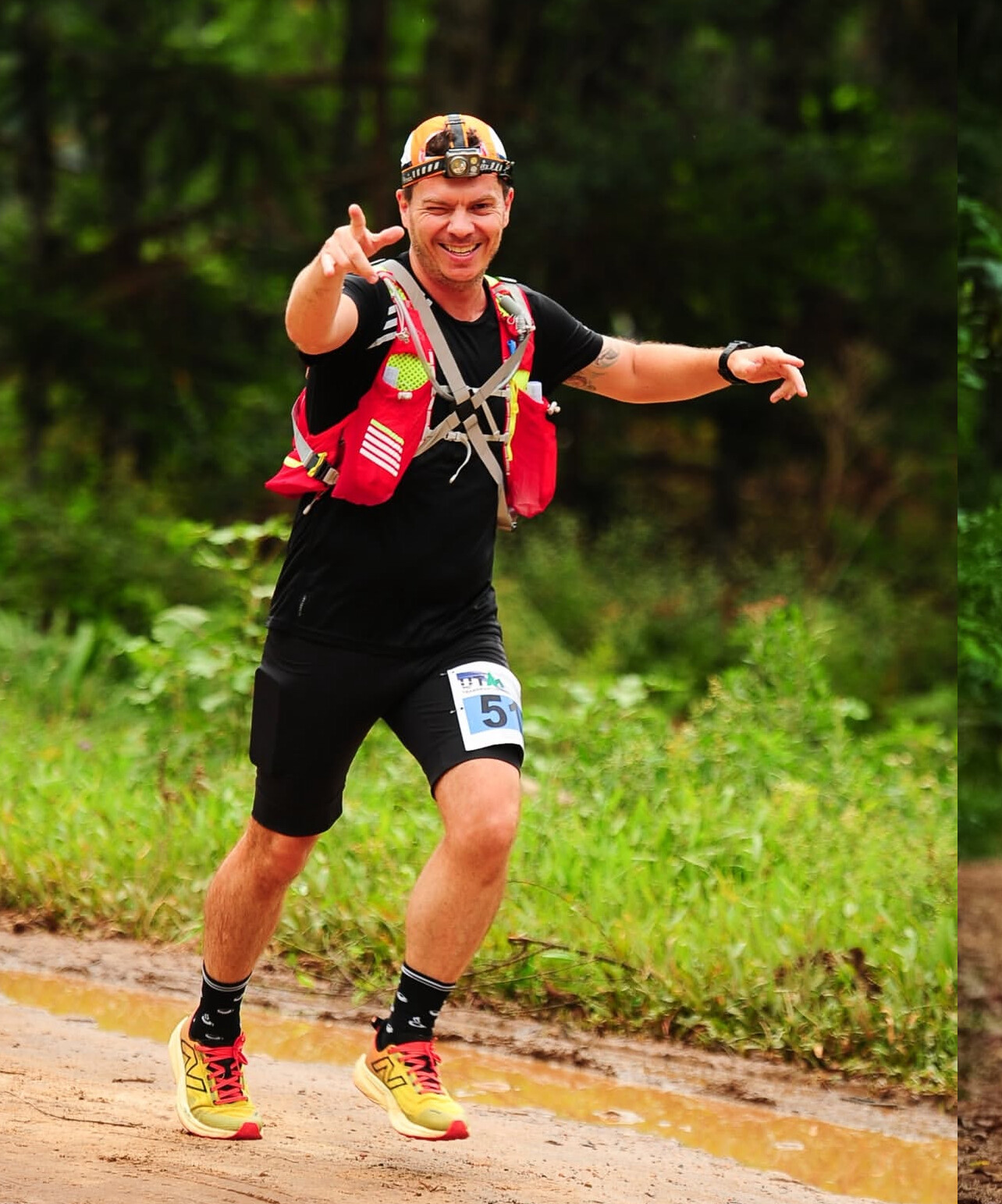
How to Train for an Ultramarathon
1. Build Your Base (Time on Feet > Speedwork)
Training for an ultra isn’t just about miles—it’s about spending long hours on your feet. Instead of focusing on speed, ultra training prioritizes slow, steady endurance.
• Increase Weekly Mileage Gradually – Aim for at least 50-70 miles per week for a 50K and 70-100 miles per week for a 100K or 100-miler.
• Back-to-Back Long Runs – Instead of one long run, many ultra plans include two long runs on consecutive days to simulate running on tired legs.
• Practice Hiking – Even elite ultrarunners hike the steep sections. Practicing power hiking helps conserve energy on climbs.
2. Strength Training & Mobility Work
Ultras put serious strain on your body. Strength training improves durability, while mobility work helps prevent injuries.
• Core Work – A strong core stabilizes you on technical trails.
• Leg Strength – Squats, lunges, and step-ups strengthen the quads, hamstrings, and calves.
• Ankle & Foot Mobility – Essential for navigating uneven terrain.
3. Master Race-Day Nutrition
Unlike marathons, where fueling is simpler, ultramarathon nutrition requires strategy.
• Eat Real Food – Ultras often include PB&J sandwiches, bananas, pretzels, and broth. Find what works for you in training.
• Stay Hydrated & Balance Electrolytes – Dehydration or electrolyte imbalances can end your race early.
• Fuel Frequently – Many ultrarunners eat every 30-45 minutes to avoid bonking.
4. Train for the Terrain
If your ultra is on technical trails, hills, or mountains, training in similar conditions is critical.
• Hill Repeats – Strengthen quads for long descents.
• Technical Trail Running – Practice on rocky or root-filled trails to improve footing.
• Night Running – Many ultras involve running in the dark, so get used to using a headlamp.
Mental Strategies for an Ultramarathon
Running an ultra is as much mental as physical. Even the fittest runners struggle if they aren’t mentally prepared.
• Break the Race Into Sections – Instead of focusing on the total distance, mentally divide the race into aid station segments.
• Have a Mantra – Simple phrases like “Relentless forward motion” or “One step at a time”can help during tough moments.
• Expect Lows—And Know They Pass – Every ultrarunner experiences physical and mental lows, but pushing through leads to new highs.
Choosing Your First Ultra
Not sure where to start? Here are three great entry points into ultramarathoning:
1. 50K Trail Race – A great intro, only 5 miles longer than a marathon but often on trails with varying terrain.
2. 50-Mile Race – A serious jump, requiring race-day nutrition and pacing mastery.
3. Timed Ultras (6-Hour or 12-Hour Races) – Rather than a set distance, these races challenge runners to cover as much distance as possible in a fixed time.
Should You Run an Ultra?
If you love endurance challenges, embrace the grind, and enjoy long hours on the trail, ultramarathoning might be your next big adventure. The transition from marathon to ultra isn’t just about running farther—it’s about running smarter, stronger, and with a mindset prepared for anything.
by Boris Baron
Login to leave a comment
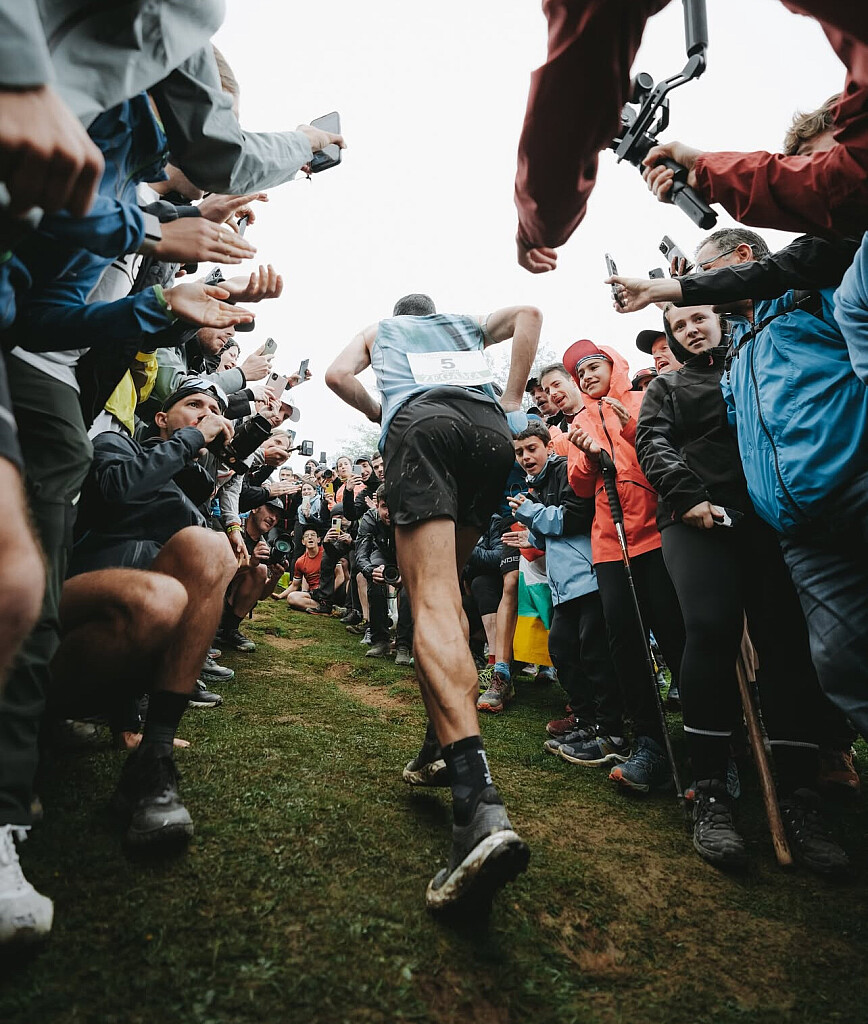
Kilian Jornet is The Laid-Back Legend of the Mountains and Ultramarathons
Kilian Jornet is one of the most decorated endurance athletes in history, yet you wouldn’t know it from speaking with him. He carries his accolades with a shrug and a smile, displaying the kind of calm confidence that comes from years of pushing human limits at extreme altitudes and distances. Whether he’s setting records on towering peaks or dominating the world’s most grueling ultramarathons, Jornet approaches every challenge with an almost playful ease.
Breaking Records in the Mountains

Jornet’s list of accomplishments reads like something out of a mountaineering legend’s biography. He holds the fastest known time (FKT) for ascent and descent of some of the world’s most iconic peaks, including Mont Blanc, the Matterhorn, and Denali. His 24-hour uphill skiing record—a staggering 23,864 meters (78,312 feet) of elevation gain—stands as a testament to his extraordinary endurance.
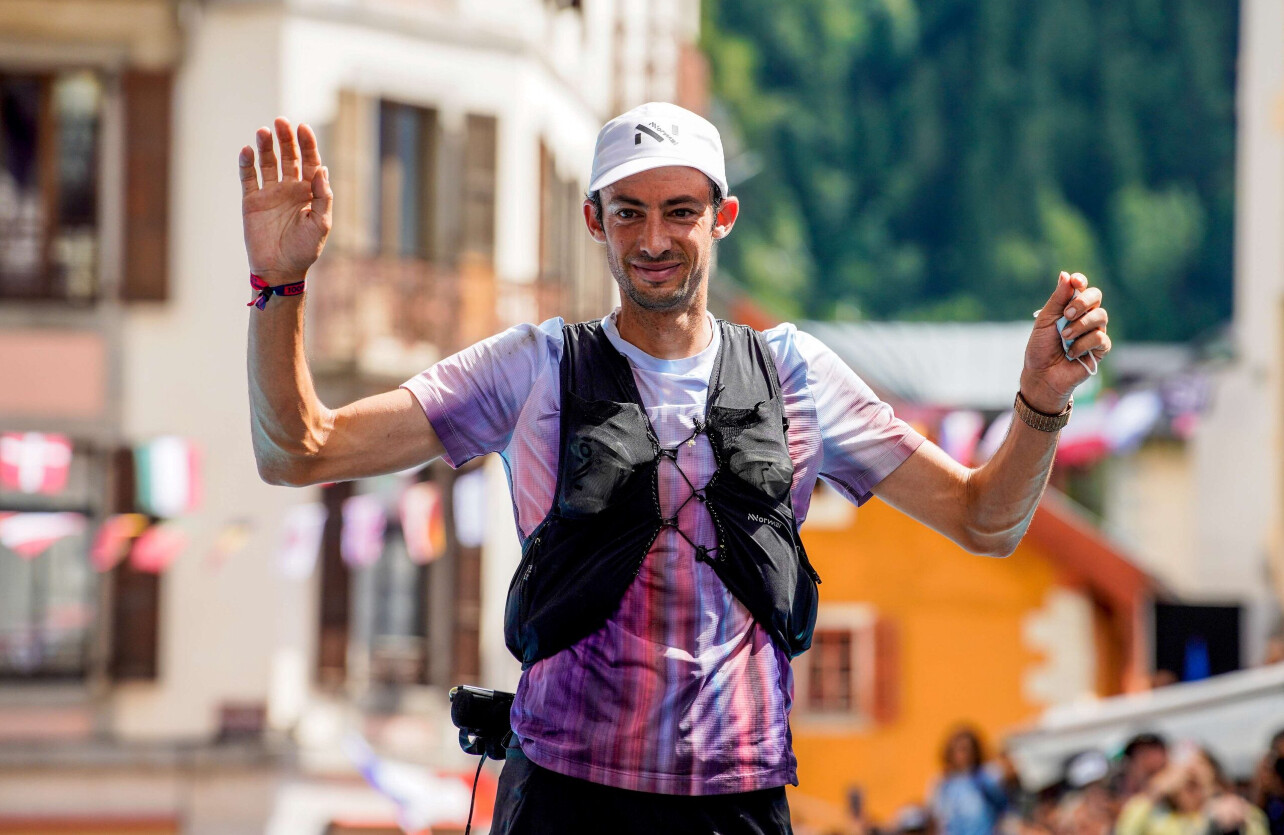
For Jornet, mountains aren’t just a competitive arena; they are home. Growing up in the Pyrenees, he was introduced to skiing and mountain running at an early age. By his teens, he was already an elite ski mountaineer, but his ambitions stretched far beyond the competition circuit. He set his sights on redefining speed and endurance in the world’s most rugged terrains.
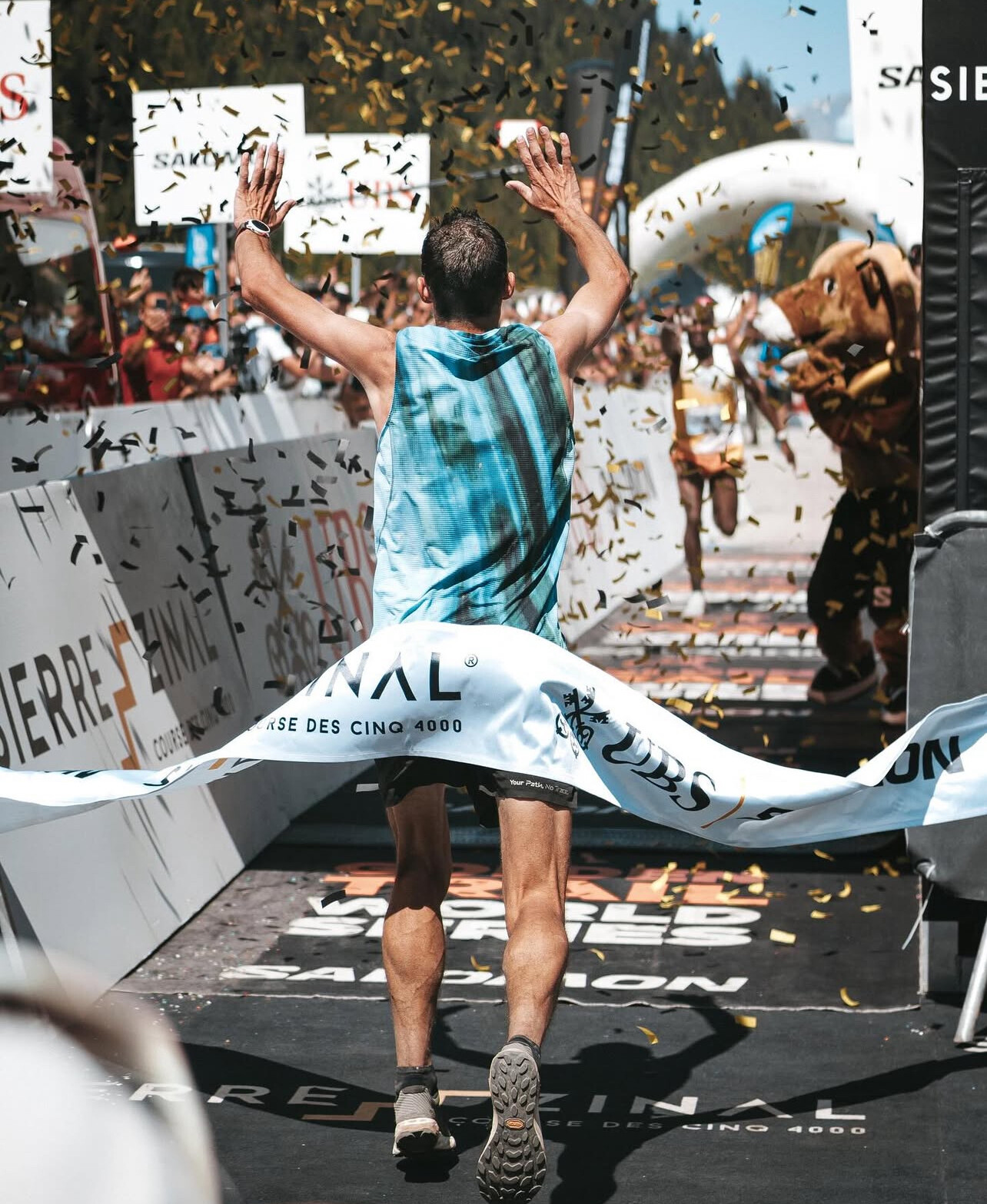
Dominating Ultramarathons
Beyond mountaineering, Jornet has excelled in ultramarathons, often obliterating world-class competition. His wins include victories at:

• Ultra-Trail du Mont-Blanc (UTMB) – Arguably the most prestigious ultramarathon in the world, where Jornet has claimed multiple titles.
• Hardrock 100 – He’s won this brutally tough race in Colorado multiple times, including running it with a dislocated shoulder in 2017.
• Western States 100 – A race where his performance cemented his status among the world’s best ultrarunners.
• Zegama-Aizkorri Marathon – A mountain marathon in the Basque Country where he has thrilled fans with record-breaking runs.
Jornet’s dominance is not just about physical strength. His ability to read the mountains, understand his body, and adapt to extreme conditions gives him an almost supernatural edge.
The Mindset of a Champion
Despite his mind-blowing achievements, Jornet remains humble. When asked about his records, he often downplays them, focusing instead on the experience rather than the numbers. His approach to training is unconventional by traditional standards—he listens to his body, adapts his workouts based on how he feels, and prefers to spend as much time as possible in the mountains rather than following rigid training plans.
This laid-back mindset might seem at odds with his high-performance results, but it’s exactly what makes him great. He thrives in uncertainty, adapting in real time and trusting his instincts rather than fixating on data.
Looking Ahead
Jornet continues to push boundaries, not just in racing but in exploring human potential in extreme environments. His recent projects have included minimalist alpine expeditions and self-supported endurance challenges rather than traditional competitions. He is also an advocate for environmental sustainability, working to preserve the mountains he loves.
At 36 years old, Jornet is still redefining what’s possible in endurance sports. Whether he’s racing, breaking records, or simply enjoying a day in the mountains, he remains one of the most inspiring athletes the world has ever seen.
For those who dream of reaching their own endurance goals, there’s a lesson to be learned from Jornet: approach every challenge with passion, stay adaptable, and never lose sight of the joy that brought you to the sport in the first place.
by Boris Baron
Login to leave a comment

María Lorena Ramírez Running Beyond Boundaries
In a world obsessed with cutting-edge gear and high-tech performance, María Lorena Ramírez is rewriting the rules. She runs some of the toughest ultramarathons in the world, not in carbon-fiber shoes or compression gear, but in a traditional skirt and sandals made from old tires. At 30 years old, this indigenous Rarámuri athlete from Mexico’s Copper Canyon continues to defy expectations, proving that true endurance comes from within, not from what’s on your feet.
Winning on Her Own Terms
Ramírez first stunned the world in 2017 when she outran 500 competitors from 12 countries to win the UltraTrail Cerro Rojo, a brutal 50K mountain race in Mexico. She didn’t have a sports drink belt, a GPS watch, or cushioned running shoes—just a bottle of water, raw endurance, and the spirit of her ancestors.
Her success didn’t stop there. Later that year, she competed in the 102K Cajamar Tenerife Bluetrailin Spain, one of the most grueling high-altitude races in Europe. Despite going up against seasoned ultrarunners with professional coaches and sponsorships, Ramírez held her own, reinforcing her status as one of the world’s most remarkable endurance athletes.
In 2025, she continued her dominance, finishing the Hong Kong Ultramarathon, a 100-kilometer race where she once again ran in her signature traditional attire and huarache sandals.
Training Through Life, Not Workouts

Unlike most elite runners, Ramírez doesn’t follow structured training plans. Her daily life is her training.
She spends her days in the mountains of Chihuahua, running 10–15 kilometers as she herds goats and cattle across steep, rocky terrain. Carrying water, climbing canyons, and trekking for hours are just part of her routine—without even realizing it, she has been building the stamina and strength of a world-class ultramarathoner her entire life.
For the Rarámuri (also known as Tarahumara) people, running isn’t just sport—it’s a way of life. Their name means “those who run fast,” and for centuries, they have run long distances for survival, hunting, and spiritual ceremonies. María Lorena Ramírez is simply continuing a tradition passed down through generations.
Rejecting Modern Running Shoes
Despite international fame, Ramírez refuses to abandon her roots.
When offered modern running shoes, she turned them down, saying:
“The people wearing them were always behind me.”
She has tried sneakers but prefers her handmade huarache sandals because they feel natural and keep her grounded. While others rely on energy-return soles and high-tech support, Ramírez relies on instinct, balance, and the resilience of her people.
A Champion on Her Own Path
María Lorena Ramírez is a reminder that greatness doesn’t come from expensive gear or specialized training—it comes from heart, resilience, and an unbreakable connection to one’s heritage.
She doesn’t run for fame or fortune—she runs because it’s part of who she is. And in doing so, she has redefined what it means to be a runner.
Her story is a testament to the power of the human spirit—a force stronger than any shoe, training program, or sponsorship. Sometimes, the purest strength comes from within—from those who trust their fire, run their own race, and, like Ramírez, leave everyone else in their dust.
Her journey is more than just running—it’s a movement that proves endurance is built on tradition, determination, and the will to keep moving forward.
by Boris Baron
Login to leave a comment

Roe and Maier Dominate USATF Half Marathon Championships
On a chilly morning in Atlanta, runners took to the streets for the USATF Half Marathon Championships on March 2, 2025, battling for national titles and a chance to represent Team USA at the World Athletics Road Running Championships in San Diego this September. With fierce competition and fast times, Taylor Roe and Alex Maier emerged as the day’s champions.
Roe Breaks Away to Claim First National Title
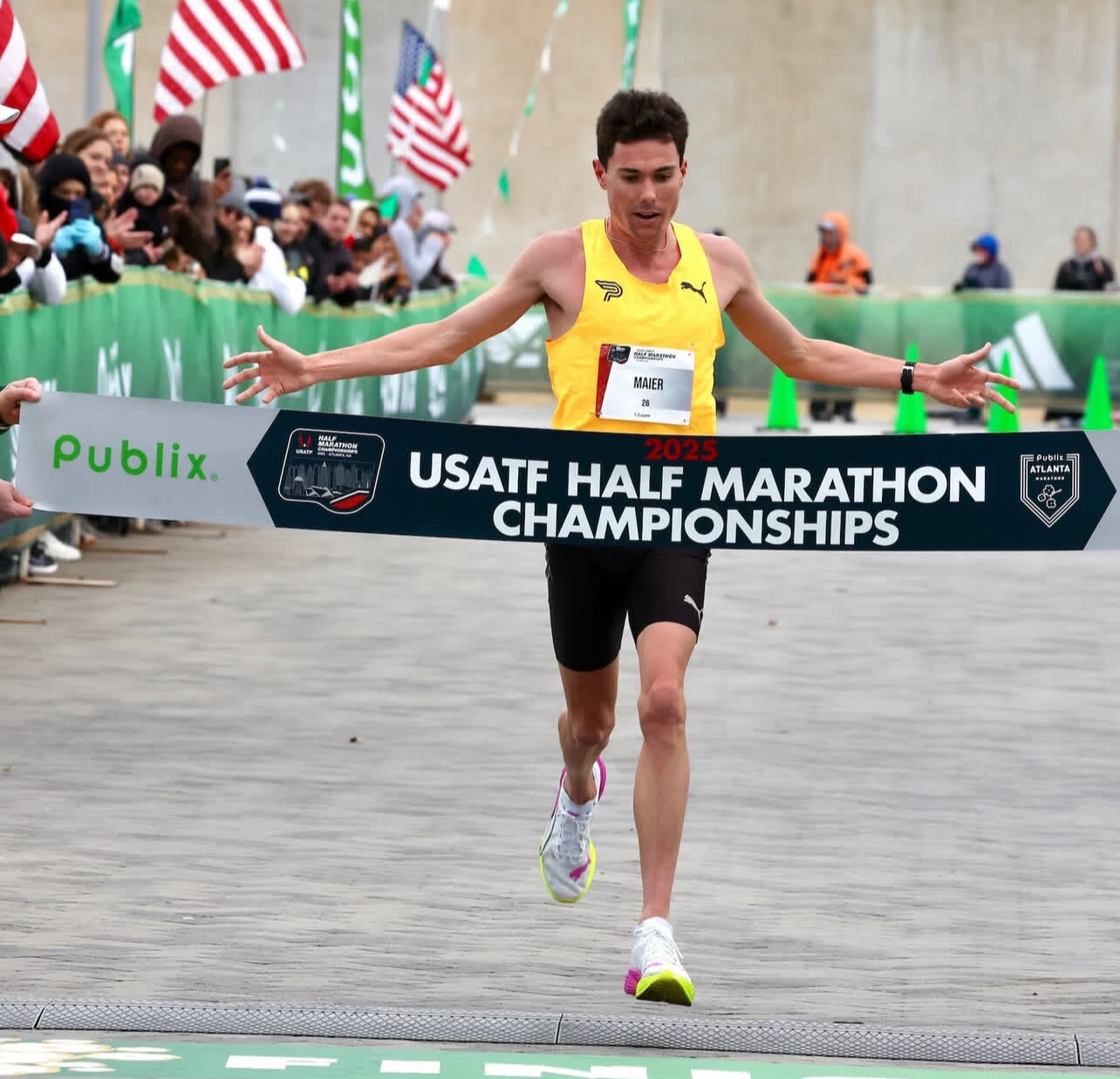
Taylor Roe made a statement in the women’s race, surging ahead in the final miles to secure victory in 1:07:22. The Durham, North Carolina, standout, representing PUMA Elite, held off a strong challenge from Emma Grace Hurley, who finished second in 1:07:35. Amanda Vestri of Blowing Rock, North Carolina, rounded out the podium with a solid 1:08:17.
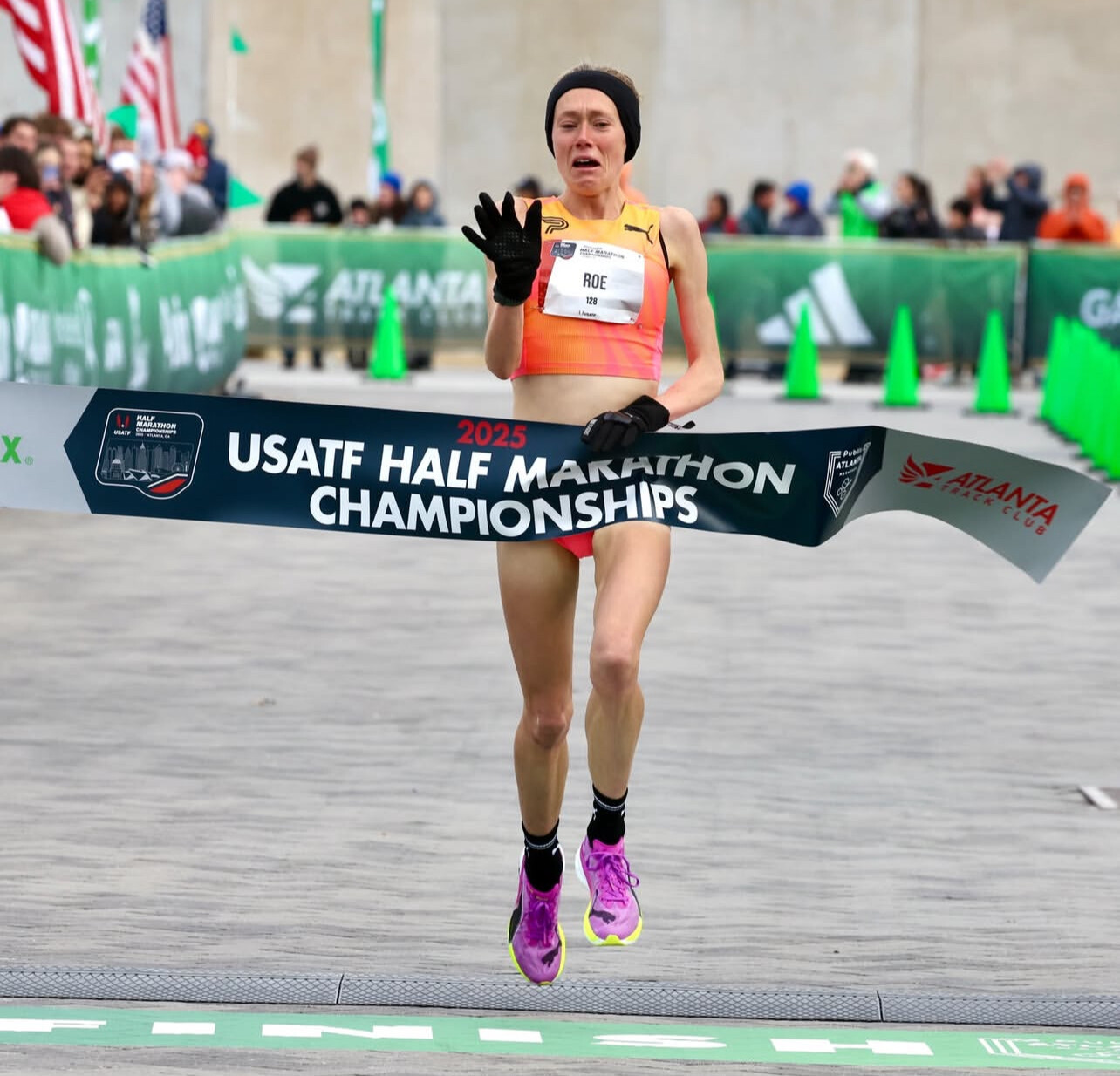
With their top-three finishes, Roe, Hurley, and Vestri secured their spots on Team USA for the World Championships in San Diego.
Top Five Women:
1. Taylor Roe (Durham, NC) – 1:07:22
2. Emma Grace Hurley (Indianapolis, IN) – 1:07:35
3. Amanda Vestri (Blowing Rock, NC) – 1:08:17
4. Jessica McClain (Phoenix, AZ) – 1:08:37
5. Emily Venters (Salt Lake City, UT) – 1:09:03
Maier Holds Off Late Challenge to Take the Men’s Crown
In the men’s race, Alex Maier delivered a strong performance, crossing the finish line in 1:00:48 to claim his first USATF Half Marathon title. The Chapel Hill runner, also representing PUMA Elite, stayed composed as Shadrack Kipchirchir of Colorado Springs pushed hard in the final stretch, finishing just 10 seconds back in 1:00:58. Hillary Bor made it a tight battle for second and third, clocking 1:00:59.
Maier, Kipchirchir, and Bor will now represent Team USA at the World Championships, where they’ll take on some of the world’s best in San Diego.
Top Five Men:
1. Alex Maier (Chapel Hill, NC) – 1:00:48
2. Shadrack Kipchirchir (Colorado Springs, CO) – 1:00:58
3. Hillary Bor (Colorado Springs, CO) – 1:00:59
4. Ahmed Muhumed (Flagstaff, AZ) – 1:01:03
5. Andrew Colley (Blowing Rock, NC) – 1:01:09
All Eyes on San Diego
With the USATF Half Marathon Championships in the books, the focus now shifts to the World Athletics Road Running Championships in San Diego this September. The newly crowned national champions, along with the other top finishers, will have the opportunity to take on the best distance runners from around the globe. If their performances in Atlanta are any indication, Team USA will be ready to make an impact on the international stage.
Login to leave a comment

Rock ‘n’ Roll Las Vegas Racing Under the Neon Lights
Running a race is always exhilarating, but doing it under the dazzling lights of the Las Vegas Strip takes the experience to a whole new level. The Rock ‘n’ Roll Las Vegas Marathon, Half Marathon, 10K, and 5K offer participants a one-of-a-kind opportunity to run the world’s most famous boulevard at night, transforming an ordinary race into an unforgettable party on foot.
The course itself is as iconic as the city it winds through. Runners start their journey near the Las Vegas Festival Grounds, heading straight into the heart of the Strip. As the sun sets and the city lights flicker on, the real magic begins. Participants glide past legendary landmarks like the Bellagio fountains, the Eiffel Tower at Paris Las Vegas, and the Stratosphere, all while the vibrant energy of the city pulses around them.
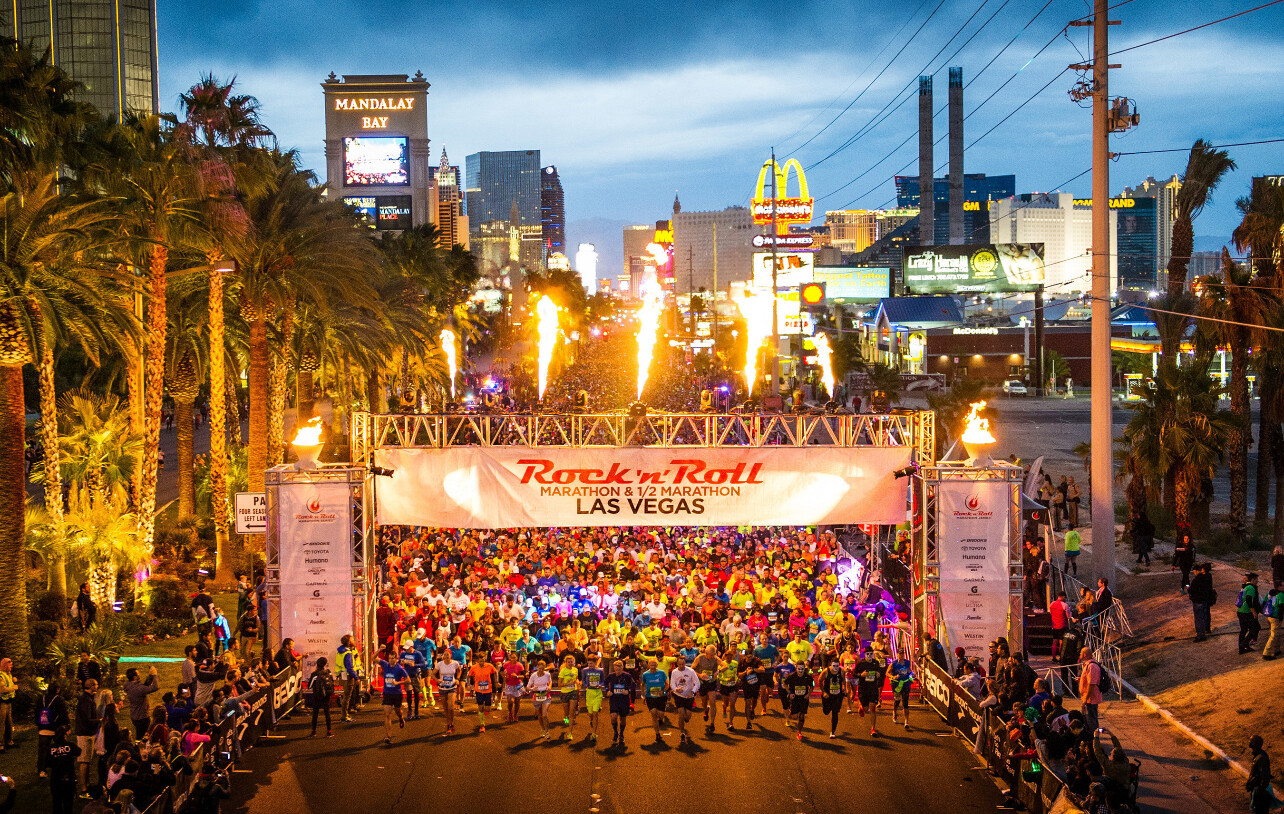
Live music stages, energetic cheer zones, and DJs are scattered throughout the course, making sure runners stay motivated and entertained every step of the way. The combination of pounding feet, flashing lights, and pumping beats creates an electric atmosphere unlike any other race.
What truly sets the Rock ‘n’ Roll Las Vegas race apart is its nighttime start. The half marathon and marathon typically kick off after sunset, allowing runners to experience the Strip when it’s most alive. The cool desert air, combined with the glow of neon lights, makes for perfect running conditions. It’s not just a race—it’s an event, a celebration, and an adventure rolled into one.
For many, the highlight comes as they approach the final miles, with the bright lights of the Strip illuminating the path to the finish line. Crossing the finish near the iconic Mirage or Venetian resorts, runners are greeted by cheering crowds, pumping music, and the satisfaction of completing a bucket-list race.
After the race, the celebration continues. Participants can enjoy post-race festivities, indulge in world-class dining, or simply soak in the electric atmosphere of the city. Whether you’re running for a personal best, for fun, or for the experience, the Rock ‘n’ Roll Las Vegas Marathon delivers a night to remember.
In Las Vegas, the city that never sleeps, neither do the runners. And when you’re racing down the Strip, surrounded by lights, music, and energy, you’ll understand why this race is a must-do for runners around the world.
by Boris Baron
Login to leave a comment

Rock 'n' Roll Las Vegas
Run the Strip at night in Vegas. The half marathon course is as flat and festive as they come – perfect for runners and walkers of all ability levels....
more...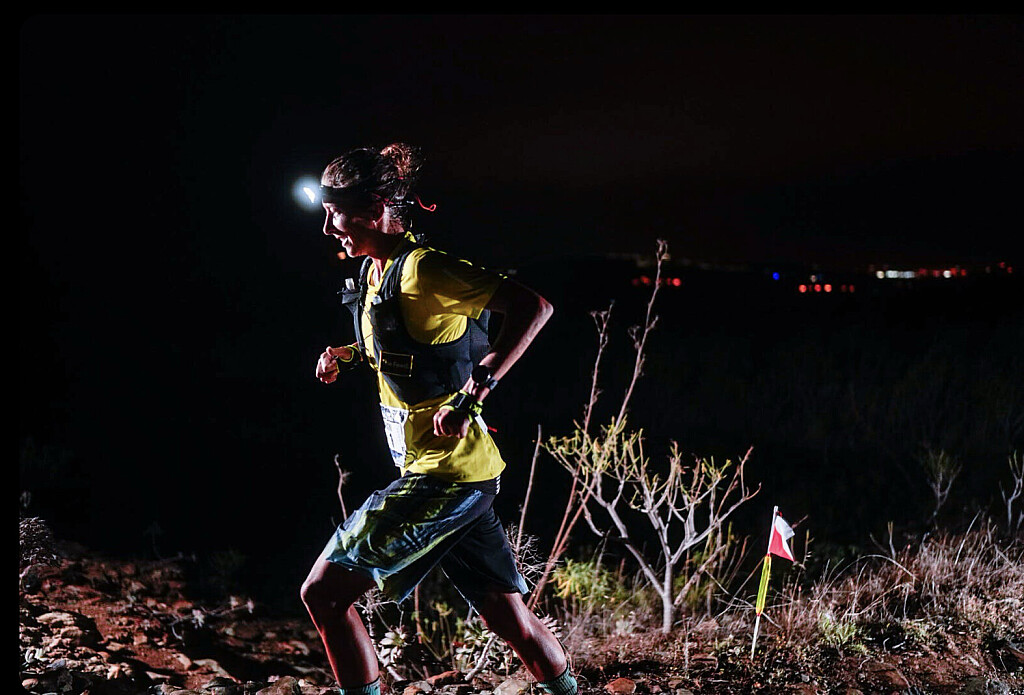
How Did Courtney Dauwalter Get So Damn Good?
If Courtney Dauwalter could travel back in time, this is what she would do: She’d join a wagon train crossing the American continent, Oregon Trail-style, for a week, maybe more, just to see if she could swing it. It would be hard, and also pretty smelly, but Dauwalter wonders what type of person she’d be if she deliberately decided to take that journey. Would she stop in the plains and build a farm? Could she make it to the Rocky Mountains? How much suffering could she take, and how daunted might she be by the terrain ahead of her?
“If you get to Denver and this huge mountain range is coming out of the earth, are you the type of person who stops and thinks, ‘This is good’?” she wonders. “Or are you the person who’s like, ‘What’s on the other side?’ ”
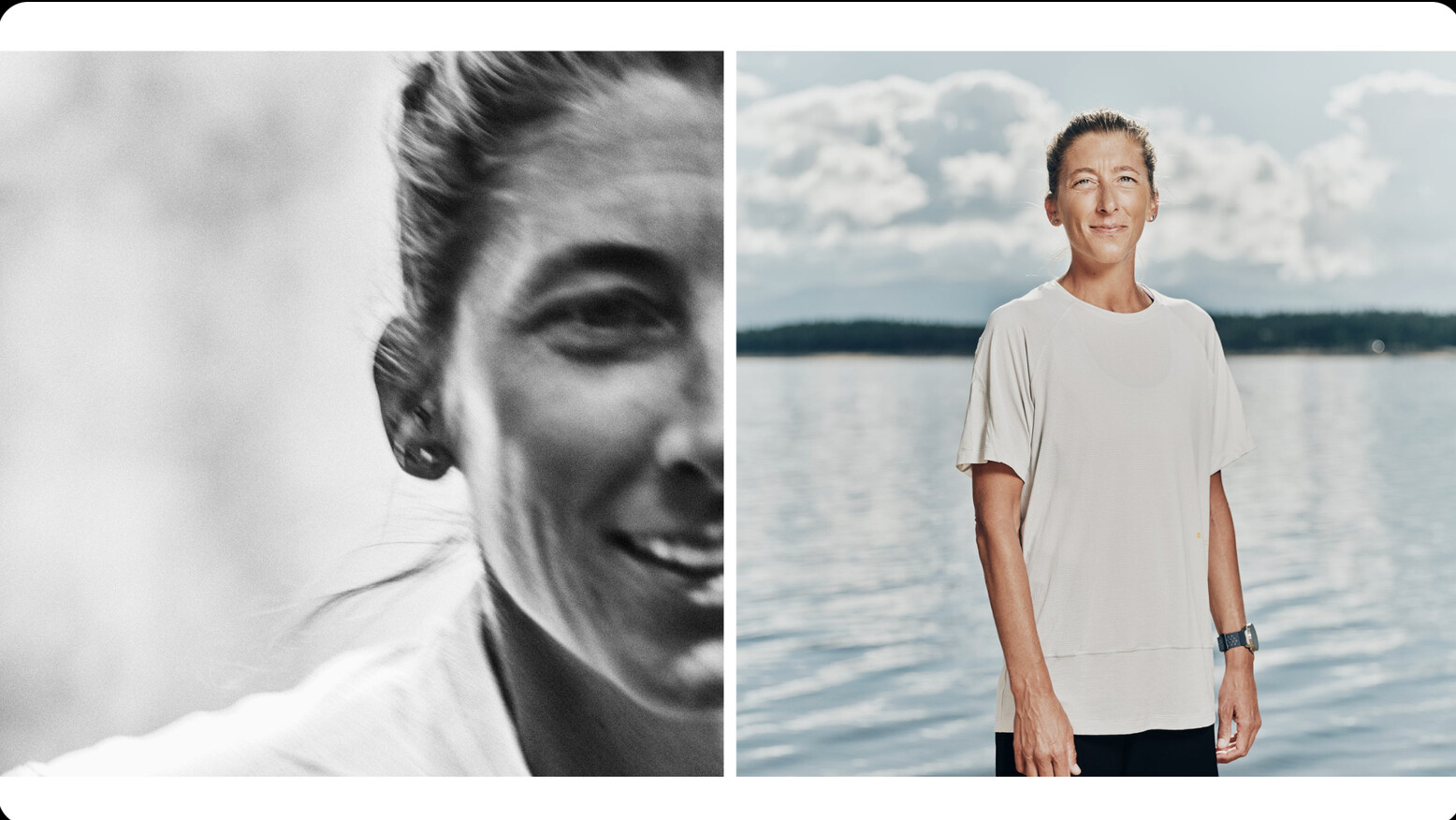
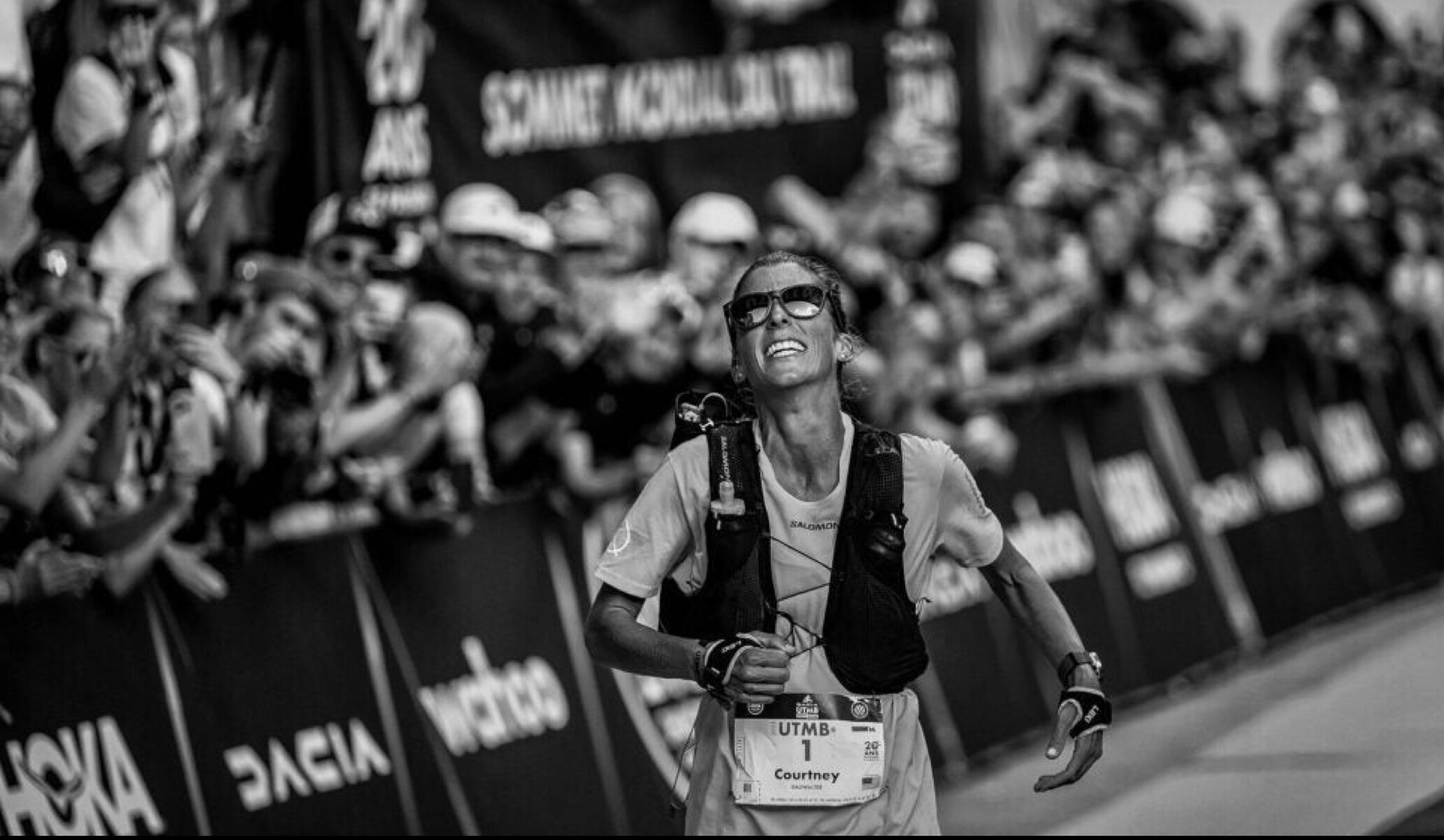
Dauwalter is probably (definitely) the best female trail runner in the world—a once-in-a-generation athlete. She’s hard to miss at the sport’s most famous races, and not just because of the nineties-style basketball shorts she prefers. (Her explanation: she just likes them.) It’s because she’s often running among the leading men in the sport, smiling beneath her mirrored sunglasses. The 39-year-old is five foot seven and lean, with smile lines and hair streaked with highlights from abundant time spent in high-altitude sun.
Dauwalter shared her historical daydream with me while sipping a pink sparkling water at her house in Leadville, Colorado, after a four-hour morning training run. Her cross-country wagon musings get at why she’s the best female ultrarunner ever to live: Dauwalter is curious. She’s curious about pain, about limits, about possibility. This quality is fundamental to what makes her so good.
Over the past eight years, Dauwalter has won almost everything she’s entered. In 2016, she set a course record at the Javelina Jundred—an exposed, looped route through the Sonoran Desert of Arizona. That same year she won the Run Rabbit Run 100-miler in Steamboat Springs, Colorado, by a margin of 75 minutes, despite experiencing temporary blindness for the last 12 miles (she could only see a foggy sliver of her own feet). Because of ultrarunning’s huge distances, it’s not unheard of to beat the competition by so much, but it doesn’t happen with the frequency that Dauwalter manages.
In 2018, she won the extremely competitive Western States 100 in California; it was her first time on the course. A year later, she set a new course record while winning the prestigious Ultra-Trail du Mont-Blanc (UTMB), besting the second-place finisher by just under an hour. In 2022, she set the fastest known time on the 166.9-mile Collegiate Loop Trail in her backyard in Colorado, and she won (and set a new course record at) the Hardrock 100, a grueling high-altitude loop through the state’s San Juan Mountains.
Dauwalter is also one of the few runners of her caliber to seriously dabble in the really long distance races. In 2017, she won the Moab 240—yes, that’s 240 miles—in two days, nine hours, and fifty-five minutes, ten hours ahead of the second-place finisher. She ran even farther at Big’s Backyard Ultra in 2020, a quirky test of wills where athletes complete a 4.167-mile course every hour on the hour until only one runner is left. Dauwalter set a women’s course record of just over 283 miles.
Given everything she’s accomplished, it’s hard to believe that the past two summers have been her most successful yet. In 2023, she returned to Western States, where she smashed the women’s course record by more than an hour and finished sixth overall. When she passed Jeff Colt, who finished ninth, he remembers how calm and collected she looked, running all alone. “My pacer looked back at me and said, ‘Jeff, I can’t even keep up with her right now,’ ” he says. Less than three weeks later, she won Hardrock again, taking fourth place overall and setting a new women’s course record. The race changes direction on the looped course each year, and she now holds both the clockwise and counterclockwise records.
In the interest of testing herself one more time, in late August she traveled to France to run UTMB again. She won that race too, becoming the first person in history to win all three races in a single summer. “She’s one of those humans who defy even the concept of an outlier,” says Clare Gallagher, a former Western States winner who has raced against Dauwalter. “I look at her summer and I have no words. It’s truly hard to conceptualize.”
Dauwalter led UTMB from the start, and she finished more than an hour ahead of the woman in second place. As she descended the final stretch of trail, she was followed by a barrage of cameras and a handful of people who looked like they just wanted a bit of her magic to rub off on them. As crowds roared on either side of the finish line in Chamonix, she looked back at the spectators and clapped in their direction, never raising her hands above her head or pumping her fists in the air. After hugging her parents and her husband, 39-year-old Kevin Schmidt, she jogged back in the direction she’d just come to high-five hundreds of fans.
Dauwalter grew up in the suburbs of Minneapolis, in a tight-knit family that was always active. The kids all played soccer, and when they weren’t at practice they were busy building tree forts or making up games at the local park. In seventh grade, she started running cross-country, and in eighth grade she joined the nordic ski team. She claims to have spent the first years just trying to stay upright, but in high school she went on to be a four-time state nordic ski champion and attended the University of Denver on a cross-country-skiing scholarship. She says that her parents, who now frequently crew and support her at races, led by example. “You work hard, you give everything you’ve got, you don’t forget to have fun,” she says.
Minnesota winters are notoriously cold, and she credits her ability to dig deep within herself to the unforgiving conditions. “Growing up there, you just learn to do stuff, regardless of the weather,” she says. She also points to a cross-country coach who taught her to think differently about pain. “He laid the groundwork for understanding that our bodies are capable of so much,” she says. “We can push past those initial signals saying that’s all I have and turn the knob, and there’s always one more gear.”
After college, Dauwalter taught middle and high school science in Denver, which is where she met Schmidt. “A woman I worked with and a guy he worked with were married, and they just kept putting us in the same places,” she says. “I didn’t know they were meddling!” Schmidt, who works as a software engineer, is also a competitive runner. He and Dauwalter train together—sometimes he’ll join in for her second run of the day—and they trade off supporting each other during races. When I met up with them in Leadville, Dauwalter had just finished crewing for Schmidt at a 100-miler in Switzerland. During her races, he maps her splits, takes care of her aid-station needs, and serves as crew captain. He’s the “spreadsheet brain” to her “tie-dye brain,” as he puts it, and he provides emotional support too.
“Its clear to me when she has taken up residence in the pain cave, so I try my best to fill it with snacks and encouragement,” says Schmidt. One time, while driving to an aid station during a race, Schmidt got a flat tire while carrying everything Dauwalter needed for the night. He wound up sprinting the final three miles to catch her in time.
When Dauwalter started racing more competitively and winning, she and Schmidt had a series of discussions about what they wanted their lives to look like. Ultimately, they decided that she should try to give professional running a shot. In 2017, without a sponsor and with a lot of unknowns still ahead, she left teaching to run full-time. “What we wanted was to look back when we were 90 years old and not wonder what if? about anything,” she says.
Mike Ambrose, the former team manager at Salomon, offered Dauwalter her first sponsorship as a trail runner that same year. She was still new on the scene, but Ambrose could see that she was driven, and the talent was there. “She’s super curious about pushing herself,” he says. “She had this huge engine coming from nordic skiing, and her 24-hour time was really crazy. I thought, well, if she just figures it out and gets more trail experience, she obviously has the mental and physical capacity.”
Despite her nearly superhuman athleticism and mental fortitude, Dauwalter is also very normal. She likes nachos, candy, and beer. She watches sports (the Vikings are her NFL team, even though she’s been in Broncos territory for years), and she wants to spend time with the people she loves, including her parents, and the friends who often crew for her.
Ultrarunning frequently sees short-lived stars, runners who dominate for a couple of years before burning out or slowing down, either from overtraining or simply from the passage of time and the wear on their bodies. Dauwalter, however, seems to have a rare capacity to push against her own limits without tipping over the edge. She’s been running long distances at an elite level for seven years now. Gallagher wonders how she’s managed to avoid injury, given Dauwalter’s volume of physically demanding races.
Login to leave a comment
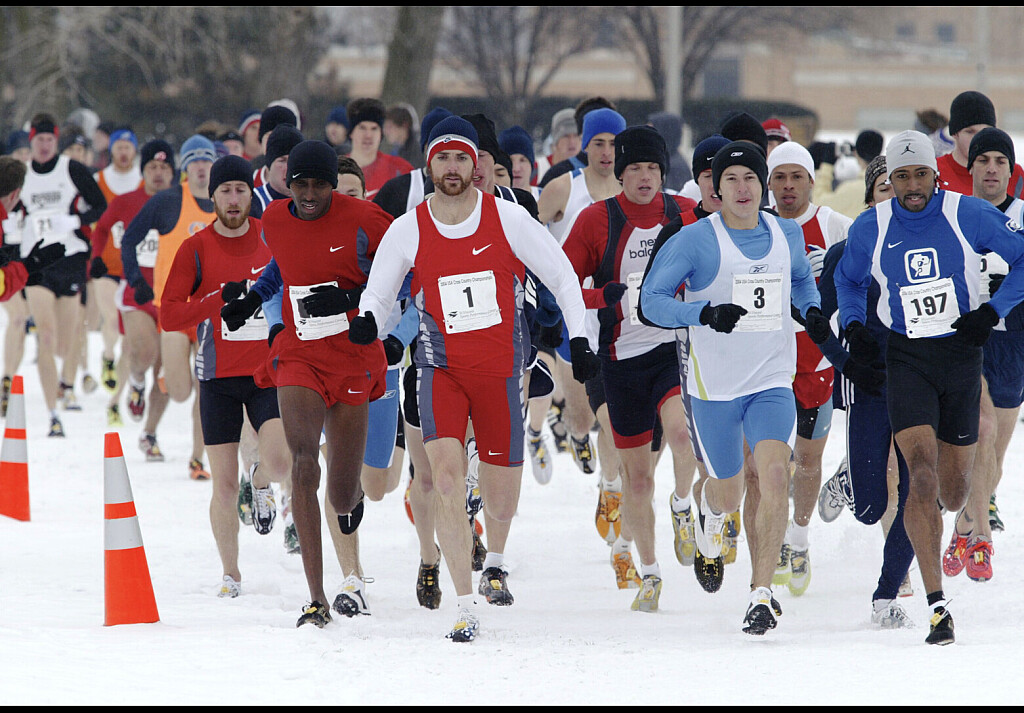
You Should Stop Showering Between Runs—and My 7 Other Running Rules for 2025
If you’ve been on social media lately, you might have seen your friends making in-and-out lists. It’s been a thing for a few years—maybe less-so now—but the idea is to come up with some trends that you think will be popular and unpopular.
The best ones are fun and off the top of the head. Some of the thought-out ones about culture are kind of annoying. (Yeah, everyone agrees that “being mean” is out in 2025.)
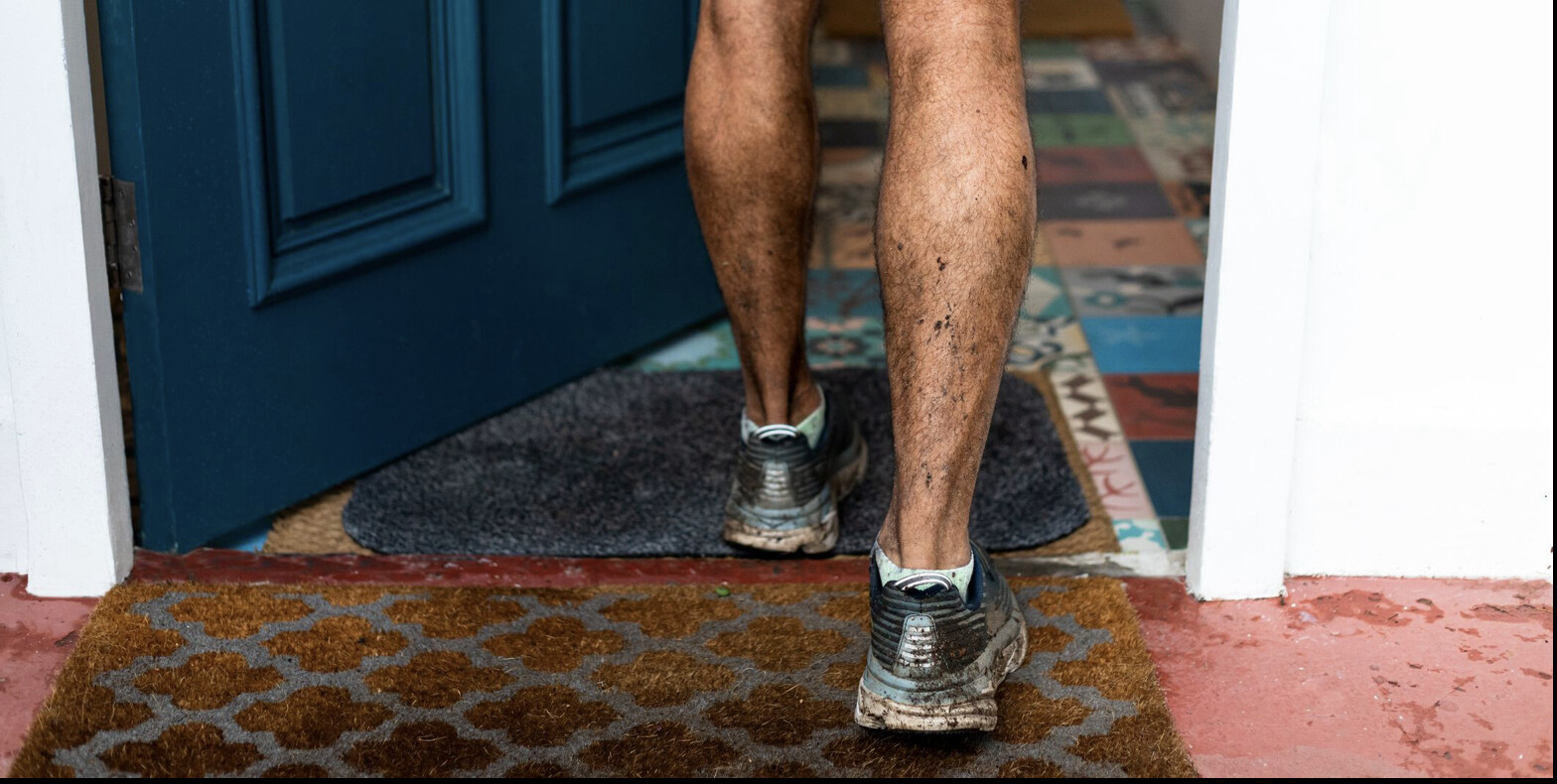
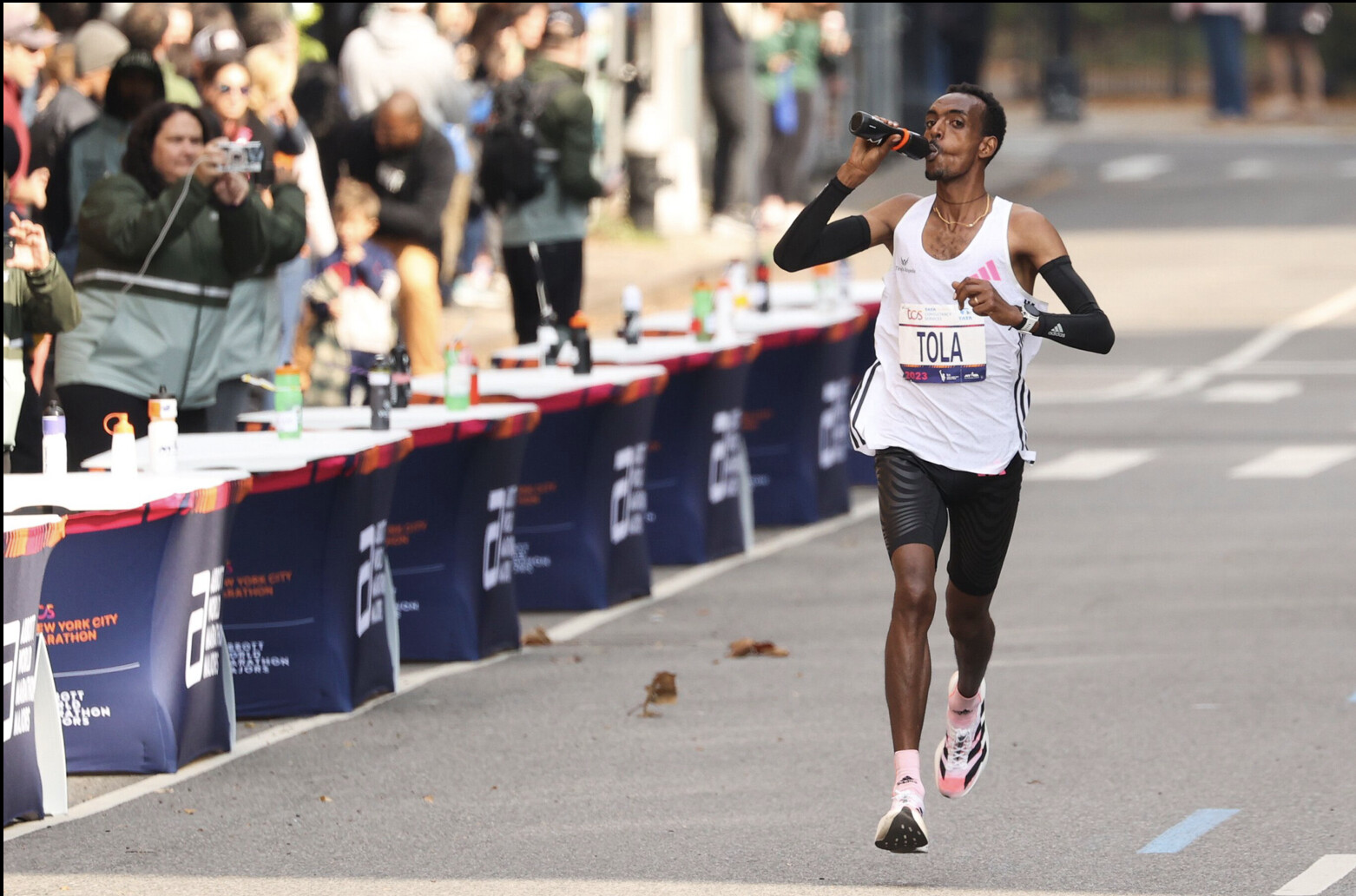
So I took the idea and applied it to my own running. Remember, these are specific to my experience. They’re not mandates or absolutes or even advice.
And at the end of the year, feel free to call me out if I was wrong. I probably was.
Out: Showering between runs
In a normal training week, I run twice a day on Wednesday and Thursday. Those are my recovery days, and I use them as a chance to get ahead on my weekly mileage. Usually, I run between 60 and 85 miles a week during marathon training, so to break it up, I’ll run once before work and then again during lunch or after work. Also known as “doubling.”
But that laundry piles up fast.
So on days when I work from home, sometimes I’ll put off my shower and stay in my workout clothes until my next run or weightlifting session. I live alone, so there’s no one to complain about my odor. (If you live with a roommate, partner, or family, use this strategy at your own risk.)
In: Wearing ugly race T-shirts
Remember the race T-shirts of the 2000s? The ones that looked like they were designed by a middle schooler and had no fewer than 1,000 ads on the back? I’ve gotten so many over the years, and most have gone straight to Goodwill or I’ve used them for yard work. But this year, I’d like to use my race T-shirts for their purpose—and run in them. There’s something fun about wearing an ill-fitting cotton tee with an ad for Jimbo’s Ford Dealership on the back.
Some races are pivoting away from shirts in favor of more environmentally friendly alternatives, but don’t expect them to completely disappear. According to Running USA, 58 percent of participants who took the 2024 Global Running Survey said that commemorative T-shirts are important to their race experience.
Out: Long runs
I’m planning on running Grandma’s Marathon in June, which means I’m building up my mileage now. But I’ve found that long runs are kind of overrated. Hear me out.
During my last marathon training block, I never ran more than 18 miles for my long run. Many programs call for 20 to 23-mile long runs, but my coach and I decided that 18-milers would get the job done. I’ve been running high mileage for close to a decade now, so I have a large aerobic base. The strategy worked, and I ran 2:27:07, hitting my goal of sub-2:28.
Right now, as I build, my coach and I are experimenting with the idea of downplaying the long run. Instead of using it as a key workout (for example, 10+ miles at marathon pace during the run), we’re focusing more on high-volume workouts twice a week, then using the long run just to get time on my feet. Similar to how Jakob Ingebrigtsen, who never runs more than 12.5 miles, trains.
A hard long run takes a large emotional and physical toll on my body, so I’ve found that I respond well when I keep the long run easy and focus on high-volume threshold sessions during the week. Of course, running on tired legs is key to running a good marathon. As I get closer to June, I’m sure there will be weeks where I use long runs as key workouts. But sometimes I need to remind myself that the other six days of the week are just as important.
In: Wearing a T-shirt over a long sleeve
For the past year, I’ve been mulling over buying a running vest. They look cool, but I keep telling myself that I don’t need to buy something that I’d probably only wear on a few runs each year. I live in eastern Pennsylvania, so I’m usually wearing something light in the fall or a full jacket in the winter. Enter, the working man’s vest: the T-shirt over the long sleeve shirt.
The sleeves keeps your arms warm while the T-shirt acts as a protectorate for your torso, insulating (not suffocating) you from the wind. Cooper Teare is a big fan.
Bonus points if you pair the look with an ugly race T-shirt. And double bonus points if you rock the look in a snowy race, like seemingly everyone did at the 2004 USATF Cross-Country Championships in Indianapolis.
In: Sunscreen
Man, I’m bad at this. If I’m preparing to sit out at the beach or pool, I lather up thoroughly. But if I’m heading out for a 90-minute run, I rarely put on sunscreen, justifying to myself that the route is shady or 90 minutes isn’t that long in the sun.
I’ve gotten better at sun protection—I almost always wear a hat and sunglasses year-round now—but I need to get better at lathering up on a regular basis. If you see me jogging this summer, ask me if I have sunscreen on and, if I don’t, shame me until I turn around and go home.
Out: Marathon bottle service
In my debut marathon at Indianapolis in November, I was lucky enough to qualify for the elite field, meaning I got perks like reserved restrooms, a separate warm-up area, and bottle service. For those unfamiliar, bottle service at a marathon is different from bottle service at a Las Vegas nightclub. Instead of access to marked-up Patrón, you get reserved spots on the course where you can stash your race fluid bottles.
Because there’s limited space, bottle stations are typically reserved for the fastest runners at a marathon. Instead of fumbling with the water or electrolyte-drink cups that the masses use, elites can consume whatever they trained with. In most cases, it’s some kind of carbohydrate mix.
At Indianapolis, there were three bottle stations: at miles 8, 14, and 20. I filled mine up with Maurten 160, but honestly, I didn’t feel like the perk was that necessary. I carried eight gels with me, taking them every 15 to 20 minutes, which was plenty. The bottles felt like more of a bonus or palate cleanser. They were cumbersome to hold and drink at race speed, and I found myself only taking a few sips then discarding them. Plus I had to pee the entire race, so I didn’t want to make the situation more dire.
Previously, I thought bottle service was non-negotiable to running a fast 26.2. But my mind has changed. If you envy the pros for their bottle access, don’t worry, you’re not missing out. Gels get the job done.
In: Off-distance races
I’m stealing this one from my 2024 in-and-out list. Off-distance races are events that diverge from traditional race distances (like the 5K, 10K, and marathon). Popular examples include the Bix 7 Road Race in Iowa (a 7-miler), the Boilermaker 15K in New York, and the Manchester Road Race in Connecticut (4.737 miles).
My favorite off-distance event is the Run for the Diamonds in Berwick, Pennsylvania. It’s a Thanksgiving day 9-miler that’s been going strong since 1908. The whole town comes out and cheers the runners up and down the massive hill that’s sandwiched in the middle of the route. Plus, the top seven men and women get real diamonds!
In: Short trail races
Speaking of race distances, let’s make short trail races a thing in 2025. Ultramarathons get most of the attention, but they’re not for everyone. At risk of contradicting myself against my previous “in,” there are plenty of trail options at the 5K, 10K, and half-marathon distance. Local state parks may host them, or sometimes there are running races tied in with mountain bike or cyclocross races. (Fifth Street ‘Cross in Pennsylvania does a great job of putting on both.)
I’d love to jump in a trail half marathon this summer between my two marathon training blocks. There won’t be any pressure to run a certain time, and let’s be real, running on the roads gets boring sometimes.
Login to leave a comment
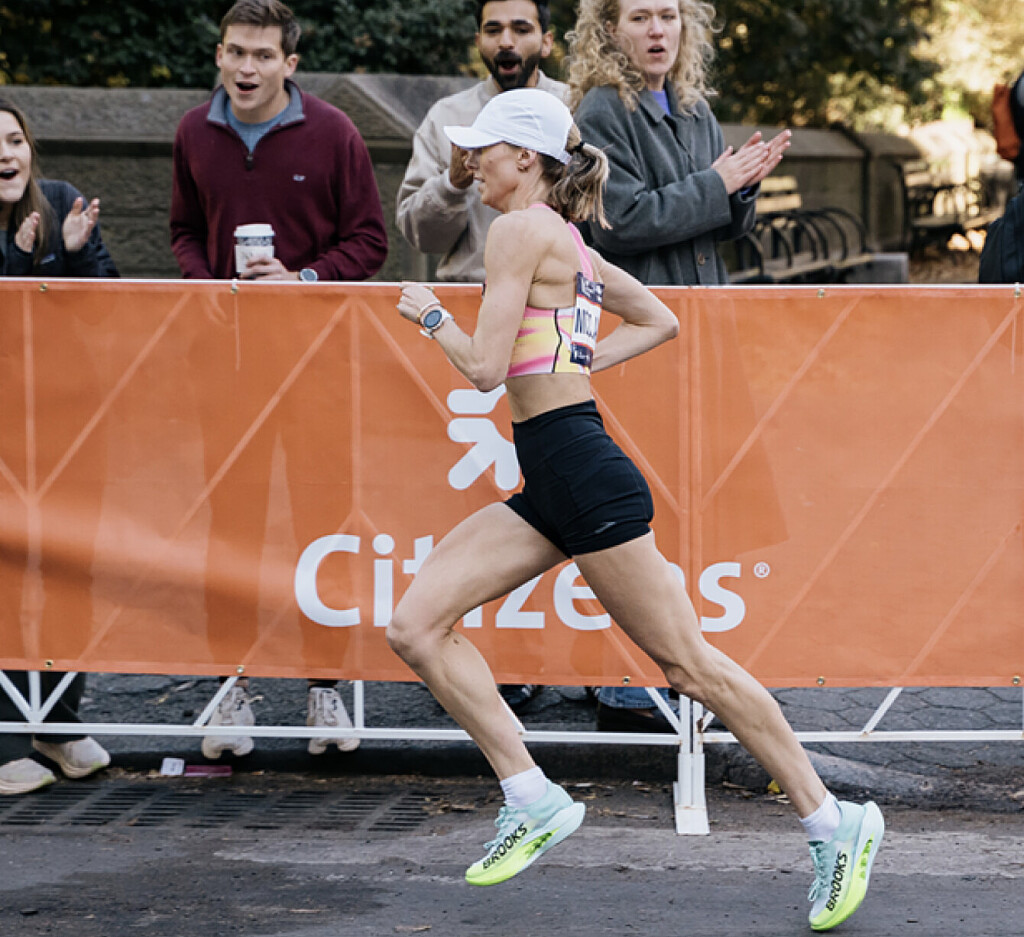
Racing Super Shoes Will Be Lighter, More Responsive, and Likely Even Faster in 2025
New models from Adidas, Brooks, Hoka, On, Puma, and Saucony highlight a speedy new crop of racing and training super shoesEager to run a new personal best in the marathon in 2025? Or are you itching to crank out a quicker half marathon than you ran in 2024? Or maybe a fast effort in a trail race? The continued evolution of speedy shoe technology will be on your side. With new midsole foams and propulsion plate configurations, top-tier racing shoes will be lighter, more responsive, and presumably faster in 2025.
That goes for both road racing and trail racing super shoes that will be hitting running shops from late winter to early summer.Asics, New Balance, and Under Armour will have lighter and more energetic road racing shoes coming out by late spring, while Nike is expected to release its Ultrafly 2 trail racing super shoe in June. While those models are still under embargo, we’ve got the scoop on several race-day super shoes and high-performance training shoes unveiled at The Running Event trade show in November in the roundup below. We haven’t fully wear-tested these shoes yet, so it’s just a preview of what’s to come. When wear-testing is complete, we’ll produce both first-run reviews and in-depth multi-tester reviews with input from the Outside wear-test team and data from the Outside Gear Lab in Denver.2025 Road Racing Super Shoes


Adidas Adizero Adios Pro 4, $250
Approximate Weights: 6.0 oz. (women’s 8), 7.0 oz. (men’s 9)Heel-Toe Offsets: 6mm drop; 39mm (heel), 33mm (forefoot)Release Date: January
The Adizero Adios Pro 4 was released in limited numbers just before the Berlin Marathon in September, but it will hit stores in mass quantities worldwide in January. It’s been updated with a bouncier Lightstrike Pro midsole, a lighter, stronger stretch-mesh upper with internal locking bands, a new configuration of the Evo Pro EnergyRods, and an aggressive new geometry in which the forefoot rocker point is at 60 percent of the shoe’s length. Several Adidas pros raced in this shoe in the New York City Marathon, including women’s winner Sheila Chepkirui and men’s runner-up Evans Chebet.Brooks Hyperion Elite 4 PB, $250
Approximate Weights: 6.6 oz. (women’s 8), 8.6 oz. (men’s 9)Heel-Toe Offsets: 6.5mm drop; 38.5mm (heel), 32mm (forefoot)Release Date: February
Brooks has been working on enhancing its top-tier road racing shoes for several years. It released the Brooks Hyperion Elite 4 with its DNA Flash v2 midsole compound prior to the 2024 U.S. Olympic Trials Marathon last February, but early in 2025 it will release the Hyperion Elite 4 PB with the brand’s new DNA Gold supercritical midsole foam, a very light and responsive nitrogen-infused 100 percent Peba material, and a very light and airy knit-mesh upper.Brooks Hyperion Elite 5, $275
Approximate Weights: 5.8 oz. (women’s 8), 6.9 oz. (men’s 9)Heel-Toe Offsets: 8mm drop; 40mm (heel), 32mm (forefoot)Release Date: JulyBrooks had hoped to keep the Hyperion Elite 5 under wraps by showing it under embargo at The Running Event trade show, but someone leaked it so it decided to release the details and images of it. It has a DNA GOLD 100 percent PEBA foam midsole with a unique series of half-orb bubble configurations under the arch for optimal compression and decompression. It also has a very light and airy knit-mesh upper and minimal outsole rubber to keep it as light as possible.Craft Kype Pro, $300
Approximate Weights: 5.8 oz. (women’s 8), 6.9 oz. (men’s 9)Heel-Toe Offsets: 8mm drop; 40mm (heel), 32mm (forefoot)Release Date: March
Craft says the unique heel split design of its new Kype PRO racing shoe significantly reduces the contact surface area between the shoe and the ground, allowing for quicker toe-offs and a more efficient stride pattern. The skeleton-like carbon-fiber propulsion plate (developed in collaboration with Arris) embedded in the midsole of its Peba-based Xx midsole foam weighs less than half of an ounce and has a split heel design and enhanced stiffness The ultra-light AeroMesh knit upper is made from a durable mono yarn knit that offers support, pliability, and breathability, while the bottom of the shoe features a thin, lightweight rubber outsole was developed with Italian bicycle tire manufacturer Vittoria.Hoka Cielo X 1 2.0, $275
Approximate Weights: 7.0 oz. (women’s 8), 8.1 oz. (men’s 9)Heel-toe offset: 10mm; 48mm (heel), 41mm (forefoot)Expected launch: February
Login to leave a comment
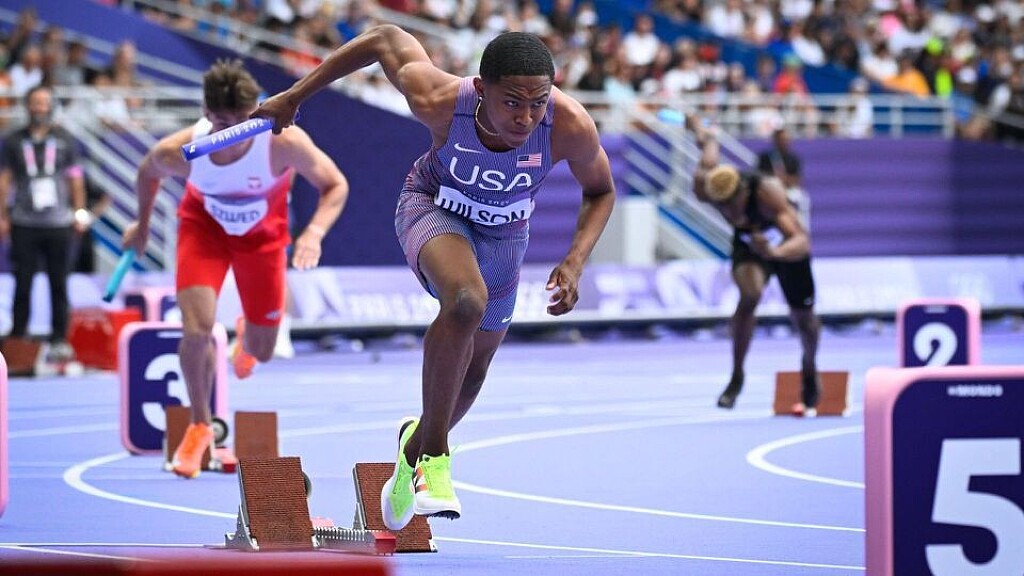
'I'll be back in the 757!'-Quincy Wilson makes huge waves with emotional return announcement for 2025 season
Quincy Wilson is set to return to the track, announcing his first race since his Olympic triumph in Paris.
America's teenage sprint sensation Quincy Wilson has announced his highly anticipated return to the track, months after winning a gold medal at the Paris Olympics.

The 16-year-old athlete revealed that he will be making his first appearance at the VA Showcase in Virginia Beach, Virginia, marking a new chapter in his remarkable athletic journey.
Wilson, who skyrocketed to fame in the track world earlier this year, first caught the spotlight during the New Balance Nationals Indoor Championships.

His performances throughout the season were nothing short of extraordinary, setting new personal bests in the 400m and establishing himself as one of the top junior athletes in the country.
Wilson made his mark at the U.S. Olympic Track and Field Trials, held at Hayward Field, where he captivated fans with his speed and determination.
"I'll be back in the 757!!" Wilson wrote on Instagram, announcing his return to competition.
His words stirred excitement among fans, as the VA Showcase will be his first race of 2025 and the track community is eager to see how he builds on his remarkable success.
Wilson's commitment to returning to the track after his historic Olympic achievement is a testament to his relentless pursuit of greatness.
At the U.S. Olympic Trials, Wilson made history by breaking the U18 400m World Record twice, stunning the track world with his incredible performances.
Despite finishing sixth in the finals, his efforts earned him a spot on the U.S. team for the 4x400m relay at the Paris Olympics.
There, the team claimed the gold medal, and Wilson became the youngest U.S. male athlete to win an Olympic gold in track and field.
Since the Olympics, Wilson has taken time to reflect on his journey, concluding his season and focusing on other aspects of his life, including college visits.
“I want to take a moment to speak to everyone out there who's faced doubt or fear. One of my most important lessons I've learned is to never ever doubt yourself. Believe in yourself. It's the foundation of everything, whether it's sports, life, or anything you pursue,” Wilson wrote, inspiring countless fans and aspiring athletes.
“There were many times when I didn’t know if I could make it, but I learned that if you trust yourself, keep working, and stay focused on your goals, the possibilities are endless,” he continued.
This empowering message resonated with many of his followers, reinforcing his belief in the importance of self-confidence and perseverance.
In recognition of his incredible accomplishments throughout 2024, Wilson was named the USATF Youth Athlete of the Year.
This prestigious award highlighted his growth as an athlete, his unwavering determination, and his contributions to U.S. track and field.
At the ceremony, he took the opportunity to express his gratitude, thanking his family, friends and coach for their continuous support.
by Festus Chuma
Login to leave a comment

2025 Chicago Marathon sees record number of applicants
The Bank of America Chicago Marathon will notify runners today of their selection status for the 2025 event. The race, which is the final event in the Bank of America Chicago Distance Series, continues to see unprecedented interest with more than 160,000 individuals applying for a chance to participate. Those who secure an entry into the race will join another record-breaking field with more than 53,000 participants expected to cross the finish line in Grant Park on Sunday, October 12, 2025.
Today's selection shows growing interest and participation in the Shamrock Shuffle 8K Run, Chicago 13.1 and Chicago Marathon, which together form the Bank of America Chicago Distance Series. In 2024, the events welcomed more than 81,000 finishers, with 2,700 completing all three Series events. As enthusiasm in the events builds, event organizers are excited to unveil a new look and feel for the third rendition of the Series. The new logos connect each event and celebrate the unique attributes that the local and global running communities associate with the popular road races.
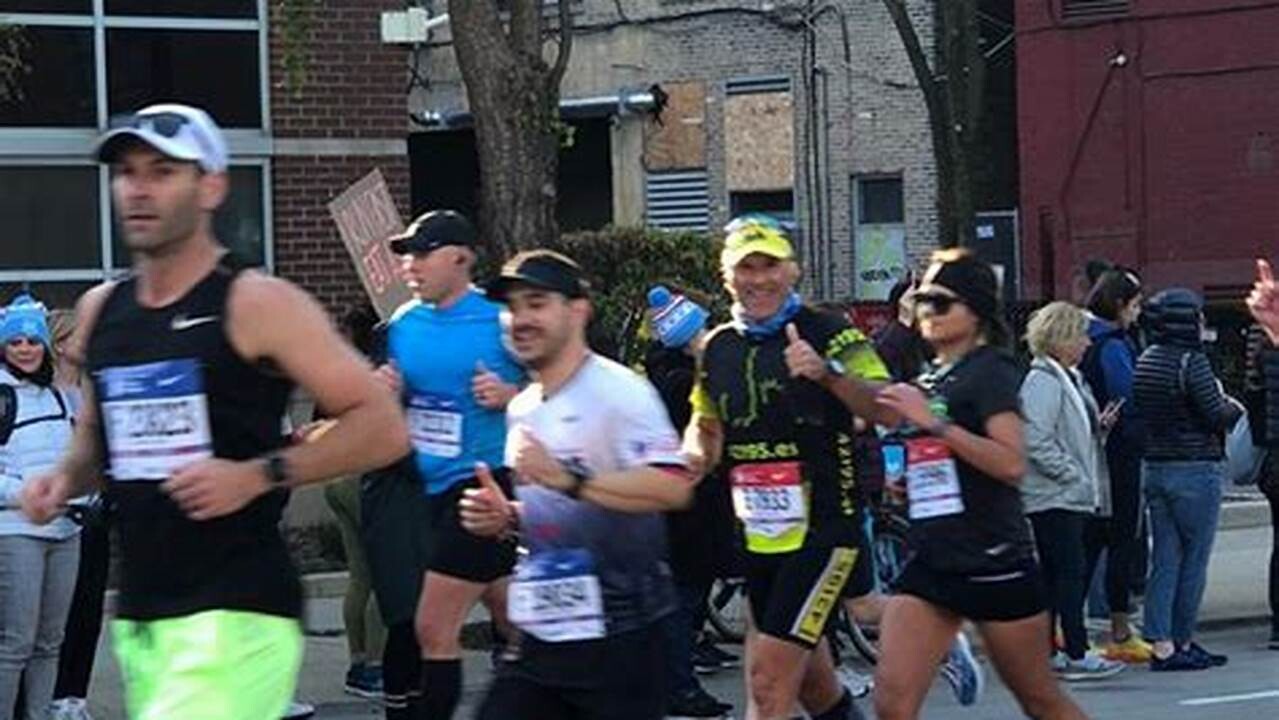
"Today we welcome a new field of participants to the Bank of America Chicago Marathon and launch the next chapter of the Bank of America Chicago Distance Series," said Executive Race Director Carey Pinkowski. "When we started the Series in 2023, our goal was to celebrate the Chicago running community, from individuals discovering the sport for the first time to our longtime participants. We continue to be humbled by the running community's enthusiasm and embrace of the events and we're excited to launch a new look that celebrates Chicago, the spirit of each race and the achievement made possible through the dedication of thousands of runners."
Individuals interested in participating in the 2025 Bank of America Chicago Distance Series are encouraged to register early, as all races are expected to sell out in 2025. Continue reading for more information about the events that make up the Chicago Distance Series.

Bank of America Chicago MarathonThe Bank of America Chicago Marathon will take place on Sunday, October 12, 2025. Runners who receive an entry through today's drawing will join those who guaranteed their entry into the race during the four-week application window. Guaranteed entries include Bank of America Chicago Marathon legacy finishers, time qualifiers, international tour group participants, charity runners, 2024 Bank of America Chicago Distance Series finishers and those who cancelled their 2024 race entries.
Runners who did not receive an entry through the drawing can still sign up through the Bank of America Chicago Marathon Charity Program. Since 2002, the Charity Program has generated more than $322 million for local, national and global causes. The 2025 Charity Program includes 217 nonprofit organizations raising funds related to 10 cause categories: Advocacy, Animal Rights and Welfare, Education, Environment, First Responder and Military, Healthcare, Research, Social Service, Sports and Youth Development. Individuals who register to run with an official charity at this time are required to raise a minimum of $2,100. For a list of official charities and information on how to register by joining a charity team, go to chicagomarathon.com/charity.
For the latest event updates, registered participants and community members are encouraged to visit the Event FAQ which is available at chicagomarathon.com.
Bank of America Chicago 13.1The Bank of America Chicago 13.1 will take place on Sunday, June 1, 2025. The fourth annual half marathon is set to welcome more than 9,000 finishers on a course that weaves through the historic parks and boulevards of the West Side, starting and finishing in Garfield Park. Following the race, participants and community members are encouraged to celebrate at the Race Day Festival, featuring a mix of entertainment, health and wellness activities and community activations including the West Wellness Walk, a 1.31-mile walk on Saturday, May 31.
Additional details about the 2025 event and registration information are available at chicago13point1.com.
Bank of America Shamrock ShuffleThe Bank of America Shamrock Shuffle will take place on Sunday, March 23, 2025. This beloved Chicago tradition in its 44th year is regarded as the official kickoff to the running season and a continuation of the city's St. Patrick's Day celebrations. The race is set to welcome more than 24,000 participants to a one-of-a-kind 8K Run (4.97 miles) through Chicago's Loop. Fitness enthusiasts looking for shorter distance events are encouraged to join The Mile event on Saturday, March 22, or the 2-Mile Walk on Sunday. All three events will start and finish in Chicago's Grant Park.
Additional details about the 2025 event and registration information are available at shamrockshuffle.com.
For more Bank of America news, including dividend announcements and other important information, visit the Bank of America newsroom and register for news email alerts.
by Bank of America Corporation
Login to leave a comment

Bank of America Chicago
Running the Bank of America Chicago Marathon is the pinnacle of achievement for elite athletes and everyday runners alike. On race day, runners from all 50 states and more than 100 countries will set out to accomplish a personal dream by reaching the finish line in Grant Park. The Bank of America Chicago Marathon is known for its flat and...
more...
He Fell 200 Feet During a Trail Running Race—And Lived to Tell the Tale
Not all trail races are created equally: 22-year-old collegiate trail running champion Stuart Terrill learned the very hard way at the U.S. Mountain Running Championships last summer
Stuart Terrill’s life forever changed in a blink of an eye during a competitive mountain running race this past summer.
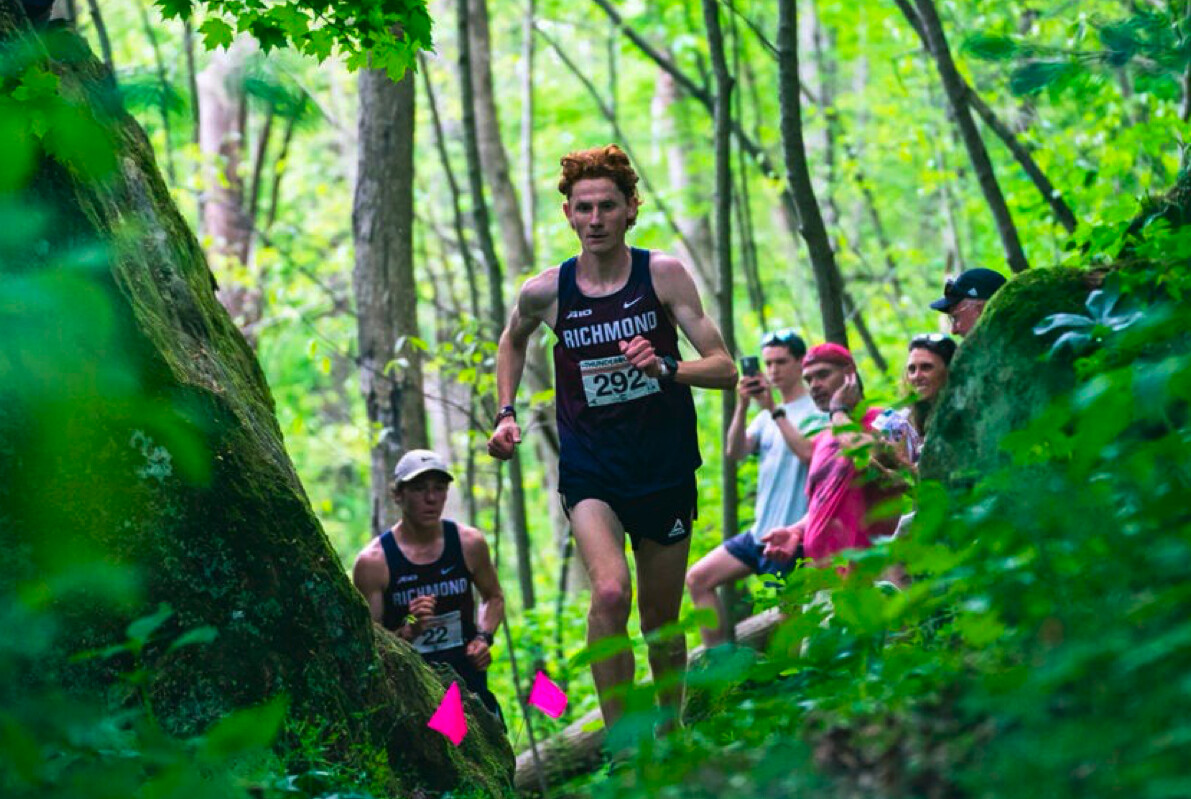
On July 13, the 22-year-old from Crozet, Virginia, summited 11,000-foot Hidden Peak at Snowbird ski resort above Salt Lake City. He was an hour into the 8.7-mile Cirque Series race serving double duty as the 2024 USA Track and Field Mountain Running Championships.
Terrill had just graduated from the University of Richmond, where he ran cross country and track and double-majored in leadership and communication. But he was no stranger to the trails. He won the Collegiate Trail Running Championship in Fairfax, Virginia, in May, besting the competition by nearly a minute over the 10K course to earn his second straight collegiate trail running championship title.
As he crested Hidden Peak and started bombing down the other side, Terrill passed a competitor and lost control, sending him careening towards a cliff. Photographer Matt Johnson watched in horror, pivoting to try to catch Terrill before he fell. But he was too late. Terrill toppled over the edge and tumbled more than 200 feet down the jagged unforgiving terrain below.
“He swung wide to pass a runner. His momentum sent him barreling down towards me and I dropped my camera to try and grab him,” Johnson recalled in the resort’s incident report. “I heard his terrified screams as he went out of sight down the rocky gully. At this point I screamed for a medic and life flight because I wasn’t sure if he was going to even survive. It was rough. It was one of the most horrifying things I’ve ever witnessed.”
Terrill suffered numerous broken bones—eight vertebrae, four ribs, his right collarbone, left wrist, right kneecap, and several bones in each of his feet—and was lucky to be alive. As his mangled body was taken away in a medical helicopter, all those on the scene could do was wonder: how did such a perilous
Mountain Running: A Contact Sport?
While many may be initially attracted to running (on the track and roads) precisely because of its relatively low-risk profile—no contact that could lead to a concussion, no explosive movements that could result in an acute injury—trail running, and in particular mountain running, is another matter. In fact, mountain running, a fast, explosive trail running discipline that usually involves running over rocky, uneven terrain and climbing and descending peaks, comes with considerable risk.
Many mountain running races take competitors along high cliffs and ridgelines with exposure, and down steep, off-trail descents through technical terrain. Minor falls are common, and sprained ankles, broken collarbones, and skin-devouring trail rash are among the most typical injuries.
Injuries are common enough that some races, including the Pikes Peak Marathon in Manitou Springs, Colorado, give out an award for the bloodiest runner. Mount Marathon, a short mountain race in Seward Alaska, reports several minor injuries in a typical year. In 2012, it suffered its first presumed death when 66-year-old Michael LeMaitre, fell on a steep section of the course and, inexplicably, was never found.
Although it wasn’t a super-fast shorter-distance mountain running race, American runner Hillary Allen survived one of the worst known trail running accidents in 2017 at the 57K Hamperokken Skyrace in the mountains outside of Tromso, Norway, after she tripped and ragdolled 150 feet down a ridge and broke both arms, two vertebrae, several ribs, and numerous bones in her feet. Like Terrill, she was lucky to have survived.
“We acknowledge the inherent dangers of producing races in the high alpine, injuries are rare, but do happen unfortunately,” Julian Carr, the race director of the Cirque Series event at Snowbird, wrote in an email. “This is, by far, the most serious injury at a Cirque race since we started our races in 2015.”
“We come from a much more dangerous world of ski mountaineering and climbing, so trail running might seem pretty vanilla compared to that, but you have to be organized and prepared,” Madigan says. “You’ve got to make sure you’re protecting everyone and have a consistent level of safety.”
Not All Trails Are Created Equally
Terrill isn’t new to trail running. In fact, he ran his first trail race in middle school—a mile and a half course with 100 feet of elevation gain in central Virginia. While running cross country and track at the University of Richmond, he also went on to win the Collegiate Trail Running National Championships in both 2023 and 2024.
As a junior in 2023, he took the national title at the Thunderbunny 11K trail race in Athens, Ohio, in 41:27, setting the course record by a minute and a half. That’s when he knew he had a thing for off-road running. Then this past May he repeated as national champ by winning the Fountainhead 10K++ Trail Run in Virginia, obliterating the course record by six and a half minutes in 44:55.
“I’ve always trained in hilly locations, and my stride worked well
Login to leave a comment
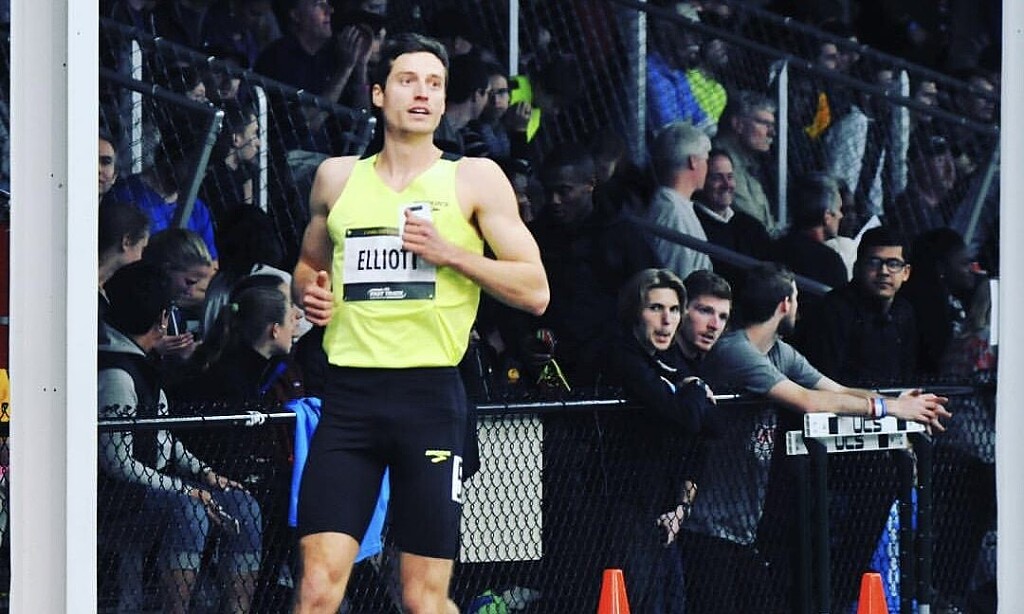
Former pro runner arrested for relationship with high-school student
Charlotte, N.C., high school running coach and former elite runner Matthew Elliott was arrested on Wednesday and charged with two counts of “indecent liberties” with a student. Last Friday, the victim, who is now an adult, came forward to the local police department, reporting the inappropriate relationship she had with Elliott, who was her cross-country coach while she was enrolled at the school, Charlotte Country Day.
Reportedly, the victim told officers that Elliott flirted with her and made “numerous advances,” and that they had an inappropriate relationship.
Elliott, 39, had been a coach and a substitute teacher at the high school since 2015. After the allegations emerged, the school terminated Elliott’s employment, barred him from their campuses and informed families and alumni of the misconduct. The statement revealed that the victim attended the school within the past few years.
“America’s fastest kindergarten teacher”
The development comes years after Elliott rose to fame in 2013 after placing fourth in the 1,500m at the U.S. Track and Field Championships, beating elite runners while teaching full-time. An emotional post-race interview with Elliott went viral; the athlete even received autograph requests in the mail. That year, he was referred to as “America’s Fastest Kindergarten Teacher,” and was a cover model for both Runner’s World and Running Times magazines.
Elliott was a kindergarten through third-grade teacher for children with special needs at the Palmetto School in Rock Hill, S.C. The magazine story revealed that the teaching job required Elliott to act as a bus driver as well; he drove the kids to and from their homes before and after school.
During his career, Elliott was coached by American Distance Project coach Scott Simmons and joined the Team Indiana Elite running group alongside athletes such as William Leer. He broke the four minute barrier on multiple occasions and became a Brooks-sponsored athlete.
He set his sights on making the 2016 U.S. Olympic team, and gave inspirational talks to cross-country teams about his journey. In 2021, Elliott was featured in a podcast for The Unearthing Project, where he shared his running and coaching stories. Elliott hasn’t competed since 2019, according to his World Athletics profile.
None of the recent allegations against Elliott have been proven in court. News sources report the former coach was held on a USD $10,000 bond and was released on Thursday morning, but was set to face a judge that afternoon.
by Cameron Ormond
Login to leave a comment
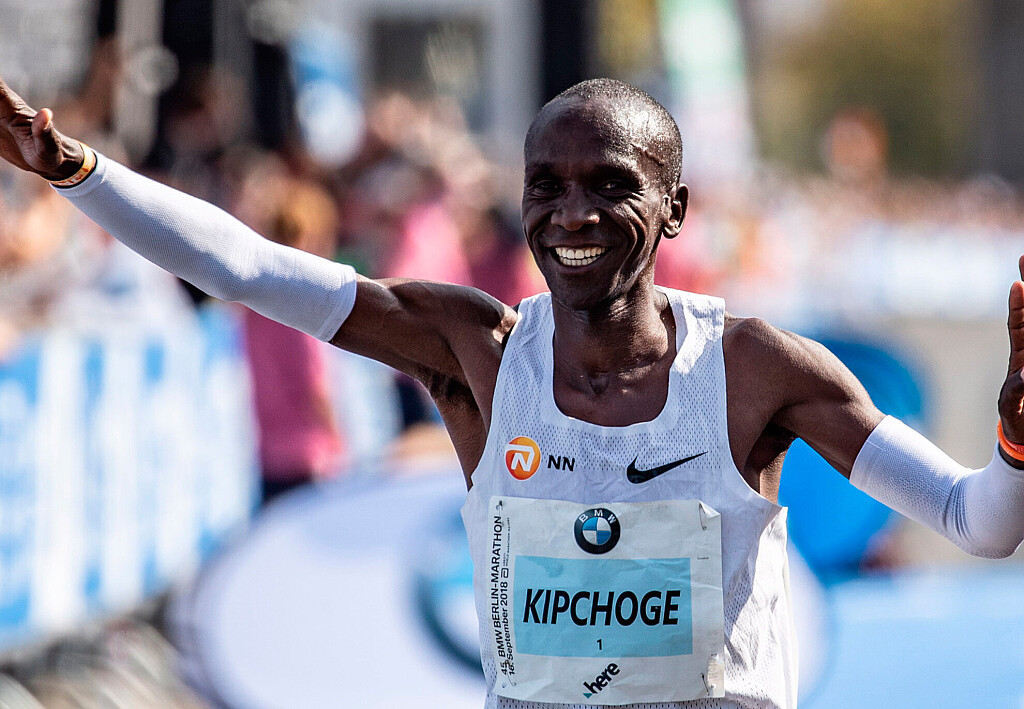
'Success is more than money' - Eliud Kipchoge warns athletes against the lure of quick riches
A mental health crisis in sports has forced Eliud Kipchoge to urge young athletes to prioritize career and values over money, hoping to guide them away from depression and doping risks.
Former world marathon record holder Eliud Kipchoge is urging upcoming athletes to prioritise their careers and personal values over the lure of fast money.
In light of rising mental health concerns and growing cases of doping in sports, Kipchoge has called on young athletes to shift their focus from chasing quick financial gains to building lasting careers with integrity and resilience.
Kipchoge, a two-time Olympic gold medallist and celebrated for his record-breaking marathon runs, has dedicated himself to nurturing the next generation of sportsmen and women.
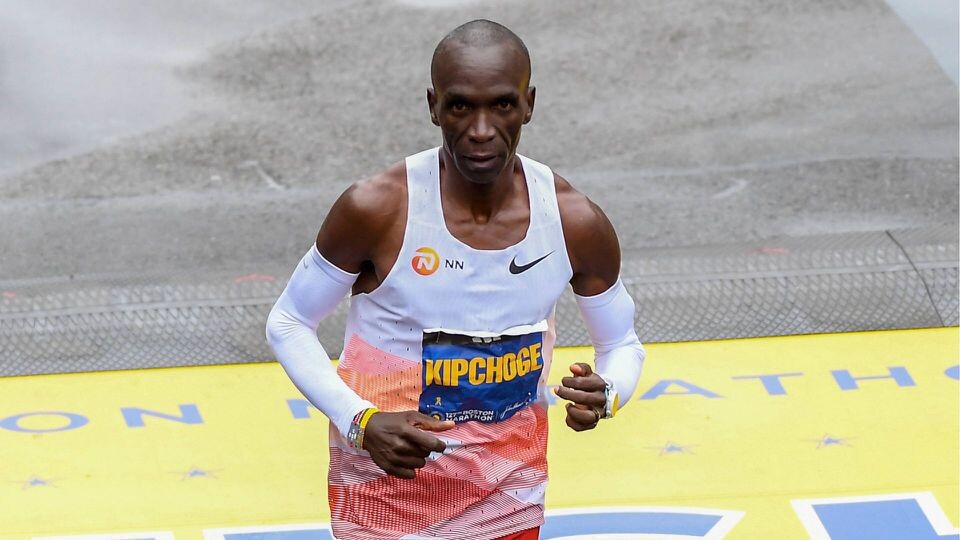
“I am trying to talk to the young people because no one has really gone under the skin of athletes. There is a lot going on under their skins but above all we need to sensitise them that life is not all about money,” Kipchoge emphasised as per TelecomAsiaSport.
“You need to have your own values as a person, and that is what should drive you.”
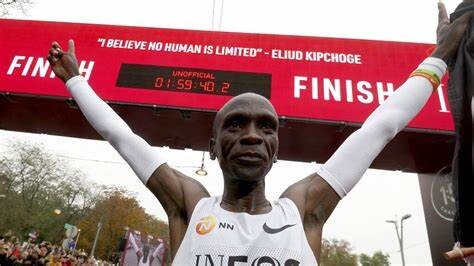
With a career marked by perseverance, Kipchoge understands the challenges that athletes face both on the field and behind the scenes.
He hopes to use his influence to guide young athletes in prioritising personal values, mental well-being, and career longevity over the fleeting allure of fame and money.
He is deeply concerned with the current state of affairs, especially as he sees the tragic impacts of depression and substance abuse on those who struggle to cope.
Recently, the sporting world has been rocked by the deaths of young athletes who succumbed to the pressures of the industry.
Last month, former world Under-20 champion Kipyegon Bett tragically passed away after battling depression and alcoholism, according to close family members.
In another tragic incident, Clement Kemboi, a former All Africa Games steeplechase champion, was found to have taken his own life at his home in Iten.
In response, Kipchoge is determined to do more than just compete—he wants to inspire change within the sporting community.
"I will still continue talking to them," he said, expressing his dedication to counseling and supporting young athletes.
"And if all of us can come together and get our minds together, we can get rid of these things. It is unfortunate that we can lose athletes at such a young age, and it is more unfortunate that we can have young people get into depression and die."
Kipchoge has witnessed how the pressure for financial success can steer young athletes down dangerous paths, often leading to doping as a shortcut to fame and prosperity.
He attributes much of the current doping crisis to the culture of seeking quick, easy money, rather than focusing on building a reputation of dedication and integrity.
Despite the challenges, he remains hopeful that a positive shift is possible if athletes receive the right mentorship and guidance early in their careers.
The celebrated marathoner believes that with open conversations and a community effort, young athletes can learn to see beyond monetary gains and understand the importance of a balanced life that honors their mental health, values, and long-term goals.
"There is a need for athletes to understand that a fulfilling life extends beyond medals and money," Kipchoge said, expressing his optimism for change. "
"The fame and fortune are secondary to the peace and pride of knowing you did it the right way."
by Festus Chuma
Login to leave a comment

Dina Asher-Smith sparks speculation over potential partnership with Shelly-Ann Fraser-Pryce
British sprinter Dina Asher-Smith has got fans excited over a potential project in the works between her and Jamaican legend Shelly-Ann Fraser-Pryce following her latest social media post.
British sprinter Dina Asher-Smith has got fans wondering if there could be a new project in the works between her and Jamaican legend Shelly-Ann Fraser-Pryce.

Asher-Smith, who is on holiday in Mexico, posted on her Instagram story saying she was waiting for Fraser Pryce and American hurdler Anna Cockrell to join her, leaving fans excited over a potential project involving the two.
Fraser-Pryce has been mum over her next career move since pulling out of her semi-final race at the Paris 2024 Olympics and recently split up with her coach Raynaldo Walcott.

With Asher-Smith, now based in the United States, having started working with coach Edrick “Flo” Floreal ahead of the Paris Olympics, fans are now speculating if the two sprinters could end up training together or if it was something not related to their careers.
Fraser-Pryce is looking to revive her career in 2025 after enduring tough moments in the last two years where injuries and poor form slowed her down.
The 37-year-old recovered from an injury to win bronze and the 2023 World Championships but any hopes of a major comeback in Paris went up in smoke when she withdrew from her 100m race at the Olympics for reasons she is yet to reveal.
She has, however, been in good spirits attending to her Pocket Rocket Foundation, and was recently pictured on holiday alongside her family as she plots her next step.
Asher-Smith, meanwhile, did not meet her desires since her move to the US as she exited the 100m at the semi-final before finishing fourth in 200m with her saving grace being the 4x100m relay silver with Great Britain.
by Joel Omotto
Login to leave a comment
Hurricane Helene Devastated This Running Hotbed. Professional Athletes Are Helping Rebuild It.
“We had no idea the gravity of what was coming,” said Olympian Abbey Cooper.
On a typical Tuesday, Abbey Cooper usually tackles a threshold workout before leading practice as the coach of a youth cross-country team in Boone, North Carolina.

Last week, the 2016 Olympic 5,000-meter runner was working as a volunteer, answering phones at her church, Alliance Bible Fellowship. For hours, the new mom helped survivors of Hurricane Helene obtain generators and other necessities in the wake of a natural disaster.

When Helene made landfall in Florida as a Category 4 storm on September 26, it created a 500-mile path of destruction across the southeast. Homes were washed away, roads were destroyed, and electricity was wiped out in communities across six states, where the death toll has risen to 227. Many are still unaccounted for or missing, according to The AP.
In the rural mountain towns of western North Carolina, the hurricane decimated communities with unrelenting rain and devastating floods. And emergency response was made more difficult due to hundreds of damaged roads and downed bridges.
Now as people begin to recover and rebuild, several elite runners in Boone and Blowing Rock, North Carolina, are taking major steps to give back and raise awareness for the organizations working tirelessly to support those in need. From cleaning up trails to delivering meals and disaster kits, professional and collegiate athletes who train in the area are providing critical aid and urging others to help in recovery efforts.
“We had no idea the gravity of what was coming”
Cooper, her husband, Jacob, and their 20-month-old daughter, Mercy, live in a valley about 15 minutes from downtown Boone. In the days leading up to the storm hitting their town on Friday, September 27, a downpour descended on the area. At the height of the storm, Cooper remembered seeing waterfalls flowing off the hill and rushing toward their house.
Though they had to dig a trench to reroute water that was flowing into their garage, there was minimal damage done to the Coopers’ home. Cooper said they were lucky. One of their neighbor’s homes located next to a creek was destroyed, but the owner made it out safely. “All of us were really humbled. We had no idea the gravity of what was coming,” she said.
They lost power and water, relying on a portable camping stove and water filter to sustain them at home for three days. The couple considered driving to their friend’s house in Raleigh but decided to stay after the power was turned back on.
Tristin Van Ord Colley had a similar terrifying experience at her home in Blowing Rock, located about eight miles from Boone. The professional marathoner, who runs for Zap Endurance, was in her apartment when a tornado hit the street behind her complex on Wednesday, September 25. Without receiving any warning of the tornado, the Appalachian State University alum and her husband, fellow pro runner Andrew Colley, took shelter last minute in a room without windows. The next day, the rain started to pick up. By Friday, it became catastrophic.
Tristin said Andrew was watching a teammate’s dogs across town when water started flooding into the house. With the water rising rapidly and the electricity still on, Andrew fled with the dogs in his car and drove to their apartment. Tristin said he was forced to avoid road closures and drive through deep water as the storm progressed. “If [Andrew] had waited any longer, I’m not sure he would’ve been able to make it,” she said.
Though the basement of their apartment building flooded up to four feet, the water didn’t reach their unit on the second floor. After the power went out—and didn’t turn back on for nine days—Tristin and Andrew braved the few roads that were open but riddled with fallen trees, to drive to her mom’s house in Chapel Hill.
Recovering and rebuilding
Once they stabilized at home, Abbey and Jacob started volunteering with local relief efforts led by the Red Cross and Samaritan’s Purse in partnership with their church. Jacob, who works as the Associate Athletics Director for Sports Psychology and Mental Wellness at Appalachian State, is making deliveries to families in need and serving meals at the university. Abbey is assisting with administrative
“The people of Appalachia I feel are forgotten about a lot…Being someone who was extremely lucky in this situation, it’s hard for me to watch this community that I’ve grown to love so much crumble because of poverty and maybe not being prepared or not warned,” she said, while noting the messaging about the severity of the storm could have been better communicated in advance.
“It’s important to have eyes on this area and have people recognize that these people here matter too.”
Zap Endurance elite coach Peter Rea and his family are doing their part by volunteering at local churches and public schools, which have become distribution centers for aid since the hurricane hit. Rea, his wife—cofounder of Zap Endurance Zika Rea—and their two children are helping people get necessities, like diapers, toothpaste, bottled water, blankets, and hot meals in the aftermath of their homes getting destroyed.
The Rea family home saw minimal damage in Blowing Rock compared to other communities sitting at lower elevation, but four Zap runners were flooded from their houses, he said. Several of the athletes stayed with Rea immediately after the hurricane. They had to run on treadmills because the team’s primary training venue, Moses H. Cone Memorial Park, was severely damaged from the storm.
“There are just hundreds of trees down in the national park on all of the carriage trails that we run on,” Rea said. “A couple of our rolling dirt loops are completely flooded out. There’s lots of housing destruction on the road because it’s right next to the Watauga River, which went 12 feet over its banks.”
Most of the team left Blowing Rock and Boone to continue their respective training blocks in their hometowns. Though the team is displaced right now, Rea has encouraged the athletes to stay connected as they pursue their running goals from afar. “We’re trying to impress upon them to be excited about getting out the door everyday, and go out of your way to create community when you’re back home,” he said.
Rea is hoping the athletes will be able to
A portion of the trail clean-up effort is being led by the cross-country team at Appalachian State. Seeing the widespread damage prompted the men’s and women’s squad to pick up trash blown onto the paths they utilize every day, said Appalachian State women’s distance coach Annie Richards.
“As a distance runner, you’re out running the trails or running around town, you really have a unique connection to the place,” Richards said. “In some ways, it’s harder because a lot of the trails that we’ve been running on have been really impacted by the storm, but also I think our team has been able to really understand the scope of the disaster.”
Last week, the team volunteered to sort through donations and build disaster relief kits, which included items to help people kill mold in their home caused by water damage. Richards said they plan to do more volunteer projects while the team is in season for cross-country this fall.
Though the community has received aid from different organizations in town and around the country—Cooper said she got “chills” when she saw hundreds of camper vans belonging to volunteers who traveled many miles to assist—there’s a long period of recovery ahead.
“The people of western North Carolina have never seen anything of this magnitude,” Rea said. “Anything people can do to help is greatly appreciated.”
To learn more about Hurricane Helene relief efforts and different ways to give back, visit the following nonprofit organizations recommended
by Runner’s World
Login to leave a comment
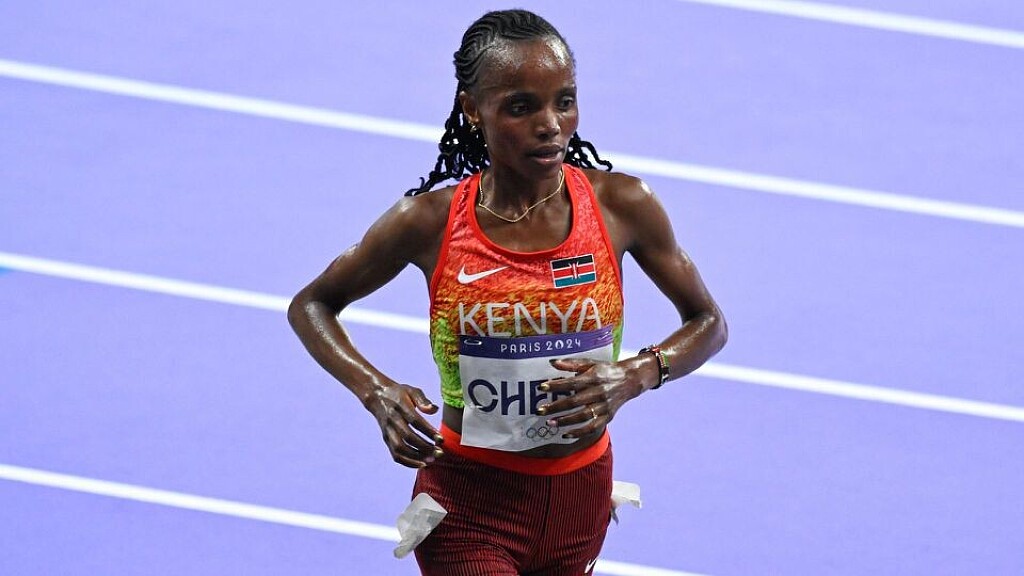
'I always have faith in myself'- When Beatrice Chebet revealed her grandmother's influence on her historic athletics journey
Kenya's Beatrice Chebet credits her grandmother's influence for inspiring her historic Olympic double gold and world record-breaking success.
If your grandmother is still alive, she often holds a unique place in your heart—offering wisdom, support and encouragement.
For Beatrice Chebet, her grandmother has been far more than that. The two-time Olympic gold medalist and world record holder credits her grandmother, Pauline Lang’at as the driving force behind her remarkable athletics career shaping her into one of the most dominant figures in women’s long-distance running.
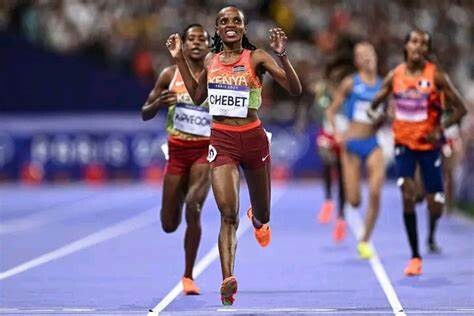
Reflecting on her journey, Chebet describes her grandmother’s pivotal role in motivating her to reach unimaginable heights.
Lang’at, who took Chebet to her first athletics club in 2016, was also among the emotional crowd that welcomed the newly crowned double Olympic champion back to Kenya.
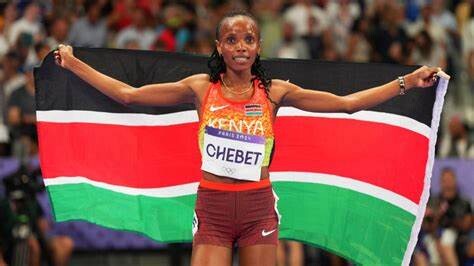
“I am lost for words when I look at where I have reached, when I look or talk to my grandmother,” Chebet said with a smile during an August interview with Daily Nation as quoted by Olympics.com.
“She is my rock and the reason I never gave up, even when the challenges seemed insurmountable.”
Chebet’s meteoric rise is built on years of determination, inspired by her grandmother’s belief in her potential.
At just 24 years old, the Kenyan sensation has rewritten the history books, becoming the first woman to break the 29-minute barrier in the 10,000m and the third woman in history to win both the 5,000m and 10,000m golds at the same Olympic Games.
Her journey has not been without setbacks as after missing out on the 5,000m world title in Budapest last year, where she settled for bronze, Chebet turned to road running as a path to redemption.
In Riga, she claimed the women’s 5km title at the inaugural World Athletics Road Running Championships, but that was just the beginning.
On the last day of 2023, Chebet shattered the world record for the women’s 5km in Barcelona with a time of 14:13, cementing her place among the legends of the sport.
“I always have faith and belief in myself,” Chebet shared with Olympics.com after winning the 5,000m in Paris.
“I had never won a track title before, but after breaking the 10,000m world record in Eugene at the Kenyan Trials for the Olympics, I felt an unusual strength and motivation. That’s when I decided, ‘I want to double in Paris.’”
This bold decision led to one of the most remarkable achievements of her career, winning both the 5,000m and 10,000m at the 2024 Paris Olympics.
Despite her unprecedented success, Chebet remains humble, attributing much of her accomplishments to her grandmother’s unwavering support.
Lang’at’s influence stretches beyond the track, instilling in Chebet the discipline and resilience needed to thrive in one of the most competitive sports in the world.
She is determined to restore Kenya’s dominance in women’s track running, and with her eyes set on breaking Gudaf Tsegay’s 5,000m world record, Chebet shows no signs of slowing down.
As she looks back on her career, from her first global title at 18 to her recent Olympic triumphs, Chebet remains grounded by the love and guidance of her grandmother.
Her story is one of resilience, determination and the power of family—a true testament to how inspiration can come from the most cherished of relationships.
For now the sky’s the limit for Beatrice Chebet but one thing remains constant: her grandmother’s enduring influence on her path to greatness.
by Festus Chuma
Login to leave a comment
