

Running News Daily
Running News Daily is edited by Bob Anderson and team. Send your news items to bob@mybestruns.com Advertising opportunities available.
Index to Daily Posts · Sign Up For Updates · Run The World Feed
Articles tagged #Sunday
Today's Running News
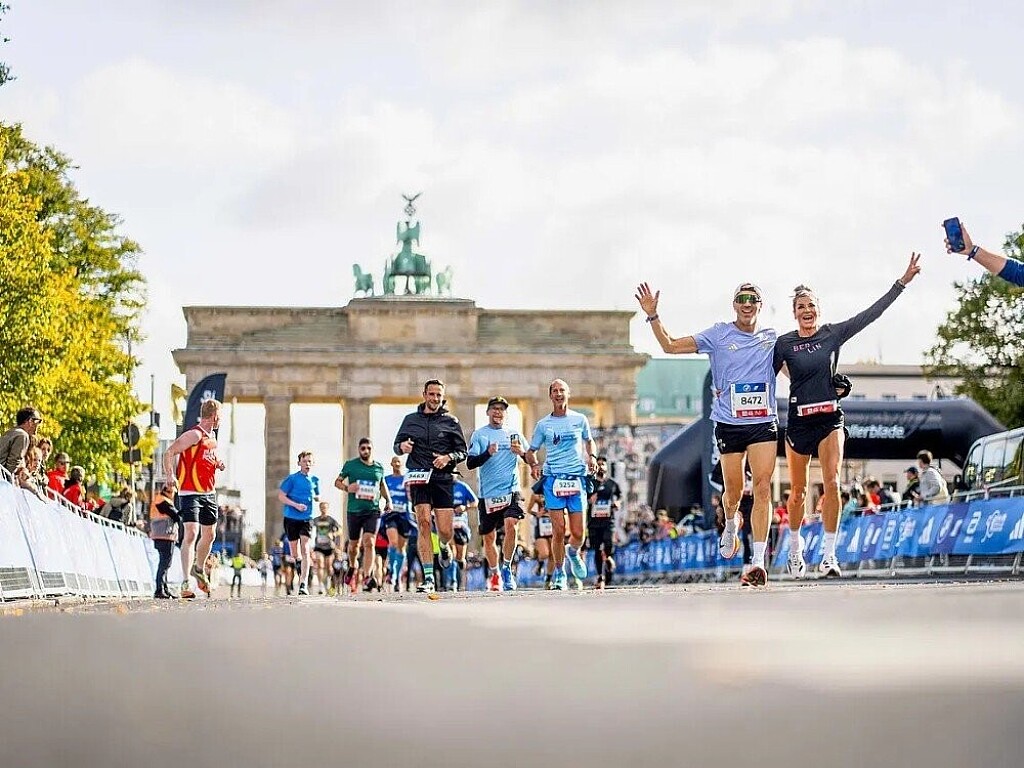


Berlin Marathon 2027 Lottery Is Officially Open As Runners Race For A Place On The World’s Fastest Stage
The wait is over for thousands of marathon hopefuls dreaming of running through the streets of Berlin next year, with registration for the 2027 Berlin Marathon officially opening on Thursday, October 1.
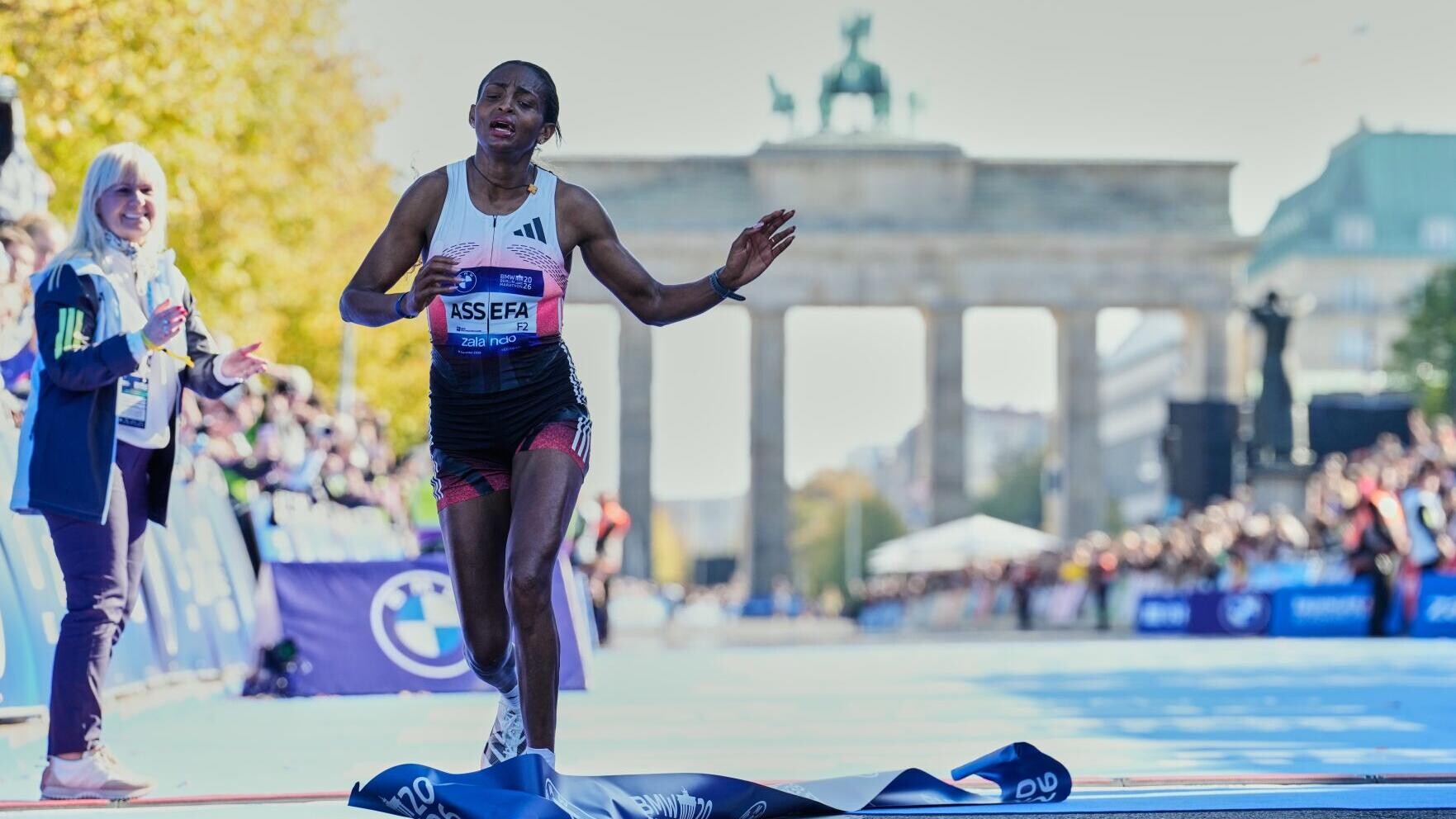
Runners now have until November 12, 2026, to enter the lottery, with the results scheduled to be sent by email on December 3. The entry fee of €215, around $244, will only be charged to athletes who successfully secure a starting place.
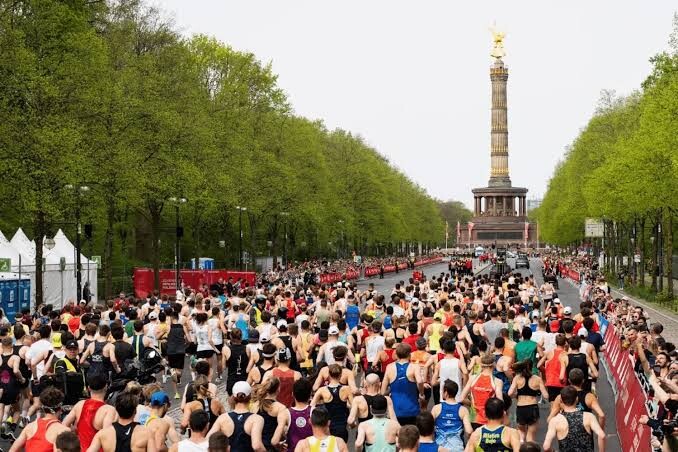
The 2027 race is scheduled for Sunday, September 26, once again bringing thousands of runners onto one of the most famous and fastest marathon courses in the world. Berlin has become synonymous with record-breaking performances, with 13 world records having been set on the course over the years.
That remarkable history continues to give the Berlin Marathon a unique place on the international marathon calendar. From elite athletes chasing world records to recreational runners attempting their first major marathon, the race attracts competitors from across the globe, all sharing the same iconic finish beneath the Brandenburg Gate.
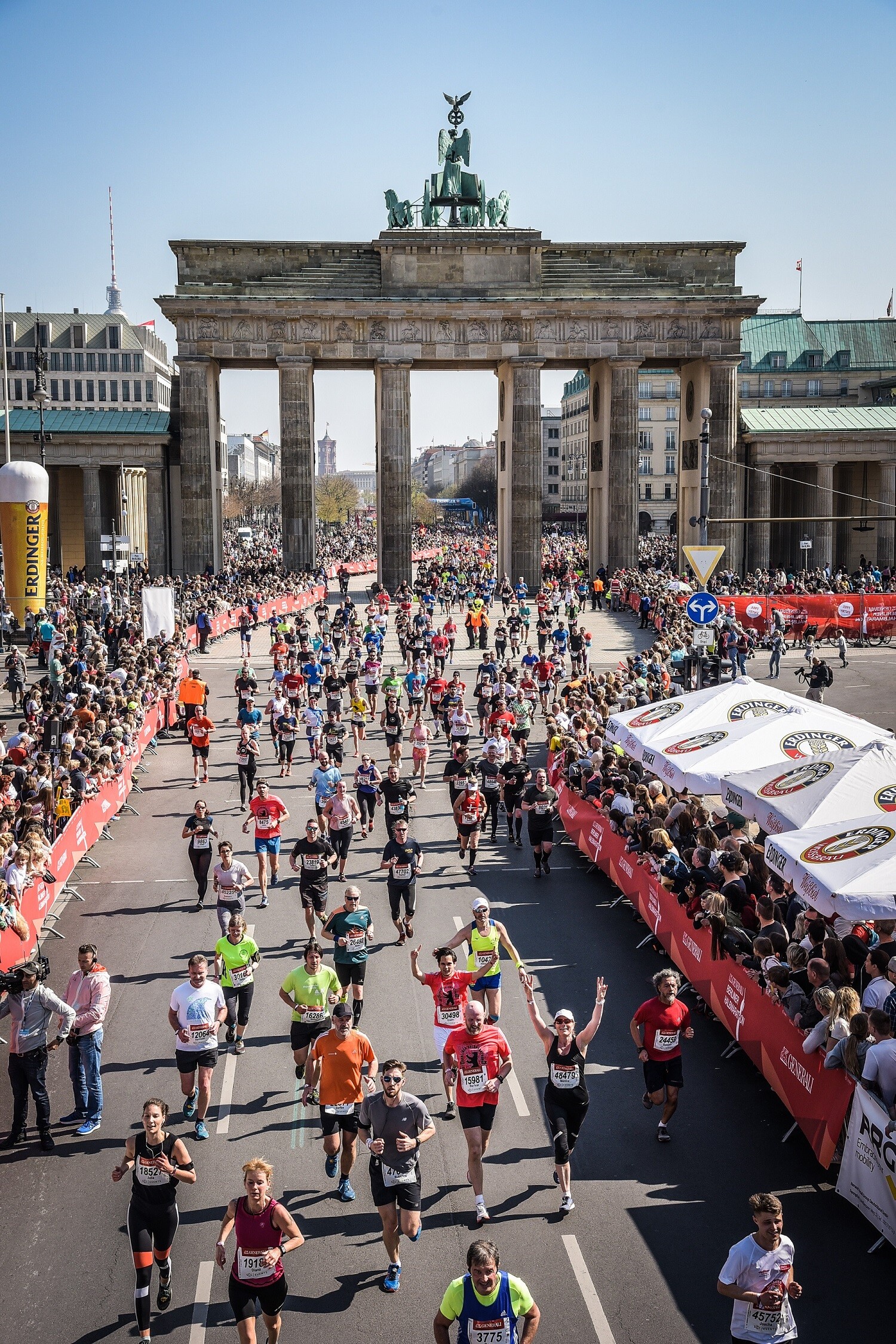
For runners who have already built a special relationship with the event, however, there are ways to bypass the public lottery. Members of the Jubilee Club, which is open to runners who have completed the Berlin Marathon 10 or more times, receive a guaranteed starting place.
There is also a special route for runners who were unable to compete in the 2026 edition after accepting the organisers’ goodwill offer. Those athletes will receive a registration code for the 2027 race by email, with the code required to be redeemed before the ballot closes on November 12.
Runners do not necessarily have to enter alone, either. Groups of two or three athletes can apply together as a team. One runner registers the group and receives a team code, which is then shared with the other members. Each athlete completes their own registration using that code, and if the team is selected, everyone in the group receives a place together.
The lottery system means that demand will once again be high, with aspiring Berlin Marathon runners now facing a nervous wait after submitting their applications. For many, the December 3 email will determine whether their plans for one of the world's most prestigious marathons can become reality.
For those dreaming of lining up in Berlin, the important dates are clear: registration opened on October 1, the ballot closes on November 12, results will be announced on December 3, and the 2027 Berlin Marathon will be held on September 26.
The road to Berlin 2027 has officially begun — and for thousands of runners, the countdown to finding out whether they have secured their place is now underway.
by Erick Cheruiyot for My Best Runs.
Login to leave a comment

BMW Berlin Marathon
The story of the BERLIN-MARATHON is a story of the development of road running. When the first BERLIN-MARATHON was started on 13th October 1974 on a minor road next to the stadium of the organisers‘ club SC Charlottenburg Berlin 286 athletes had entered. The first winners were runners from Berlin: Günter Hallas (2:44:53), who still runs the BERLIN-MARATHON today, and...
more...
Sabastian Sawe Set For London Marathon Title Defence After Historic Sub-Two Triumph
Kenyan marathon star Sabastian Sawe is set to return to the streets of London in 2027 to defend the title he claimed in unprecedented fashion a year earlier.
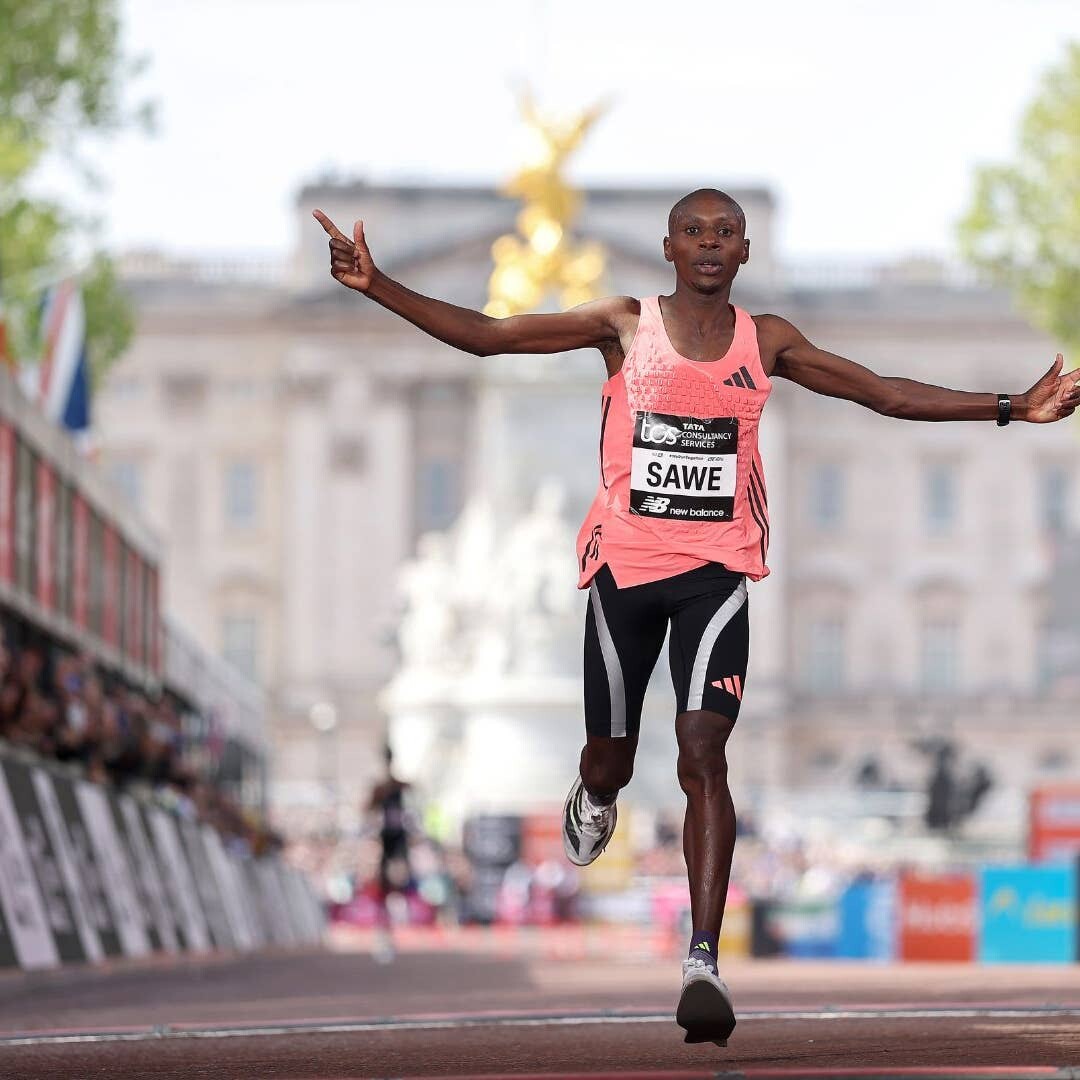
The reigning TCS London Marathon champion and marathon world-record holder has been confirmed for the 2027 TCS London Marathon, scheduled to take place on Saturday, April 24, and Sunday, April 25.
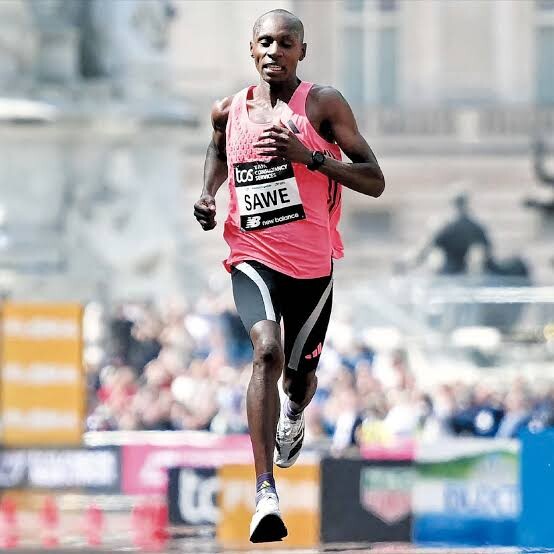
Sawe made history in the British capital in April 2026 when he clocked an astonishing 1:59:30, becoming the first man to break the two-hour barrier in a record-eligible marathon. His extraordinary performance also saw him improve the previous world record by 65 seconds.
Now, the Kenyan superstar will return to the scene of his greatest marathon achievement with the chance to defend his London crown and add another memorable chapter to his remarkable career.
However, the 2027 edition will be unlike any London Marathon that has come before it.
For the first time, the iconic event will be held across a two-day marathon weekend, with a huge field of 100,000 participants expected to take part. The historic format will see the elite and mass-participation races distributed across Saturday and Sunday.
Remarkably, the decision over which elite athletes would compete on each day was settled in one of the most unusual ways imaginable — through a game of rock, paper, scissors.
Sawe faced Catherine Debrunner, the women's wheelchair world-record holder, in a contest to determine who would claim the traditional Sunday slot.
Debrunner won the showdown, meaning Sawe and the elite men's field will headline the action on Saturday, April 24, while the elite women's and women's wheelchair races will take centre stage on Sunday, April 25.
Saturday's programme will feature the Elite Men's Open, Men's Wheelchair and Men's Good for Age races, while Sunday's schedule will include the Elite Women's Open, Women's Wheelchair and Women's Championship races.
For Sawe, though, the novelty surrounding the 2027 event will eventually give way to the familiar challenge of covering 26.2 miles through the streets of London.
He will arrive as the defending champion and marathon world-record holder, carrying the weight of history after delivering one of the most extraordinary performances ever seen over the marathon distance.
On April 24, 2027, the spotlight will once again fall on the Kenyan superstar as Sawe begins his bid to retain his London Marathon crown and create another unforgettable moment on one of the world's most famous marathon courses.
by Erick Cheruiyot for My Best Runs.
Login to leave a comment
TCS London Marathon
Since its inaugural edition on March 29, 1981, the TCS London Marathon has grown into one of the world's most prestigious road races, blending elite competition with an extraordinary charitable legacy. Founded by former Olympic champion and journalist Chris Brasher alongside Welsh athlete John Disley, the event has been staged every year and has been held in the spring annually...
more...
Valencia Half Marathon 2026 Set for Star-Studded Women’s Battle as Yehualaw, Gebreselama and Gitonga Head Elite Field
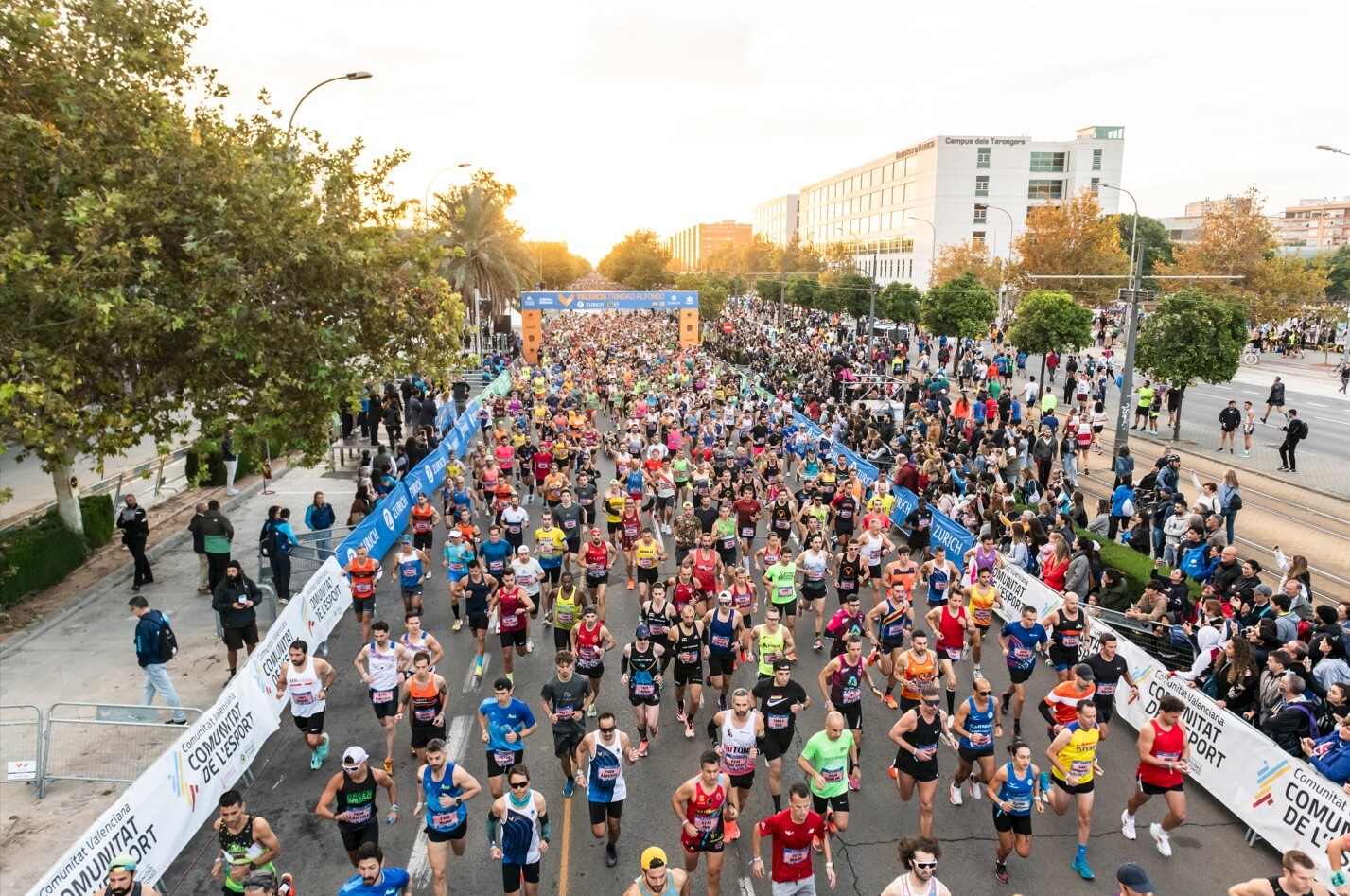
The Valencia Half Marathon 2026 is shaping up to be one of the most anticipated women’s road races of the season, with a deep international field set to assemble in Valencia, Spain, on Sunday, October 25.
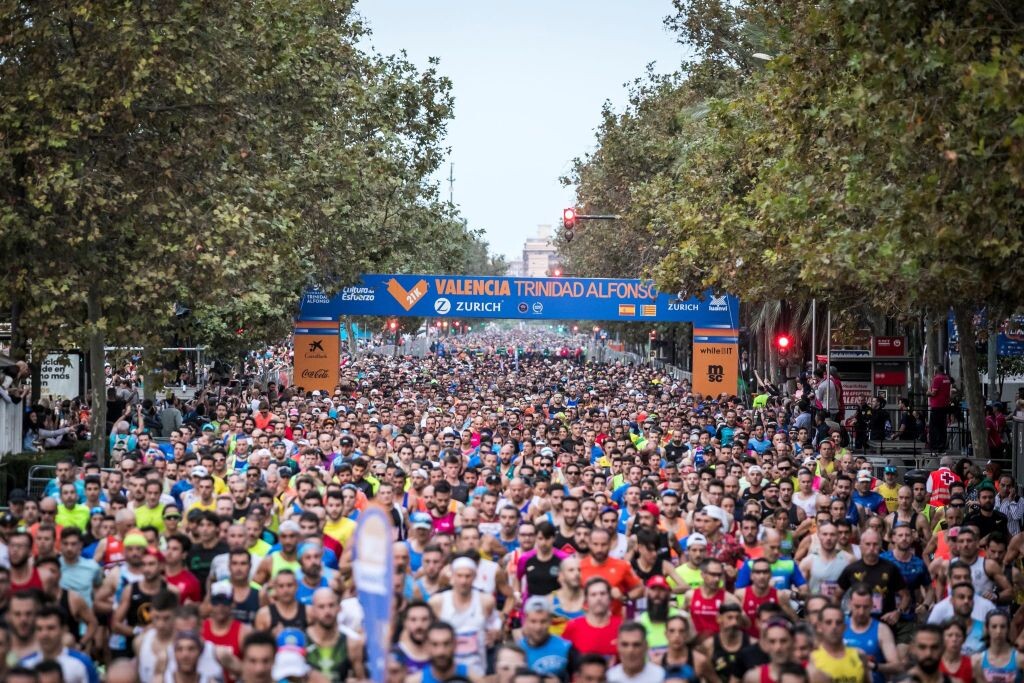
Leading the announced line-up are Ethiopia’s Yalemzerf Yehualaw, Tsigie Gebreselama and Kenya’s Caroline Gitonga, with a strong group of athletes from Kenya, Ethiopia, Germany and Spain adding considerable depth to the race.
Yehualaw arrives with a listed personal best of 1:03:51, placing her among the fastest athletes in the field. The Ethiopian has considerable experience in Valencia, having finished second in the 2021 edition in 1:03:51 when compatriot Letesenbet Gidey set the then-world record of 1:02:52.
Gebreselama is also listed at 1:04:21, while Ethiopia’s Ftaw Zerai enters with 1:05:12. Their presence gives Ethiopia a formidable challenge at the front of the women’s race and sets the stage for a potentially fast contest from the opening kilometres.
Kenya will be strongly represented as well. Daisilah Jerono has a listed best of 1:05:21, followed by Veronica Loleo at 1:05:35 and Caroline Gitonga at 1:06:16. Loleo is particularly familiar with Valencia, having finished third in the 2025 race in 1:05:46.

Germany’s Konstanze Klosterhalfen, listed at 1:05:41, adds another major international name to the field. Meanwhile, Spain’s hopes will be carried by Carla Gallardo, Laura Luengo and Irene Sánchez-Escribano, who are listed at 1:08:30, 1:08:50 and 1:09:10 respectively.
Valencia Half Marathon 2026 — Women’s Elite Field
1. Yalemzerf Yehualaw (Ethiopia) — 1:03:51
2. Tsigie Gebreselama (Ethiopia) — 1:04:21
3. Ftaw Zerai (Ethiopia) — 1:05:12
4. Daisilah Jerono (Kenya) — 1:05:21
5. Veronica Loleo (Kenya) — 1:05:35
6. Mizam Alem (Ethiopia) — 1:05:38
7. Konstanze Klosterhalfen (Germany) — 1:05:41
8. Caroline Gitonga (Kenya) — 1:06:16
9. Carla Gallardo (Spain) — 1:08:30
10. Laura Luengo (Spain) — 1:08:50
11. Irene Sánchez-Escribano (Spain) — 1:09:10
The quality of the field is particularly significant given Valencia’s reputation as one of the fastest half-marathon venues in the world. The race has produced both the women’s and men’s world records, with Gidey running 1:02:52 in 2021 and Yomif Kejelcha clocking 57:30 in 2024.
With several athletes already possessing credentials around or below the 1:06 mark, the women’s race could develop into a high-quality battle over the 21.0975-kilometre distance. The depth behind the leading trio also means the outcome could depend on pacing, positioning and how the contenders respond when the race reaches its decisive stages.
For the Spanish athletes, racing on home roads provides an opportunity to challenge a powerful African contingent, while the Kenyan and Ethiopian runners will arrive with ambitions of competing for the leading positions.
The Valencia Half Marathon 2026 will take place on October 25, bringing together an international elite field alongside thousands of mass-participation runners on the fast streets of Valencia.
by Erick Cheruiyot for My Best Runs.
Login to leave a comment

Valencia Half Marathon
The Trinidad Alfonso Valencia Half Marathon has become one of the top running events in the world. Valencia is one of the fastest half marathon in the world. The race, organized by SD Correcaminos Athletics Club, celebrated its silver anniversary in style with record participation, record crowd numbers, Silver label IAAF accreditation and an atmosphere that you will not find...
more...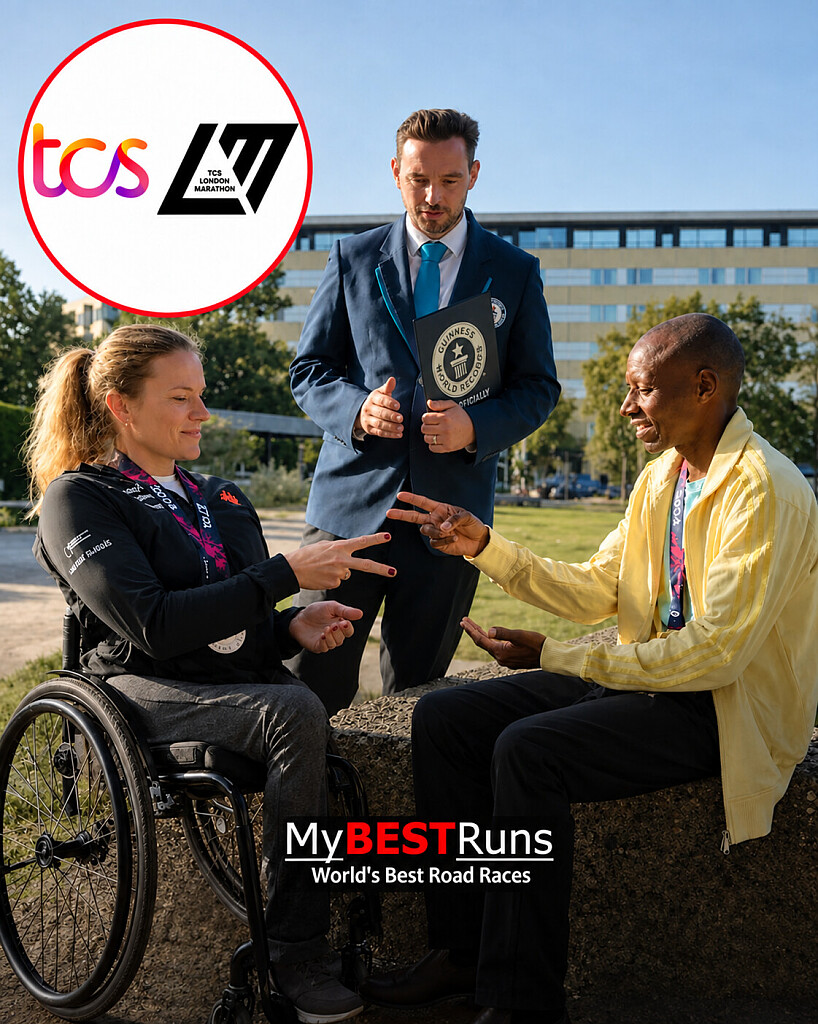
London Marathon’s 2027 Elite Schedule Decided By Rock, Paper, Scissors
The 2027 TCS London Marathon has found a remarkably unconventional way to settle one of its biggest questions — with a game of rock, paper, scissors.

Kenyan marathon star Sabastian Sawe and Swiss wheelchair champion Catherine Debrunner, the reigning London Marathon champions in their respective races, went head-to-head in a contest overseen by an official Guinness World Records adjudicator.
Debrunner emerged victorious, securing Sunday, April 25, 2027, for the elite women’s and women’s wheelchair races. As a result, the elite men’s and men’s wheelchair races will open the historic weekend on Saturday, April 24.
The unusual showdown has also earned its place in the record books, with Guinness World Records recognising it as the first elite marathon race start ever decided by a game of rock, paper, scissors.
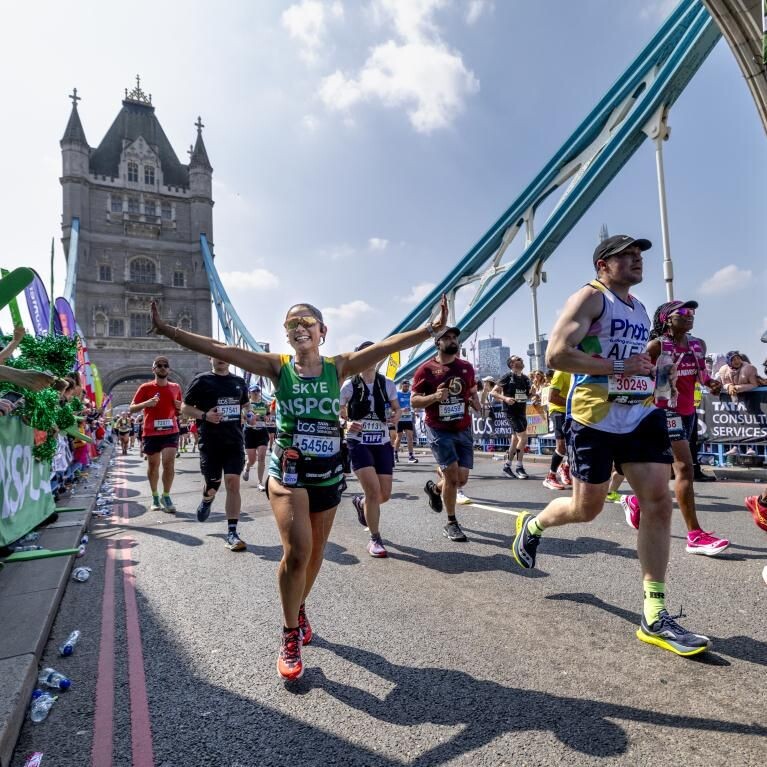
The decision adds another memorable chapter to what will already be an extraordinary edition of the London Marathon. For 2027 only, the race will be staged across two days, creating the Double TCS London Marathon, with around 100,000 participants expected to take part across the weekend.
Sawe enters the story as one of the defining figures of the 2026 London Marathon. The Kenyan made history by clocking 1:59:30, becoming the first athlete to run a sub-two-hour marathon in a record-eligible competitive race.
Debrunner, meanwhile, is a four-time London Marathon wheelchair champion, making her one of the most successful athletes in the event’s history. Her victory over Sawe means the women’s elite and women’s wheelchair races will retain the traditional Sunday spotlight.
The 2026 London Marathon also produced another landmark performance on the same course, with Ethiopia’s Tigst Assefa setting a women’s-only marathon world record.
The unprecedented two-day format was introduced following extraordinary demand for places. A record 1.33 million people applied for the 2027 London Marathon ballot, surpassing the previous record for any marathon.
With approximately 100,000 runners expected to finish on The Mall over the weekend — close to twice the size of the 2026 field — London is preparing for one of the biggest marathon weekends ever staged.
London Marathon Events chief executive Hugh Brasher added a playful warning after the rock-paper-scissors showdown, suggesting that while Sawe and Debrunner could settle the schedule with a game, the atmosphere would be considerably more competitive once the racing begins.
And so, before the first elite athlete has even reached the start line, the 2027 London Marathon has already made history — with its schedule decided not by the clock, but by rock, paper, scissors.
by Erick Cheruiyot for My Best Runs.
Login to leave a comment
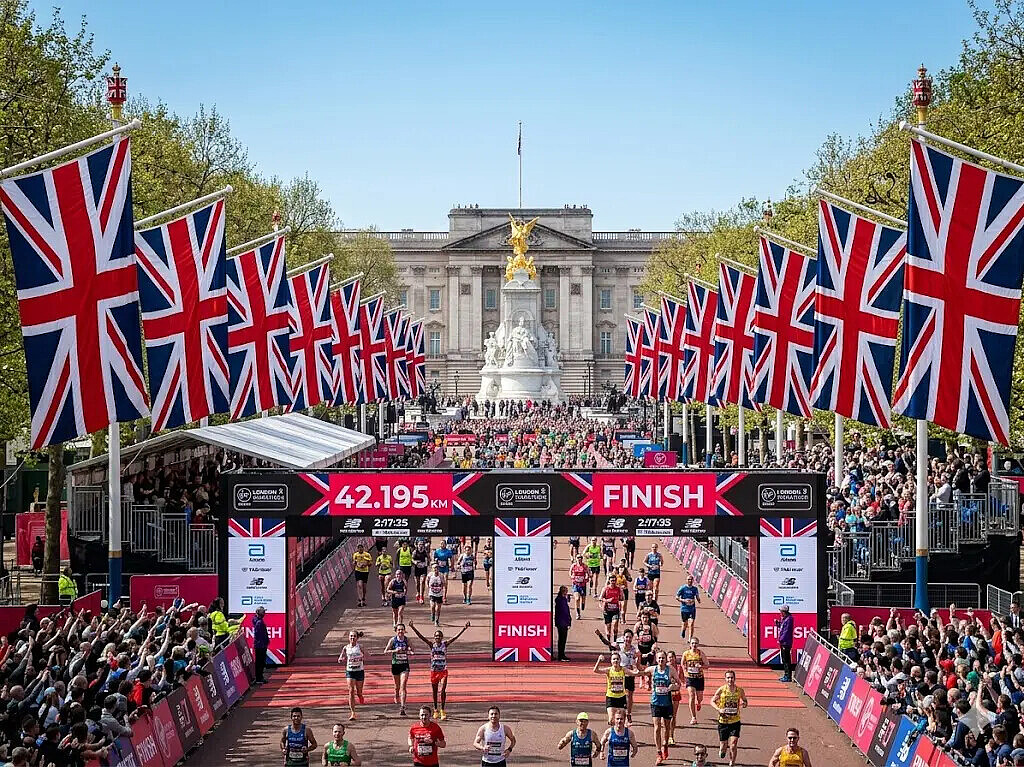
London Marathon Makes History With 100,000 Runners Across Two Days In 2027
The TCS London Marathon is preparing to make history in 2027, with the world-famous race set to become a two-day event for the first time.
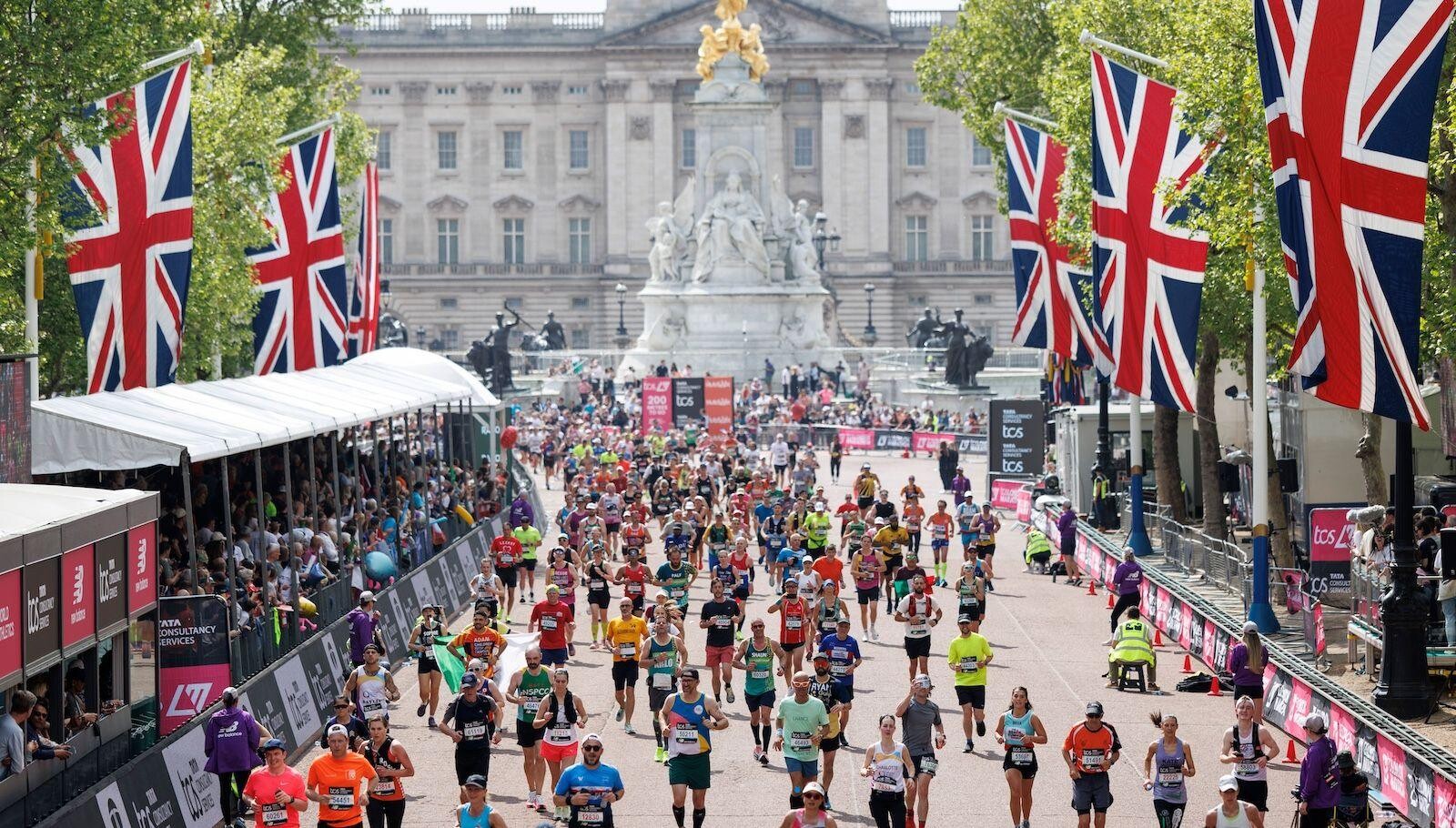
The landmark edition will take place on Saturday, April 24, and Sunday, April 25, 2027, bringing together an unprecedented 100,000 participants across the weekend in a one-off expansion of one of the world's most prestigious marathons.
Known as the 2027 Double TCS London Marathon, the historic weekend will give thousands more runners the opportunity to experience the legendary course from Greenwich to Westminster, while elite athletes and mass participants share the spotlight across two days.
The decision to introduce the two-day format follows extraordinary demand for places. More than 1.33 million people entered the ballot for the 2027 marathon, underlining the enormous global appeal of the London Marathon.
DOUBLE BILL!
For the first time in the event's history, the elite programme will be spread across two days, creating a unique weekend of world-class marathon racing.
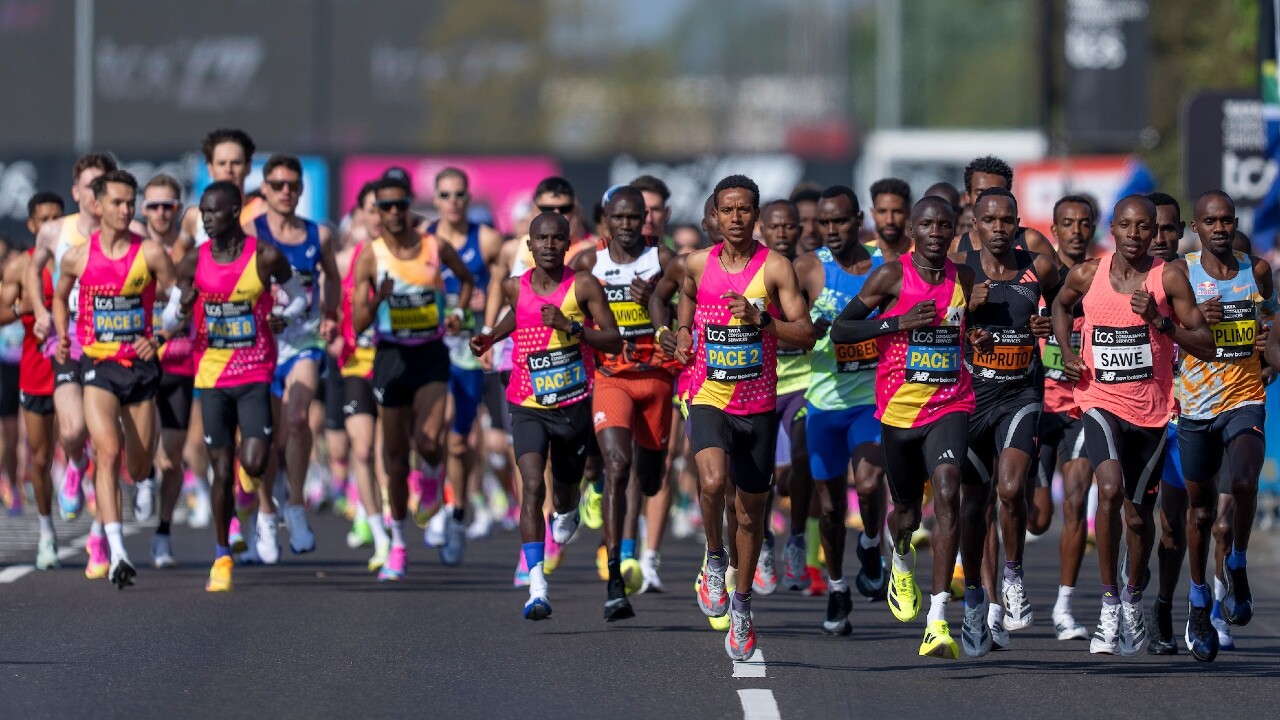
SATURDAY, APRIL 24
1. Elite Men's Wheelchair
2. Elite Men
3. Men's Championships and Good For Age
Saturday will put the spotlight on the men's competition, with the elite men's wheelchair race and elite men's marathon forming the centrepiece of the opening day. Men's Championship and Good For Age runners will also take to the iconic London course.
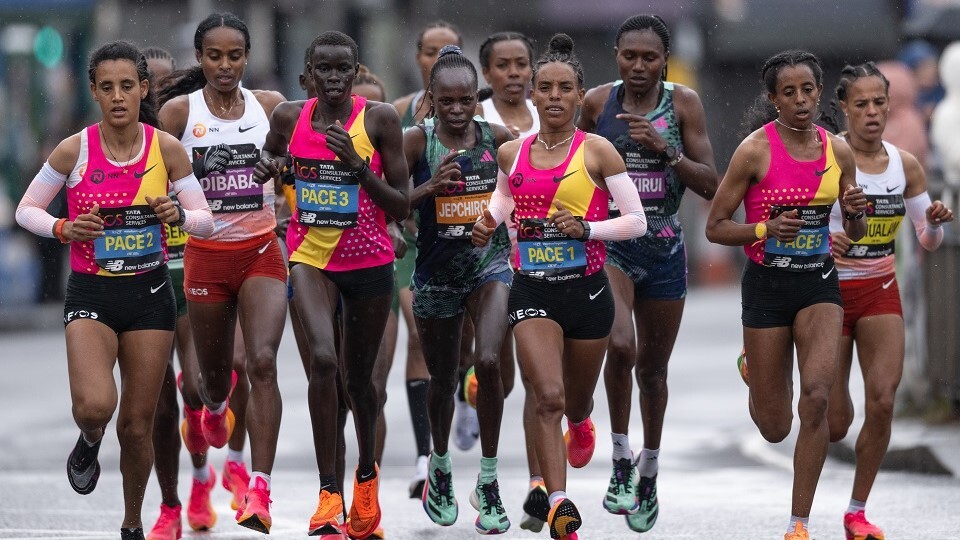
SUNDAY, APRIL 25
1. Elite Women's Wheelchair
2. Elite Women
3. Women's Championships and Good For Age
Sunday will then belong to the women's field, with the elite women's wheelchair and elite women's marathon races followed by the Women's Championships and Good For Age categories.
The two-day arrangement will create a completely different atmosphere around the London Marathon, allowing the world's leading athletes and thousands of amateur runners to share the spotlight across an extraordinary weekend.
A Marathon Weekend Like No Other
Despite the expanded format, the event will retain the character that has made the London Marathon one of the world's most recognisable road races.
Runners will once again take on the iconic route through the streets of the British capital, beginning in the Greenwich area before making their way towards the famous finish in central London.
The 2027 edition will also provide an enormous platform for spectators, charities, volunteers and running communities from across the globe to become part of a historic occasion.
More Than Just A Race
The 2027 Double is expected to become much more than a marathon. It will be a huge celebration of running, charity and London communities, bringing together recreational runners, elite athletes, volunteers, spectators and supporters from around the world.
The London Marathon has long been recognised as one of the world's major fundraising events, and the expanded 2027 edition is expected to create even greater opportunities for charities and community organisations to raise money.
Organisers have projected that the 2027 Double could generate more than £150 million for good causes, while also delivering a significant economic and social contribution to the United Kingdom.
The wider celebrations will also include the TCS Mini London Marathon, ensuring that young runners have their own opportunity to be part of this historic weekend.
One Historic Weekend, One Iconic Race
Although the 2027 edition will look very different from previous London Marathons, the two-day format is planned as a one-off change for 2027.
With 100,000 participants, two days of elite competition and a mass field representing runners from around the world, the 2027 TCS London Marathon is set to become one of the most extraordinary editions in the event's history.
From world-class wheelchair athletes and elite marathoners to Championship competitors, Good For Age runners and thousands of recreational participants, London will become the centre of the global running world for one unforgettable weekend.
by Erick Cheruiyot for My Best Runs.
Login to leave a comment
TCS London Marathon
Since its inaugural edition on March 29, 1981, the TCS London Marathon has grown into one of the world's most prestigious road races, blending elite competition with an extraordinary charitable legacy. Founded by former Olympic champion and journalist Chris Brasher alongside Welsh athlete John Disley, the event has been staged every year and has been held in the spring annually...
more...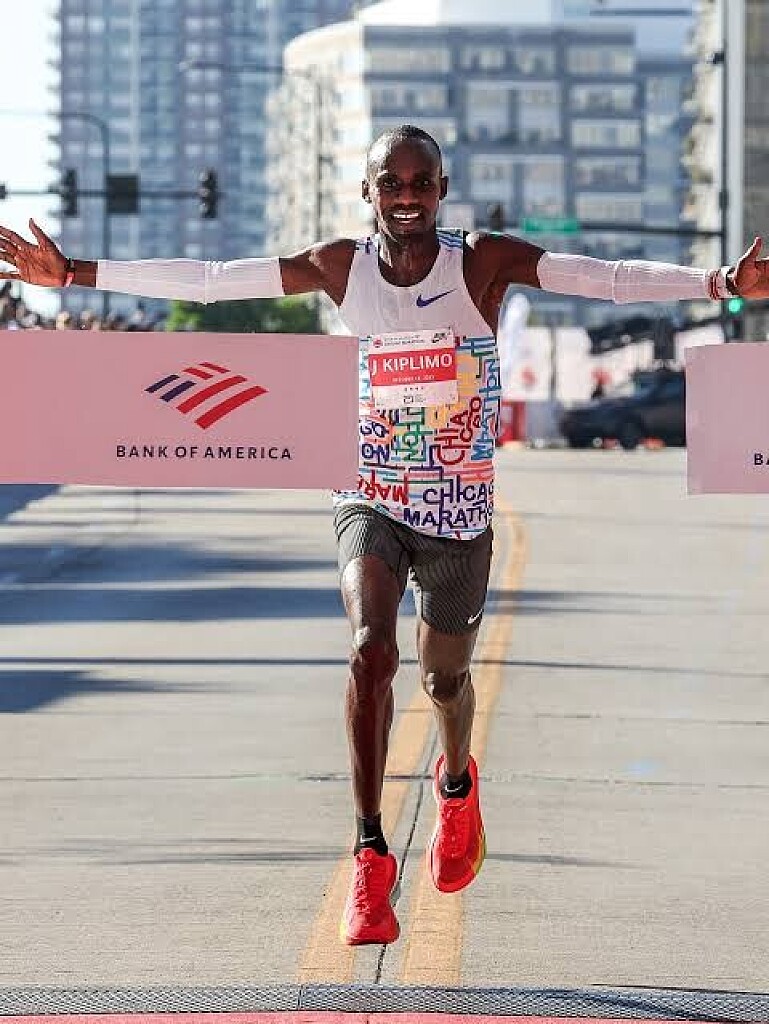
Chicago Marathon Braced For Record-Breaking Drama As Kiplimo Leads Elite Field
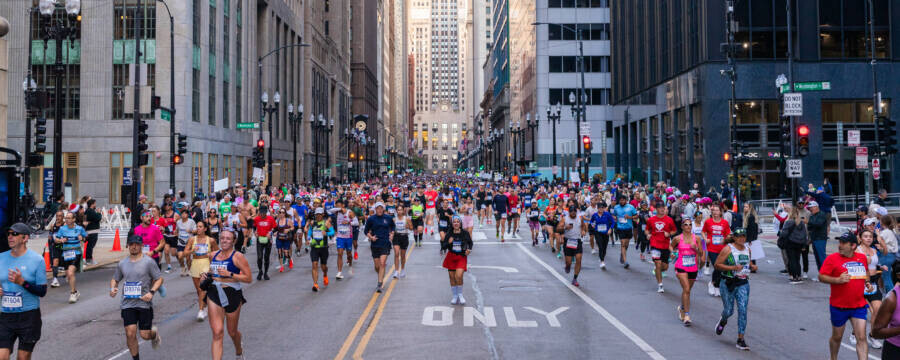
The streets of Chicago are set for another spectacular marathon showdown, with Uganda’s Jacob Kiplimo leading a world-class men’s field at the 2026 Bank of America Chicago Marathon on Sunday, October 11.
Kiplimo returns to the Windy City as the defending champion and arrives with one of the most impressive marathon resumes in the world. He has a 2:00:28 personal best, making him one of the fastest marathoners in history and a major name to watch whenever the pace turns exceptionally quick.
The current world record stands at an astonishing 1:59:30, set by Kenya’s Sabastian Sawe in London in April 2026. Ethiopia’s Yomif Kejelcha also broke the two-hour barrier in the same race with 1:59:41, while Kiplimo finished third in 2:00:28.
That means Kiplimo would need another significant improvement in Chicago to challenge the world record, but his performances this year have shown that he belongs among the select group capable of pushing marathon running towards unprecedented territory.
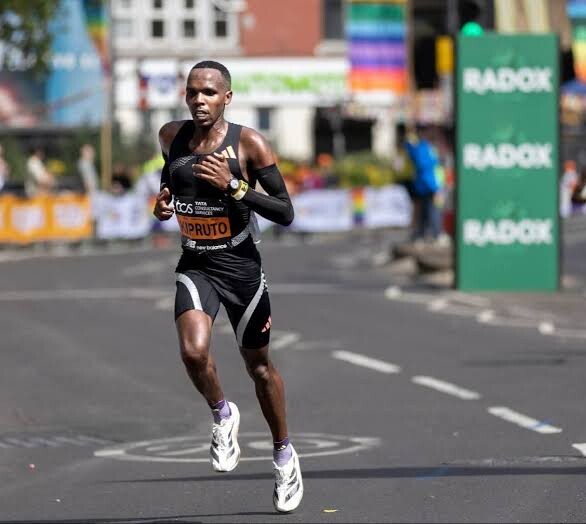
The Ugandan will face a formidable challenge from Kenya’s Amos Kipruto, who has a 2:01:39 personal best. Ethiopia’s Milkesa Mengesha follows with 2:03:17, while Kenya’s Daniel Mateiko has run 2:03:44. Ethiopia’s Asrar Hiyrden and Kenya’s Alex Masai are also among the leading contenders, with personal bests of 2:03:59 and 2:04:37 respectively.
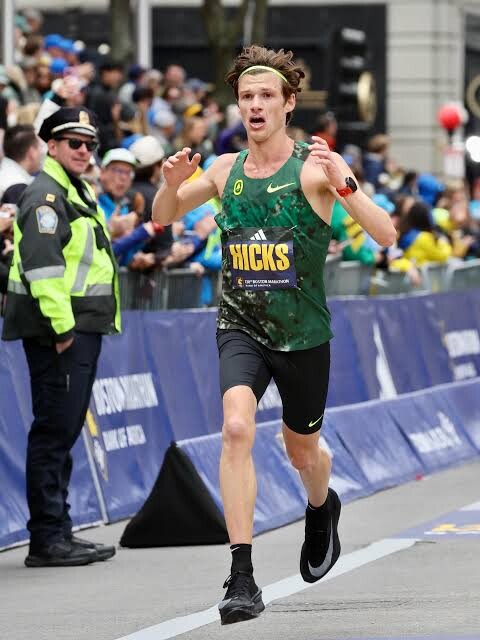
There is also a major American-record storyline in Chicago. Charles Hicks, who owns a 2:04:35 personal best, headlines the American contingent alongside Clayton Young, Vincent Mauri, Galen Rupp and Abbabiya Simbassa.
The American record currently stands at 2:04:43, set by Conner Mantz at the 2025 Chicago Marathon. Hicks therefore arrives with a personal best already faster than that mark, adding another intriguing subplot to an exceptionally deep field.
The depth of the field means Kiplimo is unlikely to have a quiet day once the pace begins to build. Kipruto brings considerable marathon experience, while Mengesha, Mateiko, Hiyrden and the other leading contenders have the credentials to remain in contention deep into the race. With Chicago known for producing fast times, the battle could become a fascinating test of pace, positioning and finishing strength.
For Kiplimo, the race represents another opportunity to strengthen his credentials over the marathon. The Ugandan has already demonstrated remarkable speed and endurance across different distances, and Chicago could provide another stage for him to test just how close he can get to the sport’s ultimate barrier.
With several elite athletes capable of running at extraordinary speeds, fans can expect the 2026 edition to deliver plenty of drama from the opening kilometres to the famous finish on Columbus Drive.
World record? American record? Or another unforgettable Chicago finish? The answers will come on October 11.
by Erick Cheruiyot for My Best Runs.
Login to leave a comment

Bank of America Chicago
Running the Bank of America Chicago Marathon is the pinnacle of achievement for elite athletes and everyday runners alike. On race day, runners from all 50 states and more than 100 countries will set out to accomplish a personal dream by reaching the finish line in Grant Park. The Bank of America Chicago Marathon is known for its flat and...
more...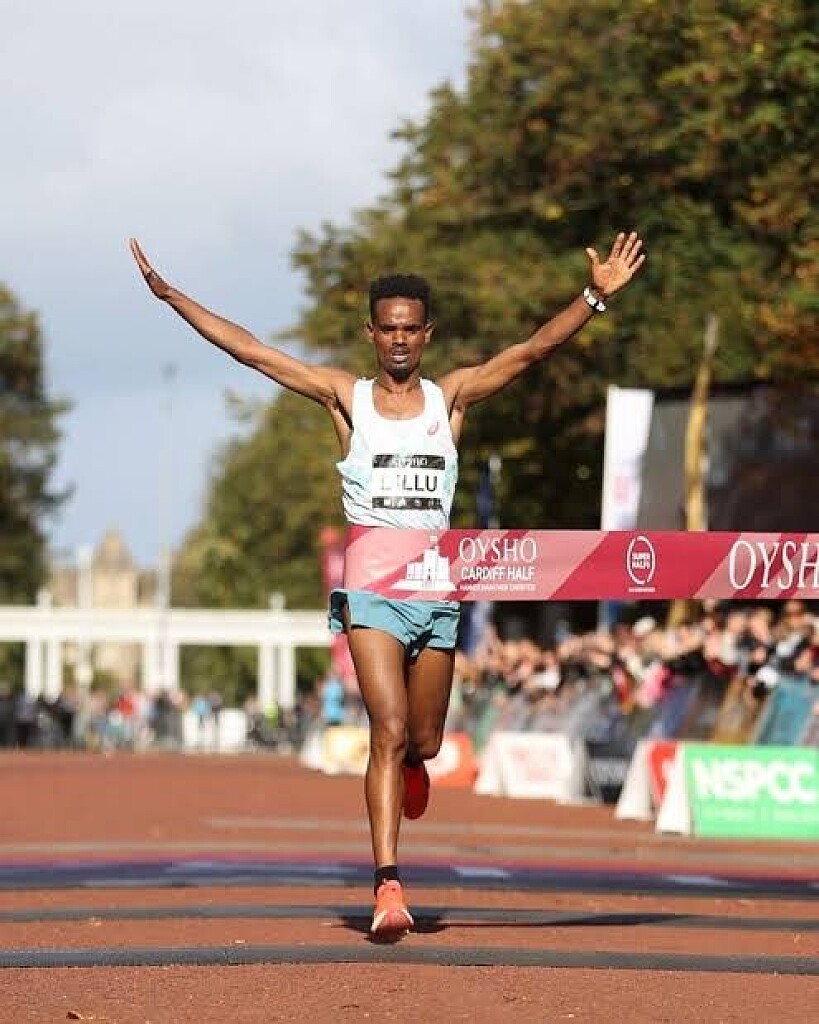
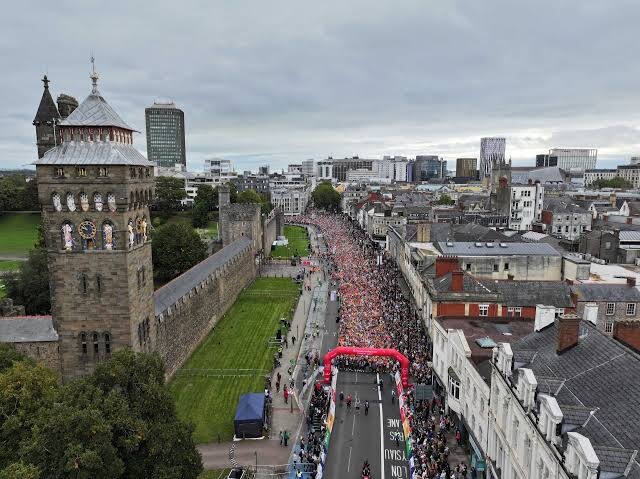
Simon Maywa And Yismaw Dillu Lead Star-Studded Cardiff Half Marathon Field
Kenya’s Simon Maywa and Ethiopia’s Yismaw Dillu are among the leading contenders for the men’s title at the 2026 Cardiff Half Marathon, with a fiercely competitive race expected when the action gets underway in Cardiff, Wales, on Sunday, October 4.
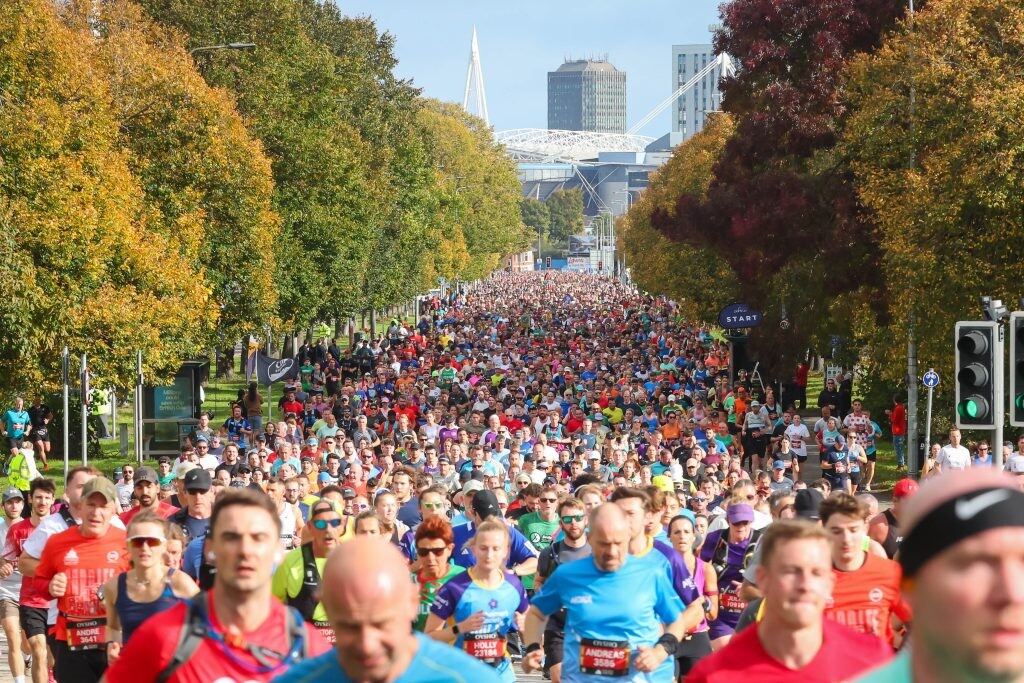
The men’s field is headed by Kenya’s Gideon Kiprotich, who arrives as the fastest entrant on paper with a personal best of 58:49. His sub-59-minute credentials make him one of the athletes to watch as he targets another major half-marathon victory.
Dillu, meanwhile, returns to Cardiff as the defending champion and course-record holder. The Ethiopian produced a superb 59:22 to win the 2025 edition, a mark that remains the official course record. His listed personal best for the 2026 race is 59:23, placing him firmly among the favourites once again.
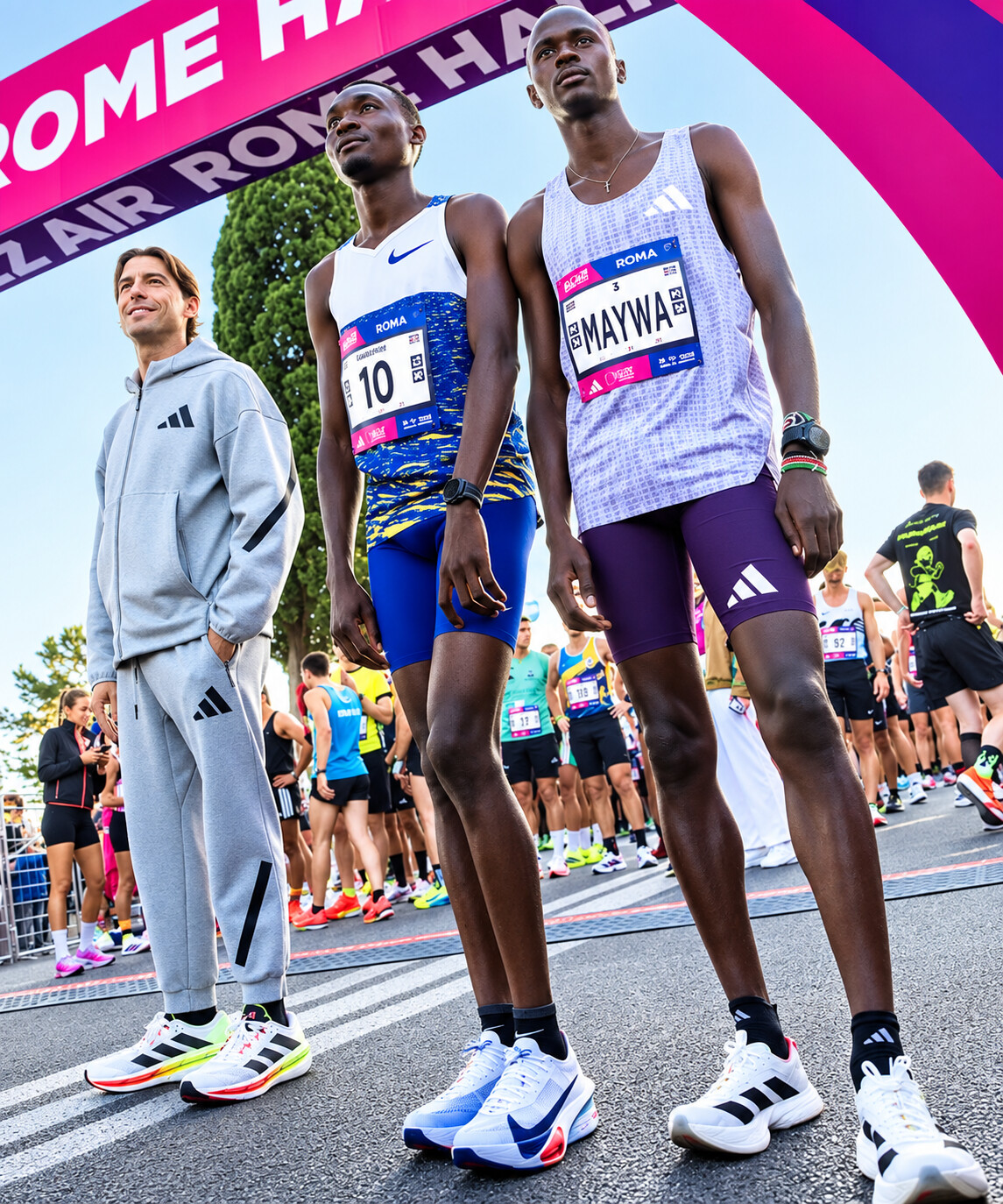
Kenya’s Maywa will also line up with serious credentials. The 59:44 performer has already demonstrated his ability to compete at the highest level over the distance and will be looking to challenge the leading pair when the race unfolds over Cardiff’s fast and largely flat course.
The field also features Vincent Kipkorir, who owns a 59:30 personal best and won the Malaga Half Marathon earlier this year before finishing third at the Antrim Coast Half Marathon. Kenya’s Boniface Mulwa, Uganda’s Dillon Kipyeko and Denis Kiplangat, Bahrain’s Jonah Rutio and Japan’s Takato Suzuki add further depth to an international men’s field.
With three athletes boasting sub-60-minute credentials, the 2026 Cardiff Half Marathon could develop into a thrilling battle for victory and another assault on the course record. The race is the fourth fixture of the 2026 SuperHalfs Series and carries a World Athletics Elite Road Race Label.
The 23rd edition of the Cardiff Half Marathon will begin on Sunday, October 4, with the elite race forming part of a major weekend of running in the Welsh capital. More than 30,000 participants are expected across the weekend, underlining the event’s growing status on the international road-running calendar.
All eyes will now be on Kiprotich, Dillu, Maywa and the rest of the elite field as they prepare to battle for honours on one of Britain’s most prominent half-marathon stages.
by Erick Cheruiyot for My Best Runs.
Login to leave a comment

Wizz Cardiff Half Marathon
The Cardiff University/Cardiff Half Marathon has grown into one of the largest road races in the United Kingdom. The first event took place back in 2003. The event is not only the UK’s second largest half marathon, it is Wales’ largest road race and Wales’ largest multi-charity fund raising event. The race is sponsored by Cardiff University and supported by...
more...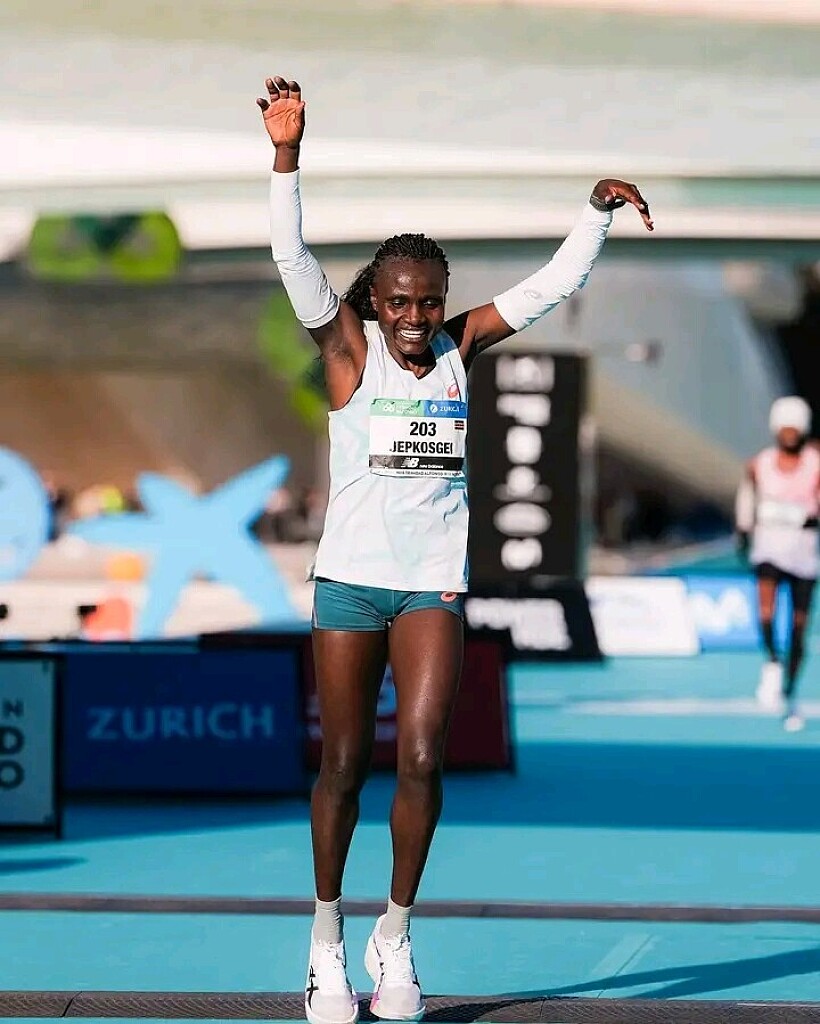
Joyciline Jepkosgei Leads Star-Studded Women’s Field At Cardiff Half Marathon
The 2026 Cardiff Half Marathon is set for an exciting women’s showdown on Sunday, October 4, with former world-record holder Joyciline Jepkosgei leading a strong international field in the Welsh capital.
Jepkosgei, one of Kenya’s most accomplished road runners, heads the elite entries with a personal best of 64:13 over the half marathon distance.
The Kenyan star brings considerable experience and pedigree to Cardiff, having established herself among the world’s leading road racers throughout her career. Her presence adds significant depth to a women’s field that features athletes from both Kenya and Ethiopia.
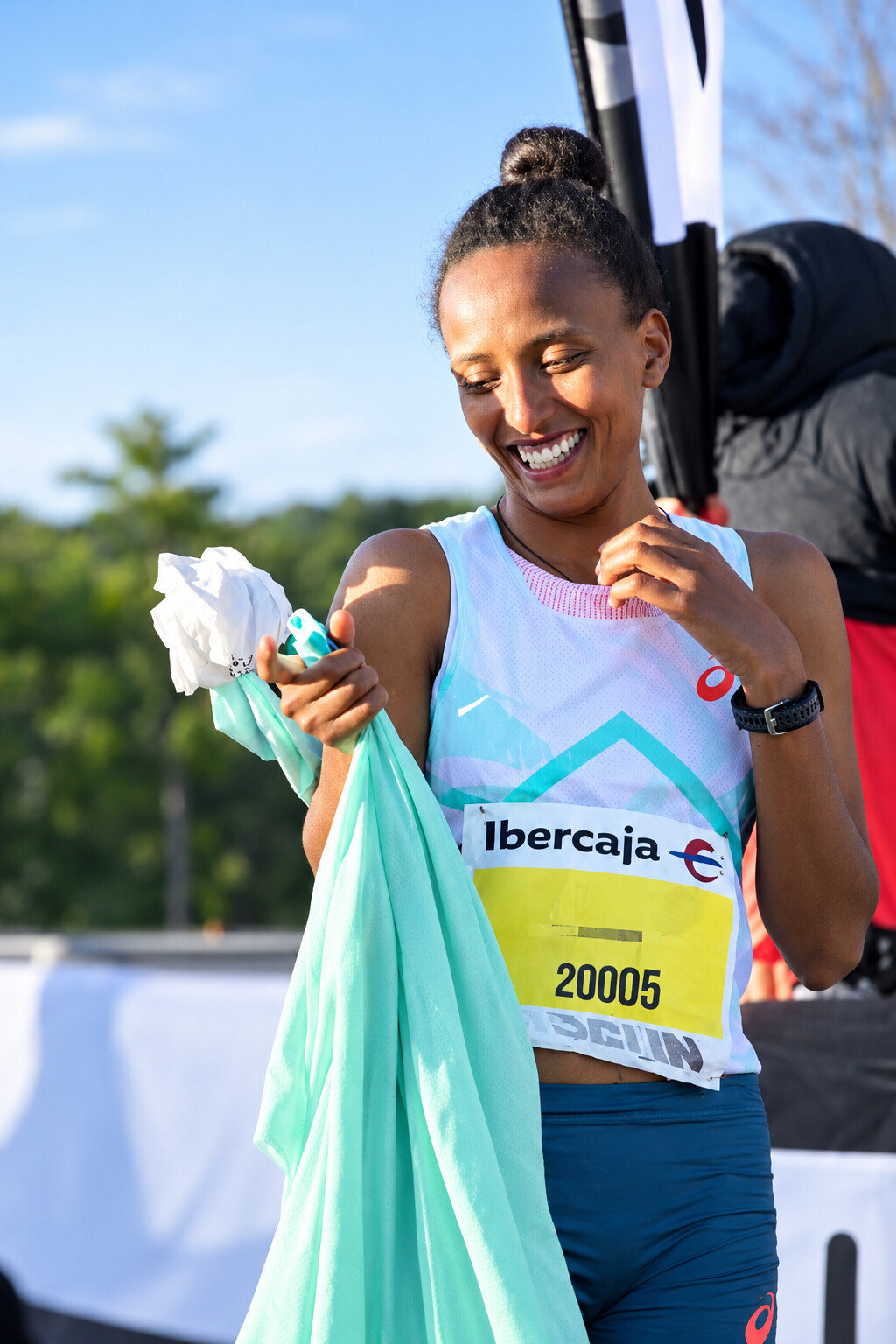
Ethiopia’s Wede Kefale is expected to provide one of the biggest challenges to Jepkosgei. Kefale owns a personal best of 65:20 and will be looking to translate her impressive speed into a strong performance on the streets of Cardiff.
Kenya’s Winnie Kimutai is another athlete to watch, entering the race with a 67:03 personal best, while Ethiopia’s Emebet Kebede completes the leading quartet with a best of 69:01.
The top women’s entries are:
1. Joyciline Jepkosgei — Kenya — 64:13
2. Wede Kefale — Ethiopia — 65:20
3. Winnie Kimutai — Kenya — 67:03
4. Emebet Kebede — Ethiopia — 69:01
The presence of Jepkosgei gives the race a proven championship pedigree, but the depth behind her means the contest could develop into a fascinating battle from the opening kilometres. Kefale will be eager to test herself against one of the most experienced names in the field, while Kimutai and Kebede will have their own ambitions of making an impression.
With four leading athletes separated by just under five minutes on paper, Cardiff promises a race where pace, patience and positioning could prove decisive. The fast-moving action is likely to build as the kilometres tick away, setting the stage for an intriguing finish on the streets of the Welsh capital.
All eyes will be on Cardiff on October 4 as the leading contenders take on the course, with the Kenya-Ethiopia rivalry adding another layer of excitement to what is expected to be a highly competitive women’s contest.
by Erick Cheruiyot for My Best Runs.
Login to leave a comment
Wizz Cardiff Half Marathon
The Cardiff University/Cardiff Half Marathon has grown into one of the largest road races in the United Kingdom. The first event took place back in 2003. The event is not only the UK’s second largest half marathon, it is Wales’ largest road race and Wales’ largest multi-charity fund raising event. The race is sponsored by Cardiff University and supported by...
more...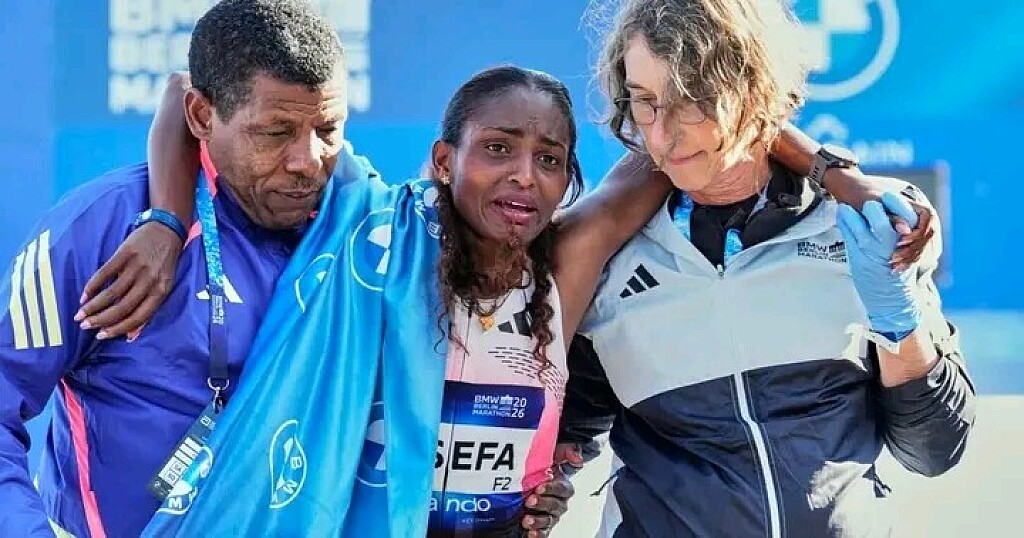
Tigist Assefa Undergoes Emergency Achilles Surgery After Record-Breaking Berlin Marathon Performance
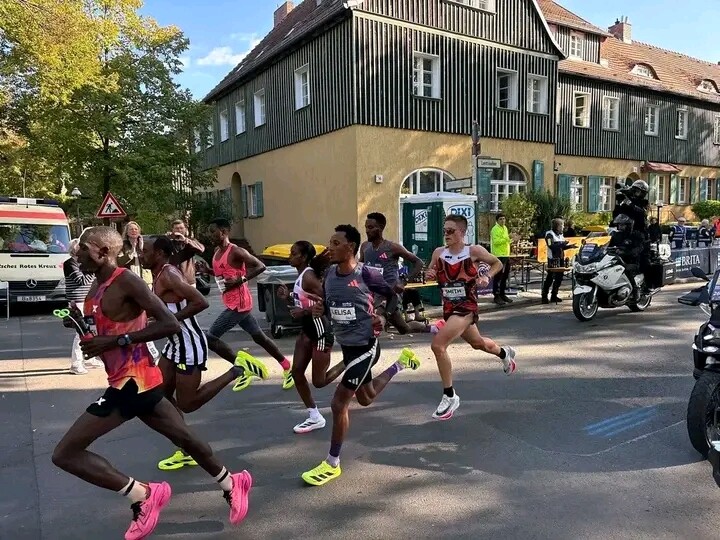
Ethiopian marathon star Tigist Assefa is undergoing emergency surgery in Munich, Germany, after suffering a ruptured right Achilles tendon during the closing stages of the BMW Berlin Marathon, bringing an abrupt end to what had been a remarkable world-record attempt.

The 29-year-old delivered a spectacular performance on Sunday, September 27, 2026, to win the women's race in a stunning 2:11:04, setting a new course record and recording the third-fastest women's marathon time in history.
Assefa had been on course to challenge the women's marathon world record for much of the race before disaster struck in the final two kilometres. Despite the severe injury, the Ethiopian star summoned the strength to push through the pain and cross the finish line in first place, capping a performance that will be remembered for both its extraordinary speed and the circumstances surrounding its conclusion.
Her manager, Gianni Demadonna, confirmed that Assefa had suffered a rupture of her right Achilles tendon, an injury that requires immediate medical attention and a lengthy recovery period.
The emergency operation is being performed by Dr. Johannes Gabel, Chief Physician of Foot and Ankle Surgery at BG Unfallklinik Murnau in Germany, with support from Adidas.
Assefa is expected to spend at least six months away from competitive running as she undergoes surgery and rehabilitation. The recovery process will be crucial in determining when she can return to training and eventually resume competition.
The injury is a significant setback for the Ethiopian athlete, who has established herself among the leading figures in women's marathon running through a series of outstanding performances on the international stage. Her latest triumph in Berlin further underlined her exceptional ability, even as the circumstances surrounding her finish cast a shadow over the achievement.
Assefa's 2:11:04 performance adds another historic chapter to her career, but attention now shifts from the finish line to her recovery. The coming months will be focused on healing, rehabilitation and gradually rebuilding the strength needed to return to elite competition.
From a remarkable record-breaking victory to an unexpected medical emergency, Assefa's Berlin Marathon has become a story of extraordinary determination and an uncertain road ahead. Her supporters will now be hoping for a successful operation and a full recovery as she begins the long journey back to competitive running.
by Erick Cheruiyot for My Best Runs.
Login to leave a comment
Lili Anna Vindics-Tóth Shatters Hungarian Marathon Record With Historic Warsaw Run
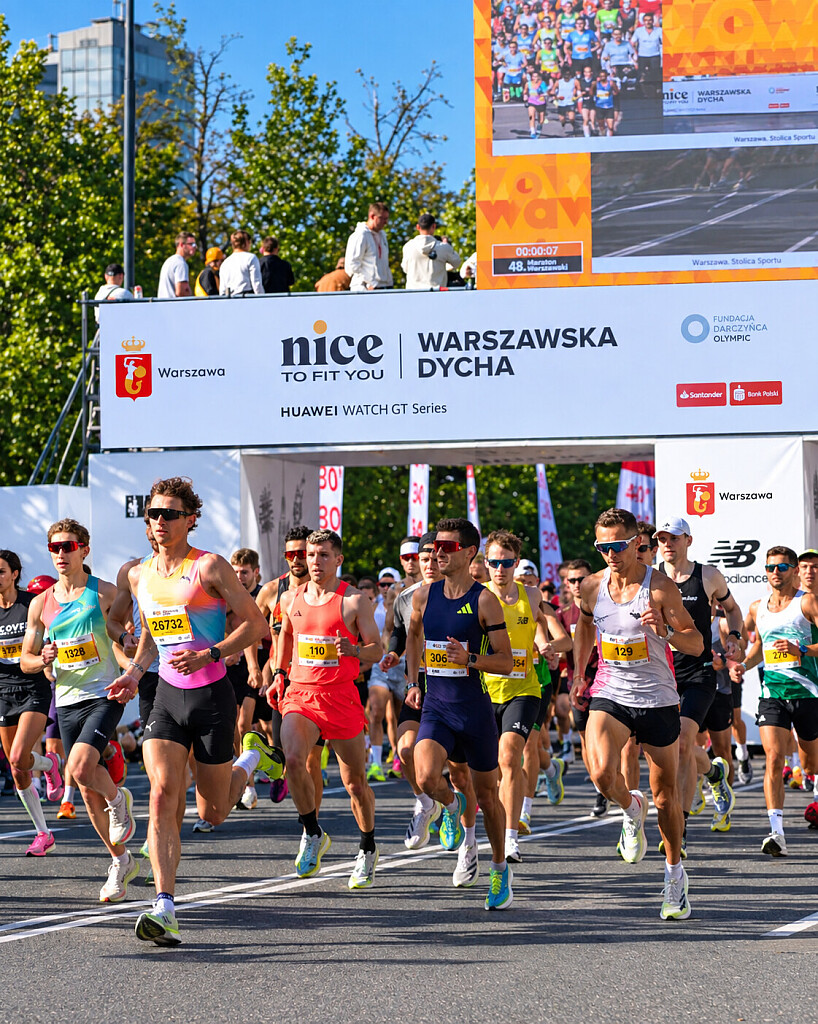
Hungary’s Lili Anna Vindics-Tóth delivered a remarkable performance at the 48th Warsaw Marathon on Sunday, September 27, 2026, smashing the Hungarian marathon record and setting a new women’s course record with a stunning time of 2:24:48.
Vindics-Tóth produced a breakthrough performance on the streets of the Polish capital, improving her previous personal best of 2:27:21 by more than two minutes. Her 2:24:48 also eclipsed the previous Warsaw Marathon women’s course record of 2:28:35 by almost four minutes.
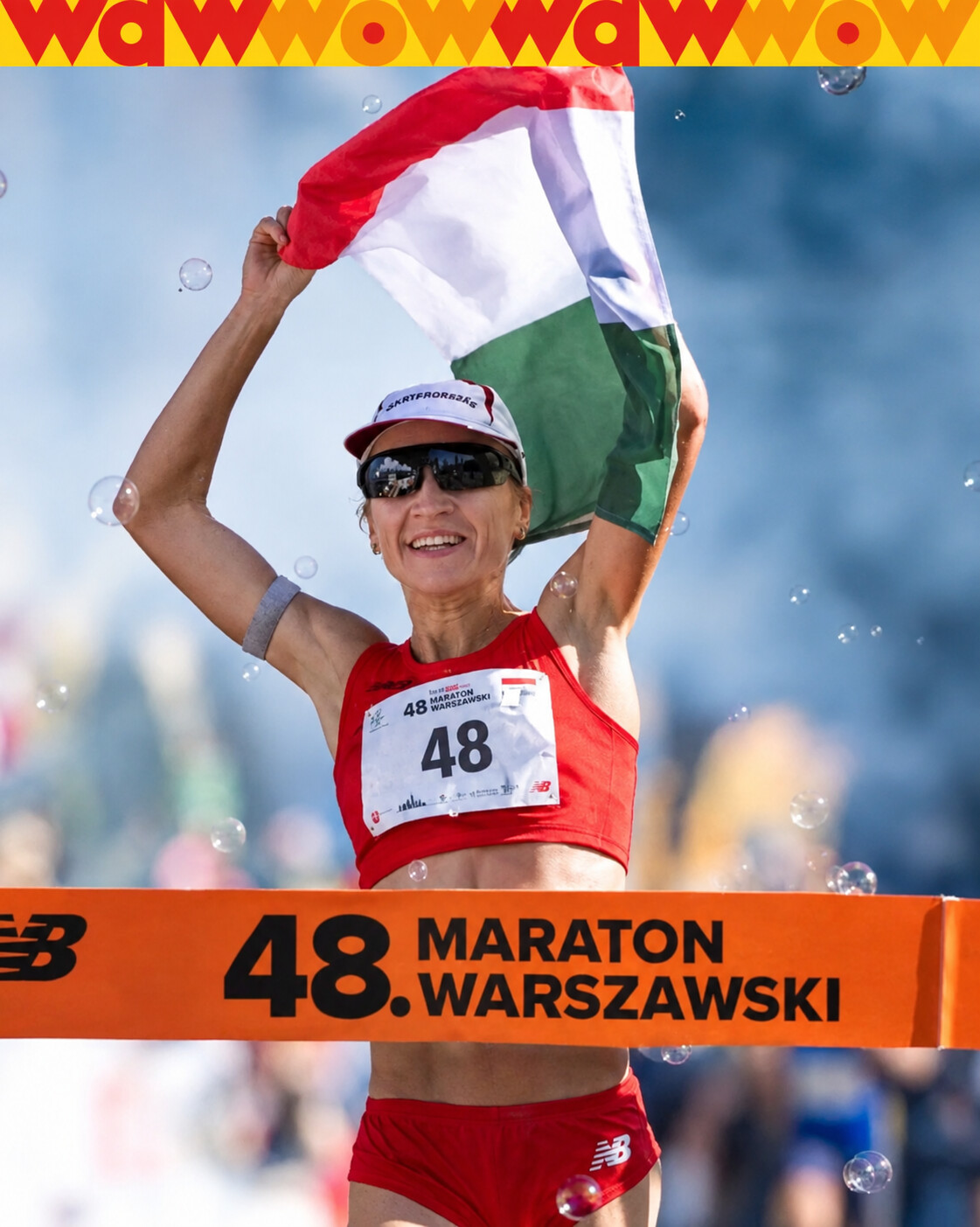
The Hungarian’s performance was particularly significant, as she became the fastest woman ever recorded over the marathon distance in a race held in Poland, according to the race organizers.
Her remarkable run also represented a major improvement on her previous 2026 best of 2:27:28, recorded in Copenhagen in May. The new Hungarian record marks a defining moment in her career and places her among Europe’s leading marathon runners.
Vindics-Tóth Leads Historic Women’s Podium
Vindics-Tóth secured the women’s title in 2:24:48, narrowly holding off Ethiopia’s Gelane Senbete, who finished second in 2:24:57.
Kenya’s Vivian Jerotich Kosgei claimed third place in 2:28:34, while Ethiopia’s Addis Alem Belay completed the top four in 2:30:31.
The women’s race produced a competitive contest at the front, with Vindics-Tóth’s record-breaking performance highlighting the growing depth of international distance running in Europe.
Stephen Kibor Leads Men’s Race
Kenya’s Stephen Kibor claimed overall victory in the men’s marathon, crossing the finish line in 2:09:19 to secure the title in Warsaw.
Kibor led an international podium, with Uganda’s Victor Kwemboi finishing second in 2:12:20, followed by compatriot Ezekiel Mutai, who took third place in 2:12:36.
Sweden’s Emil Millán de la Oliva completed the top four in 2:13:13, rounding off a competitive men’s race featuring athletes from several countries.
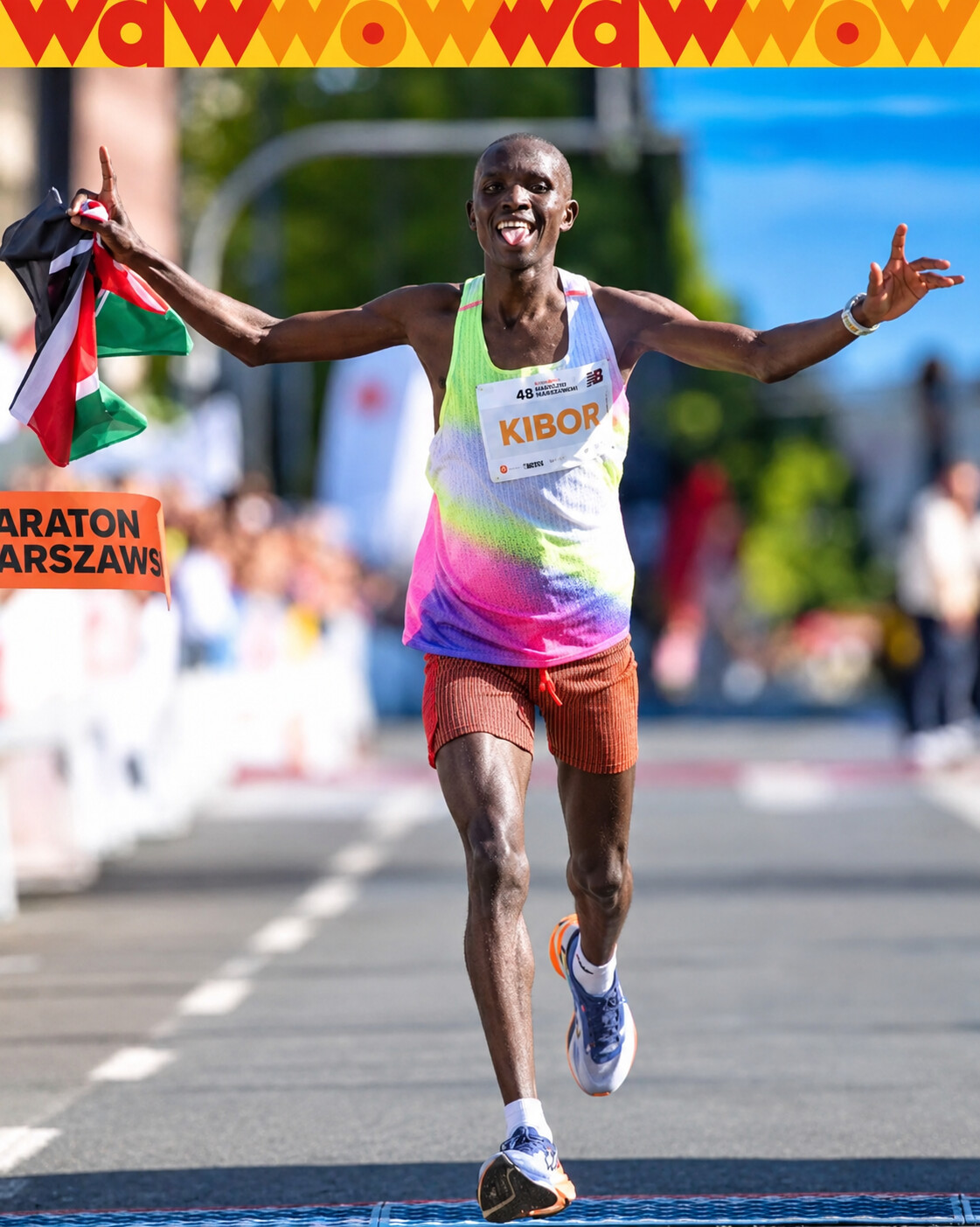
Kibor’s victory added another Kenyan success to the country’s long history of producing elite marathon runners who have excelled on major European road-racing courses.
International Field Takes on Warsaw’s Streets
The 48th Warsaw Marathon began at 9:00 a.m. around Świętokrzyska Street, near the Palace of Culture and Science, with the certified 42.195-kilometre course taking runners through the Polish capital.
This year’s edition attracted an international elite field alongside thousands of mass-participation runners, with spectators lining the streets to support the athletes throughout the race.
The organizers had targeted a significant improvement to the women’s course record, with pacemakers assigned to support a pace corresponding to approximately 2:24–2:26.
Vindics-Tóth ultimately delivered a performance that surpassed expectations, turning the Warsaw Marathon into the biggest race of her career so far and etching her name into the event’s history.
The Warsaw Marathon has remained a major fixture on the European road-running calendar since its first edition in 1979, continuing to attract elite athletes and recreational runners from around the world.
With a Hungarian national record, a new women’s course record and an impressive international podium, the 2026 edition produced a memorable day of marathon racing in the Polish capital.
Lili Anna Vindics-Tóth — 2:24:48. A Hungarian record, a Warsaw course record and a breakthrough performance that will be remembered for years to come.
by Erick Cheruiyot for My Best Runs.
Login to leave a comment

PZU Warsaw Marathon
The course of the PZU Warsaw Marathon, offers great support of the residents of the capital and tourists along it and bands giving positive rhythm in densely spaced cheering points for the over 6,500 participants. You are cordially invited to Warsaw – the capital city of Poland – a city worth seeing. Be our guest here and let yourself get...
more...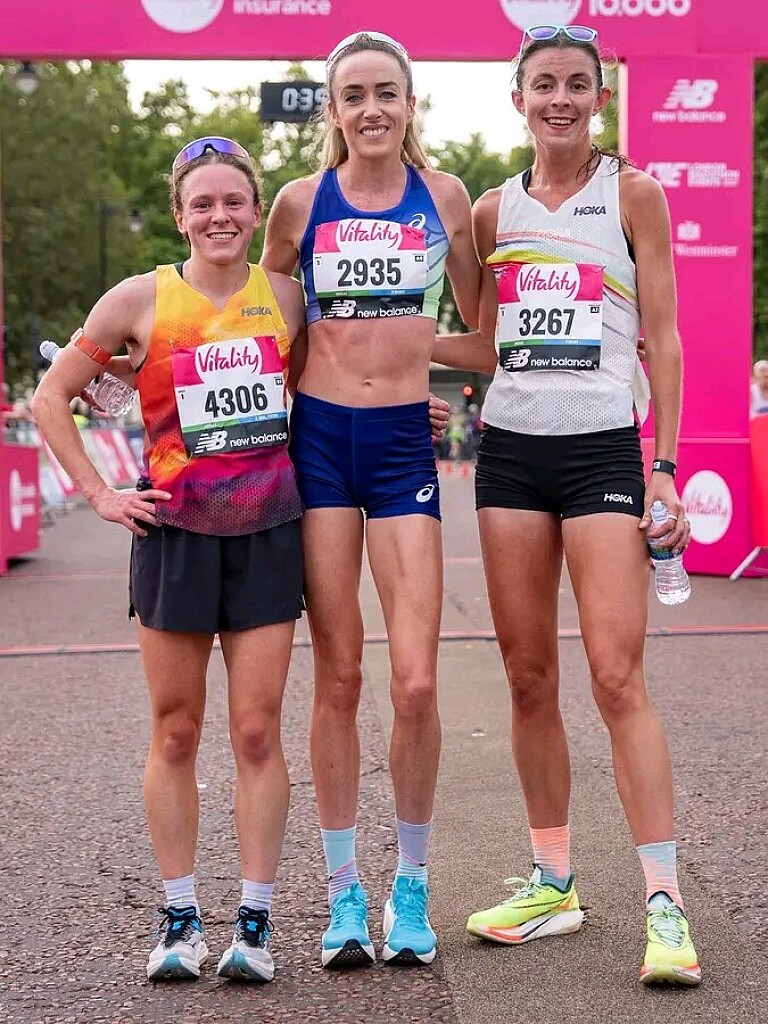
Eilish McColgan Makes History as Kadar Omar Abdullahi Completes London 10,000 Triumph
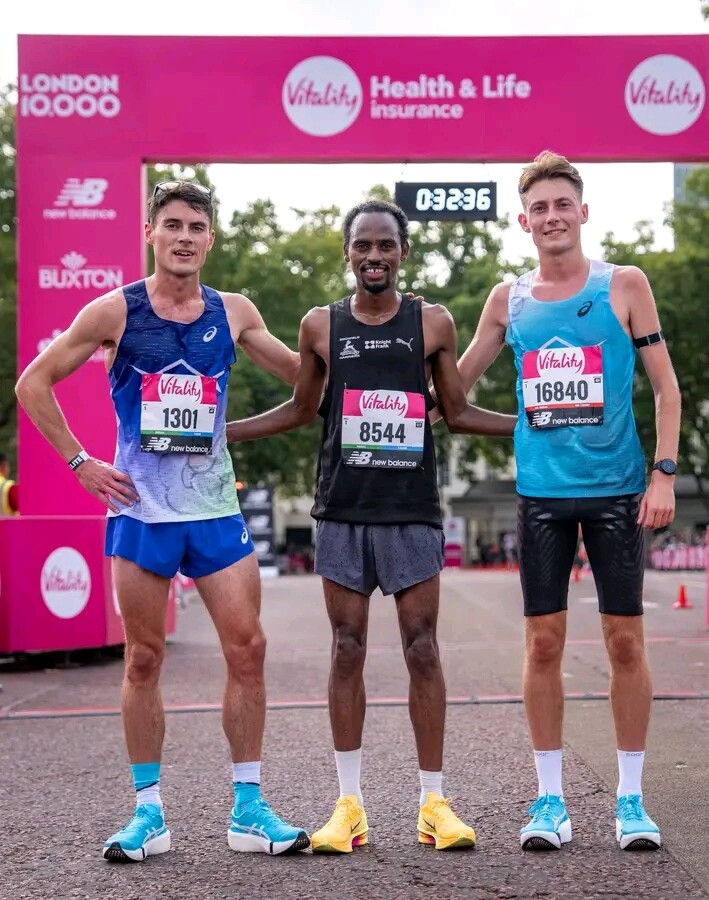
Kadar Omar Abdullahi and Eilish McColgan took centre stage at the 2026 Vitality London 10,000 on Sunday, with both athletes producing commanding performances on the streets of the British capital.
Abdullahi capped a memorable September by securing the men’s title in 29:20, pulling clear of British distance-running star Phil Sesemann, who crossed the line second in 29:39. Freddy Richardson completed the podium in 29:53.
The victory continued Abdullahi’s impressive run of form after his breakthrough triumph at the Big Half earlier this month. Having already demonstrated his strength over 13.1 miles, the British athlete returned to the roads of London and produced another controlled performance over 10 kilometres, ultimately creating a 19-second winning margin.
Sesemann remained his closest challenger, but Abdullahi was able to establish the decisive gap and bring the race under control in the closing stages. Richardson followed in third, giving the home crowd a strong British presence across the men’s podium.
For Abdullahi, the victory adds another significant chapter to what has been an outstanding month on the London road-racing scene. His back-to-back victories at the Big Half and Vitality London 10,000 underline both his speed and versatility across the longer road distances.
In the women’s race, Eilish McColgan delivered the headline performance of the day, winning in 31:50 to claim an unprecedented fourth Vitality London 10,000 title.
The Scottish distance star finished comfortably ahead of Jess Warner-Judd, who took second in 33:13, while Kate Estlea-Morris secured third in 33:58.
McColgan’s latest victory moves her clear as the most successful woman in the history of the event. She had previously won the race in 2022, 2024 and 2025, and her latest triumph adds another piece of history to an already remarkable career on the track and road.
The achievement is particularly notable given the twists and turns of McColgan’s 2026 season. After suffering a broken toe during the London Marathon in April and subsequently missing the Commonwealth Games, she returned to racing with a victory at the Big Half before another setback forced her to withdraw from the Great North Run.
Just two weeks later, she was back at the sharp end of competition, producing a composed 31:50 performance to reclaim the London 10,000 crown.
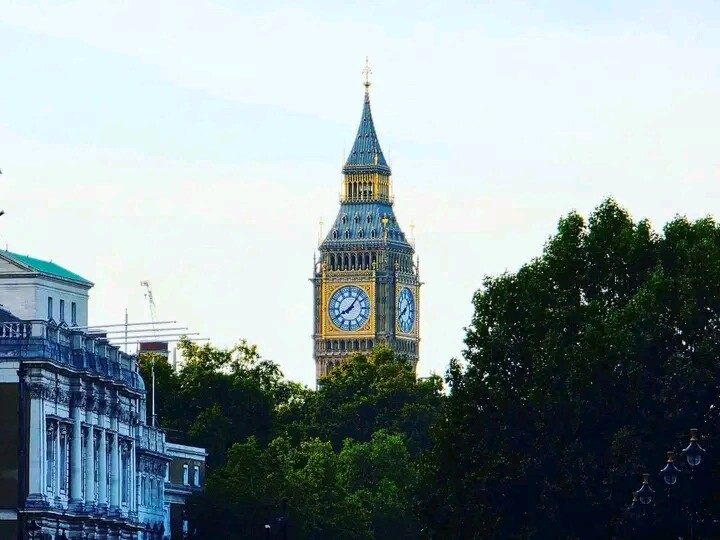
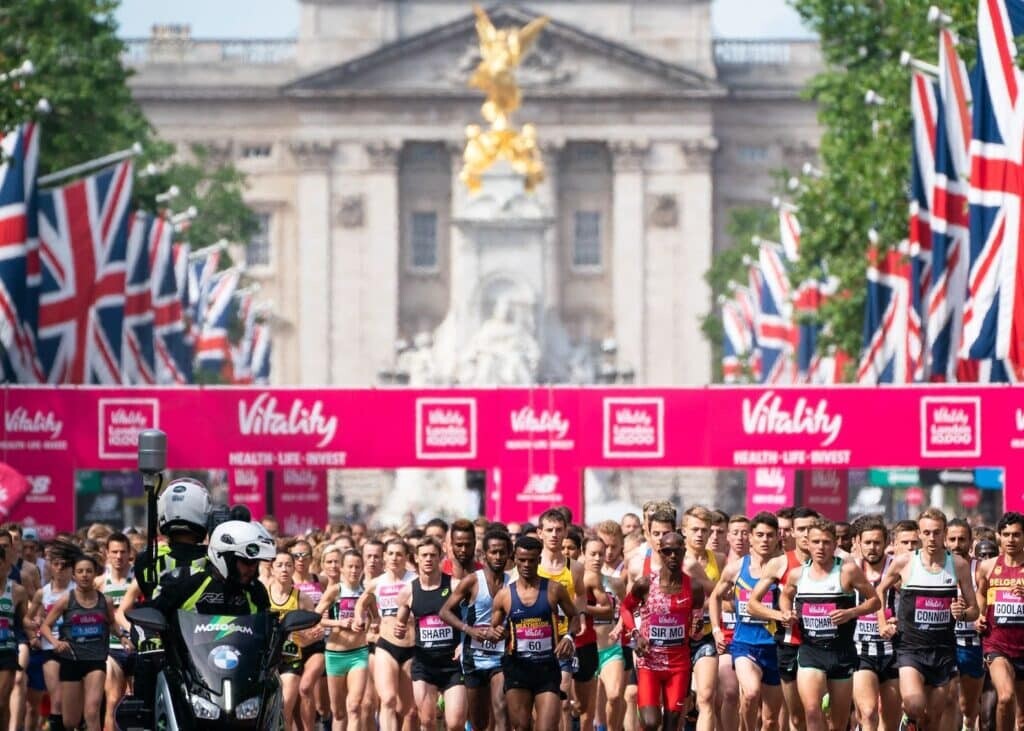
The Vitality London 10,000, one of the capital’s most prominent road races, follows a fast and largely flat route beginning on The Mall and finishing outside Buckingham Palace, providing a spectacular setting for both elite and mass-participation runners.
With Abdullahi extending his remarkable September run and McColgan rewriting the event’s record books, the 2026 edition provided a memorable double triumph for two athletes who arrived in London carrying momentum—and left with another major victory to their names.
by Erick Cheruiyot for My Best Runs.
Login to leave a comment

Vitality London 10,000
The Vitality London 10,000 takes you past many landmark sites, including the London Eye, Buckingham Palace and the Bank of England – so you even get to do a bit of sightseeing along the way! You will run alongside elite runners and have coverage from the BBC, making this 10km one of the highest in profile of its kind....
more...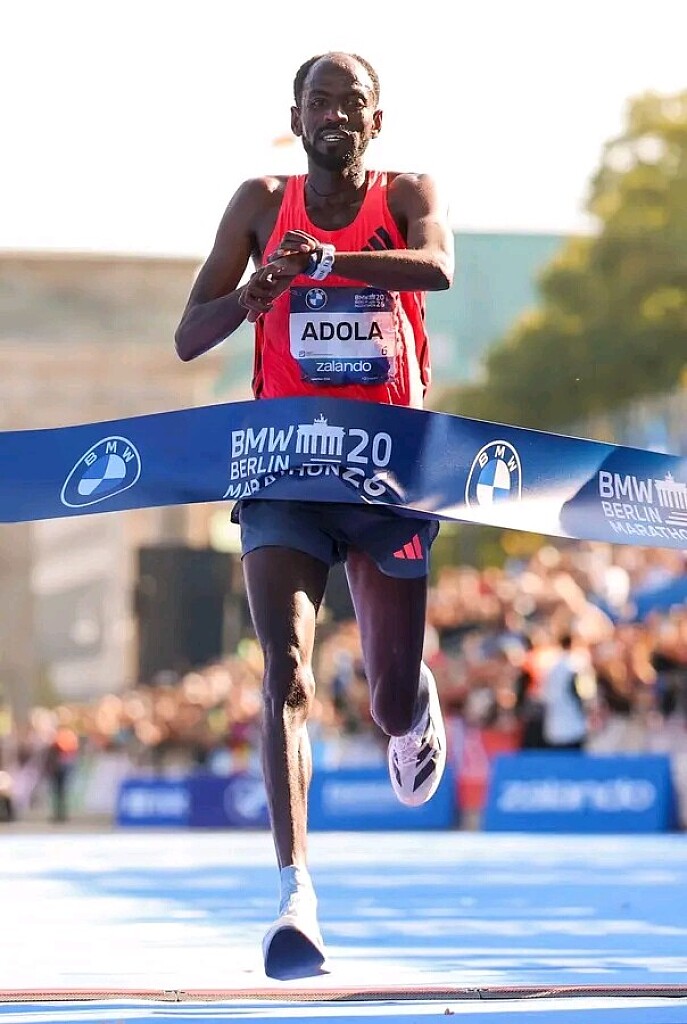
Guye Adola Rewrites His Berlin Story With Stunning 2:02:50 Victory
Ethiopia’s Guye Adola has produced a perfectly judged performance to win the 2026 BMW Berlin Marathon, returning to the streets where his marathon career began to claim his second Berlin title in a sensational 2:02:50.
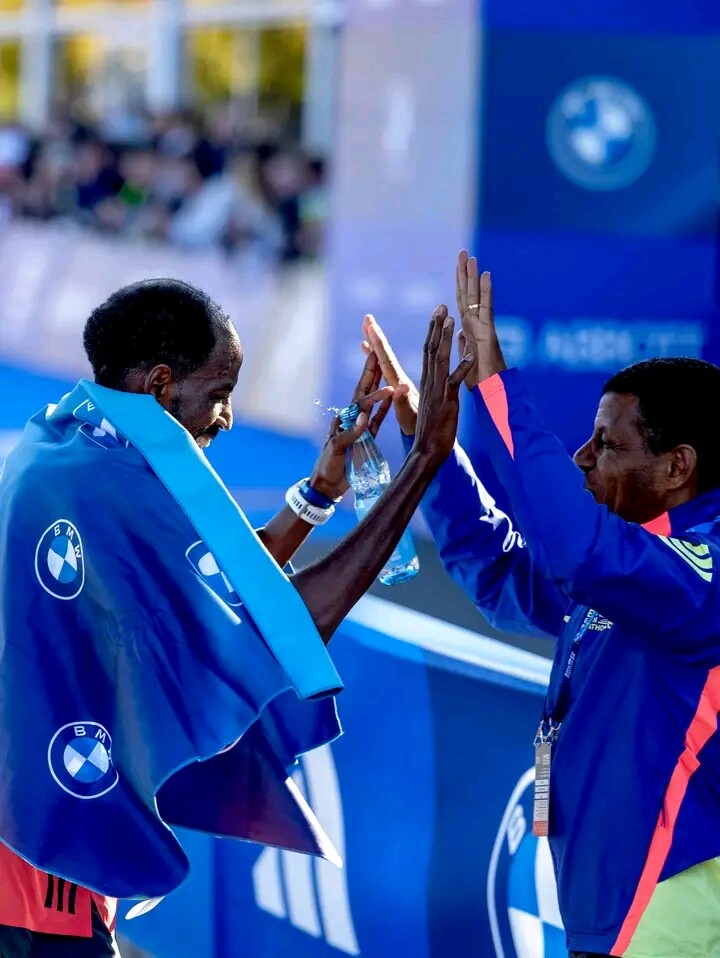
The 35-year-old Ethiopian controlled the race brilliantly before making his decisive move in the closing stages, crossing the finish line clear of compatriot Gemechu Dida Diriba, who finished second in 2:03:19. Adola’s winning margin was 29 seconds, underlining just how strongly he finished.
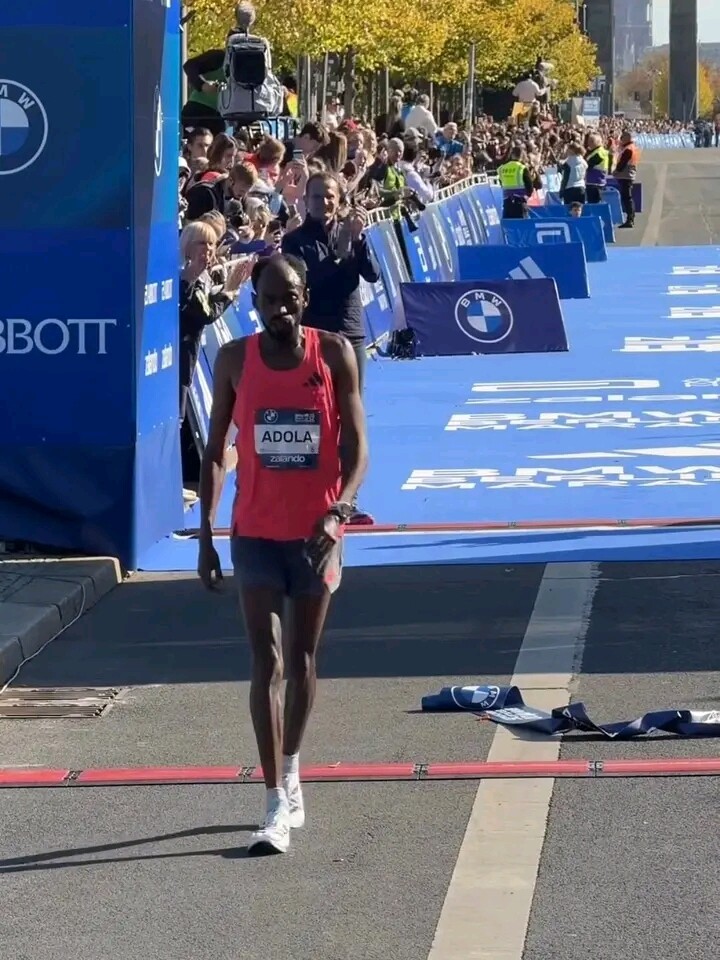
The victory adds another memorable chapter to Adola’s long association with Berlin. He first won the prestigious race in 2021, and five years later he returned to the German capital to produce the fastest marathon of his career.
Adola arrived in Berlin in excellent form after winning the Rotterdam Marathon in April in 2:03:54. That performance had placed him just eight seconds outside the personal best of 2:03:46 he had carried since his remarkable marathon debut in Berlin in 2017.
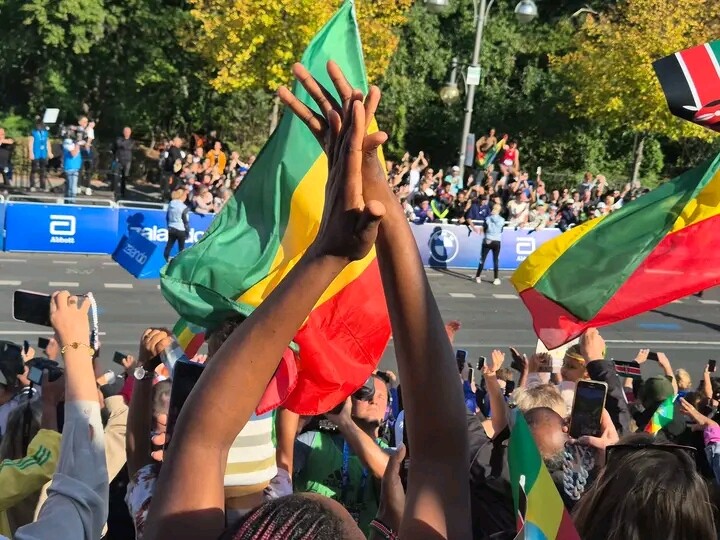
That debut remains one of the most memorable first appearances over the marathon distance. Adola stayed ahead of Eliud Kipchoge deep into the race before the Kenyan eventually overtook him. Adola finished second in 2:03:46, just 14 seconds behind Kipchoge, producing the fastest marathon debut at the time.
For years, that performance remained the benchmark of his career.
Even when Adola returned to Berlin in 2021 and won the race, he could not improve his debut mark. His breakthrough finally came in Rotterdam this April, when he clocked 2:03:54 — a sign that another major performance could be approaching.
On Sunday, he delivered it.
With world record holder Sabastian Sawe and legendary Ethiopian Kenenisa Bekele both missing the race through injury, the men’s contest was wide open. The pacemakers were set up for an attempt at Eliud Kipchoge’s 2:01:09 course record, but the leading group reached halfway in 1:01:01, already outside record pace.
The race gradually began to break apart as the kilometres passed.
By 30 kilometres, three Ethiopians had established themselves at the front — Adola, Olympic 10,000m champion Selemon Barega and Gemechu Dida.
Then came the decisive move.
After 35 kilometres, Adola increased the pace and began creating daylight between himself and the chasing group. Nobody could respond as the experienced Ethiopian steadily extended his advantage.
This time, there would be no late comeback.
Adola remained composed through the final kilometres before powering toward the finish in 2:02:50, taking an extraordinary 56 seconds off his previous personal best.
Gemechu Dida followed in 2:03:19 to secure an Ethiopian one-two, while Tanzania’s Gabriel Gerald Geay, the fastest athlete on the start list with a 2:03:00 personal best, completed the podium in 2:03:59.
Although Kipchoge’s course record survived for another year, Adola had achieved something equally significant for his own career — he had transformed his long-standing Berlin story into a new chapter.
From finishing second to Kipchoge on his marathon debut in 2017, to winning the race in 2021, and now returning five years later to run 2:02:50, Adola has repeatedly found his best moments on the streets of Berlin.
At 35, the Ethiopian has shown that experience, patience and perfectly timed aggression can still produce extraordinary results at the highest level of marathon running.
Top 10 — 2026 Berlin Marathon Men’s Results
1. Guye Adola (Ethiopia) — 2:02:50
2. Gemechu Dida Diriba (Ethiopia) — 2:03:19
3. Gabriel Gerald Geay (Tanzania) — 2:03:59
4. Getaneh Molla (Ethiopia) — 2:04:55
5. Selemon Barega (Ethiopia) — 2:04:58
6. Asefa Boki (Ethiopia) — 2:05:32
7. Andamlak Belihu (Ethiopia) — 2:05:55
8. Shura Kitata (Ethiopia) — 2:06:04
9. Yuhei Urano (Japan) — 2:06:09
10. Tadu Abate (Ethiopia) — 2:07:16
For Guye Adola, this was more than another marathon victory. Berlin is where his marathon story began, where he once pushed Kipchoge to the limit, and where he has now returned to produce the biggest performance of his career. His 2:02:50 victory not only gives him a second Berlin crown but also proves that, nine years after his stunning debut, his story at the Brandenburg Gate is still being written.
by Erick Cheruiyot for My Best Runs.
Login to leave a comment
BMW Berlin Marathon
The story of the BERLIN-MARATHON is a story of the development of road running. When the first BERLIN-MARATHON was started on 13th October 1974 on a minor road next to the stadium of the organisers‘ club SC Charlottenburg Berlin 286 athletes had entered. The first winners were runners from Berlin: Günter Hallas (2:44:53), who still runs the BERLIN-MARATHON today, and...
more...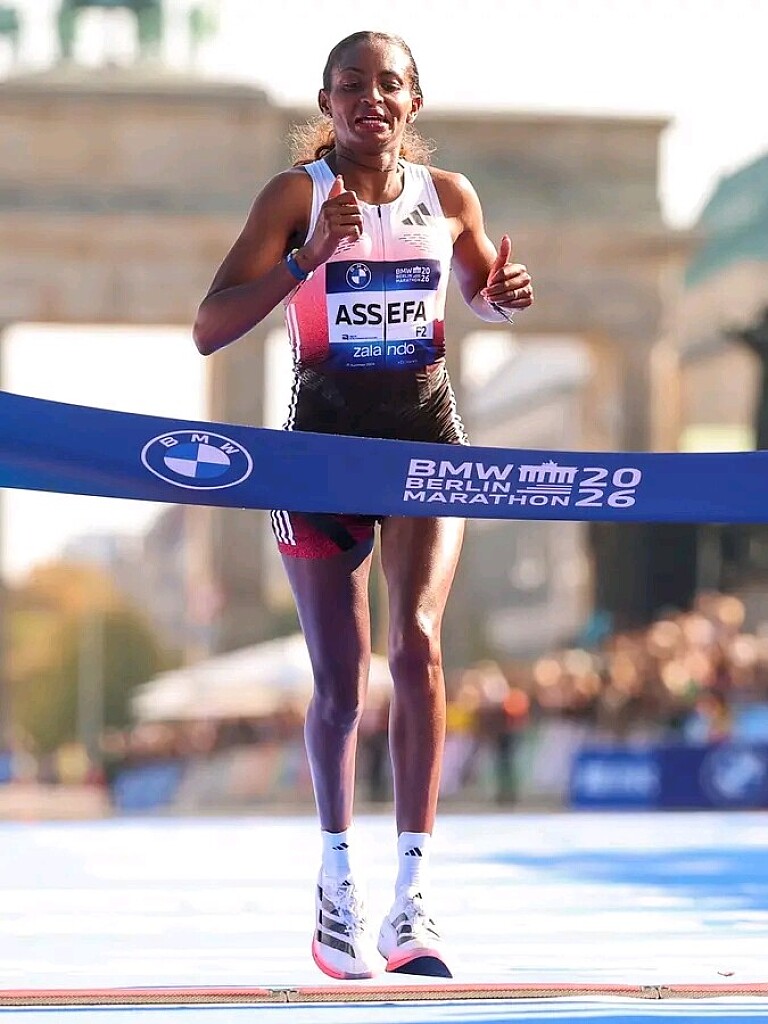
Agony In Victory: Tigst Assefa Fights Through Final-Kilometre Struggles To Win Berlin Marathon
Ethiopia’s Tigst Assefa produced one of the most dramatic performances of the 2026 BMW Berlin Marathon, winning the women’s race in a stunning 2:11:04 after seeing a potential world-record run unravel in the closing stages.
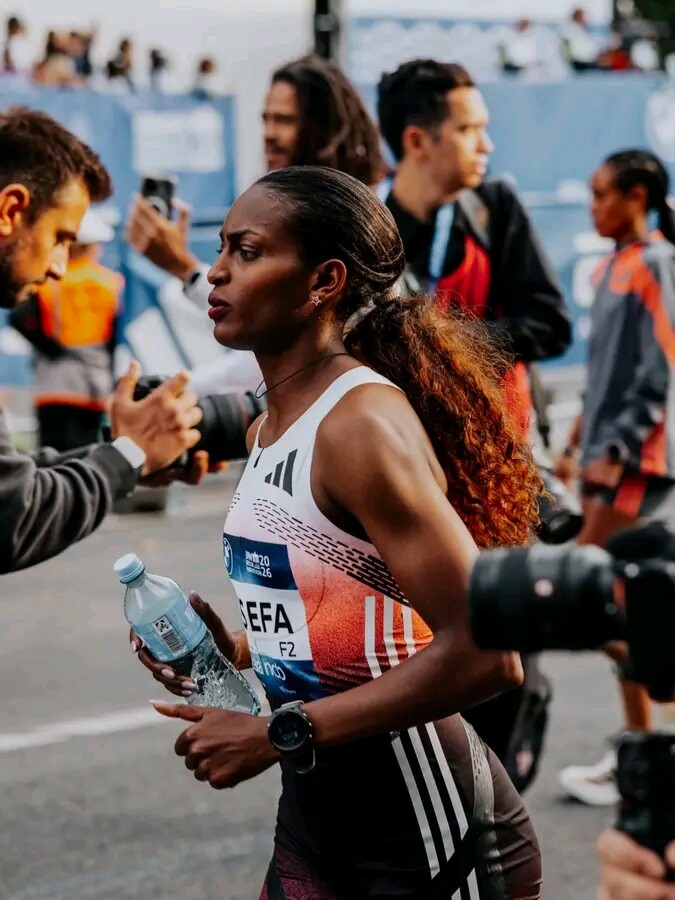
The 29-year-old Ethiopian arrived in Berlin with one enormous target in mind—the 2:09:56 world record set by Kenya’s Ruth Chepngetich in Chicago in 2024. For much of the morning, Assefa looked perfectly positioned to attack the mark.
Running patiently behind her pacers, she remained on world-record schedule through halfway. At 35 kilometres, the Ethiopian was still moving at a pace that put the global record within reach, and even with only seven kilometres remaining, the possibility of history remained very much alive.
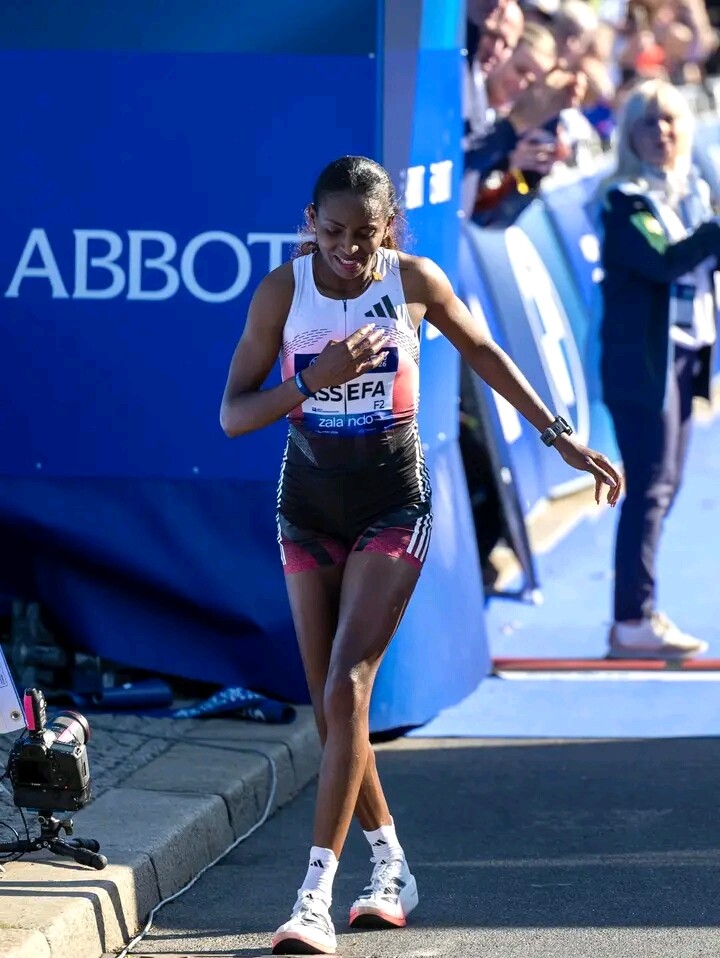
Then the race changed dramatically.
As the kilometres ticked down, Assefa’s pace began to slip. In the closing kilometre, she appeared to be struggling badly and started to limp, turning what had been a world-record assault into a desperate battle to reach the finish line.
The record was gone—but Assefa refused to surrender the race.
Despite the apparent physical setback and the immense fatigue of the final stages, she kept moving forward and crossed the line in 2:11:04, securing her third Berlin Marathon victory.
The final time was 1 minute and 8 seconds outside Chepngetich’s world record, but Assefa still walked away with an extraordinary collection of achievements: a new personal best and a new Berlin course record.
And the course record she broke was her own.
Assefa previously ran 2:11:53 in Berlin in 2023, a performance that established a world record at the time. Three years later, she returned to the same course and took an astonishing 49 seconds off that mark.
The performance also places Assefa among the fastest women ever to run the marathon, with only two women having recorded faster times.
Her Berlin story has now entered another remarkable chapter. Assefa has won the prestigious race three times—2022, 2023 and 2026—and each victory has come with a course record.
Her relationship with the German capital has therefore become extraordinary. Berlin has repeatedly been the place where Assefa has transformed ambition into historic performances, and Sunday was no different, even though the world record ultimately remained beyond her reach.
Her remarkable season had already included another major achievement. Five months ago in London, Assefa lowered her own women-only marathon world record to 2:15:41, further establishing herself as one of the defining marathoners of her generation.
But Berlin demanded something different from her.
This was no longer simply about speed. It became a test of resilience as the world-record dream disappeared and the final kilometre became a fight against exhaustion and apparent physical discomfort.
Assefa kept going.
She pushed through the pain, reached the finish line and secured another historic victory on the streets that have played such a defining role in her career.
Behind Assefa, Ethiopia dominated the front of the field, with Bratu Hirpa and Dera Dida completing an Ethiopian 1-2-3. Bekelech Gudeta and Alemitu Tariku also finished inside the top five, underlining the depth of the Ethiopian challenge. Kenya’s Pascaline Jelagat led the Kenyan contingent in sixth, followed by Ethiopia’s Misgane Alemayehu, while Ludwina Chepngetich and Evaline Chirchir finished eighth and ninth respectively.
Top 10 Women’s Results – 2026 BMW Berlin Marathon
1. Tigst Assefa (Ethiopia) — 2:11:04
2. Bratu Hirpa (Ethiopia) — 2:16:53
3. Dera Dida (Ethiopia) — 2:16:55
4. Bekelech Gudeta (Ethiopia) — 2:18:58
5. Alemitu Tariku (Ethiopia) — 2:19:01
6. Pascaline Jelagat (Kenya) — 2:20:23
7. Misgane Alemayehu (Ethiopia) — 2:20:27
8. Ludwina Chepngetich (Kenya) — 2:21:25
9. Evaline Chirchir (Kenya) — 2:21:32
10. Aminet Ahmed (Ethiopia) — 2:21:45
The world record survived in Berlin. Her own course record did not.
And perhaps that is what makes the 2026 edition of the BMW Berlin Marathon another unforgettable chapter in the remarkable story of Tigst Assefa.
by Erick Cheruiyot for My Best Runs.
Login to leave a comment
BMW Berlin Marathon
The story of the BERLIN-MARATHON is a story of the development of road running. When the first BERLIN-MARATHON was started on 13th October 1974 on a minor road next to the stadium of the organisers‘ club SC Charlottenburg Berlin 286 athletes had entered. The first winners were runners from Berlin: Günter Hallas (2:44:53), who still runs the BERLIN-MARATHON today, and...
more...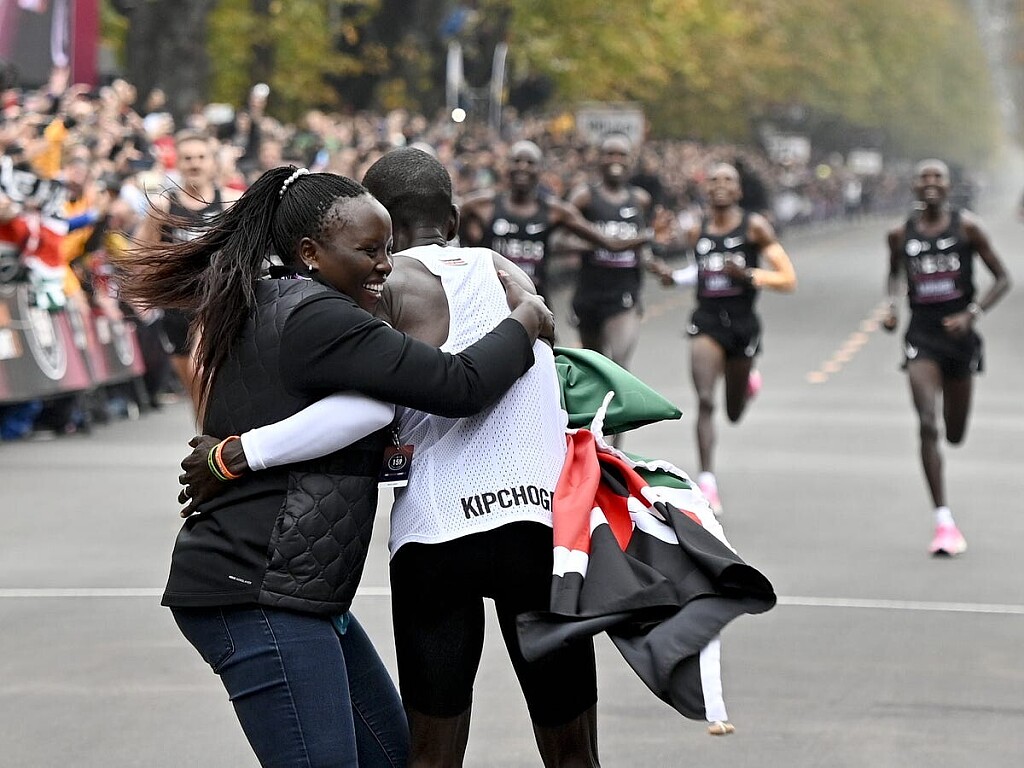
From Supporting Eliud Kipchoge To Chasing Her Own Marathon Dreams — Grace Sugut’s Journey Continues In Melbourne
For years, Grace Sugut has been a familiar presence alongside one of the greatest marathon runners in history, Eliud Kipchoge. Now, her own running story is beginning to take shape.

Sugut is preparing for the third marathon of her career when she lines up at the Nike Melbourne Marathon on Sunday, October 11, 2026, sharing the start line with her husband once again as Kipchoge continues his ambitious global marathon journey in Australia.
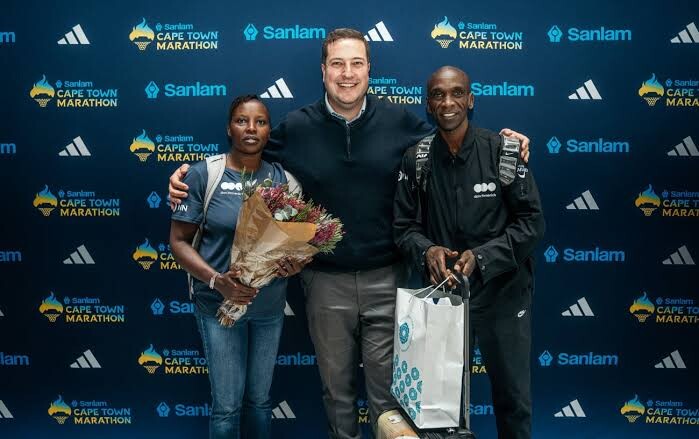
What makes Grace’s story particularly fascinating is the speed at which her marathon journey has developed. Rather than spending years building towards the distance, she has embraced the challenge in a relatively short period, travelling across continents and gradually establishing her own identity as a marathon runner.
Her journey began in Cape Town on May 24, 2026, where she completed her marathon debut in 4:29:59. That first race marked the beginning of a new chapter for a woman who had long been closely connected to marathon running through Kipchoge.
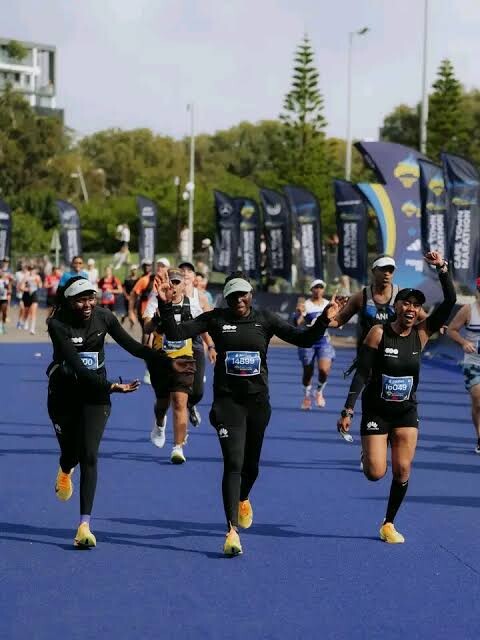
Just weeks later, she continued that adventure in South America, taking on the NB42K Porto Alegre Marathon in Brazil on July 12. The race provided another opportunity to gain experience over the demanding 42.195-kilometre distance and add another international marathon to her growing journey.
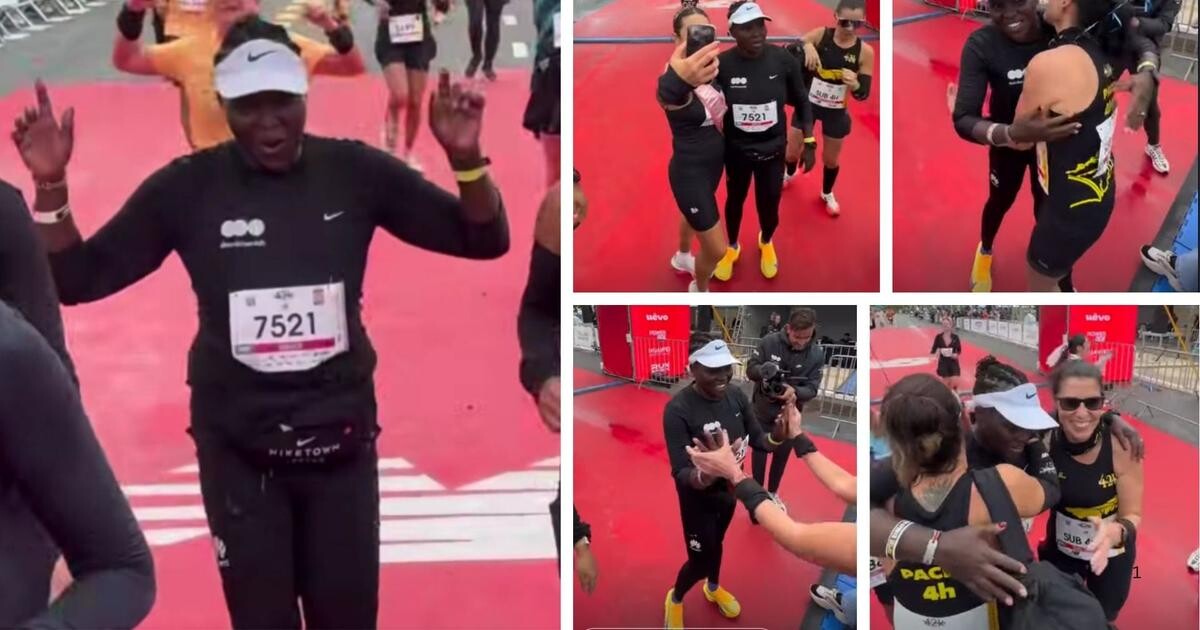
Now, Melbourne awaits.

The Nike Melbourne Marathon will give Grace another chance to test herself over the full marathon distance, this time on a redesigned course that organisers have made faster and flatter. The 2026 route features up to 20 per cent less elevation gain and 30 per cent fewer turns, while the race will once again finish inside the iconic Melbourne Cricket Ground.
The marathon starts at 6:15 a.m. from Batman Avenue before taking runners through some of Melbourne’s most recognisable areas and ultimately into the MCG for a memorable stadium finish.
For Grace, however, Melbourne represents more than another race on the calendar.
It places her directly inside the extraordinary global adventure being undertaken by her husband.
Kipchoge’s Eliud’s Running World project is taking him to seven marathons across all seven continents over a two-year period, combining marathon racing with a wider mission to bring communities together through running and support education and environmental initiatives through the Eliud Kipchoge Foundation.
Melbourne is the third stop of that journey, following Cape Town in South Africa and Porto Alegre in Brazil.
And this time, Grace is not simply accompanying the journey from the sidelines.
She is running it.
From Cape Town to Porto Alegre and now Melbourne, her progression reflects a personal transformation from being closely associated with marathon running through Eliud to taking on the distance herself.
There is something deeply compelling about that journey. While Kipchoge has spent more than a decade building one of the most celebrated marathon careers in history, Grace is beginning her own story from a very different starting point — learning the marathon one race, one continent and one kilometre at a time.
On October 11, thousands of runners will fill Melbourne’s streets, while the spectacular finish inside the MCG will provide the backdrop for another memorable day of marathon running.
Kipchoge will continue his seven-continent mission.
Grace Sugut will have a simpler but equally personal objective: to keep moving forward and complete another 42.195 kilometres.
From supporting a marathon legend to becoming a marathon runner herself, Grace’s journey is only beginning — and Melbourne could become another important chapter in a story that is already taking her around the world.
by Erick Cheruiyot for My Best Runs.
Login to leave a comment

Sawe And Kejelcha Honoured At adidas Headquarters After Historic Sub-Two Marathons
Kenyan marathon star Sabastian Sawe and Ethiopian distance-running sensation Yomif Kejelcha have been honoured at the Adidas Group Headquarters in Herzogenaurach, Germany, following their historic sub-two-hour marathon performances in London.

The adidas celebration brought together the only two men to have officially broken the two-hour barrier in record-eligible marathon races, marking a remarkable moment in the history of the sport.
Sawe etched his name into the record books at the 2026 London Marathon, producing an extraordinary 1:59:30 to become the first athlete to officially complete a record-eligible marathon inside two hours. His performance also lowered the previous world record by more than a minute.
Kejelcha followed closely behind with a stunning 1:59:41, making him the second-fastest marathoner in history and the second man to officially break the elusive two-hour barrier.
Together, Sawe and Kejelcha have achieved something that had remained beyond the reach of every marathoner before them. Their performances in London represented a defining moment for a discipline that has spent decades chasing the symbolic two-hour mark.
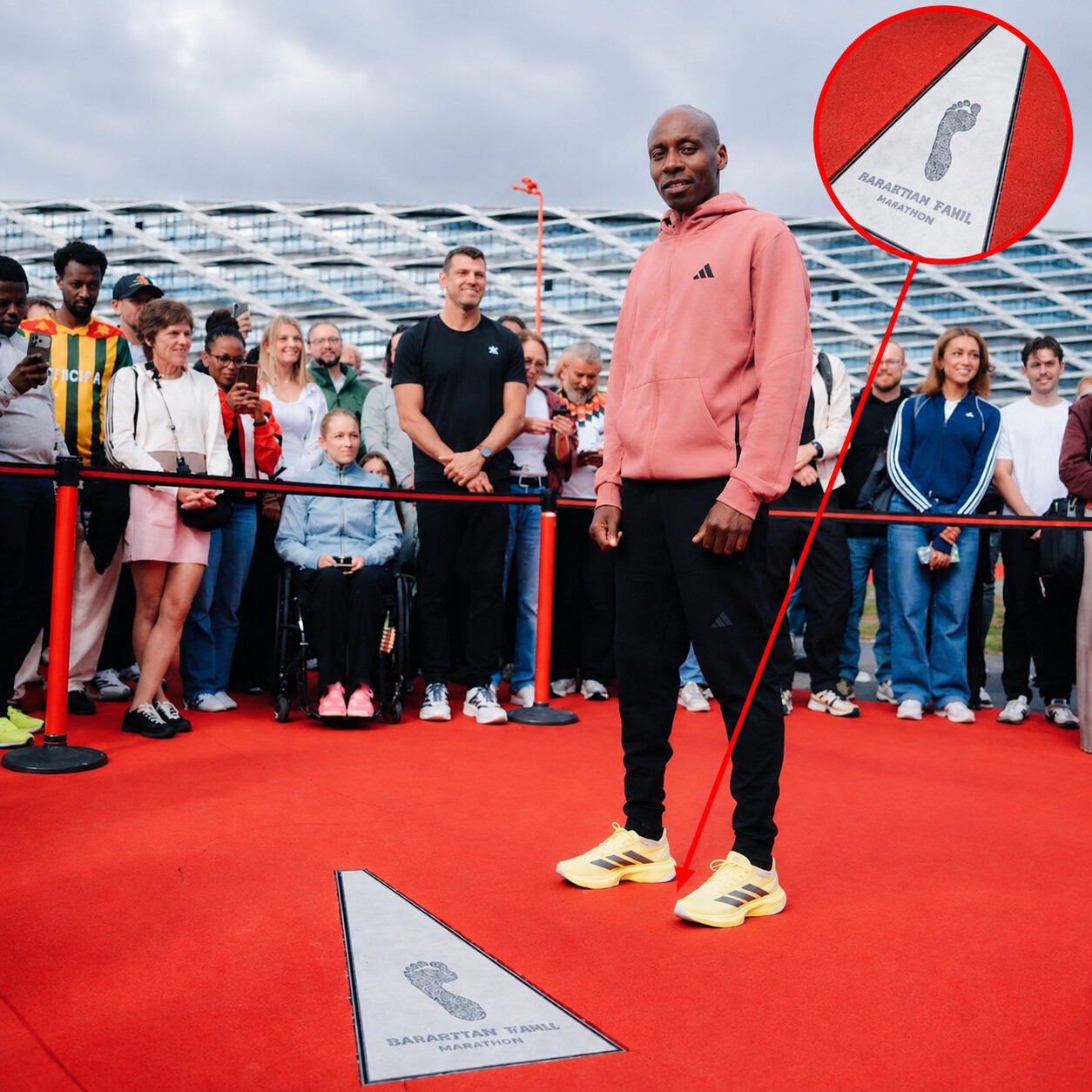
As part of the celebration at adidas headquarters, Sawe and Kejelcha were honoured for their groundbreaking achievements, with both Sawe and Kejelcha also leaving their footprints at the company's headquarters as a lasting physical reminder of their historic 1:59:30 and 1:59:41.

For Sawe, the visit provided another opportunity to commemorate the performance that transformed his career and pushed the limits of marathon running. His record-breaking run was achieved in adidas' Adizero Adios Pro Evo 3, further connecting the historic performance with the brand's technological development.
Kejelcha's achievement was equally significant. His 1:59:41 made him the second man to cross the two-hour threshold in an official marathon, placing him just 11 seconds behind Sawe and firmly establishing the Ethiopian among the greatest marathoners of the modern era.
Interestingly, neither of the two historic athletes will line up at this Sunday's BMW Berlin Marathon.
Sawe was scheduled to defend the title he won in Berlin in 2025, but an injury forced him to withdraw from this year's race. Kejelcha, meanwhile, will also be absent from the prestigious German marathon as he prepares for Valencia marathon in December, meaning the two men who recently rewrote the boundaries of the marathon will not be part of Sunday's elite field.
Their absence will nevertheless do little to diminish the significance of what they accomplished in London.
Two athletes. Two nations. One historic barrier.
Sawe's 1:59:30 and Kejelcha's 1:59:41 have created a new chapter in marathon history, and their performances are likely to remain a source of inspiration for generations of distance runners who will continue chasing the limits of human endurance.
by Erick Cheruiyot for My Best Runs.
Login to leave a comment
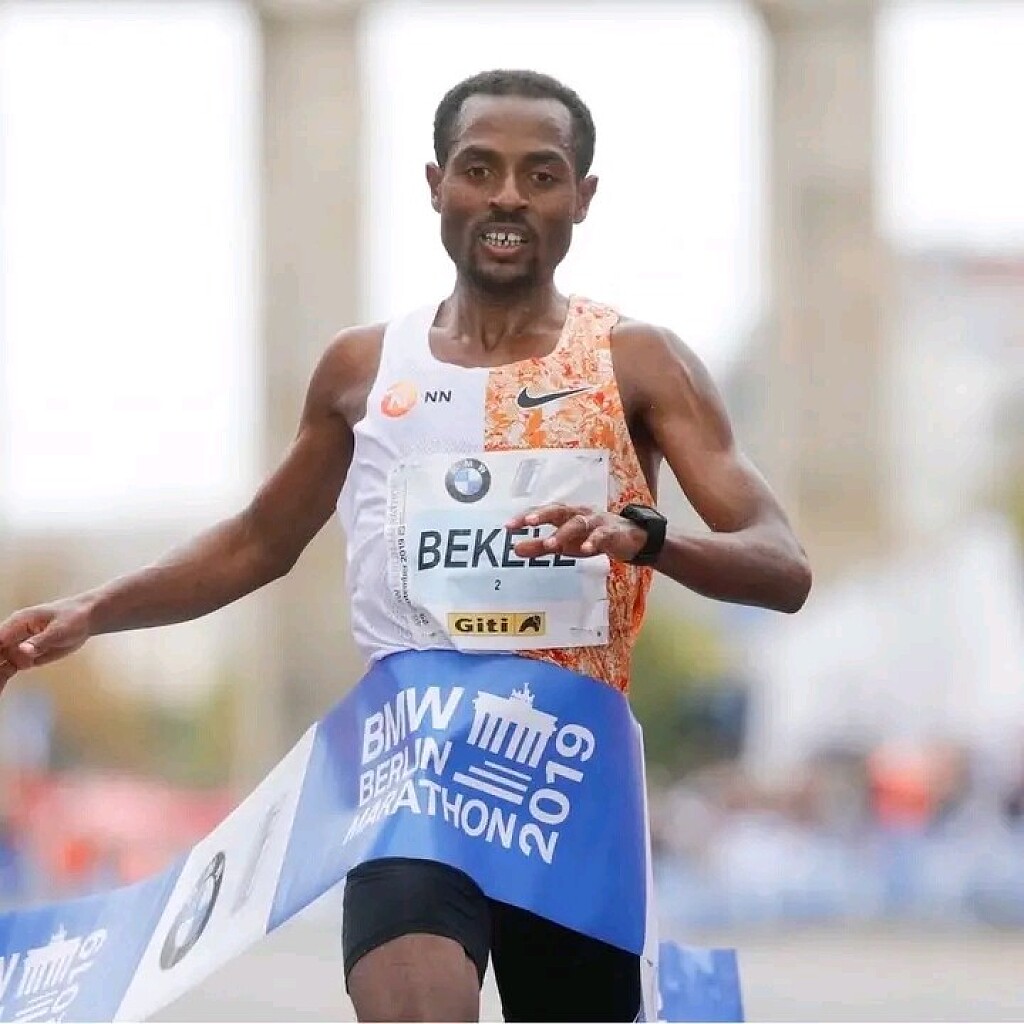
Kenenisa Bekele Withdraws From Berlin Marathon After Achilles Injury
Kenenisa Bekele’s much-anticipated return to the BMW Berlin Marathon has been abruptly cancelled after the Ethiopian distance-running legend suffered an injury to his left Achilles tendon during one of his final training sessions.
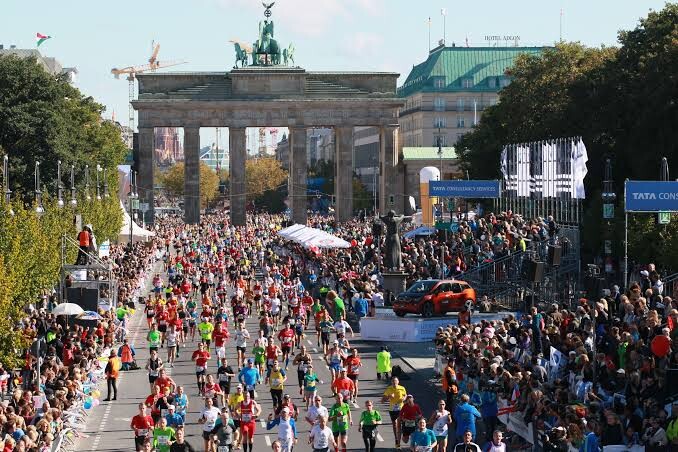
The 44-year-old Bekele was due to return to competitive action on Sunday, September 27, after being added to the elite field only last week. His late inclusion had generated enormous excitement, with fans looking forward to seeing one of the greatest distance runners in history back on one of the courses where he has produced some of his most memorable performances.
However, the injury has forced Bekele to withdraw just days before the race.
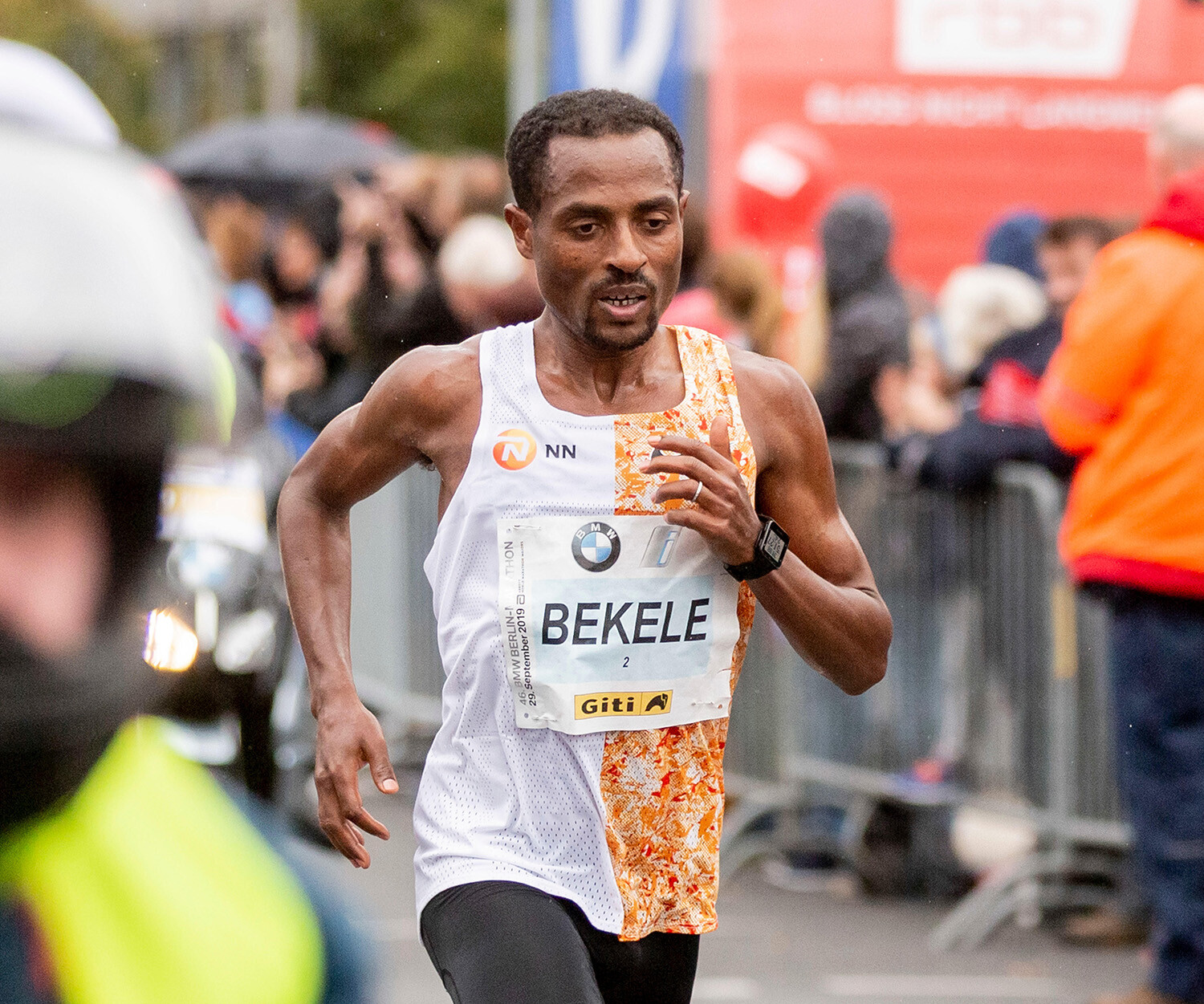
Bekele has a remarkable history in Berlin, having won the marathon twice. In 2016, he stormed to victory in 2:03:03 before returning three years later to produce one of the greatest marathon performances of his career, clocking 2:01:41 in 2019. That performance left him just two seconds short of Eliud Kipchoge’s then-world record of 2:01:39.
His 2:01:41 remains one of the fastest marathon performances ever recorded, and Berlin has long been a special stage in Bekele’s extraordinary career.
This year’s appearance was also expected to mark another chapter in his remarkable longevity. Bekele entered the race as a 44-year-old and had been targeting another strong performance after previously setting a masters marathon world record of 2:04:15 at the 2024 London Marathon, a mark he established at the age of 41.
Instead, his preparations have ended in disappointment.
Bekele has not completed a marathon since the Paris 2024 Olympic Marathon, where he finished 39th in 2:12:24. He subsequently entered the 2025 New York City Marathon but did not finish.
His withdrawal is another frustrating setback for a legendary athlete whose career has repeatedly been interrupted by injuries but who has continued to produce extraordinary performances well beyond the age at which many elite distance runners have retired.
For now, Berlin will have to wait for another Bekele appearance.
The Ethiopian legend will not be on the start line this Sunday, but his legacy on the Berlin streets remains firmly etched in marathon history.
by Erick Cheruiyot for My Best Runs.
Login to leave a comment
BMW Berlin Marathon
The story of the BERLIN-MARATHON is a story of the development of road running. When the first BERLIN-MARATHON was started on 13th October 1974 on a minor road next to the stadium of the organisers‘ club SC Charlottenburg Berlin 286 athletes had entered. The first winners were runners from Berlin: Günter Hallas (2:44:53), who still runs the BERLIN-MARATHON today, and...
more...
Tigst Assefa, Rosemary Wanjiru And Gabriel Geay Headline A Star-Studded Berlin Marathon
With just three days remaining until the BMW Berlin Marathon, anticipation is building for another spectacular edition of one of the world’s fastest marathon races.
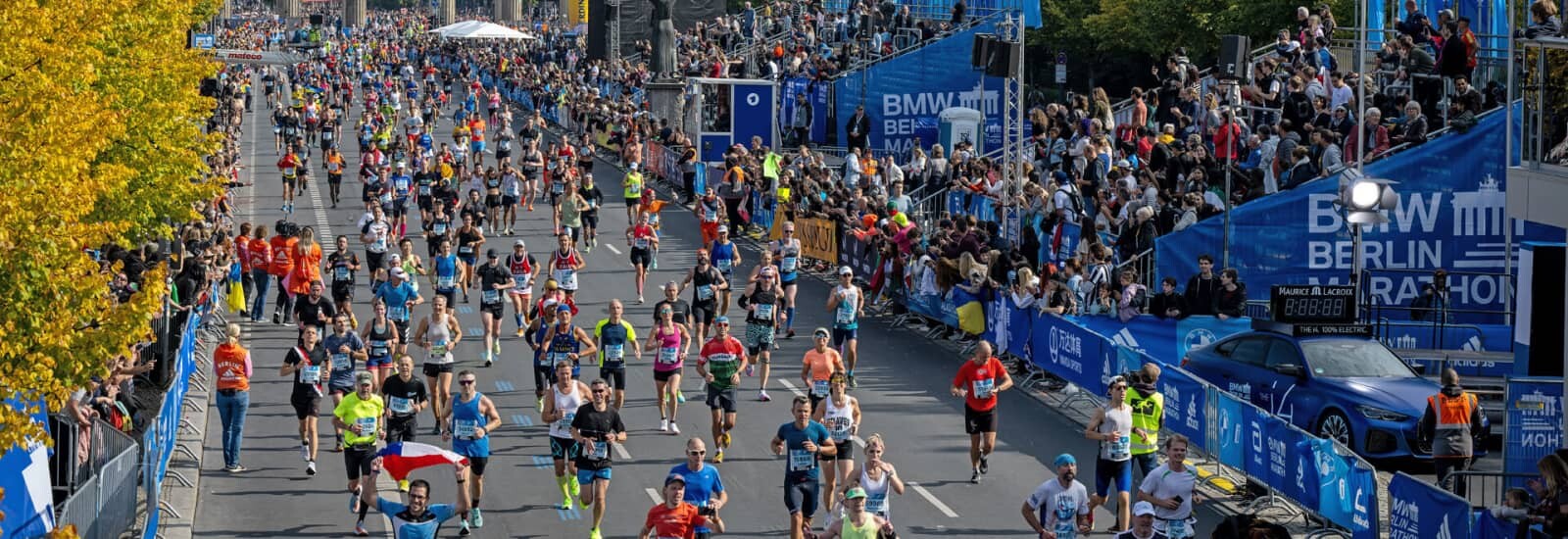
The 52nd edition of the race will take place on Sunday, September 27, with a deep international field set to take on the famously fast streets of the German capital.
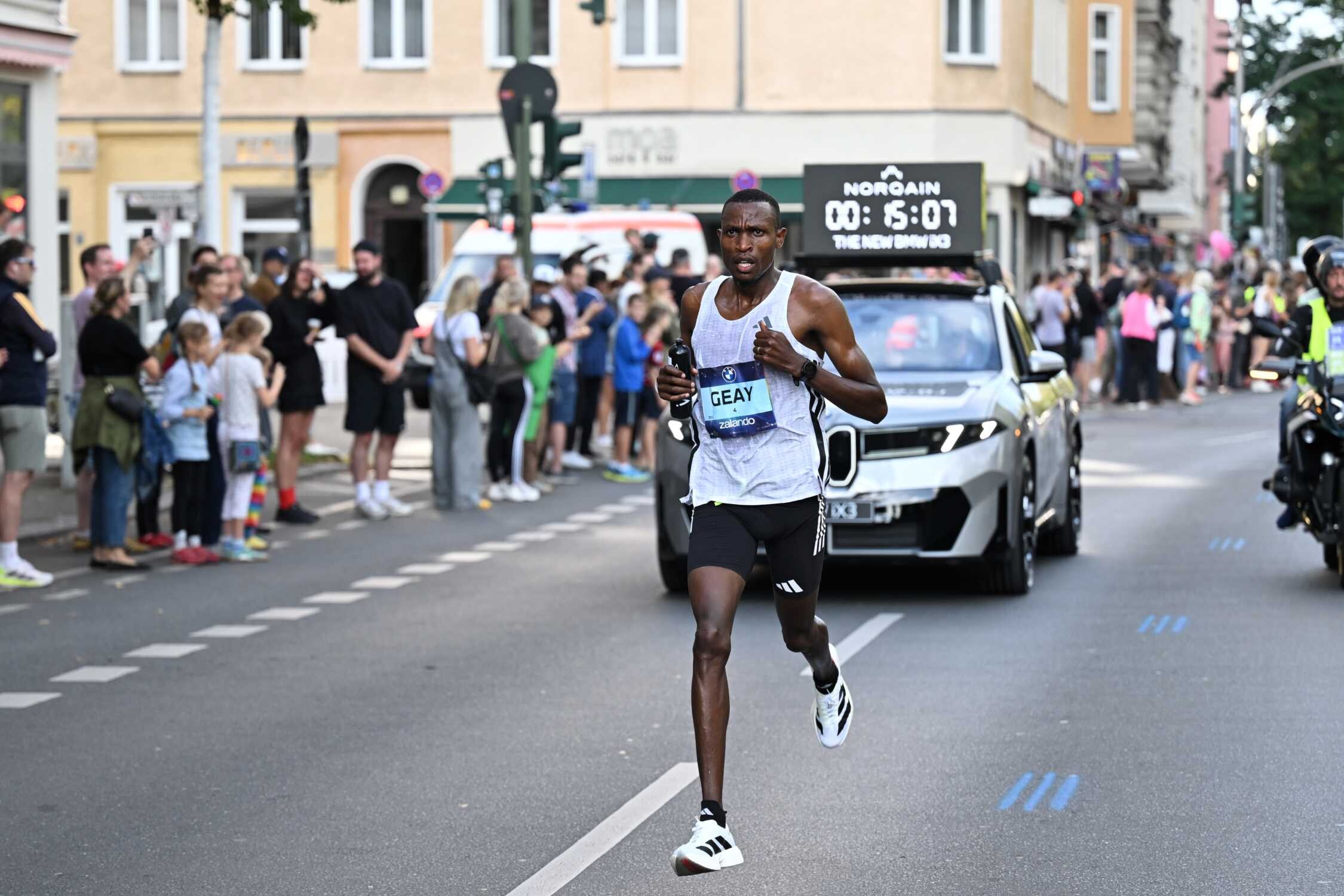
Tanzania’s Gabriel Geay is among the leading names in the men’s race, bringing a personal best of 2:03:00 to Berlin. His mark, set in Valencia in 2022, places him among the fastest marathoners in the elite field. However, Ethiopia’s legendary Kenenisa Bekele has since been added to the field with a 2:01:41 personal best, meaning Geay is not the fastest entrant on paper.
The men’s field also features Getaneh Molla (2:03:34), Guye Adola (2:03:46), Shura Kitata (2:03:59), Kenya’s Erick Sang (2:04:30) and Olympic 10,000m champion Selemon Barega (2:05:00), setting the stage for an exceptionally deep contest.
For Bekele, however, this return to Berlin carries a significance that goes far beyond the start list. The last time the Ethiopian legend stood on the Berlin start line was in 2019, when he ran 2:01:41—just two seconds outside the then-world record of 2:01:39. Had he gone two seconds faster, Bekele would have become the only athlete in history to simultaneously hold the world records for the 5,000 metres, 10,000 metres and marathon.
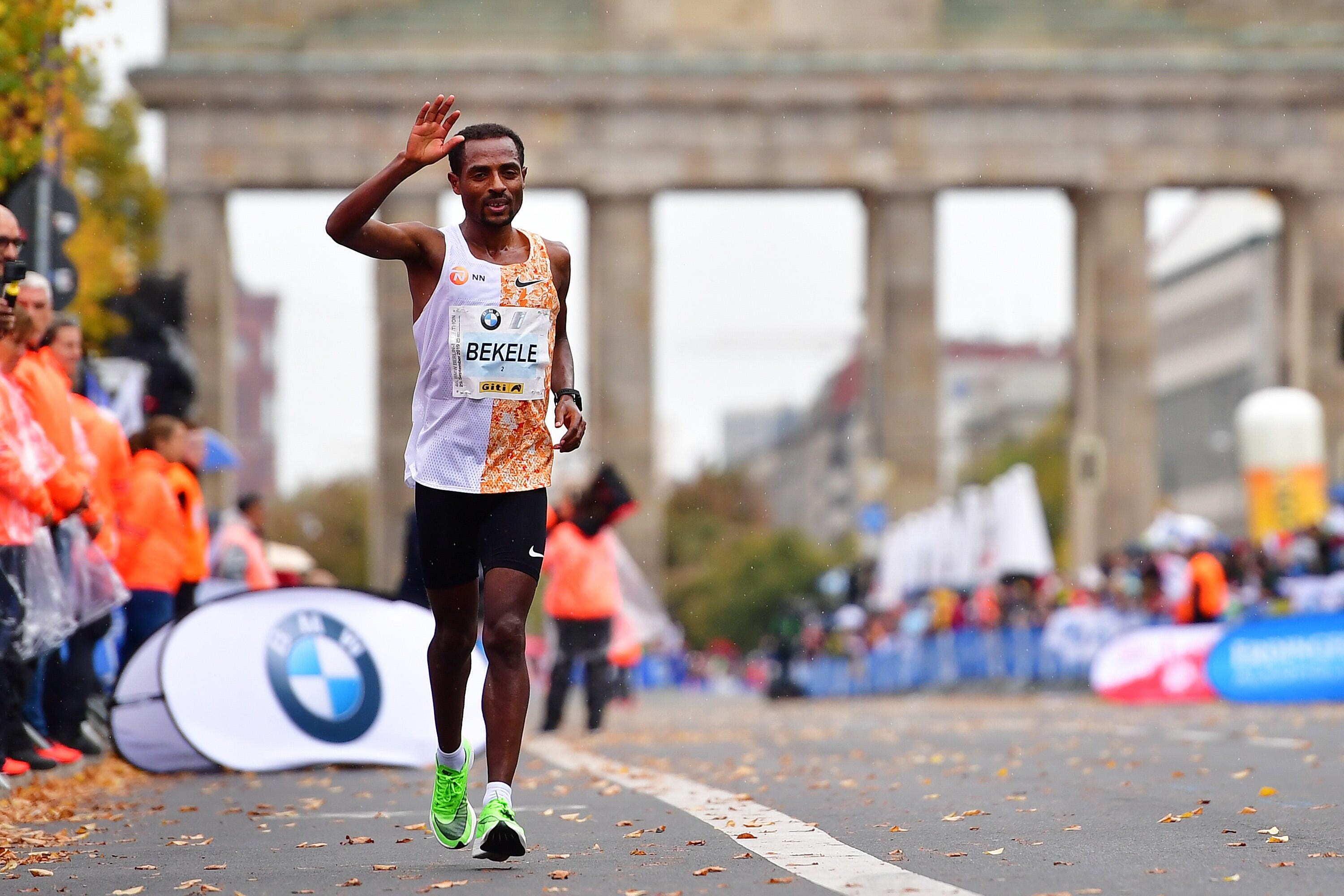
Bekele returns to Berlin on Sunday at the age of 44. His most recent race was the New York City Marathon in November, where he did not finish. Berlin, however, holds a special place in his marathon career. He claimed his first Berlin Marathon victory in 2016 and has won the race twice. He also owns the masters world record of 2:04:15, set in London last year.
He will not be the favourite in this year’s race, particularly after Sabastian Sawe was ruled out with a stress fracture. Adola, Molla, Kitata and Geay lead the field on paper, but Bekele’s presence adds another layer of intrigue to a race already packed with established marathon talent.
For Bekele, Berlin is more than another marathon. It is the course where he came closer than anyone to achieving a piece of distance-running history that remains untouched. Some athletes retire from the sport. Some retire toward one course. Bekele is running the second kind of retirement.
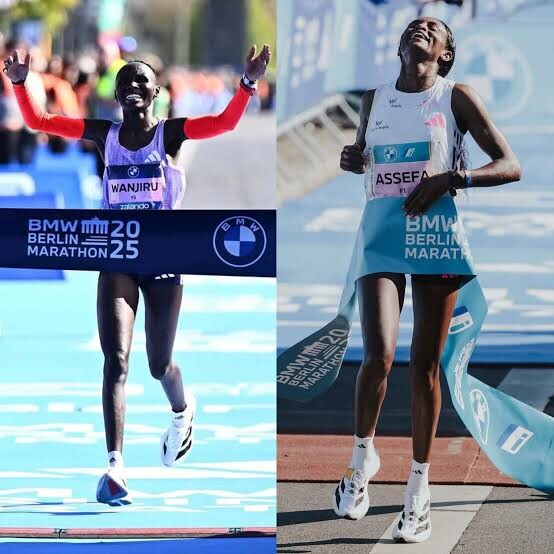
In the women’s race, all eyes will be on Tigst Assefa as the Ethiopian superstar returns to the course where she produced one of the most remarkable marathon performances in history. Assefa clocked 2:11:53 in Berlin in 2023, setting a world record at the time and establishing a course record that still stands.
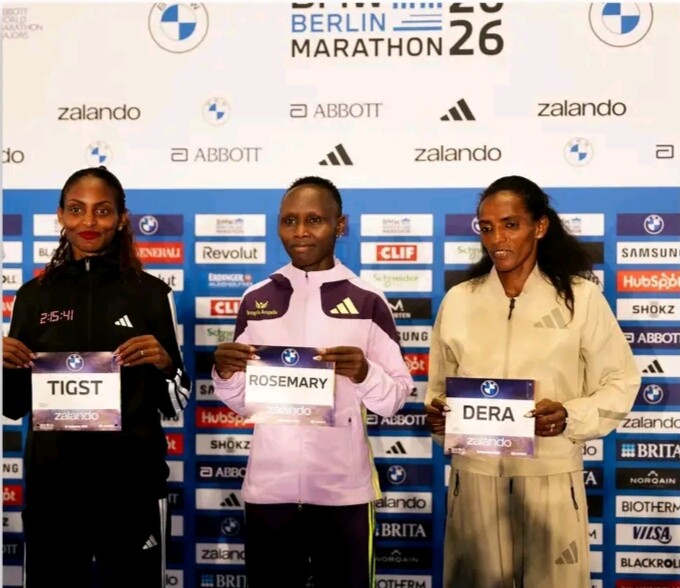
Assefa, a two-time Berlin Marathon champion, will face defending champion Rosemary Wanjiru, who returns to the German capital looking to retain her title. Wanjiru won the 2025 edition in 2:21:05 after previously finishing second in Berlin in 2022 in 2:18:00. Her personal best of 2:16:14 came at the 2023 Tokyo Marathon.
Wanjiru’s challenge will be particularly intriguing given the depth of the Ethiopian contingent. Bedatu Hirpa enters with a 2:18:27 personal best, followed by Dera Dida at 2:18:32, Zeineba Yimer at 2:18:47, Bosena Mulatie at 2:19:00, Misgane Alemayehu at 2:19:08 and Bekelech Gudeta at 2:19:39.
Kenya will also have another strong presence through Evaline Chirchir, whose 2:20:33 personal best places her among the leading women on the start list.
The Berlin Marathon’s reputation for producing fast times adds another layer of intrigue to an already stacked field. With a flat course, long stretches of uninterrupted running and a history of world records, the German capital has consistently provided elite athletes with the ideal conditions to test the limits of marathon performance.
Beyond the headline names, the race will also offer an opportunity for several contenders to make their mark on one of the biggest stages in road running. With experienced marathoners and ambitious challengers sharing the start line, the battle for the podium is expected to unfold at a demanding pace from the opening kilometres through the final stages of the race.
With Assefa returning to the scene of her historic 2023 run, Wanjiru arriving as the defending champion and a deep international cast lining up across both races, Berlin is once again set for a weekend of world-class marathon racing.
Three days out, the stage is set. The fast Berlin streets are waiting.
by Erick Cheruiyot for My Best Runs.
Login to leave a comment
BMW Berlin Marathon
The story of the BERLIN-MARATHON is a story of the development of road running. When the first BERLIN-MARATHON was started on 13th October 1974 on a minor road next to the stadium of the organisers‘ club SC Charlottenburg Berlin 286 athletes had entered. The first winners were runners from Berlin: Günter Hallas (2:44:53), who still runs the BERLIN-MARATHON today, and...
more...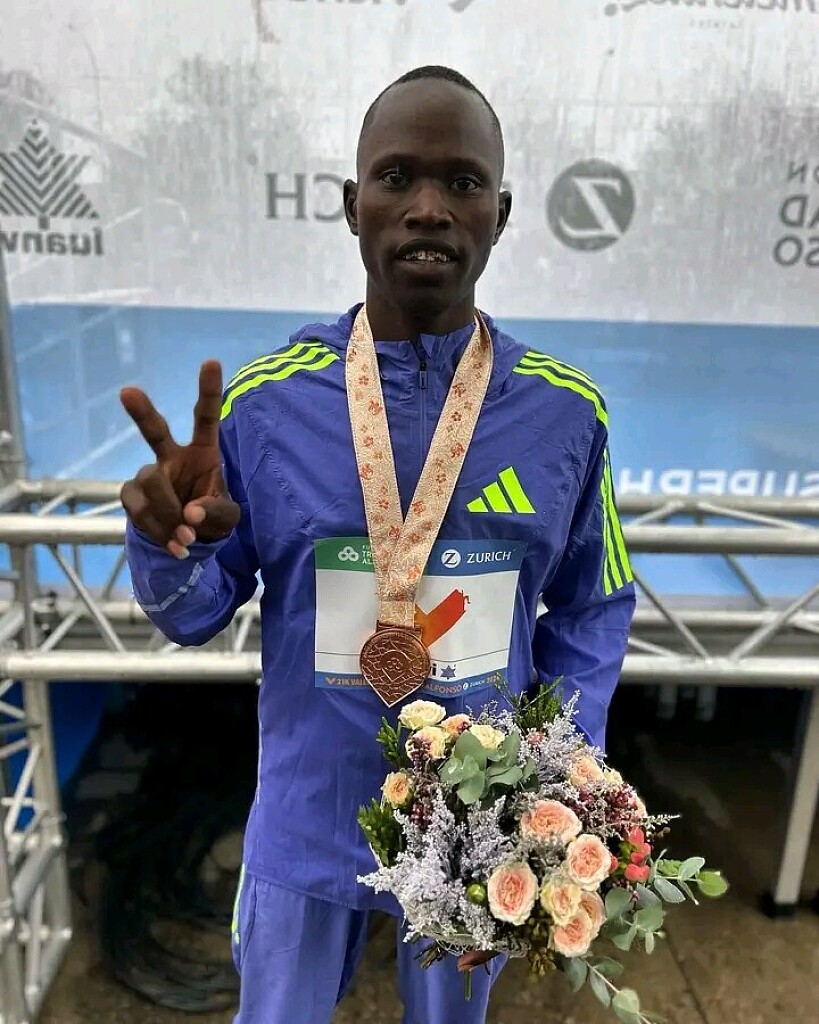
Isaia Lasoi Set For Highly Anticipated Marathon Debut In Amsterdam
Kenyan distance runner Isaia Kipkoech Lasoi is set to make his long-awaited marathon debut at the 2026 TCS Amsterdam Marathon on Sunday, October 18, stepping up to the 42.195-kilometre distance for the first time in what promises to be a high-quality international field.

Lasoi arrives in Amsterdam with an impressive credential over the half marathon, having clocked a personal best of 58:10. His transition to the marathon will therefore be one of the major storylines to follow as he takes on a distance more than twice as demanding as the half marathon.
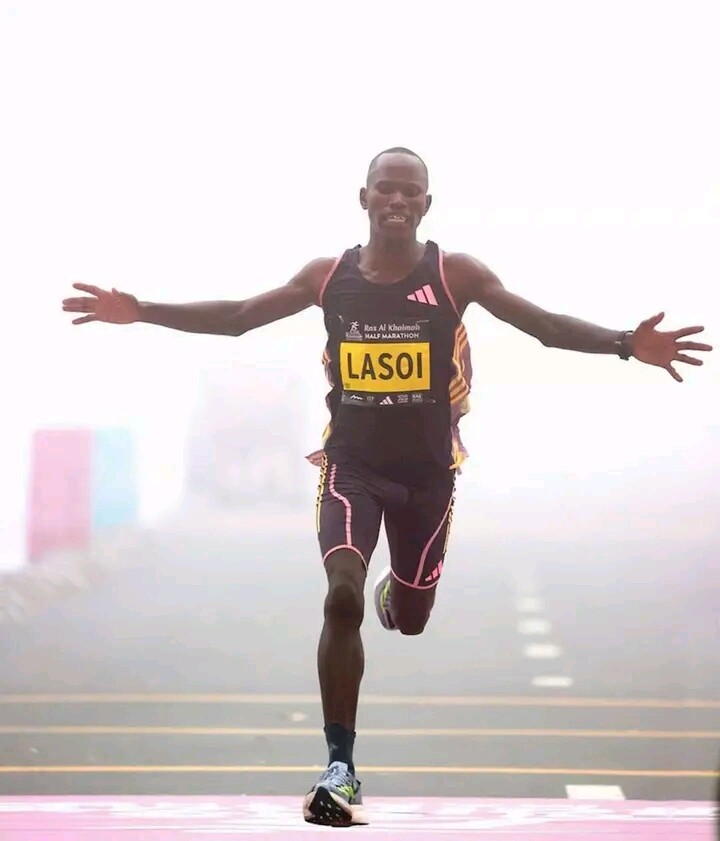
The 26-year-old Kenyan will face a formidable lineup that includes several athletes with marathon personal bests below 2:05. Leading the field is compatriot Geofry Toroitich Kipchumba, the defending champion and current Amsterdam course-record holder after his 2:03:30 victory last year. Kipchumba will return to the Dutch capital looking to defend his title and challenge his own record.
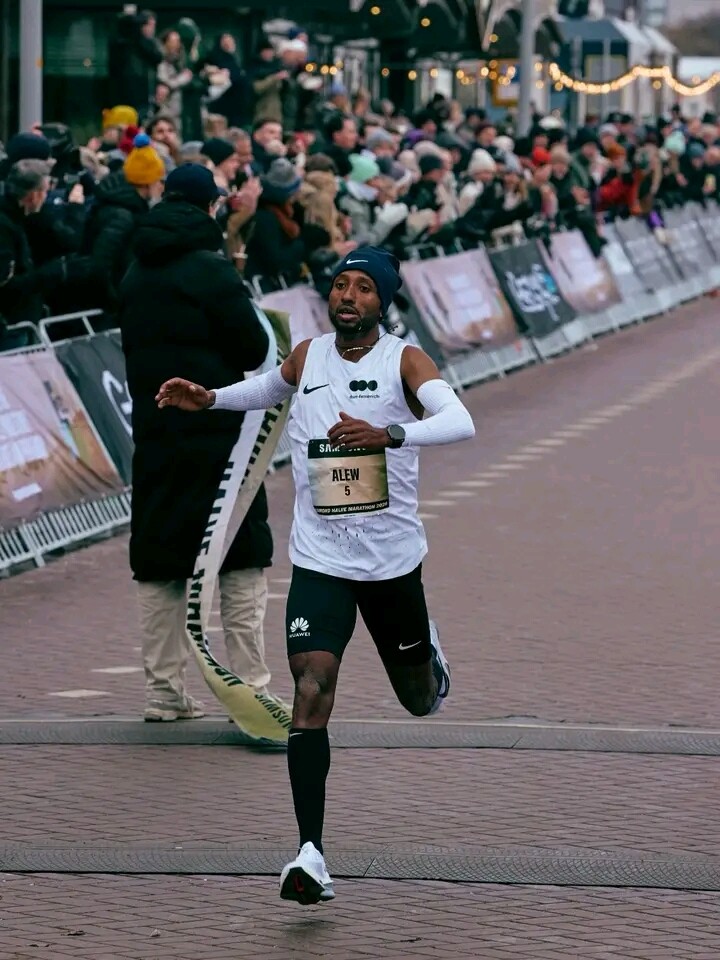
Ethiopia's Haymanot Alew is another major name on the start list, boasting a 2:03:31 personal best from Berlin in 2024, just one second outside Kipchumba's Amsterdam course record.
His compatriot Tsegaye Getachew will also return to a race where he has enjoyed considerable success. Getachew won the Amsterdam Marathon in 2022 and 2024 before finishing second last year in a personal-best 2:04:18.
The field also features Ethiopian marathoner Lemi Berhanu, who owns a personal best of 2:04:33, while Israel's Maru Teferi brings a 2:04:44 personal best set in Valencia in 2024.
With the Amsterdam course known for its fast profile and the race carrying a World Athletics Platinum Label, the stage is set for another potentially fast edition. The marathon starts at the Olympic Stadium, with the course taking runners past landmarks including the Rijksmuseum, along the Amstel River and through Vondelpark before returning to the Olympic Stadium for the finish.
For Lasoi, however, the focus will be on answering one intriguing question: how will his exceptional half-marathon speed translate over the full marathon distance?
His debut will provide the first major indication of his potential at 42.195 kilometres, while placing him alongside an experienced group of elite marathoners capable of producing world-class performances.
The confirmed names currently include Isaia Kipkoech Lasoi, Geofry Toroitich Kipchumba, Haymanot Alew, Tsegaye Getachew, Lemi Berhanu and Maru Teferi, setting up a fascinating international contest in Amsterdam on October 18.
by Erick Cheruiyot for My Best Runs.
Login to leave a comment
TCS Amsterdam Marathon
Do you want to enjoy Amsterdam in October and all that the city has to offer you? Want to feel a real athlete and start and finish in the historic Olympic stadium? Or run across the widely discussed passage under the beautiful National Museum? Then come to Amsterdam for the annual TCS Amsterdam Marathon in October! The TCS Amsterdam Marathon...
more...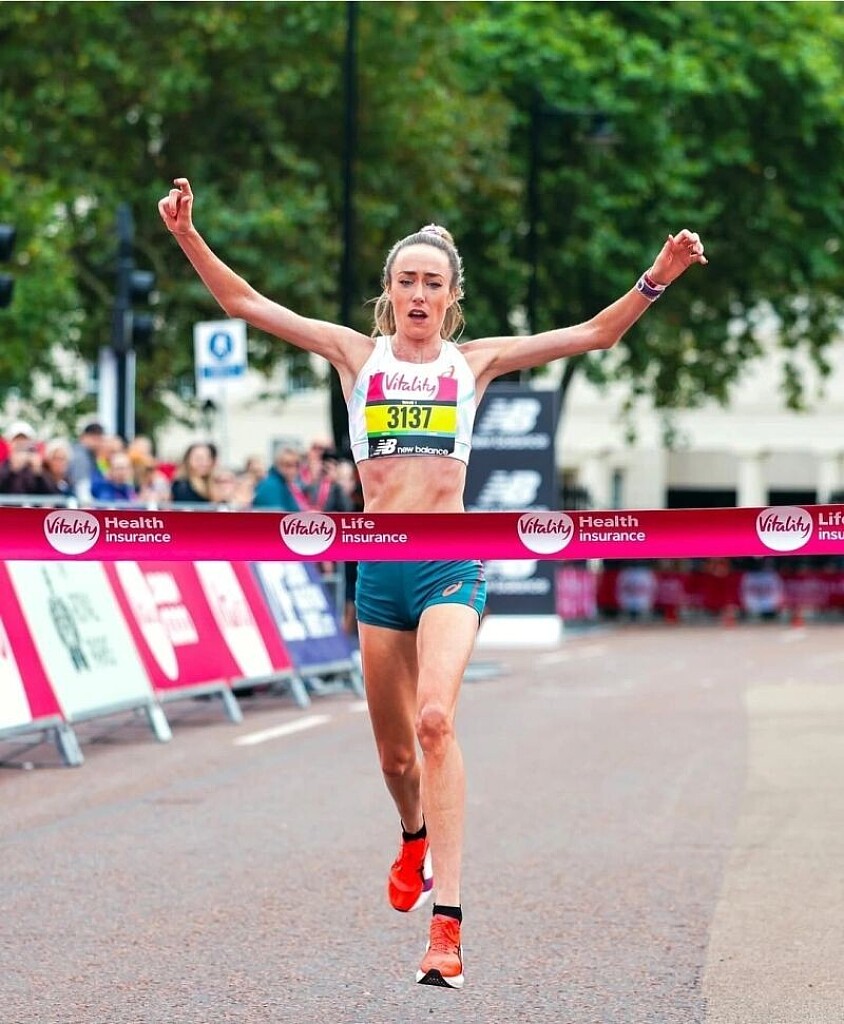
Eilish McColgan Targets Historic Fourth Vitality London 10,000 Title
Eilish McColgan is set to return to the streets of London on Sunday, September 27, 2026 with history firmly within her sights as she bids to claim a record-breaking fourth Vitality London 10,000 title.
The British distance star will line up in the capital looking to add another chapter to her impressive record at the event. A fourth victory would make McColgan the outright most successful female winner in the race’s history.
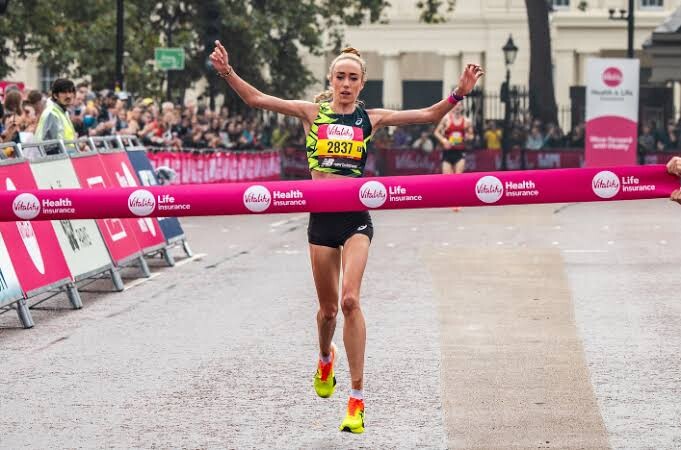
McColgan arrives as the defending champion after producing a superb performance last season. She stopped the clock at 30:35 to take victory, finishing ahead of Jessica Warner-Judd and Alex Bell.
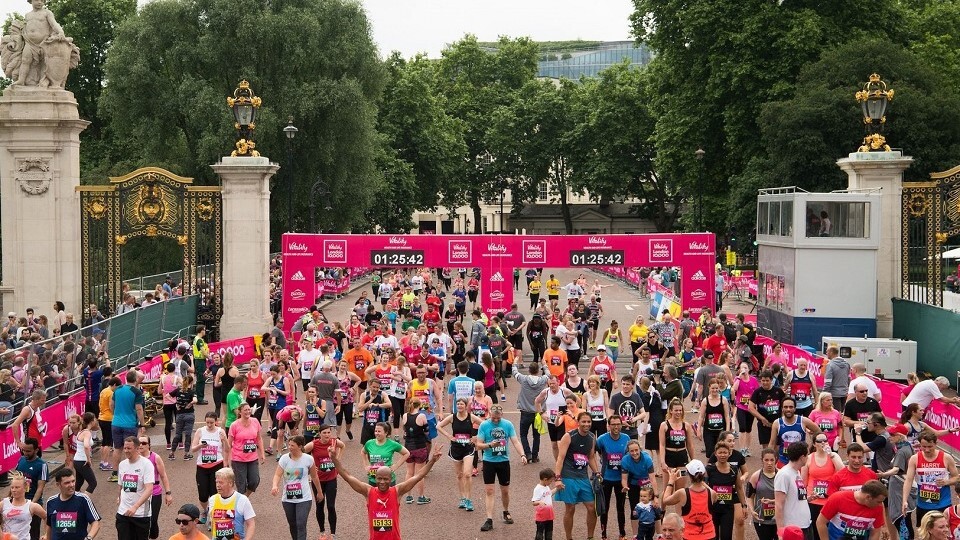
That triumph gave McColgan her third London 10,000 crown, putting her level with the existing record for most women’s victories. She now has the opportunity to move clear and establish a new benchmark.
Her latest challenge comes after another busy period on the road. McColgan returned to racing at the Big Half before competing at the Great North Run, continuing her preparations for another major 10km outing in the British capital.
The London 10,000 has become a particularly successful fixture in McColgan’s career, and she will once again be among the leading names expected to fight for the women’s title.
Standing between her and history will be a competitive field, including familiar rivals such as Warner-Judd, who finished runner-up to McColgan last year.
For McColgan, though, the objective is clear: another victory would not simply add another title to her collection. It would make her the sole record holder for women’s victories at the Vitality London 10,000.
With three wins already secured, all eyes will be on McColgan as she chases a fourth crown and another memorable achievement on the streets of London.
by Erick Cheruiyot for My Best Runs.
Login to leave a comment
Vitality London 10,000
The Vitality London 10,000 takes you past many landmark sites, including the London Eye, Buckingham Palace and the Bank of England – so you even get to do a bit of sightseeing along the way! You will run alongside elite runners and have coverage from the BBC, making this 10km one of the highest in profile of its kind....
more...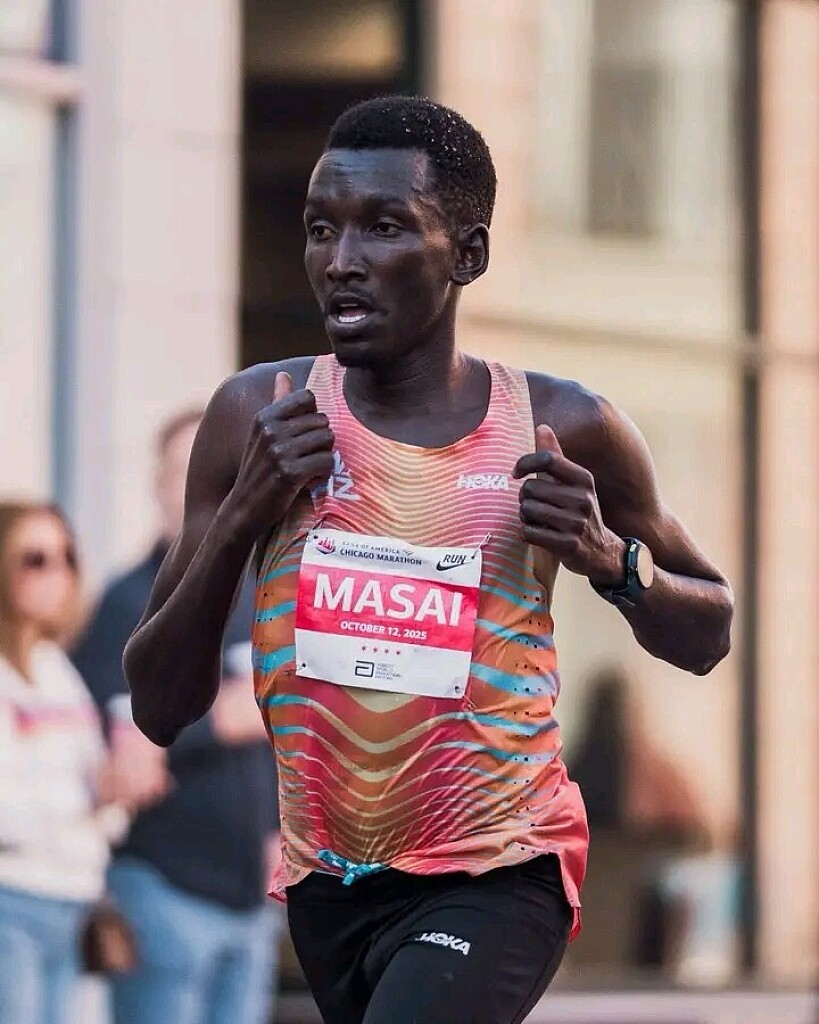
Bashir Abdi Added to Chicago Marathon as Alex Masai Withdraws
Bashir Abdi has been added to the elite men’s field for the 2026 Bank of America Chicago Marathon, while Kenya’s Alex Masai has withdrawn from the October 11 race.
Masai finished third in the 2025 edition in a personal-best 2:04:37, making his withdrawal a notable change to the field. He will no longer line up alongside some of the world’s leading marathoners, including defending champion Jacob Kiplimo of Uganda.
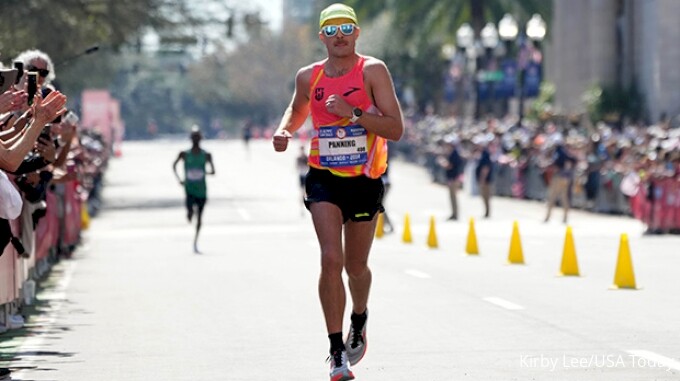
Masai joins Americans Zach Panning, who has a 2:09:16 personal best, Jacob Thomson (2:09:51) and Felicia Pasadyn (2:35:17) on the withdrawal list.
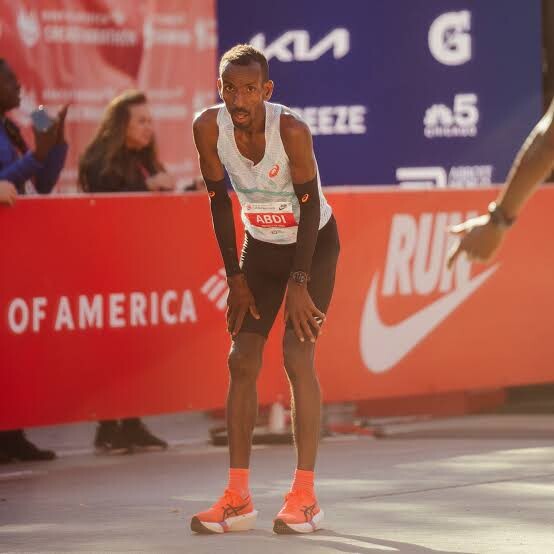
On the other side of the update, Abdi strengthens an already competitive men’s lineup. The Belgian is a two-time Olympic medalist, having won bronze in Tokyo and silver in Paris, and owns the European marathon record of 2:03:36, set in Rotterdam in 2021.
Abdi also knows the Chicago course well, having finished 10th in last year’s race in 2:07:08. His return gives him another opportunity to make a stronger statement on one of the world’s major marathon stages.
Norway’s Sondre Nordstad Moen has also been included in the updated field. Moen previously held the European marathon record after running 2:05:48 in Fukuoka in 2017, before Abdi lowered the mark four years later.
The American contingent has also been strengthened with the additions of Matt Richtman, Nathan Martin, Brian Shrader, Ben Rosa and Frank Lara, while Cole Sprout is set to make his marathon debut.
Sara Vaughn is among the notable women’s additions. She returns to Chicago after recording her personal-best 2:23:24 at the 2023 edition.
The 2026 Chicago Marathon will be held on Sunday, October 11, with the elite field continuing to take shape ahead of race day.
by Erick Cheruiyot for My Best Runs.
Login to leave a comment
Bank of America Chicago
Running the Bank of America Chicago Marathon is the pinnacle of achievement for elite athletes and everyday runners alike. On race day, runners from all 50 states and more than 100 countries will set out to accomplish a personal dream by reaching the finish line in Grant Park. The Bank of America Chicago Marathon is known for its flat and...
more...
Agnes Ngetich Rewrites Peres Jepchirchir’s Record: Two Historic Half Marathons, One Second Apart
Kenya’s Agnes Jebet Ngetich has added another remarkable chapter to the country’s extraordinary half-marathon history, breaking the women-only world half-marathon record in Copenhagen on Sunday, September 20, 2026.
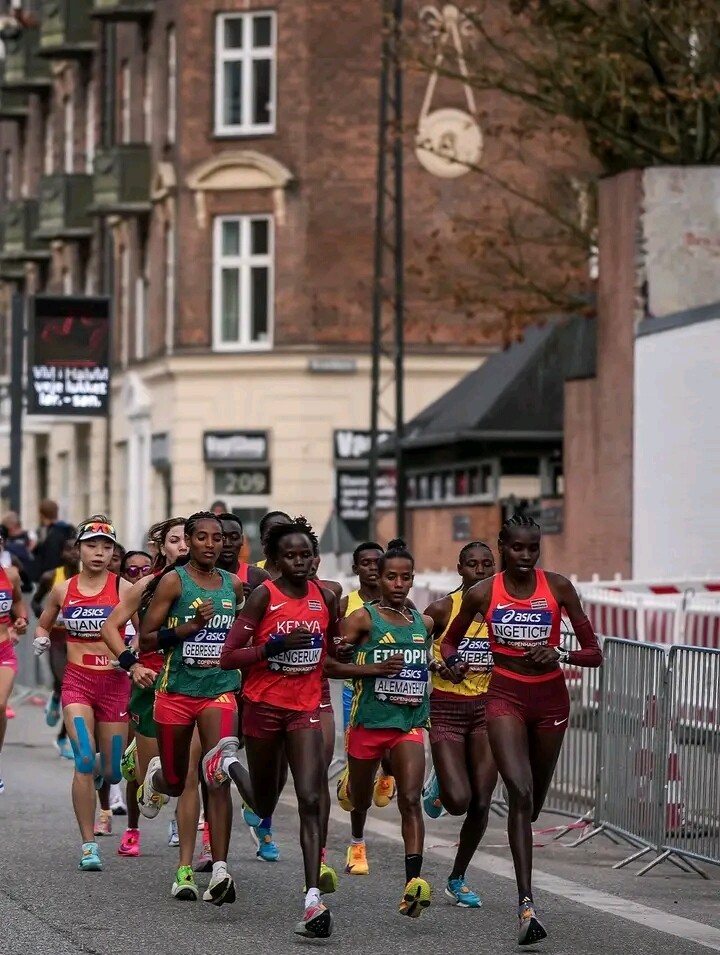
Ngetich clocked 1:05:15 to win the women’s half marathon at the World Athletics Road Running Championships, lowering the previous women-only world record of 1:05:16 set by fellow Kenyan Peres Jepchirchir in Gdynia, Poland, in 2020.
Jepchirchir originally established the record on October 17, 2020, when she won the World Athletics Half Marathon Championships in Gdynia in 1:05:16. That performance came just weeks after she had first broken the women-only record in Prague with 1:05:34 on September 5, 2020.
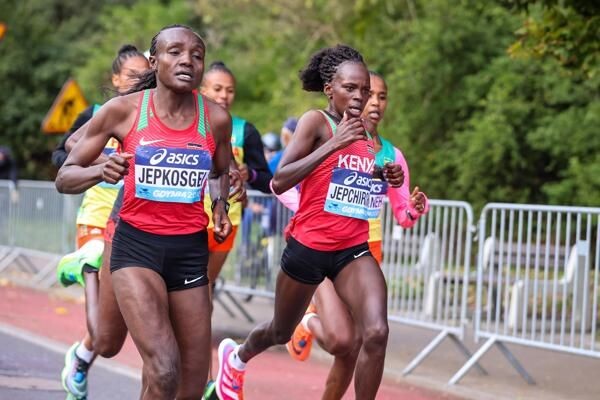
Five years later, Ngetich finally moved the mark forward—but by the narrowest possible margin.
The Copenhagen race also provides an intriguing statistical contrast between the two record-breaking performances. Their final times are separated by only one second, yet their races unfolded in noticeably different ways.
Ngetich attacked from the beginning, passing the opening 5km in 15:12. She then maintained remarkable consistency, reaching the next 5km in 15:27, followed by 15:38 and 15:39 for the subsequent 5km segments. With the final section covered in 3:19, she stopped the clock at 1:05:15.
Jepchirchir’s 2020 record followed a different rhythm. She passed the corresponding stages in 15:20, 15:27, 15:37 and 15:40, before producing a dramatically faster final section of 2:36 to complete her historic run in 1:05:16.
The split comparison highlights the contrasting ways in which the two Kenyans reached almost identical finishing times. Ngetich established her advantage early and maintained it through the middle kilometres, while Jepchirchir gradually built her race and delivered a particularly powerful closing section.
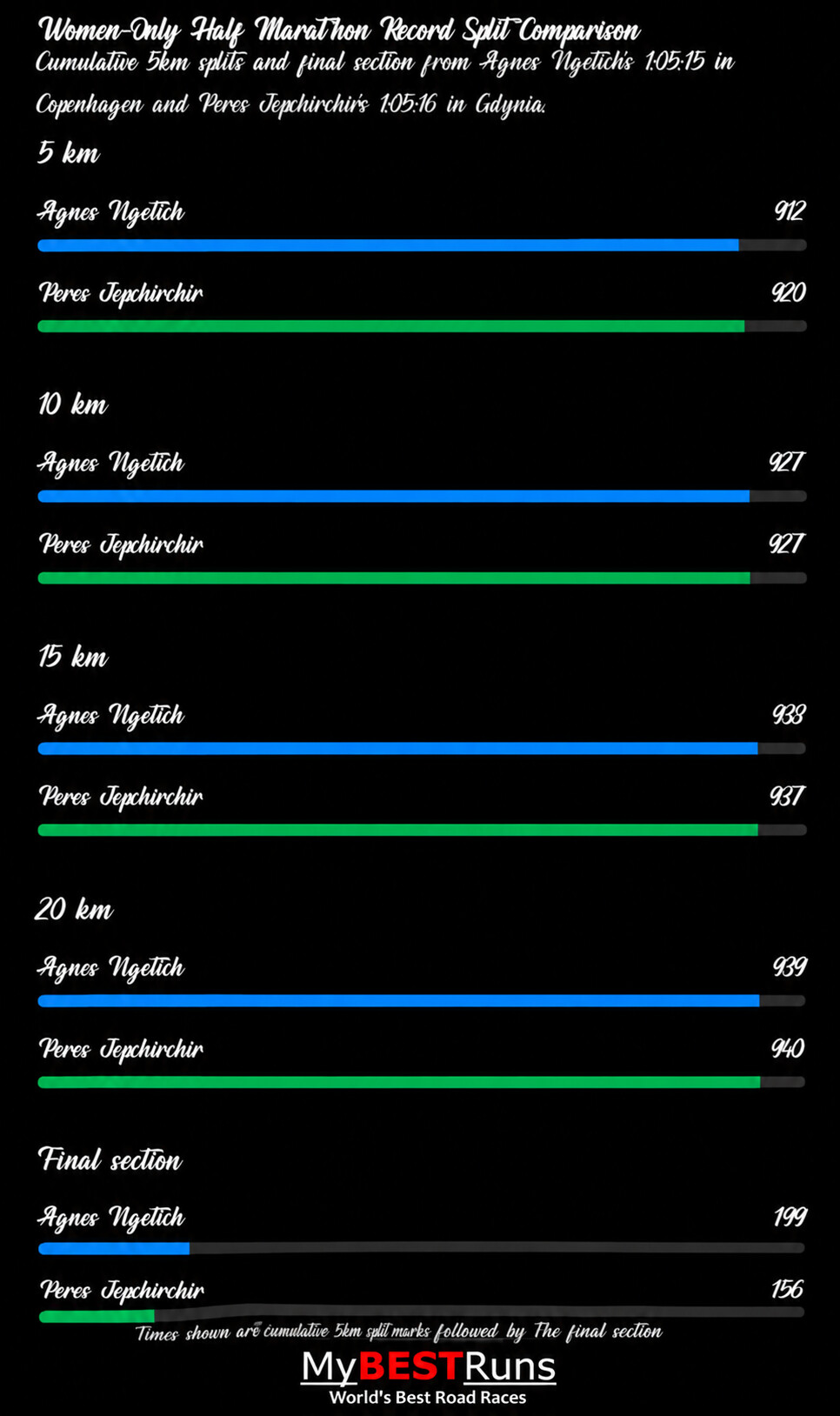
That is what makes the comparison so fascinating. Ngetich’s 1:05:15 and Jepchirchir’s 1:05:16 were produced five years apart, in different races and under different circumstances, yet the two performances sit almost perfectly together in the record books.
The split comparison is not a direct race between the two athletes, but rather a look back at how two Kenyan champions produced historic performances through contrasting pacing strategies. Ngetich’s performance was built on an exceptionally fast opening and sustained consistency, while Jepchirchir’s record was characterized by a stronger acceleration toward the finish.
For Jepchirchir, the 1:05:16 in Gdynia represented a defining moment in 2020. For Ngetich, the 1:05:15 in Copenhagen marked the moment she finally moved that record forward.
One second separates them. Five years separate the performances. Together, the two times provide a striking statistical snapshot of two historic Kenyan half-marathons.
by Erick Cheruiyot for My Best Runs.
Login to leave a comment

World Athletics Road Running Championships
Six world champions and 65,000 runners just behind them. In September 2026, the heart of Copenhagen is expected to be the stage for Denmark’s largest-ever participant event. The World Athletics Road Running Championships Copenhagen 26 will take place on September 19-20, 2026. A total of 65,000 participants will join the running festivities behind the world’s fastest female and male athletes...
more...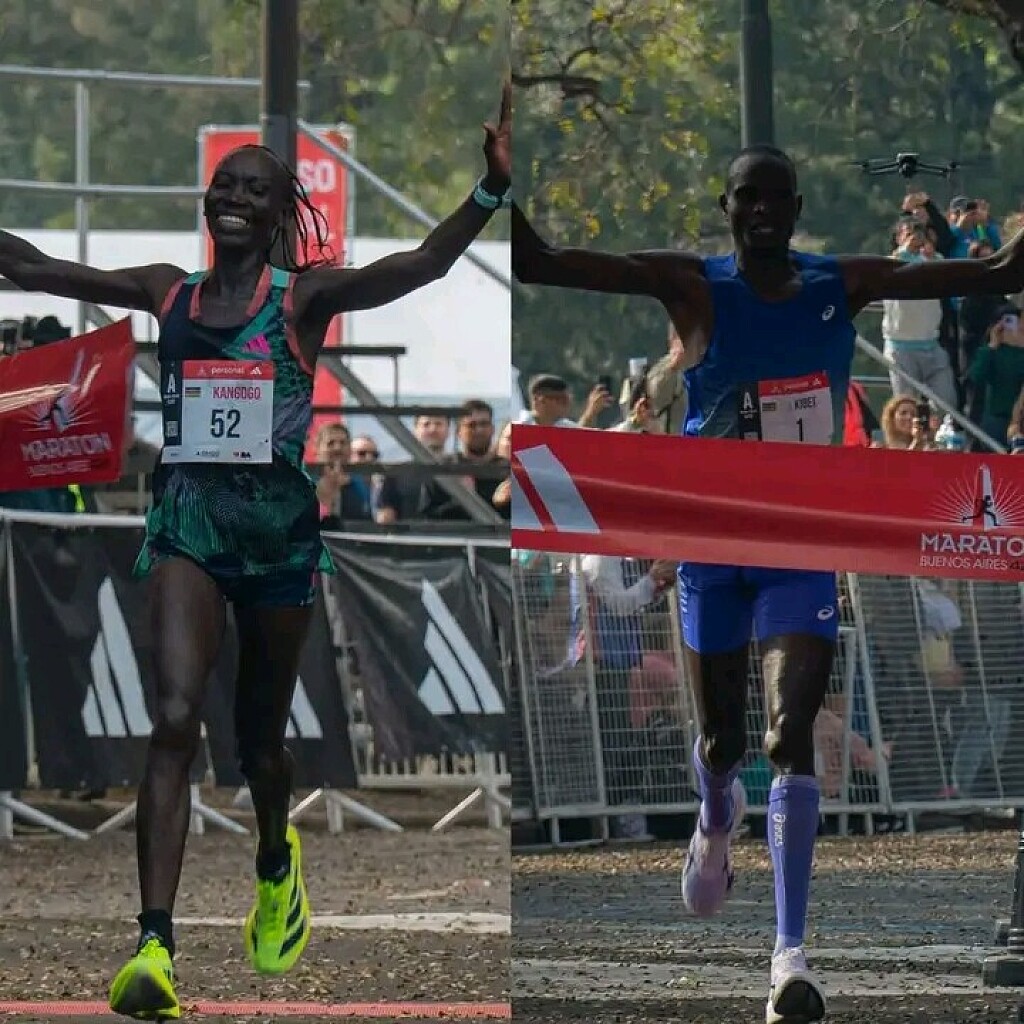
Bethwel Kibet Chumba And Rebecca Kangogo Chesir Lead Kenyan Triumph At Buenos Aires Marathon
Kenya produced a spectacular double triumph at the 2026 Buenos Aires Marathon on Sunday, September 20, dominating both the men’s and women’s races as Bethwel Kibet Chumba claimed the men’s title and Rebecca Kangogo Chesir shattered the women’s course record.
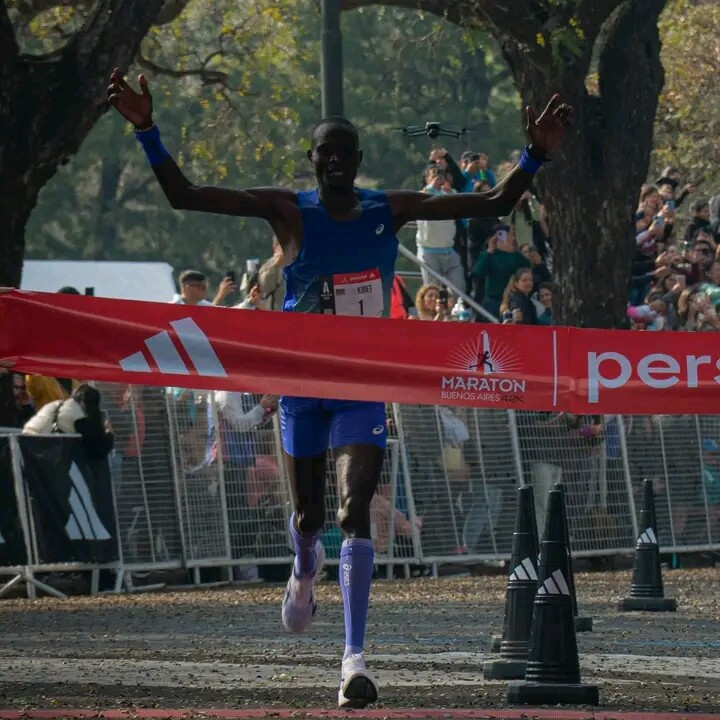
On the men’s side, Chumba delivered a commanding performance to conquer the streets of Argentina, crossing the finish line in 2:08:28 and securing a memorable victory on the home turf of football legend Diego Armando Maradona.
The race unfolded under challenging conditions, with temperatures around 18°C and humidity approaching 90 percent placing considerable demands on the runners throughout the 42.195-kilometre course.
Earlier in the race, a fierce lead group featuring four Kenyans and one Rwandan pushed the pace aggressively, reaching halfway in a remarkable 1:02:48. At that point, the pace appeared fast enough to threaten the 2:05:00 course record, but the demanding second half would prove considerably more difficult.
As the kilometres passed and the humid conditions began to take their toll, Chumba maintained his strength and composure to emerge as the strongest runner in the closing stages. He eventually secured the victory in 2:08:28.
Rwanda’s John Hakizimana produced an outstanding performance to finish second in 2:08:39, just 11 seconds behind Chumba, while Kenya’s Felix Kiptoo Kirwa completed the men’s podium in 2:10:24.
Kipkemo Kiprono followed in fourth in 2:10:49, with Vincent Kibor Raimoi fifth in 2:11:50. Ethiopia’s Embay Goitom Dimtsu finished sixth in 2:12:28, while Chile’s Ricardo Rojas was seventh in 2:14:47.
Colombia’s David Gómez González placed eighth in 2:15:23, followed by Argentina’s Ignacio Erario in 2:16:42 and compatriot Ignacio Reyes, who completed the men’s top 10 in 2:21:46.
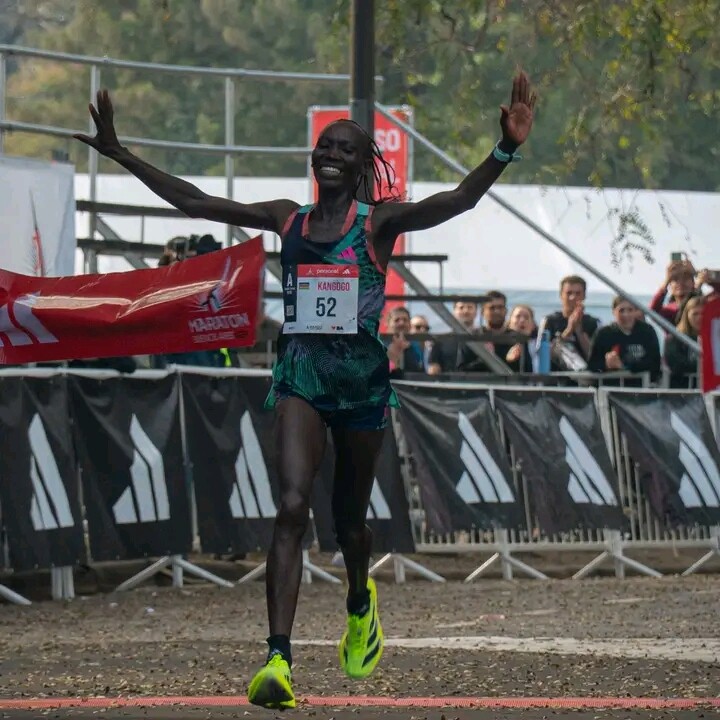
The women’s race provided another remarkable Kenyan celebration, with Rebecca Kangogo Chesir leading a clean sweep of the podium while producing the performance of the day with a new course record of 2:23:36.
Kangogo Chesir controlled the women’s race through the streets of Buenos Aires to claim victory and rewrite the course record. Her winning time was 1 minute and 16 seconds faster than the previous mark of 2:24:52, set by fellow Kenyan Rodah Jepkorir Tanui in 2023.
The victory also represented a major personal breakthrough for Kangogo Chesir. Entering the race with a personal best of 2:24:25, she improved substantially to 2:23:36, breaking the 2:24 barrier for the first time in her career.
Behind her, Tanui produced another strong performance to finish second in 2:24:49, while Emmah Cheruto Ndiwa completed the all-Kenyan podium in 2:26:55, giving Kenya gold, silver and bronze in the women’s race.
The result was particularly significant for Tanui, who returned to the Buenos Aires podium after winning the race in 2023. Her runner-up performance in 2026 was also faster than the 2:24:52 winning time she recorded three years earlier.
Ethiopia’s Sintayehu Hailemichael finished fourth in 2:29:53, followed by compatriot Agere Tamir in 2:30:19. Lomi Muleta Tefera, also from Ethiopia, placed sixth in 2:32:15.
Argentina’s Chiara Mainetti was the leading home runner in seventh place with 2:38:25. Anahi Castaño followed in 2:44:21, while Mercedes Piredda finished ninth in 2:48:11. Laura Ortegon completed the women’s top 10 in 2:50:32.
The demanding weather conditions added another layer of difficulty to both races, with the warm temperatures and exceptionally high humidity testing the endurance of the international field over the full marathon distance.
For Kenya, Buenos Aires became a celebration of distance-running strength, with Chumba taking the men’s title in 2:08:28 and Kangogo Chesir breaking the women’s course record in 2:23:36. The women’s podium sweep added another highlight, as Kenya once again demonstrated its depth on the international marathon stage.
by Erick Cheruiyot for My Best Runs.
Login to leave a comment

Buenos Aires Marathon
The Maratón of Buenos Aires is an annual marathon foot-race which takes place in Buenos Aires, Argentina, during the Southern Hemisphere's Spring, usually in October. The 21st edition of the Buenos Aires Marathon started on October 9, 2005 at 7:30 at the 9 de Julio Avenue and Córdoba Avenue in the Recoleta neighborhood, being the start also the end point. ...
more...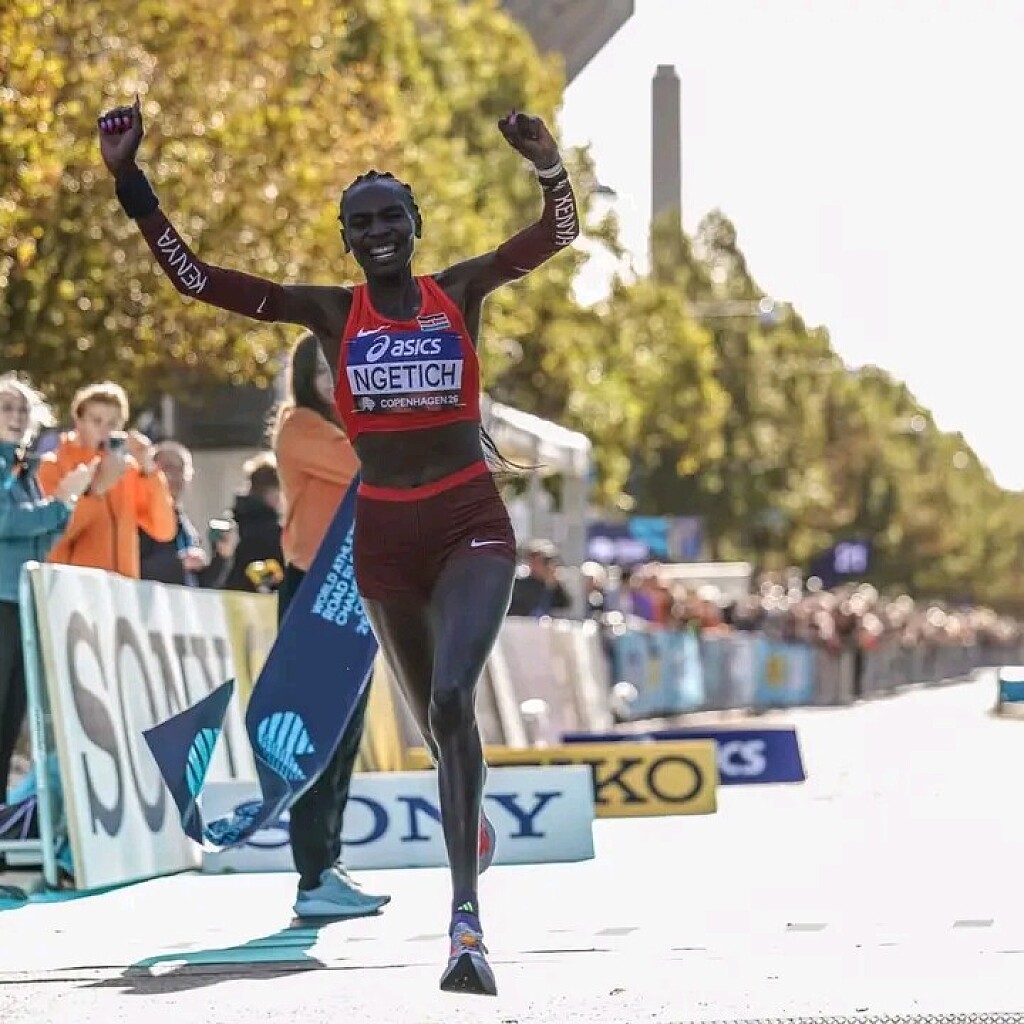
Agnes Ngetich Makes History In Copenhagen With World Half Women-Only Marathon Record
Kenya’s Agnes Jebet Ngetich produced a stunning performance in Copenhagen on Sunday, September 20, 2026, powering to women’s half marathon gold at the World Athletics Road Running Championships in a sensational 1:05:15.
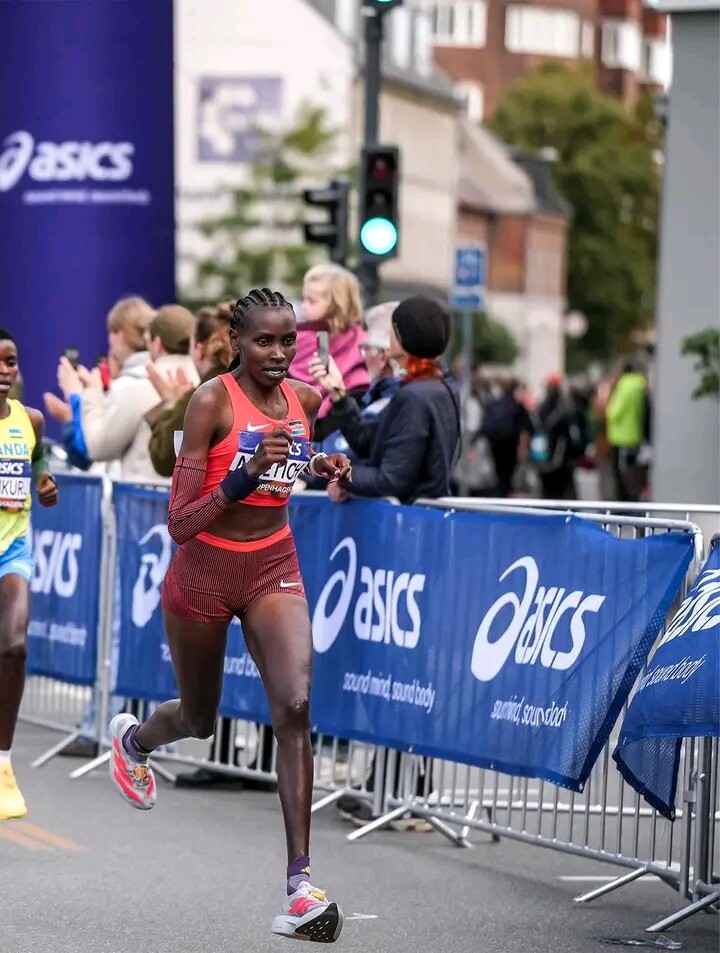
Ngetich’s victory delivered far more than a global title. Her 1:05:15 surpassed the previous women-only half marathon world record of 1:05:16, putting her at the top of the record books with a performance that further underlined her growing status as one of the most formidable road runners in the world. The record remains subject to the usual ratification procedures.
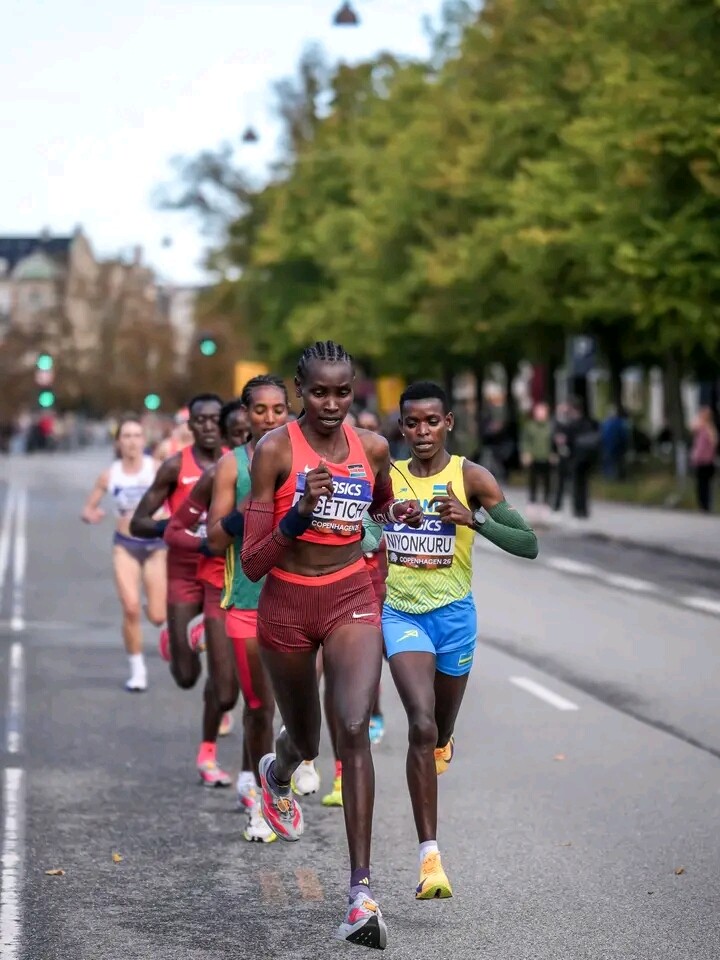
What made the performance even more remarkable was the manner in which Ngetich controlled the race. The Kenyan dictated the pace across all 21.1 kilometres, taking command from the outset and never surrendering her grip on the contest as she raced relentlessly towards the finish.
From the opening stages, Ngetich imposed a relentless rhythm, using the aggressive front-running style that has become one of the defining features of her racing. Rather than waiting for the decisive moments, the Kenyan took control early and forced her rivals to respond to her pace.
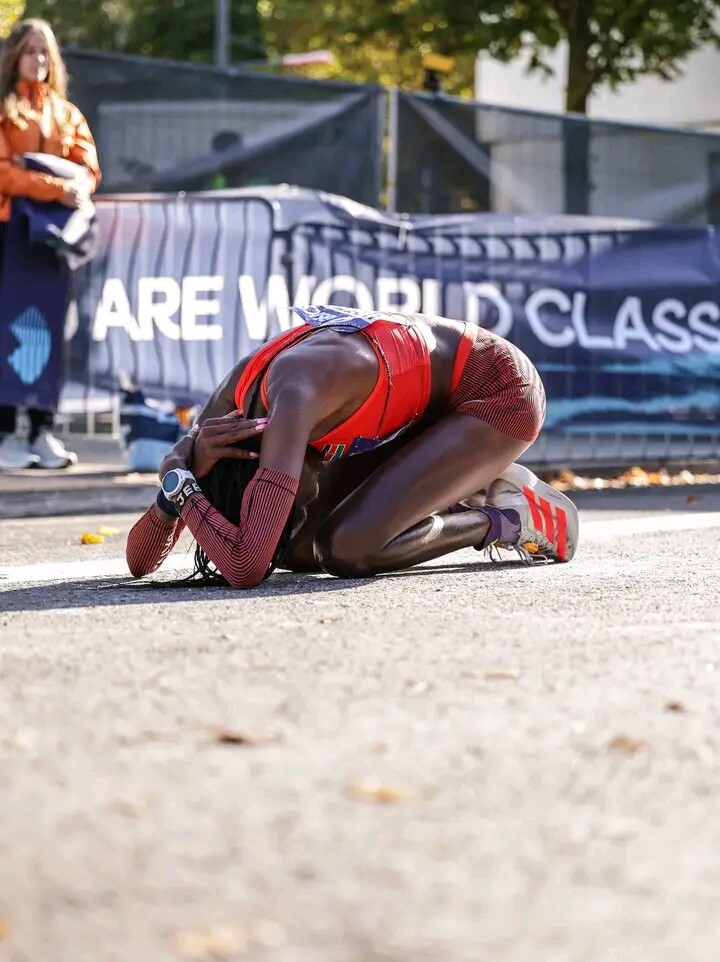
The performance marked another extraordinary chapter in a remarkable 2026 campaign. Ngetich had already established herself as a global champion earlier in the year, adding another major international title to a season that has continued to demonstrate her exceptional consistency and versatility.
Her strength extends well beyond the half marathon. Ngetich is already the world record-holder over 10km, having produced a breathtaking 28:46, a mark that established her as one of the fastest women ever recorded over the distance and further cemented her reputation as a dominant force on the roads.
Copenhagen therefore became another defining stage in Ngetich’s rapid rise. With her ability to sustain an extraordinary pace while racing aggressively from the front, she has developed a style that leaves little room for her competitors to settle into their own rhythm.
The Kenyan’s latest triumph also adds another prestigious global honour to her collection and strengthens her position among the leading figures of the current generation of distance running. Her performances throughout 2026 have shown remarkable range, from shorter road distances to the half marathon, while maintaining an unmistakable hunger for major titles.
By the time she crossed the finish line in Copenhagen, Ngetich had transformed another championship race into a piece of history. A world title, a women-only world record and complete control over 21.1km now stand alongside her name as she continues to build one of the most remarkable distance-running seasons of 2026.
The championship also produced a strong international top 10, with Kenya taking three of the first four places. Veronica Loleo followed Ngetich in second in 1:06:05, while Rwanda’s Florence Niyonkuru finished third in a national record of 1:06:08. Daisilah Jerono completed the Kenyan presence in the top four in 1:06:13, while the United States placed three athletes inside the top seven.
Top 10 Women’s Half Marathon Results — Copenhagen 2026
1. Agnes Jebet Ngetich (Kenya) — 1:05:15 — World Record
2. Veronica Loleo (Kenya) — 1:06:05
3. Florence Niyonkuru (Rwanda) — 1:06:08 — National Record
4. Daisilah Jerono (Kenya) — 1:06:13
5. Emma Grace Hurley (USA) — 1:06:23 — Personal Best
6. Weini Kelati Frezghi (USA) — 1:06:35
7. Jessica McClain (USA) — 1:06:53 — Personal Best
8. Ftaw Zeray (Ethiopia) — 1:07:07
9. Fatima Ezzahra Birdaha (Morocco) — 1:07:33 — National Record
10. Esther Chebet (Uganda) — 1:07:38
As Copenhagen witnessed another unforgettable chapter in women’s distance running, Ngetich emerged as the central figure of the championship. Her world-record run, backed by fearless front-running and remarkable endurance, has further elevated her place on the global stage. With the 2026 season continuing to produce historic performances, Ngetich’s latest achievement stands as another powerful reminder of Kenya’s enduring excellence in distance running.
by Erick Cheruiyot for My Best Runs.
Login to leave a comment
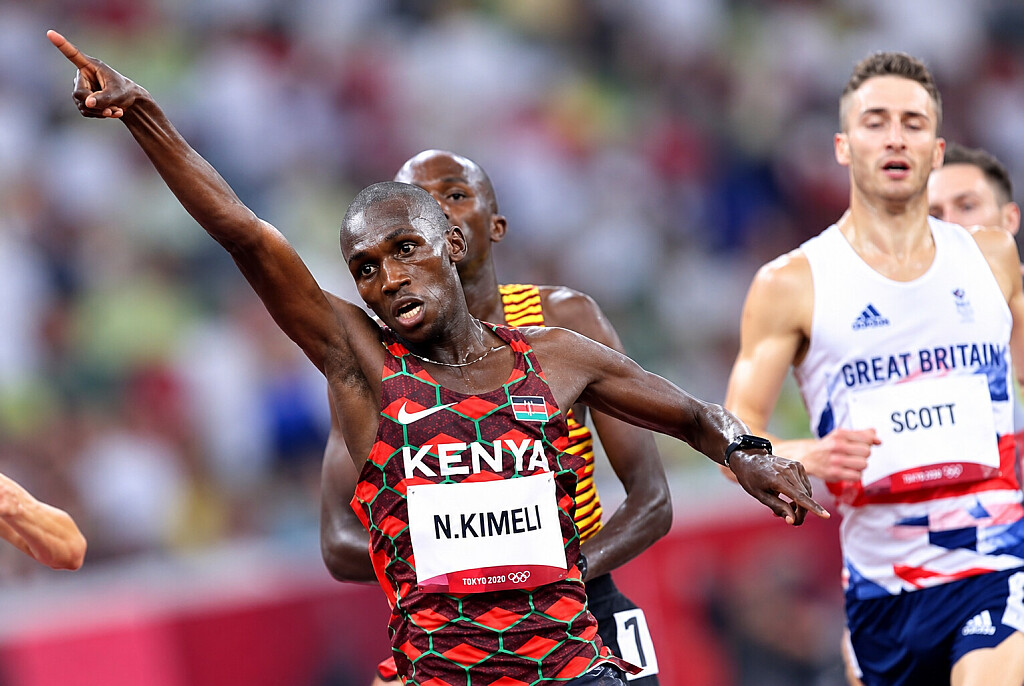
Nicholas Kipkorir Leads Star-Studded Men’s Half Marathon Field At World Road Running Championships
The stage is set for a spectacular men’s half marathon at the World Athletics Road Running Championships Copenhagen 26, with some of the world’s leading distance runners preparing to battle for global honours on Sunday, September 20.
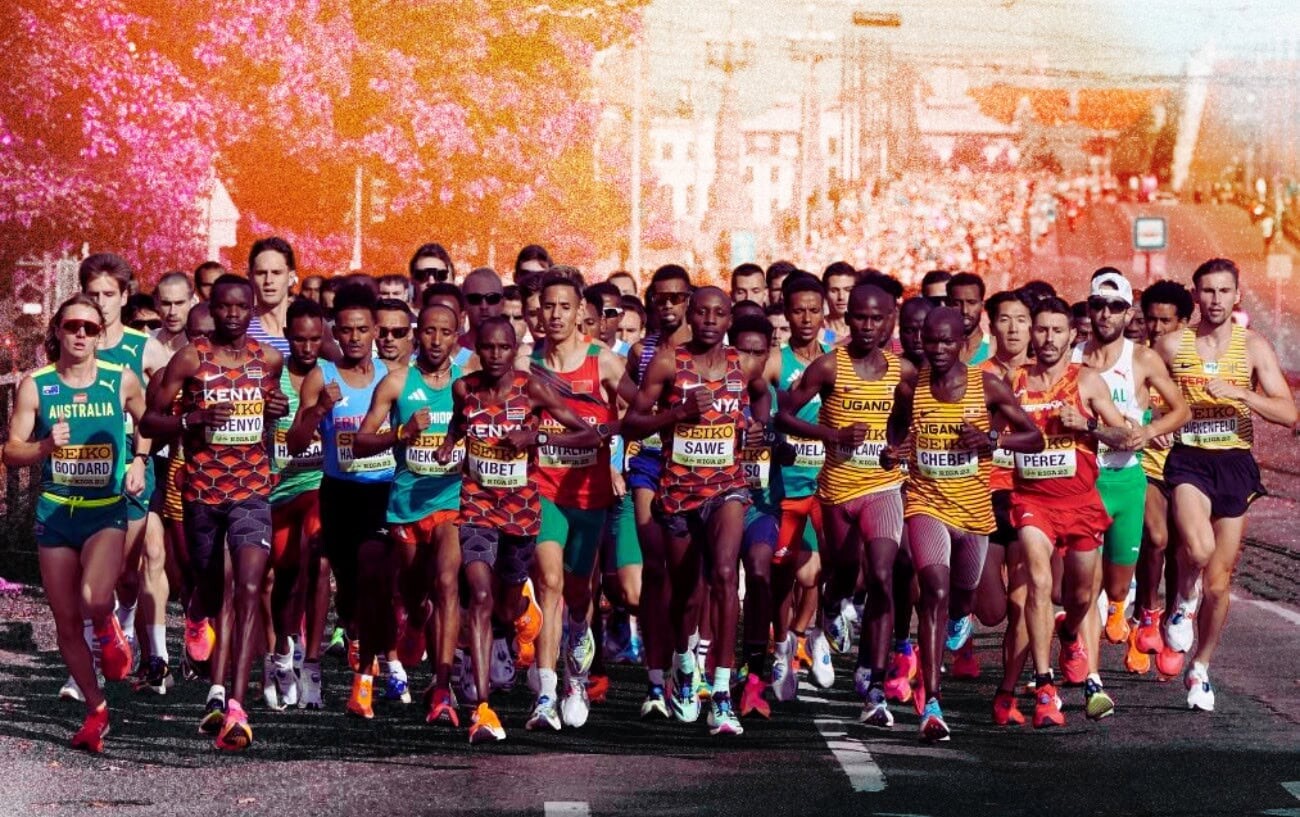
Kenya’s Nicholas Kipkorir headlines the field with a remarkable personal best of 58:08, the fastest mark among the athletes entered.
Kipkorir will face a formidable challenge from compatriot Gideon Kipkertich Rono, who owns a 58:38 personal best. Sweden’s Andreas Almgren also brings an exceptional 58:41 to the start line, while Ethiopia’s Tadese Worku has a 58:59 personal best.
Italy’s Yemaneberhan Crippa adds another major name to the field with a national record of 59:01, while Kenya’s Daniel Simiu Ebenyo enters with a 59:04 personal best and valuable championship experience.
Ebenyo won silver at the 2023 World Road Running Championships in Riga and will be looking to challenge for another medal in Copenhagen.
Uganda’s Joshua Cheptegei will bring enormous championship pedigree to the race. The Olympic and multiple world champion has a half marathon best of 59:21, making him another athlete capable of featuring prominently in the battle for the medals.
The American challenge will be led by Conner Mantz, who owns a 59:15 personal best. France’s Etienne Daguinos, Portugal’s Samuel Barata, Ethiopia’s Bereket Nega, France’s Jimmy Gressier, Canada’s Rory Linkletter, Australia’s Jack Rayner and Morocco’s Mohamed Reda El Aaraby further strengthen an already formidable international field.
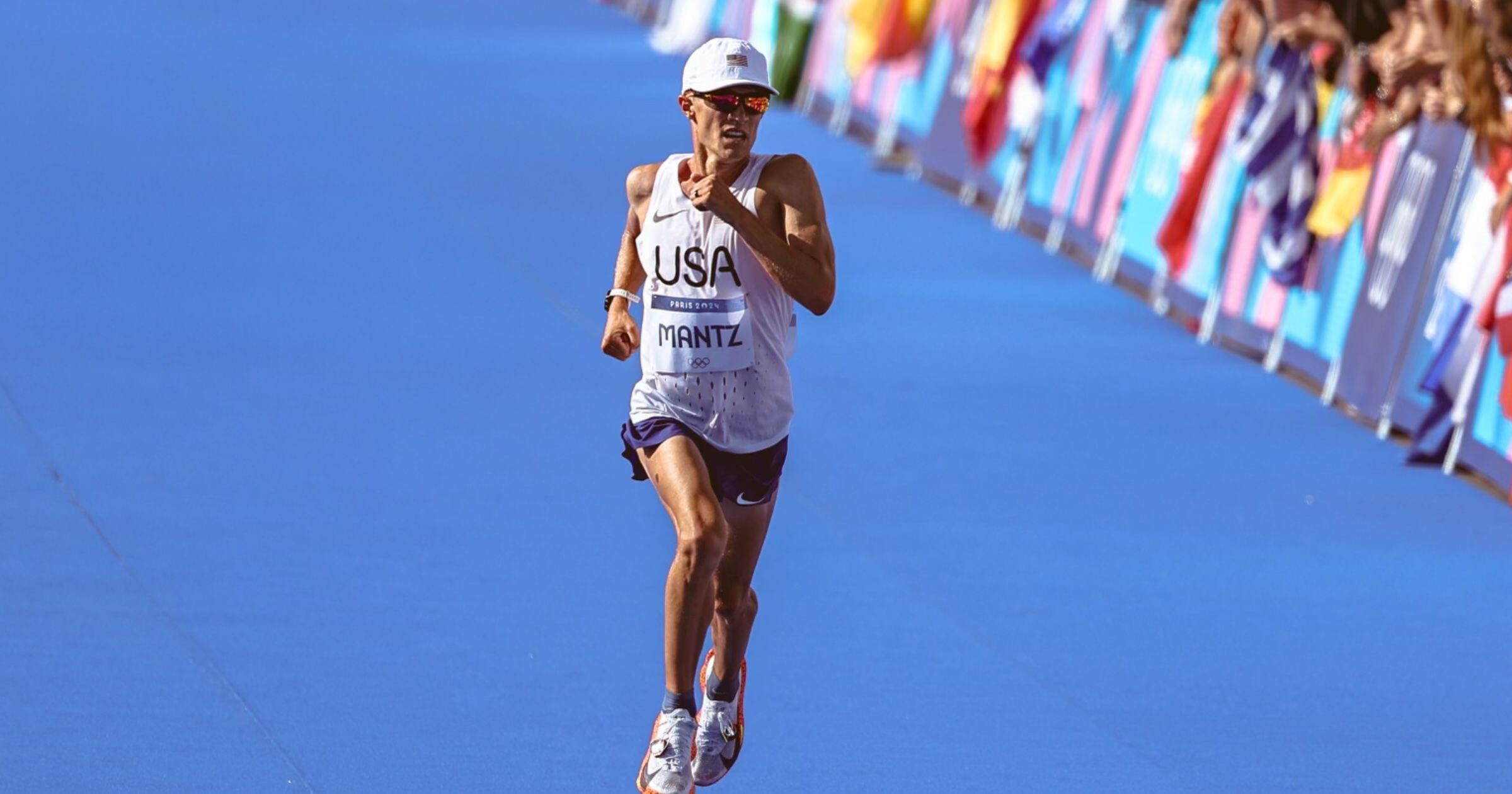
Kenya will have particular interest in the championship, with several of its leading road runners lining up against some of the best athletes from Europe, Africa, North America, Asia and Oceania.
The race will be contested over the traditional 21.0975-kilometre distance, with the elite men scheduled to start at 9:45 a.m. local time on Sunday, September 20.
Leading Athletes And Personal Bests
1. Nicholas Kipkorir (Kenya) — 58:08
2. Gideon Kipkertich Rono (Kenya) — 58:38
3. Andreas Almgren (Sweden) — 58:41
4. Tadese Worku (Ethiopia) — 58:59
5. Yemaneberhan Crippa (Italy) — 59:01
6. Daniel Simiu Ebenyo (Kenya) — 59:04
7. Alex Nzioka Matata (Kenya) — 59:11
8. Conner Mantz (USA) — 59:15
9. Joshua Cheptegei (Uganda) — 59:21
10. Etienne Daguinos (France) — 59:27
11. Samuel Barata (Portugal) — 59:40
12. Bereket Nega (Ethiopia) — 59:43
13. Jimmy Gressier (France) — 59:45
14. Rory Linkletter (Canada) — 59:49
15. Peter Lynch (Ireland) — 59:52
16. Jack Rayner (Australia) — 59:53
17. Mohamed Reda El Aaraby (Morocco) — 59:54
18. Hillary Bor (USA) — 59:55
19. Zerei Kbrom Mezngi (Norway) — 1:00:01
20. Bastien Augusto (France) — 1:00:09
21. Mande Bushendich (Uganda) — 1:00:14
22. Jack Rowe (Great Britain) — 1:00:17
23. Cameron Levins (Canada) — 1:00:18
24. Ogikubo Tomoya (Japan) — 1:00:22
25. Bayelign Teshager (Ethiopia) — 1:00:22
26. Elroy Gelant (South Africa) — 1:00:22
27. Célestin Ndikumana (Burundi) — 1:00:23
28. Said Mechaal (Spain) — 1:00:24
29. Nishizawa Yuma (Japan) — 1:00:26
30. Namiki Neo (Japan) — 1:00:29
31. Othmane El Goumri (Morocco) — 1:00:30
32. Inyasi Nicodemus Sulley (Tanzania) — 1:00:31
33. Wesley Kiptoo (USA) — 1:00:34
34. Haftu Strintzos (Australia) — 1:00:36
35. Filmon Tesfu (Netherlands) — 1:00:38
36. Mustapha Akkaoui (Morocco) — 1:00:38
With such remarkable depth, the championship could remain finely poised until the closing stages. The presence of multiple sub-59-minute runners, experienced championship performers and strong finishers sets the scene for a race in which positioning, tactics and the ability to respond to late surges could prove decisive.
For Kipkorir, Ebenyo and their Kenyan teammates, Copenhagen provides an opportunity to turn impressive personal credentials into championship medals. But with a world-class field assembled behind them, the final outcome will only be determined when the leading runners reach the finish line.
by Erick Cheruiyot for My Best Runs.
Login to leave a comment
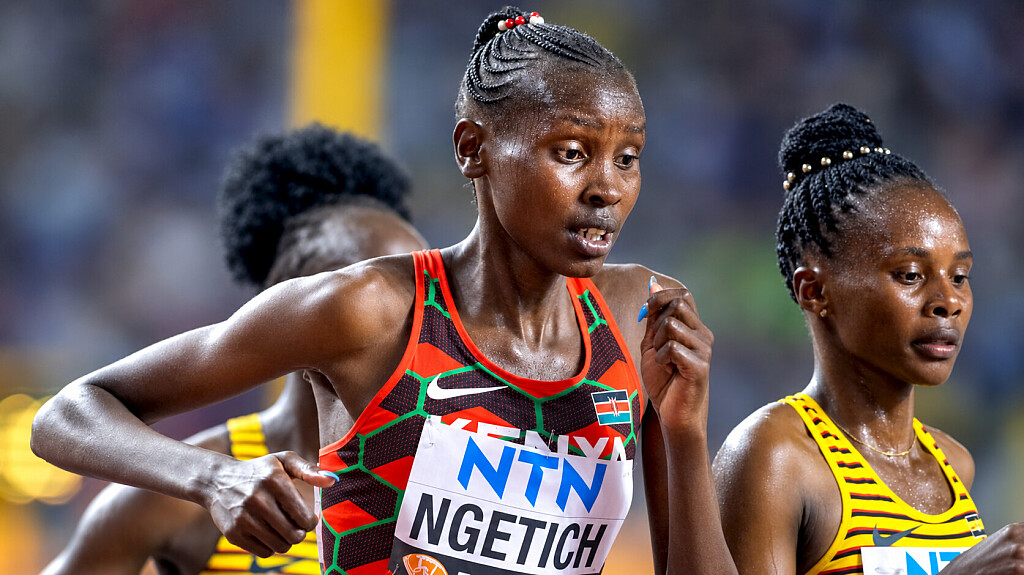
Agnes Ngetich Leads Star-Studded Women’s Half Marathon Field At World Road Running Championships
The stage is set for a spectacular women’s half marathon at the 2026 World Athletics Road Running Championships in Copenhagen, Denmark, with a deep international field ready to battle for the world title on Sunday, September 20.
The elite women’s race will begin at 9:10 a.m. local time, with the 21.0975-kilometre championship race taking runners through the streets of Copenhagen before the finish on Øster Allé.
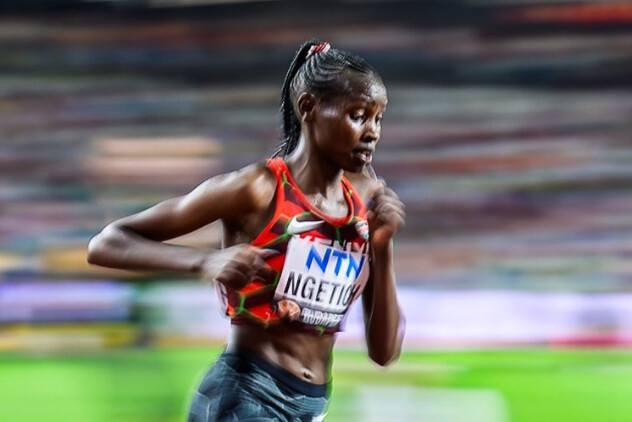
At the head of the entry list is Kenya’s Agnes Jebet Ngetich, who brings a sensational 1:03:04 personal best into the championship. She will lead a powerful Kenyan contingent that also includes Lilian Kasait Rengeruk, whose 1:03:32 is among the fastest times ever recorded over the distance.
Ngetich has established herself as one of the leading distance runners in the world, and her combination of speed and endurance makes her one of the major names to watch when the championship race gets underway.
Rengeruk provides another formidable Kenyan threat, while Daisilah Jerono, with a 1:05:21 personal best, and Veronica Loleo, with 1:05:35, add further depth to the Kenyan line-up.
Ethiopia will also arrive with serious firepower. Tsigie Gebreselama owns a remarkable 1:04:21 personal best, while Ftaw Zeray comes into Copenhagen with a 1:05:12 lifetime best.
The battle will not be restricted to the leading African nations, however. Weini Kelati Frezghi heads the American challenge with a 1:06:04 personal best, while Esther Chebet of Uganda has run 1:06:33.
Europe will be represented by several accomplished athletes, including Slovenia’s Klara Lukan, who owns a 1:06:43 personal best, and Norway’s experienced Karoline Bjerkeli Grøvdal, whose best stands at 1:06:55.
South Africa’s Glenrose Xaba is another prominent name on the list with a 1:07:03 personal best, while Great Britain’s Samantha Harrison enters with 1:07:10.
Uganda has further depth through Rebecca Chelangat at 1:07:18, Annet Chemengich Chelangat at 1:08:12 and Rispa Cherop at 1:08:53.
The international field also includes Ethiopia’s Melat Siyoum and Baraky Redae, Rwanda’s Florence Niyonkuru and Emeline Imanizabayo, Mexico’s Laura Galván, Belgium’s Chloé Herbiet and Lisa Rooms, the United States’ Emma Grace Hurley, Ednah Kurgat, Carrie Ellwood and Jessica McClain, France’s Mekdes Woldu, Alessia Zarbo and Mélody Julien, Italy’s Sofia Yaremchuk and Elvanie Nimbona, China’s He Wuga and Liang Tiantian, and New Zealand’s Georgie Grgec.
Women’s Half Marathon Entry List
1. Agnes Jebet Ngetich — Kenya — 1:03:04
2. Lilian Kasait Rengeruk — Kenya — 1:03:32
3. Tsigie Gebreselama — Ethiopia — 1:04:21
4. Ftaw Zeray — Ethiopia — 1:05:12
5. Daisilah Jerono — Kenya — 1:05:21
6. Veronica Loleo — Kenya — 1:05:35
7. Weini Kelati Frezghi — United States — 1:06:04
8. Esther Chebet — Uganda — 1:06:33
9. Klara Lukan — Slovenia — 1:06:43
10. Karoline Bjerkeli Grøvdal — Norway — 1:06:55
11. Glenrose Xaba — South Africa — 1:07:03
12. Samantha Harrison — Great Britain — 1:07:10
13. Rebecca Chelangat — Uganda — 1:07:18
14. Melat Siyoum — Ethiopia — 1:07:21
15. Florence Niyonkuru — Rwanda — 1:07:22
16. Baraky Redae — Ethiopia — 1:07:31
17. Laura Galván — Mexico — 1:07:31
18. Chloé Herbiet — Belgium — 1:07:32
19. Emeline Imanizabayo — Rwanda — 1:07:35
20. Emma Grace Hurley — United States — 1:07:35
21. Annet Chemengich Chelangat — Uganda — 1:08:12
22. Mekdes Woldu — France — 1:08:20
23. Alessia Zarbo — France — 1:08:20
24. Ednah Kurgat — United States — 1:08:25
25. Sofia Yaremchuk — Italy — 1:08:27
26. He Wuga — China — 1:08:31
27. Liang Tiantian — China — 1:08:33
28. Carrie Ellwood — United States — 1:08:34
29. Jessica McClain — United States — 1:08:37
30. Elvanie Nimbona — Italy — 1:08:38
31. Lisa Rooms — Belgium — 1:08:40
32. Rispa Cherop — Uganda — 1:08:53
33. Georgie Grgec — New Zealand — 1:09:13
34. Mélody Julien — France — 1:09:15
With so many athletes separated by relatively small margins on paper, the championship race could develop into a fascinating tactical contest. Personal bests provide an indication of speed, but championship racing often comes down to positioning, patience and the ability to respond when the decisive moves arrive.
For Ngetich, Rengeruk, Gebreselama, Zeray and the rest of the field, the opportunity is clear: 21.0975 kilometres through Copenhagen with a world championship title waiting at the finish.
The World Athletics Road Running Championships Copenhagen 26 take place on September 19–20, with the women’s elite half marathon taking centre stage on Sunday, September 20, at 9:10 a.m.
Copenhagen is ready for a major championship showdown — and the women’s half marathon promises to be one of the highlights of the weekend.
by Erick Cheruiyot for My Best Runs.
Login to leave a comment
Jakob Ingebrigtsen And Jimmy Gressier Set For First-Ever Road Showdown In Copenhagen
COPENHAGEN — Two of the biggest names in modern distance running are about to take their rivalry onto unfamiliar territory.
Norway’s Jakob Ingebrigtsen and France’s Jimmy Gressier are set to meet for the first time on the roads when the men’s 5km at the World Athletics Road Running Championships gets underway in Copenhagen on Saturday, September 19.
The highly anticipated clash brings together two athletes with very different paths to the start line, but an equally strong appetite for another global title.
Ingebrigtsen arrives in Denmark as the reigning Olympic 5000m champion and a four-time European 5000m champion. He has also just added the inaugural World Athletics Ultimate Championship 5000m title to his collection, producing a powerful 12:59.24 performance in Budapest only days ago.
The Norwegian has already conquered some of the biggest stages in track and field. Now, Copenhagen presents a new challenge: winning a global title on the roads.
His road-racing experience over 5km is limited, however. World Athletics notes that Ingebrigtsen has raced the distance only once before, clocking 13:28 in Stavanger in 2020. He also raced his first and, so far, only half marathon in Copenhagen in 2024.
Standing in his way is a man who has already proved that he belongs among the very best road racers in the world.
Gressier enters Copenhagen as the reigning world 10,000m champion and the fastest man on the 5km entry list. In April, the Frenchman stormed to a European record of 12:51 in Lille, moving within just two seconds of the world record. Only Ethiopia’s Berihu Aregawi and Yomif Kejelcha have ever run faster over the distance.
That performance also came with a warning for the rest of the field.
Ethiopia’s Addisu Yihune finished second behind Gressier in Lille in 12:54, a mark that places him fifth on the world all-time list. The two will meet again in Copenhagen, adding another major storyline to an already loaded championship race.
And Gressier is not stopping after one race.
The French star is entered for both the 5km on Saturday afternoon and the men’s half marathon on Sunday morning. With the 5km scheduled for 2:40 p.m. and the half marathon at 9:45 a.m. the following day, he will have only around 19 hours between the two championship races.
It is an extraordinary test of versatility. First comes a five-kilometre battle likely to demand close to all-out speed from the opening stages. Then, before a full day has passed, Gressier will have to return to the start line for 21.1 kilometres against a field packed with established road specialists.
Yet the 29-year-old is no stranger to the half marathon. He won the European half marathon title in 2025 in 59:45 and finished fifth at the 2023 World Road Running Championships in Riga in 59:46.
The 5km field, meanwhile, extends well beyond the headline names.
Kenya’s Mathew Kipsang arrives as the reigning Commonwealth 5000m champion, while Australia’s Ky Robinson, Burundi’s Egide Ntakarutimana, Norway’s Narve Gilje Nordås and Portugal’s José Carlos Pinto are among the other athletes capable of making the race highly competitive.
Copenhagen is therefore preparing for much more than a simple Ingebrigtsen-Gressier duel.
It is a meeting between a track superstar testing himself on the roads and a world champion who has already demonstrated extraordinary speed over the distance. Add Yihune’s 12:54, Kipsang’s championship pedigree and a deep international field, and the ingredients are there for a fiercely contested world title.
For Ingebrigtsen, the question is whether his world-class track speed and devastating finishing ability can translate seamlessly onto the roads.
For Gressier, the challenge is whether he can turn his remarkable 12:51 into a world championship crown — while keeping enough in reserve for the half marathon less than 24 hours later.
One thing is certain: when the gun fires in Copenhagen, the roads will provide a completely new chapter in the careers of two athletes who have already conquered some of the biggest stages in the sport.
And this time, there will be nowhere to hide.
Jakob Ingebrigtsen versus Jimmy Gressier.
Track royalty meets road-running firepower.
Copenhagen is ready.
by Erick Cheruiyot for My Best Runs.
Login to leave a comment
South America’s Best Set For Copenhagen World Half Marathon Showdown
South America will be represented by a strong eight-man contingent at the World Athletics Road Running Championships Copenhagen 26, with the athletes set to take on one of the deepest and most competitive men’s half marathon fields on Sunday.
The championship will bring together leading road runners from around the world, creating a demanding stage for the South American representatives as they battle for strong championship positions and potentially significant personal breakthroughs.
Bolivia’s Héctor Garibay headlines the group, joined by Colombia’s Mauricio González and Uruguay’s Cristhian Zamora. Peru will be represented by Ferdinand Cereceda, while Brazil has the largest presence with Fabio Jesus Correia, Lucas Paulo Ferreira and Giovani Dos Santos.
Argentina completes the contingent with Marcelo Fabian Manrique, giving South America a diverse eight-man lineup ready to take on the challenge in Copenhagen.
Competing at a World Athletics championship is never simply about chasing a fast time. Championship racing often demands patience, tactical awareness and the ability to respond when the pace changes, particularly when the field contains athletes capable of producing world-class performances.
For the South American runners, Copenhagen offers more than an opportunity to compete for championship honours. It is a chance to test themselves against the very best in the world and measure how far they have progressed on the international stage.
The contingent also brings a fascinating mix of experience, ambition and emerging talent. Each athlete arrives with a different racing background, but they share the same opportunity: to turn months of preparation into one memorable performance on the biggest road-running stage. Against a world-class field, even a small improvement in the closing kilometres could make a significant difference in the final standings.
Copenhagen is therefore set to provide a true test of character as much as fitness. The championship atmosphere, fast competition and relentless pace will demand that the South American runners remain composed from the opening kilometres to the final stretch. If they can execute their race plans and find another level when it matters most, several could leave Denmark with performances that represent important milestones in their careers.
With the pressure of a global championship and the depth of talent expected on the starting line, every kilometre will count. A personal best would be a major achievement, but strong tactical racing and a competitive finish could prove just as valuable.
The eight athletes will now look to arrive in Copenhagen ready to embrace the challenge, with South America hoping to make its presence felt when the world’s best half marathoners take over the streets of the Danish capital.
by Erick Cheruiyot for My Best Runs.
Login to leave a comment
Tragedy Strikes Great North Run as Two Runners Die After Collapsing in Sweltering Conditions
The Great North Run was overshadowed by tragedy on Sunday after two 25-year-old runners died after collapsing during the iconic half-marathon from Newcastle upon Tyne to South Shields.
The two men, both from the North East of England, fell ill during the race despite the presence of extensive medical support along the 13.1-mile course. Organisers confirmed that emergency teams made their “very best efforts” to save them, but both runners sadly died.
More than 63,000 participants took part in the 45th edition of the Great North Run, with huge crowds lining the route. However, what was expected to be a celebration of running was painfully disrupted by the deaths, with fellow competitors and spectators witnessing some of the emergency incidents.
One runner, Rob Nicholson, described the conditions as particularly difficult, saying it had been an exceptionally hot and crowded day.
“Everyone that was there was great,” Nicholson said, highlighting the efforts of members of the public who stepped in to help. He said an off-duty nurse was among those who provided assistance to a collapsed runner.
The race featured numerous measures designed to help participants cope with the heat, including water stations, showers and water-spraying systems. Spectators also joined the effort, handing runners bottles of water, ice pops and other refreshments along the route.
Despite those measures, Nicholson said the combination of heat and congestion made the race especially challenging.
“It was a very hot day and the most crowded I’ve felt doing the run,” he said, explaining that some runners were forced to move onto paths used by spectators as they tried to navigate through the densely packed field.
The most distressing scenes came when runners stopped to protect and assist the collapsed competitors.
Nicholson recalled seeing participants form what he described as a “human shield” around one of the men, while emergency crews used medical screens around the second casualty to protect the scene from public view.
“It was really not nice to see,” he said.
The exact circumstances and cause of the two deaths remain under investigation, with work continuing to establish what happened to the two young runners.
News of the tragedy prompted an outpouring of grief, particularly from friends and fellow members of the local running community. One friend paid tribute on social media, describing one of the men as an “amazing, funny and kind man” and expressing sympathy for both families during what they described as an “awful time.”
The Great Run Company, which organises the event, also expressed its condolences to the families and friends of the two participants.
“Everyone involved in organising the Great North Run extends their heartfelt condolences to the family and friends of the two participants,” the organisers said.
They added that they were continuing to support the families during the difficult period and offered their thoughts and sympathies to everyone who knew and loved the two men.
The Great North Run remains one of the world's largest and most celebrated mass-participation half-marathons, bringing together tens of thousands of runners and hundreds of thousands of spectators each year.
But this year's edition will be remembered not only for the scale and atmosphere of the event, but also for the heartbreaking loss of two young lives on a day that was supposed to celebrate the joy of running.
by Erick Cheruiyot for My Best Runs.
Login to leave a comment

Great North Run
Great North Run founder Brendan Foster believes Britain is ready to welcome the world with open arms after the launch of the event's most ambitious plan to date. The Great World Run campaign seeks to recruit one runner from every country in the United Nations – 193 in total – to take part in the iconic half marathon in...
more...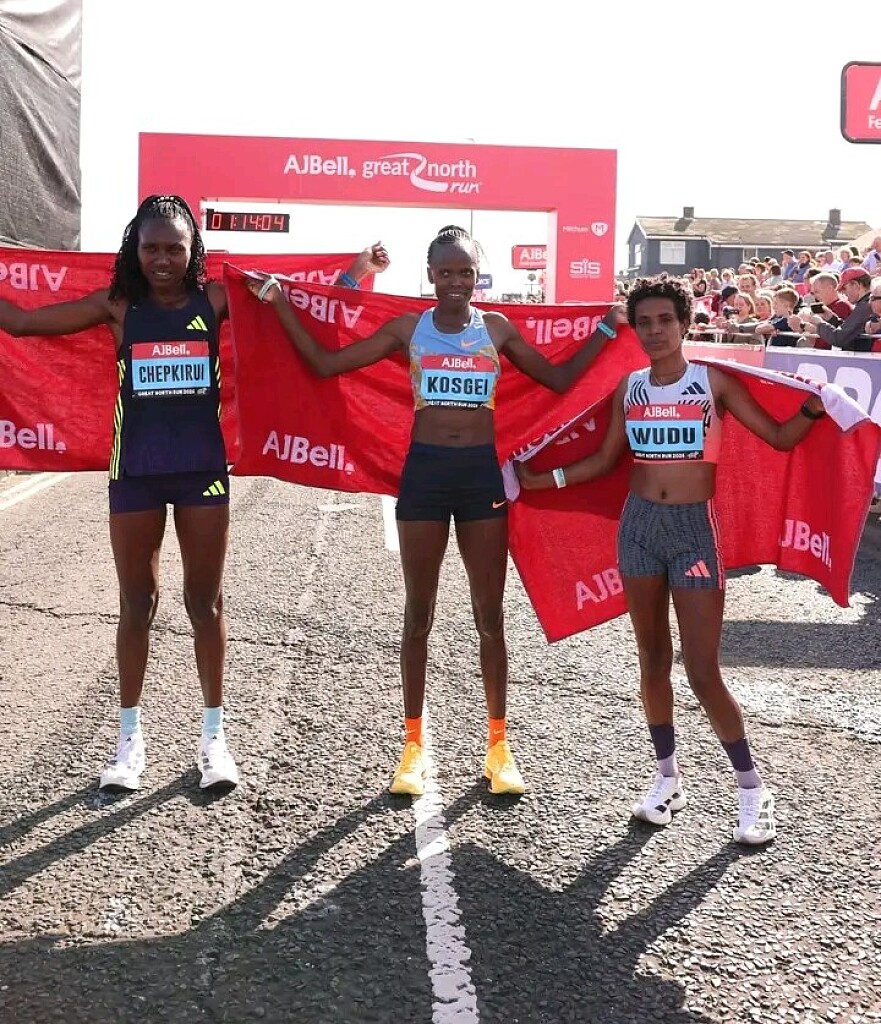
Brigid Kosgei Claims Second Great North Run Title In Kenyan 1-2 Finish
Brigid Kosgei returned to the top at the AJ Bell Great North Run on Sunday, September 13, delivering a commanding performance to win the women’s half marathon and lead Kenya to a memorable one-two finish.
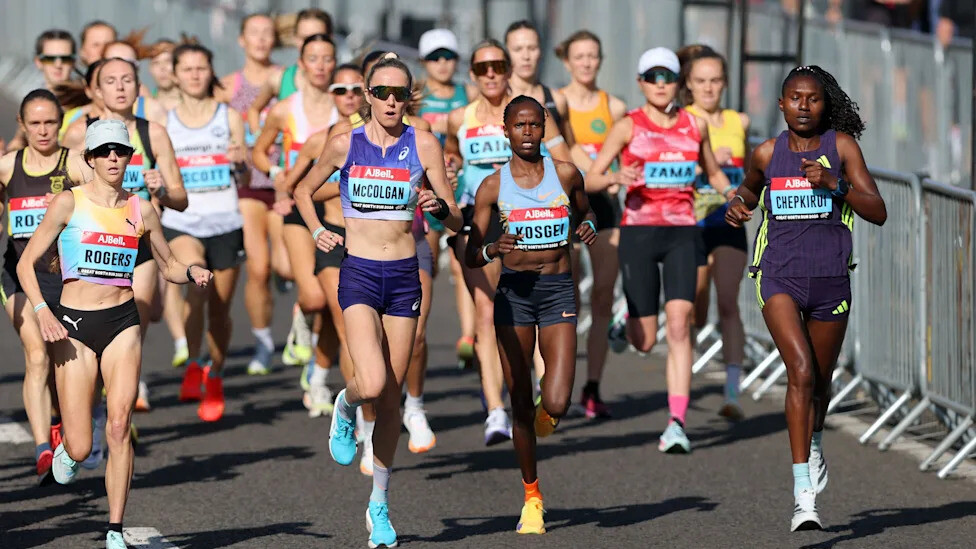
The former marathon world-record holder crossed the line in 1:06:15, securing her second Great North Run title after previously winning the prestigious race in 2019.
Fellow Kenyan Sheila Chepkirui who was battling to defend the title finished second in 1:06:19, completing a memorable Kenyan one-two at one of the world’s most celebrated half-marathons.
Behind the leading Kenyan pair, Ethiopia’s Melknat Wudu produced an impressive run to claim third in 1:09:37. Wudu was the first athlete outside the Kenyan duo to reach the finish and comfortably secured a place on the podium, highlighting the strong international quality of the women’s field.
Japan’s Honami Maeda finished just six seconds behind Wudu to take fourth in 1:09:43, while Great Britain’s Amy-Eloise Neale was the leading home athlete in fifth with 1:10:27.
American Natosha Rogers followed in sixth in 1:11:44, with Britain’s Annabel Grummow seventh in 1:12:37 and Nancy Scott completing the top eight in 1:12:51.
For Kosgei, the victory adds another prestigious achievement to an already remarkable distance-running career. Returning to the Great North Run winner’s circle six years after her first triumph, she once again demonstrated her ability to deliver on one of the biggest stages in the half marathon.
Chepkirui’s runner-up finish made the occasion even more significant for Kenya, as the two athletes combined to secure the top two positions. Wudu’s third-place performance completed an international podium and ensured the race featured a strong representation from three of the sport’s leading distance-running nations.
Women’s Top 8 Finishers
1. Brigid Kosgei — Kenya — 1:06:15
2. Sheila Chepkirui — Kenya — 1:06:19
3. Melknat Wudu — Ethiopia — 1:09:37
4. Honami Maeda — Japan — 1:09:43
5. Amy-Eloise Neale — Great Britain — 1:10:27
6. Natosha Rogers — United States — 1:11:44
7. Annabel Grummow — Great Britain — 1:12:37
8. Nancy Scott — Great Britain — 1:12:51
The 2026 Great North Run therefore ended with Kosgei back on top, Chepkirui alongside her in second and Wudu completing a high-quality international podium. For Kosgei and Kenya, it was a particularly memorable day, combining individual success with a commanding one-two finish and reinforcing the country’s enduring strength in elite distance running.
by Erick Cheruiyot for My Best Runs.
Login to leave a comment
Great North Run
Great North Run founder Brendan Foster believes Britain is ready to welcome the world with open arms after the launch of the event's most ambitious plan to date. The Great World Run campaign seeks to recruit one runner from every country in the United Nations – 193 in total – to take part in the iconic half marathon in...
more...
History Made in Tallinn as Vincent Kiptoo Breaks One-Hour Barrier in Estonia
Kenya produced a remarkable double victory at the 2026 Swedbank Tallinn Marathon Half Marathon in Estonia, with Vincent Kiptoo and Regina Wambui Ndungu claiming the men’s and women’s titles in record-breaking fashion.
Kiptoo delivered the headline performance of the morning, storming to victory in 59:48 to become the first athlete to run a half marathon in under one hour on Estonian soil. His performance also established a new Tallinn Half Marathon course record, marking a historic milestone for both the Kenyan and the race.
The Kenyan’s victory was backed by an impressive display of depth from his compatriots. Johana Erot finished second in 1:00:51, recording a personal best, while Enos Kipruto Saat completed the podium in 1:01:22. Kenya therefore swept all three men’s podium positions.
The fastest Estonian in the men’s race was Leonid Latsepov, who finished in 1:04:20, giving the home crowd another performance to celebrate despite the dominance of the Kenyan contingent.
The women’s race provided another Kenyan triumph, with Regina Wambui Ndungu producing a superb 1:07:35 to take the title and set a new Tallinn Half Marathon course record. Her performance completed a memorable Kenyan double on a morning when both winners rewrote the course records.
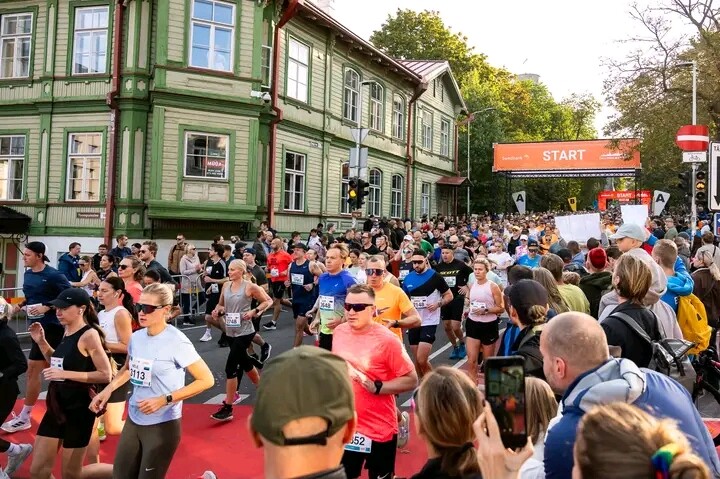
Winsam Jerono secured second place in 1:10:29, also improving her personal best, while Morocco’s Soukaina Atanane took third in 1:11:24. The fastest Estonian woman was Pille Hinn, who crossed the line in 1:23:02.
The men’s result was particularly striking, with Kenya occupying every place on the podium. Kiptoo’s historic sub-hour run was followed by Erot’s personal-best performance and Kipruto Saat’s strong third-place finish, underlining the depth of Kenyan talent over the half-marathon distance.
For Kiptoo, the 59:48 performance represents more than a race victory. Breaking the one-hour barrier in Estonia places his name in the history of the Tallinn Half Marathon and gives him a course record that will now become the benchmark for future editions of the race.
Ndungu’s victory added another layer to the Kenyan success. Her 1:07:35 not only secured the women’s title but also lowered the course record, meaning both elite races produced new standards on the same morning.
The scale of the event added to the occasion, with more than 5,000 runners taking on the 21.1-kilometre challenge. The streets of Tallinn were filled with runners of different levels, creating a vibrant backdrop for a morning that produced two Kenyan victories and two new course records.
The half marathon was only one part of a packed Tallinn running weekend. The 10K Tallinn Autumn Run was scheduled to follow at 14:00, with the Nike Youth Run later in the evening at 18:30, keeping the Estonian capital at the centre of the running action throughout Saturday.
The weekend will then reach its grand finale on Sunday morning with the Tallinn Marathon, scheduled for a 09:00 start. With thousands of runners continuing to take to the streets, the city’s celebration of distance running is set to continue.
For Kenya, however, the defining moment of the half marathon will remain Kiptoo’s historic 59:48. Alongside Ndungu’s course-record victory, it gave the country a spectacular start to the Tallinn Marathon weekend and etched another memorable chapter into Kenya’s remarkable road-running story.
by Erick Cheruiyot for My Best Runs.
Login to leave a comment

Tallin Marathon
The Tallinn Marathon has won a sure place in the competition calendar of runners and has become an attractive destination for running tourists looking for new experiences. About 20 000 running enthusiasts from 56 different countries participated in the 2017 event. As a tradition, the marathon will take place in every second Sunday of September, this year 9th of September,...
more...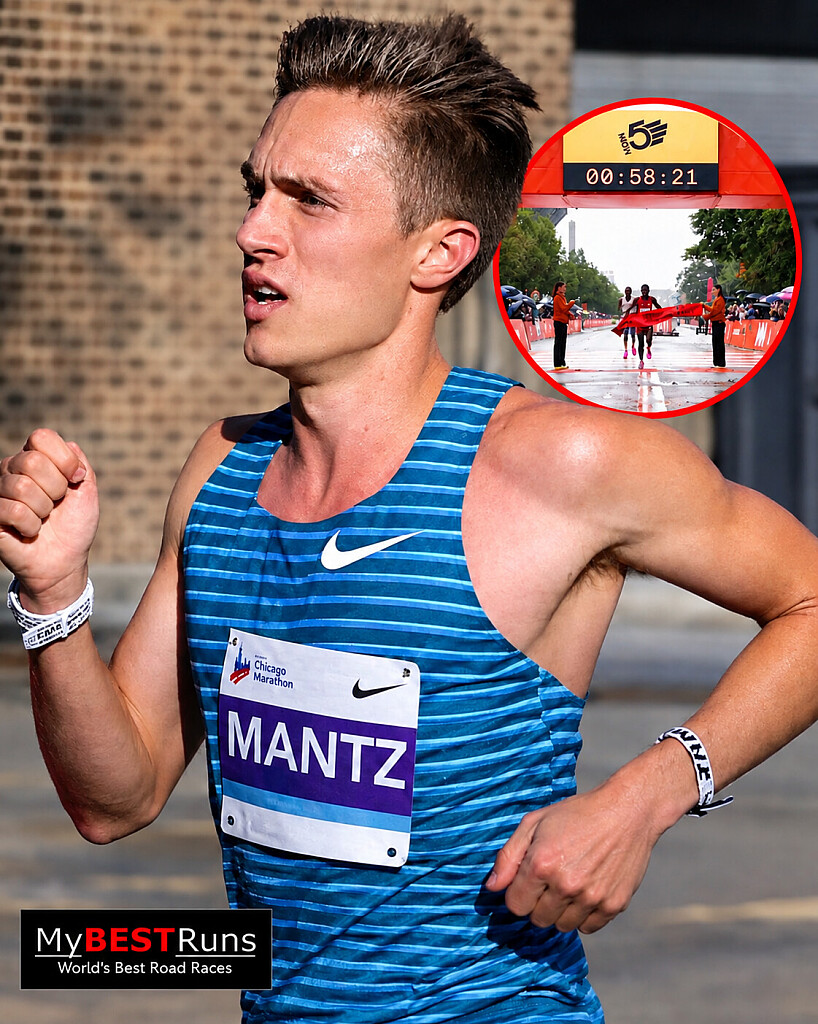
Conner Mantz’s Long Road Back: From American Record Holder to World Championship Return
Less than a year ago, Conner Mantz was rewriting American distance-running history. Now, after months of injury, rehabilitation and rebuilding, the American record holder is preparing for another major test — this time on the world stage in Copenhagen.
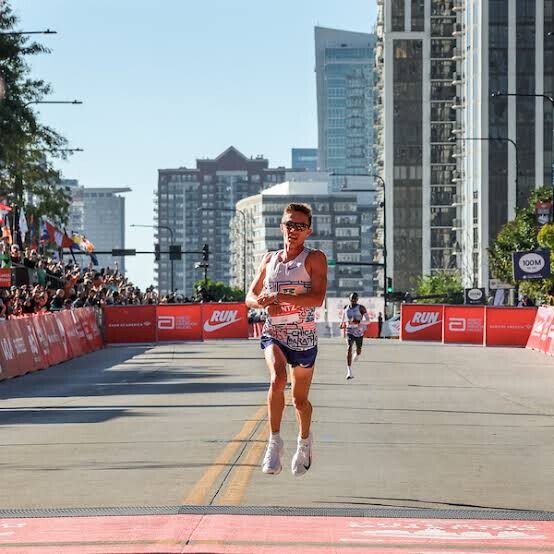
On October 12, 2025, Mantz produced the performance of his career at the Chicago Marathon, running 2:04:43 to break Khalid Khannouchi’s long-standing American record of 2:05:38, set in London in 2002. The performance made Mantz the fastest American marathoner in history and confirmed his place among the country’s elite distance runners.
But what followed was far removed from the glory of Chicago.
Only weeks after the marathon, Mantz began experiencing hip pain that was eventually diagnosed as a sacral stress fracture. The injury forced him away from running for 12 weeks and disrupted what had been shaping up to be another important season. He ultimately withdrew from the 2026 Boston Marathon during race week after acknowledging that his fitness had not returned sufficiently.
Rather than forcing the comeback, Mantz had to rebuild from the ground up.
Swimming became a major part of that process. Long sessions in the pool gradually became faster, with his pace progressing from around 1:43 per 100 yards to below 1:30. Some sessions stretched close to three hours. Cycling also became part of his training, while running was carefully introduced whenever his body allowed it — and stopped whenever the injury demanded caution.
For an athlete accustomed to racing at the highest level, it was a frustrating period of patience.
Mantz finally returned to competition at the ASICS Falmouth Road Race in August, almost ten months after his historic Chicago performance. He finished as the second American, a result that may not have been the comeback statement he wanted, but was nevertheless an important step forward.
Now comes a much bigger examination.
On Sunday, September 20, Mantz will line up in Copenhagen for the men's half marathon at the 2026 World Athletics Road Running Championships. It will be his first global championship appearance since the Paris 2024 Olympics.
And Mantz is not arriving merely as another member of the American team. He is the reigning American record holder in the half marathon.
That record came in 2025, when he ran 59:17 in Houston to erase Ryan Hall's 59:43 American record, which had stood for 18 years.
In the same year, Mantz would go on to claim the American marathon record as well.
Two national records. One extraordinary season. Then an injury that forced him to step away from the racing world for months.
Now, the question is no longer simply how fast Mantz can run on his best day. It is about what remains after everything he has been through.
Copenhagen offers the perfect stage for that answer. With the world's best runners gathered for a global title, Mantz will have the opportunity to measure himself against the strongest competition while continuing his journey back to his best.
He has already shown that he can break records. He has already shown that he can compete with the world's best.
This time, he is simply trying to rediscover the runner who did it.
Records can redefine the ceiling. Injuries can force an athlete to rediscover the foundation. On Sunday in Copenhagen, we will find out just how much of the old Conner Mantz is back — and how much stronger the journey has made him.
by Erick Cheruiyot for My Best Runs.
Login to leave a comment
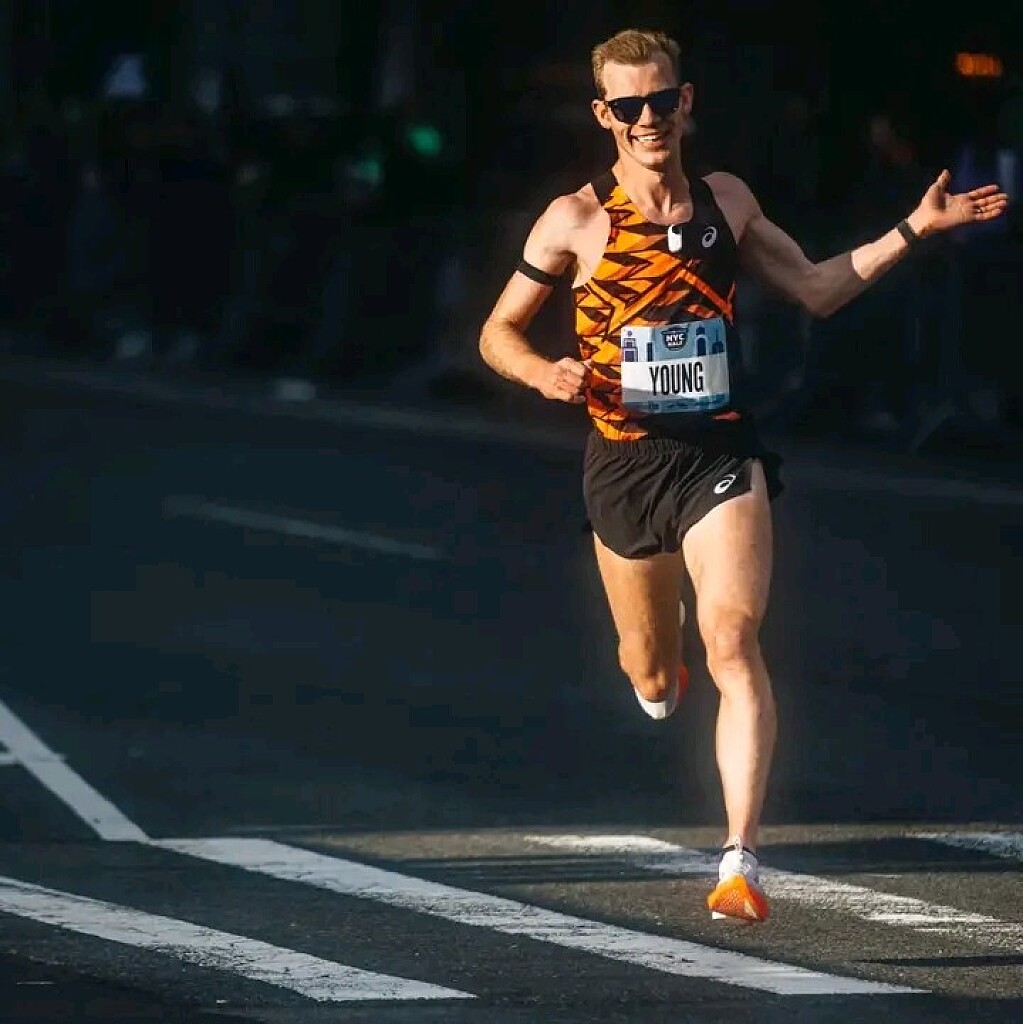
A Sneaky Road Race to Watch This Weekend: Great North Run Set for a Star-Studded Showdown
The road racing spotlight will turn to Newcastle this Sunday as the 2026 AJ Bell Great North Run brings together an impressive international men's field featuring several of America's leading distance runners alongside proven global stars.
The iconic half marathon from Newcastle upon Tyne to South Shields is once again shaping up to be one of the most intriguing road races of the weekend, with a deep field capable of producing a highly competitive battle over 13.1 miles.
Leading the American challenge is Clayton Young, who heads into the race with an important autumn marathon campaign already on his mind. Young recently announced plans to make an attempt at the American marathon record at the Chicago Marathon later this fall, making Sunday's race an interesting opportunity to gauge his fitness ahead of that major target.
However, Young will face plenty of quality opposition.
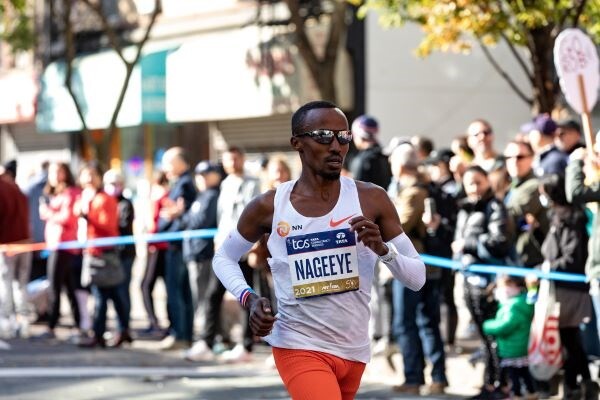
The American contingent also includes Zouhair Talbi, Casey Clinger, Woody Kincaid, Jared Ward and Jake Barraclough, giving the United States considerable depth in the men's field.
Kincaid is particularly intriguing. The USATF 10K champion has already established himself as one of America's most accomplished distance runners and will be looking to continue building his reputation on the roads against an international field.
The global challenge is equally strong.
Alex Mutiso of Kenya, Abdi Nageeye of the Netherlands, Ethiopia's Deresa Geleta, Italy's Iliass Aouani, Britain's Ben Connor and Andy Butchart, as well as a strong contingent from Japan, add plenty of experience and firepower to the race.
With athletes arriving at different stages of their seasons and several already looking toward major autumn targets, the Great North Run could produce a fascinating tactical battle before the final miles decide who has the strength to take control.
Selected Men's Elite Entries
1. Clayton Young — United States
2. Casey Clinger — United States
3. Zouhair Talbi — United States
4. Woody Kincaid — United States
5. Jared Ward — United States
6. Jake Barraclough — United States
7. Alex Mutiso — Kenya
8. Abdi Nageeye — The Netherlands
9. Deresa Geleta — Ethiopia
10. Ben Connor — Great Britain
11. Taiga Hirayama — Japan
12. Ayumu Kobayashi — Japan
13. Tatsuya Maruyama — Japan
14. Kosei Matsunami — Japan
15. Yohei Ikeda — Japan
16. Shoya Yonei — Japan
17. Iliass Aouani — Italy
18. Andy Butchart — Great Britain
19. Alfie Manthorpe — Great Britain
20. Calum Johnson — Great Britain
The 2026 AJ Bell Great North Run will take place on Sunday, September 13, with the elite men's race scheduled to get underway in Newcastle.
It may be a half marathon, but this is certainly not a race to overlook. With Young preparing for Chicago, Kincaid continuing to make his mark on the roads and an international field packed with talent, the Great North Run could quietly become one of the most entertaining races of the weekend.
by Erick Cheruiyot for My Best Runs.
Login to leave a comment
Great North Run
Great North Run founder Brendan Foster believes Britain is ready to welcome the world with open arms after the launch of the event's most ambitious plan to date. The Great World Run campaign seeks to recruit one runner from every country in the United Nations – 193 in total – to take part in the iconic half marathon in...
more...
Melissa Jefferson-Wooden Chases Another Historic Sprint Double in Budapest
Melissa Jefferson-Wooden is ready to take on one of the biggest challenges of the inaugural World Athletics Ultimate Championships: conquering both the 100 metres and 200 metres against two of the strongest sprint fields in the world.
The American sprint star has officially entered both events for the three-day championship in Budapest, Hungary, taking place from September 11 to 13. After producing one of the most remarkable performances of the 2025 World Athletics Championships in Tokyo, Jefferson-Wooden now arrives in Budapest with another opportunity to prove that she is the dominant force in women's sprinting.
Her first major test will come in the women's 100m, where she will renew her rivalry with Saint Lucia's Olympic champion Julien Alfred. The two women currently share the 2026 world lead at 10.70 seconds following their thrilling clash in Zurich, setting the stage for what could be one of the most anticipated races of the entire Ultimate Championships.
The women's 100m final is scheduled for Saturday, September 12, and Jefferson-Wooden will enter with the confidence of a reigning world champion. But Alfred's presence ensures that there will be no room for error when the world's fastest women line up in Budapest.
Then comes the second challenge.
Just 24 hours later, Jefferson-Wooden will turn her attention to the 200m, where she will face another formidable opponent in Olympic champion Gabby Thomas. Jefferson-Wooden is the reigning U.S. champion over the distance and has produced a season-best of 21.69 seconds, while her outstanding form has placed her among the world's elite in the event.
The 200m represents the second half of a demanding double, and the women's final will take place on Sunday, September 13. The championship format means the world's best sprinters will have little opportunity to ease into the competition, making the physical and mental demands of contesting both events even more significant.
Jefferson-Wooden, however, has already demonstrated that she can handle history-making pressure.
At the 2025 World Athletics Championships in Tokyo, she completed a spectacular sprint treble, winning the 100m, 200m and 4x100m relay. Her 100m victory came in a championship record of 10.61 seconds, underlining the extraordinary level she reached during that unforgettable championship campaign.
Now Budapest offers the American another chance to build on that legacy.
The 100m will bring the explosive showdown with Julien Alfred. The 200m will present a different challenge against Olympic champion Gabby Thomas and another world-class field. Winning either event would be a major achievement. Winning both would further strengthen Jefferson-Wooden's growing claim as one of the defining sprinters of her generation.
She has already swept the global stage once.
Now, at the inaugural World Athletics Ultimate Championships, Melissa Jefferson-Wooden is going for another double.
Can the American sprint queen conquer both Budapest showdowns and add another unforgettable chapter to her remarkable career?
by Erick Cheruiyot for My Best Runs.
Login to leave a comment
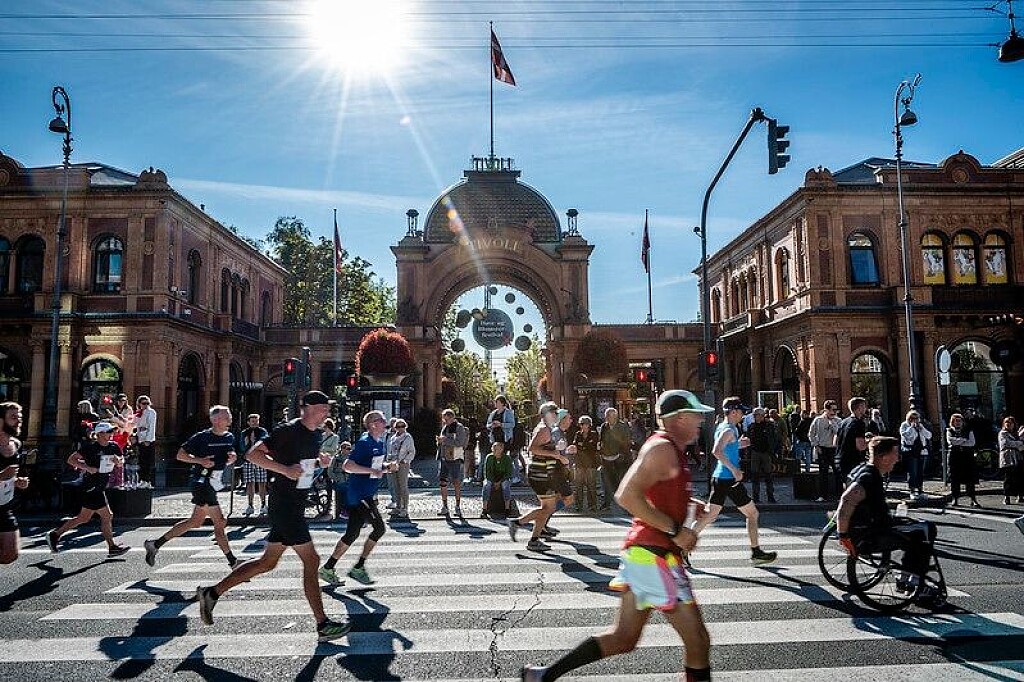
Copenhagen Half Marathon Turns to Lottery System as Demand Soars for 2027 Race
The Copenhagen Half Marathon is the latest major road race to abandon the traditional first-come, first-served entry system, with the hugely popular event set to allocate places for its 2027 edition through a lottery.
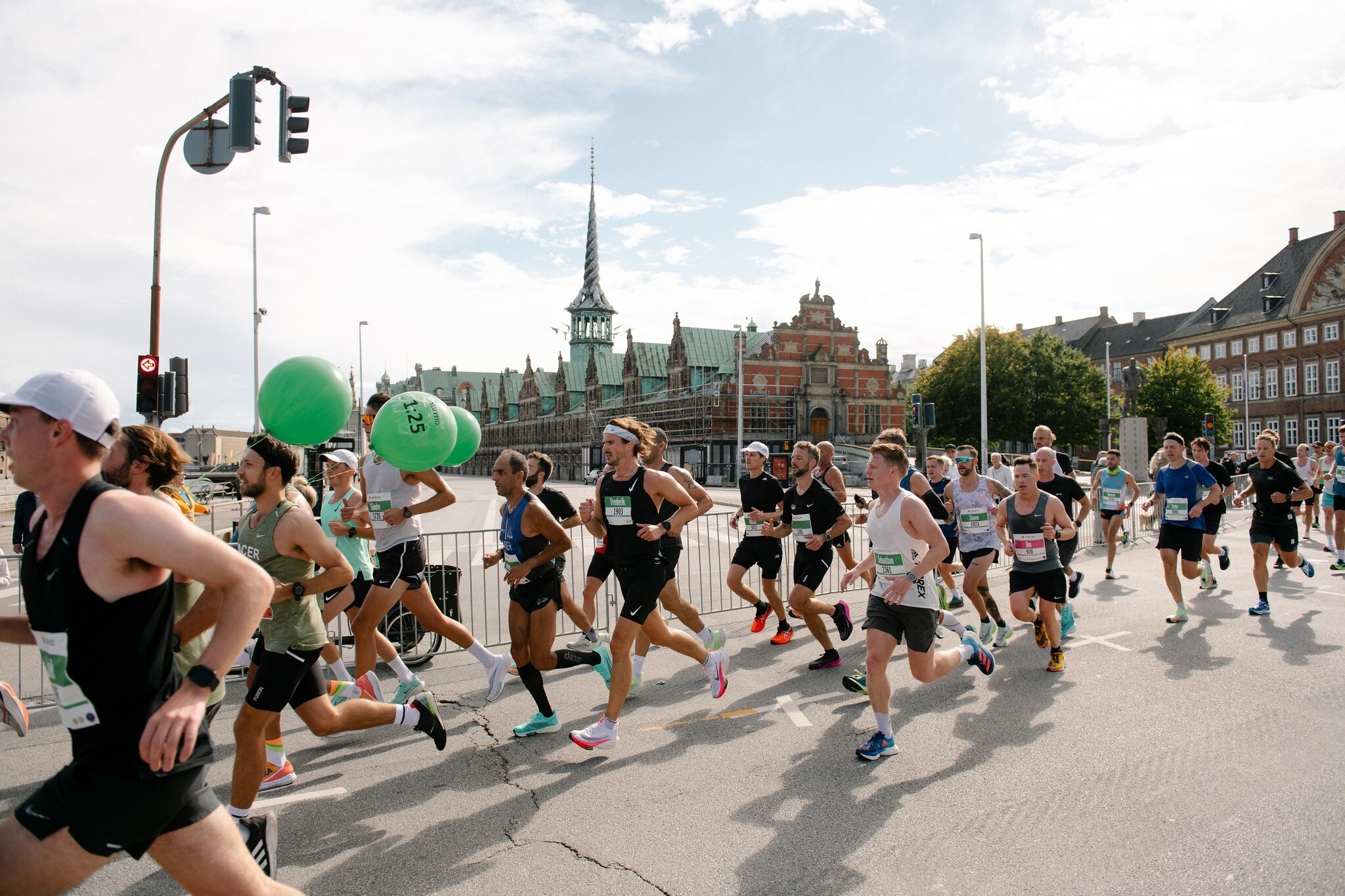
Registration will be free and will open on Tuesday, September 16, before closing on September 30. Crucially, runners will have exactly the same chance of securing a place whether they register on the first day or in the final minutes before the deadline.
A record 45,000 runners are expected to take to the streets of Copenhagen in 2027, underlining the extraordinary growth and demand surrounding one of Europe's biggest half marathons.
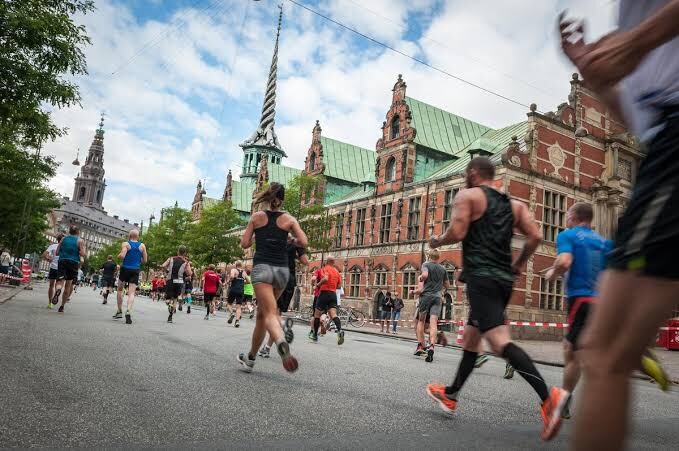
The move comes after the race's previous editions demonstrated just how difficult it had become to secure an entry. The 2025 Copenhagen Half Marathon sold out in just two and a half hours, while the 2026 edition—which will also serve as the World Athletics Half Marathon Championship this Sunday—had already moved to a ballot system when entries opened in March 2025.
Sparta Athletics, the organisation behind both the Copenhagen Marathon and Copenhagen Half Marathon, has now firmly embraced the lottery approach for its major events. The 2027 Copenhagen Marathon ballot attracted an astonishing 80,937 applications for only 35,000 available places, highlighting the enormous gap between demand and capacity.
Copenhagen is far from alone. Prague introduced a similar system in August, while Berlin and Lisbon also used ballots for their 2026 races, reflecting a major shift in the way Europe's most sought-after road races are managing unprecedented demand.
There will also be no official resale platform for Copenhagen's 2027 half marathon. Entries will remain strictly personal and non-transferable, meaning anyone attempting to buy a bib from another runner risks arriving at the start line with an entry that cannot be used.
For runners, the message is becoming increasingly clear: the days of simply logging on and buying a place in one of Europe's biggest road races are disappearing.
As participation in distance running continues to surge, the Copenhagen Half Marathon's decision is another powerful sign of a changing era. The biggest races are no longer asking whether they will sell out—but how they can fairly decide who gets to stand on the start line.
by Erick Cheruiyot for My Best Runs.
Login to leave a comment
Copenhagen Half Marathon
The Copenhagen Half Marathon was the first road race in Scandinavia and is one of the fastest half marathons in the world. The Copenhagen Half Marathon has been awarded with the International Association of Athletics Federation's (IAAF) most distinguished recognition - the IAAF Road Race Gold Label. Copenhagen Half Marathon was awarded the IAAF Road Race Bronze Label in January...
more...
Ali Anderson Defies the Odds to Run Sub-3 Marathon at 32 Weeks Pregnant in Sydney
Ali Anderson produced one of the most remarkable performances of the Sydney Marathon on Sunday, becoming one of the rare women to break three hours for the marathon while 32 weeks into pregnancy.
The 29-year-old American from Oklahoma crossed the finish line in 2:59:43, completing the 26.2-mile journey from North Sydney to the Sydney Opera House with just 17 seconds to spare under the three-hour barrier. Her performance came as part of a record field of around 40,000 runners and marked her seventh marathon, as well as her fourth World Marathon Major.
Anderson had entered the Sydney Marathon before discovering she was pregnant. Rather than withdraw, she decided to continue preparing for the race after consulting her doctor, who told her there was no medical reason to stop her normal training, provided she was no longer pursuing a personal-best effort.

The Sydney performance was particularly striking when compared with her previous marathon earlier in the year. At the Boston Marathon in April, Anderson was just 13 weeks pregnant when she clocked a spectacular 2:41:58, establishing her personal best. Nineteen weeks later in Sydney, the physical demands of late pregnancy were naturally reflected in her pace, but she still managed to produce a sub-three-hour performance.
Her Boston average pace was approximately 6:11 per mile, compared with around 6:52 per mile in Sydney — a difference of roughly 41 seconds per mile. Yet despite the slower pace and the additional demands of carrying a pregnancy into the third trimester, Anderson maintained enough control to finish inside three hours.
Speaking after the race, Anderson acknowledged that the hills felt considerably tougher because of her increased weight, but said she felt good throughout the marathon and was careful not to push herself beyond her limits.
“I'm obviously heavier, so the hills were a little bit more intense. But I felt really good, and I wasn't pushing too hard,” she said.
There was also another challenge that required careful planning: bathroom stops. With pregnancy adding an extra logistical consideration to an already demanding marathon, Anderson had to manage her race differently from a conventional marathon preparation and execution.
Her decision to race came after seeking medical advice. Anderson said her doctor reassured her that she could continue running, while making it clear that the objective should not be chasing another personal best.
Her performance also comes against a growing body of evidence suggesting that exercise during pregnancy can be safe for many women when appropriately managed. Research has generally found reassuring outcomes for continued physical activity during pregnancy, although evidence specifically examining competitive marathon racing in late pregnancy remains much more limited. Individual medical circumstances can vary significantly, making professional medical guidance essential.
Anderson also had the option of postponing her Sydney Marathon entry. The event's rules allowed pregnant runners to defer their places to 2027, 2028 or 2029 with a doctor's letter. She chose not to take that route.
The Sydney Marathon was therefore more than another race on Anderson's résumé. It became a test of how she could adapt her ambitions to an extraordinary stage of her life — maintaining her passion for distance running while putting performance goals into perspective.
Her original plans extended beyond Sydney. She had another marathon scheduled for December and had hoped to pursue the 2:37:00 qualifying standard for the U.S. Olympic Marathon Trials. Her Boston personal best of 2:41:58 currently leaves her 4 minutes and 58 seconds outside that mark.
For now, however, Anderson's achievement in Sydney stands on its own.
A 2:59:43 marathon is impressive under any circumstances. Doing it at 32 weeks pregnant makes Anderson's Sydney Marathon one of the most extraordinary distance-running stories of the year.
by Erick Cheruiyot for My Best Runs.
Login to leave a comment

Sydney Marathon
The Sydney Marathon is a marathon held annually in Sydney, Australia. The event was first held in 2001 as a legacy of the 2000 Summer Olympics, which were held in Sydney. In addition to the marathon, a half marathon, 9 kilometres (5.6 mi) "Bridge Run", and a 3.5 kilometres (2.2 mi) "Family Fun Run" are also held under the banner...
more...
69 And Still Running: Joan Benoit Samuelson Inspires Lima With Another Remarkable 10K
At an age when many athletes have long since stepped away from competition, Joan Benoit Samuelson continues to remind the running world that the finish line is never defined by a number.
On Sunday in Lima, Peru, the pioneering American distance runner lined up for the 10K at the 117th KIA Media Maratón de Lima & 10K, and at 69 years old, she crossed the finish line in an impressive 47:49 — averaging approximately 7:43 per mile.
It was another chapter in a remarkable running life that has stretched across more than four decades, taking Samuelson from the roads of New England to Olympic history and, now, to the streets of Lima.
The first Olympic women's marathon champion, Samuelson was in Peru as part of a Nike-backed trip, experiencing a race course that links Lima's historic heart with its modern districts. The event attracted around 21,000 runners, creating a spectacular celebration of running in one of South America's most historic cities.
The half marathon accompanying the 10K carries an extraordinary legacy of its own. First staged in 1909, the race is billed as the world's oldest half marathon, adding another layer of history to Samuelson's appearance.
But Samuelson herself needs little introduction when it comes to the history of women's distance running.
Her career helped redefine what was possible for women on the marathon course. She won the Boston Marathon in 1979 and again in 1983, then produced a stunning American record of 2:22:43 in her marathon debut that same year.
A year later, she reached the summit of the sport.
At the 1984 Los Angeles Olympics, Samuelson captured gold in the inaugural women's Olympic marathon, running 2:24:52 and finishing 1 minute 26 seconds ahead of legendary Norwegian Grete Waitz. It was a victory that became one of the defining moments in the history of women's athletics.
And she was far from finished.
In 1985, Samuelson won the Chicago Marathon in 2:21:21, setting another American record that remained untouched for 18 years. Her achievements became part of the foundation upon which the modern era of women's distance running was built.
Yet perhaps the most remarkable part of her story is not what she accomplished four decades ago, but the fact that she is still curious, still competing and still eager to learn from the sport.
Before Sunday's race, Samuelson praised the growing strength of Peruvian distance running, telling local media: “Runners from Peru are starting to show up on the world stage, and they are doing it very well.”
Those words capture something that has defined her journey for generations: a belief that running is not simply about records, medals or victories. It is about discovery, connection and the endless possibility of seeing how far the human spirit can go.
Four decades after making history in Los Angeles, Samuelson is still answering the starting gun.
At 69, the Olympic champion is no longer chasing the clock she once conquered. She is chasing something far more enduring — the joy of running itself.
And in Lima, thousands of runners had the privilege of watching a living legend continue to do what she has always done best: inspire people to keep moving forward.
by Erick Cheruiyot for My Best Runs.
Login to leave a comment

26 Years Later, Vivian Cheruiyot Returns To Sydney As A Kenyan Distance-Racing Legend
Twenty-six years ago, a 17-year-old Vivian Cheruiyot arrived in Sydney carrying the dreams of a young Kenyan athlete and the promise of a remarkable future.
Today, she returns to the same Australian city as something far greater — an Olympic champion, four-time world champion, world cross-country champion, London Marathon winner, Laureus Sportswoman of the Year and one of Kenya’s most accomplished distance runners.
At 42, Cheruiyot will line up for the TCS Sydney Marathon on Sunday, August 30, completing an extraordinary full circle in a career that has stretched across more than two decades and transformed her from a teenage Olympian into one of the defining figures of her generation.
When Cheruiyot first competed in Sydney at the 2000 Olympic Games, few could have imagined the heights she would eventually reach. Still only 17, she advanced to the 5000m final and finished 14th — an experience that became the first chapter of an Olympic journey that would eventually span four Games.
The years that followed brought an extraordinary collection of victories.
Cheruiyot became world 5000m champion in 2009, then produced one of the greatest championship performances of her career in Daegu in 2011, winning both the 5000m and 10,000m titles while also claiming World Cross Country gold earlier that year. She added another world 10,000m title in Beijing in 2015, taking her tally to four senior world championships.
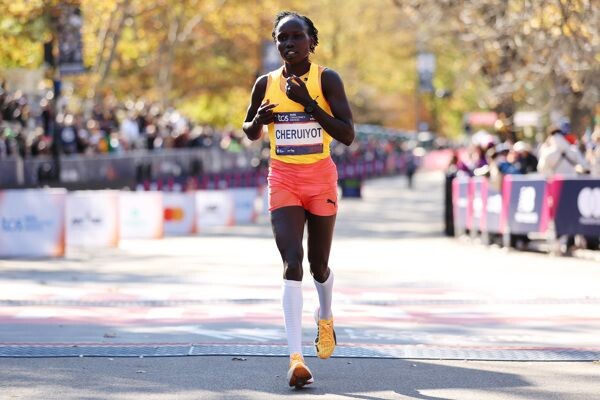
But the Olympic gold medal remained the one prize missing from her collection.
That changed dramatically in Rio in 2016.
After winning silver in the 10,000m, Cheruiyot returned to the track for the 5000m final and delivered a masterclass in championship racing. She surged away from Ethiopia’s Almaz Ayana in the closing stages to win Olympic gold in 14:26.17, finally completing the collection of major titles she had chased for so many years.
“I said I want to win,” Cheruiyot recalled after that historic victory. “This was my fourth Olympics and I’ve been dreaming about this since the very start.”
Her brilliance was not confined to the track.
After moving into marathon running, Cheruiyot established herself among the world’s best over 42.195km. She finished fourth in her London Marathon debut in 2017 before returning the following year to produce a stunning victory in 2:18:31 — a performance that placed her fourth on the world all-time list at the time and remains her marathon personal best.
She also finished runner-up in the New York City Marathon in 2018 and second in London in 2019, further demonstrating that her extraordinary competitive instinct had successfully followed her from the track to the roads.
Away from competition, Cheruiyot’s story has also evolved with her life. She became a mother, welcomed her daughter Arielle in 2021 and returned to competitive racing in 2023. In 2024, she claimed third place at the New York City Marathon, followed by fifth at the 2025 London Marathon.
Now Sydney offers her another opportunity to write her name into the city’s sporting history.
“I look back on my career with pride. I was able to win almost everything and have been at the top for a long time,” Cheruiyot said ahead of her return.
She also remembers the extraordinary generation in which she competed — an era that included global icons such as Usain Bolt, Tirunesh Dibaba and Meseret Defar.
“I was running in a great era and had a close-up view of athletes like Usain Bolt setting the world alight,” she reflected.
Yet perhaps the most remarkable aspect of Cheruiyot’s return is not simply the passage of time, but her willingness to keep challenging herself.
She arrives in Sydney having put considerable work into rebuilding her fitness, knowing that the marathon demands something entirely different from the explosive championship races that defined her track career.
“I am very excited to go back to Sydney,” she said. “It has been 26 years since I was there, and a lot has changed in my life since then. I hope to have a good run — I have put in a lot of work to regain fitness and hope my body will stand up to the 42km.”
Twenty-six years ago, Sydney introduced the world to a fearless Kenyan teenager chasing an Olympic dream.
Now, the same city welcomes back a woman who went on to conquer the track, cross country and marathon — and to leave an indelible mark on Kenyan athletics.
From teenage Olympian to Olympic champion. From world champion to marathon winner. From rising talent to mother and enduring icon.
Vivian Cheruiyot has come full circle — and Sydney is once again the stage.
by Erick Cheruiyot for My Best Runs.
Login to leave a comment
Sydney Marathon
The Sydney Marathon is a marathon held annually in Sydney, Australia. The event was first held in 2001 as a legacy of the 2000 Summer Olympics, which were held in Sydney. In addition to the marathon, a half marathon, 9 kilometres (5.6 mi) "Bridge Run", and a 3.5 kilometres (2.2 mi) "Family Fun Run" are also held under the banner...
more...
Sydney Marathon 2026: World Champions, Record Hunters And A Star-Studded Showdown
SYDNEY, AUSTRALIA — August 30, 2026
Sydney is preparing for a spectacular morning of marathon racing as reigning world champions Peres Jepchirchir of Kenya and Alphonce Simbu of Tanzania headline a world-class elite field at the TCS Sydney Marathon on Sunday, August 30.
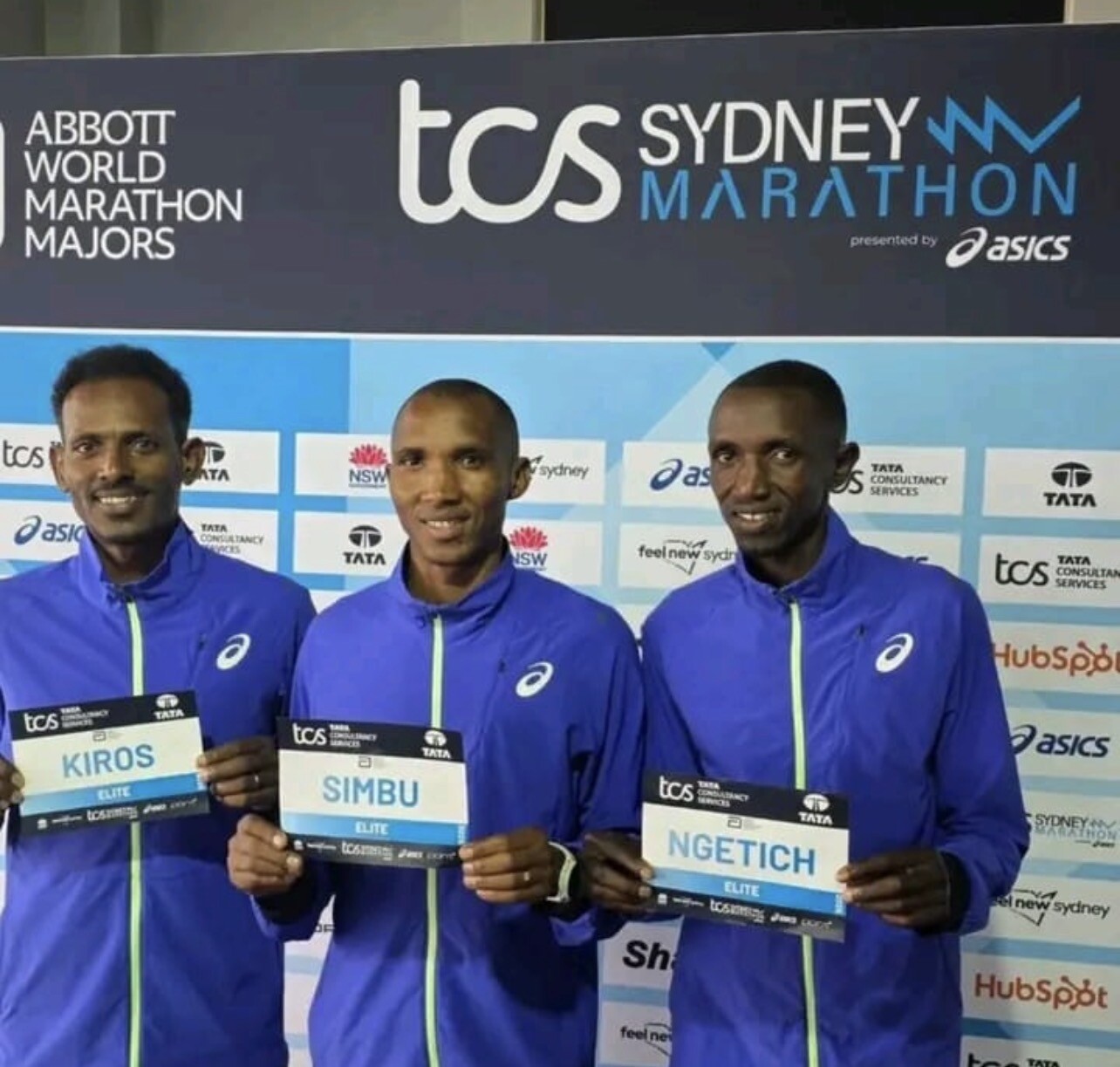
The race is set to provide another defining moment for Australian distance running, with more than 40,000 participants expected to take on the streets of Sydney and a remarkable collection of elite athletes competing for victory on one of the world's newest Abbott World Marathon Majors.
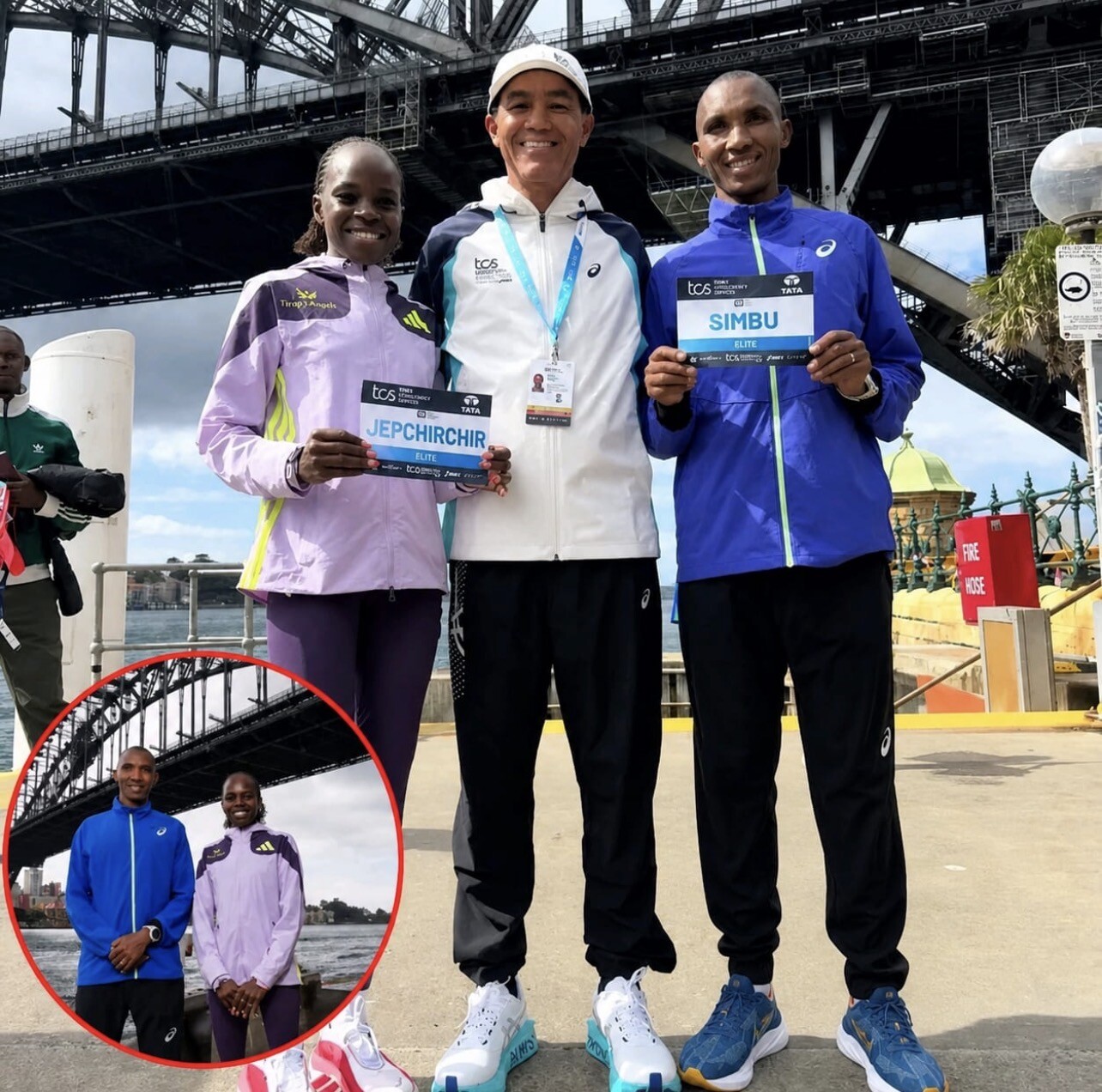
Jepchirchir and Simbu will bring an added layer of prestige to the occasion as the reigning women's and men's world marathon champions. Their presence ensures that the spotlight will be firmly fixed on Sydney as some of the world's finest distance runners battle for one of the most coveted titles on the international marathon calendar.

There will also be records in the crosshairs. The men's course record stands at 2:06:06, while the women's benchmark is 2:18:22, meaning the quality of the field has created genuine anticipation that both marks could come under threat.
In the men's race, Simbu arrives with considerable confidence and an ambitious target. The Tanzanian produced one of the most dramatic finishes of the 2025 World Athletics Championships in Tokyo, holding off Germany's Amanal Petros to claim the world title. With a personal best of 2:02:47, Simbu has the speed, championship experience and belief to challenge the very best, and he has made no secret of his desire to attack Sydney's course record.
However, standing in his way is an elite group led by Ethiopia's Sisay Lemma, whose outstanding 2:01:48 personal best makes him the fastest entrant in the field. A former London and Boston Marathon champion, Lemma brings a wealth of experience at the highest level and will be one of the principal threats to Simbu's ambitions.
Kenya will also have a strong presence, with Timothy Kiplagat and Vincent Ngetich adding further firepower to an already formidable men's lineup.
Perhaps the most intriguing storyline, however, belongs to Ethiopian track star Hagos Gebrhiwet, who is set to make his highly anticipated marathon debut. A former Olympic 5,000m medallist and one of the world's fastest track distance runners, Gebrhiwet has already shown extraordinary endurance over shorter distances, including a 57:41 half-marathon personal best. His transition to the marathon will be closely watched, with fans eager to discover whether his world-class track speed can be converted into success over 42.195 kilometres.
The depth of the men's field is remarkable. No fewer than 25 athletes have broken 2:10, while 19 have already recorded times faster than Sydney's existing course record, setting the stage for a race that could develop into a battle of extraordinary pace and tactics.
The women's contest promises just as much drama, with Jepchirchir leading the way. The Kenyan superstar arrives in Sydney as the reigning world champion and Olympic champion, carrying a 2:14:43 personal best, the fastest among the women entered.
Yet victory will not come easily. Jepchirchir faces a powerful Kenyan challenge from Irine Cheptai, who owns a 2:17:51 personal best and has already established herself as a major force on the international marathon circuit.
Tanzania's Magdalena Shauri, the country's national record holder with a personal best of 2:18:03, will provide another serious threat, while the experienced Vivian Cheruiyot of Kenya adds further championship pedigree to an already impressive women's field.
Ethiopian stars Shure Demise and Haven Hailu, alongside Uganda's Stella Chesang, will also be looking to make their mark as the race unfolds through Sydney's iconic streets.
The setting could hardly be more spectacular. Starting in North Sydney, the marathon takes runners across the famous Sydney Harbour Bridge before heading towards the unforgettable finish at the Sydney Opera House. With the city providing a breathtaking backdrop, the race has all the ingredients for another historic chapter in its rapid rise on the global marathon scene.
For the elite athletes, however, the beauty of Sydney will quickly become secondary once the gun goes off.
The champions will be chasing victory. The record hunters will be chasing history. And for Gebrhiwet, an entirely new chapter of his career will begin.
Two reigning world champions. Multiple sub-2:05 contenders. A world-class women's field. A highly anticipated marathon debut. And course records that could be under serious threat.
Everything is in place for an unforgettable Sunday in Sydney.
Will Alphonce Simbu turn his ambition into a new course record?
Can Sisay Lemma's 2:01:48 experience carry him to victory?
Will Hagos Gebrhiwet announce himself as a future marathon superstar?
And can Peres Jepchirchir add the Sydney Marathon crown to her already extraordinary list of achievements?
Sydney is ready.
The champions have arrived. The records are waiting. The stage is set for a spectacular showdown.
by Erick Cheruiyot for My Best Runs
Login to leave a comment
Sydney Marathon
The Sydney Marathon is a marathon held annually in Sydney, Australia. The event was first held in 2001 as a legacy of the 2000 Summer Olympics, which were held in Sydney. In addition to the marathon, a half marathon, 9 kilometres (5.6 mi) "Bridge Run", and a 3.5 kilometres (2.2 mi) "Family Fun Run" are also held under the banner...
more...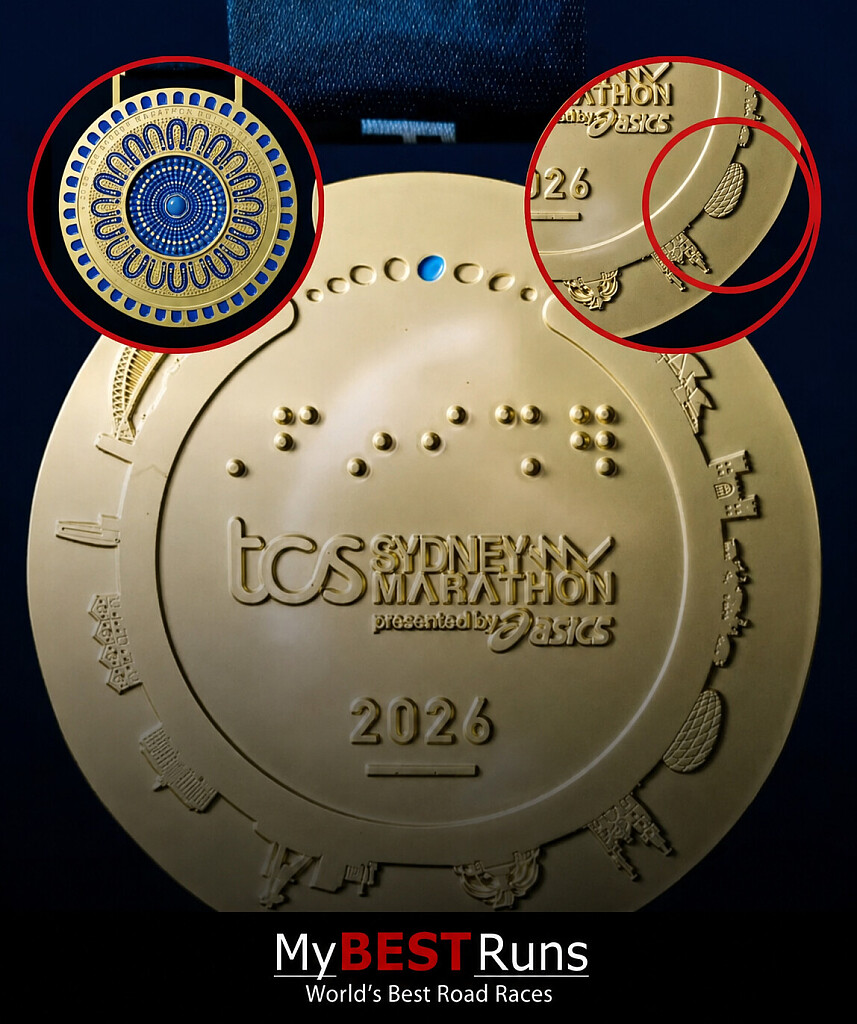
Sydney Marathon’s Medal Blunder: How Munich’s Allianz Arena Ended Up in a Sydney Souvenir
The Sydney Marathon was meant to celebrate one of Australia’s most iconic cities. Instead, its 2026 finisher’s medal has unexpectedly brought a little piece of Munich into the spotlight.
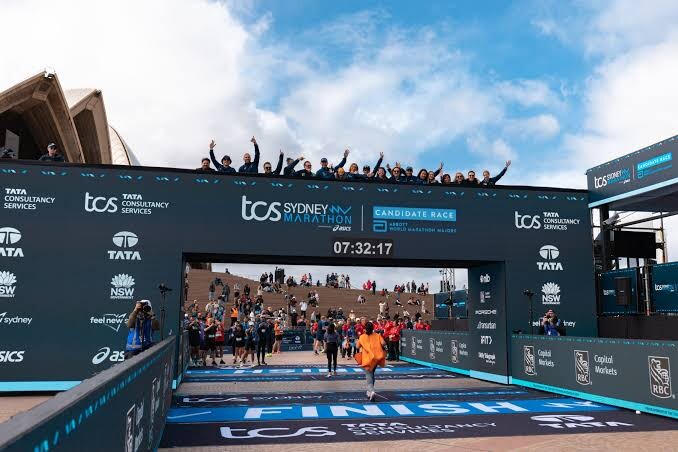
The back of the medal features a collection of landmarks designed to represent Sydney and the 42.2-kilometre journey runners will take through the city, including the Sydney Opera House and Sydney Harbour Bridge. But alongside those unmistakably Australian symbols is a rather surprising addition: Munich’s Allianz Arena.
The stadium was supposed to represent Sydney’s Allianz Stadium in Moore Park. Instead, the medal designers somehow used the distinctive home of Bayern Munich in Germany.
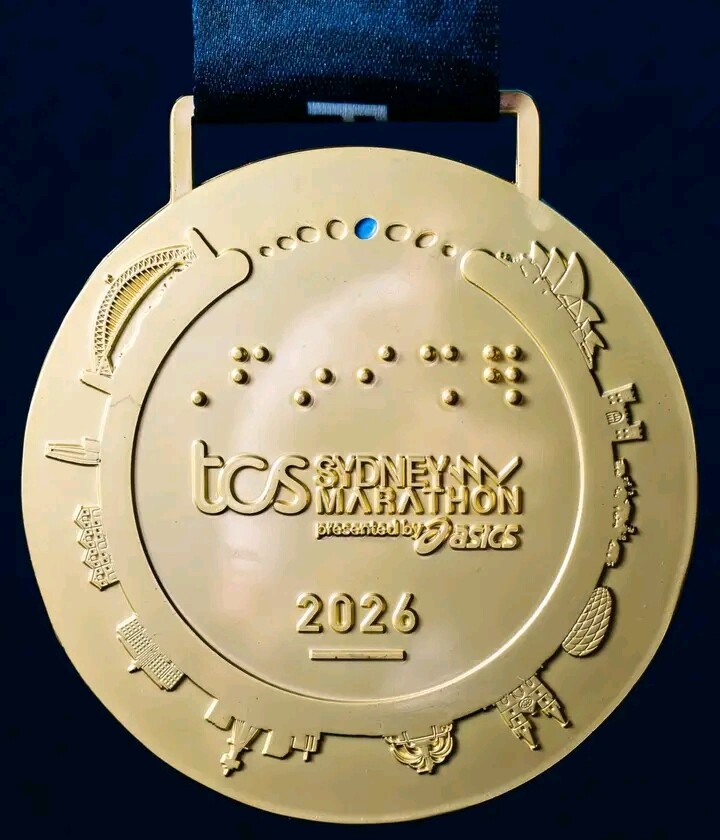
The mistake was spotted shortly after the medal was unveiled and quickly spread across social media before attracting international media attention. With the race now just days away, there is no time to redesign and replace the medals already produced for the event.
Organisers have acknowledged the mistake, describing it as an “unfortunate error” and making clear that the medals will still be presented to runners on race day.
Rather than attempting to hide the blunder, Sydney Marathon has chosen to embrace the unexpected twist, saying the medal is now “a little more unique.” Their response ended on a light-hearted note: “You noticed. We noticed. We’re human.”
And while the incorrect stadium may have created an embarrassing moment for the organisers, it has also given the 2026 medal something no previous Sydney Marathon medal has had — a story of its own.
That story will be carried around the necks of approximately 40,000 runners when the Sydney Marathon takes place on Sunday, August 30.
The timing could hardly be more significant for the race. Sydney is only in its second year as an Abbott World Marathon Major, having joined the prestigious series in 2024 alongside Tokyo, Boston, London, Berlin, Chicago and New York. The event has rapidly established itself as one of the world’s most sought-after marathons, with more than 123,000 runners entering the ballot for the 2026 race, a 56 percent increase from the previous year.
For those 40,000 successful entrants, the medal will ultimately represent something far more important than a design mistake. Behind every medal is months of preparation, early mornings, long training runs, sacrifices and the determination required to cover 42.2 kilometres.
And when the runners finally reach the finish line at the Sydney Opera House, they will receive a medal that was intended to tell the story of Sydney — but accidentally tells a small story about Munich too.
What began as an embarrassing design error may now become one of the most memorable quirks in Sydney Marathon history. Years from now, runners may look back at their 2026 medals not simply as souvenirs of finishing one of the world’s major marathons, but as unusual collector’s pieces from the year Sydney accidentally put Munich on its medal.
A Sydney marathon. A Munich stadium. One unforgettable medal.
by Erick Cheruiyot for My Best Runs.
Login to leave a comment
Sydney Marathon
The Sydney Marathon is a marathon held annually in Sydney, Australia. The event was first held in 2001 as a legacy of the 2000 Summer Olympics, which were held in Sydney. In addition to the marathon, a half marathon, 9 kilometres (5.6 mi) "Bridge Run", and a 3.5 kilometres (2.2 mi) "Family Fun Run" are also held under the banner...
more...
Jon Strong’s Alphabet Marathon Challenge Comes Down to One Final Letter
At 60, retired Newcastle teacher Jon Strong is preparing to complete a marathon challenge 12 years in the making — and there is just one letter left to tick off.
Strong has already completed 25 marathons, with each race beginning with a different letter of the alphabet. Now, only J remains.
The final chapter will be written at the Jersey Marathon on October 4, where Strong will line up for the 26th and final race of his remarkable A-to-Z marathon project, which he began in 2014.
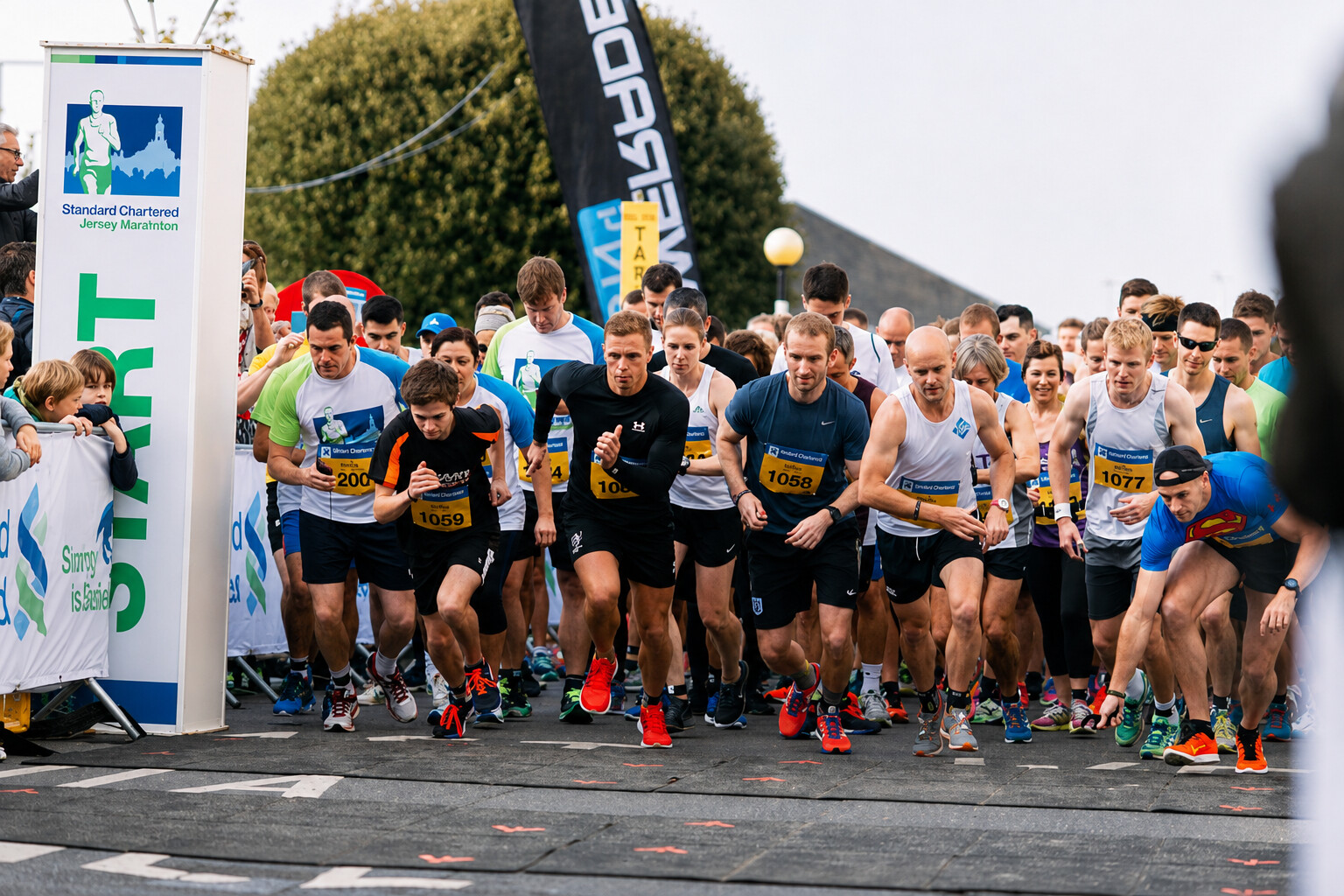
For Strong, however, completing the alphabet has been about more than simply finding 26 races. His commitment to environmentalism means he does not fly, making travel to certain marathons considerably more complicated.
That was precisely why the letter J remained unfinished for so long.
The Jersey Marathon takes place on a Sunday, and for years the ferry schedule made the trip difficult to combine with his teaching commitments. Getting back in time for school on Monday morning was simply not possible.
That changed when Strong retired this summer after an impressive 28-year career teaching French, German and Spanish at Dame Allan’s Schools in Newcastle, where he most recently served as Head of Modern Languages.
With his teaching career now behind him, the final piece of the puzzle could finally fall into place.
His alphabet marathon journey has taken him to races across Europe, including the Venice Marathon, Rotterdam Marathon, Germany’s X-ray Marathon and Spain’s Quijote Marathon, named after the legendary character Don Quixote.
Many of those races have been completed in under three hours and 30 minutes, while Strong’s marathon personal best stands at an impressive 2:58.
There is also one unusual ritual that has accompanied him throughout the journey: beetroot juice.
Strong drinks it three hours before every marathon — a routine he has followed for so long that he jokes he would not dare stop now.
After 25 marathons, countless training miles and years of travelling by ferry rather than plane, the finish line in Jersey will represent far more than the end of another 26.2-mile race.
It will complete an extraordinary 12-year quest to run a marathon for every letter of the alphabet.
On October 4, the long-awaited J will finally be ticked off.
One alphabet. Twenty-six marathons. Twelve years. One final letter.
by Erick Cheruiyot for My Best Runs.
Login to leave a comment

Jersey Marathon
The Standard Chartered Jersey Marathon is an established niche marathon situated on the stunning island of Jersey in the British owned Channel Islands. The race, which is split into three categories, Marathon, Relay Race and 3K Fun Run, attracted some 2,700 entrants in 2017 with over 50% of marathon runners coming from off the Island. With a professional yet friendly...
more...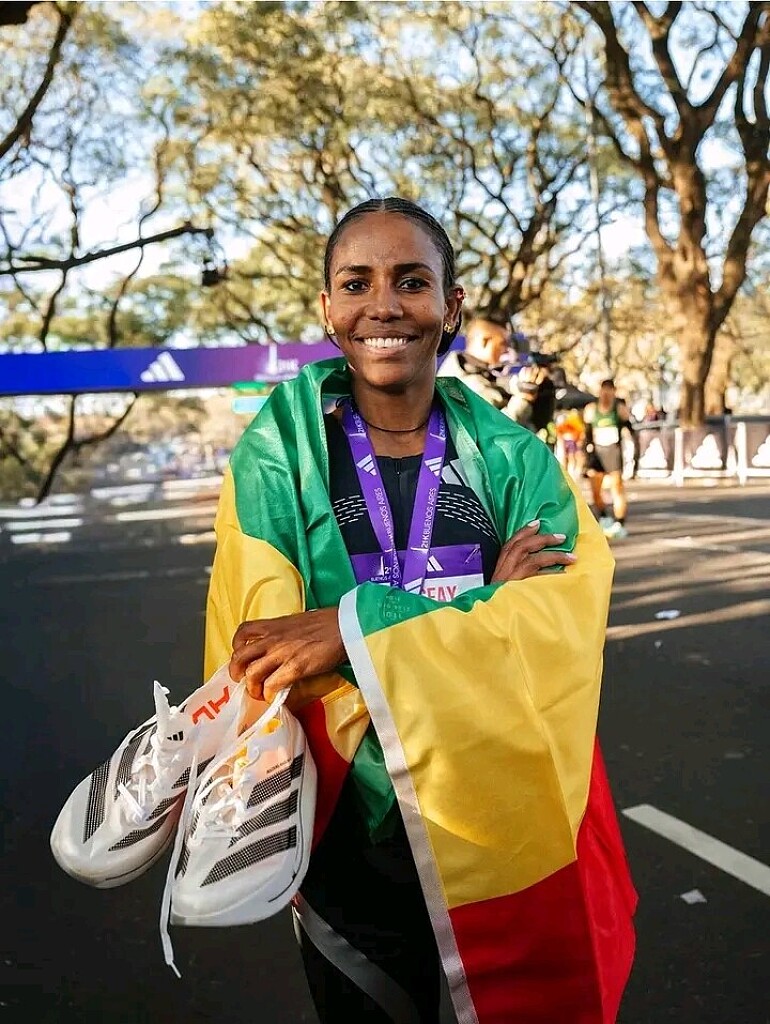
Fotyen Tesfay Haylu Smashes Buenos Aires Half Marathon Record with Historic 1:03:57 Performance
Ethiopia’s Fotyеn Tesfay Haylu delivered one of the most remarkable women’s half-marathon performances ever seen on American soil on Sunday, powering to a commanding victory at the 2026 Buenos Aires Half Marathon in Argentina in 1:03:57.
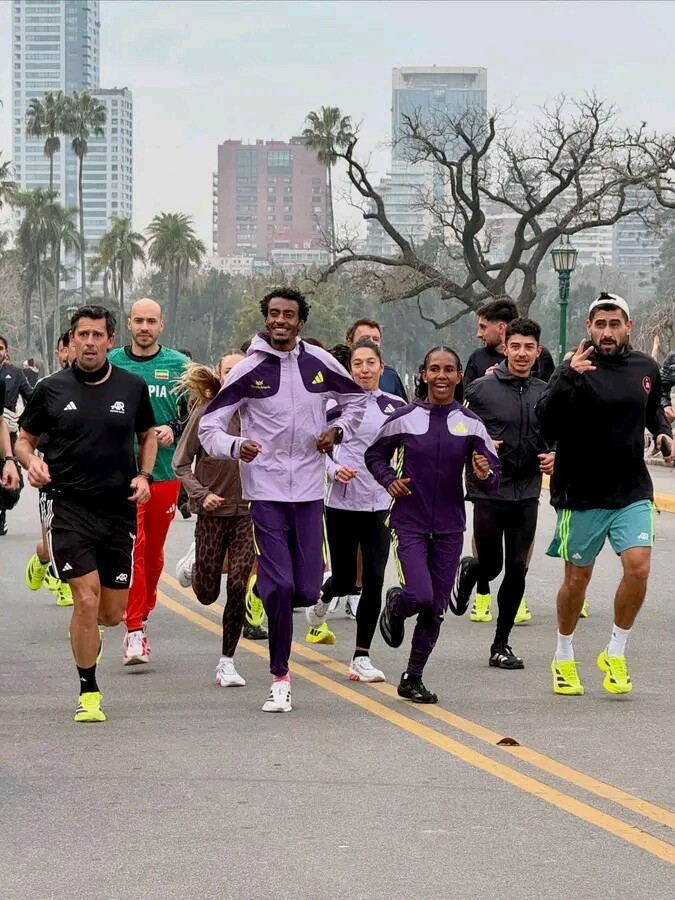
Running with exceptional confidence and strength, Tesfay took control of the race and produced a superb solo performance to rewrite the event record. Her breathtaking run also carried historic significance, as she became the first woman to break the 64-minute barrier for the half marathon in the Americas, producing what is being celebrated as the fastest women’s half-marathon performance ever recorded on the continent.
The Ethiopian star was in a class of her own, crossing the finish line more than a minute clear of Turkey’s Nevin Can, who finished second in 1:05:06. Another Turkish athlete, Selin Can, completed the podium in third place with 1:05:11, as the leading trio all produced strong performances on the fast streets of Buenos Aires.
Kenya also featured prominently in the top positions, with Irene Jepchumba Kimais taking fourth in 1:06:04, followed by Sheila Chepkirui in fifth with 1:06:13. Magaret Akidor Ngathike finished sixth in 1:06:46, while fellow Kenyan Deborah Samum claimed seventh place in 1:08:32.
Brazil’s Nubia de Oliveira Silva was eighth in 1:11:13, while Argentina’s Sofia Luna and Dahyana Juarez rounded out the top 10 with times of 1:11:21 and 1:11:28, respectively.
Top 10 Women – 2026 Buenos Aires Half Marathon
1. Fotyеn Tesfay Haylu (Ethiopia) – 1:03:57
2. Nevin Can (Turkey) – 1:05:06
3. Selin Can (Turkey) – 1:05:11
4. Irene Jepchumba Kimais (Kenya) – 1:06:04
5. Sheila Chepkirui (Kenya) – 1:06:13
6. Magaret Akidor Ngathike (Kenya) – 1:06:46
7. Deborah Samum (Kenya) – 1:08:32
8. Nubia de Oliveira Silva (Brazil) – 1:11:13
9. Sofia Luna (Argentina) – 1:11:21
10. Dahyana Juarez (Argentina) – 1:11:28
For Tesfay, it was far more than a race victory. Her 1:03:57 performance was a statement of extraordinary quality, combining speed, endurance and remarkable solo running to produce a landmark result in Buenos Aires. In a race that will be remembered for years to come, the Ethiopian did not simply win—she redefined what was thought possible for women’s half-marathon running in the Americas.
by Erick Cheruiyot for My Best Runs.
Login to leave a comment

Buenos Aires Half Marathon
The Buenos Aires Half Marathon is one of the most important in Latin America and attracted more than 25,000 runners from all over the world. Dare to run the fastest half marathon in Latin America....
more...
Entries Set to Open for Historic 100th Comrades Marathon as Centenary Celebration Begins
One of the most iconic milestones in the history of ultramarathon running is drawing closer, with entries for the historic 100th edition of the Comrades Marathon set to open on Tuesday, 25 August 2026.
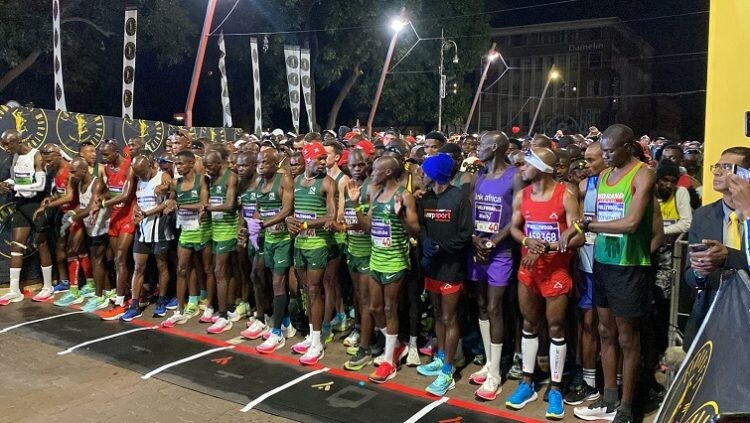
The Comrades Marathon Association has officially announced a detailed entry process for the 2027 race, which will unfold in three stages and give runners around the world the opportunity to secure their place in what promises to be one of the most significant editions ever held of The Ultimate Human Race.
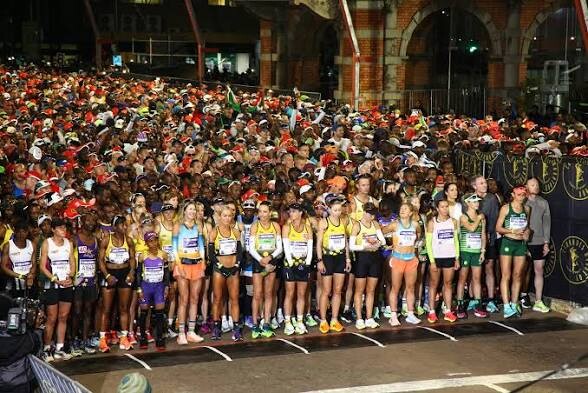
The announcement followed the official launch of the 2027 Comrades Marathon on Wednesday, 19 August, when the centenary campaign, “The Greatest Story Ever Run,” was unveiled alongside a special logo created exclusively for the landmark 100th edition.
The launch also revealed several major highlights for the Centenary Race. The historic event will take place on Sunday, 13 June 2027, and will be a Down Run, with 28,000 places available. The entry process will include a ballot, while the race will offer a record R8.919 million in prize money. Organisers have also set an ambitious goal of raising R10 million for the Amabeadibeadi charities, adding an important charitable dimension to the centenary celebrations. One of the defining moments of the launch was the unveiling of the special Centenary mark, created to commemorate this extraordinary milestone in the history of the race.
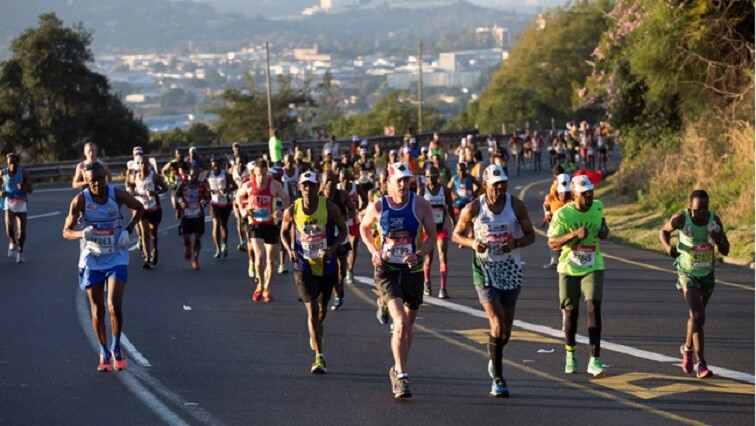
The entry process begins on 25 August at 10:00 a.m. SAST, when entries open for Green Number runners, Yellow Number runners and Amabeadibeadi charity entrants.
The next phase follows on 2 September at 10:00 a.m. SAST, when entries open for Comrades Marathon Association members. This window will remain open for 72 hours or until the available entry allocation is filled, with places offered on a strictly first-come, first-served basis.
For general entrants, the process will move to a ballot system. General entries open on 9 September at 10:00 a.m. SAST, with runners able to enter the ballot until it closes on 22 September at 4:30 p.m. SAST. The ballot draw is then scheduled to take place on 23 September.
Several other crucial dates will shape the road to the historic race. The substitution period will run from 15 to 31 March 2027, while 3 May 2027 is the final deadline for runners to submit their qualifying performances, seeding information and other required entry details.
To qualify for the 2027 Comrades Marathon, runners must complete a 42.2km marathon in under five hours between 15 June 2026 and 3 May 2027.
The journey will finally culminate on Sunday, 13 June 2027, when thousands of runners are expected to line up for the historic 100th edition of the Comrades Marathon.
The 2027 race will represent a remarkable moment for the legendary South African ultramarathon. For more than a century, the Comrades Marathon has captured the imagination of runners and spectators with its extraordinary test of endurance, determination and human spirit. Its centenary edition will celebrate the generations of athletes who have faced its demanding roads, conquered its challenges and helped build one of the world's most respected endurance events.
For runners dreaming of becoming part of this historic occasion, the road to Comrades 2027 is now clearly marked. From the opening of entries in August 2026 to race day in June 2027, every deadline will matter.
The Greatest Story Ever Run is preparing for its most historic chapter yet.
by Erick Cheruiyot for My Best Runs.
Login to leave a comment

Comrades Marathon
Arguably the greatest ultra marathon in the world where athletes come from all over the world to combine muscle and mental strength to conquer the approx 90kilometers between the cities of Pietermaritzburg and Durban, the event owes its beginnings to the vision of one man, World War I veteran Vic Clapham. A soldier, a dreamer, who had campaigned in East...
more...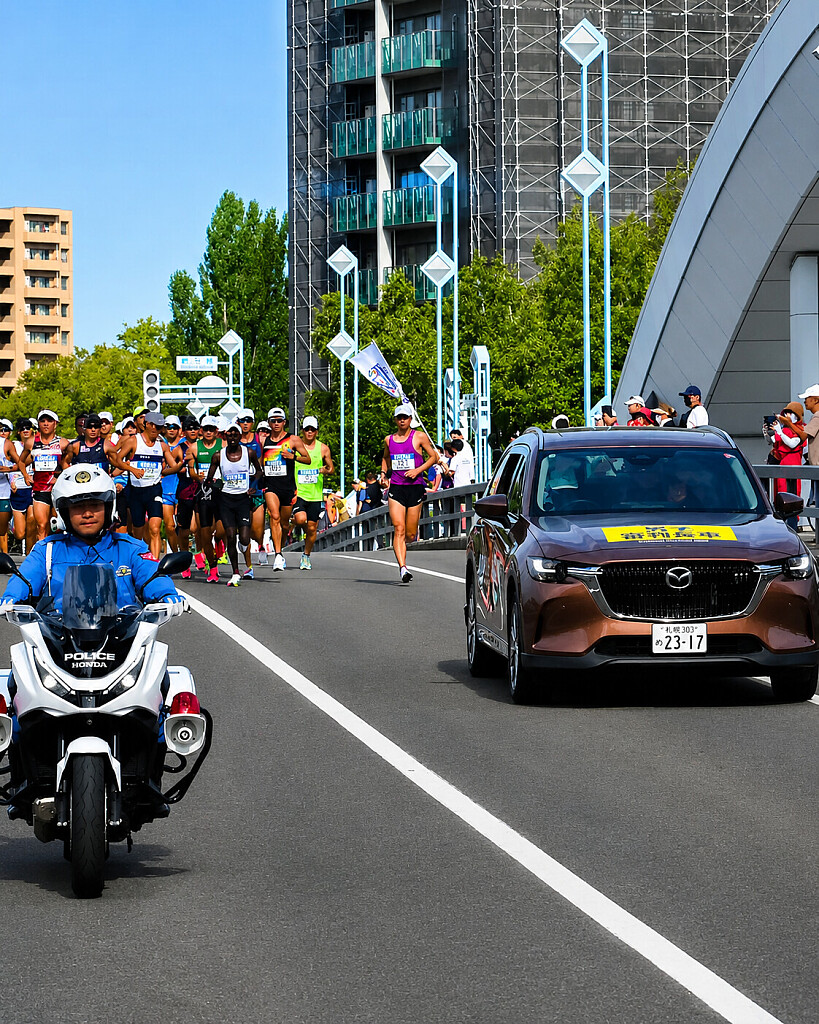
Hokkaido Marathon 2026: A Historic Summer Race Puts Heat Safety First
When thousands of runners line up in the heart of Sapporo on Sunday, August 30, 2026, they will be taking part in one of Japan’s most distinctive marathon traditions — a race where the battle is not only against the clock and the 42.195-kilometre distance, but also against the summer heat.
The Hokkaido Marathon traces its roots to 1987, when the inaugural race attracted just 439 entrants. Over nearly four decades, it has grown into a major international marathon, welcoming runners from Japan and around the world while maintaining its unique identity as one of the country’s few major summer marathons.
That summer setting is precisely what makes heat management such an important part of the Hokkaido Marathon experience.
The 2026 edition will begin at 8:30 a.m. from Odori Nishi 4-chome, with the course winding through some of Sapporo’s most recognisable landmarks, including Susukino and Hokkaido University. But while the atmosphere will be festive and competitive, organisers are urging athletes to treat heat-related illness with the utmost seriousness.
As one of Japan’s few marathons held during the summer, Hokkaido Marathon carries a heightened risk of heatstroke. Mild heat illness may improve with rest, cooling and appropriate hydration, but severe heatstroke can become life-threatening and demands rapid action to lower body temperature.
The organisers have therefore placed medical preparedness at the centre of the 2026 event. Since the 2022 Hokkaido Marathon, an ice-bath system has been available for emergency cooling — an approach also used during the marathon and race-walking competitions at the Tokyo 2020 Olympic Games.
If medical staff suspect severe heatstroke accompanied by impaired consciousness, a doctor may assess the athlete, including measuring rectal temperature when necessary. Where appropriate, the runner can be rapidly cooled using an ice bath before being transported to a medical facility.
For competitors, recognising the warning signs early could make all the difference.
Feeling dazed, unusually confused, mentally foggy or unable to remain fully alert during the race should never be dismissed as ordinary fatigue. Runners experiencing such symptoms are being urged not to force themselves forward. They should stop, rest and seek medical assistance.
The same responsibility applies to fellow runners and spectators. Anyone who notices a competitor appearing confused, disoriented or seriously unwell should immediately alert the nearest medical or first-aid team.
Hydration is another critical part of the organisers’ message — but the advice is not simply to drink as much water as possible.
Both insufficient sodium intake and excessive fluid consumption can contribute to hyponatremia, a potentially dangerous drop in blood sodium levels. Runners should therefore pay attention to both fluid and sodium replacement during the marathon rather than relying solely on water.
The race is also expanding its cooling measures in 2026. An ice distribution point will be available at approximately 13.2 kilometres, while new water-dousing points will be introduced at the end of selected aid stations. These facilities are designed to give runners additional opportunities to cool their bodies as the race progresses.
A cooling spray may also be carried and used as another practical measure against the heat.
Such precautions are particularly significant given the Hokkaido Marathon’s history. From its modest beginning in 1987, the event gradually established itself as an important testing ground for athletes preparing to compete in hot-weather conditions. Japanese and international elites have repeatedly used the race to test their endurance and heat tolerance, while the event has also welcomed some of the world's leading distance runners.
Today, the marathon combines that elite tradition with a huge mass-participation atmosphere. What started with fewer than 500 entrants has evolved into an event capable of attracting around 20,000 runners, turning Sapporo into a celebration of distance running each summer.
But the message for 2026 is clear: finishing the marathon is never more important than protecting your health.
For runners chasing personal bests, international athletes seeking victory and recreational participants simply hoping to complete the distance, knowing when to slow down, stop or seek help is part of racing intelligently.
On August 30, the streets of Sapporo will once again provide a spectacular stage for 42.195 kilometres of running. Yet beneath the excitement, the Hokkaido Marathon is sending an equally important message: run hard when your body allows it, cool down when necessary, stay alert to the heat and never ignore the warning signs.
After nearly four decades of history, the Hokkaido Marathon continues to evolve — and in 2026, protecting the runners who make that history possible is firmly at the heart of the race.
by Erick Cheruiyot for My Best Runs.
Login to leave a comment

Hokkaido Marathon
The Hokkaido Marathon, inaugurated in 1987 with just 439 participants, has evolved into one of Japan's premier marathons, attracting nearly 20,000 runners annually. Held every August in Sapporo, Hokkaido, it stands as the nation's only full-scale summer marathon. The race commences and concludes in Sapporo's Odori Park, offering a scenic course that weaves through the city's landmarks, including the vibrant...
more...
Yomif Kejelcha and Fotyen Tesfay Arrive in Buenos Aires as the Fastest 21K Beckons
Buenos Aires is ready for a spectacular day of road racing, with Ethiopian stars Yomif Kejelcha and Fotyen Tesfay already in the Argentine capital ahead of Sunday’s Buenos Aires Half Marathon, also known as the 21K Buenos Aires.
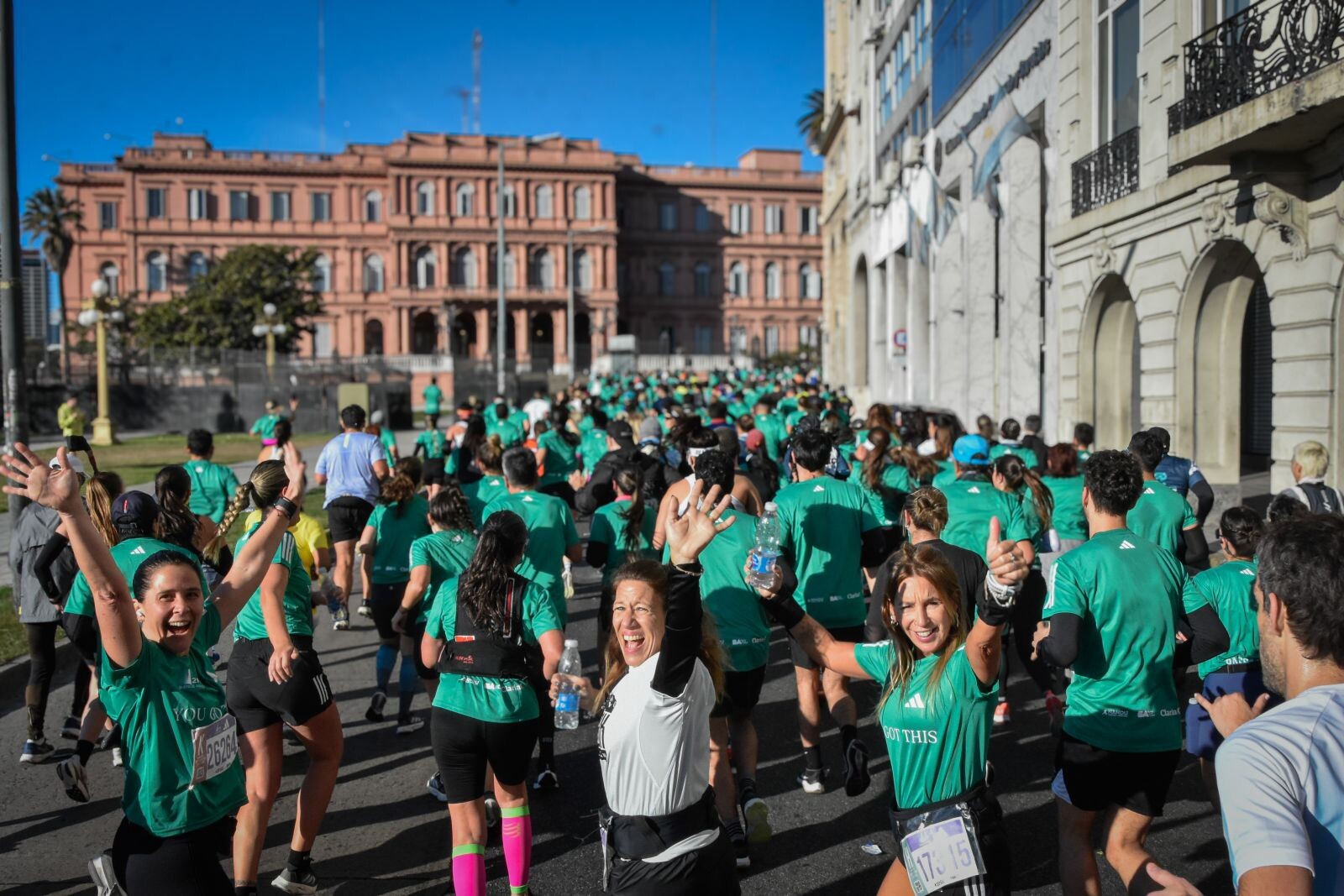
The race takes place on Sunday, August 23, 2026, bringing together a record field of 31,500 runners after entries sold out. Alongside the mass field, some of the world’s leading distance athletes will take centre stage, with the spotlight firmly on the elite races as they chase victory and potentially exceptional times over 21.097 kilometres.
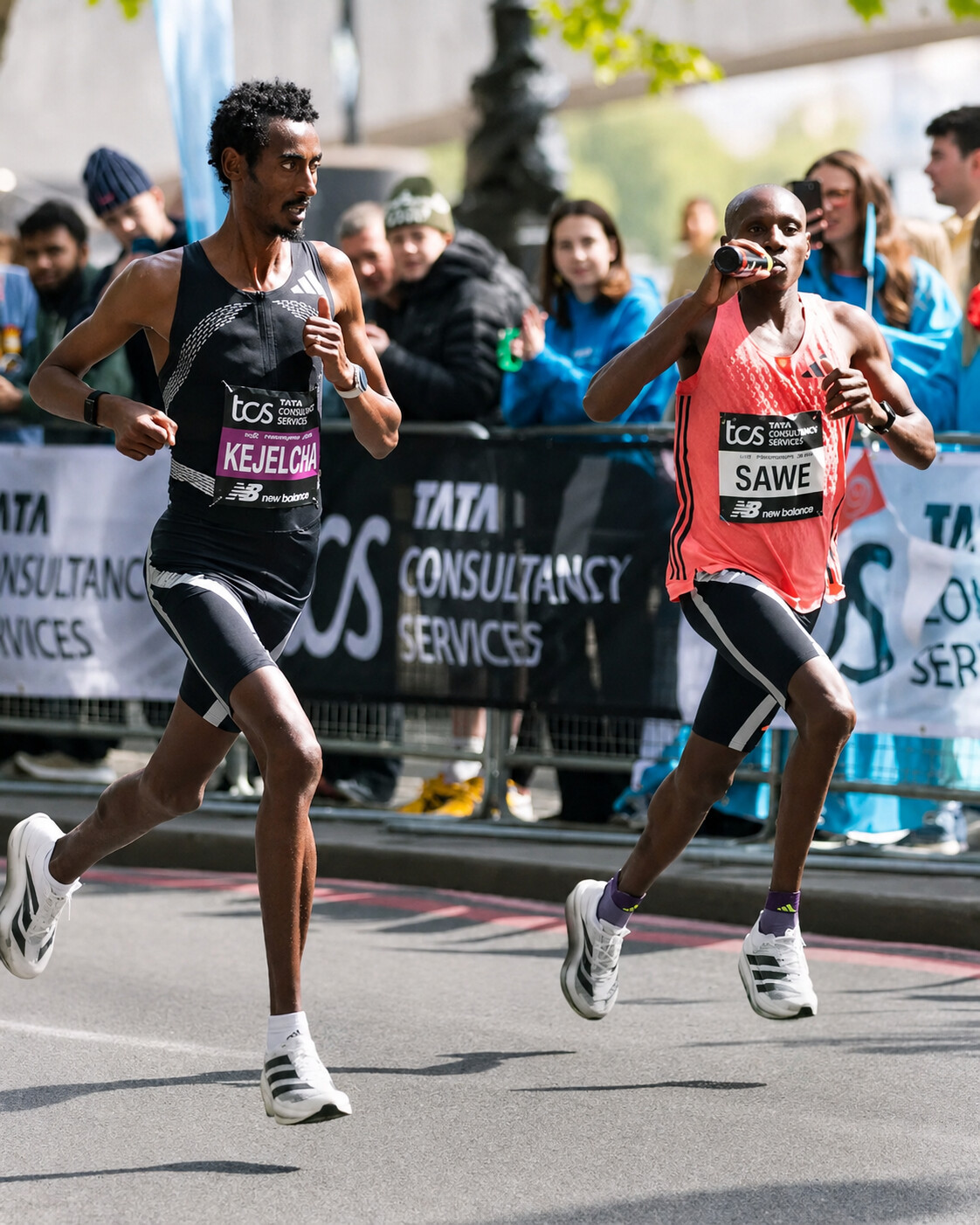
The race starts and finishes in Palermo, at Av. Figueroa Alcorta and Av. Dorrego, before taking runners onto a fast, flat 21.097-kilometre course through the Argentine capital. The route winds past some of Buenos Aires’ most iconic landmarks, including the Obelisco, Teatro Colón and Casa Rosada, providing a spectacular setting for one of the region’s premier road races.
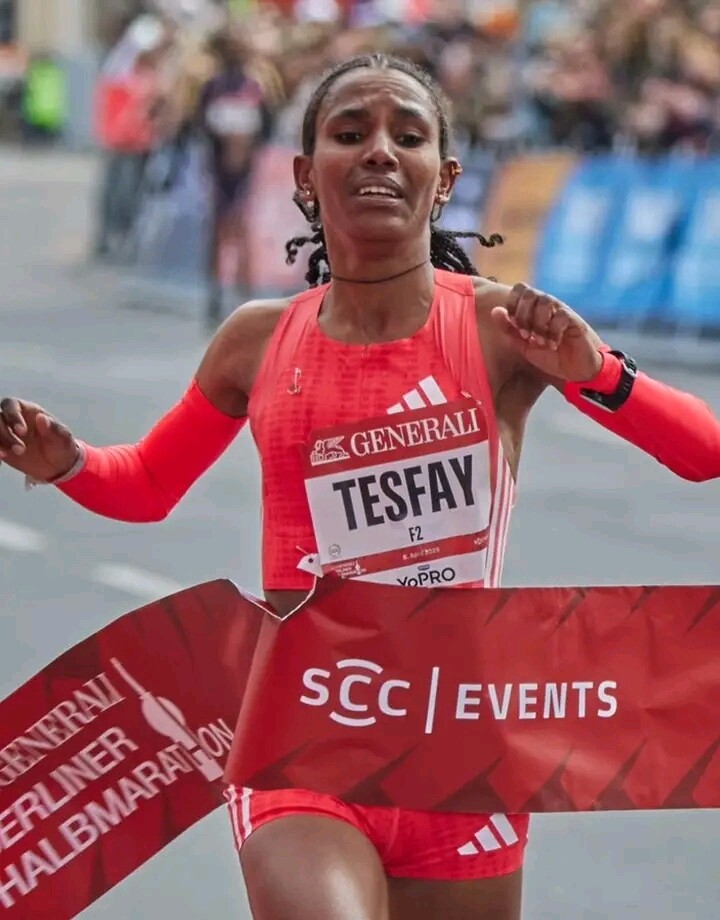
Kejelcha arrives as one of the most formidable names in modern distance running. The 29-year-old Ethiopian is the reigning world-record holder for the half marathon, having clocked 57:30 in Valencia in October 2024. He has also established himself as an exceptional marathoner, running 1:59:41 on his debut at the 2026 London Marathon — the fastest marathon debut ever recorded and the second-fastest official marathon performance in history.
His presence adds enormous prestige to a Buenos Aires race that has become synonymous with fast running. In 2025, Uganda’s Jacob Kiplimo ran 58:29 in Buenos Aires, producing one of the fastest half-marathon performances ever recorded in the Americas and further cementing the event’s reputation as a venue capable of delivering extraordinary times.
Tesfay brings equally impressive credentials to the women’s race. The 28-year-old Ethiopian owns a half-marathon personal best of 1:03:21, achieved in Valencia in 2024. Her progression over the marathon distance has been equally striking, highlighted by her 2:10:51 national record set in March 2026.
The conditions could further enhance the prospects of fast racing. Buenos Aires typically experiences cool temperatures around race time, with conditions commonly ranging between 9°C and 14°C — favourable weather for elite distance running when combined with the course’s flat profile.
For Kejelcha and Tesfay, the mission is clear: compete for the titles, test themselves against a strong international field and take advantage of one of the fastest half-marathon stages in the Americas.
With thousands of runners preparing to flood the streets and two Ethiopian stars already in position, anticipation is reaching its peak.
The stars have arrived. The course is ready. On Sunday, Buenos Aires waits for the fireworks.
by Erick Cheruiyot for My Best Runs.
Login to leave a comment
Buenos Aires Half Marathon
The Buenos Aires Half Marathon is one of the most important in Latin America and attracted more than 25,000 runners from all over the world. Dare to run the fastest half marathon in Latin America....
more...
Noah Lyles And Letsile Tebogo Set For Another Blockbuster Showdown In Budapest
NOAH LYLES VS LETSILE TEBOGO — ANOTHER CHAPTER AWAITS!
The rivalry between American sprint superstar Noah Lyles and Botswana’s Olympic champion Letsile Tebogo is set to take centre stage once again, with the two global stars heading to Budapest for the inaugural World Athletics Ultimate Championship from September 11–13, 2026.
Both Lyles and Tebogo have been named among the event’s Ultimate Stars, adding even more star power to a championship designed to answer one of athletics’ biggest questions: who is the best of the best? World Athletics has assembled Olympic champions, world champions, Diamond League winners and the leading performers of the season for a three-day season finale at Budapest’s National Athletics Centre.
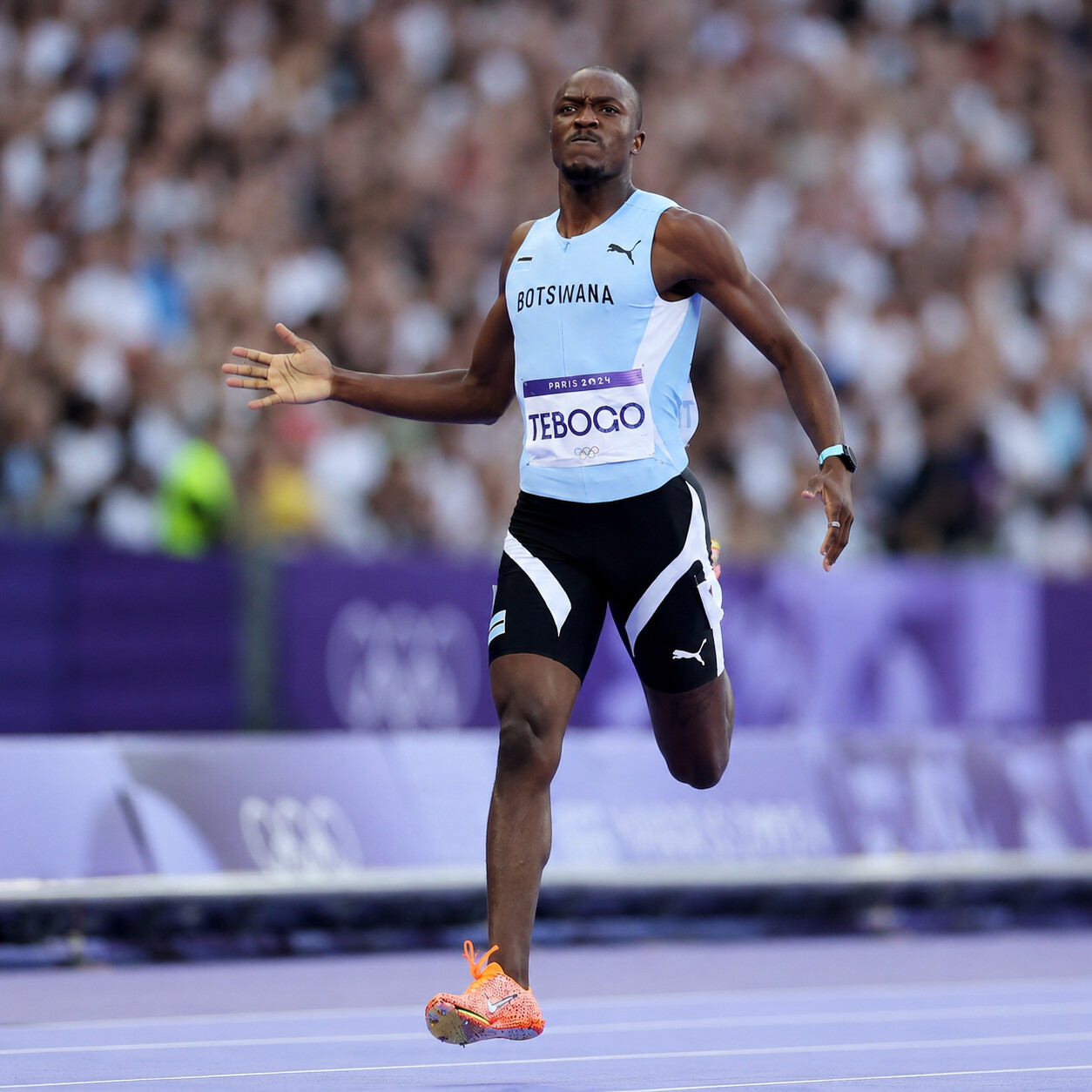
And when the men’s 200m takes centre stage on Sunday, September 13, the possibility of another Lyles-Tebogo showdown promises to be one of the most anticipated moments of the entire championship. The event’s format features semifinals before the final, with the top four athletes from each semifinal advancing.
Their rivalry already carries plenty of history.
At the Paris 2024 Olympic Games, Tebogo produced a magnificent performance to win the men’s 200m in an African record of 19.46, becoming Botswana’s first Olympic champion in any sport. Lyles, who had entered the Games as the reigning world champion and one of the favourites, finished third in 19.70, taking bronze.
The story did not end in Paris.
At the 2025 World Championships in Tokyo, Lyles and Tebogo renewed their battle over the half-lap distance, with Lyles beating the Olympic champion in Monaco before edging him again at the Diamond League Final in Zürich. World Athletics noted that the Zürich margin was just 0.02 seconds, highlighting just how closely matched the two sprinting giants had become.
Now, Budapest offers another opportunity for the pair to settle the score on one of the sport’s biggest new stages.
Lyles enters the Ultimate with a personal best of 19.31 seconds, while Tebogo owns a 19.46 best — the African record he produced in his historic Olympic triumph. The 2026 season has already shown that neither man can afford a moment of hesitation, with Tebogo continuing to establish himself as one of the world's leading 200m specialists and Lyles remaining a formidable force across the sprints.
But this will be about much more than another race between two famous names.
The Ultimate Championship carries a record US$10 million prize pot, the largest ever offered at a single track and field event. Individual champions will receive US$150,000, while every athlete who competes is guaranteed prize money.
That combination of prestige, money and rivalry makes Budapest a fitting stage for the next instalment of one of modern sprinting’s most compelling matchups.
Lyles brings the experience, personality and championship pedigree. Tebogo brings the confidence of an Olympic champion and the explosive speed that has already carried him to the top of the 200m world.
When the gun fires in Budapest, there will be nowhere to hide and no room for mistakes.
Noah Lyles or Letsile Tebogo — who will seize the Ultimate crown?
by Erick Cheruiyot for My Best Runs.
Login to leave a comment

Débora Simas Runs 866.21 Kilometres in Seven Days to Shatter the Women’s Treadmill Record
For seven relentless days, Débora Simas turned a treadmill inside a bustling shopping mall in Florianópolis, Brazil, into the stage for an extraordinary feat of endurance.
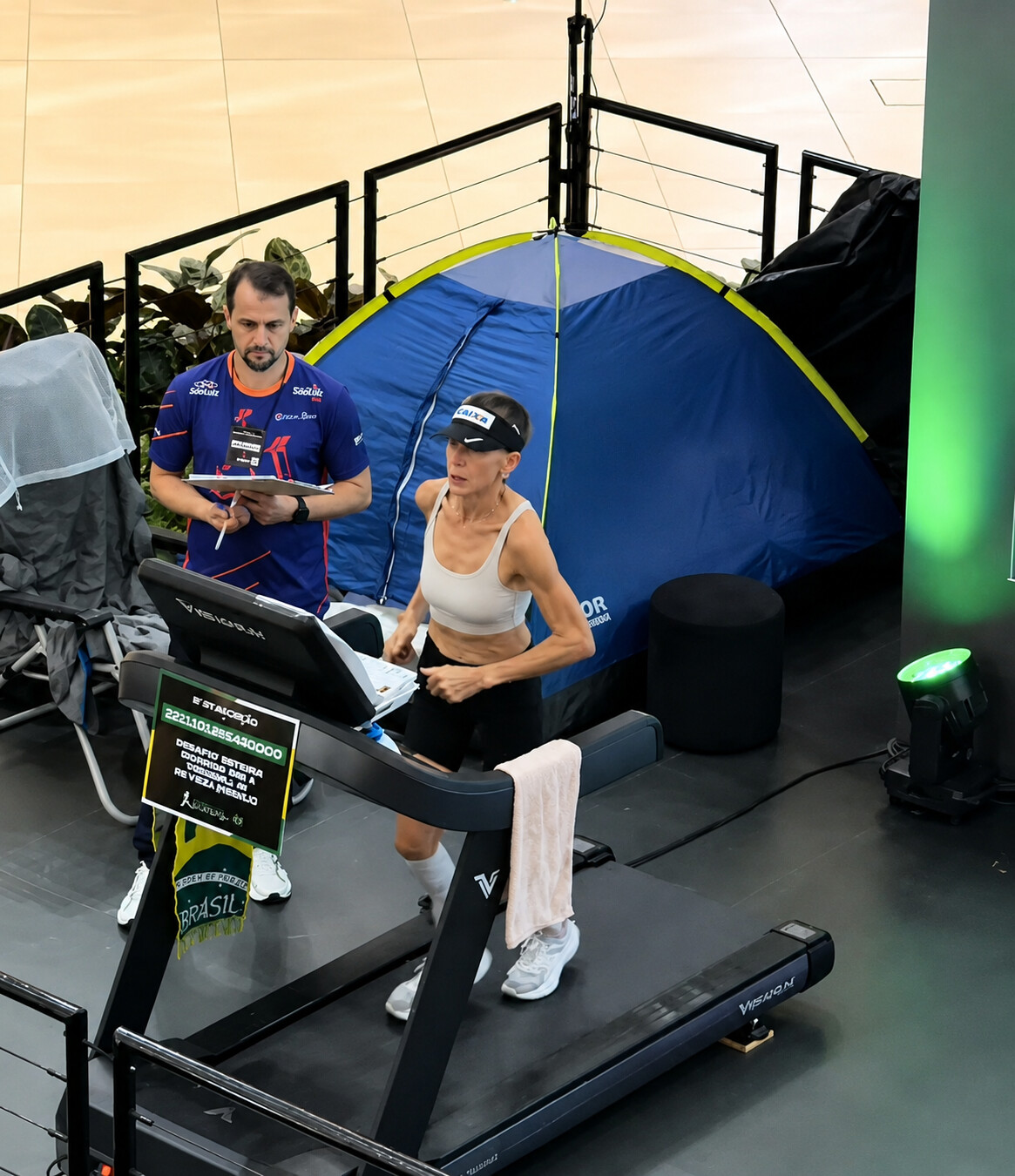
When the clock reached 168 hours at midday on Sunday, the 55-year-old ultramarathoner had covered an astonishing 866.21 kilometres — approximately 538 miles. That distance put her more than 20 kilometres beyond the previous Guinness World Records benchmark of 846.16 kilometres, set by New Zealand’s Emma Timmis in June 2024.
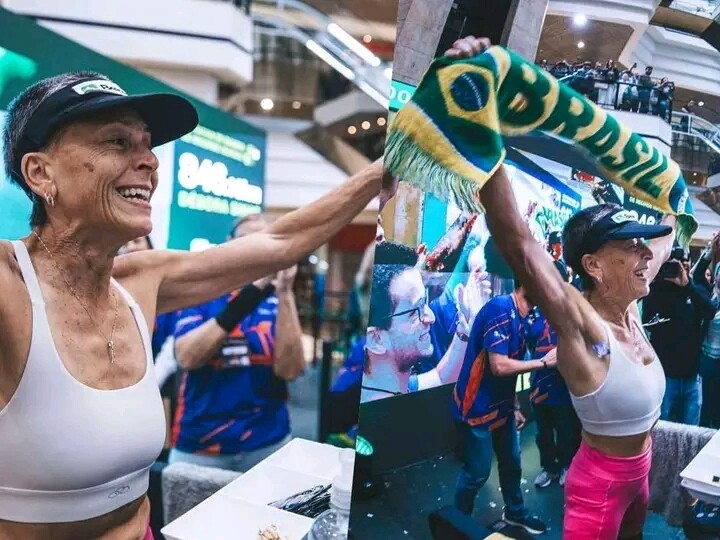
The achievement was the culmination of a challenge that demanded far more than simply running. For an entire week, Simas had to manage the relentless combination of physical fatigue, sleep deprivation, nutrition, recovery and the mental strain of repeatedly stepping back onto the treadmill.

Her temporary home was a tent positioned behind the treadmill, where she grabbed short periods of sleep and attended to essential recovery needs. Food, medical attention and other necessities had to be carefully fitted around the demands of the attempt, while a private bathroom inside the shopping centre provided the only place where she could briefly step away from the public eye.
This was not Simas’s first encounter with the unforgiving nature of seven-day treadmill running. In 2019, she completed 800.61 kilometres over the same 168-hour period at the Beiramar Shopping centre, setting a Brazilian and South American record at the time. Her return seven years later was driven by a very different ambition: to go beyond the world’s best mark.
The preparation behind the attempt was equally remarkable. Simas reportedly spent two years preparing for the challenge while balancing two jobs, often training largely on her own. Every kilometre of that preparation ultimately became part of a much bigger test of patience, resilience and belief.
There were moments during the seven days when the body threatened to take control. At one stage, a severe cramp placed the attempt in jeopardy and forced members of her support team to intervene. Yet Simas recovered and continued, refusing to let one difficult moment derail an effort that had taken years to build.
Her final distance of 866.21 kilometres represents an average of about 123.7 kilometres per day, or roughly 5.15 kilometres every hour across the full 168-hour period. That figure includes the periods when she was required to stop for essential needs, making the scale of the accomplishment even more striking.
Simas now has the number that matters most: 866.21 kilometres. However, there is an important distinction between breaking the previous mark and having the Guinness title officially ratified. Guinness World Records notes that records can change before they are immediately reflected online, and official recognition depends on the verification process.
For Simas, though, the significance of the achievement goes far beyond a number on a leaderboard. Her journey was a battle against exhaustion, discomfort and the powerful urge to stop — a test in which mental strength became just as important as physical endurance.
“I had to face the sleepiness, the pain, the exhaustion, and moments when my head had to be stronger than my body,” she said.
After 168 hours, the treadmill finally fell silent. Débora Simas stepped away having transformed seven days of relentless running into one of the most remarkable endurance performances of her career — and, pending official verification, a new women’s world-best mark for distance covered on a treadmill in one week.
by Erick Cheruiyot for My Best Runs.
Login to leave a comment

About 5,000 Runners Turn San Diego Into A Sea Of Energy At The 49th America’s Finest City Half Marathon
San Diego came alive on Sunday, August 16, 2026, as approximately 5,000 runners from across the region and beyond took to the streets for the 49th annual America’s Finest City Half Marathon & 5K, bringing together competitive athletes, recreational runners, families, running clubs and spectators for one of the city’s longest-running road racing traditions.
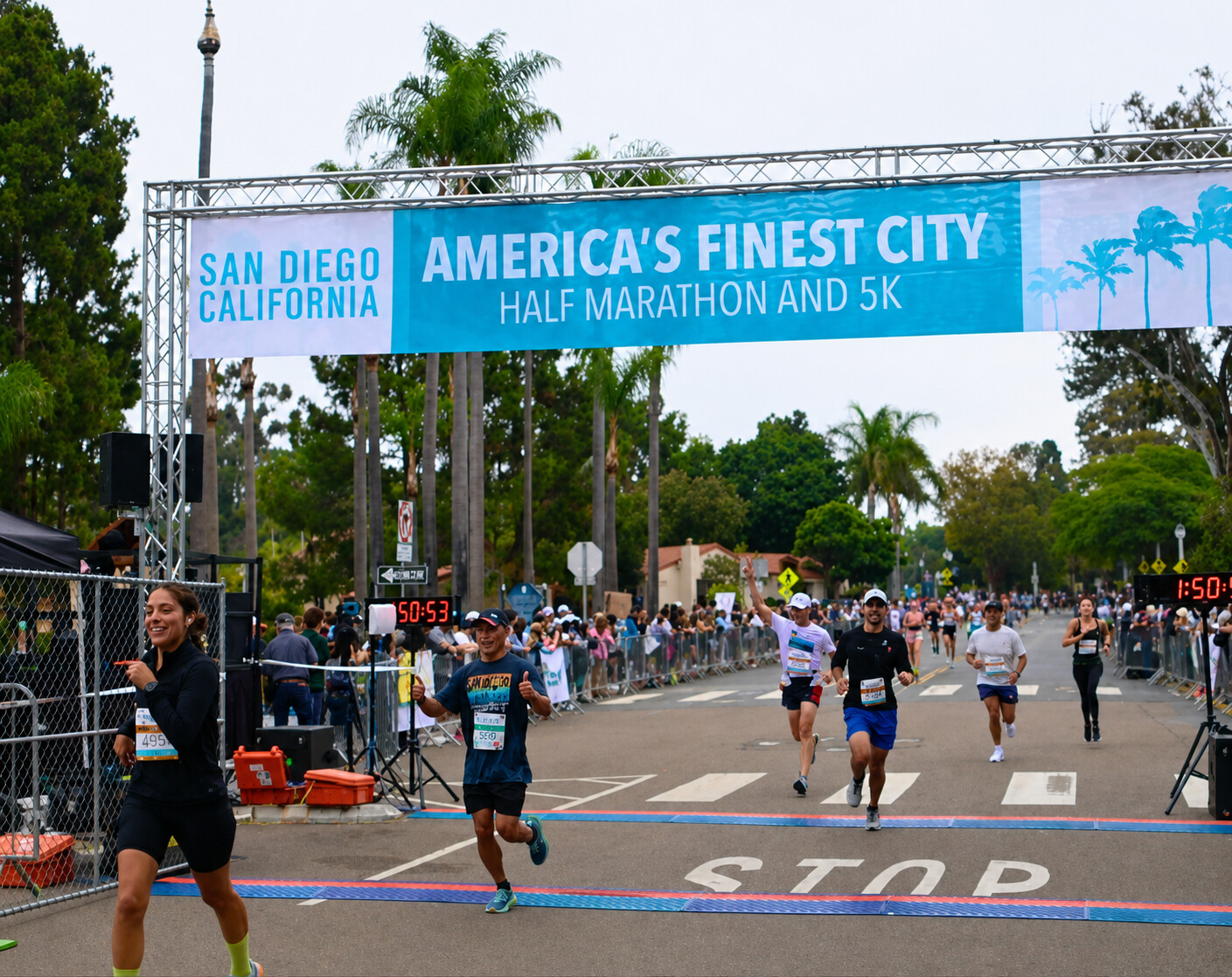
Established in 1978, the America’s Finest City Half Marathon has become a signature event on San Diego’s running calendar, with the 2026 edition once again showcasing the city’s spectacular coastline, historic landmarks and vibrant urban landscape. The event also featured a 5K, giving runners of different abilities an opportunity to take part in the morning’s festivities.

The 13.1-mile half marathon followed a scenic point-to-point course that began at the historic Cabrillo National Monument. With panoramic views of the Pacific Ocean and San Diego Bay setting the tone, runners embarked on a journey through some of San Diego’s most recognizable locations.
From the starting point, the course moved through historic Fort Rosecrans and Point Loma before continuing along San Diego Bay and Harbor Island. Participants then travelled through downtown San Diego before making their way to the finish at iconic Balboa Park, where cheering spectators, live music and celebrations greeted runners as they completed their journey.
At the front of the race, Edward Buck produced the fastest performance of the day, winning the men’s half marathon in 1:04:39. The 25-year-old from Newark, United Kingdom, held off a closely packed group at the finish, with San Diego’s Lars Dewall finishing just five seconds behind in 1:04:44.
Jaquavious, 29, from Orem, Utah, secured third place in 1:05:04, while Phoenix’s Aron Orar finished fourth in 1:05:19. The first four men were separated by just 40 seconds, underlining the competitive nature of the race.
Morgan Jensen claimed the women’s title in 1:13:12, with the 24-year-old from Sandy, Utah, producing a commanding performance over the 13.1-mile course. Melissa Berry, 26, of Flagstaff, Arizona, finished second in 1:16:26, while Katelyn Yunker, 24, of Carlsbad, California, completed the women’s podium in 1:18:41.
Hope Stark, 22, of Colorado Springs, Colorado, followed in fourth with 1:19:23. Jensen’s winning margin was 3 minutes and 14 seconds, while only 42 seconds separated Yunker and Stark in the battle for third and fourth.
The accompanying 5K offered a shorter, fast and flat route through the heart of Balboa Park, providing an accessible option for runners of all levels while adding to the lively atmosphere surrounding the main event.
The 49th edition also carried special significance as it marked the conclusion of the 2026 SoCal Triple Crown, giving participants an additional reason to celebrate after completing the Southern California race series.
With thousands of runners filling San Diego’s streets and spectators supporting them along the way, the America’s Finest City Half Marathon & 5K once again proved that the appeal of road racing extends far beyond competition. From the breathtaking views at Cabrillo National Monument to the historic streets of Point Loma, the waterfront, downtown and the finish in Balboa Park, the event offered runners a memorable journey through the heart of San Diego.
The 2026 edition ultimately brought together speed, scenery and community, reinforcing the America’s Finest City Half Marathon’s place as one of San Diego’s most distinctive and enduring running celebrations.
by Erick Cheruiyot for My Best Runs.
Login to leave a comment

America's Finest City
America's Finest City Half Marathon is run on a fast, scenic, point-to-point course. The race starts at the historic Cabrillo National Monument at the tip of Point Loma with its world-renowned vistas of San Diego Bay and the Pacific Ocean, follows scenic San Diego Bay and Harbor Island along the Embarcadero to the Star of India, winds through downtown San...
more...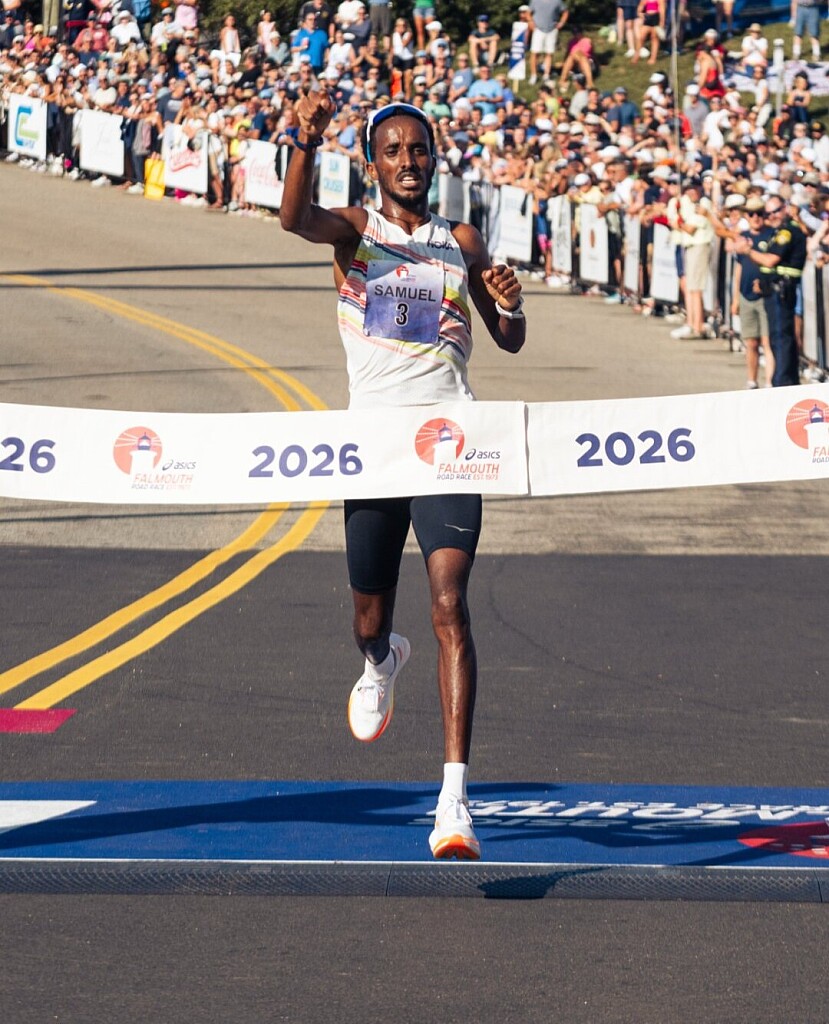
Habtom Samuel Makes Falmouth History With A Record-Breaking Sub-31-Minute Victory
History was made on Sunday morning, August 16, 2026, as Eritrea’s Habtom Samuel produced a breathtaking performance at the Falmouth Road Race, becoming the first athlete in the event’s history to break the 31-minute barrier.
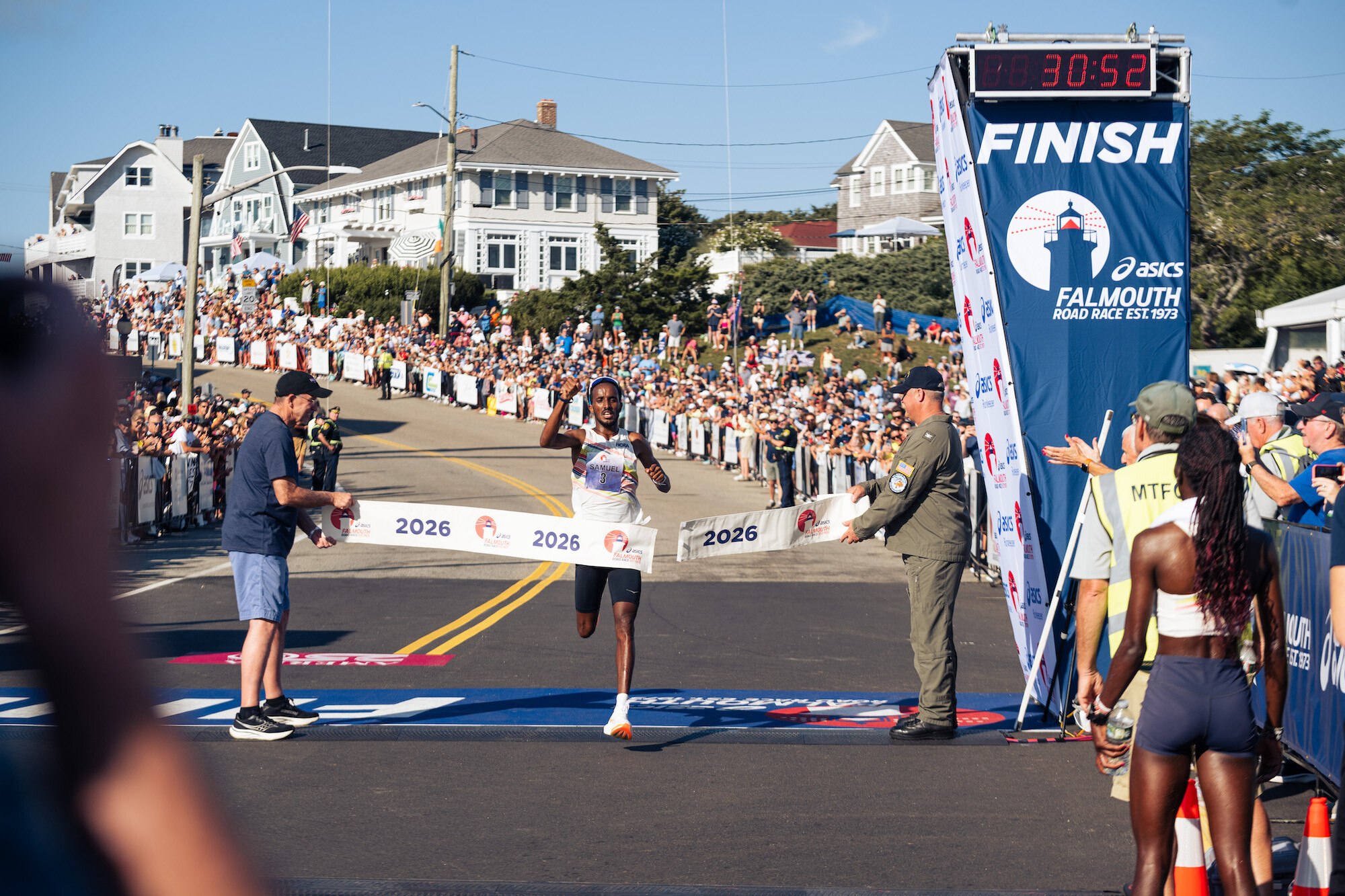
The 22-year-old Samuel, competing in his first Falmouth Road Race and only his second professional road race, turned an already remarkable debut into a piece of history. The former University of New Mexico standout completed his transition to the professional ranks following an undefeated collegiate season and has now opened his professional career with two victories.
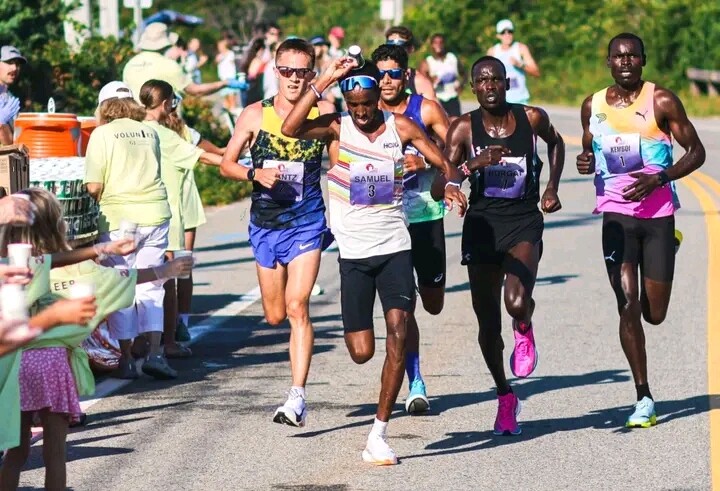
The men’s race unfolded at a ferocious pace from the opening miles, with the leaders threatening the long-standing course record almost immediately. By the fifth mile, the contest had narrowed to a two-man duel between Samuel and Kenya’s Edwin Kurgat.
The pair remained together from the end of Surf Drive until around the turn onto Falmouth Heights Road, matching each other stride for stride as the race entered its decisive stages.
Then Samuel found another gear.
With roughly a mile remaining, the Eritrean surged decisively away from Kurgat and never looked back. He powered toward the finish with authority, creating an 11-second winning margin and stopping the clock in 30:54.
His performance shattered the previous course record of 31:08 and made him the first athlete ever to dip under 31 minutes at Falmouth.
The record had stood for more than two decades. Kenya’s Gilbert Okari first established the 31:08 mark in 2004, while compatriot Wesley Kiptoo equalled it in 2023. Samuel’s extraordinary run finally moved the benchmark into a new era.
“Breaking this course record in this amazing historical road race is awesome,” Samuel said. “I’m so proud of myself and I’m glad to be the first person able to run under 31 minutes.”
Samuel’s victory also continues a remarkable start to his professional career. After completing an undefeated campaign at the University of New Mexico, he made his road-racing debut at the Beach to Beacon 10K in Maine in July, where he immediately claimed victory. His Falmouth triumph now makes it two wins from two professional road races.
Kurgat, meanwhile, produced a performance that would have been enough to win every previous edition of the Falmouth Road Race. The 2019 champion crossed the line in a remarkable 31:04, finishing comfortably inside the former course-record mark despite being unable to match Samuel’s decisive late surge.
The American men also delivered a memorable battle behind the leading pair.
Zouhair Talbi, the American course-record holder at the Boston Marathon, and Conner Mantz, the American record holder in both the half marathon and marathon, spent much of the race locked together as they battled for the top American position.
Talbi ultimately prevailed, finishing third overall in 31:17 and setting a new American course record for the Falmouth course. It marked his best finish at the race, improving on last year’s fifth-place result.
Mantz followed closely in 31:19, also running faster than the previous American course record.
The result was a spectacular morning on Cape Cod, with the race producing a new overall course record, a historic first sub-31-minute performance and four men finishing faster than the previous 31:08 benchmark.
But above them all stood Samuel, whose remarkable surge in the final stages transformed a closely fought road race into one of the defining performances in Falmouth Road Race history.
by Erick Cheruiyot for My Best Runs.
Login to leave a comment

Falmouth Road Race
The Falmouth Road Race was established in 1973 and has become one of the premier running events of the summer season. Each year the race draws an international field of Olympians, elite runners and recreational runners out to enjoy the scenic 7-mile seaside course. The non-profit Falmouth Road Race organization is dedicated to promoting health and fitness for all in...
more...
Sydney Marathon Turns Race Week Into a Citywide Celebration as Run Perks Opens the Event to Everyone
The TCS Sydney Marathon is no longer content to be a one-day spectacle reserved for those wearing race bibs. In 2026, the event is extending its reach across the Harbour City, turning marathon week into a citywide celebration that runners, spectators, residents and visitors can all enjoy.

The fourth edition of the marathon’s Run Perks program will run from Tuesday, August 25, through Monday, August 31, surrounding race day on Sunday, August 30, with Medal Monday following on August 31.
The initiative brings restaurants, pubs, cafés and tourism operators into the marathon experience, offering a wide range of special deals designed to encourage people to explore Sydney while supporting local businesses. Offers are listed through the official TCS Sydney Marathon app, with location-aware features helping users discover participating venues closest to them.
What makes Run Perks particularly appealing is that the benefits are not exclusively reserved for competitors. While some individual offers are specifically aimed at marathon participants, many are available to the wider marathon community, meaning you do not necessarily need a race bib or finisher’s medal to take part in the broader race-week experience.
The deals range from straightforward food and drink specials to experiences designed to help visitors discover more of Sydney. Among the offerings are $20 schnitzels at The Glenmore Hotel, a $25 pizza-and-beer deal at The Australian Heritage Hotel, and a $19 lunch special at 4 Doors Down. Other venues are offering coffee deals, discounts on meals, tours and attractions across the city.
There are also race-specific opportunities for those taking part in the marathon. Some businesses are offering post-race incentives for finishers who present their medals or proof of participation, while others are extending discounts to spectators, support crews and the wider marathon community.
The concept reflects a broader shift in how Sydney is embracing its marathon. After making history as the seventh Abbott World Marathon Major, the TCS Sydney Marathon is becoming increasingly intertwined with the identity, tourism and business life of the city itself. The 2026 edition is expected to attract more than 40,000 participants, building on the 32,963 finishers recorded in 2025.
That scale gives Run Perks significance beyond a collection of discounts. Thousands of runners and their families will spend several days in Sydney, while spectators and residents will encounter the event throughout the city. By encouraging people to eat locally, visit attractions and experience different parts of Sydney, the marathon is helping turn the economic and social impact of race week into something that extends well beyond the course.
The timing is also important. Sydney is still establishing itself as one of the world’s major marathon destinations, having entered the Abbott World Marathon Majors in 2025. The 2026 event represents its second year as a Major and comes with ambitions for an even larger field and an even greater international profile.
And that is perhaps the most interesting part of Run Perks: the marathon is becoming less about what happens between the start and finish lines and more about what happens throughout the entire city.
From a coffee before sunrise to a post-race meal, an afternoon exploring The Rocks or an evening enjoying one of Sydney’s many restaurants and pubs, race week is being woven into the everyday rhythm of the city.
The official marathon app remains the best source for the latest participating venues, opening hours, redemption requirements and individual offer conditions, as these vary from business to business.
With more than 40,000 participants expected on August 30, Sydney is preparing for much more than another marathon. It is preparing for a week in which the entire city gets a chance to move, celebrate, explore and benefit from the energy of one of the world’s fastest-growing major marathons.
Sydney Marathon may have a start line and a finish line, but in 2026, its footprint stretches far beyond both.
by Erick Cheruiyot for My Best Runs.
Login to leave a comment
Sydney Marathon
The Sydney Marathon is a marathon held annually in Sydney, Australia. The event was first held in 2001 as a legacy of the 2000 Summer Olympics, which were held in Sydney. In addition to the marathon, a half marathon, 9 kilometres (5.6 mi) "Bridge Run", and a 3.5 kilometres (2.2 mi) "Family Fun Run" are also held under the banner...
more...
Tokyo Marathon 2027 Entry Is Open: Why Getting A Place Is The Real Race
For thousands of marathoners around the world, the Tokyo Marathon is a dream race. But while entering the lottery costs nothing, actually securing a place is another story altogether.
The general-entry window for the Tokyo Marathon 2027 opens today, Friday, August 14, and will remain open until 5 p.m. Japan Standard Time on August 28. The 20th-anniversary edition of the race will take place on Sunday, March 7, 2027, with a record 40,000 marathon places available.
Applicants will learn their fate on September 18, with successful runners required to complete payment between September 18 and 5 p.m. on September 30. Those who fail to pay by the deadline will lose their places. The entry fee is ¥19,800 for runners living in Japan and US$230 for international entrants.
At first glance, Tokyo's famous lottery can look like a straightforward numbers game: hundreds of thousands of runners competing for roughly tens of thousands of places. But the reality is considerably more complicated.
The headline figure of a roughly 10 percent acceptance rate should not be interpreted as meaning every applicant is competing equally for every one of the 40,000 places. The Tokyo Marathon divides its field among several entry routes before the remaining places reach the general lottery.
For 2027, 4,000 places are allocated to the ONE TOKYO three-consecutive-lottery-loss challenge, reserved for eligible ONE TOKYO members who entered the 2024, 2025 and 2026 editions and missed out in all three. Another 1,000 places are reserved for the Tokyo Resident Entry. The general draw also includes dedicated allocations of 500 places for people with disabilities, 15 wheelchair places and up to five Duo Teams.
That makes the phrase "one in 10" a useful shorthand, but not the whole story. For a first-time applicant, particularly one applying from overseas, the effective odds can be much tougher because several places have already been allocated through other categories.
There is also an important requirement for faster runners.
Anyone declaring an expected finishing time of 3:00:00 or faster must provide official evidence of having achieved either a marathon in 3:00:00 or faster or a half marathon in 1:25:00 or faster at an event held between July 1, 2024 and June 30, 2026. Results recorded only by a GPS watch or running application do not qualify. Official certificates or records are required.
Tokyo's remarkable rise makes today's lottery particularly striking.
When the inaugural Tokyo Marathon was held in 2007, the race attracted 95,044 total applicants, including 77,521 for the marathon, with 25,000 marathon places available. The race has since evolved into one of the world's most sought-after major marathons and became an Abbott World Marathon Majors event in 2013.
The demand has grown dramatically over the years. By the 2010 and 2011 editions, total applications had already climbed beyond 300,000, demonstrating how quickly Tokyo became one of the hardest city marathons in the world to enter.
Now, two decades after that first race, Tokyo is preparing for its 20th anniversary edition with the biggest marathon field in the event's history. The capacity has been increased from 39,000 to 40,000 runners, giving more athletes a chance to experience one of the most iconic courses in global road running.
But increased capacity does not necessarily mean an easy ticket.
For many runners, Tokyo is more than another marathon. It is the Asian representative in the Abbott World Marathon Majors and one of the six races required to complete the coveted Six Star journey. That status, combined with Tokyo's reputation for exceptional organisation, a fast course and an unforgettable passage through the heart of the Japanese capital, keeps demand extraordinarily high.
And for those who miss the general lottery, the dream does not necessarily end there. Tokyo offers alternative pathways, including charity entries and official entry programmes, although these routes come with their own requirements and, in some cases, additional financial commitments.
For everyone entering the general lottery this month, however, the immediate challenge is simple: submit the application, wait for the draw and hope your name appears when the results are released on September 18.
The Tokyo Marathon may offer 40,000 runners the opportunity to line up in 2027.
Getting one of those places remains the real race.
Entry window: August 14–28, 2026
Lottery results: September 18, 2026
Payment deadline: September 30, 2026
Race day: March 7, 2027
Field size: 40,000
Domestic entry fee: ¥19,800
International entry fee: US$230
by Erick Cheruiyot for My Best Runs.
Login to leave a comment

Tokyo Marathon
The Tokyo Marathon is a world-renowned annual marathon held in Tokyo, Japan. As one of the prestigious Abbott World Marathon Majors, it attracts elite and amateur runners from around the globe. The race holds World Athletics Platinum Label status, recognizing its high competitive standards, top-tier organization, and international appeal. Sponsored by Tokyo Metro, the Tokyo Marathon has grown into one...
more...