

Running News Daily
Running News Daily is edited by Bob Anderson and team. Send your news items to bob@mybestruns.com Advertising opportunities available.
Index to Daily Posts · Sign Up For Updates · Run The World Feed
Articles tagged #paper
Today's Running News
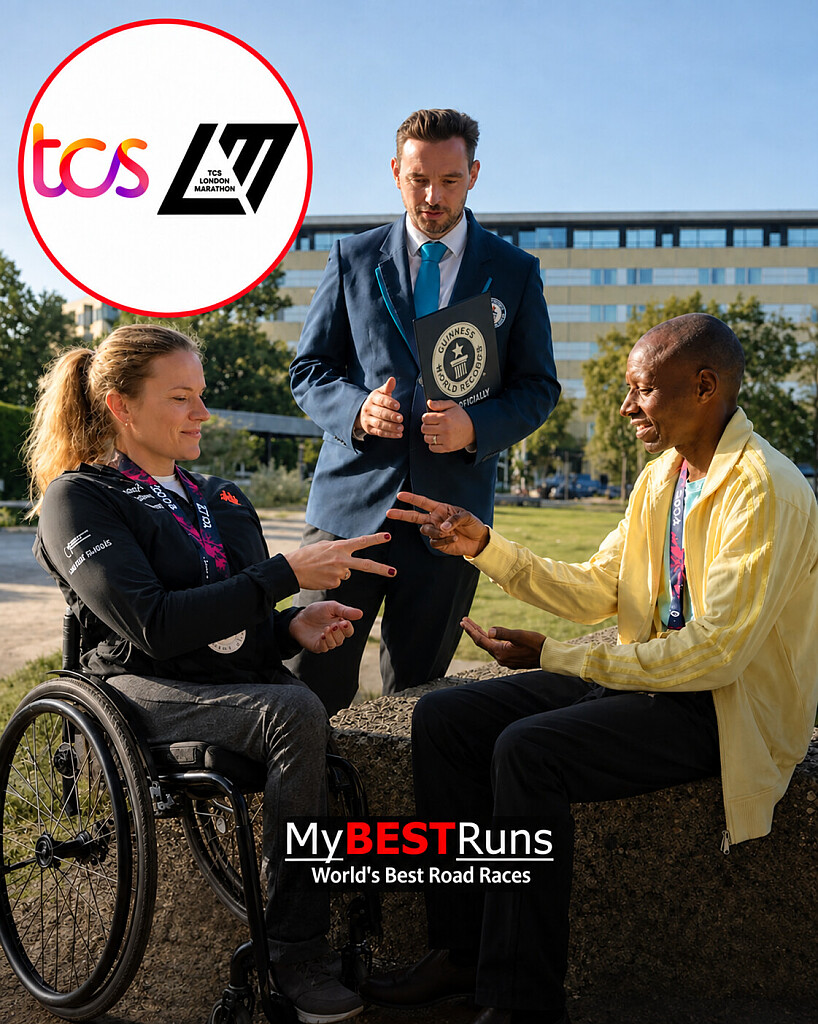


London Marathon’s 2027 Elite Schedule Decided By Rock, Paper, Scissors
The 2027 TCS London Marathon has found a remarkably unconventional way to settle one of its biggest questions — with a game of rock, paper, scissors.

Kenyan marathon star Sabastian Sawe and Swiss wheelchair champion Catherine Debrunner, the reigning London Marathon champions in their respective races, went head-to-head in a contest overseen by an official Guinness World Records adjudicator.
Debrunner emerged victorious, securing Sunday, April 25, 2027, for the elite women’s and women’s wheelchair races. As a result, the elite men’s and men’s wheelchair races will open the historic weekend on Saturday, April 24.
The unusual showdown has also earned its place in the record books, with Guinness World Records recognising it as the first elite marathon race start ever decided by a game of rock, paper, scissors.
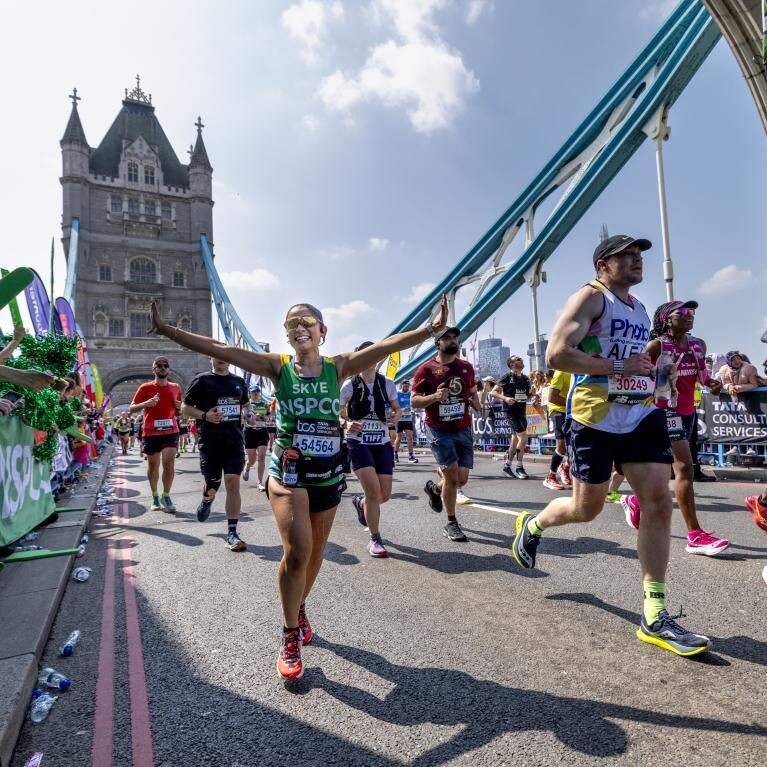
The decision adds another memorable chapter to what will already be an extraordinary edition of the London Marathon. For 2027 only, the race will be staged across two days, creating the Double TCS London Marathon, with around 100,000 participants expected to take part across the weekend.
Sawe enters the story as one of the defining figures of the 2026 London Marathon. The Kenyan made history by clocking 1:59:30, becoming the first athlete to run a sub-two-hour marathon in a record-eligible competitive race.
Debrunner, meanwhile, is a four-time London Marathon wheelchair champion, making her one of the most successful athletes in the event’s history. Her victory over Sawe means the women’s elite and women’s wheelchair races will retain the traditional Sunday spotlight.
The 2026 London Marathon also produced another landmark performance on the same course, with Ethiopia’s Tigst Assefa setting a women’s-only marathon world record.
The unprecedented two-day format was introduced following extraordinary demand for places. A record 1.33 million people applied for the 2027 London Marathon ballot, surpassing the previous record for any marathon.
With approximately 100,000 runners expected to finish on The Mall over the weekend — close to twice the size of the 2026 field — London is preparing for one of the biggest marathon weekends ever staged.
London Marathon Events chief executive Hugh Brasher added a playful warning after the rock-paper-scissors showdown, suggesting that while Sawe and Debrunner could settle the schedule with a game, the atmosphere would be considerably more competitive once the racing begins.
And so, before the first elite athlete has even reached the start line, the 2027 London Marathon has already made history — with its schedule decided not by the clock, but by rock, paper, scissors.
by Erick Cheruiyot for My Best Runs.
Login to leave a comment
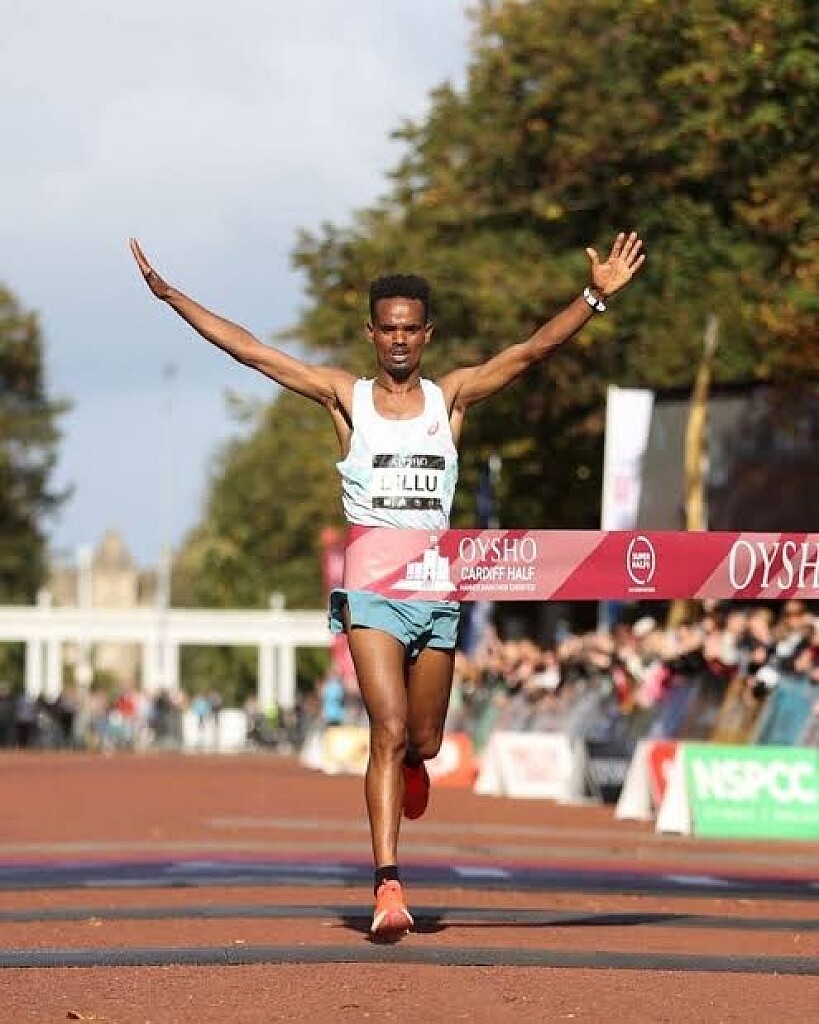
Simon Maywa And Yismaw Dillu Lead Star-Studded Cardiff Half Marathon Field
Kenya’s Simon Maywa and Ethiopia’s Yismaw Dillu are among the leading contenders for the men’s title at the 2026 Cardiff Half Marathon, with a fiercely competitive race expected when the action gets underway in Cardiff, Wales, on Sunday, October 4.
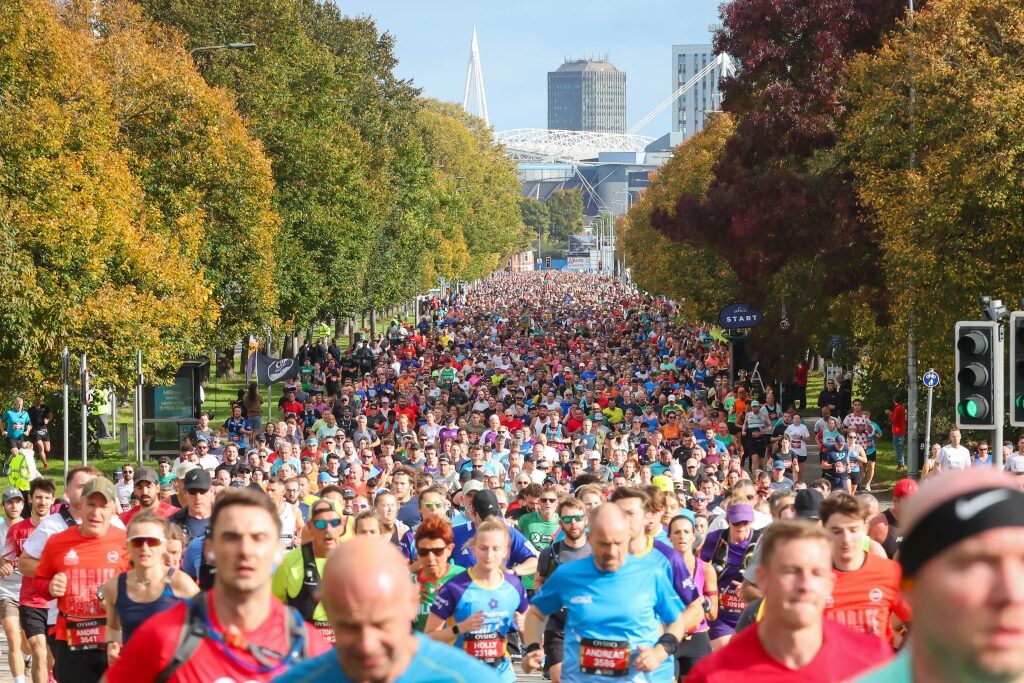
The men’s field is headed by Kenya’s Gideon Kiprotich, who arrives as the fastest entrant on paper with a personal best of 58:49. His sub-59-minute credentials make him one of the athletes to watch as he targets another major half-marathon victory.
Dillu, meanwhile, returns to Cardiff as the defending champion and course-record holder. The Ethiopian produced a superb 59:22 to win the 2025 edition, a mark that remains the official course record. His listed personal best for the 2026 race is 59:23, placing him firmly among the favourites once again.
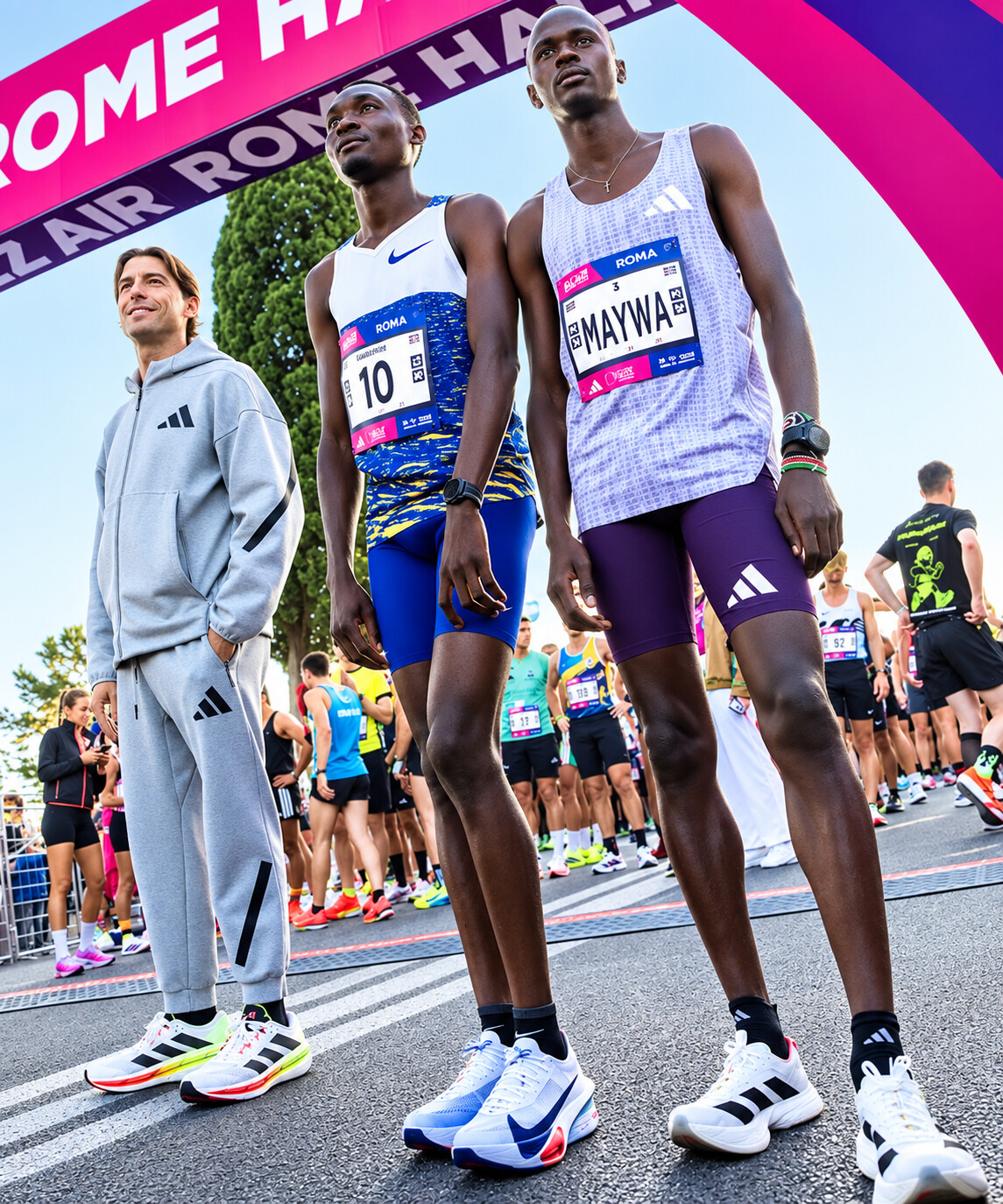
Kenya’s Maywa will also line up with serious credentials. The 59:44 performer has already demonstrated his ability to compete at the highest level over the distance and will be looking to challenge the leading pair when the race unfolds over Cardiff’s fast and largely flat course.
The field also features Vincent Kipkorir, who owns a 59:30 personal best and won the Malaga Half Marathon earlier this year before finishing third at the Antrim Coast Half Marathon. Kenya’s Boniface Mulwa, Uganda’s Dillon Kipyeko and Denis Kiplangat, Bahrain’s Jonah Rutio and Japan’s Takato Suzuki add further depth to an international men’s field.
With three athletes boasting sub-60-minute credentials, the 2026 Cardiff Half Marathon could develop into a thrilling battle for victory and another assault on the course record. The race is the fourth fixture of the 2026 SuperHalfs Series and carries a World Athletics Elite Road Race Label.
The 23rd edition of the Cardiff Half Marathon will begin on Sunday, October 4, with the elite race forming part of a major weekend of running in the Welsh capital. More than 30,000 participants are expected across the weekend, underlining the event’s growing status on the international road-running calendar.
All eyes will now be on Kiprotich, Dillu, Maywa and the rest of the elite field as they prepare to battle for honours on one of Britain’s most prominent half-marathon stages.
by Erick Cheruiyot for My Best Runs.
Login to leave a comment

Wizz Cardiff Half Marathon
The Cardiff University/Cardiff Half Marathon has grown into one of the largest road races in the United Kingdom. The first event took place back in 2003. The event is not only the UK’s second largest half marathon, it is Wales’ largest road race and Wales’ largest multi-charity fund raising event. The race is sponsored by Cardiff University and supported by...
more...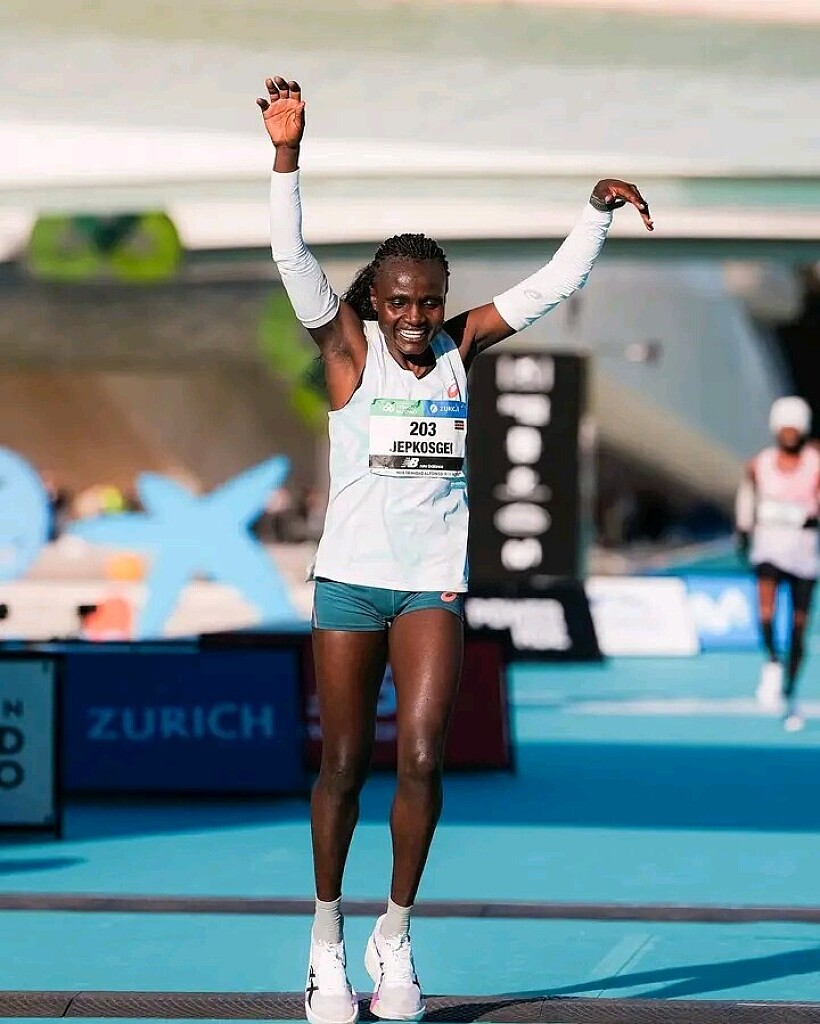
Joyciline Jepkosgei Leads Star-Studded Women’s Field At Cardiff Half Marathon
The 2026 Cardiff Half Marathon is set for an exciting women’s showdown on Sunday, October 4, with former world-record holder Joyciline Jepkosgei leading a strong international field in the Welsh capital.
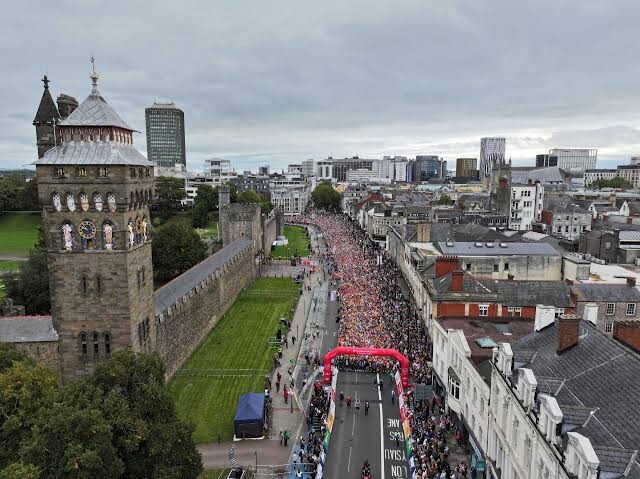
Jepkosgei, one of Kenya’s most accomplished road runners, heads the elite entries with a personal best of 64:13 over the half marathon distance.
The Kenyan star brings considerable experience and pedigree to Cardiff, having established herself among the world’s leading road racers throughout her career. Her presence adds significant depth to a women’s field that features athletes from both Kenya and Ethiopia.
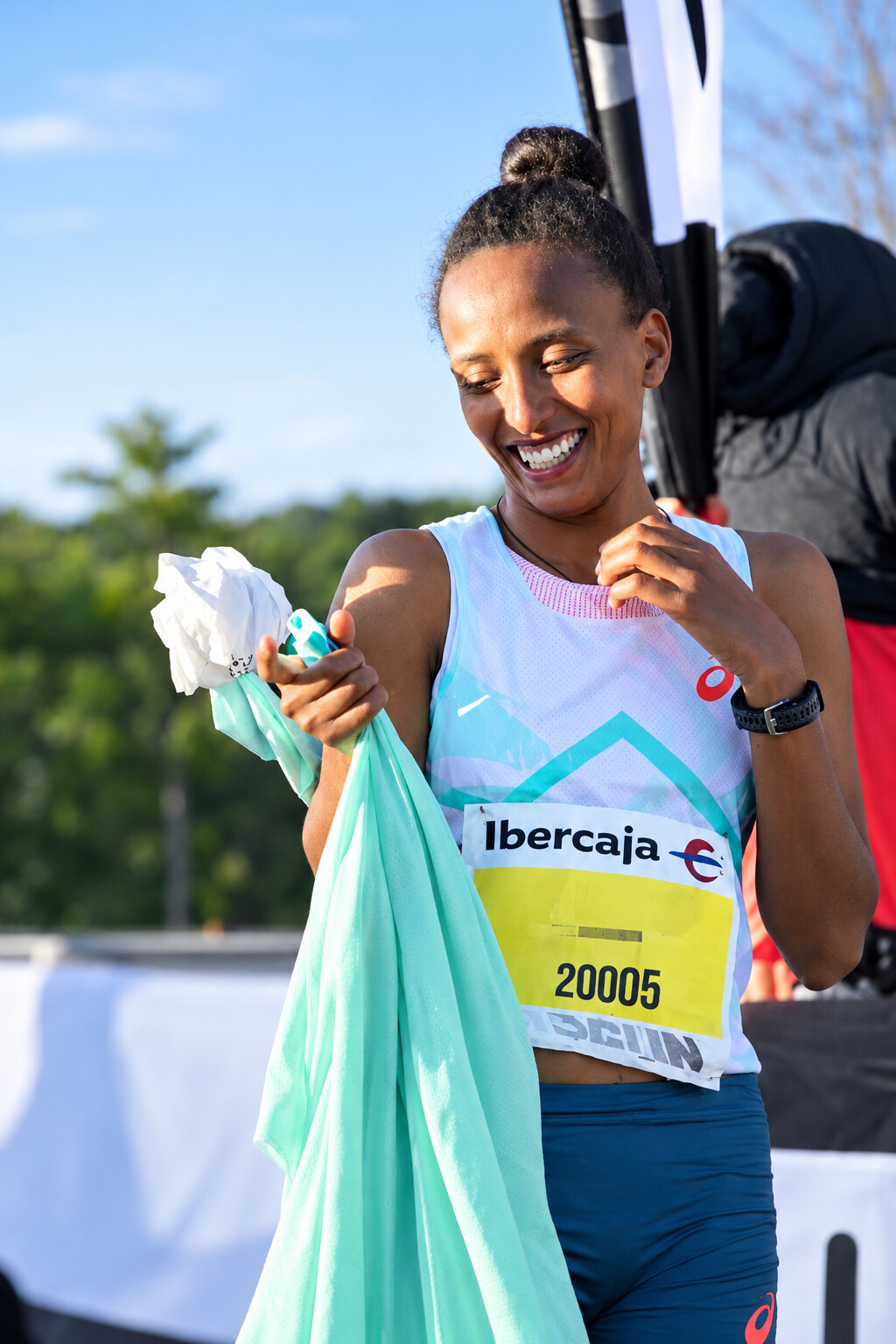
Ethiopia’s Wede Kefale is expected to provide one of the biggest challenges to Jepkosgei. Kefale owns a personal best of 65:20 and will be looking to translate her impressive speed into a strong performance on the streets of Cardiff.
Kenya’s Winnie Kimutai is another athlete to watch, entering the race with a 67:03 personal best, while Ethiopia’s Emebet Kebede completes the leading quartet with a best of 69:01.
The top women’s entries are:
1. Joyciline Jepkosgei — Kenya — 64:13
2. Wede Kefale — Ethiopia — 65:20
3. Winnie Kimutai — Kenya — 67:03
4. Emebet Kebede — Ethiopia — 69:01
The presence of Jepkosgei gives the race a proven championship pedigree, but the depth behind her means the contest could develop into a fascinating battle from the opening kilometres. Kefale will be eager to test herself against one of the most experienced names in the field, while Kimutai and Kebede will have their own ambitions of making an impression.
With four leading athletes separated by just under five minutes on paper, Cardiff promises a race where pace, patience and positioning could prove decisive. The fast-moving action is likely to build as the kilometres tick away, setting the stage for an intriguing finish on the streets of the Welsh capital.
All eyes will be on Cardiff on October 4 as the leading contenders take on the course, with the Kenya-Ethiopia rivalry adding another layer of excitement to what is expected to be a highly competitive women’s contest.
by Erick Cheruiyot for My Best Runs.
Login to leave a comment
Wizz Cardiff Half Marathon
The Cardiff University/Cardiff Half Marathon has grown into one of the largest road races in the United Kingdom. The first event took place back in 2003. The event is not only the UK’s second largest half marathon, it is Wales’ largest road race and Wales’ largest multi-charity fund raising event. The race is sponsored by Cardiff University and supported by...
more...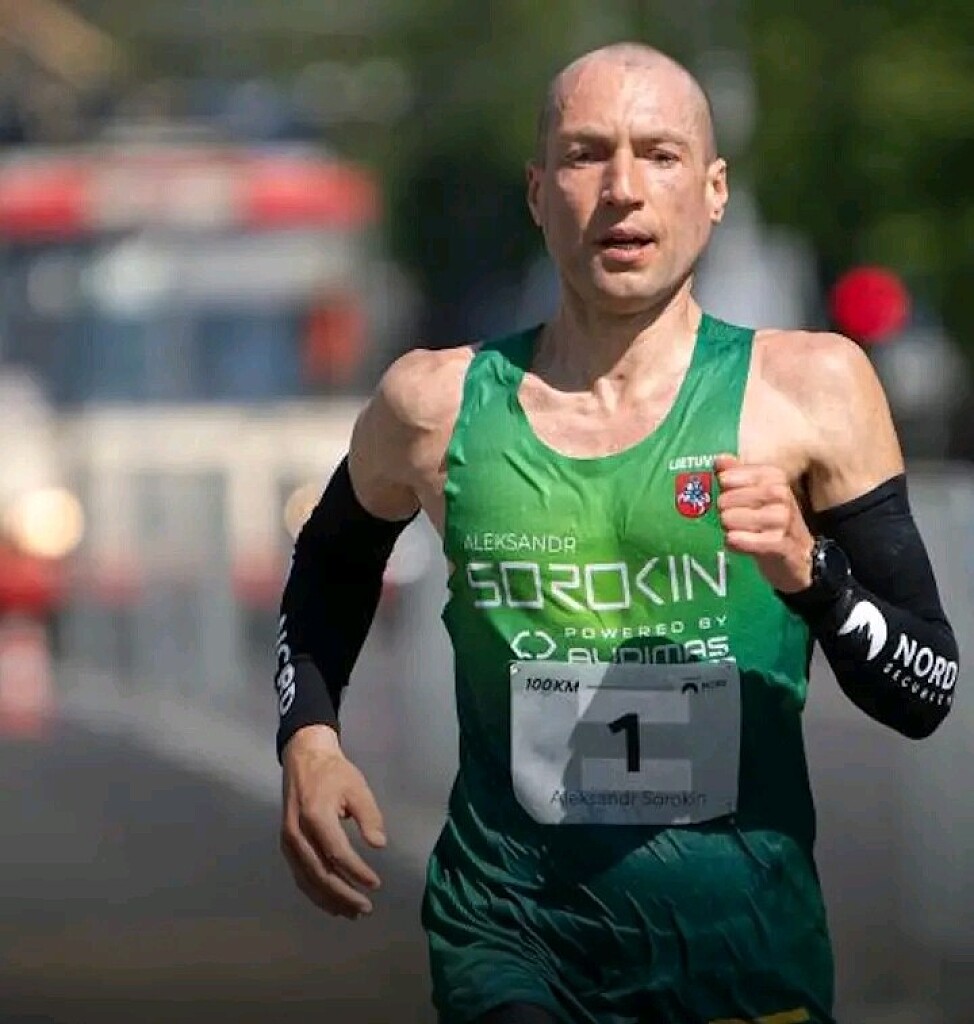
Aleksandr Sorokin’s Five Ultra-Running World Records Show Just How Far Human Endurance Can Be Pushed
Ultra-running is a sport where the finish line keeps moving farther away. While most runners measure their limits in kilometres and hours, the world’s greatest ultrarunners are competing on an entirely different scale—pushing their bodies across distances and durations that are difficult to comprehend.
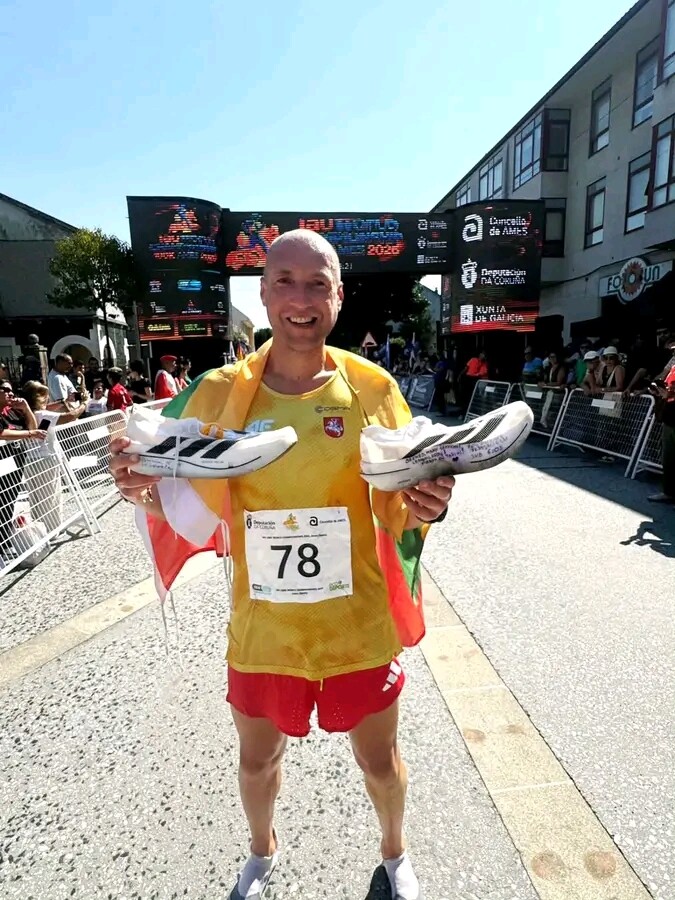
At the centre of that extraordinary world is Lithuania’s Aleksandr Sorokin, who holds five of the records featured in the graphic: the 100km, 100-mile, six-hour, 12-hour and 24-hour world records.
His 100km world record of 6:05:35, set in Vilnius in May 2023, is perhaps the easiest place to appreciate the magnitude of his achievement. Sorokin averaged roughly 3:39 per kilometre for more than six hours, covering the marathon distance in approximately 2:32:30 before maintaining his remarkable rhythm deep into the race. The performance was later ratified as the official world record.
Then comes the 100-mile world record of 10:51:39, making Sorokin the first man to break the 11-hour barrier over the distance. He also holds the six-hour record with 98.496 kilometres and the 12-hour record with 177.410 kilometres.
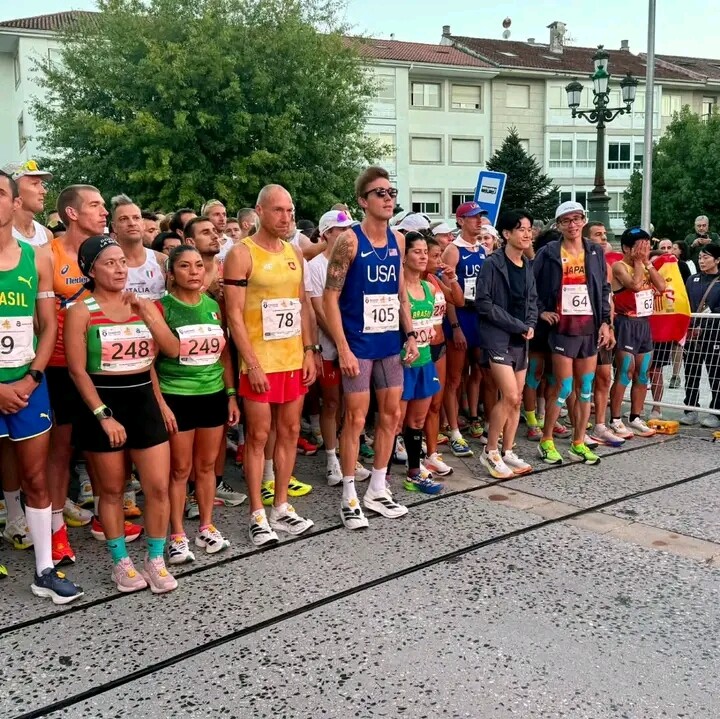
His 24-hour record takes the numbers into another dimension. In Verona, Italy, in 2022, Sorokin covered 319.614 kilometres in 24 hours—an average pace of approximately 4:30 per kilometre. That is equivalent to more than 15 marathons in a single day, a distance that illustrates the extraordinary combination of speed, endurance, nutrition, pacing and resilience required at the highest level of ultrarunning.
But Sorokin is not alone in rewriting the boundaries of endurance. Belgium’s Matthieu Bonne covered 1,045.519 kilometres in six days in Balatonfüred, Hungary, in September 2024. His performance surpassed Yiannis Kouros’ long-standing mark of 1,036.800 kilometres, with Bonne averaging more than 174 kilometres per day across the six-day event.
The challenge becomes even more unusual in the backyard ultra, where runners complete a 6.706-kilometre loop every hour, with a new loop beginning at the start of each hour. Australia’s Phil Gore has pushed that format to an extraordinary level, reaching 119 loops, equivalent to roughly 798 kilometres, at Dead Cow Gully in Queensland in 2025.
These performances reveal a side of running that exists far beyond the traditional marathon. The marathon may represent the ultimate endurance challenge for many athletes, but ultrarunning asks a different question: how long can the human body continue moving when the distance, fatigue and time seem to have no obvious end?
From Sorokin’s six-hour rhythm to Bonne’s six-day battle and Gore’s relentless backyard loops, these athletes continue to redefine the boundaries of distance running—and turn numbers that seem impossible on paper into world records on the road, track and trail.
by Erick Cheruiyot for My Best Runs.
Login to leave a comment
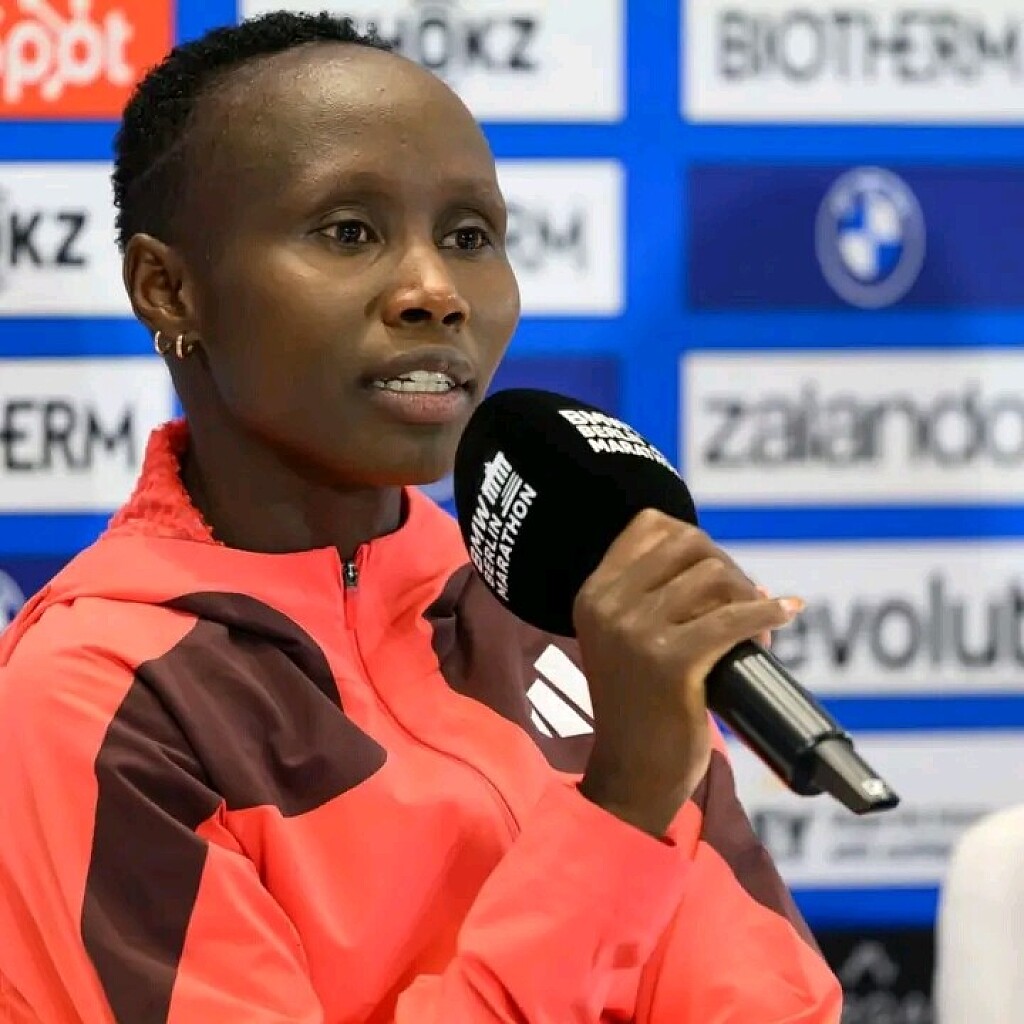
Tigst Assefa, Rosemary Wanjiru And Gabriel Geay Headline A Star-Studded Berlin Marathon
With just three days remaining until the BMW Berlin Marathon, anticipation is building for another spectacular edition of one of the world’s fastest marathon races.
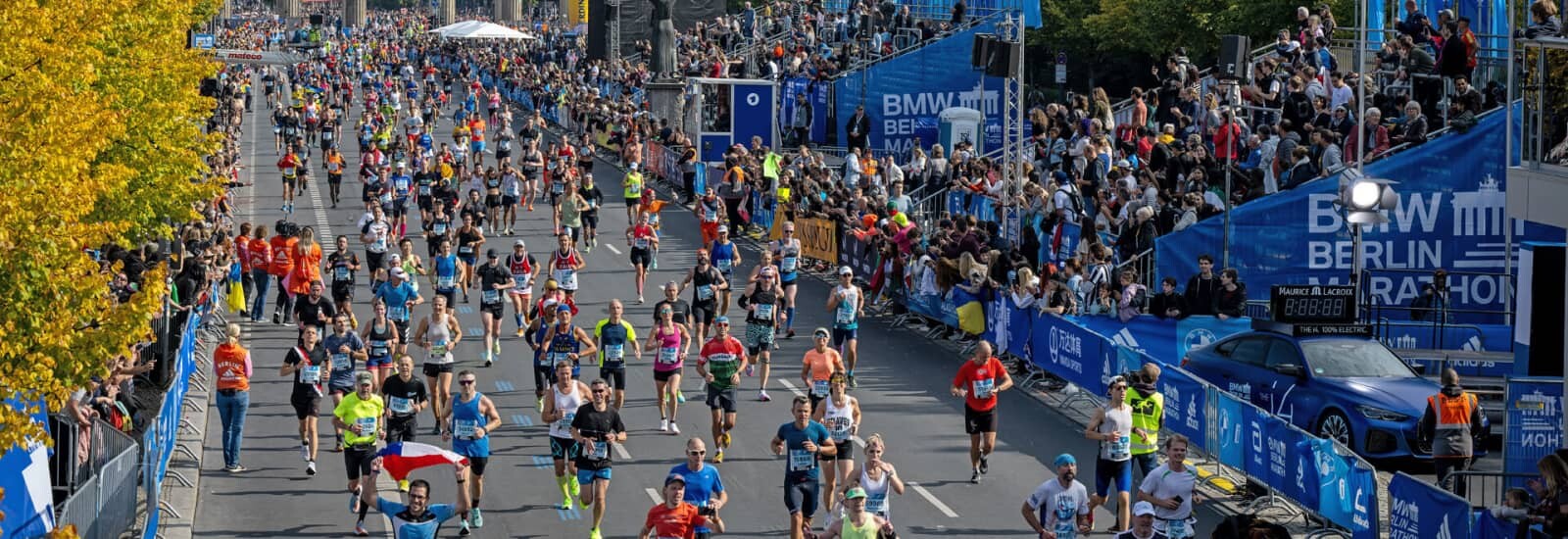
The 52nd edition of the race will take place on Sunday, September 27, with a deep international field set to take on the famously fast streets of the German capital.
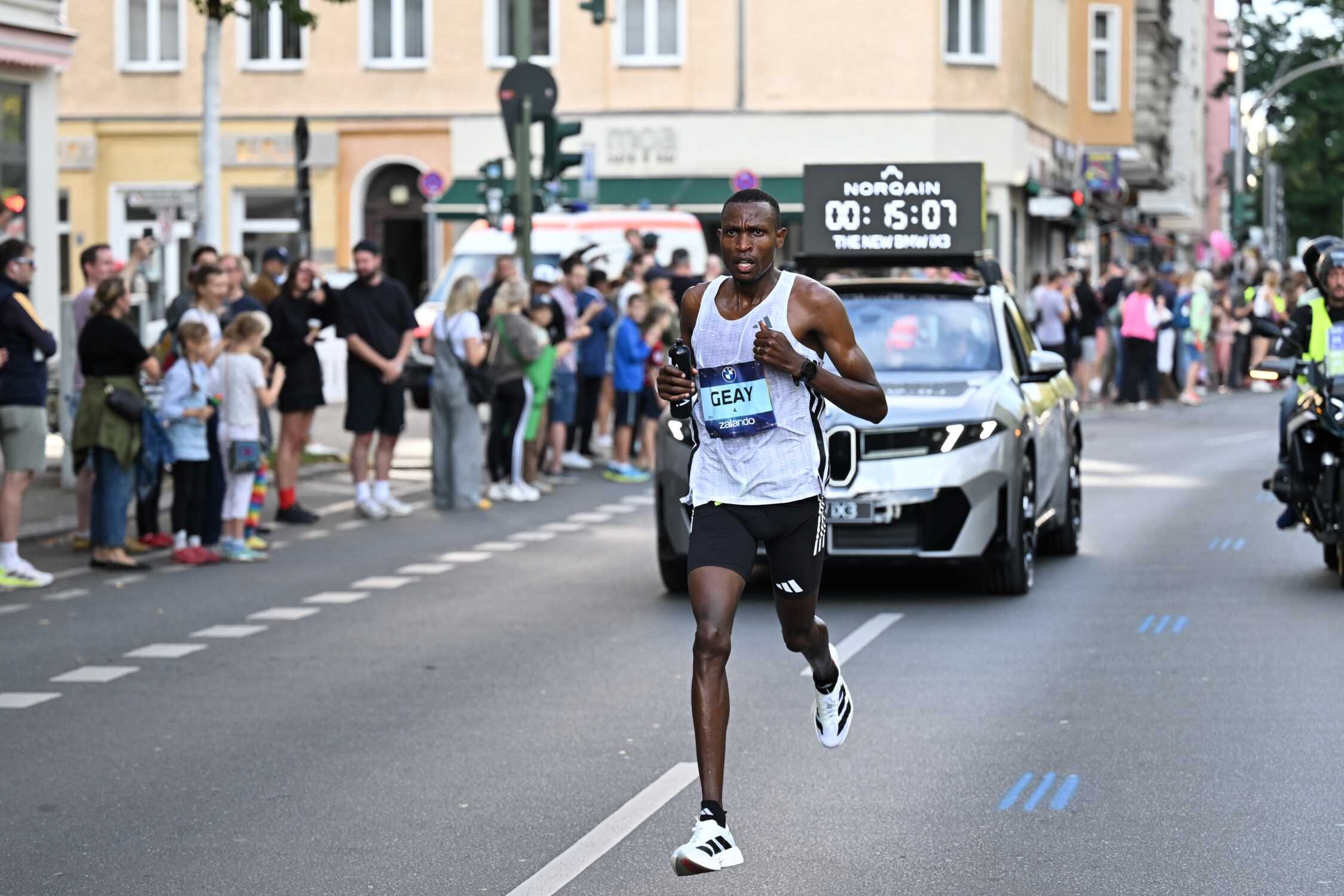
Tanzania’s Gabriel Geay is among the leading names in the men’s race, bringing a personal best of 2:03:00 to Berlin. His mark, set in Valencia in 2022, places him among the fastest marathoners in the elite field. However, Ethiopia’s legendary Kenenisa Bekele has since been added to the field with a 2:01:41 personal best, meaning Geay is not the fastest entrant on paper.
The men’s field also features Getaneh Molla (2:03:34), Guye Adola (2:03:46), Shura Kitata (2:03:59), Kenya’s Erick Sang (2:04:30) and Olympic 10,000m champion Selemon Barega (2:05:00), setting the stage for an exceptionally deep contest.
For Bekele, however, this return to Berlin carries a significance that goes far beyond the start list. The last time the Ethiopian legend stood on the Berlin start line was in 2019, when he ran 2:01:41—just two seconds outside the then-world record of 2:01:39. Had he gone two seconds faster, Bekele would have become the only athlete in history to simultaneously hold the world records for the 5,000 metres, 10,000 metres and marathon.
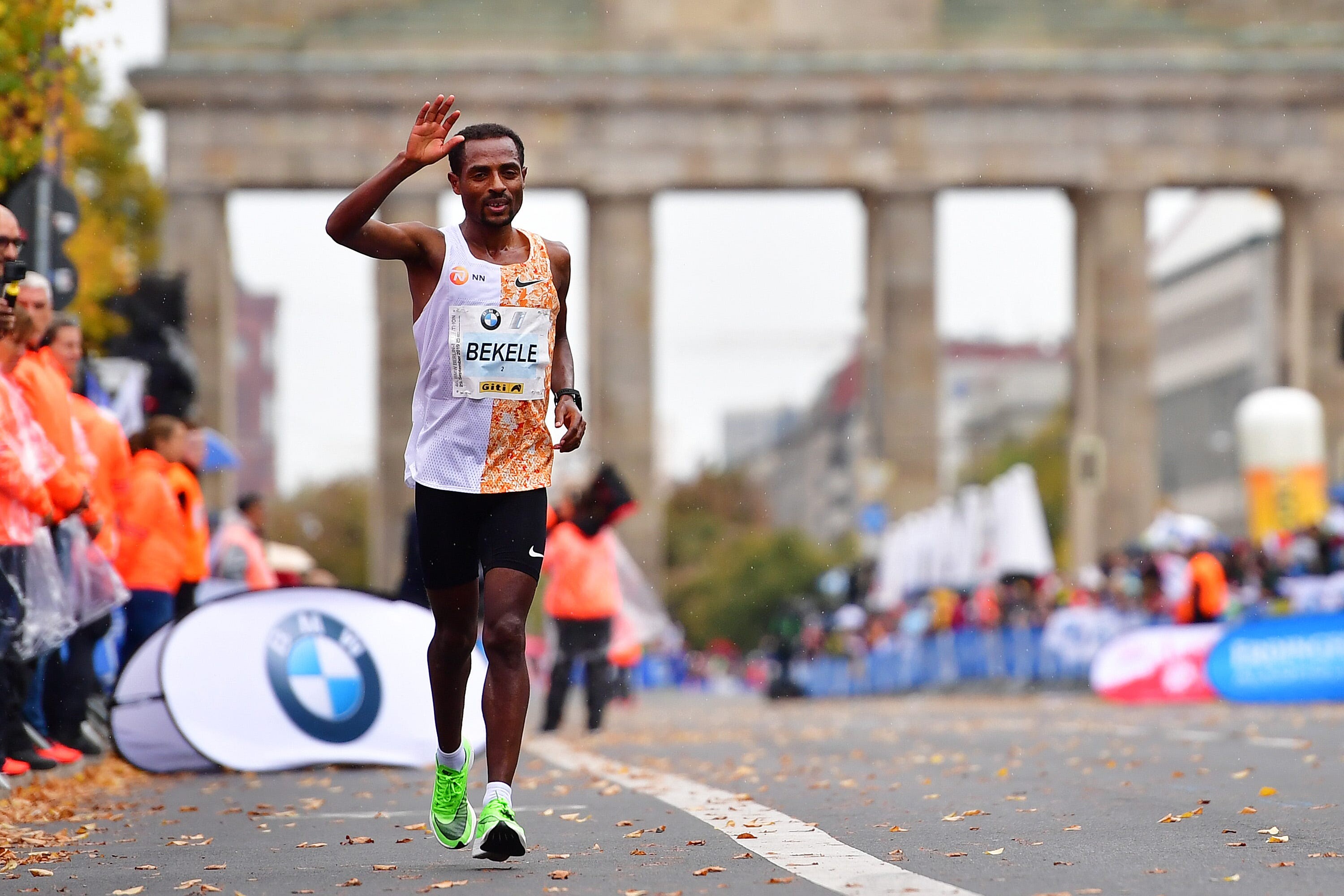
Bekele returns to Berlin on Sunday at the age of 44. His most recent race was the New York City Marathon in November, where he did not finish. Berlin, however, holds a special place in his marathon career. He claimed his first Berlin Marathon victory in 2016 and has won the race twice. He also owns the masters world record of 2:04:15, set in London last year.
He will not be the favourite in this year’s race, particularly after Sabastian Sawe was ruled out with a stress fracture. Adola, Molla, Kitata and Geay lead the field on paper, but Bekele’s presence adds another layer of intrigue to a race already packed with established marathon talent.
For Bekele, Berlin is more than another marathon. It is the course where he came closer than anyone to achieving a piece of distance-running history that remains untouched. Some athletes retire from the sport. Some retire toward one course. Bekele is running the second kind of retirement.
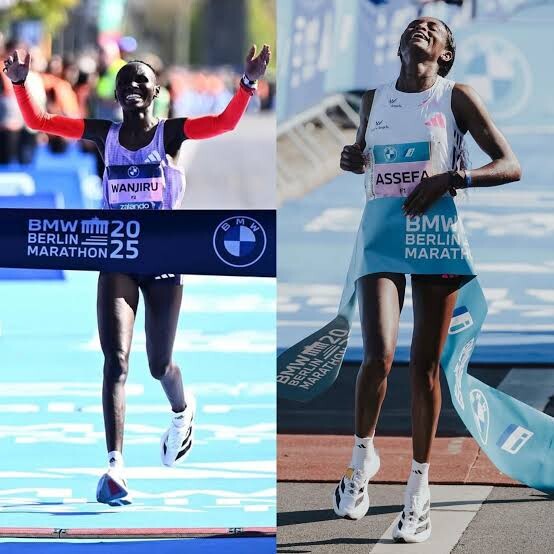
In the women’s race, all eyes will be on Tigst Assefa as the Ethiopian superstar returns to the course where she produced one of the most remarkable marathon performances in history. Assefa clocked 2:11:53 in Berlin in 2023, setting a world record at the time and establishing a course record that still stands.
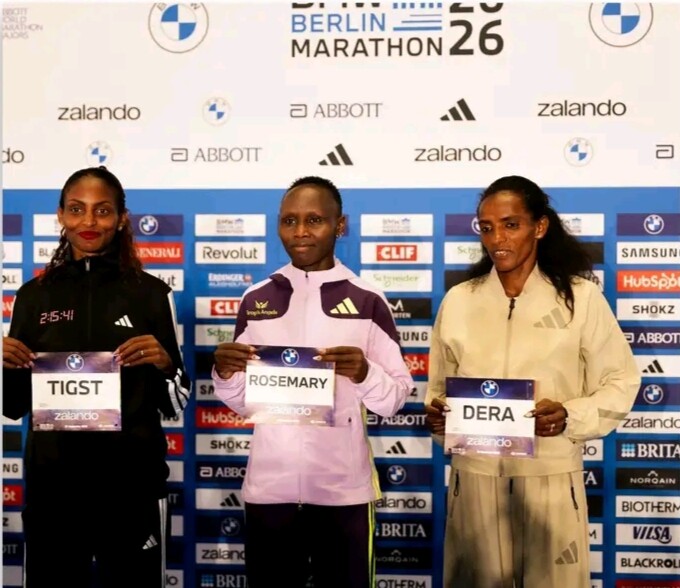
Assefa, a two-time Berlin Marathon champion, will face defending champion Rosemary Wanjiru, who returns to the German capital looking to retain her title. Wanjiru won the 2025 edition in 2:21:05 after previously finishing second in Berlin in 2022 in 2:18:00. Her personal best of 2:16:14 came at the 2023 Tokyo Marathon.
Wanjiru’s challenge will be particularly intriguing given the depth of the Ethiopian contingent. Bedatu Hirpa enters with a 2:18:27 personal best, followed by Dera Dida at 2:18:32, Zeineba Yimer at 2:18:47, Bosena Mulatie at 2:19:00, Misgane Alemayehu at 2:19:08 and Bekelech Gudeta at 2:19:39.
Kenya will also have another strong presence through Evaline Chirchir, whose 2:20:33 personal best places her among the leading women on the start list.
The Berlin Marathon’s reputation for producing fast times adds another layer of intrigue to an already stacked field. With a flat course, long stretches of uninterrupted running and a history of world records, the German capital has consistently provided elite athletes with the ideal conditions to test the limits of marathon performance.
Beyond the headline names, the race will also offer an opportunity for several contenders to make their mark on one of the biggest stages in road running. With experienced marathoners and ambitious challengers sharing the start line, the battle for the podium is expected to unfold at a demanding pace from the opening kilometres through the final stages of the race.
With Assefa returning to the scene of her historic 2023 run, Wanjiru arriving as the defending champion and a deep international cast lining up across both races, Berlin is once again set for a weekend of world-class marathon racing.
Three days out, the stage is set. The fast Berlin streets are waiting.
by Erick Cheruiyot for My Best Runs.
Login to leave a comment

BMW Berlin Marathon
The story of the BERLIN-MARATHON is a story of the development of road running. When the first BERLIN-MARATHON was started on 13th October 1974 on a minor road next to the stadium of the organisers‘ club SC Charlottenburg Berlin 286 athletes had entered. The first winners were runners from Berlin: Günter Hallas (2:44:53), who still runs the BERLIN-MARATHON today, and...
more...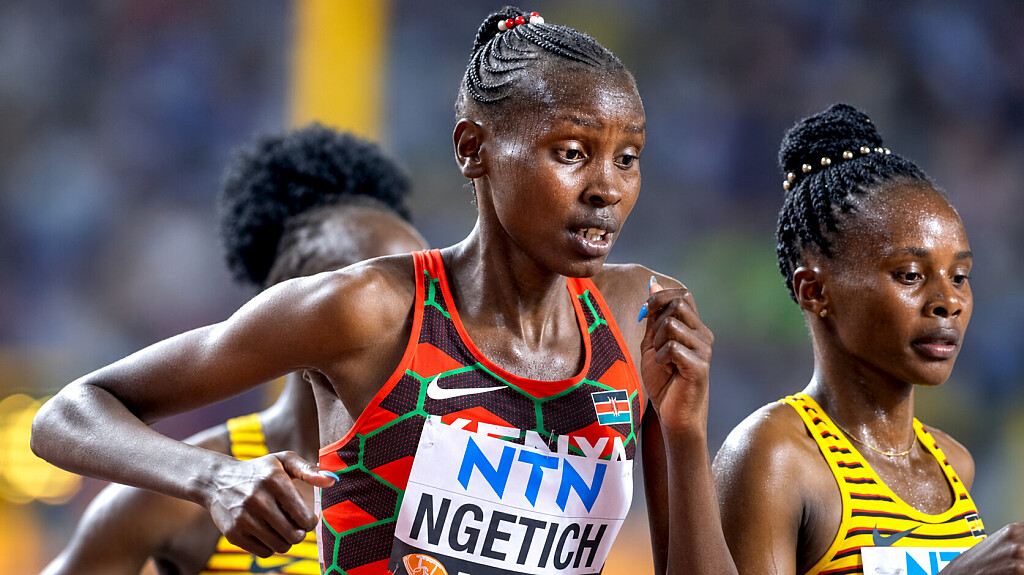
Agnes Ngetich Leads Star-Studded Women’s Half Marathon Field At World Road Running Championships
The stage is set for a spectacular women’s half marathon at the 2026 World Athletics Road Running Championships in Copenhagen, Denmark, with a deep international field ready to battle for the world title on Sunday, September 20.
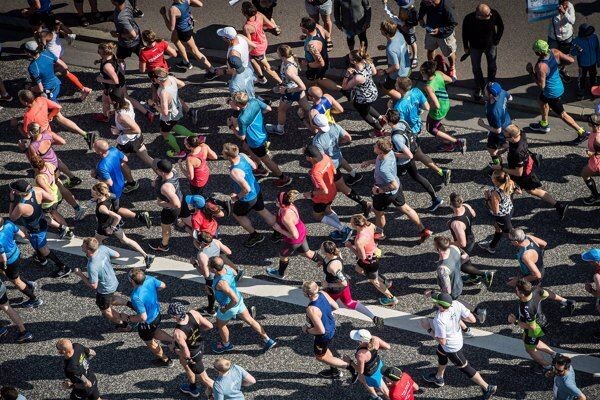
The elite women’s race will begin at 9:10 a.m. local time, with the 21.0975-kilometre championship race taking runners through the streets of Copenhagen before the finish on Øster Allé.
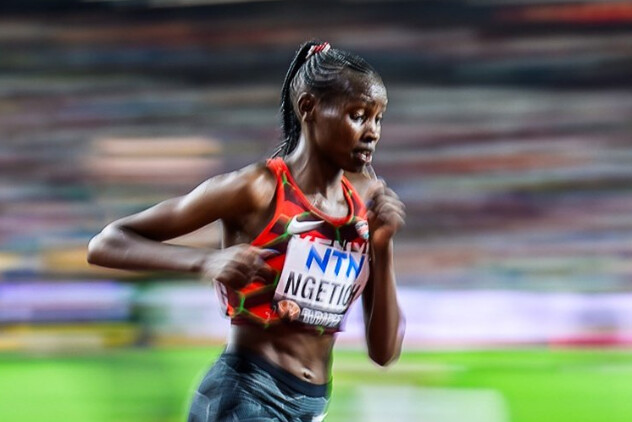
At the head of the entry list is Kenya’s Agnes Jebet Ngetich, who brings a sensational 1:03:04 personal best into the championship. She will lead a powerful Kenyan contingent that also includes Lilian Kasait Rengeruk, whose 1:03:32 is among the fastest times ever recorded over the distance.
Ngetich has established herself as one of the leading distance runners in the world, and her combination of speed and endurance makes her one of the major names to watch when the championship race gets underway.
Rengeruk provides another formidable Kenyan threat, while Daisilah Jerono, with a 1:05:21 personal best, and Veronica Loleo, with 1:05:35, add further depth to the Kenyan line-up.
Ethiopia will also arrive with serious firepower. Tsigie Gebreselama owns a remarkable 1:04:21 personal best, while Ftaw Zeray comes into Copenhagen with a 1:05:12 lifetime best.
The battle will not be restricted to the leading African nations, however. Weini Kelati Frezghi heads the American challenge with a 1:06:04 personal best, while Esther Chebet of Uganda has run 1:06:33.
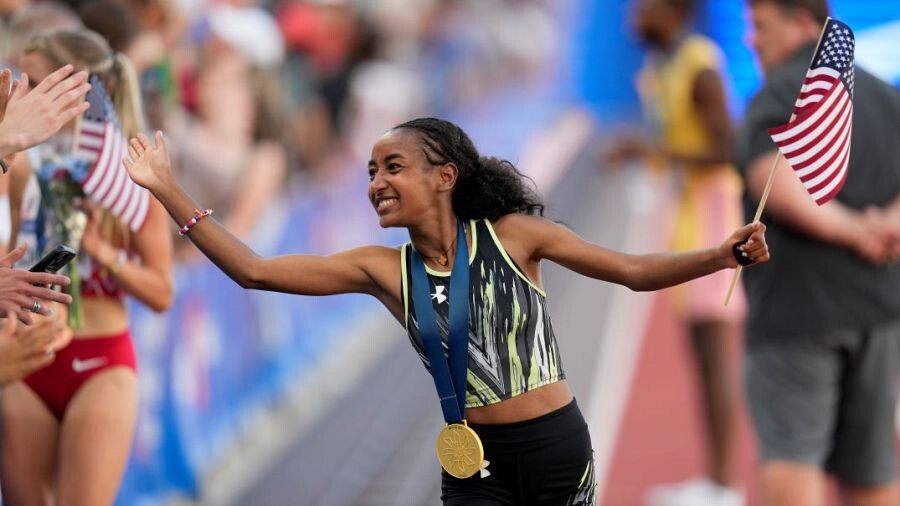
Europe will be represented by several accomplished athletes, including Slovenia’s Klara Lukan, who owns a 1:06:43 personal best, and Norway’s experienced Karoline Bjerkeli Grøvdal, whose best stands at 1:06:55.
South Africa’s Glenrose Xaba is another prominent name on the list with a 1:07:03 personal best, while Great Britain’s Samantha Harrison enters with 1:07:10.
Uganda has further depth through Rebecca Chelangat at 1:07:18, Annet Chemengich Chelangat at 1:08:12 and Rispa Cherop at 1:08:53.
The international field also includes Ethiopia’s Melat Siyoum and Baraky Redae, Rwanda’s Florence Niyonkuru and Emeline Imanizabayo, Mexico’s Laura Galván, Belgium’s Chloé Herbiet and Lisa Rooms, the United States’ Emma Grace Hurley, Ednah Kurgat, Carrie Ellwood and Jessica McClain, France’s Mekdes Woldu, Alessia Zarbo and Mélody Julien, Italy’s Sofia Yaremchuk and Elvanie Nimbona, China’s He Wuga and Liang Tiantian, and New Zealand’s Georgie Grgec.
Women’s Half Marathon Entry List
1. Agnes Jebet Ngetich — Kenya — 1:03:04
2. Lilian Kasait Rengeruk — Kenya — 1:03:32
3. Tsigie Gebreselama — Ethiopia — 1:04:21
4. Ftaw Zeray — Ethiopia — 1:05:12
5. Daisilah Jerono — Kenya — 1:05:21
6. Veronica Loleo — Kenya — 1:05:35
7. Weini Kelati Frezghi — United States — 1:06:04
8. Esther Chebet — Uganda — 1:06:33
9. Klara Lukan — Slovenia — 1:06:43
10. Karoline Bjerkeli Grøvdal — Norway — 1:06:55
11. Glenrose Xaba — South Africa — 1:07:03
12. Samantha Harrison — Great Britain — 1:07:10
13. Rebecca Chelangat — Uganda — 1:07:18
14. Melat Siyoum — Ethiopia — 1:07:21
15. Florence Niyonkuru — Rwanda — 1:07:22
16. Baraky Redae — Ethiopia — 1:07:31
17. Laura Galván — Mexico — 1:07:31
18. Chloé Herbiet — Belgium — 1:07:32
19. Emeline Imanizabayo — Rwanda — 1:07:35
20. Emma Grace Hurley — United States — 1:07:35
21. Annet Chemengich Chelangat — Uganda — 1:08:12
22. Mekdes Woldu — France — 1:08:20
23. Alessia Zarbo — France — 1:08:20
24. Ednah Kurgat — United States — 1:08:25
25. Sofia Yaremchuk — Italy — 1:08:27
26. He Wuga — China — 1:08:31
27. Liang Tiantian — China — 1:08:33
28. Carrie Ellwood — United States — 1:08:34
29. Jessica McClain — United States — 1:08:37
30. Elvanie Nimbona — Italy — 1:08:38
31. Lisa Rooms — Belgium — 1:08:40
32. Rispa Cherop — Uganda — 1:08:53
33. Georgie Grgec — New Zealand — 1:09:13
34. Mélody Julien — France — 1:09:15
With so many athletes separated by relatively small margins on paper, the championship race could develop into a fascinating tactical contest. Personal bests provide an indication of speed, but championship racing often comes down to positioning, patience and the ability to respond when the decisive moves arrive.
For Ngetich, Rengeruk, Gebreselama, Zeray and the rest of the field, the opportunity is clear: 21.0975 kilometres through Copenhagen with a world championship title waiting at the finish.
The World Athletics Road Running Championships Copenhagen 26 take place on September 19–20, with the women’s elite half marathon taking centre stage on Sunday, September 20, at 9:10 a.m.
Copenhagen is ready for a major championship showdown — and the women’s half marathon promises to be one of the highlights of the weekend.
by Erick Cheruiyot for My Best Runs.
Login to leave a comment

Jimmy Gressier’s Bold Copenhagen Double: From Sub-13 Speed To Half-Marathon Glory?
Jimmy Gressier is preparing to take on one of the most intriguing challenges of the 2026 World Athletics Road Running Championships in Copenhagen — competing in both the men’s 5km and half-marathon, with less than a day separating the two races.
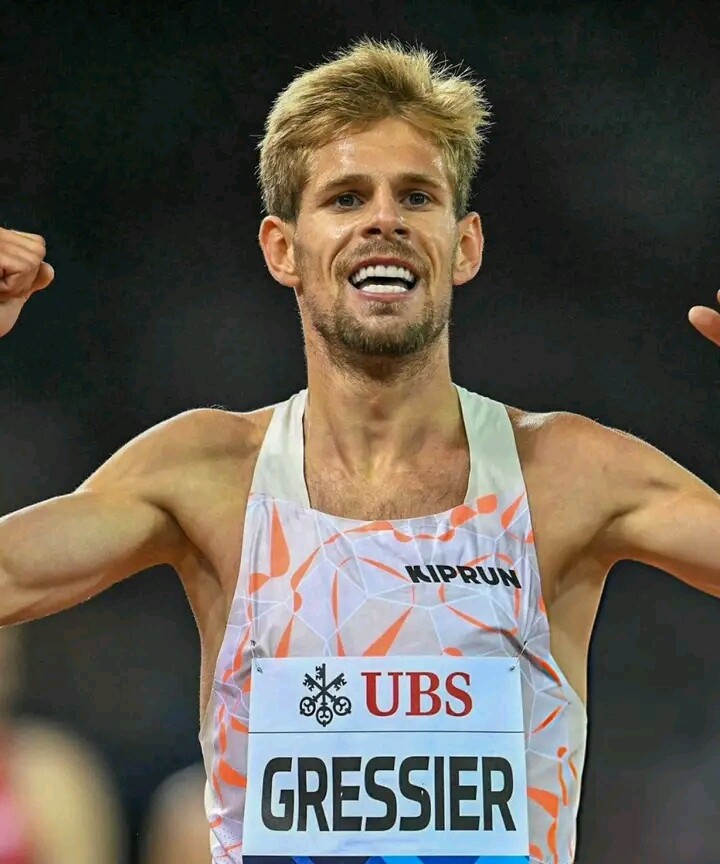
The French star is listed for the 5km on September 19 at 2:40 p.m., before returning to action for the half-marathon at 9:45 a.m. the following morning. That gives him just 19 hours and five minutes between races.
It is a remarkable contrast. One race is expected to last less than 13 minutes for Gressier; the other could keep him racing for around an hour. His personal bests tell the same story: 12:51 for 5km, equivalent to roughly 4:08 per mile, and 59:45 for the half-marathon, or about 4:33 per mile.
And the difference in his standing on the two start lists is striking.
In the 5km, Gressier enters as the fastest man in the field of 63 athletes. His sensational 12:51 in Lille in April made him the European record-holder and moved him to within just two seconds of the world record. Ethiopia’s Addisu Yihune is the only other athlete entered with a faster mark than 13 minutes, having run 12:54, while no other competitor has broken 13:06 this year.
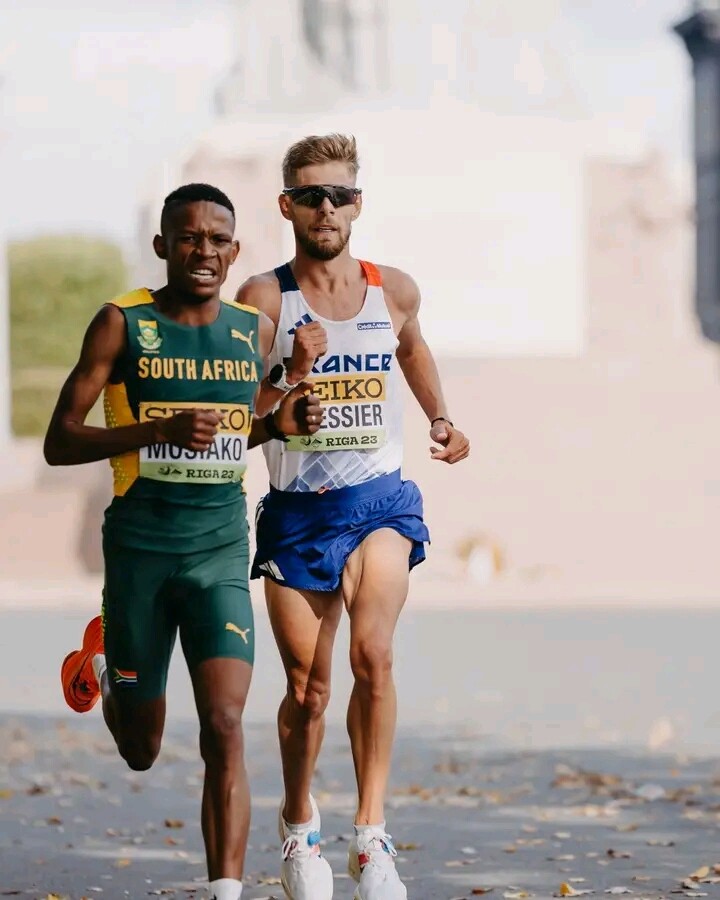
The half-marathon presents a completely different challenge.
Gressier’s 59:45 personal best places him 13th on the entry list, with 12 athletes boasting faster lifetime performances. Kenya’s Nicholas Kipkorir leads that group with 58:08, while Sweden’s Andreas Almgren arrives with the European record of 58:41. Gideon Kipkertich Rono has run 58:38, Tadese Worku 58:47, while the field also includes major names such as Joshua Cheptegei, Daniel Simiu Ebenyo, Yemaneberhan Crippa and Conner Mantz.
Adding another layer of intrigue, Gressier has not raced a half-marathon in 2026.
Yet this is far from unfamiliar territory for the Frenchman.
Gressier has already demonstrated that he can excel over 21.1 kilometres. His 59:45 came when he won the European half-marathon title in Brussels-Leuven in April 2025, defeating Norway’s Awet Nftalem Kibrab by 1:23. He also finished fifth at the 2023 World Half Marathon Championships in Riga, clocking 59:46.
That makes Copenhagen’s unusual schedule particularly important.
When the inaugural World Road Running Championships were held in Riga three years ago, the elite races were compressed into a single afternoon, making a 5km-and-half-marathon double far more difficult to contemplate. Copenhagen has instead spread the competitions across the weekend, creating a window that allows athletes such as Gressier to attempt something far more ambitious.
He will not be alone. Ten athletes on the final entry lists have entered two races, but Gressier’s combination is arguably among the most demanding because of the intensity with which he attacks both distances.
There is also a powerful reminder of what Gressier can produce when the stakes are highest.
At last year’s World Championships in Tokyo, he produced a breathtaking finish to claim the 10,000m world title, edging Yomif Kejelcha by just 0.06 seconds. His own description of that dramatic finish captured his competitive instinct perfectly: he had targeted a medal, moved into third on the home straight, then surged through second before taking gold.
Now, Gressier is preparing for another test of versatility.
First comes the explosive 5km, where he arrives as the fastest man on paper and one of the biggest threats to the world’s best. Then, barely 19 hours later, comes the half-marathon — a race filled with established road-running specialists and several athletes with considerably faster credentials.
Two races. Two very different challenges. One extraordinary weekend.
In Copenhagen, Jimmy Gressier will find out just how far his remarkable range can take him.
by Erick Cheruiyot for My Best Runs.
Login to leave a comment
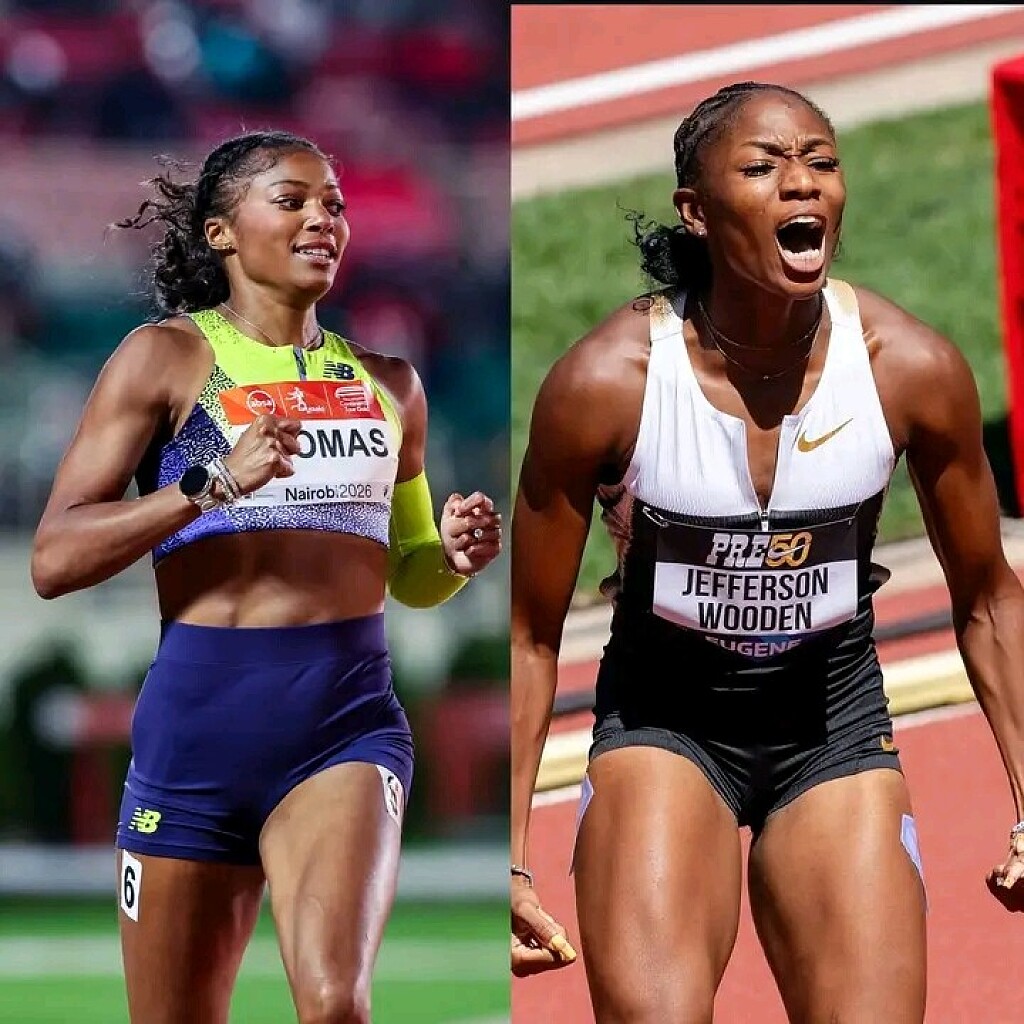
Thomas vs Jefferson-Wooden: Budapest Braces for a 200m Blockbuster
BUDAPEST — Two American sprint giants, two extraordinary résumés and barely a hundredth of a second separating them on the 2026 world list. The stage is set for a mouthwatering women’s 200m showdown at the inaugural World Athletics Ultimate Championship in Budapest.
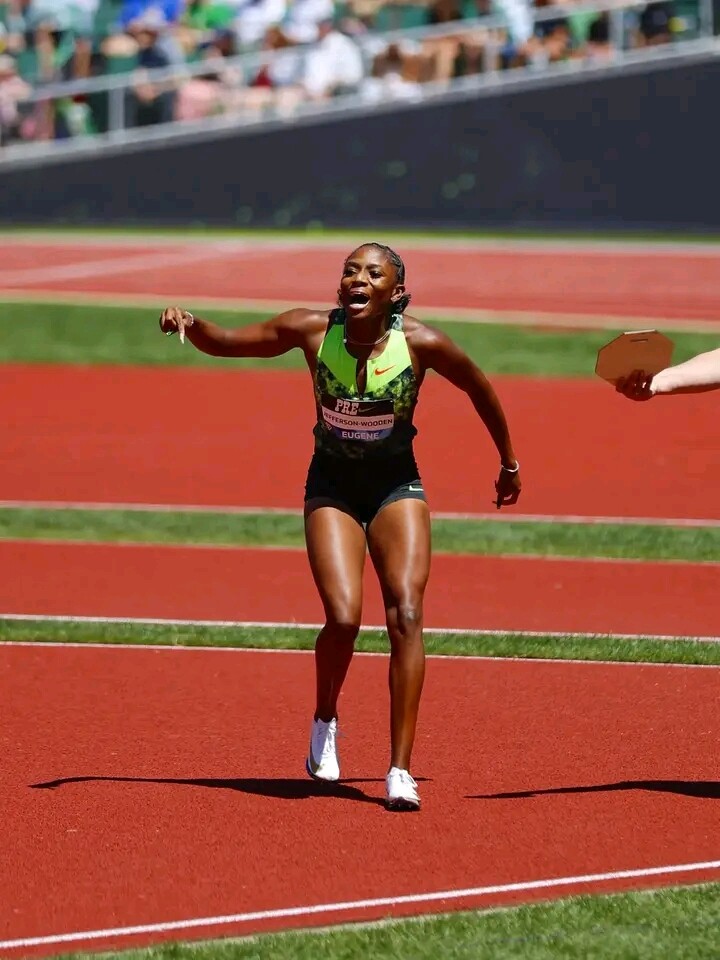
When the world’s best athletes gather in Hungary from 11–13 September for athletics’ newest global showcase, the women’s 200m promises to be one of the meeting’s headline attractions. And at the centre of the drama will be Melissa Jefferson-Wooden and Gabby Thomas — two champions arriving with formidable credentials and something to prove.
Jefferson-Wooden enters Budapest with perhaps the greater momentum.
The reigning world champion produced another statement performance at the U.S. Championships in July, powering to the national 200m title in 21.69 seconds with a legal +1.0m/s wind. The performance was only 0.01 seconds outside the 21.68 she ran to win the world title in Tokyo last year, confirming once again that she remains one of the most formidable 200m sprinters on the planet.
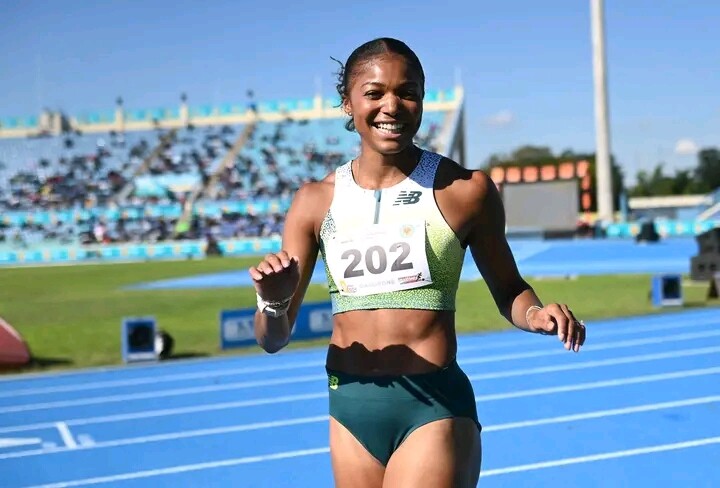
Thomas, however, is no stranger to the biggest stages.
The reigning Olympic 200m champion has built her reputation on championship racing, delivering when the pressure is greatest. Earlier this season, she clocked 21.70 seconds in College Station — just one hundredth behind Jefferson-Wooden’s season-leading mark at the U.S. Championships. The two Americans currently sit third and fourth on the 2026 world list, separated by the smallest possible margin.
And that tiny gap makes this matchup all the more intriguing.
21.69 versus 21.70.
On paper, there is almost nothing between them. But the 200m is rarely decided by the season’s fastest time alone. The bend, the transition into the straight, the ability to maintain speed over the final 50 metres and, above all, the capacity to execute under championship pressure could determine who walks away with the Ultimate Championship trophy.
There is another twist that could add an entirely new layer of strategy before either athlete even takes a starting position.
THE LANE DRAFT CHANGES EVERYTHING
World Athletics has introduced a new lane-draft concept specifically for the 200m at the Ultimate Championship.
On 10 September, the day before competition begins, the athletes will select their preferred semifinal heat and lane in live world-ranking seed order. Rather than leaving lane allocation entirely to a traditional draw, the new format puts the decision directly into the athletes’ hands.
That means the tactical battle begins before the starting gun.
Which athlete wants the inside lane? Who prefers a wider lane to attack the bend? Will a leading contender choose to position herself alongside a dangerous rival — or deliberately keep her distance?
Those decisions could become part of the story long before the final.
And with the women’s 200m semifinals and final scheduled for 13 September, Budapest could be heading towards a spectacular finale to the inaugural Ultimate Championship.
Jefferson-Wooden arrives as the reigning world champion, armed with blistering speed and the confidence of another 21-second performance. Thomas arrives as the Olympic champion, a proven championship performer with years of experience competing at the highest level.
Neither needs an introduction.
Neither is likely to give an inch.
The difference between them this season is just 0.01 seconds.
But in Budapest, history will not be decided by the rankings.
It will be decided over one explosive half-lap.
Melissa Jefferson-Wooden vs Gabby Thomas.
World champion vs Olympic champion.
21.69 vs 21.70.
And when the fastest women in the world line up under the Budapest lights, one question will remain:
Who will become the first-ever Ultimate Champion of the women’s 200m?
by Erick Cheruiyot for My Best Runs.
Login to leave a comment
The Olympic Gold That Korea Had To Wait 52 Years To Truly Claim
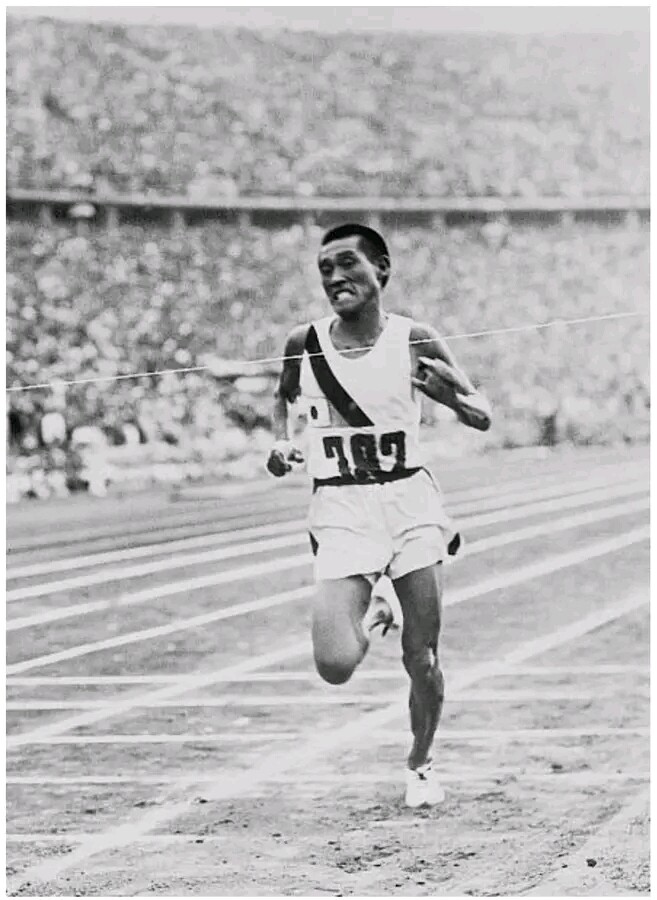
On August 9, 1936, Sohn Kee-chung crossed the finish line of the Olympic marathon in Berlin in 2:29:19.2, becoming the first Korean to win an Olympic gold medal.
But there was a painful contradiction behind the triumph.
The scoreboard did not identify him as Sohn Kee-chung. It listed him as Kitei Son — the Japanese pronunciation of his Korean name. And instead of competing for Korea, he was officially entered as a member of the Japanese delegation because Korea had been under Japanese colonial rule since 1910.
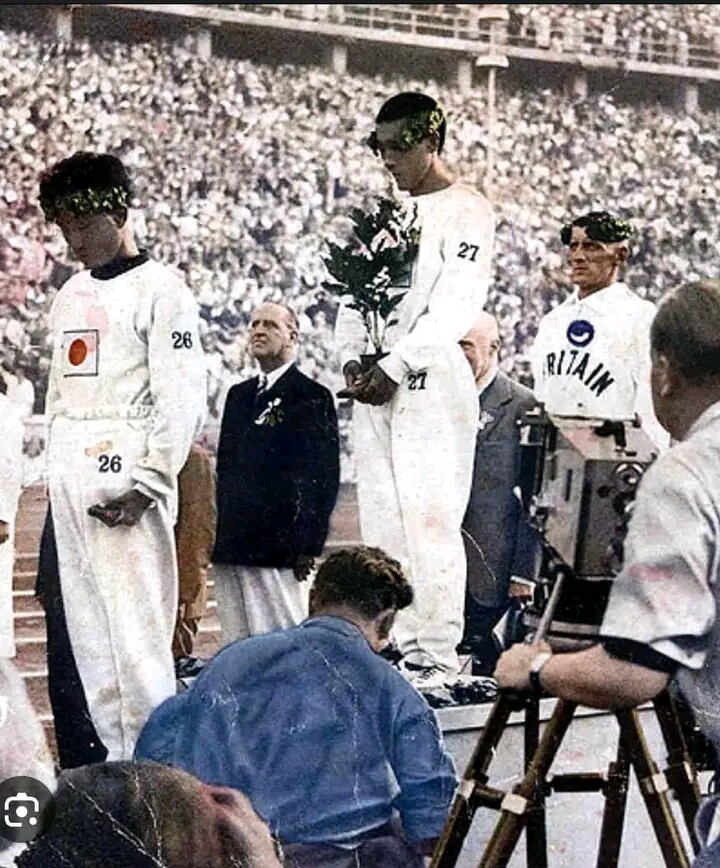
Sohn was born in 1912 near Sinuiju, in what is now North Pyongan Province, and emerged as one of the outstanding distance runners of his generation. His talent became impossible to ignore in the 1930s, and in November 1935 he ran 2:26:42 in Tokyo to set a world marathon record.
By the time he arrived in Berlin, Sohn was already a world-class marathoner. Yet his greatest sporting achievement would unfold under an identity that had been imposed upon him.
He was not permitted to compete under his Korean name. He was not permitted to carry the Korean flag. His uniform bore the Japanese emblem.
And even after winning Olympic gold, he could not celebrate as a Korean champion.
Sohn won the marathon ahead of Britain's Ernie Harper, while another Korean, Nam Sung-yong, claimed bronze. Sohn became the first Olympic marathoner to break the 2:30 barrier, with his 2:29:19.2 Olympic record standing as a remarkable achievement. Importantly, however, his Berlin time was not a world record — his world-best mark had come the previous year in Tokyo.
The medal ceremony became one of the most haunting images in Olympic history.
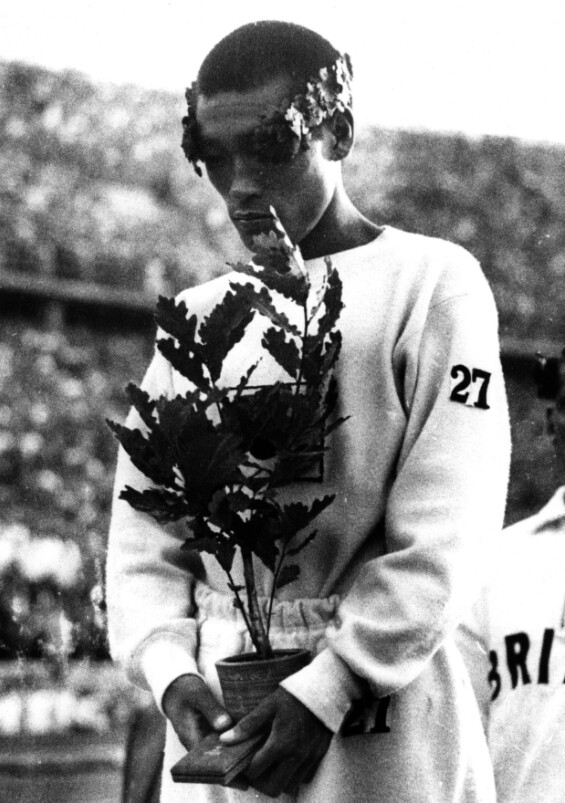
As the Japanese flag was raised and the Japanese anthem played, Sohn stood on the top step of the podium with his head lowered. Nam Sung-yong stood beside him on the third step. Neither athlete was able to represent the nation from which they came.
Sohn held the laurel wreath he had received for winning the marathon across his chest, concealing the Japanese flag on his uniform.
The gesture was silent.
But the message was powerful.
He had won the race for himself and for Korea, even though the official ceremony claimed him for Japan.
Back home, Koreans celebrated his victory with enormous pride. For many, Sohn's success was a rare moment of national affirmation during colonial rule. Yet the emotions were complicated. Some Korean nationalists viewed participation in the Japanese team as a painful compromise, while others saw Sohn's victory as a powerful act of resistance against the colonial claim that Koreans were inferior.
The reaction of the Korean press became another chapter in the story.
On August 25, 1936, the Dong-A Ilbo published the famous photograph of Sohn on the podium with the Japanese flag removed from his uniform. The newspaper's journalists had deliberately erased the emblem — an act of defiance against Japan's colonial authorities. The incident triggered a major crackdown. Multiple journalists were arrested, and the newspaper was forced to suspend publication for months. Historical accounts record that eight people involved were imprisoned and that the paper was suspended for roughly nine months.
The photograph became more than an image of an Olympic champion.
It became an image of a nation trying to preserve its identity.
After Korea was liberated in 1945, Sohn's life took a new direction. He became an influential coach and helped develop the next generation of Korean distance runners. Among those he guided were Suh Yun-bok, who won the Boston Marathon in 1947, and Ham Ki-yong, the 1950 Boston Marathon champion. Sohn also served in various athletic organizations in South Korea.
In 1948, he carried the flag for the newly independent Republic of Korea at the London Olympics — another deeply symbolic moment in a life that had begun with his identity being taken from him on an Olympic starting line.
Decades later, Sohn returned to Germany and, in 1972, attended the Munich Olympics. There, he was reunited with filmmaker Leni Riefenstahl, whose film Olympia had documented the 1936 Berlin Games.
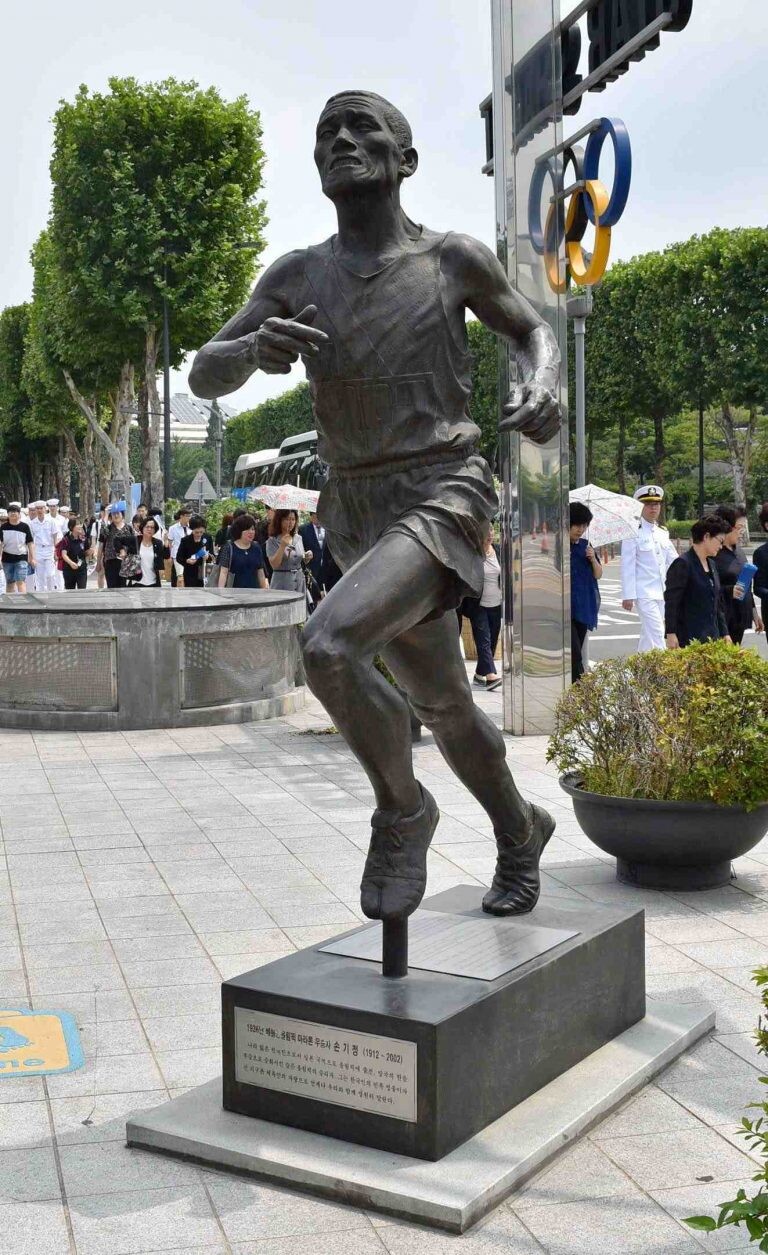
Today, Sohn Kee-chung’s legacy is also preserved in Seoul, South Korea, where a statue of the legendary marathoner stands at Sohn Kee-chung Athletic Park, near the memorial hall named in his honor. The memorial site includes a bronze head statue created in 1990, depicting Sohn in his later years, with scenes from his historic 1936 Berlin victory engraved below. Another statue, unveiled in 2016 to mark the 80th anniversary of his Olympic triumph, portrays the young Sohn proudly holding the Olympic trophy — this time with the South Korean flag in place of the Japanese emblem that had appeared on his uniform in Berlin.
But perhaps the most emotional chapter came in Seoul.
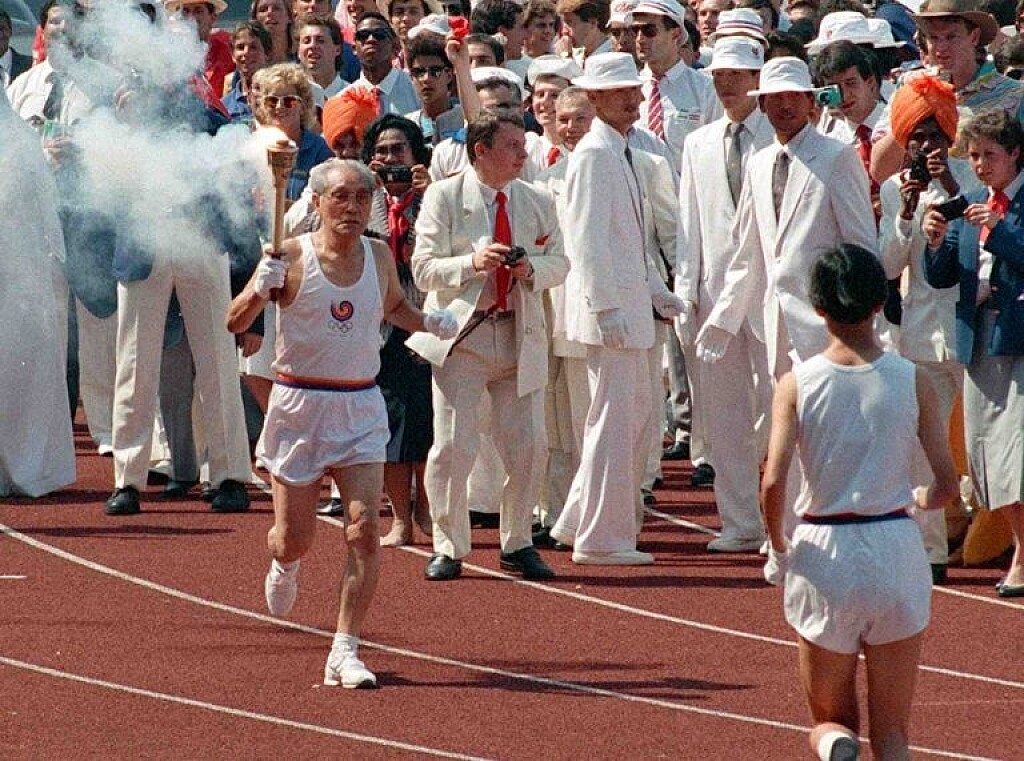
On September 17, 1988, 52 years after his Berlin triumph, the 76-year-old Sohn Kee-chung carried the Olympic torch into the stadium at the opening ceremony of the Seoul Olympics.
Think about what that moment represented.
In Berlin in 1936, he had stood on the Olympic podium beneath a foreign flag, unable to openly celebrate his victory as a Korean.
In Seoul in 1988, he entered an Olympic stadium carrying the flame for his own country.
The symbolism was almost impossible to miss.
The young runner who had once been forced to compete under the name Kitei Son was now an elderly Korean national hero, carrying the Olympic flame before his people.
He had spent more than five decades watching history slowly return his name to him.
Sohn Kee-chung died in November 15, 2002, aged 90, in Seoul, South Korea leaving behind far more than an Olympic medal. He left a story about athletic greatness, identity, dignity and resistance — a story in which a marathon victory became inseparable from the history of an entire nation.
His Berlin gold medal may have been officially recorded under Japan's name.
But in Korea, the champion was always Sohn Kee-chung.
And perhaps that is why the photograph of him standing on the podium, head bowed and the laurel wreath covering the Japanese emblem, remains so powerful.
He won the race in Berlin. But the world took decades to understand who had actually won it.
by Erick Cheruiyot for My Best Runs.
Login to leave a comment
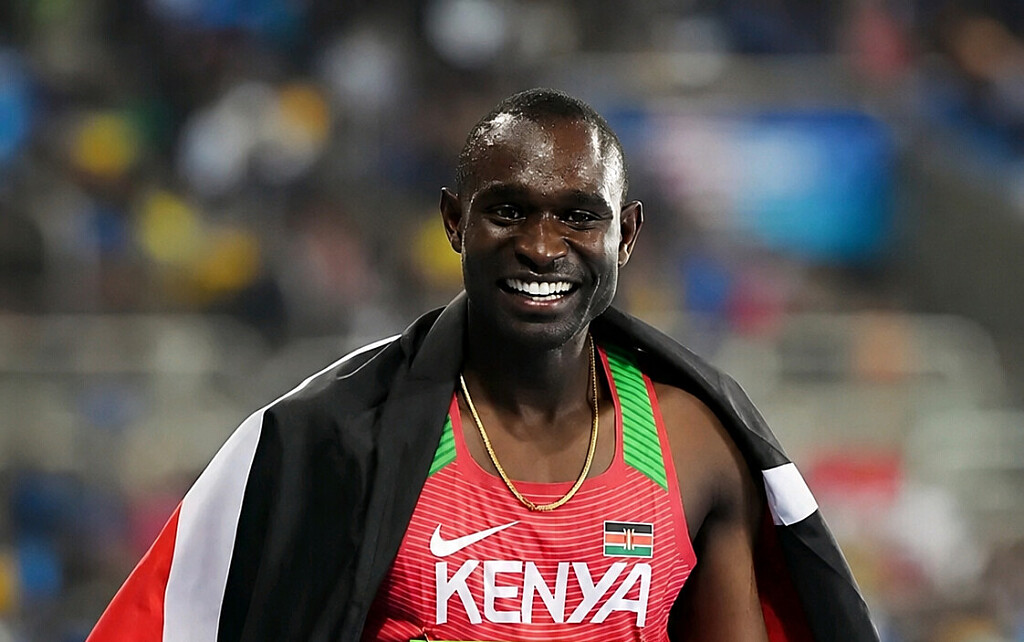
David Rudisha’s 1:40.91: Fourteen Years Later, The 800m Still Has A Mountain To Climb
Fourteen years ago this weekend, David Rudisha delivered one of the most extraordinary performances ever witnessed on an athletics track — and remarkably, his world record still stands.
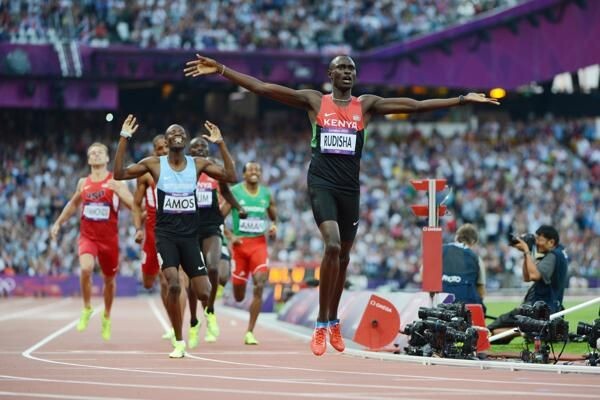
On August 9, 2012, the Kenyan lined up for the Olympic 800m final at London’s Olympic Stadium alongside seven of the world’s finest half-milers. What followed was a race that would forever redefine the limits of the event.
Rudisha did not wait for the final straight. From the gun, he went straight to the front and imposed a relentless pace on the field. He reached the 400m mark in a blistering 49.28 seconds, but instead of paying the price for such an aggressive opening lap, he continued to drive forward.
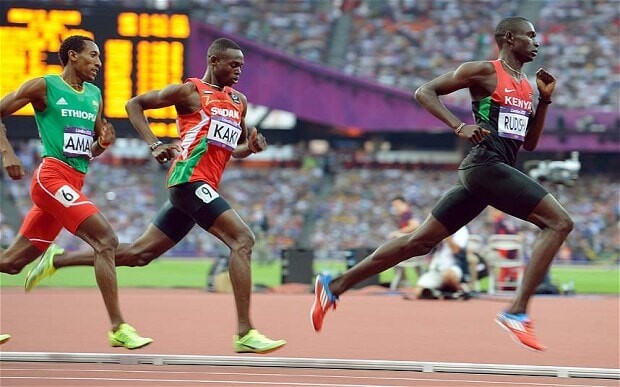
He passed 600m in 1:14.30 before producing a remarkable final 200 metres to cross the finish line in 1:40.91.
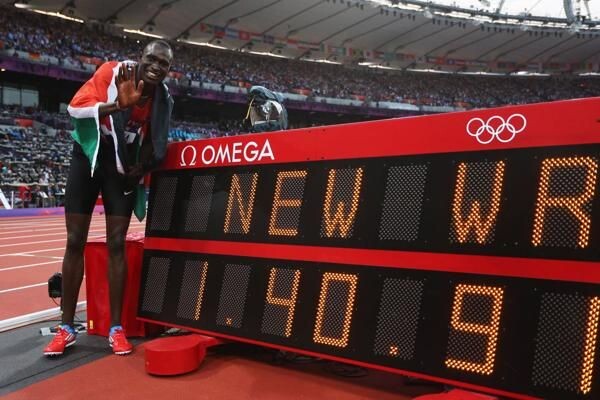
The stadium erupted.
Rudisha had broken his own world record and, for the first time in history, an athlete had broken the 1:41 barrier in the 800 metres. Even more remarkably, he had done it in an Olympic final, without a pacemaker and under the immense pressure of competing for the sport’s ultimate prize.
The runners behind him were dragged into history by his pace.
Botswana’s Nijel Amos finished second in 1:41.73, a world junior record at the time. Kenya’s 17-year-old Timothy Kitum produced a stunning 1:42.53 to take bronze, while American Duane Solomon ran 1:42.82 and Nick Symmonds clocked 1:42.95, both personal bests.
Ethiopia’s Mohammed Aman ran 1:43.20 for a national record, Abubaker Kaki finished in 1:43.32, and Great Britain’s Andrew Osagie completed the field in 1:43.77, also a personal best.
It was an extraordinary final in which all eight athletes finished inside 1:44, a testament to the astonishing pace set by the Kenyan.
Yet Rudisha was operating on another level.
His London performance was not a sudden flash of brilliance. It was the culmination of an era in which he had transformed the 800m through his fearless front-running style. Two years earlier, he had lowered the world record to 1:41.01 in Rieti, Italy. In London, he found another tenth of a second when the pressure was at its greatest.
That is what has made the record so difficult to approach.
For fourteen years, some of the greatest 800m runners of their generations have come and gone, but none has managed to take the final steps toward Rudisha’s mark. Nijel Amos remains the closest, his 1:41.73 from that same Olympic final leaving him 0.82 seconds short.
Then came Emmanuel Wanyonyi.
The young Kenyan has emerged as one of the most exciting 800m runners of his generation. In Lausanne in 2024, Wanyonyi produced a stunning 1:41.11, moving level with Wilson Kipketer as the second-fastest man in history and coming within just 0.20 seconds of Rudisha’s world record.
Twenty hundredths of a second may look insignificant on paper, but at the very top of the 800m, they represent a formidable barrier.
Wanyonyi has shown that Rudisha’s record is not beyond imagination. But reaching it requires something extraordinary — the perfect combination of speed, endurance, courage and execution over two unforgiving laps.
And perhaps that is what makes Rudisha’s achievement so enduring.
There was no pacemaker guiding him through the race. There was no carefully constructed invitational designed solely around producing a fast time. There was simply an Olympic final, eight athletes, two laps and a Kenyan determined to run faster than anyone had ever run before.
Rudisha went from the gun, controlled the race from the front and somehow maintained the speed required to produce a time that has remained beyond the reach of every challenger for fourteen years.
The next generation is getting closer, and Wanyonyi has shown that the record can at least be approached.
But 1:40.91 remains David Rudisha’s masterpiece — a world record forged under the brightest lights and on the biggest stage, and one that continues to define greatness in the 800 metres.
Fourteen years later, the challengers are getting closer, but Rudisha’s 1:40.91 remains the mountain every 800m runner dreams of climbing.
by Erick Cheruiyot for My Best Runs.
Login to leave a comment
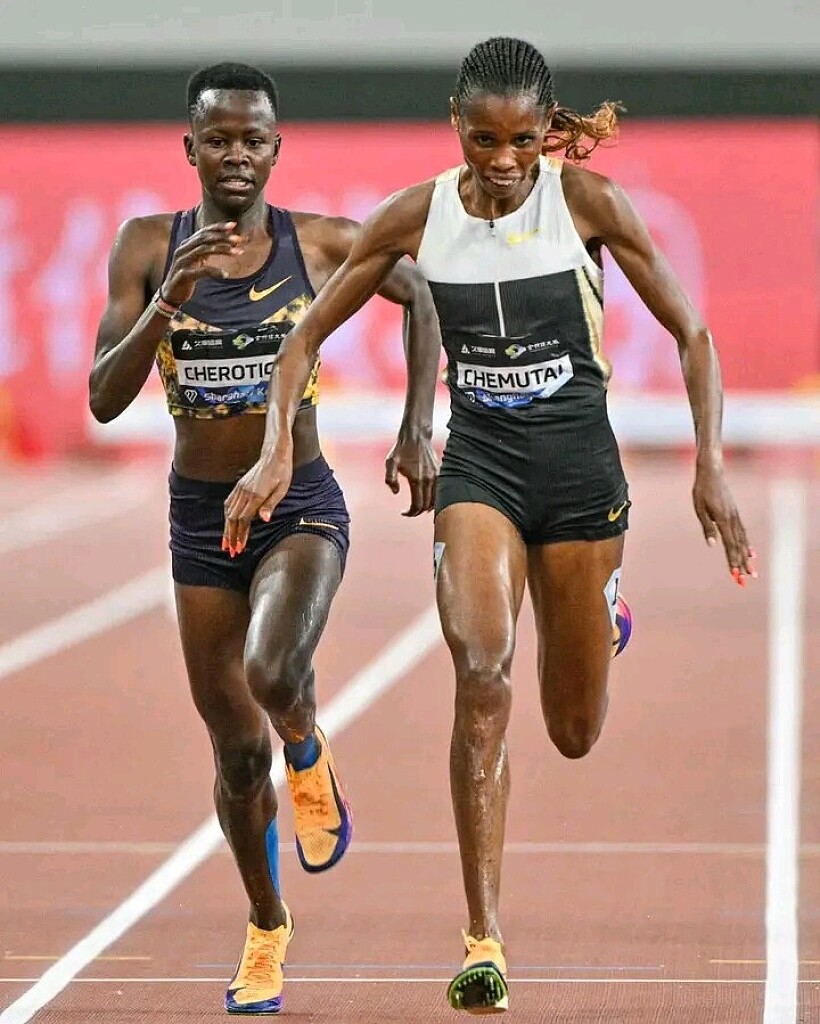
Commonwealth Games Women's Steeplechase Set for a Classic Showdown as Faith Cherotich and Peruth Chemutai Renew Their Rivalry
The women's 3,000-meter steeplechase promises to be one of the standout distance races of the 2026 Commonwealth Games when a talented field lines up on July 29, headlined by two of the world's finest barrier specialists: Kenya's Faith Cherotich and Uganda's Peruth Chemutai.
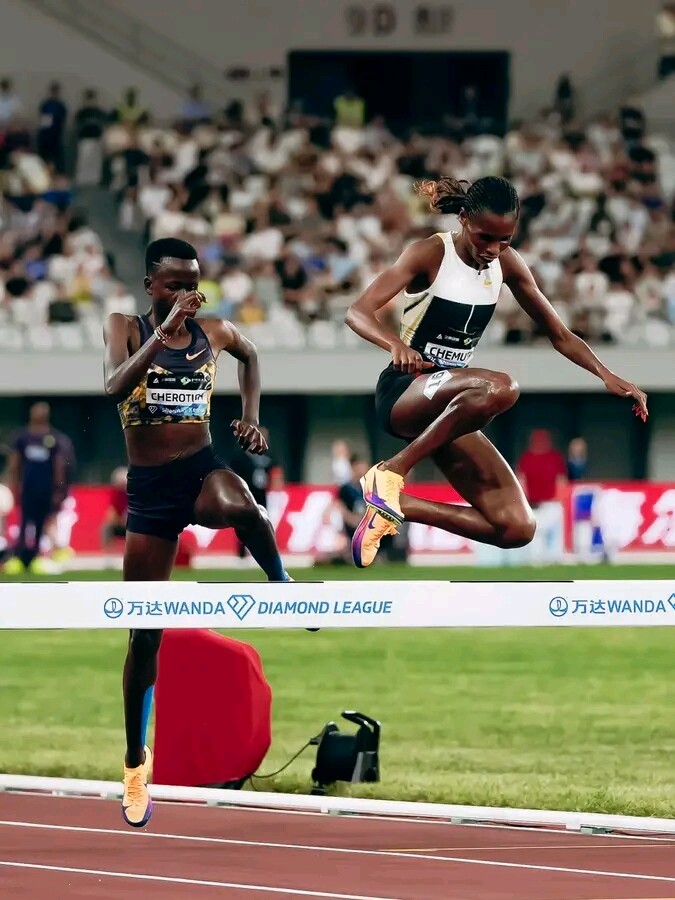
With personal bests separated by less than a second, the race has all the ingredients of a championship classic. Olympic medalists, emerging stars, and national champions will all be chasing Commonwealth glory, but much of the spotlight will naturally fall on the fierce rivalry between Cherotich and Chemutai.
Cherotich arrives as one of the fastest women ever over the barriers with a personal best of 8:48.71, a mark that underlines her remarkable rise to the top of global steeplechasing. The young Kenyan has established herself as one of the sport's brightest talents through her fearless front-running, smooth hurdling technique, and devastating finishing speed.
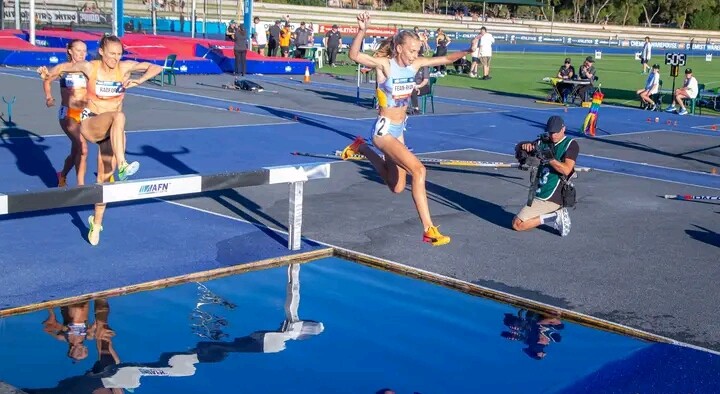
Standing in her way is Uganda's Peruth Chemutai, whose personal best of 8:48.03 makes her the fastest athlete in the field on paper. The Olympic champion has repeatedly proven she thrives in championship racing, combining tactical intelligence with years of experience on the biggest stages. Her ability to produce her very best when medals are on the line makes her an exceptionally dangerous competitor.
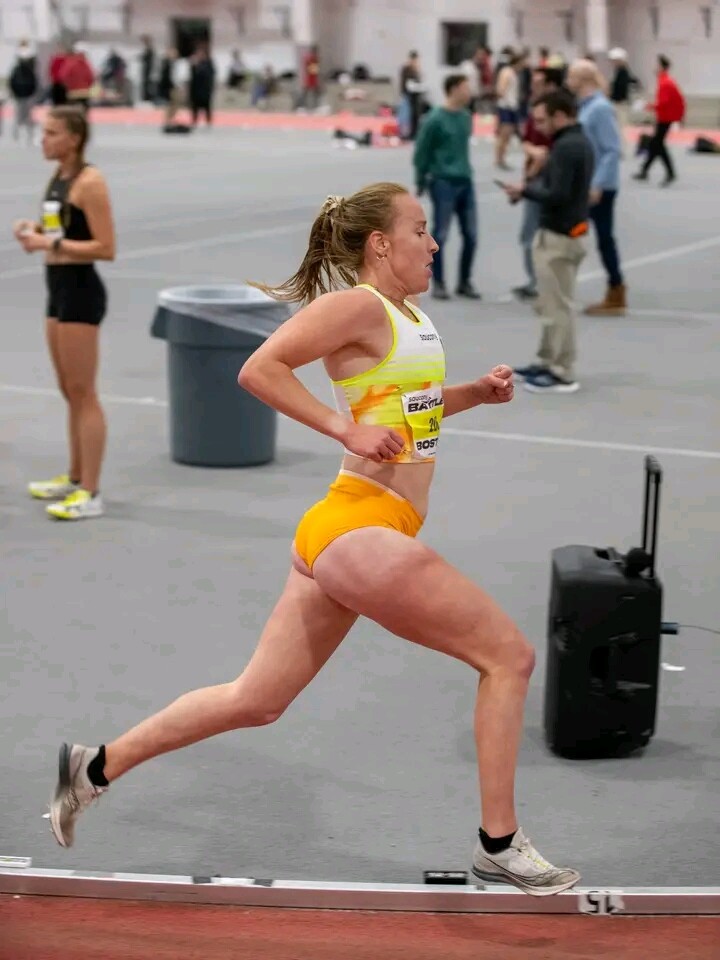
Kenya also boasts impressive depth through Celestine Jepkosgei Biwot, who owns a personal best of 9:19.06 and could play a significant role in the race if the early pace becomes tactical. A Kenyan podium sweep may be difficult against such quality opposition, but Biwot has shown she is capable of competing with the continent's elite.
England's Elise Thorner enters as one of the strongest challengers outside East Africa. With a personal best of 9:07.39, she has consistently demonstrated the ability to race aggressively and could place herself firmly in medal contention if the favorites hesitate.
India's Parul Chaudhary brings another compelling storyline after lowering her personal best to 9:12.46, establishing herself as one of Asia's leading steeplechasers. She will be aiming to deliver one of India's strongest distance performances of the Games.
Australia's Cara Feain-Ryan (9:21.35), Scotland's Sarah Tait (9:18.66), Canada's Grace Fetherstonhaugh (9:31.98), Canada's Katelyn Stewart-Barnett (9:36.69), and Wales' Cari Hughes (9:41.66) complete a diverse and competitive field representing six Commonwealth nations.
While personal bests provide an indication of form, championship racing often rewards patience, tactical awareness, and flawless barrier technique as much as outright speed. Every water jump and every barrier could prove decisive in a race where momentum can change within seconds.
The start list suggests a fascinating battle between proven championship performers and ambitious newcomers eager to announce themselves on one of athletics' biggest stages. If the pace is honest from the opening laps, spectators could witness one of the fastest Commonwealth Games steeplechase finals in history.
With continental pride, championship medals, and Commonwealth supremacy at stake, all eyes will turn to the women's 3,000-meter steeplechase on July 29, where Faith Cherotich and Peruth Chemutai are set to write another thrilling chapter in one of distance running's most exciting rivalries.
by Erick Cheruiyot for My Best Runs.
Login to leave a comment

The Commonwealth Games
The Commonwealth Games are coming to Victoria - bringing an action packed sports program to our regional cities and delivering a long-term legacy for our future. From 17 to 29 March 2026, Geelong, Bendigo, Ballarat, Gippsland and Shepparton will be on the world stage, attracting millions of viewers and creating thousands of jobs. The multi-city model will...
more...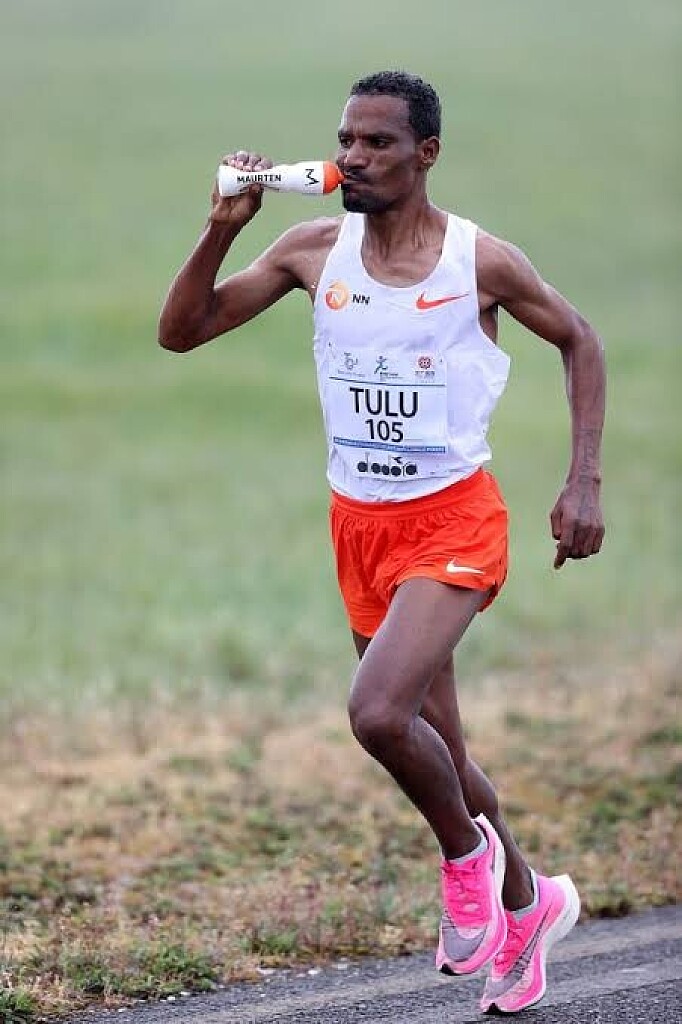
São Paulo Marathon Set for High-Stakes Showdown as Kipkosgei, Wami and Lelei Target Victory
The countdown is on for the 2026 São Paulo Marathon, where an elite international field is set to battle for one of South America's most prestigious road racing titles on Sunday, July 26, in Brazil.
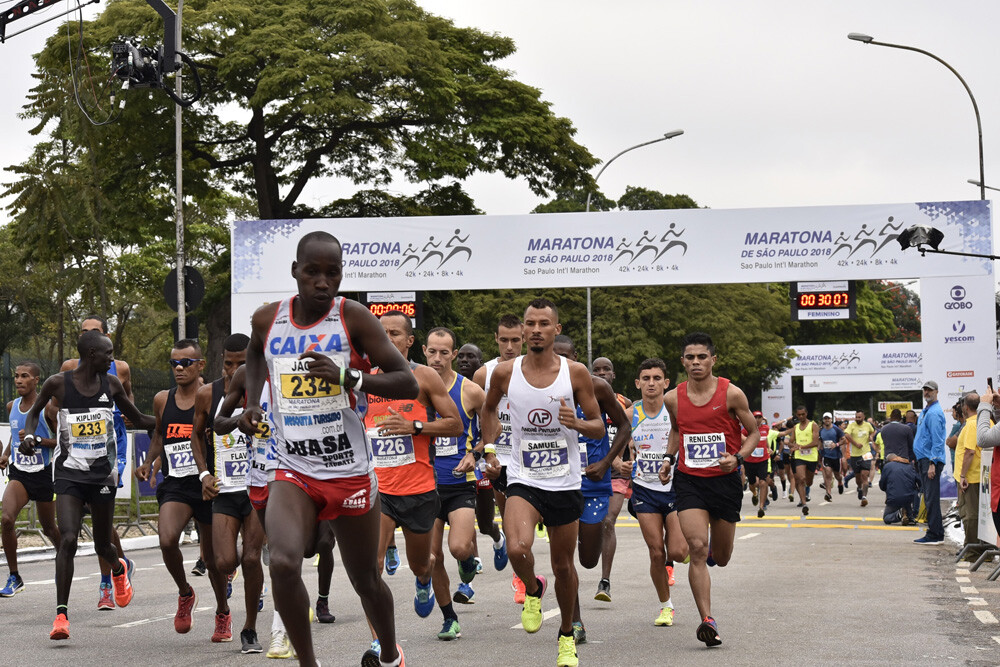
Ethiopia's Tulu Wami arrives carrying the fastest personal best in the field, having clocked an outstanding 2:05:19, making him the man every rival will be watching when the race gets underway. On paper, Wami stands as the favorite, but championship marathons are rarely decided by statistics alone.
Kenya will mount a formidable challenge through Denis Kipkosgei and Isaack Lelei, two accomplished marathoners eager to upset the pre-race predictions. Kipkosgei brings a personal best of 2:08:36, while Lelei has demonstrated his own consistency with a lifetime best of 2:09:32. Both possess the experience and tactical awareness to capitalize if the race turns into a battle of endurance rather than pure speed.
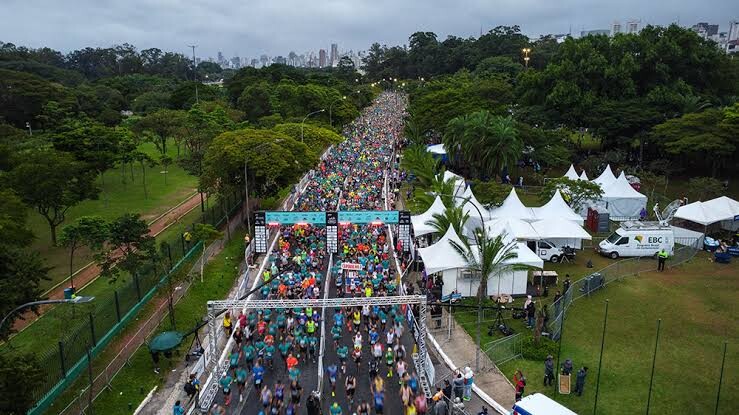
With three proven distance runners leading a deep and competitive field, the stage is set for an intriguing contest over the 42.195-kilometre distance. Whether the pace is aggressive from the gun or develops into a strategic duel in the closing kilometres, every move will carry significant weight.
Brazilian fans can expect an exciting spectacle as East Africa's marathon powerhouses renew one of the sport's greatest rivalries on Brazilian roads. Wami may hold the quickest credentials, but Kipkosgei and Lelei will be determined to write a different ending and take the title back to Kenya.
As anticipation builds ahead of Sunday's race, one question remains:
Will Tulu Wami justify his status as the fastest man in the field, or will Denis Kipkosgei or Isaack Lelei produce a memorable upset to claim the São Paulo Marathon crown?
by Erick Cheruiyot for My Best Runs.
Login to leave a comment

Sao Paulo Marathon
São Paulo International Marathon is held annually in the city of São Paulo since 1995. The competition also includes the25 km, 10 km and 3 km walk, in addition to the marathon. It is carried out all within the city of São Paulo, with departure and arrival in the Ibirapuera Park....
more...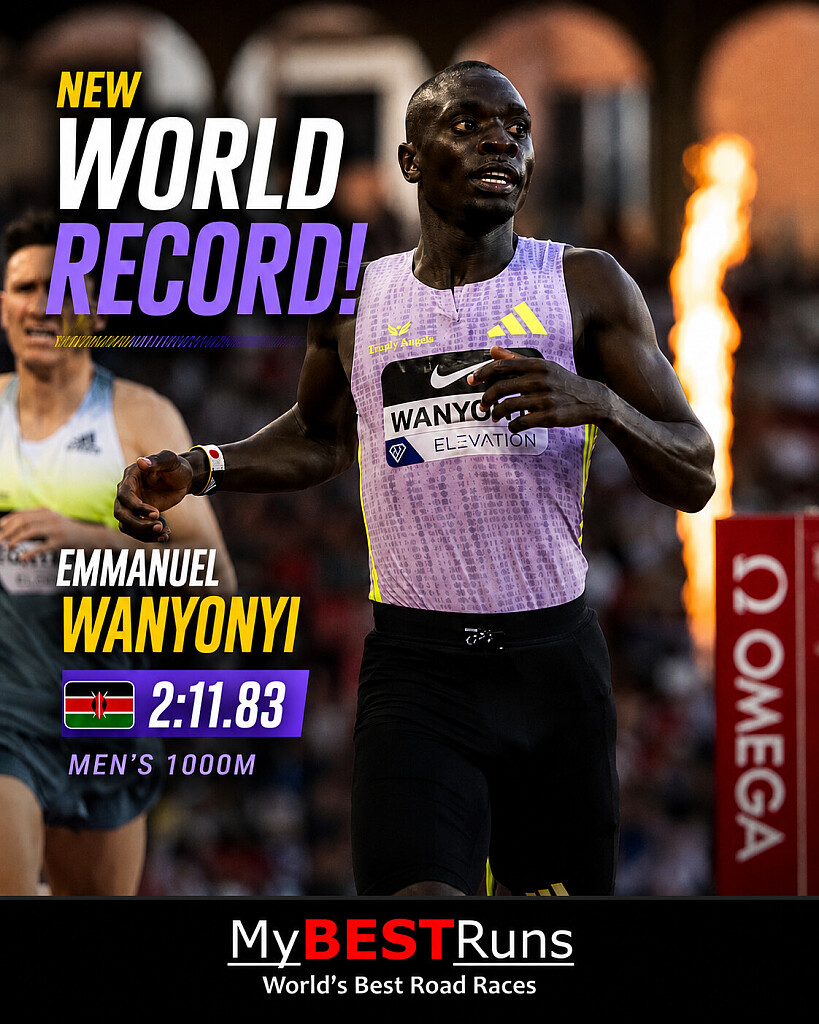
BREAKING: Emmanuel Wanyonyi Destroys 27-Year World Record in Monaco as Kenya Reigns Supreme Once Again
Kenya is celebrating another historic milestone after Olympic 800m champion Emmanuel Wanyonyi produced one of the greatest middle-distance performances ever witnessed, shattering the men's 1000m world record at the Monaco Diamond League.
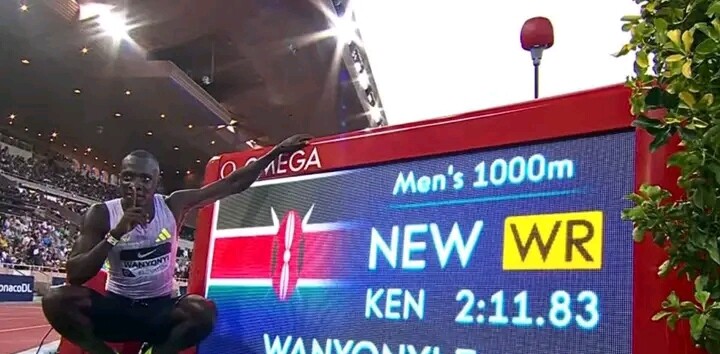
The 21-year-old sensation stormed to victory in a breathtaking 2:11.83, eclipsing the legendary 2:11.96 set by fellow Kenyan Noah Ngeny in September 1999. For 27 years, the record stood as one of athletics' most untouchable marks, surviving challenges from generations of Olympic and World champions before finally falling on a memorable night in Monaco.
Wanyonyi's run was nothing short of extraordinary. Displaying incredible pace, flawless rhythm and remarkable strength over the closing metres, the Kenyan powered away from a world-class field to rewrite the history books. As he crossed the finish line, the stadium erupted before the giant scoreboard confirmed what many could hardly believe—a new men's 1000m world record of 2:11.83.
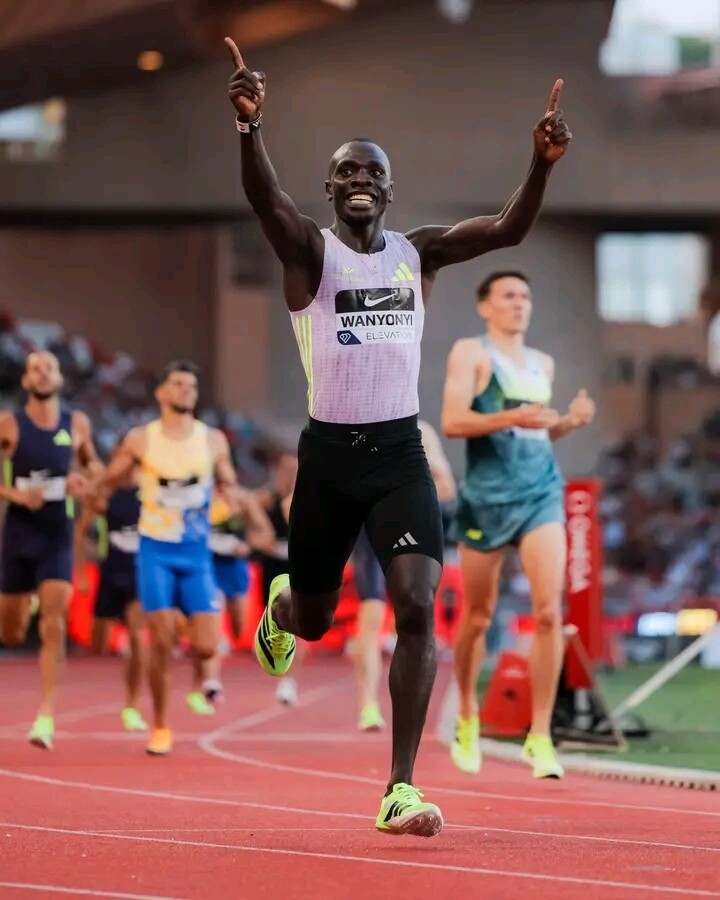
The victory was made even more impressive by the quality of the competition. Great Britain's Jake Wightman finished second in an outstanding 2:12.77, while Algeria's Djamel Sedjati claimed third in 2:13.94. France's Azeddine Habz crossed the line fourth in 2:14.02, ahead of Great Britain's Ben Pattison, who finished fifth in 2:14.11, while France's Gabriel Tual completed the top six in 2:14.97.
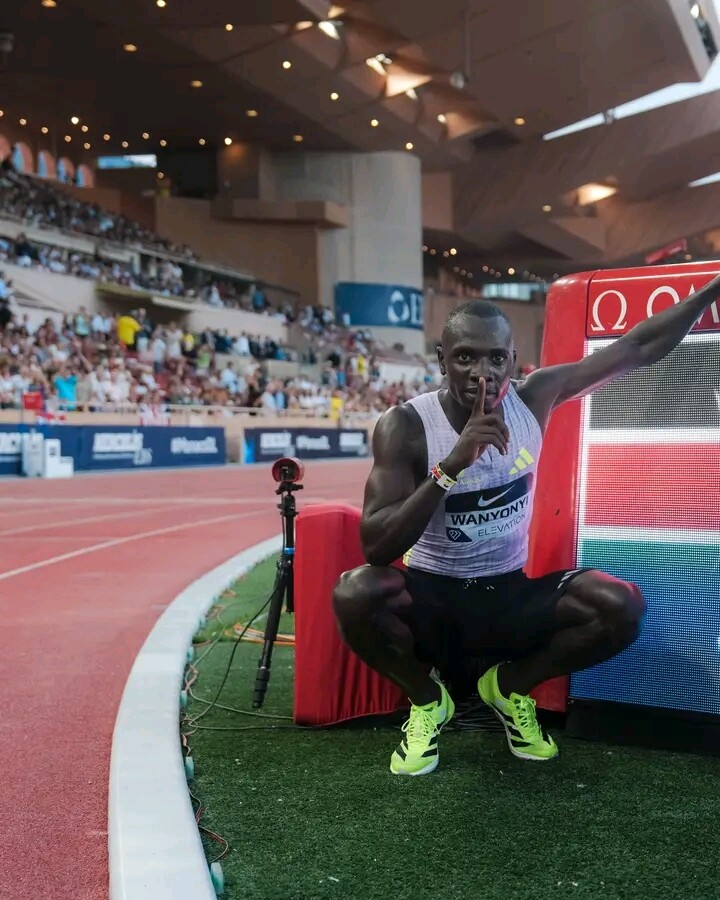
Despite the strength of the field, none could match Wanyonyi's relentless pace as he produced a performance destined to become one of the defining moments of modern athletics.
Breaking a world record by 0.13 seconds may appear small on paper, but in elite middle-distance running it represents a monumental achievement. It brought an end to one of the longest-standing men's world records and confirmed Wanyonyi as the fastest man ever over the rarely contested 1000 metres.
The achievement further cements the young Kenyan's status as one of the brightest stars in world athletics. Already an Olympic 800m champion, Wanyonyi has continued to raise the standard with every major appearance, proving he possesses not only devastating speed but also the endurance and tactical brilliance required to dominate beyond his signature event.
Perhaps the most remarkable aspect of the historic feat is that the record remains in Kenyan hands. Noah Ngeny held the global mark with pride for nearly three decades, and now another Kenyan has inherited that legacy, ensuring the world record continues to belong to the nation renowned for producing some of history's greatest middle-distance runners.
As celebrations swept across Monaco and throughout Kenya, Wanyonyi's performance instantly became one of the biggest stories in global athletics. He did more than win a race—he ended a 27-year reign, conquered a record many believed would never fall, and inspired a new generation of athletes with a run that will be remembered for decades.
From Noah Ngeny to Emmanuel Wanyonyi, the crown remains in Kenya.
A legendary record has fallen. A new champion has risen. And on an unforgettable night in Monaco, Emmanuel Wanyonyi reminded the world that when it comes to middle-distance running, Kenya continues to set the gold standard.
by Erick Cheruiyot for My Best Runs.
Login to leave a comment
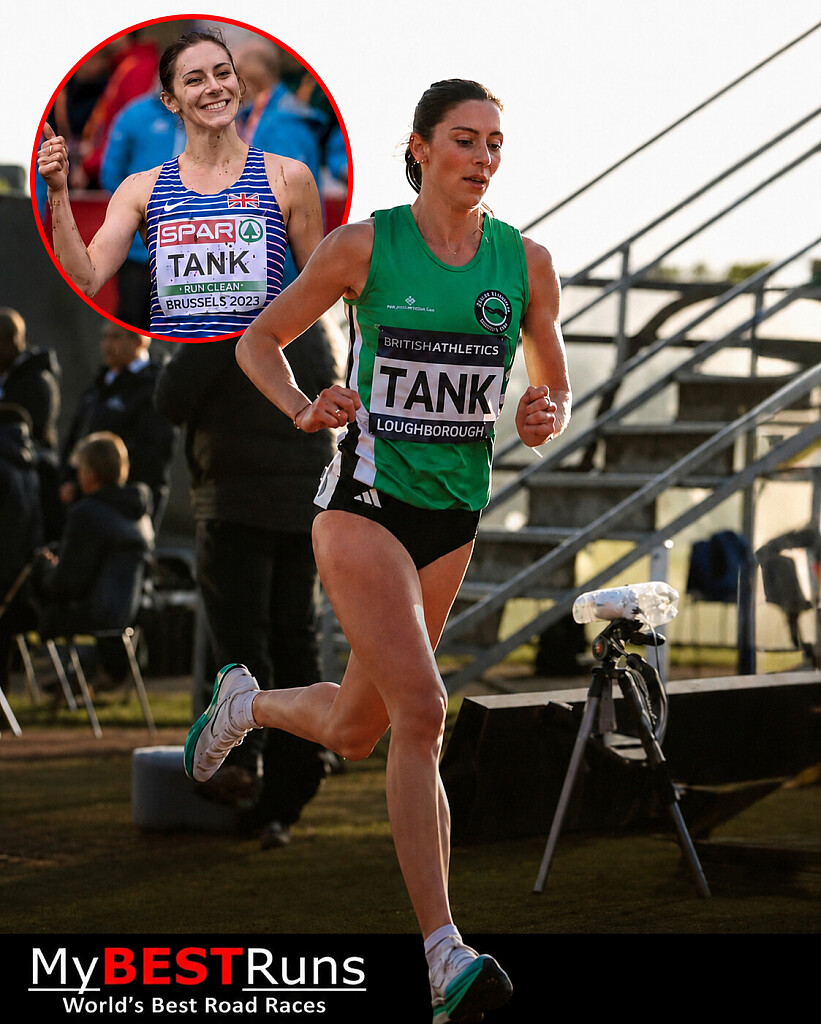
From eBay Shoes to the Commonwealth Games: Self-Coached Poppy Tank's Extraordinary Journey to the England Team
In a sport where many elite athletes benefit from professional coaches, lucrative sponsorships, sports science support, and cutting-edge equipment, Poppy Tank has reached the international stage by relying on little more than determination, discipline, and belief in herself.
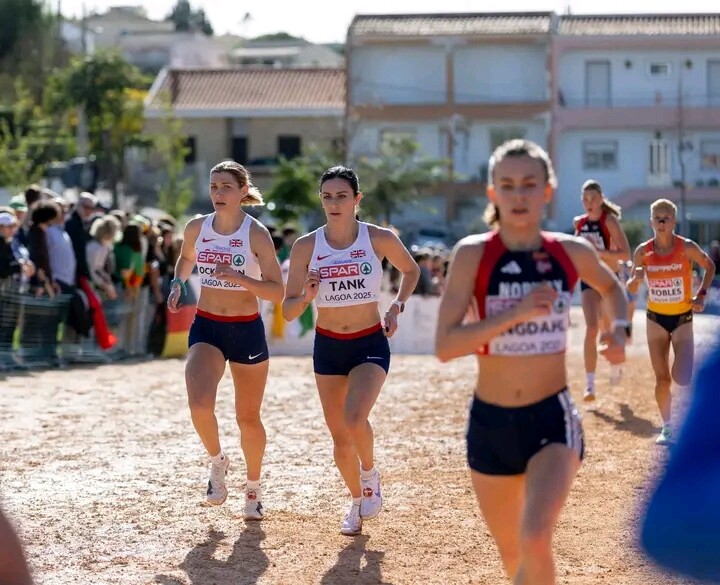
Later this month, the 28-year-old from Plymouth will proudly represent England in the women's 10,000m at the Commonwealth Games in Glasgow. It will be her first appearance at a major track championships, making the achievement even more remarkable considering she has no central funding, no shoe contract, and no dedicated support team.
Tank's journey is one of resilience and self-reliance. Her Instagram biography sums it up in just three words: Self-coached. Unsponsored. Distance runner. Behind those words lies years of sacrifice, careful planning, and relentless hard work.
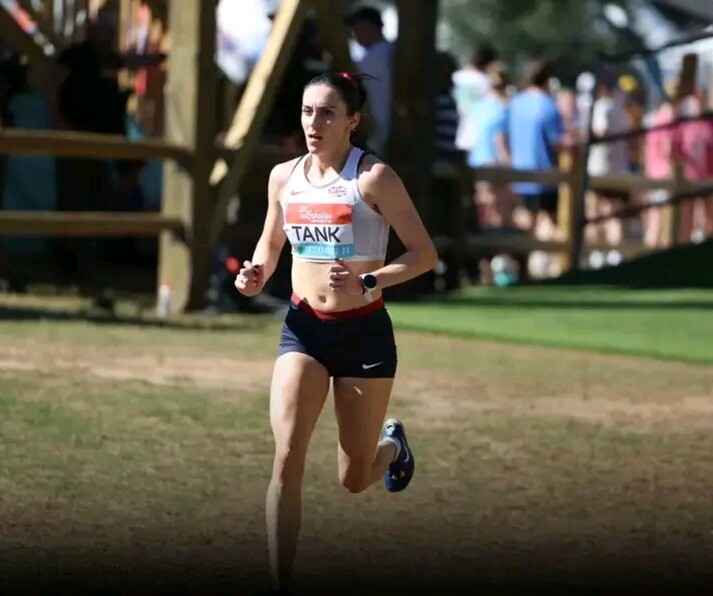
Unlike many of her international rivals, Tank manages every aspect of her athletic career herself. She designs her own training, plans her race schedules, monitors her recovery, and finances virtually every part of her pursuit of excellence.
"I'm self-funded so every spare bit of cash I have I'm spending it on training camps, buying shoes, buying kit, paying for races and accommodation," Tank told BBC Radio Devon. "I have to be very savvy with my shoes. I buy them often off eBay on discount. So I'm very, very good at finding ways of saving money."
While many Commonwealth-level athletes receive free equipment from major sports brands, Tank has become an expert at stretching every pound, purchasing discounted racing shoes online and carefully managing every expense to keep her dream alive.
Her rise through British athletics has been built steadily over several seasons. Tank first established herself as one of Britain's finest endurance runners in cross country, helping Great Britain win team gold at the 2023 European Cross Country Championships before contributing to a team silver medal the following year. She also claimed the British 3,000m steeplechase title in 2023 and represented Great Britain at the World Cross Country Championships, demonstrating her versatility across different disciplines.
Despite those achievements, a place at a major international track championships remained elusive until this summer, when England selected her for the Commonwealth Games.
Away from the track, Tank balances elite sport with an equally demanding academic career. She is pursuing a PhD at the University of Birmingham, where her research focuses on developing better ways to recycle medical implants. Her daily routine often begins with a demanding 12-mile training session before lunchtime, followed by an hour and a half in the gym, all while spending long hours in the laboratory preparing and analysing research samples.
"My supervisor is incredibly supportive of my running," she explained. "But ultimately I still have to go and do the studying."
Her Commonwealth Games selection is the reward for outstanding form during the 2026 season. Tank produced a lifetime best to finish second behind Izzy Fry at the British 10,000m Championships in Loughborough in May, before lowering that mark again just weeks later with an impressive 32:04.36 performance in the Netherlands.
Those performances secured her place on England's team, where she and Fry will both make their Commonwealth Games debuts in the women's 10,000m.
Although Tank heads to Glasgow ranked in the second half of the field on paper, she has never allowed rankings to define her ambitions. Time and again, she has shown an ability to rise to the occasion when it matters most, and she intends to do exactly that on one of the biggest stages of her career.
"It is so much hard work, I couldn't even begin to detail how many hours has gone into this," Tank said. "But when things like this happen where you get selected for your goals, it really, really makes it so worth it."
Her story serves as a powerful reminder that success is not always built on financial backing or world-class facilities. Sometimes, it is forged through unwavering commitment, countless unseen hours of hard work, and the courage to believe in your own process.
When Poppy Tank steps onto the track in Glasgow wearing the England vest, she will represent far more than her country. She will embody perseverance, independence, and the belief that even without sponsorships, professional coaching, or expensive support systems, extraordinary dreams can still become reality.
by Erick Cheruiyot for My Best Runs.
Login to leave a comment

Project 222 Meets Its Biggest Challenge: Yared Nuguse Joins Josh Kerr's Historic Mile Record Chase
The pursuit of one of athletics' most untouchable records has just become even more compelling.
For 27 years, Hicham El Guerrouj's astonishing 3:43.13 mile, set in Rome on July 7, 1999, has stood as the ultimate benchmark in middle-distance running. Generations of world-class milers have chased it, yet none have managed to get within half a second of the Moroccan legend's remarkable performance.
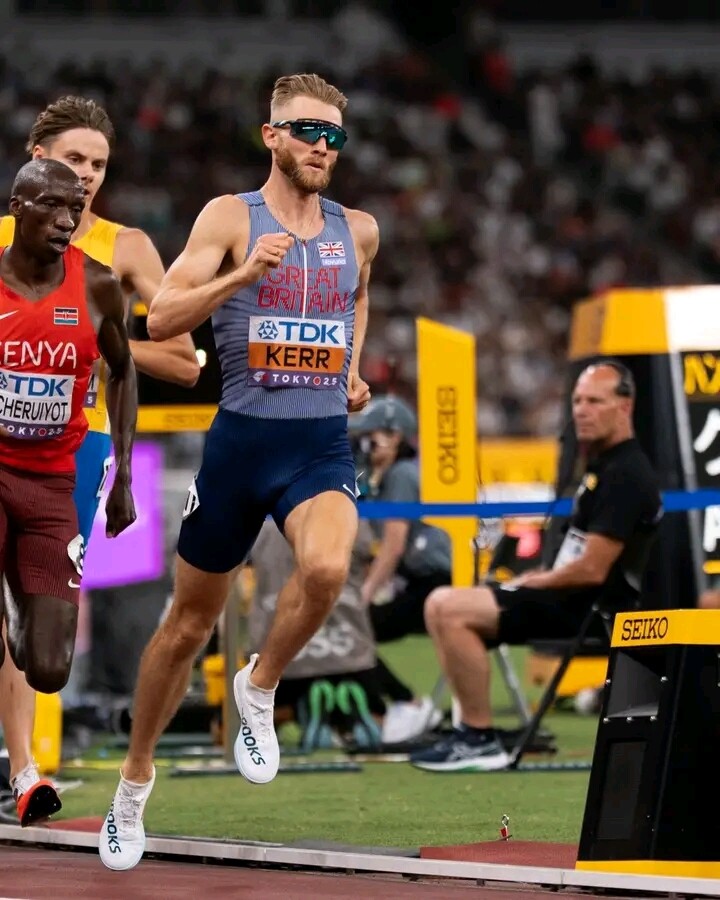
Now, British star Josh Kerr believes that record is finally within reach.
The reigning world champion has spent months preparing for what he calls Project 222—a bold attempt to become the first man in history to break 3 minutes 43 seconds for the mile. The name represents the 222 seconds required to run a 3:42 mile, and every detail of his preparation has been meticulously planned.
From specially designed racing spikes and carefully selected pacemakers to altitude training supported by a chamber installed in his home, Kerr has left nothing to chance. Rather than attempting the feat in a quiet time trial, he has chosen the electric atmosphere of a packed 60,000-seat London Stadium on July 18, hoping the crowd will help carry him into history.
But what was expected to be Kerr's night has suddenly become one of the most anticipated showdowns of the season.
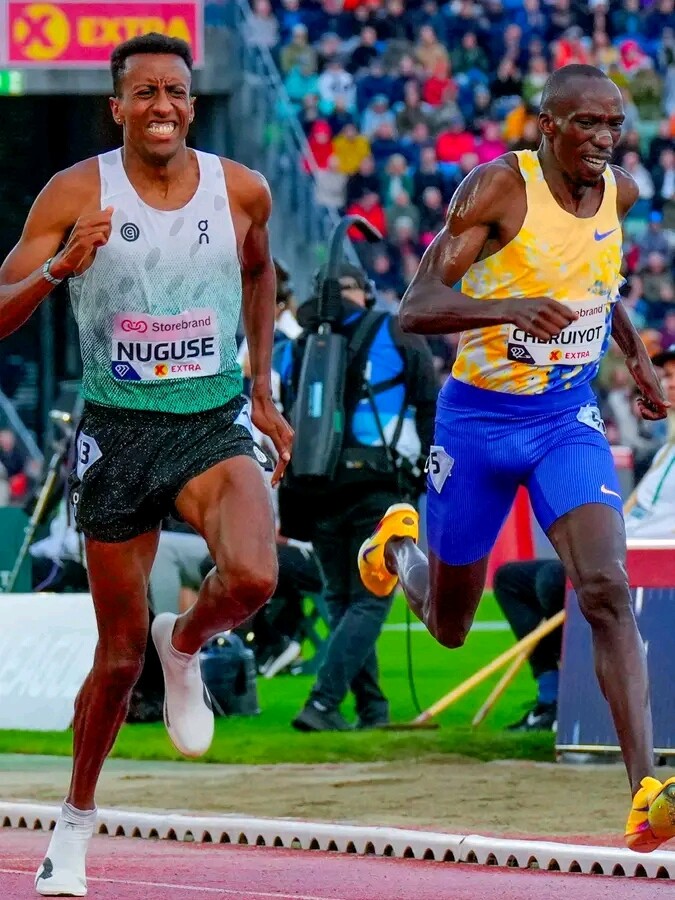
American star Yared Nuguse has officially entered the race, adding another layer of intrigue to an already historic occasion.
On paper, Nuguse holds the stronger credentials over the mile. His personal best of 3:43.97 ranks as the fourth-fastest performance in history, nearly one and a half seconds quicker than Kerr's lifetime best. This season alone, the Olympic bronze medallist has been in outstanding form, claiming two Diamond League 1500m victories before clocking an impressive 3:46.61 mile at the Prefontaine Classic.
Their rivalry has also been fiercely competitive. Nuguse holds a 4-2 advantage over Kerr in regular-season meetings, demonstrating his consistency on the circuit. Yet when championship medals are on the line, the story changes. Kerr has repeatedly found another gear, remaining unbeaten against Nuguse in global championship finals.
That contrast is what makes this race so fascinating.
Kerr arrives with the confidence, preparation and home support to launch an assault on one of athletics' oldest records. Nuguse arrives as arguably the fastest miler in the field based on recent performances, with every intention of spoiling the party.
Whether the mile world record finally falls or survives for another year, London is set to witness far more than a record attempt. It will be a clash between two of the world's finest middle-distance runners, each believing he has what it takes to rewrite history.
On July 18, the stopwatch will decide whether Project 222 becomes reality—or whether Yared Nuguse steals the spotlight in one of the most eagerly awaited mile races of the modern era.
by Erick Cheruiyot for My Best Runs.
Login to leave a comment
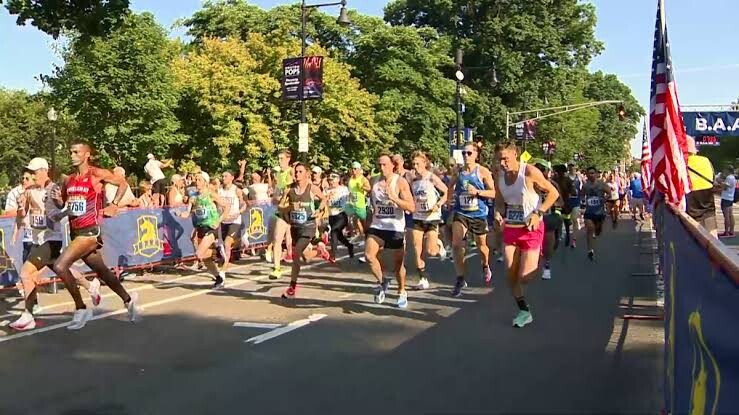
Boston 10K Set for Thrilling Showdown as International Stars Assemble in Massachusetts
The countdown is on for the 2026 Boston Athletic Association (B.A.A.) 10K, and the men's elite race is shaping up to be one of the most competitive road contests of the season.
Scheduled for Sunday, June 21, in Boston, Massachusetts, the prestigious event has attracted a deep international field featuring proven performers from Africa, Europe, and North America. With several athletes boasting personal bests under 28 minutes, fans can expect a fierce battle from the opening kilometers to the finish line.
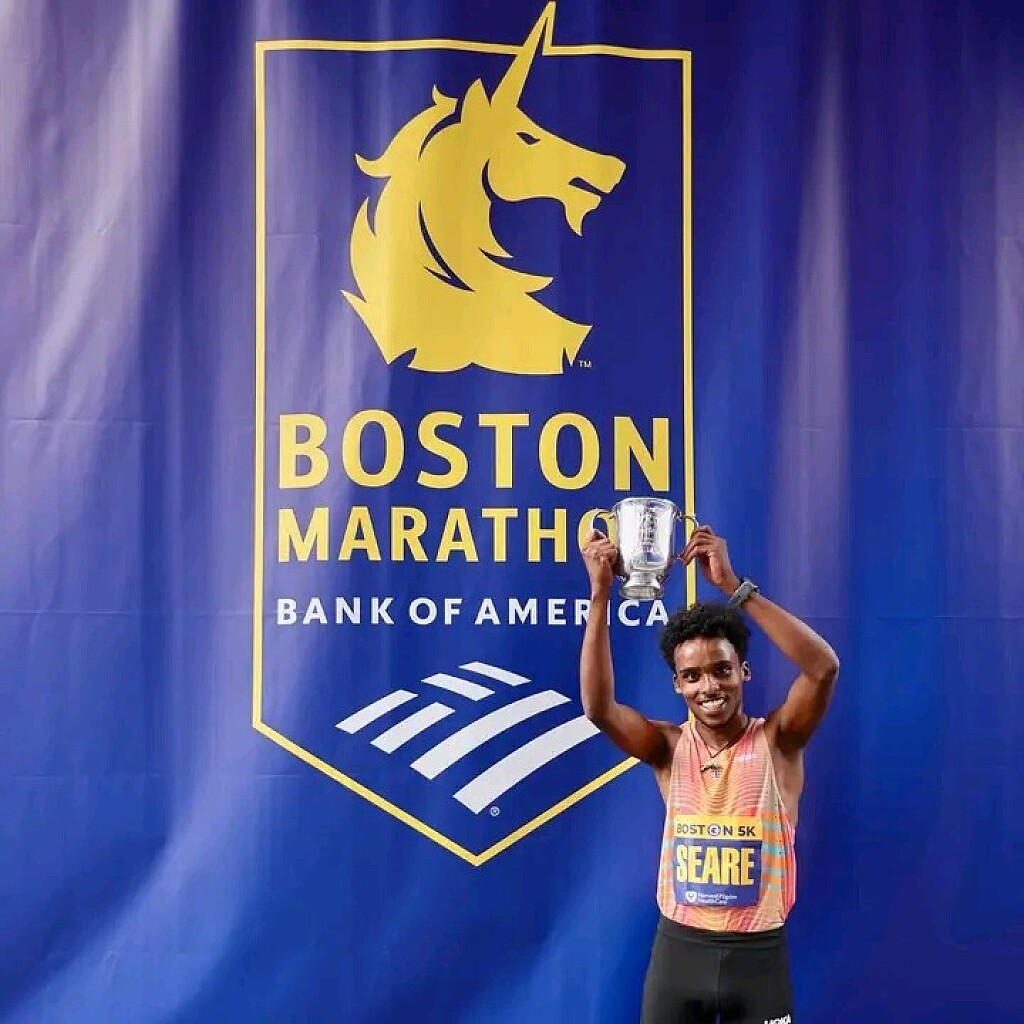
Leading the entries is Eritrea's Dawit Seare, whose impressive personal best of 27:21 makes him the fastest athlete on paper. The Eritrean will arrive as one of the leading contenders, but he faces strong opposition from a group of hungry challengers eager to make their mark on the historic Boston roads.
Kenya's Simon Mutula, carrying a lifetime best of 27:23, headlines a powerful Kenyan contingent that includes Alexander Mutiso, Patrick Kiprop, and Alex Masai. With Kenya's rich tradition of distance-running excellence, the trio will be aiming to continue the country's dominance on the global road racing circuit.
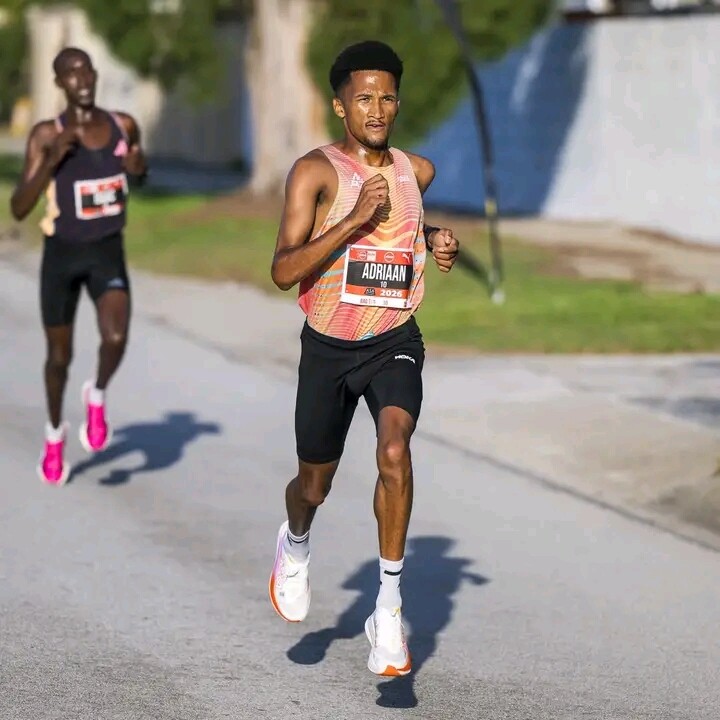
South Africa's Adriaan Wildschutt enters the race with a personal best of 27:28 and could prove to be one of the most dangerous competitors in the field. Known for his strength and tactical awareness, Wildschutt has consistently demonstrated his ability to challenge the world's best over long distances.
Ethiopia will also be strongly represented through Hagos Gebrhiwet, while Morocco's Mohamed El Aaraby and Spain's Pablo Alba add further international quality to an already stacked lineup. American hopes will rest largely on Andrew Colley, who will be looking to deliver a memorable performance in front of a home crowd.
Beyond the impressive statistics, the race promises an intriguing clash of styles, experience, and ambitions. With several athletes separated by mere seconds on personal bests, strategy, pacing, and finishing speed could ultimately determine who stands atop the podium.
The B.A.A. 10K has built a reputation for producing fast times and exciting competition, and the 2026 edition appears poised to uphold that tradition. As the world's distance-running spotlight turns toward Boston, spectators can look forward to a high-quality contest featuring some of the finest road runners currently competing on the international stage.
With national pride, valuable rankings points, and victory on the line, all signs point to a captivating morning of racing in Massachusetts. The only certainty is that the battle for the B.A.A. 10K crown will be anything but predictable.
by Erick Cheruiyot for My Best Runs.
Login to leave a comment

B.A.A. 10K
The 6.2-mile course is a scenic tour through Boston's Back Bay. Notable neighborhoods and attractions include the legendary Bull and Finch Pub, after which the television series "Cheers" was developed, the campus of Boston University, and trendy Kenmore Square. ...
more...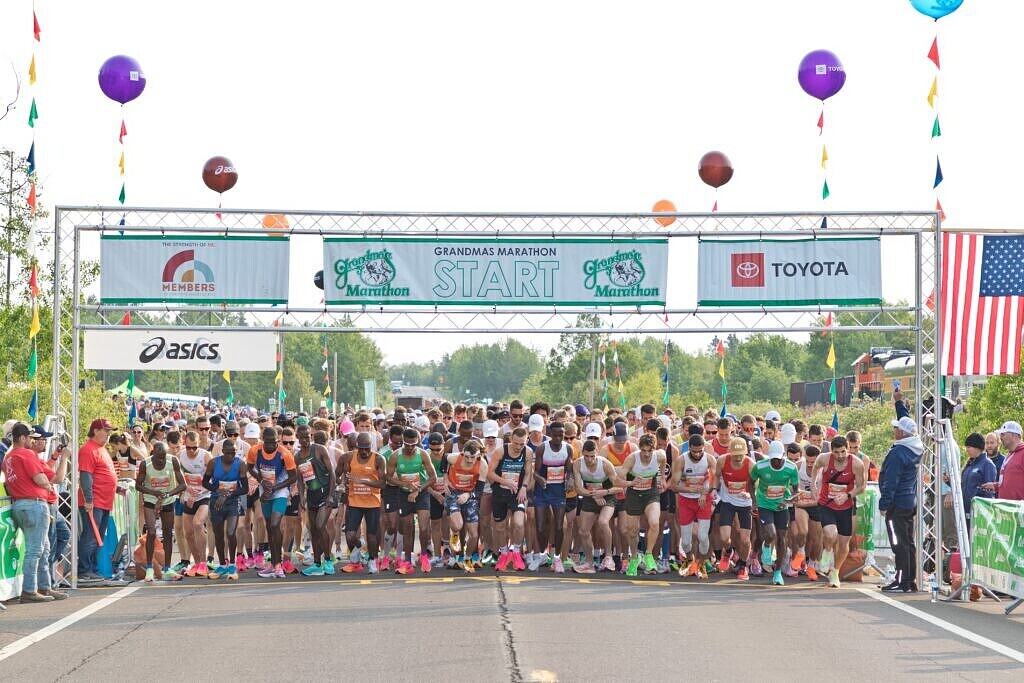
Elite Marathoners Set for High-Stakes Battle at 2026 Grandma’s Marathon
A deep and talented international field will headline the 2026 Grandma’s Marathon in Duluth, Minnesota, on Saturday, June 20. Elite athletes from across the globe are set to compete in one of America’s premier road races, creating the perfect recipe for a thrilling contest. With proven marathon performers and emerging talents all chasing victory, fans can expect a fiercely contested race from start to finish.
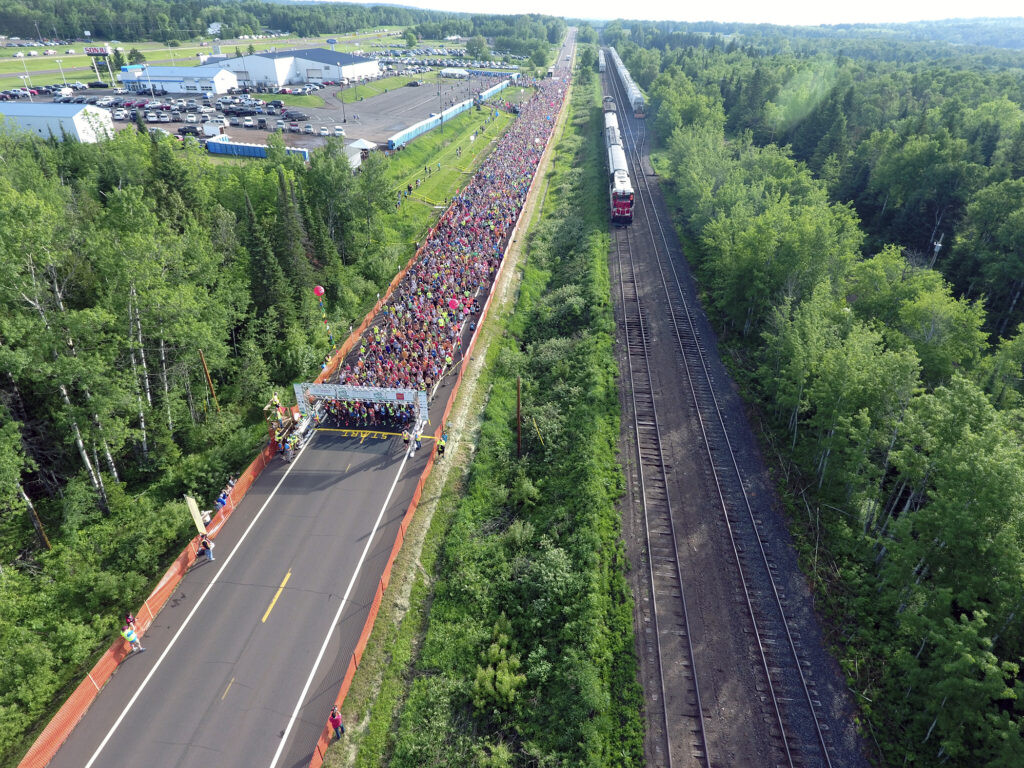
Leading the field on paper is Eritrea’s Amnuel Mesel, whose personal best of 2:08:17 makes him the fastest entrant in the race. The experienced marathoner will be aiming to translate his credentials into victory on one of the United States’ most celebrated marathon courses.

Close behind is Kenya’s Milton Rotich, who arrives with a personal best of 2:08:55 and the pedigree to challenge for top honors. Ethiopia’s Getnet Gedimu, boasting a best of 2:09:21, adds further depth to a field packed with quality and experience.
The American challenge will be led by Joseph Whelan, whose personal best of 2:09:42 places him firmly among the race favorites. Fellow American Brendan Cregg, owner of a 2:11:21 best, will also be looking to capitalize on home support as he takes on the international contenders.
Kenya will also be represented by Benard Rotich and Sammy Rotich, both carrying identical personal bests of 2:10:39. Their presence further strengthens a field where several athletes have demonstrated the ability to compete at a world-class level over the marathon distance.
With multiple runners entering the race with personal bests under 2:10 and many more capable of producing breakthrough performances, the men’s race promises to deliver excitement from the opening miles to the finish line. Experience, strategy, and endurance will all be tested as athletes battle for supremacy on the fast and historic route along the shores of Lake Superior.
As race day approaches, anticipation continues to build for what could be one of the most competitive editions of Grandma’s Marathon in recent years. With elite talent representing several nations and little separating the leading contenders, the stage is set for a memorable showdown in Duluth.
by Erick Cheruiyot for My Best Runs.
Login to leave a comment

Grandmas Marathon
Grandma's Marathon began in 1977 when a group of local runners planned a scenic road race from Two Harbors to Duluth, Minnesota. There were just 150 participants that year, but organizers knew they had discovered something special. The marathon received its name from the Duluth-based group of famous Grandma's restaurants, its first major sponsor. The level of sponsorship with the...
more...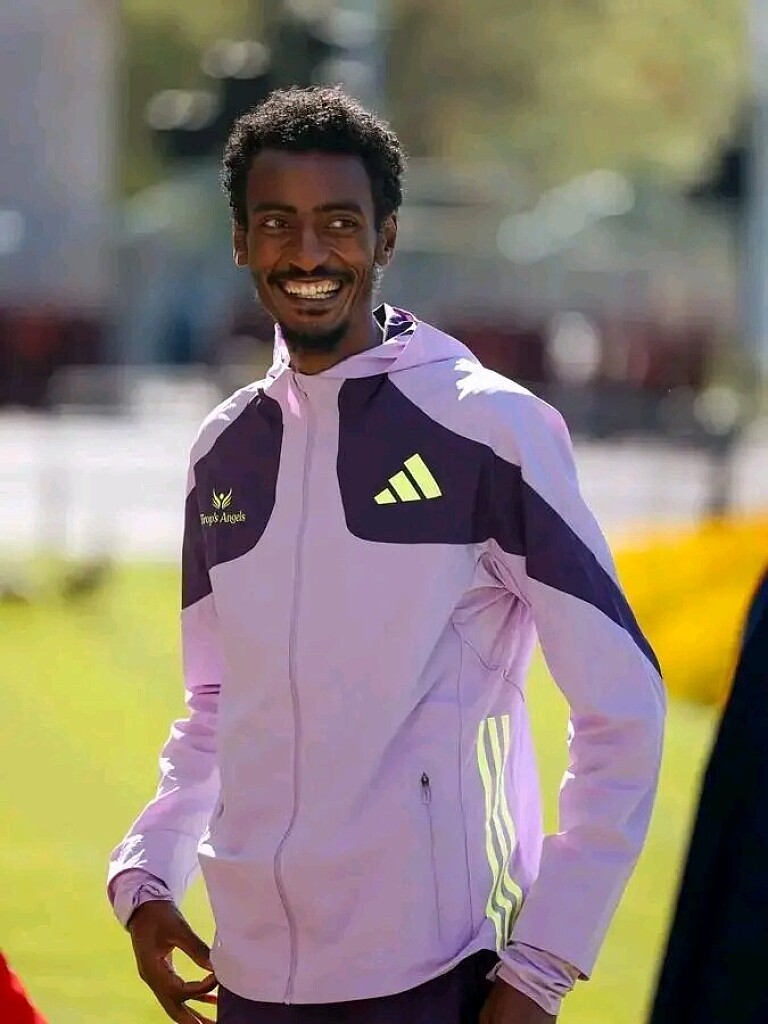
Under Two Hours, Yet Not Enough: Yomif Kejelcha's Remarkable Run in London
In most marathons, a performance like Yomif Kejelcha's would have rewritten history.
At the 2026 London Marathon, the Ethiopian distance star produced one of the finest races ever seen over 42.195 kilometres, stopping the clock at an astonishing 1:59:41. The time placed him among an extremely exclusive group of athletes to complete the marathon distance in under two hours in race conditions and would have shattered the world record on almost any other day.
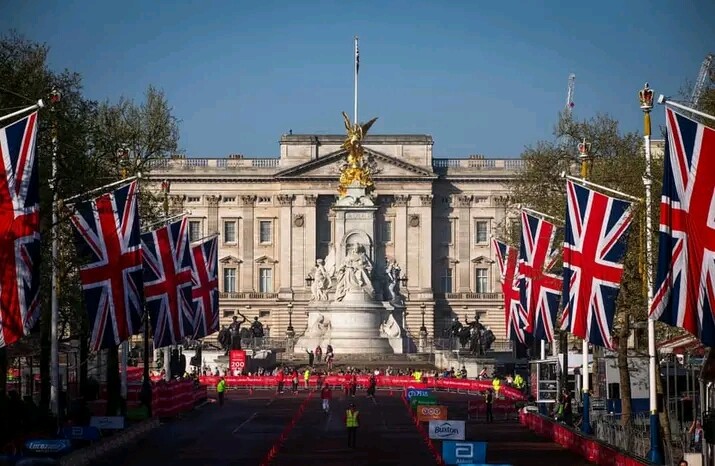
Yet Kejelcha crossed the finish line in second place.
Ahead of him was Kenya's rising marathon sensation, Sebastian Sawe, who delivered a performance for the ages, storming to victory in 1:59:30 and finishing eleven seconds clear of the Ethiopian. It was a race that elevated the standard of marathon running to unprecedented heights and left spectators struggling to comprehend what they had witnessed.
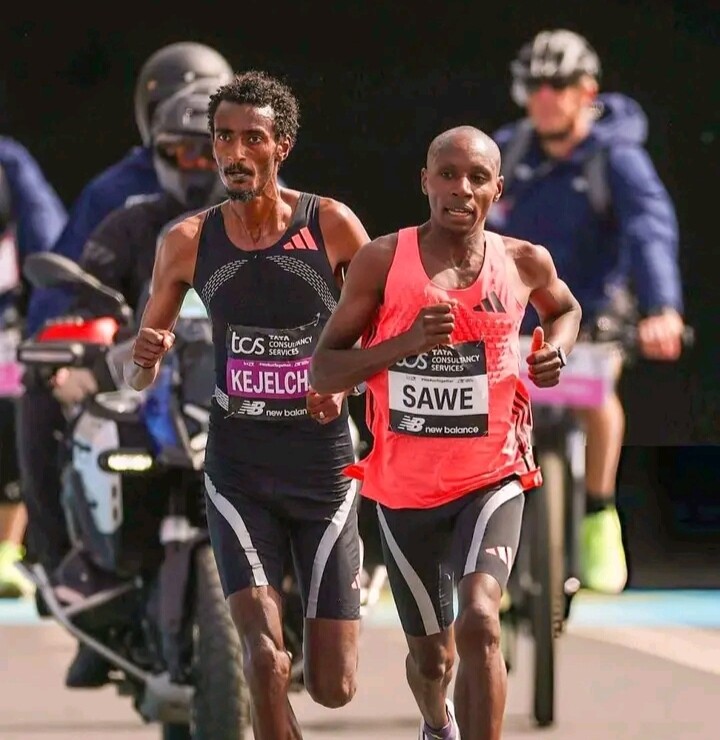
What makes Kejelcha's achievement even more remarkable is that he never expected such a result.
After the race, the Ethiopian admitted that his pre-race expectations were far more modest. He believed a finishing time somewhere between 2:02 and 2:03 was realistic. As the race entered its closing stages, fatigue began to take hold. Around the 25-mile mark, his legs felt increasingly heavy, and he was convinced his opportunity for something special had slipped away.
Then came the final stretch.
A glance at his watch revealed numbers that seemed almost impossible. Despite the pain and exhaustion, he was running at a pace few athletes in history had ever sustained. The finish line confirmed it: a sub-two-hour marathon and one of the fastest performances the sport has ever recorded.
Yet there was no world record celebration. No winner's trophy.
Only second place.
And perhaps that is what makes this story so compelling.
Elite sport often teaches us to measure success through victories, medals and records. But Kejelcha's run serves as a reminder that greatness cannot always be defined by finishing first. Sometimes an athlete produces the performance of a lifetime and still encounters someone capable of something even more extraordinary.
On paper, the result will forever show Kejelcha as the runner-up. History, however, is unlikely to remember it that way. His courageous front-running effort, his refusal to surrender when fatigue struck, and his astonishing finishing time ensured that his race became one of the defining moments of modern marathon running.
There are defeats that fade quickly from memory. Then there are performances so exceptional that they transcend the final standings.
Yomif Kejelcha did not leave London with a title or a world record. He left with something arguably more enduring: a place in one of the greatest marathon battles ever contested.
And when future generations look back on that unforgettable morning in London, they may ask a simple question:
If an athlete runs one of the fastest marathons in history, exceeds every expectation, and inspires millions along the way, can it really be called a defeat?
by Erick Cheruiyot for My Best Runs.
Login to leave a comment
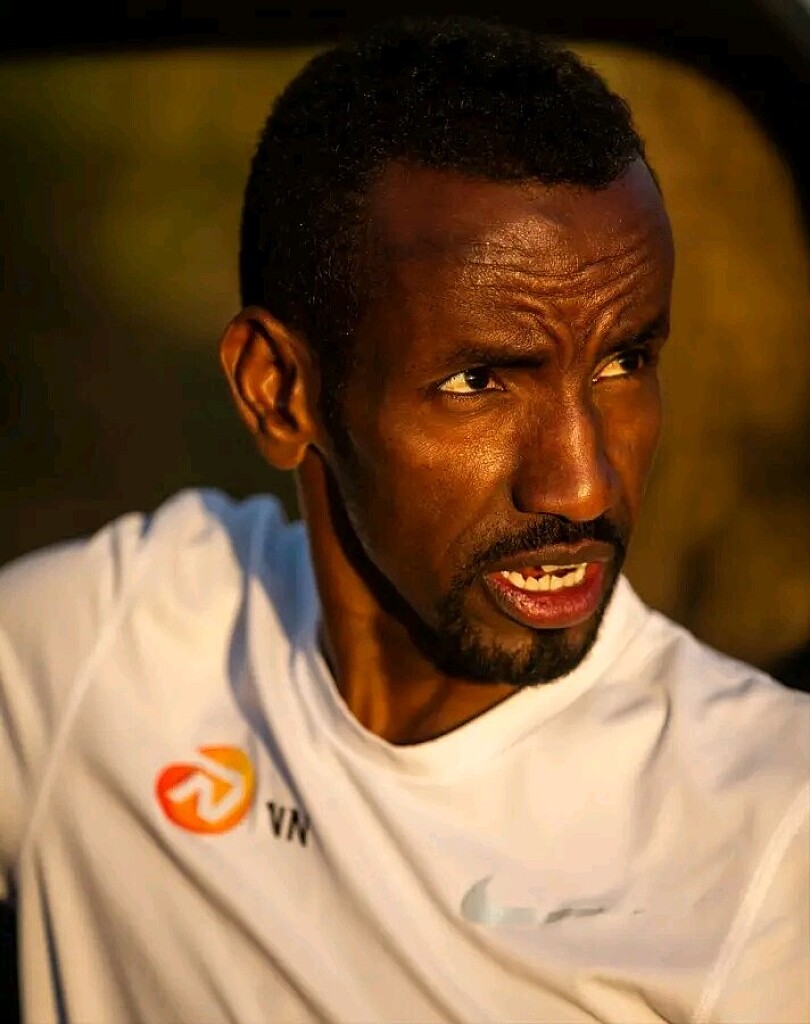
Bashir Abdi’s National Record Annulled After Half Marathon Course Found Short
Distance running can be brutally unforgiving, but few moments are as heartbreaking as producing the race of your life only to discover it will never officially count.
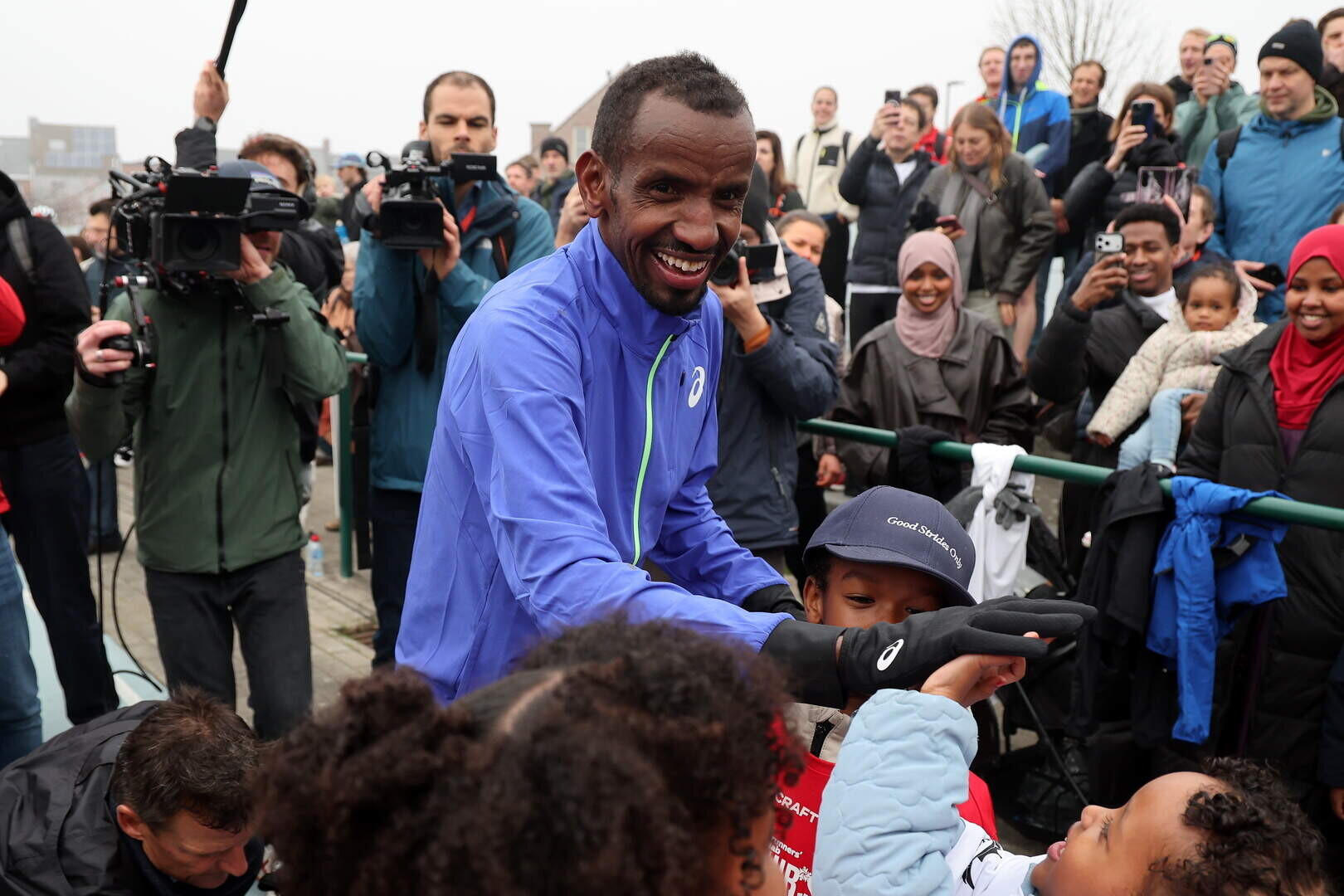
That painful reality has now struck Dutch long-distance star Bashir Abdi after his remarkable half marathon performance in Gentbrugge was annulled following confirmation that the course measured approximately 200 metres short.
Abdi had appeared to rewrite the Dutch record books with a sensational time of 59:28, slicing 23 seconds off his previous national mark of 59:51. The performance was initially celebrated as another milestone in the decorated career of one of Europe’s finest marathon runners, sparking excitement across the athletics world.
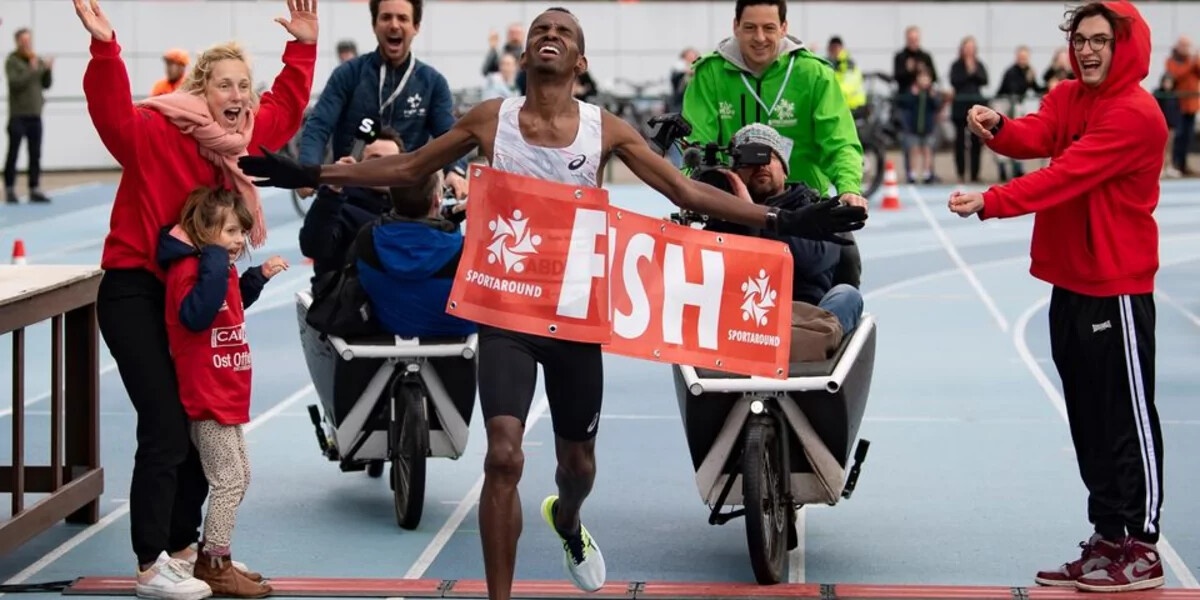
However, a post-race remeasurement later revealed that the course did not meet the official half marathon distance, forcing organizers to invalidate the result despite Abdi’s impressive effort.
The race organizers admitted the mistake in a statement, acknowledging that the error had led to a deeply disappointing outcome while promising to learn from the incident moving forward.
For Abdi, the news was understandably difficult to accept. The record had carried significant emotional value, representing months of preparation and another chapter in his distinguished career. Yet even in disappointment, the Olympic medalist responded with admirable sportsmanship and integrity.
“It is very unfortunate to hear that the course was too short. That record meant a lot to me, but sport is also about fairness. Right is right,” Abdi said after the decision was officially confirmed.
While the time will not stand in the record books, the performance itself still underlined Abdi’s exceptional form and enduring class on the roads. Few athletes would handle such a crushing setback with the same level of grace, and his reaction has earned widespread respect from fans and fellow athletes alike.
The incident also serves as a painful reminder of the precision required in elite road racing, where even the smallest measurement error can erase historic achievements in an instant. For organizers, the Gentbrugge controversy will likely become a hard lesson in the importance of course verification at the highest level of the sport.
For Abdi, meanwhile, the disappointment may only fuel greater motivation. Records can be erased on paper, but the determination and quality behind a world-class run remain impossible to measure away.
by Erick Cheruiyot for My Best Runs.
Login to leave a comment
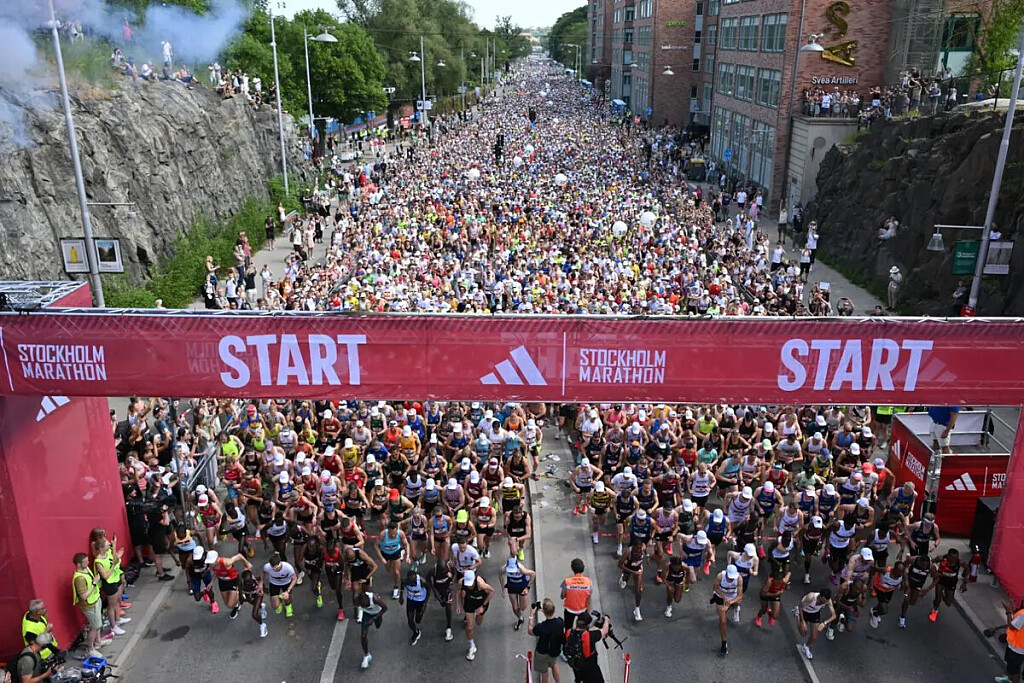
Battle of the Marathon Giants Awaits in Stockholm
The Stockholm Marathon returns on May 30 with a strong international field expected to light up the streets of the Swedish capital. Athletes from different parts of the world are set to battle for top honours, with the elite start list featuring several accomplished marathon runners carrying impressive personal bests into what promises to be a highly competitive contest in both the men’s and women’s races. This year’s race promises a blend of speed, endurance and tactical brilliance as athletes chase victory on one of Europe’s most prestigious marathon courses
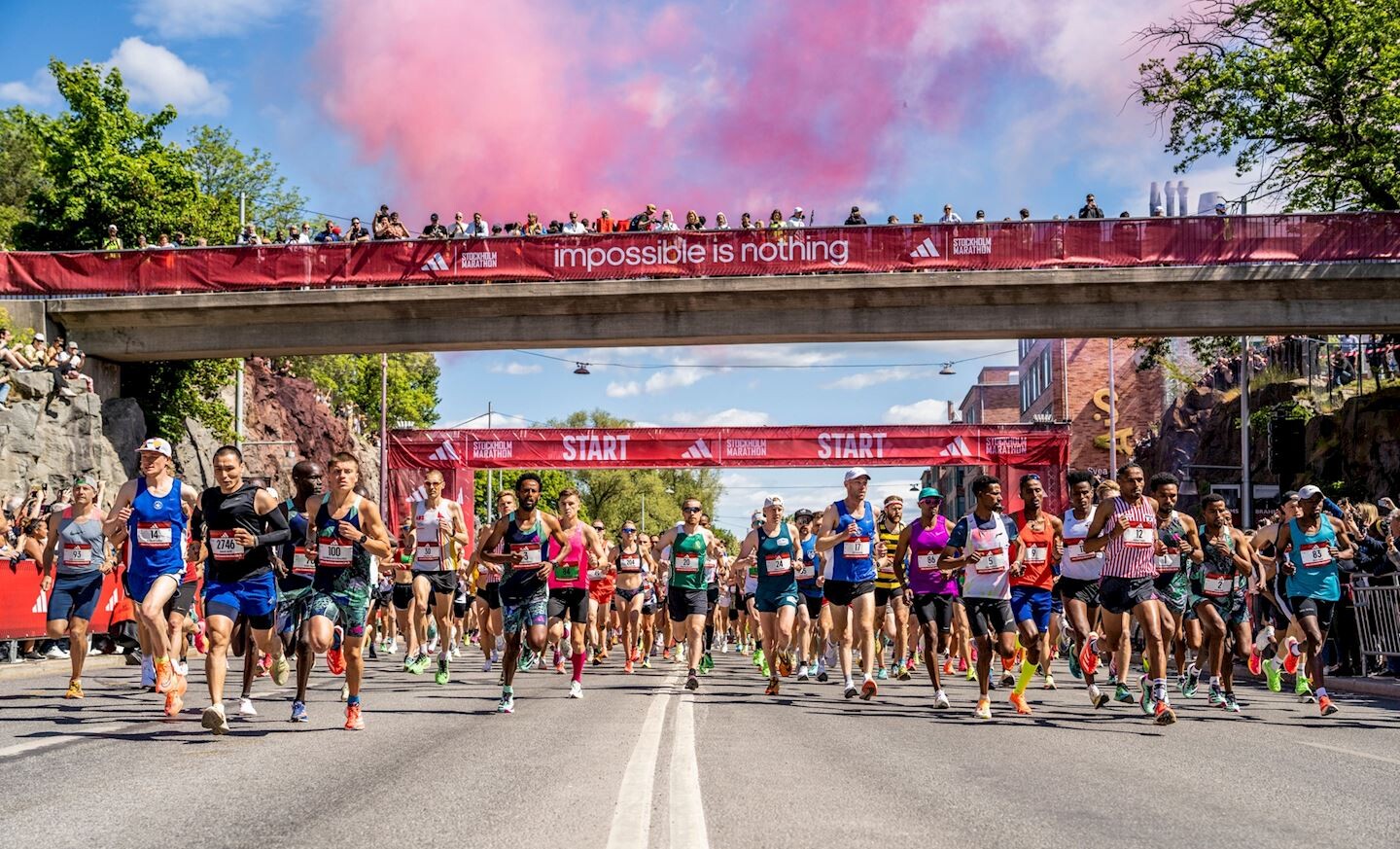
Leading the men’s field is Kenya’s Moses Kibet, the fastest entrant on paper with a personal best of 2:05:20. Renowned for his consistency and strength over the classic distance, Kibet arrives in Stockholm carrying the weight of expectation and will be eager to convert his credentials into a commanding performance.
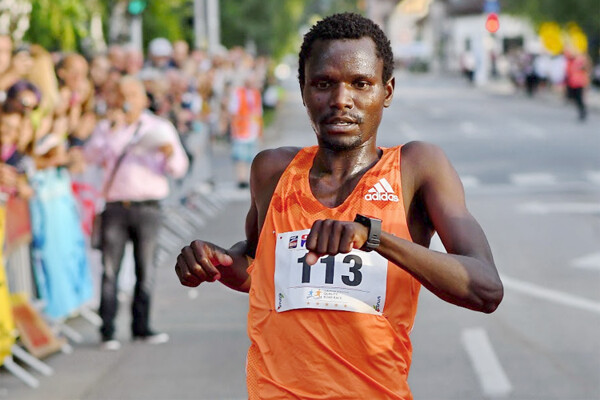
Fellow Kenyan Edwin Kiptoo, who owns a career-best mark of 2:06:10, is expected to pose one of the strongest challenges. His ability to maintain a relentless pace deep into races makes him a genuine contender for top honours. Also in the mix is Luke Kiprop, another experienced marathon campaigner whose personal best of 2:06:39 underlines his capability to compete at the highest level.
Adding further depth to the elite men’s contest is Edwin Kosgei, whose 2:07:31 lifetime best places him firmly within striking distance of the leading pack. With four accomplished Kenyan athletes boasting world-class credentials, the battle for the podium could develop into an enthralling tactical affair.
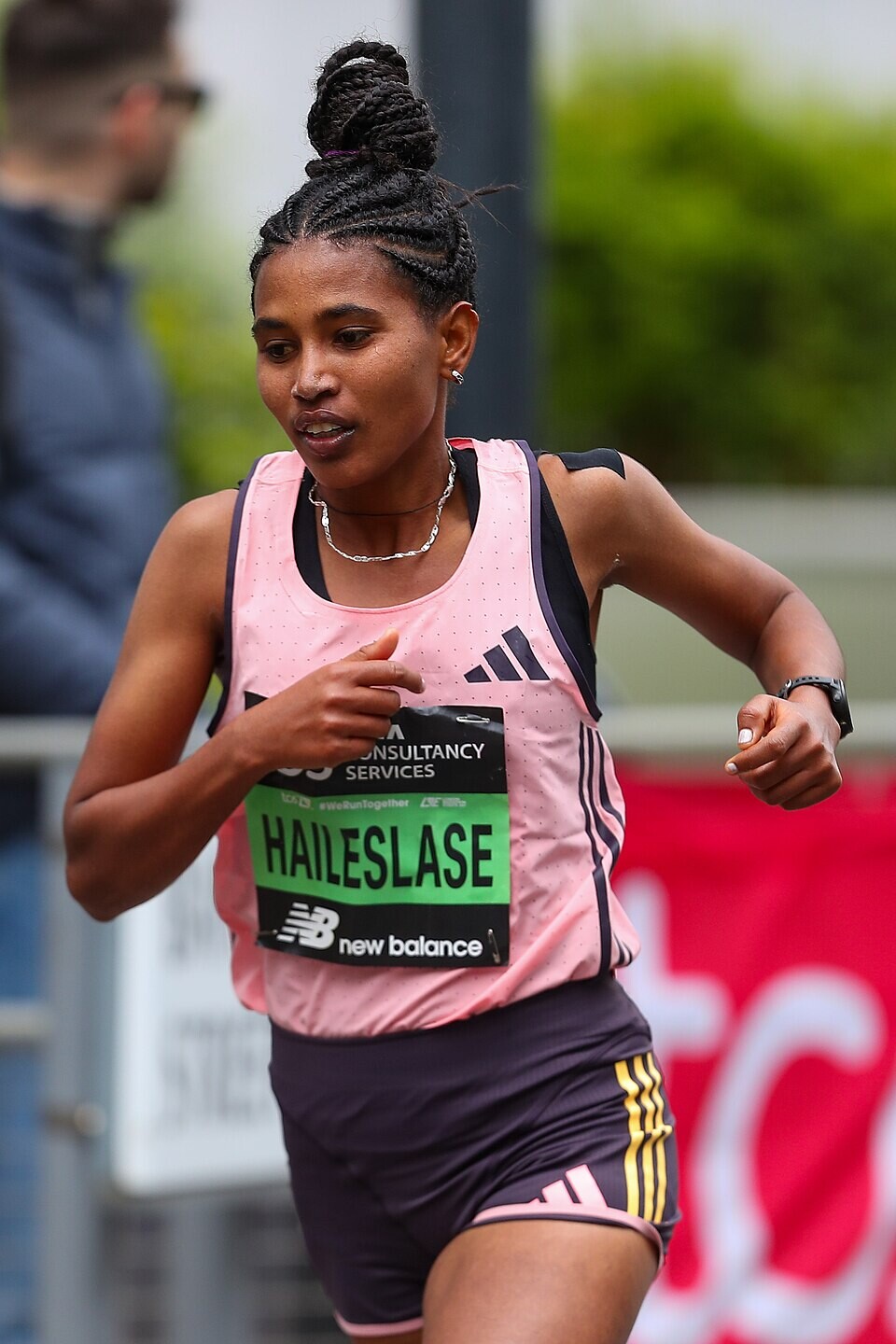
The women’s race is equally compelling, featuring a high-quality duel between Kenyan and Ethiopian contenders. Ethiopia’s Tsige Haileslase enters as the fastest woman in the field with a personal best of 2:22:10, giving her a slight statistical edge heading into the race. However, the margins are razor-thin.
Just three seconds behind on paper is Kenya’s Monicah Wanjuhi, whose 2:22:13 personal best signals her readiness to challenge for victory. With both athletes separated by the narrowest of margins, spectators can expect an intense head-to-head contest that may not be decided until the closing kilometres.
Ethiopia’s Sentayehu Lewetegn adds another layer of intrigue with a best time of 2:22:36, while Kenya’s Rebeca Chesir, a proven performer with a personal best of 2:24:25, completes a highly competitive elite women’s lineup capable of producing fireworks on race day.
As the countdown to Stockholm Marathon 2026 reaches its final days, anticipation continues to build around what could become one of the most exciting editions in recent memory. With experienced marathoners, closely matched personal bests and national pride at stake, the Swedish capital is poised to witness a spectacular showcase of world-class distance running.
by Erick Cheruiyot for My Best Runs.
Login to leave a comment

ADIDAS Stockholm Marathon
ASICS Stockholm Marathon is an exciting race in a beautiful city with runners from all over the world. This is one of the major sporting events in Sweden with hundreds of thousands of spectators along the route cheering the participants. The race takes you through Stockholm, one of the world’s most beautiful capitals. Built on 14 islands around one of...
more...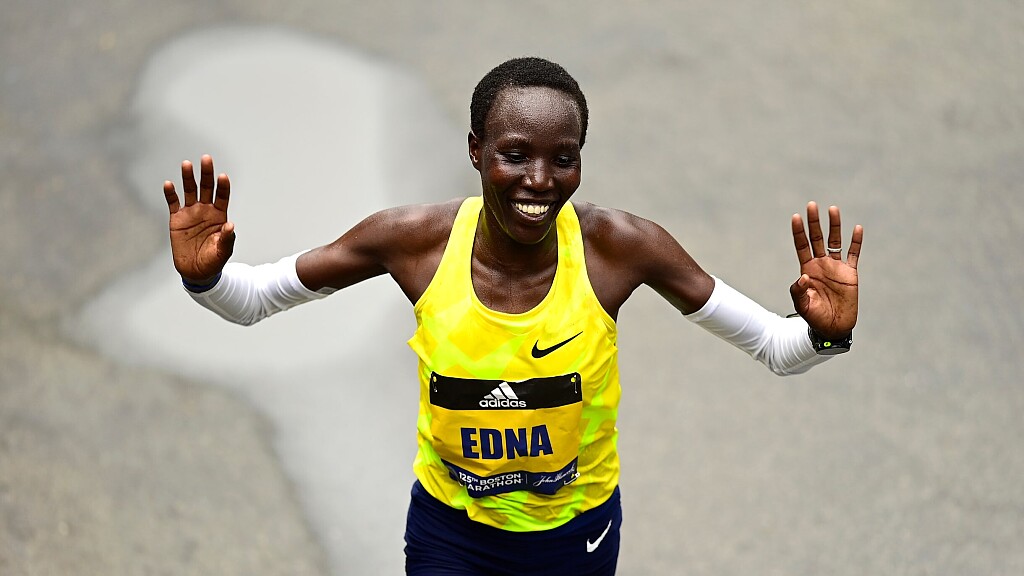
Cape Town Awaits a Women’s Marathon Masterclass in 2026
The streets of the Mother City are preparing for a spectacular showdown as the 2026 Cape Town City Marathon assembles one of the strongest women’s elite fields ever seen on African soil. With proven champions, sub-2:20 performers, and athletes carrying years of major marathon experience, the race is shaping up to be a thrilling contest beneath the shadow of Table Mountain.
Set for Sunday, May 24, the event promises not only speed but also fierce international rivalry, with Africa’s distance-running powerhouses once again ready to battle for supremacy in South Africa.
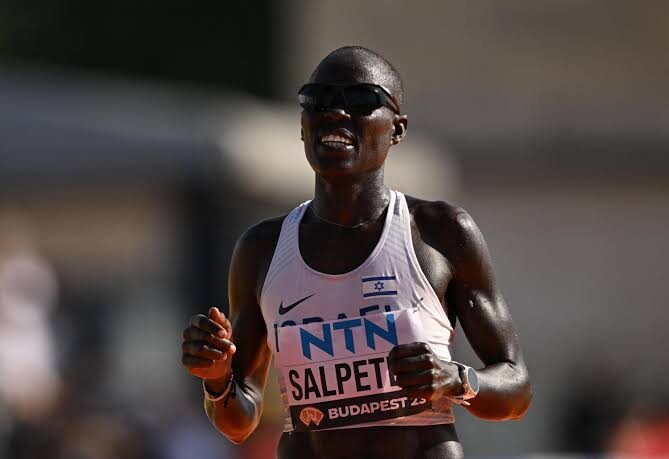
Leading the field on paper is Israeli marathon star Lonah Salpeter, whose personal best of 2:17:45 makes her the fastest entrant. Salpeter’s aggressive racing style and championship pedigree instantly place her among the favourites. Known for her ability to maintain relentless pace deep into the closing stages, she arrives in Cape Town carrying the experience of competing against the world’s very best.
Ethiopia, however, comes armed with overwhelming depth. Ruti Aga enters with a superb 2:18:09 best and years of elite marathon consistency. She is joined by compatriots Mestawat Fikir and Dera Dida, both proven sub-2:19 athletes capable of dictating the pace from the gun. Add Waganesh Mekasha to the equation, and Ethiopia possesses enough firepower to control the race tactically if conditions favour fast running.
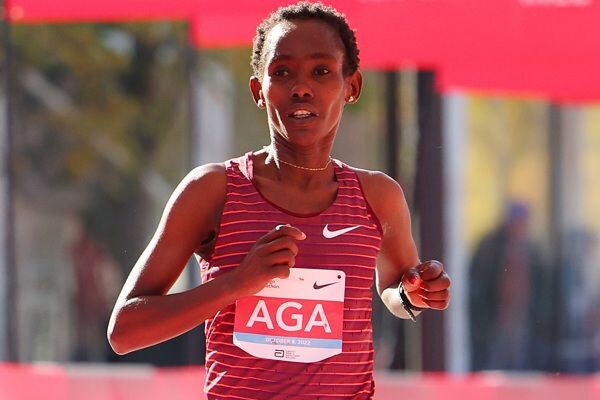
Kenya’s challenge will be led by veteran marathon queen Edna Kiplagat, one of the most respected names in global road racing. Though already a legend of the sport, Kiplagat continues to demonstrate remarkable longevity at the highest level. Her calm racing intelligence, championship experience, and unmatched resilience could prove decisive in a tactical battle over 42.2 kilometres.
Alongside her stands fellow Kenyan Vibian Chepkirui, a runner with proven international pedigree and the strength to challenge late in the race if the tempo turns unforgiving.
Bahrain’s Desi Jisa also adds another dangerous dimension to the contest. With a personal best of 2:20:07, she has both the experience and finishing ability to disrupt the East African dominance many expect.
What makes this field particularly exciting is the blend of speed and experience. Several athletes have already conquered major marathons around the world, while others arrive hungry to make a defining statement in one of Africa’s fastest-growing road races. The course through Cape Town’s iconic scenery could provide the perfect stage for a memorable performance — and perhaps even a historic winning time.
As anticipation builds, one thing is already certain: the 2026 Cape Town City Marathon will not simply be another race on the calendar. It is shaping into a global showcase of women’s marathon excellence, where champions will clash, reputations will be tested, and the Mother City will witness world-class distance running at its finest.
by Erick Cheruiyot for My Best Runs.
Login to leave a comment

Cape Town Marathon
The Sanlam Cape Town Marathon is a City Marathon held in Cape Town, South Africa, which is sponsored by Sanlam, the City of Cape Town and Vital Health Foods. The marathon is held on a fast and flat course, starting and finishing in Green Point, near the Cape Town Stadium. Prior to existing in its current format, the Cape Town...
more...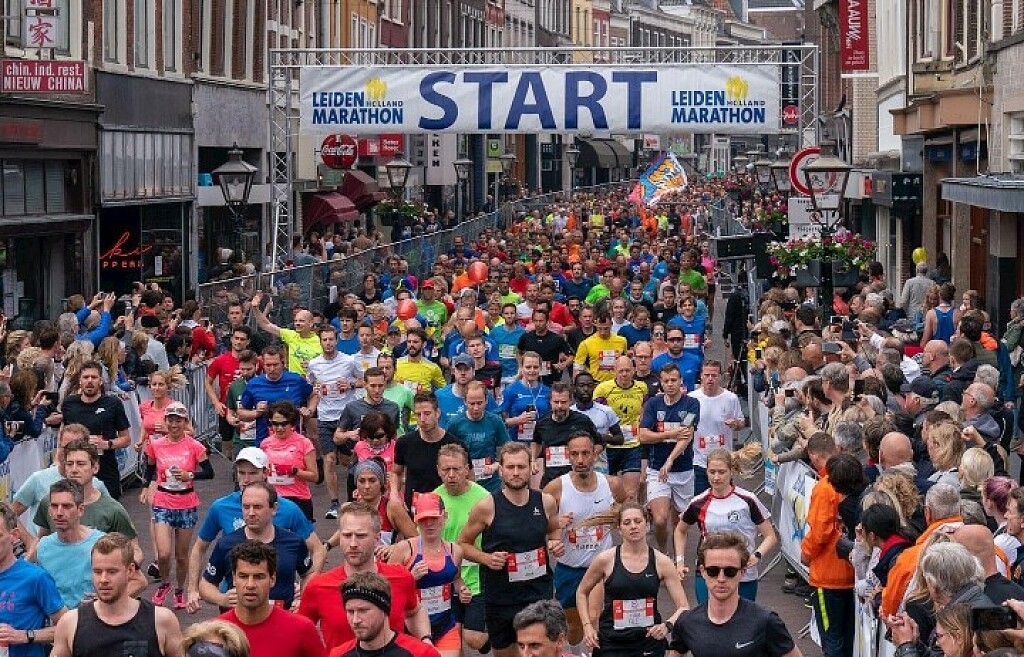
Leiden Marathon Braces for Elite International Distance Running Showdown
The historic Leiden Marathon is set to deliver another electrifying spectacle on 10 May as elite athletes from across the globe converge in the Netherlands for one of Europe’s most anticipated road races. Featuring an exciting blend of established marathon specialists, rising stars, and dangerous debutants, this year’s edition promises high-quality competition and fierce battles across both the men’s and women’s races.
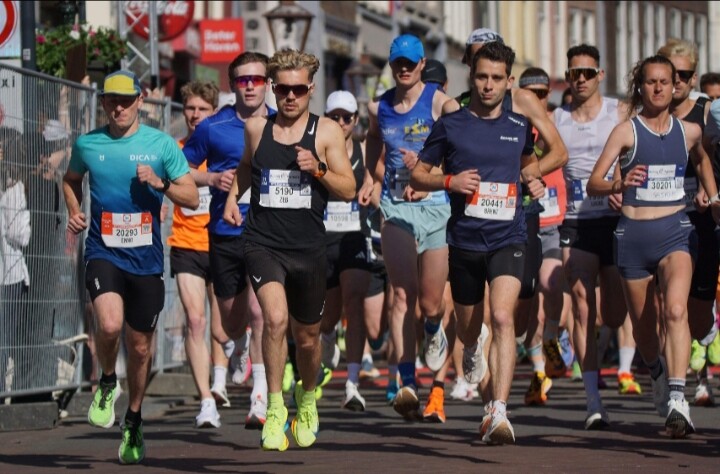
Among the standout names in the men’s field is Kenya’s Simon Waithira, who enters with an impressive personal best of 2:09:05. His consistency and strength over the classic distance position him among the leading contenders for victory. Fellow Kenyan Bernard Chumba also brings significant experience into the race, armed with a lifetime best of 2:10:33 and a reputation for thriving in tactical contests.
Ethiopia’s Asmera Beshir adds further international quality to the lineup. With a personal best of 2:13:22, Beshir possesses the endurance and composure required to challenge for top honours should the race develop into a strategic battle in the latter stages.
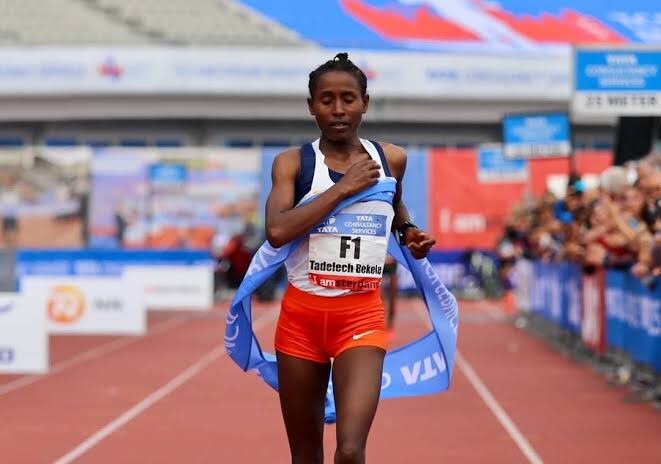
The women’s field is equally loaded with talent and ambition. Ethiopia’s Tadelech Bekele Alemu headlines the race with a commanding personal best of 2:21:40, making her one of the strongest favourites on paper. Her experience and proven ability over the marathon distance could prove decisive on race day.
Compatriot Tigist Worku will be aiming to produce a breakthrough performance as she seeks to lower her current best of 2:36:15, while Kenya’s Beatrice Mutai enters the spotlight with enormous curiosity surrounding her highly anticipated marathon debut. Mutai’s exceptional half marathon best of 1:07:29 suggests she possesses the raw talent to emerge as one of the revelations of the race.
The 2026 Leiden Marathon is set to deliver a celebration of world-class endurance racing, where experience, tactical intelligence, and fearless ambition will collide on the streets of Leiden in pursuit of victory and memorable performances. The elite field already announced has heightened anticipation for the race, with a strong international lineup expected to produce thrilling battles and outstanding performances across both the men’s and women’s races.
by Erick Cheruiyot for My Best Runs.
Login to leave a comment

Leiden Marathon
The Leiden Marathon has a picturesque course that combines the best of the city landscapes and the green countryside in the Green Heart. This one loop course is very flat and fast so get ready to improve your personal best if that is your goal. The Leiden Marathon starts in the heart of ancient Leiden, a 900 years old...
more...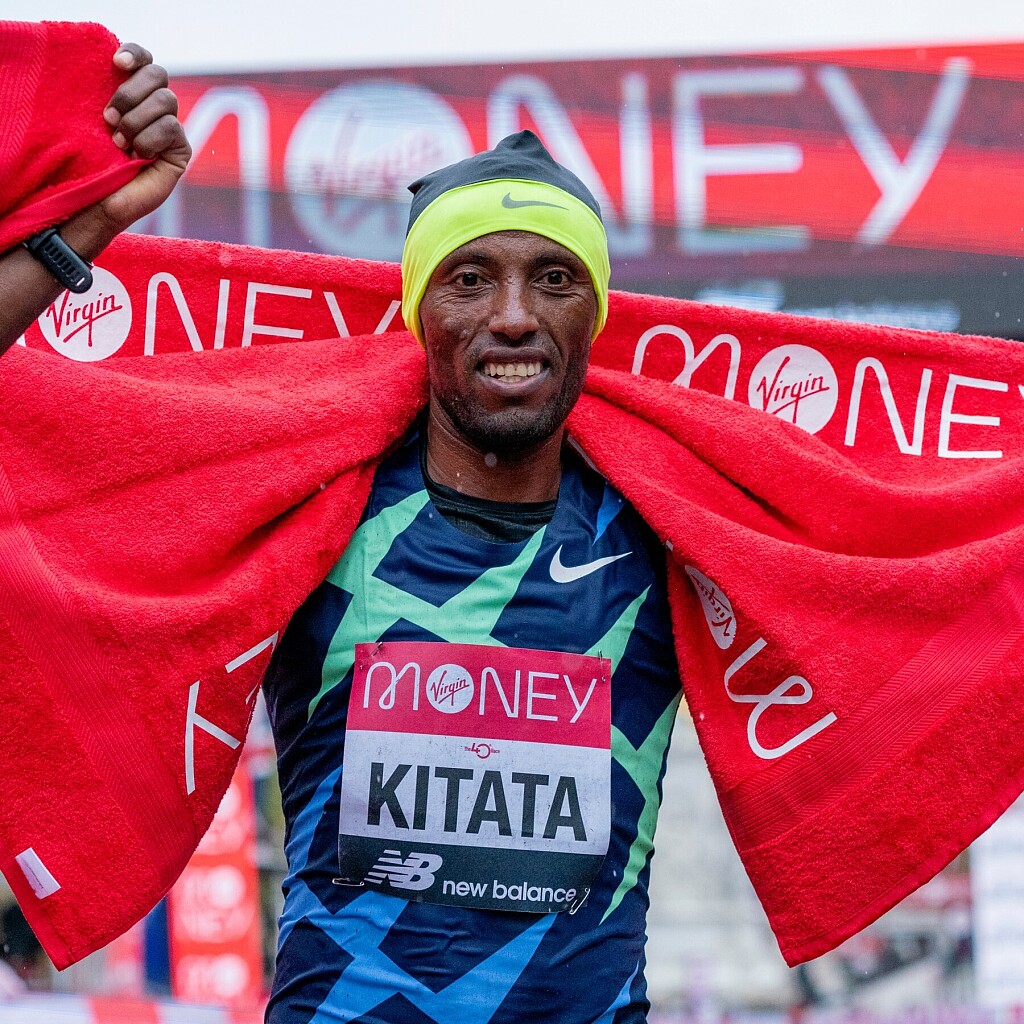
Clash of Continents: Kitata and Kibet Set the Stage for a Thrilling 2026 Ottawa Marathon
The 2026 edition of the Ottawa Marathon 2026 is shaping up to be a compelling showcase of global distance-running excellence, with a deep and fiercely competitive men’s elite field confirmed for May 24 in Ottawa. Headlining the race are Ethiopia’s Shura Kitata and Kenya’s Luke Kibet, two accomplished marathoners whose presence alone elevates the race into must-watch territory.
Kitata, boasting a personal best of 2:03:59, arrives as one of the fastest men in the field and a proven performer on the world stage. He shares that impressive mark with compatriot Asrar Hiyrden, underlining Ethiopia’s formidable strength at the front of the race. The East African nation further reinforces its dominance with a wave of depth, including Gebretsadik Abraha (2:06:16), Mulugeta Debasu (2:06:36), Gizealew Ayana (2:06:48), and Afewerk Mesfin (2:07:08), all capable of dictating a relentless early pace.
Kenya’s hopes will largely rest on the experienced shoulders of Kibet (2:08:45), alongside compatriots Elvis Cheboi (2:09:20) and Kipsambu Kimakal (2:09:41). While their personal bests may trail the leading Ethiopians on paper, Kenyan athletes are renowned for tactical intelligence and finishing strength—qualities that could prove decisive over the final kilometers.
Adding a strong North American presence, Canada’s Rory Linkletter (2:06:04) will carry home expectations, aiming to challenge the East African dominance on familiar roads. The United States is also well represented, with Daniel Mesfun (2:08:24), Ben Rosa (2:09:47), and Elkanah Kibet (2:10:02) all bringing credible credentials into the contest.
With such a tightly packed field of sub-2:10 athletes, the race promises more than just a battle against the clock—it sets the stage for a tactical duel where patience, positioning, and precision will determine the outcome. Whether it unfolds as a fast, record-chasing affair or a strategic showdown decided in the closing stages, the 2026 Ottawa Marathon is primed to deliver drama, depth, and a truly international contest worthy of its growing prestige.
by Erick Cheruiyot for My Best Runs.
Login to leave a comment

Ottawa Marathon
As one of two IAAF Gold Label marathon events in Canada, the race attracts Canada’s largest marathon field (7,000 participants) as well as a world-class contingent of elite athletes every year. Featuring the beautiful scenery of Canada’s capital, the top-notch organization of an IAAF event, the atmosphere of hundreds of thousands of spectators, and a fast course perfect both...
more...
Racing Legacy and Light: Laura Muir Returns for the Millicent Fawcett Mile
History and high performance will meet in powerful harmony on May 4 at Iffley Road Track, as Laura Muir steps onto the start line for the Millicent Fawcett Mile—her first competitive mile in three years. More than a race, the occasion carries the weight of legacy, honouring one of Britain’s most influential voices for equality, Dame Millicent Fawcett.
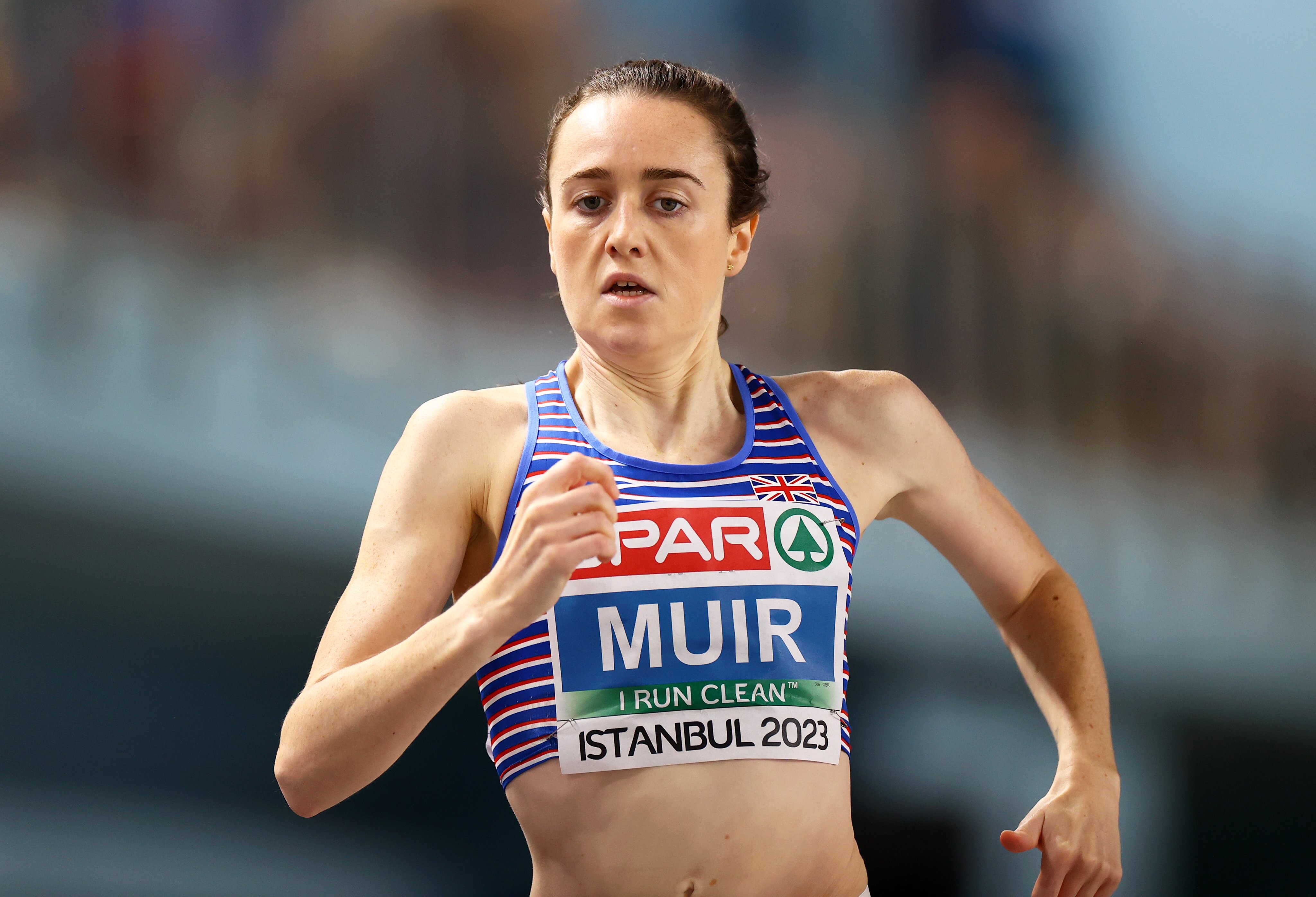
Fawcett, who lived from 1847 to 1929, led the National Union of Women’s Suffrage Societies with unwavering resolve. Her advocacy championed peaceful, strategic campaigning at a time when the call for women’s voting rights faced deep resistance. That persistence proved pivotal in the passage of the Representation of the People Act 1918, a landmark reform that granted voting rights to women for the first time in the United Kingdom. The race named in her honour serves as both tribute and reminder—of progress earned through courage and conviction.
Into this historic setting arrives Muir, one of Britain’s most accomplished middle-distance athletes. Her return to the mile distance carries both intrigue and expectation. The last time she contested the event was at the Monaco Diamond League 2023, where she delivered a performance of rare brilliance, clocking 4:15.24 to set a British record that still stands. That run not only reaffirmed her class but placed her among the fastest milers of her generation.
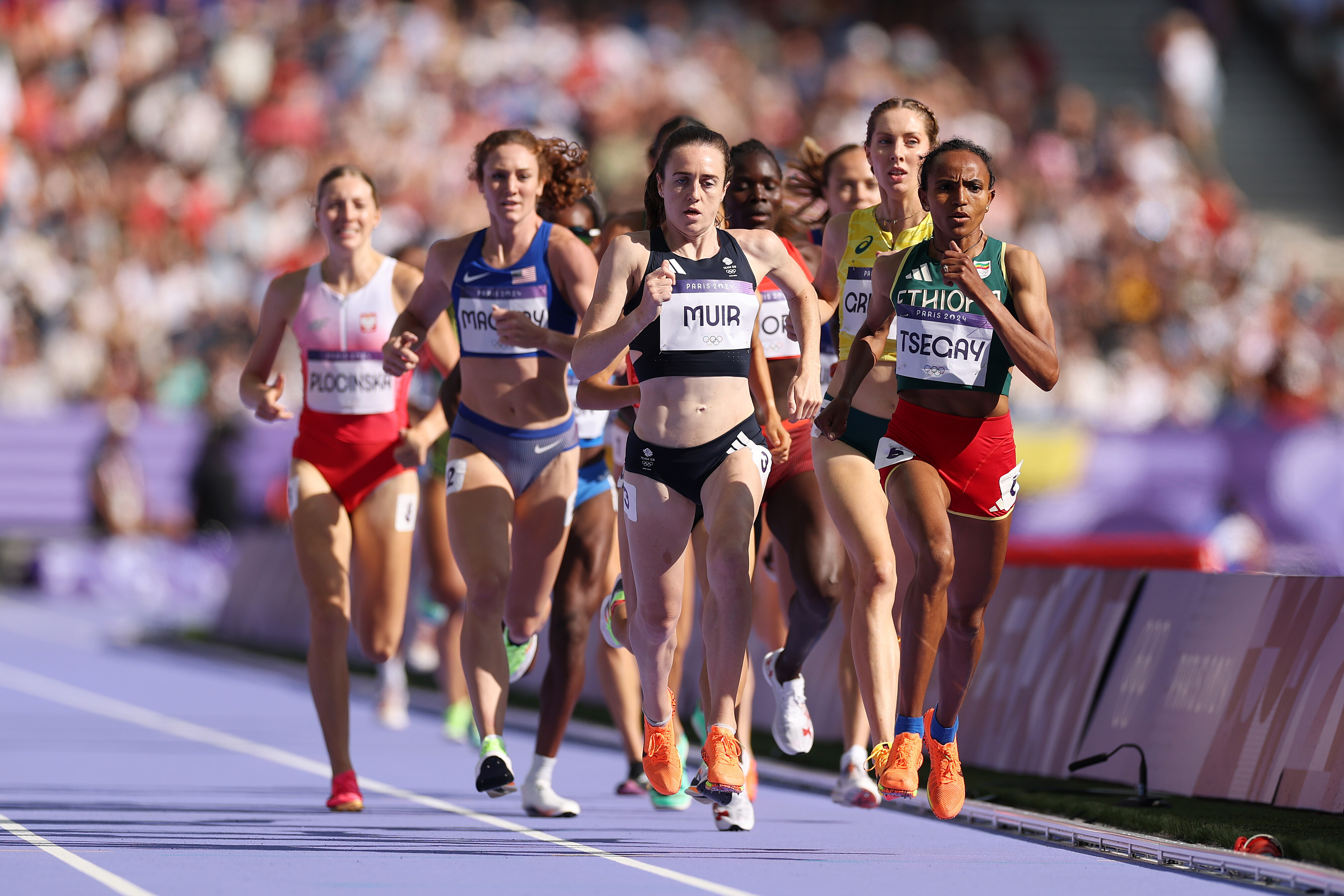
Now, the focus shifts to Oxford, where another mark beckons. The long-standing Iffley Road track record of 4:27.79, set by Sonia O’Sullivan in 2004, has endured for over two decades. It is a time etched into the fabric of the venue—resilient, respected, and waiting.
Muir’s return raises a compelling question: can she reshape that history? On paper, her pedigree suggests she can. Yet athletics has always thrived on the uncertainty between potential and execution. The magic of race day lies in that delicate balance.
What makes this moment particularly striking is its symbolism. At a venue steeped in athletic tradition, in a race named after a pioneer of social change, an elite athlete returns to test her limits once more. It is a convergence of past and present—of barriers broken and new ones challenged.
As the gun goes off on May 4, the Millicent Fawcett Mile will offer more than a contest against the clock. It will stand as a celebration of legacy, resilience, and the enduring pursuit of progress—on the track and far beyond it.
by Erick Cheruiyot for My Best Runs.
Login to leave a comment
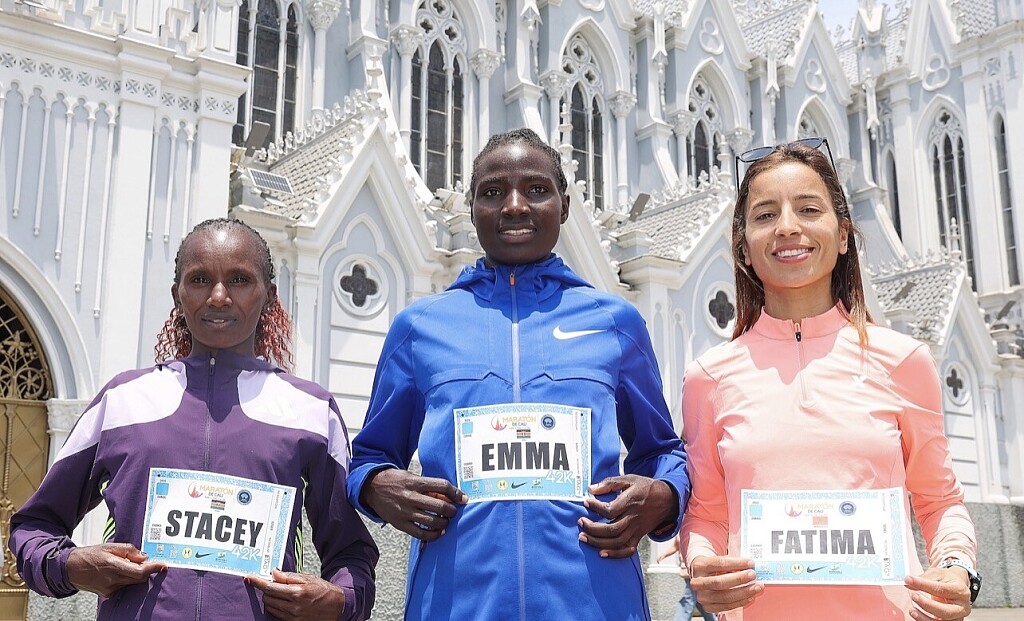
Cali Marathon Draws World-Class Talent in Bid to Become South America’s Premier Race
“Run in Heaven’s Capital.” That’s the bold promise as the Cali Marathon returns this Sunday in southwestern Colombia for its second edition. After a strong debut last year, organizers are aiming higher—positioning Cali as a future major international marathon.
They’ve taken a big step toward that goal with one of the deepest elite fields ever assembled on the continent. Kenya’s Ronald Korir (2:04:22) headlines the men’s race, while Eritrea’s Nazret Weldu (2:20:29) leads the women’s field. Defending champions Evans Mayaka and Emmah Ndiwa are back, but repeating will be anything but easy. No other marathon in South America currently matches Cali’s depth.
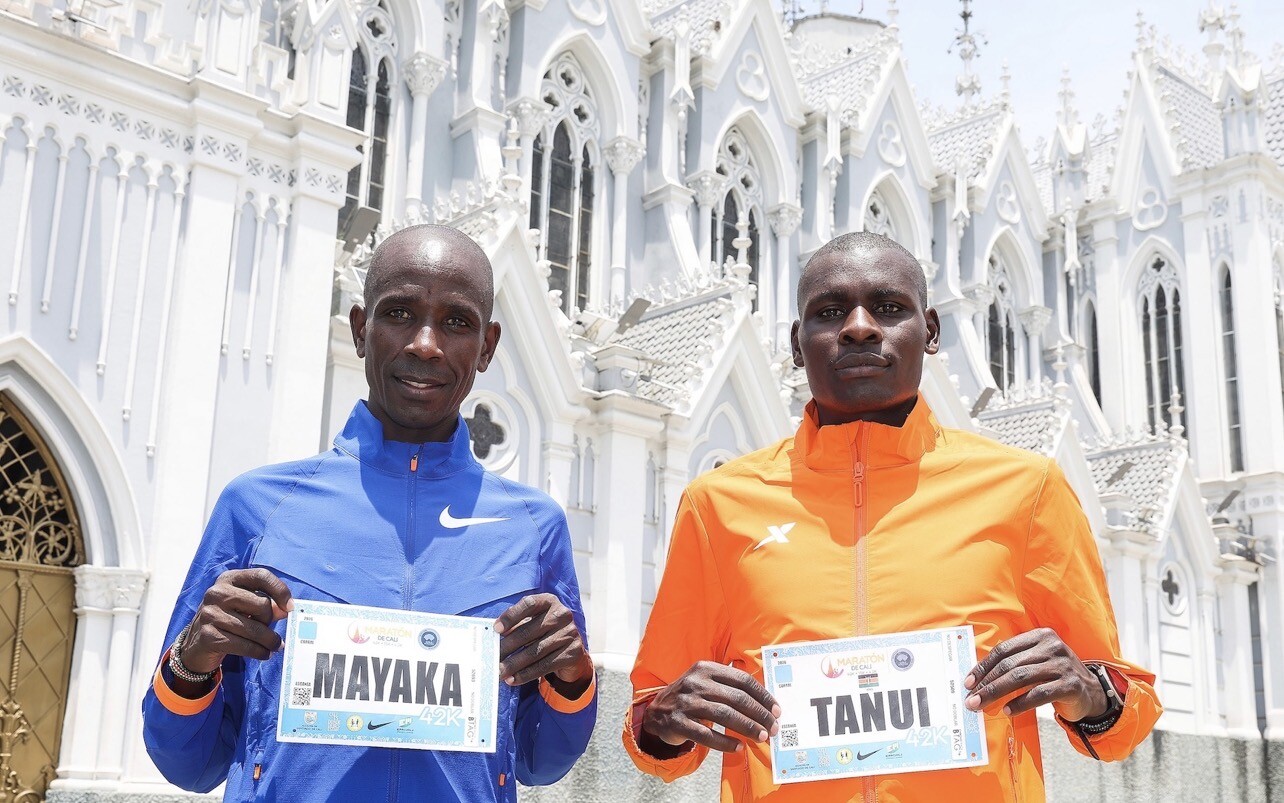
Participation has surged. A total of 20,000 athletes from 49 nations have entered across all distances, nearly doubling last year’s 11,000. The marathon itself will feature 3,000 runners. Race Director Luis Felipe Posso is encouraged but measured: the goal isn’t simply bigger numbers—it’s building a world-class marathon.
“This race has grown incredibly fast,” said Posso. “Now we want to increase the quality and establish Cali as a true destination for marathon runners.”
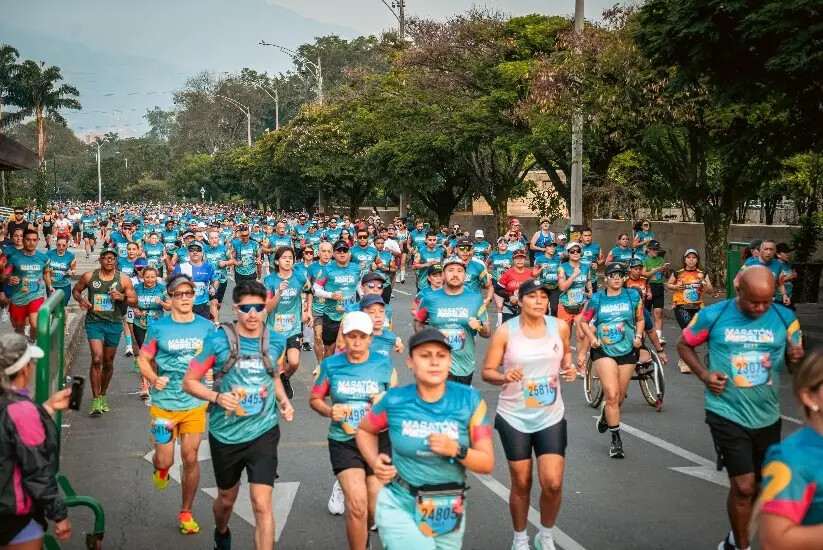
Even seasoned observers are impressed. Abel Antón, Spain’s two-time world marathon champion (1997, 1999), is in Cali as a guest of honor and noted how quickly the event has developed.
Conditions will play a role. At roughly 1,000 meters altitude with expected humidity and temperatures around 20°C (68°F), fast times are unlikely. But that often leads to compelling racing. Last year proved that, with late-race drama deciding the outcome.
Mayaka and Ndiwa both set Colombian all-comers’ records in 2025—2:11:04 and 2:29:26 respectively. Organizers would love to see those marks fall again, especially a first-ever sub-2:10 on Colombian soil.
Men’s Race
The depth is remarkable. Five athletes have run under 2:06, and eight have broken 2:10. Interestingly, defending champion Evans Mayaka ranks just ninth on paper with his 2:10:00 best—but he proved last year that position on a start list doesn’t decide the race.
Ronald Korir enters as the fastest man in the field. He ran 2:04:44 in Berlin and followed that with a strong 2:05:41 for fourth place in Hamburg. After battling injuries, he’s optimistic.
“It’s been a difficult couple of years, but my training for Cali has gone well,” Korir said. “I believe I can win.”
Ezra Tanui arrives in top form. He swept three marathons in 2025—Doha, JiLin, and Yellow River—and followed that with a 2:05:55 personal best for third in Osaka earlier this year.
“I’m confident,” Tanui said. “I’m not chasing a time—I trust my strength to carry me through.”
Adding to the moment, Kenya’s Abel Kirui—two-time world champion and Olympic silver medalist—will run the final marathon of his career. The 44-year-old owns a personal best of 2:05:04 and remains one of the sport’s most respected figures.
Women’s Race
The women’s field is equally competitive. Morocco’s Fatima Gardadi could thrive in Cali’s conditions. She won bronze at the 2023 World Championships in Budapest and has proven strength in warm-weather racing.
Nazret Weldu returns to competition after giving birth to her daughter in May last year. The Eritrean star, fourth at the 2022 World Championships and winner of the 2024 Vienna Marathon, is focused on competing rather than chasing time.
“I want to be competitive,” Weldu said. “I hope my strength will help me perform well.”
Kenya’s Stacy Ndiwa is another strong contender. The 2024 Los Angeles Marathon champion owns a 2:23:29 personal best and has shown consistency at major races. She is not related to defending champion Emmah Ndiwa, who will also be in the mix despite ranking outside the top tier on paper.
With so many athletes capable of contending, both races could come down to strength, patience, and positioning in the final kilometers—especially in Cali’s demanding conditions.
Elite runners with personal bests
MEN:
Ronald Korir KEN 2:04:22
Abel Kirui KEN 2:05:04
Okubay Tsegay ERI 2:05:20
Eric Kiptanui KEN 2:05:47
Ezra Tanui KEN 2:05:55
Challa Gossa ETH 2:07:32
Martin Musau UGA 2:08:42
Habtamu Birlew ETH 2:09:10
Evans Mayaka KEN 2:10:00
Derlys Ayala PAR 2:10:11
Ezra Kering KEN 2:11:55
Bernard Geay TAN 2:15:47
Mayko Geay TAN Debut
Brian Kwemoi KEN Debut
David Wanjohi KEN Debut
WOMEN:
Nazret Weldu ERI 2:20:29
Gladys Chesir KEN 2:20:30
Stacy Ndiwa KEN 2:23:29
Cynthia Kosgei KEN 2:23:43
Fatima Gardadi MAR 2:24:06
Letebrhan Haylay ETH 2:24:47
Sadiya Awel ETH 2:24:57
Emmah Ndiwa KEN 2:25:15
Rosa Chacha ECU 2:26:43
Nigist Muluneh ETH 2:27:41
Fatiha Benchatki MAR 2:28:29
Marcela Gomes ARG 2:28:58
Veronicah Wanjiru KEN 2:29:03
Login to leave a comment
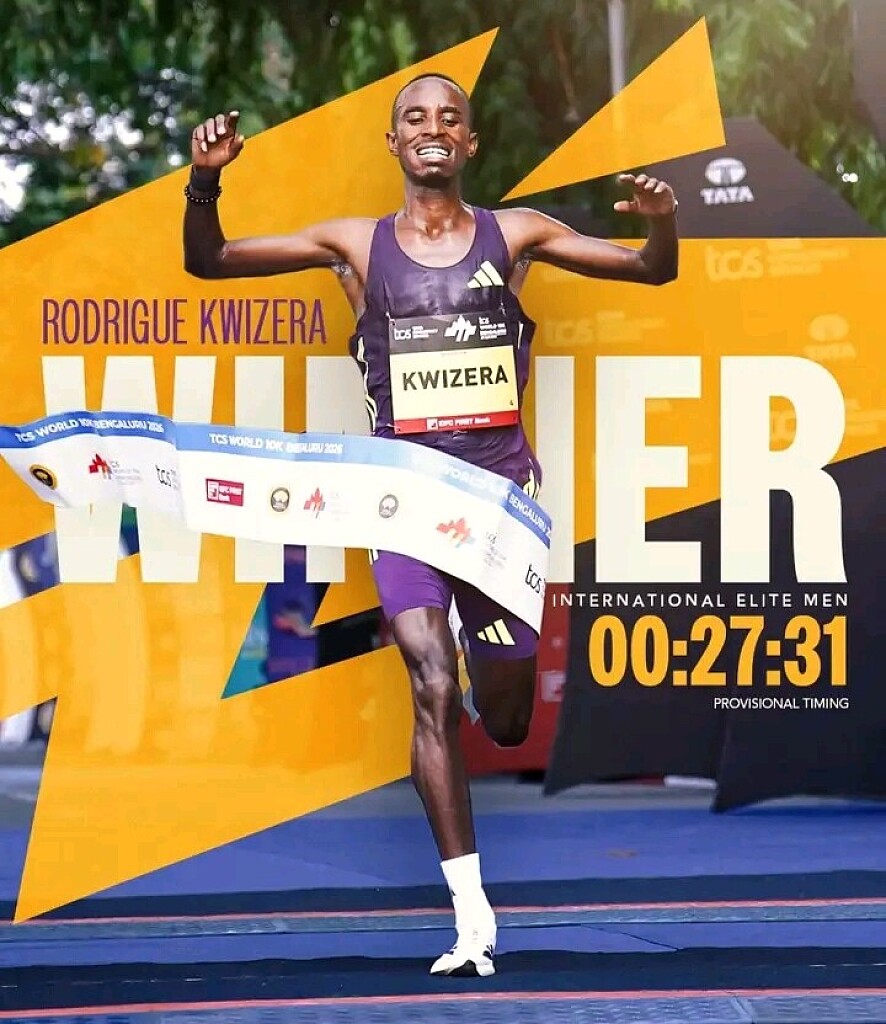
Kwizera Rewrites History in Bengaluru with Commanding Course Record Run
Burundi’s rising distance star Rodrigue Kwizera delivered a performance of rare authority at the TCS World 10K Bengaluru, storming to victory in a blistering 27:31 to set a new course record and underline his growing status on the global road running scene.
On a morning charged with anticipation in Bengaluru, Kwizera wasted little time asserting control. From the early stages, he positioned himself at the front of a tightly packed lead group, dictating a relentless tempo that gradually thinned the field. By the closing kilometers, his composure and strength proved decisive as he surged clear, leaving his rivals struggling to respond.
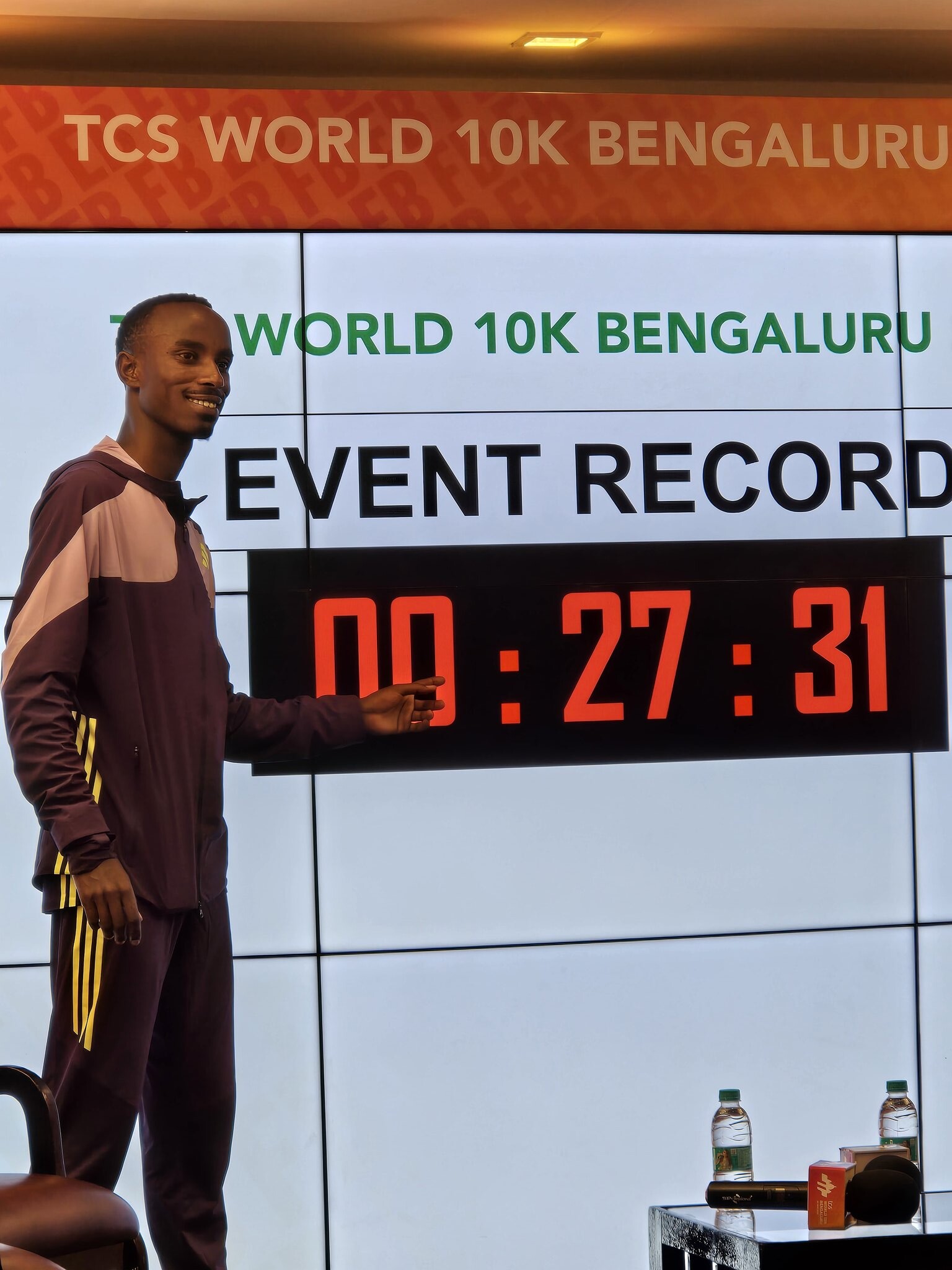
His finishing time of 27:31 shaved seven seconds off the previous course record of 27:38, which had been set in 2022 by Nicholas Kipkorir. The margin may appear slim on paper, but in elite 10K racing, it represents a significant leap—especially on a course known for its competitive depth and tactical complexity.
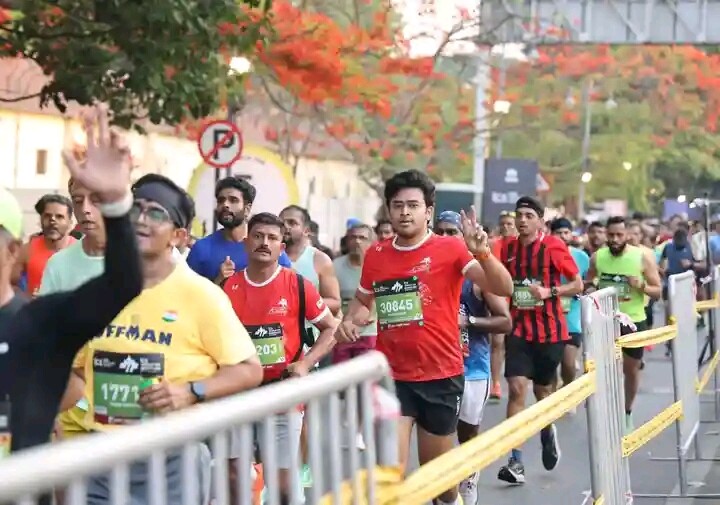
Behind him, Harbert Kibet secured second place in 27:39, while Kenya’s Gilbert Kipkosgei Kiprotich completed the podium in 27:43. Eritrea’s Saymon Tesfagiorgis Amanuiel and Tanzania’s Benjamin Fernandi Ratsim rounded out a fiercely competitive top five, all finishing within seconds of each other in a race defined by sustained pace rather than late theatrics.
Kwizera’s triumph is more than just a record-breaking run—it signals the arrival of a major force in road racing. His ability to combine tactical awareness with sustained speed suggests there is still more to come, particularly as he continues to gain experience against the world’s best.
As the dust settles in Bengaluru, one thing is certain: a new benchmark has been set, and Rodrigue Kwizera is the man who now owns it.
by Erick Cheruiyot for My Best Runs.
Login to leave a comment

TCS WORLD 10K BENGALURU
The TCS World 10k Bengaluru has always excelled in ways beyond running. It has opened new doors for people to reach out to the less privileged of the society and encourages them to do their bit. The TCS World 10K event is the world’s richest 10 Km run and has seen participation from top elite athletes in the world. ...
more...
Bengaluru Braces for Fireworks as World-Class Men’s 10K Field Assembles
The stage is set for a thrilling showdown in India as the men’s elite field for the 2026 TCS World 10K Bengaluru promises one of the fiercest road races of the season. With proven speedsters, rising stars, and championship-calibre athletes on the start list, Bengaluru is preparing for a contest where every second could matter.
Scheduled for Sunday, April 26, the race brings together a remarkably deep lineup packed with athletes who have already demonstrated world-class ability over 10 kilometres. Uganda’s Harbert Kibet enters as the fastest man in the field on paper with a personal best of 26:39, placing him among the favourites to challenge for victory.
Close behind him are a strong Ethiopian contingent led by Khairi Bejiga (26:51), Gemechu Dida (26:54), and Tadesse Worku (26:56), each capable of dictating the pace and turning the race into a high-speed battle from the gun. Burundi’s Rodrigue Kwizera, also credited with 26:54, adds another dangerous contender with the strength to upset the favourites.
Kenya’s hopes will rest on a talented squad featuring Vincent Kipkorir (27:08), Victor Kipruto (27:10), Vincent Kimaiyo (27:20), and Gilbert Kiprotich, who is set to make his debut. Kenya’s reputation in road racing ensures they can never be overlooked, particularly in tactical races where patience and timing often decide the winner.
Further depth comes from Eritrea’s Saymon Amanuel (27:10), Spain’s Abdessamad Oukhelfen (27:44), and Tanzania’s Gabriel Geay (27:49), whose experience over longer distances could prove valuable if conditions become demanding.
What makes this year’s edition especially intriguing is not just the presence of one standout favourite, but the sheer number of athletes capable of winning. With multiple runners owning sub-27-minute credentials and many others hovering close behind, the race could quickly become a relentless test of pace, endurance, and nerve.
Bengaluru has built a reputation for attracting elite international talent, and the 2026 men’s field only strengthens that legacy. The city’s vibrant atmosphere, passionate crowds, and fast course create the perfect setting for another memorable chapter in the event’s history.
When the gun fires, predictions may count for little. In a field this strong, medals, prize money, and bragging rights will be earned the hard way.
One city. One distance. Endless possibilities.
by Erick Cheruiyot for My Best Runs.
Login to leave a comment
TCS WORLD 10K BENGALURU
The TCS World 10k Bengaluru has always excelled in ways beyond running. It has opened new doors for people to reach out to the less privileged of the society and encourages them to do their bit. The TCS World 10K event is the world’s richest 10 Km run and has seen participation from top elite athletes in the world. ...
more...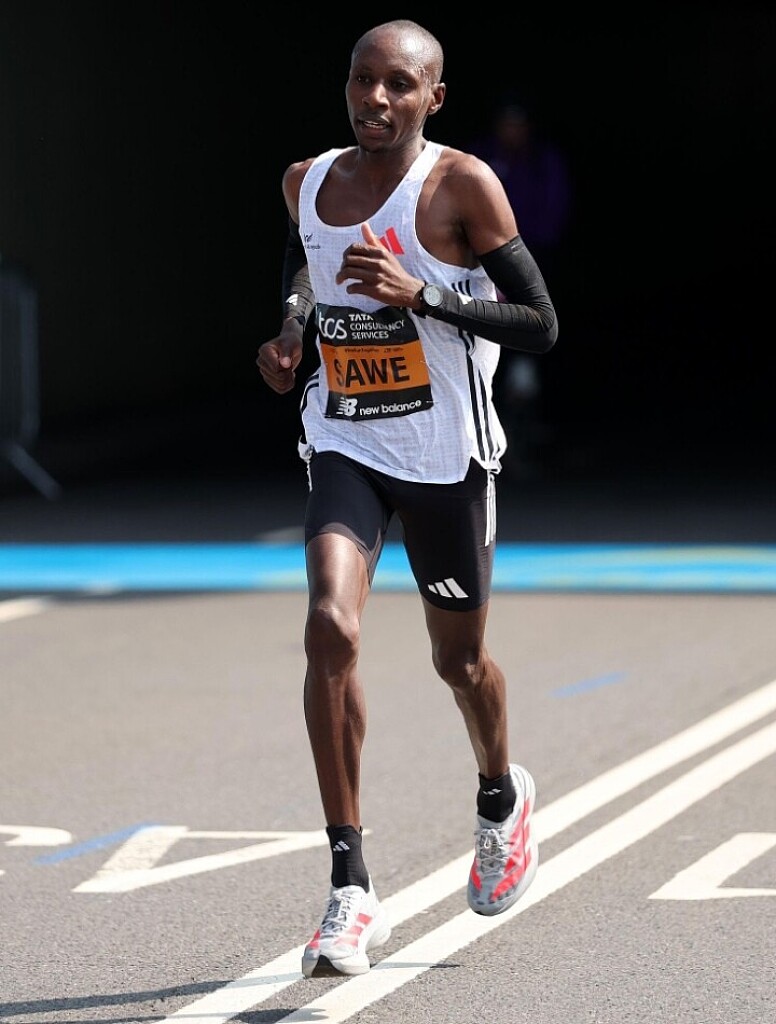
London Beckons: A Marathon of Giants Set to Ignite the Capital
The roads of London are once again preparing to host one of the most anticipated races on the global calendar, as the London Marathon 2026 assembles a men’s elite field of rare depth and quality. On Sunday, April 26, the world’s finest distance runners will converge on the British capital, chasing not only victory but a place in marathon history.
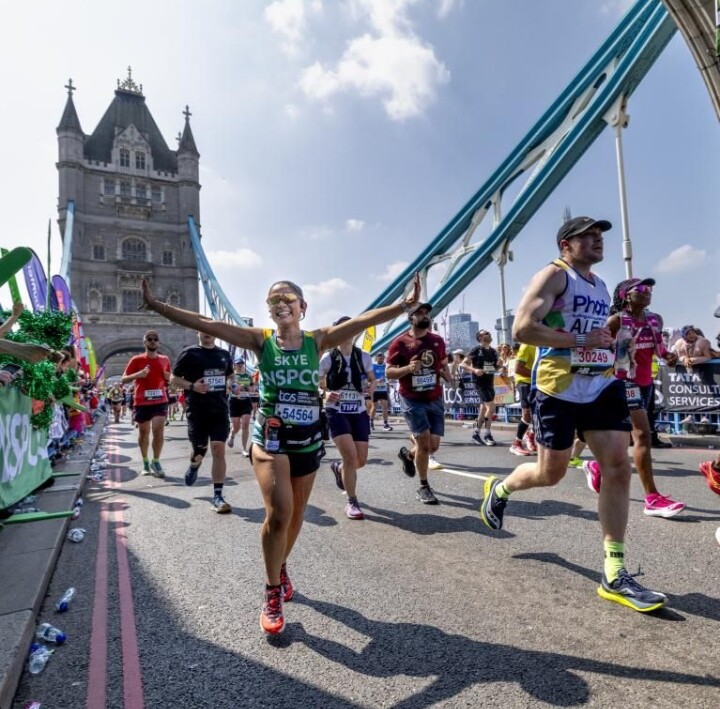
At the center of attention stands Sebastian Sawe, the defending champion whose commanding 2:02:05 personal best marks him as the man to beat. Sawe’s blend of composure and finishing power has already proven decisive on these streets, but this year’s contest promises to push him deeper than ever before.
Lining up against him is a formidable cast. Jacob Kiplimo, better known for his dominance over shorter road distances and cross country, brings a dangerous mix of speed and endurance. His 2:02:23 credentials suggest he is more than ready to challenge for the win if the race turns tactical—or brutally fast.
Ethiopia’s charge is equally imposing. Deresa Geleta and Olympic champion Tamirat Tola headline a contingent rich in pedigree, while Yomif Kejelcha adds intrigue with his much-anticipated marathon debut—an unknown factor capable of reshaping the race entirely.
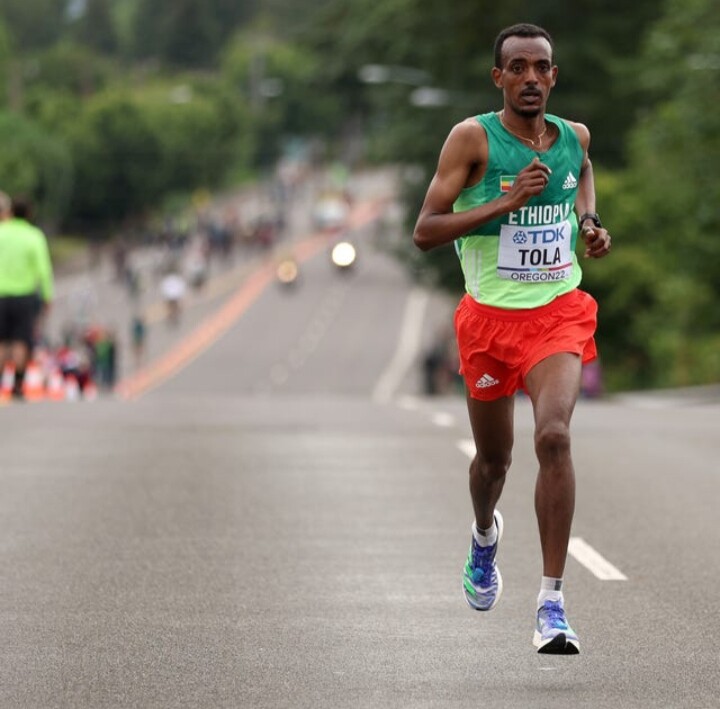
Kenya’s depth remains undeniable. Alongside Sawe are seasoned names like Amos Kipruto and the ever-consistent Geoffrey Kamworor, both of whom possess the experience and resilience required to thrive over 42.195 kilometers. Meanwhile, Uganda’s Joshua Cheptegei continues his transition to the marathon stage, carrying the weight of his track legacy into the ultimate endurance test.
The international flavor extends further, with Japan’s Shunya Kikuchi, France’s Hassan Chahdi, and South Africa’s Adam Lipschitz all aiming to disrupt the established order.
However, the home crowd has been dealt a blow. British hopeful Emile Cairess has been forced to withdraw due to a calf injury, removing a key figure who many believed could spearhead a domestic challenge. His absence shifts the spotlight away from local contention and further intensifies the East African dominance expected at the front.
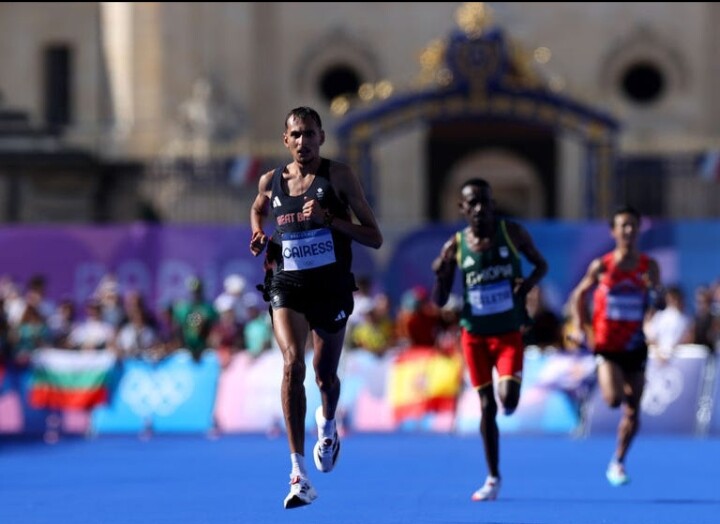
Yet marathons are rarely predictable. The rhythm of the race, the pacing strategies, and the unforgiving demands of the distance often rewrite expectations. What appears stacked on paper can unravel over the final miles along the Thames.
With the race set to begin in the morning hours, anticipation continues to build. Records may be threatened, debuts could dazzle, and champions will be tested to their limits.
In a field this deep, victory will not simply be earned—it will be wrestled from one of the most competitive line-ups the marathon world has seen in recent years.
by Erick Cheruiyot for My Best Runs.
Login to leave a comment
TCS London Marathon
Since its inaugural edition on March 29, 1981, the TCS London Marathon has grown into one of the world's most prestigious road races, blending elite competition with an extraordinary charitable legacy. Founded by former Olympic champion and journalist Chris Brasher alongside Welsh athlete John Disley, the event has been staged every year and has been held in the spring annually...
more...
A Collision Course in Birmingham: Bol vs Hodgkinson for European Supremacy
As the summer spotlight turns toward Birmingham, the stage is set for a compelling middle-distance duel that could redefine the balance of power in European athletics. European Athletics Championships returns with more than just medals at stake—it brings with it a simmering rivalry between two of the continent’s most electrifying talents: Femke Bol and Keely Hodgkinson.
On paper, Bol holds the edge. The Dutch star, already a dominant force across multiple disciplines, has accumulated three European individual gold medals, underlining her consistency and championship pedigree. In contrast, Hodgkinson—Great Britain’s golden hope over 800 metres—has secured two individual European titles, each forged through tactical brilliance and fearless racing on the biggest stages.
But statistics, as ever in athletics, only tell part of the story.
Birmingham offers something far more intriguing: the possibility of convergence. Bol, long celebrated for her supremacy in the 400m hurdles and her seamless versatility, is widely expected to step up into the 800m. Should she do so, it would set the stage for a rare and highly anticipated head-to-head clash with Hodgkinson in her specialist event.
And that is where the narrative sharpens.
Hodgkinson’s authority over two laps is built on rhythm, poise, and an almost surgical sense of timing. She thrives in the tactical ebb and flow of championship racing, often striking with devastating precision in the closing stages. Bol, by contrast, brings an entirely different dimension—raw strength, relentless pace, and the capacity to stretch a race beyond conventional limits.
If they meet, it will not simply be a race. It will be a clash of philosophies.
For Bol, victory would extend her European dominance into new territory, reinforcing her status as one of the most versatile athletes of her generation. For Hodgkinson, it is an opportunity to defend home soil and reaffirm her command of the 800m against an opponent stepping into unfamiliar, yet dangerous, territory.
The stakes, then, are disarmingly simple yet profoundly significant: supremacy.
In a championship defined by fine margins and fleeting moments, Birmingham could become the arena where reputations are reshaped and legacies accelerated. One question lingers above all:
When the bell rings and the final lap unfolds, who will take control—and who will take the crown?
by Erick Cheruiyot for My Best Runs.
Login to leave a comment
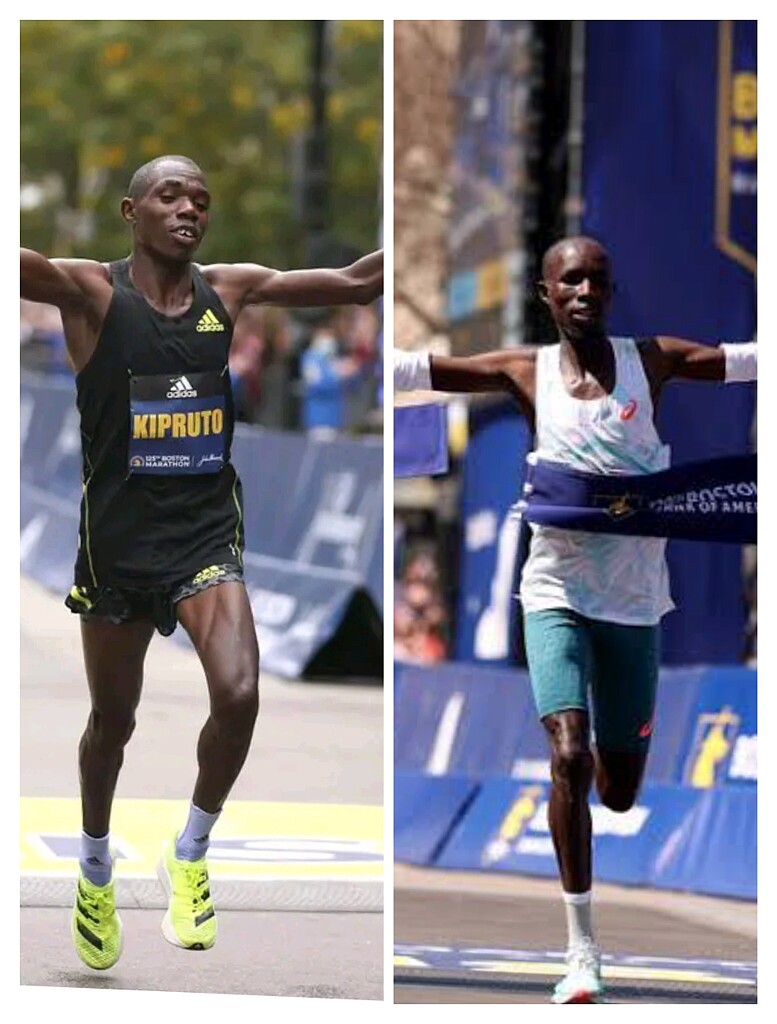
Boston Collision Course: John Korir and Benson Kipruto Ready to Ignite a Marathon Classic
The streets of Boston are bracing for a contest worthy of marathon history as two of Kenya’s finest distance stars prepare to clash in one of the most anticipated races of the season. Defending champion John Korir will return to the iconic course with unfinished ambition, but standing in his path is a man who knows exactly how to win here—former champion Benson Kipruto.
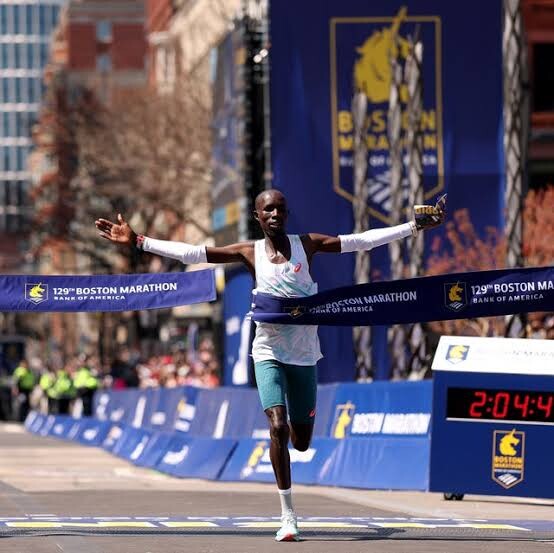
On paper, the matchup could hardly be closer. Their personal bests are separated by only eight seconds, a razor-thin margin at the highest level of marathon racing. Korir owns a lifetime best of 2:02:24, while Kipruto has gone even faster with 2:02:16. In a race measured over 42.195 kilometers, such a difference is almost invisible.
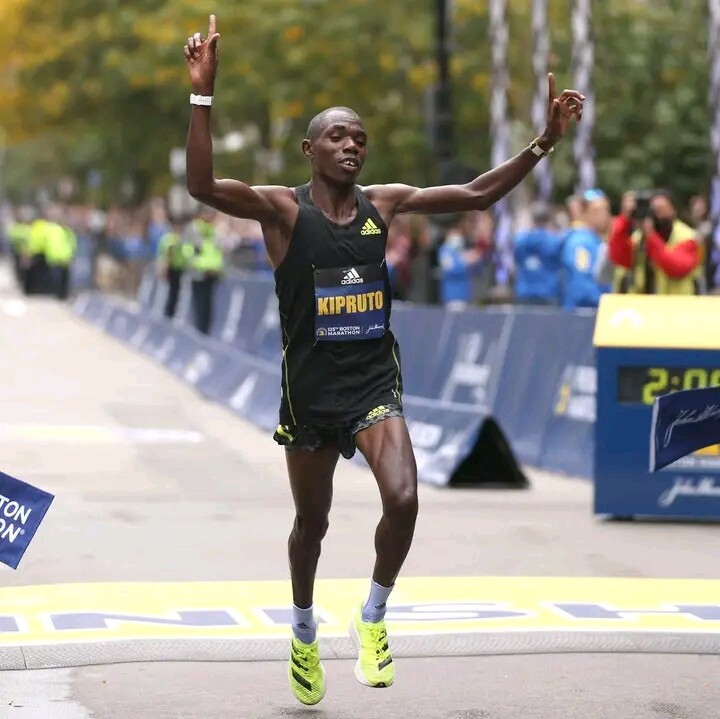
Yet statistics only tell part of the story.
Korir arrives in Boston carrying the momentum of a remarkable run of form. His recent victories in Valencia 2025, Boston 2025, and Chicago 2024 have elevated him into the sport’s elite bracket. Powerful, composed, and tactically sharp, he has become one of the most dangerous men in championship-style racing. Returning as defending champion adds another layer of pressure—but also confidence.
Kipruto, however, is no stranger to the grandest stages. His résumé speaks with authority: triumphs in New York 2025, Tokyo 2024, Chicago 2022, and, most importantly for this occasion, Boston 2021. That previous success on the demanding Boston course could prove invaluable. He understands its rhythm, its unpredictability, and the moment when patience must give way to attack.
This is more than a race between two fast men. It is a collision of momentum versus experience, title defense versus redemption, present dominance versus proven mastery.
Boston has never been a course that rewards numbers alone. Its rolling terrain, shifting weather, and legendary late-race challenges often crown the athlete with the sharpest instincts rather than the quickest personal best. Strength, courage, and timing will matter just as much as speed.
When the leaders reach the decisive miles, reputations will mean nothing. One athlete will fight to defend his throne. The other will chase a second crown. And somewhere between the opening stride and the finish line on Boylston Street, a new chapter of Boston Marathon drama will be written.
by Erick Cheruiyot for My Best Runs.
Login to leave a comment

Boston Marathon
Among the nation’s oldest athletic clubs, the B.A.A. was established in 1887, and, in 1896, more than half of the U.S. Olympic Team at the first modern games was composed of B.A.A. club members. The Olympic Games provided the inspiration for the first Boston Marathon, which culminated the B.A.A. Games on April 19, 1897. John J. McDermott emerged from a...
more...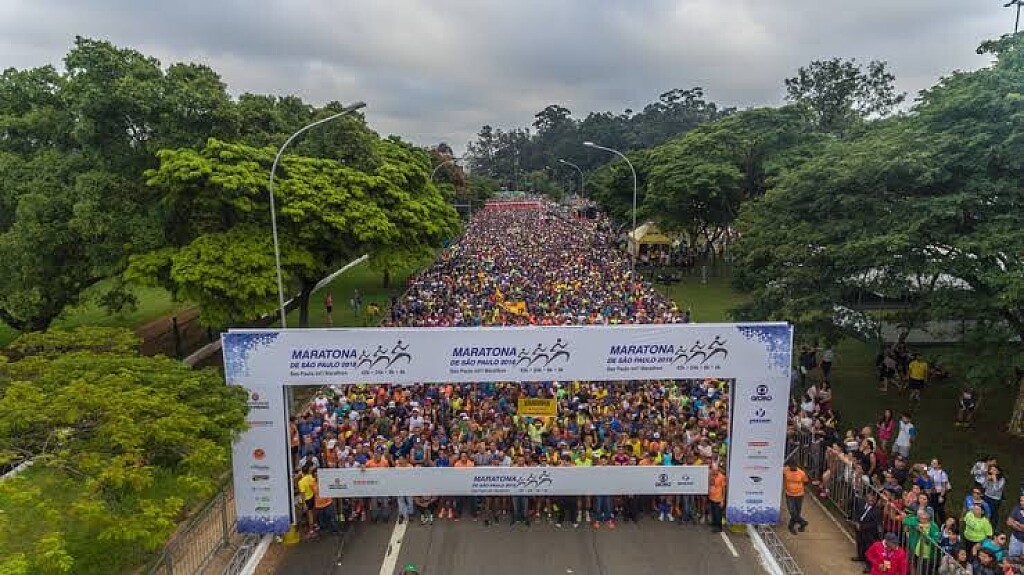
São Paulo Marathon Set for High-Calibre Showdown as Elite Field Assembles
The stage is set for a compelling distance-running spectacle in São Paulo, Brazil where an accomplished and diverse elite field will converge on April 12 for the latest edition of the São Paulo Marathon. With a blend of proven performers and emerging contenders, the race promises both tactical intrigue and high-quality performances across the board.
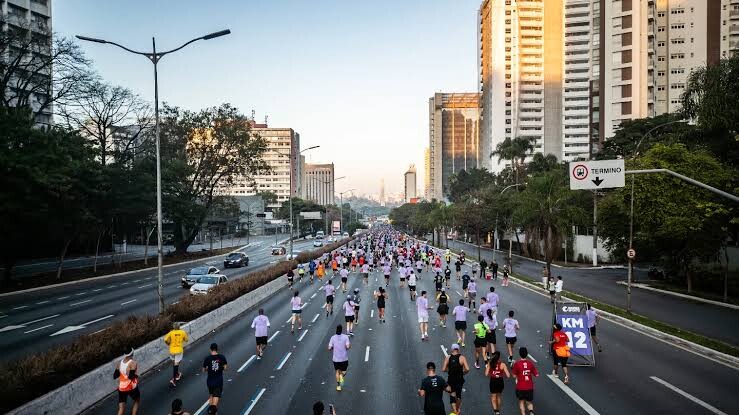
Leading the men’s lineup is Kenya’s Jonathan Maiyo, the standout entrant on paper with a personal best of 2:04:56. Known for his consistency and strength over the marathon distance, Maiyo enters as the man to beat, carrying both experience and pedigree into the Brazilian streets.
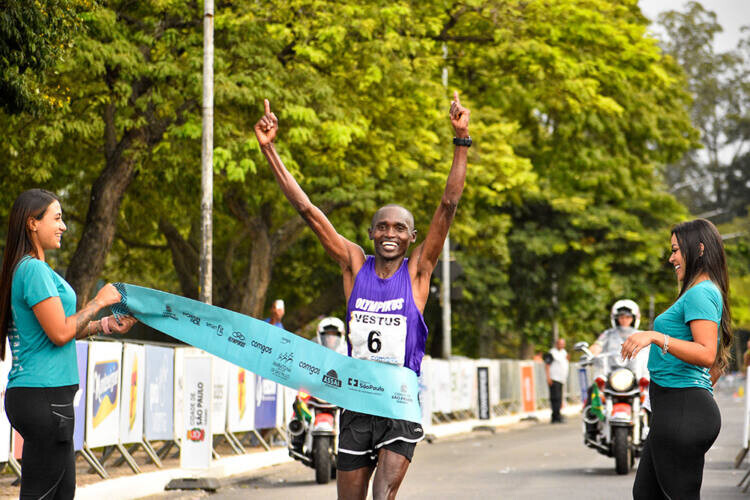
He will be closely challenged by compatriots Ezekiel Kemboi Omullo (2:08:26) and William Kibor (2:08:32), both of whom bring solid credentials and the capacity to influence the pace. With such depth among the Kenyan trio, the men’s race could unfold into a strategic battle rather than a straightforward time trial, especially if conditions play a role.
In the women’s contest, Uganda’s Nancy Cheptegei headlines the field with a personal best of 2:31:45. She faces stiff competition from Kenya’s Vivian Jeftanui Kiplagat (2:37:14) and Edna Jeruto Kimitei (2:43:15), both eager to challenge for top honors and potentially upset the pre-race hierarchy.
Beyond the statistics, the São Paulo Marathon is renowned for its vibrant atmosphere and demanding course, factors that often shape unpredictable outcomes. The combination of urban energy, climatic variables, and tactical racing typically ensures that victories are earned through resilience as much as raw speed.
As the countdown to race day narrows, anticipation continues to build. Whether it’s a dominant display from the favorites or a breakthrough performance from an outsider, all signs point to a gripping contest in one of South America’s premier road races.
by Erick Cheruiyot for My Best Runs.
Login to leave a comment
Sao Paulo Marathon
São Paulo International Marathon is held annually in the city of São Paulo since 1995. The competition also includes the25 km, 10 km and 3 km walk, in addition to the marathon. It is carried out all within the city of São Paulo, with departure and arrival in the Ibirapuera Park....
more...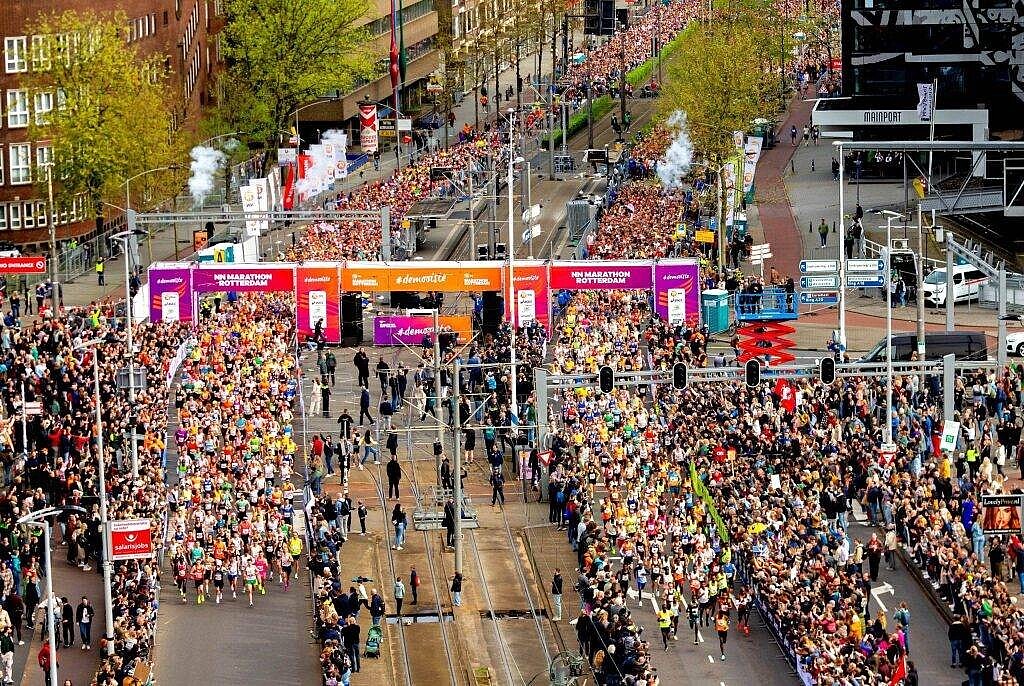
Rotterdam Ready for Double Drama as Elite Men and Women Promise Marathon Fireworks
All roads lead to Rotterdam this Sunday as the NN Marathon Rotterdam prepares to deliver a thrilling showcase across both the men’s and women’s elite races. Set for April 12 at 10:50 AM (CEST), one of the world’s fastest marathon courses will host a compelling blend of speed, strategy, and elite competition.
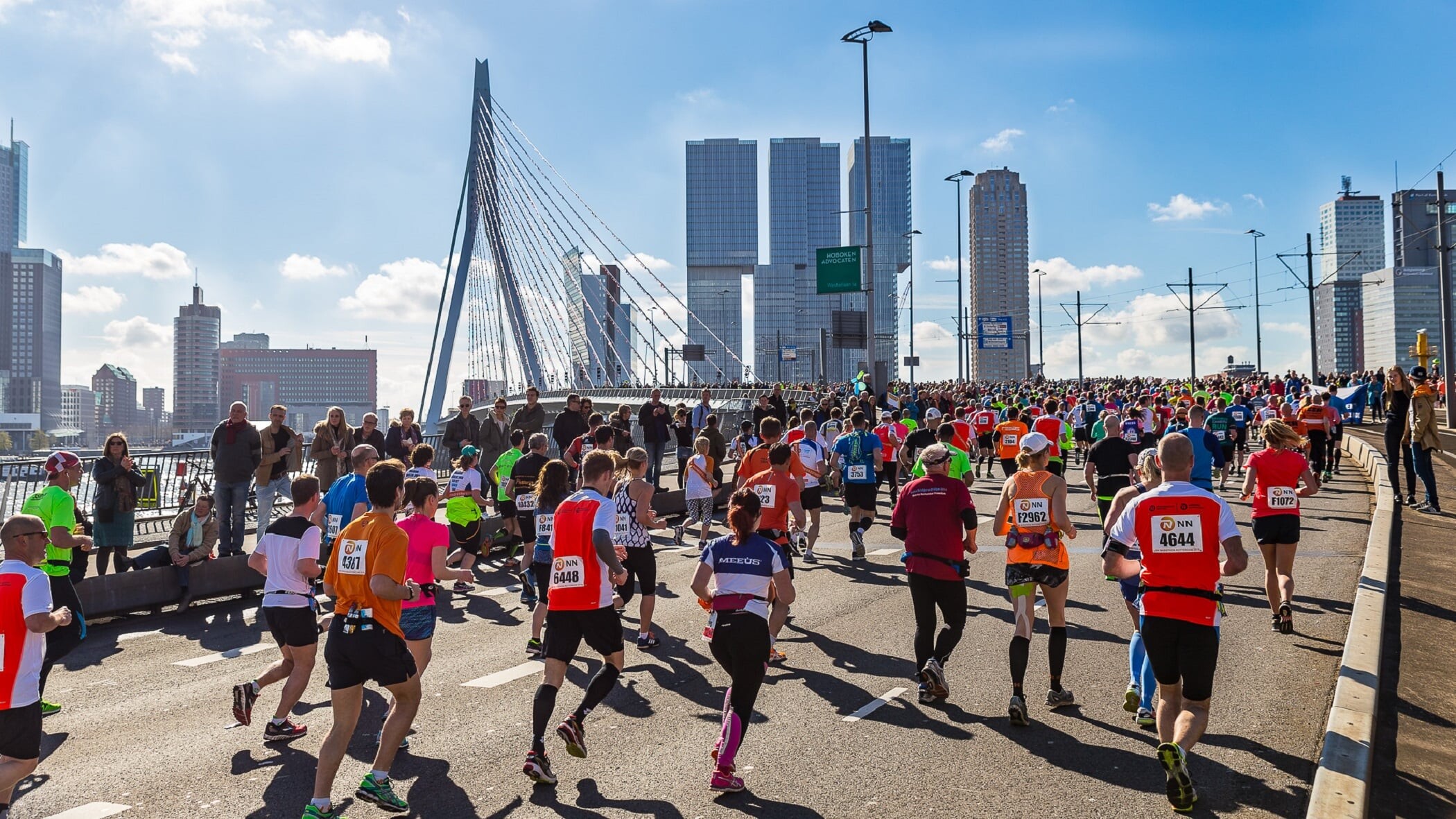
Women’s Race: Precision, Patience, and a Battle of Equals
The women’s field is defined by remarkable balance at the top, where Ethiopia’s Shitaye Eshete (2:20:32) leads a tightly matched group of contenders. Close behind is Meskerem Assefa (2:20:36), a tactician known for her calm racing style and devastating finishing strength.
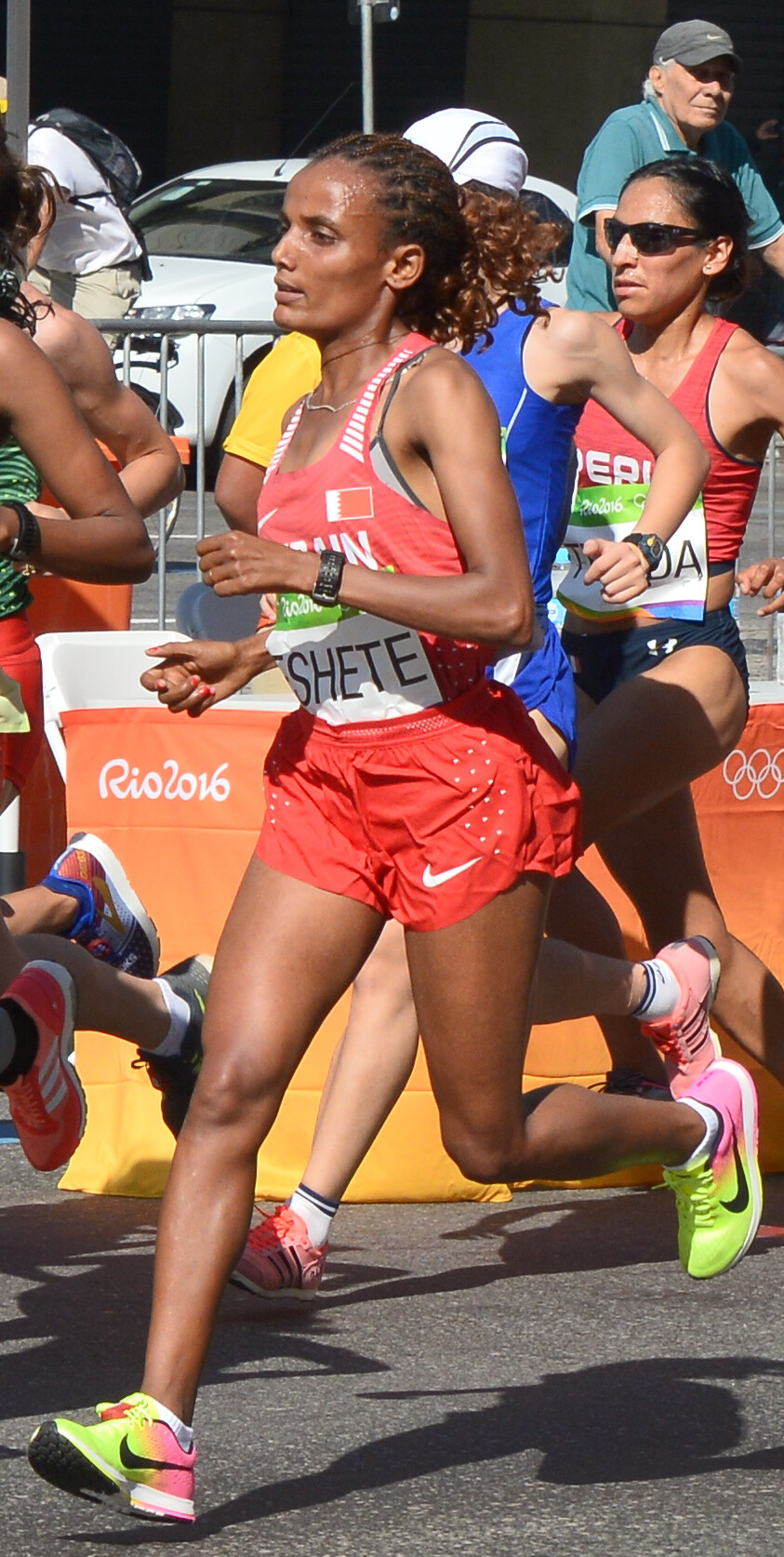
Eritrea’s Dolshi Tesfu (2:20:40) adds further intrigue, ensuring the front pack could remain intact deep into the race. With such narrow margins separating the top three, the contest may well be decided in the final kilometers.
Kenya’s hopes rest on Jackline Cherono (2:21:14), whose measured, patient approach could prove decisive if the race turns tactical. She faces strong Ethiopian depth through Aminet Ahmed (2:21:24) and the experienced Derartu Hailu (2:23:18), both capable of stepping up when it matters most.
Adding an unpredictable twist is debutant Geta Alemayehu, whose transition to the marathon distance could reshape the dynamics of the race.
Men’s Race: Speed Meets Depth in a Stacked Showdown
If the women’s race promises tactical brilliance, the men’s field brings raw speed and extraordinary depth. Ethiopia’s Birhanu Legese leads the charge with a stunning personal best of 2:02:48, making him the fastest man in the lineup on paper.
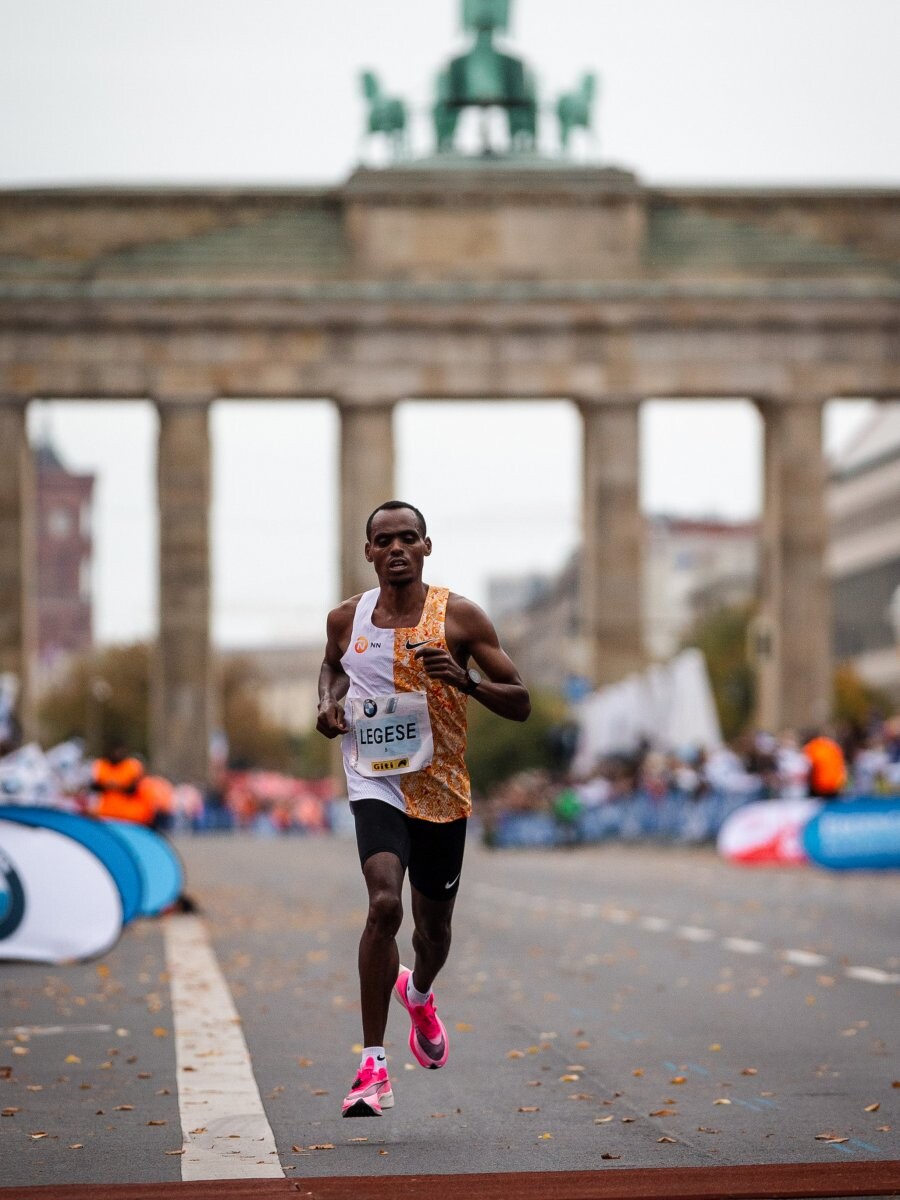
Hot on his heels is compatriot Haymanot Alew (2:03:31), alongside Belgium’s Bashir Abdi (2:03:36), a proven championship performer capable of thriving under pressure.
Ethiopia’s depth is further reinforced by Guye Adola (2:03:46), ensuring a relentless pace from the front. Kenya, however, arrives with a powerful contingent led by Erick Sang (2:04:30) and Kenneth Kipkemoi (2:04:52), both capable of inserting themselves into the podium conversation.
The depth continues with Chala Regasa (2:05:06), Mike Boit (2:06:08), and Lameck Too (2:06:29), while home interest will center on Filmon Tesfu (2:06:42). Belgium’s Koen Naert (2:06:56) adds further quality to an already loaded field.
A Tale of Two Races, One Grand Stage
Both races reflect the enduring supremacy of East African distance running, with Ethiopia’s numerical dominance meeting Kenya’s precision and resilience. Yet beyond regional rivalries, Rotterdam offers something deeper—a stage where tactics meet courage, and where races are often decided not just by pace, but by nerve.
With such fine margins across both fields, Sunday’s showdown could unfold in many ways: a blistering, record-chasing assault on the clock, or a slow-burning tactical duel decided in the final stretch.
Either way, NN Marathon Rotterdam is set to deliver a marathon masterclass—one where every stride carries meaning, and every moment edges closer to greatness.
by Erick Cheruiyot for My Best Runs.
Login to leave a comment

NN Rotterdam Marathon
The marathon has been the biggest one-day sporting event in the Netherlands for many years in a row with over 35000 athletes professionals inclusive. The world's top athletes will at the start on the bustling coolsingel, alongside thousands of other runners who will also triumph,each in their own way.The marathon weekend is a wonderful blend of top sport and festival. ...
more...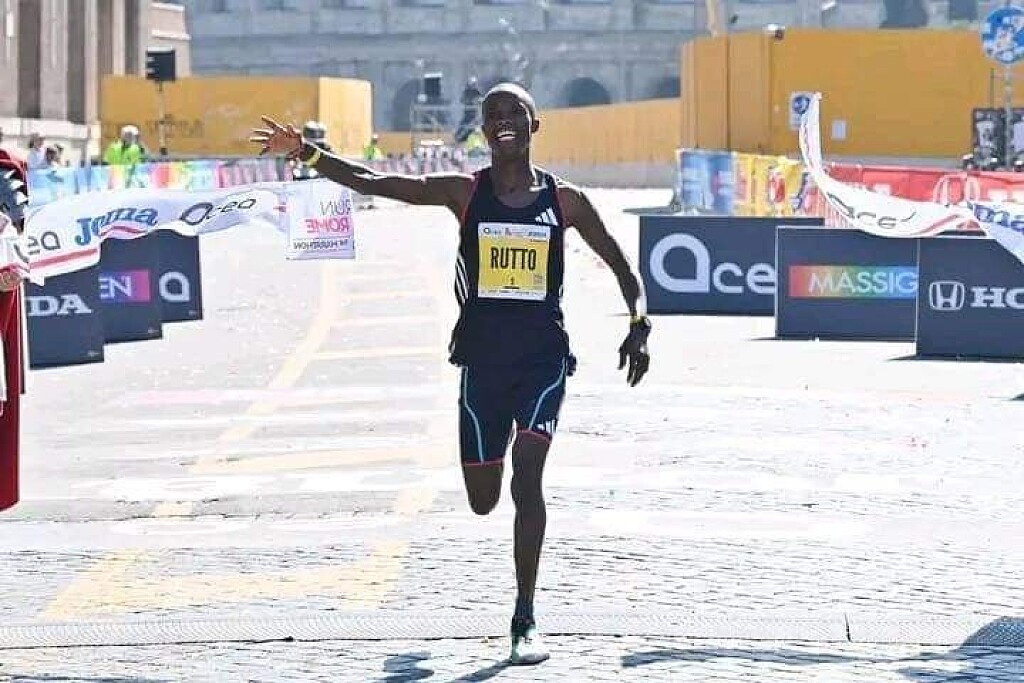
Rome Awaits a Classic: Rutto and Tesfaye Set for a Marathon Duel in the Eternal City
The historic streets of Rome are poised for a captivating spectacle this Sunday, March 22, as the Rome Marathon 2026 assembles a world-class field headlined by a thrilling head-to-head between Kenya’s Asbel Rutto and Ethiopia’s Lencho Tesfaye. With both men separated by mere seconds on paper, anticipation is building for what promises to be a fiercely contested race through one of the most iconic courses in global distance running.
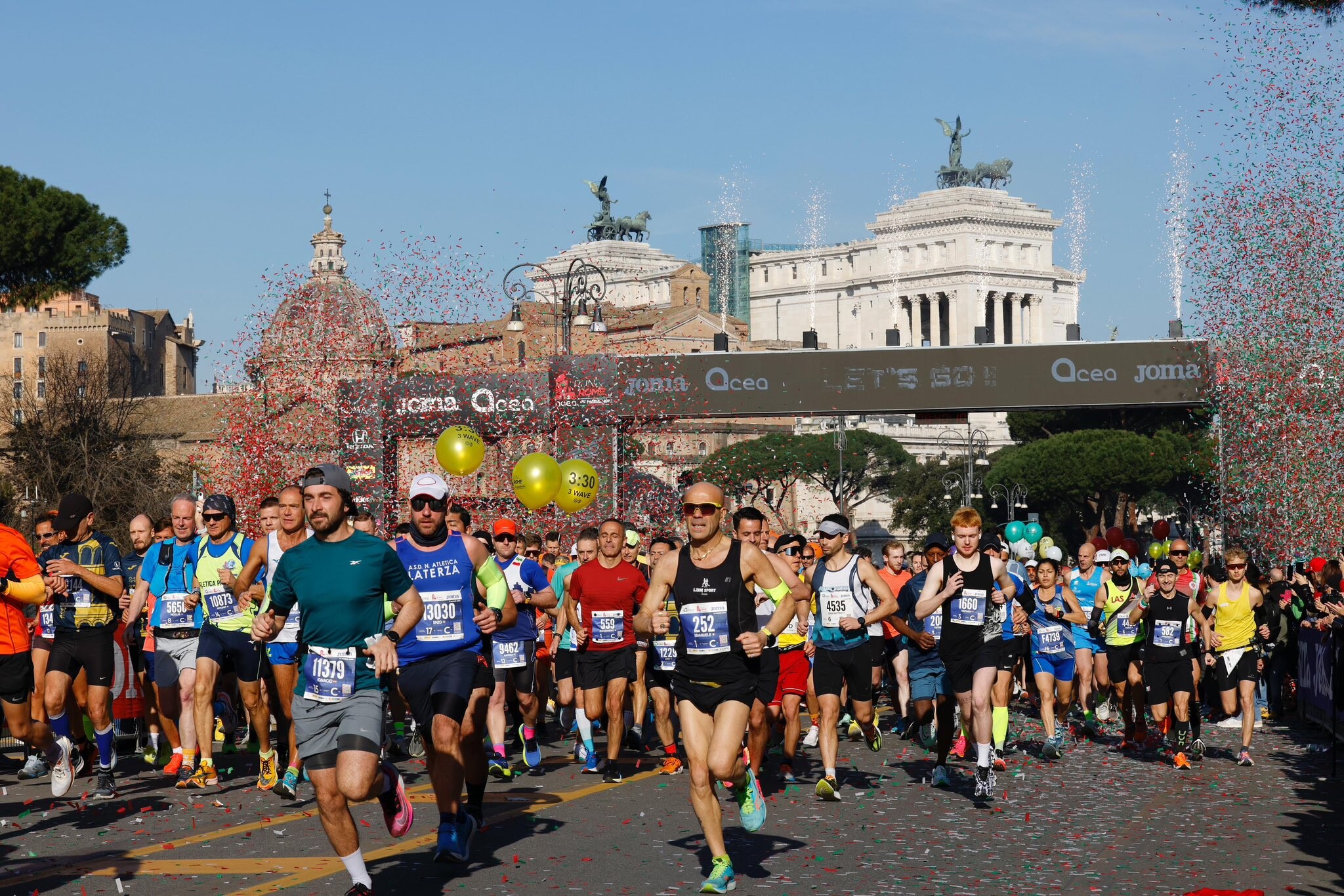
Tesfaye arrives with a marginal edge, boasting a personal best of 2:06:18, a mark that underscores his pedigree and consistency on the international stage. Yet Rutto, just six seconds behind with a lifetime best of 2:06:24, carries equal firepower and the hunger to assert Kenyan dominance on Italian soil. Their duel is expected to unfold stride for stride, a tactical battle where patience, rhythm, and late-race strength could ultimately define the champion.

Lurking just behind the two frontrunners is fellow Kenyan Edwin Kosgei, whose 2:07:31 personal best places him firmly within striking distance. Should the pace falter or the favorites hesitate, Kosgei possesses the experience and resilience to disrupt the script and turn the race into a three-man war deep into the closing kilometers.
In the women’s race, Kenya’s Betty Chepkwony leads a tightly matched field, bringing a strong personal best of 2:23:02 into the contest. She will face stern opposition from Ethiopia’s duo of Netsanet Gudeta (2:23:43) and Aberash Fayesa (2:24:59), both of whom have demonstrated the capacity to rise on the big stage. The women’s contest shapes up as a test of endurance and composure, where small margins could separate victory from heartbreak.
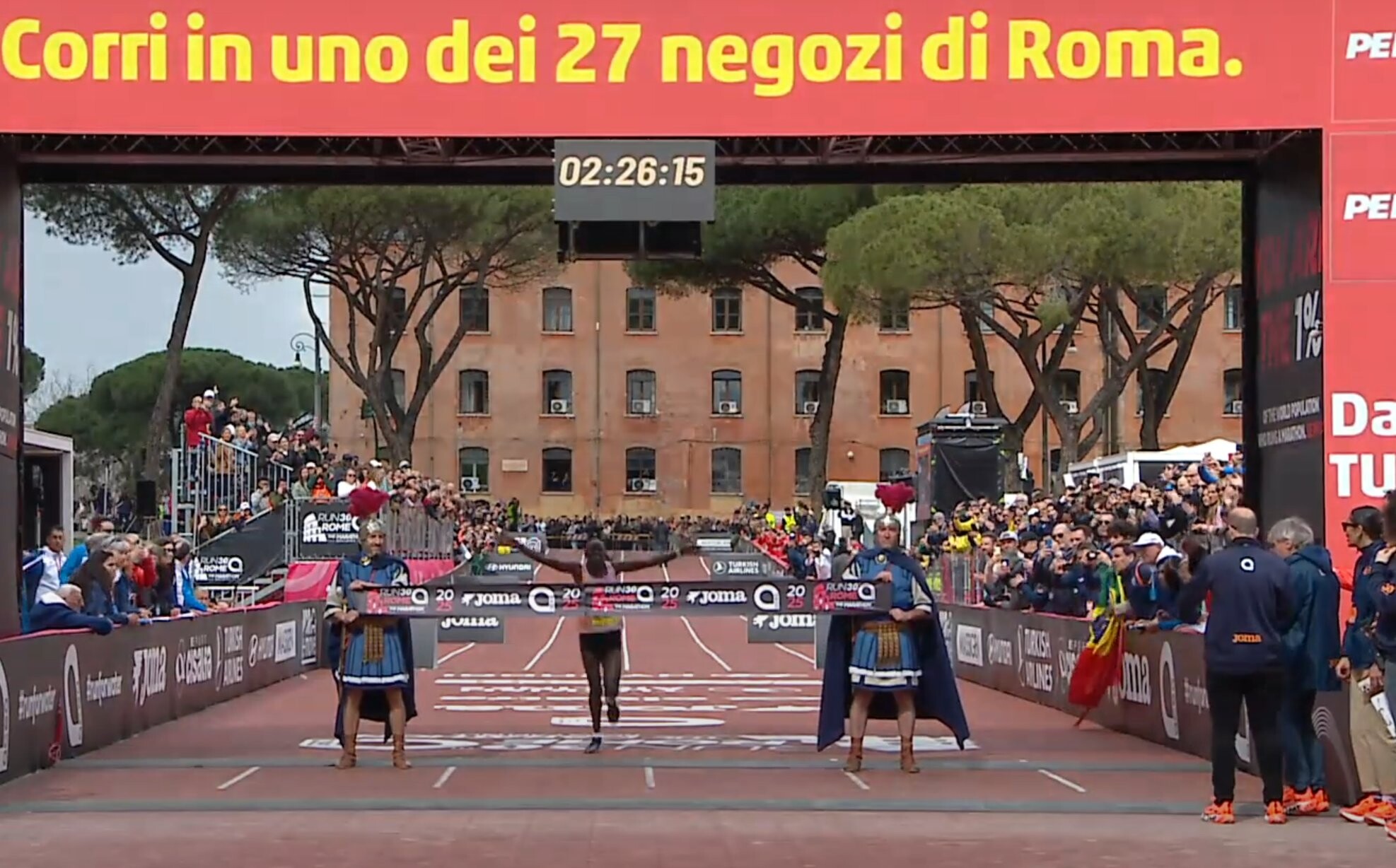
Beyond times and statistics, the Rome Marathon offers something deeper—a fusion of history, atmosphere, and elite competition. As runners surge past ancient landmarks and roaring crowds, the race will demand not only physical excellence but mental fortitude under pressure.
With national pride, personal legacy, and victory on the line, Sunday’s showdown in Rome is more than just a race—it is a collision of ambition and endurance at the highest level. And when the dust settles in the Eternal City, only one name will rise above the rest, etched into the story of the 2026 marathon season.
by Erick Cheruiyot for My Best Runs.
Login to leave a comment

Run Rome The Marathon
When you run our race you will have the feeling of going back to the past for two thousand years. Back in the history of Rome Caput Mundi, its empire and greatness. Run Rome The Marathon is a journey in the eternal city that will make you fall in love with running and the marathon, forever. The rhythm of your...
more...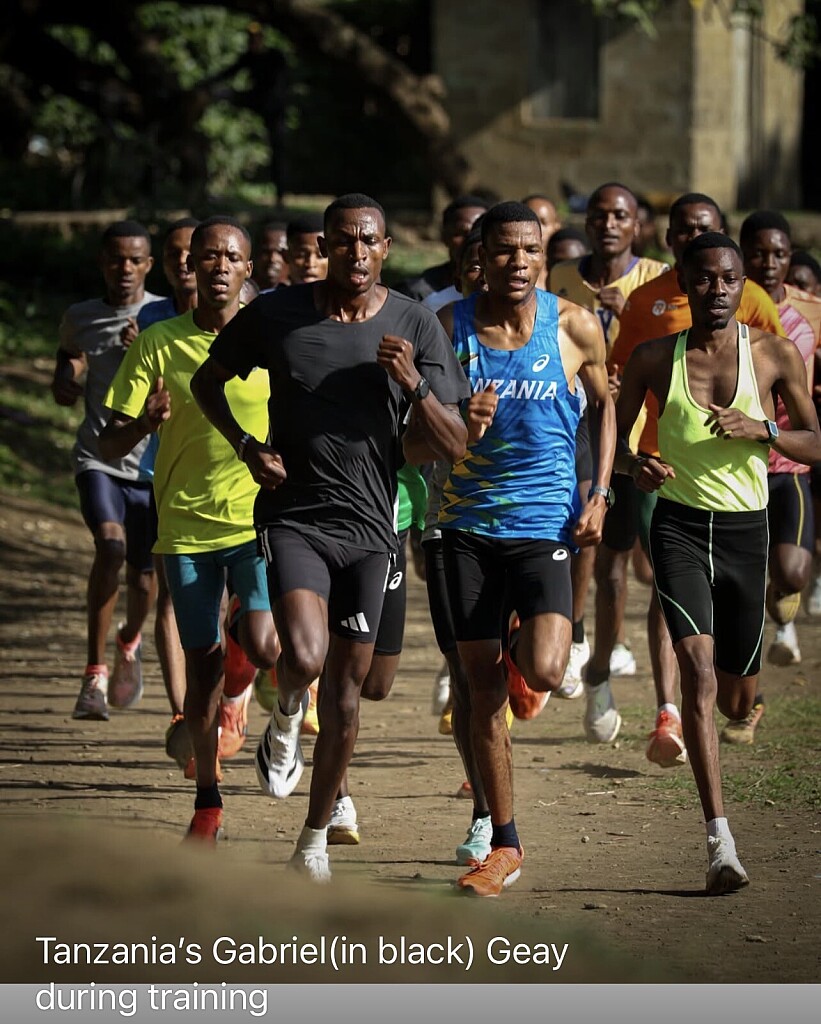
Loaded Field Sets Up Tactical Battle at Bengaluru 10K
A deep and evenly matched elite field is set to turn the TCS World 10K Bengaluru into a high-stakes tactical battle on April 26, 2026, in Bengaluru. With more than a dozen athletes boasting personal bests under 27 minutes, this year’s race in India is shaping up as much a test of racing instinct as it is of speed.
Adding to the intensity is what’s on the line: the race features a total prize purse of approximately $210,000, making it one of the richest 10K events in the world, with winners typically earning around $26,000 each, plus additional bonuses for course records and top performances.

Depth Over Dominance
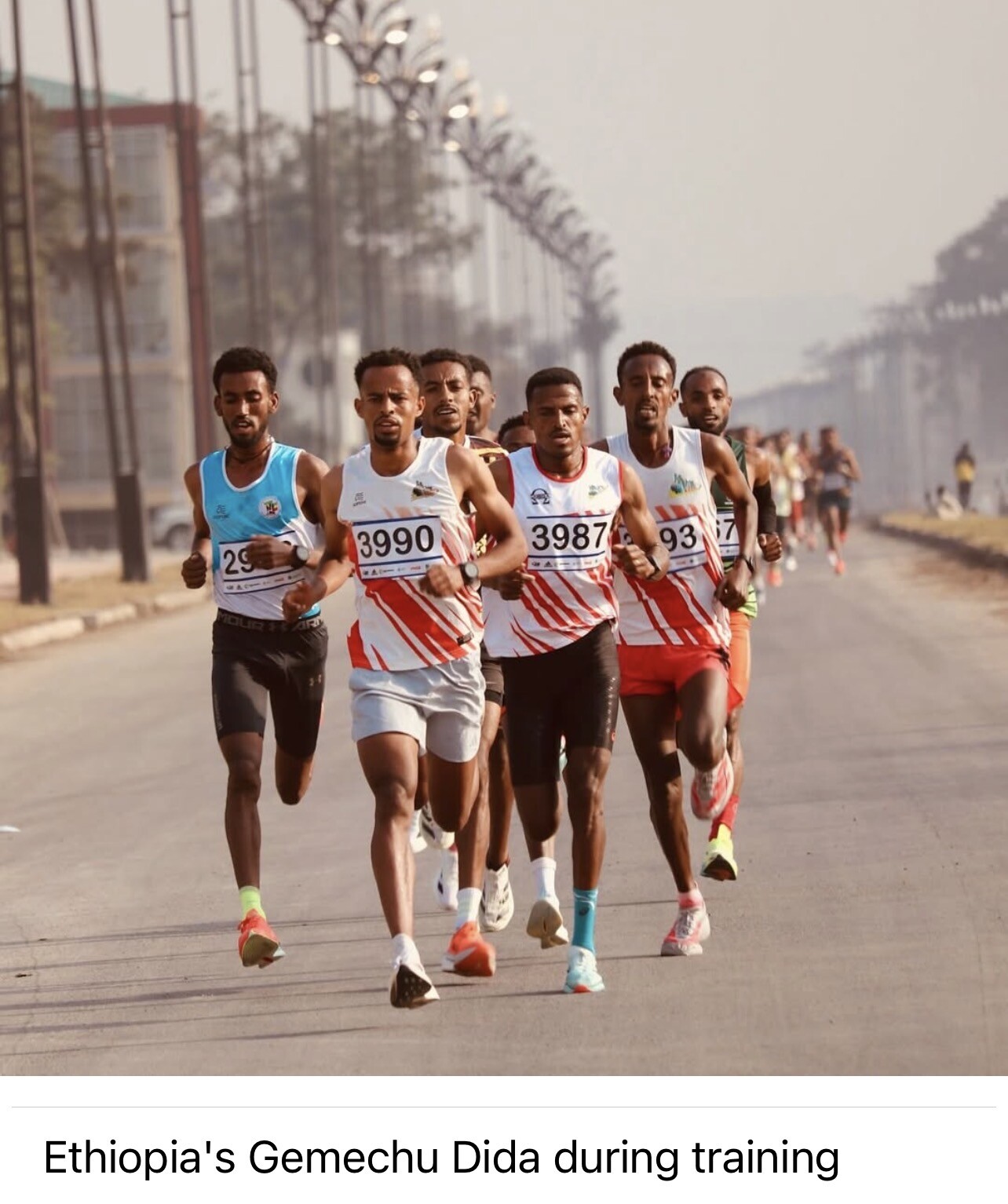
Leading the field on paper is Uganda’s Harbert Kibet, whose 26:39 personal best makes him the fastest entrant. But Bengaluru has rarely followed form. The race has built a reputation for unpredictability, where tightly packed elites, mid-race surges, and hesitation over pace often neutralize even the strongest frontrunners.
Ethiopia arrives with formidable depth. A powerful lineup featuring Gemechu Dida, Tadese Worku, and the experienced Muktar Edris gives them both strength and tactical flexibility. If the race develops into a controlled pack effort, Ethiopia is well positioned to dictate tempo and positioning.
Rodrigue Kwizera, with a 26:54 best, adds another serious contender. He has the finishing speed to capitalize on any hesitation in the closing stages—often the decisive factor in Bengaluru.
Kenya Lurking in the Pack
Kenya enters with a quieter but still dangerous presence.
Runners like Vincent Kipkorir and Victor Kipruto may not headline the field on paper, but they are well suited for a tactical race. If the early pace slows, Kenyan runners have historically thrived by timing decisive late moves rather than forcing the pace from the front.
Dark Horses and Disruptors
Beyond the top names, the race is layered with potential challengers.
Gabriel Geay brings strength developed over longer distances, while Eritrea’s Saymon Amanuiel adds further depth to an already stacked East African lineup. Spain’s Abdessamad Oukhelfen offers a contrasting racing style that could disrupt the rhythm of the lead pack if the race begins to fragment.
The presence of debutants adds another layer of intrigue. Kenya’s Gilbert Kiprotich steps onto this stage for the first time, reflecting Bengaluru’s long-standing tradition of surprise outcomes.
Where Races Are Decided Late
Bengaluru is not a course built for predictable pacing—it rewards instinct.
With so many athletes separated by only seconds on personal bests, the race is likely to unfold conservatively early before building toward a decisive surge in the final kilometers. Positioning, patience, and race awareness will be as important as fitness.
The question is no longer simply who is the fastest—but who will judge the race best.
Will Kibet assert early control?
Will Ethiopia’s pack dictate the rhythm?
Or will a lesser-known contender emerge when it matters most?
In Bengaluru, the real race often begins in the final kilometer.
Elite Men – Key Contenders
Top Seeds (Sub-27)
• Harbert Kibet (UGA) – 26:39
• Khairi Bejiga (ETH) – 26:51
• Gemechu Dida (ETH) – 26:54
• Rodrigue Kwizera (BDI) – 26:54
• Tadese Worku (ETH) – 26:56
Kenyan Watch
• Vincent Kipkorir – 27:08
• Victor Kipruto – 27:10
• Vincent Kimaiyo – 27:20
Experienced Names
• Muktar Edris – 27:38
• Telahun Haile Bekele – 27:13
Dark Horses
• Gabriel Geay – 27:49
• Dan Kibet (UGA) – 27:52
• Abdessamad Oukhelfen (ESP) – 27:44
Debut
• Gilbert Kiprotich – Debut
by Robert Kibet for My Best Runs
Login to leave a comment
TCS WORLD 10K BENGALURU
The TCS World 10k Bengaluru has always excelled in ways beyond running. It has opened new doors for people to reach out to the less privileged of the society and encourages them to do their bit. The TCS World 10K event is the world’s richest 10 Km run and has seen participation from top elite athletes in the world. ...
more...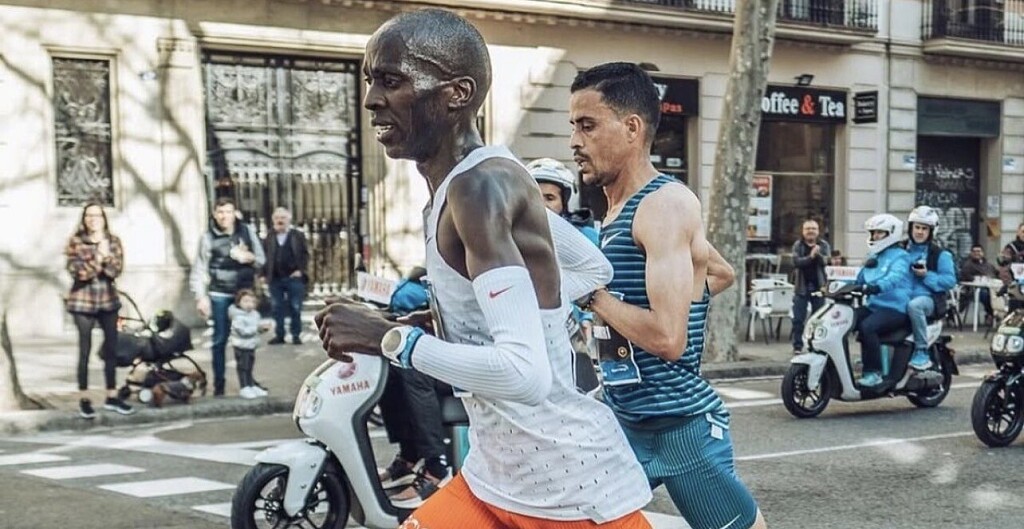
Kenyan Depth Set to Challenge Özbilen at the Barcelona Marathon
Europe’s fastest entrant, Kaan Kigen Özbilen, will face a formidable Kenyan challenge when the men’s elite field lines up for the Zurich Marató Barcelona on Sunday.
Özbilen arrives with the quickest personal best in the field at 2:04:16, a mark that places the Turkish record holder among the fastest marathon runners competing on the European circuit. But despite that advantage on paper, the race is far from a foregone conclusion.
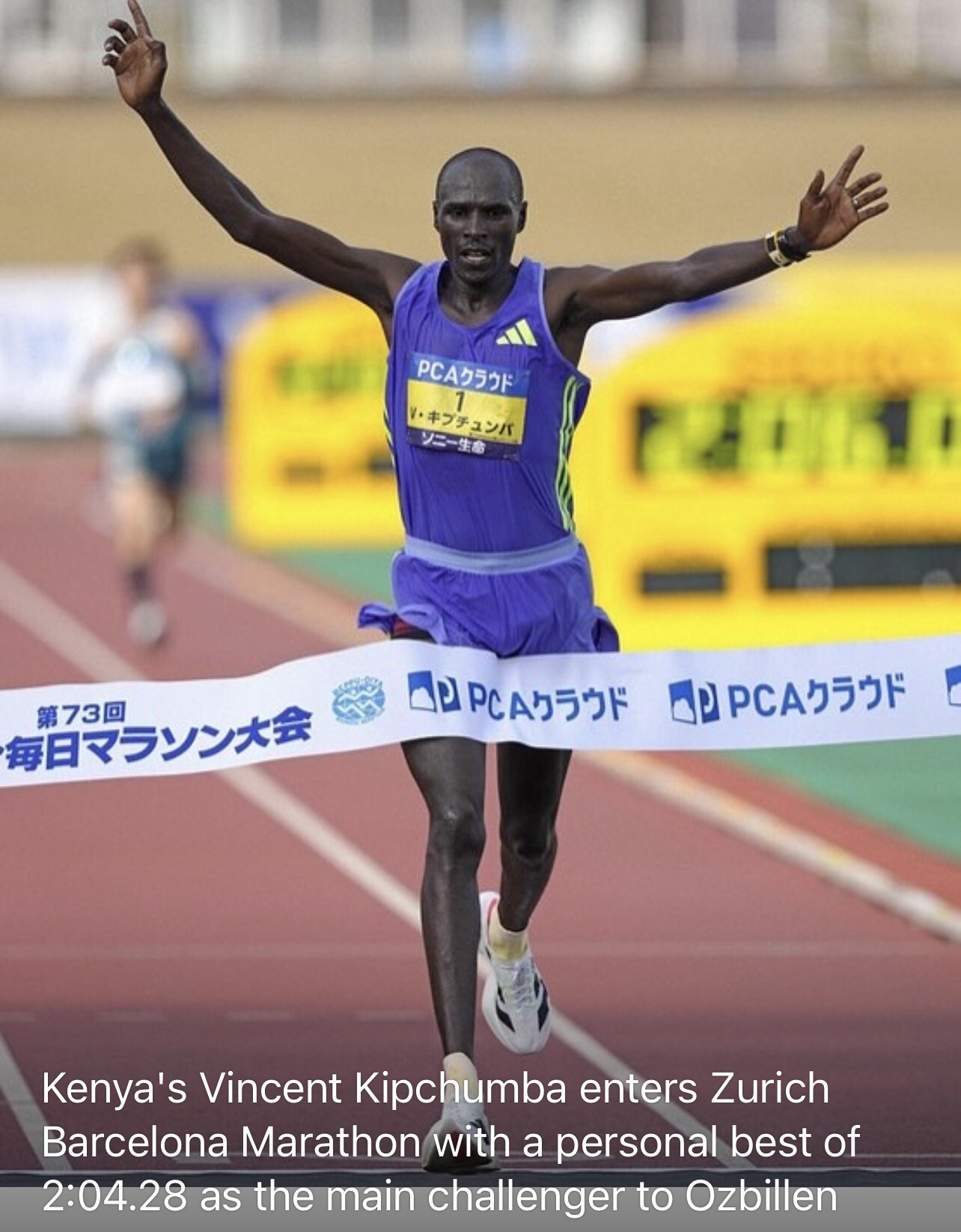
The depth of the Kenyan lineup and the presence of strong Ethiopian challengers suggest the outcome may depend less on individual credentials and more on how the race unfolds tactically over the 42.195-kilometre distance.
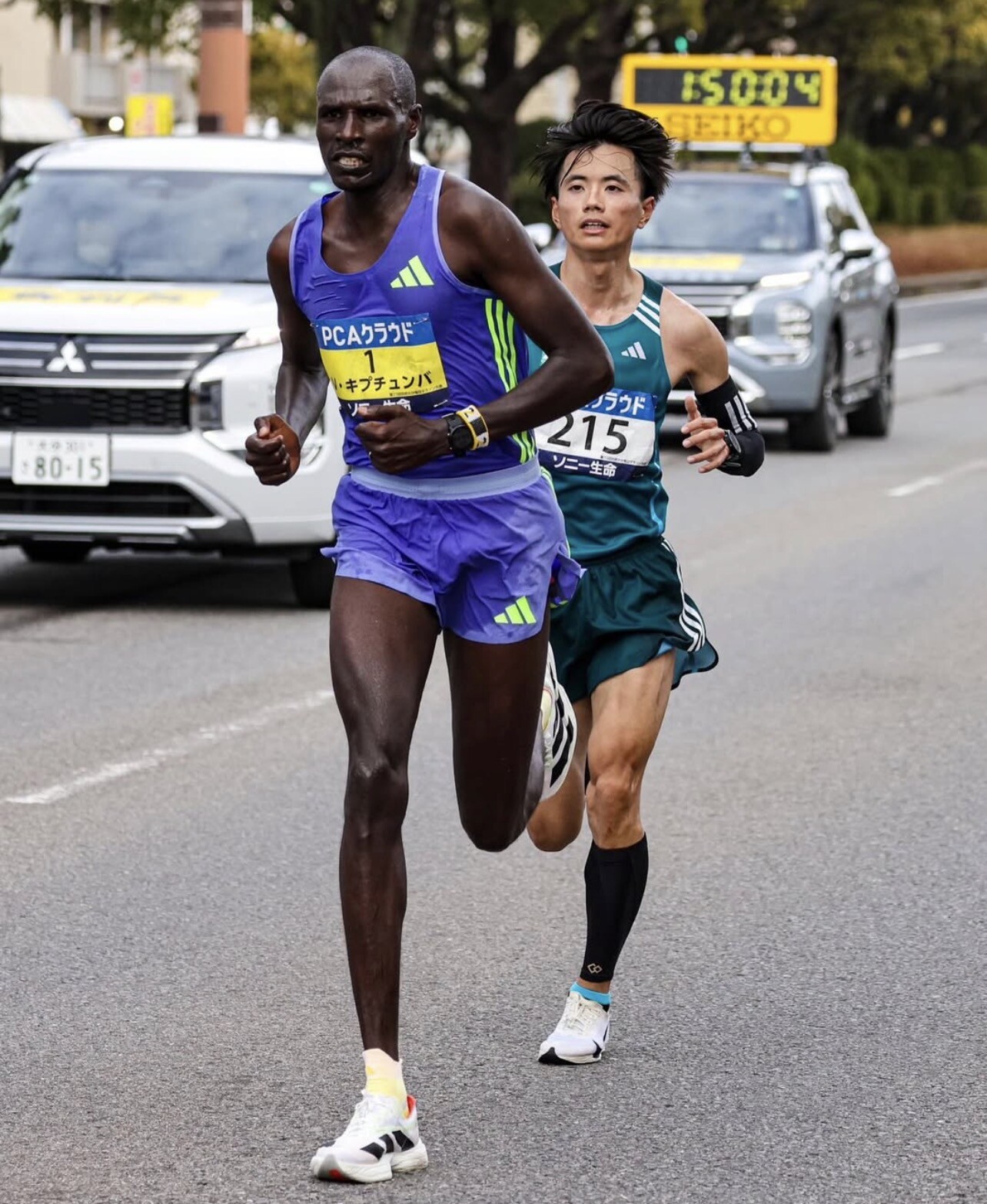
Kenyan Depth Could Shape the Race
Leading the Kenyan challenge is Vincent Kipchumba, whose personal best of 2:04:28 places him just seconds behind Özbilen. Kipchumba is a seasoned competitor on the global marathon circuit and has repeatedly shown the ability to remain competitive deep into races, particularly when the pace accelerates in the latter stages.
He is joined by compatriots Philimon Kiptoo Kinchumba and Kenneth Keter, both proven marathoners capable of running well inside the 2:06 barrier. Their presence gives Kenya numerical strength at the front of the race and could influence how the tempo develops during the opening half.
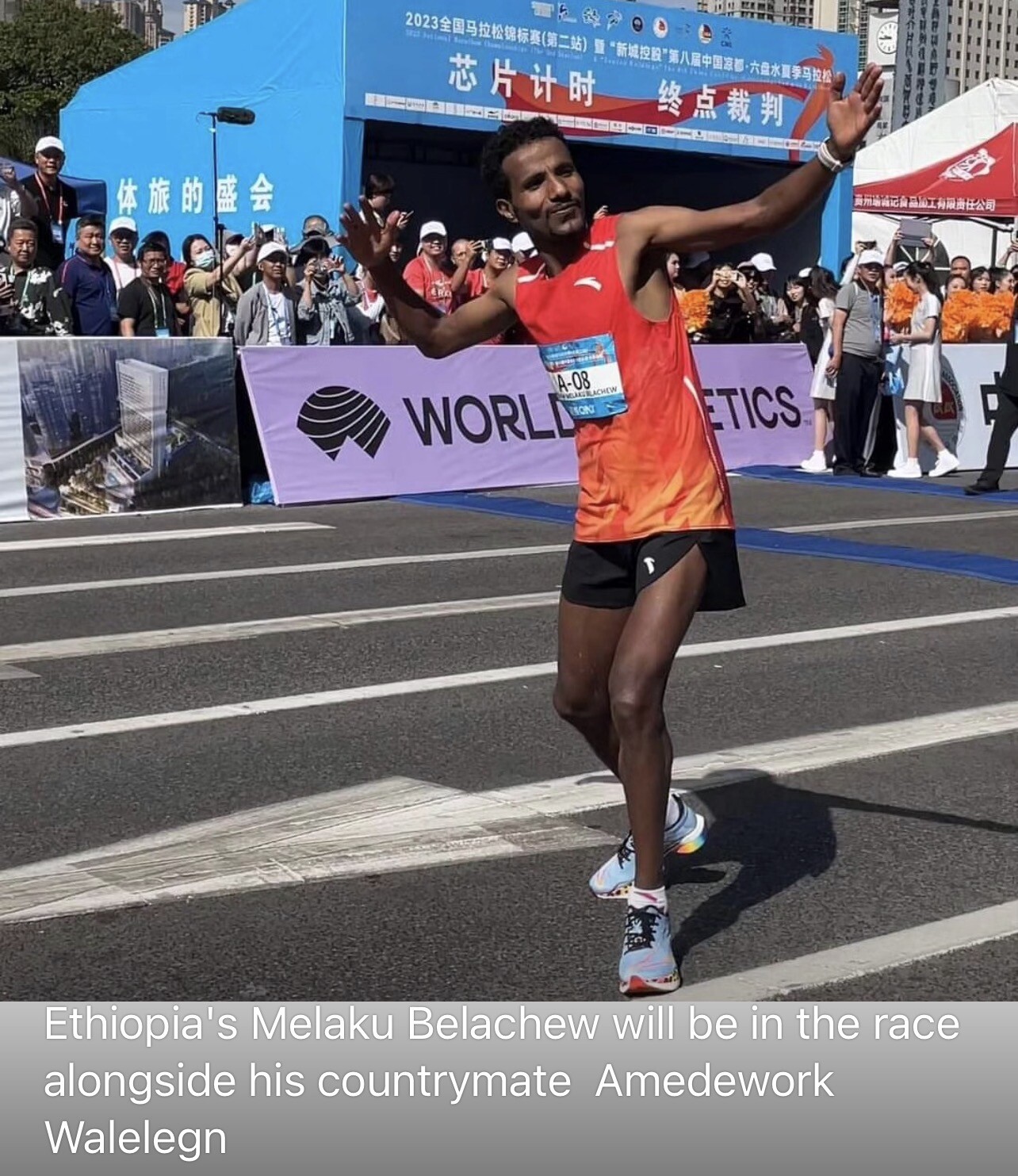
Depth like this often proves decisive in elite marathons. When several contenders from the same country occupy the lead pack, the pace can fluctuate as runners test one another’s strength before decisive moves begin. If the Kenyan group pushes the pace early or stretches the field before the 30-kilometre mark, it could place significant pressure on rivals trying to stay in contact.
Additional Kenyan experience comes from runners such as Zablon Chumba and Timothy Kipkorir, both capable of remaining within striking distance if the race becomes tactical rather than purely fast.
Ethiopian Contenders Add Further Depth
Ethiopia also brings strong credentials into the race, ensuring the contest extends beyond a simple duel between Özbilen and the Kenyan lineup.
Among the leading challengers is Amedework Walelegn, whose personal best of 2:04:50places him firmly among the elite performers in the field. Known for his ability to maintain a steady rhythm over the marathon distance, Walelegn could become a key figure if the leaders maintain a fast pace through the midway point.
Compatriot Melaku Belachew adds further experience to the Ethiopian squad. A consistent performer in international marathons, Belachew has repeatedly shown the ability to remain competitive when races develop into tightly contested battles over the final kilometres.
With several athletes possessing personal bests within a narrow time range, the Ethiopian presence adds another layer of uncertainty and ensures that no single group is likely to control proceedings outright.
Fast Times Possible on Barcelona Course
The course in Barcelona has developed a reputation for producing fast marathon performances, particularly when weather conditions cooperate and the lead group stays intact through the early stages.
Given the depth of this year’s field, a finishing time in the low 2:05 range is well within reach if the pace remains consistent from the start. Several athletes lining up on Sunday have demonstrated the ability to sustain that rhythm, and the number of runners with personal bests under 2:06 suggests the lead pack could remain large well beyond halfway.
Much will depend on how aggressively the contenders approach the race. If the tempo rises early, the contest could become a test of endurance well before the closing kilometres. Conversely, a more controlled pace could set up a tactical showdown over the final 10 kilometres, where positioning and timing often prove decisive.
For Özbilen, the challenge will be converting the fastest personal best in the field into race-day authority against a group of rivals accustomed to racing together at the front of major marathons.
For the Kenyan and Ethiopian athletes, the opportunity lies in using their depth and experience to apply pressure as the race unfolds.
As the elite runners prepare to take the start line, the men’s race promises a compelling battle between speed, strategy, and endurance—three elements that have long defined success in the marathon and will likely determine the outcome on the streets of Barcelona this weekend.
by Robert Kibet for My Best Runs
Login to leave a comment

Zurich Marato Barcelona
The race is a favorite among both professional athletes and amateur runners, offering a unique running experience in and around Zurich. The scenic course follows the shores of Lake Zurich for much of the route, making it not only a thrilling sports event but also a visually stunning one. The start and finish lines are located at the upper lake...
more...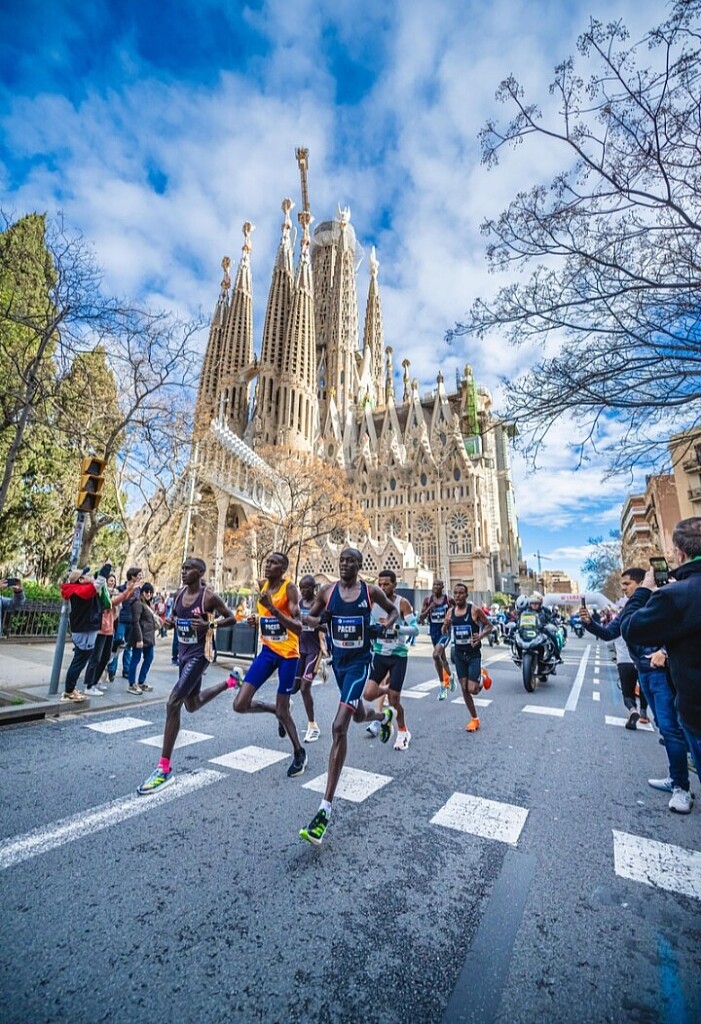
Kenyan and Ethiopian Stars Set for Showdown at the Zurich Barcelona Marathon
The stage is set for a thrilling contest at the Barcelona Marathon, where a deep and competitive men’s elite field will line up on Sunday, March 15 in the heart of Barcelona, Spain. With several athletes boasting personal bests well under 2:06, the race promises a high-quality battle between some of the finest marathoners from Kenya, Ethiopia, Türkiye, and Uganda.
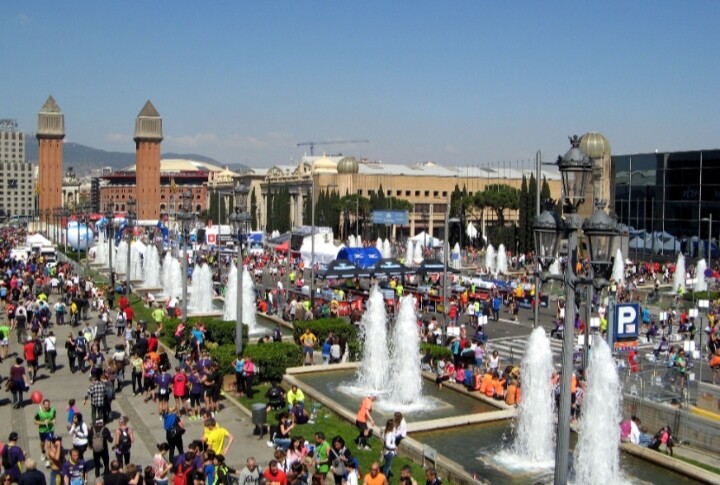
The race is scheduled to start at 8:30 a.m. local time in Barcelona, Spain (Central European Time), ensuring fans across the globe can follow the action at different moments of the day. In East Africa, viewers in Kenya, Ethiopia, and Uganda will tune in at 10:30 a.m. East Africa Time, while audiences in London can watch from 7:30 a.m.. Across the Americas, the race begins at 3:30 a.m. in New York, 2:30 a.m. in Chicago, 1:30 a.m. in Denver, and 12:30 a.m. in Los Angeles, while fans in São Paulo will follow the event at 4:30 a.m.. In Asia, the start corresponds to 11:30 a.m. in Dubai, 1:00 p.m. in New Delhi, 2:30 p.m. in Bangkok, and 3:30 p.m. in both Beijing and Singapore, before reaching 4:30 p.m. in Tokyo. In Oceania, viewers will follow later in the day, with the race starting at 3:30 p.m. in Perth, 6:30 p.m. in Sydney, and 8:30 p.m. in Auckland, underscoring the truly global reach of one of Europe’s most celebrated road races.
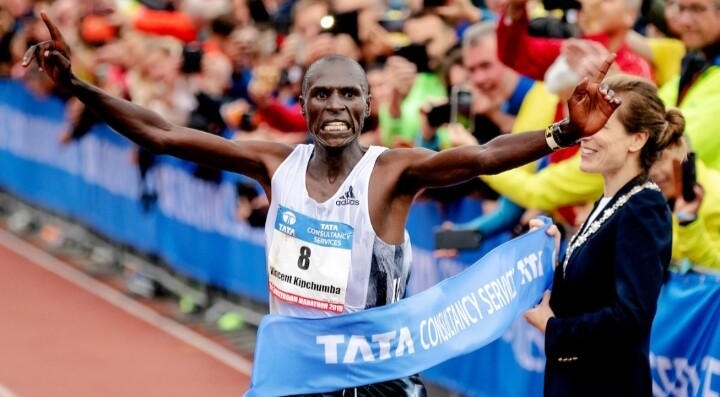
Leading the field is Vincent Kipchumba, the Kenyan star who owns a personal best of 2:04:28. Known for his consistency on the global marathon circuit, Kipchumba arrives in Barcelona as one of the major contenders for victory. Close behind on paper is Turkish international Kaan Kigen Özbilen, whose impressive 2:04:16 lifetime best makes him the fastest man in the lineup. His experience and tactical awareness could make him a serious threat if the pace turns aggressive.
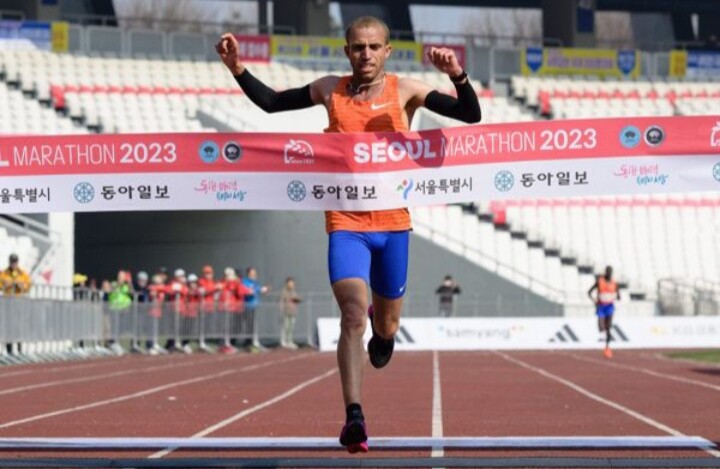
Ethiopia will also bring formidable firepower through Amedework Walelegn, the talented marathoner with a personal best of 2:04:50. Walelegn has shown the ability to perform strongly in major races and will be eager to challenge the Kenyan dominance that often defines major road races.
Kenya’s depth in marathon running is once again on display with several athletes capable of producing breakthrough performances. Among them are Philemon Kiptoo Kipchumba (2:05:35) and Kenneth Keter (2:05:33), both of whom possess the experience and endurance required to thrive in a fast European marathon. Meanwhile, Ethiopia’s Antanayehu Dagnachew (2:06:55) will be looking to deliver a strong run against a competitive field.
The race also features a solid group of athletes with personal bests hovering around the 2:06–2:07 range, including Mosee Kipngetich Kemet (2:06:47), Melaku Belachew (2:06:30), and Zablon Chumba (2:07:11). Their presence ensures the pace could remain honest deep into the race, potentially setting the stage for a dramatic finish through Barcelona’s iconic streets.
Further down the start list, runners such as Timothy Kiphorir (2:07:52), Perrick Mdoshi (2:07:17), Abel Chelangat (2:08:49), Jonathan Korir (2:09:51), and Haile Desta (2:10:41) will also be aiming to seize the opportunity for personal bests or podium surprises in what is expected to be a fast and competitive race.
With elite athletes from East Africa once again forming the backbone of the field, the Zurich Barcelona Marathon promises a compelling clash of endurance, strategy, and speed. If the pace unfolds as expected, fans could witness a thrilling contest that highlights the continuing global appeal and competitive depth of marathon running.
by Erick Cheruiyot for My Best Runs.
Login to leave a comment
Zurich Marato Barcelona
The race is a favorite among both professional athletes and amateur runners, offering a unique running experience in and around Zurich. The scenic course follows the shores of Lake Zurich for much of the route, making it not only a thrilling sports event but also a visually stunning one. The start and finish lines are located at the upper lake...
more...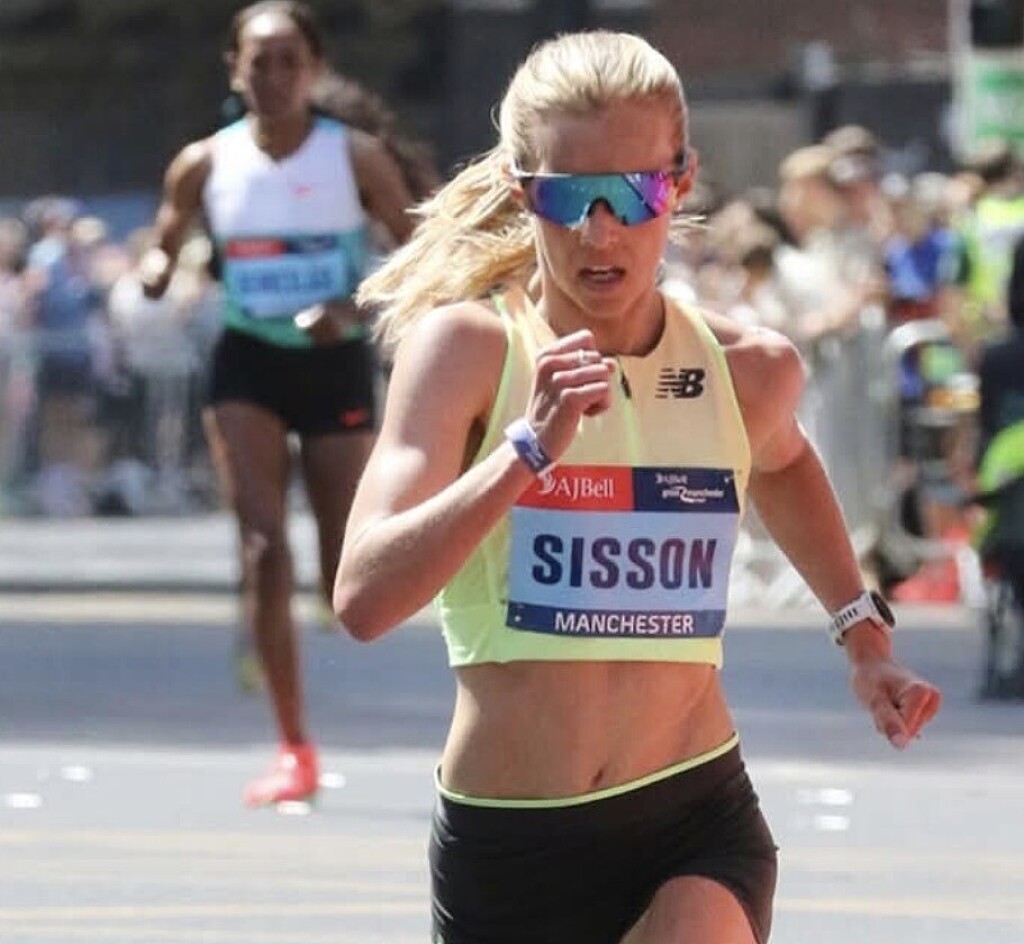
Obiri, Lokedi, Ngetich and Sisson Headline Elite Women’s Race at NYC Half Marathon
A stacked international women’s field will headline the 2026 United Airlines NYC Half Marathon on Sunday, March 15, 2026, in New York City, where world-class road specialists from Kenya, the United States, and Europe will battle for supremacy on one of the world’s most competitive half marathon stages.
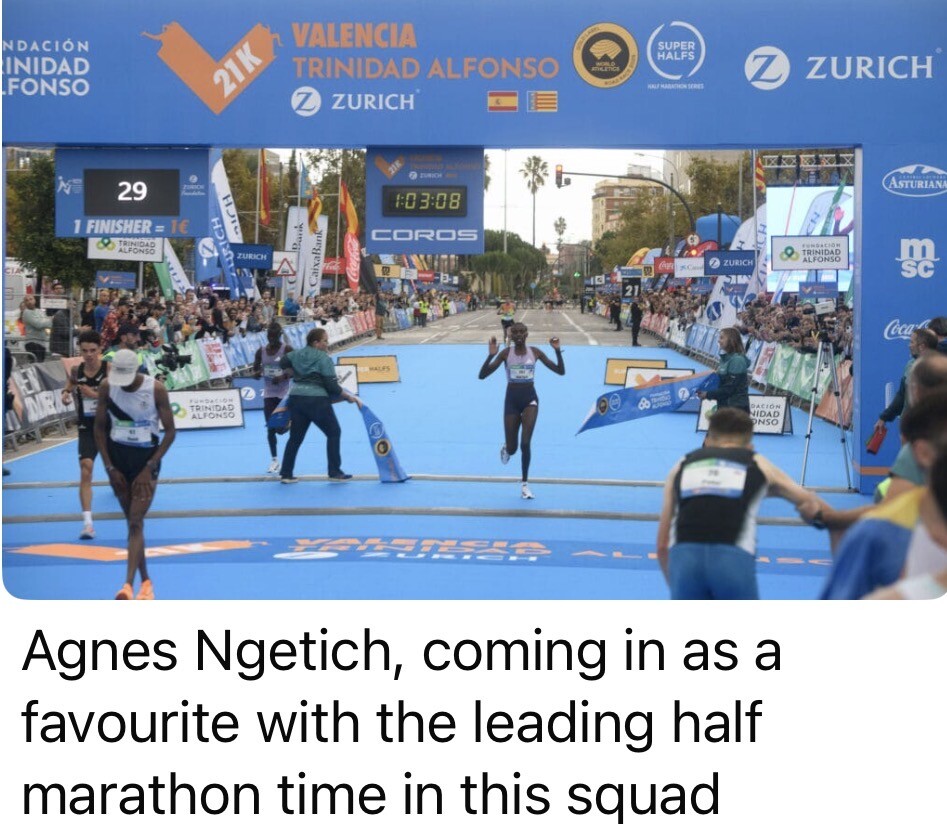
Leading the lineup is Kenyan road sensation Agnes Ngetich, who enters the race with the fastest personal best in the field at 1:03:04. The rising star has quickly established herself as one of the most formidable talents on the roads, and her aggressive racing style could make her the athlete to watch as the race unfolds through the streets of Brooklyn, across the Manhattan Bridge, and into Central Park.
Kenyan Powerhouses Set the Pace
Ngetich will face formidable opposition from a powerful Kenyan contingent that includes Hellen Obiri and Sharon Lokedi.

Obiri, a multiple Olympic and World Championship medalist on the track before transitioning successfully to the roads, boasts a half marathon best of 1:04:22. Known for her tactical brilliance and finishing speed, Obiri remains one of the most dangerous competitors in any elite field.
Lokedi, the Boston Marathon champion, arrives with a personal best of 1:05:00 and the experience of winning on the world’s biggest marathon stages. Her strength and racing intelligence make her a serious podium contender.
Completing the Kenyan lineup is Mercy Chelangat, who has steadily built her reputation on the roads and will be hoping to challenge the frontrunners.
International Contenders Ready to Challenge
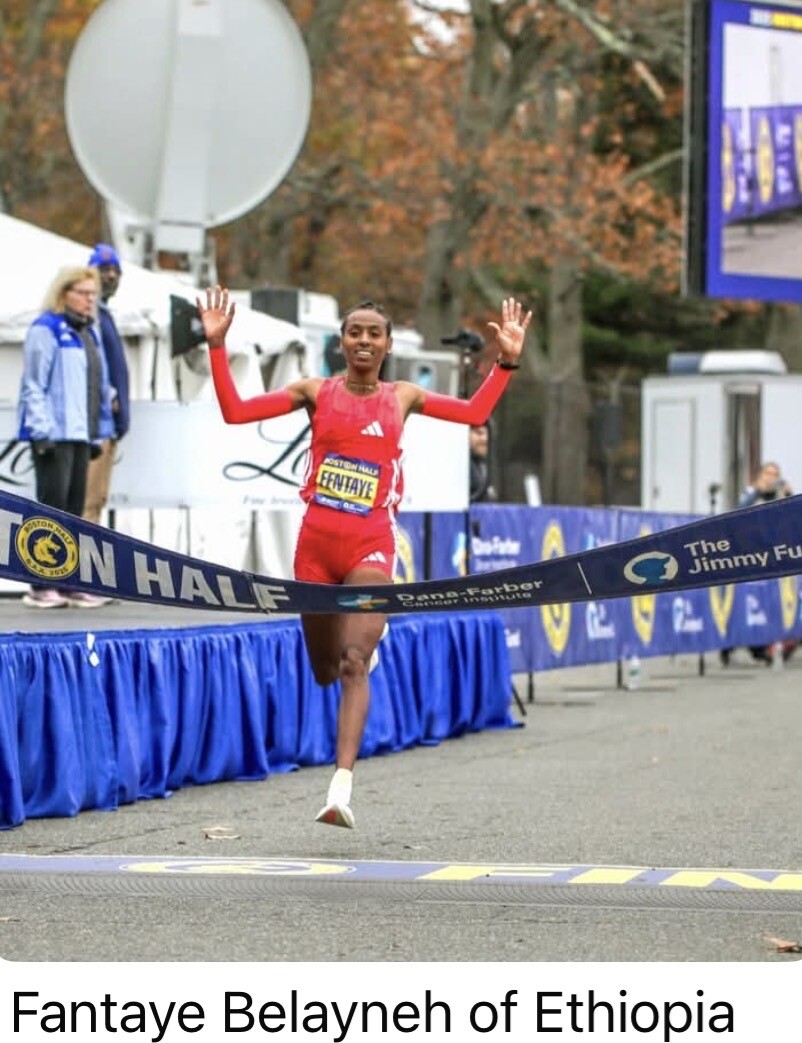
Ethiopia will be represented by Fantaye Belayneh, whose personal best of 1:04:49 places her among the fastest entrants. Belayneh has demonstrated impressive consistency on the international road circuit and could prove dangerous if the race develops into a fast early pace.
Germany’s Konstanze Klosterhalfen adds further depth to the field. The former European champion owns a half marathon best of 1:05:41 and has the pedigree to challenge the East African stars.
Strong American Home Challenge
The host nation will also field a strong challenge led by American distance standout Emily Sisson. The U.S. record holder in the half marathon brings a personal best of 1:06:52 and will be eager to deliver a strong performance in front of the home crowd.
Sisson will be joined by a deep American lineup that includes Natosha Rogers, Annie Frisbie, Amanda Vestri, and Dakotah Popehn, all of whom have recorded competitive performances on the roads in recent seasons.
Their presence ensures the United States will have multiple athletes capable of mixing it up with the international elite.
Debuts and Rising Stars Add Intrigue
Britain’s Calli Hauger-Thackery enters the race with a personal best of 1:06:58, while her compatriot Megan Keith will make her half marathon debut, adding an intriguing storyline to the competition.
Elsewhere, Diane Van Es of the Netherlands and Sweden’s Sarah Lahti will also be aiming to make an impact, while Canada’s experienced marathoner Natasha Wodak brings valuable championship experience to the elite field.
The international lineup is further strengthened by athletes from Latin America, including Uruguay’s Julia Paternain and Mexico’s Erika Priego.
A Race That Could Turn Fast
With several athletes in the field boasting personal bests under 1:06, the women’s race could develop into a fast and tactical contest. Much will depend on whether the frontrunners choose an aggressive early pace or adopt a more cautious strategy before the decisive moves in the final miles.
For Ngetich, the race presents another opportunity to underline her growing reputation as one of the leading figures in global road running. But with seasoned competitors such as Obiri, Lokedi, and Sisson in the lineup, the women’s elite race promises to be one of the highlights of the 2026 United Airlines NYC Half Marathon on March 15.
Elite Women to Watch
Agnes Ngetich (Kenya)
Personal Best: 1:03:04
The fastest entrant on paper, Ngetich arrives as the athlete to beat. Known for her aggressive front-running style, she has the credentials to dictate the pace and could turn the race into a fast contest if she pushes early.
Hellen Obiri (Kenya)
Personal Best: 1:04:22
A proven championship racer, Obiri brings tactical brilliance and finishing strength. The former world champion on the track has successfully transitioned to the roads and remains a major threat.
Sharon Lokedi (Kenya)
Personal Best: 1:05:00
The Boston Marathon champion has established herself as a consistent performer on the global road circuit and is always dangerous in tactical races.
Emily Sisson (USA)
Personal Best: 1:06:52
The American record holder will lead the home challenge and will look to use local support to test the East African dominance.
Fantaye Belayneh (Ethiopia)
Personal Best: 1:04:49
Belayneh has consistently delivered strong performances internationally and possesses the speed to stay with the leaders deep into the race.
by Robert Kibet for My Best Runs
Login to leave a comment

United Airlines NYC Half-Marathon
The United Airlines NYC Half takes runners from around the city and the globe on a 13.1-mile tour of NYC. Led by a talent-packed roster of American and international elites, runners will stop traffic in the Big Apple this March! Runners will begin their journey on Prospect Park’s Center Drive before taking the race onto Brooklyn’s streets. For the third...
more...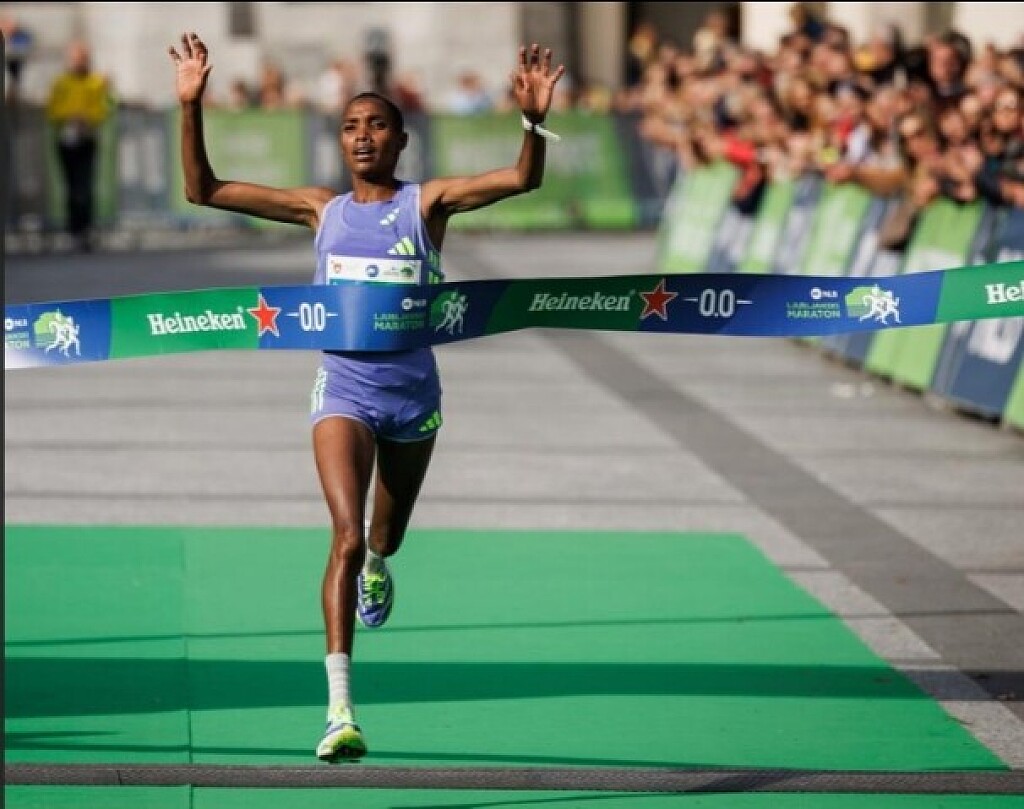
Tele Braces for Fierce Duel with Ethiopian Trio at Seoul Marathon
Kenyan marathoner Joyce Chepkemoi Tele is set to line up at the prestigious Seoul Marathon on March 15, 2026, in Seoul, South Korea, where she will face a formidable international field in one of Asia’s most respected road races.
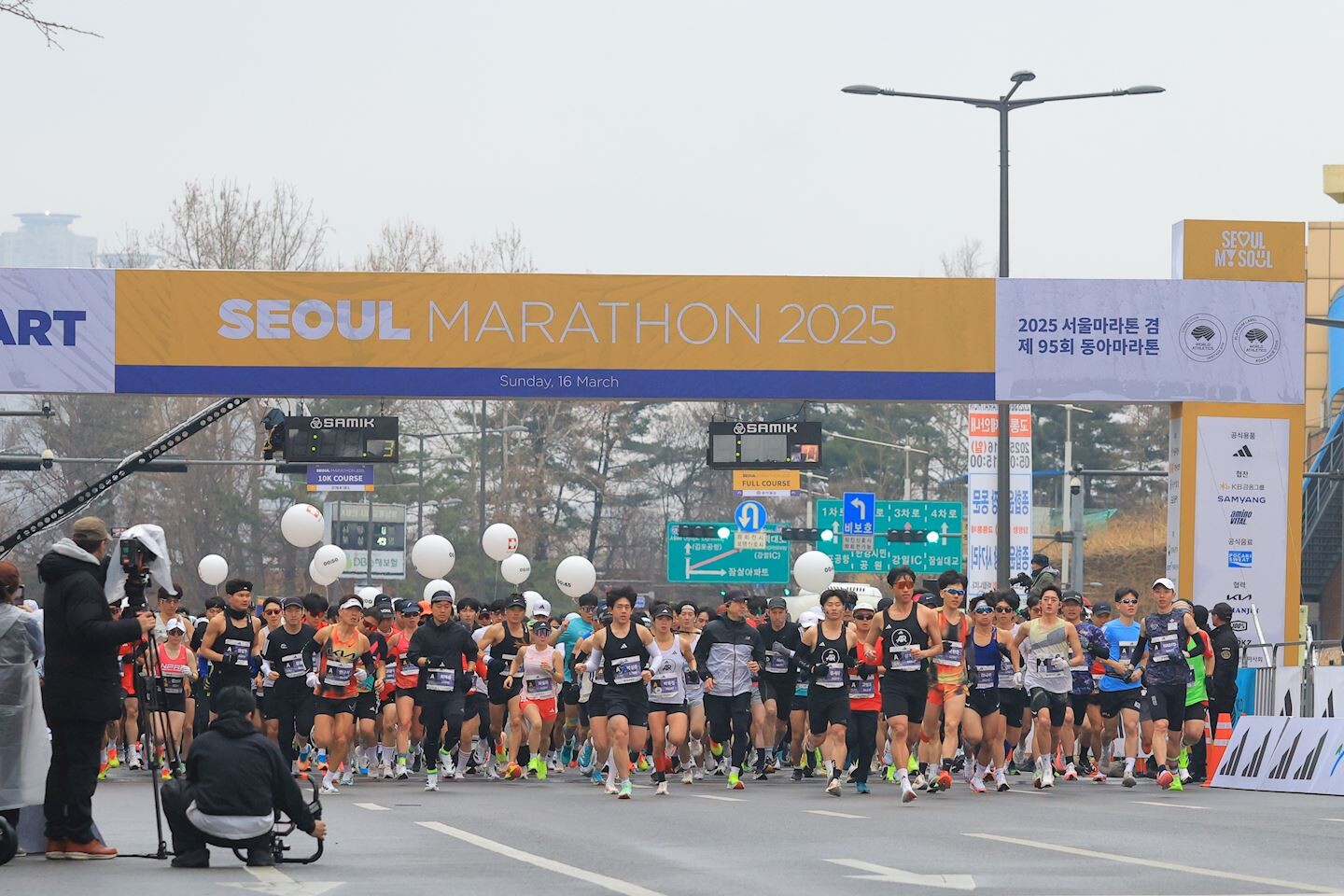
Tele, who holds a personal best of 2:20:17, heads into the race aiming to challenge some of the strongest marathon specialists on the circuit. The Kenyan has steadily built a reputation as a resilient and consistent performer over the classic distance, and the Seoul streets could provide the perfect stage for another major breakthrough.
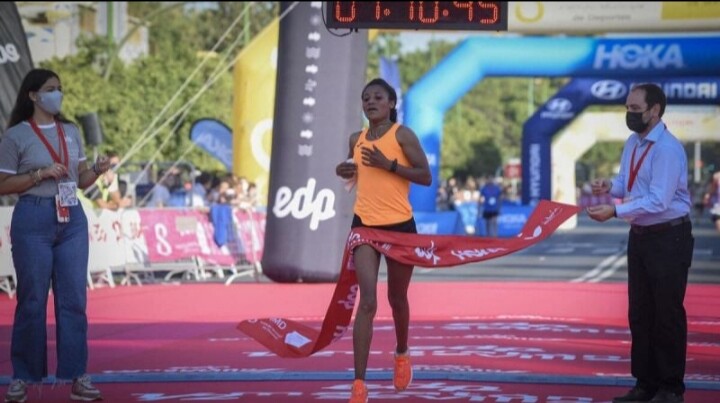
Awaiting her is a highly competitive lineup led by Ethiopia’s Tiruye Mesfin, the fastest entrant on paper with a personal best of 2:18:35. Mesfin’s experience and speed make her one of the clear favorites heading into the race.
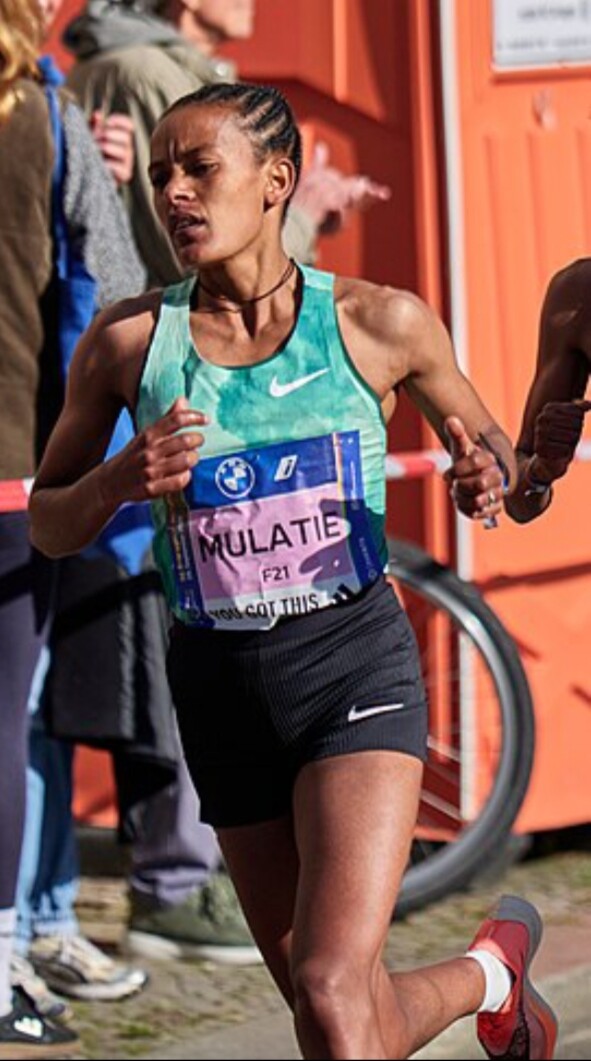
Another strong Ethiopian contender is Bosena Mulatie, who owns a 2:19:06 lifetime best and has demonstrated impressive strength in major city marathons. She will be joined by compatriot Bekelech Gudeta, whose personal best of 2:20:59 places her firmly among the athletes capable of shaping the outcome of the race.
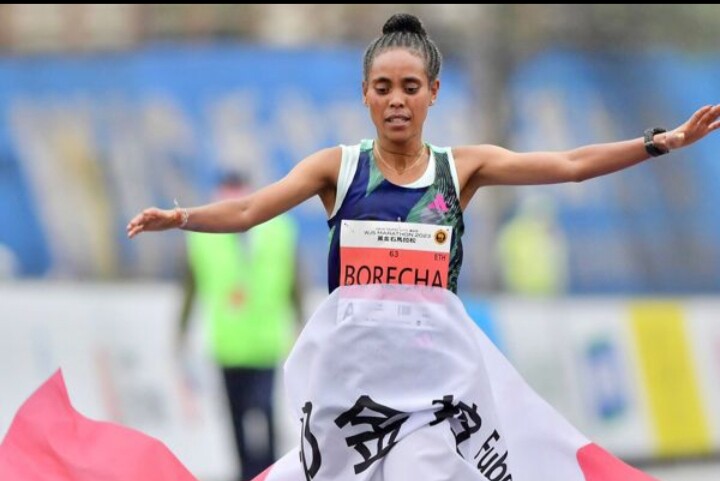
With several athletes clustered around the 2:18–2:26 range, the women’s race is expected to be fiercely contested from the early stages. The traditionally fast course in Seoul has often produced high-quality performances, especially when the pace is aggressive and weather conditions cooperate.
Elite Women’s Start List (PBs)
1. Bekelech Gudeta (Ethiopia) — 2:20:59
2. Tiruye Mesfin (Ethiopia) — 2:18:35
3. Bosena Mulatie (Ethiopia) — 2:19:06
4. Haven Hailu (Ethiopia) — 2:19:17
5. Joyce Chepkemoi Tele (Kenya) — 2:20:17
6. Zinash Gerado (Ethiopia) — 2:21:05
7. Anchelem Haymanote (Ethiopia) — 2:23:23
8. Meseret Gebre (Ethiopia) — 2:23:11
9. Betelihem Yemer (Ethiopia) — 2:23:20
10. Ayinadis Teshome (Ethiopia) — 2:25:50
11. Kebebush Yisma (Ethiopia) — 2:24:04
12. Medina Deme (Ethiopia) — 2:25:09
13. Wu Bing (China) — 2:25:01
14. Monica Chebet (Kenya) — 2:26:30
For Tele, the race represents an opportunity to measure herself against some of the finest marathon runners in the world while continuing to elevate Kenya’s strong presence on the global marathon stage. If the pace unfolds favorably, the Kenyan star could find herself in the thick of the battle as the race heads into its decisive closing kilometers.
As anticipation builds ahead of the March showdown, the women’s contest at the Seoul Marathon promises to deliver a thrilling clash between East Africa’s elite distance runners, with pride, prestige, and potentially fast times on the line.
by Erick Cheruiyot for My Best Runs.
Login to leave a comment

Seoul International Marathon
The only marathon hosted in the heart of the Korean capital. Seoul marathon is the oldest marathon race hosted in Asia andis one of the fastestmarathon in the world. First held in 1931, Seoul marathon is the oldest marathon eventcontinuously held in Asia, and the second oldest in the world followingthe Boston Marathon. It embodies modern history of Korea, also...
more...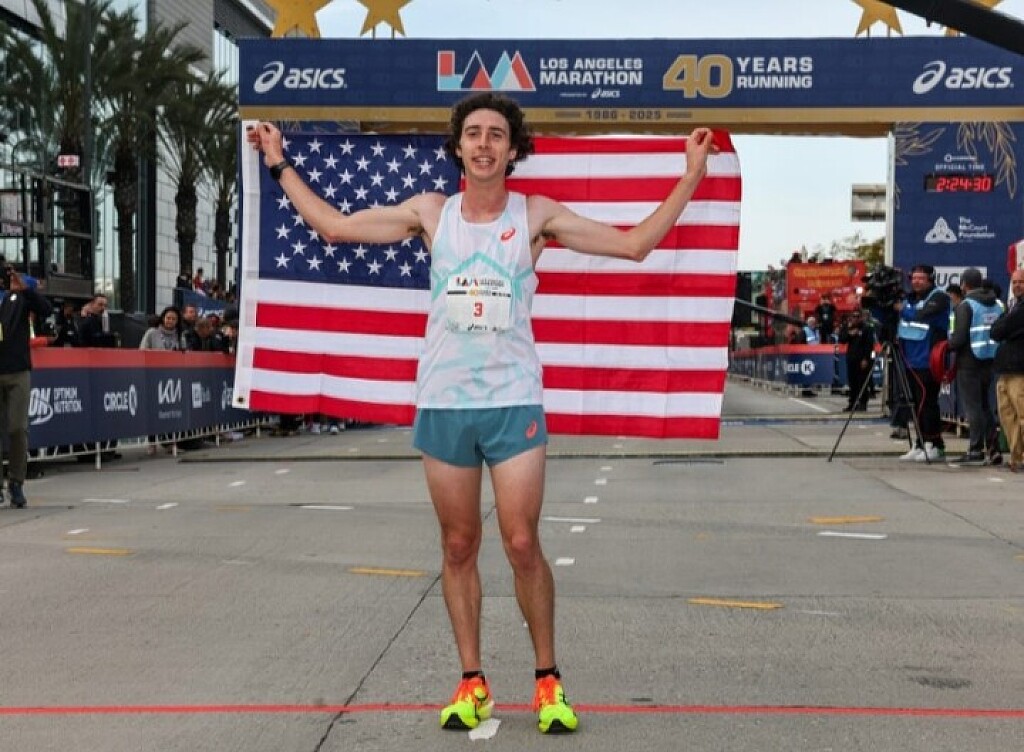
Rising Heat and Elite Rivalries Set the Stage for a Thrilling 2026 Los Angeles Marathon
The streets of Los Angeles will once again come alive with the rhythm of pounding footsteps as the 2026 edition of the Los Angeles Marathon takes place on Sunday, March 8 in California, United States. One of the most celebrated road races in America returns with thousands of runners and a competitive international elite field ready to battle across the iconic 42.195-kilometer distance.
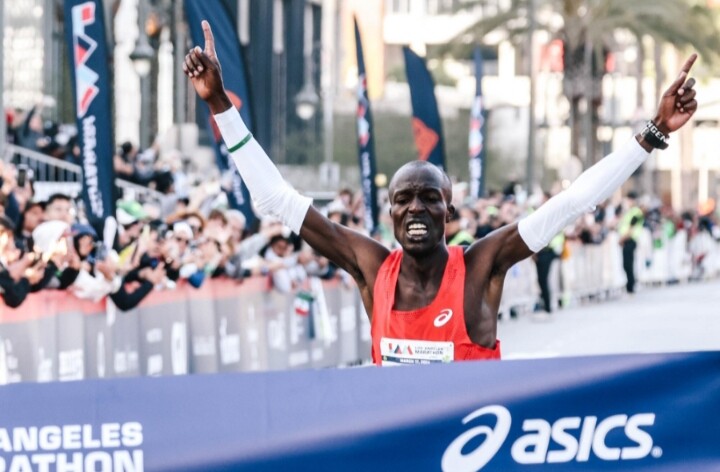
Race morning will begin early under Pacific Standard Time, with the professional wheelchair and handcycle athletes launching the action at 6:30 AM, followed by the elite men and women at 6:40 AM, before the main field of thousands of runners begins at 7:00 AM. For fans across Africa, the marathon unfolds later in the day, starting at 4:00 PM in West Africa, 5:00 PM in South and Central Africa, and 6:00 PM in East Africa.
Across Europe, Asia, and Oceania, fans will also be able to follow the race live as the 7:00 AM PST main start of the Los Angeles Marathon translates to 5:00 PM in Western Europe (including the United Kingdom and Portugal), 6:00 PM in Central Europe (such as France, Germany, Spain, and Italy), and 7:00 PM in Eastern Europe (including Greece, Finland, and Romania). In Asia, the race will begin at 9:30 PM in India, 11:00 PM in China, Singapore, and the Philippines, and midnight on March 9 in Japan and South Korea. For viewers in Oceania, the marathon will start at 2:00 AM on March 9 in Eastern Australia and 4:00 AM in New Zealand, meaning dedicated fans there will be watching the action unfold deep into the night.
Defending champions return determined to protect their crowns. Ethiopia’s Tejinesh Tulu arrives aiming to repeat her triumph from last year, while American marathoner Matthew Richtman will attempt to defend the men’s title on home soil. Both champions face deeper and stronger fields this time, setting the stage for an unpredictable and highly competitive contest.
The women’s race features a strong East African presence led by Kenya’s Vicoty Chepngeno, who holds the fastest personal best in the field at 2:19:55. Ethiopia’s experienced campaigner Atsede Bayisa, with a best of 2:22:03, also arrives as a major contender, while Kenya’s Antonina Kwambai and Ethiopia’s Almaz Kemsi add further depth to a field capable of producing a fierce battle for the podium. The race also includes American hopes such as Kellyn Taylor and Makenna Myler, both looking to challenge the traditionally dominant East African runners. Meanwhile, defending champion Tejinesh Tulu remains a serious threat despite not owning the fastest personal best, as championship races often reward patience, tactical awareness, and strength in the closing kilometers.
The men’s contest promises equal intensity. Kenya’s Dominic Ngeno leads the field on paper with a personal best of 2:06:35, positioning him as one of the main favorites if the race develops at a fast pace. Defending champion Matthew Richtman will look to repeat his success, but he faces stiff competition from Ethiopia’s Abdela Godana and Kenya’s Michael Kimani Kamau, both capable of pushing the pace deep into the race. Eritrea’s Tesfu Tewelde, Sweden’s David Nilsson, and Kenya’s Athanas Kioko also enter the race with the potential to disrupt the favorites and deliver breakthrough performances.
Weather conditions could play a decisive role in how the race unfolds. Forecasts suggest that warm temperatures may already be present from the start, meaning the marathon could evolve into a tactical contest rather than a purely fast one. In such situations, pacing discipline, hydration, and the ability to surge late in the race often become the decisive factors.
With elite runners from Kenya, Ethiopia, the United States, Eritrea, and Europe lining up alongside thousands of passionate participants, the 2026 edition of the Los Angeles Marathon promises an exciting blend of global rivalry and personal ambition. As the sun rises over Los Angeles, champions will defend their titles, challengers will chase career-defining victories, and thousands of runners will set out on a journey toward one unforgettable finish line.
by Erick Cheruiyot for My Best Runs.
Login to leave a comment

Los Angeles Marathon
The LA Marathon is an annual running event held each spring in Los Angeles, Calif. The 26.219 mile (42.195 km) footrace, inspired by the success of the 1984 Summer Olympic Games, has been contested every year since 1986. While there are no qualifying standards to participate in the Skechers Performnce LA Marathon, runners wishing to receive an official time must...
more...
Queens of the Marathon: A Loaded Women’s Field Set to Ignite Tokyo 2026
The women’s race at the 2026 Tokyo Marathon to be staged on 1st March in Tokyo, Japan is shaping up to be one of the deepest and most compelling contests in recent marathon history, blending reigning champions, global major winners, national icons, and seasoned veterans into a single high-stakes showdown. At the center of the narrative stands Ethiopia’s formidable title defender Sutume Asefa Kebede, who returns to Tokyo chasing a third consecutive victory after dominating the previous two editions and establishing herself as the course record holder.
Kebede’s authority in Tokyo has been built on tactical intelligence and relentless pace control, but her path to another triumph will be far from straightforward. Among the most dangerous challengers is compatriot Hawi Feysa, who finished third in Tokyo last year before ascending to global prominence with victory at the 2025 Chicago Marathon. Her breakthrough confirmed what many suspected — that she possesses the finishing speed and endurance to win on any major stage.
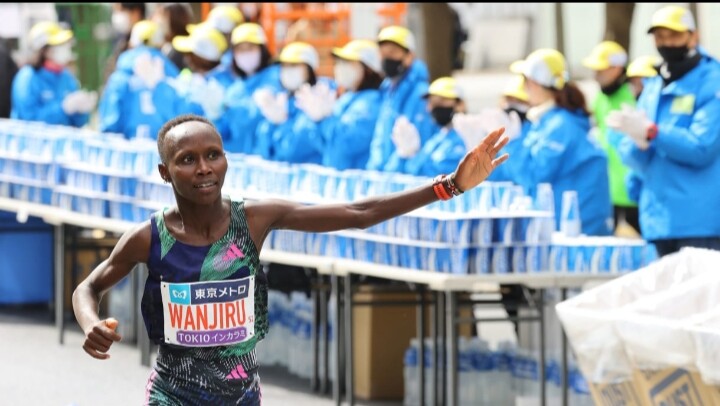
Another major threat comes from Kenya’s Rosemary Wanjiru, the 2025 Berlin Marathon champion, whose consistency at the highest level continues to make her one of the most dependable performers in elite women’s marathoning. With proven championship composure and a powerful late-race surge, Wanjiru enters Tokyo as a genuine title contender capable of disrupting Ethiopian dominance.
The depth extends even further with a wave of major champions from the past two seasons. Ethiopia’s Megertu Alemu, winner in Valencia in 2024, arrives with one of the fastest personal bests in the field, while Bertukan Welde brings confidence from her victory in Prague in 2025. Adding to the Ethiopian strength is Mestawut Fikir, who captured the Paris Marathon crown in 2024, and Waganesh Mekasha, winner of Osaka the same year — further proof of the nation’s extraordinary marathon pipeline.
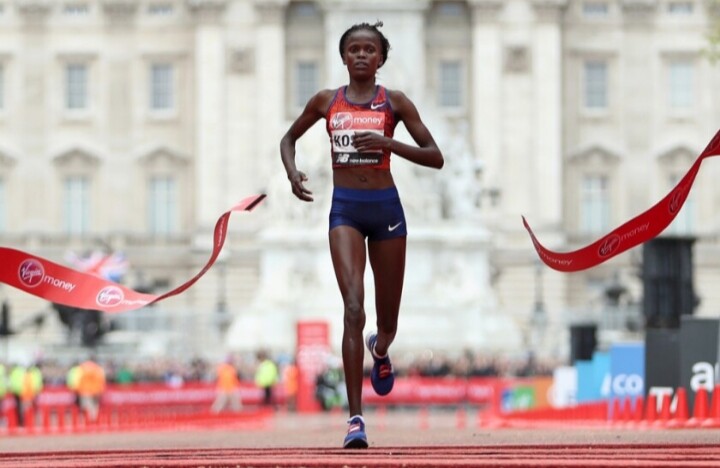
Yet perhaps the most recognizable name in the field remains Kenya’s Brigid Kosgei, the former world record holder whose 2:14:04 still ranks among the fastest performances ever recorded by a woman. Kosgei’s experience, championship pedigree, and proven ability to handle aggressive pacing make her presence alone a psychological factor for the entire field.
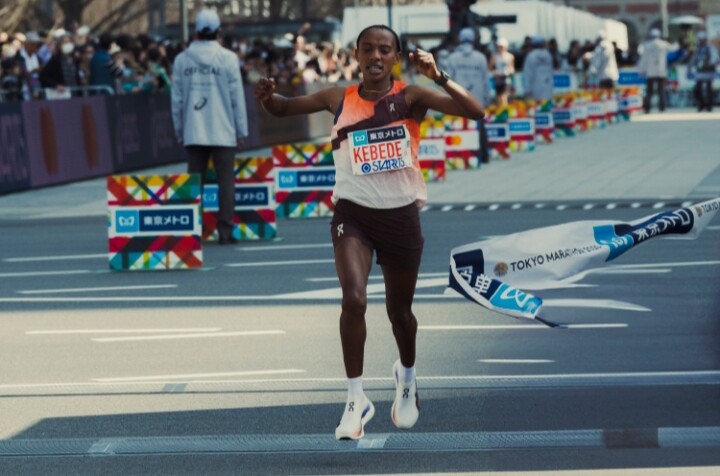
Japan’s hopes will largely rest on Ai Hosoda, currently the nation’s seventh-fastest woman in history. Hosoda produced a career-best 2:20:31 in Berlin in 2024 and recently announced that Tokyo will serve as her farewell race. The emotional weight of competing at home in her final marathon could provide an added dimension of motivation, especially after she secured qualification for the 2028 Olympic Trials with a strong performance in Sydney last year.
Beyond the headline names, the international depth remains impressive. Canada’s Malindi Elmore brings championship experience and resilience, while American veteran Sara Hall continues to defy expectations deep into her career. China fields a strong contingent led by Yuyu Xia, joined by Poland’s Aleksandra Brzezińska and Australia’s Vanessa Wilson, all capable of influencing the race dynamics if conditions or tactics shift.
What makes Tokyo particularly fascinating is the blend of proven speed and competitive hunger. Several athletes own personal bests under 2:18, creating the possibility of a historically fast race if pacing conditions align. But Tokyo is rarely predictable. Weather, pack strategy, and the psychological battle after 35 kilometers often determine the final outcome more than raw times on paper.
As the world turns its attention to Japan’s capital, one question dominates: can Kebede secure a historic three-peat, or will a new champion emerge from one of the strongest women’s marathon fields assembled this season?
by Erick Cheruiyot for My Best Runs.
Login to leave a comment

Tokyo Marathon
The Tokyo Marathon is a world-renowned annual marathon held in Tokyo, Japan. As one of the prestigious Abbott World Marathon Majors, it attracts elite and amateur runners from around the globe. The race holds World Athletics Platinum Label status, recognizing its high competitive standards, top-tier organization, and international appeal. Sponsored by Tokyo Metro, the Tokyo Marathon has grown into one...
more...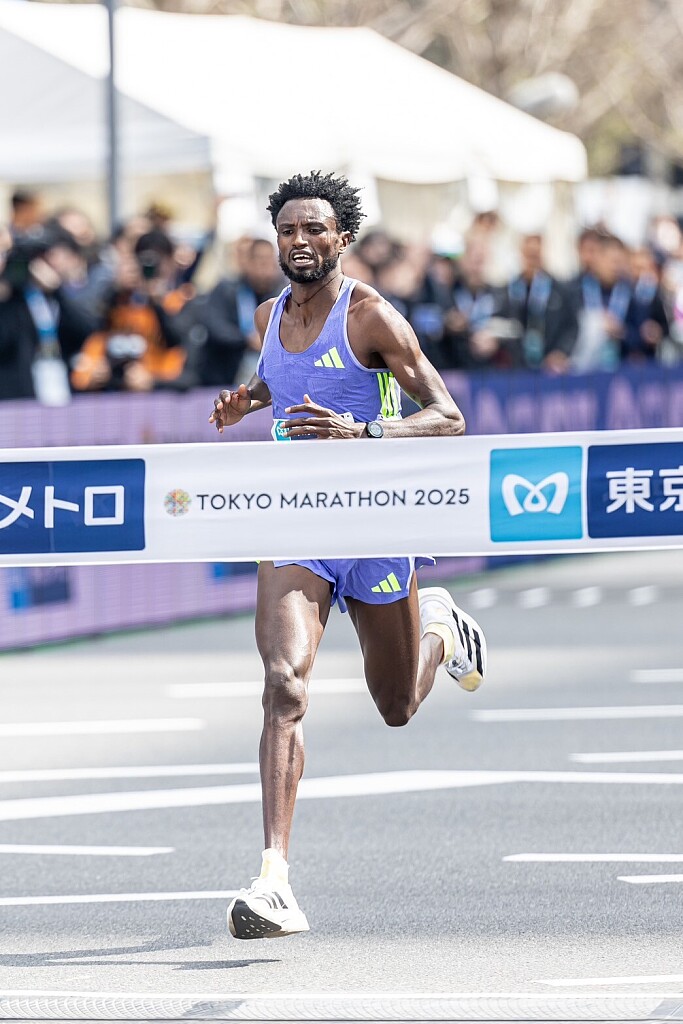
Tokyo’s Ultimate Test: A Marathon Showdown Loaded with Champions, Records, and Rising Threats
The men’s race at the Tokyo Marathon 2026 to be held on Sunday 1st March in the streets of Tokyo, Japan is shaping up to be one of the deepest and most unpredictable contests the event has witnessed in recent years. A compelling mix of returning stars, major champions, national record holders, and ambitious debutants ensures that the battle through Japan’s capital will be anything but routine. At the center of the narrative stands defending champion Tadese Takele, whose breakthrough victory last year transformed him from a promising talent into a proven major winner. Yet, defending a title in a field of this magnitude may prove even more difficult than winning it the first time.
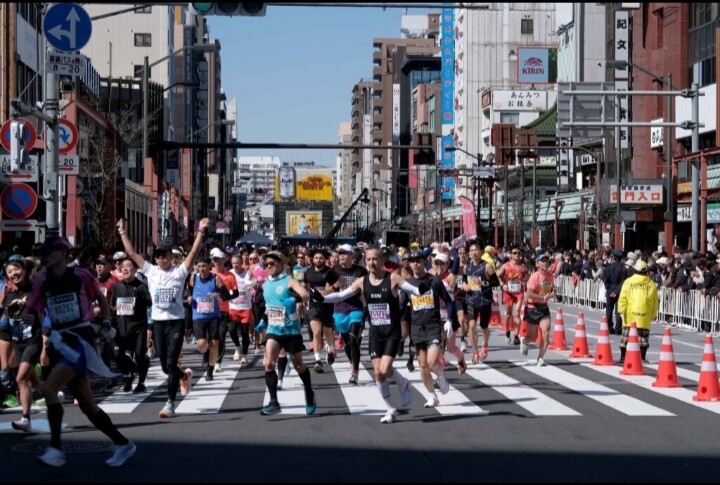
Several familiar rivals return with unfinished business. Among them is third-place finisher Vincent Kipkemoi Ngetich, alongside Geoffrey Toroitich, Suldan Hassan, and Japan’s own Tsubasa Ichiyama, all of whom cracked the top ten a year ago. Their familiarity with the course and conditions adds another tactical dimension to the race, particularly if the pace turns aggressive early.
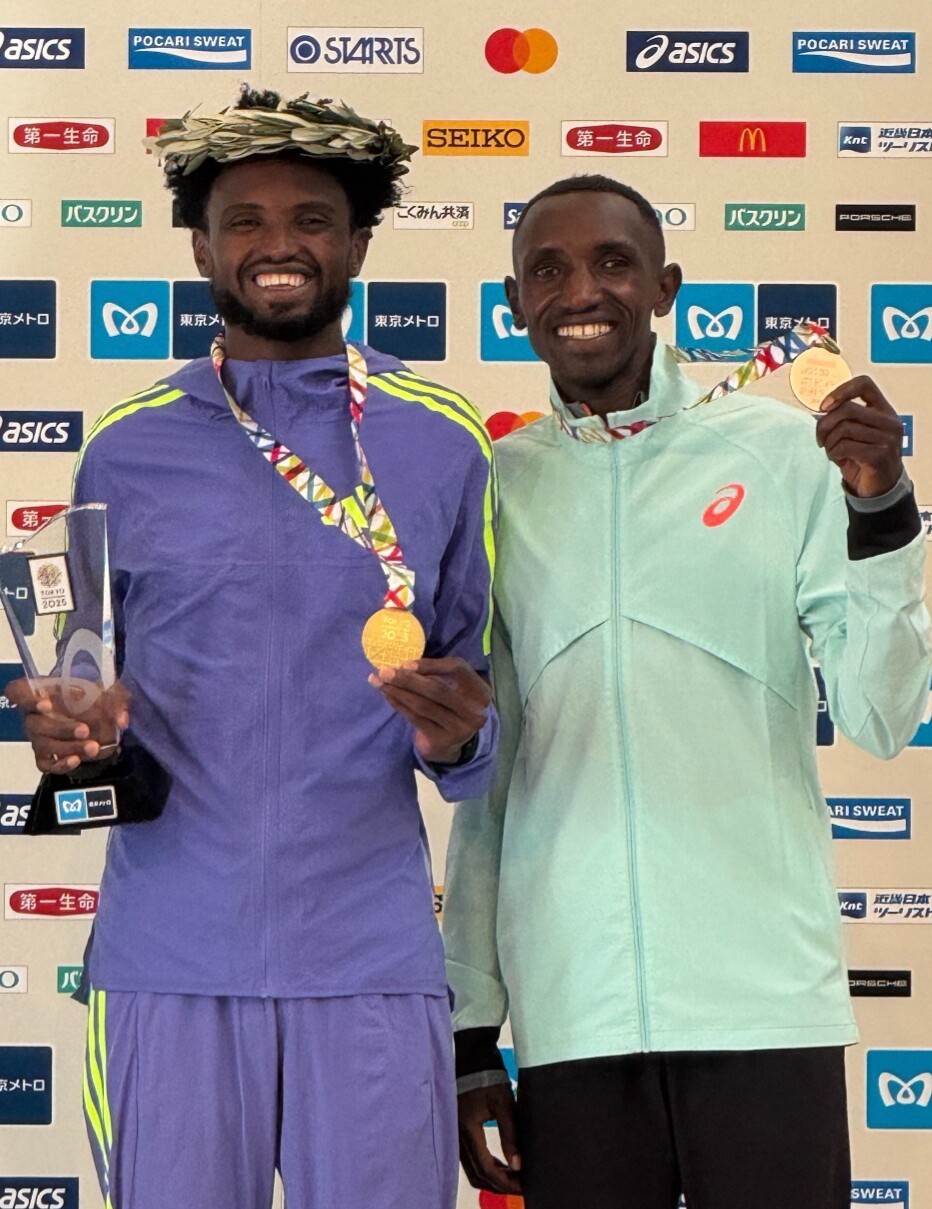
On paper, however, the fastest credentials belong to Timothy Kiplagat and Alexander Mutiso. Kiplagat, runner-up in Tokyo in 2024, owns a personal best of 2:02:55 and has already demonstrated his ability to handle the unique rhythm of this course. Mutiso arrives with the confidence of a major champion after conquering London in 2024, and his 2:03:11 lifetime best positions him squarely among the favorites. When athletes of such caliber collide, races often shift from tactical chess matches to brutal tests of endurance.
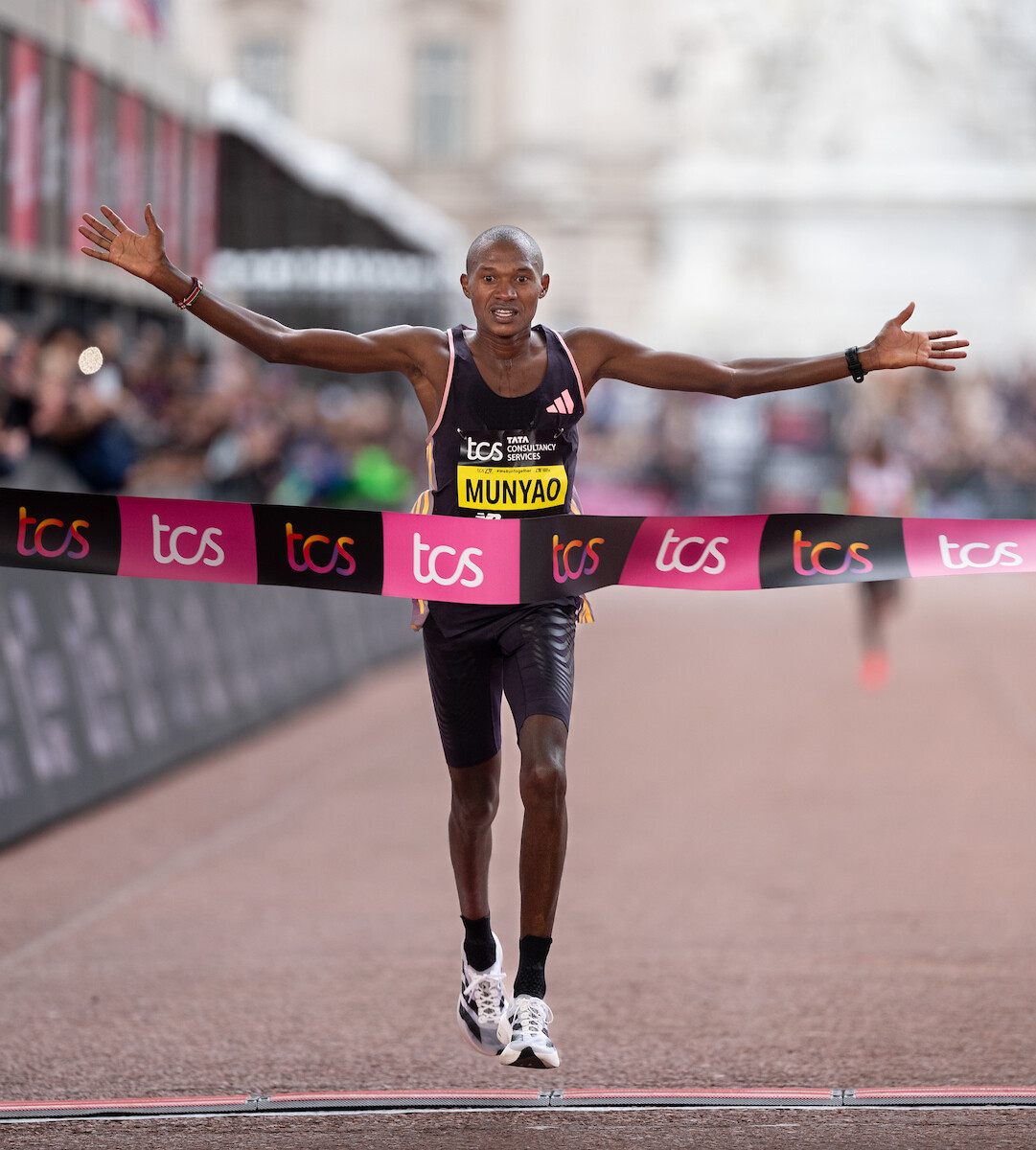
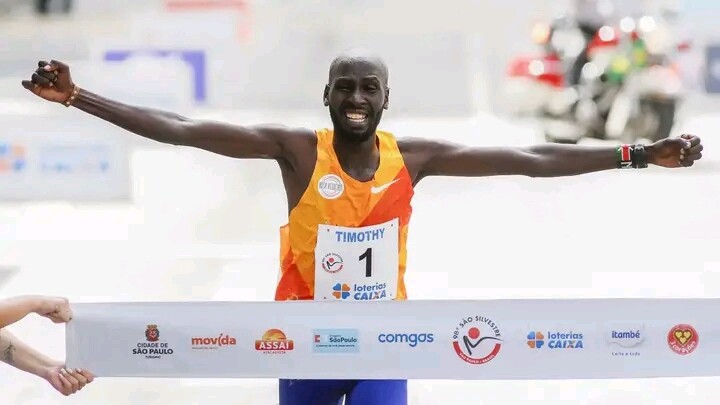
The field’s strength deepens further with global champions. Milkesa Mengesha, winner in Berlin in 2024, brings proven major-winning pedigree, while Chalu Deso returns as a former Tokyo champion eager to reclaim dominance. Olympic and world track star turned marathon force Selemon Barega adds intrigue as well, his 2:05:15 personal best hinting at untapped marathon potential that could surface dramatically on race day.
Japan’s elite contingent may be the most compelling storyline of all. National record holder Suguru Osako leads a formidable home squad that includes former record holder Kengo Suzuki, debut national record setter Ryota Kondo, and Ichiyama. Collectively, they account for four of the nine fastest Japanese marathon performances in history, reflecting the country’s remarkable progression in long-distance running. With the roar of home crowds behind them, the possibility of a historic domestic performance cannot be dismissed.
International depth extends far beyond the headline names. Canadian record holder Cam Levins adds North American firepower, while European challenges come from French record holder Morhad Amdouni and Italy’s world championship bronze medalist Iliass Aouani. Central Asia and East Asia are represented by Uzbekistan’s national record holder Shokhrukh Davlatov and China’s leading contender Peiyou Feng, while Ireland’s national record holder Fearghal Curtin adds further competitive depth.
The debut list introduces another layer of unpredictability. Japan-based Kenyan runners Richard Kimunyan and Vincent Yegon will test themselves over the classic distance for the first time, joined by promising collegiate standouts Shinsaku Kudo and Teruki Shimada. Debuts at this level often produce surprises, especially when emerging athletes seize the opportunity to challenge established hierarchies.
With elite entries clustered between 2:02 and 2:05 personal bests—including names like Dawit Wolde and Daniel Mateiko—the margin between victory and obscurity could be measured in seconds. Tokyo has a history of fast times and dramatic finishes, and 2026 promises another chapter worthy of the World Marathon Majors stage.
In a sport where preparation meets uncertainty, this race will ultimately reward not just speed, but courage—the willingness to surge when legs are heavy, to gamble when logic says wait, and to endure when the city’s long avenues seem endless. When the leaders turn toward the finish line, only one athlete will claim the crown, but the journey there may redefine the global marathon landscape.
by Erick Cheruiyot for My Best Runs.
Login to leave a comment
Tokyo Marathon
The Tokyo Marathon is a world-renowned annual marathon held in Tokyo, Japan. As one of the prestigious Abbott World Marathon Majors, it attracts elite and amateur runners from around the globe. The race holds World Athletics Platinum Label status, recognizing its high competitive standards, top-tier organization, and international appeal. Sponsored by Tokyo Metro, the Tokyo Marathon has grown into one...
more...
Relentless Dawn: Hibiki Yoshida’s Fearless Marathon Baptism in Osaka
At just 23 years old, Hibiki Yoshida announced himself to the marathon world with a performance that was equal parts audacity and endurance, launching a blistering debut at the Osaka Marathon that nearly defied logic. From the opening kilometers, Yoshida refused caution. He surged ahead of the pacemakers before 8km, committing to a punishing rhythm that projected a sensational finish deep into the 2:03 territory—an extraordinary gamble for a first attempt over 42.195 kilometers.
For the first half, his stride carried the confidence of youth and the composure of a seasoned racer. He passed halfway in 1:02:39, running with a cushion and the kind of relaxed efficiency that suggested something historic might unfold. Magnetic therapeutic tape stretched across his face—a small but telling detail—helped him maintain looseness through 25km, where many marathons truly begin. Up to that point, Yoshida looked not only competitive, but dangerous.
Yet the marathon is an unforgiving examiner. Around 25km, the first signs of strain appeared. By 30km, the early aggression began to extract its price. Complicating matters further, his personal drinks bottle had been misplaced at the start, forcing him to improvise hydration from paper cups until he finally recovered his bottle later in the race. The cumulative toll—pace, dehydration, and physiological stress—began tightening his muscles and clouding his awareness.
From 35km onward, the race transformed into survival. His rival Hirabayashi moved past him near 37km, while Yoshida fought waves of fatigue severe enough that he later admitted he remembered little of those closing kilometers. With roughly 3km remaining, the thought of abandoning the race briefly crossed his mind. What carried him forward instead was something less tangible but equally powerful: the roar of spectators and the silent encouragement of fellow runners overtaking him on the road.
He staggered home in 2:09:33—far from the dazzling projections of the early pace, yet profoundly impressive given the circumstances. The time also underscored his enormous potential. At 30km (1:28:07), he had come within seconds of the revered Japanese benchmark set by Takayuki Matsumiya two decades earlier, evidence that his aggressive approach was not reckless fantasy but rooted in genuine ability.
Race Splits
5K — 14:50
10K — 29:33
15K — 44:10
20K — 58:42
Half — 1:02:39
25K — 1:13:16
30K — 1:28:07
35K — 1:43:20
40K — 2:02:49
Finish — 2:09:33
Afterward, Yoshida spoke with remarkable humility and clarity. He acknowledged the suffering, the confusion, even the momentary temptation to quit—but also the joy. To him, the experience was not a failure of pacing but a lesson in possibility. Once recovered, he vowed, he would return stronger and wiser.
This was more than a debut. It was a declaration of intent.
In Osaka, Hibiki Yoshida did not merely run his first marathon—he revealed the outline of a future contender. Courage often arrives before mastery, and on this day, courage was unmistakable. The clock read 2:09:33, but the deeper story was written in resilience: a young athlete pushed to the edge, dehydrated yet unbroken, already imagining the next starting line.
by Erick Cheruiyot for My Best Runs.
Login to leave a comment
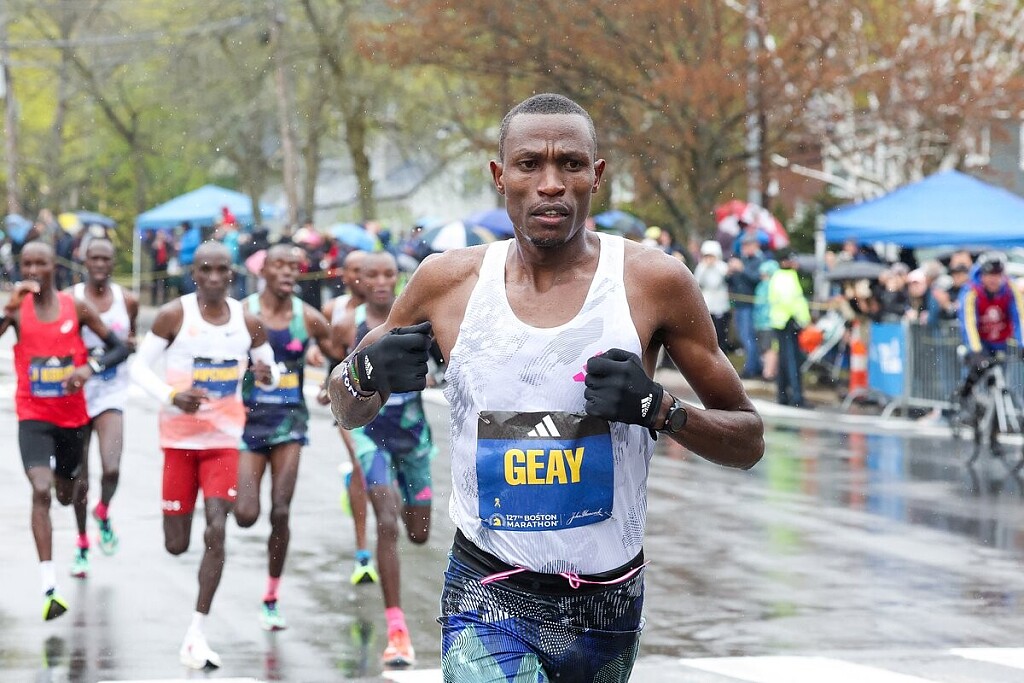
Titans on the Tarmac: Gabriel Geay Targets Back-to-Back Glory at the 2026 Daegu Marathon
The streets of Daegu are set for another spectacle of endurance and speed this Sunday, February 22, as the 2026 Daegu Marathon assembles a field rich in pedigree and ambition. At the center of it all stands Tanzania’s premier long-distance force, Gabriel Geay, who returns with one clear objective — to defend the crown he claimed in emphatic fashion last year.
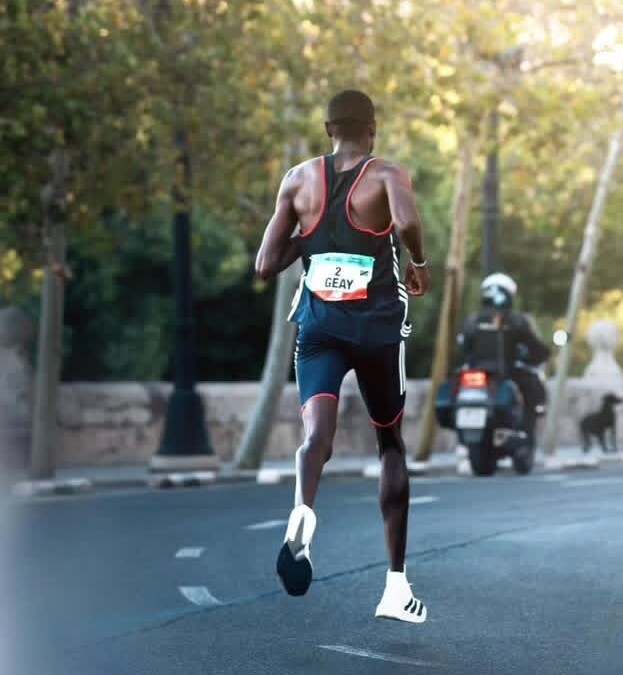
Armed with a staggering personal best of 2:03:00, Geay enters the race not merely as the reigning champion, but as the benchmark. His résumé places him among the fastest marathoners of his generation, and his efficiency over 42.195 kilometers has consistently demonstrated a rare blend of tactical intelligence and sustained aggression. Daegu’s flat and historically quick course appears tailor-made for his rhythm, yet defending a title is often a sterner challenge than winning it the first time.
Standing in his path are two formidable East African rivals eager to disrupt his reign.
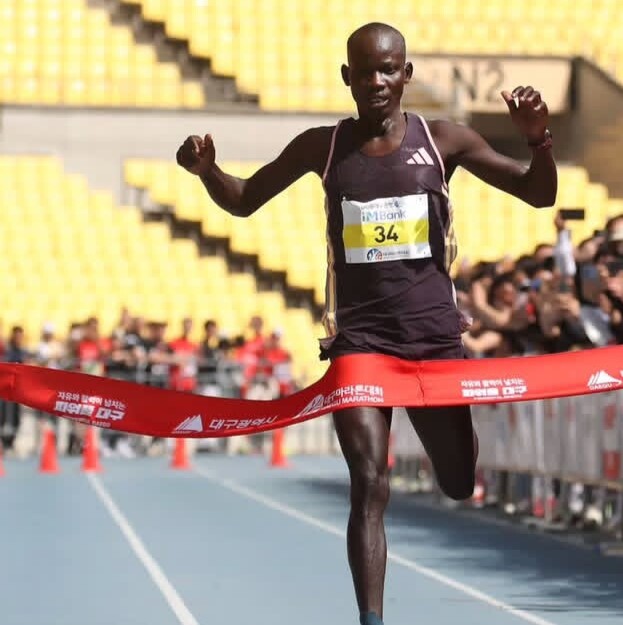
Kenya’s Stephen Kiprop arrives with a personal best of 2:07:04. Though numerically slower on paper, Kiprop represents the relentless depth of Kenyan distance running — disciplined, strategic, and capable of surging when the race begins to fracture in its decisive stages. Championships are rarely won on statistics alone, and Kiprop’s competitive maturity could transform him into a serious threat if the contest becomes tactical.
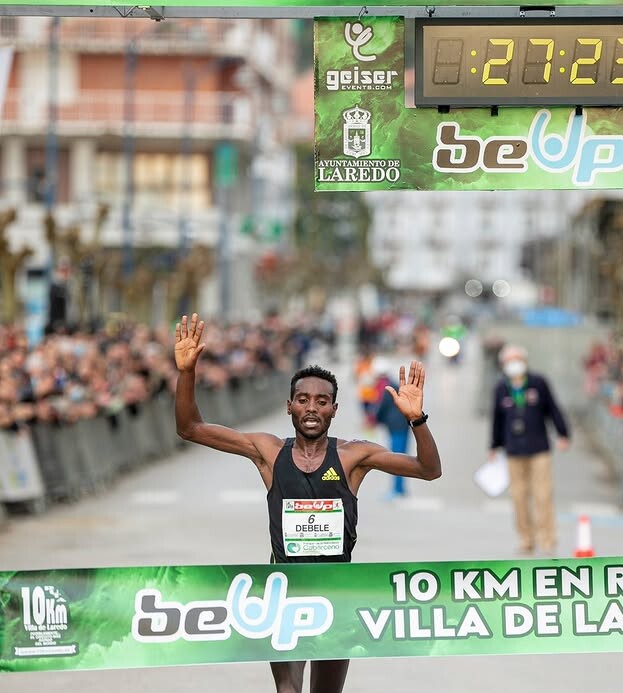
Equally dangerous is Ethiopia’s Chimdesa Debele Gudeta, whose 2:04:44 lifetime best signals genuine world-class credentials. Gudeta possesses the kind of speed endurance that can destabilize even the strongest frontrunner. Should the pace escalate early, he has the credentials to match it — and perhaps exceed it — in the unforgiving final kilometers.
The narrative unfolding in Daegu is therefore more than a title defense. It is a clash of contrasting strengths: Geay’s proven dominance, Kiprop’s calculated resilience, and Gudeta’s formidable pace capacity. With three athletes boasting elite credentials, the 2026 edition promises a contest that could be dictated by courage as much as conditioning.
As dawn breaks over South Korea on race day, one certainty prevails — the margins will be razor thin, the pace uncompromising, and the battle for supremacy fiercely contested. Whether Gabriel Geay consolidates his authority or a new champion rises, the 2026 Daegu Marathon is poised to deliver a performance worthy of the global stage.
by Erick Cheruiyot for My Best Runs.
Login to leave a comment

Daegu International Marathon
Daegu International Marathon brings together varied groups of people with passion for running. With a sincere hope to host a meaningful event for everyone, Daegu International Marathon will amplify the love of running for all and promote a healthy life through running. On behalf of 2.6 million Daegu citizens, we welcome all of you and hope your race in Daegu...
more...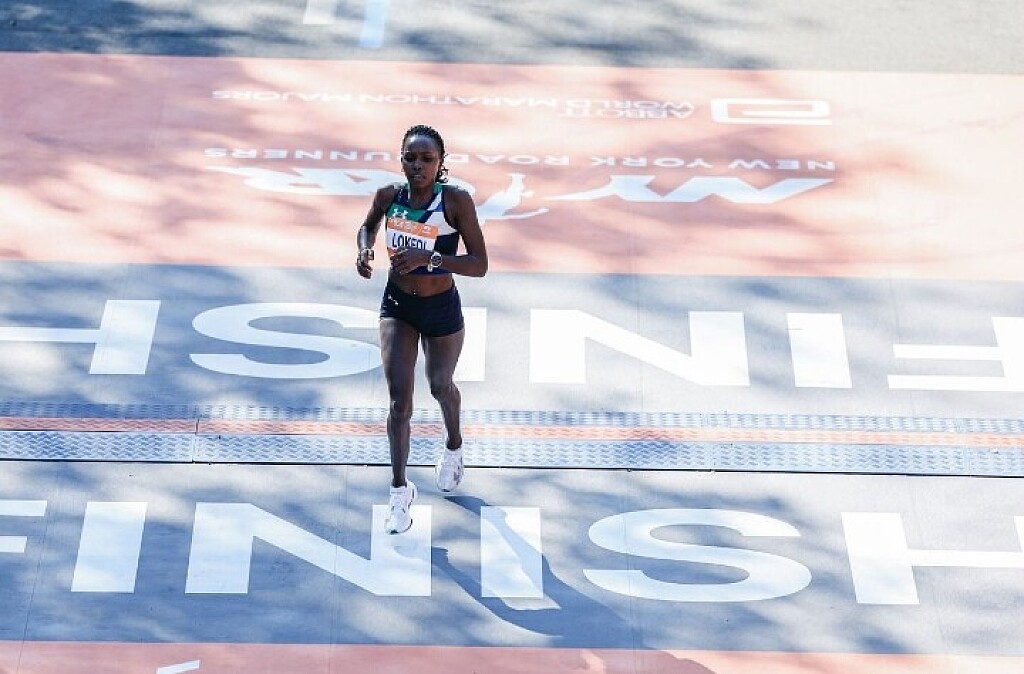
Queens of the Road: A Blockbuster Showdown Awaits at the 2026 NYC Half
There are certain race days that carry a different kind of electricity — the sense that something unforgettable is about to unfold long before the starting gun fires. The women’s field at the 2026 edition of the NYC Half is one of those rare moments. On March 15th, 2026, the world’s best distance runners will charge through the streets of the Big Apple, beginning on Center Drive in Prospect Park and racing all the way into the iconic finish in Central Park. It is a course that blends speed, scenery, and history — and this year, it will host a competition deep enough to resemble a global championship rather than a city half marathon.
From returning champions to record holders and emerging stars, the lineup brings together athletes whose careers are already intertwined with New York’s racing legacy, alongside newcomers eager to create their own defining moments. The combination of proven excellence and rising ambition sets the tone for a contest where tactics, courage, and timing could matter just as much as raw fitness.
Leading the narrative is defending champion Sharon Lokedi, returning to a city that has become a defining chapter of her career. New York has consistently brought out her best — bold racing, fearless moves, and an ability to rise when the competition is strongest. Last year’s course record victory proved she thrives under pressure, but defending a title against an even deeper field presents a completely different challenge. Champions are measured not only by how they win, but by how they respond when everyone is chasing them.
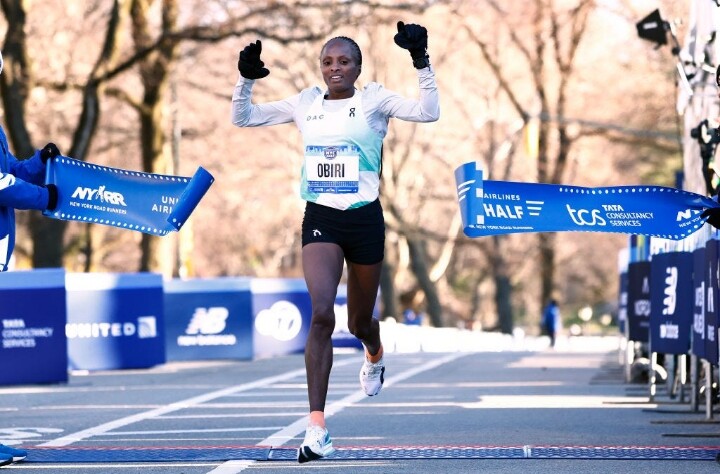
Waiting to test her once again is none other than Hellen Obiri, the reigning New York City Marathon champion and one of the most competitive racers in global distance running. Obiri doesn’t just run races — she reads them, calculates them, and then strikes when it matters most. Every meeting between her and Lokedi adds another layer to what is quickly becoming one of the sport’s most intriguing rivalries. Their battles are rarely predictable, and that uncertainty is exactly what makes this matchup so compelling.
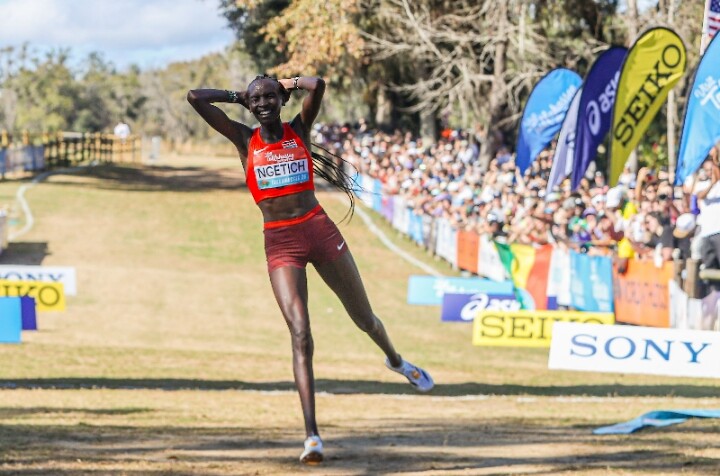
Then comes the wildcard with enormous credentials: Agnes Ngetich. Making her debut with New York Road Runners, she arrives carrying momentum that few athletes in the world can match. A world 10K record holder and the 2026 World Cross Country champion, Ngetich blends raw speed with endurance strength — a combination that can unsettle even the most experienced competitors. With one of the fastest half marathon times ever recorded, she has already proven she belongs at the very top level. Now the question becomes whether she can translate that dominance onto one of the sport’s biggest stages.
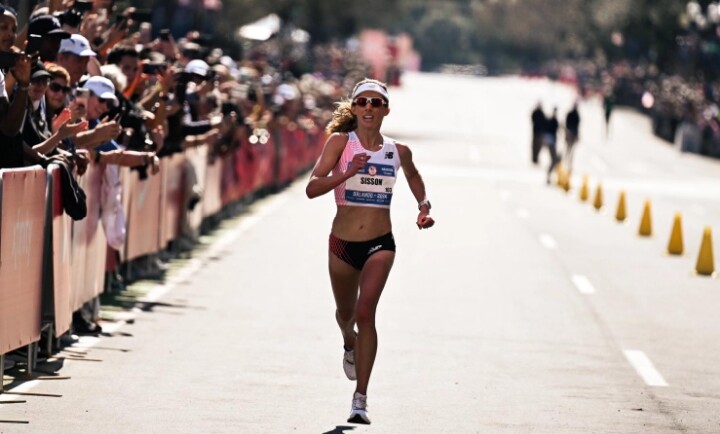
The home crowd will also have a major contender to rally behind in American star Emily Sisson, who leads a strong domestic group determined to challenge the international dominance. Known for her toughness and consistency, Sisson brings both experience and ambition into a race where positioning and patience could be just as important as speed.
What makes this year’s race special is the collective quality of the field. On paper, it resembles a global championship lineup — Olympic medalists, world champions, national record holders, and emerging forces all sharing the same start line. That depth changes the psychology of racing. No one can afford hesitation. No move goes unanswered.
The international range of athletes in this year’s race highlights just how competitive the field has become, bringing together runners from established distance-running powerhouses and emerging nations alike.
Elite Women's Field - Personal Bests and Countries
Agnes Ngetich (Kenya) — 1:03:04
Hellen Obiri (Kenya) — 1:04:22
Fantaye Belayneh (Ethiopia) — 1:04:49
Sharon Lokedi (Kenya) — 1:05:00
Konstanze Klosterhalfen (Germany) — 1:05:41
Emily Sisson (United States) — 1:06:52
Calli Hauger-Thackery (Great Britain) — 1:06:58
Natosha Rogers (United States) — 1:07:30
Annie Frisbie (United States) — 1:07:34
Amanda Vestri (United States) — 1:07:35
Dakotah Popehn (United States) — 1:07:42
Emily Durgin (United States) — 1:07:54
Diane van Es (Netherlands) — 1:08:03
Sarah Lahti (Sweden) — 1:08:19
Susanna Sullivan (United States) — 1:08:44
Emily Venters (United States) — 1:08:48
Mercy Chelangat (Kenya) — 1:08:57
Lauren Gregory (United States) — 1:09:12
Lindsay Flanagan (United States) — 1:09:17
Natasha Wodak (Canada) — 1:09:41
Stephanie Bruce (United States) — 1:09:55
Julia Paternain (Uruguay) — 1:10:16
Elena Hayday (United States) — 1:10:56
Felicia Pasadyn (United States) — 1:11:29
Erika Prieto (Mexico) — 1:15:55
Gabrielle Yatauro (United States) — 1:15:59
Alosha Southern (United States) — 1:16:40
Megan Keith (Great Britain) — Debut
As race day approaches, anticipation continues to build for what could become one of the defining women’s distance races of the season. With champions returning, rivalries intensifying, and new contenders ready to make their mark, the stage is perfectly set for drama on the streets of New York. The energy, the depth, and the unpredictability all point toward something special — the kind of competition that reminds us why elite racing captivates audiences around the world. When the gun goes off at the NYC Half, it won’t just be about times or titles, but about who is ready to rise in the moment and seize it. March 15 promises speed, courage, and unforgettable racing.
by Erick Cheruiyot for My Best Runs.
Login to leave a comment
United Airlines NYC Half-Marathon
The United Airlines NYC Half takes runners from around the city and the globe on a 13.1-mile tour of NYC. Led by a talent-packed roster of American and international elites, runners will stop traffic in the Big Apple this March! Runners will begin their journey on Prospect Park’s Center Drive before taking the race onto Brooklyn’s streets. For the third...
more...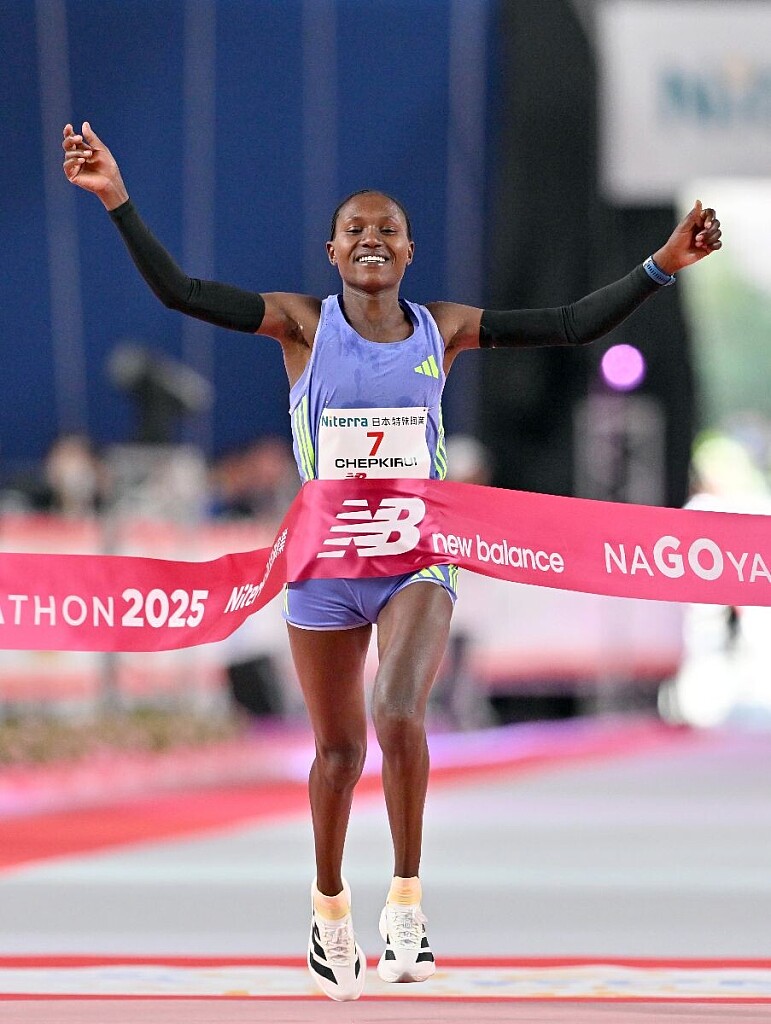
Chepkirui, Desta and Maeda Set the Stage for a High-Stakes Showdown at the 2026 Nagoya Women's Marathon
When the elite field assembles in Nagoya, Japan on March 8, the script already feels charged with anticipation. Last year’s top three — Sheila Chepkirui, Sayaka Sato, and Eunice Chebichii Chumba — are all returning. Yet despite that familiar podium, the 2026 edition appears poised to revolve around a sharper, potentially faster duel featuring Chepkirui, Ethiopia’s Aynalem Desta, and Japanese national record holder Honami Maeda.
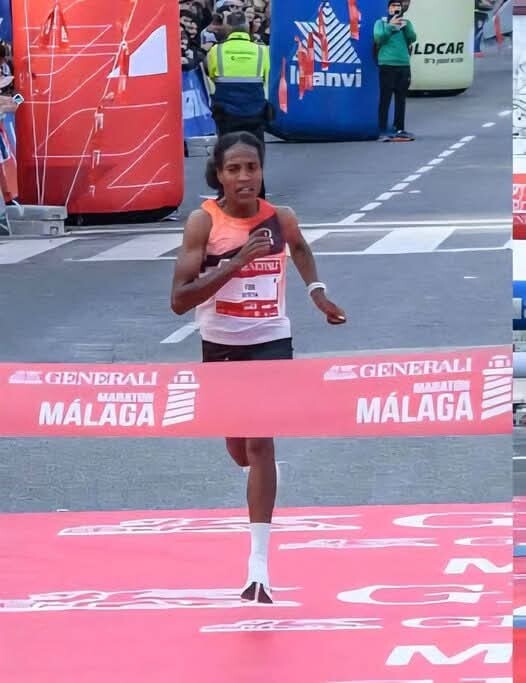
On paper, the margins are razor-thin. Chepkirui boasts a 2:17:49 personal best from Berlin in 2023, while Desta delivered a 2:17:37 performance in Amsterdam last autumn — the most recent sub-2:20 among the leading contenders. Maeda’s 2:18:59 national record at the Osaka International Women’s Marathon in 2024 confirmed her place among the world’s elite, even if her recent racing schedule has been relatively quiet. Her 1:10:07 at the Houston Half Marathon last month offered a glimpse of solid conditioning, though history shows she does not need a flashy buildup to produce something special; when she broke the national record, she arrived without a headline-grabbing tune-up.
If the early pace is ambitious — somewhere in the 2:18 range — it could quickly narrow the contest to those three. Sustaining that rhythm through the final 10 kilometers demands both proven endurance and the courage to commit early. Desta’s freshness gives her a compelling edge, Chepkirui’s championship composure makes her dangerous, and Maeda’s ability to rise on home soil cannot be underestimated.
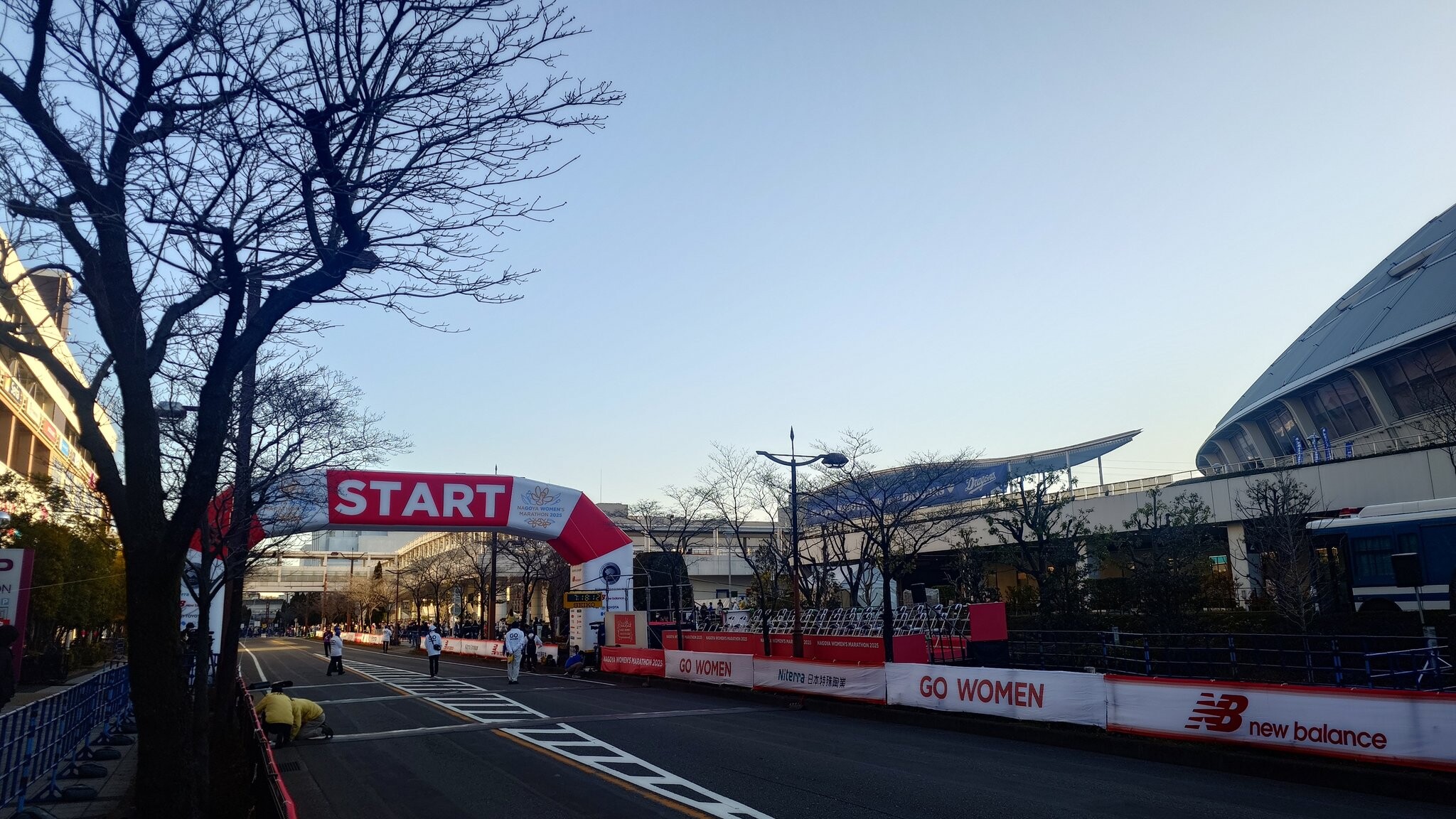
However, Nagoya has often rewarded patience as much as aggression. Should the tempo settle closer to 2:20, the race could expand into a layered battle. Chumba remains a consistent performer at the highest level, while Selly Chepyego Kaptich and Sato sit comfortably within the 2:20–2:22 bracket and would welcome a more measured first half.
There is also quiet intrigue behind the front line. Women-only half marathon national record holder Rino Goshima returns after a 2:26:08 debut here last year and will be aiming to convert her raw speed into a more complete marathon performance. Meanwhile, 2023 World University Games half marathon gold medalist Hikaru Kitagawa arrives buoyed by a 1:10:29 personal best in Marugame earlier this month — a signal that her upward trajectory may continue over 42.195 kilometers.
Adding further unpredictability is a wave of ambitious debutants. Wakana Kabasawa and Yuna Takahashi both enter the marathon distance fresh off sub-1:09:30 half marathon personal bests this season. With that foundation of speed, it would be no surprise to see them commit to at least a 2:20 tempo from the outset.
Ultimately, the shape of the race will be decided by intent. If the leaders choose to be bold, Nagoya could witness a relentless, high-quality confrontation among three women separated by mere seconds in ability. If caution prevails, the contest may unfold as a tactical chess match, with a larger group poised to strike late. Either way, the 2026 Nagoya Women’s Marathon promises not just depth — but genuine, sustained drama from start to finish.
by Erick Cheruiyot for My Best Runs.
Login to leave a comment

Nagoya Women's Marathon
The Nagoya Women's Marathon named Nagoya International Women's Marathon until the 2010 race, is an annual marathon race for female runners over the classic distance of 42 km and 195 metres, held in Nagoya, Japan in early March every year. It holds IAAF Gold Label road race status. It began in 1980 as an annual 20-kilometre road race held in...
more...
Burj 2 Burj Half Marathon Returns to Dubai with Kipkorir and Cheptai Headlining Elite Field
The Burj 2 Burj Half Marathon returns Sunday (Feb 8 in Dubai UAE, bringing a focused but highly competitive international field to one of the fastest and most visually striking courses in the Middle East. Framed by Dubai’s modern skyline and anchored by two of the city’s most iconic landmarks, the race has steadily grown into an important early-season test for elite road specialists and track stars transitioning to longer distances.
With flat terrain, predictable weather, and a reputation for honest pacing, the event offers athletes a valuable opportunity to establish form and confidence as the global road racing calendar begins to take shape.
Men’s Race: Kipkorir Leads, Cheptegei Adds Star Power
Kenya’s Nicholas Kipkorir enters as the clear favorite, carrying the fastest personal best in the field at 58:23. A proven road performer, Kipkorir has built his success on rhythm, efficiency, and the willingness to commit early. The Burj 2 Burj course traditionally rewards athletes who are prepared to take initiative, and his aggressive racing style makes him the man to watch from the gun.
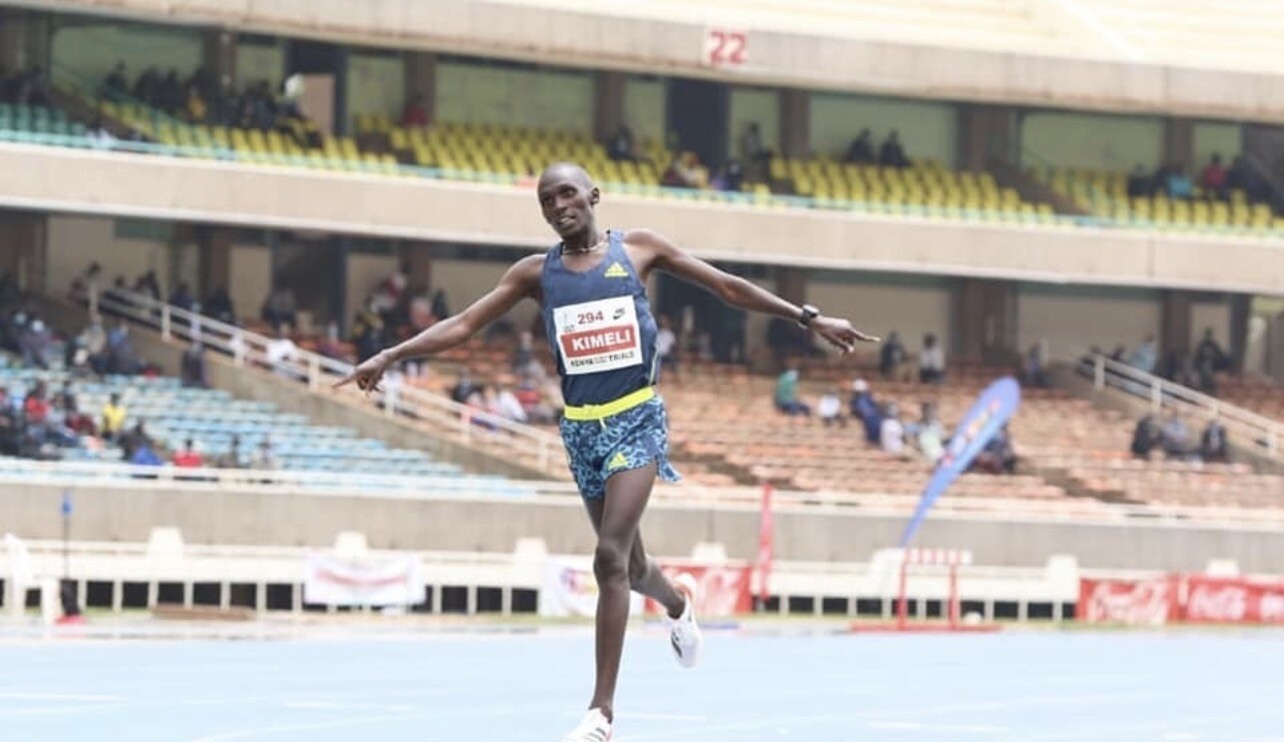
Providing the strongest challenge is Uganda’s Joshua Cheptegei, whose 59:21 personal best tells only part of his story. One of the most decorated distance runners of his generation, Cheptegei brings unmatched championship experience, including multiple world titles on the track. His continued transition to road racing has been closely followed, and Dubai presents another key opportunity to test himself against seasoned half marathon specialists. If the race becomes tactical, his finishing speed and composure could prove decisive.
Tanzania’s Alphonce Simbu, owner of a 60:03 best, adds depth and resilience to the field. Known for his strength in demanding competitions, Simbu excels in races where patience and mental toughness become critical. Kenya’s Enock Kipruto and Germany’s European marathon champion Richard Ringer, both with personal bests of 60:51, round out a men’s lineup where discipline and timing may ultimately determine the outcome.
Women’s Race: Cheptai Brings Momentum and Confidence
In the women’s race, Kenya’s Irine Cheptai stands out as the athlete to beat. Her impressive personal best of 64:53 places her at the front of the field, and she arrives with the experience and tactical awareness needed to control the race. Cheptai has demonstrated consistency across distances, and her ability to manage pace and respond under pressure makes her a formidable favorite.
Romania’s Joan Melly, with a 65:04 personal best, represents the closest challenger on paper. Melly’s strength lies in efficiency and measured racing, qualities that could allow her to remain within striking distance deep into the final kilometers.
Ethiopia’s Ftaw Zeray (66:04) brings the tradition of Ethiopian endurance excellence, while Kenya’s Jackline Cherono (67:16) adds further depth. In a field where the margins are slim, positioning and timing will likely prove decisive.
Dubai Provides the Perfect Early-Season Stage
The Burj 2 Burj Half Marathon continues to establish itself as more than just a fast race. It has become a strategic checkpoint for athletes aiming to build momentum, test fitness, and position themselves for major races later in the year.
With Nicholas Kipkorir and Irine Cheptai leading their respective fields, expectations are high. But with championship-tested competitors like Joshua Cheptegei and emerging challengers ready to seize opportunity, the outcome remains far from certain.
As the 2026 road racing season gains momentum, Dubai once again offers a stage where preparation meets opportunity—and where the next chapter of the season begins to unfold.
by Robert Kibet for My Best Runs
Login to leave a comment
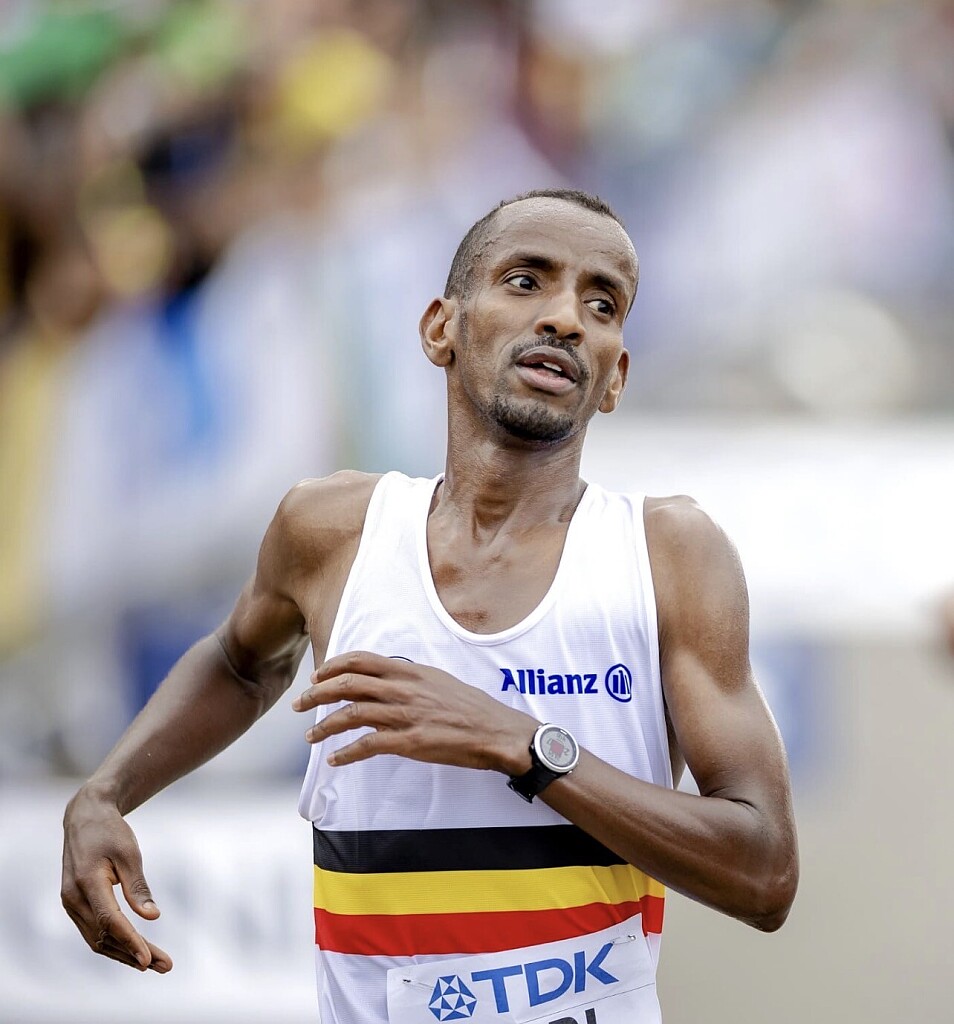
Rotterdam Ready for Speed as Elite Stars Converge for the 45th NN Rotterdam Marathon
The NN Rotterdam Marathon returns on April 12, bringing the global running spotlight back to the Netherlands and to one of the fastest, most respected courses in the sport. Now in its 45th edition, Rotterdam has built a reputation for fearless pacing, deep elite fields, and breakthrough performances — the kind of race where personal bests aren’t surprises, they’re expectations.
This year’s men’s field suggests another fast day is coming.
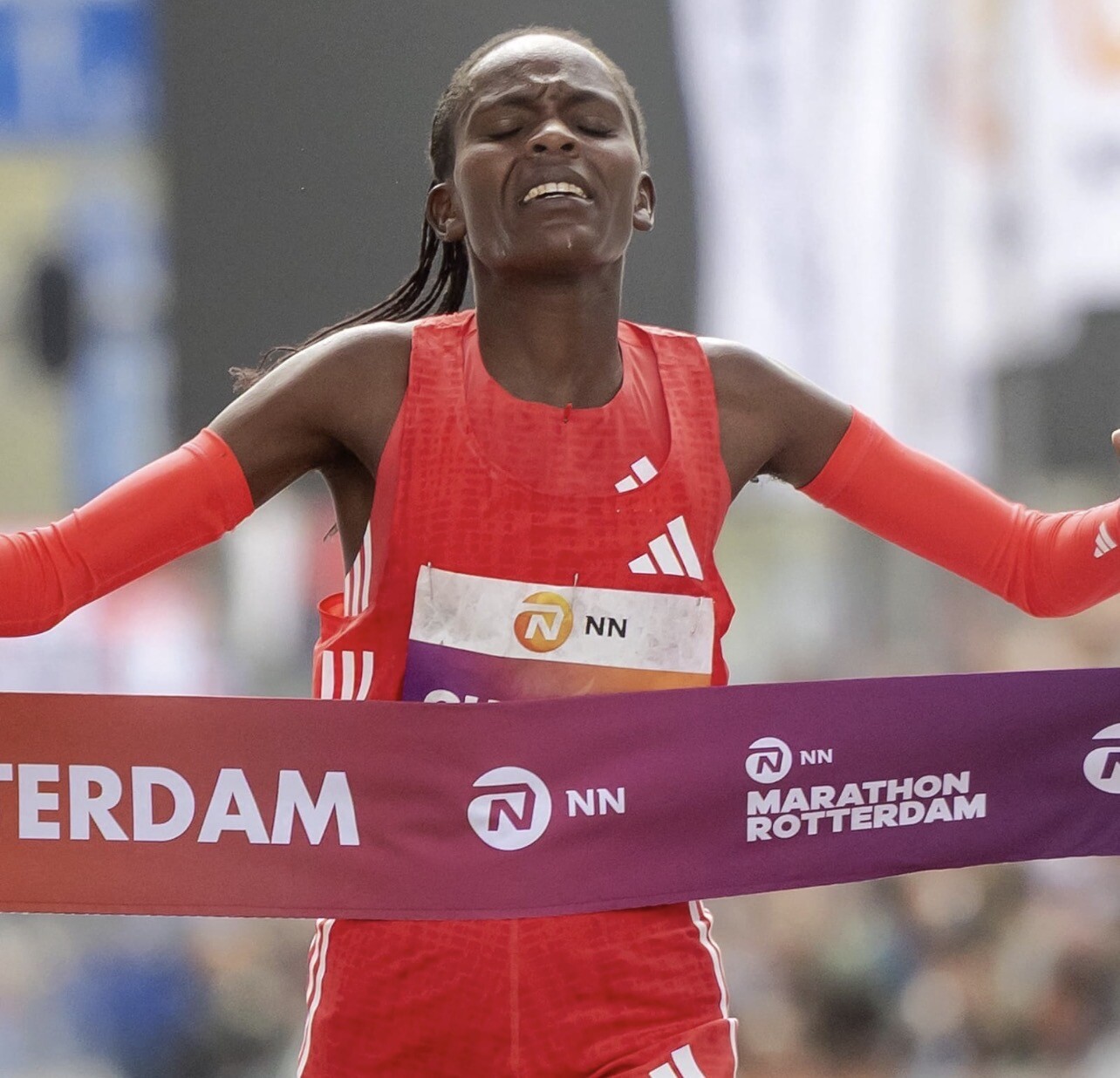
Ethiopia’s Birhanu Legese leads the charge with a personal best of 2:02:48, a time that immediately signals serious intent. When Legese lines up, the pace rarely lingers. Fellow Ethiopian Haymanot Alew (2:03:31) and Bashir Abdi (2:03:36) add both speed and experience, while Guye Adola strengthens an Ethiopian squad that looks ready to push the race from the opening kilometers.
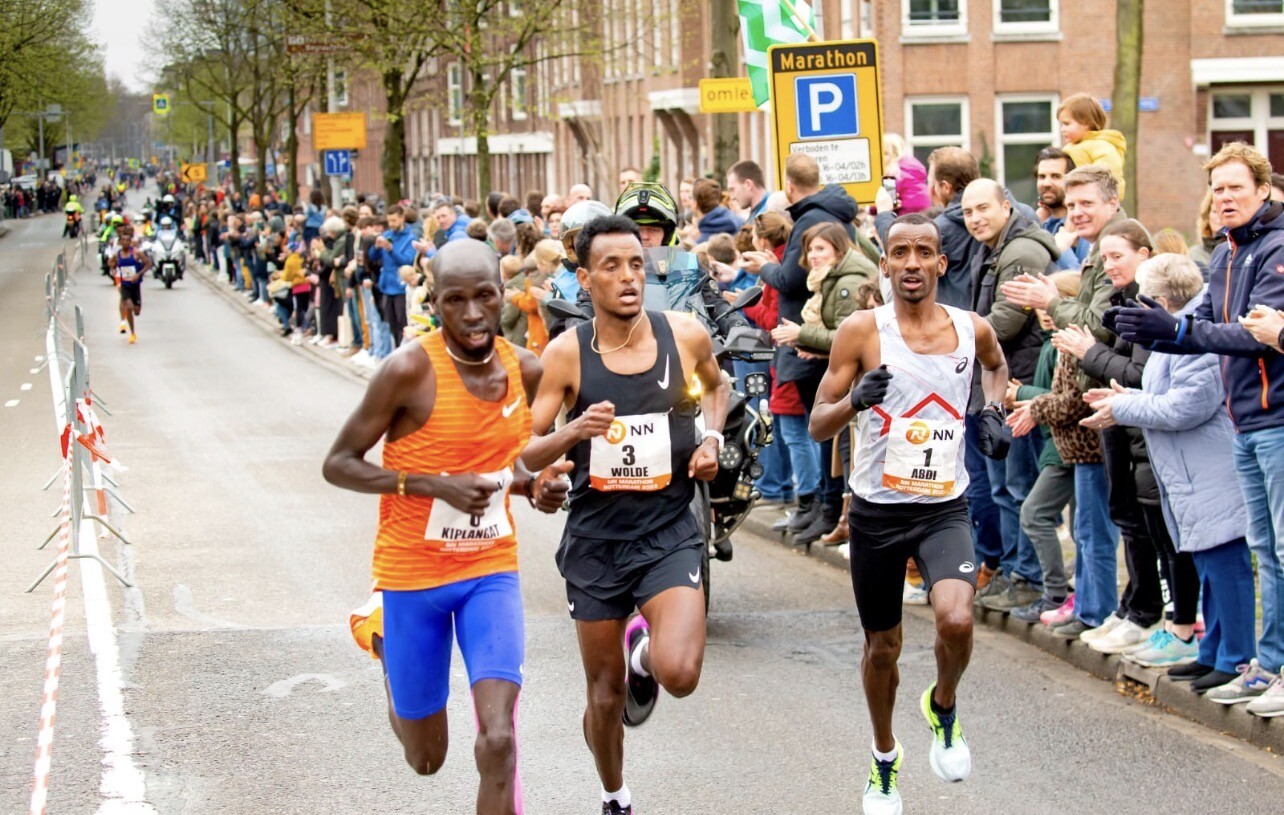
Kenya counters with depth and resilience. Erick Sang, already proven at 2:04:30, heads a group that includes Kenneth Kipkemoi, Mike Kiptum Boit, and Lameck Too — seasoned competitors known for their strength late in races when others begin to fade. Ethiopia’s Chala Regasa and Filmon Tesfu add even more firepower, while Belgium’s Koen Naert brings European savvy and big-race composure to a field loaded with proven marathoners.
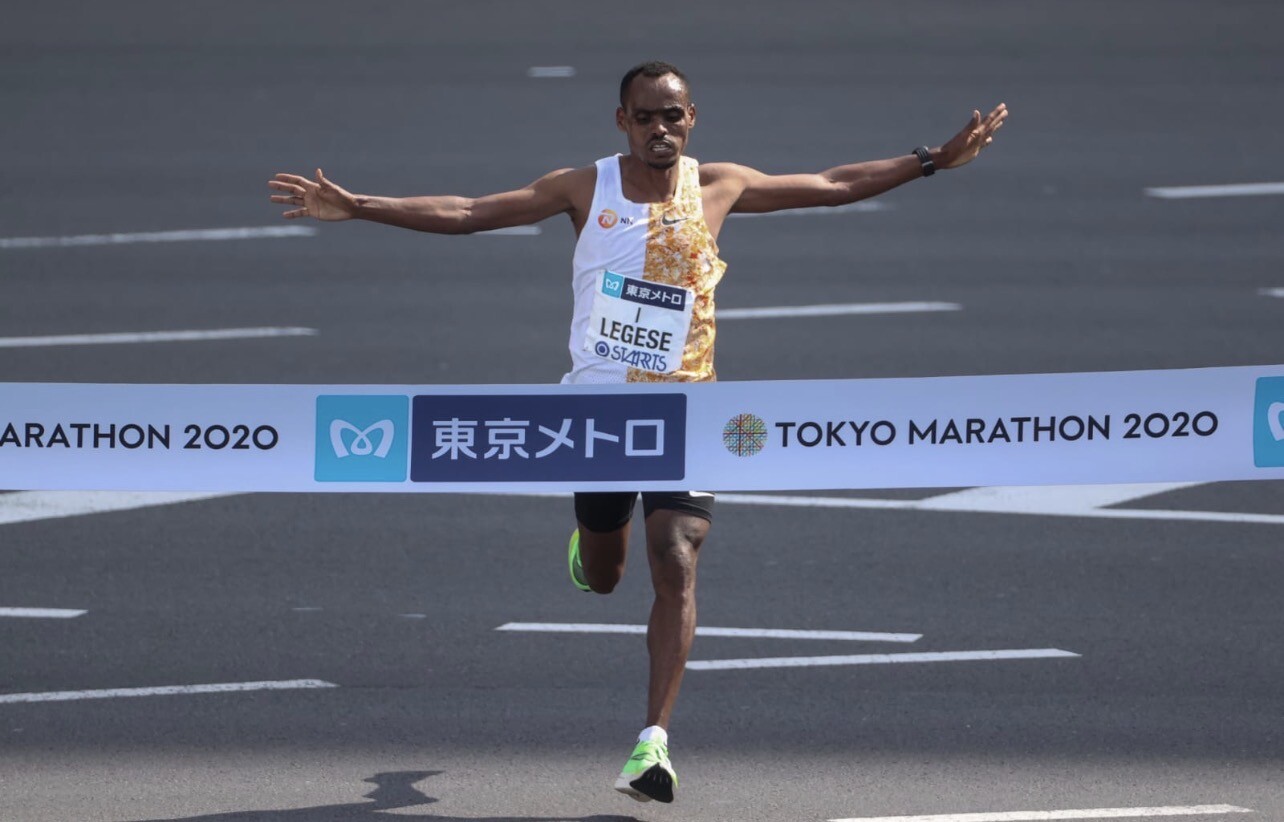
The women’s race promises just as much intrigue.
Shitaye Eshete of Ethiopia arrives as the fastest entrant on paper at 2:20:32, but she won’t have any room for comfort. Meskerem Assefa and Dolshi Tesfu are separated by only seconds in their personal bests, creating the potential for a tightly packed lead group deep into the race. Kenya’s Jackline Cherono and Aminet Ahmed bring tactical patience and finishing speed, capable of striking if the pace falters. Ethiopia’s Derartu Hailu adds further strength, while Gete Alemayehu’s marathon debut introduces an unpredictable and compelling storyline.
Rotterdam’s course has long rewarded boldness. Flat roads, wide turns, and enthusiastic crowds create the rhythm of a race built for speed. Commit early, hold steady, and the clock often delivers something special.
On April 12, expect a race run with purpose — aggressive splits, little hesitation, and athletes chasing more than just podium spots. In Rotterdam, history has a way of showing up when the gun goes off.
by Erick Cheruiyot for My Best Runs
Login to leave a comment
NN Rotterdam Marathon
The marathon has been the biggest one-day sporting event in the Netherlands for many years in a row with over 35000 athletes professionals inclusive. The world's top athletes will at the start on the bustling coolsingel, alongside thousands of other runners who will also triumph,each in their own way.The marathon weekend is a wonderful blend of top sport and festival. ...
more...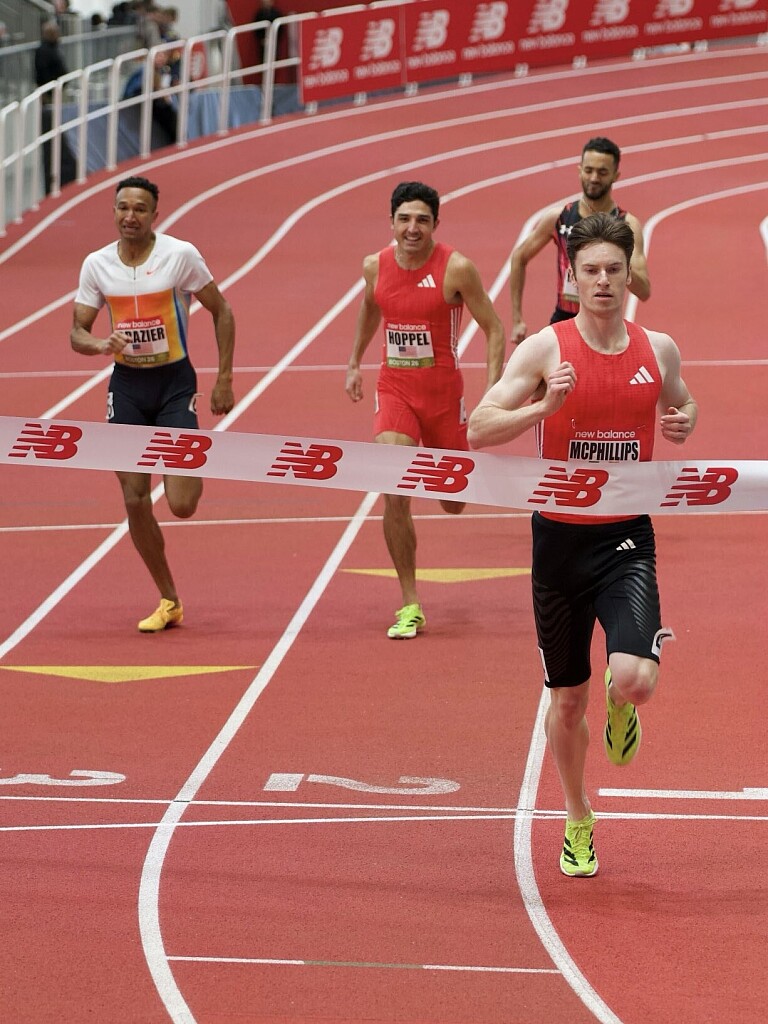
A Night of Speed at The Armory: Millrose Games Set for a Blistering Men’s 800m Showdown
The world’s most iconic indoor meeting is ready to deliver another unforgettable chapter as the 2026 Millrose Games line up a men’s 800 meters field that promises pure electricity. On February 1, 2026, The Armory in New York will once again become the epicenter of middle-distance running, where speed, tactics, and raw nerve collide on the tight indoor oval.
This year’s men’s 800m reads like a global roll call of elite talent, with personal bests that hint at a race likely to be decided in the final meters. Ireland’s Cian McPhillips arrives with a sharp 1:42.15 to his name, bringing European grit and confidence into a race that rarely allows a moment’s hesitation. Spain’s Mohamed Attaoui, the fastest man in the field on paper at 1:42.04, adds a dangerous edge—an athlete capable of controlling the pace or striking late with ruthless precision.
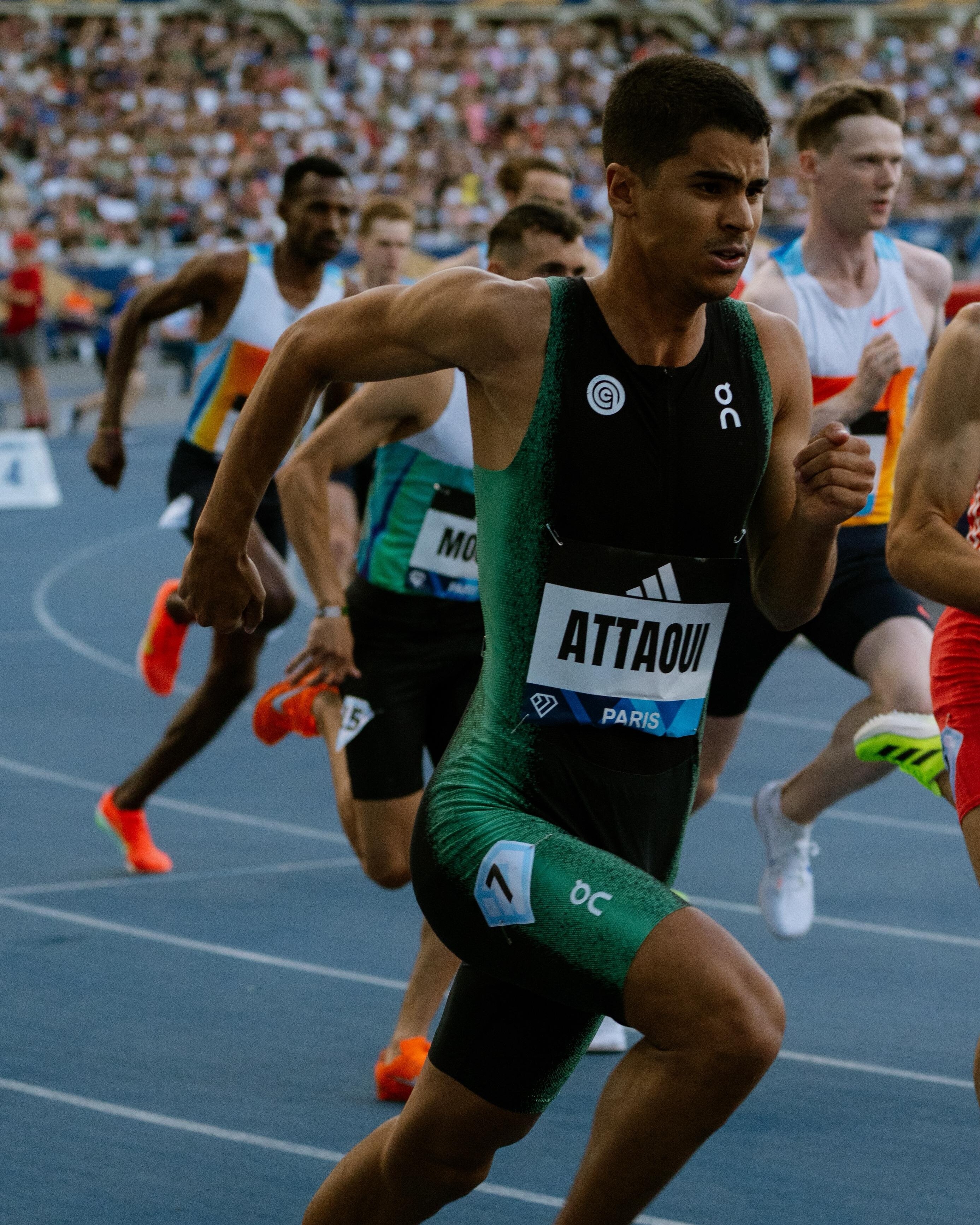
The United States will be out in force, and the home crowd will have plenty to cheer. Bryce Hoppel, a proven championship racer with a 1:42.49 best, is known for thriving in high-pressure environments. Donovan Brazier, a former world champion and one of the most naturally gifted 800m runners of his generation, returns to the Millrose spotlight carrying a 1:42.16 lifetime best and a reputation for fearless racing. Colin Sahlman rounds out the American charge, eager to test himself against the very best on one of the sport’s grandest stages.
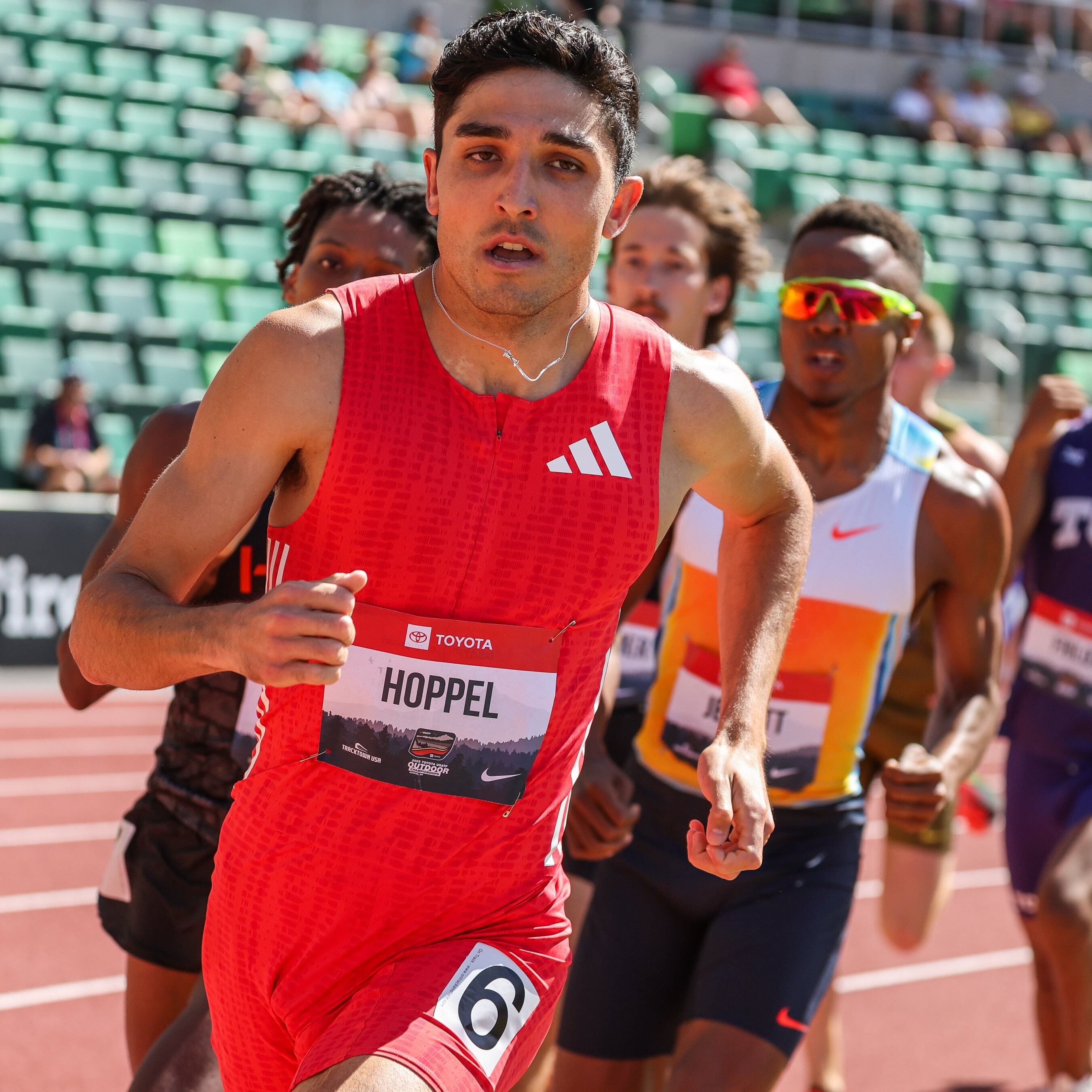
Adding further depth is Great Britain’s Ben Pattison, whose 1:42.27 personal best underlines the sheer quality of this field. In an indoor race where positioning is everything and margins are razor-thin, his tactical awareness could prove decisive.
The Millrose Games have long been known for producing special moments—world records, breakout performances, and races that linger in memory long after the final lap. With this men’s 800m lineup, all the ingredients are in place for another classic. Expect relentless pace, elbows brushing on the bends, and a final sprint that brings the crowd to its feet.
When the gun goes off on February 1, it won’t just be about times on a clock. It will be about who can master the chaos of indoor racing, who can summon one last surge of strength, and who will etch their name into Millrose history under the bright lights of New York.
by Erick Cheruiyot for My Bestruns.
Login to leave a comment

NYRR Millrose Games
The Pinnacle of Indoor Track & Field The NYRR Millrose Games, first held in 1908, remains the premier indoor track and field competition in the United States. The 2025 edition will once again bring the world’s top professional, collegiate, and high school athletes to New York City for a day of thrilling competition. Hosted at the New Balance Track &...
more...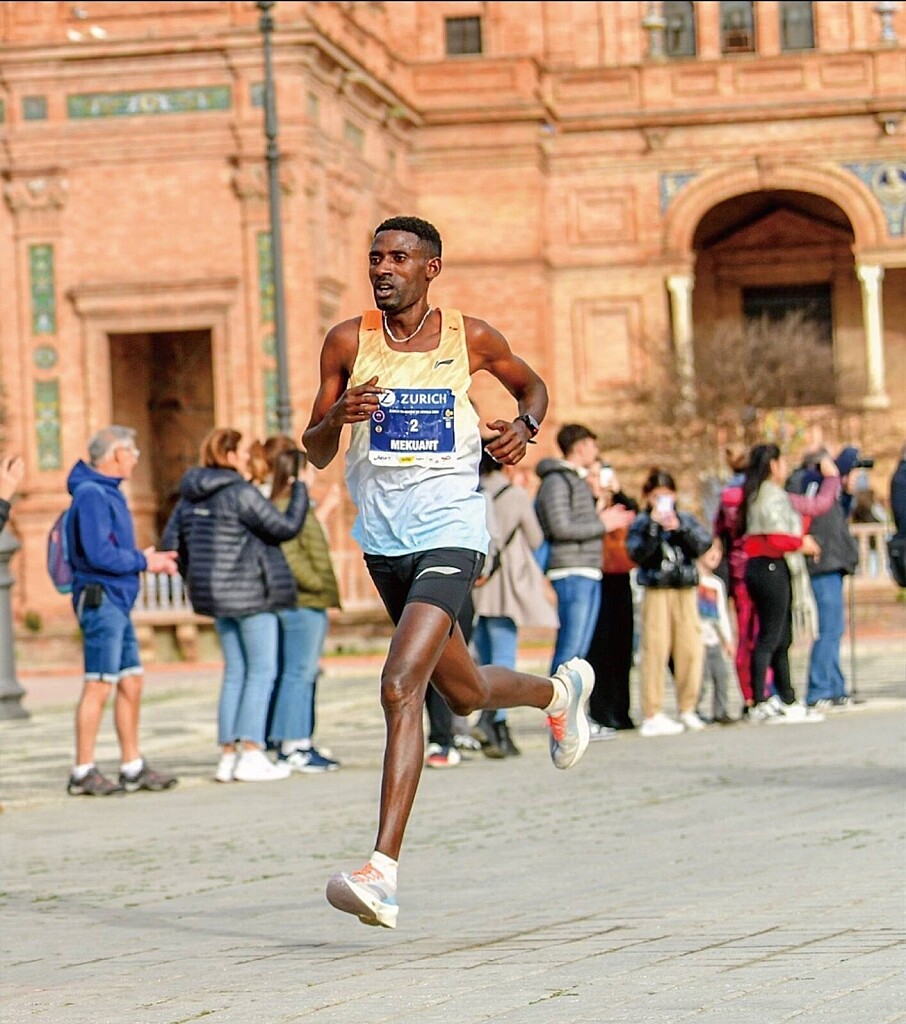
A Tactical Marathon Showdown: Elite Entrants Eye Hong Kong Glory
The Standard Chartered Hong Kong Marathon returns on Sunday, January 18, 2026, shaping up as one of the most intriguing early-season tests on the global marathon calendar. Established in 1997 and now a World Athletics Gold Label event, the race has built its reputation not on record-chasing, but on tactical nuance—where patience, positioning, and timing often trump raw speed.
That dynamic makes this year’s edition especially compelling, as a deep and accomplished elite field converges on a course known for demanding smart racing.
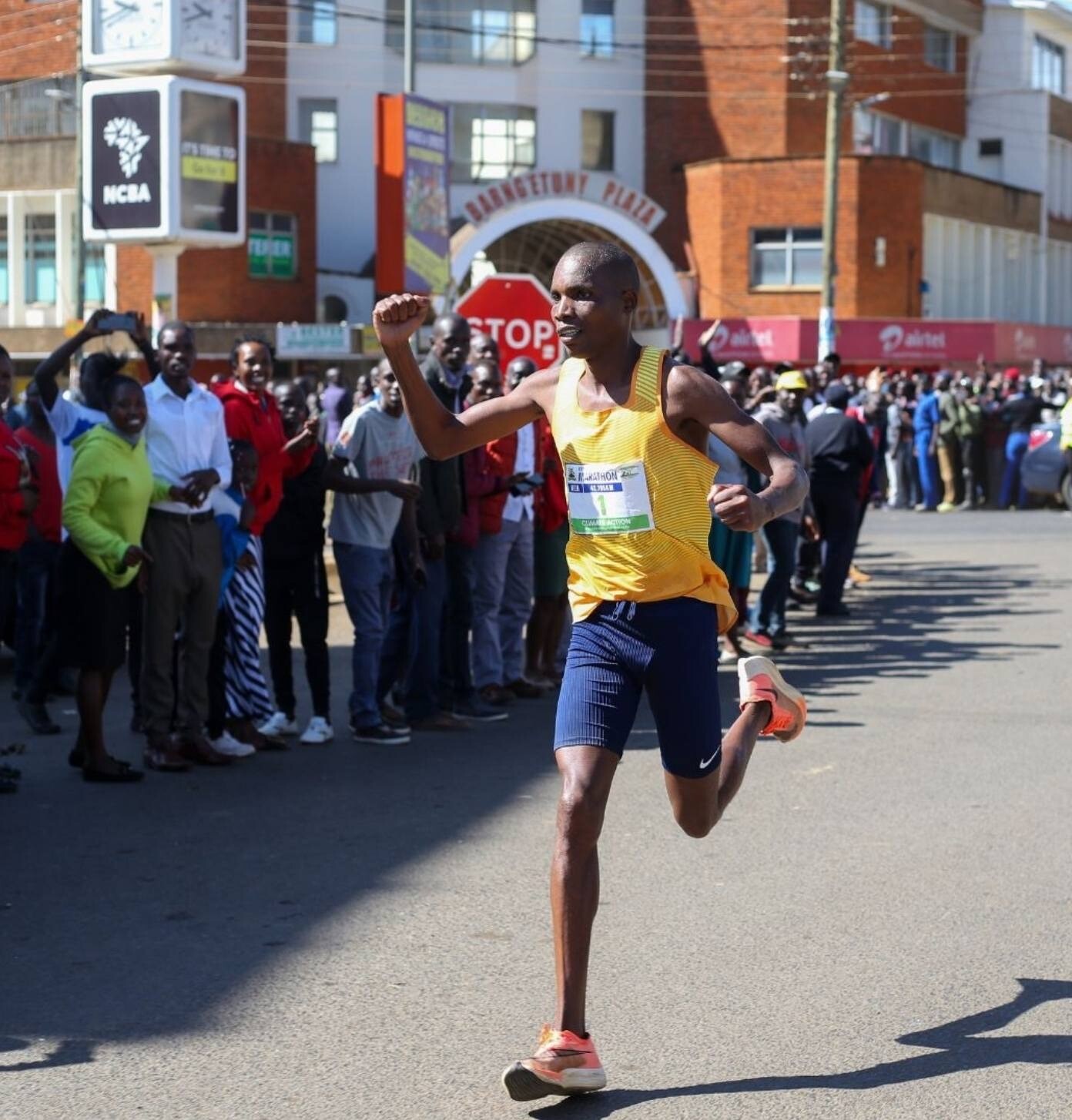
Leading the men’s start list is Ethiopia’s Gebre Mekuant Ayenew, whose personal best of 2:04:46 positions him as the clear favorite on paper. By global standards, Ayenew ranks among the sport’s upper tier—an athlete capable of world-class times if conditions allow.
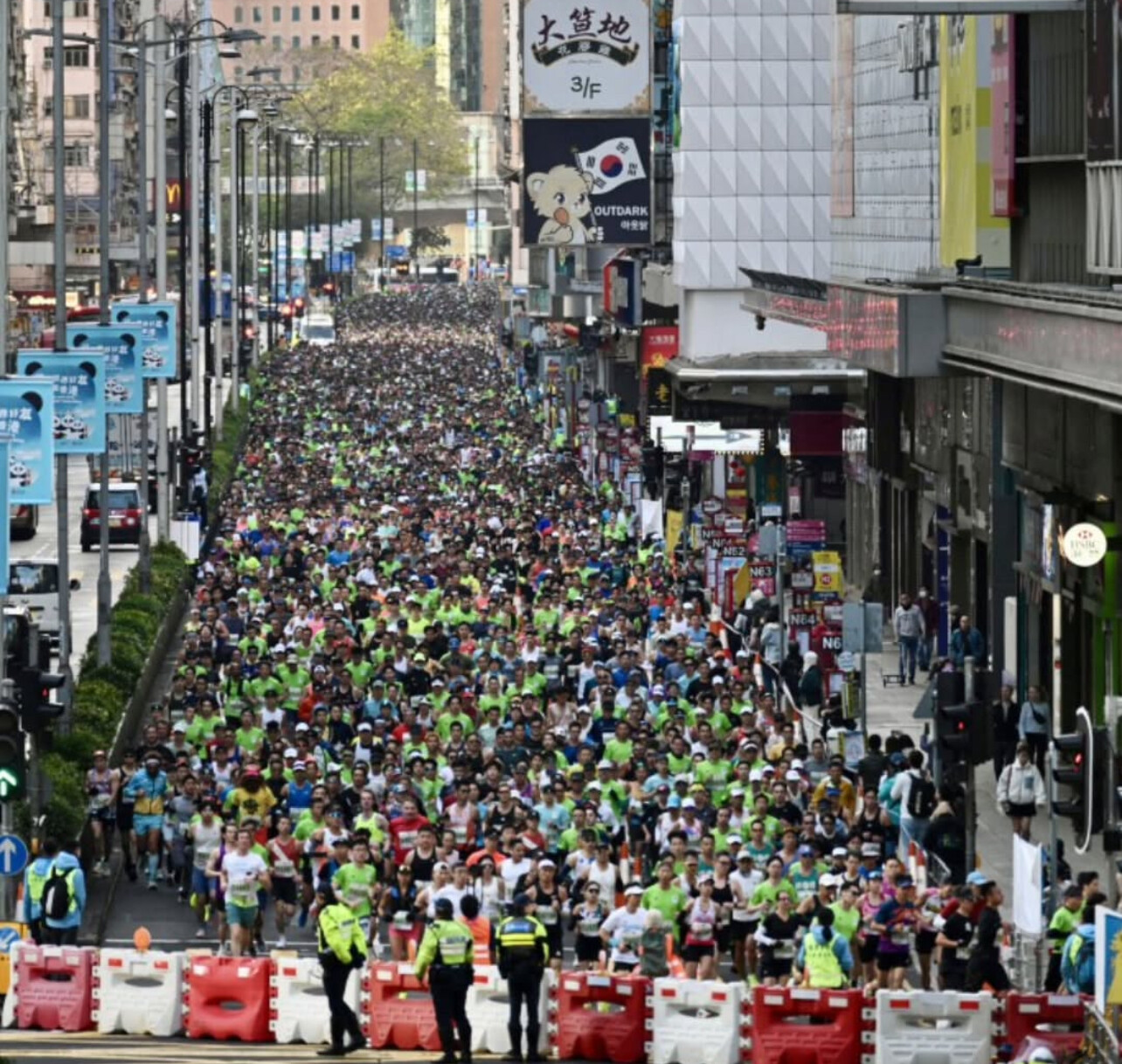
But Hong Kong rarely rewards straight-line speed alone. The urban course, winding from Nathan Road to Victoria Park, features sharp turns, rolling sections, bridges, and the ever-present factor of subtropical winter humidity. These elements routinely transform the race into a chess match, where tactical awareness becomes as decisive as fitness.
Kenya’s contingent arrives with depth and experience, forming a formidable counterbalance. Victor Kipchirchir (2:05:43) stands out as the most immediate threat. Known for measured pacing and a strong finish, Kipchirchir is well-suited to a race that rewards restraint before aggression.
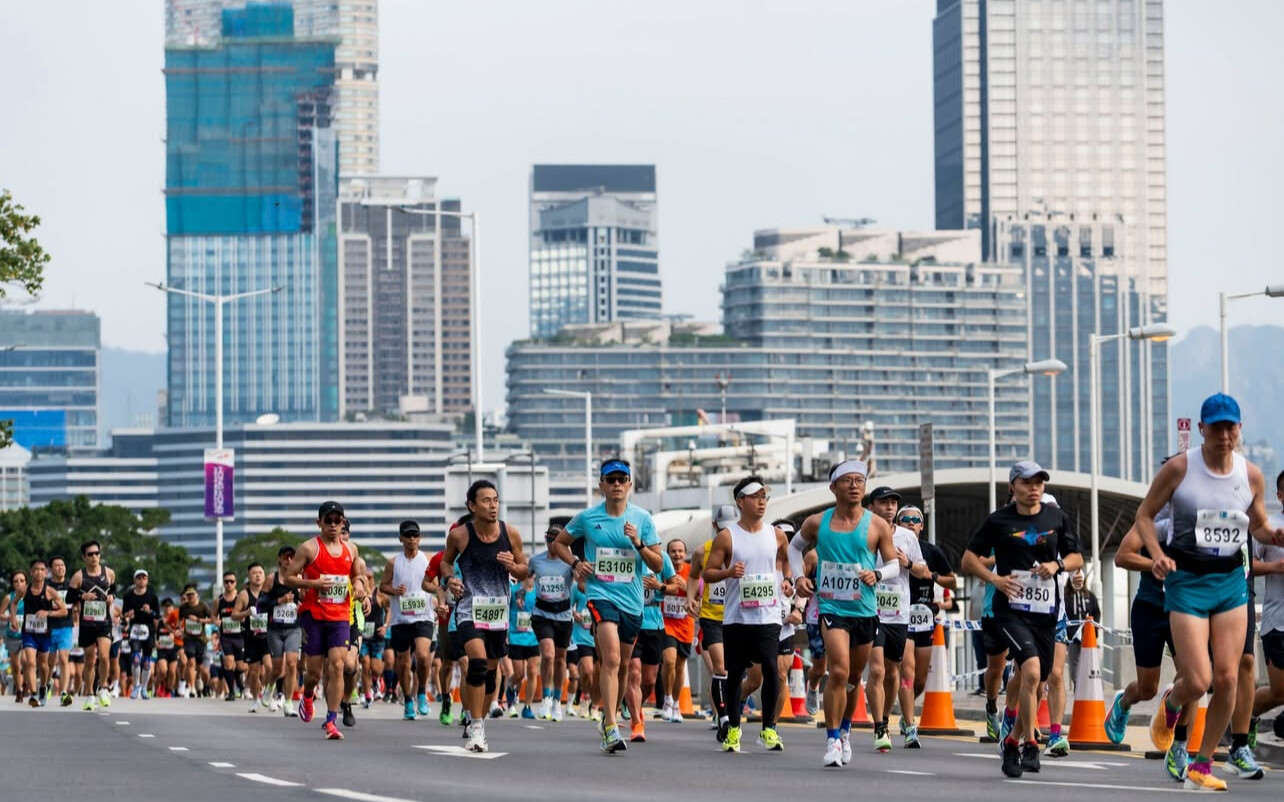
Backing him are Silas Kiprono Too (2:06:32), Kipkemoi Kiprono (2:06:45), Reuben Kiprop Kerio(2:07:00), and Simon Kipkosgei (2:07:07). Collectively, they offer tactical versatility and the ability to apply pressure during the critical middle stages—often where Hong Kong races are won or lost.
Ethiopia counters with its own depth. Abdi Fufa Nigassa (2:05:57), Gebru Nguse Redahgne(2:05:58), Yitayal Atnafu Zerihun (2:06:21), and Melaku Belachew Bizuneh (2:06:30) complete a formidable lineup. While their personal bests suggest the potential for fast running, Hong Kong history suggests that tactical surges and energy management often dictate the podium.
International intrigue comes courtesy of Yuki Kawauchi (JPN, 2:07:27), one of the sport’s most unpredictable racers. Renowned for his aggressive, fearless approach, Kawauchi has a habit of disrupting conventional pacing and forcing rivals into uncomfortable decisions. He is joined by Ghazouany Mohamed (MAR, 2:09:01) and Han Il Ryong (PRK, 2:09:42), underscoring the truly global character of the field.
Recent history provides useful perspective. In 2025, winning times hovered around 2:11–2:12, with Kenyan runners dominating the podium. The 2024 edition was similarly measured, reinforcing the course’s tactical reputation. Against that backdrop, the 2026 start list represents a notable shift: several contenders arrive with sub-2:06 credentials, raising the possibility of a quicker race—if the lead pack commits to pushing the tempo.
Still, the course demands respect. Early aggression has often been punished, while disciplined positioning and energy conservation through the mid-race sections have proven decisive. Misjudgment can lead to dramatic fade-outs over the final 10 kilometers; patience, on the other hand, often opens the door to late-race surges and podium-deciding moves.
That tension sets up a fascinating strategic question: will Ethiopia attempt to control the race through collective pacing, or will Kenya counter with tactical pressure and well-timed attacks? And could Kawauchi’s trademark aggression fracture the rhythm entirely?
With personal bests tightly clustered and tactical variables at play, Hong Kong once again promises a marathon where intelligence and restraint may outweigh even the fastest résumés.
As the 2026 marathon season gets underway, all eyes turn to January 18 when Hong Kong’s streets will host a contest shaped by history, strategy, and split-second decisions—another reminder that here, the smartest runner often wins.
by Robert Kibet for My Best Runs
Login to leave a comment

HONG KONG MARATHON
The Hong Kong Marathon, sponsored by Standard Chartered Bank, is an annual marathon race held in January or February in Hong Kong. In addition to the full marathon, a 10 km run and a half marathon are also held. Around 70,000 runners take part each year across all events. High levels of humidity and a difficult course make finishing times...
more...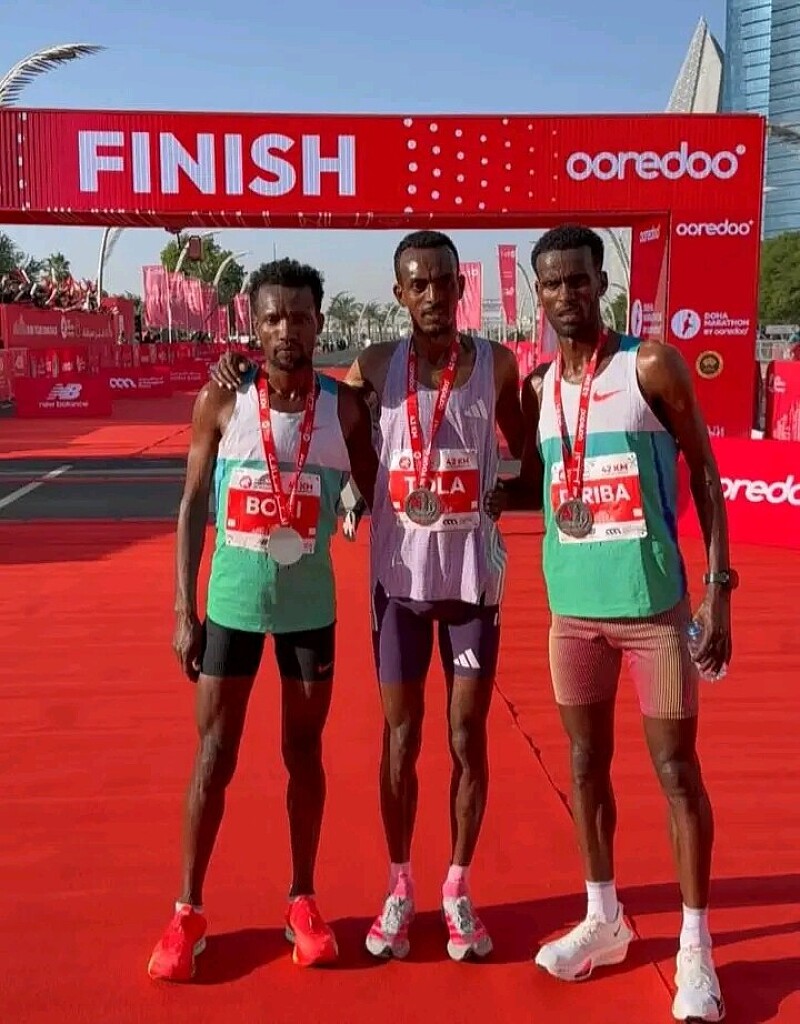
Tamirat Tola and Ethiopia’s Marathon Masterclass in Doha 2026
As dawn lifted over the Corniche and the desert air settled into a rare stillness, the 2026 Doha Marathon unfolded not as a contest of nations, but as a demonstration of Ethiopian supremacy. On the fast, flat streets of Qatar’s capital, the race became a study in patience, precision, and perfectly timed execution — orchestrated by an Olympic champion who understood exactly when to act.
Tamirat Tola arrived in Doha with quiet authority. Olympic gold had already sealed his place among the greats of the marathon, yet this race demanded a different mastery — one shaped by tactics, restraint, and the grinding reality of late-race fatigue. For much of the morning, the lead pack moved as a single organism, the pace controlled and efficient rather than reckless, each athlete conserving reserves for the moment when the marathon finally reveals its truth.
Through halfway, the tempo pressed gently against history. Tola’s running was economical and composed — shoulders relaxed, cadence smooth, effort measured. He allowed the race to come to him. By the final ten kilometers, attrition began its quiet work. One by one, challengers fell away until the contest distilled into an all-Ethiopian duel — strength set against strength, patience tested by resolve.

The decisive moment arrived at 41 kilometers, where illusion disappears and only conditioning and conviction remain. Tola shifted gears with a calm, deliberate surge. Asefa Boki responded bravely, matching strides at first, but the gap slowly widened. Fifteen seconds would separate them at the line — a margin modest on paper, immense in execution.
Tola crossed first in 2:05:40, shattering the previous course record of 2:06:49 and redefining what was possible on Doha’s roads. Boki followed in 2:05:55, with Boki Diriba claiming third in 2:06:26, completing an emphatic all-Ethiopian podium sweep. The dominance extended beyond medals: Dinkalem Ayele and Balew Yihunle secured fourth and fifth, sealing a clean Ethiopian lockout of the top five. Eritrea’s Oqbe Kibrom Ruesom and Kenya’s Nicholas Kirwa fought gamely further back, but on this day, Doha belonged unmistakably to Ethiopia.
That authority was echoed powerfully in the women’s elite race. Tigist Gezahagn delivered a commanding performance to claim victory in 2:21:14, finishing just 28 seconds shy of the women’s course record of 2:20:46. Her run was defined by discipline — controlled pacing, intelligent energy management, and composure in the decisive closing kilometers. Tigist Girma followed in 2:22:33, while Guta Abiyote secured third in 2:23:21, confirming another Ethiopian sweep of the podium.
The depth was striking. Nine of the top ten women were Ethiopian, a reflection not merely of individual brilliance, but of a system that consistently produces marathoners who are technically sound, tactically intelligent, and resilient under pressure.
Beyond times and placings, Doha delivered a message. Tola, Gezahagn, and their compatriots showcased the full spectrum of Ethiopian distance-running excellence — patience over panic, precision over impulse, and authority when fatigue strips the race down to its essence. This was not just a marathon won; it was a hierarchy reaffirmed.
As the finish tape fell and the sun climbed higher over the Corniche, the conclusion was unmistakable. Ethiopian distance running remains not only alive, but dominant — and Tamirat Tola, operating at the height of his powers, continues to accelerate precisely when others begin to slow.
by Erick Cheruiyot for My Bestruns.
Login to leave a comment

Ooredoo Doha Marathon
The Ooredoo Doha Marathon was created to bring the community together, inspire healthier lifestyles, and contribute to impactful charitable causes in Qatar. This annual event is a celebration of fitness, unity, and giving back, attracting participants of all ages and abilities. All proceeds from entry fees are donated to a variety of local charities, ensuring that every step taken supports...
more...