

Running News Daily
Running News Daily is edited by Bob Anderson and team. Send your news items to bob@mybestruns.com Advertising opportunities available.
Index to Daily Posts · Sign Up For Updates · Run The World Feed
Articles tagged #1500m
Today's Running News
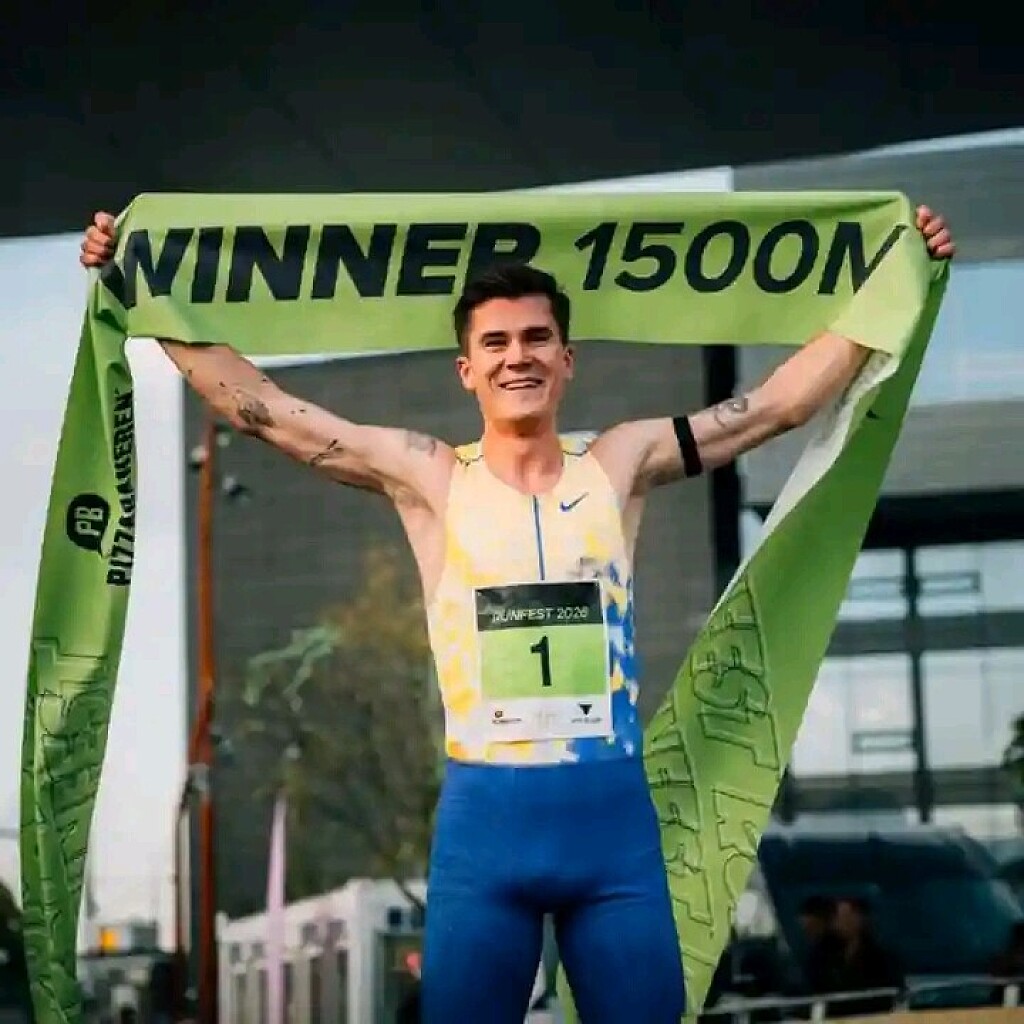


Jakob Ingebrigtsen Caps Comeback Season With Hometown Victory in Sandnes
Jakob Ingebrigtsen brought his remarkable 2026 season to a fitting close on home soil, winning the men’s street 1500m at the inaugural Runfest Norway in Sandnes on Friday.
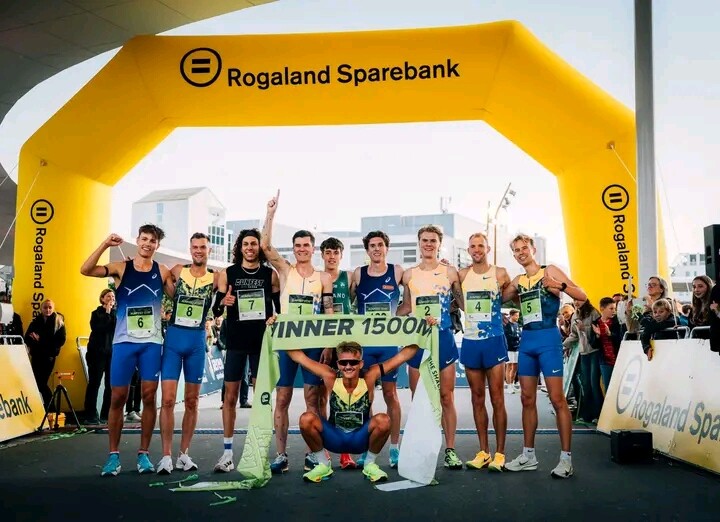
Competing in front of an enthusiastic hometown crowd, the Olympic and world champion took control of the race from the early stages and maintained his authority through the finish, stopping the clock at 3:40.7.
Andreas Fjeld Halvorsen followed in second in 3:43.3, while Sigurd Tveit completed the podium in 3:47.8.
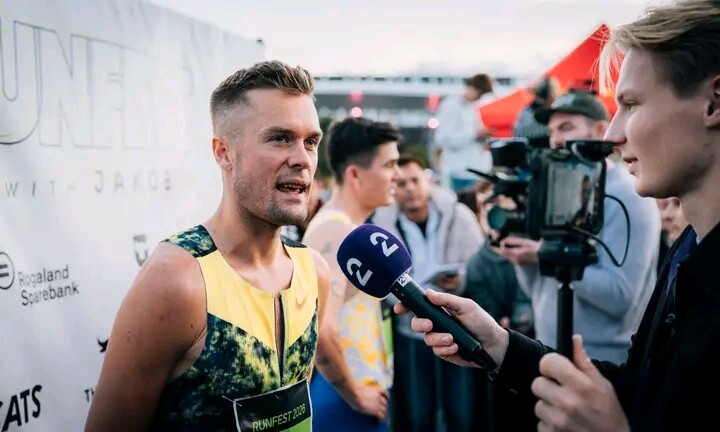
The unusual street race added another dimension to the occasion, with 273 runners taking part on the same road and sharing the course with one of Norway’s most accomplished distance runners. For the recreational participants, it offered a rare opportunity to compete alongside Ingebrigtsen in an event that brought elite athletics and mass participation together.
The victory also provided a fitting final chapter to a season that began with significant uncertainty for Ingebrigtsen. After undergoing major Achilles surgery in February, the Norwegian was forced to miss a substantial portion of the summer campaign as he worked his way back to full fitness.
His return, however, quickly developed into another championship-winning chapter. In Birmingham, Ingebrigtsen captured European 5,000m gold before adding another major title at the inaugural World Athletics Ultimate Championship in Budapest, where he won the 5,000m.
Those performances transformed what could have been a disrupted season into another year defined by championship success and a determined return to the highest level.
Now, with the Sandnes victory added to his 2026 record, Ingebrigtsen closes the year exactly where it began in spirit — overcoming adversity, rebuilding his form and once again competing at the front.
From Achilles surgery in February to major championship victories and finally a 1500m win before his hometown crowd, the Norwegian has given his 2026 season a memorable final scene.
by Erick Cheruiyot for My Best Runs.
Login to leave a comment
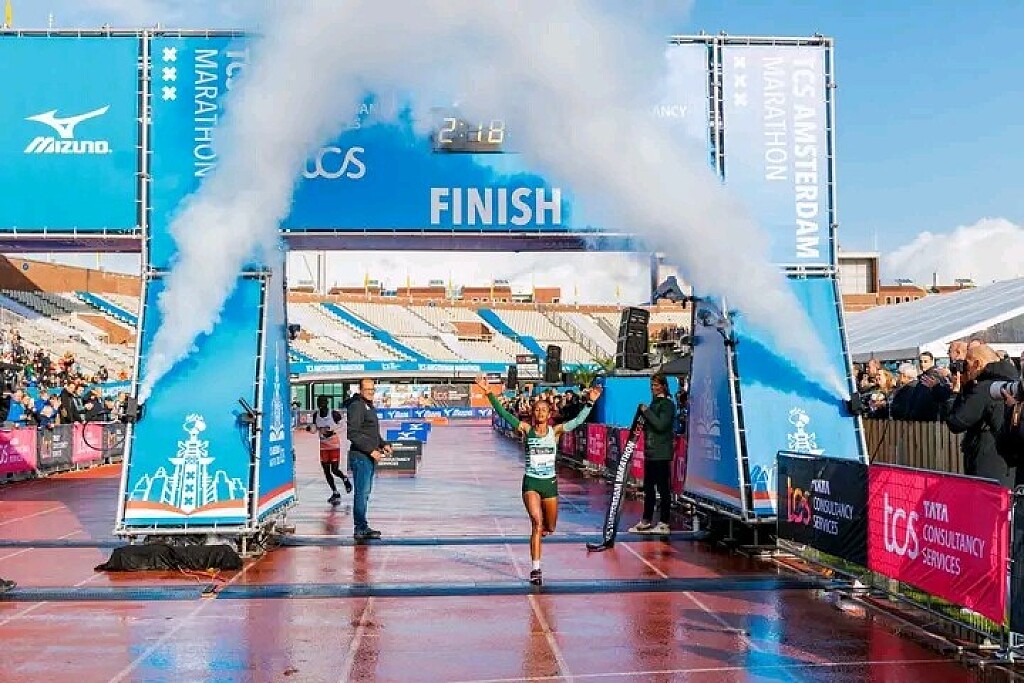
Amsterdam Marathon Women’s Field Set for High-Class Showdown as Four Ethiopians Target 2:20 Barrier
The women’s race at the 2026 TCS Amsterdam Marathon is shaping up to be one of the most competitive editions in recent years, with a deep international field set to take on the fast Dutch course on Sunday, October 18.
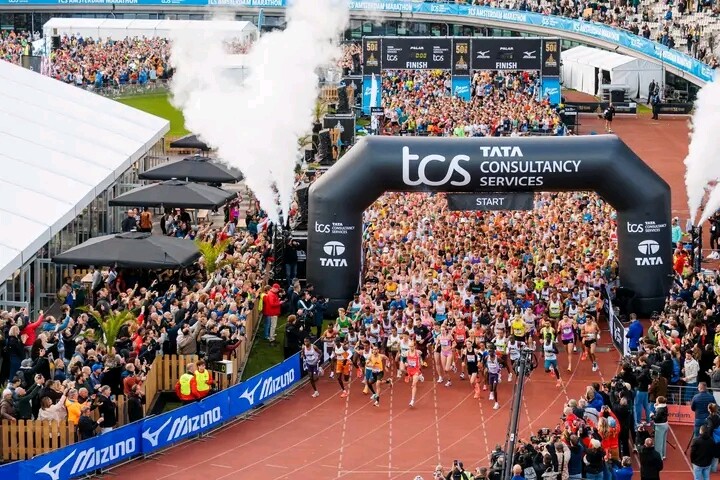
At the centre of the contest will be four Ethiopian athletes who have already broken the 2:20 barrier, creating the prospect of a fascinating battle for victory and a possible assault on the course record of 2:16:52.
Defending champion Aynalem Desta will return to Amsterdam looking to retain her title after producing the biggest performance of her career at last year’s 50th edition. Desta won in a personal best of 2:17:37, establishing herself among the leading marathoners in the field and setting the benchmark for this year’s contenders.
Standing in her way will be fellow Ethiopian Meseret Belete Tola, a former Amsterdam champion who knows exactly what it takes to succeed on the course. Belete Tola captured the 2023 edition in 2:18:21, and her return adds another layer of experience and proven quality to an already formidable lineup.
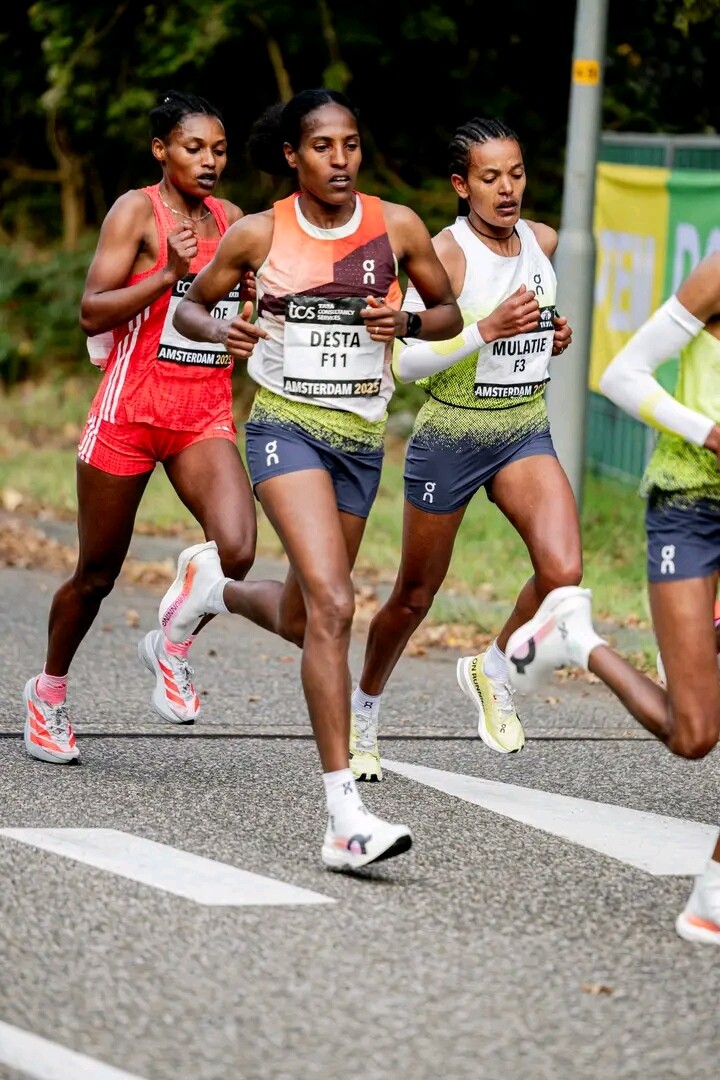
The field also includes Mestawut Fikir Truneh, who arrives with an impressive marathon pedigree. Truneh finished runner-up at the 2024 Berlin Marathon in 2:18:48, demonstrating her ability to compete at the highest level on one of the world's major marathon stages.
Completing the quartet of sub-2:20 Ethiopians is Buze Diriba, whose personal best of 2:19:34 places her firmly among the leading contenders. With four athletes possessing credentials below 2:20, the race is likely to develop into a tightly contested battle from the opening kilometres.
The depth extends well beyond the leading quartet. Desi Jisa Mokonin, representing Bahrain, Yeshi Kalayu Chekole of Ethiopia and Nazret Weldu Gebrehiwet of Eritrea have all established themselves as serious marathon competitors with performances approaching the 2:20 mark.
Another major name to watch is Abeba Aregawi, the former 1500m world champion representing Sweden. Aregawi has successfully transferred her talents to the marathon and made headlines earlier this year by setting a Swedish national record of 2:23:12 on her debut. Her presence adds another intriguing dimension to an already high-quality field.
Amsterdam’s marathon course has consistently provided an opportunity for elite athletes to produce fast times, and this year’s women’s lineup has the depth to turn the race into a genuine test of both championship racing and outright speed.
With four athletes already inside 2:20, two former Amsterdam champions returning to the start line and several other accomplished marathoners ready to challenge them, the battle is expected to remain open deep into the race.
The ultimate target will be the Amsterdam women’s course record of 2:16:52. Whether the leading contenders can threaten that mark remains to be seen, but the quality assembled for October 18 ensures that the record will be firmly in the spotlight when the race reaches its spectacular finish inside the Olympic Stadium.
by Erick Cheruiyot for My Best Runs.
Login to leave a comment

TCS Amsterdam Marathon
Do you want to enjoy Amsterdam in October and all that the city has to offer you? Want to feel a real athlete and start and finish in the historic Olympic stadium? Or run across the widely discussed passage under the beautiful National Museum? Then come to Amsterdam for the annual TCS Amsterdam Marathon in October! The TCS Amsterdam Marathon...
more...
Sebastian Coe At 70: From Yorkshire Prodigy To Olympic Great And World Athletics President
Sebastian Coe turns 70 today, marking seven remarkable decades for a man whose name has become inseparable from some of the greatest moments in middle-distance running.
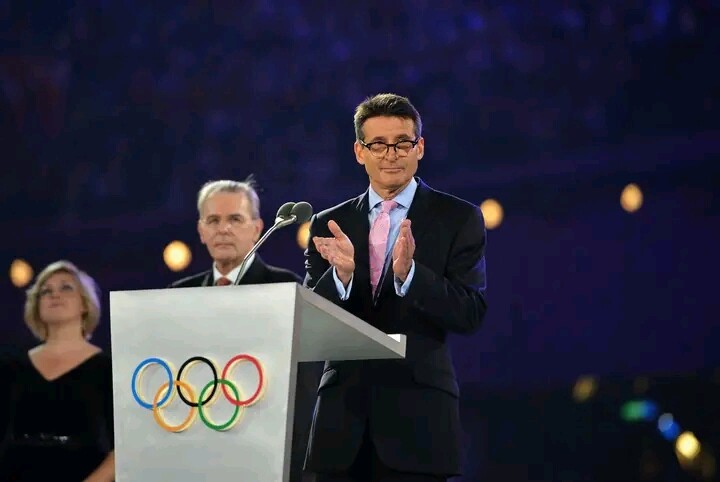
Born on September 29, 1956, Coe grew from a talented youngster in Yorkshire into one of the most influential figures athletics has ever produced — first as an extraordinary competitor on the track and later as a leader at the highest level of the sport.
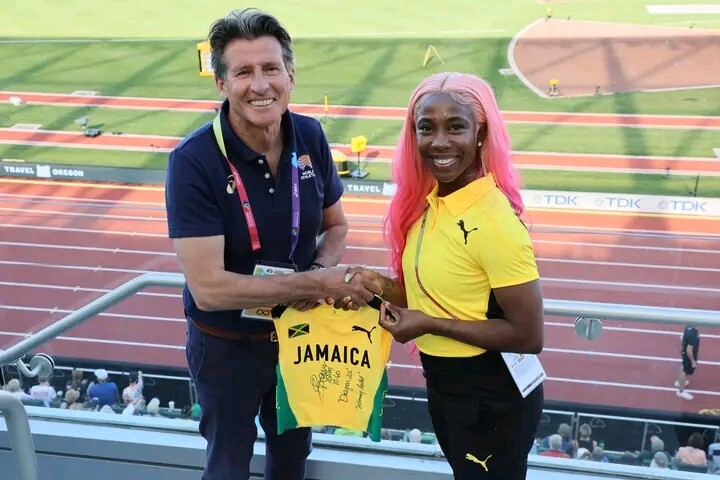
His journey began long before the Olympic medals and world records. As a teenager, Coe was already attracting attention, and his early appearances in Athletics Weekly offered a glimpse of the remarkable career that was beginning to unfold.
By the late 1970s, he had established himself as one of Britain's brightest middle-distance prospects. His rivalry with Steve Ovett became one of the defining storylines of the era, while Coe's extraordinary combination of speed, tactical intelligence and finishing power allowed him to compete successfully across the 800m, 1500m and mile.
In 1979, Coe announced himself to the world in spectacular fashion. In Oslo, he smashed the 800m world record with 1:42.33, becoming the first man to break 1:43. Just weeks later, he added a world record in the mile with 3:48.53 before ending the season as one of the sport's dominant figures.
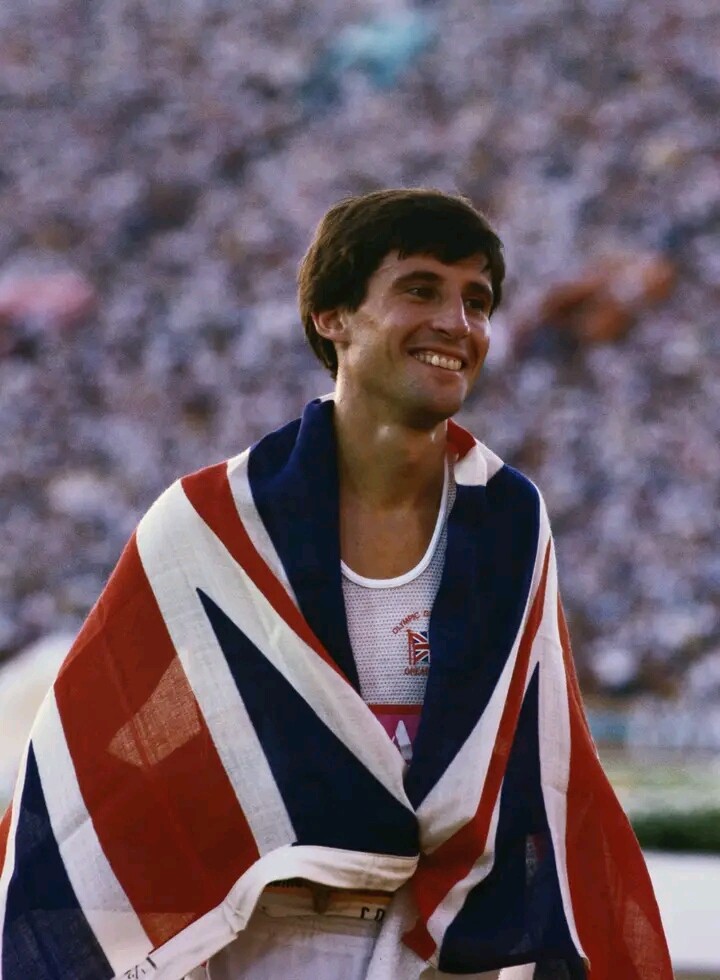
The following years produced even more extraordinary performances.
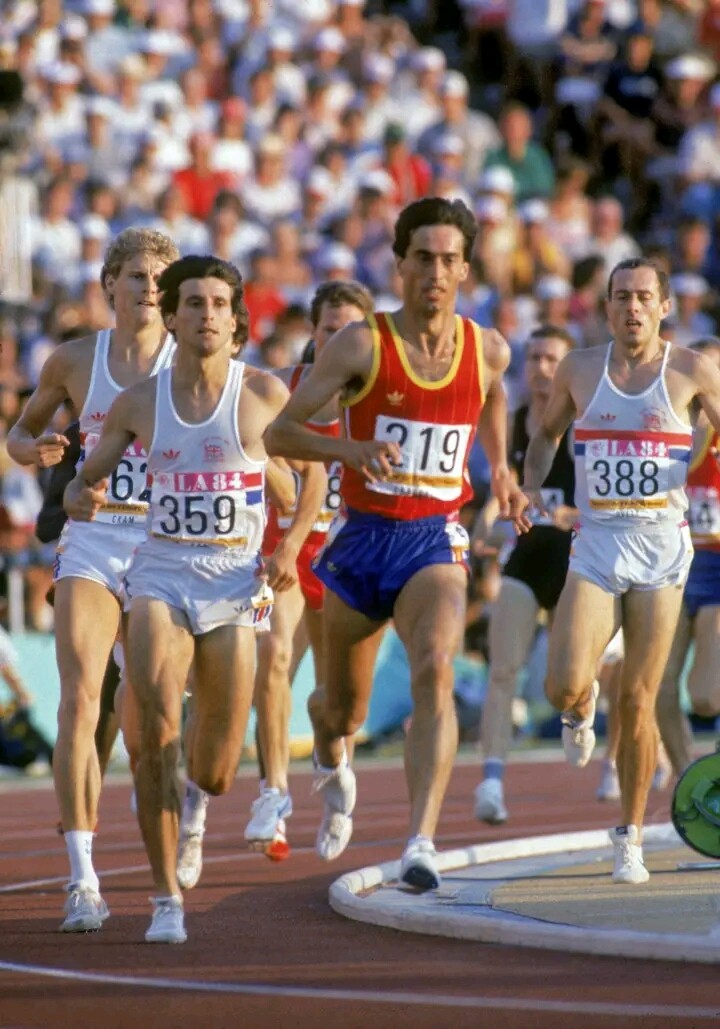
On June 10, 1981, in Florence, Coe lowered his own 800m world record to 1:41.73. The performance was historic. The mark remained untouched for 16 years before Wilson Kipketer equalled it in 1997. It remains one of the most iconic performances in 800m history.
Coe's Olympic career was equally remarkable.
At the 1980 Moscow Olympics, he won gold in the 1500m and silver in the 800m. Four years later in Los Angeles, he repeated that extraordinary combination, again taking 1500m gold and 800m silver.
His second Olympic 1500m victory in 1984 cemented his place among the greats of the event. His personal best of 3:29.77, set in 1986, remains one of the fastest marks of his era. World Athletics lists Coe as a two-time Olympic champion and two-time Olympic silver medallist, with 12 world records accumulated during his career.
His record-breaking career extended beyond the 800m and 1500m. Coe set world records over 800m, 1000m, 1500m and the mile, demonstrating an extraordinary range that was rare even among elite middle-distance specialists.
He also collected major European honours, including the European 800m title in 1986 and the European Indoor 800m crown earlier in his career.
Yet Coe's story did not end when he left competitive athletics.
After retiring from the track in 1990, he moved into public life and sports administration. His leadership role in London's successful bid for the 2012 Olympic and Paralympic Games became one of the most significant chapters of his post-athletics career. He later served as chairman of the London 2012 Organising Committee, helping oversee the preparation and delivery of the Games.
In August 2015, Coe took on perhaps his most influential role yet when he became president of World Athletics. He has since remained at the centre of global athletics, helping guide the sport through changes in competition, governance, commercialisation and athlete-focused initiatives. World Athletics currently lists him as president of the organisation.
Even at 70, Coe's connection with competition remains clear. His comments surrounding the inaugural World Athletics Ultimate Championship in Budapest in 2026 showed the same fascination with head-to-head racing that defined him as an athlete decades earlier.
From a young Yorkshire runner to an Olympic champion, world-record setter, London 2012 leader and now president of World Athletics, Coe's career has crossed almost every level of the sport.
His 1:41.73 may no longer be the world record, but the performance remains a permanent part of 800m history. His Olympic double-double remains extraordinary. And his transition from athlete to administrator has ensured that his influence extends far beyond the races he once dominated.
Seventy years on, Sebastian Coe's legacy is therefore not confined to medals, records or statistics. It is the story of a middle-distance pioneer whose impact has continued long after his final competitive race — and whose name remains firmly woven into the history of athletics.
by Erick Cheruiyot for My Best Runs.
Login to leave a comment
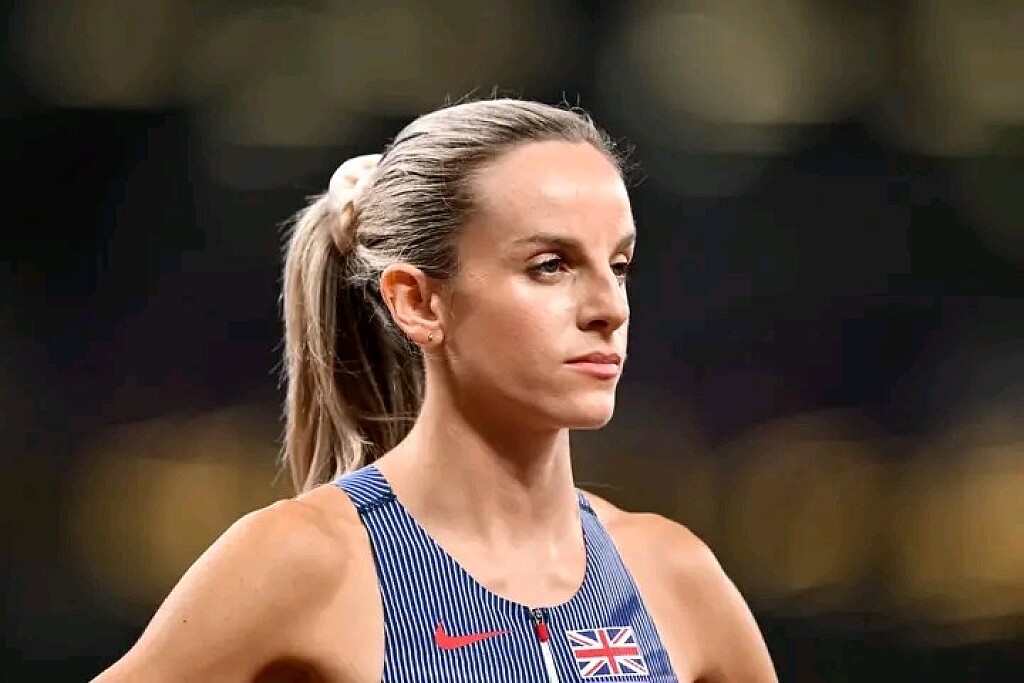
Georgia Hunter Bell: The Dream She Walked Away From Became The Dream She Finally Lived
There was a time when Georgia Hunter Bell believed her athletics journey was over.
The dream that had once consumed her as a young athlete had gradually been replaced by injuries, burnout, disappointment and the realities of adult life. She eventually walked away from track and field, convinced that her competitive career had reached its final chapter.
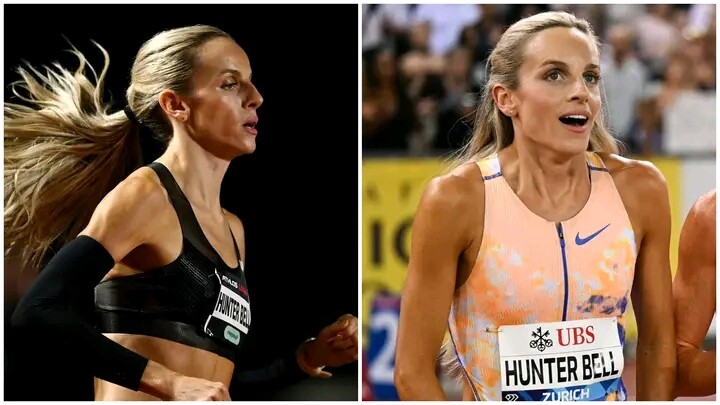
Years later, however, the dream she had abandoned as a young woman would return — only this time, with a story far more extraordinary than she could ever have imagined.
Hunter Bell was a highly regarded junior athlete before moving to the United States to compete for the University of California, Berkeley. But her collegiate years were disrupted by serious injuries and the mental exhaustion that came with constantly battling to remain healthy and competitive.
In 2017, she made the difficult decision to retire from athletics.
For the next six years, her life looked nothing like that of a professional athlete. Living in London, she built a career in the corporate world, working full-time in cybersecurity and artificial-intelligence technology sales.
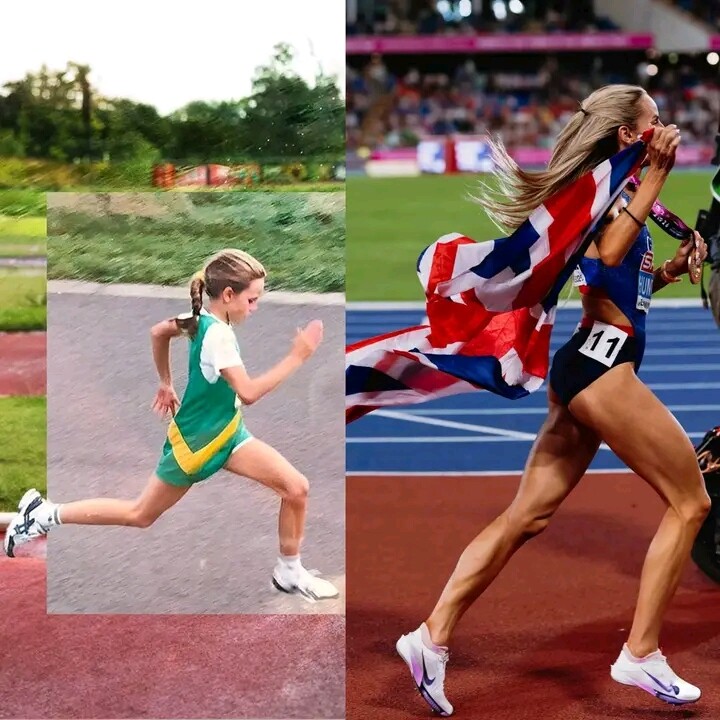
Track and field became a chapter she had seemingly closed.
Then the COVID-19 pandemic changed the rhythm of everyday life.
During the lockdowns, Hunter Bell was not plotting an Olympic comeback or imagining herself standing on a global championship podium. She simply wanted to move again — to improve her physical and mental well-being and rediscover an activity she had once loved.
That journey began with something remarkably ordinary: a local Saturday morning parkrun.
One run became another. Gradually, the feeling she thought she had lost began to return.
The love of running was still there.
She reconnected with her former coach, began entering races again and developed an unconventional training approach that allowed her to build fitness without placing excessive stress on a body that had already endured years of injury. Her programme incorporated substantial cycling alongside relatively low running mileage.
Initially, there was no grand ambition.
She was simply running because she enjoyed it.
But as the performances improved, so did the dreams.
What began as a personal return to exercise eventually became one of the most remarkable comebacks in modern middle-distance running.
Hunter Bell went on to win the British trials and qualify for the Olympic Games in Paris. There, she produced a stunning performance in the women's 1500m, clocking 3:52.61 to claim the Olympic bronze medal and announce herself on the biggest stage in world sport.
And she was not finished.
In 2026, her comeback reached another extraordinary level.
She became a World Indoor Champion, a European Champion and a Commonwealth Games Champion, transforming what had once seemed like a forgotten childhood ambition into a reality far beyond anything she could have predicted.
The athlete who had once walked away from the sport was now collecting major international titles.
But perhaps the most moving part of Hunter Bell's story is not the medals.
It is the journey that came before them.
She has reflected openly on how difficult it can be to hold onto childhood ambitions once adulthood arrives, with careers, financial responsibilities and everyday life often pushing dreams further into the background.
She once believed continuing to pursue athletics after university was unrealistic. Her performances and relationship with the sport had left her questioning whether the dream was still worth chasing.
Yet somewhere along the way, she found her way back.
She returned to the track after work simply because she loved being there. She kept turning up. She contacted her former coach. She entered races.
And slowly, almost without forcing it, the dream began to grow again.
What makes her story so powerful is that her comeback was not built on a perfectly planned route to Olympic success. It started with something much simpler — the decision to run again.
The Saturday morning parkruns, the training sessions after work and the races she entered for the sheer enjoyment of competing eventually led her back to the world's biggest stages.
The little girl who once dreamed of becoming a champion had grown up, stepped away from the sport and built an entirely different life.
But the dream had never truly disappeared.
Sometimes, life does not destroy a dream. It simply takes you somewhere else for a while.
And sometimes, when you find your way back, you discover that the dream waiting for you is even bigger than the one you had as a child.
Georgia Hunter Bell did not simply return to athletics.
She returned to a part of herself she thought she had lost — and turned a childhood dream into a championship reality.
Her journey is a powerful reminder that it is never necessarily too late to return to something you genuinely love.
You never know where the road back might lead.
by Erick Cheruiyot for My Best Runs.
Login to leave a comment
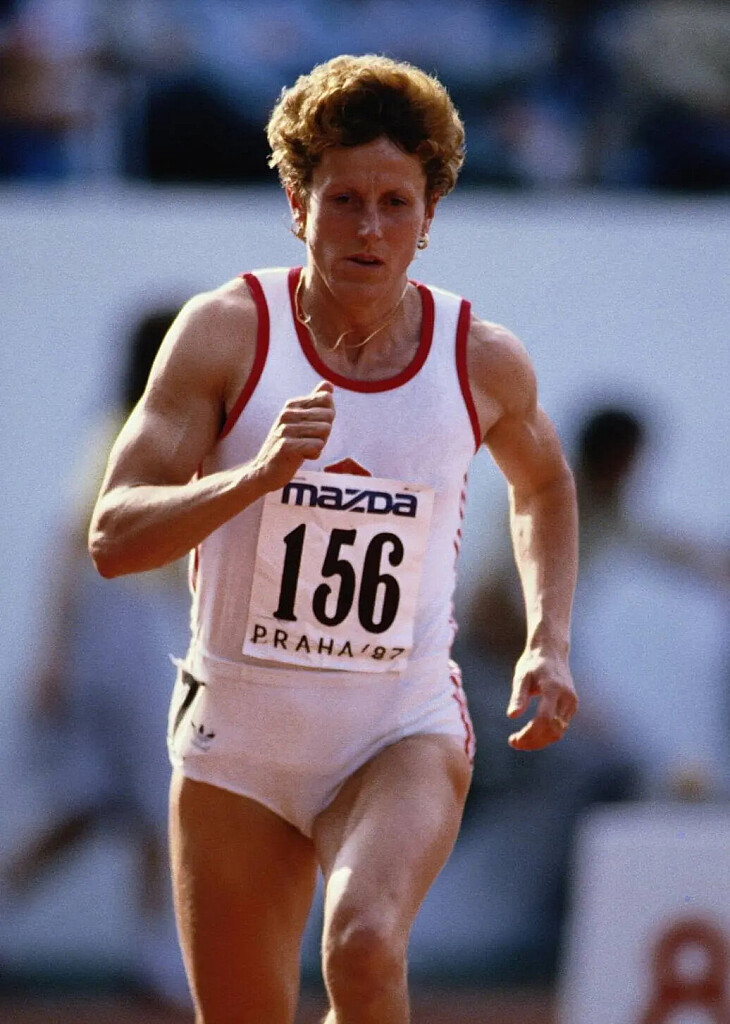
Oldest Running World Records: The Historic Marks That Refuse To Fall
Some world records are broken within months or even weeks. Others survive for years, becoming part of athletics history and turning every new generation of challengers into another chapter in their remarkable story.
As of September 25, 2026, a remarkable collection of long-standing running world records continues to stand across the track. At the top of that list is one of the most enduring marks in modern athletics: Jarmila Kratochvílová’s women’s 800m world record of 1:53.28, set in Munich in 1983. The record has now stood for 43 years, making it the oldest current outdoor track world record in athletics.
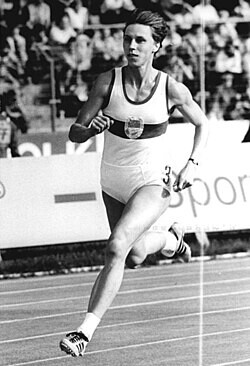
Kratochvílová’s performance remains extraordinary not only because of its longevity, but also because of how rarely athletes have come close to it. Decades after it was established, the 1:53 barrier remains one of the most formidable standards in women’s middle-distance running.
The next-oldest record on the board belongs to Marita Koch, whose 47.60 for the women’s 400m has remained untouched since 1985. Koch’s mark is now 40 years old, while Florence Griffith-Joyner’s extraordinary world records of 10.49 for 100m and 21.34 for 200m, both established in 1988, have survived for 38 and 37 years respectively.
Those records from the 1980s and early 1990s form one of the most intriguing chapters in athletics history. They belong to an era that produced performances still sitting at the very top of the all-time lists, with modern generations repeatedly attempting to reach standards that have resisted decades of competition.
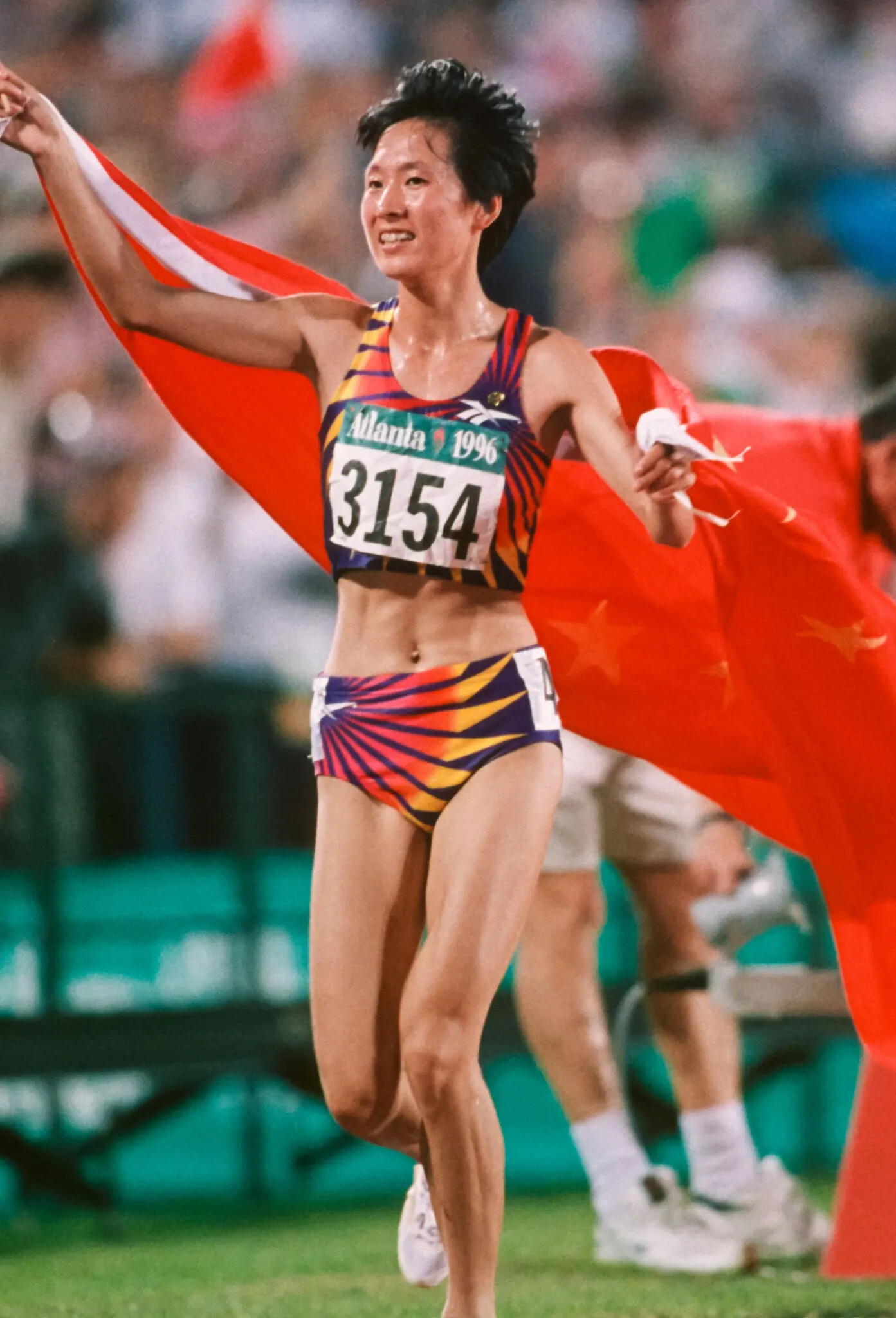
China’s Wang Junxia added another remarkable mark to that era when she ran 8:06.11 for 3000m in 1993. That record has now stood for 32 years, while Morocco’s Hicham El Guerrouj set the men’s 1500m world record of 3:26.00 in 1998, giving the list another mark that has survived for more than a quarter of a century.
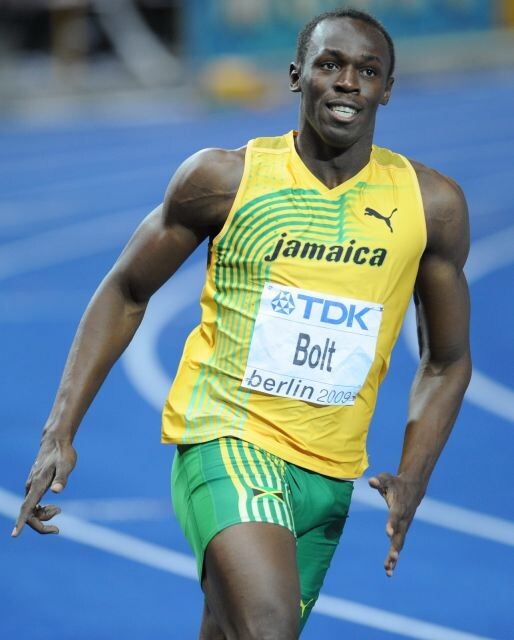
Then comes a different kind of longevity: the extraordinary sprint records of Usain Bolt.
Bolt’s 9.58-second 100m world record, set in Berlin in 2009, and his 19.19-second 200m record, established at the same championships, are now both 17 years old.
When Bolt produced those performances, many of today’s elite sprinters were still children. Yet despite enormous advances in training, sports science, track technology and competition, his two marks remain the standards that every new generation must chase.
The list also highlights the remarkable staying power of more recent records. Kenya’s David Rudisha set the men’s 800m world record of 1:40.91 at the London 2012 Olympics, while South Africa’s Wayde van Niekerk stunned the world with 43.03 in the 400m at the Rio 2016 Olympics.
Kenya’s Beatrice Chepkoech followed with her historic 8:44.32 world record in the women’s 3000m steeplechase in 2018. Uganda’s Joshua Cheptegei then established the men’s 5000m and 10,000m records in 2020, running 12:35.36 and 26:11.00 respectively.
More recently, Ethiopia’s Lamecha Girma set the men’s 3000m steeplechase world record at 7:52.11 in 2023, while Kenya’s Faith Kipyegon produced another landmark performance that year, running 4:07.64 for the women’s mile.
Together, these records create a fascinating timeline of athletics—from the pioneering performances of the 1980s to the spectacular achievements of the modern era. Some have survived for more than four decades, while others are still in the early stages of what could become an equally remarkable reign.
And that is what makes world records so captivating: every generation arrives believing that today’s impossible can become tomorrow’s target, yet some numbers continue to stand as enduring reminders of performances that changed the sport forever.
by Erick Cheruiyot for My Best Runs.
Login to leave a comment
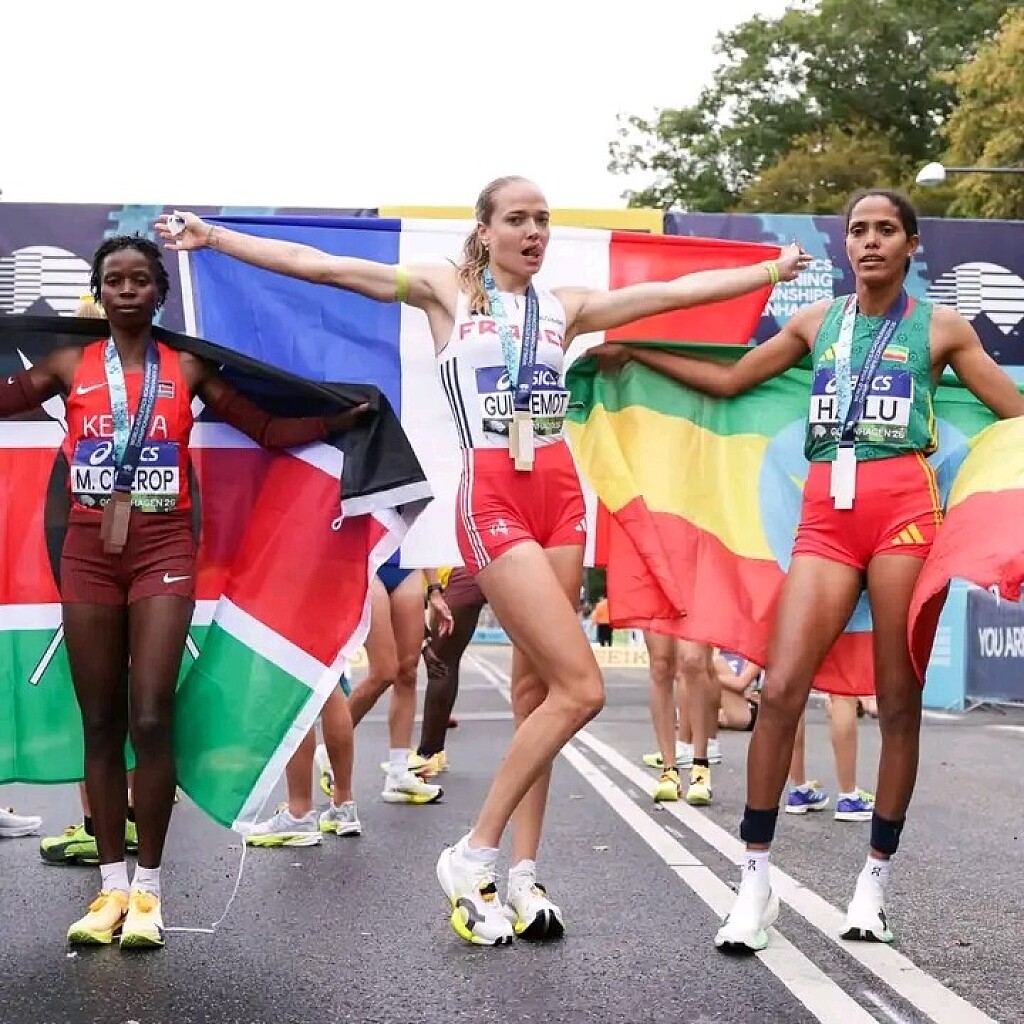
Agathe Guillemot Strikes Gold In Copenhagen As Mirriam Cherop Returns To The Global Podium
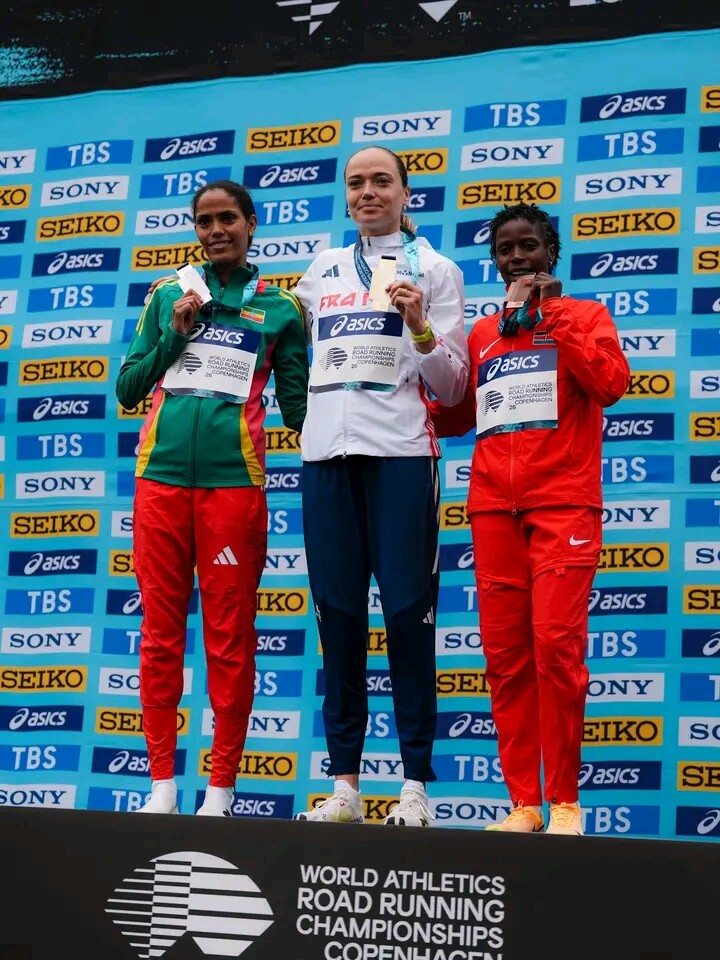
France’s Agathe Guillemot produced a breathtaking final surge to claim the women’s mile title at the 2026 World Athletics Road Running Championships in Copenhagen, securing the first individual global championship gold medal of her career.
Guillemot remained composed through the early stages of a tightly contested race, staying within the leading group as the athletes patiently waited for the decisive moments. Rather than committing too early, the Frenchwoman conserved her energy and positioned herself perfectly for the closing stages.
As the race entered its dramatic final phase, Guillemot unleashed a powerful acceleration that immediately changed the complexion of the contest. Her devastating finishing speed carried her away from her rivals, allowing her to cross the line in 4:22.74 and celebrate a memorable world championship triumph.
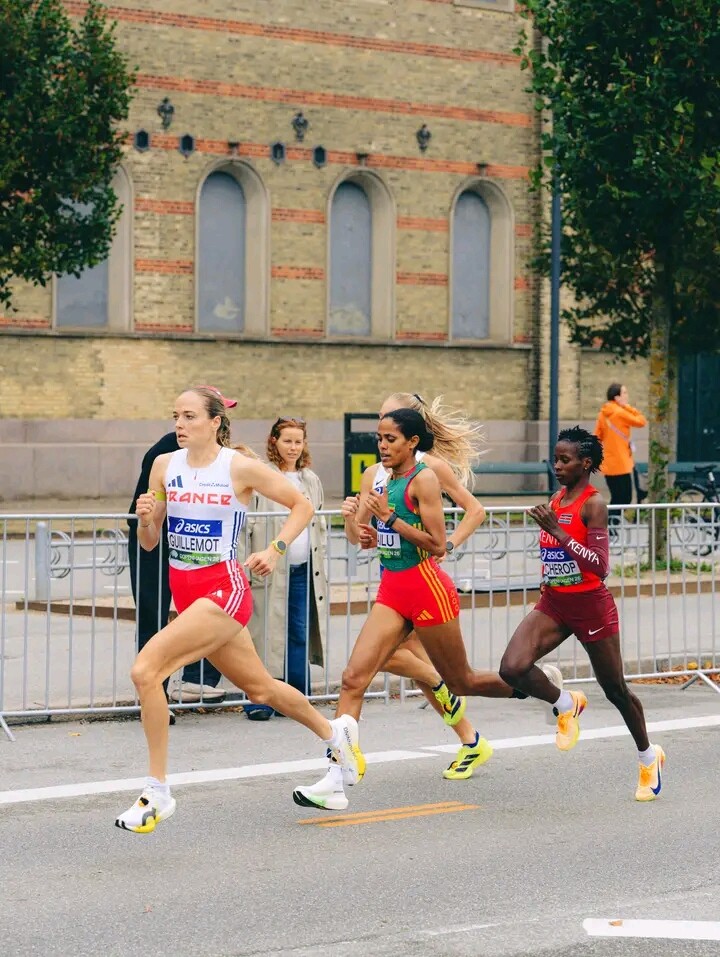
The victory was made even more remarkable by the quality of the performance. Guillemot’s winning time was a world-leading mark and a European record, taking almost half a second off the previous European record and moving her to fourth on the world all-time list.
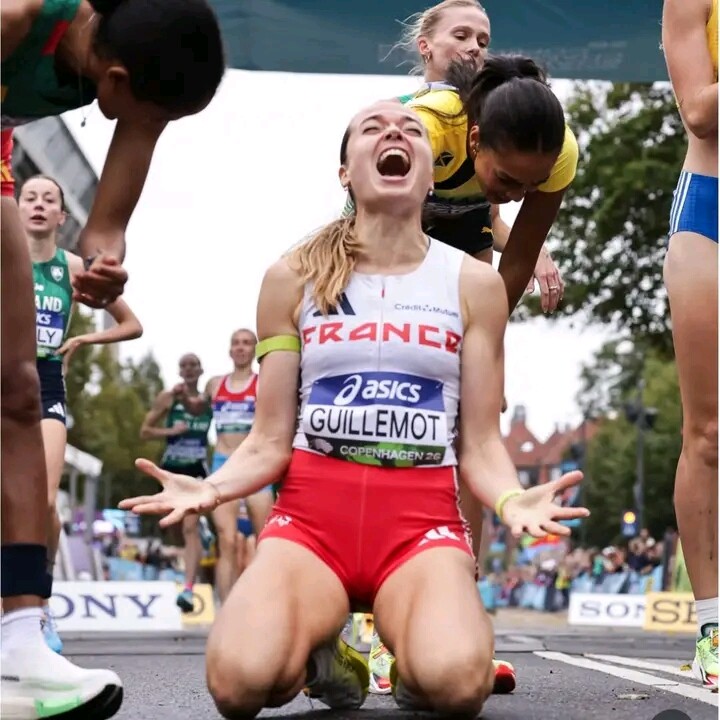
Ethiopia’s Freweyni Hailu delivered another strong championship performance to secure the silver medal in 4:24.35. Hailu remained firmly in contention throughout the race, but she was unable to respond to Guillemot’s explosive finishing burst. It was Hailu’s second consecutive silver medal at the World Road Running Championships after also finishing runner-up in the inaugural edition in Riga in 2023.
For Kenya, Mirriam Cherop produced a performance full of determination and patience to capture the bronze medal in 4:25.71, returning to the global podium eight years after her breakthrough on the world junior stage.
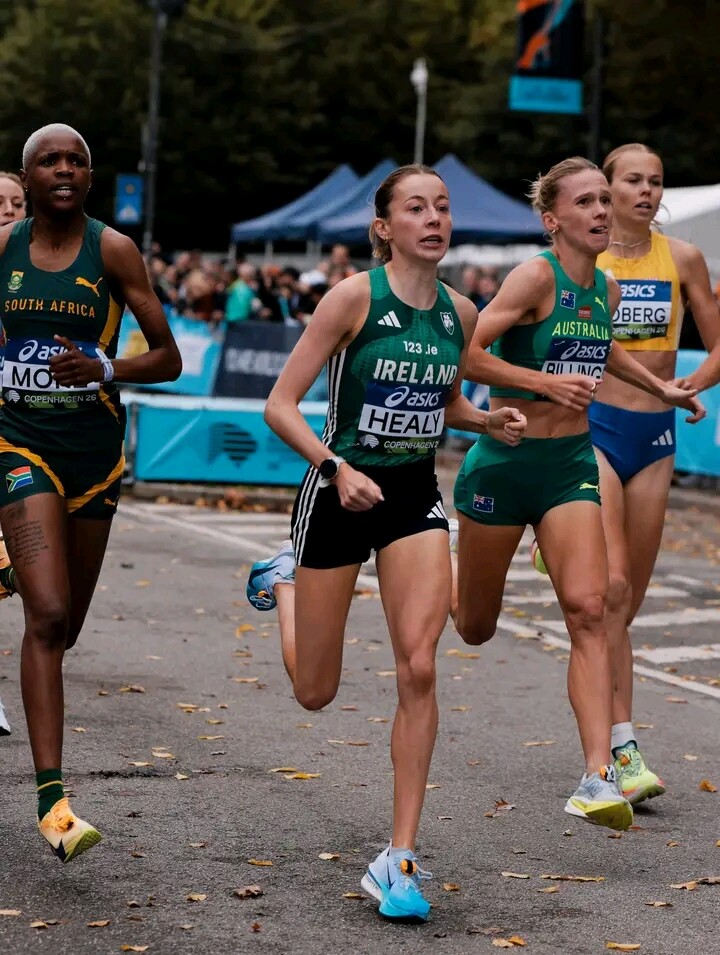
Cherop first announced herself as a major international talent at the 2018 World U20 Championships in Tampere, Finland, where she won silver in the women’s 1500m in 4:10.73. She finished behind Ethiopia’s Alemaz Samuel, with Switzerland’s Delia Sclabas taking bronze.
Now, eight years later, Cherop has added a senior global medal to that junior silver, completing a remarkable journey from the junior podium in Tampere to the senior podium in Copenhagen.
Her bronze in Copenhagen was also a season’s best, underlining the quality of her performance against a world-class field. Cherop remained in medal contention deep into the race before holding her position through the decisive final stages.
The Copenhagen race was a tactical battle for much of the distance, with the leading athletes refusing to make a decisive move too early. The pack stayed closely bunched through 800 metres before the race began to unravel in the closing stages.
Guillemot’s patience ultimately proved decisive. With little more than 20 seconds of racing remaining, the Frenchwoman moved to the front and accelerated hard, quickly creating daylight between herself and the chasing group.
Behind her, Hailu secured silver while Cherop fought her way to bronze, giving Kenya another moment to celebrate on the world stage.
The result represents another important chapter in Cherop’s career. From a World U20 silver medal in Tampere in 2018 to a senior World Road Running Championships bronze in Copenhagen in 2026, eight years have separated two global podium appearances — but the determination to remain among the best has endured.
For Guillemot, meanwhile, Copenhagen provided the perfect ending to a demanding season. The Frenchwoman had already competed at major championships and international meetings across track, cross country and road racing before producing her biggest moment of the year on the streets of Copenhagen.
The home crowd also had reason to celebrate as Denmark’s Annemarie Nissen finished fourth in a personal best of 4:26.78, while Kenya’s Naomi Korir followed in fifth with another personal best of 4:29.15.
In the end, Guillemot’s perfectly timed attack delivered France a world champion, Hailu claimed another global silver, and Cherop completed a remarkable eight-year journey back to the world podium.
From junior silver in Tampere to senior bronze in Copenhagen, Mirriam Cherop’s story has entered another memorable chapter — and Kenya once again has a global medal to celebrate.
Women’s Road Mile Top 5 — Copenhagen 2026
1. Agathe Guillemot (France) — 4:22.74 — World Lead, European Record
2. Freweyni Hailu (Ethiopia) — 4:24.35 — Season Best
3. Mirriam Cherop (Kenya) — 4:25.71 — Season Best
4. Annemarie Nissen (Denmark) — 4:26.78 — Personal Best
5. Naomi Korir (Kenya) — 4:29.15 — Personal Best
The women’s mile in Copenhagen delivered a compelling championship race, combining tactical patience, a dramatic late surge and a closely contested battle for the medals. Agathe Guillemot’s decisive finish secured the world title, Freweyni Hailu added another global silver to her résumé, while Mirriam Cherop completed the podium after a determined performance. With a world-leading time, a European record and a tightly fought medal battle, the race provided a memorable highlight of the World Athletics Road Running Championships.
by Erick Cheruiyot for My Best Runs.
Login to leave a comment
Cameron Myers Takes A Bold Step Into The 1500m Future With Josh Kerr As His Benchmark
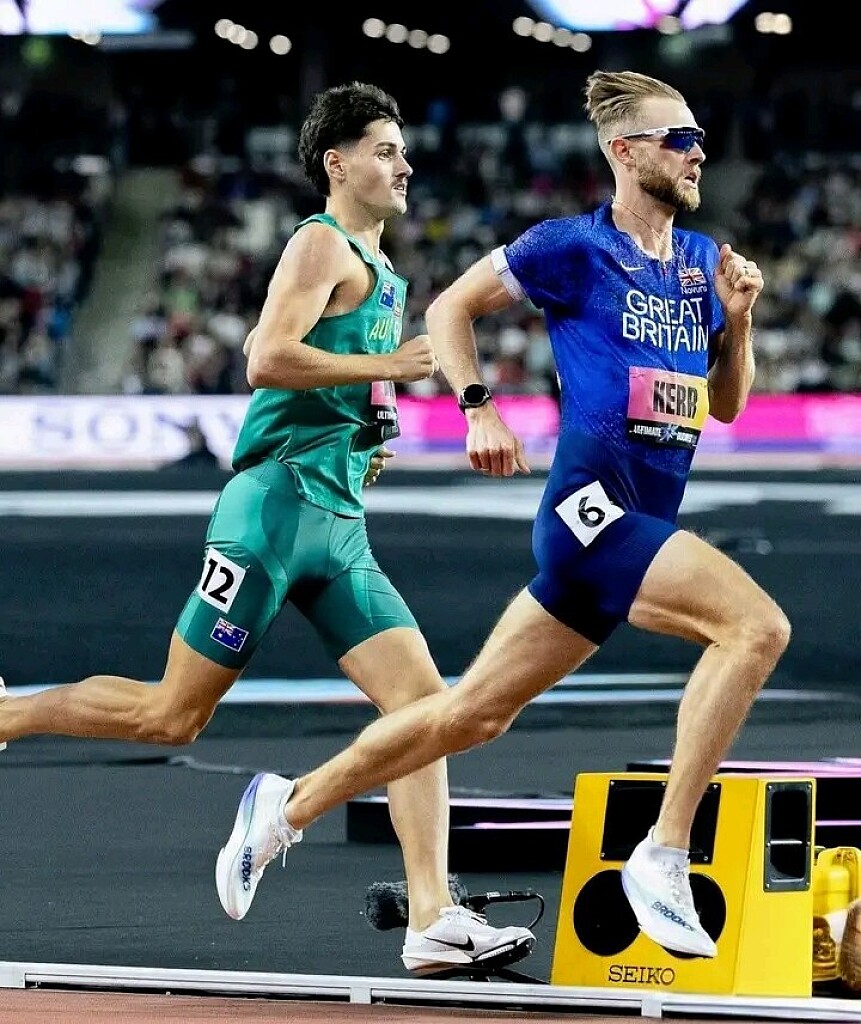
Australian youngster Cameron Myers may have taken an important step toward establishing himself among the next generation of 1500m stars after sharing the track with world-record holder Josh Kerr at the World Athletics Ultimate Championship in Budapest.
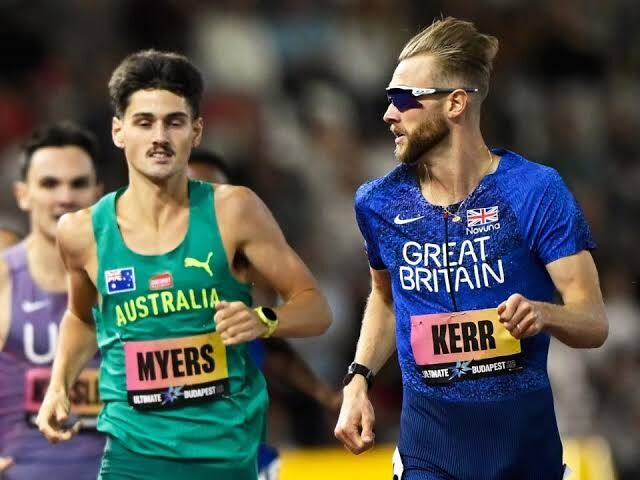
Myers arrived at the high-profile race with plenty of promise already surrounding his name, but competing directly against one of the world's leading middle-distance runners offered him a different kind of test. Rather than being intimidated by the occasion, the young Australian embraced the challenge and showed that he is willing to measure himself against the very best.
As the race entered its decisive stages, Myers remained firmly in contention. With 200 metres remaining, he believed he had a genuine opportunity to challenge Kerr, setting the stage for a dramatic finish between experience and emerging talent.
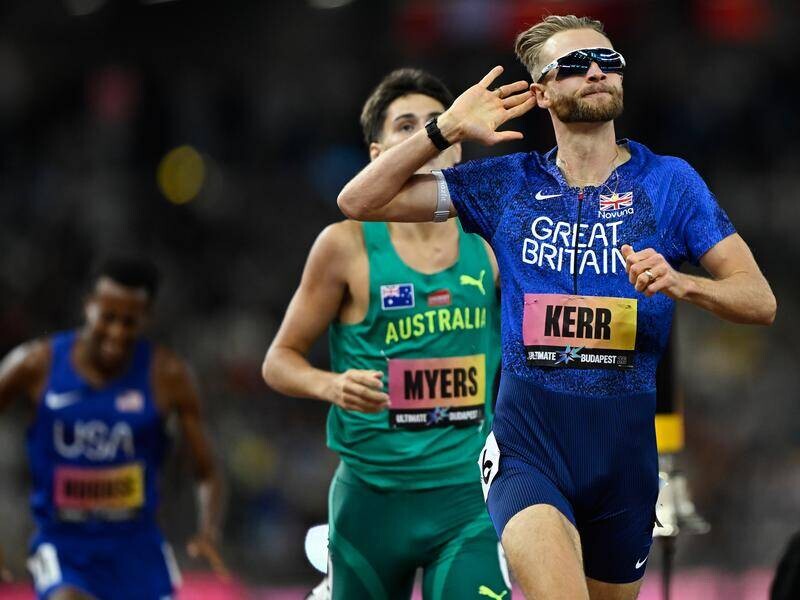
However, Kerr demonstrated exactly why he has established himself at the top of the event. When the race reached its final 60 metres, the British star unleashed his trademark finishing speed and began to pull away, ultimately denying Myers the chance to fight for victory all the way to the line.
For Myers, though, the significance of the race went beyond the final result. The experience gave him a valuable glimpse of the level he hopes to reach in the coming years and, perhaps more importantly, strengthened his belief that he can eventually compete with athletes of Kerr's calibre.
“It was exciting to race him. He was just too strong and that shows why he is a world record holder. I think that's where I want to go in the future,” Myers said.
Those words underline the ambition of an athlete who is still at the beginning of his senior journey. Instead of viewing Kerr's late surge simply as a defeat, Myers appeared to see it as a lesson — a first-hand demonstration of the strength, confidence and finishing ability required to succeed at the highest level.
The Australian now knows exactly what separates him from one of the world's elite 1500m runners. That knowledge could prove invaluable as he continues to develop, gain experience and sharpen his own finishing speed.
Myers' journey is therefore one worth watching closely. He has already shown that he is prepared to line up alongside established champions, and his willingness to learn from those encounters could become one of the defining features of his progression.
For now, Josh Kerr remains the benchmark Myers wants to reach. But if the young Australian continues developing at his current trajectory, today's challenger could eventually become tomorrow's target for the rest of the 1500m field.
Cameron Myers has already seen the level he wants to reach. The next chapter will be about closing the gap.
by Erick Cheruiyot for My Best Runs.
Login to leave a comment
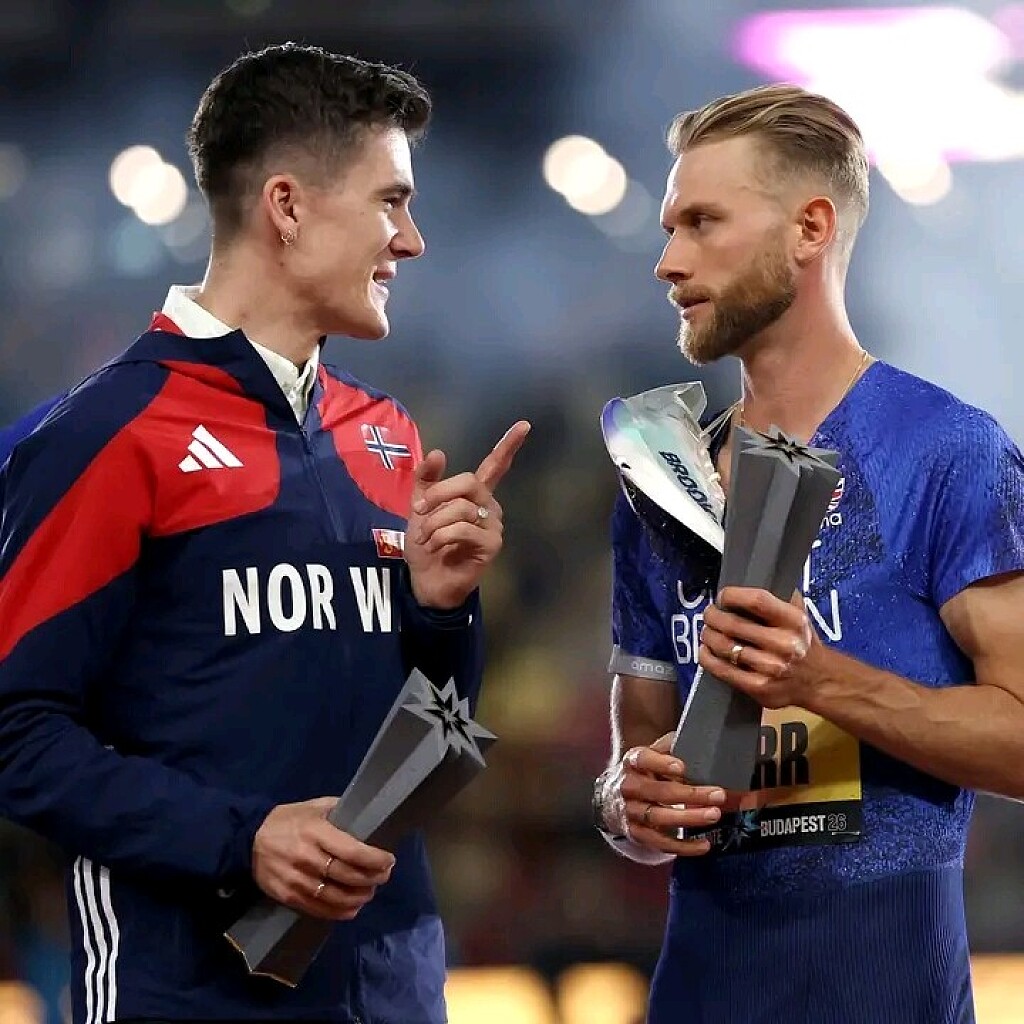
Jakob Ingebrigtsen And Josh Kerr Shared A Light Moment After Budapest Triumphs
Jakob Ingebrigtsen and Josh Kerr may be among the fiercest rivals in modern middle-distance running, but their encounter at the World Athletics Ultimate Championship in Budapest produced a lighter and more humorous moment between two of the sport’s biggest stars.
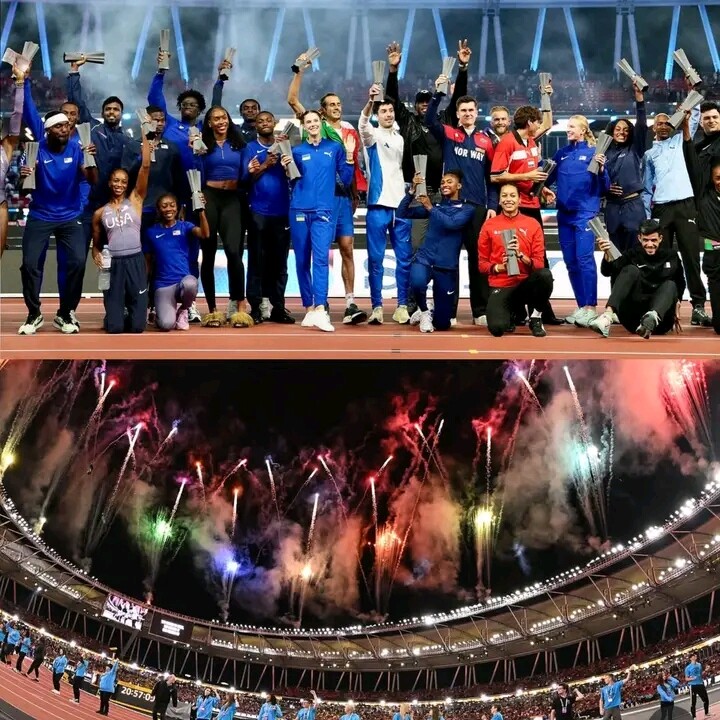
After Kerr secured the men’s 1500m title, he was placed alongside Ingebrigtsen during the final-night presentations. The Norwegian had already captured the 5000m crown, powering to victory in 12:59.24 with a characteristic late surge to complete his Budapest campaign on a high.
The moment was particularly intriguing given the history between the two athletes. Their rivalry has delivered some of the most memorable 1500m battles of recent years, with Kerr famously defeating Ingebrigtsen to claim the world title in Budapest in 2023.
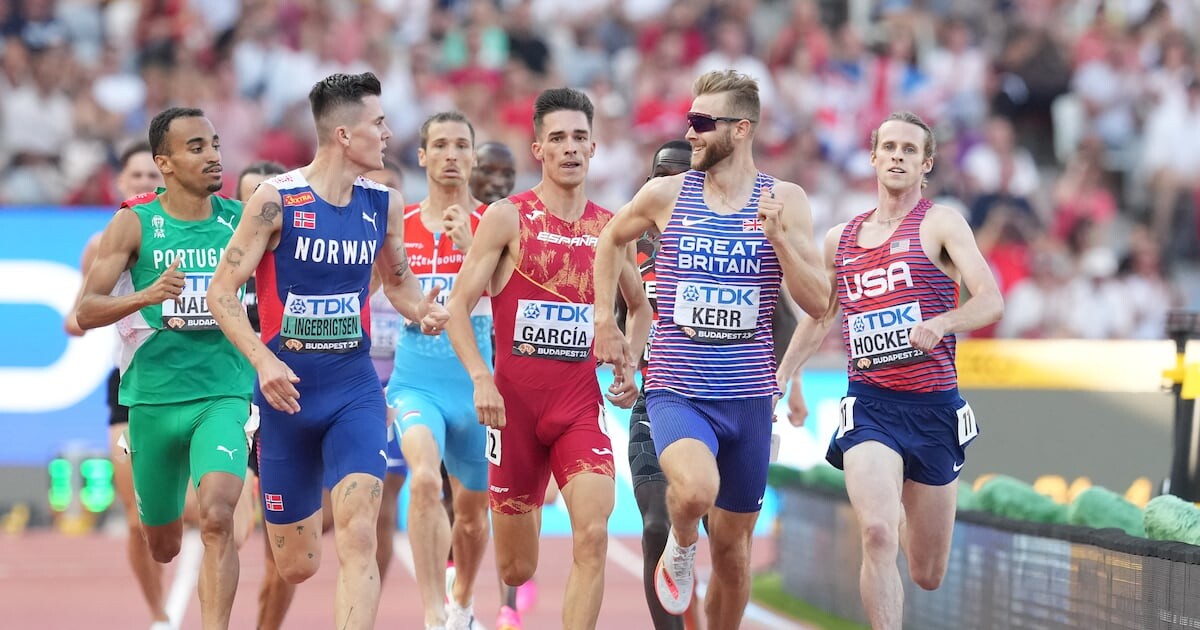
Ingebrigtsen had initially been expected to feature in the 1500m as well, potentially setting up another highly anticipated showdown with Kerr. However, the Norwegian ultimately withdrew from the event, leaving Kerr to take centre stage and add another major title to his résumé.
With the two champions eventually standing side by side during the closing presentations, Kerr was asked what he had said to his long-time rival.
His response was short, cheeky and perfectly timed:
“I said he was a great 5km runner.”
The playful comment carried an obvious hint of their long-running rivalry, particularly given that both athletes have repeatedly battled for supremacy over 1500m while Ingebrigtsen has also established himself as one of the world’s leading 5000m runners.
The light-hearted mood continued on social media, where Ingebrigtsen shared a playful exchange highlighting his sense of humour away from the track.
A comment praising him read: “Jakob, you are so funny and amazing in your post-race interviews..”
Ingebrigtsen responded with his trademark confidence and humour: “I know. It is almost unbelievable.”
He then reflected on his Budapest experience, writing: “Thank you Ultimate Athletics Championship See you next year”
For Ingebrigtsen, Budapest ended with another major 5000m triumph and a memorable interaction with one of his biggest rivals. For Kerr, the Ultimate Championship delivered another 1500m title and yet another chapter in an already remarkable career.
What has so often been a fierce rivalry on the track was replaced, at least for one memorable moment, by humour and a touch of mutual respect between two champions.
Different victories, different paths — but two of the sport’s biggest stars sharing the same stage in Budapest.
by Erick Cheruiyot for My Best Runs.
Login to leave a comment
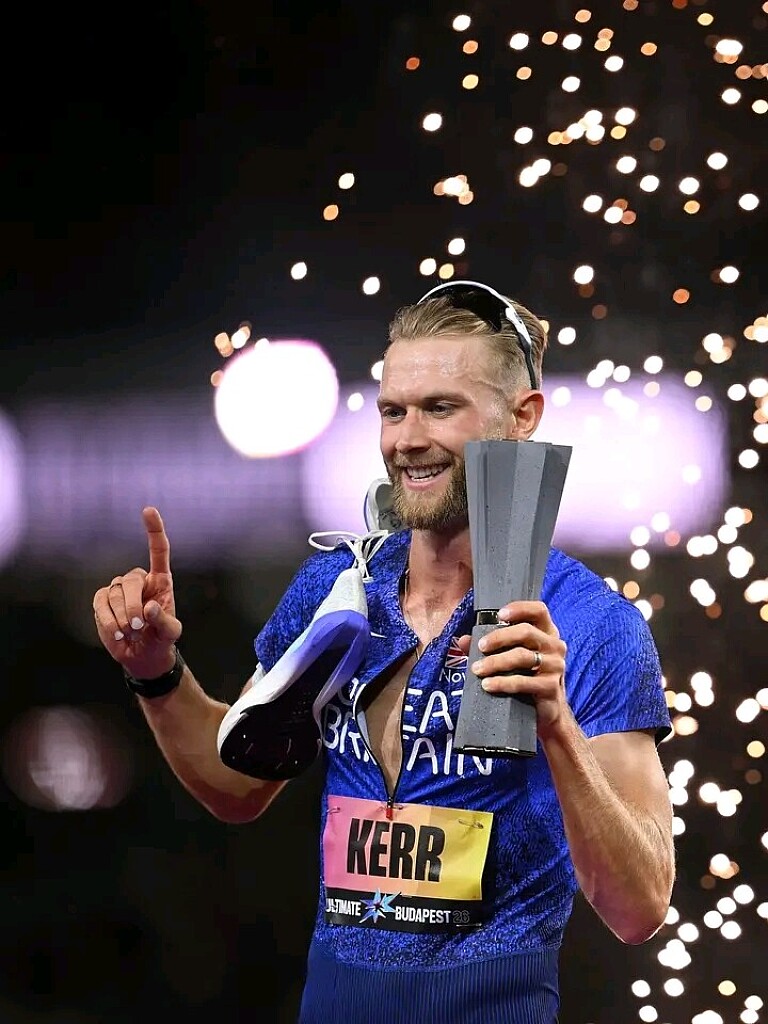
Josh Kerr Does It Again In Budapest As British Star Claims Ultimate 1500m Crown
“I’m not going to lose.” He said it. Then he delivered.
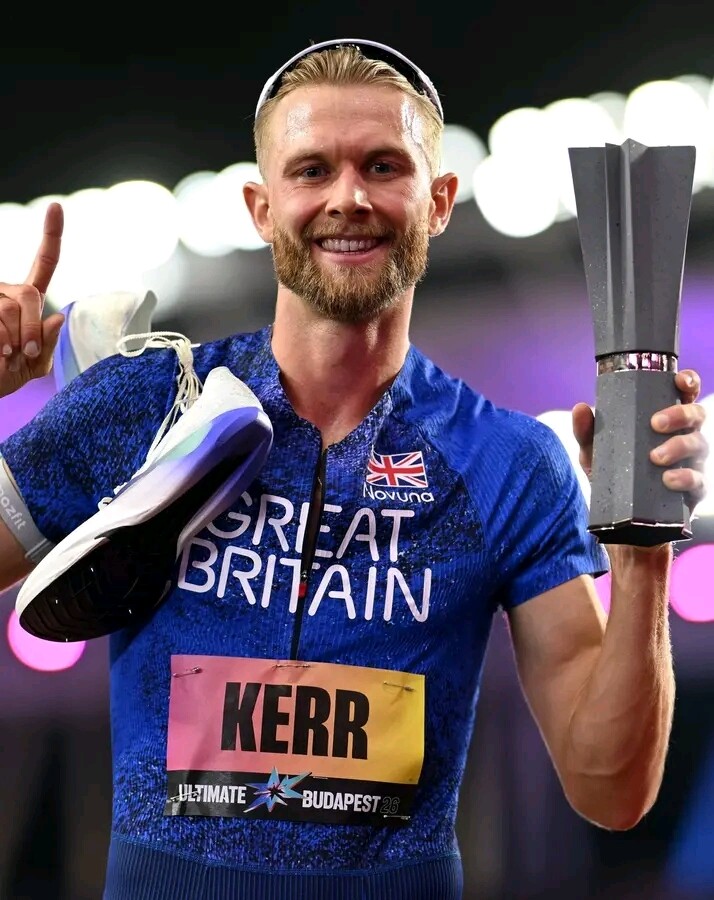
Josh Kerr has conquered Budapest once again, adding another huge title to an extraordinary 2026 season by winning the men’s 1500m at the inaugural World Athletics Ultimate Championship.
The British world mile record-holder produced a superb 3:29.35 to take the Ultimate Championship crown, using a devastating final kick to hold off Australia’s rising star Cameron Myers in the closing stages.
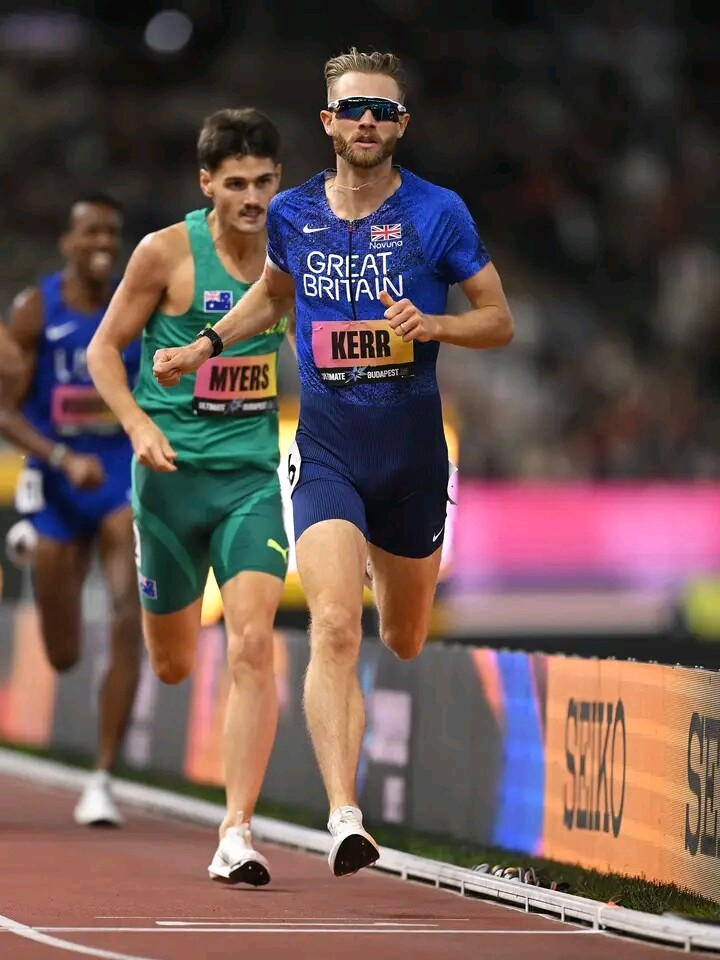
Myers pushed Kerr all the way to the finish, but the British star remained composed under pressure before finding another gear when it mattered most. The Australian crossed the line in 3:29.68 to secure second place, just 0.33 seconds behind the champion.
American Hobbs Kessler completed the podium in 3:30.73, while Olympic champion Cole Hocker finished fourth in 3:30.74, narrowly missing out on a medal by just one hundredth of a second.
For Kerr, the victory carries an added layer of significance because Budapest has already played a defining role in his career.
It was here in 2023 that Kerr produced one of the biggest shocks of that year’s World Championships, stunning Jakob Ingebrigtsen to become the world champion over 1500m. Three years later, he has returned to the same city and conquered it again.
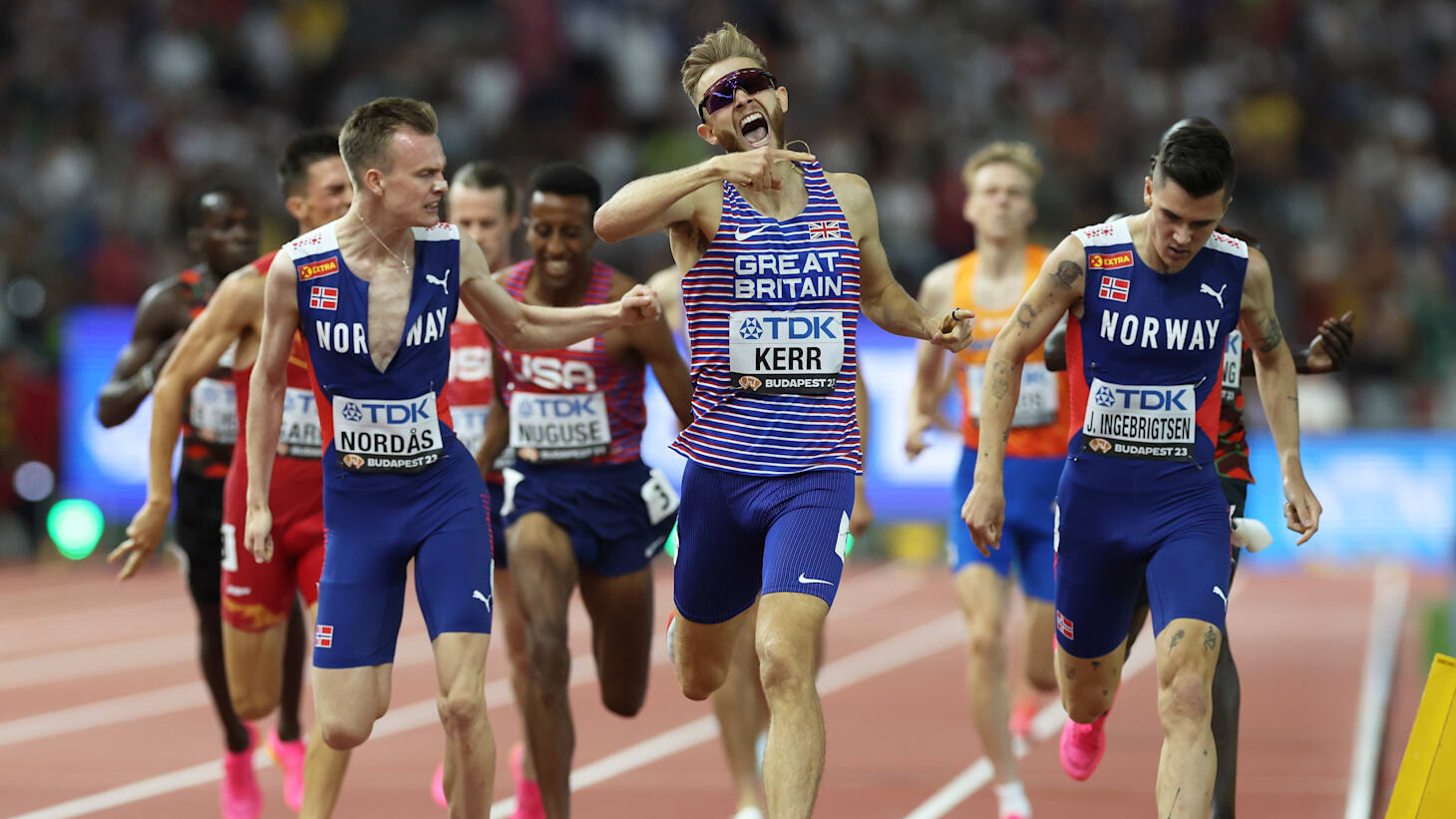
Budapest belongs to Kerr once more.
The British star arrived at the Ultimate Championship after putting together a remarkable 2026 campaign. Among the highlights was his sensational 3:42.66 mile world record in London, where he finally broke a mark that had stood for 27 years.
Kerr also added Commonwealth Games gold to his growing collection of major honours, further establishing himself as one of the dominant middle-distance athletes of his generation.
The Budapest final was expected to provide another chapter in the growing rivalry between Kerr and Ingebrigtsen. However, Ingebrigtsen’s late withdrawal meant the much-anticipated rematch never materialised.
Even without the Norwegian superstar, Kerr had no shortage of formidable opposition. The field featured Olympic champion Cole Hocker, world champion Isaac Nader and Yared Nuguse, while Myers arrived as one of the most exciting young talents in international middle-distance running.
The unique Ultimate Championship format also raised the stakes. With no heats and no second chances, every athlete had only one opportunity to deliver on the biggest stage.
Kerr appeared to embrace that pressure.
Rather than allowing the quality of the field to dictate the race, he stayed patient and waited for the decisive moment. As the final metres approached, the British star unleashed the finishing speed that has become one of his greatest weapons.
Myers fought desperately to stay with him, but Kerr had done enough.
The 3:29.35 winning time was not simply another fast performance. It was another demonstration of Kerr’s championship instincts and his ability to produce when everything is on the line.
For Myers, the silver medal represents another major breakthrough and a strong statement from the young Australian. His 3:29.68 shows that he is increasingly capable of challenging the established stars of the 1500m.
Kessler’s bronze added another impressive result to his career, while Hocker’s fourth-place finish underlined just how competitive the final was, with less than a second separating him from the champion.
Yet the night ultimately belonged to one man.
From the streets of Budapest in 2023 to the Ultimate Championship final three years later, Kerr has once again made the Hungarian capital his stage.
Another big race. Another Josh Kerr victory.
He arrived saying, “I’m not going to lose.”
Then he delivered.
Josh Kerr is the inaugural World Athletics Ultimate Championship 1500m champion — and Budapest belongs to him again.
by Erick Cheruiyot for My Best Runs.
Login to leave a comment
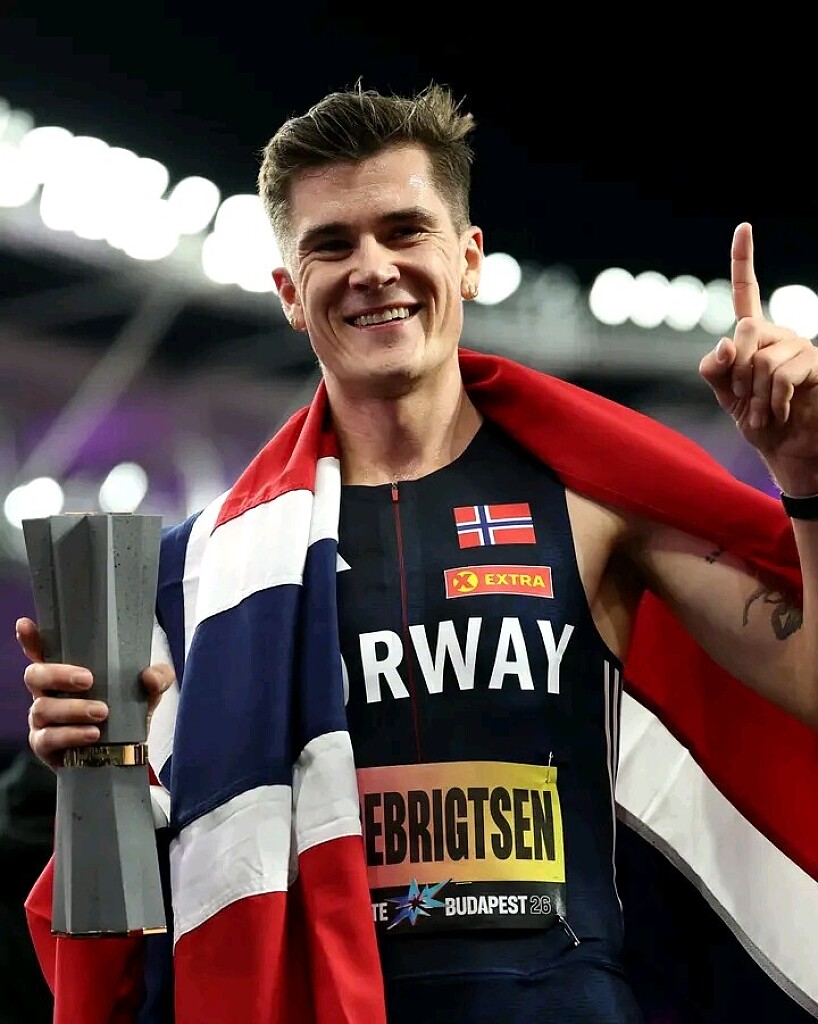
Jakob Ingebrigtsen Withdraws From Budapest 1500m After Stunning 5000m Victory: “Fitness Cannot Be Faked”
Jakob Ingebrigtsen has made a major decision regarding the remainder of his World Athletics Ultimate Championship campaign, confirming that he will withdraw from the men’s 1500m in Budapest despite producing a sensational performance to win the 5,000m title.
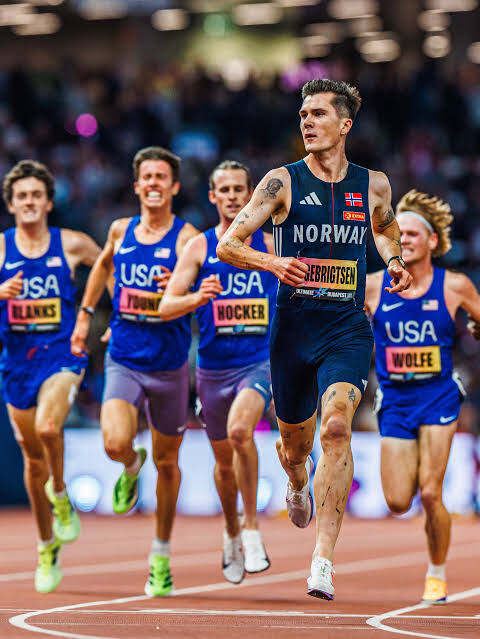
The Norwegian superstar stormed to victory in the inaugural Ultimate Championship 5,000m on Friday night, clocking a season-best 12:59.24 and delivering a devastating finishing kick to defeat Olympic 5,000m champion Cole Hocker and American Parker Wolfe.
Ingebrigtsen’s final 100 metres was arguably the defining moment of the race. The Olympic champion produced a remarkable 12.60-second closing 100m, powering away from the field to secure the $150,000 winner’s prize and underline just how far his fitness has progressed since returning from Achilles surgery.
The victory was particularly significant after what has been an extremely difficult period for the 25-year-old. Earlier in the season, Ingebrigtsen faced serious uncertainty over whether he would even be able to compete at the highest level again. His return has gradually gathered momentum, and his performance in Budapest offered perhaps the clearest indication yet that the Norwegian is rediscovering his formidable racing ability.
But rather than risk pushing his recovering body further, Ingebrigtsen has now opted to step away from the 1500m.
The decision means the highly anticipated showdown with British rival Josh Kerr will not take place in Budapest after all. The two stars had been expected to renew one of the biggest rivalries in modern middle-distance running in the 1500m final.

Instead, Ingebrigtsen is looking beyond the immediate opportunity and towards the bigger picture.
“I’m thinking about 2027… Fitness cannot be faked,” the Norwegian said, signalling that protecting his long-term condition has become more important than chasing another major victory only days after his return to peak-level competition.
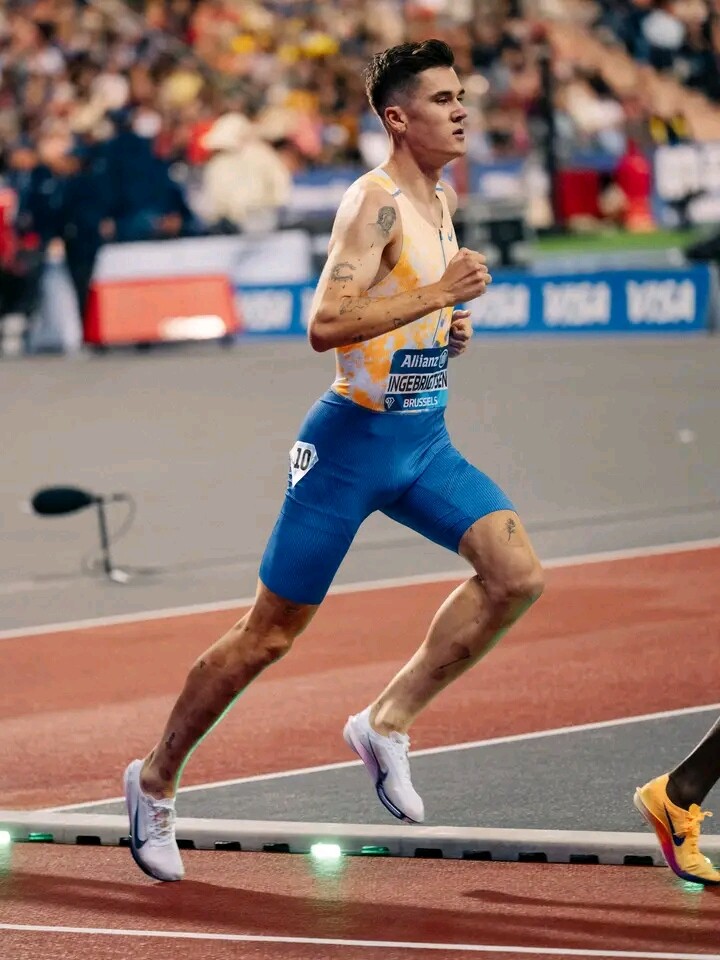
The decision comes just one week after an emotionally charged Diamond League Final in Brussels, where Ingebrigtsen finished fourth in the 1500m behind Australia’s Cameron Myers, Kenya’s Phanuel Kipkosgei Koech and American Ethan Strand.
After that race, Ingebrigtsen delivered a fiery assessment of his rivals and questioned the tactics surrounding the pacemaking, particularly involving Hocker. He later acknowledged that there had been “a little too much adrenaline and emotion” when microphones were placed in front of him immediately after the race.
Yet his latest decision shows that beneath the emotion and competitive intensity lies a longer-term strategy.
Ingebrigtsen has already demonstrated that he can compete at an elite level again. His 12:59.24 in Budapest was not simply a victory — it was a statement that the Norwegian remains capable of producing a world-class finish even after months of injury rehabilitation.
Now, however, he is choosing not to gamble with that progress.
For a runner who has spent much of the year fighting his way back from injury, another 1500m race could have offered enormous rewards but also carried unnecessary risk. By withdrawing, Ingebrigtsen is effectively prioritising longevity over one more opportunity for immediate glory.
His message is clear: the comeback is underway, but it will not be rushed.
The 5,000m victory has given Ingebrigtsen confidence, momentum and perhaps, most importantly, proof that his body can once again handle elite competition.
Now comes the harder part — knowing when to stop.
With 2027 already firmly in his sights, the Norwegian has chosen recovery over risk. And after everything he has endured, that could ultimately prove to be one of the most important decisions of his comeback.
Jakob Ingebrigtsen is not walking away from the sport. He is protecting his future in it.
by Erick Cheruiyot for My Best Runs.
Login to leave a comment

Jakob Ingebrigtsen Completes Remarkable Comeback With Ultimate 5000m Gold
Eleven months away from racing. Achilles surgery. Just six weeks of serious training.
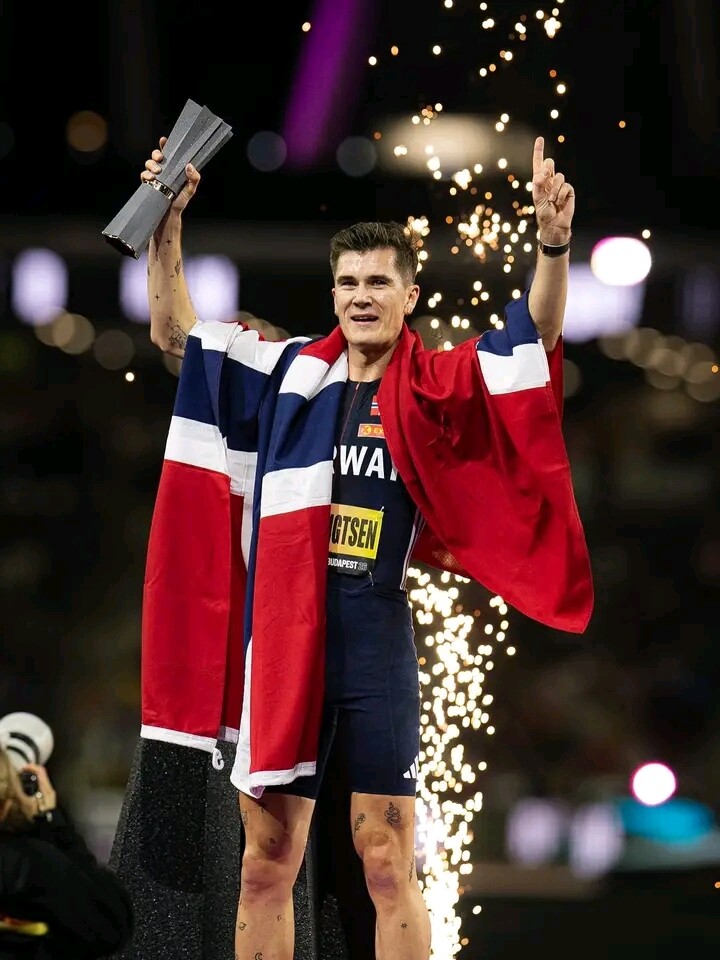
Now, Jakob Ingebrigtsen is an Ultimate Champion.
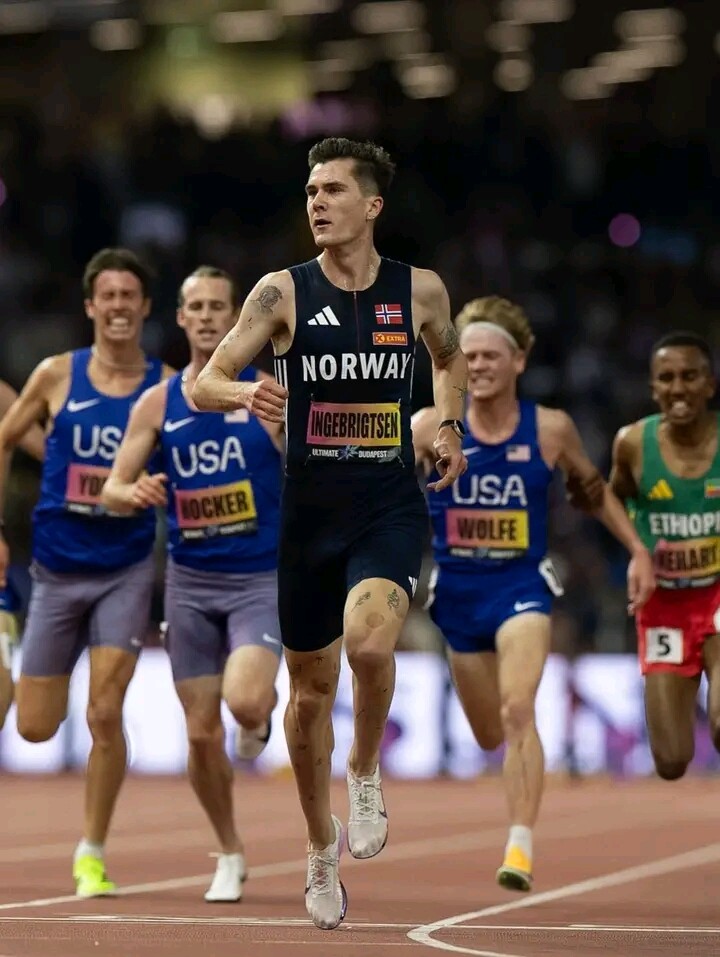
The Norwegian star delivered a stunning performance in Budapest, winning the men’s 5000m at the inaugural World Athletics Ultimate Championship in 12:59.24.
It was a race that demanded patience, tactical intelligence and a perfectly timed finish—qualities Ingebrigtsen has repeatedly demonstrated throughout his career.
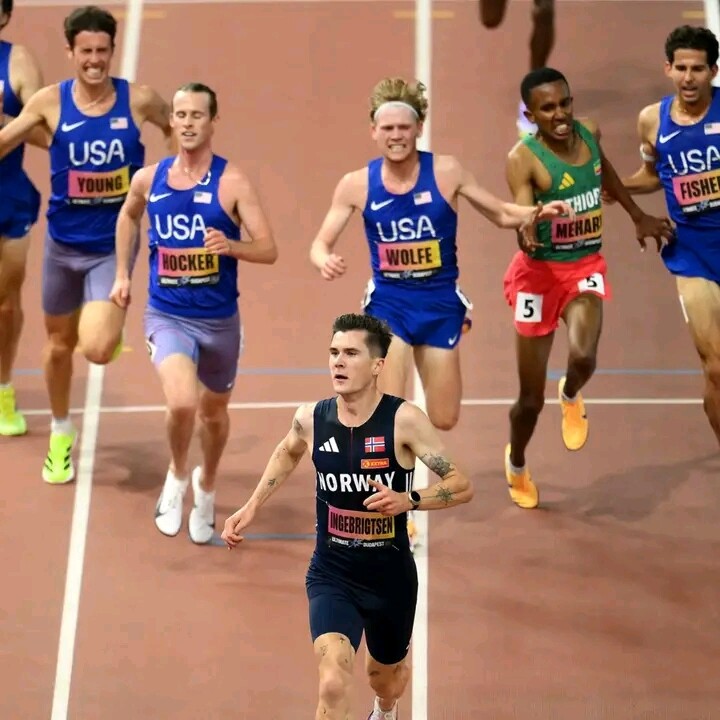
Rather than forcing the pace from the front, Ingebrigtsen stayed towards the back of the field and waited as the race unfolded. He remained composed while the leading group battled for position, conserving his energy for the moment that mattered most.
That moment came in the final straight.
Ingebrigtsen unleashed his trademark finishing speed, powering past his rivals and holding off a determined challenge from American star Cole Hocker to secure the gold medal.
Hocker finished second in 13:00.05, while fellow American Parker Wolfe took third in 13:00.13. The result gave Ingebrigtsen another major title in a season that began with serious questions about how quickly he could return to his best.
His comeback has been extraordinary.
After nearly 11 months away from competition and a spell on the sidelines following Achilles surgery, Ingebrigtsen returned to racing with limited preparation. Just six weeks of serious training stood between him and his return to the highest level.
Yet he has already transformed that uncertainty into success.
The victory in Budapest also adds another fascinating chapter to his rivalry with Hocker. The American, who has established himself among the world's leading middle-distance runners, will get another opportunity to challenge Ingebrigtsen when the pair meet again in the 1500m later this weekend.
The 5000m may belong to Norway, but the rivalry is far from over.
For Ingebrigtsen, the message from Budapest is clear: the long road back has not weakened his competitive instincts. If anything, it has made his return even more impressive.
He waited. He watched. He chose his moment.
And when it was time to strike, Jakob Ingebrigtsen did what Jakob Ingebrigtsen does best—he finished the job.
by Erick Cheruiyot for My Best Runs.
Login to leave a comment

Daniel Komen and Cameron Myers: Two Generations, One Extraordinary Gift for Speed
Athletics has a remarkable way of connecting generations.
Sometimes, decades apart, two athletes emerge with a rare combination of speed, endurance and fearlessness that makes the extraordinary appear almost effortless. Kenya’s Daniel Komen and Australia’s Cameron Myers are separated by an era and a continent, but their careers share one fascinating thread — an exceptional ability to run incredibly fast over middle and long distances.
Daniel Komen — the Kenyan phenomenon
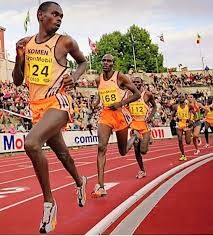
During the 1990s, Daniel Komen was one of the most feared distance runners on the planet.
At just 20 years old, Komen produced a performance that would become one of the defining moments of his career, running 7:20.67 for 3000m in Rieti, Italy, in 1996. The world record remained untouched for nearly 28 years before Jakob Ingebrigtsen finally broke it in 2024.
Komen followed that achievement with another performance that remains etched in distance-running history. In 1997, he ran 7:58.61 for two miles in Hengelo, becoming the first man to break the eight-minute barrier over the distance.
His brilliance was not limited to one event.
Komen possessed an extraordinary range, becoming only the second man after Algeria’s Saïd Aouita to break 3:30 for 1500m, 7:30 for 3000m and 13 minutes for 5000m.
Those performances established Komen as one of the most versatile and naturally gifted distance runners of his generation.
Cameron Myers — Australia's rising star
Almost three decades later, another young runner is beginning to capture the imagination of the athletics world.
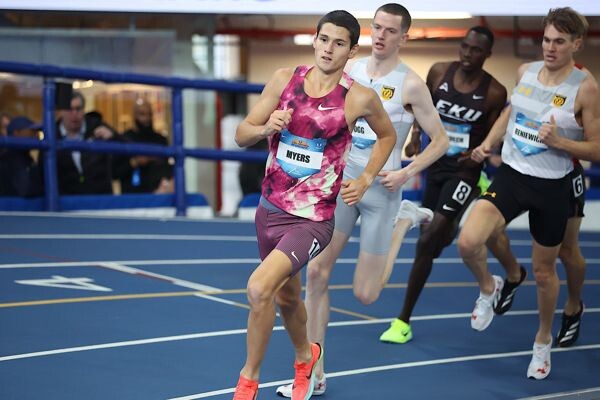
Cameron Myers first made headlines as a teenager when, at 16, he ran 3:55.44 for the mile. The performance made him the second-youngest athlete ever to break four minutes for the distance and confirmed that Australia had a remarkable middle-distance talent on its hands.
But Myers has not allowed the hype surrounding his teenage achievements to define him.
Now 20, he is increasingly proving himself against the world's best senior athletes.
His breakthrough continued in 2026 when he produced a spectacular 3:28.00 personal best for 1500m in Paris, firmly establishing himself among the world's elite over the distance.
Then came Brussels.
At the Diamond League Final on September 4, Myers delivered perhaps the biggest statement of his young career, winning the 1500m in 3:30.14 against a world-class field. The victory came in a race featuring some of the biggest names in the event, including Jakob Ingebrigtsen and Olympic champion Cole Hocker.
For Myers, it was another important step from promising prodigy to established senior star.
He is no longer simply the talented teenager everyone was waiting to see develop.
Cameron Myers has arrived.
Different eras, remarkable similarities
Comparing athletes from different generations is always difficult. The competition, training methods, technology and circumstances change, and every great athlete deserves to be judged within the context of their own era.
But the similarities between Komen and Myers are still fascinating.
Komen showed the world in the 1990s that extraordinary speed could be combined with exceptional endurance. Myers is now demonstrating that same fearless approach as he takes on the strongest 1500m fields in the world.
Komen has already secured his place in athletics history.
Myers is only beginning to write his.
The Australian still has many years ahead of him, and whether he can eventually build a legacy comparable to Komen's remains impossible to predict. What is certain, however, is that his progression has already been remarkable.
From a teenager breaking four minutes for the mile to a 20-year-old running 3:28.00 and winning a Diamond League Final, Myers has moved through the ranks at extraordinary speed.
Daniel Komen was one of the athletes who made the impossible look normal. Cameron Myers now has an opportunity to create his own version of that magic.
Different generations. Different countries. Different journeys.
But one extraordinary gift — the ability to run very, very fast.
by Erick Cheruiyot for My Best Runs.
Login to leave a comment
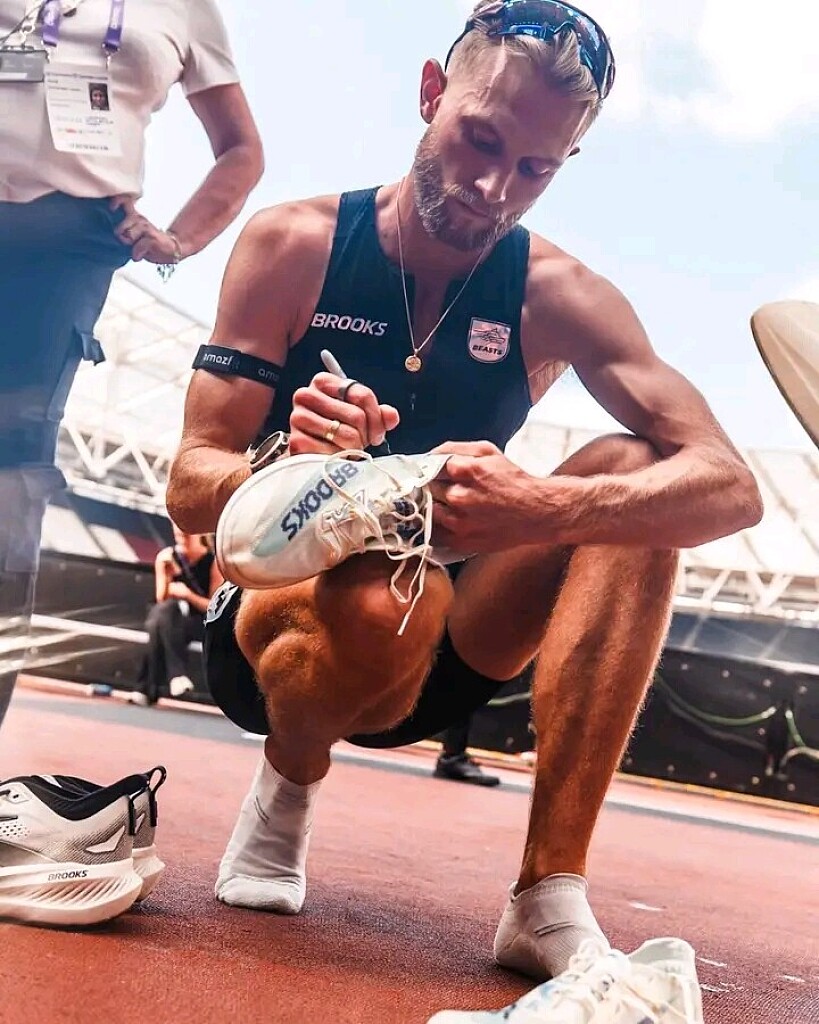
“I Wouldn’t Want to Race Me Right Now”: Josh Kerr Issues a Bold Warning Ahead of Ultimate Championship
Josh Kerr is heading into the World Athletics Ultimate Championship with confidence at an extraordinary level—and his latest comments suggest his rivals have every reason to take notice.
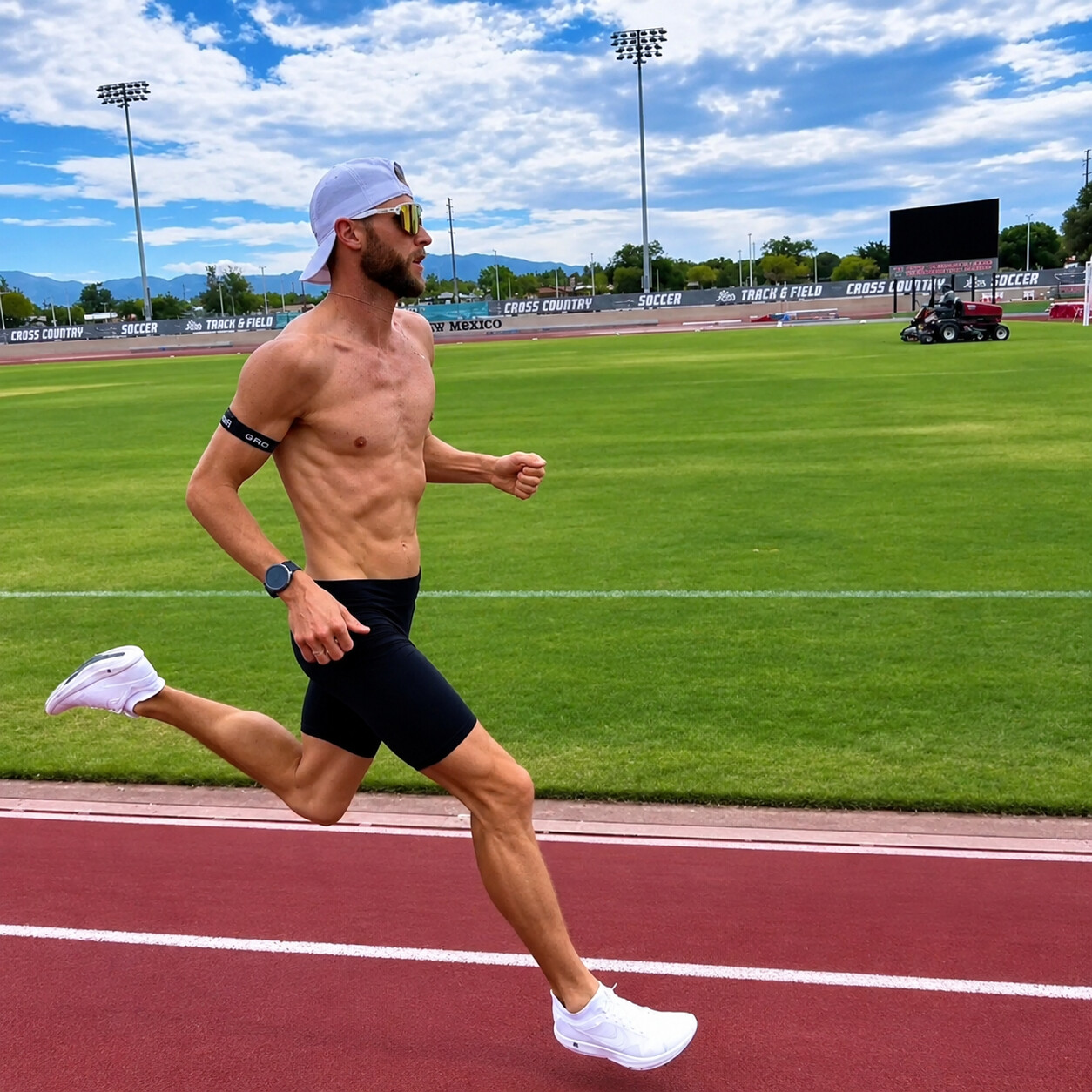
The Scottish middle-distance star, who recently made history by breaking the mile world record in London with a remarkable 3:42.66, believes he may now be in even better shape than he was on the day of that historic performance.
Speaking to BBC Sport, Kerr delivered a statement that perfectly captures his current mindset:
“I wouldn’t want to race me right now.”
It is a bold declaration, but Kerr has given himself plenty of reasons to believe it.
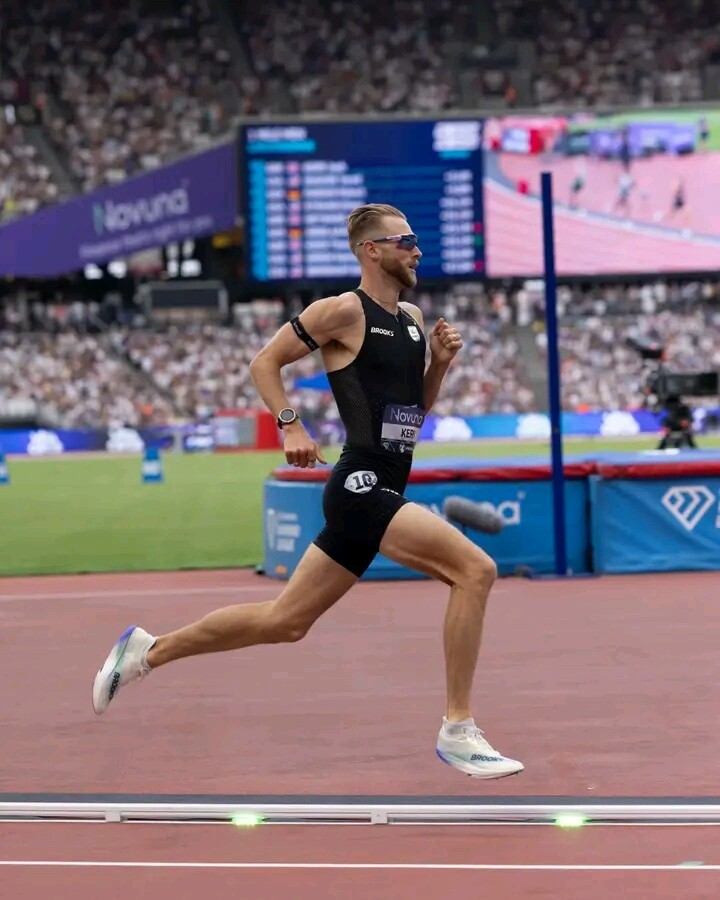
Following his ambitious Project 222 challenge and his Commonwealth gold medal success, the focus now shifts back to his specialist event—the 1500 metres. And this time, there will be no opportunity to ease into the competition.
The World Athletics Ultimate Championship presents a completely different challenge: one race, no heats and no second chances. Everything will be decided in a single, high-pressure showdown against what could be the strongest 1500m field Kerr has faced this year.
For an athlete who has already conquered major championships, broken one of the sport's most prestigious world records and continued to push the boundaries of middle-distance running, Kerr appears to be arriving at exactly the right moment.
Perhaps the most worrying sign for his rivals is not simply his recent success—but his belief that his form has continued to improve.
If Kerr truly is stronger now than when he ran 3:42.66 in London, the Ultimate Championship could produce something very special.
The confidence is unmistakable. The form appears to be there. And with only one race standing between Kerr and another major statement, the rest of the field has been put on notice.
Josh Kerr likes exactly where he is right now—and judging by his words, he is ready to make sure everyone else knows it.
by Erick Cheruiyot for My Best Runs.
Login to leave a comment
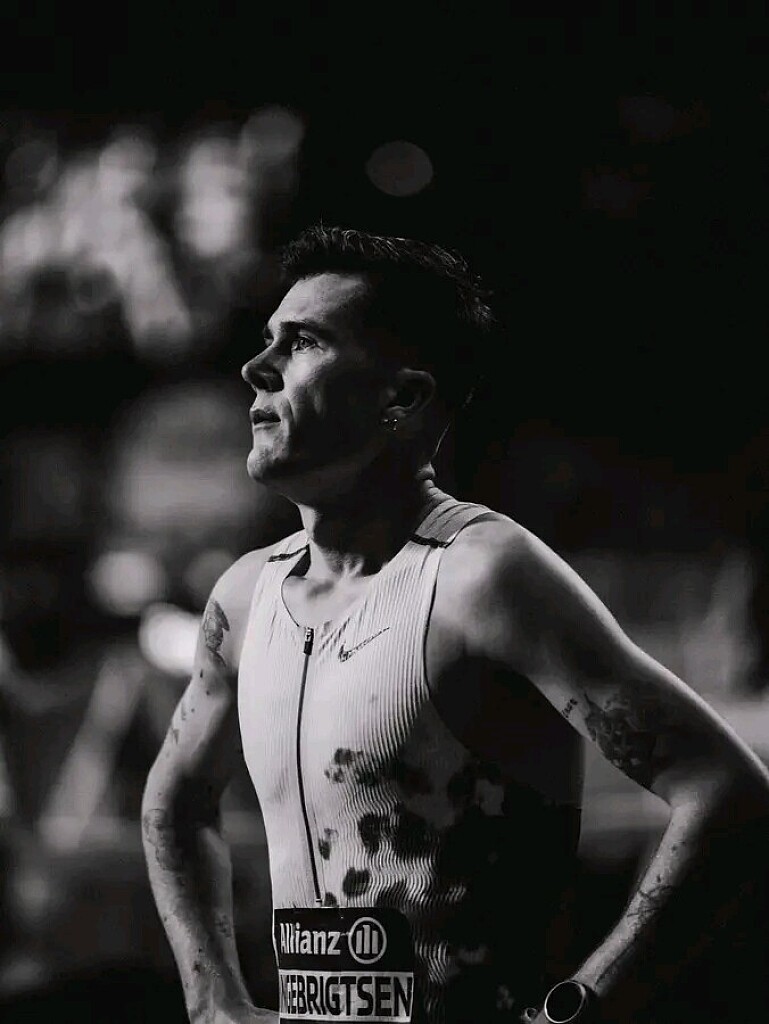
Ingebrigtsen Clarifies Fiery Brussels Outburst After 1500m Defeat: “I Will Always Call Things as I See It
Jakob Ingebrigtsen has offered a measured reflection on his explosive post-race comments following a dramatic men’s 1500m Diamond League Final in Brussels, acknowledging that adrenaline and emotion may have played a role while making it clear that his competitive fire remains as strong as ever.
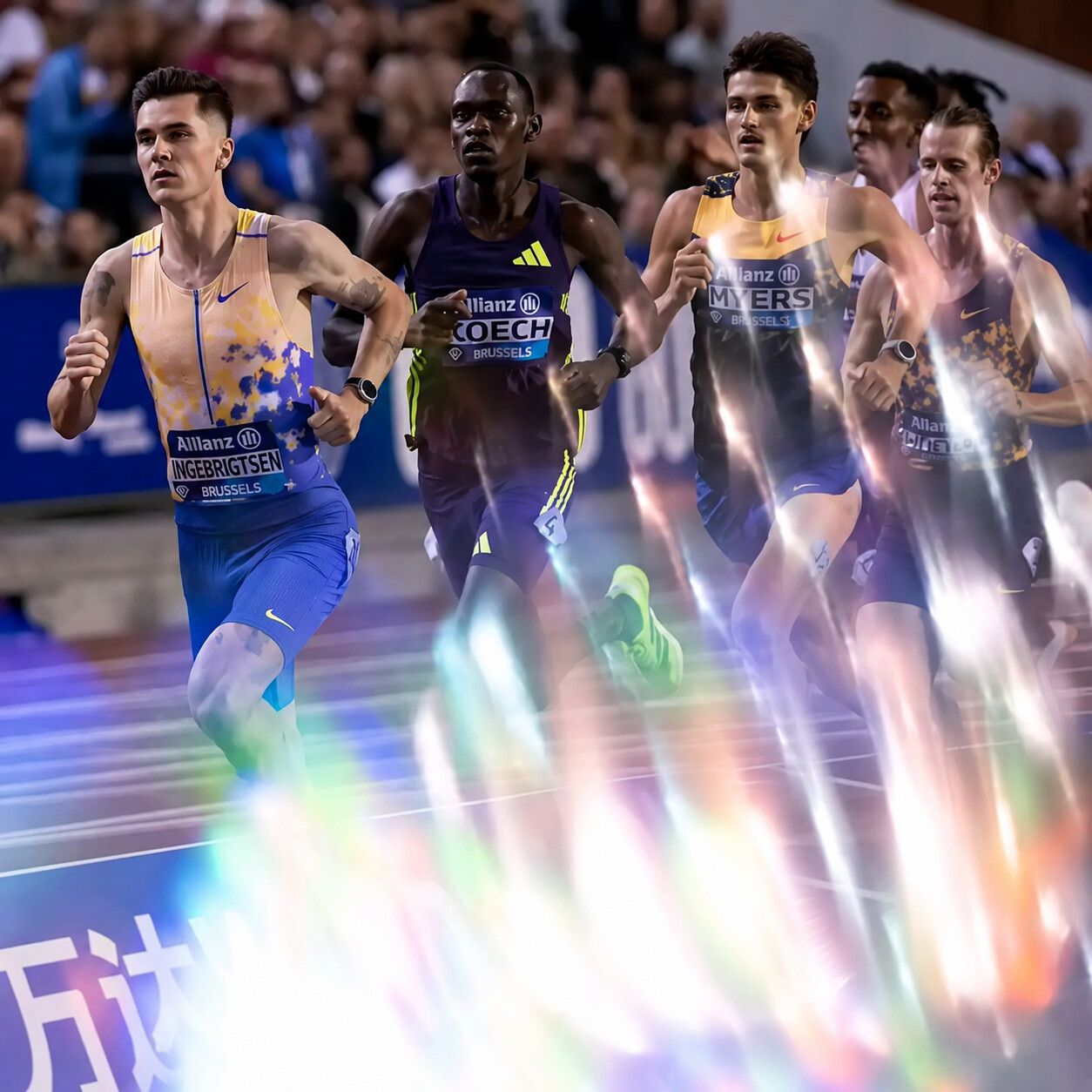
The Norwegian Olympic champion endured a frustrating night at the King Baudouin Stadium, finishing fourth in a season’s best 3:30.52 after taking responsibility for much of the race from the front. Australia’s Cameron Myers produced a perfectly timed late surge to claim the Diamond League title in 3:30.14, edging Kenya’s Phanuel Kipkosgei Koech by just 0.04 seconds, with American Ethan Strand completing the podium in 3:30.50.
Ingebrigtsen had looked capable of converting his aggressive front-running strategy into victory, but the race changed dramatically in the final stages. Myers found a narrow opening and accelerated past the Norwegian, while Koech and Strand also came through strongly as Ingebrigtsen faded over the closing metres.
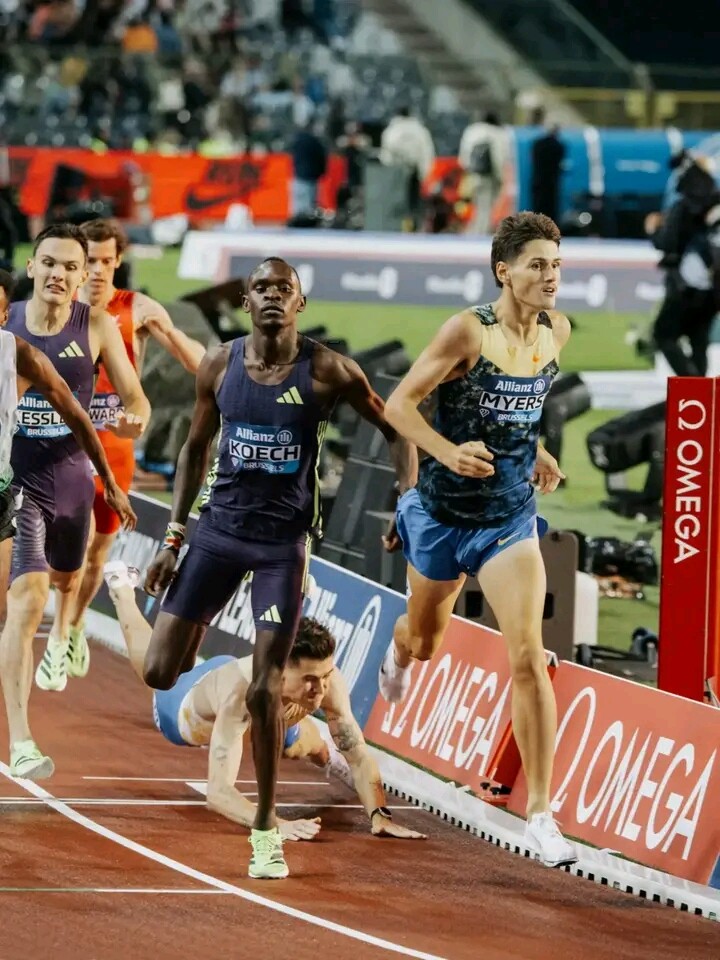
The defeat triggered an unusually fiery reaction from the 25-year-old, who criticised the tactical approach of his rivals and described himself as having raced against “a bunch of cowards”. He was particularly frustrated by what he perceived as competitors sitting back before unleashing their finishing speed when the race reached its decisive phase.
Ingebrigtsen also directed criticism towards Olympic champion Cole Hocker, questioning the way the pacing situation had unfolded and arguing that the American had influenced the pacemaking strategy to his own advantage.
However, after the emotions of the night had settled, Ingebrigtsen returned to social media with a noticeably more reflective message.
“My love for this sport can never be questioned,” he wrote, making it clear that his passionate reaction should not be interpreted as a lack of respect for athletics.
“There was maybe a little too much adrenaline and emotion when the microphones were thrown in front of me last night but I will always call things as I see it.”
The message offered an important qualification to his earlier remarks. Rather than retracting his competitive assessment, Ingebrigtsen appeared to acknowledge that the intensity of the moment had amplified his words.
He also chose to focus on the positives from his performance.
“Pushing from the front, a seasons best and feeling a little more like myself every race,” he added.
That statement is particularly significant given his difficult return to the 1500m after Achilles problems. His 3:30.52 in Brussels was his fastest performance since returning from the injury, providing evidence that his race sharpness is gradually returning despite the disappointment of missing out on the Diamond League crown.
And despite the frustration, Ingebrigtsen made it clear that the defeat has not diminished his hunger.
“Positives to take and lots of fuel for the fire.”
That final line perhaps captures the Norwegian better than anything he said immediately after the race. The fourth-place finish may have frustrated him, but it has also provided another source of motivation as he continues rebuilding his form.
He concluded his message by thanking supporters for standing behind him throughout his comeback.
“Thanks for all the support as always, it feels so good to be back!”
For Ingebrigtsen, Brussels was therefore a night of contrasting emotions: disappointment at surrendering a race he had helped control, frustration with the tactics around him, but also encouragement from a season’s best performance and the feeling that he is gradually returning to his best.
For Myers, it was a breakthrough evening and one of the biggest victories of his young career. For Ingebrigtsen, however, the story may not end with fourth place.
If his latest message is anything to go by, the defeat has simply added more fuel to an already fiercely burning competitive fire.
by Erick Cheruiyot for My Best Runs.
Login to leave a comment
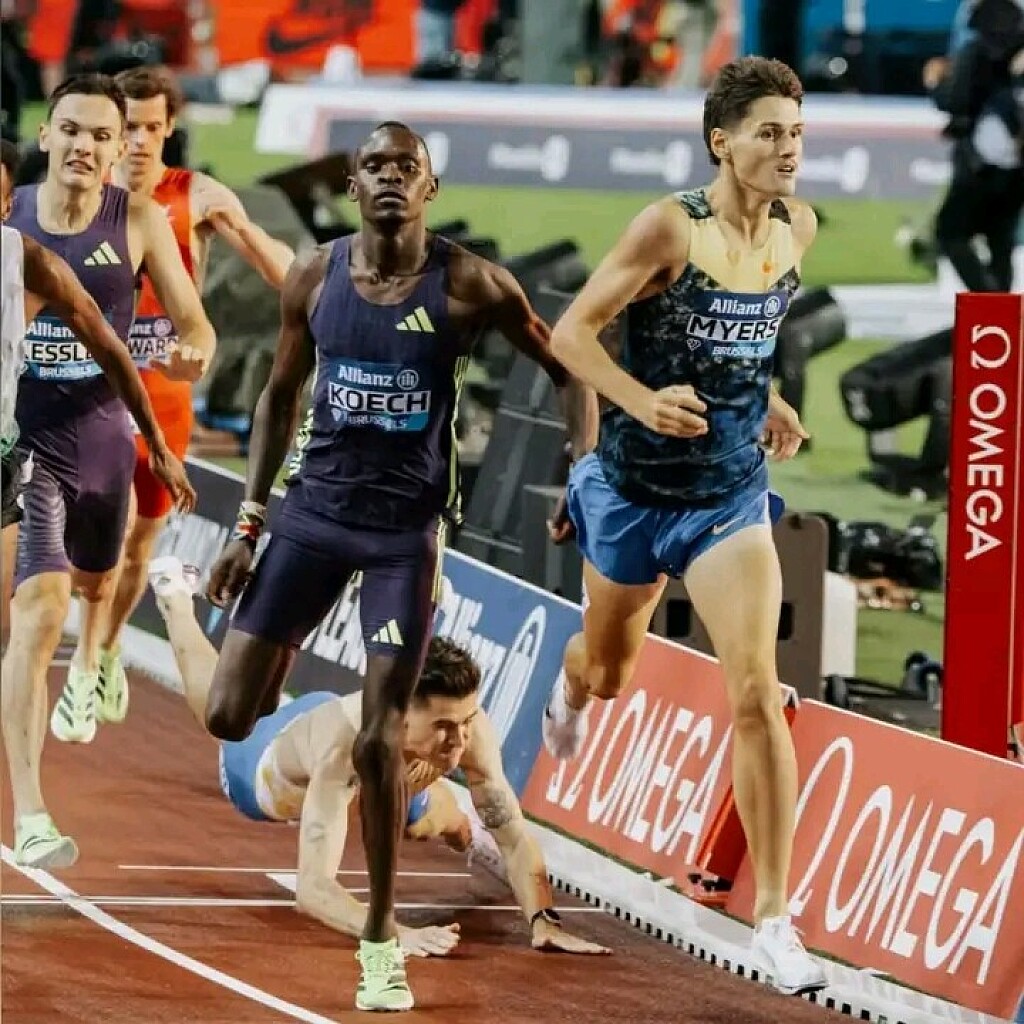
Cameron Myers Produces A Champion’s Kick To Win Thrilling Brussels 1500m Final
Cameron Myers delivered a breathtaking finish in Brussels to capture the men’s 1500m Diamond League Final title, producing a decisive late surge before dipping for the line in 3:30.14 to claim the coveted Diamond Trophy.
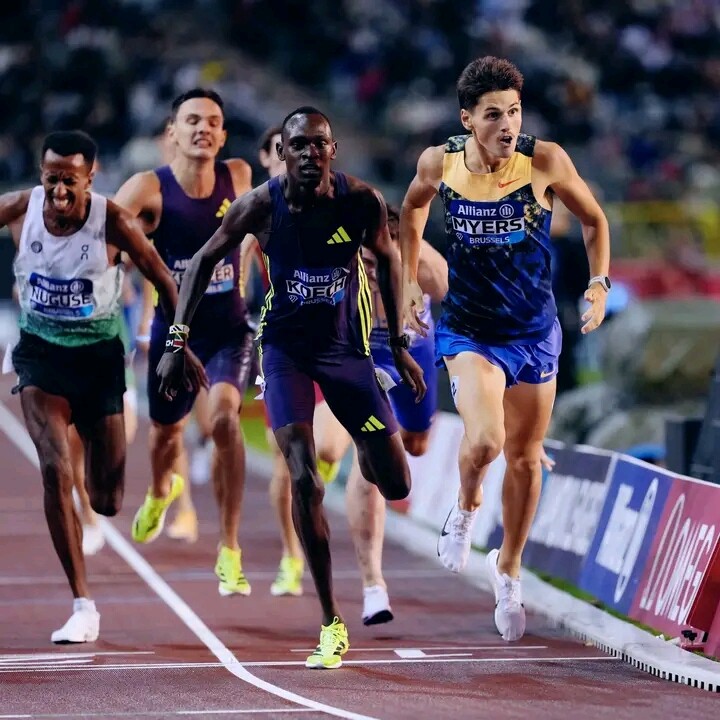
The Australian was moving with remarkable speed when it mattered most, unleashing the finishing kick of a champion in the closing metres. With the race finely poised, Myers held his composure and found the extra strength needed to edge ahead at the line in a dramatic conclusion to the final.
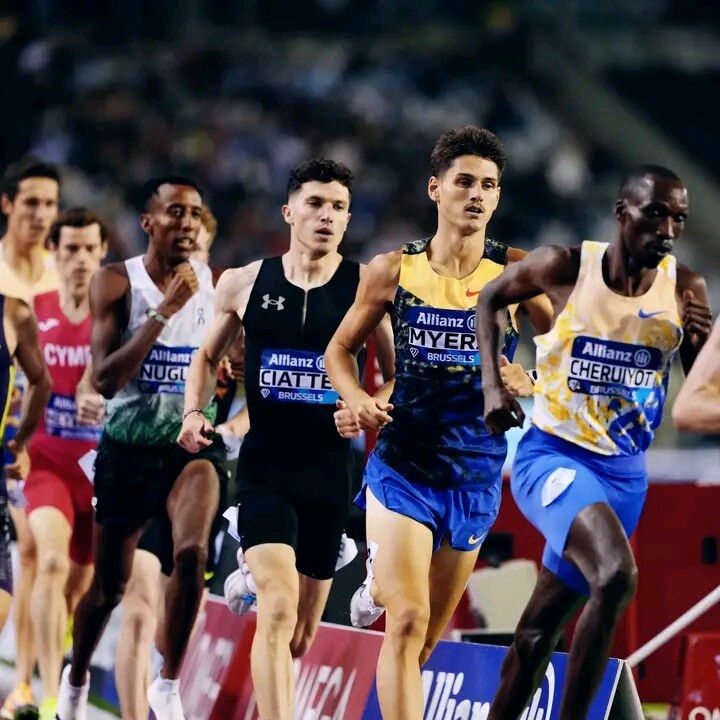
Kenya’s Phanuel Kipkosgei Koech came agonisingly close to taking the title, crossing the finish in 3:30.18—just 0.04 seconds behind Myers. Koech produced a brilliant closing effort and pushed the Australian all the way, narrowly missing out on what would have been a stunning Diamond League triumph.
American Ethan Strand completed the podium in 3:30.50, adding another layer to an extraordinary finish. The first three athletes were separated by just 0.36 seconds, underlining just how fiercely contested the race was from start to finish.
For Myers, the victory was a powerful statement on one of the biggest stages of the Diamond League season. When the pressure reached its peak, the Australian responded with speed, determination and the composure required to deliver when victory was decided by the smallest of margins.
Koech, meanwhile, leaves Brussels with plenty of credit after pushing Myers to the absolute limit. His silver-medal performance demonstrated both his strength and his ability to compete fearlessly against elite opposition, even though the Diamond Trophy slipped away by the narrowest of margins.
It was a finish worthy of a Diamond League Final—three athletes charging for the line, separated by fractions of a second, with Myers ultimately producing the decisive move. Four hundredths of a second made the difference between gold and silver in one of Brussels’ most thrilling showdowns
by Erick Cheruiyot for My Best Runs.
Login to leave a comment

Georgia Hunter Bell Chasing History: Four Major Titles and an Olympic Double Dream
Georgia Hunter Bell’s remarkable rise in middle-distance running has been built on far more than physical strength and natural speed. Behind every perfectly timed move, every decisive surge and every devastating finishing kick is a sharp, composed and increasingly confident racing mind.
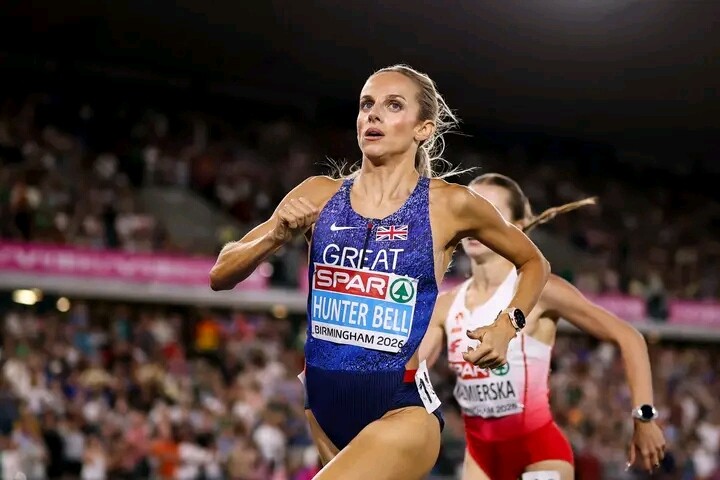
Now, after producing one of the most successful seasons of her career, the British middle-distance star is preparing for another major challenge. Hunter Bell heads to Budapest with the opportunity to complete a remarkable four-from-four sweep of major titles in 2026, having already collected three prestigious gold medals across two disciplines.
Her extraordinary campaign began with global success in the 1500 metres, where she claimed the World Indoor title. She then demonstrated her exceptional versatility by stepping down to the 800 metres to secure Commonwealth Games gold before returning to the 1500m and triumphing at the European Athletics Championships.
Winning major titles in both the 800m and 1500m underlines the extraordinary range Hunter Bell has developed. The two events demand different qualities: the 800m requires raw speed, strength and endurance, while the 1500m demands patience, tactical awareness and the ability to make the right decisions when the race reaches its decisive moments.
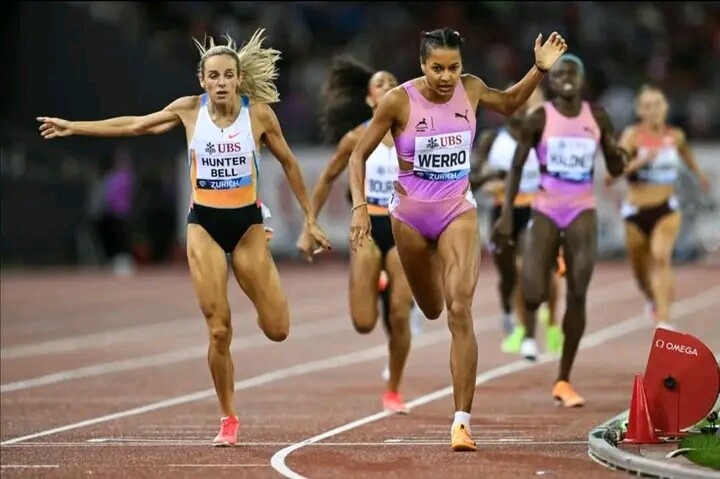
Hunter Bell has shown that she possesses the qualities needed for both.
One of the most impressive aspects of her racing is her ability to remain composed when the pressure intensifies. While championship races can become unpredictable and chaotic, Hunter Bell has developed a reputation for staying patient, reading the situation around her and positioning herself for a powerful finish.
Her finishing speed has become one of the defining weapons of her success. When the pace begins to rise and rivals start fighting for position, Hunter Bell has repeatedly demonstrated the ability to find another gear. Her strength over the closing stages allows her to transform patience into attack, making her an increasingly difficult athlete to beat in a tactical race.
But her performances are not simply the product of physical preparation.
Behind the medals and the powerful finishing kicks is an athlete who thinks deeply about the races she is about to run. Hunter Bell and her team carefully consider different race scenarios ahead of major championships, preparing for the possibility of fast races, slow tactical contests and everything in between. That preparation has helped her arrive on the start line with the confidence to react rather than panic.
It is this combination of intelligence and instinct that makes her such a compelling championship athlete.
Looking beyond Budapest, Hunter Bell’s ambitions are becoming even more exciting. One of the biggest questions surrounding her future is whether she could eventually attempt the demanding 800m and 1500m double at the Los Angeles 2028 Olympic Games.
It is one of the most difficult challenges in middle-distance running, particularly in an era filled with extraordinary depth in both events. Yet Hunter Bell has already begun seeking advice from one of Britain's greatest middle-distance champions, Dame Kelly Holmes, whose historic Olympic double remains one of the defining achievements in British athletics.
The possibility of following a similar path is undoubtedly ambitious, but Hunter Bell's 2026 season has shown why the conversation is becoming increasingly realistic. Her success across both distances has demonstrated that she possesses a rare combination of speed, endurance and championship intelligence.
Her journey to this point has also made her rise even more remarkable.
Hunter Bell’s path back to the highest level of athletics was far from conventional. After stepping away from elite competition and building a career outside the sport, she eventually returned to running and began an extraordinary transformation into one of Britain's leading middle-distance athletes.
Now, she stands at the centre of one of the most impressive seasons in international athletics.
With three major titles already secured, Budapest offers Hunter Bell the chance to add another golden chapter to her extraordinary year. Victory there would complete a remarkable clean sweep and further establish her as one of the most versatile and tactically intelligent middle-distance runners in the world.
For Hunter Bell, however, the story is clearly still being written.
Budapest is the next target, but Los Angeles is already on the horizon. And as her ambitions continue to grow, so too does the belief that her best years may still lie ahead.
Georgia Hunter Bell has the speed to win, the endurance to compete across two demanding distances and the finishing kick to punish any hesitation from her rivals. But perhaps her greatest advantage is the one that cannot be measured on a stopwatch: the calm, intelligent and competitive mind behind the athlete.
That mind has already helped shape a golden 2026 season. The question now is just how far it can take her.
by Erick Cheruiyot for My Best Runs.
Login to leave a comment
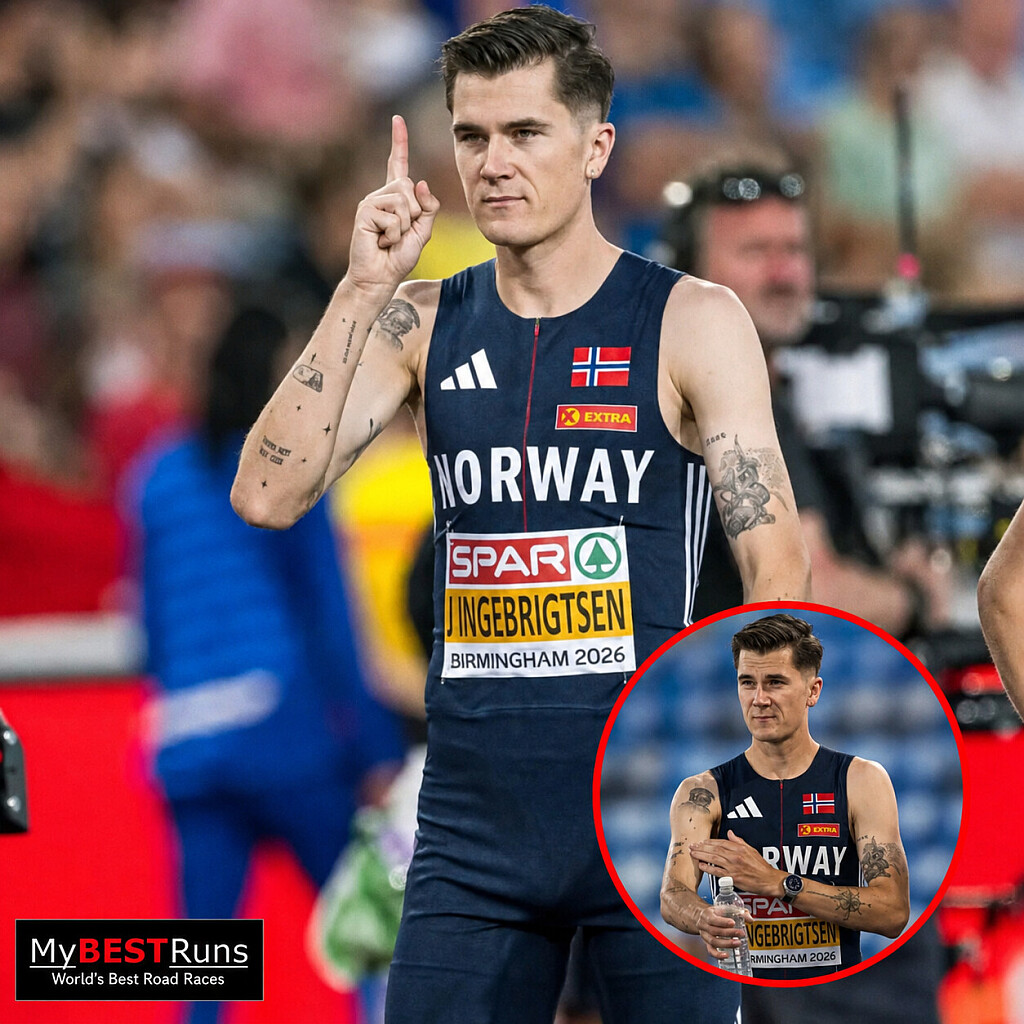
Jakob Ingebrigtsen Heads To Brussels: A Champion Searching For His 1500m Magic
Jakob Ingebrigtsen is heading to Brussels — and the Norwegian superstar arrives with something to prove.
The two-time Olympic champion has been confirmed for the men’s 1500m at the Allianz Memorial Van Damme on September 4, the opening night of the 2026 Wanda Diamond League Final. With Brussels bringing together the world’s elite for the final battle of the Diamond League season, Ingebrigtsen’s presence immediately adds another layer of intrigue to an already spectacular meeting.
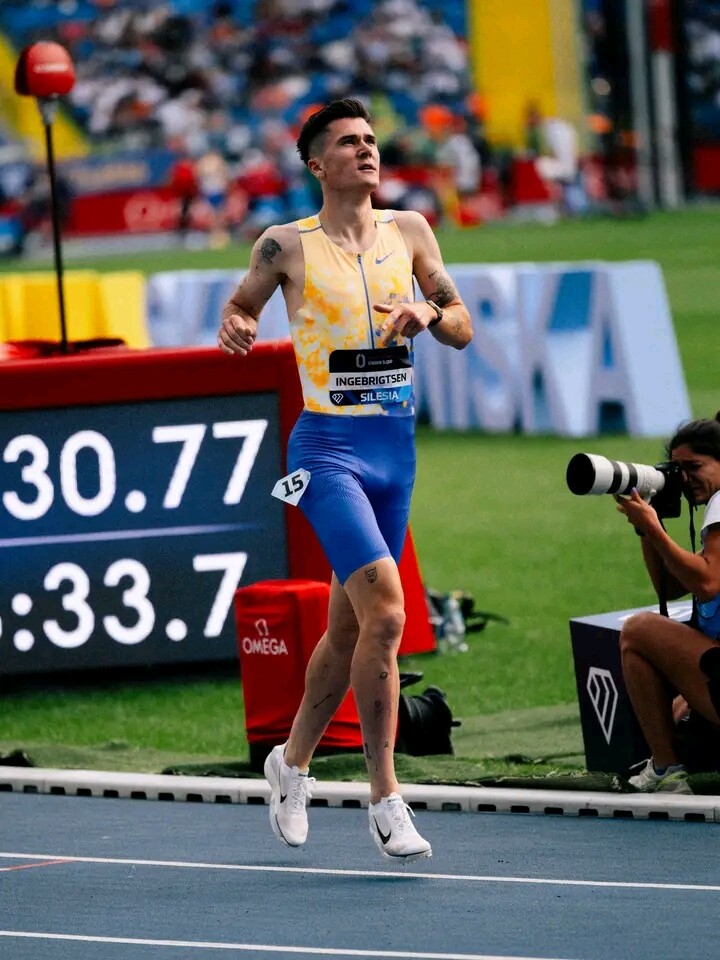
For Ingebrigtsen, however, this is about much more than another Diamond League appearance. It is another important step in a comeback that began under some of the most difficult circumstances of his career.
The Norwegian spent almost 11 months away from competition after an Achilles injury required surgery earlier this year. When he finally returned at the European Championships in Birmingham, there were legitimate questions about how quickly he could rediscover the form that had made him one of the most feared middle-distance runners in the world.
He answered them emphatically.
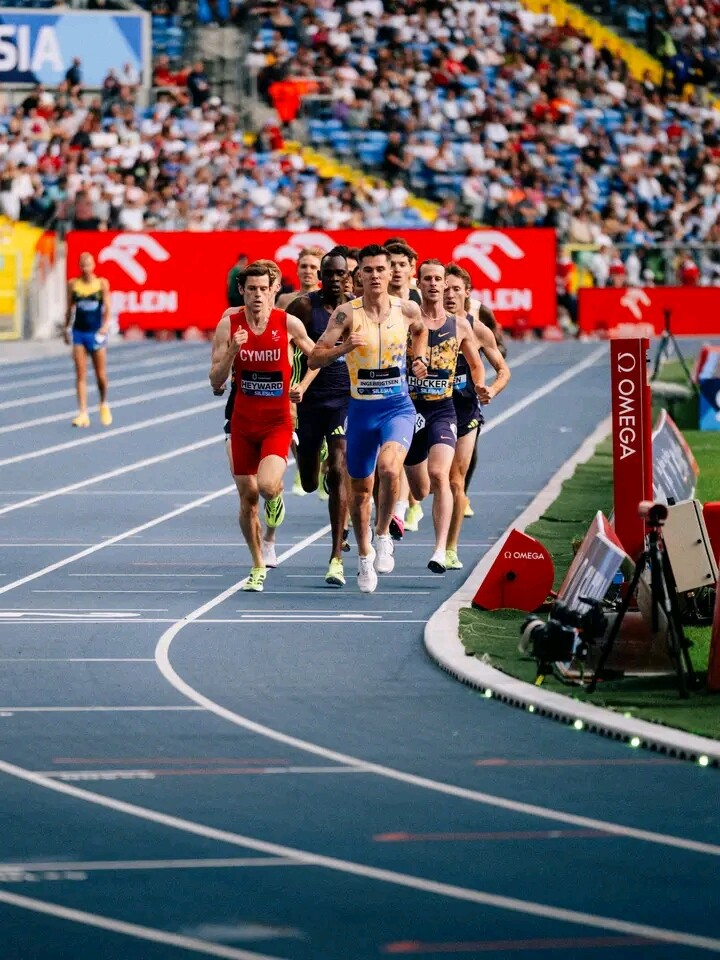
In his first race of 2026, Ingebrigtsen produced a trademark finishing burst to win the European 5000m title in 13:15.29, securing an extraordinary fourth consecutive European crown in the event. The victory also extended his record as the most successful male athlete in European Athletics Championships history.
But the 1500m has presented a very different challenge.
Ingebrigtsen returned to Diamond League competition over 1500m in Silesia on August 23, finishing fourth in 3:31.19. Four days later in Zürich, he was fifth in 3:32.16. Those performances were far from disastrous for an athlete still rebuilding his racing sharpness, but they also revealed that the explosive rhythm that once made him almost untouchable over 1500m is still being recovered.
Now comes Brussels.
The Belgian capital provides Ingebrigtsen with his third Diamond League 1500m race of the season and perhaps his most intriguing opportunity yet to show how far his comeback has progressed.
There is history here, too. In 2024, Ingebrigtsen won the Brussels Diamond League 1500m in 3:30.37, beating Timothy Cheruiyot and Cole Hocker in a world-class field.
Two years later, he returns to the same stage under completely different circumstances.
This time, he is not arriving as the untouchable favourite who has dominated every major 1500m challenge. He is arriving as a champion rebuilding himself — race by race, lap by lap, and with his body still demanding patience after a serious Achilles setback.
That is precisely what makes Friday night so compelling.
Brussels is the opening night of a two-day Diamond League Final, with the Allianz Memorial Van Damme serving as the season-ending championship meeting for the series. For Ingebrigtsen, it represents another opportunity to turn encouraging signs into a definitive statement.
Can he rediscover the speed?
Can he unleash the devastating final 300 metres that has become his trademark?
And, most importantly, can he once again look like the Jakob Ingebrigtsen who has ruled the 1500m and 5000m on the biggest stages?
There is another chapter waiting beyond Brussels.
The World Athletics Ultimate Championship in Budapest, scheduled for September 11–13, promises another major showdown, with Ingebrigtsen expected to face fierce opposition including Britain’s Josh Kerr. The rivalry between the two has already produced some of the most compelling middle-distance battles of recent years.
But before Budapest, there is Brussels.
One race. One final Diamond League stage. One more opportunity for Ingebrigtsen to remind the athletics world that his comeback is not simply about returning to competition — it is about returning to the very top.
The Norwegian has already shown that the championship instinct remains intact.
Now, he needs the 1500m speed to come back.
And if Jakob Ingebrigtsen finds that missing gear in Brussels, the rest of the middle-distance world may have a serious problem.
by Erick Cheruiyot for My Best Runs.
Login to leave a comment
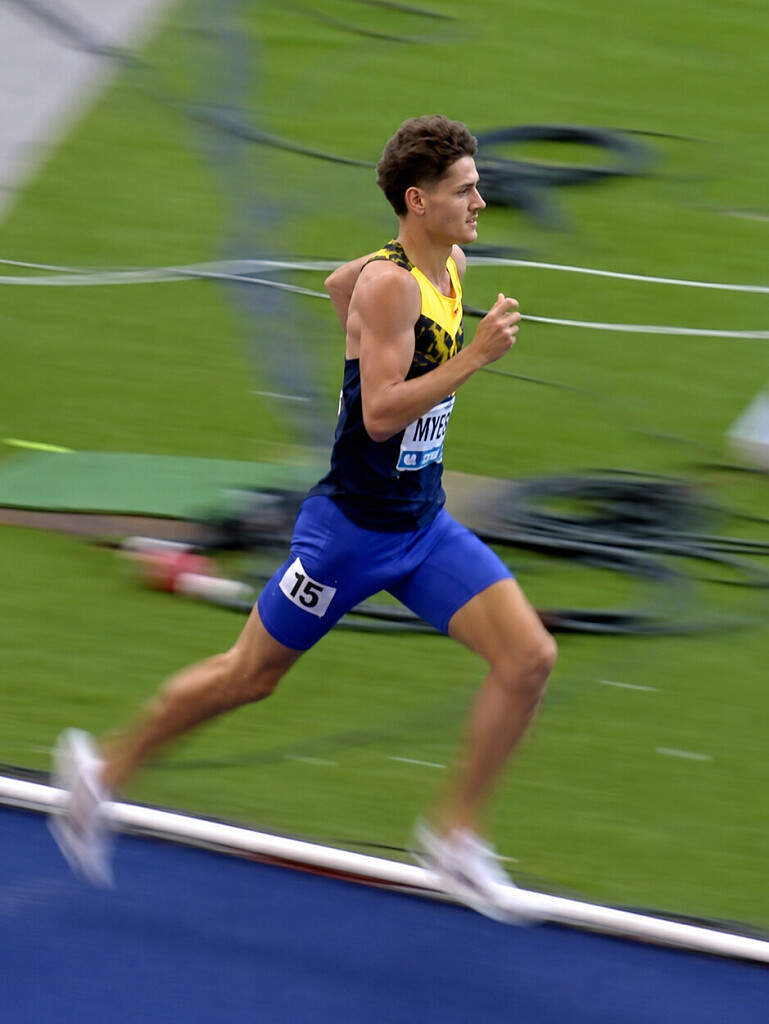
Cameron Myers Reigns in Berlin with Brilliant 3:30.96 1500m Victory
Australia’s Cameron Myers delivered another outstanding performance, producing a commanding run to win the men’s 1500 metres at ISTAF Berlin in 3:30.96.
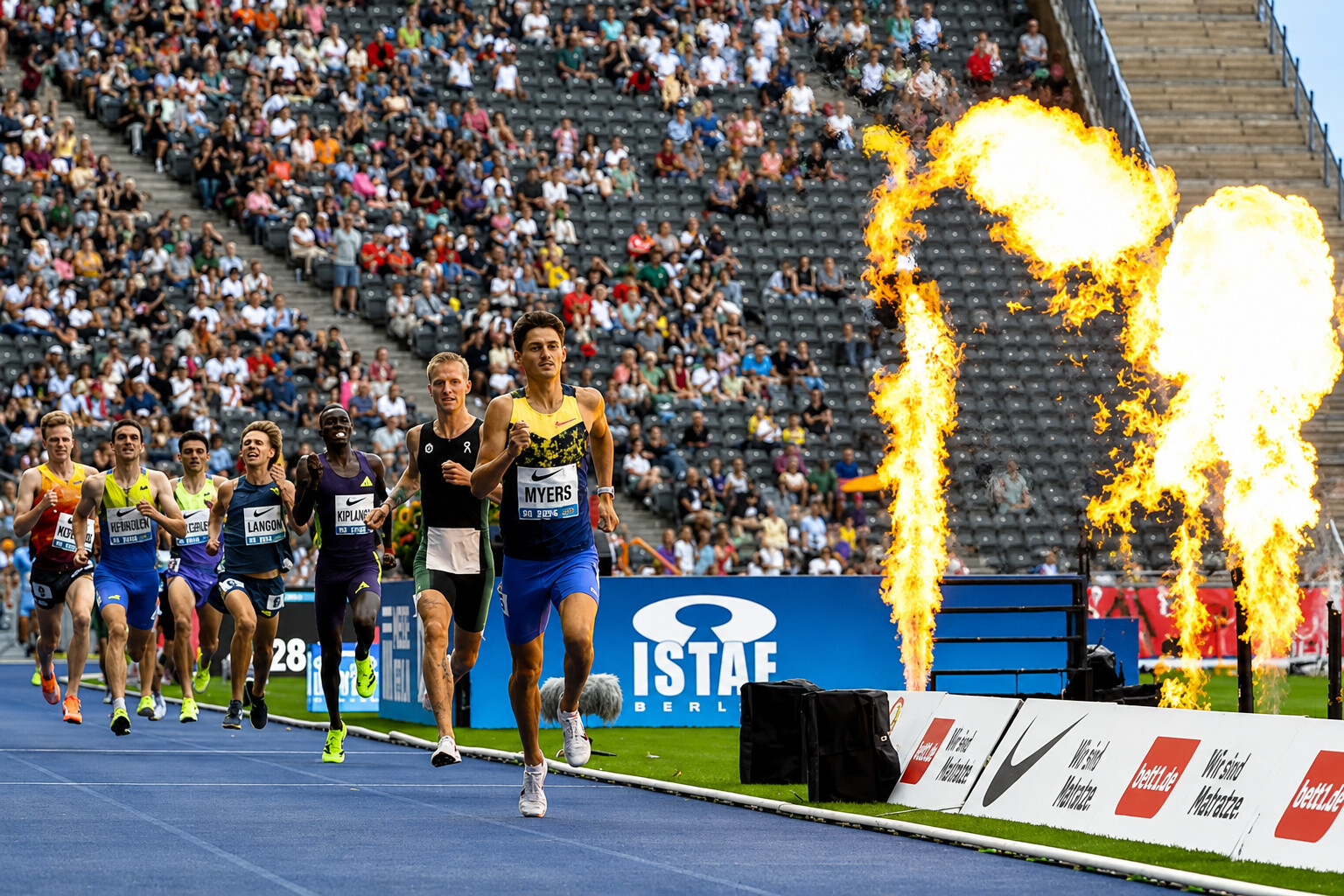
The Australian middle-distance star once again demonstrated why he is regarded as one of the most exciting athletes in the event, emerging victorious from a high-quality race ahead of Germany’s Robert Farken, who finished second in 3:31.73.
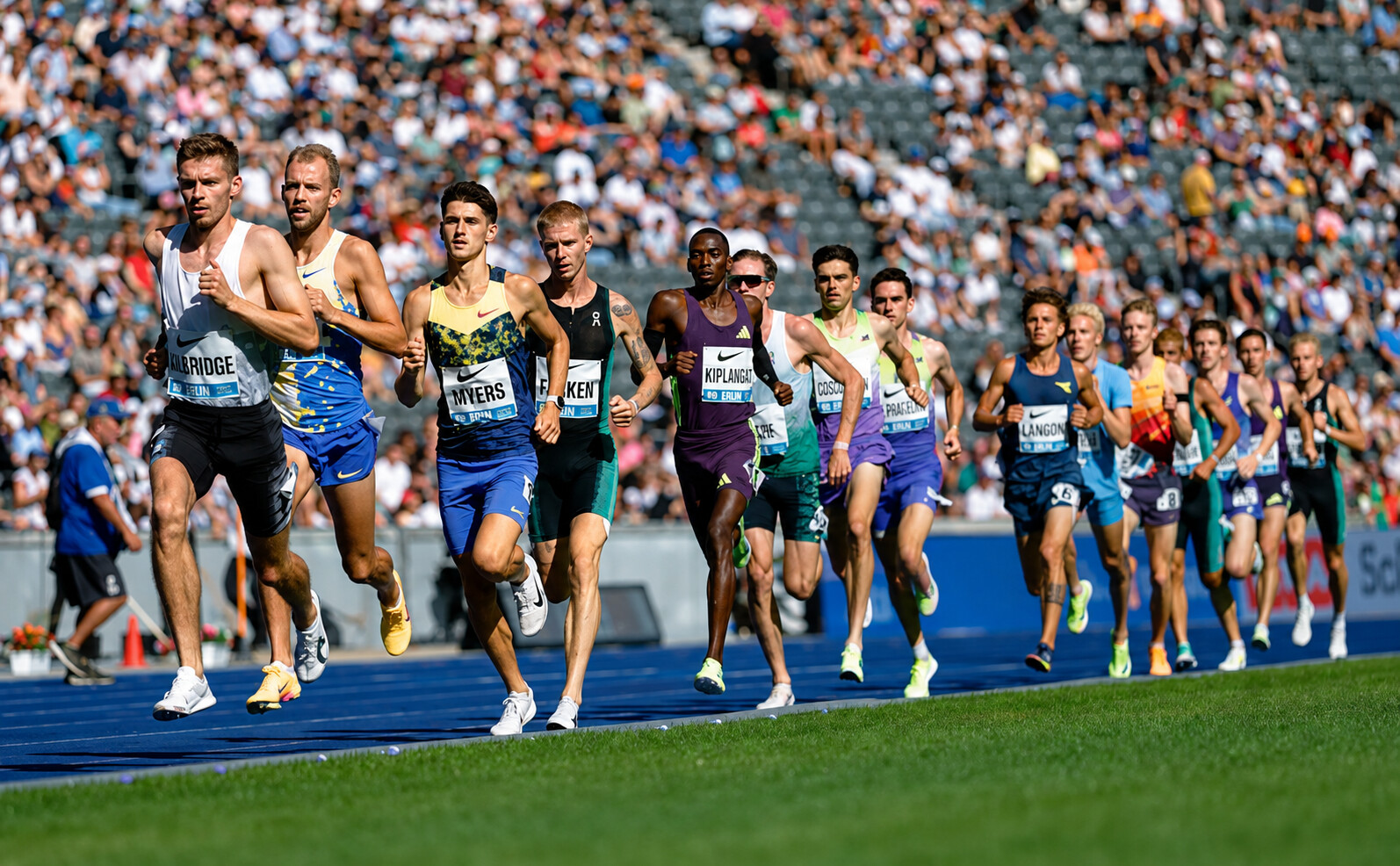
Farken, the German record holder, had the advantage of competing in front of his home crowd in Berlin, but Myers proved too strong when it mattered most. The Australian showed impressive composure and strength in the closing stages, producing the decisive finish needed to secure another important victory.
The race featured a deep international field, with Kenya’s Danson Kiplangat taking third place in 3:33.01. Belgium’s Jochem Vermeulen followed in fourth with 3:33.13, while Norway’s Narve Gilje Nordås rounded out the top five in 3:33.32.
Still only 20 years old, Myers continues to show remarkable maturity and consistency against world-class opposition. His victory in Berlin was not simply about the fast time, but also about the confidence and racing intelligence he displayed against an experienced field. With each major performance, the Australian is strengthening his reputation as one of the most exciting young forces in global middle-distance running.
Myers arrived in Berlin in excellent form and once again proved his ability to deliver against some of the strongest competitors in the world. His performance was particularly impressive given the quality and depth of the field, with several accomplished international runners unable to match the Australian’s strength when the race reached its decisive stages.
The victory adds another significant chapter to Myers’ rapidly developing career and further underlines his growing status in the men’s 1500 metres. For Farken, second place represented another strong performance on home soil, but on this occasion, the night belonged to Myers, whose brilliant 3:30.96 run earned him another memorable triumph and added further momentum to his impressive season.
by Erick Cheruiyot for My Best Runs.
Login to leave a comment
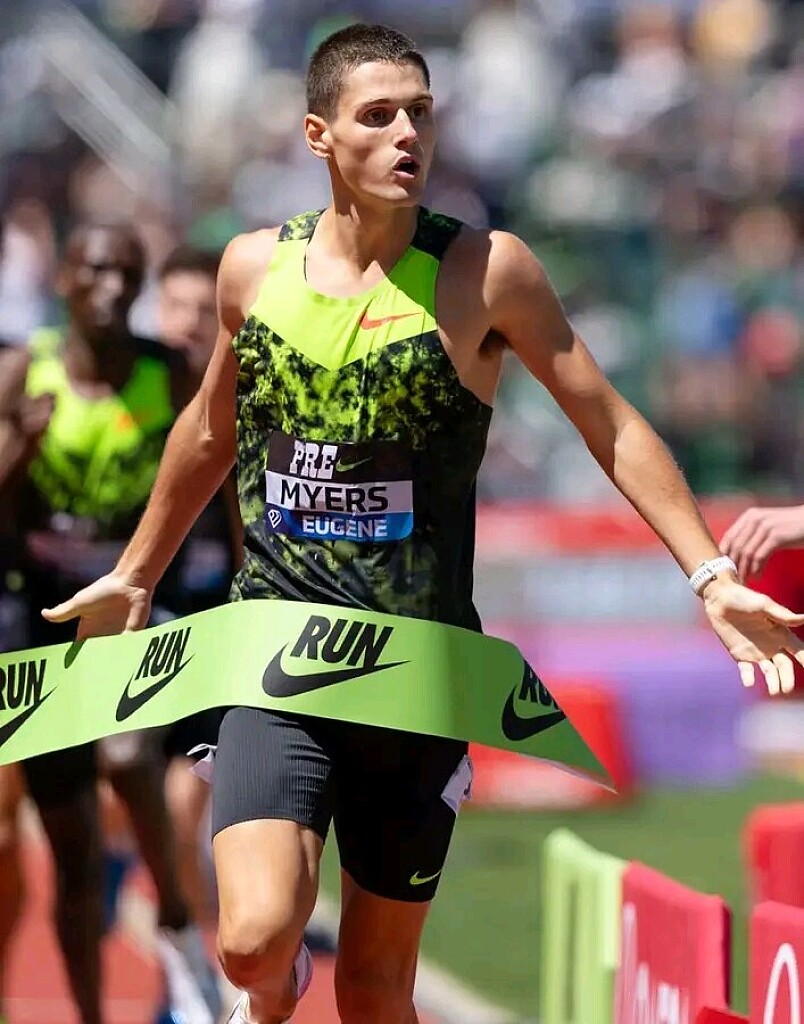
Cameron Myers Leads Star-Studded 1500m Field as Berlin Promises Another Spectacular Battle
The 1500m action is far from over.
After a thrilling showdown at the Zurich Diamond League, attention now shifts to Berlin, where another fascinating middle-distance contest is set to take centre stage at the 2026 ISTAF Berlin meeting on August 30.
Leading the field is Australian sensation Cameron Myers, who returns to the 1500m as the current world leader and one of the most exciting young talents in global middle-distance running. Myers will once again have the opportunity to test himself against a deep and highly competitive international field as he continues his remarkable rise on the world stage.
However, the Australian will face no shortage of formidable opposition.
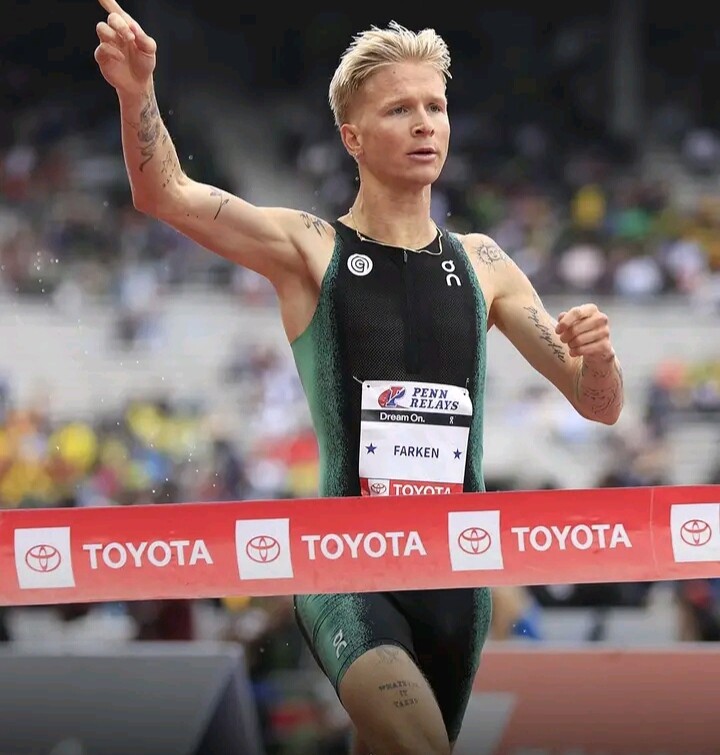
Germany's Robert Farken will be determined to deliver a strong performance in front of his home crowd, while Spain's Mohamed Attaoui brings his own impressive credentials to a race filled with athletes capable of challenging for victory. The stacked lineup also includes Marco Langon, Samuel Prakel, Oliver Hoare, Danson Kiplangat, Andrew Coscoran, Narve Gilje Nordås, Jochem Vermeulen and several other accomplished middle-distance runners.
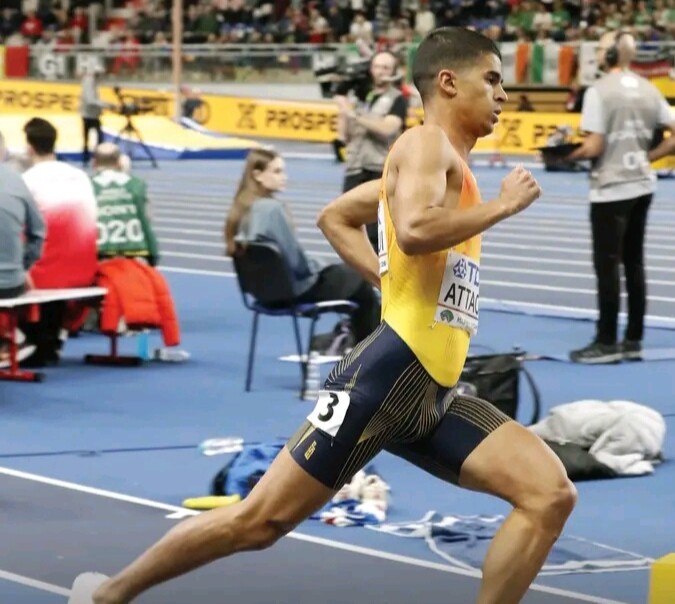
The depth of the field could make the race tactically unpredictable. With athletes capable of forcing a fast pace and others renowned for their devastating finishing kicks, positioning and patience will be crucial as the race builds toward its decisive final lap. In a contest of this quality, even the smallest tactical mistake could prove costly.
For Myers, Berlin represents another important opportunity to demonstrate that his remarkable rise is no temporary phenomenon. Yet, with experienced international rivals lining up alongside him, the young Australian will have to fight for every metre and every position against a field packed with quality.
After the fireworks in Zurich, the spotlight now moves to the German capital. The 1500m season still has unfinished business, and with Cameron Myers leading such a loaded field into Berlin, fans could be treated to another unforgettable battle filled with speed, drama and a fierce fight for supremacy.
August 30 promises another spectacular chapter in what has already been a thrilling 1500m season.
by Erick Cheruiyot for My Best Runs.
Login to leave a comment
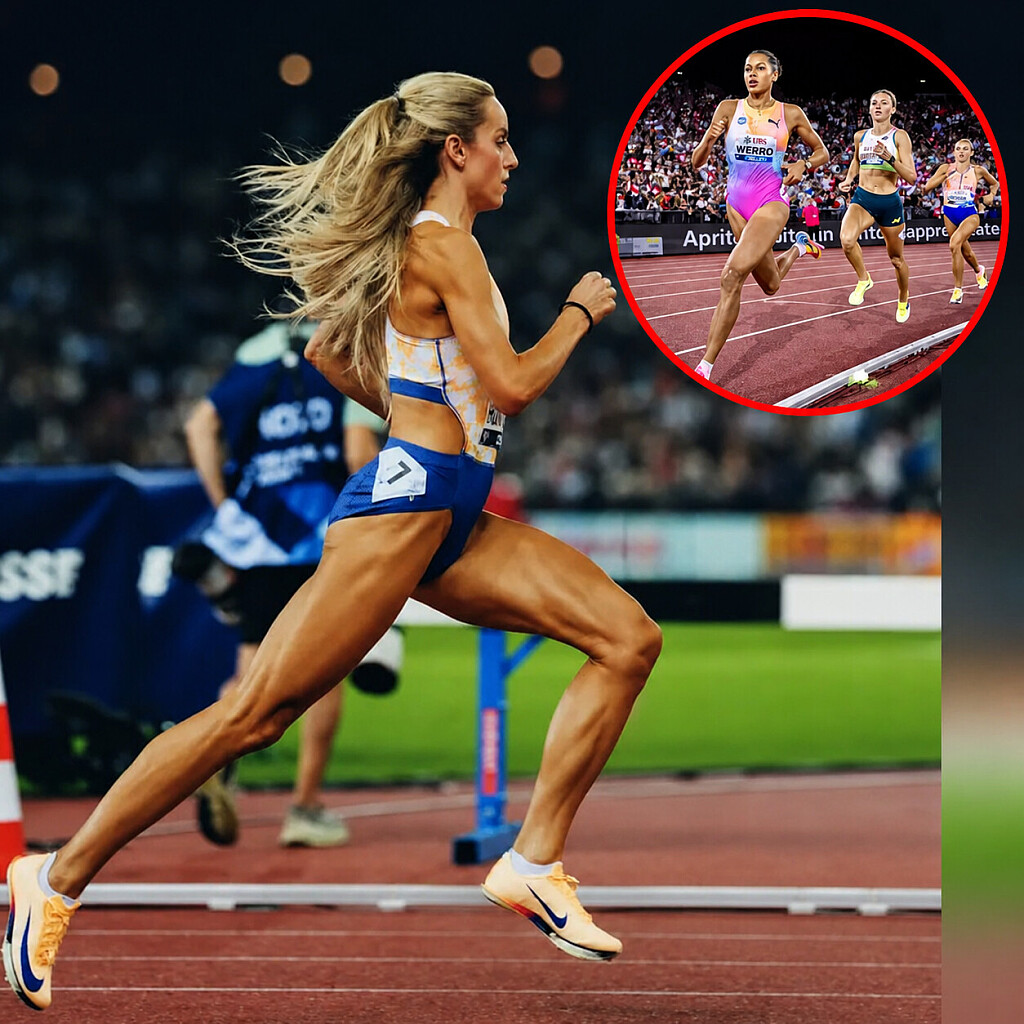
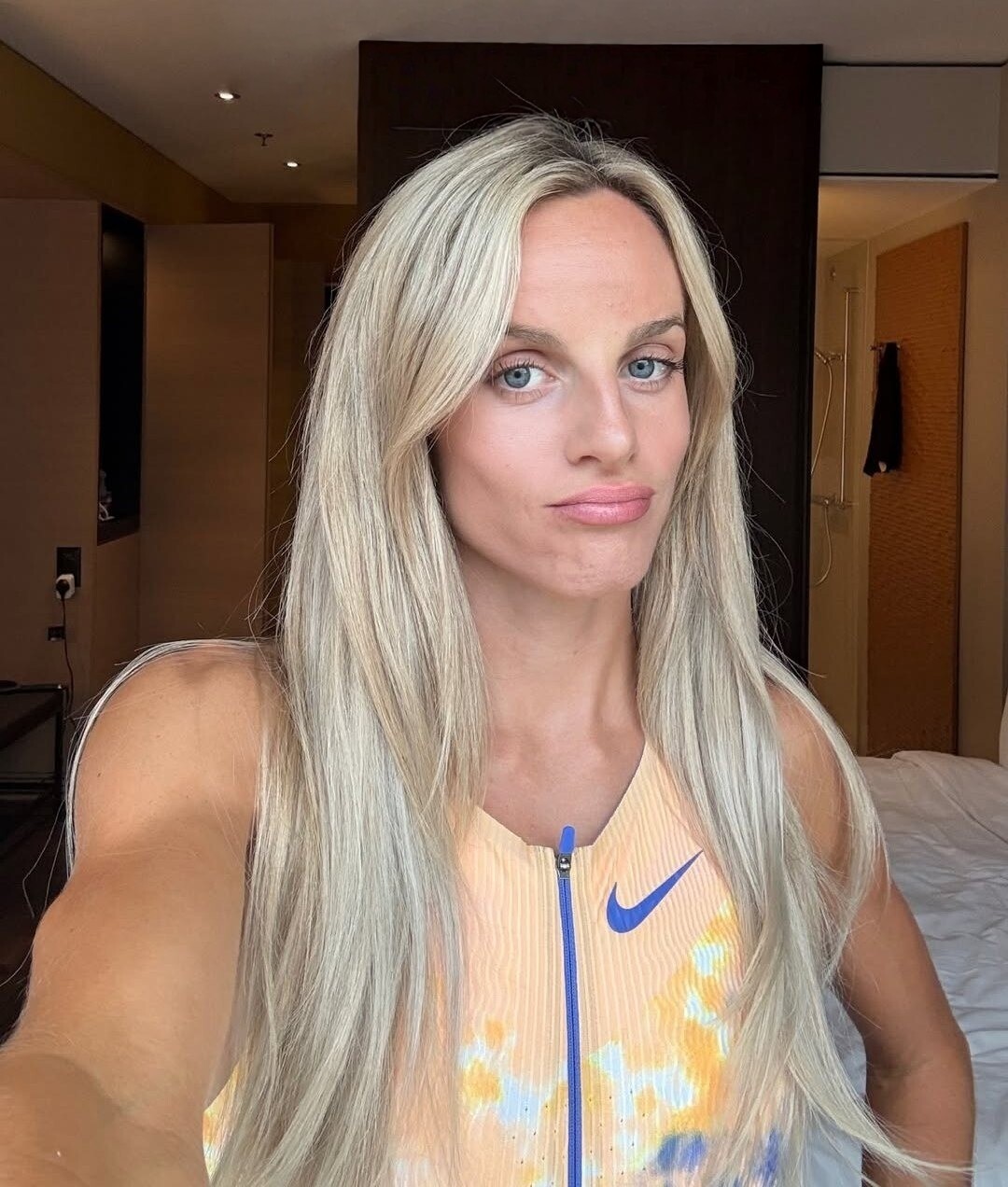
Georgia Hunter Bell Shines In Zürich With 1:55.03 Season’s Best As 800m Era Reaches New Heights
Georgia Hunter Bell produced another statement performance in Zürich, storming to a superb third-place finish in the women’s 800m at the Diamond League meeting while underlining once again her remarkable versatility across the middle-distance events.
The British star stopped the clock at 1:55.03, a season’s best and the second-fastest 800m of her career, finishing behind Audrey Werro and Femke Broeders-Bol in a race that ranks among the fastest women’s 800m contests seen in more than four decades.
For Hunter Bell, however, the result represented more than simply another podium finish. It was a performance that demonstrated just how dangerous she has become over two laps, despite her continued status as one of the world’s leading 1500m specialists.
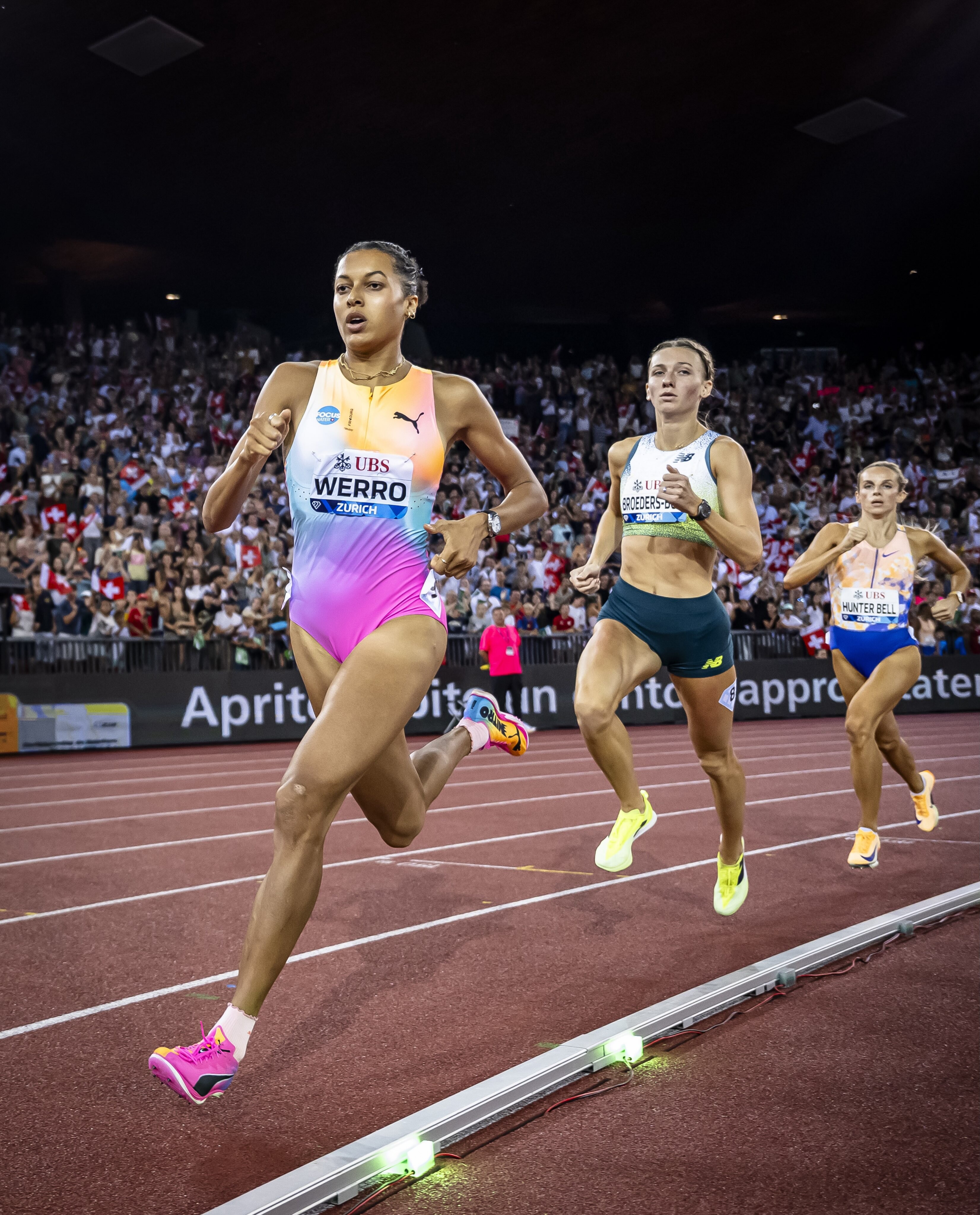
Reflecting on the race, Hunter Bell admitted that her competitive instincts over 800m still demand more, but she was equally proud of the performance and excited by the quality of the race.
Her season’s best of 1:55.03 moved her closer to her personal best of 1:54.90 and confirmed that her 800m speed remains a formidable weapon. She also welcomed the opportunity to compete alongside Werro and Broeders-Bol in a race that showcased the extraordinary depth and quality currently emerging in the women’s 800m.
Yet what makes Hunter Bell particularly fascinating is her ability to excel at both 800m and 1500m — two events requiring very different combinations of speed, endurance and tactical intelligence.
Over 800m, she is a Commonwealth champion and a World Championship silver medallist, with a personal best of 1:54.90. In the 1500m, her credentials are equally impressive. She owns a personal best of 3:52.61, has produced a season’s best of 3:55.63 and has captured both European and World Indoor titles.
That combination places Hunter Bell among the most versatile middle-distance athletes of her generation.
Her Zürich performance was therefore another reminder that she cannot be defined by a single event. She possesses the raw speed required to challenge the best over 800m, while her strength, endurance and championship experience make her equally formidable over 1500m.
With Brussels next on her schedule, Hunter Bell will be looking to carry the confidence from Zürich into the next stage of her season.
Her 800m alter ego may still believe there is more to unlock, but her 1500m instincts can certainly take satisfaction from what she produced in Zürich.
Speed over two laps. Strength over four. And a championship résumé that continues to grow.
Georgia Hunter Bell is proving that versatility is not merely an advantage — it can be a defining weapon at the highest level of middle-distance running.
by Erick Cheruiyot for My Best Runs.
Login to leave a comment
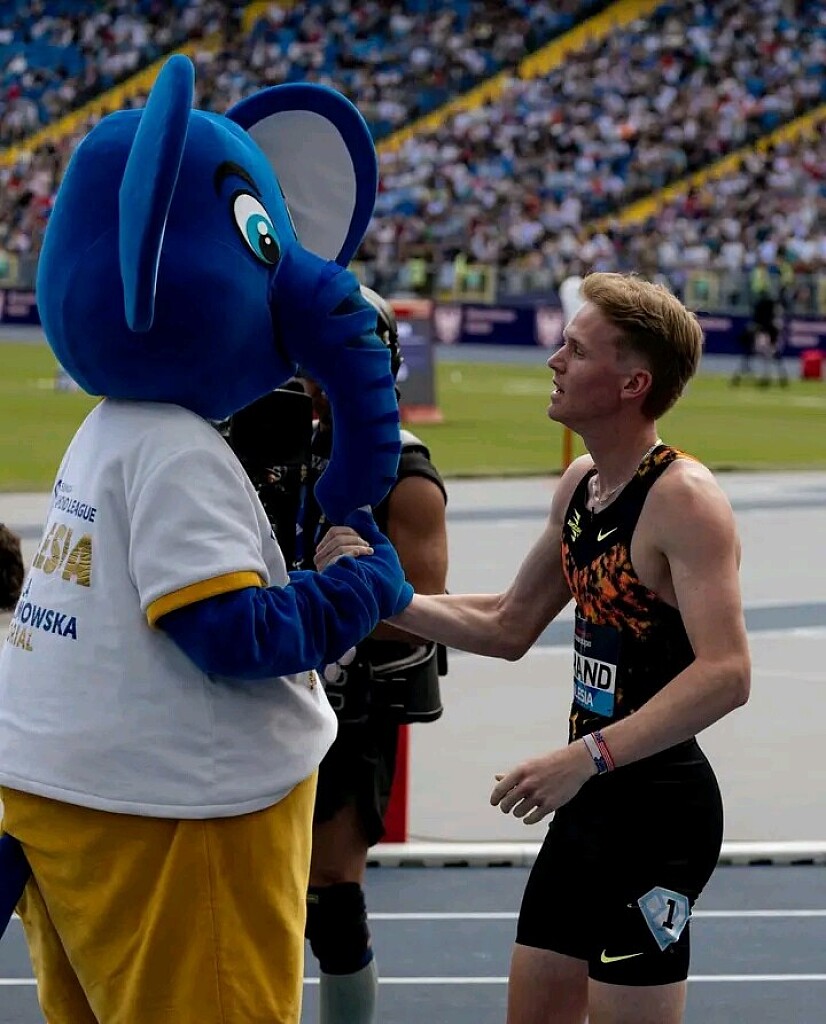
Ethan Strand’s Stunning Silesia Surge: “I Had Enough Left”
Ethan Strand delivered one of the most impressive finishes of the Silesia Diamond League meeting, producing a spectacular final lap to storm to victory in the men’s 1500m in a season-best 3:30.77.
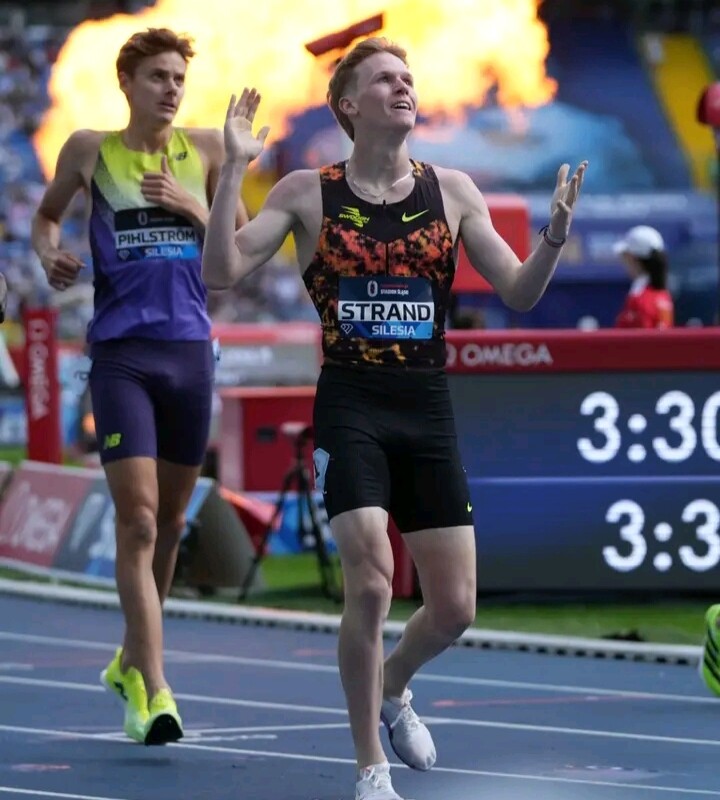
The American’s triumph was not simply about speed—it was a carefully executed comeback built on patience, belief and a powerful reserve of energy saved for the closing stages.
Strand admitted afterwards that he had found himself well back in the field during the race, but remained confident that he had enough left to make his move.
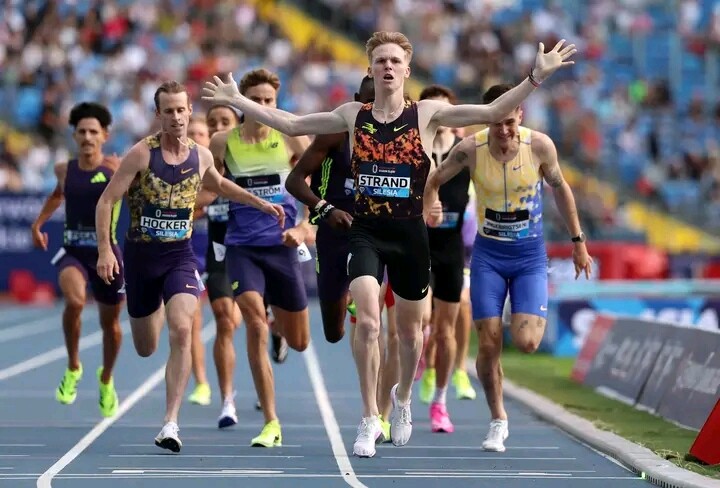
“I was pretty far back and had a lot left, and I had to do a lot of work up through the third lap, and I had enough left,” Strand said after his winning performance.
That reserve proved decisive.
As the race entered its final lap, Strand began to close the gap with increasing urgency. He continued to pick off his rivals before unleashing his biggest acceleration down the home straight, powering away from the chasing pack and crossing the line in style.
His emphatic celebration reflected the significance of the performance—a season's best time and a major victory over a field packed with elite 1500m talent.
Phanuel Koech produced a superb performance of his own to finish second in 3:31.14, narrowly holding off reigning Olympic champion Cole Hocker, who crossed the line third in 3:31.16.
Just behind them was Norwegian superstar Jakob Ingebrigtsen, who made his first 1500m appearance since Tokyo last September. Ingebrigtsen clocked 3:31.19 to finish fourth in a race where less than half a second separated the top four athletes.
The result made Strand the man of the moment in Silesia. While others battled for position throughout the race, the American trusted his strength, stayed composed despite being deep in the field and unleashed his decisive move when it mattered most.
His victory was a powerful reminder that a race can change dramatically in its final 400 metres. Strand may have been “pretty far back,” but he knew he had something left—and when the moment arrived, he produced exactly the kind of finishing speed required to defeat an Olympic champion and some of the world's finest middle-distance runners.
From being buried in the pack to flying down the home straight, Ethan Strand turned patience into victory—and finished the night with a celebration that said it all.
3:30.77. Season’s best. Silesia champion.
by Erick Cheruiyot for My Best Runs.
Login to leave a comment

Can Keely Answer Back? Hodgkinson And Werro Set For Explosive Zurich Rematch
The rivalry between Keely Hodgkinson and Audrey Werro is developing into one of the most compelling stories in the women’s 800m — and it gets another chapter next week.

Just days after their dramatic European Championship final in Birmingham, the Olympic champion and the newly crowned European champion will meet again at Weltklasse Zürich on August 27, with the sold-out Letzigrund Stadium ready for another spectacular showdown.
In Birmingham, it was Werro who produced the decisive moment. The Swiss star delivered a sensational front-running performance to win European gold in a championship-record 1:54.81, holding off Hodgkinson, who finished second in 1:55.01. Femke Broeders-Bol completed the podium in 1:55.54, setting a Dutch national record in the process.
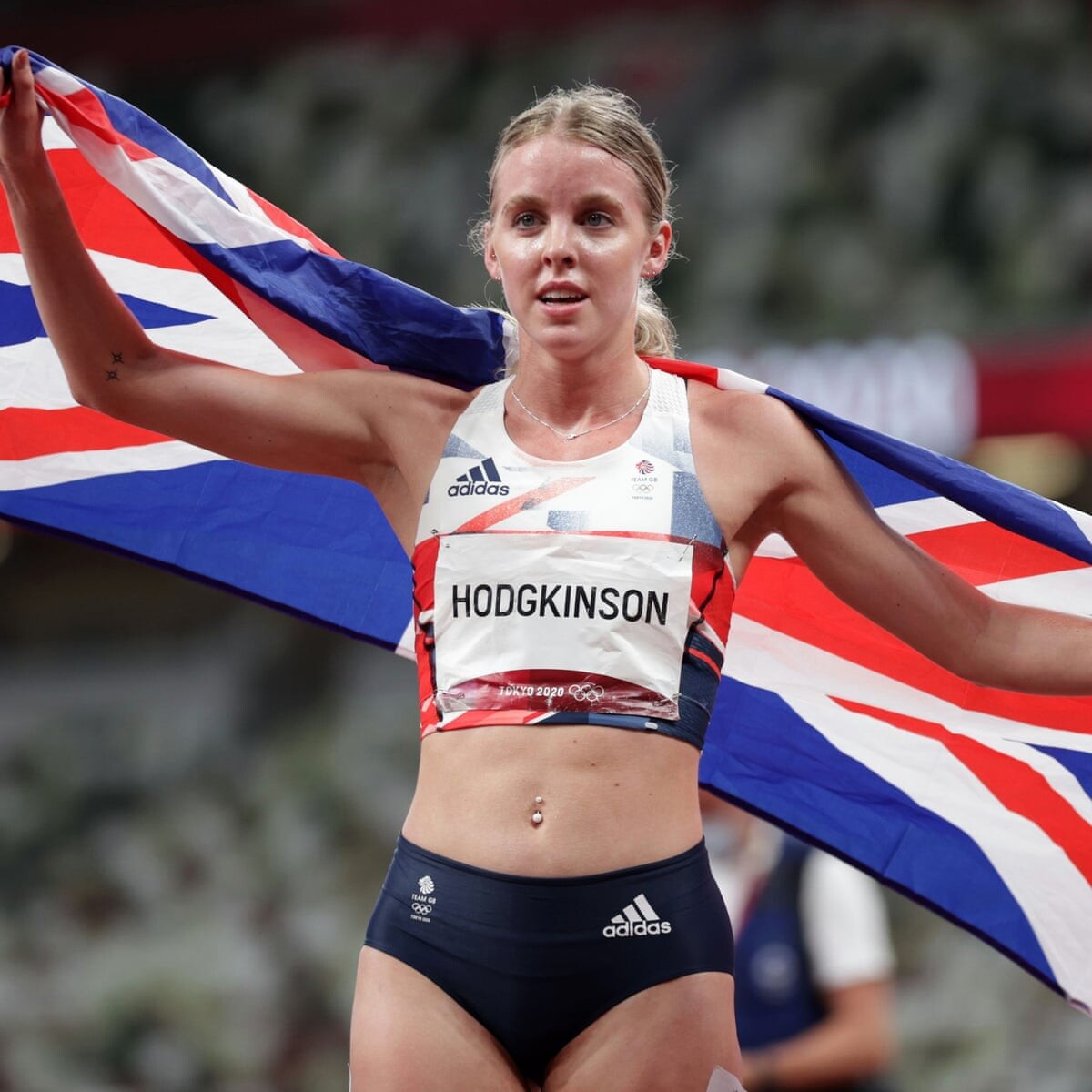
For Hodgkinson, the defeat was a rare setback in an event she has dominated at the highest level. But Zurich offers the perfect opportunity to respond.
And this time, the stage belongs to Werro.
The 22-year-old Swiss star will race in front of her home crowd at the Letzigrund Stadium, where she will arrive with enormous confidence after an extraordinary 2026 campaign. Earlier this season, Werro stormed to 1:53.98 in Stockholm, becoming only the third woman in history to break 1:54 at the time, while Hodgkinson followed her home in a British record 1:54.33.
Werro then went even faster in Paris, producing 1:53.80 — the third-fastest performance in history — further establishing herself as a genuine threat to the event’s all-time hierarchy.
But Hodgkinson knows exactly what it takes to win on the biggest stages. The reigning Olympic champion and former world champion has repeatedly demonstrated her ability to respond when challenged, and Zurich could provide another opportunity to remind the world why she remains one of the most formidable 800m runners of her generation.
Yet this will be far more than a two-woman battle.
Kenya’s Lilian Odira, the reigning world champion, adds another layer of danger to an already stacked field. Odira, Hodgkinson and Georgia Hunter Bell were the gold, silver and bronze medallists in the 800m at the 2025 World Championships in Tokyo, and their rivalry has continued into 2026.
Then there is Georgia Hunter Bell, who arrives in Zurich as the newly crowned European 1500m champion and one of the most versatile middle-distance athletes in the world. Her presence over 800m gives the race another serious contender capable of changing the complexion of the contest.
Femke Broeders-Bol will also be looking to build on her breakthrough European Championship bronze. The Dutch star has made an impressive transition from the 400m hurdles to the 800m this season, and her 1:55.54 national record in Birmingham showed that she is now capable of challenging the very best over two laps.
With Werro’s extraordinary speed, Hodgkinson’s championship pedigree, Odira’s world title credentials, Hunter Bell’s tactical intelligence and Broeders-Bol’s rapidly improving 800m form, Zurich could produce one of the deepest and most anticipated women’s 800m races of the season.
The question is simple:
Can Keely answer back?
Or will Audrey Werro once again prove too strong — this time with the roar of the Swiss crowd behind her?
The answer comes on August 27 at the sold-out Letzigrund Stadium in Zurich.
by Erick Cheruiyot for My Best Runs.
Login to leave a comment
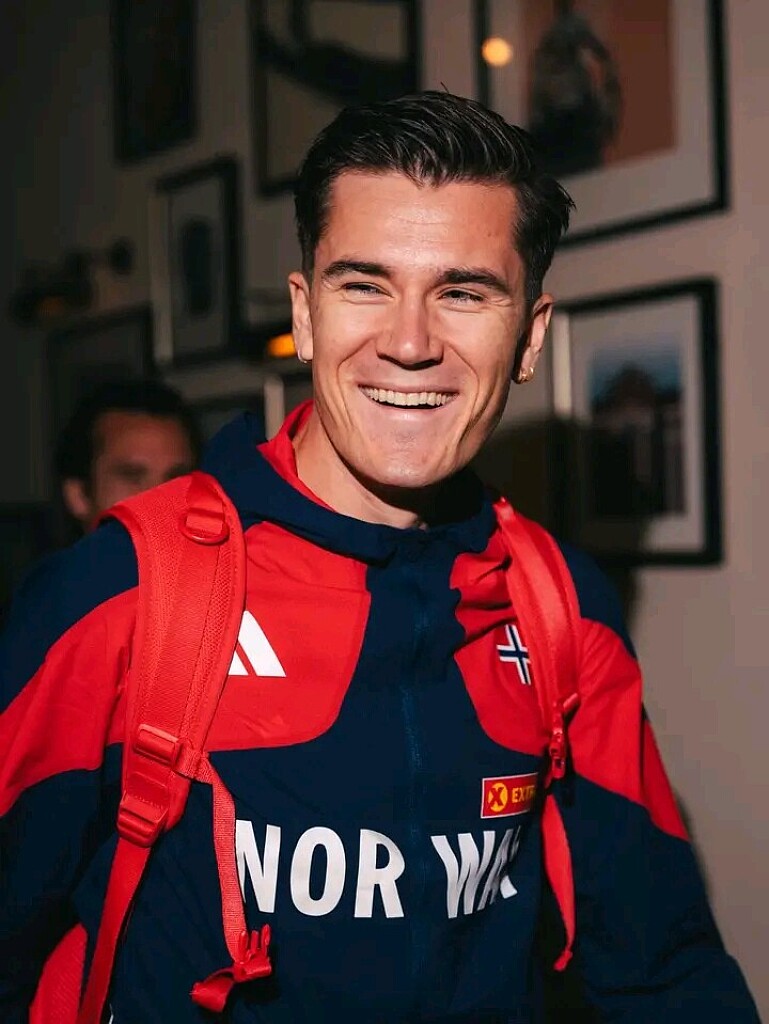
Jakob Ingebrigtsen Returns To Silesia: Can The Norwegian Reclaim The 1500m Throne?
Silesia has become a special chapter in Jakob Ingebrigtsen’s remarkable career, and on August 23, the Norwegian middle-distance superstar will return to the Diamond League with a question hanging over his comeback: can he return to the top of the 1500m?
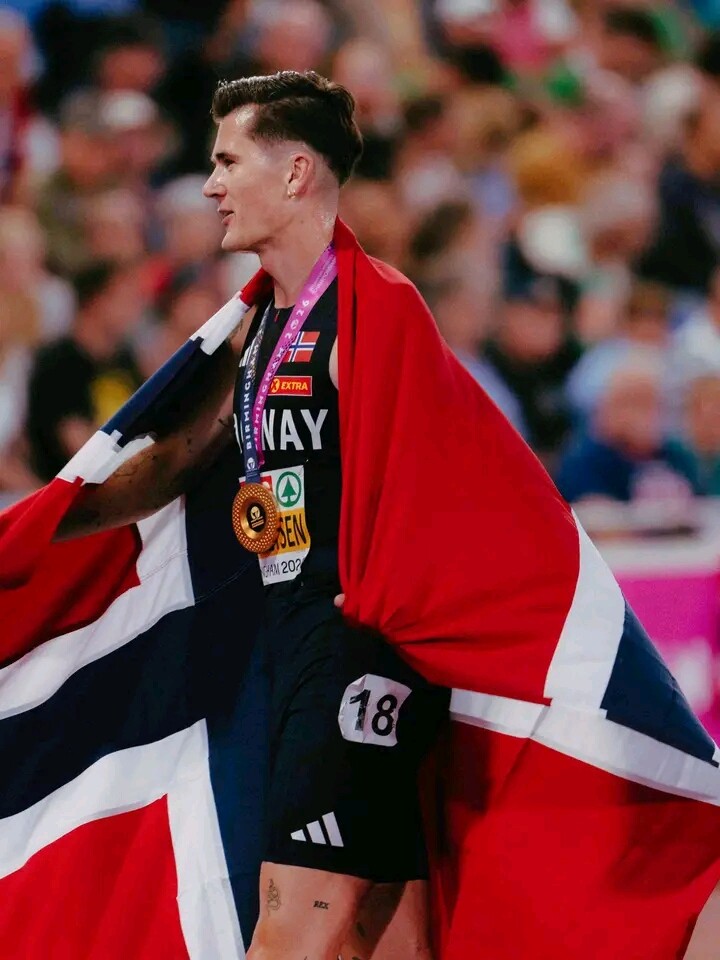
Ingebrigtsen is set to race his first 1500m since the 2025 World Athletics Championships, making his appearance at the Silesia Diamond League one of the most anticipated moments of the meeting.
The Norwegian’s return comes after a fascinating two-year stretch filled with major victories, record-breaking performances and unexpected setbacks.
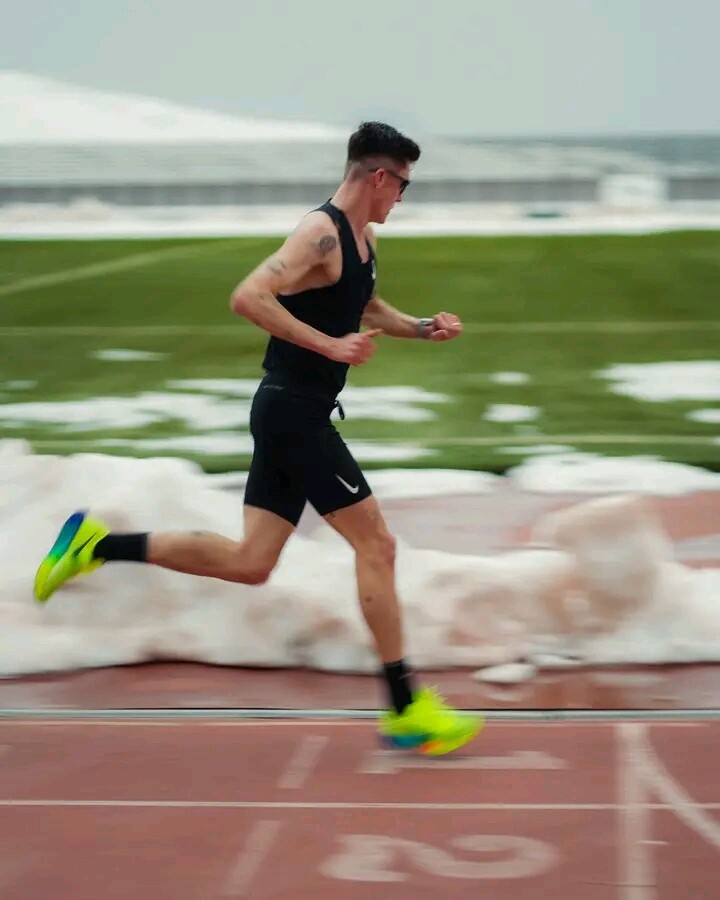
Since the 2024 Paris Olympics, Ingebrigtsen has experienced almost every side of elite middle-distance running. At the Paris Games, he finished fourth in the 1500m, narrowly missing the podium before quickly responding with a victory in the Diamond League Final later that year.
He then began 2025 in spectacular fashion, breaking the indoor mile world record before going on to claim the world indoor title in the 3000m.
However, his outdoor campaign brought a different challenge. At the 2025 World Championships, Ingebrigtsen failed to advance from the 1500m heats, bringing an unexpected early end to his campaign in the event.
Now, nearly a year later, the 25-year-old is ready to return to the distance that has defined so much of his career.
And Silesia could hardly be a more fitting place for his comeback.
The last time Ingebrigtsen raced at the Polish venue, he produced a performance for the history books. He stormed to 7:17.55 in the 3000m, destroying the 28-year-old world record and once again demonstrating his extraordinary ability to combine speed with endurance.
This time, however, the focus shifts back to the 1500m.
The race will offer Ingebrigtsen an opportunity to measure himself against the world’s best after an extended absence from the event. His tactical instincts, finishing speed and ability to handle a fast pace will all come under the spotlight.
For a runner who has spent years setting the standard in the 1500m, this is more than simply another Diamond League appearance. It is a chance to begin writing the next chapter.
Can Jakob Ingebrigtsen return to the top?
Silesia will provide the stage. August 23 will provide the answer.
by Erick Cheruiyot for My Best Runs.
Login to leave a comment
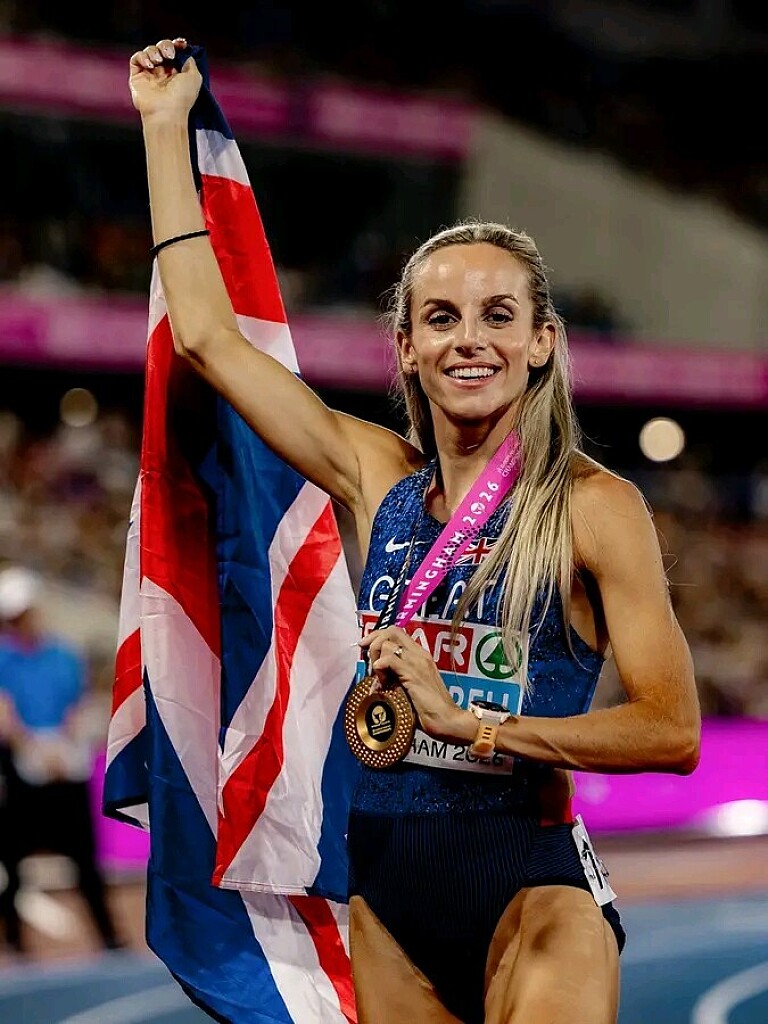
Georgia Hunter Bell Completes a Golden Hat-Trick in Birmingham
Georgia Hunter Bell is turning the 2026 season into a remarkable display of consistency, composure and championship brilliance.
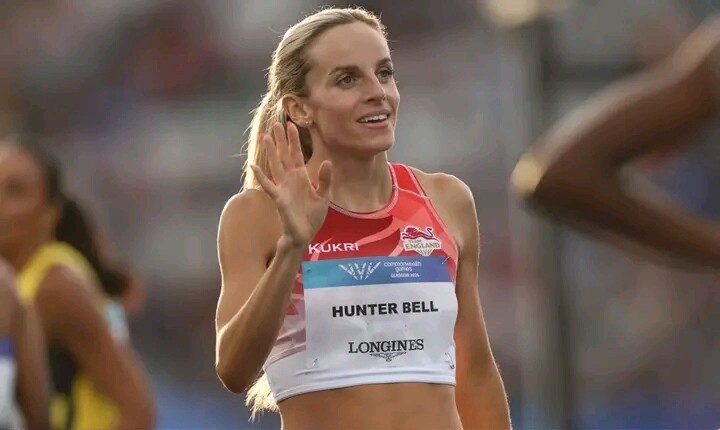
The British middle-distance star added another major title to her growing collection in Birmingham, producing a perfectly judged tactical performance to win the women’s 1500m at the European Athletics Championships in 4:07.78.
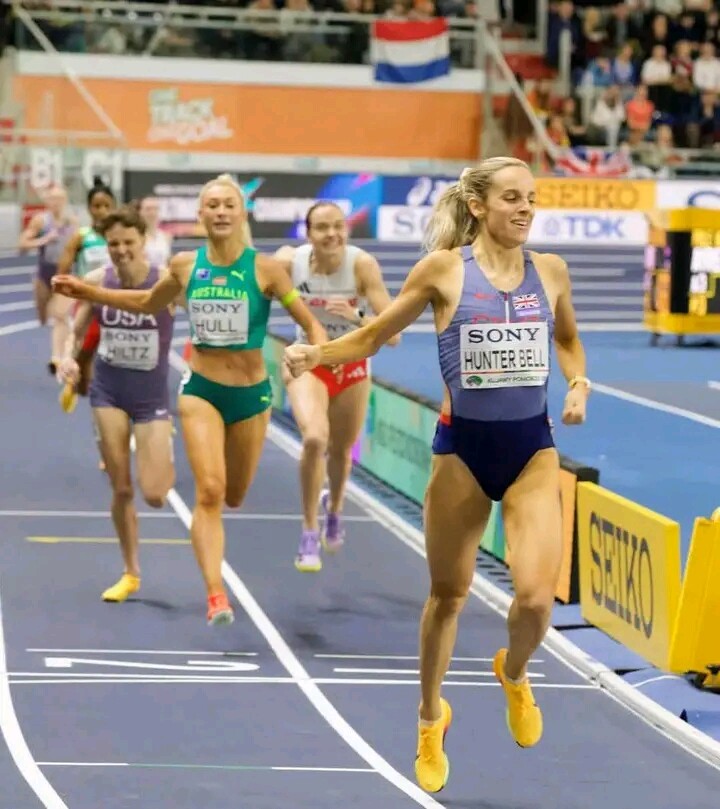
It was her third major championship gold of the season, underlining just how exceptional her campaign has become. Rather than relying on a blistering early pace, Hunter Bell remained patient through the tactical opening stages before making her decisive move when the race began to unfold.
Her latest triumph follows her victory in the 1500m at the World Athletics Indoor Championships in Toruń, Poland, and her Commonwealth Games success over 800m in Glasgow. Three major championships, three gold medals — across two different distances — is a remarkable achievement.
The European title also highlighted Hunter Bell’s versatility. She has repeatedly demonstrated that she can adapt to different race scenarios, whether the pace is aggressive from the gun or the championship demands patience, positioning and a perfectly timed finish.
Now, with three major titles already secured, attention turns to the final piece of what could become an extraordinary championship clean sweep: the World Athletics Ultimate Championship in Budapest, Hungary.
If Hunter Bell can add another victory there, she would complete one of the most impressive major-championship campaigns of the season — a golden run built not only on speed, but on intelligence, resilience and an ability to deliver when the stakes are highest.
Georgia Hunter Bell has already made 2026 a season to remember. One more major title could make it truly unforgettable.
by Erick Cheruiyot for My Best Runs.
Login to leave a comment

Michael Roeger’s Long Road Back to the Marathon World Record — and Now Sydney Awaits
On August 30, approximately 35,000 runners will line up at Miller Street in North Sydney for the 2026 TCS Sydney Marathon. Among them will be an athlete who already owns a piece of marathon history: Michael Roeger, the Australian T46 marathon world-record holder and one of the most remarkable endurance athletes of his generation.
At 38, Roeger returns to the marathon with a career shaped by persistence, reinvention and an extraordinary ability to keep moving forward whenever circumstances have threatened to derail him.
Sydney is a fitting stage for the next chapter. The marathon, now part of the Abbott World Marathon Majors, takes runners through some of the city's most recognisable landmarks, beginning in North Sydney, crossing the Harbour Bridge and eventually finishing near the Opera House. For Roeger, however, this is about far more than another marathon.
He is returning to the distance in the city where he set the fastest T46 marathon ever recorded.
Roeger grew up in Langhorne Creek, a small South Australian community about 55 kilometres south of Adelaide. Born without the lower half of his right arm, he discovered Para athletics after Paralympian Neil Fuller visited his school when Roeger was 12.
What began as an introduction to sport eventually developed into a career spanning five Paralympic Games, world championships, major medals and multiple world records.
His T46 classification covers athletes with an arm amputation or comparable upper-limb difference. Yet describing Roeger's performances simply through his classification fails to capture the complexity of what he has achieved.
Running is an intricate coordination of the entire body. The arms contribute to balance, rhythm and control, helping the torso manage the rotational forces created by every stride. Over 42.195 kilometres, maintaining efficient movement is an enormous physical and technical challenge.
Roeger's marathon performances therefore represent much more than a number attached to a classification. They are elite endurance performances in their own right.
His transition to the marathon was remarkably rapid. Roeger made his marathon debut at the Melbourne Marathon in October 2018, running 2:23:31. The performance was faster than the existing T46 world record at the time, although it was not ratified as a world record because the race did not have the necessary status.
Six months later, he returned to the distance at the 2019 London Marathon, where the World Para Athletics Marathon Championships were staged within the race.
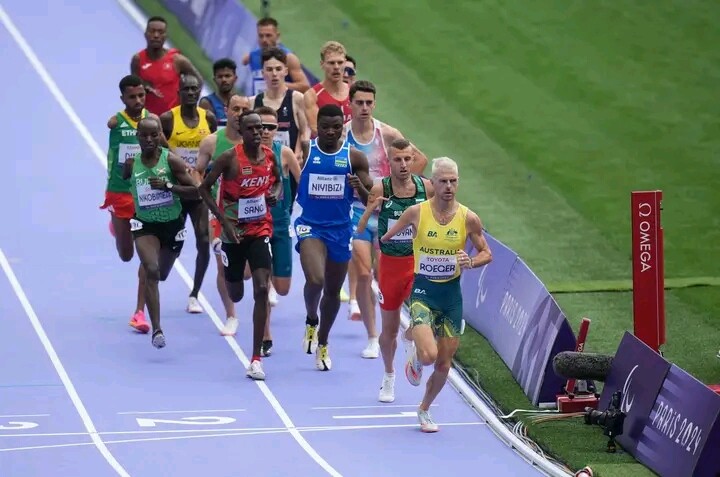
This time, everything came together.
Roeger won the T46 world title in 2:22:51, lowering the ratified world record and establishing himself as the world's leading marathoner in the classification. Even when cramp began to trouble him during the closing stages, he held on to become a world champion.
The progression continued.
At the 2020 Chevron Houston Marathon, Roeger ran 2:19:33, becoming the first ambulant Para athlete to break the 2:20 barrier and once again lowering his own world record.
But his most significant breakthrough came back in Australia.
On April 25, 2021, Roeger lined up in Sydney for the Athletics Australia Tokyo Qualifying Marathon. He produced the fastest marathon of his career, crossing the finish line in 2:18:53.
That performance remains the T46 marathon world record.
The progression is remarkable. From 2:23:31 in Melbourne to 2:22:51 in London, 2:19:33 in Houston and finally 2:18:53 in Sydney, Roeger repeatedly moved the benchmark forward.
It was almost five minutes of improvement across four marathon performances.
But the record is only one part of the story.
Roeger's career has never followed a smooth upward trajectory. At the 2008 Beijing Paralympic Games, aged only 20, he contested the 800m, 1500m and 5000m T46 events, with seventh place in the 1500m his best finish.
Four years later in London, he arrived with genuine medal ambitions. Instead, gastrointestinal bleeding struck on the eve of the T46 800m. He still started the race but was forced to withdraw after one lap.
Rio 2016 finally delivered a Paralympic medal, with Roeger winning bronze in the 1500m. That success helped convince him to move towards the longer distances and eventually make the marathon his primary focus.
Then came another major setback.
Six weeks before the Tokyo 2020 Paralympic Games, Roeger suffered a stress fracture in his lower leg, destroying much of his preparation for the marathon. Despite the injury, he travelled to Tokyo and made the start line.
He finished sixth in 2:34:45, a time far outside the level he had demonstrated before the Games.
For most athletes, such a setback could have marked the end of the road. For Roeger, it became another chapter in a career defined by adaptation.
Before the Paris 2024 Paralympic Games, another obstacle emerged when the T46 marathon was removed from the programme. The event in which Roeger had become a world-record holder was no longer available at the Games.
His only remaining distance was the 1500m.
So he adapted once again.
Roeger returned to the track and competed in Paris, ultimately adding another Paralympic medal to his collection with silver in the T46 1500m.
Now the marathon is calling again.
The 2026 TCS Sydney Marathon will provide a very different challenge from the flat courses on which many of the world's fastest marathon times are produced. The route begins in North Sydney, crosses the Sydney Harbour Bridge and winds through the city before finishing at the Opera House.
The course features substantial elevation changes, with approximately 313 metres of climbing across the 42.195 kilometres. It is a course that rewards strength, patience and the ability to maintain efficient form when the legs are already carrying the fatigue of a long marathon.
For Roeger, that challenge will be amplified by the quality of the field around him.
The Australian elite field includes a strong collection of domestic marathoners, while the international men's race features considerable depth, with numerous athletes holding personal bests below 2:10.
Roeger will therefore not be lining up in isolation as a Para athlete. He will be part of a major international marathon field, surrounded by runners pursuing national titles, personal bests and elite honours.
That is also central to the way he has approached his career.
Roeger has long resisted the idea that Para athletes should be viewed as fundamentally separate from their able-bodied counterparts. His philosophy has been simple: once the starting gun goes, the competition is about running.
That attitude has helped him move comfortably between Para athletics and open elite competition, and Sydney 2026 offers another opportunity to do exactly that.
His partnership with coach Dr Philo Saunders has been particularly important throughout his career, helping him develop into a world-class athlete across multiple distances.
Yet perhaps the most impressive part of Roeger's story is not any individual medal or record.
It is the number of times he has had to begin again.
From a small South Australian town to five Paralympic Games. From disappointment in Beijing and London to a medal in Rio. From the track to the marathon. From a devastating injury before Tokyo to a world-record performance. From losing his marathon event before Paris to returning to the 1500m and winning another Paralympic medal.
Every time the route has changed, Roeger has found another way forward.
Now, at 38, he is returning to the marathon once more.
And there could hardly be a more fitting destination than Sydney.
It is the city where he produced his 2:18:53 world record in 2021. Five years later, he will return to the same city carrying the experience of a career that has tested his resilience at almost every turn.
The world record is already in his name.
On August 30, Michael Roeger will have another chance to show the world what remains in the legs of the man who refused to let setbacks define the limits of his career.
by Erick Cheruiyot for My Best Runs.
Login to leave a comment

Sydney Marathon
The Sydney Marathon is a marathon held annually in Sydney, Australia. The event was first held in 2001 as a legacy of the 2000 Summer Olympics, which were held in Sydney. In addition to the marathon, a half marathon, 9 kilometres (5.6 mi) "Bridge Run", and a 3.5 kilometres (2.2 mi) "Family Fun Run" are also held under the banner...
more...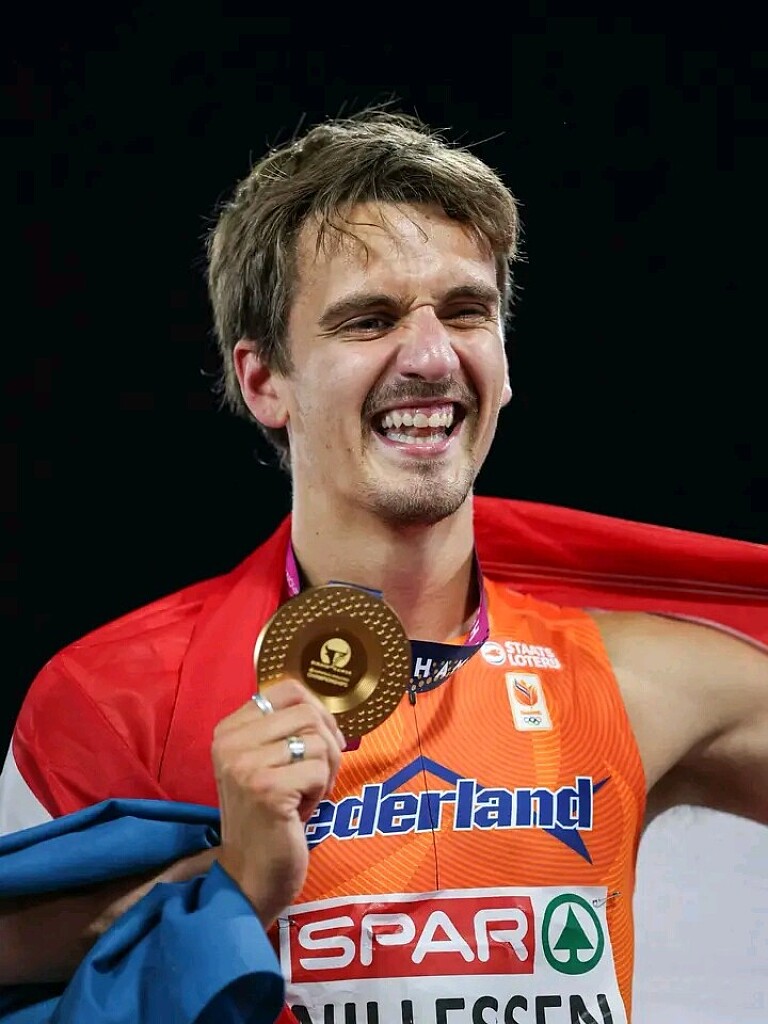
Stefan Nillessen Produces Blistering Finish to Win European 1500m Gold in Birmingham
Stefan Nillessen has been crowned European champion in the men’s 1500m after producing a sensational finishing burst to win a thrilling final at the 2026 European Athletics Championships in Birmingham.
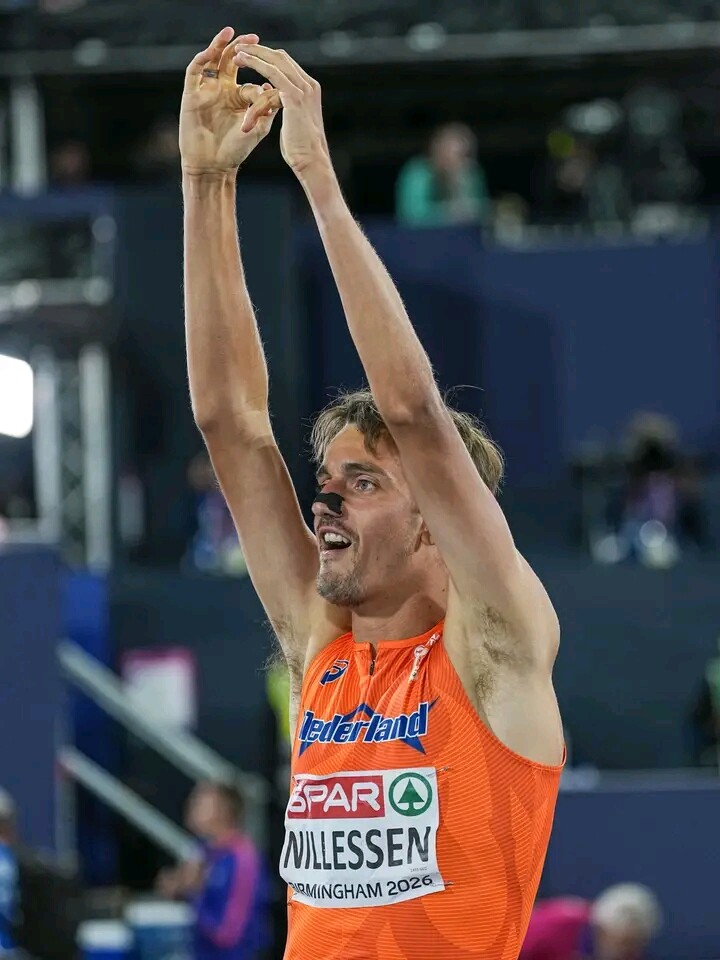
The Dutchman timed his decisive move to perfection, unleashing a blistering final 100 metres in approximately 12.6 seconds to stop the clock at 3:35.70 and claim the European title in spectacular fashion.
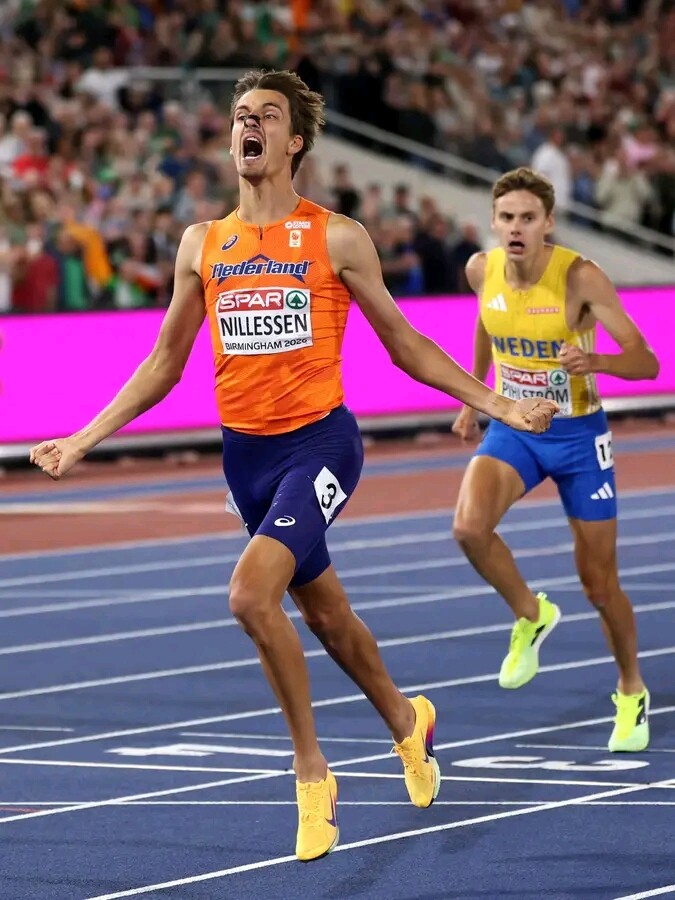
The race appeared to be leaning towards the home favourites as Jake Heyward and Jake Wightman led the field into the final 200 metres. But as the pace intensified and the medals came into view, Nillessen produced a devastating change of speed that carried him past the leading contenders and into gold-medal position.
Nillessen’s finishing kick proved too strong for the chasing pack. He powered down the home straight and opened enough of a gap to secure his first European 1500m title, turning what had been a closely packed tactical contest into a memorable individual triumph.
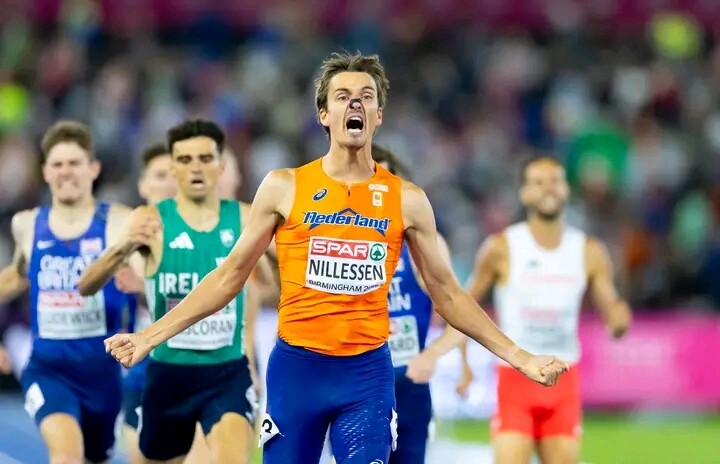
Behind him, Samuel Pihlström of Sweden produced a strong final sprint of his own to take the silver medal in 3:36.16, while Ireland’s Andrew Coscoran held on for bronze in 3:36.24. Just 0.08 seconds separated the two athletes, highlighting the extraordinary closeness of the battle for the remaining podium places.
Heyward, who had helped shape the race at the front in the closing stages, ultimately finished fourth in 3:36.40, with fellow Briton Arlo Ludewick fifth in 3:36.65. Wightman, another of the athletes at the sharp end with 200 metres remaining, crossed the line sixth in 3:37.18.
Norway’s Narve Gilje Nordås finished seventh in 3:37.31, followed by France’s Romain Mornet in 3:37.37 and Germany’s Robert Farken in 3:37.49. France’s Azeddine Habz was 10th in 3:37.61, while Italy’s Pietro Arese finished 11th in 3:38.15.
The biggest disappointment of the final was reigning world champion Isaac Nader of Portugal. One of the leading names in the field before the race, Nader struggled to respond to the repeated tactical changes and eventually finished 12th in 3:39.69.
For Nillessen, however, Birmingham delivered a defining championship moment. With the race still wide open entering the final 200 metres, he remained composed before unleashing the fastest closing burst of the field. His 12.6-second final 100m was the difference between a podium finish and European gold.
Men’s 1500m Final — Results
1. Stefan Nillessen (NED) — 3:35.70
2. Samuel Pihlström (SWE) — 3:36.16
3. Andrew Coscoran (IRL) — 3:36.24
4. Jake Heyward (GBR) — 3:36.40
5. Arlo Ludewick (GBR) — 3:36.65
6. Jake Wightman (GBR) — 3:37.18
7. Narve Gilje Nordås (NOR) — 3:37.31
8. Romain Mornet (FRA) — 3:37.37
9. Robert Farken (GER) — 3:37.49
10. Azeddine Habz (FRA) — 3:37.61
11. Pietro Arese (ITA) — 3:38.15
12. Isaac Nader (POR) — 3:39.69
The final showcased everything that makes championship 1500m racing so compelling: tactical positioning, changing momentum, a dramatic final lap and a decisive sprint for the medals. In the end, it was Nillessen’s extraordinary finishing speed that settled the contest and placed the Netherlands at the top of the European 1500m podium.
by Erick Cheruiyot for My Best Runs.
Login to leave a comment

European Athletics Champioships
The27thEuropean Athletics Championshipswill be held from 10 to 16 August 2026 at theAlexander StadiuminBirmingham, United Kingdom.[1] This is the first time that a British city will have staged the European Athletics Championships although Birmingham has hosted many high-profile events, including the2007 European Athletics Indoor Championships, the2003and2018 IAAF World Indoor Championshipsand the2022 Commonwealth Games. Alexander Stadium was renovated between 2019 and...
more...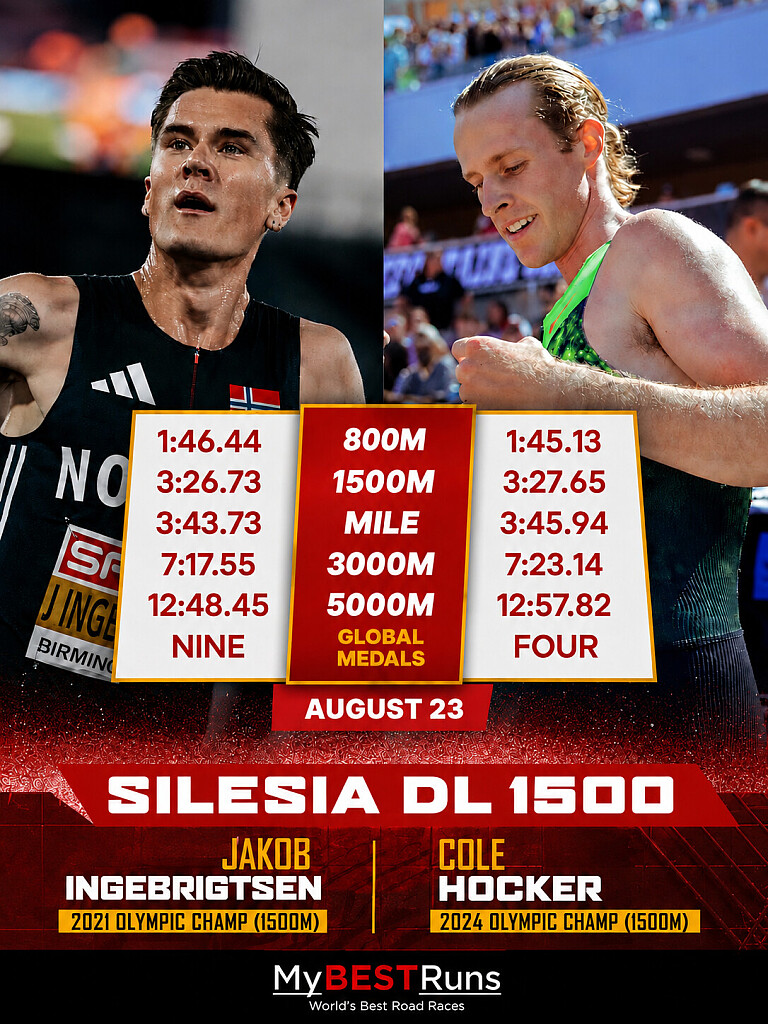
Ingebrigtsen vs Hocker: Silesia Set for a Blockbuster 1500m Showdown
A mouthwatering 1500m showdown is brewing at the Silesia Diamond League on August 23, with two of the biggest names in middle-distance running set to go head-to-head.
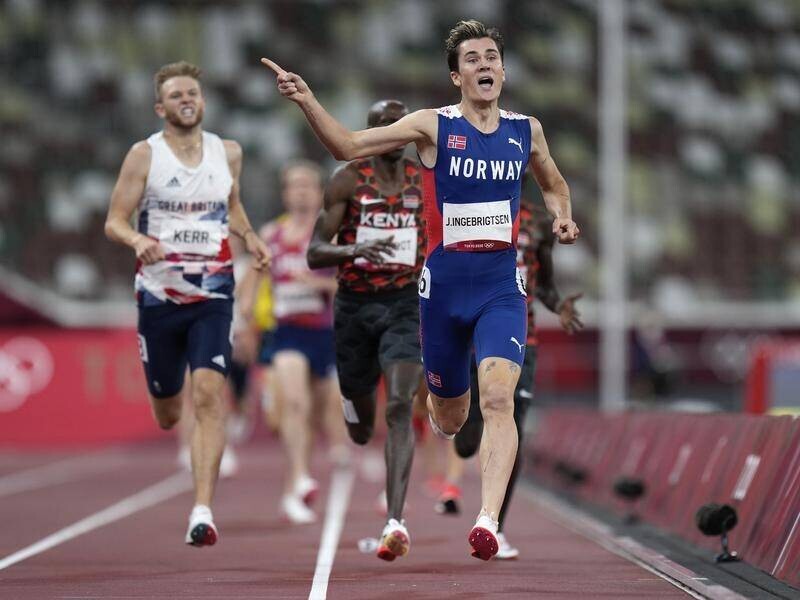
Norway’s Jakob Ingebrigtsen is set to make his return to the Wanda Diamond League in Silesia, where he will face Cole Hocker, the reigning Olympic 1500m champion. The meeting will bring together two athletes who have already shared one of the most memorable 1500m battles of recent years.
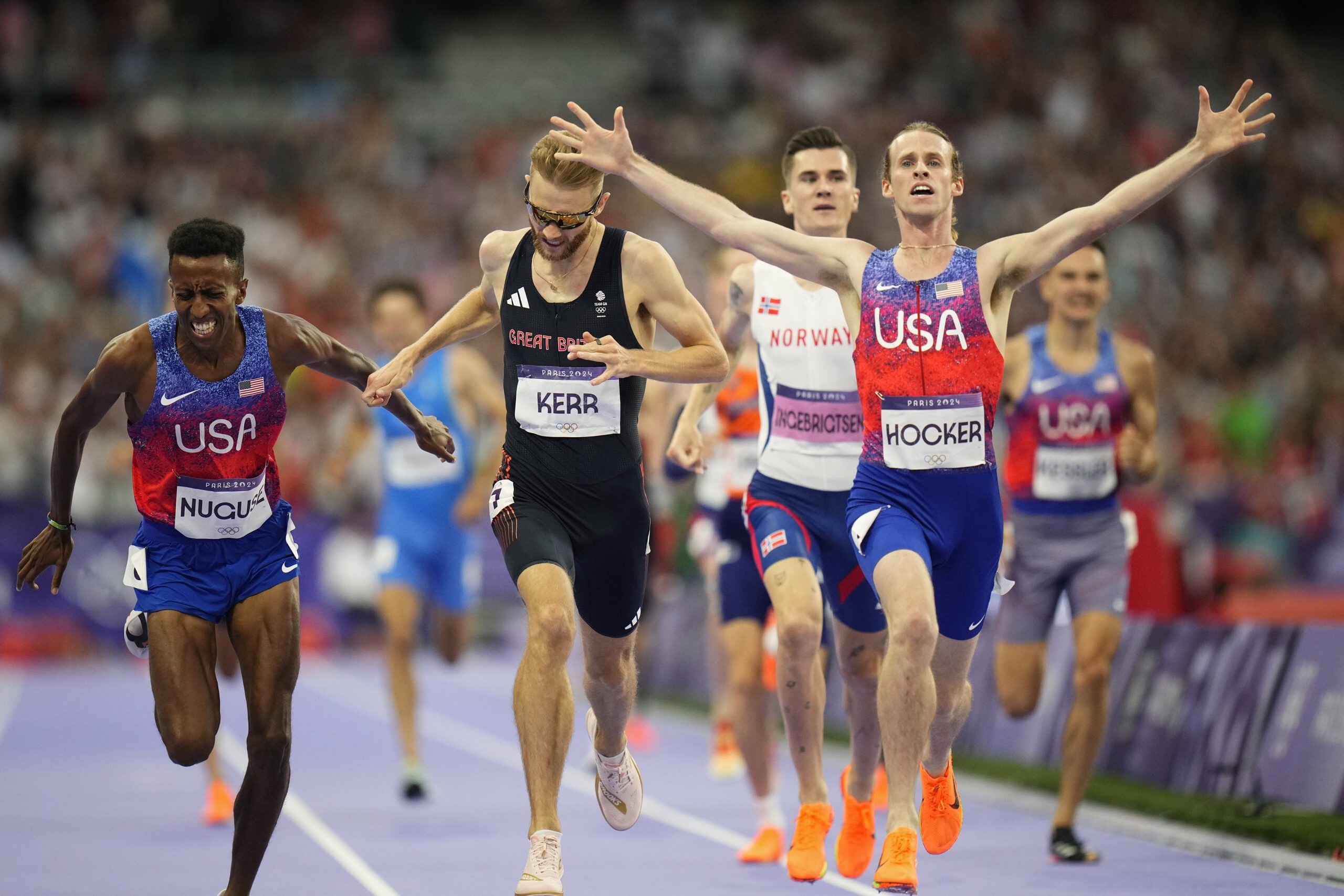
At the Paris 2024 Olympic Games, Hocker produced a sensational finish to take the gold medal in an Olympic-record 3:27.65, while Ingebrigtsen finished fourth in 3:28.24.
More than two years later, the two stars are preparing to meet again, adding another intriguing chapter to their rivalry.
For Ingebrigtsen, the Silesia race will come shortly after his long-awaited return to competition following an injury layoff. The Norwegian made his comeback in impressive fashion at the 2026 European Athletics Championships in Birmingham, successfully defending his European 5000m title.
Ingebrigtsen clocked 13:15.29 to win the 5000m, immediately reminding the athletics world of his extraordinary championship pedigree and competitive instincts after his extended absence.
Hocker, meanwhile, arrives in Silesia as one of the most formidable 1500m runners in the world. His Olympic triumph in Paris established him as the reigning Olympic champion, while his 3:27.65 personal best ranks him among the fastest athletes ever over the distance.
Ingebrigtsen and Hocker bring remarkable credentials to the Silesia showdown. Hocker enters the race as the reigning Olympic 1500m champion with a personal best of 3:27.65, while Ingebrigtsen owns an even faster lifetime best of 3:26.73 and a long list of Olympic and European championship honours. With both athletes capable of producing extraordinary speed over the final stages, the Silesia meeting could deliver another memorable chapter in their growing rivalry.
The Norwegian will also be looking to sharpen his 1500m form after beginning his comeback over 5000m, while Hocker will have the confidence that comes with being the reigning Olympic champion.
That combination makes the Silesia clash particularly compelling. Will Ingebrigtsen's strength and proven championship experience prevail, or can Hocker once again produce the decisive finishing speed that delivered Olympic gold?
One thing is certain: Silesia is set for a 1500m battle that distance-running fans will not want to miss.
Jakob Ingebrigtsen vs Cole Hocker. August 23. The stage is set.
by Erick Cheruiyot for My Best Runs.
Login to leave a comment
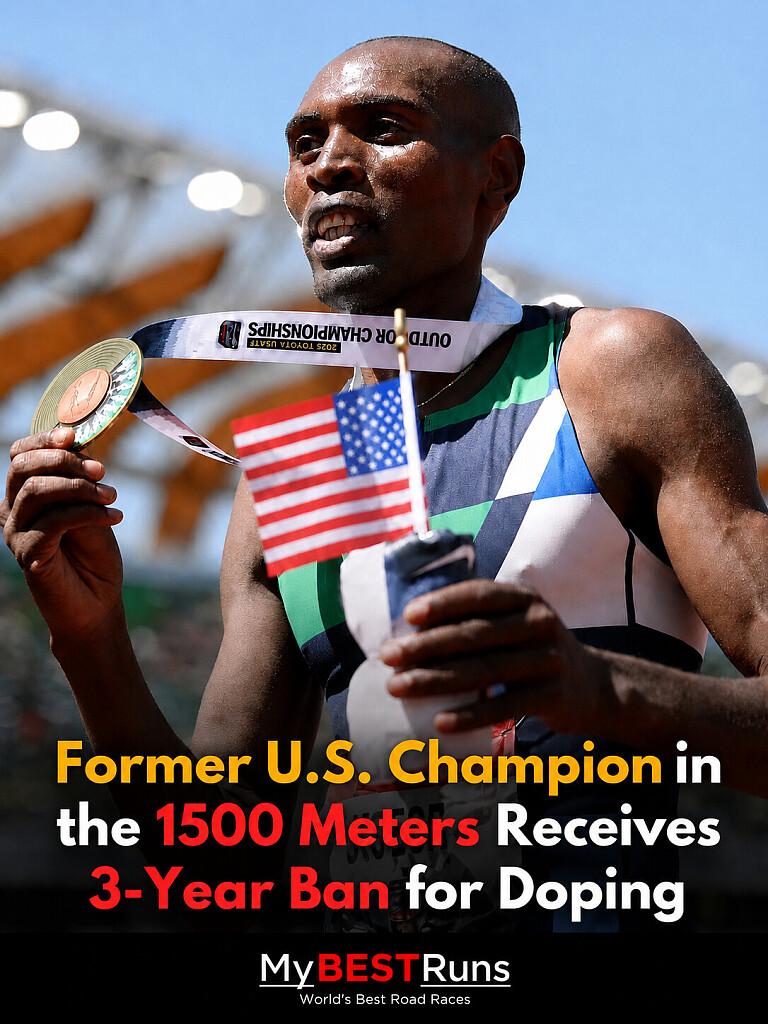
Jonah Koech Banned for Three Years After Blood-Doping Violation
Kenyan-born 1500m runner Jonah Koech has been handed a three-year ban following an anti-doping violation that has stripped him of his 2025 U.S. 1500m championship title and cast a shadow over what had been a breakthrough season.
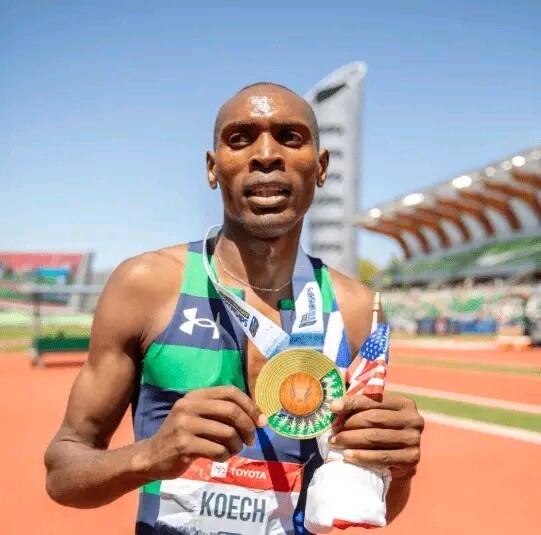
The United States Anti-Doping Agency (USADA) announced that Koech accepted the sanction after an investigation into highly atypical blood values recorded in his Athlete Biological Passport. An expert review of his biological profile determined that the abnormalities were consistent with the use of a prohibited blood-doping method.
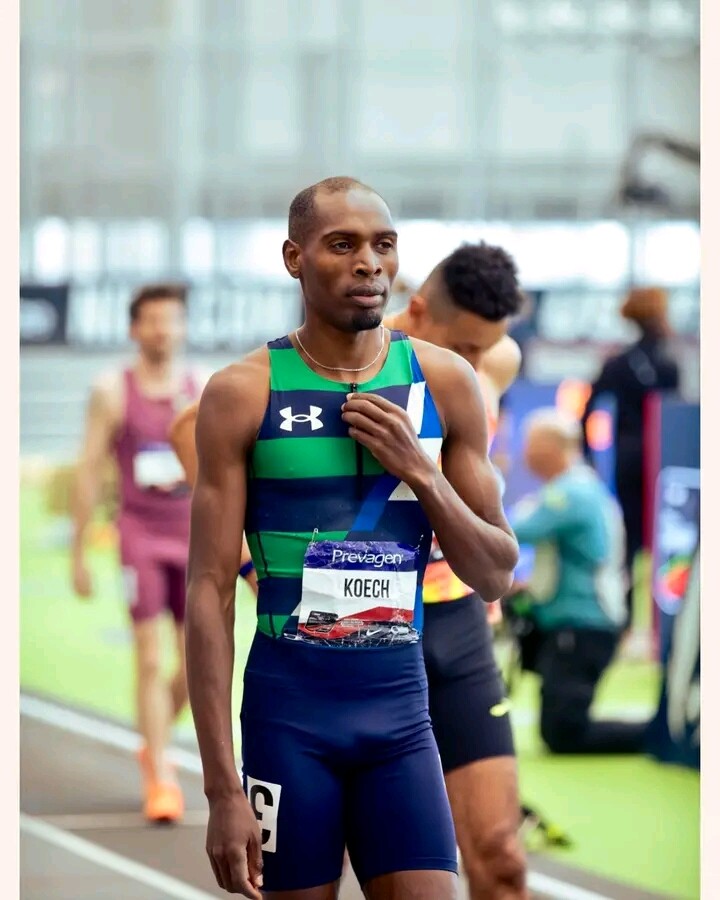
Koech’s sanction comes with a significant consequence: his victory in the men’s 1500m at the 2025 USATF Outdoor Championships in Eugene, Oregon, has been disqualified. The title, which represented one of the biggest achievements of his career, has therefore been removed from his official record.
The ruling marks a dramatic reversal for Koech, who produced a stunning breakthrough in 2025. After establishing himself as a serious force in the 1500m, he captured the U.S. national title and earned international recognition as one of the country’s leading middle-distance runners.
His three-year suspension is shorter than the standard four-year sanction that can apply to serious anti-doping violations. Koech’s acceptance of the violation and sanction resulted in a reduction of the period of ineligibility, allowing him to avoid the full four-year penalty.
Koech will remain ineligible to compete until July 2029, meaning he faces a lengthy absence from competitive athletics. His return will come after one of the most significant seasons of his career has now been rewritten by the anti-doping ruling.
The Athlete Biological Passport played a central role in the case. Rather than simply looking for a banned substance in an individual sample, the system monitors selected biological markers over time. Significant abnormalities in an athlete’s profile can trigger further examination and, where supported by expert evidence, an anti-doping case.
For Koech, the development represents a painful fall from a season that had appeared to signal the arrival of a major new name in American 1500m running. Born in Kenya before building his career in the United States, he had become a notable figure on the U.S. middle-distance scene.
The case also underlines the increasingly sophisticated approach to anti-doping in modern athletics, where an athlete's biological profile can be scrutinized long after a race has finished. For Koech, the consequences will extend far beyond the loss of one championship title, with three years away from competition now standing between him and a possible return to the track.
by Erick Cheruiyot for My Best Runs.
Login to leave a comment
4:17 With A Stroller: Stephen Biebelhausen Chases Down Potential World Record
Stephen Biebelhausen has taken stroller running to an extraordinary level after reportedly running a mile in roughly 4:17 while pushing his child at the Guardian Mile in Cleveland.
The former college distance runner produced the remarkable performance on the Hope Memorial Bridge, covering the road-mile course at a pace that, if officially ratified, would dramatically rewrite the men's Guinness World Record for the fastest mile while pushing a stroller.
Biebelhausen's reported time is approximately nine seconds faster than the current men's record of 4:26.29, set by Silas Frantz in Arroyo Grande, California, in June 2025. For a record that is barely more than a year old, an improvement of that magnitude would be extraordinary.
And Biebelhausen had the running credentials to make such a performance possible.
During his college career with the Miami RedHawks, Biebelhausen established himself as a highly accomplished middle-distance runner. He owns a 1500m personal best of 3:48.11, a mark that places him among the fastest athletes in Miami University's history, while he also recorded a 4:06.68 indoor mile.
That background in competitive distance running makes the 4:17 stroller mile even more fascinating. Maintaining a pace of roughly 4:17 per mile is demanding under normal circumstances; doing it while pushing a stroller and a child throughout the race adds an entirely different physical challenge.
Biebelhausen was not the only athlete taking on the unusual challenge at the Guardian Mile. Another runner, also pushing his child, completed the race in an impressive 4:32.
Stroller racing has steadily developed into a genuine record category, with runners testing themselves over everything from the mile to the half marathon. On the women's side, Kaitlin Donner recorded a 5:11 stroller mile in 2024, while longer-distance attempts have also produced remarkable performances, including a 1:08:04 half marathon.
Yet Biebelhausen's reported 4:17 could prove to be the most eye-catching mark of them all.
There is one important catch: the performance is not officially a world record yet.
Guinness World Records must review the documentation and verify that the attempt complied with all of its requirements, including the specifications for the stroller and the minimum weight of the child being carried throughout the distance.
Until that verification is completed, Frantz's 4:26.29 remains the official men's record.
But if Biebelhausen's time is confirmed, the record will fall by a huge margin.
A 4:17 mile is already an exceptional performance. A 4:17 mile while pushing a stroller and a child is something altogether different.
If Biebelhausen's 4:17 is officially confirmed, the Guardian Mile will have produced far more than an impressive road race. It could have witnessed the setting of a remarkable new benchmark in one of running's most unusual and rapidly growing record categories — proving once again that the limits of speed can sometimes be pushed in the most unexpected ways.
by Erick Cheruiyot for My Best Runs.
Login to leave a comment
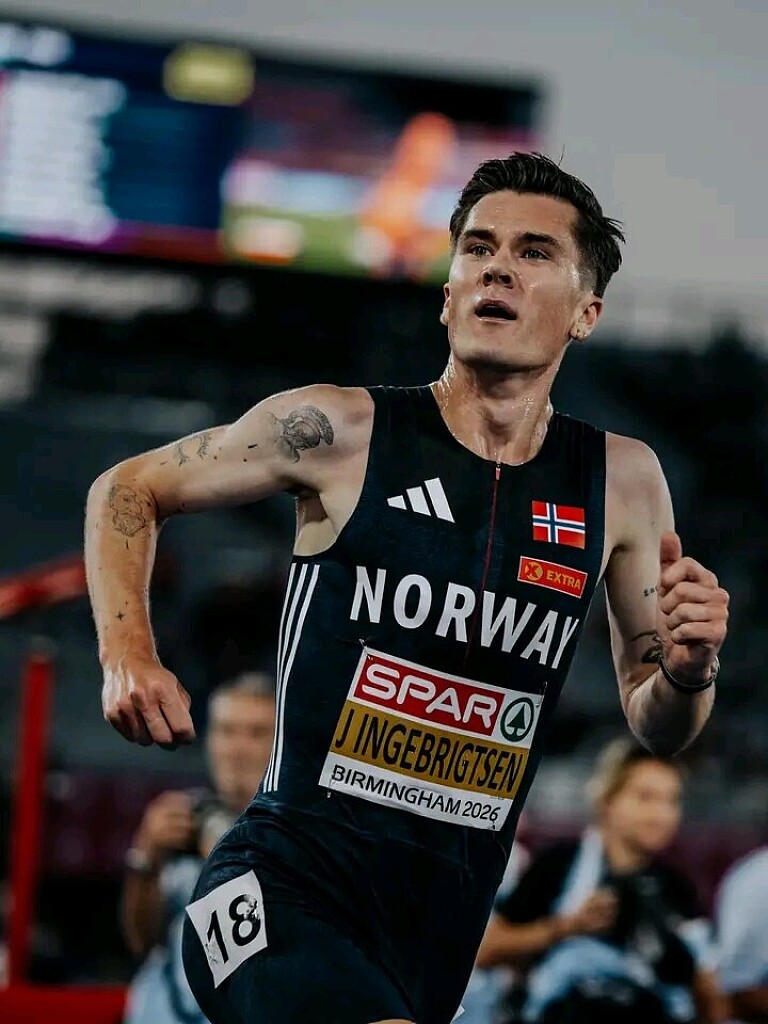
Jakob Ingebrigtsen Returns In Style With Fourth Straight European 5000m Gold
After 11 months away from competitive racing, Jakob Ingebrigtsen reminded the athletics world exactly why he remains one of distance running’s most formidable forces.
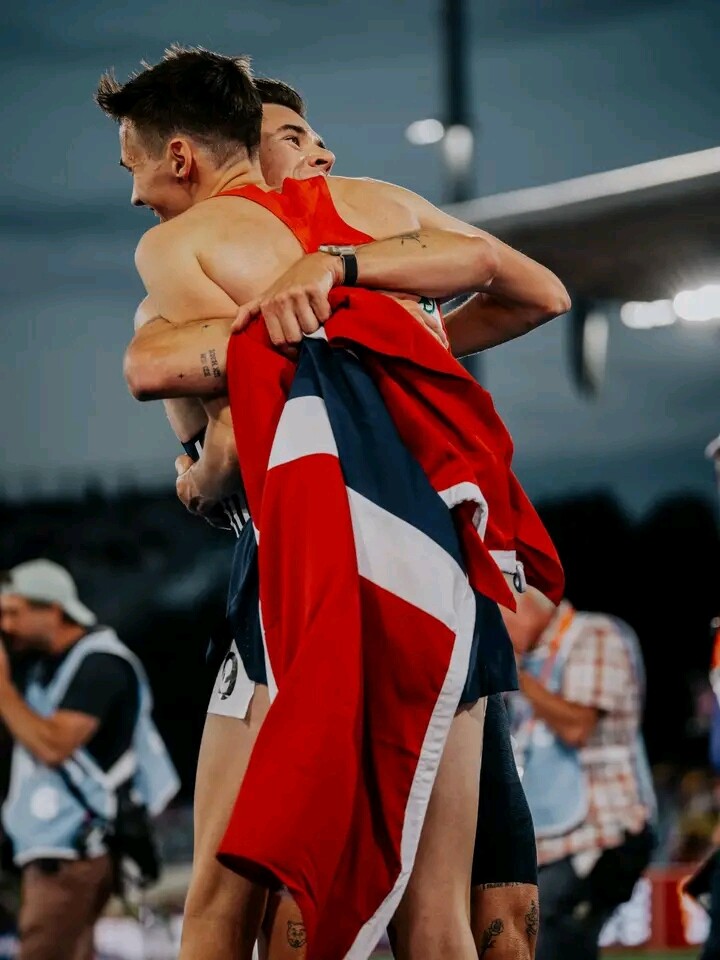
The Norwegian superstar made a spectacular return at the European Athletics Championships in Birmingham, producing a trademark finishing surge to capture his fourth consecutive European 5000m title in 13:15.29.
Making his first competitive appearance since 2025 following an Achilles injury and surgery earlier this year, Ingebrigtsen approached the race with patience. Rather than forcing the pace early, the Olympic champion remained composed through the opening stages, conserving energy for the decisive moments.
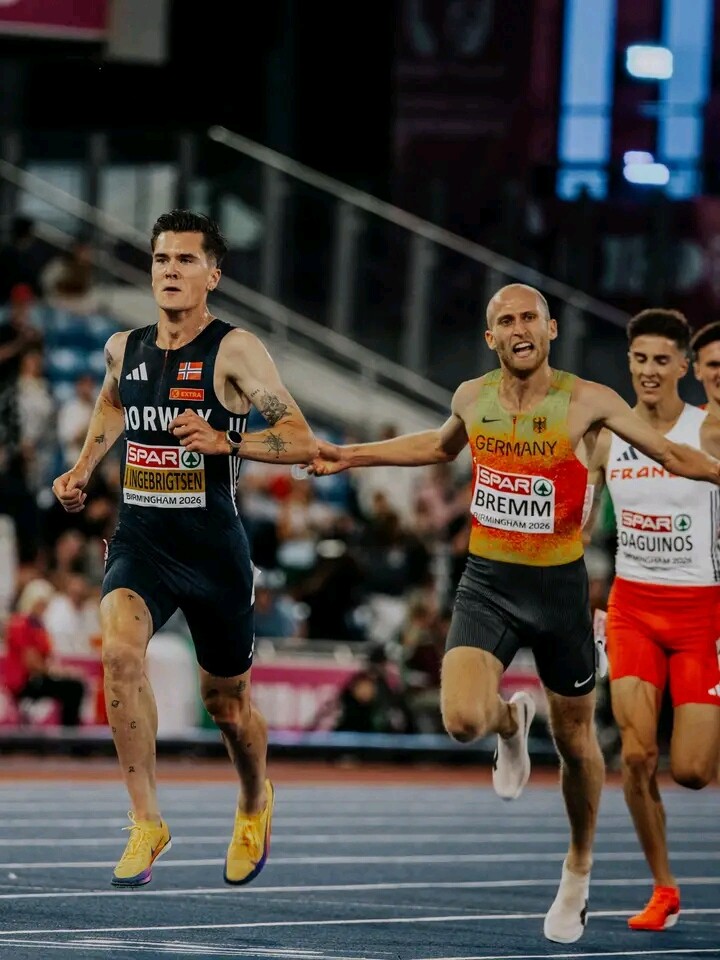
With the field still tightly packed entering the closing stages, the race came down to a final-lap battle. Ingebrigtsen moved into contention around the final bend before unleashing a devastating kick over the closing 100 metres.
Jimmy Gressier of France and Germany’s Florian Bremm were among those fighting for the medals, but neither could match the Norwegian’s acceleration. Ingebrigtsen powered clear to cross the line first in 13:15.29, with Bremm taking silver and France’s Etienne Daguinos claiming bronze.
The victory extends an extraordinary European Championships record for Ingebrigtsen. He has now won the 5000m title at four consecutive editions, while his latest gold also further strengthens his status as the most successful male athlete in the history of the European Athletics Championships.
What made the performance even more remarkable was the uncertainty surrounding his return. Ingebrigtsen had not raced at all during the 2026 season as he worked his way back from Achilles surgery. His participation in Birmingham was only confirmed in late July, with his management stressing that the decision would depend on his readiness.
Yet when the moment arrived, the 25-year-old delivered in familiar fashion — staying calm, trusting his strength and producing an explosive finish when the medals were on the line.
The comeback victory also sets up an intriguing next chapter. Ingebrigtsen is scheduled to return to the Diamond League circuit at the Weltklasse Zürich meeting on August 27, where he is expected to contest the 1500m alongside a formidable field that includes Olympic champion Cole Hocker, Yared Nuguse and Isaac Nader. The Zürich meeting is scheduled for August 27.
After nearly a year away, Jakob Ingebrigtsen is back — and his first race of the comeback has already produced another European title.
The next test will come over 1500 metres in Zürich, where the Norwegian will face a very different challenge and an entirely different level of speed.
For now, though, one message rings loud across European athletics:
Jakob Ingebrigtsen is back.
by Erick Cheruiyot for My Best Runs.
Login to leave a comment
European Athletics Champioships
The27thEuropean Athletics Championshipswill be held from 10 to 16 August 2026 at theAlexander StadiuminBirmingham, United Kingdom.[1] This is the first time that a British city will have staged the European Athletics Championships although Birmingham has hosted many high-profile events, including the2007 European Athletics Indoor Championships, the2003and2018 IAAF World Indoor Championshipsand the2022 Commonwealth Games. Alexander Stadium was renovated between 2019 and...
more...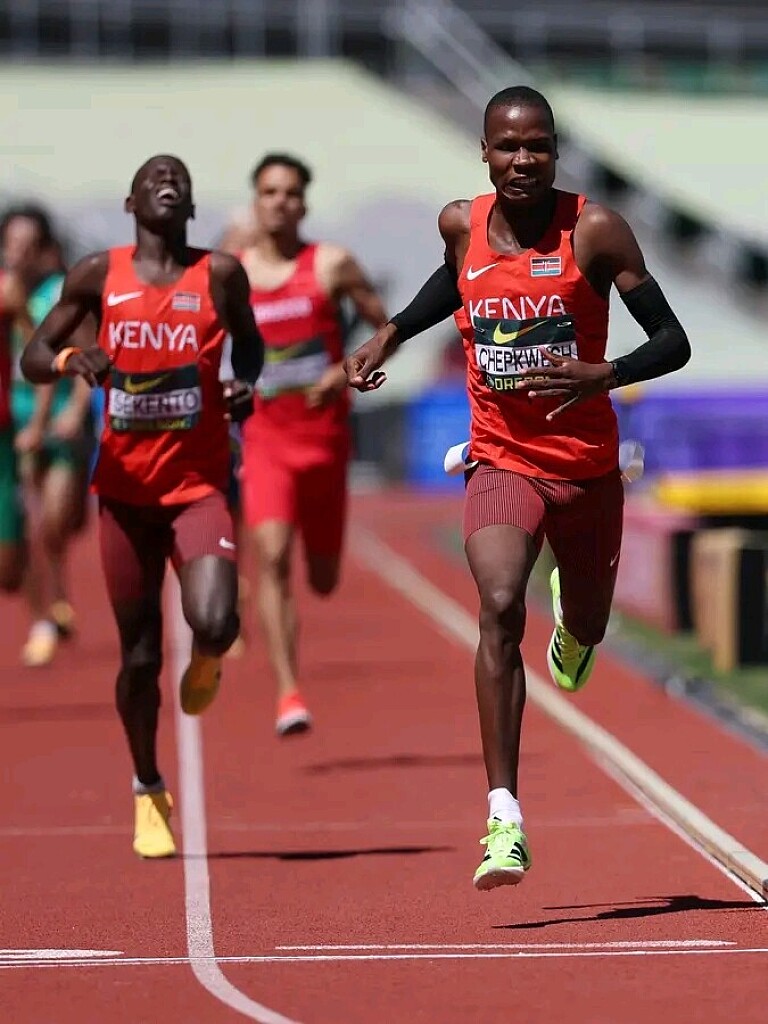
Chepkwech Produces Blistering Finish To Claim U20 1500m World Title
The men’s 1500m final at the World Athletics U20 Championships in Eugene delivered a compelling display of young middle-distance talent, with Kenya’s Wilson Chepkwech producing a remarkable late surge to take the world junior title on August 9, 2026, at Hayward Field.
Just 16 years old, Chepkwech timed his decisive move perfectly in the closing stages. After staying within contention through the earlier laps, he unleashed a spectacular final 400 metres in 52.87 seconds, powering away from his rivals to cross the finish line in a personal-best 3:37.46.
His compatriot David Kapaiko Sekento also enjoyed an outstanding race, securing the silver medal in a personal-best 3:38.32. Sekento remained firmly in the medal battle throughout the closing stages and held on strongly to complete a Kenyan 1-2.
Morocco’s Osama Er Redouani completed the podium in 3:39.68, also setting a personal best. His bronze added an international dimension to a final in which all three medallists produced the fastest performances of their careers.
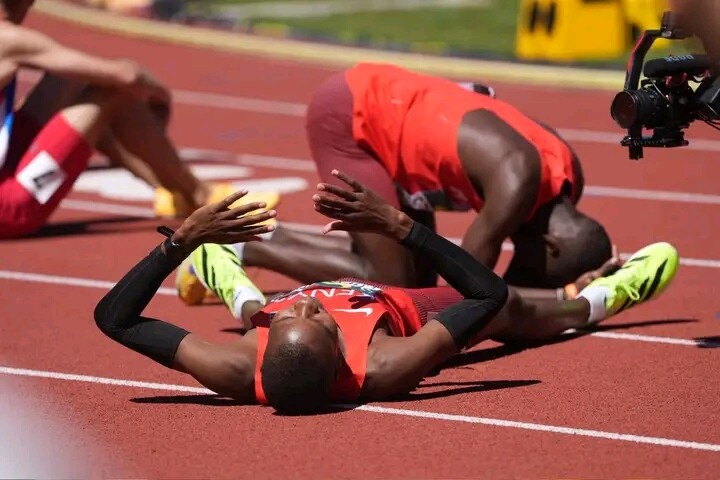
The quality of the race was reflected in the closeness of the leading trio, with less than three seconds separating the gold medallist from bronze. Chepkwech’s finishing speed ultimately proved decisive, while Sekento and Er Redouani demonstrated the competitiveness required to challenge for medals on one of the biggest stages in junior athletics.
The podium was therefore led by Wilson Chepkwech – 3:37.46 (PB), followed by David Kapaiko Sekento – 3:38.32 (PB) and Osama Er Redouani – 3:39.68 (PB).
For Chepkwech, the victory represents a significant early milestone and an indication of the potential he possesses as he continues his development. His age makes the performance particularly notable, but the strength of the final also underlined the depth of talent emerging across the international middle-distance scene.
The result brought the individual track events at the World Athletics U20 Championships Oregon 2026 to a memorable conclusion at Hayward Field. With three athletes setting personal bests and a fiercely contested battle for the medals, the 1500m final provided an exciting showcase of the young talent that will shape the future of the event.
by Erick Cheruiyot for My Best Runs.
Login to leave a comment
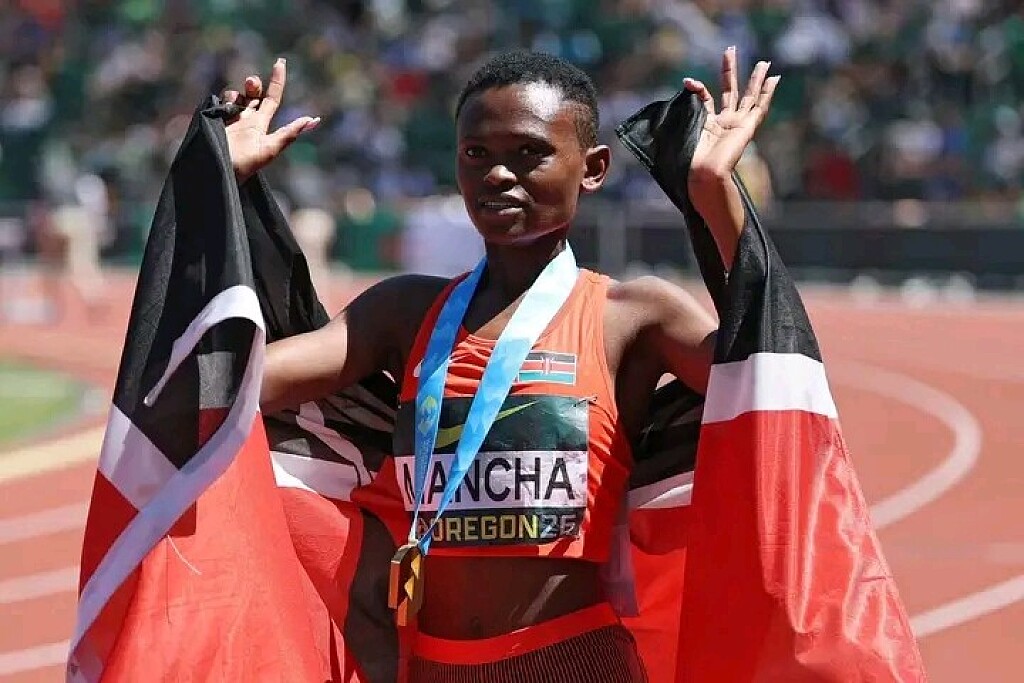
Josephine Mancha Ends Kenya’s 14-Year Wait With Dramatic World U20 1500m Gold
Kenya has a new women’s 1500m world champion at U20 level.
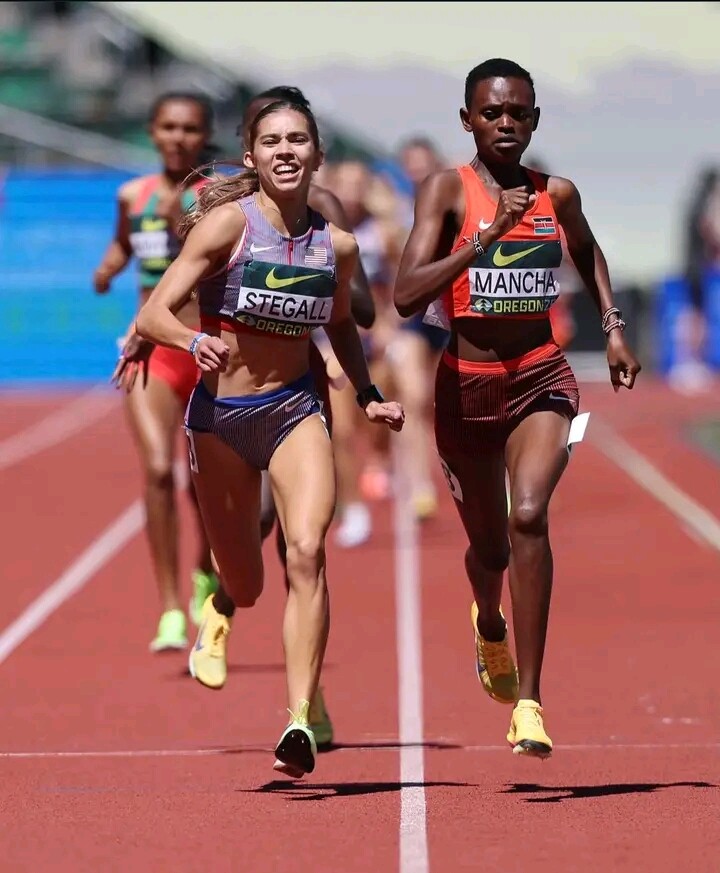
Josephine Sembeyo Mancha produced a composed and determined performance in Eugene to win gold at the World Athletics U20 Championships Oregon 26, ending Kenya’s long wait for another world title in the event.
Mancha crossed the finish line in 4:16.73, edging American Claire Stegall by just 0.04 seconds in one of the most dramatic finishes of the championships. Kenya’s Caren Chepchirchir completed the podium to make it a memorable double medal for the country.
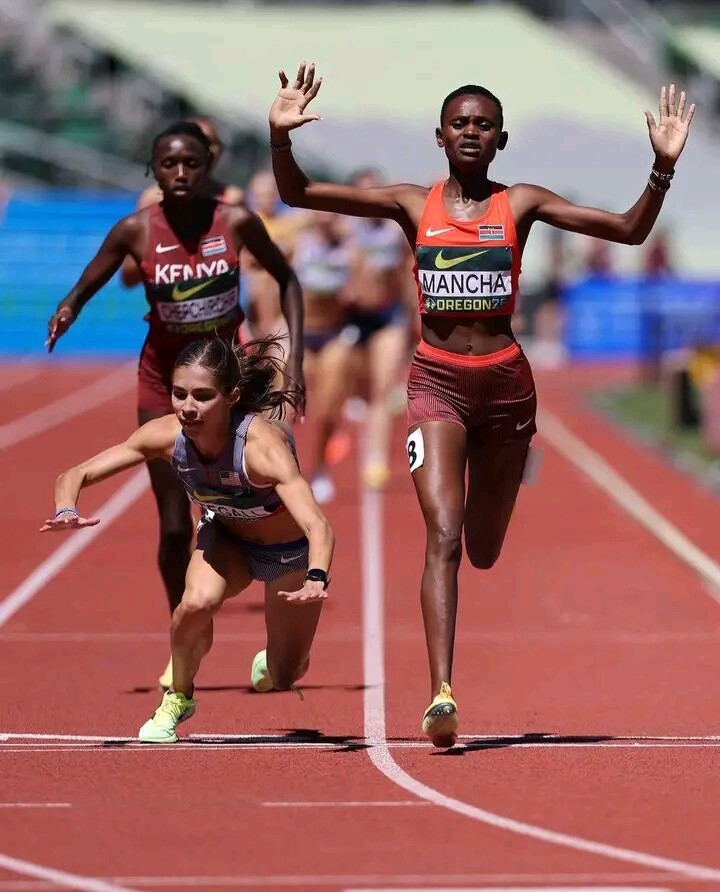
The final was anything but straightforward. A cautious opening lap of roughly 78 seconds saw the athletes remain tightly bunched, creating a dangerous situation as several runners went down in a series of falls.
The chaos continued throughout the race, with a discarded spike even left on the inside of lane one for more than a lap, adding another unusual obstacle to an already unpredictable contest.
Through it all, Mancha remained patient.
Rather than becoming caught up in the disorder around her, the Kenyan kept her composure and positioned herself for the decisive moment. As the bell sounded and the race entered its final lap, the contest suddenly came alive.
Mancha unleashed her finishing speed and surged toward the line, but Stegall refused to surrender. The American launched herself forward in a desperate diving attempt at the finish, making the outcome almost impossible to separate with the naked eye.
In the end, it was Mancha who had done enough.
Josephine Sembeyo Mancha — gold, 4:16.73.
Claire Stegall — silver.
Caren Chepchirchir — bronze.
For Kenya, however, the significance of the victory goes far beyond a single race.
Mancha’s triumph ends a 14-year wait for a Kenyan women’s U20 1500m world title. The last Kenyan to achieve the feat was Faith Kipyegon, who captured the crown in 2012 before going on to build one of the greatest middle-distance careers in athletics history.
Fourteen years later, Mancha has restored Kenya to the top of the global U20 podium.
In a final defined by falls, uncertainty and a breathtaking finish, the young Kenyan showed exactly what championship racing demands: patience, resilience and the ability to produce when it matters most.
Eugene has a new 1500m champion, and Kenya has another name to remember.
by Erick Cheruiyot for My Best Runs.
Login to leave a comment

Ultimate Clash Reloaded: Paris Olympic 1500m Medalists Set for Another Epic Battle in Budapest
The rivalry that captivated the athletics world in Paris is about to be reignited on one of the sport's biggest new stages.
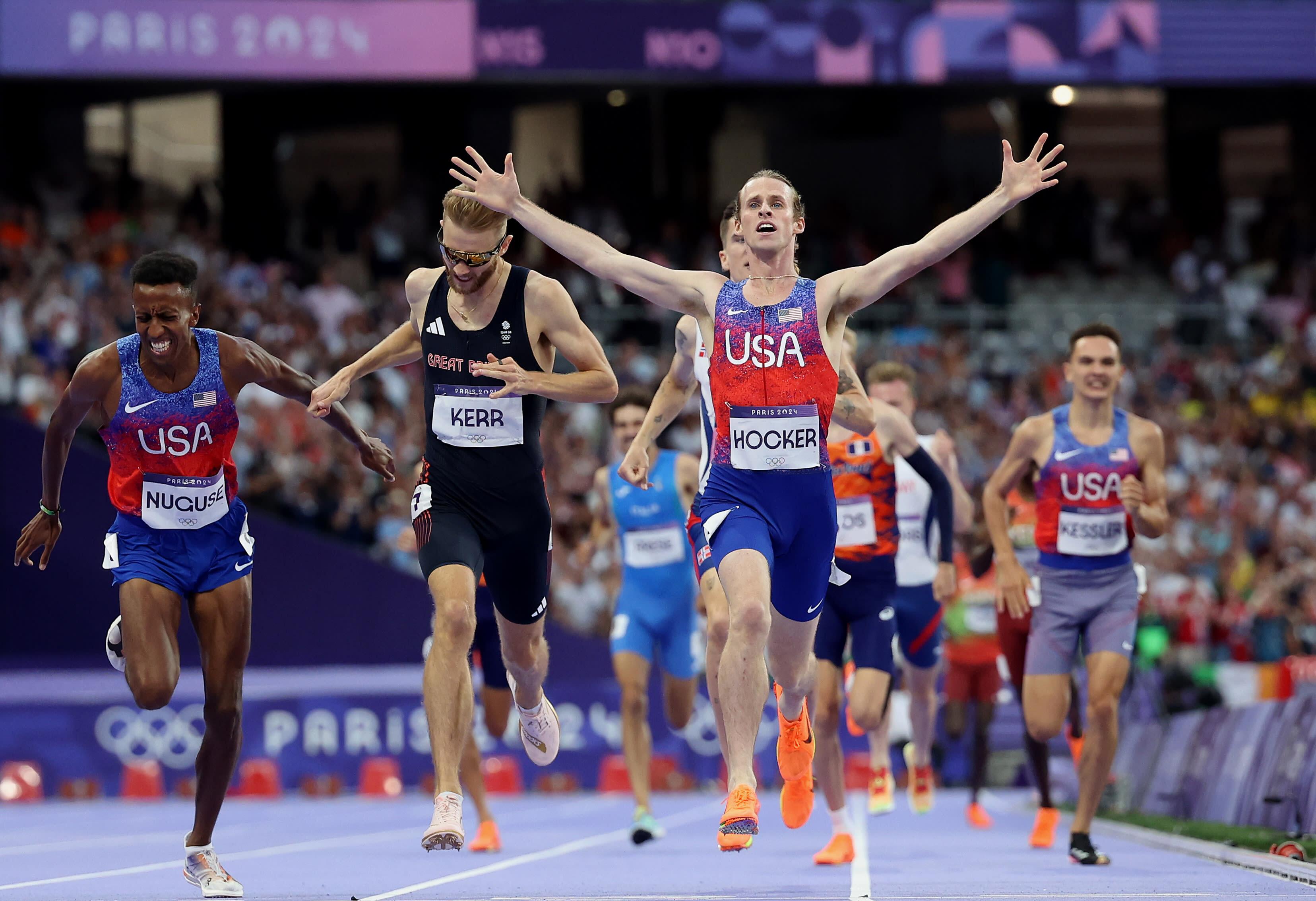
More than two years after producing one of the greatest Olympic 1500m finals in history, Olympic champion Cole Hocker, world mile record holder Josh Kerr, and Olympic bronze medalist Yared Nuguse are set to face each other once again at the inaugural World Athletics Ultimate Championships in Budapest, Hungary, from September 11–13, 2026.
Their unforgettable showdown at the Paris Olympics stunned fans across the globe. Hocker stormed to Olympic gold in a remarkable 3:27.65, smashing the Olympic record in a race that redefined what was thought possible over 1500 metres. Kerr claimed silver after another fearless performance, while Nuguse completed an extraordinary American one-two-three finish by securing the bronze medal.
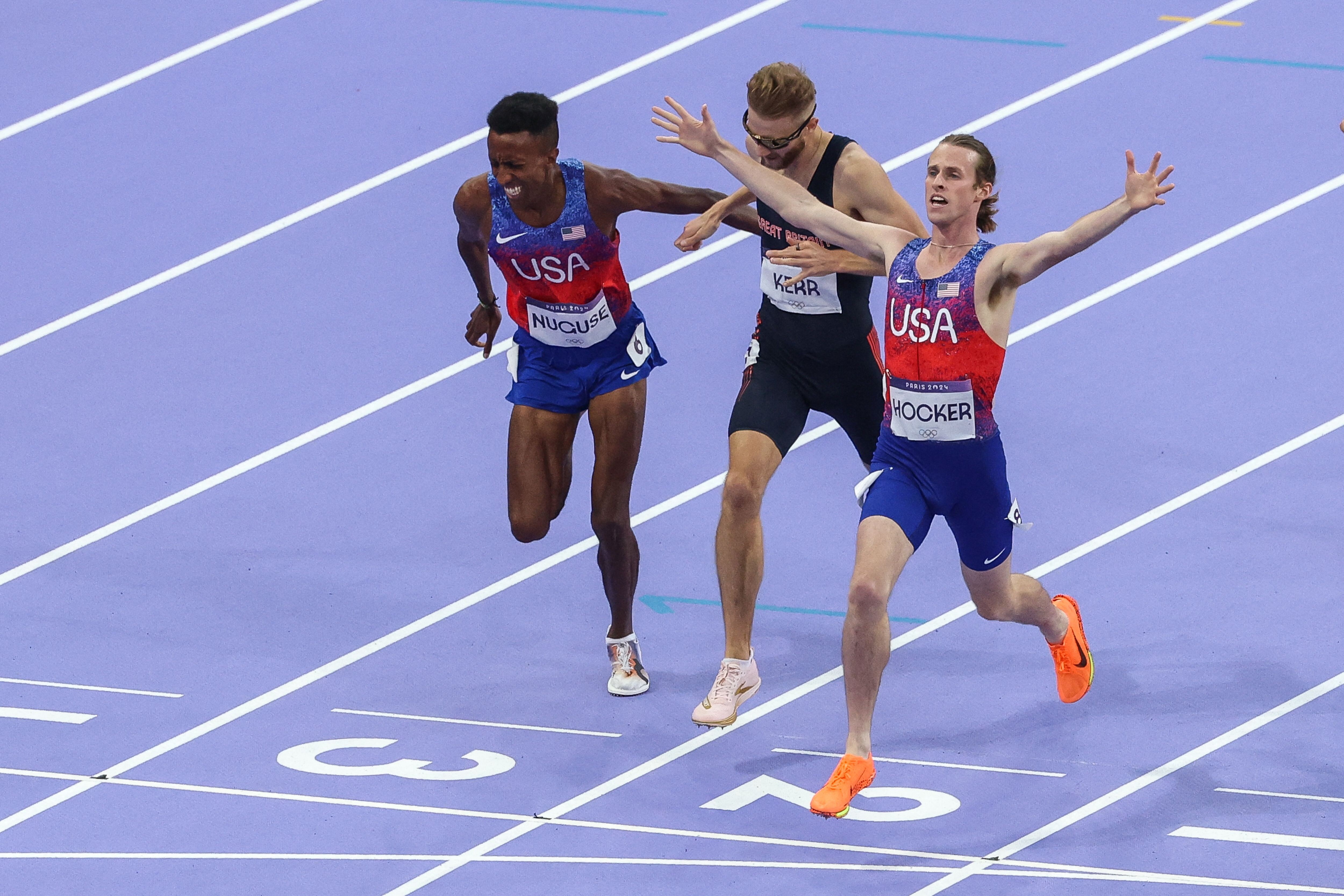
Now, the three medalists return to centre stage with even more at stake.
Hocker arrives in Budapest carrying the confidence of an Olympic champion determined to prove that his triumph in Paris was no one-off. Kerr, meanwhile, enters the championship in arguably the finest form of his career after recently rewriting history in London with a sensational 3:42.66 mile, breaking a world record that had stood for 27 years. For Nuguse, the Ultimate Championships present another opportunity to transform Olympic bronze into the biggest victory of his career.
Unlike traditional global championships, there will be no qualifying rounds, no tactical heats and no margin for error. The men's 1500m will be contested as a straight final featuring only 12 of the world's finest athletes, ensuring every lap is run at championship intensity from the opening gun.
The stakes extend well beyond prestige. The winner will collect a staggering US$150,000 from the event's US$10 million prize fund, adding even greater incentive to what is already shaping up to be one of the most eagerly anticipated races of the year.
The venue itself adds another fascinating chapter to the story. Budapest's National Athletics Centre was where Kerr claimed his world title in 2023, giving the British star fond memories of the track. Hocker will be aiming to reinforce his Olympic dominance, while Nuguse hopes this will finally be the race where he climbs to the top of the podium.
With three proven championship performers, contrasting racing styles and little separating them on talent, the men's 1500m promises to be one of the headline attractions of the inaugural World Athletics Ultimate Championships.
The Olympic champion, the reigning world mile record holder and the Olympic bronze medalist are ready to write the next chapter of one of middle-distance running's greatest modern rivalries.
Budapest awaits. The only question left is: who will emerge as the Ultimate Champion?
by Erick Cheruiyot for My Best Runs.
Login to leave a comment

Josh Kerr Sets His Sights on History: World Record Glory and Olympic Gold Drive Britain's Middle-Distance Star
Fresh from a thrilling victory in the mile at the Glasgow 2026 Commonwealth Games, Josh Kerr has made one thing abundantly clear—his greatest achievements may still lie ahead.
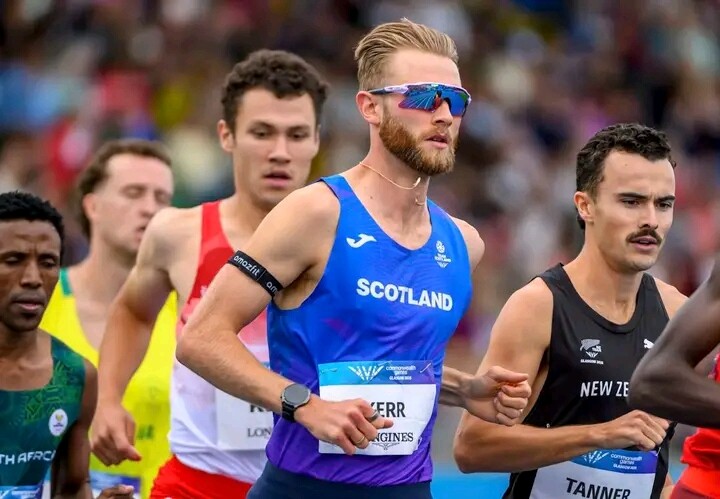
The British middle-distance star has unveiled an ambitious roadmap that could redefine his legacy, with two towering objectives at the heart of his journey: breaking Hicham El Guerrouj's legendary 1500m world record of 3:26.00, set on July 14, 1998, in Rome, and capturing the Olympic 1500m title at the Los Angeles 2028 Olympic Games.
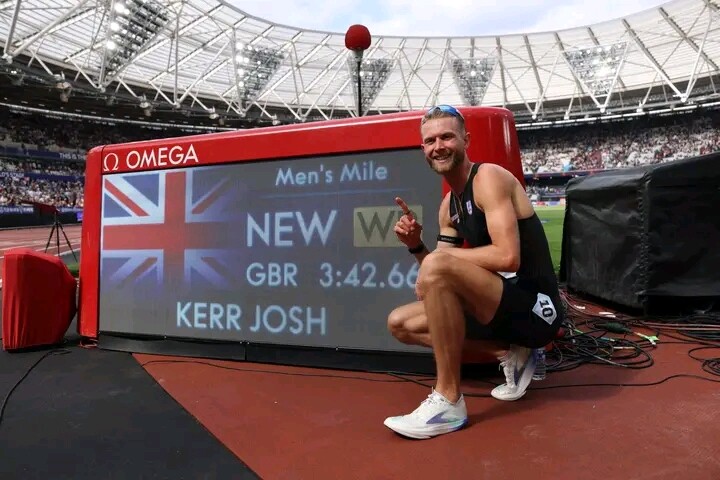
Kerr enters this new chapter with confidence soaring after producing one of the most remarkable performances in middle-distance history. His sensational 3:42.66 during the groundbreaking Project 222 campaign shattered the men's mile world record, ending a 27-year reign and proving he possesses the speed, endurance, and tactical brilliance required to challenge the sport's greatest barriers.
That achievement has strengthened Kerr's belief that the oldest and most revered record in men's middle-distance running is now within reach. For more than 28 years, Hicham El Guerrouj's 3:26.00, set in Rome on July 14, 1998, has stood as the benchmark of excellence in the 1500m, surviving generations of world-class challengers and earning a reputation as one of athletics' most untouchable performances.
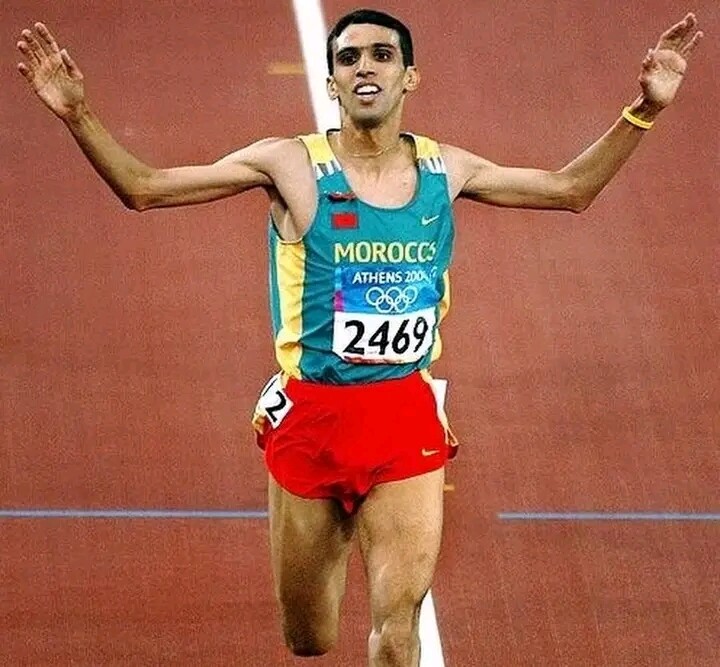
Rather than rushing the attempt, Kerr has laid out a carefully calculated plan designed to maximize his chances of success. His immediate priority is the 2027 World Athletics Championships in Beijing, where he hopes to reclaim the world 1500m title and reaffirm his position among the sport's elite.
Only after that championship campaign will his focus shift toward an assault on El Guerrouj's historic mark. A dedicated world-record attempt is expected later in 2027, built around months of meticulous preparation, altitude training, world-class pacing, ideal racing conditions, and flawless execution—the same ingredients that powered his record-breaking mile performance.
For Kerr, world records are not won by chance. They are earned through relentless preparation, perfect timing, and the courage to attack history when every detail aligns.
Beyond the pursuit of history lies one final prize that continues to fuel his ambition: Olympic gold.
Having earned bronze at the Tokyo 2020 Olympics and silver at the Paris 2024 Games, Kerr now has just one medal missing from an already glittering collection. His ultimate objective is to stand atop the Olympic podium in Los Angeles in 2028, completing a remarkable progression from bronze to silver and finally to gold.
If successful, Kerr would not only cement his place among Britain's greatest middle-distance runners but also become the first athlete to erase Hicham El Guerrouj's iconic 3:26.00 world record since it was established in Rome on July 14, 1998, before completing his Olympic medal collection with the sport's ultimate prize.
The stage is set, the blueprint is in place, and the countdown has begun. The question now is whether Josh Kerr can accomplish what generations of elite milers have failed to do—rewrite one of athletics' most enduring records and crown his career with Olympic gold in Los Angeles.
by Erick Cheruiyot for My Best Runs.
Login to leave a comment

A Century Of Greatness: Arch Jelley Witnesses Another Mile Revolution
Some moments in sport transcend generations. They remind us that while records may fall, the spirit of greatness never fades. One such moment unfolded when legendary New Zealand coach Arch Jelley watched Josh Kerr produce a breathtaking 3:42.66 mile world record—not from the stands, but from his bed, sharing the historic occasion with his former athlete, 1988 Olympian Christine Pfitzinger, herself once New Zealand's mile and 1500m record holder.

For most fans, Kerr's astonishing performance was simply another unforgettable chapter in the evolution of middle-distance running. For Jelley, however, it was something far more profound. It was a bridge between two eras separated by more than half a century, connecting the glorious past he helped shape with the remarkable future he lived long enough to witness.
As he approaches his 104th birthday on August 13, Jelley has seen the mile transformed in ways few people ever will. Long before modern technology, advanced sports science and super shoes reshaped the event, he guided one of athletics' greatest pioneers.
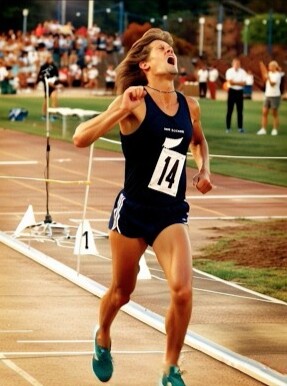
On August 12, 1975, in Gothenburg, Sweden, Jelley coached Sir John Walker to a revolutionary 3:49.4, making him the first man in history to break the seemingly impossible 3:50 barrier for the mile. It was a performance that changed the sport forever and cemented Walker's place among the all-time greats. Less than a year later, Walker crowned that success by winning the Olympic 1500m gold medal at the 1976 Montreal Games, fulfilling the promise of one of the finest coach-athlete partnerships athletics has ever known.
Yet Walker was only one chapter in Jelley's extraordinary coaching legacy.
Across more than six decades, the master coach nurtured and inspired countless elite middle- and long-distance runners, earning a reputation for developing athletes through patience, wisdom and an unwavering belief in their potential. Even retirement could not keep him away from the sport he loved. At the remarkable age of 93, Jelley returned to coaching to help Hamish Carson qualify for the 2016 Rio Olympic Games, proving that passion for excellence has no expiration date.
Now, more than fifty years after witnessing Walker redefine what was possible, Jelley has watched another runner push the boundaries of human performance. Josh Kerr's magnificent 3:42.66 was not merely a new world record—it was another milestone in the endless pursuit of greatness, one observed by a man who has devoted almost an entire lifetime to that very journey.
There is something beautifully symbolic about the scene: a coach who once stood trackside guiding history now watching a new generation rewrite it through the lens of modern technology. The setting may have changed, but the emotion remains the same.
Few people in athletics can claim to have witnessed the evolution of the mile from the dawn of the sub-3:50 era to today's astonishing world-record performances. Arch Jelley can.
His life is more than a coaching story—it is a living timeline of the mile itself. From John Walker's historic breakthrough in 1975 to Josh Kerr's record-shattering masterpiece in 2026, Jelley has remained a constant witness to the relentless pursuit of human excellence, proving that while champions come and go, the love of the sport endures across every generation.
by Erick Cheruiyot for My Best Runs.
Login to leave a comment
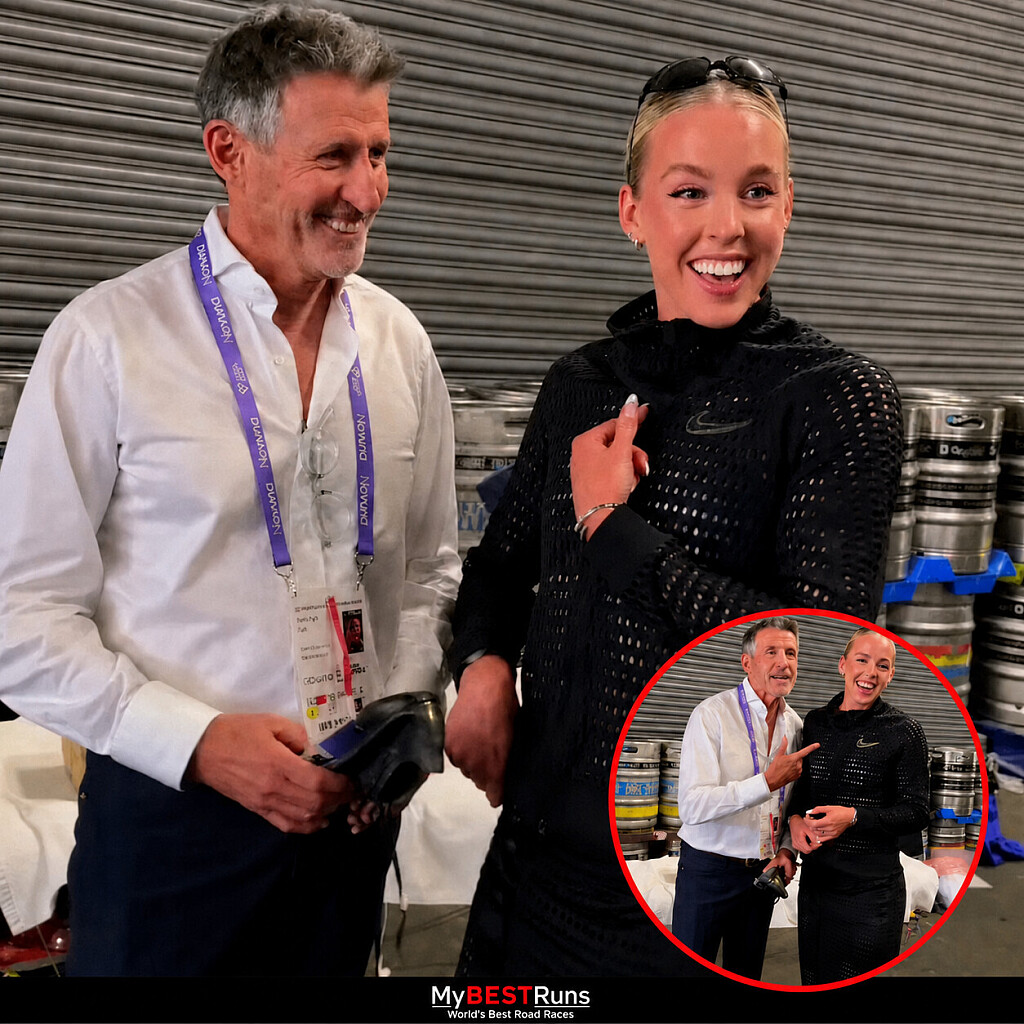
When Greatness Recognises Greatness: Sebastian Coe Bows to Keely Hodgkinson and Calls Her His Hero
There are victories that earn medals, and then there are victories that earn the admiration of legends.
On a memorable evening at the London Diamond League, Olympic 800m champion Keely Hodgkinson produced another masterclass on home soil, but it was what happened after the finish line that left an even deeper impression.
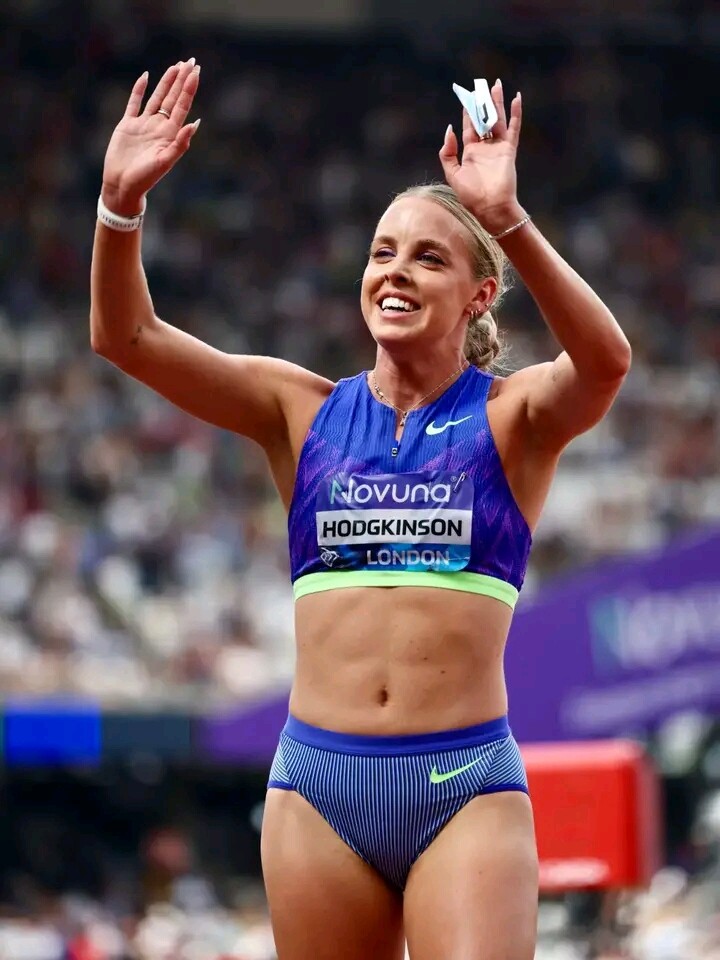
As the celebrations unfolded, World Athletics President Sebastian Coe delivered one of the most heartfelt tributes an athlete could ever receive. The two-time Olympic 1500m champion bowed before Hodgkinson and declared, "This is my hero."
It was a remarkable gesture from one of Britain's greatest middle-distance runners, a man whose own career inspired generations. Yet, in that moment, Coe made it clear that Hodgkinson's character and achievements had earned his highest respect.
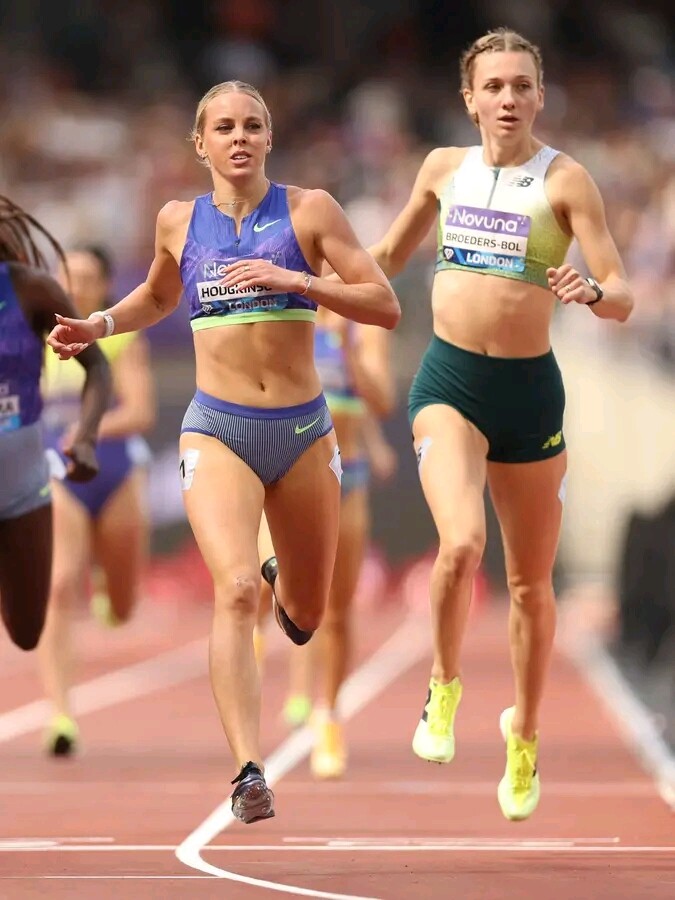
The 24-year-old thrilled the packed London Stadium by winning the women's 800m in a commanding 1:56.21. Despite relentless pressure from Dutch star Femke Bol in the closing stages, Hodgkinson remained composed, powering through the finish to secure a statement victory in front of an ecstatic home crowd.
The performance carried even greater significance because it came after an outdoor season that had been disrupted by injury. Questions surrounded her return, but Hodgkinson answered them in the most convincing way possible—by defeating one of the world's strongest fields with authority and reminding everyone why she remains one of the premier middle-distance runners of her generation.
For Coe, the performance was about far more than the stopwatch.
He has repeatedly praised Hodgkinson's humility, determination and authenticity, previously describing her on the UNTAPPED podcast as one of the most genuine and dedicated athletes in the sport. His emotional honor in London reflected not only admiration for an Olympic champion, but also respect for the resilience, professionalism and character she continues to display on and off the track.
Moments like these transcend medals and records. They remind the sporting world that greatness is measured not only by victories but by the example an athlete sets.
Hodgkinson left London with another Diamond League triumph. More importantly, she left with something few athletes ever receive—the public admiration of a sporting icon who simply bowed his head and acknowledged excellence.
Sometimes, the loudest applause comes without a single word. Sebastian Coe's bow said everything.
by Erick Cheruiyot for My Best Runs.
Login to leave a comment
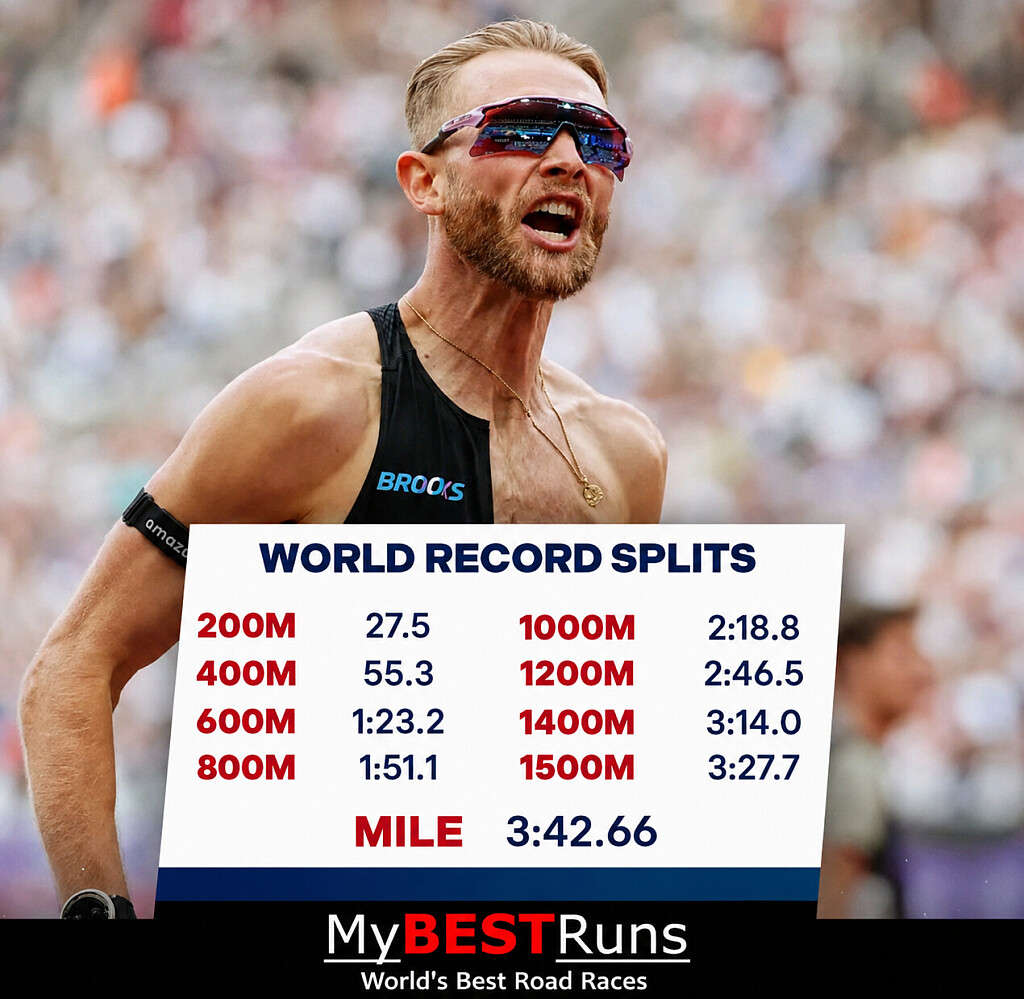
Josh Kerr Restores Britain's Mile Crown With a Historic World Record on Home Soil
Forty-one years after Great Britain last celebrated a men's mile world record, Josh Kerr has written a magnificent new chapter in the sport's rich history.
Competing before a passionate home crowd in London, Kerr delivered the performance of a lifetime, storming to a sensational 3:42.66 to erase one of athletics' longest-standing records. It was more than just a personal triumph—it marked the return of the mile world record to the nation that has shaped some of the greatest middle-distance runners the sport has ever known.
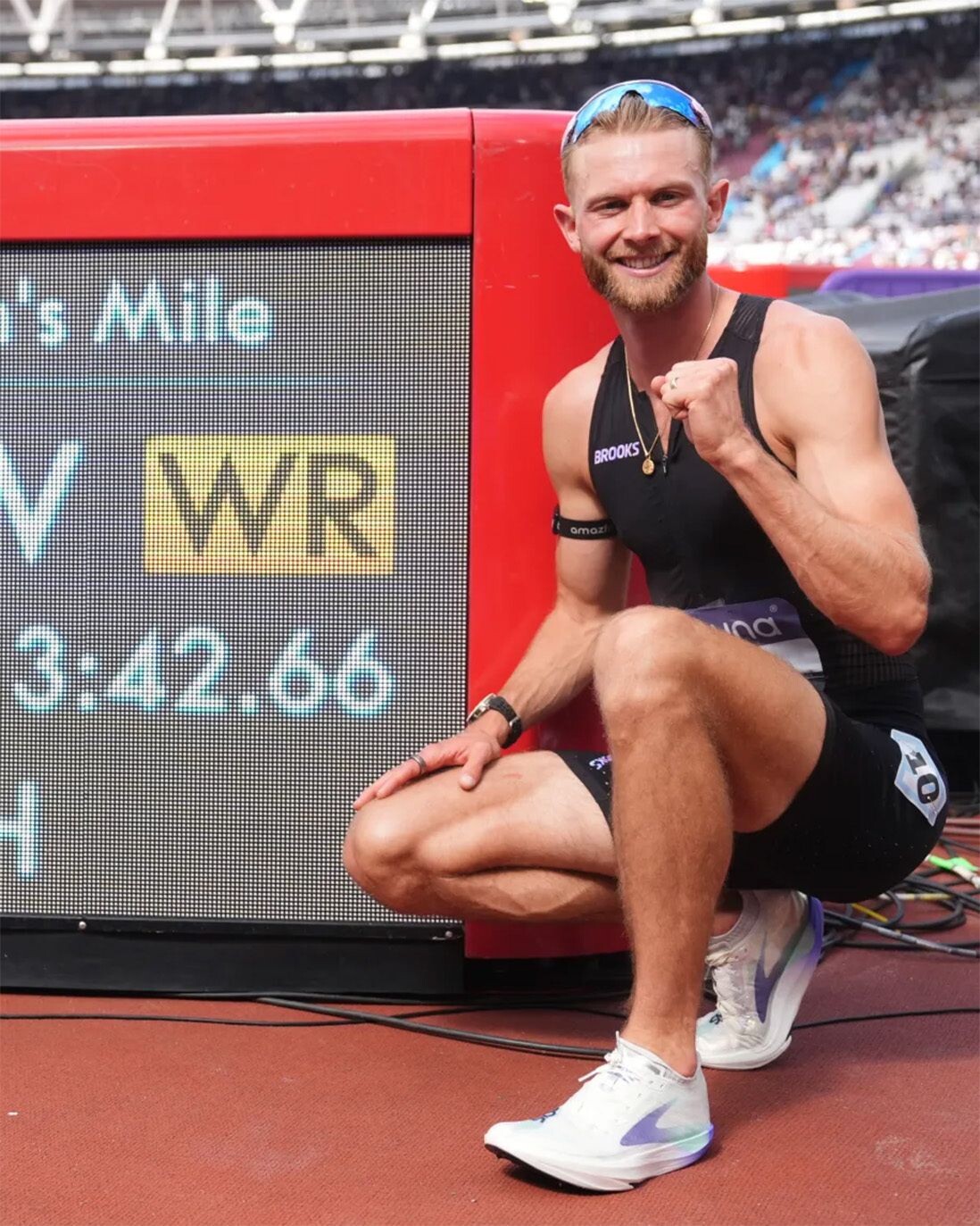
With that unforgettable run, Kerr became the seventh British man to hold the men's mile world record, joining a legendary lineage that stretches back nearly nine decades. His achievement places him alongside icons such as Sydney Wooderson, Roger Bannister, Derek Ibbotson, Sebastian Coe, Steve Ovett and Steve Cram—names forever woven into the history of British athletics.
For generations, Great Britain stood at the forefront of mile running. Wooderson first established the country's dominance in 1937 before Bannister forever changed athletics by becoming the first man to break the four-minute barrier in 1954. The baton was then carried by Ibbotson, Coe, Ovett and Cram, whose fierce rivalry elevated the event to extraordinary heights during the late 20th century.
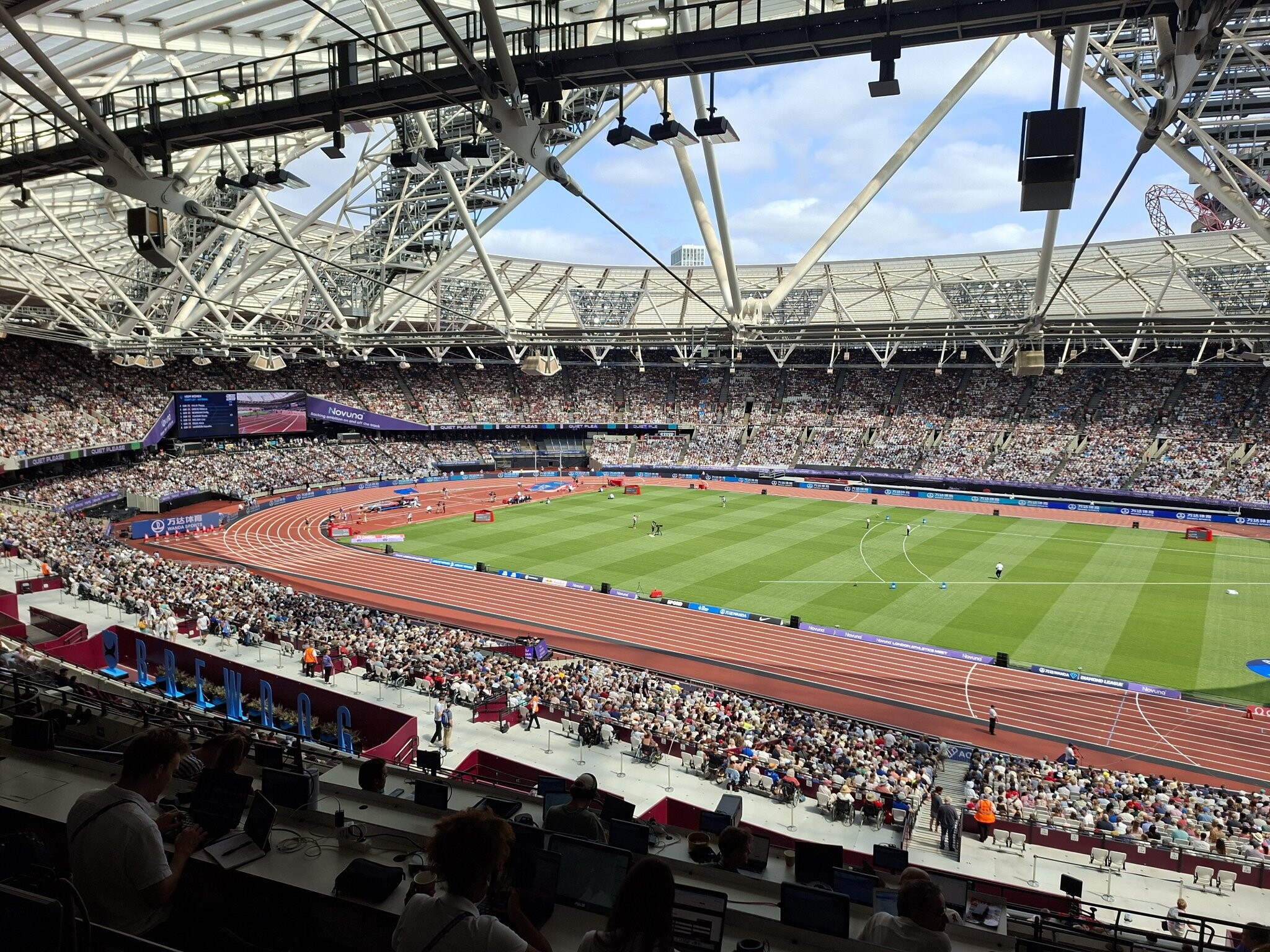
Since Steve Cram's world record of 3:46.32 in 1985, Britain had waited more than four decades for another athlete capable of reclaiming the crown. Many exceptional runners emerged during that period, but none managed to rewrite the record books—until Josh Kerr.
The Scottish star embraced the enormous expectations surrounding his ambitious Project 222 with remarkable composure. Every split demonstrated the precision required to chase history. He opened with 27.5 seconds at 200m, reached 400m in 55.3, passed 600m in 1:23.2, and hit 800m in 1:51.1, perfectly positioning himself for a relentless second half.
Rather than fading, Kerr accelerated. He covered 1000m in 2:18.8, reached 1200m in 2:46.5, passed 1400m in 3:14.0, and crossed 1500m in a blistering 3:27.7 before producing one final surge over the closing 109 metres to stop the clock at an astonishing 3:42.66. It was a masterclass in pacing, endurance and finishing speed—proof that every stride had been meticulously planned.
Roared on by thousands of supporters inside London's packed stadium, Kerr transformed years of sacrifice, discipline and unwavering belief into one of the greatest performances ever witnessed in middle-distance running. He didn't simply attack the record—he dismantled it with authority.
Kerr's achievement is about far more than breaking a world record. It reconnects Great Britain with one of its proudest athletics traditions and signals the beginning of a new era for the iconic mile. His unforgettable run reminds the world that even the longest-standing records can fall when extraordinary talent meets fearless ambition.
On a magical evening in London, Josh Kerr didn't just rewrite the record books—he brought the mile world record back home and secured his place among the greatest middle-distance runners in history.
by Erick Cheruiyot for My Best Runs.
Login to leave a comment
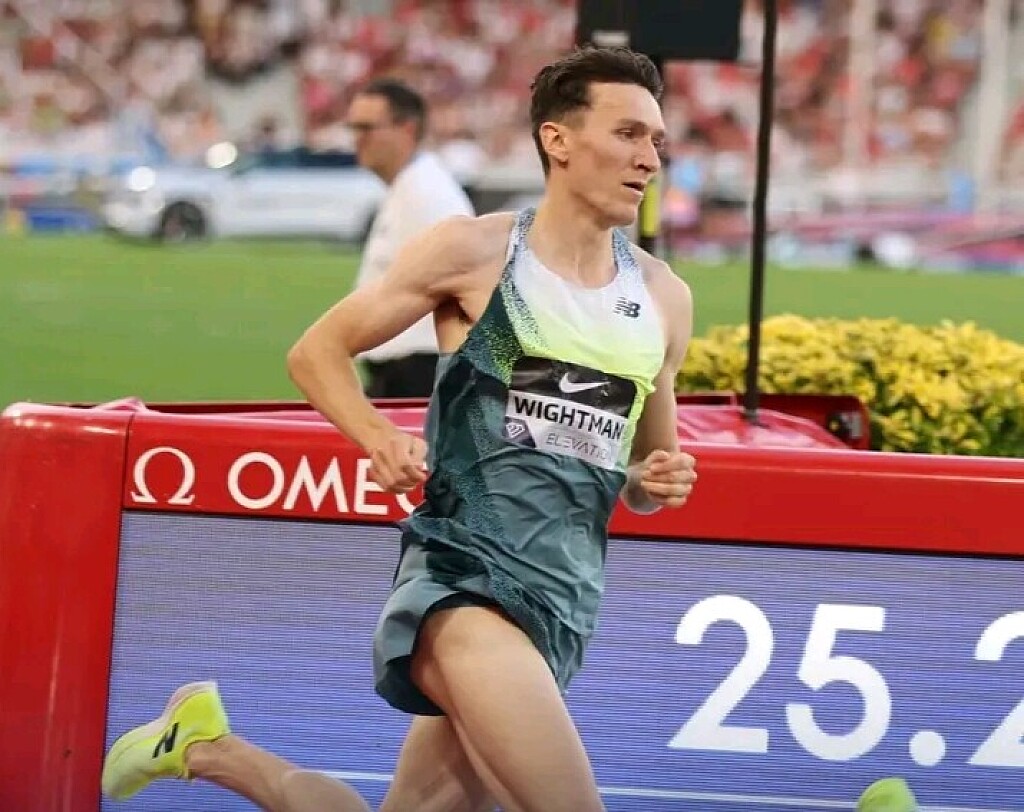
Jake Wightman Withdraws From London Diamond League To Prioritize Championship Ambitions
Jake Wightman has been forced to withdraw from the men's 800m at this weekend's London Diamond League after admitting his body has taken longer than expected to recover from his demanding outing in Monaco.
The 2022 World 1500m champion had been scheduled to race in front of a home crowd, but has opted to put his long-term goals ahead of a single appearance, choosing not to risk his fitness with two major championships still to come later this season.
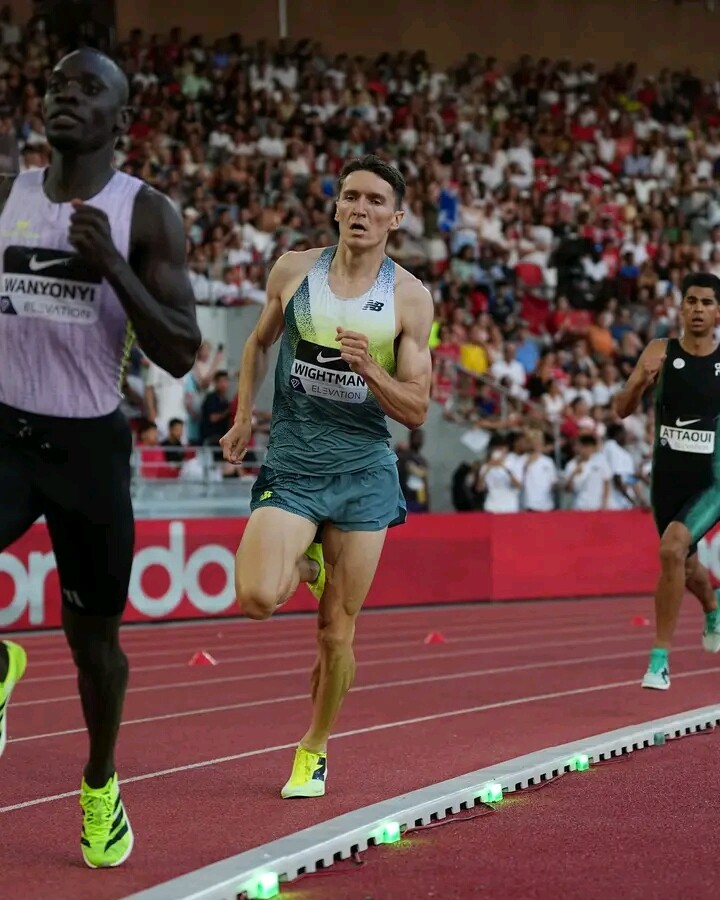
Wightman's decision follows an outstanding performance at the Monaco Diamond League, where he stepped up to the rarely contested 1000m and produced a lifetime best of 2:12.77. The British middle-distance star finished second behind Kenya's Emmanuel Wanyonyi, who delivered a sensational 2:11.83 to break the long-standing world record in one of the finest races of the season.
Despite the confidence gained from that performance, Wightman revealed that the physical demands of the race have required a longer recovery period than anticipated, making it impossible to compete at his best in London.
"I don't want to compromise the two home championships we have coming up this season," Wightman explained.
"I always love racing in London, so it's a real shame, but I hope I can make it up to British fans in the coming weeks."
His withdrawal is another setback for the London Diamond League, which has already seen several high-profile athletes pull out because of illness or fitness concerns. Nevertheless, Wightman's decision reflects a measured approach as he focuses on arriving in peak condition for the championship races that matter most.
While British fans will miss the opportunity to cheer on one of their most accomplished middle-distance runners this weekend, Wightman's priority remains clear: protecting his health now in pursuit of success on the biggest stages later this season.
by Erick Cheruiyot for My Best Runs.
Login to leave a comment
Ciara Mageean: The Champion's Mindset Fueling Her Toughest Race Yet
European 1500m champion Ciara Mageean has shared one of the most emotional chapters of her life in an exclusive interview with Athletics Weekly, revealing how the same mindset that carried her to European gold is now helping her fight through chemotherapy.

Speaking with remarkable honesty, the Irish middle-distance star opened up about the harsh reality of her cancer diagnosis and the uncertainty that now surrounds her future.
"I might die, like that's the reality of my diagnosis. I might not see my 40th birthday," Mageean told Athletics Weekly.
Despite confronting one of the greatest challenges imaginable, the 33-year-old continues to draw strength from the mental resilience that defined her athletics career. She explained that every chemotherapy session reminds her of the toughest workouts she endured while competing at the highest level.
"Chemotherapy is really hard on the body, and sometimes I think I tap into that mentality that I had. I just know that it will pass, if you're in a really tough training session, and you have a couple more reps left," she said.
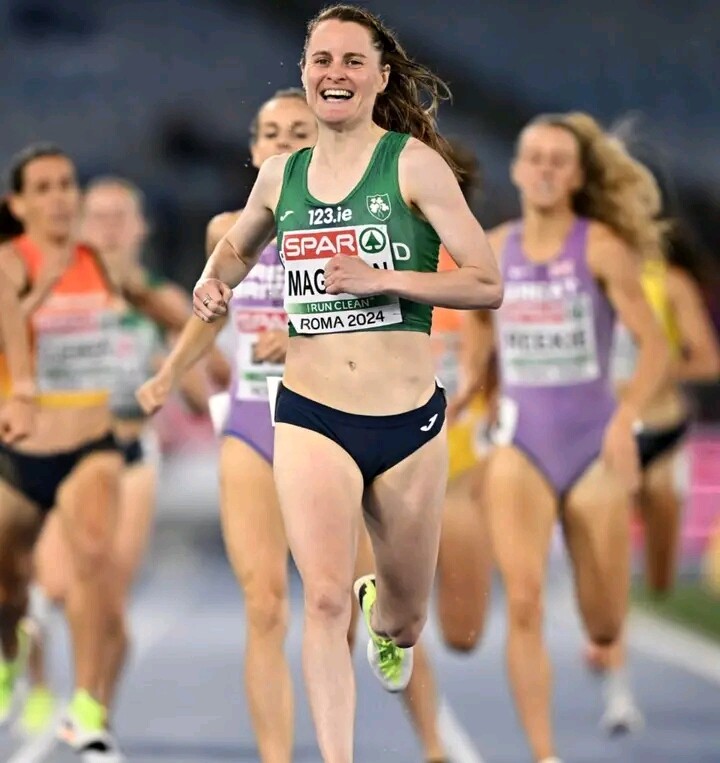
Only months ago, Mageean had been looking beyond athletics, making plans for life after competition. Those dreams were suddenly interrupted when a precautionary scan, initially expected to reveal possible bowel inflammation, instead uncovered a five-centimetre tumour.
What followed was a journey that has blended heartbreak with hope, fear with courage, and uncertainty with gratitude. In her conversation with Athletics Weekly, Mageean reflected on finding light even in life's darkest moments, choosing to embrace gratitude while navigating grief and looking ahead with determination.
Her achievements on the track remain among the greatest in Irish athletics history. Mageean holds the Irish records in the 800m, 1000m, 1500m and the mile. She reached the pinnacle of her career by winning the European 1500m title in Rome in 2024 and also captured multiple World Athletics Continental Tour Gold victories, cementing her place among Ireland's all-time middle-distance greats.
Yet today, her greatest display of courage is unfolding far from the finish line.
Rather than hiding from her diagnosis, Mageean has chosen to speak openly about her experience, offering hope and strength to others facing battles of their own. Her willingness to share such a deeply personal journey in an exclusive interview with Athletics Weekly is a powerful reminder that true champions are defined not only by the medals they win, but by the resilience they show when life presents its greatest challenges.
For Ciara Mageean, the toughest race is no longer against the clock or the world's fastest athletes. It is a battle for health, hope, and tomorrow—and she is meeting it with the same fearless spirit that once carried her to the top of Europe.
by Erick Cheruiyot for My Best Runs.
Login to leave a comment
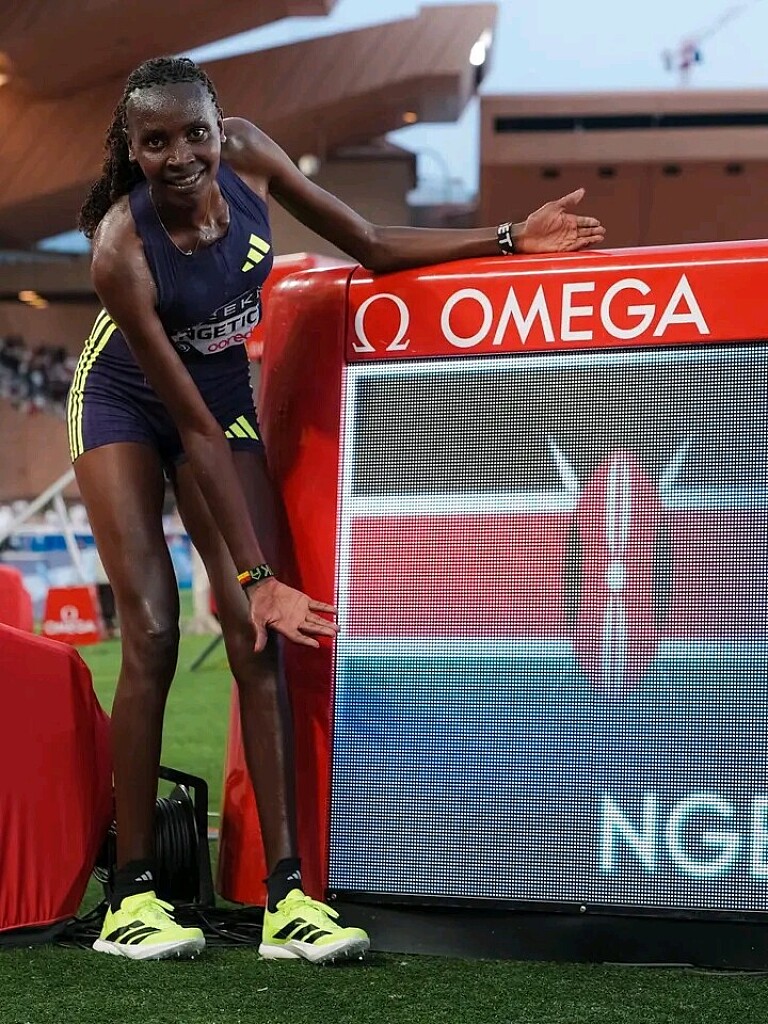
Agnes Ngetich Storms Into History as the Third-Fastest Woman Ever Over 3000m in Monaco Masterclass
Kenya's Agnes Jebet Ngetich delivered the performance of her career at the Monaco Diamond League, producing a breathtaking run that has rewritten the history books and firmly established her among the greatest women's distance runners of all time.
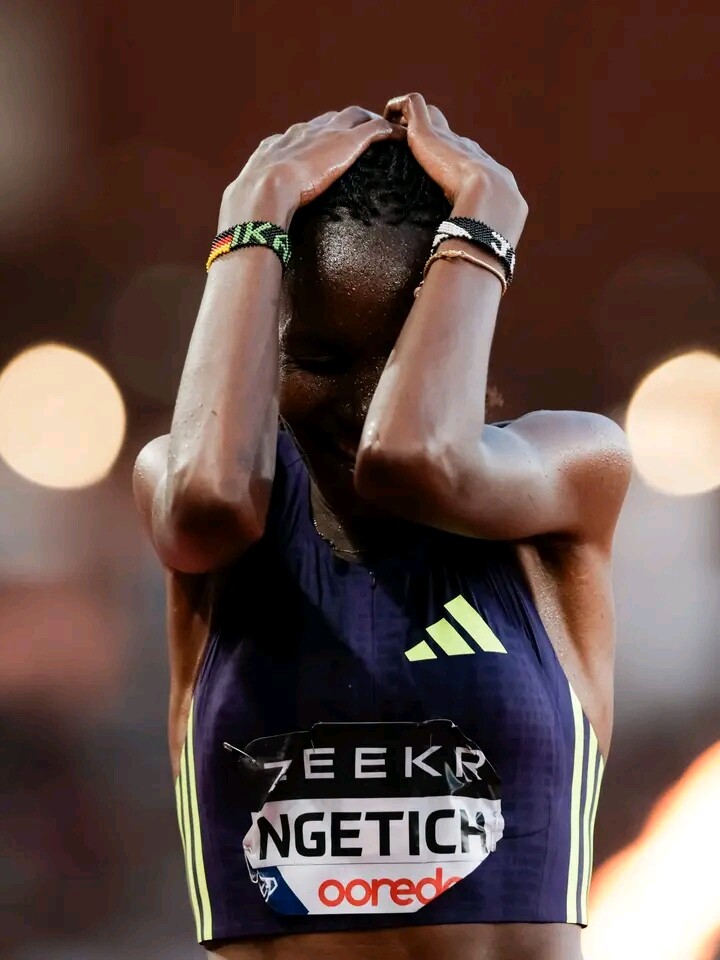
The 25-year-old clocked an astonishing 8:08.95, shattering the meeting record, setting a new personal best by more than 14 seconds, and recording the fastest women's 3000m time in the world this season. It was a sensational display that propelled her to third on the all-time world rankings, behind only China's Wang Junxia and fellow Kenyan Faith Kipyegon.
Ngetich's remarkable performance eclipsed Beatrice Chebet's 8:11.56, moving her onto the all-time podium and underlining her rapid rise as one of the sport's most formidable distance runners. Even more impressive was the fact that Monaco marked her first track race of the season, making her achievement all the more extraordinary.
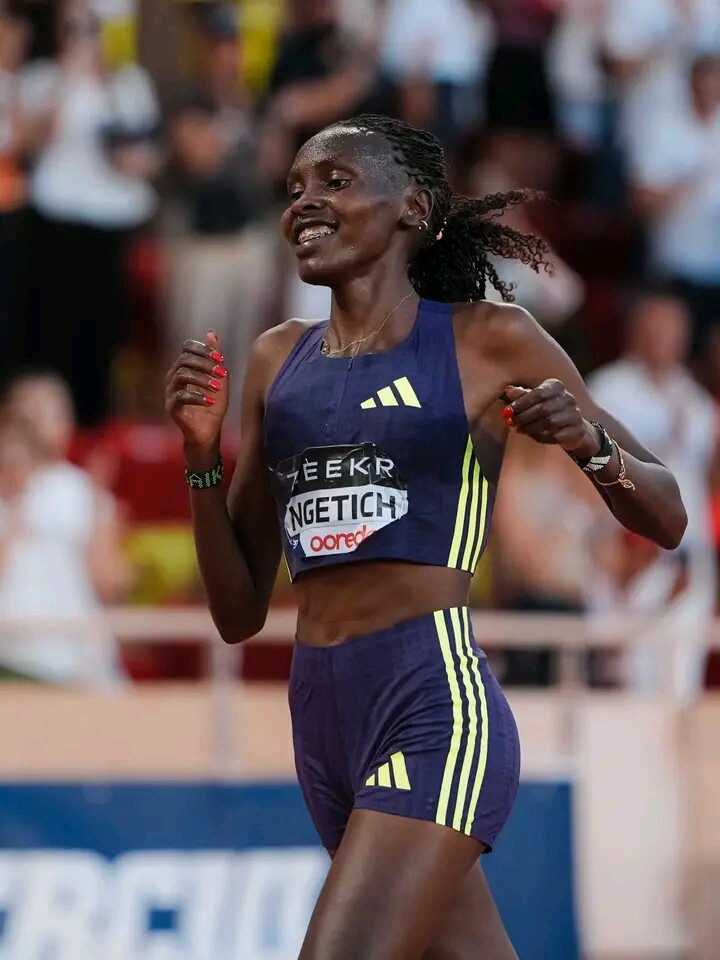
The race also highlighted Kenya's remarkable dominance in the event. For the first time in history, three Kenyan women now occupy three of the top four fastest performances ever recorded over 3000 metres—Faith Kipyegon, Agnes Ngetich, and Beatrice Chebet—cementing the nation's position as the global powerhouse in women's distance running.
Ngetich crossed the finish line alone in 8:08.95, while Ethiopia's Aleshign Baweke finished second in a personal best of 8:23.81, followed by compatriot Senayet Getachew, who also set a lifetime best of 8:24.02. Olympic champion Faith Kipyegon placed fourth in 8:24.21, her fastest performance of the season.
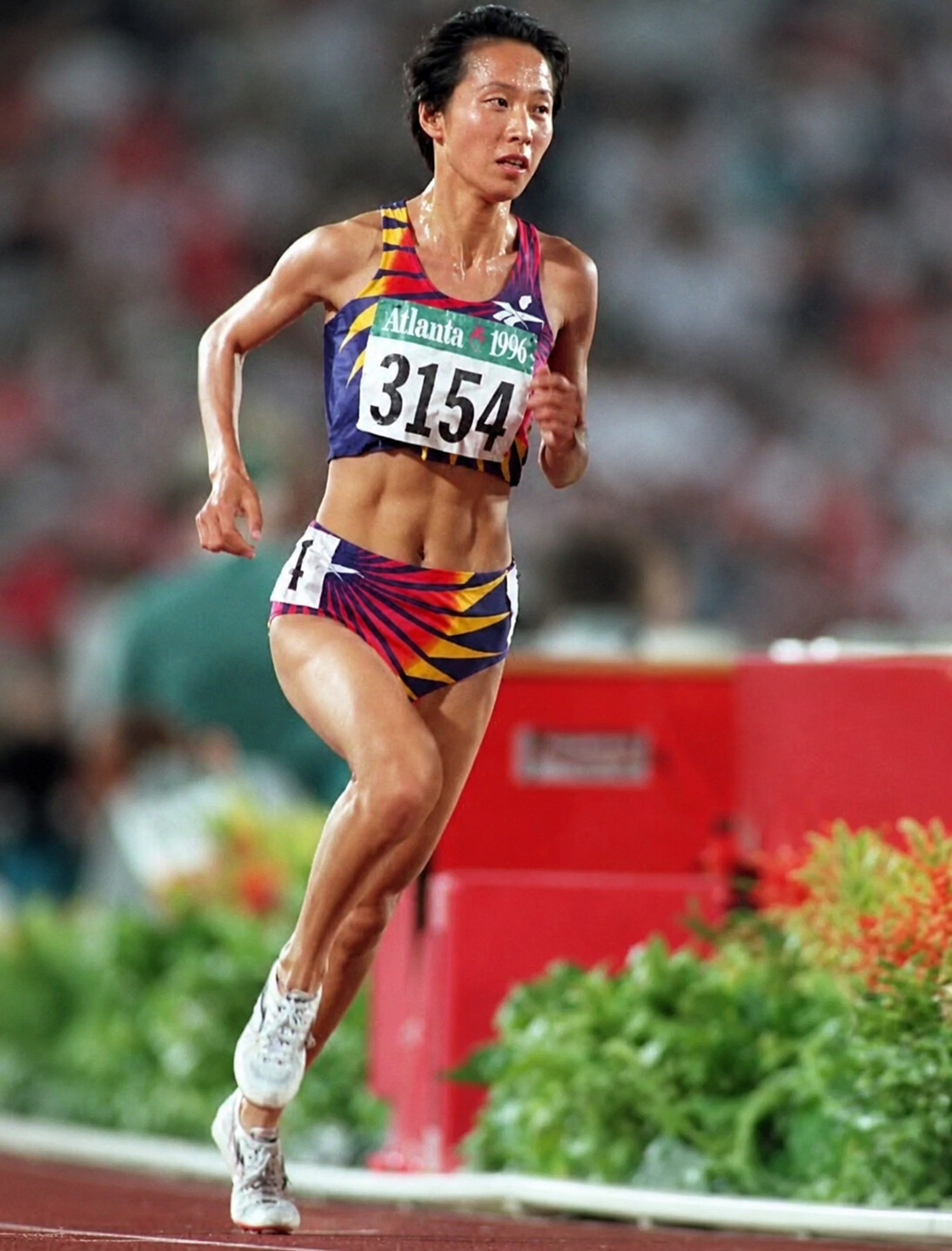
Ngetich's stunning run has also reignited one of athletics' longest-standing discussions—the pursuit of Wang Junxia's legendary world record.
Wang produced her iconic 8:06.11 in Beijing on 13 September 1993, a mark that has now stood for 33 years. It remains tdata:text/mce-internal,higgles,Wang%20Junxiahe oldest women's world record over a major distance still on the books and the final surviving global mark from an extraordinary week at the Chinese National Games.
That championship became one of the most controversial chapters in athletics history. Under coach Ma Junren, six Chinese women combined to produce 14 world-record performances across the 1500m, 3000m, and 10,000m in what became an unprecedented display of dominance. While the performances stunned the sporting world, they also sparked questions that have lingered for decades.
Since then, two of those historic world records have fallen. Ethiopia's Almaz Ayana erased the women's 10,000m record, while compatriot Genzebe Dibaba broke the 1500m world record in Monaco. Wang's 8:06.11 over 3000 metres is now the only record from that remarkable week that continues to stand.
For years, the record appeared untouchable. That perception has changed dramatically over the past 12 months.
Last August in Poland, Faith Kipyegon came within just 0.93 seconds of the record when she stormed to 8:07.04, the closest any athlete has ever come to surpassing Wang's mark. Earlier, Beatrice Chebet had produced 8:11.56 in Rabat to become one of the fastest women in history. Now, Agnes Ngetich has joined them with her sensational 8:08.95, creating an unprecedented era for women's distance running.
Kipyegon has made no secret of her ambition to attack the world record, while Chebet possesses the endurance, speed, and finishing strength to challenge it. With Ngetich now emerging as another genuine contender, the once-daunting gap has virtually disappeared. A record that remained more than ten seconds beyond reach for an entire generation is now separated from the world's best by less than a second.
Some world records survive because they are simply extraordinary. Others endure because the right challengers never arrive. Wang Junxia's 3000m record now faces relentless pressure from an exceptional generation of Kenyan athletes who have transformed the event.
If Monaco was any indication, the countdown has truly begun. After 33 years of survival, one of athletics' most iconic and debated world records has never looked more vulnerable. With Faith Kipyegon, Beatrice Chebet, and now Agnes Ngetich all closing in, the race to rewrite history may soon reach its unforgettable conclusion.
by Erick Cheruiyot for My Best Runs.
Login to leave a comment
Two World Records. One Legendary Track. Another Epic Battle in Monaco
The Stade Louis II in Monaco has become a place where middle-distance history is made. On Friday evening, two women who have each rewritten the record books on this famous track will return—this time to face each other over 3,000 meters in one of the most compelling races of the Diamond League season.
Faith Kipyegon of Kenya and Jessica Hull of Australia have already left unforgettable marks on Monaco, but at different distances. Now, their paths converge once again in a race that promises world-class quality from start to finish.
Kipyegon's connection with Monaco is legendary. In 2023, the Kenyan superstar produced one of the greatest performances in athletics history, clocking a breathtaking 4:07.64 to shatter the women's mile world record. It was another masterpiece from an athlete who has built a career on redefining what is possible in middle-distance running.
Since then, her résumé has only grown stronger. Kipyegon is a three-time Olympic 1500m champion, a five-time world champion, and remains the fastest woman ever over the mile. She arrives in Monaco after racing the women's mile at last weekend's Prefontaine Classic, making this a quick but intriguing turnaround as she steps up to 3,000 meters.
Hull, meanwhile, has her own unforgettable Monaco memories. The Australian star lit up the same track in 2024 when she stormed to a world record of 5:19.70 in the 2,000 meters, proving she belongs among the greatest middle-distance runners of her generation. Her fearless front-running style and remarkable endurance transformed that race into a historic performance.
The Olympic silver medallist over 1500 meters also holds the Australian record for 3,000 meters, making Friday's event an ideal opportunity to test herself once again against the very best.
Although much of the spotlight will understandably fall on Kipyegon and Hull, the race is far from a two-woman contest.
Italy's Nadia Battocletti continues to establish herself among Europe's finest distance runners and will be eager to challenge the established stars. Ethiopia's Freweyni Hailu also enters the race in outstanding form as the 2026 world leader over 3,000 meters, adding another serious contender to an already exceptional field.
Monaco has long been regarded as one of the fastest tracks in the world, producing countless records thanks to ideal conditions and elite competition. For Kipyegon, it has been the stage for career-defining brilliance. For Hull, it became the venue where she announced herself as a world-record holder.
Now, those two stories intersect once again.
Different world records. Different distances. The same fierce rivalry.
With championship pedigree, record-breaking speed and a stacked field assembled under the lights at Stade Louis II, Friday's women's 3,000 meters has all the ingredients to become another unforgettable chapter in Monaco's rich athletics history. Fans can expect nothing less than a race worthy of the track where both Kipyegon and Hull have already made history.
by Erick Cheruiyot for My Best Runs.
Login to leave a comment

Wanyonyi and Sedjati Set to Reignite Rivalry in Monaco's Star-Studded 1000m Showdown
One of the most anticipated middle-distance battles of the 2026 season will take center stage on Friday night at the Monaco Diamond League, where Kenya's Emmanuel Wanyonyi and Algeria's Djamel Sedjati renew their fierce rivalry in a rare and fascinating 1000m contest.
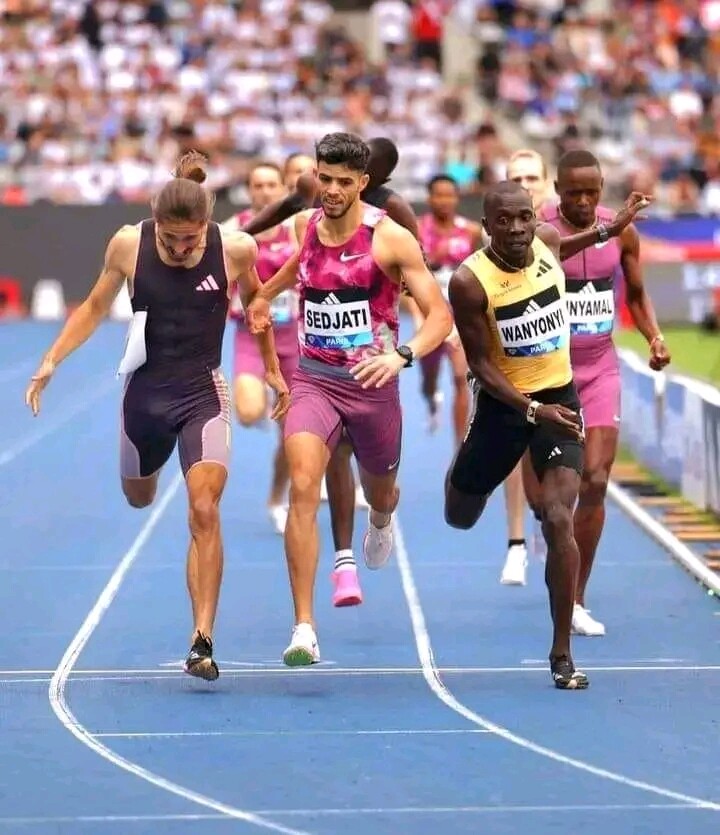
The pair have developed one of the sport's most compelling rivalries over the 800m, and now they will test themselves over an unfamiliar distance at the iconic Stade Louis II, adding a fresh chapter to their growing duel.
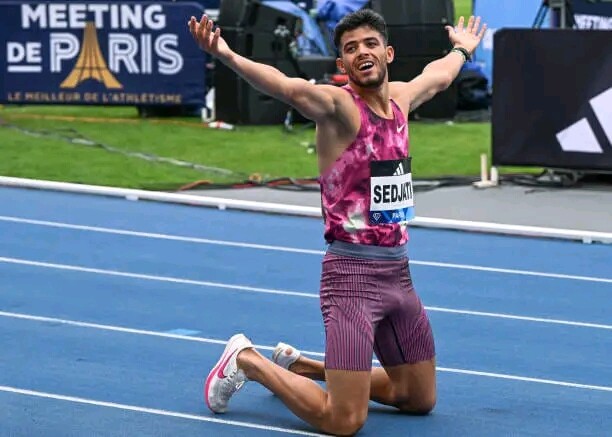
Their connection with Monaco runs deep. In 2024, Sedjati produced a stunning performance to shatter the meeting record in the men's 800m, showcasing the speed and strength that have made him one of the world's elite two-lap runners. Just one year later, Wanyonyi responded in emphatic fashion, breaking that very record with a breathtaking 1:41.44, further cementing his status as the dominant force in the event.
Now, instead of battling over two laps, both athletes will tackle the rarely contested 1000m, a distance that demands the explosive speed of an 800m specialist while rewarding the endurance of a 1500m runner.
Wanyonyi enters the race as the reigning Olympic and World 800m champion and has established himself as the man to beat over the distance during the past two seasons. His tactical intelligence, devastating finishing kick, and remarkable consistency have made him virtually unbeatable on the international circuit.
Standing in his way once again is Sedjati, the Algerian star who has repeatedly proven he has the tools to challenge the Kenyan champion. An Olympic and World Championship medallist, Sedjati has consistently been among the few athletes capable of matching Wanyonyi stride for stride in the closing stages of elite 800m races.
However, this is far from a two-man affair.
Spain's Mohamed Attaoui arrives as the world leader over 1000m and will be eager to prove his credentials against two of the biggest names in middle-distance running. Former world 1500m champion Jake Wightman also adds championship pedigree to the field, while Britain's Ben Pattison and American Bryce Hoppel bring proven international quality and tactical experience.
French fans will have another reason to cheer as Gabriel Tual competes on home soil, hoping to deliver a memorable performance against one of the strongest 1000m fields assembled in recent years.
With two former Monaco meeting record holders stepping up in distance, a world-leading performer in the field, and several global medallists chasing victory, the stage is perfectly set for another unforgettable evening of middle-distance racing.
The 1000m may only appear occasionally on the international calendar, but on Friday it promises to produce one of the highlights of the Diamond League season. Whether Wanyonyi extends his dominance or Sedjati gains revenge, the Monaco crowd can expect a fast, tactical, and fiercely contested race that could once again leave its mark on the history of Stade Louis II.
by Erick Cheruiyot for My Best Runs.
Login to leave a comment

Project 222 Meets Its Biggest Challenge: Yared Nuguse Joins Josh Kerr's Historic Mile Record Chase
The pursuit of one of athletics' most untouchable records has just become even more compelling.
For 27 years, Hicham El Guerrouj's astonishing 3:43.13 mile, set in Rome on July 7, 1999, has stood as the ultimate benchmark in middle-distance running. Generations of world-class milers have chased it, yet none have managed to get within half a second of the Moroccan legend's remarkable performance.
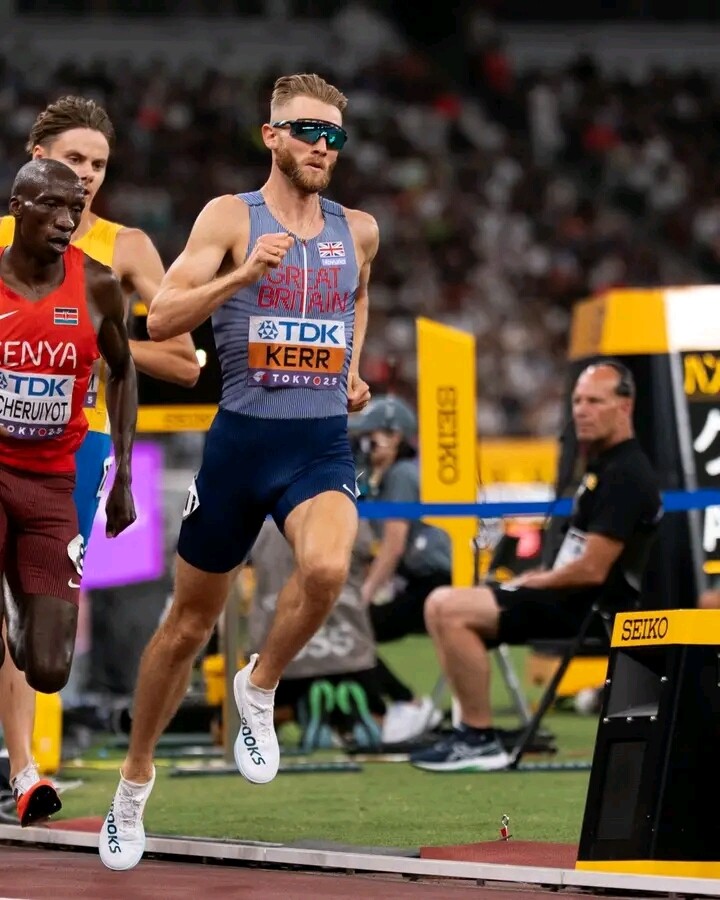
Now, British star Josh Kerr believes that record is finally within reach.
The reigning world champion has spent months preparing for what he calls Project 222—a bold attempt to become the first man in history to break 3 minutes 43 seconds for the mile. The name represents the 222 seconds required to run a 3:42 mile, and every detail of his preparation has been meticulously planned.
From specially designed racing spikes and carefully selected pacemakers to altitude training supported by a chamber installed in his home, Kerr has left nothing to chance. Rather than attempting the feat in a quiet time trial, he has chosen the electric atmosphere of a packed 60,000-seat London Stadium on July 18, hoping the crowd will help carry him into history.
But what was expected to be Kerr's night has suddenly become one of the most anticipated showdowns of the season.
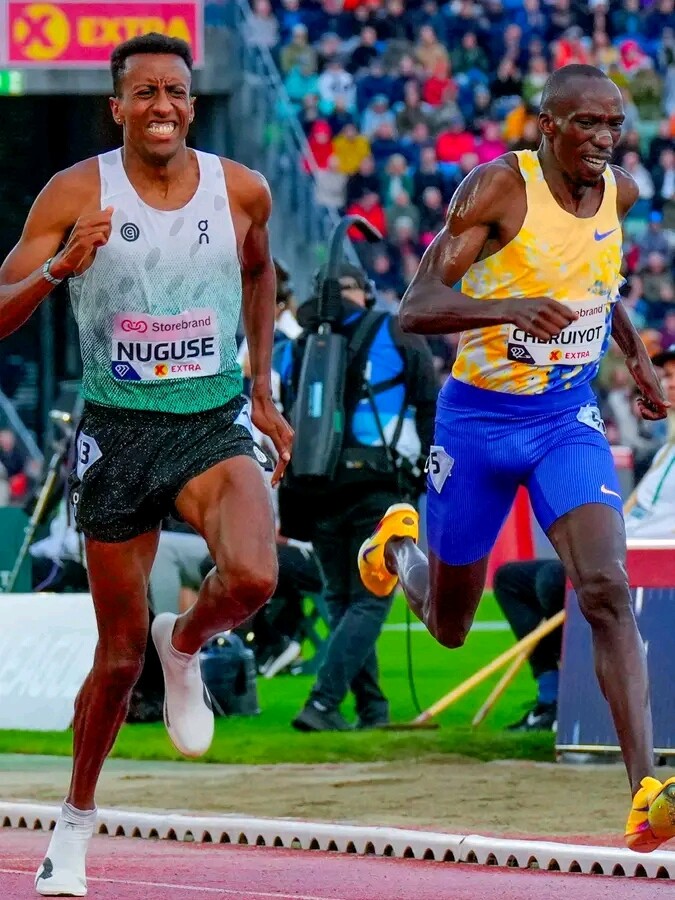
American star Yared Nuguse has officially entered the race, adding another layer of intrigue to an already historic occasion.
On paper, Nuguse holds the stronger credentials over the mile. His personal best of 3:43.97 ranks as the fourth-fastest performance in history, nearly one and a half seconds quicker than Kerr's lifetime best. This season alone, the Olympic bronze medallist has been in outstanding form, claiming two Diamond League 1500m victories before clocking an impressive 3:46.61 mile at the Prefontaine Classic.
Their rivalry has also been fiercely competitive. Nuguse holds a 4-2 advantage over Kerr in regular-season meetings, demonstrating his consistency on the circuit. Yet when championship medals are on the line, the story changes. Kerr has repeatedly found another gear, remaining unbeaten against Nuguse in global championship finals.
That contrast is what makes this race so fascinating.
Kerr arrives with the confidence, preparation and home support to launch an assault on one of athletics' oldest records. Nuguse arrives as arguably the fastest miler in the field based on recent performances, with every intention of spoiling the party.
Whether the mile world record finally falls or survives for another year, London is set to witness far more than a record attempt. It will be a clash between two of the world's finest middle-distance runners, each believing he has what it takes to rewrite history.
On July 18, the stopwatch will decide whether Project 222 becomes reality—or whether Yared Nuguse steals the spotlight in one of the most eagerly awaited mile races of the modern era.
by Erick Cheruiyot for My Best Runs.
Login to leave a comment
Faith Kipyegon's Five-Year Unbeaten Run Ends as Nikki Hiltz Shatters Meet Record at Prefontaine Classic
One of the biggest shocks of the 2026 athletics season unfolded at Hayward Field as Kenya's middle-distance queen, Faith Kipyegon, suffered her first defeat over the 1500m/mile on the track since the 2021 Rome Diamond League, bringing an end to an extraordinary unbeaten streak that had lasted nearly five years.
The athlete who ended that remarkable run was American star Nikki Hiltz, who produced the race of a lifetime to win the women's mile in a world-leading 4:17.49. Backed by a roaring home crowd, Hiltz timed the race to perfection before unleashing a decisive finishing kick to secure one of the most significant victories of her career.
The victory carried even greater significance as Hiltz also erased a 38-year-old Prefontaine Classic meet record, adding another historic milestone to an unforgettable evening at Hayward Field.
Kenya still had reason to celebrate as Dorcus Ewoi delivered an exceptional performance to finish second in 4:17.62, proving she belongs among the world's elite middle-distance runners.
Kipyegon, widely regarded as the greatest female middle-distance runner in history, battled bravely over the final lap but could not produce her trademark finishing burst. She crossed the line third in 4:17.80, a rare result for the five-time world champion and multiple Olympic gold medalist.
The remarkable depth of the race was evident throughout the field. Poland's Klaudia Kazimierska placed fourth in 4:17.90, narrowly ahead of Australia's Jessica Hull, who finished fifth in 4:18.03. Emily Mackay, Sarah Healy, and Georgia Hunter Bell completed a world-class lineup in one of the fastest mile races of the season.
While Kipyegon's third-place finish will undoubtedly generate headlines, it does little to diminish a legacy built on years of unmatched consistency and dominance. Every great champion eventually faces defeat, and the Kenyan icon has repeatedly shown an extraordinary ability to respond with even greater performances.
For Nikki Hiltz, however, this was far more than just another Diamond League victory. Ending Kipyegon's unbeaten run, setting a world-leading time, and breaking a meet record that had stood for nearly four decades is a defining statement ahead of the season's major championships.
The result has injected fresh excitement into women's middle-distance running, serving as a reminder that even the sport's greatest champions can be challenged. As the championship season approaches, the battle for global supremacy has suddenly become far more open—and far more compelling.
by Erick Cheruiyot for My Best Runs.
Login to leave a comment

Faith Kipyegon Embraces the Unknown as She Begins a New Middle-Distance Chapter at the Prefontaine Classic
Three-time Olympic champion and multiple world record holder Faith Kipyegon is entering unfamiliar territory, and for one of the greatest middle-distance runners in history, that uncertainty is part of the excitement.
Speaking ahead of today's 2026 Prefontaine Classic at Hayward Field, the Kenyan superstar admitted that gauging her current form has been unusually difficult after an unconventional start to her season.
Unlike previous campaigns, Kipyegon has yet to contest a full 1500m race this year. Instead, she opened her Diamond League season over 5000m in May, using the longer event to build endurance before shifting her focus back to the distances that made her a global icon.
As a result, today's race represents more than just another Diamond League appearance. It marks her first true test over the 1500m and mile circuit this season, making it difficult even for the reigning queen of middle-distance running to predict what lies ahead.
"This year is a little bit tough to know where I am, especially now that I am racing for the first time in the mile. This is like my first 1500m race because in May I did the first Diamond League 5000m, which is like endurance. So, it is a challenge," Kipyegon explained.
Rather than arriving with complete certainty, Kipyegon is embracing the challenge and welcoming the fierce competition awaiting her in Eugene. She believes the quality of the field will be the perfect measure of her fitness as she continues building toward the major championships later this season.
"That's why I said I am also looking forward to these ladies to push me and see what will happen after the finishing line," she added.
Her remarks reveal a champion who remains grounded despite years of unprecedented success. Even after rewriting the record books, Kipyegon continues to approach each new challenge with humility, patience, and a desire to learn where she stands against the world's best.
With a stacked field expected to push the pace from the gun, fans could witness another memorable chapter in Kipyegon's remarkable career. Whether she delivers another dominant performance or simply uses the race as a benchmark, her appearance is among the most anticipated storylines of the 2026 Prefontaine Classic.
As the gun goes off in the afternoon the athletics world will be watching closely. Faith Kipyegon may not yet know exactly where her fitness stands—but by the finish line, she expects to have her answer.
by Erick Cheruiyot for My Best Runs.
Login to leave a comment
Jenny Simpson Continues Recovery Journey After Cardiac Arrest, Discharged From Hospital
One of America's most celebrated middle-distance runners, Jenny Simpson, has taken another encouraging step on her road to recovery after suffering a sudden cardiac arrest earlier this month.
The 2011 World 1500m champion and 2016 Olympic bronze medalist was discharged from Duke University Hospital following the medical emergency she experienced during the Sir Walter Running Pop Up Mile on June 17. Simpson will remain in North Carolina, where she will continue her rehabilitation under close medical supervision.
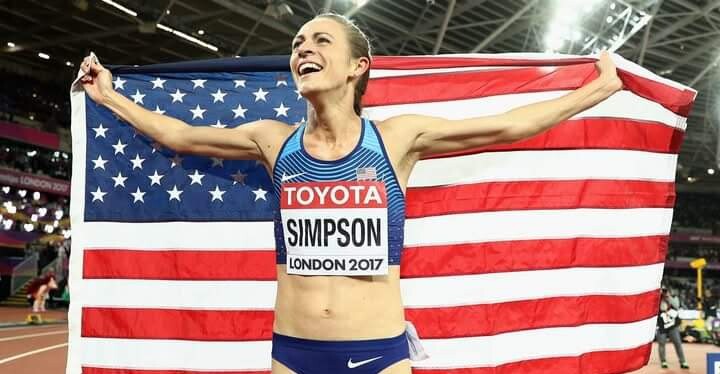
The unexpected incident sent shockwaves through the athletics community, with athletes, coaches and fans from around the world rallying behind the decorated American star with an outpouring of support and well wishes.
Her release from hospital marks a significant milestone in what is expected to be a gradual recovery process. While there is no timeline for a return to competitive running, the latest update offers hope that Simpson is making steady progress after the life-threatening ordeal.
Throughout her illustrious career, Simpson established herself as one of the greatest American middle-distance runners of her generation. Her résumé includes a historic world title in the 1500m in 2011, an Olympic bronze medal at the Rio 2016 Games, and multiple national titles, achievements that have earned her admiration across the global athletics community.
As she focuses entirely on regaining her health, the running world continues to stand firmly behind her, wishing her strength, patience and a full recovery. For now, the greatest victory is not one measured by medals or finish-line clocks, but by each positive step she takes on her journey back to health.
by Erick Cheruiyot for My Best Runs.
Login to leave a comment
Ciara Mageean’s Toughest Race: Choosing Life in the Face of a Stage Four Cancer Diagnosis
For nearly two decades, Ciara Mageean built her reputation on resilience, determination, and an unwavering ability to overcome adversity on the track. The Irish middle-distance star, who reached the pinnacle of her career by winning European 1500m gold in Rome in 2024, is now confronting a challenge far greater than any race she has ever run.
In an emotional and deeply personal interview with Brendan O'Connor on RTÉ Radio 1, Mageean spoke publicly for the first time in detail about her battle with stage four bowel cancer—a diagnosis that has transformed her life but not diminished her spirit.
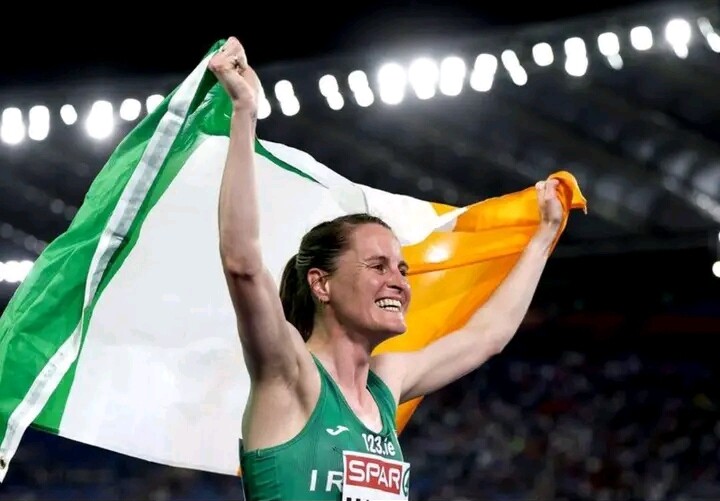
The 34-year-old revealed that she was diagnosed in May 2025 after experiencing symptoms she initially brushed aside as routine stomach issues associated with elite training. Further examinations delivered devastating news: the cancer had already spread extensively to her liver, with traces also detected in her lungs.
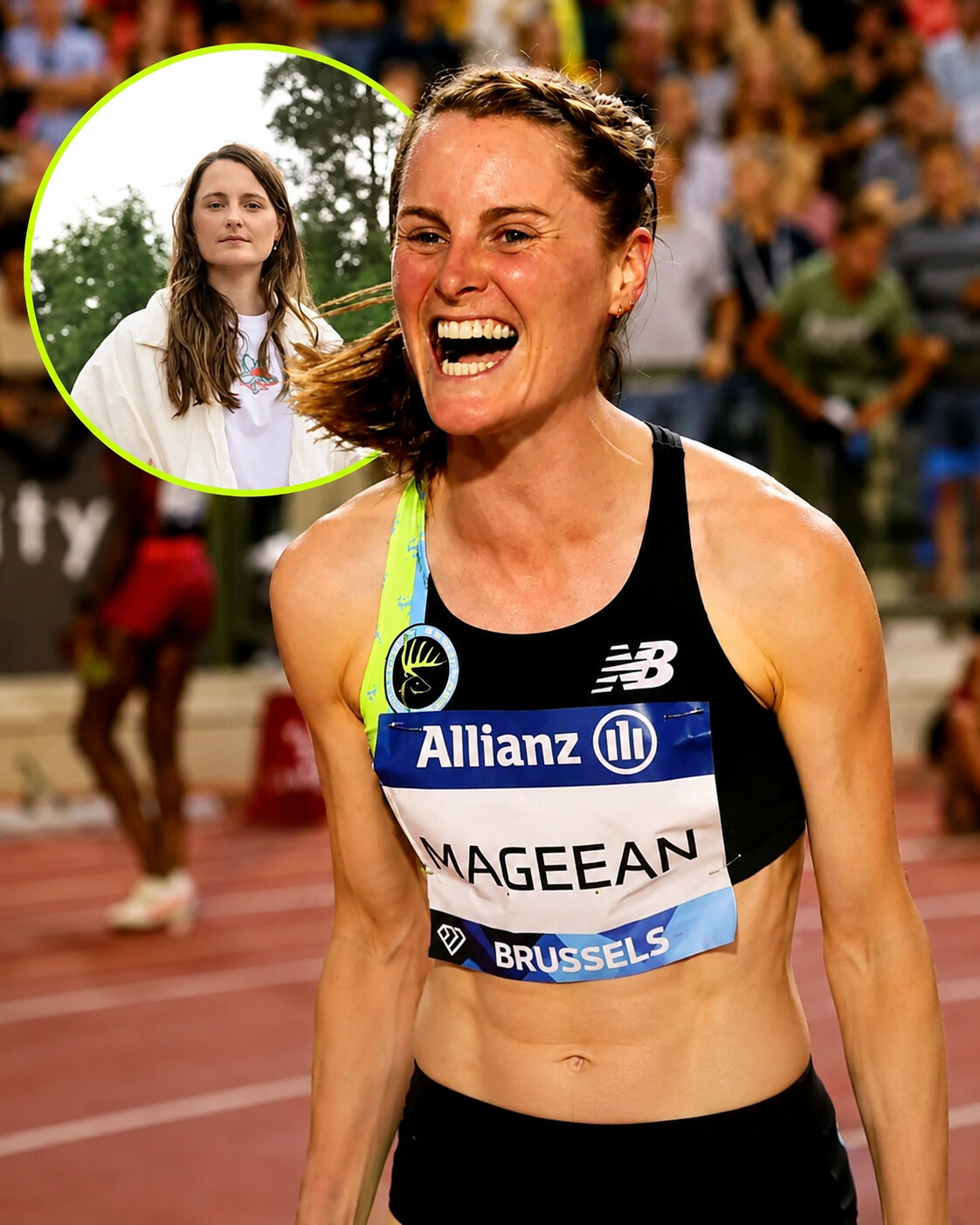
After enduring 12 rounds of chemotherapy, Mageean received another heartbreaking update on Christmas Eve. Doctors informed her that surgery and radiotherapy were no longer viable treatment options. She was subsequently given a prognosis of two to three years.
Yet despite the gravity of her situation, Mageean has refused to allow the diagnosis to define her remaining time.
"If I'm going to die, I'm going to fit as much living into the years that I have left," she said—a statement that captures the courage and perspective with which she is approaching the most difficult chapter of her life.
Since then, she has completed 18 rounds of chemotherapy while embracing experiences that matter most to her. She has travelled to Costa Rica, continued writing, shared her story publicly, and focused on making every day meaningful. Rather than retreating from the spotlight, Mageean has chosen openness, using her platform to raise awareness and inspire others facing their own battles.
Her story resonates far beyond athletics. It is about confronting fear, accepting uncertainty, and finding purpose even when the future appears fragile. The qualities that made her one of Europe's finest middle-distance runners—mental strength, perseverance, and courage—are now being tested in ways no sporting arena could ever demand.
Mageean's legacy in Irish athletics is already secure. She holds national records over 800m, 1000m, 1500m, and the mile, achievements that cement her place among Ireland's greatest runners. Her unforgettable European title in Rome remains one of the defining moments of Irish athletics in recent years.
But as she prepares for the release of her memoir, My Greatest Race, it is becoming increasingly clear that her most powerful legacy may not be measured in medals, records, or championship victories.
It may be found in the extraordinary strength she is showing today—demonstrating that even in the face of life's harshest realities, there is still room for hope, purpose, and the determination to keep moving forward.
Ciara Mageean's greatest race is no longer being run on a track. It is being run through courage, honesty, and an unbreakable commitment to live every moment to its fullest.
by Erick Cheruiyot for My Best Runs.
Login to leave a comment
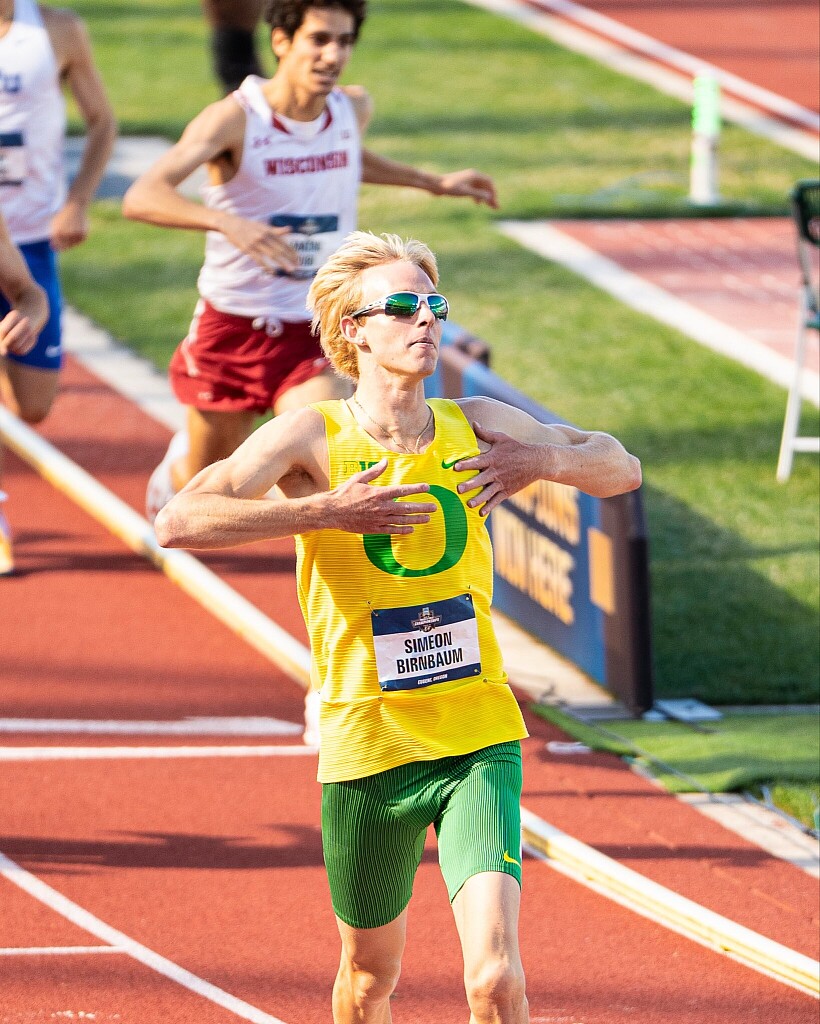
Simeon Birnbaum Announces Himself as Oregon’s Next Distance Superstar With Historic NCAA 1500m Triumph
The next chapter of Oregon’s legendary distance-running story may have just been written.
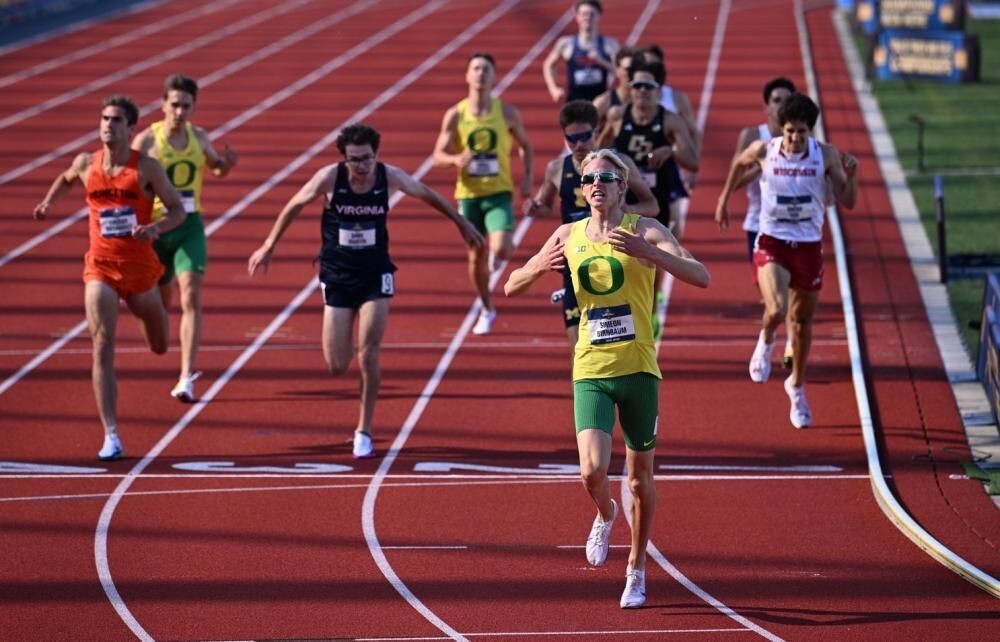
Simeon Birnbaum delivered a statement performance at Hayward Field in Eugene, capturing his first NCAA 1500m title in spectacular fashion with a winning time of 3:36.05 in front of a passionate home crowd.
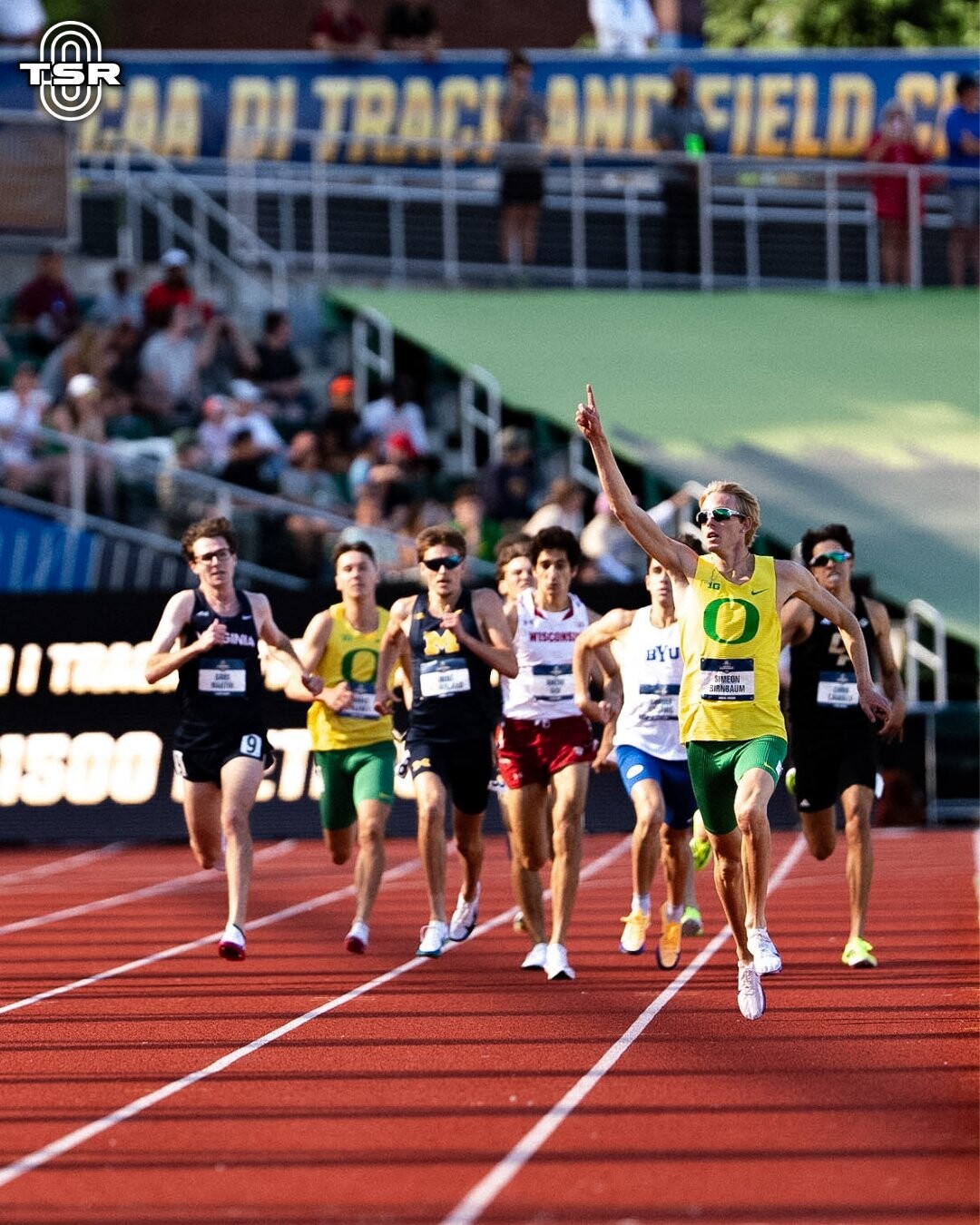
The 20-year-old sophomore produced a commanding display of strength and confidence, separating himself from the field in the closing stages to defeat Michigan’s Trent McFarland by more than a second. His victory marked the most dominant NCAA 1500m championship winning margin in a decade, underlining just how special his performance was on the biggest collegiate stage.
Birnbaum’s rise has been nothing short of remarkable. Just two months earlier, the Oregon standout shattered the collegiate record with a stunning 3:31.69, announcing himself as one of the most exciting young middle-distance talents in the world.
Now, with an NCAA championship medal around his neck, Birnbaum has firmly placed his name among Oregon’s greats. Following in the footsteps of legends such as Cole Hocker and Matthew Centrowitz, he looks ready to carry the Ducks’ proud distance-running tradition into a new era.
With his record-breaking speed, championship mentality, and fearless racing style, Simeon Birnbaum’s journey is only beginning — and the running world will be watching closely as Oregon’s newest distance star continues to rise.
by Erick Cheruiyot for My Best Runs.
Login to leave a comment
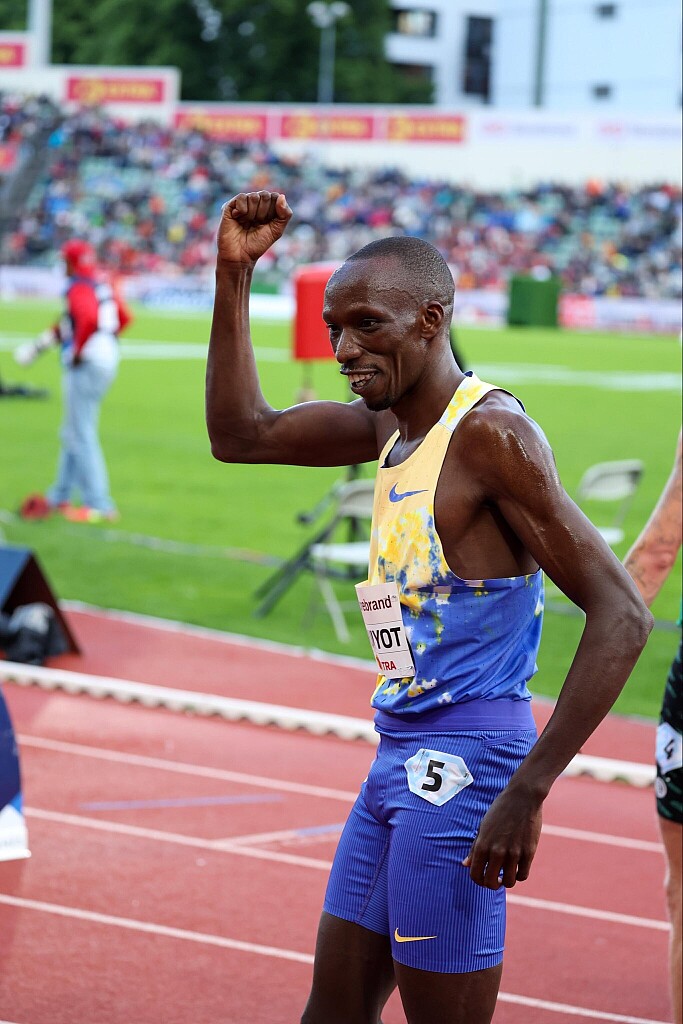
Timothy Cheruiyot Sets Sights on Diamond League Final Glory and Commonwealth Games Bid
Timothy Cheruiyot has made his ambitions unmistakably clear after another commanding appearance on the Oslo Diamond League stage in 2026, outlining a season defined by precision, patience, and championship intent.
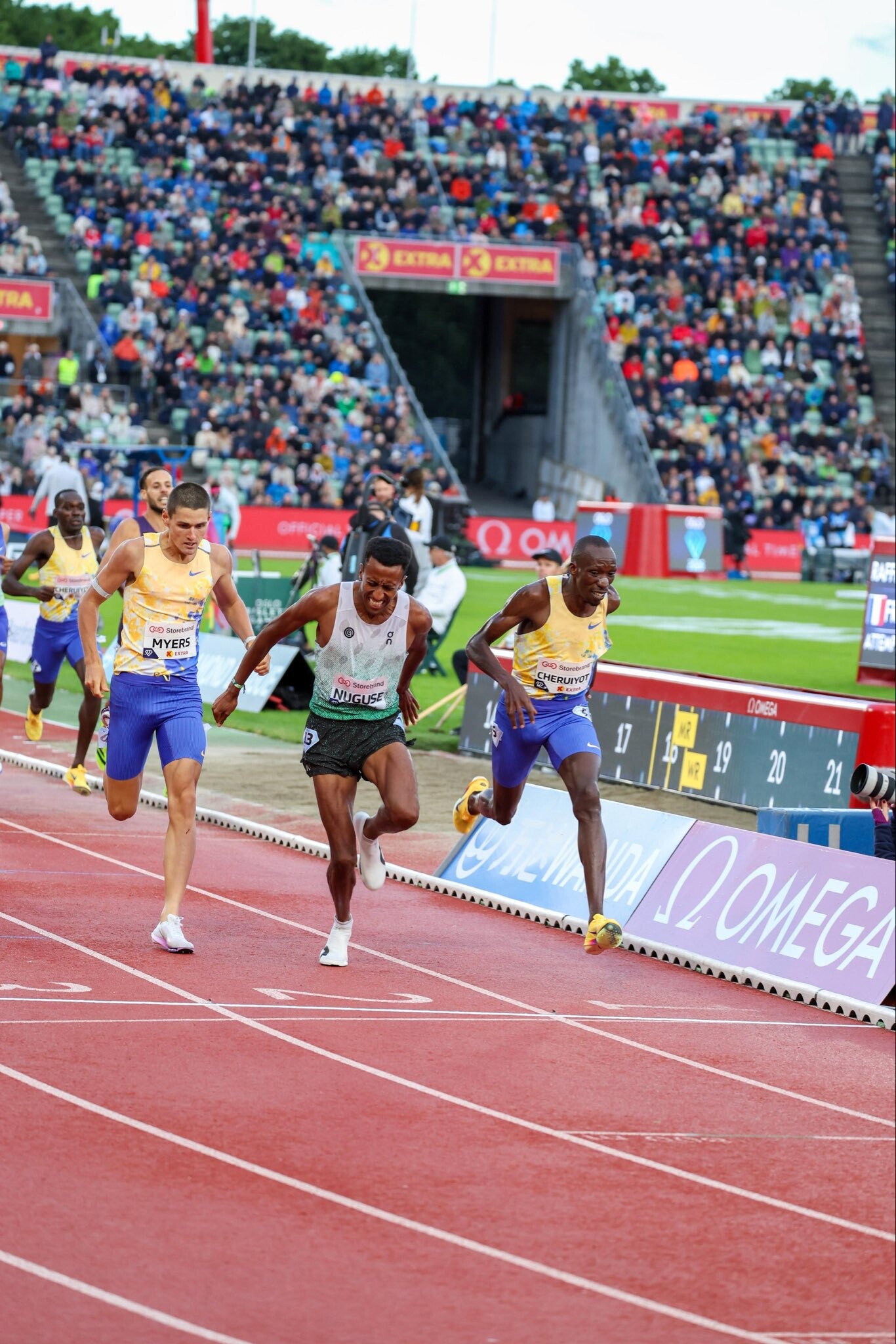
The Kenyan 1500m star, known for his tactical sharpness and late-race acceleration, revealed that his primary focus this year is firmly locked on the Diamond League circuit. His ultimate goal is not just to qualify for the final, but to dominate it.
“My main target is the Diamond League this year, to reach the final and win,” Cheruiyot stated with quiet confidence following his strong showing in Oslo. “Also, the Commonwealth Games. So I go home for the trials next week.”
The message was as direct as his racing style: no distractions, no detours—only execution.
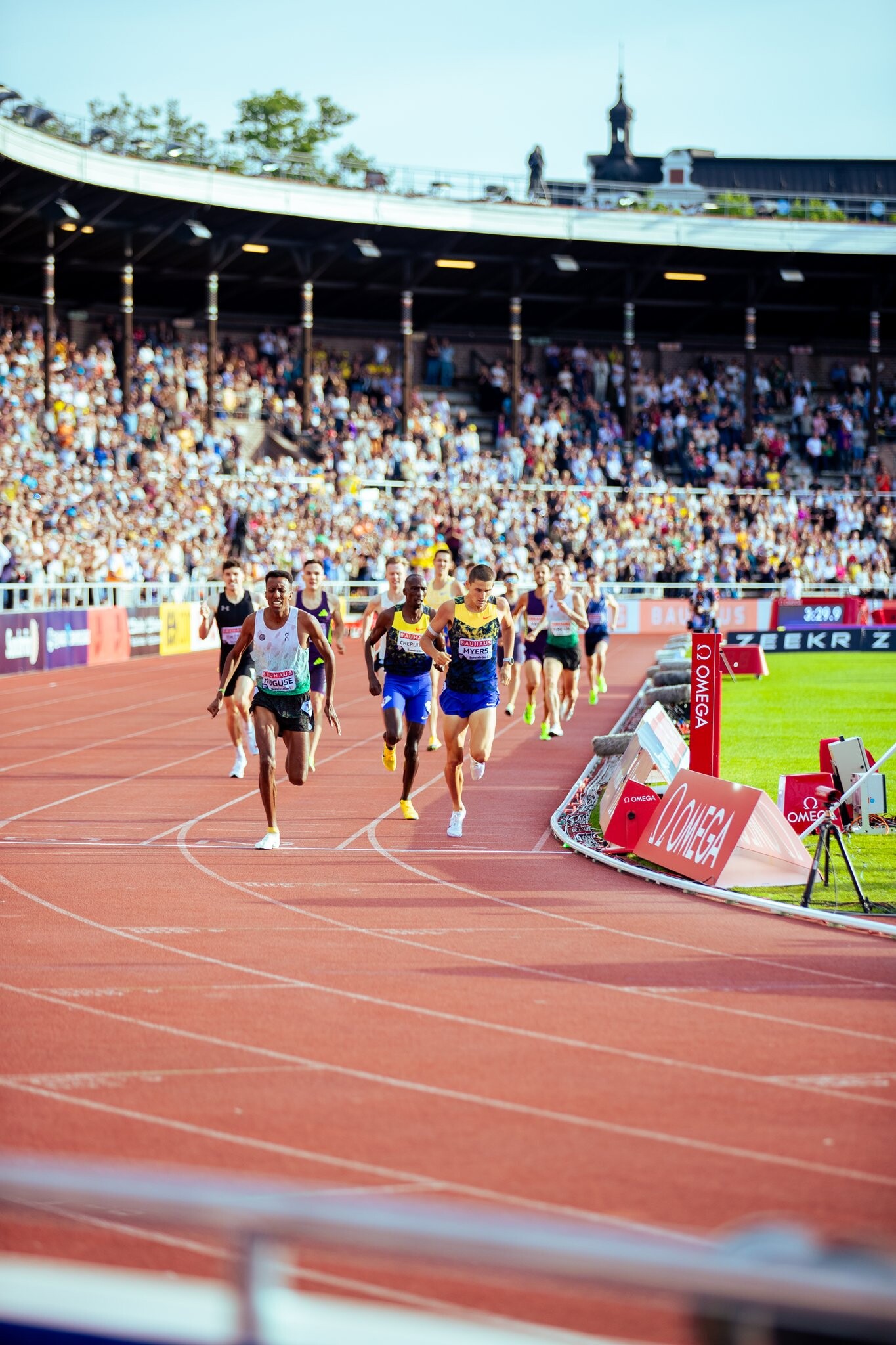
For Cheruiyot, Oslo served not only as another competitive outing but also as a statement of intent. Against a world-class field, he once again demonstrated the composure and racing intelligence that have defined his career at the highest level. While the result added to his growing season momentum, the bigger picture remains firmly ahead.
The Diamond League remains the crown jewel of the athletics circuit, and Cheruiyot’s declaration signals a renewed push to reclaim supremacy on one of the sport’s most demanding stages. His eyes are set on consistency across the series, building form at the right time before peaking when it matters most.
Beyond the Diamond League, the Commonwealth Games represent another major milestone in his campaign. Selection will be determined through Kenya’s fiercely competitive trials next week, where depth in middle-distance running ensures nothing is guaranteed.
Yet Cheruiyot’s focus appears undisturbed. His approach reflects experience—balancing global ambitions with the immediate pressure of national qualification. It is a familiar path for Kenyan elite athletes, where every race is both a proving ground and a stepping stone.
As the season unfolds, Cheruiyot’s dual targets set the tone for what promises to be a compelling campaign. The blend of Diamond League ambition and Commonwealth Games pursuit places him once again at the center of the 1500m narrative.
And if Oslo was any indication, he is not merely participating in the season—he is shaping it.
by Erick Cheruiyot for My Best Runs.
Login to leave a comment
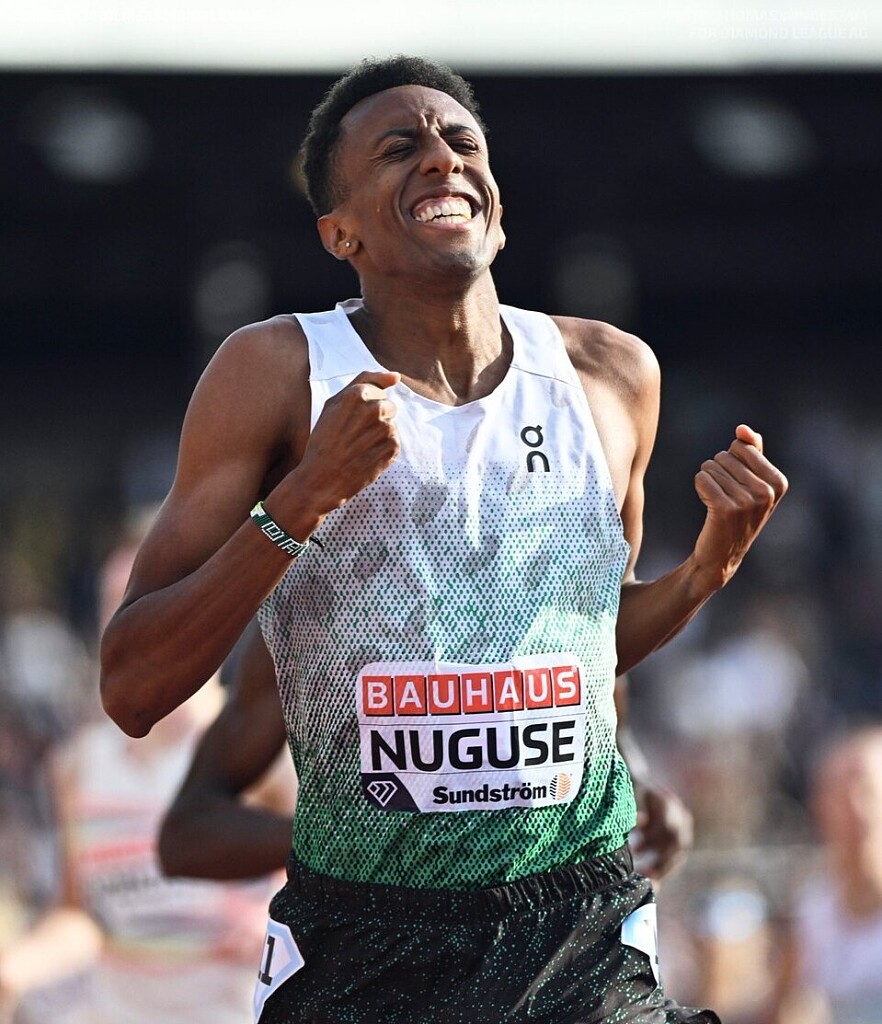
Twice as Nice: Nuguse Strikes Again with Brilliant Stockholm Triumph
Yared Nuguse's remarkable Diamond League campaign continued in style on Sunday as the American star claimed his second 1500m victory of the season, producing a devastating late surge to win in Stockholm in 3:30.11.
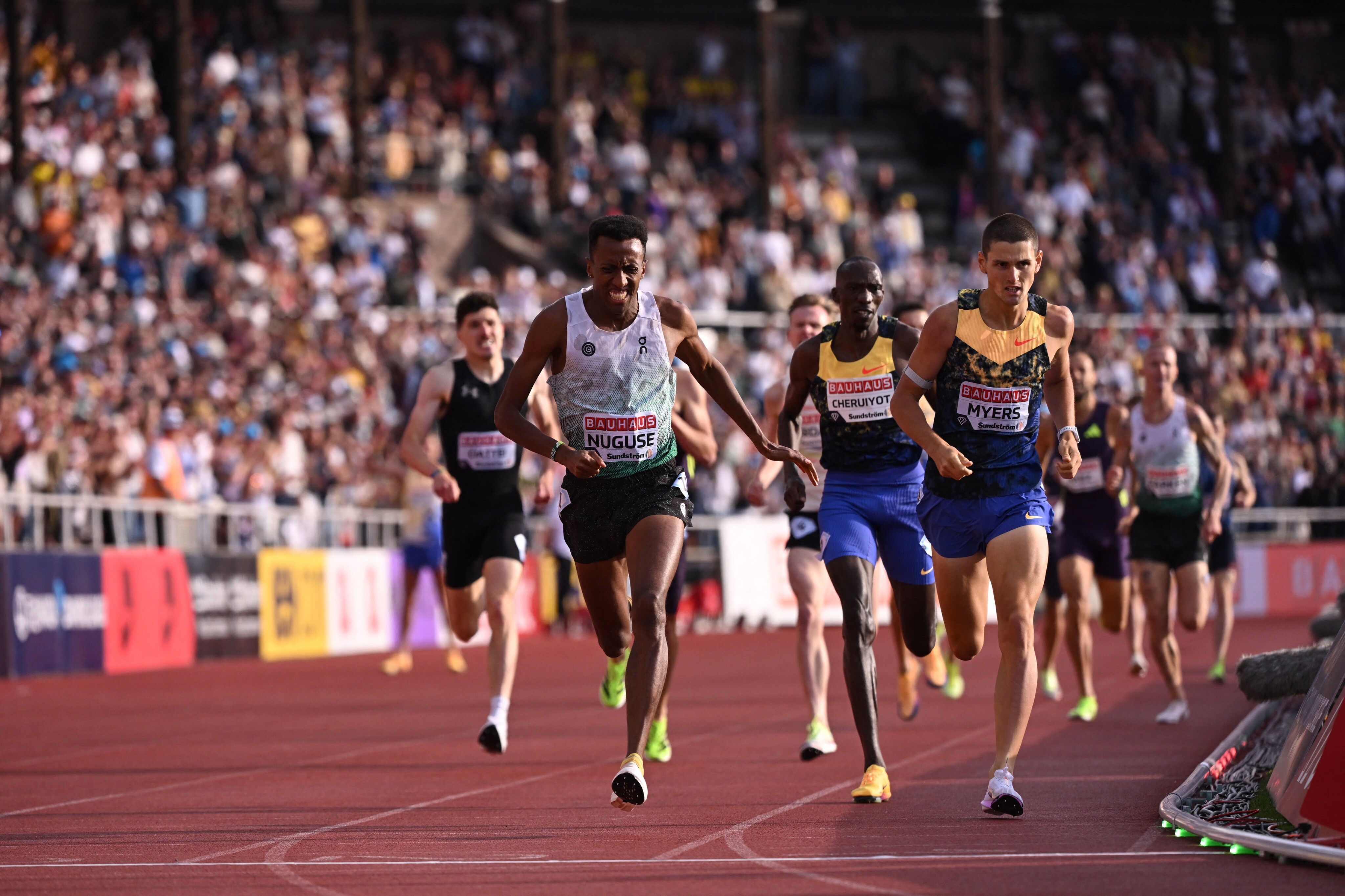
Just one week after dictating the pace from the front in Rabat, Nuguse demonstrated an entirely different dimension to his racing arsenal in the Swedish capital. This time, the 27-year-old was forced to chase down Australia's rising star Cam Myers, who had positioned himself perfectly and appeared poised to pull off a breakthrough Diamond League victory.
For much of the race, Myers looked in control as the field navigated the final lap. But Nuguse remained composed, patiently biding his time before unleashing a powerful finishing kick on the homestretch. With every stride, the American reeled in the young Australian before sweeping past him in the closing metres to secure another impressive win on the international circuit.
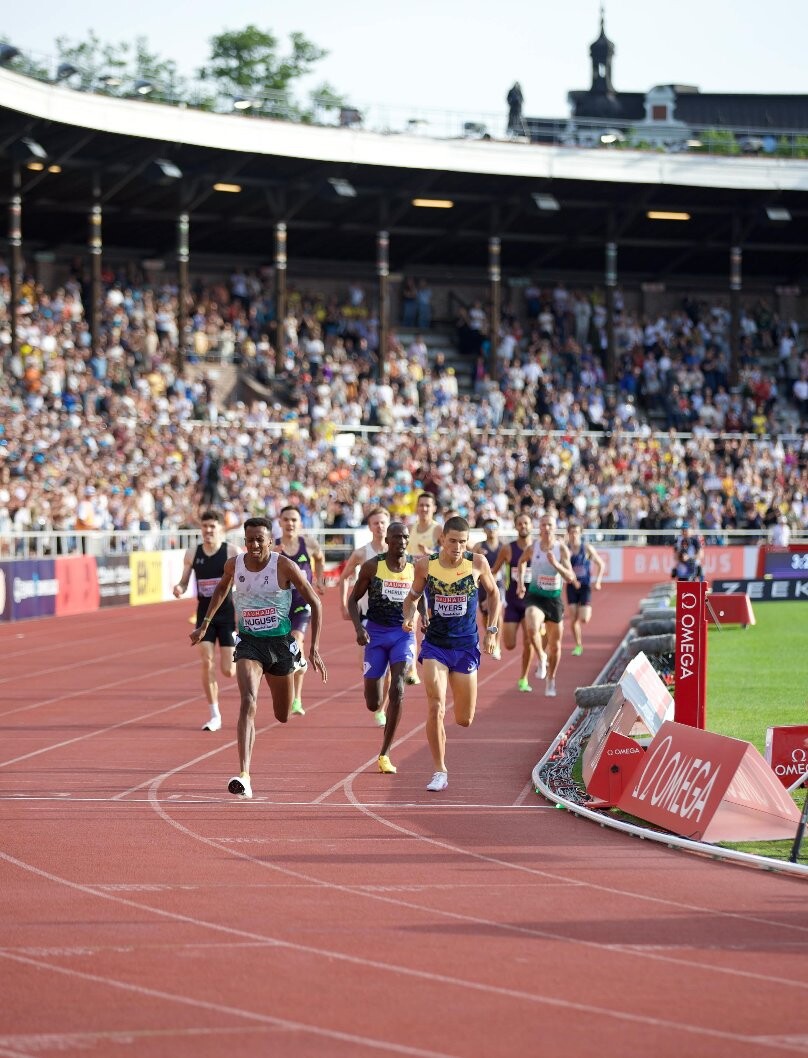
The victory underlined why Nuguse has become one of the most complete middle-distance runners in the world. In Rabat, he showcased his strength and confidence by leading from the front and daring the field to catch him. In Stockholm, he displayed tactical discipline and explosive speed, proving he can win races in more than one way.
That versatility could prove crucial as the season progresses toward the major championships. Elite 1500m racing often demands athletes to adapt to unpredictable scenarios, and Nuguse is increasingly showing that he possesses every weapon required to thrive in championship-caliber fields.
For Myers, the race offered further evidence of his immense potential. The Australian pushed the pace and came agonizingly close to a career-defining victory before being denied by one of the sport's finest closers. Despite finishing second, his performance reinforced his status as one of the brightest young talents in global middle-distance running.
As for Nuguse, the result adds another prestigious Diamond League trophy to his growing collection and sends a clear message to his rivals. Whether setting the pace from the gun or hunting down leaders in the final straight, the American is proving exceptionally difficult to beat.
Two Diamond League victories. Two completely different race strategies. The same result.
Yared Nuguse is making winning look effortless.
by Erick Cheruiyot for My Best Runs.
Login to leave a comment
