

Running News Daily
Running News Daily is edited by Bob Anderson and team. Send your news items to bob@mybestruns.com Advertising opportunities available.
Index to Daily Posts · Sign Up For Updates · Run The World Feed
Articles tagged #ATHLOS
Today's Running News



Sha’Carri Richardson: From Teenage Sensation to a Champion Who Rewrote Her Own Story
At just 19, Sha’Carri Richardson looked like a star destined to take over the sprinting world.
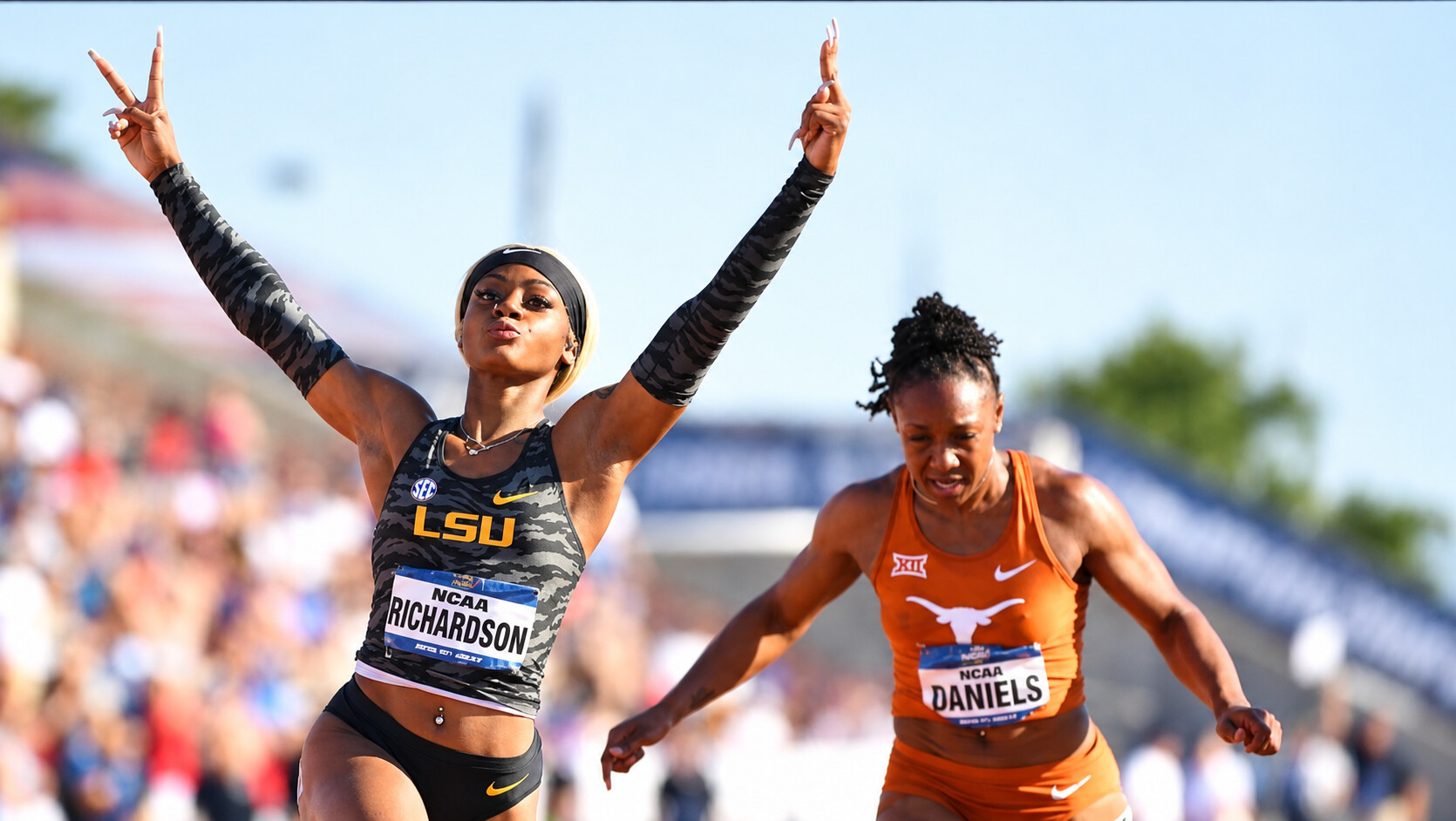
The speed was undeniable. In 2019, she announced herself on the collegiate stage with a 10.75-second NCAA record in the 100 metres, combining explosive acceleration with a fearless personality and a distinctive style that made her impossible to ignore.
She was young, confident and unapologetically herself.
But the road to becoming a champion was about to become far more complicated than anyone could have imagined.
In 2021, Richardson won the women’s 100m at the U.S. Olympic Trials in 10.86 seconds and appeared set for her Olympic debut.
Then everything changed.
A positive test for THC resulted in a one-month suspension, which ultimately ruled her out of the Tokyo Olympic 100m. USADA confirmed that Richardson accepted the sanction, which began on June 28, 2021.
The episode came at an especially difficult moment in her life. Richardson had publicly spoken about grieving the death of her biological mother and the emotional circumstances surrounding that period.
For an athlete who had seemed destined for Olympic glory, Tokyo became a painful chapter instead.
But it did not become the final chapter.
Richardson returned to the track with something to prove — not simply to the critics, but to herself.
The comeback became a championship story
In 2023, Richardson transformed her comeback into one of the defining performances of her career.
At the World Championships in Budapest, she won the 100m world title in 10.65 seconds, setting a championship record and defeating a field that included some of the greatest sprinters of her generation. World Athletics lists 10.65 as Richardson’s legal personal best, recorded on August 21, 2023.
She did not stop there.
Richardson also helped the United States win the women’s 4x100m relay gold in Budapest, adding another world title to a season that had completely changed the narrative surrounding her career.
The teenager who had once been celebrated for her raw talent was now a world champion.
Paris brought Olympic medals
A year later, Richardson arrived at the Paris 2024 Olympics carrying expectations of another major championship performance.
She delivered.
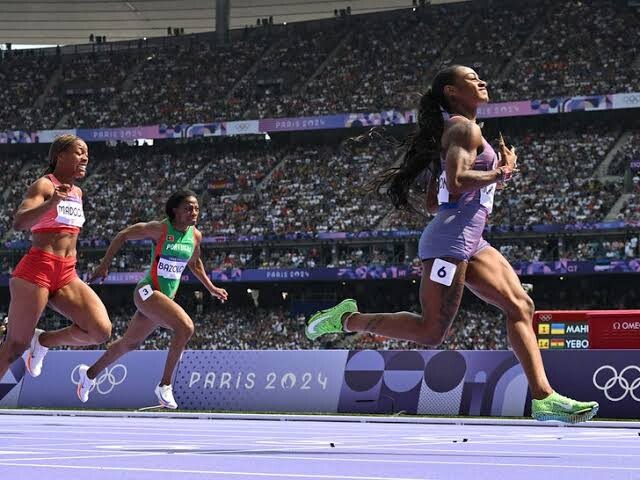
Richardson won silver in the individual 100m and then anchored the United States to gold in the women’s 4x100m relay. World Athletics records her as an Olympic champion and Olympic silver medallist.
The Olympic gold was particularly significant.
After missing Tokyo, Richardson had returned to the biggest stage in the sport and left Paris as an Olympic champion.
Her journey had gone from disappointment to the highest step of the podium.
2026: Still winning, still evolving
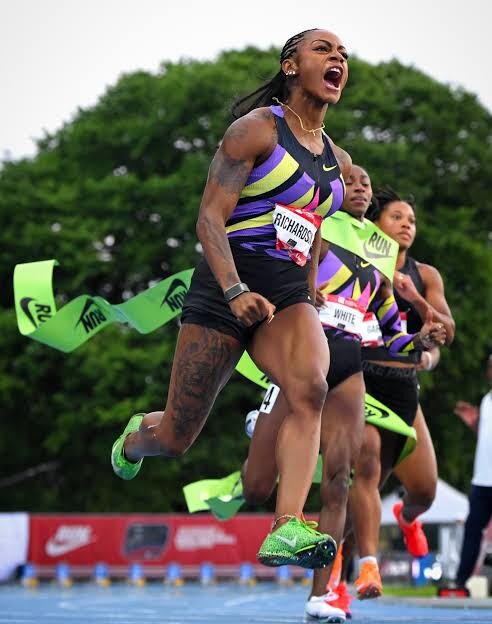
Richardson's story continued into 2026, and she closed the season in emphatic fashion at ATHLOS London.
On September 18 at StoneX Stadium, she won the 100m in 10.80 seconds with no wind assistance, finishing well clear of New Zealand's Zoe Hobbs, who ran 11.19. The performance was also an ATHLOS meeting record.
It was another reminder that Richardson remains one of the defining personalities of modern sprinting.
But the most compelling part of her journey cannot be measured entirely in seconds.
It is the evolution behind the performances.
The young sprinter who entered the global spotlight with enormous confidence has experienced public criticism, disappointment, grief, triumph and the enormous pressure that comes with being one of the world's most recognizable athletes.
Through it all, she has continued to shape her identity on her own terms.
Her story is no longer simply about speed.
It is about resilience, reinvention and the ability to return after a moment that could have permanently changed the direction of a career.
From a teenage sensation running 10.75 to a world champion running 10.65.
From missing the Tokyo Olympics to winning Olympic gold in Paris.
From one of the most difficult periods of her young career to becoming an established global sprint star.
Sha’Carri Richardson did not simply return to the track.
She returned with a different perspective, a bigger résumé and a story that belongs to her.
And perhaps that is the most powerful transformation of all: not becoming someone different, but growing into a stronger version of the person she always wanted to be.
by Erick Cheruiyot for My Best Runs.
Login to leave a comment
From Championship Glory To Community Miles: Georgia Hunter Bell Brings 2026 Season To A Close
British middle-distance star Georgia Hunter Bell has brought her remarkable 2026 season to a memorable close — not beneath the lights of another championship stadium, but surrounded by runners, stories and the wider running community in London.
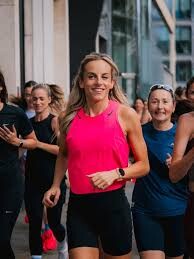
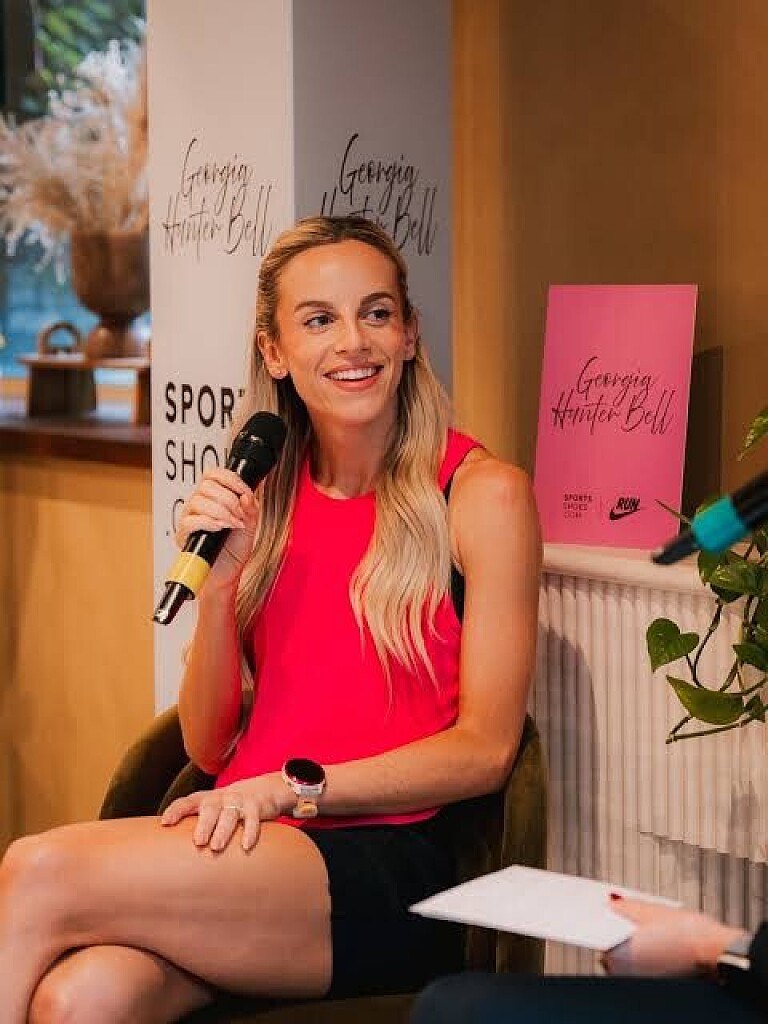
The Olympic medallist hosted an intimate run and brunch at Curve Club, bringing runners and fans together for an opportunity to share miles, exchange stories and celebrate a season that delivered some of the biggest moments of her career.
Hunter Bell’s 2026 campaign was anything but ordinary. Across 20 races, she navigated the intensity of elite competition while collecting three major championship gold medals and building another impressive chapter in her career. Her season ultimately concluded with a strong second-place finish in the mile at ATHLOS London.
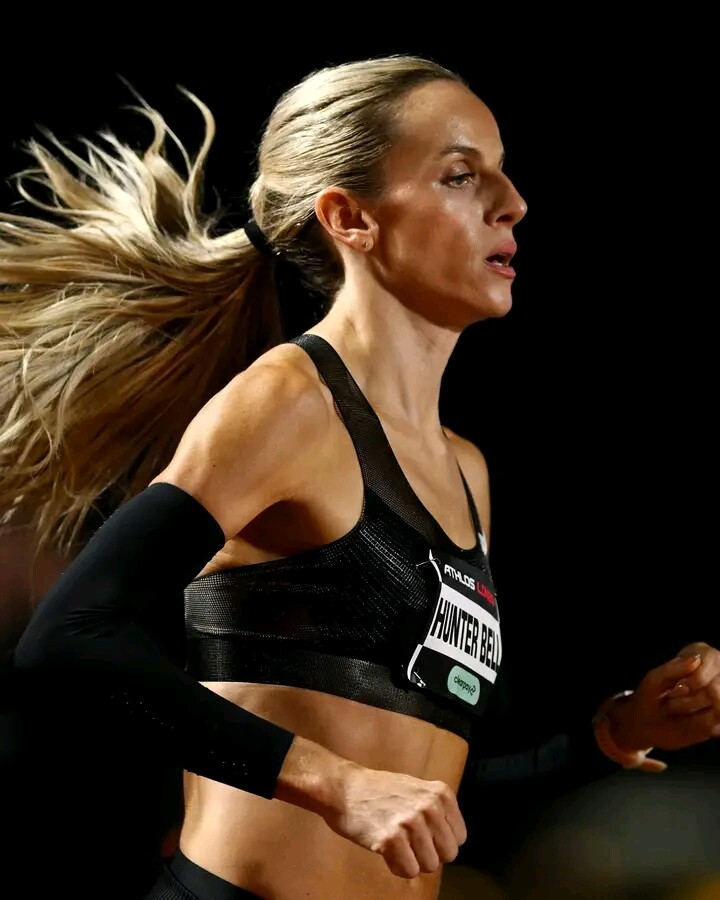
Yet the final gathering was about far more than results and medals.
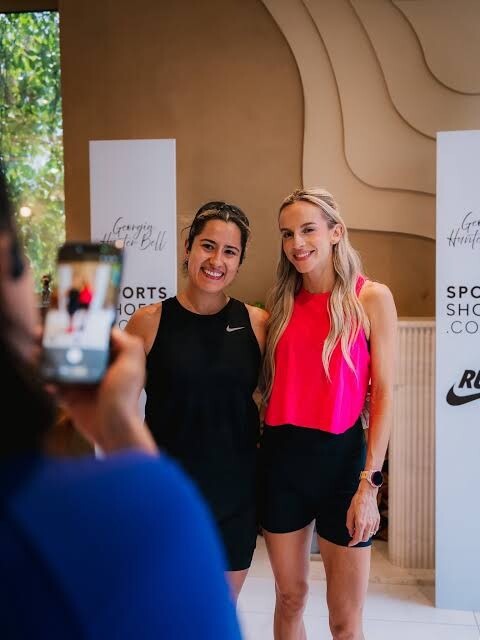
Away from the pressure of championship racing, Hunter Bell opened up about the defining moments of her season, the challenges that tested her along the way and the experiences that shaped her throughout the campaign. She also offered fans a glimpse into life inside the M11 Track Club training camps, providing an insight into the demanding work and experiences that often remain unseen beyond the finish line.
For Hunter Bell, the gathering also highlighted another important side of athletics — the sense of community that exists beyond elite competition. Sharing her experiences in a relaxed setting allowed her to connect with the people who follow her journey while celebrating the shared passion that brings runners together, whether they are chasing championship medals or simply enjoying another run with friends.
That perspective made the London gathering particularly meaningful. Elite athletics is often measured in times, places and medals, but Hunter Bell’s season-ending celebration highlighted the people, conversations and community that make running much bigger than competition alone.
From the intensity of major championship tracks to relaxed miles with fellow runners, Hunter Bell has shown that an athlete’s journey is not defined solely by what happens on race day.
After 20 races, three major championship titles and countless demanding miles, the British star can now look back on a season filled with triumphs, challenges and unforgettable experiences.
And what better way to close it than by sharing the journey with the running community?
by Erick Cheruiyot for My Best Runs.
Login to leave a comment
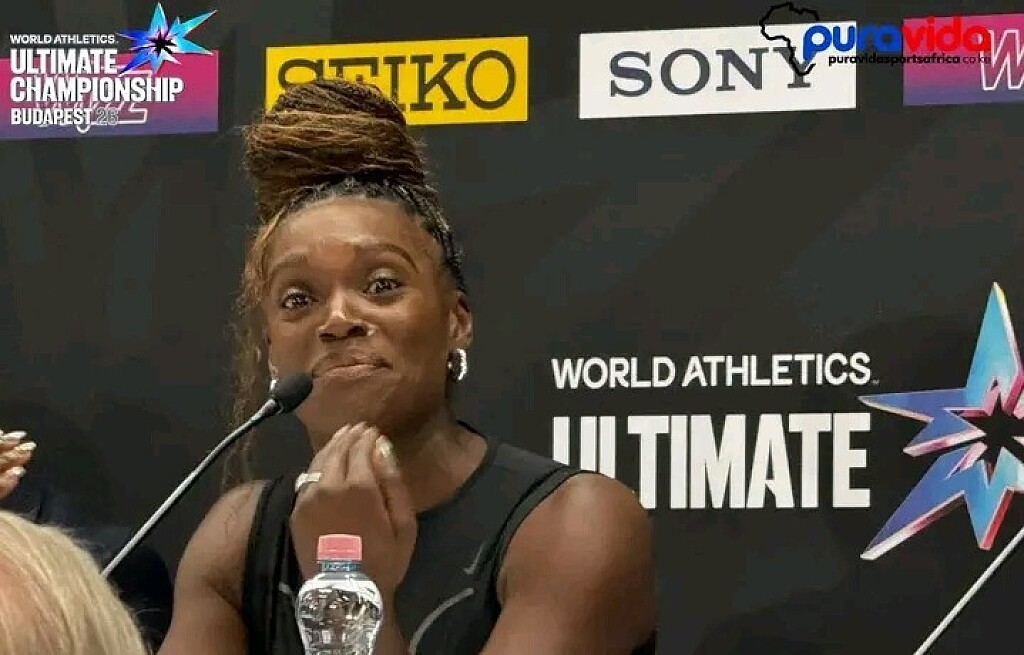
From Olympic Glory To The Microphone: Dawn Harper-Nelson’s Remarkable Second Act In Athletics
Dawn Harper-Nelson has already experienced the highest level of success an athlete can reach. Now, years after establishing herself as one of the finest hurdlers of her generation, the American Olympic champion is carving out an equally compelling identity behind the microphone.
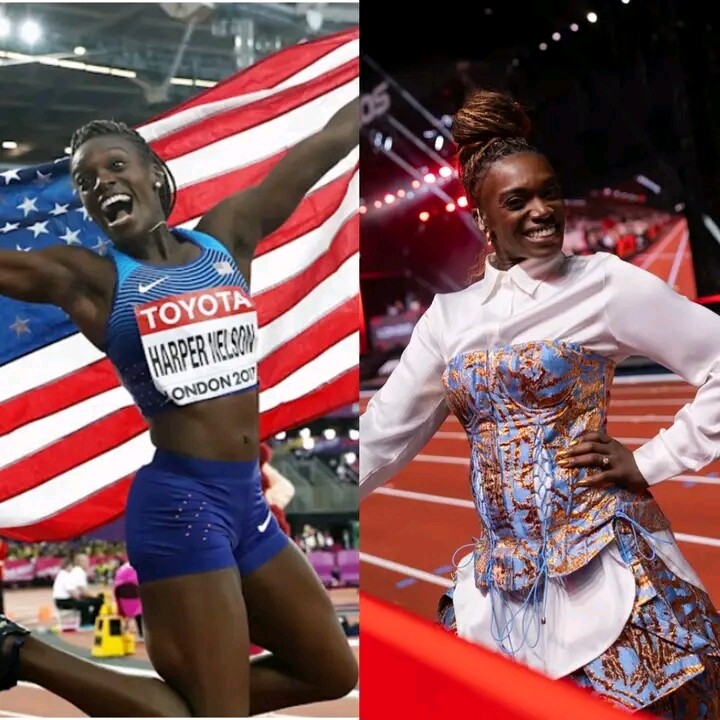
Harper-Nelson won the 100m hurdles gold medal at the 2008 Beijing Olympic Games before returning four years later to claim silver at London 2012. Her career also produced two World Championship medals — bronze in 2011 and silver in 2017 — while her personal best of 12.37 seconds, set in London in 2012, remains a defining mark of her distinguished career.
But her influence on athletics did not end when she stepped away from competitive sport.
In recent years, Harper-Nelson has successfully moved into broadcasting, presenting and athlete-focused media work, bringing with her something that cannot simply be learned in a studio: first-hand experience of competing under immense pressure on the world's biggest stages.
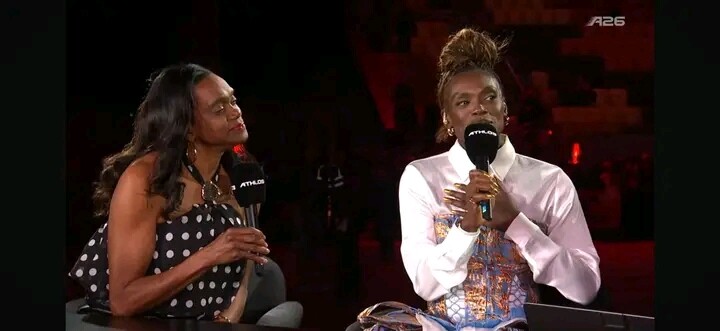
Her transition into media gained further momentum after she worked as an analyst during NBCUniversal's coverage of the Paris 2024 Olympic Games, becoming part of an Emmy-winning broadcast team. She has also worked with USA Track & Field in roles including press moderator, emcee and broadcaster, extending her connection with the sport beyond the competition arena.
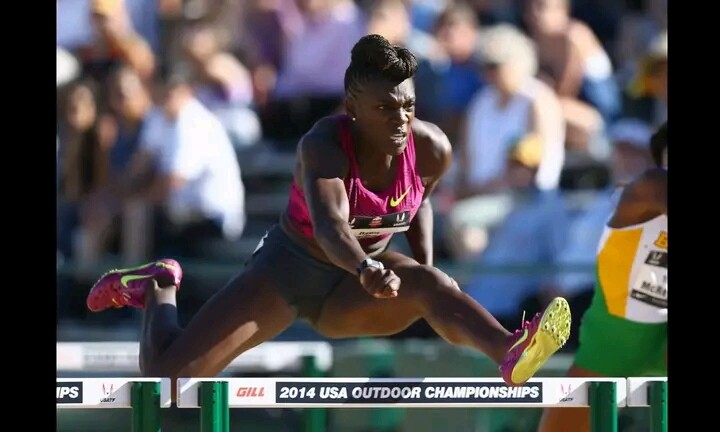
That experience has become particularly visible at some of athletics' newest and most ambitious events.
At the inaugural World Athletics Ultimate Championship in Budapest, Harper-Nelson served as an infield host throughout the three-day competition. World Athletics introduced the event with an emphasis on modern presentation, athlete storytelling and a television-focused experience, making the role of hosts and broadcasters increasingly important in connecting athletes with audiences.
Harper-Nelson was also involved in the championship's innovative pre-event programme, The Day Before, where athletes took part in interviews, content creation and other media opportunities ahead of the competition. Her presence alongside figures such as World Athletics President Sebastian Coe and Olympic sprint legend Usain Bolt underlined the experience she now brings to major athletics productions.
Her connection with ATHLOS has provided another prominent platform. The women's track and field series has developed a presentation style that combines elite competition with entertainment and athlete-focused storytelling, and Harper-Nelson has become one of the recognizable voices helping bring that experience to audiences. She previously hosted ATHLOS's long-jump competition in New York and has continued her association with the event as it expanded internationally to London in 2026.
What makes Harper-Nelson's media career particularly interesting is the perspective she carries from her own competitive journey. She knows the nerves before a major final, the pressure of championship competition, the disappointment of falling short and the discipline required to return stronger.
That background allows her to approach athlete conversations from a position of genuine understanding. Rather than simply describing what happens on the track, she can draw on her own experiences to explore the emotions, preparation and personal stories behind the performances.
Her evolution also reflects a wider change in modern athletics, where former champions are increasingly becoming storytellers, analysts, presenters and ambassadors for the sport. The ability to communicate an athlete's personality and explain the significance of a performance has become an important part of how major competitions reach new audiences.
For Harper-Nelson, the journey from the starting line to the broadcast platform has therefore been more than a career change. It has been a continuation of her relationship with athletics — only this time, she is helping tell the stories rather than creating them through her own performances.
From Olympic champion to accomplished broadcaster and event host, Dawn Harper-Nelson is showing that an athlete's influence does not have to end when the competitive career does. Her second chapter is giving her a new way to remain at the heart of the sport she once dominated on the track.
by Erick Cheruiyot for My Best Runs.
Login to leave a comment
Richardson, Thomas, Hodgkinson And Kazimierska Shine At ATHLOS London
ATHLOS London brought the 2026 athletics season to a spectacular conclusion at StoneX Stadium, with a collection of global stars delivering standout performances across the sprints and middle-distance events.
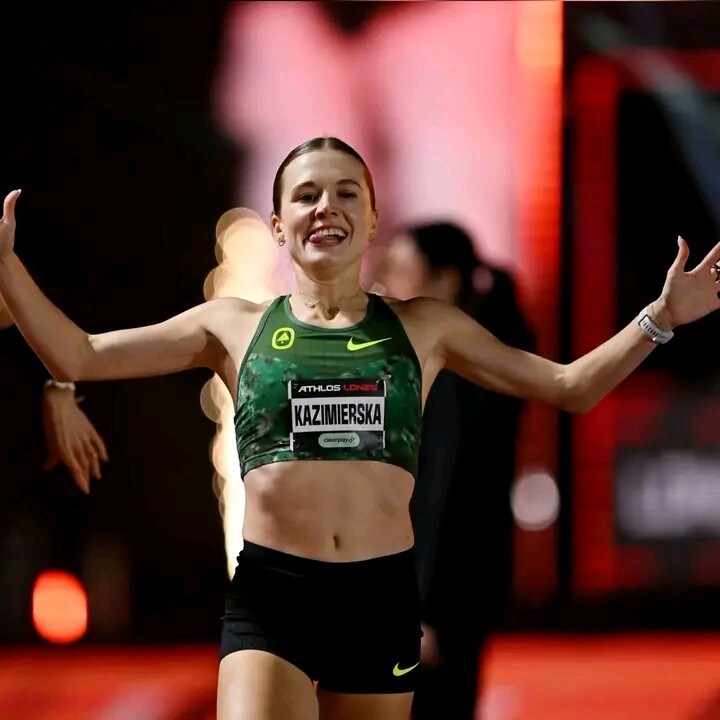
Among the biggest winners was Klaudia Kazimierska, who continued her extraordinary late-season run by claiming the women’s mile title in 4:19.43.
The Polish middle-distance star produced a powerful finishing kick to edge Britain’s Georgia Hunter Bell, who finished second in 4:19.54, while Kenya’s Dorcus Ewoi secured third in 4:19.84.
The victory completed a remarkable sequence for Kazimierska, who has now captured three major titles in succession. Her ATHLOS London triumph followed victories at the Diamond League Final and the inaugural World Athletics Ultimate Championship, giving her a remarkable finish to the 2026 season.
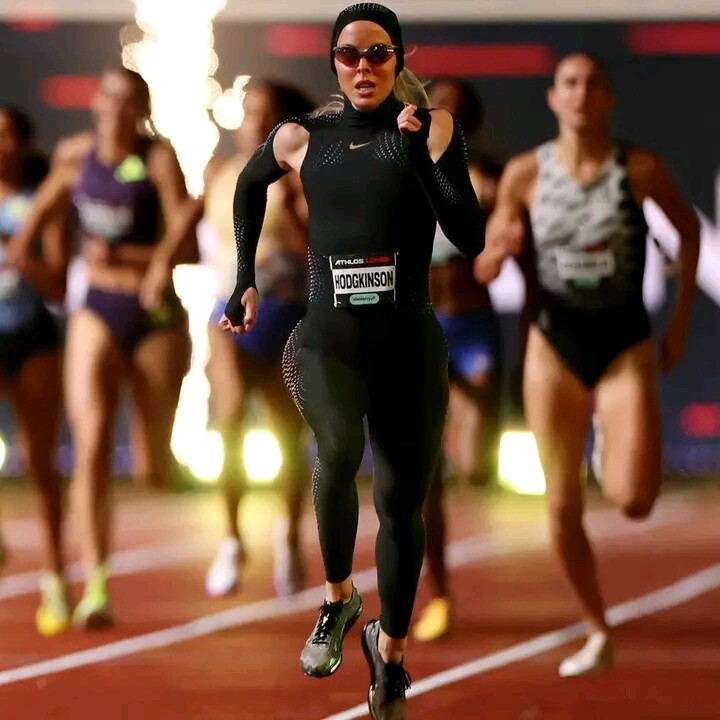
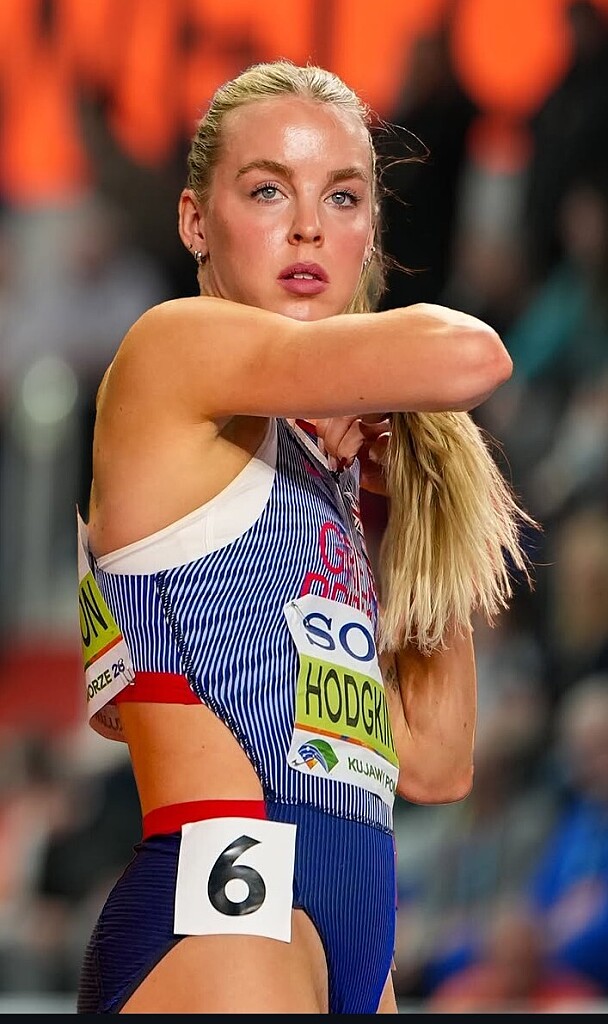
Kazimierska was not the only athlete to leave London with a major title, however, as Keely Hodgkinson produced a dominant performance to successfully defend her ATHLOS London 800m crown.
The British star took command from the opening stages and controlled the race from the front, building a substantial advantage before powering across the line in 1:56.40.
Her performance established a new ATHLOS London meeting record, with Hodgkinson finishing more than two seconds ahead of Switzerland’s Valentina Rosamilia, who ran 1:58.75. France’s Rénelle Lamote was third in 2:00.15.
American Juliette Whittaker finished fourth in 2:00.46, Ireland’s Sophie O’Sullivan was fifth in 2:00.53, and American Raevyn Rogers completed the field in 2:01.12.
The victory provided Hodgkinson with a powerful ending to a turbulent outdoor campaign that had included a canal accident and a hamstring injury, alongside silver-medal finishes at the European Championships and the World Athletics Ultimate Championship.
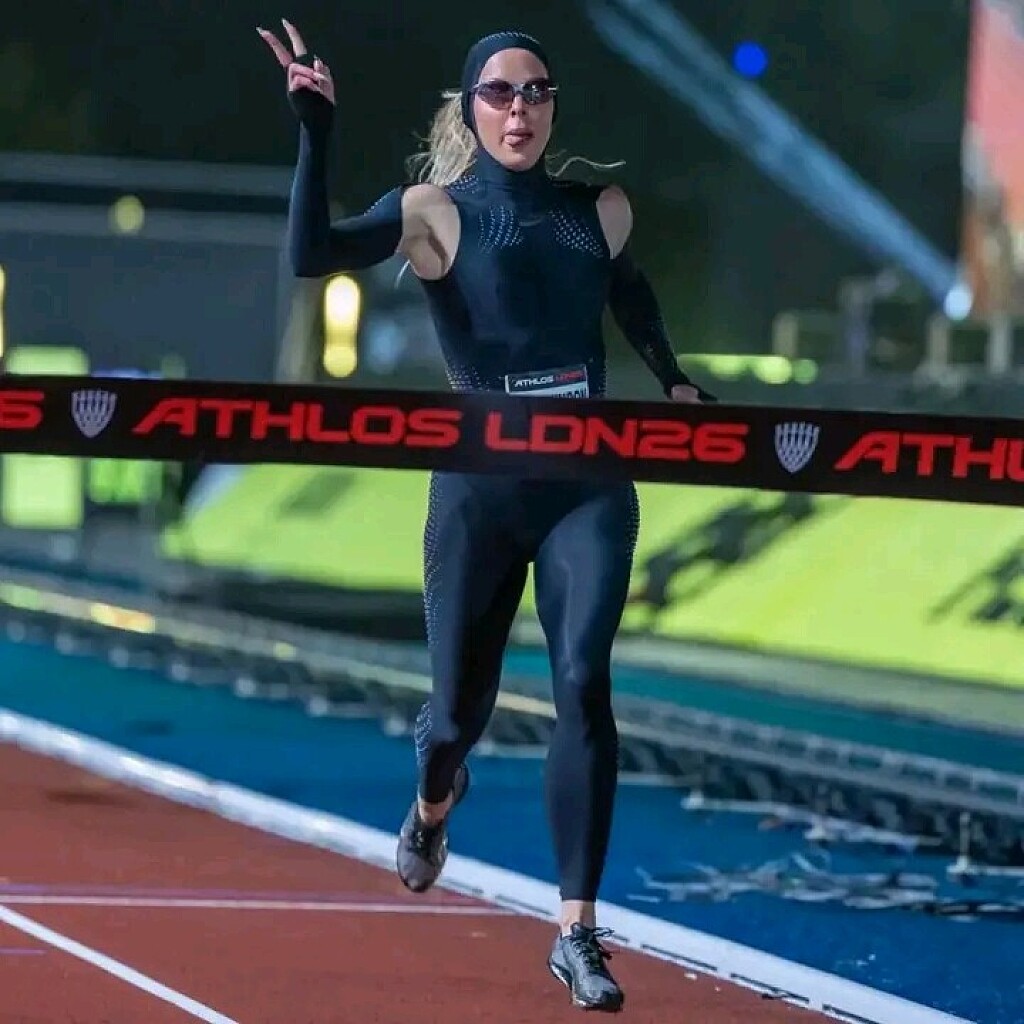
She also attracted attention with her specially designed Nike racing suit, a futuristic full-length black hooded design with an open back, created with mobility and aerodynamics in mind, complemented by Nike sunglasses.
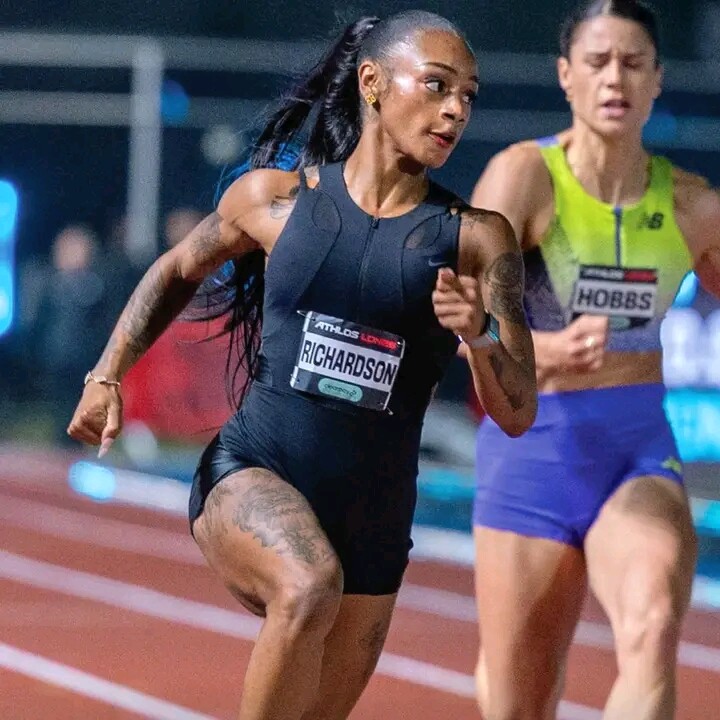
The sprint programme added even more star power to the night with Sha’Carri Richardson producing a meeting-record performance of her own in the women’s 100m.
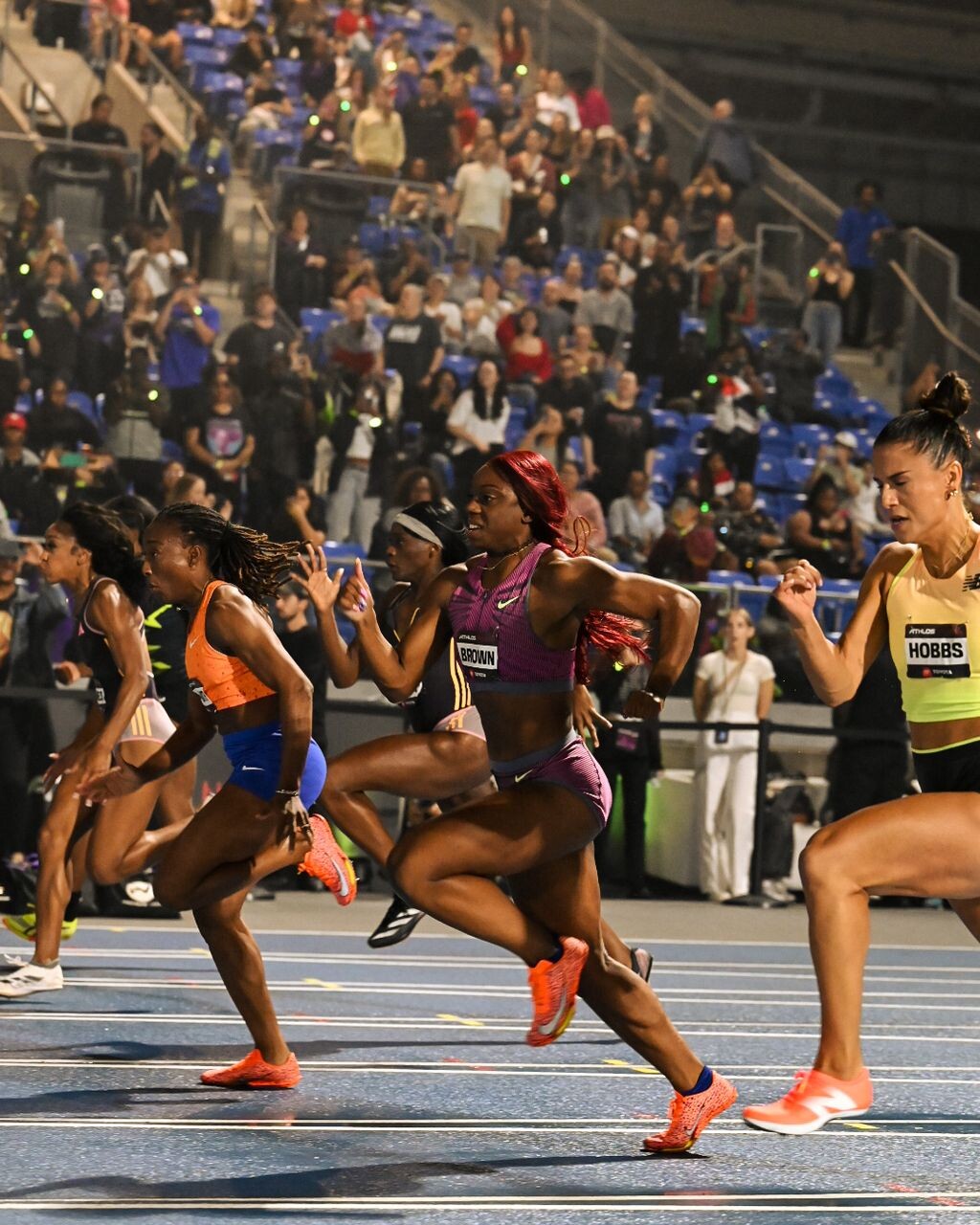
Richardson stormed to victory in 10.80 seconds, with no wind assistance, to take the ATHLOS London title. New Zealand’s Zoe Hobbs finished second in 11.19, while American Anavia Battle claimed third in 11.25.
Britain’s Imani Lansiquot crossed fourth in 11.35, narrowly ahead of compatriot Daryll Neita, who clocked 11.36, while Canada’s Sade McCreath finished sixth in 11.47.
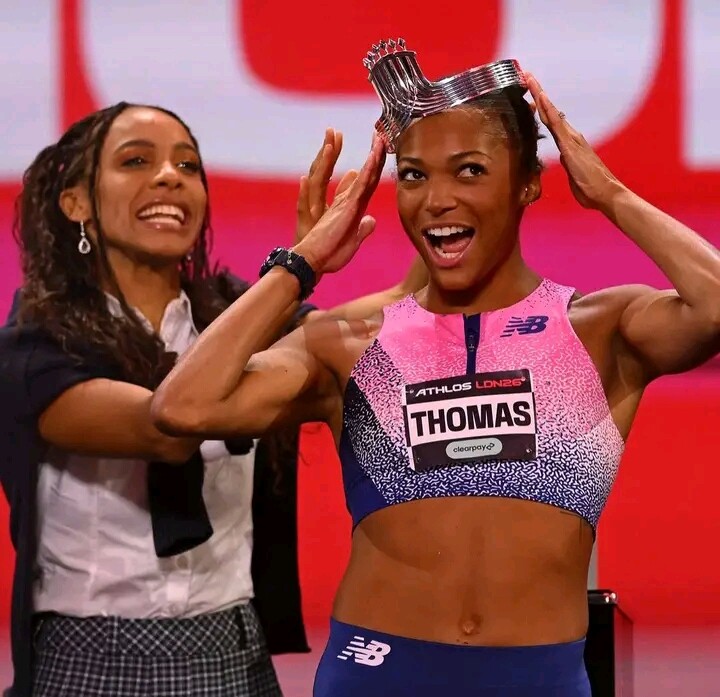
The American sprint success continued in the women’s 200m, where Gabby Thomas added another major title to her collection with a composed victory in 22.13 seconds.
Thomas held off fellow Americans Kayla White and Anavia Battle in a tightly contested final. White finished second in 22.40, while Battle, who had already secured third in the 100m, completed another podium appearance by taking bronze in 22.43.
Thomas’s victory further highlighted the depth of American sprinting at ATHLOS London, as the Olympic and world-level star produced another big-stage performance to close out her season with the 200m crown.
With Richardson and Thomas dominating the sprint headlines, Hodgkinson controlling the 800m and Kazimierska producing another decisive victory over the mile, ATHLOS London delivered an evening packed with major champions and fast performances.
For Kazimierska, the night completed an extraordinary run of three consecutive major titles. For Hodgkinson, it was a statement finish in front of her home crowd. Richardson and Thomas, meanwhile, ensured the American sprint contingent also left London with major victories.
ATHLOS London therefore closed the 2026 season in emphatic fashion, with several of the sport’s biggest names providing performances that will stand among the memorable moments of the year.
Login to leave a comment
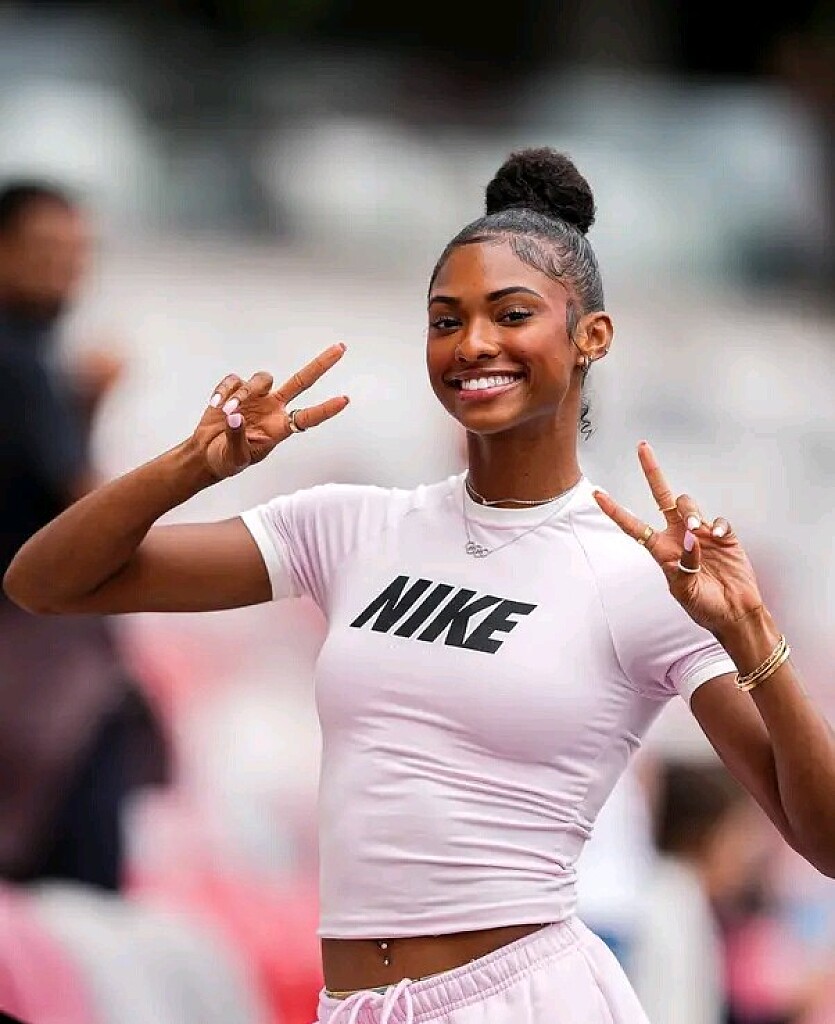
Masai Russell Ends Perfect 2026 Season After 14 Straight Wins
Masai Russell has called time on a remarkable 2026 campaign, withdrawing from ATHLOS London and ending a season in which the Olympic champion won every race she contested.
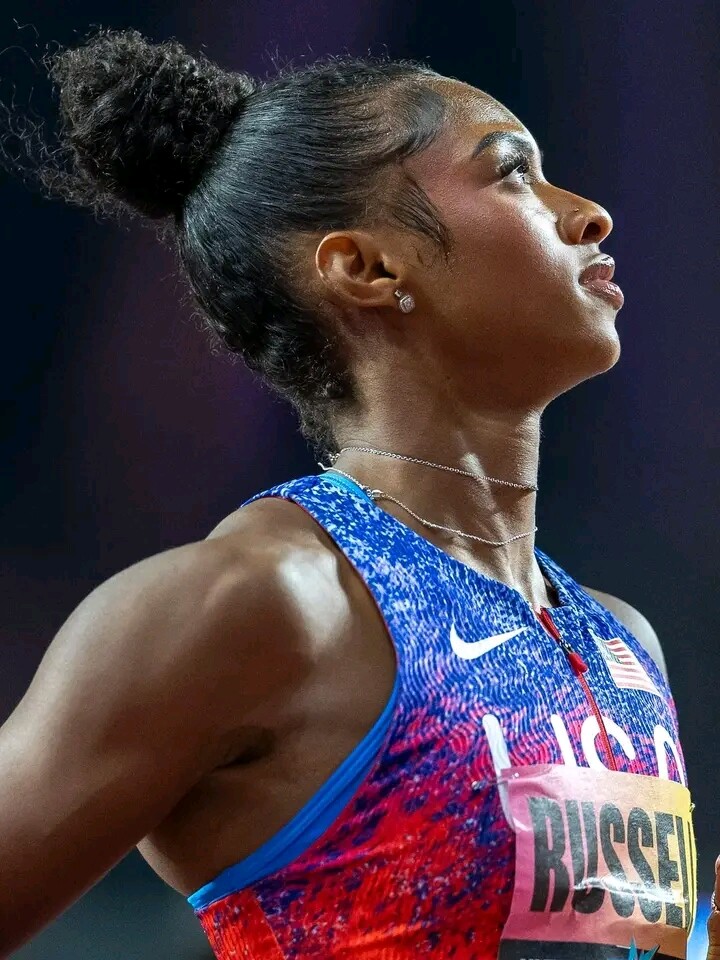
The American hurdler confirmed the decision on September 15, just days before ATHLOS London’s September 18 meeting at StoneX Stadium. Russell said she and her team believe stepping away is the right decision for her body as they turn their attention to what comes next.
“I'm grateful for everyone who has supported me throughout this year,” Russell said in her message to fans, before signing off with a promise to return to the track in 2027.
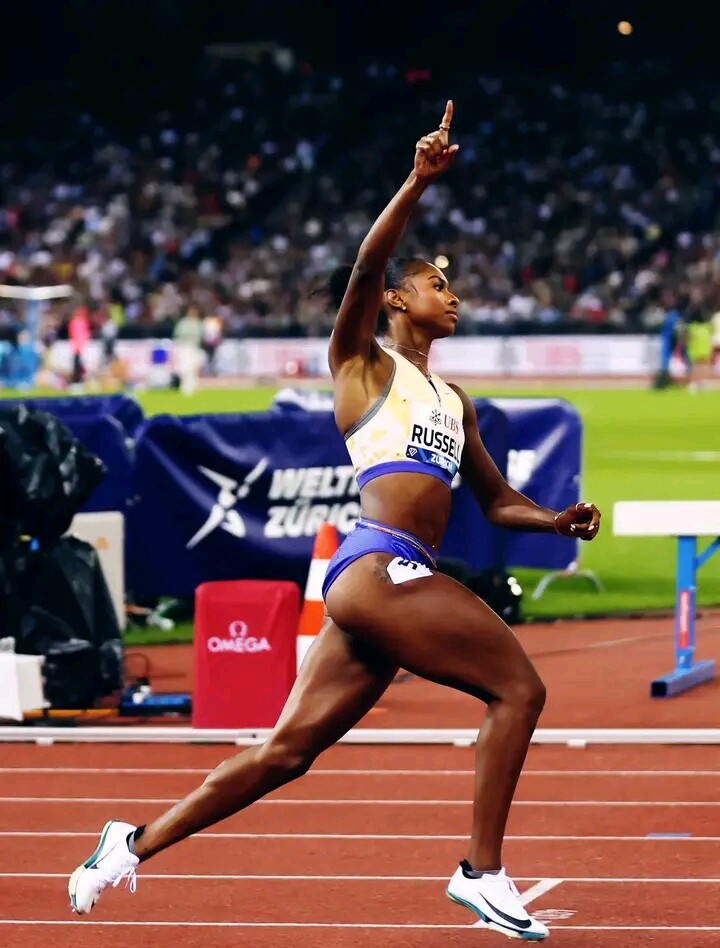
It brings an extraordinary season to a close: 14 races, 14 victories and an unbeaten record in 2026.
Russell’s season reached another level in August when she produced one of the defining performances of the year at the Weltklasse meeting in Zurich. The Olympic champion stormed to 12.09 seconds in the 100m hurdles, breaking Tobi Amusan’s world record of 12.12 and becoming the fastest woman ever over the barriers.
The performance was not a one-off. Russell followed her world-record run by winning the Diamond League Final in Brussels in 12.20 seconds before heading to Budapest for the inaugural World Athletics Ultimate Championship.
In Budapest, she completed her perfect season in style, winning the 100m hurdles in 12.22 seconds ahead of Nigeria’s Tobi Amusan and the Netherlands’ Nadine Visser. The victory was Russell’s 14th of the year and secured her unbeaten record for 2026.
Her withdrawal means fans will not get to see the world-record holder compete at ATHLOS London, where she had originally been announced among the star-studded field. The event takes place at StoneX Stadium on Friday, September 18, as ATHLOS makes its first international appearance.
For Russell, however, the decision closes the chapter on a season that has already placed her among the defining figures of the 2026 athletics campaign.
She has collected Olympic, Diamond League and World Athletics Ultimate Championship success, while adding a world record that erased one of the most significant marks in women's sprint hurdles.
And perhaps most remarkably, she did it without losing a single race.
Now Russell turns her attention to recovery, preparation and whatever comes next.
After a year of 14 wins from 14 races, a world record and an unbeaten streak, the next time Masai Russell steps onto the track will be in 2027 — with the 12.09 world-record holder entering a new season carrying an entirely different level of expectation.
by Erick Cheruiyot for My Best Runs.
Login to leave a comment
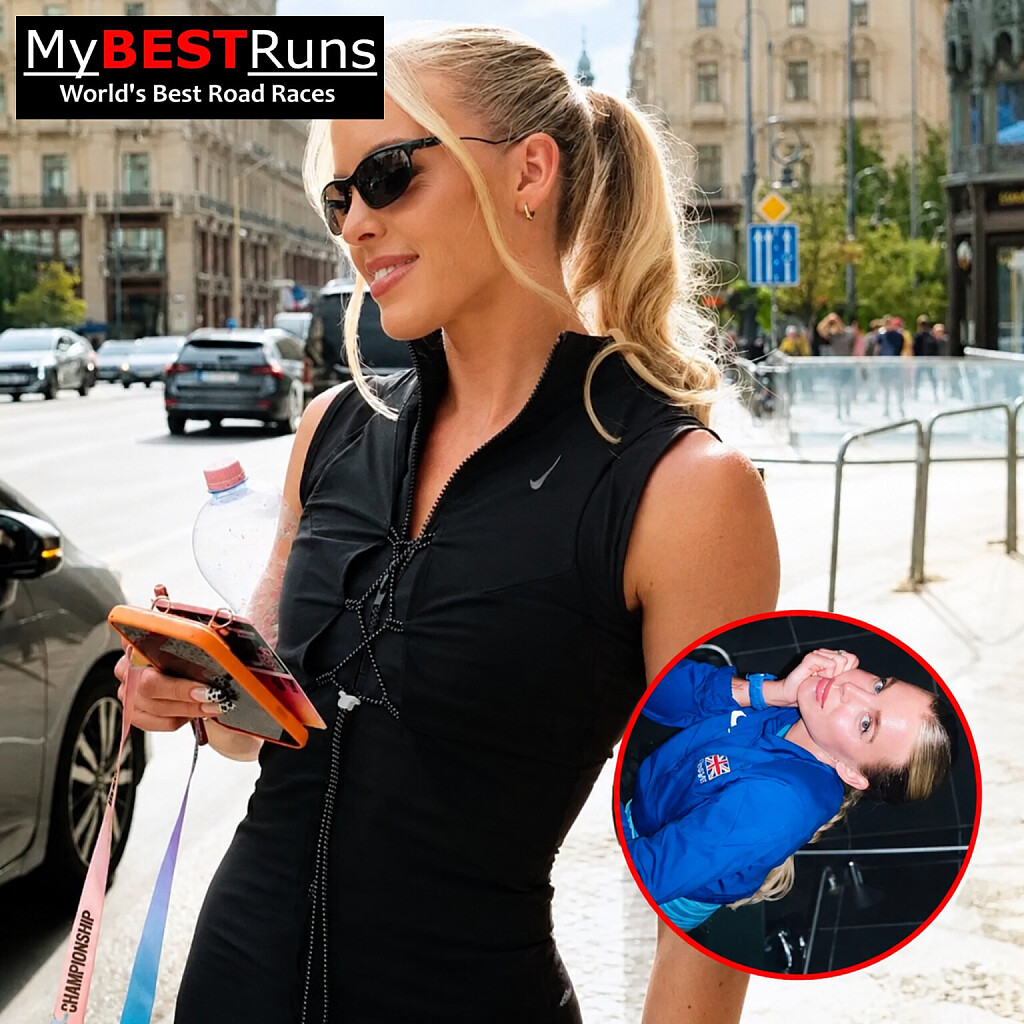
No Rest for Keely Hodgkinson! Olympic Champion Set for Homecoming Showdown at ATHLOS London
Keely Hodgkinson is wasting no time putting the finishing touches to her long and demanding 2026 season.
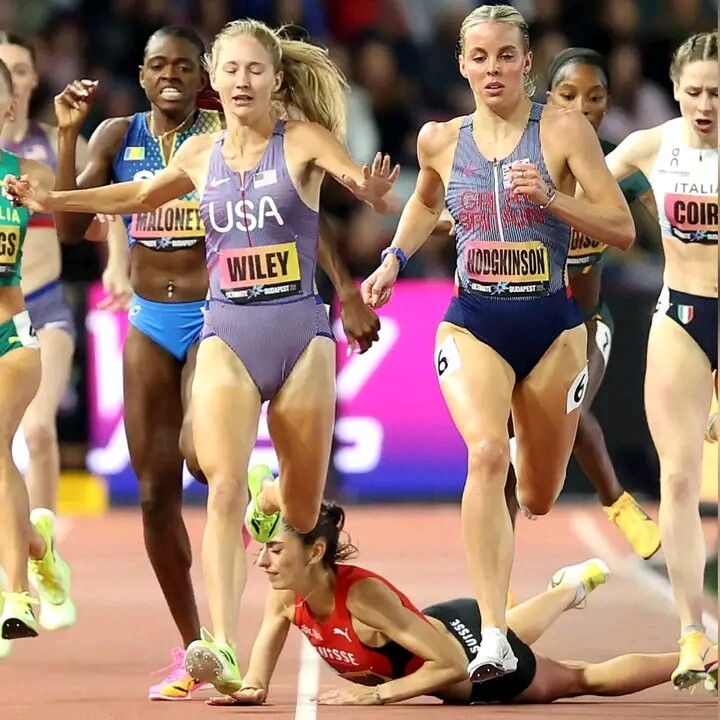
Just days after battling to a runner-up finish behind Audrey Werro in the women’s 800m at the inaugural World Athletics Ultimate Championship in Budapest, the British Olympic champion is preparing to lace up once again — this time in front of her home crowd.

Hodgkinson is set to return to the 800m at ATHLOS London on Friday, September 18, 2026, at StoneX Stadium, where she will defend the title she won at the event last year.
The quick turnaround underlines just how relentless Hodgkinson’s season has been. After months of elite competition, travel and intense racing, the 24-year-old now faces one final assignment before bringing her 2026 campaign to a close.
Budapest provided another fiercely contested race for Hodgkinson. She was unable to finish the season’s Ultimate Championship with victory, as Switzerland’s Werro produced a superb performance to claim the 800m crown, leaving Hodgkinson to settle for second.
But there will be little time to dwell on the result.
The homecoming at StoneX Stadium offers Hodgkinson an opportunity to respond immediately and potentially end her season on a high. With the British fans expected to turn out in force, the atmosphere should provide an extra source of motivation for one of the country’s biggest athletics stars.
Hodgkinson has already established herself as one of the defining 800m runners of her generation, and another victory in London would add a fitting final chapter to a season that has demanded enormous consistency and resilience.
The question now is whether she can summon one last burst of brilliance after such a gruelling campaign.
With the Olympic champion back on British soil, all eyes will be on Hodgkinson as she takes on the 800m one more time in 2026.
No rest. No easy finish. Just one final race — and a home crowd waiting to see Keely Hodgkinson deliver one more unforgettable performance.
by Erick Cheruiyot for My Best Runs.
Login to leave a comment
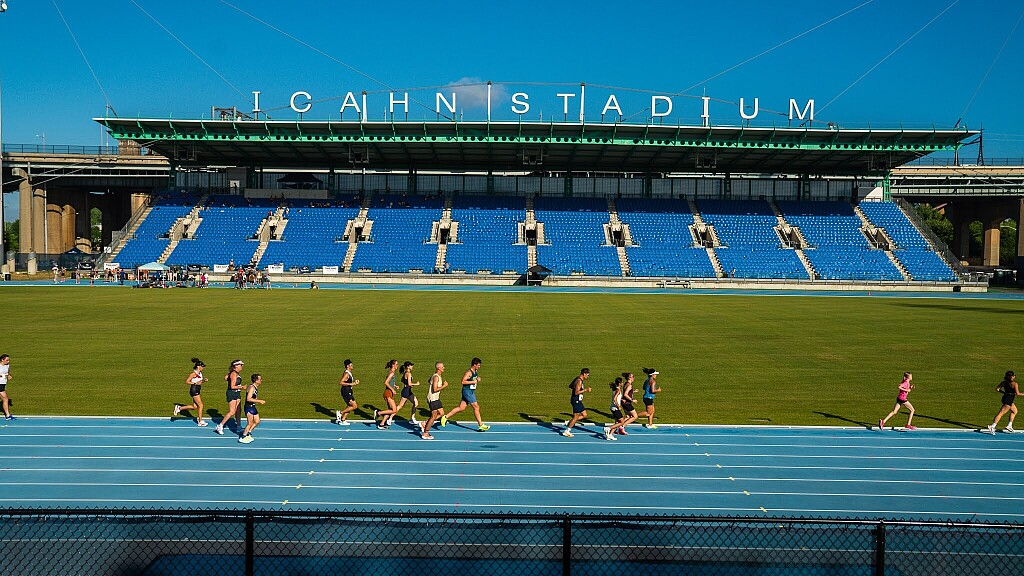
Athlos Nyc 2026 Cancelled As Series Sets Its Sights On A New Global Calendar
ATHLOS has announced a major change to its 2026 plans, confirming that the third edition of ATHLOS NYC will not take place as originally scheduled on October 2 at Icahn Stadium in New York City.
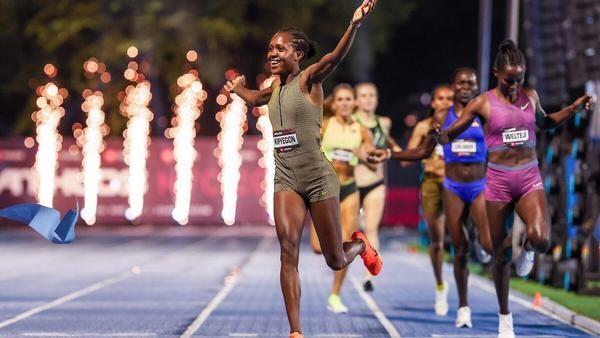
The decision marks a significant change for the rapidly growing women’s track and field series, which had been preparing to return to New York for another high-profile edition. ATHLOS said the move is part of a broader strategy to align its future events more closely with the global athletics calendar.
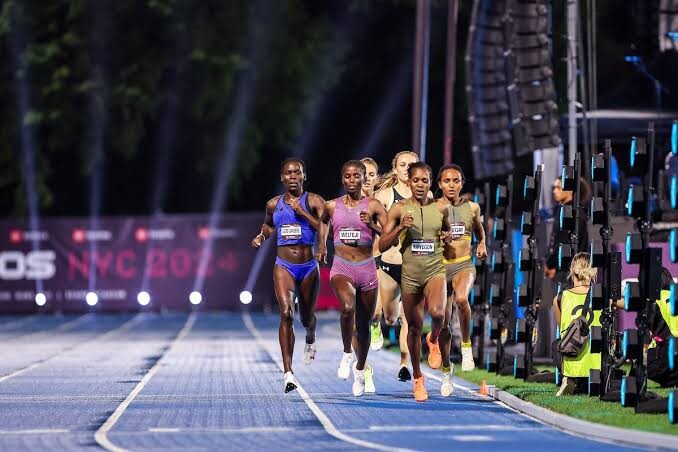
The organisation explained that it will not stage ATHLOS NYC in October 2026, with the goal of restructuring its schedule from the 2027 season onward. The new approach is intended to give the world’s best female athletes greater opportunities to compete in a healthier and more sustainable schedule while allowing them to perform at their peak.
When ATHLOS was launched, the series deliberately created a new competition window at the end of the traditional athletics season. However, as the event has grown, ATHLOS says it has become increasingly clear that its long-term home should be within the main international athletics calendar.
The cancellation of ATHLOS NYC, however, does not signal a retreat from the organisation’s global ambitions.
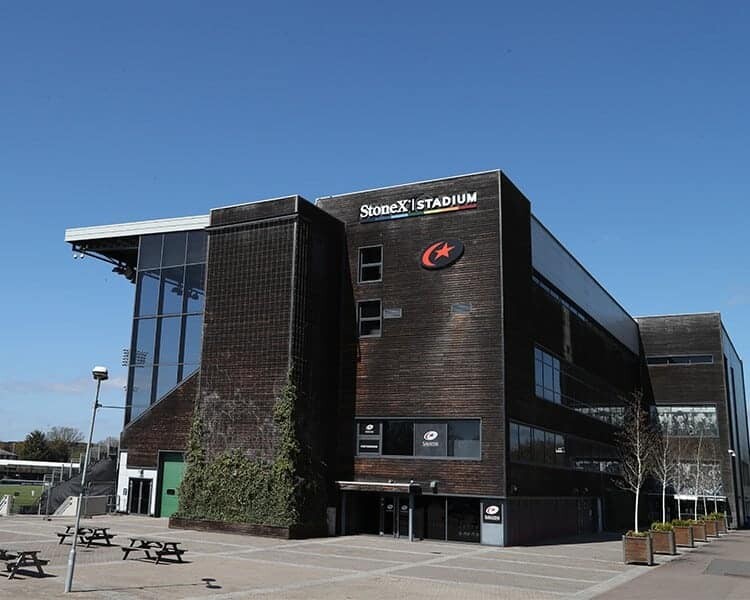
ATHLOS London remains firmly on the calendar for September 18, 2026, at StoneX Stadium in London, marking the series’ highly anticipated first event outside the United States. The London meeting is expected to bring together some of the biggest names in women’s athletics for what promises to be a spectacular night of elite competition.
ATHLOS has built its reputation around putting female athletes at the centre of the experience, combining world-class competition with significant prize money and an energetic event atmosphere. Its programme features several of the sport’s most exciting disciplines, including the 100m hurdles, 100m, 200m, 400m, 800m, mile and long jump.
While the decision to cancel the New York edition will come as a disappointment to fans who were expecting another major night at Icahn Stadium, ATHLOS insists that its commitment to women’s track and field remains stronger than ever.
The organisation is now turning its attention to London and to building a more sustainable international calendar from 2027. The latest decision could therefore prove to be less an ending than a strategic reset as ATHLOS looks to strengthen its position on the global athletics stage.
ATHLOS NYC may be absent from the 2026 calendar, but the series’ international ambitions are only getting bigger.
by Erick Cheruiyot for My Best Runs.
Login to leave a comment
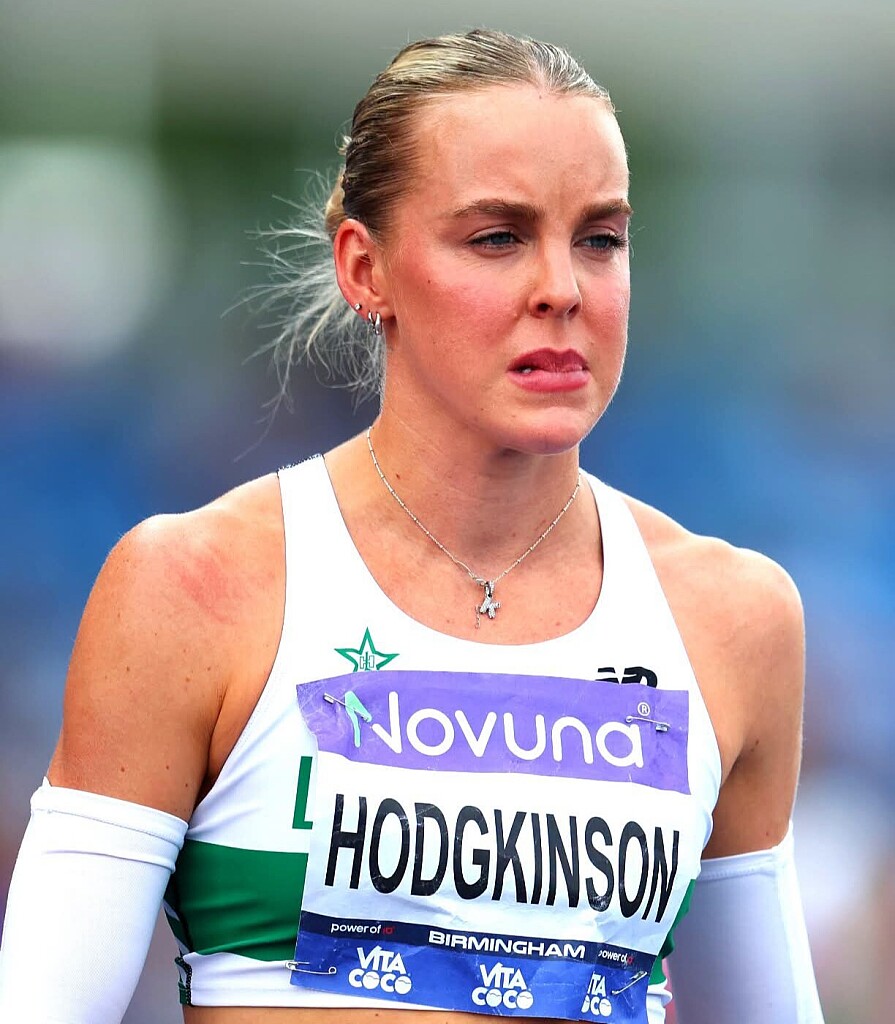
Keely Hodgkinson Maps Out Defining Three-Race Campaign as European Title Defence Takes Center Stage
Olympic champion Keely Hodgkinson is preparing for the most important phase of her 2026 season, with the British middle-distance star targeting success across three of the year's biggest competitions in what promises to be a defining championship campaign.
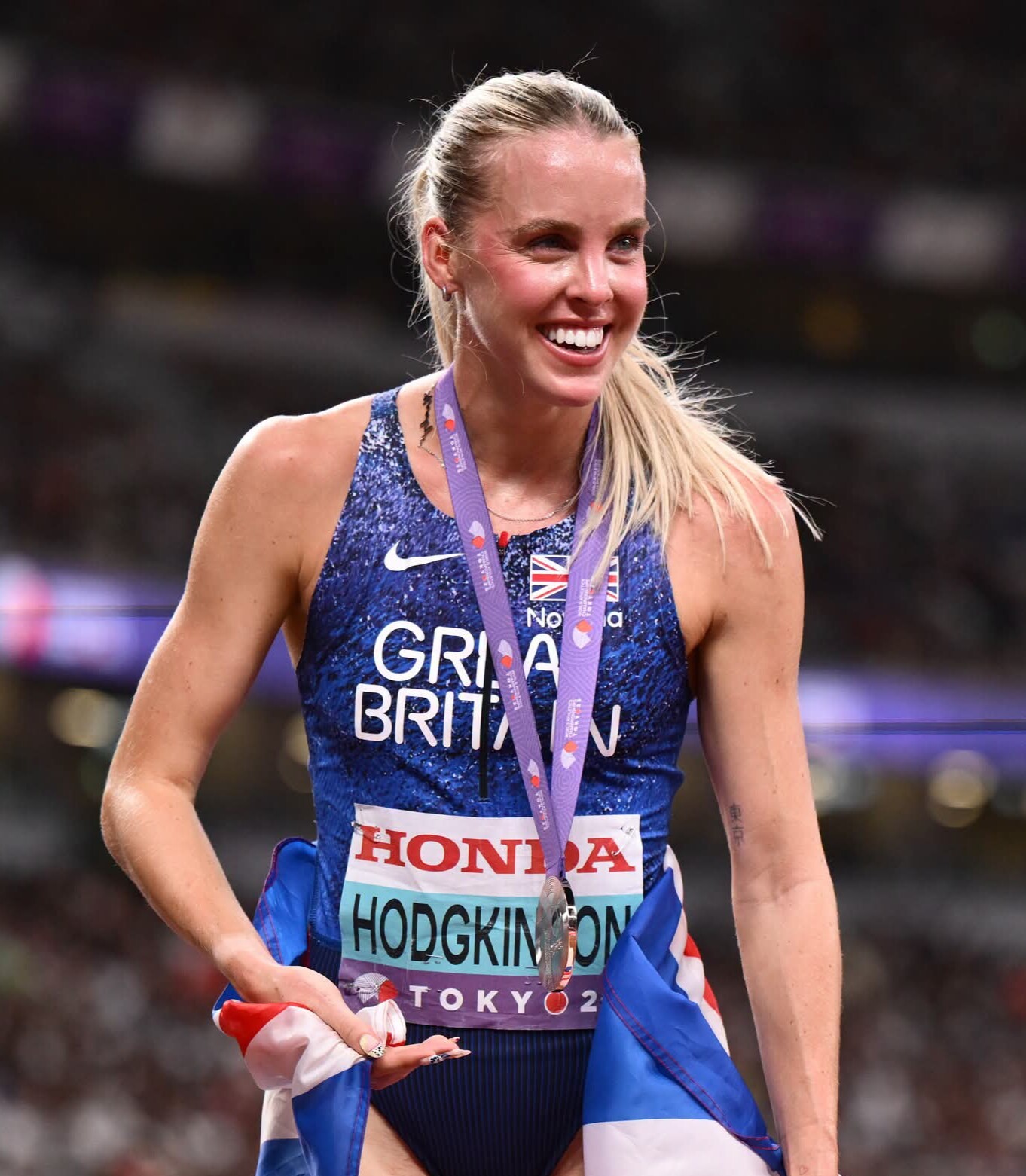
After making the strategic decision to skip the Glasgow 2026 Commonwealth Games, Hodgkinson has prioritized recovery and careful preparation to ensure she reaches peak form for the major championships that lie ahead. The move underlines her long-term ambition of adding more international titles to an already remarkable career.
Her first objective is the European Athletics Championships, which will be held from August 10–16 at Birmingham's Alexander Stadium. Competing in front of a home crowd, Hodgkinson will aim to successfully defend her women's 800 metres crown against one of the strongest fields assembled this season.
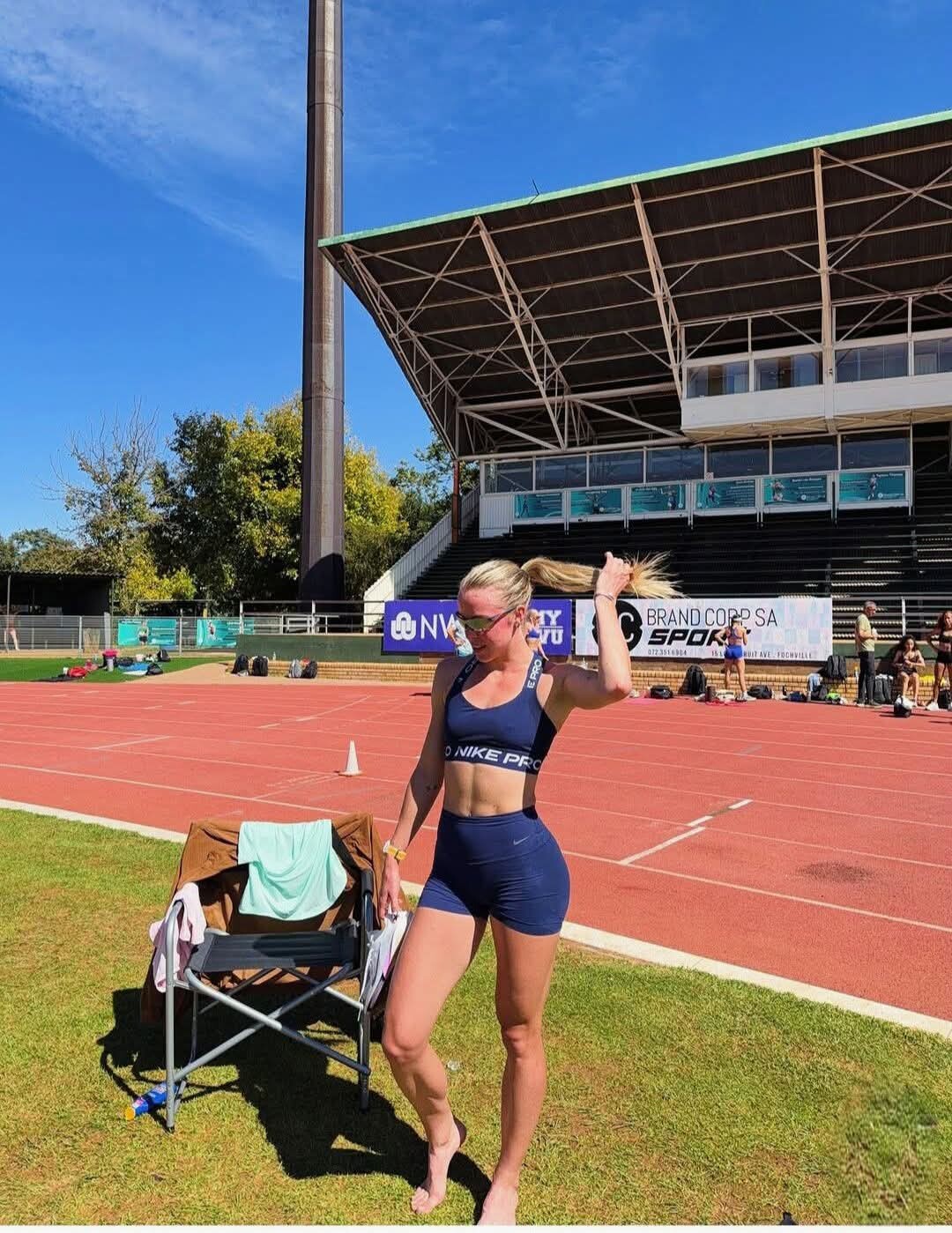
Among the leading challengers expected to contest the title are Switzerland's rising star Audrey Werro and Dutch world-class athlete Femke Bol, setting the stage for what could become one of the championship's most anticipated middle-distance races. With several of the world's elite lining up, the battle for European gold is expected to deliver a thrilling spectacle.
The focus will then shift to the Ultimate World Athletics Championships in Budapest, Hungary, from September 11–13. There, Hodgkinson will once again face the world's finest 800m specialists as she pursues another major international triumph on one of athletics' biggest stages. The championship represents another opportunity for the Olympic champion to reinforce her status as one of the dominant forces in women's middle-distance running.
Her season will conclude just days later at ATHLOS London on September 18, where she is set to headline the inaugural ATHLOS event outside the United States. The competition will bring together many of the world's top female athletes, with a lucrative $65,000 winner's prize adding further significance to an already prestigious meeting.
For Hodgkinson, the closing weeks of the season represent far more than a series of races. They are an opportunity to defend her European title, challenge for global glory in Budapest, and cap off an outstanding campaign with another memorable performance on home soil in London.
With three major events in little more than a month, all eyes will be on the British star as she embarks on a championship journey that could define her 2026 season and further cement her legacy among the world's greatest 800m runners.
by Erick Cheruiyot for My Best Runs.
Login to leave a comment

European Athletics Champioships
The27thEuropean Athletics Championshipswill be held from 10 to 16 August 2026 at theAlexander StadiuminBirmingham, United Kingdom.[1] This is the first time that a British city will have staged the European Athletics Championships although Birmingham has hosted many high-profile events, including the2007 European Athletics Indoor Championships, the2003and2018 IAAF World Indoor Championshipsand the2022 Commonwealth Games. Alexander Stadium was renovated between 2019 and...
more...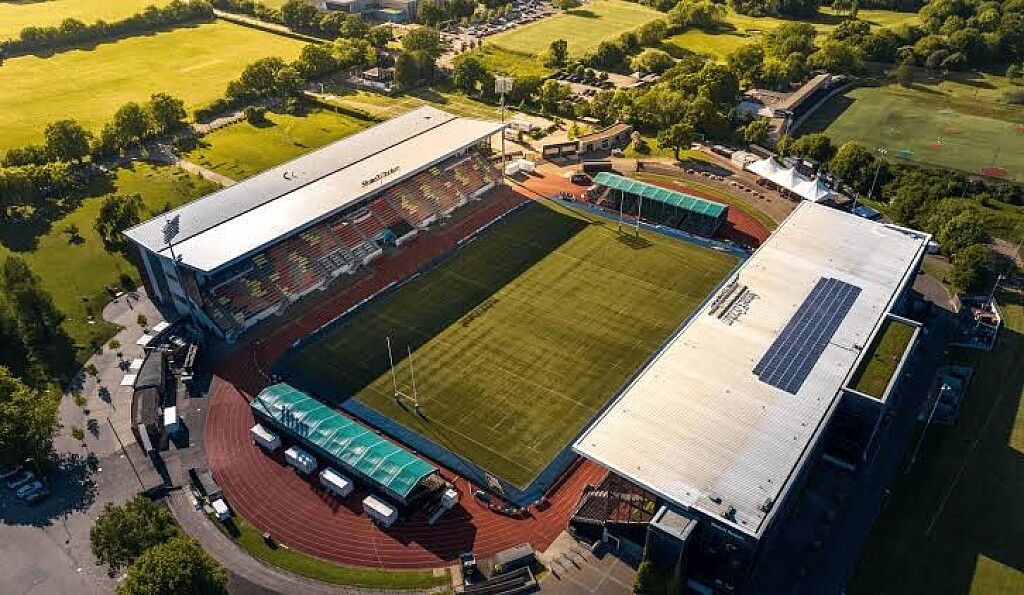
ATHLOS Expands to London as Women’s-Only Track Showcase Continues Global Rise
The rapid rise of ATHLOS is set to reach another landmark moment this September after organisers officially confirmed that the women’s-only athletics showcase will make its London debut at StoneX Stadium.
Founded by Reddit co-founder Alexis Ohanian, ATHLOS has quickly emerged as one of the sport’s most ambitious modern concepts, placing women’s athletics at the centre of a high-profile, entertainment-driven competition format. After drawing major attention in New York, the event is now preparing to bring its growing influence across the Atlantic.
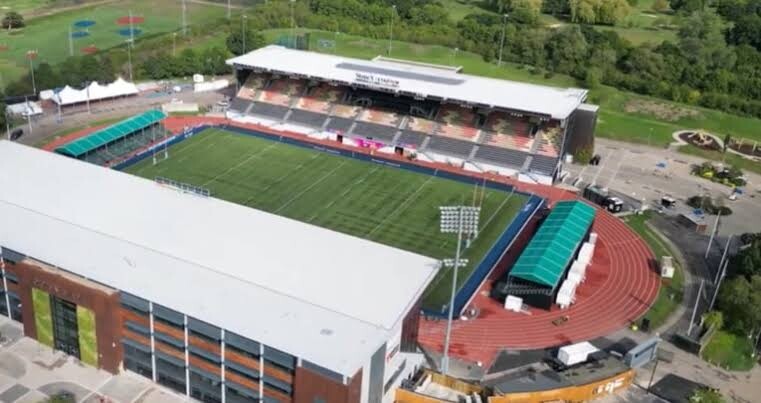
The London meeting is scheduled for September 18 at StoneX Stadium, the home venue of Saracens Rugby Club and Shaftesbury Barnet Harriers. The stadium is expected to provide an intimate but electric setting as some of the world’s top female athletes gather for a condensed, high-stakes evening of competition.
ATHLOS will feature seven disciplines, with six athletes contesting each event in a format designed to maximise intensity, head-to-head drama and fan engagement. Organisers have also confirmed a combined prize fund of £1.5 million across the 2026 London and New York meetings, underlining the project’s growing financial commitment to women’s sport.
The London edition arrives just weeks before ATHLOS returns to New York City on October 2, creating what could become a powerful late-season series for elite female athletes. With prize money continuing to rise and global interest building around the concept, ATHLOS is positioning itself as more than just another athletics meeting — it is aiming to reshape how women’s track and field is presented to modern audiences.
The decision to expand into London is also significant given the city’s deep athletics heritage and passionate fan base. Britain has long been one of the sport’s strongest markets, and ATHLOS’ arrival adds another major international event to an already packed calendar.
While athlete entries have not yet been officially announced, anticipation is already building around which global stars could headline the inaugural London edition. If the atmosphere and star power of previous ATHLOS events are any indication, StoneX Stadium could become the latest stage for a memorable night in women’s athletics.
As anticipation builds ahead of the inaugural London edition, ATHLOS continues to position itself as one of the most ambitious new ventures in global athletics. With elite talent, substantial prize money and a format designed exclusively to elevate women’s sport, the series is rapidly carving out a unique place on the international calendar.
The London meeting at StoneX Stadium on September 18 will mark another major step in that journey before the spotlight shifts back to New York City for the season finale on October 2.
by Erick Cheruiyot for My Best Runs.
Login to leave a comment
ATHLOS NYC Set for Grand Return as Women’s Track Revolution Continues
The curtain may have fallen on another memorable season of athletics, but ATHLOS NYC is already preparing for an even bigger spectacle in 2026.
The groundbreaking women-only track and field meet will officially return to Icahn Stadium in New York City on October 2nd for a third consecutive year, further cementing its place as one of the sport’s most exciting and progressive events. What began as a bold vision has rapidly evolved into a premier end-of-season showcase, attracting some of the biggest names in global athletics and redefining how women’s track is presented to the world.
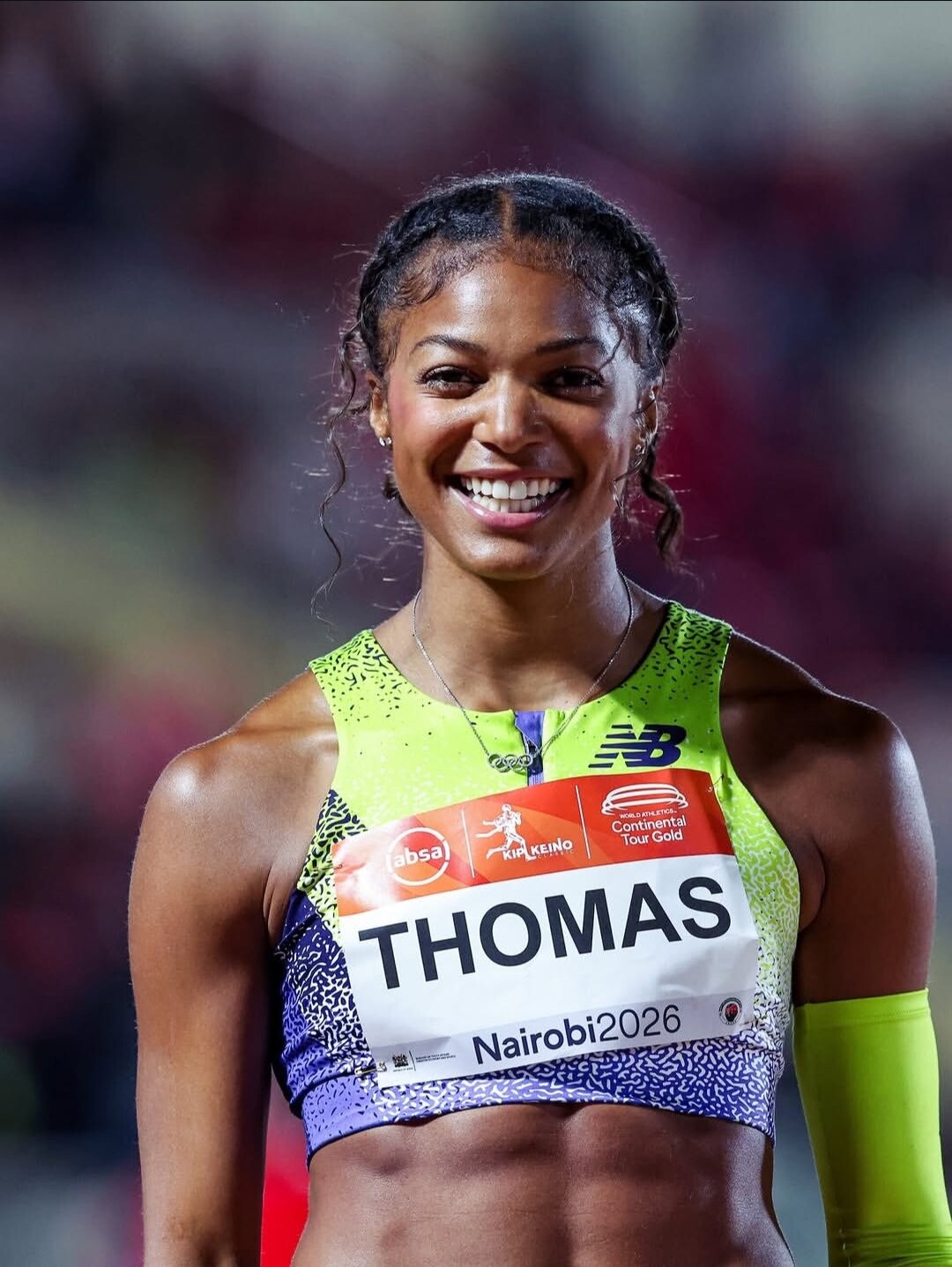
Backed by Reddit co-founder Alexis Ohanian, ATHLOS NYC has grown into far more than a traditional athletics meeting. The event has become a celebration of elite female performance, star power, and innovation — a platform where Olympic champions and rising talents share the spotlight in front of a passionate global audience.
Over the past editions, fans have witnessed unforgettable performances from some of the sport’s brightest stars, including Keely Hodgkinson, Faith Kipyegon, Gabby Thomas, and Masai Russell — athletes who continue to elevate the profile of women’s athletics on the global stage.
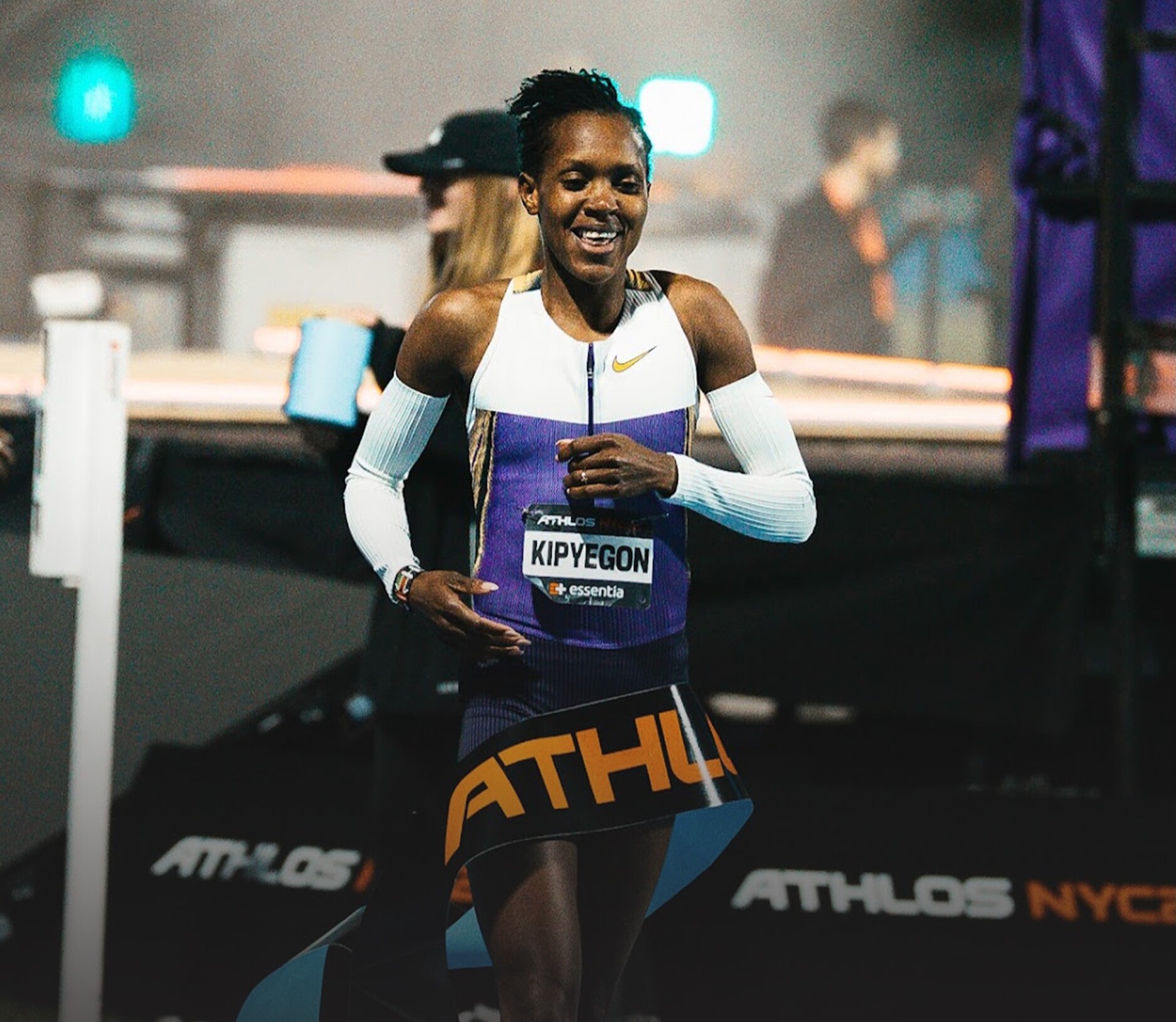
Organizers have also confirmed a major evolution for the ATHLOS series in 2026. In addition to the New York meet, a second competition will be staged in another “major city,” with the location still under wraps. The expansion signals the growing ambition behind the project and its desire to create a wider international footprint for elite women’s track competition.
The competition structure itself will also take on a new dimension. Athletes competing across the seven events will now accumulate points based on their finishing positions throughout the series. At the end of the campaign, the athlete with the highest total in each discipline will receive a $25,000 bonus along with the prestigious Tiffany & Co. crown — a symbol that is quickly becoming one of the sport’s most coveted prizes.
The revised format adds another layer of drama and consistency to the competition, rewarding athletes not only for individual brilliance but also for sustained excellence across the season. It also reflects ATHLOS NYC’s continued commitment to pushing the boundaries of what professional track and field can look like in the modern era.
With its unique atmosphere, elite fields, and athlete-first approach, ATHLOS NYC is no longer just another stop on the calendar. It is becoming a defining destination for women’s athletics — a stage where competition, culture, and entertainment collide.
And with expansion now underway, the movement appears to be only getting started.
by Erick Cheruiyot for My Best Runs.
Login to leave a comment
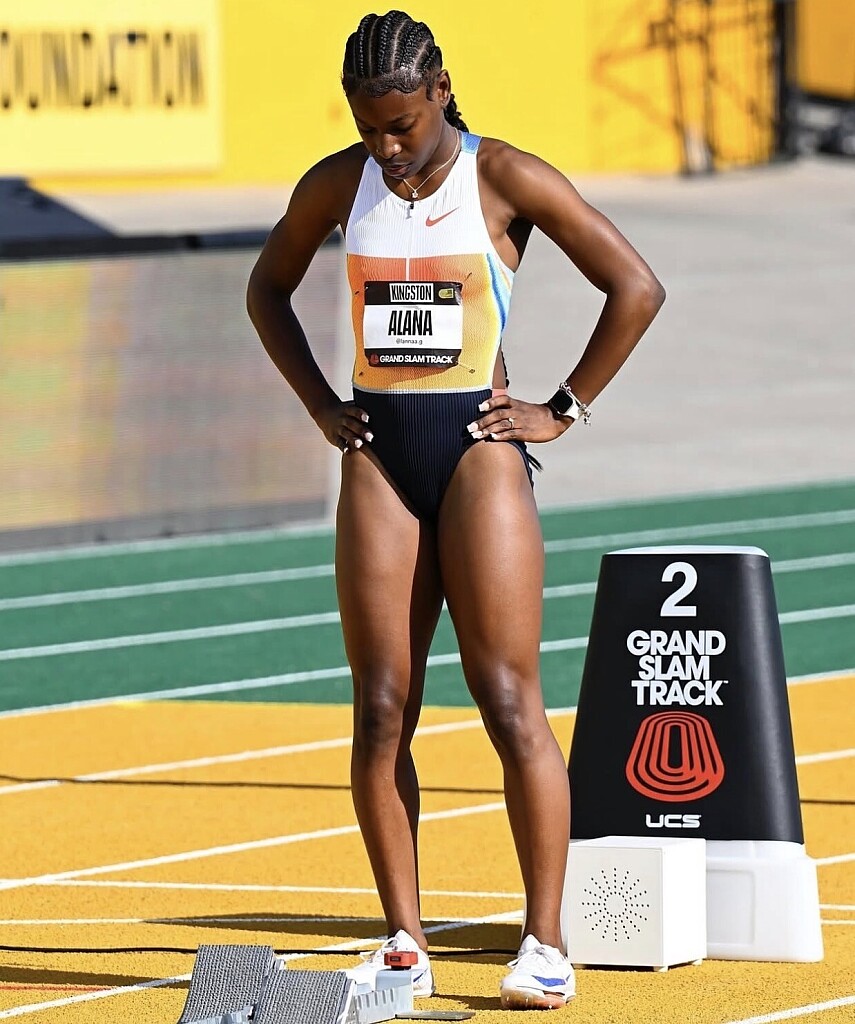
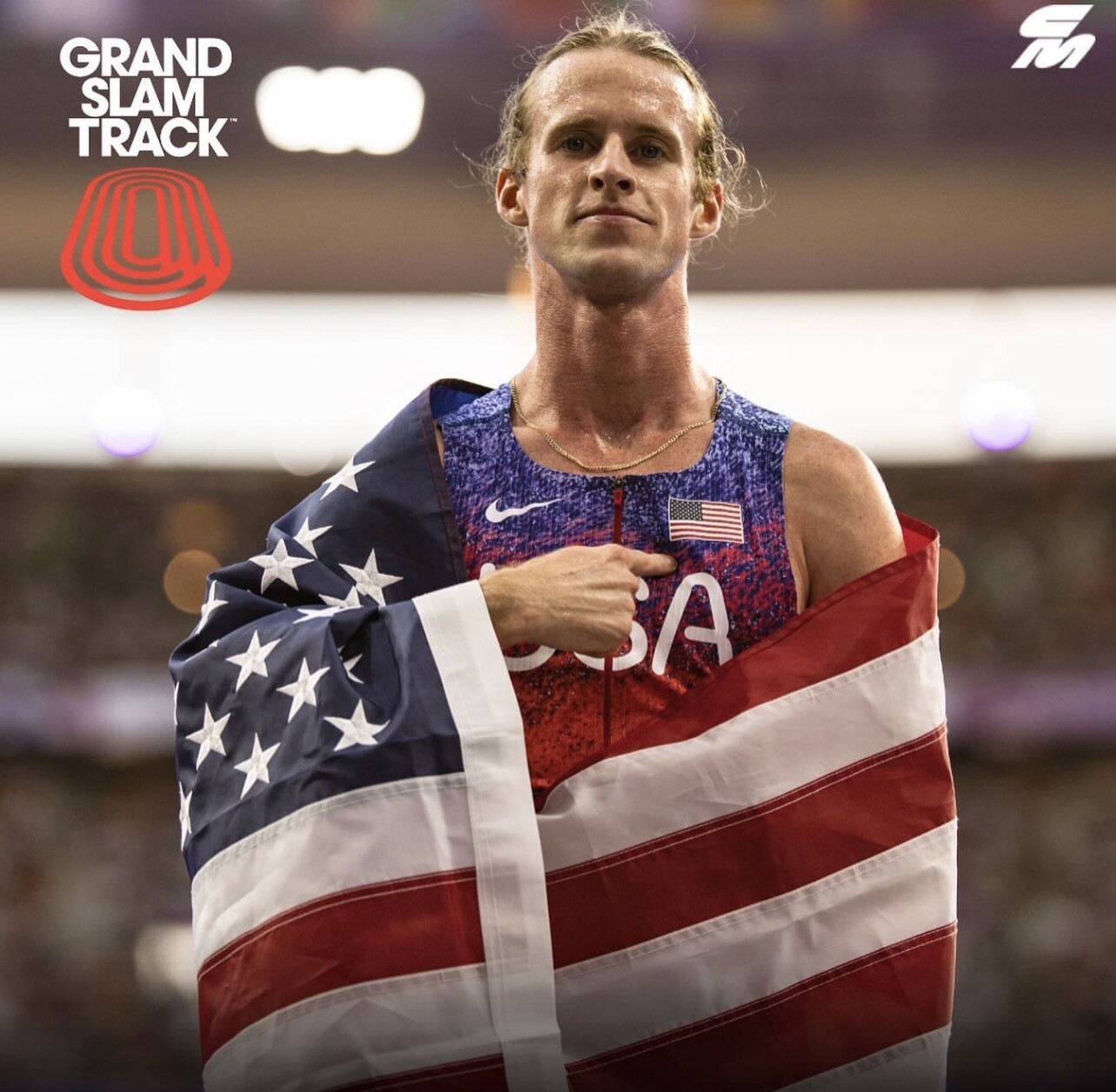
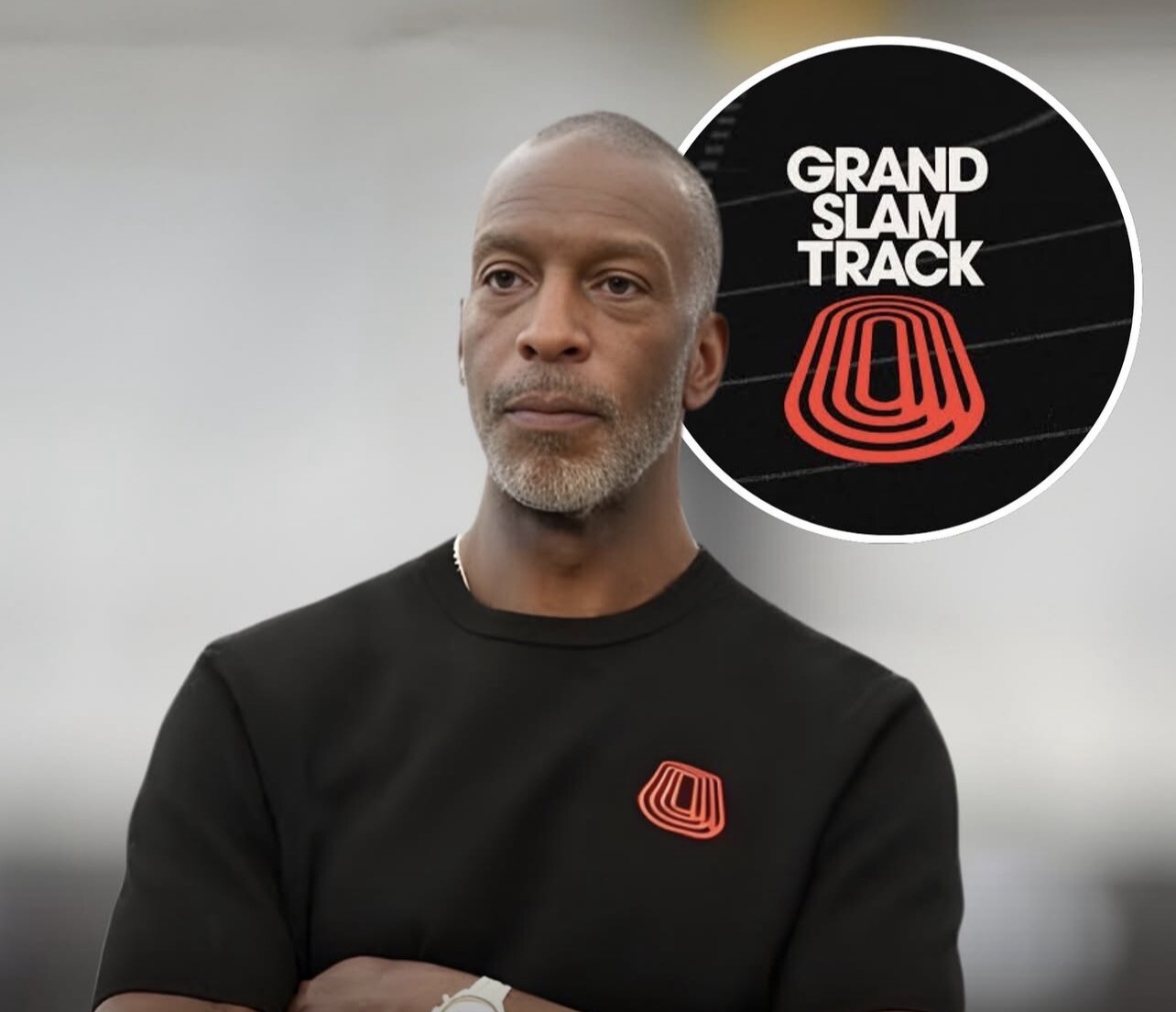
Grand Slam Track: Big Ambitions, $40 Million in Debt, and a Hard Lesson for the Sport
When Grand Slam Track launched last year, it promised something track and field had long been missing: guaranteed pay, a league structure, and an alternative to the shoe-company–dominated model that has defined the sport for decades.
Now, new bankruptcy filings reveal just how steep the climb really was.
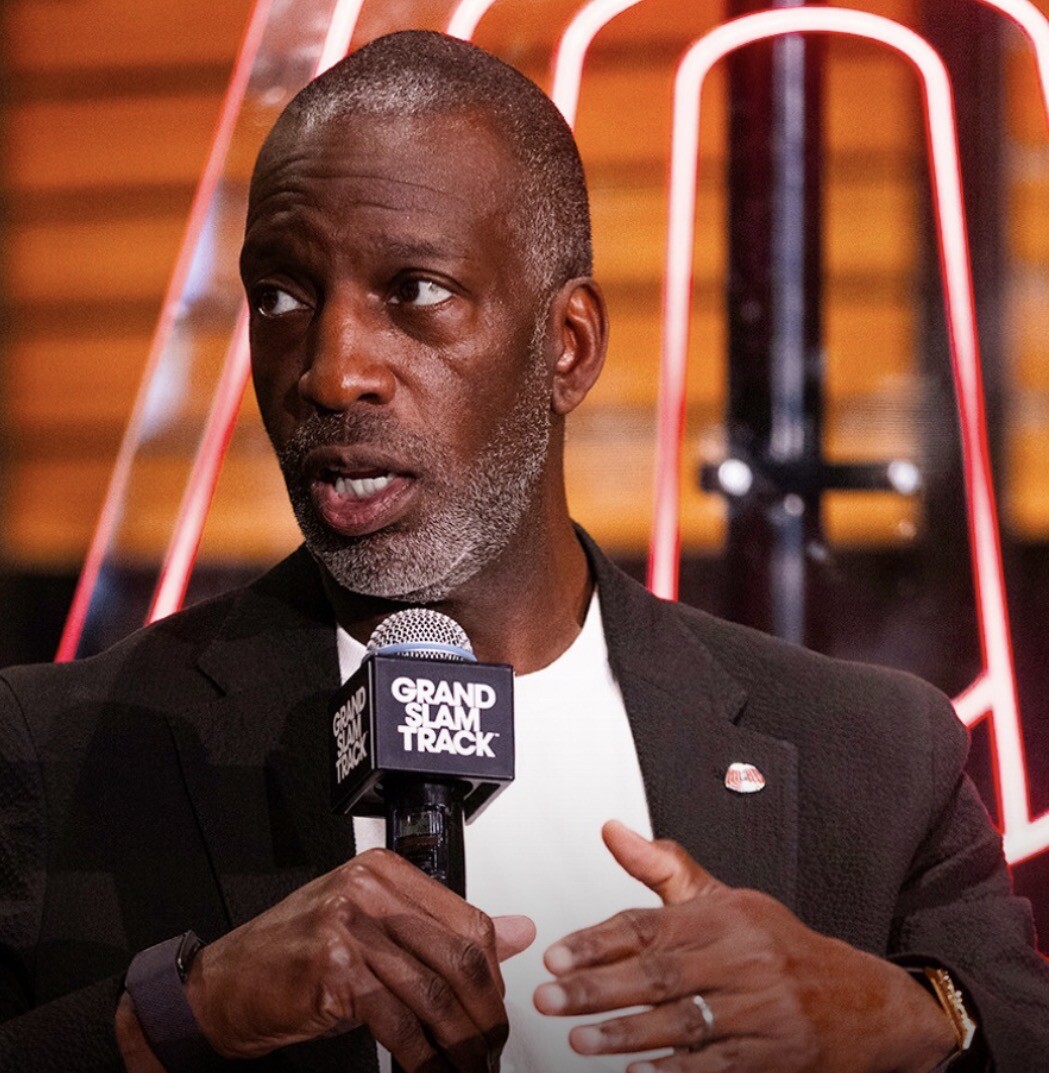
According to documents filed in Delaware Bankruptcy Court, the league generated only $1.8 million in revenue during its inaugural season—while accumulating more than $40 million in debt. The filings offer the clearest financial picture yet of the troubled league founded by Olympic champion Michael Johnson, and they show liabilities roughly $10 million higher than Grand Slam previously disclosed.
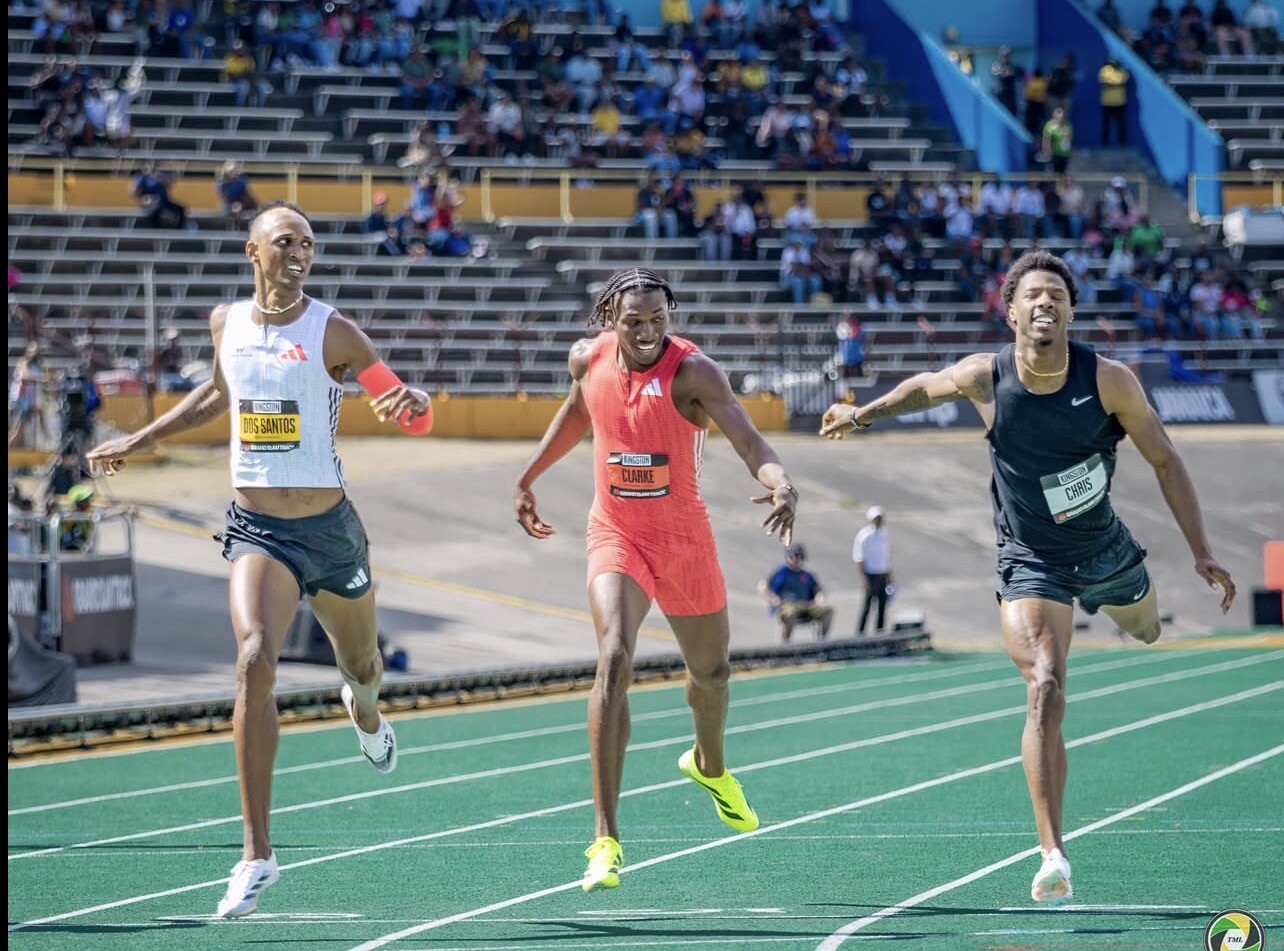
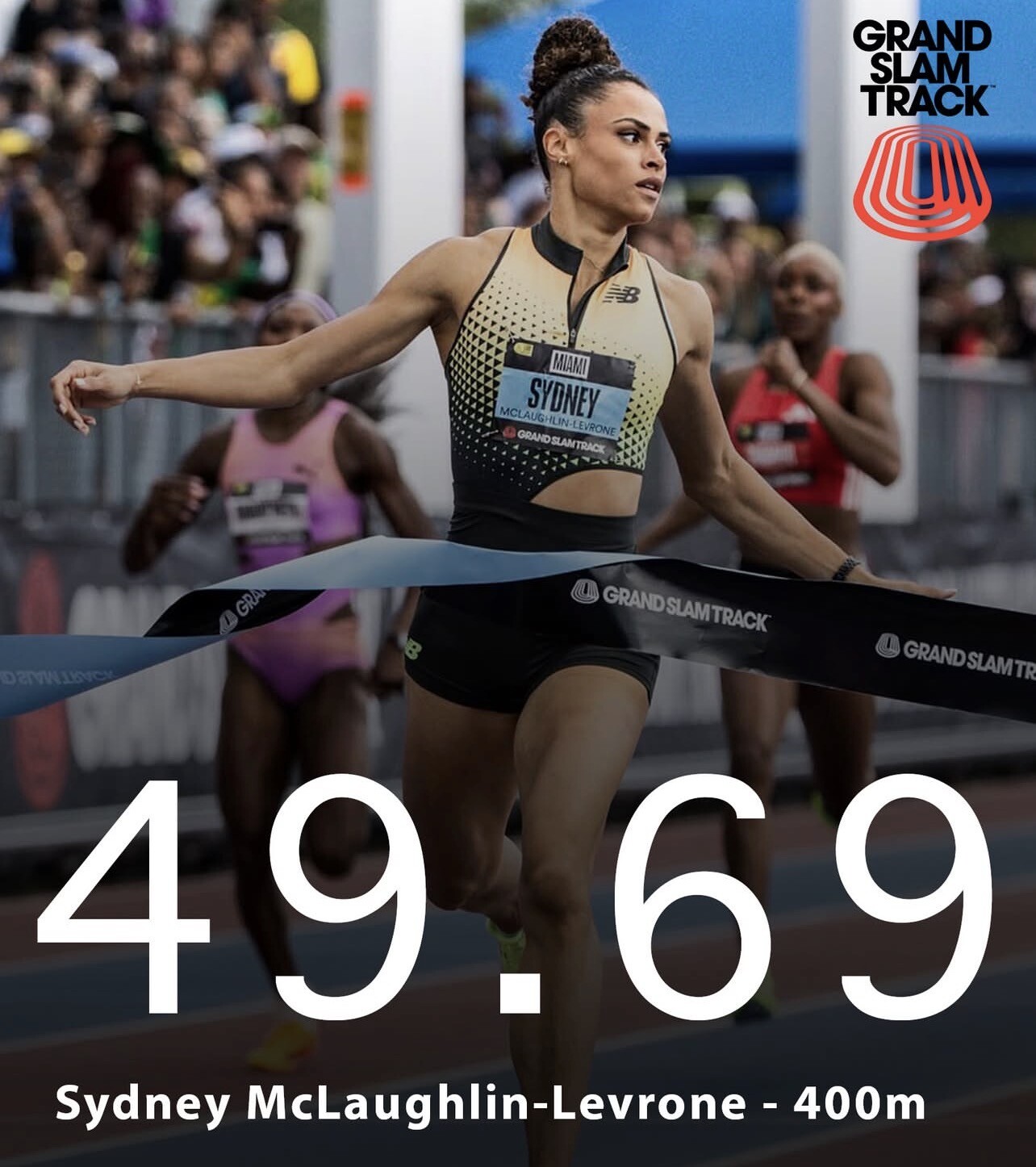
A Costly First Season
Grand Slam Track staged three meets last spring—in Miami, Philadelphia, and Kingston—but struggled to generate meaningful revenue beyond ticket sales. While the Miami and Philadelphia events drew respectable crowds, attendance in Kingston was so low that tickets were reportedly given away.
The league’s decision not to accept shoe-company sponsorships, combined with the cost of producing its own broadcasts, placed enormous pressure on cash flow. Despite early optimism, Grand Slam was unable to attract major sponsors or sell lucrative media rights.
For comparison, Athlos, a single-meet event backed by Alexis Ohanian, reportedly generated millionsin revenue in its second year, while the startup women’s basketball league Unrivaled brought in $27 million in its first season, largely through media deals—even while operating at a loss.
Grand Slam, by contrast, entered bankruptcy with less than $1 million in assets.
The Bankruptcy Filing
Grand Slam filed for Chapter 11 bankruptcy in December, rather than Chapter 7 liquidation, meaning the league technically still has a chance to restructure and return. The filing followed the league’s inability to fully pay athletes and vendors from its inaugural season.
Court documents show:
• Total liabilities: approximately $40.6 million
• Total revenue in 2025: $1.8 million
• Assets: under $1 million
The league is currently operating under debtor-in-possession (DIP) financing, a high-interest loan structure that allows companies to continue operating during bankruptcy.
Winners Alliance: The Central Backer
The dominant creditor—by a wide margin—is Winners Alliance, the for-profit arm of the Professional Tennis Players Association, chaired by hedge-fund billionaire Bill Ackman.
Winners Alliance has played multiple roles:
• Lead investor in Grand Slam’s seed round
• Organizer of an eight-figure emergency financing package in fall 2025
• Sole provider of DIP financing
Altogether, Winners Alliance is owed more than $17 million, accounting for roughly 40% of Grand Slam’s total liabilities.
Other notable creditors include:
• HLS Holdings (Robert Smith): $1 million
• APL Ventures (Albert P. Lee): $300,000
• Share Ventures (Hamet Watt): $250,000
• Vivek Padmanabhan: $250,000
• Brittany Ann Nohra: $200,000
Operational debts include:
• Over $350,000 owed to a W Hotel in Los Angeles
• $350,000 to track surface company Rekortan
• $340,000 to American Express
Athletes Caught in the Middle
Grand Slam’s salary model—once hailed as revolutionary—ultimately became one of its biggest vulnerabilities.
After an investor withdrew from an eight-figure term sheet following the Kingston meet, Johnson later acknowledged the league faced a “major, major cash-flow issue.” Emergency financing allowed athletes to receive only half of what they were owed, while vendors rejected similar settlement terms.
Several top athletes—including Cole Hocker, Alison Dos Santos, Josh Kerr, and Masai Russell—are still under multiyear contracts with approximately 250 days remaining, according to court filings. The league has stated it intends to use part of its emergency funding to sign new contracts and chart a possible path forward.
What This Means for Track and Field
Grand Slam Track’s collapse does not invalidate the idea behind it—but it does underline the realities of building a professional league in a sport with limited commercial infrastructure.
Track remains largely dependent on:
• Shoe-company sponsorships
• Appearance fees
• Prize money tied to championships and major road races
Grand Slam tried to change that model overnight. The ambition was admirable. The financial runway was not.
The Road Ahead if there is one
Later this week, Grand Slam is expected to file its Chapter 11 reorganization plan, outlining how it intends to restructure its debts and whether it can realistically return.
Whether the league survives or not, its rise and fall will leave a lasting mark on the sport—forcing hard conversations about sustainability, athlete compensation, and what it truly takes to build a viable professional track league.
For now, Grand Slam Track stands as a cautionary tale: bold vision alone is not enough. In track and field, as in racing itself, pacing matters.
by Boris Baron
Login to leave a comment
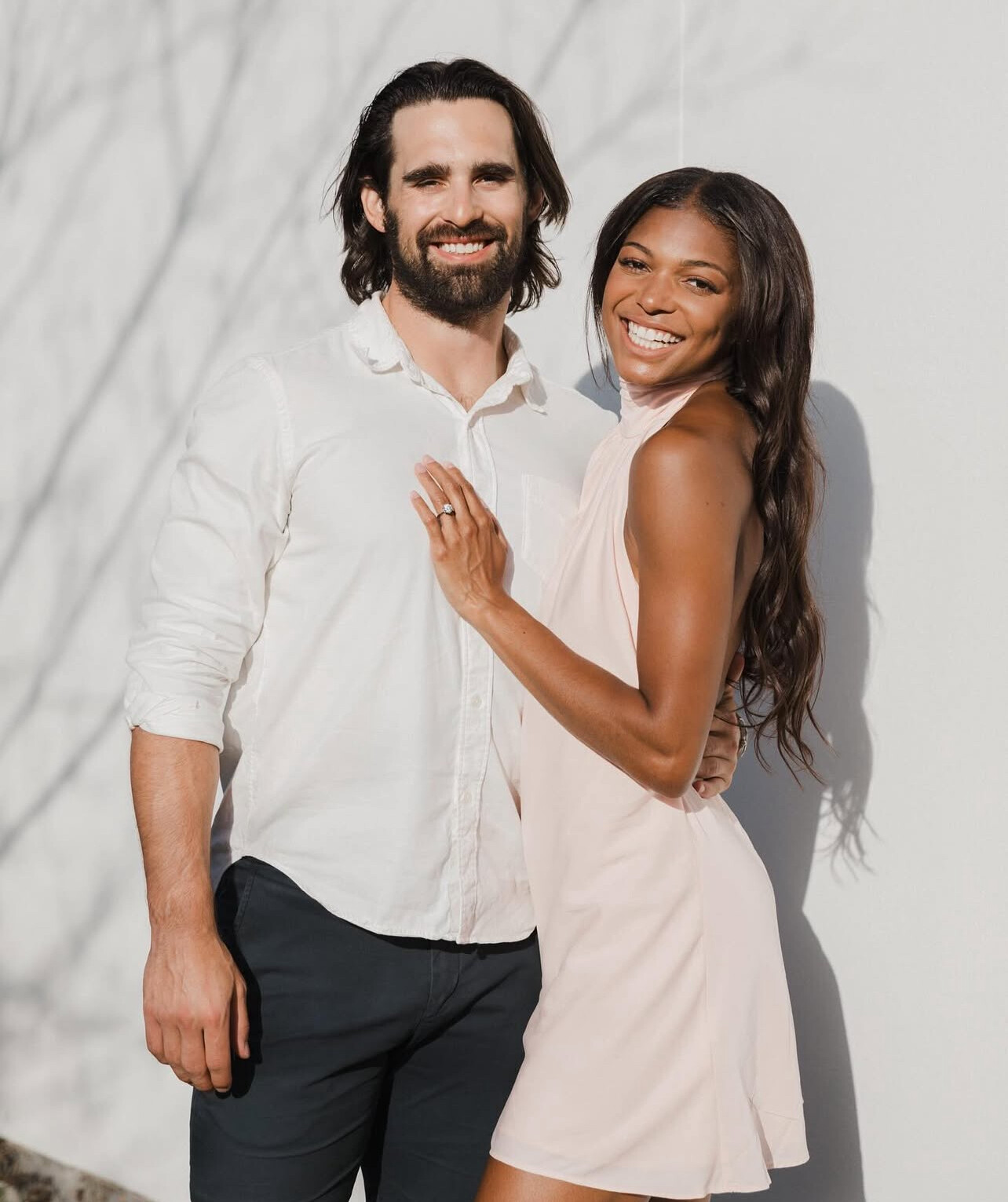
Gabby Thomas and Spencer McManes: A Union of Speed and Strength
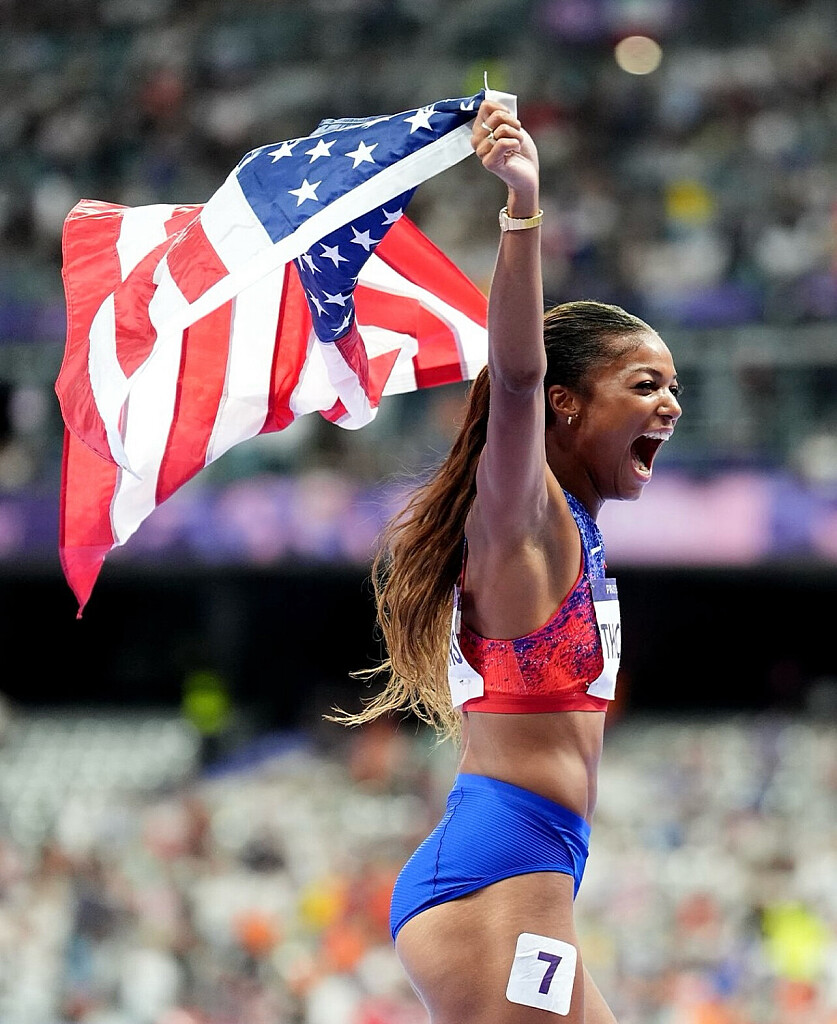
Olympic gold medalist Gabby Thomas and entrepreneur Spencer McManes have announced their engagement, marking a significant milestone in their relationship. The couple, both former Ivy League athletes, have been together since 2022, supporting each other’s professional endeavors.
Gabby Thomas: A Multifaceted Champion
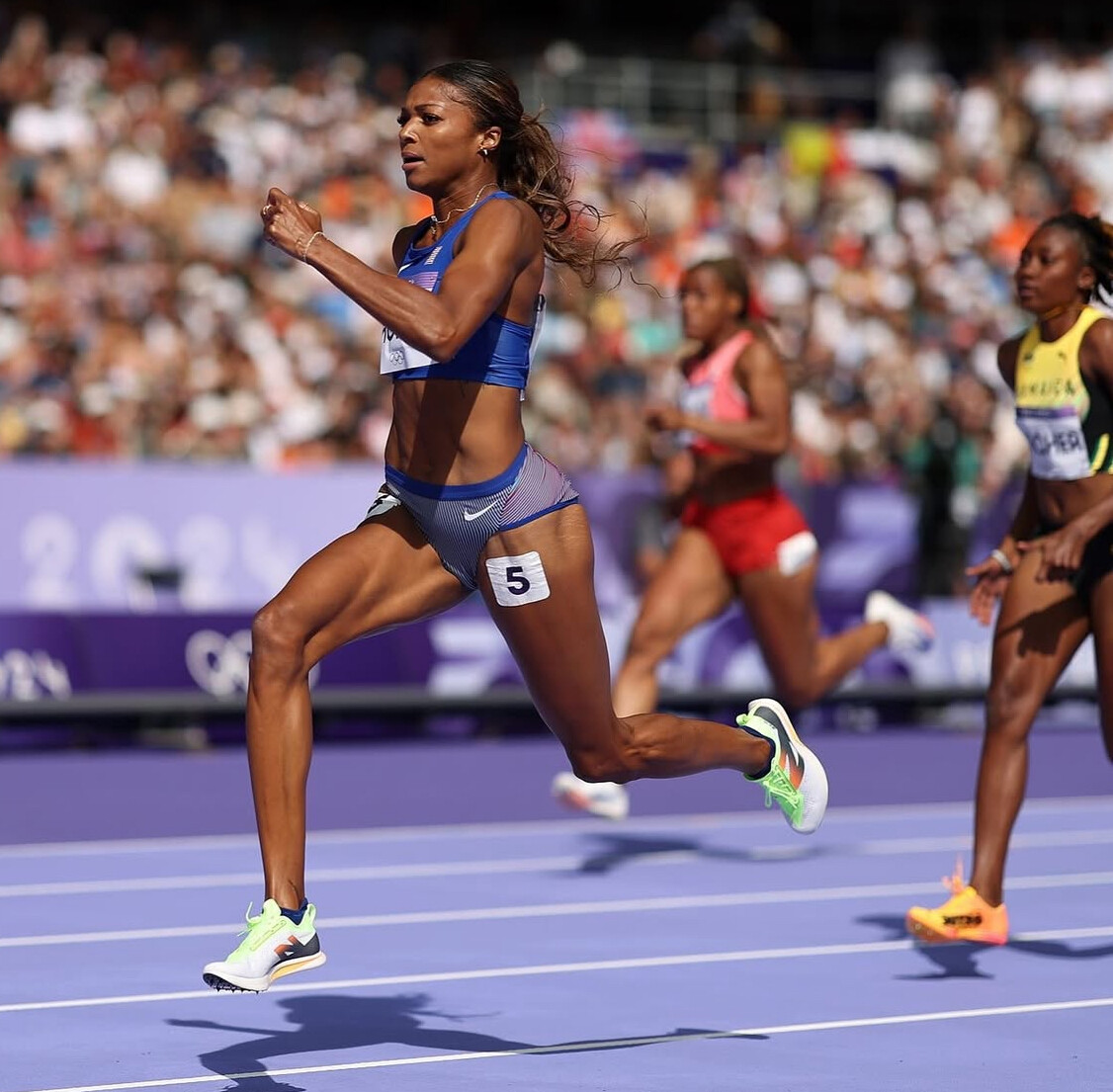
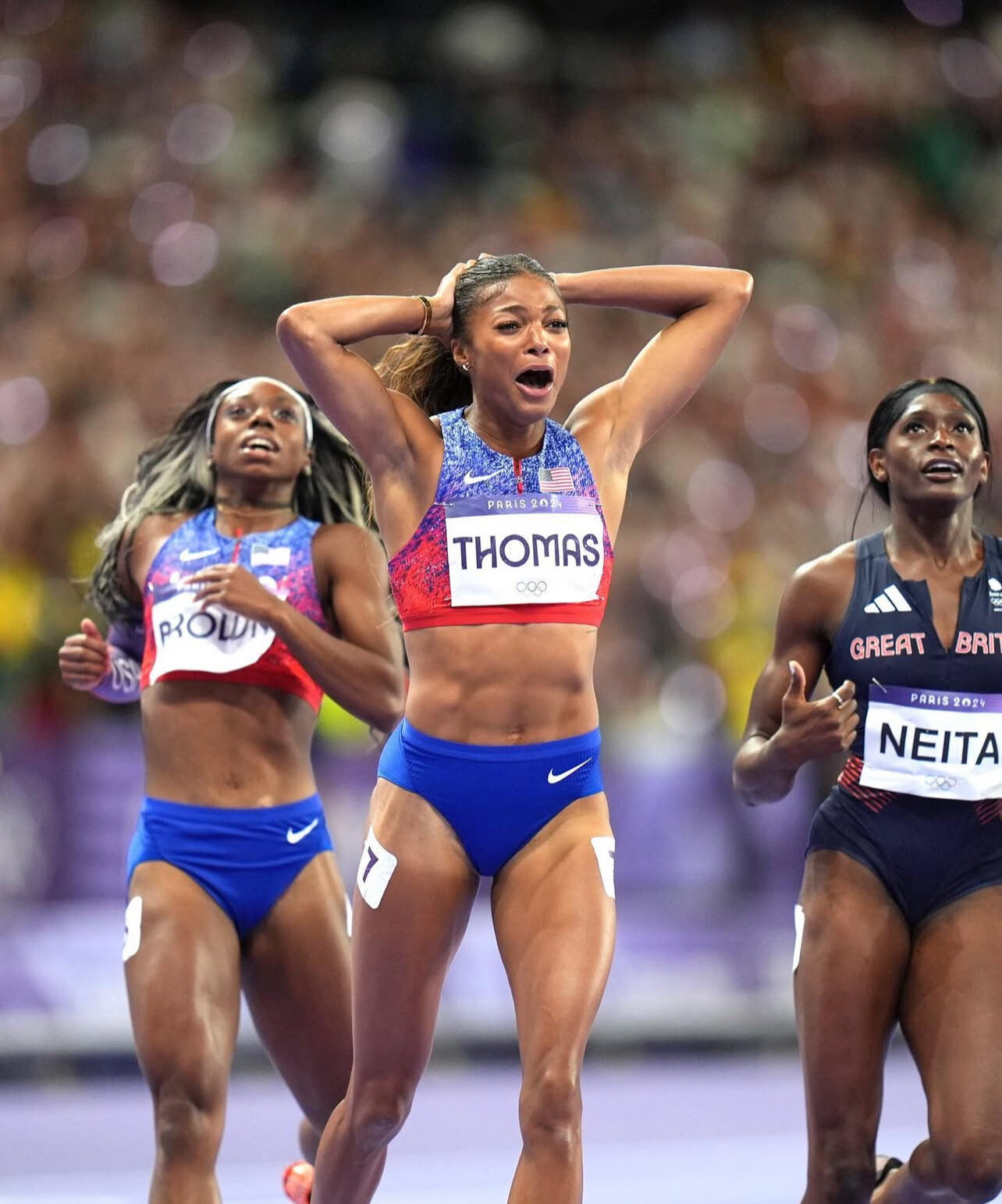
Born on December 7, 1996, in Atlanta, Georgia, Gabby Thomas was raised in Northampton, Massachusetts. She attended Harvard University, earning a bachelor’s degree in neurobiology and global health. During her time at Harvard, Thomas won 22 conference titles across six events, setting school and Ivy League records in the 100m, 200m, and indoor 60m races. Notably, she became the first Ivy League sprinter to win an NCAA sprint championship, securing the 200m title with a time of 22.38 seconds.
Thomas’s athletic achievements are remarkable. She clinched three gold medals at the 2024 Paris Olympics in the 200m, 4x100m relay, and 4x400m relay. Her 200m victory was achieved with a time of 21.83 seconds. Beyond her athletic prowess, Thomas is dedicated to addressing racial health disparities, working with Austin’s Volunteer Healthcare Clinic and aspiring to run a nonprofit organization focused on expanding healthcare access.
Spencer McManes: From Ivy League Athlete to Entrepreneur
Spencer McManes hails from Roswell, Georgia, where he attended Blessed Trinity Catholic High School, excelling as a quarterback and setting multiple football records. He continued his athletic career at Yale University, playing as a quarterback for the Bulldogs and graduating with a degree in political science and government.
Professionally, McManes has held roles in customer success management and, in May 2023, founded Kaviva, a non-alcoholic kava-based sparkling water company based in Austin, Texas.
A Relationship Built on Shared Values and Mutual Support
Thomas and McManes’s relationship began in 2022 after connecting through mutual friends who noted their shared backgrounds as Ivy League athletes. Despite the traditional Harvard-Yale rivalry, they bonded over common interests and experiences. McManes has been a steadfast supporter of Thomas’s athletic career, notably cheering her on during her triumphant performance at the 2024 Paris Olympics.
The Engagement: A Surprise Rooftop Proposal
In March 2025, McManes proposed to Thomas during an intimate rooftop gathering in Austin, Texas. The setting was adorned with flowers, and Thomas’s best friend and a photographer were present to capture the moment. Reflecting on the surprise, Thomas expressed her genuine astonishment and joy.
The engagement ring features a classic round-cut diamond, estimated at three carats, set in white gold or platinum, symbolizing their enduring commitment.
Looking Ahead: Balancing Personal and Professional Aspirations
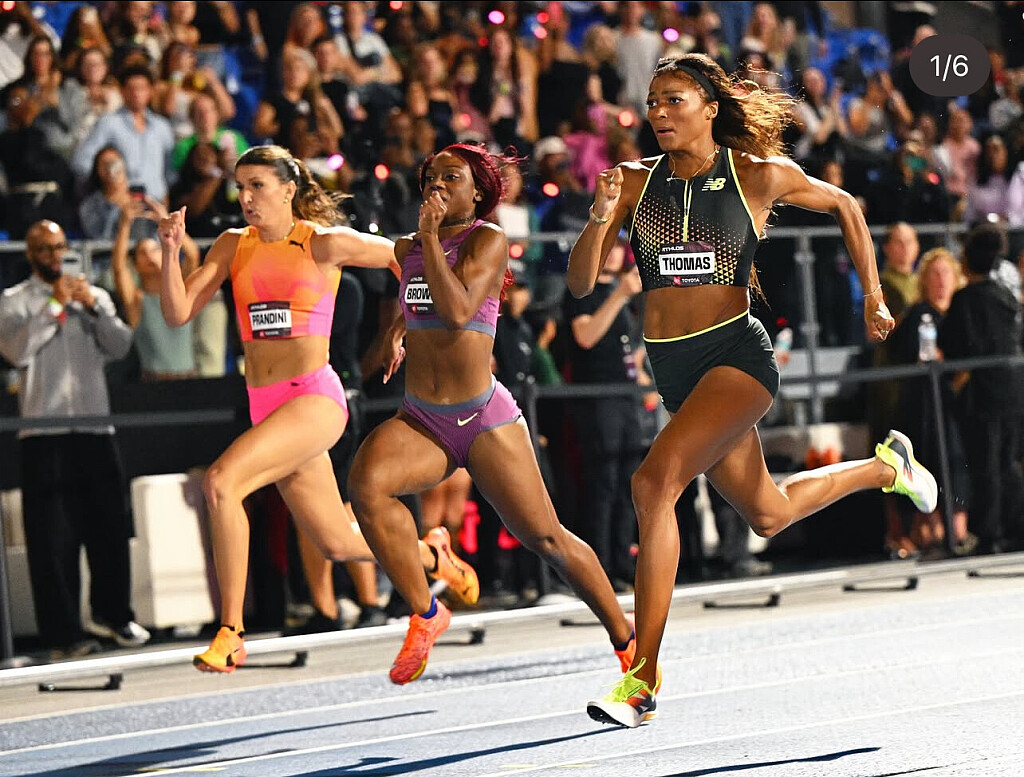
As Thomas and McManes embark on this new chapter together, they continue to pursue their respective professional goals. Thomas is preparing for the 2025 track season, with plans to compete in the new Grand Slam Track league, which includes events in Jamaica, Miami, Philadelphia, Los Angeles, Oregon, and culminates at ATHLOS NYC in October.
by Boris Baron
Login to leave a comment
Athlos Returns Bigger Bolder and Ready to Make History
After a groundbreaking debut at Icahn Stadium in New York City, Athlos is set to return on October 10, 2025, promising an even bigger and better showcase of elite women’s track and field.
Last year, Athlos shattered records with a $663,000 prize purse—the largest ever for a women-only track meet. But it wasn’t just about the money. It was about recognition, opportunity, and redefining what’s possible for women in the sport.
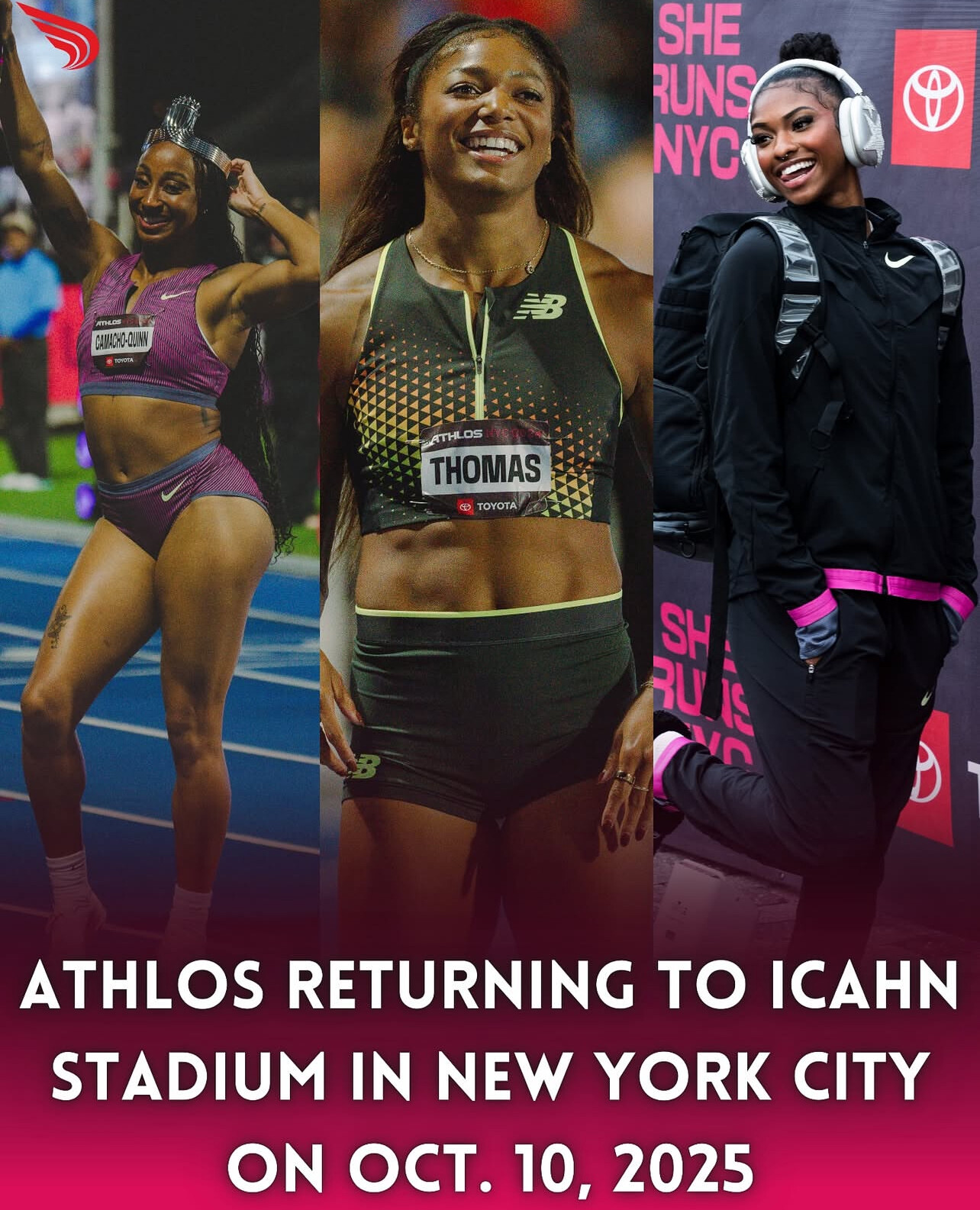
Now, Athlos is ready to take it to the next level, backed by leading sponsors who are investing in the future of women’s track and field.
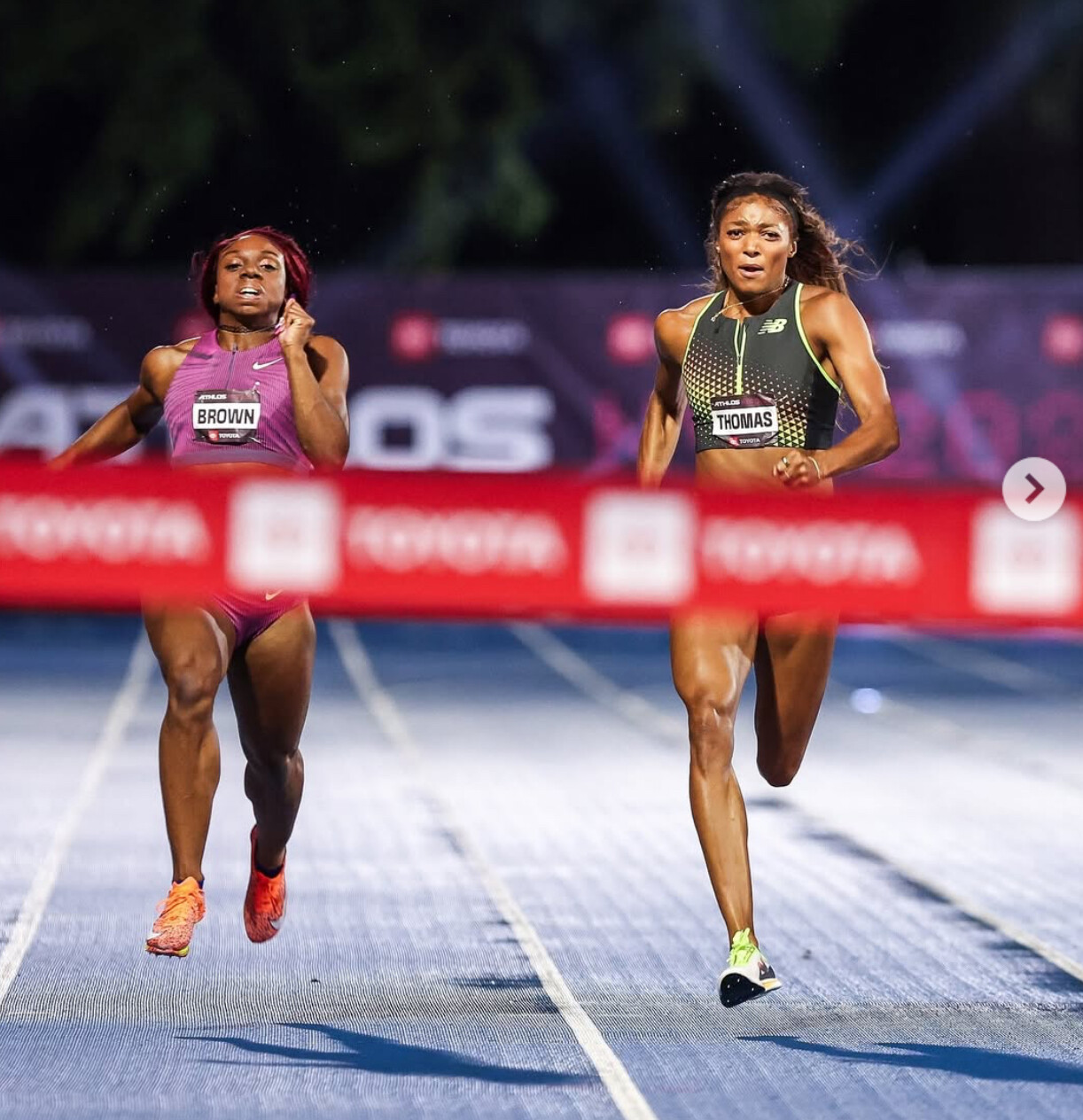
A Historic Debut That Changed the Game
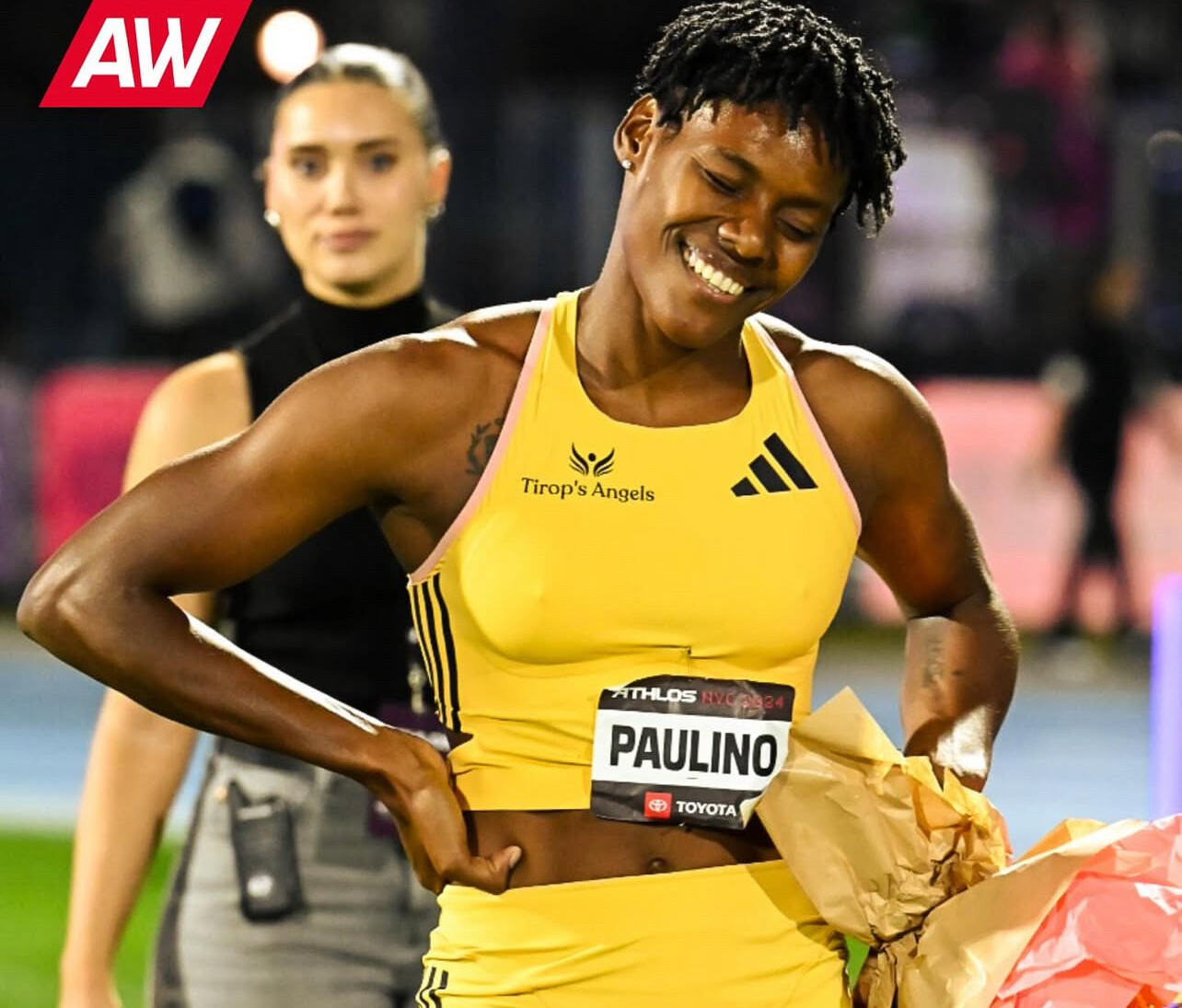
When Athlos launched in September 2024, it wasn’t just another track meet. It was a statement.
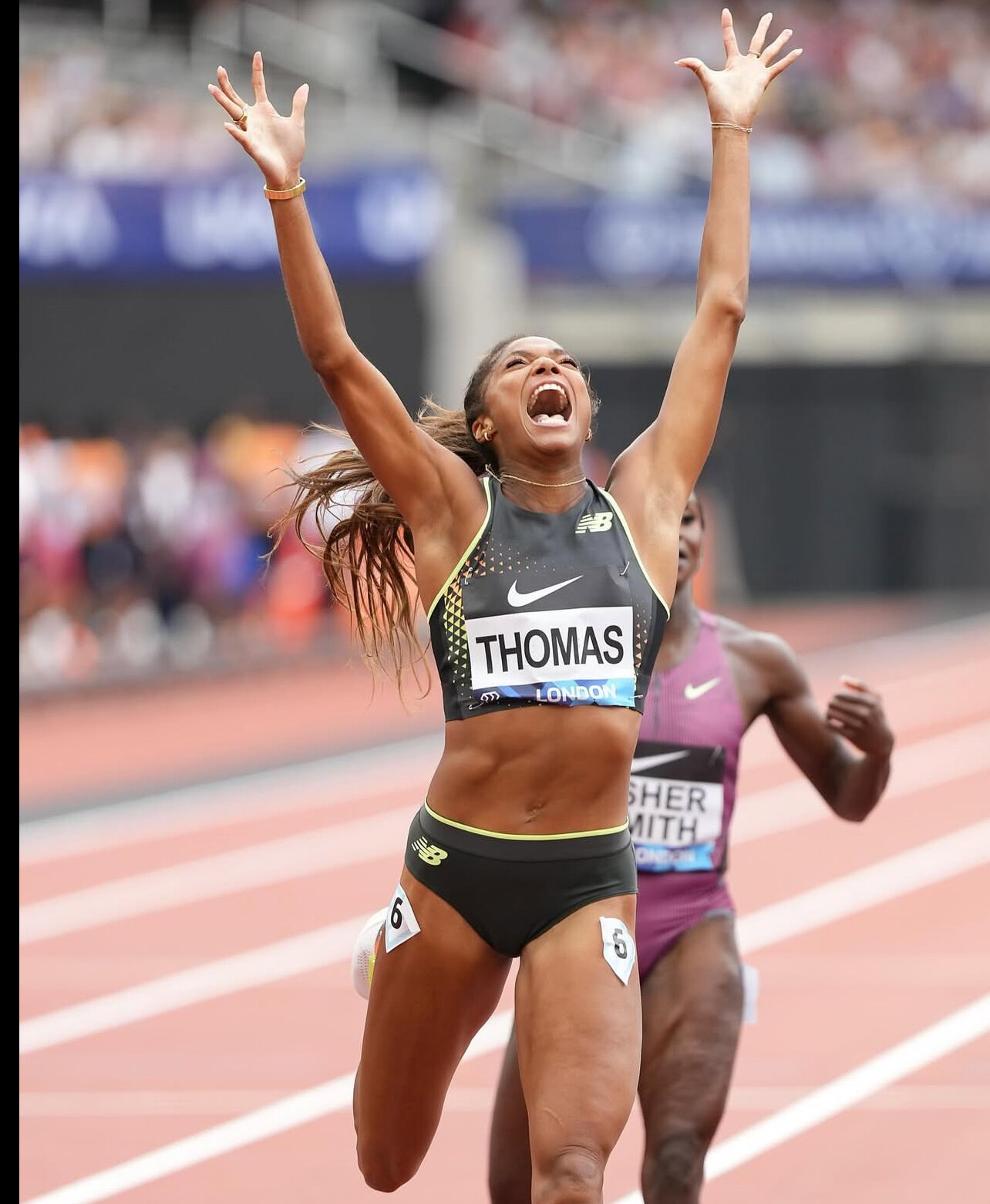
The event featured world-class athletes competing in sprints, middle-distance races, jumps, and throws in front of a packed New York crowd. The performances were electric, but the real impact went beyond the finish line. Athlos challenged the status quo, proving that a women’s-only event could deliver the excitement, competition, and financial backing the sport has long deserved.
With a $663,000 prize purse, Athlos gave female track athletes the kind of financial opportunities typically reserved for men’s competitions. Media coverage soared, sponsorship interest grew, and conversations about pay equity in athletics intensified.
Athlos had arrived, and it wasn’t just a one-time moment—it was the start of a movement.
Sponsors Driving the Future of Athlos
Athlos’ success has been fueled by a growing lineup of sponsors that recognize the power and potential of women’s track and field. Last year’s meet was backed by:
• Toyota Motor North America – Presented the 100-meter hurdles event, highlighting its commitment to empowering female athletes.
• Tiffany & Co. – Designed custom sterling silver crowns for each event winner, bringing prestige and elegance to the competition.
• Oiselle – Served as the inaugural athletic apparel sponsor, aligning with Athlos’ mission to elevate women in running.
• Therabody, Strava, Champagne Telmont, and Wyn Beauty – Provided additional sponsorship, enhancing the event’s reach and profile.
With these industry leaders backing the meet, Athlos is proving that women’s sports are a worthy investment—one that is growing in value every year.
What to Expect in 2025
With its second edition set for October, Athlos is raising the stakes. While the full event lineup is yet to be announced, here’s what fans can expect:
• More Star Power – Last year’s event brought together elite talent from around the world, and 2025 promises to be even bigger, featuring Olympians, world champions, and rising stars, all competing for one of the largest prize purses in women’s track history.
• Increased Prize Money? – The record-breaking $663,000 prize purse in 2024 set a new standard. Will Athlos push it even further in 2025? Organizers have hinted at an even larger payout, solidifying the event as a premier financial opportunity for female track athletes.
• Expanded Events – Last year’s meet featured select disciplines, but 2025 could see more events added, giving a broader platform for top-tier competition.
• A Next-Level Experience – Expect enhanced fan engagement, including interactive digital content, social media activations, and upgraded live streaming coverage, bringing Athlos to a global audience like never before.
More Than a Meet, a Movement for Women’s Track
Athlos isn’t just about race results. It’s about reshaping the landscape for female athletes.
For too long, women’s track and field has received less prize money, fewer sponsorship deals, and lower media visibility. But things are changing—fast. From record attendance in women’s soccer and basketball to major increases in broadcast ratings and sponsorship investments, women’s sports are finally getting the recognition they deserve.
Athlos is part of this shift.
By creating a high-profile, high-stakes competition exclusively for female athletes, it’s proving that women’s track isn’t just equal—it’s a must-watch event in its own right.
Countdown to Athlos 2025
With just months to go, excitement is building for the second edition of Athlos. The event isn’t just returning—it’s evolving, growing, and setting new standards for women’s athletics.
More details on prize money, event lineups, and athlete participation will be announced soon. But one thing is clear: Athlos is here to stay, and its impact is only getting stronger.
How to Watch and Get Tickets
Athlos 2025 will be live-streamed globally, with tickets available soon for the in-person event at Icahn Stadium in New York City. Official updates will be posted on the Athlos website and social media channels.
The countdown has begun. Women’s track is taking center stage, and Athlos is leading the charge.
by Boris Baron
Login to leave a comment
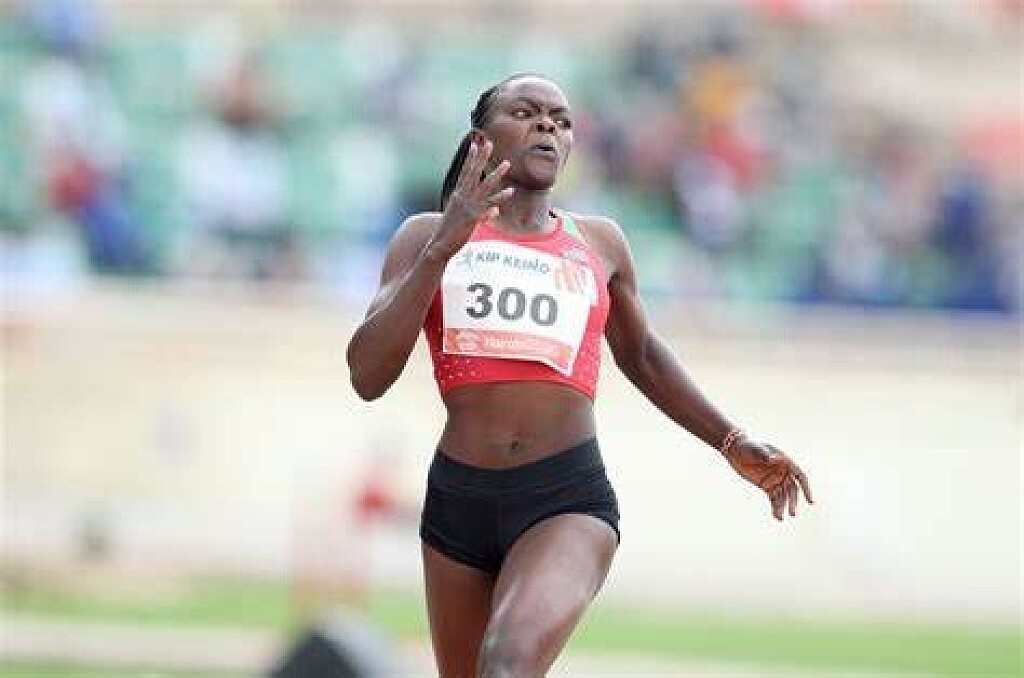
Mary Moraa 'back to the grind' ahead of tough 2025 season
Mary Moraa has resumed training as she plans to defend her world title amid the rise of strong 800m runners including Keely Hodgkinson and Athing Mu.
Mary Moraa has resumed training ahead of a tough 2025 season where she has a huge task of defending her world title at the World Championships in Tokyo, Japan.
The reigning world champion will battle for the title alongside very formidable 800m runners who have emerged this season. The Commonwealth Games champion lines up against Keely Hodgkinson, Tsige Duguma and Athing Mu alongside other 800m athletes.
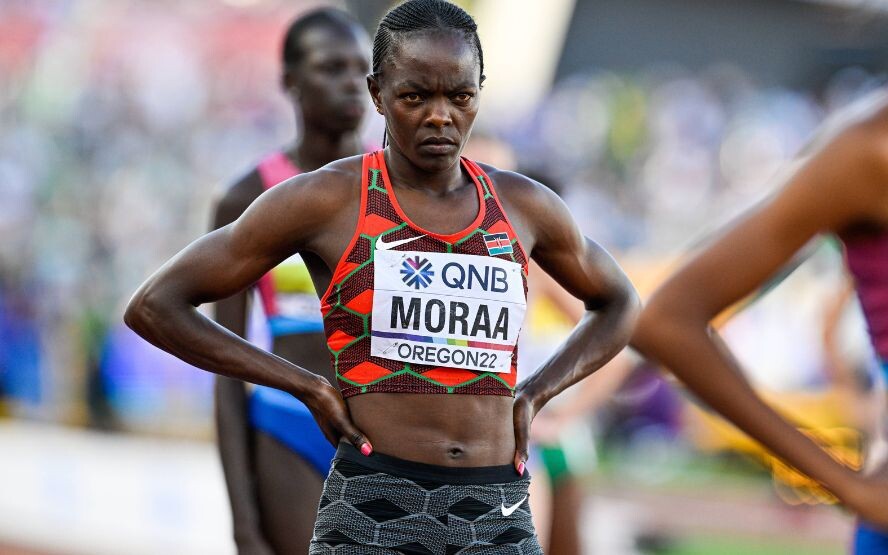
Mary Moraa had a mixed season this year and she will be looking to work on the finer things so as to be ready next season. She was off to a great start to her season, winning the 400m at the African Games then anchored the 4x400m mixed relay team to a bronze medal.
The Kenyan 800m star then proceeded to claim the win at the Kip Keino Classic before reigning supreme at the Diamond League Meeting in Doha and finished second at the USATF Los Angeles Grand Prix and Prefontaine Classic.
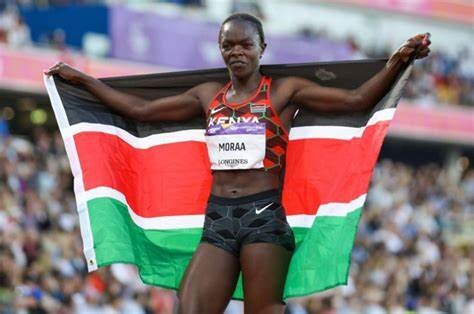
Moraa then finished second at the Kenyan Olympic trials and then won the bronze medal at the Paris Olympics. She bounced back to take the win at the Diamond League Meeting in Lausanne and finished third in Silesia. She won the 600m in a world best time at the ISTAF 2024 and then claimed wins in Zurich and the Diamond League Meeting final in Brussels.
Mary Moraa rounded up her season with a second-place finish at the Athlos NYC. Going back into training, she hopes to polish a lot of things and bounce back stronger to maintain a winning streak in 2025.
“It's about time...back to the grind ?,” Mary Moraa shared in a post on her Facebook page, adding, “Nice morning cruise with Brandon and the gang after a deserved break.”
Her competitors are also not resting on their laurels with Keely Hodgkinson, the reigning Olympic champion, making it clear that she will be going for the world title since it’s one of the titles she has yet to win.
Her coaches, Jenny Meadows and Trevor Painter have also revealed that she will be attacking both the indoor and outdoor world records in the near future.
“There’s no silvers and bronzes, now we have to do gold all the way forward, we don’t want to take any backward step and I just hopefully think that Keely can dominate and we’ve got the indoor world record to go at and in the next couple of years we’ll go after the tough world record. I think she can do it,” Jenny Meadows said.
“If she’s got the leg speed to get closer to her rivals, then they can’t out strength her so it was magic. The indoor one is easier to get than the outdoor but we’ll have a crack of both and see what happens,” Trevor Painter added.
On her part, after a heartbreaking 2024 season marred with injuries and missing out on the Paris Olympic Games, Athing Mu has already started preparation for the 2025 season.
The former world champion noted that the World Championships are her major target for the season and she is working towards making it through the trials and then heading to Tokyo.
“Well, trackwise we have the World Championships in September next year and it’s in Tokyo…first of all I pray we make it through trials and then we make it to that race,” Athing Mu said.
“I feel like it’s going to be a circle moment for me because that’s basically where I started and then I had some highs and lows.”
by Abigael Wafula
Login to leave a comment
From Ancient Olympia to Paris 2024
Modern Olympic history is full of victories and defeats but along the way since the revival of the Olympics in 1896, we encountered geopolitics, a shift in women’s rights and the state of global affairs.
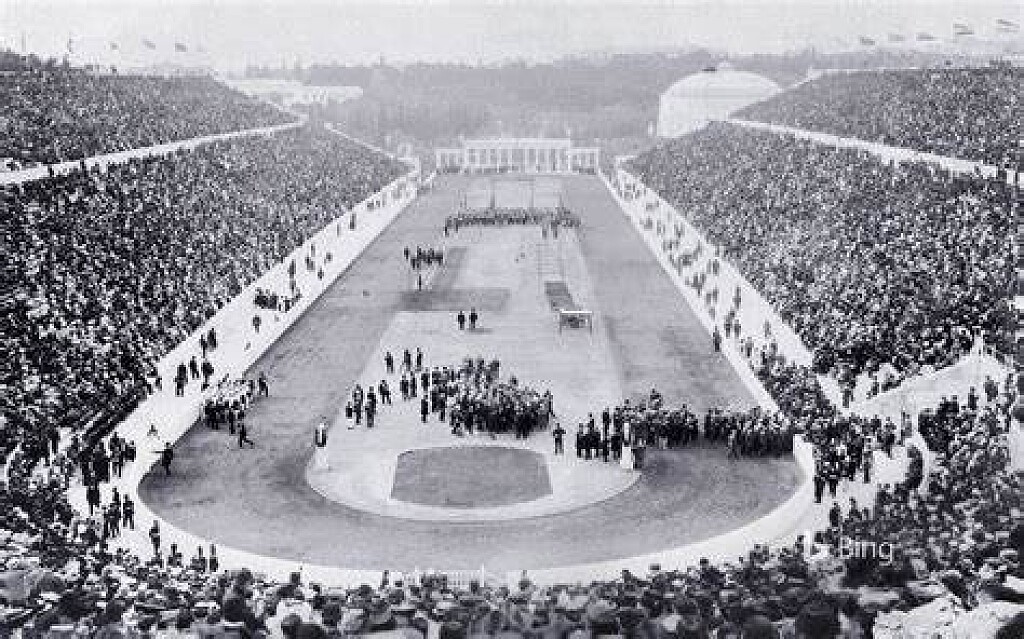
From Athens to Rio, in the last 125 years, the games have crossed five continents, added and removed events, resisted boycotts and were only canceled three times due to two World Wars.
In 1894, Pierre de Coubertin launched his plan to revive the Olympic Games, and in 1896 the first Games of the modern era were held in Athens
Origins of the Olympic Games
The history of the Games goes back around 3,000 years, to the Peloponnese in Ancient Greece. Sports contests organized at Olympia back then took place every four years and acquired the name Olympic Games.
The first written evidence of the official Games dates from 776 BC, when the Greeks began measuring time in Olympiads, or the duration between each edition of the Olympic Games.
The four-year interval between the Ancient Games editions was named an “Olympiad” and was used for dating purposes at the time: time was counted in Olympiads rather than years. They were held between August 6 and September 19 during a religious festival honoring Zeus.
The games were named after their location at Olympia, a sacred site located near the western coast of the Peloponnese peninsula in southern Greece.
The games included Chariot races – one of the oldest of Greek sports dated back to the Mycenean Period (1100 B.C) – consisting of 12 laps around a hippodrome (horse track) and 12 times in the opposite direction, with the length varying depending on where the event was held.
There was also kele (riders competing in horseback), footraces (running), wrestling, pentathlon – a five-event combination of long jump, running and wrestling – boxing, and lastly the pankration, which was a combined contest of boxing, wrestling and kicking.
Structure and Traditions of the Ancient Olympics
All free male Greek citizens were entitled to participate in the ancient Olympic Games, regardless of their social status. Orsippos, a general from Megara; Polymnistor, a shepherd; Diagoras, a member of a royal family from Rhodes; Alexander I, son of Amyndas and King of Macedonia; and Democritus, a philosopher, were all participants in the Games.
Married women were not allowed to participate in, or to watch, the ancient Olympic Games. However, unmarried women could attend the competition, and the priestess of Demeter, goddess of fertility, was given a privileged position next to the Stadium altar.
One of the things that is commonly argued about is the question of whether there were amateur athletes in the ancient Olympic games. Ancient Olympic athletes were neither amateur nor professional. The word athlete is a Greek word that means “one who competes for a prize” and is related to two Greek words, athlos meaning contest and athlon meaning prize.
Greek athletes competed for prizes at athletic festivals. Some of the prizes were symbolic, for instance the wreath of olive leaves at Olympia, and others were material prizes worth money, for instance bronze tripods, or amphoras filled with olive oil. There were also cash awards of 500 drachmai (considered to be a fortune) or getting an early pension plan by receiving a free meal every day.
The Significance of Competition
For the ancient Greeks, whose fiercely independent city-states were often at war with one another, athletic contests became a unifying, peacemaking force. During the Olympic games, all hostilities were suspended. City-states sent their best athletes to compete
Decline of the Ancient Olympics
After thousands of years of the Greeks and Romans gathering at the Olympia to celebrate the festival in honor of Zeus, in 393 AD, the Christian emperor Theodosius I forbade the celebration of pagan cults, which included the Games.
Nonetheless, the popularity of sports contests and cultural festivities continued in many Greek-influenced provinces of the Roman empire as late as the 6th century AD.
Following Theodosius’ order, pagan cults began to disappear, and the site of Olympia was abandoned. Earthquakes destroyed the structures and their ruins disappeared gradually under the earth and sand.
Revival of the Olympic Spirit
There were no longer any visible traces of the site. Thanks to the writings of ancient historians, the memory of the Games and their place in the Greek world was not totally forgotten. The Games were known to have existed, but the knowledge of their exact location had been lost.
In 1776, the English traveler Richard Chandler discovered the site of ancient Olympia. The principal research digs were carried out a hundred years later by German archaeologists.
Pierre de Coubertin in re-establishing the Olympics
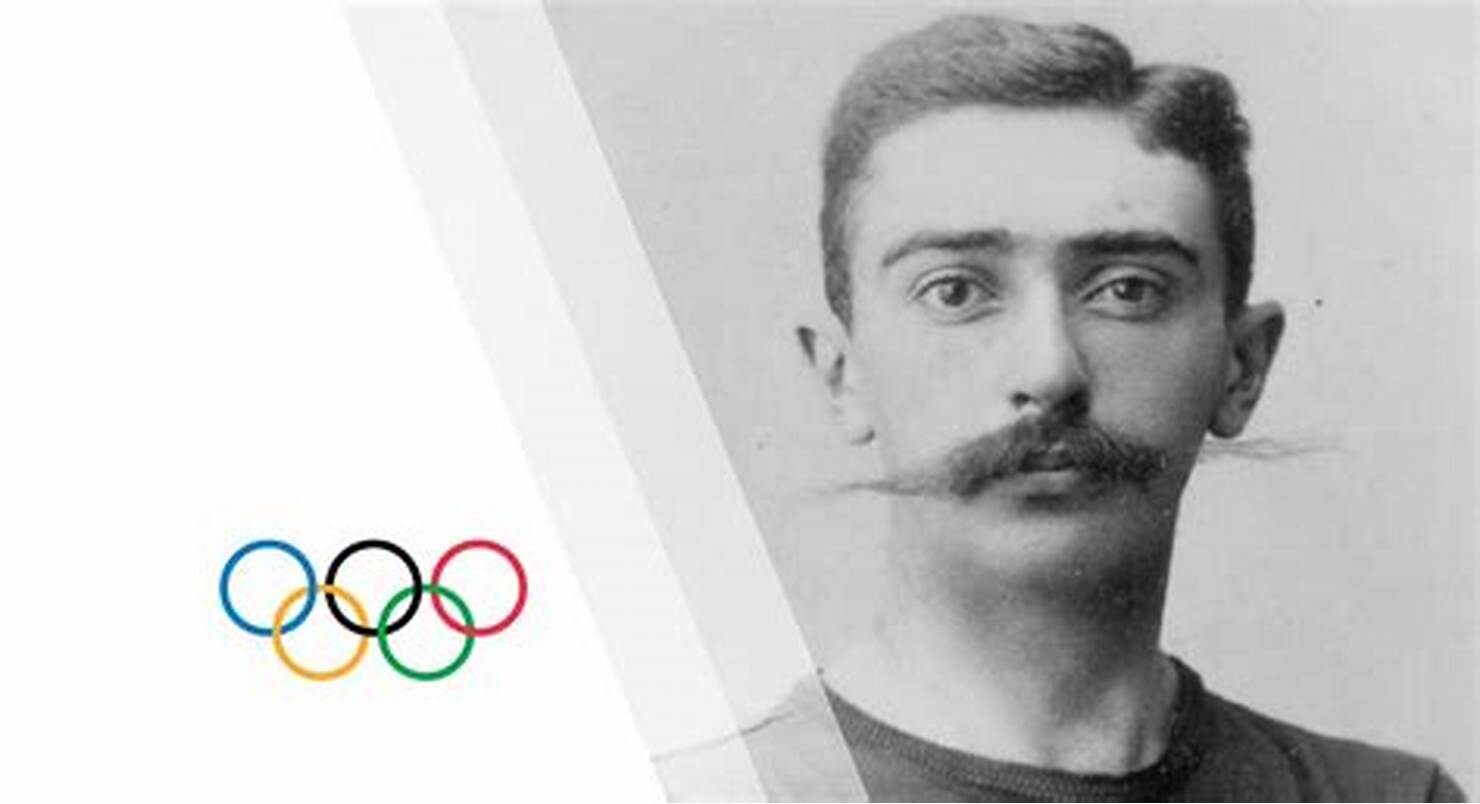
Pierre de Coubertin is widely recognized as the founder of the modern Olympic Games and the International Olympic Committee. Although artefacts suggested that ancient Olympia was prosperous, Coubertin was not put off and in 1894 invited athletes and sports people alike to attend a sports conference where he suggested the revival of the Olympics.
It was then decided on 23 June 1894 that a modern Olympic game should be held every four years and that each game should take place in a different country. It was unanimously agreed that the first modern Olympic games should be held in Olympia Greece.
Pierre de Coubertin was instrumental in establishing many of the Olympic traditions that continue to this day – the five rings, the Olympic flag, the oath and motto. He produced many writings about sport and education – one of his most famous quotes is “The important thing in the Olympic Games is not winning but taking part. Just as in life, the aim is not to conquer but to struggle well.”
The Modern Olympic Games
The International Olympic Committee (IOC) was founded on the initiative of Pierre de Coubertin on 23 June 1894, during the Olympic Congress.
At first Pierre de Coubertin planned to discuss amateur sport during the congress, however, by the time the invitations for the delegates to gather at the Sorbonne University in Paris were being sent, he changed both the programme and the title of the congress.
The event, which was eventually called the “Congress on the Revival of the Olympic Games”, served as an opportunity for de Coubertin to present his proposal to revive the Olympic Games. And thus, the International Olympic Committee was founded.
The 1894 Sorbonne congress was attended by 79 participants from 12 countries and its Opening ceremony featured musical pieces, songs, and poems.
First Modern Olympics (1896)
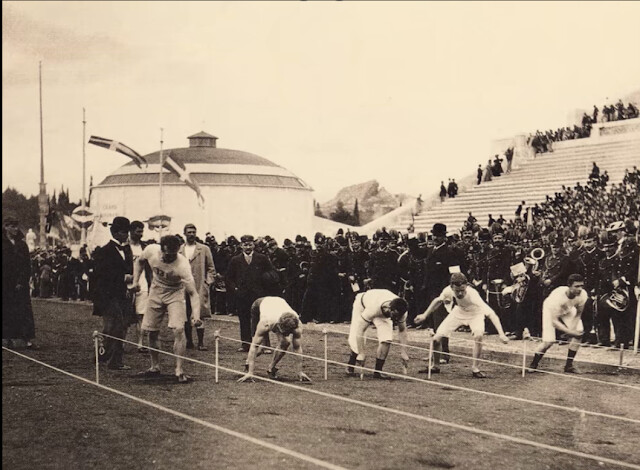
The first celebration of the modern Olympic Games took place in its ancient birthplace - Greece. The Games attracted athletes from 14 nations, with the largest delegations coming from Greece, Germany, France and Great Britain.
Due to its historical significance, the Greek hosts wanted to win the marathon above all else. Spyridon Louis set off from the city of Marathon and took the lead four kilometres from the finish line and, to the joy of the 100,000 spectators, won the race by more than seven minutes.
Hungarian swimmer Alfréd Hajós won the 100m and the 1200m events. For the longer race, the swimmers were transported by boat out to sea and left to swim the required distance back to shore. Hajós later confessed that his “will to live completely overcame [his] desire to win”.
On 6 April 1896, the American James Connolly won the triple jump to become the first Olympic champion in more than 1,500 years. He also finished second in the high jump and third in the long jump.
Evolution of the Games
The 1900 Summer Games in Paris took place from 14th May to 28th October and were held alongside the Exposition Universelle International which was staged to celebrate the achievements of the past century – the diesel engine (running on peanut oil), escalators, talking films and the telegraphone (the first magnetic audio recorder) were first displayed there.
Held as part of the Paris World’s Fair, the 1900 Games span five months, with 20 events and 24 countries represented. Because events are so spread out, many athletes and officials don't even realize they are competing in the Olympics.
But the 1900 Games introduce several new sports, including rugby, golf, cricket and croquet (the only year croquet is played), as well as equestrian events, archery and soccer. Swimming races take place in the Seine River and five sports—tennis, polo, soccer, rowing and tug of war—include athletes from differing nations playing on the same teams.
It’s also the first-time women participate, with 22 competing (along with 975 men). American Alvin Kraenzlein shines during the Paris Games when he takes gold in four track and field events.
Notable Olympic Events and Milestones
The Olympic flame, a symbol of peace and unity, was first introduced at the Berlin Games in 1936. The torch relay, which carries the flame from Olympia, Greece, to the host city, has become a cherished tradition. This relay not only symbolizes the connection between ancient and modern Games but also promotes the spirit of the Olympics across various nations
The concept of the Olympic Village was first realized during the 1924 Paris Games. This innovation provided a communal living space for athletes, enhancing the experience and fostering hospitality among competitors from around the world. The Village has since become a staple of the Olympic experience, allowing athletes to live and interact together during the Games
The Cold War era saw significant political tensions affecting the Olympics, leading to boycotts of the 1980 Moscow Games by the United States and the 1984 Los Angeles Games by the Soviet Union and its allies.
In response to various global challenges, including the COVID-19 pandemic, the Olympics have shown resilience by adapting their schedules and formats. The Tokyo 2020 Games were postponed to 2021, marking a significant moment in Olympic history as they navigated unprecedented circumstances while still aiming to uphold the Olympic spirit
A Symbol of Peace
As the world looks forward to future Olympic Games, including Paris 2024, we mustn’t forget that the Olympic Games have long served as a powerful symbol of peace, unity, and athletic excellence, transcending cultural and national boundaries. Their legacy is rooted in a philosophy that combines sport with education and cultural exchange, promoting values such as friendship, solidarity, and fair play.
by Juliana Alexandra
Login to leave a comment

Paris 2024 Olympic Games
For this historic event, the City of Light is thinking big! Visitors will be able to watch events at top sporting venues in Paris and the Paris region, as well as at emblematic monuments in the capital visited by several millions of tourists each year. The promise of exceptional moments to experience in an exceptional setting! A great way to...
more...