

Running News Daily
Running News Daily is edited by Bob Anderson and team. Send your news items to bob@mybestruns.com Advertising opportunities available.
Index to Daily Posts · Sign Up For Updates · Run The World Feed
Articles tagged #Pacific Ocean
Today's Running News



2027 Could Bring Unprecedented Heat, Raising New Concerns for Marathon Runners Worldwide
The global running community could face a formidable challenge in 2027, as forecasts of a potentially powerful El Niño raise concerns about rising temperatures and the impact of extreme heat on marathon performances.
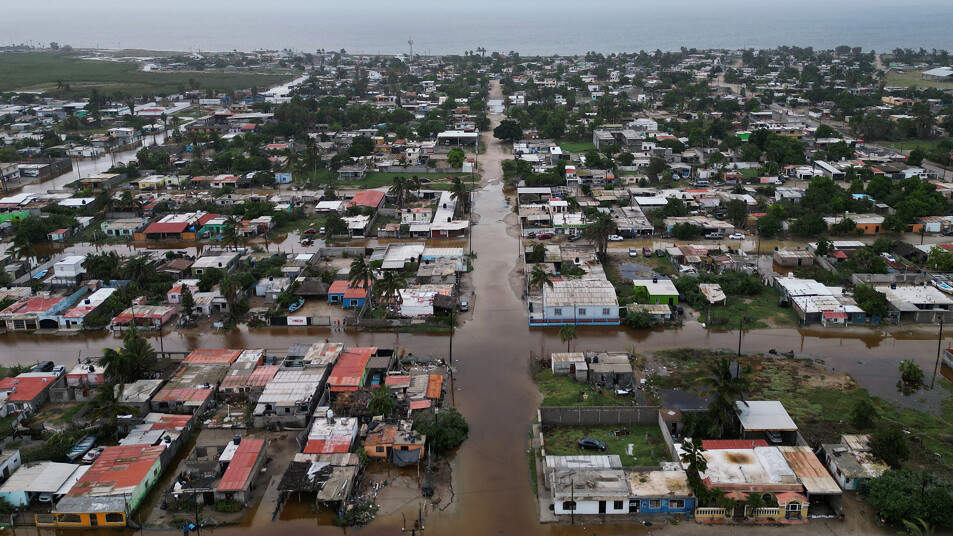
With long-distance runners increasingly chasing personal bests on the world's biggest stages, the prospect of another exceptionally warm year has placed race-day weather firmly in the spotlight. For marathoners, even a modest rise in temperature can make the difference between a record-breaking performance and a difficult battle to reach the finish line.
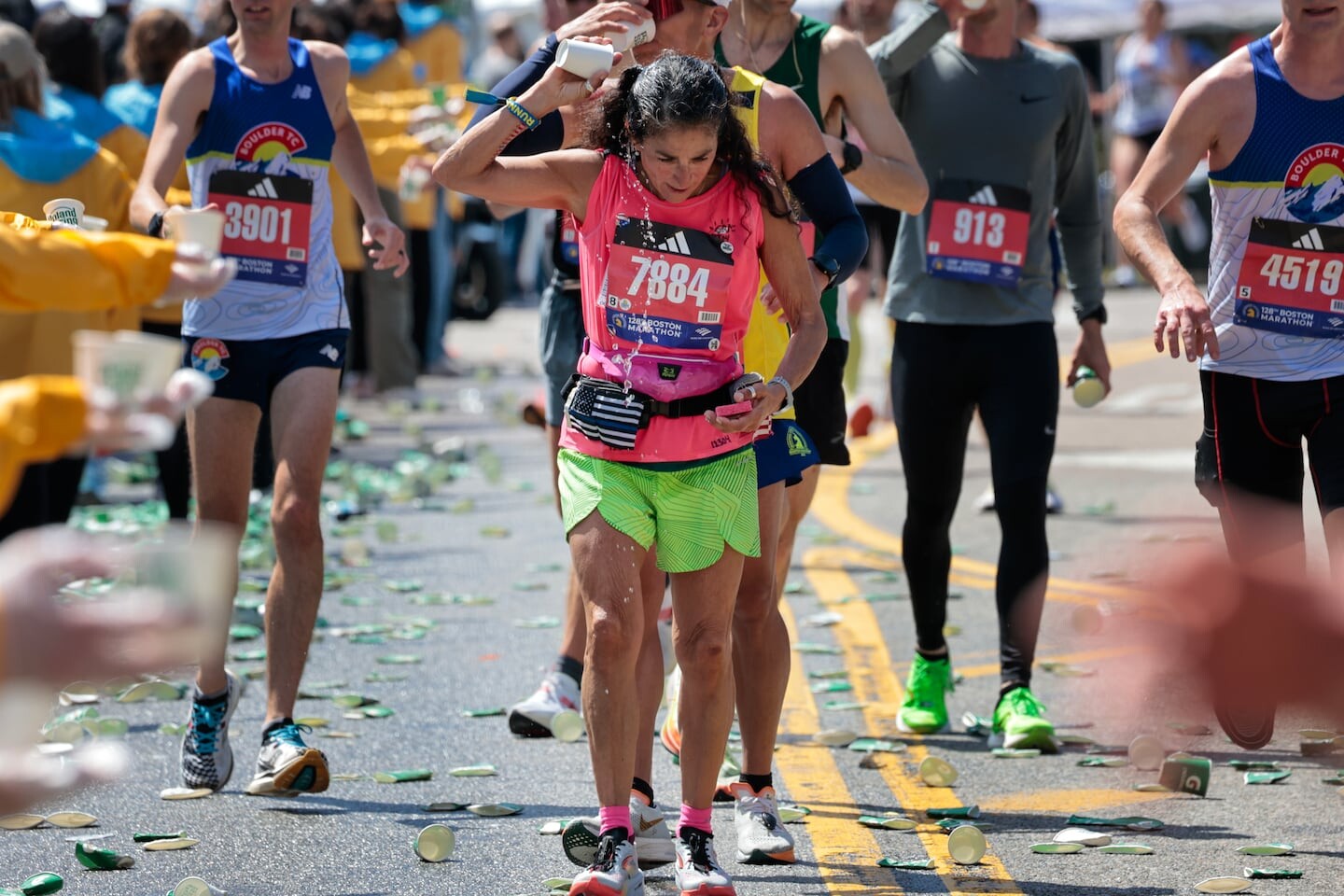
At the centre of the concern is the Pacific Ocean, where developing El Niño conditions could influence global temperatures. Forecasts have raised the possibility of an unusually strong event, although its eventual intensity and the precise effects on temperatures around the world remain uncertain.
El Niño is a natural climate phenomenon characterised by warmer-than-average sea surface temperatures across parts of the central and eastern equatorial Pacific. It can alter weather patterns across different regions, while its warming influence can contribute to higher global temperatures. The full impact depends on the strength of the event and how it interacts with other climate factors.
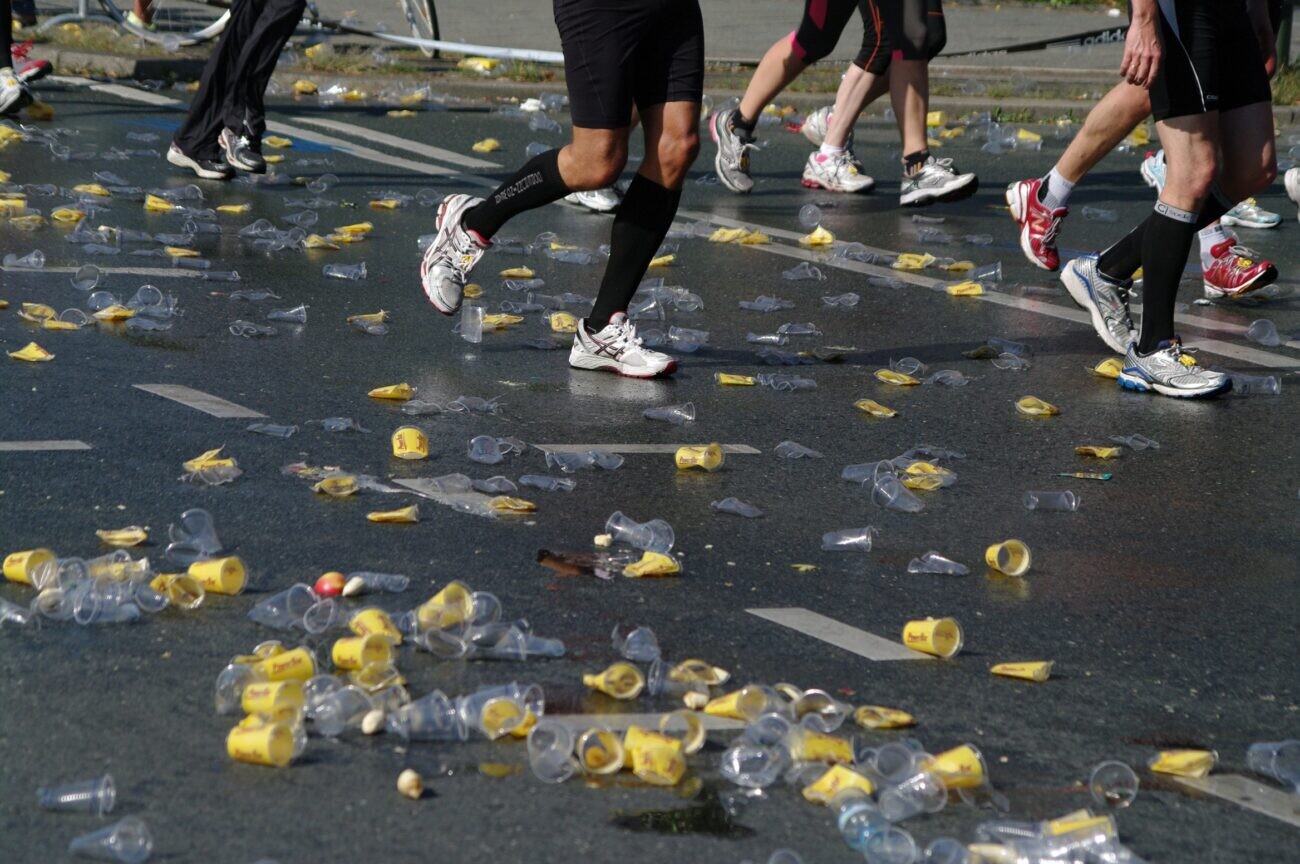
The timing is particularly important. Global temperatures have often responded strongly in the year following a major El Niño, meaning 2027 could face an increased risk of challenging heat. However, whether it ultimately surpasses the existing global temperature record will depend on evolving ocean conditions, atmospheric patterns and human-caused climate change.
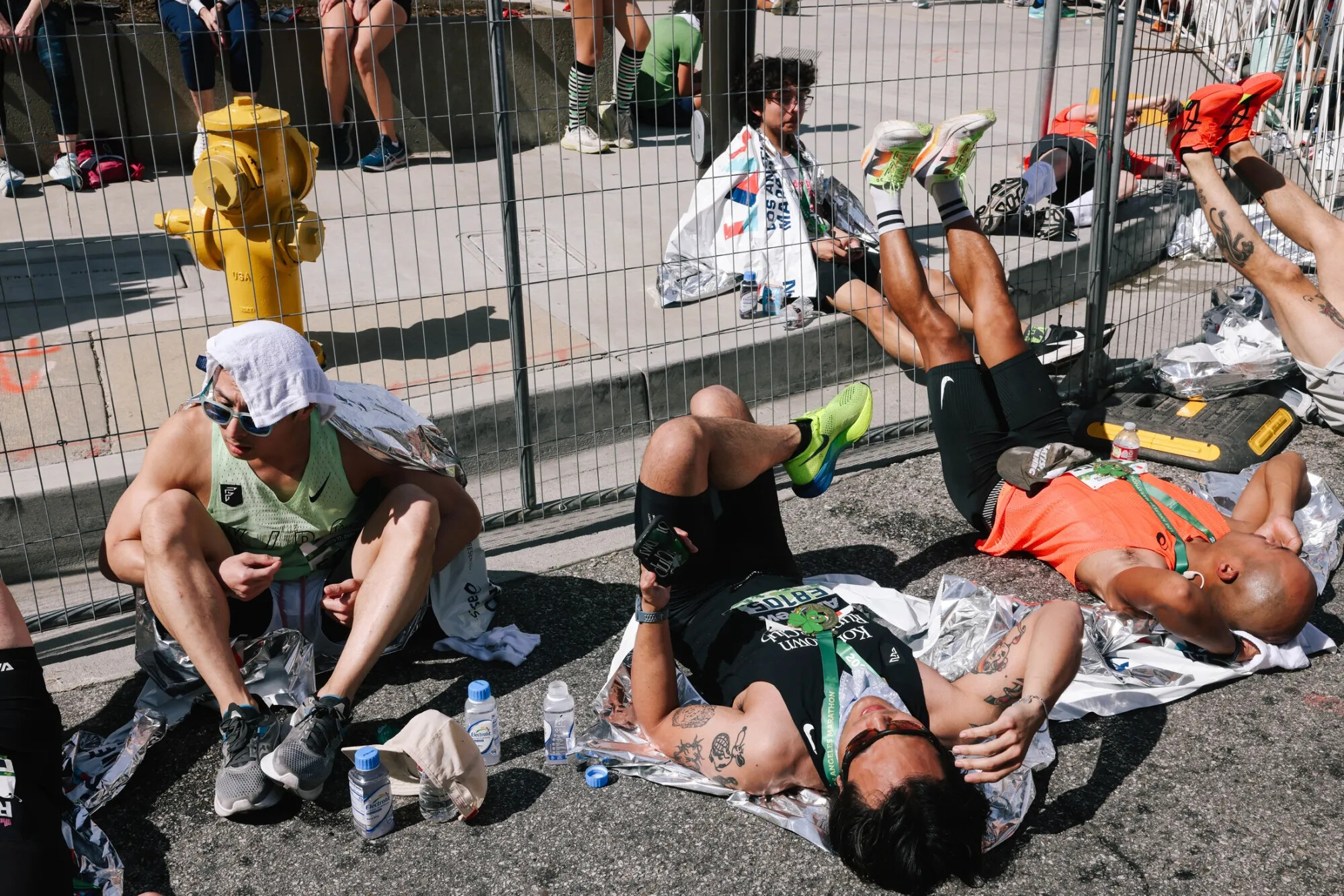
For marathon runners, the implications are significant. Scientific research has repeatedly shown that warmer conditions can reduce endurance performance, increase physiological strain and make it more difficult to maintain a planned race pace over 42.195 kilometres.
An analysis of seven North American marathons illustrates how substantially conditions can influence elite performances. Researchers found that leading male runners finished approximately 1.7 per cent slower relative to course records under the coolest conditions examined. In the warmest category, that difference increased to around 4.5 per cent.
For an athlete capable of running a marathon in 2:05:00, a slowdown of that magnitude could translate into several additional minutes on the clock. At the elite level, where races are frequently decided by seconds, such a difference can determine whether a runner achieves a personal best, secures a podium finish or misses a major performance target.
The consequences can be even more noticeable among recreational athletes, who often spend considerably longer exposed to the conditions.
A separate analysis by researchers at the University of Chicago, examining approximately 4.7 million marathon finishing times, highlighted the substantial effect of temperature on runners across different ability levels. The findings suggested that the typical participant could lose roughly 19 minutes when racing in temperatures in the 70s Fahrenheit, compared with conditions in the 40s. In the 80s Fahrenheit, the estimated time penalty rose to approximately 33 minutes.
These figures underline why marathon preparation involves much more than mileage, speed sessions and strength training. Temperature, humidity, direct sunlight and the body's ability to regulate heat can all influence how effectively a runner sustains an effort over the full distance.
Many marathon performances are achieved in cool conditions, with temperatures of approximately 4°C to 10°C often considered favourable for endurance running. As temperatures climb beyond that range, the body must devote more resources to cooling itself, potentially increasing cardiovascular strain and making a previously comfortable pace harder to maintain.
However, there is no universal temperature at which every marathon runner begins to slow down. Individual fitness, acclimatisation, humidity, wind, course exposure and race strategy all influence performance. A cool, overcast morning can produce very different outcomes from a sunny, humid day, even when the thermometer shows similar readings.
by Erick Cheruiyot for My Best Runs.
Login to leave a comment

About 5,000 Runners Turn San Diego Into A Sea Of Energy At The 49th America’s Finest City Half Marathon
San Diego came alive on Sunday, August 16, 2026, as approximately 5,000 runners from across the region and beyond took to the streets for the 49th annual America’s Finest City Half Marathon & 5K, bringing together competitive athletes, recreational runners, families, running clubs and spectators for one of the city’s longest-running road racing traditions.
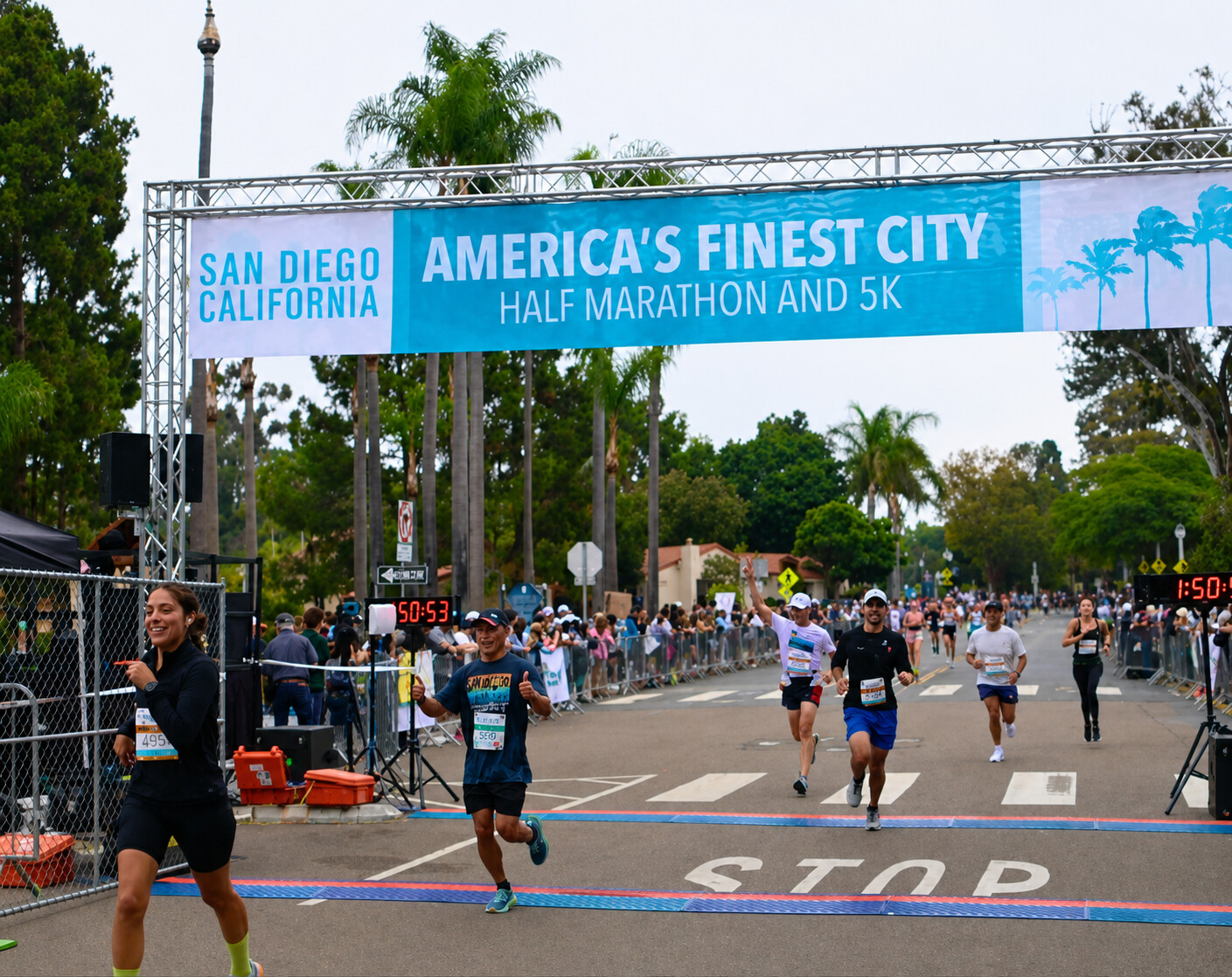
Established in 1978, the America’s Finest City Half Marathon has become a signature event on San Diego’s running calendar, with the 2026 edition once again showcasing the city’s spectacular coastline, historic landmarks and vibrant urban landscape. The event also featured a 5K, giving runners of different abilities an opportunity to take part in the morning’s festivities.
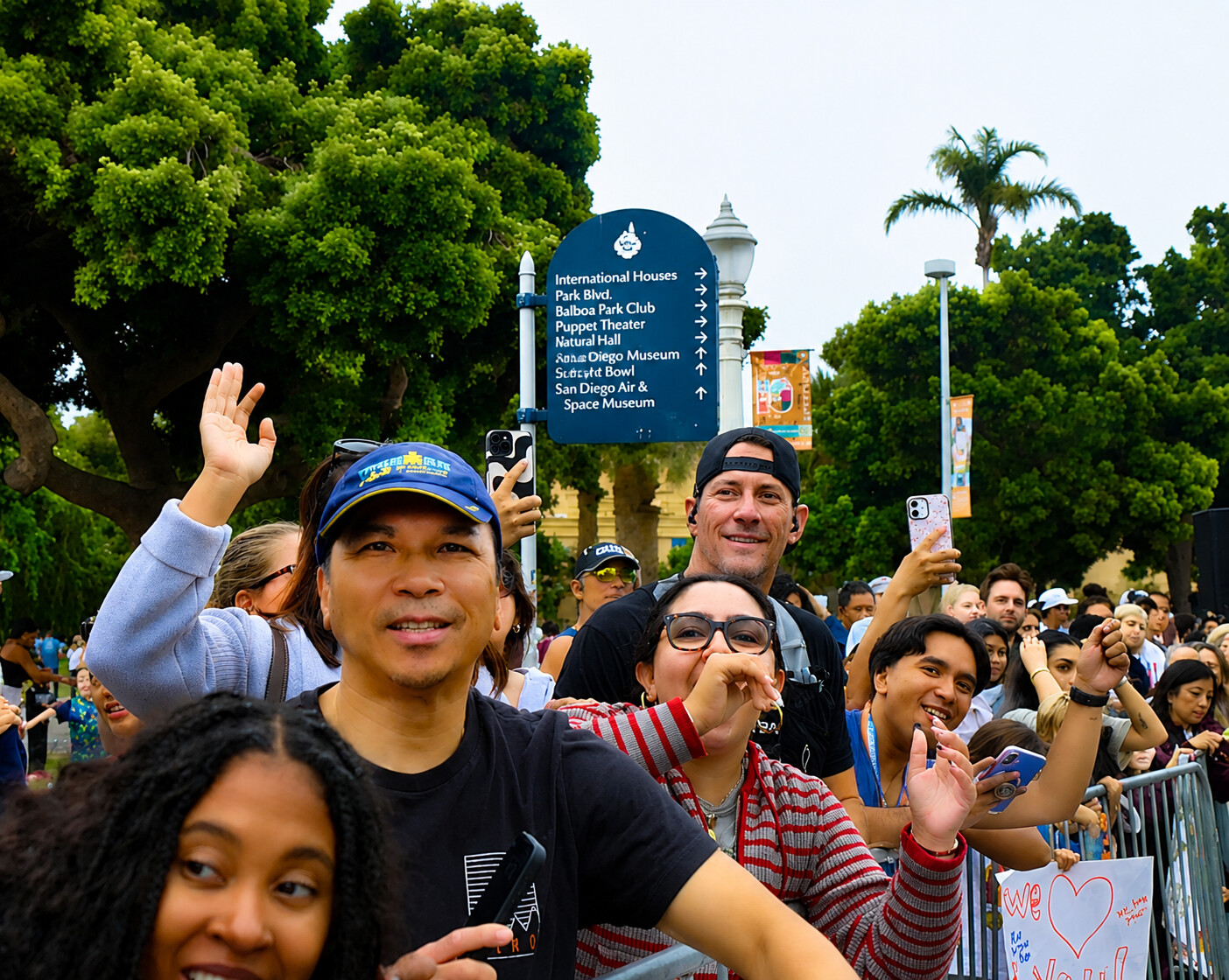
The 13.1-mile half marathon followed a scenic point-to-point course that began at the historic Cabrillo National Monument. With panoramic views of the Pacific Ocean and San Diego Bay setting the tone, runners embarked on a journey through some of San Diego’s most recognizable locations.
From the starting point, the course moved through historic Fort Rosecrans and Point Loma before continuing along San Diego Bay and Harbor Island. Participants then travelled through downtown San Diego before making their way to the finish at iconic Balboa Park, where cheering spectators, live music and celebrations greeted runners as they completed their journey.
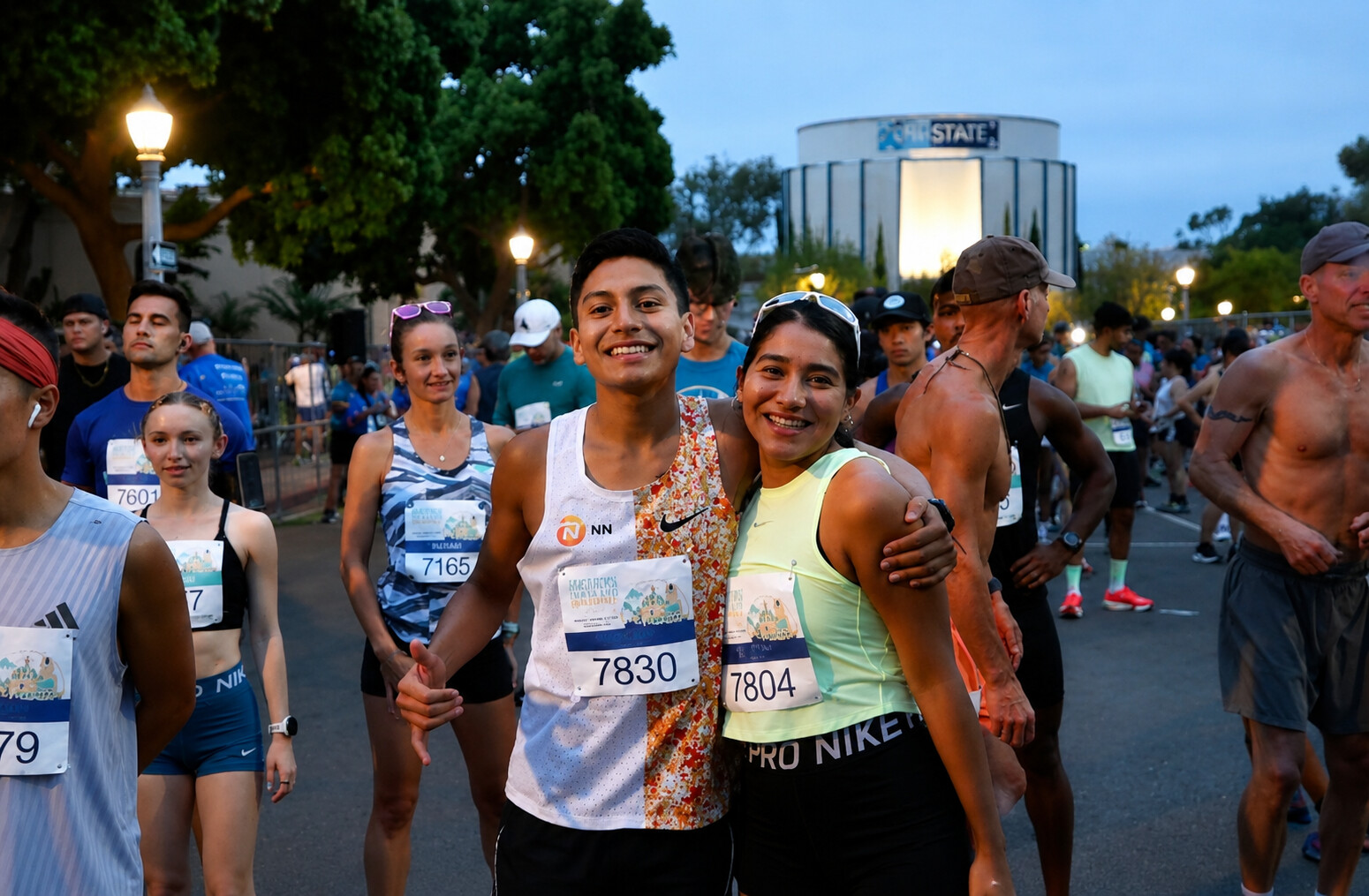
At the front of the race, Edward Buck produced the fastest performance of the day, winning the men’s half marathon in 1:04:39. The 25-year-old from Newark, United Kingdom, held off a closely packed group at the finish, with San Diego’s Lars Dewall finishing just five seconds behind in 1:04:44.
Jaquavious, 29, from Orem, Utah, secured third place in 1:05:04, while Phoenix’s Aron Orar finished fourth in 1:05:19. The first four men were separated by just 40 seconds, underlining the competitive nature of the race.
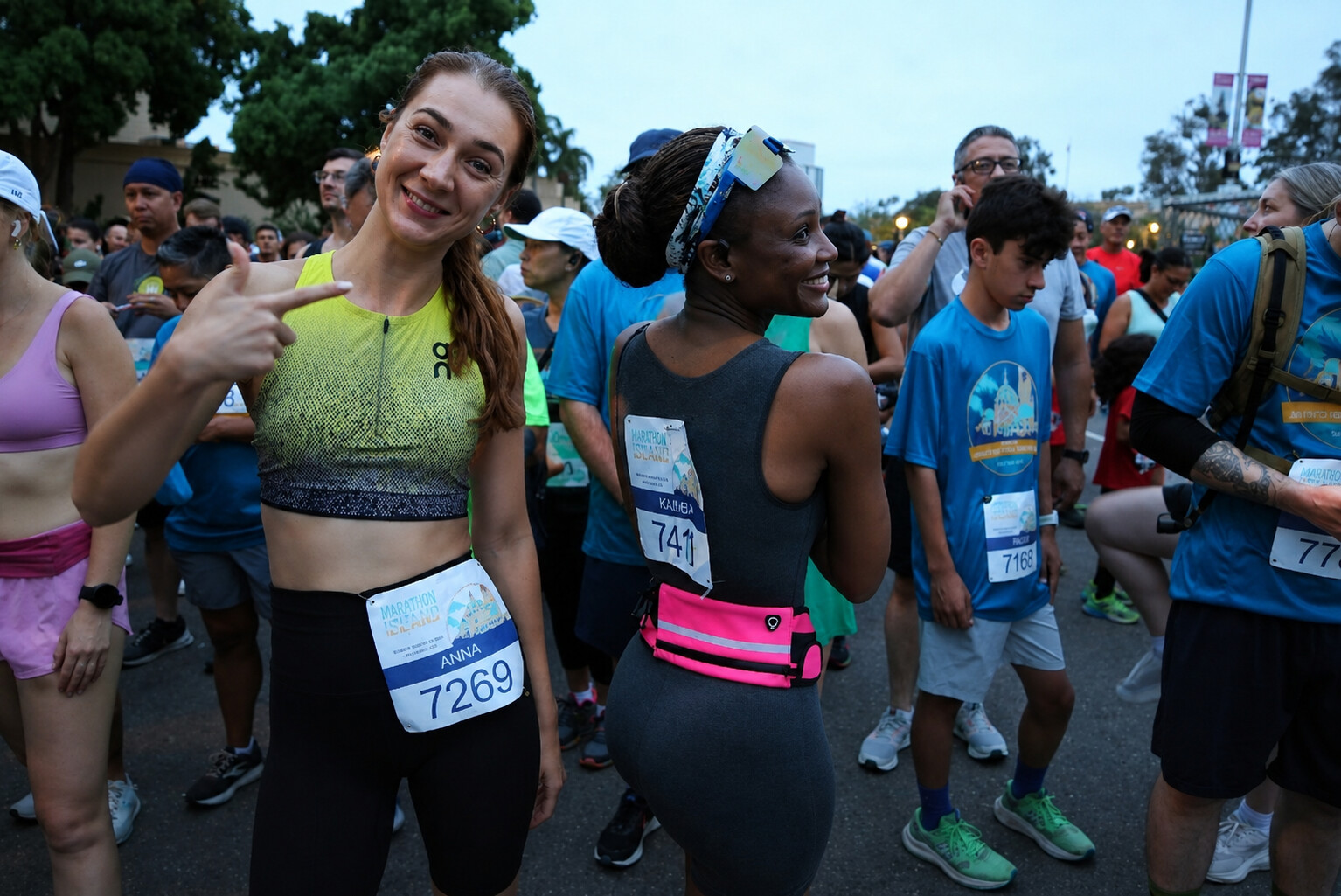
Morgan Jensen claimed the women’s title in 1:13:12, with the 24-year-old from Sandy, Utah, producing a commanding performance over the 13.1-mile course. Melissa Berry, 26, of Flagstaff, Arizona, finished second in 1:16:26, while Katelyn Yunker, 24, of Carlsbad, California, completed the women’s podium in 1:18:41.
Hope Stark, 22, of Colorado Springs, Colorado, followed in fourth with 1:19:23. Jensen’s winning margin was 3 minutes and 14 seconds, while only 42 seconds separated Yunker and Stark in the battle for third and fourth.
The accompanying 5K offered a shorter, fast and flat route through the heart of Balboa Park, providing an accessible option for runners of all levels while adding to the lively atmosphere surrounding the main event.
The 49th edition also carried special significance as it marked the conclusion of the 2026 SoCal Triple Crown, giving participants an additional reason to celebrate after completing the Southern California race series.
With thousands of runners filling San Diego’s streets and spectators supporting them along the way, the America’s Finest City Half Marathon & 5K once again proved that the appeal of road racing extends far beyond competition. From the breathtaking views at Cabrillo National Monument to the historic streets of Point Loma, the waterfront, downtown and the finish in Balboa Park, the event offered runners a memorable journey through the heart of San Diego.
The 2026 edition ultimately brought together speed, scenery and community, reinforcing the America’s Finest City Half Marathon’s place as one of San Diego’s most distinctive and enduring running celebrations.
by Erick Cheruiyot for My Best Runs.
Login to leave a comment

America's Finest City
America's Finest City Half Marathon is run on a fast, scenic, point-to-point course. The race starts at the historic Cabrillo National Monument at the tip of Point Loma with its world-renowned vistas of San Diego Bay and the Pacific Ocean, follows scenic San Diego Bay and Harbor Island along the Embarcadero to the Star of India, winds through downtown San...
more...
Chasing the Sea Breeze – Big Sur Marathon Offers Runners One of the World’s Most Scenic Courses
As the 2025 edition of the Big Sur International Marathon kicks off this Sunday, runners from around the world will gather on California’s Highway 1 to experience what many call the most breathtaking course in America. This isn’t a race for personal bests—it’s for personal moments.
Winding from Big Sur Station to Carmel, the 26.2-mile route hugs the edge of the Pacific Ocean, weaving past towering redwoods, crashing surf, and rugged cliffs. Runners ascend nearly 2,200 feet across the course, including the iconic Hurricane Point climb—nearly two miles of relentless uphill that rewards the brave with panoramic ocean views.
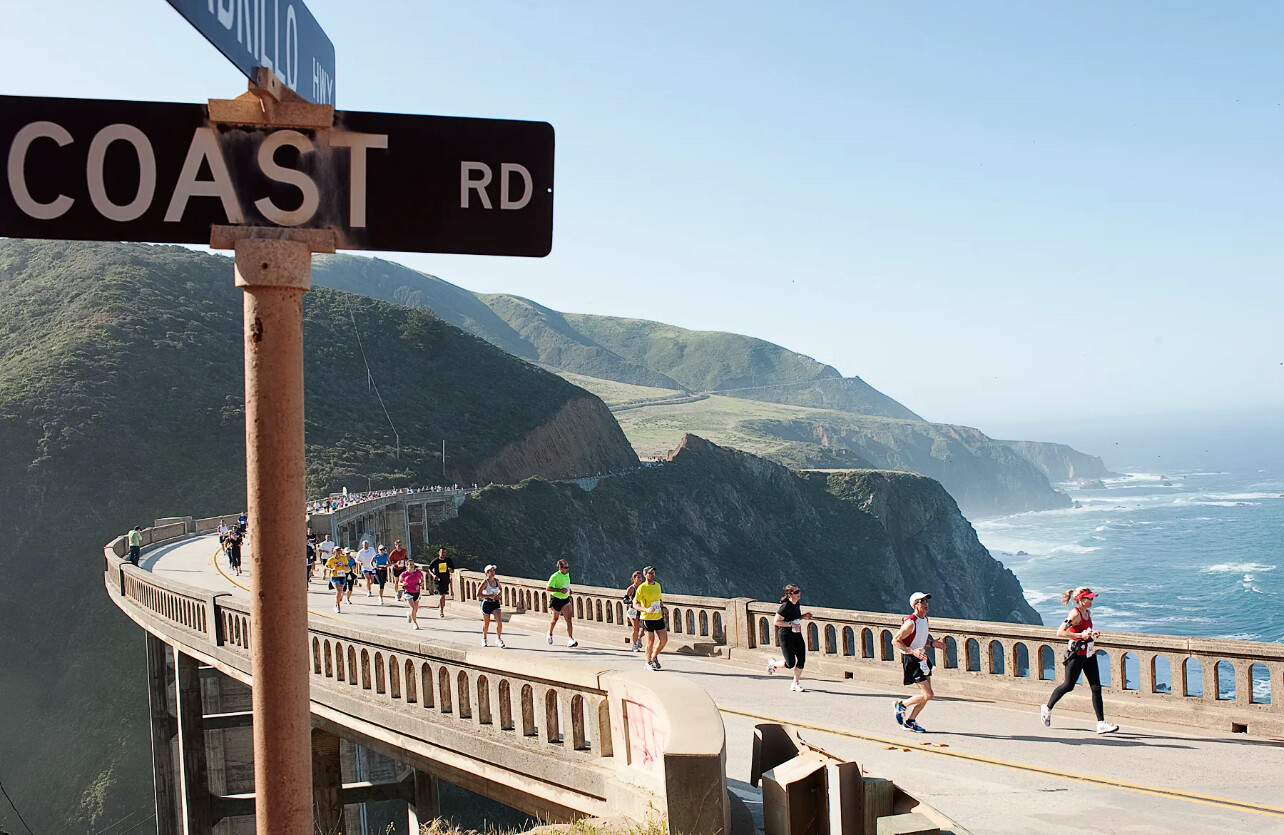
At the halfway mark, runners cross the Bixby Creek Bridge, where a live grand piano performance fills the air—a beloved tradition unique to Big Sur.
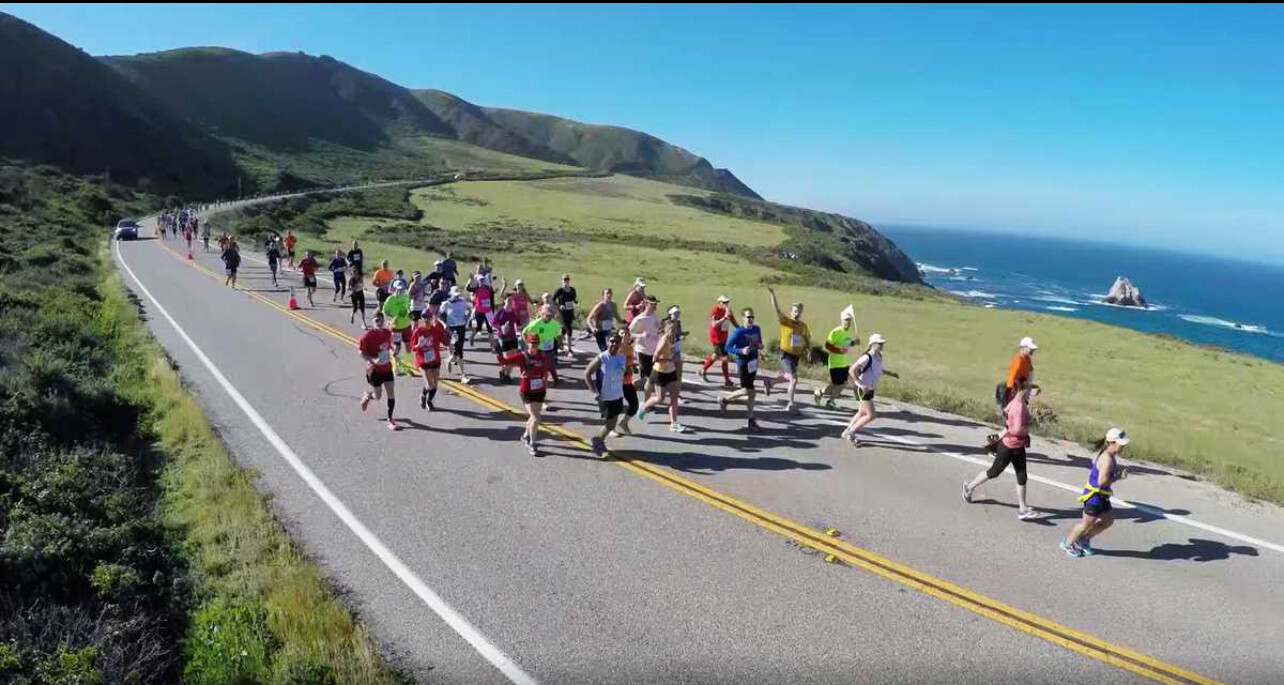
A Race Built on Beauty, Not Speed
Because of the elevation changes, fierce headwinds, and tight curves, the Big Sur Marathon is rarely a place to chase personal records. In fact, many elite runners come here not to win, but to reconnect with the joy of running in nature.
That said, the course does have its records:
Men’s Course Record: Brad Poore – 2:16:39 (2006)
Women’s Course Record: Nuta Olaru – 2:44:58 (2006)
Both marks have stood for nearly two decades—a testament to the course’s difficulty and unpredictability.
Not Just a Marathon
The Big Sur race weekend includes a variety of events: a 21-miler, 10.6-miler, 12K, 5K, and even a relay. All races share portions of the scenic coastal course, and all finish in Carmel.
For many, Big Sur is more pilgrimage than race. The field is intentionally capped at just a few thousand runners to preserve the intimate and environmental integrity of the course.
Why It Matters in 2025
As the global running calendar becomes increasingly fast, flat, and record-chasing, Big Sur stands apart. This year’s edition continues the tradition of mindfulness, nature, and endurance. In a world where speed often dominates headlines, Big Sur reminds us that the soul of running lives in the journey—not just the stopwatch.
by Boris Baron
Login to leave a comment
Big Sur Marathon
The Big Sur Marathon follows the most beautiful coastline in the world and, for runners, one of the most challenging. The athletes who participate may draw inspiration from the spectacular views, but it takes major discipline to conquer the hills of Highway One on the way to the finish line. Named "Best Marathon in North America" by The Ultimate Guide...
more...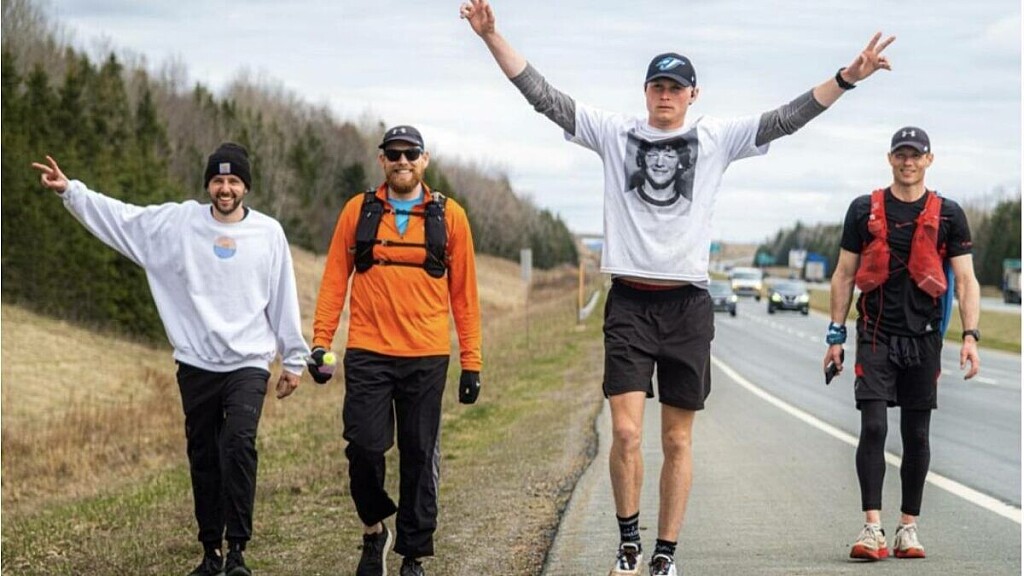
Halifax man completes run across Canada in 99 days
Ryan Keeping ran from St. Johns to Victoria in 99 days to raise money for the Heart and Stroke Foundation.
As a touching tribute to one man’s hero, Terry Fox, and to support the Heart and Stroke Foundation, Ryan Keeping of Halifax has run across Canada in 99 days. On Sunday, July 7, Keeping completed his 7,386-kilometer trans-Canada journey in Victoria, running more than 75 kilometers daily and raising more than $200,000 for the Heart and Stroke Foundation.
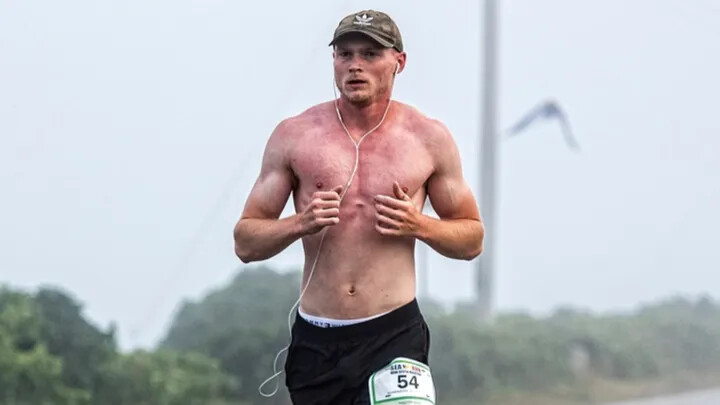
Keeping began his journey on April 1 in St. John’s, intending to end in Victoria within 100 days. He says his goal was not to chase any records, but to meet amazing people, hear the stories of Canadians along the way and raise money for a cause close to his heart.
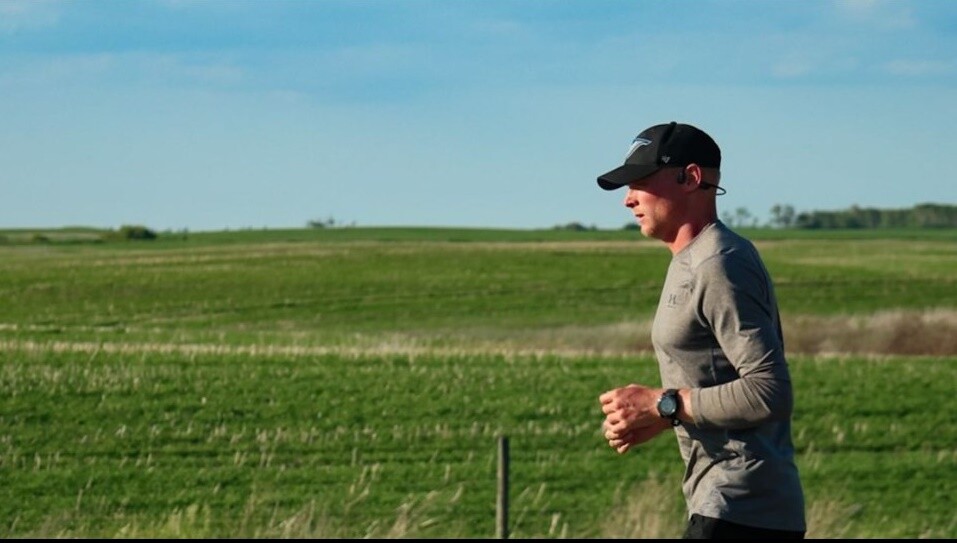
“This wasn’t about a record, a time, or bragging rights,” Keeping wrote about his achievement. “This was about Canada, the children, and the amazing people along the way. The interactions throughout the 99 days changed my life forever, and I thank everyone for that. I am forever grateful for this journey, and I hope we can all take a lesson from this, that anything is possible, whether you’re a couch potato or an athlete.”
Like his hero, Fox, Keeping had a reason for his cross-country run. Several of his family members, including his dad and his grandfather, have been affected by heart disease. Recently, both of his siblings have tested positive for the gene causing heart issues. His decision to run across Canada to raise funds and awareness was to help other families like his, who have been affected by heart disease.
Keeping ran through nine of Canada’s 10 provinces, holding meet-and-greets and running events as he passed major cities: Toronto, Winnipeg, Calgary and Vancouver. He celebrated his finish by pouring a jug of water from the Atlantic into the Pacific Ocean. “It’s what Terry wanted, and I’m happy to say I could honor my run for him,” said Keeping.
by Marley Dickison
Login to leave a comment
How to Add Hills to Your Marathon Training
Everything to know about adding inclines to training, including how often to tackle them and the best strength moves for prepping your legs.
Running a marathon is a difficult feat in and of itself. Add in a hilly course—like you’ll find in the Big Sur, Boston, New York City, or San Francisco marathons, for example—and that adds a new level of challenging.
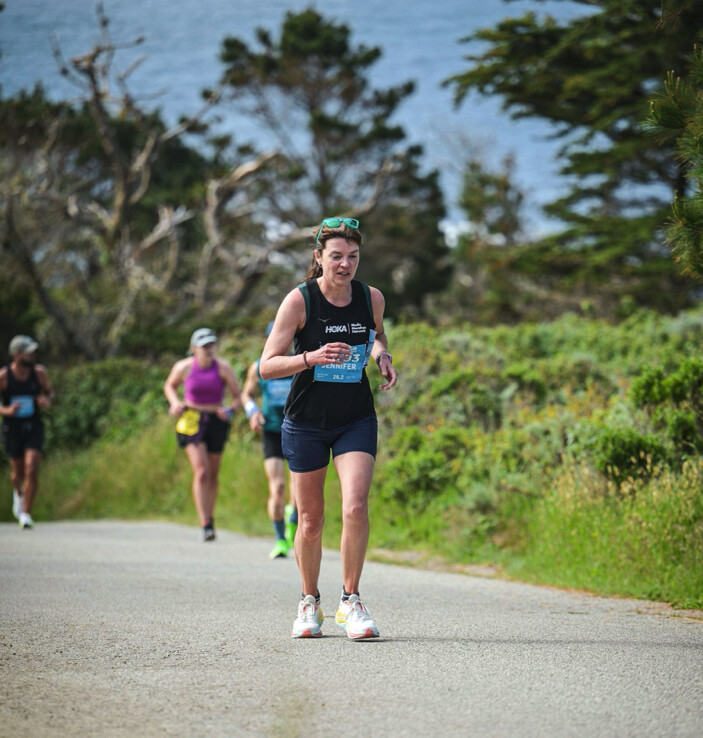
Having just run the Big Sur International Marathon, thanks to an invitation from the Hoka team last month, I learned the importance of incorporating hills into my marathon training cycle from Ben Rosario executive director of the HOKA Northern Arizona Elite in Flagstaff, Arizona, who was also my running coach.
In order to prepare for the demanding elevation changes of the course, I tackled hills every week of my training. Being that I live in Eastern Pennsylvania with many rolling hills, it wasn’t hard to seek out inclines regularly.
“You’re going to have a more enjoyable experience on race day, if you hill train throughout your marathon training,” says Rosario, whose advice rang true for me.
On race day, by mile 20, I had had enough of the hills mentally. Despite the breathtaking views of the Pacific ocean in the distance, six more miles still felt like an eternity in my head. However, I reminded myself that physically I had more to give because of the work I’d put into training, especially having pushed through so many tough climbs. I conquered the last 10K that day, and hit my marathon goal.
So how can you add hills to your own marathon training plan? Can running hills all the time be too much? And what do you do if you don’t have access to hills? To answer these questions, we chatted with expert run coaches to find out their best tips for how to train for hilly marathons.
How Often to Incorporate Hills Into Your Marathon Training Plan
If you live in a hilly area there’s nothing wrong with running hills on your regular runs—it will only help you come race day, Rosario says. “Not the hilliest run you can find necessarily, but there is nothing wrong with having a little bit of up and down in your runs everyday,” he adds.
If you don’t live in a hilly area, but you’re able to get to some place with hills, adding hills to your runs twice a week is smart, especially if you’re a more seasoned runner who has some base fitness. Incorporating hills into your weekly long run and speed session is a good place to start, Rosario suggests.
For novice runners taking on a hilly marathon, who have never consistently run hills before, be careful not to take on too much too fast, as you can get injured if you add hills into your training too aggressively or too quickly, says Richelle Weeks, D.P.T., physical therapist, certified run coach, and marathoner in Ottawa, Canada.
To make sure you don’t overdo it, Weeks advises new runners start with adding hills to one shorter run per week, until you get comfortable with climbing. Then, gradually add distance and more hills over the course of four to six weeks. “This is why I recommend a marathon training session be 20 weeks so there’s plenty of time to introduce hills,” says Weeks.
She also recommends runners have a comfortable base of running fitness first, before tackling inclines. “Most runners who get injured training for a marathon get their injury in the first month or the last month,” Weeks says. That’s because runners often are upping too many variables at once, like frequency, volume, speed, and hills. “Build frequency and volume first to get a good base. Then add in hills or speed, one at a time,” she adds.
I have a five-mile loop from my home with four big hills involved, so I would always incorporate this loop into my weekend long run, sometimes doubling it as my distance increased over the weeks. In previous marathon training, I mainly stuck to flat paths for longer runs, but knew this wouldn’t help me train for Big Sur. While my times were slower on that loop because of the hills, I did notice the more I ran it, the more efficient I was at covering climbs.
My weekend long run consisted of, on average, 1,200 feet of elevation gains for my 10- to 15-mile runs, reaching more than 1,500 feet for my 20-miler, which was helpful considering the Big Sur Marathon course features 2,182 feet of elevation gain.
How to Prep for a Hilly Marathon on a Treadmill if You Don’t Live Near Hills
If you can’t find a hilly route, finding a treadmill with both incline and decline capabilities is the next best thing, says Rosario. For many runners who don’t have access to a treadmill with decline options, Weeks advises strength training to build your quadriceps, which you need strong to tackle tough descents (see moves below).
You can research the elevation changes on the course you’ll run, and simulate that on the treadmill. If you’re doing a 15-mile treadmill run, for example, Rosario suggests plugging in the course inclines based on the elevation changes. For example, if you notice your course has a 6-percent grade at mile nine that stretches for one mile, add that percent and duration into your treadmill workout.
How to Handle Recovery Runs on Hills
It’s a good idea to keep recovery runs flat and easy during marathon training, as you want your easy runs to stay easy! If that means driving to a flat path or track, and you have the time, certainly do so, Rosario says.
If you can’t get to a flatter area, it’s okay to have those hills on your easy runs, with one caveat: Accept that you’ll really slow down your pace. “If you’re doing a recovery run, make sure you keep it easy, and if that means stopping and walking to go up the hills to keep your heart rate low and to make it feel like a relaxed run, then walk up the hills,” says Weeks.
For example, I ran some of the steeper hills on my recovery runs at a 10- to 12-minute mile pace, while my typical recovery pace is about a nine-minute mile. This strategy of adding hills to my recovery runs actually helped throughout the race. When the hills got long and taxing toward the end of the Big Sur course, I reminded myself to find my recovery pace and settle into it, so I could make it through the hills and feel strong for the subsequent miles.
The Garmin Forerunner 265S helped me maintain a lower effort on recovery runs, as I could keep an eye on my pace and heart rate, making sure I wasn’t exerting too much effort.
What to Do About Speed Workouts When Prepping for a Hilly Marathon
A mistake many runners make when it comes to training for a hilly marathon is tackling their hard workouts—like mile repeats or tempo runs—on the track or flat path that they’re comfortable with, Rosario says. The reason that’s an issue is because you’re not training your leg muscles to handle the demands of running hills at a harder effort.
Hill-based workouts ask more of the quads and calves and better prepare you for race day, Rosario adds, which is why speed workouts are precisely where you should incorporate hills. Just remember: “Hilly loops aren’t as cut and dry as training on a track,” he says, meaning your times are going to vary more as you run uphill and downhill, rather than sticking with a specific pace.
If you’re doing a speed session with hills, pay attention to your effort instead of pace, Rosario says, and give the workout the same effort you would on the track. For example, if you’re doing mile repeats with hills at threshold, instead of focusing on trying to hit a specific time, focus on maintaining about a 6 to 7 on the RPE scale (that’s a hard effort, but you can still say a few words).
Repeating the same hilly loop over and over again for those repeats will also help you see how you’re improving.
How to Strength Train for a Hilly Marathon
On average, two strength workouts a week is a good goal for most runners looking to prepare for a hilly marathon, says Weeks. Those workouts can include both uphill and downhill strength movements in each session.
“In the classic hilly marathons like Boston and Big Sur, it’s the quads that are beat to shreds after the race,” says Rosario. That’s why it’s important to incorporate strength moves to build up the quads so they can withstand the impact.
If you’re a lower mileage runner (around 30 or fewer miles per week), you can do strength work on non-running days. High mileage runners who do two or more speed sessions per week and a long run would benefit from keeping their easy days easy and hard days hard. So Weeks suggests pairing strength work with speed days.
Form Tips for Running Hills in a Marathon
Downhills are more dangerous than the uphills, say Rosario, because they cause us to run in a way that is less efficient. “When we run up a hill, there’s no way to get up it except fairly efficiently,” he says. “You’re running in a way that’s as close to perfect [form] as possible [on the uphill].”
That said, you still want to focus on solid running form when going up an incline. Think about running with a tall posture (avoid dropping your head and shoulders), a forward lean from the ankles, and avoid overstriding by keeping your foot strike underneath you. Also, use your glutes to push off and offer power.
When running downhill, runners tend to land hard on their heels, which sends a lot of shock through and up the kinetic chain—from the heel to the legs and hips—which causes eventual soreness postrace because the body is having to violently absorb all that shock, Rosario says.
Allow your feet to land closer to the hips, as opposed to way out in front of you in an overstride, as this creates a more gentle impact on the body, Weeks adds.
What runners need to practice, Rosarios says, is letting gravity do the work on the downhill. “You don’t want to bomb down the hill out of control, but you also don’t want to put on the brakes. You want to run as smoothly as possible down the hill,” he says. “It’s that medium effort that you want to find [running downhills] which takes time to learn and practice.”
As for accomplishing your hilly marathon: Give yourself grace, flexibility, plenty of time to train, and learn the marathon course you’ll run as best you can before race day. Marathons with a lot of inclines aren’t for the faint of heart, but now having raced one, I can say I’m proud I accomplished it. Afterall, American novelist and poet Jack Kerouac, who spent time living in a cabin at Big Sur in the 60s and traveling the United States wrote: “Because in the end, you won’t remember the time you spent working in an office or mowing the lawn. Climb that goddamn mountain.” In this case, just run it, for as long as you can.
by Runner’s World
Login to leave a comment

Unleash Your Inner Runner on These Five Amazing California Trails
California boasts some of the most stunning trails in the world. The correct jogging trail can make all the difference in your training, whether you are a seasoned pro or a novice. The topic of staying active and sports, in general, has never been more prominent at present, especially with the sun shining and the new NFL campaign right around the corner.
Numerous well-known online bookmakers have made an effort to profit from this popularity by offering a variety of casino slots for sports fans. Soccermania, a game geared toward football lovers, may be something you'll like if you're eagerly anticipating the aforementioned return of the sport.
The slot game allows you to choose from the 2022 World Cup teams, transporting you into the world of football through immersive animations. And following a run in the scorching California sun, such games may prove to be the ideal way to unwind.
But if you frequently go for runs in California, which routes should you be considering? In this article, we'll explore some of California's best running trails and give you all the information you need to choose the ideal running location for you.
Muir Woods Trail in Marin County
Muir Woods Trail in Marin County is truly a runner's paradise, with countless reasons why it's considered one of the best running spots. A standout feature is the stunning scenery, as you'll be surrounded by majestic redwoods, providing an awe-inspiring view that is unparalleled. The trail itself is well-maintained, ensuring easy navigation without the risk of getting lost in the forest. Moreover, you'll enjoy a peaceful and serene experience, away from the hustle and bustle of the city, as traffic is minimal along this route.
Mount Tamalpais State Park in Marin County
Mount Tamalpais State Park offers a breathtaking perspective of the San Francisco Bay Area, and the trail network caters to runners of all abilities with a variety of terrains and challenges. The legendary Dipsea track, a strenuous and beautiful track that extends 7.4 miles from Mill Valley to Stinson Beach, is available for running.
As an alternative, consider hiking the routes that lead to picturesque viewpoints like Mount Tamalpais' East Peak or West Peak. The opportunity to run in the shadow of old-growth redwood trees is one of the special features of this state park. Take your running gear, then, and head to Mount Tamalpais State Park for a memorable and beautiful running experience.
Bay Area Ridge Trail
375 miles of the San Francisco Bay Area's slopes and hillsides are traversed by the Bay Area Ridge Trail. If you are looking for a challenging workout, this beautifully maintained trail starts in an urban setting, but quickly enters stunning natural landscapes. You can enjoy stunning Bay Area views while running this track, and if you're lucky, you might even spot some wildlife. Although the route is accessible year-round, the greatest seasons to go are winter and spring when the mountains are covered in wildflowers.

Griffith Park in Los Angeles
Griffith Park boasts an extensive network of trails, catering to both beginners and seasoned runners. The awe-inspiring views of the Hollywood Hills and the bustling cityscape serve as a remarkable source of motivation during your run. Not to mention, the park is also home to notable landmarks like the Griffith Observatory, allowing you to blend your workout with a touch of culture and immerse yourself in the park's natural splendor.
Moreover, Griffith Park offers a range of amenities, including water fountains and restrooms, ensuring that runners can stay refreshed and hydrated throughout their workout. It's no surprise that Griffith Park is widely regarded as one of SoCal's most scenic and accessible spots for a satisfying run.
Santa Monica State Beach in Los Angeles
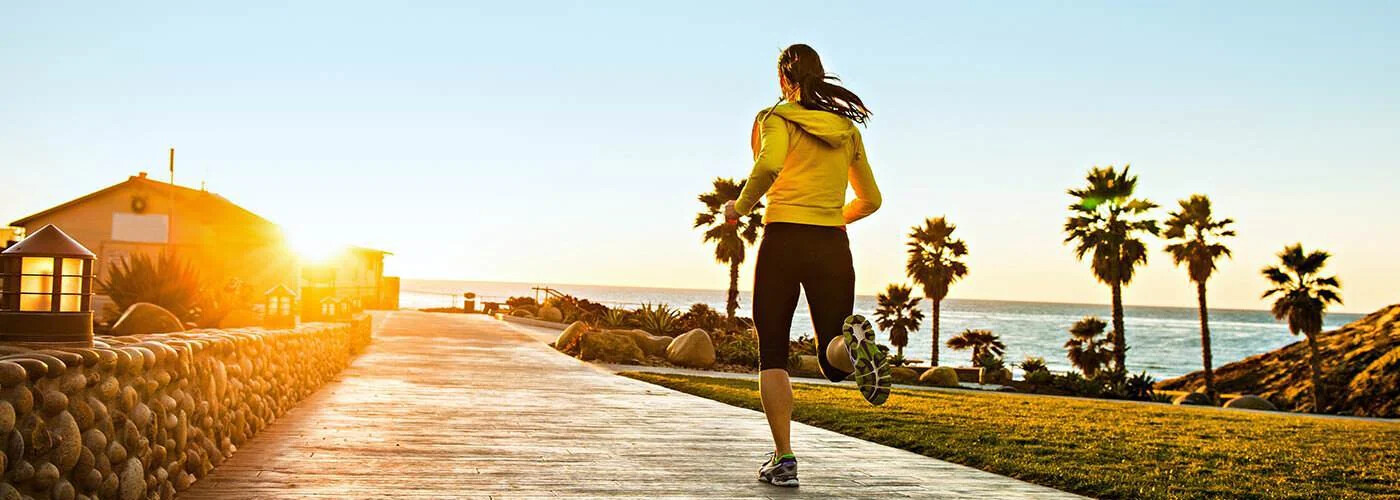
Santa Monica State Beach is the ideal location for you if you enjoy running by the sea. The Pacific Ocean delivers a pleasant, invigorating air as you run down the three miles of white sand beach. You may see some famous sites while running along the beach, including Venice Beach, Muscle Beach, and the Santa Monica Pier. The best time to go is in the winter to avoid the crowds and the scorching temperature, although a run at dusk in the summer is as amazing.
Conclusion
Going to the trail and running your heart out is a fantastic way to stay in shape while being immersed in nature. The five trails described throughout this article are all great places for long runs on varied terrain. With the combination of mountainous regions, beach sides, and scenic city views, there’s something for everyone in California.
In whatever trail you choose to indulge in, remember that every step will bring you closer to unwinding from the stresses of everyday life and closer to becoming one with nature. So put those running shoes on and unleash your inner runner today!
Login to leave a comment
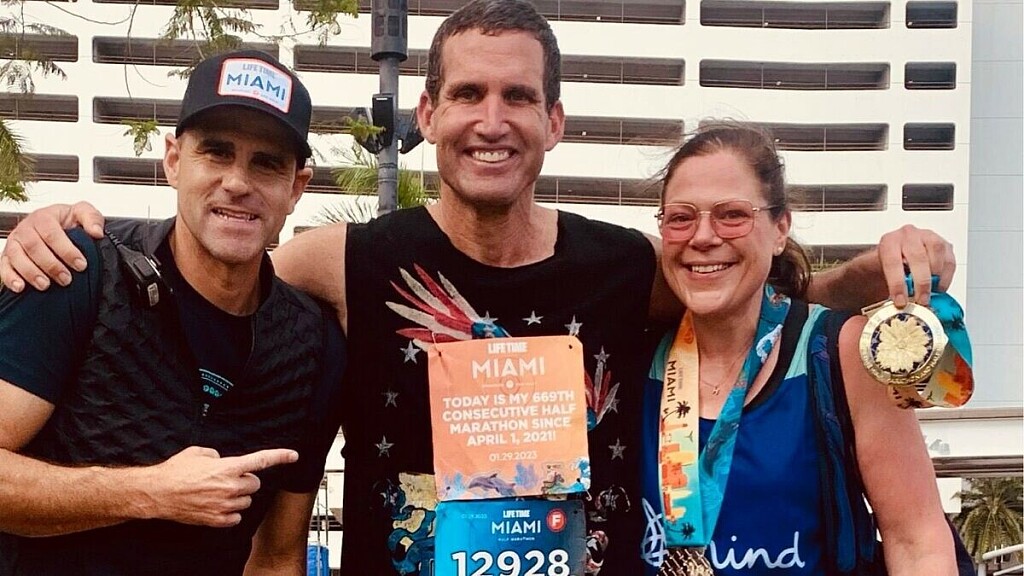
Florida man runs half-marathon every day for two years
Mika Shevit, a 48-year-old real estate agent, has completed over 730 consecutive half marathons.
In a lesson to his kids about hard work, one Miami dad, Mika Shevit, has run the half-marathon distance every single day for two years (730 days).
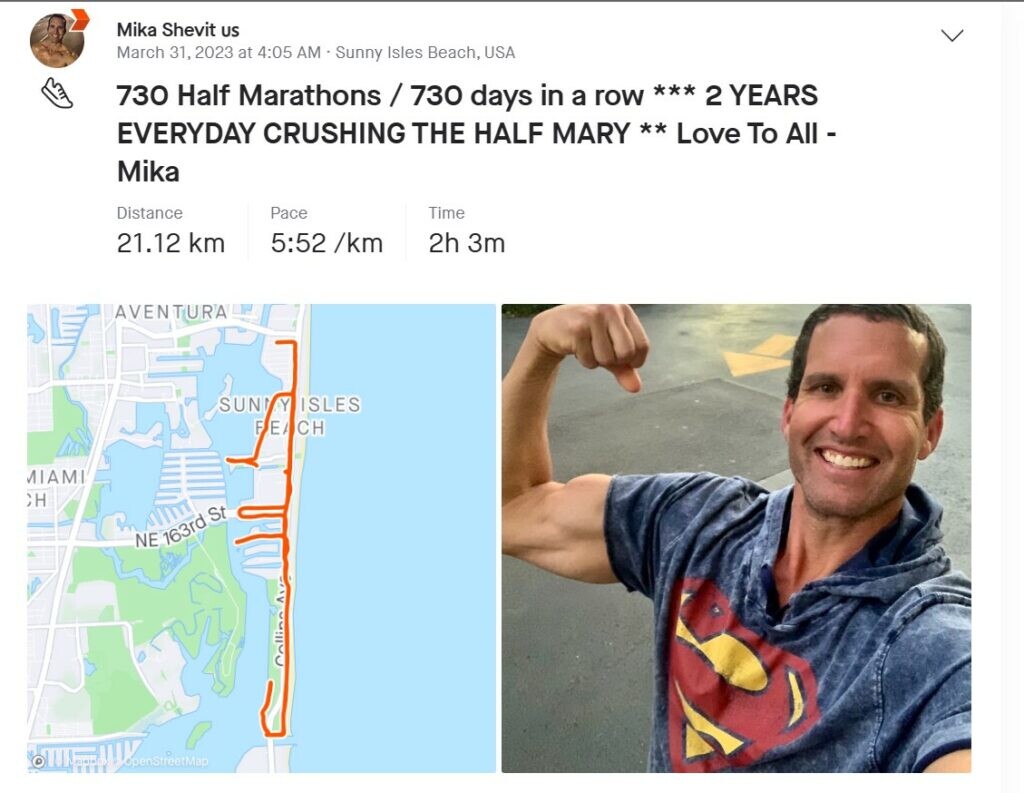
In the last two years, the 48-year-old has logged nearly 10,000 miles, which is equivalent to running from the shore of the Atlantic Ocean to the Pacific Ocean four times. For each run, Shevit routinely sticks to the same pace, completing the distance in around two hours.
Shevit is a creature of habit. Every morning he gets up before dawn to complete his half-marathon run at 4 a.m., trekking through neighbourhoods and along sandy Miami Beach trails. “No matter the day, week or month, I am a man on a mission,” said Shevit to the Why We Marathon podcast. “Nothing stops me from wanting to run–absolutely nothing.”
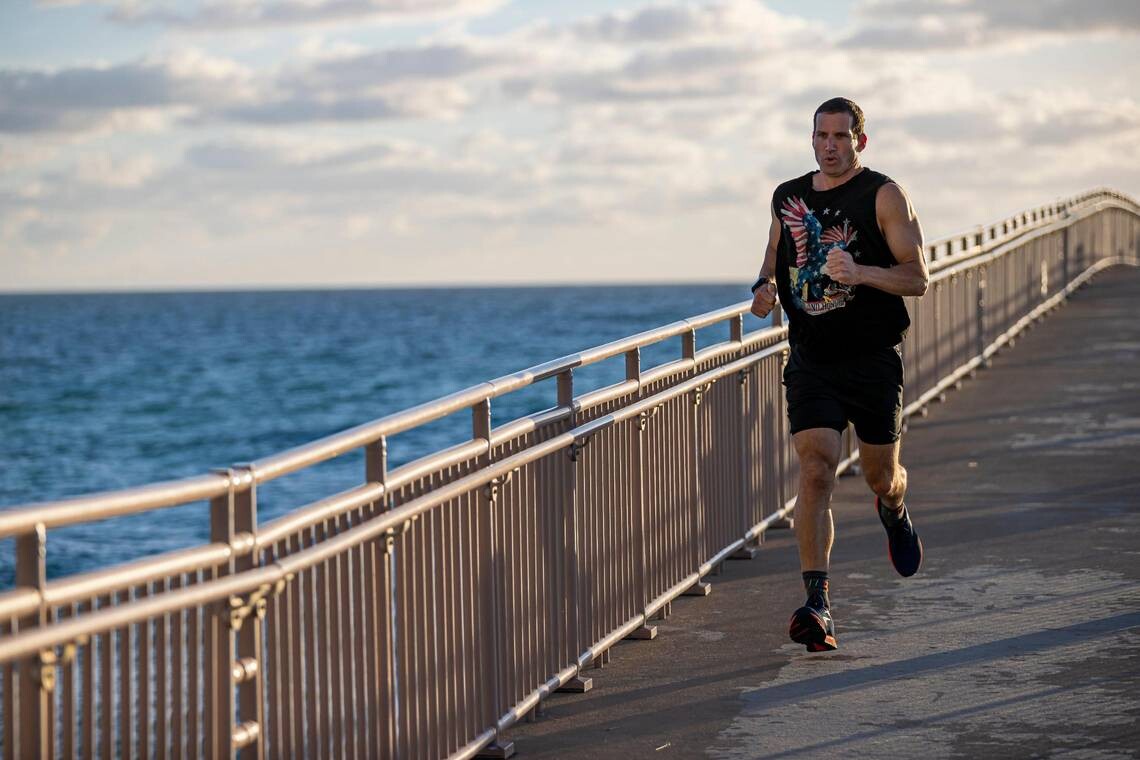
He began the challenge on April 1, 2021, to get in shape and prove to his kids that hard work can take you far. He documents all his runs on his Strava and Instagram, posting post-run selfies and recaps on both platforms.
“When you’re lacing up every day, recovery time is limited,” adds Shevit. “The main reason I’ve been able to do this is because I don’t overthink it (running). It’s like brushing your teeth.”
Shevit did not begin running until he was in his 40s. He previously attempted this challenge twice, but had to stop at day 75 (both times) due to shin splints. “The third time was the charm,” he said. “Since my runs are about endurance and not speed, I haven’t had any recovery issues. I prehab my daily running with three to four strength workouts a week.”
“I like to keep things simple,” said Shevit. “My goal is to inspire others. If I can help someone do that, it’s all that matters to me.”
When he started the challenge, his goal was to achieve 100 consecutive days. Now, he has reached 732 days and counting, chasing his ultimate goal of 1,000 consecutive half-marathons, which he is scheduled to complete on Dec. 6, 2023.
You can follow his journey on his Strava or Instagram.
by Running Magazine
Login to leave a comment
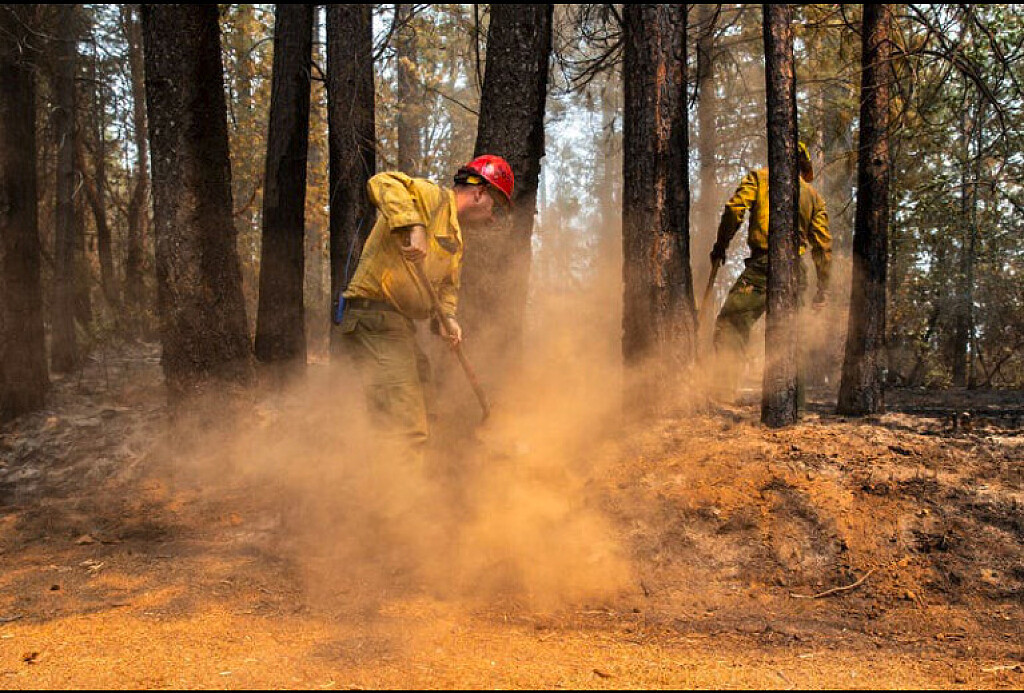
After Mosquito Fire and Heavy Rains, Western States Trail Requires Serious Work
California's largest fire of 2022 never quite grew to a tenth of the size of 2021's nearby Dixie fire, but that isn't to say it did not have an oversized impact.
Over 46 days spanning a portion of September and October, the Mosquito Fire burned more than 76,000 acres of forest from the town of Foresthill up to the edge of the Sierra Crest near Olympic Valley, costing state and federal fire agencies $181 million in firefighting salaries and resources. Beyond the monetary cost of the fire, far greater impacts were felt in the surrounding communities, including the loss of 78 structures and residual effects to livelihoods. The U.S. Forest Service (USFS) has focused a lot of its efforts on recreational infrastructure because of its economic importance in the area. The USFS has since performed an internal study to quantify the impacts of the wildfire, and related these findings to local stakeholders including residents and businesses.
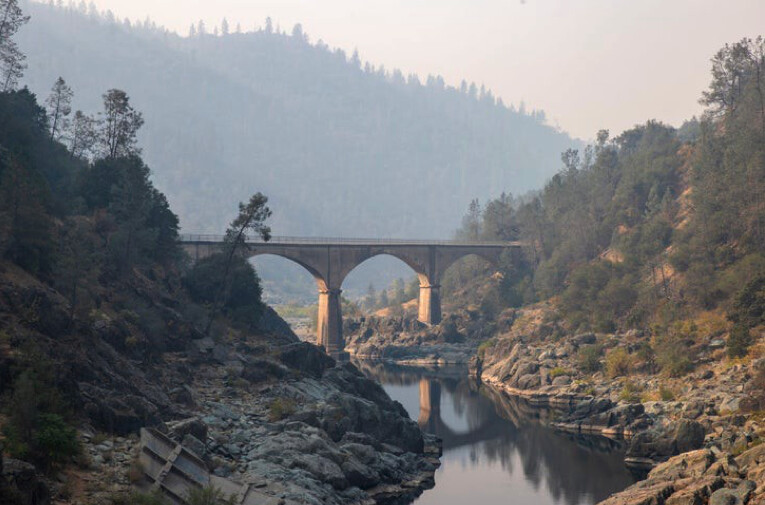
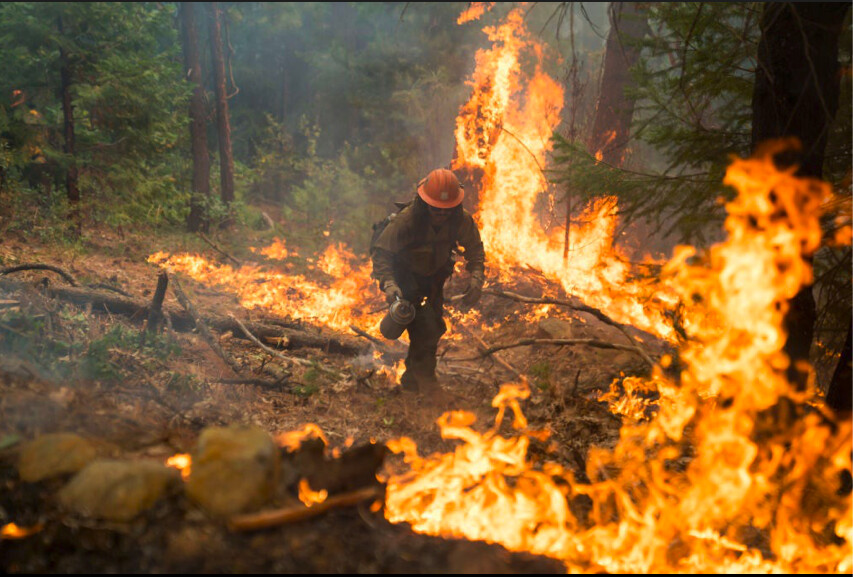
Existing within the boundaries of the Mosquito Fire is the Western States Trail, specifically, the 12.4 miles between Last Chance and Michigan Bluff, often known as the "canyons" of the Western States 100 course-one of the most well-known sections of the course. This relatively short section of trail ascends 5,226 feet and descends 6,406 feet, cresting at Devil's Thumb, traversing over 36 switchbacks, and passing Deadwood Cemetery that hosts the remains of the miners and Chinese laborers who built this trail, once among a litany of trails developed by the Washoe people that lived on this land, in the late 1850s.
Thankfully, for those chasing a golden ticket entry or already accepted into this year's race, the staff at Western States has been communicating with the USFS since the beginning of the blaze and have been "working full-time on getting the trail open ever since," said Craig Thornley, Western States race director. Thornley says an agreement has been reached between the race and the USFS, to leverage private funds in order to repair the trail and open in time for the late June race. This is anything but the normal or anticipated result, Thornley said.
"Both races I direct, the Waldo 100K and Western States, were impacted by wildfire in 2022, and that was in a relatively light fire year," he says. "What most race directors appear to do is take the approach of waiting for land managers to tell them when the trail can be used again. In this case we were front and center, asking: 'what do we need to do to get this open?' If we hadn't, it could be several years until the race would be feasible."
This work had, up until the December holiday break, included a number of volunteer days aimed at adding water bars and other trail fortifications to reduce erosion impacts from typical winter rains. These volunteer days were made feasible, in large part, thanks to the quick action of the USFS Burned Area Emergency Response (BAER) teams, which typically address wildfire areas to fell hazard trees and create plans for restoration work.
Wildfire had impacted this trail in the past, most notably during the American Fire of 2013, lending the Western States team experience as to how to ensure the event would go forward. Also, the 2008 Western States 100 was canceled because of poor air quality, due to numerous wildfires in the area.
Based on the efforts made last fall, Thornley believed the trail would re-open in plenty of time for the race this June. But that confidence was shaken at the end of December, when a number of atmospheric rivers crossed the Pacific Ocean and dumped heavy precipitation in California.
On the evening of January 5, 2023, a forest order was issued by the Tahoe National Forest, noting extreme damage to the burned sections of both Western States Trail and Mosquito Ridge Road, a key artery to access aid stations in this stretch. Due to the damage, the USFS issued an access closure until December 31, 2023, which would threaten the possibility of this year's race happening. In most cases, this closure would last until the USFS accrued funding and fully repaired the trail and road, which typically takes two to four years, with orders being renewed each calendar year, depending on the forest region budget.
A New Approach
The Western States team is confident that the order will be reversed once trail maintenance is completed. However, due to USFS budgetary constraints, this trail maintenance will be funded by private donors through the Western States nonprofit structure, on the behalf of the government, a strong partnership and plan between event promoters and land managers.
While it is impressive that the Western States staff has been able to, in all likelihood, stave off race cancellation or delay, there is a larger question to ask: what do individuals, race promoters, and sponsoring brands do under the face of rising hazards in the present and future?
In California, the Santa Ana winds have driven wildfires followed by rain events for centuries, but climate modelers warn that the number and severity of wildfires of the past several years, as well as the frequency of high-severity extreme precipitation events, highlight a worsening climate trend.
No longer is climate change and public land management solely impacting individual communities for discrete periods of time. It is also placing a serious threat to the start line of arguably the most lauded trail running event in North America. The burning of one trail, which will likely require hundreds of thousands of dollars to restore and treat for public safety, is forcing the hand of major race promoters, and the entire outdoor industry, to consider where climate change fits in their yearly budgets.
While the question as to what Western States runners should expect this year is clearly front and center, most see the writing on the wall-the industry must adapt to and address climate change. Fortunately, Western States will almost assuredly happen this year, but only because of the immense work ethic, generous donor giving, and long-term community building of the event staff.
While Western States has the funding to avert disaster this year, both Canyons Endurance Runs by UTMB and the Tevis Cup equestrian event are held in April and July, respectively, on the same trails. There is no guarantee the trail will be open and usable as early as April, or in good condition for horses by July. At the time of publication, UTMB staff were in communication with Western States and land managers to find solutions for Canyons in 2023. However, no official statement has been issued at this time.
Of course, these three races alone are not the first to be impacted by both natural disasters and a limited federal budget for trail restoration. For example, in the last decade, Santa Barbara's Nine Trails has seen the same cascading disaster chain. Such complications have also been experienced along trail systems in Flagstaff, Arizona, Glenwood Springs, Colorado, and across the Pacific Northwest.
Thornley credits the decade-long relationship building with the USFS, California State Parks, and private landowners for their ability to quickly avert closure, noting the volunteer trail work days and private fundraising the event has done in collaboration with these land managers over the years. Western States has acted as an exemplar for other events to emulate in the coming decades, under a shifting climate system. However, one must ask whether other trail running event organizers have considered the time necessary to build these relationships with land managers, and to make plans accordingly before the next natural disaster strikes. The future of the sport depends on the urgent planning and trust-building of these various stakeholders.
by Trail Runner Magazine
Login to leave a comment
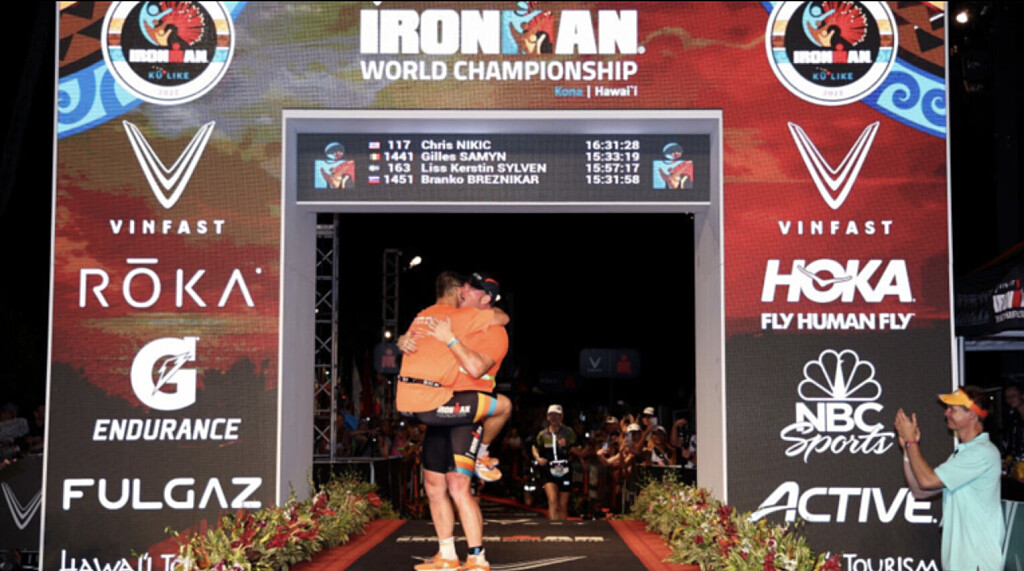
Chris Nikic Becomes the First Athlete with Down Syndrome to Finish the Ironman World Championship
With his mantra of 1% better every day, Chris Nikic continues to change the perception of what is possible. Crossing the finish line at the Ironman World Championships adds his name to the history books and cements his legacy as a pioneer in the sport.
Like every other competitor in Thursday’s Ironman World Championship in Kailua-Kona, Hawaii, Chris Nikic had moments when he struggled mightily.
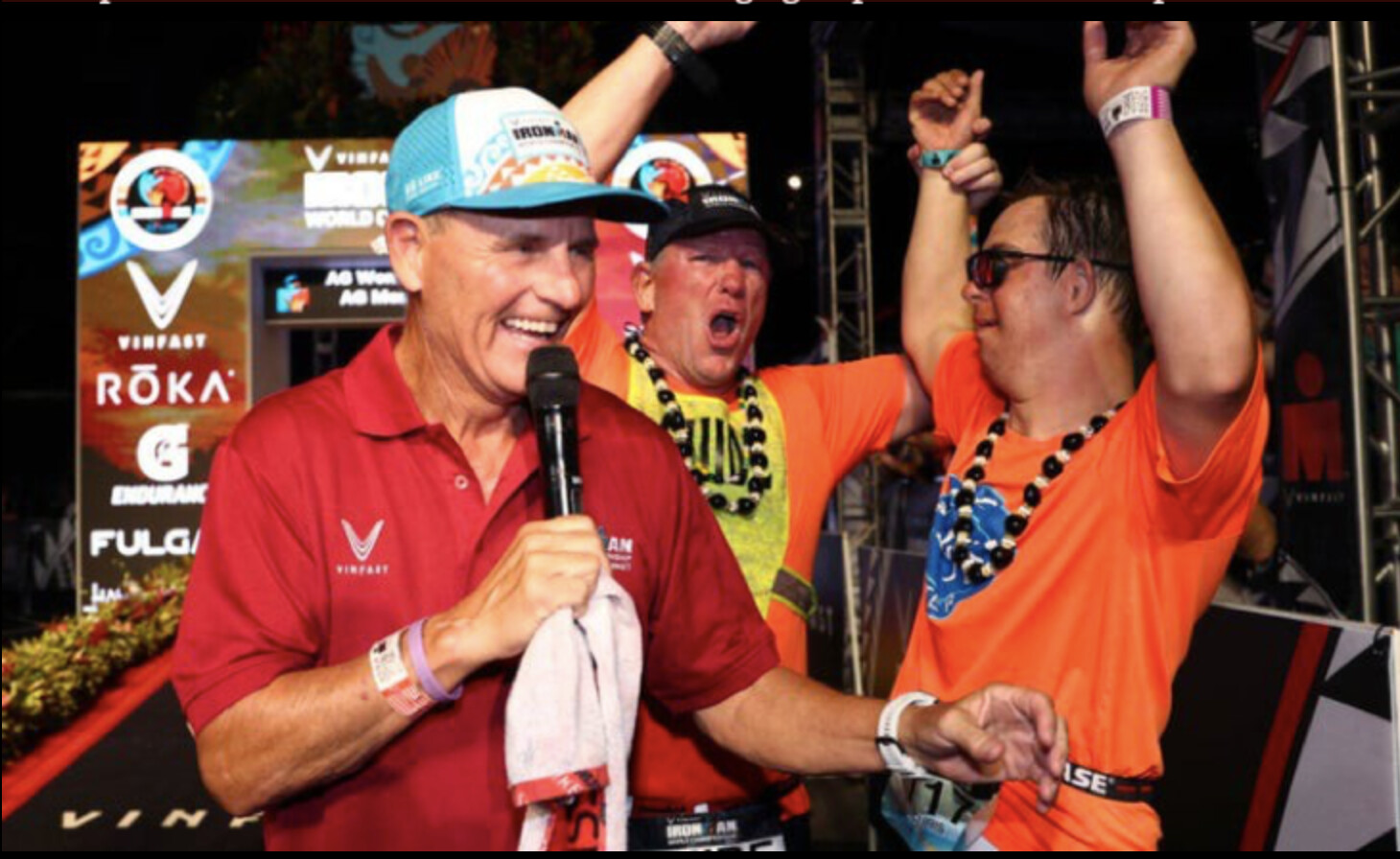
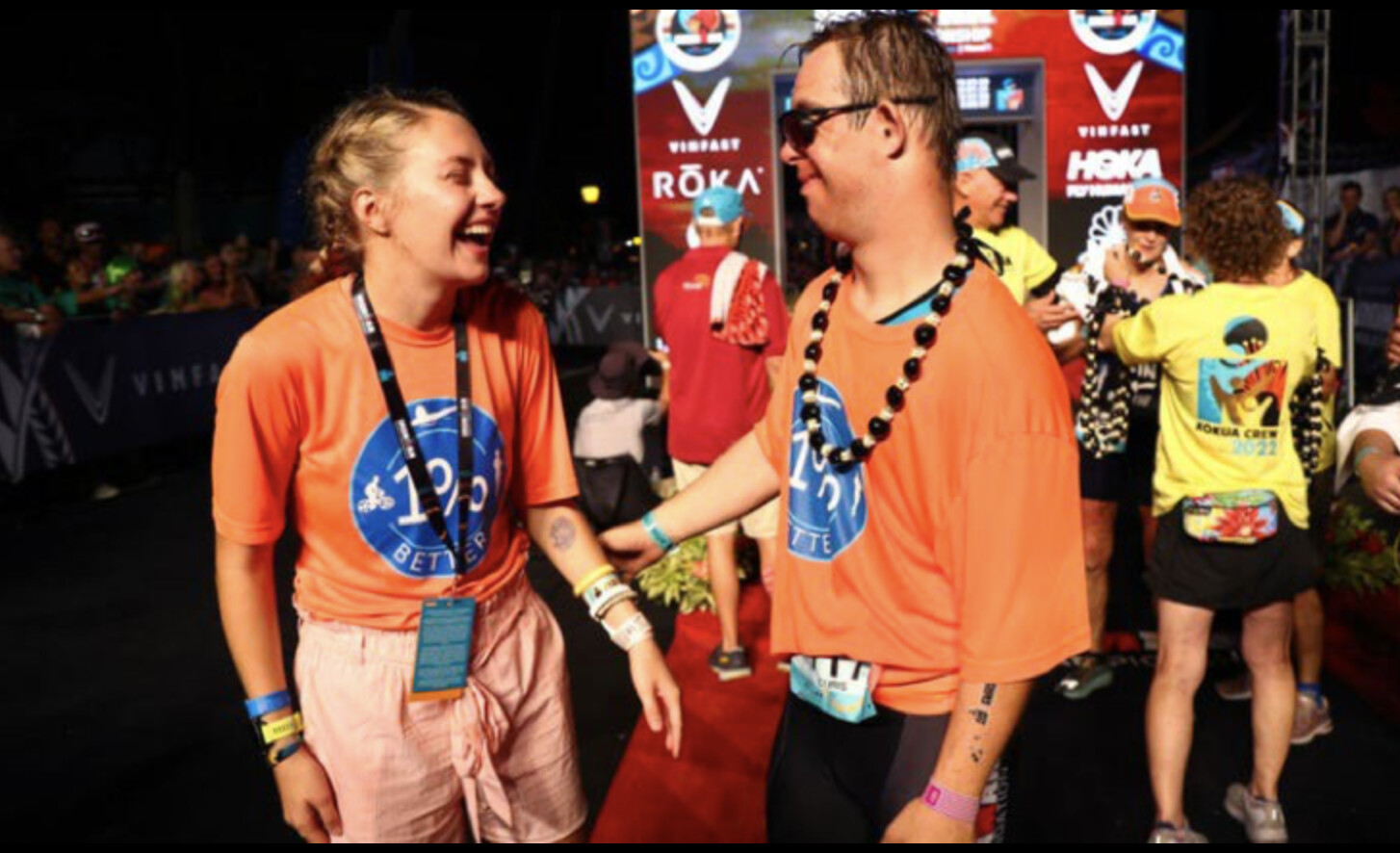
Completing a triathlon that includes a 2.4-mile swim, a 112-mile bike ride, and a 26.2-mile run is no easy task for anyone. It’s especially difficult when mid-afternoon temperatures top 90 degrees, the humidity is a muggy 85 percent, and it feels like you’re breathing through a straw. But Nikic is a unique kind of athlete, fueled by an enormous amount of determination, purpose, and the belief that anything is possible.
Late last night, after battling fatigue, dehydration, heat, wind, and moments of self-doubt, the special needs athlete from Florida became the first individual with Down syndrome to finish the 140.6-mile world championship race in Hawaii.
With help of his volunteer guide, Dan Grieb, Nikic completed the race in 16 hours, 31 minutes and 27 seconds, finishing to a cascade of cheering fans, many of whom returned to the finish line long after Chelsea Sodaro won the women’s professional race in 8:33:46. Sodaro made sure to be there, too, alongside Ironman legend Mark Allen, a six-time winner of the race, to experience the heart-warming, tear-inducing moment.
When Nikic crossed the finish line, he jumped into the arms of Grieb, who was at his side the entire way. They were tethered together on the open-water swim, in the choppy water of the Pacific Ocean. They rode side-by-side on the hot and windy bike course from Kona out to the remote town of Hawi and back along the Queen Ka’ahumanu Highway. They jogged and walked stride-for-stride on the 26.2-mile out-and-back course, to the Natural Energy Laboratory and back, to the seaside finish, a stone’s throw from where it all began.
Amid the crowd’s roar and Led Zeppelin’s “Whole Lotta Love” blaring on the sound system, Nikic marveled in the moment as he saw his finish time posed on a digital display board and then was greeted by his girlfriend Adrienne Bunn, his dad, Nik, and numerous other family members and supporters. All of this was an incredible way to celebrate his 23rd birthday, which Nikic did by not only finishing the grueling race, but by stunning the already weepy fans by presenting Bunn, a Special Olympics triathlete, with a promise ring.
It was an amazing finish to a challenging day that began at 6:27 a.m. local time and finished at 10:58 p.m. Given the harsh conditions, Nikic’s splits were impressive — 1:42 for the swim, 8:05 for the bike, and 6:29 for the run. He finished 2,265th place out of 2,314 competitors on the day, but at the finish line late Thursday night, he was No. 1 in everyone’s heart.
“This is something that changes perceptions for every parent worldwide with children with Down syndrome,” said longtime Ironman finish-line announcer, Mike Reilly. “Now they all know one thing for sure – anything is possible.”
Nikic’s resounding effort was one of the biggest highlights for the first Ironman World Championship, as it returned to Kona for the first time since 2019. The championship race was postponed in 2020 and again in 2021 because of COVID-19, and eventually the 2021 race was moved to St. George, Utah, last spring.
Other age-group highlights included 78-year-old Cherie Gruenfeld of Cathedral City, California, winning her 14th Ironman age-group world title in 16:20:07, and the 17:58 finish of Team James — 57-year-old Beth James, of Crested Butte, Colorado — who towed and pushed her 26-year-old daughter, Liza James, who suffered a traumatic brain injury in a 2004 car accident that rendered her nonverbal and unable to walk.
Because of so many backlogged qualifiers, the race was split into two days this year, with professional women and age-group women racing on Thursday, along with physically challenged athletes, hand-cycle competitors, and competitors from several men’s age-group divisions. The men’s pro race and the remainder of the men’s age-group divisions will compete on October 8.
Although he had been involved in a lot of sports growing up, Nikic’s triathlon journey started four years ago with a much shorter triathlon at the Special Olympics event in Florida. When that went well, he and his dad focused on something bigger, something they knew could change his life. He knew that if he could do big things, maybe one day he would be able to fulfill his ultimate dream of living independently, getting married, and having a family of his own.
Nikic has parlayed his triathlon success into his 1% Better Foundation as a platform to show what is truly possible, a foray into motivational speaking as a means to help others with Down syndrome. He and Grieb both competed in the race wearing bright orange 1% Better shirts.
“I want to be an example for other people with Down syndrome. I want to open doors,” Nikic said previously. “And I want to raise awareness. Anyone who sees people with Down syndrome: don’t look away or walk away.
In 2020, at age 21, he became the first person with Down syndrome to finish an Ironman triathlon. For this accomplishment, Nikic was awarded the Jimmy V Award for Perseverance as part of the 2021 ESPY Awards.
After that race, he was invited to participate in the 45th Ironman World Championship in Hawaii. To prepare, Nikic had been training three to four hours a day, six days a week, including strength training and yoga. It’s not an easy thing to do for anyone, but especially for Nikic, who suffers from reduced muscle tension (muscular hypotonia).
But Nikic has been overcoming obstacles his entire life. Nikic was born with several birth defects that affected his heart function, hearing, and balance, requiring several serious surgeries. According to the Centers for Disease Control, Down syndrome is a condition in which a baby is born with an extra copy of a chromosome. That changes how an infant’s body and brain develop, which can cause both chronic mental and physical challenges for the individual.
At 5 months old, Nikic endured open-heart surgery. He was so weak and had such poor balance that he did not walk on his own until he was 4. To keep him from choking, his family fed him baby food until he was 6. When he finally learned to run, it took him months to discover how to swing his arms at his side, instead of holding them straight above his head. It was a long journey from a challenging boyhood to the Ironman World Championship, but Nikic has always been up to the challenge.
“The second Nikic gets in the water for the start of the race, people all over the world with intellectual disabilities have won and become part of the larger endurance community,” Grieb said before the race.
Login to leave a comment
Running Has Encouraging Benefits for Those Suffering from PTSD
Experts share stories of how exercise can help people navigate trauma.
Lifelong runner and licensed psychologist Holly Serrao-Fitzsimmons, Ph.D., knew something was wrong after the birth of two premature sons, in 2012 and 2015. She was experiencing something she was trained to diagnose: post-traumatic stress disorder or PTSD.
When her first son was born at just three and a half pounds, she described being in a state of shock, feeling frozen in her body, and on high alert. For several months, her son’s life hung in a delicate balance.
When her firstborn came home, it wasn’t joy she felt, but rather anxiousness and fear about what could happen or go wrong. “I would relive the birth and events leading up to it. I would relive images of them and moments experienced in the NICU. I would then avoid certain streets or areas of town—like the area around the hospital,” Serrao-Fitzsimmons says. “Certain smells of the hospital and certain types of antibacterial gels and soaps they used there would really bother me. Increased arousal was probably the biggest symptom I had. I was on high alert, hyper-vigilant for a long time afterwards.”
At that time, she confirmed her PTSD diagnosis with her therapist.
What is PTSD?
PTSD was formally added to the list of neurological and mental conditions by the American Psychiatric Association in 1980, after many Vietnam veterans were treated for it. Today, the diagnosis is broadly accepted and understood to be a result of experiencing any type of traumatic event outside of the body and mind’s ability to process or control it.
PTSD is an intense physical and emotional response to a traumatic event that persists long after the trauma occurred. The CDC defines the symptoms as falling into three broad types: re-living, avoidance, and increased arousal.
Many humans will experience a traumatic event in their lifetime. Many will aptly process it within a few months. But for those unable to effectively process a significant trauma and move through it could be suffering from PTSD. Clinical neuroscientist Scott Hayes, Ph.D. associate professor in the department of psychology at The Ohio State University tells Runner’s World that PTSD is associated with symptoms such as involuntary and intrusive memories of the event, decreased attention and concentration, and avoidance of things that could trigger the unwanted memory, and further negatively impact mood and brain function.
The Research on Running and Exercise Helping Those With PTSD
One review, from Hayes and his team published in Frontiers in Psychiatry in 2019, looked at ten published studies that examined the impact of exercise interventions on PTSD. As noted in the review, one of the key features of PTSD symptoms is hyper-arousal—when the body is in a state of high alert and feels threatened, just as Serrao-Fitzsimmons felt after giving birth. Being in this state negatively affects the individual as it causes rapid heartbeat, heavy breathing, sweating, and a strong sense of agitation or fear of one’s safety.
The researchers set out to determine if repeated exposure to those unwanted reactions—the increased heart rate, sweating, and heavy respiration—through activities like running, could eventually help patients with PTSD associate these feelings in the body with something positive.
Hayes’ team noted in their review that those who did engage in vigorous-intensity exercise had fewer hyperarousal symptoms of PTSD. “Both observational and intervention studies provide support for the notion that anaerobic exercise, either alone or in combination with standard treatments, exerts positive mental health benefits among individuals with PTSD,” the report reads. “The results are encouraging as positive effects were observed in both civilian and military populations, as well as in both predominantly female and male study samples.”
We know that running elicits the same physiological responses in the body as PTSD (that increased heart rate, perspiration, and respiration), so if a patient with PTSD has repeated exposure to exercise, and these physiological symptoms, over time they learn that these arousal cues are not catastrophic and are not linked to the traumatic event, Hayes says. (He still advises that exercise should be used in conjunction with other forms of cognitive therapy and/or medication depending on the patient’s symptoms.)
“Aerobic exercise like running can also improve cognitive function, as well as enhance brain structure and function,” Hayes explains. “In studies of aging, we know that aerobic exercise enhances cognitive functions, including reducing distractibility. We also know that anaerobic exercise can positively impact brain structure and function in some of the same brain regions that are associated with PTSD.”
First-Person Accounts of Exercise Supporting PTSD Recovery
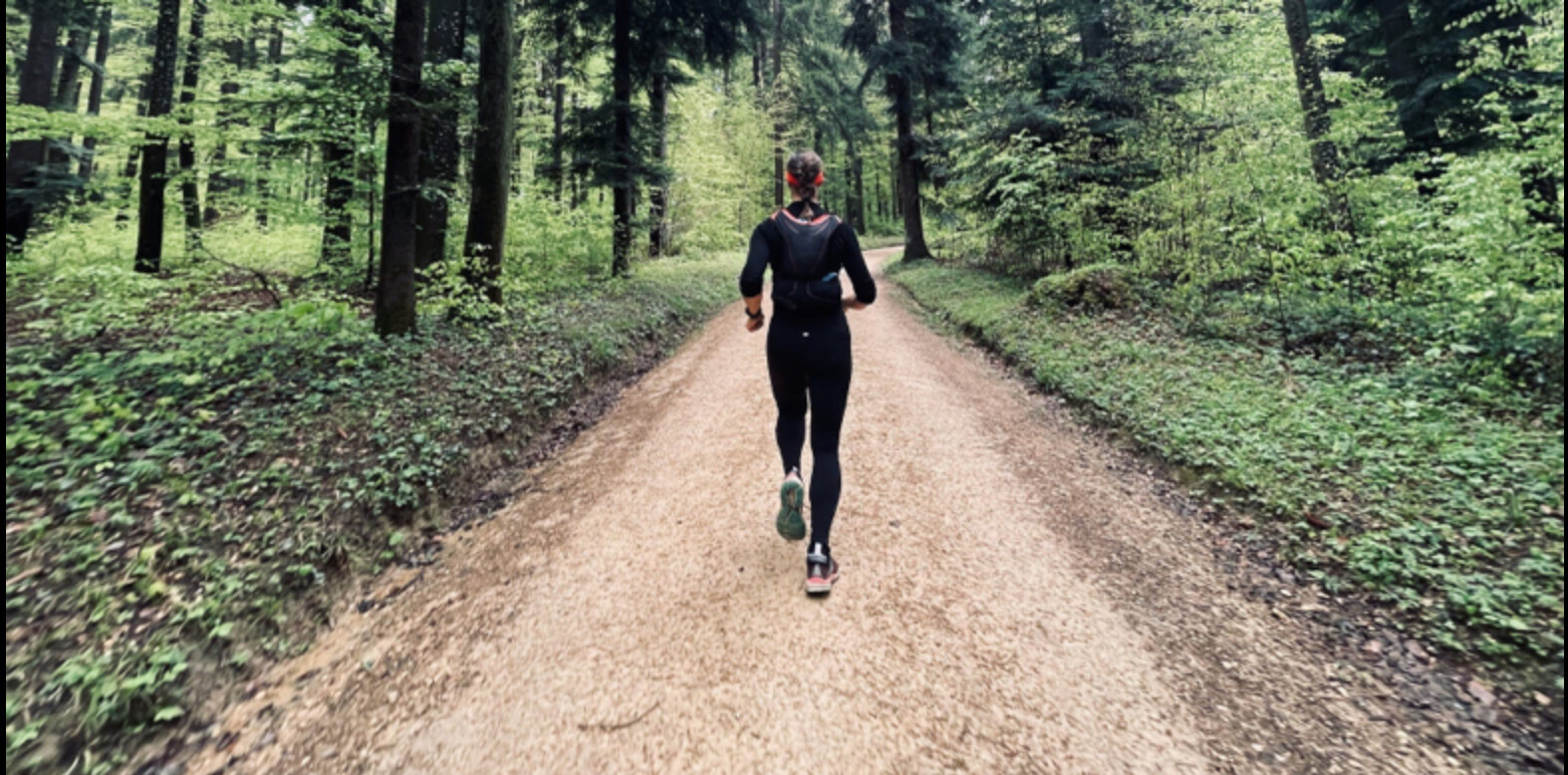
Long after the birth of her son and per the recommendation of her son’s therapists to offer outdoor stimulation, Serrao-Fitzsimmons started running again, this time pushing a stroller. She quickly noticed it was beneficial for her own mental health. Over time, her constant fear and panic of her son’s survival and possible complications started diminishing.
“Running through the woods I don’t have to think. It’s grounding and an opportunity to associate the experience of sweating and breathing heavily with something positive happening in my body. It’s about associating that feeling with something that’s not scary or bad and dissociating that feeling with trauma.”
After the birth of her second premature baby, Serrao-Fitzsimmons says the same symptoms returned, but this time she knew social support, therapy, medication, and running were important to her recovery.
“PTSD is often treated with cognitive approaches, which leads us to oftentimes forget that trauma itself is also an embodied experience, meaning that one can physically hold the effects of trauma in their bodies,” says Viann Nguyen-Feng, Ph.D., M.P.H., assistant professor of psychology at the University of Minnesota Duluth, and director of the Mind-Body Trauma Care Lab. “During a traumatic event, our bodies may react and respond in ways that were necessary for our survival and that might have seemed outside of our control.”
James Whitworth, Ph.D., health science specialist at VA Boston Medical Center, and assistant professor in the department of psychiatry at Boston University School of Medicine, experienced this first-hand. When he returned home after serving in the United States Army as an E5 Sergeant and fire team leader in an infantry rifle platoon (in Iraq) from 2003 to 2007, as well as the National Guard, he felt like the trauma of war caught up to him. His roommate at the time said he would shout and thrash in his sleep.
In 2012, Whitworth tragically lost a close friend to suicide, and then in 2013 the Boston Marathon bombing (not far from where Whitworth lives) brought forth intrusive memories of roadside bombs in the war to the surface.
He describes his PTSD, which he wasn’t diagnosed with until 2013 (seven years after returning from Iraq), as taking the shape of hyperarousal and aggression. “It was a very messy time. I made the decision to get help on my own, but had the constant support of my partner,” he says.
Whitworth started hiking and climbing mountains during this time and it proved to be a literal and figurative tool to his survival and motivation to get out of bed. He also says the loss of his friend was a deciding factor in his field of research. “My friend ended his life the same year I entered graduate school,” he says.
Today, Whitworth focuses his research on how exercise can be applied to the treatment, rehabilitation, and prevention of PTSD among veterans and other trauma survivors.
The Case for Movement and Therapy in Treating PTSD
“Running and other forms of somatic movement (like yoga, dance, or Tai Chi) help us reconnect with our bodies, to acknowledge all that our bodies had to do to ensure our survival, and importantly, to remind our bodies that we have survived; there is no longer a survival need to hold ourselves in fight, flight, freeze, or fawn mode,” Nguyen-Feng explains. In other words, movement is a chance for patients suffering with PTSD to release stress they might be holding onto.
Nguyen-Feng goes on to say, “Running and other forms of somatic movement allow us to tap into the inner wisdom of our bodies and provide a method of grounding us in the here and now, rather than being stuck in our minds.”
Today, Serrao-Fittzsimmons realizes the grounding practice of running. While she still gets triggered when her children are sick, having a consistent running routine helps her manage these triggers. “Running helps me be more present and calmer; it’s kind of like staring out at the ocean—it gives me perspective and helps me see solutions to problems,” she says.
Whitworth also says the tools he’s gained in therapy and from exercise have helped him to be more prepared for stressful life events.
How Therapists Incorporate Movement
Because of the promising pay-offs of exercise when it comes to mental health, some mental health therapists will even incorporate exercise into their sessions in order to further help their patients. For example, Los Angeles-based therapist Sepideh Saremi, LCSW, founder of Run Walk Talk, has built a practice around getting her clients moving and talking. She holds sessions outside along the Pacific Ocean, walking or running with clients.
“In addition to the neurochemical benefits of running (including release of the mood-boosting brain chemicals serotonin and dopamine), it also helps support people’s feeling of self-efficacy and ability to concentrate,” she explains. “Exercise can often help people feel a sense of control, which can counteract the feeling of helplessness that’s part of PTSD.” Saremi works with clients who’ve experienced a wide array of trauma from childhood abuse to sexual abuse.
“In a Run Walk Talk session, I run and walk with patients and clients at the beach while we talk about the things they want to change in their life. We usually spend about forty minutes running and walking, and about ten minutes in my office afterward to cool down and talk about what they’re taking from the session and what they’ll do before the next time we meet,” says Saremi.
“I started running right around the time I started graduate school to become a therapist, and was curious about how running was being used to treat mental health. When I looked into it, I realized there was a ton of evidence to support running and walking as a mental health intervention, but I didn’t know any therapists who were doing it,” Saremi adds. “That’s where the idea for it was born, though since starting Run Walk Talk, I’ve discovered a number of therapists who incorporate running into their work, and I’ve trained many therapists myself, as well.”
What to Know Before Trying Exercise for PTSD Recovery
While Hayes’ acknowledges that many of the current studies provide some evidence for the positive influence exercise may have on PTSD symptoms, most of the current studies either test a very small number of participants or lack a control group. So more research is needed to truly confirm the results.
Nguyen-Feng also reminds us that it takes a support team—whether that’s in the form of community or individual therapy sessions—to help address mental health conditions. “I think bodily movement is necessary and complementary to any ‘work’ we do with our minds, and professional and/or social support is necessary for healing,” Nguyen-Feng says. “So I encourage runners and interested runners to consider that support integral to their training regime or running schedule.”
Saremi also reminds patients who’ve experienced trauma and haven’t exercised before to walk or begin running with people you feel safe around, so you’re more comfortable.
How to Find a Therapist
It can be overwhelming for patients to find a good therapist. “There are a lot of factors to consider: cost, your goals, the therapist’s training, and interest areas are often the most relevant,” Saremi says. Know that the process can take some time, but the advantages are worth the effort.
Saremi suggests TherapyDen, a free online directory of inclusive and affirming therapists. You can also check out Psychology Today and Psychologist Locator to search for therapists in your area, or try Teledoc for virtual appointments.
by Runner’s World
Login to leave a comment
Running Home: Michael Wardian Begins His Run Across America
Michael Wardian is running across America to raise money for World Vision.
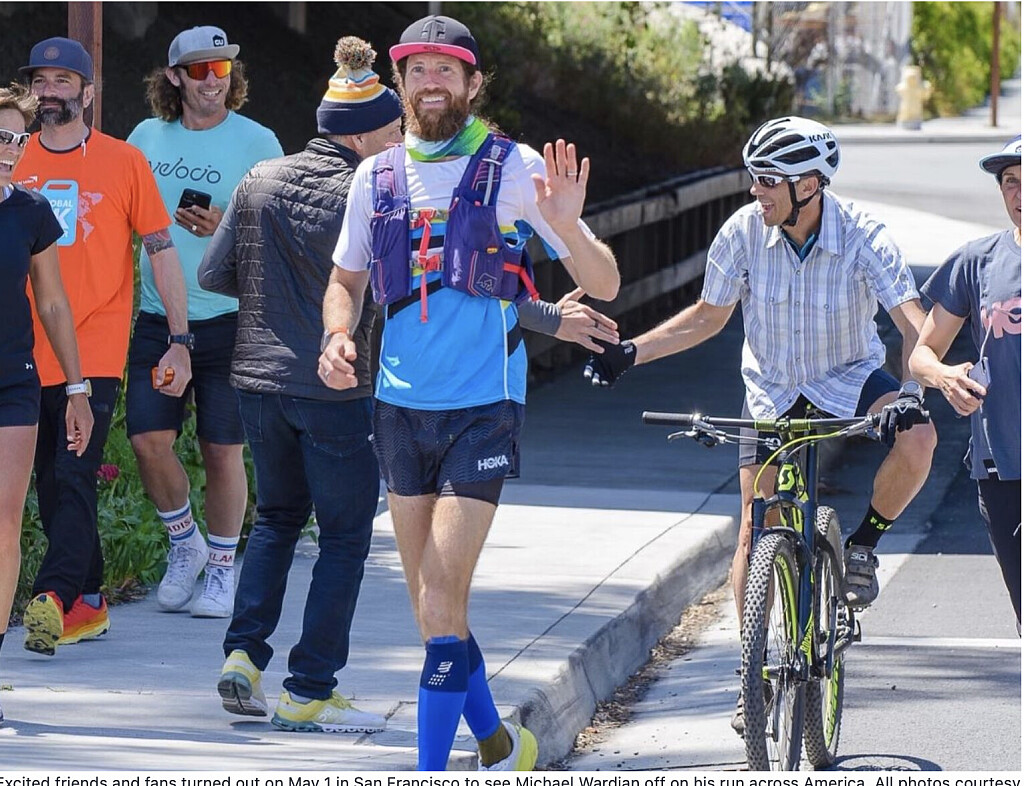
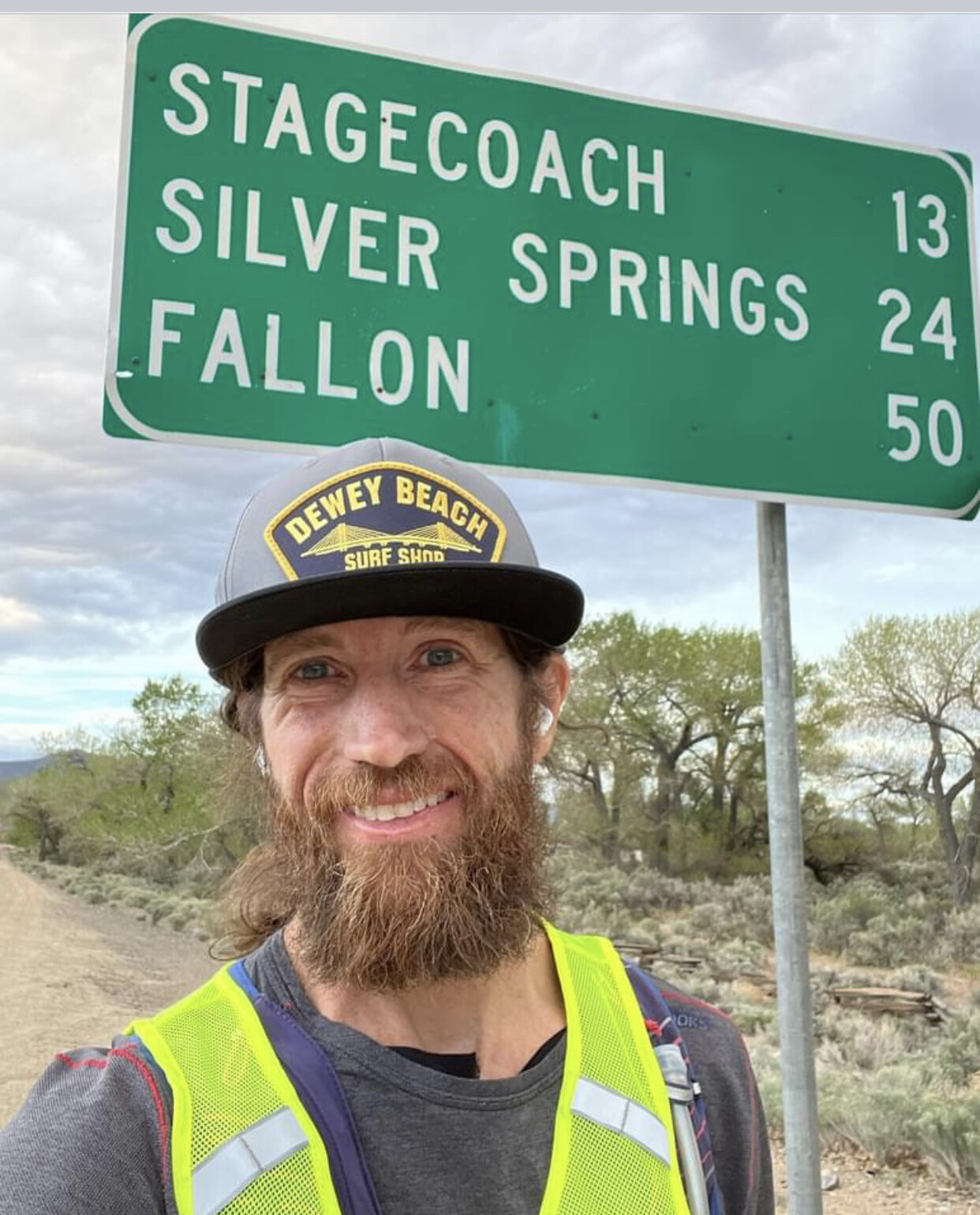
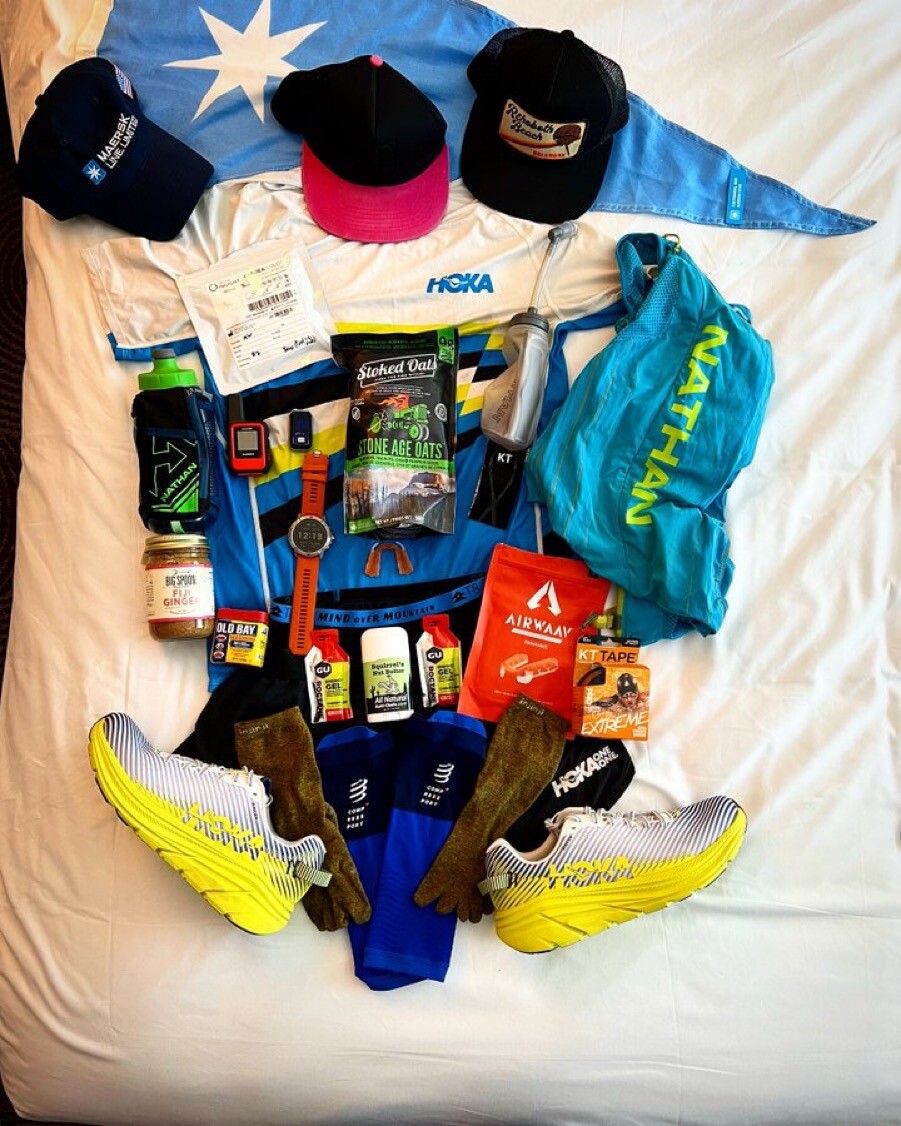
On Sunday, May 1, from City Hall in San Francisco, California, runner Michael Wardian set off on his latest adventure — a run the whole way across the United States, ending at Rehoboth Beach, Delaware, to raise money for World Vision’s clean water projects around the world. He will be following Route 50, America’s loneliest highway, through some of the remotest parts of the country, and will travel through 13 states, covering over 3,200 miles.Wardian has a host of wild and wonderful running accomplishments to his name, and this latest challenge seems fitting for the runner, who holds the Guinness World Record for the fastest marathon run in Antarctica — 2:54:54, run on January 23, 2017.
This was the first leg of his World Marathon Challenge, consisting of seven marathons on seven continents in seven days. Wardian holds the fastest cumulative time for the event at 19 hours, 21 minutes, and 36 seconds, averaging 2:45:57 per marathon. His Antarctica run is believed to be the only sub-three-hour marathon run on the ice-covered continent.
Wardian also previously held the record for the fastest marathon pushing a stroller, which he set with the help of his then 10-month-old son Pierce, at the Frederick Marathon in 2007, in a time of 2:42:21.
More recently, in 2020, Wardian won the Quarantine Backyard Ultra, completing 262.5 miles, or 63 laps, in a tight circuit around his local neighborhood in Arlington, Virginia, to abide by social distancing requirements during the COVID-19 pandemic.
For the first day of his latest challenge, which is called Running Home because he’s running in the direction of his home, the public was invited to share in Wardian’s send-off and to run a few miles with him.
He told iRunFar he had 20 to 30 people accompany him for the first part of his run from City Hall to Ocean Beach. There he dipped his toes in the Pacific Ocean before heading east on his quest toward the Atlantic, covering 57.97 miles on the first day.
All going well, Wardian’s schedule will see him averaging just over 50 miles per day to finish the traverse, appropriately, on July 4.
When asked about his motivation, he told iRunFar: “I’m trying to raise $100,000 for World Vision for clean water projects. I think right now we’re 14% of the way, so hopefully each day we get a little more and change a lot of lives. I think right now we’ve already impacted [about] 350 lives. It’s so cool, every day I get texts saying that somebody donated five bucks, and imagine if everybody donated just five bucks!”
You can follow Wardian’s run on the live tracker and send him a supportive message, make a donation to his World Vision fund, and help him reach his goal of raising $100,000 for this most worthy cause.
Update: Michael has crossed California and is now in Nevada.
by I Run Far
Login to leave a comment
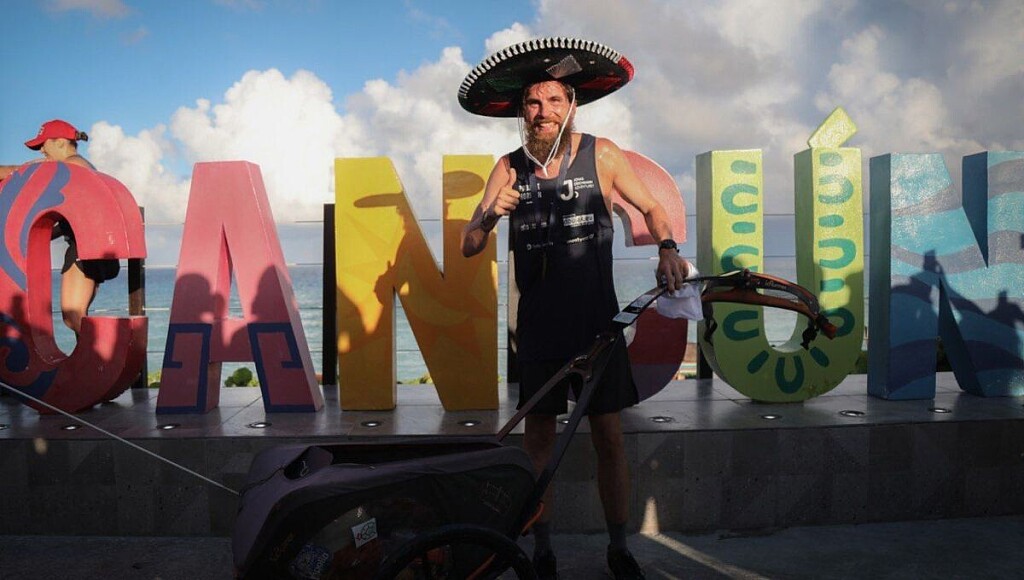
Cancun the last stop of the German citizen, Jonas Deichmann -the “Forrest Gump” of real life- in his journey of more than four months through the Mexican Republic
The 34-year-old began his “360-degree triathlon” journey in September 2020 when he left Munich, Germany, from where he cycled more than 500 kilometers before arriving in Russia, before crossing the Pacific Ocean.
Deichmann began his journey in Mexico on June 10 in Tijuana, Baja California, with the aim of running all the way to the other end of the country, to Cancun, on October 4, 2021.
On his journey through the Yucatan Peninsula, Jonas Deichmann arrived in Campeche on September 25 where runners joined him until he left Campeche, then on September 29 he arrived in Merida where he was received with applause and received recognition from the City Council.
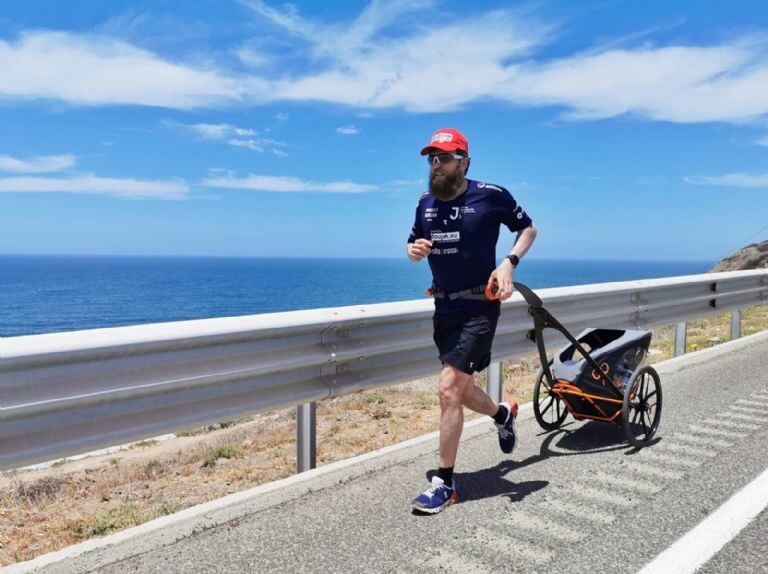
“Forrest Gump” Runs To Help The Kids
Although many of its predecessors have done it for a sporting purpose, the athlete’s interest is to support primary schools in Africa with bicycles and food aid, since, for every kilometer traveled, the European organization World Bicycle Relief donates one euro.
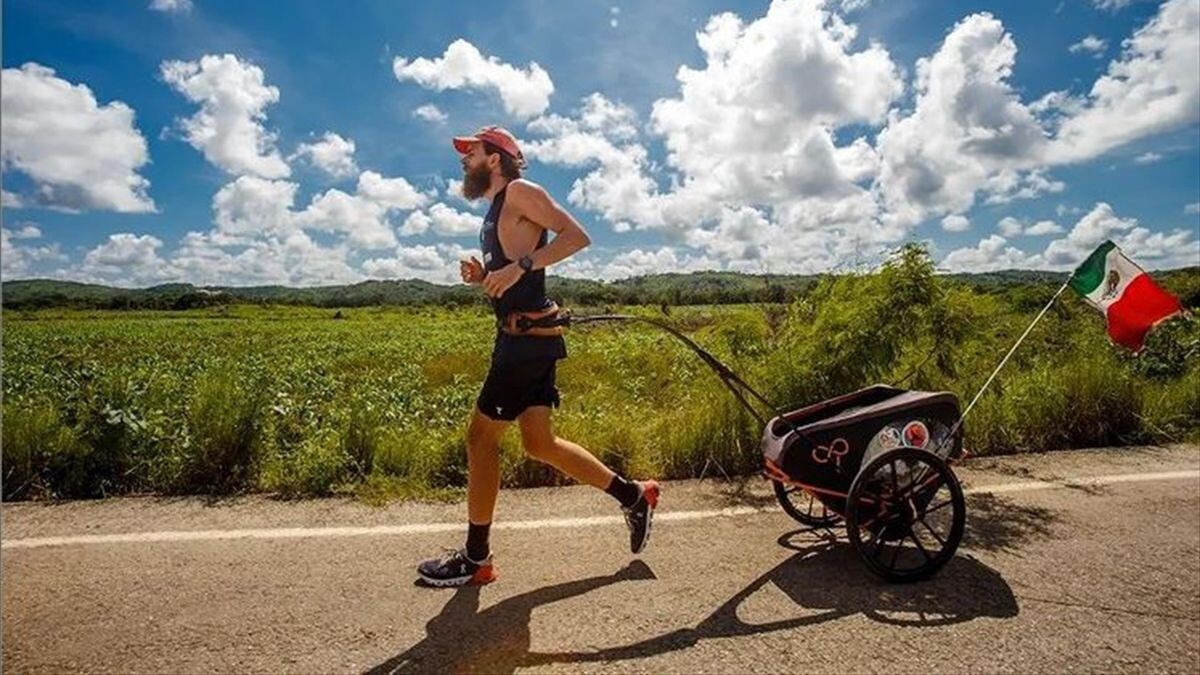
In this way, Jonas assures that he has been able to raise more than $ 30,000 for the cause, which has motivated him along the way that will end at the same point where he left more than a year ago, in Germany.
According to the German’s calculations, after spending the night in the Leona Vicario community, he will enter Cancun at noon and head to Playa Delfines to conclude his trip through Mexico at five in the afternoon.
At this point, the Municipal Sports Directorate of the Benito Juárez City Council and other clubs are already preparing an event to receive the athlete who has also set different world records and crossed the entire American continent by bicycle.
Jonas is expected to finish this journey accompanied by some runners and cyclists, since during the trip he has been escorted in different sections by public safety, but mainly by citizens.
by Yucatan Times
Login to leave a comment
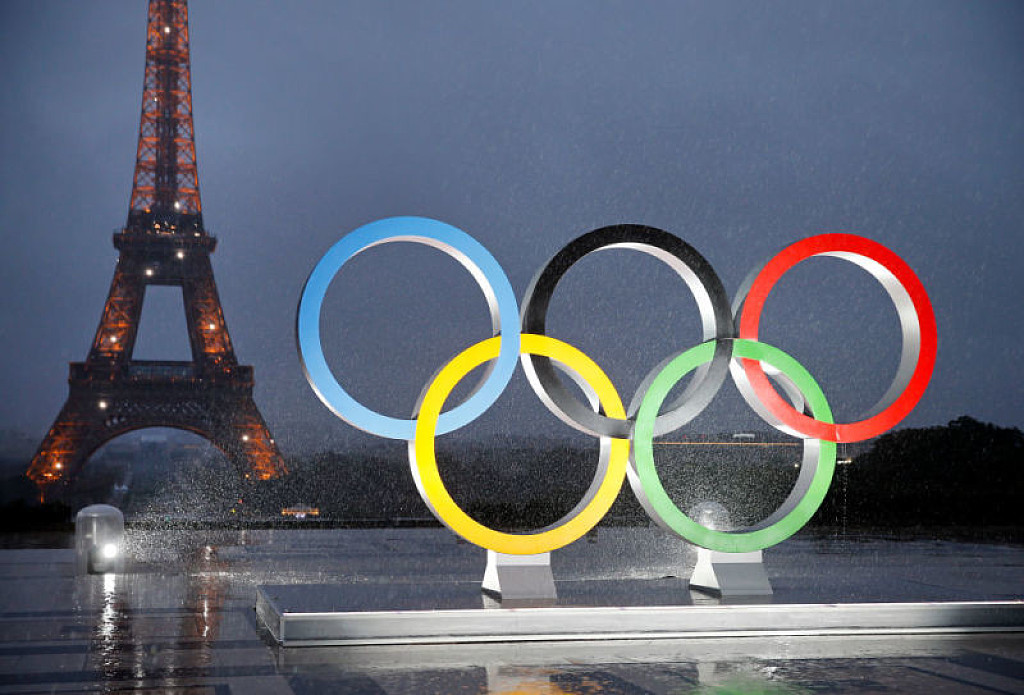
Breaking, skateboarding, sport climbing and surfing have been confirmed as additional sports proposed by the Paris 2024 organizing committee
The International Olympic Committee (IOC) has decided the event programme and the athlete quotas for the 2024 Paris Olympic Games on Monday as breaking, skateboarding, sport climbing and surfing were confirmed as additional sports proposed by the Paris 2024 organizing committee.
Skateboarding, sport climbing and surfing have already been included in next year's Tokyo Olympic Games while breaking, having proved a great success at the Youth Olympic Games Buenos Aires 2018, will make its senior Olympic Games debut.
Paris 2024 has assigned Place de la Concorde, an iconic square at the heart of Paris which links the Champs-Elysees to the Tuileries Gardens, to host the urban sports including skateboarding, sport climbing and breaking while the surfing competitions will be held at Teahupo'o site in Tahiti, French Polynesia in southern Pacific Ocean.
As a consequence of the exceptional situation caused by the COVID-19 pandemic, the IOC and Paris 2024 have committed to reducing the cost and complexity of the Olympic Games.

The athlete quota set for Paris 2024 is 10,500, including new sports, which is 592 fewer than that of Tokyo 2020 (11,092). And the overall number of events was also reduced from 339 to 329.
"With this programme, we are making the Olympic Games Paris 2024 fit for the post-corona world. We are further reducing the cost and complexity of hosting the Games," said IOC President Thomas Bach.
The highest quota reduction was made in weightlifting, which also had four events removed from the programme. The sport now has five events per gender, with a quota of 120 athletes, compared to 196 in Tokyo (and prior to that, 260 at Rio 2016), with the specific weight classes to be finalized by the IWF in the fourth quarter of 2021.
Gender equality is another main feature of the Paris 2024 programme.
Tokyo 2020 next year will be the first gender-equal Olympic Games, with an overall 48.8 percent female participation, which will be further increased at Paris 2024, reaching the exact same number of male and female athletes for the first time in Olympic history.
Paris 2024 will also mark growth in mixed events on the programme, compared to Tokyo 2020, from 18 to 22.
The Olympic programme is developed in thorough consultation with the Paris 2024 Organizing Committee, International Federations (IFs), National Olympic Committees (NOCs) and athletes, and finalized by the IOC Executive Board upon the recommendations of the Olympic Programme Commission.
by Xinhua News
Login to leave a comment

Paris 2024 Olympic Games
For this historic event, the City of Light is thinking big! Visitors will be able to watch events at top sporting venues in Paris and the Paris region, as well as at emblematic monuments in the capital visited by several millions of tourists each year. The promise of exceptional moments to experience in an exceptional setting! A great way to...
more...
The worlds 10 most scenic marathons that are worthy of your bucket list
These are the 10 most scenic marathoners you need to put on your bucket list
1) Midnight Sun Marathon, Norway. Head to Tromso, Norway to try an Arctic Marathon where the sun doesn’t set…literally! Norwegians experience the “Midnight Sun” from May 20 to June 22, which allows runners to run a marathon during the night. A big portion of the race happens along the coast, so runners enjoy picturesque views of the Norwegian sea as well as the snow-capped peaks.
2) BMW Berlin Marathon, Germany. This marathon that starts and ends at the Brandenburg Gate takes runners in a large loop around the city. This is the perfect marathon to experience a slice of history as marathoners will pass the iconic Reichstag, Berlin Cathedral, Tiergarten and Potsdamer Platz, to name a few.

3) ​Marathon du Medoc (France). This is a wine and food festival disguised as a marathon! The course will take you through the vineyards of the Médoc in Gironde. Held in the Southwest of France near Bordeaux; food stands and wine tasting stalls dot the entire course of this event. Nibbles offered include pastas, oysters, cheese, steaks, fruits, and the region's famous wines to wash down everything. This fun marathon usually turns into a carnival of spirited, costumed runners as participants are encouraged to dress, according to the year’s theme.
4) The Hong Kong Marathon (Hong Kong). This is easily the biggest participation sporting event in Hong Kong with over 70,000 runners from 90 countries participating in it. Marathoners enjoy some of the best urban landscape. This iconic race unfolds against the backdrop of Hong Kong’s breath-taking skyline and harbour. The full marathon and half marathon, both start at Nathan Road in Tsim Sha Tsui racing up into New Territories, and heading back down to a spectacular finish in Victoria Park on Hong Kong Island. The Hong Kong Marathon has been awarded Gold Label status since the 2016 and with total prize money of US$300,000, it is one of Asia's most prominent marathons.
5) Big Five Marathon (Limpopo, South Africa). This is undoubtedly the wildest marathon in the world! Conducted within the private Entabeni Game Reserve in South Africa, this marathon runs through the African savannahs. True to the marathon’s name, you have a chance of bumping into lions, leopards, rhinos, elephants, and cape buffaloes in addition to the other animals like giraffes, antelopes, etc., along the way. The safety of the runners is not compromised as park rangers watch over the Big Five Marathon to ensure that participants can gaze safely at zebras, leopards, and antelopes as they run.
6) Great Wall Marathon (China). This marathon isn’t for the faint hearted, but it’s the race of a lifetime. Strictly speaking, the marathon route overlaps the Great Wall of China for a small section of the race, but this relatively short section on the Wall is a challenging 5,164 steps. Participants get to run through old villages and see sweeping hillside views, with hundreds of enthusiastic locals cheering for them.

7) Skarkasse 3-Laender Marathon (Germany, Austria and Switzerland). This unique marathon offers runners an opportunity to run through three countries - Germany, Austria and Switzerland in one single race! This 26.2-mile journey starts on the island of Lindau, Germany, before taking runners through several Austrian towns, and then crossing the Swiss border and finishing in Bregenz. The flat terrain, half of which courses along the shores of Lake Constance, features a mix of cobblestone, gravel and asphalt.
8) Big Sur Marathon (California, USA). For the past two years, the Big Sur Marathon sells out in record time! Traversing through one of the world’s most scenic courses, meandering through the coastline along the azure blue waters of the Pacific ocean and redwoods, the Big Sur International Marathon held in California ranks high on the list of challenging marathons due to its alpine terrain and strong headwinds. Known for its incomparable natural beauty and dramatic coastal scenery, this race has a strict 6-hour time limit to complete it.
9) Patagonian International Marathon (Patagonia, Chile). This marathon will take you through the jaw-dropping landscapes of Torres del Paine National Park, a route which makes way through turquoise waters, towering peaks and pristine glaciers. This is also the most eco-friendly race in the world. Instead of medals, participants have a tree planted in their name. The organisers also encourage you to carry your own water bottles to avoid cup waste. So, go ahead and fulfil your dream of running in one of the most pristine places on the planet!
10) Australian Outback Marathon (Australian). Big open skies, cool rock formations, soft red earth under your feet, this marathon was made for adventure seekers and nature lovers. This marathon will give runners a glimpse of the famous Uluru and Kata Tjuta rock formations and sacred sites of the aboriginals of the area.
Login to leave a comment

Midnight Sun Marathon
The Midnight Sun Marathon first started in 1989 and has runners from most of the world, attracted by its special feature of running in the midnight sun. The race starts and finishes at the city center. The runners are facing the Tromso Bridge after 2 km; an uphill from 6 to 43 meters over sea level. After running about 20...
more...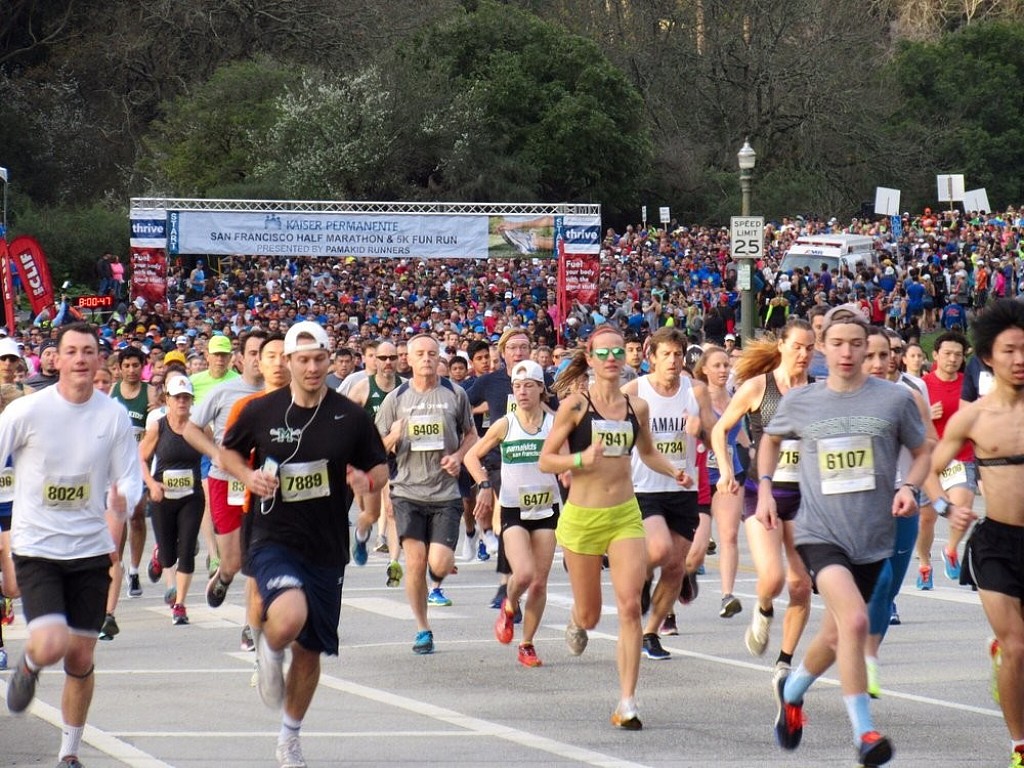
Registration for the 37th Kaiser Permanente San Francisco Half Marathon, 10K & 5K is now open
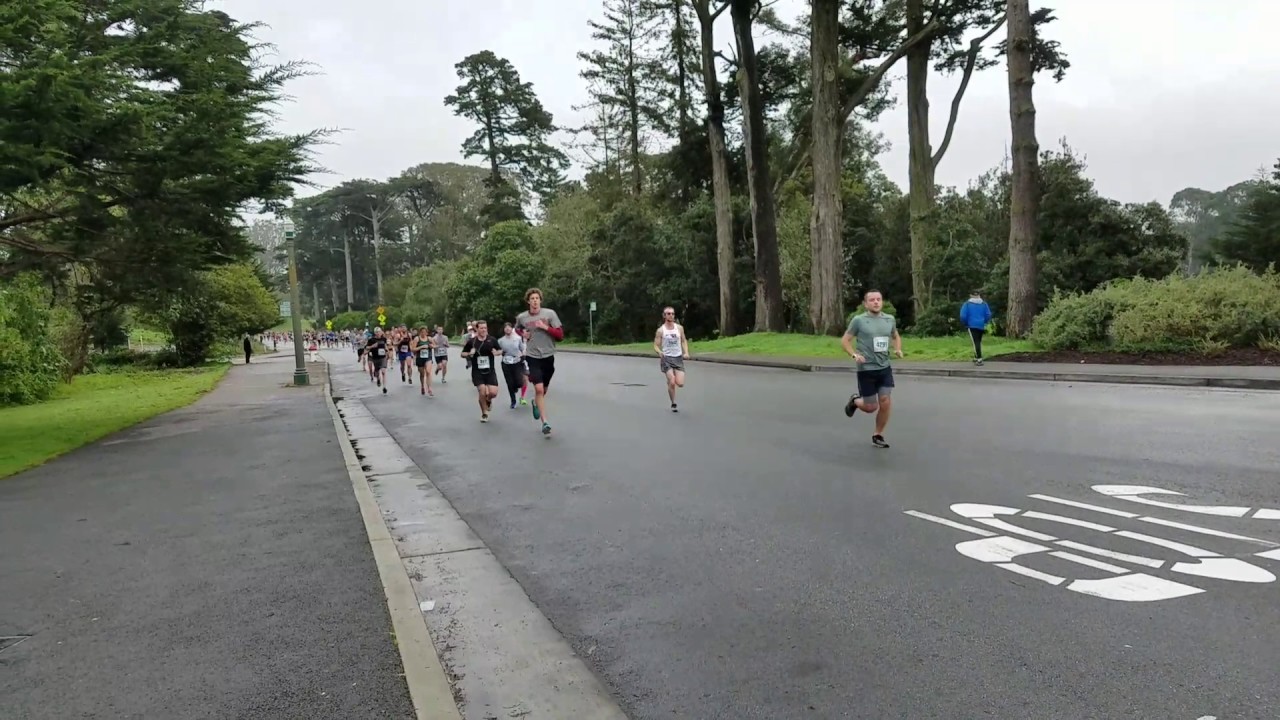
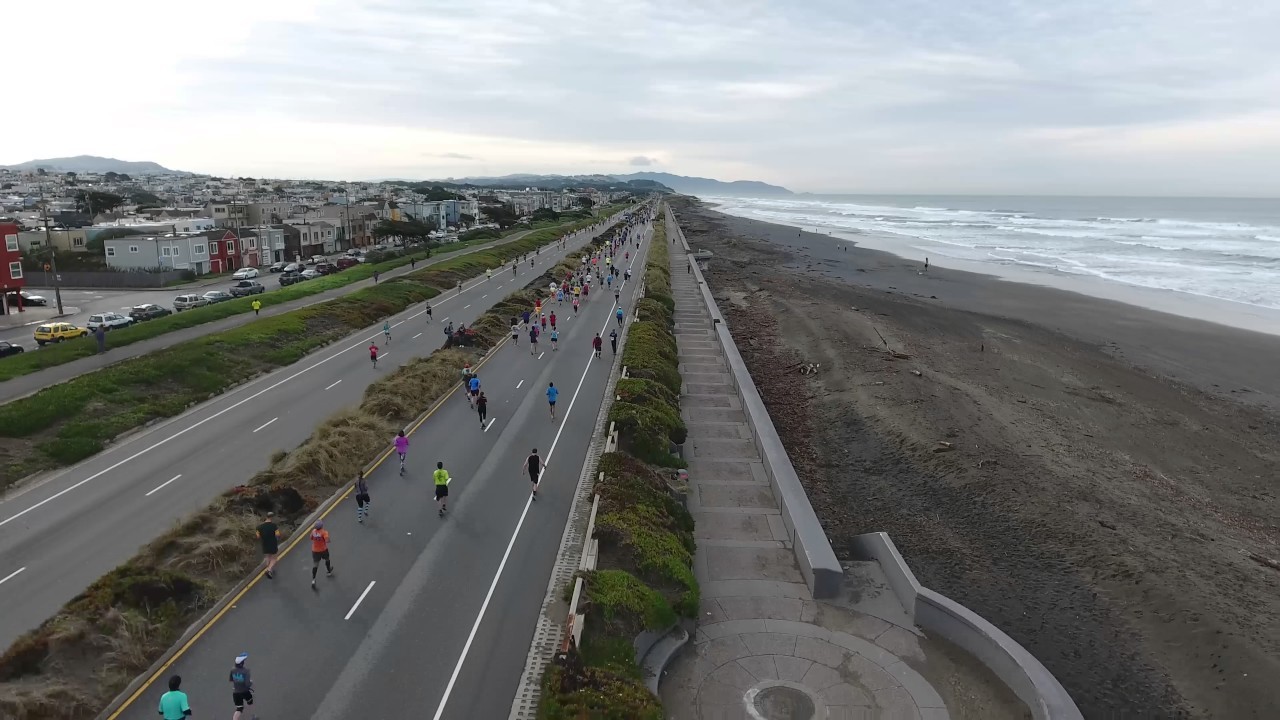
The 37th annual event will take place on Sunday, February 2, 2020, showcasing Golden Gate Park and the Pacific Ocean while treating finishers to a lively post-race expo. A fixture on the Bay Area running calendar, participants in all three race distances will test themselves on scenic, net-downhill courses, offering runners of all abilities the opportunity to achieve a personal best. Each year, the race donates $100,000 to four designated local charities.
Owned by the non-profit Pamakid Runners, the 2020 event will feature a one-time prize purse and course record bonus in the half marathon for elite athletes tuning up for the U.S. Marathon Trials in Atlanta, GA. With over 30 Northern California athletes already qualified for the Marathon Trials, the race will offer an expanded elite program designed to attract a deep field of athletes seeking a fitness benchmark one month out from Atlanta.
The prize purse will be tiered based on the number of elites entered, with the total purse doubling from $3,000 to $6,000 if more than twenty qualified elites are entered. In addition, a $500 bonus will be offered to the first runner breaking the existing course records (Men: 1:04:08; Women: 1:15:07).
“We are thrilled to offer an opportunity for our regional elite athletes to use the Kaiser Permanente San Francisco Half Marathon as a target race prior to the U.S. Marathon Trials,” said Michelle La Sala of Blistering Pace Race Management, producer of the event.
“By offering a prize purse and course record bonus, our region’s best athletes will be able to test their fitness without having to travel. We are looking forward to a deep and exciting race on February 2nd!”
"The Pamakids are excited to present the 37th Kaiser Permanente San Francisco Half Marathon along with our long-time partner, Kaiser Permanente," added Pamakid Runners president Andy Chan. "Our race is positioned four weeks before the Marathon Trials, which makes it an ideal tune-up race.
It's also a great opportunity for the Bay Area running community to meet and support the elite runners who could be representing the U.S. in the 2020 Olympics."
Login to leave a comment

Kaiser Permanente San Francisco Half
The Kaiser Permanente San Francisco Half Marathon® is a runners’ favorite for its scenery and value. A fast and certified course through San Francisco’s scenic Golden Gate Park, the race has been selected as Road Race of the Year by the Road Runners Club of America several times. The 5K is a fast, downhill 3.1 mile course certified by USA...
more...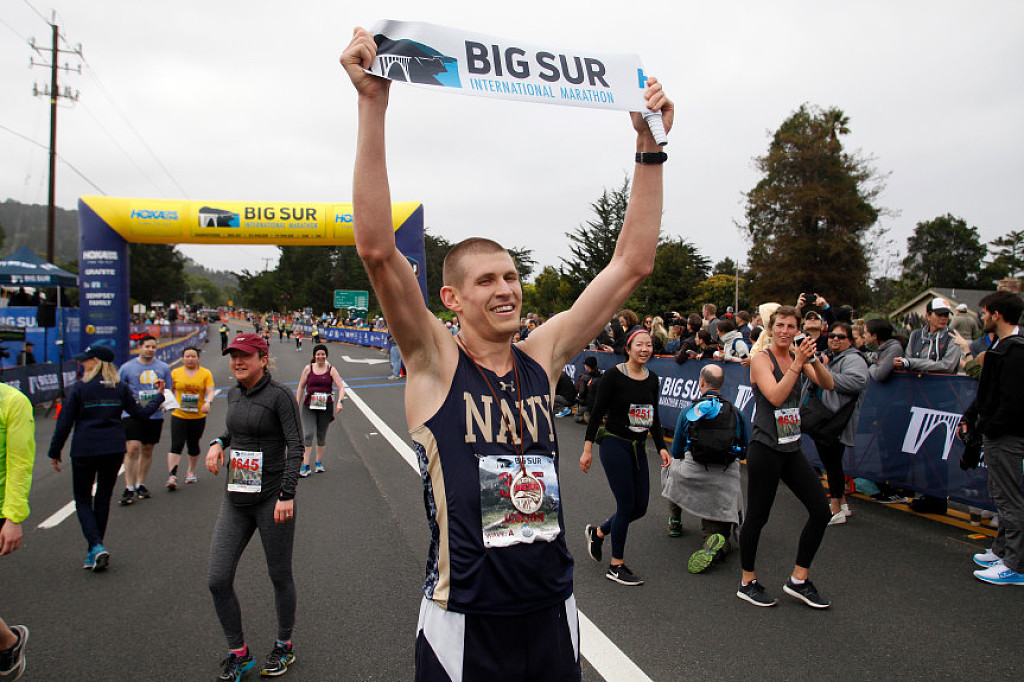
Jordan Tropf was not well known by others at the Big Sur Marathon but he took the lead from the start and pulled away to the finish
The Big Sur International Marathon had more than 4,000 runners tackle the 26.2-mile course along the Pacific Ocean on Sunday.
Jordan Tropf was the winner clocking 2:25:21.
This is the first year in a long time that a new face has won the marathon.
D'Ann Arthur, 31, of Redondo Beach won the women's overall division clocking 2:45:41. Arthur is in residency for orthopedic surgery in Southern California.
Tropf is a Navy doctor from Silver Springs, Maryland, who said that he set a personal record on Sunday. He was the race leader from start to finish.
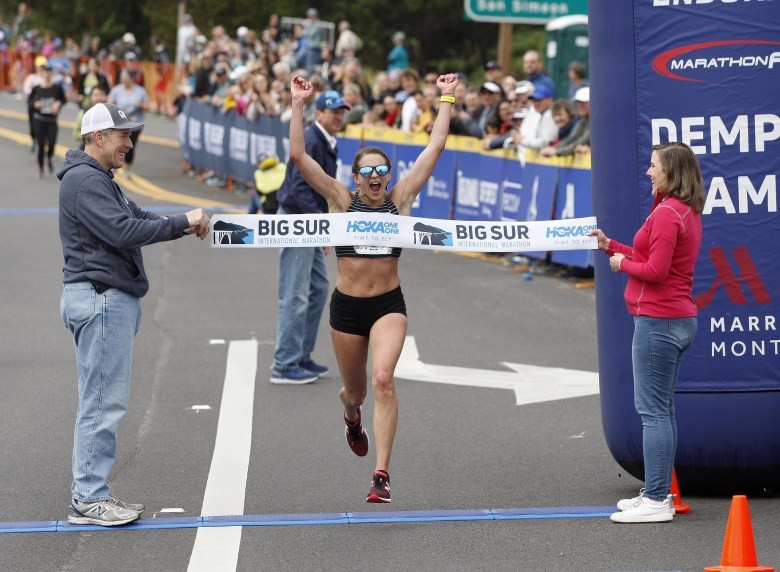
Defending male champion and local favorite, Adam Roach, 33, of Pacific Grove, placed second. Michael Wardian placed fourth and was first master.
Adam and Michael have dominated the annual race the past few years, having won the last seven races between them. But Wardian told Roach before the sun came up Sunday to be aware of Jordan Tropf, who won the Baltimore Marathon in 2017.
“I didn’t know he was even in the race until Michael mentioned him on the ride out,” said Roach, a Pacific Grove resident.
Tropf wasn’t on the list of elite runners entered in the race, although he is ranked among the nation’s top 200 marthoners having run 2 hours, 27 minutes and 23 seconds at the Boston Marathon on April 15 and 2:26.45 in the Marine Corps Marathon in October.
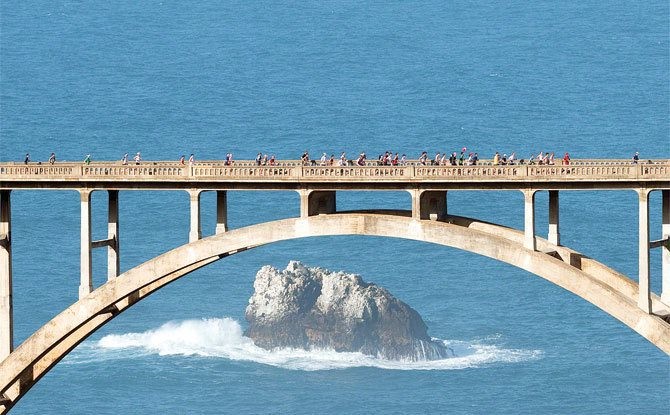
But Roach wasn’t sure which runner Tropf was until a few miles into race. By then, the Navy doctor had become a blur ahead of him, running off with the men’s division in 2:25:22.
“I had set a goal to get under 2:30,” said the 27-year-old Tropf, who is in the Naval Academy. “I just went out and ran my race and didn’t worry about anyone else.”
D’Ann Arthur of Redondo Beach didn’t let a night out for a wedding slow her down, as she went out and won the women’s race in 2:48.40 — nearly 13 minutes faster than last year’s winning time.
Tropf set a blistering pace that caught Roach — a five-time champion at Big Sur – off guard. He led from the start and gradually extended his lead throughout the 26-mile, 385-yard majestic course.
Running a 5:32 mile pace, Tropf’s time was nearly four minutes faster than Roach’s winning time last year and over five minutes faster than Wardian’s winning time in 2017.
Login to leave a comment
Big Sur Marathon
The Big Sur Marathon follows the most beautiful coastline in the world and, for runners, one of the most challenging. The athletes who participate may draw inspiration from the spectacular views, but it takes major discipline to conquer the hills of Highway One on the way to the finish line. Named "Best Marathon in North America" by The Ultimate Guide...
more...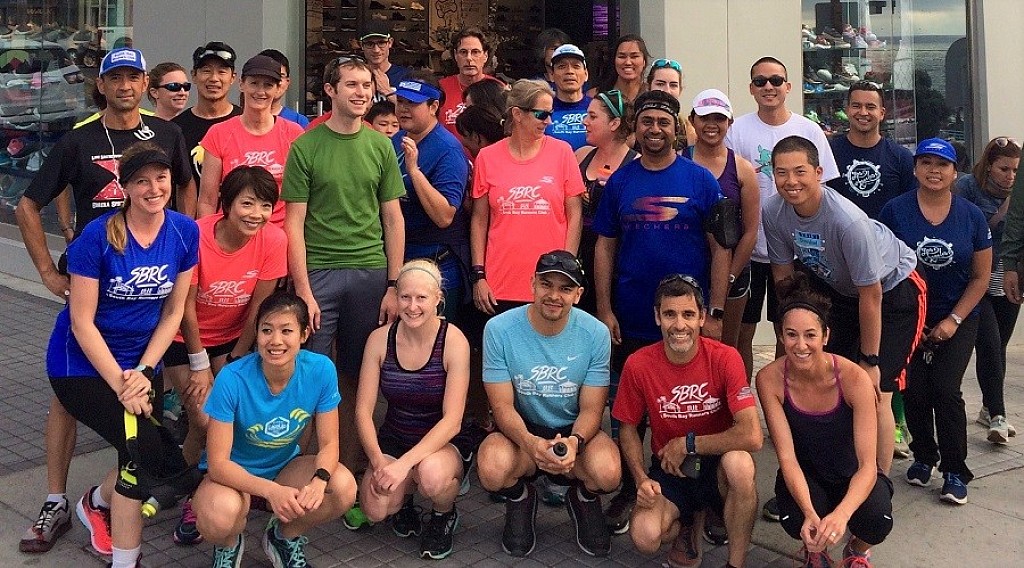
Members of the Manhattan Beach-based Skechers running team will take part in the Skechers Performance Los Angeles Marathon on Sunday
Every Thursday evening, the South Bay Running Club starts its training runs at the downtown Manhattan Beach Skechers store. On Sunday, 120 of its members will join an estimated 24,000 other runners at Dodger Stadium to compete in the Los Angeles Marathon. South Bay Running Club’s sponsor Skechers is also the title sponsor of the Skechers Performance Los Angeles Marathon.

The races begin at 6:30 a.m. with the Wheelchair division followed by Handcycles (6:42 a.m.), the Elite Women (6:45 a.m.), and the Elite Men and the rest of the field at 6:55 a.m. The race finishes on the Santa Monica bluffs, overlooking the Pacific Ocean.
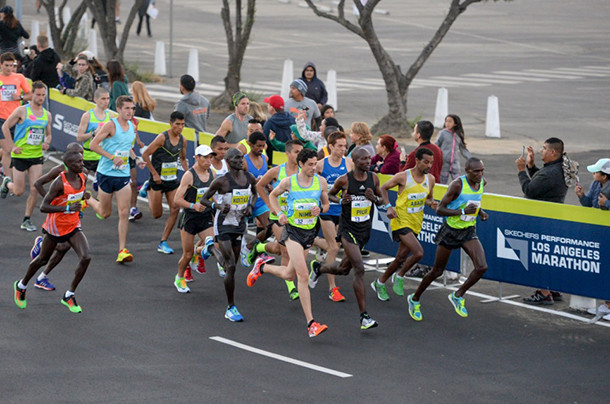
Skechers’ support of the South Bay Runners Club has helped the club grow to over 360 members in only four years. Members run for reasons ranging from raising awareness for Train 4 Autism (the official charity of the Skechers Performance Los Angeles Marathon), to running in memory of loved ones, to putting a modern spin on race prep through virtual training across the country.
“Most of our participants are runners but quite a few are run-walkers and race walkers,” Weisberg said. “Some will be running to get a personal record or qualify for the Boston Marathon. Some run to raise money for charity and others just want to check it off their bucket list.
Login to leave a comment

Los Angeles Marathon
The LA Marathon is an annual running event held each spring in Los Angeles, Calif. The 26.219 mile (42.195 km) footrace, inspired by the success of the 1984 Summer Olympic Games, has been contested every year since 1986. While there are no qualifying standards to participate in the Skechers Performnce LA Marathon, runners wishing to receive an official time must...
more...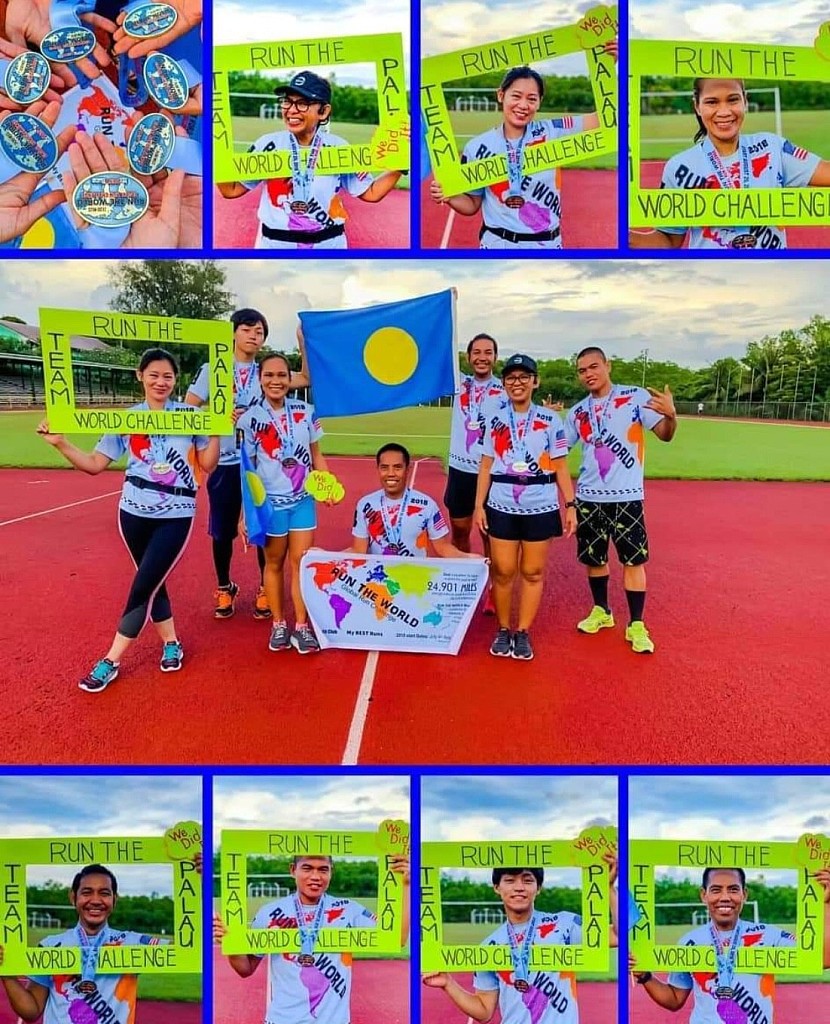
Count down to the third Run The World Global Run Challenge
The little country of Palau had a lot to celebrate after finishing 5th in the Run The World Global Run Challenge 2 that concluded October 12.
Palau's team leader Aaron Salvador posted in the RTW Feed, "This is now the fruit of our labors, those sweats, early morning runs, long runs and running under the rain/heat of the sun are all worth it."
He himself ran and logged 378 miles during the 44 day event. Miles ran and logged in Palau totalled 1,187. Team members only ran more miles in the countries of United States, Kenya, India and South Africa.
Palau is located in the western Pacific Ocean. There are mountain and sandy beaches on its east coast and grassy fields surrounded by palm trees in the north. Current population is just under 22,000. Aaron and team will be competing again in the up-coming RTW Challenge 3 starting October 29.
"Our team from around the world is being put together now," says Bob Anderson Team Caption. "We have runners of all abilities on our team. Current and past elite runners make up our team as well as runners who have just started running. All ages run and walk with us from age 11 to age 74."
34-year-old team member Carmen Gair from South Africa wrote, "RTW Challenge 2 motivated me to log more mileage than I have ever done before in a similar time frame. I can’t wait to see what Challenge 3 brings. Absolutely love being part of this wonderful running community."
62-year-old Kiranpal Singh Dhody from India will be participating for the third times says, "I love running for fitness...I try to push myself to get good timings in competitions and get podium finishes. The RTW Challenge helps me push myself."
RTW Challenge 3 starts October 29. It is easy to participate. Just run, race or walk and then log these miles (k's) into your My Best Runs account.
South Africa team leader Lize Dumon posted, "I haven't realized how precious this RTW community has become to me. It is like an extended running family...It has become a place where I learn so much about running from reading everybody's posts and a place of immense encouragement... bring on Challenge 3."
This event was created by 70-year-old Bob Anderson who founded Runner's World when he was 17 and published it for 18 years. "I hope you will join our team," says Bob. "Sign up by October 29 or join us along the way."
by Bob Anderson
Login to leave a comment
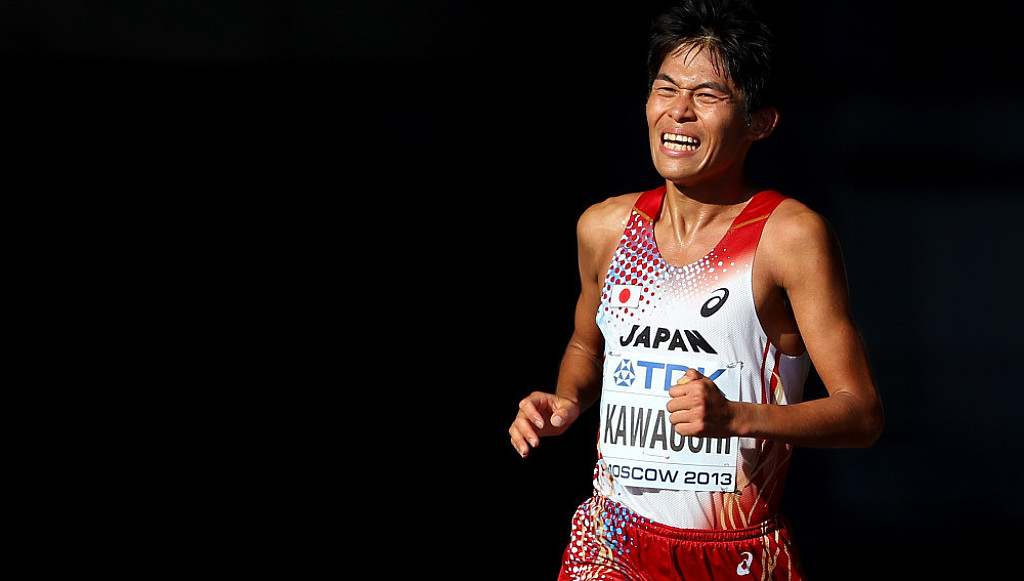
What has Yuki Kawauchi been up too? He has been winning the last two weekends but times have been slow
Login to leave a comment
Global Run Challenge Profile: Aaron Salvador lives and runs on the Beautiful Island of Palau
RUN THE WORLD: Aaron Salvador says, "Running in Palau is a great experience." Palau is a little country made up of hundreds of islands in the western Pacific Ocean. Originally from the Philippines 27-year-old Aaron currently is residing in Palau for the last three years. He works as a full time waiter in a restaurant.
"I love to read books, snorkeling and strolling around the islands with natural sceneries and historical sites," he says. While in school he discovered that he had potential in running.
"But because of the ways of life I've been apart of running due to work. But then when I came here to the Pristine Paradise of Palau I started running again and enjoy every mile." He has done a lot of 5K's, 10K's and always finishes in the top three. He also won the 2017 Palau Marathon half marathon the the 2018 full marathon. Asked about running in Palau.
"I'm not Palauan by blood but in my heart, Palau is my home. There are lots of hills and beautiful sceneries,” he says. Aaron’s passion is running. "After reading the stories of Runners doing the challenge, it gave me reason to join this Run The World Challenge, because I was inspired. If they can, why can't I.
“I want to challenge myself to where my capabilities lasts, to test myself and to prove that noting is impossible. With great determination l am aiming for my goals. Ill start, i will go through and I will run until the end." Aaron set his goal at 50 miles per week and already logged in 10 miles on the first day of Run The World.
by Bob Anderson
Login to leave a comment
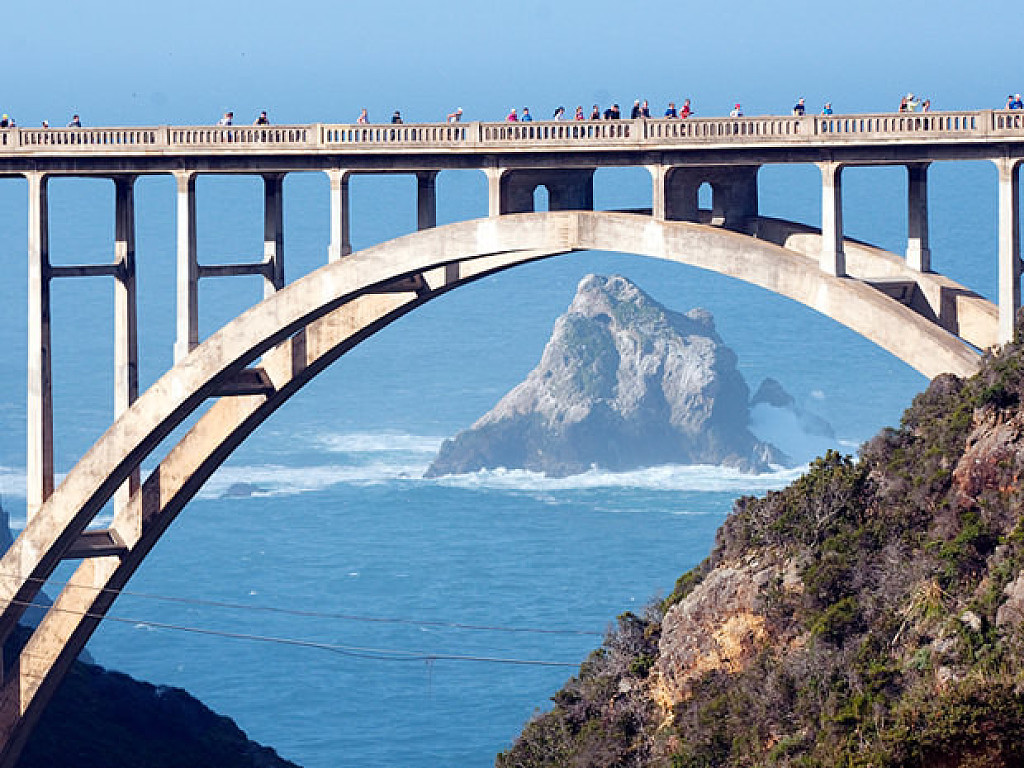
Maybe the most beautiful and most challenging Marathon in the world, Big Sur
Login to leave a comment
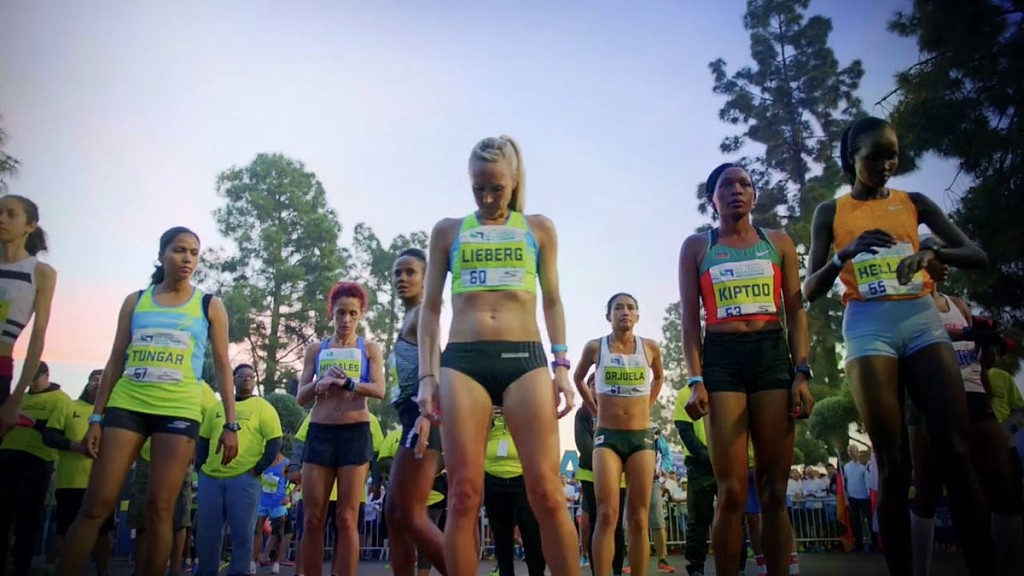
Heather Lieberg a Mother of Three and teacher was fifth American at LA Marathon
Login to leave a comment
