

Running News Daily
Running News Daily is edited by Bob Anderson and team. Send your news items to bob@mybestruns.com Advertising opportunities available.
Index to Daily Posts · Sign Up For Updates · Run The World Feed
Articles tagged #Kenya
Today's Running News
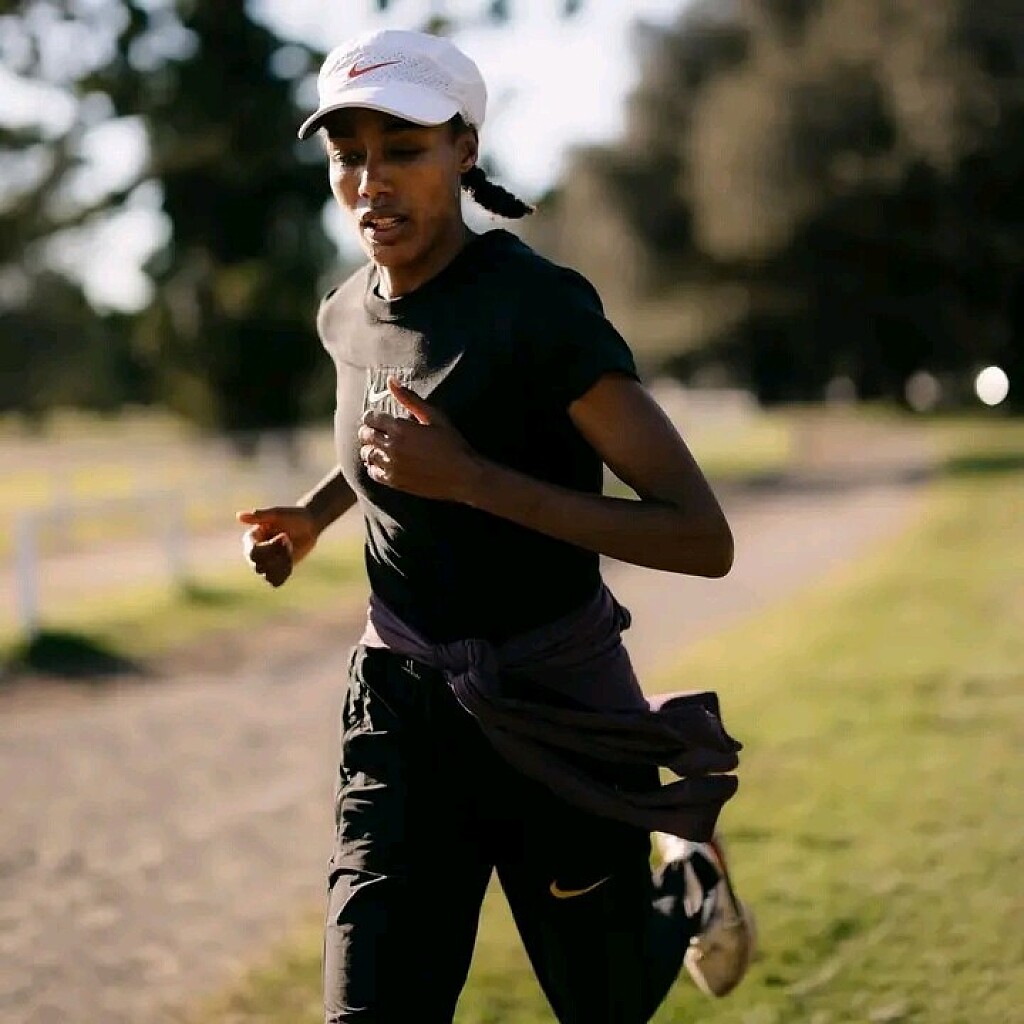


Sifan Hassan Returns To New York With Experience, Recovery And A Point To Prove
Sifan Hassan will return to the streets of New York City on November 1 with something she did not have during her difficult debut last year — experience of one of the most demanding marathon courses in the world.
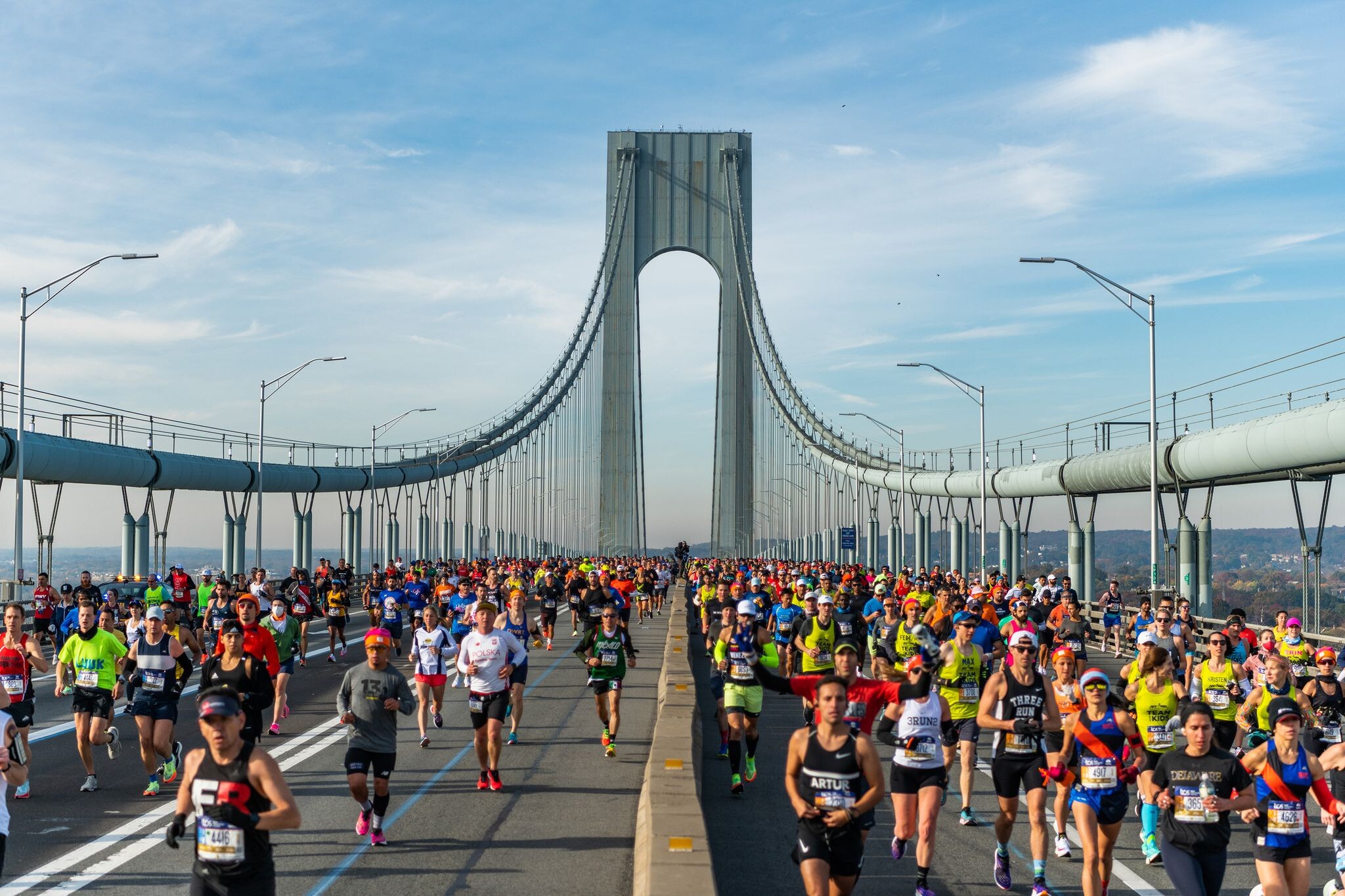
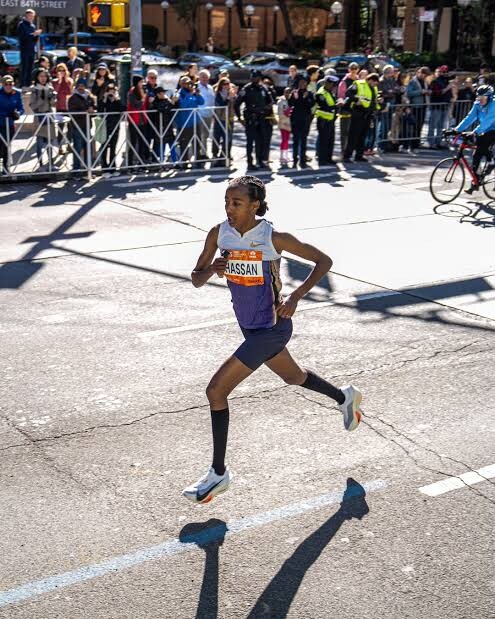
The Dutch Olympic marathon champion is set to make her second appearance at the TCS New York City Marathon, where she will face another formidable international field led by defending champion Hellen Obiri, fellow Kenyan Sheila Chepkirui and former world champion Edna Kiplagat.
Hassan's first encounter with New York in 2025 proved to be a far tougher assignment than the three-time Olympic champion might have hoped. She finished sixth in 2:24:43 after struggling during the second half of the race, with her New York debut coming only weeks after her victory at the Sydney Marathon.
The demanding schedule left Hassan facing a difficult recovery, and New York's succession of bridges, climbs and sharp changes in rhythm exposed the challenge of arriving at the race without enough marathon-specific preparation.
This time, however, the circumstances are different.
Hassan has had considerably more time to recover and prepare for the marathon, while she has also been managing an Achilles problem that disrupted her 2026 season. Rather than rushing back into competition, she has used the year to recover and build towards her longer-term goals.
Most importantly, Hassan now knows what awaits her when the race moves through New York's five boroughs.
She has already experienced the relentless bridges, the demanding climbs and the atmosphere created by huge crowds lining the streets. That knowledge could prove valuable when the race enters its decisive stages, particularly on a course where pacing and patience are just as important as raw marathon speed.
Hassan will also arrive with one of the fastest personal bests in the field. Her 2:13:44 national record makes her the quickest woman entered for the 2026 race, although New York's challenging layout means personal-best times do not necessarily tell the whole story.
Standing across the starting line will be a powerful Kenyan challenge.
Obiri returns as defending champion after producing one of the most impressive performances in the history of the race last year. She stormed to victory in 2:19:51, breaking the long-standing New York City Marathon course record, and has since lowered her marathon personal best to 2:15:53 in London.
Chepkirui will also return after finishing third in New York last year. The 2024 champion owns a 2:17:29 personal best, while Kiplagat brings enormous experience to the field, having won major marathons in New York, Boston and London as well as world championship gold.
The international field also includes Ethiopia's Gotytom Gebreslase, Kenya's Viola Cheptoo and Mercy Chelangat, Uruguay's Julia Paternain, Germany's Fabienne Königstein and a strong American contingent led by Jess McClain, Fiona O'Keeffe and marathon debutant Weini Kelati.
For Hassan, however, this race is about more than the names on the start list.
New York gave her a difficult introduction to its unique demands in 2025. She now returns with a clearer understanding of the course, more marathon experience and a preparation cycle designed to put her in a different position when the race reaches its closing stages.
She has already conquered the marathon on the biggest Olympic stage. She has also run 2:13:44, one of the fastest times ever recorded by a woman.
Now, New York offers another test.
The streets that humbled Hassan last year will once again be waiting for her. But this time, she will not be discovering them for the first time.
On November 1, Hassan will have another opportunity to find out just how different New York can look when you return knowing exactly what lies ahead.
And with Obiri, Chepkirui, Kiplagat and a deep international field standing in her way, the second chapter promises to be every bit as compelling as the first.
by Erick Cheruiyot for My Best Runs.
Login to leave a comment

TCS New York City Marathon
The first New York City Marathon, organized in 1970 by Fred Lebow and Vince Chiappetta, was held entirely in Central Park. Of 127 entrants, only 55 men finished; the sole female entrant dropped out due to illness. Winners were given inexpensive wristwatches and recycled baseball and bowling trophies. The entry fee was $1 and the total event budget...
more...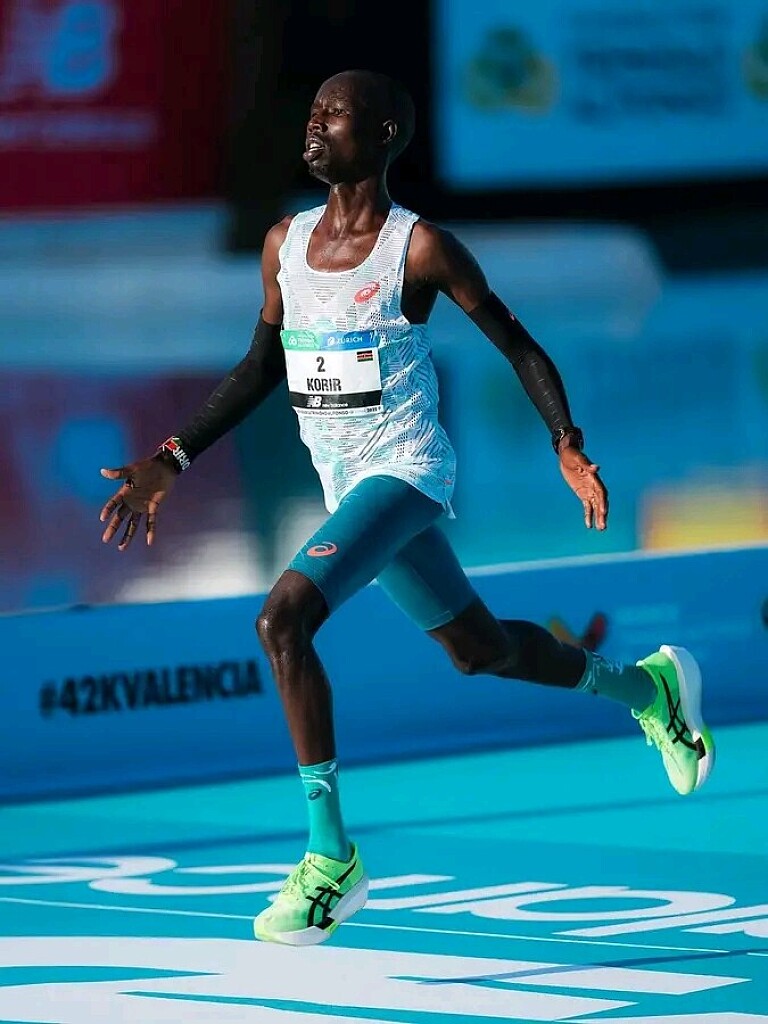
John Korir Reveals Huge Training Mileage Ahead Of Valencia Marathon Showdown
Kenyan marathon star John Korir has offered a glimpse into the demanding preparation behind his pursuit of another major victory, revealing that he is covering an astonishing amount of mileage as he builds towards the 2026 Valencia Marathon.

Korir, who will return to Spain on December 6 for the prestigious Valencia Marathon, says his current training programme involves running between 45 and 48 kilometres a day, with his weekly mileage reaching between 250 and 270 kilometres.
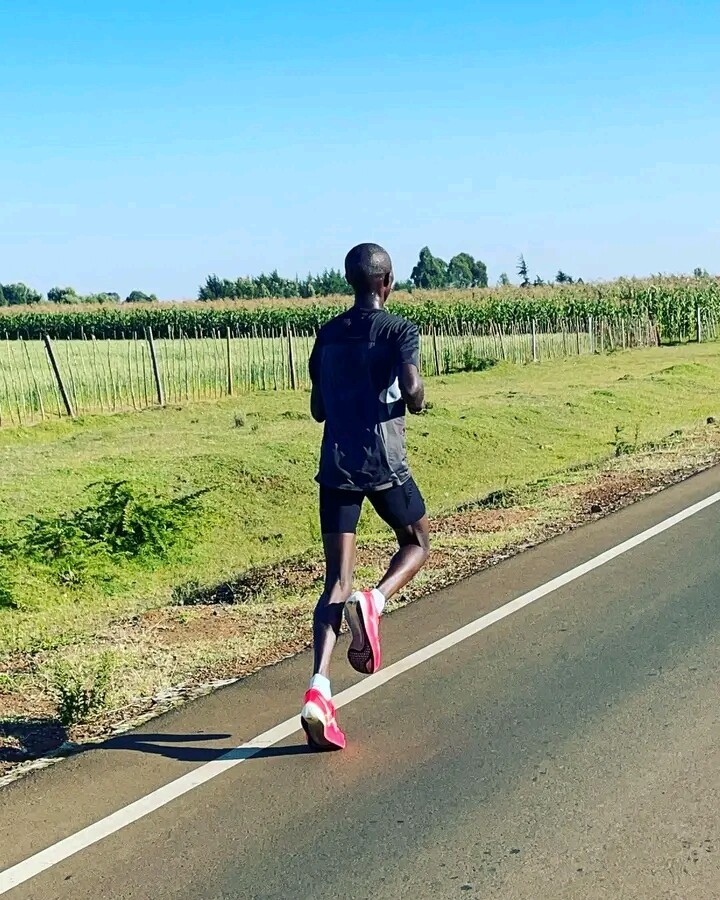
“I do 45 to 48 kilometres a day and 250 to 270 kilometres per week,” Korir revealed in an exclusive interview with Teddy Mulei of The Star.
The remarkable workload highlights the level of endurance required at the very top of marathon running, with Korir combining substantial mileage with dedicated speed work as he prepares for another demanding championship-calibre race.
“I have been focusing on both speed and endurance,” he added.
Korir will head to Valencia with confidence after establishing himself as one of the leading marathoners on the global circuit. He won the 2025 Valencia Marathon in 2:02:24, delivering a controlled and powerful performance to claim the prestigious title.
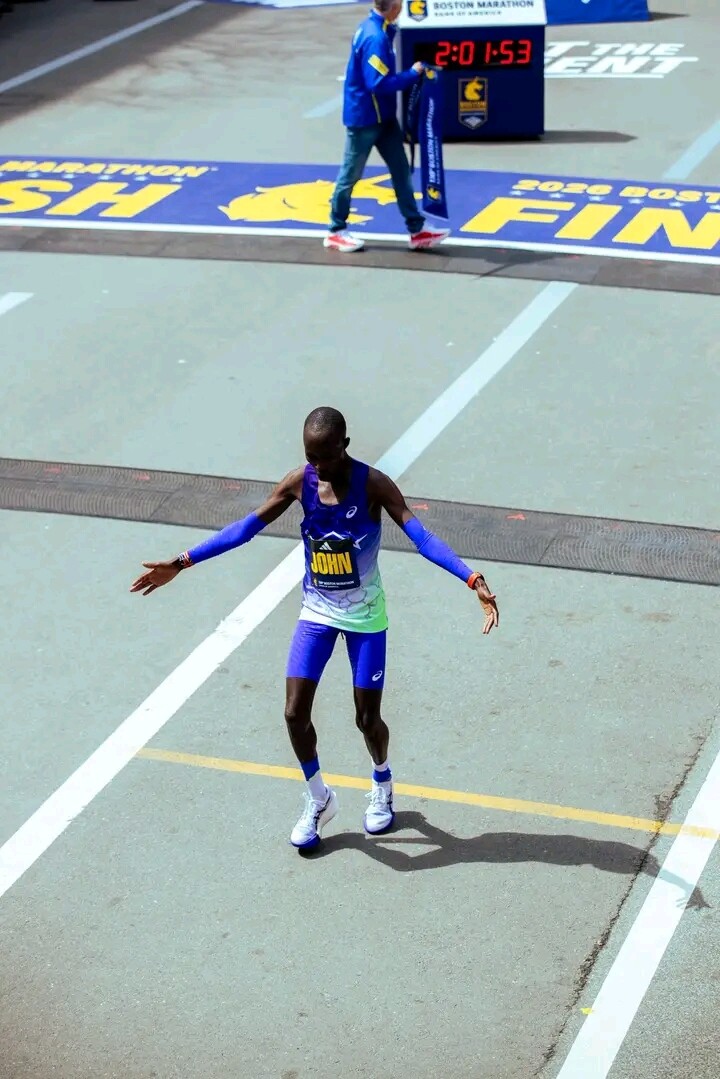
His impressive form continued into 2026 when he produced one of the biggest performances of his career at the Boston Marathon. Korir stormed to victory in a course-record 2:01:52, lowering his personal best and further strengthening his reputation as one of Kenya’s leading marathon specialists.
The challenge in Valencia, however, is expected to be significantly tougher this time around, with a formidable international field taking shape.
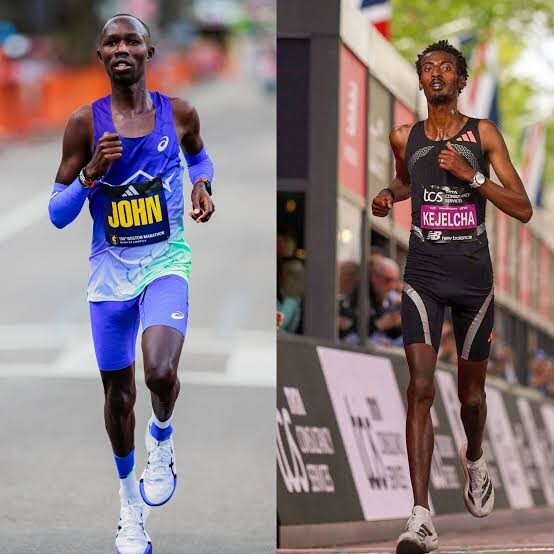
Among the biggest names expected to line up is Ethiopian speedster Yomif Kejelcha, whose transition from the track and shorter road distances to the marathon has already produced remarkable results.
Kejelcha made headlines with a sensational 1:59:41 in London, becoming only the second man to break the two-hour barrier in an official marathon after Kenya’s Sabastian Sawe recorded the world-record 1:59:30 in the same race.
The Ethiopian also has a strong connection with Valencia. He previously set a world record in the half marathon on the Spanish course and has demonstrated repeatedly that he possesses the speed required to produce extraordinary times over longer distances.
For Korir, the upcoming Valencia Marathon will therefore represent more than simply a defence of his title. It will be another opportunity to measure himself against some of the fastest marathoners in the world.
Despite the excitement surrounding the race and the possibility of another exceptionally fast performance, Korir is choosing to remain measured about his specific target.
“For now I cannot talk about what I will be going for in Valencia, but I am praying to God for good health and to be injury-free,” he said.
That cautious approach reflects the unpredictable nature of marathon racing, where months of preparation can ultimately come down to how an athlete responds over the final kilometres.
With his massive training volume, renewed focus on speed and endurance, and growing experience at the highest level, Korir is laying the groundwork for another major performance.
When the elite field takes over the streets of Valencia on December 6, the defending champion will have the added motivation of protecting his crown against a group of rivals carrying ambitions of their own.
For Korir, the road to Valencia has already begun with thousands of kilometres of preparation. The next chapter will be written over 42.195 kilometres.
by Erick Cheruiyot for My Best Runs.
Login to leave a comment

VALENCIA TRINIDAD ALFONSO
The Trinidad Alfonso EDP Valencia Marathon is held annually in the historic city of Valencia which, with its entirely flat circuit and perfect November temperature, averaging between 12-17 degrees, represents the ideal setting for hosting such a long-distance sporting challenge. This, coupled with the most incomparable of settings, makes the Valencia Marathon, Valencia, one of the most important events in...
more...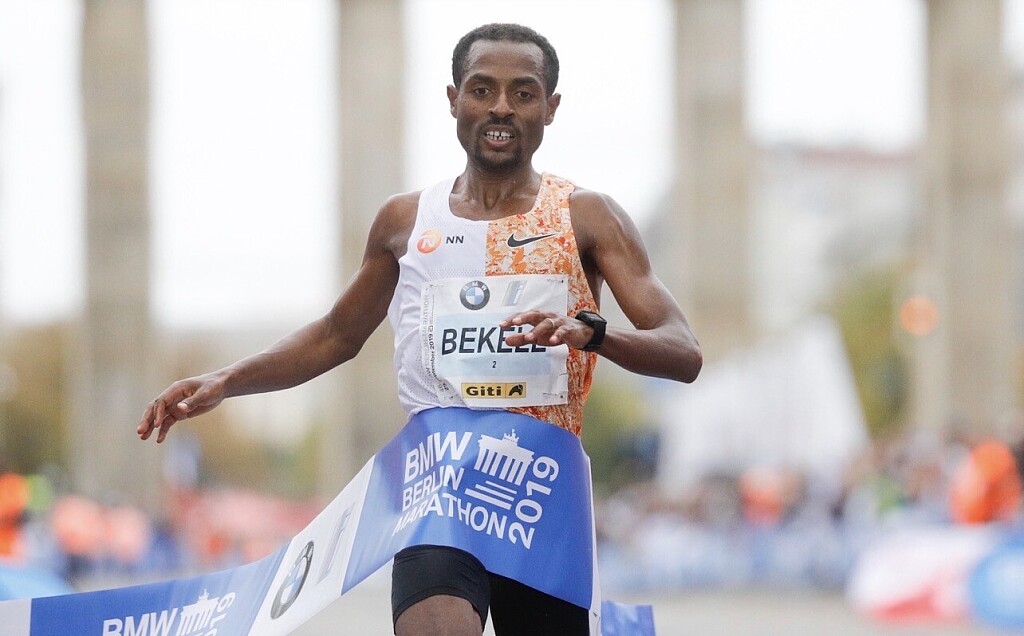
Kenenisa Bekele Returns to Berlin; Alisa Vainio Added to Elite Field
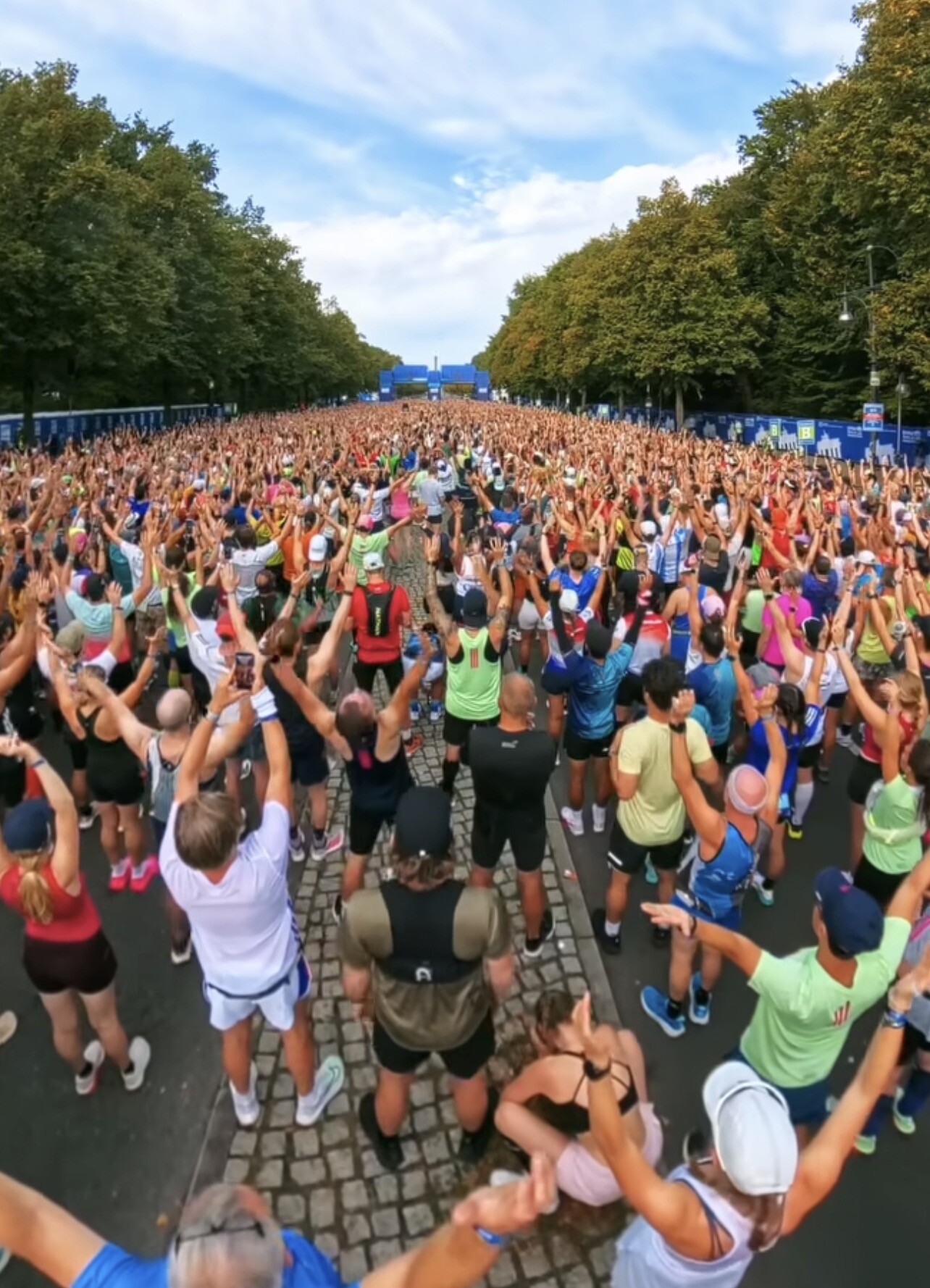
Kenenisa Bekele will run the BMW BERLIN-MARATHON on September 27, race organizers announced today. It will be the legendary Ethiopian’s first race of the year. At 44, Bekele may no longer be among the favorites for victory, but a strong performance remains possible.
Bekele has won the BMW BERLIN-MARATHON twice during his remarkable career, narrowly missing the world record on both occasions. In 2016, he crossed the line in 2:03:03, and in 2019, he clocked 2:01:41. Had he been just two seconds faster seven years ago, he would have become the first runner in history to hold the world records for 5,000 meters, 10,000 meters and the marathon simultaneously.

His return brings one of the greatest distance runners of all time back to Berlin. Bekele’s achievements on the track and in cross-country are extraordinary. He held the world records for 5,000 meters (12:37.35) and 10,000 meters (26:17.53) for approximately 15 years—longer than any other runner in history.
Bekele won 5,000-meter gold at the 2008 Olympic Games and the 2009 World Championships. Over 10,000 meters, he won Olympic gold in 2004 and 2008, along with world titles in 2003, 2005, 2007 and 2009. He also earned 11 individual gold medals at the World Cross Country Championships.
Two and a half years ago, at 41, Bekele nearly produced another extraordinary victory. He led during the closing stages of the London Marathon before finishing second in 2:04:15, setting a world masters record for the 40-plus age group that still stands. He was subsequently selected for the 2024 Olympic Games but finished 39th in Paris. Berlin offers him the opportunity to complete his first marathon since those Games.
European Champion Alisa Vainio Joins the Field
The women’s elite field has also received a strong late addition: European marathon champion Alisa Vainio.
A month ago, the Finnish runner claimed gold at the European Championships in Birmingham with a commanding performance, setting a championship record of 2:22:26.
Last year, Vainio was the top European finisher at the World Championships in Tokyo, placing fifth. She then went on to set three consecutive Finnish national records, improving to 2:20:39 with her victory in Seville in February.
That performance made her the fastest Nordic women’s marathon runner in history, surpassing the 2:21:06 set by Norway’s former world record-holder Ingrid Kristiansen.
Fastest Runners on the Start List
Men
|
Athlete |
Country |
Personal Best |
|
Kenenisa Bekele |
ETH |
2:01:41 |
|
Gabriel Geay |
TAN |
2:03:00 |
|
Getaneh Molla |
ETH |
2:03:34 |
|
Guye Adola |
ETH |
2:03:46 |
|
Shura Kitata |
ETH |
2:03:59 |
|
Erick Sang |
KEN |
2:04:30 |
|
Selemon Barega |
ETH |
2:05:00 |
|
Taresa Tolosa |
ETH |
2:05:17 |
|
Tadu Abate |
ETH |
2:05:38 |
|
Asefa Boki |
ETH |
2:05:40 |
|
Kenya Sonota |
JPN |
2:05:59 |
|
Tsubasa Ichiyama |
JPN |
2:06:00 |
|
Kiyoto Hirabayashi |
JPN |
2:06:14 |
|
Yuhei Urano |
JPN |
2:06:23 |
|
Hidekazu Hijikata |
JPN |
2:06:26 |
Women
|
Athlete |
Country |
Personal Best |
|
Tigst Assefa |
ETH |
2:11:53 |
|
Rosemary Wanjiru |
KEN |
2:16:14 |
|
Bedatu Hirpa |
ETH |
2:18:27 |
|
Dera Dida |
ETH |
2:18:32 |
|
Zeineba Yimer |
ETH |
2:18:47 |
|
Bosena Mulatie |
ETH |
2:19:00 |
|
Misgane Alemayehu |
ETH |
2:19:08 |
|
Bekelech Gudeta |
ETH |
2:19:39 |
|
Evaline Chirchir |
KEN |
2:20:33 |
|
Alisa Vainio |
FIN |
2:20:39 |
|
Deshun Zhang |
CHN |
2:20:53 |
|
Gadise Mulu |
ETH |
2:20:59 |
|
Eebbisee Addunyaa |
ETH |
by Race News Service
Login to leave a comment

BMW Berlin Marathon
The story of the BERLIN-MARATHON is a story of the development of road running. When the first BERLIN-MARATHON was started on 13th October 1974 on a minor road next to the stadium of the organisers‘ club SC Charlottenburg Berlin 286 athletes had entered. The first winners were runners from Berlin: Günter Hallas (2:44:53), who still runs the BERLIN-MARATHON today, and...
more...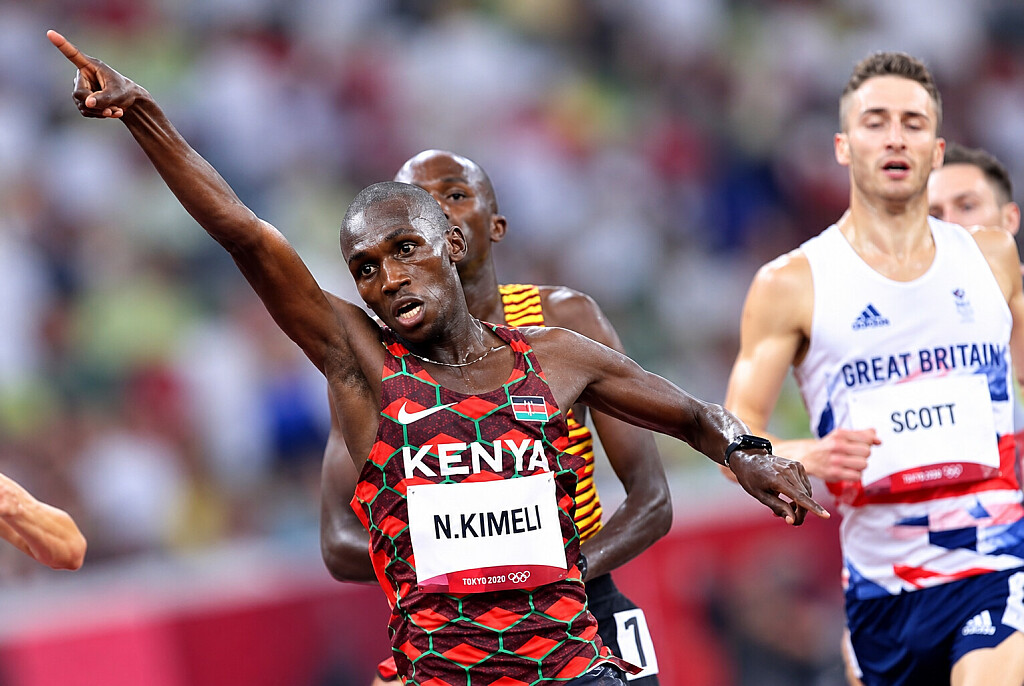
Nicholas Kipkorir Leads Star-Studded Men’s Half Marathon Field At World Road Running Championships
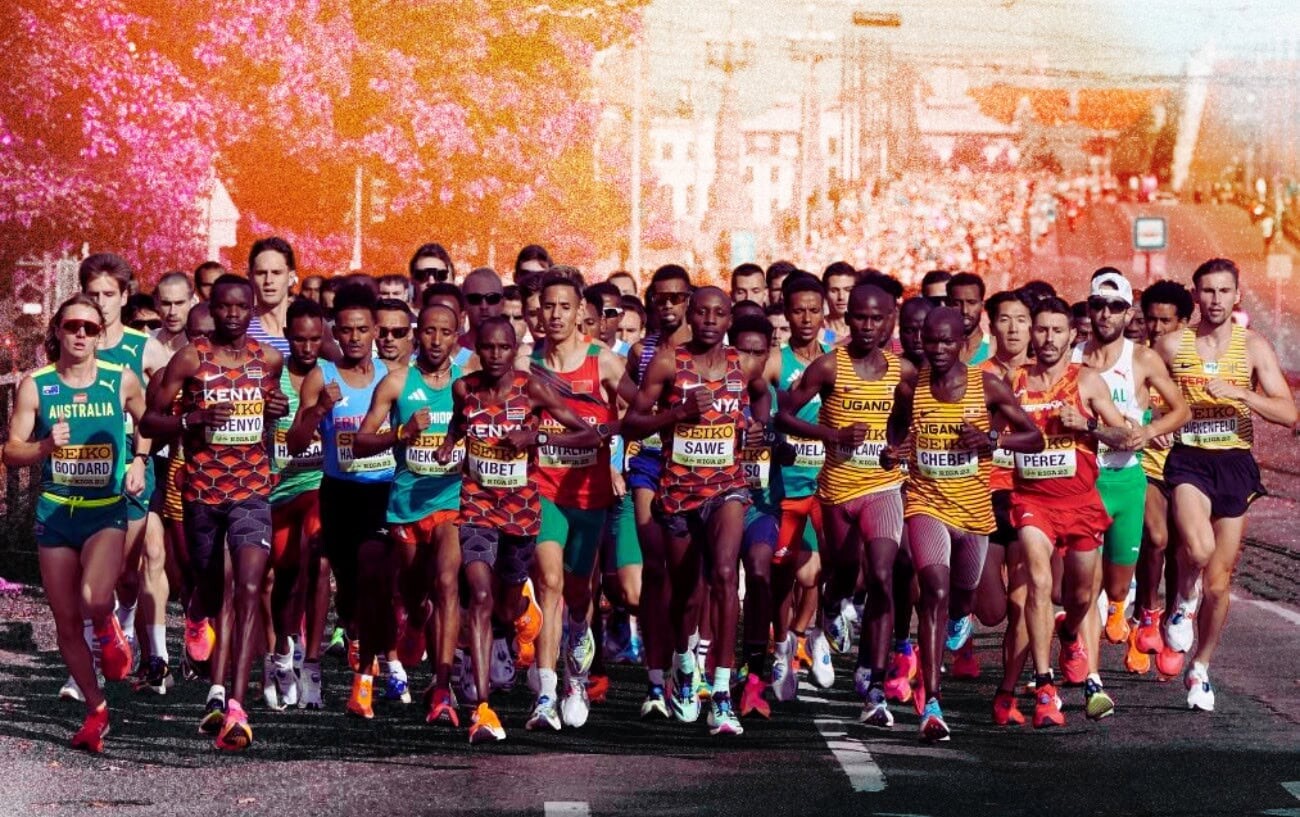
The stage is set for a spectacular men’s half marathon at the World Athletics Road Running Championships Copenhagen 26, with some of the world’s leading distance runners preparing to battle for global honours on Sunday, September 20.
Kenya’s Nicholas Kipkorir headlines the field with a remarkable personal best of 58:08, the fastest mark among the athletes entered.
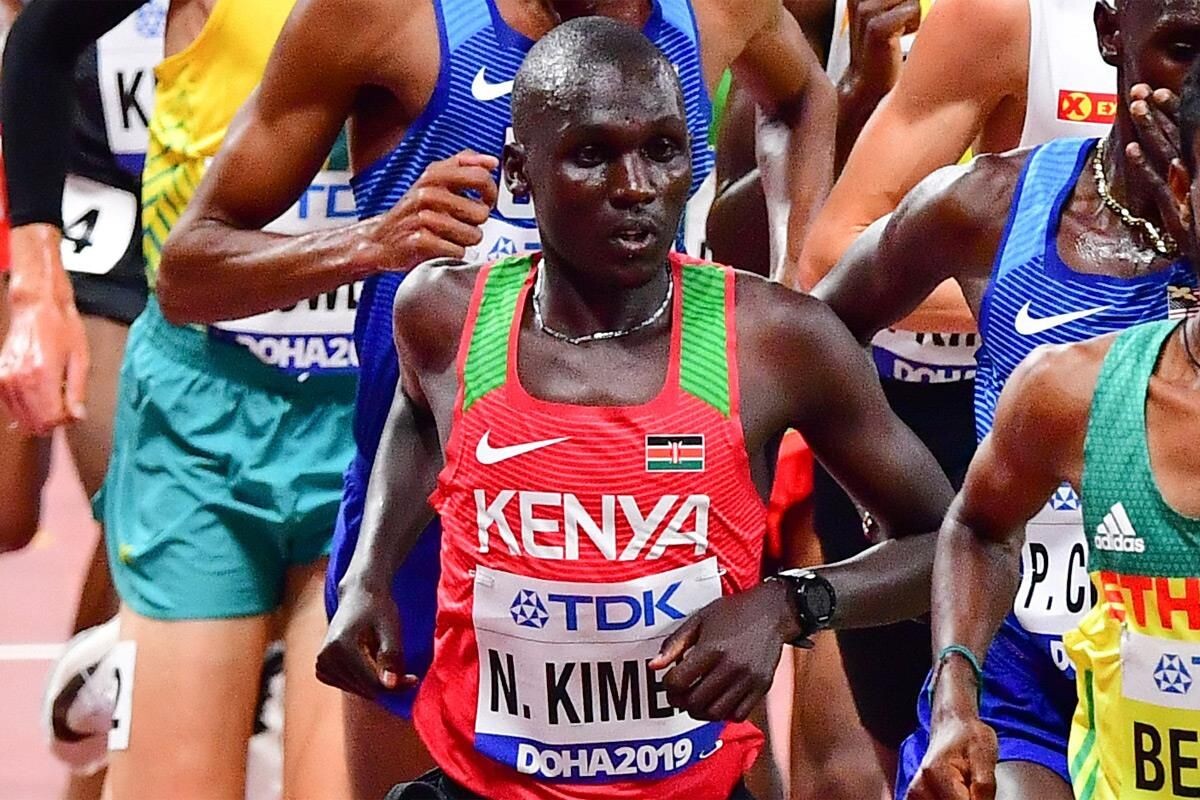
Kipkorir will face a formidable challenge from compatriot Gideon Kipkertich Rono, who owns a 58:38 personal best. Sweden’s Andreas Almgren also brings an exceptional 58:41 to the start line, while Ethiopia’s Tadese Worku has a 58:59 personal best.
Italy’s Yemaneberhan Crippa adds another major name to the field with a national record of 59:01, while Kenya’s Daniel Simiu Ebenyo enters with a 59:04 personal best and valuable championship experience.
Ebenyo won silver at the 2023 World Road Running Championships in Riga and will be looking to challenge for another medal in Copenhagen.
Uganda’s Joshua Cheptegei will bring enormous championship pedigree to the race. The Olympic and multiple world champion has a half marathon best of 59:21, making him another athlete capable of featuring prominently in the battle for the medals.
The American challenge will be led by Conner Mantz, who owns a 59:15 personal best. France’s Etienne Daguinos, Portugal’s Samuel Barata, Ethiopia’s Bereket Nega, France’s Jimmy Gressier, Canada’s Rory Linkletter, Australia’s Jack Rayner and Morocco’s Mohamed Reda El Aaraby further strengthen an already formidable international field.
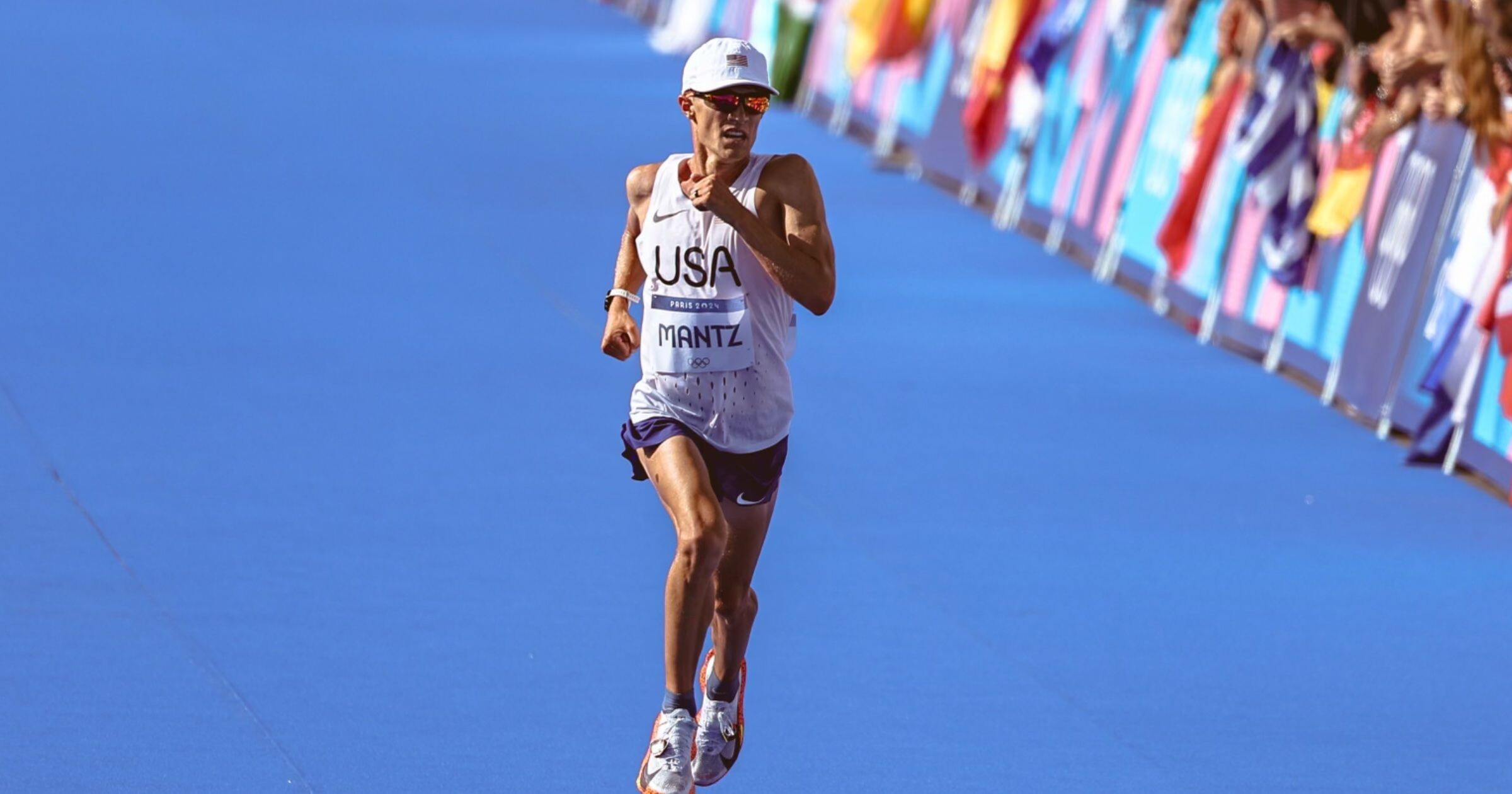
Kenya will have particular interest in the championship, with several of its leading road runners lining up against some of the best athletes from Europe, Africa, North America, Asia and Oceania.
The race will be contested over the traditional 21.0975-kilometre distance, with the elite men scheduled to start at 9:45 a.m. local time on Sunday, September 20.
Leading Athletes And Personal Bests
1. Nicholas Kipkorir (Kenya) — 58:08
2. Gideon Kipkertich Rono (Kenya) — 58:38
3. Andreas Almgren (Sweden) — 58:41
4. Tadese Worku (Ethiopia) — 58:59
5. Yemaneberhan Crippa (Italy) — 59:01
6. Daniel Simiu Ebenyo (Kenya) — 59:04
7. Alex Nzioka Matata (Kenya) — 59:11
8. Conner Mantz (USA) — 59:15
9. Joshua Cheptegei (Uganda) — 59:21
10. Etienne Daguinos (France) — 59:27
11. Samuel Barata (Portugal) — 59:40
12. Bereket Nega (Ethiopia) — 59:43
13. Jimmy Gressier (France) — 59:45
14. Rory Linkletter (Canada) — 59:49
15. Peter Lynch (Ireland) — 59:52
16. Jack Rayner (Australia) — 59:53
17. Mohamed Reda El Aaraby (Morocco) — 59:54
18. Hillary Bor (USA) — 59:55
19. Zerei Kbrom Mezngi (Norway) — 1:00:01
20. Bastien Augusto (France) — 1:00:09
21. Mande Bushendich (Uganda) — 1:00:14
22. Jack Rowe (Great Britain) — 1:00:17
23. Cameron Levins (Canada) — 1:00:18
24. Ogikubo Tomoya (Japan) — 1:00:22
25. Bayelign Teshager (Ethiopia) — 1:00:22
26. Elroy Gelant (South Africa) — 1:00:22
27. Célestin Ndikumana (Burundi) — 1:00:23
28. Said Mechaal (Spain) — 1:00:24
29. Nishizawa Yuma (Japan) — 1:00:26
30. Namiki Neo (Japan) — 1:00:29
31. Othmane El Goumri (Morocco) — 1:00:30
32. Inyasi Nicodemus Sulley (Tanzania) — 1:00:31
33. Wesley Kiptoo (USA) — 1:00:34
34. Haftu Strintzos (Australia) — 1:00:36
35. Filmon Tesfu (Netherlands) — 1:00:38
36. Mustapha Akkaoui (Morocco) — 1:00:38
With such remarkable depth, the championship could remain finely poised until the closing stages. The presence of multiple sub-59-minute runners, experienced championship performers and strong finishers sets the scene for a race in which positioning, tactics and the ability to respond to late surges could prove decisive.
For Kipkorir, Ebenyo and their Kenyan teammates, Copenhagen provides an opportunity to turn impressive personal credentials into championship medals. But with a world-class field assembled behind them, the final outcome will only be determined when the leading runners reach the finish line.
by Erick Cheruiyot for My Best Runs.
Login to leave a comment
Agnes Ngetich Leads Star-Studded Women’s Half Marathon Field At World Road Running Championships
The stage is set for a spectacular women’s half marathon at the 2026 World Athletics Road Running Championships in Copenhagen, Denmark, with a deep international field ready to battle for the world title on Sunday, September 20.
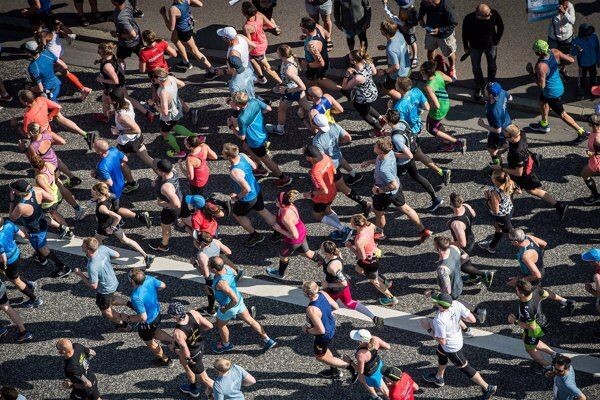
The elite women’s race will begin at 9:10 a.m. local time, with the 21.0975-kilometre championship race taking runners through the streets of Copenhagen before the finish on Øster Allé.
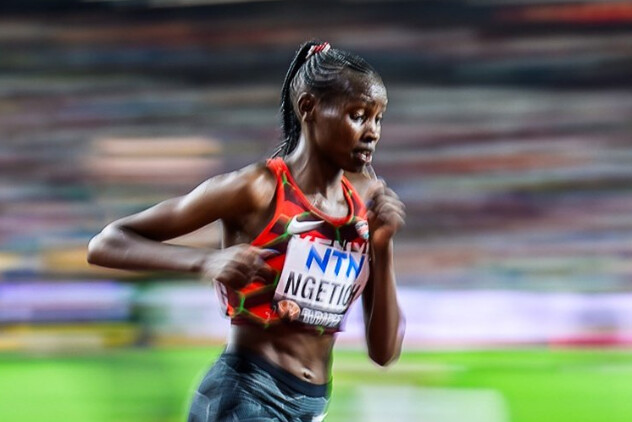
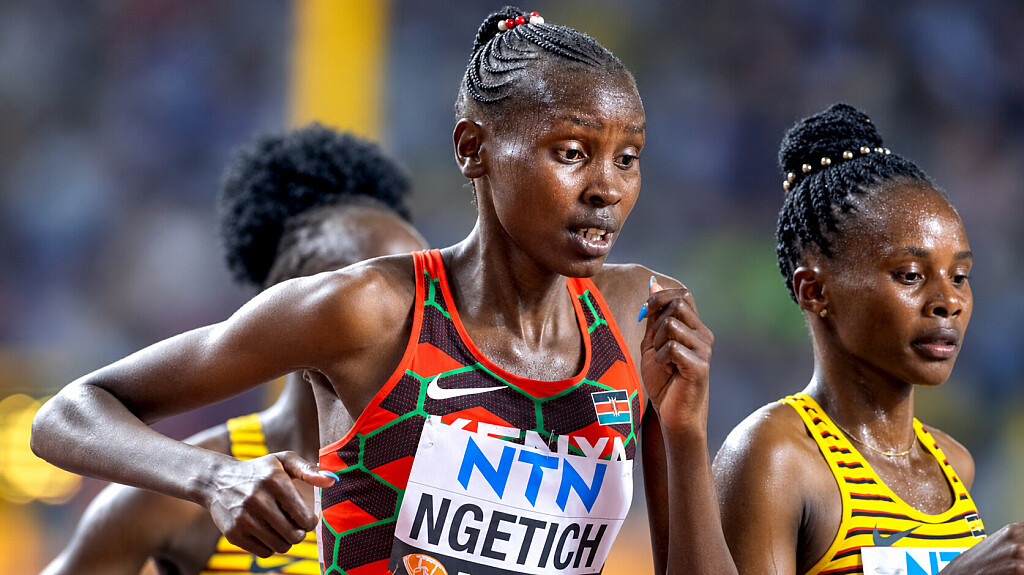
At the head of the entry list is Kenya’s Agnes Jebet Ngetich, who brings a sensational 1:03:04 personal best into the championship. She will lead a powerful Kenyan contingent that also includes Lilian Kasait Rengeruk, whose 1:03:32 is among the fastest times ever recorded over the distance.
Ngetich has established herself as one of the leading distance runners in the world, and her combination of speed and endurance makes her one of the major names to watch when the championship race gets underway.
Rengeruk provides another formidable Kenyan threat, while Daisilah Jerono, with a 1:05:21 personal best, and Veronica Loleo, with 1:05:35, add further depth to the Kenyan line-up.
Ethiopia will also arrive with serious firepower. Tsigie Gebreselama owns a remarkable 1:04:21 personal best, while Ftaw Zeray comes into Copenhagen with a 1:05:12 lifetime best.
The battle will not be restricted to the leading African nations, however. Weini Kelati Frezghi heads the American challenge with a 1:06:04 personal best, while Esther Chebet of Uganda has run 1:06:33.
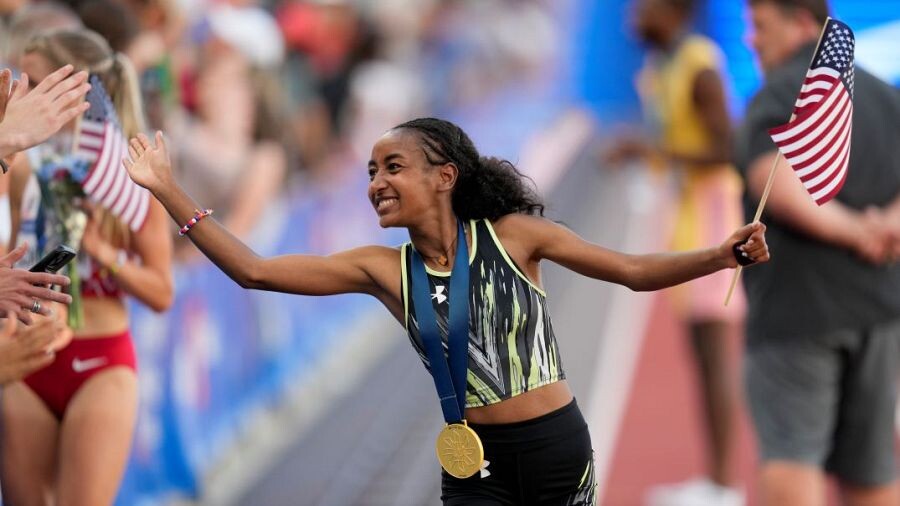
Europe will be represented by several accomplished athletes, including Slovenia’s Klara Lukan, who owns a 1:06:43 personal best, and Norway’s experienced Karoline Bjerkeli Grøvdal, whose best stands at 1:06:55.
South Africa’s Glenrose Xaba is another prominent name on the list with a 1:07:03 personal best, while Great Britain’s Samantha Harrison enters with 1:07:10.
Uganda has further depth through Rebecca Chelangat at 1:07:18, Annet Chemengich Chelangat at 1:08:12 and Rispa Cherop at 1:08:53.
The international field also includes Ethiopia’s Melat Siyoum and Baraky Redae, Rwanda’s Florence Niyonkuru and Emeline Imanizabayo, Mexico’s Laura Galván, Belgium’s Chloé Herbiet and Lisa Rooms, the United States’ Emma Grace Hurley, Ednah Kurgat, Carrie Ellwood and Jessica McClain, France’s Mekdes Woldu, Alessia Zarbo and Mélody Julien, Italy’s Sofia Yaremchuk and Elvanie Nimbona, China’s He Wuga and Liang Tiantian, and New Zealand’s Georgie Grgec.
Women’s Half Marathon Entry List
1. Agnes Jebet Ngetich — Kenya — 1:03:04
2. Lilian Kasait Rengeruk — Kenya — 1:03:32
3. Tsigie Gebreselama — Ethiopia — 1:04:21
4. Ftaw Zeray — Ethiopia — 1:05:12
5. Daisilah Jerono — Kenya — 1:05:21
6. Veronica Loleo — Kenya — 1:05:35
7. Weini Kelati Frezghi — United States — 1:06:04
8. Esther Chebet — Uganda — 1:06:33
9. Klara Lukan — Slovenia — 1:06:43
10. Karoline Bjerkeli Grøvdal — Norway — 1:06:55
11. Glenrose Xaba — South Africa — 1:07:03
12. Samantha Harrison — Great Britain — 1:07:10
13. Rebecca Chelangat — Uganda — 1:07:18
14. Melat Siyoum — Ethiopia — 1:07:21
15. Florence Niyonkuru — Rwanda — 1:07:22
16. Baraky Redae — Ethiopia — 1:07:31
17. Laura Galván — Mexico — 1:07:31
18. Chloé Herbiet — Belgium — 1:07:32
19. Emeline Imanizabayo — Rwanda — 1:07:35
20. Emma Grace Hurley — United States — 1:07:35
21. Annet Chemengich Chelangat — Uganda — 1:08:12
22. Mekdes Woldu — France — 1:08:20
23. Alessia Zarbo — France — 1:08:20
24. Ednah Kurgat — United States — 1:08:25
25. Sofia Yaremchuk — Italy — 1:08:27
26. He Wuga — China — 1:08:31
27. Liang Tiantian — China — 1:08:33
28. Carrie Ellwood — United States — 1:08:34
29. Jessica McClain — United States — 1:08:37
30. Elvanie Nimbona — Italy — 1:08:38
31. Lisa Rooms — Belgium — 1:08:40
32. Rispa Cherop — Uganda — 1:08:53
33. Georgie Grgec — New Zealand — 1:09:13
34. Mélody Julien — France — 1:09:15
With so many athletes separated by relatively small margins on paper, the championship race could develop into a fascinating tactical contest. Personal bests provide an indication of speed, but championship racing often comes down to positioning, patience and the ability to respond when the decisive moves arrive.
For Ngetich, Rengeruk, Gebreselama, Zeray and the rest of the field, the opportunity is clear: 21.0975 kilometres through Copenhagen with a world championship title waiting at the finish.
The World Athletics Road Running Championships Copenhagen 26 take place on September 19–20, with the women’s elite half marathon taking centre stage on Sunday, September 20, at 9:10 a.m.
Copenhagen is ready for a major championship showdown — and the women’s half marathon promises to be one of the highlights of the weekend.
by Erick Cheruiyot for My Best Runs.
Login to leave a comment
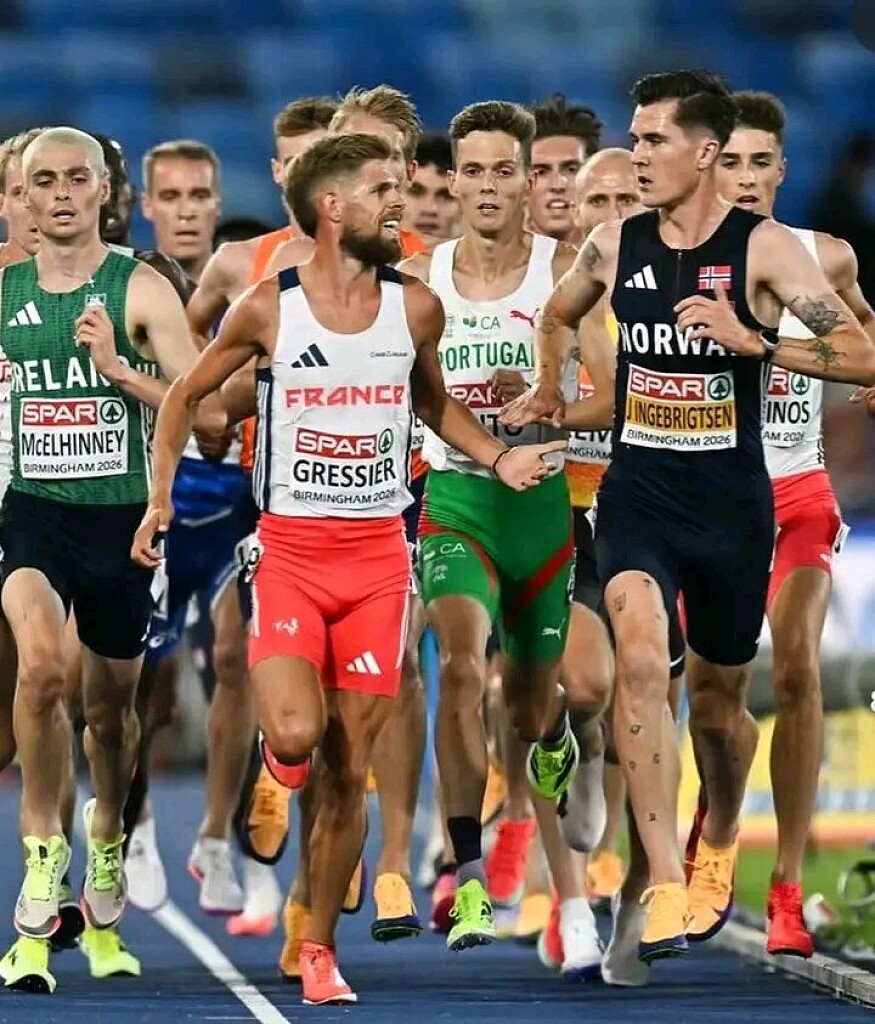
Jakob Ingebrigtsen And Jimmy Gressier Set For First-Ever Road Showdown In Copenhagen
COPENHAGEN — Two of the biggest names in modern distance running are about to take their rivalry onto unfamiliar territory.
Norway’s Jakob Ingebrigtsen and France’s Jimmy Gressier are set to meet for the first time on the roads when the men’s 5km at the World Athletics Road Running Championships gets underway in Copenhagen on Saturday, September 19.
The highly anticipated clash brings together two athletes with very different paths to the start line, but an equally strong appetite for another global title.
Ingebrigtsen arrives in Denmark as the reigning Olympic 5000m champion and a four-time European 5000m champion. He has also just added the inaugural World Athletics Ultimate Championship 5000m title to his collection, producing a powerful 12:59.24 performance in Budapest only days ago.
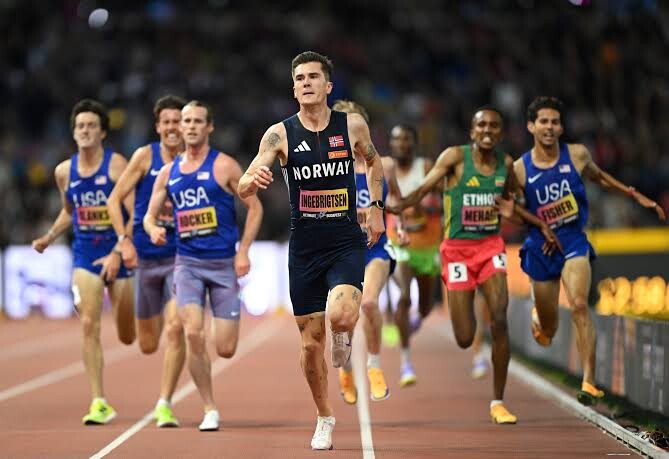
The Norwegian has already conquered some of the biggest stages in track and field. Now, Copenhagen presents a new challenge: winning a global title on the roads.
His road-racing experience over 5km is limited, however. World Athletics notes that Ingebrigtsen has raced the distance only once before, clocking 13:28 in Stavanger in 2020. He also raced his first and, so far, only half marathon in Copenhagen in 2024.
Standing in his way is a man who has already proved that he belongs among the very best road racers in the world.
Gressier enters Copenhagen as the reigning world 10,000m champion and the fastest man on the 5km entry list. In April, the Frenchman stormed to a European record of 12:51 in Lille, moving within just two seconds of the world record. Only Ethiopia’s Berihu Aregawi and Yomif Kejelcha have ever run faster over the distance.
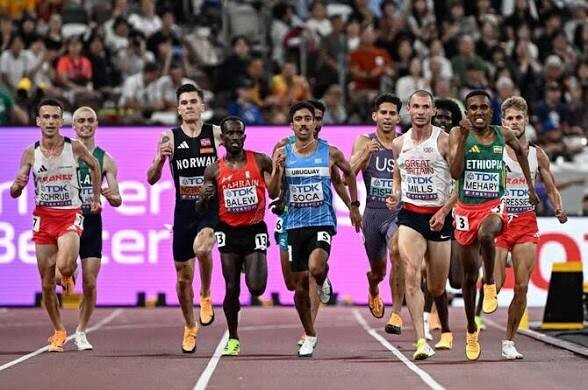
That performance also came with a warning for the rest of the field.
Ethiopia’s Addisu Yihune finished second behind Gressier in Lille in 12:54, a mark that places him fifth on the world all-time list. The two will meet again in Copenhagen, adding another major storyline to an already loaded championship race.
And Gressier is not stopping after one race.
The French star is entered for both the 5km on Saturday afternoon and the men’s half marathon on Sunday morning. With the 5km scheduled for 2:40 p.m. and the half marathon at 9:45 a.m. the following day, he will have only around 19 hours between the two championship races.
It is an extraordinary test of versatility. First comes a five-kilometre battle likely to demand close to all-out speed from the opening stages. Then, before a full day has passed, Gressier will have to return to the start line for 21.1 kilometres against a field packed with established road specialists.
Yet the 29-year-old is no stranger to the half marathon. He won the European half marathon title in 2025 in 59:45 and finished fifth at the 2023 World Road Running Championships in Riga in 59:46.
The 5km field, meanwhile, extends well beyond the headline names.
Kenya’s Mathew Kipsang arrives as the reigning Commonwealth 5000m champion, while Australia’s Ky Robinson, Burundi’s Egide Ntakarutimana, Norway’s Narve Gilje Nordås and Portugal’s José Carlos Pinto are among the other athletes capable of making the race highly competitive.
Copenhagen is therefore preparing for much more than a simple Ingebrigtsen-Gressier duel.
It is a meeting between a track superstar testing himself on the roads and a world champion who has already demonstrated extraordinary speed over the distance. Add Yihune’s 12:54, Kipsang’s championship pedigree and a deep international field, and the ingredients are there for a fiercely contested world title.
For Ingebrigtsen, the question is whether his world-class track speed and devastating finishing ability can translate seamlessly onto the roads.
For Gressier, the challenge is whether he can turn his remarkable 12:51 into a world championship crown — while keeping enough in reserve for the half marathon less than 24 hours later.
One thing is certain: when the gun fires in Copenhagen, the roads will provide a completely new chapter in the careers of two athletes who have already conquered some of the biggest stages in the sport.
And this time, there will be nowhere to hide.
Jakob Ingebrigtsen versus Jimmy Gressier.
Track royalty meets road-running firepower.
Copenhagen is ready.
by Erick Cheruiyot for My Best Runs.
Login to leave a comment
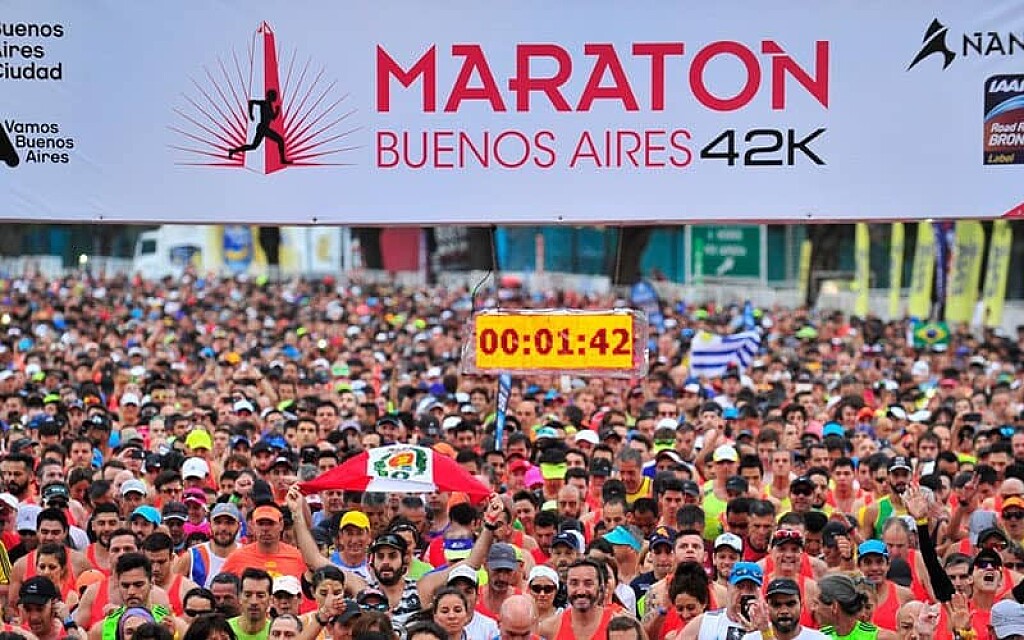
Bethwel Kibet Chumba Leads Star-Studded International Field for Buenos Aires Marathon
The Buenos Aires Marathon is set for an exciting edition on September 20, with a strong international field preparing to take on the 42-kilometre challenge through the streets of Argentina’s capital.
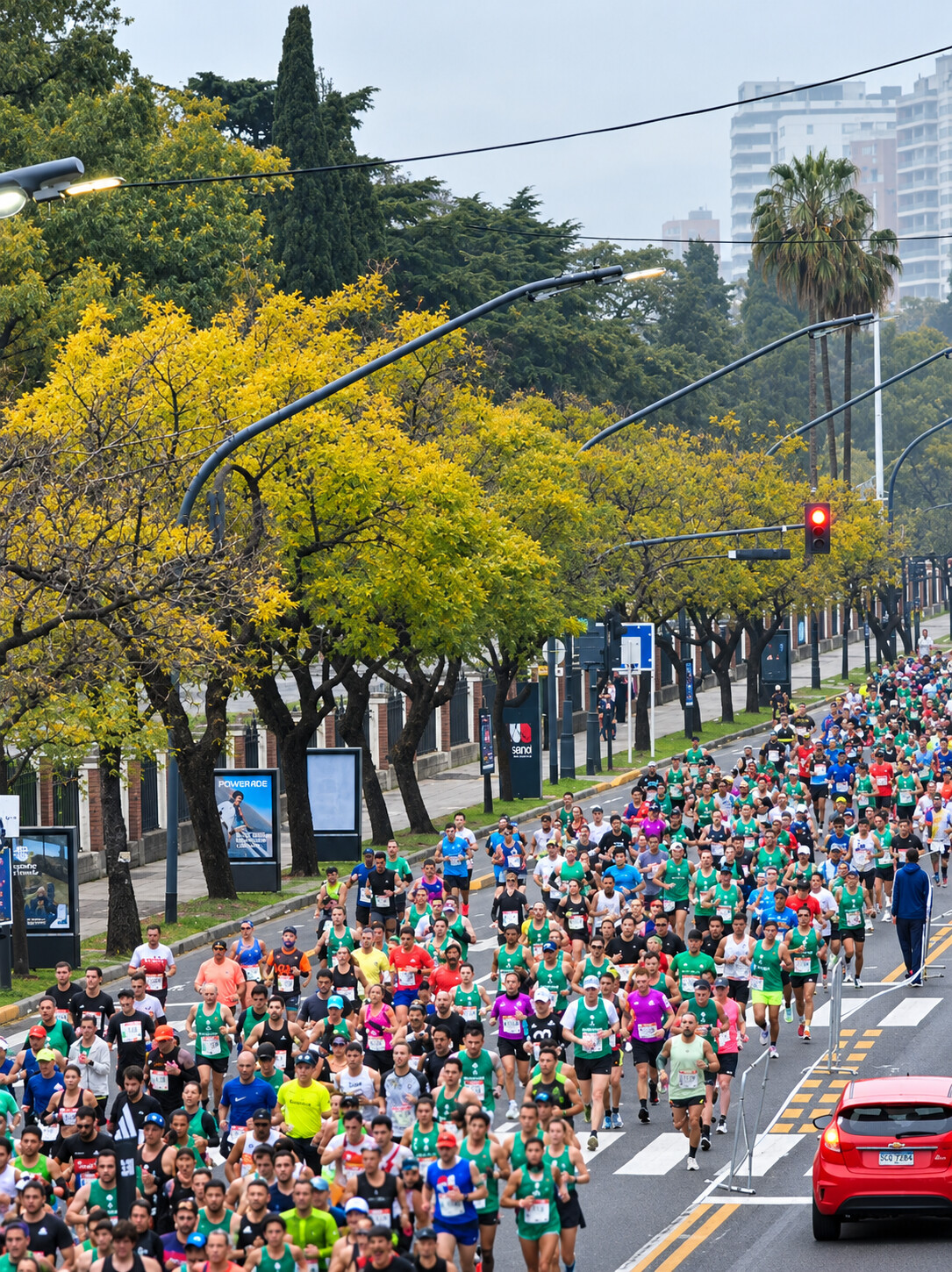
Kenyan marathoner Bethwel Kibet Chumba has been highlighted as one of the major international stars arriving in Buenos Aires, where he will headline a highly competitive men’s field featuring athletes from Kenya, Ethiopia and Rwanda.
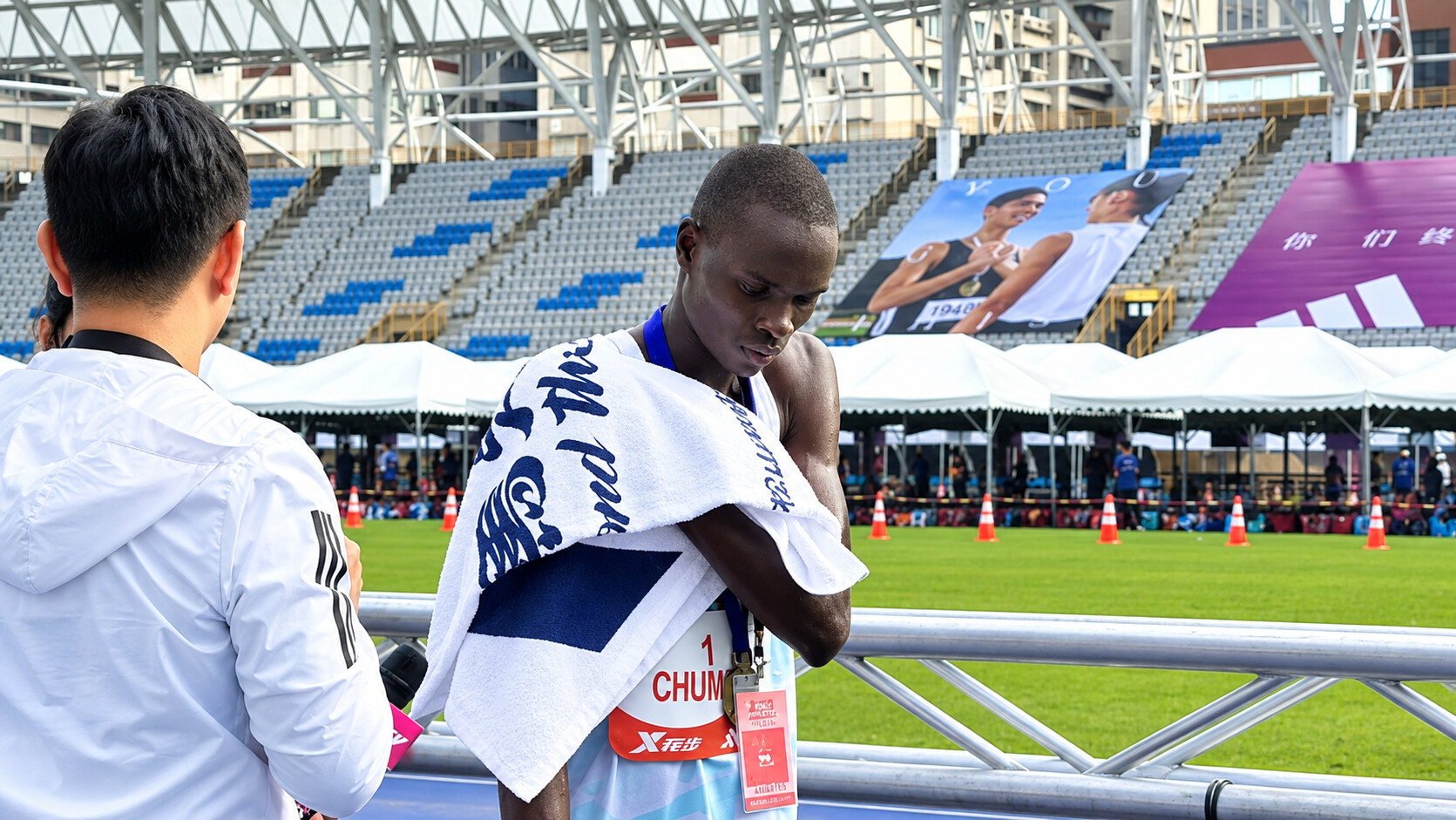
Chumba will be joined on the start line by fellow Kenyans Felix Kiptoo Kirwa, Kipkemoi Kiprono, Gevin Kipkurui Kerich, Vincent Kibor Raimoi, Kelvin Kiptoo Kororia, Vitalis Kibiwott and Zacharia Krop.
The Ethiopian challenge will feature Deribe Robi Melka, Dechasa Alemu Moreda, Embay Goitom Dimtsu and Tilahun Amsalu Beyene, while Rwanda will be represented by John Hakizimana.
With such depth across the field, the men’s race promises to produce a fascinating battle from the opening kilometres, as experienced marathoners look to position themselves for a shot at victory on one of South America’s most prominent road-racing stages.
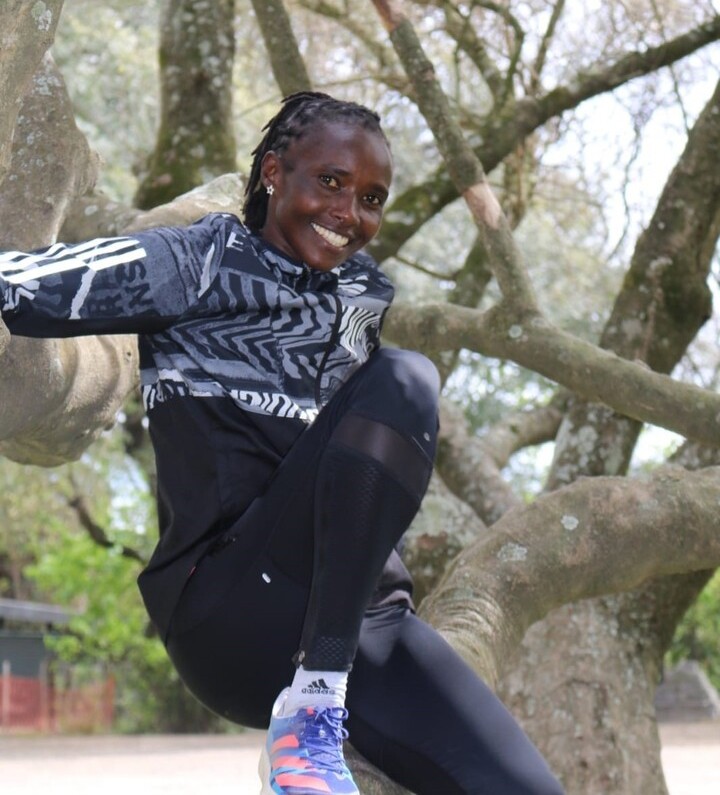
The women’s race is equally intriguing, with Kenyan star Rodah Jepkorir Tanui set to headline the international field. Tanui arrives with a clear target: to claim her fourth Buenos Aires Marathon title, adding another chapter to her impressive record in the race.
Tanui will face strong opposition from a group of international contenders led by Ethiopia’s Sintayehu Lewetegn Hailemichael, Lomi Muleta Tefera, Agere Adera Tamir, Alem Tsehay Birm Zerihun and Tadelech Bekele Nedi.
Kenya will also have Rebecca Kangogo Chesir and Emmah Cheruto Ndiwa in the women’s elite field, setting up another potentially gripping contest over the classic marathon distance.
The presence of Chumba and Tanui gives the Buenos Aires Marathon two major Kenyan figures to watch, but neither race is expected to be a straightforward affair. The depth of the international line-up means that the leading contenders will have to manage the pace carefully, conserve energy and produce their best efforts when the race enters its decisive stages.
As Buenos Aires prepares to welcome the international running community, attention will turn to September 20, when the elite athletes take to the streets for 42 kilometres of racing, with victory, prestige and another major marathon title on the line.
Buenos Aires is ready. The international stars are coming—and the battle for the 42K crown is set to be one to watch.
by Erick Cheruiyot for My Best Runs.
Login to leave a comment

Buenos Aires Marathon
The Maratón of Buenos Aires is an annual marathon foot-race which takes place in Buenos Aires, Argentina, during the Southern Hemisphere's Spring, usually in October. The 21st edition of the Buenos Aires Marathon started on October 9, 2005 at 7:30 at the 9 de Julio Avenue and Córdoba Avenue in the Recoleta neighborhood, being the start also the end point. ...
more...
Nairobi 2029: Kenya Wins Historic Bid to Bring World Athletics Championships to Africa
Africa finally has its moment. Kenya has won the race to host the 2029 World Athletics Championships, turning years of ambition into a landmark reality for the continent.
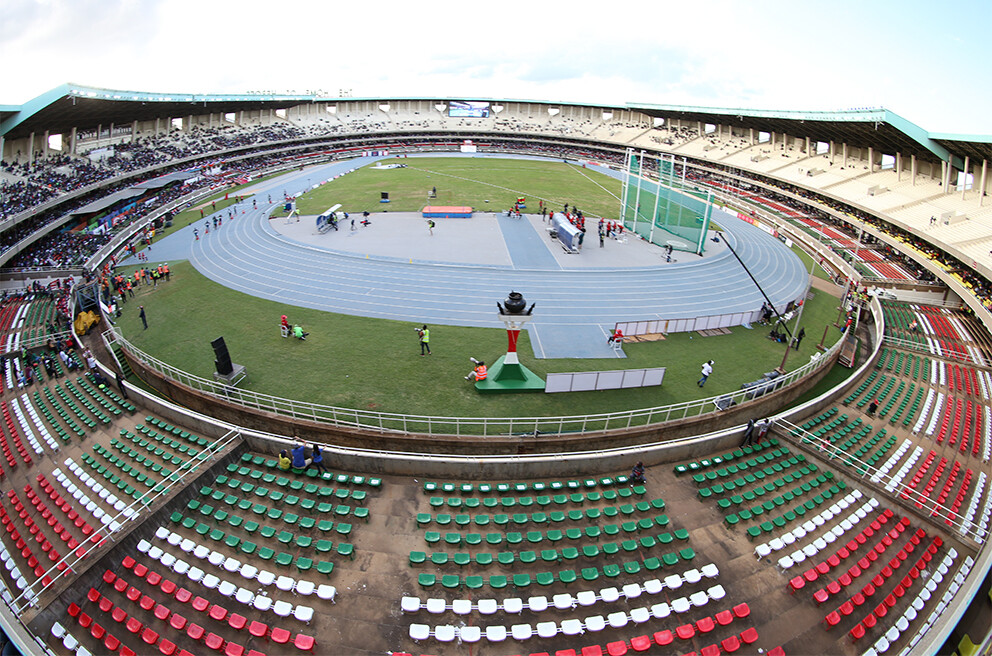
In a historic decision announced in Budapest, Nairobi has been selected to host the 2029 World Athletics Championships, making Kenya the first African nation to stage the senior global track and field championships.
World Athletics confirmed that Nairobi and Munich have been selected to host the 2029 and 2031 World Athletics Championships respectively, following what the governing body described as one of the strongest bidding processes in the history of its flagship event.
For Kenya, the announcement represents far more than a successful hosting bid. It is the latest chapter in a remarkable athletics story built over generations.
The Kenyan capital overcame strong competition from London, Rome and Munich to secure the 2029 edition, bringing the world's biggest senior athletics championship to African soil for the first time.

The championship will be staged at the Moi International Sports Centre, Kasarani, in Nairobi, giving Kenya the opportunity to welcome the world's greatest athletes to a country that has produced countless champions of its own.
For generations, Kenya has established itself as one of the most influential nations in global athletics.
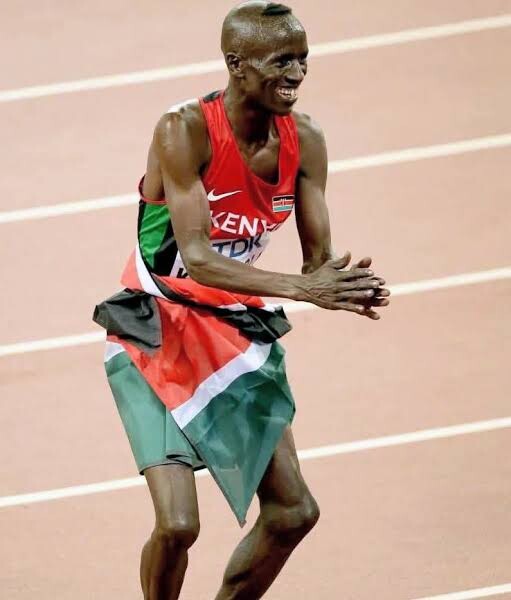
From pioneering Olympic champion Kipchoge Keino and distance-running legend Tegla Loroupe among others to modern icons such as Eliud Kipchoge, Faith Kipyegon, David Rudisha, Faith Cherotich, Vivian Cheruiyot and Ezekiel Kemboi among others. Kenyan athletes have repeatedly conquered the world's biggest stages.
Their Olympic victories, world titles, records and unforgettable performances have made Kenya one of the most recognizable names in track and field.
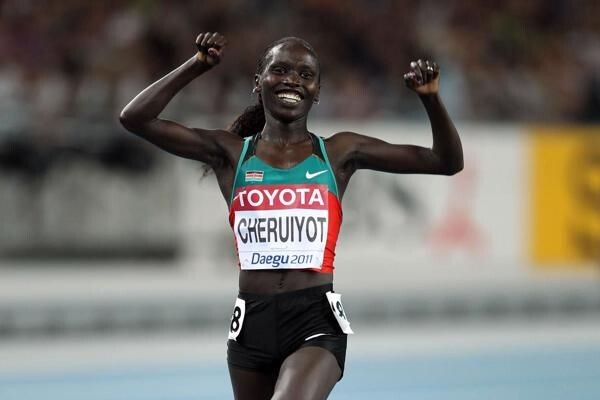
But Kenya's athletics identity extends far beyond medals.
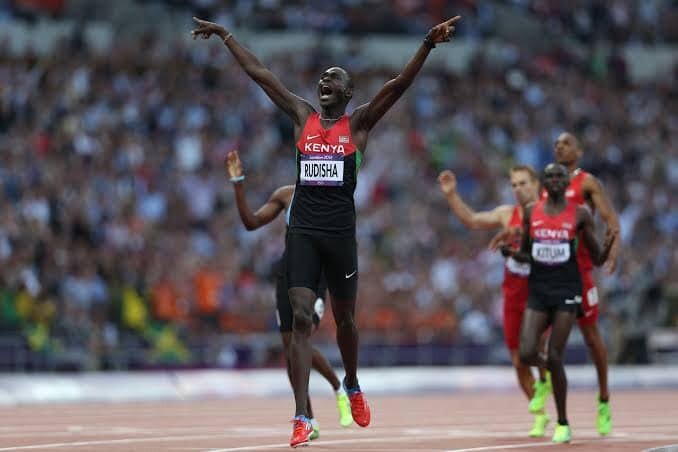
Running is deeply rooted in communities across the country, while the high-altitude training regions of the Rift Valley have become synonymous with the development of world-class distance runners. Behind the champions are coaches, families, training partners and communities that have helped create an athletics culture admired around the world.
Now, for the first time, that culture will become the backdrop for the sport's biggest senior global championship.
Nairobi 2029 will be historic before the first race even begins.
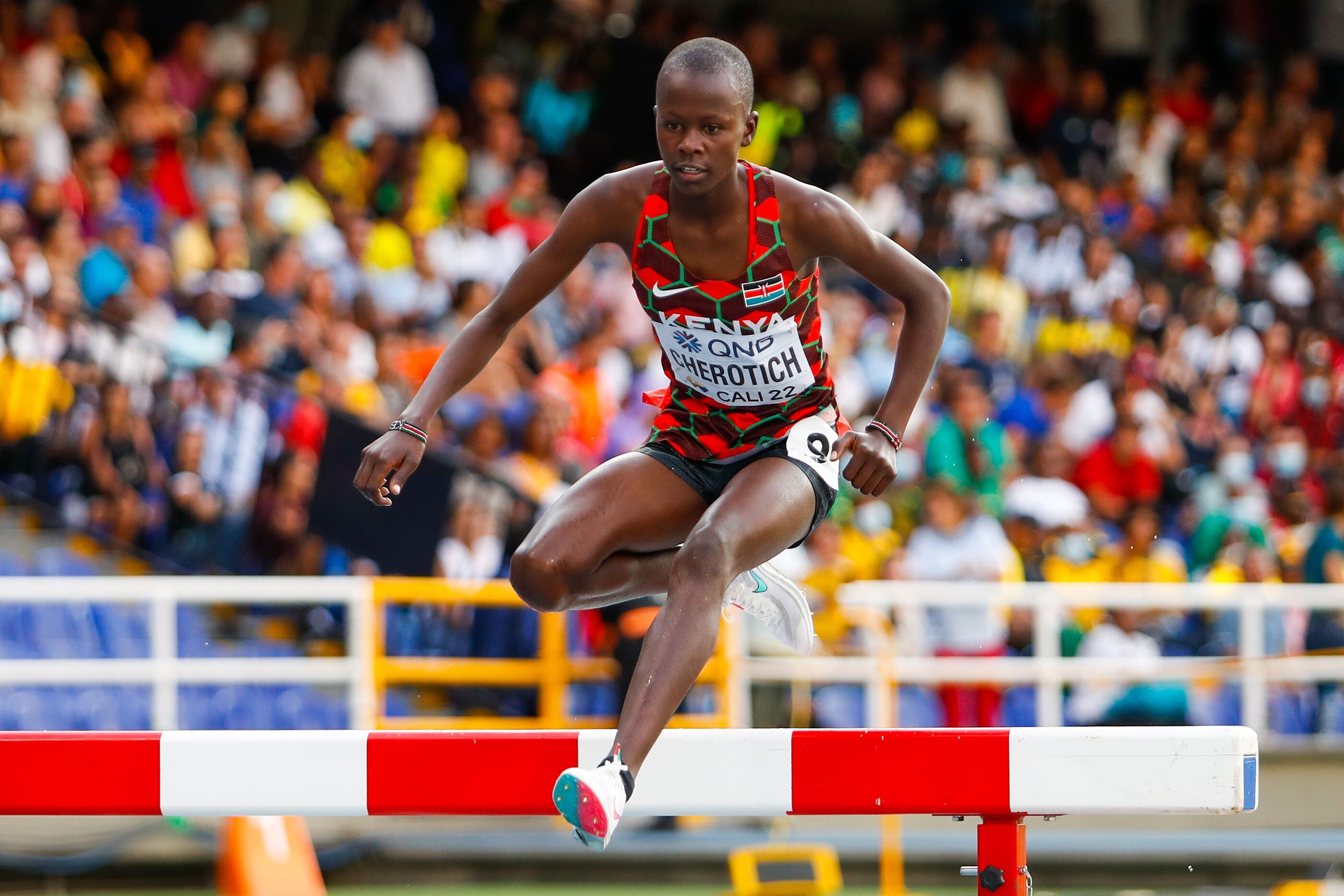
Kasarani, already an important venue in Kenya's sporting history, will take center stage as athletes from across the globe descend on Nairobi in pursuit of world titles.
For Kenyan fans, the opportunity to watch the world's greatest sprinters, middle-distance runners, distance stars, hurdlers, field-event athletes and relay teams compete on home soil will be extraordinary.
For the country's next generation of athletes, the impact could be even greater.
Young runners who have grown up watching Kenyan champions compete around the world will now have the chance to experience a World Championships in their own country. The sight of the world's best athletes competing at Kasarani could inspire a new generation to believe that they, too, can reach the highest levels of the sport.
The significance, however, stretches well beyond Kenya's borders.
Africa has produced generation after generation of Olympic champions, world champions and global athletics icons. From Kenya and Ethiopia to Uganda, Morocco, South Africa and numerous other nations, African athletes have played a central role in shaping the history of track and field.
Yet the continent had never hosted the senior World Athletics Championships.
Nairobi 2029 changes that forever.
The successful Kenyan bid therefore represents a major breakthrough for African athletics and a powerful recognition of the continent's contribution to the sport.
World Athletics' decision also secures the future of the championships beyond Nairobi. Munich will host the 2031 World Athletics Championships, creating a two-edition sequence that will see the global showpiece move from Africa to Germany.
But the spotlight now belongs to Nairobi.
The announcement in Budapest has transformed what was once an ambitious bid into a confirmed date with history.
In 2029, Kenya will not simply send athletes to compete for world titles.
Kenya will welcome the world.
It will be a celebration of the pioneers who laid the foundation, the champions who carried the country's name across the globe and the young athletes who represent the future of African athletics.
After decades of producing champions for the world, Kenya will finally have the opportunity to bring the world's greatest athletics stars into its own backyard.
For Africa, this is more than a hosting victory.
It is a breakthrough. It is recognition. It is a new chapter.
And when the athletes walk into Kasarani for the 2029 World Athletics Championships, they will be stepping into a moment that will belong not only to Kenya, but to an entire continent.
NAIROBI 2029 — THE WORLD IS COMING TO AFRICA.
by Erick Cheruiyot for My Best Runs.
Login to leave a comment

Nairobi 2029: Could Kenya Finally Bring the World Athletics Championships to Africa?
Tomorrow could be a defining day for Kenyan athletics — and potentially for the entire African continent.

The World Athletics Council is expected to announce the host of the 2029 World Athletics Championships, with Nairobi's bid carrying the hopes of a continent that has produced generations of extraordinary athletes but has never staged the senior global championships.
For Kenya, the moment could represent the culmination of decades of dominance, sacrifice and achievement on the international athletics stage.
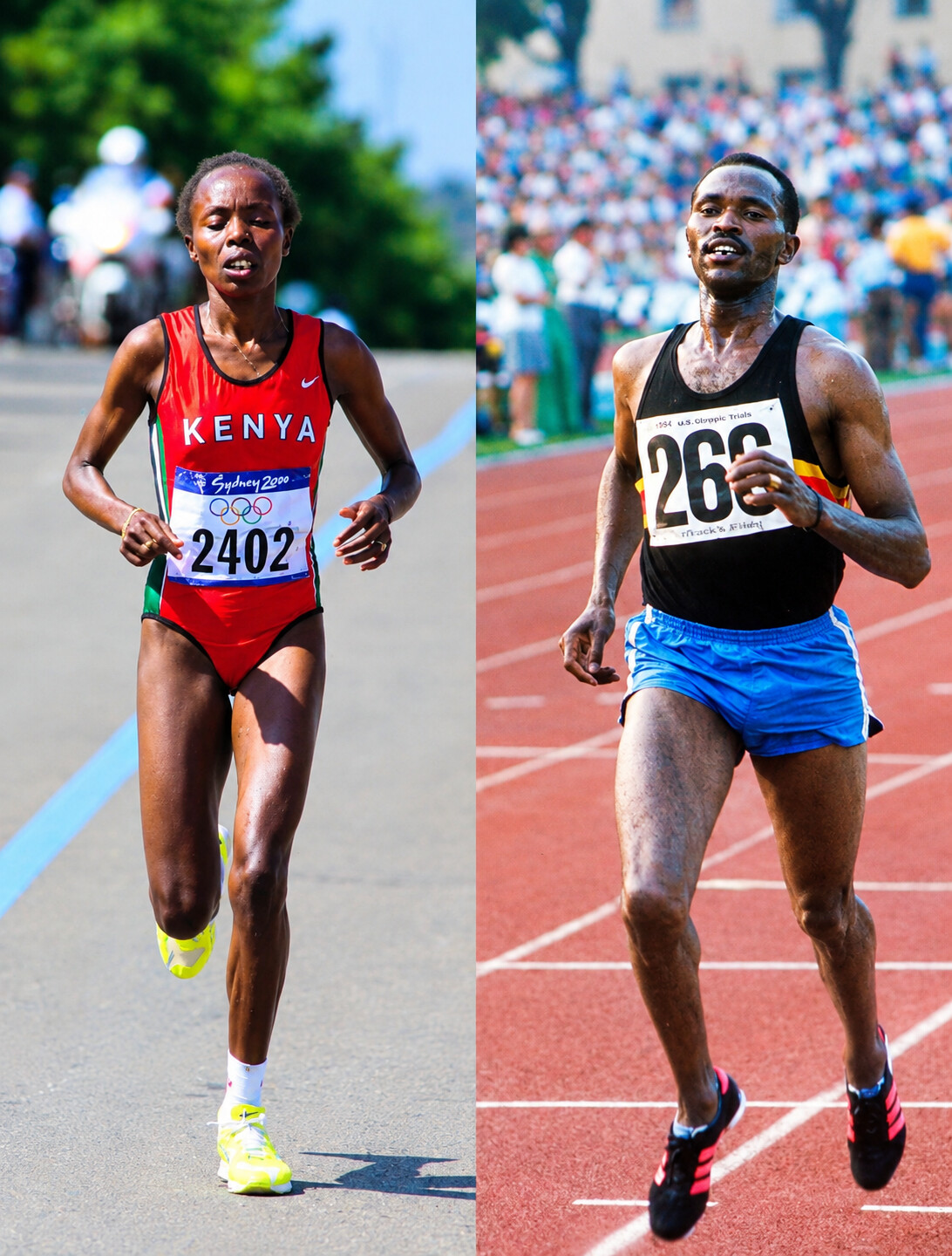
For generations, Kenya has built one of the most remarkable traditions in track and field. From pioneering legends such as Kipchoge Keino and Tegla Loroupe to modern icons including Eliud Kipchoge, Faith Kipyegon, David Rudisha, Sebastian Sawe, Beatrice Chebet and Ezekiel Kemboi among others. Kenyan athletes have repeatedly stood on the biggest stages in world sport.
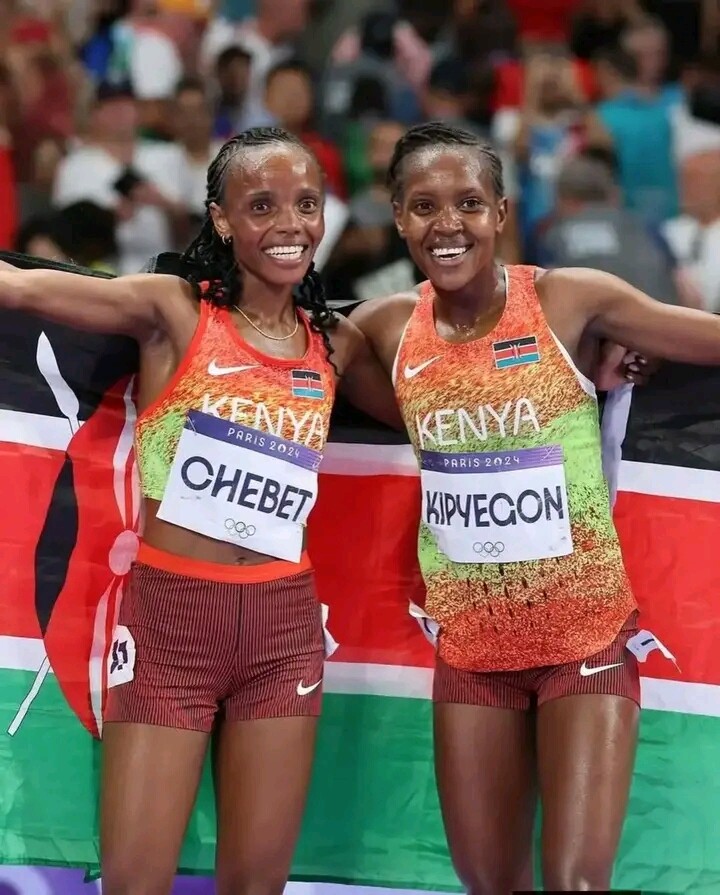
Their achievements have helped make Kenya one of the most respected names in global athletics. Olympic triumphs, world titles, records and unforgettable performances have carried the country's name across every corner of the sporting world.
But Kenya's relationship with athletics extends far beyond its medal collection.
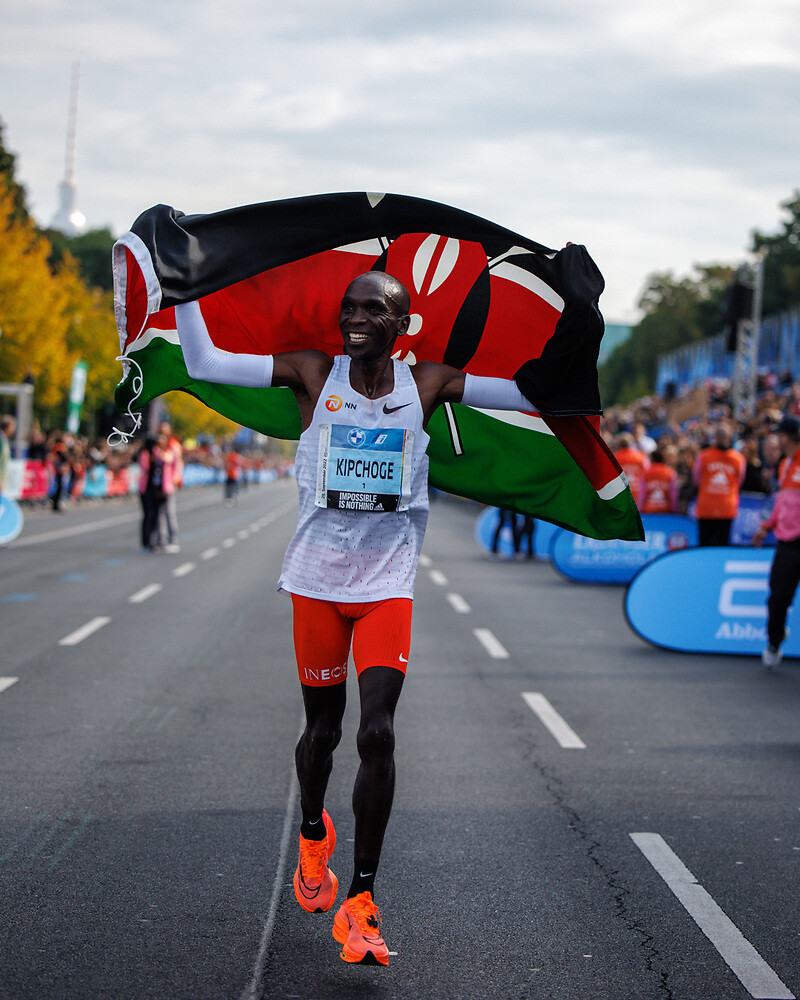
Running is deeply rooted in communities throughout the country, while the high-altitude training environments of the Rift Valley have become famous worldwide for producing elite distance runners. Behind every champion is a network of coaches, families, training partners and communities that have helped sustain Kenya's extraordinary athletics culture.
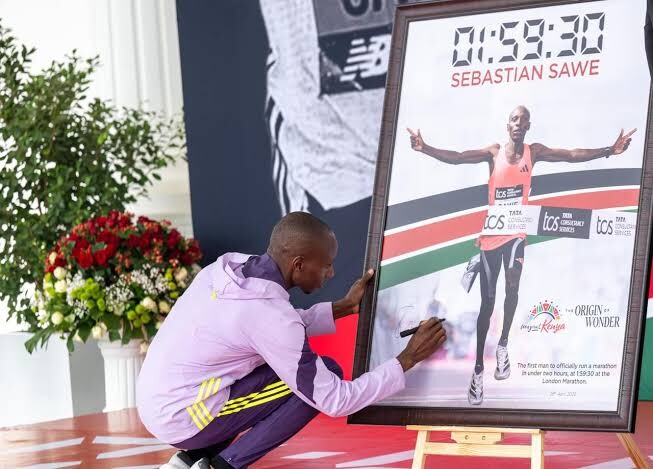
Now Nairobi is seeking to bring the world's biggest track and field championship to the country where so many champions have been produced.
The proposed centerpiece of Kenya's bid is Moi International Sports Centre, Kasarani, a venue already deeply connected to Kenyan athletics. If the bid succeeds, Kasarani could become the stage where the world's finest athletes gather in 2029 to compete for global titles.
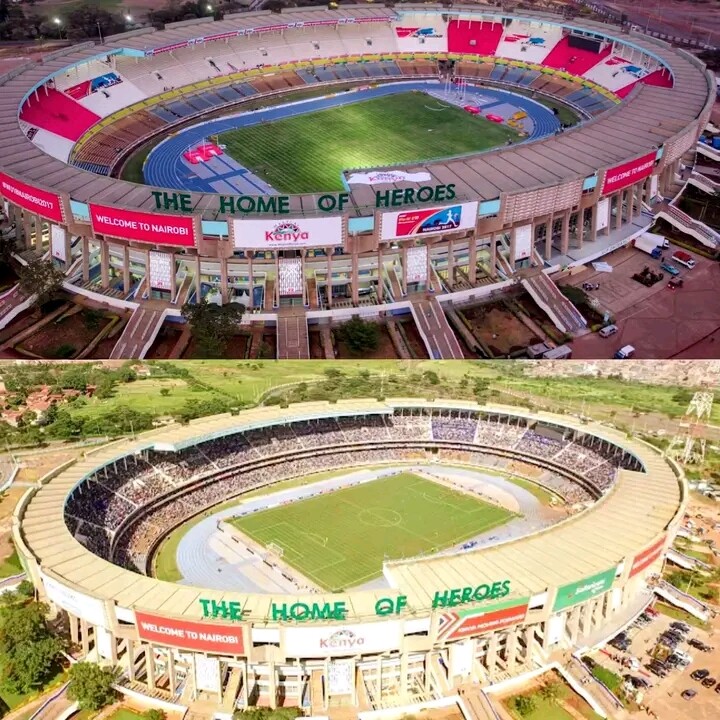
And the significance would extend far beyond Kenya.
Africa has produced some of the greatest athletes in athletics history, yet the continent has never hosted the World Athletics Championships. Nairobi's bid could change that.
Kenya's proposal is therefore not simply about staging another major sporting competition. It represents an opportunity to bring the championships to African soil for the first time and introduce millions of international fans to the continent's remarkable athletics culture.
However, Nairobi is facing formidable competition.
Kenya's bid is competing against proposals from London, Rome and Munich, three European cities with established sporting traditions and significant experience hosting major international competitions.
That sets up a fascinating choice for World Athletics.
Will the organization take the championships to a continent that has never hosted the event, creating a historic first for Africa? Or will the competition return to one of Europe's traditional athletics powerhouses?
For Nairobi, the stakes could hardly be higher.
A successful bid would give Kenyan athletes the opportunity to compete at a World Championships in front of their home supporters. It would give young runners across the country the chance to watch the world's best athletes compete in their own backyard. And it would place Kenya's extraordinary athletics heritage at the center of global attention.
It could also provide an opportunity to celebrate the champions who came before — athletes whose achievements helped establish Kenya as an athletics superpower — while inspiring the generation that will carry that legacy forward.
Imagine Kasarani filled with thousands of passionate supporters, the world's best athletes arriving in Nairobi, and Kenyan stars stepping onto the track knowing that the biggest championship in their sport is being staged on home soil.
For a country whose identity is so closely intertwined with running, it would be a remarkable sight.
And for Africa, it could be a moment of enormous symbolic importance.
Tomorrow, Kenya — and Africa — could hear its name called.
One decision. One host. One opportunity to make history.
If Nairobi is chosen, the story would not simply be about Kenya winning a bid. It would be about Africa finally welcoming the World Athletics Championships to its own soil.
It would be a celebration of the pioneers, the champions, the coaches, the communities and the generations of athletes who have helped make African athletics a global force.
And perhaps the headline of 2029 would already be waiting:
Kenya, the home of champions, has finally brought the world to its own backyard.
Nairobi 2029 — could this finally be Africa's moment?
by Erick Cheruiyot for My Best Runs.
Login to leave a comment
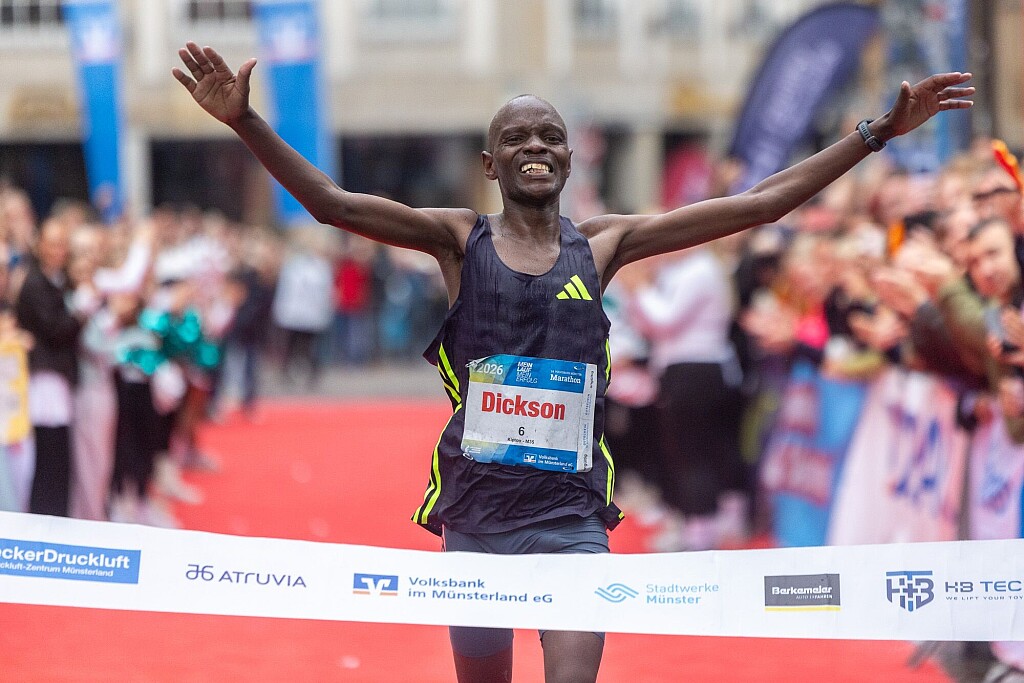
Kiptoo Leads Kenyan One-Two As Wole Triumphs In Dramatic Münster Marathon
Kenya produced a commanding display at the 2026 Volksbank-Münster-Marathon in Germany, with Dickson Kiptoo and Dickson Kiprop finishing first and second in the men’s race, while Ethiopia’s Agrie Wole claimed victory in the women’s competition.
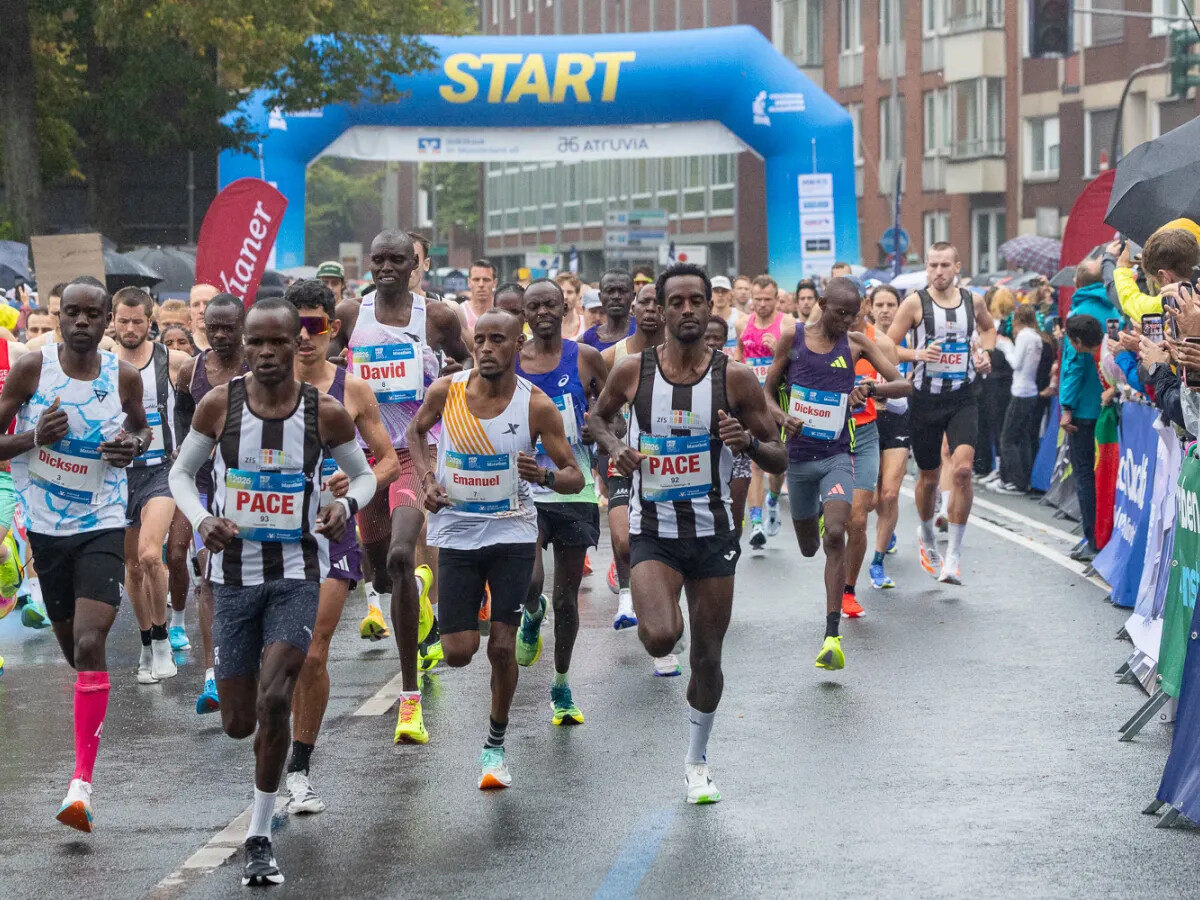
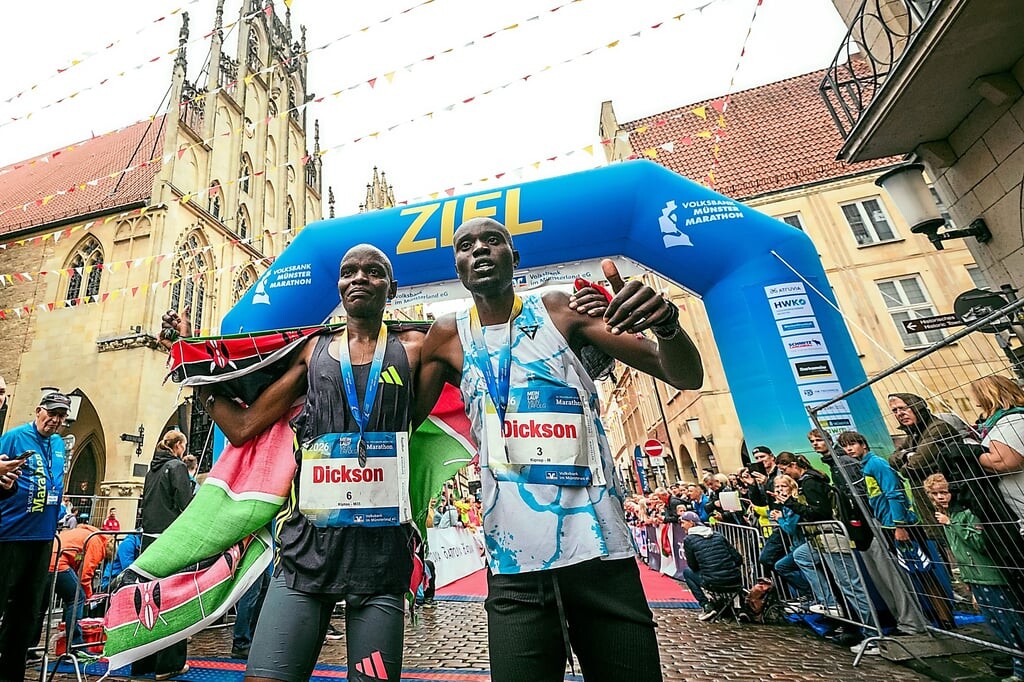
Kiptoo delivered the winning performance in 2:10:03, holding off compatriot Kiprop, who crossed the finish line just 43 seconds later in 2:10:46. The Kenyan dominance continued on the podium as Tanzania’s Emanuel Giniki secured third place in 2:12:37.
The men’s contest unfolded at a strong marathon pace, with the leading runners having to balance speed with the demanding conditions. Kiptoo ultimately produced the strongest performance on the day, securing the victory in just over two hours and ten minutes.
Kiprop remained within striking distance of his fellow Kenyan and finished with an impressive 2:10:46, making the battle for the top positions particularly compelling. Giniki also delivered a quality performance, breaking 2:13 to complete a highly competitive East African podium.
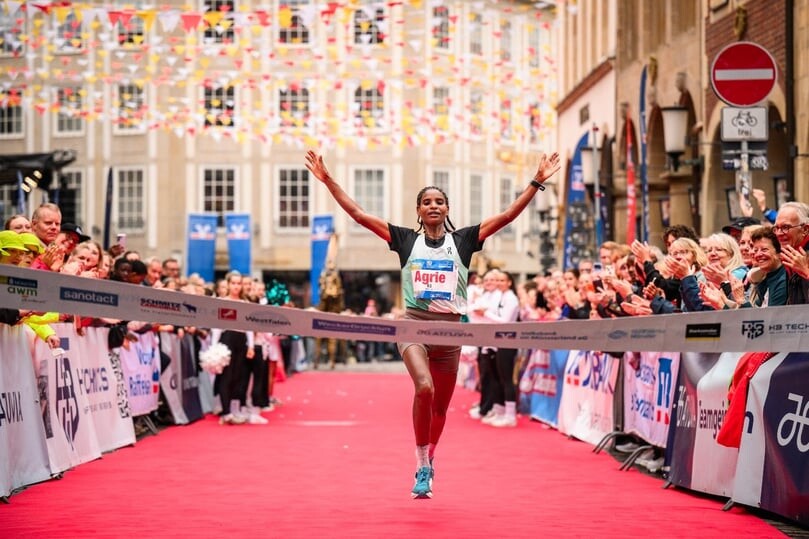
The women’s race was equally engaging, with Agrie Wole emerging as the strongest runner over the 42.195-kilometre distance. Her 2:28:43 winning time placed her comfortably ahead of Kenya’s Cecilia Wayua, who ran 2:30:21 to secure second.
Wayua’s performance added another Kenyan presence to the podium, while Ethiopia’s Azalech Woldesellase fought her way into third with 2:31:09. The result gave Ethiopia two athletes among the women’s top three and underlined the strength of East African distance running.
But the weather added another layer of drama to the race. Heavy rain accompanied the competition, creating difficult conditions for the athletes as they tackled the marathon course. The challenging weather demanded concentration and resilience, particularly as fatigue inevitably increased during the latter stages.
The conditions also had a serious consequence for Argentina’s Ignacio Erario, who was unable to finish after suffering a fall caused by the heavy rain. His withdrawal served as a reminder of just how unpredictable a marathon can become when athletes are forced to contend with difficult weather alongside the physical demands of the distance.
In the end, Münster belonged to East African distance running. Kiptoo and Kiprop delivered a Kenyan one-two in the men’s race, Wole led an Ethiopian triumph in the women’s competition, and the rain ensured that the 2026 edition would be remembered as a particularly demanding and dramatic marathon.
by Erick Cheruiyot for My Best Runs.
Login to leave a comment

Volksbank Munster Marathon
Word has long since got around that we are combining the marathon with a big event. Appreciation for our runners is very important to us. The Volksbank-Münster-Marathon is organized by runners for runners - mostly on a voluntary basis and with a lot of passion. There will again be theme power points, around 300 artists and bands and over 100,000...
more...
Fantu Shugi And Agnes Ngeno Headline Star-Studded Women’s Field For 2026 Cologne Marathon
Ethiopian marathon standout Fantu Shugi and Kenyan road-racing talent Agnes Ngeno will headline a formidable women’s elite field at the 2026 Cologne Marathon in Germany, with the race set to take place on October 4.
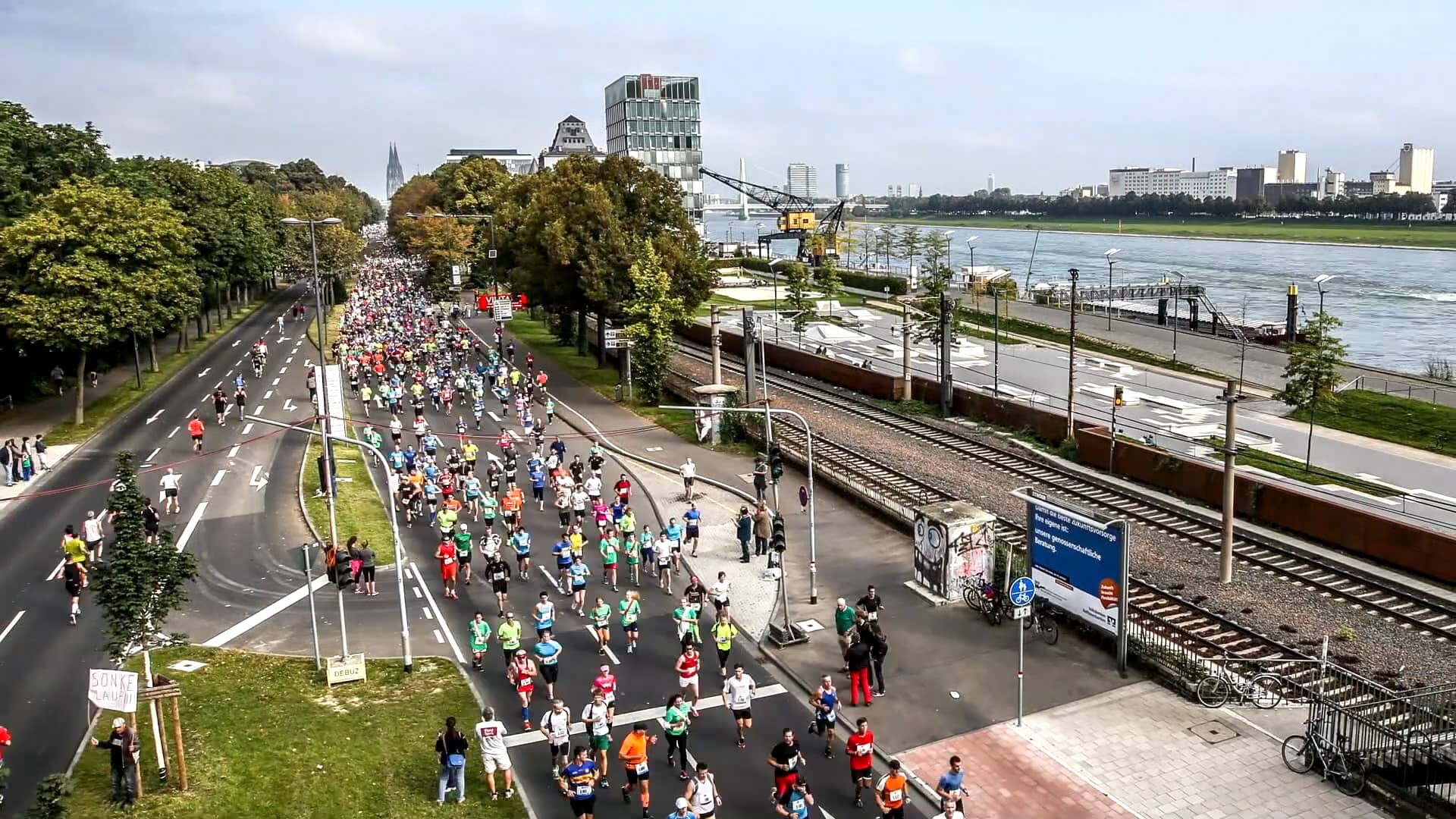
The Cologne streets are expected to provide the stage for a fiercely competitive battle, with athletes from Kenya, Ethiopia, Tanzania, the Netherlands and Germany assembling a field rich in marathon experience and sub-2:25 potential.
Leading the entry list is Kenyan Agnes Keino, who arrives with an impressive personal best of 2:22:53. She will face strong opposition from Ethiopia’s Fantu Shugi, whose 2:23:29 personal best places her among the leading contenders.
Cynthia Chepchirchir Kosgei is another Kenyan with a proven ability over the marathon, boasting a 2:23:43 personal best, while compatriot Jackline Chepngeno enters the race with a best of 2:24:21.
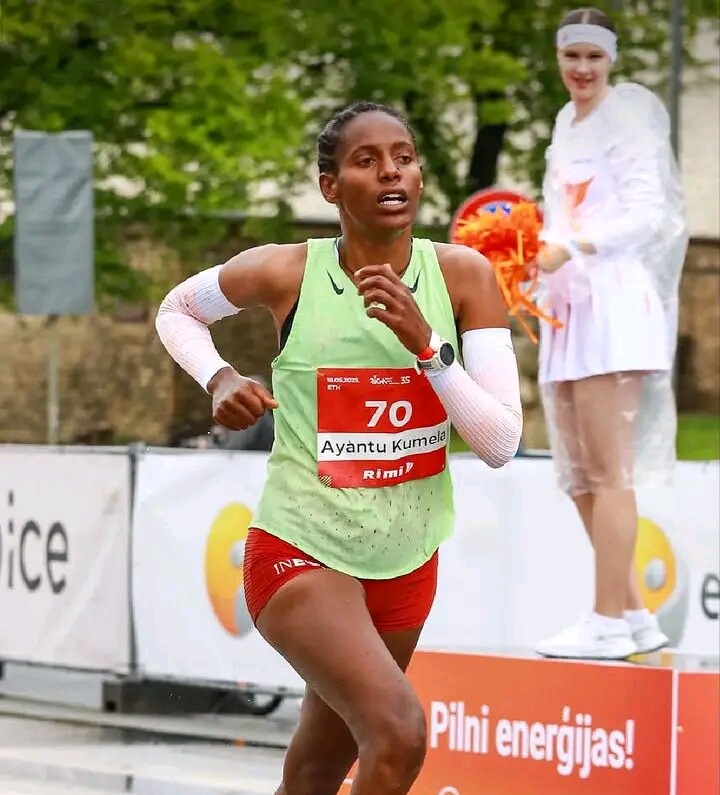
Ayantu Kumela, one of Ethiopia’s leading names in the field, owns a 2:24:29 personal best and will be determined to challenge the Kenyan contingent when the race gets underway. She will be joined by fellow Ethiopian Aamelmal Tagel, who has a 2:24:38 personal best.
Kenya’s Naomy Tuei, with a best of 2:26:06, and Ethiopia’s Alemtsehay Mekuria Alamirew, who has run 2:26:18, further strengthen the front end of the field. Faith Chepkoech adds another Kenyan threat with a 2:26:22 personal best.
The depth continues beyond the leading group, with Kenya’s Deborah Samum listed at 2:30:16, Ethiopia’s Tigist Worku Anagaw at 2:35:15 and Tanzania’s Neema Mathias Msuadi at 2:38:40.
The international field is completed by Dutch runner Hannah Olds Loohuis, who has a 2:40:12 personal best, and Germany’s Maike Drieb-Schön, whose marathon best stands at 2:47:51.
With several athletes carrying personal bests below 2:25, the women’s race promises to be one of the major highlights of the 2026 Cologne Marathon. The combination of Kenyan strength, Ethiopian depth and international representation could produce an intriguing tactical contest before the decisive stages unfold.
All eyes will be on Cologne on October 4 as the elite women take to the start line, with Shugi and Ngeno among the names expected to command attention in a race packed with quality and ambition.
by Erick Cheruiyot for My Best Runs.
Login to leave a comment

Cologne Marathon
There are marathons in numerous cities, but the Cologne Marathon is unique: a mixture of elite and regular runners, carnival, a folk and running festival! The entire city is vivid and the spectators cheer passionately for the runners on the course! Everywhere you may hear your name and you run through espaliers! This is something that you have to experience!...
more...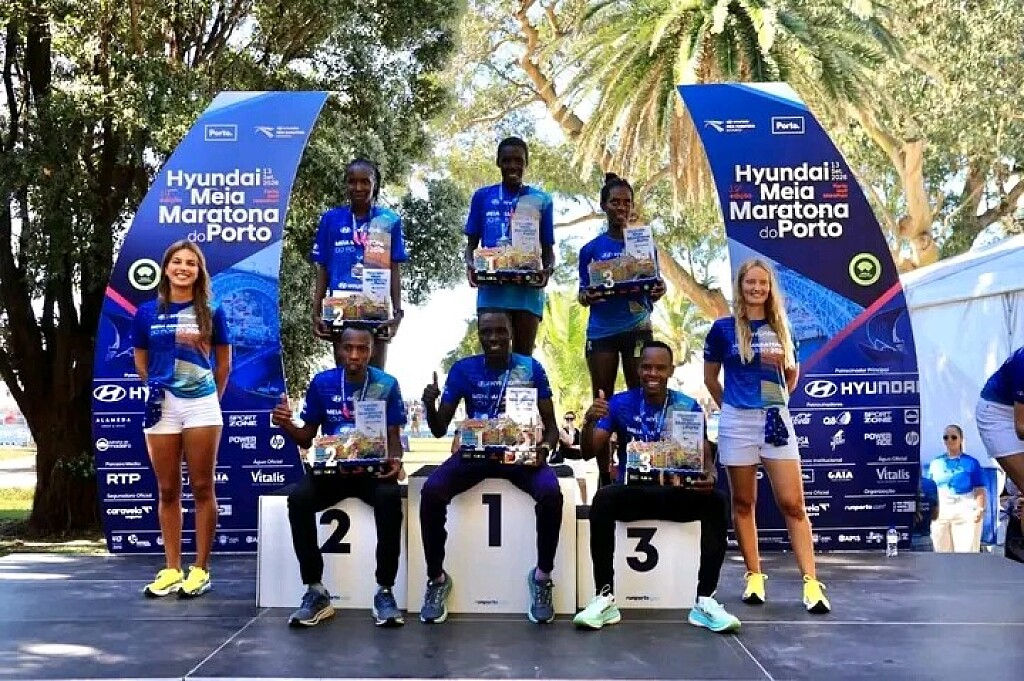
Owen Korir And Naomi Chepngeno Crowned Champions At Porto Half Marathon
Kenyan distance runners produced a commanding performance at the 2026 Hyundai Meia Maratona do Porto in Portugal, taking all three men’s podium places and securing a one-two finish in the women’s race. The 21-kilometre contest combined speed, endurance and excitement, with athletes battling through the streets of Porto and Gaia before a memorable finish beside the Douro River.
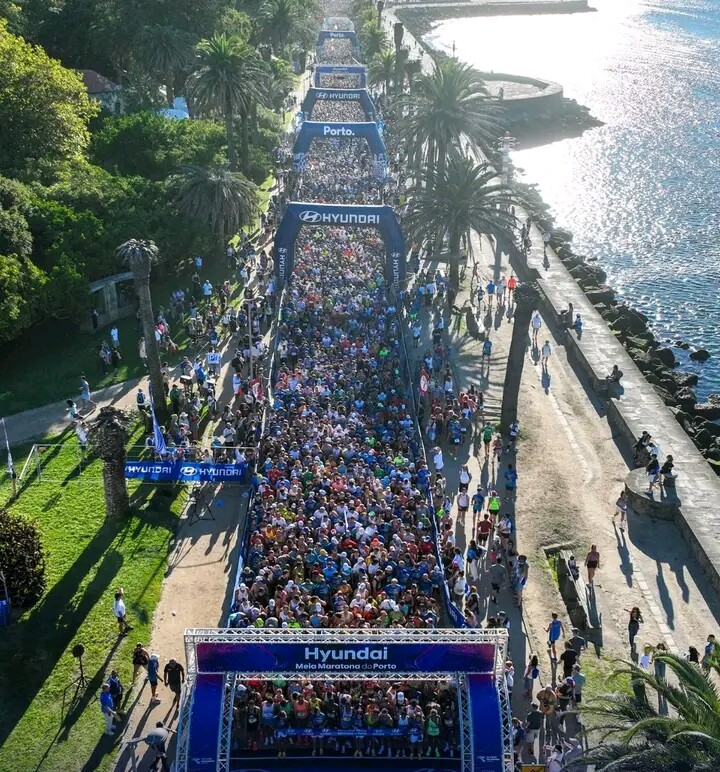
Owen Korir Kapkama claimed the men’s title in 1:01:58, delivering a polished performance to lead the field across the finish line. His compatriot Cyrus Kipkemoi Kimayo mounted a strong challenge and finished only five seconds behind, stopping the clock at 1:02:03 to take second place.
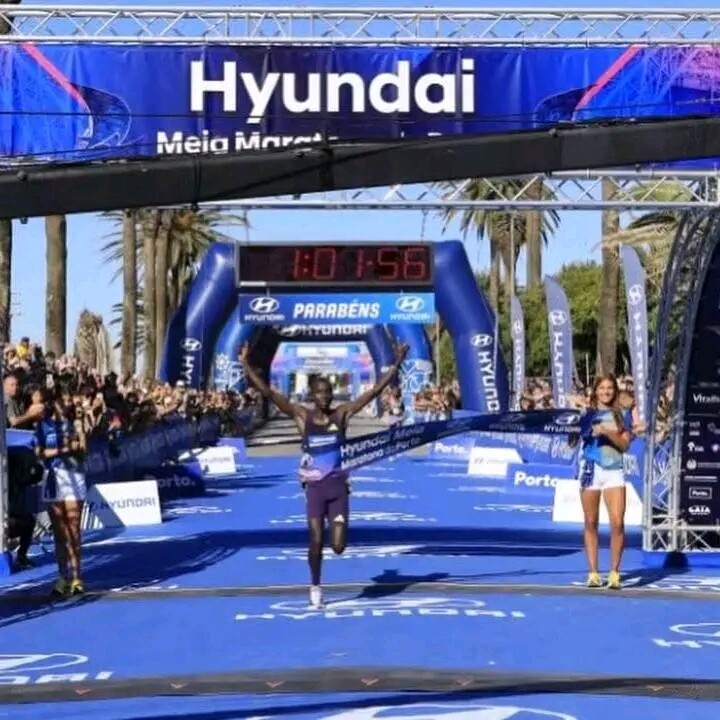
The battle for third also remained firmly in Kenyan hands, with Timothy Kibet Misoi completing the podium in 1:03:22. His result confirmed Kenya’s complete control of the men’s top three, as the country’s runners combined tactical discipline with the sustained pace required over the demanding half-marathon distance.
In the women’s race, Naomi Chepngeno delivered a winning performance to secure the title in 1:10:35. She held off fellow Kenyan Margaret Murinjo Monicah, who crossed the line in 1:10:57, finishing just 22 seconds behind the champion.
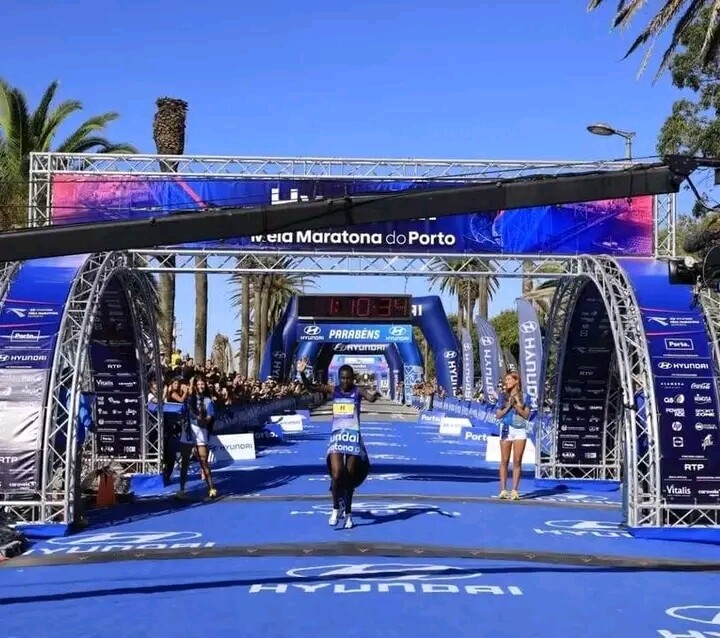
Hiwot Mehari Beza of Ethiopia claimed third place in 1:12:07, completing a competitive women’s podium and adding an international dimension to an event otherwise dominated by Kenyan athletes.
The race unfolded against a striking Portuguese backdrop, with Porto and Gaia providing a scenic yet demanding stage for the competitors. From the opening kilometres to the final push toward the finish, the athletes brought intensity and determination to a course that rewarded both speed and endurance.
The closing stretch offered a particularly memorable setting, as runners approached the Douro River with the iconic Ponte Luís I serving as a dramatic backdrop. The historic bridge and riverside scenery added a touch of grandeur to the final moments of a race defined by athletic excellence.
Along the route, thousands of spectators gathered to encourage the competitors, creating an energetic atmosphere that carried the runners through the streets. Their cheers, combined with the rhythm of racing feet and the determination of the athletes, helped transform the event into a celebration of running.
The 19th edition of the Hyundai Meia Maratona do Porto concluded with Kenya dominating the men’s podium and securing the top two positions in the women’s race. With its competitive racing, iconic riverside finish and enthusiastic crowds, the event once again showcased the enduring appeal of road running in Porto and Gaia.
by Erick Cheruiyot for My Best Runs.
Login to leave a comment

Porto Half Marathon
Hyundai Porto Half Marathon is an annual race that takes place in Portugal since 2007 and has the honor of hosting thousands of runners from around the world. Alongside the Half Marathon, there is also a Mini Marathon distance of 6 km, with a participation of over 11.000 runners. With breathtaking scenery, always along the riverside of Douro River, with...
more...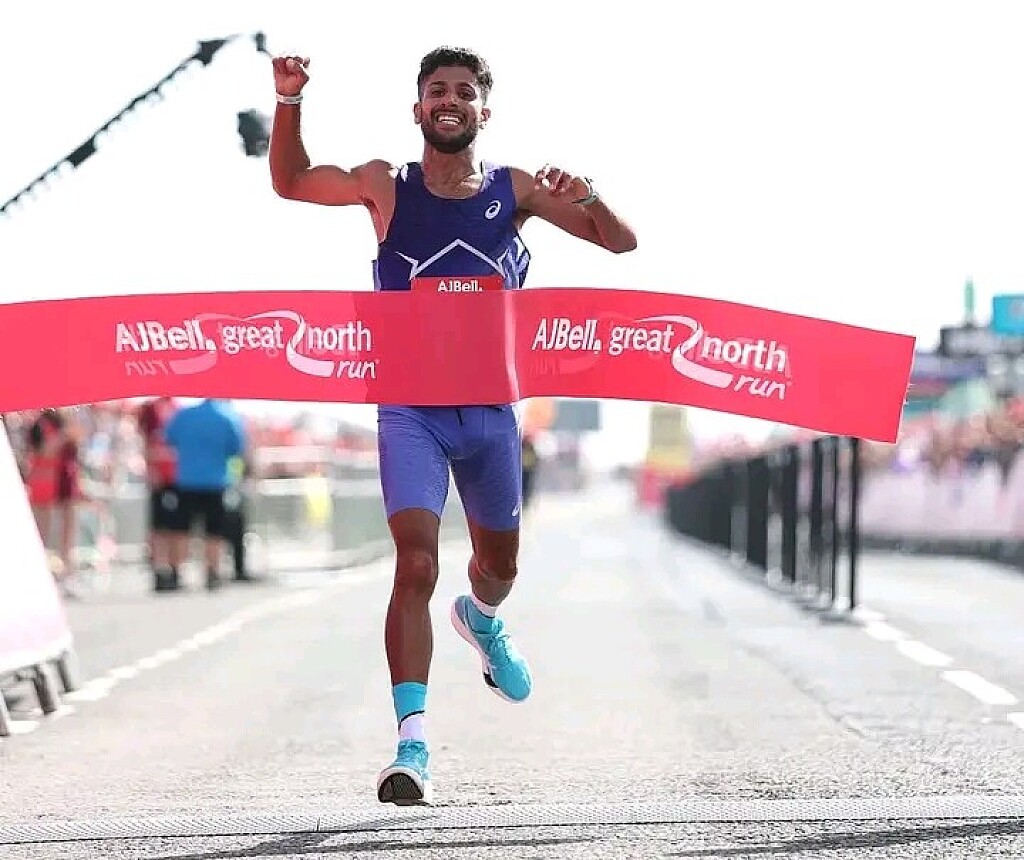
Talbi Overhauls Defending Champion Mutiso In Great North Run Thriller
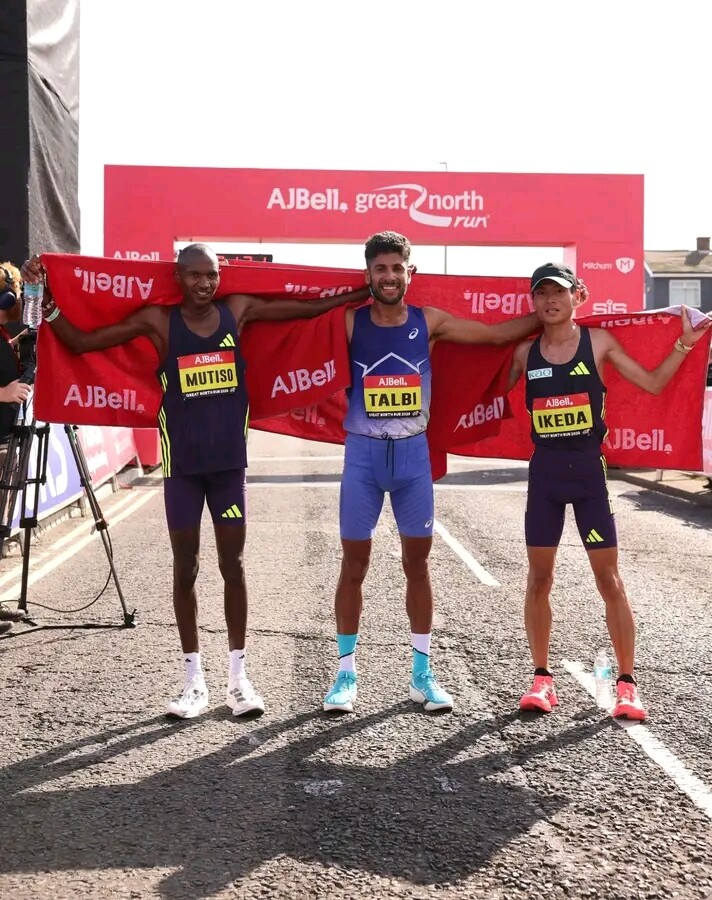
Zouhair Talbi delivered a sensational performance at the 2026 Great North Run, overpowering defending champion Alexander Mutiso Munyao in a thrilling men’s half marathon battle that went down to the final stages.
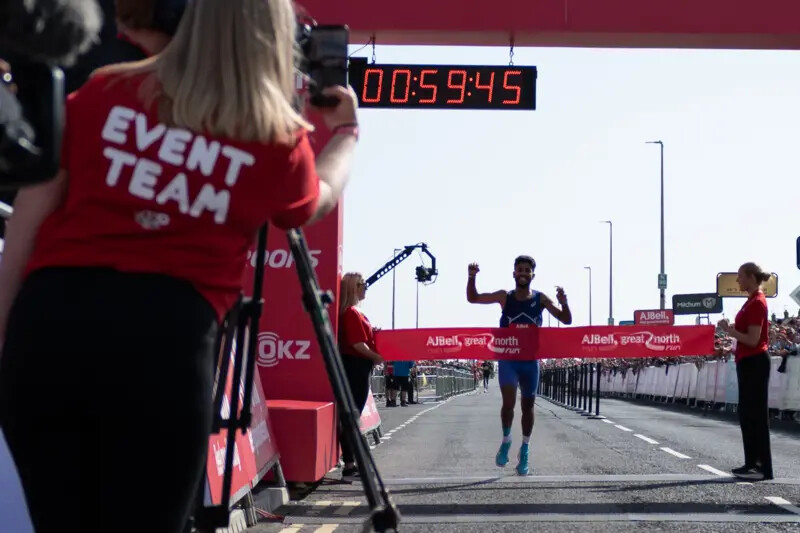
Talbi crossed the finish line in 59:47 to claim a brilliant victory, while Mutiso, the reigning champion, was forced to settle for second in 1:00:01. The Kenyan remained firmly in contention for much of the race, but Talbi produced the decisive move when the pressure reached its peak.
The turning point came on one of the course’s downhill sections. With Mutiso still within striking distance, Talbi used the descent to inject another burst of speed, gradually opening a gap that would prove impossible for the defending champion to close.
It was a calculated escape rather than a sudden collapse from Mutiso. Talbi attacked the downhill with confidence, allowing gravity and his momentum to work in his favour as he stretched the gap metre by metre. Mutiso responded, but the American had already created the separation he needed.
From there, Talbi held his composure and drove toward the finish, eventually stopping the clock in an impressive 59:47. Mutiso fought all the way to the line, but his 1:00:01 was not enough to retain the title he had won previously.
Japan’s Yohei Ikeda completed the podium in 1:00:40, while American Casey Clinger finished fourth in 1:01:36. Japan’s Kosei Matsunami was fifth in 1:01:59, followed closely by compatriot Shouya Yonei in 1:02:01.
Clayton Young was seventh in 1:02:04, with Britain’s Marc Scott completing the top eight in 1:02:10.
Men’s Top 8 Results
1. Zouhair Talbi — United States — 59:47
2. Alexander Mutiso Munyao — Kenya — 1:00:01
3. Yohei Ikeda — Japan — 1:00:40
4. Casey Clinger — United States — 1:01:36
5. Kosei Matsunami — Japan — 1:01:59
6. Shouya Yonei — Japan — 1:02:01
7. Clayton Young — United States — 1:02:04
8. Marc Scott — Great Britain — 1:02:10
Talbi’s victory also carried historic significance. His triumph made him the first American man to win the Great North Run, adding a landmark achievement to an already memorable afternoon. His 59:47 also marked the second sub-60-minute half marathon of his career, further underlining his growing credentials at the distance.
For Mutiso, the result was a rare disappointment on a course where he arrived as the defending champion. Yet his 1:00:01 still underlined his quality over the half-marathon distance and ensured that he remained within touching distance of the winner until the decisive stages.
For Talbi, however, this was a victory built on timing, strength and courage. His downhill attack created the separation he needed, and once he escaped the defending champion, he never surrendered the advantage.
The 2026 Great North Run therefore belonged to Talbi—a race in which the defending champion fought bravely, but the American found one crucial surge at exactly the right moment to turn a close contest into a historic victory.
by Erick Cheruiyot for My Best Runs.
Login to leave a comment

Great North Run
Great North Run founder Brendan Foster believes Britain is ready to welcome the world with open arms after the launch of the event's most ambitious plan to date. The Great World Run campaign seeks to recruit one runner from every country in the United Nations – 193 in total – to take part in the iconic half marathon in...
more...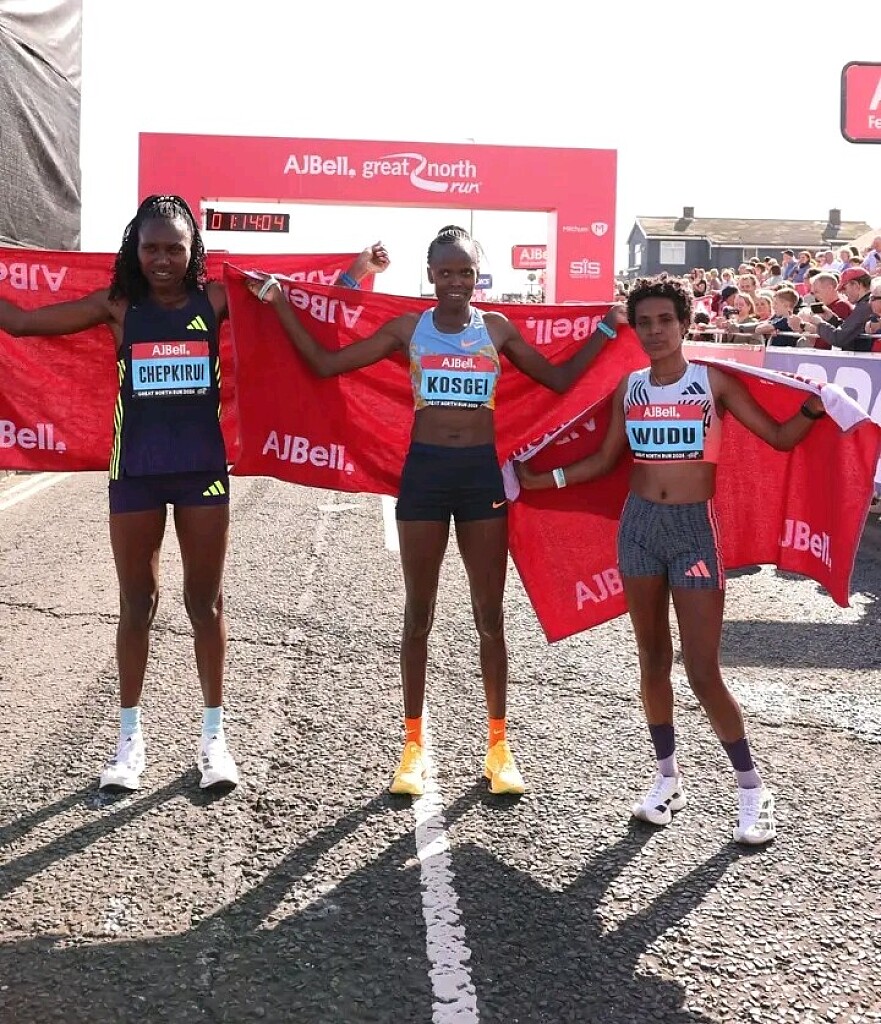
Brigid Kosgei Claims Second Great North Run Title In Kenyan 1-2 Finish
Brigid Kosgei returned to the top at the AJ Bell Great North Run on Sunday, September 13, delivering a commanding performance to win the women’s half marathon and lead Kenya to a memorable one-two finish.
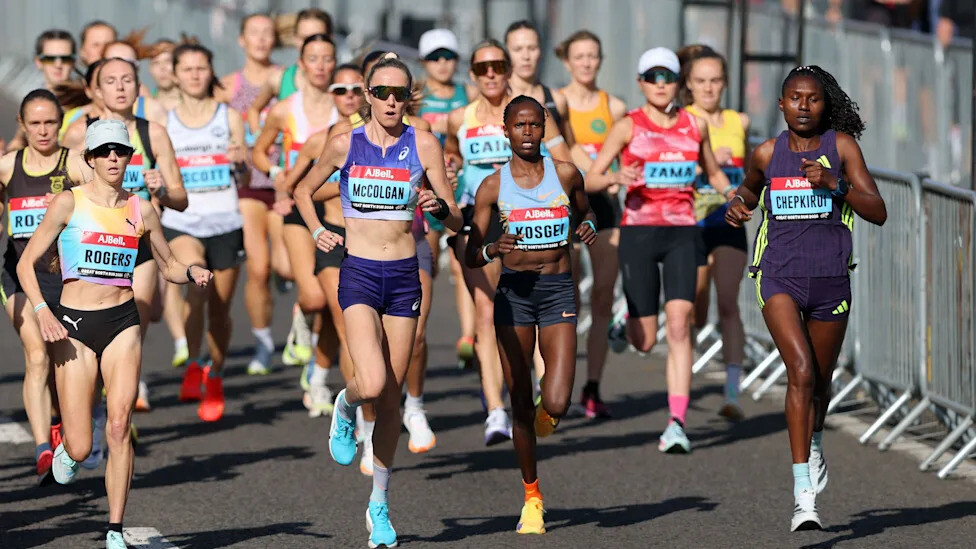
The former marathon world-record holder crossed the line in 1:06:15, securing her second Great North Run title after previously winning the prestigious race in 2019.
Fellow Kenyan Sheila Chepkirui who was battling to defend the title finished second in 1:06:19, completing a memorable Kenyan one-two at one of the world’s most celebrated half-marathons.
Behind the leading Kenyan pair, Ethiopia’s Melknat Wudu produced an impressive run to claim third in 1:09:37. Wudu was the first athlete outside the Kenyan duo to reach the finish and comfortably secured a place on the podium, highlighting the strong international quality of the women’s field.
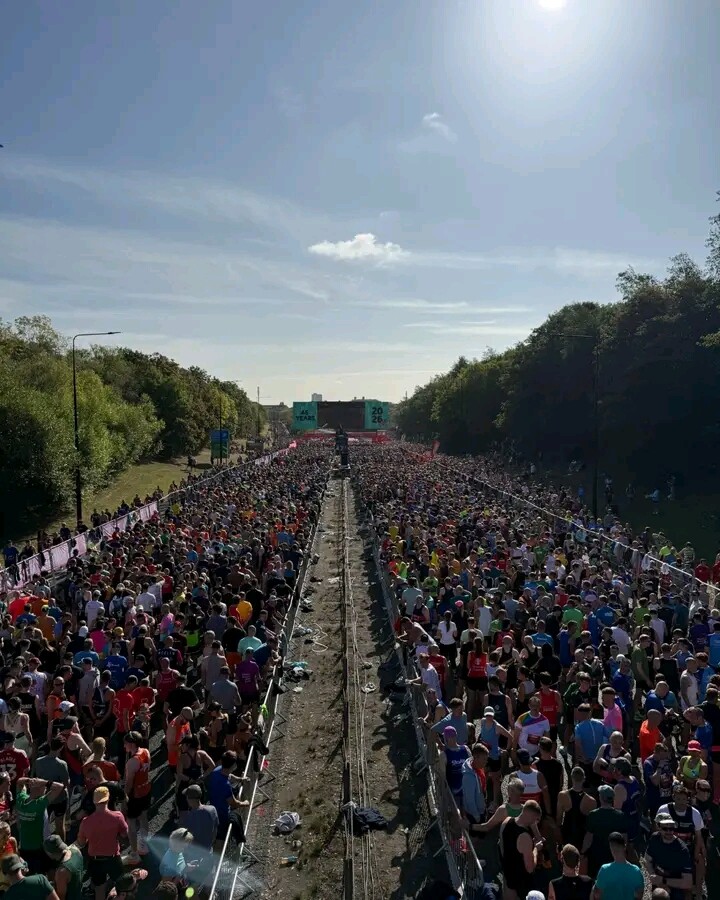
Japan’s Honami Maeda finished just six seconds behind Wudu to take fourth in 1:09:43, while Great Britain’s Amy-Eloise Neale was the leading home athlete in fifth with 1:10:27.
American Natosha Rogers followed in sixth in 1:11:44, with Britain’s Annabel Grummow seventh in 1:12:37 and Nancy Scott completing the top eight in 1:12:51.
For Kosgei, the victory adds another prestigious achievement to an already remarkable distance-running career. Returning to the Great North Run winner’s circle six years after her first triumph, she once again demonstrated her ability to deliver on one of the biggest stages in the half marathon.
Chepkirui’s runner-up finish made the occasion even more significant for Kenya, as the two athletes combined to secure the top two positions. Wudu’s third-place performance completed an international podium and ensured the race featured a strong representation from three of the sport’s leading distance-running nations.
Women’s Top 8 Finishers
1. Brigid Kosgei — Kenya — 1:06:15
2. Sheila Chepkirui — Kenya — 1:06:19
3. Melknat Wudu — Ethiopia — 1:09:37
4. Honami Maeda — Japan — 1:09:43
5. Amy-Eloise Neale — Great Britain — 1:10:27
6. Natosha Rogers — United States — 1:11:44
7. Annabel Grummow — Great Britain — 1:12:37
8. Nancy Scott — Great Britain — 1:12:51
The 2026 Great North Run therefore ended with Kosgei back on top, Chepkirui alongside her in second and Wudu completing a high-quality international podium. For Kosgei and Kenya, it was a particularly memorable day, combining individual success with a commanding one-two finish and reinforcing the country’s enduring strength in elite distance running.
by Erick Cheruiyot for My Best Runs.
Login to leave a comment
Great North Run
Great North Run founder Brendan Foster believes Britain is ready to welcome the world with open arms after the launch of the event's most ambitious plan to date. The Great World Run campaign seeks to recruit one runner from every country in the United Nations – 193 in total – to take part in the iconic half marathon in...
more...
Marathon Majors Course Records: Where Speed, History And The Course Collide
The world’s biggest marathons are united by prestige, elite fields and unforgiving 26.2-mile battles, but their course records tell very different stories. From Tokyo to Sydney, each course has its own character, while London and Chicago have become synonymous with extraordinary speed.
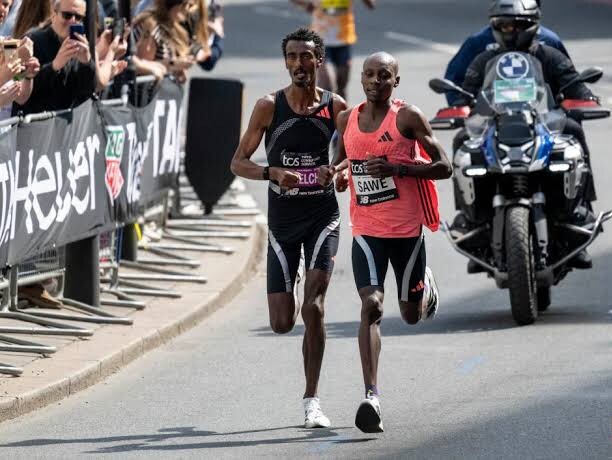
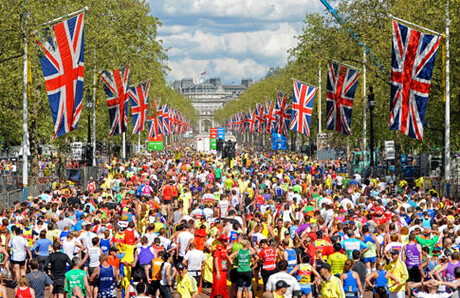
At the top of the men’s list stands the London Marathon, where Kenya’s Sabastian Sawe produced one of the greatest performances in road-running history. Sawe clocked 1:59:30 in April 2026, becoming the first athlete to officially break the two-hour barrier in a marathon. His performance also lowered the world record from Kelvin Kiptum’s previous mark of 2:00:35.
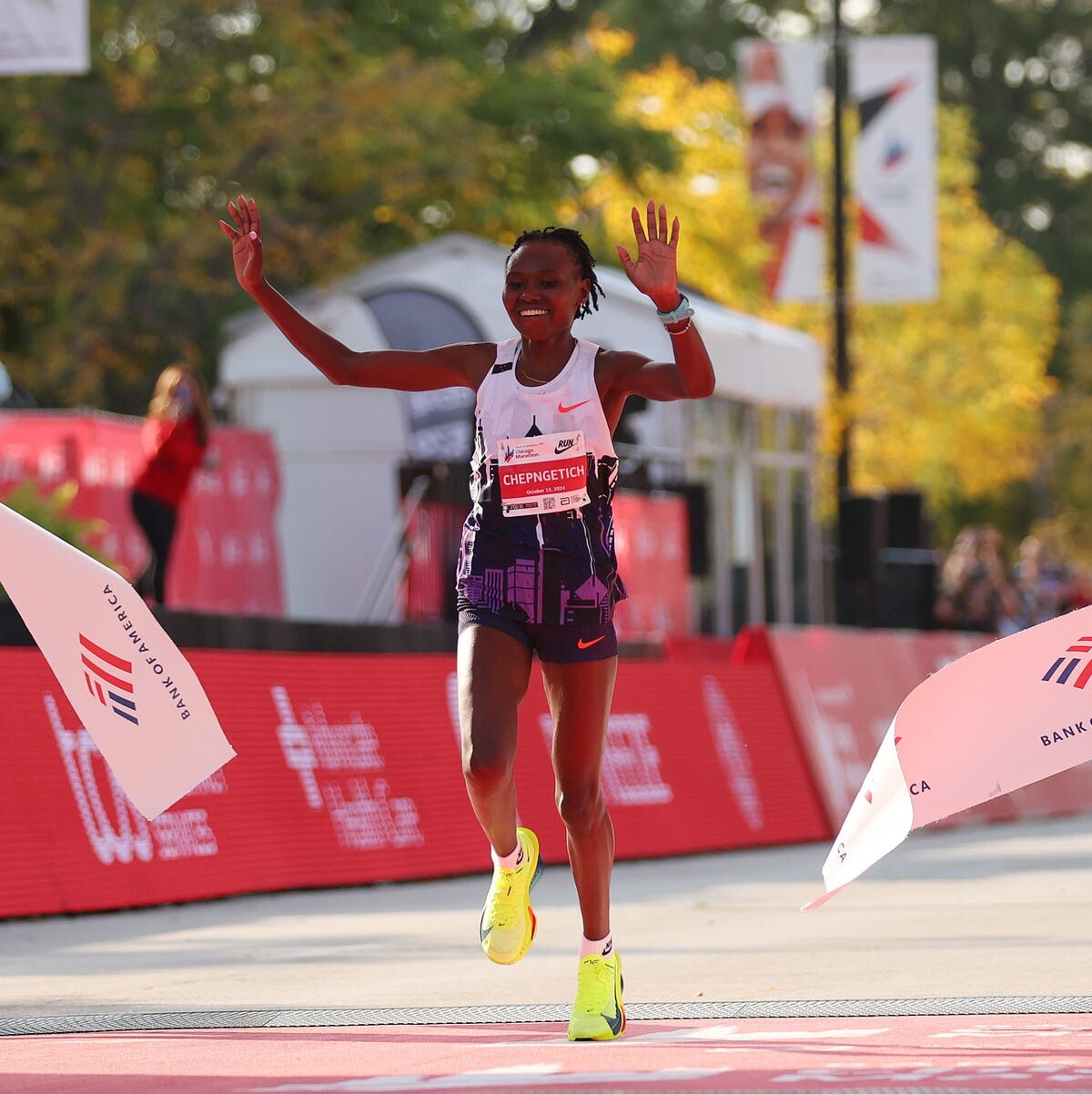
Chicago, meanwhile, owns one of the most remarkable records in women’s marathon history. Kenya’s Ruth Chepngetich ran 2:09:56 in 2024, becoming the first woman to break the 2:10 barrier. The performance remains a landmark in the event’s history and gives Chicago a special place among the fastest marathon courses in the world.
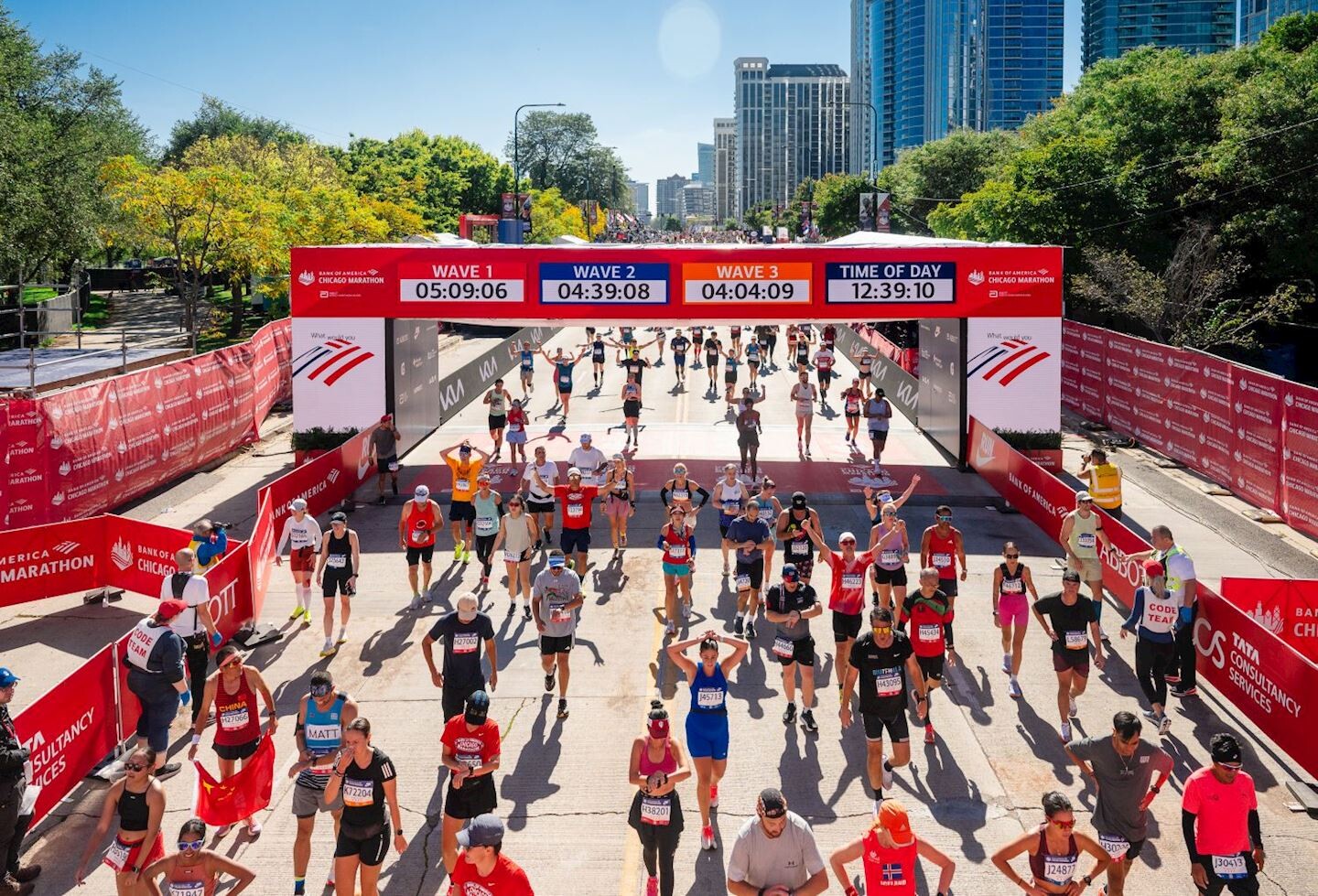
The men’s Chicago record is 2:00:35, set by the late Kelvin Kiptum in 2023. That performance stood as the world record until Sawe’s extraordinary 1:59:30 in London in 2026.
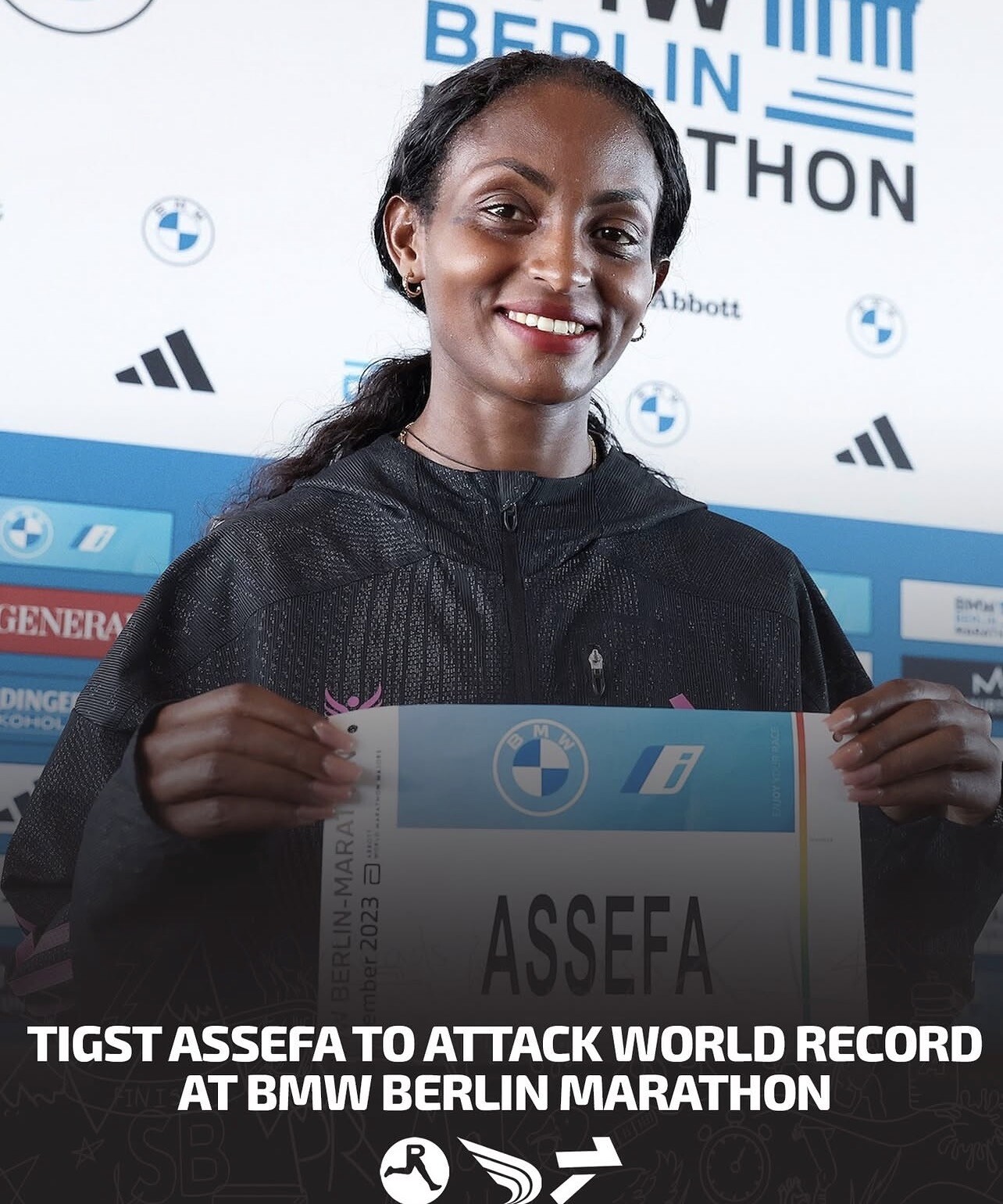
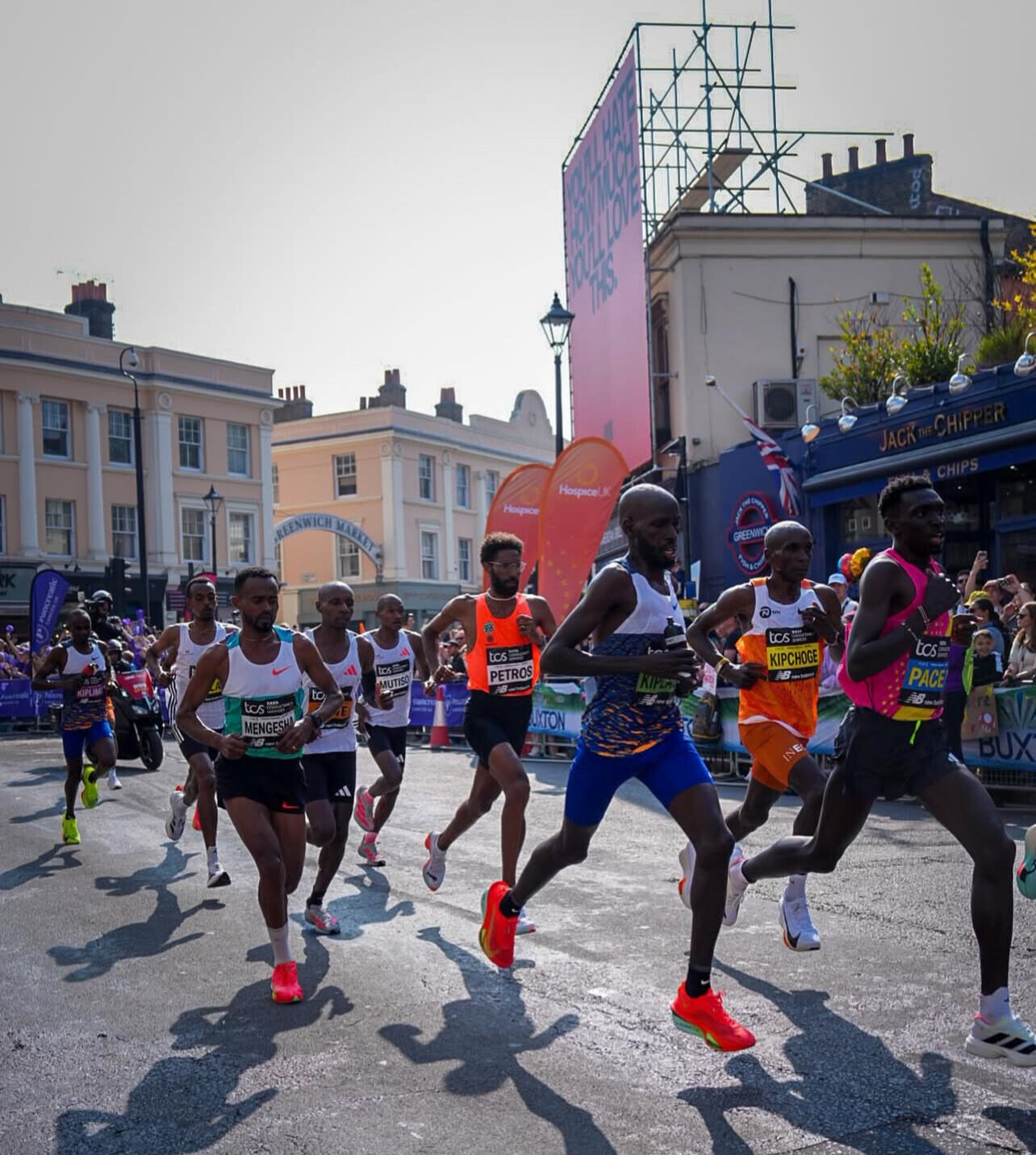
Then there is Berlin, perhaps the most celebrated world-record factory in marathon history. Kenya’s Eliud Kipchoge holds the men’s course record at 2:01:09, while Ethiopia’s Tigist Assefa owns the women’s mark at 2:11:53. Berlin has hosted numerous men’s world records over the years, underlining its reputation as one of the fastest marathon courses on the planet.
The elevation figures help explain why the courses produce such different performances. Berlin has relatively modest elevation changes, creating a fast and rhythm-friendly route. Other Majors present considerably greater challenges.
Boston, for example, climbs 248 metres but descends 388 metres. Its famous point-to-point layout and net downhill profile make it exceptionally fast in places, but its course does not qualify for official world-record purposes because the elevation drop exceeds the limit permitted by World Athletics.
New York City is a completely different proposition. With approximately 246 metres of climbing, it is among the toughest Major Marathon courses, demanding strength and tactical patience rather than simply raw speed. Its records therefore carry a different kind of significance, earned on a course that tests athletes through bridges, climbs and a demanding closing stretch into Central Park.
Tokyo offers another fast but distinctive challenge, with Benson Kipruto holding the men’s course record in 2:02:16. Brigid Kosgei’s 2:14:29 remains the women’s course record, illustrating the exceptional standard required to rewrite the record books in the Japanese capital.
And then there is Sydney, the newest addition to the Abbott World Marathon Majors family. Its course has already produced outstanding performances, with Addisu Gobena’s 2:04:42 listed as the men’s course record and Sifan Hassan’s 2:18:22 as the women’s mark in the graphic. With its demanding elevation profile, those performances underline just how quickly the Sydney course has established itself among the world’s major marathon stages.
What makes these records fascinating is that they cannot be judged by the clock alone. A 2:01 on a fast, record-legal course is a completely different achievement from a 2:04 on a demanding route, while Boston’s unique course rules mean that even exceptionally fast performances cannot enter the official world-record conversation.
For decades, marathon greatness was largely measured by who could run fastest. Today, the Majors show that where the time is run can be almost as important as the time itself. From Sawe’s historic sub-two-hour breakthrough in London to Chepngetich’s barrier-breaking run in Chicago and Berlin’s remarkable record history, these performances represent different chapters of marathon history—and the next chapter could be written at any Major.
by Erick Cheruiyot for My Best Runs.
Login to leave a comment
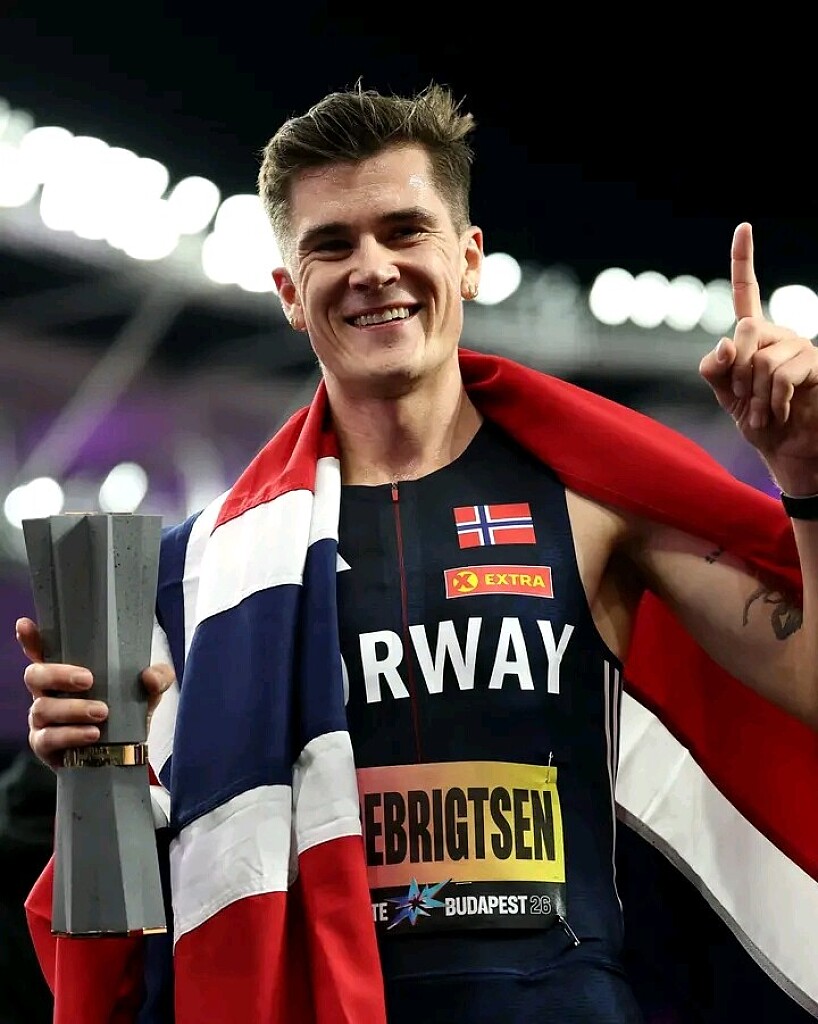
Jakob Ingebrigtsen Withdraws From Budapest 1500m After Stunning 5000m Victory: “Fitness Cannot Be Faked”
Jakob Ingebrigtsen has made a major decision regarding the remainder of his World Athletics Ultimate Championship campaign, confirming that he will withdraw from the men’s 1500m in Budapest despite producing a sensational performance to win the 5,000m title.
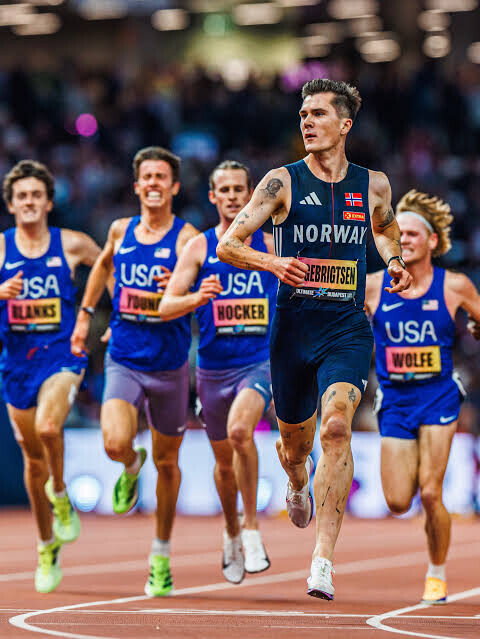
The Norwegian superstar stormed to victory in the inaugural Ultimate Championship 5,000m on Friday night, clocking a season-best 12:59.24 and delivering a devastating finishing kick to defeat Olympic 5,000m champion Cole Hocker and American Parker Wolfe.
Ingebrigtsen’s final 100 metres was arguably the defining moment of the race. The Olympic champion produced a remarkable 12.60-second closing 100m, powering away from the field to secure the $150,000 winner’s prize and underline just how far his fitness has progressed since returning from Achilles surgery.
The victory was particularly significant after what has been an extremely difficult period for the 25-year-old. Earlier in the season, Ingebrigtsen faced serious uncertainty over whether he would even be able to compete at the highest level again. His return has gradually gathered momentum, and his performance in Budapest offered perhaps the clearest indication yet that the Norwegian is rediscovering his formidable racing ability.
But rather than risk pushing his recovering body further, Ingebrigtsen has now opted to step away from the 1500m.
The decision means the highly anticipated showdown with British rival Josh Kerr will not take place in Budapest after all. The two stars had been expected to renew one of the biggest rivalries in modern middle-distance running in the 1500m final.

Instead, Ingebrigtsen is looking beyond the immediate opportunity and towards the bigger picture.
“I’m thinking about 2027… Fitness cannot be faked,” the Norwegian said, signalling that protecting his long-term condition has become more important than chasing another major victory only days after his return to peak-level competition.
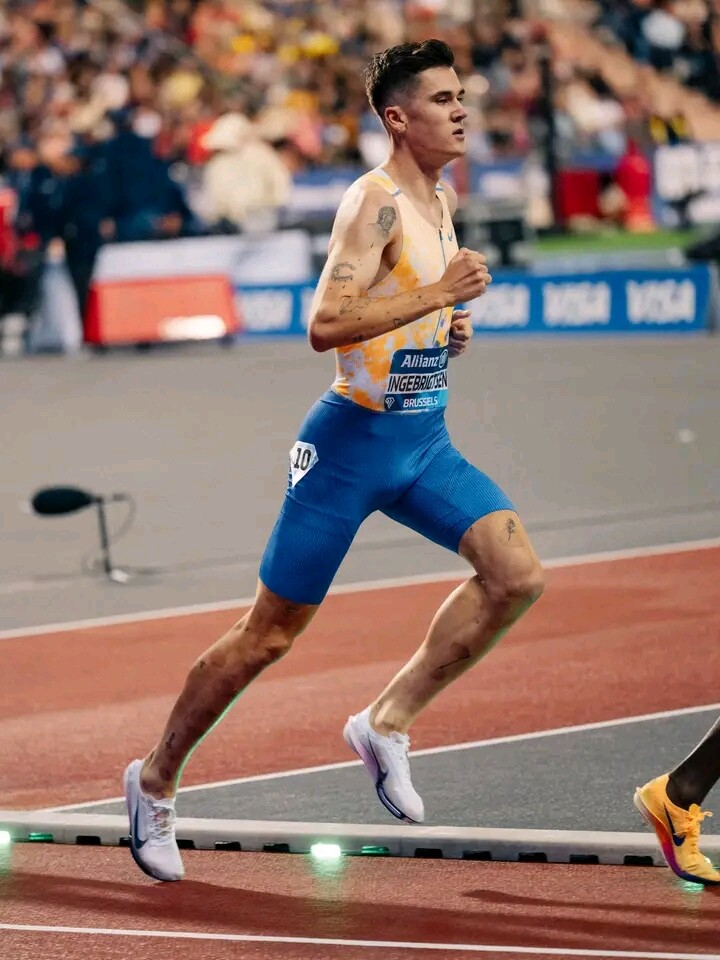
The decision comes just one week after an emotionally charged Diamond League Final in Brussels, where Ingebrigtsen finished fourth in the 1500m behind Australia’s Cameron Myers, Kenya’s Phanuel Kipkosgei Koech and American Ethan Strand.
After that race, Ingebrigtsen delivered a fiery assessment of his rivals and questioned the tactics surrounding the pacemaking, particularly involving Hocker. He later acknowledged that there had been “a little too much adrenaline and emotion” when microphones were placed in front of him immediately after the race.
Yet his latest decision shows that beneath the emotion and competitive intensity lies a longer-term strategy.
Ingebrigtsen has already demonstrated that he can compete at an elite level again. His 12:59.24 in Budapest was not simply a victory — it was a statement that the Norwegian remains capable of producing a world-class finish even after months of injury rehabilitation.
Now, however, he is choosing not to gamble with that progress.
For a runner who has spent much of the year fighting his way back from injury, another 1500m race could have offered enormous rewards but also carried unnecessary risk. By withdrawing, Ingebrigtsen is effectively prioritising longevity over one more opportunity for immediate glory.
His message is clear: the comeback is underway, but it will not be rushed.
The 5,000m victory has given Ingebrigtsen confidence, momentum and perhaps, most importantly, proof that his body can once again handle elite competition.
Now comes the harder part — knowing when to stop.
With 2027 already firmly in his sights, the Norwegian has chosen recovery over risk. And after everything he has endured, that could ultimately prove to be one of the most important decisions of his comeback.
Jakob Ingebrigtsen is not walking away from the sport. He is protecting his future in it.
by Erick Cheruiyot for My Best Runs.
Login to leave a comment
Victor Kipruto Receives Justice After Prague Race Blunder As Organisers Admit Their Mistake
Kenyan distance runner Victor Kipruto Kiprono has received a measure of justice following the unfortunate incident that cost him victory at the Birell 10K Night Race in Prague, Czech Republic, last Saturday.
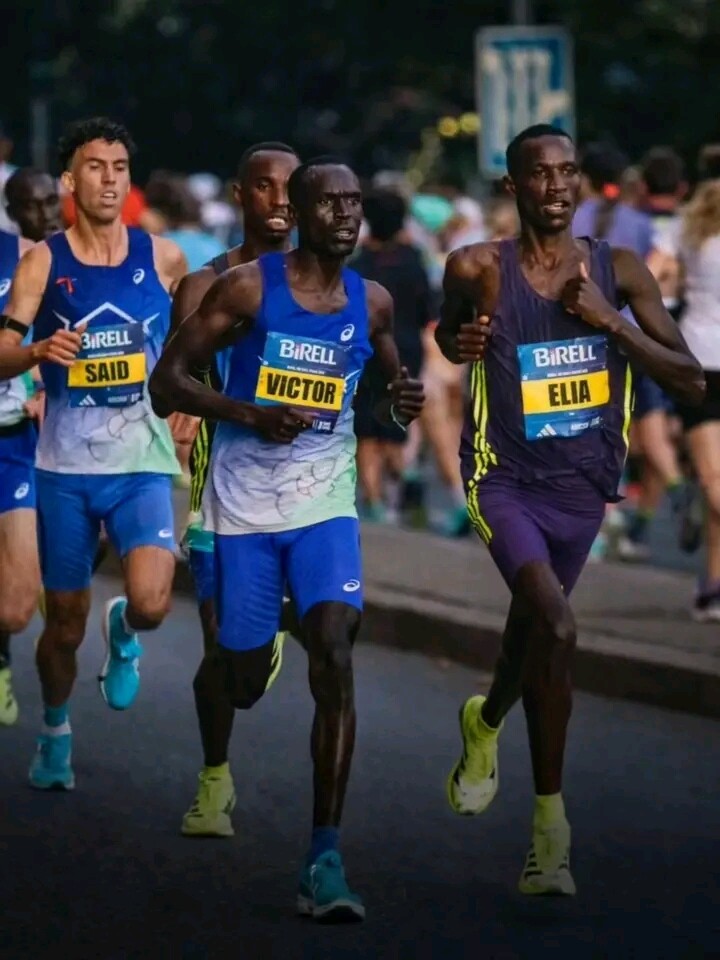
Kipruto was leading the race and appeared on course for victory when, in the closing stages, he followed a television support vehicle that was leaving the course. Confused by the vehicle’s movement, the Kenyan briefly went off the official route before realising his mistake and returning to the race.
By the time he corrected the error, however, valuable seconds had been lost and he dropped from the lead to third place. Rodríguez Kwizera ultimately crossed the finish line first and remained the official winner under the competition rules.
The incident prompted the organisers to issue an official statement, acknowledging that the situation had created confusion for the Kenyan athlete and accepting responsibility for failing to prevent it.

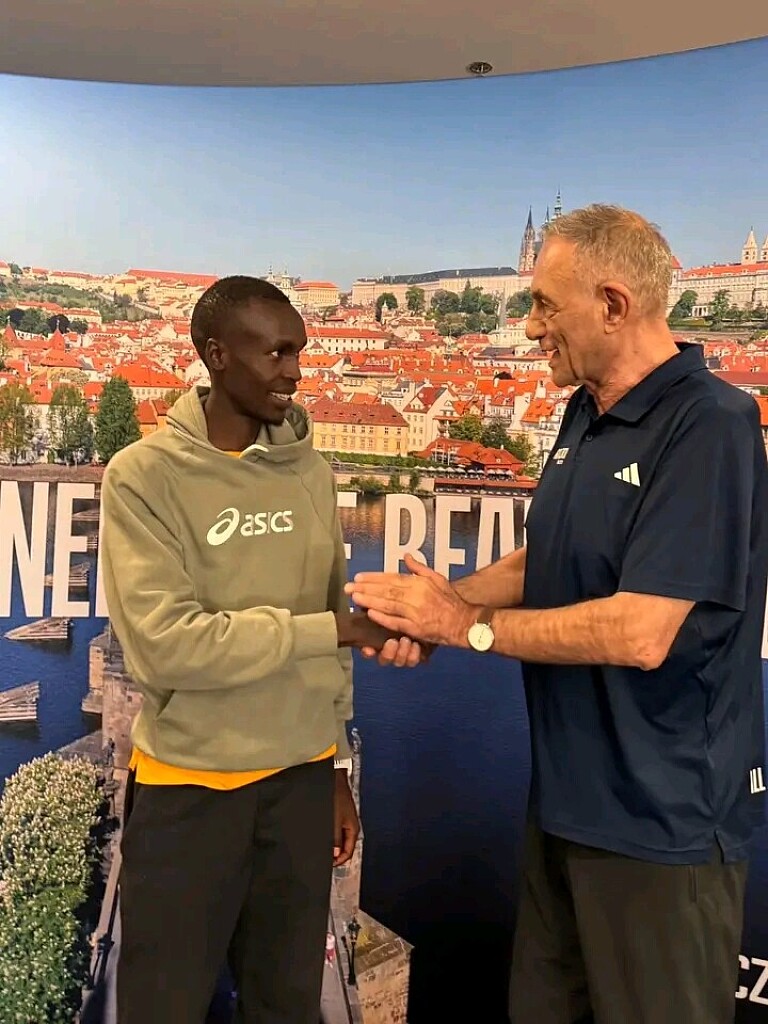
Jana Moberly, elite-athlete coordinator at RunCzech, said the team spoke to Kipruto immediately after the race. Although understandably frustrated, the Kenyan accepted that he had followed the vehicle after seeing what appeared to be an exit and reacting instinctively as it was illuminated by the television equipment.
RunCzech organising committee president Carlos Capalbo also personally approached Kipruto to apologise after the race. The Kenyan accepted the apology and, rather than allowing the disappointment to define the experience, promised to return to Prague next year with one clear objective — to win.
There was also an important gesture from the organisers. RunCzech communications director Jiří Nečásek confirmed that Kipruto will receive the winner's prize money despite the official result remaining unchanged.
Under the technical regulations governing road races, athletes are ultimately responsible for completing the prescribed course, meaning the official classification could not simply be altered. Nevertheless, the organisers recognised that Kipruto had been placed in a confusing situation and chose to compensate him financially as though he had won.
The decision is a significant acknowledgement of what happened. While it cannot rewrite the result or return the victory that slipped away in the final metres, it demonstrates that the organisers understood the seriousness of the incident and were willing to take responsibility.
RunCzech has also begun reviewing the positioning and departure procedures for support vehicles, particularly in critical sections of the course, with the aim of preventing a similar situation from happening again.
For Kipruto, the episode will undoubtedly remain a painful memory. He had done the hard work to put himself in contention for victory, only for an unexpected course-management issue to change the outcome in the closing moments.
But his response has been admirable. He accepted the apology, collected the compensation and has already set his sights on a return to Prague.
Sometimes justice does not mean changing the result. It means admitting when something went wrong, taking responsibility and doing what you can to make it right.
In this case, that is exactly what the organisers have done — and Kipruto now has another reason to return to Prague next year, this time determined to leave no doubt about who crosses the finish line first.
by Erick Cheruiyot for My Best Runs.
Login to leave a comment

Birell 10K Race
The Birell Prague Grand Prix is a captivating evening race that takes runners through the heart of historic Prague. Held during the first weekend of September, this event transforms the city’s streets into a vibrant festival of running, with thousands of participants and enthusiastic spectators lining the course. The event begins with the adidas Women’s Race 5K, an empowering race...
more...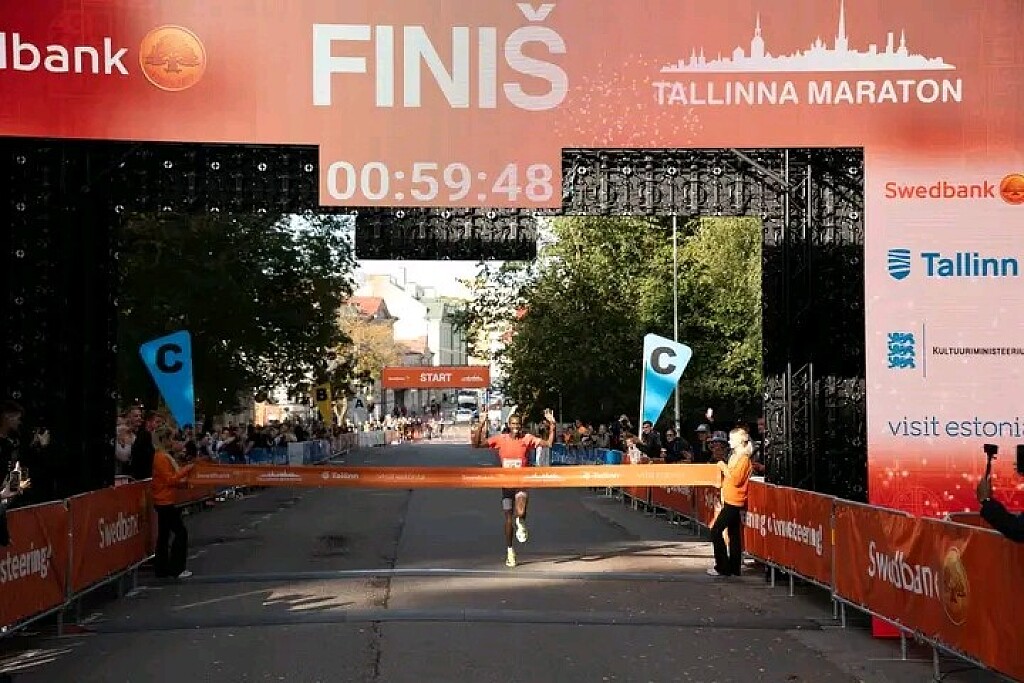
History Made in Tallinn as Vincent Kiptoo Breaks One-Hour Barrier in Estonia
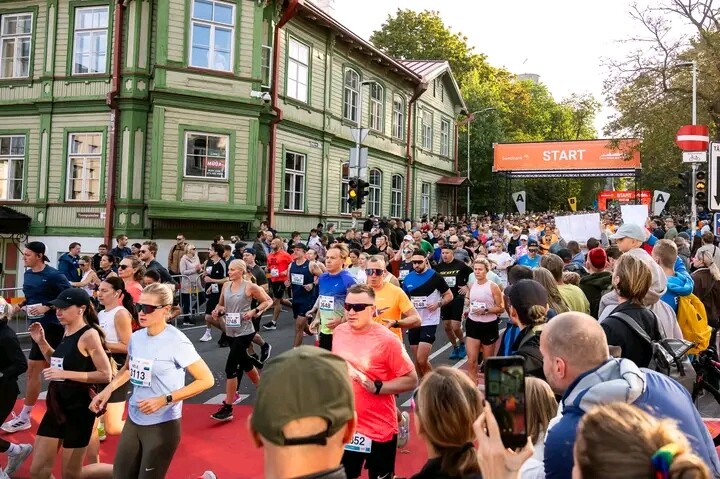
Kenya produced a remarkable double victory at the 2026 Swedbank Tallinn Marathon Half Marathon in Estonia, with Vincent Kiptoo and Regina Wambui Ndungu claiming the men’s and women’s titles in record-breaking fashion.
Kiptoo delivered the headline performance of the morning, storming to victory in 59:48 to become the first athlete to run a half marathon in under one hour on Estonian soil. His performance also established a new Tallinn Half Marathon course record, marking a historic milestone for both the Kenyan and the race.
The Kenyan’s victory was backed by an impressive display of depth from his compatriots. Johana Erot finished second in 1:00:51, recording a personal best, while Enos Kipruto Saat completed the podium in 1:01:22. Kenya therefore swept all three men’s podium positions.
The fastest Estonian in the men’s race was Leonid Latsepov, who finished in 1:04:20, giving the home crowd another performance to celebrate despite the dominance of the Kenyan contingent.
The women’s race provided another Kenyan triumph, with Regina Wambui Ndungu producing a superb 1:07:35 to take the title and set a new Tallinn Half Marathon course record. Her performance completed a memorable Kenyan double on a morning when both winners rewrote the course records.
Winsam Jerono secured second place in 1:10:29, also improving her personal best, while Morocco’s Soukaina Atanane took third in 1:11:24. The fastest Estonian woman was Pille Hinn, who crossed the line in 1:23:02.
The men’s result was particularly striking, with Kenya occupying every place on the podium. Kiptoo’s historic sub-hour run was followed by Erot’s personal-best performance and Kipruto Saat’s strong third-place finish, underlining the depth of Kenyan talent over the half-marathon distance.
For Kiptoo, the 59:48 performance represents more than a race victory. Breaking the one-hour barrier in Estonia places his name in the history of the Tallinn Half Marathon and gives him a course record that will now become the benchmark for future editions of the race.
Ndungu’s victory added another layer to the Kenyan success. Her 1:07:35 not only secured the women’s title but also lowered the course record, meaning both elite races produced new standards on the same morning.
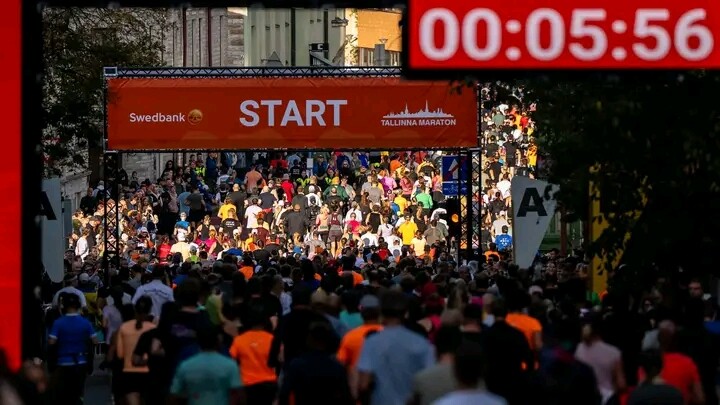
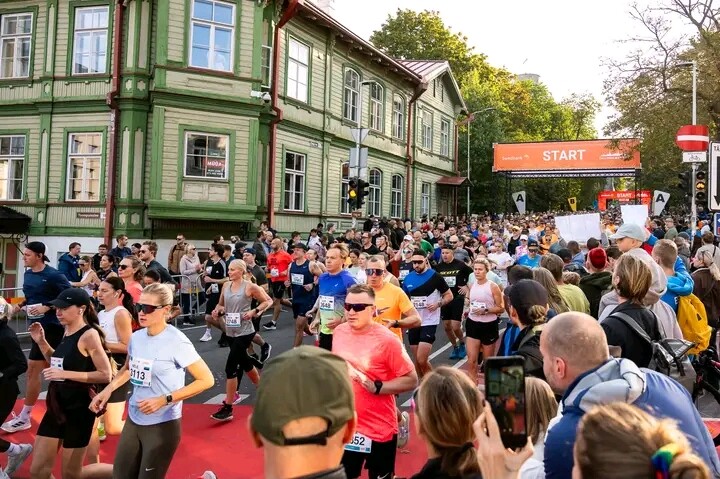
The scale of the event added to the occasion, with more than 5,000 runners taking on the 21.1-kilometre challenge. The streets of Tallinn were filled with runners of different levels, creating a vibrant backdrop for a morning that produced two Kenyan victories and two new course records.
The half marathon was only one part of a packed Tallinn running weekend. The 10K Tallinn Autumn Run was scheduled to follow at 14:00, with the Nike Youth Run later in the evening at 18:30, keeping the Estonian capital at the centre of the running action throughout Saturday.
The weekend will then reach its grand finale on Sunday morning with the Tallinn Marathon, scheduled for a 09:00 start. With thousands of runners continuing to take to the streets, the city’s celebration of distance running is set to continue.
For Kenya, however, the defining moment of the half marathon will remain Kiptoo’s historic 59:48. Alongside Ndungu’s course-record victory, it gave the country a spectacular start to the Tallinn Marathon weekend and etched another memorable chapter into Kenya’s remarkable road-running story.
by Erick Cheruiyot for My Best Runs.
Login to leave a comment

Tallin Marathon
The Tallinn Marathon has won a sure place in the competition calendar of runners and has become an attractive destination for running tourists looking for new experiences. About 20 000 running enthusiasts from 56 different countries participated in the 2017 event. As a tradition, the marathon will take place in every second Sunday of September, this year 9th of September,...
more...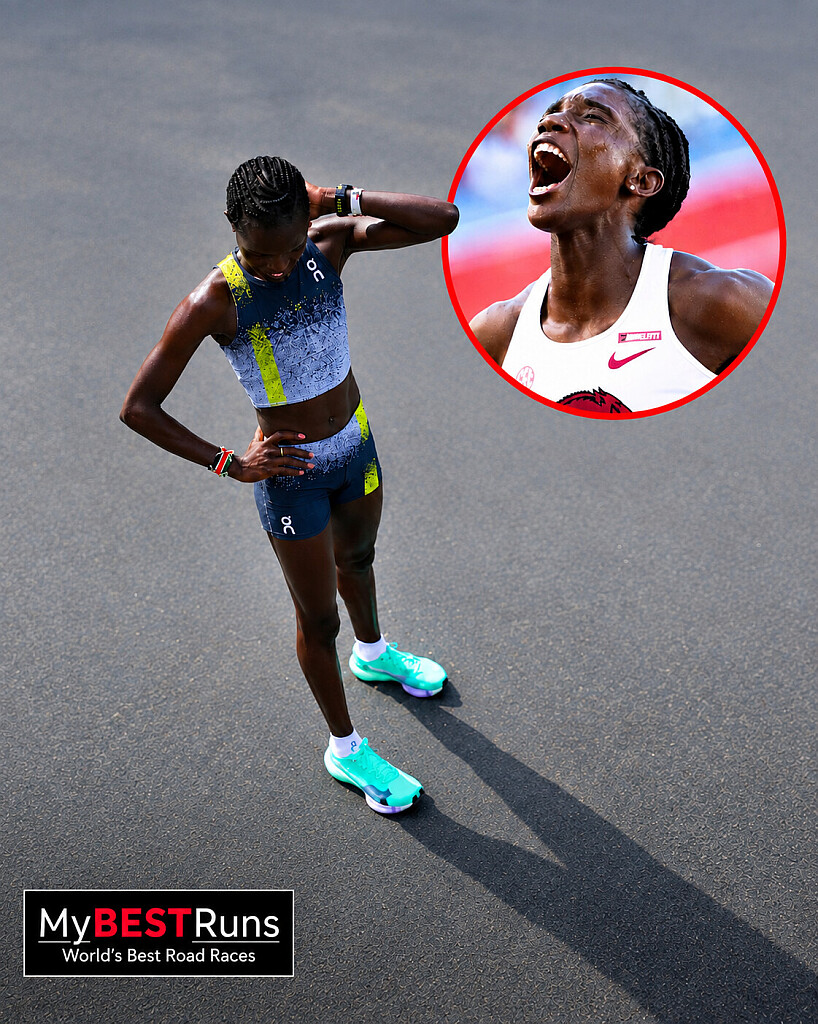
Doris Lemngole Turns Professional With On After Remarkable NCAA Career
Kenyan steeplechase star Doris Lemngole has officially turned professional after signing a contract with Swiss sportswear brand On, marking the beginning of a new chapter for one of the most accomplished young distance runners in the sport.
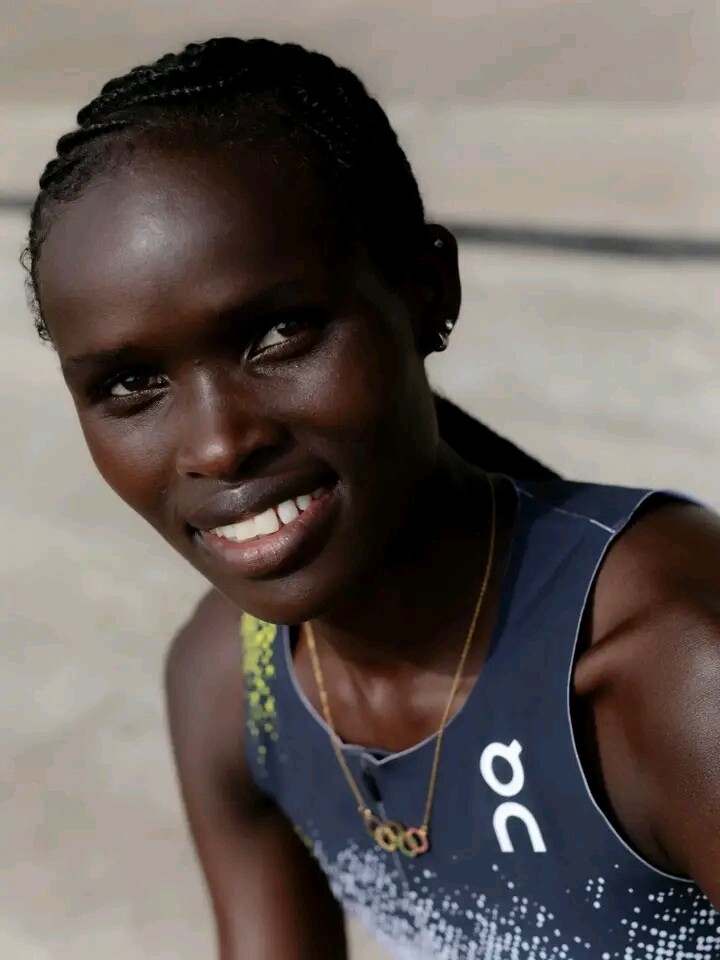
On announced the move on Thursday, September 10, confirming that the 24-year-old has been elevated from the NIL partnership she signed with the brand in August 2025 to its professional athlete roster.
The decision comes after Lemngole completed a spectacular collegiate career at the University of Alabama, where she established herself as one of the most dominant distance runners in NCAA history. She leaves Tuscaloosa as a five-time NCAA champion, a collegiate record-holder and the winner of The Bowerman, the highest individual honor in American collegiate track and field.
Her breakthrough came in the 3,000m steeplechase, an event in which she repeatedly pushed the boundaries of collegiate running. In 2025, she clocked 8:58.15 to become the first woman in NCAA history to break the nine-minute barrier in the event. She also captured consecutive NCAA outdoor steeplechase titles in 2024 and 2025.
Lemngole was equally impressive over cross country. At the 2025 NCAA Championships in Missouri, she defended her national title in 18:25.4, producing the fastest winning performance in NCAA championship history by a considerable margin. Her consistency and dominance across disciplines ultimately helped her secure The Bowerman in December 2025, making her the first Alabama athlete and first Kenyan to receive the prestigious award.
Her transition from collegiate standout to international contender has been remarkably rapid. Still competing as an Alabama athlete, Lemngole won her Diamond League debut in the 3,000m steeplechase at Athletissima in Lausanne in August 2025 before going on to represent Kenya at the World Championships in Tokyo, where she finished fifth.
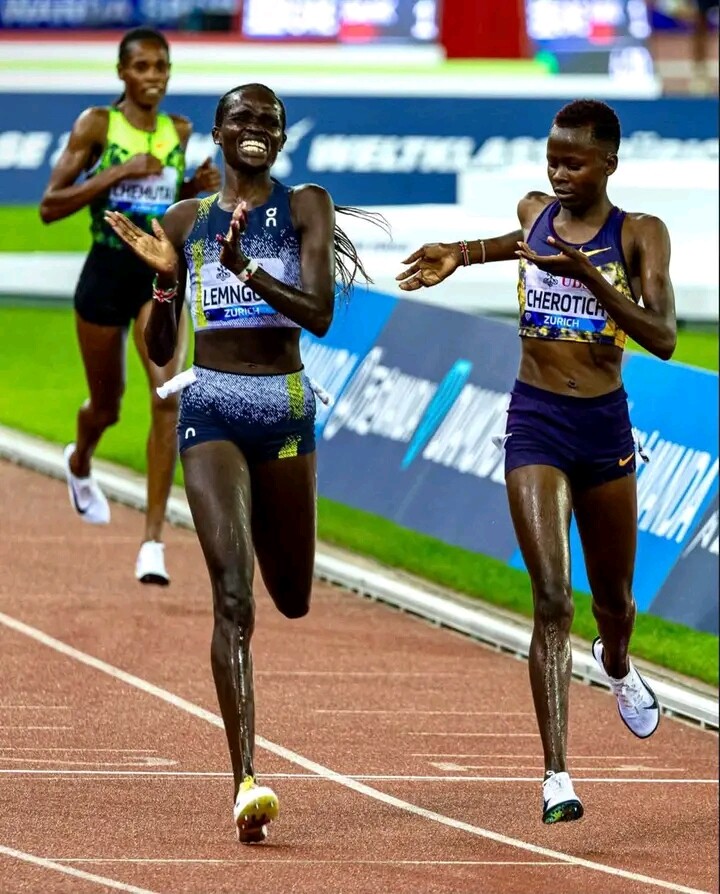
Now, just days before her professional announcement, Lemngole produced perhaps the strongest performance of her career. At the Diamond League Final in Brussels on September 4, she stormed to a massive personal best of 8:52.86 for second place in the 3,000m steeplechase. Only five women in history had previously run faster, underlining just how extraordinary the performance was. Faith Cherotich won in a meeting-record 8:51.61, while Olympic champion Winfred Yavi finished third in 8:53.54.
That performance provided a fitting bridge between Lemngole's collegiate dominance and her professional future. She is no longer simply one of the NCAA's brightest talents; she has now established herself firmly among the world's leading steeplechasers.
For On, the decision represents a natural continuation of a relationship that began when Lemngole joined its NIL roster in 2025. The Swiss brand said her ability to dominate at the collegiate level while immediately challenging the world's best made the move to its professional roster a natural progression.
For Lemngole, the signing is about much more than a new contract. It represents the next stage of a journey that has taken her from NCAA champion and record-breaker to Bowerman winner and international title contender.
With her collegiate chapter now complete and a sub-8:53 performance already on the record, the Kenyan has made her intentions clear: **the next challenge is to see just how far she can take her extraordinary talent on the global stage.**
by Erick Cheruiyot for My Best Runs.
Login to leave a comment

Daniel Komen and Cameron Myers: Two Generations, One Extraordinary Gift for Speed
Athletics has a remarkable way of connecting generations.
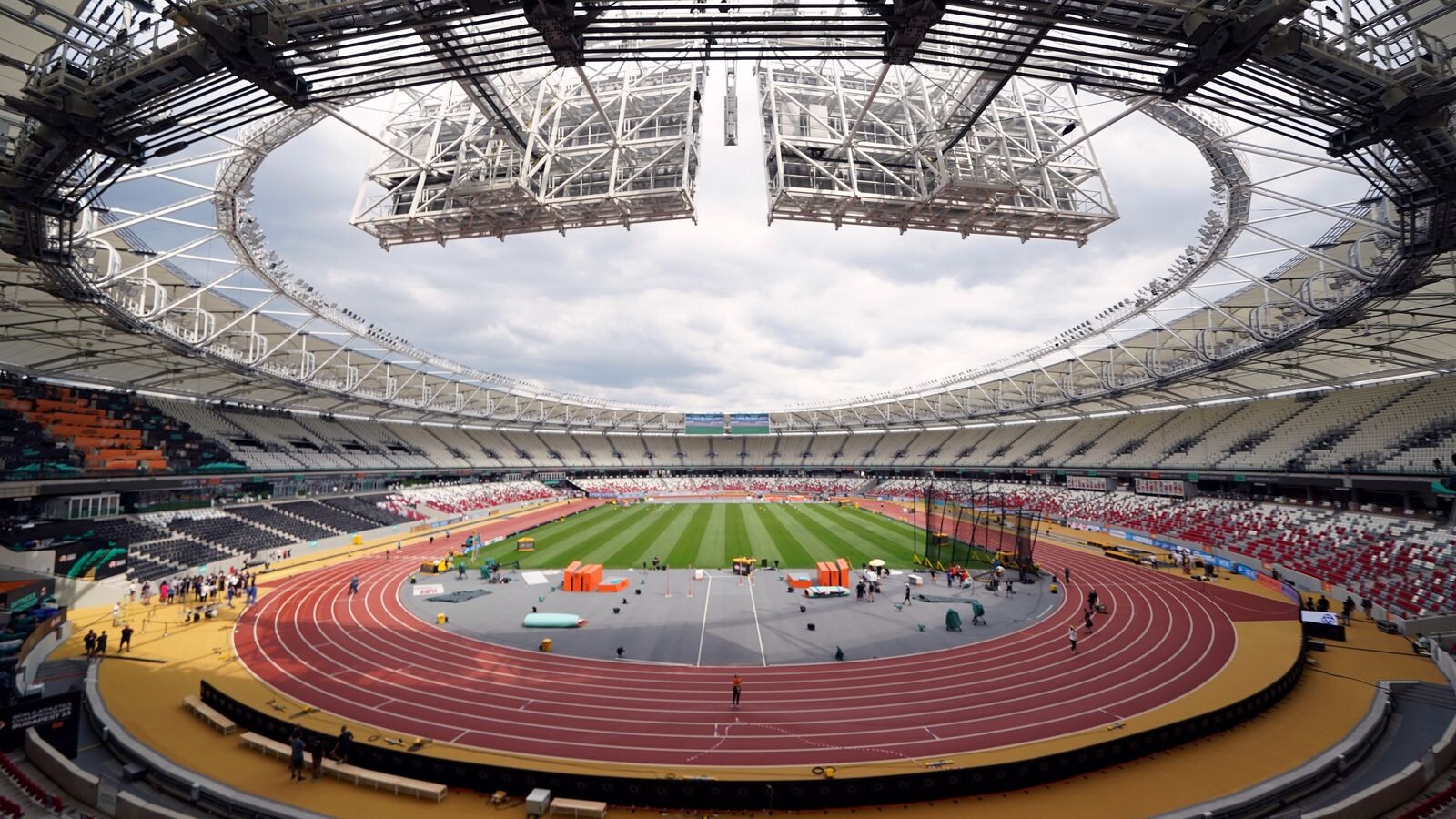
Sometimes, decades apart, two athletes emerge with a rare combination of speed, endurance and fearlessness that makes the extraordinary appear almost effortless. Kenya’s Daniel Komen and Australia’s Cameron Myers are separated by an era and a continent, but their careers share one fascinating thread — an exceptional ability to run incredibly fast over middle and long distances.
Daniel Komen — the Kenyan phenomenon
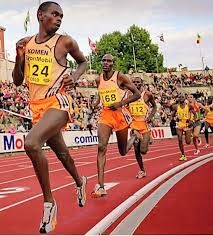
During the 1990s, Daniel Komen was one of the most feared distance runners on the planet.
At just 20 years old, Komen produced a performance that would become one of the defining moments of his career, running 7:20.67 for 3000m in Rieti, Italy, in 1996. The world record remained untouched for nearly 28 years before Jakob Ingebrigtsen finally broke it in 2024.
Komen followed that achievement with another performance that remains etched in distance-running history. In 1997, he ran 7:58.61 for two miles in Hengelo, becoming the first man to break the eight-minute barrier over the distance.
His brilliance was not limited to one event.
Komen possessed an extraordinary range, becoming only the second man after Algeria’s Saïd Aouita to break 3:30 for 1500m, 7:30 for 3000m and 13 minutes for 5000m.
Those performances established Komen as one of the most versatile and naturally gifted distance runners of his generation.
Cameron Myers — Australia's rising star
Almost three decades later, another young runner is beginning to capture the imagination of the athletics world.
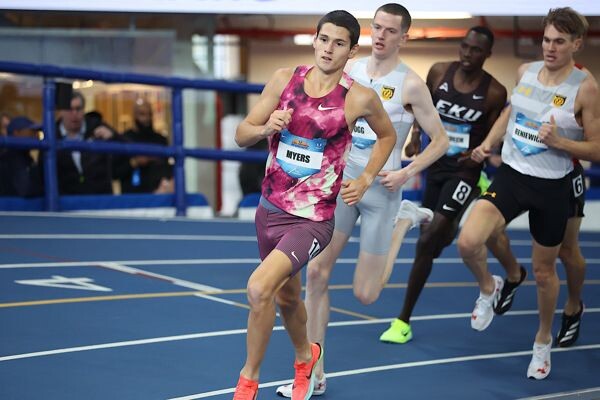
Cameron Myers first made headlines as a teenager when, at 16, he ran 3:55.44 for the mile. The performance made him the second-youngest athlete ever to break four minutes for the distance and confirmed that Australia had a remarkable middle-distance talent on its hands.
But Myers has not allowed the hype surrounding his teenage achievements to define him.
Now 20, he is increasingly proving himself against the world's best senior athletes.
His breakthrough continued in 2026 when he produced a spectacular 3:28.00 personal best for 1500m in Paris, firmly establishing himself among the world's elite over the distance.
Then came Brussels.
At the Diamond League Final on September 4, Myers delivered perhaps the biggest statement of his young career, winning the 1500m in 3:30.14 against a world-class field. The victory came in a race featuring some of the biggest names in the event, including Jakob Ingebrigtsen and Olympic champion Cole Hocker.
For Myers, it was another important step from promising prodigy to established senior star.
He is no longer simply the talented teenager everyone was waiting to see develop.
Cameron Myers has arrived.
Different eras, remarkable similarities
Comparing athletes from different generations is always difficult. The competition, training methods, technology and circumstances change, and every great athlete deserves to be judged within the context of their own era.
But the similarities between Komen and Myers are still fascinating.
Komen showed the world in the 1990s that extraordinary speed could be combined with exceptional endurance. Myers is now demonstrating that same fearless approach as he takes on the strongest 1500m fields in the world.
Komen has already secured his place in athletics history.
Myers is only beginning to write his.
The Australian still has many years ahead of him, and whether he can eventually build a legacy comparable to Komen's remains impossible to predict. What is certain, however, is that his progression has already been remarkable.
From a teenager breaking four minutes for the mile to a 20-year-old running 3:28.00 and winning a Diamond League Final, Myers has moved through the ranks at extraordinary speed.
Daniel Komen was one of the athletes who made the impossible look normal. Cameron Myers now has an opportunity to create his own version of that magic.
Different generations. Different countries. Different journeys.
But one extraordinary gift — the ability to run very, very fast.
by Erick Cheruiyot for My Best Runs.
Login to leave a comment
Leonard Langat to Defend his TCS Toronto Waterfront Marathon Title
Leonard Langat arrived in Toronto for last year’s TCS Toronto Waterfront Marathon largely unheralded. But after winning this World Athletics Elite Label race he left with both the respect of his competitors and the $25,000 CDN first place prize money to his credit.
The 30-year-old Kenyan will defend his title on October 18.
A year ago his winning time of 2:08:04 had been hampered by uncharacteristically strong winds coming off Lake Ontario but the fact he beat athletes with much faster personal best times was an indication of his potential. Indeed, at the 2026 Cape Town Marathon this May he finished 4th in a new personal best of 2:05:26.
“About last year, I was happy because I ran well. I am happy to come back to Toronto,” he says while sitting alongside his coach, Josphat Bett, following a training session. “I loved the city of Toronto. I loved the beauty and the people I met there.
“I want to improve my time and try to win the race again. I will try to defend my title because the training (this year), we have improved, and increased the mileage.”
The Toronto Waterfront Marathon course record of 2:05:00 was set in 2019 by his countryman Philemon Rono. It seems natural to draw a line between his personal best and that record. Could he beat Rono’s time on the streets of Canada’s biggest city?
“If the weather is good that day I will try to improve my personal best,” is all he will allow - apparently not wanting get ahead of himself.
Langat is represented by Volare Sports Management, a Dutch based firm specializing in distance running. He trains with a group of about twenty athletes under coach Josphat Bett’s program in the town of Keringet. Another large Volare group which includes athletes such as Fanny Kiprotich (who will also run this year’s Toronto Waterfront), the 2026 Vienna Marathon winner, is based in Iten the ‘Home of Champions’ three and a half hours away.
Bett was himself a world class runner with a personal best of 26:48.99 for the 10,000m and also took home the 2014 Commonwealth Games silver medal in that event. He remembers being approached by Langat when the latter keenly observed Bett and his training partners running past his village.
“I am a runner and he was interested in running,” Bett remembers with a smile. “He loved the way we were training and he asked ‘How can I start to run?’. So I gave him a training program to start. Now it has been about ten years.”
With money earned from running Langat has begun preparing for life after his running career comes to an end. He and his wife, Sharon Chesang, have two children, 4-year-old Emmanuel Kipkoech and a 2-year-old daughter Dorcas Chebet. Although Volare has a camp where many of the athletes live during the week he prefers to go home after training sessions.
“I want to be a farmer for cattle, a dairy farmer,” he explains. “I bought five acres of land and I have five cows.”
A successful title defence would mean increased financial stability for his family’s future. There is also a bonus of $10,000 CDN for breaking the course record. Although he seems hesitant to talk about the record he’d be a good bet to dip below 2:05:00 under the right conditions.
"In Cape Town after 40km, after taking water, I lost the steps of the leading group,” he admits.
Clearly the race video supports his contention as he slowed to grab a bottle while the other three contenders opened up a gap. Ethiopia’s Mohamed Esa won that race in 2:04:55 with the 2022 TCS Toronto Waterfront champion, Yihunilign Adane, second in 2:04:59. What might have been is not something he dwells upon.
Defending a title is never easy. Langat can no longer slip under the radar as his performances have been watched around the world. His TCS Toronto Waterfront Marathon victory, alone, had 140,000+ views last year in 75 countries. And he will face a strong field including his compatriot Noah Kipkemboi who finished in second place just 24 seconds behind him last year.
But Langat’s confidence will be high making for compelling battle along the streets of Toronto.
by Paul Gains
Login to leave a comment
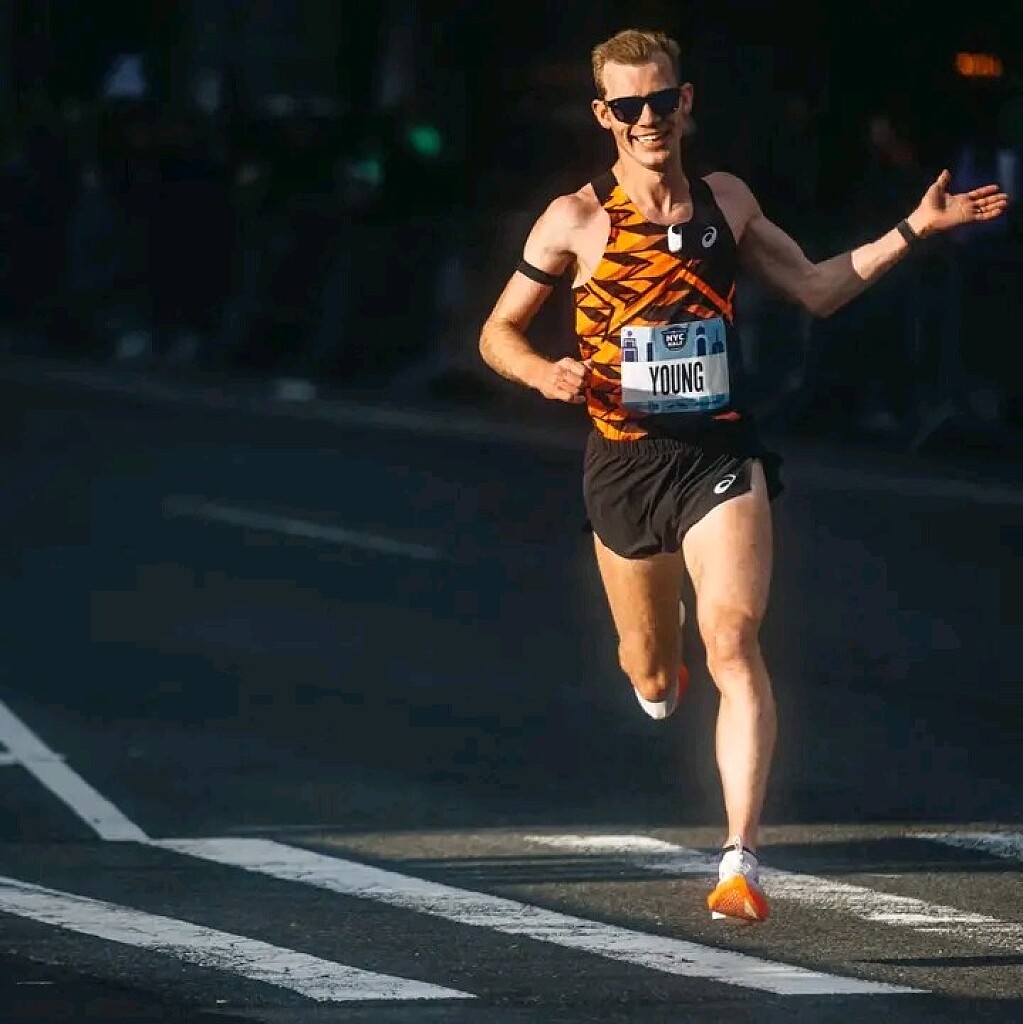
A Sneaky Road Race to Watch This Weekend: Great North Run Set for a Star-Studded Showdown
The road racing spotlight will turn to Newcastle this Sunday as the 2026 AJ Bell Great North Run brings together an impressive international men's field featuring several of America's leading distance runners alongside proven global stars.
The iconic half marathon from Newcastle upon Tyne to South Shields is once again shaping up to be one of the most intriguing road races of the weekend, with a deep field capable of producing a highly competitive battle over 13.1 miles.
Leading the American challenge is Clayton Young, who heads into the race with an important autumn marathon campaign already on his mind. Young recently announced plans to make an attempt at the American marathon record at the Chicago Marathon later this fall, making Sunday's race an interesting opportunity to gauge his fitness ahead of that major target.
However, Young will face plenty of quality opposition.
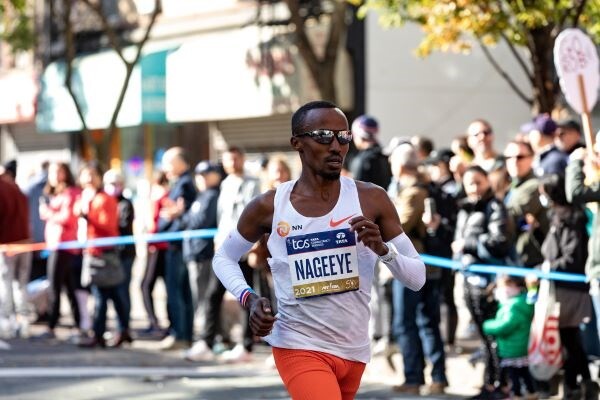
The American contingent also includes Zouhair Talbi, Casey Clinger, Woody Kincaid, Jared Ward and Jake Barraclough, giving the United States considerable depth in the men's field.
Kincaid is particularly intriguing. The USATF 10K champion has already established himself as one of America's most accomplished distance runners and will be looking to continue building his reputation on the roads against an international field.
The global challenge is equally strong.
Alex Mutiso of Kenya, Abdi Nageeye of the Netherlands, Ethiopia's Deresa Geleta, Italy's Iliass Aouani, Britain's Ben Connor and Andy Butchart, as well as a strong contingent from Japan, add plenty of experience and firepower to the race.
With athletes arriving at different stages of their seasons and several already looking toward major autumn targets, the Great North Run could produce a fascinating tactical battle before the final miles decide who has the strength to take control.
Selected Men's Elite Entries
1. Clayton Young — United States
2. Casey Clinger — United States
3. Zouhair Talbi — United States
4. Woody Kincaid — United States
5. Jared Ward — United States
6. Jake Barraclough — United States
7. Alex Mutiso — Kenya
8. Abdi Nageeye — The Netherlands
9. Deresa Geleta — Ethiopia
10. Ben Connor — Great Britain
11. Taiga Hirayama — Japan
12. Ayumu Kobayashi — Japan
13. Tatsuya Maruyama — Japan
14. Kosei Matsunami — Japan
15. Yohei Ikeda — Japan
16. Shoya Yonei — Japan
17. Iliass Aouani — Italy
18. Andy Butchart — Great Britain
19. Alfie Manthorpe — Great Britain
20. Calum Johnson — Great Britain
The 2026 AJ Bell Great North Run will take place on Sunday, September 13, with the elite men's race scheduled to get underway in Newcastle.
It may be a half marathon, but this is certainly not a race to overlook. With Young preparing for Chicago, Kincaid continuing to make his mark on the roads and an international field packed with talent, the Great North Run could quietly become one of the most entertaining races of the weekend.
by Erick Cheruiyot for My Best Runs.
Login to leave a comment
Great North Run
Great North Run founder Brendan Foster believes Britain is ready to welcome the world with open arms after the launch of the event's most ambitious plan to date. The Great World Run campaign seeks to recruit one runner from every country in the United Nations – 193 in total – to take part in the iconic half marathon in...
more...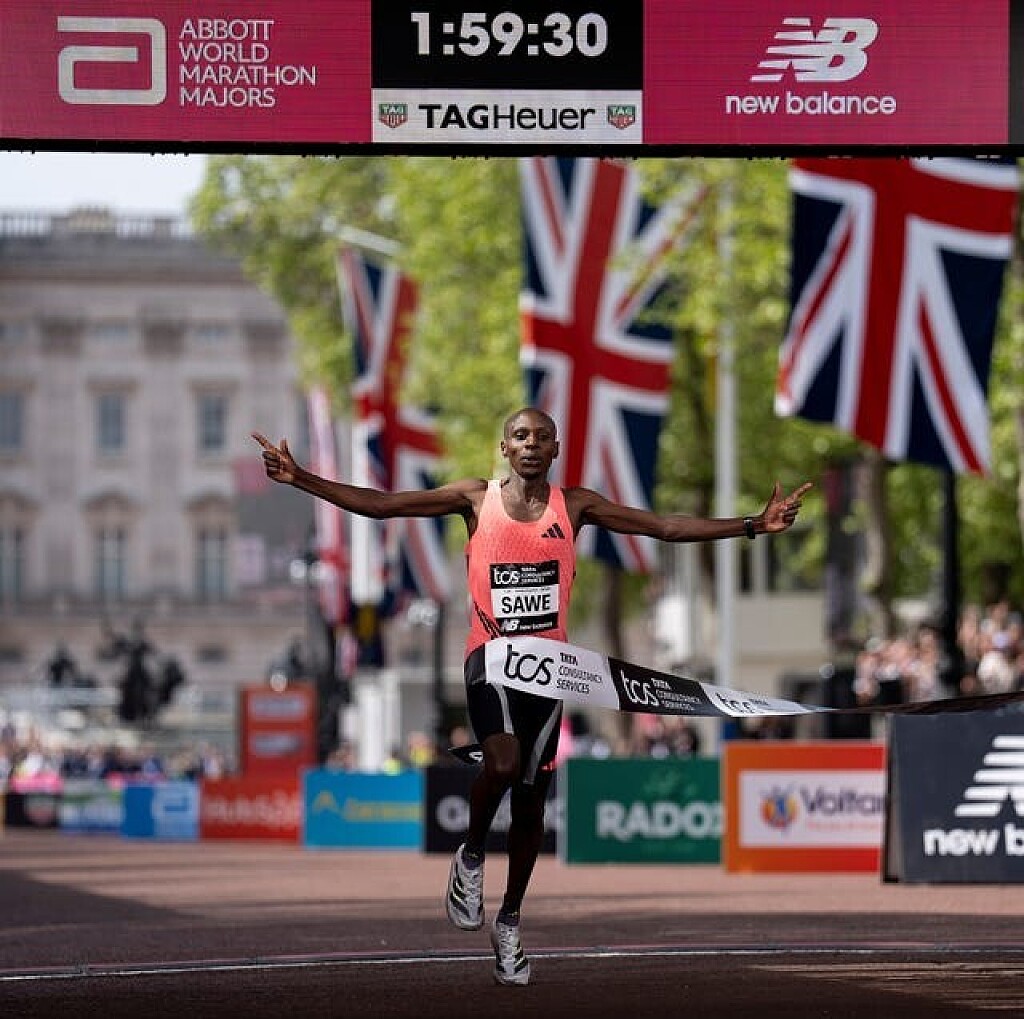
2026: The Year Distance Running’s Impossible Records Began to Fall
Distance running has witnessed extraordinary seasons before, but 2026 is producing something that feels almost unprecedented.
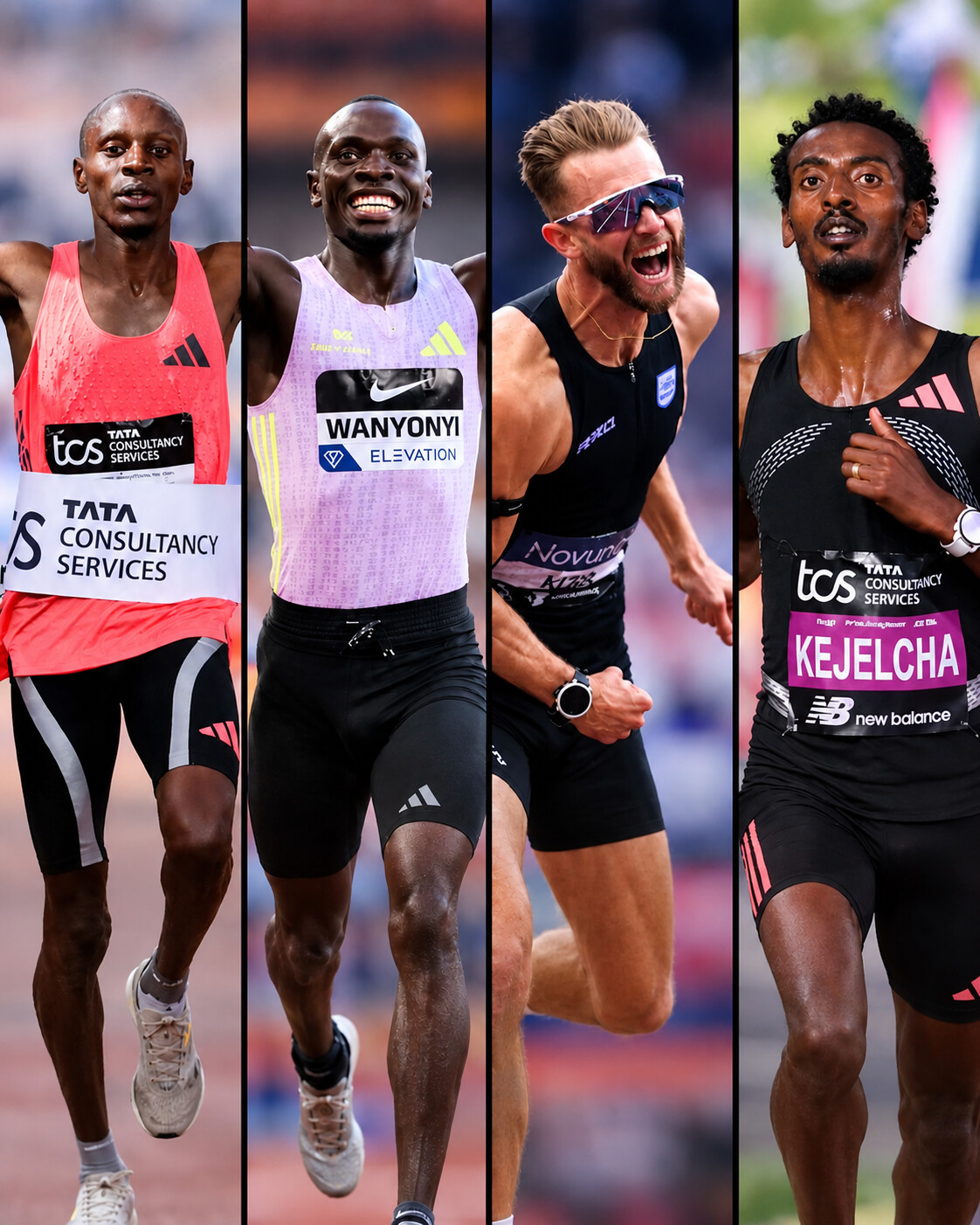
Records that had survived for decades, marks that appeared untouchable and performances that had defined entire generations of athletes are falling at a remarkable rate. In the space of just four months, four historic world records were rewritten, creating one of the most astonishing stretches the sport has ever seen.
And with four months still remaining in 2026, the question is no longer whether this has been an exceptional year.
It is just how much further the boundaries can be pushed.
The extraordinary sequence began on April 26 at the London Marathon, where Sabastian Sawe delivered one of the defining performances in the history of the event. The Kenyan crossed the finish line in a breathtaking 1:59:30, becoming the first athlete to run a marathon under two hours in officially recognised, record-eligible conditions.
Eliud Kipchoge had famously broken the two-hour barrier in Vienna in 2019, proving that such a performance was humanly possible, but the specially organised conditions—including rotating pacemakers and a pace car—meant the time could not be recognised as an official world record.
Sawe's performance was different.
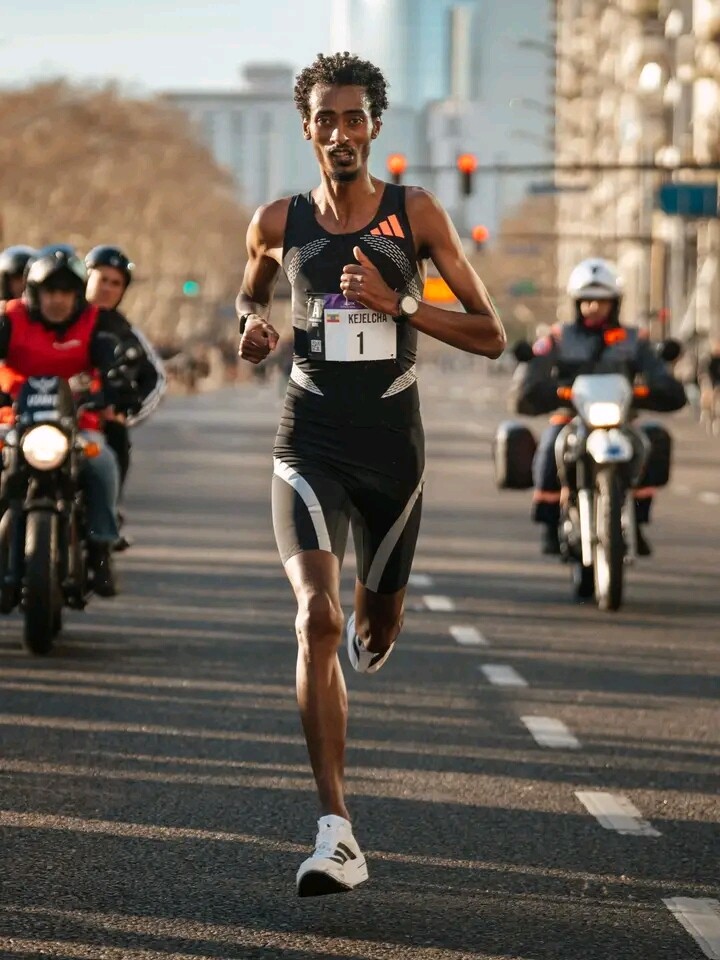
His 1:59:30 came in a conventional elite marathon race, and the historic morning became even more extraordinary as Ethiopia's Yomif Kejelcha finished in 1:59:41, while Uganda's Jacob Kiplimo clocked 2:00:28. In one astonishing race, three athletes went faster than the previous world-record standard.
Then came Monaco.
On July 10, Emmanuel Wanyonyi stepped into completely unfamiliar territory when he lined up for his first-ever 1000m race. What followed was nothing short of spectacular. The Kenyan middle-distance star stormed to 2:11.83, smashing a world record that had belonged to Noah Ngeny since 1999.
The previous mark had stood for 27 years, having been set four years before Wanyonyi was even born. Yet on his debut over the distance, Wanyonyi made history look effortless, while Britain's Jake Wightman also produced a superb performance to move into fifth place on the all-time list.
Just eight days later, London delivered another historic moment.
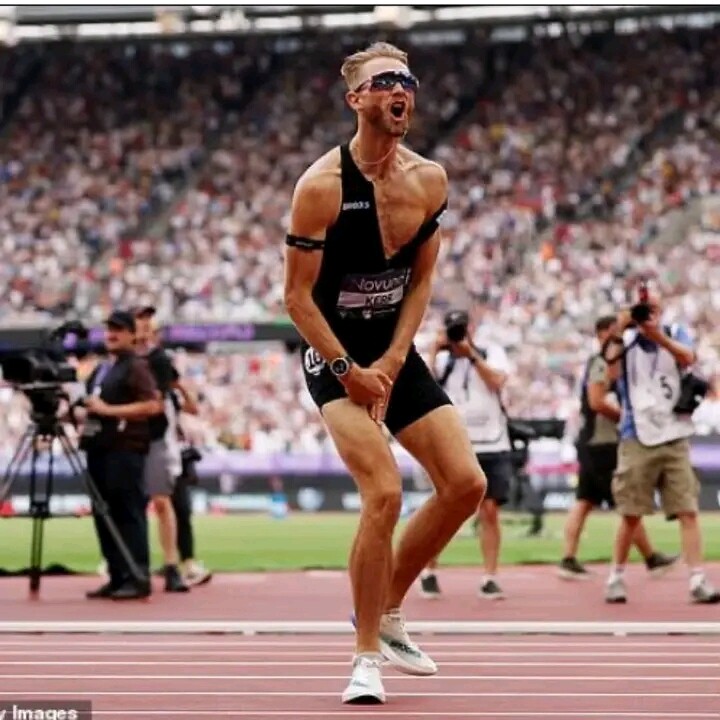
Josh Kerr had spoken openly about his ambitious mission, calling it “Project 222.” On the track, however, ambition turned into reality. The British star produced a stunning 3:42.66 for the mile, finally surpassing Hicham El Guerrouj's legendary 3:43.13 world record.
For decades, El Guerrouj's mark had stood as one of athletics' most iconic standards—a performance that appeared almost immune to the passing of time. Kerr changed that, producing a run that instantly secured its place among the greatest mile performances ever witnessed.
And then, in Buenos Aires on August 23, Yomif Kejelcha returned to the centre of the distance-running world.
Having already played a major role in London's historic marathon, the Ethiopian produced another extraordinary performance, this time over the half marathon. Kejelcha clocked 56:51, becoming the first man in history to break 57 minutes for the distance under valid record conditions.
What made the performance even more remarkable was the manner in which it unfolded. Kejelcha was running alone from around the 7km mark, with no rival beside him and no dramatic sprint finish required. He simply continued driving forward, producing one of the most dominant record-breaking performances ever seen on the roads.
Four historic records.
Four months.
A marathon barrier that had long been considered impossible in official competition. A 1000m record that had survived for 27 years. A mile record that had belonged to one of the greatest middle-distance runners in history. And a half-marathon performance that carried the event into completely new territory.
Distance running is living through a year unlike almost anything the sport has experienced before.
The most remarkable part?
2026 is not over yet.
With four months still remaining, the athletes of this extraordinary era may not be finished rewriting history.
by Erick Cheruiyot for My Best Runs.
Login to leave a comment
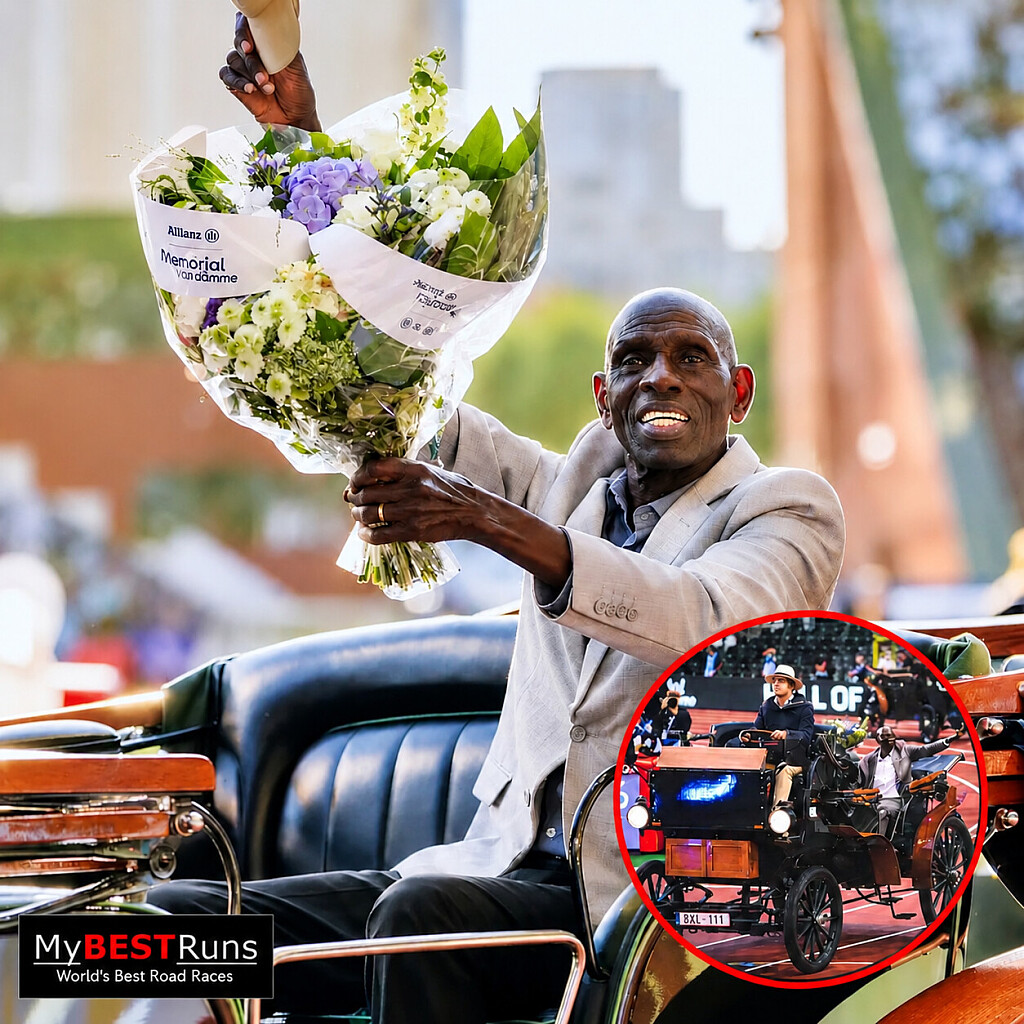
Mike Boit Honoured In Brussels As Kenyan Athletics Pioneer Enters Memorial Van Damme Hall Of Fame
Kenyan athletics legend Professor Mike Boit has received another prestigious recognition, nearly five decades after he etched his name into the history of the Memorial Van Damme in Brussels.
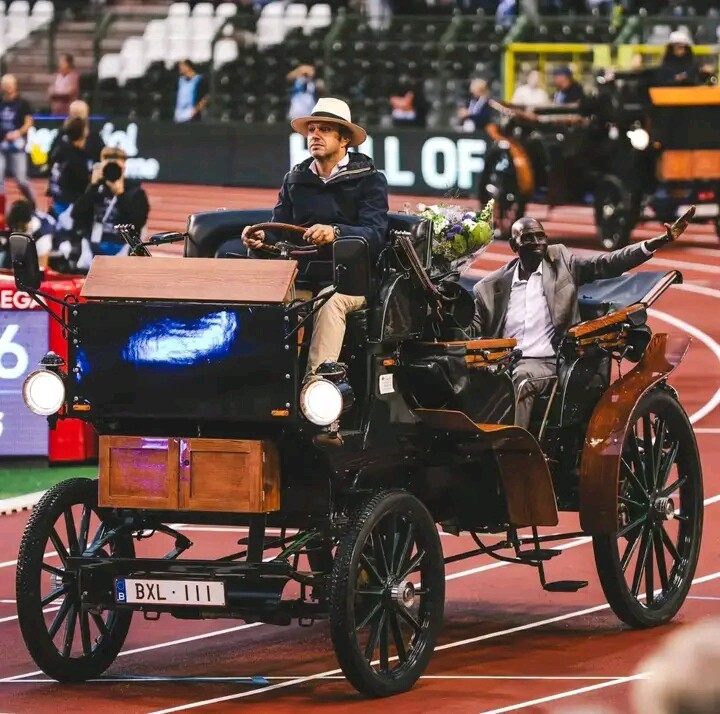
Boit was inducted into the Memorial Van Damme Hall of Fame during the 2026 Diamond League Final in Brussels, joining two global athletics icons, American sprint and long-jump legend Carl Lewis and former high-jump world-record holder Dwight Stones, in the 2026 class of honourees.
The occasion brought Boit back to the scene of one of the defining victories of his illustrious career. In 1977, he won the inaugural Memorial Van Damme 800 metres, becoming part of the meeting's history from its very first edition.
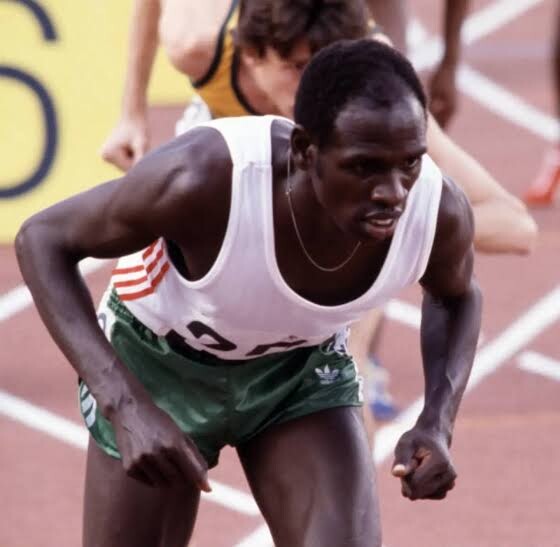
His victory in Brussels was another chapter in a career that had already established him as one of Kenya's pioneering international track stars.
Boit had announced himself on the biggest stage five years earlier at the 1972 Munich Olympic Games, where he won bronze in the 800m. At a time when Kenya was still establishing itself as a major force in international athletics, Boit was among the athletes who helped open the door for the generations that followed.
His influence, however, stretches far beyond his achievements on the track.
After his competitive career, Boit built an impressive academic and professional career in sports science. He earned two master's degrees and a PhD, using his expertise to contribute to the development of sport and the education of future generations of athletes.
That combination of athletic achievement and academic excellence has made him an exceptional figure in Kenyan sport. His journey is one that moves seamlessly from the Olympic podium to the university lecture hall, while his pioneering achievements continue to form part of Kenya's rich athletics heritage.
His induction was marked by a special lap of honour at the King Baudouin Stadium, giving spectators an opportunity to celebrate a man whose name has been intertwined with the history of the prestigious Brussels meeting for almost half a century.
For Boit, the honour represents more than recognition for a single race or medal. It is a celebration of a lifetime of contribution to athletics and sports science, as well as the impact of a pioneer whose achievements helped shape Kenya's growing presence on the international stage.
Nearly 50 years after winning the first Memorial Van Damme 800m, Boit returned to Brussels in a very different role. This time, there was no starting line, no finishing tape and no medal to chase.
Instead, there was a standing ovation and a place among the legends.
From Olympic bronze medallist to pioneering international athlete, from Memorial Van Damme champion to distinguished professor, Mike Boit's remarkable journey continues to inspire.
His name is now permanently associated with the history of one of Europe's most prestigious athletics meetings — a fitting tribute to a Kenyan icon whose influence has extended far beyond the track.
by Erick Cheruiyot for My Best Runs.
Login to leave a comment

Jimmy Gressier’s Bold Copenhagen Double: From Sub-13 Speed To Half-Marathon Glory?
Jimmy Gressier is preparing to take on one of the most intriguing challenges of the 2026 World Athletics Road Running Championships in Copenhagen — competing in both the men’s 5km and half-marathon, with less than a day separating the two races.
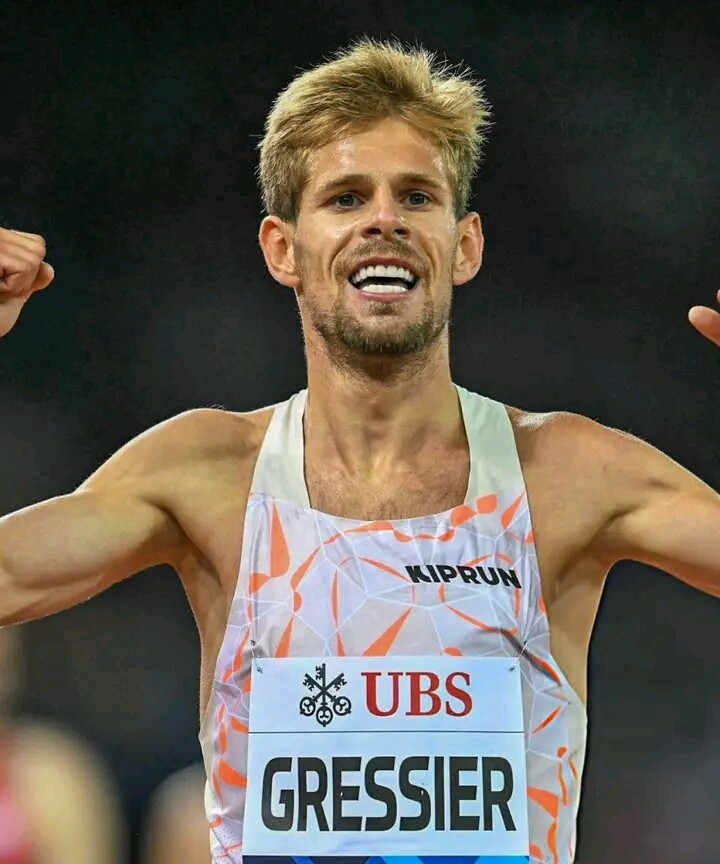
The French star is listed for the 5km on September 19 at 2:40 p.m., before returning to action for the half-marathon at 9:45 a.m. the following morning. That gives him just 19 hours and five minutes between races.
It is a remarkable contrast. One race is expected to last less than 13 minutes for Gressier; the other could keep him racing for around an hour. His personal bests tell the same story: 12:51 for 5km, equivalent to roughly 4:08 per mile, and 59:45 for the half-marathon, or about 4:33 per mile.
And the difference in his standing on the two start lists is striking.
In the 5km, Gressier enters as the fastest man in the field of 63 athletes. His sensational 12:51 in Lille in April made him the European record-holder and moved him to within just two seconds of the world record. Ethiopia’s Addisu Yihune is the only other athlete entered with a faster mark than 13 minutes, having run 12:54, while no other competitor has broken 13:06 this year.
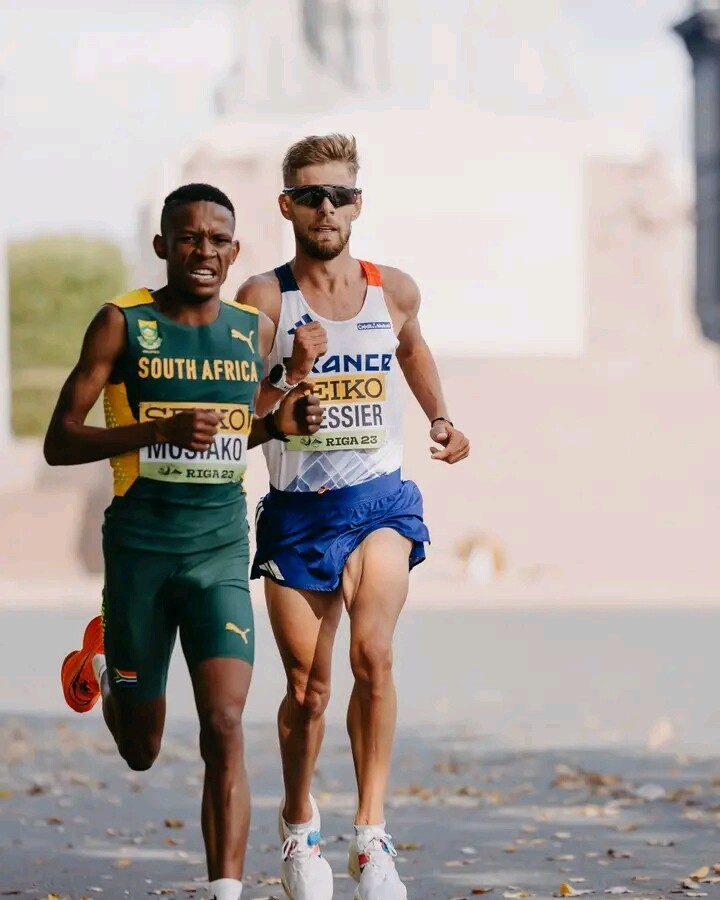
The half-marathon presents a completely different challenge.
Gressier’s 59:45 personal best places him 13th on the entry list, with 12 athletes boasting faster lifetime performances. Kenya’s Nicholas Kipkorir leads that group with 58:08, while Sweden’s Andreas Almgren arrives with the European record of 58:41. Gideon Kipkertich Rono has run 58:38, Tadese Worku 58:47, while the field also includes major names such as Joshua Cheptegei, Daniel Simiu Ebenyo, Yemaneberhan Crippa and Conner Mantz.
Adding another layer of intrigue, Gressier has not raced a half-marathon in 2026.
Yet this is far from unfamiliar territory for the Frenchman.
Gressier has already demonstrated that he can excel over 21.1 kilometres. His 59:45 came when he won the European half-marathon title in Brussels-Leuven in April 2025, defeating Norway’s Awet Nftalem Kibrab by 1:23. He also finished fifth at the 2023 World Half Marathon Championships in Riga, clocking 59:46.
That makes Copenhagen’s unusual schedule particularly important.
When the inaugural World Road Running Championships were held in Riga three years ago, the elite races were compressed into a single afternoon, making a 5km-and-half-marathon double far more difficult to contemplate. Copenhagen has instead spread the competitions across the weekend, creating a window that allows athletes such as Gressier to attempt something far more ambitious.
He will not be alone. Ten athletes on the final entry lists have entered two races, but Gressier’s combination is arguably among the most demanding because of the intensity with which he attacks both distances.
There is also a powerful reminder of what Gressier can produce when the stakes are highest.
At last year’s World Championships in Tokyo, he produced a breathtaking finish to claim the 10,000m world title, edging Yomif Kejelcha by just 0.06 seconds. His own description of that dramatic finish captured his competitive instinct perfectly: he had targeted a medal, moved into third on the home straight, then surged through second before taking gold.
Now, Gressier is preparing for another test of versatility.
First comes the explosive 5km, where he arrives as the fastest man on paper and one of the biggest threats to the world’s best. Then, barely 19 hours later, comes the half-marathon — a race filled with established road-running specialists and several athletes with considerably faster credentials.
Two races. Two very different challenges. One extraordinary weekend.
In Copenhagen, Jimmy Gressier will find out just how far his remarkable range can take him.
by Erick Cheruiyot for My Best Runs.
Login to leave a comment
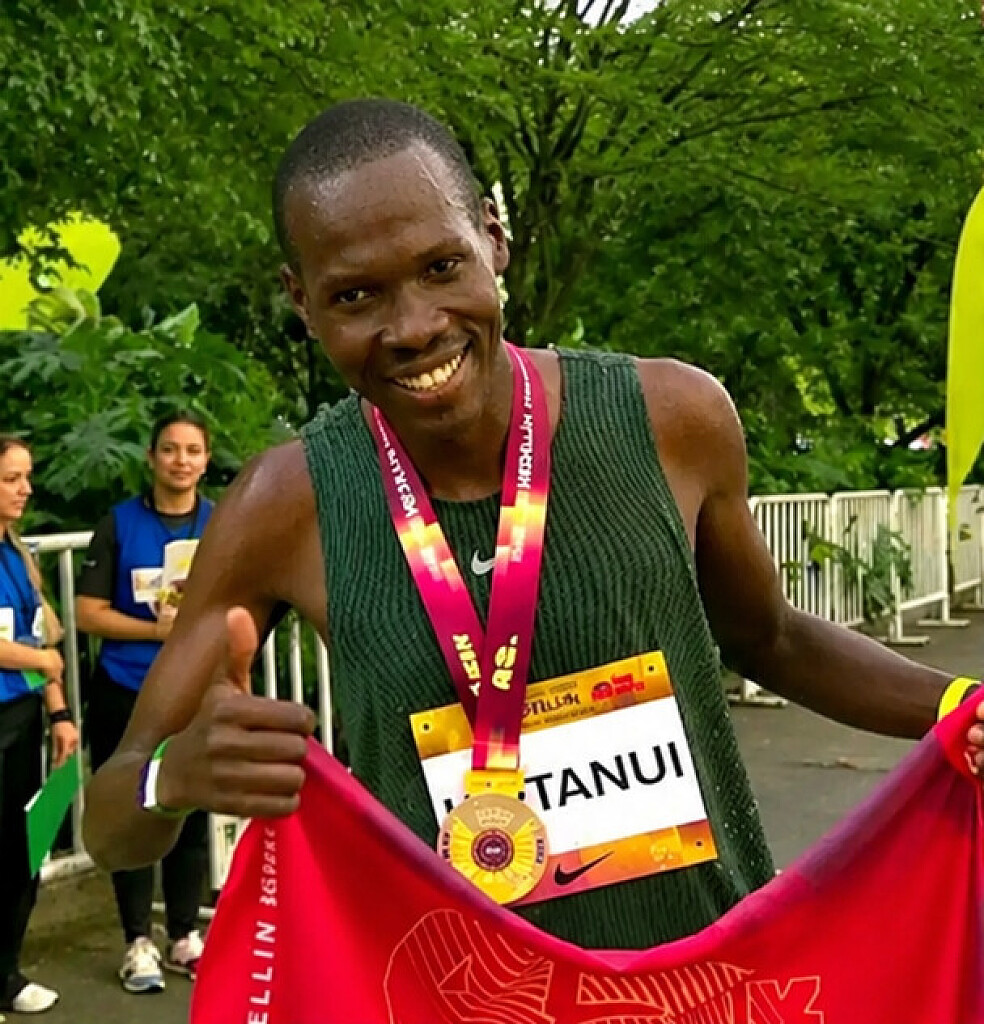
Kiptanui Leads Kenyan One-Two As Colombia’s Patiño Completes A Thrilling Medellín Podium
Eric Kiptanui delivered a superb performance on Colombian soil to win the 2026 Medellín Marathon, leading a Kenyan one-two finish in the streets of the City of Eternal Spring.
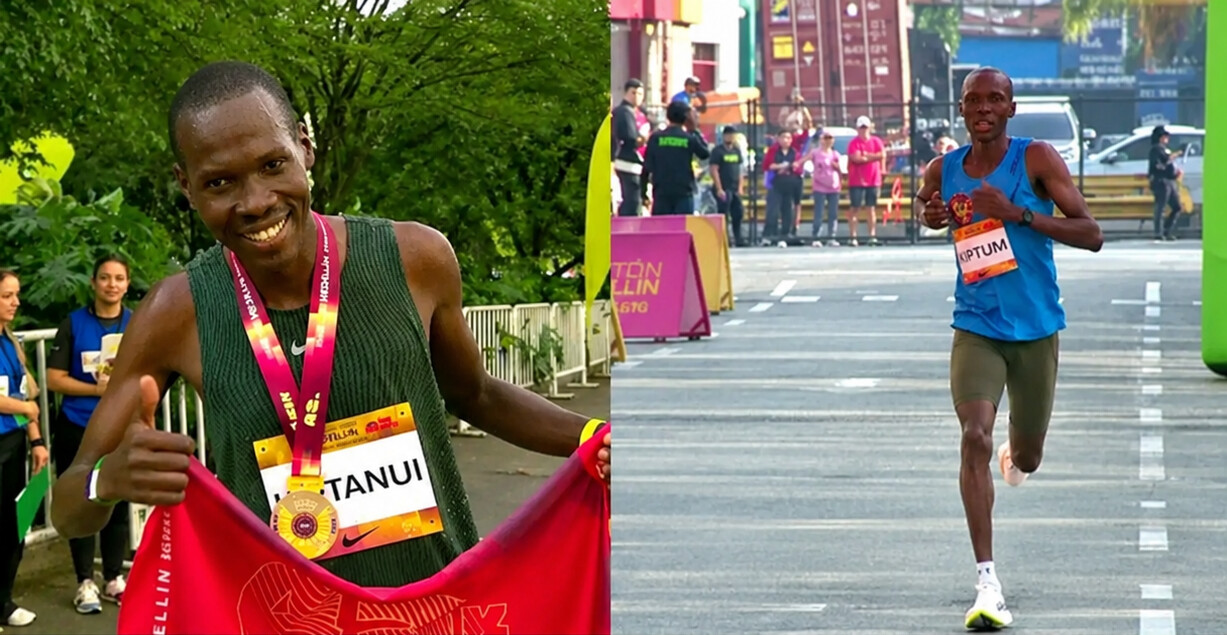
Kiptanui crossed the finish line in 2:17:36, securing a convincing victory ahead of compatriot Joseph Kiptum, who stopped the clock at 2:18:09. Colombia’s Carlos Patiño completed the podium in 2:19:14, giving the home crowd a reason to celebrate after a fiercely contested marathon.
The Medellín Marathon presents a distinctive challenge for distance runners. The city sits at a significant elevation above sea level, meaning athletes must contend not only with the physical demands of 42.195 kilometres but also with reduced oxygen availability compared with races held closer to sea level. On a course where endurance and pacing are crucial, maintaining strength deep into the second half of the race can make all the difference.
Kiptanui appeared equal to the challenge, producing the strongest performance when it mattered most. Over the closing stages, the Kenyan held his composure and preserved enough energy to finish ahead of the chasing field, completing the marathon in 2:17:36 and securing the victory.
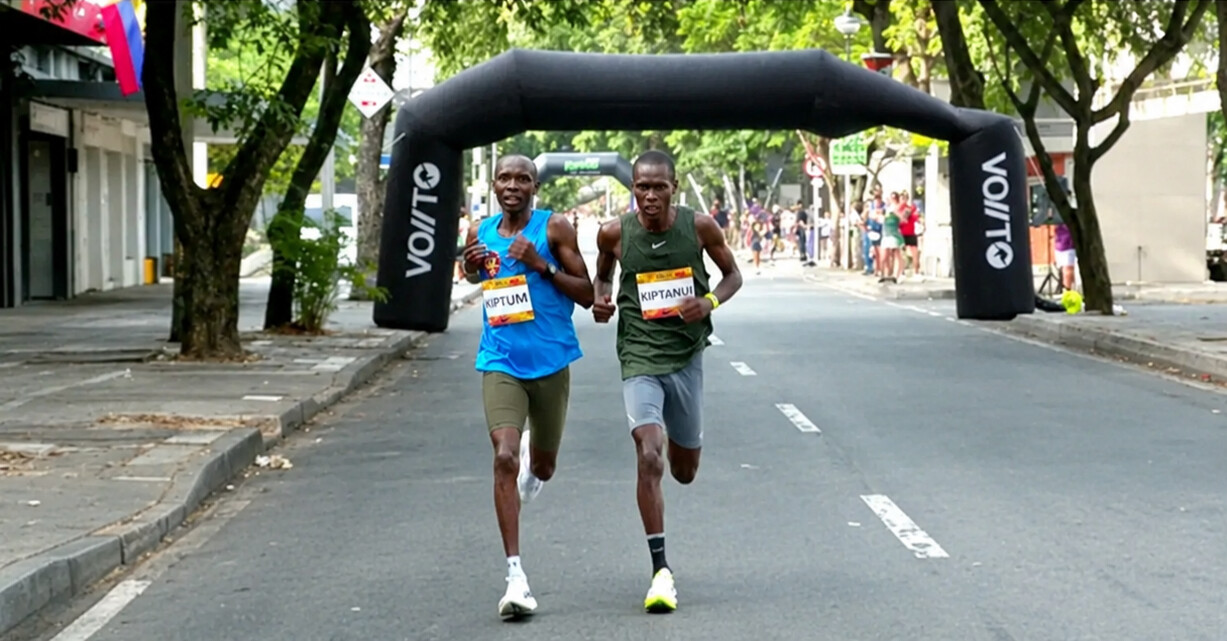
Behind him, Kiptum showed impressive resilience to finish just 33 seconds adrift of his fellow Kenyan. His 2:18:09 was enough to secure a second-place finish and complete Kenya’s dominance at the top of the standings. Patiño, meanwhile, fought his way to 2:19:14, becoming the leading Colombian finisher and claiming a hard-earned third place in front of the home supporters.
The result also highlighted the depth of Kenyan marathon running. With two athletes occupying the top two positions, Kenya once again demonstrated the combination of endurance, tactical discipline and competitive experience that has made the nation such a formidable force across road racing and marathon competition.
For Kiptanui, however, the spotlight belonged entirely to him. From the opening kilometres to the decisive final stretch, he kept his focus on the ultimate objective — victory. When the long battle through Medellín finally came to an end, it was the Kenyan who had done enough to stand alone at the top of the podium.
The Final Podium
1. Eric Kiptanui — Kenya — 2:17:36
2. Joseph Kiptum — Kenya — 2:18:09
3. Carlos Patiño — Colombia — 2:19:14
It was a performance built on strength, patience and mental toughness, with Kiptanui mastering one of the marathon’s most unforgiving tests: staying composed when fatigue begins to take over.
Medellín witnessed a Kenyan masterclass — and Eric Kiptanui walked away as its champion. Patiño’s third-place finish provided a proud moment for Colombian athletics.
by Erick Cheruiyot for My Best Runs.
Login to leave a comment

Medellin Marathon
The Marathon of Flowers is the oldest running competition in Colombia. It is organized by MCM Events, a company dedicated to managing large-scale athletic and cultural events. The Marathon of Flowers has grown thanks to a private-public alliance between the Medellin Mayor’s office and MCM Events. The race is sponsored by EPM, the largest utilities company in Colombia, which is...
more...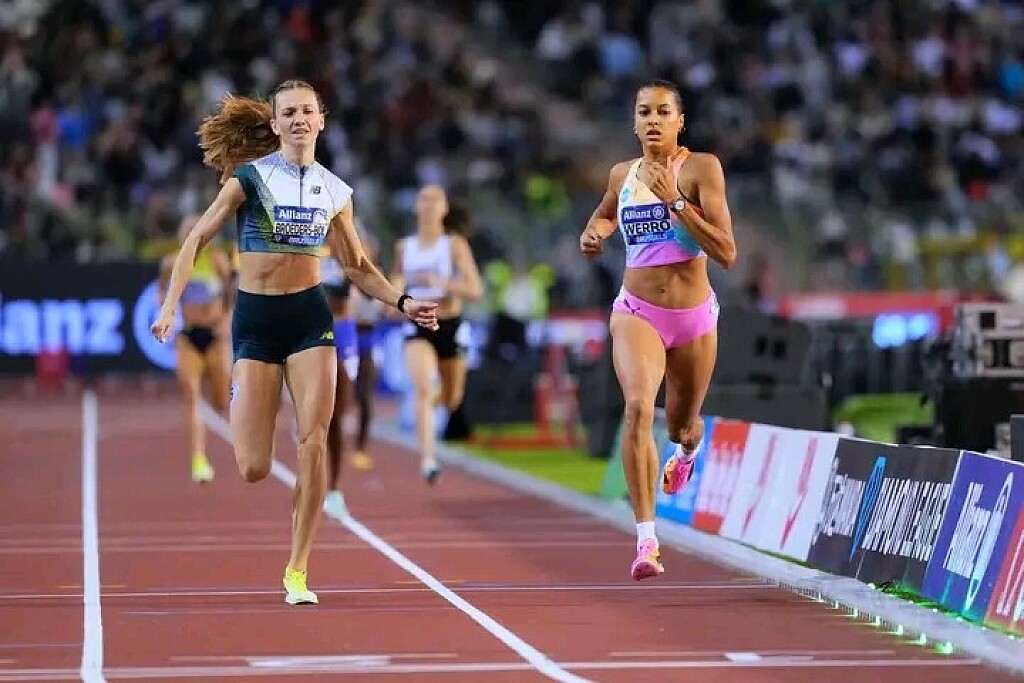
Werro Edges Broeders-Bol By 0.06 Seconds In A Thrilling Brussels 800m Classic
Audrey Werro of Switzerland held her nerve in a breathtaking finish to the women’s 800m at the Diamond League Final in Brussels, edging Femke Broeders-Bol of the Netherlands by just six hundredths of a second to claim the Diamond Trophy.
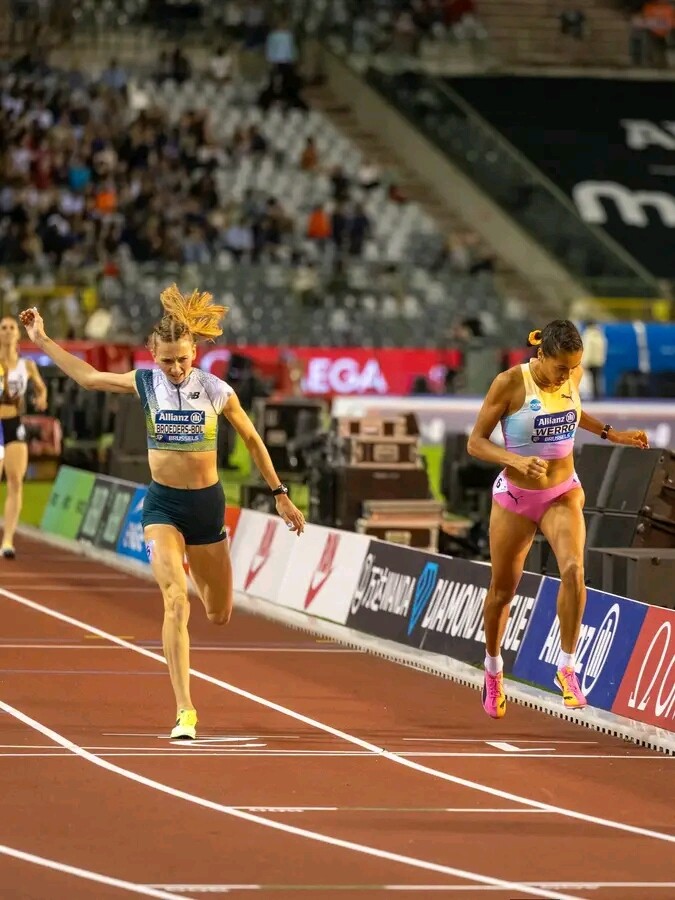
Werro stopped the clock at a sensational 1:54.75, with Broeders-Bol charging across the line in 1:54.81. The margin was almost impossibly small — just 0.06 seconds — after two laps of relentless racing.
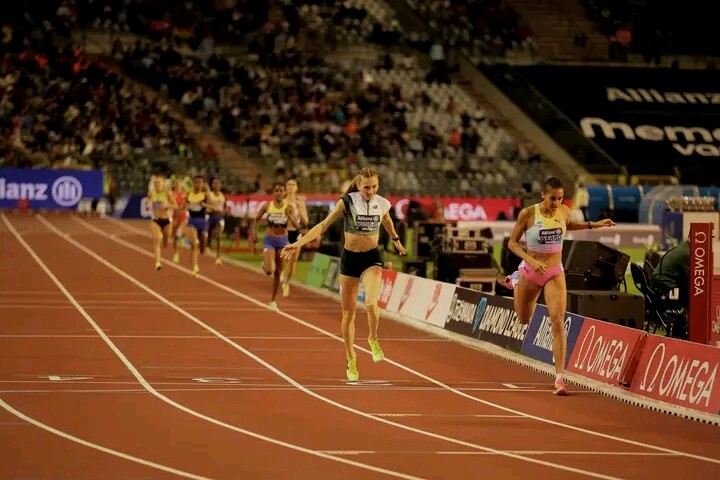
For Broeders-Bol, it was a finish that carried both pride and frustration.
“I’m very happy, but a little bit frustrated running in that close.”
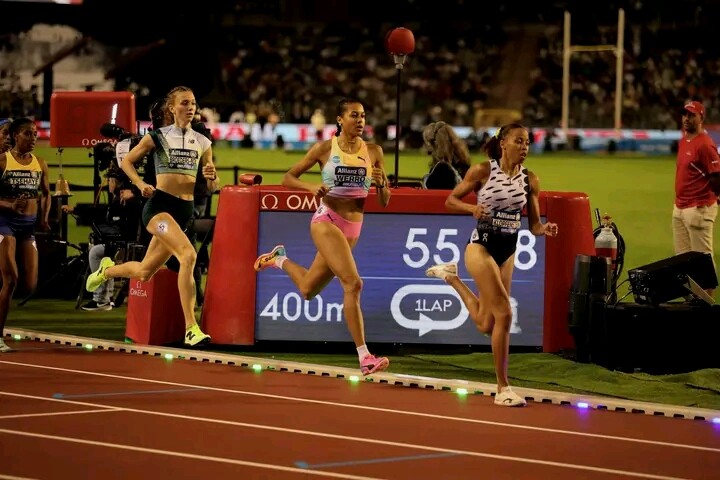
The Dutchwoman produced a spectacular surge over the final 100 metres, rapidly closing the gap on Werro and throwing everything into the final straight. For a moment, it appeared she might steal victory at the line, but Werro resisted the late assault to secure another major Diamond League triumph.
The result underlined just how remarkable Broeders-Bol’s breakthrough season has been. Competing over 800m for the first time, she has already established herself among the event’s most formidable contenders — and delivering two consecutive sub-1:55 performances in her debut campaign is a remarkable statement of intent.
Yet Werro had the final answer.
The Swiss star once again demonstrated the front-running strength and composure that have become hallmarks of her racing. Her 1:54.75 not only secured victory but also set a meeting record, adding another impressive chapter to her Diamond League season.
For Broeders-Bol, however, the narrow defeat may prove less a setback than a warning to the rest of the 800m field.
She has arrived.
And if Brussels was any indication, the battle between Werro and Broeders-Bol could become one of the most compelling rivalries in women’s middle-distance running.
The story may not have to wait long for its next chapter.
Budapest could be next.
And should the field expand to include Olympic champion Keely Hodgkinson of Great Britain and world champion Lilian Odira of Kenya at the Ultimate Championships, the women’s 800m could become one of the most fiercely contested events on the track.
One thing is already clear: the 800m is heating up — and this rivalry is only beginning.
by Erick Cheruiyot for My Best Runs.
Login to leave a comment
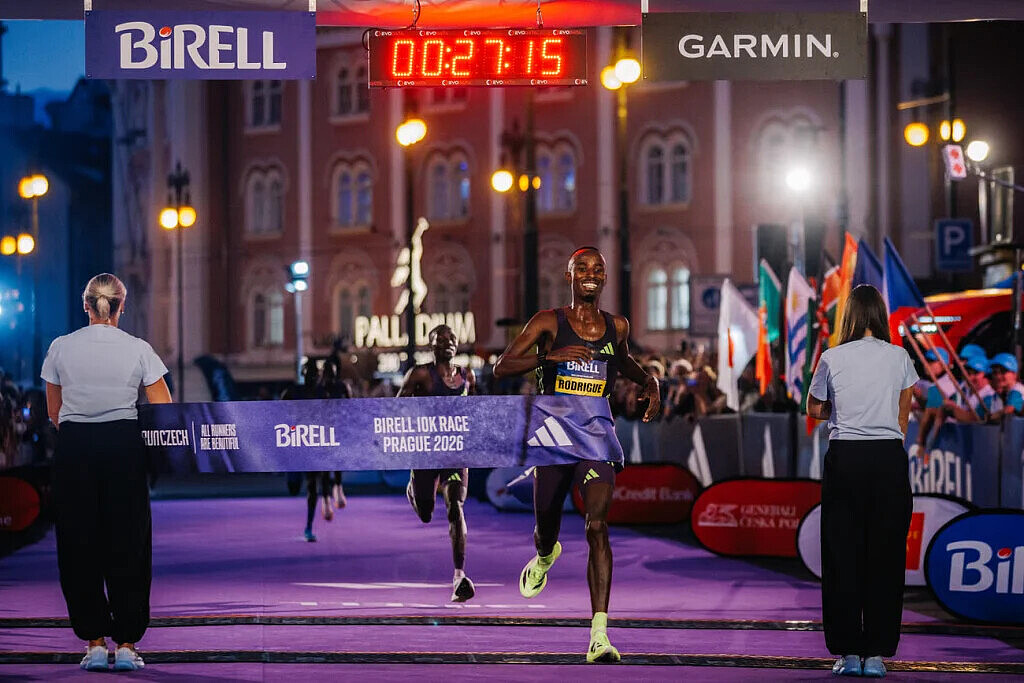
Kwizera Seals Historic Prague Victory as a Costly Wrong Turn Steals the Spotlight
PRAGUE, Czech Republic — The streets of Prague were illuminated by speed, tension and one of the most dramatic finishes of the 2026 road-racing season as Rodrigue Kwizera produced a stunning victory at the Birell 10K Night Race.
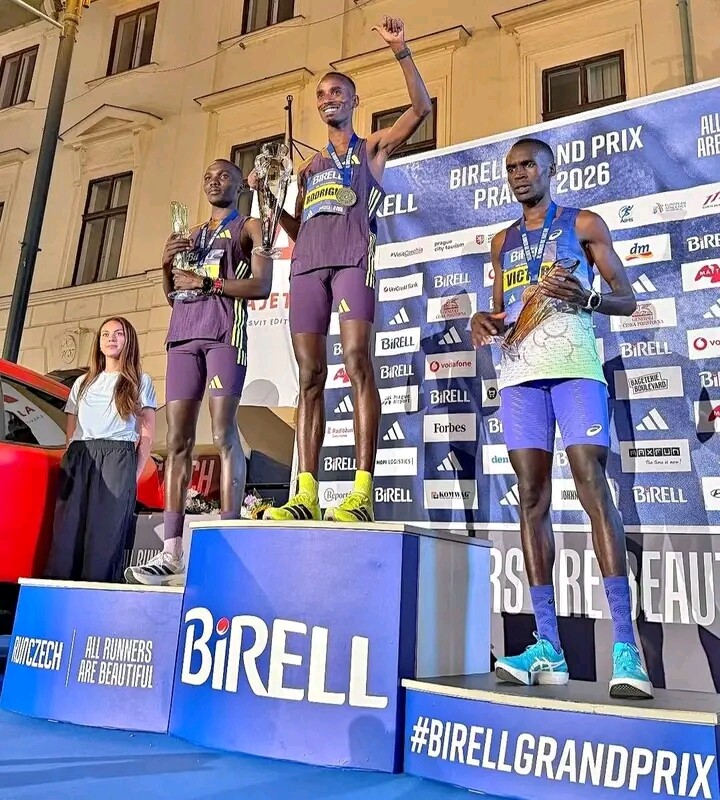
Running his first official international race under the Spanish flag, the Burundi-born distance star stopped the clock at 27:15, smashing the Spanish national record by 10 seconds and adding another major victory to his remarkable 2026 campaign.
But the result tells only part of the story.
For much of the decisive phase of the race, it was Kenya’s Victor Kipruto Kiprono who appeared to be marching towards victory. After the leading group began to fracture around the seventh kilometre, Kiprono moved aggressively to the front alongside fellow Kenyan Elisha Kiprop Chemiron before gradually opening a significant gap on his pursuers.
By the eighth kilometre, the 26-year-old Kenyan had established himself as the clear leader and seemed to be heading towards a commanding triumph.

Then came the moment that changed everything.
As the race entered its final stretch, Kiprono followed the lead vehicle instead of taking the correct route towards the finish. The costly detour allowed Kwizera to close the gap and sweep past, with Kenya’s Owen Korir Kapkama also moving ahead.
In the space of a few seconds, a race that had appeared to be Kiprono’s to lose was transformed into a frantic battle for the podium.
Kwizera seized the opportunity with ruthless efficiency.
The Spanish representative crossed the line in 27:15, securing the victory and rewriting the Spanish record books. Kapkama followed just one second later in 27:16, while Kiprono recovered from his costly mistake to claim third in 27:18.
Despite the disappointment, Kiprono still produced one of the fastest performances of the night — and one of the most memorable.
Behind the leading trio, Kenya’s Filex Kibet Masai ran 27:19 for fourth, while Uruguay’s Santiago Catrofe completed the top five in 27:24.
The quality of the field was reflected throughout the results. Kenyan runners occupied seven of the top 20 positions, while Spain, Japan, Uruguay, the Netherlands, Belgium and hosts Czech Republic were also represented.
Japan’s Shunya Kikuchi added another national-record performance to the evening, running 28:07 to improve the Japanese record by eight seconds.
Birell 10K Night Race Prague 2026 — Men’s Elite Top 10
1. Rodrigue Kwizera (Spain) — 27:15
2. Owen Korir Kapkama (Kenya) — 27:16
3. Victor Kipruto Kiprono (Kenya) — 27:18
4. Filex Kibet Masai (Kenya) — 27:19
5. Santiago Catrofe (Uruguay) — 27:24
6. Elisha Kiprop Chemiron (Kenya) — 27:33
7. Elia Kiprop (Kenya) — 27:46
8. Isaac Kibet Ndiema (Kenya) — 27:47
9. Said Mechaal (Spain) — 27:59
10. Shunya Kikuchi (Japan) — 28:07
The men’s race was only half of an extraordinary evening in Prague. Ethiopia’s Chaltu Dida Diriba, just 19, dominated the women’s race to win in 30:04, finishing eight seconds ahead of her sister Robe Dida Diriba. Kenya’s Cynthia Chelangat Chepkwony completed the podium in 30:23.
The 2026 Birell 10K Night Race attracted almost 9,500 runners from 98 countries, with the elite field competing in ideal evening conditions of around 20 degrees Celsius and little wind.
Yet it was the men's finish that will linger longest.
Kwizera will leave Prague with a victory and a new national record. Kapkama will celebrate a superb second place. And Kiprono will be left wondering what might have been after a single wrong turn dramatically altered the final chapter of a race he had controlled for much of its decisive stage.
In distance running, victory can sometimes be decided not only by fitness, strength and tactics, but by the smallest of moments.
On this Prague night, one wrong turn changed everything.
by Erick Cheruiyot for My Best Runs.
Login to leave a comment
Birell 10K Race
The Birell Prague Grand Prix is a captivating evening race that takes runners through the heart of historic Prague. Held during the first weekend of September, this event transforms the city’s streets into a vibrant festival of running, with thousands of participants and enthusiastic spectators lining the course. The event begins with the adidas Women’s Race 5K, an empowering race...
more...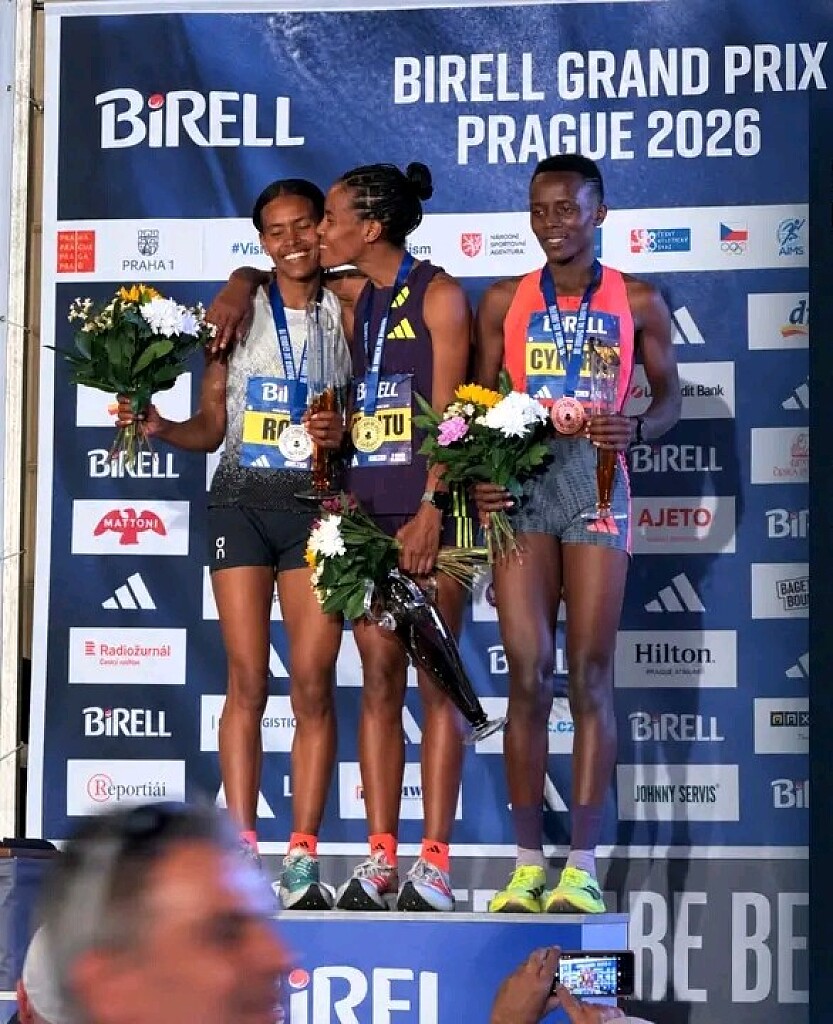
Chaltu Dida Diriba Survives a Dramatic Scare to Lead Ethiopian 1–2 in Prague
Prague witnessed a night of speed, suspense and Ethiopian brilliance as Chaltu Dida Diriba held her nerve to claim victory at the Birell 10K Night Race, leading an Ethiopian 1–2 finish in a thrilling women’s race.

Diriba stopped the clock at 30:04, producing a superb performance to take the victory ahead of compatriot Robe Dida Diriba, who followed just eight seconds later in 30:12. Kenya’s Cynthia Chelangat Chepkwony completed the podium in 30:23 after another strong display over the fast Prague course.
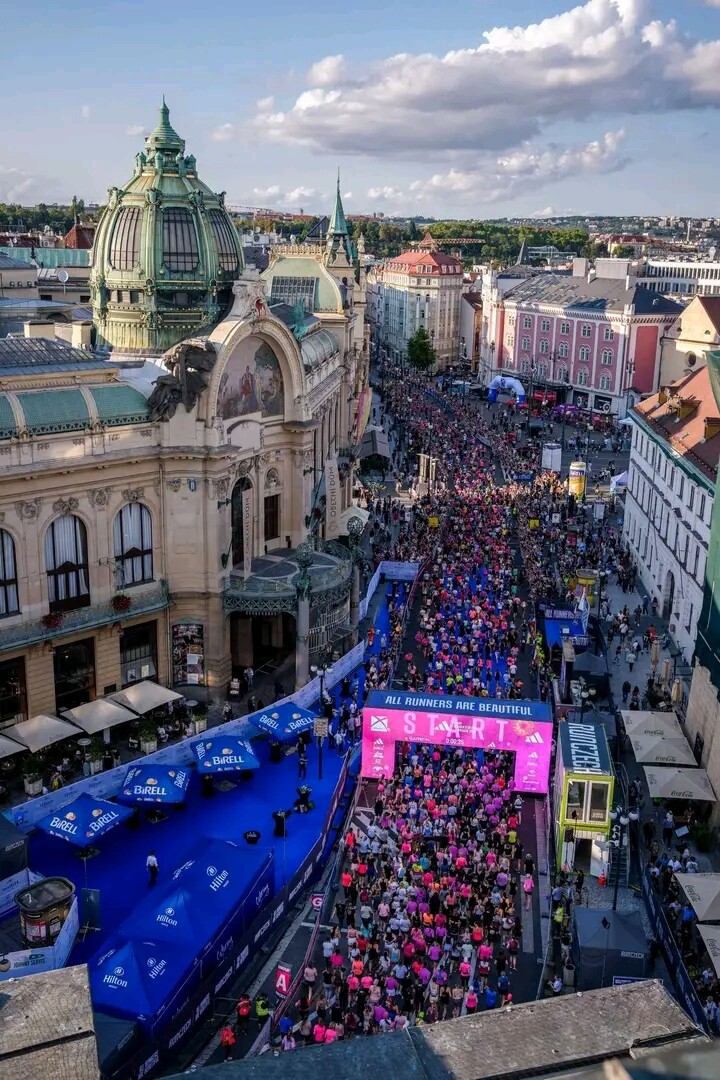
But the race was not without its moment of high drama.
While dictating the pace at the front, Chaltu appeared to face the same potentially costly navigational problem that had affected Victor Kipruto in the men’s race, briefly threatening to take the wrong direction while leading. The Ethiopian reacted quickly, corrected her course and managed to keep the race firmly under control.
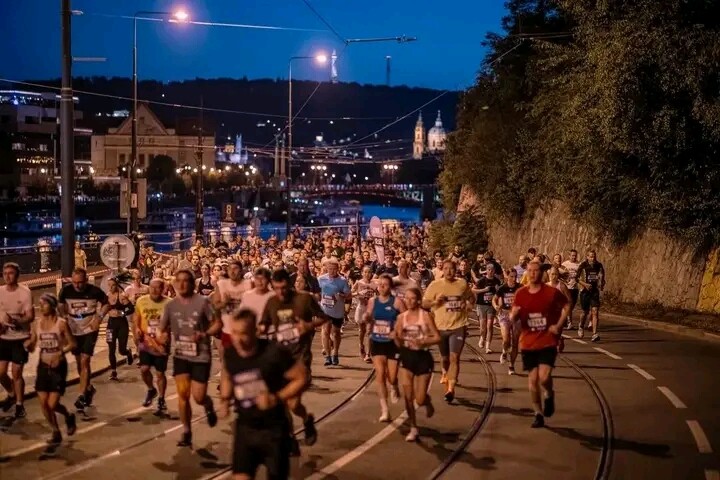
That split-second decision proved crucial. What could have become a devastating mistake instead became a remarkable demonstration of awareness under pressure, allowing Diriba to regain her line and continue towards the finish.
Behind the Ethiopian duo, Chepkwony produced a determined run for third in 30:23, while fellow Kenyan Clare Chemtai Ndiwa finished fourth in 30:39. Ethiopia also placed Yenenesh Shimket Also fifth in 30:59, while Kenya’s Purity Kajuju Gitonga was sixth in 31:04.
Germany’s Konstanze Klosterhalfen finished eighth in 31:49, one place behind Ethiopia’s Axumawit Embaye Abraha, while Austria’s Carina Reicht was ninth in 31:56. Home favourite Tereza Hrochová was the leading Czech athlete, crossing the line 10th in 32:15.
The depth of the field was reflected throughout the top 20, with athletes from Ethiopia, Kenya, Germany, Austria, the Czech Republic, Japan, Great Britain, Ukraine and Bulgaria all featuring.
Top 10 Women’s Results
1. Chaltu Dida Diriba (Ethiopia) — 30:04
2. Robe Dida Diriba (Ethiopia) — 30:12
3. Cynthia Chelangat Chepkwony (Kenya) — 30:23
4. Clare Chemtai Ndiwa (Kenya) — 30:39
5. Yenenesh Shimket Also (Ethiopia) — 30:59
6. Purity Kajuju Gitonga (Kenya) — 31:04
7. Axumawit Embaye Abraha (Ethiopia) — 31:47
8. Konstanze Klosterhalfen (Germany) — 31:49
9. Carina Reicht (Austria) — 31:56
10. Tereza Hrochová (Czech Republic) — 32:15
Chaltu Dida Diriba’s victory ultimately became a story of more than just time and position. It was a night in which Ethiopian strength produced a commanding one-two, Kenya secured the final podium place, and a potentially disastrous navigational error was avoided at precisely the moment when the pressure was greatest.
In a race decided by seconds, staying on the right course proved just as important as running fast.
by Erick Cheruiyot for My Best Runs.
Login to leave a comment
Birell 10K Race
The Birell Prague Grand Prix is a captivating evening race that takes runners through the heart of historic Prague. Held during the first weekend of September, this event transforms the city’s streets into a vibrant festival of running, with thousands of participants and enthusiastic spectators lining the course. The event begins with the adidas Women’s Race 5K, an empowering race...
more...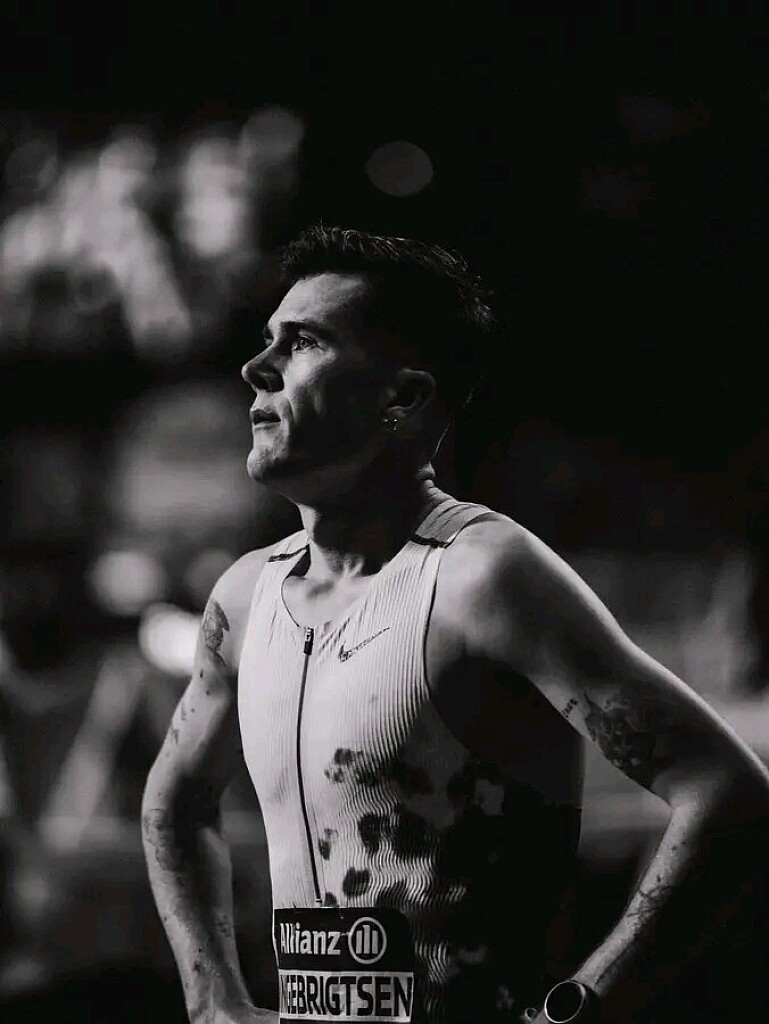
Ingebrigtsen Clarifies Fiery Brussels Outburst After 1500m Defeat: “I Will Always Call Things as I See It
Jakob Ingebrigtsen has offered a measured reflection on his explosive post-race comments following a dramatic men’s 1500m Diamond League Final in Brussels, acknowledging that adrenaline and emotion may have played a role while making it clear that his competitive fire remains as strong as ever.
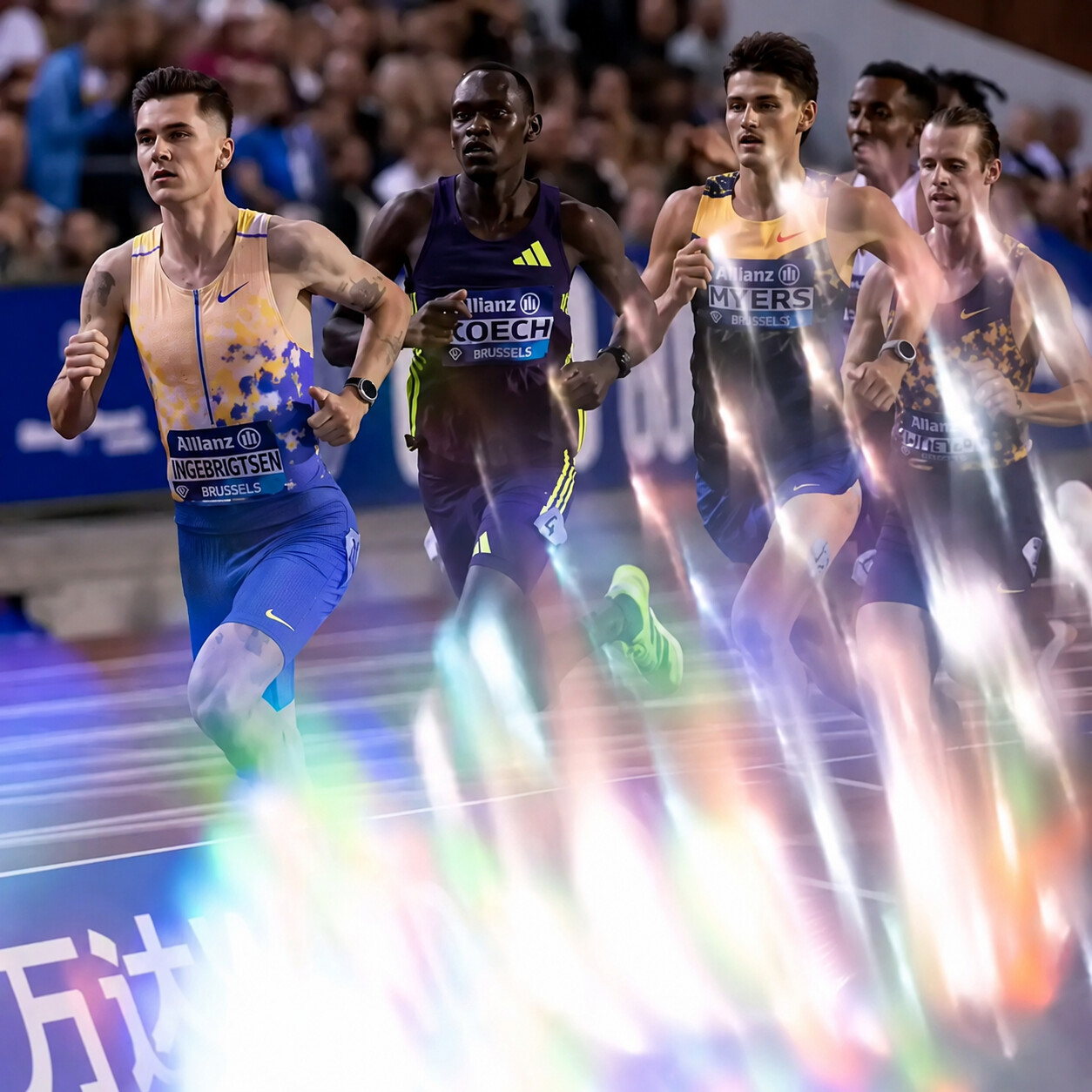
The Norwegian Olympic champion endured a frustrating night at the King Baudouin Stadium, finishing fourth in a season’s best 3:30.52 after taking responsibility for much of the race from the front. Australia’s Cameron Myers produced a perfectly timed late surge to claim the Diamond League title in 3:30.14, edging Kenya’s Phanuel Kipkosgei Koech by just 0.04 seconds, with American Ethan Strand completing the podium in 3:30.50.
Ingebrigtsen had looked capable of converting his aggressive front-running strategy into victory, but the race changed dramatically in the final stages. Myers found a narrow opening and accelerated past the Norwegian, while Koech and Strand also came through strongly as Ingebrigtsen faded over the closing metres.
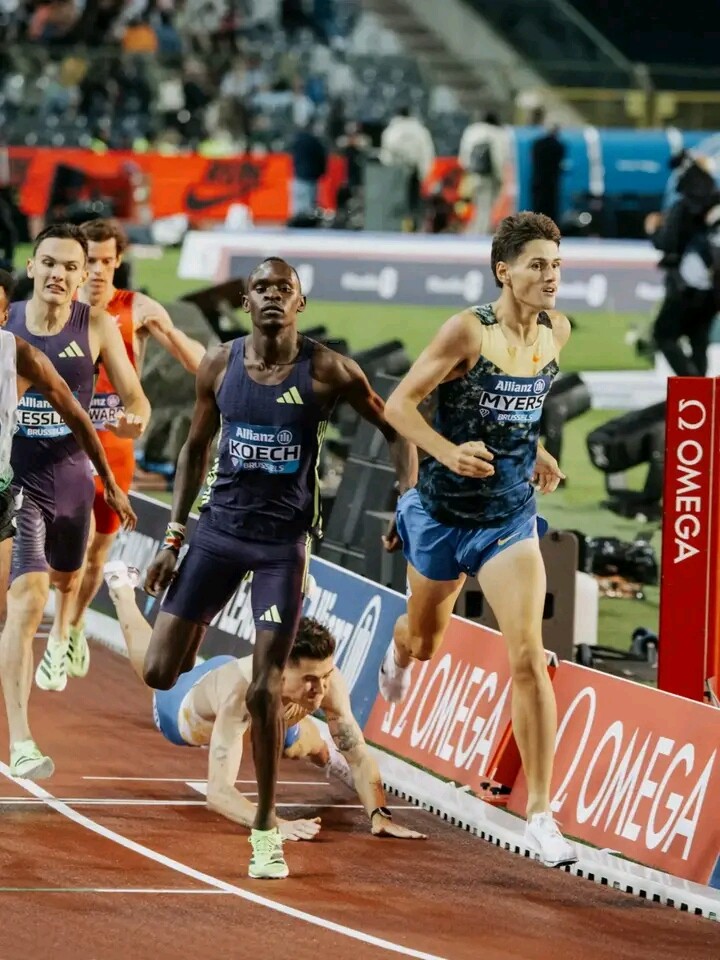
The defeat triggered an unusually fiery reaction from the 25-year-old, who criticised the tactical approach of his rivals and described himself as having raced against “a bunch of cowards”. He was particularly frustrated by what he perceived as competitors sitting back before unleashing their finishing speed when the race reached its decisive phase.
Ingebrigtsen also directed criticism towards Olympic champion Cole Hocker, questioning the way the pacing situation had unfolded and arguing that the American had influenced the pacemaking strategy to his own advantage.
However, after the emotions of the night had settled, Ingebrigtsen returned to social media with a noticeably more reflective message.
“My love for this sport can never be questioned,” he wrote, making it clear that his passionate reaction should not be interpreted as a lack of respect for athletics.
“There was maybe a little too much adrenaline and emotion when the microphones were thrown in front of me last night but I will always call things as I see it.”
The message offered an important qualification to his earlier remarks. Rather than retracting his competitive assessment, Ingebrigtsen appeared to acknowledge that the intensity of the moment had amplified his words.
He also chose to focus on the positives from his performance.
“Pushing from the front, a seasons best and feeling a little more like myself every race,” he added.
That statement is particularly significant given his difficult return to the 1500m after Achilles problems. His 3:30.52 in Brussels was his fastest performance since returning from the injury, providing evidence that his race sharpness is gradually returning despite the disappointment of missing out on the Diamond League crown.
And despite the frustration, Ingebrigtsen made it clear that the defeat has not diminished his hunger.
“Positives to take and lots of fuel for the fire.”
That final line perhaps captures the Norwegian better than anything he said immediately after the race. The fourth-place finish may have frustrated him, but it has also provided another source of motivation as he continues rebuilding his form.
He concluded his message by thanking supporters for standing behind him throughout his comeback.
“Thanks for all the support as always, it feels so good to be back!”
For Ingebrigtsen, Brussels was therefore a night of contrasting emotions: disappointment at surrendering a race he had helped control, frustration with the tactics around him, but also encouragement from a season’s best performance and the feeling that he is gradually returning to his best.
For Myers, it was a breakthrough evening and one of the biggest victories of his young career. For Ingebrigtsen, however, the story may not end with fourth place.
If his latest message is anything to go by, the defeat has simply added more fuel to an already fiercely burning competitive fire.
by Erick Cheruiyot for My Best Runs.
Login to leave a comment
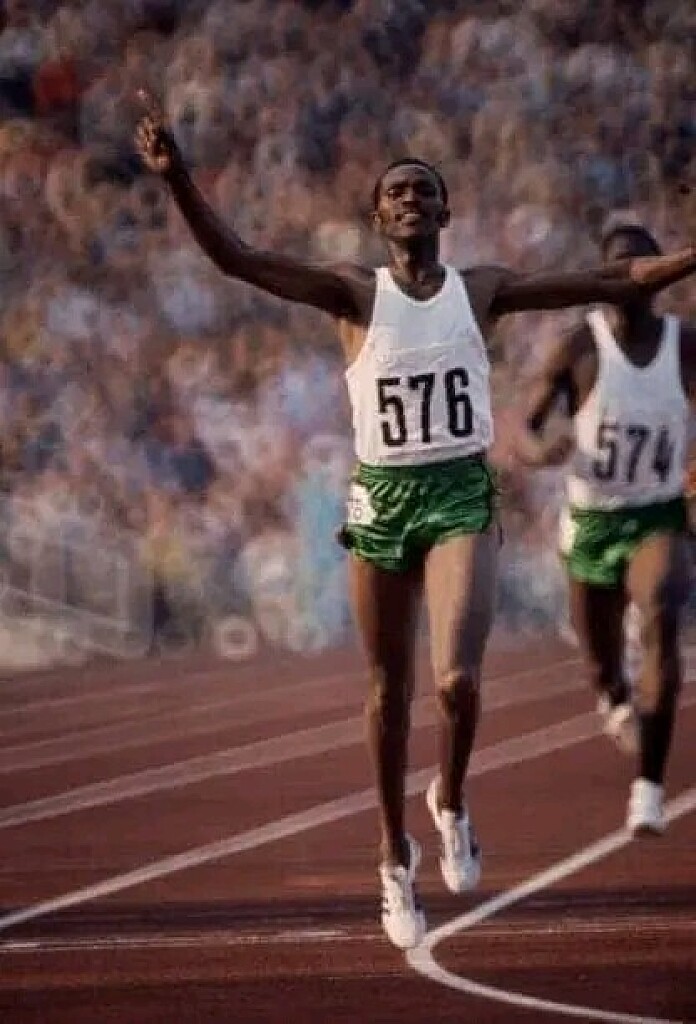
The Day Kip Keino And Ben Jipcho Put Kenya On Top In Munich
On 4 September 1972, Kenya once again announced its growing authority on the Olympic athletics stage as the country produced a spectacular one-two finish in the men’s 3,000m steeplechase at the Munich Olympic Games.
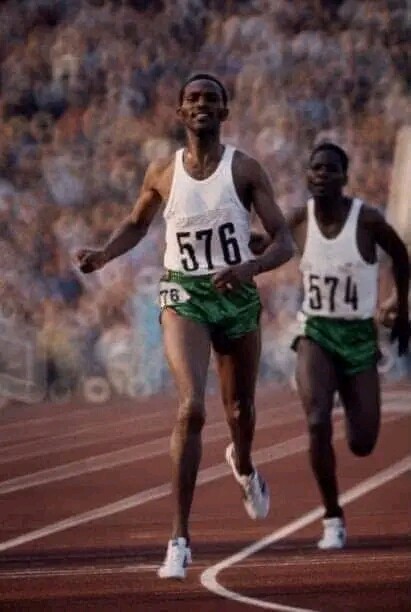
Kipchoge Keino delivered a commanding performance to capture the gold medal in 8:23.64, setting a new Olympic record in the process. His compatriot Benjamin Jipcho was equally impressive, crossing the line in 8:24.62 to take silver, while Finland’s Tapio Kantanen secured bronze in 8:24.66.
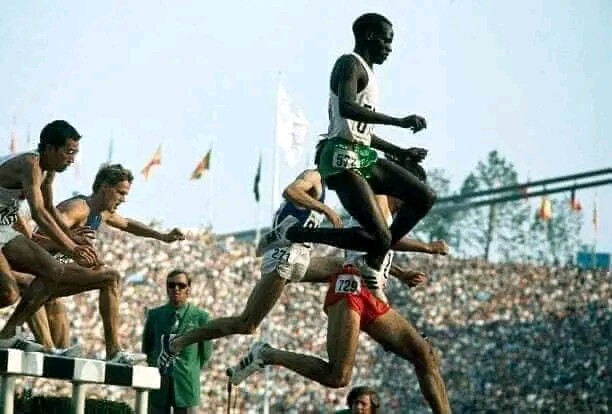
The final brought together a remarkable group of athletes, including Kenya’s defending Olympic champion Amos Biwott. Keino and Jipcho, however, proved too strong when the decisive moments arrived. As the race entered its closing stages, the leading group began to separate, with Keino positioning himself perfectly for the final charge.
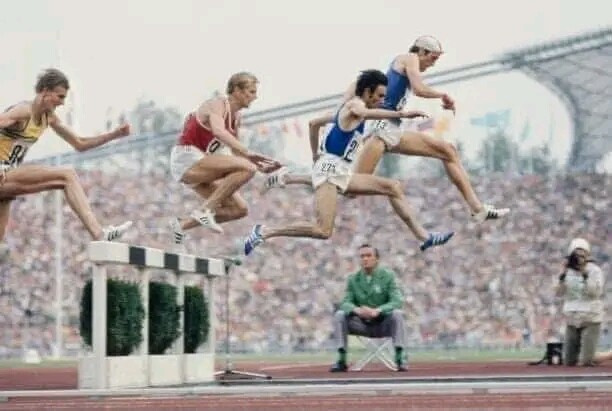
Keino then unleashed his finishing speed, pulling clear in the closing metres to secure another Olympic title. Jipcho fought his way into second, completing a memorable Kenyan one-two, while Kantanen held on for third. Biwott finished sixth in 8:33.48, giving Kenya three athletes among the top six finishers.
For Keino, the triumph added another remarkable chapter to an already extraordinary Olympic career. Four years earlier in Mexico City, he had won the 1,500m gold medal and taken silver in the 5,000m. In Munich, he demonstrated his versatility once again by conquering the demanding steeplechase, an event requiring not only endurance and speed but also exceptional rhythm and technique over the barriers and water jump.
Jipcho’s silver medal was equally significant. His performance confirmed that Kenya’s success in the steeplechase was no longer the achievement of a single exceptional athlete. A new generation of Kenyan runners was emerging, capable of challenging the very best on the world’s biggest stage.
The Munich final also carried a sense of continuity for Kenya. Biwott had won the Olympic steeplechase title at the 1968 Mexico City Games, and four years later his compatriots Keino and Jipcho ensured that the gold medal remained in Kenyan hands. It was becoming increasingly clear that the country had discovered a formidable formula for producing world-class steeplechasers.
Beyond the medals, the race helped strengthen Kenya’s growing reputation as a powerhouse in distance running. The combination of natural endurance, disciplined training and extraordinary competitive courage would continue to produce generations of Kenyan steeplechase champions, turning the event into one of the country's most celebrated Olympic disciplines.
The complete Munich 1972 final standings were:
1. Kipchoge Keino — Kenya — 8:23.64 — Olympic Record
2. Benjamin Jipcho — Kenya — 8:24.62
3. Tapio Kantanen — Finland — 8:24.66
4. Bronisław Malinowski — Poland — 8:27.92
5. Dušan Moravčík — Czechoslovakia — 8:29.06
6. Amos Biwott — Kenya — 8:33.48
7. Romualdas Bitė — Soviet Union — 8:34.64
8. Pekka Päivärinta — Finland — 8:37.17
9. Takaharu Koyama — Japan — 8:37.66
10. Mikko Ala-Leppilampi — Finland — 8:41.03
11. Jean-Paul Villain — France — 8:46.72
12. Mikhail Zhelev — Bulgaria — 9:02.59
More than five decades later, the Munich steeplechase remains a landmark moment in Kenyan athletics history. Keino’s golden run, Jipcho’s brilliant silver and Biwott’s determined sixth-place finish combined to create a performance that captured the depth of Kenya’s emerging distance-running strength.
It was not simply a victory for one athlete. It was a statement from a nation — and another unforgettable chapter in Kenya’s extraordinary Olympic athletics legacy.
by Erick Cheruiyot for My Best Runs.
Login to leave a comment
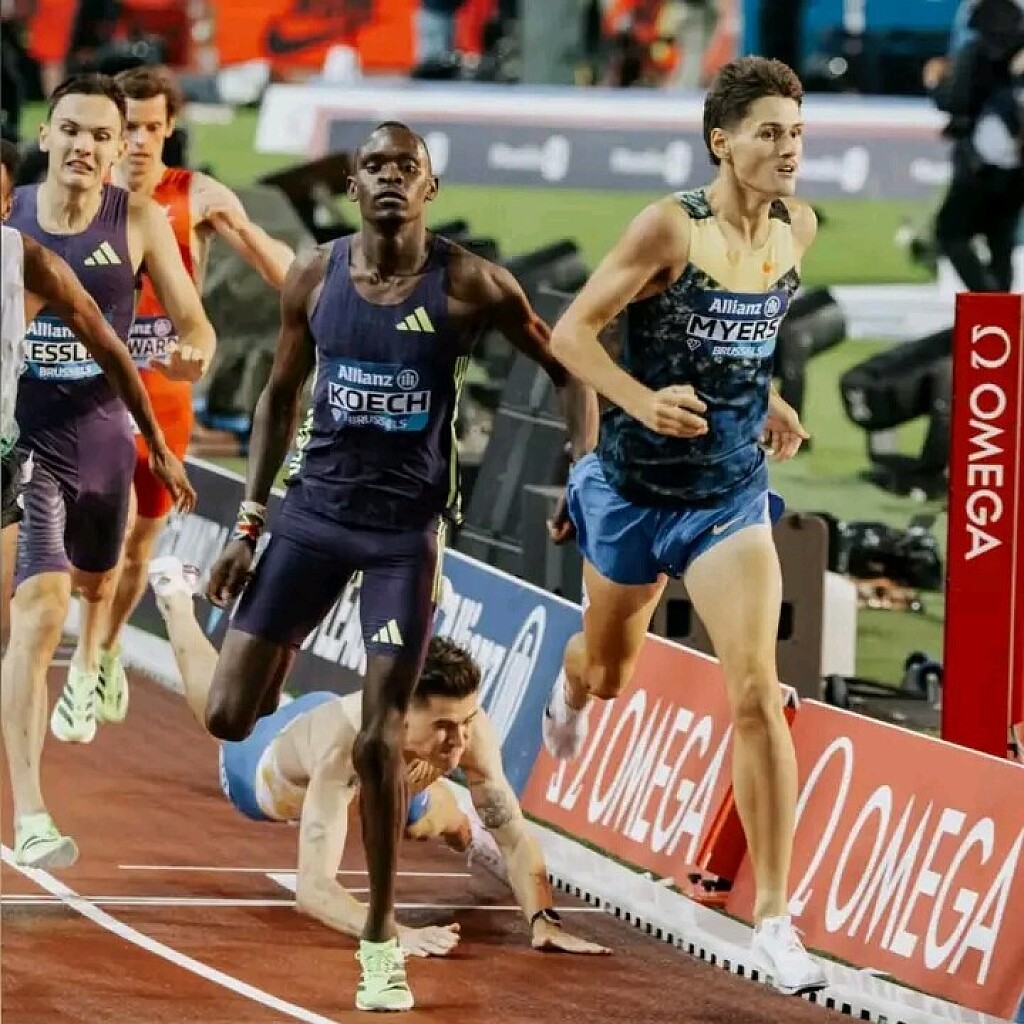
Cameron Myers Produces A Champion’s Kick To Win Thrilling Brussels 1500m Final
Cameron Myers delivered a breathtaking finish in Brussels to capture the men’s 1500m Diamond League Final title, producing a decisive late surge before dipping for the line in 3:30.14 to claim the coveted Diamond Trophy.
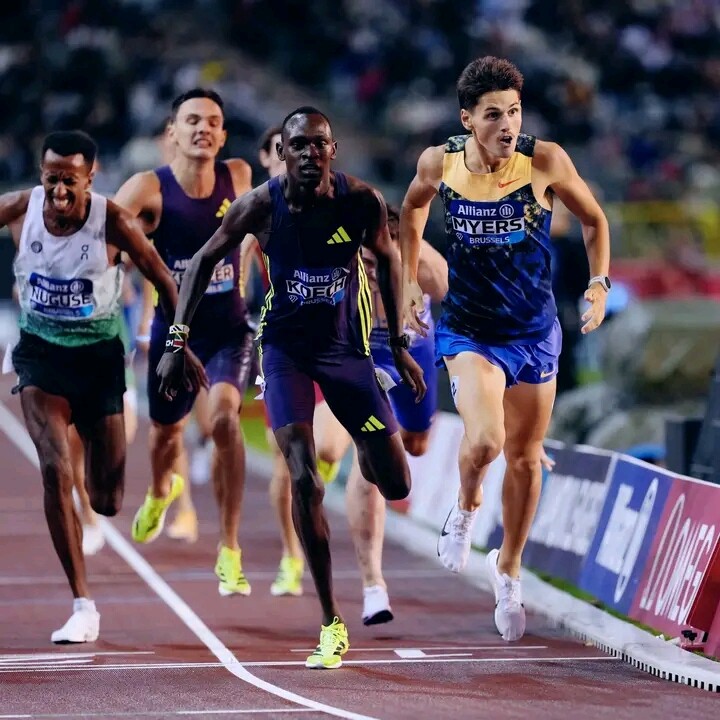
The Australian was moving with remarkable speed when it mattered most, unleashing the finishing kick of a champion in the closing metres. With the race finely poised, Myers held his composure and found the extra strength needed to edge ahead at the line in a dramatic conclusion to the final.
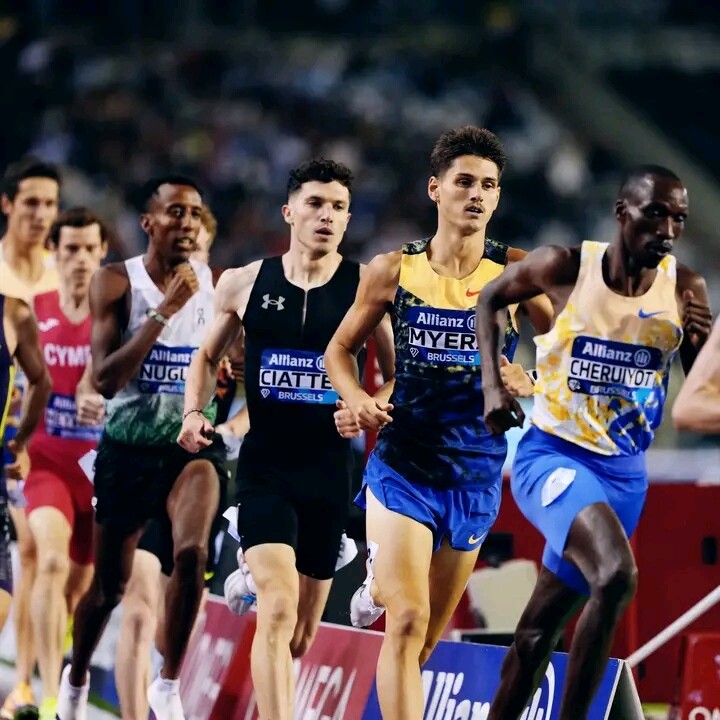
Kenya’s Phanuel Kipkosgei Koech came agonisingly close to taking the title, crossing the finish in 3:30.18—just 0.04 seconds behind Myers. Koech produced a brilliant closing effort and pushed the Australian all the way, narrowly missing out on what would have been a stunning Diamond League triumph.
American Ethan Strand completed the podium in 3:30.50, adding another layer to an extraordinary finish. The first three athletes were separated by just 0.36 seconds, underlining just how fiercely contested the race was from start to finish.
For Myers, the victory was a powerful statement on one of the biggest stages of the Diamond League season. When the pressure reached its peak, the Australian responded with speed, determination and the composure required to deliver when victory was decided by the smallest of margins.
Koech, meanwhile, leaves Brussels with plenty of credit after pushing Myers to the absolute limit. His silver-medal performance demonstrated both his strength and his ability to compete fearlessly against elite opposition, even though the Diamond Trophy slipped away by the narrowest of margins.
It was a finish worthy of a Diamond League Final—three athletes charging for the line, separated by fractions of a second, with Myers ultimately producing the decisive move. Four hundredths of a second made the difference between gold and silver in one of Brussels’ most thrilling showdowns
by Erick Cheruiyot for My Best Runs.
Login to leave a comment
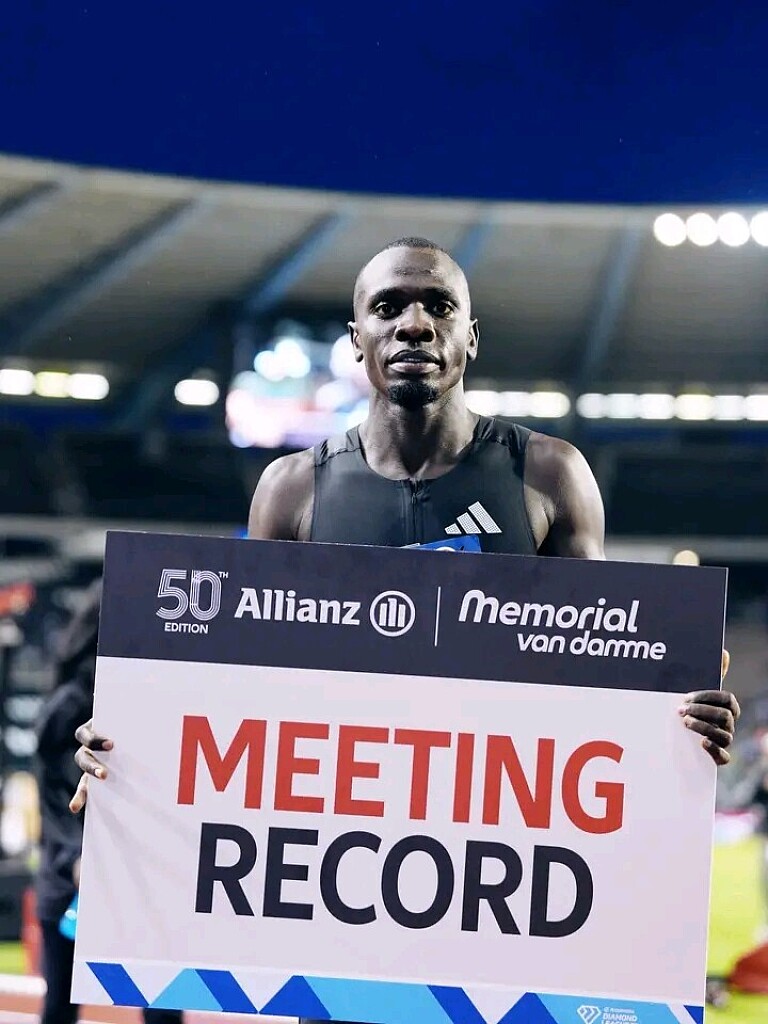
Emmanuel Wanyonyi Makes History With Four Straight Diamond League Final Triumphs In Brussels
Kenya’s Emmanuel Wanyonyi has once again stamped his authority on the men’s 800m, producing a commanding performance in Brussels to claim his fourth consecutive Diamond League Final title in spectacular fashion.
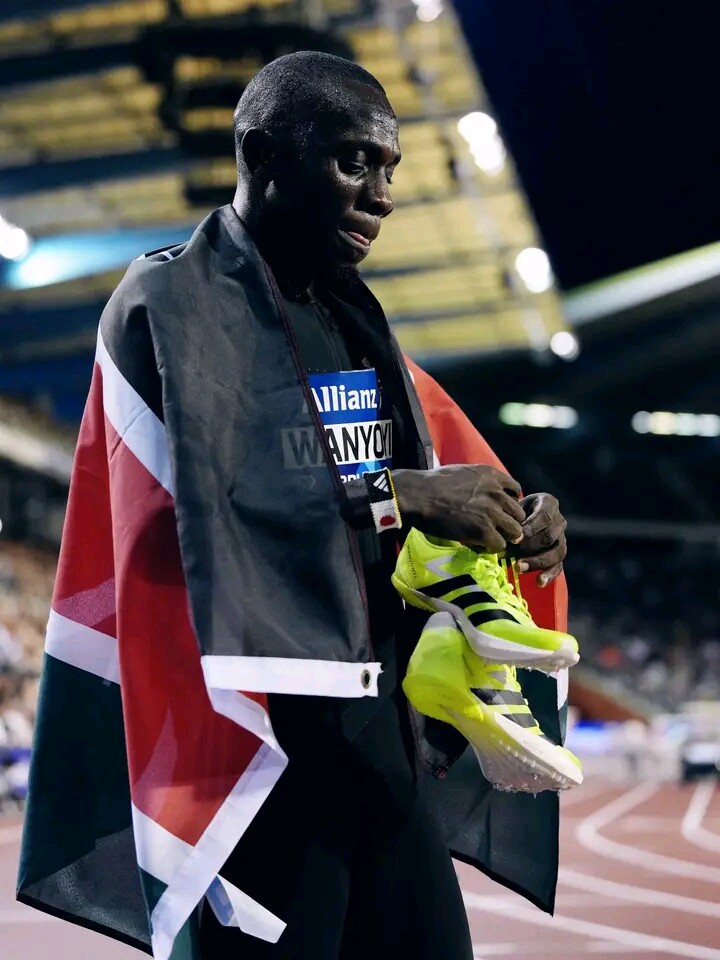
The Olympic champion delivered when it mattered most, surging clear of a fiercely competitive field and crossing the finish line in a brilliant 1:41.80. The performance not only secured another Diamond Trophy for the Kenyan star but also established a new meeting record, further underlining his remarkable consistency at the highest level of the sport.
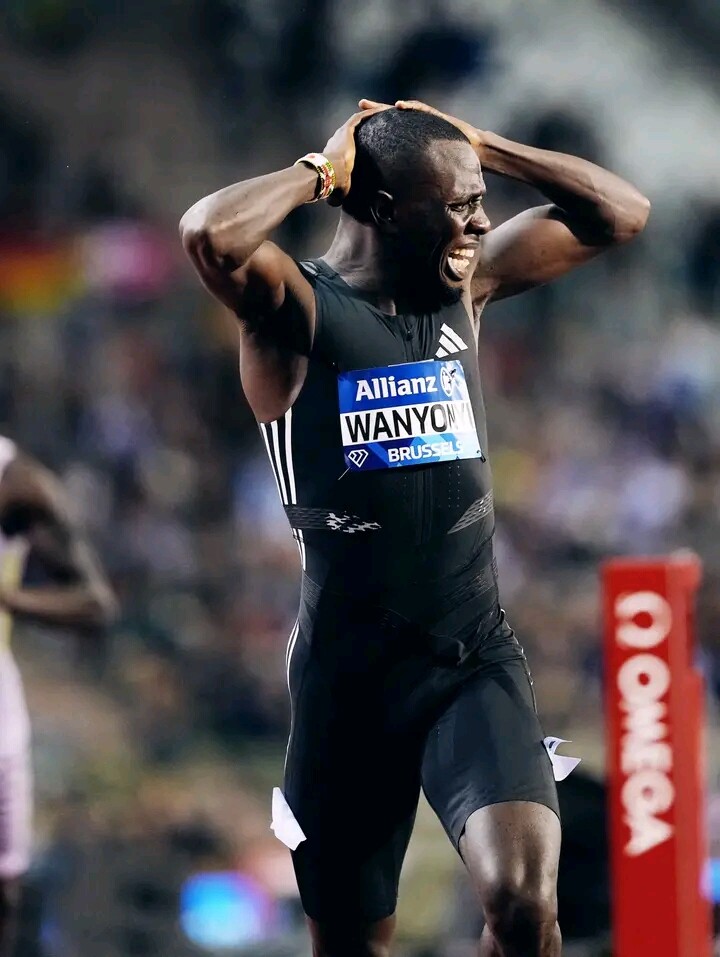
Wanyonyi controlled the race with characteristic confidence before unleashing his decisive move in the closing stages. Once he found another gear, his rivals could only watch as the Kenyan pulled away, transforming a tightly contested final into another memorable victory for one of the world's most formidable 800m runners.
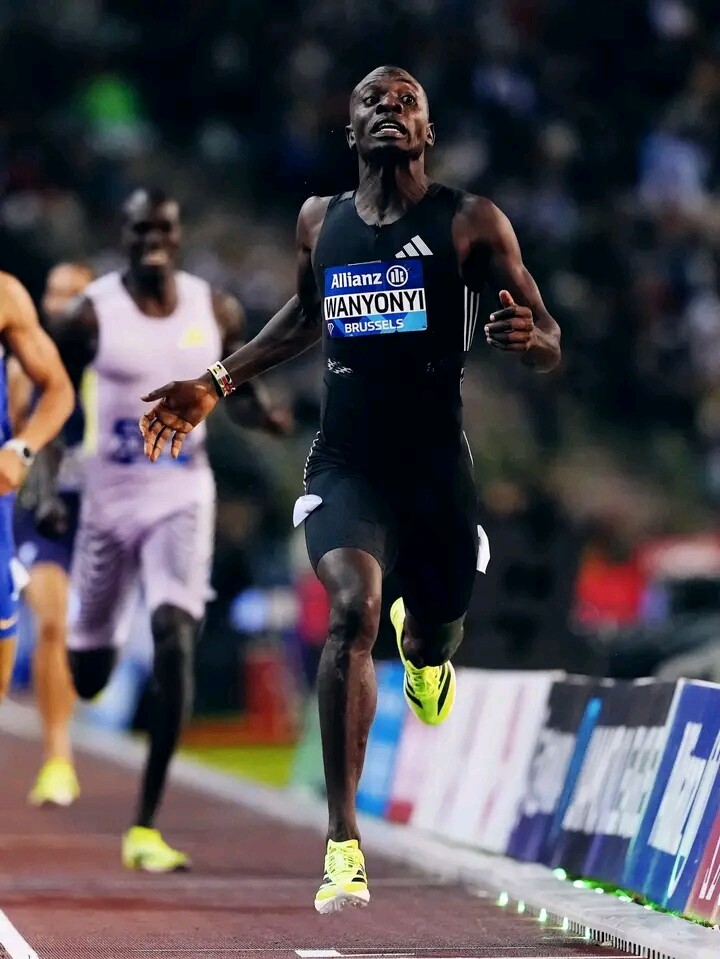
Algeria’s Djamel Sedjati produced an impressive run to finish second in 1:42.71, while France’s Yanis Meziane completed the podium in 1:42.87, smashing his personal best in a breakthrough performance on one of athletics’ biggest stages.
Meziane’s outstanding run carried an additional reward. As the highest finisher in the field who had not already secured qualification, his personal-best performance earned him a place at the World Ultimate Championships, adding another significant milestone to an already memorable night.
For Wanyonyi, however, the spotlight belonged entirely to his extraordinary achievement. Four Diamond League Finals, four victories and four Diamond Trophies — a level of dominance that places him in truly elite company.
His latest triumph is more than another title. It is another statement from a 22-year-old Kenyan who continues to combine speed, tactical intelligence, courage and an extraordinary competitive mentality. Year after year, Wanyonyi has shown that he thrives when the pressure is greatest, and Brussels provided yet another example of his championship pedigree.
Four finals. Four trophies. Four consecutive victories.
Emmanuel Wanyonyi has once again reminded the world why he is one of Kenya’s brightest athletics stars and one of the most feared 800m runners on the planet.
by Erick Cheruiyot for My Best Runs.
Login to leave a comment
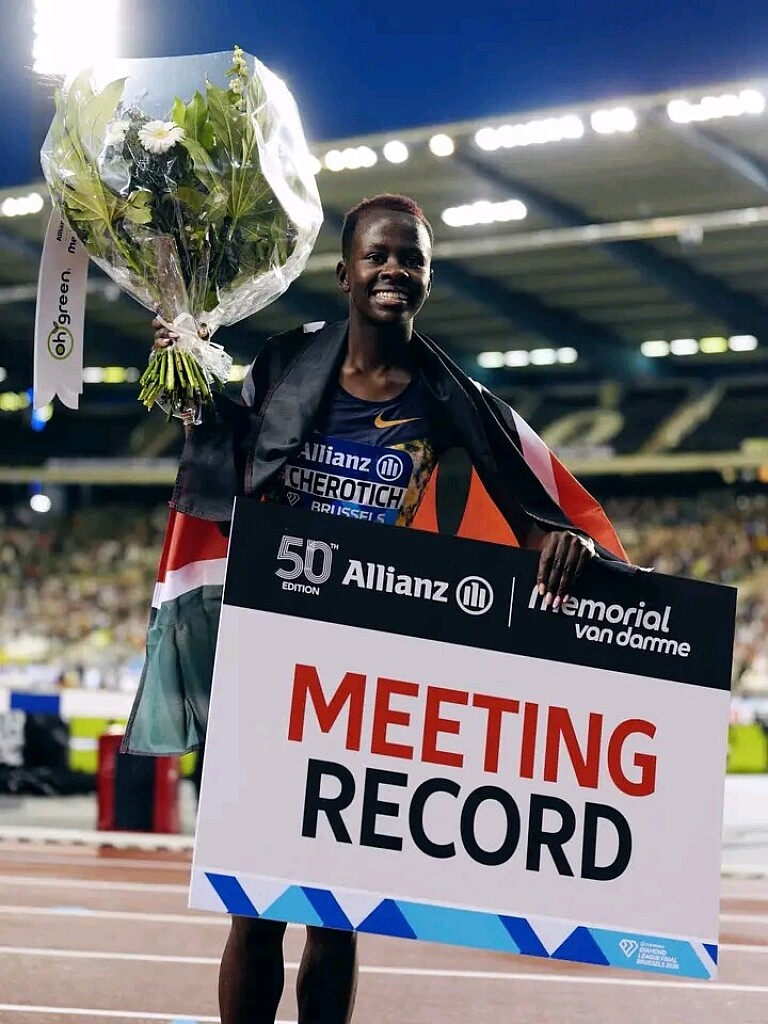
Faith Cherotich Unleashes A Devastating Final Kick To Seal Third Diamond Trophy In Brussels
Faith Cherotich produced a spectacular display of speed and determination in Brussels, storming to victory in the women’s 3000m steeplechase and securing her place among the event’s elite with another Diamond League triumph.
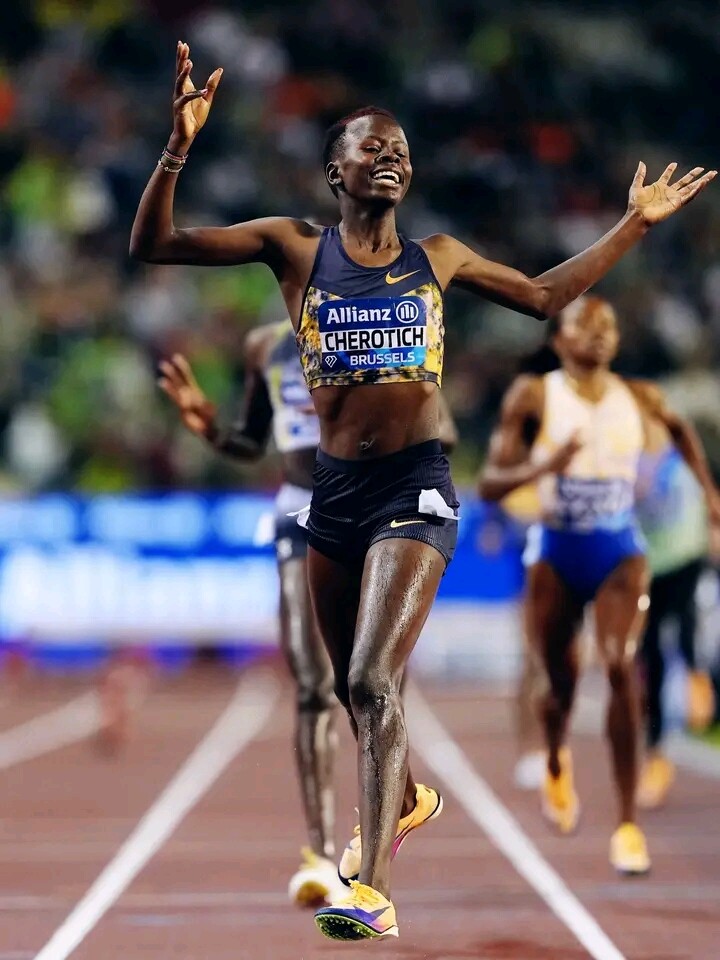
The Kenyan star saved her most devastating weapon for the closing stages, unleashing a breathtaking final kick over the last 100 metres to pull decisively away from Winfred Yavi. Cherotich surged clear when it mattered most, crossing the finish line in a superb 8:51.61 to set a new meeting record.
It was a performance built on patience, tactical intelligence and extraordinary finishing speed. Cherotich remained composed through the barriers and water jump before producing a remarkable acceleration in the final straight that left her rivals struggling to respond.
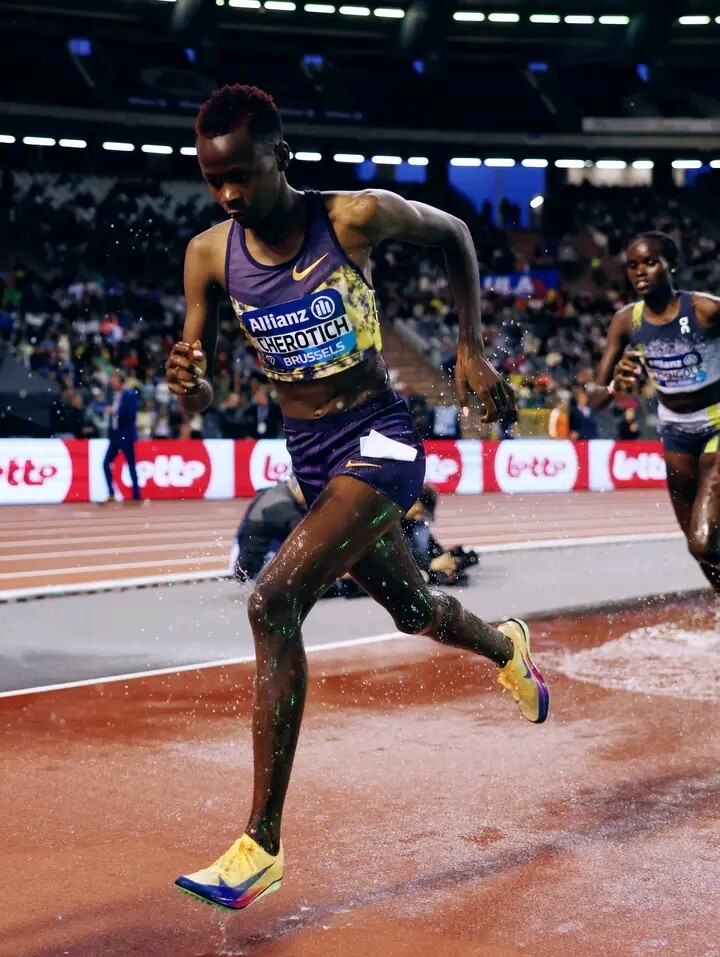
The victory was particularly significant as it made Cherotich a three-time Diamond Trophy champion, adding another prestigious achievement to an already impressive career. Her ability to repeatedly deliver on the biggest Diamond League stage demonstrates the consistency and competitive strength that have made her one of Kenya’s outstanding steeplechase stars.
Behind her, Kenya completed a magnificent 1-2 finish as Doris Lemngole produced a brilliant closing surge of her own. Lemngole powered past Yavi in the final stages to secure second place in a superb personal best of 8:52.86, ensuring that the Kenyan flag flew proudly at the top two positions on the podium.
The result turned the Brussels steeplechase into a celebration of Kenyan strength, with Cherotich and Lemngole occupying first and second, while Yavi was forced to settle for third after being overtaken by the fast-finishing Lemngole.
For Cherotich, however, the spotlight belonged entirely to her. Her meeting-record 8:51.61 was the culmination of a perfectly executed race, capped by a finishing burst that showcased the raw speed and confidence required to dominate one of athletics’ most demanding events.
The Brussels triumph also sends a powerful message ahead of the next major challenges. Cherotich has once again demonstrated that she possesses not only the endurance to survive the gruelling barriers and water jump but also the finishing speed to destroy the opposition in the final metres.
With another Diamond Trophy secured and a meeting record added to her résumé, Faith Cherotich continues to strengthen her reputation as one of the most formidable names in women’s steeplechase.
by Erick Cheruiyot for My Best Runs.
Login to leave a comment
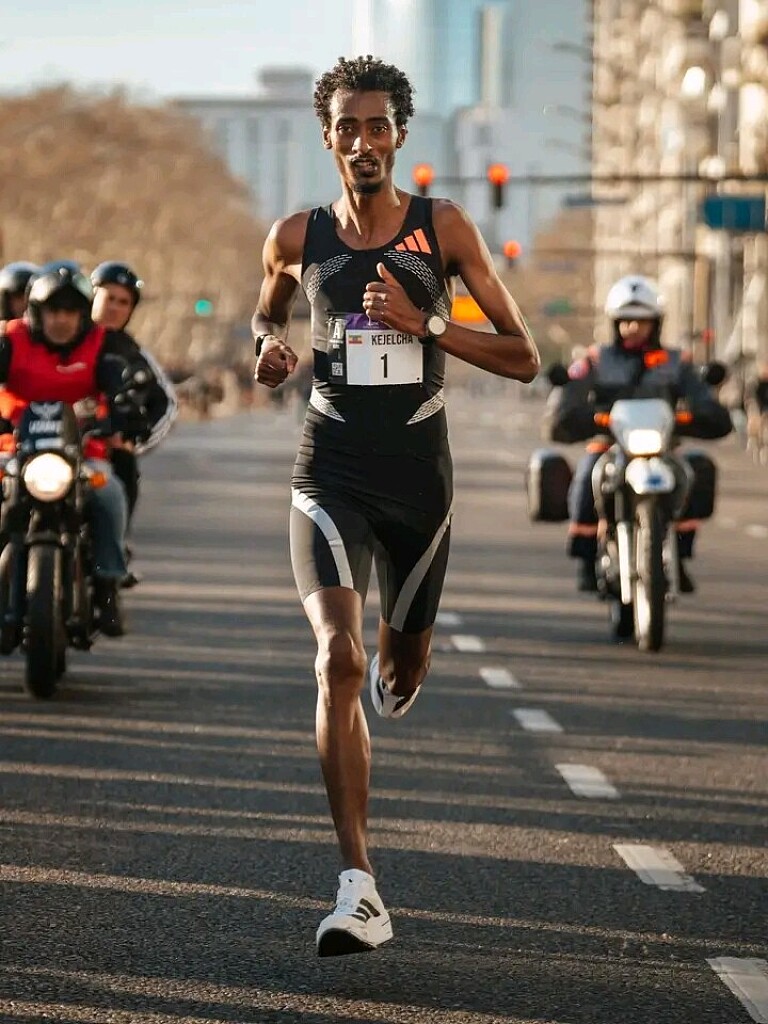
From 1:07:01 To 56:51: The Extraordinary Evolution Of The Half Marathon World Record
The history of the men’s half marathon world record is a remarkable journey through more than six decades of distance running, tracing the sport’s transformation from club-level competition to an era of extraordinary professional speed.
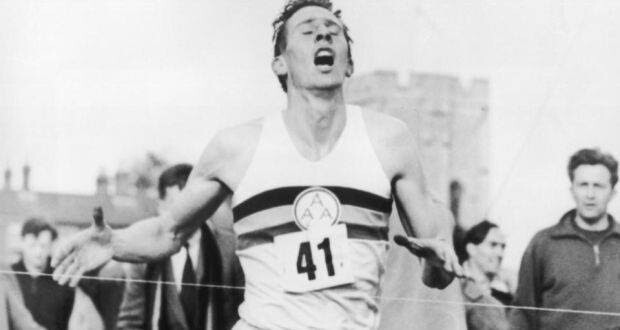
The story began in the spring of 1960 in Romford, Essex, where British club runner Brian Hill-Cottingham ran 21.0975 kilometres in 1:07:01, setting the fastest officially recorded time at the distance at the time.
For years, the record progressed slowly. British and American runners dominated much of the early history, with improvements often measured in seconds rather than dramatic leaps. Ron Hill lowered the mark to 1:05:44 in 1965, while Derek Clayton took it down to 1:03:22 in 1967. Through the 1970s and 1980s, the barrier continued to fall as athletes from different nations gradually pushed the limits of what was possible over 21.1 kilometres.
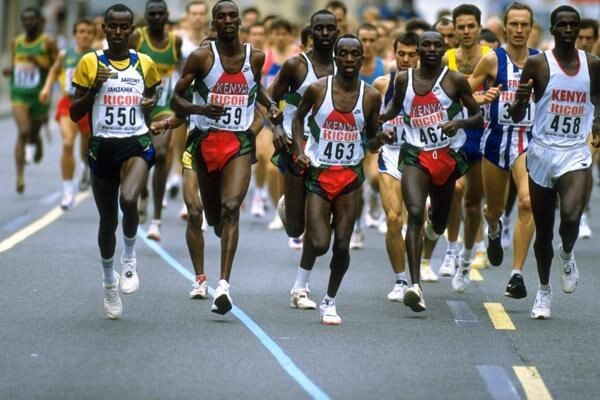
Then came the breakthrough that changed the character of the event.
In 1993, Kenya’s Moses Tanui became the first man to break the one-hour barrier, running 59:47 in Milan. It was a landmark moment for road running. The half marathon was no longer simply another distance on the racing calendar; it had become an event worthy of specialised preparation and elite-level ambition.
Kenya subsequently established a remarkable presence in the record progression. Paul Tergat lowered the record to 59:17 in 1998 before eventually pushing it below 59 minutes with a 59:06 mark later that year. Eritrea’s Zersenay Tadese and Kenya’s Sammy Wanjiru continued the progression in the 2000s, with Wanjiru taking the record to 58:33 in 2007.
Tadese reclaimed the record in 2010 with 58:23, but the most dramatic developments were still to come.
In 2018, Kenya’s Abraham Kiptum ran 58:18, only for countryman Geoffrey Kamworor to lower the standard to 58:01 in 2019. A year later, another Kenyan, Kibiwott Kandie, produced one of the greatest breakthroughs in the event’s history, becoming the first man to break 58 minutes with 57:32 in Valencia.
Uganda’s Jacob Kiplimo then entered the record books, running 57:31 in Lisbon in 2021. Ethiopia’s Yomif Kejelcha lowered it by another second to 57:30 in Valencia in 2024.
And then, in 2026, the record progression became a breathtaking battle between two of the finest distance runners of their generation.
Kiplimo reclaimed the world record in Lisbon with 57:20, taking 10 seconds from Kejelcha’s mark. But Kejelcha responded with an extraordinary performance in Buenos Aires on 23 August 2026, stopping the clock at 56:51.
The improvement was staggering—29 seconds faster than Kiplimo’s previous record.
Kejelcha’s 56:51 means he averaged approximately 2:42 per kilometre for the entire 21.0975-kilometre distance, a pace that would have seemed almost unimaginable when Hill-Cottingham first established the record at 1:07:01 in 1960.
From 1:07:01 to 56:51, the progression tells the story of an event that has undergone a remarkable transformation. Training has become more sophisticated, competition has intensified, courses have become faster, and generations of athletes have continued to challenge the boundaries of human endurance and speed.
What began as a record set by a British club runner on a spring day in Essex has evolved into one of the most fiercely contested records in modern distance running.
And with Kiplimo and Kejelcha pushing each other to unprecedented heights, the question is no longer whether the half marathon can go faster.
The question is: how low can the world record ultimately go?
by Erick Cheruiyot for My Best Runs.
Login to leave a comment

Three Historic World Records Ratified As Kiplimo, Tharp And Wanyonyi Enter The Record Books
Three extraordinary performances that captivated the athletics world have now been officially ratified by World Athletics, with Jacob Kiplimo, Ja’Kobe Tharp and Emmanuel Wanyonyi securing their places in the history books with remarkable world-record performances.
Uganda’s Jacob Kiplimo delivered a breathtaking 57:20 at the EDP Lisbon Half Marathon on 8 March 2026, producing what was then a spectacular world record. His performance underlined his exceptional ability over the half-marathon distance and further strengthened his status as one of the finest road runners of his generation.
American hurdler Ja’Kobe Tharp created his own piece of history in Eugene on 10 June 2026, storming to 12.75 seconds in the 110m hurdles. The sensational performance came with a legal +1.0m/s following wind and established Tharp as the new world record-holder, marking a remarkable breakthrough on the global stage.
Kenya’s Emmanuel Wanyonyi completed the trio with a sensational 2:11.83 world record in the 1000m. The Olympic champion produced the performance in Monaco, lowering Noah Ngeny’s long-standing 2:11.96 world record from 1999. It was another extraordinary demonstration of Wanyonyi’s speed, strength and versatility beyond his specialist 800m distance.
What makes the three records particularly special is the variety of disciplines involved. Kiplimo conquered the demanding half marathon, Tharp mastered the technical challenge of sprint hurdling, while Wanyonyi extended his middle-distance brilliance over 1000m. Each performance showcased a different form of athletic excellence, yet all three athletes reached the same extraordinary destination: the world-record books.
Accuracy Note: Kiplimo’s 57:20 has since been surpassed by Ethiopia’s Yomif Kejelcha, who ran 56:51 at the Media Maratón Ciudad de Buenos Aires on 23 August 2026, taking 29 seconds off Kiplimo’s mark. The newer performance was still listed as pending ratification, meaning Kiplimo’s mark had been overtaken on the clock even as his record was among those formally ratified.
The ratification of the Kiplimo, Tharp and Wanyonyi performances nevertheless gives official recognition to three spectacular moments that will remain significant chapters in the 2026 athletics season.
Three athletes. Three extraordinary performances. Three officially ratified world records. From Lisbon to Eugene and Monaco, Kiplimo, Tharp and Wanyonyi have added another unforgettable chapter to the story of athletics
by Erick Cheruiyot for My Best Runs.
Login to leave a comment
The Statue That Predicted History: How Kipchoge’s ‘No Human Is Limited’ Became Reality
Inside Nike’s World Headquarters in Beaverton, Oregon, a bronze figure stands frozen in motion.
It is Eliud Kipchoge — captured in his unmistakable running posture, every detail carefully sculpted to resemble the Kenyan marathon legend at full stride. But this is more than a statue. It is a permanent reminder of a barrier that once seemed beyond human reach.
Created by Oregon artist Alison Caswell and commissioned by Nike, the life-size bronze sculpture was unveiled in October 2023 as part of the company’s celebration of its 20-year partnership with Kipchoge. Nike described the statue as a tribute to his signature gait and unique running style.
Look closely, however, and the sculpture tells an even deeper story.
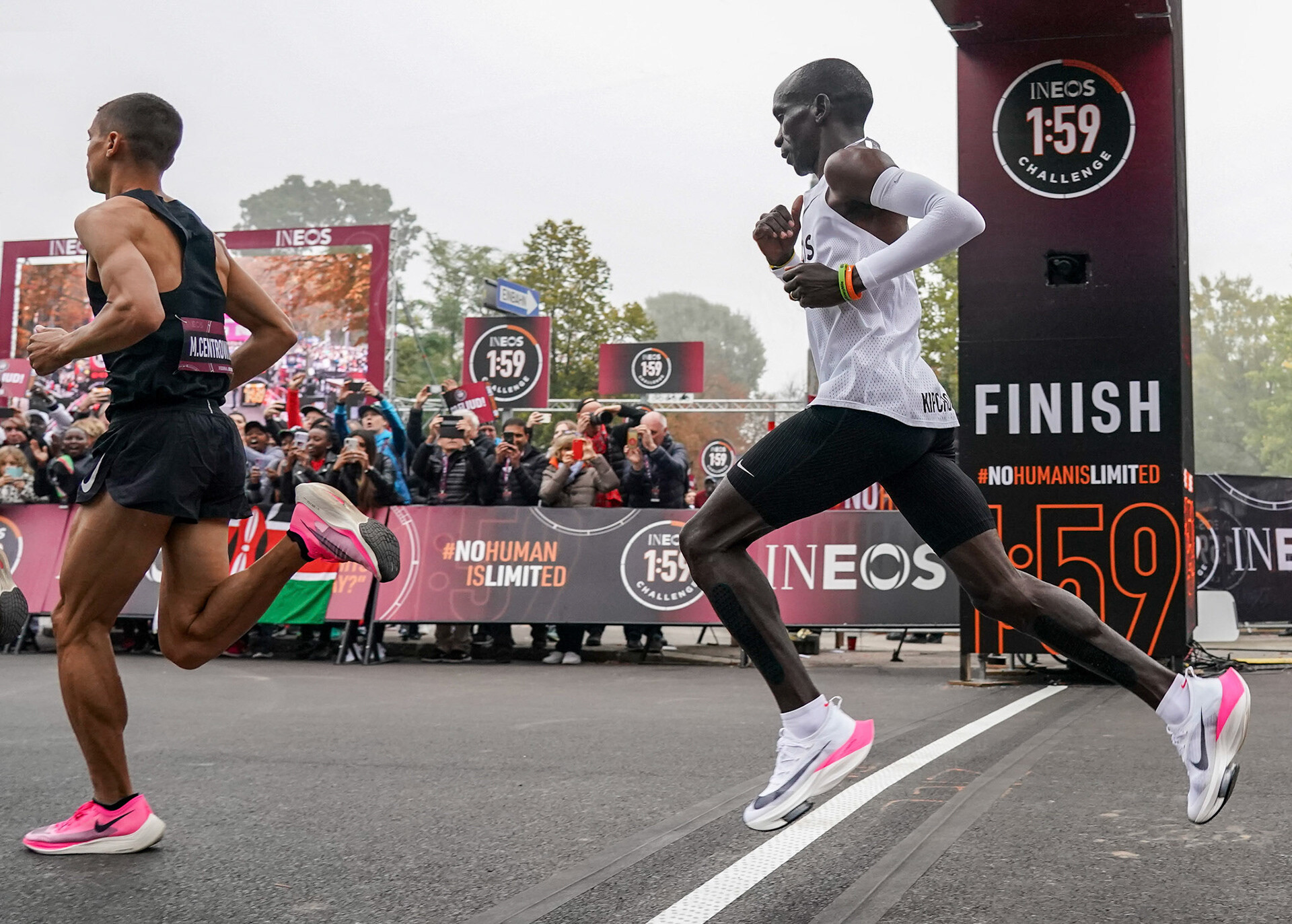
The watch on Kipchoge’s wrist displays 1:59:40, recalling the extraordinary morning of October 12, 2019, when he became the first person to run the marathon distance in under two hours during the INEOS 1:59 Challenge in Vienna.
His official recorded time was 1:59:40.2.
The achievement came under specially controlled conditions, with 41 pacemakers rotating in formations around him and extensive logistical support designed specifically for the attempt. Because it was not a standard record-eligible marathon, the performance was not recognized as an official world record. But its significance went far beyond the record books.
On the statue's left wrist is another detail that carries perhaps even greater meaning.
The wristband bears Kipchoge's famous philosophy:
“No human is limited.”
Those four words became synonymous with his pursuit of the impossible. In Vienna, they were no longer simply a slogan. Kipchoge had demonstrated that a boundary which had appeared almost untouchable could, under the right circumstances, be broken.
Four years later, the bronze figure remained in place at Nike's headquarters — but the marathon world had changed dramatically.
In October 2023, Kelvin Kiptum lowered the official men's marathon world record to 2:00:35 in Chicago, bringing the sport closer than ever to the barrier Kipchoge had already conquered unofficially in Vienna.
Then came April 26, 2026.
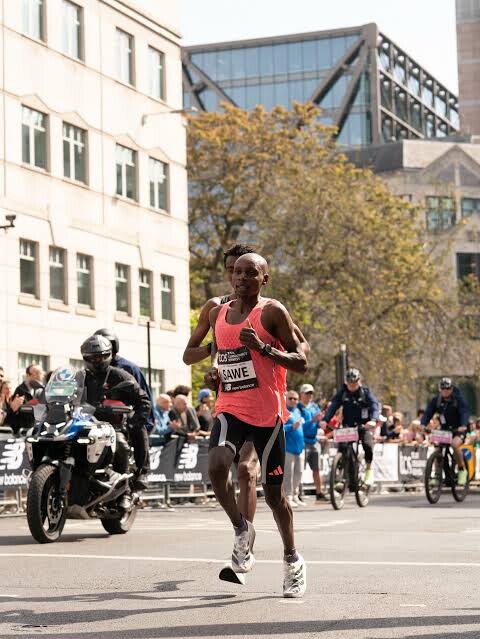
On the streets of London, Kenya's Sabastian Sawe entered territory that had previously belonged only to Kipchoge's extraordinary exhibition achievement.
Sawe won the London Marathon in 1:59:30, becoming the first man to officially complete a record-eligible marathon in under two hours. He also erased Kiptum's world record by 65 seconds. World Athletics subsequently ratified the performance as the official men's marathon world record.
And remarkably, Sawe did it in an ordinary competitive marathon — not on a specially designed course, not with rotating pacemakers, and not under the unique conditions of the 2019 INEOS challenge.
The symbolism is difficult to miss.
When Nike unveiled Kipchoge's statue in 2023, the 1:59:40 engraved on its wrist represented a moment when humanity had first stepped beyond the two-hour marathon barrier.
Today, that number represents something different.
It is no longer the fastest anyone has ever run 42.195 kilometres.
Instead, it has become part of the history that led to something even greater: the first officially recognized sub-two-hour marathon.
Kipchoge opened the door in Vienna.
Kiptum pushed the official world record closer.
And Sawe eventually walked — or rather, ran — through the door.
The bronze statue in Beaverton has not moved. Its watch still points to 1:59:40, and its wristband still carries the words “No human is limited.”
But the meaning of those words has grown.
What once looked like a statement of belief now reads like a prediction.
The statue was built to celebrate what Kipchoge had already achieved.
History has since given it another purpose: to remind the world that yesterday's impossible can become tomorrow's starting point.
by Erick Cheruiyot for My Best Runs.
Login to leave a comment
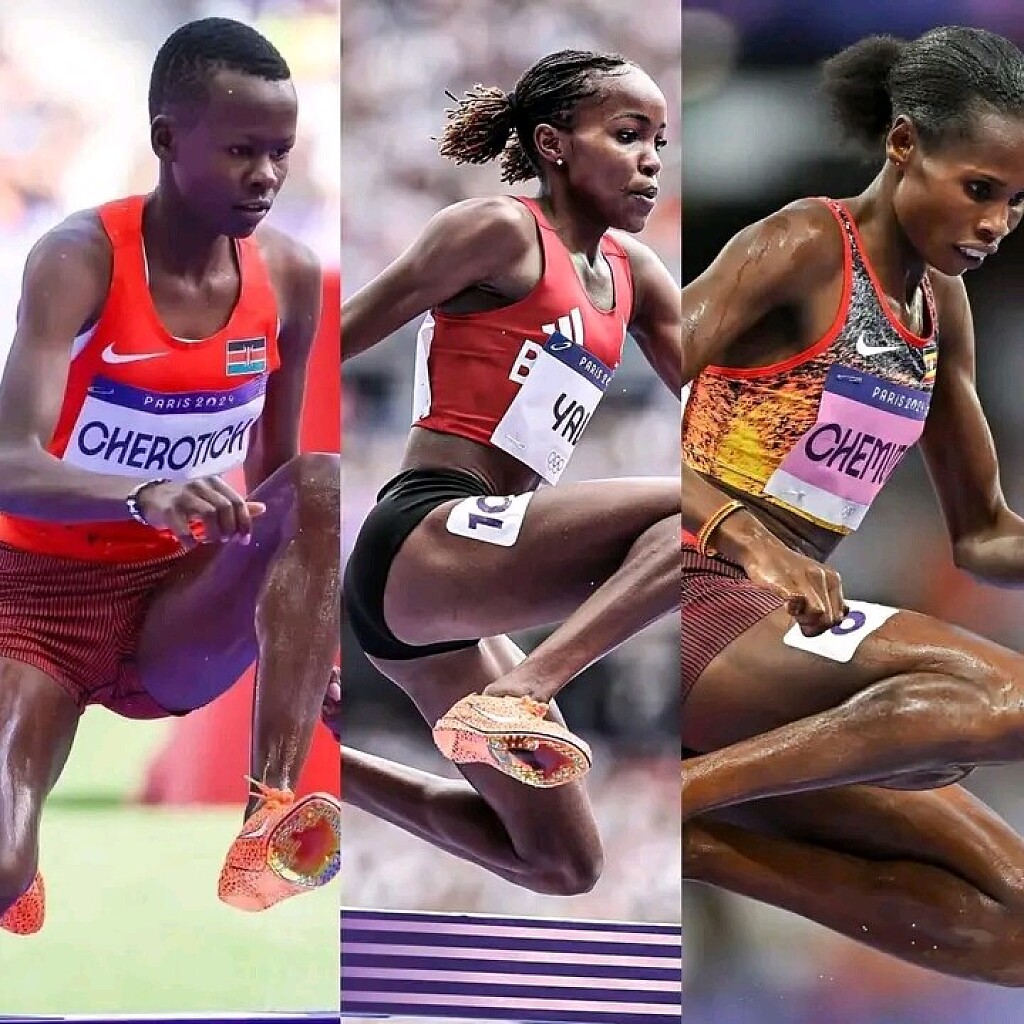
Diamond Trophy on the Line: Cherotich, Chemutai and Yavi Set for Epic Brussels Steeplechase Showdown
BRUSSELS, Belgium — The Diamond Trophy will be the ultimate prize when three of the world’s leading 3,000m steeplechase stars collide in a highly anticipated showdown at the Wanda Diamond League Final in Brussels.
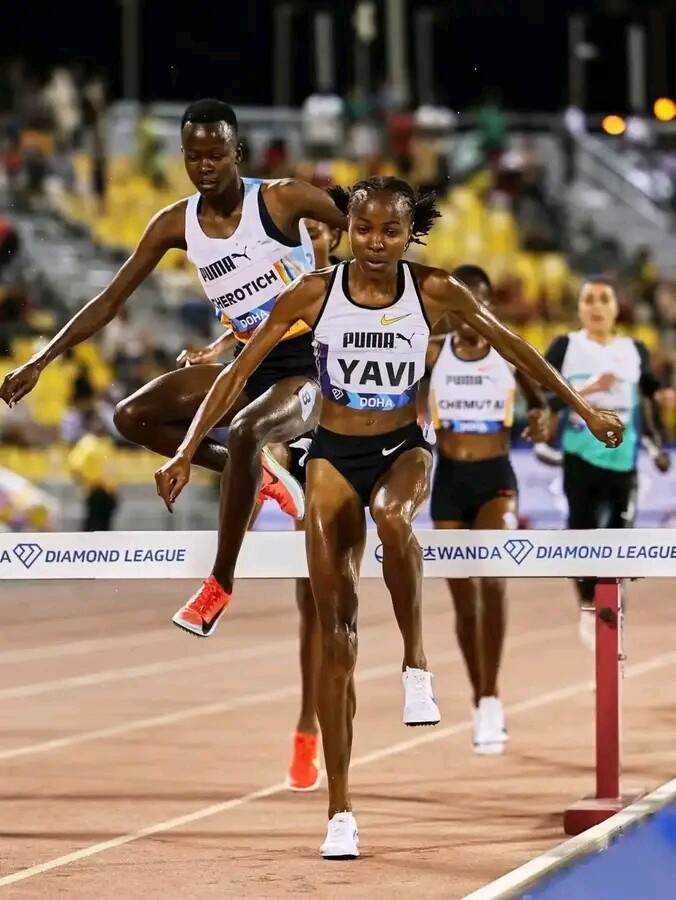
Kenya’s Faith Cherotich, Uganda’s Peruth Chemutai and Bahrain’s Winfred Yavi headline a competitive field on the opening day of the two-day season finale, with all three targeting a strong finish to their Diamond League campaigns.
With the prestigious Diamond Trophy at stake, the race is expected to provide another compelling chapter in the rivalry between three athletes who have established themselves among the leading figures in women’s steeplechase.
Cherotich will be among the athletes carrying significant expectations into the final. The Kenyan has continued to establish herself at the highest level of the event and will be looking to convert her season-long consistency into a victory on one of the biggest stages of the Diamond League.
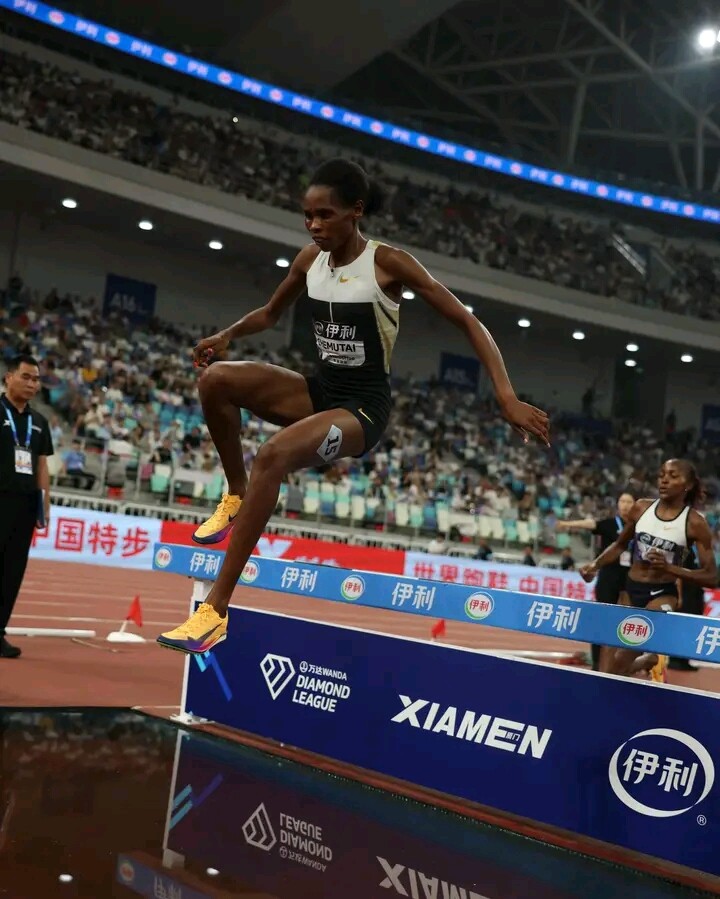
She will face a major challenge from Peruth Chemutai, the Olympic champion from Uganda. Known for her championship experience and ability to perform under pressure, Chemutai has the pedigree to remain in contention when the race reaches its decisive stages.
Winfred Yavi will also be central to the contest. The Bahrain representative possesses the speed and strength required to change the complexion of a steeplechase in the closing stages and will be among the leading contenders for the Diamond Trophy.
However, the race is not limited to the three headline names.
Kenya’s Doris Lemngole will look to challenge the established order and push herself into the podium conversation. Her presence adds another dimension to a field in which several athletes could influence the outcome.
Germany’s Olivia Gürth and Lea Meyer, Tunisia’s Marwa Bouzayani, the United States’ Lexy Halladay and Gabrielle Jennings, Great Britain’s Elise Thorner, and Ethiopia’s Kena Tufa complete the 11-athlete field.
The race could ultimately be decided by positioning, rhythm and the ability to negotiate the barriers efficiently before the final lap. With the Diamond Trophy on the line, every tactical decision is likely to carry added significance.
Full Start List
1. Marwa Bouzayani — Tunisia
2. Peruth Chemutai — Uganda
3. Faith Cherotich — Kenya
4. Olivia Gürth — Germany
5. Lexy Halladay — United States
6. Gabrielle Jennings — United States
7. Doris Lemngole — Kenya
8. Lea Meyer — Germany
9. Elise Thorner — Great Britain
10. Kena Tufa — Ethiopia
11. Winfred Yavi — Bahrain
Ultimately, the Brussels final promises to be a closely contested race in which tactics, positioning and the ability to handle the pressure of a high-stakes finish could prove decisive. With several athletes capable of challenging for the podium, the outcome is difficult to predict, setting the stage for an intriguing conclusion to the Diamond League steeplechase season.
by Erick Cheruiyot for My Best Runs.
Login to leave a comment
Priscah Cherono Turns Back The Clock In Sydney With A Historic Marathon Performance
At 46, Priscah Cherono showed that age is no barrier to racing with the world’s best.
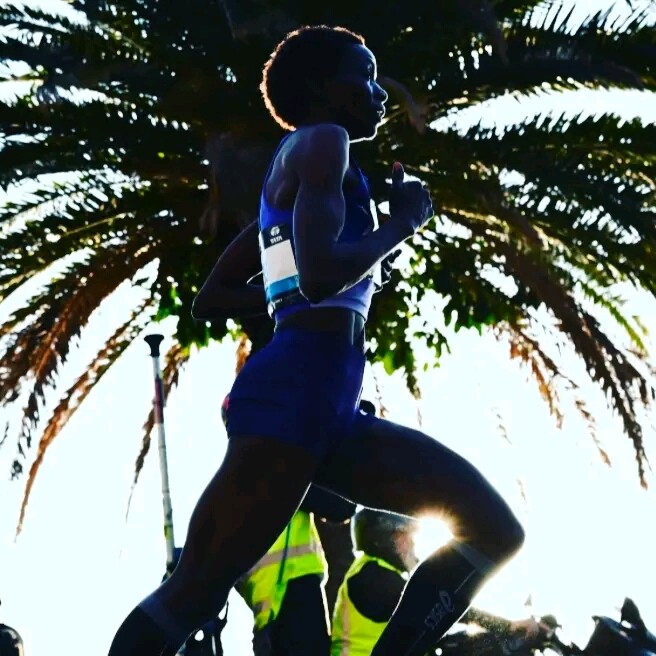
The Kenyan veteran produced a remarkable performance at the Sydney Marathon, taking the race by the horns from the early stages and, for a remarkable stretch, leading the entire professional women’s field.
Cherono moved into the lead before 5km and by 10km had opened a gap of around 16 seconds on her closest challengers. Rather than settling into the pack, she continued to dictate the pace, remaining at the front until close to the 28km mark.
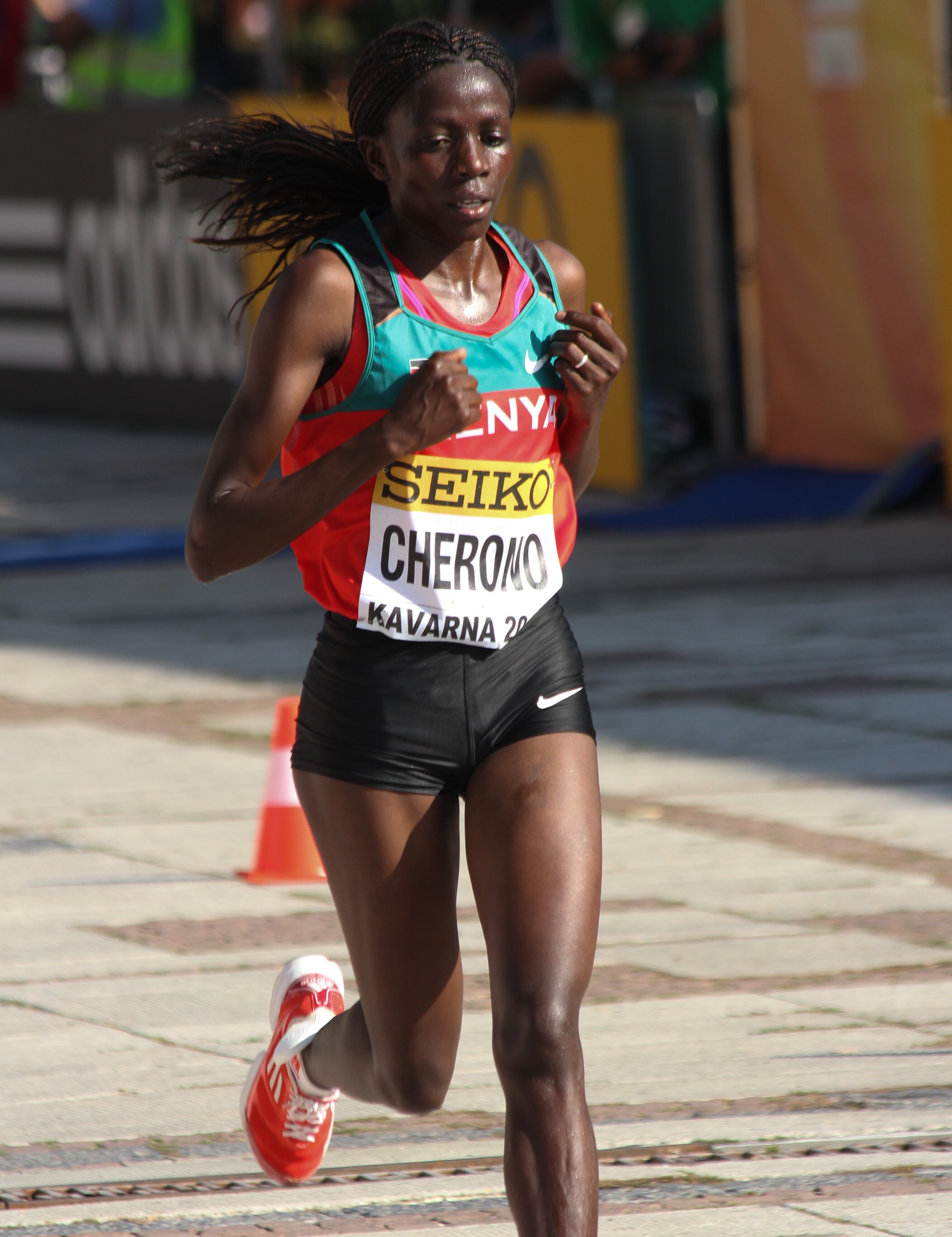
Then came the most eye-catching moment of her race.
Cherono reached halfway in 67:59, an extraordinary split that works out to roughly 5:11 per mile. It was around 36 seconds faster than her previous standalone half-marathon best, underlining just how aggressively she had approached the opening half of the race.
Her halfway split was also just seven seconds outside the masters world record for the half marathon.
Inevitably, such a demanding opening came at a cost. Cherono struggled to maintain the same rhythm after halfway, covering the second half in approximately 75:50. She eventually slipped down the standings but refused to give up, crossing the finish line in 2:23:49 for sixth place.
And that finish was historic.
Cherono’s time established a new marathon world best for women aged 46 and over, improving on the previous mark of 2:25:07, set by fellow Kenyan Edna Kiplagat last year.
But Cherono’s Sydney story is about far more than one record.
Her athletics journey stretches back three decades. In 1996, at just 16 years old, she won the Kenyan junior 5000m title. That same year, she travelled to Sydney for the World Junior Championships and finished eighth in the 5000m.
Thirty years later, she returned to the same city — this time as a 46-year-old marathoner — and found herself leading a major international marathon against a field filled with younger elite athletes.
That is what makes her performance so remarkable.
Cherono did not simply run a fast marathon for her age. She went to the front, took control of the race, attacked the pace and dared to challenge the clock before eventually paying the price for her ambition.
She may have faded in the closing kilometres, but her boldness produced something far more valuable than a conservative finish: a place in the history books.
From a teenage athlete competing in Sydney in 1996 to a record-breaking masters marathoner dominating the opening half of the Sydney Marathon three decades later, Cherono’s career has come full circle in extraordinary fashion.
The question is simple: if you were 46 and leading a major marathon at halfway on record-setting pace, would you keep pushing for greatness — or back off and protect the finish?
by Erick Cheruiyot for My Best Runs.
Login to leave a comment

Sydney Marathon
The Sydney Marathon is a marathon held annually in Sydney, Australia. The event was first held in 2001 as a legacy of the 2000 Summer Olympics, which were held in Sydney. In addition to the marathon, a half marathon, 9 kilometres (5.6 mi) "Bridge Run", and a 3.5 kilometres (2.2 mi) "Family Fun Run" are also held under the banner...
more...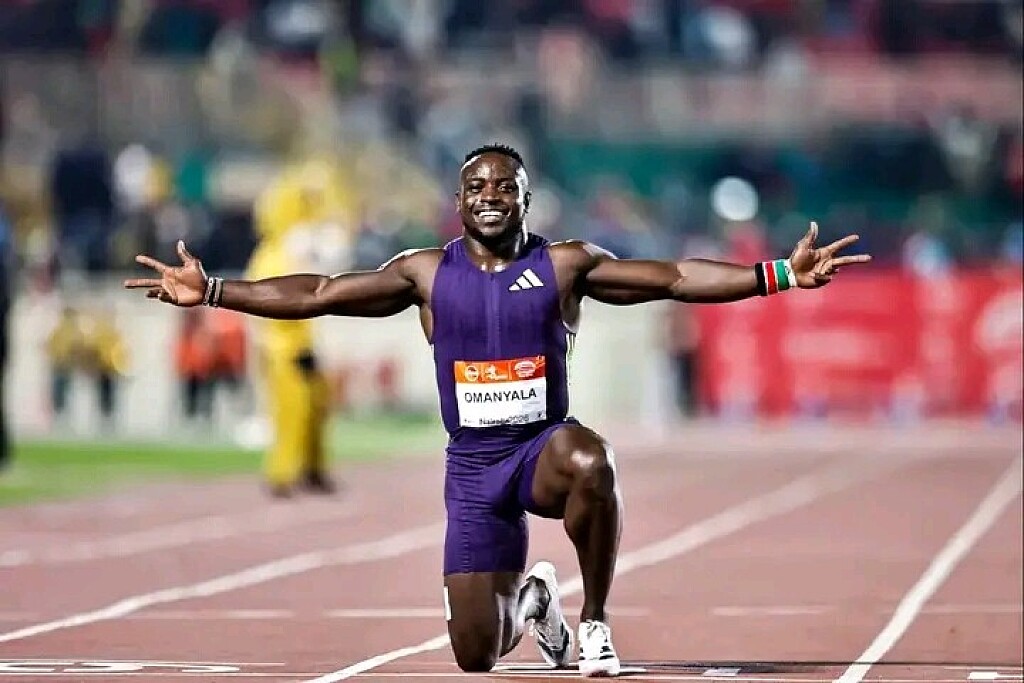
Ferdinand Omanyala’s 2026 Season Ends At The Worst Possible Moment
Ferdinand Omanyala’s 2026 season has come to an abrupt and heartbreaking end, just as the Kenyan sprint star appeared to be building momentum for a memorable finish to his campaign.

The African 100m record-holder has been forced to withdraw from the remainder of the season after suffering a stress fracture to the calcaneus, the heel bone of his left foot. The injury means Omanyala will miss the final two major competitions that were expected to bring his 2026 campaign to a spectacular conclusion — the Wanda Diamond League Final in Brussels and the inaugural World Athletics Ultimate Championship in Budapest.
For an athlete who had worked hard to rebuild his season, the timing could hardly have been more frustrating.
Omanyala revealed that he sustained the injury around two weeks before the Commonwealth Games. Despite the problem, he attempted to manage the discomfort and continue competing. But with the season reaching its most important stage, the Kenyan has now made the difficult decision to step away from competition and give his body the recovery time it needs.

It is a painful ending, but it should not overshadow what had otherwise been a highly encouraging campaign.
Throughout 2026, Omanyala repeatedly demonstrated that his speed remains among the best in the world. One of the standout moments came in Xiamen, where he stormed to victory in the 100m in 9.94 seconds. It was his fastest performance of the season and another powerful reminder of the explosive speed that has made him one of Africa’s most prominent sprinting figures.
His consistency was just as impressive. Omanyala produced five consecutive sub-10-second performances, maintaining a level of speed that very few sprinters can sustain across an extended period. His performances also pushed him into third place in the Diamond League 100m standings, putting him firmly among the leading contenders heading towards the series finale.
That makes his absence from Brussels particularly frustrating.
Omanyala had earned his place among the world’s best, but instead of lining up under the lights for another major showdown, he will now begin the long process of recovery.
The injury had already complicated his Commonwealth Games campaign. Having been carrying the problem into the championships, Omanyala was unable to produce the performance he wanted and failed to progress to the 100m final. Now, with the remaining major competitions of the season also ruled out, his year has officially come to an early conclusion.
There will be no final Diamond League appearance in Brussels. There will be no opportunity to compete at the World Athletics Ultimate Championship in Budapest. And there will be no chance to give his 2026 season the dramatic ending that his earlier performances had promised.
But sometimes an athlete’s most important decision is knowing when to stop.
A stress fracture is not an injury worth gambling with for the sake of another race. At this stage of his career, protecting his long-term health and allowing the injury to heal properly is far more important than forcing his way onto the track for one final appearance.
And when the disappointment fades, Omanyala will have plenty to be proud of.
A 9.94-second season best. Five consecutive sub-10-second performances. A Diamond League victory. Third place in the Diamond League 100m standings. Most importantly, another season in which he showed that he remains capable of competing with the very best sprinters on the planet.
Those achievements cannot be erased by the injury.
For Kenyan athletics, his absence from the final stages of the season is undoubtedly a major disappointment. Omanyala has become one of the most recognizable faces of Kenyan sprinting, carrying the country’s ambitions into a discipline where Kenya has traditionally had less international influence.
But this is not the end of his story.
It is simply an unexpected pause.
For now, the starting blocks can wait. The crowds can wait. The stopwatch can wait.
Omanyala’s next race is the race back to full fitness.
If he gives his body the time and patience it needs, the Kenyan star can return with something still to prove and, perhaps, another chapter of his remarkable sprinting journey waiting to be written.
The 2026 season may have ended sooner than Ferdinand Omanyala wanted, but his story on the track is far from over.
by Erick Cheruiyot for My Best Runs.
Login to leave a comment
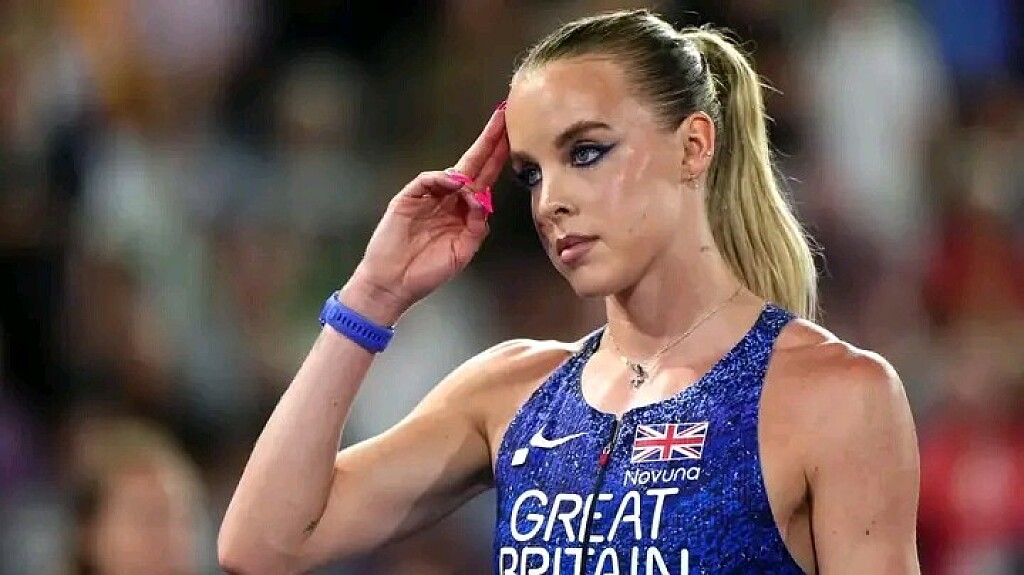
Keely Hodgkinson Set For Brussels Return As 800m Showdown Reaches Fever Pitch
Keely Hodgkinson is ready to step back onto the track in Brussels, and her return could add another explosive chapter to one of the most compelling women’s 800m rivalries of the 2026 season.
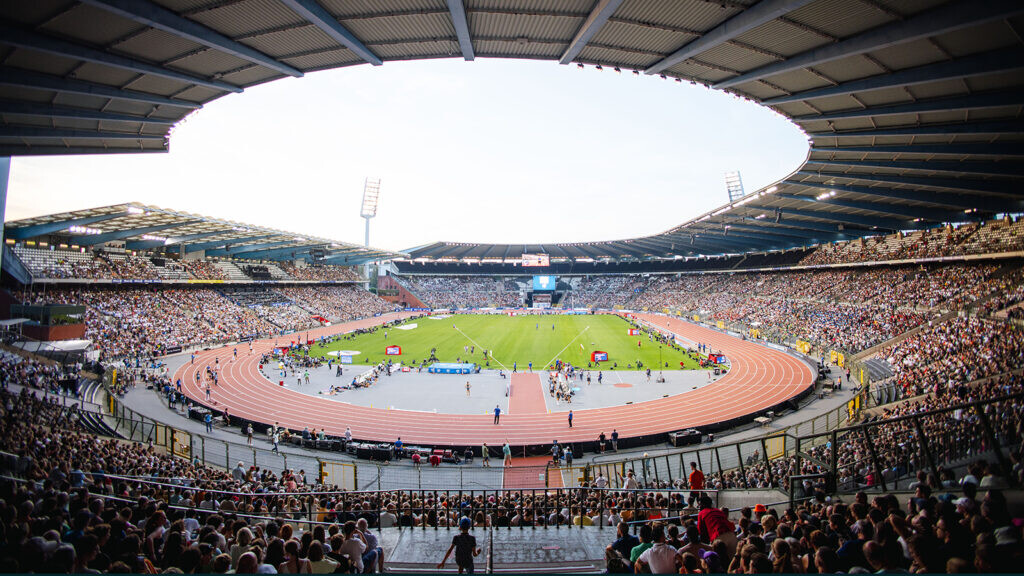
The British Olympic champion is scheduled to line up in the women’s 800m at the Wanda Diamond League Final at the Allianz Memorial Van Damme on Saturday, September 5, after deliberately sitting out the Zurich Diamond League meeting to give her body more time to recover. Hodgkinson had been due to face Audrey Werro in Zurich but withdrew, explaining that she was not yet ready to race.
That decision underlined just how carefully the 24-year-old has been managing her season. After a demanding European Championships campaign in Birmingham, where she was beaten to the 800m title by Werro, Hodgkinson chose recovery rather than forcing another race before she was fully prepared.
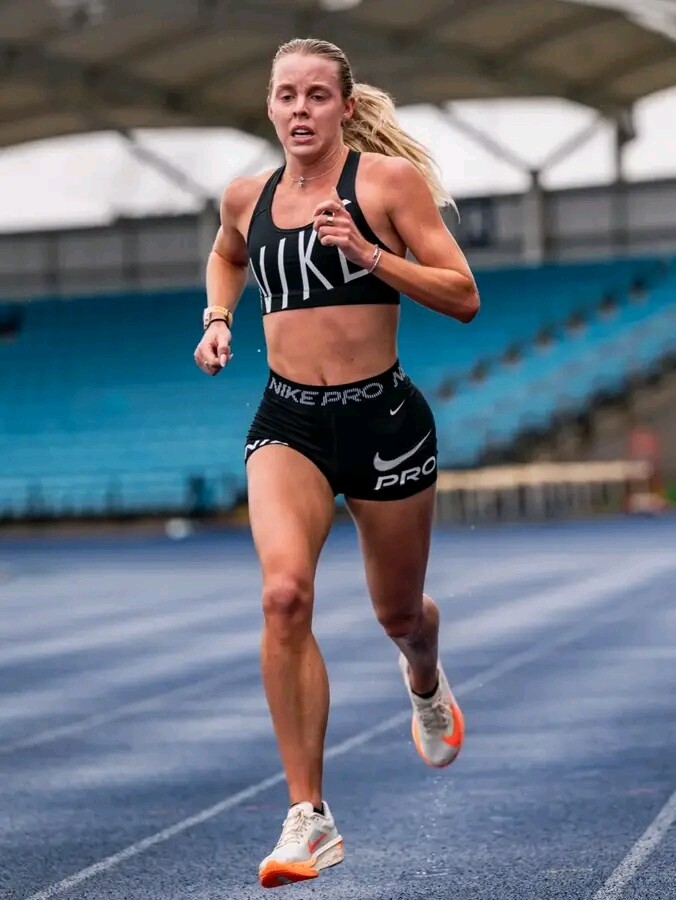
Now, Brussels presents an entirely different proposition.
The stage is set for a spectacular clash featuring some of the biggest names in the event. Hodgkinson will have to contend with Werro, the Swiss sensation who has transformed herself into one of the most formidable 800m runners in the world, while Femke Bol brings another dimension to the field following her remarkable transition from the 400m hurdles to the two-lap event. Reigning world champion Lilian Odira of Kenya is also confirmed for the Brussels showdown.
And there is plenty of unfinished business.
Werro has been operating at an extraordinary level this season. In Zurich, while Hodgkinson watched from the sidelines, the Swiss star produced a stunning 1:53.70 personal best and national record — one of the fastest performances ever recorded over 800m. Bol followed her home in a personal best, making the gap between the leading contenders even narrower.
Hodgkinson, however, has already demonstrated that she belongs in that conversation. Earlier this season in Stockholm, she ran 1:54.33, placing herself sixth on the all-time 800m list. Her championship pedigree is equally formidable: she is the reigning Olympic champion and a former Diamond League champion, with years of experience performing when the pressure is highest.
That makes Brussels far more than another race.
For Hodgkinson, it is an opportunity to answer questions raised by her European Championships defeat and prove that a carefully managed return can put her back at the centre of the 800m battle. For Werro, it is another chance to confirm that she has moved from rising star to genuine global force. For Bol and Odira, it is an opportunity to disrupt the established order.
With four elite names bringing different strengths to the same two-lap battlefield, the slightest tactical mistake could decide everything.
The King Baudouin Stadium is therefore set for an 800m final loaded with speed, rivalry and unfinished business. Hodgkinson has taken the patient route back. Now comes the moment when she must show what that patience has prepared her for.
Brussels is waiting — and the women’s 800m could deliver one of the defining races of the 2026 Diamond League season
by Erick Cheruiyot for My Best Runs.
Login to leave a comment
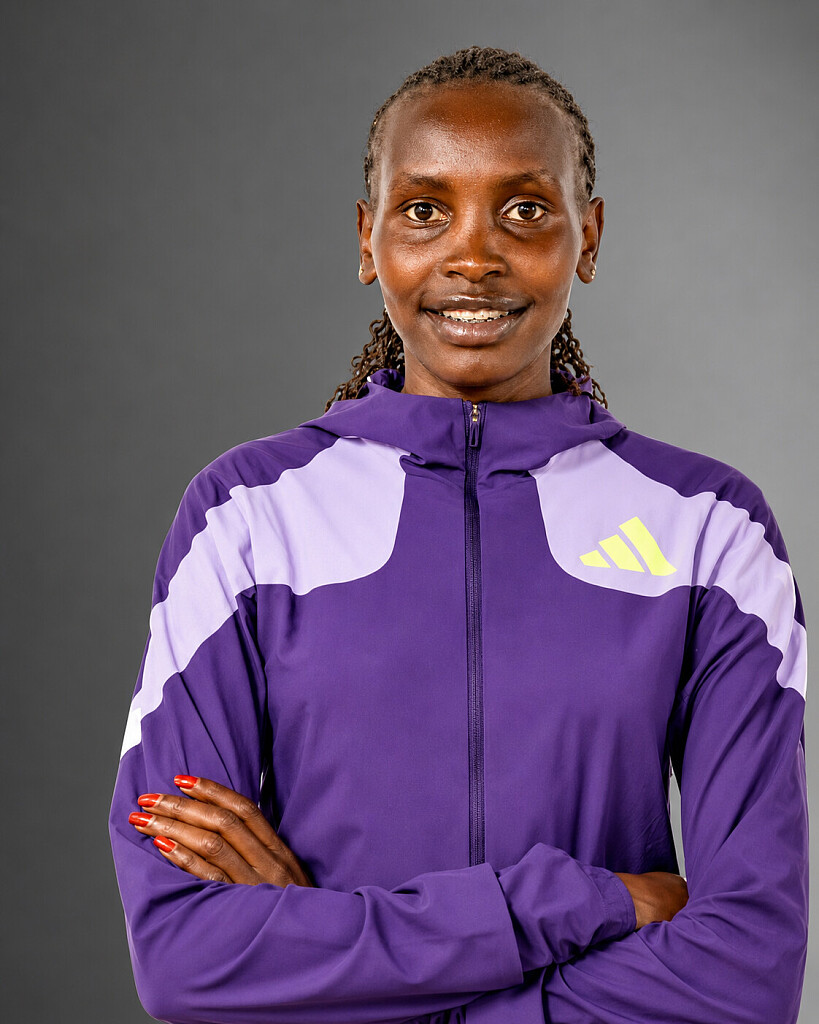
Agnes Ngetich Faces An Ethiopian Wall In Brussels: One Kenyan Against Eight
One Kenyan. Eight Ethiopians. One enormous challenge.
Agnes Jebet Ngetich is set for one of the most intriguing tests of her 2026 season when she lines up in the women’s 5000m at the Brussels Diamond League Final, facing an Ethiopian contingent that has dominated the qualification standings.
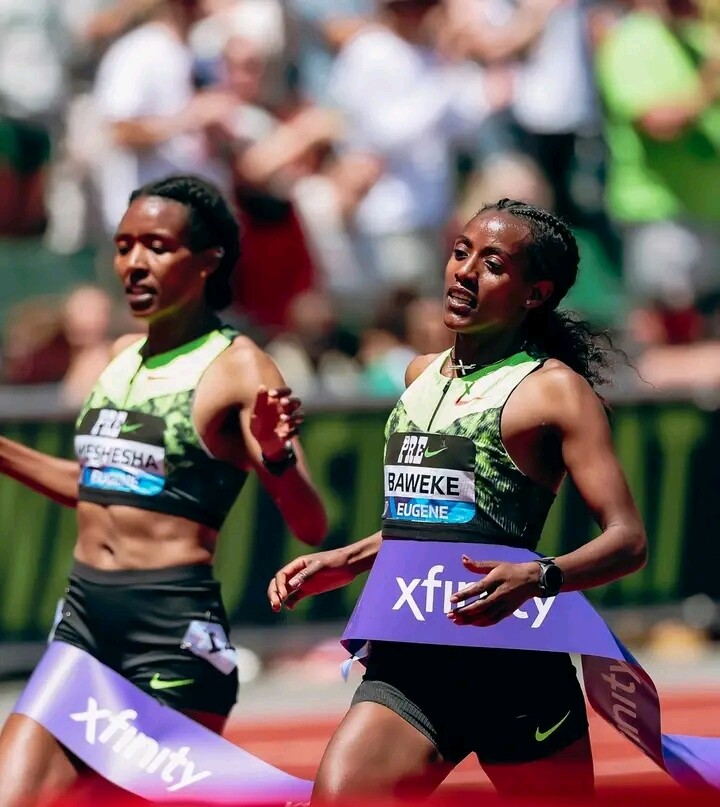
Ngetich has earned her place in the prestigious final with 8 points, placing 10th among the automatic qualifiers. But when the gun fires at Brussels’ King Baudouin Stadium, she will find herself surrounded by an extraordinary Ethiopian presence — eight Ethiopians among the 10 automatic qualifiers.
One against eight.
That is the kind of matchup that makes distance running impossible to ignore.
Ethiopia has controlled the qualification battle from the top of the standings, led by Aleshign Baweke, who enters the final with 26 points. Freweyni Hailu follows closely on 25, while Likina Amebaw has 23. Senayet Getachew has 20, with Marta Alemayo completing the top five on 16 points.
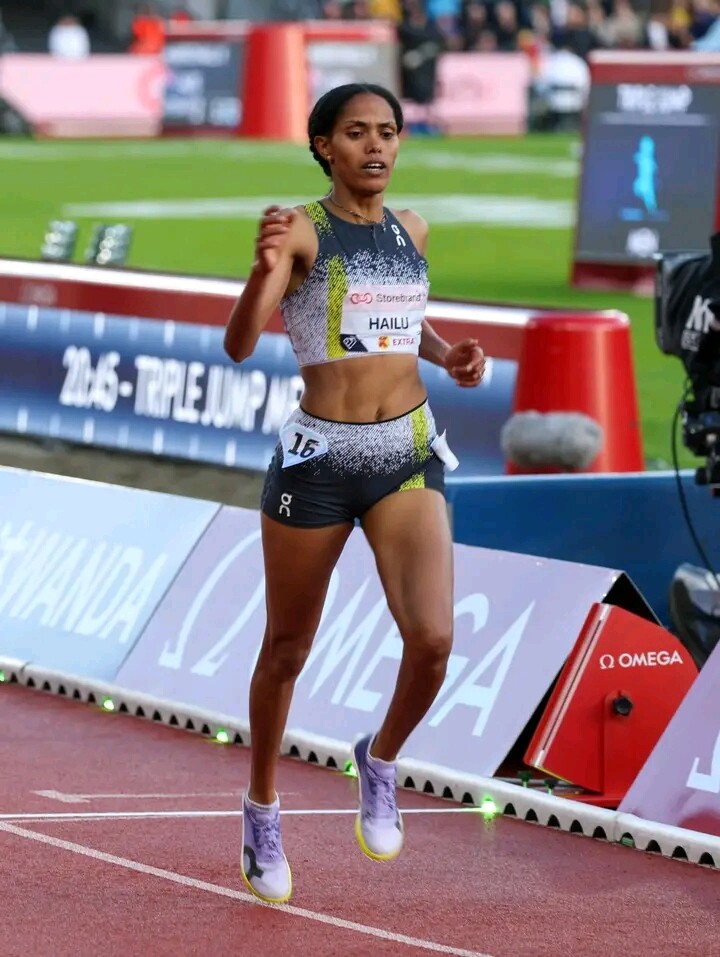
Australia’s Rose Davies, on 14 points, is the only non-Ethiopian athlete inside the top six before the Ethiopian charge resumes with Medina Eisa on 13, Hirut Meshesha on 10 and Hawi Abera on nine.
Then comes Ngetich.
The Kenyan arrives with eight points, but her position on the qualification table does not tell the whole story. She has established herself as a formidable force over the longer track distances, and she will have no intention of allowing the Ethiopian numbers to dictate the outcome before the race even begins.
For Ngetich, Brussels is not simply another Diamond League appearance. It is an opportunity to stand alone against overwhelming opposition and attempt to disrupt an Ethiopian celebration.
The field will also feature Belgian wildcard Jana Van Lent, giving the home crowd an additional reason to get behind the race. But the central storyline is unmistakable: Kenya versus Ethiopia, with Ngetich carrying the Kenyan challenge almost single-handedly.
The 2026 Brussels Diamond League Final will take place on September 4–5 at King Baudouin Stadium in Brussels, Belgium, bringing together some of the finest athletes from across the season.
Women’s 5000m Qualified Runners
1. Aleshign Baweke — Ethiopia — 26 points
2. Freweyni Hailu — Ethiopia — 25 points
3. Likina Amebaw — Ethiopia — 23 points
4. Senayet Getachew — Ethiopia — 20 points
5. Marta Alemayo — Ethiopia — 16 points
6. Rose Davies — Australia — 14 points
7. Medina Eisa — Ethiopia — 13 points
8. Hirut Meshesha — Ethiopia — 10 points
9. Hawi Abera — Ethiopia — 9 points
10. Agnes Jebet Ngetich — Kenya — 8 points
11. Jana Van Lent — Belgium — Wild Card
The numbers make the challenge look almost impossible: eight Ethiopians against one Kenyan. But championship races are not won on qualification tables. They are decided when the athletes step onto the track, the pace rises and every tactical decision begins to matter.
Ngetich will therefore enter Brussels with a simple mission — break through the Ethiopian wall and spoil the party on Kenyan terms.
Can she turn the loneliest lane into the most unforgettable one?
One against eight. Kenya against Ethiopia. Brussels awaits.
by Erick Cheruiyot for My Best Runs.
Login to leave a comment

Athletics Must Remain Number One” — Coe’s Final Challenge As The Race For His Successor Heats Up
The battle for the future of world athletics is already taking shape, but outgoing World Athletics President Sebastian Coe has made one message unmistakably clear: athletics must remain at the heart of the Olympic Games.
Speaking ahead of the Diamond League meeting in Zurich, Coe said he remains highly optimistic about the sport’s future and insisted that athletics must protect its position as the leading sport of the Olympic movement.

“There are only two truly global sports, one is football and one is athletics. We must maintain our position as the number one Olympic sport,” Coe said.
The 69-year-old Briton is approaching the final year of his presidency after first taking charge of the global governing body in 2015. He was re-elected for a third term in 2023, which, under World Athletics’ term limits, is his final mandate.
Coe will leave office in 2027, when the next World Athletics president is elected at the Elective Congress in Beijing, immediately before the 2027 World Athletics Championships. The new president will serve a four-year term covering 2027–2031.

And the succession battle is already gathering momentum.
Among the candidates declared eligible so far are prominent figures from within the sport’s leadership, including World Athletics Vice-Presidents Adille Sumariwalla of India, Raul Chapado of Spain and Ximena Restrepo of Colombia. The current list also includes Yuko Arimori of Japan, Hatem Fouda of Egypt, Ivan Garcia of Uruguay, Jean Gracia of France and Kenya’s Jackson Tuwei.
Restrepo brings a particularly distinguished competitive background to the contest. The Colombian won Olympic bronze in the women’s 400 metres at Barcelona 1992 and became the first woman elected as a World Athletics Vice-President in 2019.
For Coe, however, the final chapter of his presidency is not simply about preparing for his departure. He says his priority over the next year is to continue strengthening the sport so that his successor inherits an organisation capable of growing even further.
“I've never been more optimistic about the future of the sport,” Coe said, adding that whoever succeeds him will inherit “a very much stronger sport” than the one he took over in 2015.
His presidency has coincided with significant changes across the sport, including governance reforms, commercial development and efforts to make athletics more innovative and globally engaging. The launch of the new World Athletics Ultimate Championship in Budapest this September is another example of the organisation’s attempt to create a shorter, high-stakes competition featuring many of the world’s leading athletes.
But the next president will inherit an enormous responsibility.
Athletics is the foundation of the Olympic Games, producing some of the most iconic moments in Olympic history and bringing together athletes from virtually every corner of the world. The challenge for Coe’s successor will be to preserve that unique position while making the sport more commercially powerful, more accessible to younger audiences and even more compelling in an increasingly competitive global sporting landscape.
Coe believes the opportunity is there.
As he prepares to hand over the presidency in 2027, his challenge to the next generation of World Athletics leadership is clear: protect the sport’s Olympic identity, keep pushing its boundaries and make sure athletics remains the heartbeat of the Games.
The question now is not whether Coe will leave a significant mark on athletics, but who will have the vision, influence and leadership required to carry the sport into its next era.
Who do you think should lead World Athletics after Sebastian Coe?
by Erick Cheruiyot for My Best Runs.
Login to leave a comment
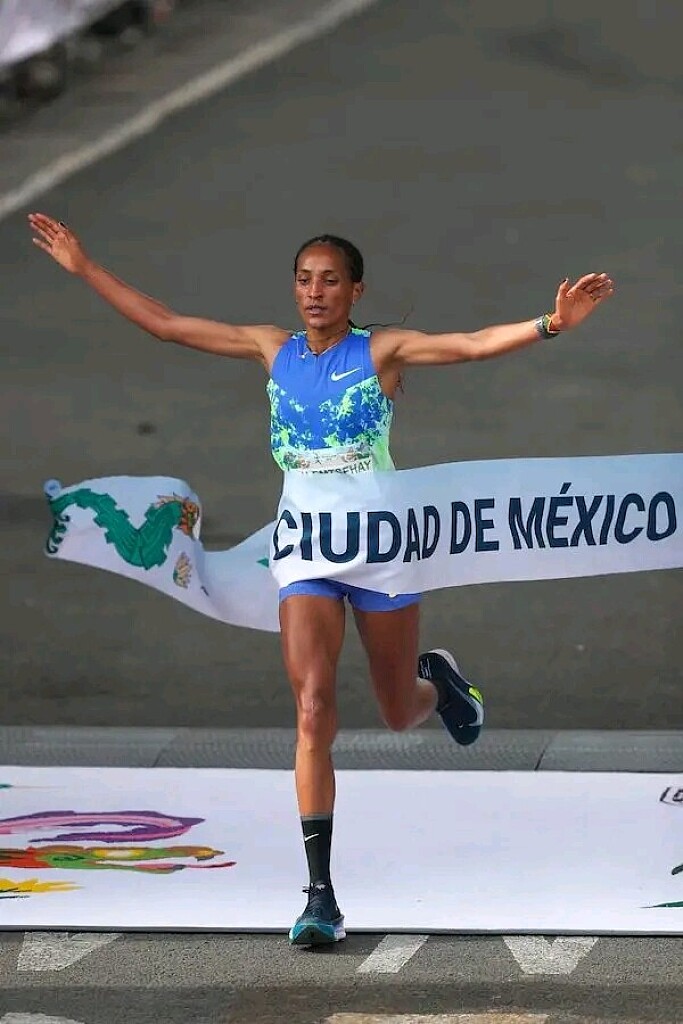
Alemtsehay Asefa Leads Ethiopian Sweep At Mexico City Marathon
Ethiopia’s Kasegn Alemtsehay Asefa produced a brilliant performance at the 2026 Mexico City Marathon, winning the women’s race in 2:29:30 and leading an impressive Ethiopian clean sweep of the podium.
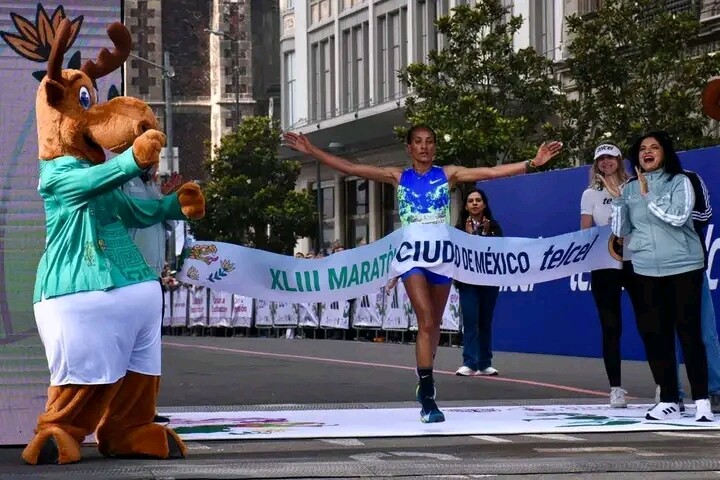
Asefa mastered the demanding 42.195-kilometre course through the Mexican capital, holding her form in an environment where altitude can make an already difficult marathon considerably more challenging. The race is staged at approximately 2,240 metres above sea level, meaning athletes have to contend with thinner air throughout the contest.
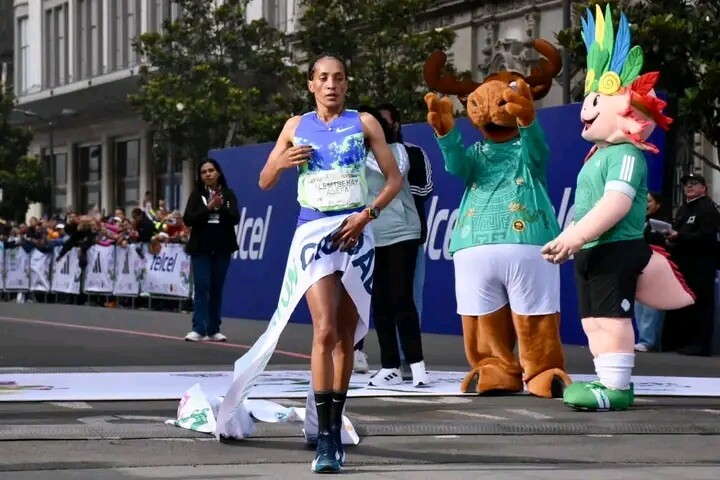
Despite those demanding conditions, Asefa looked in control and eventually crossed the finish line in 2:29:30, securing a convincing victory and adding another notable chapter to Ethiopia’s strong tradition in distance running.

Her compatriots Gebremedhin Alema and Tefera Mekashu completed the Ethiopian domination, finishing second and third respectively. Alema stopped the clock at 2:32:23, while Mekashu followed in 2:34:04, giving Ethiopia all three places on the women’s podium.
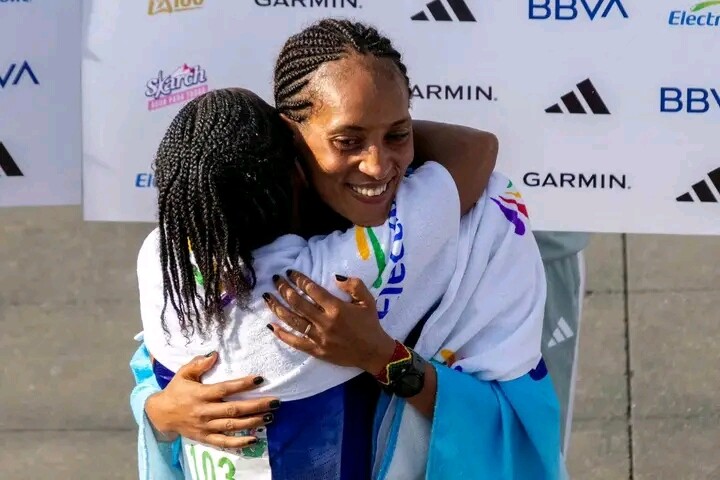
Peru’s Saida Meneses was the leading athlete outside Ethiopia, running an excellent 2:34:41 for fourth place. Her performance also made her the top South American woman in the race, narrowly missing the podium after finishing just 37 seconds behind Mekashu.
Kenya was represented inside the top six by Dorine Jerop, who produced a strong 2:36:32 to finish sixth.
Mexico’s leading runners followed behind the international contenders, with Margarita Hernandez finishing seventh in 2:46:14, followed by Estefany Rodriguez in 2:50:04. Ines Sarate Gil placed ninth in 2:55:20, while Micaela Rayo Reyes completed the top 10 in 2:55:58.
2026 Mexico City Marathon — Women's Top 10
1. Kasegn Alemtsehay Asefa — Ethiopia — 2:29:30
2. Gebremedhin Alema — Ethiopia — 2:32:23
3. Tefera Mekashu — Ethiopia — 2:34:04
4. Saida Meneses — Peru — 2:34:41
5. Gerefa Hailu — Ethiopia — 2:36:05
6. Dorine Jerop — Kenya — 2:36:32
7. Margarita Hernandez — Mexico — 2:46:14
8. Estefany Rodriguez — Mexico — 2:50:04
9. Ines Sarate Gil — Mexico — 2:55:20
10. Micaela Rayo Reyes — Mexico — 2:55:58
The women’s race ultimately belonged to Ethiopia, with four of the top five finishers representing the East African distance-running powerhouse. Asefa’s winning performance was the highlight, but the depth shown by her compatriots made the result even more impressive.
The Mexico City Marathon is unlike many other major city marathons because of its extraordinary elevation. At more than 2,200 metres above sea level, maintaining marathon pace requires not only physical strength but also careful management of effort and oxygen demand. Asefa’s ability to produce a 2:29:30 under those circumstances makes her victory particularly noteworthy.
For Asefa, the reward was a memorable victory on one of the world's most distinctive marathon courses. For Ethiopia, it was an emphatic statement of strength, with the country sweeping the entire women's podium in Mexico City.
by Erick Cheruiyot for My Best Runs.
Login to leave a comment

Mexico City International Marathon
The Mexico City Marathon is held in Mexico City, the federal district capital of Mexico and the country`s largest and most important city. The Mexico City Marathon is organized by the Mexican Athletic Association and is the largest running-event in the country. The race has been held for more than 30 years. The route starts in the historic district...
more...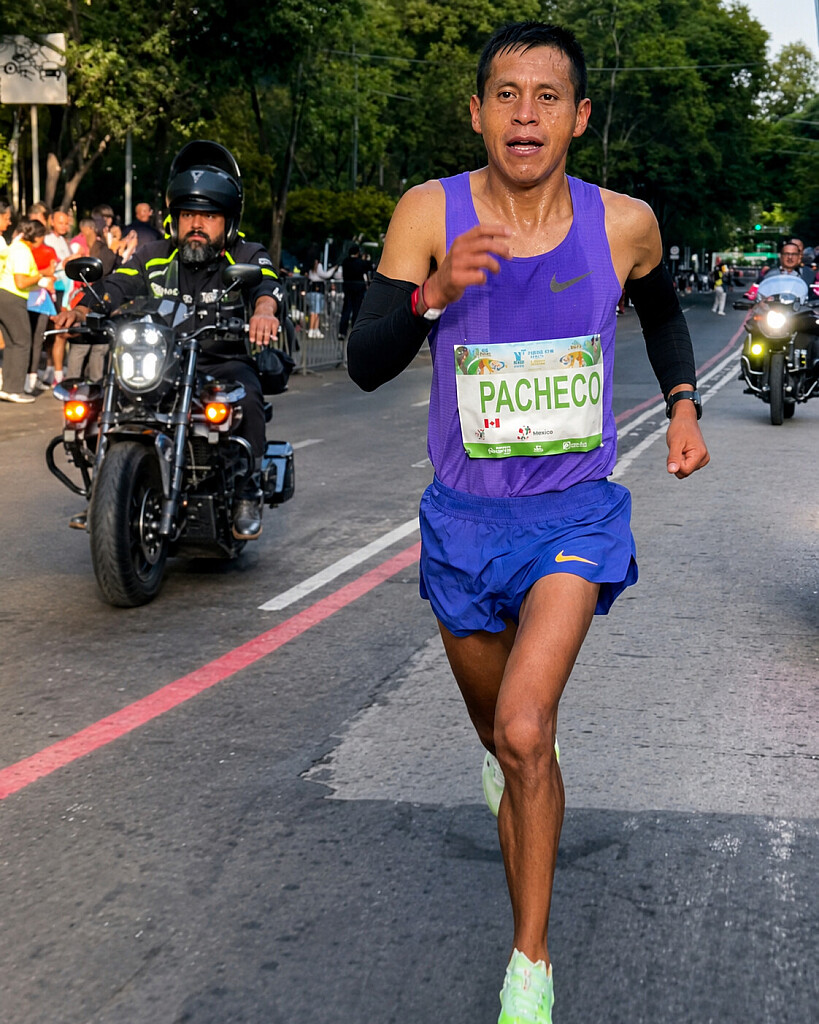
Cristhian Pacheco Conquers Mexico City Marathon as Peruvian Star Claims Victory in 2:10:03
Peru’s Cristhian Pacheco produced a magnificent performance to win the 2026 Mexico City Marathon, overcoming a strong international field and the demanding conditions of one of the world’s highest-profile high-altitude marathons.

Pacheco crossed the finish line in 2:10:03, securing a memorable victory on the streets of Mexico’s capital. Racing at an altitude of approximately 2,240 metres above sea level, the Peruvian had to contend with reduced oxygen availability and a course that places considerable demands on even the most experienced marathoners.
The race developed into a fascinating battle between Pacheco and a group of leading Ethiopian and African runners. However, the Peruvian remained composed as the kilometres accumulated and eventually established himself at the front, producing a strong finish to secure the title.
Behind Pacheco, Ethiopia’s Anbesa Tesfaye finished second in 2:11:25, followed by compatriot Balew Derseh in 2:11:58. Bolivia’s Héctor Garibay was fourth in 2:12:37, while Ethiopia’s Workneh Tasew completed the top five in 2:17:11.
For Pacheco, the triumph adds another important chapter to an already distinguished marathon career. The Peruvian has established himself as one of South America’s leading long-distance runners, and victory in Mexico City once again demonstrated his ability to compete successfully against some of the strongest marathoners from Africa and beyond.

The demanding altitude made Pacheco’s achievement even more impressive. Rather than allowing the conditions to dictate the outcome, he managed his effort intelligently, stayed patient during the crucial stages and found the strength required to separate himself from his rivals when the race entered its decisive phase.
His victory also carries special significance for Peru, continuing the country’s proud marathon tradition on the Mexico City stage. Pacheco’s performance showed a combination of experience, resilience and tactical discipline, qualities that proved decisive over the final kilometres of a race where every second and every ounce of energy mattered.
Pacheco’s success is therefore more than simply another entry in the results book. It is a powerful reminder that great marathon performances are built not only on speed, but also on patience, preparation and the ability to withstand adversity. In Mexico City, the Peruvian delivered all three—and walked away as champion.
2026 Mexico City Marathon — Men’s Top 10
1. Cristhian Pacheco (Peru) — 2:10:03
2. Anbesa Tesfaye (Ethiopia) — 2:11:25
3. Balew Derseh (Ethiopia) — 2:11:58
4. Héctor Garibay (Bolivia) — 2:12:37
5. Workneh Tasew (Ethiopia) — 2:17:11
6. Boit Mike Kiptum (Kenya) — 2:17:32
7. Cornelius Kibiwott (Kenya) — 2:17:38
8. Fernando Tapia (Ecuador) — 2:21:12
9. Emmanuel Reyes (Mexico) — 2:21:35
10. Bett Kiprotich (Kenya) — 2:22:38
Cristhian Pacheco has conquered Mexico City—and in doing so, delivered a performance of Peruvian pride, determination and marathon excellence.
by Erick Cheruiyot for My Best Runs.
Login to leave a comment
Mexico City International Marathon
The Mexico City Marathon is held in Mexico City, the federal district capital of Mexico and the country`s largest and most important city. The Mexico City Marathon is organized by the Mexican Athletic Association and is the largest running-event in the country. The race has been held for more than 30 years. The route starts in the historic district...
more...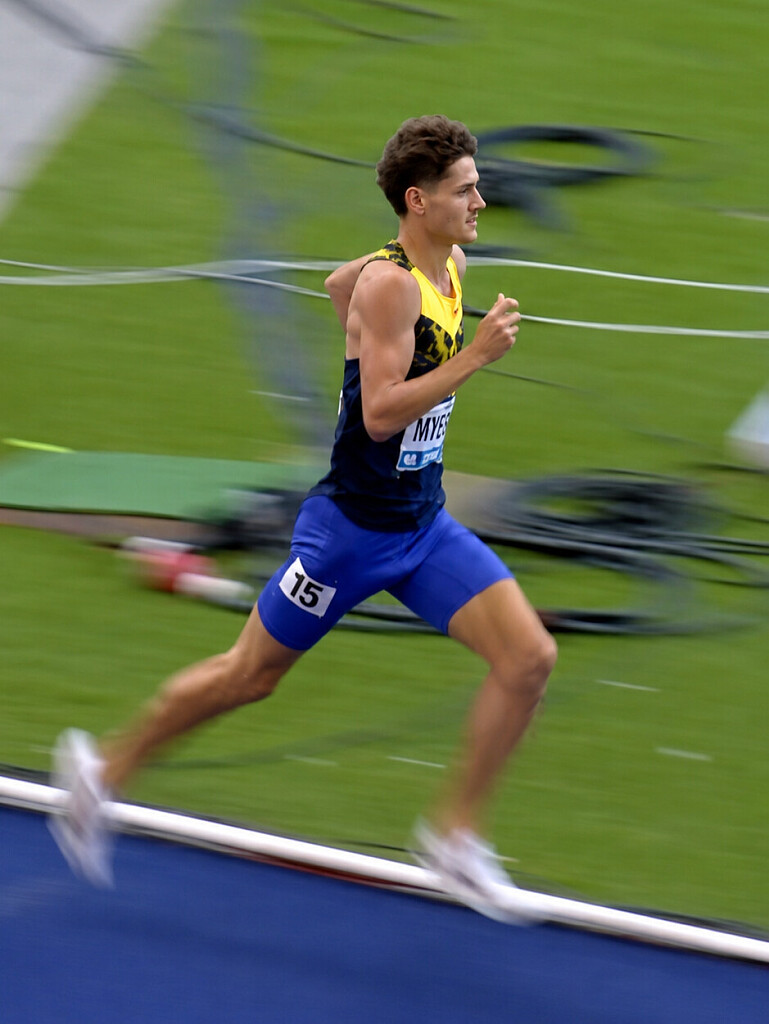
Cameron Myers Reigns in Berlin with Brilliant 3:30.96 1500m Victory
Australia’s Cameron Myers delivered another outstanding performance, producing a commanding run to win the men’s 1500 metres at ISTAF Berlin in 3:30.96.
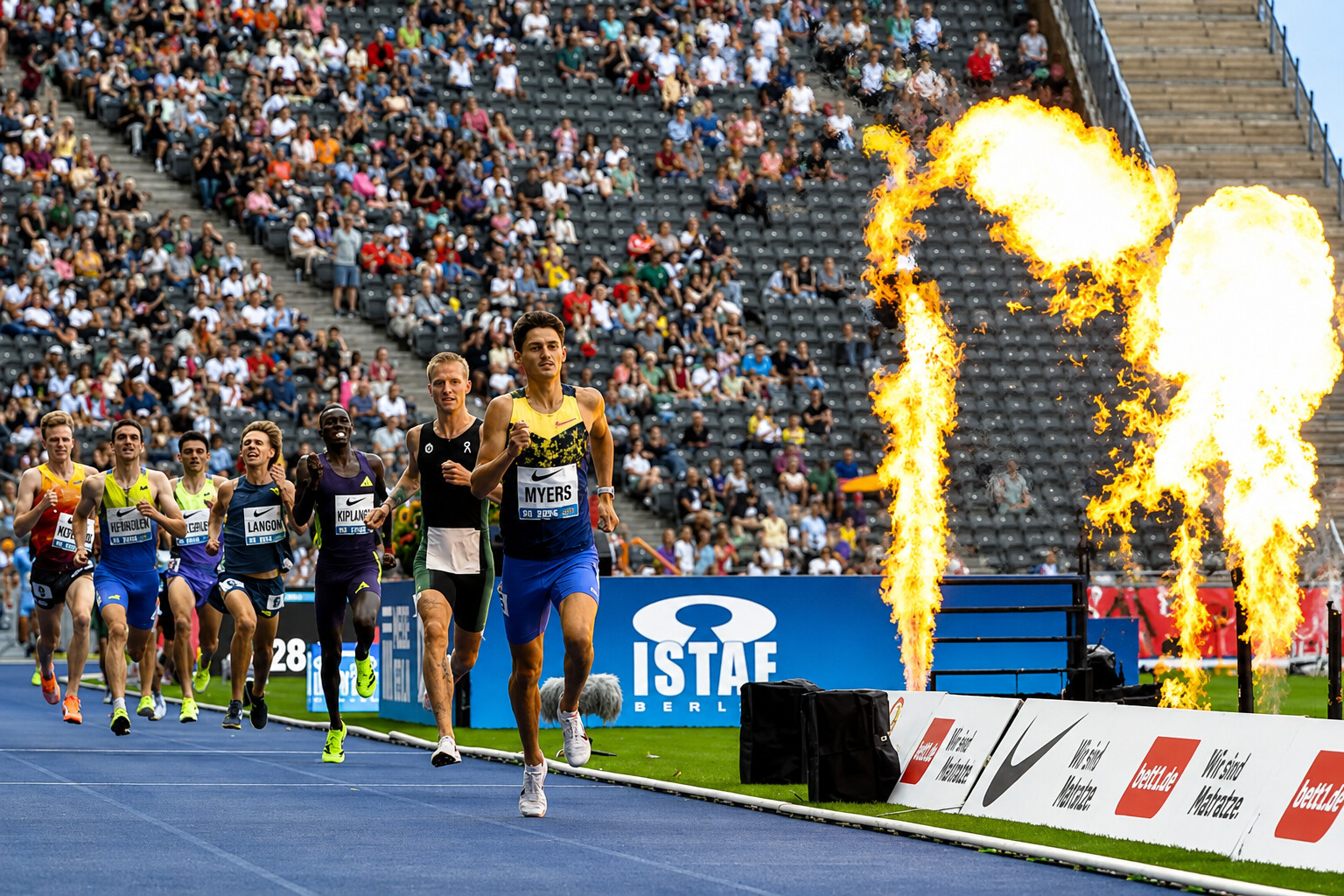
The Australian middle-distance star once again demonstrated why he is regarded as one of the most exciting athletes in the event, emerging victorious from a high-quality race ahead of Germany’s Robert Farken, who finished second in 3:31.73.
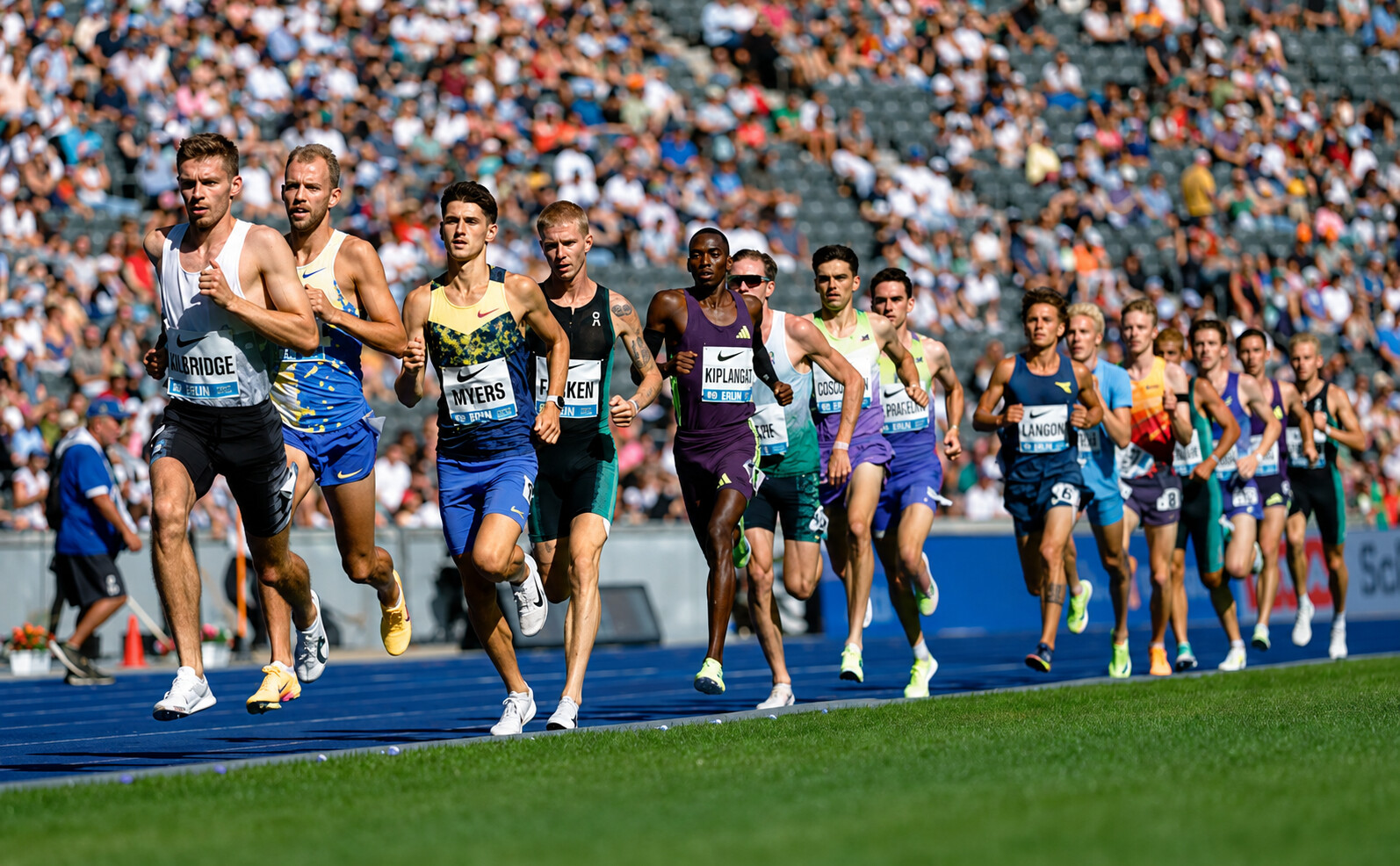
Farken, the German record holder, had the advantage of competing in front of his home crowd in Berlin, but Myers proved too strong when it mattered most. The Australian showed impressive composure and strength in the closing stages, producing the decisive finish needed to secure another important victory.
The race featured a deep international field, with Kenya’s Danson Kiplangat taking third place in 3:33.01. Belgium’s Jochem Vermeulen followed in fourth with 3:33.13, while Norway’s Narve Gilje Nordås rounded out the top five in 3:33.32.
Still only 20 years old, Myers continues to show remarkable maturity and consistency against world-class opposition. His victory in Berlin was not simply about the fast time, but also about the confidence and racing intelligence he displayed against an experienced field. With each major performance, the Australian is strengthening his reputation as one of the most exciting young forces in global middle-distance running.
Myers arrived in Berlin in excellent form and once again proved his ability to deliver against some of the strongest competitors in the world. His performance was particularly impressive given the quality and depth of the field, with several accomplished international runners unable to match the Australian’s strength when the race reached its decisive stages.
The victory adds another significant chapter to Myers’ rapidly developing career and further underlines his growing status in the men’s 1500 metres. For Farken, second place represented another strong performance on home soil, but on this occasion, the night belonged to Myers, whose brilliant 3:30.96 run earned him another memorable triumph and added further momentum to his impressive season.
by Erick Cheruiyot for My Best Runs.
Login to leave a comment
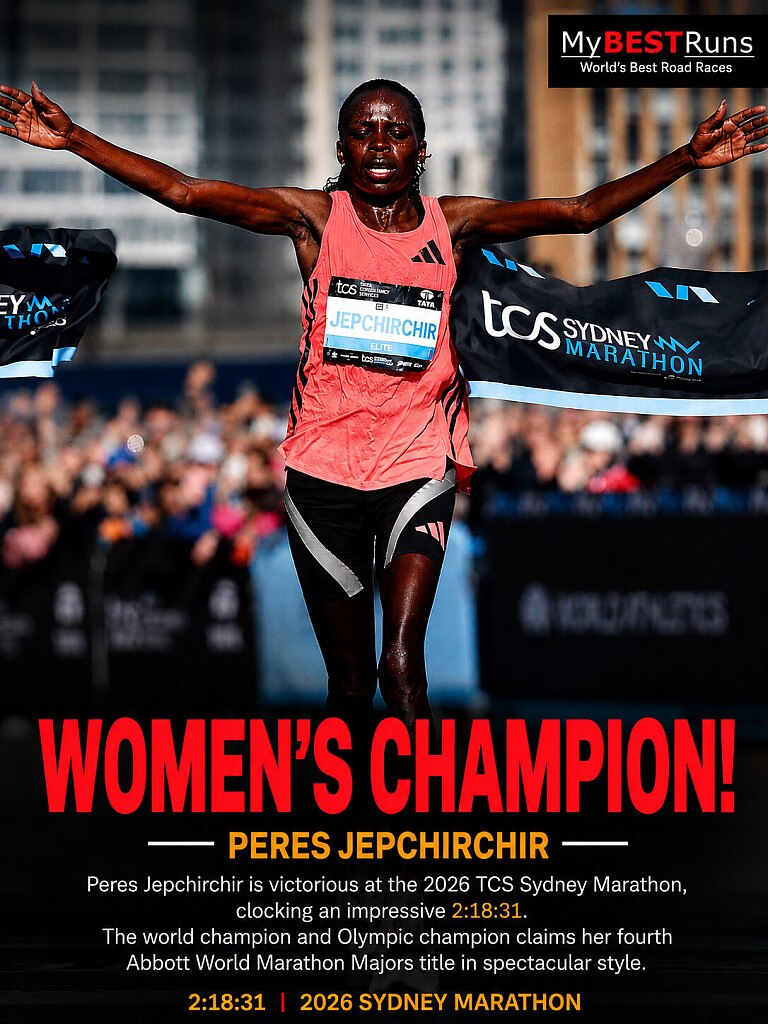
Peres Jepchirchir Conquers Sydney As World Champion Claims Fourth Major Marathon Crown
Kenya’s Peres Jepchirchir has added another prestigious chapter to her remarkable marathon career, claiming victory at the TCS Sydney Marathon presented by ASICS in an impressive 2:18:31.
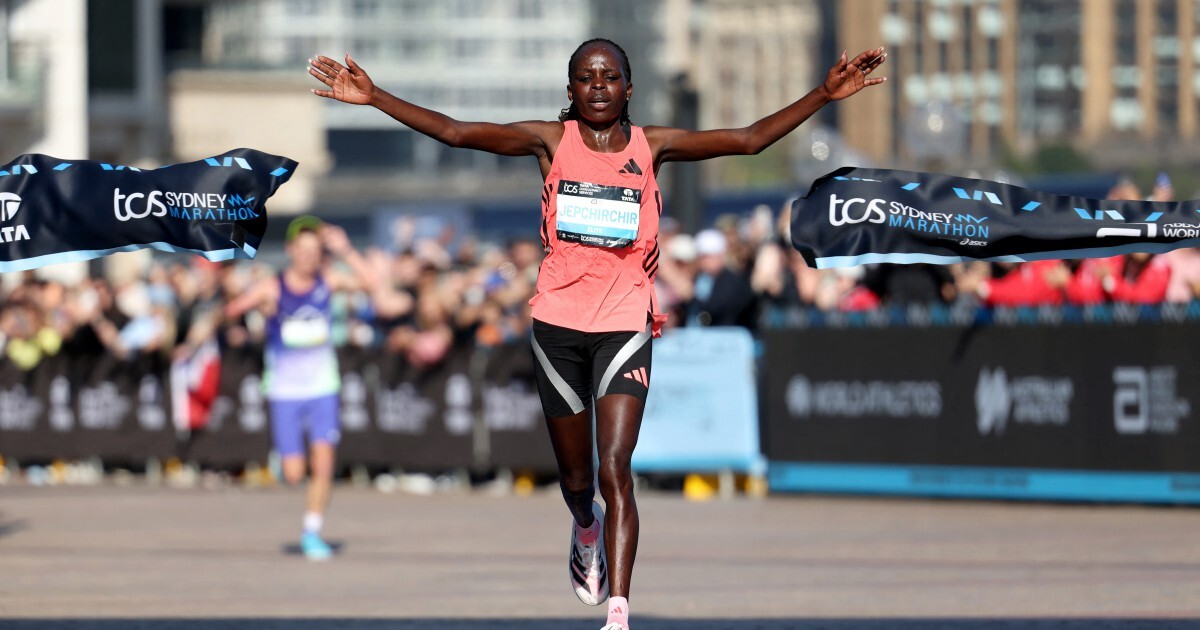
The reigning world champion and former Olympic champion produced a commanding performance on the streets of Sydney, securing another major victory and further strengthening her reputation as one of the most accomplished marathoners of her generation.
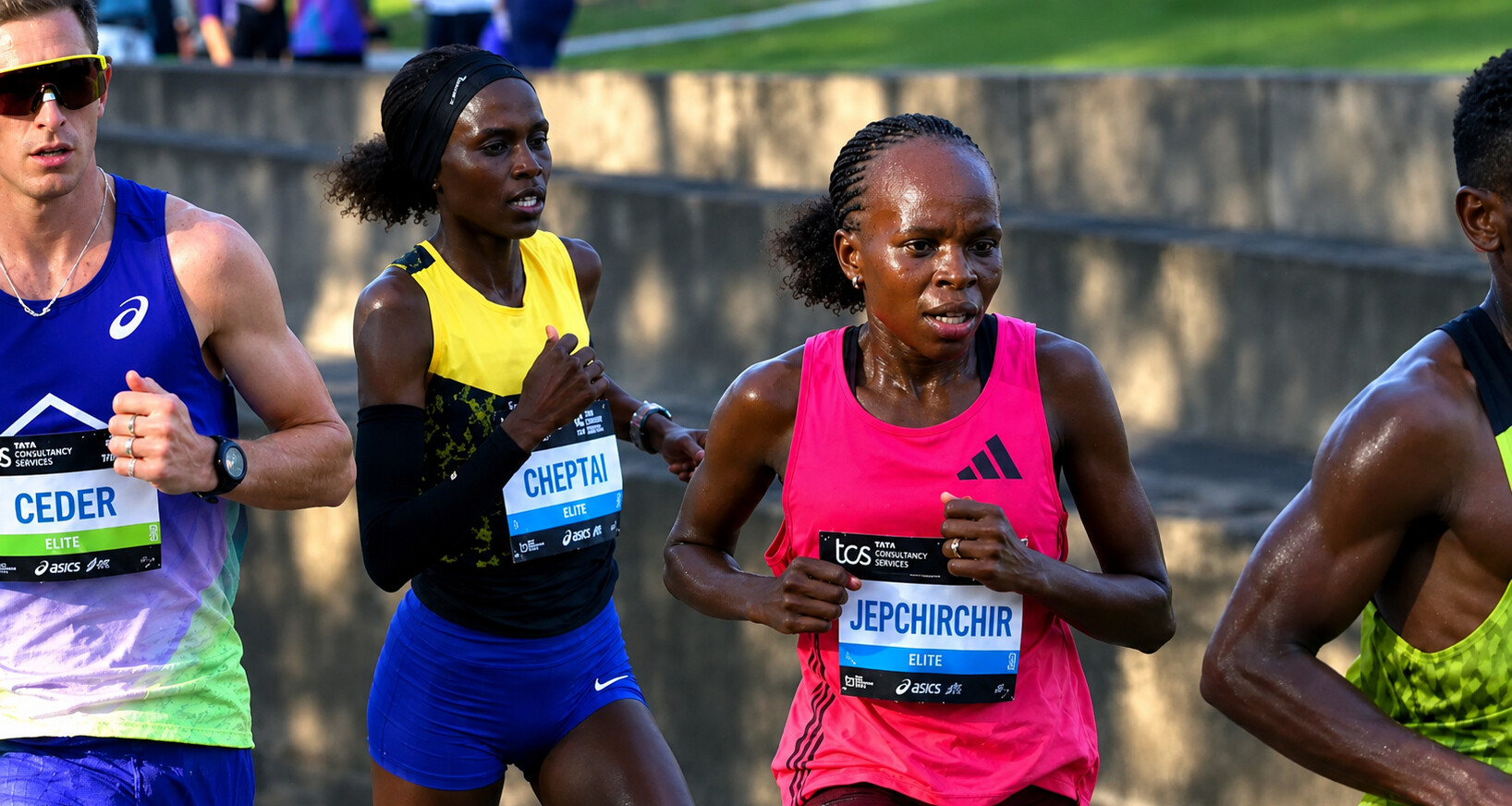
Jepchirchir’s winning time was just nine seconds shy of Sifan Hassan’s Sydney course record of 2:18:22, set at the 2025 edition. Although the record remained intact, the Kenyan once again demonstrated her ability to perform with precision and confidence on one of the sport’s biggest stages.
She won the race with a performance defined by patience, poise and remarkable composure. Rather than being drawn into unnecessary battles in the early stages, Jepchirchir appeared to run with confidence, gradually asserting her authority as the kilometres passed. Her rhythm remained smooth and controlled, her focus unwavering, and when the decisive moments arrived, she had the strength and composure to take command. It was a victory crafted with intelligence, executed with elegance and finished with the unmistakable authority of a true champion.
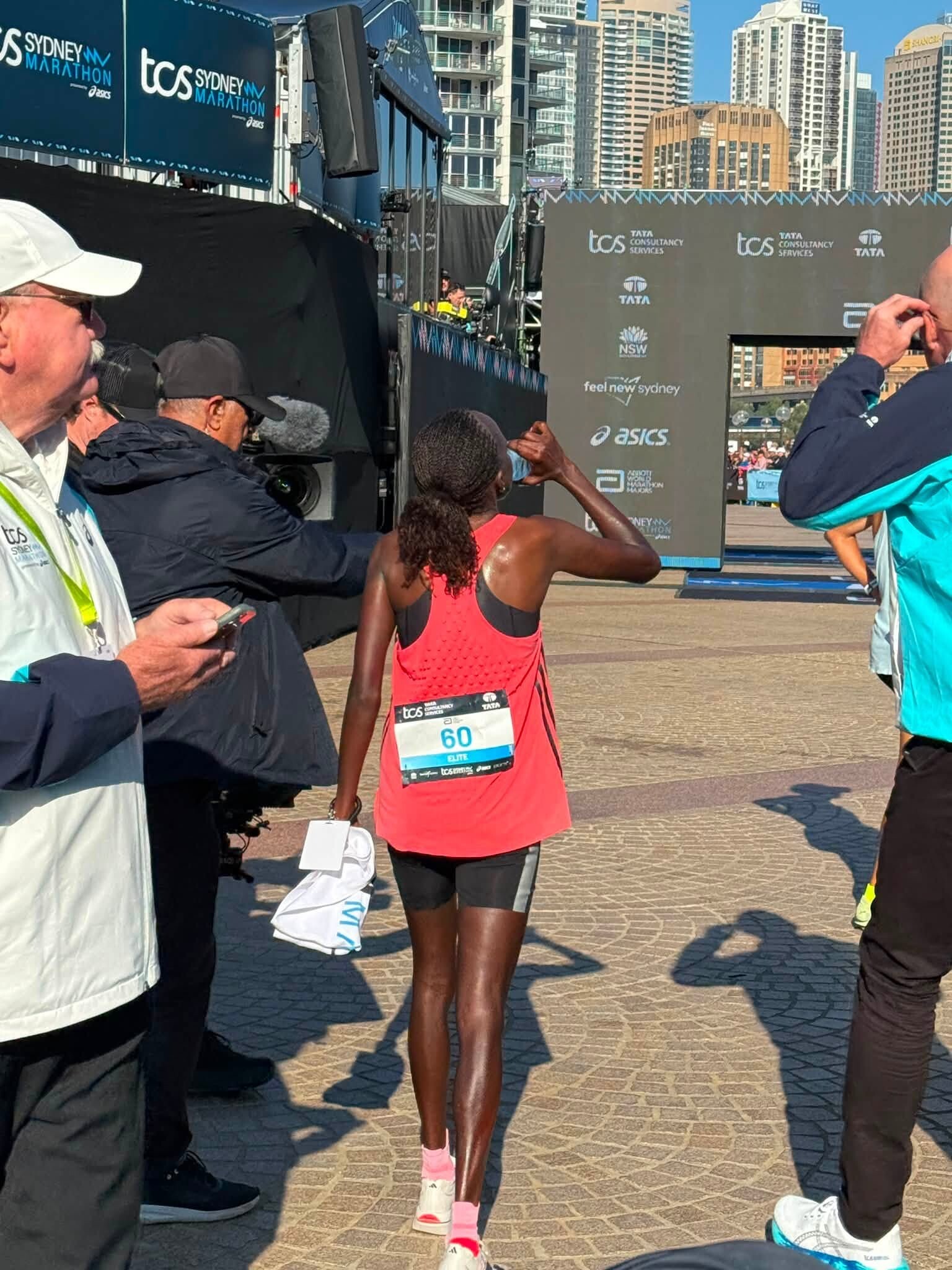
More significantly, the triumph marks Jepchirchir’s fourth Abbott World Marathon Majors victory. She had previously conquered New York, Boston and London, and her Sydney success now adds another prestigious Major title to an already extraordinary résumé.
Behind the champion, compatriot Irine Cheptai completed an impressive Kenyan one-two, crossing the finish line in 2:22:11. Ethiopia's Shure Demise secured the final place on the podium with a strong run of 2:22:32, as Kenya and Ethiopia once again demonstrated their extraordinary depth in elite women's marathon running.
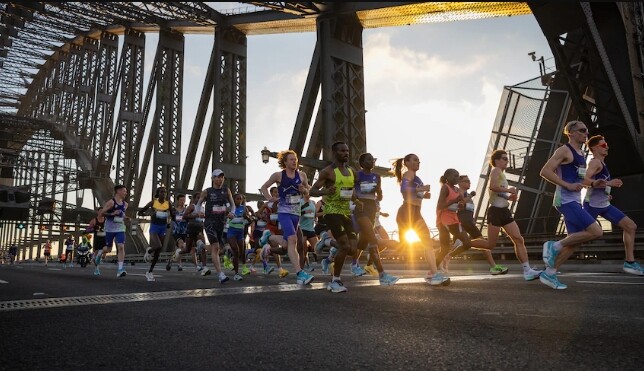
Ethiopia's Haven Hailu finished fourth in 2:22:56, followed by compatriot Meseret Abebayehu in fifth with 2:23:40. Kenya's Priscah Cherono took sixth place in 2:23:49, narrowly ahead of Uganda's Stella Chesang, who clocked 2:23:51 for seventh.
The race also featured a notable performance from home favourite Ellie Pashley, who battled her way into the top 10. The Australian finished ninth in 2:28:27, giving the home crowd a strong athlete to celebrate in an elite field dominated by East African runners.
2026 Sydney Marathon – Top 10 Women's Results
1. Peres Jepchirchir (Kenya) – 2:18:31
2. Irine Cheptai (Kenya) – 2:22:11
3. Shure Demise (Ethiopia) – 2:22:32
4. Haven Hailu (Ethiopia) – 2:22:56
5. Meseret Abebayehu (Ethiopia) – 2:23:40
6. Priscah Cherono (Kenya) – 2:23:49
7. Stella Chesang (Uganda) – 2:23:51
8. Fikrte Wereta (Ethiopia) – 2:25:18
9. Ellie Pashley (Australia) – 2:28:27
10. Aberu Ayana (Ethiopia) – 2:28:29
For Jepchirchir, Sydney represents far more than another race victory. It is another demonstration of the consistency, resilience and championship mentality that have defined her career. From Olympic glory to world championship success and now another Major triumph, she continues to strengthen her place among the most accomplished marathoners of her era.
The Sydney Marathon has rapidly established itself as one of the most significant races on the global marathon calendar, and Jepchirchir’s victory adds another memorable chapter to its growing history.
As the champion crossed the finish line beneath Sydney’s iconic skyline, she celebrated another remarkable achievement in a career that continues to evolve with every major challenge.
From Olympic champion to world champion, from New York and Boston to London and now Sydney, Peres Jepchirchir continues to turn the world’s greatest marathons into stages for her brilliance. Sydney has a new champion, and another extraordinary chapter has been added to the story of one of marathon running’s finest competitors.
Four Abbott World Marathon Majors conquered. One extraordinary legacy still being written.
From Jepchirchir's dominant victory to another fiercely competitive East African showdown and Pashley's determined top-10 finish on home soil, the 2026 Sydney Marathon delivered a memorable showcase of world-class women's distance running. And at the centre of it all stood Peres Jepchirchir—once again wearing the crown.
by Erick Cheruiyot for My Best Runs.
Login to leave a comment
Sydney Marathon
The Sydney Marathon is a marathon held annually in Sydney, Australia. The event was first held in 2001 as a legacy of the 2000 Summer Olympics, which were held in Sydney. In addition to the marathon, a half marathon, 9 kilometres (5.6 mi) "Bridge Run", and a 3.5 kilometres (2.2 mi) "Family Fun Run" are also held under the banner...
more...
Addisu Gobena Edges Epic Sydney Marathon Thriller as Course Record Falls and Ramakongoana Makes History
Addisu Gobena has completed a remarkable transformation from javelin thrower to marathon champion, returning to Sydney one year after finishing runner-up and this time producing a spectacular victory in a new course-record time of 2:04:42.
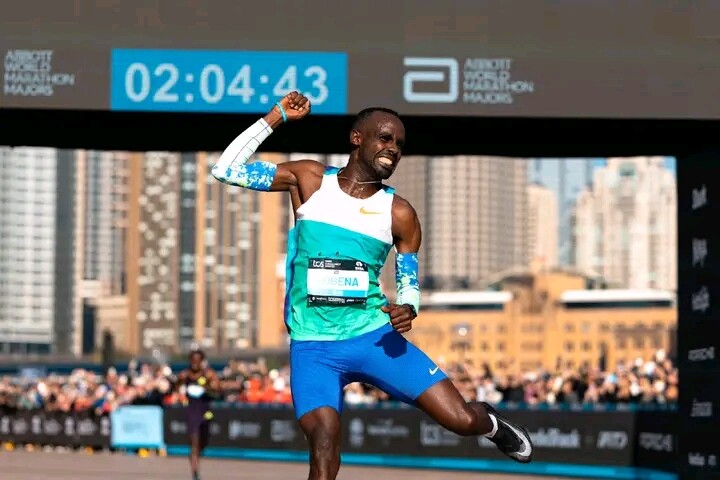
The 21-year-old Ethiopian delivered a performance to remember at the 2026 Sydney Marathon, breaking away from a fiercely competitive field and crossing the finish line in 2:04:42 to claim the men's title.
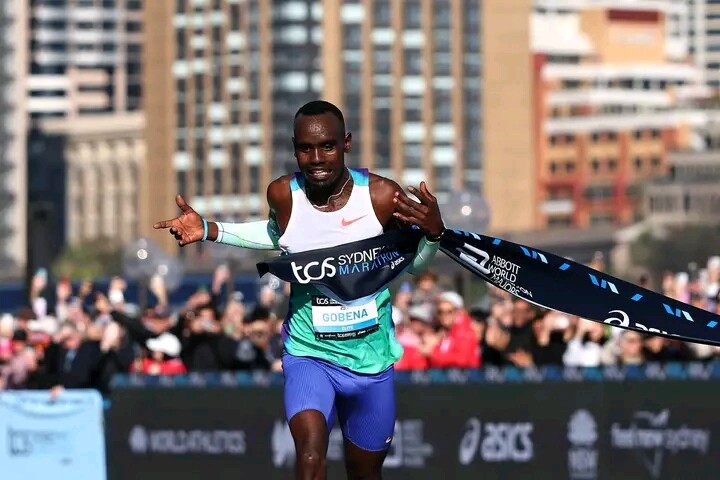
In the process, Gobena obliterated the previous course record of 2:06:06, improving it by 1 minute and 24 seconds. The result represents another extraordinary step in the rapid rise of an athlete whose path to marathon success is anything but conventional.
Gobena was still competing as a javelin thrower until 2023 before turning his attention fully towards distance running. What followed has been an astonishing transformation. Within a remarkably short period, the young Ethiopian progressed from the field-event sector to the highest level of road racing, developing into a formidable marathoner.
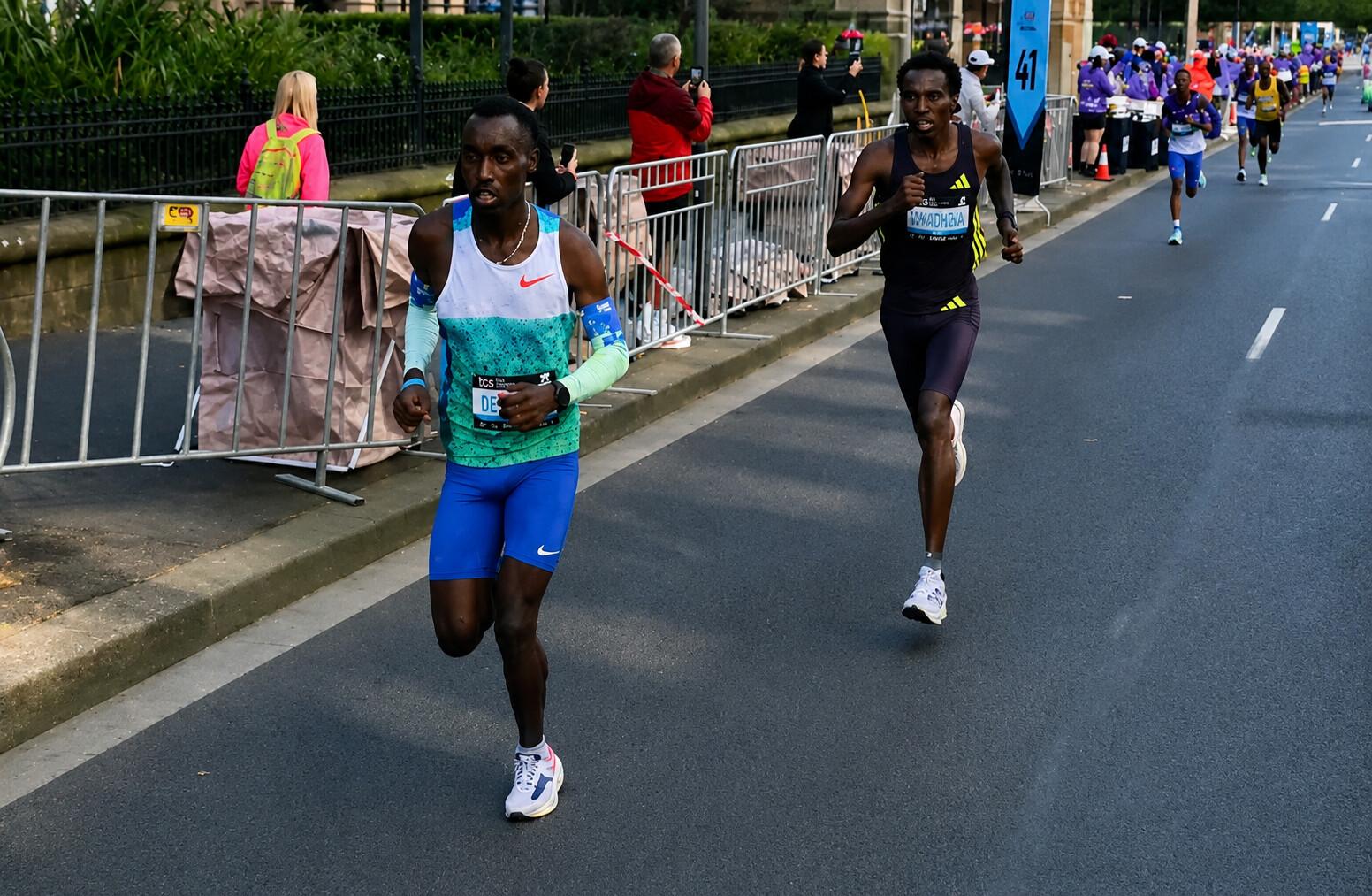
His breakthrough came at the 2024 Dubai Marathon, where he won on his marathon debut in 2:05:01. He then continued to establish himself among Ethiopia's promising young distance runners, eventually returning to Sydney in 2025, where he finished second behind compatriot Hailemaryam Kiros.
That runner-up finish clearly left unfinished business.
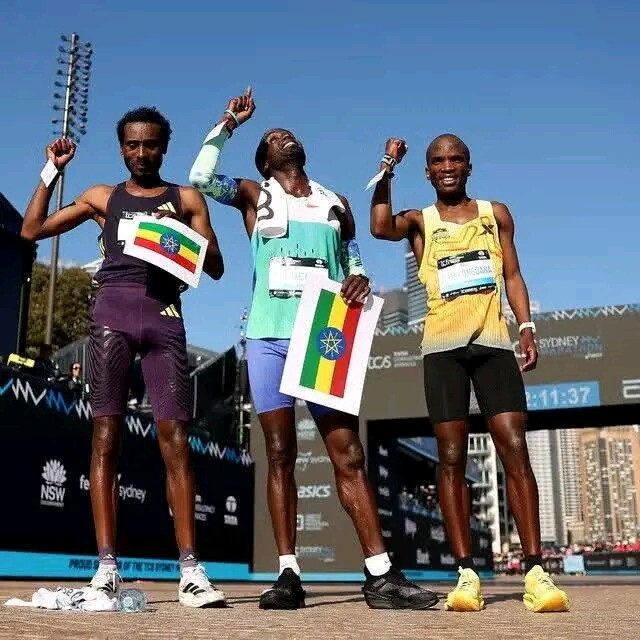
One year later, Gobena returned to the streets of Sydney with a different objective — and this time, he finished the job. His 2:04:42 not only secured the victory but also rewrote the course record in emphatic fashion.
The battle behind him was equally extraordinary.
Fellow Ethiopian Chimdessa Debele Gudeta produced a phenomenal run to finish second in 2:04:46, just four seconds behind Gobena. Behind them, Tebello Ramakongoana of Lesotho delivered another outstanding performance, taking third place in 2:04:57 and setting a new national record. His achievement was particularly remarkable as he finished on the same time as fourth-placed Alphonce Simbu of Tanzania, underlining just how extraordinary the battle for the podium had become.
The depth of the elite field was evident throughout the race, with the top five athletes all breaking 2:05. Ethiopia's Jemal Mekonnen took fifth in 2:04:59, while compatriot Hailemaryam Kiros followed in sixth with 2:05:16.
Kenya's Vincent Ngetich produced a strong performance to finish seventh in 2:05:27, while Ethiopia continued its impressive presence in the leading positions. Kenyan athletes Kennedy Kimutai and Gilbert Kibet also finished inside the top 10.
Australian hopes were led by Andrew Buchanan, who delivered a commendable home performance to finish 16th in 2:10:14.
2026 Sydney Marathon – Top 10 Men's Results
1. Addisu Gobena (Ethiopia) – 2:04:42 – Event Record
2. Chimdessa Debele Gudeta (Ethiopia) – 2:04:45
3. Tebello Ramakongoana (Lesotho) – 2:04:57 – National Record
4. Alphonce Simbu (Tanzania) – 2:04:57
5. Jemal Mekonnen (Ethiopia) – 2:04:59
6. Hailemaryam Kiros (Ethiopia) – 2:05:16
7. Vincent Ngetich (Kenya) – 2:05:27
8. Dawit Wolde (Ethiopia) – 2:06:41
9. Kennedy Kimutai (Kenya) – 2:06:50
10. Gilbert Kibet (Kenya) – 2:07:13
For Gobena, the significance of the victory goes far beyond a medal and a course record. Just a few years ago, his athletic ambitions were centred on throwing the javelin. Today, he stands at the top of one of the world's major marathon stages, having produced a performance that places his name firmly among the sport's emerging stars.
His Sydney story has also come full circle. Last year, he had to settle for second. This time, he returned stronger, faster and determined to seize the moment.
From the javelin runway to 42.195 kilometres of marathon glory, Addisu Gobena has written one of the most remarkable chapters of his young career — and at only 21, his best may still be ahead of him.
Sydney witnessed marathon racing of the very highest quality, with records falling, national pride soaring and the podium decided by the narrowest of margins. Gobena ultimately claimed the biggest prize, but the 2026 Sydney Marathon will be remembered for the extraordinary depth and intensity of a race that delivered one of the most thrilling finishes in the event's history.
by Erick Cheruiyot for My Best Runs.
Login to leave a comment
Sydney Marathon
The Sydney Marathon is a marathon held annually in Sydney, Australia. The event was first held in 2001 as a legacy of the 2000 Summer Olympics, which were held in Sydney. In addition to the marathon, a half marathon, 9 kilometres (5.6 mi) "Bridge Run", and a 3.5 kilometres (2.2 mi) "Family Fun Run" are also held under the banner...
more...
26 Years Later, Vivian Cheruiyot Returns To Sydney As A Kenyan Distance-Racing Legend
Twenty-six years ago, a 17-year-old Vivian Cheruiyot arrived in Sydney carrying the dreams of a young Kenyan athlete and the promise of a remarkable future.
Today, she returns to the same Australian city as something far greater — an Olympic champion, four-time world champion, world cross-country champion, London Marathon winner, Laureus Sportswoman of the Year and one of Kenya’s most accomplished distance runners.
At 42, Cheruiyot will line up for the TCS Sydney Marathon on Sunday, August 30, completing an extraordinary full circle in a career that has stretched across more than two decades and transformed her from a teenage Olympian into one of the defining figures of her generation.
When Cheruiyot first competed in Sydney at the 2000 Olympic Games, few could have imagined the heights she would eventually reach. Still only 17, she advanced to the 5000m final and finished 14th — an experience that became the first chapter of an Olympic journey that would eventually span four Games.
The years that followed brought an extraordinary collection of victories.
Cheruiyot became world 5000m champion in 2009, then produced one of the greatest championship performances of her career in Daegu in 2011, winning both the 5000m and 10,000m titles while also claiming World Cross Country gold earlier that year. She added another world 10,000m title in Beijing in 2015, taking her tally to four senior world championships.
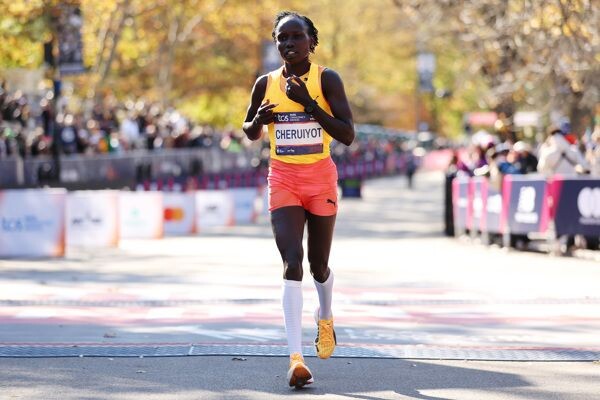
But the Olympic gold medal remained the one prize missing from her collection.
That changed dramatically in Rio in 2016.
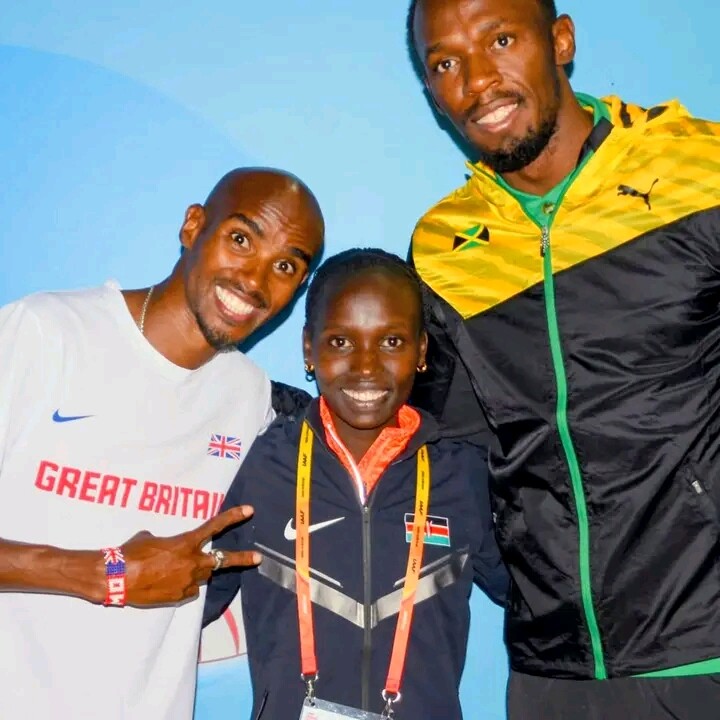
After winning silver in the 10,000m, Cheruiyot returned to the track for the 5000m final and delivered a masterclass in championship racing. She surged away from Ethiopia’s Almaz Ayana in the closing stages to win Olympic gold in 14:26.17, finally completing the collection of major titles she had chased for so many years.
“I said I want to win,” Cheruiyot recalled after that historic victory. “This was my fourth Olympics and I’ve been dreaming about this since the very start.”
Her brilliance was not confined to the track.
After moving into marathon running, Cheruiyot established herself among the world’s best over 42.195km. She finished fourth in her London Marathon debut in 2017 before returning the following year to produce a stunning victory in 2:18:31 — a performance that placed her fourth on the world all-time list at the time and remains her marathon personal best.
She also finished runner-up in the New York City Marathon in 2018 and second in London in 2019, further demonstrating that her extraordinary competitive instinct had successfully followed her from the track to the roads.
Away from competition, Cheruiyot’s story has also evolved with her life. She became a mother, welcomed her daughter Arielle in 2021 and returned to competitive racing in 2023. In 2024, she claimed third place at the New York City Marathon, followed by fifth at the 2025 London Marathon.
Now Sydney offers her another opportunity to write her name into the city’s sporting history.
“I look back on my career with pride. I was able to win almost everything and have been at the top for a long time,” Cheruiyot said ahead of her return.
She also remembers the extraordinary generation in which she competed — an era that included global icons such as Usain Bolt, Tirunesh Dibaba and Meseret Defar.
“I was running in a great era and had a close-up view of athletes like Usain Bolt setting the world alight,” she reflected.
Yet perhaps the most remarkable aspect of Cheruiyot’s return is not simply the passage of time, but her willingness to keep challenging herself.
She arrives in Sydney having put considerable work into rebuilding her fitness, knowing that the marathon demands something entirely different from the explosive championship races that defined her track career.
“I am very excited to go back to Sydney,” she said. “It has been 26 years since I was there, and a lot has changed in my life since then. I hope to have a good run — I have put in a lot of work to regain fitness and hope my body will stand up to the 42km.”
Twenty-six years ago, Sydney introduced the world to a fearless Kenyan teenager chasing an Olympic dream.
Now, the same city welcomes back a woman who went on to conquer the track, cross country and marathon — and to leave an indelible mark on Kenyan athletics.
From teenage Olympian to Olympic champion. From world champion to marathon winner. From rising talent to mother and enduring icon.
Vivian Cheruiyot has come full circle — and Sydney is once again the stage.
by Erick Cheruiyot for My Best Runs.
Login to leave a comment
Sydney Marathon
The Sydney Marathon is a marathon held annually in Sydney, Australia. The event was first held in 2001 as a legacy of the 2000 Summer Olympics, which were held in Sydney. In addition to the marathon, a half marathon, 9 kilometres (5.6 mi) "Bridge Run", and a 3.5 kilometres (2.2 mi) "Family Fun Run" are also held under the banner...
more...
The Final 1:59 D-Max: Eliud Kipchoge Celebrates a Legacy of Breaking Limits
Eliud Kipchoge has marked another memorable chapter in his remarkable journey after receiving the 159th and final Isuzu D-Max 1:59 Limited Edition vehicle, completing a unique partnership that celebrates one of the greatest achievements in marathon history.
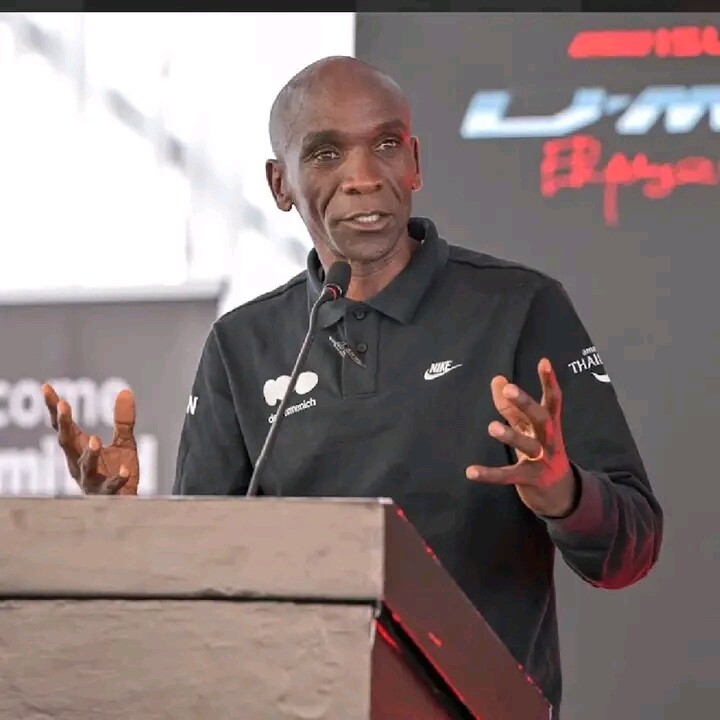
The legendary Kenyan marathoner expressed his appreciation to his Isuzu East Africa family after taking delivery of the final vehicle in a special series of just 159 units produced to commemorate his historic sub-two-hour marathon achievement.

Each of the limited-edition D-Max vehicles carries Kipchoge’s name and signature, transforming the collection into more than a series of exclusive vehicles. It represents a story built around ambition, discipline, perseverance and the belief that seemingly impossible goals can be achieved through commitment and trust in the process.
The inspiration for the special edition dates back to October 12, 2019, when Kipchoge made history in Vienna, Austria, becoming the first person to run a marathon distance in under two hours in a controlled event. He completed the 42.195-kilometre distance in 1:59:40.2, a landmark moment that redefined the boundaries of human endurance.
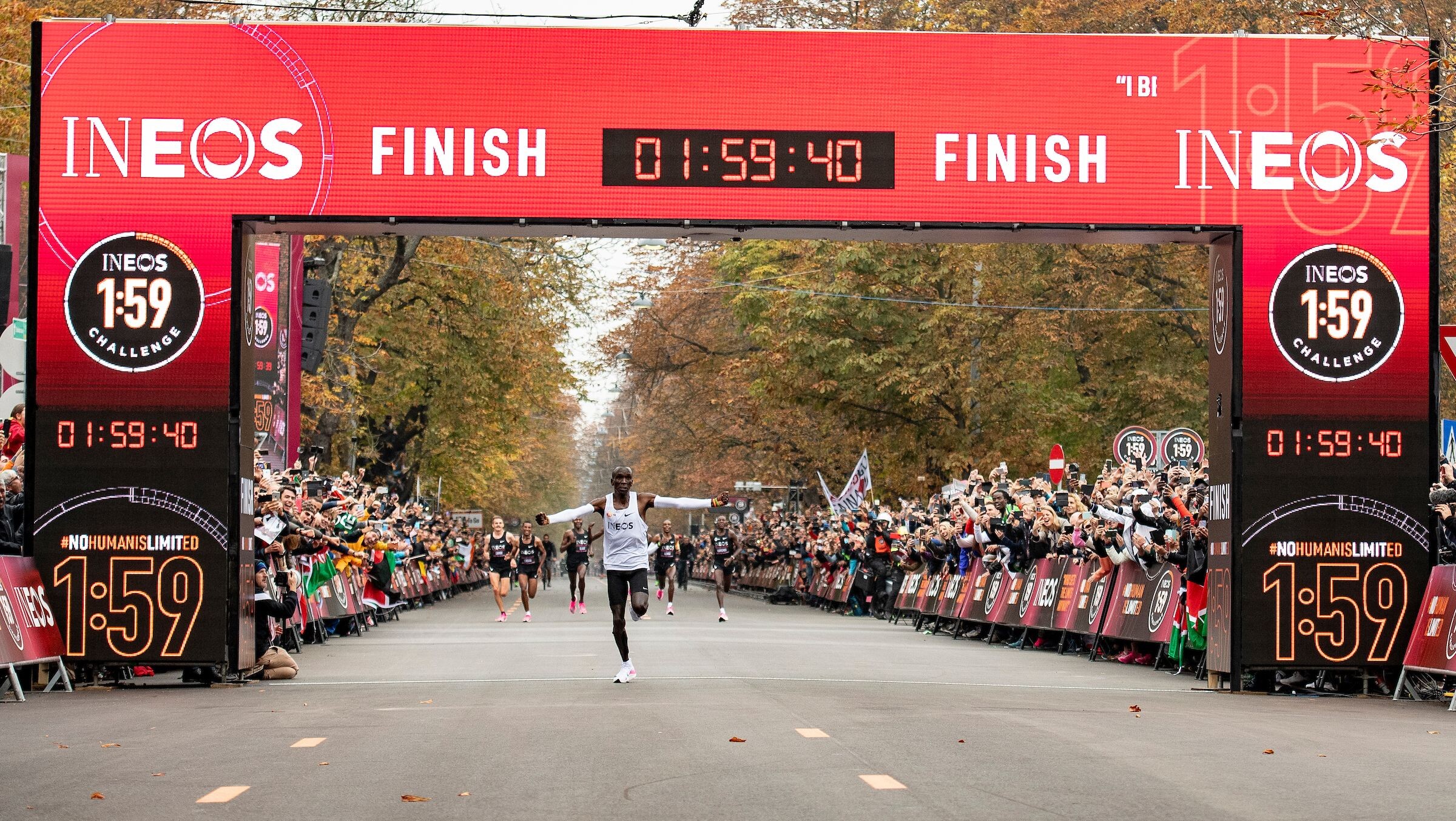
What began with that extraordinary morning in Vienna has since evolved into a lasting legacy on Kenyan roads, with 159 limited-edition vehicles now representing a shared connection between Kipchoge and their owners.
For Kipchoge, the final D-Max is therefore not simply the last vehicle to leave the production line. It is a symbolic conclusion to a story that connects his historic achievement with the values that have defined his career.
The number 159 carries particular significance, linking the limited production run to the historic 1:59 achievement while giving each owner a small piece of the story.
As he received the final unit, Kipchoge reflected on the journey from the streets of Vienna to the roads of Kenya, describing the 159 vehicles as a story shared by 159 owners who believe in the possibilities that emerge when people remain committed to their goals and trust the process.
The final D-Max consequently becomes another tangible reminder of a philosophy Kipchoge has carried throughout his career: no human is limited by the boundaries we initially believe exist.
From a historic morning in Vienna to a limited-edition collection spread across Kenya, the 1:59 legacy continues to inspire far beyond the marathon course.
by Erick Cheruiyot for My Best Runs.
Login to leave a comment
