

Running News Daily
Running News Daily is edited by Bob Anderson and team. Send your news items to bob@mybestruns.com Advertising opportunities available.
Index to Daily Posts · Sign Up For Updates · Run The World Feed
Articles tagged #Jamaica
Today's Running News
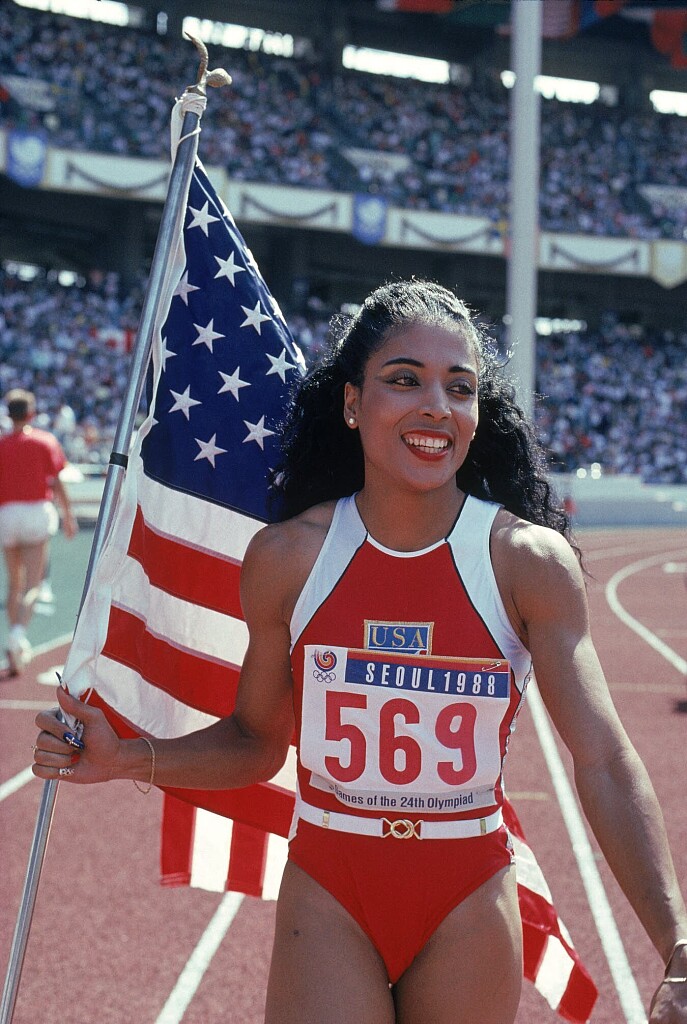


Florence Griffith-Joyner’s 21.34 Still Stands 38 Years Later
Thirty-eight years ago, Florence Griffith-Joyner produced a performance in Seoul that would go on to become one of the most enduring records in athletics history.
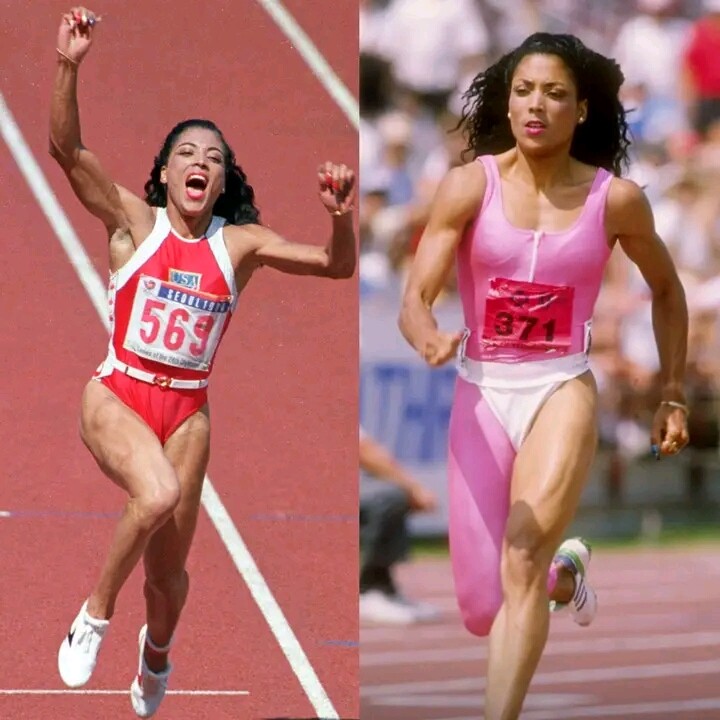
On September 29, 1988, the American sprint sensation lined up for the women’s 200m final at the Olympic Stadium in Seoul, South Korea, carrying the confidence of an athlete who had already announced herself as one of the stars of the Games.
What followed was extraordinary.
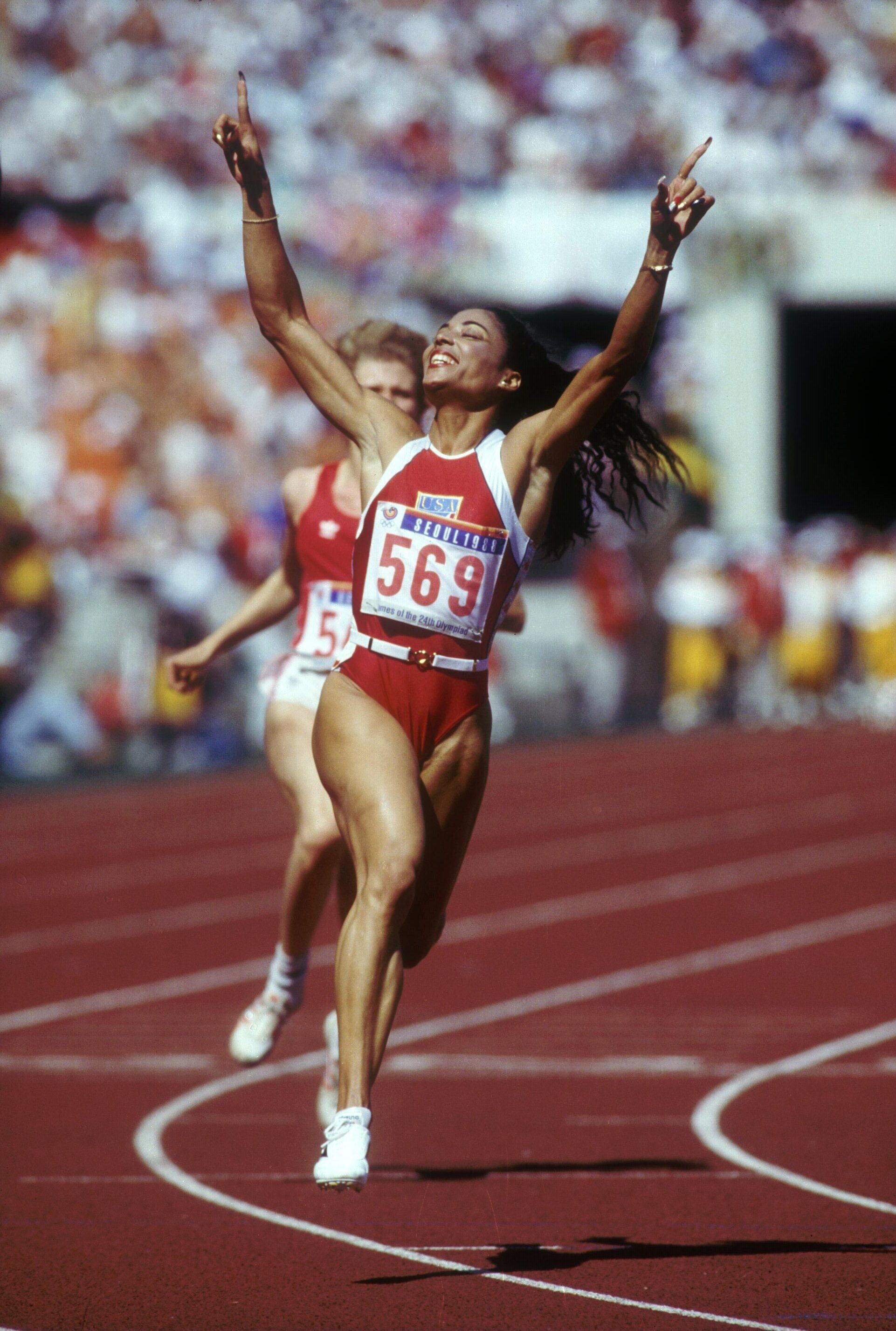
Griffith-Joyner stormed around the bend before unleashing an astonishing finish, stopping the clock in 21.34 seconds with a legal following wind of +1.3 m/s. The performance secured Olympic gold and shattered the world record she had set earlier that same day in the semifinal, when she ran 21.56.
It was not simply another Olympic victory. It was a performance that immediately entered sprinting folklore.
The 21.34 remains the women’s 200m world record, 38 years after it was established. World Athletics continues to list Griffith-Joyner at the top of the all-time rankings, with her mark standing ahead of every performance that has followed.
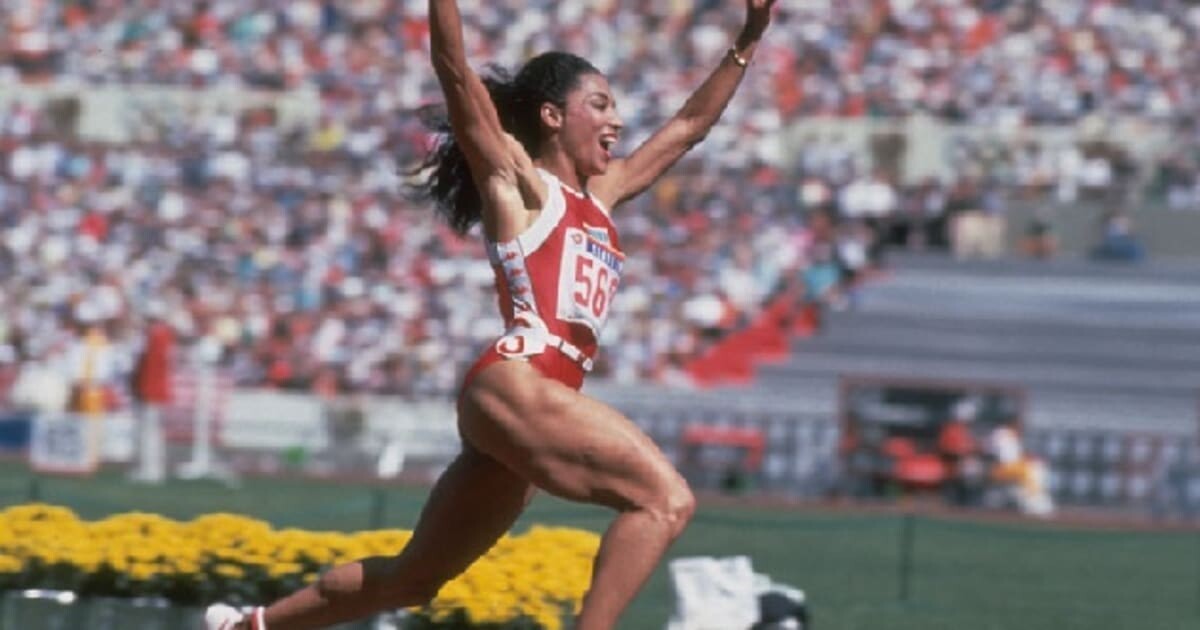
And there have been some remarkable attempts to take it down.
Jamaica’s Shericka Jackson came closer than anyone in recent years, running 21.41 to win the world title in Budapest in 2023 — just seven hundredths of a second away from Griffith-Joyner’s legendary mark. Elaine Thompson-Herah ran 21.53 in Tokyo in 2021, while Gabrielle Thomas has gone 21.61.
Yet 21.34 has continued to stand.
Griffith-Joyner’s Seoul campaign was remarkable beyond the 200m record. She won three Olympic sprint gold medals at the Games and established herself as one of the defining athletes of the 1988 Olympics. World Athletics records her as a three-time Olympic champion and the current world-record holder in both the 100m and 200m.
Her career also left behind an unmistakable visual legacy. The long, flowing nails, striking racing outfits and explosive sprinting made Flo-Jo one of the most recognisable figures the sport has ever produced.
But decades later, it is the number 21.34 that continues to command attention.
Generations of Olympic champions and world-class sprinters have come and gone. The event has evolved, training methods have advanced and the level of women’s sprinting has continued to rise. Still, Griffith-Joyner’s Seoul masterpiece remains untouched.
38 years. One legendary record. Still standing.
And with a new generation of elite 200m sprinters continuing to push the boundaries, the question remains fascinating: how much longer can Florence Griffith-Joyner’s 21.34 survive?
by Erick Cheruiyot for My Best Runs.
Login to leave a comment
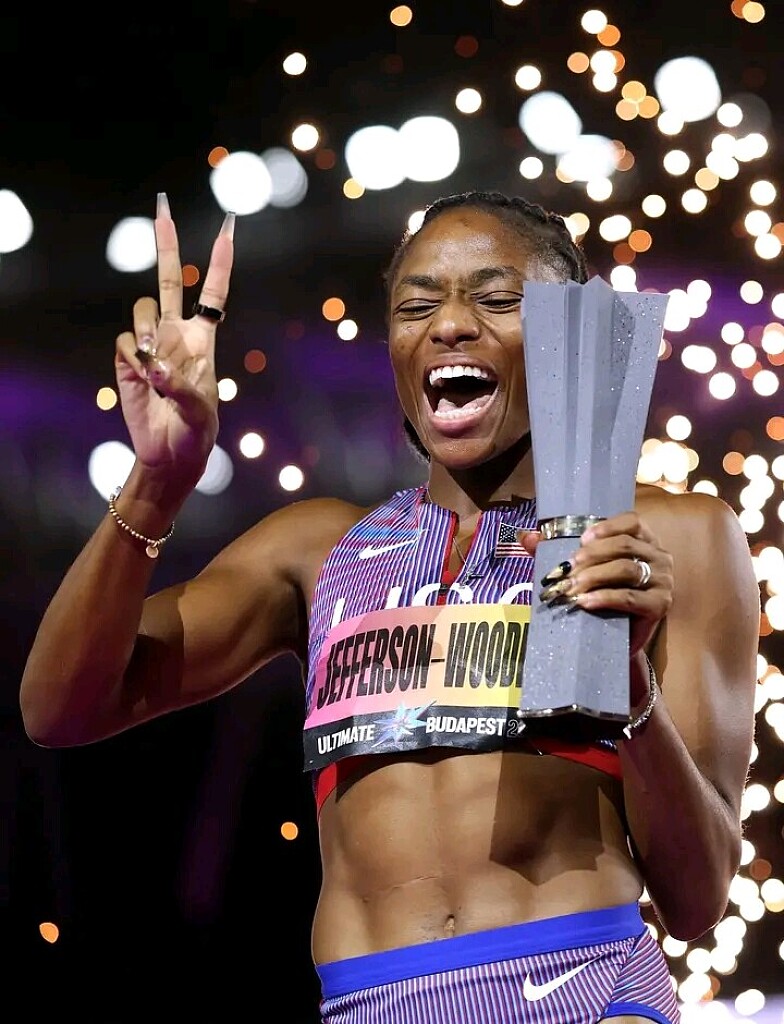
Melissa Jefferson-Wooden Storms Into History With Stunning 200m Victory In Budapest
Melissa Jefferson-Wooden has once again demonstrated why she is becoming one of the defining forces in women’s sprinting, delivering a breathtaking performance to win the 200m at the inaugural World Athletics Ultimate Championship in Budapest.
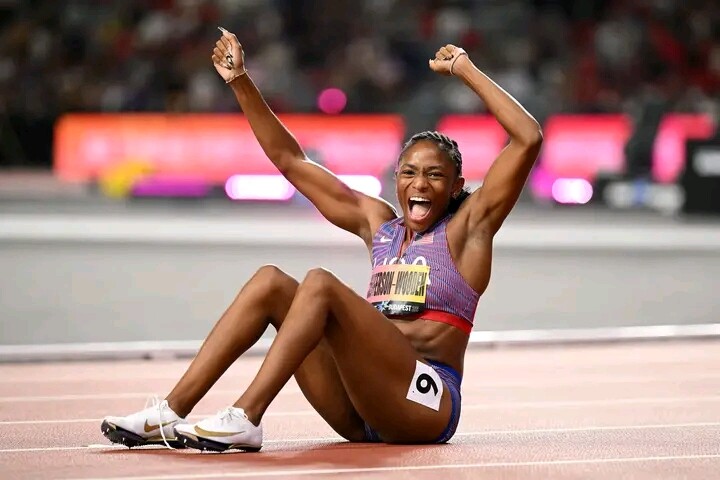
The American powered to victory in 21.47 seconds, producing one of the fastest performances in history despite facing a 0.6m/s headwind. She finished well clear of Olympic champion Gabby Thomas, who clocked 21.77, while Kayla White secured third place in 21.93.
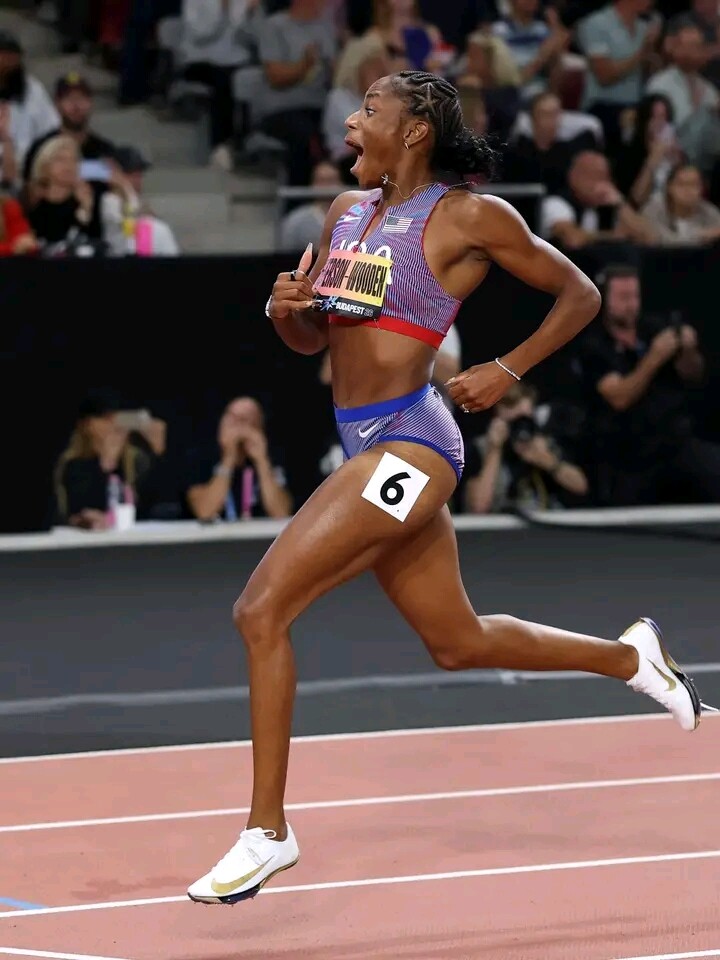
But Jefferson-Wooden’s latest triumph was about far more than another championship title. It was a performance that placed her among the fastest women ever to compete over the distance.
Her 21.47 seconds moved her to No. 3 on the all-time women’s 200m list, behind only legendary American sprinter Florence Griffith-Joyner, whose world record of 21.34 has stood since 1988, and Jamaica’s Shericka Jackson, who ran 21.41 in 2023.
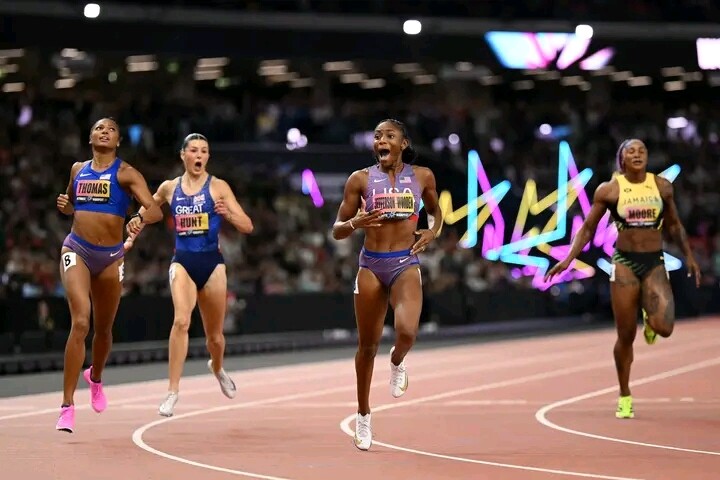
The result also pushed several celebrated names further down the rankings. Julien Alfred’s 21.51 from 2026 now sits fourth, while Elaine Thompson-Herah’s 21.53 from 2021 ranks fifth.
The significance of Jefferson-Wooden’s achievement becomes even greater when the conditions are considered. Running into a headwind makes a sprint performance more difficult, yet she still produced the third-fastest 200m ever recorded, underlining the extraordinary speed and execution behind her victory.
A Sensational Sprint Double
The Budapest triumph also completed a remarkable 100m and 200m double.
Just one night earlier, Jefferson-Wooden stormed to the 100m title in 10.62 seconds. She returned to the track with the same confidence and determination, once again delivering when the pressure was greatest.
The double adds another major achievement to a championship career that has rapidly gathered momentum. Jefferson-Wooden arrived in Budapest as the reigning world champion in both the 100m and 200m after completing the sprint double at the 2025 World Championships in Tokyo.
Now, she has added the inaugural Ultimate Championship double to her growing collection of major victories.
$300,000 Reward For Budapest Dominance
Jefferson-Wooden’s extraordinary weekend also comes with a substantial financial reward. With $150,000 awarded to each individual event winner, her victories in the 100m and 200m earn her a total of $300,000 from the championship.
Yet the money is almost secondary to what she has achieved on the track.
In an era filled with Olympic champions, world champions and record-setting talents, Jefferson-Wooden is separating herself through consistency, championship composure and an extraordinary ability to deliver on the biggest stages.
Her latest 21.47 seconds does more than add another title to her résumé. It places her directly among the fastest women the sport has ever seen over 200m.
Florence Griffith-Joyner remains at the summit. Shericka Jackson sits second. But Melissa Jefferson-Wooden is now firmly at No. 3—and judging by the extraordinary trajectory of her career, the American may not be finished climbing.
From Tokyo to Budapest, Jefferson-Wooden is no longer simply chasing sprinting history.
She is becoming part of it.
by Erick Cheruiyot for My Best Runs.
Login to leave a comment
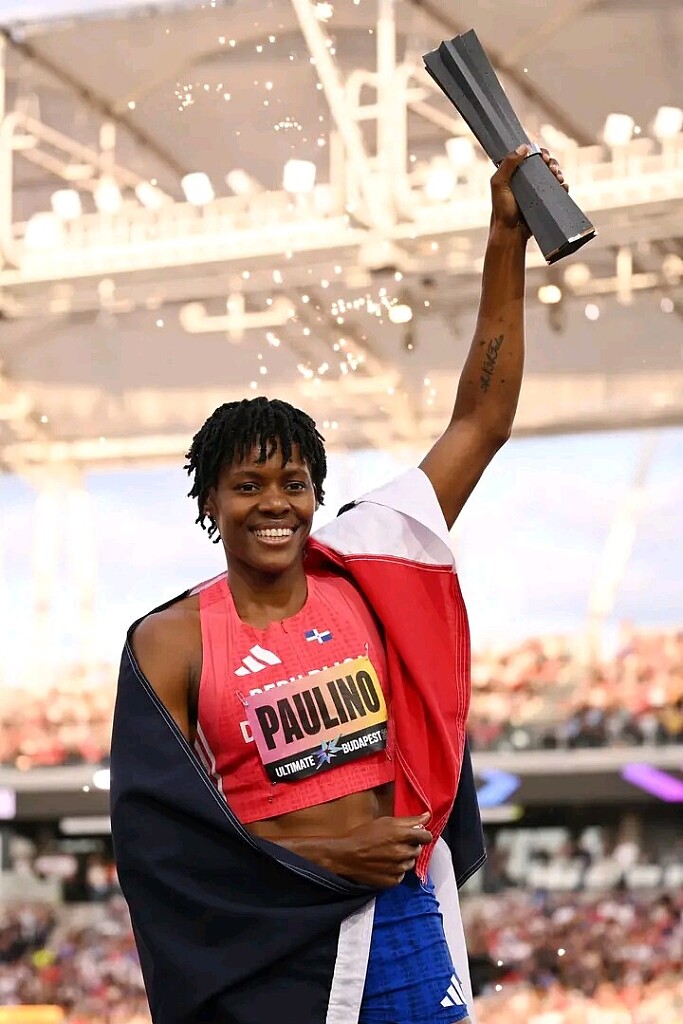
Marileidy Paulino Strikes Again To Rule The One-Lap Showdown In Budapest
Marileidy Paulino once again proved why she is the undisputed queen of the one-lap event, powering to victory in the women’s 400m at the inaugural World Athletics Ultimate Championship in Budapest.
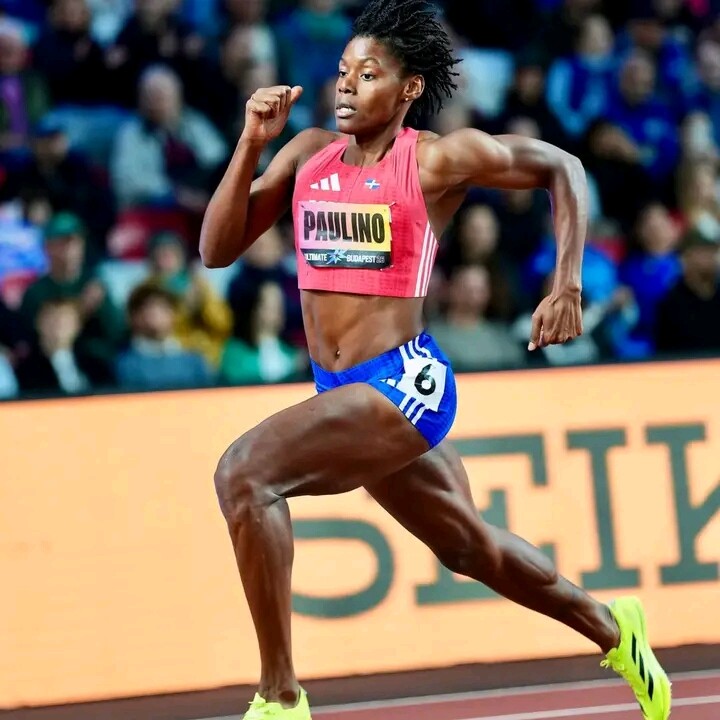
The Dominican Republic superstar produced a sensational 49.07 seconds to claim gold, pulling decisively away in the final straight and holding off a fiercely competitive field to extend her remarkable unbeaten run.
Paulino delivered her trademark combination of controlled speed and devastating finishing strength. She remained firmly in contention through the opening stages before unleashing her decisive move down the home straight, where she quickly opened a gap on her closest challengers.
Norway’s Henriette Jæger mounted a strong challenge but could not match Paulino’s finishing speed, crossing the line second in an impressive 49.28. Jamaica’s Nickisha Pryce completed the podium after clocking 49.56, ensuring that three of the world’s leading 400m talents occupied the medals.
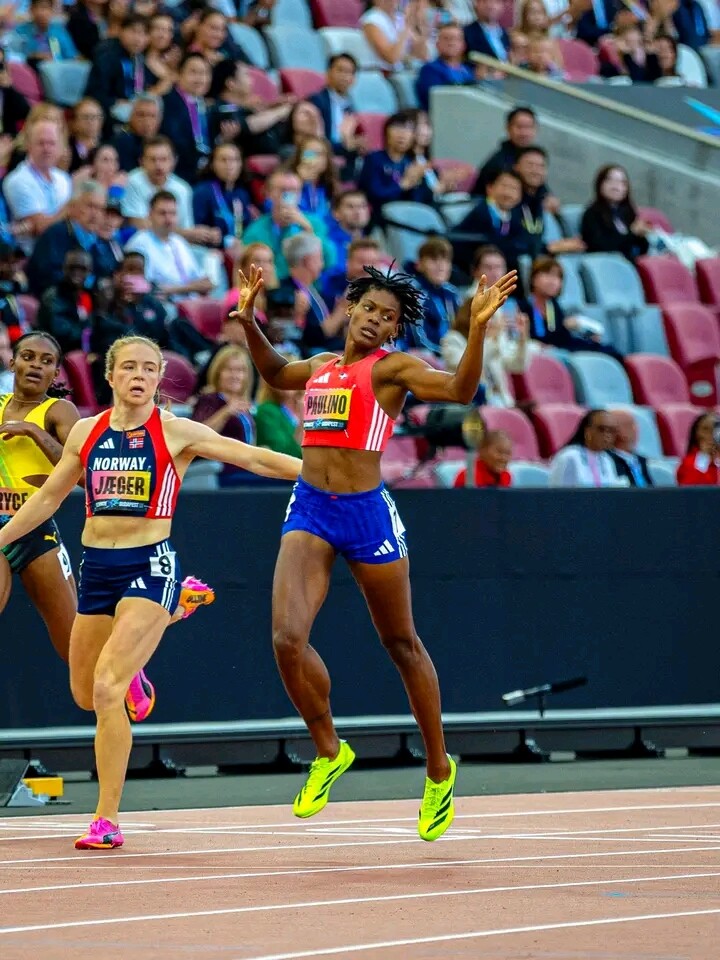
The result once again underlined Paulino’s extraordinary consistency at the highest level. She entered Budapest as the world leader after running 48.48 in Paris in June, a performance that also set a Diamond League record. She subsequently remained unbeaten throughout her Diamond League campaign, closing the circuit with a meeting-record 48.64 in Brussels.
Budapest has also become a special venue in Paulino’s career. Three years ago, at the same National Athletics Centre, she captured her first individual world title, marking the beginning of another dominant chapter in her career. She later added Olympic gold in Paris in 2024, further establishing herself among the defining 400m athletes of her generation.
The inaugural World Athletics Ultimate Championship has brought together the sport’s biggest stars in a new winner-takes-the-spotlight format, with Olympic and world champions, Diamond League winners and leading performers competing for ultimate honours.
For Paulino, the occasion once again ended with Ultimate Crown on her arms.
With 49.07 seconds, she did more than win another major 400m title. She delivered another statement of authority, powering through the final straight with the confidence and speed that have made her one of the most dominant figures in modern women’s athletics.
Marileidy Paulino remains unbeaten, remains relentless and, once again, remains the queen of the one lap.
by Erick Cheruiyot for My Best Runs.
Login to leave a comment
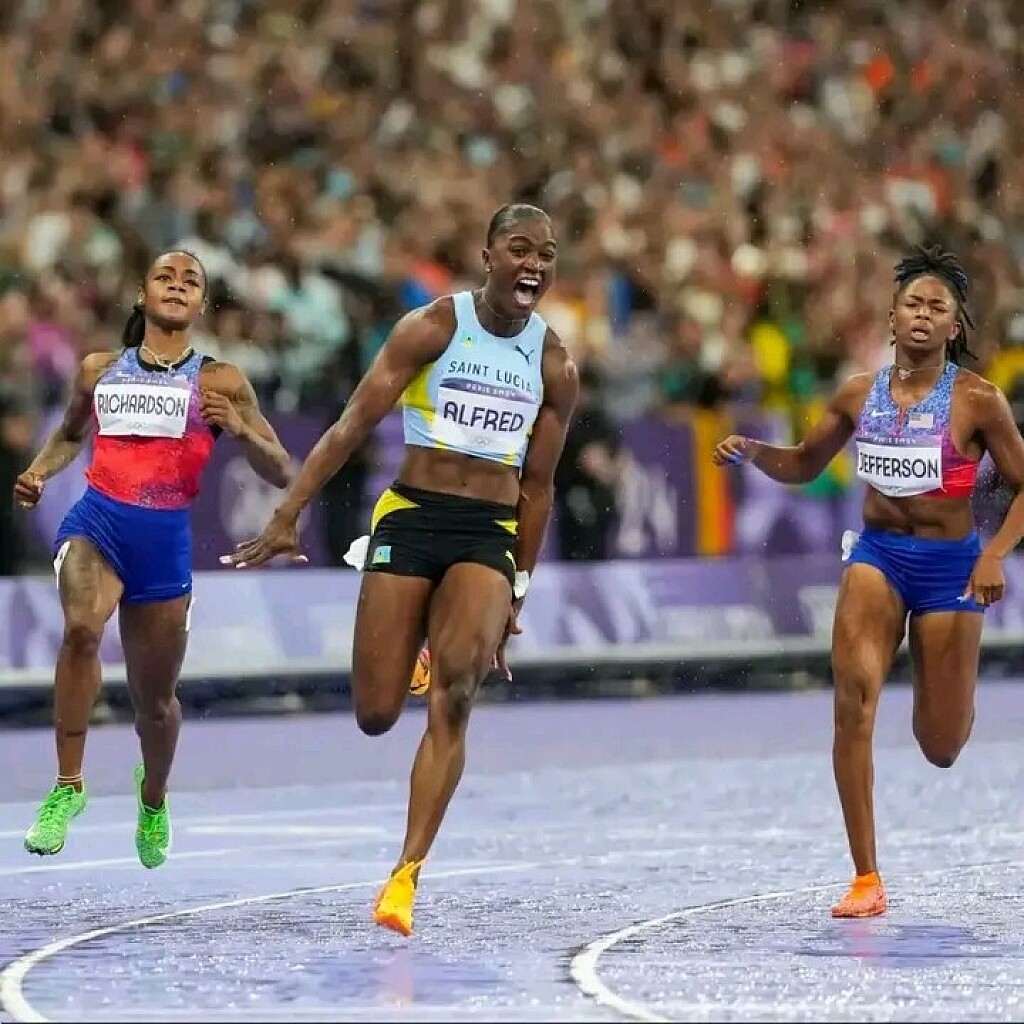
Three Champions, One Crown: Budapest Braces For A Women’s 100m Battle For Supremacy
The women’s 100m at the World Athletics Ultimate Championship in Budapest is shaping up to be one of the most compelling sprint showdowns of the season, with three of the world’s biggest names set to collide in a race where reputation, speed and championship pedigree will all be put to the ultimate test.
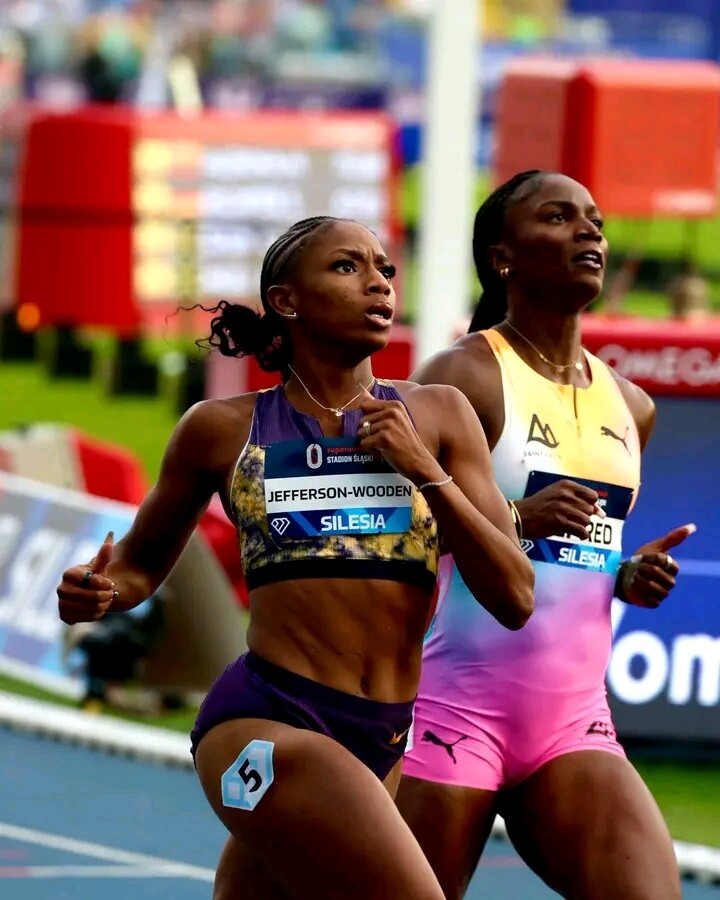
Leading the charge is Saint Lucia’s Julien Alfred, the reigning Olympic champion who established herself as the fastest woman on the biggest stage at the Paris 2024 Games. Alfred’s rise to the summit of global sprinting has been remarkable, and she arrives in Budapest carrying the confidence and prestige that come with an Olympic title.
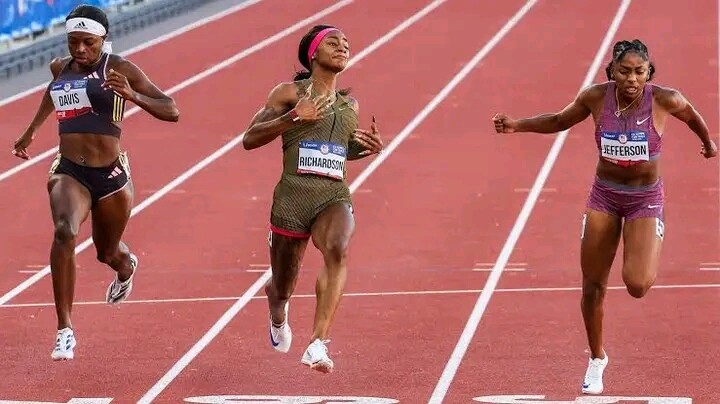
Standing alongside her will be American sprint star Melissa Jefferson-Wooden, the reigning world champion and one of the most formidable forces in the modern 100m. Her championship credentials have already placed her among the elite, and Budapest presents another opportunity to underline her status against the very best in the world.
Then there is Sha’Carri Richardson, another American powerhouse whose explosive speed and major-championship experience make her impossible to overlook. A former world champion, Richardson has repeatedly demonstrated her ability to thrive under the brightest lights, bringing both raw pace and an unmistakable competitive edge to the starting line.
The presence of three champions transforms the Budapest contest into far more than another 100m race. It is a meeting of athletes who have already conquered the highest levels of the sport and now have another prize to chase: the title of Ultimate champion.
Women’s 100m — Start List
1. Melissa Jefferson-Wooden — United States — 10.70
2. Julien Alfred — Saint Lucia — 10.70
3. Sha’Carri Richardson — United States — 10.77
4. Tina Clayton — Jamaica — 10.85
5. Sade McCreath — Canada — 10.86
6. Jonielle Smith — Jamaica — 10.89
7. Lavanya Williams — Jamaica — 10.90
8. Cambrea Sturgis — United States — 10.92
9. Zoe Hobbs — New Zealand — 10.93
10. Brianna Lyston — Jamaica — 10.94
11. Audrey Leduc — Canada — 10.97
12. Amy Hunt — Great Britain — 10.97
13. Jodean Williams — Jamaica — 10.97
14. Tamari Davis — United States — 10.99
15. Patrizia Van Der Weken — Luxembourg — 11.05
16. Zaynab Dosso — Italy — 11.07
17. Boglárka Takács — Hungary — 11.13
With the world’s attention fixed on the start line, every fraction of a second could prove decisive. Alfred will seek to reaffirm her Olympic supremacy, Jefferson-Wooden will look to demonstrate that her world title was no coincidence, while Richardson will be determined to remind the field of the speed that has made her one of the most recognizable names in global sprinting.
For the spectators, the attraction is obvious. Three champions, three different journeys to the top and just 100 metres separating glory from disappointment.
Budapest is therefore set for a sprinting spectacle in which there will be no room for hesitation. When the gun fires, Olympic glory, world championship pedigree and personal ambition will converge on one track — and only one woman will leave as the Ultimate champion.
by Erick Cheruiyot for My Best Runs.
Login to leave a comment
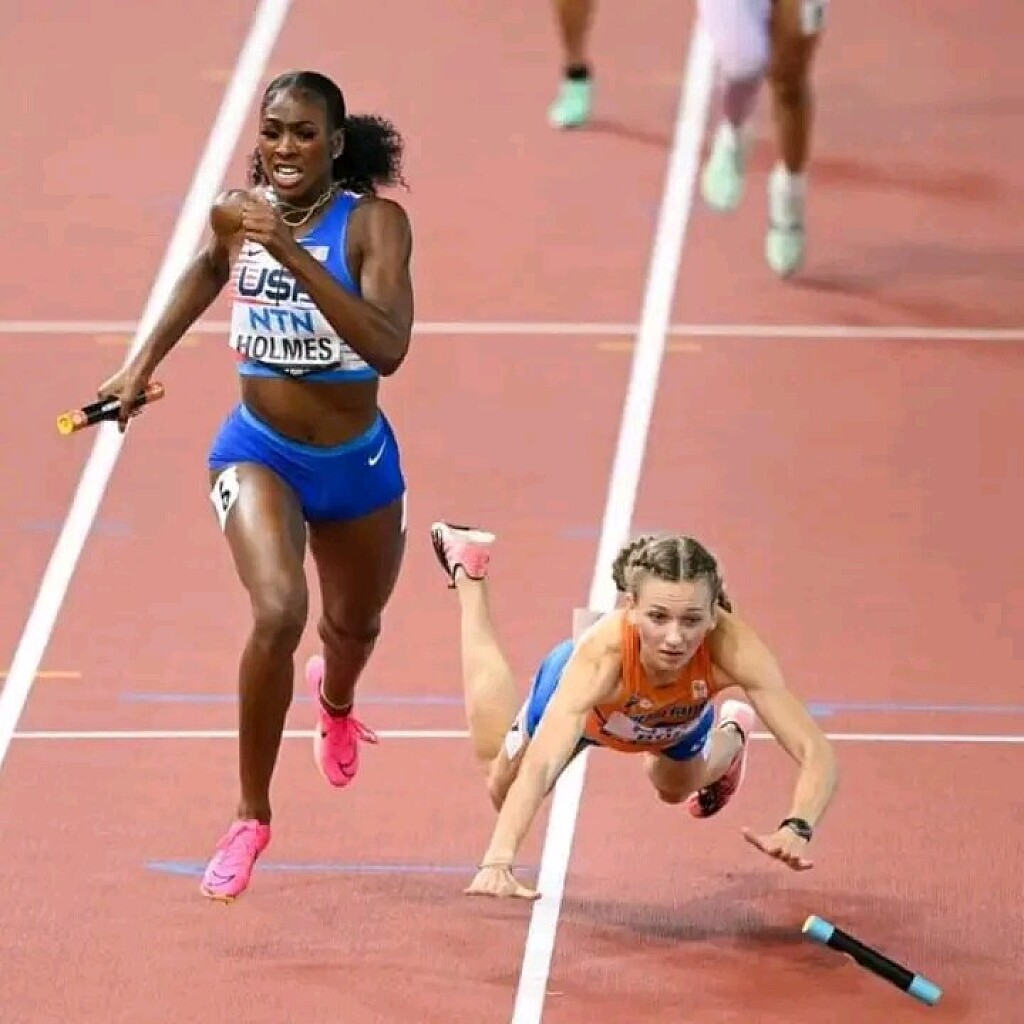
Femke Bol Returns To Budapest: From One Of Her Darkest Moments To A New 800m Challenge
For Femke Bol, Budapest is more than just another stop on the athletics calendar. It is a place where heartbreak once threatened to define her championship campaign — only for the Dutch star to respond with one of the most memorable comebacks of her career.
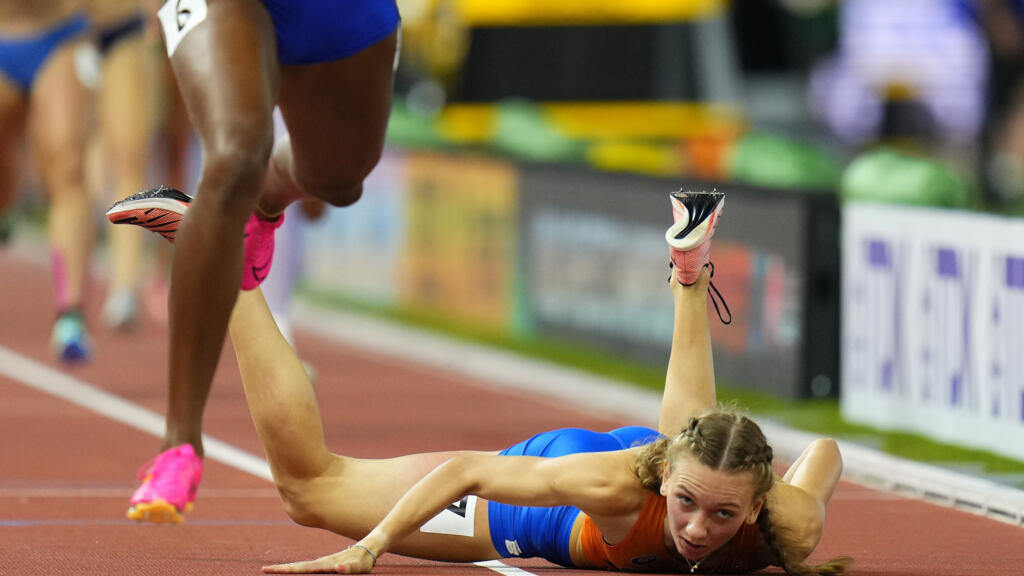
Three years ago, at the 2023 World Athletics Championships, Bol arrived in Budapest as one of the biggest names in the 400m hurdles. Yet her championships began with a painful collapse.
Anchoring the Netherlands in the mixed 4x400m relay on the opening night, Bol was within sight of victory when she fell just metres before the finish line. The Netherlands were disqualified, and what had looked like a near-certain gold medal disappeared in one devastating moment.
But Bol did not allow the disappointment to consume her.
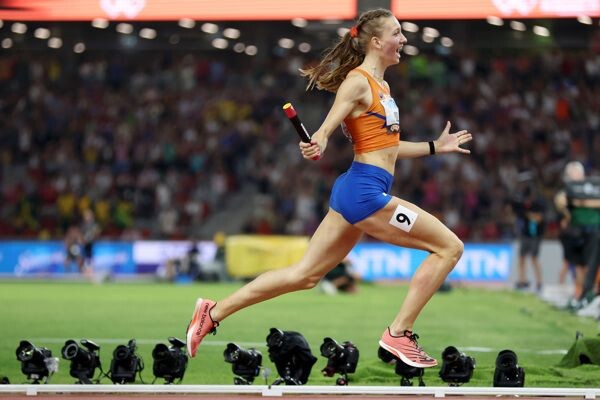
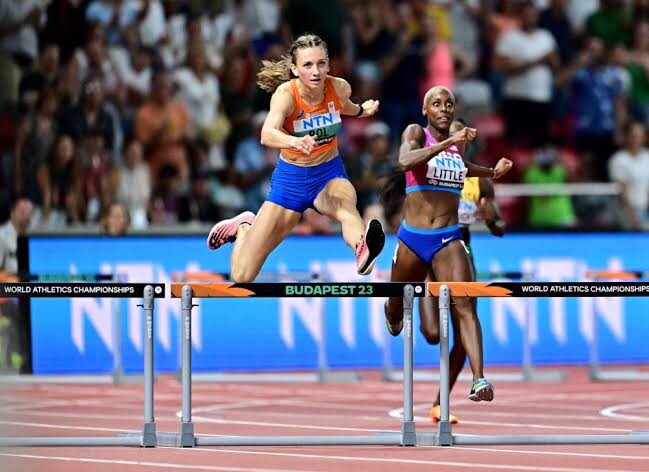
Six days later, she returned to the track for the 400m hurdles final and delivered an emphatic response. Running with remarkable composure, she stormed to victory in 51.70 seconds, finishing more than a second clear of American Shamier Little to claim her first individual global title.
Then came the final track race of those championships — and another extraordinary chapter.
In the women’s 4x400m relay, Bol received the baton for the Netherlands with the Jamaican and British teams ahead. The deficit grew to roughly 10 metres down the back straight, but instead of surrendering, she began to hunt.
By the home straight, Bol had transformed the race.
She swept past Great Britain and then Jamaica to bring the Netherlands home in 3:20.72, securing a second world title in Budapest and completing one of the most remarkable redemption stories of the championships.
Now, Bol is heading back to the same city — but this time, her challenge is completely different.
There will be no hurdles standing in her way.
Instead, she will line up for the women’s 800m at the inaugural World Athletics Ultimate Championship in Budapest, where she will face two of the strongest middle-distance runners in the world: Olympic champion Keely Hodgkinson of Great Britain and Swiss sensation Audrey Werro. The three are among the headline names in a formidable 800m field for the September 11–13 championship.
And this is no longer the same Bol who first experimented with the event.
The Dutch star has made a significant transition to the 800m this season, steadily improving as she has gained experience over the two-lap distance. Her 2026 best stands at 1:55.41, placing her among the leading contenders heading into Budapest.
Yet the challenge could hardly be tougher.
Werro has been the revelation of the 2026 season. The Swiss star leads the world with 1:53.80, a mark that ranks among the fastest performances ever recorded. She also defeated Hodgkinson and Bol at the European Championships in Birmingham, winning in 1:54.81 as Hodgkinson took silver in 1:55.01 and Bol finished third in 1:55.54.
Hodgkinson, meanwhile, remains one of the defining figures of the event. The Paris Olympic champion has already run 1:54.33 this season and will arrive in Budapest determined to reclaim the winning momentum against a rival who has repeatedly pushed her to the limit.
The latest meeting between Werro and Bol only adds more intrigue. At the Diamond League Final in Brussels, Werro prevailed in 1:54.75, but Bol pushed her all the way to the line, finishing just 0.06 seconds behind in 1:54.81.
That makes Budapest particularly fascinating.
Bol is no longer returning simply as the hurdler who once conquered the Hungarian capital. She is coming back as an ambitious 800m runner, testing herself against an Olympic champion and the world leader in an event that demands speed, tactical intelligence and endurance in equal measure.
For Bol, Budapest carries memories of a fall, a first global individual title and an unforgettable relay victory.
Now she has the opportunity to create another memory.
This time, there are no barriers to clear and no baton to chase.
There is only 800 metres — two laps in which Bol will have to match the pace, strength and finishing speed of Werro and Hodgkinson.
She has already shown what she can do when Budapest gives her a second chance.
The question now is whether she can turn that history into another triumph.
by Erick Cheruiyot for My Best Runs.
Login to leave a comment
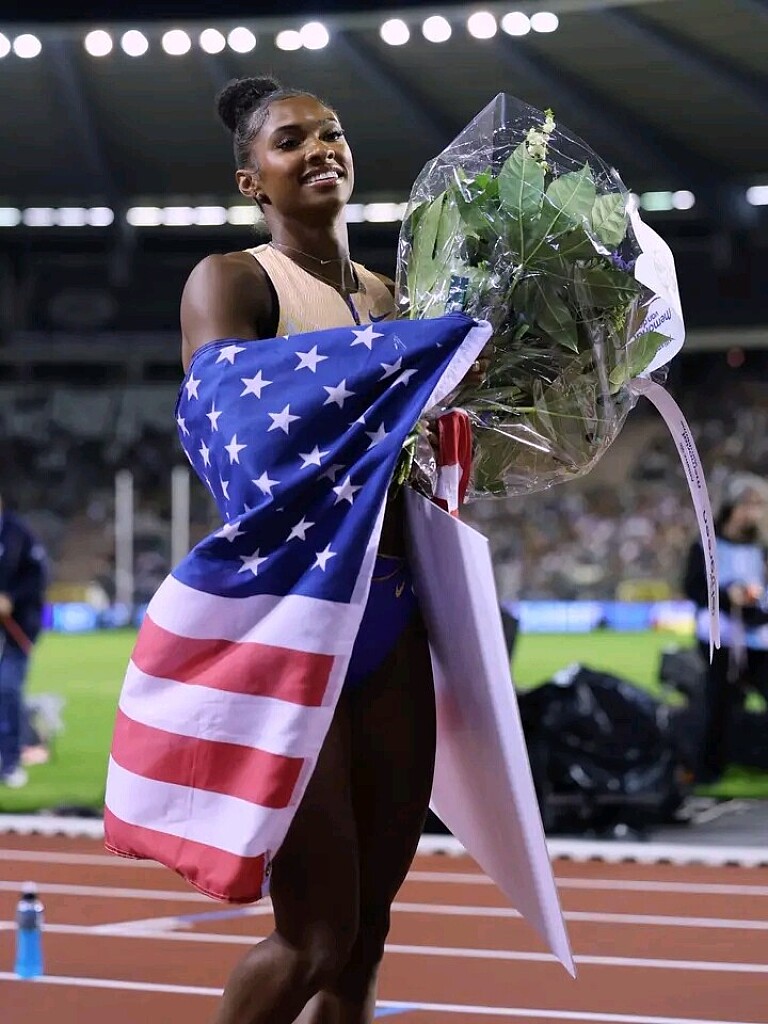
Masai Russell Battles Back to Claim Her First Diamond League Trophy
Masai Russell has crowned a remarkable season with her first Diamond League Trophy, producing a dramatic comeback to win the women’s 100m hurdles final in Brussels in 12.20 seconds.
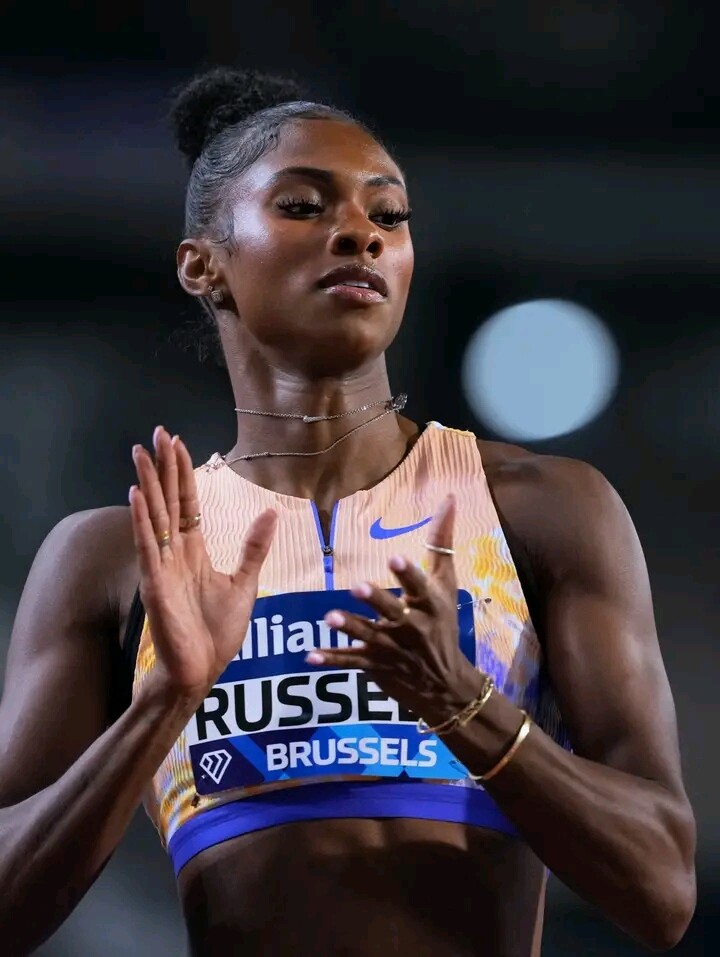
The world record holder did not have everything go her way from the start. Russell found herself trailing early in a tightly packed race, but the American remained composed and gradually began to close the gap as the field approached the decisive stages.
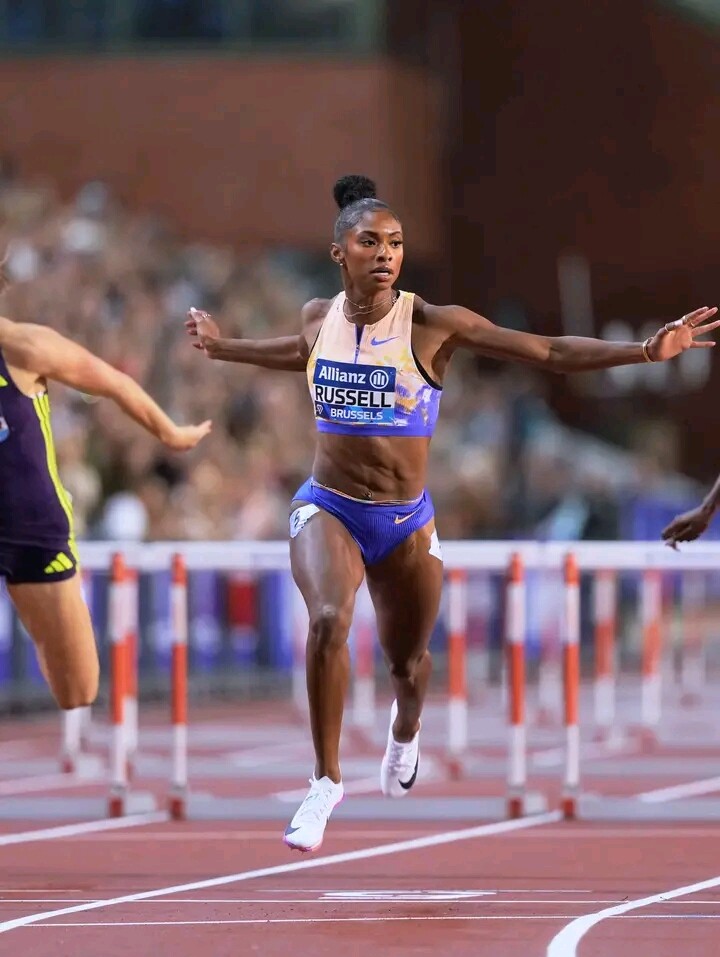
Then came the breakthrough.
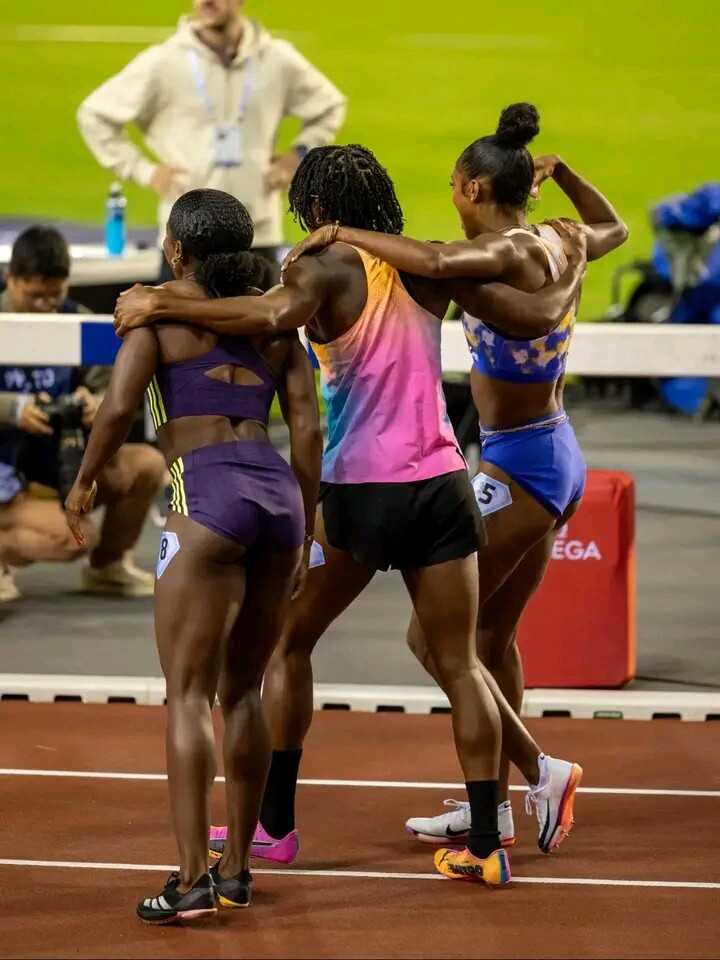
Russell surged through the final few hurdles, battling past her training-mate Devynne Charlton and powering away to secure a hard-fought victory. Her 12.20-second effort was enough to put her on top when it mattered most and deliver the coveted Diamond League title.
For Russell, the triumph represents another significant milestone in an already decorated career. It is her first-ever Diamond Trophy, adding a prestigious new achievement to her résumé.
Charlton produced a performance of her own to remember. The Bahamian hurdler held on strongly for second place in 12.33 seconds, setting a new Bahamas national record in the process.
Jamaica’s Megan Simmonds completed the podium in 12.43 seconds, making it a remarkable 1-2-3 finish for athletes coached by Coach Greene.
The Brussels final therefore delivered more than just a Diamond League champion. It showcased Russell’s ability to respond under pressure, Charlton’s record-breaking form and a remarkable sweep of the podium by athletes from the same coaching group.
But the night ultimately belonged to Russell.
From an early deficit to a decisive finish, the world record holder battled her way to victory and finally got her hands on the Diamond.
by Erick Cheruiyot for My Best Runs.
Login to leave a comment
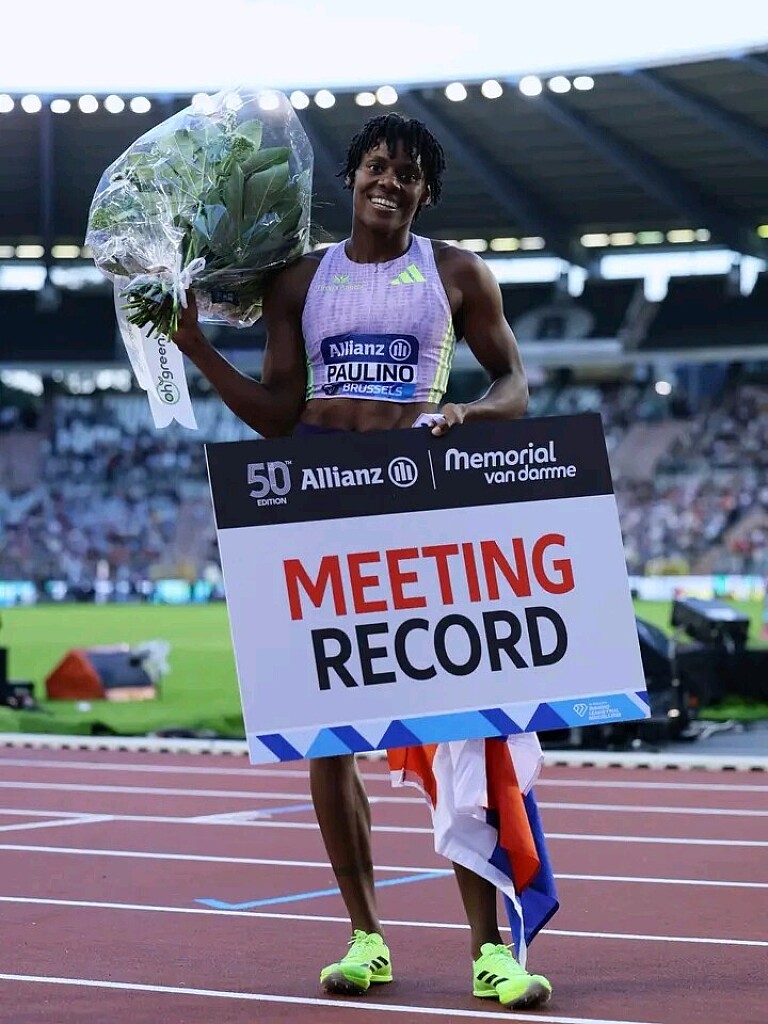
Marileidy Paulino Caps Unbeaten Diamond League Season With Record-Breaking Brussels Triumph
One lap. One champion. One extraordinary season.
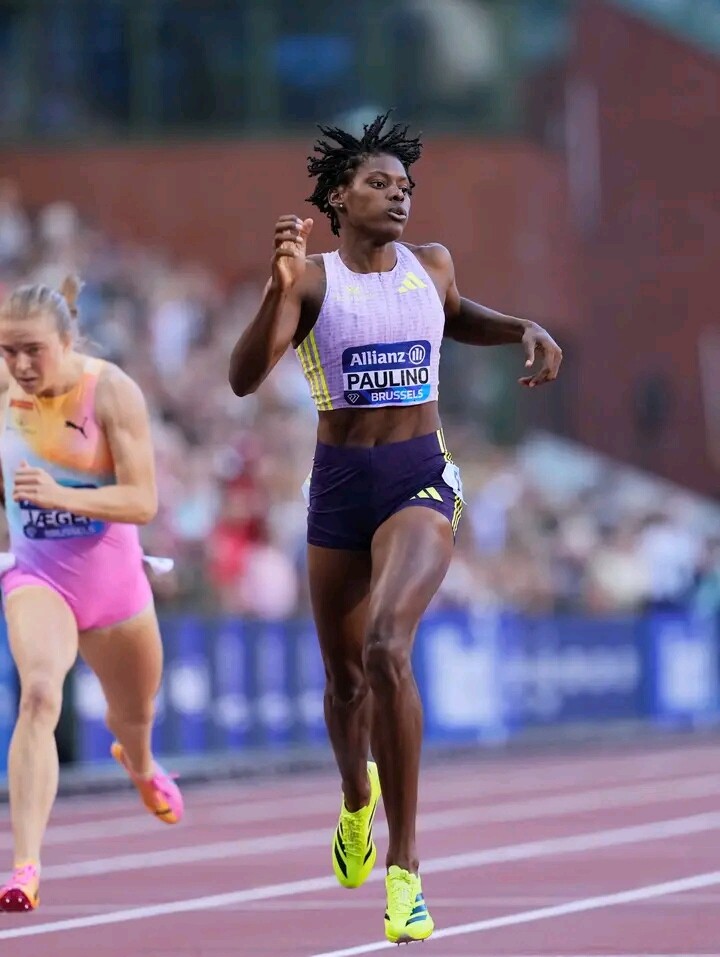
Marileidy Paulino has once again demonstrated why she remains the dominant force in the women’s 400 metres, producing a spectacular performance in Brussels to close out an unbeaten Diamond League season in emphatic fashion.
The Dominican Republic superstar stormed to 48.64 seconds in the 400m, comfortably securing victory and claiming her fourth consecutive Diamond League Trophy.
It was a performance that carried both dominance and history. Paulino’s 48.64 shattered the 17-year-old Brussels meeting record of 48.83 seconds, previously held by American Olympic champion Sanya Richards-Ross.
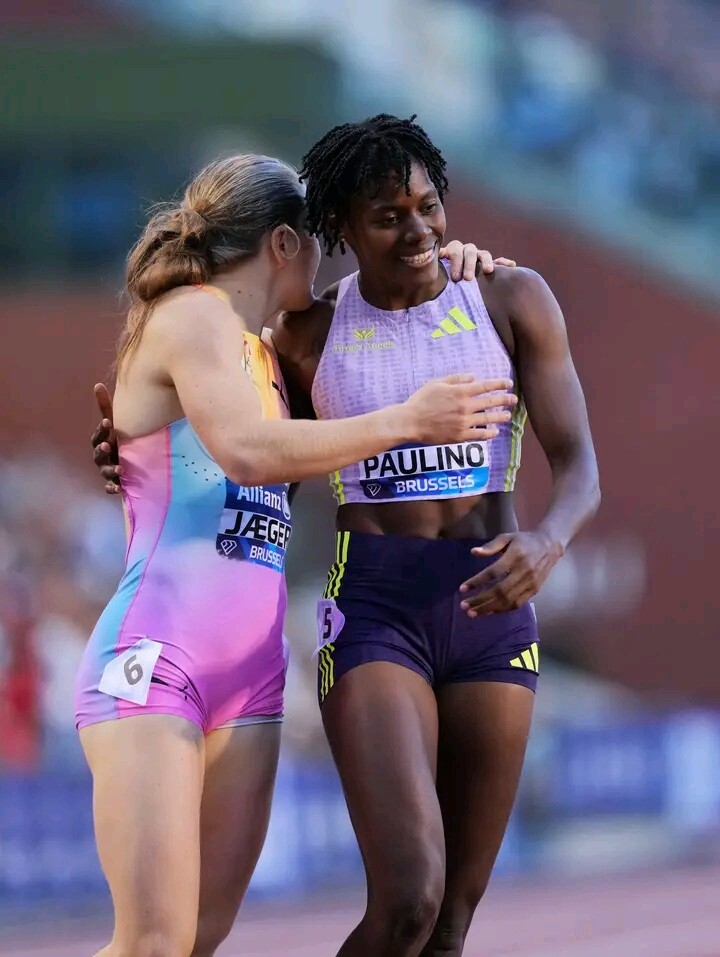
Paulino’s latest display was another confirmation of her exceptional form over one lap. She has now recorded 14 consecutive victories this season, while her Brussels performance marked her seventh successive sub-49-second clocking—an extraordinary level of consistency at the highest level.
Behind the Dominican star, Norway’s Henriette Jæger ran an impressive 49.20 seconds for second place, while Jamaica’s Nickisha Pryce completed the podium in 49.36 seconds.
An unbeaten Diamond League campaign
Paulino’s Brussels victory brought her Diamond League campaign to a perfect conclusion. Across the season, she remained unbeaten in the prestigious series, repeatedly producing performances capable of separating her from the rest of the field.
Her 48.64-second run was the perfect way to seal another Diamond League title: fast enough to break a meeting record and strong enough to underline her remarkable consistency throughout the season.
With four consecutive Diamond League trophies now secured, Paulino continues to build one of the most formidable records in modern women’s 400m running.
48.64 seconds. A meeting record. A fourth consecutive Diamond Trophy. An unbeaten Diamond League season.
The one-lap wonder has done it again—and once more, Marileidy Paulino has left the rest of the field chasing her.
by Erick Cheruiyot for My Best Runs.
Login to leave a comment
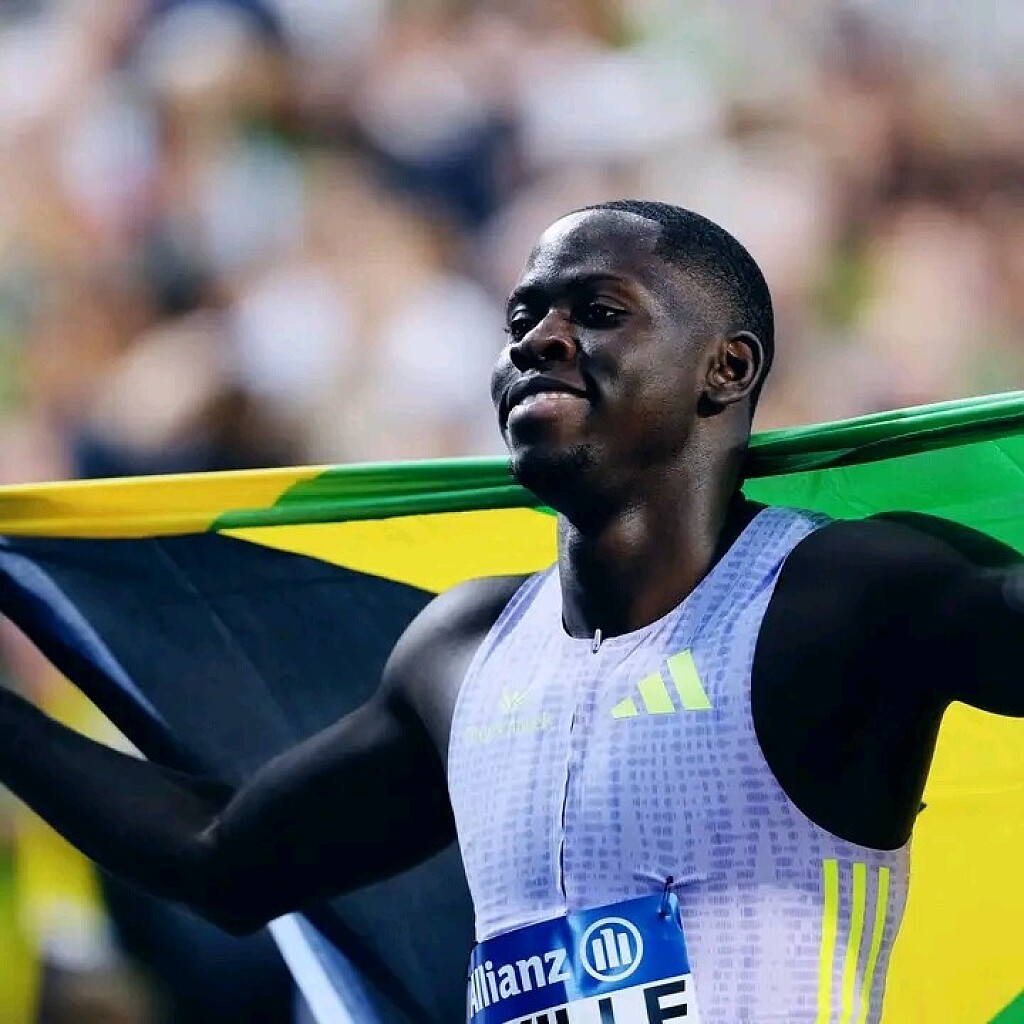
Oblique Seville Rules Brussels With A Blistering 9.90 To Claim The Diamond Trophy
Oblique Seville produced a statement performance in Brussels, powering to a superb 9.90 seconds to capture the men’s 100m Diamond League title and secure the coveted Diamond Trophy for Jamaica.
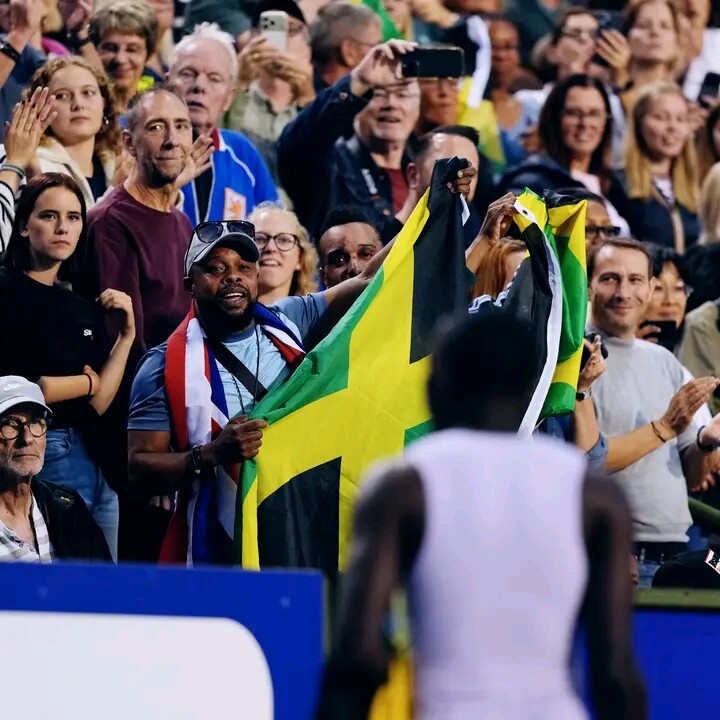
The Jamaican sprinter rose to the occasion in a fiercely contested final, exploding from the blocks and maintaining his composure as the field charged towards the finish. Seville held off a remarkable challenge from Cameroon’s Emmanuel Eseme, who pushed him all the way before crossing the line in an outstanding 9.93 seconds.
Nigeria’s Kayinsola Ajayi also delivered a superb performance, breaking the 10-second barrier to take third in 9.97 seconds and complete a remarkably fast podium.
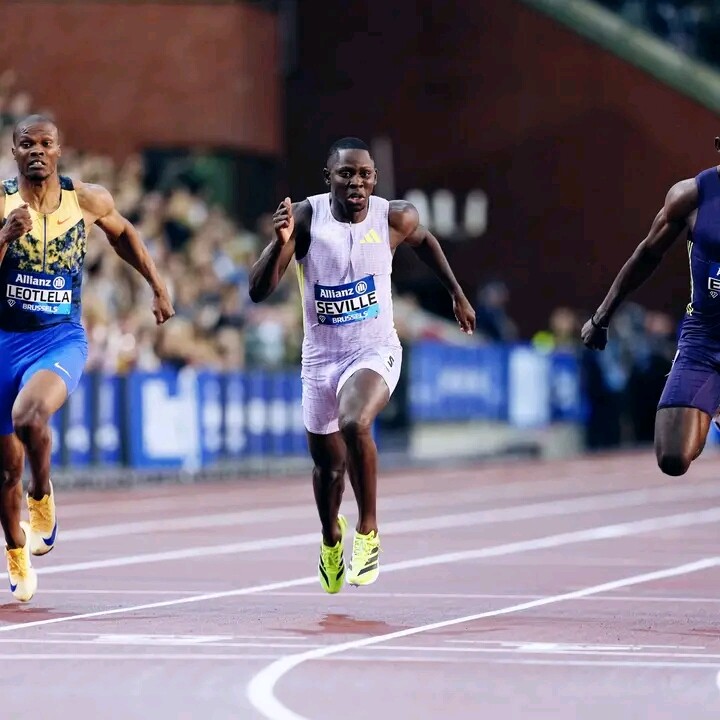
Behind the leading trio, Australia’s Lachlan Kennedy narrowly missed the podium in 9.99, while South Africa’s Gift Leotlela and American Christian Coleman both stopped the clock at 10.01. South Africa’s Akani Simbine followed in 10.03, with American Trayvon Bromell recording 10.07.
For Seville, the victory represents another significant milestone in a rapidly developing career. The Jamaican has established himself as one of the leading sprinters of his generation, and his ability to deliver under the pressure of a Diamond League final once again demonstrated his competitive strength.
The Brussels final was particularly impressive for its depth, with seven athletes breaking or matching the 10-second barrier. Yet when the decisive moment arrived, Seville had the extra gear required to separate himself from the pack.
His 9.90 was not merely enough to win the race—it was enough to put his name on the Diamond League trophy and cap his campaign with another major victory.
1. Oblique Seville — 9.90
2. Emmanuel Eseme — 9.93
3. Kayinsola Ajayi — 9.97
Jamaica celebrates another Diamond League champion, while Seville leaves Brussels with the biggest prize of the night and yet another reminder that he belongs among the very best in the world.
A brilliant finish to the Diamond League season—and another golden moment for Oblique Seville.
by Erick Cheruiyot for My Best Runs.
Login to leave a comment
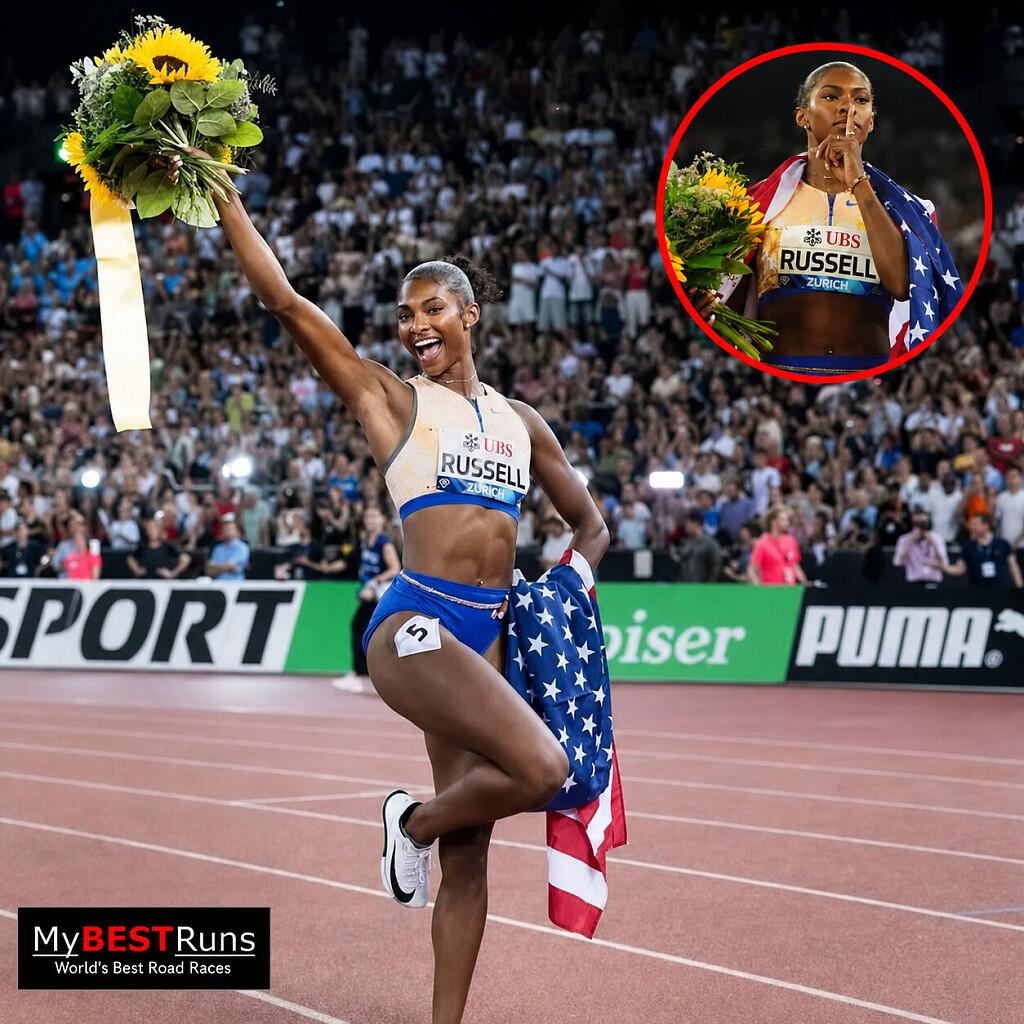
Can Anyone Stop Masai Russell? Brussels Hurdles Final Set for Epic Showdown
The women’s 100m hurdles is set for a spectacular showdown at the Brussels Diamond League Final on September 5, where Olympic champion Masai Russell will lead one of the strongest fields of the season in the battle for the coveted Diamond Trophy.
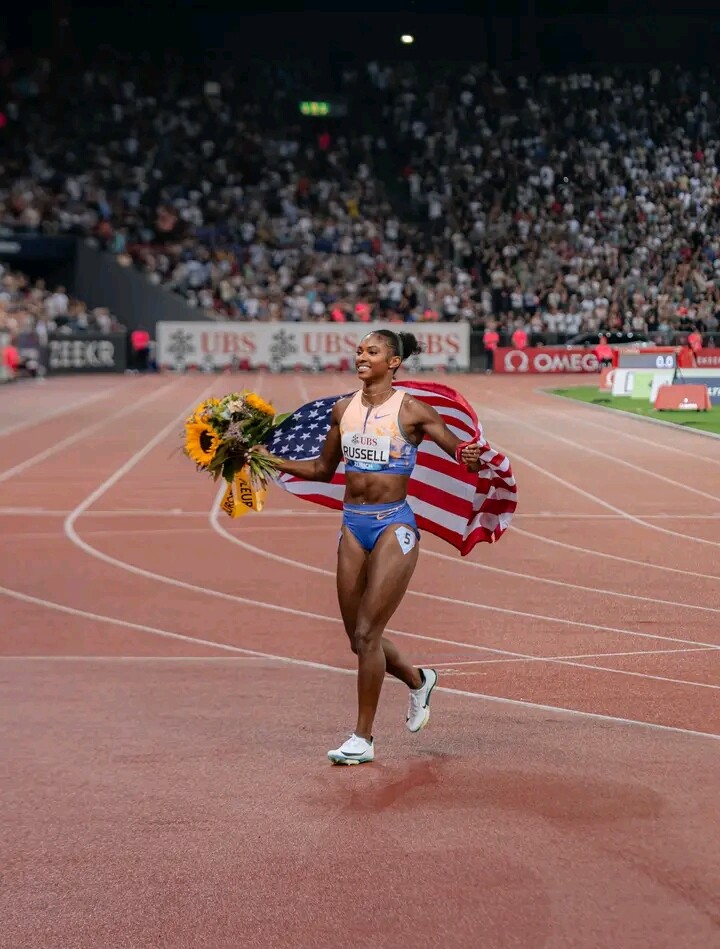
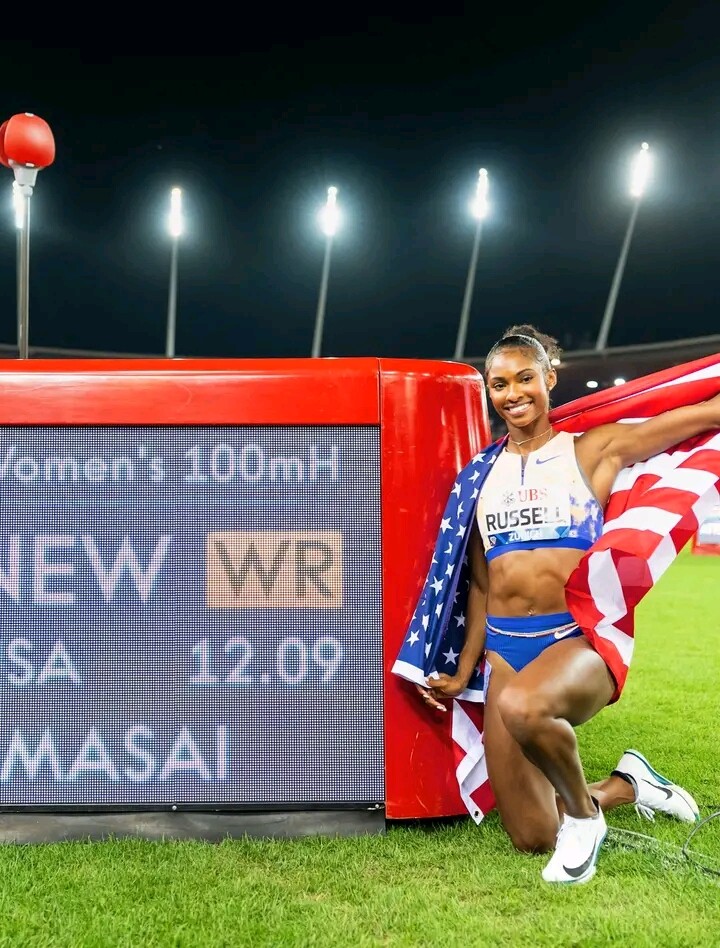
Russell arrives in Brussels in extraordinary form and as the athlete everyone will be chasing. The American star has enjoyed a remarkable season, combining consistency with breathtaking speed, and recently delivered another unforgettable performance when she ran a sensational 12.09 seconds in Zurich to break the world record.
That performance further strengthened Russell’s position as the dominant force in the event. Her remarkable consistency has been equally impressive, with the Olympic champion winning all 10 of her finals so far this season. With 48 points, she also finished at the top of the Diamond League standings during the regular season.
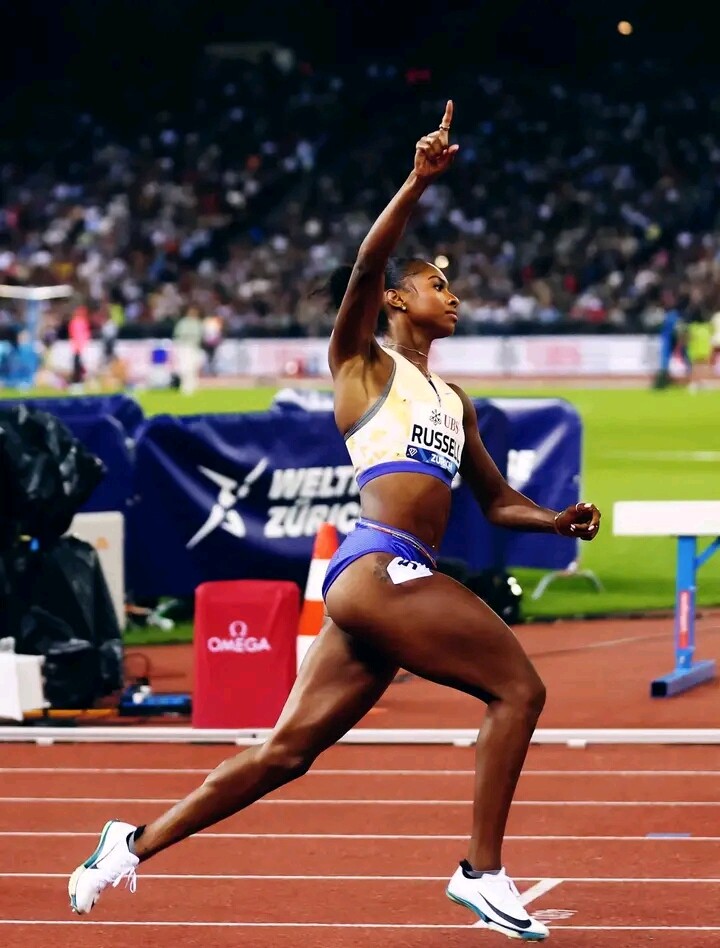
However, the points race is now behind her. In Brussels, everything comes down to one final. The Diamond League Final offers no room for complacency, and Russell will have to defeat an exceptional collection of world-class hurdlers to leave Belgium with the Diamond Trophy.
Among her biggest challengers is Nigeria’s Tobi Amusan, one of the finest hurdlers of her generation and a former world record holder. The field also includes Dutch star Nadine Visser, Bahamas standout Devynne Charlton and Poland’s Pia Skrzyszowska, ensuring that Russell will face serious opposition over every hurdle.
American Alaysha Johnson, Jamaica’s Megan Simmonds and Belgium’s Yanla Ndjip-Nyemeck complete a fascinating eight-athlete lineup for what promises to be one of the highlights of the Diamond League Final.
With Russell’s unbeaten record, her recent world-record performance and the Diamond Trophy on the line, the pressure will be immense when the athletes take their marks. Yet in an event as unpredictable and technically demanding as the 100m hurdles, one mistake can completely change the outcome.
Russell may arrive as the overwhelming favourite, but Brussels offers her rivals one final opportunity to produce something special. The stage is set for a thrilling race between the fastest and most accomplished hurdlers in the world—and after a season of dominance, Russell now has one more hurdle to clear in her pursuit of Diamond League glory.
Women’s 100m Hurdles Final Start List
1. Masai Russell — United States
2. Tobi Amusan — Nigeria
3. Nadine Visser — Netherlands
4. Devynne Charlton — Bahamas
5. Pia Skrzyszowska — Poland
6. Alaysha Johnson — United States
7. Megan Simmonds — Jamaica
8. Yanla Ndjip-Nyemeck — Belgium
One race. Eight elite hurdlers. One Diamond Trophy. Will Masai Russell complete another unforgettable chapter of her remarkable season, or will Brussels produce a surprise?
by Erick Cheruiyot for My Best Runs.
Login to leave a comment
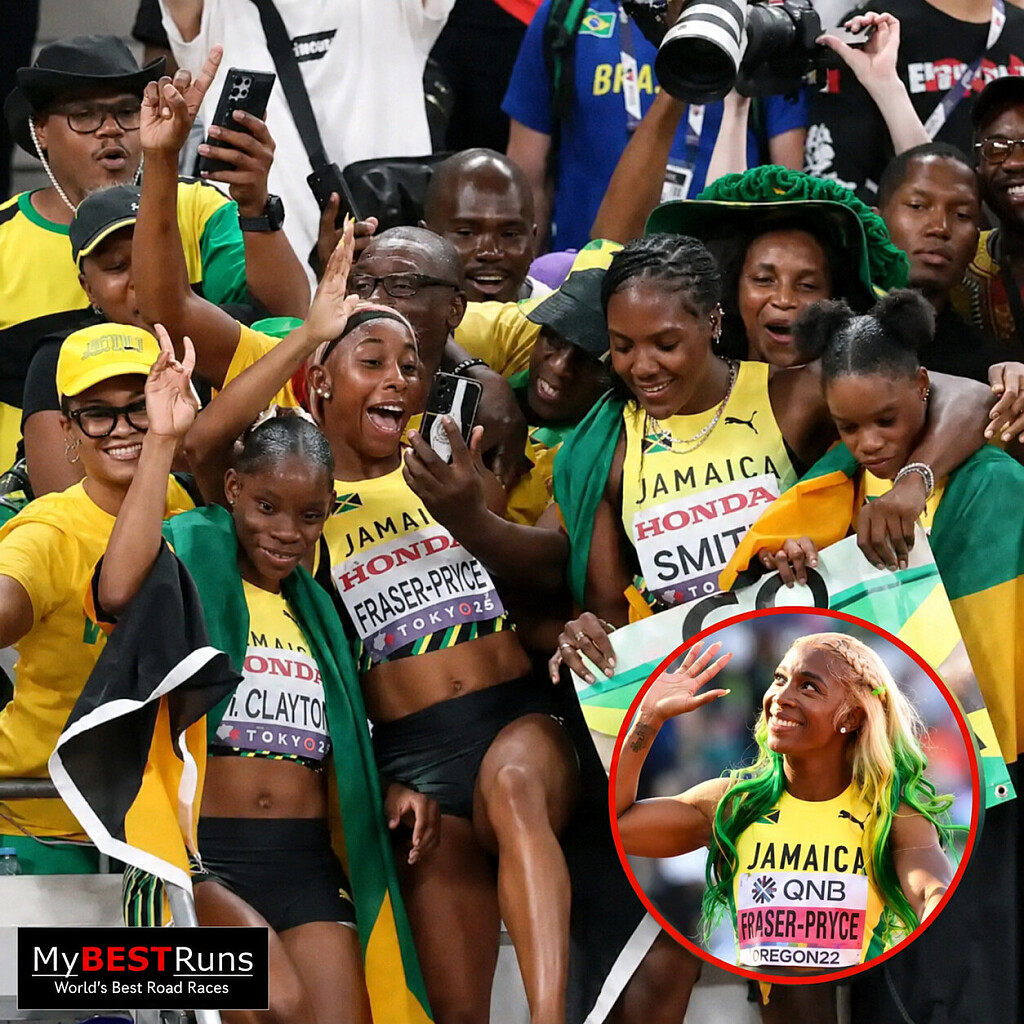
One Year Since The Pocket Rocket’s Final Race: Shelly-Ann Fraser-Pryce’s Legacy Still Burns Bright
One year ago, the world watched the final race of one of the greatest sprinters in athletics history.
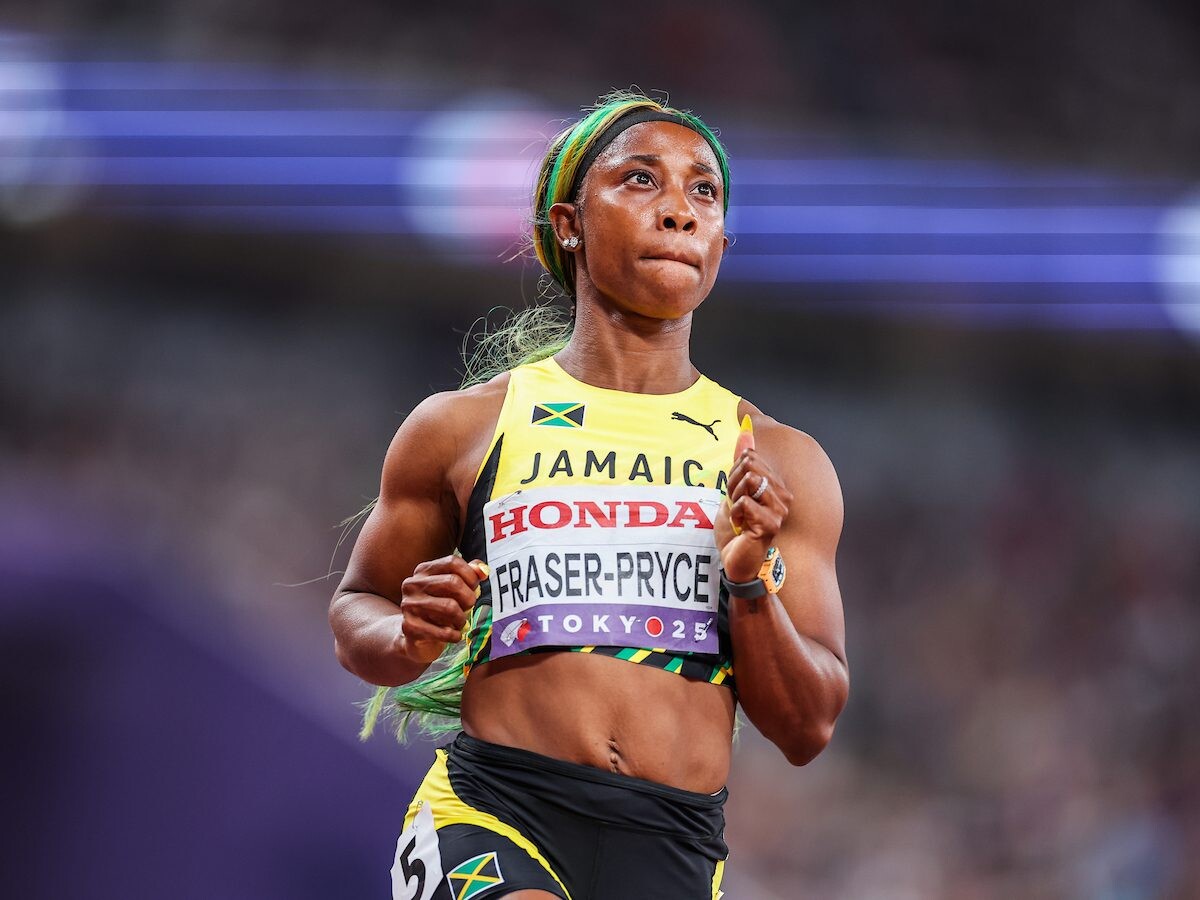
On September 21, 2025, Shelly-Ann Fraser-Pryce stepped onto the track for the final time as a professional athlete. At 38, after an extraordinary 18-year career defined by Olympic triumphs, world titles, remarkable comebacks and unmatched longevity, the Jamaican sprinting icon brought her competitive journey to a close at the World Athletics Championships in Tokyo.
Her final appearance came in the women’s 4x100m relay. Running the opening leg for Jamaica, Fraser-Pryce helped her team secure a silver medal in 41.79 seconds behind the United States. It was a fitting conclusion to a career that had produced an extraordinary collection of global medals and established her among the most decorated sprinters of all time.
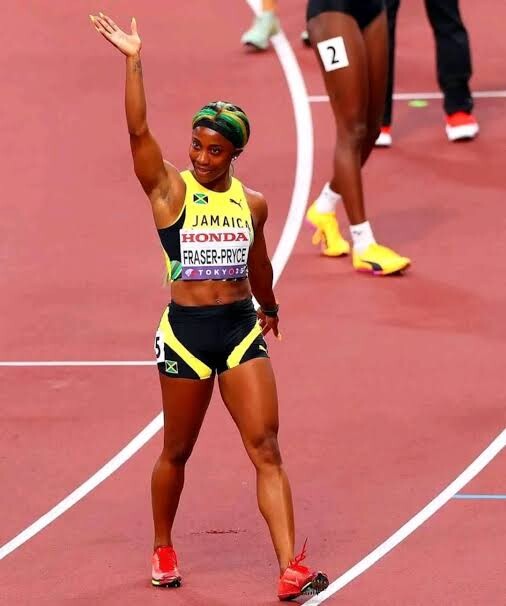
Her final individual race had come earlier in the championships, when she finished sixth in the 100m final in 11.03 seconds. Although she was unable to add another individual world title to her remarkable record, simply reaching another global final at the age of 38 was another demonstration of the extraordinary longevity that had defined her career.
A few weeks later, on October 7, Fraser-Pryce officially announced her retirement from professional track and field, closing the book on an era that had stretched across nearly two decades.
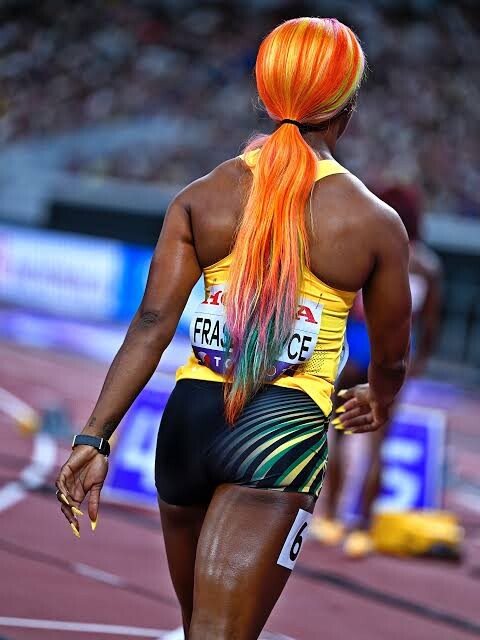
Her journey had begun with Olympic gold in the 100m at Beijing 2008, where she announced herself as one of the world's most explosive sprinters. Four years later in London, she successfully defended her Olympic 100m title, becoming only the third woman in history to accomplish that feat.
But Fraser-Pryce's greatness was never defined by one race or one championship.
She went on to win three Olympic gold medals and eight Olympic medals overall, while collecting 10 World Championships titles. She became the first woman to win five individual world 100m titles, a record that perfectly illustrates her remarkable consistency at the highest level.
Her career also became a story of resilience. After becoming a mother, Fraser-Pryce returned to elite competition and continued challenging the world's best sprinters, proving that motherhood and sporting excellence could exist side by side at the highest level.
Yet statistics only tell part of the Shelly-Ann Fraser-Pryce story.
There was the explosive start from the blocks, the fierce determination through every metre of a race and the unmistakable confidence that made her presence instantly recognisable. There was also the smile that often followed her performances and the pride with which she represented Jamaica on the biggest stages in world athletics.
Beyond the track, she built an influence that extended far beyond her medals and records. Through the Pocket Rocket Foundation, she has supported young Jamaican student-athletes by helping provide opportunities in education and sport.
Retirement, therefore, has not meant walking away from athletics.
In 2026, Fraser-Pryce took on a new role as a Global Ambassador for Laureus, continuing to use her experience, platform and voice to inspire young people and contribute to positive change through sport.
The starting line may no longer be part of her daily life, but her influence remains firmly embedded in the sport she helped shape.
A year after that final evening in Tokyo, women's sprinting has entered a new chapter. New athletes are carrying the sport forward, new rivalries are emerging and new records are waiting to be written.
But the standard Shelly-Ann Fraser-Pryce established will remain.
The Pocket Rocket has left competitive track and field, but the legacy she built over 18 remarkable years is still very much alive.
A year after her final race, which part of Shelly-Ann Fraser-Pryce do you miss the most?
Was it her explosive reaction from the blocks, her relentless competitive spirit, that unmistakable smile after a race, or the pride and passion with which she represented Jamaica?
Or perhaps it is simply the sight of Shelly-Ann Fraser-Pryce standing in the starting blocks, ready to give everything one more time.
One final race. One final medal. Eighteen extraordinary years.
The Pocket Rocket may have left the track, but her legacy will continue to inspire generations to come.
by Erick Cheruiyot for My Best Runs.
Login to leave a comment

Brussels 100m Crown Blown Wide Open As Alfred And Jefferson-Wooden Step Aside
The women’s 100m at the 2026 Wanda Diamond League Final in Brussels has been thrown wide open after two of the season’s biggest sprinting stars opted out of the event, dramatically reshaping what had promised to be a blockbuster showdown at King Baudouin Stadium.

American star Melissa Jefferson-Wooden will not contest the 100m in Brussels, while Olympic champion Julien Alfred of Saint Lucia has chosen to line up in the 200m instead of defending the Diamond League 100m title she won last season.
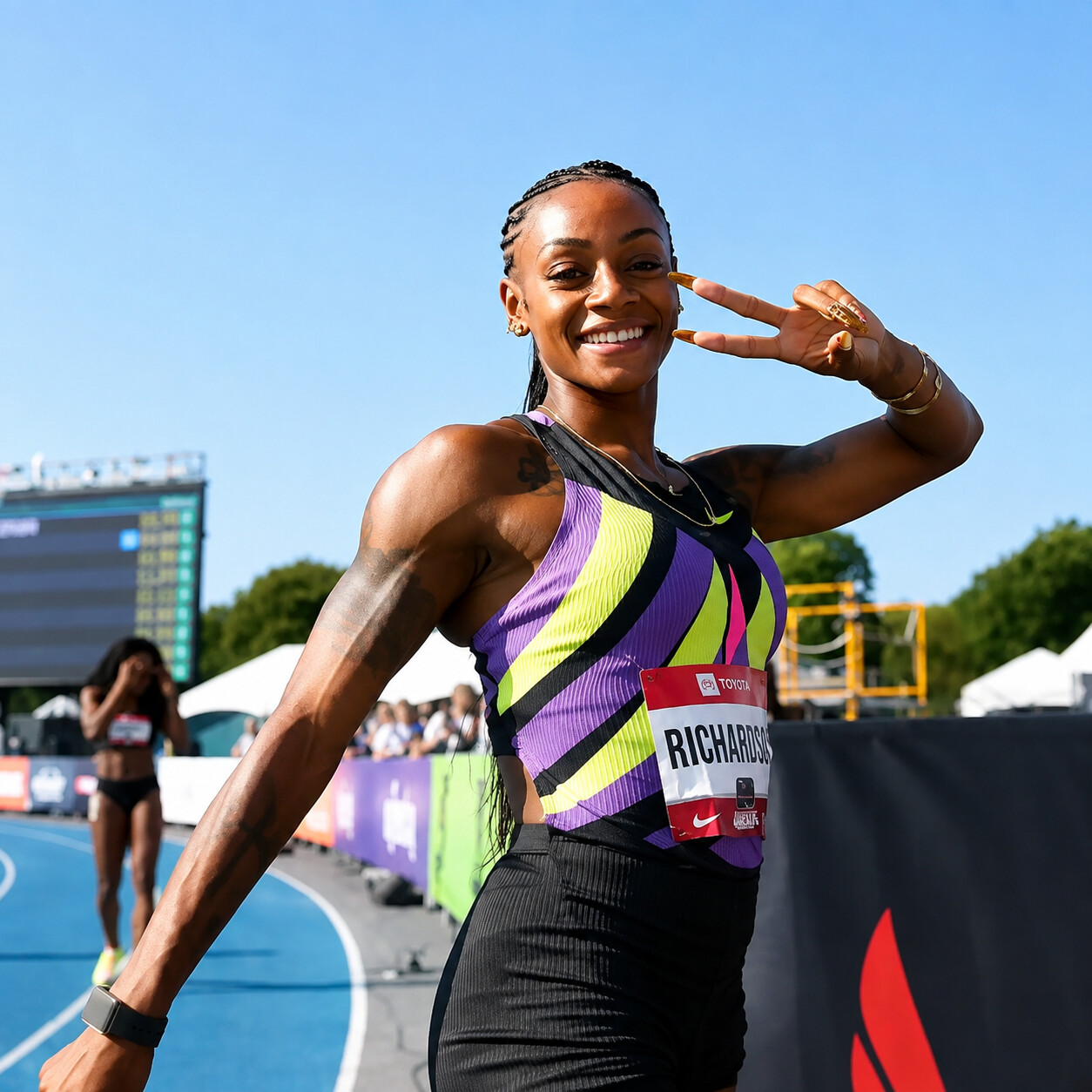
Their absence leaves Sha’Carri Richardson as one of the headline names in a field that suddenly carries an entirely different complexion. The American will arrive in Brussels with a major opportunity to claim the Diamond League trophy, but the battle for victory is far from straightforward.
The timing of Alfred and Jefferson-Wooden’s decisions makes the situation even more intriguing. Only days ago in Zürich, the two produced one of the closest 100m finishes of the season, with Alfred narrowly edging Jefferson-Wooden in a dramatic photo finish. Both were officially credited with 10.70 seconds, while the photo-finish technology separated them by just five thousandths of a second.
Richardson crossed the line third in that fiercely contested race, setting the stage for another potentially fascinating encounter in Brussels. Instead, the withdrawals have removed two of her biggest rivals from the equation and opened the door for a new challenger to emerge.
Richardson now carries considerable attention into the Belgian capital. The former world champion possesses the pedigree and championship experience to seize the moment, but she will need to be at her sharpest against a field containing several athletes capable of producing a major upset.
Jamaica’s Tina Clayton brings considerable international experience and raw speed, while Jonielle Smith gives the Jamaican contingent another dangerous option. Britain’s Amy Hunt will also be looking to make her mark on one of the biggest stages of the Diamond League season.
Italy’s Zaynab Dosso, New Zealand’s Zoe Hobbs and Luxembourg’s Patrizia van der Weken add further depth to the field, while Belgium’s Delphine Nkansa will have the advantage of competing on home soil. Hungary’s Boglárka Takács completes a lineup in which virtually every athlete will see an opportunity to rise to the occasion.
With Alfred moving to the 200m and Jefferson-Wooden absent from the 100m, the Brussels race has lost two of its most anticipated names—but gained something equally compelling: uncertainty.
Richardson may now be the biggest name in the field, yet the Diamond League final has a habit of producing unexpected heroes. One explosive start, one perfectly executed drive phase and one decisive finish could completely change the picture.
The question is no longer simply whether Richardson can win the Diamond League crown. It is whether one of the challengers can seize this unexpected opening and produce the performance of her season.
In Brussels, the 100m crown is there for the taking—and the sprinting world will be watching to see who grabs it.
by Erick Cheruiyot for My Best Runs.
Login to leave a comment
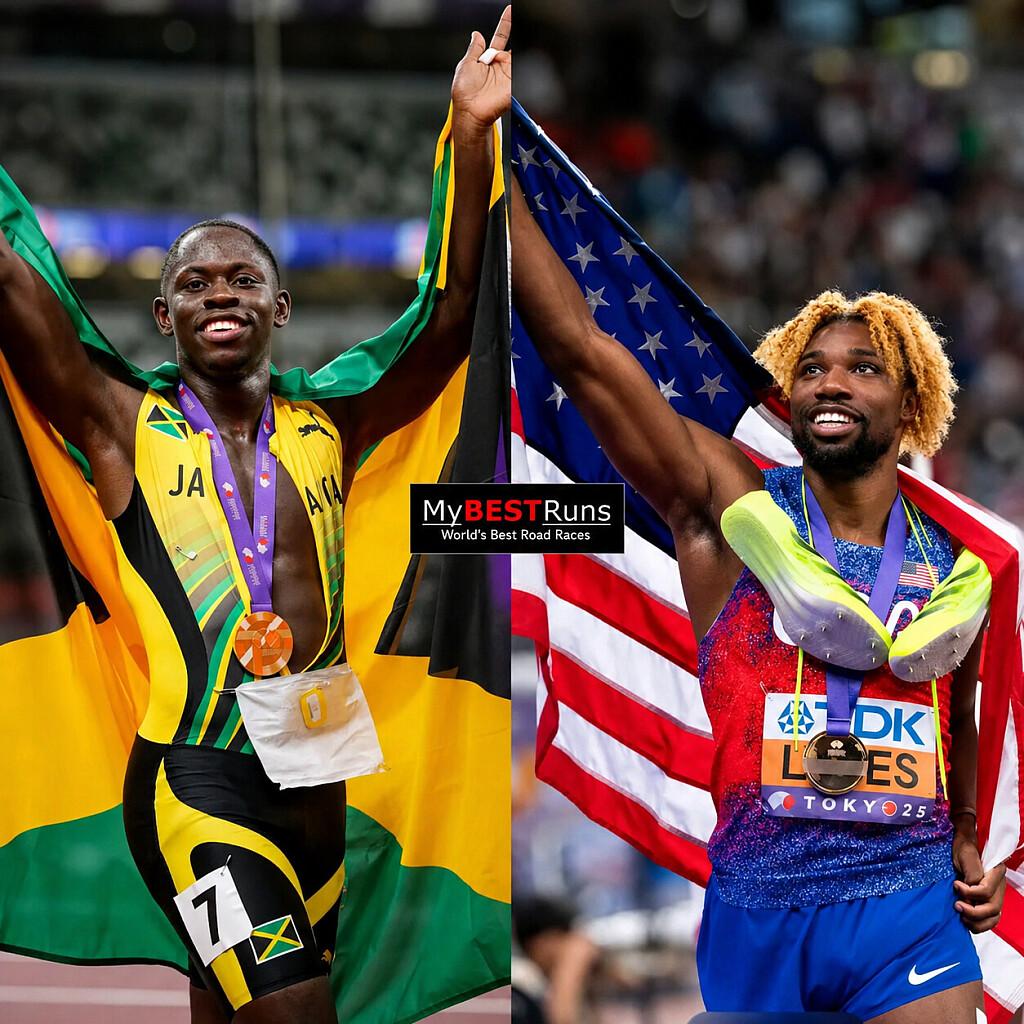
SEVILLE vs LYLES: The Ultimate 100m Showdown Is Coming to Budapest
Budapest is preparing for a sprinting spectacle unlike any other as Jamaica’s Oblique Seville and American superstar Noah Lyles prepare to renew one of the most intriguing rivalries in men’s 100m on the biggest stage of the inaugural World Athletics Ultimate Championship, set for September 11–13, 2026.

This is more than another race. It is a collision between two global champions who have already established themselves among the leading figures of the modern sprinting era. Seville enters the showdown as the reigning world champion, while Lyles arrives with the credentials of an Olympic champion, setting up a mouthwatering battle for supremacy over athletics’ blue-riband distance.
Both sprinters have earned automatic places in Budapest as designated “Ultimate Stars”, a reward for their previous global gold-medal success. That means they will not need to navigate the qualification route like many of their rivals. Instead, the spotlight will immediately fall on the two superstars when they step onto the track in Budapest.
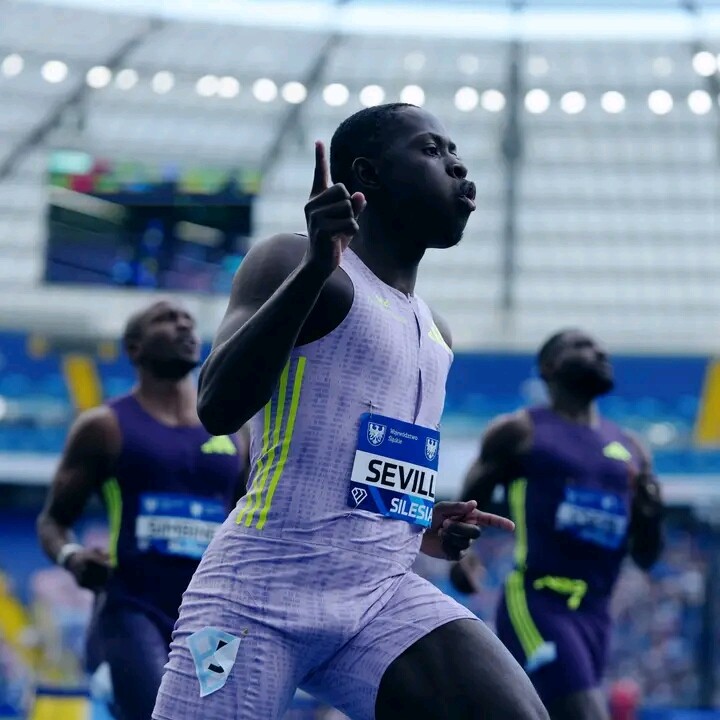
For Seville, the championship represents another opportunity to demonstrate that his rise to the top of the 100m was no coincidence. The Jamaican has developed into a formidable championship sprinter, combining explosive acceleration with the composure required to deliver when the pressure is at its highest. Now, he faces perhaps his most glamorous challenge yet against one of the most decorated sprinters of his generation.
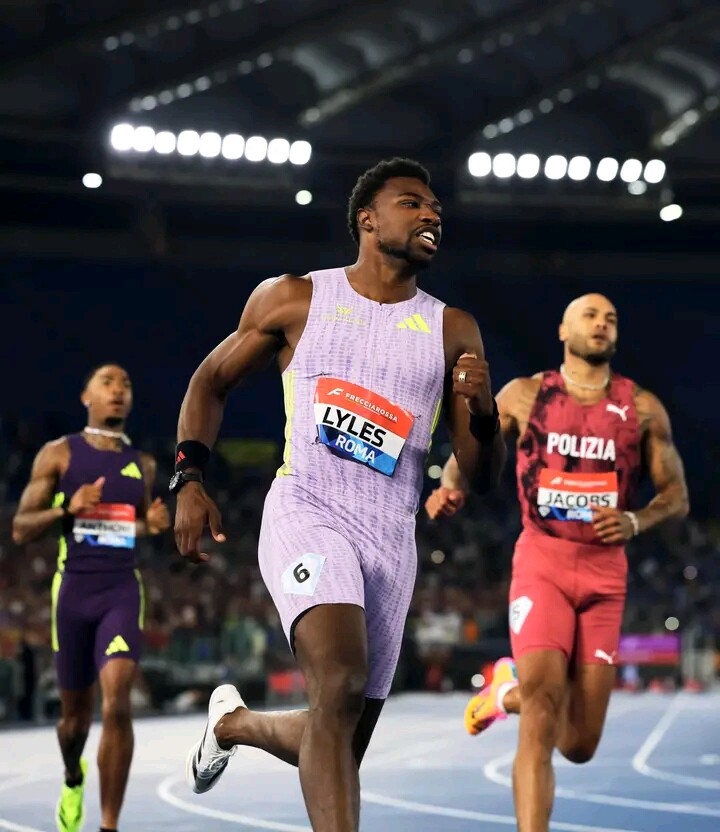
Lyles, meanwhile, brings a résumé built on championship success, confidence and an ability to thrive under the brightest lights. The American has become one of the sport’s biggest personalities, but his ambitions extend far beyond the spotlight. In Budapest, he will be chasing another major victory and the chance to add the Ultimate Championship crown to his growing collection of global honours.
And there is plenty more at stake than bragging rights.
The three-night Budapest finale will bring together the world’s elite athletes, with the winner of each event set to receive a massive US$150,000 prize and, more importantly, the distinction of becoming an Ultimate Champion.
That combination of prestige and prize money should make the 100m one of the most eagerly anticipated races of the entire championship. With Seville representing Jamaica and Lyles carrying American hopes, every fraction of a second could decide who walks away as the ultimate sprint king.
The rivalry now moves to a new stage, with two champions arriving in Budapest carrying different strengths, different personalities and the same burning ambition: to be the man standing when the fastest race of the night is over.
Seville or Lyles? Jamaica’s reigning world champion or America’s Olympic champion?
When the blocks are set and the gun fires in Budapest, who will have the speed, composure and finishing power to claim the Ultimate 100m crown — Oblique Seville or Noah Lyles? The debate starts now.
by Erick Cheruiyot for My Best Runs.
Login to leave a comment
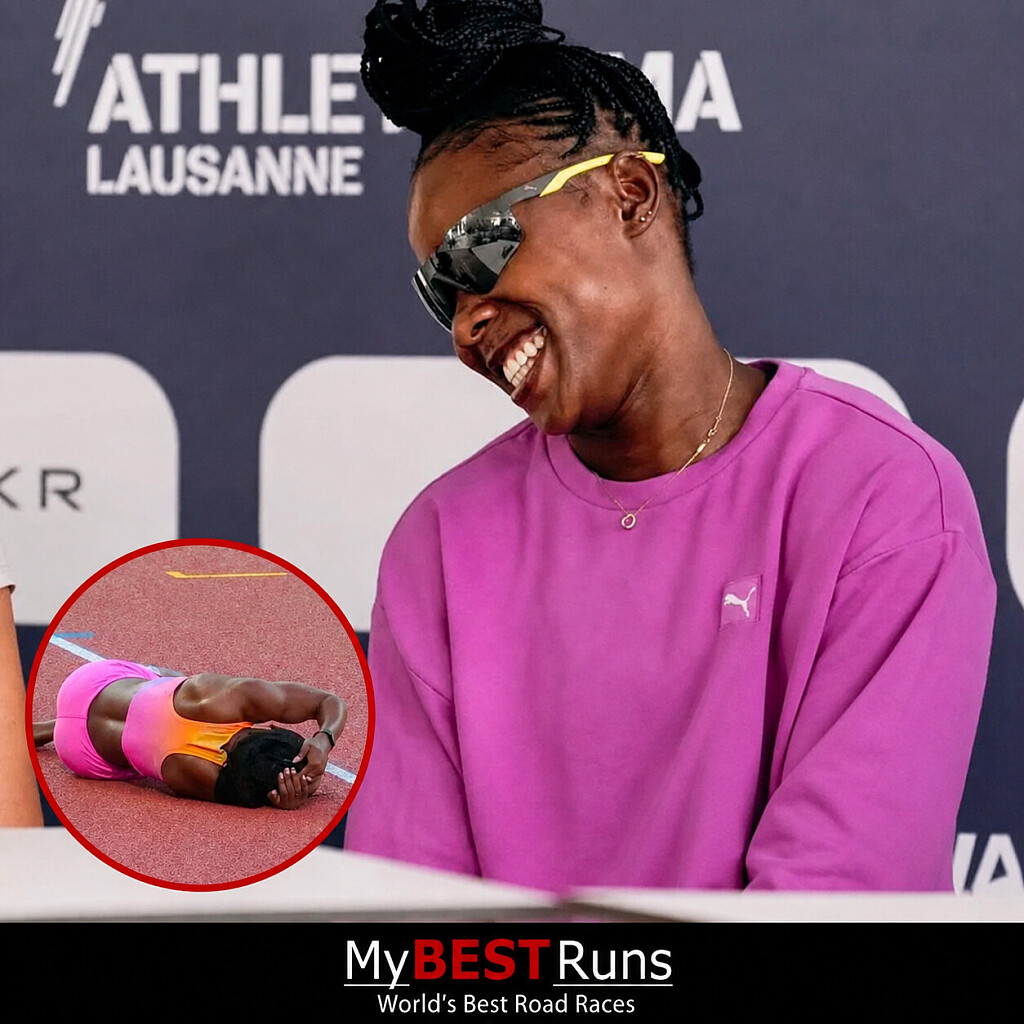
Shericka Jackson: A Smile Through the Storm
For Shericka Jackson, the past few weeks have brought a painful reminder that even the strongest champions can be tested far beyond the finish line.

The Jamaican sprint star is navigating a difficult period marked by grief, injury and uncertainty, yet she continues to show a remarkable strength that goes beyond medals and championships.
At the Lausanne Diamond League meeting on Friday, August 21, Jackson lined up for the women’s 200m hoping to put together another strong performance. She appeared composed through the early stages of the race, but as she came off the bend, her night took a heartbreaking turn.
Jackson suddenly pulled up and went down on the track, appearing to suffer a hamstring injury. She was unable to continue, bringing an abrupt end to her race and adding another painful chapter to a period that has already tested her physically and emotionally.
The setback came against an especially difficult personal backdrop.
Only days earlier, Jackson was mourning the death of Stephen Francis, the renowned Jamaican coach and founder of MVP Track Club, who played an important role in her development as an elite athlete.
Before the Lausanne meeting, Jackson spoke candidly about the emotional weight she was carrying.
“I'm trying to be okay because, in all honesty, I'm not okay.”
Those words revealed the reality behind the athlete the world usually sees competing with confidence and determination. Jackson has been trying to process personal loss while also working through the physical challenges that have disrupted her career.
Her injury struggles have previously forced her to make difficult decisions, including her withdrawal from the individual sprint events at the 2024 Paris Olympics. Now, just as she continues to navigate another challenging period, another injury has left her facing yet more uncertainty.
But Jackson has refused to allow the storm to define her.
In a message shared with her followers, she offered a powerful reminder of resilience:
“Your smile is proof that light can live through storms.”
Accompanied by the hashtags #ARoughPatchOfLife and #MentalHealthMatters, the message carried a significance far deeper than a social-media caption. It reflected the reality that athletes, despite their extraordinary physical abilities, experience grief, frustration, fear and emotional exhaustion just like everyone else.
Jackson’s story is a reminder that strength is not always measured by how fast someone runs or how many medals they have won.
Sometimes, strength is showing up when your heart is hurting.
Sometimes, it is allowing yourself to admit that you are not okay — and still finding a reason to smile.
And sometimes, courage is simply getting back up after life knocks you down.
Shericka Jackson may be going through a rough patch, but there is still light in that smile.
The track may have taken away another race, but it cannot take away her resilience, her spirit or the champion within her.
For now, Jamaica and athletics fans around the world can only hope for her recovery, healing and peace as she faces the road ahead. The storm will not last forever.
by Erick Cheruiyot for My Best Runs.
Login to leave a comment

From Sprinting Into History to Running Toward Forever: Usain Bolt Gets Engaged to Kasi Bennett
Usain Bolt has added another unforgettable milestone to an extraordinary life — and this time, there was no finish line, stopwatch or Olympic medal involved.
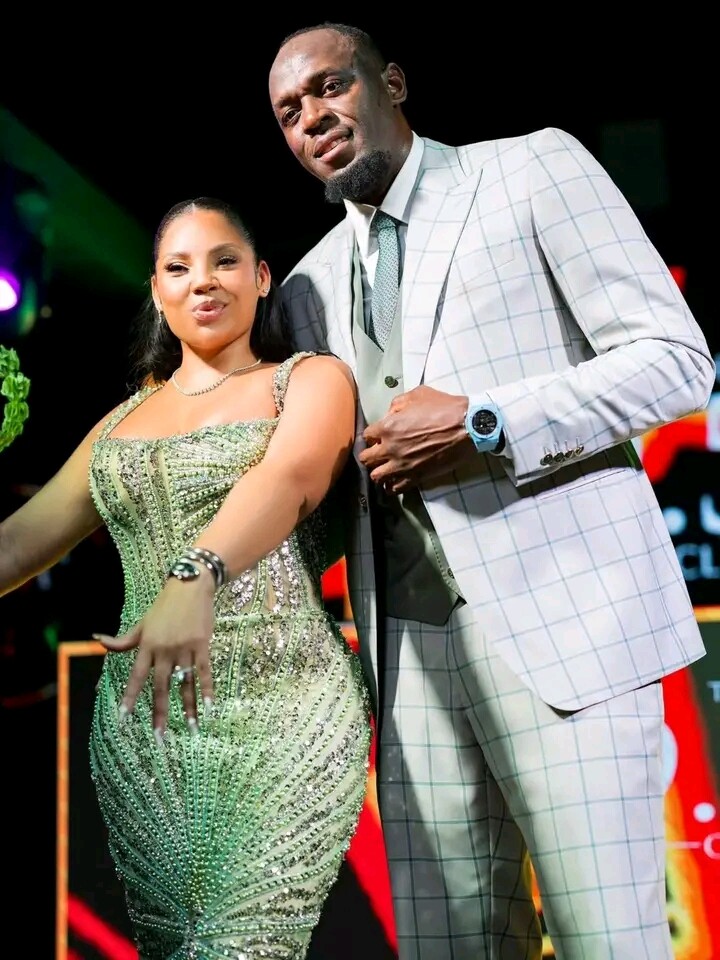
The Jamaican sprinting icon is officially engaged to his longtime partner, Kasi Bennett, after turning his 40th birthday celebration into a deeply personal and romantic moment in Kingston.

Bolt popped the question on Friday, August 21, during his birthday celebrations at One Belmont, where family and close friends gathered to mark the milestone. The eight-time Olympic champion got down on one knee in front of Bennett and asked her to become his wife, transforming an already special evening into a celebration of love and commitment.
And Bolt certainly did not arrive empty-handed.
Bennett was presented with a spectacular five-carat diamond engagement ring, with reports describing the centre stone as pear-shaped. Images from the occasion captured the emotional aftermath as the couple embraced, while Bennett later gave fans a glimpse of the unforgettable moment on social media.
The proposal marks a significant new chapter in a relationship that has lasted for more than a decade.
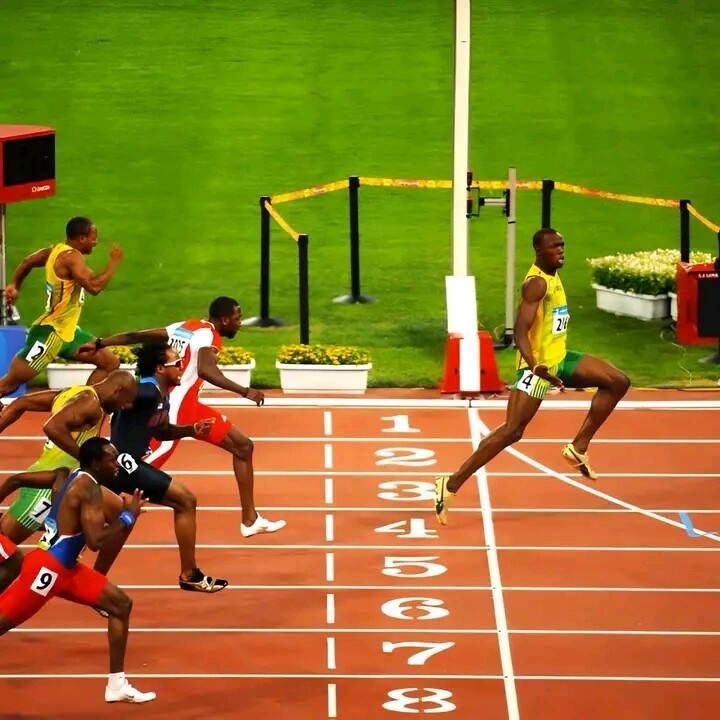
Bolt and Bennett began dating in 2013, eventually becoming one of Jamaica's most recognisable sporting couples. Their relationship became more widely known around the 2016 Rio Olympics, but much of their family life has remained away from the constant glare of the spotlight.
Together, they have built a family of their own, raising three children — daughter Olympia Lightning and twin sons Thunder and Saint Leo. Olympia was born in 2020, while the twins arrived in 2021.
Before the surprise proposal, Bennett had already marked Bolt's 40th birthday with a heartfelt tribute, celebrating not simply the global superstar known for rewriting sprinting history, but the partner and father behind the legend.
She described him as her love, her home and her forever, while expressing pride in the life they have created together.
For Bolt, whose career was defined by spectacular moments under the world's brightest lights, this may be one of his most meaningful victories yet.
He conquered the 100 metres. He dominated the 200 metres. He collected eight Olympic gold medals and established himself as one of the greatest athletes the world has ever seen.
Now, at 40, the world's most famous sprinter has made another decisive move — this time toward forever.
After 13 years together and three children, Usain Bolt and Kasi Bennett are officially taking their love story to its next chapter.
From breaking records to making memories, the fastest man in history has finally found a race he wants to take all the way to the finish.
by Erick Cheruiyot for My Best Runs.
Login to leave a comment
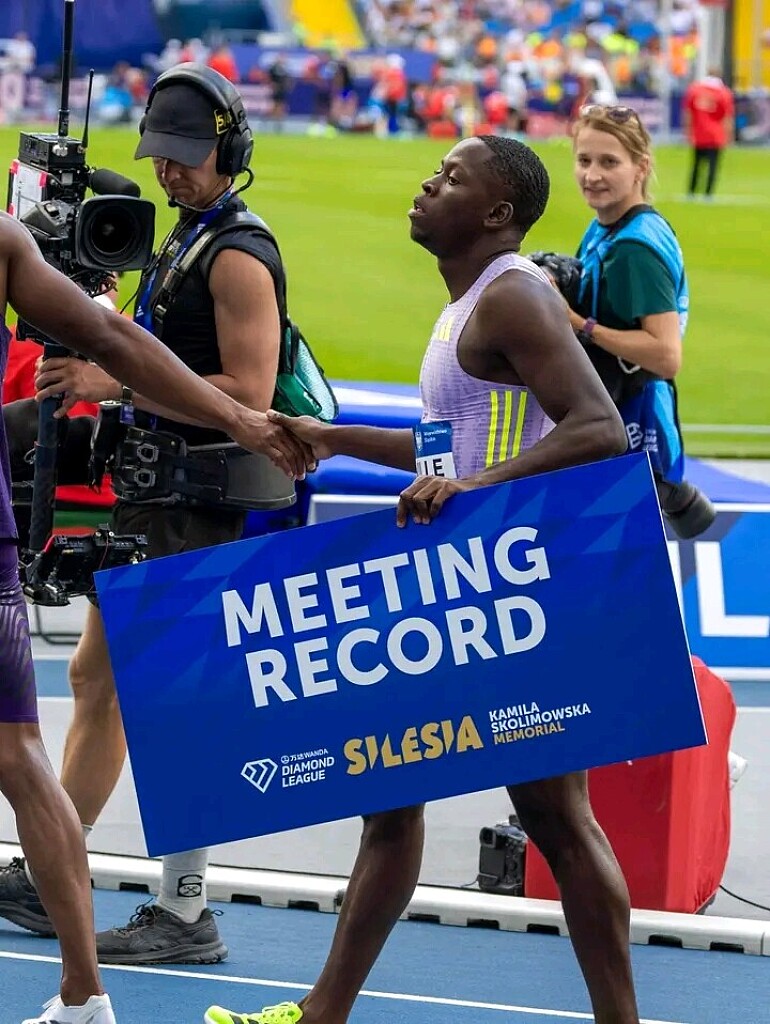
Oblique Seville Blazes to Meeting Record in Historic All Nine-Sub-10 Silesia Showdown
Jamaica’s Oblique Seville delivered another sensational statement at the Silesia Wanda Diamond League, storming to victory in a breathtaking men’s 100 metres and setting a new meeting record of 9.83 seconds that made sprinting history in Chorzów, Poland.
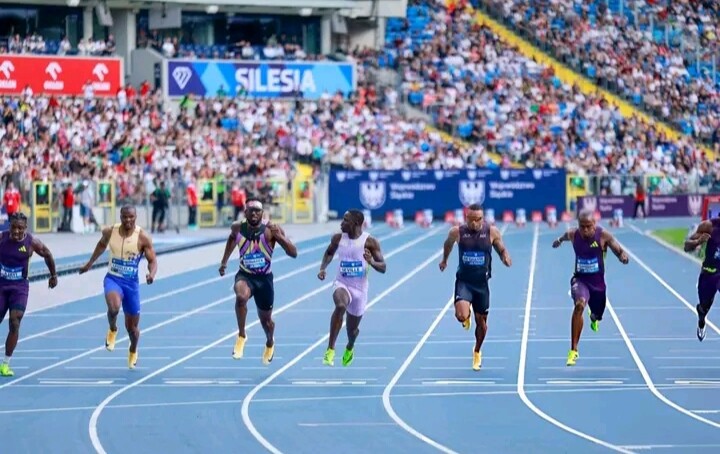
In one of the deepest and most extraordinary sprint races ever witnessed, Seville powered clear of a world-class field to take the win, with Kenneth Bednarek of the United States finishing second in 9.87 and fellow American Christian Coleman completing the podium in 9.93.
But Seville’s meeting-record victory was only one part of the remarkable story. For the first time in history, all nine athletes in a single men's 100m race broke the 10-second barrier, producing an unprecedented display of sprinting depth.
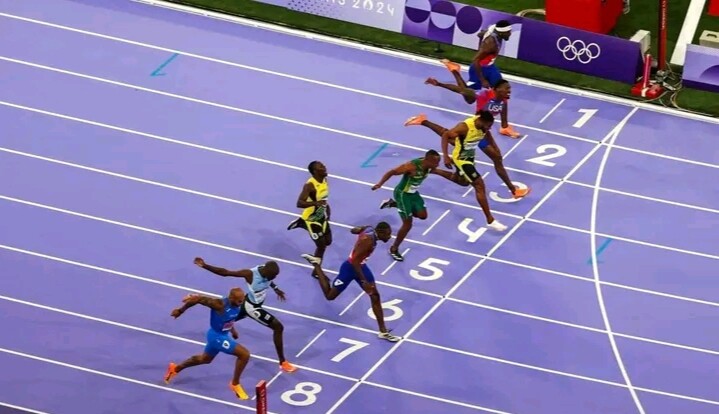
The historic race also marked only the second time that every athlete in a men's 100m final had broken 10 seconds, following the eight-man final at the Paris 2024 Olympic Games. In Silesia, however, the achievement went even further, with an entire nine-man field dipping below the iconic barrier.
Nigeria’s Kayinsola Ajayi produced another impressive performance to finish fourth in 9.94, while South Africa’s Gift Leotlela followed in fifth with 9.95. Canada’s Olympic champion Andre De Grasse clocked 9.96 in sixth, with South African star Akani Simbine recording the same time in seventh.
American Ronnie Baker added another sub-10-second performance with 9.97 for eighth place, while Cameroon’s Emmanuel Eseme ensured the historic sweep was complete by running 9.99 in ninth.
Men's 100m Results – Silesia Wanda Diamond League
1. Oblique Seville (Jamaica) — 9.83 Meeting Record
2. Kenneth Bednarek (United States) — 9.87
3. Christian Coleman (United States) — 9.93
4. Kayinsola Ajayi (Nigeria) — 9.94
5. Gift Leotlela (South Africa) — 9.95
6. Andre De Grasse (Canada) — 9.96
7. Akani Simbine (South Africa) — 9.96
8. Ronnie Baker (United States) — 9.97
9. Emmanuel Eseme (Cameroon) — 9.99
For Seville, the victory was another emphatic demonstration of his exceptional form and his ability to rise to the occasion against the strongest opposition. His 9.83 not only secured the Diamond League win but also lowered the Silesia meeting record, putting an exclamation mark on a performance of the highest quality.
Nine men went under 10 seconds. Seville went under 9.84. On an unforgettable day in Silesia, the Jamaican stood tallest in a race that pushed the boundaries of what men's sprinting has ever seen.
by Erick Cheruiyot for My Best Runs.
Login to leave a comment
Shericka Jackson’s Lausanne Return Ends in Heartbreak as Injury Clouds Silesia Showdown
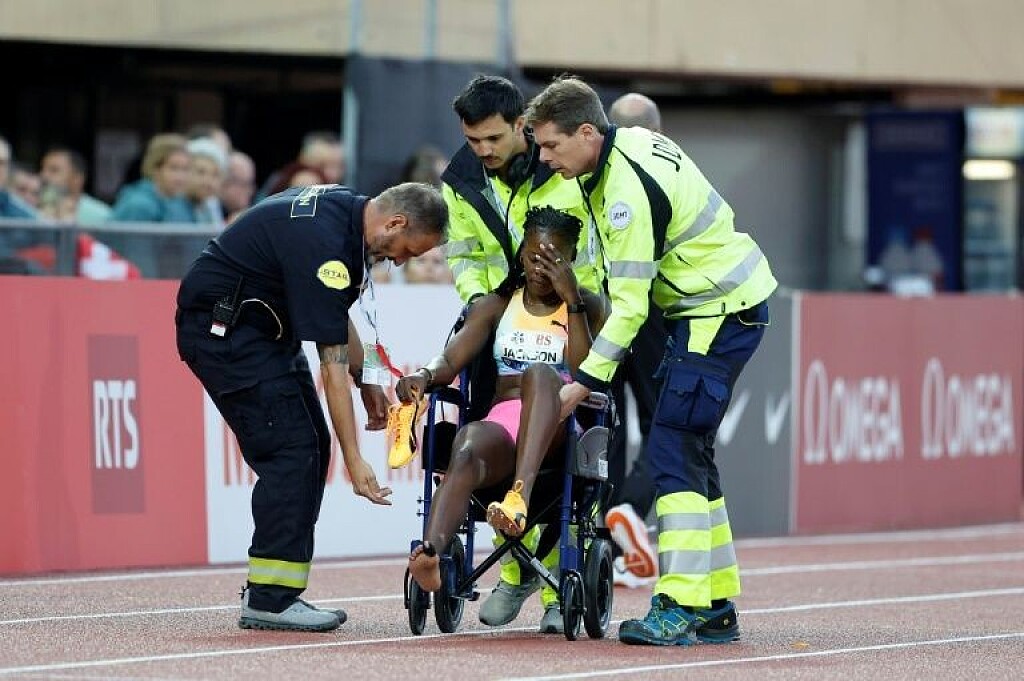
Shericka Jackson’s long-awaited return to the 200 metres ended in heartbreaking fashion on Friday night at the Wanda Diamond League meeting in Lausanne, where the Jamaican sprint star was forced to pull up and did not finish after appearing to suffer an injury.
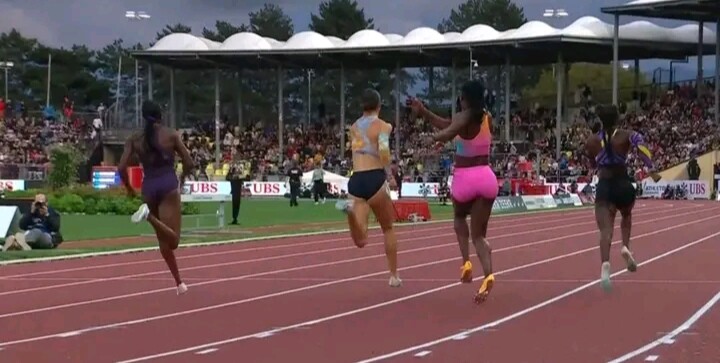
Jackson had made a promising start and was among the leading contenders as the race unfolded at the Stade Olympique de la Pontaise. But shortly after coming off the bend, the two-time world 200m champion suddenly pulled up, lost her balance and crashed to the track, bringing her comeback race to an abrupt and painful end.
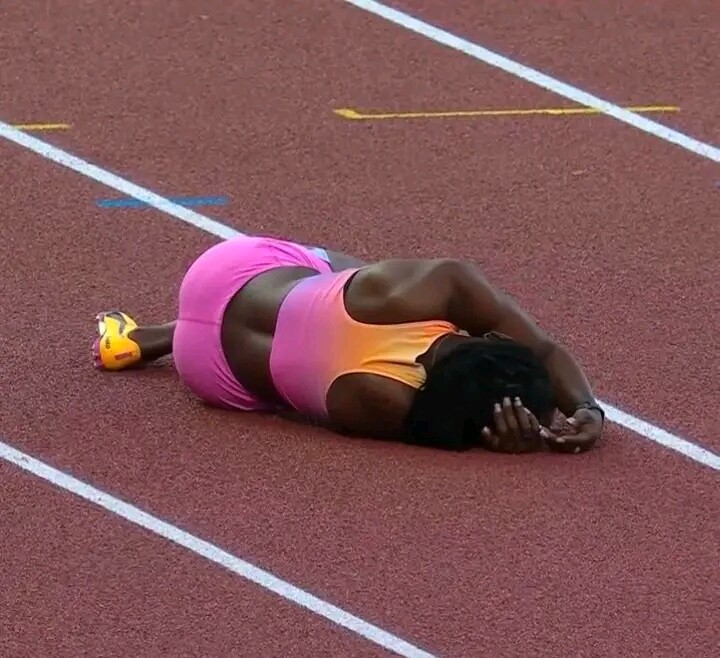
The incident immediately raised concerns for one of the most accomplished sprinters of her generation, particularly after Jackson had already acknowledged uncertainty over her fitness in the lead-up to the Lausanne meeting.
Her withdrawal now casts serious doubt over her scheduled appearance in the women’s 100m at the Silesia Diamond League on Saturday, August 23. Jackson had been set to line up in one of the most eagerly anticipated sprint races of the meeting, alongside fellow Jamaican Elaine Thompson-Herah, Sha’Carri Richardson, Julien Alfred and Melissa Jefferson-Wooden.
Whether Jackson will be fit enough to take her place remains unclear, but Friday’s setback was another difficult moment in what has been an emotionally challenging period for the Jamaican star.
Recently, Jackson revealed that she had not been “ok” as she continues to cope with the loss of her longtime coach and MVP Track Club technical director, Stephen “Franno” Francis. His death has clearly left a profound impact on an athlete who enjoyed some of the greatest successes of her career under his guidance.
Friday’s injury scare added another layer of heartbreak to that difficult journey. For now, the athletics world will be hoping that the setback is not as serious as it first appeared and that Jackson can recover fully.
One of the sport’s biggest stars has already overcome enormous challenges throughout her career. The hope now is that this latest setback will be only a temporary interruption—and that Shericka Jackson will soon be back where she belongs, competing at the very highest level.
by Erick Cheruiyot for My Best Runs.
Login to leave a comment
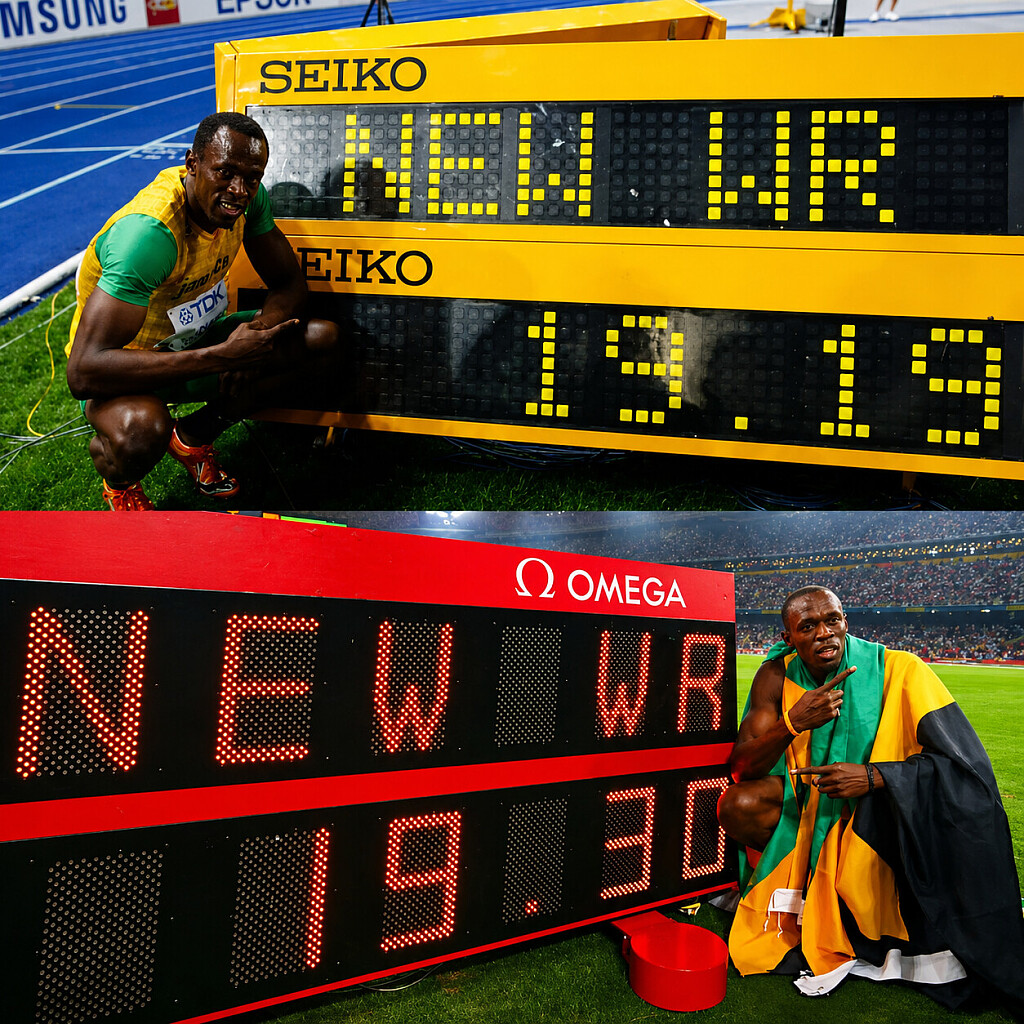
August 20: The Day Usain Bolt Rewrote the 200m Record Book—Twice
Some dates become part of sporting history. August 20 belongs to Usain Bolt.
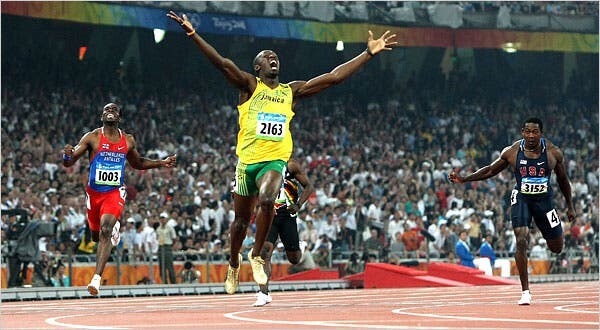
On two consecutive years, the Jamaican sprinting phenomenon transformed the men’s 200 metres, producing performances that seemed almost impossible even by his extraordinary standards.
On August 20, 2008, inside Beijing’s Bird’s Nest, Bolt lined up for the Olympic 200m final carrying enormous expectations. Four days earlier, he had stunned the world by winning the 100m in a then-world-record 9.69 seconds. Yet the 200m was about to become another chapter in his growing legend.
Bolt exploded around the bend before powering down the home straight, crossing the finish line in 19.30 seconds to win Olympic gold and shatter Michael Johnson’s long-standing world record of 19.32, set in Atlanta in 1996. The improvement was only two hundredths of a second, but the significance was enormous: Johnson’s seemingly formidable record had survived for 12 years before Bolt finally brought it down.
And there was another remarkable detail. Bolt’s Beijing record came with a 0.9 m/s headwind, making the performance even more extraordinary.
But Bolt was not finished.
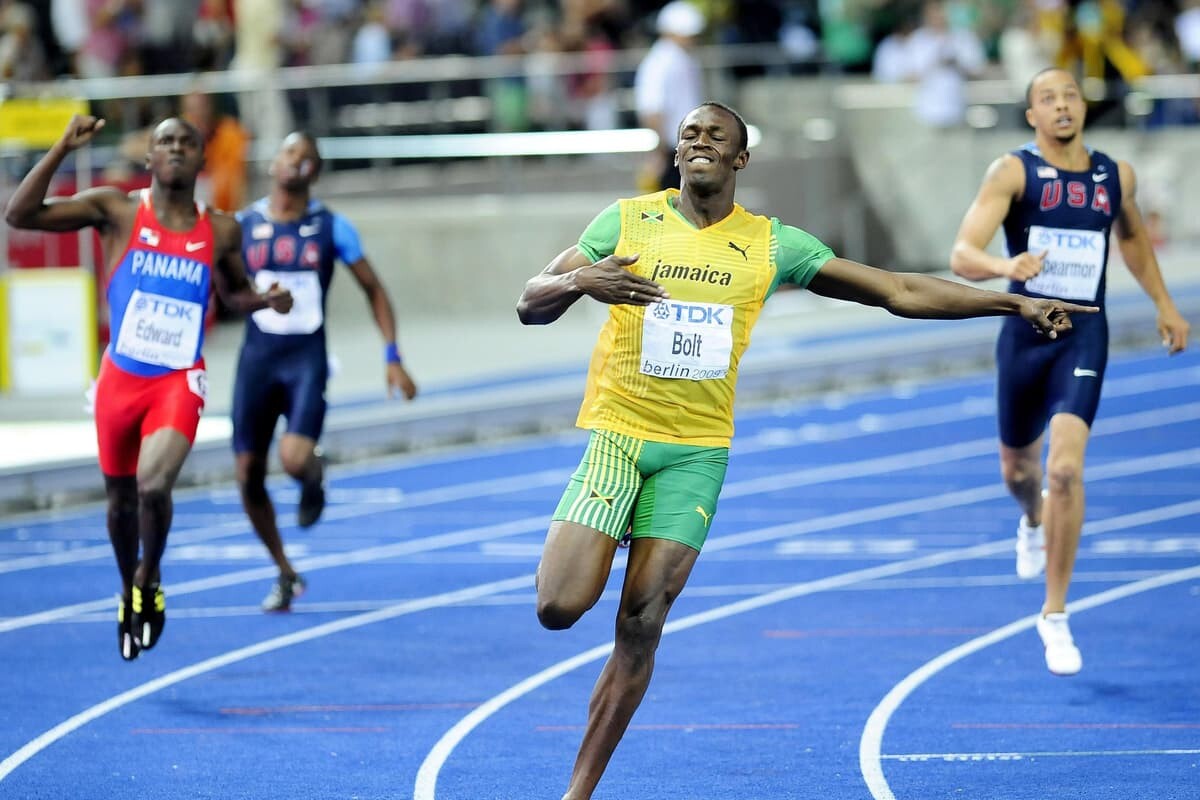
Exactly one year later, on August 20, 2009, he returned to the same event at the World Athletics Championships in Berlin with another opportunity to redefine the limits of speed.
Four days earlier, he had already demolished his own 100m world record, running 9.58 seconds. Now the 200m world record was in his sights.
What followed was extraordinary.
Bolt stormed to 19.19 seconds, taking 11 hundredths off the world record he had established in Beijing. The performance came with a 0.3 m/s headwind, yet he still produced a time that would immediately become one of the most iconic performances in athletics history.
The progression was staggering:
19.30 in Beijing.
19.19 in Berlin.
Michael Johnson’s record had become Bolt’s record—and then, just 12 months later, Bolt destroyed his own mark.
His Berlin victory was also emphatic. Bolt finished more than half a second ahead of Panama’s Alonso Edward, who ran 19.81, while Wallace Spearmon took bronze in 19.85.
What made the achievement even more remarkable was the consistency of Bolt’s record-breaking brilliance. Across the Beijing Olympics and Berlin World Championships, he produced a succession of world records in the 100m and 200m, repeatedly turning major championship finals into historic moments. World Athletics noted after Berlin that Bolt had become the first man to break both the 100m and 200m world records more than once.
And now, 17 years after that unforgettable Berlin night, the 19.19-second world record still stands.
The mark has survived generations of exceptional sprinters, including athletes who have come remarkably close to the 19-second barrier. Yet Bolt’s time remains untouched at the summit of the all-time list.
That is why August 20 is more than a date on the athletics calendar.
It is the anniversary of the day Usain Bolt first broke Michael Johnson’s seemingly untouchable standard—and then returned exactly one year later to make his own record look vulnerable.
Beijing gave the world 19.30.
Berlin gave it 19.19.
Two August 20s. Two world records. One extraordinary sprinter.
Usain Bolt was not simply winning races. He was changing the definition of human speed.
And the question that remains for the next generation is perhaps the most intriguing of all:
Will we ever see another sprinter capable of breaking the 19-second barrier and finally taking down the 19.19 mark that Bolt left behind?
by Erick Cheruiyot for My Best Runs.
Login to leave a comment
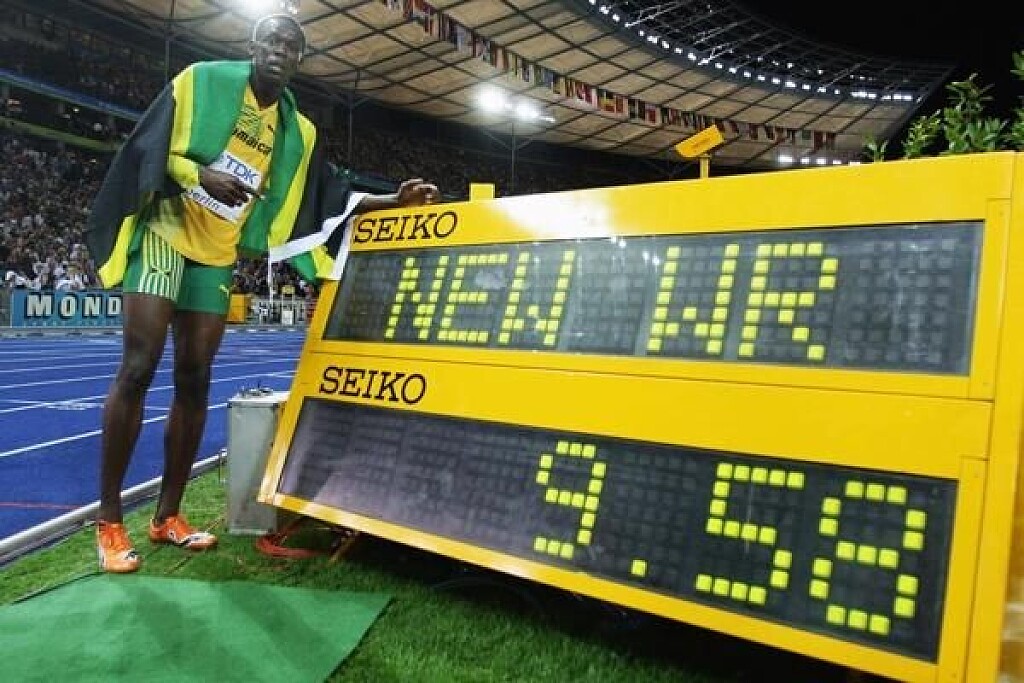
Seventeen Years On, Usain Bolt’s 9.58 Still Stands Alone
Seventeen years ago today, Jamaica’s Usain Bolt produced one of the most extraordinary performances in the history of athletics, sprinting into sporting immortality with a breathtaking 9.58 seconds in the men’s 100m final at the 2009 World Championships in Berlin.
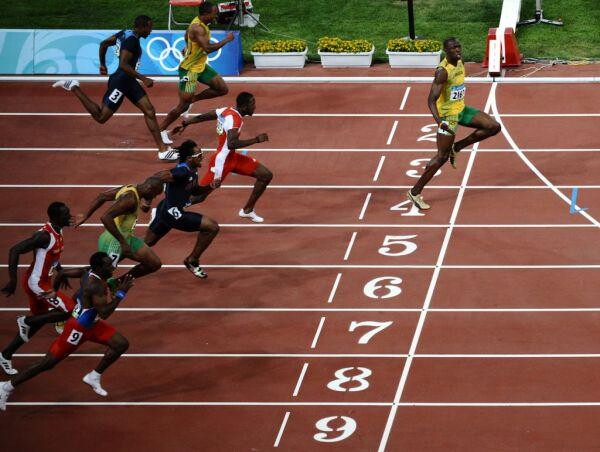
Under the lights of Berlin’s Olympic Stadium, the Jamaican superstar dismantled his own world record, slicing an astonishing 0.11 seconds from the 9.69 he had set at the Beijing Olympics exactly one year earlier. With a legal tailwind of +0.9 m/s, Bolt crossed the finish line in 9.58 — a mark that remains the fastest 100m ever recorded by a man.
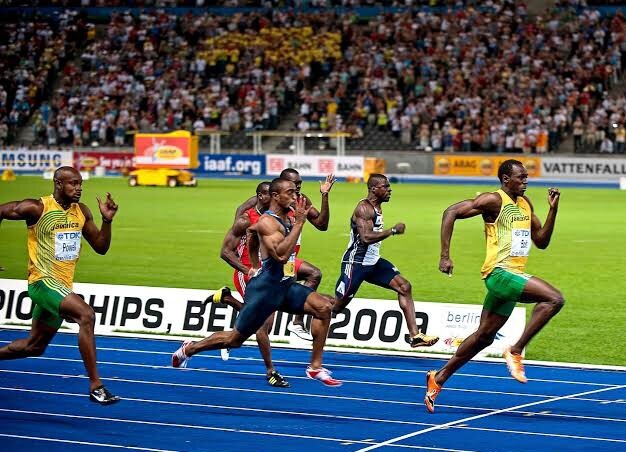
The race was billed as a heavyweight showdown between Bolt and American Tyson Gay, but once the Jamaican found his rhythm, the contest was effectively decided. Bolt surged away from the field with his trademark long, powerful strides, stopping the clock in a time that seemed almost beyond the limits of human speed.
Behind him, Gay produced a remarkable 9.71 for silver, setting a United States record, while Jamaica’s Asafa Powell claimed bronze in 9.84. Yet the night belonged entirely to Bolt, whose performance became the defining image of the Berlin championships.
What made the achievement even more remarkable was the scale of the improvement. Bolt had already rewritten the world record in Beijing with 9.69, but in Berlin he went to another level, becoming the first man to break the 9.6-second barrier. His 9.58 also represented the largest improvement to the men’s 100m world record since electronic timing was introduced.
Seventeen years later, the number still carries an almost mythical quality: 9.58 seconds. Generations of sprinters have chased faster times, but Bolt’s Berlin masterpiece remains untouched. The record has survived Olympic cycles, world championships and a new generation of elite sprinters, continuing to stand as one of the most enduring monuments to human speed.
On August 16, 2009, Usain Bolt did more than win a world title. He created a moment that transcended the race itself — a performance that continues to remind the world just how extraordinary the limits of speed can be.
Seventeen years on, 9.58 still belongs to Bolt. And the world is still waiting for someone to catch him.
by Erick Cheruiyot for My Best Runs.
Login to leave a comment
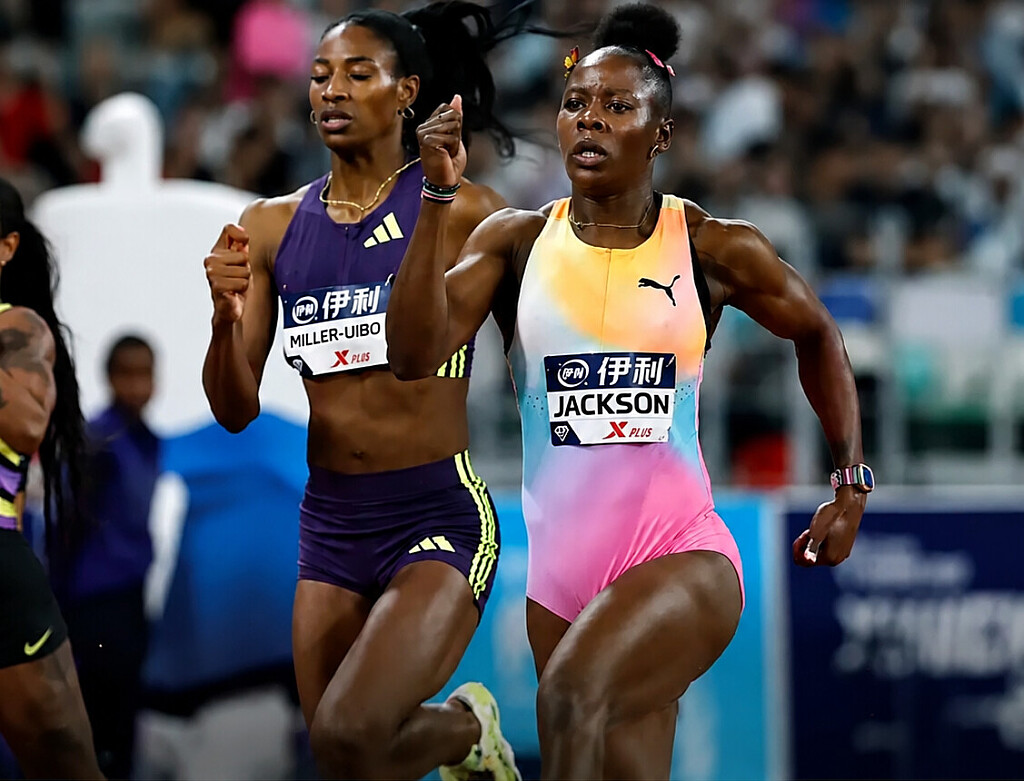
Lausanne Diamond League Set For Sprint Fireworks As Shericka Jackson And Shaunae Miller-Uibo Headline Star-Studded Showdown
The countdown is on for one of the most anticipated meetings of the 2026 Wanda Diamond League season, with the Athletissima Lausanne Diamond League set to deliver another spectacular night of world-class athletics on August 21.
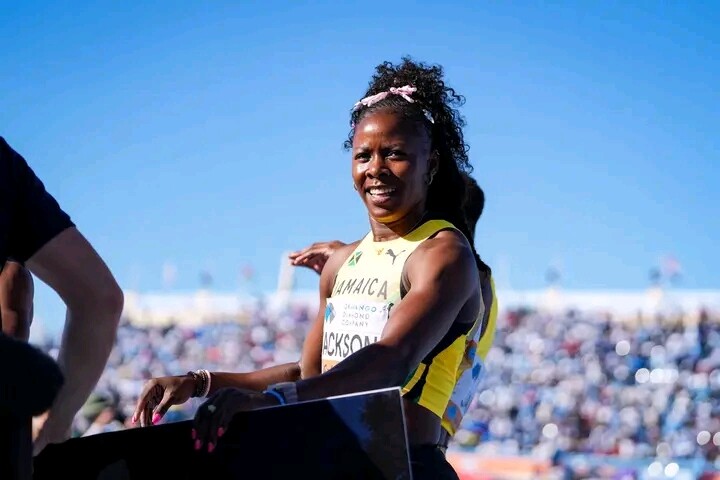
A loaded women's sprint programme will take centre stage, highlighted by an electrifying 200m showdown featuring some of the biggest names in global athletics. The event promises speed, drama and championship-quality competition as the world's elite battle for Diamond League glory.
Leading the field is Shericka Jackson, the Jamaican sprint sensation and the second-fastest woman in history over 200 metres. Jackson arrives in Lausanne chasing another Diamond League victory and, given her exceptional pedigree, the meeting record could be under serious threat if conditions are favourable. Widely regarded as one of the greatest 200m runners of all time, she will be aiming to continue her impressive form as the season reaches its decisive stages.
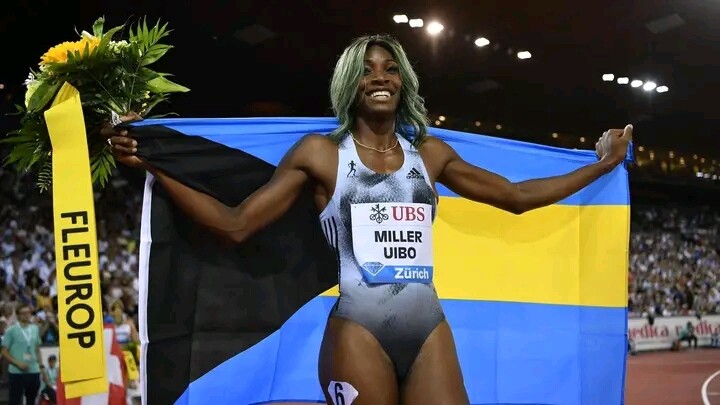
Joining the star-studded line-up is Shaunae Miller-Uibo, the Bahamian superstar whose résumé includes two Olympic 400m gold medals and a world title. Renowned for her powerful finishing speed and championship experience, Miller-Uibo adds another layer of excitement to what is already shaping up to be one of the highlights of the meeting.
The field also features Amy Hunt, the reigning world 400m silver medallist, who continues to establish herself among the world's elite. Her presence ensures the competition will be fierce as she tests herself against some of the most accomplished athletes of this generation.
With such an exceptional line-up confirmed, Lausanne is expected to produce one of the fastest women's sprint races of the season. The Swiss meeting has earned a reputation for delivering unforgettable performances, and fans will be hoping another chapter of athletics history is written on August 21.
As the race for Diamond League points intensifies ahead of the season finale, every result carries extra significance. For Jackson, Miller-Uibo and their rivals, Lausanne represents another opportunity to make a statement, sharpen their form and build momentum before the year's major championships.
With Olympic champions, world champions and record-breaking sprinters all set to take the track, the Athletissima Lausanne Diamond League promises an evening of elite competition that athletics fans around the world will not want to miss.
by Erick Cheruiyot for My Best Runs.
Login to leave a comment
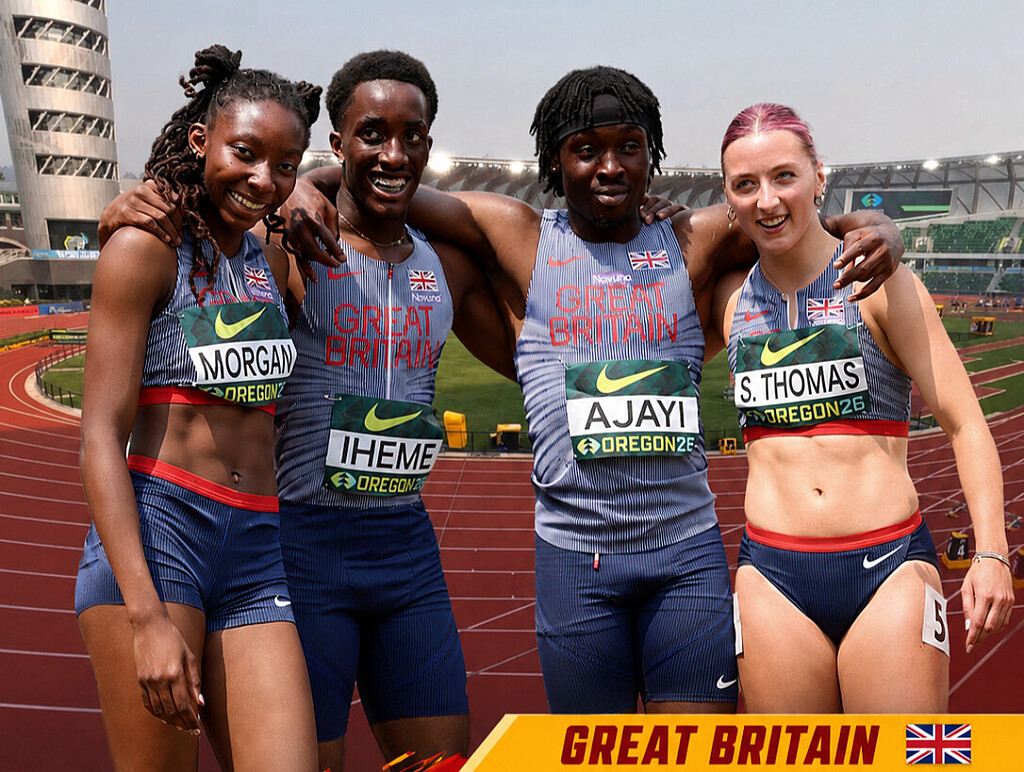
World U20 Relay History Rewritten As Great Britain Breaks Fresh Record After Australia's Brief Reign
Records were rewritten twice within the space of a few unforgettable minutes as the inaugural World Athletics U20 Mixed 4x100m relay produced one of the most dramatic sessions of the World Athletics U20 Championships in Eugene, Oregon.
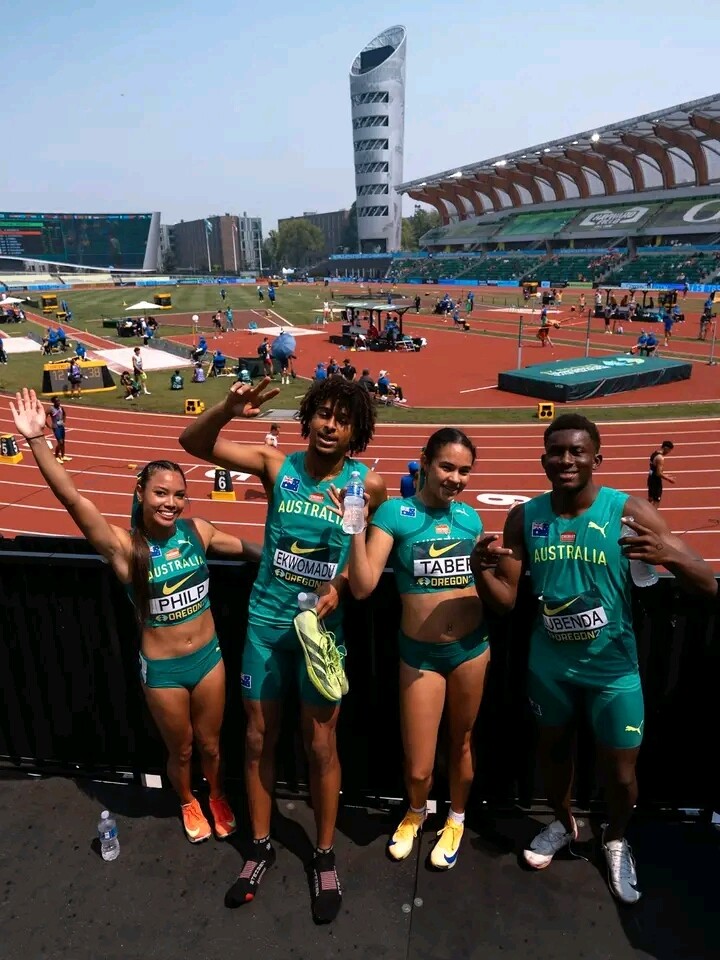
Australia ignited the excitement in the opening heat by storming to a world U20 record of 41.64 seconds, becoming the first team ever to reach that mark and briefly claiming a place in history. For five memorable minutes, the Australian quartet of Uwezo Lebenda, Maya Taber, Kelechi Ekwomadu and Thewbelle Philp stood as world record holders after a sensational performance that also secured their place in Saturday's final.
Their celebration, however, proved to be short-lived.
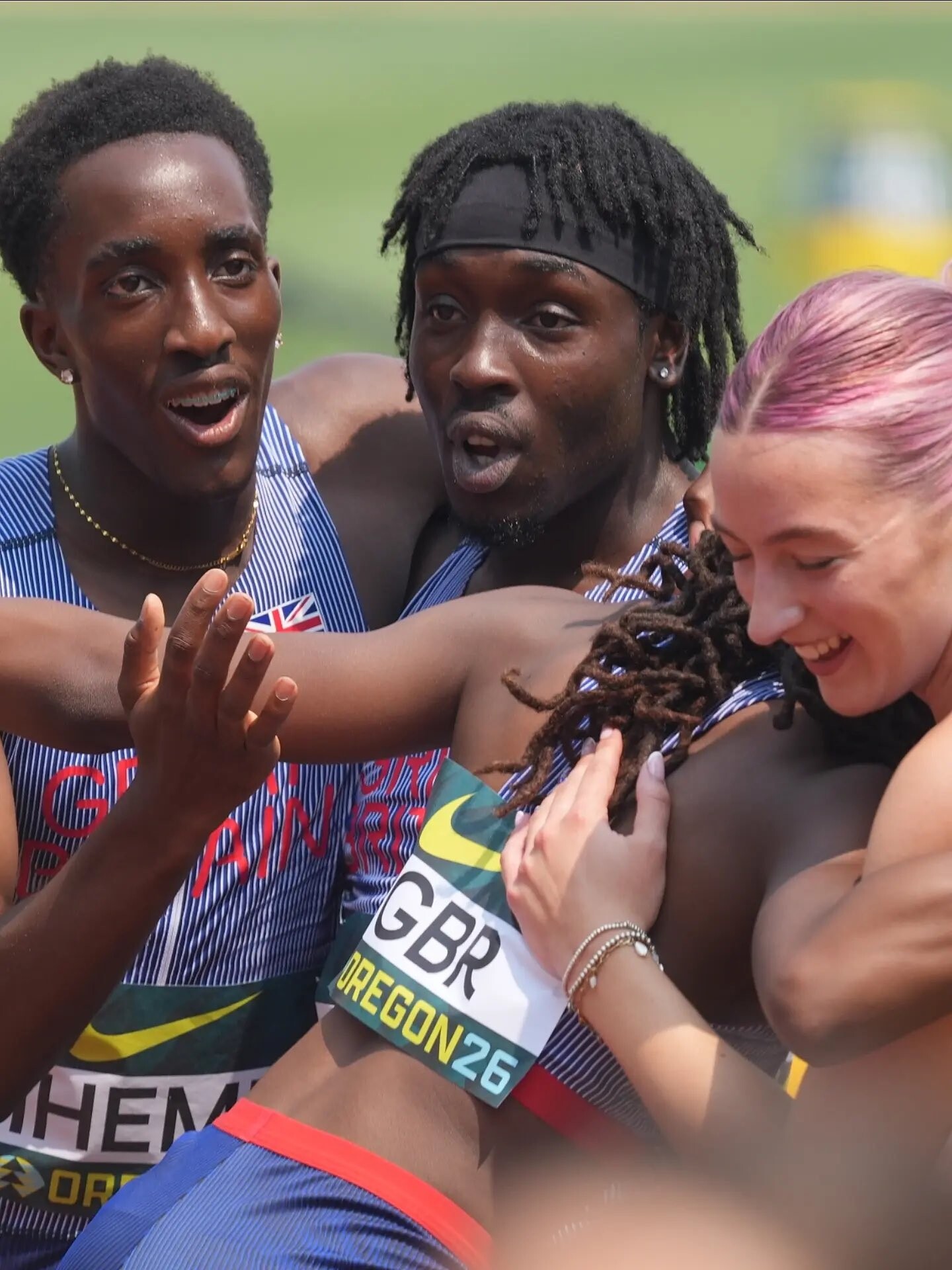
Moments later, Great Britain delivered an even more electrifying display in the second heat, clocking 41.60 to erase Australia's newly established mark and set a fresh World U20 record. It was a masterclass in speed, precision and flawless baton exchanges that propelled the British team into the history books.
The record-breaking quartet of Divine Iheme, Savannah McKenzie Morgan, Mathew Ajayi and Sophie Thomas combined brilliantly from start to finish to produce the fastest mixed U20 4x100m relay ever recorded. Sophie Thomas, who is set to compete for the University of Connecticut (UConn) this year, produced a composed anchor leg to seal the landmark performance.
The extraordinary back-to-back world records underlined the remarkable depth of sprint talent on display, with several other nations also producing outstanding performances to qualify for the final.
Italy impressed with a personal best of 41.74, while the United States advanced comfortably in 41.82. Nigeria also produced a personal best of 41.91 to secure qualification.
Jamaica (42.08 PB), Germany (42.12 PB), France (42.16 PB) and Poland (42.18 PB) completed the eight-team final after delivering strong performances in one of the fastest mixed relay qualifying rounds ever witnessed at the U20 Championships.
With two world records already falling in rapid succession, anticipation is now soaring ahead of Saturday's final. If the qualifying heats are any indication, the newly established global mark of 41.60 may once again come under serious threat as the world's best young sprinters chase another piece of athletics history.
by Erick Cheruiyot for My Best Runs.
Login to leave a comment

Taylor and Maxwell Deliver Golden U.S. Sprint Sweep at World U20 Championships
The United States produced a memorable night of sprinting at the World Athletics U20 Championships in Eugene, Oregon, as Tate Taylor and Mia Maxwell captured the men's and women's 100 metres titles to complete a remarkable American clean sweep in one of track and field's most prestigious junior competitions.
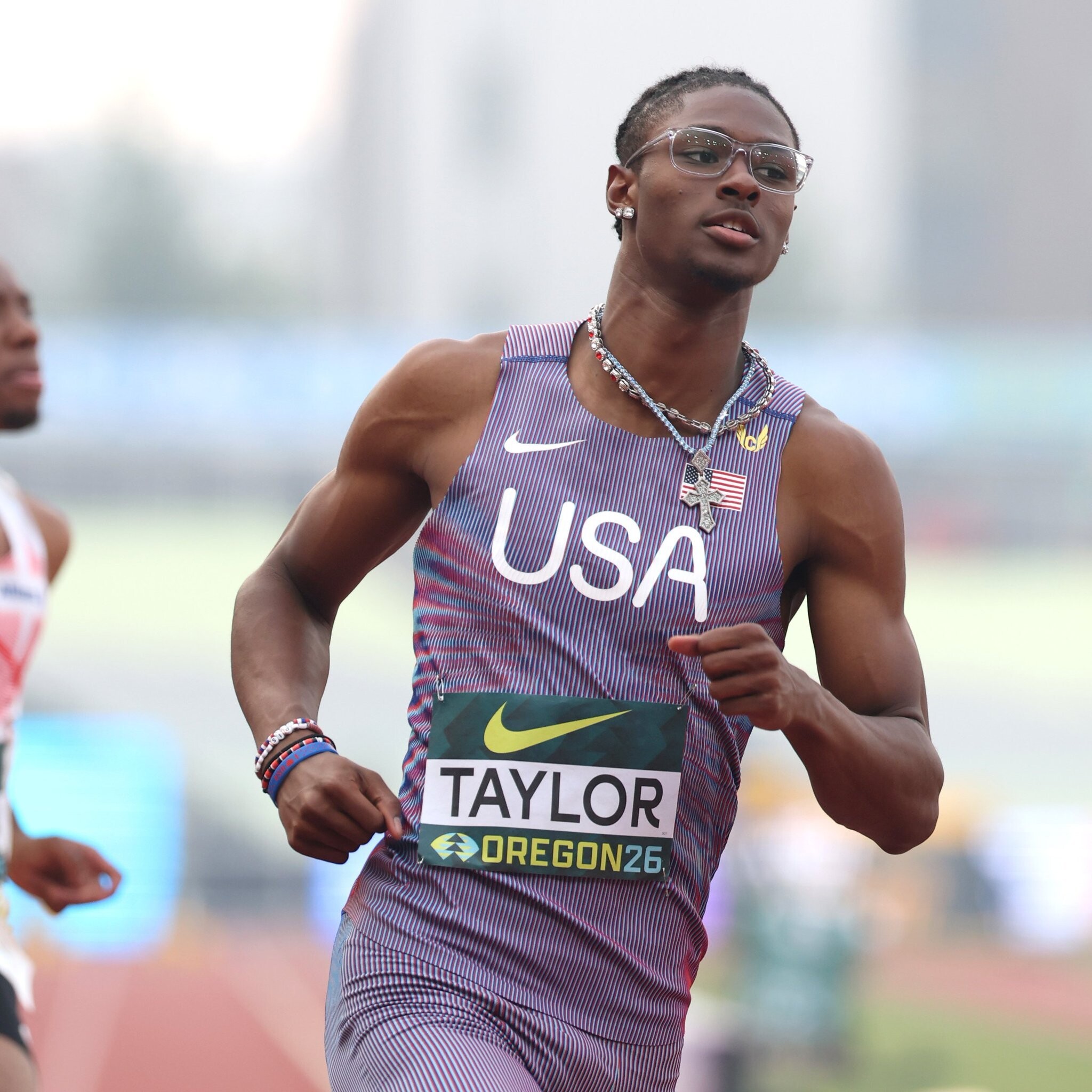
Taylor announced himself among the world's brightest young sprinters with a breathtaking performance in the men's final, powering away over the closing metres to clock a wind-legal personal best of 9.94 seconds. The outstanding run made him the only athlete in the field to break the 10-second barrier and confirmed his status as one of the fastest teenagers in history.
Jamaica's Gary Card claimed the silver medal in 10.05 seconds after a strong race, while South Africa's Marko Ferreira secured bronze in 10.16, completing a highly competitive podium. Despite a closely contested opening half of the race, Taylor's explosive finishing speed proved decisive as he surged clear to take the world junior crown in emphatic fashion.
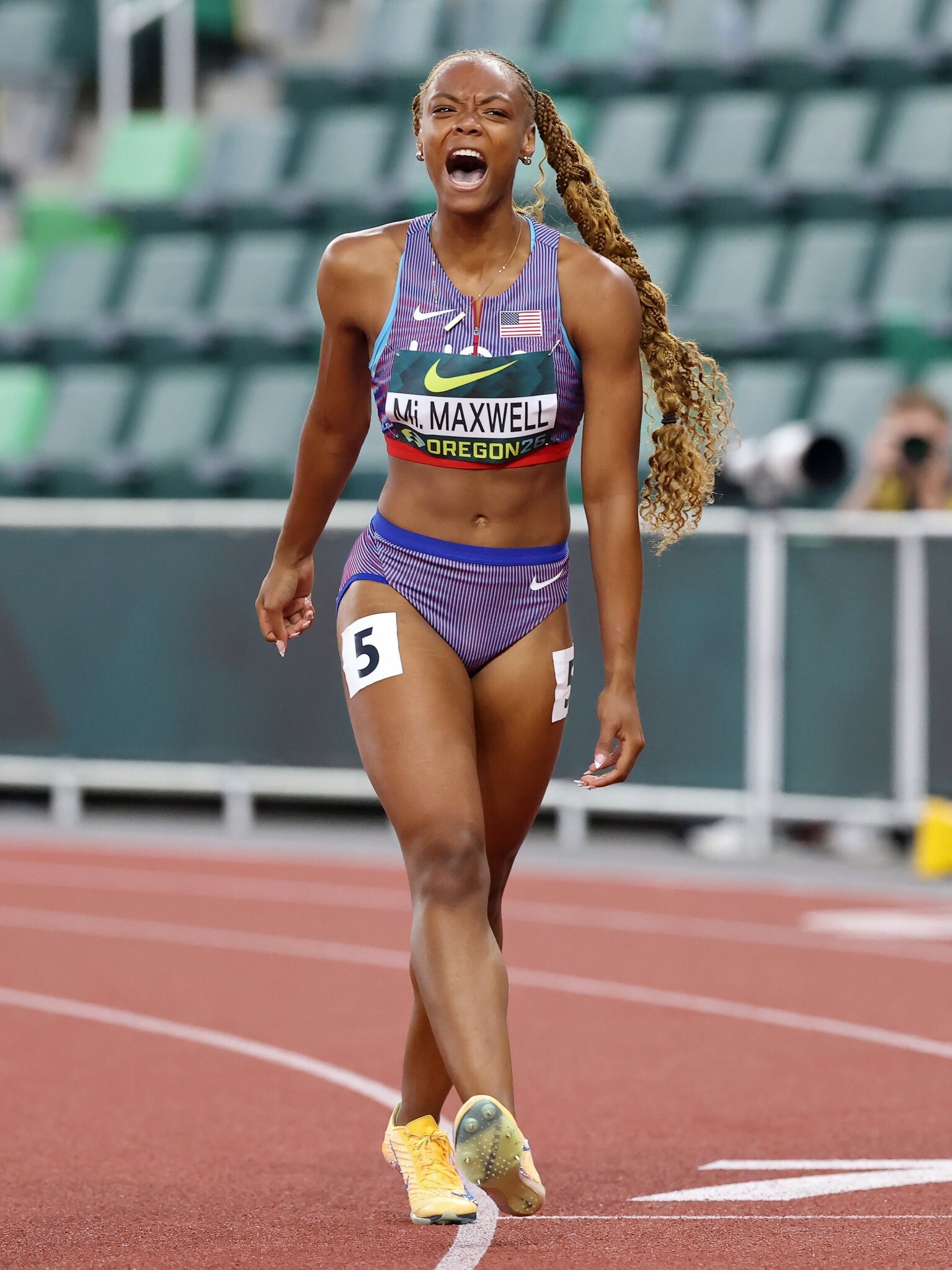
The women's final delivered another thrilling contest, with Mia Maxwell holding her composure under immense pressure to secure the title in 11.14 seconds. Jamaica's Shanoya Douglas mounted a determined late challenge but settled for silver in 11.17, while Italy's Kelly Ann Doualla Edimo earned bronze after crossing the line in 11.27.
The victory capped an unforgettable championship for the Maxwell family. After progressing impressively through the rounds, Mia delivered when it mattered most, while her twin sister, Mariah Maxwell, also reached the final and finished fifth, underlining the family's exceptional sprinting talent on the global stage.
The double triumph marked a dominant evening for Team USA, which swept both 100m gold medals before a home crowd in Eugene. With Taylor producing a historic sub-10-second breakthrough and Maxwell demonstrating remarkable composure in a world-class women's final, the pair provided another glimpse of the exciting future of American sprinting.
by Erick Cheruiyot for My Best Runs.
Login to leave a comment

Maxwell Twins Storm into World U20 100m Final with Dominant Sprint Performances
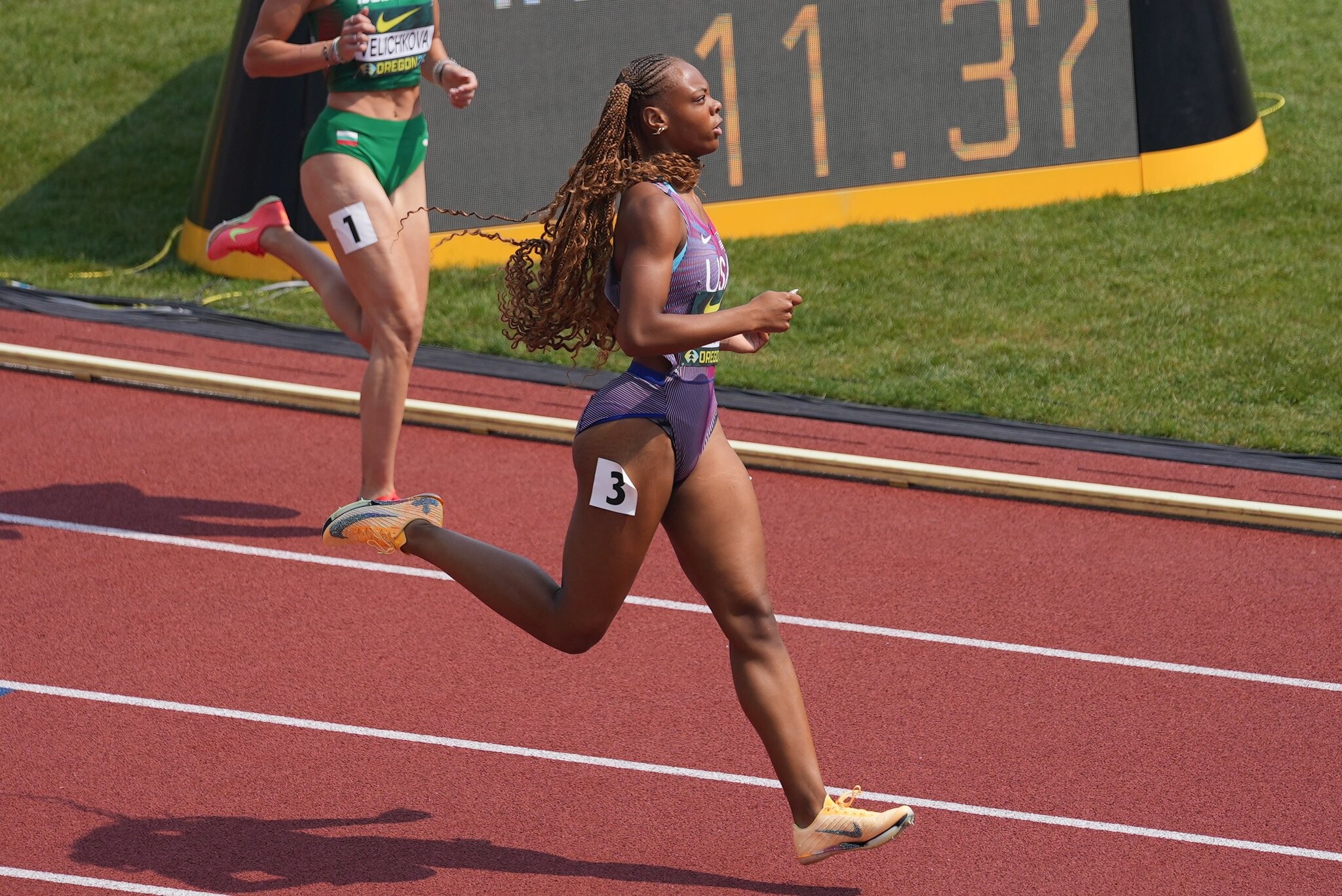
The Maxwell twins, Mariah and Mia, continued their outstanding run at the World Athletics U20 Championships in Oregon by powering into the women's 100 metres final after commanding displays in both the heats and semi-finals.
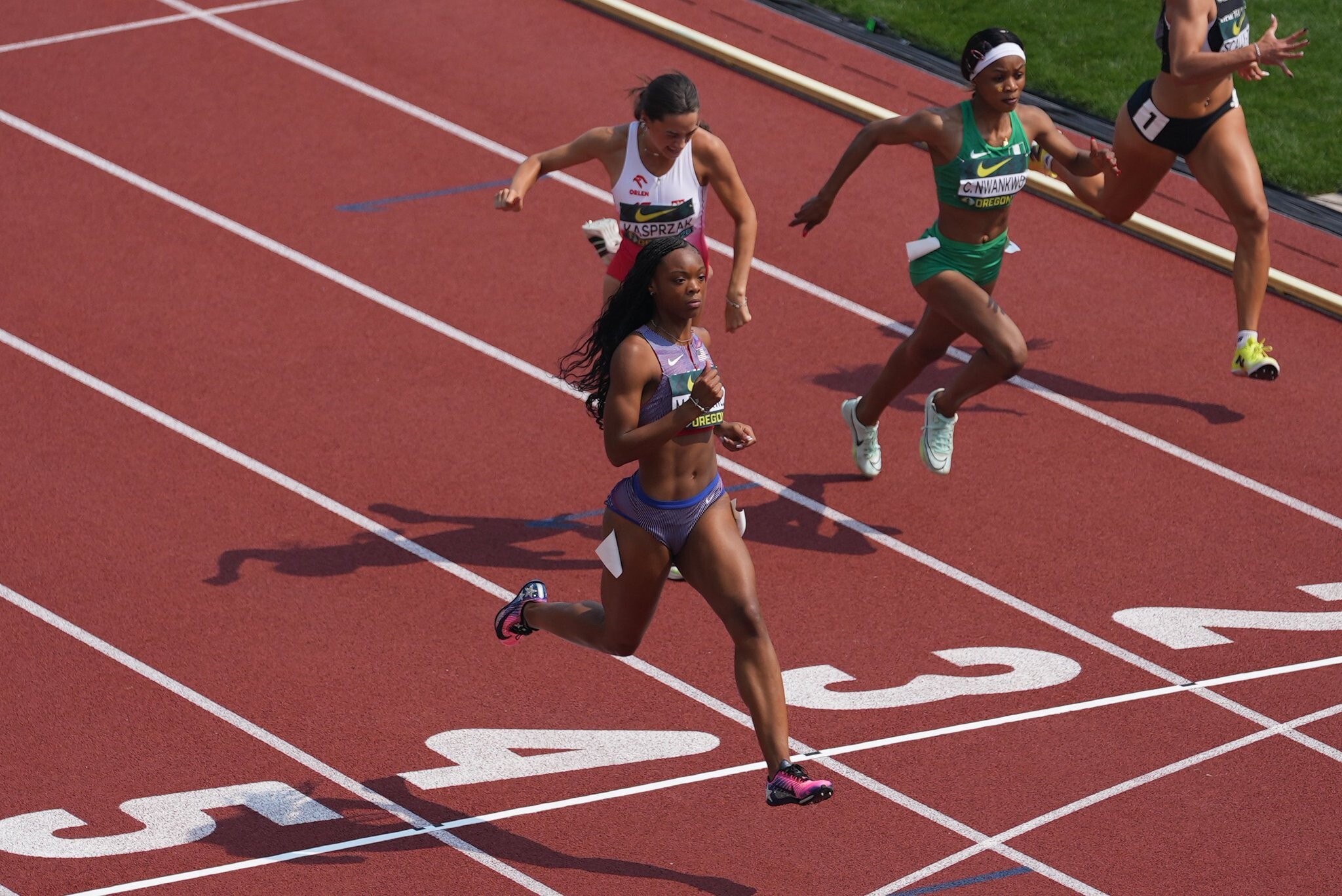
Mariah opened her campaign with an impressive victory in her opening heat, clocking 11.33 seconds to advance comfortably. Moments later, Mia matched her sister's performance by winning Heat 6 in 11.37 seconds, ensuring both Americans progressed safely to the semi-finals while looking well within themselves.
If their opening-round performances were convincing, the semi-finals were even more emphatic.
Mia Maxwell stamped her authority on the event by producing the fastest semi-final performance of the day, surging to victory in Heat 2 in a superb 11.13 seconds. Her sister, Mariah, also delivered when it mattered most, winning her place in the final with a composed run of 11.25 seconds in Heat 3.
The Maxwell sisters' remarkable performances ensured they both booked places in the championship final, strengthening their status as leading contenders for the world junior title. Their ability to deliver under pressure has made them one of the biggest stories of the championships, with the twins now just one race away from global glory.
Elsewhere in the semi-finals, Italy's Kelly Ann Maevane Doualla Edimo claimed victory in the opening semi-final, while Jamaica's Shanoya Mikalia Douglas emerged victorious in the third semi-final to complete an impressive lineup for the title showdown.
The women's 100m final will feature an exceptional field comprising Mia Maxwell (United States), Theianna-Lee Terrelonge (Jamaica), Shanoya Mikalia Douglas (Jamaica), Xenia Buri (Switzerland), Mariah Maxwell (United States), Kelly Ann Maevane Doualla Edimo (Italy), Emma Goretzka (Germany), Jady Emmanuel (Saint Lucia), and Lena Anochili (Germany).
With both Maxwell sisters in scintillating form and carrying the fastest performances into the final, anticipation is building for what promises to be one of the most exciting sprint races of the World Athletics U20 Championships.
by Erick Cheruiyot for My Best Runs.
Login to leave a comment

Eugene Welcomes the Future of Athletics as the 2026 World U20 Championships Get Underway
The global spotlight turns to Eugene, Oregon, today as the 2026 World Athletics U20 Championships officially get underway at the iconic Hayward Field, launching five days of elite competition that will showcase the sport's brightest young talents.
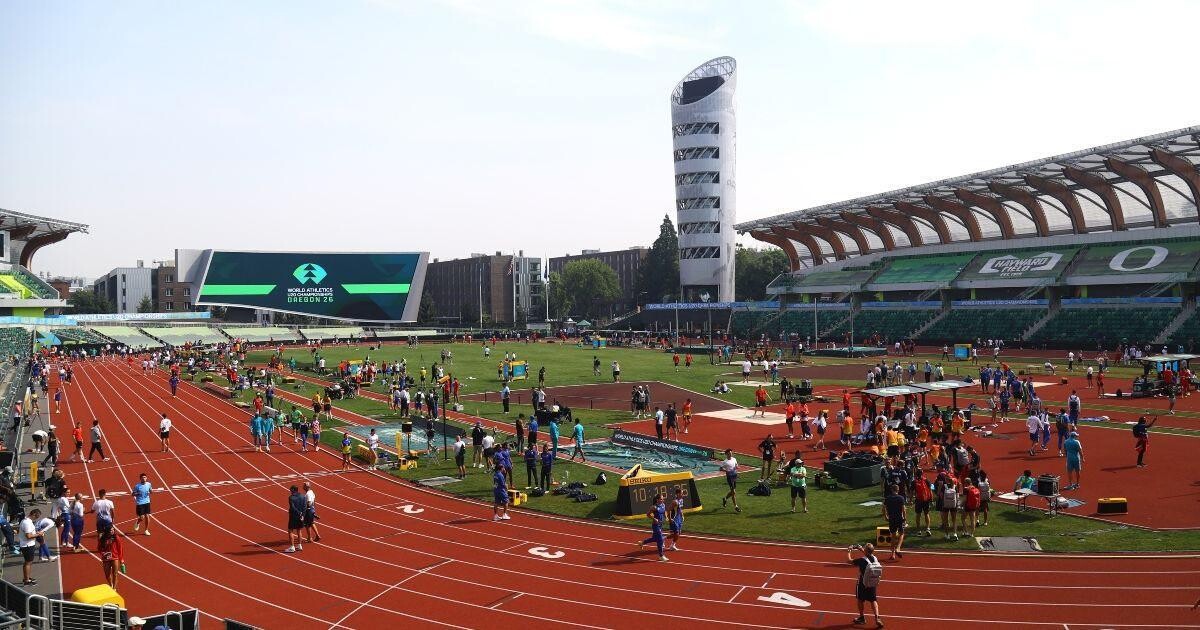
Running from August 5 to August 9, the 40th edition of the championships is the biggest in the event's history, bringing together more than 1,800 athletes representing 147 nations. For many of these rising stars, the championships mark the first major step toward future Olympic, World Championship, and Diamond League success.
The opening day immediately promises world-class action with three gold medals on the line. The women's 5,000m and men's 5,000m finals will test the endurance of the world's finest young distance runners, while the mixed 4×400m relay is expected to provide a thrilling conclusion to the day's competition as teams battle for the first relay title of the championships.
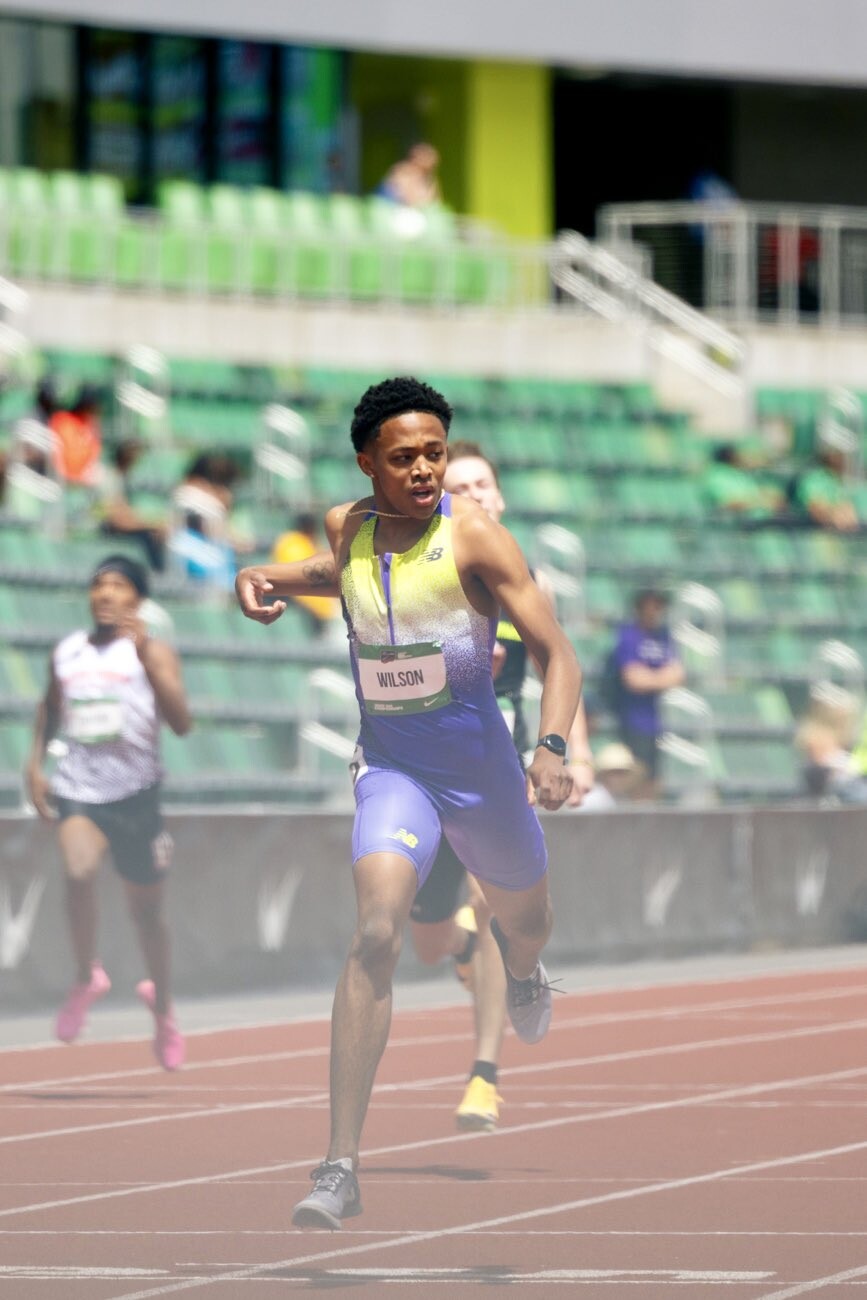
Several exciting athletes arrive in Eugene carrying high expectations. American sprint sensation Quincy Wilson will be one of the biggest attractions on home soil after establishing himself as one of the fastest young quarter-milers in the world. Fellow American Tate Taylor, the high school national record holder, will also be aiming to translate his remarkable speed into championship gold.
Jamaica's emerging sprint talent Shanoya Douglas enters the competition determined to challenge for the women's 200m title, while Kenya's Frankline Kibet will spearhead his country's pursuit of more distance-running success, continuing a tradition that has produced some of the greatest champions in athletics history.
Beyond the medals, the World U20 Championships have long served as the launching pad for future legends of the sport. Numerous Olympic and world champions first announced themselves on this very stage, making Eugene the perfect setting for another generation of athletes eager to leave their mark on the global scene.
Fans around the world will be able to follow every moment of the action through a range of broadcast partners, including Peacock in the United States, SuperSport across Sub-Saharan Africa, Eurovision Sport throughout Europe, CBC Gem in Canada, Seven Network in Australia, and World Athletics+ in eligible territories.
With national pride, championship titles, and the chance to announce themselves to the world at stake, the stage is set for five unforgettable days of athletics. As competition begins at the historic Hayward Field, the next generation of global stars is ready to write the opening chapter of what could become remarkable careers.
by Erick Cheruiyot for My Best Runs.
Login to leave a comment
Where Greatness Begins: The Day a 15-Year-Old Usain Bolt Changed Sprinting Forever
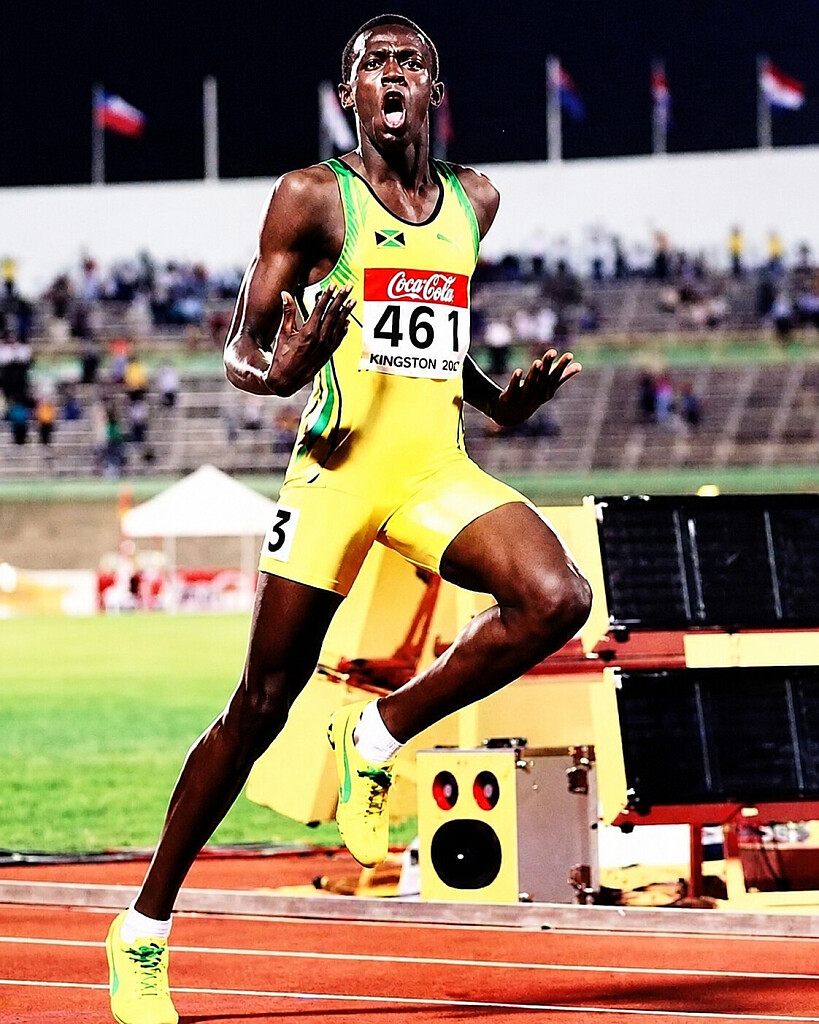
Long before he became the fastest man in history, before the Olympic gold medals, world records, and global superstardom, Usain Bolt was simply a gifted teenager with extraordinary speed and limitless potential. In 2002, on the track at Kingston's National Stadium in Jamaica, the world witnessed the first chapter of a story that would forever change athletics.
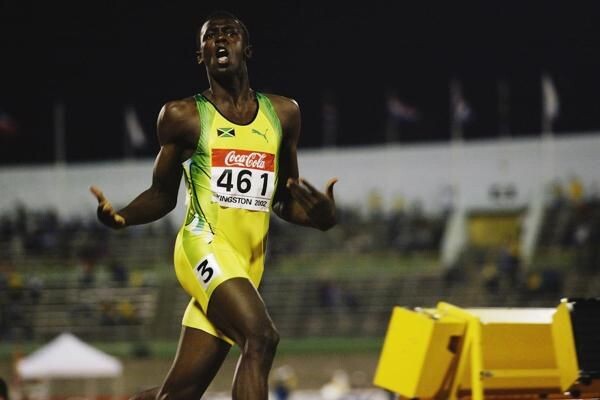
At just 15 years old, Bolt lined up for the men's 200 metres at the World Junior Championships with the weight of expectation resting on young shoulders. Competing before a passionate home crowd, the Jamaican prodigy produced a performance that instantly captivated the athletics world. Crossing the finish line in 20.61 seconds, he became the youngest athlete ever to win the men's 200m title at the championships.
It was far more than a gold medal. It was the moment the world realised that a once-in-a-generation talent had arrived.
Bolt's victory in Kingston marked the beginning of one of the greatest careers in sporting history. Over the years that followed, he rewrote the record books, dominated the Olympic Games and World Championships, and transformed sprinting into a global spectacle through his breathtaking speed, infectious personality, and unrivalled confidence. His legacy continues to inspire young athletes across the globe, many of whom dream of following the same path he once began as a teenager.

This week, that dream comes alive once again as the World Athletics U20 Championships take centre stage at the iconic Hayward Field in Eugene, Oregon. The venue has already witnessed the birth of future superstars. In 2014, it was where Britain's Dina Asher-Smith and Uganda's Joshua Cheptegei captured their first global titles, launching careers that would later produce world championships, Olympic medals, and lasting legacies in athletics.
Twelve years later, another generation arrives in Eugene hoping to create its own defining moment.
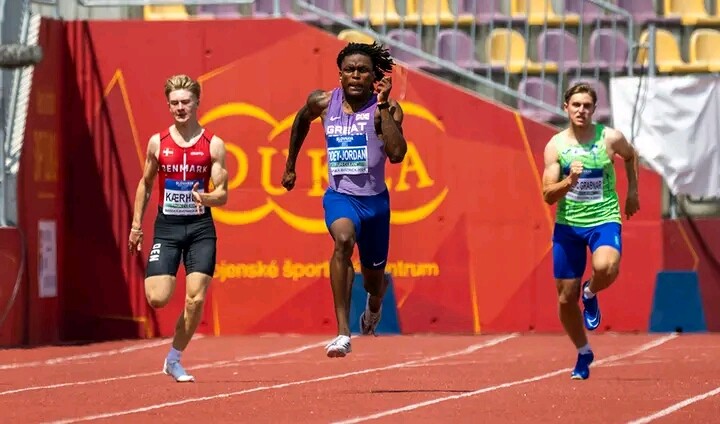
Among the brightest young talents is Great Britain's Jake Odey-Jordan, the 200m bronze medallist from Lima who now owns the European U20 100m record after an astonishing 10.01-second performance. He enters the championships eager to build on his growing reputation as one of Europe's most exciting young sprinters.
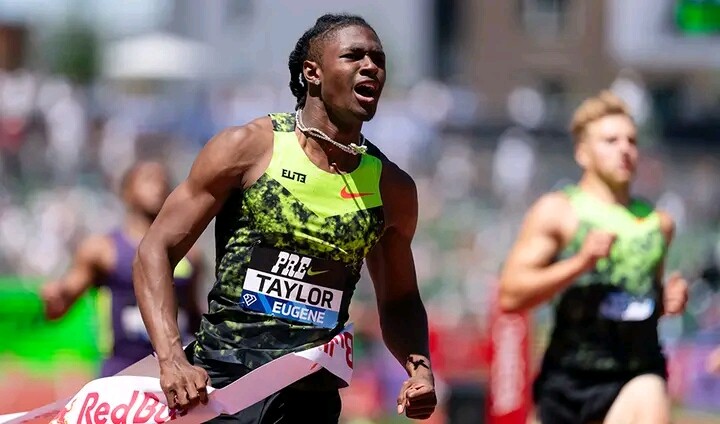
The United States will look to Tate Taylor, who has already made history as the first American high school athlete to break the 20-second barrier for the 200 metres. Fresh from a Diamond League victory in a sensational 19.75 seconds, he arrives in Eugene carrying the momentum of one of the most remarkable junior seasons ever recorded.
Jamaica, the nation that introduced the world to Usain Bolt, will once again have high hopes through Shanoya Douglas. The talented sprinter has established herself as one of the championship's leading contenders after producing lifetime bests of 10.98 seconds for the 100m and 22.11 for the 200m this season.
History has repeatedly shown that the World U20 Championships are far more than a junior competition. They are often the first chapter in the careers of future Olympic champions, world record holders, and global icons. Every generation arrives with ambitious dreams, but only a select few leave having announced themselves to the world.
No one can say with certainty whether the next Usain Bolt will emerge this week. Greatness cannot be predicted, and legends are never manufactured. Yet every legendary career begins with a single breakthrough performance.
For Bolt, that defining moment came in Kingston in 2002.
Now, under the famous lights of Hayward Field, another group of gifted teenagers stands ready to chase history. Somewhere among them could be the next athlete whose name will inspire the world for years to come.
by Erick Cheruiyot for My Best Runs.
Login to leave a comment
From Last Qualifier to Commonwealth Glory: Navasky Anderson Completes Remarkable 800m Triumph in Glasgow
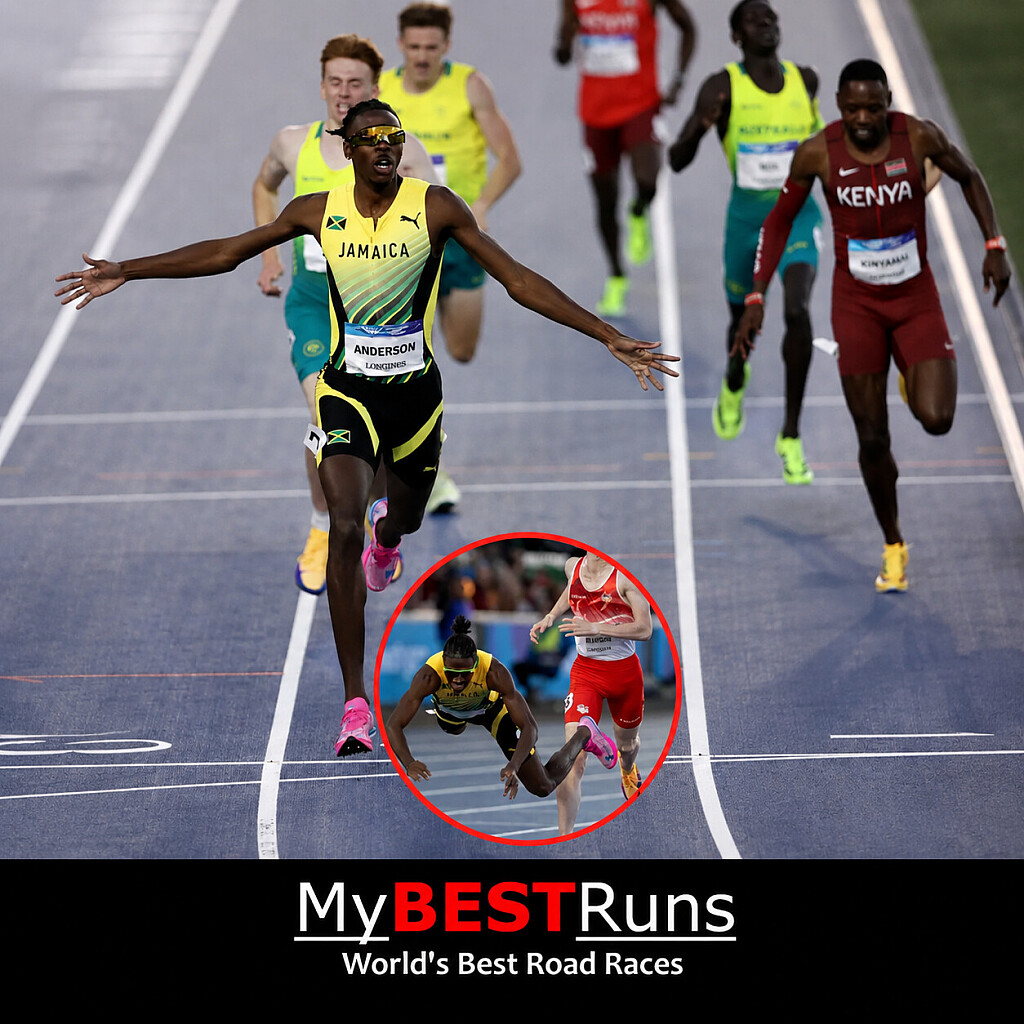
Sometimes the smallest opportunity creates the greatest triumph, and Jamaica's Navasky Anderson proved exactly that with a stunning performance to capture the men's 800m title at the 2026 Commonwealth Games in Glasgow.
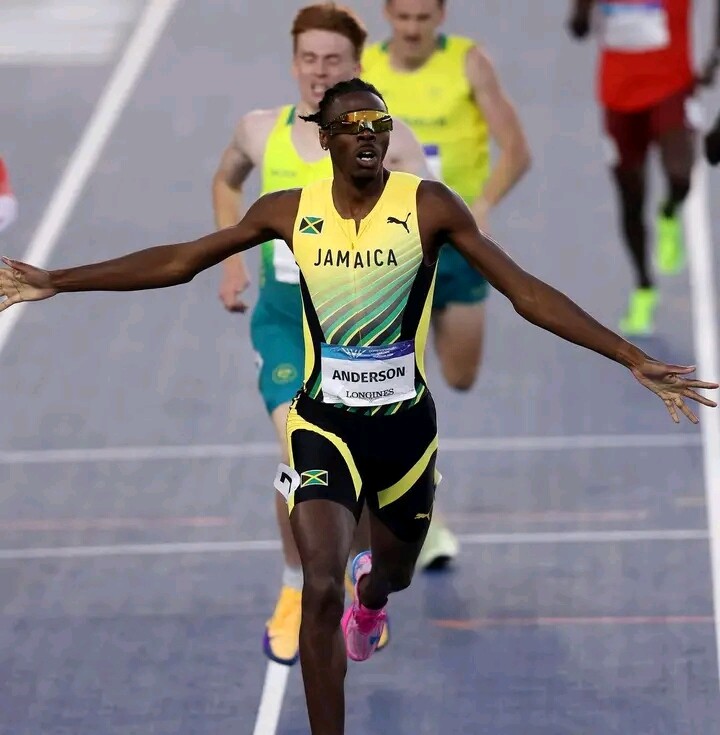
Less than 24 hours after scraping into the final by the slimmest of margins, Anderson produced the race of his life, surging to victory in 1:45.33 to complete one of the most remarkable comeback stories of the championships. His gold medal was not only a reward for exceptional talent but also for courage, determination, and unwavering belief when everything was on the line.
The journey to the top nearly ended in the semifinals. Locked in an intense battle with England's Max Burgin for the final qualification place, Anderson threw himself across the finish line in a dramatic dive, stopping the clock at 1:45.38. That desperate effort earned him the last available place in the final as the fastest non-automatic qualifier, keeping his Commonwealth dream alive by the narrowest of margins.
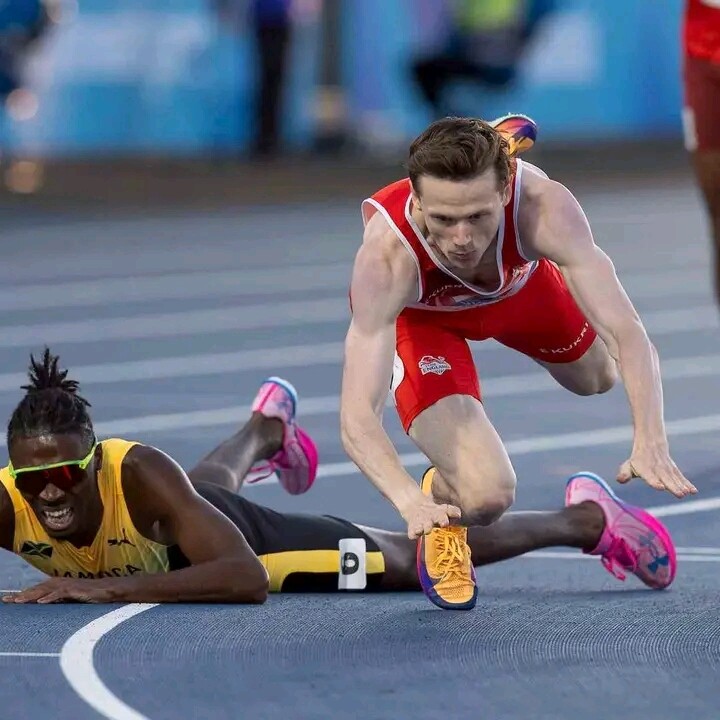
With another chance in his hands, the Jamaican made sure it counted.
In a fiercely contested final, Anderson displayed outstanding tactical awareness and patience throughout the opening stages before unleashing a devastating finishing kick down the home straight. His perfectly timed acceleration left the rest of the field with no answer as he crossed the finish line first, securing a memorable Commonwealth crown and one of Jamaica's standout victories of the Games.
Australia's Luke Boyes delivered an impressive performance to claim the silver medal in 1:45.93, while Kenya's Wyclife Kinyamal battled strongly to take bronze in 1:46.12 after another highly competitive championship race.
Anderson's unforgettable triumph will be remembered as one of the defining moments of Glasgow 2026—a powerful reminder that championships are not always won by the fastest qualifier, but often by the athlete who refuses to surrender. From a fearless dive that kept his hopes alive to a brilliant gold-medal performance less than a day later, the Jamaican wrote one of the most inspiring chapters of these Commonwealth Games.
Men's 800m Final Results
1. Navasky Anderson (Jamaica) — 1:45.33
2. Luke Boyes (Australia) — 1:45.93
3. Wyclife Kinyamal (Kenya) — 1:46.12
Navasky Anderson arrived in the final as the last man to qualify, but he left Glasgow as the Commonwealth champion—a remarkable transformation that perfectly captures the unpredictable beauty of championship athletics.
by Erick Cheruiyot for My Best Runs.
Login to leave a comment
Georgia Hunter Bell Produces A Tactical Masterclass To Win Commonwealth Games 800m Gold
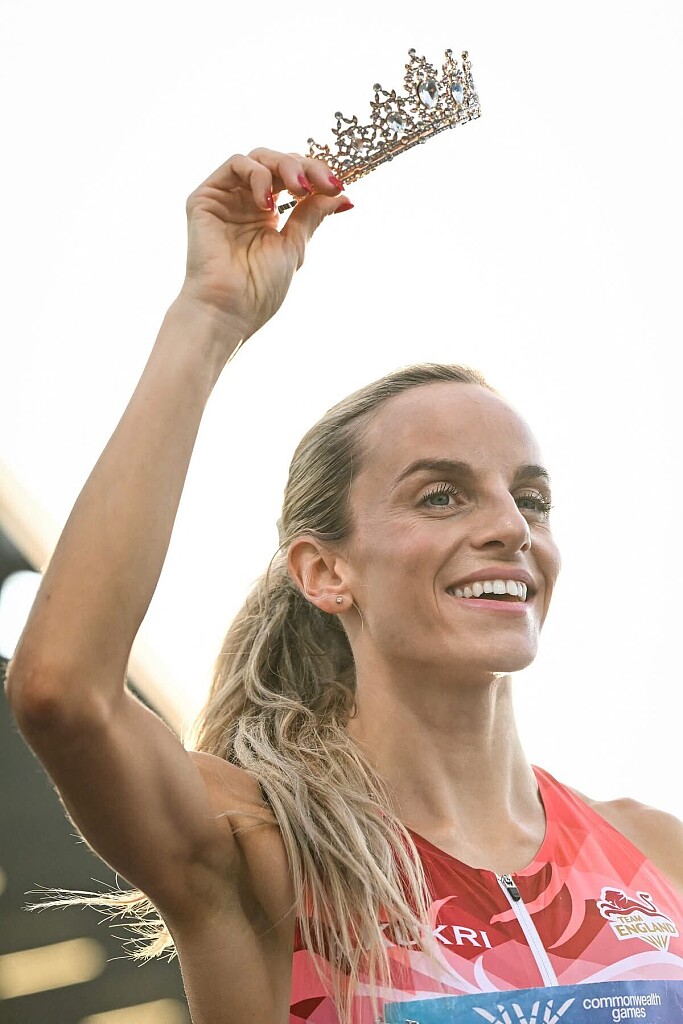
Georgia Hunter Bell delivered a performance of exceptional composure and precision to capture the women's 800m title at the 2026 Commonwealth Games in Glasgow, producing a perfectly judged race to secure gold for England in 1:59.51.
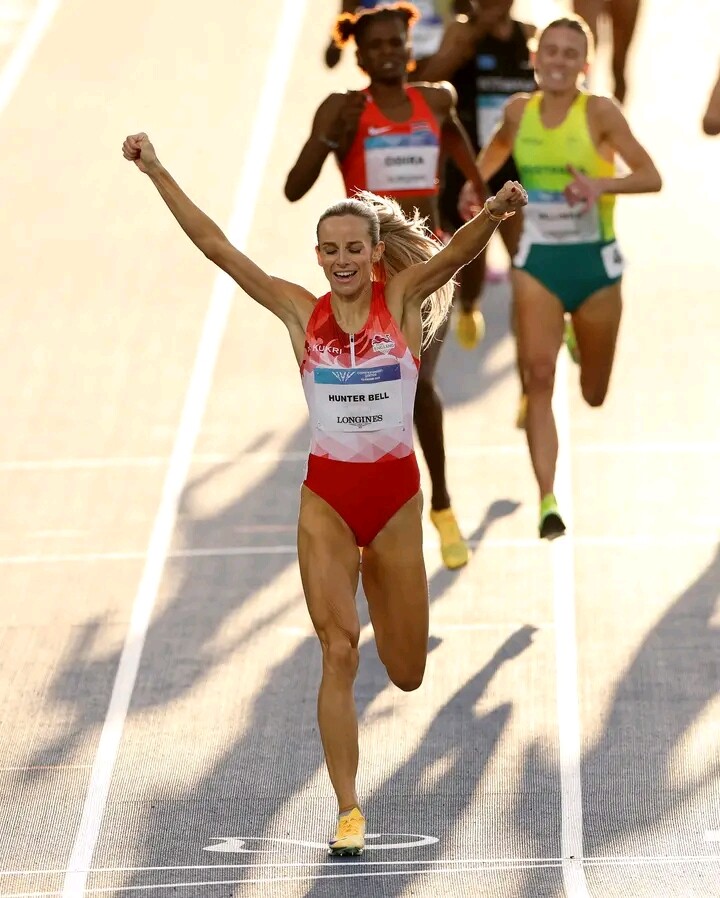
In a final featuring some of the Commonwealth's strongest middle-distance athletes, Hunter Bell refused to be drawn into an early battle for position. Instead, she dictated the rhythm from the front, maintaining complete control before unleashing a devastating surge over the final 250 metres that none of her rivals could match.
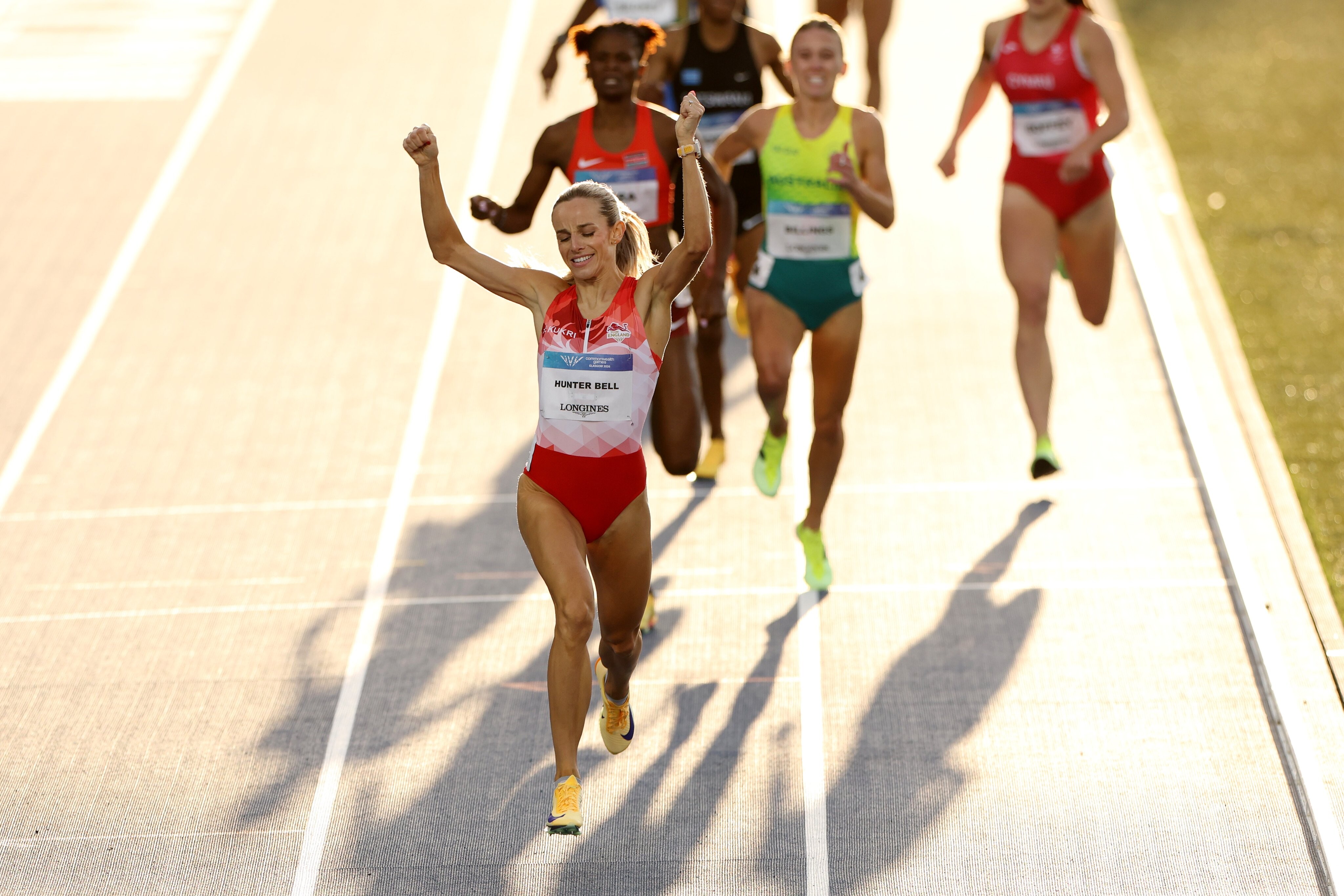
Her decisive finishing kick proved too much for Kenya's Lilian Odira, the reigning world champion, who chased hard over the closing stages but had to settle for the silver medal in 2:00.58. Australia's Sarah Billings completed the podium after edging a thrilling battle for bronze, crossing the line in 2:00.61, just three hundredths of a second behind Odira.
The race was a showcase of tactical intelligence rather than outright speed. Hunter Bell's confidence in setting the pace and her ability to produce a powerful finish at precisely the right moment highlighted why she has become one of the world's leading 800m runners.
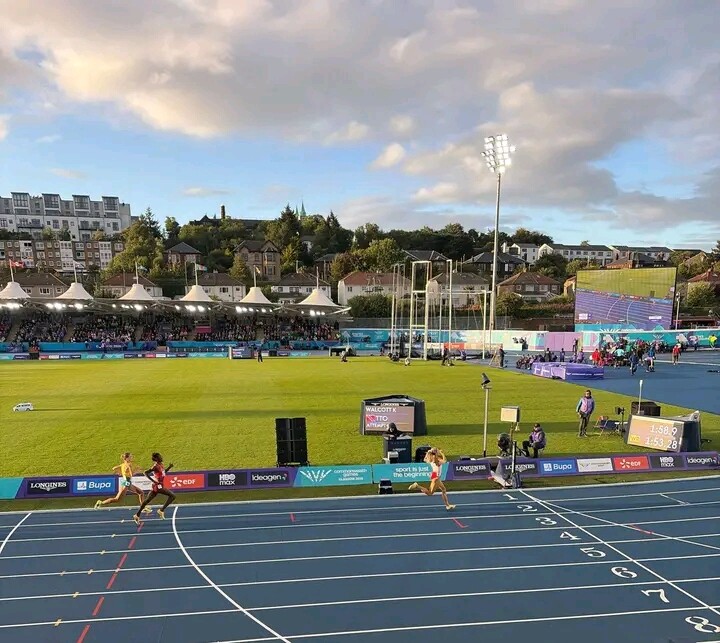
Behind the medal winners, Botswana's Oratile Nowe finished fourth in 2:01.29, followed by Wales' Isabelle Boffey in fifth with 2:01.44. Saint Vincent and the Grenadines' Shafiqua Maloney claimed sixth in 2:02.17, Jamaica's Kelly-Ann Beckford was seventh in 2:02.77, while Mauritius' Rachel Klopfenstein rounded out the finalists in eighth with 2:03.81.
Official Women's 800m Final Results
1. Georgia Hunter Bell (England) – 1:59.51
2. Lilian Odira (Kenya) – 2:00.58
3. Sarah Billings (Australia) – 2:00.61
4. Oratile Nowe (Botswana) – 2:01.29
5. Isabelle Boffey (Wales) – 2:01.44
6. Shafiqua Maloney (Saint Vincent and the Grenadines) – 2:02.17
7. Kelly-Ann Beckford (Jamaica) – 2:02.77
8. Rachel Klopfenstein (Mauritius) – 2:03.81
The victory adds another major championship title to Hunter Bell's growing résumé and underlines England's continued strength in middle-distance running. Her calm race management, combined with an explosive finishing burst, ensured she was in complete command when the medals were decided.
The women's 800m final proved to be one of the most captivating races of the Glasgow Games, blending tactical brilliance with fierce competition and producing a memorable finish that kept spectators on the edge of their seats until the final metres.
by Erick Cheruiyot for My Best Runs.
Login to leave a comment

The Commonwealth Games
The Commonwealth Games are coming to Victoria - bringing an action packed sports program to our regional cities and delivering a long-term legacy for our future. From 17 to 29 March 2026, Geelong, Bendigo, Ballarat, Gippsland and Shepparton will be on the world stage, attracting millions of viewers and creating thousands of jobs. The multi-city model will...
more...
Georgia Hunter Bell Sets Up Blockbuster Commonwealth 800m Final Rematch with Lilian Odira
Georgia Hunter Bell produced another composed and commanding performance to book her place in the women's 800m final at the 2026 Commonwealth Games, setting the stage for what promises to be one of the most captivating races of the championships.
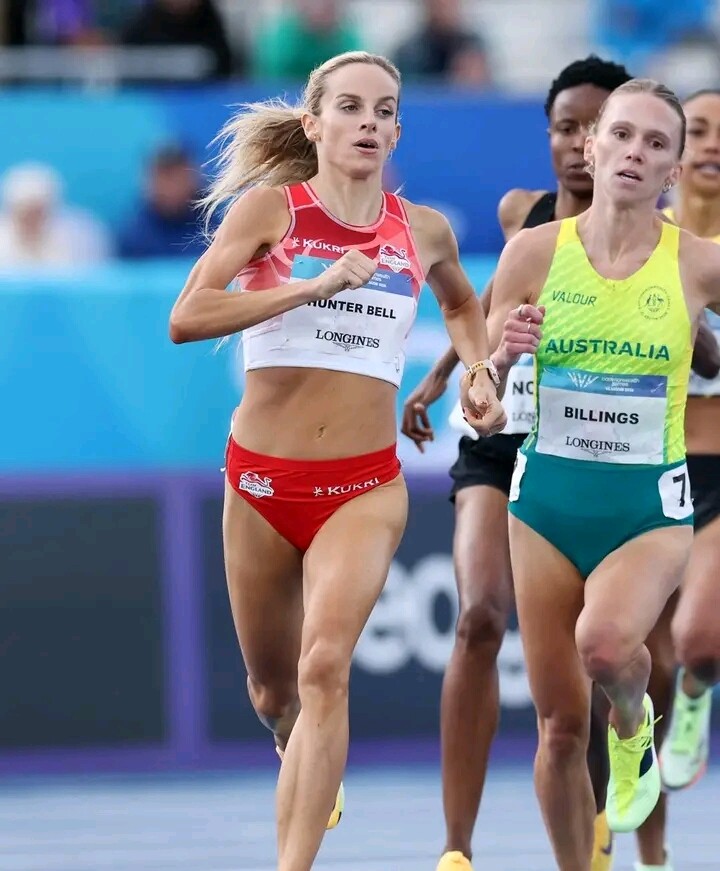
Representing England, Hunter Bell controlled her semi-final with confidence before crossing the line in a superb 1:59.88, comfortably securing automatic qualification for Friday night's title race in Glasgow. Her performance underlined both her consistency and championship experience, sending a clear message to the rest of the field that she is ready to challenge for Commonwealth gold.
The excitement surrounding the final intensified even further after reigning world champion Lilian Odira of Kenya also produced a masterclass in her semi-final. Running with complete confidence and remarkable composure, Odira cruised to victory in 1:59.39, ensuring that the two biggest stars of the event will once again share the starting line in what is shaping up to be a blockbuster rematch.
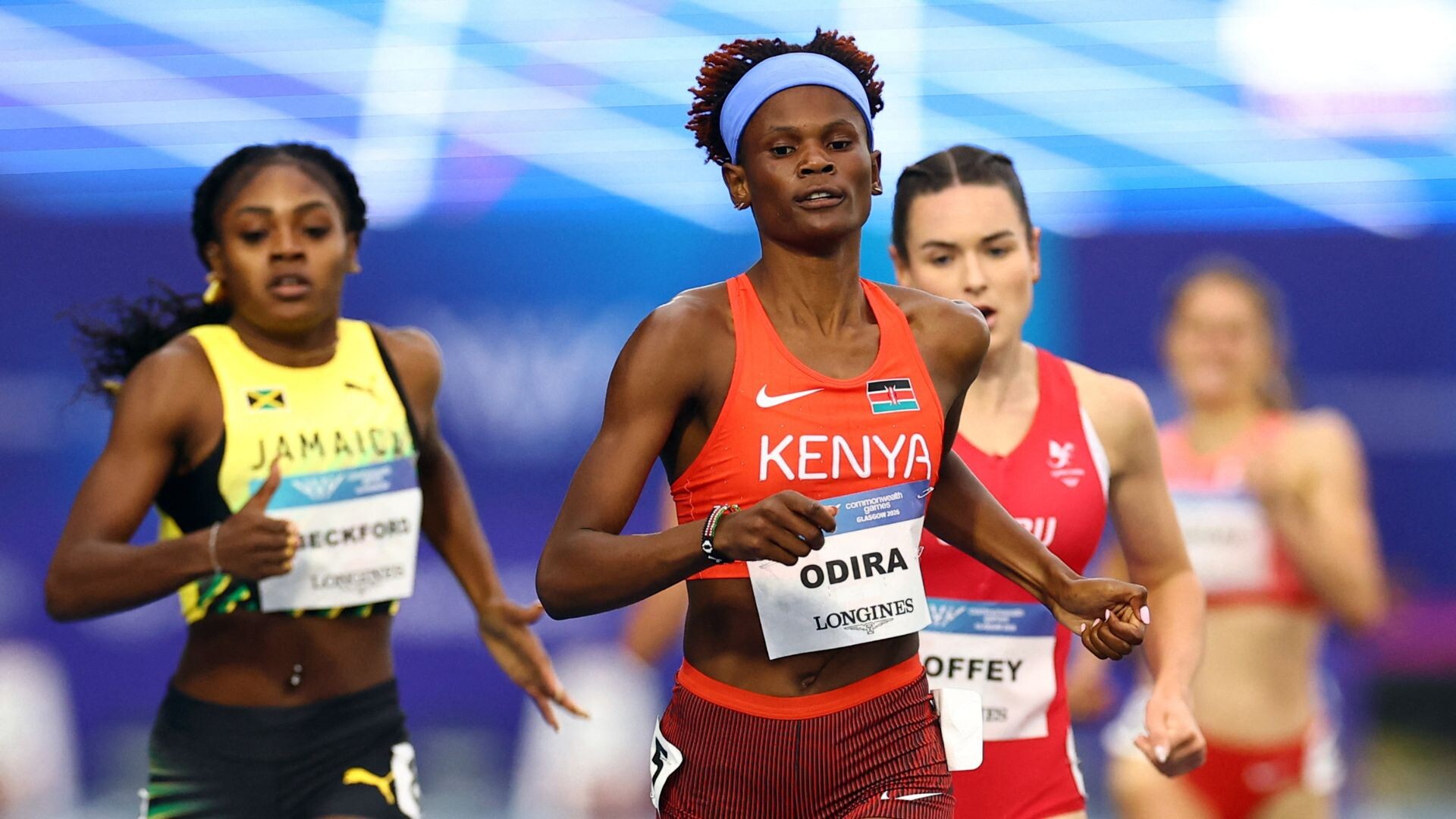
Their latest meeting rekindles one of the most compelling rivalries in women's middle-distance running. The pair last met on the sport's biggest stage at the 2025 World Athletics Championships in Tokyo, where Odira held off a relentless challenge from Hunter Bell to win the world title in a championship-record 1:54.62, while the English star claimed the silver medal after an unforgettable race that had fans around the world on the edge of their seats.
Now, with Commonwealth glory at stake, another fascinating chapter is about to be written. Odira will be aiming to reinforce her status as the world's premier 800m runner, while Hunter Bell will be determined to reverse the result and capture one of the biggest titles of her career. Their contrasting styles—Odira's fearless front-running strength against Hunter Bell's tactical brilliance and devastating finishing kick—could produce yet another modern classic.
Athletics fans can expect an electric atmosphere inside the Glasgow stadium as two of the world's finest 800m athletes battle for gold. With the field packed with quality and the leading contenders separated by only fractions of a second, the final has all the ingredients of a championship masterpiece that could be remembered for years to come.
The women's 800m final is scheduled for Friday night, July 31, with thousands expected inside the Glasgow stadium and millions more around the world eagerly awaiting what promises to be one of the most thrilling races of the 2026 Commonwealth Games.
Women's 800m Final Start List
1. Rachel Klopfenstein (Canada)
2. Kelly-Ann Beckford (Jamaica)
3. Shafiqua Maloney (Saint Vincent and the Grenadines)
4. Sarah Billings (Australia)
5. Georgia Hunter Bell (England)
6. Oratile Nowe (Botswana)
7. Lilian Odira (Kenya)
8. Isabelle Boffey (England)
With both Odira and Hunter Bell arriving in the final after emphatic semi-final victories, anticipation has reached fever pitch. The reigning world champion will look to extend her dominance, while the world silver medallist has the perfect opportunity to rewrite the script and claim Commonwealth glory. If their previous encounters are any indication, Glasgow is about to witness a spectacular race filled with tactical brilliance, relentless determination and a breathtaking finish that could become one of the defining moments of these Commonwealth Games.
by Erick Cheruiyot for My Best Runs.
Login to leave a comment

60 Years Later: The Mile Returns as the Commonwealth Games Glasgow 2026 Begin Today
The wait is over. The Glasgow 2026 Commonwealth Games officially begin today, marking the start of one of the biggest celebrations of sport across the Commonwealth—and with it comes the return of one of athletics' most iconic events.
For the first time in 60 years, the mile will once again be contested at the Commonwealth Games, with both the men's and women's races featuring on the programme. Its return revives a historic distance that has produced some of the sport's most unforgettable moments.
The mile last appeared at the 1966 Commonwealth Games in Kingston, Jamaica, where Kenya's legendary Kip Keino delivered a performance for the ages. He stormed to gold in a Games record of 3:55.34, leading one of the greatest mile races in Commonwealth history as the top six finishers all broke the prestigious four-minute barrier.
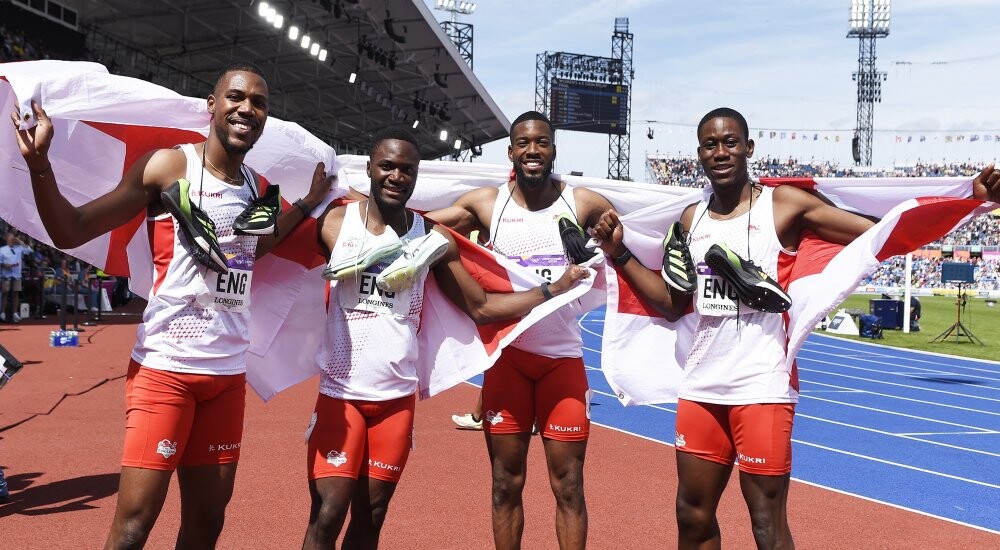
England's Alan Simpson claimed the silver medal in 3:57.27, while New Zealand's Ian Studd completed the podium with 3:58.61, highlighting the extraordinary quality of the competition.
As Glasgow 2026 gets underway today, a new generation of middle-distance stars will have the opportunity to add their names to that rich legacy. The return of the mile not only celebrates the event's remarkable history but also introduces the classic distance to a new era of Commonwealth competition.
For Kenya, the revival carries special meaning. Kip Keino's victory remains one of the nation's defining moments on the Commonwealth stage, and the return of the mile offers another chance for Kenyan athletes to chase glory in an event that has long symbolized excellence in middle-distance running.
Sixty years after it last graced the Commonwealth Games, the mile is back—and as Glasgow 2026 begins today, another chapter in its storied history is about to be written.
by Erick Cheruiyot for My Best Runs.
Login to leave a comment
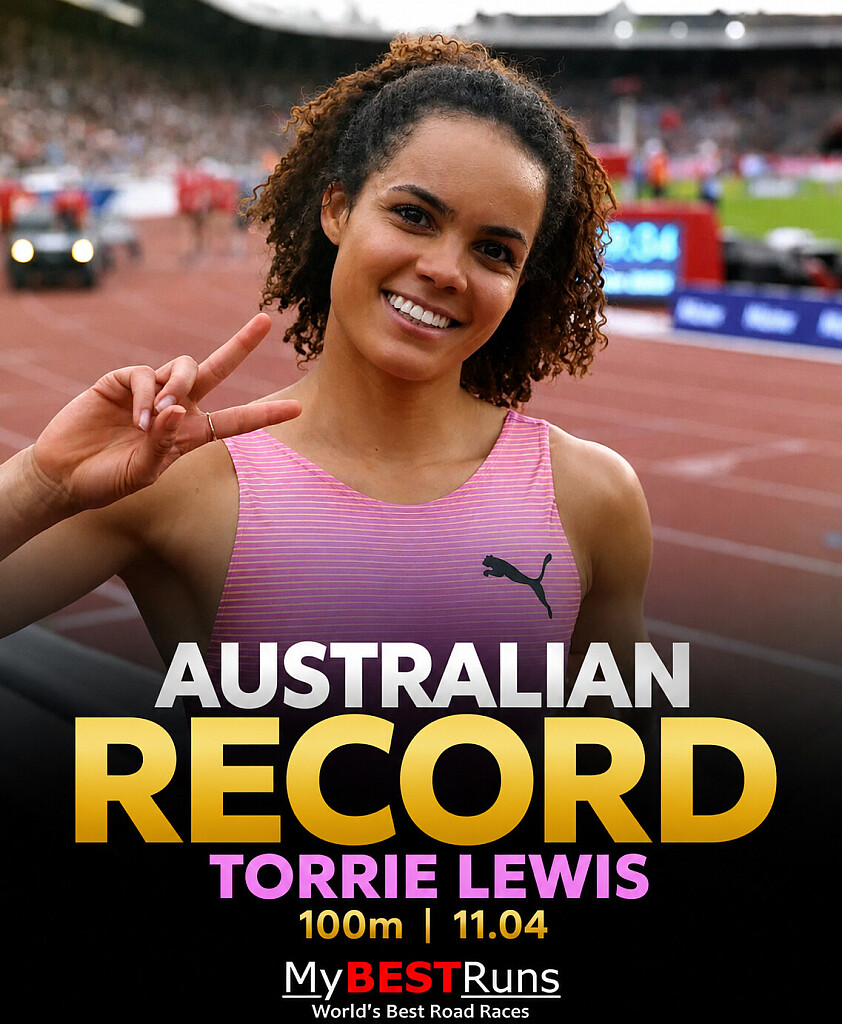
Torrie Lewis Rewrites Australian Sprint History With Electrifying 11.04 Masterpiece In Slovakia
Australian sprint sensation Torrie Lewis continues to redefine the limits of her remarkable young career after storming to a stunning 11.04 seconds in the women's 100 metres at the TIPOS P-T-S Meeting in Slovakia, setting a new Australian record in breathtaking fashion.
Lewis sliced 0.04 seconds off her own previous national record of 11.08, producing the fastest performance ever by an Australian woman over the distance. Her blistering run confirmed that her rise is no fleeting moment—it is the arrival of one of the world's most exciting sprint talents.
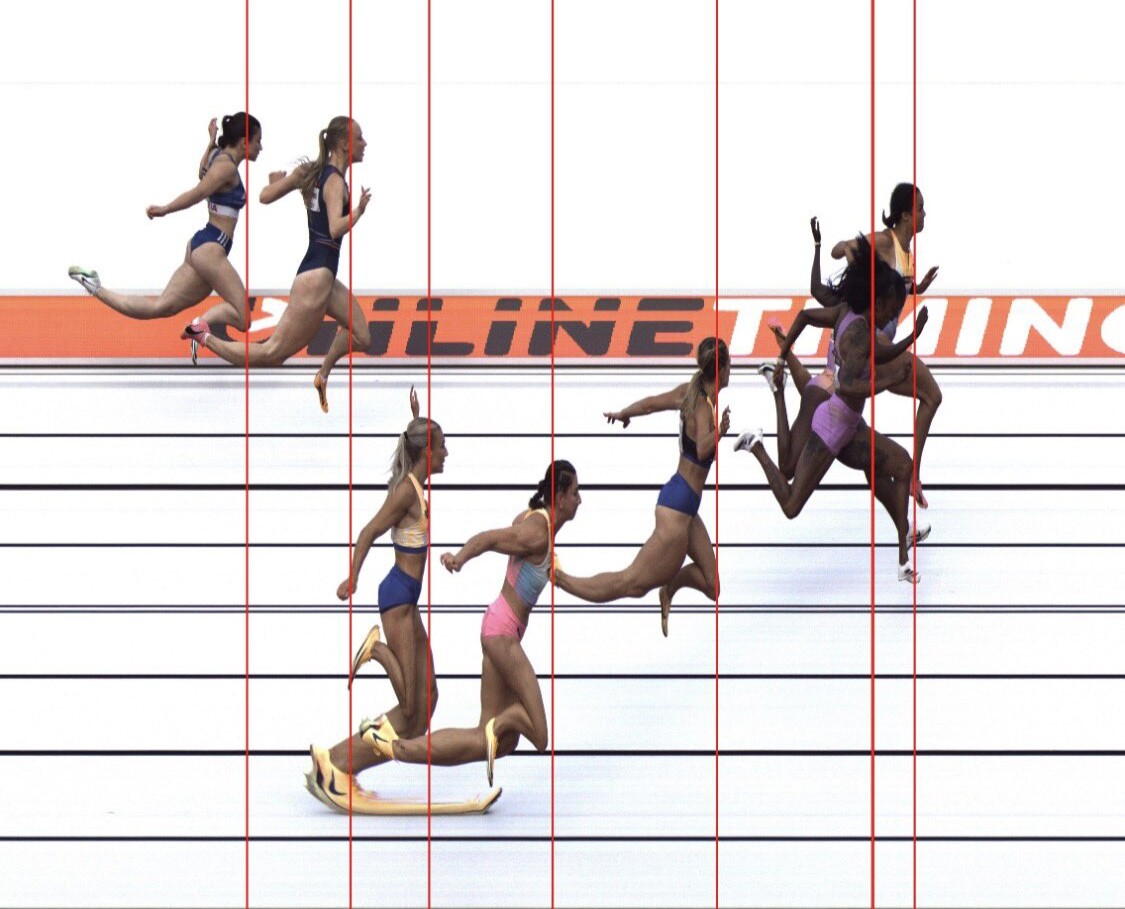
The race itself was a spectacle from start to finish. Lewis exploded from the blocks, held her composure through the drive phase, and unleashed a powerful finish to edge one of the greatest sprinters in history, Elaine Thompson-Herah of Jamaica, who crossed the line in 11.06. Austria's Christania Williams also clocked 11.06, making it one of the most fiercely contested 100-metre races of the meeting.
Beyond the victory, the performance carries even greater significance. Lowering a national record is never easy, especially after already establishing yourself as the country's fastest woman. Yet Lewis demonstrated that she is still finding new levels, delivering a performance that signals she is becoming an increasingly serious contender on the international stage.
The 11.04 clocking is another milestone in a season that continues to gather momentum. With every race, Lewis is proving she possesses not only exceptional speed but also the consistency and composure needed to challenge the world's elite when the stakes are highest.
As global championship season approaches, Australia's sprint star has sent a powerful message to her rivals. If this latest record-breaking performance is any indication, Torrie Lewis is only beginning to reveal the full extent of her potential, and the fastest chapters of her career may still lie ahead.
by Erick Cheruiyot for My Best Runs.
Login to leave a comment

Sprint Royalty: Noah Lyles And Usain Bolt Share A Special Moment At FIFA World Cup Semifinal
Some moments transcend sport, reminding fans that greatness recognizes greatness.

That was the scene during the FIFA World Cup semifinal between Spain and France, where American sprint star Noah Lyles and Jamaican icon Usain Bolt delighted fans with a memorable courtside encounter. Lyles seized the opportunity to snap a selfie with the fastest man in history, creating a picture that instantly resonated across the sporting world.
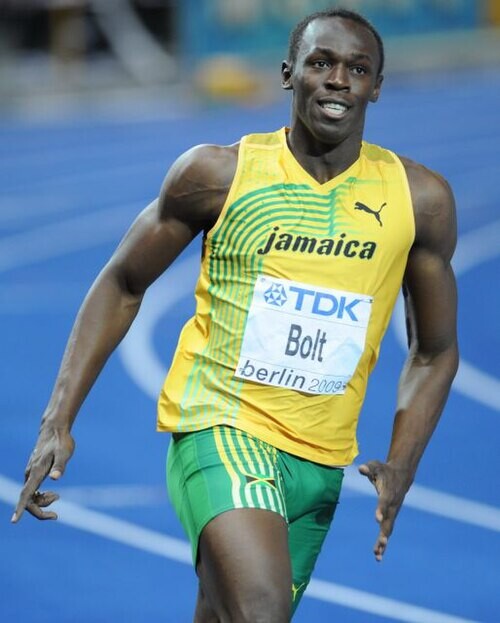
While football commanded the spotlight on the pitch, two of track and field's biggest names stole a memorable moment off it. The photograph brought together two athletes whose careers have helped shape different eras of sprinting—Bolt, the undisputed legend who redefined speed with his eight Olympic gold medals and world records in the 100m and 200m, and Lyles, the world record holder in 150m and modern-day sprint sensation carrying the sport into a new generation.
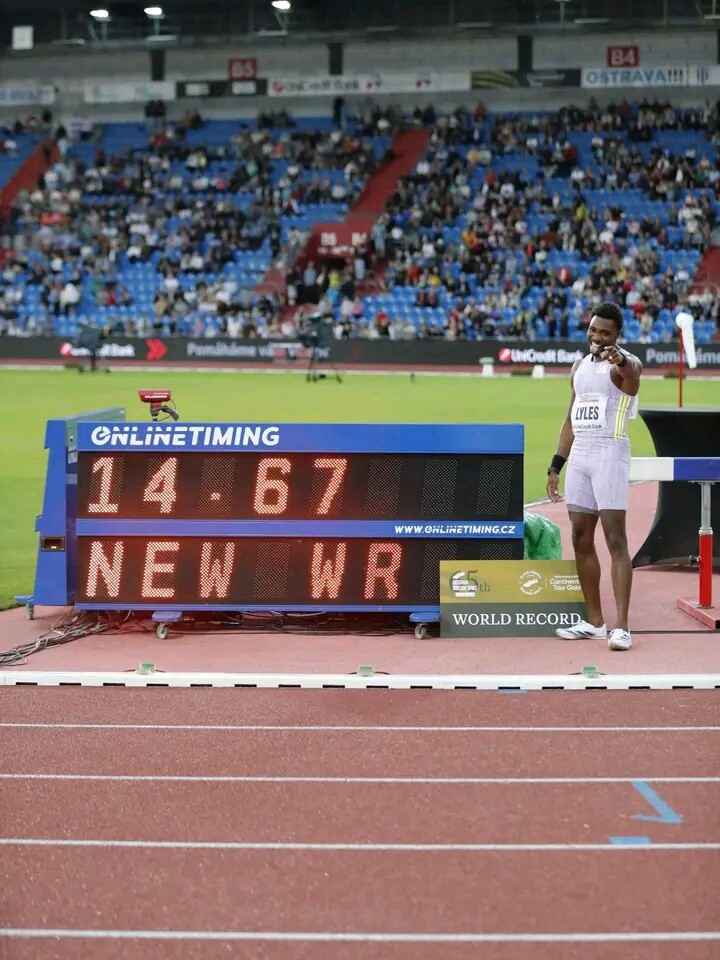
For Lyles, the selfie represented more than a simple photograph. It symbolized respect for the man who inspired countless young sprinters around the globe, including many of today's elite athletes. Bolt's dominance transformed athletics, while Lyles has emerged as one of the sport's biggest personalities, combining world-class performances with charisma and confidence.
The meeting served as a powerful reminder of the bond that exists among champions. Although they belong to different competitive eras, both have become global ambassadors for athletics, drawing new audiences to the sport through their achievements and larger-than-life presence.
As Spain and France battled for a place in the World Cup final, fans were equally captivated by the sight of sprinting royalty sharing a light-hearted moment. It was a celebration of excellence, mutual admiration, and the enduring legacy of athletics.
When legends meet, the result is more than just a selfie—it becomes a timeless image that connects generations of greatness.
by Erick Cheruiyot for My Best Runs.
Login to leave a comment
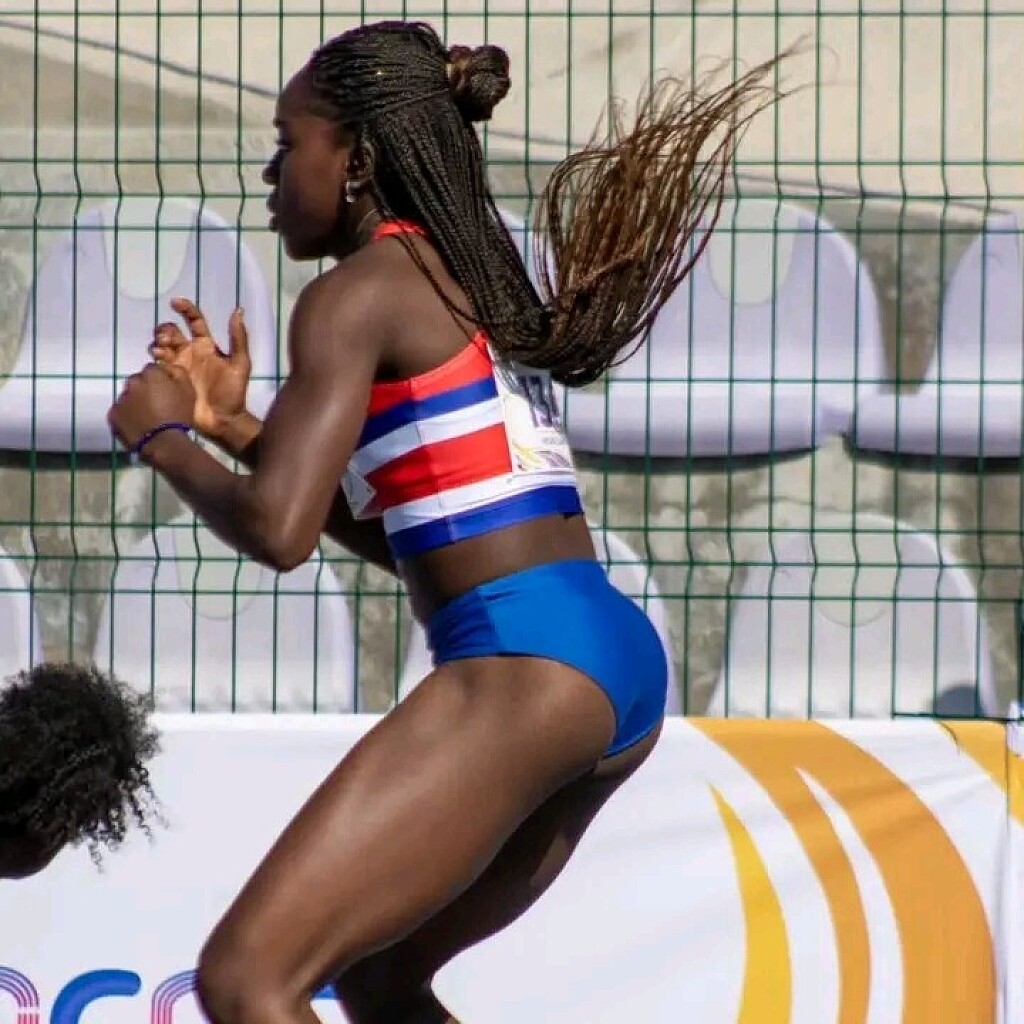
Rihana Mora Rewrites Costa Rican Sprint History with Record-Breaking Bronze at NACAC U18 Championships
Costa Rica has unearthed another exceptional sprint talent, as 17-year-old Rihana Mora Saint delivered the performance of her young career to claim the bronze medal in the women's 100 metres at the NACAC U18 Championships.
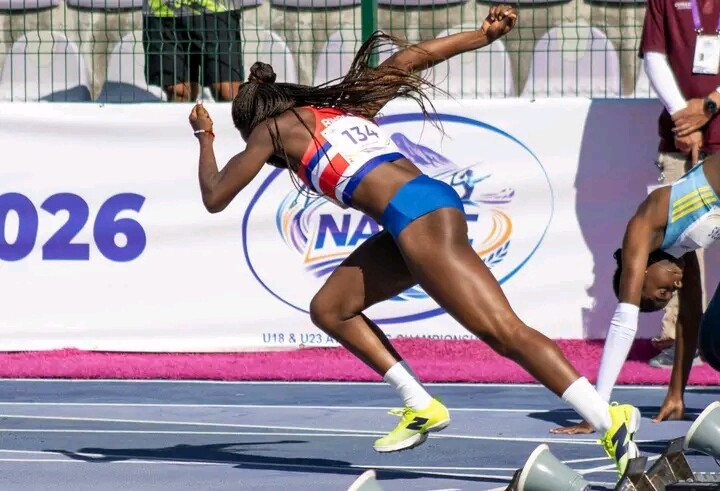
Competing against some of the fastest junior sprinters in the Americas, Mora clocked a sensational 11.59 seconds with a +1.8 m/s tailwind to finish third in the final. She trailed only Bahamas' Jazae Johnson, who stormed to victory in 11.42, and Jamaica's Malayia Duncan, who secured silver in 11.54. Jael Peters of Trinidad and Tobago placed fourth in 11.65, underlining the high quality of the final.
For Mora, the bronze medal was accompanied by an even greater achievement. Her 11.59-second performance established a new Costa Rican Under-18 national record while also marking a lifetime personal best, confirming her status as one of the country's most exciting young sprint prospects.
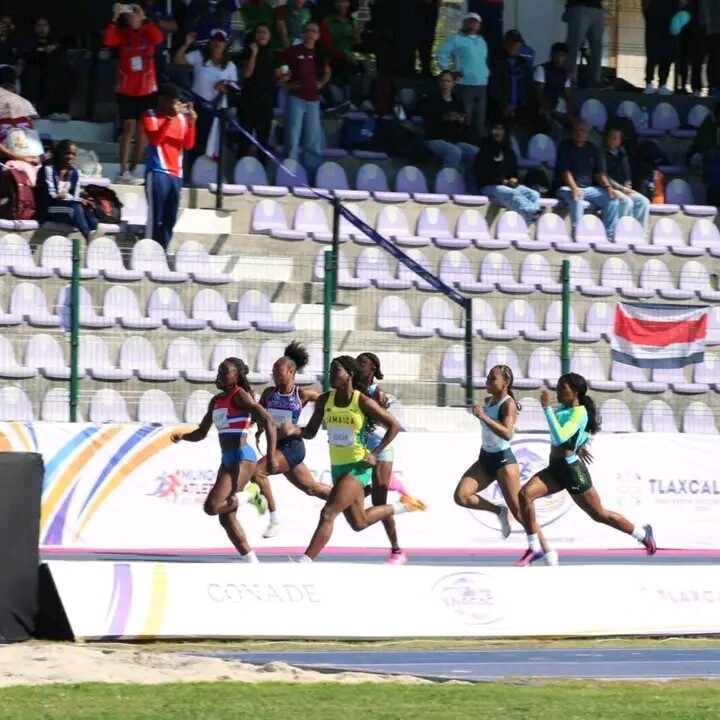
The significance of her performance extends beyond the junior ranks. Mora now sits just 0.13 seconds away from the Costa Rican senior national record of 11.46, set by Sharolyn Josephs in 2015. At only 17 years old, she is already closing in on one of the nation's most respected sprint marks, highlighting her extraordinary potential.
Throughout the championship, Mora demonstrated remarkable composure, explosive acceleration and outstanding speed against a world-class field, proving she can compete with the very best young sprinters in the NACAC region.
Her latest achievement is not only a personal milestone but also a major boost for Costa Rican athletics. Breaking the national Under-18 record while earning a continental championship medal signals the arrival of an athlete capable of achieving even greater success on the international stage.
With her confidence soaring and her development continuing at an impressive pace, Rihana Mora Saint has firmly established herself as one of the brightest young sprint talents in the Americas. If her current trajectory continues, the Costa Rican record books may soon require another rewrite.
by Erick Cheruiyot for My Best Runs.
Login to leave a comment

Remembering Stephen "Franno" Francis: The Visionary Coach Who Changed Athletics Forever
The global athletics community is mourning the passing of one of its most influential and respected coaching minds. Stephen "Franno" Francis, the celebrated co-founder and technical director of Jamaica's MVP Track & Field Club, has died at the age of 64 following a period of illness.
Francis passed away late Saturday, just one day after celebrating his 64th birthday, bringing to an end a remarkable career that transformed Jamaican athletics and left an enduring mark on the world stage.
Widely regarded as one of the greatest sprint coaches in history, Francis shaped the careers of some of track and field's most iconic champions. His extraordinary coaching résumé includes Olympic and world champions such as Shelly-Ann Fraser-Pryce, Elaine Thompson-Herah, Shericka Jackson, Asafa Powell, Kishane Thompson, Melaine Walker, Brigitte Foster-Hylton, Tajay Gayle, Sada Williams, Tina and Tia Clayton, along with countless other international stars. Under his guidance, Asafa Powell rewrote history by breaking the men's 100-metre world record twice, while generations of athletes flourished under his meticulous and innovative approach to coaching.
Before dedicating his life to athletics, Francis built a successful career in finance. However, his passion for developing athletes led him to make a life-changing decision. In 1999, alongside his brother Paul Francis, he founded the MVP Track & Field Club with a bold vision—that Jamaican athletes, coached by Jamaican coaches and training on home soil, could dominate the world. That vision became one of the greatest success stories in modern athletics, producing Olympic champions, world record holders and global medalists who elevated Jamaica's reputation as a sprinting powerhouse.
His outstanding contribution to sport earned him Jamaica's prestigious Order of Jamaica in 2017, recognizing decades of excellence and national service through athletics.
Tributes have poured in from across the sporting world. Jamaica's Prime Minister Andrew Holness described Francis as "a remarkable son of Jamaica" whose influence would continue to inspire generations, while World Athletics hailed him as a true giant of the sport. For many of the athletes whose lives he helped shape, he was far more than a coach—he was a mentor, a father figure and a guiding force whose wisdom extended well beyond the track.
Stephen "Franno" Francis leaves behind a legacy measured not only in medals, records and championships, but also in the lives he transformed and the coaching philosophy that redefined what was possible for Jamaican athletics. His impact will continue to resonate across tracks around the world for generations to come.
by Erick Cheruiyot for My Best Runs.
Login to leave a comment
Gout Gout: The Teenage Sprint Sensation Poised to Rewrite Athletics History
Remember the name Gout Gout.
At just 18 years old, the Australian sprint prodigy is already commanding global attention and fueling conversations about the future of track and field. In a sport constantly searching for its next superstar, Gout is rapidly emerging as one of the brightest talents the world has seen in years.
His latest statement came at the prestigious Ostrava Golden Spike meeting, where he stepped onto the track alongside some of sprinting's biggest names, including reigning world champion Noah Lyles. Far from being overwhelmed by the occasion, the teenager delivered a composed and confident performance, finishing third in the 150m in 14.96 seconds against two of the fastest athletes on the planet.
Yet impressive as that performance was, it is not the result that has the athletics community buzzing most.
Earlier this year, Gout stunned the sprinting world by clocking an astonishing 19.67 seconds for 200m, setting a new world Under-20 record. The performance instantly elevated him from promising prospect to genuine phenomenon.
What makes the achievement even more remarkable is the historical context. At the same age, Gout was faster than sprint legend Usain Bolt. Comparisons to the Jamaican icon are inevitable, not because records demand them, but because the raw numbers are impossible to ignore.
Of course, Gout's journey is only beginning. Like any young athlete, he still has room to grow, refine his craft, and gain valuable experience at the highest level. The road from teenage sensation to global champion is rarely straightforward.
But there is no denying the extraordinary potential that lies within him.
His speed, composure, and ability to perform under pressure have already marked him out as one of athletics' most exciting young stars. More importantly, he possesses the kind of talent that inspires belief that a new era of sprinting may be on the horizon.
The sport has always thrived on rivalries that capture the imagination of fans across the globe. With established champions such as Noah Lyles currently leading the way, the emergence of Gout Gout adds an intriguing new chapter to sprinting's future.
The next great rivalry may already be taking shape.
And one of its leading figures is still only a teenager.
For now, the message is simple: remember the name Gout Gout. The future is arriving faster than anyone expected.
by Erick Cheruiyot for My Best Runs.
Login to leave a comment
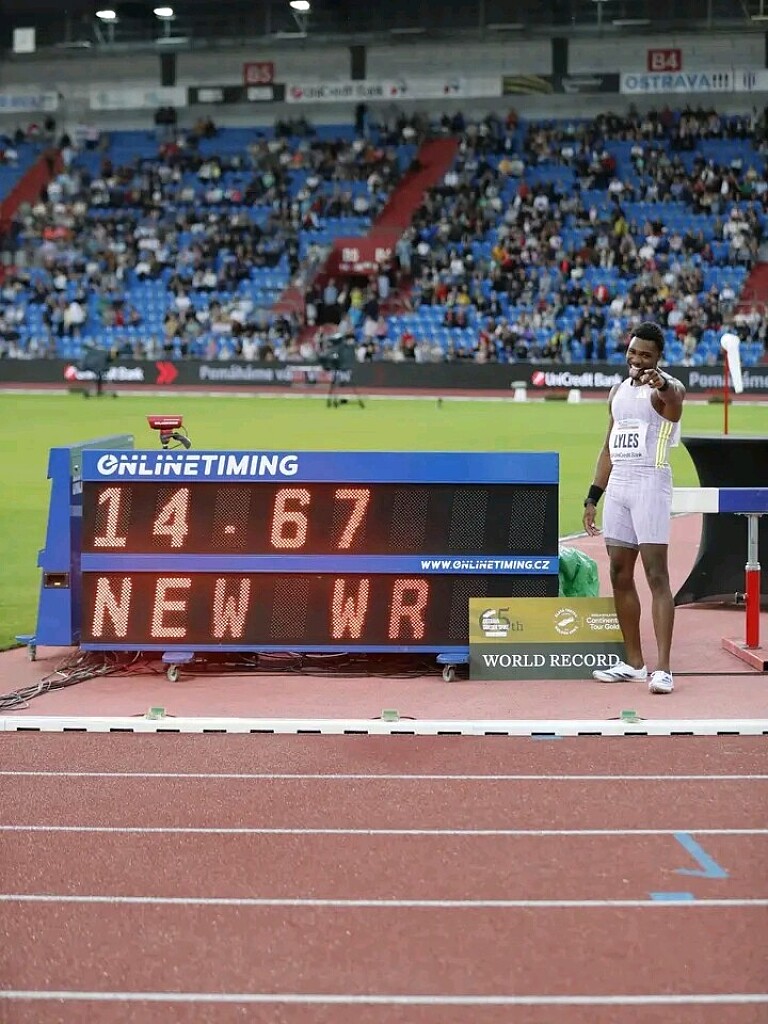
Noah Lyles Makes History With Blazing 150m World Record In Ostrava
Noah Lyles has once again rewritten the sprinting history books, delivering a stunning performance in the 150m at the Ostrava Golden Spike meet as he stormed to a new world record of 14.67 seconds.
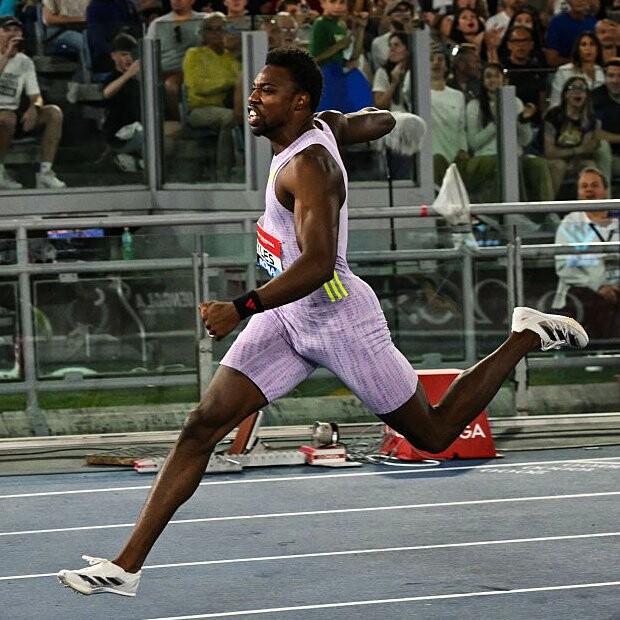
The American sprint superstar produced a flawless display of speed and power, stopping the clock at 14.67 (0.0) to break the previous world best mark of 14.92 set by Jamaica’s Kishane Thompson.
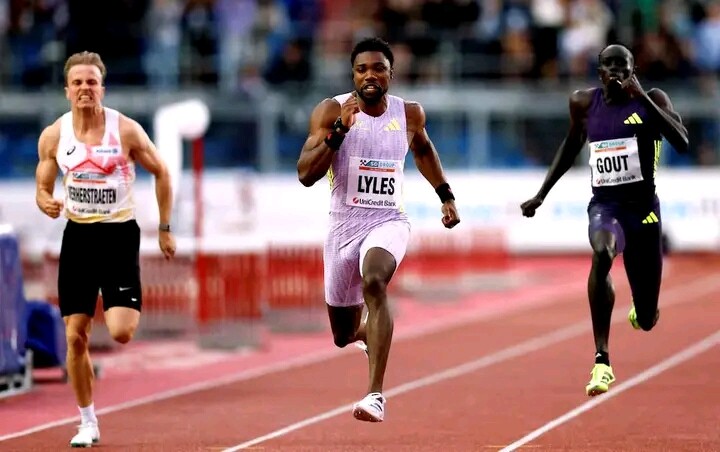
Lyles’ victory came in a high-quality field that saw South Africa’s Sinesipho Dambile push him all the way, finishing second in an impressive 14.78 seconds. Australia’s teenage sensation Gout Gout continued to show why he is regarded as one of the sport’s brightest young talents, completing the podium with a remarkable 14.96.
The 150m race, which combines the explosive acceleration of the 100m with the speed endurance required for the 200m, provided another opportunity for Lyles to showcase his rare sprinting ability.
Known for his dominance over 200m and his Olympic success, Lyles continues to expand his legacy with performances that underline his status as one of the greatest sprinters of his generation.
The record-breaking run in Ostrava adds another historic chapter to Lyles’ career and sends a powerful message ahead of the major international competitions ahead.
by Erick Cheruiyot for My Best Runs.
Login to leave a comment

Rome Belongs to Lyles: American Star Dominates Elite 100m Field
The men's 100m at the Rome Diamond League delivered exactly the spectacle fans had anticipated, with American sprint king Noah Lyles producing a commanding performance to secure victory in a season-best 9.88 seconds on Thursday night.
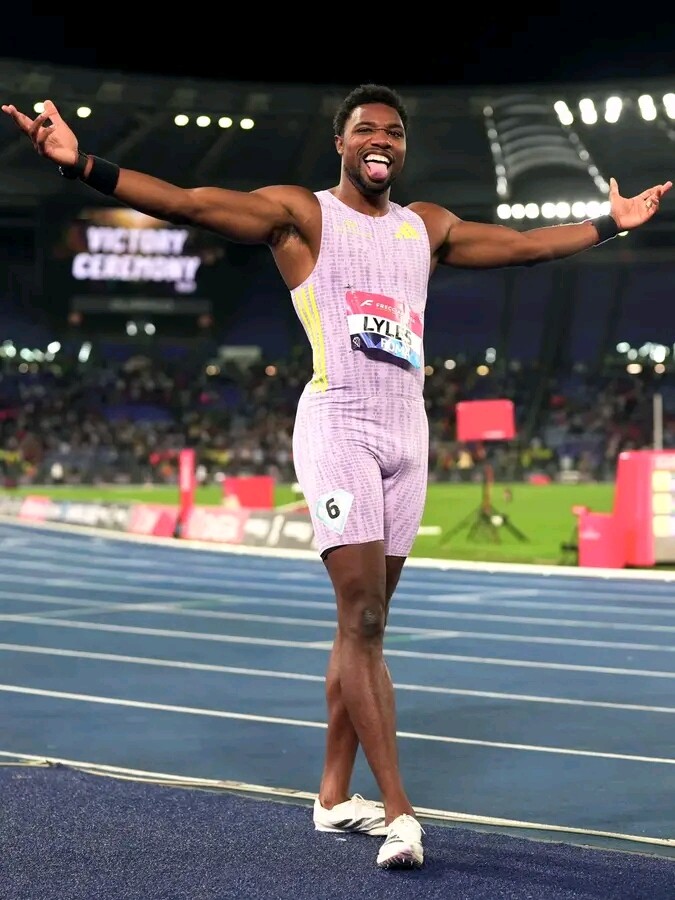
Lyles, the reigning global sprint superstar, showcased his trademark finishing power to pull away from a world-class field and claim his first Diamond League 100m win of the season. His 9.88 clocking underlined his growing form as he continues to build momentum toward the major championships later this year.
Behind him, Cameroon’s Emmanuel Eseme impressed with a strong run of 9.94 seconds to finish second, while Botswana’s Olympic champion Letsile Tebogo crossed the line third in 9.95 seconds after another consistent performance on the international circuit.
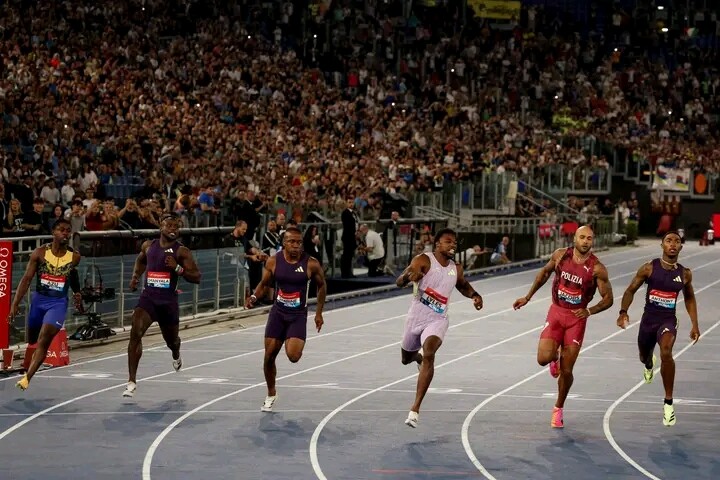
American rising star Jordan Anthony continued his remarkable breakthrough season by finishing fourth in 9.96 seconds, narrowly missing a place on the podium. Home favourite Lamont Marcell Jacobs delighted the Italian crowd with a sub-10-second run of 9.99 seconds to place fifth.
For Kenya's Ferdinand Omanyala, however, it proved to be a frustrating evening. After confidently promising fireworks ahead of the meeting and targeting consistent sub-10-second performances throughout the Diamond League season, Africa's fastest man struggled to find his rhythm. Omanyala finished eighth in 10.11 seconds, well below the standard he had hoped to produce.
South Africa's Akani Simbine took sixth in 10.03 seconds, while Jamaica's Ackeem Blake placed seventh in 10.06 seconds. Great Britain's Jeremiah Azu completed the field in ninth position with a time of 10.12 seconds.
Rome Diamond League 100m Results
1. Noah Lyles (USA) – 9.88 SB
2. Emmanuel Eseme (Cameroon) – 9.94
3. Letsile Tebogo (Botswana) – 9.95
4. Jordan Anthony (USA) – 9.96
5. Lamont Marcell Jacobs (Italy) – 9.99
6. Akani Simbine (South Africa) – 10.03
7. Ackeem Blake (Jamaica) – 10.06
8. Ferdinand Omanyala (Kenya) – 10.11
9. Jeremiah Azu (Great Britain) – 10.12
The result further strengthens Lyles' status as one of the leading contenders in global sprinting this season. With a season-best performance against a high-calibre field, the American sent a powerful statement that he is rounding into peak form at exactly the right time.
by Erick Cheruiyot for My Best Runs.
Login to leave a comment
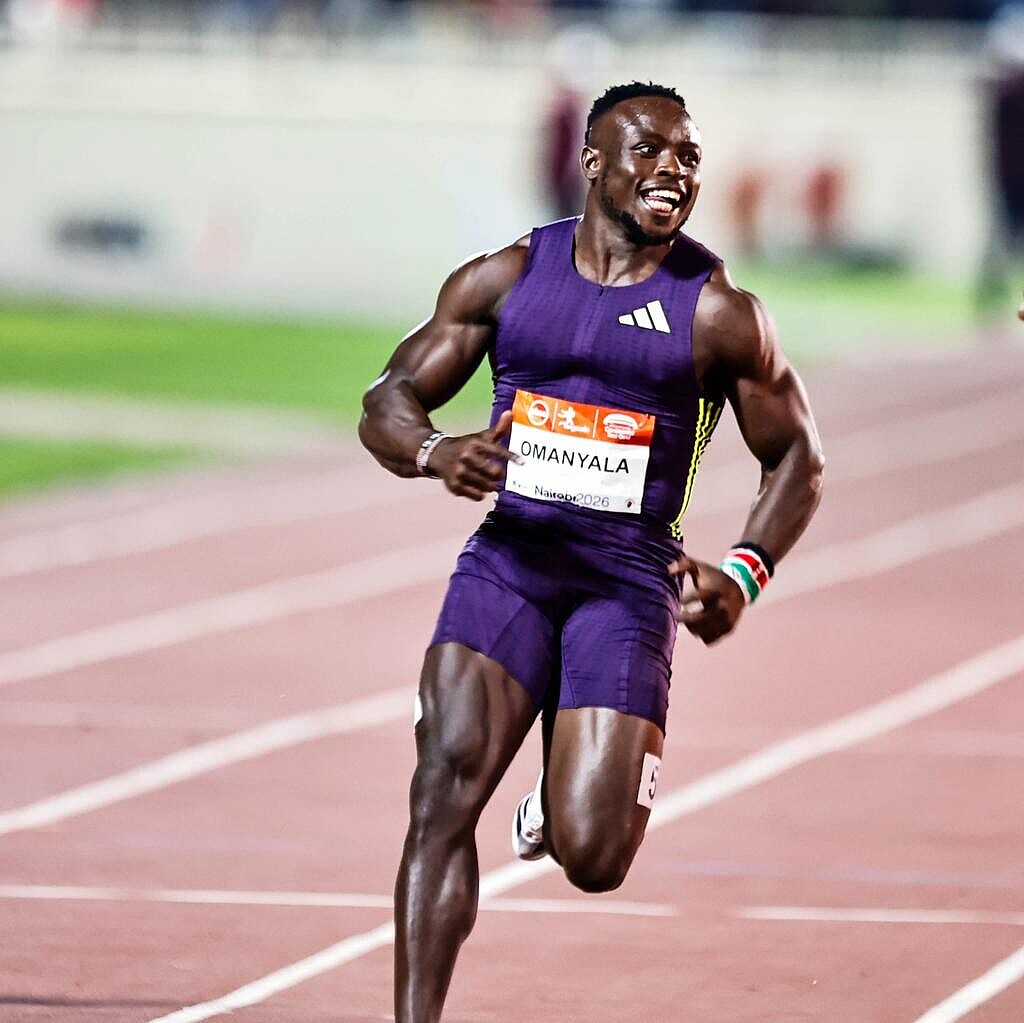
Rome Diamond League Set for a Sprint Showdown as Omanyala, Lyles, Tebogo and Jacobs Collide
The men's 100 metres at the 2026 Rome Diamond League is shaping up to be one of the most anticipated sprint races of the season, with an exceptional field featuring some of the fastest men in the world.
Scheduled for Thursday, June 4, at the iconic Stadio Olimpico in Rome, the race will bring together reigning stars, established champions and emerging talents in a contest that promises fireworks from the moment the gun goes off.
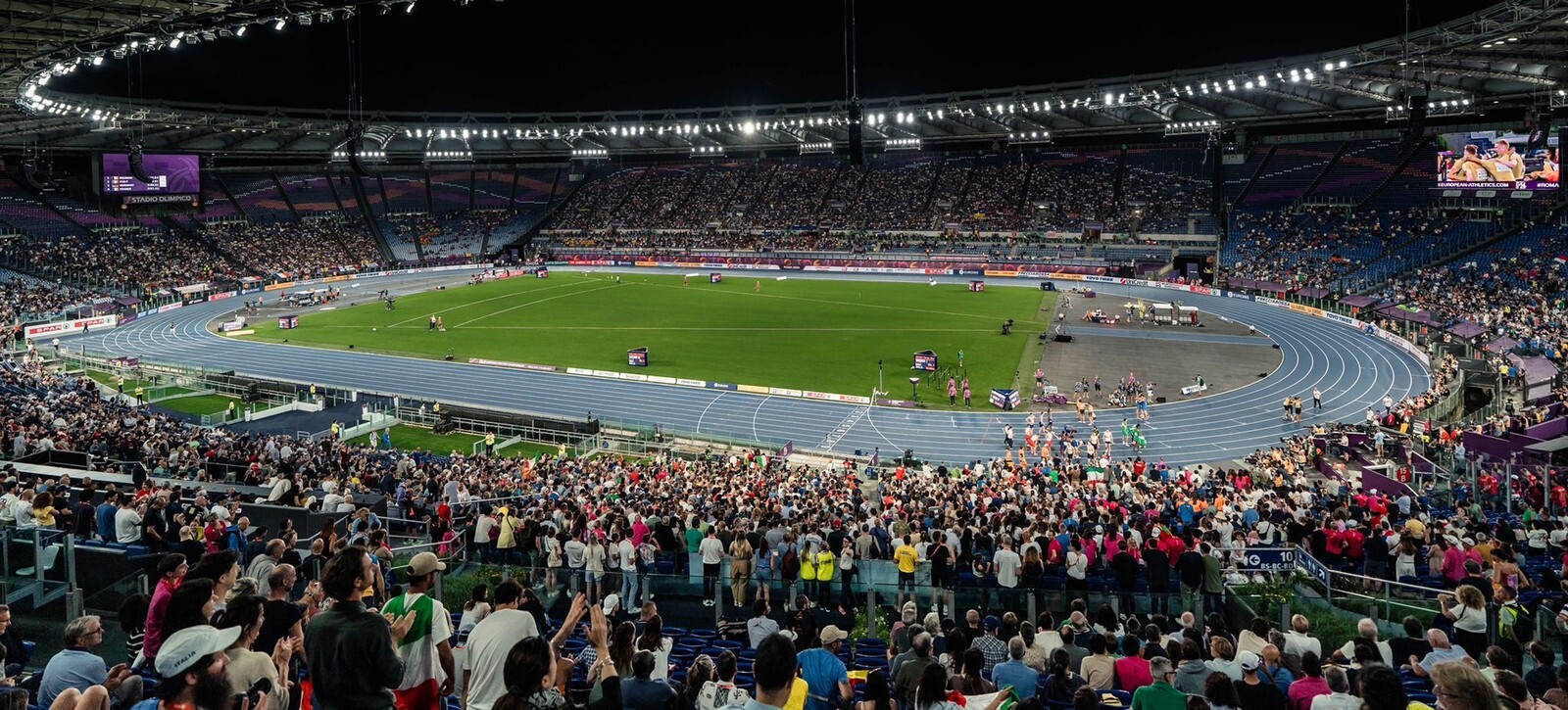
Kenya's Ferdinand Omanyala headlines a world-class lineup that includes American sprint sensation Noah Lyles, Botswana's Olympic champion Letsile Tebogo, Jamaica's explosive Ackeem Blake, South Africa's ever-consistent Akani Simbine and Italy's hometown hero Lamont Marcell Jacobs. With personal bests ranging from 9.77 to 9.97 seconds, the field is packed with athletes capable of producing something special on the Diamond League stage.
Omanyala, the African record holder with a blistering personal best of 9.77 seconds, arrives in Rome eager to continue his strong early-season form and prove he can challenge the very best on the global circuit. The Kenyan star has built a reputation as one of the fastest starters in world sprinting and will be looking to make a statement against an elite field.
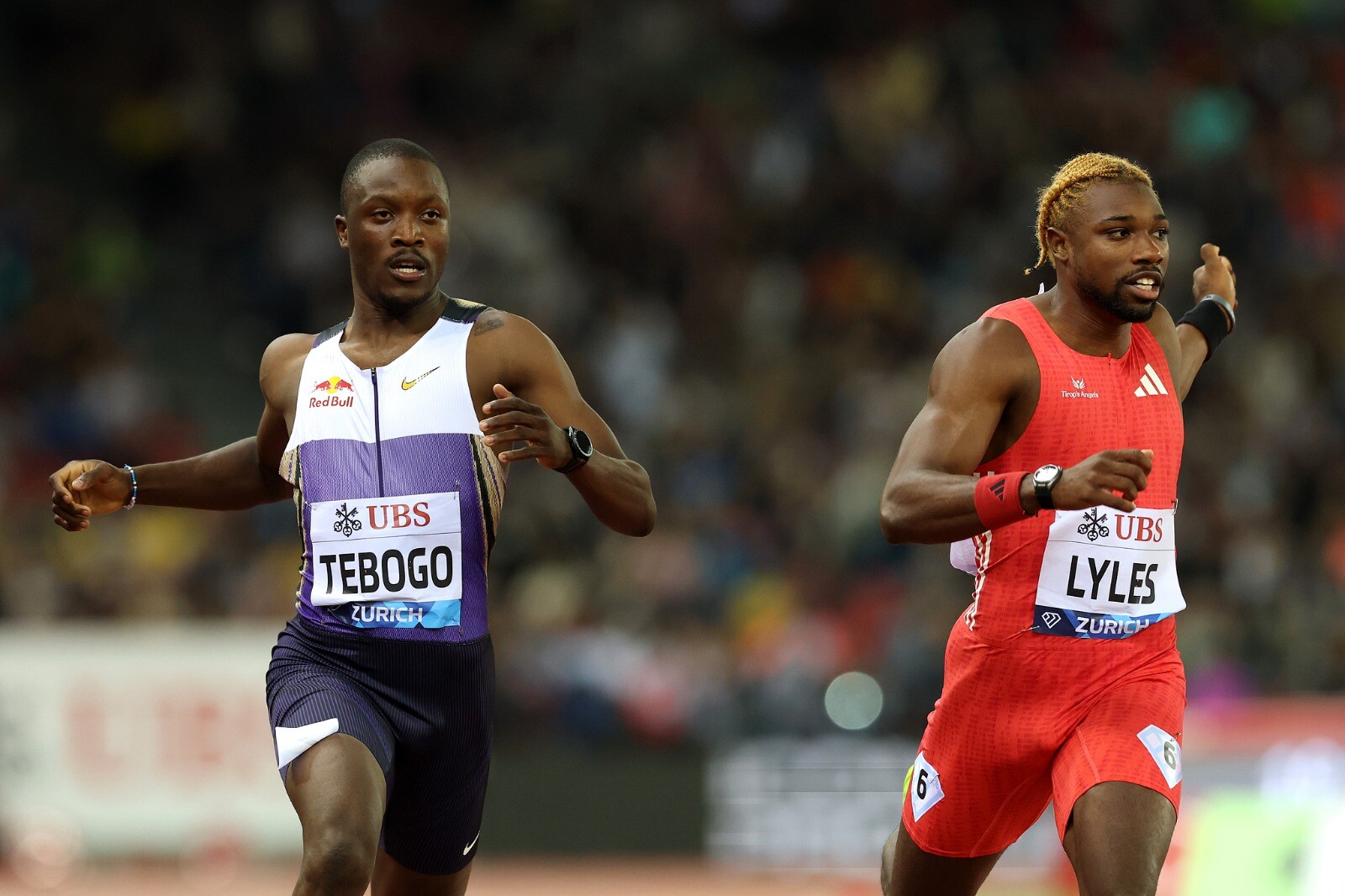
Standing in his way is world champion Noah Lyles, whose personal best of 9.79 seconds places him among the fastest athletes in history. The American remains one of the sport's biggest attractions and will be determined to add another Diamond League victory to his impressive résumé.
The race also marks a major test for Olympic champion Letsile Tebogo. The Botswanan star has rapidly become one of athletics' most exciting talents, while Ackeem Blake continues to establish himself as a serious contender on the international sprint scene.
Adding further intrigue is the presence of Italy's Lamont Marcell Jacobs. Competing on home soil, the Tokyo Olympic champion will enjoy passionate local support as he seeks to deliver a memorable performance in front of the Roman crowd.
South Africa's Akani Simbine, Cameroon's Emmanuel Eseme, Great Britain's Jeremiah Azu and rising American talent Jordan Anthony complete a field that boasts remarkable depth and quality.
Men's 100m Entry List – Rome Diamond League 2026
Ferdinand Omanyala (Kenya) – PB: 9.77
Noah Lyles (USA) – PB: 9.79
Lamont Marcell Jacobs (Italy) – PB: 9.80
Akani Simbine (South Africa) – PB: 9.82
Letsile Tebogo (Botswana) – PB: 9.86
Ackeem Blake (Jamaica) – PB: 9.88
Jordan Anthony (USA) – PB: 9.91
Emmanuel Eseme (Cameroon) – PB: 9.96
Jeremiah Azu (Great Britain) – PB: 9.97
With multiple national record holders, global champions and Olympic medal contenders sharing the same start line, the Rome Diamond League men's 100m could deliver one of the fastest races of the year. For sprint fans around the world, all eyes will be on Rome as a stellar cast battles for supremacy over athletics' blue-riband distance.
by Erick Cheruiyot for My Best Runs.
Login to leave a comment
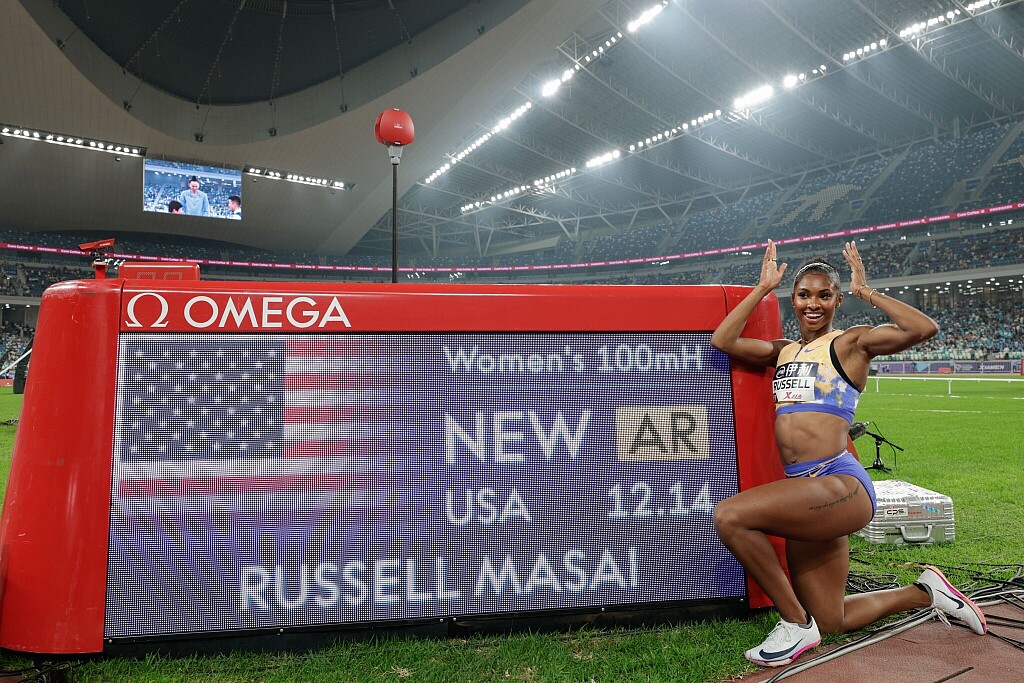
Masai Russell Rewrites History with Sensational 12.14 Masterclass in Xiamen
The women’s 100m hurdles witnessed one of the most electrifying performances ever seen on a track as Masai Russell delivered a historic sprint at the Xiamen Diamond League, stopping the clock in a breathtaking 12.14 seconds to send shockwaves across global athletics.
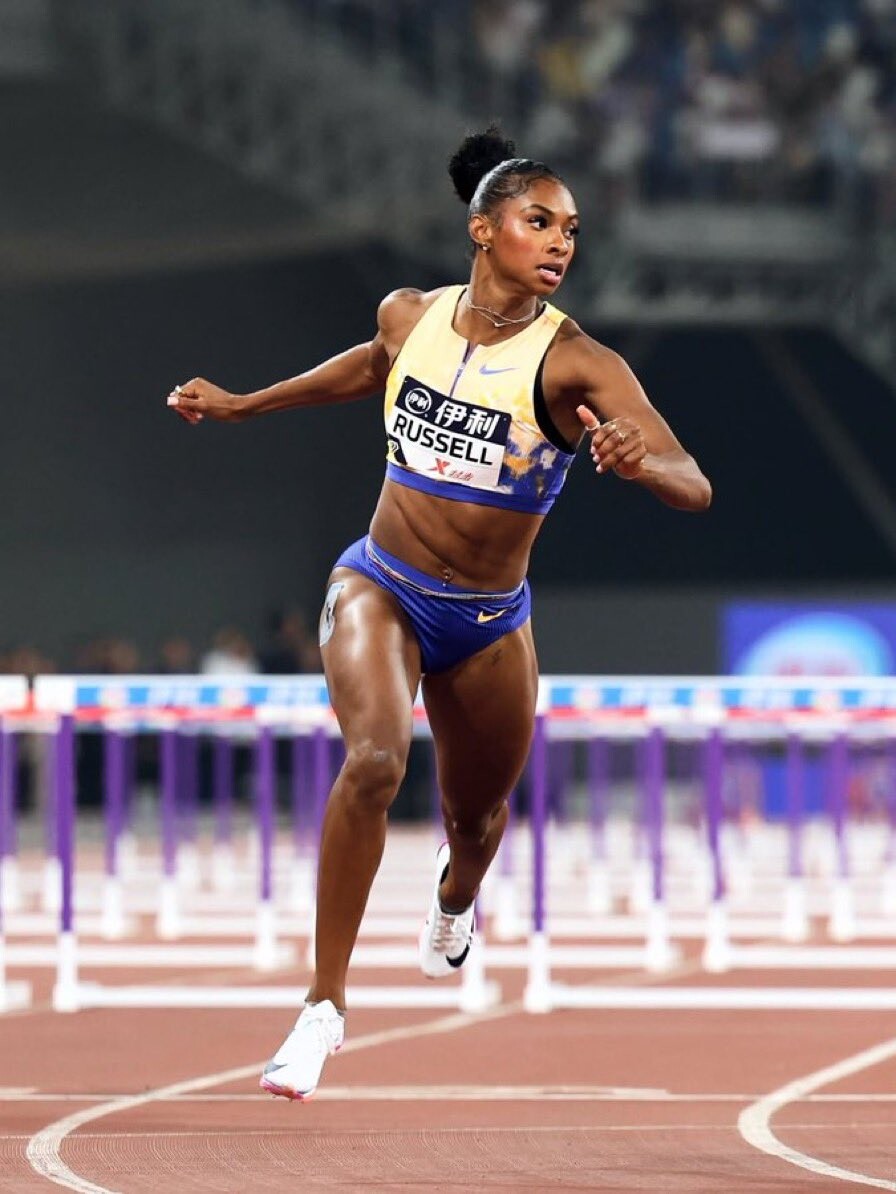
Under the lights in Xiamen, the American hurdler produced a race for the ages, exploding out of the blocks with precision, rhythm, and unmatched speed before storming across the finish line just 0.02 seconds shy of Tobi Amusan’s world record of 12.12. In an event packed with world-class talent, Russell rose above the field and etched her name into history with the second-fastest women’s 100m hurdles performance ever recorded.
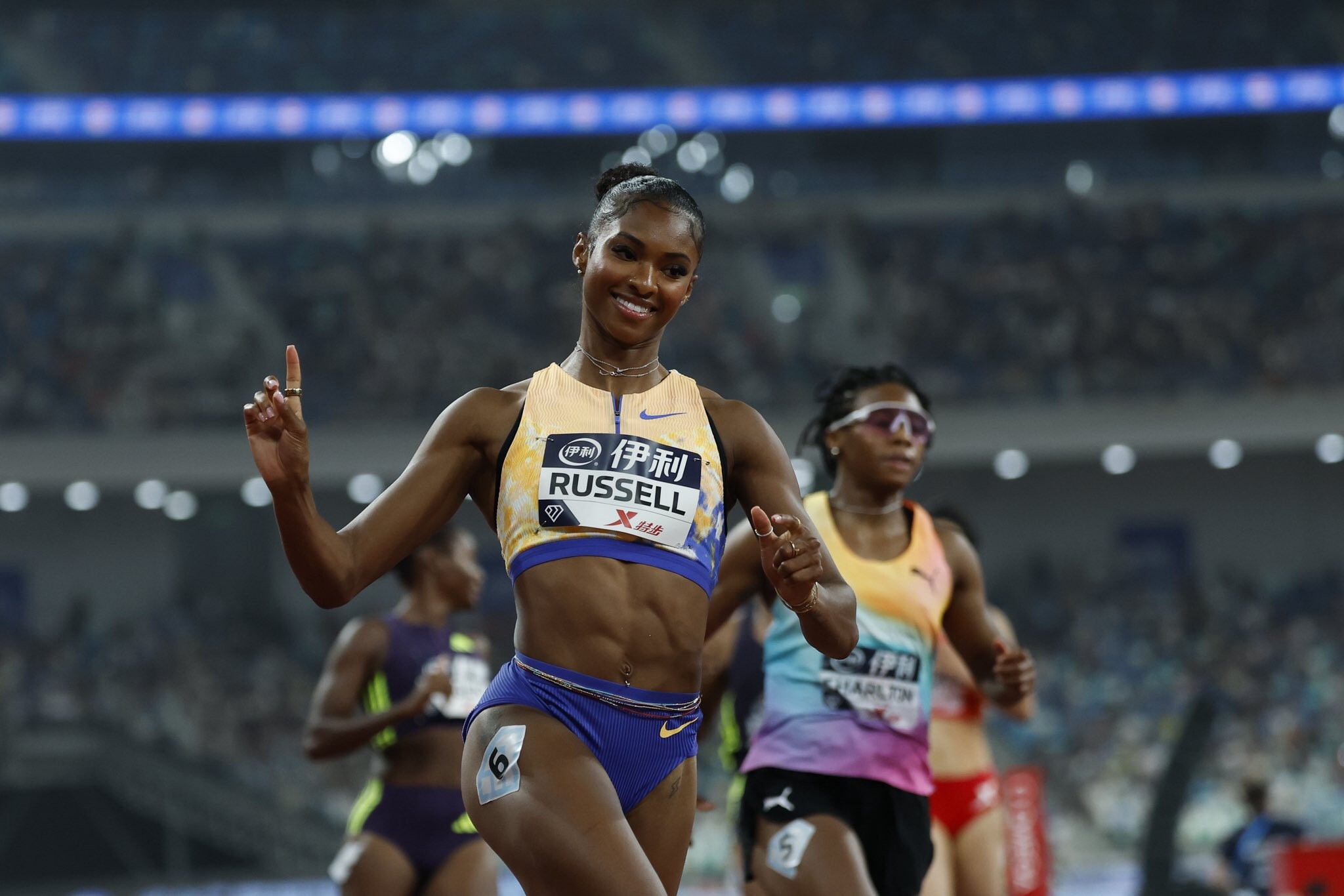
Her astonishing run not only secured victory but also shattered multiple milestones in one unforgettable evening. Russell walked away with the World Lead, American Record, Diamond League Record, and Meeting Record — a complete domination that confirmed her arrival among the greatest hurdlers the sport has ever seen.
The race itself was nothing short of spectacular. Nigeria’s world record holder Tobi Amusan reminded the athletics world of her class with a powerful late surge to finish second in 12.28 seconds, her fastest time of the season. The reigning global icon fought fiercely over the closing barriers, but Russell’s blistering early pace had already created enough separation to seal the historic win.
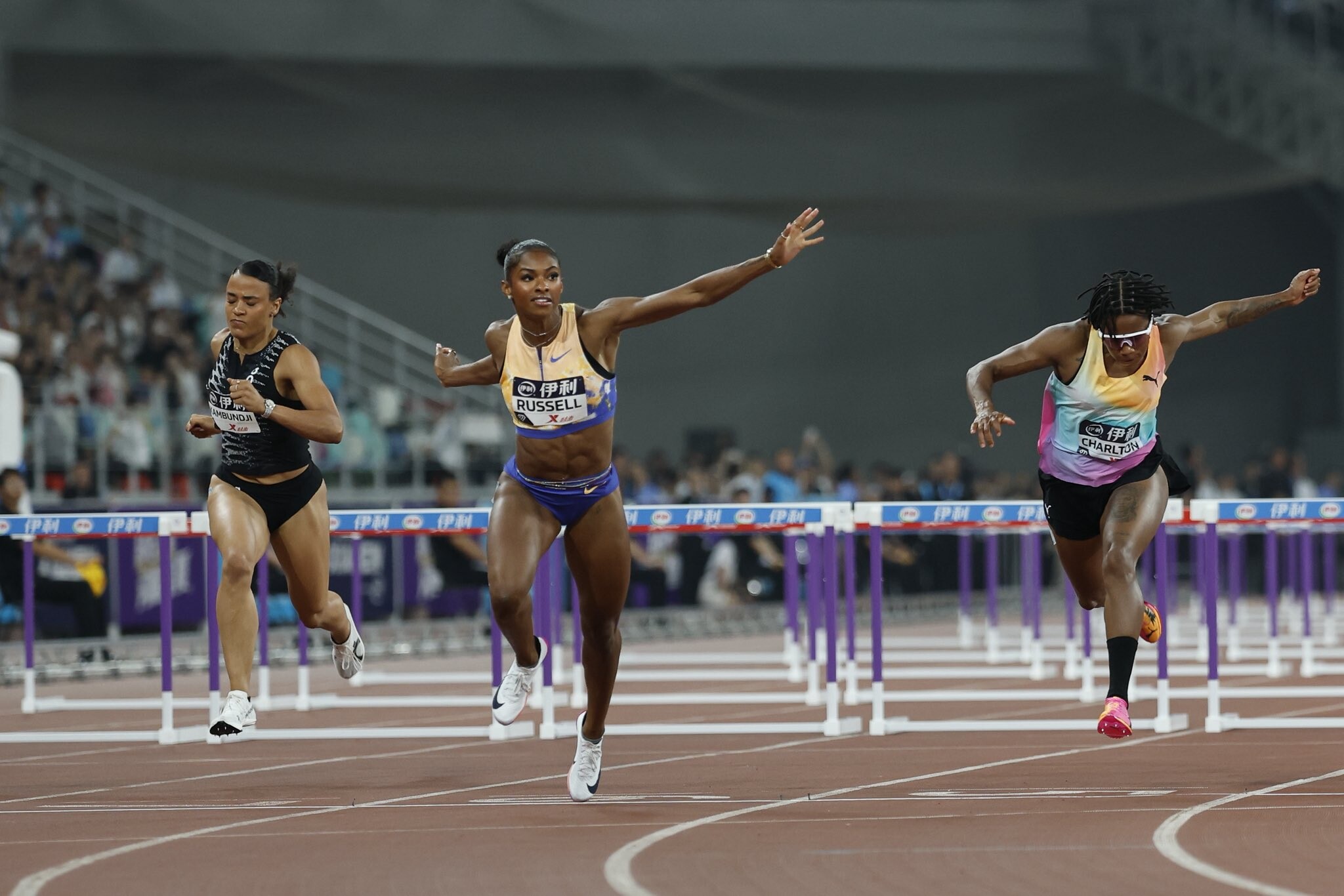
Behind them, Devynne Charlton of the Bahamas continued her remarkable rise by blasting to a national record of 12.37 seconds for third place. Charlton’s performance added another layer of brilliance to a final that will be remembered as one of the deepest and fastest hurdle races in Diamond League history.
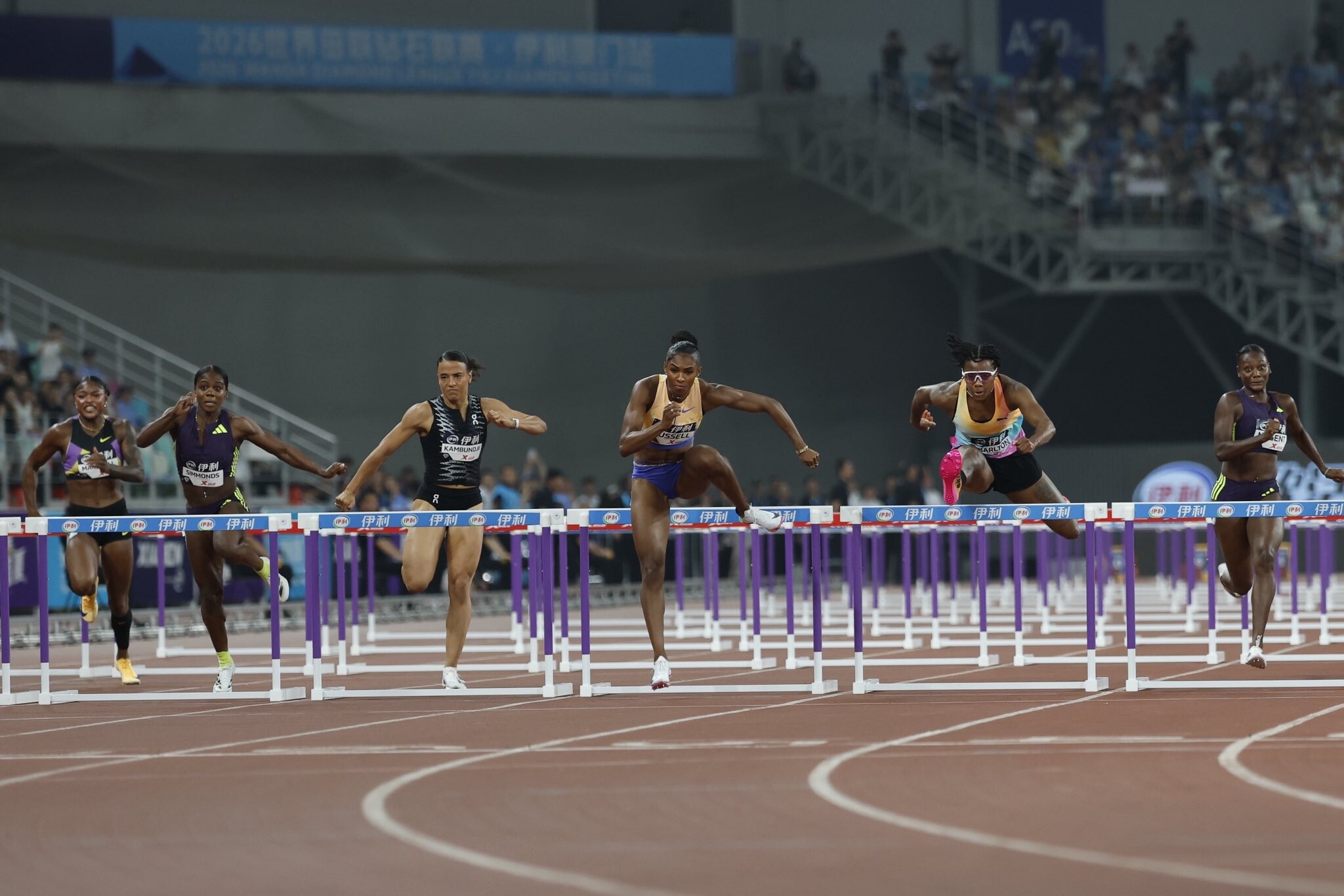
The incredible pace set by the leading trio forced several athletes into season-best performances, turning the event into a full-scale showcase of elite sprint hurdling. Jamaica’s Megan Simmonds clocked 12.52, while Switzerland’s Ditaji Kambundji crossed in 12.62. Jamaican stars Ackera Nugent and Danielle Williams also produced strong runs in a race where nearly every athlete was pushed to their absolute limit.
What made Russell’s performance even more extraordinary was the composure with which she executed the race. Every hurdle was attacked with aggression and precision, her technique remaining smooth even at world-record pace. From the opening strides to the final dip, it was a display of supreme confidence and championship quality.
The performance instantly reshapes conversations ahead of the global championships season. With Russell now standing as the second-fastest woman in history, the women’s sprint hurdles appear set for a thrilling new era featuring fierce battles between some of the greatest talents the event has produced.
For fans inside the stadium and millions watching around the world, Xiamen became the stage for a truly historic night — one where records trembled, barriers were broken, and Masai Russell announced herself as a genuine legend in the making.
Women’s 100m Hurdles – Xiamen Diamond League Results (+0.5)
1. Masai Russell (USA) – 12.14s (AR / DLR / MR / WL)
2. Tobi Amusan (NGR) – 12.28s (SB)
3. Devynne Charlton (BAH) – 12.37s (NR)
4. Megan Simmonds (JAM) – 12.52s (SB)
5. Ditaji Kambundji (SUI) – 12.62s (SB)
6. Ackera Nugent (JAM) – 12.64s (SB)
7. Danielle Williams (JAM) – 12.90s (SB)
8. Yanni Wu (CHN) – 13.06s (SB)
9. Tonea Marshall (USA) – 13.13s
10. Jingyang Liu (CHN) – 13.26s (SB)
by Erick Cheruiyot for My Best Runs.
Login to leave a comment
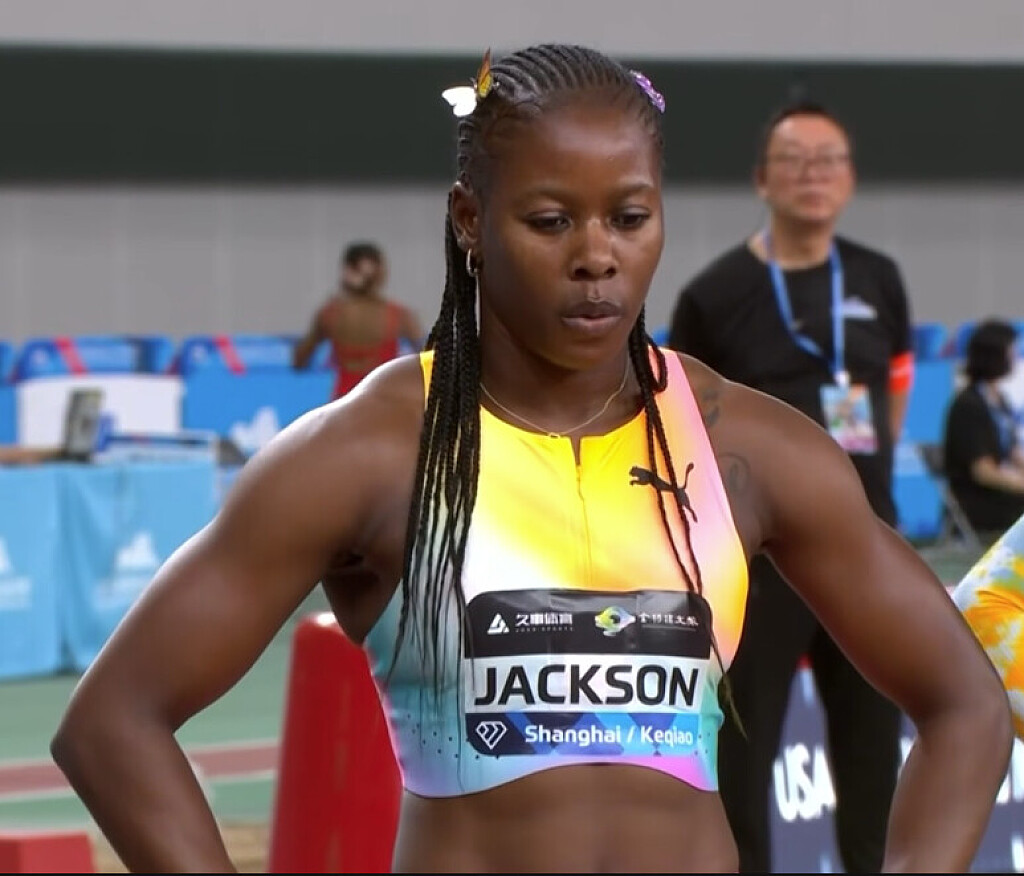
Shericka Jackson Sends a Powerful Warning Shot with Brilliant Shanghai Triumph
Under the dazzling lights of Shanghai, Shericka Jackson reminded the athletics world exactly why she remains one of the most feared women in sprinting. In a fiercely competitive women’s 200 metres packed with elite talent, the Jamaican superstar stormed to victory in a commanding 22.07 seconds, delivering one of the strongest statements of the early season.
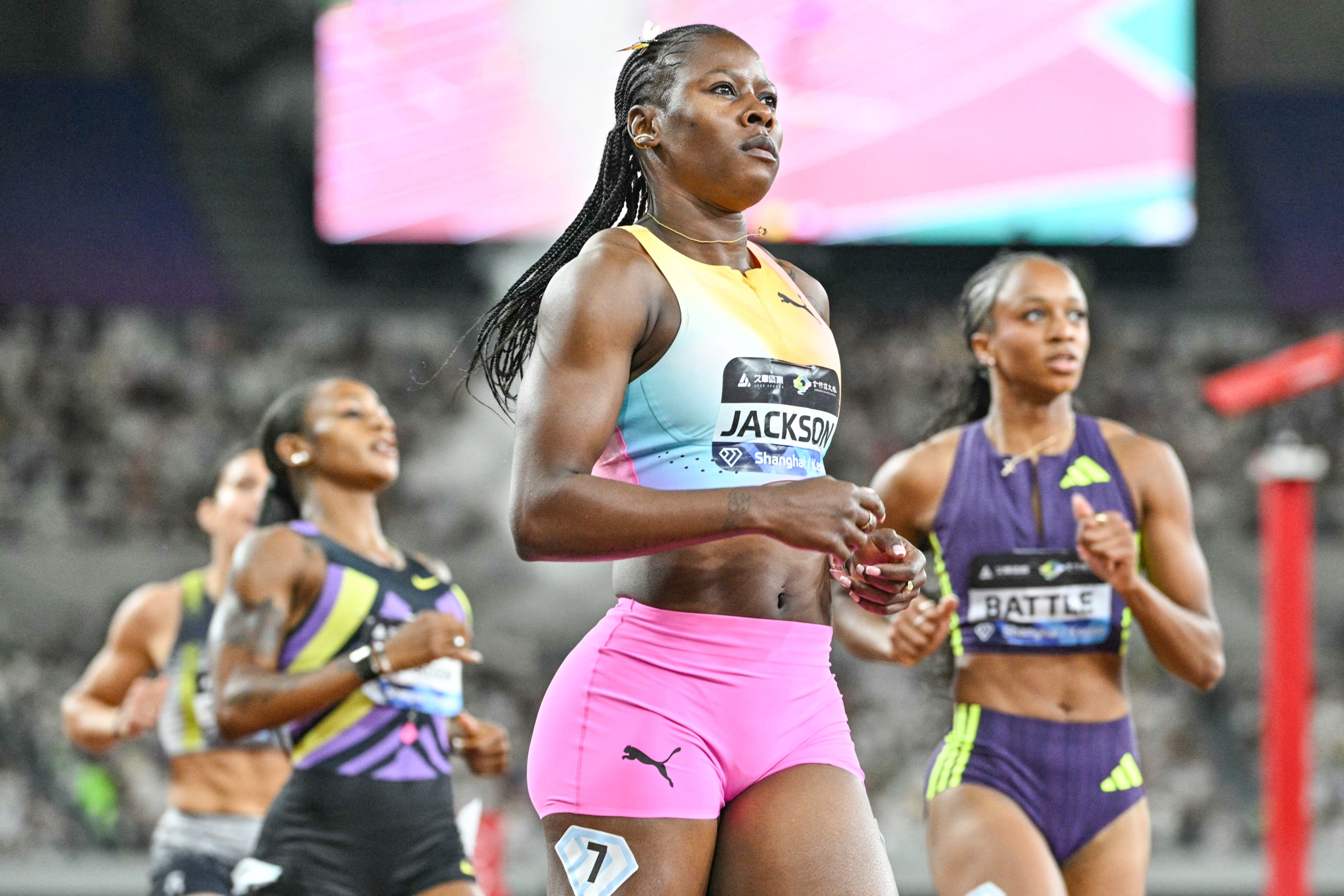
With a legal +0.3 wind behind the field, Jackson looked sharp, composed, and devastatingly efficient through every phase of the race. From the moment she attacked the curve, her trademark blend of power and relaxation separated her from the field, before she surged away in the final metres to secure an emphatic win. More than just another Diamond League success, the performance served as a clear reminder that Jackson is already building serious momentum ahead of the championship season.
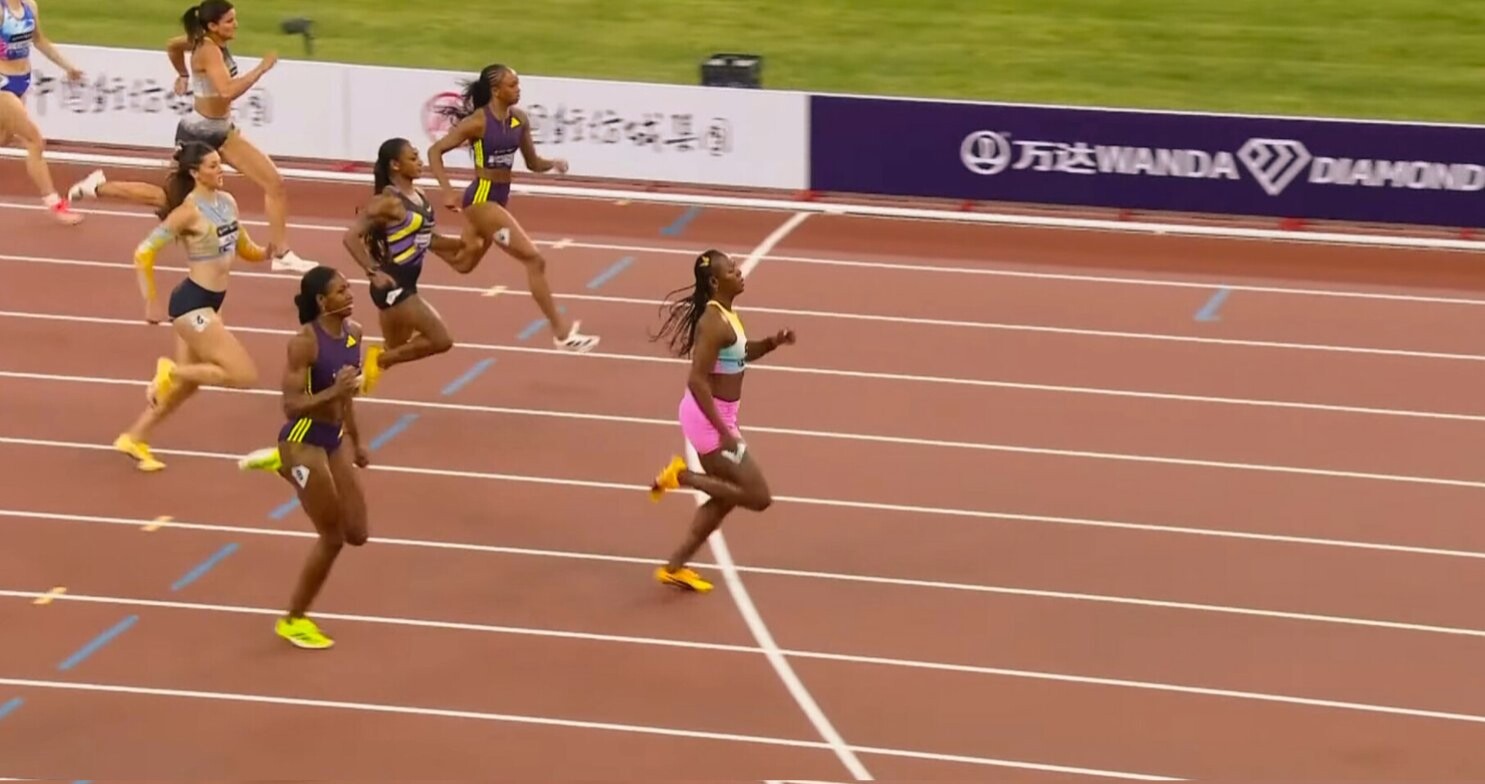
The race carried additional intrigue with the long-awaited return of Shaunae Miller-Uibo to the Diamond League circuit. Competing in her first appearance at this level in three years, the Bahamian star produced an impressive run of 22.26 seconds to finish second, showing encouraging signs as she continues her comeback journey. Her presence added extra quality to an already stacked contest and elevated the atmosphere inside the stadium.
Yet the night ultimately belonged to Jackson. The double world champion did not simply win — she controlled the race with the authority of an athlete fully aware of her dominance. At this stage of the season, such a performance carries enormous significance. While many athletes are still searching for rhythm and race sharpness, Jackson already appears locked in, confident, and dangerously close to peak form.
What makes the victory even more compelling is the manner in which it was achieved. There was no visible strain, no desperate lean at the finish, only the calm assurance of a sprinter operating several levels above the field. It was the kind of performance that sends a message across the global sprinting landscape: Shericka Jackson is not easing into the season — she is attacking it.
As the road toward the major championships continues, Shanghai may well be remembered as the night Jackson officially announced her intentions to the world. If this performance is an indication of what is to come, the women’s sprint scene could be heading toward another season dominated by Jamaican brilliance.
by Erick Cheruiyot for My Best Runs.
Login to leave a comment
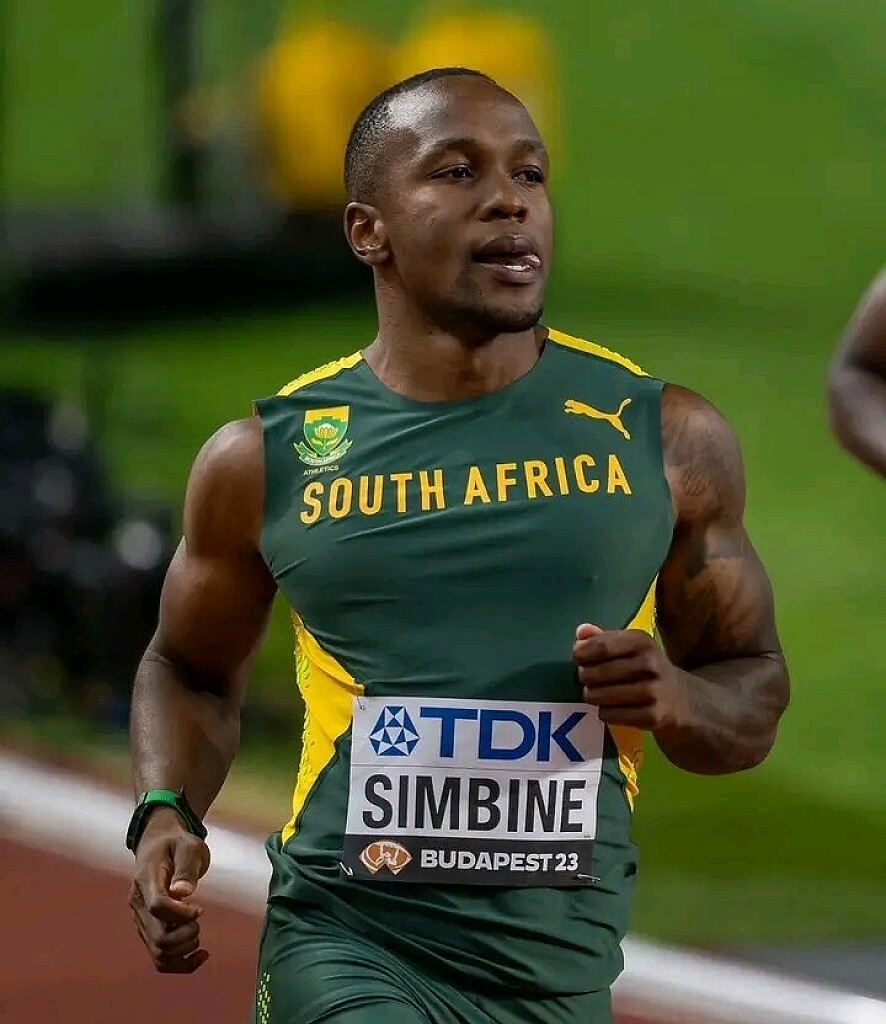
Shanghai Braces for a Blistering Sprint Battle as Africa’s Fastest Men Clash on the Diamond League Stage
The countdown to one of the most electrifying sprint races of the season has officially begun, with the 100m showdown at the Shanghai/Keqiao Diamond League promising a collision of pure speed, power and global star quality under the lights on Saturday, May 16.
At the heart of the blockbuster contest stands Africa’s elite sprint trio, each arriving with a reputation strong enough to shake the track before the gun even fires.
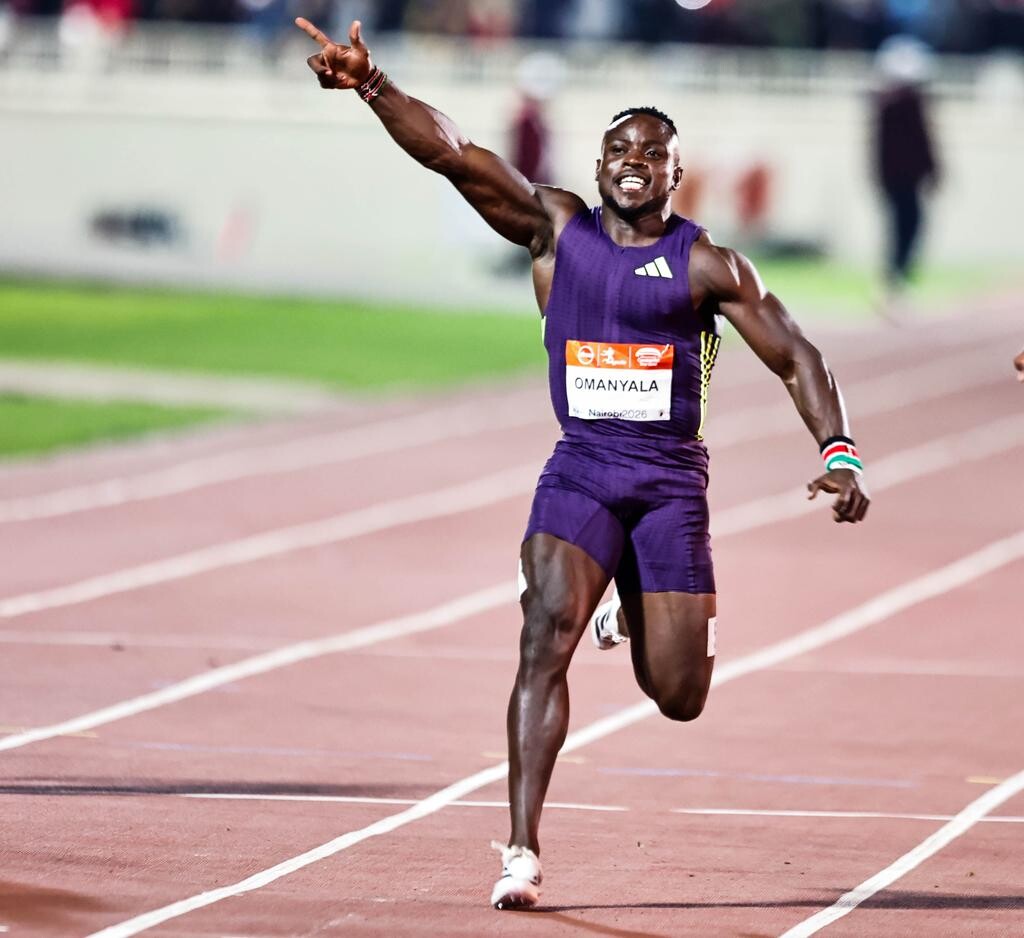
Kenya’s Ferdinand Omanyala returns as the continent’s record holder and one of the most explosive starters the sport has ever witnessed. Known for his ferocious acceleration and fearless front-running style, Omanyala will be eager to stamp his authority against a world-class field after consistently carrying Africa’s sprint hopes onto the global stage.
Lining up beside him will be Botswana’s history-making sensation Letsile Tebogo the reigning Olympic champion whose rise has transformed him into one of the most feared names in world sprinting. Tebogo’s composure, smooth mechanics and devastating finishing speed have elevated him from promising youngster to a genuine global superstar, and Shanghai offers another opportunity for the young phenomenon to reinforce his dominance.
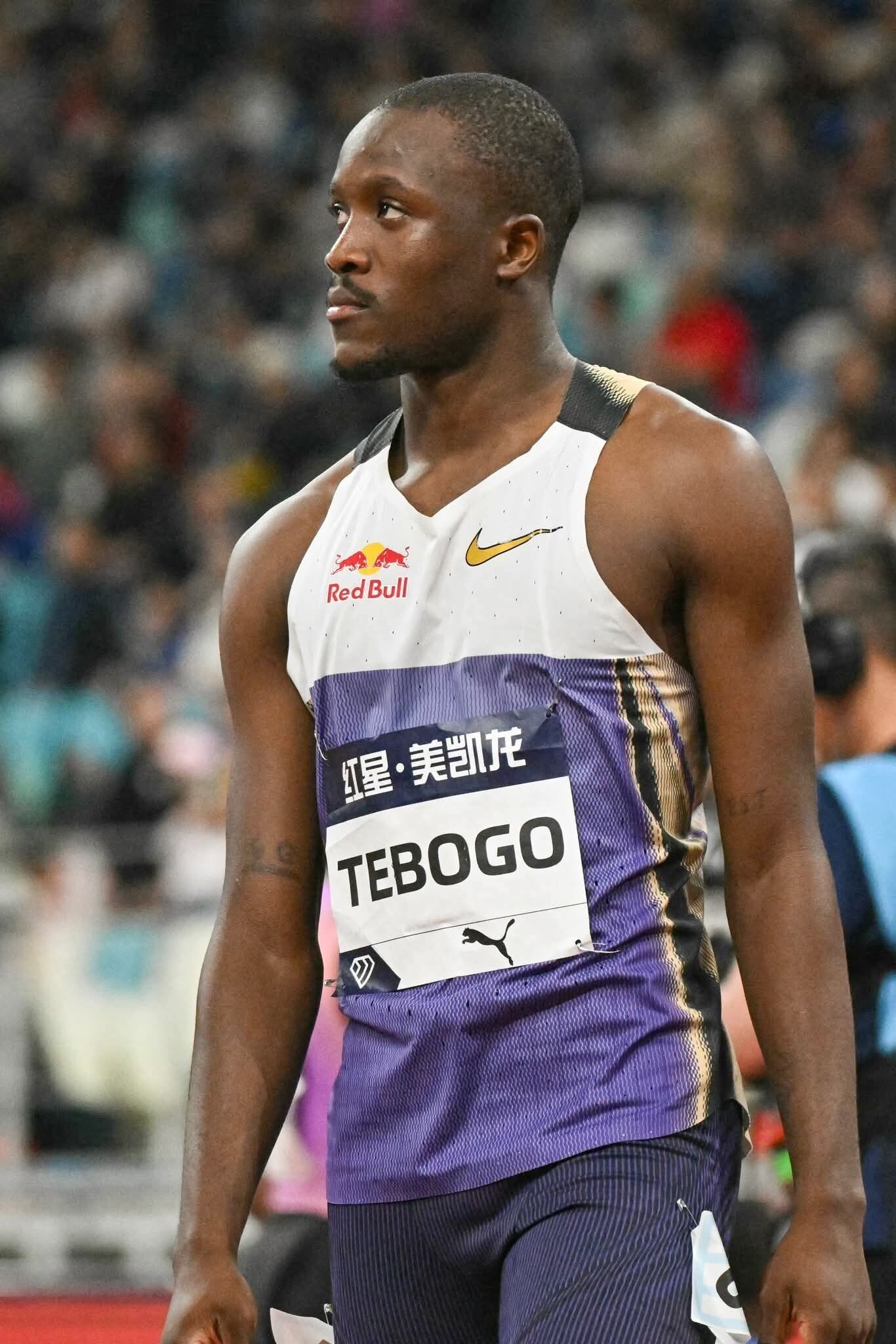
South Africa’s sprint warrior Akani Simbine also enters the arena carrying the weight of experience and consistency. For years, Simbine has remained among the world’s most reliable sprinters, delivering elite performances season after season against the very best. While others arrive with hype, Simbine arrives with proven pedigree and the hunger to remind the world that experience still matters when the pressure peaks.
Yet the African stars will not have the track to themselves.
The race has attracted a terrifying collection of international sprint heavyweights, including American speedsters Christian Coleman, Trayvon Bromell and Kenneth Bednarek — athletes capable of turning any race into a high-voltage spectacle. Chinese home favourite Xie Zhenye will also carry the energy of the local crowd as he attempts to challenge the sprint giants on home soil.
The showdown was initially expected to become even more explosive with the inclusion of Jamaican sprint sensation Kishane Thompson before reports confirmed his withdrawal from the meeting, slightly reshaping the balance of power but doing little to reduce the anticipation surrounding the event.
Now, the spotlight belongs to Shanghai.
Can Omanyala produce one of his trademark lightning starts and hold off the chasing pack? Will Tebogo continue his unstoppable rise as the new king of African sprinting? Or will Simbine once again prove why he remains one of the most dangerous men ever to step onto a 100m track?
When the stadium lights shine and the starting gun cracks through the night air, reputations will mean nothing. Only speed will matter.
One race.
One moment.
One champion waiting to emerge from a battlefield loaded with the fastest men on earth.
by Erick Cheruiyot for My Best Runs.
Login to leave a comment
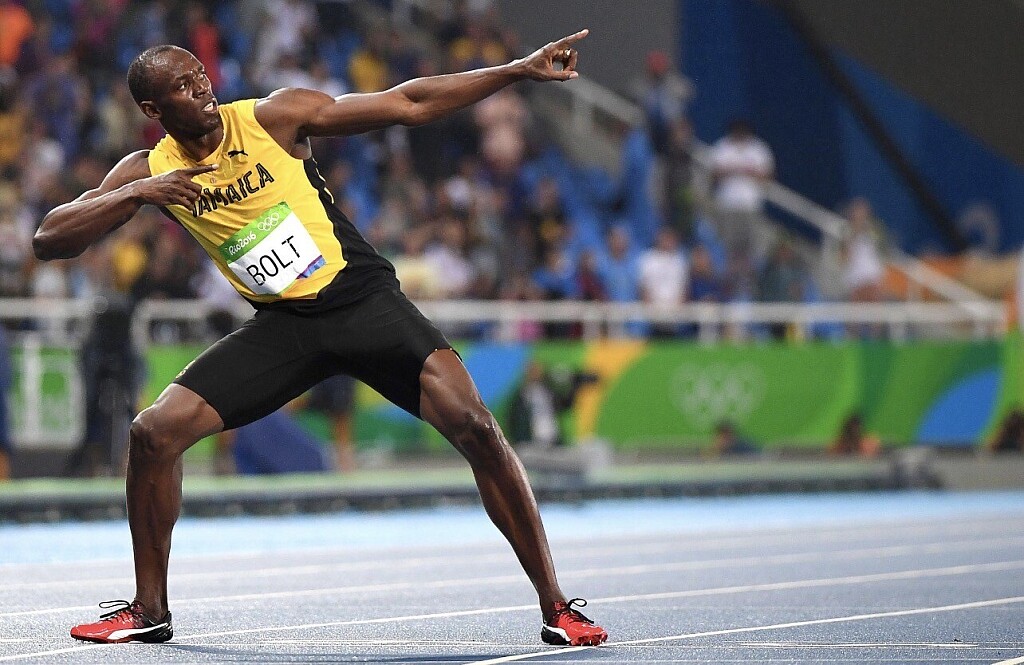
An Evening With Bolt - The Fastest Man Ever is coming to London July 22
Eight Olympic gold medals. Eleven World Championship titles. Three consecutive Olympic Games sweeping both the 100m and 200m titles.
No sprinter in history has ever done what Usain Bolt accomplished between Beijing, London, and Rio.

And now, nearly a decade after his final Olympic appearance, the fastest man in history is proving that his appeal reaches far beyond the track.
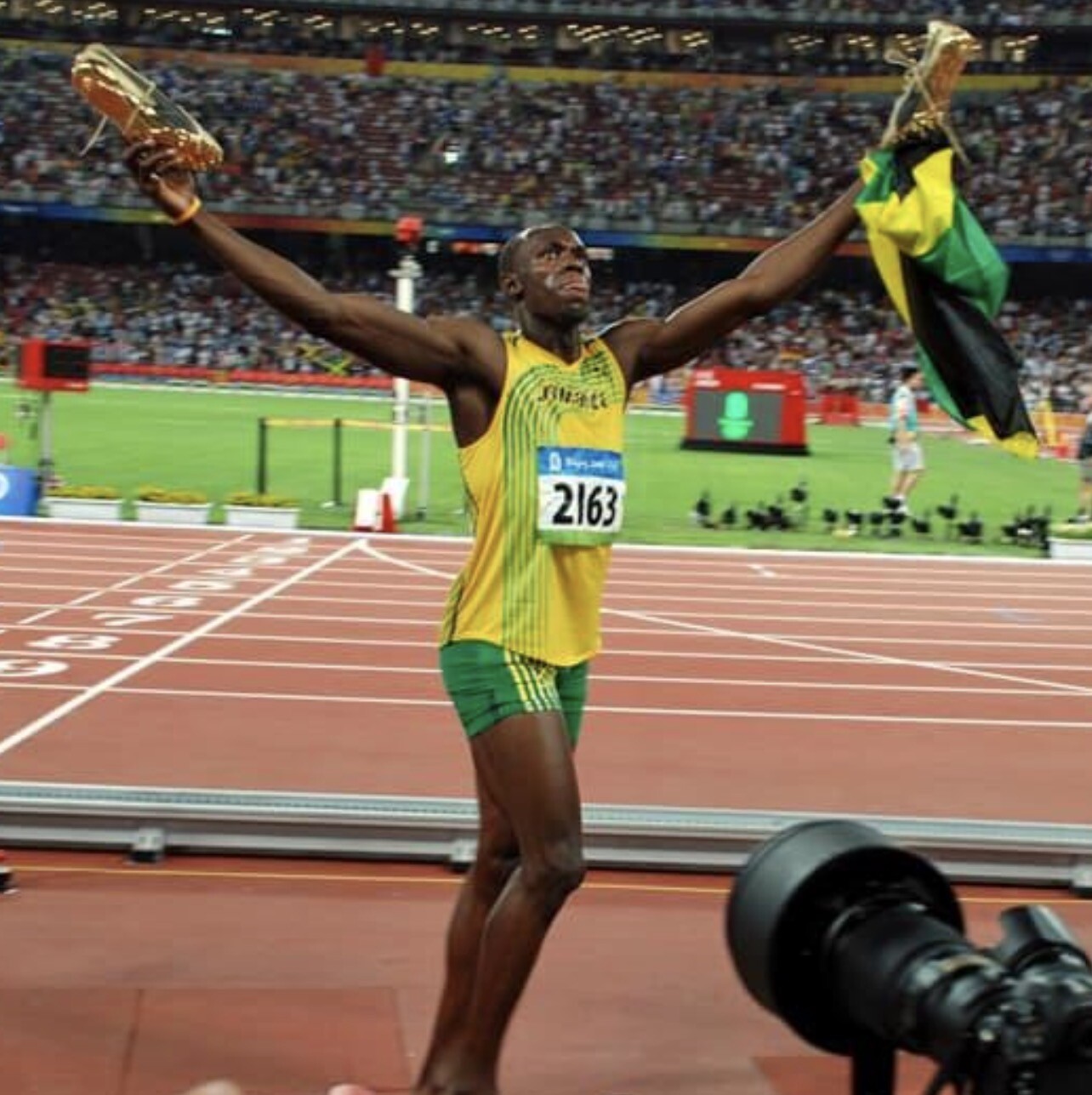
On Wednesday, July 22, 2026, Bolt will appear live at The O2 for “An Evening With Bolt,” a stage event expected to draw thousands of fans eager to hear firsthand stories from one of the most dominant athletes ever produced by any sport.
The event is not a race. There will be no starting blocks, no finish tape, no world-record clock flashing 9.58. Yet demand for tickets has been extraordinary. Premium seats are reportedly selling for more than $200 USD, with VIP and meet-and-greet packages commanding even higher prices.
That kind of post-career drawing power is rare in athletics.
Michael Jordan could fill arenas. Muhammad Ali could command a room anywhere in the world. Pelé and Diego Maradona transcended soccer. But in track and field, very few athletes have remained such a global attraction years after retirement.
Bolt is different.
For nearly a decade, he turned the Olympic 100-meter final into one of the biggest television events on the planet. Even casual sports fans knew exactly when Bolt was racing. His signature lightning pose became one of the most recognizable celebrations in modern sports history.
What makes his story even more remarkable is that the records still stand.
His 9.58 world record in the 100 meters and 19.19 in the 200 meters have survived wave after wave of challengers, technological advances, super spikes, and an entirely new generation of sprinters. Nearly seventeen years later, no one has seriously threatened both marks at the same time.
And unlike many champions, Bolt combined dominance with personality. He danced before races, smiled under pressure, joked with reporters, and somehow still delivered when the spotlight was brightest.
That combination — greatness plus charisma — is what continues to sell out theaters and arenas around the world.
According to event organizers, Bolt will speak candidly about his upbringing in Trelawny, Jamaica, the pressure of competing for an entire nation, the discipline required to remain on top, and the mental side of being expected to win every time he stepped on the track.
For younger athletes, the evening offers something rare: a chance to hear directly from a man who changed the sport forever.
For older fans, it is a reminder of a period when sprinting became must-watch television.
Track and field has produced many great champions. But very few became global cultural icons.
Usain Bolt did both.
by Boris Baron for My Best Runs
Login to leave a comment
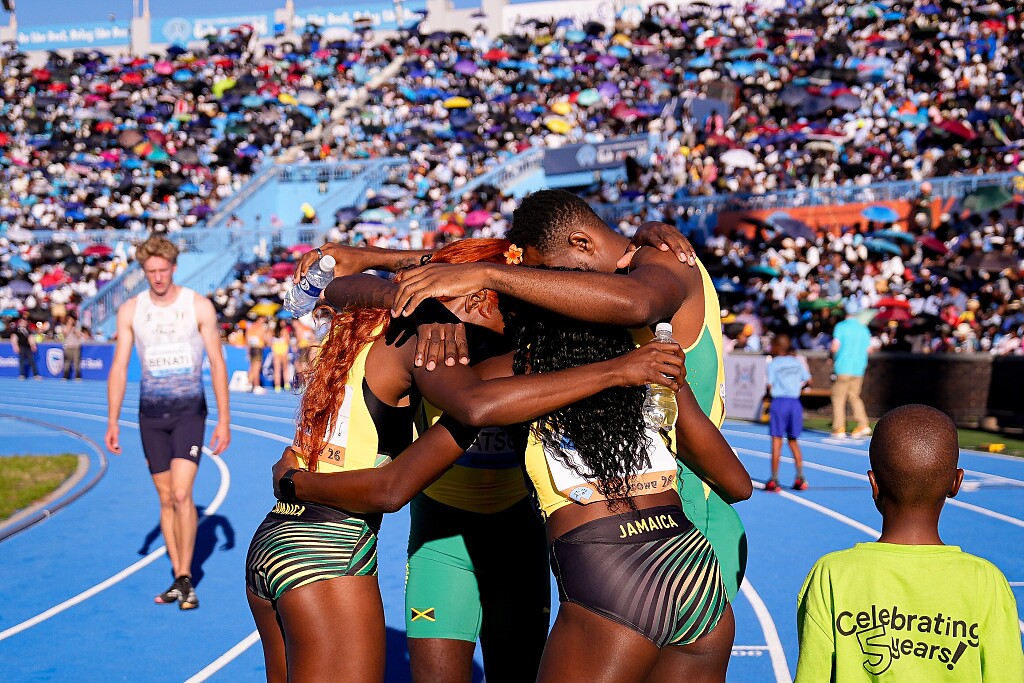
Jamaica Edges Ahead as Two-Day Championship Concluded in Style
The curtain fell on an electrifying two-day athletics spectacle during World Relay Championship in Gaborone, Botswana on Sunday, May 3, with the medal table reflecting a gripping contest among some of the world’s sprinting and relay powerhouses.
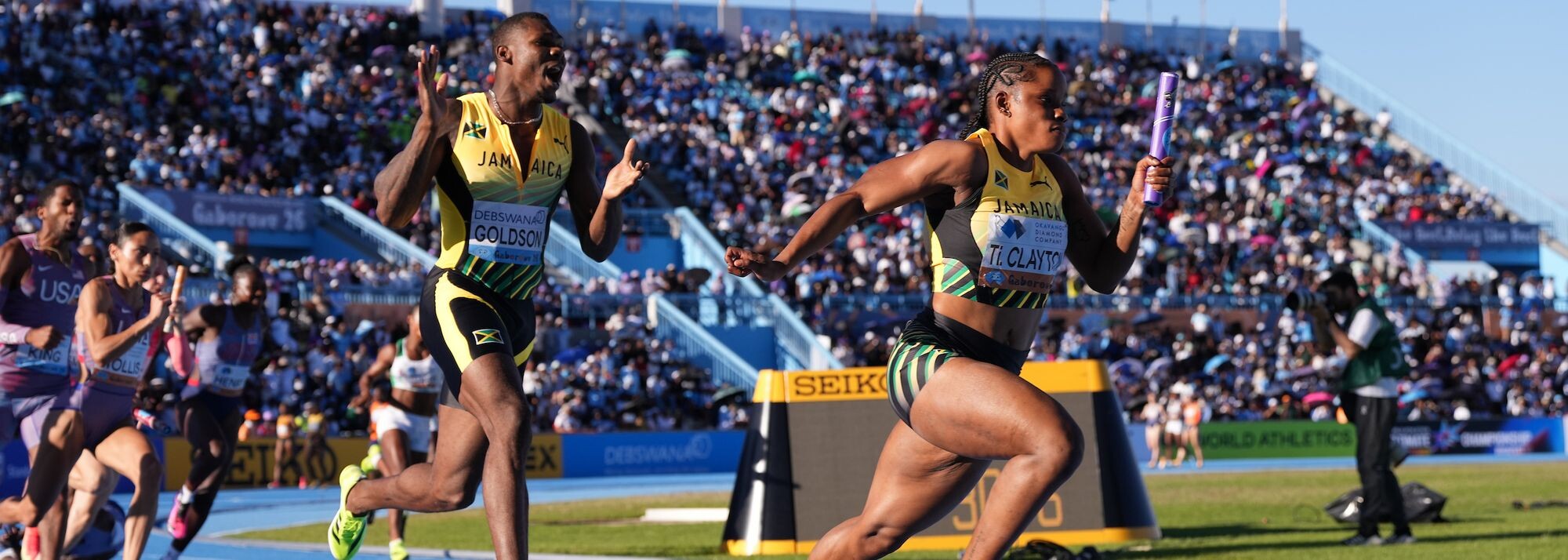
At the summit, Jamaica emerged as the narrow leader, finishing with two gold medals and one silver to top the standings. Their performances combined authority and flair, reinforcing their enduring legacy as one of the sport’s most dominant forces. From explosive starts to composed finishes, the Jamaican squad delivered when it mattered most, igniting celebrations among their supporters.
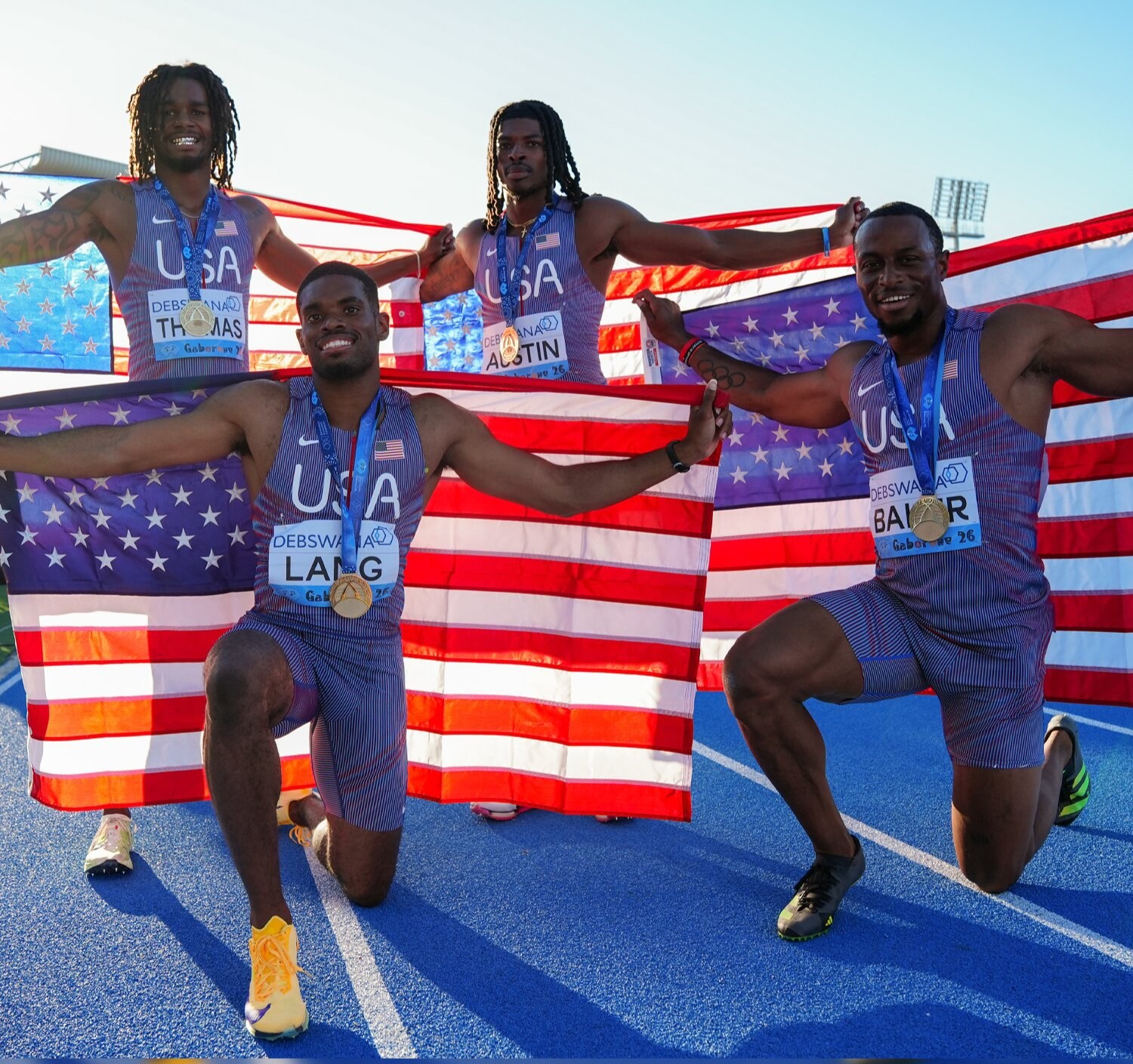
Hot on their heels, the United States matched Jamaica’s gold medal tally with two golds, but settled just behind due to a slightly lower overall count, adding a bronze to bring their total to three medals. The Americans showcased their trademark depth and versatility, ensuring the battle for top honors remained intense until the final events.
Botswana seized a memorable moment on home soil, clinching one gold medal to underline its growing stature in global athletics. The hosts’ success was mirrored by Norway, who also secured a gold, highlighting their efficiency and ability to convert opportunities into podium finishes.
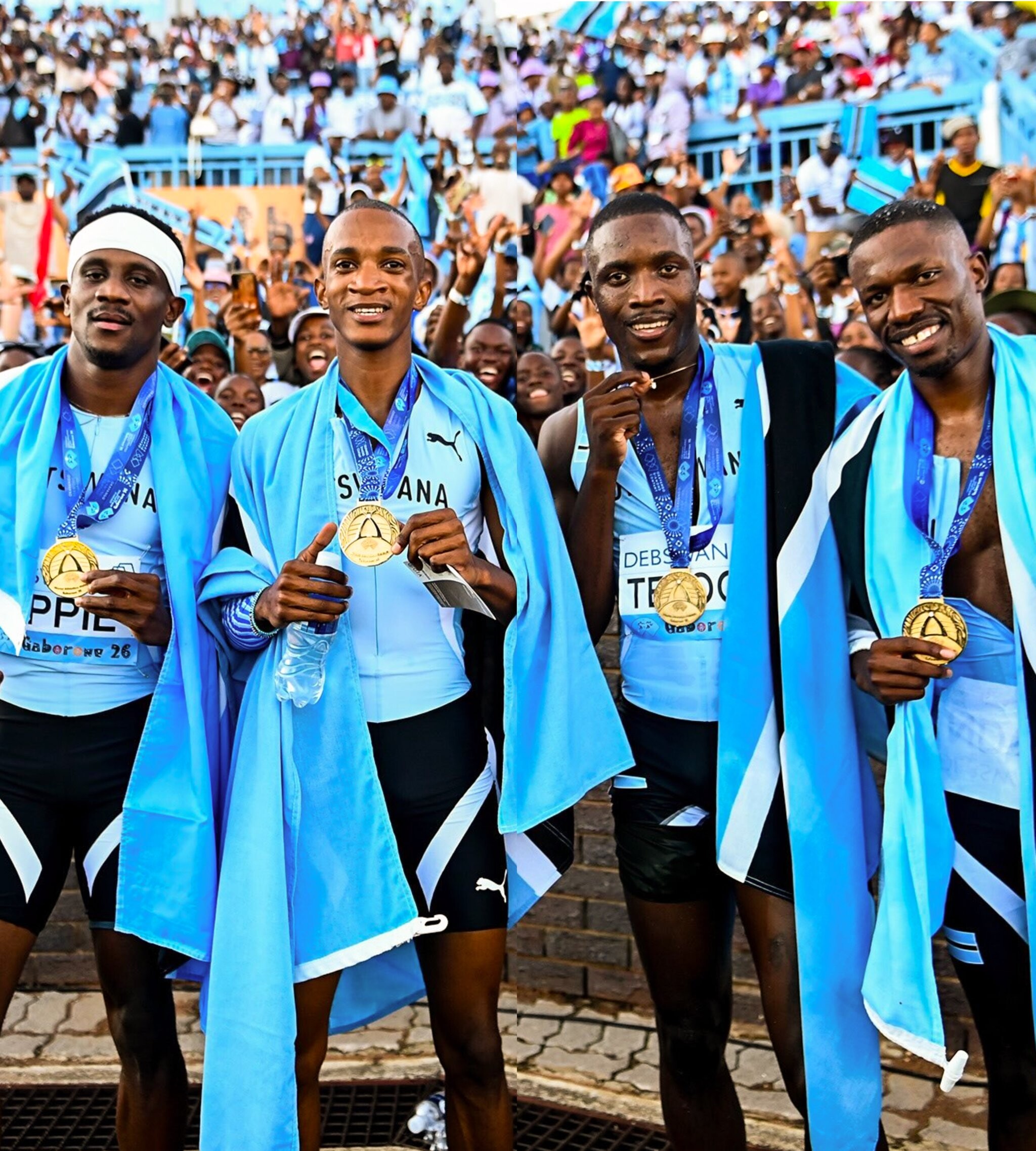
Elsewhere, South Africa and Canada built strong campaigns through consistency, each collecting multiple medals without reaching the top step of the podium. Canada’s tally of two silvers and one bronze stood out as one of the most balanced hauls of the competition, while South Africa’s two silver medals kept them firmly in contention throughout.
Spain added both silver and bronze to its account, demonstrating competitive resilience, while Great Britain, Germany, and Australia each claimed a bronze medal to ensure their presence on the table.
Though the championship spanned just two days, it delivered a compelling narrative of rivalry, emerging talent, and national pride. With margins so fine at the top, every race carried weight, and every baton exchange or final stride proved decisive.
As the dust settles on this edition, the medal table not only crowns Jamaica as the standout nation but also sets the stage for even greater battles ahead.
by Erick Cheruiyot for My Best Runs.
Login to leave a comment
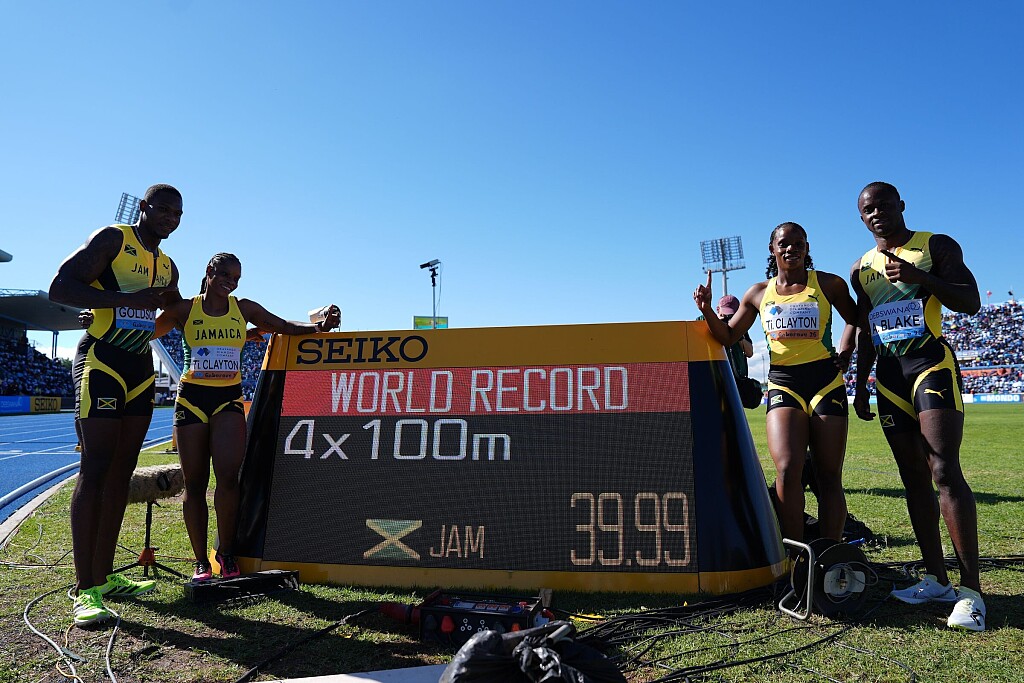
History in Motion: Jamaica Ignites a New Era with Mixed 4x100m World Record
Jamaica delivered a performance of breathtaking precision at the World Athletics Relays in Gaborone, storming to a sensational world record of 39.99 seconds in the mixed 4x100 metres relay—while securing qualification for both the final and the 2027 World Championships.
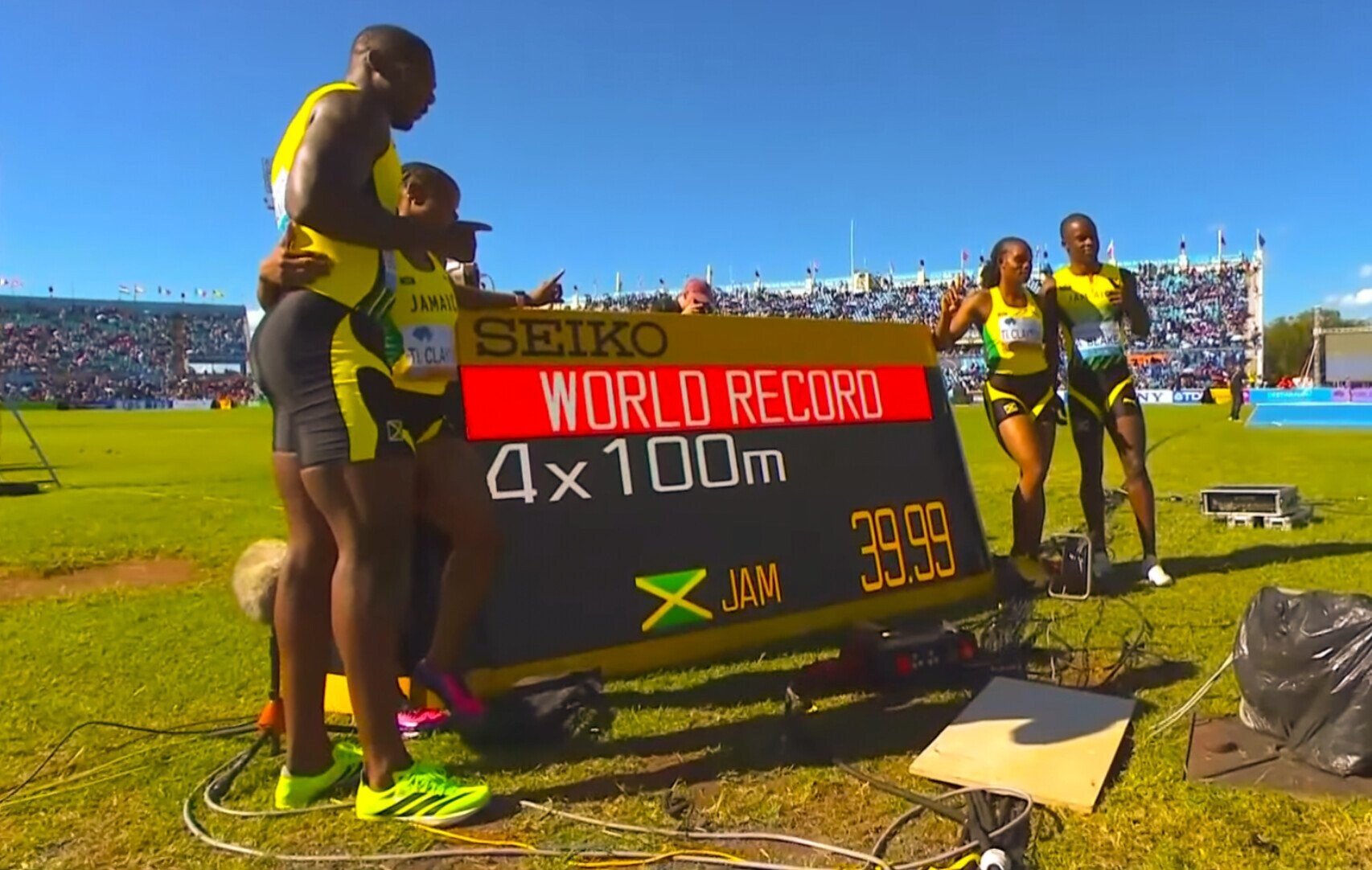
Though it came in a qualifying heat, the run carried the authority of a championship-winning performance. Jamaica did not merely progress—they redefined the standard. In one explosive display, they confirmed their place in the final and, crucially, booked early qualification for the World Athletics Championships.
The execution was nothing short of elite. The mixed 4x100m, still a developing event, demands absolute clarity in timing and flawless baton exchanges between male and female athletes. Jamaica delivered with remarkable cohesion, their transitions smooth and their speed devastating from start to finish.
Stopping the clock at 39.99 at this stage of the competition sends a powerful message. It highlights not only their dominance but also the possibility that an even faster performance could emerge when medals are on the line.

With the mixed 4x100m set to make its Olympic debut at the Los Angeles 2028 Olympic Games, Jamaica’s run in Gaborone stands as a defining early benchmark in the event’s history. It reflects the nation’s enduring sprint legacy, now evolving into new formats with the same authority.
What was meant to be a step toward the final became something far greater—a record-breaking statement, a qualification secured, and a clear warning to the world.
All eyes now turn to the final, where Jamaica will look to transform early dominance into gold.
by Erick Cheruiyot for My Best Runs.
Login to leave a comment

A Bold Prediction: Sally Pearson Backs Gout Gout to Challenge Usain Bolt’s Untouchable Legacy
In the world of sprinting, few records carry the aura of invincibility quite like those set by Usain Bolt. For over a decade, the Jamaican icon’s breathtaking performances have stood as the gold standard of human speed, seemingly beyond reach. Yet, a new voice of belief has emerged—one that is turning heads across the athletics world.

Olympic champion Sally Pearson has made a striking prediction, boldly suggesting that Australia’s rising teenage sensation, Gout Gout, could one day rewrite history.
Pearson, herself a symbol of excellence and resilience on the track, did not mince her words. She acknowledged the long-held perception that Bolt’s records were untouchable, almost mythical in their dominance. But in Gout Gout, she sees something different—something rare. A spark that could evolve into something extraordinary.
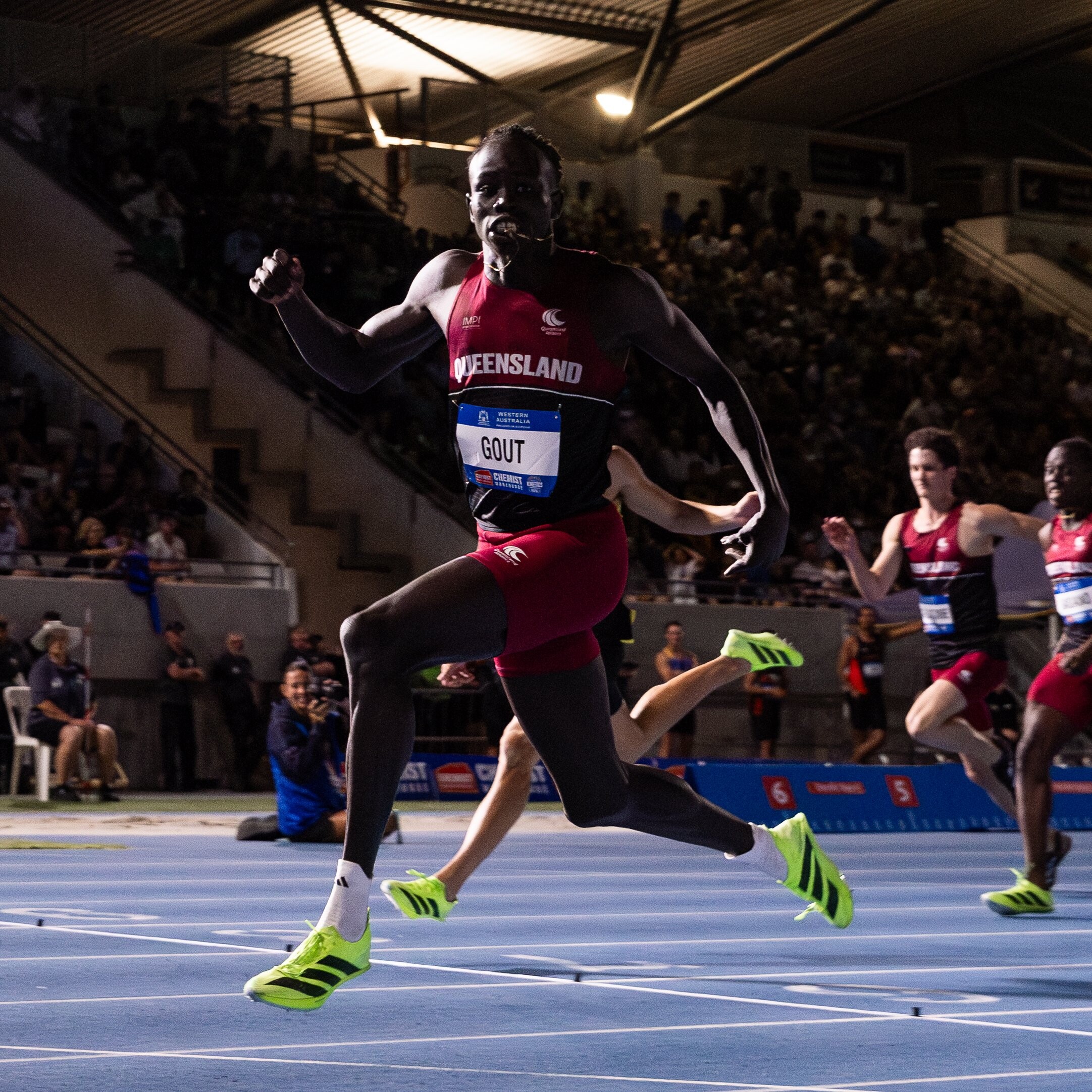
Still in the early stages of his career, Gout Gout has already captured global attention with his explosive speed, fluid stride, and composure far beyond his years. His performances have not only electrified Australian athletics but also ignited conversations about the future of sprinting itself. While comparisons to Bolt may seem premature, they are becoming increasingly difficult to ignore.
What makes Pearson’s statement particularly compelling is her understanding of what it takes to reach the pinnacle. As an Olympic gold medalist, she recognizes the fine margins, the relentless discipline, and the unique talent required to break records at the highest level. Her endorsement, therefore, is not casual hype—it is an informed belief.
However, the road to challenging Bolt’s legacy is steep and unforgiving. Records of such magnitude demand not only raw talent but also years of consistency, peak physical conditioning, and the ability to perform under immense pressure on the biggest stages. History is filled with prodigies who promised much but fell short of rewriting the record books.
Yet, sport thrives on possibility. Every era eventually gives rise to a new force, an athlete capable of redefining limits once thought fixed. For now, Gout Gout remains a prodigious talent with immense potential—but also a long journey ahead.
Pearson’s bold claim has added fuel to an already growing narrative. Whether it proves prophetic or premature, one thing is certain: the spotlight on Gout Gout has never been brighter, and the athletics world will be watching every step of his rise with anticipation.
Because in sprinting, as history has shown, the impossible is only impossible—until someone proves otherwise.
by Erick Cheruiyot for My Best Runs.
Login to leave a comment
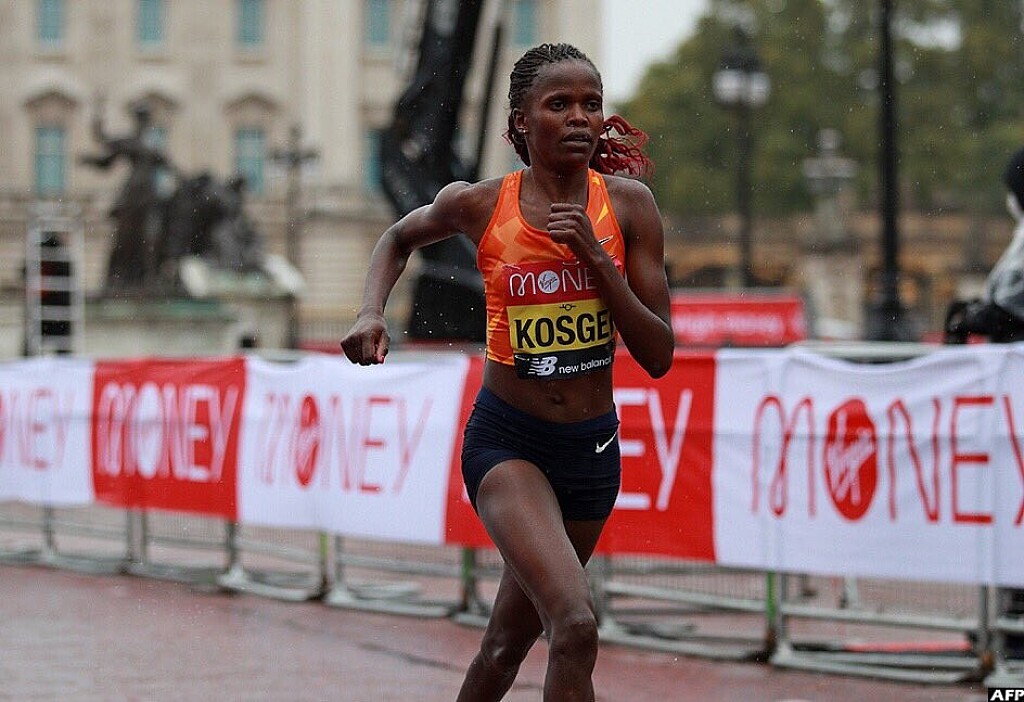
Türkiye Transfer Bid Rejected as Brigid Kosgei, Catherine Reline and 9 Others Denied Nationality Switch
Kenya’s former marathon world record holder Brigid Kosgei and fellow distance runner Catherine Reline will remain eligible under their current national status after the World Athletics Nationality Review Panel rejected a wave of transfer requests involving 11 international athletes seeking to represent Türkiye.
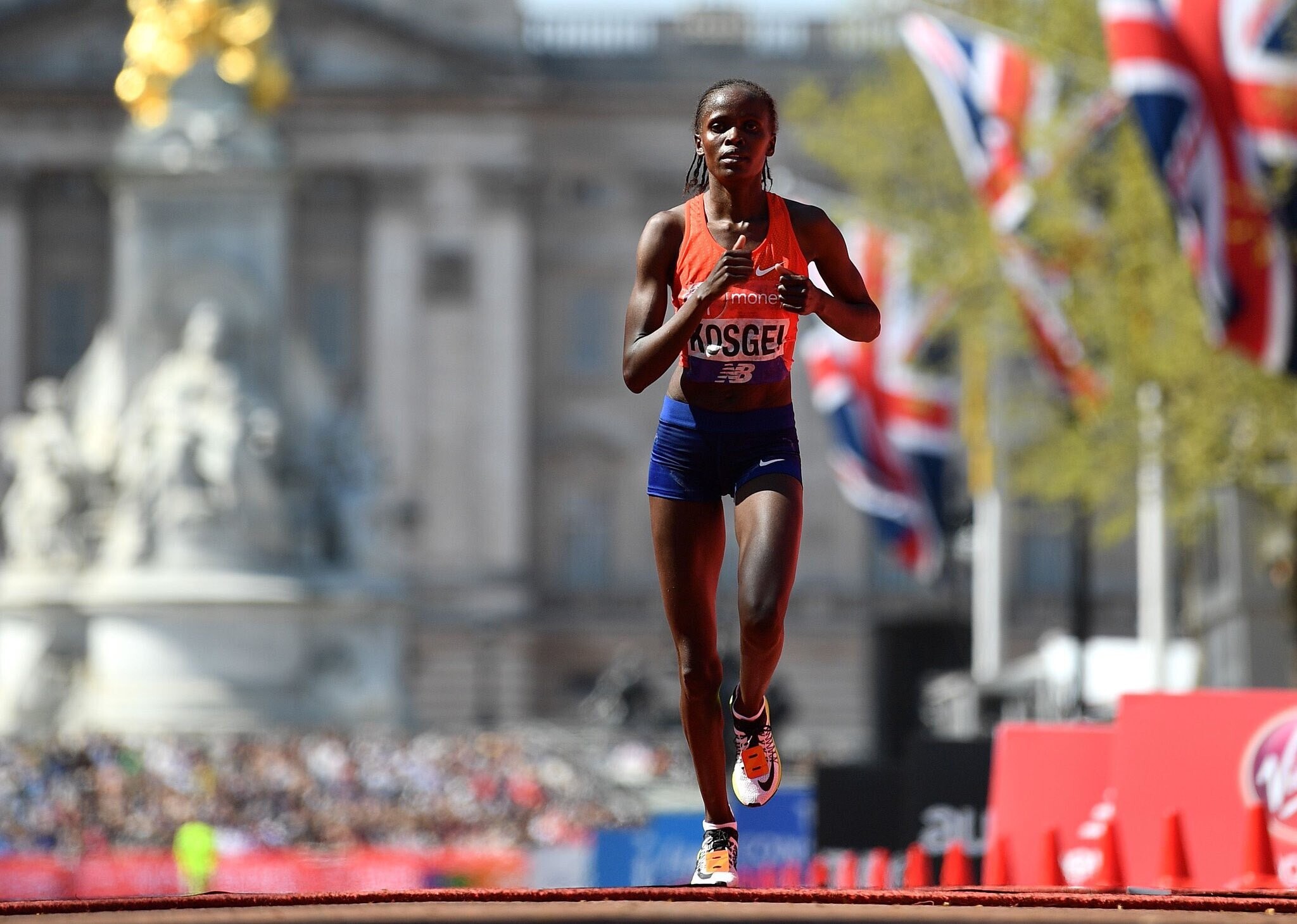
The decision, announced today, blocks one of the most closely watched nationality change cases in recent athletics history. Several high-profile competitors from Kenya, Jamaica, Nigeria, Russia and other nations had applied to switch allegiance, but the panel ruled against all submissions.
For Kenya, the outcome means celebrated marathon star Brigid Kosgei will not be changing citizenship or sporting identity. Kosgei remains one of the most accomplished road runners of her generation, famously rewriting the women’s marathon world record and establishing herself among the sport’s all-time greats.
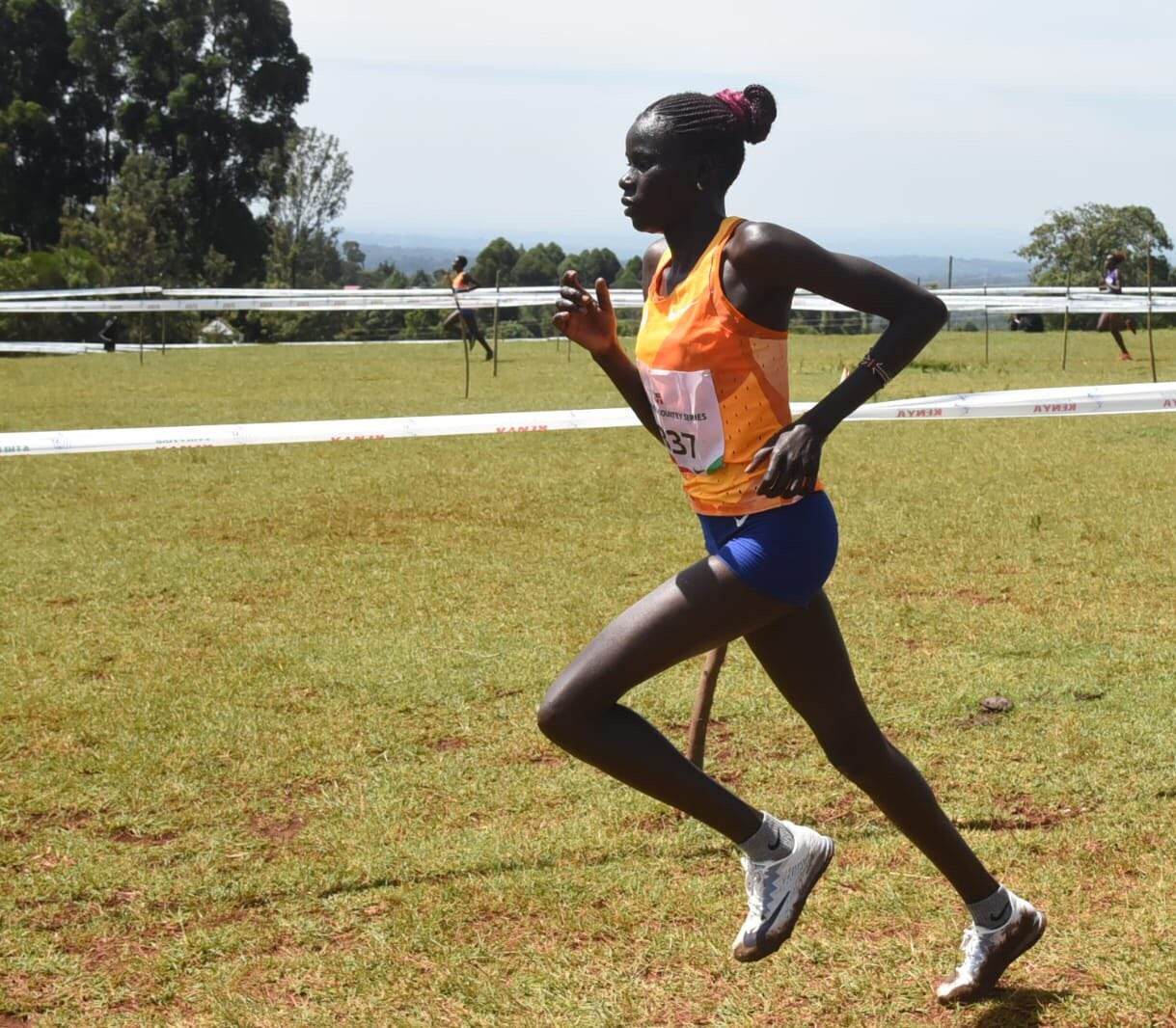
Catherine Reline, who had previously competed under the Turkish name Selin Can, was also among those denied clearance. The ruling adds another dramatic chapter to the growing global debate over athlete transfers, national identity and the balance between opportunity and sporting integrity.
The full list of athletes whose applications were refused includes Catherine Reline (Kenya), Rajindra Campbell (Jamaica), Jaydon Hibbert (Jamaica), Brian Kibor (Kenya), Brigid Kosgei (Kenya), Ronald Kwemoi (Kenya), Nelvin Jepkemboi (Kenya), Favour Ofili (Nigeria), Wayne Pinnock (Jamaica), Rojé Stona (Jamaica) and Sophia Yakushina (Russia).
The inclusion of major names such as Jaydon Hibbert, Wayne Pinnock, Rojé Stona and Favour Ofili underlines the scale of the attempted recruitment drive. Many of the athletes are medal contenders or established global performers, making the verdict significant far beyond administrative circles.
Nationality transfers have become one of the most sensitive issues in modern athletics, particularly when elite athletes move from traditional powerhouse nations to countries investing heavily in international talent. Supporters argue such moves can provide better support systems, financial security and competitive pathways, while critics believe they risk weakening the meaning of national representation.
For Kenya, the ruling may be welcomed as a major boost. Retaining athletes of the calibre of Kosgei, Ronald Kwemoi and other established stars protects the nation’s rich athletics heritage and preserves depth ahead of future global championships.
While the rejected athletes may explore other options or future appeals depending on eligibility rules, today’s decision sends a clear message: changing flags in world athletics is never automatic. For now, the names remain the same, the nations remain the same, and the race for global glory continues under familiar colours.
by Erick Cheruiyot for My Best Runs.
Login to leave a comment

Love Beyond the Finish Line: Noah Lyles and Junelle Bromfield’s Golden Union
In a moment that transcends the fierce rivalries of the track, American sprint sensation Noah Lyles and Jamaican standout Junelle Bromfield have united in marriage—an inspiring celebration of love between two of athletics’ brightest stars.

Their story is one that beautifully blends speed with sincerity, competition with companionship. Known globally for their excellence on the track, the couple now embarks on a shared journey that reaches far beyond medals and finish lines.
Born on July 18, 1997, in Gainesville, Florida, Lyles has grown into one of the most captivating figures in modern athletics. His rise to global dominance was sealed at the 2023 World Championships, where he delivered a historic treble—claiming gold in the 100 meters, 200 meters, and 4×100-meter relay. That extraordinary achievement earned him recognition among the fastest men in the world and confirmed his place among the sport’s greats.
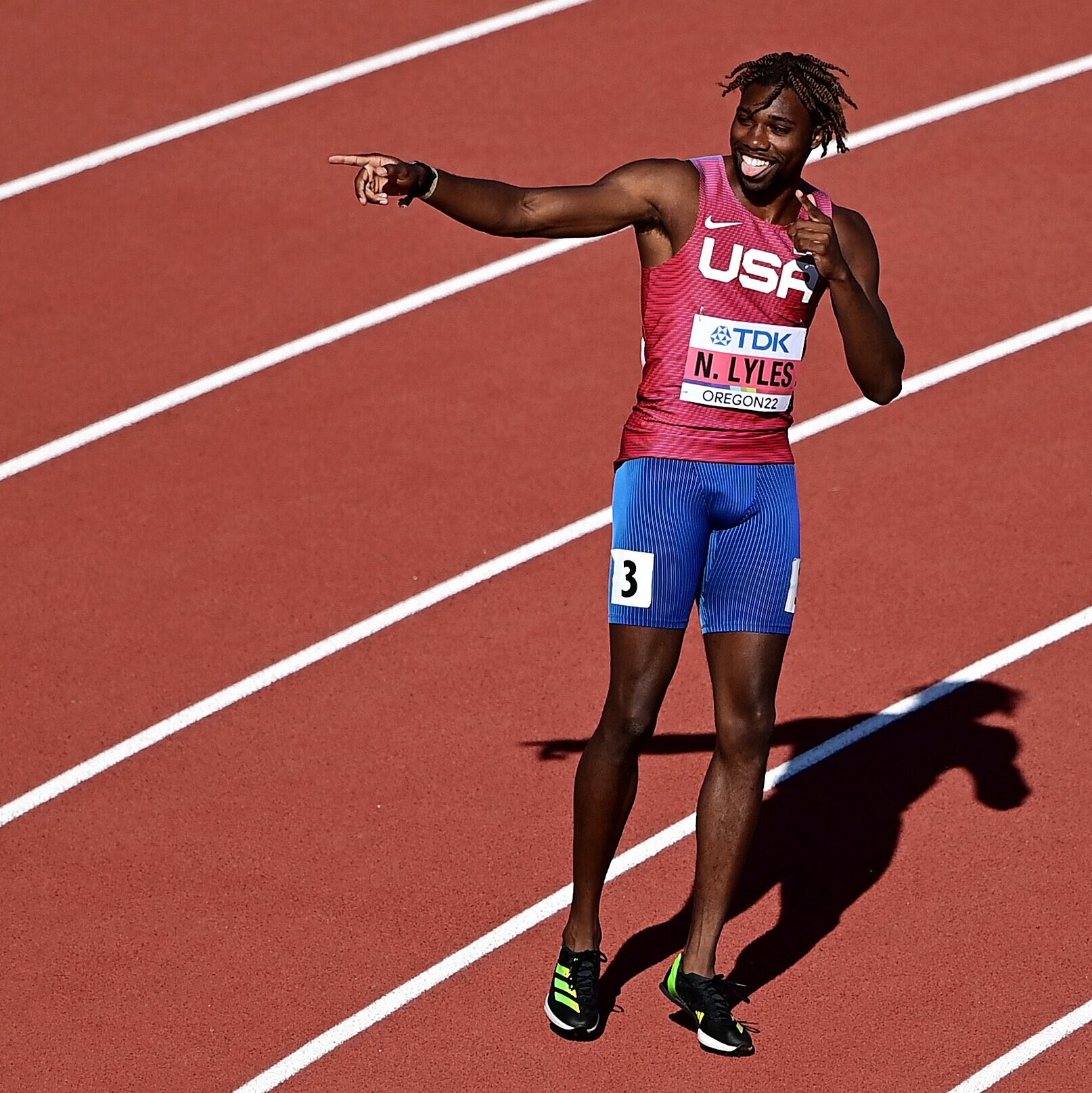
He carried that momentum into the grand stage of the Paris 2024 Olympic Games, where he produced one of the most dramatic finishes in Olympic history, storming to gold in the 100 meters. It was a defining moment—one that crowned his relentless pursuit of greatness with Olympic glory.
Yet beyond the accolades, Lyles has become a symbol of charisma and transformation within the sport. With his bold personality, expressive style, and passion for athletics, he has helped draw new audiences to track and field, redefining what it means to be a global sprint icon.
Standing beside him is Bromfield, a remarkable athlete whose journey reflects quiet strength and unwavering dedication. At just 28, she has already played a pivotal role in Jamaica’s storied relay tradition, earning a bronze medal in the women’s 4×400 meters at the Tokyo 2020 Olympic Games. Her contributions on the world stage extend further, including a silver medal at the 2022 World Championships and gold at the World Indoor Championships—achievements that underline her consistency and class.
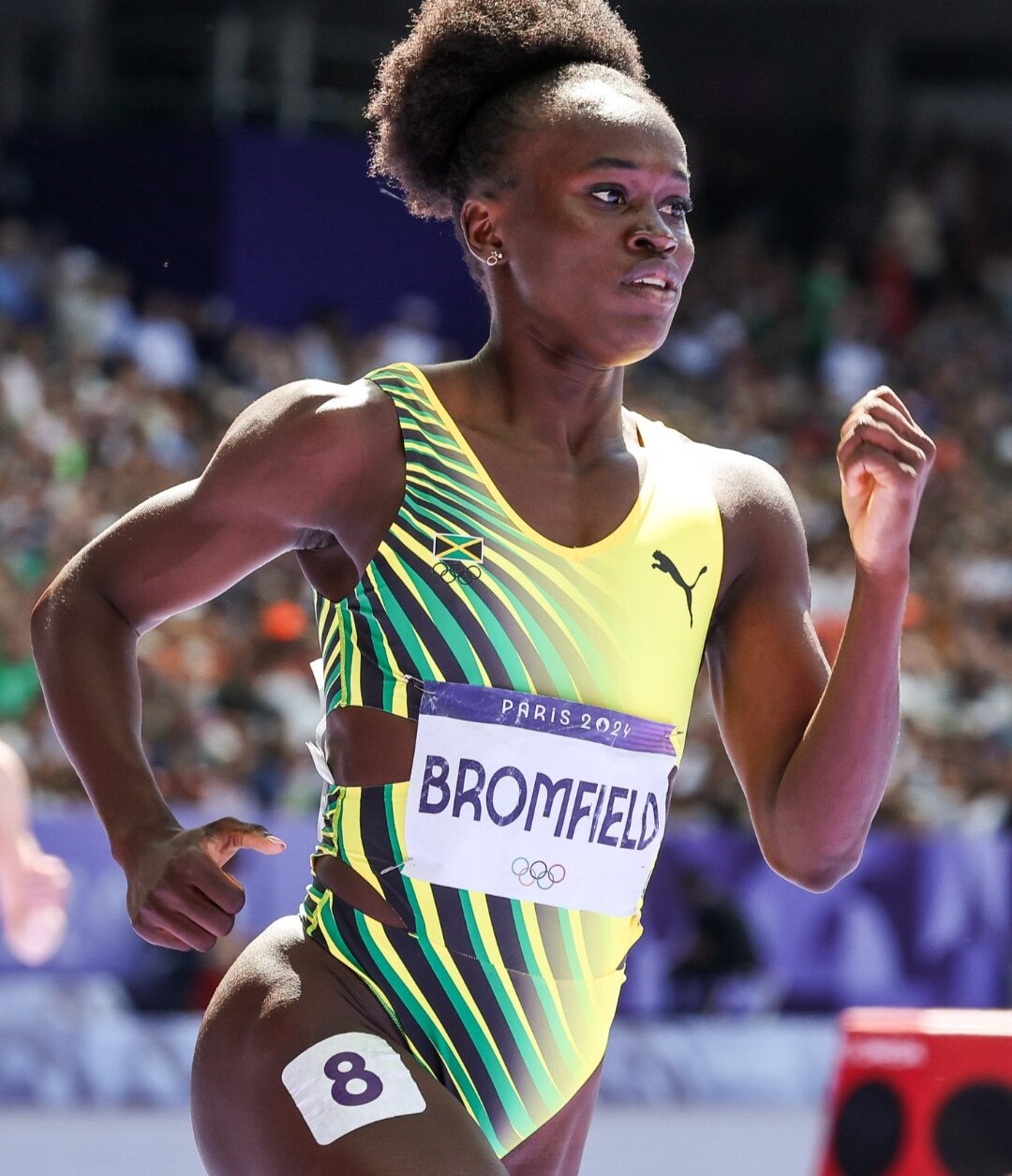
Like Lyles, Bromfield continues to compete among the elite, proudly representing Jamaica with determination and grace. Both athletes carried their nations’ hopes into the Paris 2024 Olympic Games, showcasing not only their individual brilliance but also their shared commitment to excellence.
Together, their union represents something truly special—a meeting point of two sprinting powerhouses, the United States and Jamaica, now bound not by rivalry, but by love. It is a reminder that while sport often divides competitors by lanes and flags, it also has the power to unite hearts across borders.
As they step into this new chapter, Lyles and Bromfield offer the world a story that is as inspiring as any race they have run. It is a story of partnership, ambition, and deep connection—one that proves the most meaningful victories are not always measured in seconds, but in the bonds we build along the way.
by Erick Cheruiyot for My Best Runs.
Login to leave a comment
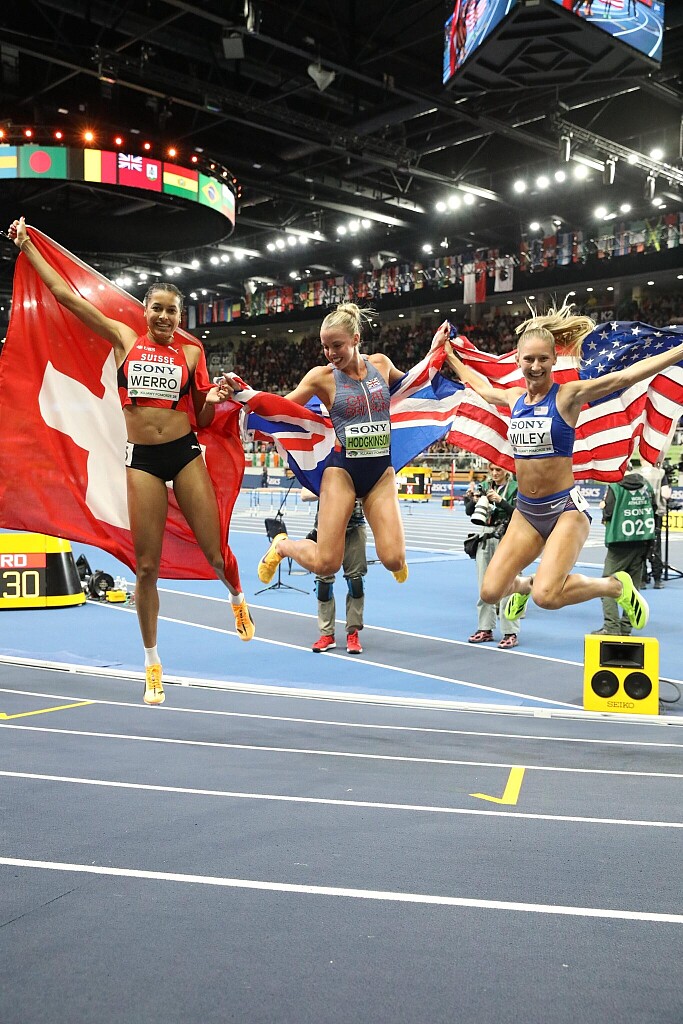
Unmatched Depth, Unrivaled Glory: USA Conquered the Global Stage
The curtain has fallen on a thrilling three days of elite competition at the World Athletics Indoor Championships Kujawy Pomorze 2026, and the final medal table tells a compelling story of dominance, depth, and rising global ambition. Staged in Poland, the championship delivered electrifying performances across track and field, culminating in a decisive victory for the United States, whose supremacy was reflected not just in gold, but in remarkable overall consistency.
American Mastery: Depth Beyond Gold
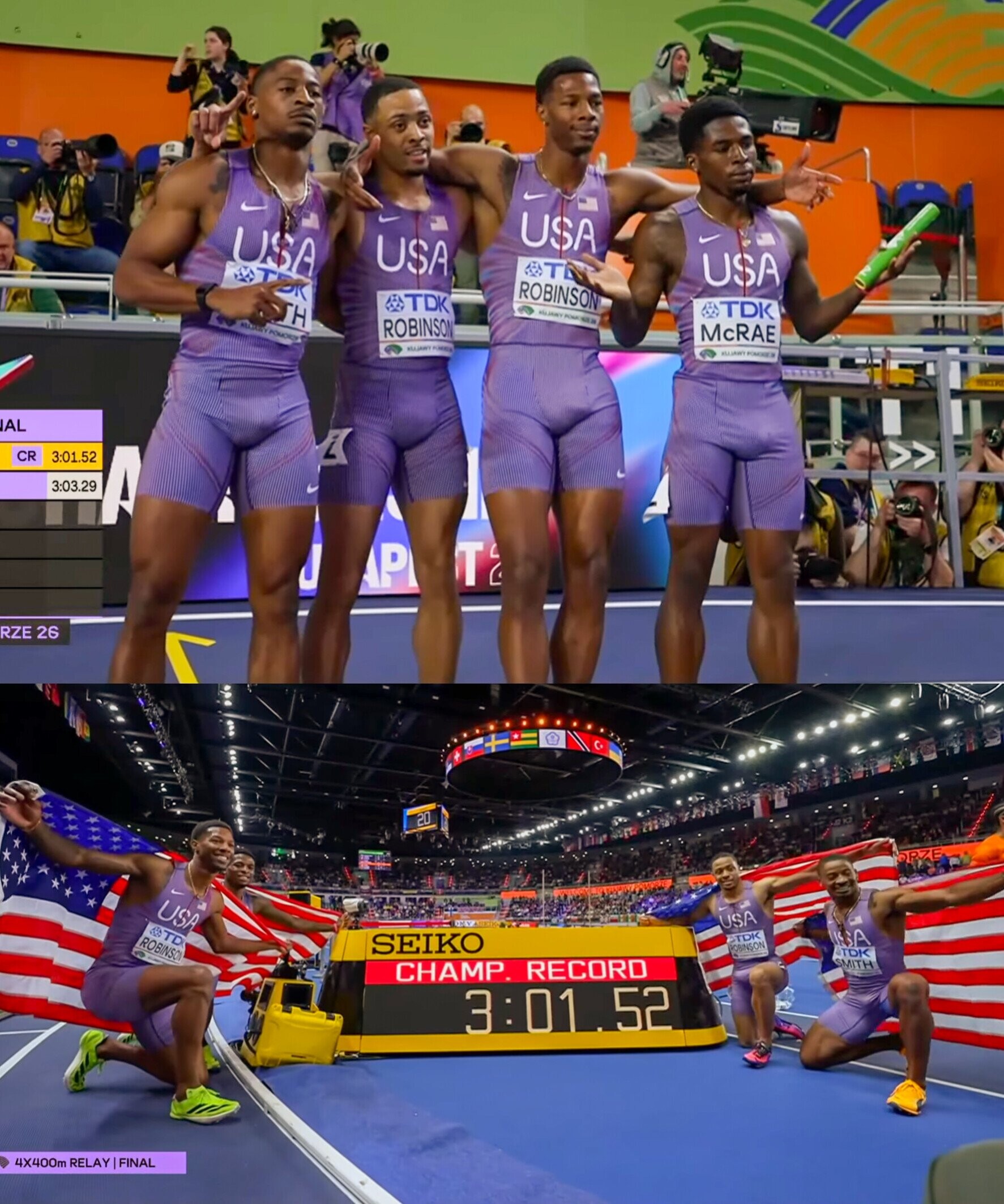
The United States topped the standings with an impressive haul of 18 medals (5 gold, 7 silver, 6 bronze)—a testament to their unmatched squad depth. Rather than relying on a handful of standout victories, the Americans showcased strength across multiple disciplines, consistently placing athletes on the podium. It was a campaign built on balance, resilience, and a culture of excellence that continues to define their global athletics presence.
British Efficiency: Gold-Focused Brilliance
In second place, Great Britain and Northern Ireland delivered a sharply efficient performance, collecting 4 gold medals without a single silver or bronze. Their strategy was clear—peak for victory. Each triumph carried weight, highlighting a system finely tuned for championship success rather than medal volume.
Italy’s Balanced Rise
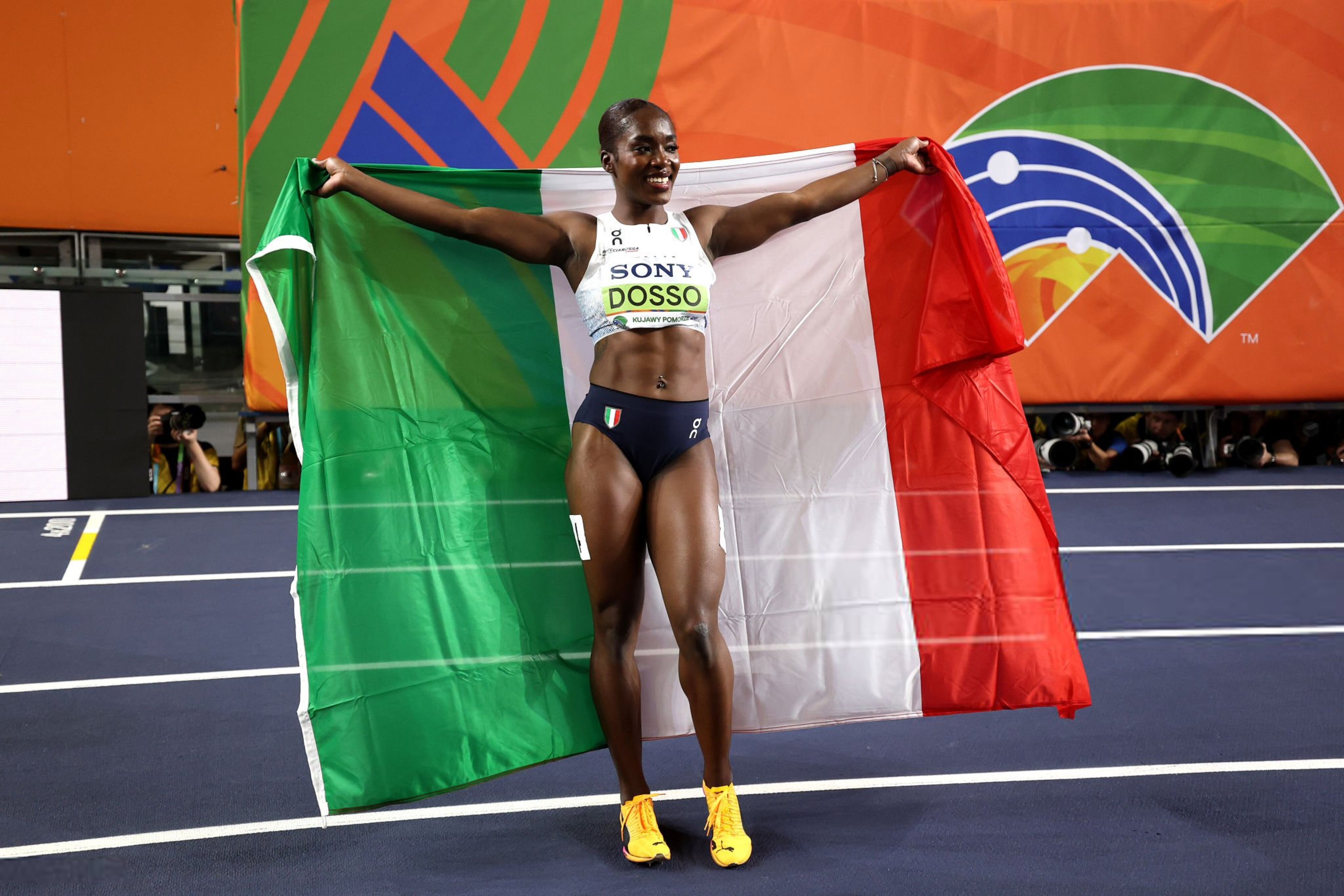
Finishing third, Italy demonstrated both quality and depth with 3 gold and 2 silver medals. The Italians have steadily evolved into a formidable indoor force, and their presence near the top signals a sustained upward trajectory in European athletics.
Europe’s Stronghold
The championships saw a powerful showing from across Europe. Portugal and Ukraine shared fourth place with identical tallies of 2 gold and 1 silver each, while Spain impressed with a well-rounded 5 medals (1 gold, 2 silver, 2 bronze).
Further down the table, nations like Netherlands, Belgium, and host nation Poland added to Europe’s dominance, each contributing meaningful podium finishes that underscored the continent’s competitive depth.
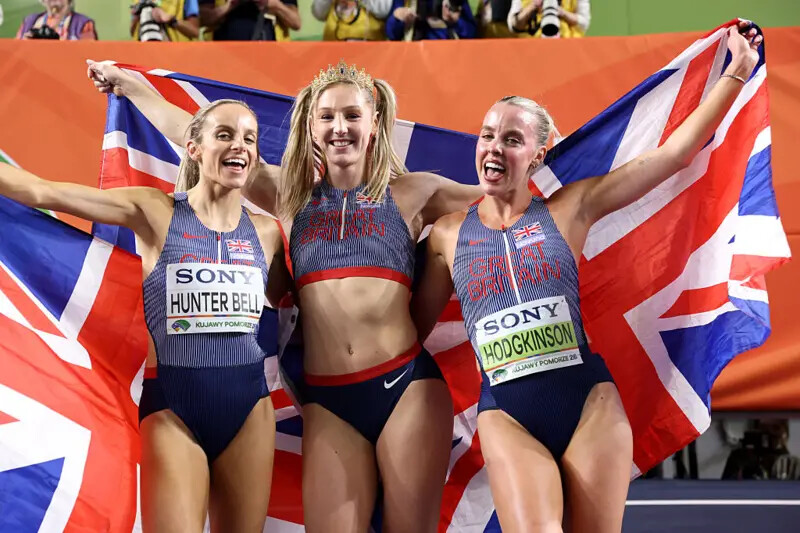
Global Contenders Hold Their Ground
Beyond Europe and North America, several nations made their presence felt. Canada secured two medals, while New Zealand and Sweden each claimed a gold and a bronze.
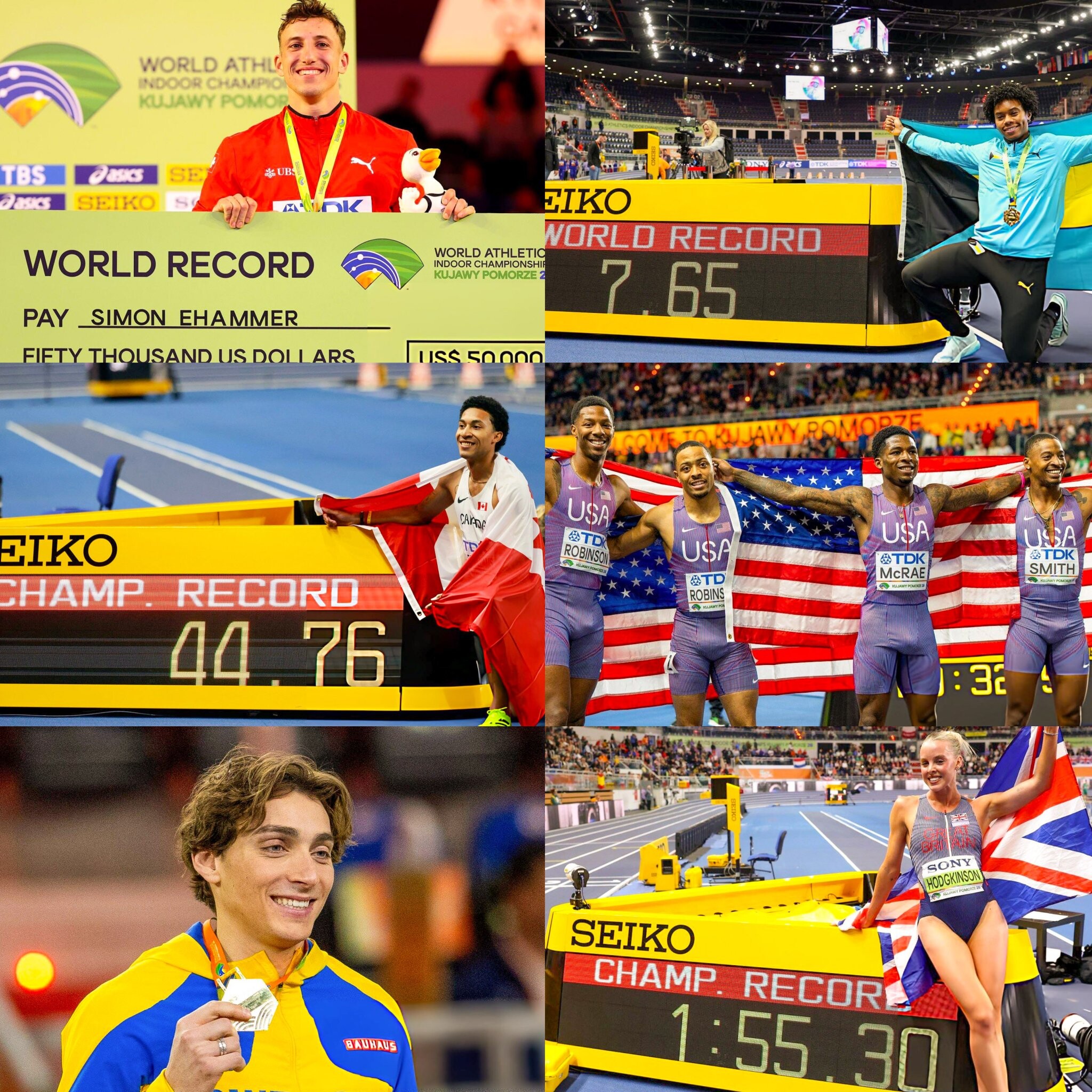
In the Caribbean, Bahamas and Cuba each captured gold, maintaining their tradition of producing explosive talent on the global stage. Meanwhile, Jamaica collected four medals—though notably without gold—hinting at fierce competition in sprint events.
Emerging Nations and Historic Moments
The medal table also reflected the growing inclusivity of global athletics. Countries such as Greece, Mexico, Serbia, and Slovenia each celebrated podium finishes, marking significant milestones for their programs.
Nations like Algeria, Colombia, Senegal, and Trinidad and Tobago also secured bronze medals, proving that the competitive landscape continues to widen with every championship.
A Championship Defined by Depth and Diversity
What set Kujawy Pomorze 2026 apart was not just the medal count, but the distribution. With dozens of nations reaching the podium, the event showcased athletics as a truly global sport—where opportunity, preparation, and belief converge on the world stage.
As the lights dim on this edition of the indoor championships, one truth stands clear: while the United States remains the benchmark of consistency, the gap is narrowing. Across continents, nations are rising, systems are improving, and the race for supremacy is becoming ever more unpredictable.
The road to the next global showdown has already begun—and if Kujawy Pomorze 2026 is any indication, the future of athletics promises even greater drama, diversity, and brilliance.
by Erick Cheruiyot for My Best Runs.
Login to leave a comment

World Athletics Indoor Championships
World-Class Competition Lands in Poland: 2026 World Athletics Indoor Championships The 21stWorld Athletics Indoor Championshipsare being held from 20 to 22 March 2026 at theKujawsko-Pomorska Arena ToruńinToruń,BiT City,Kuyavian–Pomeranian,Poland. It is the second time the country has held the event after the2014 editioninSopot. The venue previously hosted the2021 European Athletics Indoor Championships. On 22 March 2023, the World Athletics Council...
more...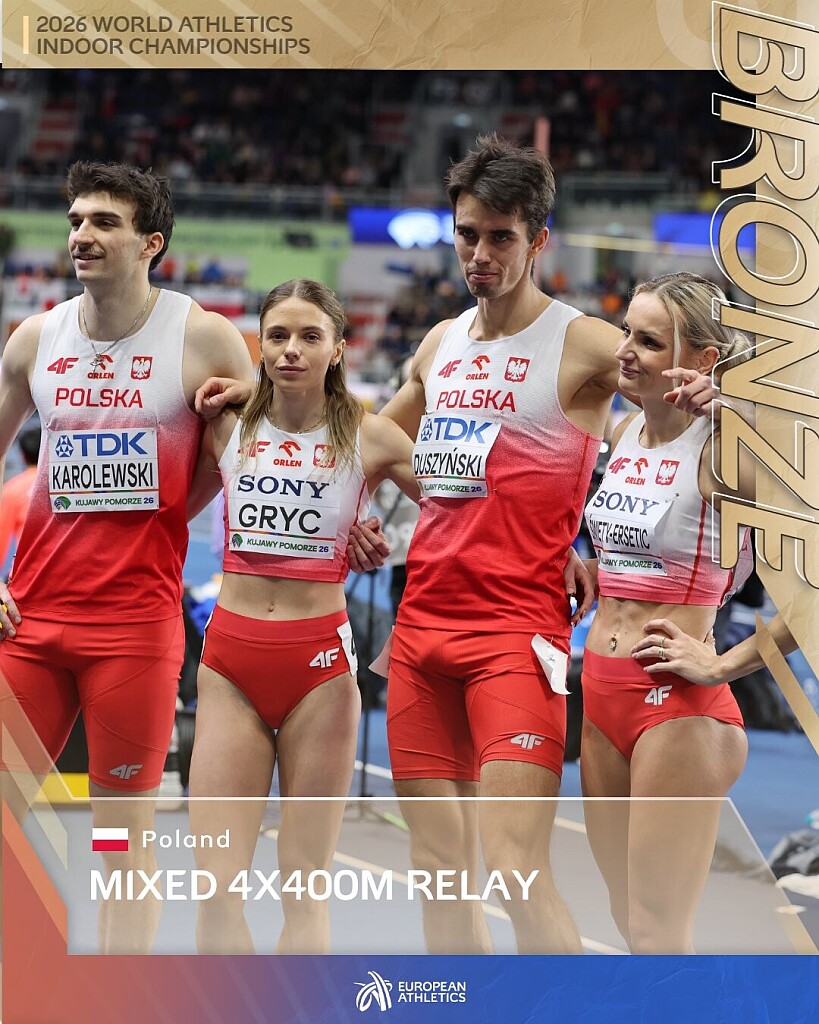
Poland’s Moment of Glory: A Bronze Forged in Patience and Justice
History has unfolded in dramatic fashion at the World Athletics Indoor Championships, delivering a long-awaited moment of celebration for the host nation, Poland. What began as uncertainty has now transformed into triumph, as Poland are officially awarded the bronze medal in the Mixed 4x400m Relay following a decisive review that led to Jamaica’s disqualification.
In a competition defined by intensity and razor-thin margins, the relay initially concluded without Poland on the podium. However, the narrative took a compelling turn after officials conducted a thorough post-race evaluation. The ruling ultimately altered the final standings, elevating the host nation into the medal positions—an outcome that carries both emotional weight and historical significance.
The turning point came with the disqualification of Jamaica, who were found to have violated relay regulations—specifically exchanging positions before the takeover zone, a breach under rule TR24.22. In relay events, strict adherence to exchange procedures is crucial, and any premature movement or positional change before the baton is passed is deemed illegal. This technical infringement, though occurring in the heat of competition, proved decisive in reshaping the final results.
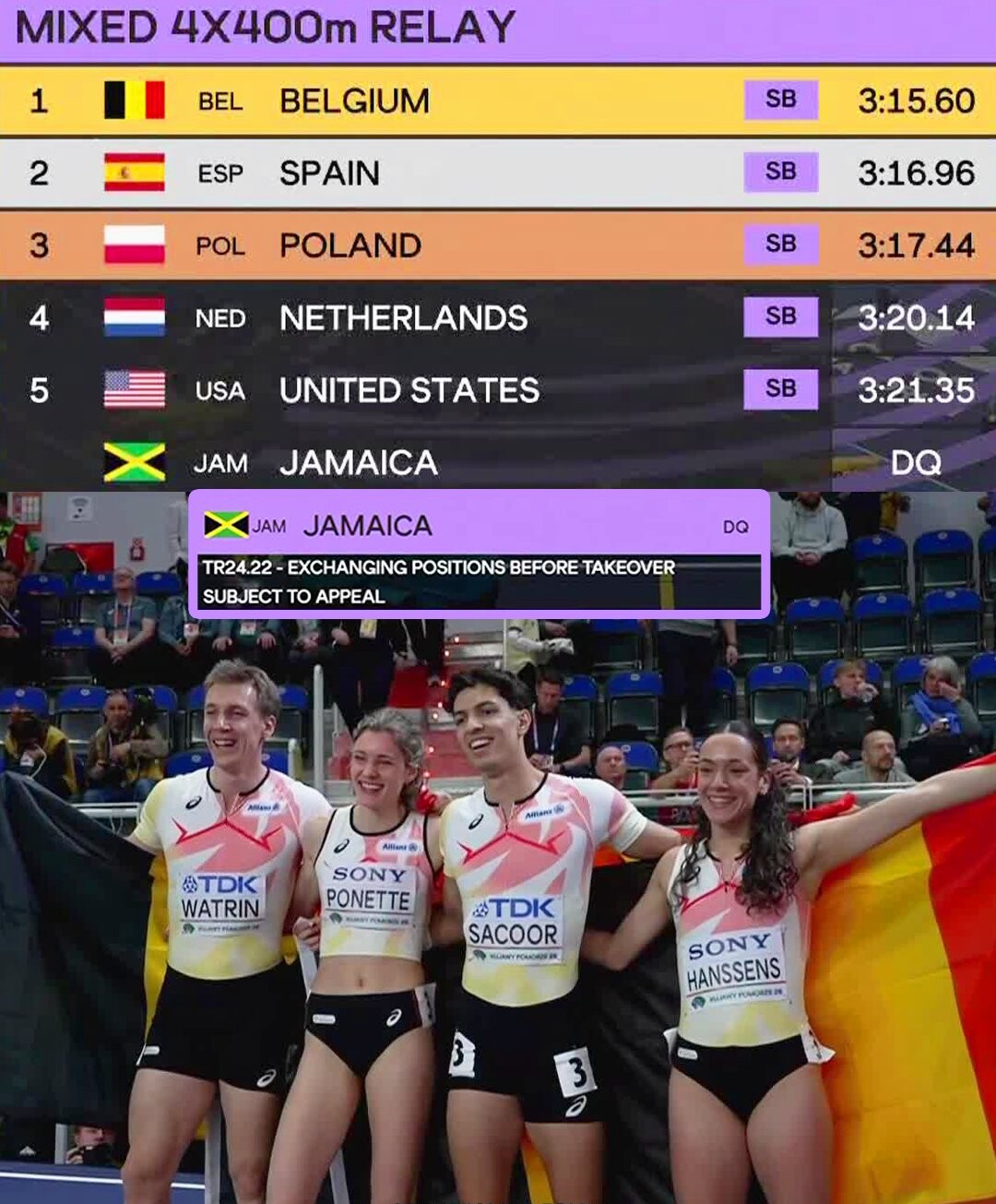
For Poland, this bronze medal is more than just a podium finish; it represents their first medal at these Championships, achieved on home soil in front of a passionate and expectant crowd. The significance of that milestone cannot be overstated. It is a testament to resilience, perseverance, and the unpredictable beauty of sport, where fortunes can shift long after the finish line has been crossed.
The Mixed 4x400m Relay, one of athletics’ most dynamic and strategic events, once again proved its capacity for drama. With men and women combining efforts in a seamless display of speed and teamwork, every leg carries immense pressure. Poland’s athletes executed their race with determination, keeping themselves within striking distance—an effort that ultimately paid dividends when the final decision was rendered.
While the circumstances surrounding Jamaica’s disqualification may spark debate, Poland’s elevation to bronze stands as a rightful recognition of their performance and persistence. It is a reminder that in elite sport, every detail matters, and every moment counts.
As the celebrations begin, this achievement will be etched into Poland’s sporting history—a breakthrough moment at the highest level of indoor athletics. For the athletes and the fans alike, it is a reward not only for what was seen on the track, but for the belief that no effort is ever in vain.
On a stage where dreams are chased at full speed, Poland have claimed theirs—proving that sometimes, history is not just written in seconds, but in decisions that follow.
by Erick Cheruiyot for My Best Runs.
Login to leave a comment
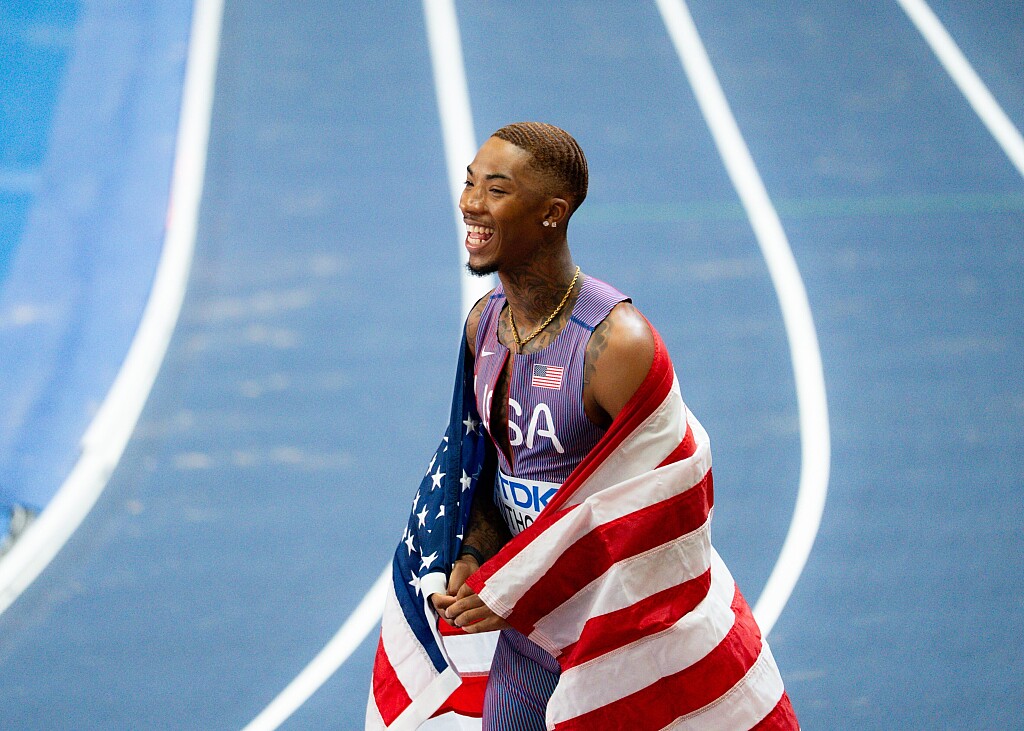
Blazing Gold: Jordan Anthony Storms to World 60m Crown in Historic Fashion
In a night electrified by raw speed and championship intensity, Jordan Anthony delivered a performance for the ages, surging to gold in the men’s 60m final at the World Indoor Championships in Toruń. With the crowd on its feet and anticipation crackling through the arena, the American sprint sensation exploded out of the blocks and never looked back, crossing the line in a stunning personal best and world-leading 6.41 seconds.
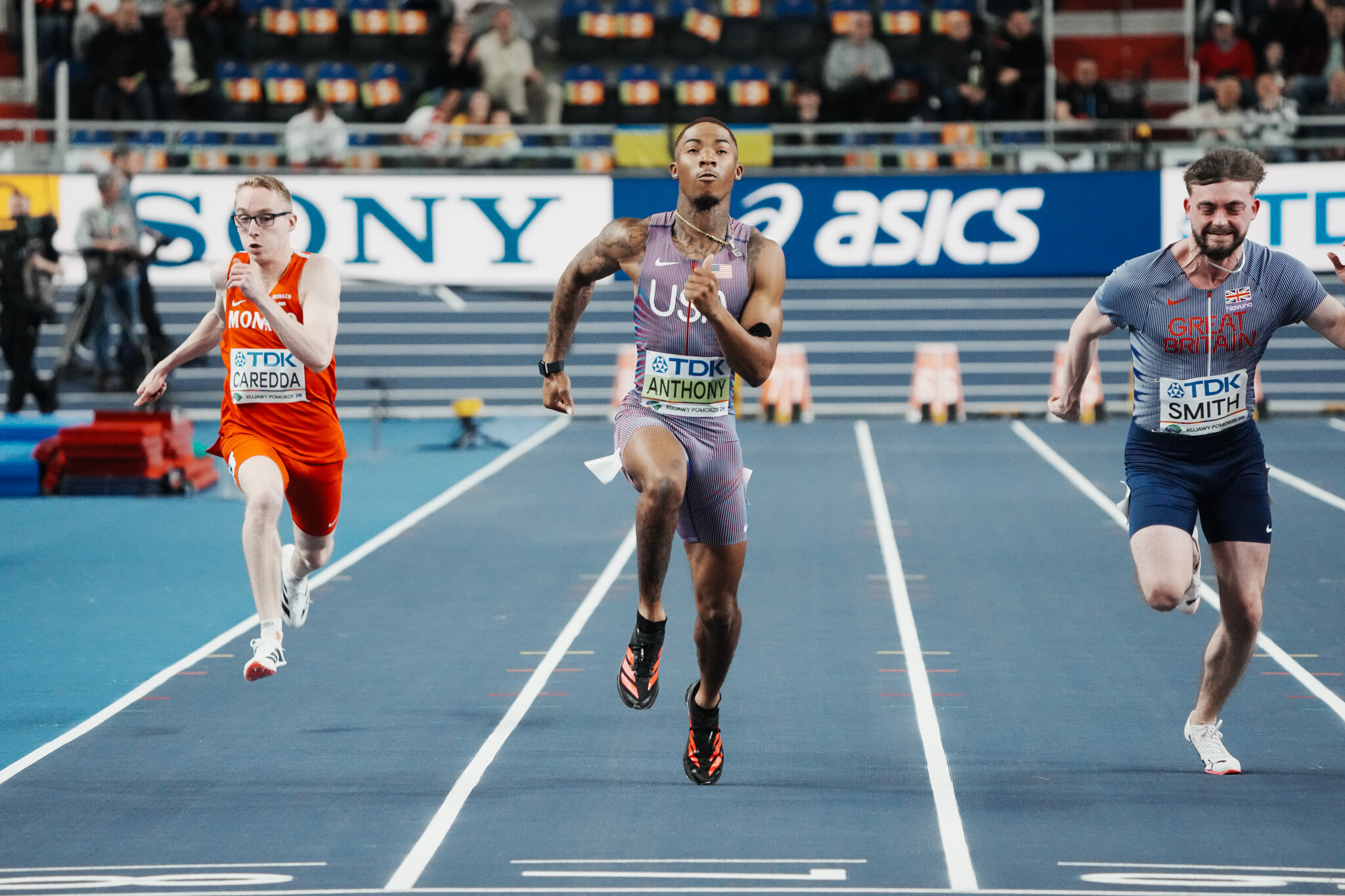
It was not just a victory—it was a statement. Anthony’s breathtaking run now places him as the fourth fastest man in history over the distance, etching his name among the sport’s all-time greats. In a discipline where races are decided in mere fractions of a second, his dominance was both emphatic and unforgettable.
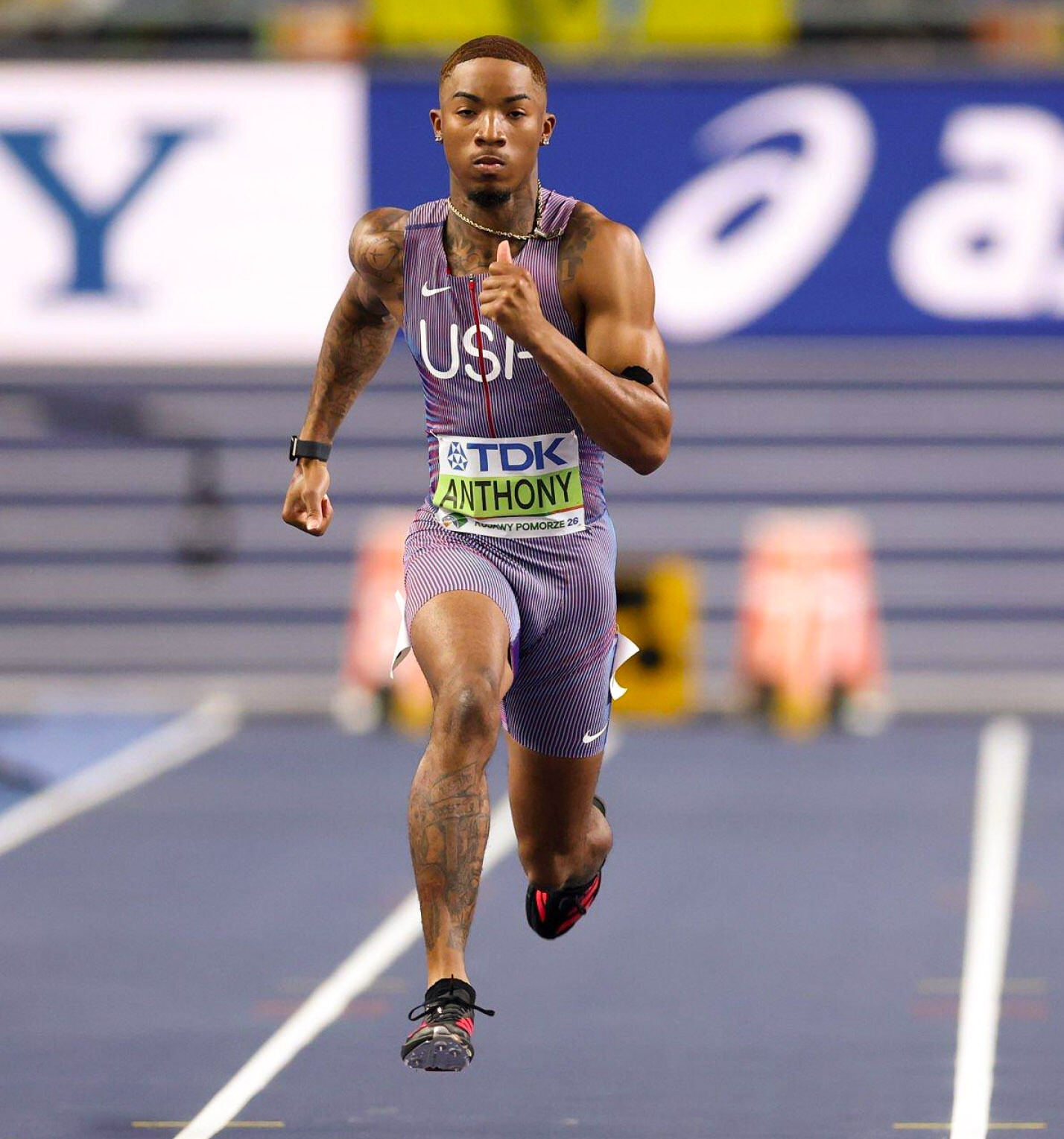
Pushing him all the way to the finish was Kishane Thompson, who once again proved his consistency on the global stage. The Jamaican star powered to silver in 6.45 seconds, adding yet another podium finish to his growing collection and reinforcing his reputation as one of the finest short sprinters of his generation.
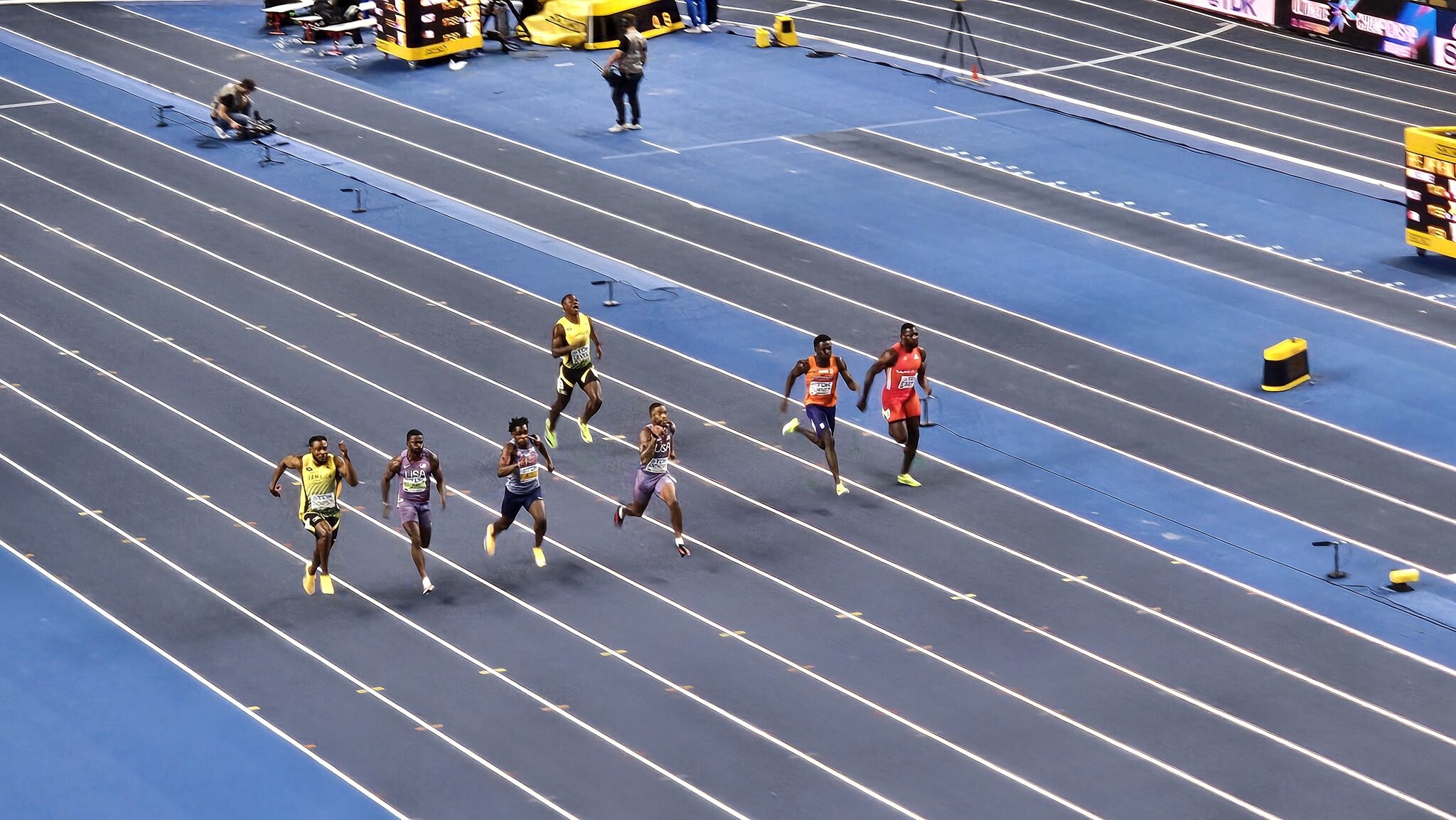
Sharing that same time was American speedster Trayvon Bromell, whose explosive finish earned him the bronze medal. In a race defined by razor-thin margins, Bromell’s experience and finishing strength ensured his place on the podium in a fiercely contested final.
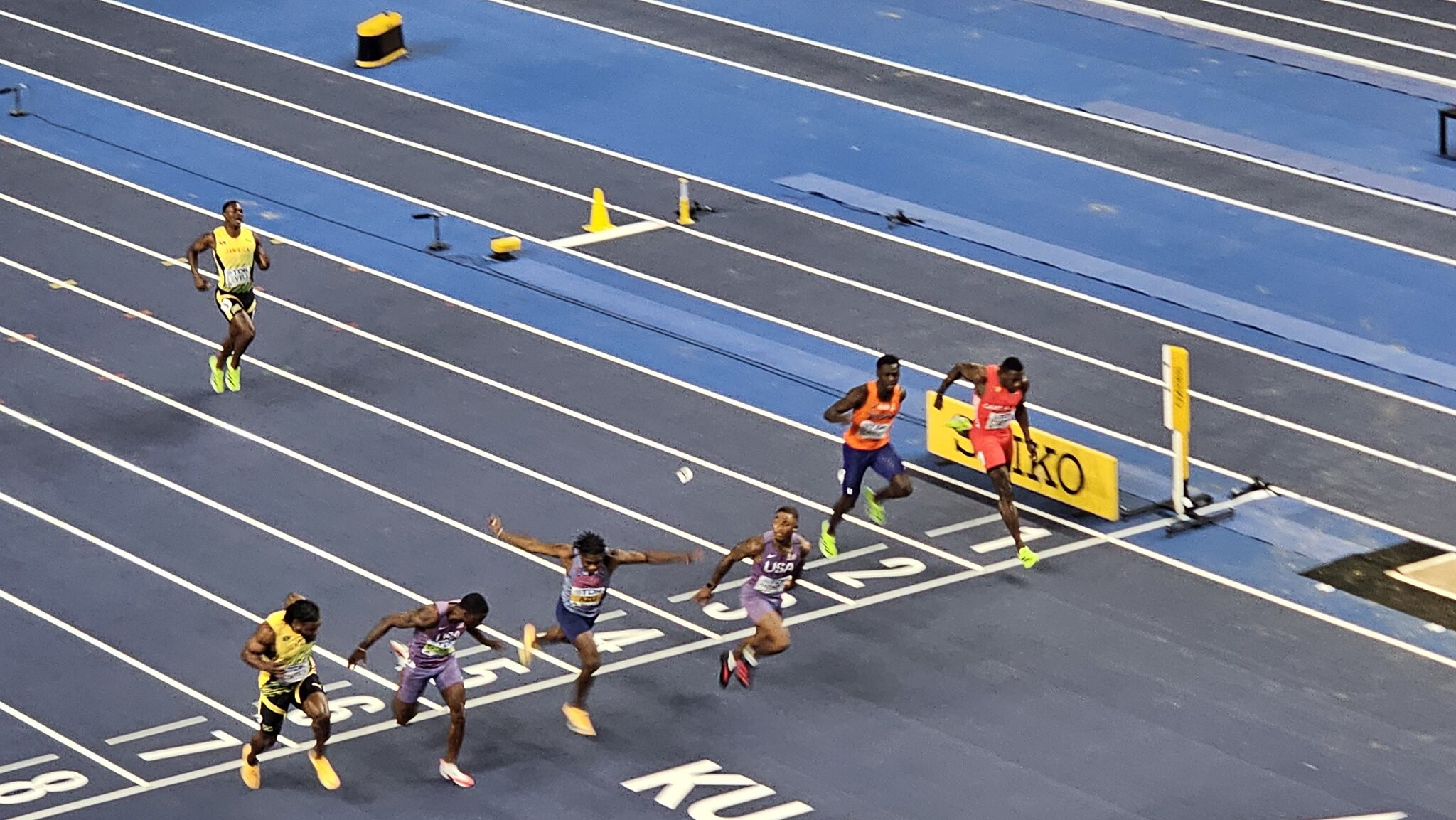
From the thunderous start to the dramatic finish, the race embodied everything that makes indoor sprinting so captivating—precision, power, and pure adrenaline. Yet on this occasion, the spotlight belonged firmly to Anthony, whose golden sprint has not only crowned him world champion but also signaled the arrival of a new force in global sprinting.
As the season gathers momentum, all eyes will now turn to what lies ahead. If this performance is any indication, Jordan Anthony’s reign may just be beginning—and the sprinting world has been put on notice.
by Erick Cheruiyot for My Best Runs.
Login to leave a comment
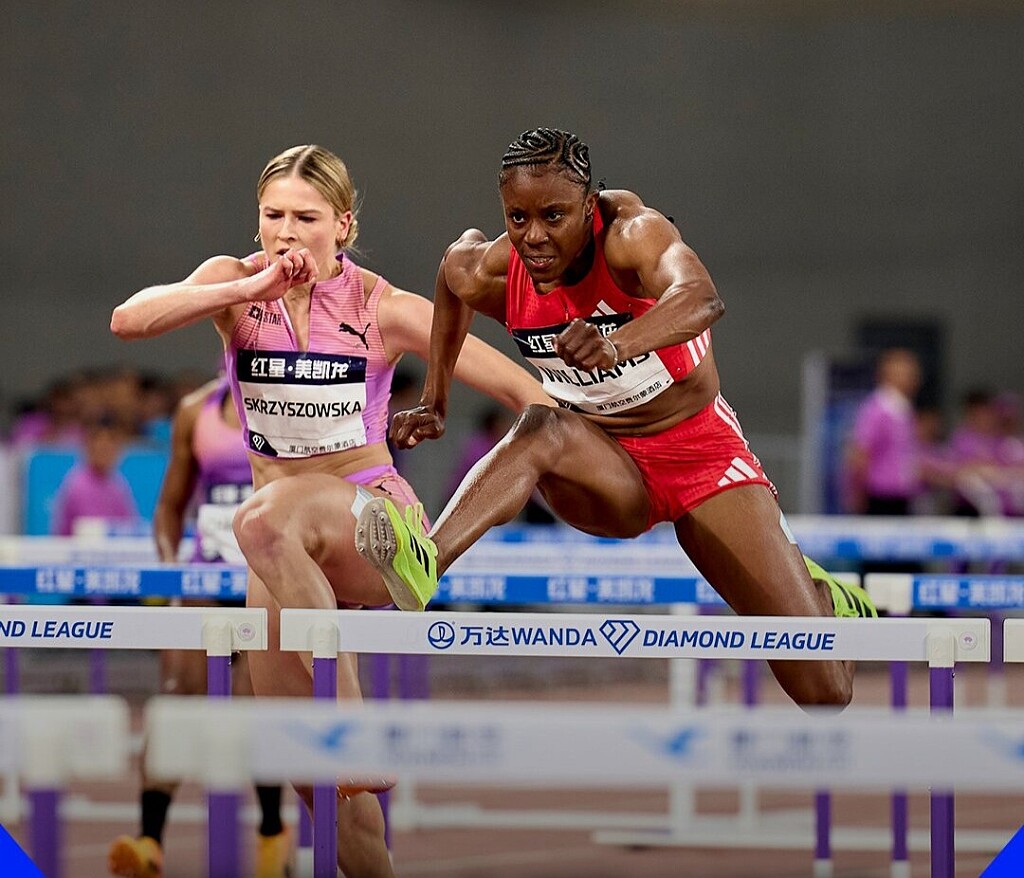
Headline: Star-Studded Women’s 100m Hurdles Showdown Set for Prefontaine Classic in Eugene
The women’s 100 metres hurdles at the upcoming Prefontaine Classic promises to deliver one of the most electrifying clashes of the season, as four of the world’s finest hurdlers prepare to battle over the barriers at the iconic Hayward Field on July 4.
The event, part of the prestigious Diamond League circuit, will feature an exceptional lineup led by Olympic champion Masai Russell and world record holder Tobi Amusan. They will be joined by two-time world champion Danielle Williams and rising star Grace Stark, creating a field packed with global pedigree and fierce competitive firepower.
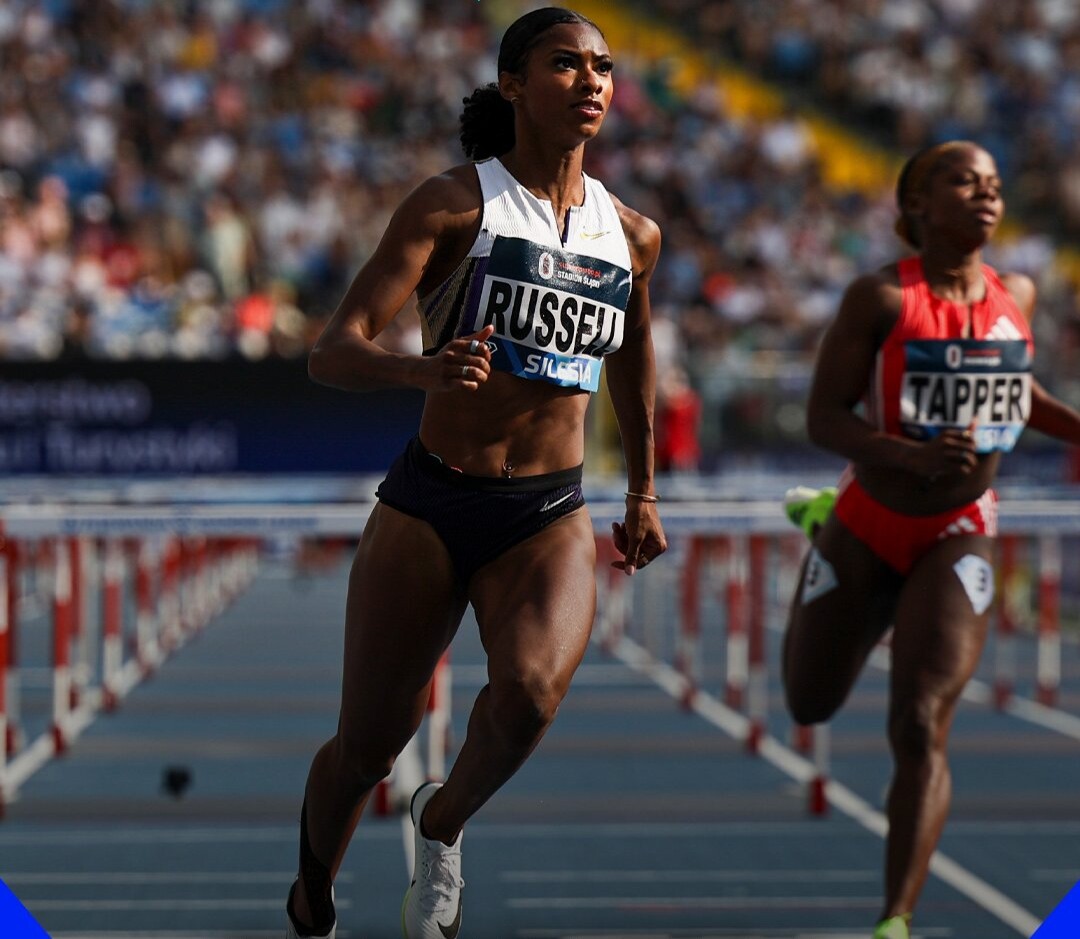
Russell arrives with the confidence of an Olympic champion, having established herself as one of the most explosive hurdlers on the planet. Her speed between the barriers and aggressive racing style make her a formidable presence whenever she steps onto the track.
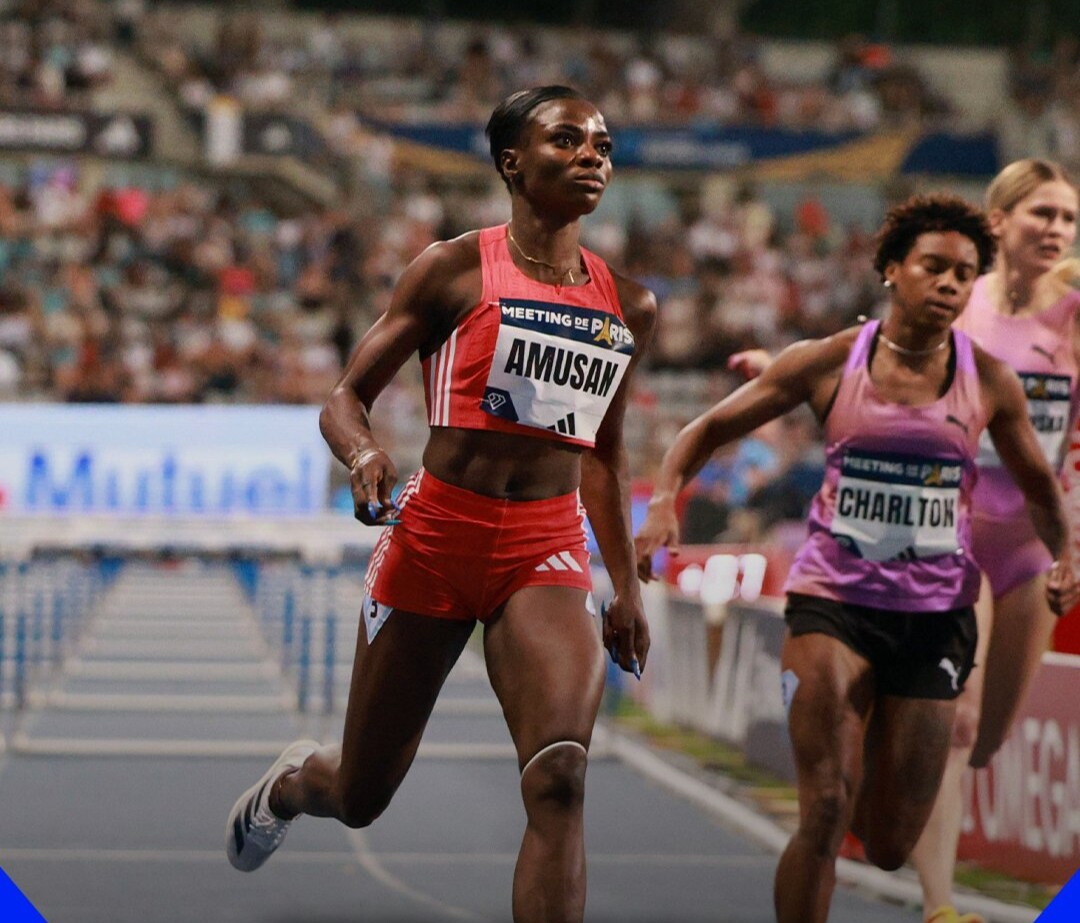
Standing opposite her will be Amusan, whose name is etched in athletics history after she shattered the world record with a breathtaking 12.12 seconds. The Nigerian star has repeatedly demonstrated her ability to dominate the event on the biggest stages, and any race she enters immediately carries the promise of something extraordinary.
Adding further intrigue is Jamaica’s Danielle Williams, a seasoned championship performer renowned for her composure and technical precision. As a two-time world champion, Williams has built a reputation for delivering when it matters most, often rising to the occasion against the sport’s biggest names.
Completing the elite quartet is Grace Stark, currently ranked world number one. The American hurdler has been in impressive form, showcasing remarkable consistency and speed throughout the season. Racing on home soil in front of the passionate Eugene crowd could provide the perfect stage for another standout performance.
With ten barriers separating the athletes from victory, the race is expected to unfold at blistering pace from the very first stride. Each hurdle will test rhythm, speed, and composure, leaving no margin for error among this elite group.
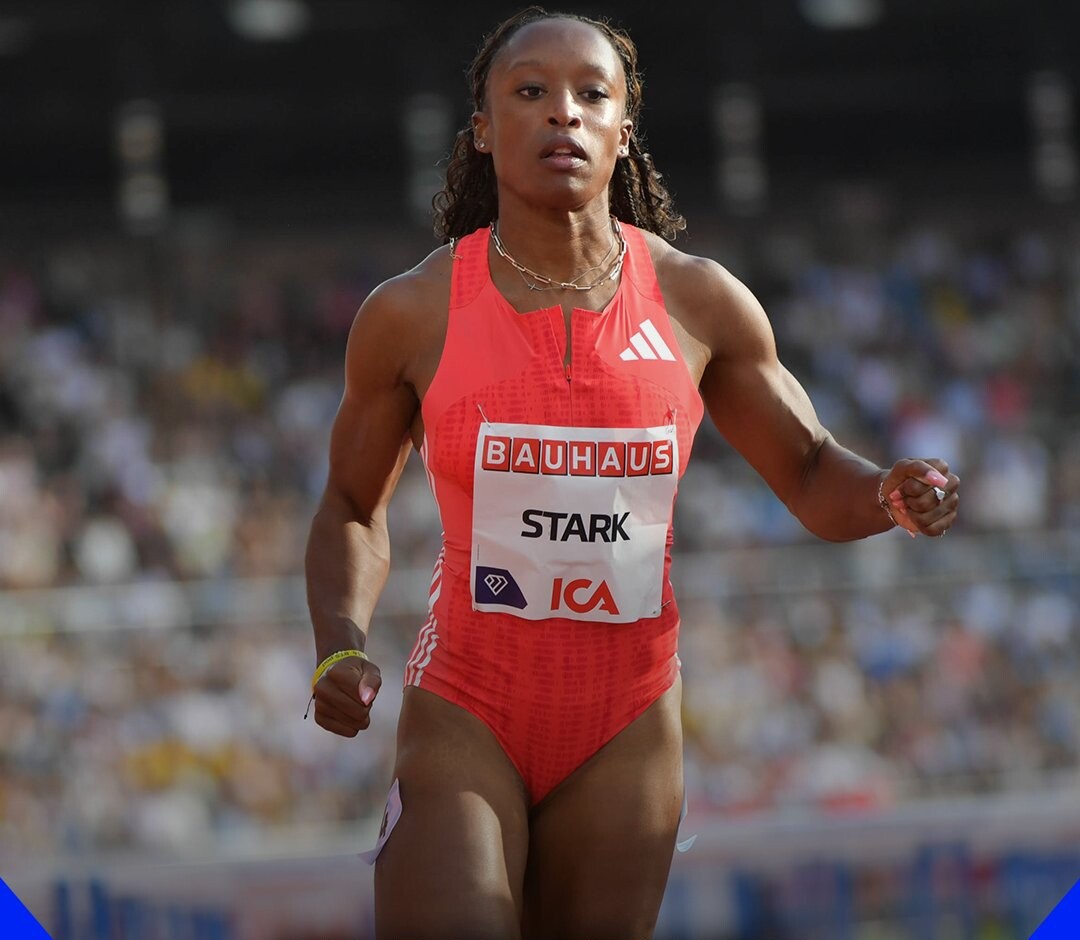
As the Diamond League returns to Eugene, fans can anticipate a high-stakes contest where Olympic glory, world titles, and current form collide. When the starting gun fires at Hayward Field, the women’s 100m hurdles could very well produce one of the most thrilling moments of the entire track and field season.
by Erick Cheruiyot for My Best Runs.
Login to leave a comment

Prefontaine Classic
The Pre Classic, part of the Diamond League series of international meets featuring Olympic-level athletes, is scheduled to be held at the new Hayward Field in Eugene. The Prefontaine Classicis the longest-running outdoor invitational track & field meet in America and is part of the elite Wanda Diamond League of meets held worldwide annually. The Pre Classic’s results score has...
more...
Michka-Mae Hyde Shatters Jamaica’s Marathon Record in Philadelphia
Jamaica has a new national marathon record holder.
Michka-Mae Hyde delivered a historic performance at the Philadelphia Marathon on November 23, 2025, running 2:35:28 to smash Jamaica’s women’s marathon record for the 26.2-mile distance. The previous mark of 3:08:47 had stood for years—making Hyde’s improvement of more than 30 minutes one of the most dramatic national-record breakthroughs in recent memory.
The run places Hyde firmly on the international radar and signals a potential turning point for Jamaican distance running. While the island nation is synonymous with sprinting dominance, the marathon has long been an underrepresented event. Hyde’s performance suggests that may be changing.

What makes the result even more compelling is Hyde’s athletic background. A former standout at George Mason University, she competed primarily in the 400 meters and 400-meter hurdles, showcasing speed and strength before transitioning to the roads. Her successful leap to the marathon highlights both her versatility and the untapped potential that exists beyond Jamaica’s traditional sprint pipeline.
National records are typically lowered by seconds—sometimes minutes. Hyde didn’t just lower the record; she rewrote it entirely.
With a time of 2:35:28, Hyde has established a new benchmark and opened the door for greater participation, belief, and investment in Jamaican marathon running. For the country, the event has entered a new chapter—and Michka-Mae Hyde is leading the way.
by Boris Baron
Login to leave a comment

Philadelphia Marathon and Half
Have the time of your life in 2022 completing 13.11 miles! Runners will start along the Benjamin Franklin Parkway in the cultural Museum District and wind through Philadelphia’s most scenic and historic neighborhoods. From the history-steeped streets of Old City, through one of the liveliest stretches of Center City, across the Schuylkill River...
more...