

Running News Daily
Running News Daily is edited by Bob Anderson and team. Send your news items to bob@mybestruns.com Advertising opportunities available.
Index to Daily Posts · Sign Up For Updates · Run The World Feed
Articles tagged #NEW YORK
Today's Running News
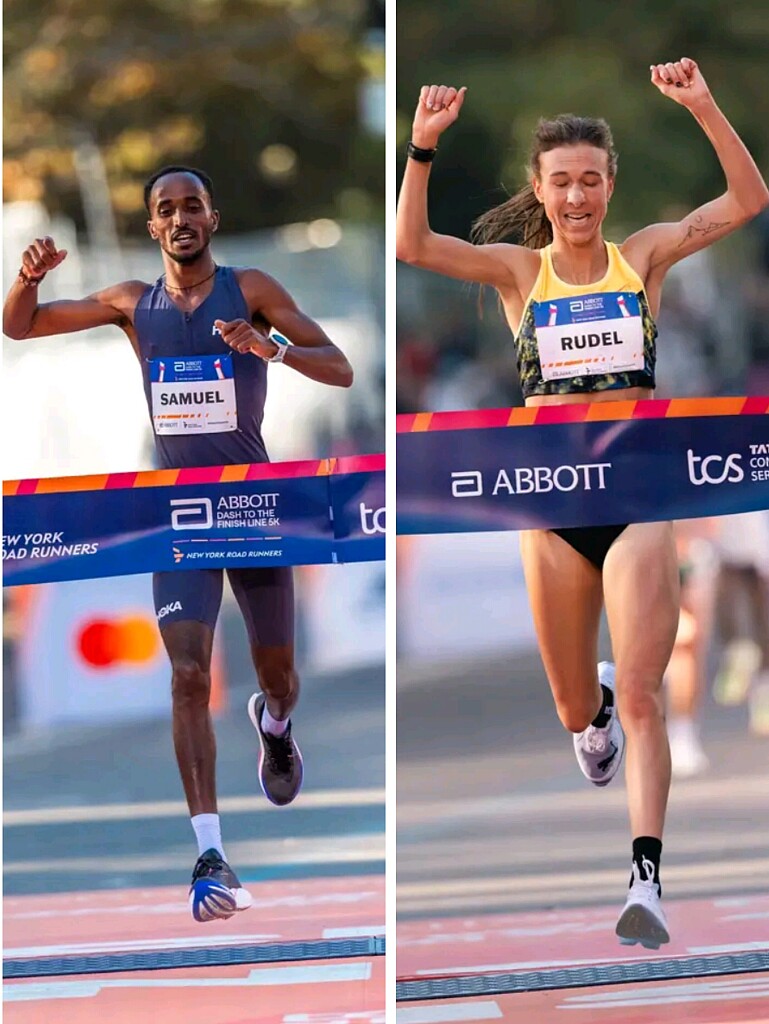


Habtom Samuel and Rachael Rudel Rule New York With Abbott 5K Victories
NEW YORK — The streets of the Big Apple produced two compelling champions on Saturday as Habtom Samuel and Rachael Rudel captured the men’s and women’s titles at the 2026 Abbott Dash to the Finish Line 5K, delivering standout performances during New York City Marathon weekend.
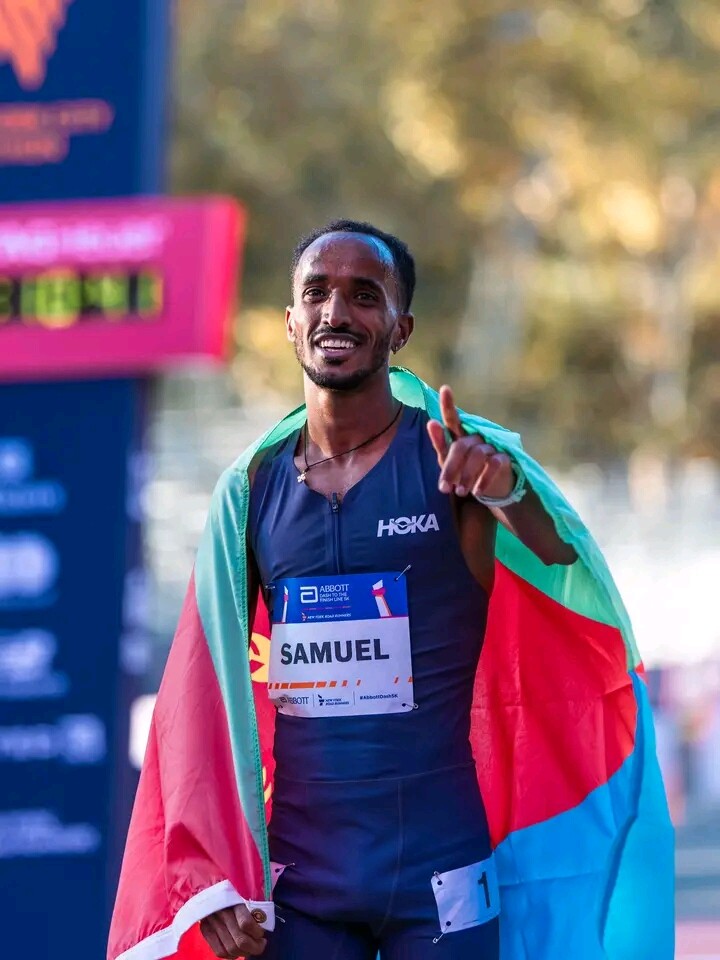
Samuel, representing Eritrea, produced the headline performance in the men's race, storming to victory in 13:31 after making a decisive move with roughly one kilometre remaining. As the course climbed toward the finish, Samuel surged away from the field and created the separation he needed to secure an impressive victory.
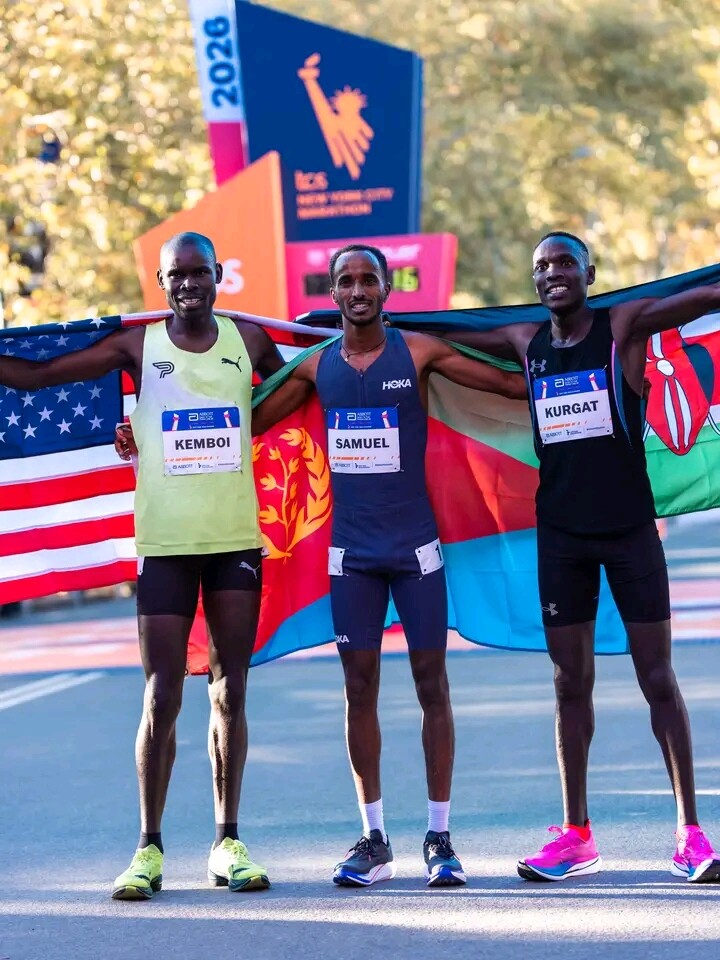
Edwin Kurgat of Kenya finished second in 13:38, while American Amon Kemboi took third in 13:40. Australia's Jackson Sharp was fourth in 13:41, followed by fellow Australian Morgan McDonald in 13:46.
For Samuel, the victory arrived at an important moment in his career. Earlier this week, he announced his signing with HOKA as a professional athlete, and he immediately backed that major career development with a statement performance on one of the biggest weekends on the American road-running calendar.
His decisive late attack demonstrated not only his speed but also his tactical confidence. Rather than waiting for a sprint to the finish, Samuel chose the moment to strike, pushing hard over the final kilometre and forcing his rivals to chase.
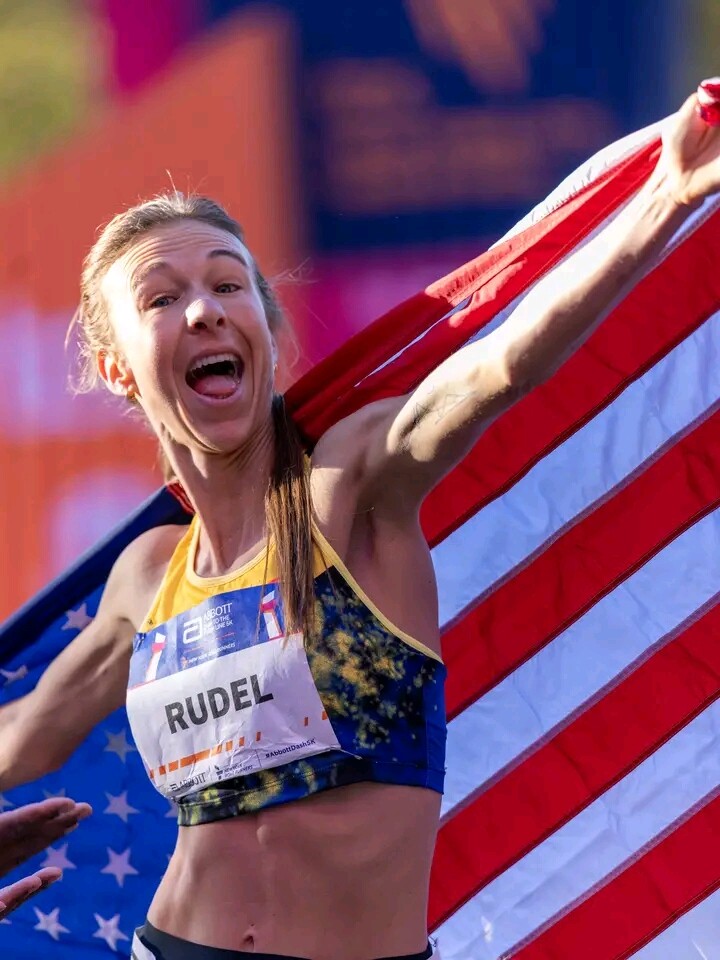
The women's race delivered an equally impressive performance, with Rachael Rudel claiming the title in 15:35. The American gradually worked her way clear of the field and then slowly opened the gap on fellow American Josette Andrews during the closing stages.
Andrews finished second in 15:41, while Edna Kurgat secured third in 15:42, giving the United States a sweep of the women's podium. Rudel's winning time was also a personal best, adding another milestone to an already impressive season.
Rudel's victory was far from an isolated success. The American arrived in New York carrying considerable momentum after recently winning the B.A.A. 10K and the USATF 20K Championships. Her Abbott 5K victory therefore extends a remarkable run of form and further establishes her as one of the most consistent American road racers of the season.
The way Rudel won was particularly telling. Rather than producing one explosive attack, she patiently created separation from the field before gradually pulling away from Andrews late in the race. That combination of patience, strength and finishing speed proved decisive as she crossed the line in 15:35, six seconds clear of Andrews.
Together, the men's and women's races produced a memorable double victory for two athletes arriving at very different but equally exciting points in their careers. Samuel used New York to announce the beginning of his new professional chapter, while Rudel continued a remarkable streak of success against strong domestic competition.
The international flavour of the event was also reflected throughout the results. Samuel led the men's field ahead of Kenyan Edwin Kurgat and American Amon Kemboi, while Rudel, Andrews and Edna Kurgat dominated the women's podium.
With New York once again transformed into the centre of the running world, the Abbott Dash to the Finish Line 5K provided its own share of drama before the marathon even took centre stage.
For Samuel, it was a powerful declaration that his new professional chapter has begun in style. For Rudel, it was another victory to add to a rapidly growing list of achievements.
Two races. Two champions. One unforgettable New York weekend.
by Erick Cheruiyot for My Best Runs.
Login to leave a comment

Dash to the Finish Line
Be a part of the world-famous TCS New York City Marathon excitement, run through the streets of Manhattan, and finish at the famed Marathon finish line in Central Park—without running 26.2 miles! On TCS New York City Marathon Saturday, our NYRR Dash to the Finish Line 5K (3.1 miles) will take place for all runners who want to join in...
more...
Eliud Kipchoge Returns to New York — This Time to Inspire, Not Race
Eliud Kipchoge is back in New York City, but this time the legendary Kenyan marathoner will experience the TCS New York City Marathon from a very different perspective.

Rather than lining up among the elite contenders for Sunday’s 2026 race, Kipchoge has returned to the Big Apple in an ambassadorial role, reconnecting with runners, fans and the wider running community ahead of one of the world’s most celebrated marathons.
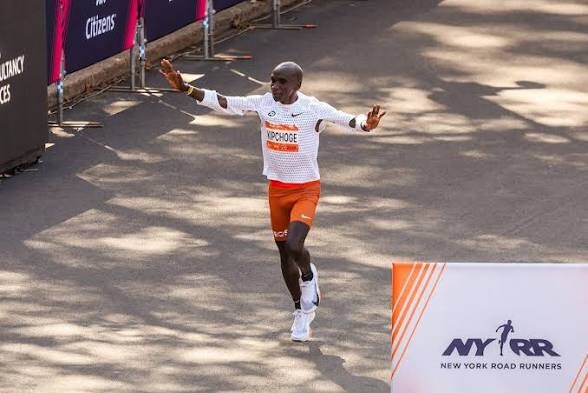
The two-time Olympic marathon champion has already been soaking up the energy of race week, embracing the city and taking part in activities designed to bring elite athletes closer to everyday runners. Among the highlights has been his appearance around Nike’s Volt Bus Tour, which has been moving through New York during marathon week and connecting runners with the sport’s community.
His return inevitably brings memories of November 2, 2025, when Kipchoge finally made his long-awaited New York City Marathon debut. The race represented the last missing piece in his Abbott World Marathon Majors journey, and although he finished 17th in 2:14:36, the significance of the day went far beyond his finishing position.
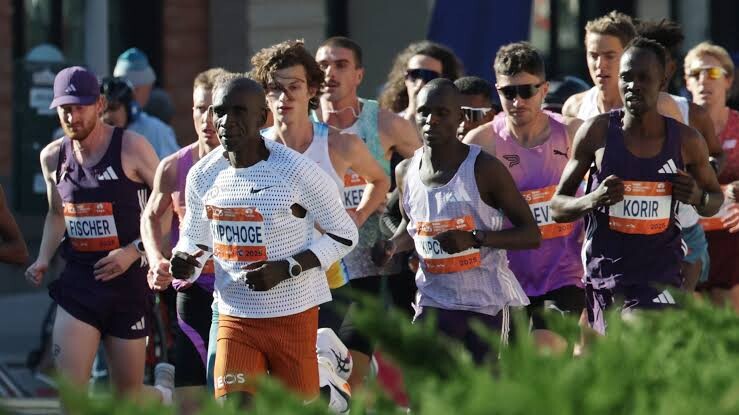
For Kipchoge, New York was never simply another marathon. It was the final major he needed to complete his Six-Star journey, adding another remarkable chapter to a career already filled with Olympic triumphs, world records, major victories and historic breakthroughs.
Now, one year later, his role has changed. He is no longer preparing his body to conquer the five boroughs; instead, he is using his presence to encourage the thousands of runners who will take on their own personal challenges across the streets of New York.
That transition captures something important about Kipchoge’s career. His influence is no longer measured only by medals, victories or times on the clock. Increasingly, it is reflected in the people he inspires, the communities he reaches and the generations of runners who have learned to believe that their own limits can be pushed.
From becoming one of the most decorated marathoners in history to becoming a global ambassador for running, Kipchoge continues to demonstrate that greatness can extend well beyond competition.
New York once welcomed him as a marathon contender. Now, it welcomes him as a symbol of what the sport can become when excellence, humility and inspiration come together.
The race may go on without him on Sunday, but Eliud Kipchoge’s presence will still be felt throughout the Big Apple.
A champion on the starting line, an inspiration beyond it — and a legend whose influence continues to run far beyond the finish line.
by Erick Cheruiyot for My Best Runs.
Login to leave a comment

Nearly 200 Pounds Gone, 26.2 Miles Ahead: Staten Island Runner Takes His Transformation Home
For one Staten Island runner, the 2026 TCS New York City Marathon is about far more than completing 26.2 miles.
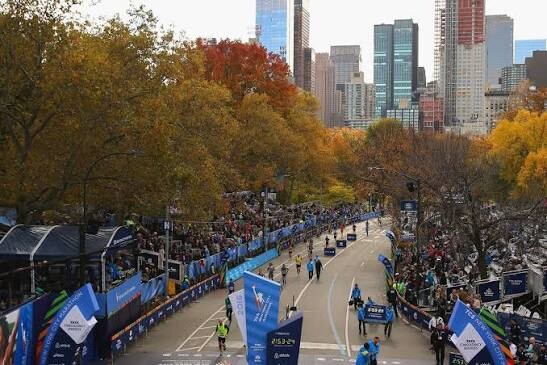
It is the latest chapter in a remarkable personal transformation that has seen him lose nearly 200 pounds and discover a completely different relationship with his body, his health and running.
On November 1, he will line up among roughly 50,000 runners at Fort Wadsworth, beneath the Verrazzano-Narrows Bridge, waiting for the signal that will send the world's largest marathon field into the streets of New York.
For most competitors, Staten Island is simply where their marathon journey begins.
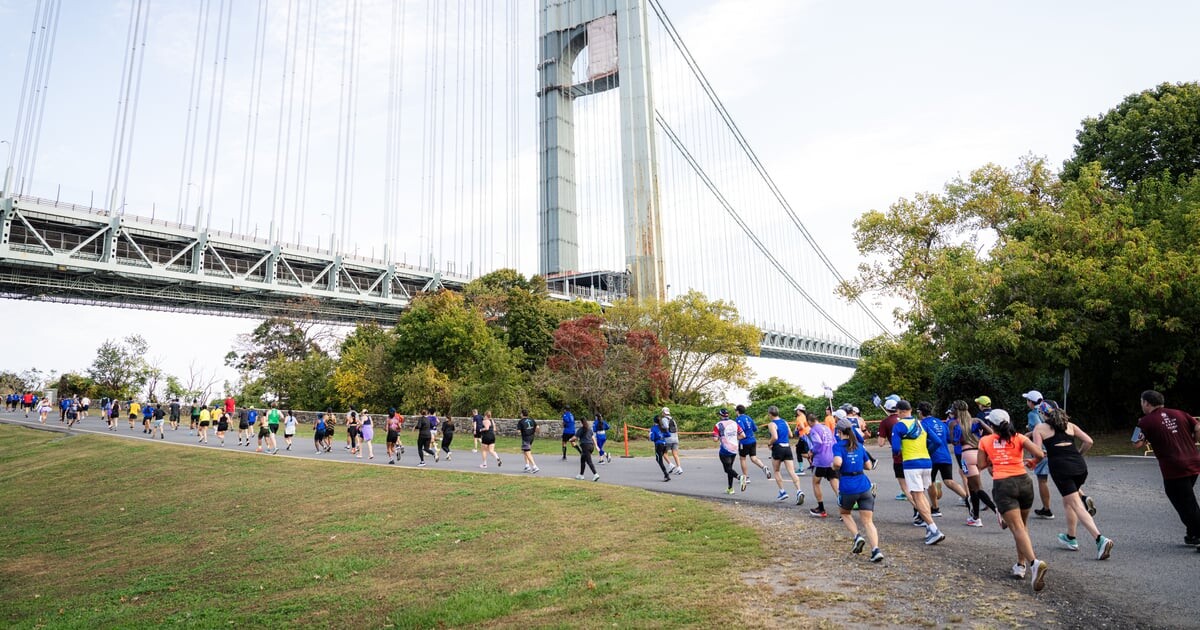
For him, it is home.
That makes those opening miles especially meaningful.
The New York City Marathon has started on Staten Island at the foot of the Verrazzano-Narrows Bridge since 1976, sending runners across the bridge before carrying them through Brooklyn, Queens, the Bronx and Manhattan toward the finish in Central Park.
This year, one hometown runner will make that journey carrying a story that began long before he ever dreamed of standing on the marathon start line.
Not long ago, he was carrying nearly 200 pounds more on his body.
Now, he is preparing to carry himself 26.2 miles through New York City.
The photographs tell part of the story.
In one earlier image, he appears in a blue Giants shirt, smiling at a tailgate. In a later photograph, the transformation is unmistakable: a much leaner runner wearing a racing singlet and bib, pushing through the rain during a tune-up race.
The difference is striking, but the real story is everything that happened between those two photographs.
Losing nearly 200 pounds is not simply about changing appearance. It can mean relearning how to move, rebuilding confidence and discovering physical possibilities that once seemed out of reach.
For someone who has spent years carrying substantial additional weight, everyday movement can itself become a demanding physical task. Walking, climbing stairs and simply staying active can require considerably more effort.
As weight comes off, however, the equation begins to change.
Movement becomes easier. Exercise becomes more accessible. And for some people, activities that once seemed impossible — including long-distance running — gradually become realistic goals.
That journey can be challenging, particularly when the goal eventually becomes a marathon.
The body still has to adapt to thousands upon thousands of running strides, while training must be increased carefully enough to allow the muscles, tendons, bones and cardiovascular system to adjust.
The knees are often one of the biggest concerns for runners returning to exercise after major weight loss.
But the relationship between body weight and running is more complicated than simply asking whether heavier runners should run. Training history, strength, biomechanics, injury history and how quickly mileage is increased all matter.
That is why a marathon transformation is not created in a single dramatic moment.
It is built through hundreds of ordinary decisions — one workout, one walk, one healthier choice and one difficult training day at a time.
And now, after making that transformation, this Staten Island resident is preparing to stand on one of the most recognizable marathon starting lines in the world.
There will be elite athletes chasing victory.
There will be experienced marathoners pursuing personal records.
There will be first-time marathoners simply hoping to reach Central Park.
And among them will be a hometown runner whose greatest race began long before November 1.
His marathon will be measured in miles, minutes and seconds, but those numbers will never tell the whole story.
The most important distance he has already covered is the one between who he was and who he has become.
On marathon morning, Staten Island will once again send thousands of runners toward the Verrazzano-Narrows Bridge.
For this runner, however, the journey will carry an especially powerful meaning.
He is not just running away from where his transformation began.
He is running from home — toward the finish line, toward a new personal milestone and toward the remarkable possibility of becoming a marathoner.
Nearly 200 pounds lighter.
Twenty-six-point-two miles ahead.
And one unforgettable New York City Marathon waiting to be conquered.
by Erick Cheruiyot for My Best Runs.
Login to leave a comment

Mary Kitlowski’s 26.2-Mile Triumph: Finishing New York With Just 34% Lung Capacity
For most marathon runners, completing 26.2 miles is a test of endurance, preparation and mental strength. For Mary Kitlowski, it was something far greater — a battle against the limitations imposed by a rare and progressive lung disease.
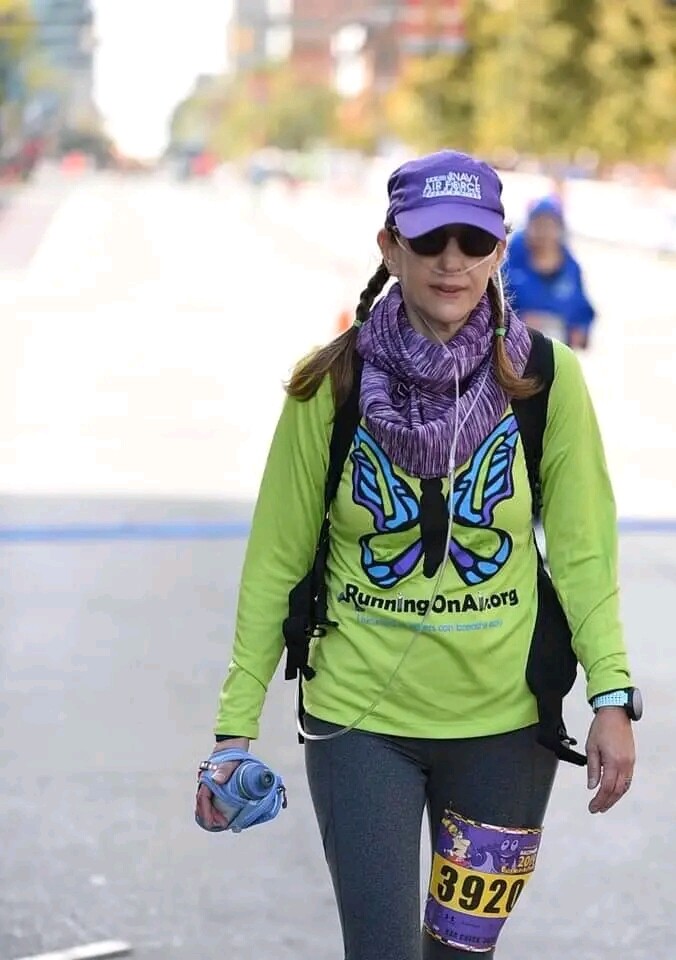
In 2019, Kitlowski finally crossed the finish line of the New York City Marathon after years of determination and preparation. What made the achievement extraordinary was not simply the distance she covered, but the circumstances under which she covered it: Mary was living with primary ciliary dyskinesia (PCD), a rare genetic disorder that had caused significant lung damage, and she required supplemental oxygen during exertion. At the time, reports stated that she had only about 34 percent lung capacity.
Her journey to New York had already included heartbreak.
Two years earlier, in 2017, Mary had attempted the marathon for the first time. But an infection had left her struggling before race day, and she was ultimately forced to stop at mile 18 — just over eight miles from the finish. Rather than allowing that experience to define her, she returned to training with an even greater determination to complete what she had started.

The challenge was unlike that faced by most marathoners.
Mary competed with a portable oxygen concentrator strapped to her, carrying equipment that helped her breathe during exertion. The device weighed around six pounds, while additional batteries were needed because its power would not last throughout the entire marathon. Her husband, Ed, stayed alongside her and carried the extra batteries as they made their way through New York’s five boroughs.
And this was never simply about completing a race.
Mary had become an advocate for people living with lung disease and those who depend on supplemental oxygen. Through her Running On Air initiative, she sought to challenge the perception that needing oxygen should prevent someone from being active, pursuing goals or living an ambitious life. Her marathon became another powerful platform for that message.
On November 3, 2019, after years of preparation and a previous attempt that ended at mile 18, Mary finally completed the 26.2-mile journey.
Her official finishing time was 9 hours, 50 minutes and 26 seconds. She completed the marathon as part of an effort to raise awareness for rare diseases and the National Organization for Rare Disorders, turning every step into a statement about resilience and possibility.
Mary’s achievement was never about how quickly she could reach the finish line. It was about reaching it at all.
With a portable oxygen concentrator on her back, spare batteries carried by her husband and lungs functioning at only a fraction of normal capacity, she walked and ran her way across New York — refusing to let her medical condition decide the boundaries of her life.
Her story is a reminder that sometimes the most remarkable marathon victories are not measured by medals, records or finishing positions.
Sometimes, the victory is simply refusing to stop
by Erick Cheruiyot for My Best Runs.
Login to leave a comment

World Athletics Gives Running A New Home As Jakob Larsen Takes Charge Of A Powerful New Department
World Athletics has given running a new home — and placed one of the sport’s most experienced event leaders at the heart of it.

The global governing body has established a standalone Running & Mass Participation department, a major organisational move designed to give greater focus to the rapidly expanding running ecosystem. At its helm is Jakob Larsen, a veteran sports executive whose résumé already includes some of the most significant running events staged under the World Athletics banner.
Larsen arrives with 25 years of experience across international sport and has played a central role in developing and delivering major championships. His previous work includes the 2014 World Half Marathon Championships in Copenhagen, the 2019 World Cross Country Championships in Aarhus and, most recently, the inaugural World Athletics Ultimate Championship in Budapest.
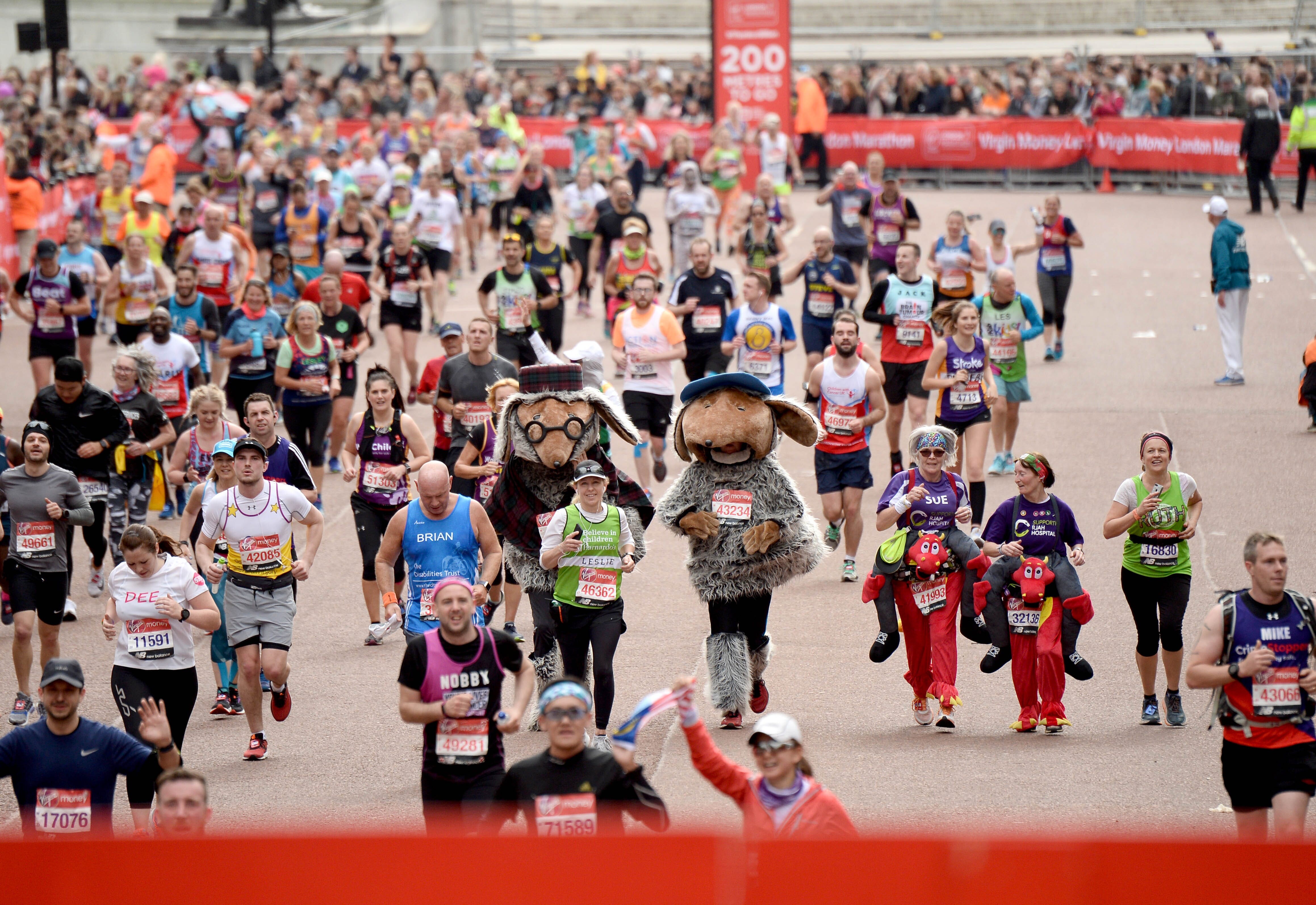
Those experiences give Larsen a particularly strong platform for his new assignment. Rather than building the running side of the sport from the ground up, he inherits a global movement that is already enormous — one that stretches from elite marathoners chasing world records to mass-participation runners filling city streets across the world.
The new department will have responsibility for a broad portfolio covering World Athletics’ road running and marathon activities, cross country, mountain and trail running, the World Athletics Label Road Races programme, regulation, technical and educational services, and the development of new partnerships across technology, data and the wider running industry.
That portfolio also includes the newly established RUN X™ World Treadmill Championship, reflecting how far the definition of competitive running is continuing to expand beyond the traditional racecourse.
The scale of the road-running network alone underlines the importance of the move. The World Athletics Label Road Races calendar features races across continents, ranging from major marathons and half marathons to shorter international road races. The programme includes some of the biggest names in the sport, from Boston and London to Chicago, Berlin, Tokyo and New York.
For World Athletics, the decision is therefore about much more than changing an organisational chart. It signals recognition that running has developed into one of the sport’s most powerful global platforms, connecting elite competition with millions of recreational and mass-participation runners.
And with Larsen now leading the new department, World Athletics is placing that responsibility in the hands of someone who has already demonstrated an ability to build major events, manage complex international projects and understand where the future of running may be heading.
The challenge now is to bring all those strands together — elite road racing, mass participation, championships, trail and mountain running, technology and new forms of competition — under one coordinated vision.
Running has never been bigger. Now, World Athletics is giving it the organisational structure to match.
by Erick Cheruiyot for My Best Runs.
Login to leave a comment
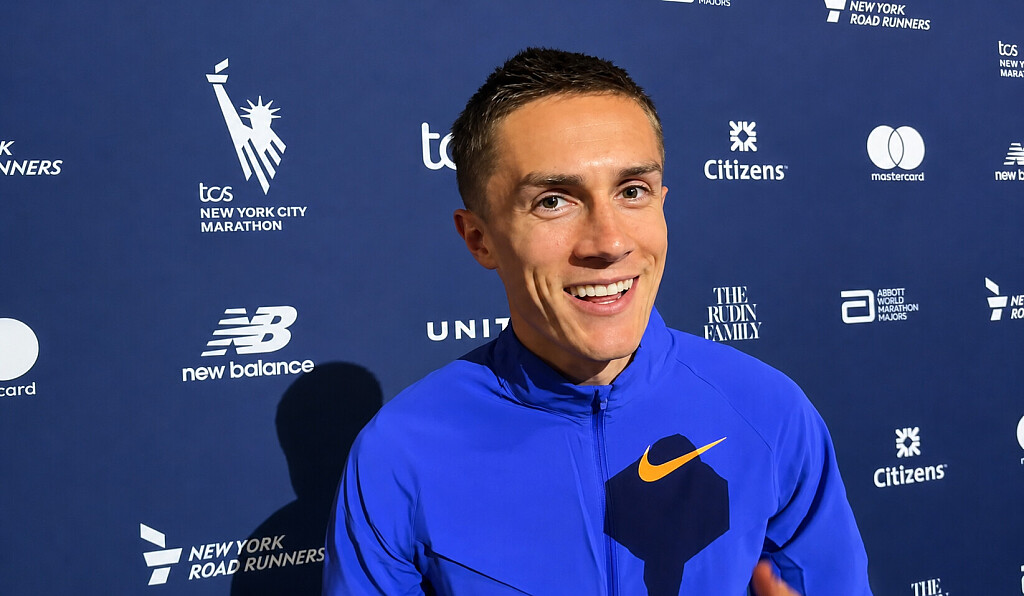
Mantz Names His New York Threats: ‘Hopefully I’m A Little Ahead Of Talbi’
Conner Mantz heads into Sunday’s TCS New York City Marathon with a clear ambition: to be right there with the leading pack when the race reaches its decisive stages.
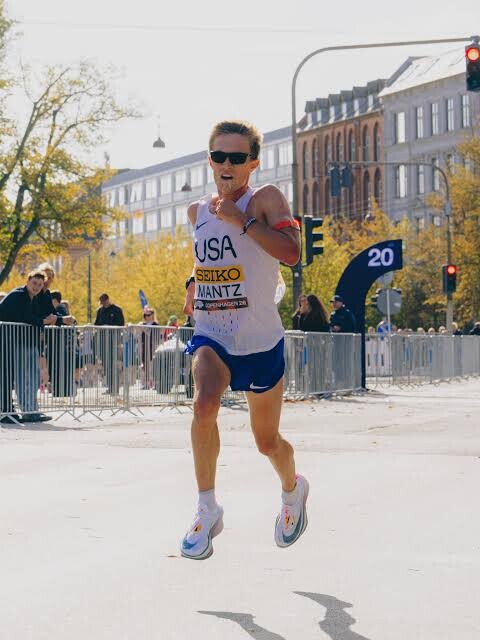
The 29-year-old American is not simply hoping to survive the demanding New York course. He intends to remain among the strongest contenders deep into the race, and he already has a few names in mind when it comes to the athletes he expects to be alongside him.
One of them is Benson Kipruto, the reigning New York City Marathon champion and one of the most consistent marathoners in the world.
“Benson will be there,” Mantz said. “I feel like he’s always there.”
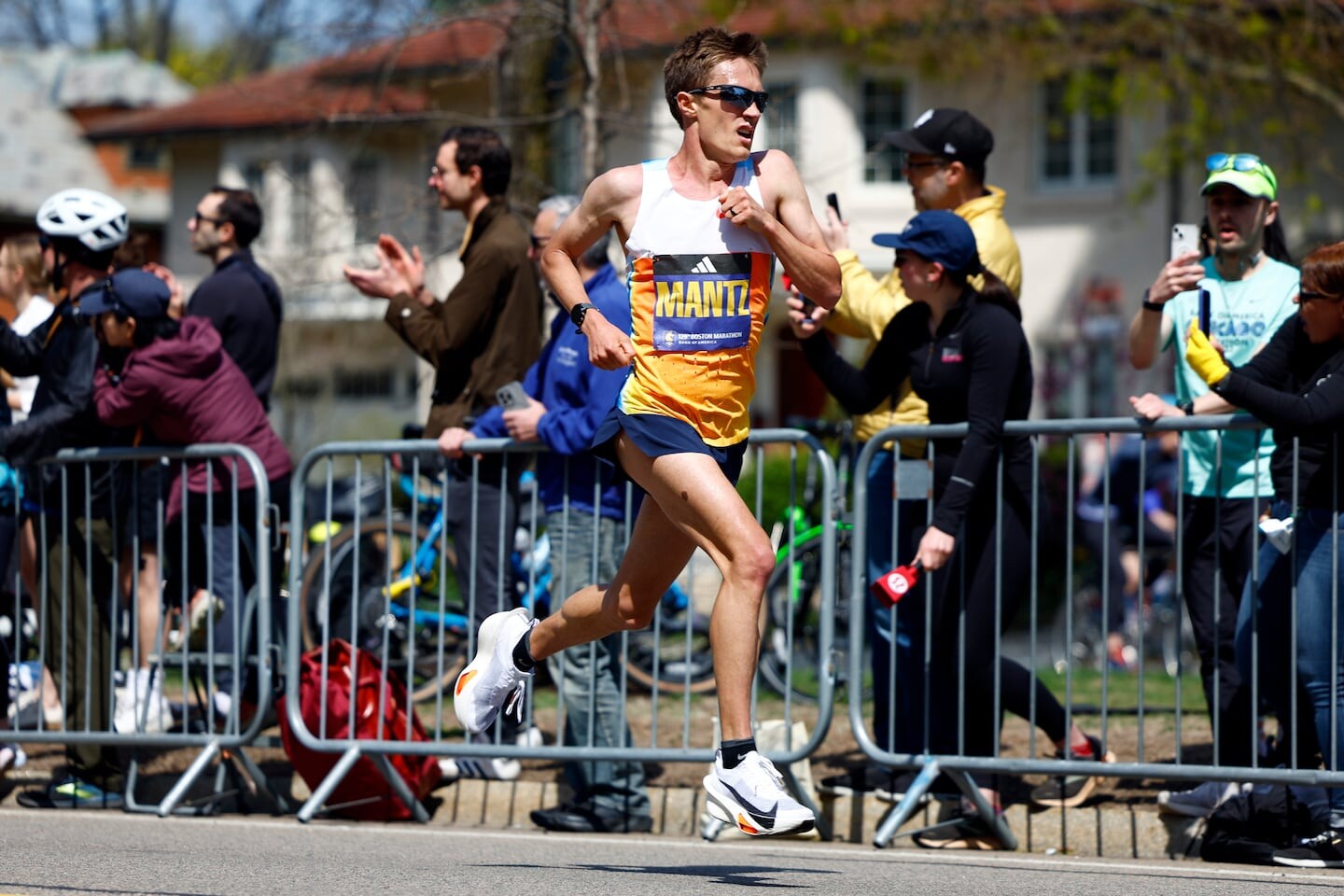
It is difficult to argue with that assessment. Kipruto has repeatedly demonstrated his ability to remain competitive deep into major marathons, making him one of the runners Mantz expects to see when the race begins to take shape.
Mantz also singled out Andreas Almgren, who will make his highly anticipated marathon debut in New York.
“It’s hard to bet against Almgren,” Mantz said, highlighting the Swedish star’s extraordinary range and strength as he steps up to the 42.195-kilometre distance for the first time.
Another athlete on Mantz’s radar is Ethiopia’s Deresa Geleta, who has already established himself as a formidable force over the marathon distance.
“I imagine Deresa will be there,” Mantz added.
But the most intriguing matchup could involve another American: Zouhair Talbi.
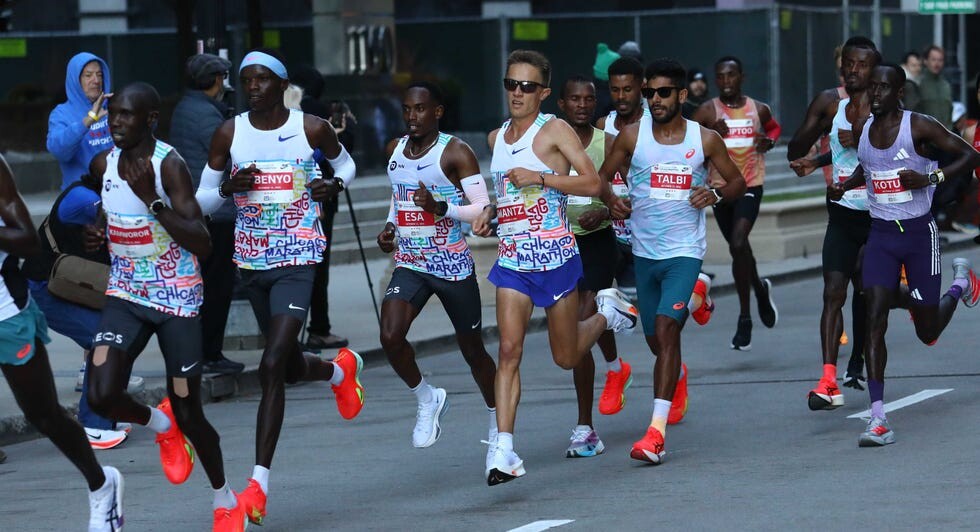
Talbi arrives in New York with impressive credentials of his own. He was the top American at the Boston Marathon and has established himself as one of the fastest marathoners in U.S. history. Mantz, however, is hoping that when the race reaches its closing stages, he will once again have the edge over his compatriot.
“Hopefully I’m a little ahead of him at that point,” Mantz said.
There is already some history between the two Americans. In their previous race together, Mantz and Talbi remained locked together until roughly 600 metres from the finish, when the battle was finally decided. New York could provide another chapter in that developing rivalry, only this time with a major marathon title at stake.
Mantz’s credentials explain why he believes he belongs in the lead-pack conversation. He has already finished inside the top eight at an Olympic Games, won two national titles and recorded five top-eight finishes at major marathons. He has also represented the United States at the World Road Running Championships, giving him valuable experience on some of the biggest stages in the sport.
His marathon progression has been particularly impressive. On October 12, 2025, Mantz clocked 2:04:43 to set the American record and national record, confirming his status as one of the fastest marathoners the United States has ever produced. That breakthrough transformed him from a promising distance runner into a genuine contender on the global marathon stage.
His versatility extends well beyond the marathon, too. Mantz is ranked among the world’s leading athletes in the 10,000 metres and road running, while also sitting inside the global top 60 for the marathon. His combination of speed, endurance and championship experience makes him a dangerous competitor on a course as unpredictable and demanding as New York.
And that is precisely why Mantz is not looking merely to be part of the field on Sunday. He wants to be part of the race.
If his prediction proves correct, Mantz could find himself surrounded by Kipruto, Almgren, Geleta and Talbi as the marathon enters its most critical miles. From there, patience, positioning and the ability to handle the brutal closing stages of New York could determine who remains standing in the fight for victory.
For Mantz, the message is clear: he does not intend to wait for the race to come to him. He plans to be there when the battle begins.
by Erick Cheruiyot for My Best Runs.
Login to leave a comment

TCS New York City Marathon
The first New York City Marathon, organized in 1970 by Fred Lebow and Vince Chiappetta, was held entirely in Central Park. Of 127 entrants, only 55 men finished; the sole female entrant dropped out due to illness. Winners were given inexpensive wristwatches and recycled baseball and bowling trophies. The entry fee was $1 and the total event budget...
more...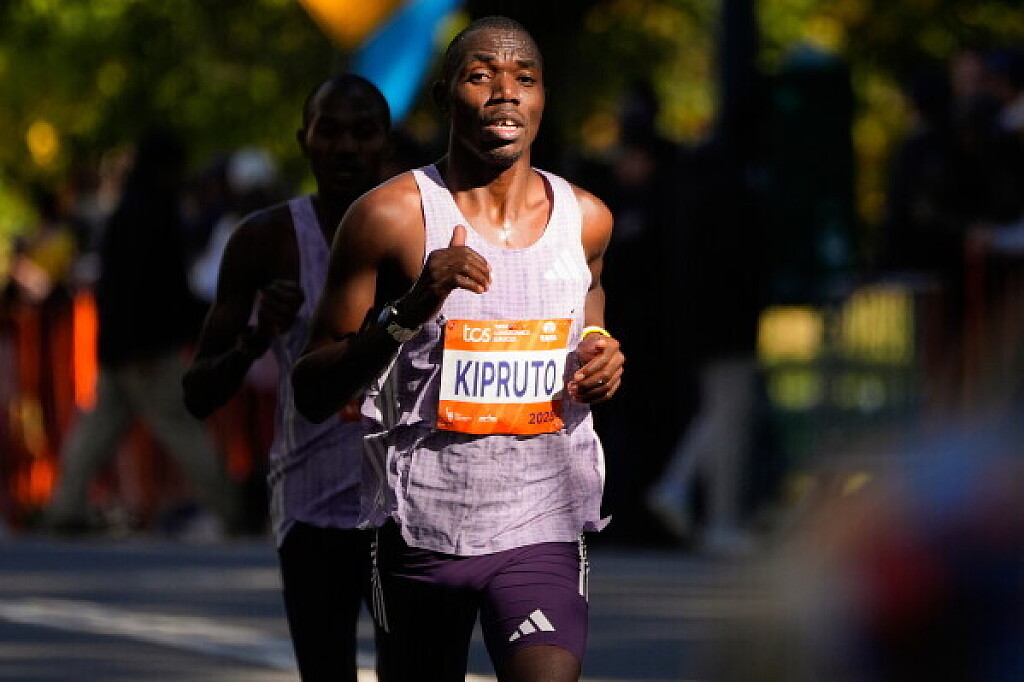
Benson Kipruto Chases An Exclusive Fifth World Marathon Major In New York
Only two men have ever won five of the Abbott World Marathon Majors: Eliud Kipchoge and Wilson Kipsang.
On Sunday, Benson Kipruto will have the opportunity to make that exclusive list even more Kenyan.
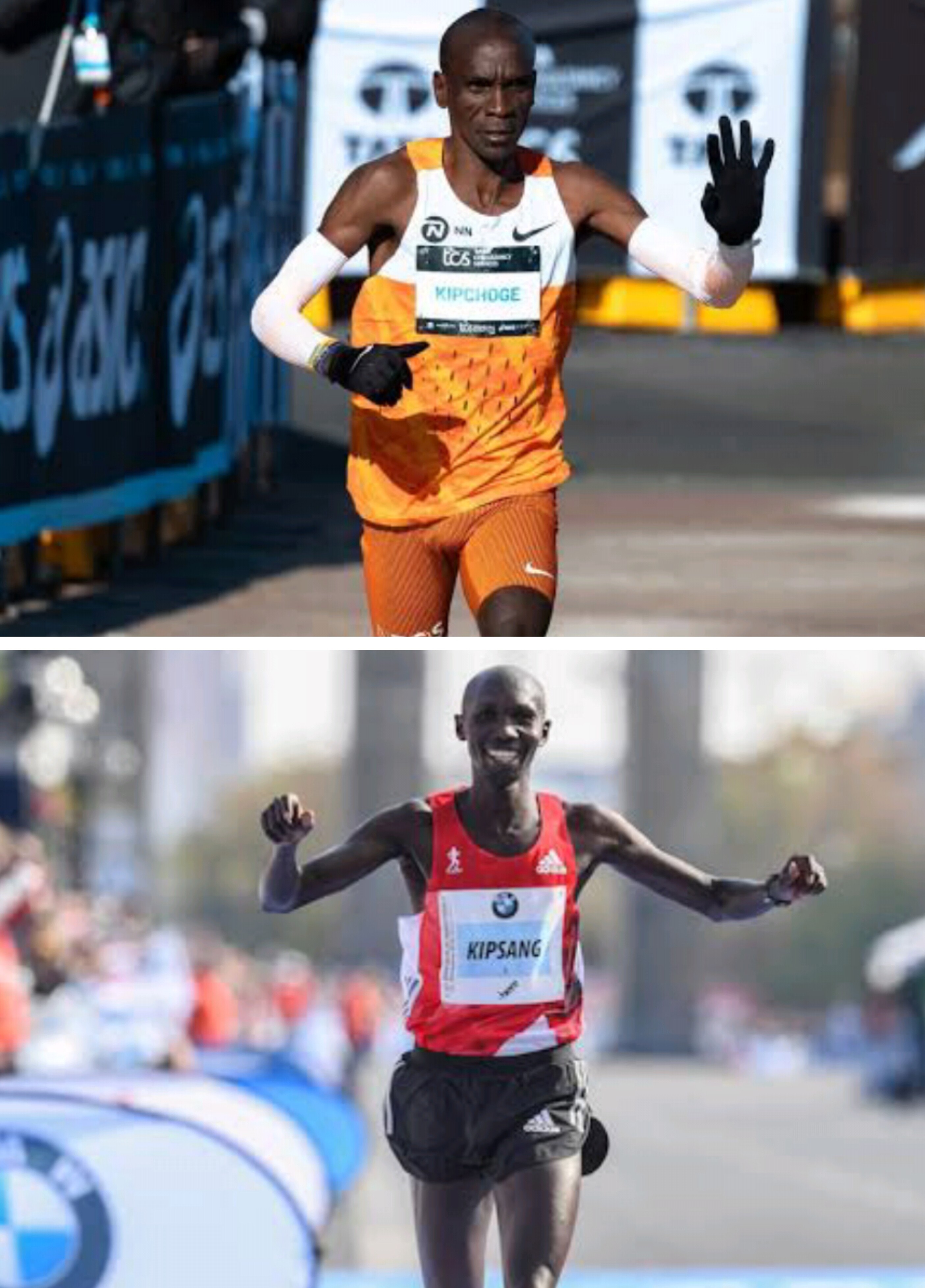
The 35-year-old already has four Major victories to his name, with triumphs in Tokyo, Boston, Chicago and New York. His latest came in spectacular fashion last November, when he edged compatriot Alexander Mutiso by just three hundredths of a second in one of the closest finishes in New York City Marathon history. Both were officially timed at 2:08:09, but Kipruto was declared the winner after an extraordinary sprint to the line.
That victory was more than another trophy. It demonstrated Kipruto’s ability to remain composed when the pressure is at its highest, then produce the decisive move when victory is measured in inches. Now, he returns to the streets of New York carrying a different kind of pressure: the chance to join one of the most exclusive clubs in marathon running.
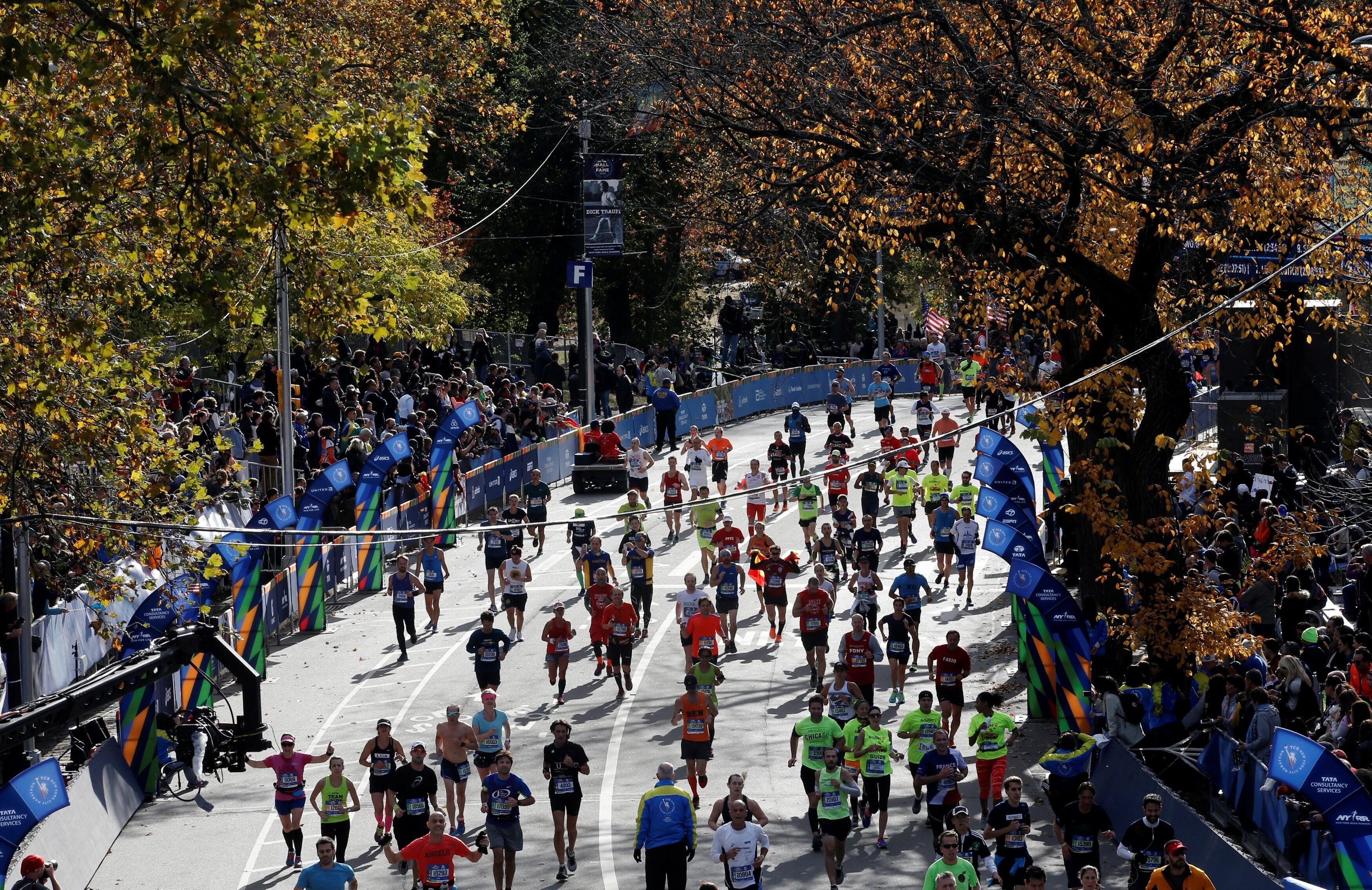
Defending a New York City Marathon title is never a simple task. The course demands patience, strength and tactical intelligence, while the depth of the elite field leaves almost no room for a bad moment. Kipruto will have to overcome a lineup packed with proven championship performers and several athletes capable of producing a breakthrough performance.
Among his biggest challengers is Ethiopia’s Deresa Geleta, who owns a 2:02:38 personal best, while Kenya’s CyBrian Kotut enters with a 2:03:22. American Conner Mantz brings a 2:04:43 national record to the start line, while former champions Geoffrey Kamworor and Abdi Nageeye add further experience to an already formidable field.
And then there is Andreas Almgren.
The Swedish star will make his marathon debut in New York after establishing himself as one of Europe’s most versatile distance runners. Almgren arrives as the European record-holder over 5,000m and half marathon and recently won the European 10,000m title in championship-record fashion. Rather than choosing an easier course for his first marathon, he has opted for the demanding streets of New York.
Kipruto, however, has already proved that he knows how to win on the biggest stages. His marathon personal best of 2:02:16 places him among the fastest men in the field, but his greatest weapon may be his racing experience. He has repeatedly shown that he can stay in contention deep into a race and deliver when the decisive moment arrives.
Now the equation is brutally simple.
Four Major victories have already established Kipruto among the elite of his generation. A fifth would move him alongside Kipchoge and Kipsang as only the third man in history to reach that milestone.
New York gave Kipruto one of the most dramatic victories of his career last year. On Sunday, the same streets could provide another defining chapter.
Can Benson Kipruto defend his New York title, conquer another world-class field and become only the third man ever to win five World Marathon Majors?
by Erick Cheruiyot for My Best Runs.
Login to leave a comment
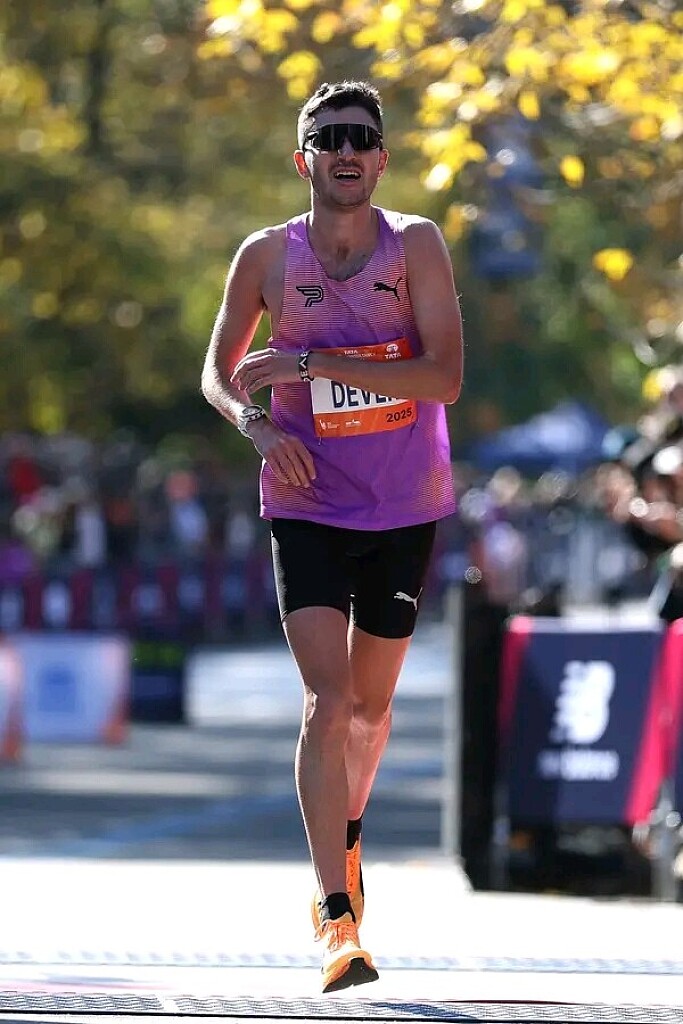
Patrick Dever Returns To New York With Olympic Ambitions: Can He Take Another Step Forward?
Patrick Dever returns to the streets of New York City on Sunday with unfinished business, renewed confidence and a much bigger target on the horizon.
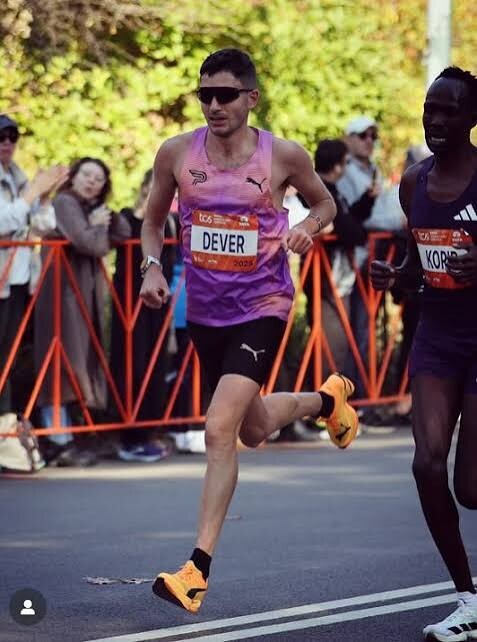
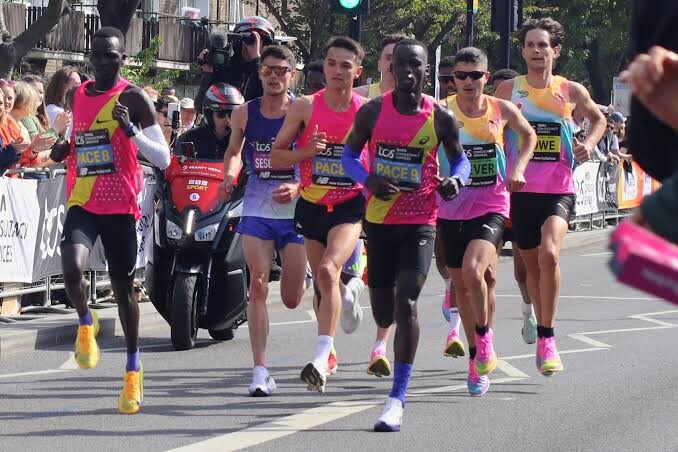
The 30-year-old Brit made an immediate impression on his marathon debut at last year’s New York City Marathon, crossing the line in 2:08:58 for what was initially recorded as fourth place. His result was later upgraded to third following Albert Korir’s five-year ban after anti-doping violations, giving Dever a podium finish on one of the world’s most demanding marathon stages.
But Dever has since shown that his potential stretches far beyond that breakthrough performance.
In April, he produced a major personal best of 2:06:18 at the London Marathon, elevating himself to third on the United Kingdom’s all-time marathon list. Only Mo Farah, with 2:05:11, and Mahamed Mahamed, with 2:06:14, have run faster for Britain.
Now, Dever heads back to New York with another opportunity to test how far he has progressed.
The challenge will be particularly valuable because New York offers a very different racing environment from London. There will be no pacemakers to dictate the rhythm, meaning Dever will have to rely on his own tactical judgement, positioning and ability to respond when the race begins to unfold.
That is exactly the kind of experience he wants.
With the Los Angeles 2028 Olympic Games firmly in his long-term sights, Dever is using New York as an opportunity to sharpen his ability to race in a championship-style environment, where athletes must make their own decisions rather than simply follow a predetermined pace.
For a runner with ambitions of representing Great Britain on the Olympic stage, those lessons could prove invaluable.
New York is also a race that demands patience. The course features bridges, rolling terrain and a notoriously difficult final stretch through Central Park, making it less about simply chasing a fast time and more about executing a complete marathon.
Dever already knows what it takes to succeed there. This time, however, he returns as a significantly faster and more accomplished marathoner.
A year after announcing himself on the New York streets, the British star arrives with a 2:06:18 personal best, a place among Britain’s fastest marathoners and an Olympic dream that is beginning to look increasingly realistic.
The question now is whether Dever can turn that progress into another standout performance in the Big Apple.
by Erick Cheruiyot for My Best Runs.
Login to leave a comment
TCS New York City Marathon
The first New York City Marathon, organized in 1970 by Fred Lebow and Vince Chiappetta, was held entirely in Central Park. Of 127 entrants, only 55 men finished; the sole female entrant dropped out due to illness. Winners were given inexpensive wristwatches and recycled baseball and bowling trophies. The entry fee was $1 and the total event budget...
more...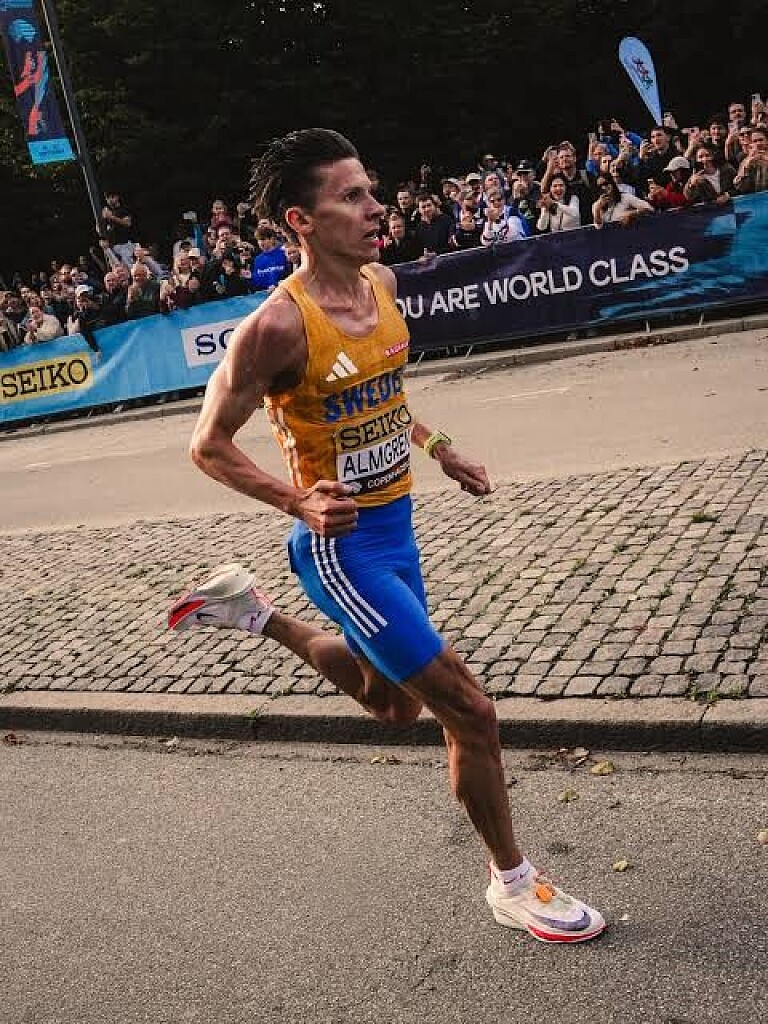
The Ultimate Test: Can Andreas Almgren Conquer New York On Marathon Debut?
Andreas Almgren is about to discover just how far his extraordinary speed can carry him.
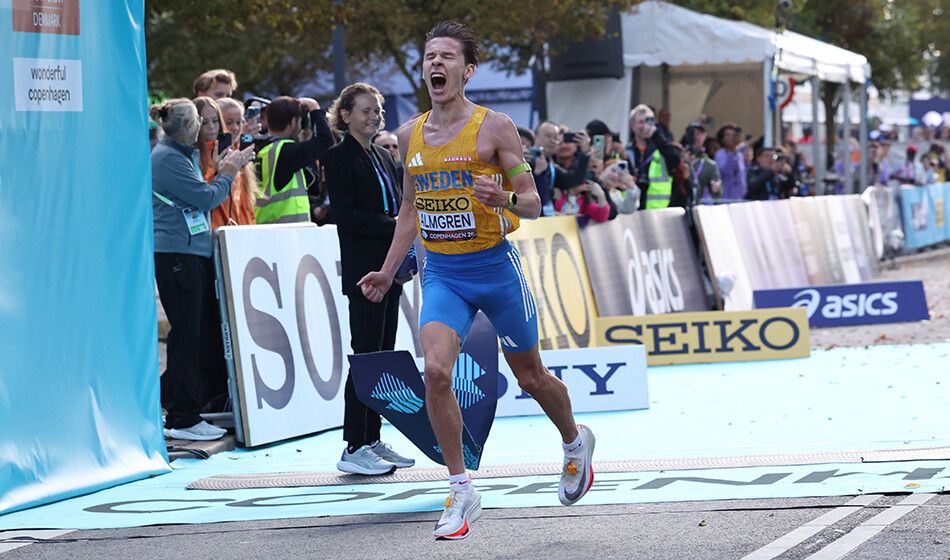
On Sunday, November 1, the Swedish star will line up for the TCS New York City Marathon, stepping into completely unfamiliar territory as he makes his highly anticipated marathon debut over 42.195 kilometres.

But Almgren is not arriving in New York as an ordinary debutant.
He comes armed with an extraordinary résumé. The Swede is the reigning world half-marathon champion, the 2026 European 10,000m champion and the European half-marathon record holder after producing a sensational 58:06 in Copenhagen.
That performance elevated the conversation surrounding his marathon potential. Running 58:06 means Almgren can sustain an average pace of roughly 2:45 per kilometre for 21.1 kilometres—a frightening level of speed for an athlete preparing to double the distance.
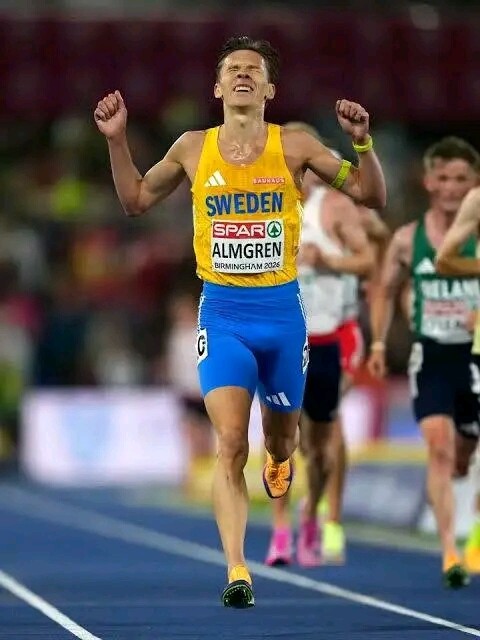
Only weeks earlier, he had produced another major statement by winning European 10,000m gold in Birmingham in a championship-record 27:23.44. His ability to combine elite track speed with increasingly impressive endurance has made him one of the most intriguing distance runners in the world.
Yet Almgren's journey to the marathon has been anything but conventional.
He originally made his name as an 800m specialist, running a personal best of 1:45.59 before gradually transforming himself into a world-class long-distance athlete. The transition from two laps of the track to 42.195 kilometres represents an enormous change in physiological demands, but Almgren has embraced the challenge with remarkable ambition.
His preparation has reportedly included extremely high mileage, with his training volume reaching around 135 miles, or 217 kilometres, per week during parts of his build-up. He has also spent time training at altitude in Flagstaff, Arizona, as he prepares his body for the demands of the marathon.
What makes Almgren particularly fascinating is not only his athletic ability but also his analytical approach to the sport. The Swede has a background in data science and is known for taking a highly methodical approach to his training, using data and analysis to help shape his preparation.
That combination of brains, speed and endurance has earned him the nickname “The Nerd King.”
But New York will ask questions that no training spreadsheet can fully answer.
The marathon is a different beast, and the New York course is an especially unforgiving place to make a debut. The bridges, hills, sharp turns and tactical racing can punish even experienced marathoners, while the absence of traditional pacemakers means Almgren will have to judge the race himself.
That could make his decision to debut in New York even more intriguing.
Rather than choosing a flat, fast course designed purely for record chasing, Almgren has chosen one of the world's most iconic and demanding marathon stages. He will be surrounded by established marathon stars, including Abdi Nageeye, Benson Kipruto and Geoffrey Kamworor, giving the Swedish newcomer an immediate test against athletes with years of experience over the distance.
Still, Almgren is not approaching the race simply as a learning experience.
His ambition is clear. He wants to compete at the front and believes he can fight for victory.
His 58:06 half-marathon performance inevitably invites speculation about what he might eventually achieve over 42.195 kilometres. However, converting a half-marathon time directly into a marathon prediction is far from straightforward. The second half of the marathon is where endurance, fueling, pacing and accumulated fatigue become decisive, and New York adds another layer of difficulty.
That is the great unknown surrounding Almgren.
Can a man who once specialised in the 800m carry his extraordinary speed through 35 kilometres, 40 kilometres and finally into Central Park?
Can his analytical approach compensate for the lack of marathon racing experience?
And can his remarkable 58:06 half-marathon form translate into a winning marathon debut?
Those questions will finally be answered on Sunday.
From a 1:45 800m specialist to European 10,000m champion, world half-marathon champion and European half-marathon record holder, Almgren has already reinvented himself several times.
Now, the “Nerd King” is taking on the marathon.
And New York is waiting to find out just how far his speed, endurance and ambition can carry him.
by Erick Cheruiyot for My Best Runs.
Login to leave a comment
TCS New York City Marathon
The first New York City Marathon, organized in 1970 by Fred Lebow and Vince Chiappetta, was held entirely in Central Park. Of 127 entrants, only 55 men finished; the sole female entrant dropped out due to illness. Winners were given inexpensive wristwatches and recycled baseball and bowling trophies. The entry fee was $1 and the total event budget...
more...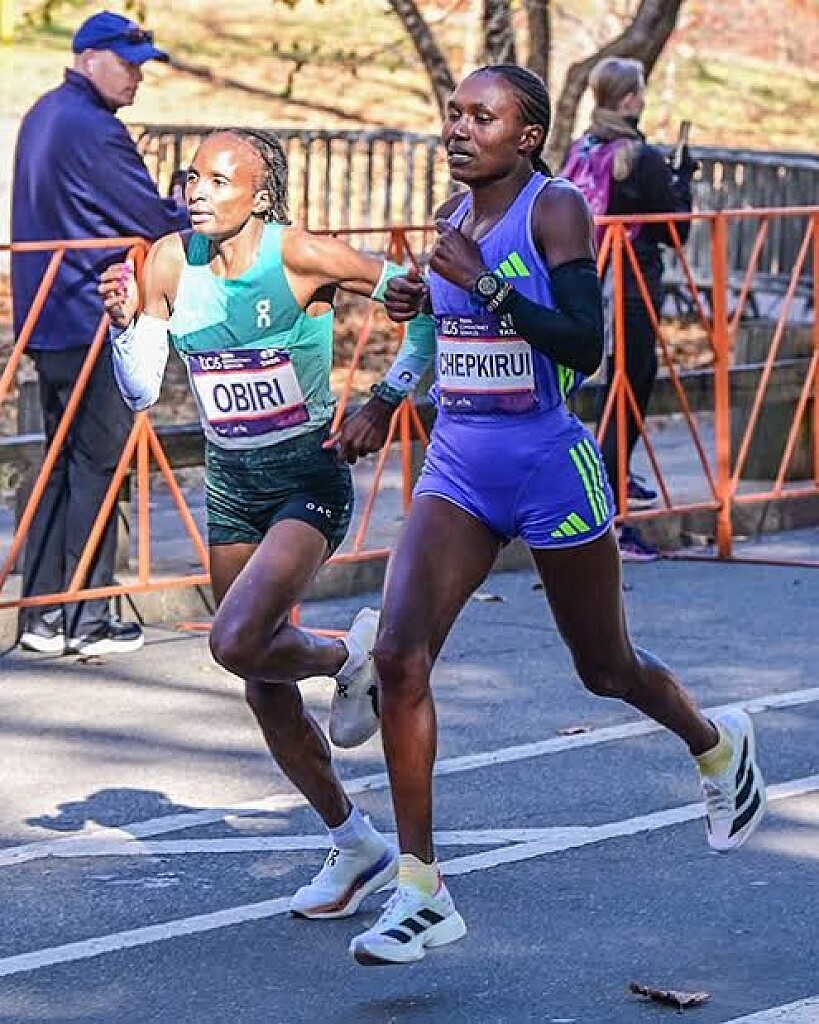
Hellen Obiri vs Sheila Chepkirui: A New York Rivalry Reignited
Hellen Obiri vs Sheila Chepkirui in New York City — round three.
The streets of New York are preparing for another fascinating chapter in a growing Kenyan marathon rivalry, as two of the last three winners of the TCS New York City Marathon return to the Big Apple for another showdown on Sunday.
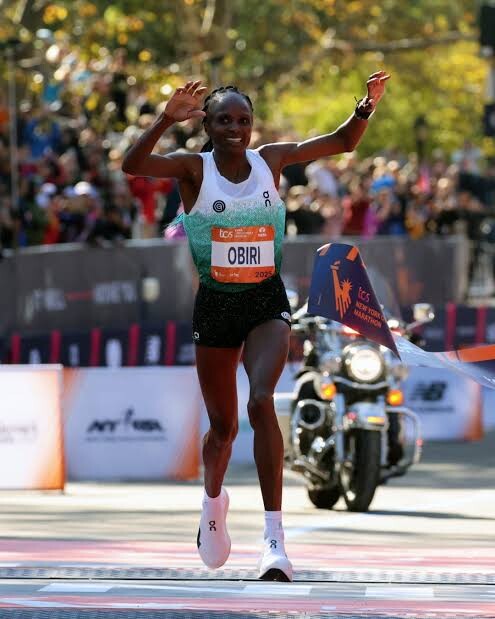
Obiri arrives as the defending champion and one of the biggest names in the elite women’s field, while Chepkirui returns determined to reclaim the title she won in 2024. Their recent history in New York has already produced two dramatically different outcomes, setting the stage for another potentially unforgettable battle.
Chepkirui announced herself on the New York stage in 2024 by producing a breakthrough performance to win her first TCS New York City Marathon title in 2:24:35. Obiri, who had won the race the previous year in 2:27:23, finished runner-up in 2:24:49 — just 14 seconds behind her fellow Kenyan.
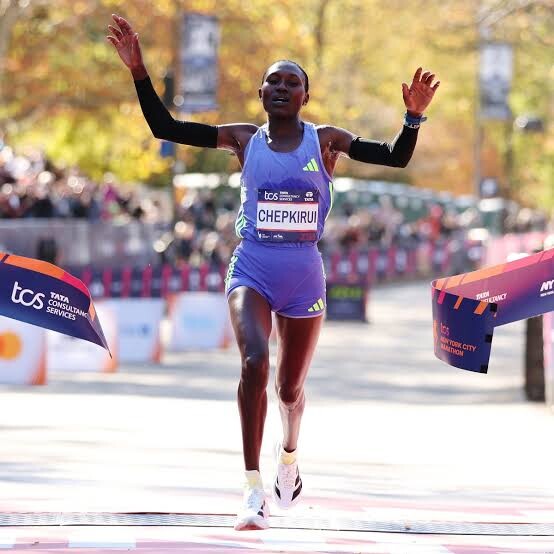
But Obiri responded in emphatic fashion twelve months later. In the 2025 edition, she produced a sensational performance to win in 2:19:51, smashing the previous course record and becoming a two-time New York champion. Sharon Lokedi finished second in 2:20:07, while Chepkirui placed third in 2:20:24.
Now they meet again, with the balance of power once more up for debate.
Obiri has plenty of momentum behind her. Earlier this year, she lowered her marathon personal best to 2:15:53 when she finished second at the 2026 London Marathon, establishing herself as the fastest woman entered in this year’s New York field.
Chepkirui, however, is far from an outsider. Her 2:17:29 personal best makes her one of the strongest challengers in the field, and her victory over Obiri in New York two years ago is proof that she has the strength, patience and tactical ability to thrive on one of marathon running’s most demanding courses.
For Obiri, the motivation goes beyond simply defending her crown. A third New York victory would elevate her into the exclusive company of three-time champions, alongside the legendary Paula Radcliffe. After winning in 2023 and again in 2025, Obiri now has another opportunity to add her name to one of the race’s most prestigious lists.
Yet Chepkirui knows exactly what it takes to defeat her. She has already stood on top of the podium in New York, and after finishing third behind Obiri last year, she will have every reason to believe she can reverse the order once again.
The race itself could make their battle even more intriguing. New York’s five-borough course, bridges, hills and notoriously unpredictable tactics rarely allow the marathon to unfold like a straightforward time trial. Every surge and every decision could become decisive as the runners make their way toward the final miles and the iconic finish in Central Park.
Two Kenyan champions. Two recent New York winners. One course that has already witnessed them trade victories.
Obiri wants history. Chepkirui wants revenge.
And when the battle reaches the streets of Manhattan and the final stretch into Central Park, the question will be simple:
Who will rule New York this time — Hellen Obiri or Sheila Chepkirui?
by Erick Cheruiyot for My Best Runs.
Login to leave a comment
TCS New York City Marathon
The first New York City Marathon, organized in 1970 by Fred Lebow and Vince Chiappetta, was held entirely in Central Park. Of 127 entrants, only 55 men finished; the sole female entrant dropped out due to illness. Winners were given inexpensive wristwatches and recycled baseball and bowling trophies. The entry fee was $1 and the total event budget...
more...
At 44, Kenenisa Bekele Refuses To Let Time Have The Final Word
At an age when most elite distance runners have long stepped away from the highest level of competition, Kenenisa Bekele continues to challenge the limits of longevity. At 44, the Ethiopian distance-running icon remains willing to line up against a new generation of younger athletes, even as injuries and difficult races have made the latest chapter of his remarkable career increasingly demanding.
Bekele’s recent journey has been a mixture of extraordinary resilience and frustrating setbacks. His 2024 campaign demonstrated both sides of that story. At the London Marathon in April, he produced one of the greatest performances ever recorded by a masters athlete, running 2:04:15 for second place behind Alexander Mutiso Munyao. The performance established a world record for the M40 age category and showed that, even beyond his 40th birthday, Bekele could still operate at a breathtaking level.
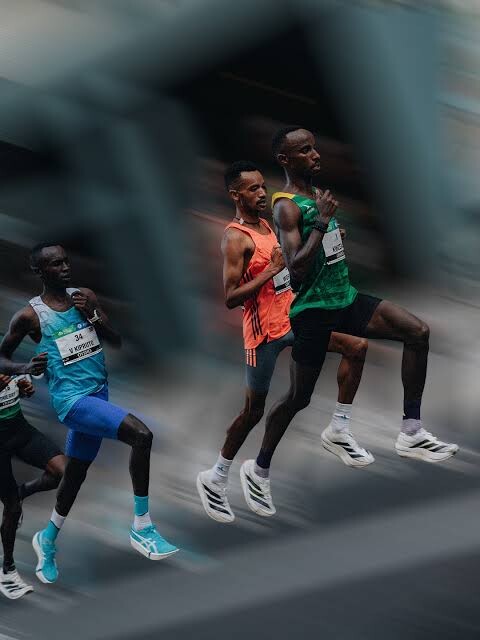
A few months later, however, the Olympic marathon in Paris offered a very different challenge. Bekele finished 39th in 2:12:24 after struggling with a hamstring problem during the race. He later explained that he felt the hamstring stretch around 15 kilometres, yet he continued to the finish rather than joining the growing list of athletes who abandoned the brutal Olympic course.
The setbacks continued into 2025, when Bekele recorded a DNF at the TCS New York City Marathon. Then came another obstacle in 2026. His highly anticipated return to the Berlin Marathon was halted after he suffered a left Achilles tendon injury in training only days before the race, forcing him to withdraw.
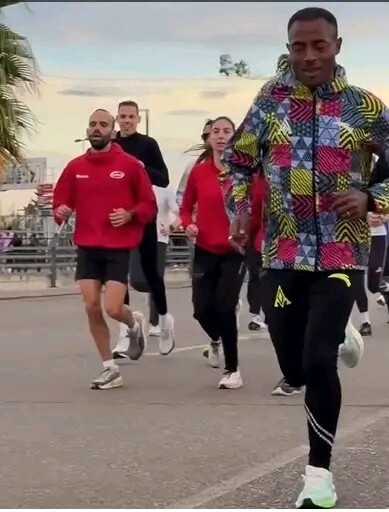
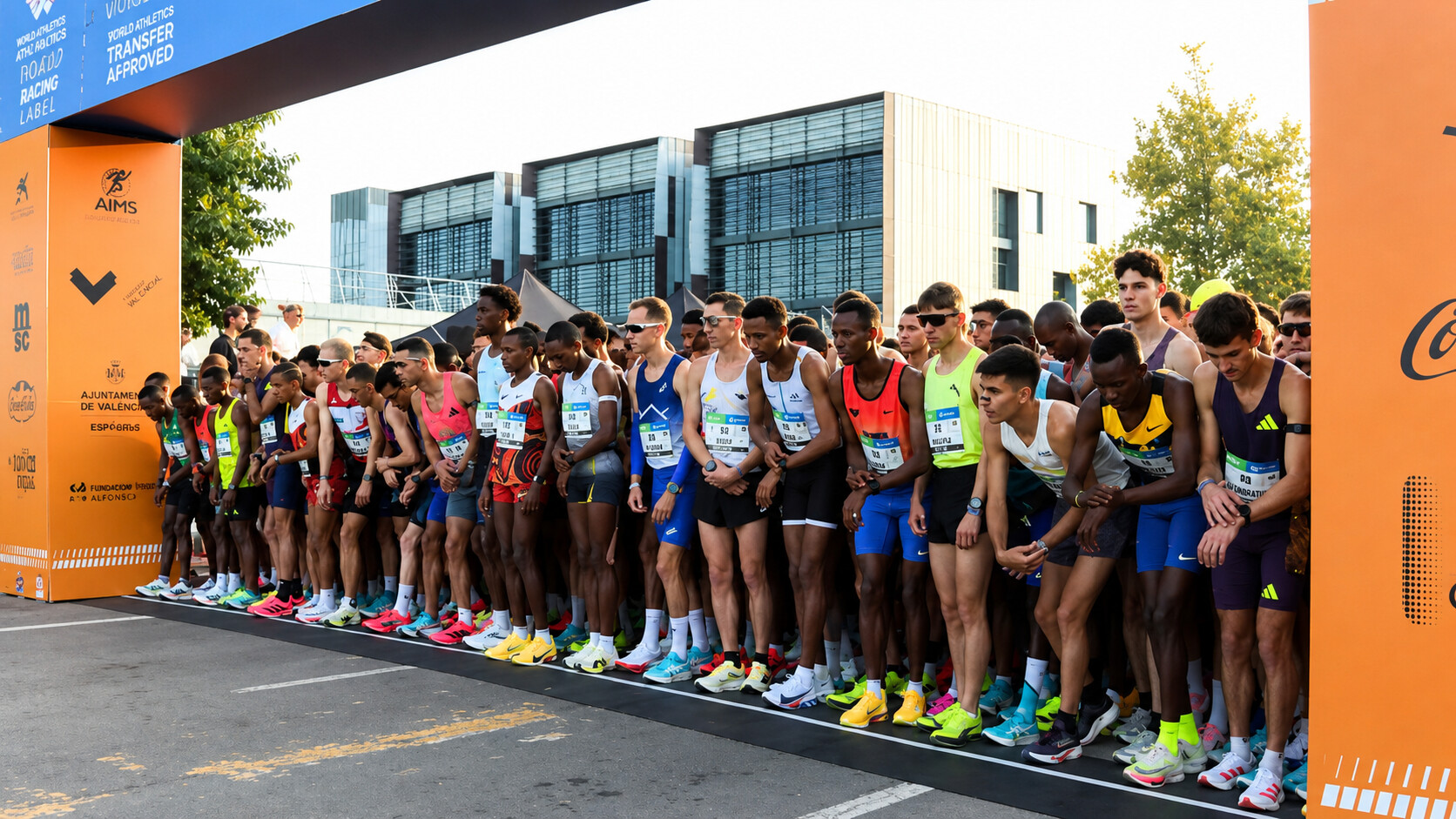
Rather than allowing another setback to end the conversation, Bekele returned to competition at the Valencia Half Marathon on October 25, 2026. The target was ambitious: breaking the 60-minute barrier for the first time in his career while pursuing the M40 world record of 59:53.
But the clock proved unforgiving. Bekele recorded 14:38 through the opening 5 kilometres before eventually dropping out of the race.
For an athlete whose career has been defined by extraordinary victories, records and comebacks, another DNF may look like a painful statistic. But judging Bekele solely by his most recent results would overlook the extraordinary body of work that has made him one of the greatest distance runners in history.
In December 2023, at 41, he ran 2:04:19 to finish fourth at the Valencia Marathon, setting a world masters record at the time. Four months later, he went even faster in London, producing the remarkable 2:04:15 that remains his M40 world record.
And his legacy extends far beyond the marathon. Bekele is a three-time Olympic champion, winning the 10,000 metres at Athens 2004 before completing the 5,000m and 10,000m double at Beijing 2008. He also collected five World Championship gold medals and 11 World Cross Country Championship titles.
His 2:01:41 victory at the 2019 Berlin Marathon remains one of the most extraordinary marathon performances ever produced. Although it is no longer the second-fastest marathon in history—as faster performances have since been recorded—it remains among the all-time great marks and currently sits seventh on the World Athletics all-time list.
That is what makes Bekele’s current journey so compelling. The 44-year-old is no longer competing simply to add another ordinary result to his résumé. Every appearance represents another test of how far experience, determination and an extraordinary athletic foundation can carry an athlete against the relentless passage of time.
Valencia did not deliver the sub-60 performance he was chasing. The Achilles injury disrupted his Berlin comeback. New York ended without a finish. Yet none of those moments can erase what Bekele has already achieved—or the remarkable fact that he continues to stand on start lines against athletes who are sometimes more than a decade younger.
Perhaps that is the most enduring part of Kenenisa Bekele’s story. Records eventually fall, races eventually become difficult, and the body eventually demands a price. But the competitive spirit that carried him from Olympic glory to world records has never disappeared.
At 44, Bekele may no longer be chasing the same version of himself who dominated the track and conquered Berlin. Instead, he is fighting a different battle—the battle to discover just how much of that greatness still remains.
And as long as Kenenisa Bekele keeps answering the starting gun, the running world will keep watching.
by Erick Cheruiyot for My Best Runs.
Login to leave a comment
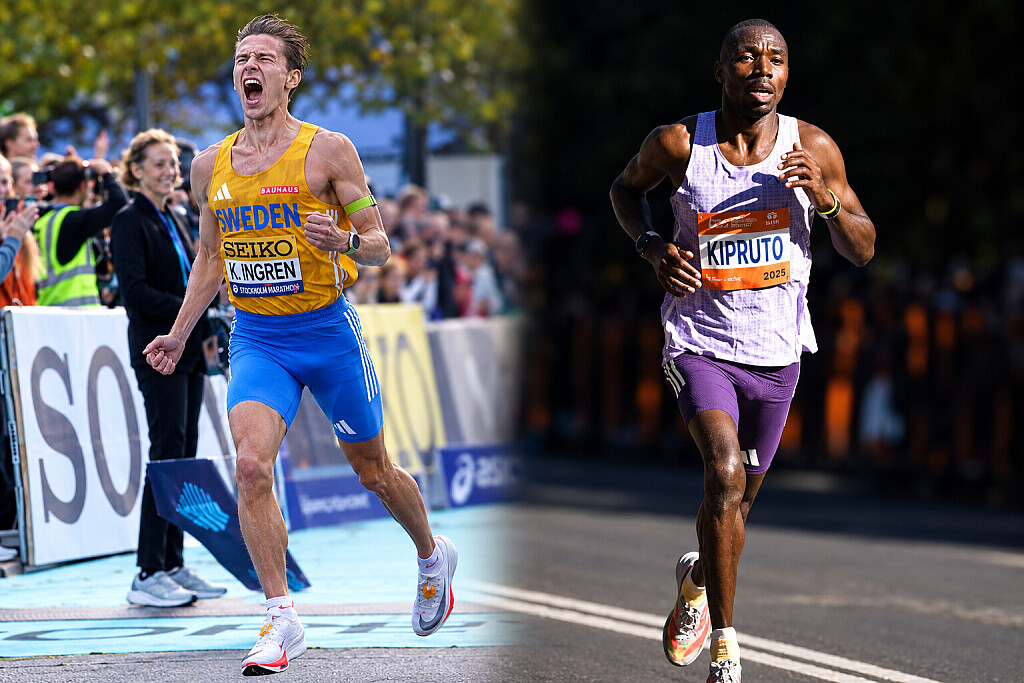
Andreas Almgren vs Benson Kipruto: A Fascinating Battle Awaits at the New York City Marathon
The 2026 TCS New York City Marathon is set to deliver a compelling men's contest on Sunday, November 1, with Sweden's Andreas Almgren preparing to make his marathon debut against defending champion Benson Kipruto of Kenya.
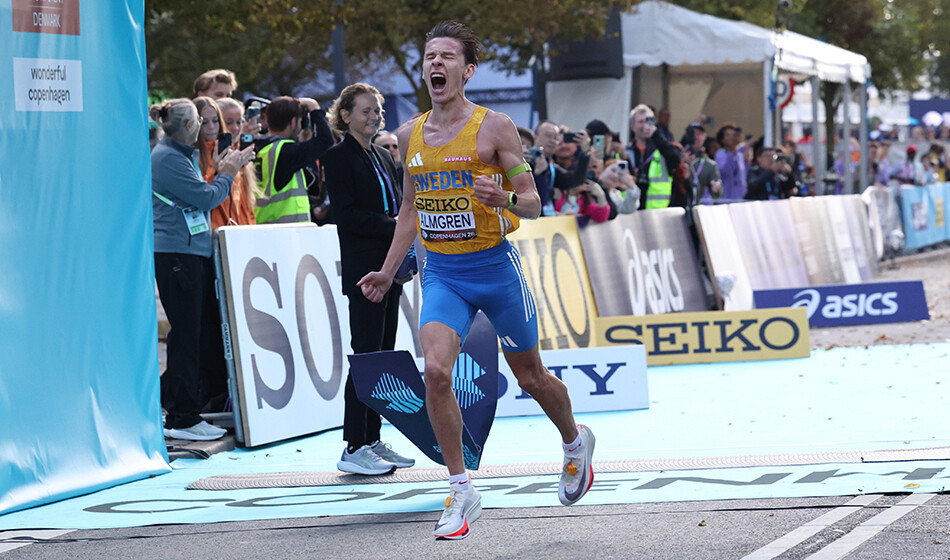
The two athletes arrive in New York with contrasting credentials but plenty of reasons to attract attention. Almgren has established himself as one of the world's leading distance runners on the track and roads, while Kipruto brings proven experience, tactical intelligence and a remarkable record of success at the highest level of marathon racing.
Almgren heads into the race in outstanding form following his victory at the World Athletics Road Running Championships half marathon in Copenhagen in September. The Swede clocked a European record of 58:06 to claim the global title, underlining his growing reputation as one of the most formidable distance runners in international athletics.
His speed was further demonstrated in January when he ran 26:45 over 10km in Valencia, setting a European record for the distance. He also holds the European 10,000m title, achievements that highlight his versatility and ability to compete against the world's best across different distances.
However, the biggest question surrounding Almgren is how effectively he can translate that speed and endurance into the marathon. New York will represent his first attempt at the classic 42.195km distance, presenting an entirely different challenge from the shorter races in which he has already excelled.
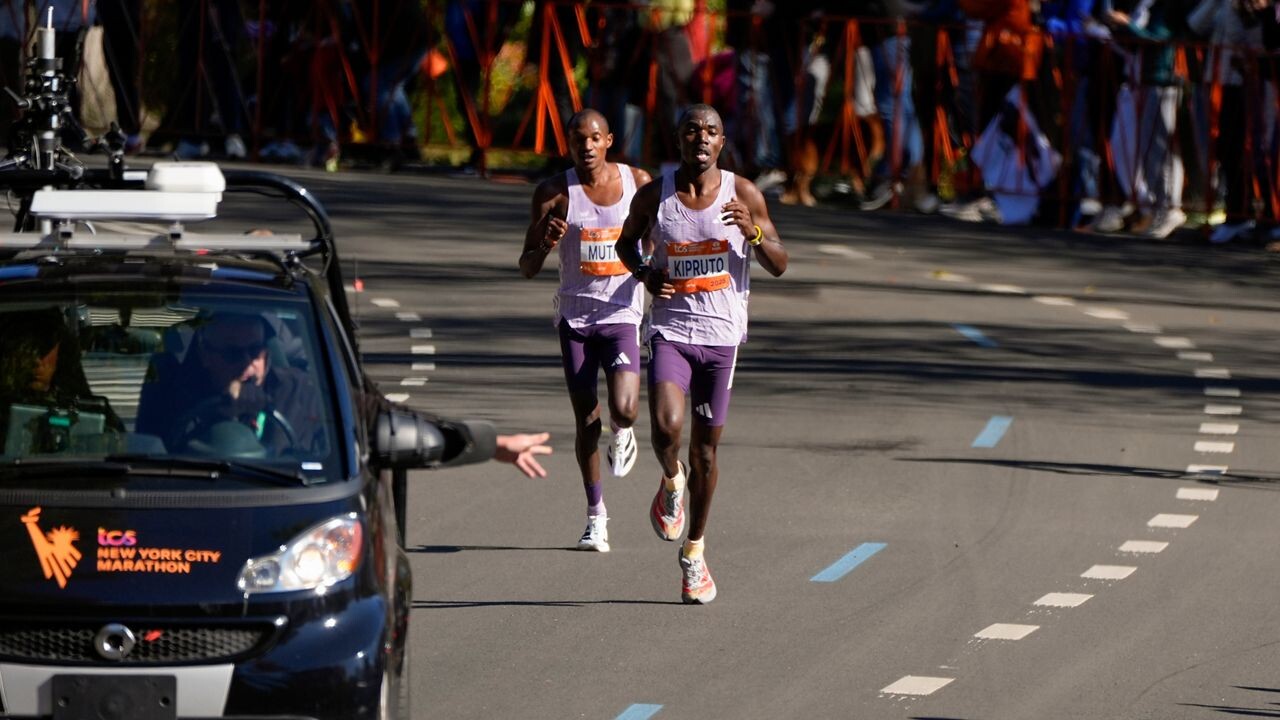
Standing in his way is Kipruto, one of Kenya's most accomplished marathoners and the reigning New York City Marathon champion. The 35-year-old produced a dramatic victory last year, edging compatriot Alexander Mutiso in a photo finish after both runners clocked 2:08:09. The margin between them was just 0.16 seconds, making it one of the closest finishes in the event's history.
Kipruto's experience extends far beyond New York. He owns a personal best of 2:02:16, recorded when he won the Tokyo Marathon in 2024, and has secured four major marathon victories, including triumphs in Boston in 2021, Chicago in 2022, Tokyo in 2024 and New York in 2025.
He also claimed the bronze medal in the marathon at the Paris 2024 Olympic Games, confirming his ability to compete successfully on the sport's biggest stages. Earlier this year, Kipruto finished third at the Boston Marathon in 2:02:50, demonstrating that he remains a formidable contender among the world's elite marathoners.
The contrast between the two athletes makes their New York showdown particularly intriguing. Almgren possesses exceptional speed and arrives after a record-breaking season, but he must navigate the demands of his first marathon. Kipruto, meanwhile, knows what it takes to win a major race and has already demonstrated his ability to handle the pressure of a fiercely contested finish.
New York's demanding course, with its bridges, rolling terrain and challenging late stages, will test both runners' endurance, patience and tactical awareness. Unlike the flatter courses often associated with record attempts, the New York route frequently rewards athletes who manage their effort carefully and position themselves well for the decisive stages.
Although Almgren's recent performances make him an exciting prospect, Kipruto's experience gives him a significant advantage on paper. Nevertheless, the Swede's remarkable form means he cannot be overlooked as he prepares to test himself over the marathon distance for the first time.
With a strong international field assembled for the 50th edition of the race, the contest between Almgren and Kipruto offers one of the most compelling storylines of Sunday's men's race. Will the European distance-running star make an immediate impact on his marathon debut, or will Kenya's defending champion demonstrate once again why he is among the most successful marathoners of his generation?
The answers will emerge on the streets of New York, where ambition, experience and endurance will collide in one of the biggest races on the global road-running calendar.
by Erick Cheruiyot for My Best Runs.
Login to leave a comment
TCS New York City Marathon
The first New York City Marathon, organized in 1970 by Fred Lebow and Vince Chiappetta, was held entirely in Central Park. Of 127 entrants, only 55 men finished; the sole female entrant dropped out due to illness. Winners were given inexpensive wristwatches and recycled baseball and bowling trophies. The entry fee was $1 and the total event budget...
more...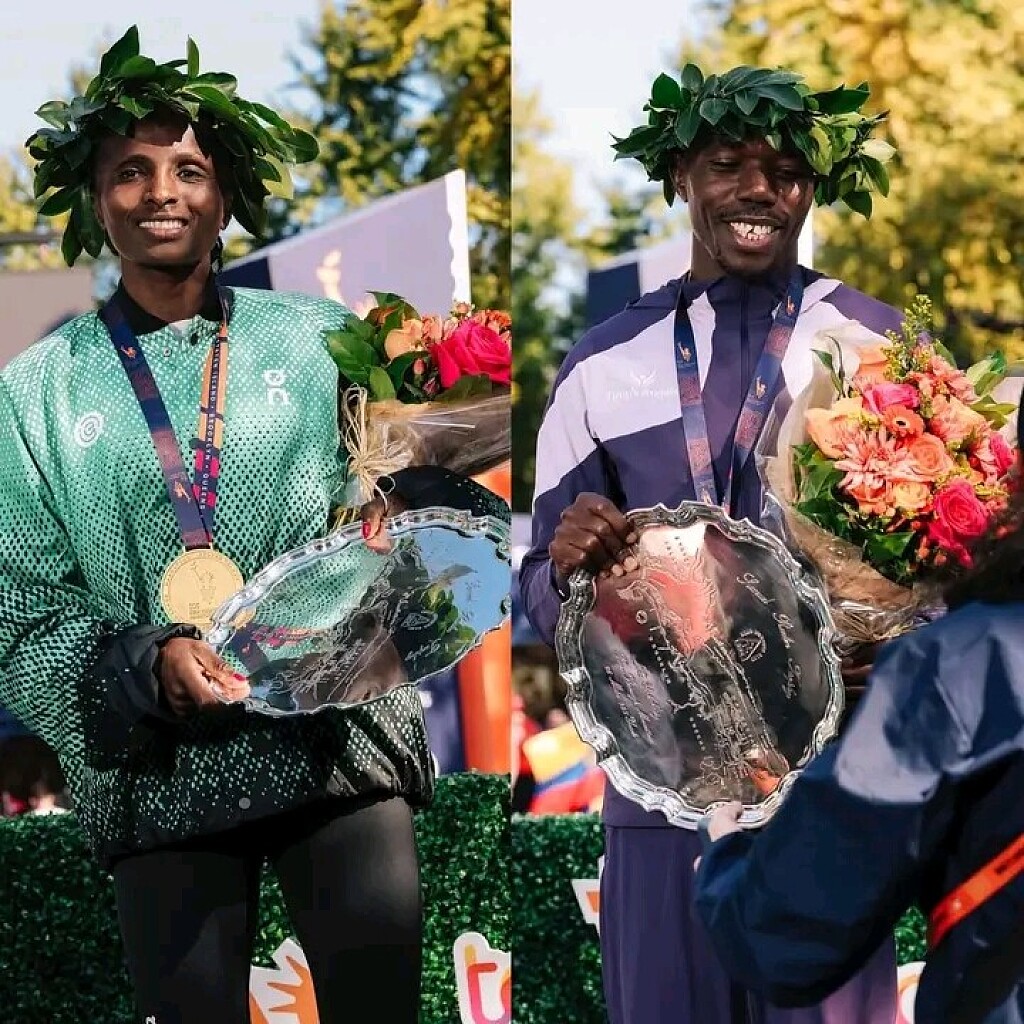
Obiri and Kipruto Return to New York With Titles to Defend as Kenyan Stars Target Another Double
Kenyan marathon stars Hellen Obiri and Benson Kipruto will return to the streets of New York on Sunday, November 1, 2026, aiming to retain their titles at the TCS New York City Marathon and extend Kenya’s remarkable legacy in one of the world’s most prestigious road races.
Both athletes arrive as defending champions, carrying the confidence of previous victories but facing formidable opposition in their pursuit of another memorable triumph through the five boroughs of New York City.
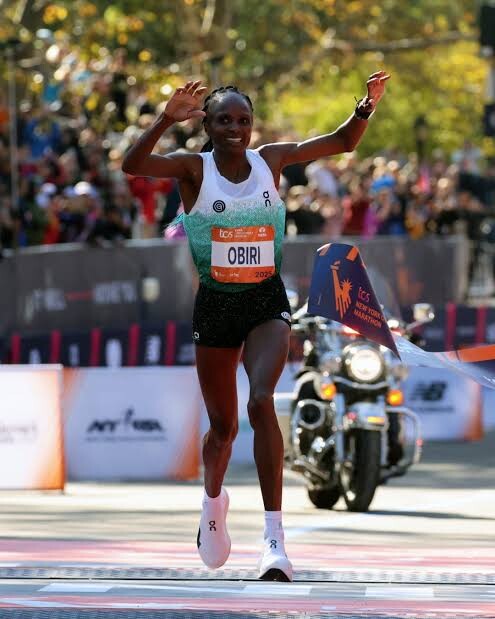
Obiri Targets Another Historic New York Triumph
In the women’s race, Obiri will be looking to build on her outstanding performance in 2025, when she won in a course-record time of 2:19:51. The victory further underlined her exceptional ability to excel over the marathon distance and on New York’s demanding course.
A three-time winner would strengthen Obiri’s standing among the most successful women to have competed in the event. However, retaining her crown will require another outstanding performance against a competitive field featuring familiar rivals and accomplished marathoners.
Among her principal challengers is compatriot Sheila Chepkirui, the 2024 champion, who knows what it takes to conquer the streets of New York. Veteran Kenyan marathoner Edna Kiplagat also brings considerable experience and a distinguished record to the contest, adding further depth to the women’s race.
Obiri’s combination of speed, endurance and championship experience makes her a leading contender, but the defending champion will need to deliver another commanding performance to remain ahead of the competition.
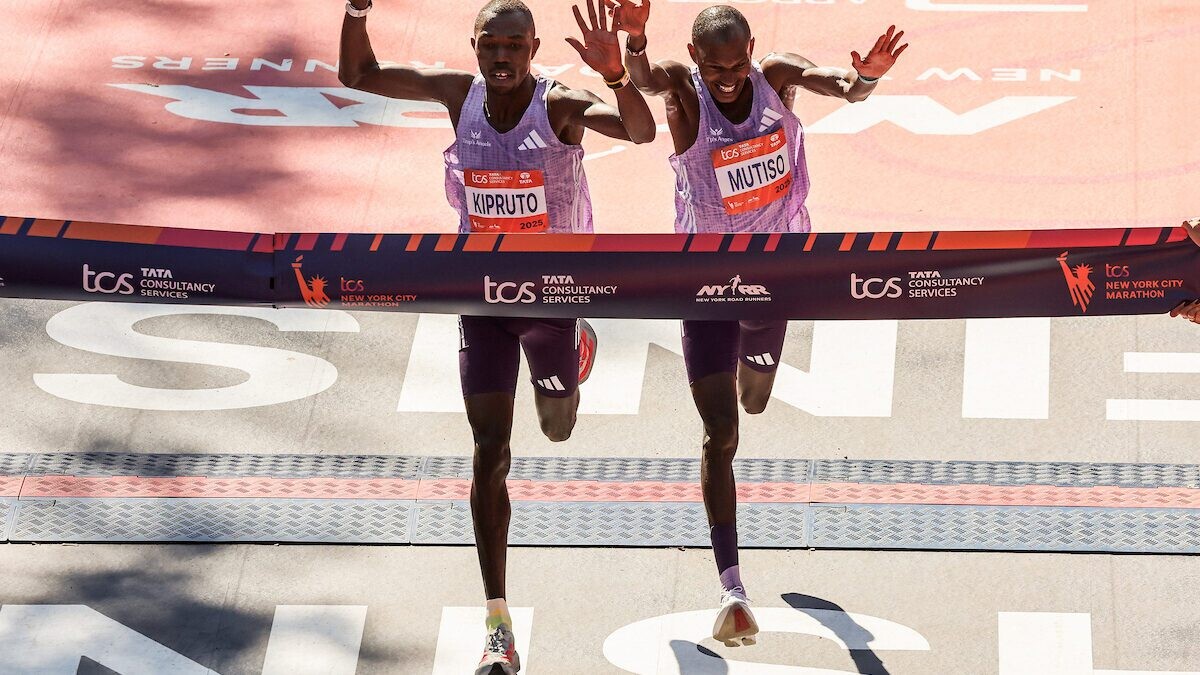
Kipruto Seeks Consecutive Victories After Dramatic 2025 Finish
In the men’s race, Kipruto returns with the same objective: to defend his title and prove once again that he belongs among the elite marathoners of his generation.
His 2025 victory remains memorable for its extraordinary finish. Kipruto clocked 2:08:09, edging training partner Alexander Mutiso by just 0.03 seconds in a thrilling sprint through Central Park. The razor-thin margin provided a dramatic conclusion to a fiercely contested race and highlighted the fine margins separating victory from defeat at the highest level.
Kipruto will now attempt to become a back-to-back champion in a field expected to test his endurance, tactical awareness and finishing strength. Standing among the notable challengers are former New York City Marathon champions Geoffrey Kamworor and Abdi Nageeye, both of whom possess the experience and ability to challenge for the title.
With the course demanding sustained effort across all five boroughs before the decisive final miles in Central Park, Kipruto will need to manage his race carefully if he is to repeat last year's success.
His previous victory provides a strong foundation, but defending a major marathon title is never straightforward, particularly against opponents who understand the demands of the course.
Kenya's Double Defence Takes Centre Stage
The prospect of Obiri and Kipruto successfully defending their respective crowns adds an exciting dimension to Sunday's race. Both athletes have already demonstrated that they can handle the pressure of competing at the highest level, but the challenge now is to reproduce those performances against determined challengers.
For Obiri, another victory would further enhance an already impressive marathon résumé. For Kipruto, consecutive titles would reinforce his reputation as one of the sport's most formidable competitors over 42.195 kilometres.
Kenya has a proud tradition at the New York City Marathon, and the two defending champions will once again carry the nation's hopes into one of the biggest events on the global road-running calendar.
With the starting gun set to send thousands of runners through the streets of New York, all eyes will be on the elite races as Obiri and Kipruto attempt to turn another demanding Sunday into a memorable chapter in their careers.
Two defending champions, two fiercely contested races and one major opportunity for Kenya to celebrate another New York double.
by Erick Cheruiyot for My Best Runs.
Login to leave a comment
TCS New York City Marathon
The first New York City Marathon, organized in 1970 by Fred Lebow and Vince Chiappetta, was held entirely in Central Park. Of 127 entrants, only 55 men finished; the sole female entrant dropped out due to illness. Winners were given inexpensive wristwatches and recycled baseball and bowling trophies. The entry fee was $1 and the total event budget...
more...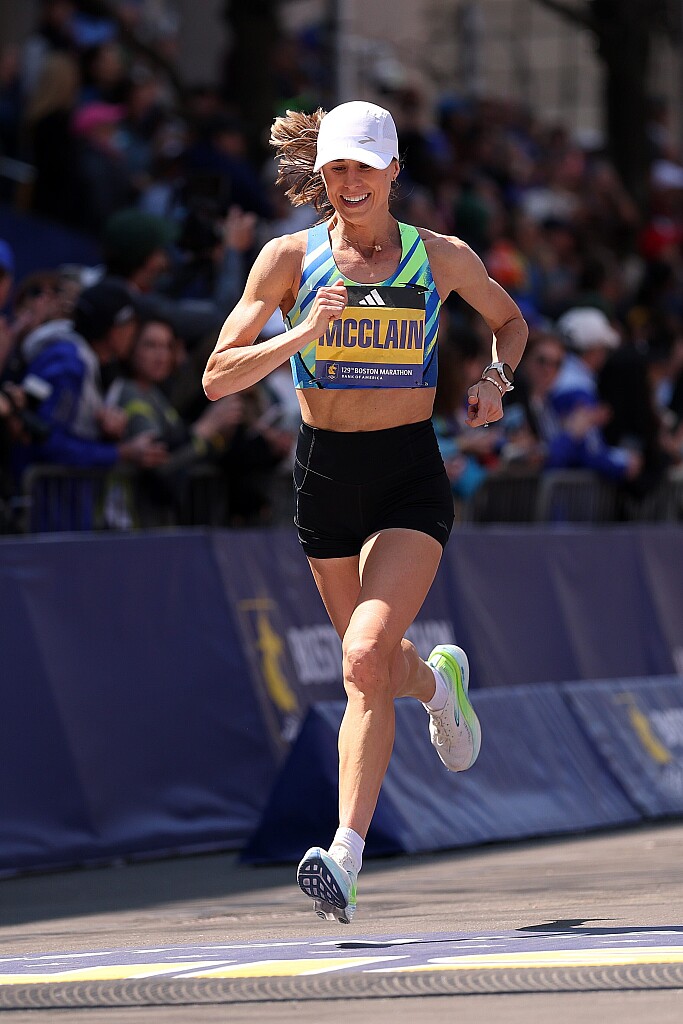
Jessica McClain Leads Strong American Women's Field Chasing History at the 2026 New York City Marathon
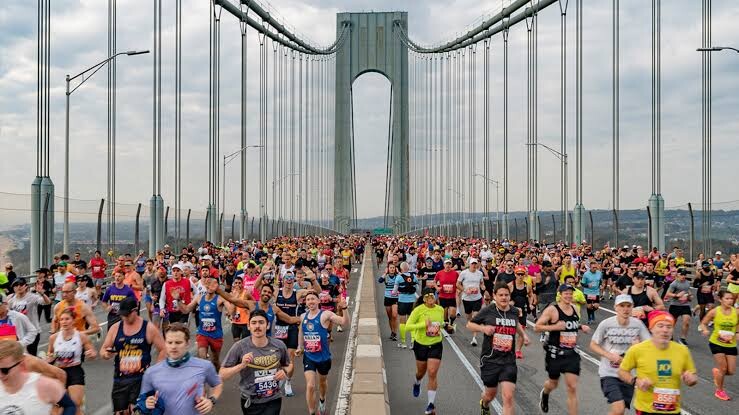
American distance running fans will have plenty to watch for at the 2026 TCS New York City Marathon on Sunday, November 1, as a deep contingent of homegrown talent prepares to challenge one of the world's most demanding marathon courses and pursue a place in the race's history.
Leading the American women's field is Jessica McClain, who owns a personal best of 2:20:49 and will face a competitive lineup featuring several of the country's fastest marathoners. With the race set to wind through New York City's five boroughs, the biggest question is whether one of the American women can deliver a historic performance and establish a new benchmark on the iconic course.
The time to beat is 2:22:49, set by Fiona O'Keeffe in 2025 as the fastest marathon performance by an American woman on the New York City Marathon course. With several accomplished athletes on the start list, attention will turn to whether that mark can be lowered on Sunday.
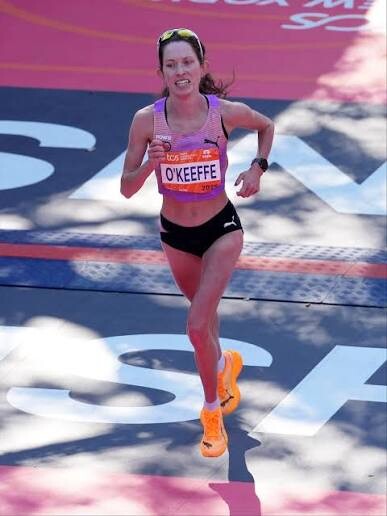
McClain will face stiff competition from Annie Frisbie, whose personal best stands at 2:22:00, and Carrie Ellwood, who has run 2:22:53. Amanda Vestri, with a best of 2:24:49, and Lauren Hagans, at 2:25:47, also bring impressive credentials to the race.
The depth of the field extends beyond the leading contenders. Paige Wood (2:26:02), Steph Bruce (2:27:47) and Roberta Groner (2:29:09) are among the experienced runners expected to strengthen the American challenge. Megan O'Neil (2:31:31), Monica Hebner (2:32:40), Brooke Starn (2:35:22), Alosha Southern (2:36:10), Keelah Barger (2:36:13) and Maddie Block (2:36:25) add further depth to the lineup. Meanwhile, Cailie Hughes and Weini Kelati are listed for their marathon debuts.
The New York City Marathon's unique course adds another layer of intrigue to the contest. Starting on Staten Island before taking runners through Brooklyn, Queens, the Bronx and Manhattan, the race demands more than raw speed. Its bridges, rolling terrain and challenging closing miles can significantly influence the outcome, making efficient pacing, tactical awareness and strength over the final stages essential for anyone hoping to challenge O'Keeffe's mark.
Beyond the pursuit of a historic time, the battle for top American honors promises to be another compelling storyline. McClain will headline the home contingent, but the strength of the field means the outcome is far from certain. A fast opening pace alone will not guarantee success; the decisive moments are likely to come in the later stages, when the runners must balance ambition with the physical demands of the course.
The race also offers an opportunity to showcase the depth of American women's distance running. While the established marathoners will look to convert their experience and personal bests into strong performances, Hughes and Kelati face the challenge of adapting to the marathon's unique demands. For Kelati, in particular, the debut will mark a new chapter in a career built on her achievements over shorter distances.
With national bragging rights and a place in New York Marathon history at stake, the American women's contest is shaping up to be one of Sunday's most intriguing storylines.
Can McClain or another American woman break O'Keeffe's 2:22:49 course benchmark, and who will emerge as the top American finisher? The answers will unfold on Sunday as the country's leading women take on one of the most celebrated races in global distance running.
by Erick Cheruiyot for My Best Runs.
Login to leave a comment
TCS New York City Marathon
The first New York City Marathon, organized in 1970 by Fred Lebow and Vince Chiappetta, was held entirely in Central Park. Of 127 entrants, only 55 men finished; the sole female entrant dropped out due to illness. Winners were given inexpensive wristwatches and recycled baseball and bowling trophies. The entry fee was $1 and the total event budget...
more...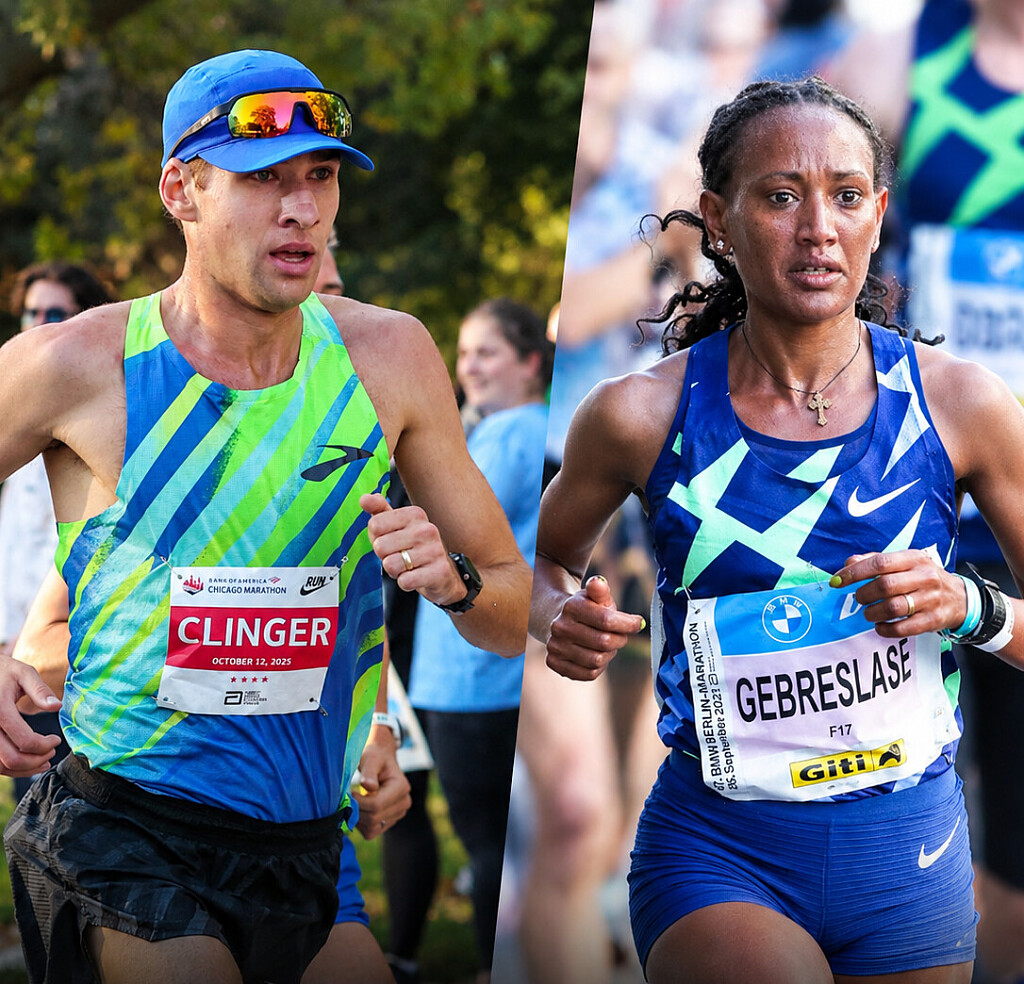
Several Notable Athletes Withdraw From 2026 New York City Marathon as Pro Field Changes Emerge
The professional field for the 2026 TCS New York City Marathon has undergone several changes after New York Road Runners announced that a number of athletes have withdrawn from Sunday's highly anticipated race.

Among the notable names scratched from the lineup are Italian marathon star Iliass Aouani, Ethiopian distance runner Gotytom Gebreslase, American marathoner Casey Clinger and Olympic medalist Paul Chelimo, marking significant changes to the field ahead of one of the world's most prestigious marathons.
Aouani was among the most notable names on the withdrawal list. The Italian claimed bronze in the men's marathon at the 2025 World Athletics Championships and has also established himself as one of Europe's leading marathon runners, having won the European marathon title. His absence removes an experienced championship performer from the men's elite field.
Gebreslase is another significant withdrawal. The Ethiopian is a two-time World Championships marathon medallist and has consistently demonstrated her ability to compete at the highest level of international distance running. Her withdrawal represents a notable change to the women's professional lineup.
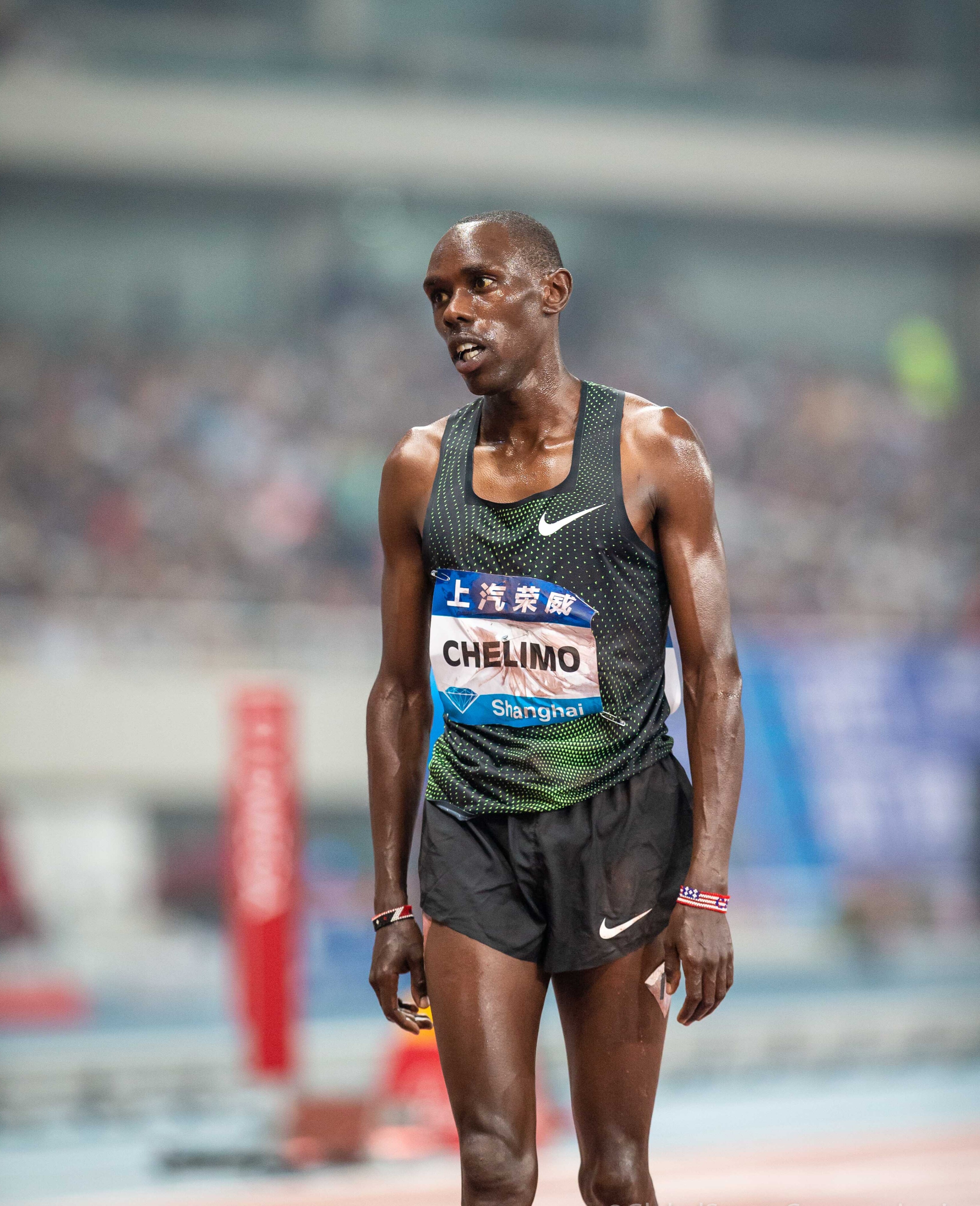
The American contingent has also been affected, with Clinger and Chelimo among those no longer scheduled to compete. Clinger, who owns a marathon personal best of 2:08:43, has emerged as a competitive presence in American distance running. His withdrawal removes another accomplished runner from the men's field.
Chelimo, meanwhile, brings an impressive track record to the list of withdrawals. The two-time Olympic medallist in the 5,000 metres has represented the United States on the biggest international stages, earning Olympic silver at Rio 2016 and bronze at Tokyo 2020. Although best known for his achievements on the track, his name had added further interest to the marathon's professional lineup.
The other athletes listed as scratched are Huseydin Mohamed Esa of Ethiopia, Erika Kemp, JP Trojan and Jared Ward of the United States. Their withdrawals further reshape the field as the final preparations continue for Sunday's race.
The New York City Marathon remains one of the most celebrated events on the global road-running calendar, attracting elite international competitors and tens of thousands of runners across its iconic five-borough course. With the race approaching, attention will now turn to the remaining professional athletes preparing to take on the demanding 26.2-mile challenge through New York City.
The latest withdrawals underline how quickly an elite marathon field can change in the days leading up to race day, leaving fans eager to see which athletes will ultimately line up for the 2026 edition.
by Erick Cheruiyot for My Best Runs.
Login to leave a comment
TCS New York City Marathon
The first New York City Marathon, organized in 1970 by Fred Lebow and Vince Chiappetta, was held entirely in Central Park. Of 127 entrants, only 55 men finished; the sole female entrant dropped out due to illness. Winners were given inexpensive wristwatches and recycled baseball and bowling trophies. The entry fee was $1 and the total event budget...
more...
Haruki Murakami Credits Running With Building The Discipline, Focus And Creativity Behind His Writing Career
Japanese novelist Haruki Murakami has long viewed running as much more than a way to stay physically fit. For the internationally acclaimed author, the sport has become an essential part of his daily life, helping him maintain the discipline, mental strength and concentration required to sustain a successful writing career.

Murakami, whose literary works have earned him a worldwide readership, developed his passion for running after making a life-changing decision to dedicate himself to writing full-time. Having previously operated a jazz bar in Tokyo, he chose a different path, embracing a quieter lifestyle centred on literature, personal discipline and a commitment to his craft.
The transition, however, came with a challenge. Spending long hours sitting at a desk made him increasingly aware of the importance of physical exercise. He recognised that maintaining his health and energy would be crucial if he wanted to continue writing consistently over many years. Running gradually became the answer, providing structure to his days and a reliable way to balance the demands of a largely sedentary profession.
What began as a practical decision eventually developed into a lifelong commitment. Murakami established a demanding routine, often running approximately 10 kilometres a day, six days a week, with a weekly target of around 60 kilometres. The consistency of this training reflects a philosophy that extends beyond athletics: meaningful progress comes from showing up regularly, embracing repetition and remaining committed even when motivation is limited.

Over the years, Murakami has also tested himself in competitive distance running, completing more than 25 marathons according to the information surrounding his running journey. His experiences include participation in prestigious races such as the Boston Marathon and the New York City Marathon, placing him among the notable literary figures who have embraced endurance sport as a serious personal pursuit.
Among the races he has discussed with particular affection is the Boston Marathon, celebrated for its historic course, distinctive atmosphere and enthusiastic spectators. The experience of running alongside thousands of other athletes offers a different kind of challenge from the solitary hours he spends writing, yet both pursuits demand patience, preparation and the determination to keep moving forward when the task becomes difficult.
Interestingly, Murakami does not approach running as an opportunity to solve writing problems with every stride. Instead, he often allows his mind to settle, enjoying the rhythm of movement without deliberately forcing himself to produce ideas. This mental space gives him an opportunity to step away from the demands of his work, allowing thoughts to emerge naturally rather than through constant concentration.
For Murakami, the connection between running and writing is rooted in the qualities both activities require. Completing a long-distance run demands sustained effort, while producing a novel requires the ability to concentrate for extended periods, work through uncertainty and remain dedicated to a project long after its initial excitement has faded.
His approach also highlights an important distinction between creativity and inspiration. Rather than relying entirely on moments of sudden brilliance, Murakami has built a lifestyle around consistency, creating the physical and mental conditions that allow him to continue working. Running has become one of the foundations of that routine, supporting the stamina necessary for a profession that often requires hours of uninterrupted thought.
Although writing and running may appear to occupy entirely different worlds, Murakami's experience demonstrates how closely they can be connected. Both require an individual to develop a personal rhythm, respect the process and accept that lasting achievements rarely happen overnight.
His story offers an inspiring reminder that physical activity can play a meaningful role in intellectual and creative life. Whether an individual is training for a marathon, pursuing an ambitious professional goal or working towards a personal dream, the principles of consistency, patience and self-discipline remain remarkably similar.
For Murakami, running is not simply something he does outside his writing career. It is part of the lifestyle that helps make that career sustainable. Through years of steady training and dedicated writing, the Japanese novelist has demonstrated how caring for the body can support the mind, proving that sometimes the strongest foundation for creative achievement begins with putting one foot in front of the other.
by Erick Cheruiyot for My Best Runs.
Login to leave a comment
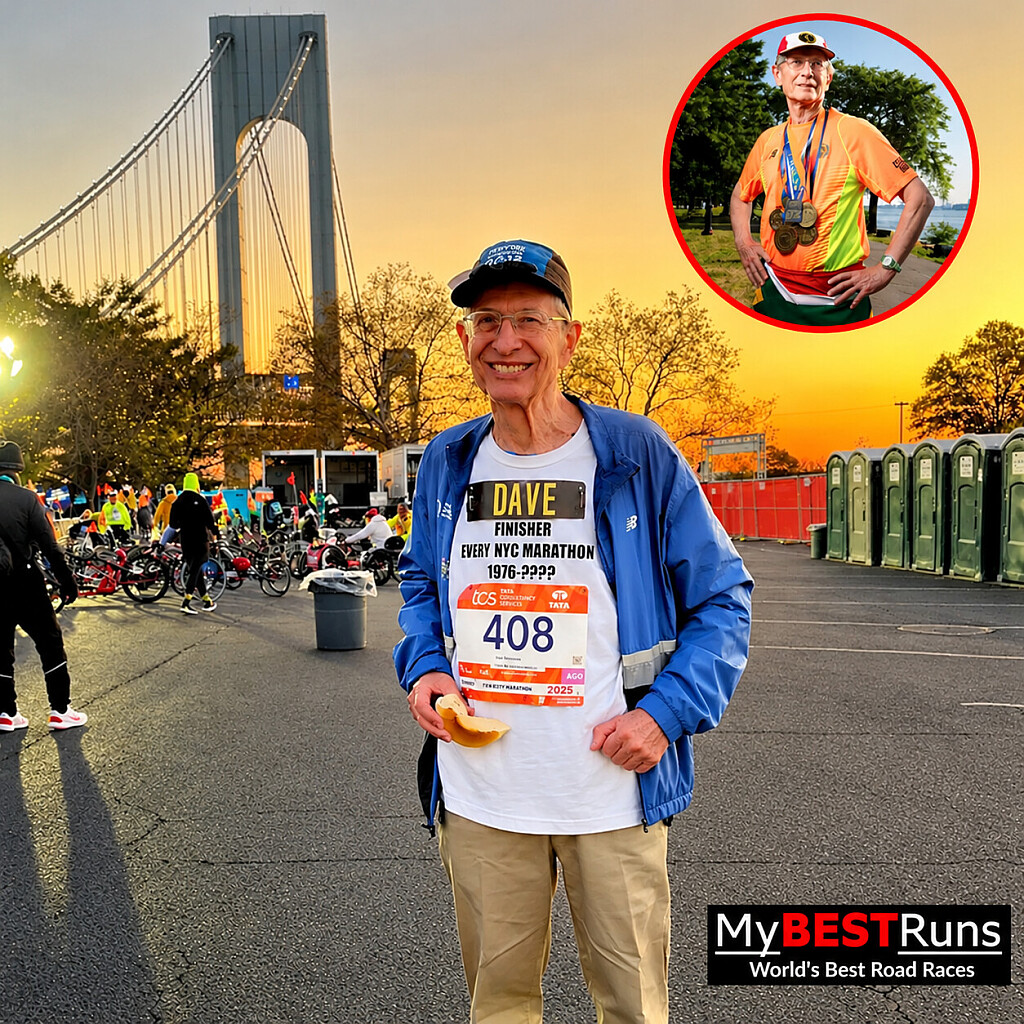
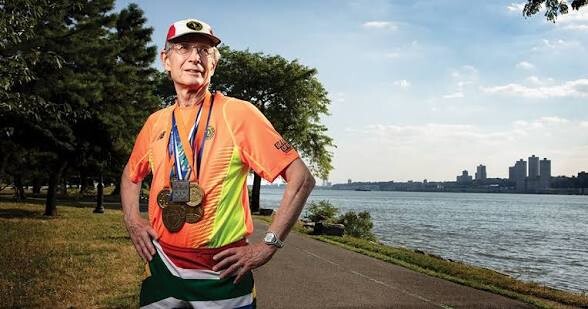
At 83, Dave Obelkevich Is Preparing To Run His 50th New York City Marathon After Five Decades Of Endurance
At 83, retired music teacher Dave Obelkevich is preparing to achieve an extraordinary milestone that reflects nearly half a century of dedication, resilience and an enduring love of running. On November 1, 2026, he is set to take on the TCS New York City Marathon for the 50th time, adding another chapter to a remarkable journey that began in 1976.
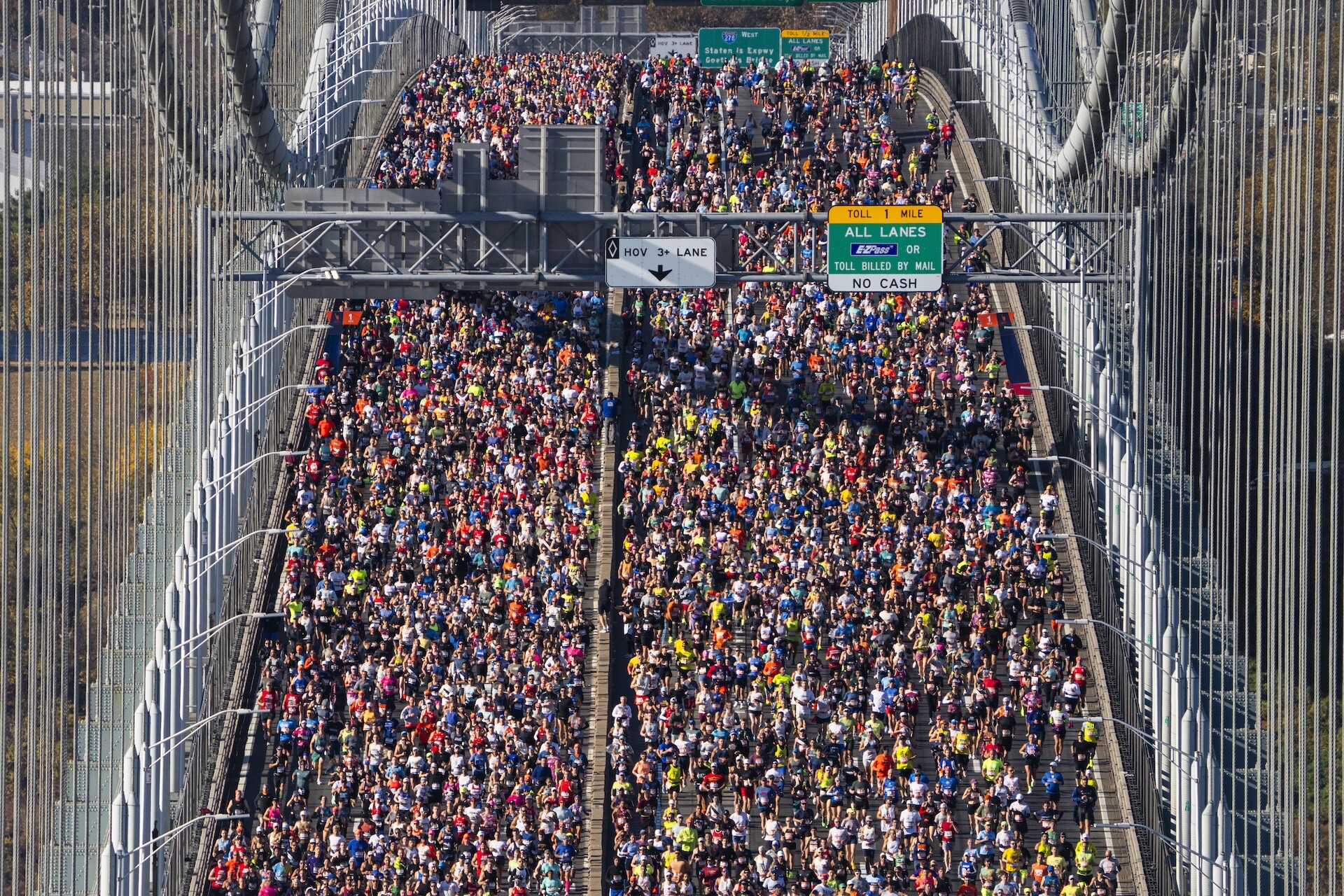
For Obelkevich, the road to this achievement has never been defined solely by finishing times, personal records or podium finishes. Instead, his story is about consistency, a passion for the sport and the determination to keep moving forward, even when life presents its toughest challenges.
Since making his New York City Marathon debut five decades ago, Obelkevich has completed 49 editions of the iconic race. His remarkable running résumé also includes 15 other marathons and approximately 200 ultramarathons, demonstrating a level of endurance and commitment that continues to inspire runners across generations.
The 2026 edition would mark his 50th completion of the New York City Marathon, a milestone few runners ever approach, let alone achieve in their eighties.
However, his journey has not been without adversity. In 2020, Obelkevich survived a life-threatening aortic aneurysm that required emergency surgery and weeks of intensive care. Such a medical crisis could have brought his running career to a permanent end, but he refused to let the setback define his future.
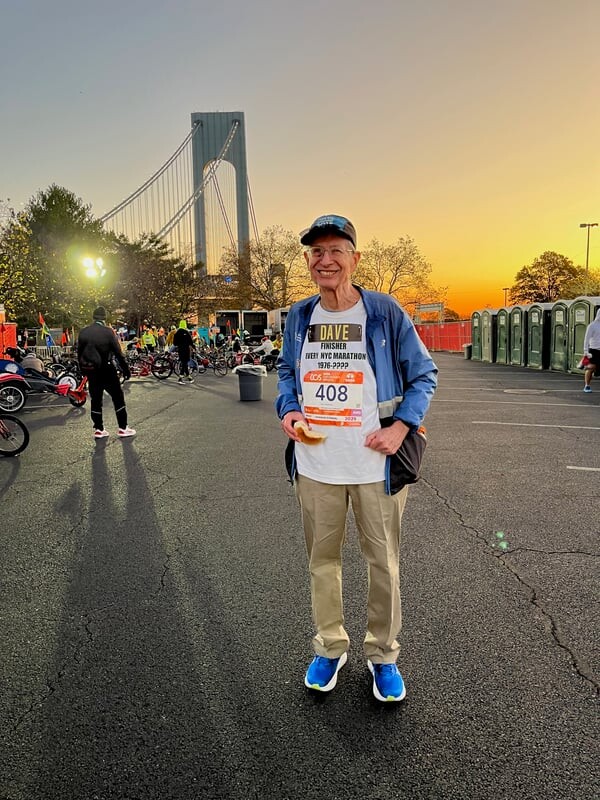
Remarkably, he returned to the New York City Marathon in 2021, making his way back to the starting line and proving that his determination to run remained stronger than the obstacles he had faced.
His comeback was a powerful reminder that resilience is not about avoiding difficult moments, but about finding the courage to move forward after them.
Now, as he prepares for another 26.2-mile journey through New York's five boroughs, Obelkevich represents something far greater than longevity in sport. His story illustrates how running can remain a source of purpose, happiness and human connection throughout a lifetime.
For him, the appeal extends beyond the finish line. It is found in the experience of moving through a city he loves, meeting fellow runners and sharing in the collective spirit that makes the New York City Marathon one of the world's most celebrated road races.
At 83, his determination also challenges conventional ideas about ageing and athletic achievement. While younger runners may focus on chasing personal bests or breaking records, Obelkevich's remarkable journey offers a different perspective: there is immense value in remaining active, embracing challenges and continuing to pursue what brings joy.
His story is not simply about the number of marathons he has completed. It is about the decades of commitment behind that number, the courage required to return after a life-threatening illness and the passion that has kept him connected to the sport for nearly 50 years.
On November 1, thousands of runners will take to the streets of New York in pursuit of their own goals. Among them, Obelkevich will have a particularly meaningful milestone in sight: his 50th New York City Marathon.
At an age when many people have long since stepped away from demanding physical challenges, he continues to demonstrate that determination does not have an expiry date.
Fifty New York City Marathons. Approximately 200 ultramarathons. Five decades of running. One extraordinary example of perseverance.
Dave Obelkevich's journey is a reminder that success is not always measured by how quickly we reach the finish line, but by our willingness to keep going, even when the road becomes difficult.
At 83, he is still showing up, still moving forward and still finding reasons to run.
And sometimes, that is a victory more powerful than any medal.
by Erick Cheruiyot for My Best Runs.
Login to leave a comment
TCS New York City Marathon
The first New York City Marathon, organized in 1970 by Fred Lebow and Vince Chiappetta, was held entirely in Central Park. Of 127 entrants, only 55 men finished; the sole female entrant dropped out due to illness. Winners were given inexpensive wristwatches and recycled baseball and bowling trophies. The entry fee was $1 and the total event budget...
more...
LA28 Olympic Marathon Qualification: Only 70 Runners Per Gender As World Athletics Tightens The Race To Los Angeles
The road to the Los Angeles 2028 Olympic marathon is set to become even more competitive after World Athletics introduced a tighter qualification framework that reduces the number of available places in both the men's and women's races.
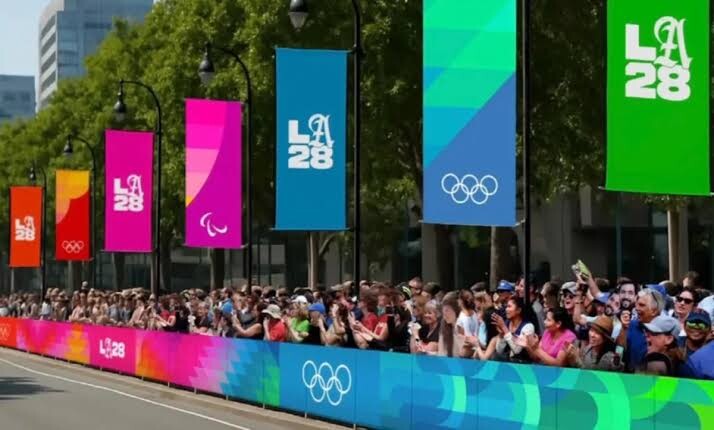
Each Olympic marathon field will be limited to 70 athletes, down from 80 at Paris 2024. The reduction means 20 fewer runners across the two races, raising the stakes for elite marathoners hoping to represent their countries on the world's biggest sporting stage.
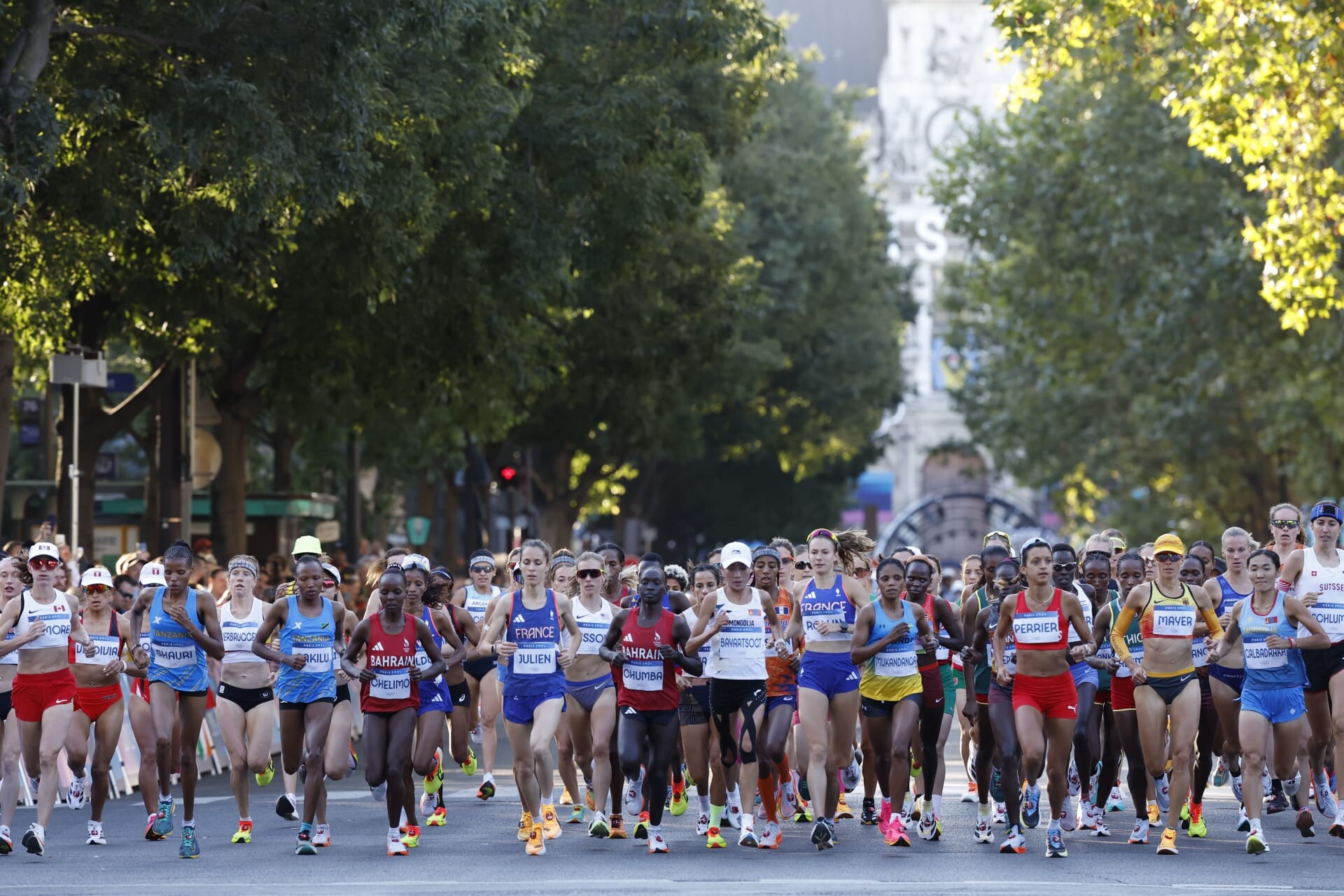
With fewer places available, athletes will need to combine outstanding performances, strategic race selection and strong world rankings to secure their Olympic dreams.
The qualification window opens on November 1, 2026, and closes on April 30, 2028. World Athletics is expected to announce the official Olympic marathon entry standards in December 2026, giving athletes a clearer picture of the performances required to qualify directly.
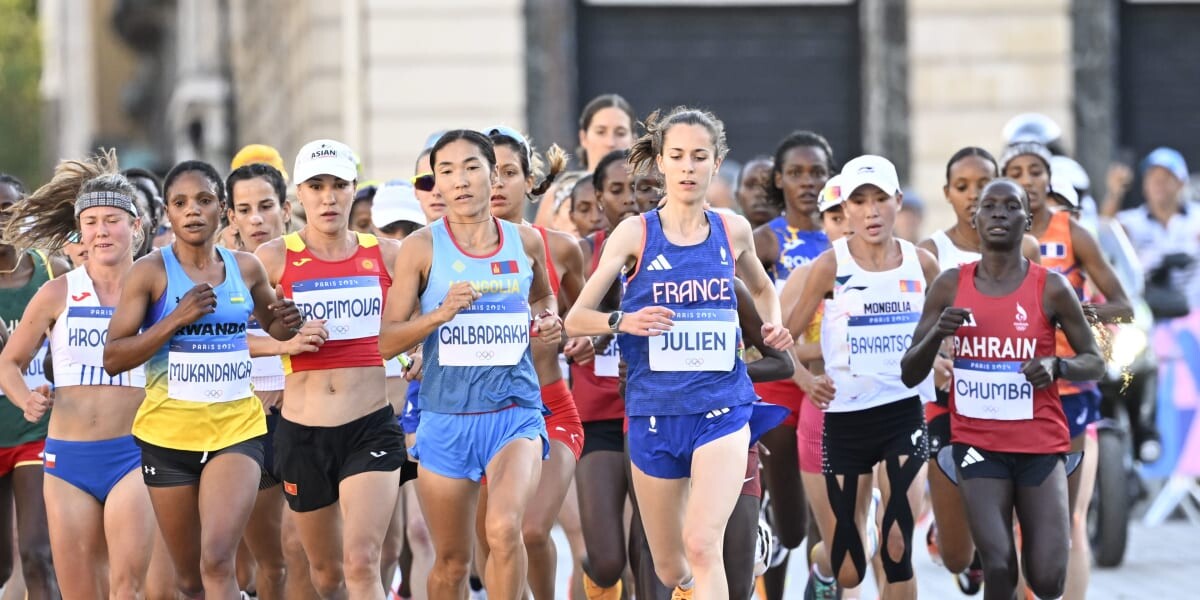
Approximately 40 percent of the 70 places in each race will be allocated through the entry-standard pathway, while the remaining 60 percent will be determined through the World Athletics rankings system. However, achieving the qualifying time will not automatically guarantee an Olympic place. If more athletes meet the entry standard than there are available places through that pathway, selection will depend on the applicable qualification rules and the number of quota places available.
Athletes will also have an alternative route through designated Platinum Label marathons. Finishing among the top five at eligible races can count towards meeting the entry standard under the qualification regulations. These prestigious events include the Boston, London, Berlin, Chicago, New York City and Tokyo marathons, providing elite runners with opportunities to strengthen their Olympic qualification prospects against world-class competition.
The qualification campaign will reach a decisive milestone on March 19, 2028, when athletes occupying the top 55 positions on the filtered quota list are set to secure their places under the published rules. That would leave the remaining 15 places in each race to be determined by the end of the qualification window on April 30, 2028.
For athletes outside the leading positions, the final weeks could prove decisive. Strong performances at major marathons, improvements in ranking points and carefully planned racing schedules may determine who makes the Olympic starting line. The smaller fields leave less room for error, particularly for runners whose qualification hopes depend on the rankings rather than a direct entry standard.
The competitiveness of the qualification process is underscored by the extraordinary depth of international marathon running. For comparison, the entry standards for the 2027 World Athletics Championships are 2:06:00 for men and 2:23:20 for women. During 2026 alone, 89 men and 82 women ran faster than those respective marks.
Although the World Championships standards differ from the Olympic entry standards yet to be announced, these performances illustrate how many athletes are already competing at an exceptionally high level. With only 70 places available in each Olympic race, runners from countries with several elite marathoners could face particularly intense domestic competition before even considering the international qualification battle.
The framework also provides a potential opportunity for eligible athletes who have not secured a place through the usual qualification routes. National Olympic Committees may be able to allocate a quota place to an otherwise unqualified athlete who records a marathon performance of 2:11:00 for men or 2:29:00 for women during the qualification period, subject to the applicable eligibility requirements and allocation rules.
This provision offers an additional pathway for countries seeking representation in the Olympic marathon. However, meeting the performance threshold does not automatically guarantee selection, as the relevant committee must follow the official qualification regulations.
Reducing the Olympic marathon fields from 80 to 70 athletes per gender represents a significant change for the world's leading distance runners. The combination of entry standards, Platinum Label marathon performances, world rankings and potential quota places creates several pathways to Los Angeles, but the reduced number of available positions will make every qualifying opportunity more valuable.
With the qualification window opening on November 1, 2026, and the official entry standards expected in December, marathoners will have nearly 18 months to build their cases for selection before the deadline on April 30, 2028.
For athletes dreaming of Olympic glory in Los Angeles, running fast will remain essential. However, choosing the right races, accumulating ranking points and delivering performances at the right time could prove equally important in a qualification campaign where every place counts.
Does the new LA28 qualification system reward the world's best marathoners, or could it disadvantage athletes from countries where opportunities to compete in major international races are limited?
by Erick Cheruiyot for My Best Runs.
Login to leave a comment
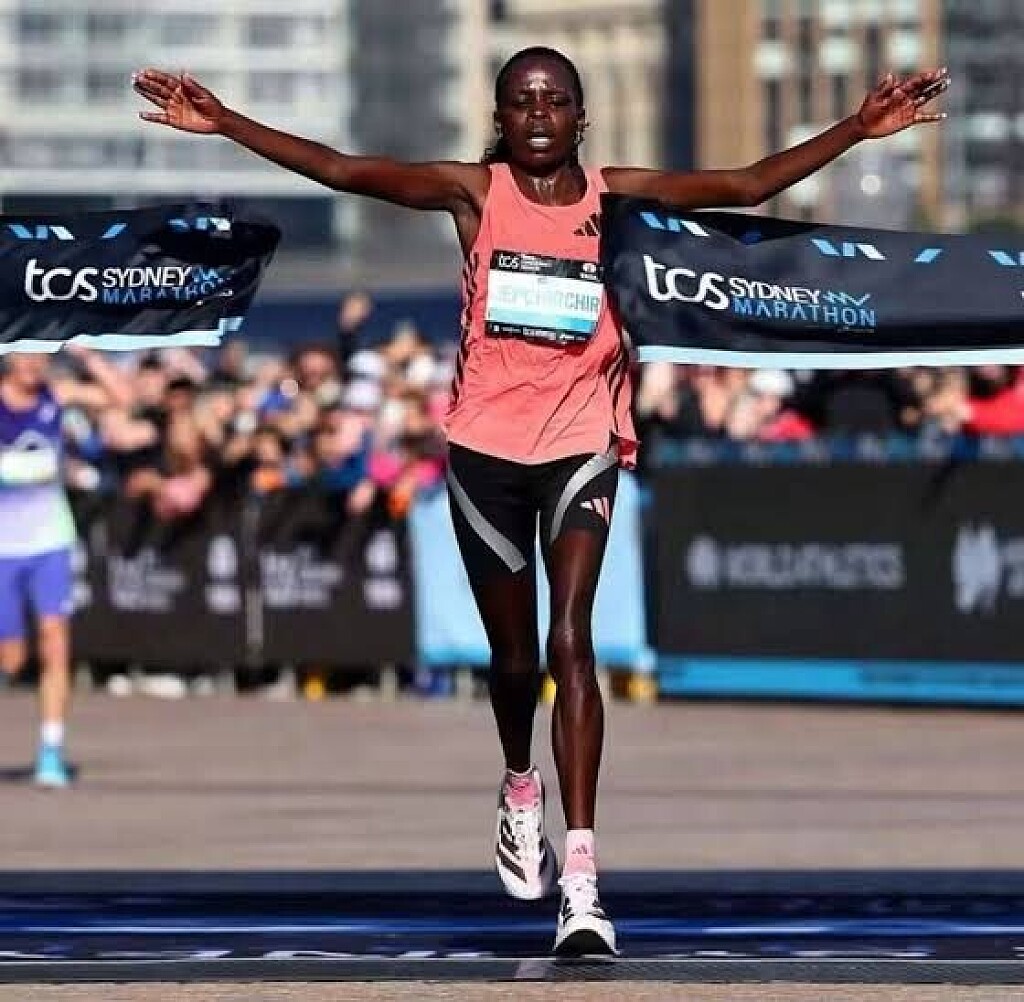
Shocking Development: Peres Jepchirchir Provisionally Suspended Over EPO Finding As Sydney Marathon Title Hangs In The Balance
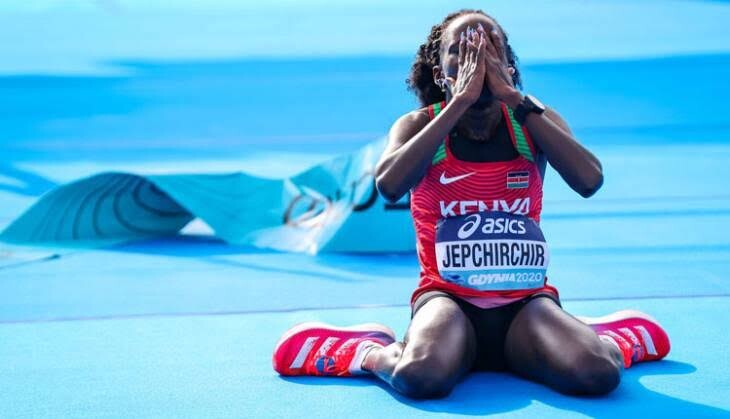
Kenyan distance running has been rocked by a major development after Peres Jepchirchir, the reigning world marathon champion and 2021 Olympic gold medallist, was provisionally suspended by the Athletics Integrity Unit (AIU) following an adverse analytical finding for erythropoietin (EPO).
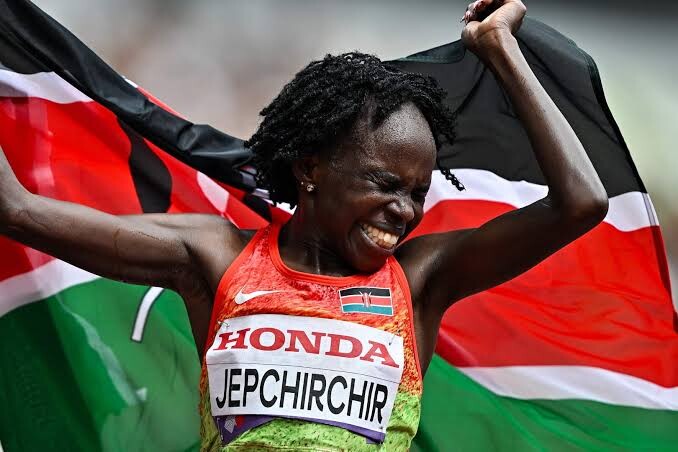
The 33-year-old reportedly tested positive for the prohibited substance in an out-of-competition sample collected in Kenya before the Sydney Marathon on August 30, 2026. The development has cast uncertainty over the future of one of the most accomplished female marathon runners of her generation, whose impressive career includes Olympic gold, a world championship title and victories at three of the sport's most prestigious marathons.
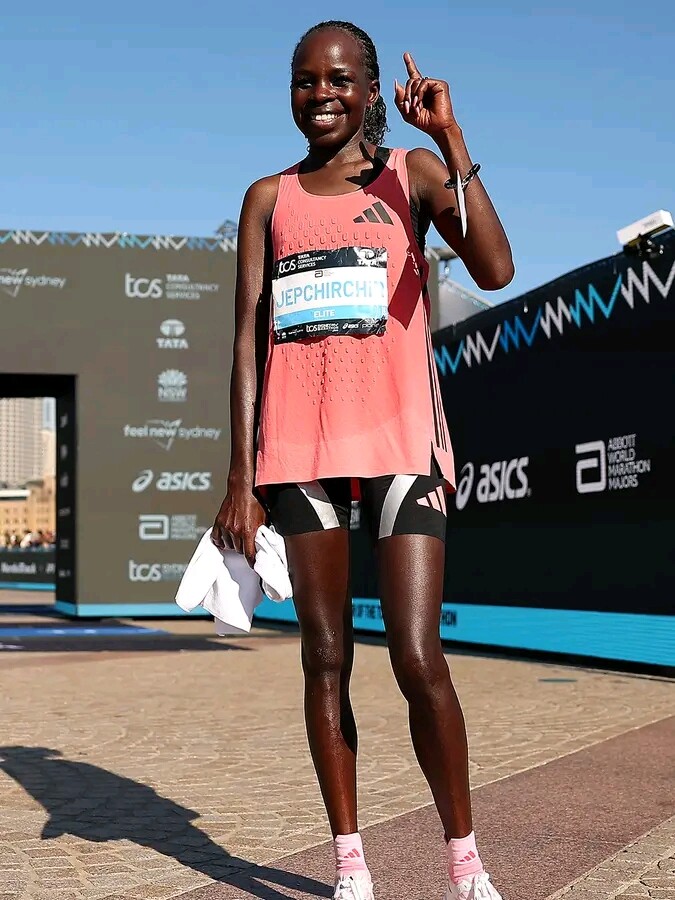
Jepchirchir returned to marathon competition in Sydney after a stress fracture forced her to withdraw from the London Marathon in April. Her comeback initially appeared to be another triumphant chapter in her career, as she stormed to victory in 2:18:31, finishing 3:40 ahead of compatriot Irine Cheptai.
However, the reported adverse analytical finding has placed that achievement under scrutiny, with the possibility that her Sydney victory could eventually be annulled depending on the outcome of the anti-doping proceedings.
Under anti-doping rules, results can be disqualified from the date of an adverse analytical finding or another applicable date determined under the regulations. If the relevant results are annulled, Jepchirchir could lose the Sydney Marathon title, which would have given her victories at four different World Marathon Majors, following her previous triumphs in New York, Boston and London.
EPO is a prohibited substance that stimulates red blood cell production, increasing the blood's capacity to transport oxygen to working muscles. Its performance-enhancing potential makes it particularly significant in endurance sports, including marathon running.
The substance is prohibited under anti-doping regulations, and a confirmed violation can carry serious consequences. Under the World Anti-Doping Code, a first violation involving a non-specified substance such as EPO generally carries a four-year period of ineligibility when the applicable conditions are met, although the final sanction depends on the circumstances of the case.
Jepchirchir's provisional suspension, however, is not a final sanction and does not itself establish that an anti-doping rule violation has been conclusively proven. The case must proceed through the relevant process, during which the athlete has the opportunity to exercise her rights under the applicable rules.
As of the information available, Jepchirchir has not commented publicly on the matter.
The Sydney Marathon has also acknowledged the seriousness of the situation while emphasising the importance of a fair process. In a statement, the event said Jepchirchir “is entitled to due process, and we will make no further comment on the case until that process has concluded.”
The case has attracted considerable attention because of Jepchirchir's standing in international athletics. She won Olympic marathon gold at the Tokyo Games in 2021 before claiming victory at the New York City Marathon later that year. In 2022, she conquered the Boston Marathon, adding another prestigious title to her growing collection.
Her success continued in 2024 when she won the London Marathon, becoming one of the few women to capture victories at New York, Boston and London. She subsequently reached another career milestone at the 2025 World Athletics Championships in Tokyo, where she won the women's marathon title by just two seconds in a dramatic finish against Ethiopia's Tigst Assefa.
Jepchirchir has also established herself among the fastest women in marathon history. Her personal best of 2:14:43 places her ninth on the all-time women's marathon list, underscoring the level of performance that has defined her career.
Beyond the immediate implications for her Sydney victory, the case could have wider consequences if an anti-doping rule violation is ultimately established. The World Marathon Majors' rules provide for lifetime exclusion from the series for athletes who receive a doping-related ban of three months or longer, meaning a sufficiently lengthy sanction could jeopardise Jepchirchir's future participation in all eight events.
For an athlete who has built her reputation through success on the sport's biggest stages, such an outcome would represent a significant setback. Nevertheless, any consequences for her results, eligibility or future participation will depend on the applicable rules and the final outcome of the proceedings.
The development also renews attention on Kenya's ongoing efforts to protect the integrity of distance running. The country has produced generations of exceptional marathon runners, but high-profile anti-doping cases continue to raise difficult questions about clean competition and the responsibility of athletes, coaches and support personnel.
For now, the focus remains on the AIU's proceedings and the evidence surrounding the reported finding. Jepchirchir's provisional suspension marks a serious moment in her career, but the distinction between an adverse analytical finding and a final ruling remains essential as the case moves forward.
Once celebrated for her Olympic triumph, world championship glory and victories in the world's most prestigious marathons, the Kenyan star now faces an uncertain period as the anti-doping process unfolds. The eventual outcome will determine whether her latest Sydney success remains part of her remarkable record or becomes one of the most consequential episodes of her career.
by Erick Cheruiyot for My Best Runs.
Login to leave a comment
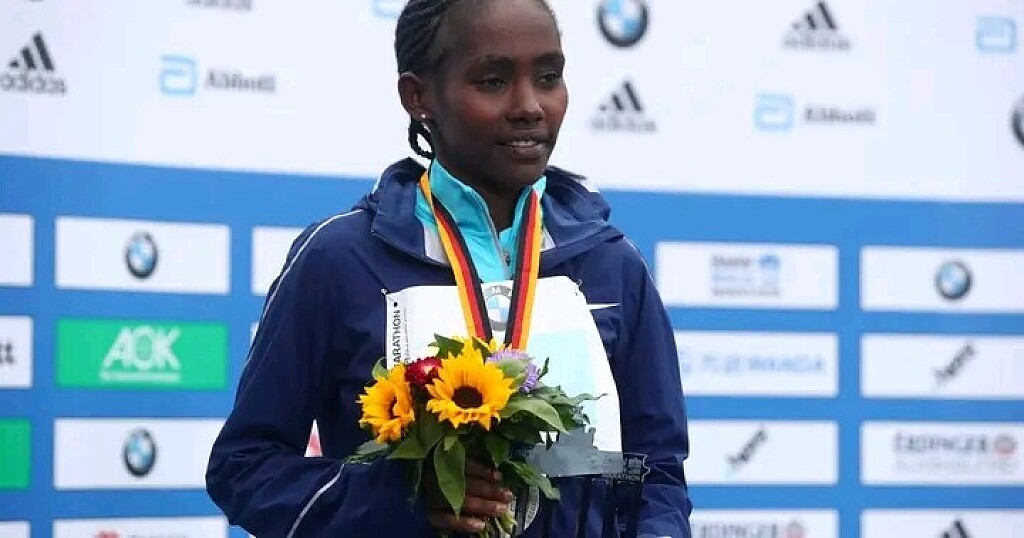
Ruti Aga Handed Six-Year Ban For Doping And Forged Medical Document In Tampering Case
Ethiopian marathon star Ruti Aga has been handed a six-year suspension by the Athletics Integrity Unit (AIU) after testing positive for methylprednisolone and being found guilty of tampering with an anti-doping investigation by submitting a forged medical document.
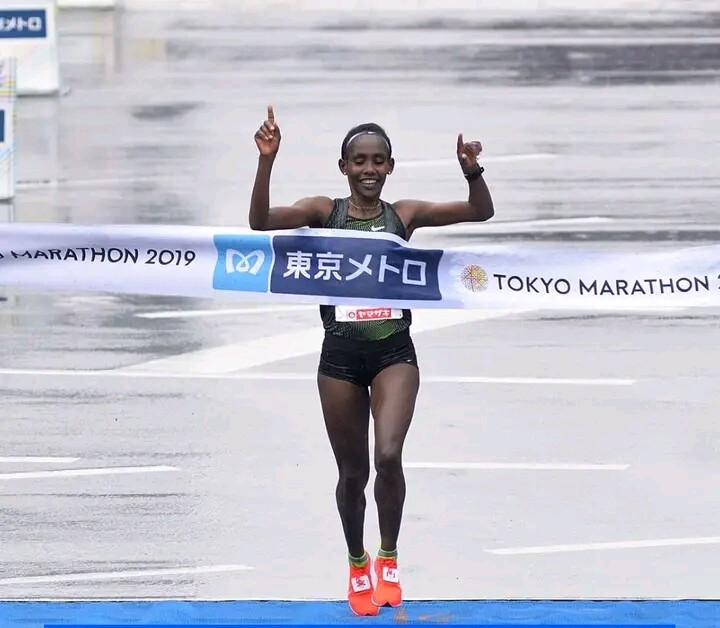
The former Tokyo Marathon champion tested positive for the prohibited substance after winning the Meishan Renshou Half Marathon in China on March 15, 2026, in a time of 1:08:04. At the time, Aga was ranked 11th in the world, reflecting her standing among the leading marathon runners internationally.
Methylprednisolone is a glucocorticoid classified under Class S9 of the World Anti-Doping Agency’s Prohibited List. It is prohibited in competition, and its detection prompted an investigation into the circumstances surrounding its use.
However, the case became considerably more serious when investigators examined Aga’s explanation for the substance’s presence in her sample. The Ethiopian athlete said she had taken the medication as part of treatment for a knee injury and submitted a prescription that she claimed had been issued by a medical clinic.
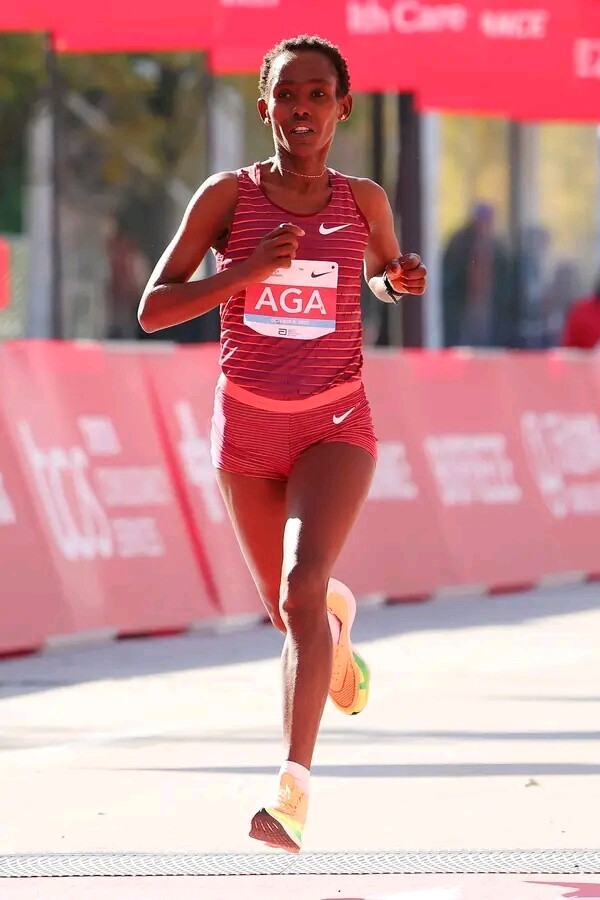
According to the AIU’s findings, the clinic named in the document did not exist. The individual identified as the prescribing doctor was a family member who was not registered to practise medicine. When questioned, the family member reportedly said they had used an old prescription pad from a former workplace.
That workplace subsequently confirmed that the individual had never worked there and that the prescription pad did not belong to the institution. The AIU, working with the Ethiopian Anti-Doping Authority, established that the medical document was forged.
The investigation also found that Aga had provided false information during an AIU interview on April 21, 2026, before submitting the disputed medical document on May 4. The findings resulted in a separate tampering charge in addition to the original anti-doping violation.
The AIU imposed a two-year suspension for the presence and use of a specified substance and a further four years for tampering with the investigation. The combined penalties resulted in a six-year ban, with Aga ineligible to compete until September 10, 2032, when she will be 38 years old.
The sanction marks a major setback for a runner whose career has included victories and podium finishes at some of the world's most prestigious road races.
Aga won the Tokyo Marathon in 2019, following a series of outstanding performances on the World Marathon Majors circuit. Between 2016 and 2019, she collected six podium finishes at the major marathons, including second-place finishes in Berlin in 2017 and 2018, second place in Tokyo in 2018, third place in Berlin in 2016 and third place in New York City in 2019.
She has not competed at a World Marathon Major since 2022, but continued to achieve success elsewhere on the international road-running circuit.
Between 2023 and 2026, Aga recorded five marathon victories across Dongying, Daegu, Xiamen and Hangzhou, including back-to-back wins at the Xiamen Marathon in 2025 and 2026. She also finished runner-up twice in Dubai and once in Sydney, maintaining a strong presence in elite marathon competition.
Her personal best of 2:18:09 further underlines the level at which she has competed throughout her career.
Despite those achievements, the six-year suspension places her future in the sport in serious doubt. If she returns when the ban expires in September 2032, Aga will be 38 and will have spent six years away from competition under the sanction.
The case also serves as a reminder that anti-doping proceedings extend beyond laboratory results. Athletes are expected to comply with anti-doping rules throughout an investigation, and attempts to mislead investigators or submit forged evidence can result in additional sanctions beyond those imposed for the original violation.
For Aga, the ruling brings a difficult chapter to a career that once saw her among the world's leading marathon runners, with her Tokyo victory and years of international success now overshadowed by one of the most consequential disciplinary cases of her career.
by Erick Cheruiyot for My Best Runs.
Login to leave a comment
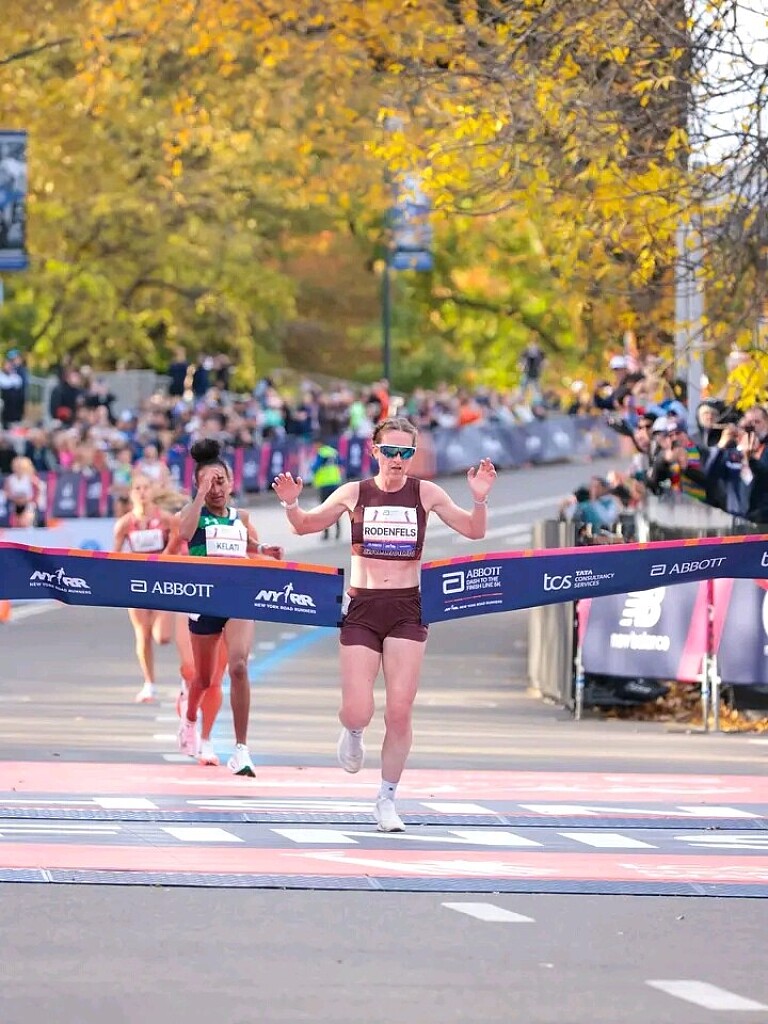
National Champions And Rising Stars Set To Light Up NYC Marathon Weekend 5K
The 2026 TCS New York City Marathon weekend will get an early burst of elite racing when a stacked field of national champions, established distance runners and emerging talents line up for the Abbott Dash to the Finish Line 5K on Saturday, October 31.
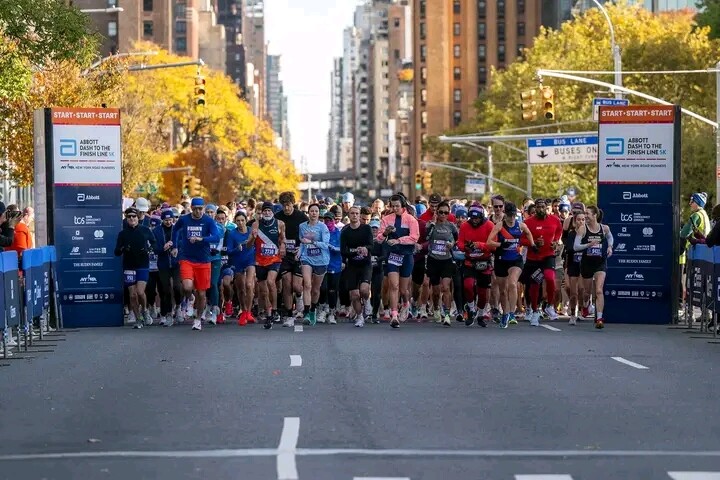
With the world’s biggest marathon taking place the following day, the popular Central Park race promises to deliver a thrilling showcase of speed and depth, bringing together elite athletes from the United States and several other countries ahead of Sunday’s main event.

The men’s field features a formidable international lineup, led by Kenya’s Edwin Kurgat, whose personal best of 12:57.52 places him among the fastest entrants. Fellow Kenyan Amon Kemboi, with a best of 12:58.51, adds further strength to the field, setting the stage for a potentially exciting contest over the five-kilometre distance.
Australia’s Morgan McDonald, boasting a personal best of 13:00.48, is another major contender, while American Anthony Camerieri enters with a best of 13:04.07. Other notable names include Jackson Sharp of Australia, American Bob Liking and Reid Buchanan, Latvia’s Arturs Medveds, H abtom Samuel of Eritrea, and American Luke Tewalt.
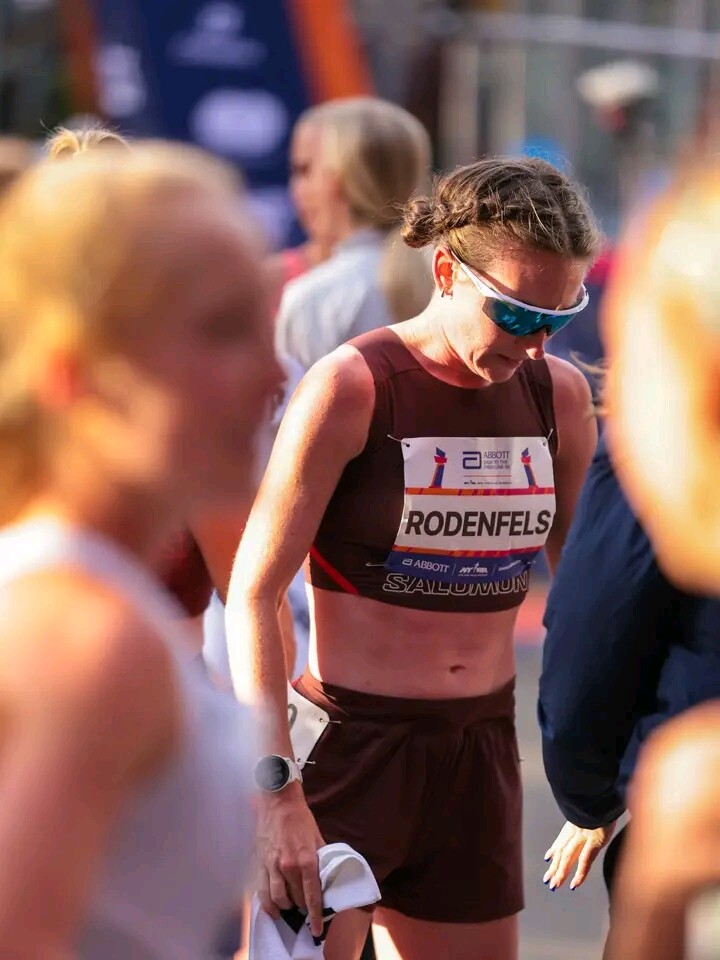
The women’s race is equally compelling, featuring a deep field packed with American talent and international challengers. Josette Andrews headlines the entries with an impressive personal best of 14:25.37, while Annie Rodenfels, whose best stands at 15:00.64, adds further quality to the American contingent.
Bailey Hertenstein and Elly Henes are also among the leading entrants, with personal bests of 14:48.91 and 14:47.15, respectively. Great Britain’s Alex Millard, with a best of 15:02.64, provides international competition, while Whittni Morgan, Ednah Kurgat, Katelyn Tuohy, Rachael R udel, Madie Boreman and Ella Donaghu strengthen an impressive domestic lineup.
Kenya will also be represented in the women’s race by Hilda Olemomoi, whose personal best of 14:52.84 makes her one of the athletes to watch. With several runners capable of producing a fast performance, the battle for the podium could be fiercely contested.
Beyond the individual names, the event offers a compelling opportunity for elite athletes to test their speed on one of the most prominent stages of New York’s running calendar. The short, fast-paced contest also provides fans with a chance to see some of the sport’s leading distance runners in action before marathon Sunday.
The Abbott Dash to the Finish Line 5K will take place through Central Park on Halloween, Saturday, October 31, one day before the 2026 TCS New York City Marathon on Sunday, November 1.
With national champions, international contenders and promising rising stars all in the mix, the race is shaping up to be a major highlight of an action-packed marathon weekend in New York City.
by Erick Cheruiyot for My Best Runs.
Login to leave a comment
Dash to the Finish Line
Be a part of the world-famous TCS New York City Marathon excitement, run through the streets of Manhattan, and finish at the famed Marathon finish line in Central Park—without running 26.2 miles! On TCS New York City Marathon Saturday, our NYRR Dash to the Finish Line 5K (3.1 miles) will take place for all runners who want to join in...
more...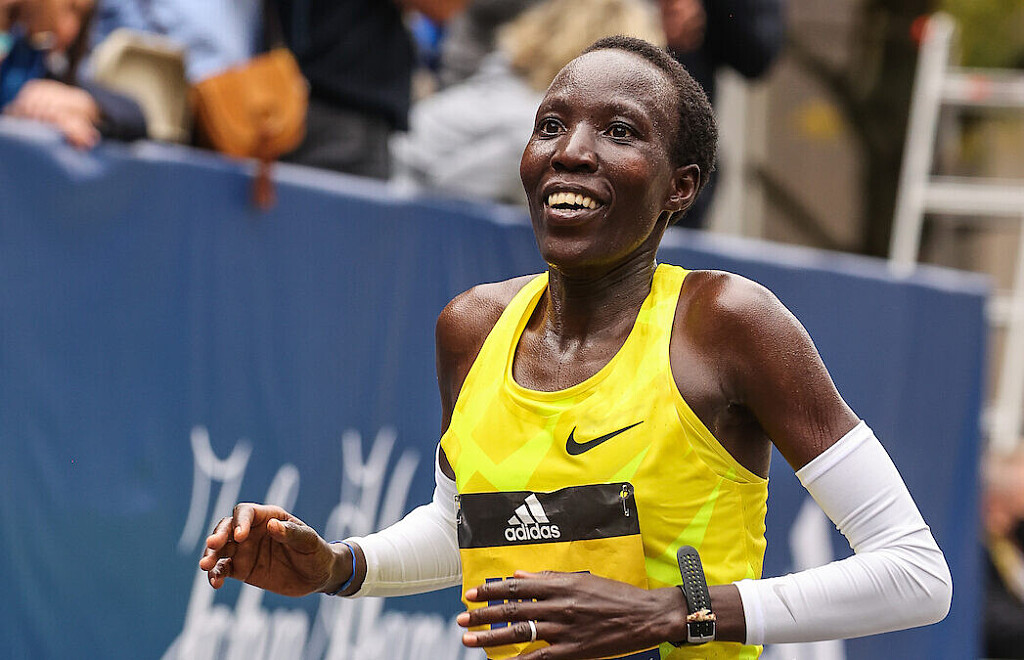
Age Is Just A Number: Edna Kiplagat, 46, Set For Inspiring Return To New York City Marathon
Kenyan marathon legend Edna Kiplagat is preparing to add another chapter to her remarkable career as she returns to the streets of New York for the 2026 TCS New York City Marathon on November 1, carrying the experience, resilience and competitive spirit that have defined her extraordinary journey in distance running.
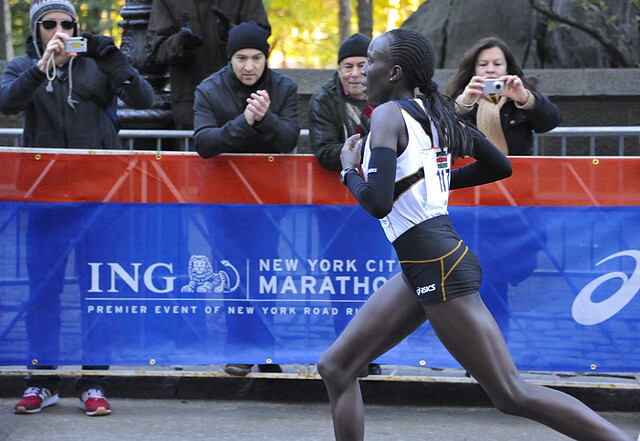
At 46, Kiplagat remains a formidable presence in elite marathon racing, continuing to compete against younger athletes on the world's biggest stages. Her return to the Big Apple is another testament to her remarkable longevity and determination to remain competitive at the highest level of the sport.
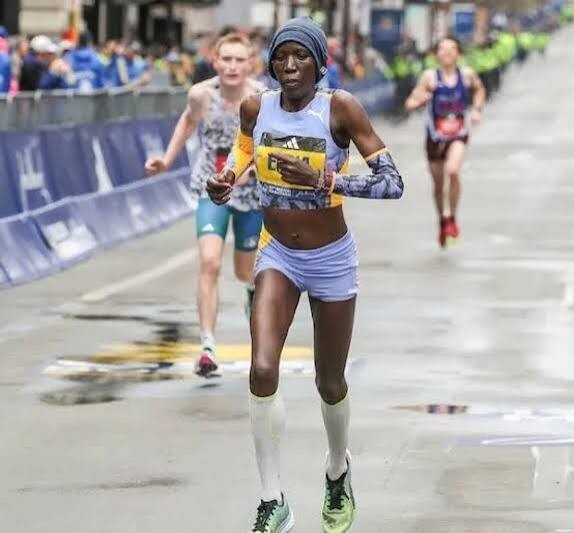
The two-time world marathon champion heads to New York following an impressive fifth-place finish at the Cape Town Marathon, where she clocked 2:25:44. The performance underlined her enduring ability to deliver competitive results in a discipline that demands exceptional endurance, consistency and years of experience.
Kiplagat's personal best of 2:19:50 places her among the outstanding marathoners of her generation, while her achievements across major international competitions have secured her a lasting place in the history of women's distance running.
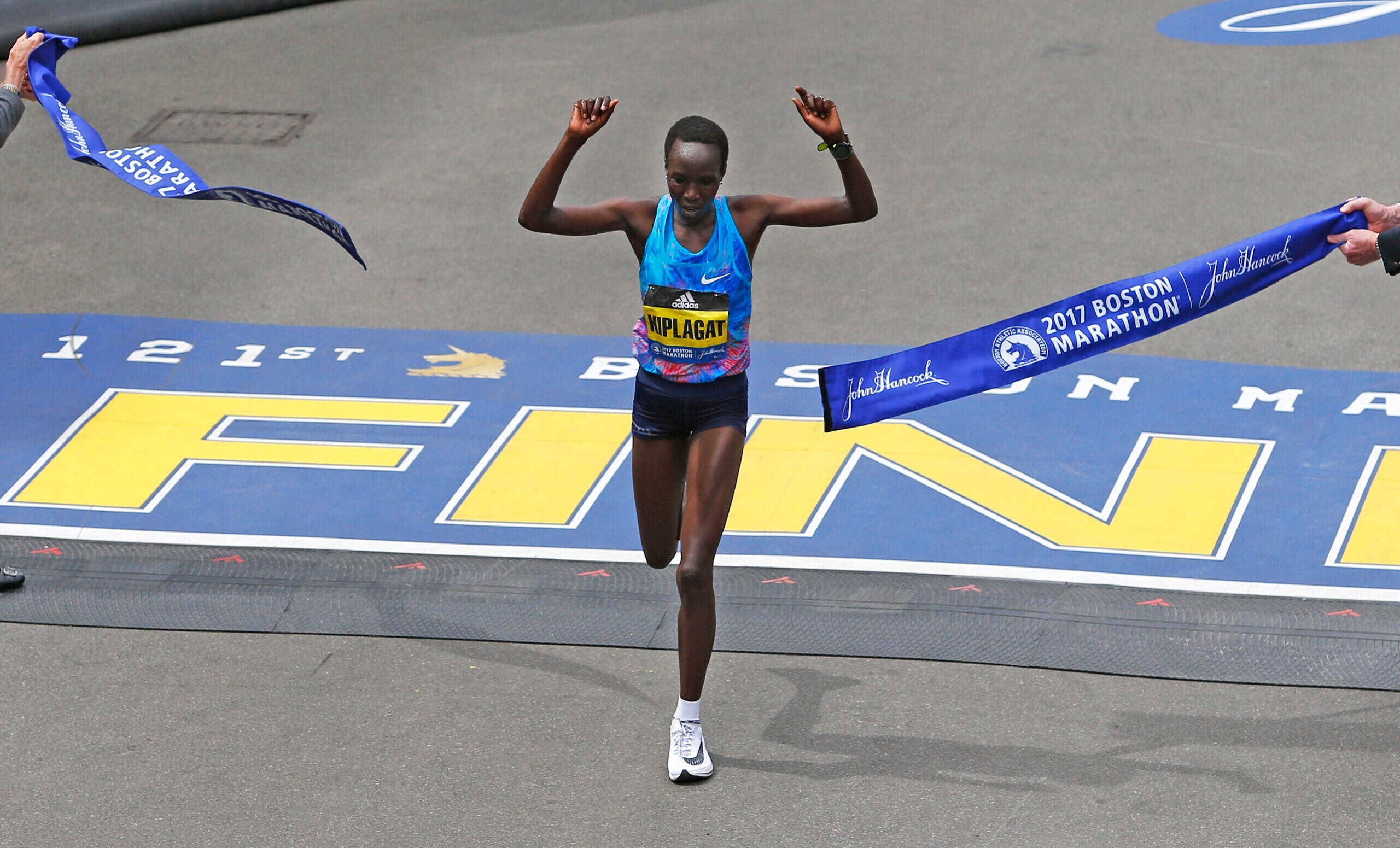
Her return to New York also brings her back to a course where she has previously enjoyed success, having won the women's title in 2010. That victory was one of the defining moments of a career built on patience, tactical intelligence and an ability to rise to the occasion when the stakes are highest.
Kiplagat's record in the World Marathon Majors is a story of sustained excellence. She won the New York City Marathon in 2010 before conquering London in 2014 and Boston in 2017 and 2021, establishing herself as one of the most accomplished marathon runners of her era.
Her second Boston triumph was particularly remarkable. Initially finishing second in 2021, she was subsequently declared the winner following the disqualification of the original champion for a doping violation. At 41, she became the oldest official winner of a World Marathon Major, adding another extraordinary milestone to an already distinguished career.
Beyond her major-marathon victories, Kiplagat has twice ruled the world marathon stage, winning gold at the World Athletics Championships in Daegu in 2011 and Moscow in 2013. She also claimed silver at the 2017 World Championships in London, further demonstrating her consistency across different competitive environments.
New York, however, remains a special destination in her career. After winning on her debut in 2010, she continued to return to the race, recording fourth-place finishes in 2017 and 2022 before placing seventh in 2024. Her latest appearance offers another opportunity to compete on familiar roads against a formidable international field.
The Kenyan veteran will line up alongside compatriots Hellen Obiri and Sheila Chepkirui, adding further depth to Kenya's challenge in the women's elite race. Obiri, a two-time New York City Marathon champion, and Chepkirui, the 2024 winner, bring formidable credentials of their own, setting the stage for an intriguing contest through the streets of the American metropolis.
For Kiplagat, the challenge will be about more than chasing another podium finish. It will be an opportunity to demonstrate once again that elite distance running can reward experience, discipline and resilience long after many athletes have stepped away from the highest level of competition.
At 46, she continues to carry the Kenyan flag with distinction, inspiring athletes across generations through a career that has spanned world titles, major-marathon victories and remarkable longevity.
As the world's leading marathoners prepare for the November 1 showdown, Kiplagat's presence adds a compelling story to the 2026 New York City Marathon. Whatever the final result, her return to the Big Apple is a reminder that greatness is not measured by age alone, but by the achievements, determination and enduring passion that define an athlete's journey.
by Erick Cheruiyot for My Best Runs.
Login to leave a comment
TCS New York City Marathon
The first New York City Marathon, organized in 1970 by Fred Lebow and Vince Chiappetta, was held entirely in Central Park. Of 127 entrants, only 55 men finished; the sole female entrant dropped out due to illness. Winners were given inexpensive wristwatches and recycled baseball and bowling trophies. The entry fee was $1 and the total event budget...
more...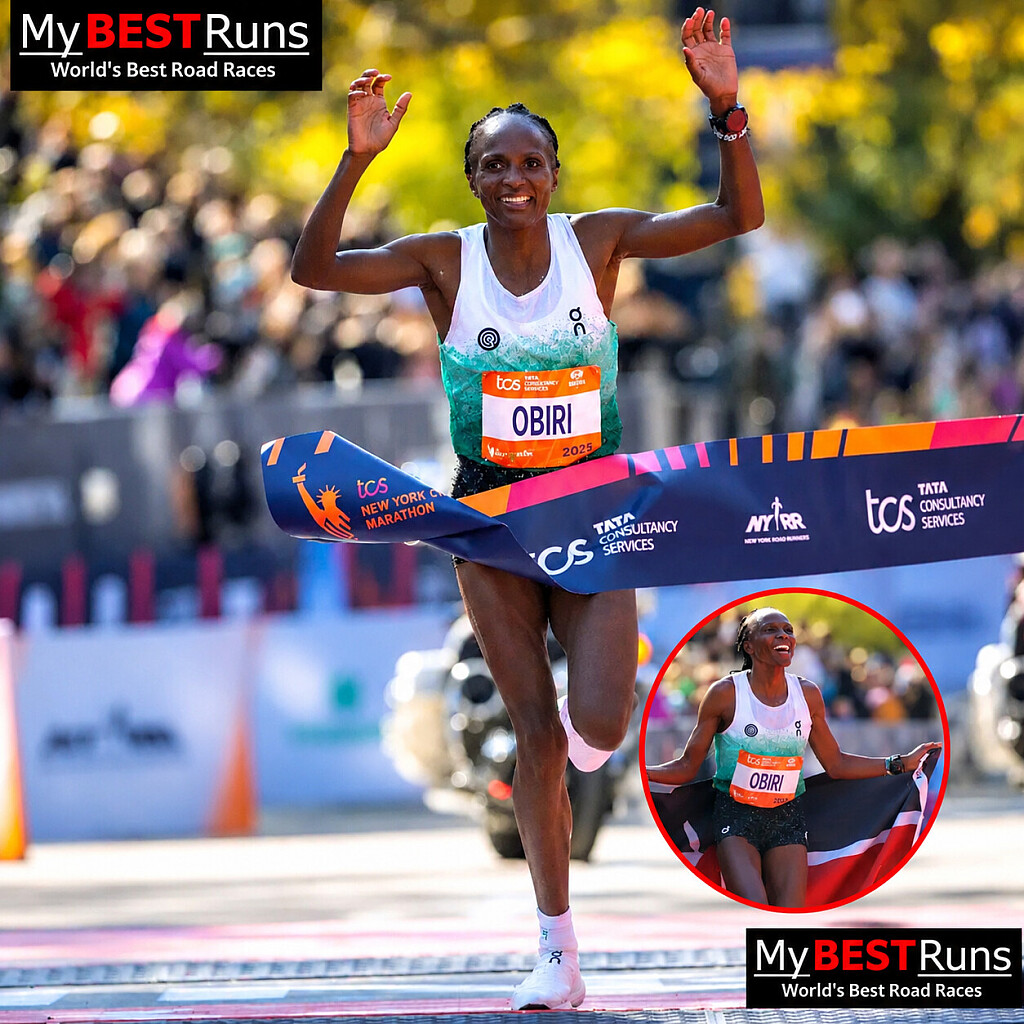
Hellen Obiri Returns To New York With History In Her Sights As Star-Studded Field Targets Marathon Glory
Kenyan marathon star Hellen Obiri is set to return to the streets of New York City on November 1, 2026, determined to defend her title at the TCS New York City Marathon and strengthen her place among the greatest women ever to grace the 26.2-mile distance.
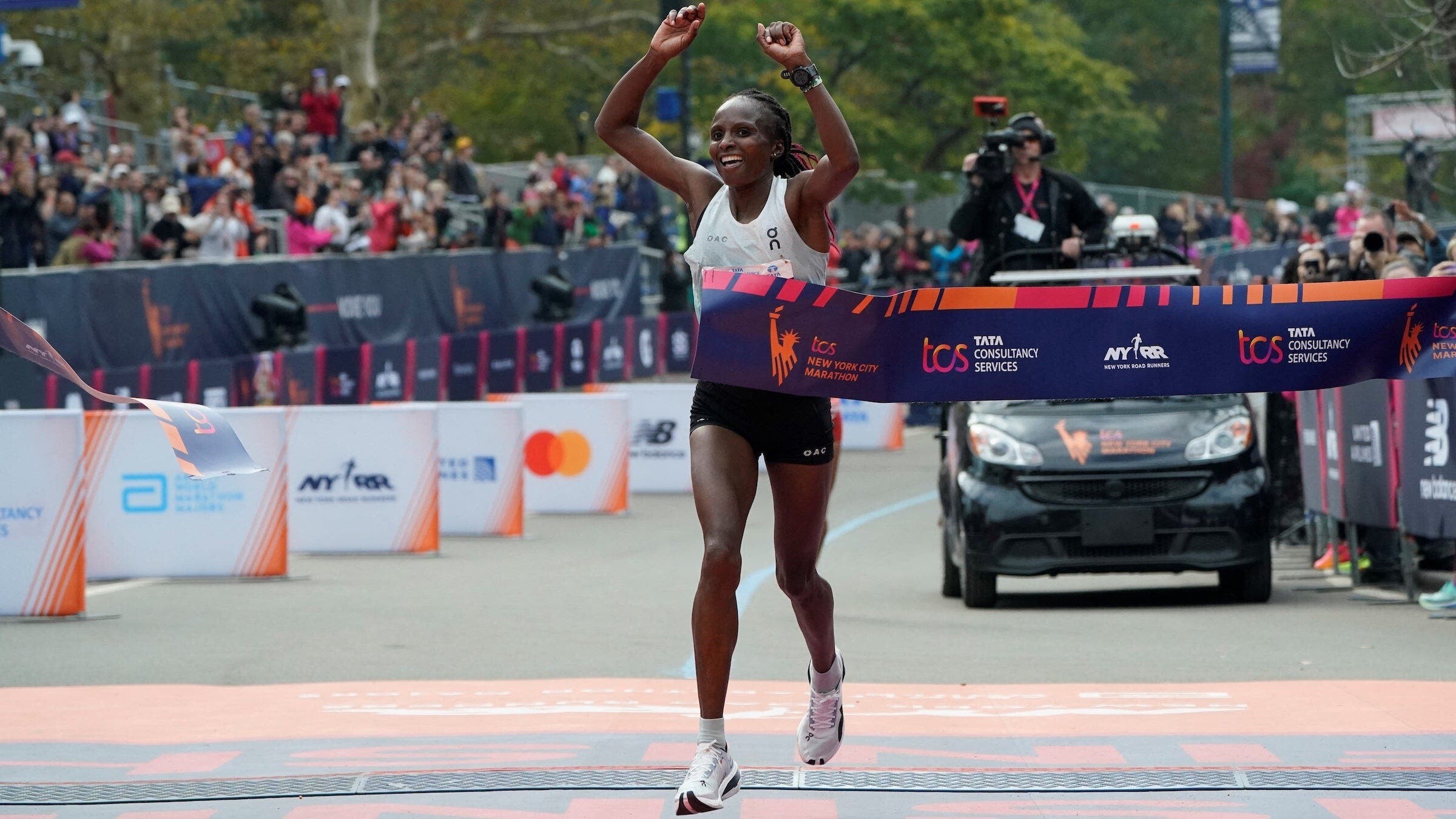
The two-time Olympic bronze medallist produced a remarkable performance in 2025, winning in 2:19:51 and breaking the women's course record that had stood for 22 years. Her victory underlined her exceptional ability to combine speed, strength and tactical intelligence on one of the world's most demanding marathon courses.
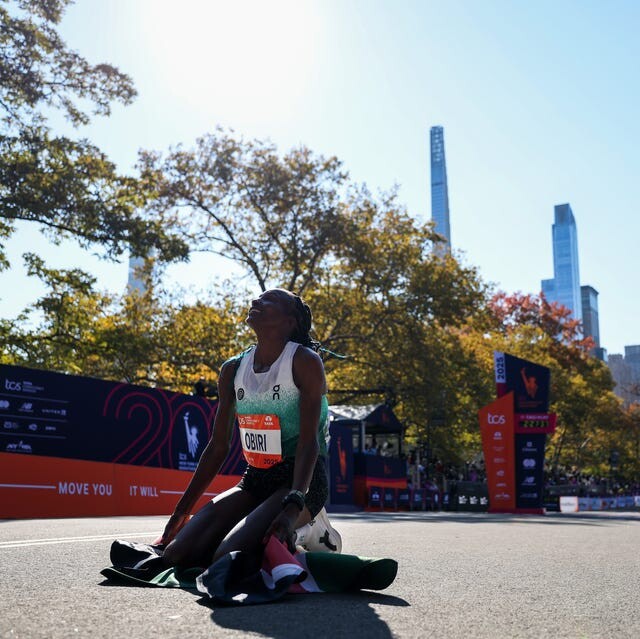
Now, Obiri returns to a city where she has already established herself as a formidable force, carrying the pressure that comes with being the defending champion and the opportunity to achieve another historic milestone.
A third New York City Marathon victory would place the Kenyan among an elite group of women who have won the prestigious race three times, alongside legendary champions Grete Waitz, Mary Keitany and Paula Radcliffe. Such an achievement would further enhance a career that has already brought her Olympic medals, world titles and major marathon victories.
However, another triumph will not come easily. The women's field features several accomplished international athletes, each bringing a different set of strengths and ambitions to the race.
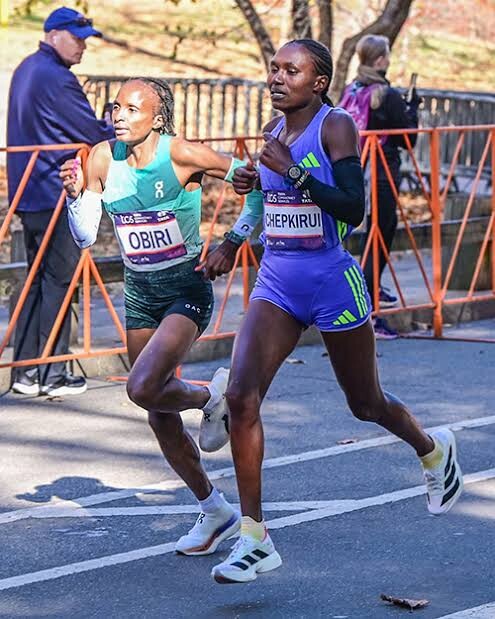
Fellow Kenyan Sheila Chepkirui will be among the leading challengers. The 2024 New York City Marathon champion returns with a personal best of 2:17:29, giving her the credentials to mount a serious challenge. Having already demonstrated that she can master the city's demanding course, Chepkirui will be eager to reclaim the title.
Ethiopian star Gotytom Gebreslase also adds considerable quality to the lineup. The 2022 world marathon champion owns a personal best of 2:18:11 and has the championship experience required to compete at the highest level. Her presence adds another layer of intrigue to a contest that could develop into a fierce battle among some of the world's leading marathon runners.
Kenya's Edna Kiplagat brings a wealth of experience to the field. A former world champion with an outstanding record on the international stage, the veteran remains a respected competitor whose patience and tactical awareness could prove valuable if the race develops into a closely contested affair.
Great Britain's Julia Paternain will also attract attention following her bronze-medal performance at the 2025 World Athletics Championships. Her championship credentials make her an interesting addition to a field in which experience, endurance and the ability to respond under pressure could determine the final outcome.
American hopes will be led by athletes including Weini Kelati and Jess McClain. Kelati is preparing to make her marathon debut after establishing herself among the leading American distance runners, while McClain will be looking to make her presence felt against a strong international opposition on home soil.
Beyond these prominent names, the depth of the women's lineup promises a competitive contest, with additional athletes hoping to upset the established favourites and seize their opportunity on one of marathon running's biggest stages.
The race will, however, proceed without two notable names. Dutch star Sifan Hassan and American Fiona O'Keeffe have withdrawn, removing two highly anticipated competitors from the women's contest.
Even with their absence, the defending champion faces a formidable challenge. New York's bridges, rolling terrain and late-race demands often reward runners who can manage their effort carefully and deliver when the decisive moments arrive.
For Obiri, the mission is clear: defend her crown, preserve her course record and move one victory closer to an exclusive place in the race's history. For Chepkirui, Gebreslase and the rest of the field, the objective is to prevent the Kenyan star from turning another appearance in New York into a celebration of her growing marathon legacy.
When the world's leading women line up on November 1, the spotlight will once again fall on Obiri. Yet the New York City Marathon rarely follows a predictable script, and the strength of this field suggests that the defending champion will have to earn every metre of her title defence.
One thing is certain: the battle for women's marathon supremacy in New York promises to deliver a compelling contest, with history within Obiri's reach and a determined group of challengers ready to stand in her way.
by Erick Cheruiyot for My Best Runs.
Login to leave a comment
TCS New York City Marathon
The first New York City Marathon, organized in 1970 by Fred Lebow and Vince Chiappetta, was held entirely in Central Park. Of 127 entrants, only 55 men finished; the sole female entrant dropped out due to illness. Winners were given inexpensive wristwatches and recycled baseball and bowling trophies. The entry fee was $1 and the total event budget...
more...
Geoffrey Kamworor: The Lawyer He Never Became, The Distance Running Legend He Was Born To Be
Long before he conquered world cross-country championships, dominated the half-marathon distance and lifted the New York City Marathon trophy, Geoffrey Kamworor was a young Kenyan student with an ambitious dream that had little to do with running: becoming a lawyer.
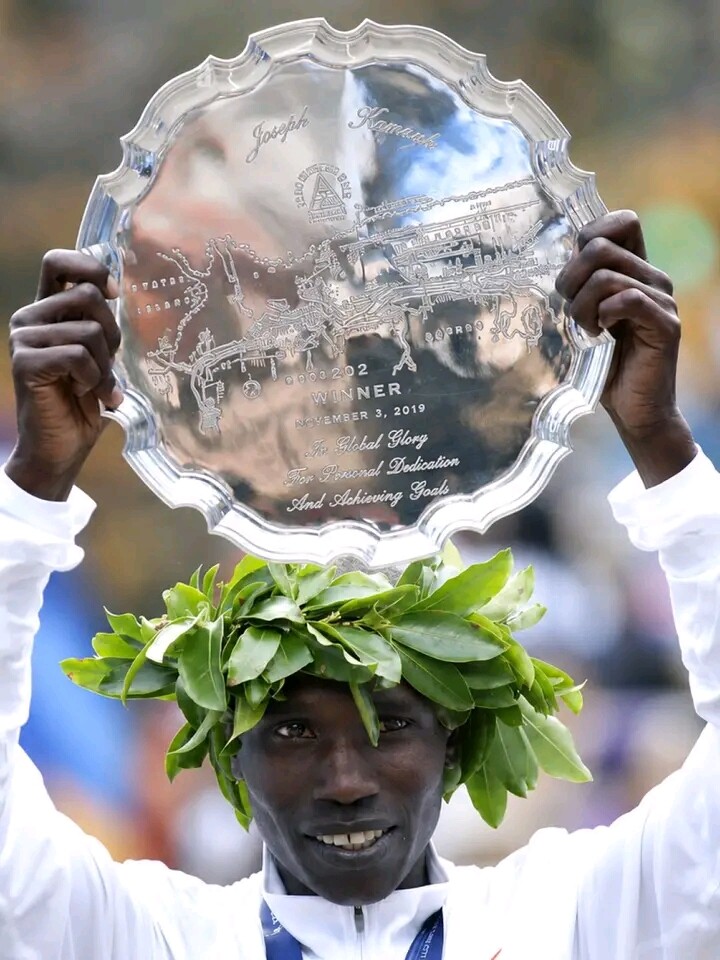
Growing up in Keiyo South, Kamworor developed the discipline that would later define his extraordinary athletic career. His daily routine involved running approximately five kilometres to school and another five kilometres back home. What might have seemed like an ordinary journey for a schoolboy was quietly laying the foundation for a future in international distance running.
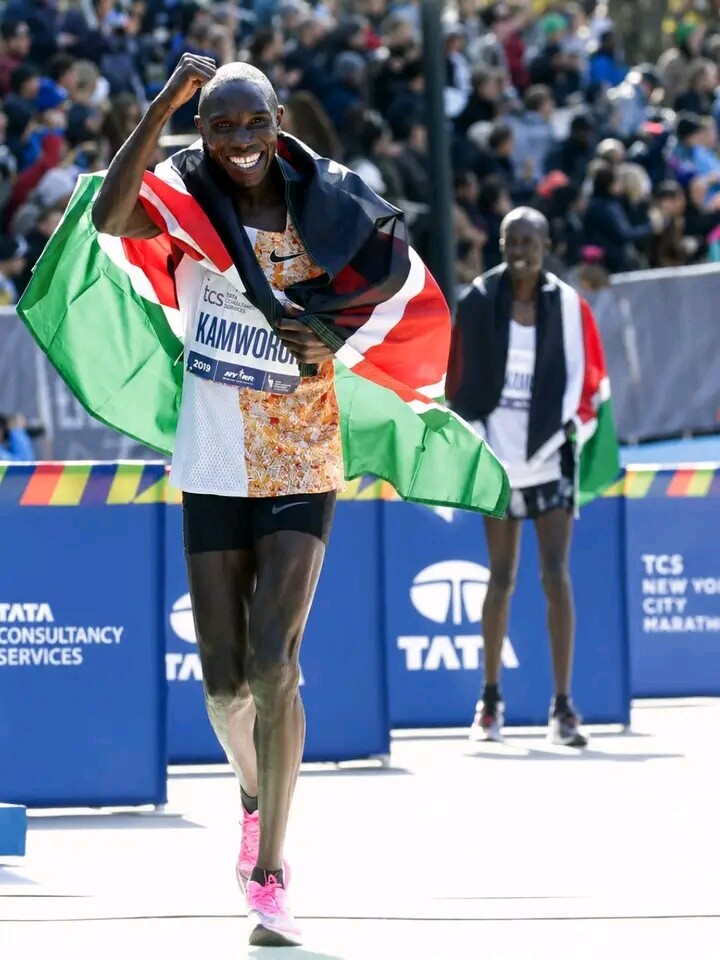
He attended Chepsamo Primary School before proceeding to Lelboinet Secondary School, where he combined his education with a growing passion for athletics. At the time, his ambitions extended beyond the track and roads. He wanted to pursue a career in law, and that dream eventually brought him an opportunity to study at a college in the United States.
However, the young Kenyan faced a defining decision: follow the academic path he had envisioned or commit himself fully to the sport that was beginning to reveal his remarkable potential. Kamworor chose athletics, a decision that would ultimately place his name among the most accomplished distance runners of his generation.
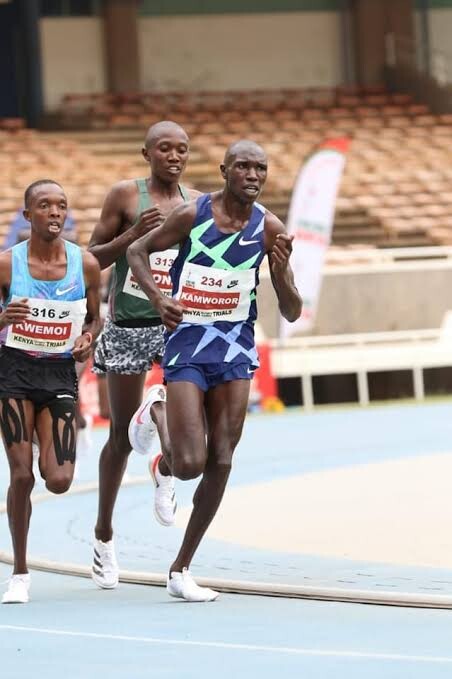
His transformation from a promising schoolboy into an international contender began gathering momentum in 2010, when he joined the GSC training camp in Kaptagat. His development accelerated rapidly, and within a short period, an opportunity to compete in Finland exposed him to a higher level of international competition.
Still only 17, he reportedly competed nine times during that trip, demonstrating an impressive ability to adapt to the demands of competitive racing. Breaking the eight-minute barrier for 3,000 metres was an early indication of the talent that would eventually carry him to the highest levels of distance running.
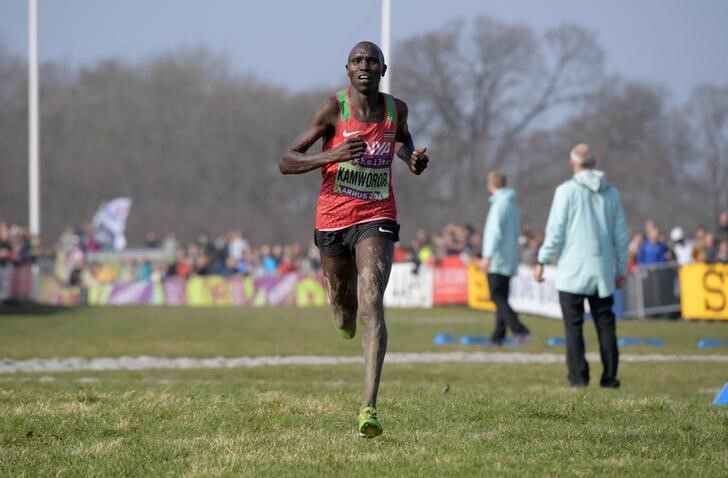
His breakthrough on the international stage followed in March 2011, when he captured the junior men's title at the World Cross Country Championships in Punta Umbría, Spain. That victory announced the arrival of a young athlete whose future would extend far beyond the junior ranks.
Kamworor was not simply a runner with speed. He possessed the endurance, tactical intelligence and competitive determination required to succeed across different distances and racing surfaces. As his career developed, those qualities became the hallmarks of an athlete capable of challenging the world's best.
Cross country became one of the foundations of Kamworor's international success. In 2015, he won the senior men's title at the World Cross Country Championships in Guiyang, China, confirming his status as one of the leading distance runners in the world. Two years later, he returned to the top of the podium in Kampala, Uganda, defending his senior world cross-country crown in front of a home crowd. Winning consecutive senior world titles placed him in an elite category and demonstrated his remarkable command of the demanding discipline.
On the roads, however, Kamworor established an equally impressive legacy. He won the World Half Marathon Championships in Copenhagen in 2014, Cardiff in 2016 and Valencia in 2018, becoming a three-time champion at the distance. His achievements reflected a rare combination of strength, speed and race management, enabling him to prevail against formidable international opposition.
The half marathon became one of his signature events, but Kamworor's ambitions were never confined to a single discipline. He continued to demonstrate his versatility on the track, winning silver in the men's 10,000 metres at the 2015 World Athletics Championships in Beijing, China. From the grass of cross-country courses to the roads of major international races and the track of a global championship, he repeatedly demonstrated that his talent could flourish wherever the competition took him.
Among Kamworor's most memorable achievements are his victories at the New York City Marathon in 2017 and 2019. Winning one of the world's most celebrated marathons requires exceptional endurance, but winning it twice demands much more: tactical patience, resilience and the ability to navigate a demanding course against a deep international field.
Kamworor demonstrated those qualities in both victories, establishing a special connection with the New York race and adding the marathon to an already remarkable collection of honours. His success in the American city also illustrated his ability to move successfully between distances. An athlete celebrated for his cross-country and half-marathon dominance had shown that he could also conquer the 42.195-kilometre marathon, one of the most demanding challenges in road racing.
Now, as he sets his sights on another New York campaign, the Kenyan star has an opportunity to strengthen his legacy further. A third men's open-division victory would place him among a very select group of athletes to have won the prestigious race three times. Such a milestone would be more than another addition to his trophy cabinet; it would reinforce the story of a runner whose competitive range has extended across nearly every major discipline in distance running.
Behind Kamworor's achievements lies a training environment built around discipline, consistency and high-level competition. Working under the guidance of renowned coach Patrick Sang, he has trained alongside some of Kenya's most celebrated athletes, including marathon great Eliud Kipchoge and middle- and long-distance superstar Faith Kipyegon.
Sharing a training environment with athletes of such calibre provides a demanding daily standard. Yet Kamworor has built his own identity through a career defined by major championship victories and sustained success across different racing distances. His journey has also included difficult periods and setbacks, reminding the running world that even the most accomplished champions must continually work to return to their best. His longevity at the elite level reflects the importance of patience, dedication and the willingness to keep pursuing new goals.
For aspiring athletes in Kenya, his story offers an important lesson: extraordinary achievements are often built through ordinary routines repeated consistently over many years. Those five-kilometre journeys to school and back were not glamorous. They did not come with cheering crowds, television cameras or medals. Yet they formed part of the foundation of a career that would eventually take him to the world's biggest running stages.
Kamworor's story is ultimately about a choice that changed the direction of his life. The young student who once imagined himself arguing cases in a courtroom instead built his reputation by answering the toughest questions on the running track and roads. His achievements speak for themselves: world cross-country titles, three world half-marathon crowns, a global 10,000-metre silver medal and two New York City Marathon victories.
He may never have pursued the legal career he once envisioned, but his athletic record tells a compelling story of ambition, sacrifice and extraordinary accomplishment. His pursuit of another New York triumph offers a fresh chapter in a career that has already crossed the boundaries between cross country, track and road racing.
For Geoffrey Kamworor, the courtroom was a dream he left behind. The world of distance running became the stage on which he built his name. And while the law lost a prospective lawyer, athletics gained a champion whose achievements have helped define an era of Kenyan distance running.
by Erick Cheruiyot for My Best Runs.
Login to leave a comment
TCS New York City Marathon
The first New York City Marathon, organized in 1970 by Fred Lebow and Vince Chiappetta, was held entirely in Central Park. Of 127 entrants, only 55 men finished; the sole female entrant dropped out due to illness. Winners were given inexpensive wristwatches and recycled baseball and bowling trophies. The entry fee was $1 and the total event budget...
more...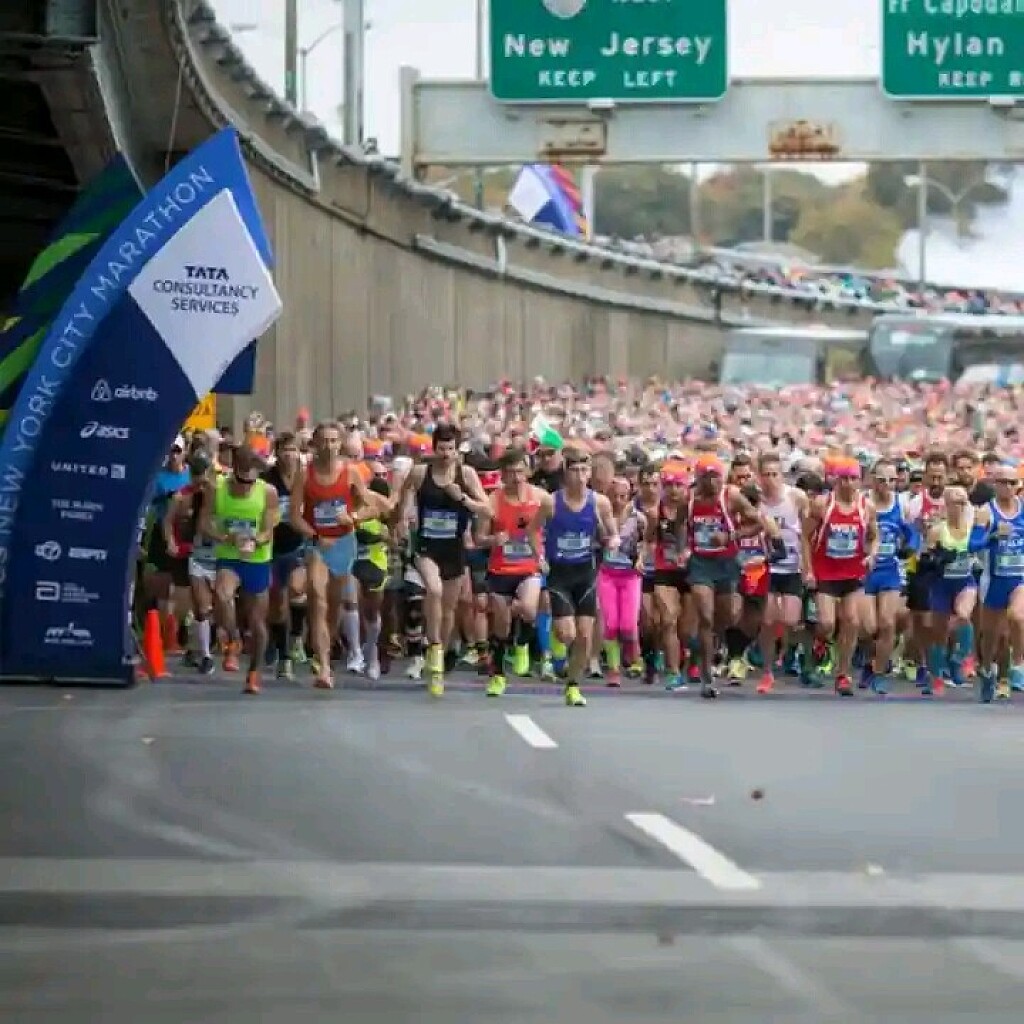
From $1 To $358: How The New York City Marathon Became A Global Running Phenomenon
What began as a modest race through Central Park, with a handful of determined runners and a budget of just $1,000, has evolved into one of the most prestigious and sought-after marathons in the world. More than five decades later, the New York City Marathon tells a remarkable story of how distance running has grown from a grassroots sporting event into a global spectacle.
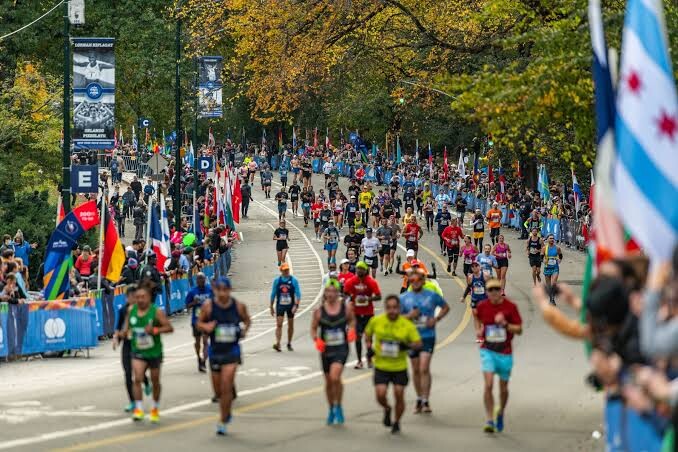
When the inaugural New York City Marathon took place in 1970, the entry fee was just $1. Organised by the New York Road Runners, the race was held entirely within Central Park, far removed from the enormous crowds, international attention and commercial scale that define the event today.
Of the 127 registered participants, only 55 completed the race. Yet, despite its modest beginnings, the event laid the foundation for a marathon that would eventually capture the imagination of runners from every corner of the world.
The first champion was Gary Muhrcke, a New York City firefighter whose victory remains one of the most memorable stories from the race's early years. According to accounts of the inaugural edition, Muhrcke had finished a night shift before entering the competition shortly before the start. He went on to win in approximately 2:31, securing his place in the marathon's history.
The inaugural race also featured Nina Kuscsik, the only woman in the field. She started the event but withdrew after becoming ill, meaning no woman finished that first edition. Kuscsik would later become an important figure in the campaign for women's inclusion in competitive distance running.
Over the years, the New York City Marathon expanded beyond Central Park, eventually developing into the iconic five-borough journey that takes runners through Staten Island, Brooklyn, Queens, the Bronx and Manhattan. Its transformation helped turn the race into a celebration of athletic achievement, community spirit and the extraordinary diversity of New York City.
Today, the marathon attracts elite athletes chasing victories and records, recreational runners pursuing personal milestones, charity participants raising funds for important causes, and thousands of international visitors eager to experience one of running's most celebrated events.
by Erick Cheruiyot for My Best Runs.
Login to leave a comment
TCS New York City Marathon
The first New York City Marathon, organized in 1970 by Fred Lebow and Vince Chiappetta, was held entirely in Central Park. Of 127 entrants, only 55 men finished; the sole female entrant dropped out due to illness. Winners were given inexpensive wristwatches and recycled baseball and bowling trophies. The entry fee was $1 and the total event budget...
more...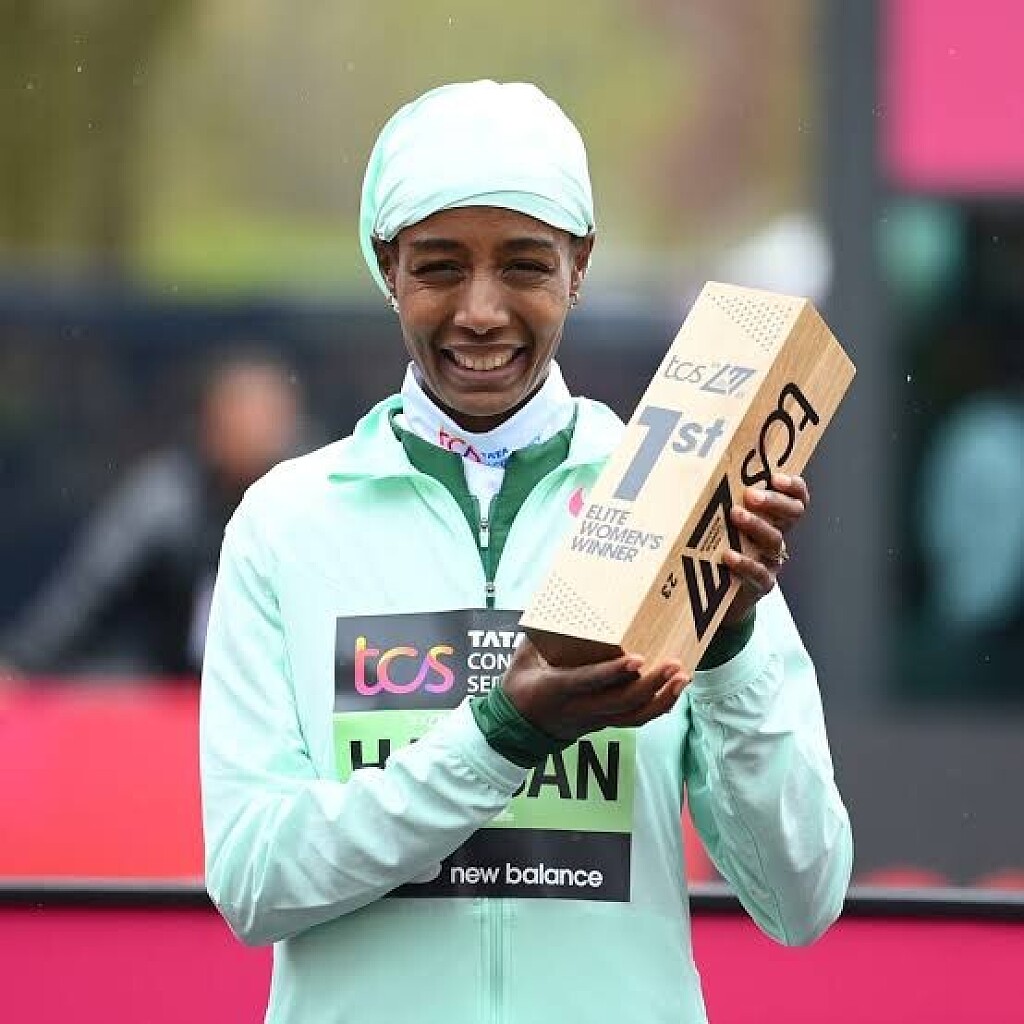
Sifan Hassan Withdraws From 2026 New York City Marathon As Illness Disrupts Her Preparation
Olympic marathon champion Sifan Hassan of the Netherlands has officially withdrawn from the 2026 TCS New York City Marathon after illness disrupted her preparations, ending hopes of seeing the versatile distance-running star return to one of the world’s most prestigious road races this autumn.
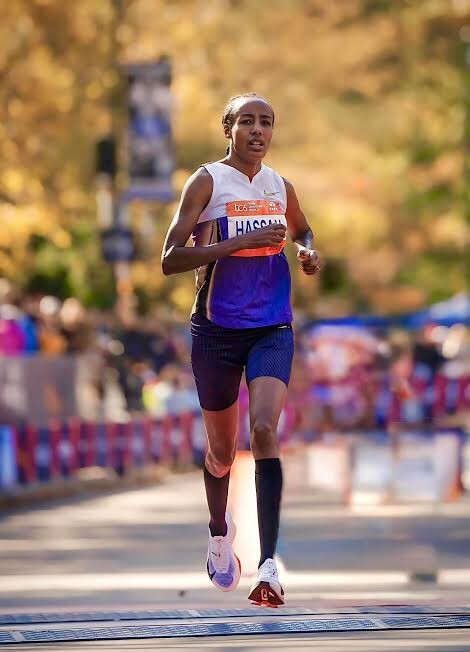
Hassan announced her decision on social media, explaining that sickness had slowed her training and left her short of the level of preparation she had hoped to achieve ahead of the November 1 race. The withdrawal is a setback for the Dutch star, who had been looking forward to returning stronger after her previous appearance in New York.
“I was so excited to come back stronger, but a sickness slowed down my training and I’m not where I wanted to be. Sometimes, things just don’t go as planned,” Hassan wrote.
Despite her disappointment, the Olympic champion also sent her best wishes to the athletes preparing to compete in New York, demonstrating her support for the wider running community even as she steps away from the competition.
Hassan, who holds a personal best of 2:13:44, ranks fifth on the women’s all-time marathon list. Her extraordinary range across track and road running has established her as one of the most versatile athletes of her generation, capable of competing at the highest level from shorter distances to the marathon.
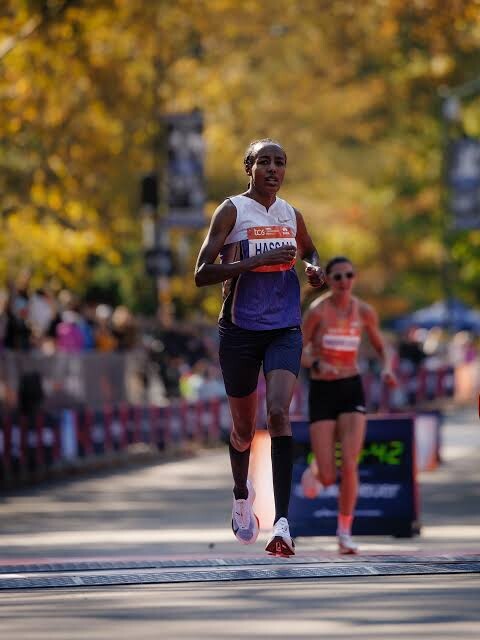
Her marathon career has already produced several memorable achievements. Hassan has won the London Marathon and Chicago Marathon, claimed victory at the Sydney Marathon, and secured Olympic marathon gold at the Paris 2024 Games. Those accomplishments underline her ability to adapt to different courses, race conditions and competitive challenges.
The withdrawal from New York follows another interruption to her 2026 campaign. Hassan previously pulled out of the London Marathon because of an Achilles injury, and the latest illness has further disrupted her plans for the season. With her training affected, stepping aside from New York allows her to prioritise her recovery rather than compete without the preparation she considers necessary.
Hassan’s absence will be a significant talking point in the build-up to the New York City Marathon, which takes runners through all five boroughs of the city before finishing in Central Park. The demanding course and deep international field regularly produce compelling racing, and her withdrawal creates an opportunity for other leading contenders to strengthen their ambitions.
Although the precise implications for the women’s elite field will depend on the final start list, the race remains an important opportunity for leading East African athletes and top American runners to challenge for victory. Without Hassan on the starting line, attention will turn to the athletes capable of taking advantage of the opportunity and delivering a memorable performance on the streets of New York.
For Hassan, however, the priority is no longer the immediate challenge of another marathon. The Dutch star has built her reputation through resilience, adaptability and a willingness to take on some of the toughest challenges in distance running. Recovering fully and returning to structured training will be essential as she considers her next competitive objectives.
At 33, Hassan already has an exceptional record that includes Olympic glory and victories at some of the world's most prestigious marathons. While her withdrawal is disappointing for fans who hoped to see her compete in New York again, it does not diminish the achievements that have made her one of the defining distance runners of her era.
The running world will now wait for news of her recovery and next racing plans. For the moment, Hassan’s message is clear: sometimes, even the best-laid preparations do not go according to plan, and knowing when to step back is part of an athlete’s journey.
The 2026 TCS New York City Marathon is scheduled for November 1. Hassan’s withdrawal removes one of the most accomplished names from the anticipated women’s field, but the race will continue to bring together elite athletes from around the world for another major contest over the five-borough course.
by Erick Cheruiyot for My Best Runs.
Login to leave a comment
TCS New York City Marathon
The first New York City Marathon, organized in 1970 by Fred Lebow and Vince Chiappetta, was held entirely in Central Park. Of 127 entrants, only 55 men finished; the sole female entrant dropped out due to illness. Winners were given inexpensive wristwatches and recycled baseball and bowling trophies. The entry fee was $1 and the total event budget...
more...
Chelsea Clinton Completes Chicago Marathon in 3:47:55 as Proud Parents Cheer Her Across the Finish Line
Chelsea Clinton, the daughter of former United States President Bill Clinton and former Secretary of State Hillary Clinton, completed the 2026 Chicago Marathon in 3:47:55 on Sunday, combining a major endurance challenge with her commitment to supporting maternal health.
The 46-year-old joined her friend Jen Koss for the 42.195-kilometre race, maintaining a consistent rhythm throughout the streets of Chicago. Clinton reached the halfway point in 1:53:10 before covering the second half in 1:54:45, demonstrating impressive pacing on her way to the finish.
However, beyond the clock and the physical demands of one of the world's most prestigious marathons, her participation carried a deeper purpose. Clinton ran to support Every Mother Counts, a nonprofit organisation dedicated to making pregnancy and childbirth safer for mothers around the world. Through her marathon effort, she helped raise funds and awareness for maternal health, turning every kilometre into an opportunity to advance a cause close to her heart.

The finish line also provided an emotional family moment, with her parents, Bill and Hillary Clinton, waiting to congratulate her after she completed the demanding race. Their presence added a personal touch to an achievement that went beyond the sporting arena.
Chicago represents another significant chapter in Clinton's growing marathon journey. Earlier in 2026, she completed the Boston Marathon in a personal-best time of 3:40:52, finishing ahead of her Chicago performance. She has also taken on the New York City Marathon four times, building a considerable record of participation in some of the world's most celebrated long-distance races.
Although her 3:47:55 finish in Chicago was not a personal best, the result marked another successful completion of the marathon distance while reinforcing the role running can play in supporting charitable causes.
For Clinton, the Chicago Marathon was about more than reaching the finish line. It was an opportunity to challenge herself physically, share the experience with a friend, celebrate a family moment and contribute to a mission aimed at improving maternal health.
Her performance serves as a reminder that a marathon can be measured in more than minutes and seconds. For some runners, the greatest achievement is not simply how quickly they cover 42.195 kilometres, but also the purpose they carry with them every step of the way.
by Erick Cheruiyot for My Best Runs.
Login to leave a comment

Bank of America Chicago
Running the Bank of America Chicago Marathon is the pinnacle of achievement for elite athletes and everyday runners alike. On race day, runners from all 50 states and more than 100 countries will set out to accomplish a personal dream by reaching the finish line in Grant Park. The Bank of America Chicago Marathon is known for its flat and...
more...
Getting Into a World Marathon Major May Be Harder Than Running One
For many marathoners, crossing the finish line of a World Marathon Major is the ultimate dream. But before you can worry about surviving 42.195 kilometres, there is another challenge: actually getting onto the starting line.
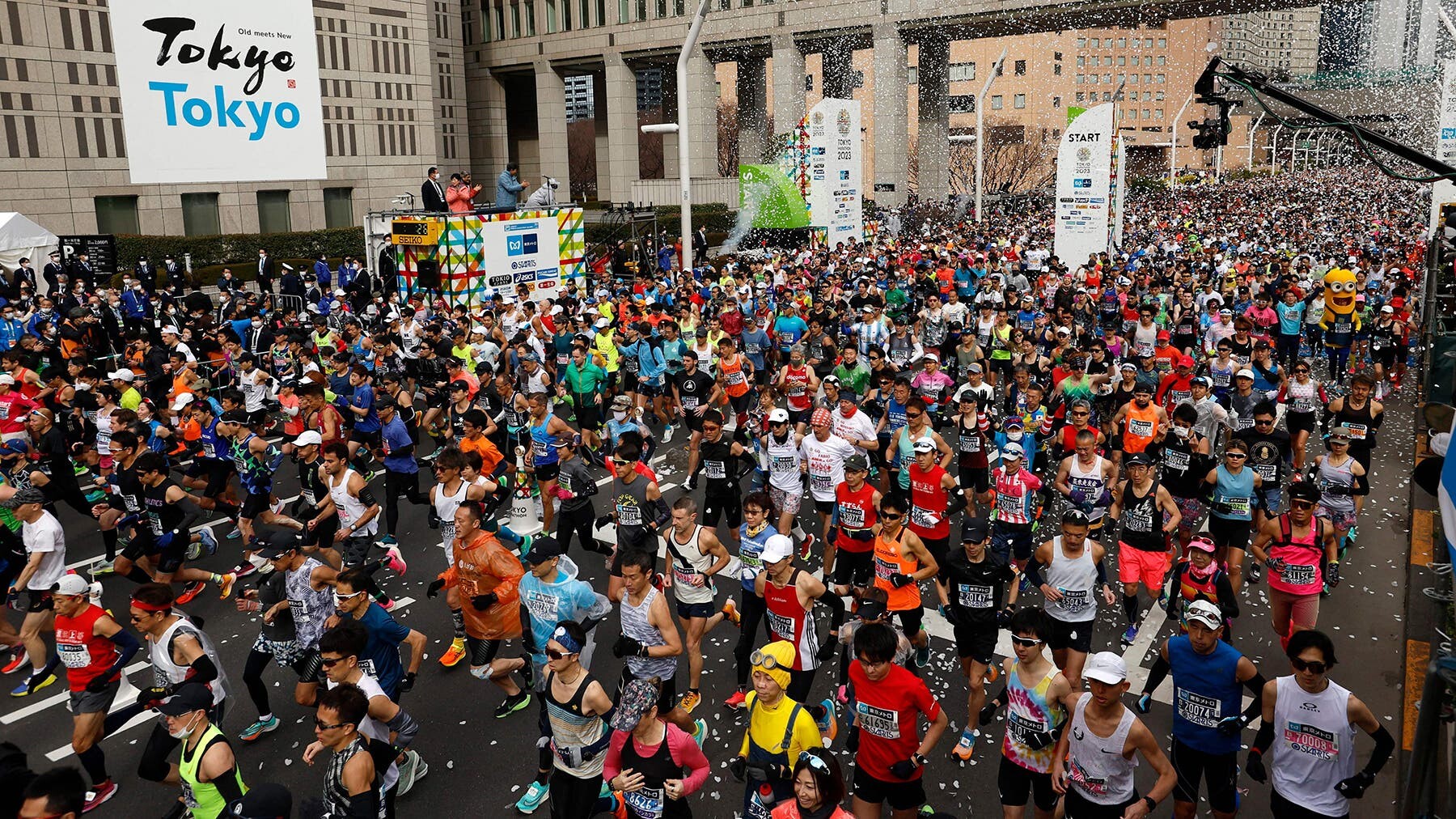
The six Abbott World Marathon Majors — Boston, London, Berlin, Chicago, New York and Tokyo — do not use the same entry system, and some are considerably more difficult to access than others.
Boston is arguably the clearest example of how running fast does not always guarantee a place. Unlike the other majors, the Boston Marathon is built around qualifying standards. However, meeting the published standard only gives a runner the opportunity to apply. Because demand is so high, the fastest qualifiers are accepted first. This means a runner can achieve the official qualifying time and still miss out when the cut-off moves faster than expected.
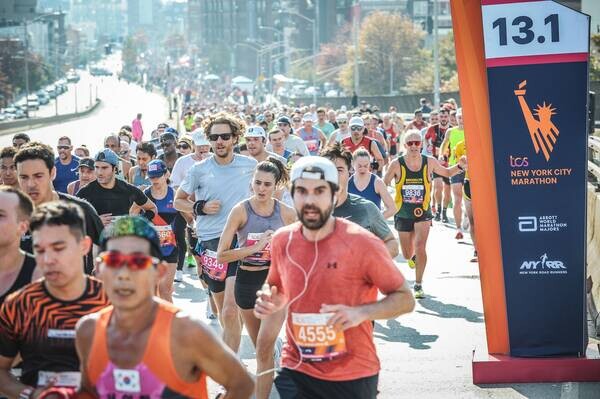
London presents a completely different challenge. Its famous ballot is a random draw, making luck a major part of the process. However, runners have other avenues, including Good for Age, charity places and international tour operators. Even the Good for Age route can be highly competitive, with places allocated according to performance when demand exceeds the number of available spots.
New York City is another race where demand is enormous. The TCS New York City Marathon offers a general drawing alongside several guaranteed-entry routes, including qualifying times, charity places, international tour operators and other eligibility programmes. For serious runners, achieving the appropriate qualifying standard can be one of the most dependable ways to secure a place.
Chicago gives runners several ways to avoid relying entirely on the lottery. The Bank of America Chicago Marathon has a non-guaranteed drawing, but runners can also gain guaranteed entry through qualifying times, charity, tour operators and other eligible routes. For fast runners, meeting the published standard can provide a much more certain path to the start line.
Berlin is also heavily sought after. The BMW Berlin Marathon uses a lottery for the majority of runners, while qualifying performances can provide another route into the race. With its fast course and reputation for producing world-class times, demand remains enormous every year.
Tokyo adds another layer of difficulty, particularly for international runners. The race has a lottery as well as several other entry routes, including charity and performance-based options. International runners can also use official tour operators, although these packages generally cost more because they are tied to travel arrangements.
For runners chasing the Six Star Medal, the biggest lesson is simple: do not depend on the lottery alone.
Look closely at every possible route. Good-for-age standards, qualifying performances, charity programmes and official tour operators can all provide alternatives when the ballot does not go your way.
And then there is the reality every marathoner eventually discovers: sometimes getting rejected from a major marathon hurts almost as much as the race itself.
When that rejection email arrives, remember that parkrun is still free, happens every Saturday and does not require a lottery.
So, which World Marathon Major have you already completed — and which one is still at the top of your bucket list?
by Erick Cheruiyot for My Best Runs.
Login to leave a comment

New York City Marathon Unveils Special 50th-Anniversary Finisher Medal
The TCS New York City Marathon is preparing to mark a major milestone in its history, and runners crossing the finish line on November 1 will take home a medal designed to celebrate five decades of the iconic five-borough course.
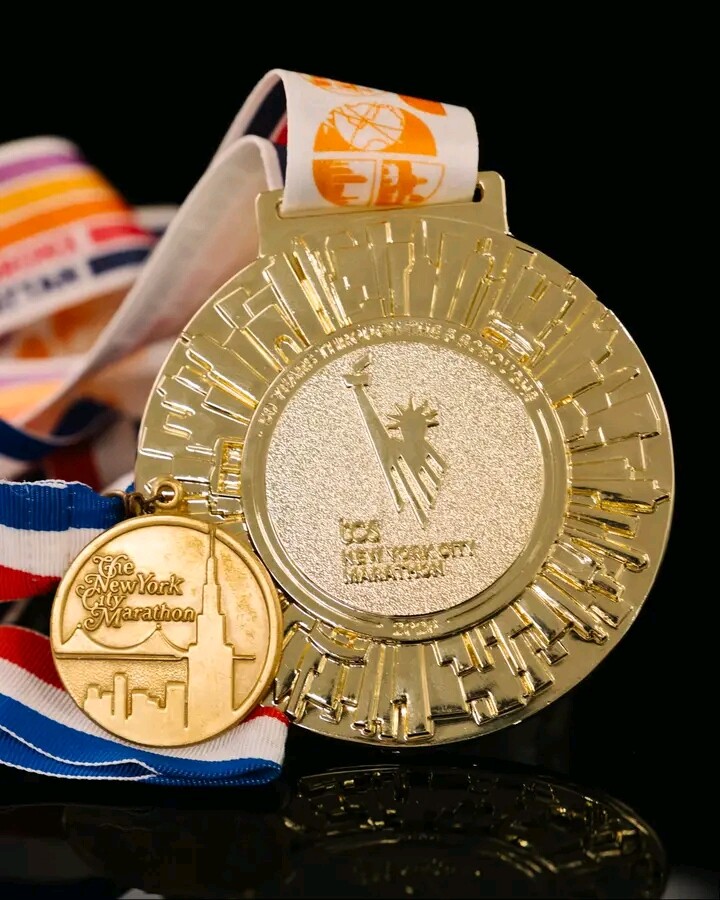
New York Road Runners (NYRR) has unveiled the official 2026 finisher medal, commemorating the 50th anniversary of the course that transformed the race after it moved beyond Central Park in 1976. The anniversary also marks 50 years since NYRR first introduced a finisher medal for the event.
The new medal combines elements of New York City and the marathon into a distinctive sculptural design. An abstract skyline spreads outward in a sunburst pattern, while the five bridges encountered along the marathon route are incorporated into the design, creating a visual connection between the race and the city through which it travels.
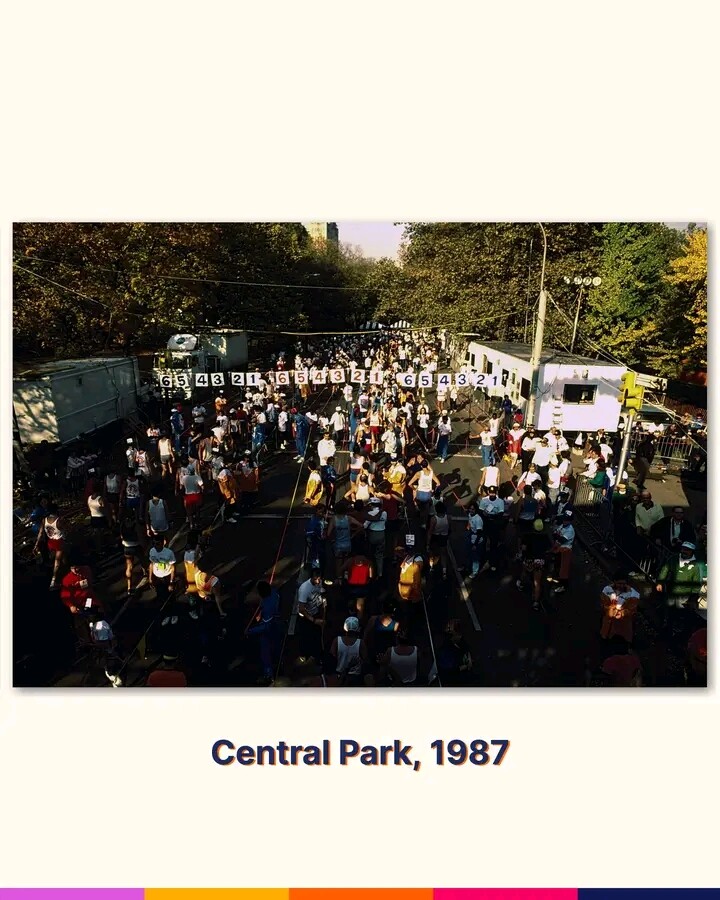
At the heart of the concept is an unbroken circular skyline, symbolising the five boroughs coming together as one. It reflects one of the defining characteristics of the New York City Marathon: a single 26.2-mile journey that connects Staten Island, Brooklyn, Queens, the Bronx and Manhattan.
The 2026 medal will be produced in zinc with an electroplated gold finish and measures 3.5 inches across, making it slightly larger than the standard medal in recognition of the anniversary. Despite the larger overall size, the central medallion remains 2.12 inches, the same measurement used for the 2025 edition.
The ribbon also pays tribute to the race's history, drawing inspiration from the visual style of the 1970s. It features the marathon logo, the 50th-anniversary emblem and references to all five boroughs, completing a design that blends the event's past with its present.
For thousands of runners, the medal will represent far more than simply a race souvenir. It will be a lasting reminder of the miles covered through one of the world's most recognisable cities and of the personal achievement of reaching the finish line in Central Park.
NYRR chief marketing and digital officer Juliette Morris said the design was created to capture the unique character of the marathon, from the atmosphere of New York City to the shared experience that brings runners and spectators together every year.
As the 2026 edition approaches, the special medal adds another layer of significance to a race already steeped in history. For those who complete the journey on November 1, it will serve as a tangible symbol of both their individual achievement and the 50-year legacy of the modern New York City Marathon.
by Erick Cheruiyot for My Best Runs.
Login to leave a comment
TCS New York City Marathon
The first New York City Marathon, organized in 1970 by Fred Lebow and Vince Chiappetta, was held entirely in Central Park. Of 127 entrants, only 55 men finished; the sole female entrant dropped out due to illness. Winners were given inexpensive wristwatches and recycled baseball and bowling trophies. The entry fee was $1 and the total event budget...
more...
The Duel In The Sun: When Salazar Beat Beardsley By Two Seconds At Boston
April 19, 1982. The Boston Marathon unfolded under unusually warm, sunny conditions, and by the closing stages, the race had become a private battle between two very different American runners: Alberto Salazar, already one of the biggest names in distance running, and Dick Beardsley, the Minnesota runner who had emerged as a serious marathon contender.
For roughly nine miles, from the Newton Hills toward the finish, Beardsley did much of the leading, with Salazar tucked close behind. Neither man could shake the other. They ran deep into Boston locked together, trading surges and refusing to surrender an inch as the crowds along the course grew louder.
Salazar finally made his decisive move with less than a mile remaining. He opened a small gap, but Beardsley refused to disappear. The Minnesota runner chased him through the final streets, closing again as they approached the finish.
Then came the final sprint.
Salazar held his form and reached the finish first in 2:08:52, with Beardsley only two seconds behind in 2:08:54. It was an extraordinary result: both men broke 2:09 in the same Boston Marathon, and both shattered the previous course record.
The race became known as the “Duel in the Sun,” and it remains one of the most celebrated head-to-head battles in Boston Marathon history. Beardsley had not won, but his performance established him as one of America's elite marathoners.
For Salazar, however, victory came at an enormous physical cost. Immediately after crossing the finish line, he collapsed and required emergency treatment, including several litres of intravenous saline. The combination of heat, dehydration and an all-out effort had pushed his body to the limit.
Salazar's marathon career would never again produce quite the same kind of performance. His celebrated 1981 New York City Marathon victory had produced what was initially considered a world record, although the course was later found to be short. His Boston triumph therefore became one of the defining victories of his career.
Beardsley's story would take an even more difficult turn. Injuries disrupted his career, and after returning to the highest level, he suffered a devastating farm accident in 1989. Further accidents, surgeries and severe physical pain followed, eventually leading to a long battle with painkiller addiction.
He eventually overcame that struggle and transformed the darkest chapters of his life into a story of recovery, resilience and redemption.
That is what makes the 1982 Boston Marathon more than a two-second victory.
For one extraordinary afternoon, Salazar and Beardsley produced a marathon duel in which neither man was willing to give way. One crossed the finish line first. The other finished only two seconds behind him.
Two seconds separated them at Boston. Decades later, their legendary duel remains one of the greatest chapters in marathon history.
by Erick Cheruiyot for My Best Runs.
Login to leave a comment
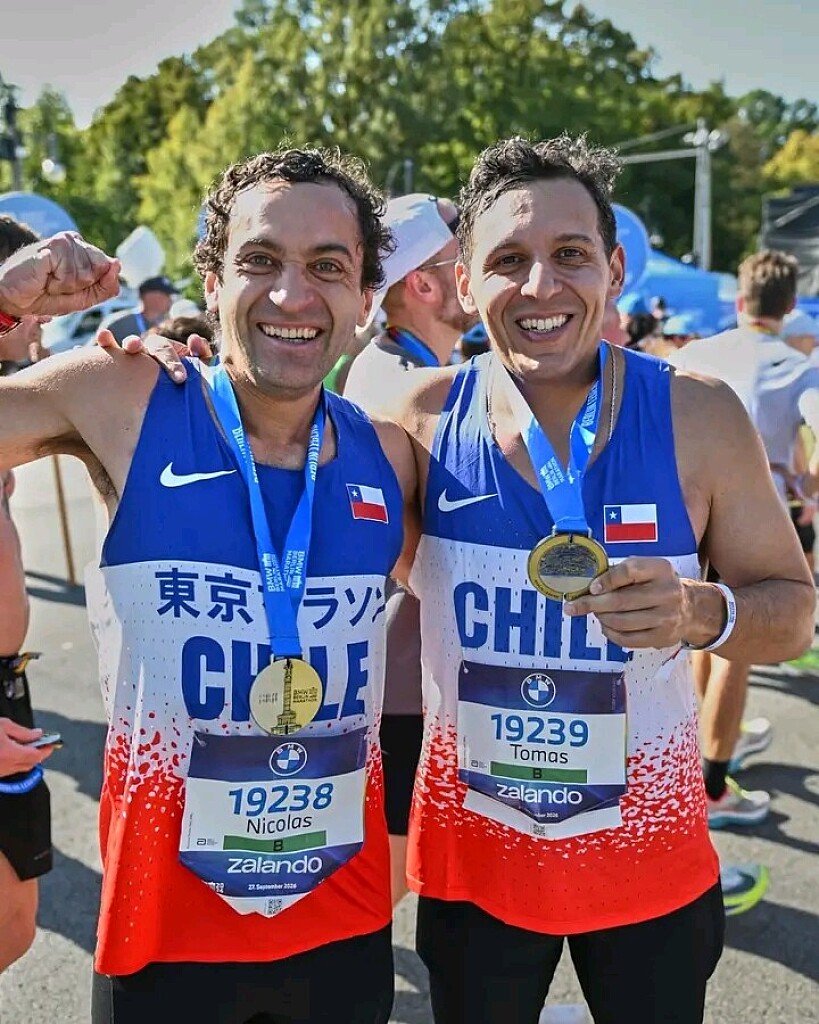
Chilean Duo Chase History With Ambitious Abbott World Marathon Majors Slam
Two Chilean athletes, Tomás and Nicolás, are chasing a remarkable piece of marathon history as they attempt to complete all seven Abbott World Marathon Majors races in a single calendar year.
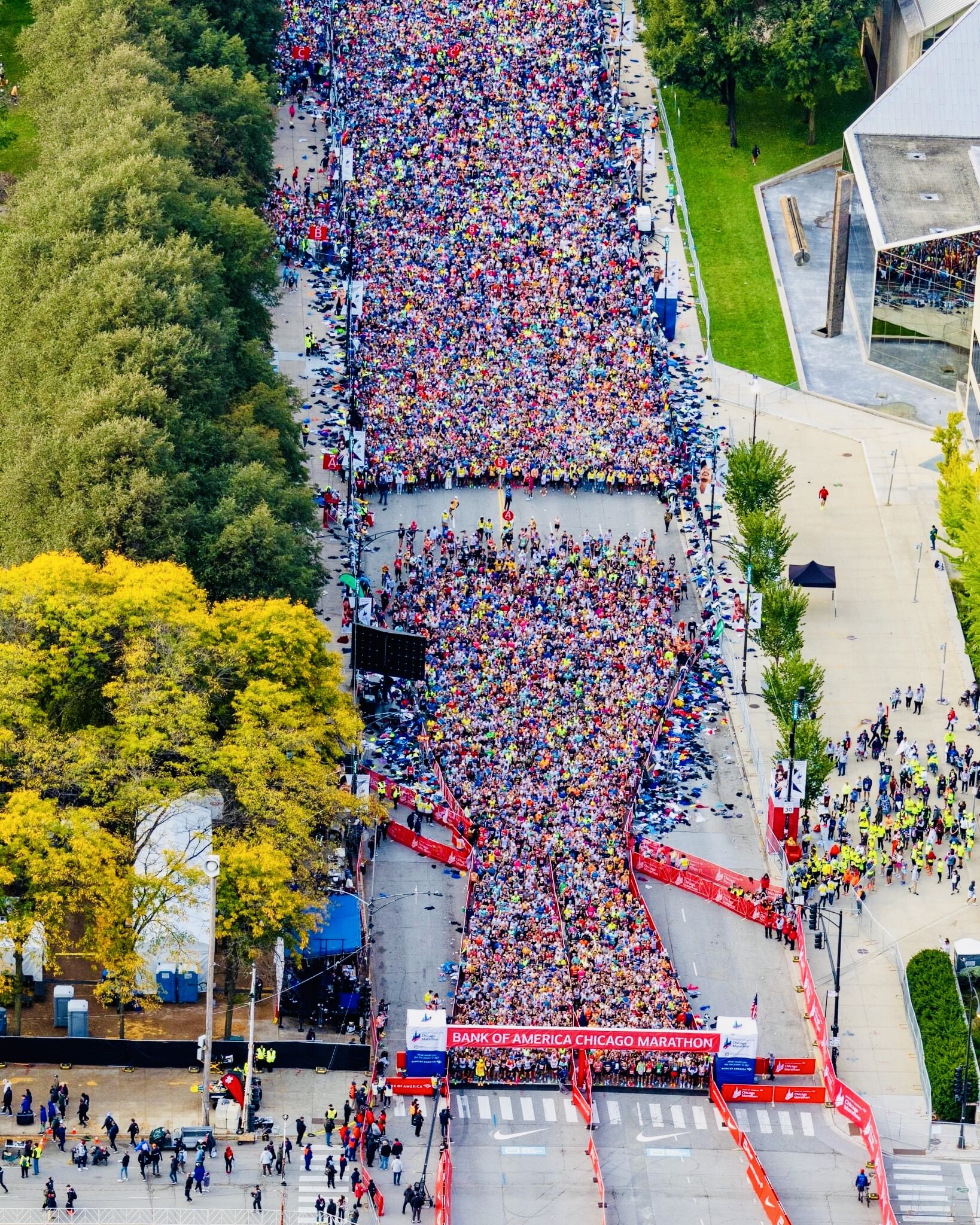
Their ambitious journey began with a clear objective: to race the world’s biggest marathon stages throughout 2026 and become the first athletes from Chile to complete an Abbott World Marathon Majors Slam.
Their challenge has taken them across continents, following the prestigious Major circuit from one iconic city to another. Each race has brought a different course, atmosphere and test of endurance, but the ultimate goal has remained unchanged — reaching the finish line of every Major in the same year.
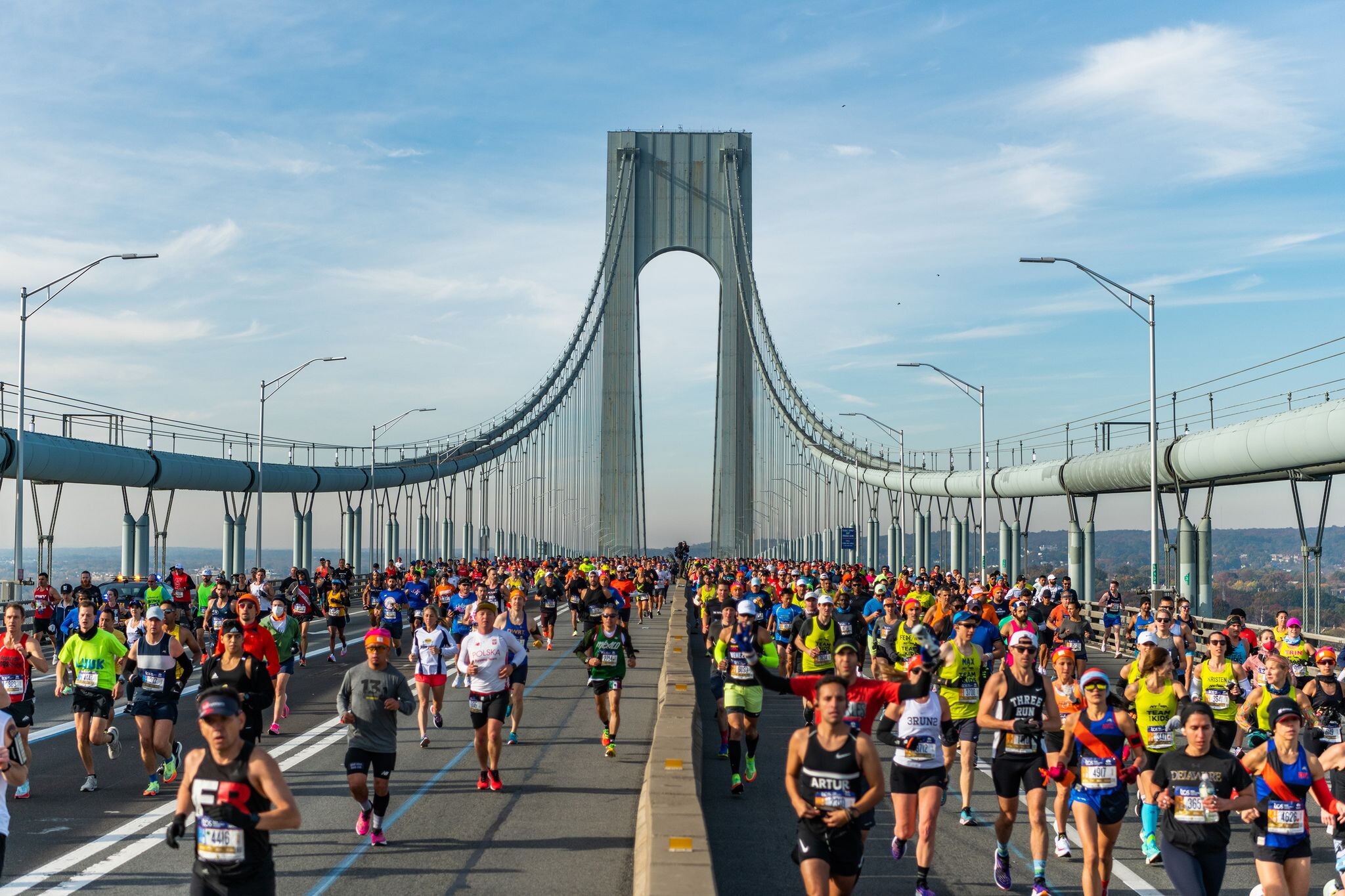
The journey is demanding not only because of the physical challenge of racing seven world-class marathons, but also because of the travel, recovery and preparation required between events. Moving from one international marathon to another leaves little room for error, making consistency and resilience just as important as speed.
For Tomás and Nicolás, every starting line represents another step towards a milestone that would carry special significance for Chilean distance running. Their campaign has turned the marathon calendar into a year-long adventure, with each race adding another chapter to a story that could ultimately end in the heart of New York City.
With the series now approaching its final stages, Tomás and Nicolás are closing in on a destination that could complete their extraordinary journey: Central Park in New York City, where the 2026 New York City Marathon will be held on November 2.
They are not alone in the pursuit. Fifty-three athletes are currently on course for an Abbott Slam in 2026, creating an intriguing race against time as the remaining Majors determine who will ultimately complete the demanding seven-race challenge.
Before New York, however, the athletes still have another major chapter to write in Chicago, where the Bank of America Chicago Marathon will provide the next opportunity to keep their dreams alive.
For Tomás and Nicolás, this is about more than collecting marathon medals. It is a journey representing Chile on some of the most prestigious stages in global distance running — with the possibility of ending the year as the first Chileans to accomplish something truly historic.
Chicago is next. New York awaits. And the dream of a Chilean Abbott Slam is getting closer to reality.
by Erick Cheruiyot for My Best Runs.
Login to leave a comment
Bank of America Chicago
Running the Bank of America Chicago Marathon is the pinnacle of achievement for elite athletes and everyday runners alike. On race day, runners from all 50 states and more than 100 countries will set out to accomplish a personal dream by reaching the finish line in Grant Park. The Bank of America Chicago Marathon is known for its flat and...
more...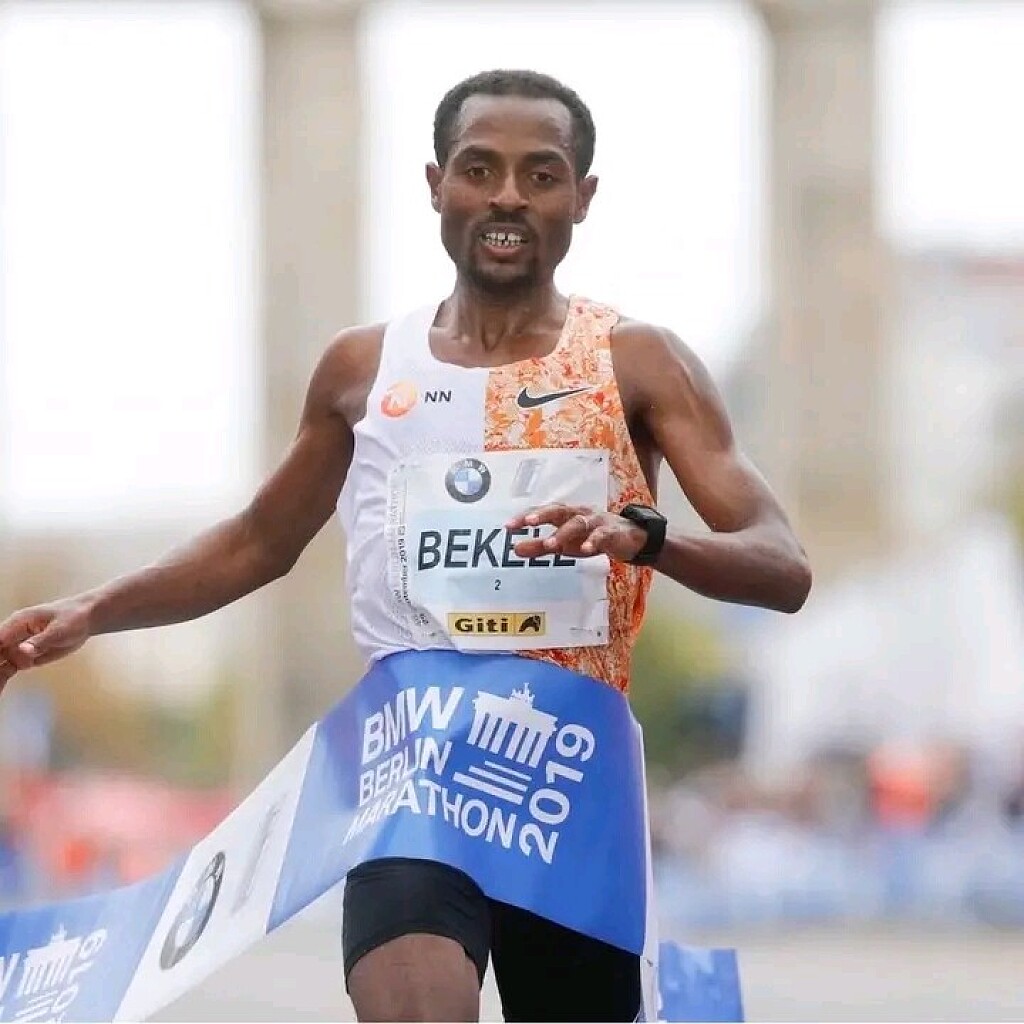
Kenenisa Bekele Withdraws From Berlin Marathon After Achilles Injury
Kenenisa Bekele’s much-anticipated return to the BMW Berlin Marathon has been abruptly cancelled after the Ethiopian distance-running legend suffered an injury to his left Achilles tendon during one of his final training sessions.
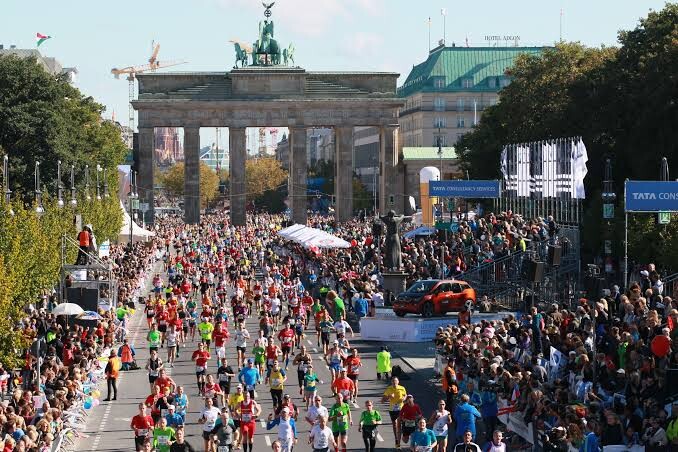
The 44-year-old Bekele was due to return to competitive action on Sunday, September 27, after being added to the elite field only last week. His late inclusion had generated enormous excitement, with fans looking forward to seeing one of the greatest distance runners in history back on one of the courses where he has produced some of his most memorable performances.
However, the injury has forced Bekele to withdraw just days before the race.
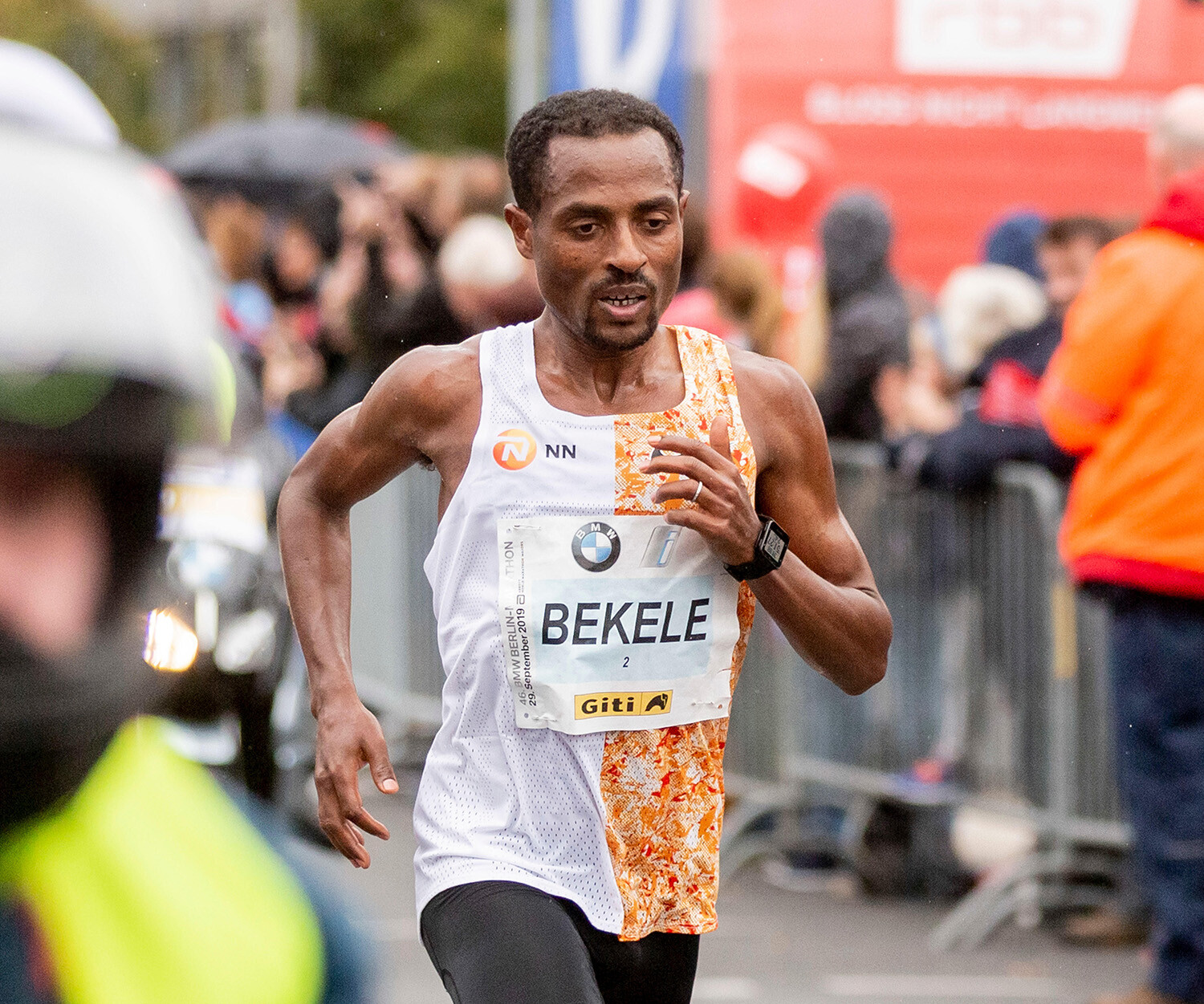
Bekele has a remarkable history in Berlin, having won the marathon twice. In 2016, he stormed to victory in 2:03:03 before returning three years later to produce one of the greatest marathon performances of his career, clocking 2:01:41 in 2019. That performance left him just two seconds short of Eliud Kipchoge’s then-world record of 2:01:39.
His 2:01:41 remains one of the fastest marathon performances ever recorded, and Berlin has long been a special stage in Bekele’s extraordinary career.
This year’s appearance was also expected to mark another chapter in his remarkable longevity. Bekele entered the race as a 44-year-old and had been targeting another strong performance after previously setting a masters marathon world record of 2:04:15 at the 2024 London Marathon, a mark he established at the age of 41.
Instead, his preparations have ended in disappointment.
Bekele has not completed a marathon since the Paris 2024 Olympic Marathon, where he finished 39th in 2:12:24. He subsequently entered the 2025 New York City Marathon but did not finish.
His withdrawal is another frustrating setback for a legendary athlete whose career has repeatedly been interrupted by injuries but who has continued to produce extraordinary performances well beyond the age at which many elite distance runners have retired.
For now, Berlin will have to wait for another Bekele appearance.
The Ethiopian legend will not be on the start line this Sunday, but his legacy on the Berlin streets remains firmly etched in marathon history.
by Erick Cheruiyot for My Best Runs.
Login to leave a comment

BMW Berlin Marathon
The story of the BERLIN-MARATHON is a story of the development of road running. When the first BERLIN-MARATHON was started on 13th October 1974 on a minor road next to the stadium of the organisers‘ club SC Charlottenburg Berlin 286 athletes had entered. The first winners were runners from Berlin: Günter Hallas (2:44:53), who still runs the BERLIN-MARATHON today, and...
more...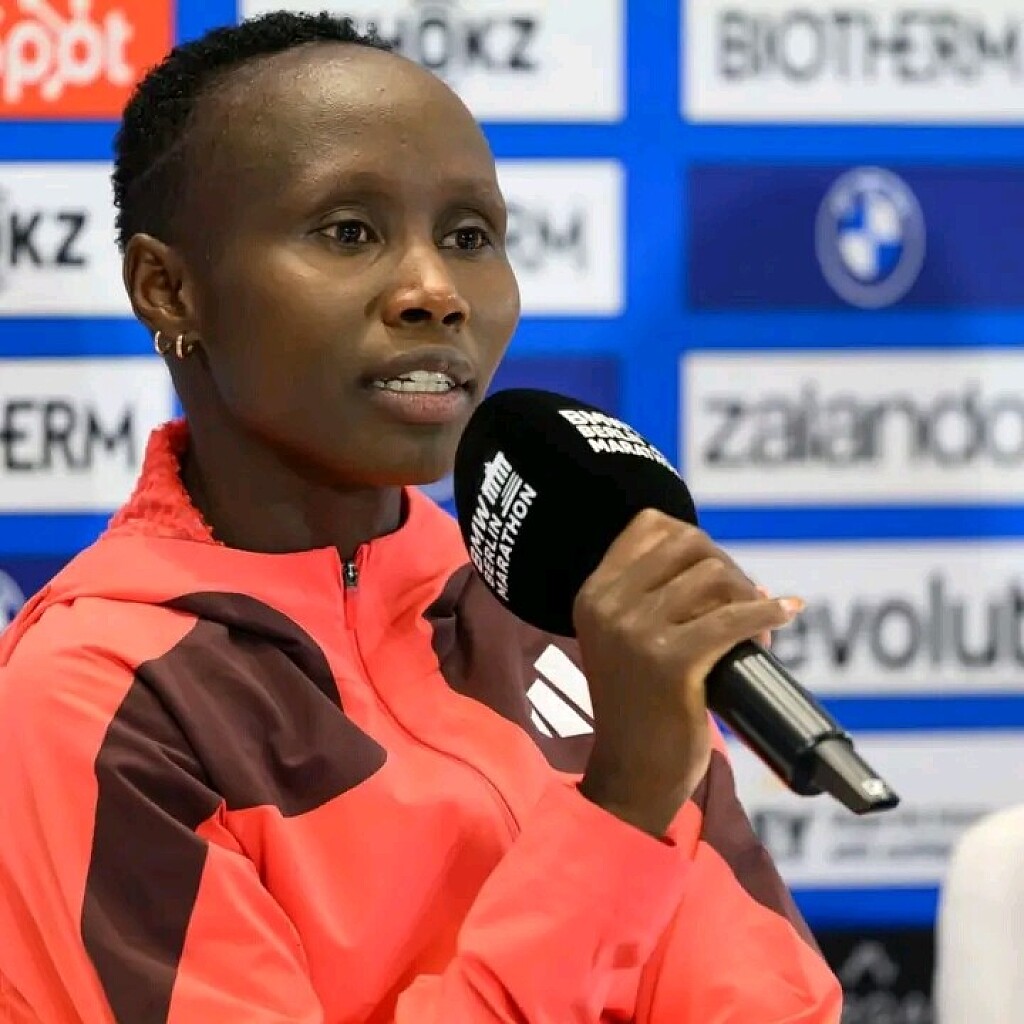
Tigst Assefa, Rosemary Wanjiru And Gabriel Geay Headline A Star-Studded Berlin Marathon
With just three days remaining until the BMW Berlin Marathon, anticipation is building for another spectacular edition of one of the world’s fastest marathon races.
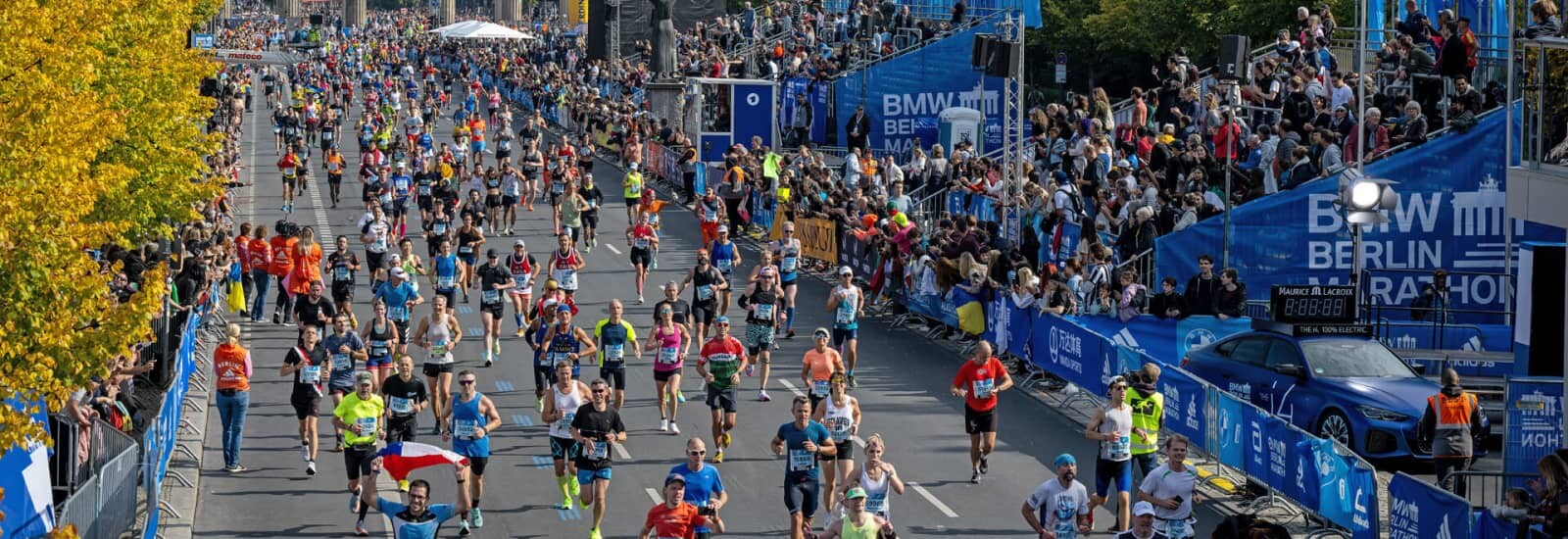
The 52nd edition of the race will take place on Sunday, September 27, with a deep international field set to take on the famously fast streets of the German capital.
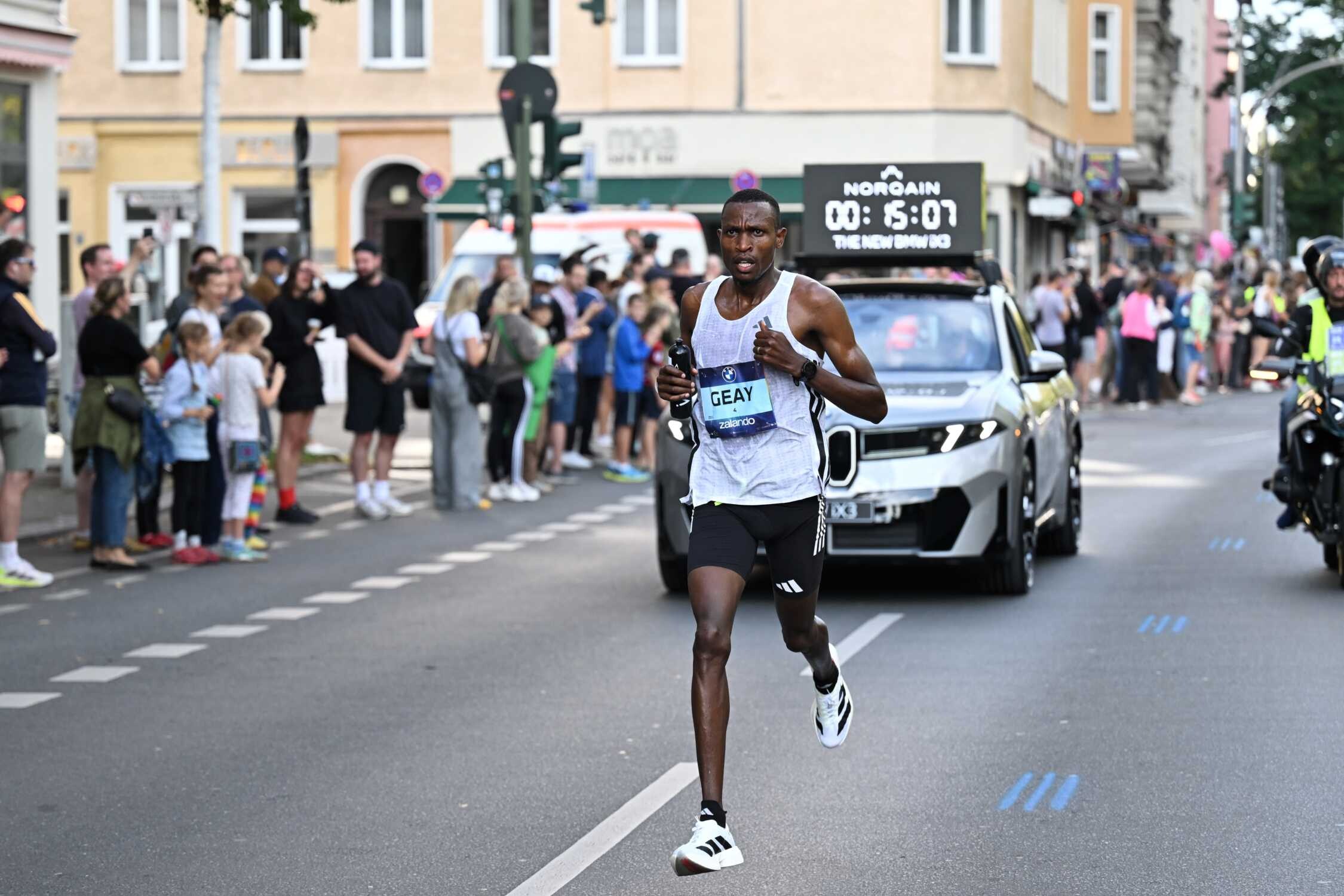
Tanzania’s Gabriel Geay is among the leading names in the men’s race, bringing a personal best of 2:03:00 to Berlin. His mark, set in Valencia in 2022, places him among the fastest marathoners in the elite field. However, Ethiopia’s legendary Kenenisa Bekele has since been added to the field with a 2:01:41 personal best, meaning Geay is not the fastest entrant on paper.
The men’s field also features Getaneh Molla (2:03:34), Guye Adola (2:03:46), Shura Kitata (2:03:59), Kenya’s Erick Sang (2:04:30) and Olympic 10,000m champion Selemon Barega (2:05:00), setting the stage for an exceptionally deep contest.
For Bekele, however, this return to Berlin carries a significance that goes far beyond the start list. The last time the Ethiopian legend stood on the Berlin start line was in 2019, when he ran 2:01:41—just two seconds outside the then-world record of 2:01:39. Had he gone two seconds faster, Bekele would have become the only athlete in history to simultaneously hold the world records for the 5,000 metres, 10,000 metres and marathon.
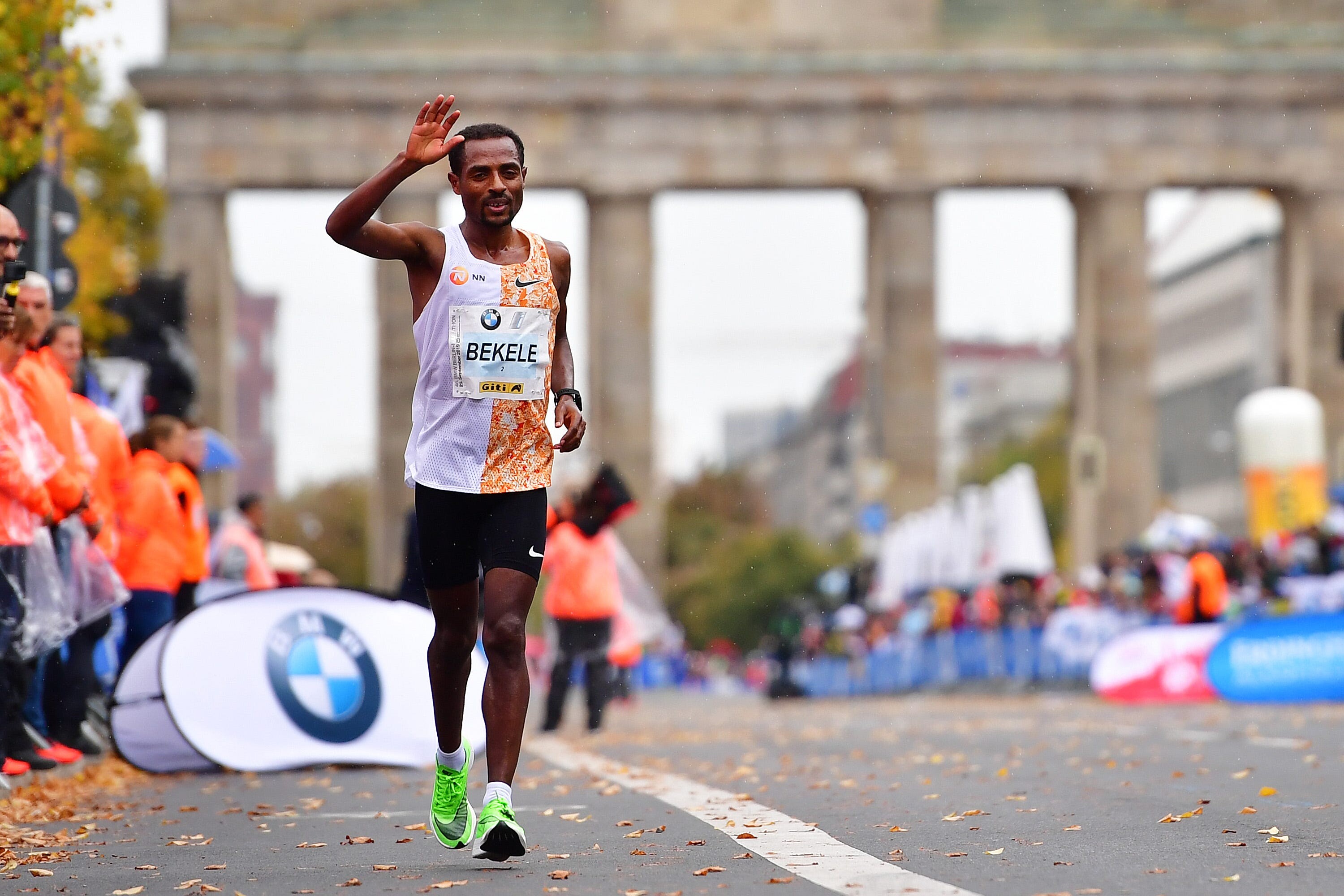
Bekele returns to Berlin on Sunday at the age of 44. His most recent race was the New York City Marathon in November, where he did not finish. Berlin, however, holds a special place in his marathon career. He claimed his first Berlin Marathon victory in 2016 and has won the race twice. He also owns the masters world record of 2:04:15, set in London last year.
He will not be the favourite in this year’s race, particularly after Sabastian Sawe was ruled out with a stress fracture. Adola, Molla, Kitata and Geay lead the field on paper, but Bekele’s presence adds another layer of intrigue to a race already packed with established marathon talent.
For Bekele, Berlin is more than another marathon. It is the course where he came closer than anyone to achieving a piece of distance-running history that remains untouched. Some athletes retire from the sport. Some retire toward one course. Bekele is running the second kind of retirement.
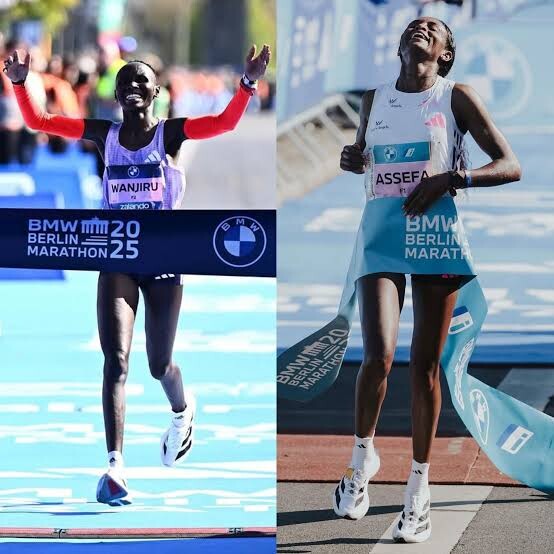
In the women’s race, all eyes will be on Tigst Assefa as the Ethiopian superstar returns to the course where she produced one of the most remarkable marathon performances in history. Assefa clocked 2:11:53 in Berlin in 2023, setting a world record at the time and establishing a course record that still stands.
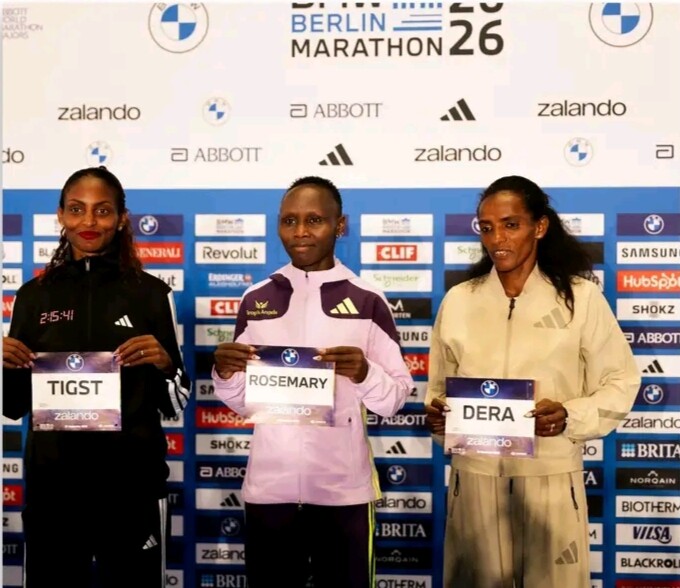
Assefa, a two-time Berlin Marathon champion, will face defending champion Rosemary Wanjiru, who returns to the German capital looking to retain her title. Wanjiru won the 2025 edition in 2:21:05 after previously finishing second in Berlin in 2022 in 2:18:00. Her personal best of 2:16:14 came at the 2023 Tokyo Marathon.
Wanjiru’s challenge will be particularly intriguing given the depth of the Ethiopian contingent. Bedatu Hirpa enters with a 2:18:27 personal best, followed by Dera Dida at 2:18:32, Zeineba Yimer at 2:18:47, Bosena Mulatie at 2:19:00, Misgane Alemayehu at 2:19:08 and Bekelech Gudeta at 2:19:39.
Kenya will also have another strong presence through Evaline Chirchir, whose 2:20:33 personal best places her among the leading women on the start list.
The Berlin Marathon’s reputation for producing fast times adds another layer of intrigue to an already stacked field. With a flat course, long stretches of uninterrupted running and a history of world records, the German capital has consistently provided elite athletes with the ideal conditions to test the limits of marathon performance.
Beyond the headline names, the race will also offer an opportunity for several contenders to make their mark on one of the biggest stages in road running. With experienced marathoners and ambitious challengers sharing the start line, the battle for the podium is expected to unfold at a demanding pace from the opening kilometres through the final stages of the race.
With Assefa returning to the scene of her historic 2023 run, Wanjiru arriving as the defending champion and a deep international cast lining up across both races, Berlin is once again set for a weekend of world-class marathon racing.
Three days out, the stage is set. The fast Berlin streets are waiting.
by Erick Cheruiyot for My Best Runs.
Login to leave a comment
BMW Berlin Marathon
The story of the BERLIN-MARATHON is a story of the development of road running. When the first BERLIN-MARATHON was started on 13th October 1974 on a minor road next to the stadium of the organisers‘ club SC Charlottenburg Berlin 286 athletes had entered. The first winners were runners from Berlin: Günter Hallas (2:44:53), who still runs the BERLIN-MARATHON today, and...
more...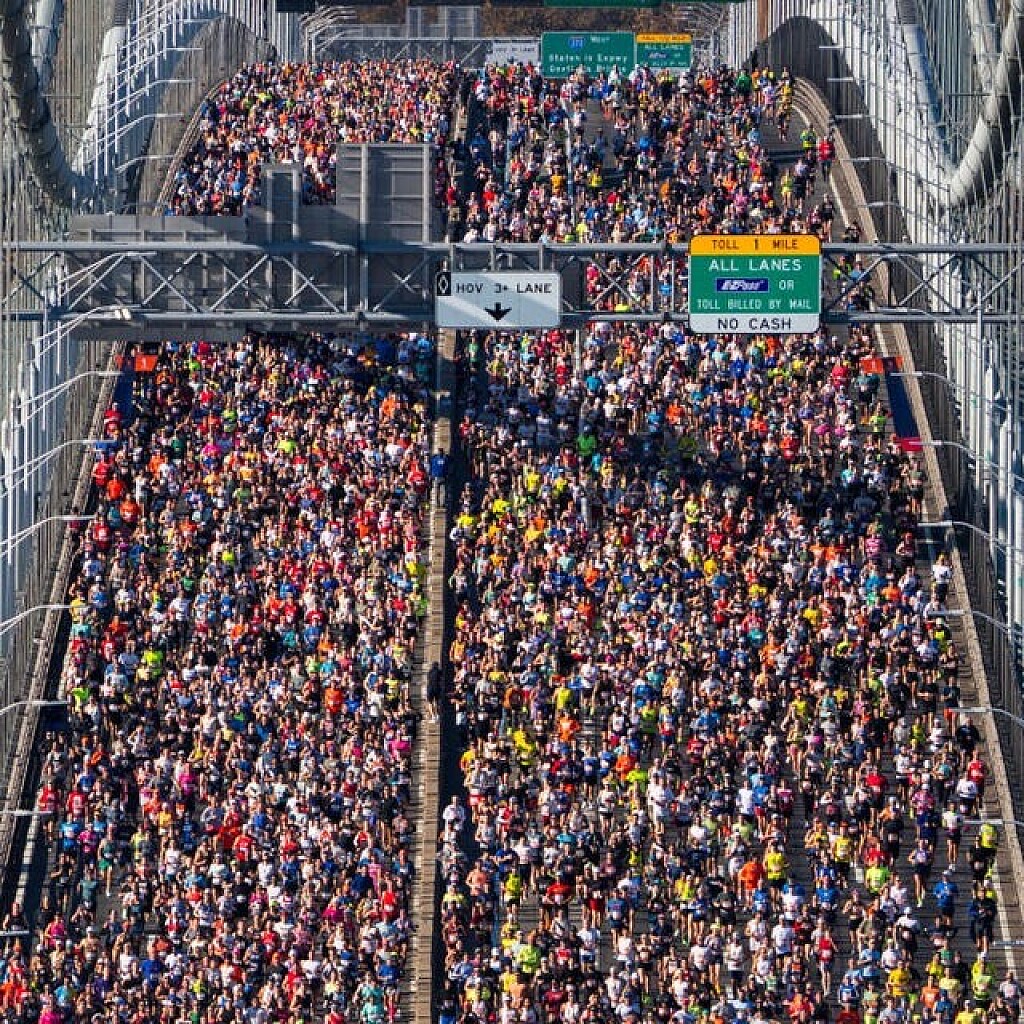
New York City Marathon Makes First Course Change in 15 Years
The TCS New York City Marathon is set for a small but significant change to its iconic 26.2-mile course, with runners facing a revised section in the Bronx between Miles 20 and 21.
For 15 years, every New York City Marathon runner passed through the exact same stretch of the Bronx around Mile 20, navigating a short loop that surrounded a neighborhood supermarket and a 24-hour laundromat for much of race day. This November, that familiar loop will disappear.
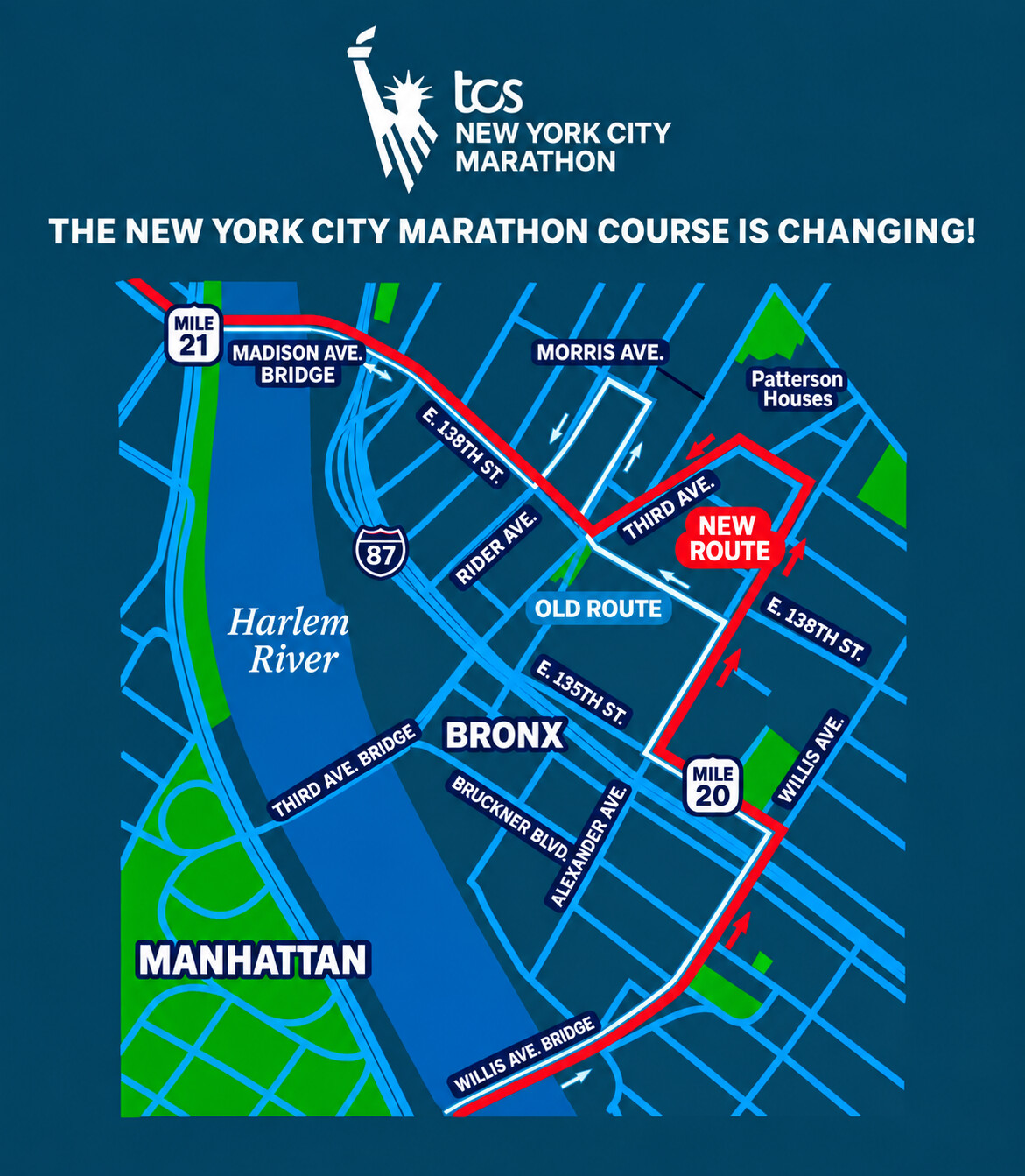
New York Road Runners (NYRR) is making its first course change to the marathon in 15 years. Instead of looping near East 140th Street, runners will head north on Alexander Avenue, turn onto Third Avenue and then cut south on 138th Street toward the Madison Avenue Bridge.
The adjustment removes two turns from the Bronx section, reducing the number from seven to five. While that may sound insignificant for a race covering 26.2 miles, the change comes at a point when runners are already deep into the marathon and every turn, road surface and change in rhythm can become more noticeable.
However, the primary reason for the change is not to make the course faster or help runners shave seconds from their finishing times.
Bronx resident Jennifer Alicea told The New York Times that the previous route made it extremely difficult to reach her only nearby grocery store on marathon day. NYRR's Metellus, who grew up in the Bronx, described the affected blocks as food deserts and saw the course's required recertification as an opportunity to address the problem.
The timing also carries added significance. This year marks 50 years since the New York City Marathon expanded beyond Central Park in 1976, becoming the five-borough race that has since grown into one of the world's most famous marathons.
The route will still cover the same 26.2 miles through New York's five boroughs, but the Bronx experience will be slightly different. For elite athletes, two fewer turns could mean a smoother rhythm during the crucial closing stages. For thousands of recreational runners, the bigger difference may be felt by the communities living along the course rather than on the race clock.
The New York City Marathon has long been celebrated not only for its elite competition but also for the connection between the race and the communities it passes through. The latest adjustment reflects that relationship, showing how even an established course can evolve while preserving the character of the event.
So, two fewer turns, the same five boroughs and the same 26.2 miles — but potentially one less headache for residents of the Bronx.
For runners taking on New York this November, the question remains: will you even notice those two fewer turns when you reach Mile 20?
by Erick Cheruiyot for My Best Runs.
Login to leave a comment
TCS New York City Marathon
The first New York City Marathon, organized in 1970 by Fred Lebow and Vince Chiappetta, was held entirely in Central Park. Of 127 entrants, only 55 men finished; the sole female entrant dropped out due to illness. Winners were given inexpensive wristwatches and recycled baseball and bowling trophies. The entry fee was $1 and the total event budget...
more...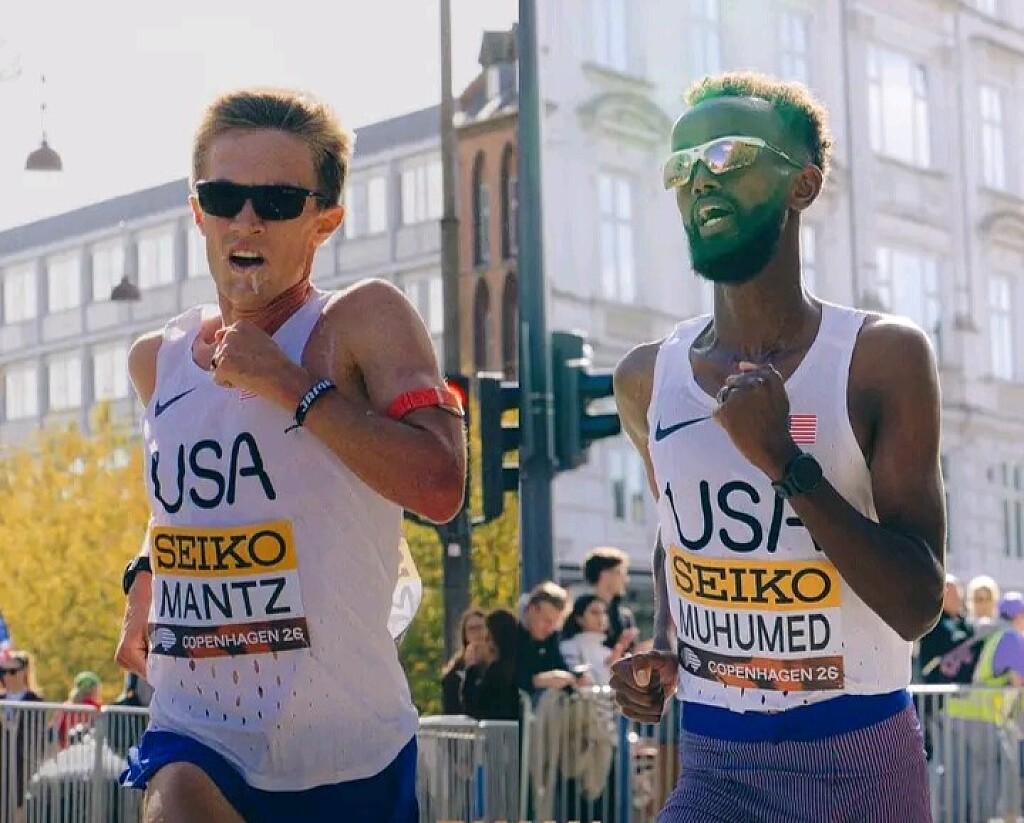
Team USA Makes History With Double Half Marathon Team Medals In Copenhagen
The United States enjoyed a remarkable day at the 2026 World Athletics Road Running Championships in Copenhagen, Denmark, securing team medals in both the men’s and women’s half marathon competitions.
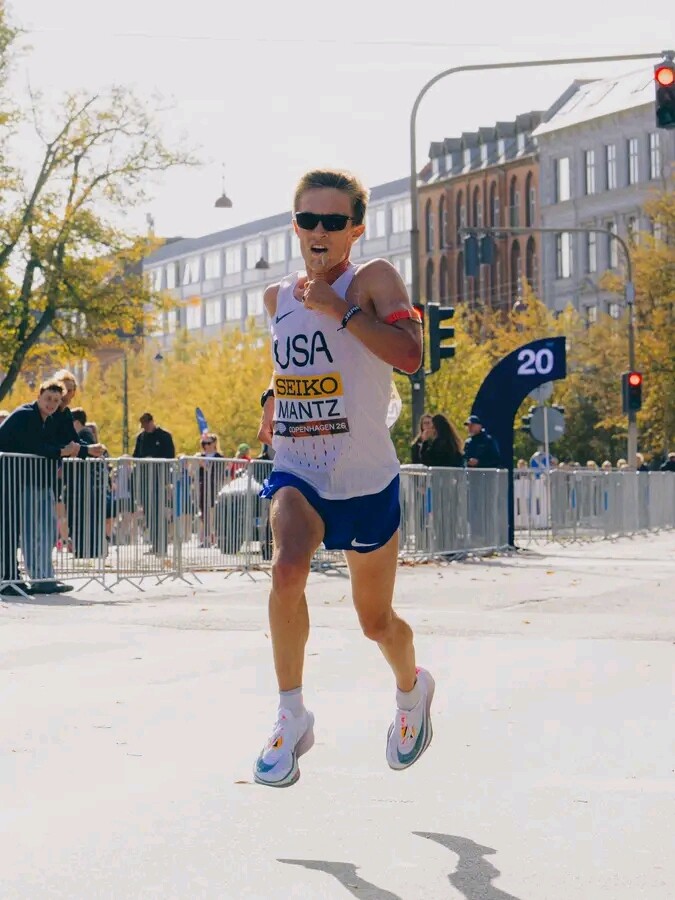
The American men claimed bronze in the team standings, while the women produced a historic performance to win silver and secure Team USA’s first-ever women’s team medal at the World Road Running Championships.
Leading the way for the American men was Conner Mantz, who finished 12th individually in 1:00:08, clocking a season’s best to spearhead the American challenge over the 21.1-kilometre distance.
For Mantz, the performance carried added significance as he continues his comeback from injury. His 1:00:08 season’s best provided a strong return to championship-level competition and an important tune-up as he prepares to take on the New York City Marathon in November.
Mantz’s performance also proved crucial to Team USA’s team medal effort, with his 12th-place finish providing the foundation for the Americans to secure bronze in the men’s standings.
Ahmed Muhumed followed closely in 13th place, crossing the finish line in 1:00:15. The performance marked a significant breakthrough for Muhumed, who lowered his previous best by 48 seconds in a major championship setting.
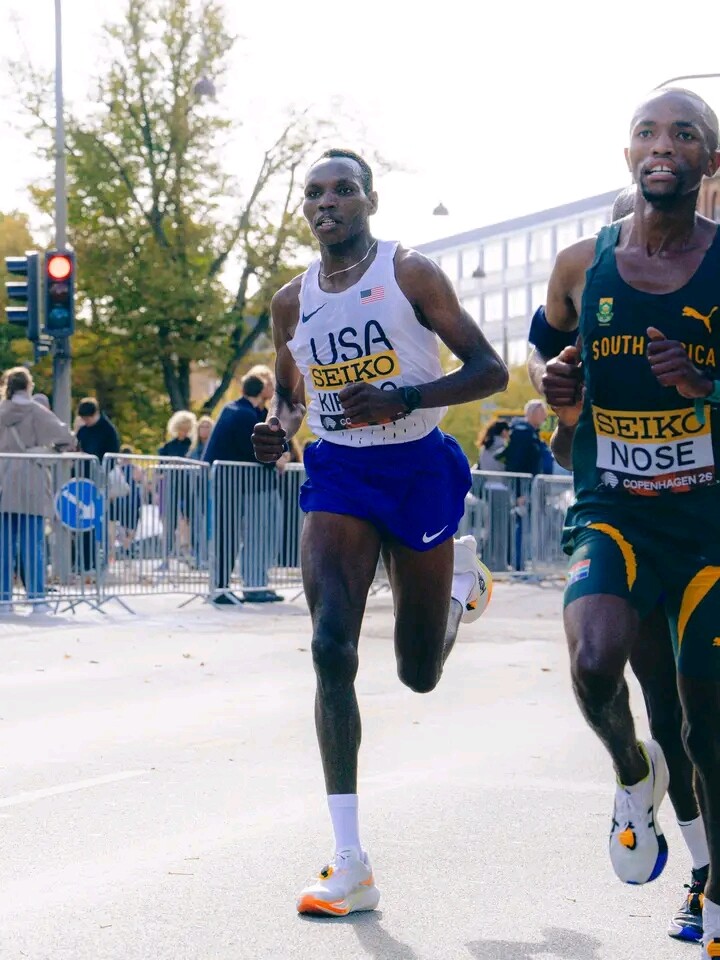
Wesley Kiptoo completed the American scoring trio, placing 23rd in 1:01:11. Kiptoo also produced a season’s best, contributing another important performance to the United States’ team effort.
The combined performances of Mantz, Muhumed and Kiptoo were enough to place the United States third in the men’s team standings, securing a hard-earned bronze medal in Copenhagen.
For Muhumed, the race was one of the biggest breakthroughs of the day, with his 1:00:15 representing a 48-second improvement on his previous best. Kiptoo’s season-best 1:01:11 further strengthened the American challenge and helped convert three individual performances into a place on the global podium.
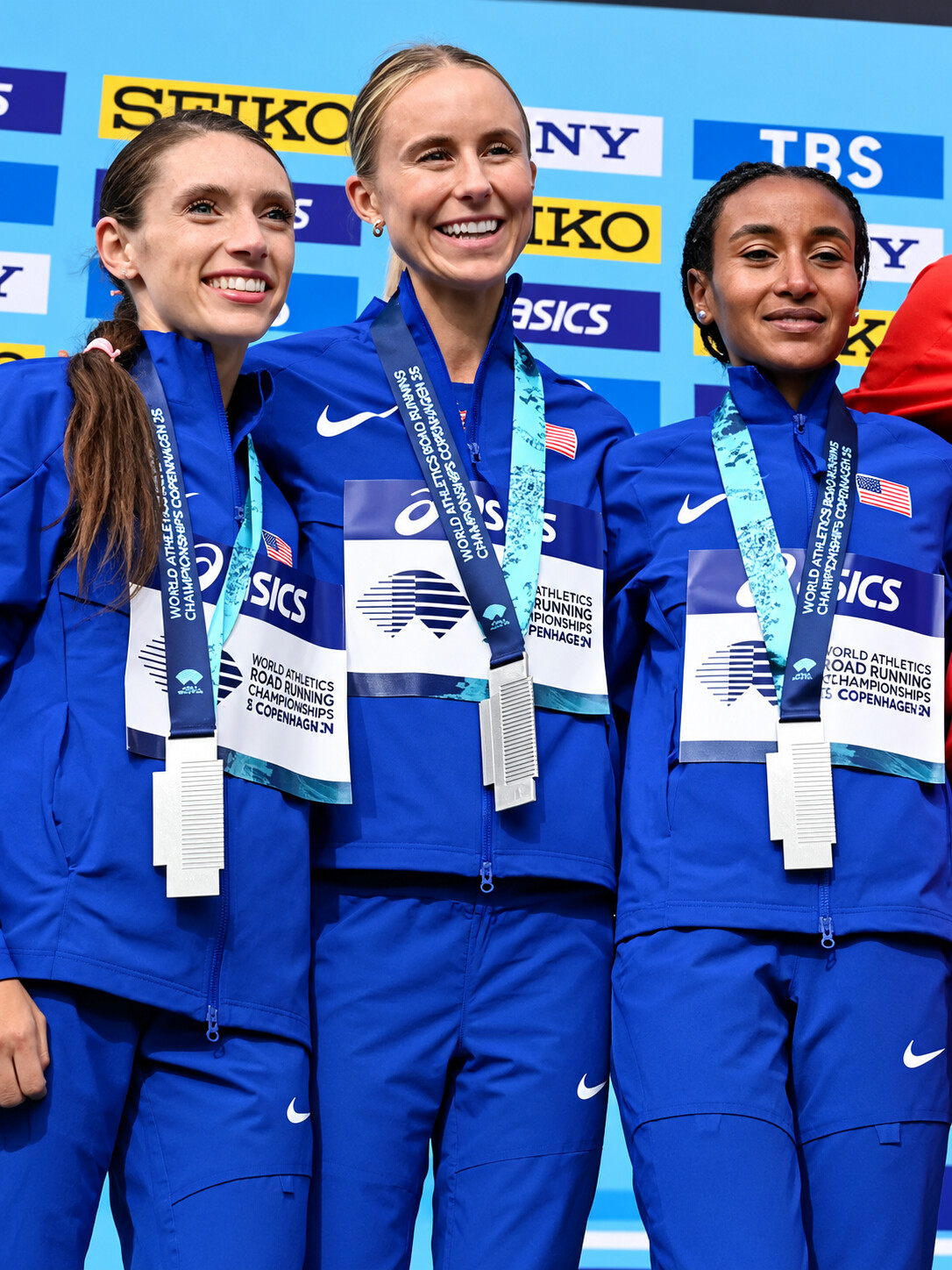
On the women’s side, Team USA made history by placing three athletes inside the top seven, earning its first-ever women’s team medal at the World Road Running Championships.
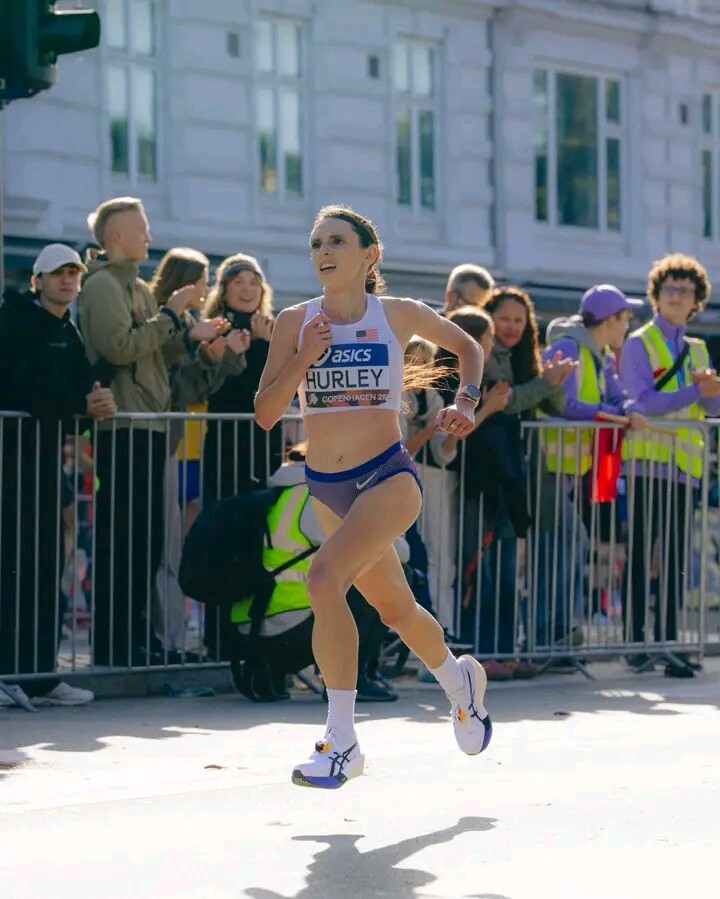
Emma Grace Hurley led the American women with a sensational fifth-place finish in 1:06:23. The performance was a huge personal best, taking more than a minute off her previous best of 1:07:35 and moving her to No. 3 on the U.S. all-time half marathon list.
Hurley also finished as the first American across the line, delivering one of the standout performances of the championship for the United States.
Weini Kelati Frezghi followed in sixth place, clocking 1:06:35 and ensuring that Team USA had two athletes inside the top six. Jessica McClain completed the scoring trio in seventh, stopping the clock at 1:06:53.
McClain’s performance represented another major breakthrough. She entered Copenhagen with a half marathon personal best of 1:08:37 but improved that mark by nearly two minutes, producing a remarkable 1:06:53 and moving to No. 6 on the U.S. all-time list.
With Hurley, Kelati Frezghi and McClain all finishing inside the top seven, the American women combined their individual performances to secure a historic team silver medal.
The achievement gave Team USA a remarkable double podium finish in the half marathon team competitions, with the men taking bronze and the women claiming silver.
Beyond the medals, Copenhagen provided a showcase of individual breakthroughs for the American distance runners. Hurley moved into the top three on the U.S. all-time list, while McClain made an equally significant leap into sixth, as Mantz added another season’s best during his return from injury.
For Mantz, the Copenhagen race now serves as an important stepping stone toward the New York City Marathon in November, giving him a competitive test and a confidence-building performance as he continues his return to top-level racing.
It was a memorable championship outing for Team USA, with strong individual performances translating into two team medals and a landmark first for the American women at the World Road Running Championships.
by Erick Cheruiyot for My Best Runs.
Login to leave a comment
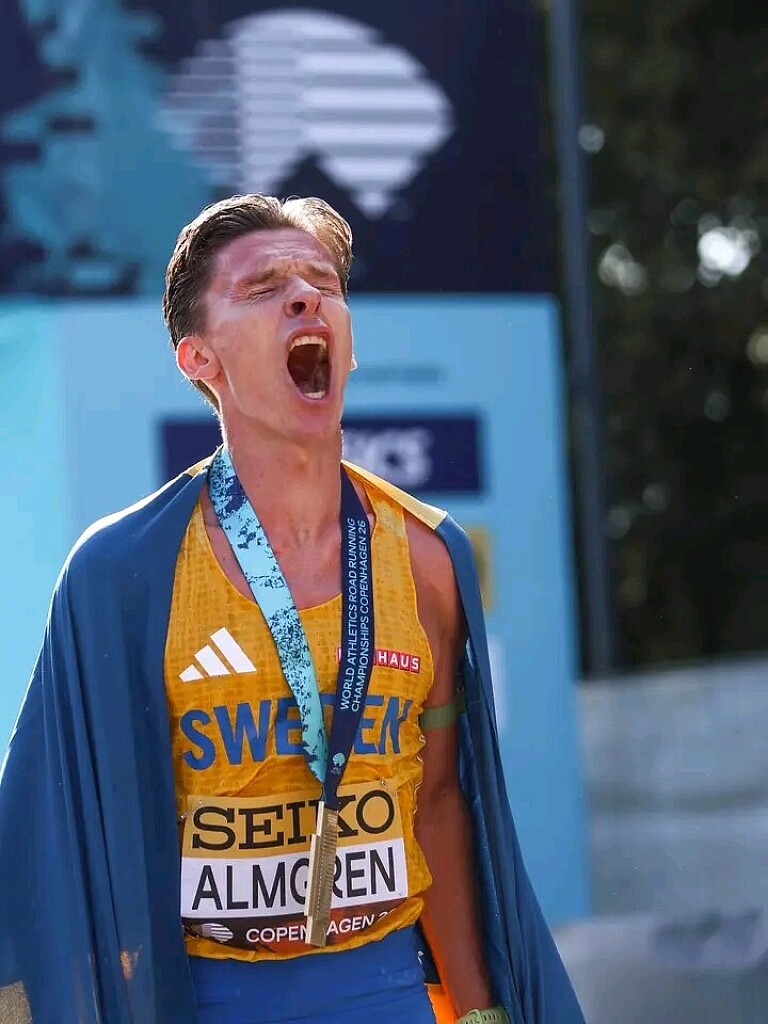
Andreas Almgren Times His Move To Perfection For World Half Marathon Gold In Copenhagen
Sweden’s Andreas Almgren produced a breathtaking finish on the streets of Copenhagen, unleashing a perfectly timed late surge to win the men’s half marathon title at the 2026 World Athletics Road Running Championships in 58:06.
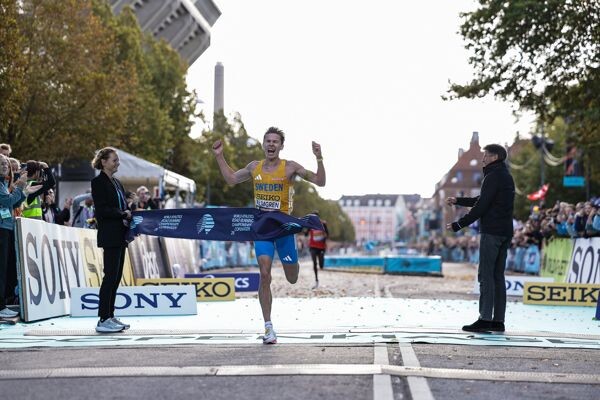
The Swedish star waited patiently through the decisive stages of the race before making his move with roughly 200 metres remaining, accelerating away from the field and producing a devastating sprint down the final straight.
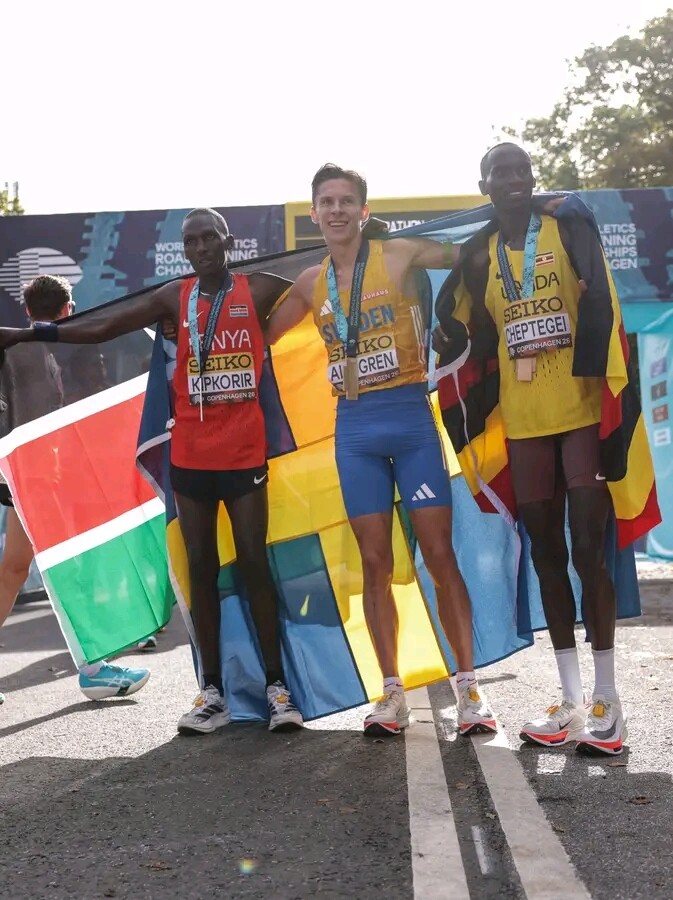
Nicholas Kipkorir had controlled much of the race, dictating the pace and keeping the leading contenders under pressure. Almgren, however, remained close throughout, carefully conserving enough energy for the moment that would ultimately decide the world title.
When the race entered its final stretch, Almgren made his move. The Swede surged hard over the final 200 metres and then outsprinted Kipkorir over the last 100 metres, powering clear to cross the line first in 58:06.
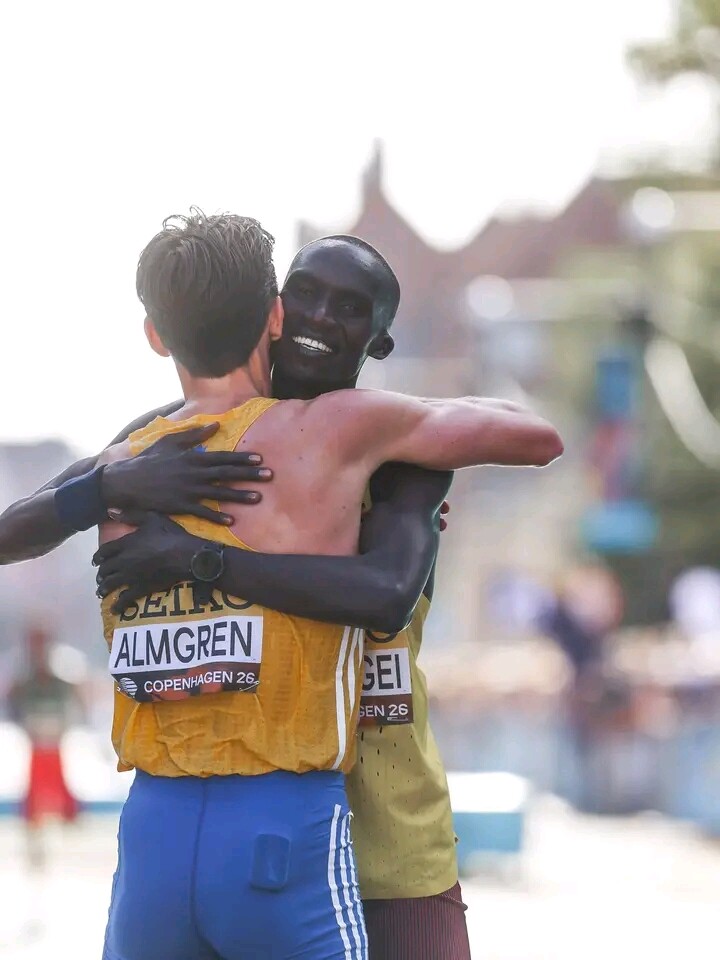
The performance was not only enough to secure the gold medal but also delivered an Area Record, adding another extraordinary achievement to Almgren’s rapidly growing list of accomplishments.
His winning time makes the victory even more significant in the history of the championships. Almgren becomes the first non-African world half marathon champion since Italy’s Stefano Baldini in 1996, ending a remarkable 30-year period in which athletes from Africa had dominated the global title.
For much of the race, Kipkorir appeared to have control, but Almgren refused to be separated from the Kenyan. His patience proved decisive as the race entered its final kilometres, allowing him to remain within striking distance before producing the acceleration that ultimately settled the contest.
Behind the leading pair, Uganda’s Joshua Cheptegei endured a gruelling battle to hold on to third position. The Olympic and world champion was pushed relentlessly in the closing stages and had to dig extremely deep to preserve his place on the podium. Despite the intense pressure from the athletes behind him, Cheptegei held firm to secure the bronze medal in a personal best of 58:26.
Ethiopia’s Tadese Worku also produced a personal best of 58:35 to finish fourth, while Kenya’s Gideon Kipkertich Rono followed in fifth in 58:57. The depth of the field was reflected by the fact that six athletes broke the 59-minute barrier, underlining the exceptional quality of the championship race.
Top 10 Men’s Half Marathon Results
1. Andreas Almgren (Sweden) — 58:06 — AR
2. Nicholas Kipkorir (Kenya) — 58:11
3. Joshua Cheptegei (Uganda) — 58:26 — PB
4. Tadese Worku (Ethiopia) — 58:35 — PB
5. Gideon Kipkertich Rono (Kenya) — 58:57
6. Hani Idriss Hersi (Djibouti) — 59:09 — NR
7. Yemaneberhan Crippa (Italy) — 59:18
8. Alex Nzioka Matata (Kenya) — 59:22
9. Daniel Simtu Ebenyo (Kenya) — 59:42 — SB
10. Othmane El Goumri (Morocco) — 59:53 — PB
The victory further strengthens Almgren’s remarkable 2026 campaign. The 58:06 performance gave the Swede an Area Record as he added the World Athletics Road Running Championships half marathon crown to his résumé, following his 10,000m triumph at the European Athletics Championships. His ability to combine sustained endurance with a devastating finishing kick once again proved decisive on the biggest stage.
For Almgren, the Copenhagen triumph also provides an intriguing glimpse ahead to his next challenge. With his New York City Marathon debut now on the horizon, the world half marathon title represents an important statement as he prepares to make the transition to the marathon. After demonstrating that he can handle the demands of championship racing over 21.1 kilometres while still possessing the speed to produce a decisive late surge, Almgren now turns his attention toward an entirely new distance.
The victory marks Almgren’s first global title, completing a remarkable transformation from European record-holder and leading continental distance runner into a world champion.
It also adds another spectacular chapter to an already outstanding 2026 season. Almgren has consistently demonstrated an exceptional combination of endurance, speed and tactical intelligence, and Copenhagen provided the perfect stage for all three qualities to come together.
With the clock showing 58:06, Almgren not only conquered the world championship field but also rewrote the European record books. His perfectly timed attack in the final 200 metres delivered Sweden a historic world road-running title and created one of the most dramatic finishes of the Copenhagen championships.
by Erick Cheruiyot for My Best Runs.
Login to leave a comment

World Athletics Road Running Championships
Six world champions and 65,000 runners just behind them. In September 2026, the heart of Copenhagen is expected to be the stage for Denmark’s largest-ever participant event. The World Athletics Road Running Championships Copenhagen 26 will take place on September 19-20, 2026. A total of 65,000 participants will join the running festivities behind the world’s fastest female and male athletes...
more...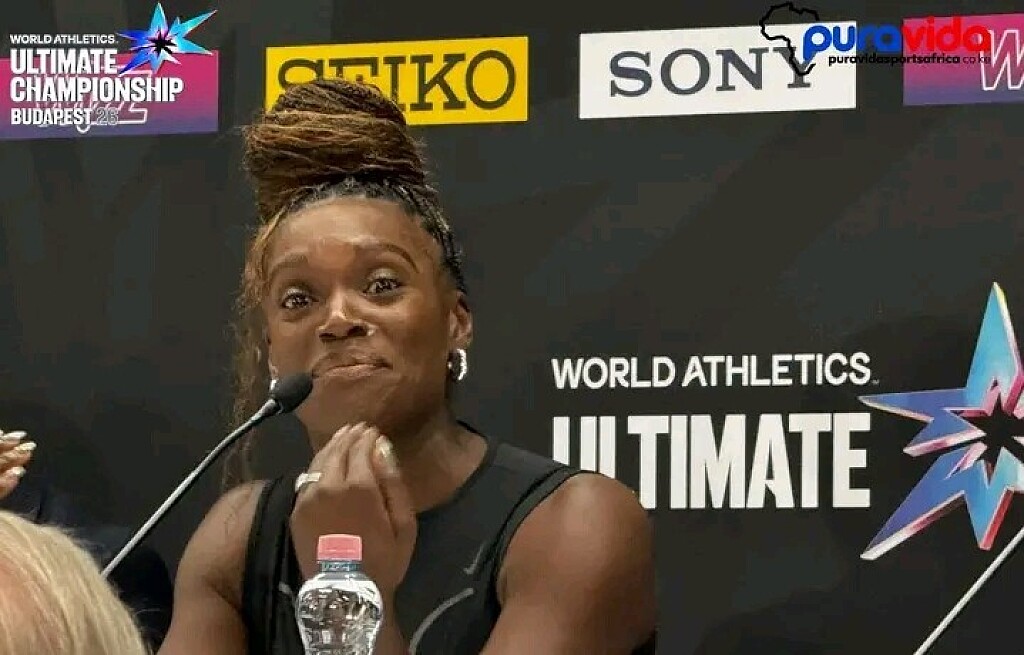
From Olympic Glory To The Microphone: Dawn Harper-Nelson’s Remarkable Second Act In Athletics
Dawn Harper-Nelson has already experienced the highest level of success an athlete can reach. Now, years after establishing herself as one of the finest hurdlers of her generation, the American Olympic champion is carving out an equally compelling identity behind the microphone.
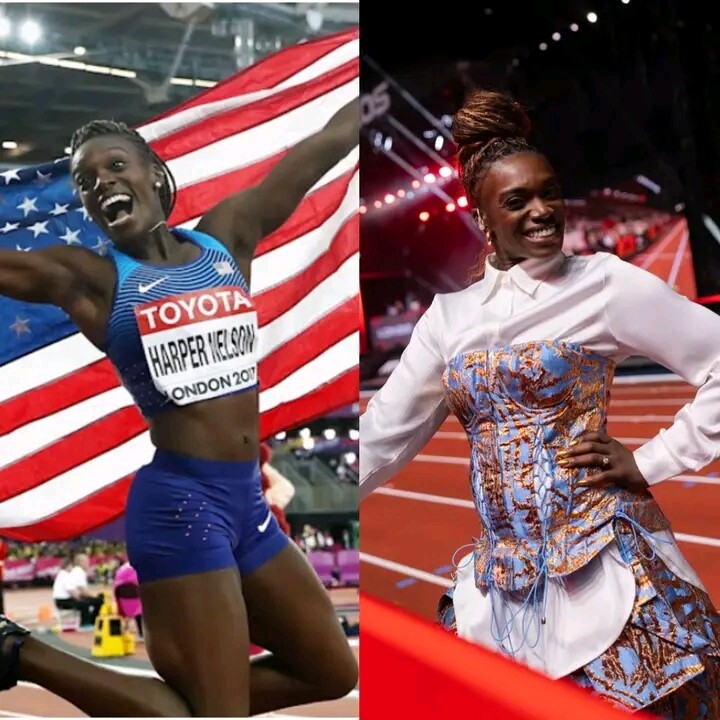
Harper-Nelson won the 100m hurdles gold medal at the 2008 Beijing Olympic Games before returning four years later to claim silver at London 2012. Her career also produced two World Championship medals — bronze in 2011 and silver in 2017 — while her personal best of 12.37 seconds, set in London in 2012, remains a defining mark of her distinguished career.
But her influence on athletics did not end when she stepped away from competitive sport.
In recent years, Harper-Nelson has successfully moved into broadcasting, presenting and athlete-focused media work, bringing with her something that cannot simply be learned in a studio: first-hand experience of competing under immense pressure on the world's biggest stages.

Her transition into media gained further momentum after she worked as an analyst during NBCUniversal's coverage of the Paris 2024 Olympic Games, becoming part of an Emmy-winning broadcast team. She has also worked with USA Track & Field in roles including press moderator, emcee and broadcaster, extending her connection with the sport beyond the competition arena.
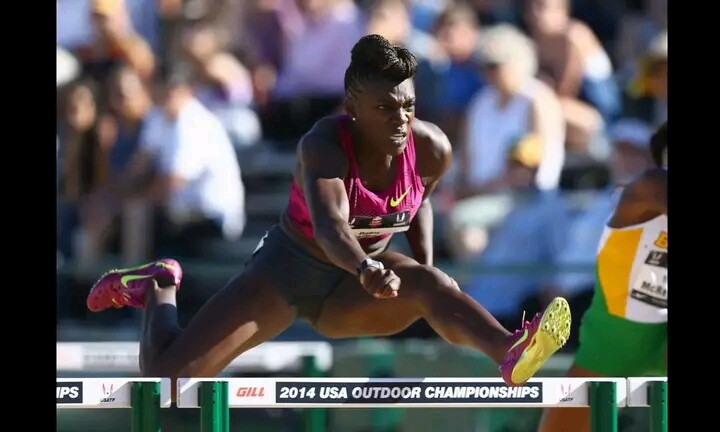
That experience has become particularly visible at some of athletics' newest and most ambitious events.
At the inaugural World Athletics Ultimate Championship in Budapest, Harper-Nelson served as an infield host throughout the three-day competition. World Athletics introduced the event with an emphasis on modern presentation, athlete storytelling and a television-focused experience, making the role of hosts and broadcasters increasingly important in connecting athletes with audiences.
Harper-Nelson was also involved in the championship's innovative pre-event programme, The Day Before, where athletes took part in interviews, content creation and other media opportunities ahead of the competition. Her presence alongside figures such as World Athletics President Sebastian Coe and Olympic sprint legend Usain Bolt underlined the experience she now brings to major athletics productions.
Her connection with ATHLOS has provided another prominent platform. The women's track and field series has developed a presentation style that combines elite competition with entertainment and athlete-focused storytelling, and Harper-Nelson has become one of the recognizable voices helping bring that experience to audiences. She previously hosted ATHLOS's long-jump competition in New York and has continued her association with the event as it expanded internationally to London in 2026.
What makes Harper-Nelson's media career particularly interesting is the perspective she carries from her own competitive journey. She knows the nerves before a major final, the pressure of championship competition, the disappointment of falling short and the discipline required to return stronger.
That background allows her to approach athlete conversations from a position of genuine understanding. Rather than simply describing what happens on the track, she can draw on her own experiences to explore the emotions, preparation and personal stories behind the performances.
Her evolution also reflects a wider change in modern athletics, where former champions are increasingly becoming storytellers, analysts, presenters and ambassadors for the sport. The ability to communicate an athlete's personality and explain the significance of a performance has become an important part of how major competitions reach new audiences.
For Harper-Nelson, the journey from the starting line to the broadcast platform has therefore been more than a career change. It has been a continuation of her relationship with athletics — only this time, she is helping tell the stories rather than creating them through her own performances.
From Olympic champion to accomplished broadcaster and event host, Dawn Harper-Nelson is showing that an athlete's influence does not have to end when the competitive career does. Her second chapter is giving her a new way to remain at the heart of the sport she once dominated on the track.
by Erick Cheruiyot for My Best Runs.
Login to leave a comment
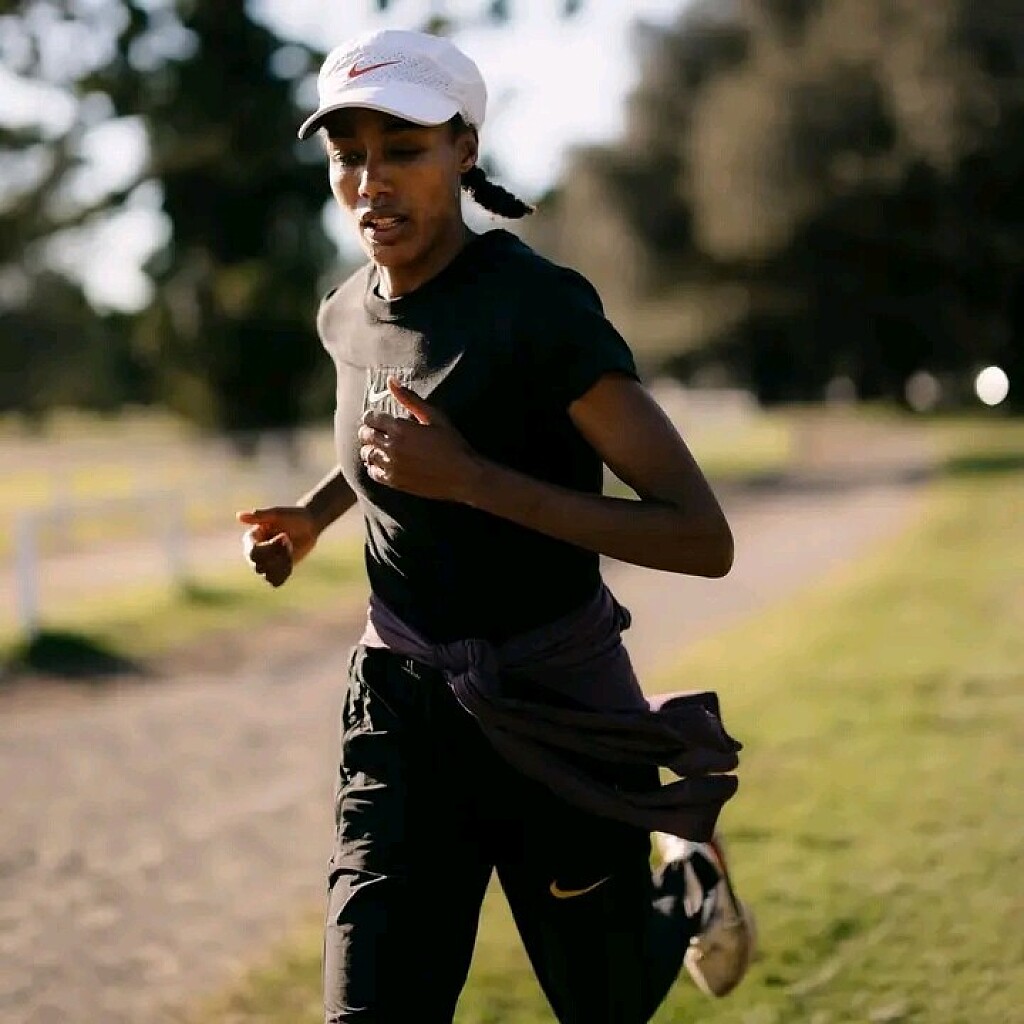
Sifan Hassan Returns To New York With Experience, Recovery And A Point To Prove
Sifan Hassan will return to the streets of New York City on November 1 with something she did not have during her difficult debut last year — experience of one of the most demanding marathon courses in the world.
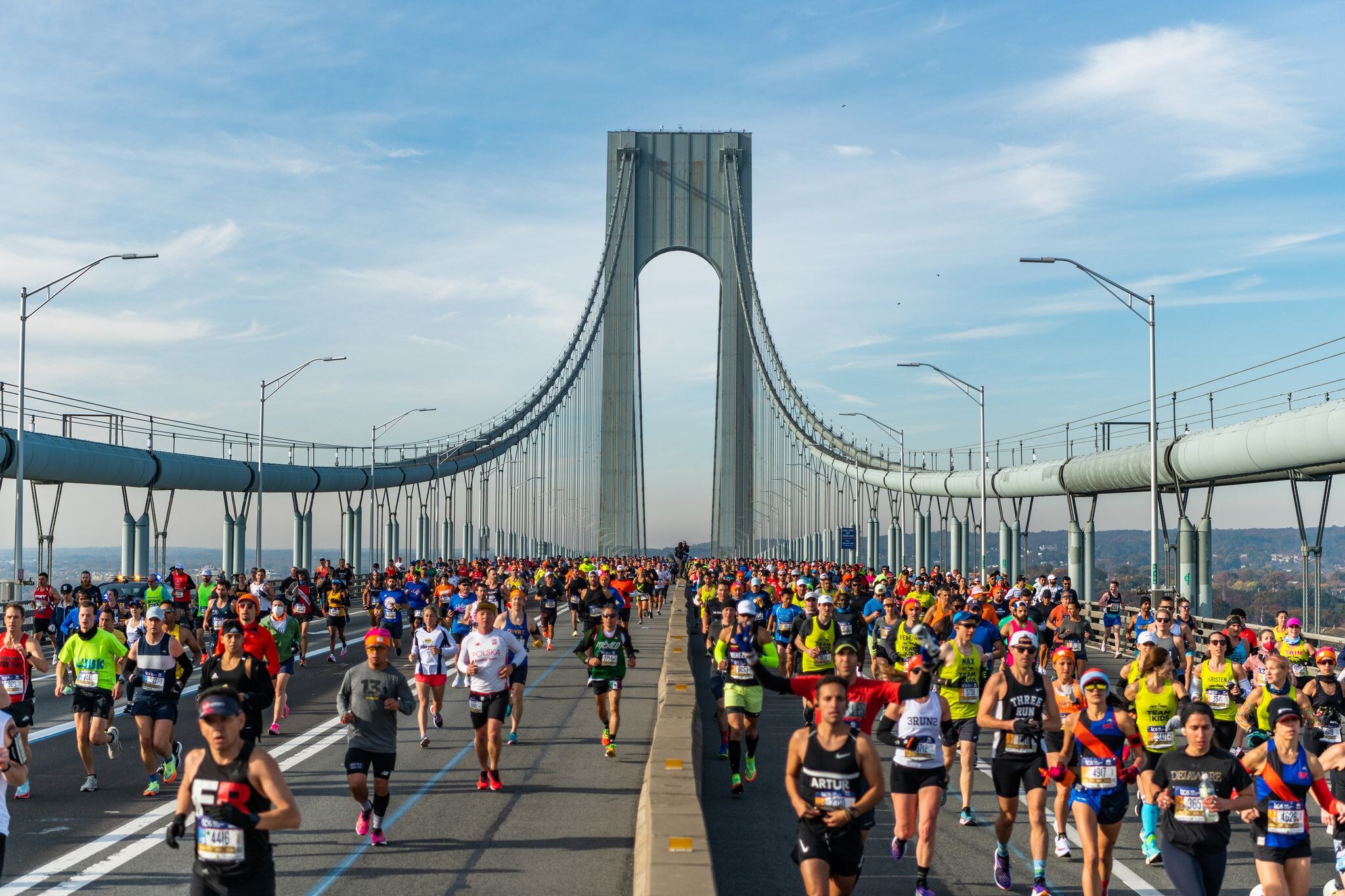
The Dutch Olympic marathon champion is set to make her second appearance at the TCS New York City Marathon, where she will face another formidable international field led by defending champion Hellen Obiri, fellow Kenyan Sheila Chepkirui and former world champion Edna Kiplagat.
Hassan's first encounter with New York in 2025 proved to be a far tougher assignment than the three-time Olympic champion might have hoped. She finished sixth in 2:24:43 after struggling during the second half of the race, with her New York debut coming only weeks after her victory at the Sydney Marathon.
The demanding schedule left Hassan facing a difficult recovery, and New York's succession of bridges, climbs and sharp changes in rhythm exposed the challenge of arriving at the race without enough marathon-specific preparation.
This time, however, the circumstances are different.
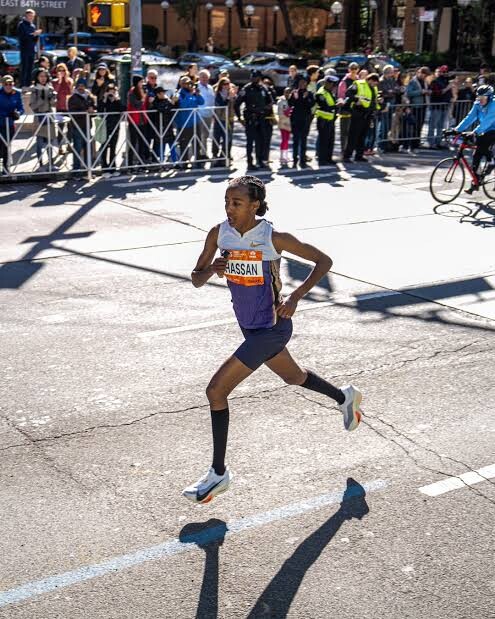
Hassan has had considerably more time to recover and prepare for the marathon, while she has also been managing an Achilles problem that disrupted her 2026 season. Rather than rushing back into competition, she has used the year to recover and build towards her longer-term goals.
Most importantly, Hassan now knows what awaits her when the race moves through New York's five boroughs.
She has already experienced the relentless bridges, the demanding climbs and the atmosphere created by huge crowds lining the streets. That knowledge could prove valuable when the race enters its decisive stages, particularly on a course where pacing and patience are just as important as raw marathon speed.
Hassan will also arrive with one of the fastest personal bests in the field. Her 2:13:44 national record makes her the quickest woman entered for the 2026 race, although New York's challenging layout means personal-best times do not necessarily tell the whole story.
Standing across the starting line will be a powerful Kenyan challenge.
Obiri returns as defending champion after producing one of the most impressive performances in the history of the race last year. She stormed to victory in 2:19:51, breaking the long-standing New York City Marathon course record, and has since lowered her marathon personal best to 2:15:53 in London.
Chepkirui will also return after finishing third in New York last year. The 2024 champion owns a 2:17:29 personal best, while Kiplagat brings enormous experience to the field, having won major marathons in New York, Boston and London as well as world championship gold.
The international field also includes Ethiopia's Gotytom Gebreslase, Kenya's Viola Cheptoo and Mercy Chelangat, Uruguay's Julia Paternain, Germany's Fabienne Königstein and a strong American contingent led by Jess McClain, Fiona O'Keeffe and marathon debutant Weini Kelati.
For Hassan, however, this race is about more than the names on the start list.
New York gave her a difficult introduction to its unique demands in 2025. She now returns with a clearer understanding of the course, more marathon experience and a preparation cycle designed to put her in a different position when the race reaches its closing stages.
She has already conquered the marathon on the biggest Olympic stage. She has also run 2:13:44, one of the fastest times ever recorded by a woman.
Now, New York offers another test.
The streets that humbled Hassan last year will once again be waiting for her. But this time, she will not be discovering them for the first time.
On November 1, Hassan will have another opportunity to find out just how different New York can look when you return knowing exactly what lies ahead.
And with Obiri, Chepkirui, Kiplagat and a deep international field standing in her way, the second chapter promises to be every bit as compelling as the first.
by Erick Cheruiyot for My Best Runs.
Login to leave a comment
TCS New York City Marathon
The first New York City Marathon, organized in 1970 by Fred Lebow and Vince Chiappetta, was held entirely in Central Park. Of 127 entrants, only 55 men finished; the sole female entrant dropped out due to illness. Winners were given inexpensive wristwatches and recycled baseball and bowling trophies. The entry fee was $1 and the total event budget...
more...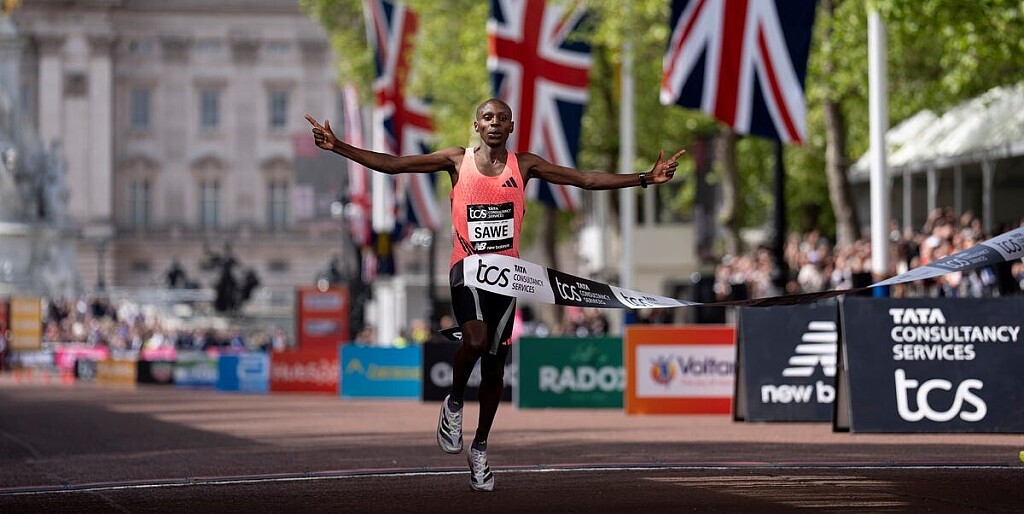
Marathon Majors Course Records: Where Speed, History And The Course Collide
The world’s biggest marathons are united by prestige, elite fields and unforgiving 26.2-mile battles, but their course records tell very different stories. From Tokyo to Sydney, each course has its own character, while London and Chicago have become synonymous with extraordinary speed.
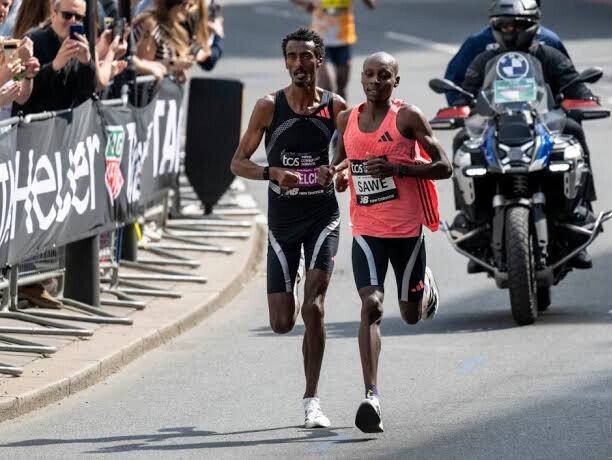
At the top of the men’s list stands the London Marathon, where Kenya’s Sabastian Sawe produced one of the greatest performances in road-running history. Sawe clocked 1:59:30 in April 2026, becoming the first athlete to officially break the two-hour barrier in a marathon. His performance also lowered the world record from Kelvin Kiptum’s previous mark of 2:00:35.
Chicago, meanwhile, owns one of the most remarkable records in women’s marathon history. Kenya’s Ruth Chepngetich ran 2:09:56 in 2024, becoming the first woman to break the 2:10 barrier. The performance remains a landmark in the event’s history and gives Chicago a special place among the fastest marathon courses in the world.
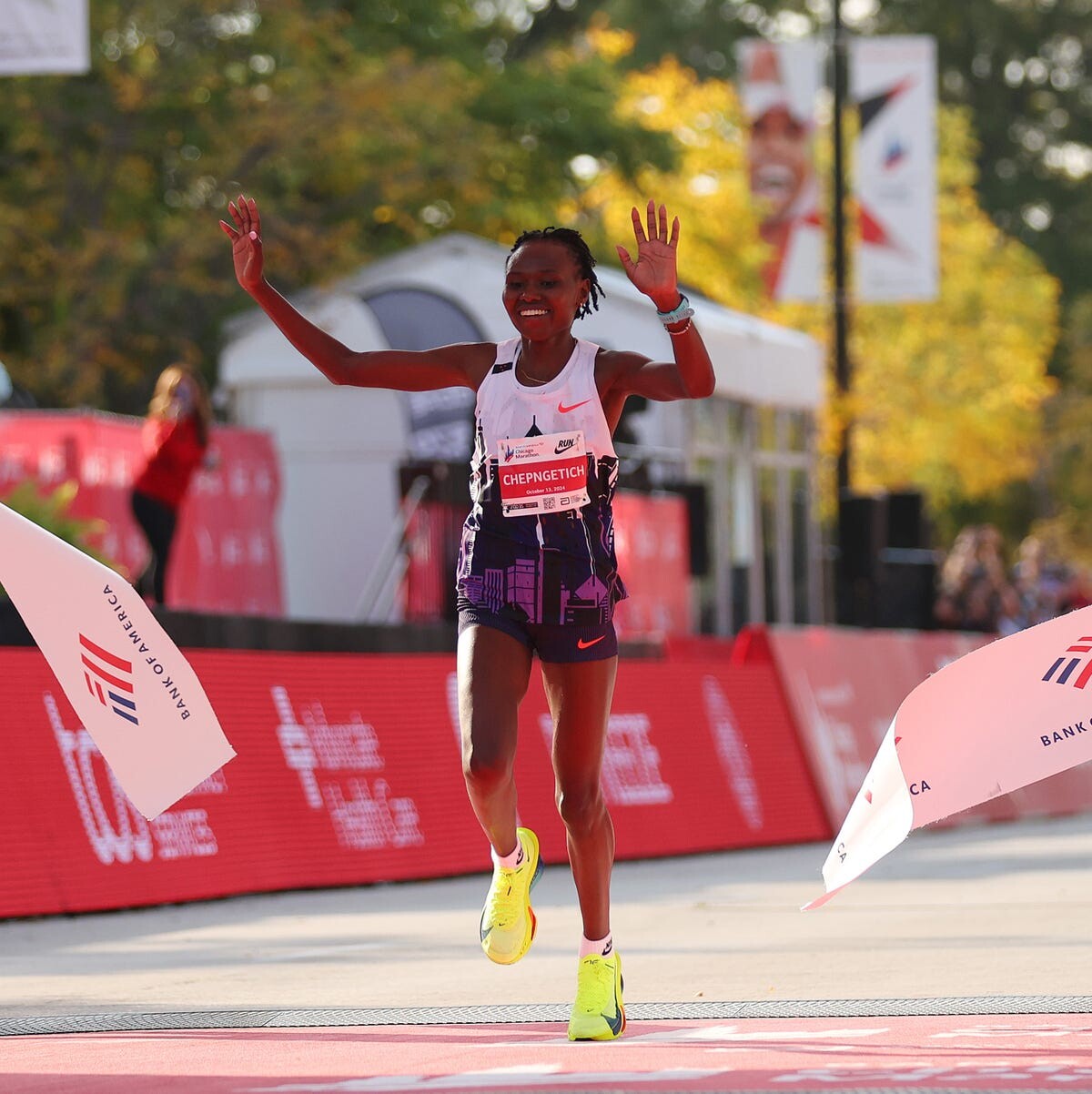
The men’s Chicago record is 2:00:35, set by the late Kelvin Kiptum in 2023. That performance stood as the world record until Sawe’s extraordinary 1:59:30 in London in 2026.
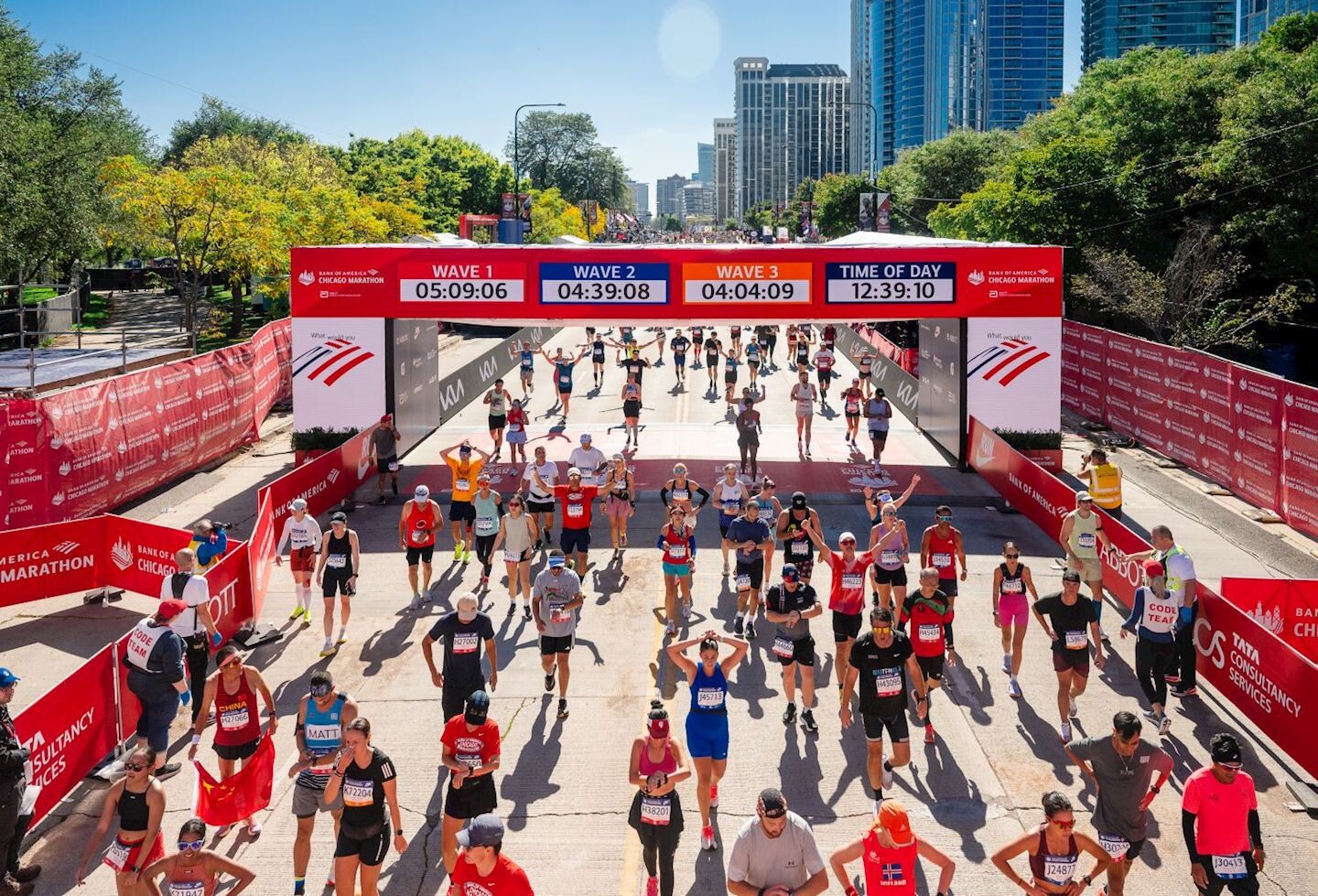
Then there is Berlin, perhaps the most celebrated world-record factory in marathon history. Kenya’s Eliud Kipchoge holds the men’s course record at 2:01:09, while Ethiopia’s Tigist Assefa owns the women’s mark at 2:11:53. Berlin has hosted numerous men’s world records over the years, underlining its reputation as one of the fastest marathon courses on the planet.
The elevation figures help explain why the courses produce such different performances. Berlin has relatively modest elevation changes, creating a fast and rhythm-friendly route. Other Majors present considerably greater challenges.
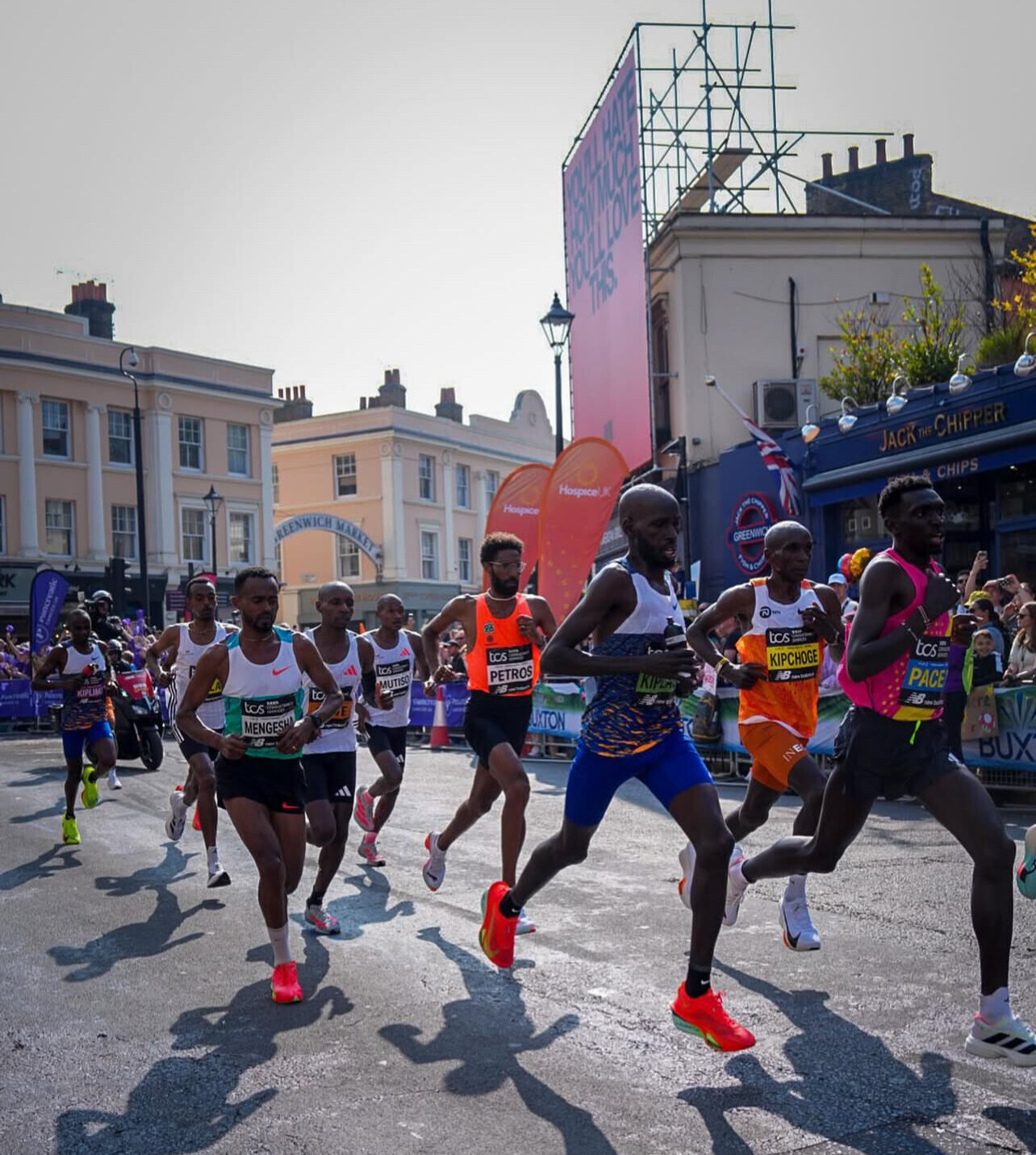
Boston, for example, climbs 248 metres but descends 388 metres. Its famous point-to-point layout and net downhill profile make it exceptionally fast in places, but its course does not qualify for official world-record purposes because the elevation drop exceeds the limit permitted by World Athletics.
New York City is a completely different proposition. With approximately 246 metres of climbing, it is among the toughest Major Marathon courses, demanding strength and tactical patience rather than simply raw speed. Its records therefore carry a different kind of significance, earned on a course that tests athletes through bridges, climbs and a demanding closing stretch into Central Park.
Tokyo offers another fast but distinctive challenge, with Benson Kipruto holding the men’s course record in 2:02:16. Brigid Kosgei’s 2:14:29 remains the women’s course record, illustrating the exceptional standard required to rewrite the record books in the Japanese capital.
And then there is Sydney, the newest addition to the Abbott World Marathon Majors family. Its course has already produced outstanding performances, with Addisu Gobena’s 2:04:42 listed as the men’s course record and Sifan Hassan’s 2:18:22 as the women’s mark in the graphic. With its demanding elevation profile, those performances underline just how quickly the Sydney course has established itself among the world’s major marathon stages.
What makes these records fascinating is that they cannot be judged by the clock alone. A 2:01 on a fast, record-legal course is a completely different achievement from a 2:04 on a demanding route, while Boston’s unique course rules mean that even exceptionally fast performances cannot enter the official world-record conversation.
For decades, marathon greatness was largely measured by who could run fastest. Today, the Majors show that where the time is run can be almost as important as the time itself. From Sawe’s historic sub-two-hour breakthrough in London to Chepngetich’s barrier-breaking run in Chicago and Berlin’s remarkable record history, these performances represent different chapters of marathon history—and the next chapter could be written at any Major.
by Erick Cheruiyot for My Best Runs.
Login to leave a comment

Noah Lyles Ends 2026 Season Due to Injury, Sprint Star to Miss Budapest Championships
Noah Lyles has made the difficult decision to bring his 2026 season to an early end, with an injury forcing the American sprint star to step away from competition for the remainder of the year.
Lyles announced the decision on Friday, revealing that the problem he suffered during the U.S. Outdoor Championships in New York has continued to affect his training and recovery. The injury, which initially appeared manageable, flared up during rehabilitation, ultimately leading him to shut down his season rather than risk a more serious setback.
Lyles had arrived at the U.S. championships in spectacular form. He powered to victory in the men's 100m at Icahn Stadium in a world-leading 9.79 seconds, matching his personal best and once again demonstrating why he remains one of the most formidable sprinters in the world.
However, his championships took an unfortunate turn in the men's 200m final. Lyles pulled up after suffering a strain in his left hamstring, leaving him unable to maintain his usual pace. He eventually crossed the finish line in 50.88 seconds.
The injury has proved more troublesome than initially expected. During his rehabilitation, the problem flared up again, preventing Lyles from progressing as planned. Rather than risk worsening the injury, the 29-year-old has chosen to prioritize his recovery and bring his 2026 campaign to a close.
The decision means Lyles will miss the inaugural World Athletics Ultimate Championships in Budapest, scheduled for September 11–13. The Budapest 2026 event would have provided another major opportunity for the American to compete against the world's best, but he will now be forced to watch from the sidelines.
Despite the disappointment, Lyles can look back on a season that once again showcased his extraordinary ability. His world-leading 9.79-second performance in the 100m was a powerful reminder of his speed, while his decision to step away reflects the importance of protecting his long-term career.
With the 2027 World Championships and the 2028 Los Angeles Olympic Games on the horizon, Lyles' priority now shifts from racing to recovery, rehabilitation and rebuilding his fitness.
It is certainly not the ending he would have wanted for his 2026 campaign. But sometimes, the most important race is the one that comes after the setback — the race back to full health.
For now, Noah Lyles' 2026 season is over. The next chapter is recovery, rebuilding and preparing for an even bigger return.
by Erick Cheruiyot for My Best Runs.
Login to leave a comment
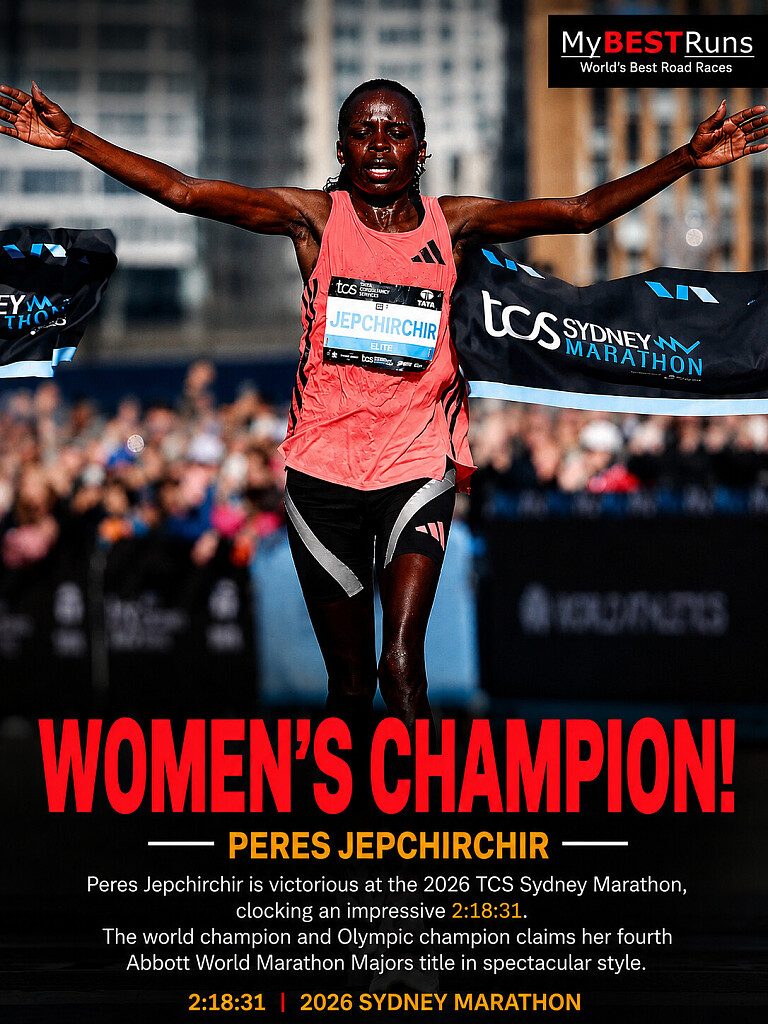
Peres Jepchirchir Conquers Sydney As World Champion Claims Fourth Major Marathon Crown
Kenya’s Peres Jepchirchir has added another prestigious chapter to her remarkable marathon career, claiming victory at the TCS Sydney Marathon presented by ASICS in an impressive 2:18:31.
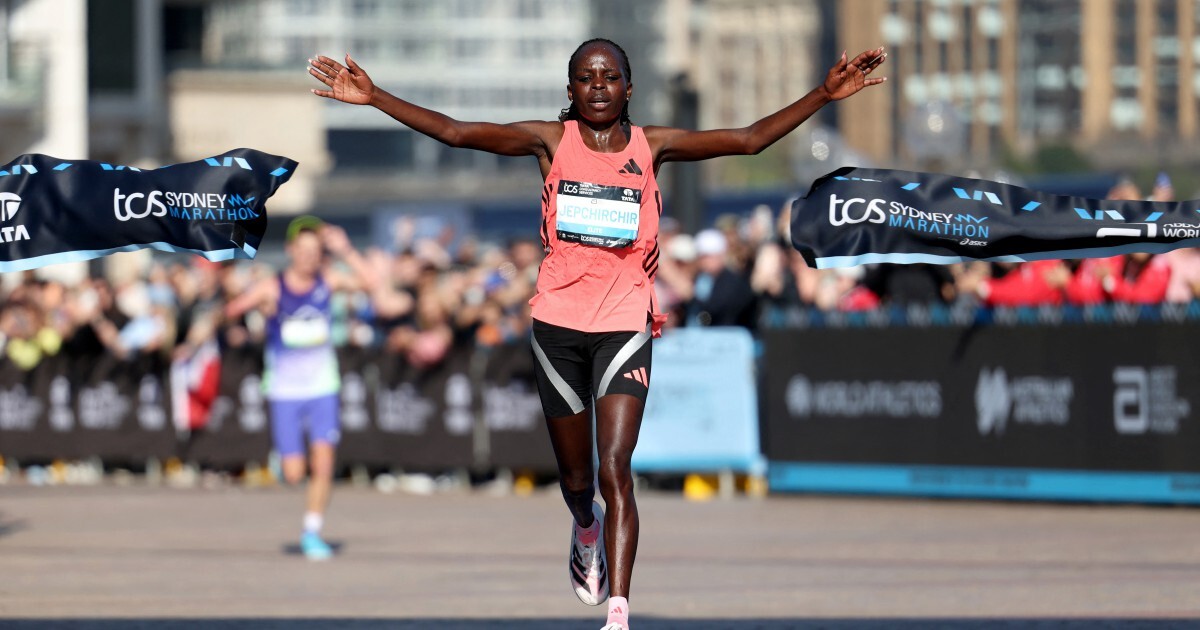
The reigning world champion and former Olympic champion produced a commanding performance on the streets of Sydney, securing another major victory and further strengthening her reputation as one of the most accomplished marathoners of her generation.
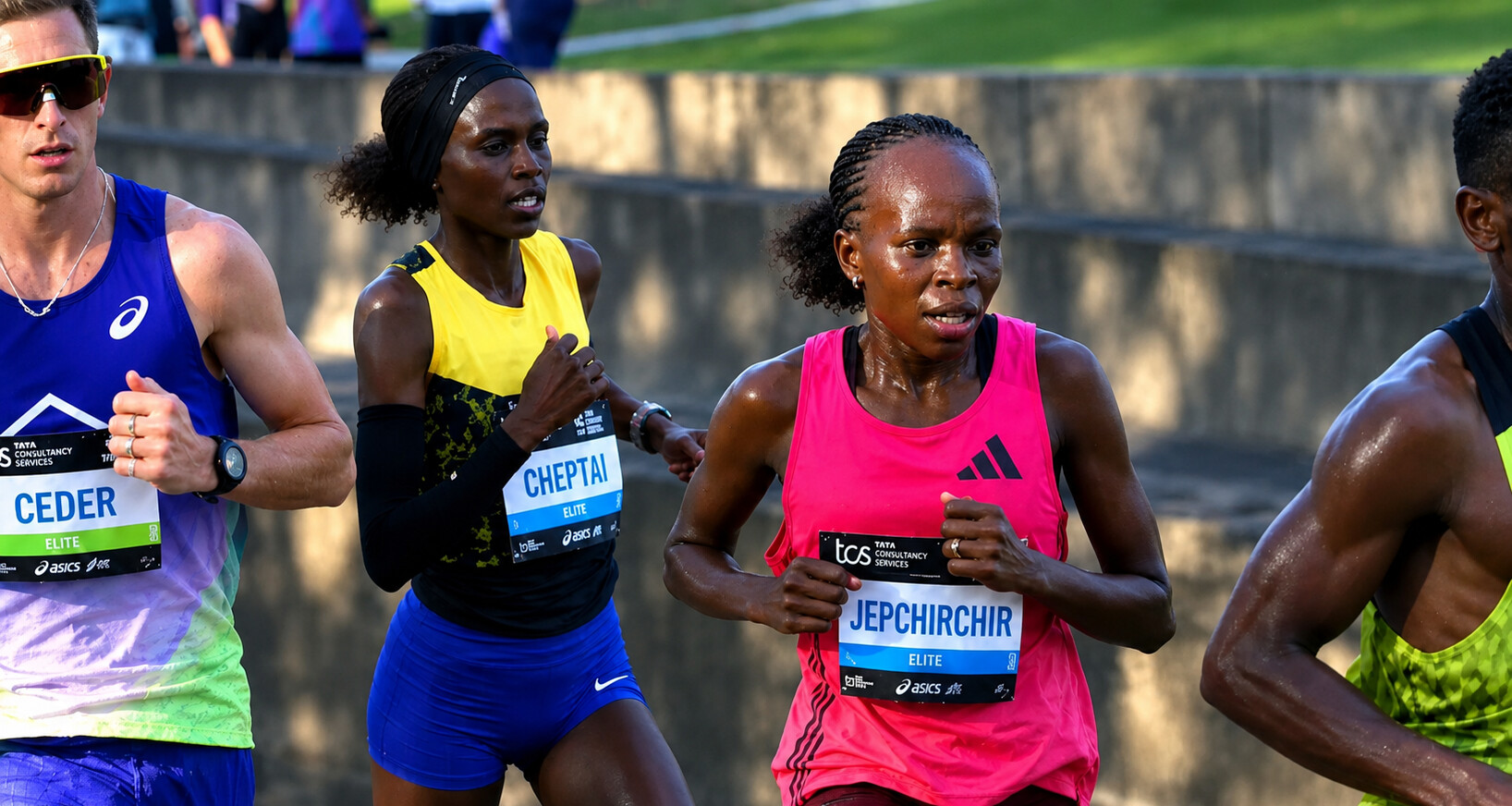
Jepchirchir’s winning time was just nine seconds shy of Sifan Hassan’s Sydney course record of 2:18:22, set at the 2025 edition. Although the record remained intact, the Kenyan once again demonstrated her ability to perform with precision and confidence on one of the sport’s biggest stages.
She won the race with a performance defined by patience, poise and remarkable composure. Rather than being drawn into unnecessary battles in the early stages, Jepchirchir appeared to run with confidence, gradually asserting her authority as the kilometres passed. Her rhythm remained smooth and controlled, her focus unwavering, and when the decisive moments arrived, she had the strength and composure to take command. It was a victory crafted with intelligence, executed with elegance and finished with the unmistakable authority of a true champion.
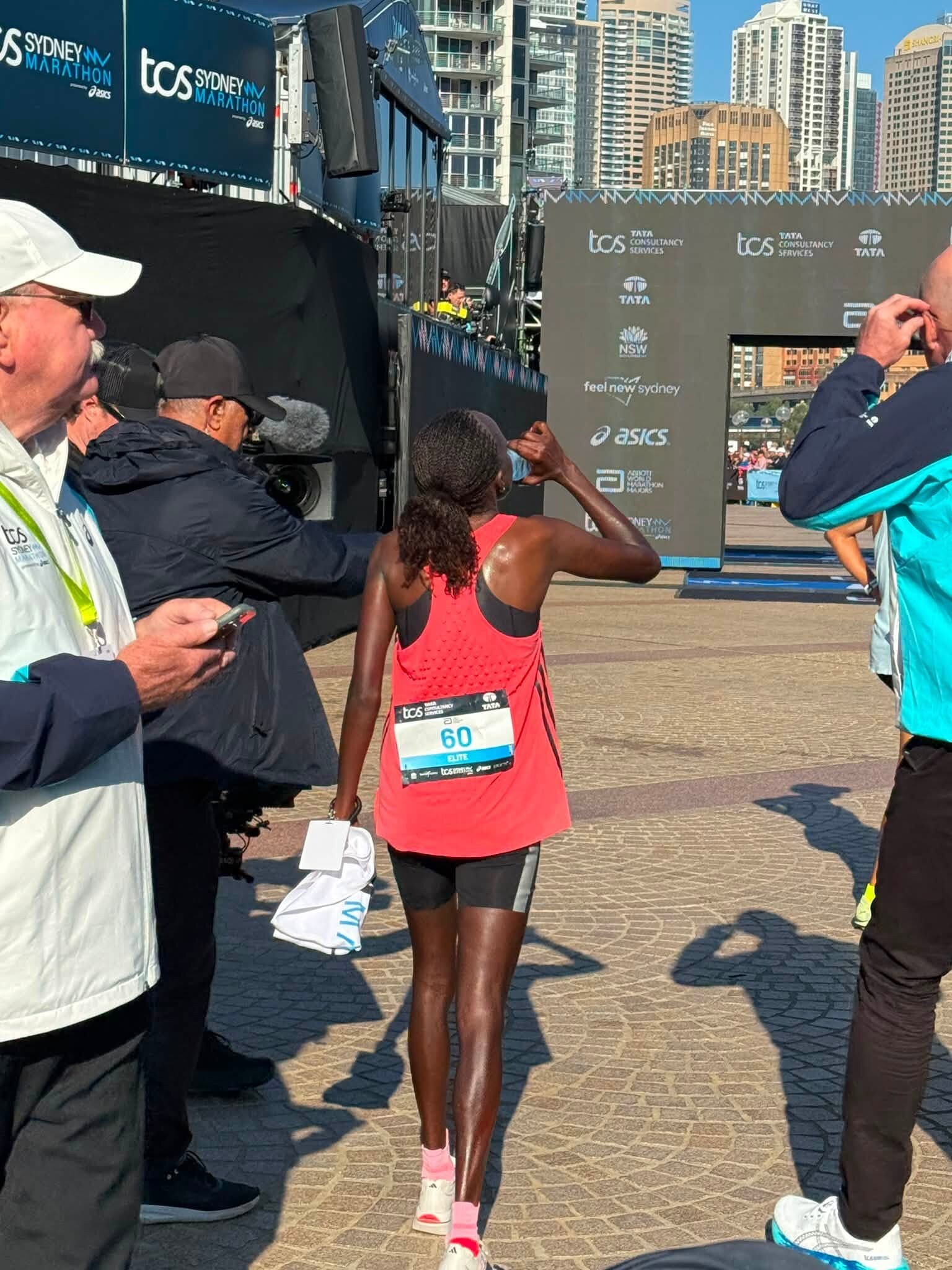
More significantly, the triumph marks Jepchirchir’s fourth Abbott World Marathon Majors victory. She had previously conquered New York, Boston and London, and her Sydney success now adds another prestigious Major title to an already extraordinary résumé.
Behind the champion, compatriot Irine Cheptai completed an impressive Kenyan one-two, crossing the finish line in 2:22:11. Ethiopia's Shure Demise secured the final place on the podium with a strong run of 2:22:32, as Kenya and Ethiopia once again demonstrated their extraordinary depth in elite women's marathon running.
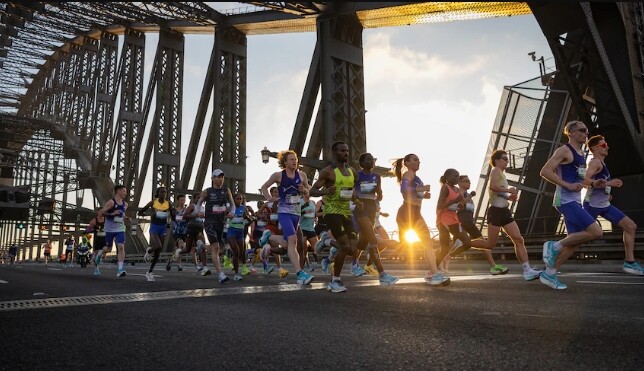
Ethiopia's Haven Hailu finished fourth in 2:22:56, followed by compatriot Meseret Abebayehu in fifth with 2:23:40. Kenya's Priscah Cherono took sixth place in 2:23:49, narrowly ahead of Uganda's Stella Chesang, who clocked 2:23:51 for seventh.
The race also featured a notable performance from home favourite Ellie Pashley, who battled her way into the top 10. The Australian finished ninth in 2:28:27, giving the home crowd a strong athlete to celebrate in an elite field dominated by East African runners.
2026 Sydney Marathon – Top 10 Women's Results
1. Peres Jepchirchir (Kenya) – 2:18:31
2. Irine Cheptai (Kenya) – 2:22:11
3. Shure Demise (Ethiopia) – 2:22:32
4. Haven Hailu (Ethiopia) – 2:22:56
5. Meseret Abebayehu (Ethiopia) – 2:23:40
6. Priscah Cherono (Kenya) – 2:23:49
7. Stella Chesang (Uganda) – 2:23:51
8. Fikrte Wereta (Ethiopia) – 2:25:18
9. Ellie Pashley (Australia) – 2:28:27
10. Aberu Ayana (Ethiopia) – 2:28:29
For Jepchirchir, Sydney represents far more than another race victory. It is another demonstration of the consistency, resilience and championship mentality that have defined her career. From Olympic glory to world championship success and now another Major triumph, she continues to strengthen her place among the most accomplished marathoners of her era.
The Sydney Marathon has rapidly established itself as one of the most significant races on the global marathon calendar, and Jepchirchir’s victory adds another memorable chapter to its growing history.
As the champion crossed the finish line beneath Sydney’s iconic skyline, she celebrated another remarkable achievement in a career that continues to evolve with every major challenge.
From Olympic champion to world champion, from New York and Boston to London and now Sydney, Peres Jepchirchir continues to turn the world’s greatest marathons into stages for her brilliance. Sydney has a new champion, and another extraordinary chapter has been added to the story of one of marathon running’s finest competitors.
Four Abbott World Marathon Majors conquered. One extraordinary legacy still being written.
From Jepchirchir's dominant victory to another fiercely competitive East African showdown and Pashley's determined top-10 finish on home soil, the 2026 Sydney Marathon delivered a memorable showcase of world-class women's distance running. And at the centre of it all stood Peres Jepchirchir—once again wearing the crown.
by Erick Cheruiyot for My Best Runs.
Login to leave a comment

Sydney Marathon
The Sydney Marathon is a marathon held annually in Sydney, Australia. The event was first held in 2001 as a legacy of the 2000 Summer Olympics, which were held in Sydney. In addition to the marathon, a half marathon, 9 kilometres (5.6 mi) "Bridge Run", and a 3.5 kilometres (2.2 mi) "Family Fun Run" are also held under the banner...
more...
26 Years Later, Vivian Cheruiyot Returns To Sydney As A Kenyan Distance-Racing Legend
Twenty-six years ago, a 17-year-old Vivian Cheruiyot arrived in Sydney carrying the dreams of a young Kenyan athlete and the promise of a remarkable future.
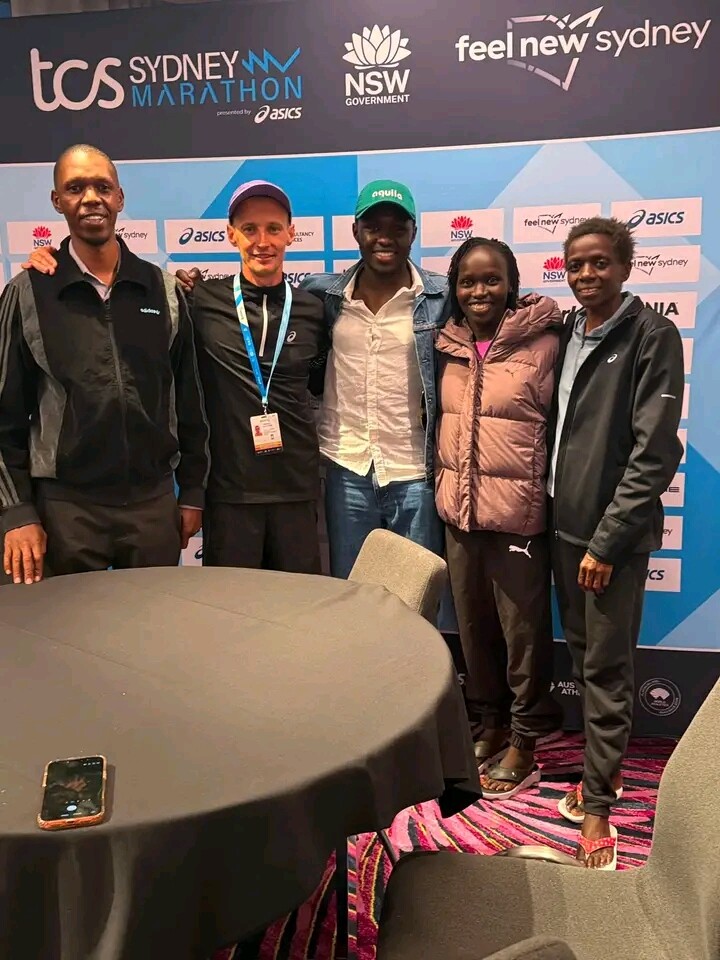
Today, she returns to the same Australian city as something far greater — an Olympic champion, four-time world champion, world cross-country champion, London Marathon winner, Laureus Sportswoman of the Year and one of Kenya’s most accomplished distance runners.
At 42, Cheruiyot will line up for the TCS Sydney Marathon on Sunday, August 30, completing an extraordinary full circle in a career that has stretched across more than two decades and transformed her from a teenage Olympian into one of the defining figures of her generation.
When Cheruiyot first competed in Sydney at the 2000 Olympic Games, few could have imagined the heights she would eventually reach. Still only 17, she advanced to the 5000m final and finished 14th — an experience that became the first chapter of an Olympic journey that would eventually span four Games.
The years that followed brought an extraordinary collection of victories.
Cheruiyot became world 5000m champion in 2009, then produced one of the greatest championship performances of her career in Daegu in 2011, winning both the 5000m and 10,000m titles while also claiming World Cross Country gold earlier that year. She added another world 10,000m title in Beijing in 2015, taking her tally to four senior world championships.
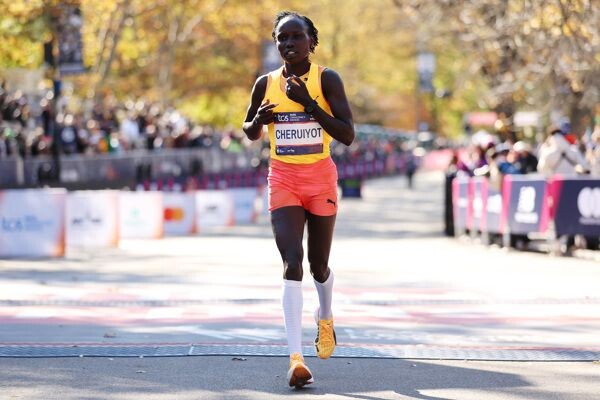
But the Olympic gold medal remained the one prize missing from her collection.
That changed dramatically in Rio in 2016.
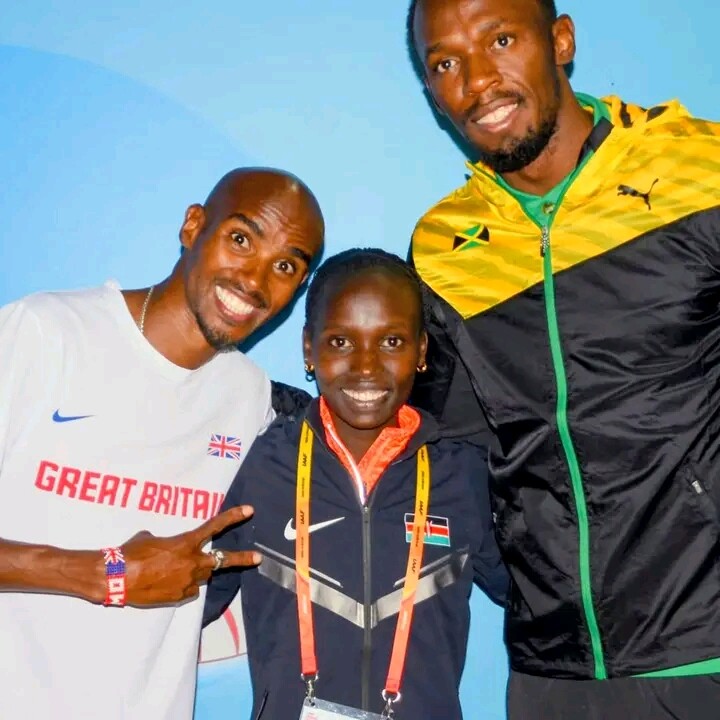
After winning silver in the 10,000m, Cheruiyot returned to the track for the 5000m final and delivered a masterclass in championship racing. She surged away from Ethiopia’s Almaz Ayana in the closing stages to win Olympic gold in 14:26.17, finally completing the collection of major titles she had chased for so many years.
“I said I want to win,” Cheruiyot recalled after that historic victory. “This was my fourth Olympics and I’ve been dreaming about this since the very start.”
Her brilliance was not confined to the track.
After moving into marathon running, Cheruiyot established herself among the world’s best over 42.195km. She finished fourth in her London Marathon debut in 2017 before returning the following year to produce a stunning victory in 2:18:31 — a performance that placed her fourth on the world all-time list at the time and remains her marathon personal best.
She also finished runner-up in the New York City Marathon in 2018 and second in London in 2019, further demonstrating that her extraordinary competitive instinct had successfully followed her from the track to the roads.
Away from competition, Cheruiyot’s story has also evolved with her life. She became a mother, welcomed her daughter Arielle in 2021 and returned to competitive racing in 2023. In 2024, she claimed third place at the New York City Marathon, followed by fifth at the 2025 London Marathon.
Now Sydney offers her another opportunity to write her name into the city’s sporting history.
“I look back on my career with pride. I was able to win almost everything and have been at the top for a long time,” Cheruiyot said ahead of her return.
She also remembers the extraordinary generation in which she competed — an era that included global icons such as Usain Bolt, Tirunesh Dibaba and Meseret Defar.
“I was running in a great era and had a close-up view of athletes like Usain Bolt setting the world alight,” she reflected.
Yet perhaps the most remarkable aspect of Cheruiyot’s return is not simply the passage of time, but her willingness to keep challenging herself.
She arrives in Sydney having put considerable work into rebuilding her fitness, knowing that the marathon demands something entirely different from the explosive championship races that defined her track career.
“I am very excited to go back to Sydney,” she said. “It has been 26 years since I was there, and a lot has changed in my life since then. I hope to have a good run — I have put in a lot of work to regain fitness and hope my body will stand up to the 42km.”
Twenty-six years ago, Sydney introduced the world to a fearless Kenyan teenager chasing an Olympic dream.
Now, the same city welcomes back a woman who went on to conquer the track, cross country and marathon — and to leave an indelible mark on Kenyan athletics.
From teenage Olympian to Olympic champion. From world champion to marathon winner. From rising talent to mother and enduring icon.
Vivian Cheruiyot has come full circle — and Sydney is once again the stage.
by Erick Cheruiyot for My Best Runs.
Login to leave a comment
Sydney Marathon
The Sydney Marathon is a marathon held annually in Sydney, Australia. The event was first held in 2001 as a legacy of the 2000 Summer Olympics, which were held in Sydney. In addition to the marathon, a half marathon, 9 kilometres (5.6 mi) "Bridge Run", and a 3.5 kilometres (2.2 mi) "Family Fun Run" are also held under the banner...
more...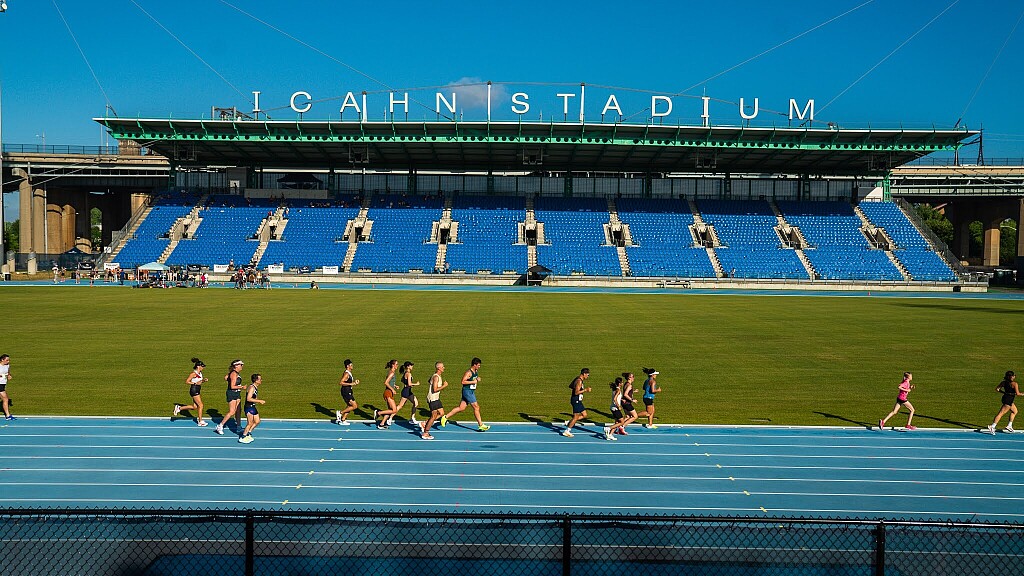
Athlos Nyc 2026 Cancelled As Series Sets Its Sights On A New Global Calendar
ATHLOS has announced a major change to its 2026 plans, confirming that the third edition of ATHLOS NYC will not take place as originally scheduled on October 2 at Icahn Stadium in New York City.
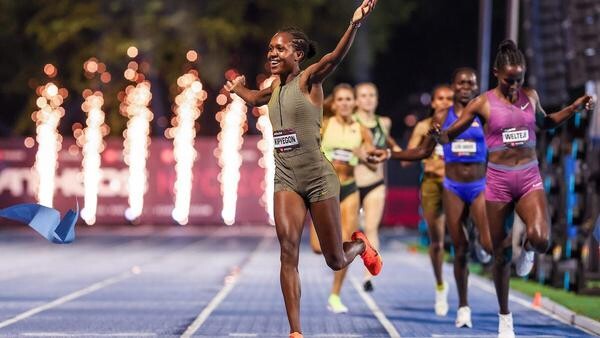
The decision marks a significant change for the rapidly growing women’s track and field series, which had been preparing to return to New York for another high-profile edition. ATHLOS said the move is part of a broader strategy to align its future events more closely with the global athletics calendar.
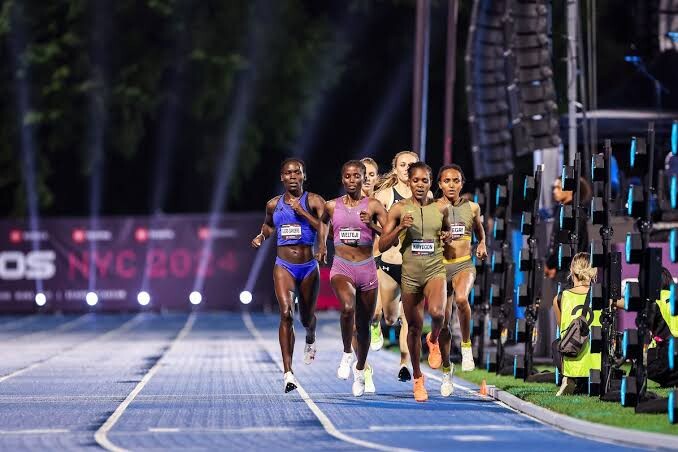
The organisation explained that it will not stage ATHLOS NYC in October 2026, with the goal of restructuring its schedule from the 2027 season onward. The new approach is intended to give the world’s best female athletes greater opportunities to compete in a healthier and more sustainable schedule while allowing them to perform at their peak.
When ATHLOS was launched, the series deliberately created a new competition window at the end of the traditional athletics season. However, as the event has grown, ATHLOS says it has become increasingly clear that its long-term home should be within the main international athletics calendar.
The cancellation of ATHLOS NYC, however, does not signal a retreat from the organisation’s global ambitions.
ATHLOS London remains firmly on the calendar for September 18, 2026, at StoneX Stadium in London, marking the series’ highly anticipated first event outside the United States. The London meeting is expected to bring together some of the biggest names in women’s athletics for what promises to be a spectacular night of elite competition.
ATHLOS has built its reputation around putting female athletes at the centre of the experience, combining world-class competition with significant prize money and an energetic event atmosphere. Its programme features several of the sport’s most exciting disciplines, including the 100m hurdles, 100m, 200m, 400m, 800m, mile and long jump.
While the decision to cancel the New York edition will come as a disappointment to fans who were expecting another major night at Icahn Stadium, ATHLOS insists that its commitment to women’s track and field remains stronger than ever.
The organisation is now turning its attention to London and to building a more sustainable international calendar from 2027. The latest decision could therefore prove to be less an ending than a strategic reset as ATHLOS looks to strengthen its position on the global athletics stage.
ATHLOS NYC may be absent from the 2026 calendar, but the series’ international ambitions are only getting bigger.
by Erick Cheruiyot for My Best Runs.
Login to leave a comment
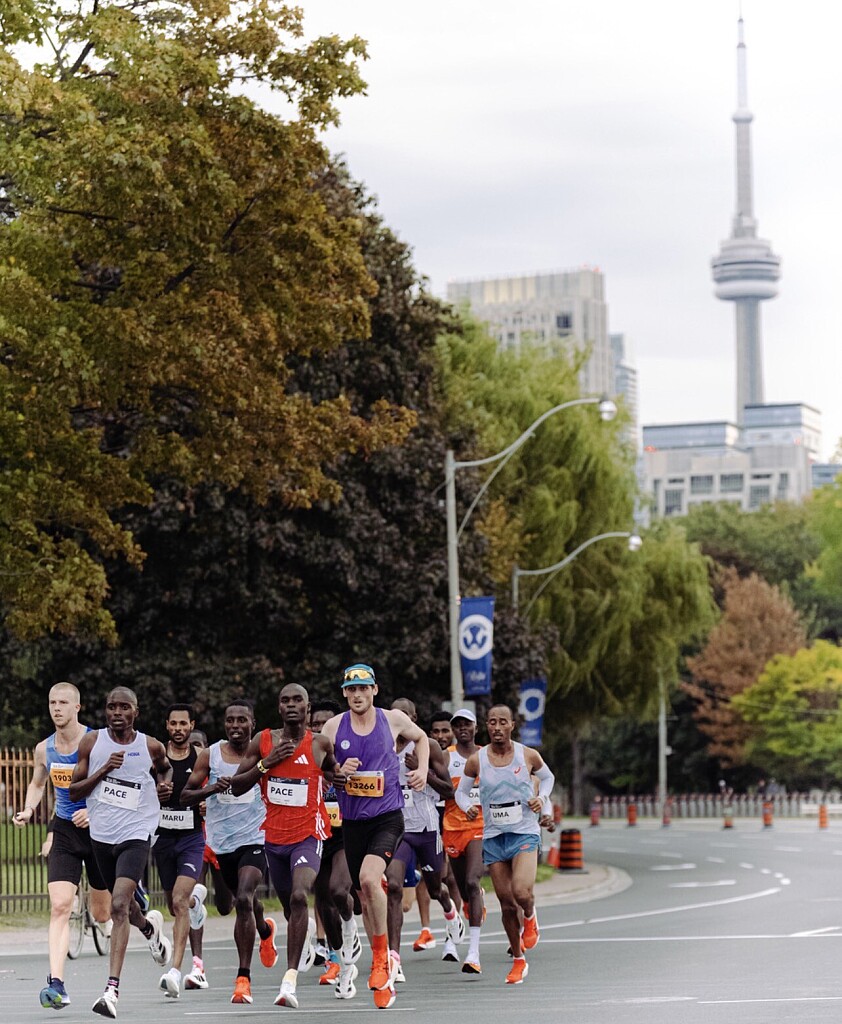
Two London-Area Standouts Set for Marathon Debuts at Toronto Waterfront
Two Canadian distance running stalwarts will make their marathon debuts at the 2026 TCS Toronto Waterfront Marathon October 18. Both make their homes in the London area of southwestern Ontario.
The event is a World Athletics Elite Label race and also serves as the official Athletics Canada Canadian Marathon Championships.
Connor Black and Jeremy Coughler are former training partners and Canadian championship medalists over 10,000m and cross country. They have followed different paths since the retirement of their coach, Dave Mills, although they occasionally meet for long runs while preparing for Toronto.
Coughler still follows a program designed by Mills—a special exception made by his former coach—while Black has worked with two-time Canadian Olympic marathoner Reid Coolsaet for the past two years. Their approaches to the Toronto race could hardly be more different.
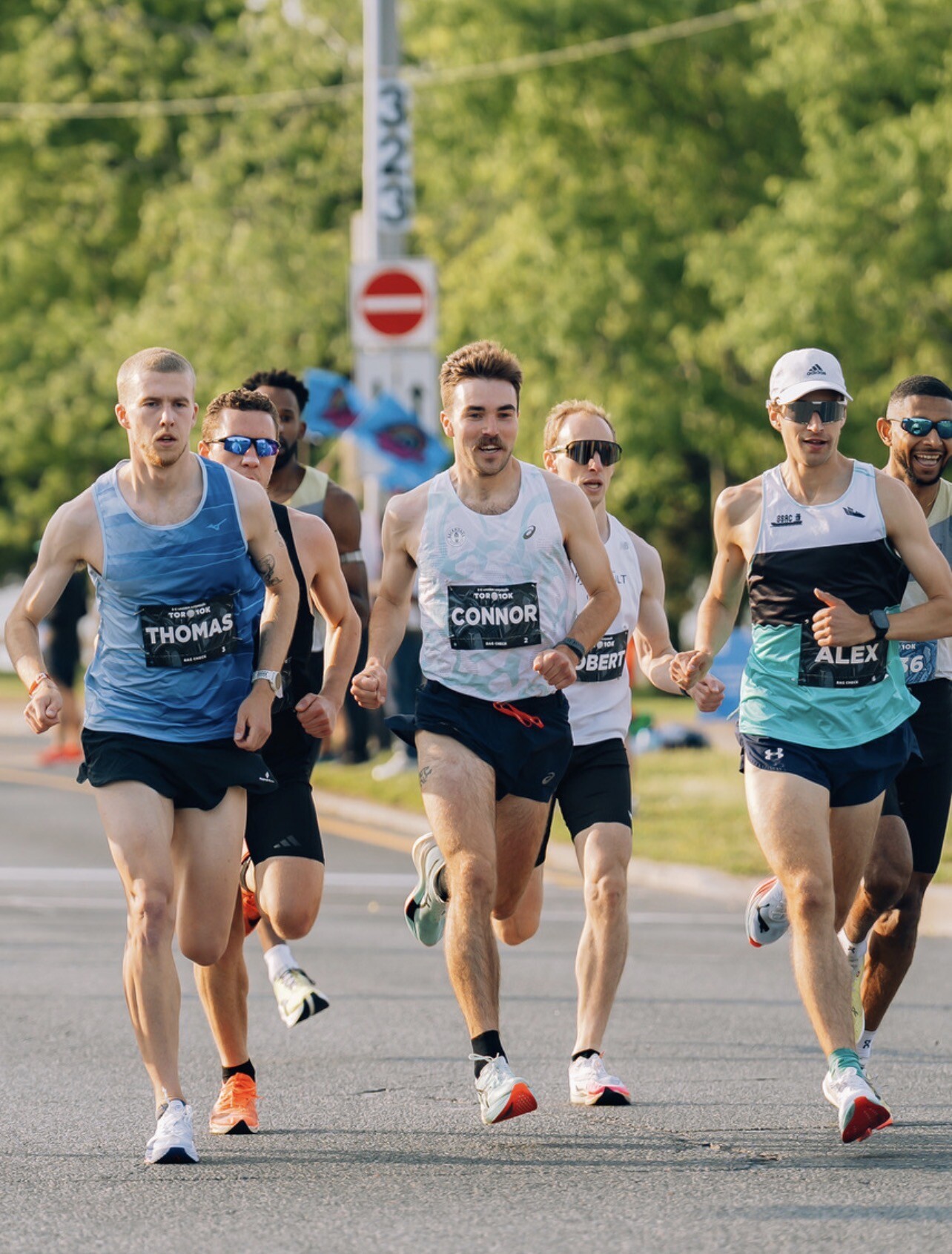
Black, who lives in London—known as “The Forest City”—sees his marathon debut as an important step toward a possible challenge for Canada’s 2028 Olympic team.
“I am 30 years old and I am not making money in the sport, but I still have goals,” Black declares. “My final goal would be to try and make an Olympic team, and I don’t think it’s feasible as an unsponsored track runner targeting the 5K or 10K.
“The marathon is a more even playing field. I can get into any marathon I want, within reason. There are 80 spots in the Olympics. So, if I am going to give it one last shot, it has to be in the marathon.”
At the 2025 Project 13.1 Half Marathon in Congers, New York, Black ran a personal best of 1:03:34 in his first race at the distance. Until then, he had competed primarily over 5,000m and 10,000m. In 2022, he won the Canadian Cross Country Championships.
Black is a secondary school teacher but remains classified as “Long Term Occasional,” meaning he moves from school to school wherever there is an opening.
“Last year I was at Strathroy District Collegiate Institute, which, funnily enough, was where Dave taught for 10 or 15 years,” Black says. “I taught phys ed and math. I can also teach English as a Second Language and biology. I am kind of a Swiss Army knife.”
As he increases his training load for Toronto, completing most of the work by himself, he admits he has reservations about returning to work.
“I am quite nervous to resume teaching,” he reveals. “Recently, my mileage has gone up. When you are starting your build, you are tired. It has been nice having the summer off and being able to focus on training.
“I used to believe you could train like a professional and have a full-time job. I think it’s possible, but if you want to run 200 kilometres a week for the marathon, it is definitely easier and probably better for your performance if you don’t have to work full time.”
Meanwhile, Coughler and his wife, Emma, are chiropractors and partners in Re-Charge Health and Wellness in London’s east end. They are also the parents of a young son, Otto, which means managing their time carefully.
“My wife and I split the work schedule,” Coughler, 30, explains during a day off. “I work Tuesday, Thursday, Friday and Saturday, so I try to do workouts on my days at home—Mondays and Wednesdays.
“If I have something first thing at 7 or 8 a.m., I do a run and then a shakeout between patients or after work. It’s not too bad.”
Running remains important to Coughler, but it is now one of several priorities. He estimates he is running up to 110 kilometres a week, similar to the volume he maintained when finishing third at both the 2023 and 2024 Canadian 10K Championships in Ottawa. He also won the Canada Running Series’ Beneva Spring Run-Off 8K four consecutive years between 2022 and 2025.
Although that mileage is well below what many elite marathoners run, Coughler set a half-marathon personal best of 1:04:33 earlier this year at the Project 13.1 Half Marathon in New York State. The performance earned him eighth place in a strong field. He admits his attitude toward running has changed.
“It’s a shift mentally because I have so much other stuff going on,” he explains. “I am trying to view running as something I do because I love it rather than because it’s my whole life.
“When I was at Indiana University, running was everything. When you run well, it’s great, but when you are not running well, it starts eating you alive.”
With the support and encouragement of Mills, they have mapped out a plan they hope will see Coughler finish his debut in the 2:14 to 2:16 range. He also intends to run more marathons in the future.
“It’s nice knowing there will be a bunch of other Canadian guys who can run around the same time, and that will make it deeper,” he says. “At the front, there are always good Kenyans and Ethiopians running fast. Even if there are a bunch of guys running between 2:12 and 2:20, it would be great.”
The race’s proximity to his home in Thamesford—15 minutes from his practice and about a two-hour drive from Toronto—means Emma, Otto and his parents can accompany him on race weekend. It is one reason he chose the TCS Toronto Waterfront Marathon for his debut.
Coughler is also familiar with the first half of the course, having finished third in the Toronto Waterfront Half Marathon a year ago. Runners in both events follow the same route until the 20-kilometre mark.
Between now and race day, there are many kilometres to be covered. Subject to their schedules and traffic conditions, the two London-area runners will reunite for some workouts.
If all goes well, they will arrive at the starting line ready to join the long list of Canadians who have successfully made the move to the classic marathon distance.
by Paul Gains
Login to leave a comment
TCS Toronto Waterfront Marathon
The Scotiabank Toronto Waterfront Marathon, Half-Marathon & 5k Run / Walk is organized by Canada Running Series Inc., organizers of the Canada Running Series, "A selection of Canada's best runs!" Canada Running Series annually organizes eight events in Montreal, Toronto and Vancouver that vary in distance from the 5k to the marathon. The Scotiabank Toronto Waterfront Marathon and Half-Marathon are...
more...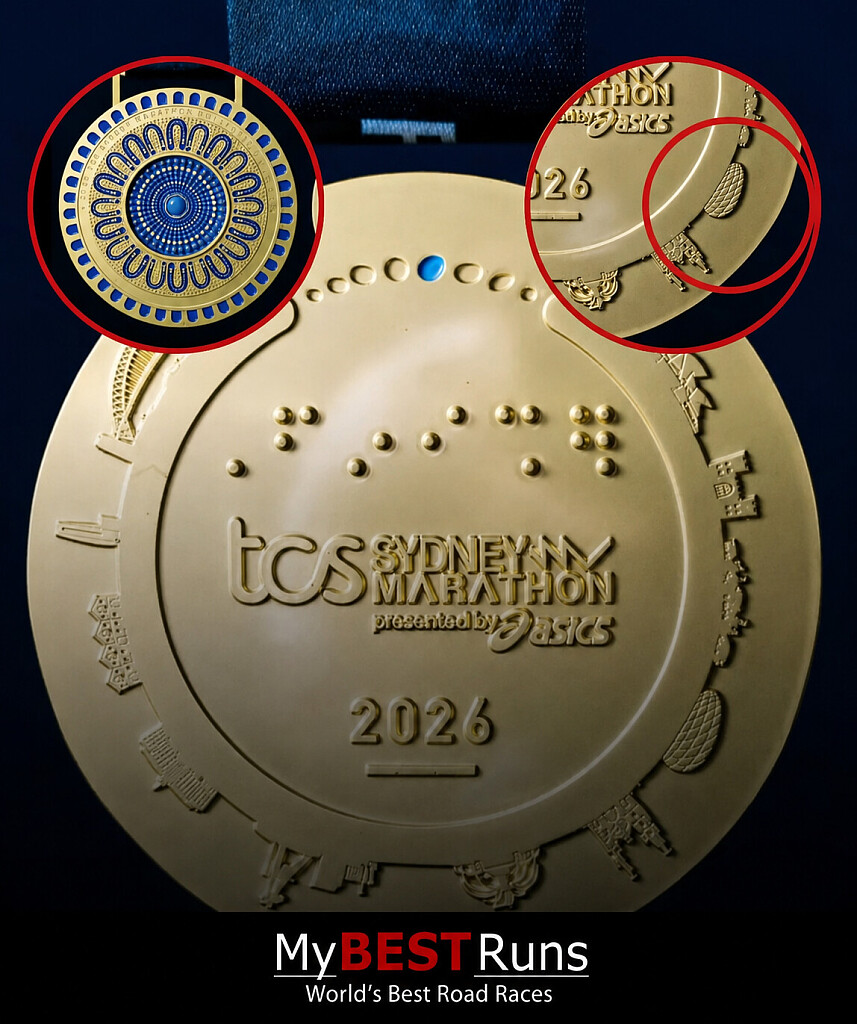
Sydney Marathon’s Medal Blunder: How Munich’s Allianz Arena Ended Up in a Sydney Souvenir
The Sydney Marathon was meant to celebrate one of Australia’s most iconic cities. Instead, its 2026 finisher’s medal has unexpectedly brought a little piece of Munich into the spotlight.
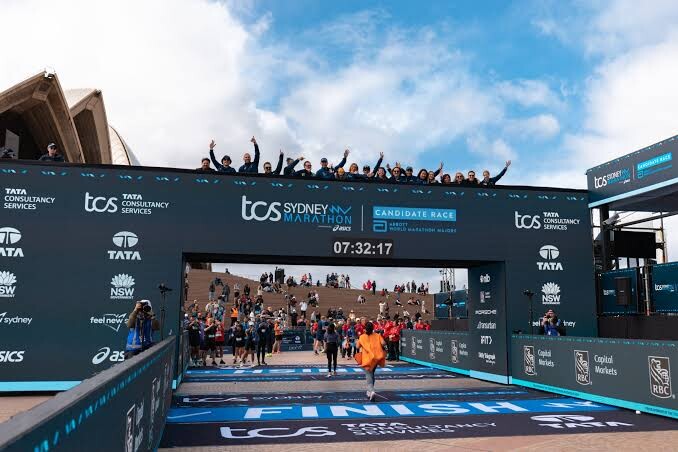
The back of the medal features a collection of landmarks designed to represent Sydney and the 42.2-kilometre journey runners will take through the city, including the Sydney Opera House and Sydney Harbour Bridge. But alongside those unmistakably Australian symbols is a rather surprising addition: Munich’s Allianz Arena.
The stadium was supposed to represent Sydney’s Allianz Stadium in Moore Park. Instead, the medal designers somehow used the distinctive home of Bayern Munich in Germany.
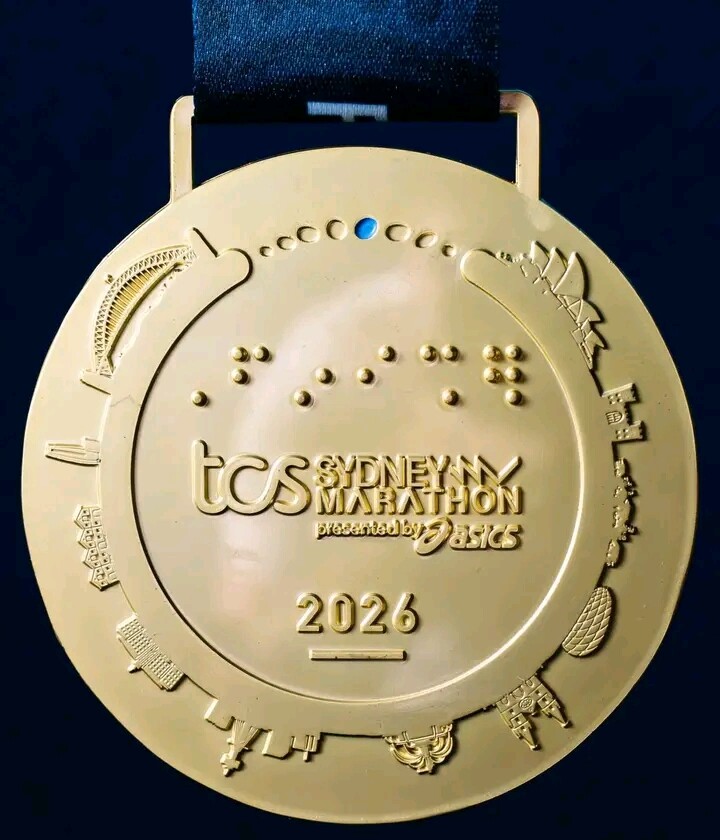
The mistake was spotted shortly after the medal was unveiled and quickly spread across social media before attracting international media attention. With the race now just days away, there is no time to redesign and replace the medals already produced for the event.
Organisers have acknowledged the mistake, describing it as an “unfortunate error” and making clear that the medals will still be presented to runners on race day.
Rather than attempting to hide the blunder, Sydney Marathon has chosen to embrace the unexpected twist, saying the medal is now “a little more unique.” Their response ended on a light-hearted note: “You noticed. We noticed. We’re human.”
And while the incorrect stadium may have created an embarrassing moment for the organisers, it has also given the 2026 medal something no previous Sydney Marathon medal has had — a story of its own.
That story will be carried around the necks of approximately 40,000 runners when the Sydney Marathon takes place on Sunday, August 30.
The timing could hardly be more significant for the race. Sydney is only in its second year as an Abbott World Marathon Major, having joined the prestigious series in 2024 alongside Tokyo, Boston, London, Berlin, Chicago and New York. The event has rapidly established itself as one of the world’s most sought-after marathons, with more than 123,000 runners entering the ballot for the 2026 race, a 56 percent increase from the previous year.
For those 40,000 successful entrants, the medal will ultimately represent something far more important than a design mistake. Behind every medal is months of preparation, early mornings, long training runs, sacrifices and the determination required to cover 42.2 kilometres.
And when the runners finally reach the finish line at the Sydney Opera House, they will receive a medal that was intended to tell the story of Sydney — but accidentally tells a small story about Munich too.
What began as an embarrassing design error may now become one of the most memorable quirks in Sydney Marathon history. Years from now, runners may look back at their 2026 medals not simply as souvenirs of finishing one of the world’s major marathons, but as unusual collector’s pieces from the year Sydney accidentally put Munich on its medal.
A Sydney marathon. A Munich stadium. One unforgettable medal.
by Erick Cheruiyot for My Best Runs.
Login to leave a comment
Sydney Marathon
The Sydney Marathon is a marathon held annually in Sydney, Australia. The event was first held in 2001 as a legacy of the 2000 Summer Olympics, which were held in Sydney. In addition to the marathon, a half marathon, 9 kilometres (5.6 mi) "Bridge Run", and a 3.5 kilometres (2.2 mi) "Family Fun Run" are also held under the banner...
more...
Geoffrey Kamworor Eyes New York Hat-Trick as Kenyan Star Chases Another Major Triumph
Two-time New York City Marathon champion Geoffrey Kamworor is set for another assault on the Big Apple, with the Kenyan distance-running star targeting a historic third victory when the Abbott World Marathon Majors race returns on November 1.
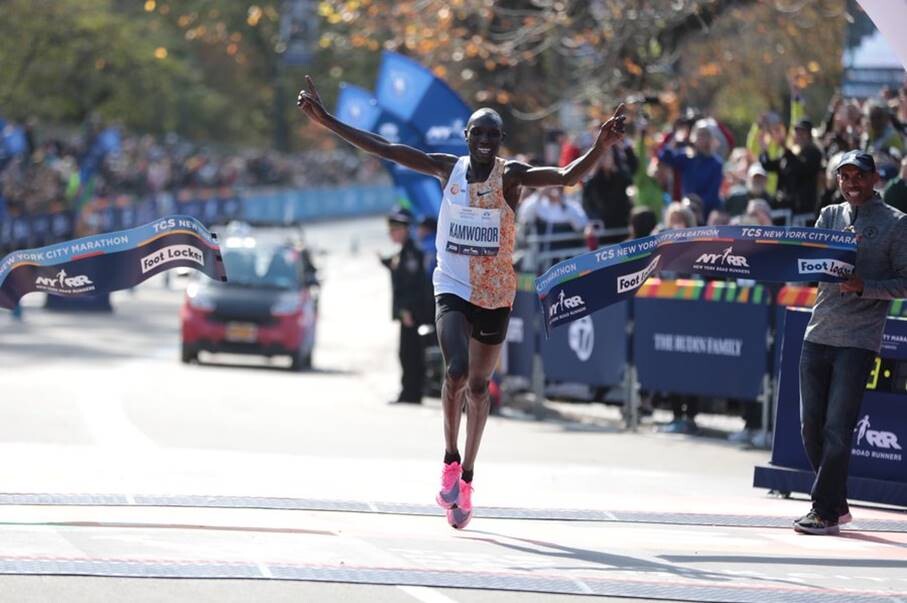
For Kamworor, New York represents much more than another marathon. It is a course where he has already enjoyed some of the defining moments of his illustrious career, and where he will now seek to add another prestigious title to a remarkable collection of achievements.
The 33-year-old has developed a special relationship with the New York course since making his debut there in 2015. On that occasion, he finished runner-up in 2:10:48 behind compatriot Stanley Biwott, who won in 2:10:34.
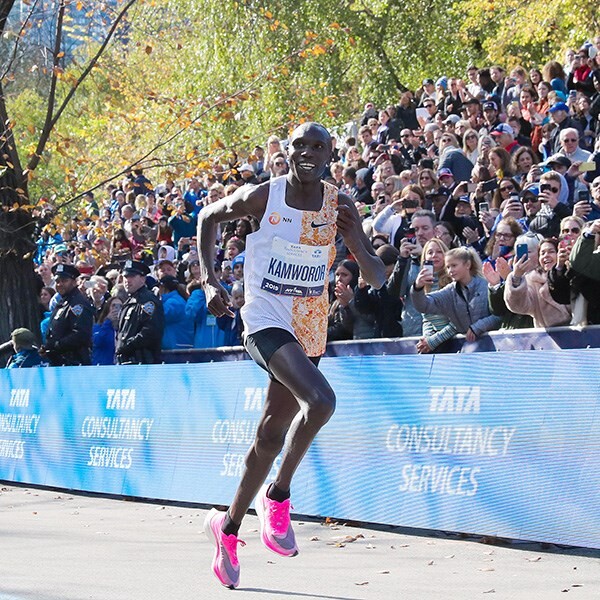
Two years later, Kamworor went one step further.
In 2017, he produced a composed performance to claim his first New York Marathon crown, crossing the finish line in 2:10:53. He held off fellow Kenyan and former world record-holder Wilson Kipsang, who finished just three seconds behind in 2:10:56, while Ethiopia's Lelisa Desisa took third in 2:11:32.

Kamworor returned the following year hoping to defend his title but had to settle for third place. Desisa triumphed in 2:05:59, ahead of Shura Kitata in 2:06:01, while Kamworor clocked 2:06:26.
But the Kenyan refused to stay away from the top for long.
In 2019, he reclaimed the New York crown in emphatic fashion, winning in 2:08:13. Albert Korir followed in second in 2:08:36, with Ethiopia's Girma Bekele completing the podium in 2:08:38.
Those two victories remain Kamworor's only Abbott World Marathon Majors titles, making New York a particularly significant venue in his career.
His latest appearance in the race, however, ended without another podium finish. Returning in 2024, Kamworor placed fifth in 2:08:50 as the Netherlands' Abdi Nageeye won in 2:07:39. Kenya's Evans Chebet was second in 2:07:45, while Albert Korir took third in 2:08:00.
Now, Kamworor is eager to return to the city where he has already tasted victory twice.
“I am very excited to be going back to New York,” Kamworor said, expressing his anticipation ahead of another demanding battle through the streets of the world's most famous city.
For the Kenyan star, the race offers a unique combination of sporting pressure and an atmosphere unlike any other.
“It's always an incredible experience to run the biggest marathon in the world. I'm really looking forward to feeling the energy of the crowd again,” he added.
Kamworor's challenge will be to arrive in New York at his best after a mixed campaign in 2026.
He began the year in spectacular fashion, winning the Ras Al Khaimah Half Marathon on February 14. The Kenyan clocked an impressive 58:14, finishing ahead of Bahrain's Birhanu Balew, who ran 58:23, and compatriot Gideon Rono, who crossed the line in 58:38.
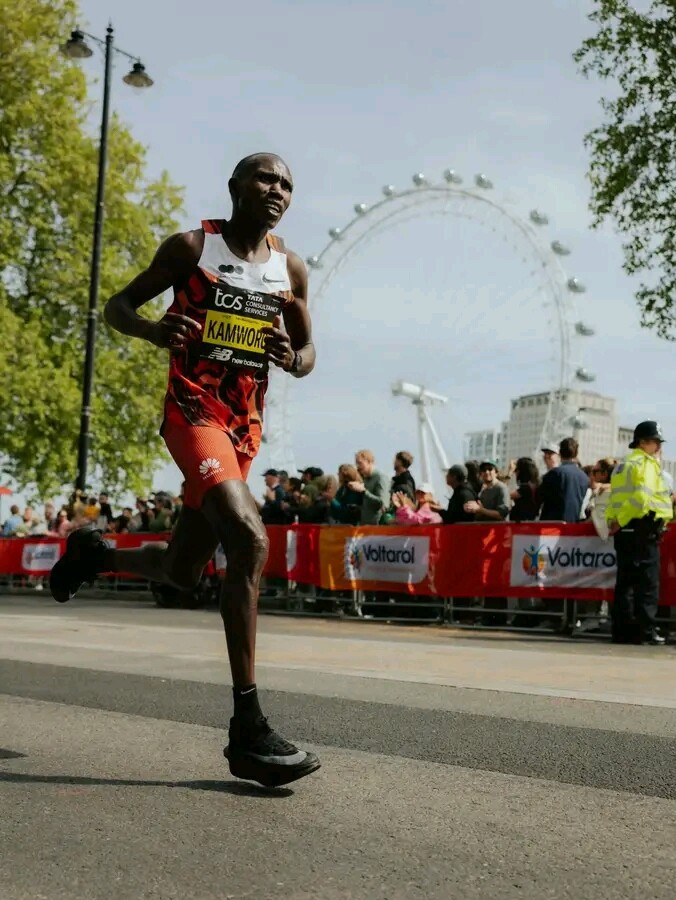
His London Marathon campaign on April 26 proved considerably tougher. Kamworor finished eighth in 2:05:38 in a historic race dominated by Sebastian Sawe, who produced a sensational 1:59:30 to become the first man to break the two-hour barrier in a marathon. Ethiopia's Yomif Kejelcha was second in 1:59:41, while Uganda's Jacob Kiplimo finished third in 2:00:28.
Kamworor will therefore arrive in New York with both experience and motivation on his side. He knows exactly what the course demands, having already navigated its hills, turns and relentless closing stages on multiple occasions.
Beyond the marathon, his career is decorated with major international honours across several disciplines.
Kamworor is a three-time world half marathon champion, winning his first title in Copenhagen in 2014 before successfully defending his crown in Cardiff in 2016 and completing his remarkable hat-trick in Valencia in 2018.
He has also established himself as one of Kenya's finest cross-country runners. He won the world junior cross-country title in Punta Umbria in 2011 before becoming a senior world champion in Guiyang in 2015 and Kampala in 2017. He added a bronze medal at the 2019 World Cross Country Championships in Aarhus.
That versatility has long been one of Kamworor's greatest strengths. From cross country to the half marathon and now the marathon, he has repeatedly demonstrated the endurance, tactical intelligence and competitive resilience required to succeed at the highest level.
Yet New York remains unfinished business.
With two victories already secured and another opportunity waiting on November 1, Kamworor has a chance to strengthen his legacy on one of the sport's most iconic stages.
A third triumph would not only give him a coveted New York hat-trick but would further cement his status as one of Kenya's most accomplished distance runners of his generation.
The Big Apple has already given Kamworor some of the proudest moments of his career. Now, the Kenyan star is returning with one clear ambition — to conquer New York once again.
by Erick Cheruiyot for My Best Runs.
Login to leave a comment
TCS New York City Marathon
The first New York City Marathon, organized in 1970 by Fred Lebow and Vince Chiappetta, was held entirely in Central Park. Of 127 entrants, only 55 men finished; the sole female entrant dropped out due to illness. Winners were given inexpensive wristwatches and recycled baseball and bowling trophies. The entry fee was $1 and the total event budget...
more...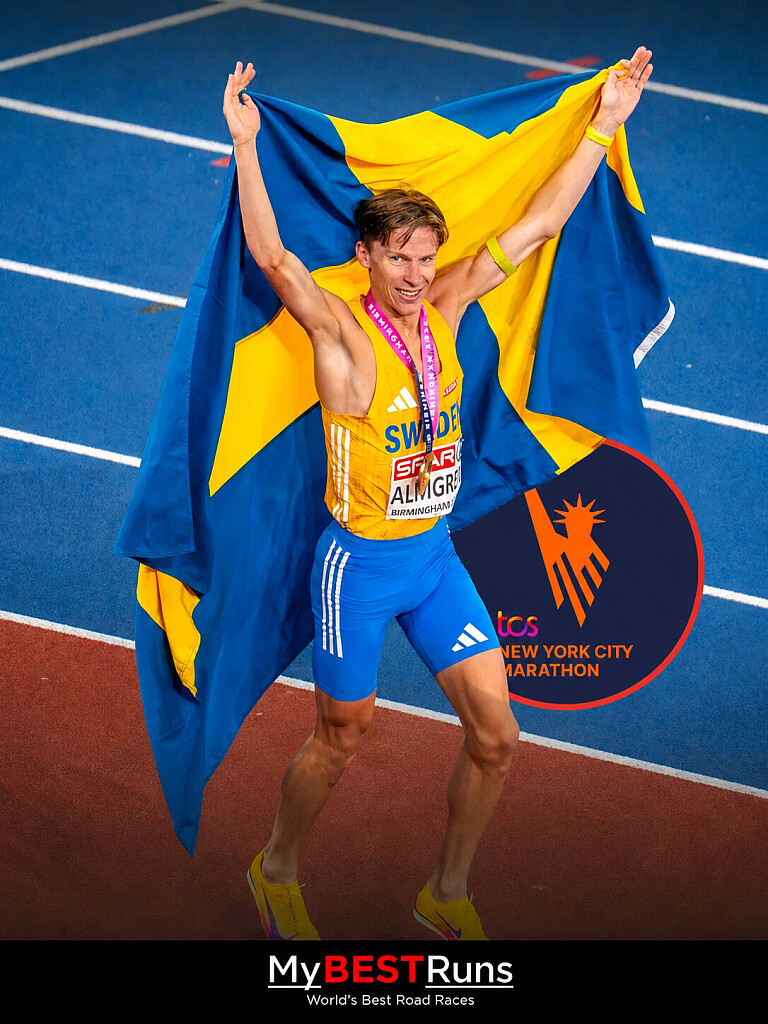
From European Records to 42.195km: Andreas Almgren Takes on New York
Andreas Almgren has spent the past two seasons transforming himself into one of Europe’s most formidable distance runners. Now, the Swedish star is ready to take on an entirely new challenge — the marathon.
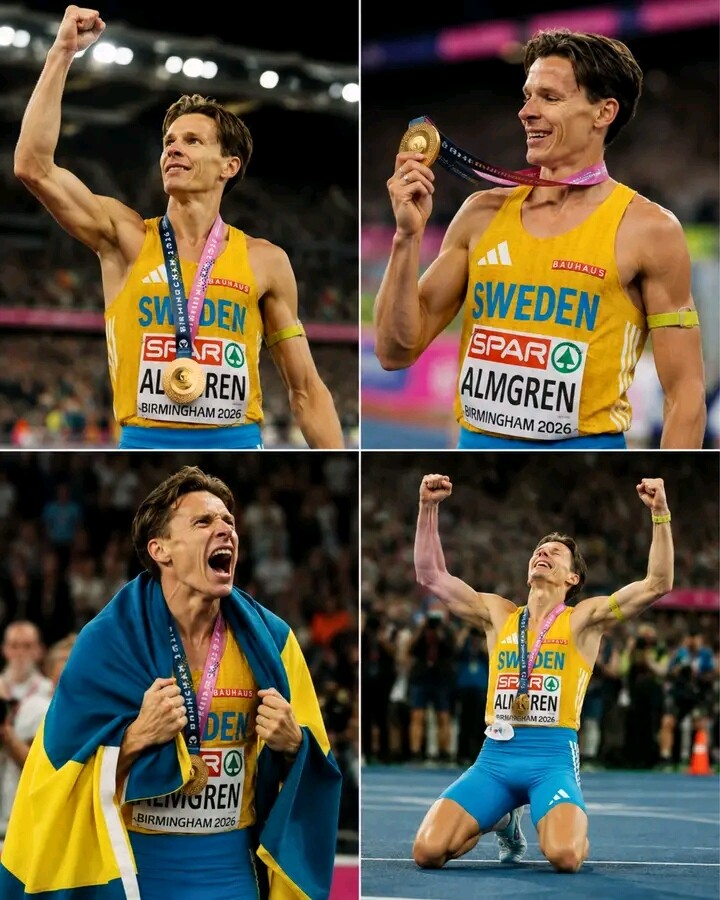
Fresh from a commanding European 10,000m triumph in Birmingham, Almgren has confirmed that he will make his marathon debut at the TCS New York City Marathon on November 1. The decision adds another intriguing chapter to a remarkable rise that has seen him repeatedly rewrite the European record books.
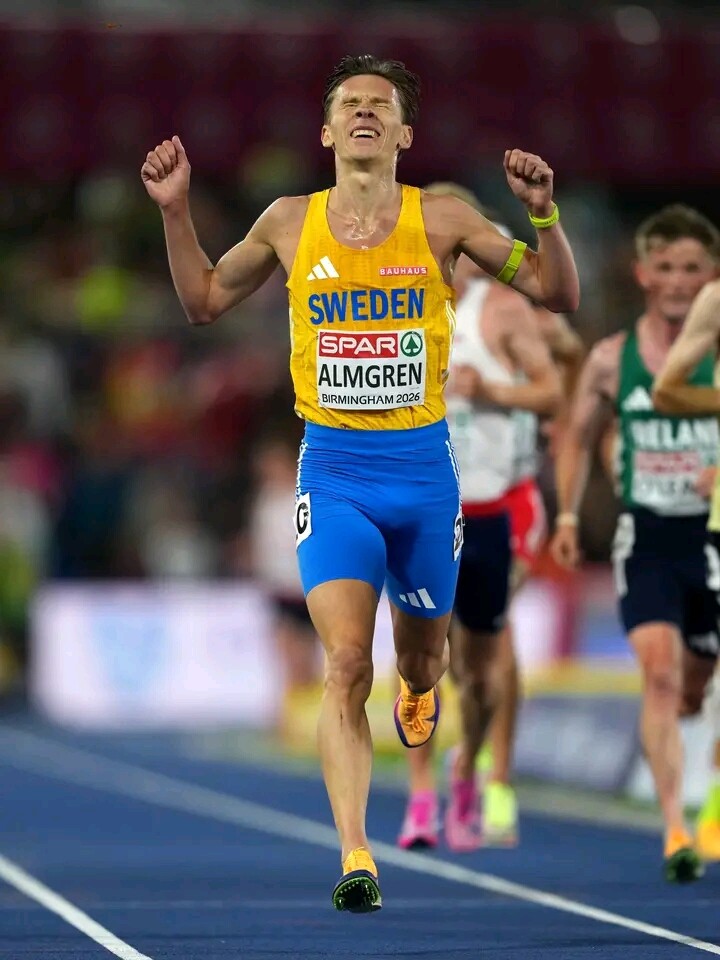
The 31-year-old owns European records of 12:44.27 for 5,000m, 26:45 for 10km on the road and 58:41 for the half marathon — extraordinary marks that underline both his speed and his growing endurance. His 26:45 in Valencia in January 2026 lowered his own European 10km record, while his 58:41 in Valencia last October made him the first European athlete to break the 59-minute barrier for the half marathon.
His latest achievement came in Birmingham, where Almgren produced one of the most dominant performances of the European Championships. He stormed to the 10,000m title in 27:23.44, setting a championship record and adding a major senior title to the World Championships bronze medal he won over the same distance in Tokyo last year.
Yet his choice of New York for his first marathon is what makes the announcement particularly fascinating.
Rather than selecting a traditionally fast, flat course where a debutant can concentrate almost exclusively on the clock, Almgren has chosen one of the most demanding and tactically complex marathons on the calendar. The New York course takes runners through all five boroughs and across five bridges before the finish in Central Park, combining repeated climbs, descents, turns and constantly changing race dynamics.
It is a course that rewards patience, strength and tactical intelligence as much as raw speed. For Almgren, whose career has been built around racing at the highest level rather than simply accumulating fast times, the setting could provide a fascinating test of how his exceptional track and road credentials translate to 42.195 kilometres.
And he will not be entering a quiet debut race. The 2026 field features defending men's champion Benson Kipruto, former champion Geoffrey Kamworor, Dutch star Abdi Nageeye, American contenders Conner Mantz and Zouhair Talbi, as well as several other elite marathoners. Almgren is one of a small group of high-profile athletes making their marathon debuts in New York.
The race will also mark the 50th anniversary of the modern five-borough New York City Marathon course, adding even greater significance to an already prestigious occasion. With Almgren bringing European-record credentials, a fresh continental title and the confidence of a breakthrough period behind him, his first encounter with the marathon promises to be one of the most closely watched stories of the autumn road-racing season.
For a runner who has already conquered the track and rewritten the European road-running record books, New York represents the beginning of another journey.
On November 1, the question will no longer be how fast Andreas Almgren can run 5,000m, 10km or a half marathon.
It will be how far that extraordinary speed and endurance can carry him over 42.195 kilometres through the streets of New York.
by Erick Cheruiyot for My Best Runs.
Login to leave a comment
TCS New York City Marathon
The first New York City Marathon, organized in 1970 by Fred Lebow and Vince Chiappetta, was held entirely in Central Park. Of 127 entrants, only 55 men finished; the sole female entrant dropped out due to illness. Winners were given inexpensive wristwatches and recycled baseball and bowling trophies. The entry fee was $1 and the total event budget...
more...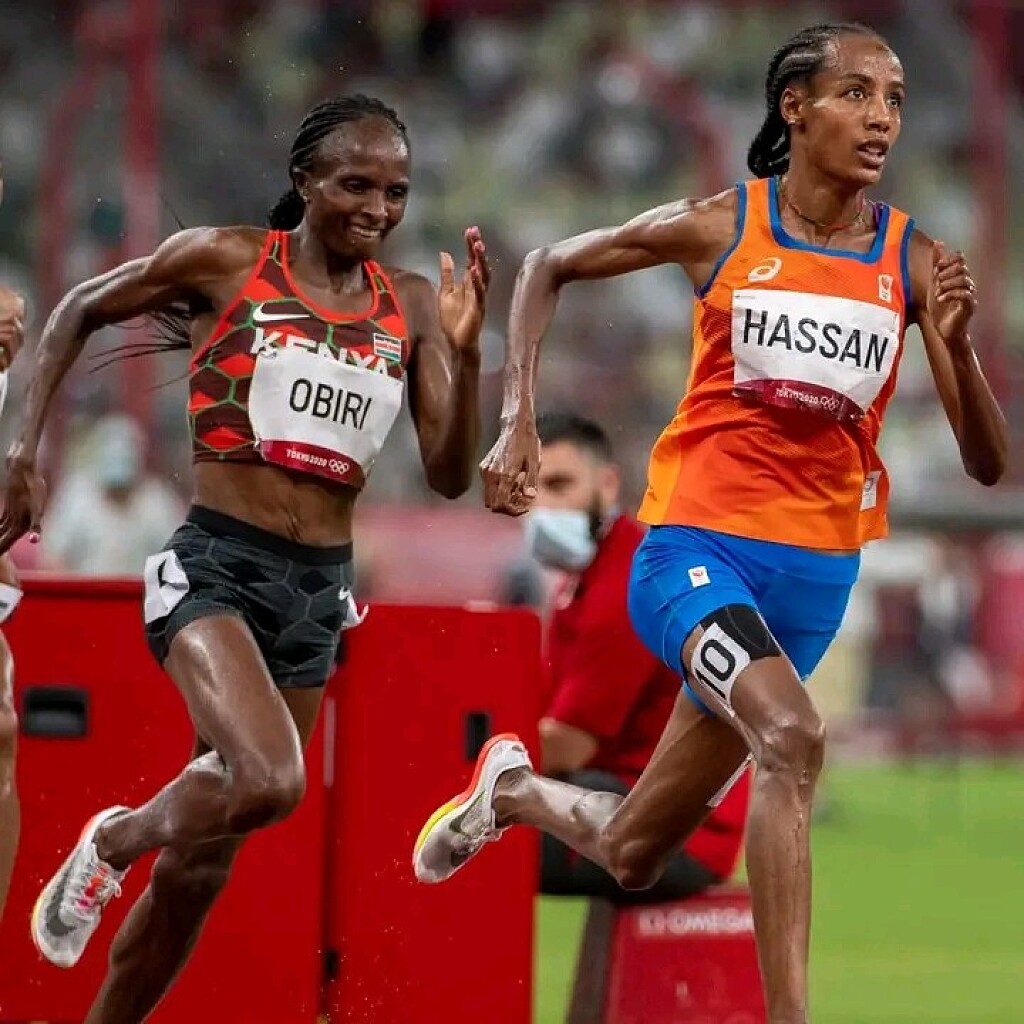
From Track Rivals to Marathon Queens: Sifan Hassan and Hellen Obiri Renew Their New York Rivalry
For more than a decade, Sifan Hassan of the Netherlands and Hellen Obiri of Kenya have been familiar opponents on the biggest stages of distance running. Their rivalry was forged on the track, where Hassan’s extraordinary versatility and finishing speed repeatedly collided with Obiri’s strength, tactical intelligence and championship pedigree.
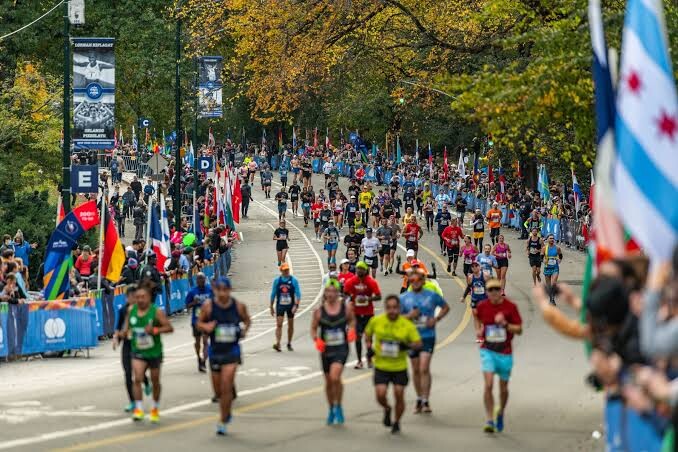
Now, after conquering different chapters of the sport, the two global stars are set to meet again on the streets of New York on November 1, 2026 — with another marathon crown at stake.
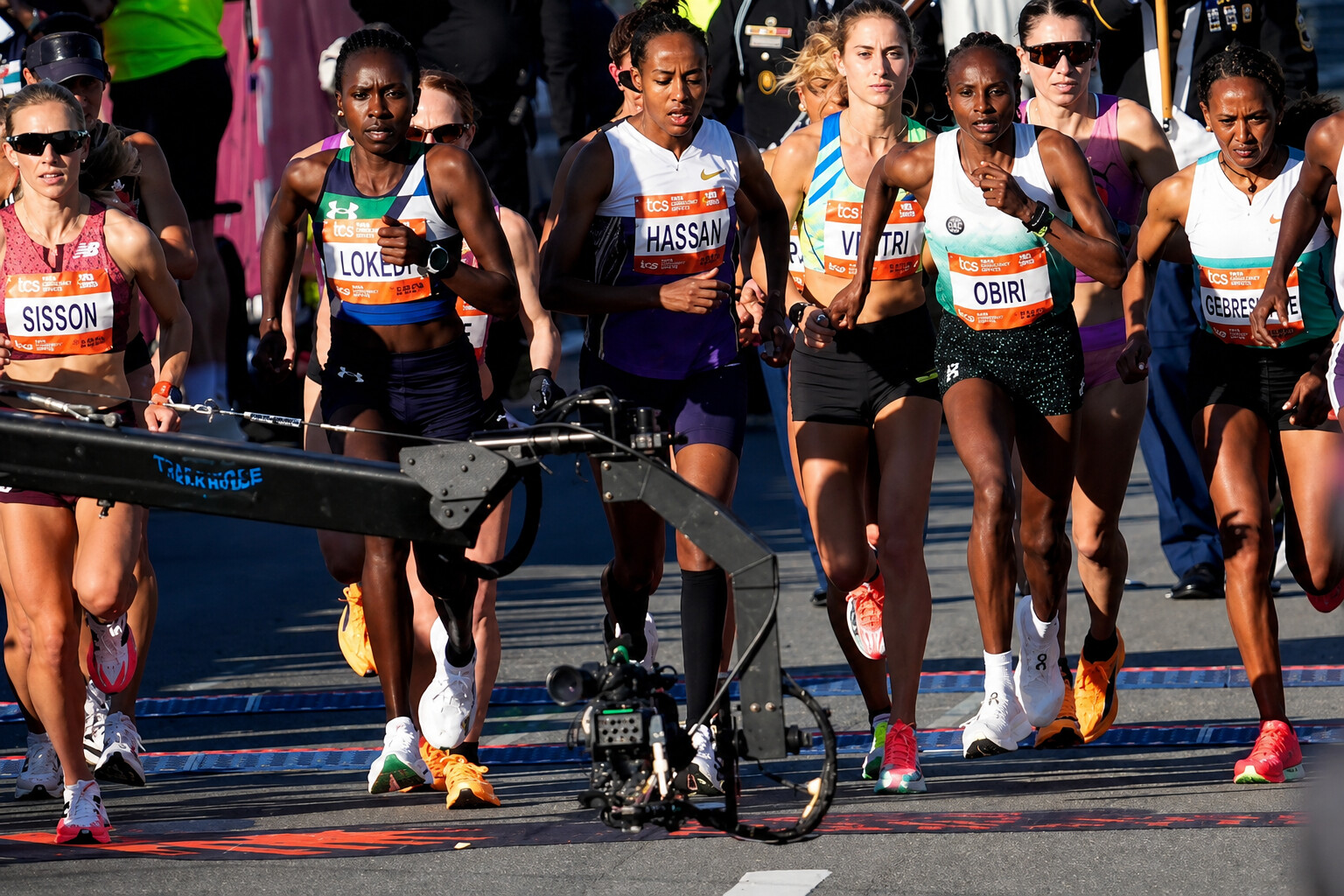
Their most memorable encounters came during the golden years of their track careers. At the Tokyo 2020 Olympics, Hassan defeated Obiri in a thrilling 5000m final, winning gold in 14:36.79 while Obiri took silver in 14:38.36. A year later, the two were again among the leading figures in the 10,000m at the 2022 World Championships in Oregon, where Obiri claimed silver and Hassan finished fourth.
But both athletes eventually turned their attention to the marathon, transforming a track rivalry into a new battle over 42.195 kilometres.
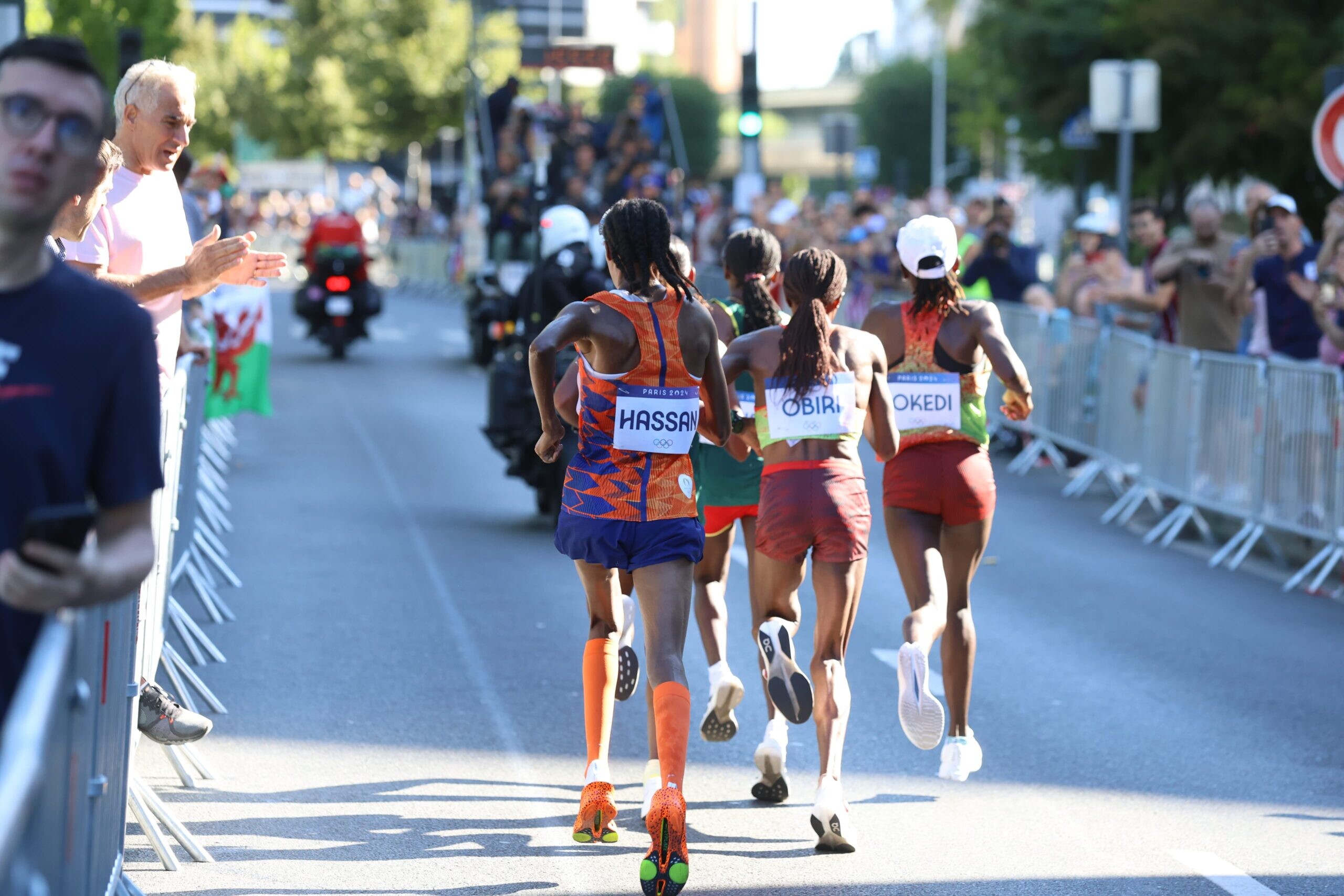
Hassan’s transition was extraordinary. After already establishing herself as one of the most versatile distance runners in history, she conquered the marathon at the Paris 2024 Olympics, winning gold and setting a personal best of 2:13:44 — a mark that remains significantly faster than Obiri’s current personal best.
Obiri, meanwhile, built her own formidable reputation on the roads. The Kenyan became a major force in the World Marathon Majors, winning the New York City Marathon in 2023 before returning to the top of the podium in 2025.
That 2025 New York race added another compelling chapter to the Hassan-Obiri rivalry.
Hassan made her New York debut but finished sixth in 2:24:43, while Obiri produced a commanding performance to win in 2:19:51. Her victory not only secured her second New York title but also shattered Margaret Okayo’s long-standing course record of 2:22:31.
The contrast could hardly be more intriguing heading into 2026.
Hassan owns the faster marathon personal best and the ultimate Olympic marathon prize. Obiri owns two New York titles and knows exactly how to master the famously demanding five-borough course. And the Kenyan has continued to strengthen her marathon credentials, running a personal-best 2:15:53 in London in 2026.
Hassan, meanwhile, returns to New York with unfinished business. After describing her 2025 debut as a physically punishing experience, she is preparing to tackle the course again, bringing the lessons of her first attempt and her vast championship experience with her.
This time, the stakes feel different.
There is history between them. There is unfinished business. And there is the intriguing question of whether Hassan’s superior lifetime speed over the marathon distance can finally translate into victory on the streets where Obiri has already established herself as a two-time queen.
One athlete has Olympic marathon gold and a 2:13:44 personal best.
The other has two New York crowns and a course record that announced her arrival among the marathon elite in emphatic fashion.
When Hassan and Obiri line up together again in New York, it will be more than another World Marathon Major showdown. It will be the latest chapter in a rivalry that began with championship battles on the track and has now evolved into one of the most compelling confrontations in women’s marathon running.
Track rivals. Olympic champions. Marathon queens.
On November 1, New York gets the next chapter.
by Erick Cheruiyot for My Best Runs.
Login to leave a comment
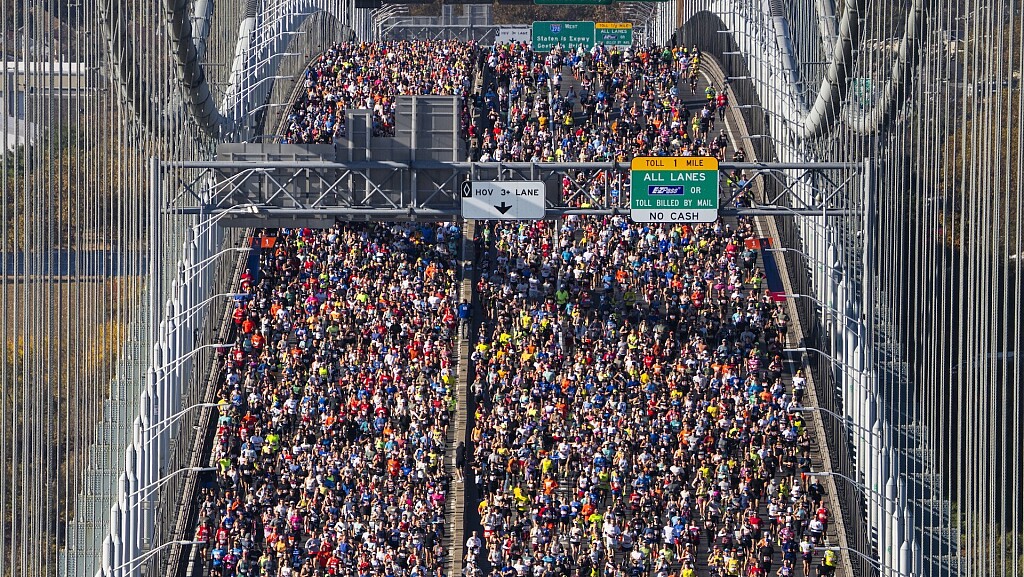
Three Rising Distance Stars Ready to Make Their Marathon Debuts at the 2026 New York City Marathon
The next generation of marathon talent will take centre stage on the streets of New York this November, with Weini Kelati of the United States, Andreas Almgren of Sweden and Kenya’s Patrick Kiprop all set to make their marathon debuts at the 2026 TCS New York City Marathon on November 1.
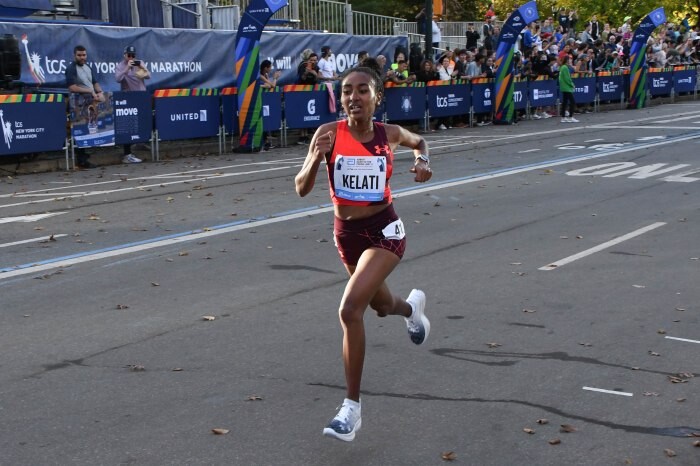
All three arrive in New York with impressive credentials built across track, cross country and shorter road races, creating one of the most intriguing groups of marathon debutants in this year’s field.
Kelati will enter the 26.2-mile challenge after establishing herself as one of America’s leading distance runners. The U.S. Olympian owns a 1:06:04 half-marathon personal best, an American record, and has already demonstrated the combination of endurance and speed required to compete at the highest level. Her transition to the marathon will be closely watched as she begins a new chapter in her career on one of the sport’s biggest stages.

Almgren brings perhaps even more explosive speed to his first marathon. The Swedish star owns a remarkable 58:41 half-marathon personal best, a national and European record at the time it was achieved, while his track résumé includes world-class performances over 3,000m and 5,000m. His ability to sustain that extraordinary speed over 42.195 kilometres will be one of the central questions surrounding his New York debut.
Then there is Patrick Kiprop, who will carry Kenya’s hopes into his first marathon after building an impressive reputation during a decorated collegiate career in the United States.
Kiprop enjoyed a standout spell with the Arkansas Razorbacks, collecting five First-Team NCAA All-America honours across cross country, indoor and outdoor track. He became a two-time NCAA South Central Region Cross Country champion in 2022 and 2023 before adding an SEC Outdoor 5,000m title in 2024 and a silver medal in the 10,000m.
He also etched his name into Arkansas history by breaking the university’s 5,000m school record. His American collegiate journey began at Fresno Pacific University, where he was named the Sunbird Male Newcomer of the Year in 2021 before transferring to Arkansas.
Following his collegiate success, Kiprop made the transition to professional running and joined the On Athletics Club Global, placing himself within one of the sport’s leading international training environments. His attention has increasingly shifted toward road racing, with the half marathon becoming an important bridge toward the marathon.
Kiprop has already shown that his speed can translate successfully to the roads, winning the professional division at the prestigious Bolder Boulder 10K. Now, New York presents a considerably bigger challenge and an opportunity to discover how his considerable distance-running ability translates to the full marathon.
For Kelati, Almgren and Kiprop, November 1 will represent more than simply another race. It will be the beginning of their marathon careers.
The New York City Marathon is notoriously demanding, combining multiple bridges, relentless changes in rhythm and a difficult closing stretch through Manhattan. Add enormous crowds and the pressure of a global audience, and the course provides an unforgiving introduction to 42.195 kilometres.
Yet that is precisely what makes these three debuts so fascinating.
Kelati arrives with American-record speed. Almgren brings European-record-level half-marathon credentials and extraordinary track ability. Kiprop brings a decorated NCAA background, Kenyan distance-running pedigree and growing experience on the roads.
None of them needs to prove that they possess speed. New York will determine whether they can transform that speed into marathon strength.
With an already star-studded 2026 field, the arrival of these three rising stars adds another compelling storyline to race day.
The future of marathon running is coming to New York—and on November 1, Kelati, Almgren and Kiprop will discover what they can do over 26.2 miles.
by Erick Cheruiyot for My Best Runs.
Login to leave a comment
TCS New York City Marathon
The first New York City Marathon, organized in 1970 by Fred Lebow and Vince Chiappetta, was held entirely in Central Park. Of 127 entrants, only 55 men finished; the sole female entrant dropped out due to illness. Winners were given inexpensive wristwatches and recycled baseball and bowling trophies. The entry fee was $1 and the total event budget...
more...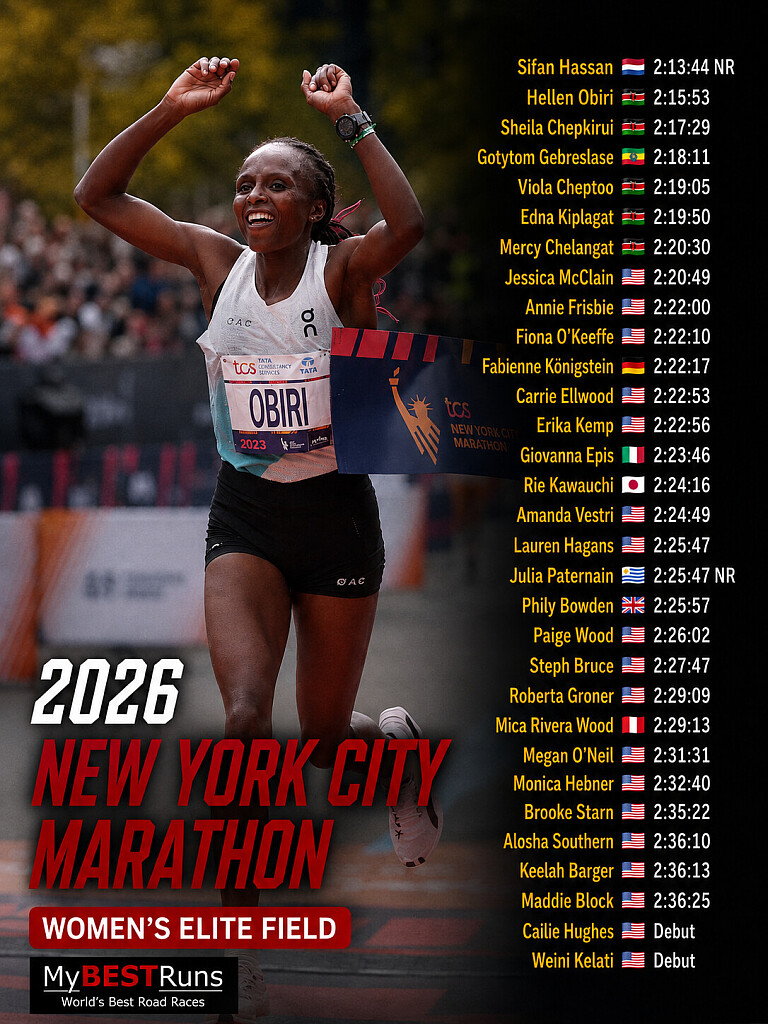
Sifan Hassan and Hellen Obiri Headline Star-Studded 2026 New York City Marathon Field
The 2026 TCS New York City Marathon is shaping up to be one of the most anticipated women’s marathon showdowns of the year, with Olympic champion Sifan Hassan of the Netherlands (2:13:44 NR) and defending champion Hellen Obiri of Kenya (2:15:53) leading a sensational field for November 1.
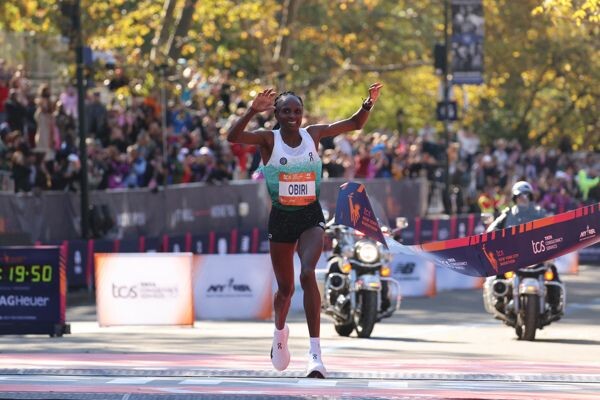
The pair headline a world-class lineup featuring Olympic and world champions, major-marathon winners, national record holders and some of the most exciting marathoners from around the globe.
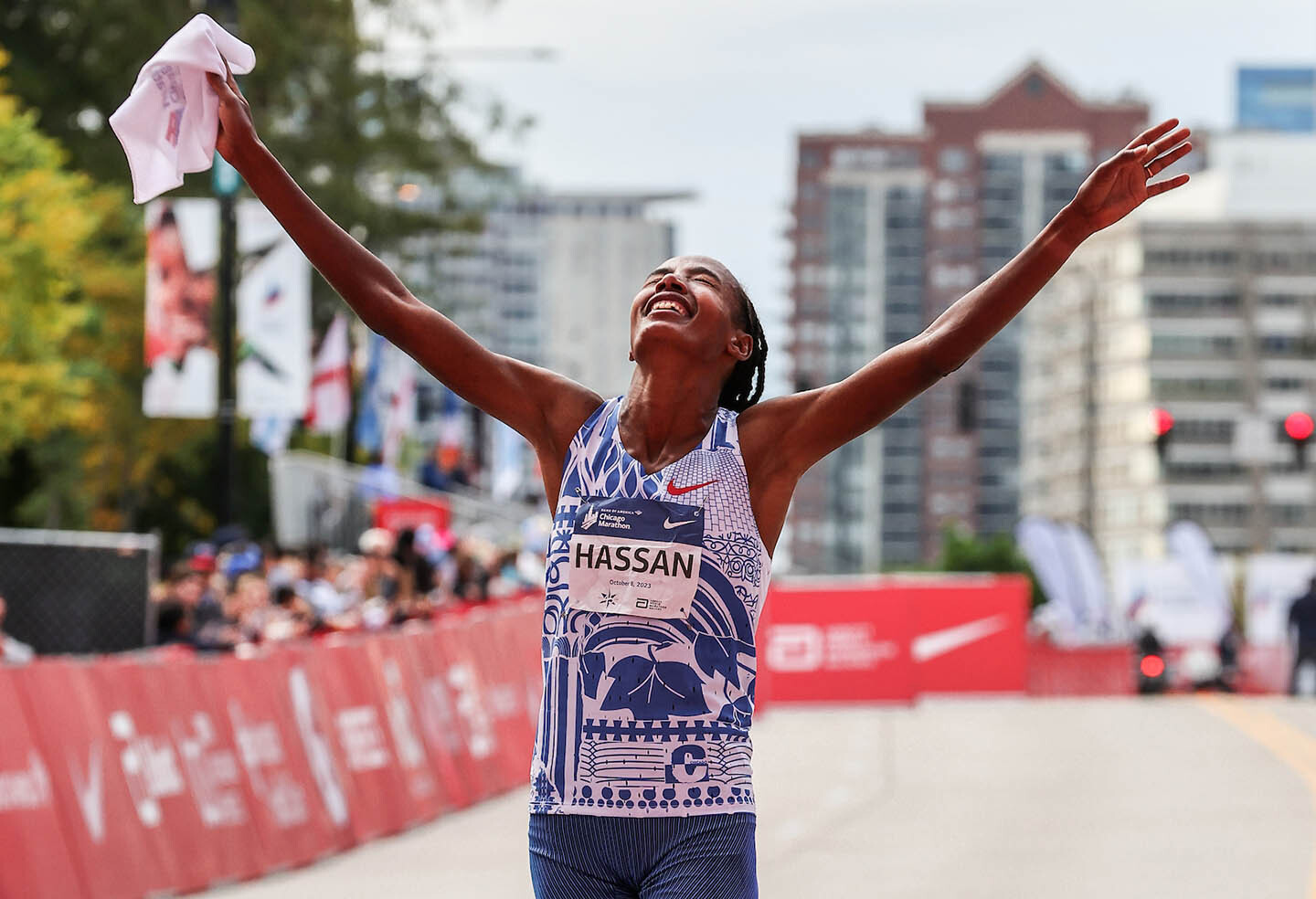
Hassan arrives with the fastest personal best in the field, while Obiri will return to New York seeking to defend the title she won last year in 2:19:51. The Kenyan star has established herself as one of the defining figures of the modern marathon, and another victory in New York would further strengthen her remarkable record over the distance.
“New York always brings out the best in me and I’m excited to return and feel the energy of each borough during such a historic year,” Obiri said.
She will face a formidable Kenyan challenge led by Sheila Chepkirui (2:17:29), Viola Cheptoo (2:19:05), Edna Kiplagat (2:19:50) and Mercy Chelangat (2:20:30). Ethiopia will be represented by former world champion Gotytom Gebreslase (2:18:11), adding even more championship pedigree and experience to an already formidable front pack.
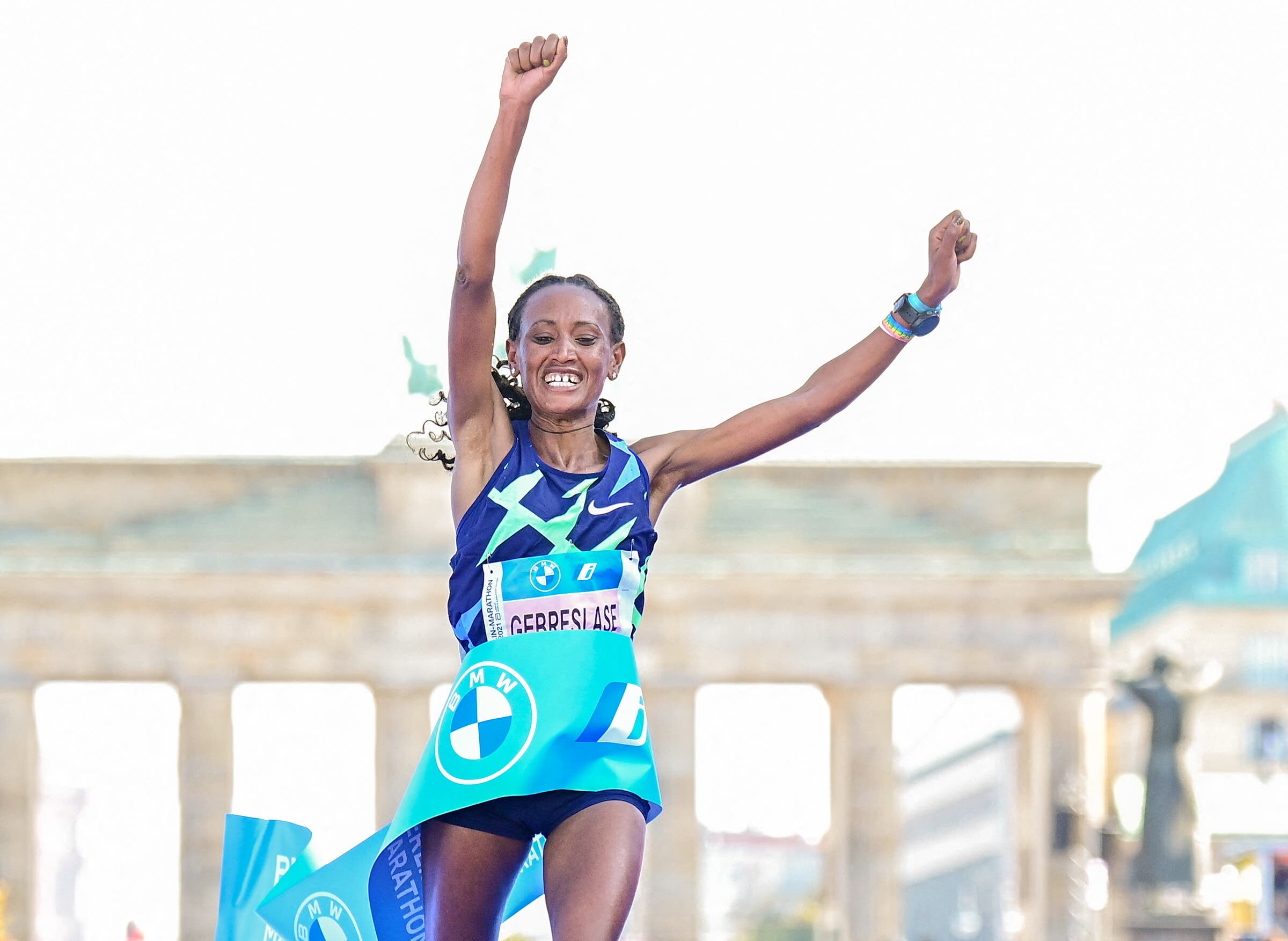
The strength of the field continues with Jessica McClain of the United States (2:20:49), Annie Frisbie of the United States (2:22:00), Fiona O’Keeffe of the United States (2:22:10) and Fabienne Königstein of Germany (2:22:17). They will be joined by fellow American contenders Carrie Ellwood (2:22:53), Erika Kemp (2:22:56), Amanda Vestri (2:24:49) and Lauren Hagans (2:25:47), while Giovanna Epis of Italy (2:23:46) and Rie Kawauchi of Japan (2:24:16) add further international quality.
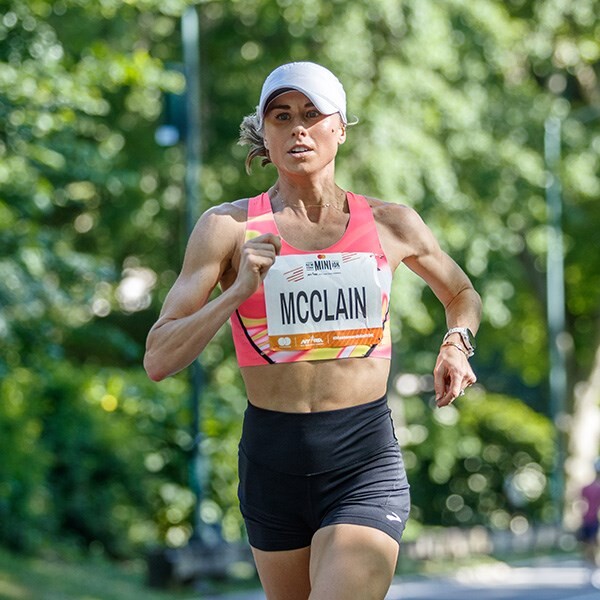
The lineup also features Julia Paternain of Uruguay (2:25:47 NR), Phily Bowden of Great Britain (2:25:57), Paige Wood of the United States (2:26:02) and Steph Bruce of the United States (2:27:47). The experience continues with Roberta Groner of the United States (2:29:09) and Mica Rivera Wood of Peru (2:29:13), while Megan O’Neil (2:31:31), Monica Hebner (2:32:40), Brooke Starn (2:35:22), Alosha Southern (2:36:10), Keetah Barger (2:36:13) and Maddie Block (2:36:25) add considerable depth to the American contingent.
Two particularly intriguing names will also be making their marathon debuts: Cailie Hughes and Weini Kelati of the United States. Kelati enters the new chapter of her career after lowering the American half-marathon record to 1:06:04 in February, giving her a strong foundation as she steps up to the classic 26.2-mile distance for the first time.
Her marathon debut adds another layer of intrigue to an already star-studded race. Kelati’s speed and endurance could make her a dangerous contender if she adapts quickly to the demands of the marathon, while Hughes will also bring the unpredictability that comes with tackling the distance for the first time.
With athletes representing the Netherlands, Kenya, Ethiopia, the United States, Germany, Italy, Japan, Uruguay, Great Britain and Peru, the 2026 women’s field boasts remarkable international depth. The leading contenders bring contrasting strengths, experiences and racing backgrounds, setting the stage for a fascinating battle across New York’s five boroughs before the famous finish in Central Park.
For Hassan, the race represents another opportunity to showcase her extraordinary range and marathon pedigree. For Obiri, it is a chance to defend her New York crown against one of the deepest fields assembled for the race. Behind them, Chepkirui, Gebreslase, Cheptoo, Kiplagat and a host of talented contenders will be waiting to challenge for the podium.
With Olympic pedigree, world championship experience, major-marathon success and two highly anticipated marathon debuts all converging on New York, the stage is set for a compelling battle on November 1.
The question is no longer whether the 2026 TCS New York City Marathon will deliver drama, but who will emerge victorious when the battle reaches Central Park.
Who is your favorite to take the crown in New York?
by Erick Cheruiyot for My Best Runs.
Login to leave a comment
TCS New York City Marathon
The first New York City Marathon, organized in 1970 by Fred Lebow and Vince Chiappetta, was held entirely in Central Park. Of 127 entrants, only 55 men finished; the sole female entrant dropped out due to illness. Winners were given inexpensive wristwatches and recycled baseball and bowling trophies. The entry fee was $1 and the total event budget...
more...