

Running News Daily
Running News Daily is edited by Bob Anderson and team. Send your news items to bob@mybestruns.com Advertising opportunities available.
Index to Daily Posts · Sign Up For Updates · Run The World Feed
Articles tagged #Joshua Cheptegei
Today's Running News



Jimmy Gressier’s Bold Copenhagen Double: From Sub-13 Speed To Half-Marathon Glory?
Jimmy Gressier is preparing to take on one of the most intriguing challenges of the 2026 World Athletics Road Running Championships in Copenhagen — competing in both the men’s 5km and half-marathon, with less than a day separating the two races.
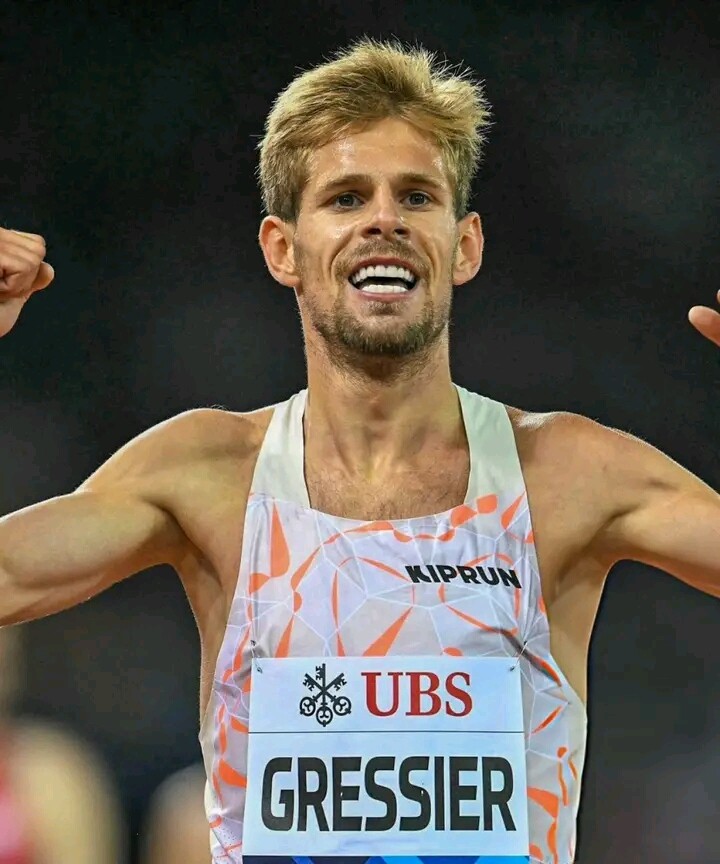
The French star is listed for the 5km on September 19 at 2:40 p.m., before returning to action for the half-marathon at 9:45 a.m. the following morning. That gives him just 19 hours and five minutes between races.
It is a remarkable contrast. One race is expected to last less than 13 minutes for Gressier; the other could keep him racing for around an hour. His personal bests tell the same story: 12:51 for 5km, equivalent to roughly 4:08 per mile, and 59:45 for the half-marathon, or about 4:33 per mile.
And the difference in his standing on the two start lists is striking.
In the 5km, Gressier enters as the fastest man in the field of 63 athletes. His sensational 12:51 in Lille in April made him the European record-holder and moved him to within just two seconds of the world record. Ethiopia’s Addisu Yihune is the only other athlete entered with a faster mark than 13 minutes, having run 12:54, while no other competitor has broken 13:06 this year.
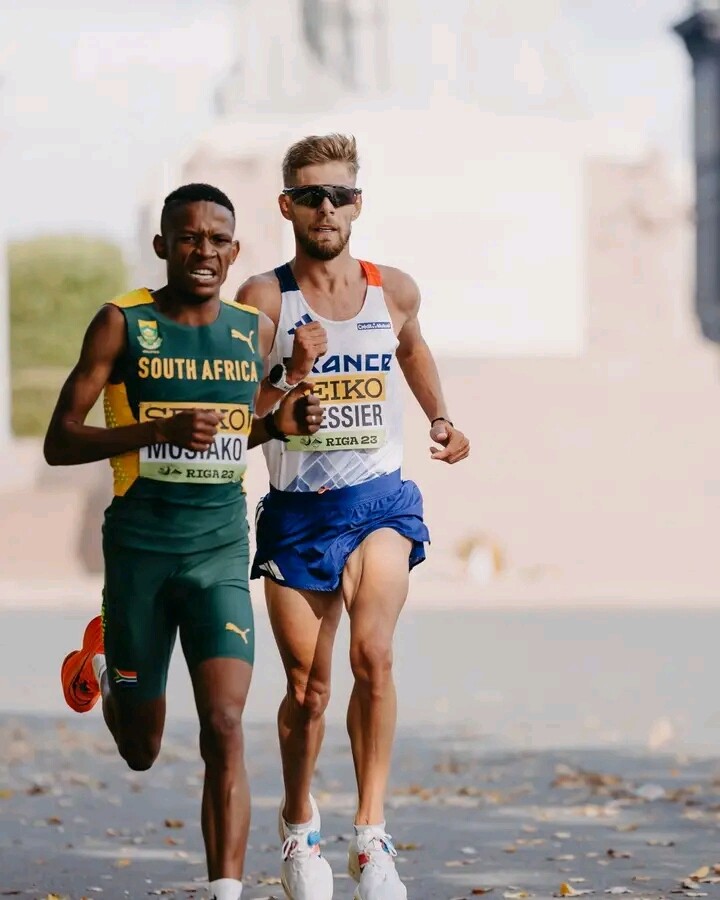
The half-marathon presents a completely different challenge.
Gressier’s 59:45 personal best places him 13th on the entry list, with 12 athletes boasting faster lifetime performances. Kenya’s Nicholas Kipkorir leads that group with 58:08, while Sweden’s Andreas Almgren arrives with the European record of 58:41. Gideon Kipkertich Rono has run 58:38, Tadese Worku 58:47, while the field also includes major names such as Joshua Cheptegei, Daniel Simiu Ebenyo, Yemaneberhan Crippa and Conner Mantz.
Adding another layer of intrigue, Gressier has not raced a half-marathon in 2026.
Yet this is far from unfamiliar territory for the Frenchman.
Gressier has already demonstrated that he can excel over 21.1 kilometres. His 59:45 came when he won the European half-marathon title in Brussels-Leuven in April 2025, defeating Norway’s Awet Nftalem Kibrab by 1:23. He also finished fifth at the 2023 World Half Marathon Championships in Riga, clocking 59:46.
That makes Copenhagen’s unusual schedule particularly important.
When the inaugural World Road Running Championships were held in Riga three years ago, the elite races were compressed into a single afternoon, making a 5km-and-half-marathon double far more difficult to contemplate. Copenhagen has instead spread the competitions across the weekend, creating a window that allows athletes such as Gressier to attempt something far more ambitious.
He will not be alone. Ten athletes on the final entry lists have entered two races, but Gressier’s combination is arguably among the most demanding because of the intensity with which he attacks both distances.
There is also a powerful reminder of what Gressier can produce when the stakes are highest.
At last year’s World Championships in Tokyo, he produced a breathtaking finish to claim the 10,000m world title, edging Yomif Kejelcha by just 0.06 seconds. His own description of that dramatic finish captured his competitive instinct perfectly: he had targeted a medal, moved into third on the home straight, then surged through second before taking gold.
Now, Gressier is preparing for another test of versatility.
First comes the explosive 5km, where he arrives as the fastest man on paper and one of the biggest threats to the world’s best. Then, barely 19 hours later, comes the half-marathon — a race filled with established road-running specialists and several athletes with considerably faster credentials.
Two races. Two very different challenges. One extraordinary weekend.
In Copenhagen, Jimmy Gressier will find out just how far his remarkable range can take him.
by Erick Cheruiyot for My Best Runs.
Login to leave a comment
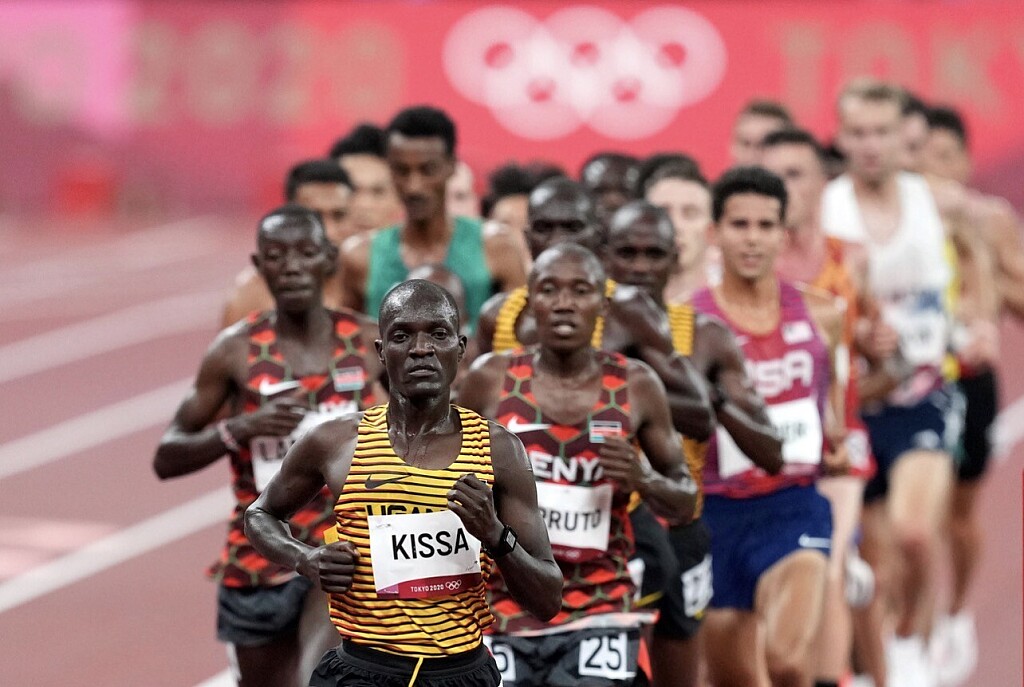
Stephen Kissa Carrying Ugandan Hopes at TCS Toronto Waterfront Marathon
Ugandan long-distance runners have emerged from the shadows of their legendary East African neighbours to earn distinction at the highest level.
Now Stephen Kissa will represent his nation at the 2026 TCS Toronto Waterfront Marathon on October 18 against a strong contingent of Kenyan and Ethiopian athletes. The event is once again a World Athletics Elite Label race.
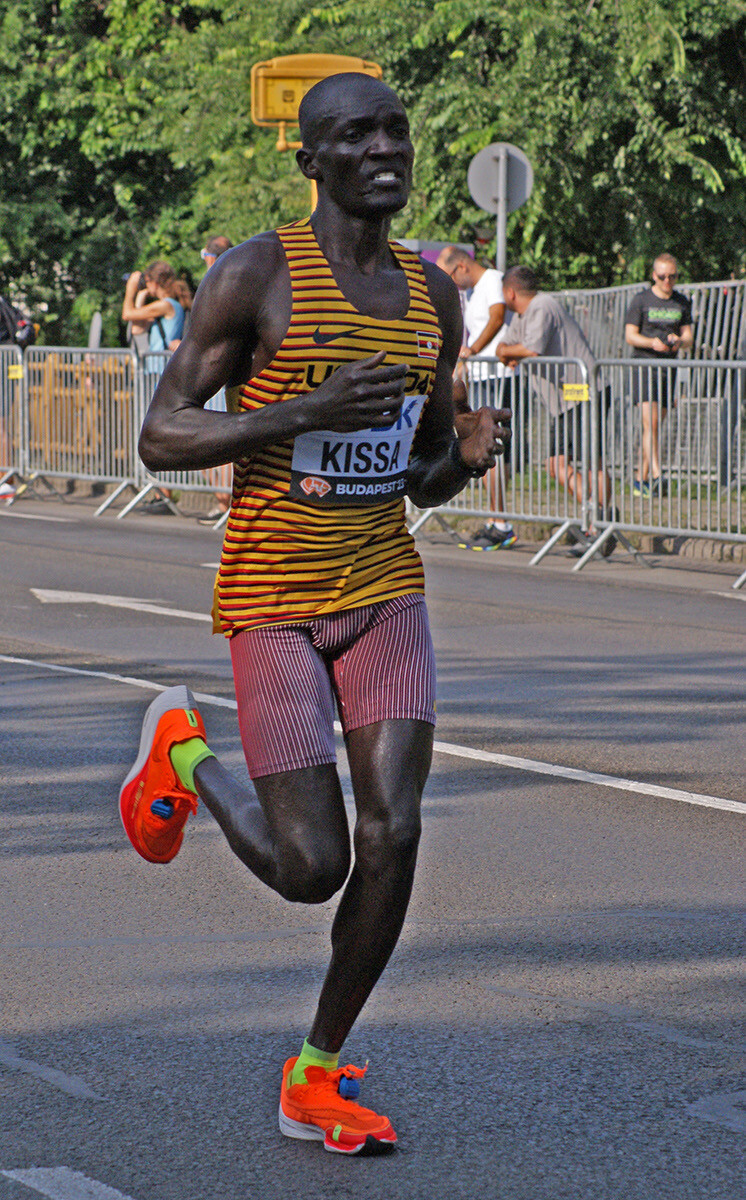
Kissa set a Ugandan national record of 2:04:48 when he finished second in his 2022 marathon debut in Hamburg. That record was only broken this year. He was subsequently selected for Uganda’s 2023 World Championships marathon team, finishing fifth on the streets of Budapest.
He has also represented his country twice at the Olympics and competed at the World Cross Country Championships. With such experience, the 37-year-old is intent on challenging for Toronto’s $25,000 Canadian first-place prize.
“When I come to Toronto, I will do my best,” he declares with a broad smile. “I will be really happy if I can run 2:03 or 2:04.
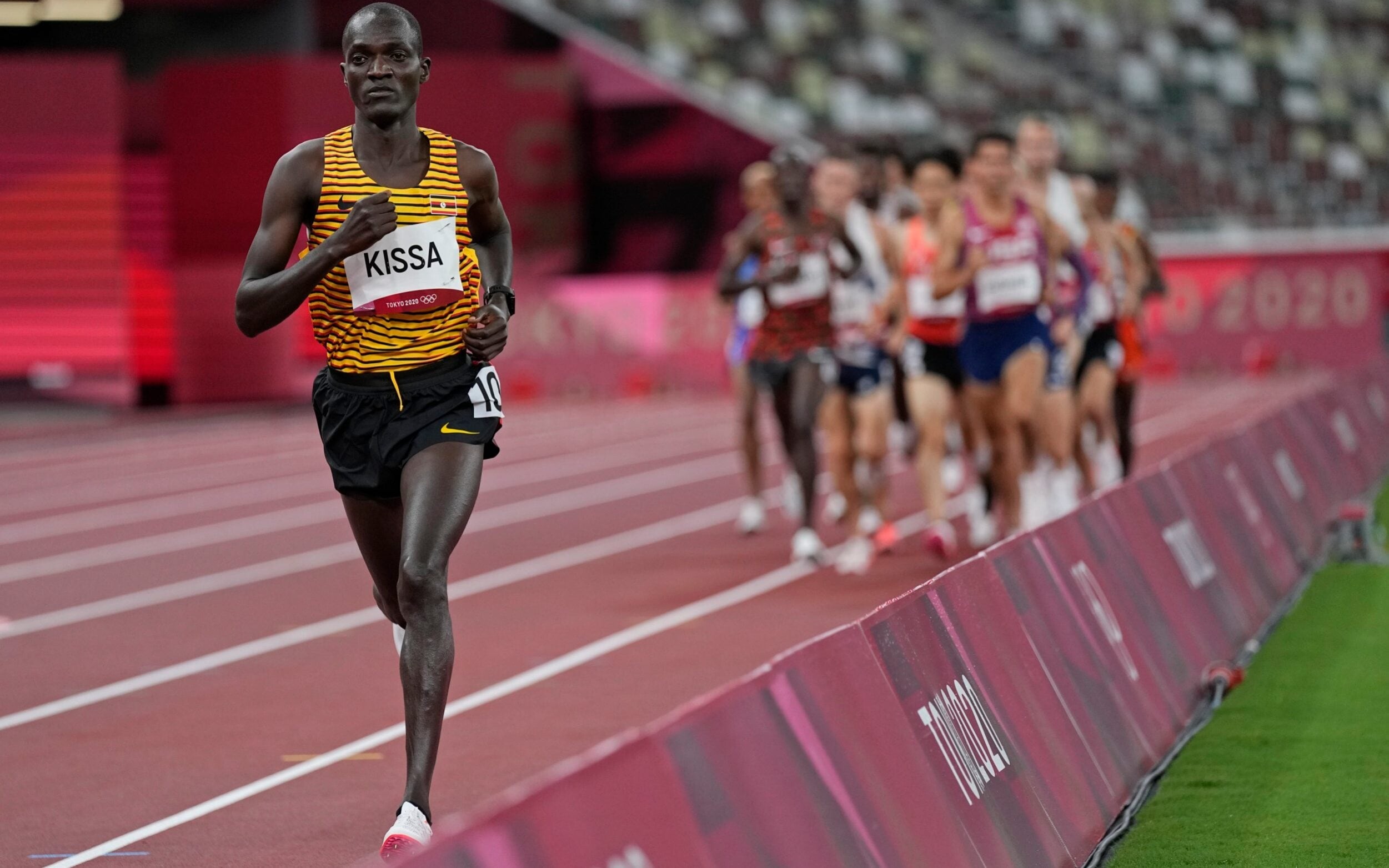
“With training, we have been comparing the past to now, and we have come up with a solution. We do long runs and tempo runs ranging from 25km and 28km to 30km and up to 40km. I am running around 120km a week but will go up closer to 200km.”
Kissa is not the first of his compatriots to compete in the Toronto Waterfront Marathon. Stephen Kiprotich, the 2012 Olympic champion, finished seventh in the 2018 race. Kiprotich remains a national hero in Uganda, and his success has contributed significantly to the nation’s emergence as a distance-running power.
“I was really inspired a long time ago by Stephen Kiprotich,” Kissa admits. “He did some tremendous work, and I can say he is our mentor. We really respect him.
“He has given me advice. He told me, ‘Our sport is not a one-day journey. It is a long journey that takes a lot of patience and commitment. If you have commitment, patience and work hard, you will go far.’”
Kiprotich has been an occasional and welcome visitor to the training camp in Kapchorwa that Kissa calls home for most of the year. It sits at an altitude of 2,500 metres, or 8,200 feet.
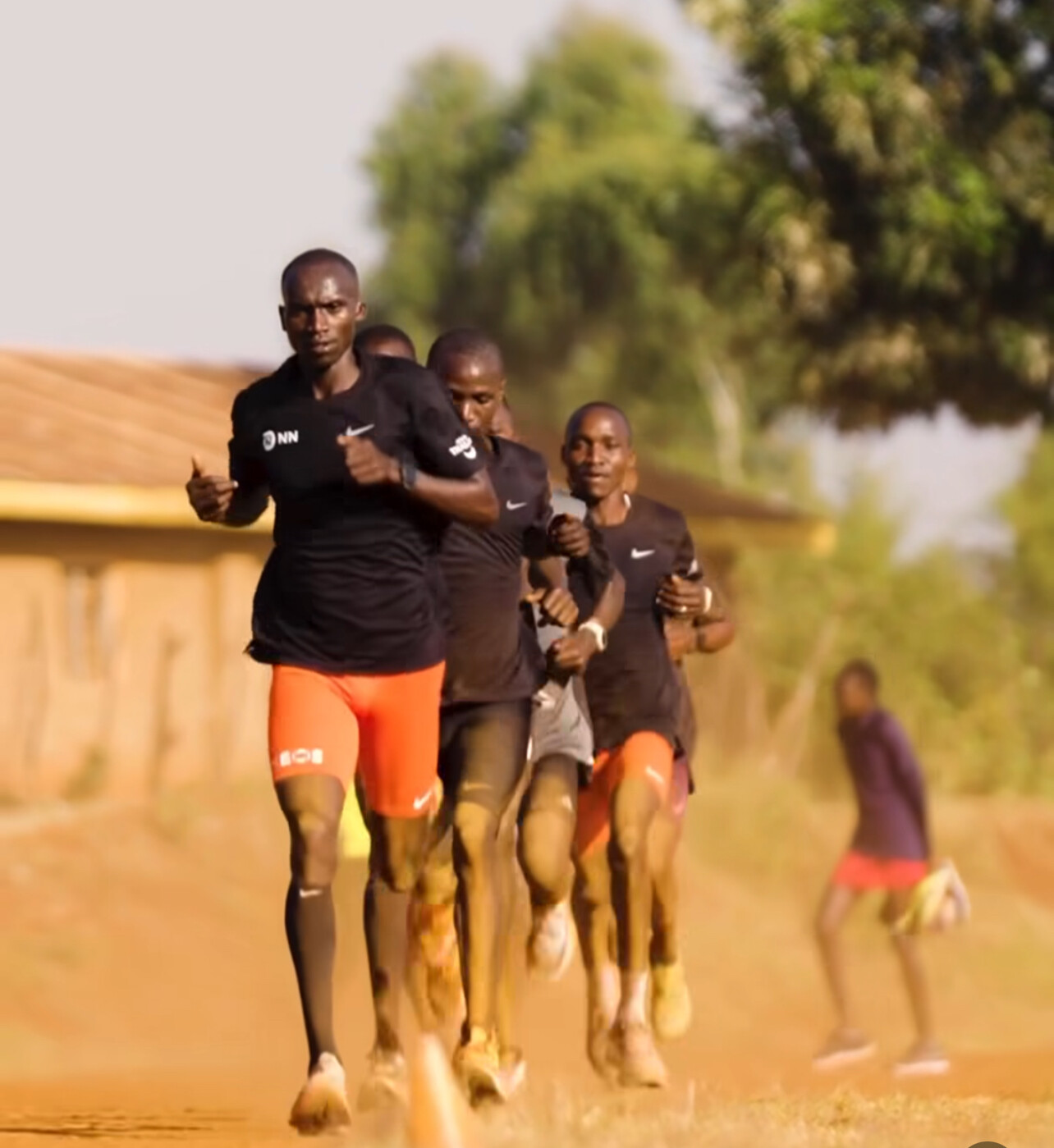
From Monday through Saturday, Kissa trains there with a group that includes two-time Olympic champion Joshua Cheptegei, 2023 world marathon champion Victor Kiplangat and 2022 Olympic 3,000m steeplechase champion Peruth Chemutai.
The centre was built by their management company, Global Sports Communications, with a contribution from Cheptegei. The athletes return home to their families on Saturday evenings.
Kissa lives in Kapchorwa’s town centre, about 14 kilometres away, in an area dominated by Mount Elgon, an extinct volcano estimated to be 24 million years old. He lives there with his wife and two young children.
“Right now they are at school,” he says of his children. “They are about to come home for a holiday. That’s when I will meet them. At school, they concentrate on their studies unless there is a problem. Then they will call me.”
The training camp includes a dormitory, dining room, kitchen and recreation room where the group gathers to watch sports. The recent FIFA World Cup generated great interest, and Kissa admits enjoying the play of Spanish winger Lamine Yamal. When asked what he does to relax, he smiles.
“I can play pool. I like that,” he says, adding with a laugh, “Not for money. We also play cards.
“Sometimes, when I have time, I cook chapati. It is made from wheat flour. We also have potatoes and ugali, which is made from corn.”
The group holds a prayer before each workout. Victor Kiplangat is an assistant pastor at a nearby church called Temple of the Most High God, but the others, including Kissa, also take turns leading prayers.
For more than a decade, the group was coached by Addy Ruiter. After the 2024 Paris Olympics, the Dutchman returned home. He continues coaching the athletes remotely through WhatsApp, with an on-site team led by fellow Dutchman Roy Hoornweg.
“Kapchorwa is a hilly, mountainous area,” Kissa explains. “The tempo runs are done on a plateau where it is flat. Our training differs depending on the location. You can’t do long runs in the hilly area, so we go to the plateau. We also have flatlands where we can do long runs and tempo runs.”
Kissa understands that he is approaching the later stages of his running career and must look toward life beyond competition. Still, he laughs when asked how many more years he can compete.
“Maybe 10 years! I will be happy if I can run 2:03 or 2:04,” he says.
“If Toronto goes really well, I will look to invest in assets in town, build apartments and start a business. I can really say thank you for inviting me to Toronto. If it goes well, I will be very proud.”
Kissa won’t be the only Ugandan presence at the TCS Toronto Waterfront Marathon. At the Runner’s Expo on October 16 and 17 at the Better Living Centre, a Uganda Tourism booth will offer information about the Mount Rwenzori Marathon and Great Lakes Safaris.
On the starting line, Kissa can be confident that he has the international experience and talent to compete with anyone. As for his ultimate goals, he is succinct.
“I pray that in the years to come I will stand on the podium at the Olympics or World Championships,” he says. “That is what I am really looking forward to.”
A victory in Toronto would bolster that ambition.
by Paul Gains
Login to leave a comment
TCS Toronto Waterfront Marathon
The Scotiabank Toronto Waterfront Marathon, Half-Marathon & 5k Run / Walk is organized by Canada Running Series Inc., organizers of the Canada Running Series, "A selection of Canada's best runs!" Canada Running Series annually organizes eight events in Montreal, Toronto and Vancouver that vary in distance from the 5k to the marathon. The Scotiabank Toronto Waterfront Marathon and Half-Marathon are...
more...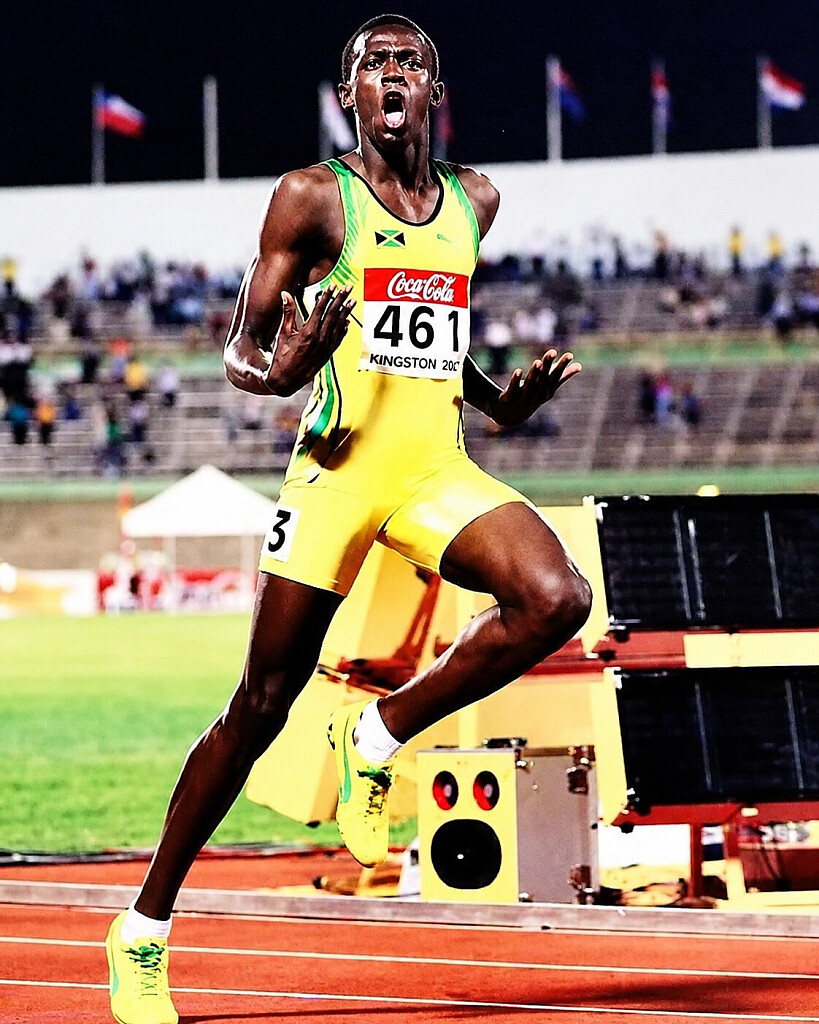
Where Greatness Begins: The Day a 15-Year-Old Usain Bolt Changed Sprinting Forever
Long before he became the fastest man in history, before the Olympic gold medals, world records, and global superstardom, Usain Bolt was simply a gifted teenager with extraordinary speed and limitless potential. In 2002, on the track at Kingston's National Stadium in Jamaica, the world witnessed the first chapter of a story that would forever change athletics.
At just 15 years old, Bolt lined up for the men's 200 metres at the World Junior Championships with the weight of expectation resting on young shoulders. Competing before a passionate home crowd, the Jamaican prodigy produced a performance that instantly captivated the athletics world. Crossing the finish line in 20.61 seconds, he became the youngest athlete ever to win the men's 200m title at the championships.
It was far more than a gold medal. It was the moment the world realised that a once-in-a-generation talent had arrived.
Bolt's victory in Kingston marked the beginning of one of the greatest careers in sporting history. Over the years that followed, he rewrote the record books, dominated the Olympic Games and World Championships, and transformed sprinting into a global spectacle through his breathtaking speed, infectious personality, and unrivalled confidence. His legacy continues to inspire young athletes across the globe, many of whom dream of following the same path he once began as a teenager.

This week, that dream comes alive once again as the World Athletics U20 Championships take centre stage at the iconic Hayward Field in Eugene, Oregon. The venue has already witnessed the birth of future superstars. In 2014, it was where Britain's Dina Asher-Smith and Uganda's Joshua Cheptegei captured their first global titles, launching careers that would later produce world championships, Olympic medals, and lasting legacies in athletics.
Twelve years later, another generation arrives in Eugene hoping to create its own defining moment.
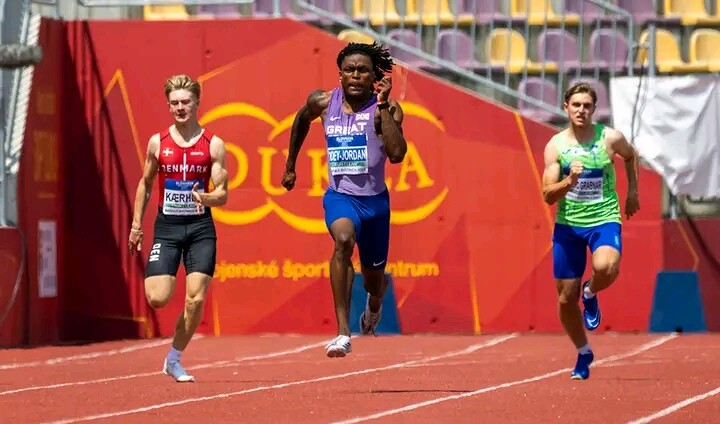
Among the brightest young talents is Great Britain's Jake Odey-Jordan, the 200m bronze medallist from Lima who now owns the European U20 100m record after an astonishing 10.01-second performance. He enters the championships eager to build on his growing reputation as one of Europe's most exciting young sprinters.
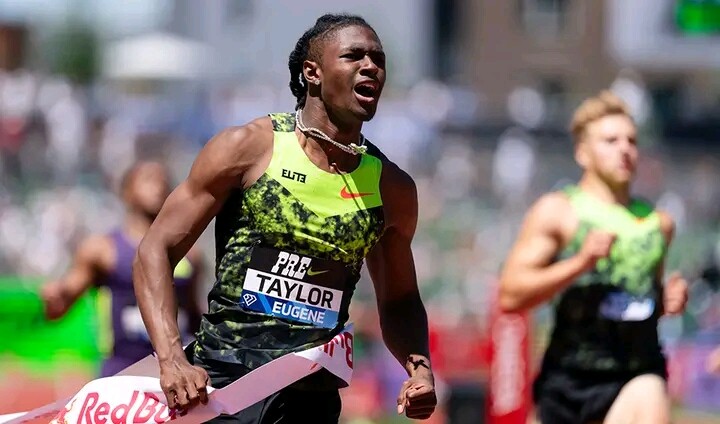
The United States will look to Tate Taylor, who has already made history as the first American high school athlete to break the 20-second barrier for the 200 metres. Fresh from a Diamond League victory in a sensational 19.75 seconds, he arrives in Eugene carrying the momentum of one of the most remarkable junior seasons ever recorded.
Jamaica, the nation that introduced the world to Usain Bolt, will once again have high hopes through Shanoya Douglas. The talented sprinter has established herself as one of the championship's leading contenders after producing lifetime bests of 10.98 seconds for the 100m and 22.11 for the 200m this season.
History has repeatedly shown that the World U20 Championships are far more than a junior competition. They are often the first chapter in the careers of future Olympic champions, world record holders, and global icons. Every generation arrives with ambitious dreams, but only a select few leave having announced themselves to the world.
No one can say with certainty whether the next Usain Bolt will emerge this week. Greatness cannot be predicted, and legends are never manufactured. Yet every legendary career begins with a single breakthrough performance.
For Bolt, that defining moment came in Kingston in 2002.
Now, under the famous lights of Hayward Field, another group of gifted teenagers stands ready to chase history. Somewhere among them could be the next athlete whose name will inspire the world for years to come.
by Erick Cheruiyot for My Best Runs.
Login to leave a comment
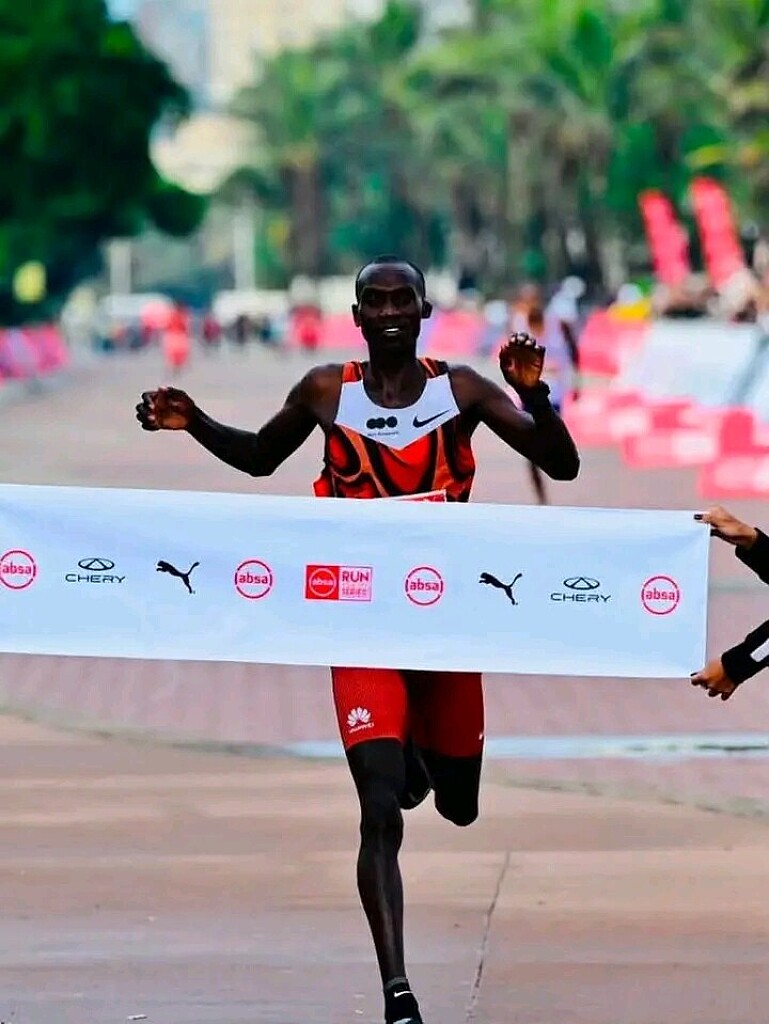
Joshua Cheptegei Rewrites Durban 10K History with Record-Breaking Triumph
Ugandan distance-running icon Joshua Cheptegei once again reminded the athletics world why he ranks among the greatest endurance athletes of his generation, producing a masterclass to win the 2026 Absa RUN YOUR CITY DURBAN 10K in a stunning 27:20.
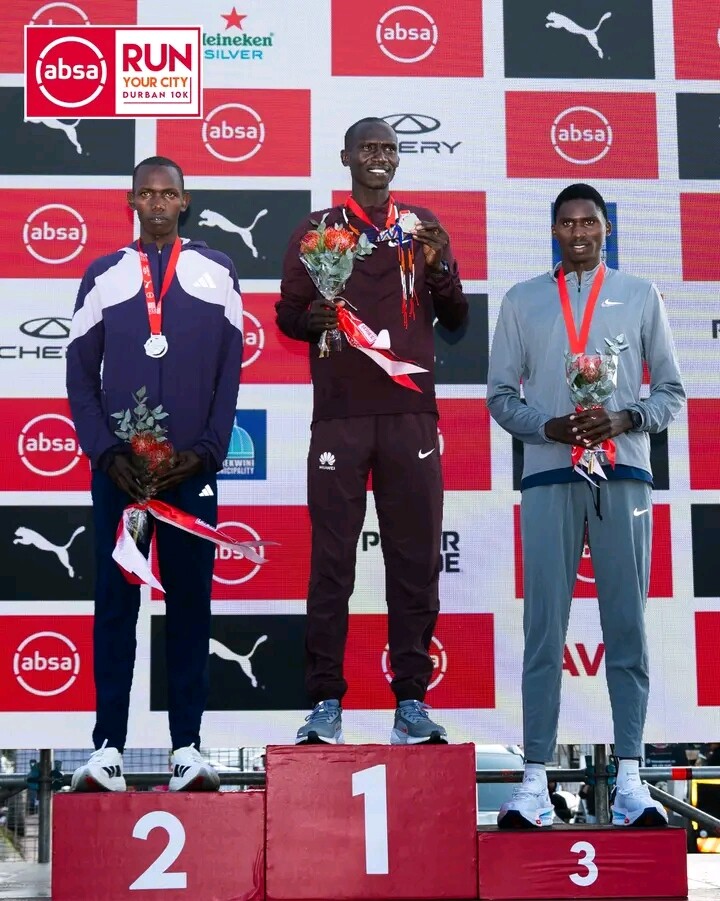
On a day that demanded both speed and precision, Cheptegei controlled the race with the composure of a seasoned champion before powering to the finish line to shatter the previous course record, etching his name even deeper into the event's history.
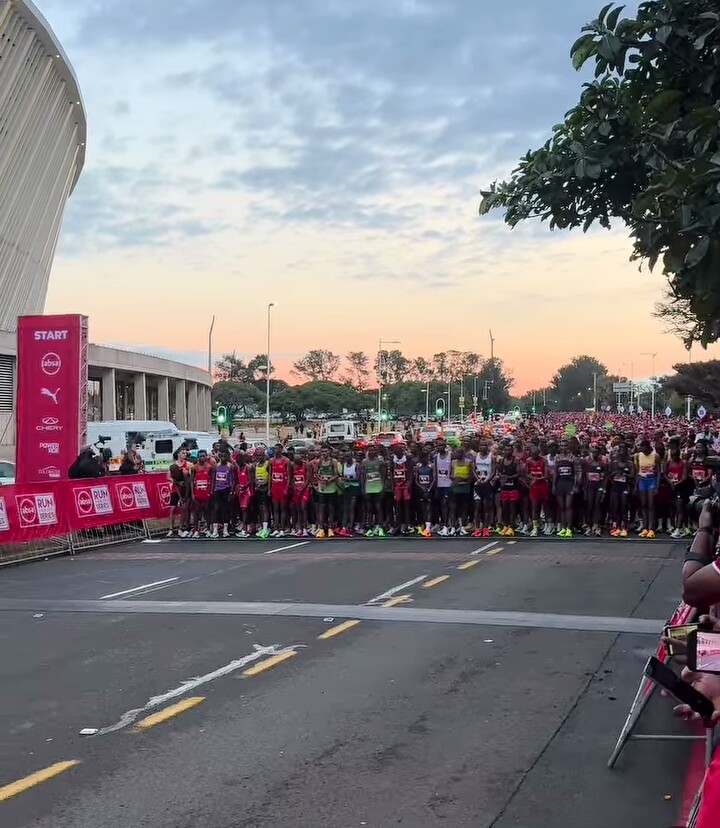
The Olympic 10,000m champion arrived in Durban with a clear objective—to challenge the fastest time ever recorded on South African soil—and he delivered in spectacular fashion. His commanding victory was another demonstration of the relentless consistency and tactical brilliance that have defined his remarkable career.
Behind the Ugandan star, Salem Kibet of Kenya claimed second place in 27:29, while fellow Ugandan Emmanuel Kibet completed the podium in 27:32, making it a fiercely contested battle among East Africa's finest distance runners.
The race also showcased impressive depth, with Kenya's Victor Okoth finishing fourth in 27:50, while Tanzania's Agustino Daniel rounded out the top five in 28:03. South Africa's leading performers, Kabelo Mulaudzi (28:06) and Musawenkosi Mnisi (28:11), thrilled the home crowd with determined performances against a world-class field.
Cheptegei's latest triumph adds another landmark achievement to an already extraordinary résumé that includes Olympic glory, multiple world titles, and world records. His victory in Durban was far more than another race win—it was a statement that the Ugandan legend continues to set the standard in global distance running.
By breaking the course record in emphatic fashion, Joshua Cheptegei once again proved that when the stakes are highest, few athletes in history can match his ability to rise to the occasion. His unforgettable run in Durban will be remembered as another defining chapter in the legacy of one of athletics' all-time greats.
by Erick Cheruiyot for My Best Runs.
Login to leave a comment
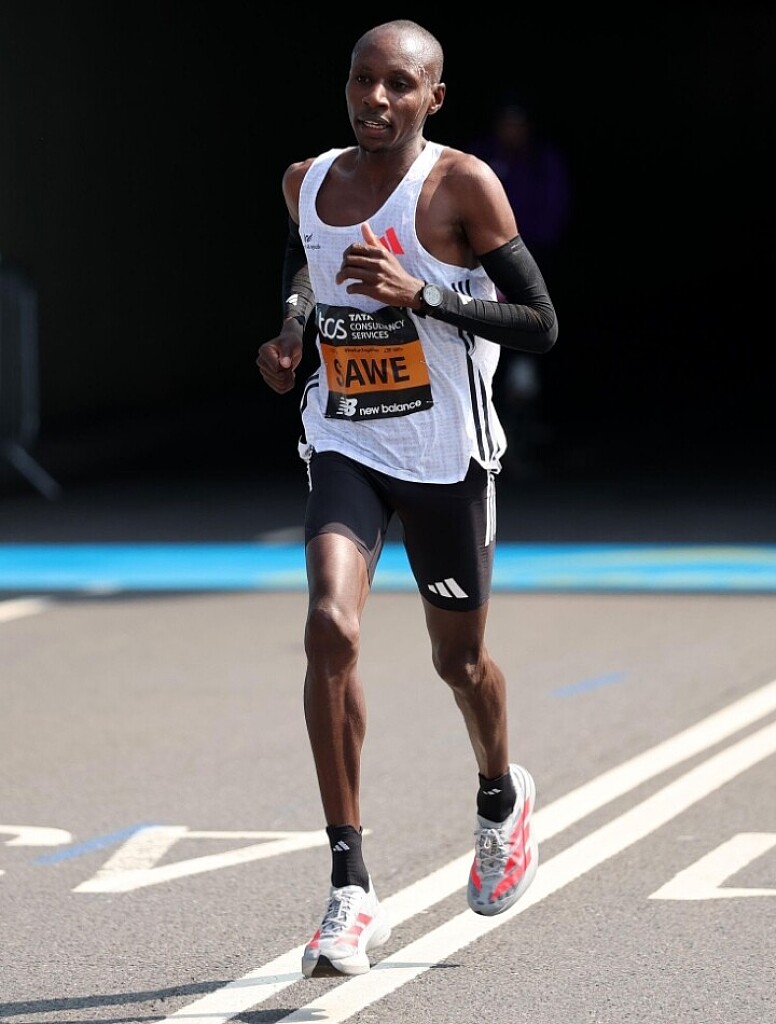
London Beckons: A Marathon of Giants Set to Ignite the Capital
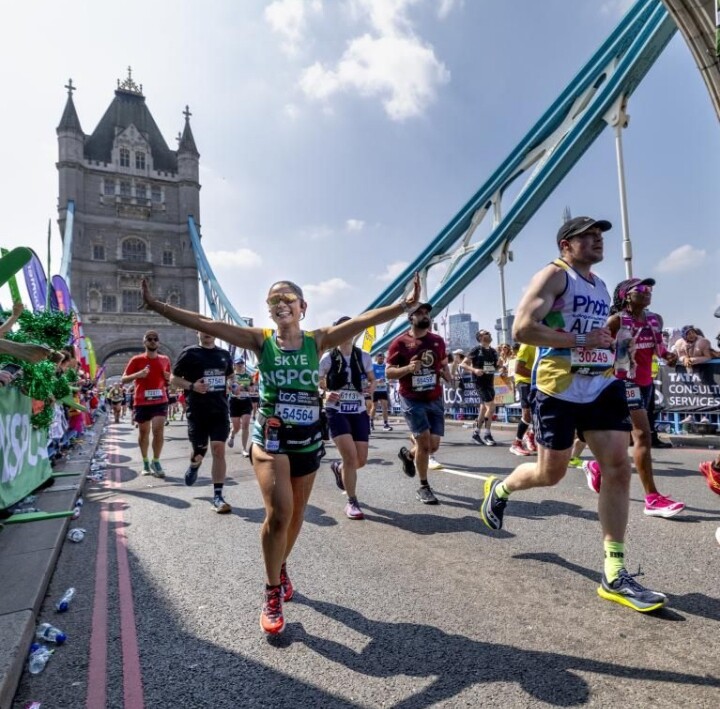
The roads of London are once again preparing to host one of the most anticipated races on the global calendar, as the London Marathon 2026 assembles a men’s elite field of rare depth and quality. On Sunday, April 26, the world’s finest distance runners will converge on the British capital, chasing not only victory but a place in marathon history.
At the center of attention stands Sebastian Sawe, the defending champion whose commanding 2:02:05 personal best marks him as the man to beat. Sawe’s blend of composure and finishing power has already proven decisive on these streets, but this year’s contest promises to push him deeper than ever before.
Lining up against him is a formidable cast. Jacob Kiplimo, better known for his dominance over shorter road distances and cross country, brings a dangerous mix of speed and endurance. His 2:02:23 credentials suggest he is more than ready to challenge for the win if the race turns tactical—or brutally fast.
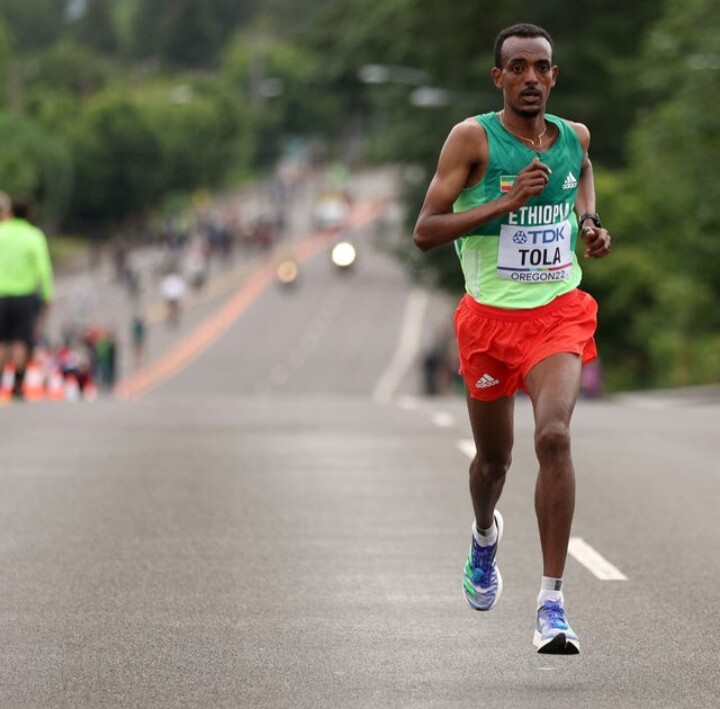
Ethiopia’s charge is equally imposing. Deresa Geleta and Olympic champion Tamirat Tola headline a contingent rich in pedigree, while Yomif Kejelcha adds intrigue with his much-anticipated marathon debut—an unknown factor capable of reshaping the race entirely.
Kenya’s depth remains undeniable. Alongside Sawe are seasoned names like Amos Kipruto and the ever-consistent Geoffrey Kamworor, both of whom possess the experience and resilience required to thrive over 42.195 kilometers. Meanwhile, Uganda’s Joshua Cheptegei continues his transition to the marathon stage, carrying the weight of his track legacy into the ultimate endurance test.
The international flavor extends further, with Japan’s Shunya Kikuchi, France’s Hassan Chahdi, and South Africa’s Adam Lipschitz all aiming to disrupt the established order.
However, the home crowd has been dealt a blow. British hopeful Emile Cairess has been forced to withdraw due to a calf injury, removing a key figure who many believed could spearhead a domestic challenge. His absence shifts the spotlight away from local contention and further intensifies the East African dominance expected at the front.
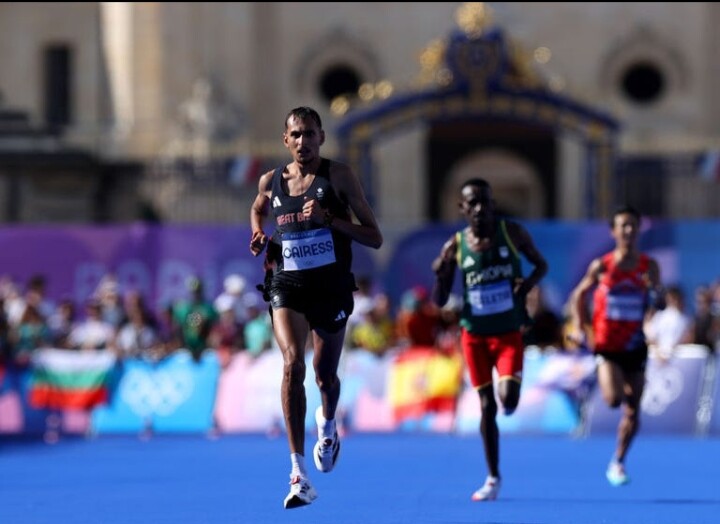
Yet marathons are rarely predictable. The rhythm of the race, the pacing strategies, and the unforgiving demands of the distance often rewrite expectations. What appears stacked on paper can unravel over the final miles along the Thames.
With the race set to begin in the morning hours, anticipation continues to build. Records may be threatened, debuts could dazzle, and champions will be tested to their limits.
In a field this deep, victory will not simply be earned—it will be wrestled from one of the most competitive line-ups the marathon world has seen in recent years.
by Erick Cheruiyot for My Best Runs.
Login to leave a comment

TCS London Marathon
Since its inaugural edition on March 29, 1981, the TCS London Marathon has grown into one of the world's most prestigious road races, blending elite competition with an extraordinary charitable legacy. Founded by former Olympic champion and journalist Chris Brasher alongside Welsh athlete John Disley, the event has been staged every year and has been held in the spring annually...
more...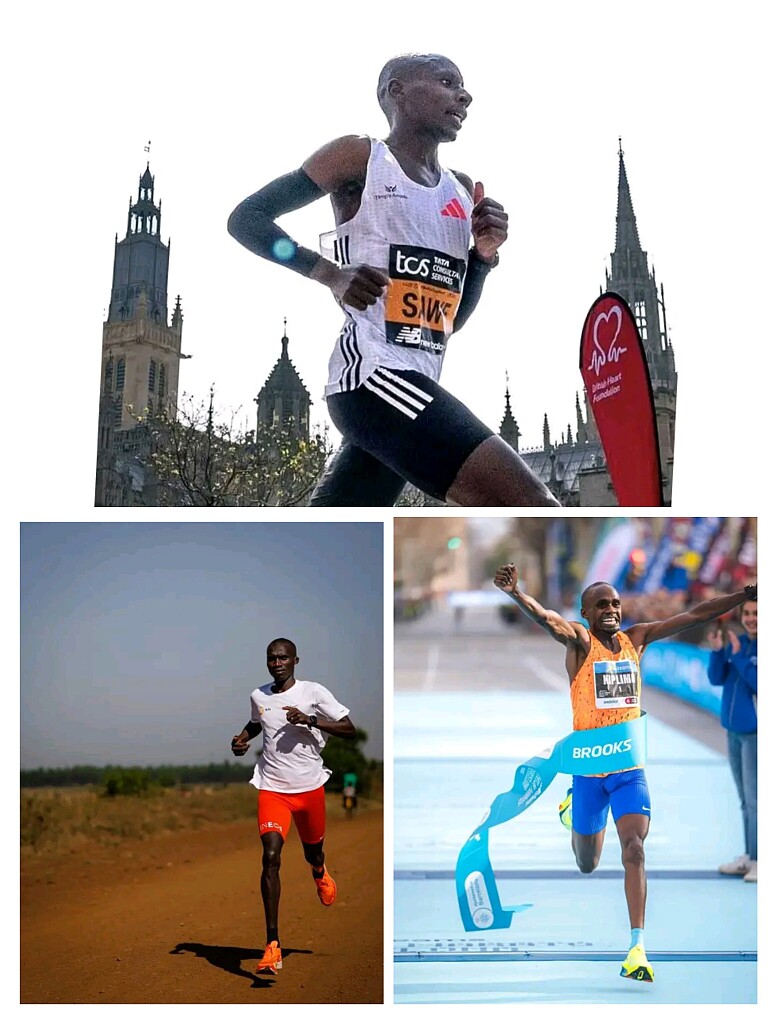
London Marathon 2026: Record Pace, Relentless Rivals, and a Race on the Brink of History
The countdown to the London Marathon on April 26, 2026, carries a rare sense of anticipation—one built not just on elite competition, but on the genuine possibility of history being rewritten. At the heart of it all stands the late Kelvin Kiptum’s extraordinary course record of 2:01:25, a mark that redefined the limits of marathon running and now faces a formidable, collective assault.
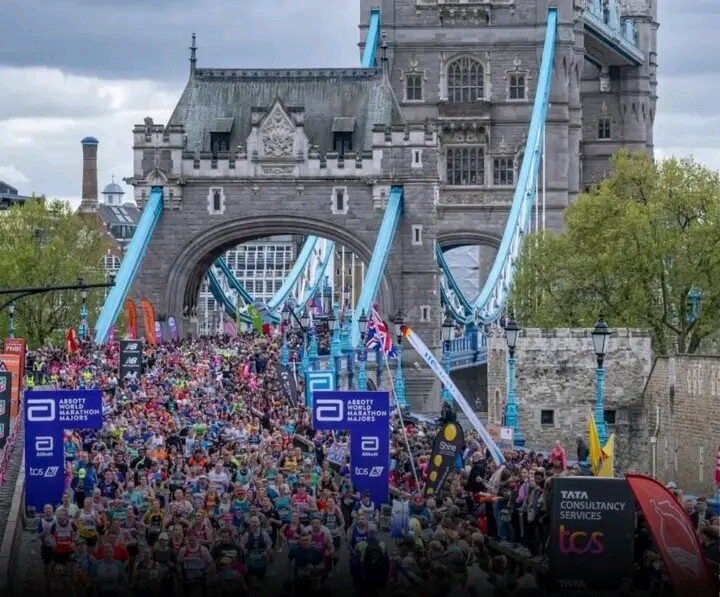
This year’s race brings together a field of exceptional depth and ambition, where three of the sport’s most dynamic figures—Sabastian Sawe, Jacob Kiplimo, and Joshua Cheptegei—headline a cast capable of turning pace into legend.
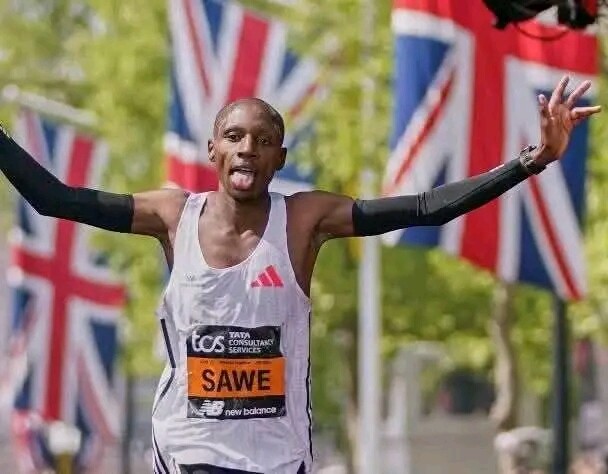
Sawe returns as the defending champion and the man everyone is chasing. His dominant victory in 2025, delivered in 2:02:27—the second-fastest time in London Marathon history—announced his arrival as a true force over 42.195 kilometres. Yet, even he recognises the scale of the challenge ahead. Against such a stacked field, victory alone may not suffice; it could take something far greater, perhaps even a course record, to secure back-to-back triumphs.
Pushing him every step of the way will be Kiplimo, whose evolution into the marathon continues to gather momentum. After an outstanding runner-up finish on his London debut, he has since refined his endurance and sharpened his edge, lowering his personal best to 2:02:23. Now, he returns not merely as a contender, but as an athlete with unfinished business—one determined to convert promise into dominance.
Then there is Cheptegei, the world record holder over 5,000m and 10,000m, whose transition to the marathon is steadily taking shape. With a personal best of 2:04:52 recorded in Amsterdam, the Ugandan star arrives in London with growing confidence and a clear objective: to translate his track supremacy into marathon greatness on one of the sport’s grandest stages.
Beyond this leading trio, the race is further elevated by the presence of Olympic champion Tamirat Tola and the immensely talented Yomif Kejelcha, ensuring that the pace will be honest, the pressure unrelenting, and the margin for error almost nonexistent.

What makes this edition truly compelling, however, is the delicate alignment of conditions required for greatness. London’s flat and fast course has long been a theatre for remarkable performances, but records are never guaranteed. Weather, pacing, and race dynamics must converge perfectly. Go out too aggressively, and the final miles can unravel even the strongest; hesitate, and the opportunity for history slips away.
Yet, if the rhythm is right and the courage to push the limits prevails, Kiptum’s towering mark may finally come under serious threat. The ingredients are all in place: a world-class field, fearless competitors, and a shared understanding that this is more than a race—it is a moment.
As the streets of London prepare to host another spectacle, one question echoes louder than ever:
Will April 26 deliver a champion—or a performance that redefines what is humanly possible?
by Erick Cheruiyot for My Best Runs.
Login to leave a comment
TCS London Marathon
Since its inaugural edition on March 29, 1981, the TCS London Marathon has grown into one of the world's most prestigious road races, blending elite competition with an extraordinary charitable legacy. Founded by former Olympic champion and journalist Chris Brasher alongside Welsh athlete John Disley, the event has been staged every year and has been held in the spring annually...
more...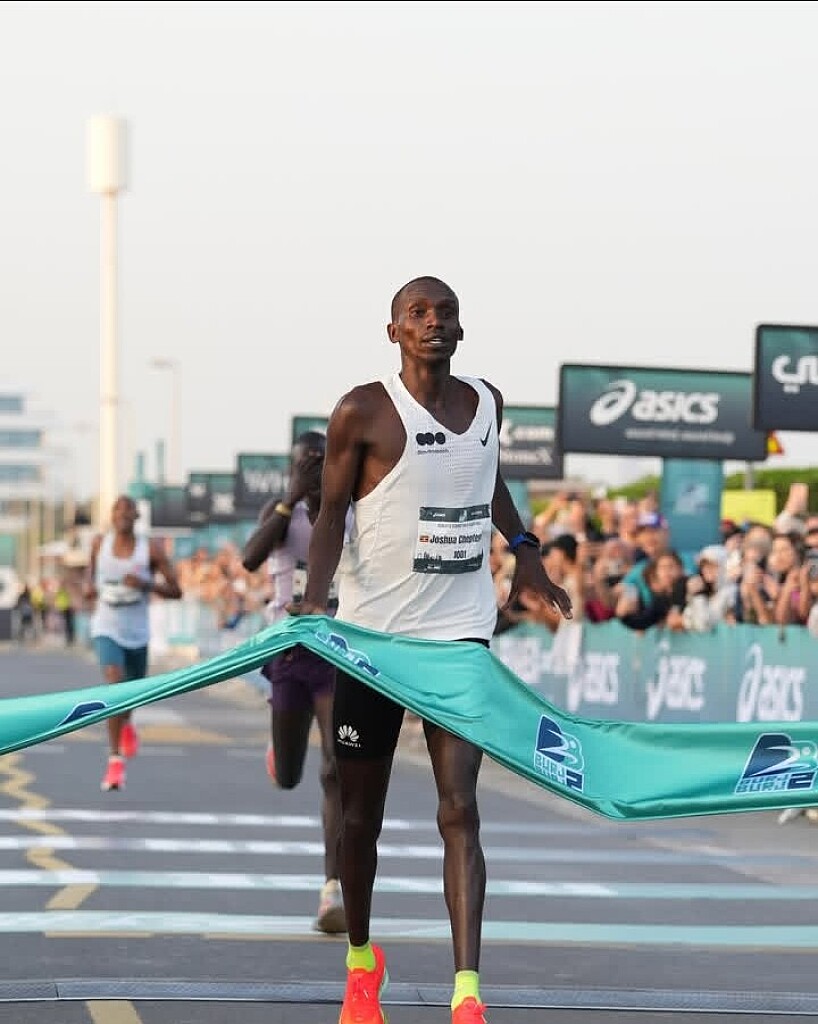
Seconds Decide, Champions Rise: Cheptegei and Cheptai Shine at a Thrilling Burj2Burj Half Marathon 2026
The Burj2Burj Half Marathon 2026 delivered a compelling showcase of elite road running, as Dubai’s iconic course provided the backdrop for high-speed racing, tactical brilliance, and photo-finish drama across both the men’s and women’s fields.
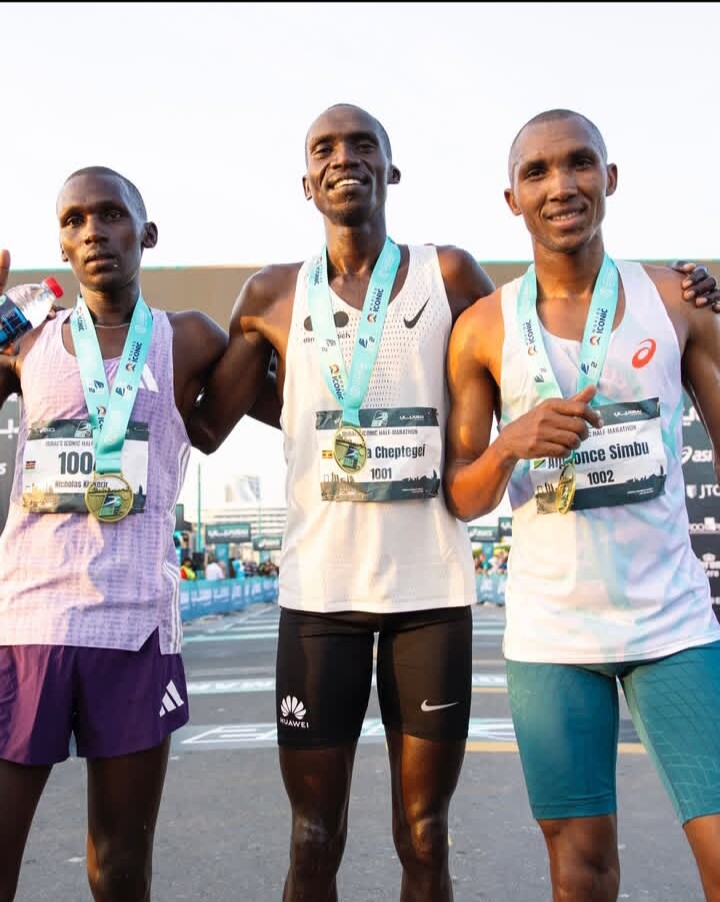
In the men’s race, Ugandan icon Joshua Cheptegei once again demonstrated his pedigree on the roads, powering to victory in 59:26 after a relentless battle over 21.1 kilometers. The Olympic champion and 5000m & 10,000m world record holder was pushed to the very limit, with Kenya’s Nicholas Kipkorir crossing the line just two seconds behind in 59:28, while Tanzania’s Alphonce Felix Simbu secured third place in 59:30. Only four seconds separated the podium finishers, reflecting the uncompromising pace and intensity from start to finish.
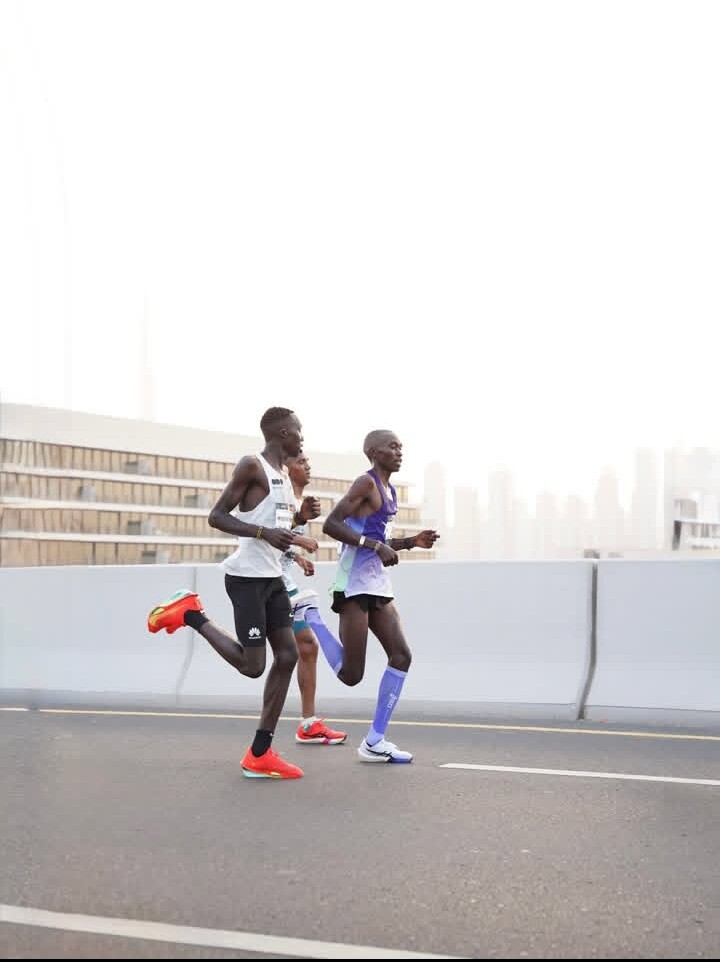
Kenya’s Enos Kipruto narrowly missed a place on the podium with 1:00:03, followed closely by Ethiopia’s Lulu Negera in 1:00:04, as the leading group maintained pressure throughout the fast course. Ethiopia’s Aklilu Asfaw, Germany’s Richard Ringer, Kenya’s Yonah Mateiko, and Ethiopia’s Haftu Teklu rounded out a deep and competitive top nine, while Carlos Díaz of Chile completed the top ten in 1:03:34 after a determined run against world-class opposition.
The women’s race matched the men’s contest for quality and suspense, producing a dramatic outcome decided by the narrowest of margins. Kenya’s Irene Cheptai delivered a composed and authoritative performance to claim victory in 1:06:57, demonstrating sharp tactical awareness as she stayed patient within a tightly packed lead group before asserting control in the decisive final stages.
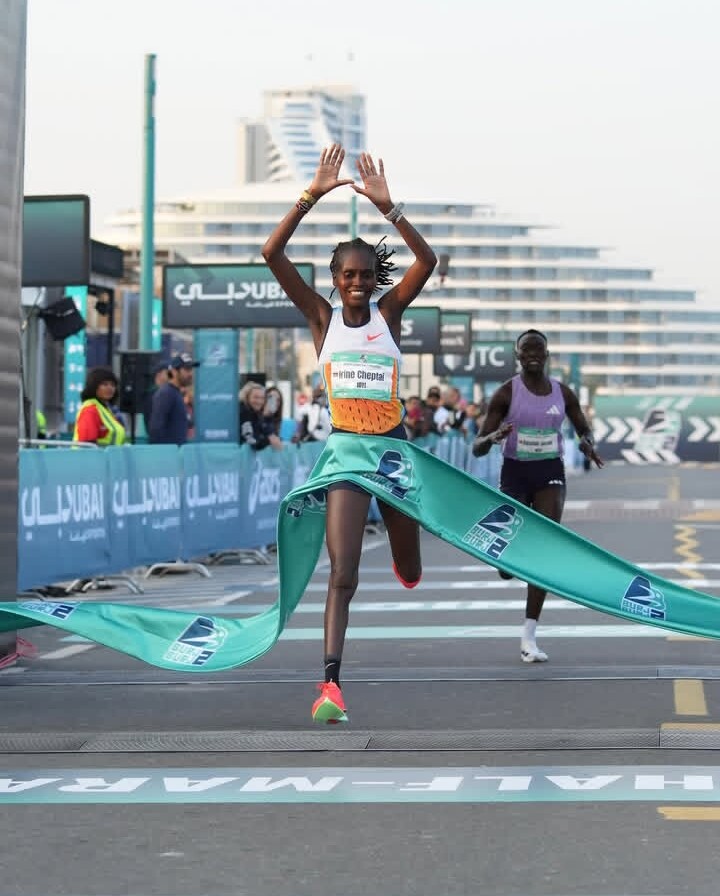
She was closely followed by compatriot Daisilah Jerono, who finished just two seconds adrift in 1:06:59, securing a Kenyan one-two, while Ethiopia’s Ftaw Zeray completed the podium in 1:07:01. As in the men’s race, only four seconds separated the top three, underlining the elite depth and competitiveness at the front of the field.
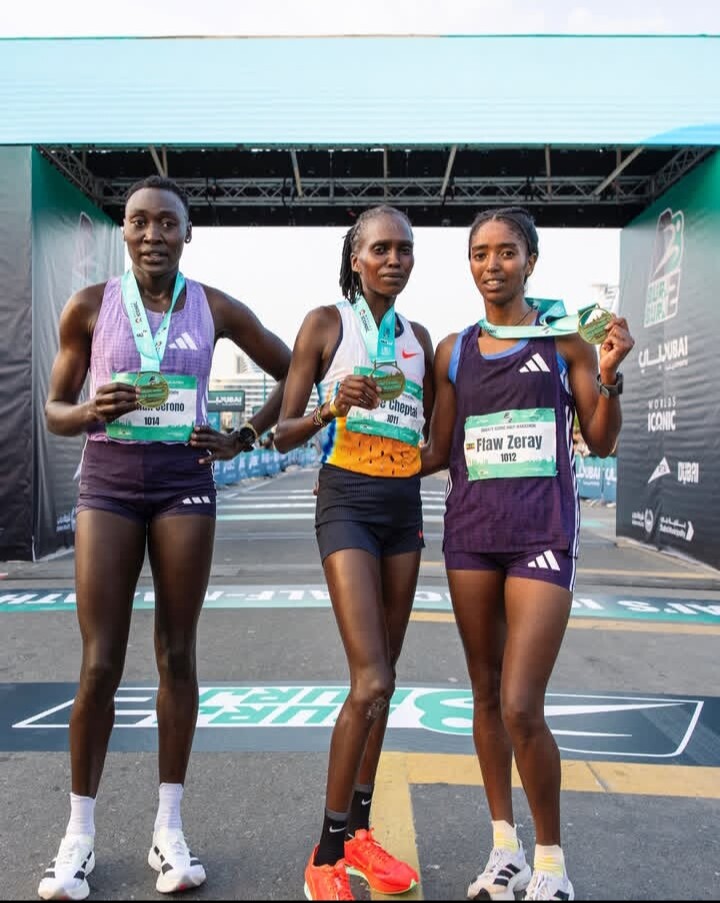
Behind the medalists, the strength of the women’s race was equally evident. Jackline Cherono reinforced Kenya’s presence with a strong fourth-place finish in 1:09:11, while Alexandra Bell of Great Britain impressed in fifth with 1:09:35. Meritxell Soler of Spain led the European contingent in sixth, followed by Ethiopia’s Seba Diba in seventh. The international top ten was completed by Mikky Keetels of the Netherlands in eighth, Tea Faber of Croatia in ninth, and Nada Ina Pauer of Austria in tenth, highlighting the global appeal of the event.
With world-class performances, deep international fields, and victories decided by seconds, the Burj2Burj Half Marathon 2026 once again stood out as a premier road-running spectacle, where precision, patience, and championship pedigree defined a memorable day of racing on the streets of Dubai.
by Erick Cheruiyot for My Best Runs.
Login to leave a comment
Burj 2 Burj Half Marathon Returns to Dubai with Kipkorir and Cheptai Headlining Elite Field
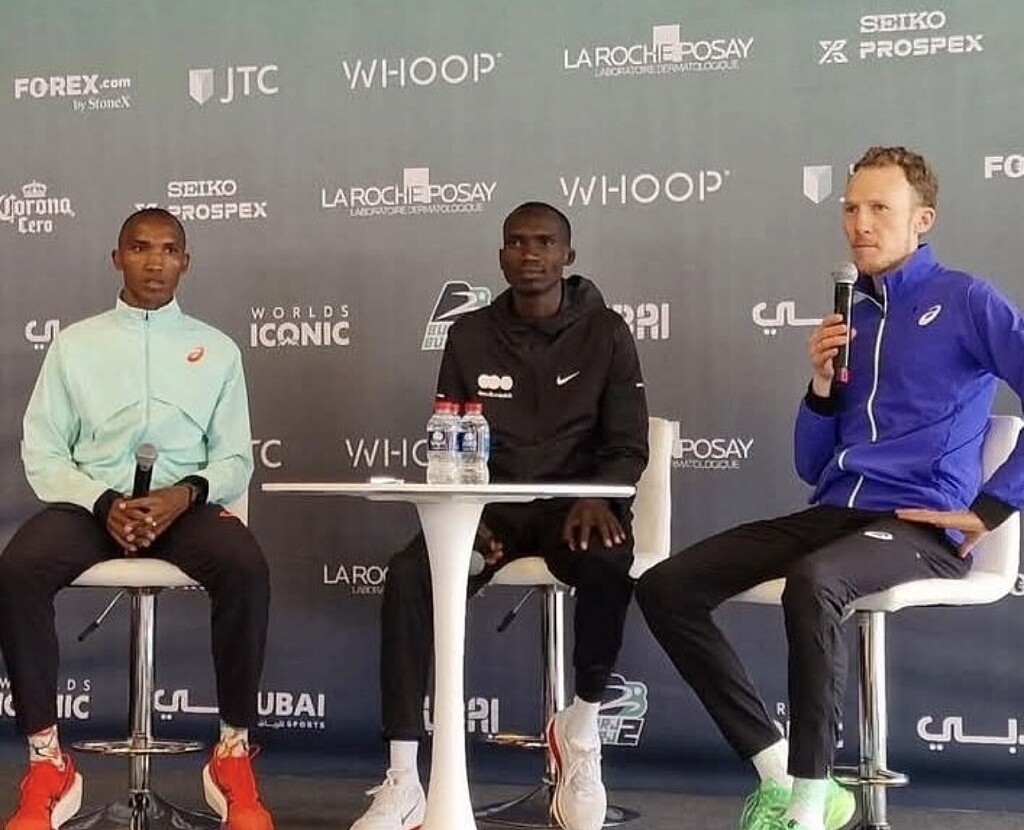
The Burj 2 Burj Half Marathon returns Sunday (Feb 8 in Dubai UAE, bringing a focused but highly competitive international field to one of the fastest and most visually striking courses in the Middle East. Framed by Dubai’s modern skyline and anchored by two of the city’s most iconic landmarks, the race has steadily grown into an important early-season test for elite road specialists and track stars transitioning to longer distances.
With flat terrain, predictable weather, and a reputation for honest pacing, the event offers athletes a valuable opportunity to establish form and confidence as the global road racing calendar begins to take shape.
Men’s Race: Kipkorir Leads, Cheptegei Adds Star Power
Kenya’s Nicholas Kipkorir enters as the clear favorite, carrying the fastest personal best in the field at 58:23. A proven road performer, Kipkorir has built his success on rhythm, efficiency, and the willingness to commit early. The Burj 2 Burj course traditionally rewards athletes who are prepared to take initiative, and his aggressive racing style makes him the man to watch from the gun.
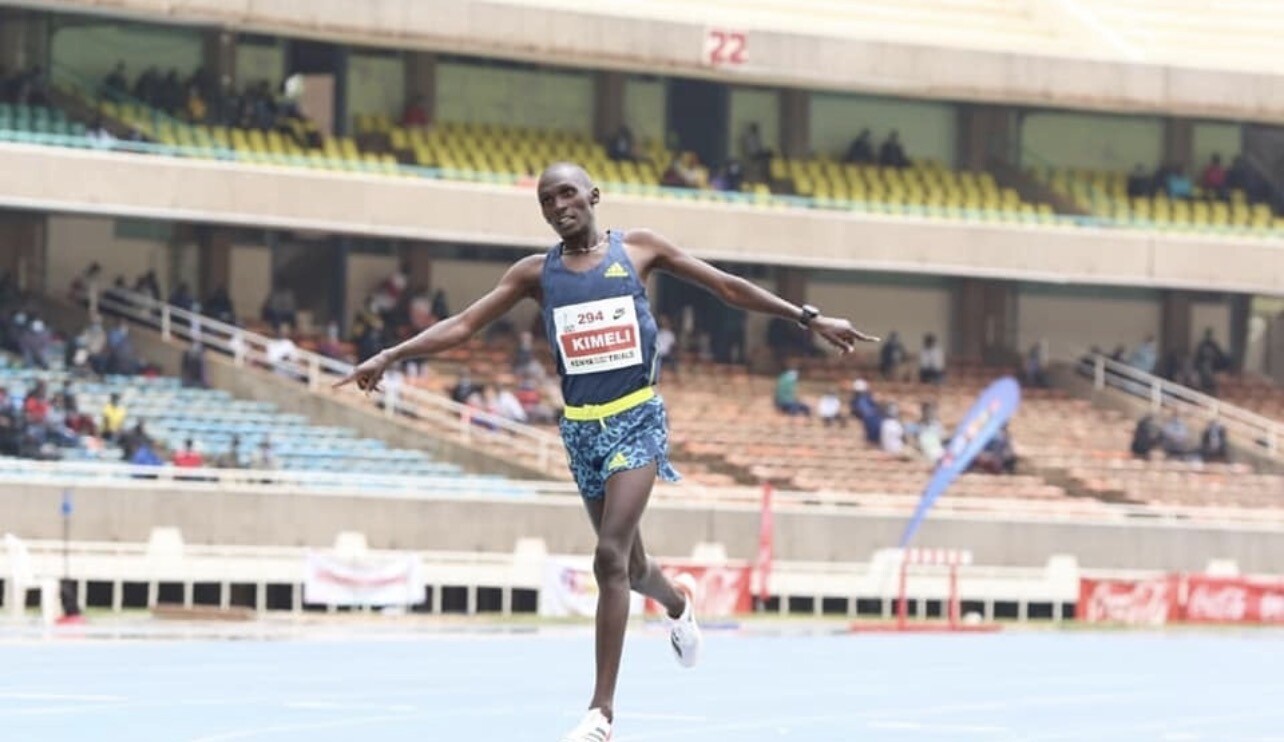
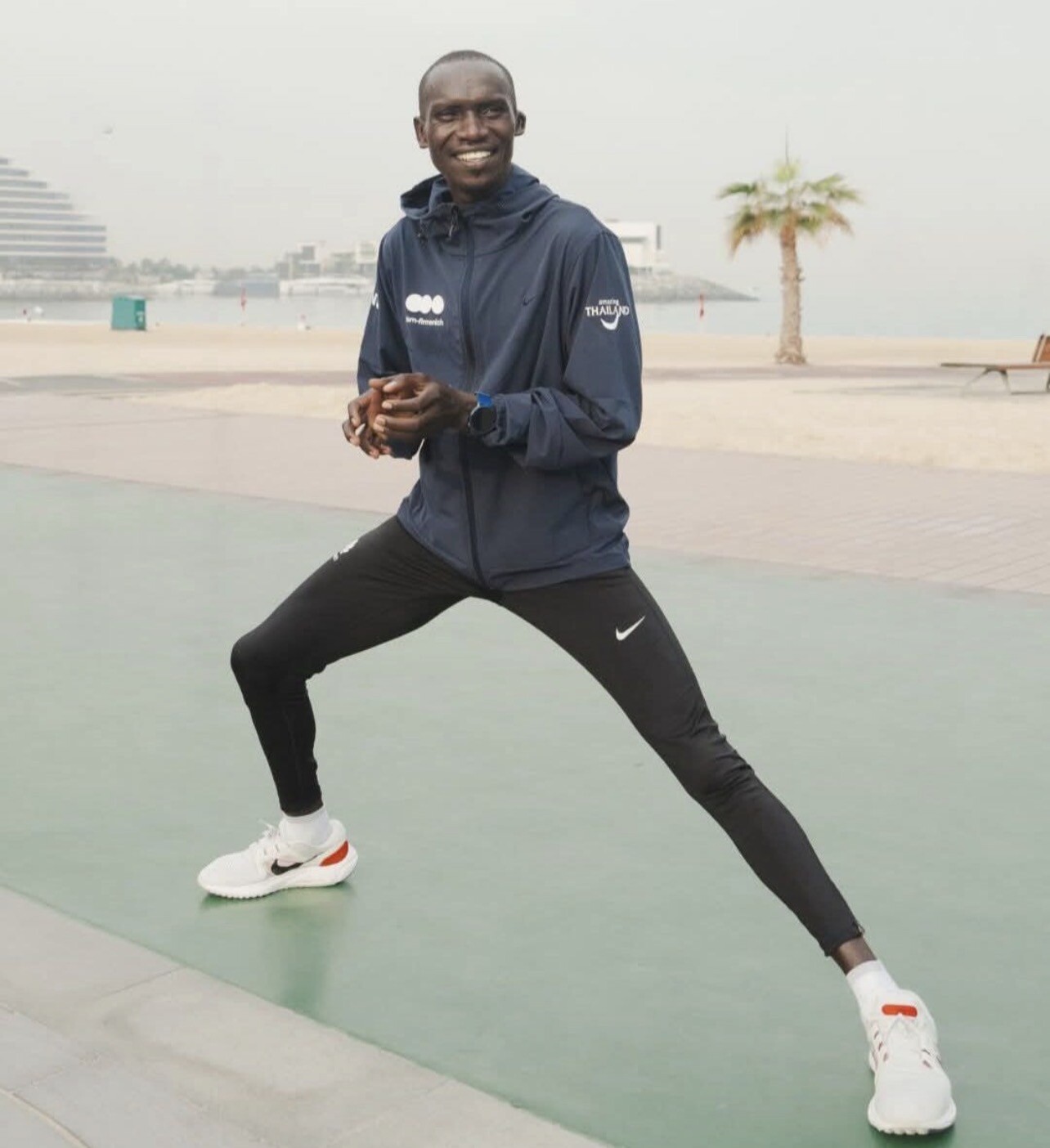
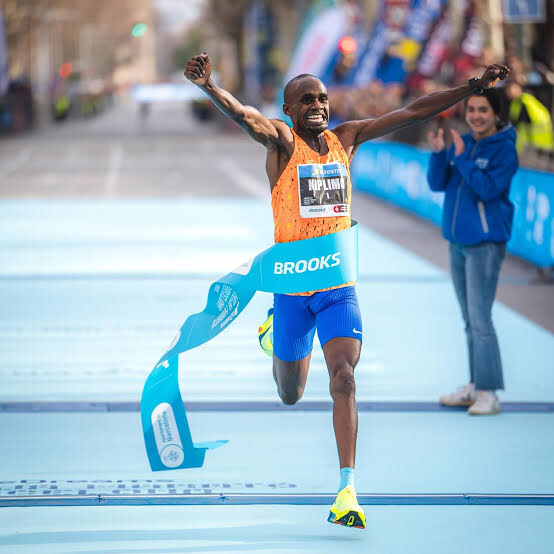
Providing the strongest challenge is Uganda’s Joshua Cheptegei, whose 59:21 personal best tells only part of his story. One of the most decorated distance runners of his generation, Cheptegei brings unmatched championship experience, including multiple world titles on the track. His continued transition to road racing has been closely followed, and Dubai presents another key opportunity to test himself against seasoned half marathon specialists. If the race becomes tactical, his finishing speed and composure could prove decisive.
Tanzania’s Alphonce Simbu, owner of a 60:03 best, adds depth and resilience to the field. Known for his strength in demanding competitions, Simbu excels in races where patience and mental toughness become critical. Kenya’s Enock Kipruto and Germany’s European marathon champion Richard Ringer, both with personal bests of 60:51, round out a men’s lineup where discipline and timing may ultimately determine the outcome.
Women’s Race: Cheptai Brings Momentum and Confidence
In the women’s race, Kenya’s Irine Cheptai stands out as the athlete to beat. Her impressive personal best of 64:53 places her at the front of the field, and she arrives with the experience and tactical awareness needed to control the race. Cheptai has demonstrated consistency across distances, and her ability to manage pace and respond under pressure makes her a formidable favorite.
Romania’s Joan Melly, with a 65:04 personal best, represents the closest challenger on paper. Melly’s strength lies in efficiency and measured racing, qualities that could allow her to remain within striking distance deep into the final kilometers.
Ethiopia’s Ftaw Zeray (66:04) brings the tradition of Ethiopian endurance excellence, while Kenya’s Jackline Cherono (67:16) adds further depth. In a field where the margins are slim, positioning and timing will likely prove decisive.
Dubai Provides the Perfect Early-Season Stage
The Burj 2 Burj Half Marathon continues to establish itself as more than just a fast race. It has become a strategic checkpoint for athletes aiming to build momentum, test fitness, and position themselves for major races later in the year.
With Nicholas Kipkorir and Irine Cheptai leading their respective fields, expectations are high. But with championship-tested competitors like Joshua Cheptegei and emerging challengers ready to seize opportunity, the outcome remains far from certain.
As the 2026 road racing season gains momentum, Dubai once again offers a stage where preparation meets opportunity—and where the next chapter of the season begins to unfold.
by Robert Kibet for My Best Runs
Login to leave a comment
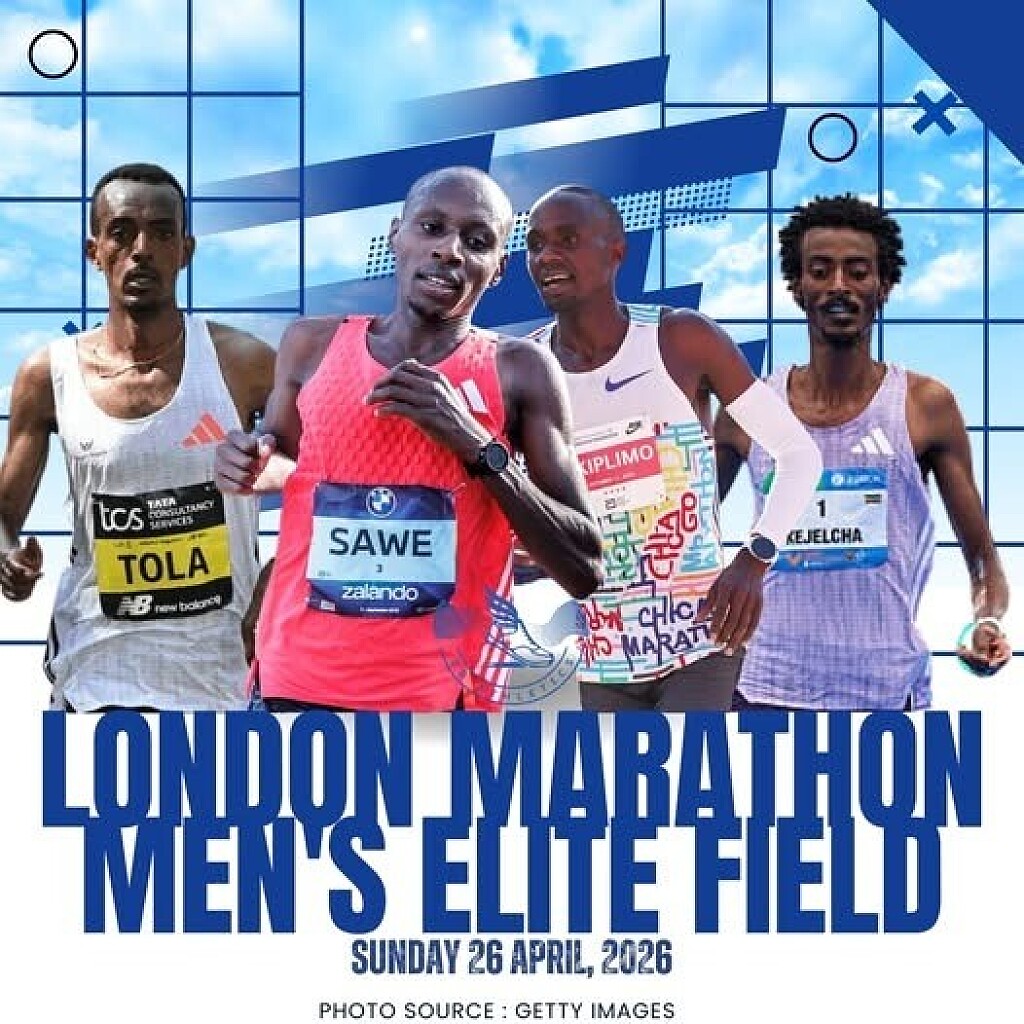
London Awaits a Blockbuster Men’s Marathon as World-Class Stars Line Up on April 26, 2026
The TCS London Marathon, set for Sunday, April 26, 2026, is already shaping up to be one of the most compelling races in the event’s rich history. The men’s elite start list reveals a field defined not just by star power at the top, but by extraordinary depth throughout—bringing together proven champions, fearless challengers, and highly anticipated debutants on one of the world’s fastest and most iconic courses.
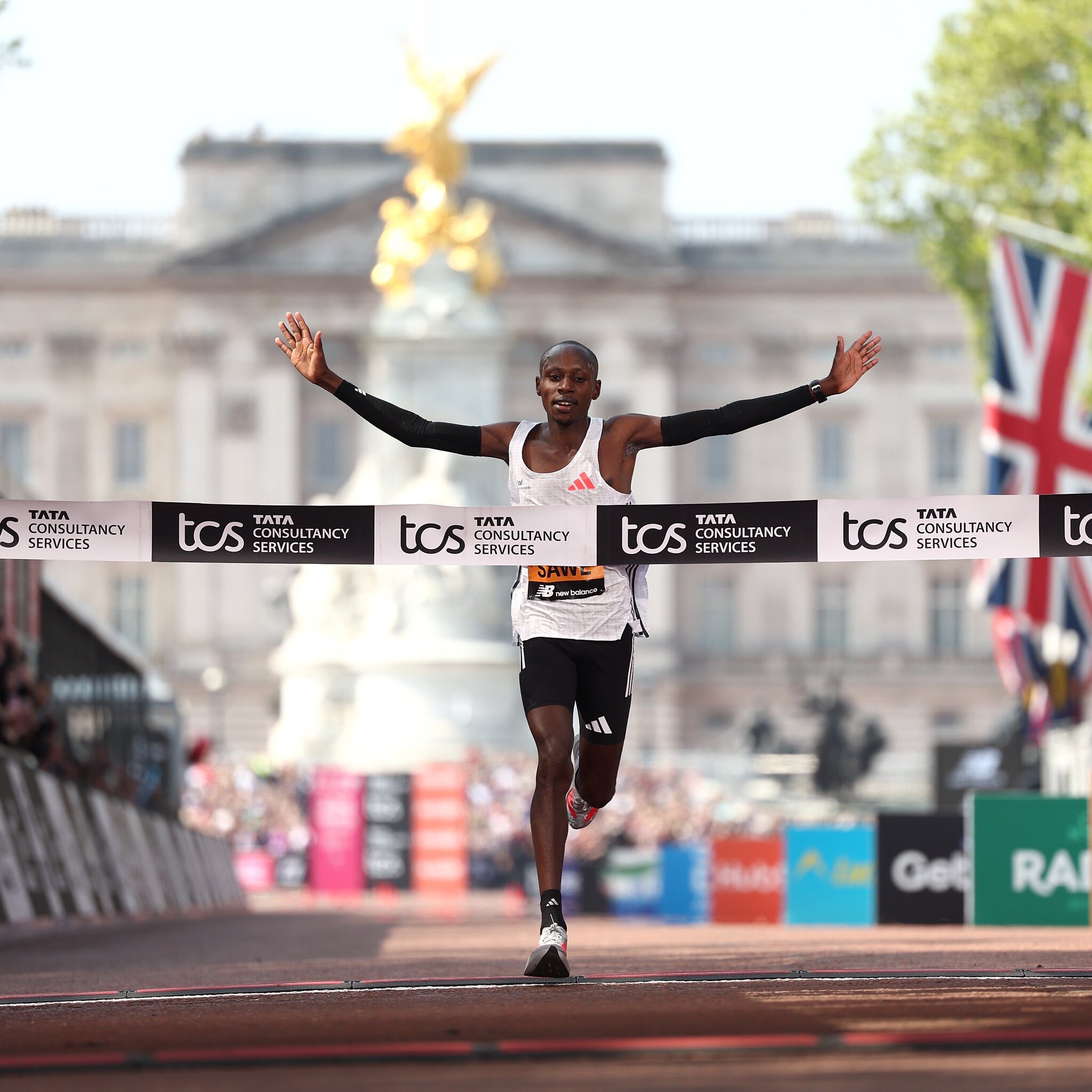
Leading the charge is Sebastian Sawe of Kenya, the fastest man entered with a personal best of 2:02:05. Efficient, composed, and devastatingly consistent, He is the defending champion and will arrive in London as a clear contender, capable of dictating the rhythm of the race from the early miles. Close behind him on the start list is Jacob Kiplimo of Uganda (2:02:23), whose evolution into the marathon continues to fascinate the running world. Known for his strength, speed, and fearless racing style, Kiplimo’s presence adds a layer of unpredictability to an already volatile contest.
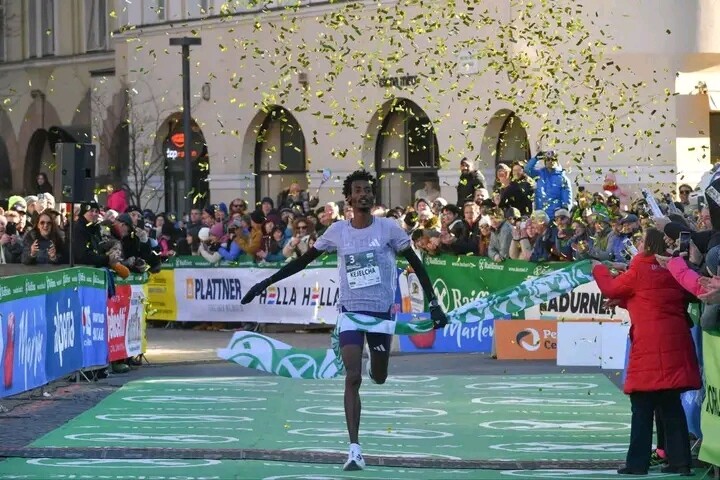
Ethiopia counters strongly through Deresa Geleta, owner of a 2:02:38 best and a runner respected for his smooth efficiency and reliability at the highest level. Adding further intrigue is Yomif Kejelcha, one of the most eagerly awaited marathon debutants in recent years. A global star on the track, Kejelcha now steps into uncharted territory, and how his speed and range translate over 42.195 kilometers will be one of the defining narratives of race day.
As the list unfolds, the depth of the field becomes impossible to ignore. Amos Kipruto of Kenya (2:03:13) brings championship pedigree and tactical intelligence, while Olympic marathon champion Tamirat Tola of Ethiopia (2:03:39) arrives with proven resilience and the ability to rise when the stakes are highest. Germany’s Amanal Petros (2:03:04), a national record holder, continues to push European marathon running forward and enters London in peak form.
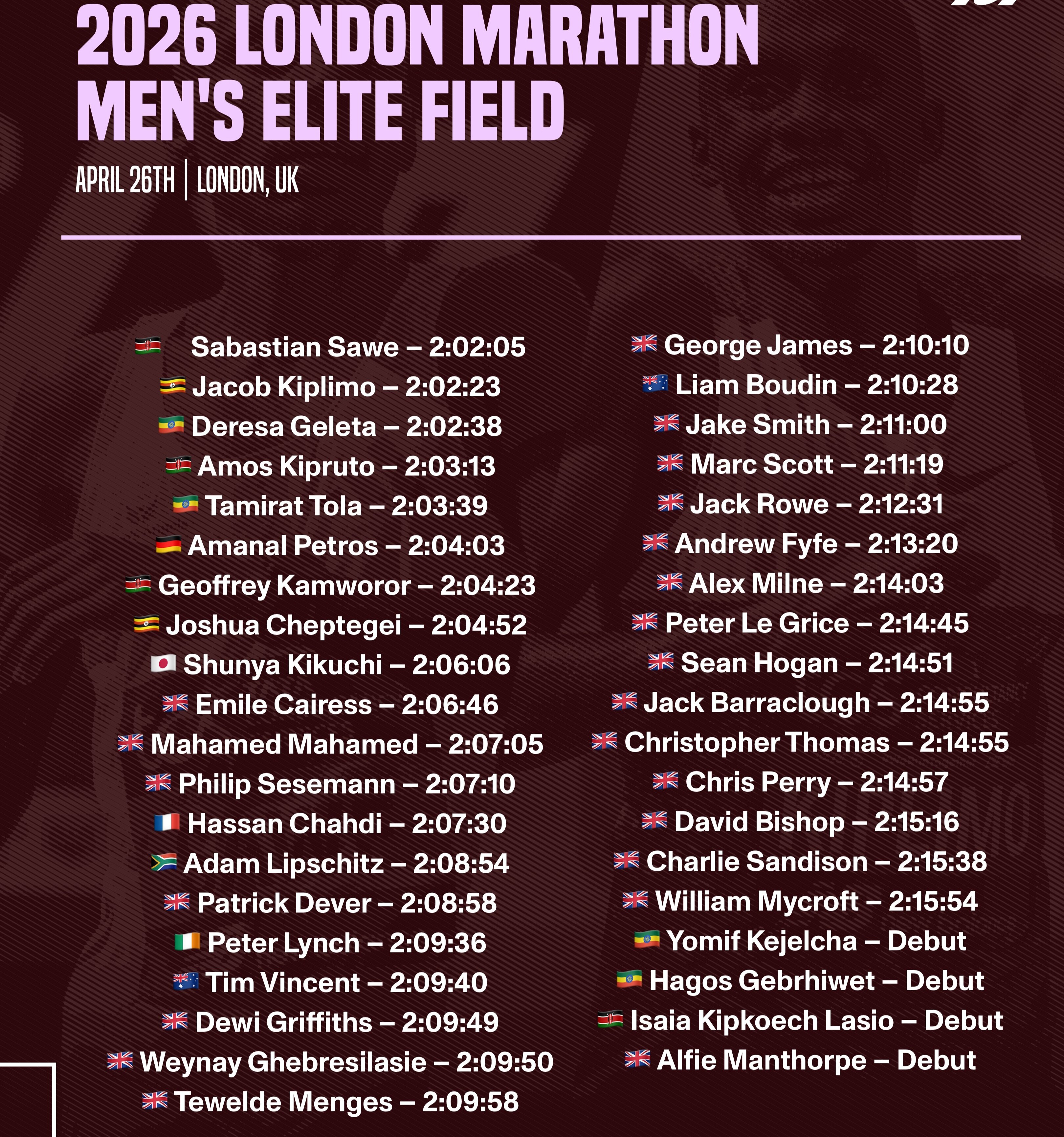
Even further down the start list, the quality remains striking. Geoffrey Kamworor of Kenya (2:04:23), a multiple-time world champion, offers experience, patience, and racing instinct that few can match. Uganda’s Joshua Cheptegei (2:04:52), one of the most decorated track athletes of his generation, continues his marathon journey with determination and growing confidence. Japan’s Shunya Kikuchi (2:06:06) represents a nation synonymous with marathon tradition, while Emile Cairess of Great Britain (2:06:46) carries home hopes, eager to make his mark on London’s global stage.
Beyond these names, the men’s elite start list continues deep, featuring more established performers and additional debutants ready to test themselves against the world’s best. This depth ensures that the 2026 race will not be won on reputation alone; it will demand patience, precision, and courage deep into the final miles.
When the gun sounds on Sunday, April 26, 2026, the TCS London Marathon will once again deliver what it promises best—a true test of endurance and excellence, where the margins are thin, the competition relentless, and the outcome anything but certain.
by Erick Cheruiyot for My Bestruns.
Login to leave a comment
TCS London Marathon
Since its inaugural edition on March 29, 1981, the TCS London Marathon has grown into one of the world's most prestigious road races, blending elite competition with an extraordinary charitable legacy. Founded by former Olympic champion and journalist Chris Brasher alongside Welsh athlete John Disley, the event has been staged every year and has been held in the spring annually...
more...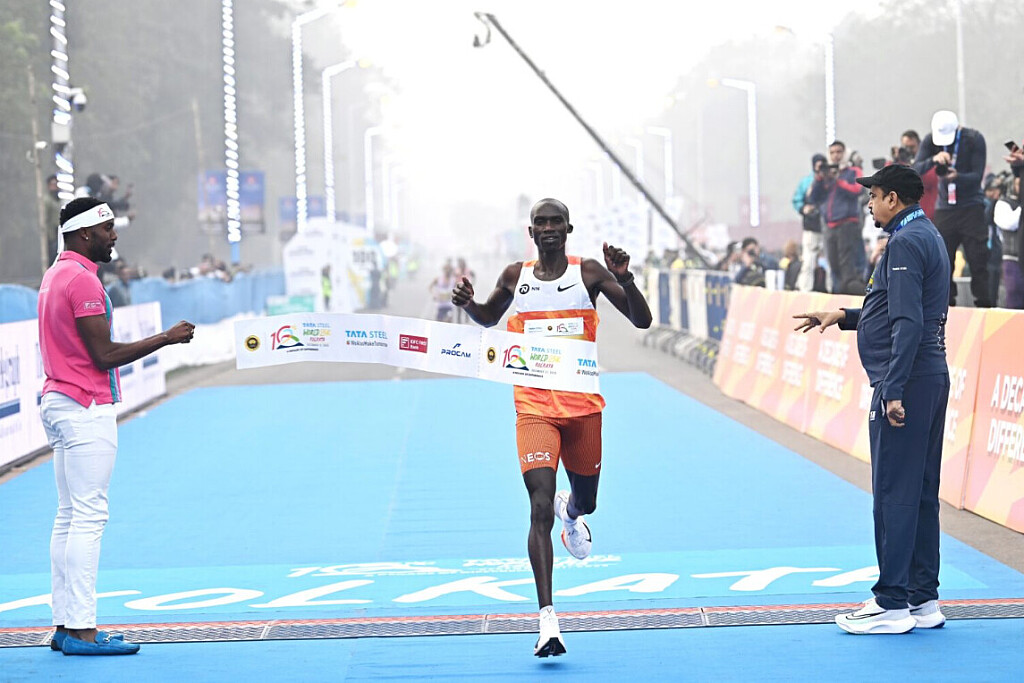
Joshua Cheptegei and Degitu Azimeraw Win Kolkata 25K
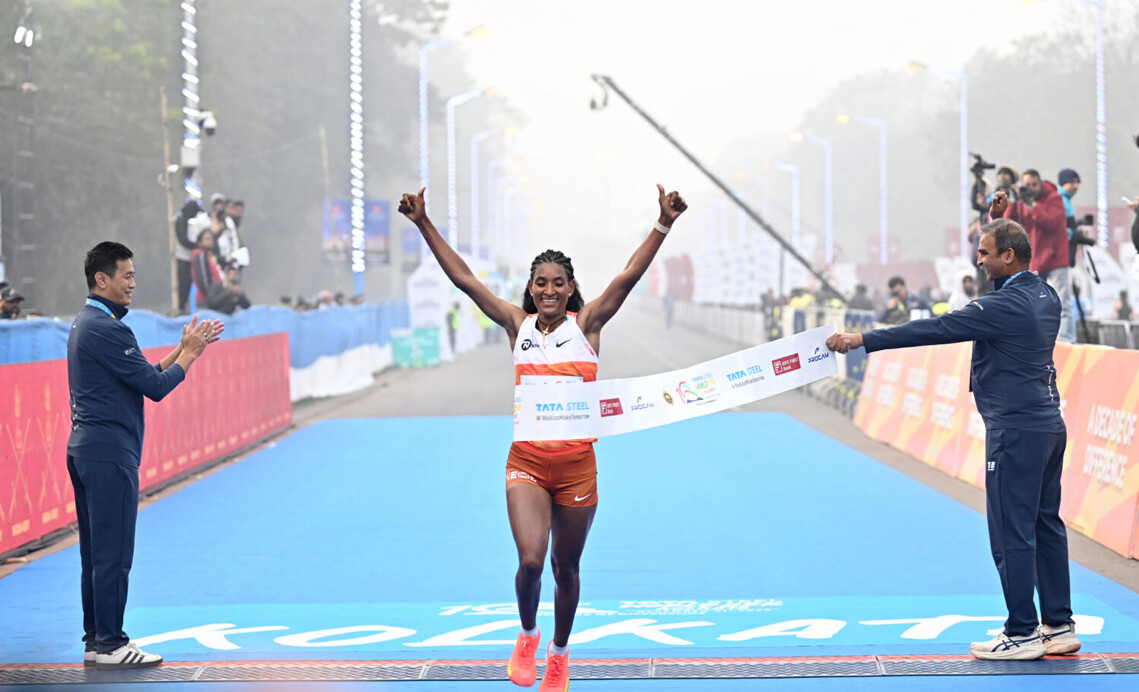
The 10th edition of the Tata Steel World 25K delivered a compelling blend of experience and debut brilliance on Sunday (Dec 21) morning in Kolkata, India. Ethiopia’s Degitu Azimeraw claimed a comeback victory in the women’s race, while Olympic and world champion Joshua Cheptegeiproduced a measured, authoritative win in his first-ever 25K appearance.
Azimeraw Returns to the Top
Run under cool conditions, the women’s race opened with a tightly packed Ethiopian quartet through the opening 5 km. Sutume Asefa Kebede—winner of this year’s Tokyo Marathon and a two-time defending champion in Kolkata—was the most decorated name in the group, joined by Azimeraw and Meselech Alemayehu.
Azimeraw, who won in Kolkata in 2017 and finished fourth the following year, stayed patient through the early stages. Alemayehu briefly edged ahead around 15 km, but Azimeraw responded decisively soon after, lifting the pace and asserting control.
She crossed the line in 1:19:36, securing her second Kolkata title eight years after her first. Kebede rallied late but had to settle for second in 1:20:28, with Alemayehu third in 1:20:48.
“It wasn’t the plan before for me,” Azimeraw said afterward. “My legs were a little stiff early, so I focused on staying strong. After 10 km, they felt better, and I kept building my race and speed. I’m very happy with this win.”
Cheptegei Delivers on 25K Debut
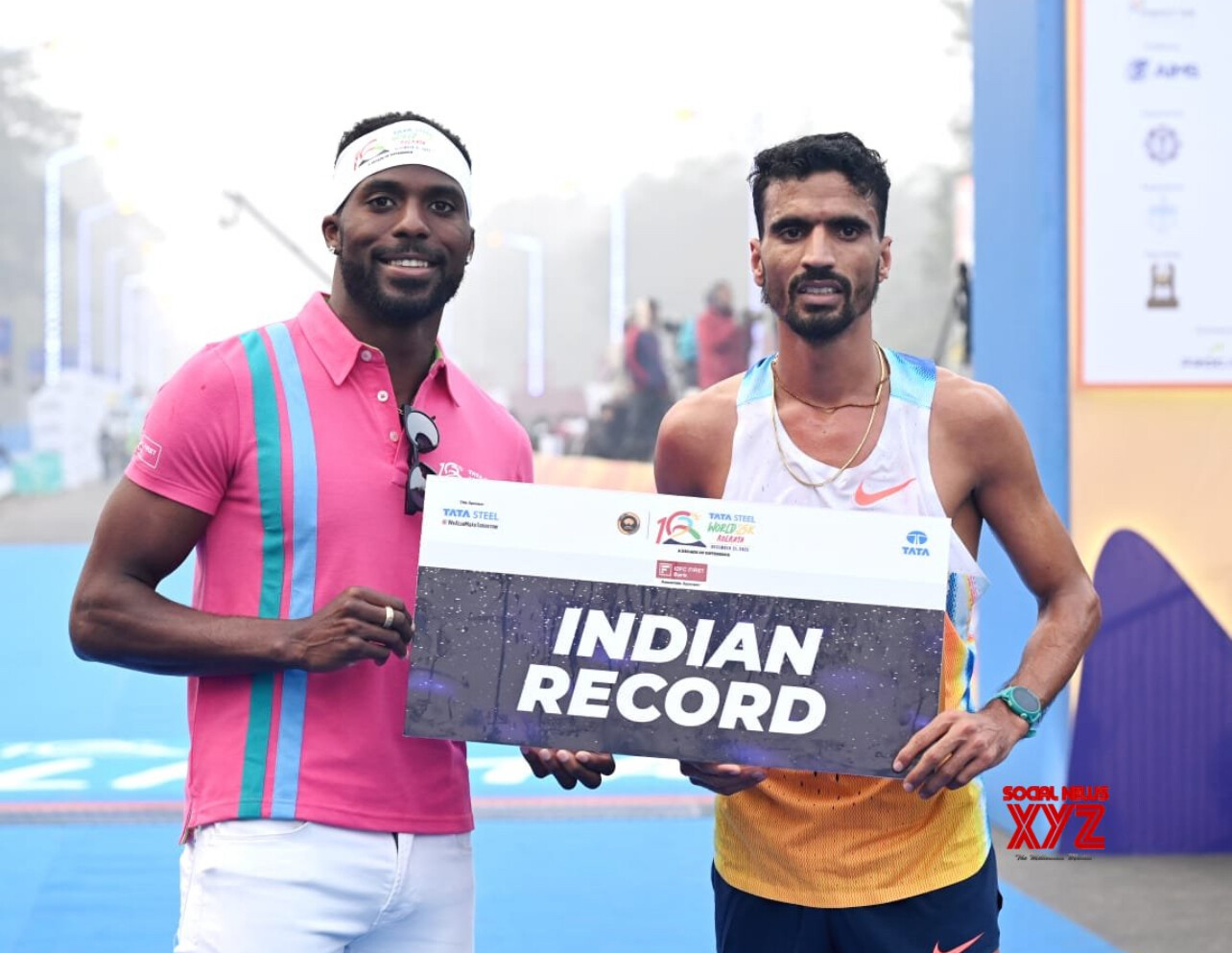
The men’s race unfolded as a tactical contest, led for much of the distance by Lesotho’s Tebello Ramakongoana. Tanzania’s Alphonce Simbu and Cheptegei shadowed closely as the leaders passed 20 km in 57:34 and the half-marathon mark in 60:49.
Cheptegei made his move soon after, breaking clear with a controlled surge that gradually opened daylight. Despite a determined late chase from Simbu, the Ugandan star held firm to win in 1:11:49, his first victory at the distance. Simbu followed in 1:11:56, with Ramakongoana third in 1:11:59.
“Winning mattered more than the record for me,” Cheptegei said. “Coming back to Kolkata and winning here is special. This victory gives me confidence and positivity as I prepare for my next marathon.”
Neither winner managed to break the world best or course record, narrowly missing out on the event’s top performance bonuses.
Indian Runners Rewrite the Record Books
India’s elite races provided some of the day’s most striking storylines. Gulveer Singh delivered a statement run, finishing sixth overall in 1:12:06 and slicing more than two minutes off his own Indian best of 1:14:10 set in 2024. His aggressive yet controlled effort left the rest of the domestic field trailing by significant margins.
“Records come from consistency,” Gulveer said. “With strong support, dedicated coaches, and relentless training, the goal is to be better than yesterday. India is rising, step by step.”
In the women’s Indian elite race, Seema matched that authority. The Asian cross-country champion stopped the clock at 1:26:04, breaking the long-standing Indian course record of 1:26:53 set in 2017. She dominated from early on, steadily increasing her lead before cruising home with energy to spare.
“The course is more challenging now, but I came here with the mindset of winning,” Seema said. “Discipline and sacrifice are everything. My next goal is qualifying for the Asian and Commonwealth Games.”
A Decade of World-Class Racing
As the Tata Steel World 25K celebrated its 10th edition, Sunday’s results reinforced its status as one of Asia’s premier road races—where Olympic champions, seasoned marathoners and rising national talents meet on equal footing. For Azimeraw and Cheptegei, Kolkata offered confidence and momentum; for India’s best, it marked another step forward on the global stage.
Overall International Men
1. Joshua Cheptegei (UGA) — 1:11:49
2. Alphonce Felix Simbu (TAN) — 1:11:56
3. Tebello Ramakongoana (LES) — 1:11:59
4. Collins Kipkorir (KEN) — 1:12:02
5. Gulveer Singh (IND) — 1:12:06
6. Fikadu Liche (ETH) — 1:12:09
7. Wisley Yego (KEN) — 1:12:12
8. Haymanot Alew (ETH) — 1:14:35
9. Niguse Abera (ETH) — 1:14:38
10. Harmanjot Singh (IND) — 1:15:11
Overall International Women
1. Degitu Azimeraw (ETH) — 1:19:36
2. Sutume Asefa Kebede (ETH) — 1:20:28
3. Meselech Alemayehu (ETH) — 1:20:48
4. Kuftu Tahir (ETH) — 1:23:32
5. Demilew Zemenaw (ETH) — 1:23:34
6. Netsanet Tafere (ETH) — 1:23:56
7. Rediet Daniel (ETH) — 1:24:18
8. Aberash Minsewo (ETH) — 1:24:48
9. Ergat Heshe (ETH) — 1:24:59
10. Seema (IND) — 1:26:04
by Christopher Kelsall
Login to leave a comment

Kolkata 25k
In Kolkata, a city rich in history, culture and custom, the third Sunday in December is a date that is eagerly anticipated. The Tata Steel Kolkata 25K (TSK 25K) has become synonymous with running in eastern India since it began in 2014. India’s first AIMS-certified race in the unique 25 km distance, the TSK 25K went global in its fourth...
more...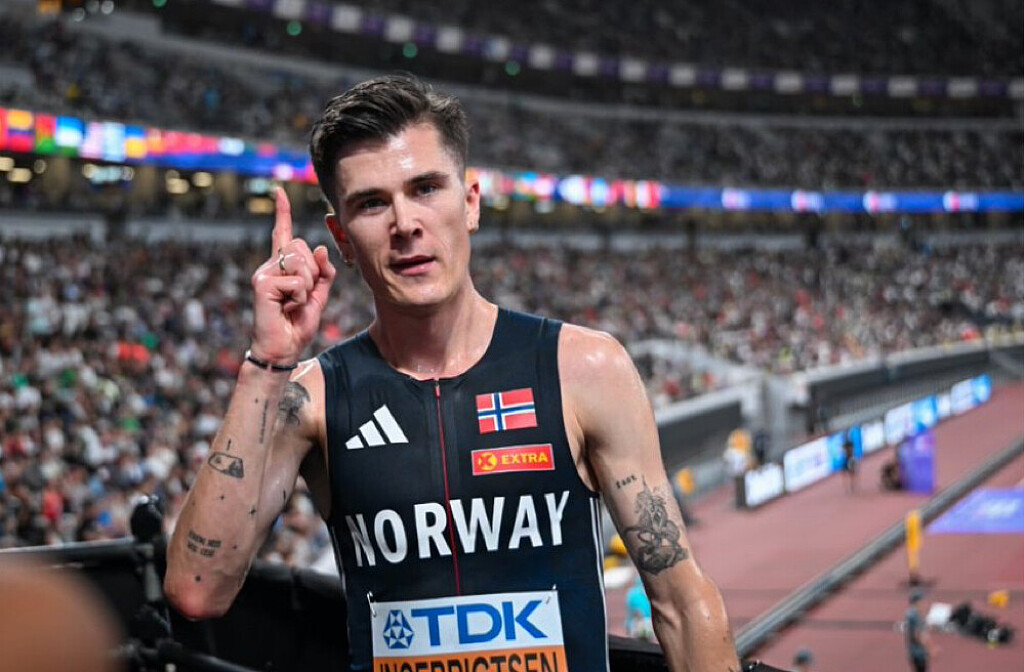
Jakob Ingebrigtsen Has His Eyes on Three World Records in 2026
Norwegian superstar Jakob Ingebrigtsen is already looking ahead to 2026 with one of the boldest ambitions in track and field — to break world records in the 1500 meters, the mile, and the 5000 meters.
In an interview shared by Chris Chavez on X (formerly Twitter), Ingebrigtsen revealed his mindset and meticulous approach to choosing the perfect time and place to chase history.
“I hope to break the world records in the 1500 meters, the mile, and the 5000 meters. If I can do that, I’ll be happy. I’ll have to pick out some meets and dates where I have the best chance to make a good attempt,” he told Norway’s VG.
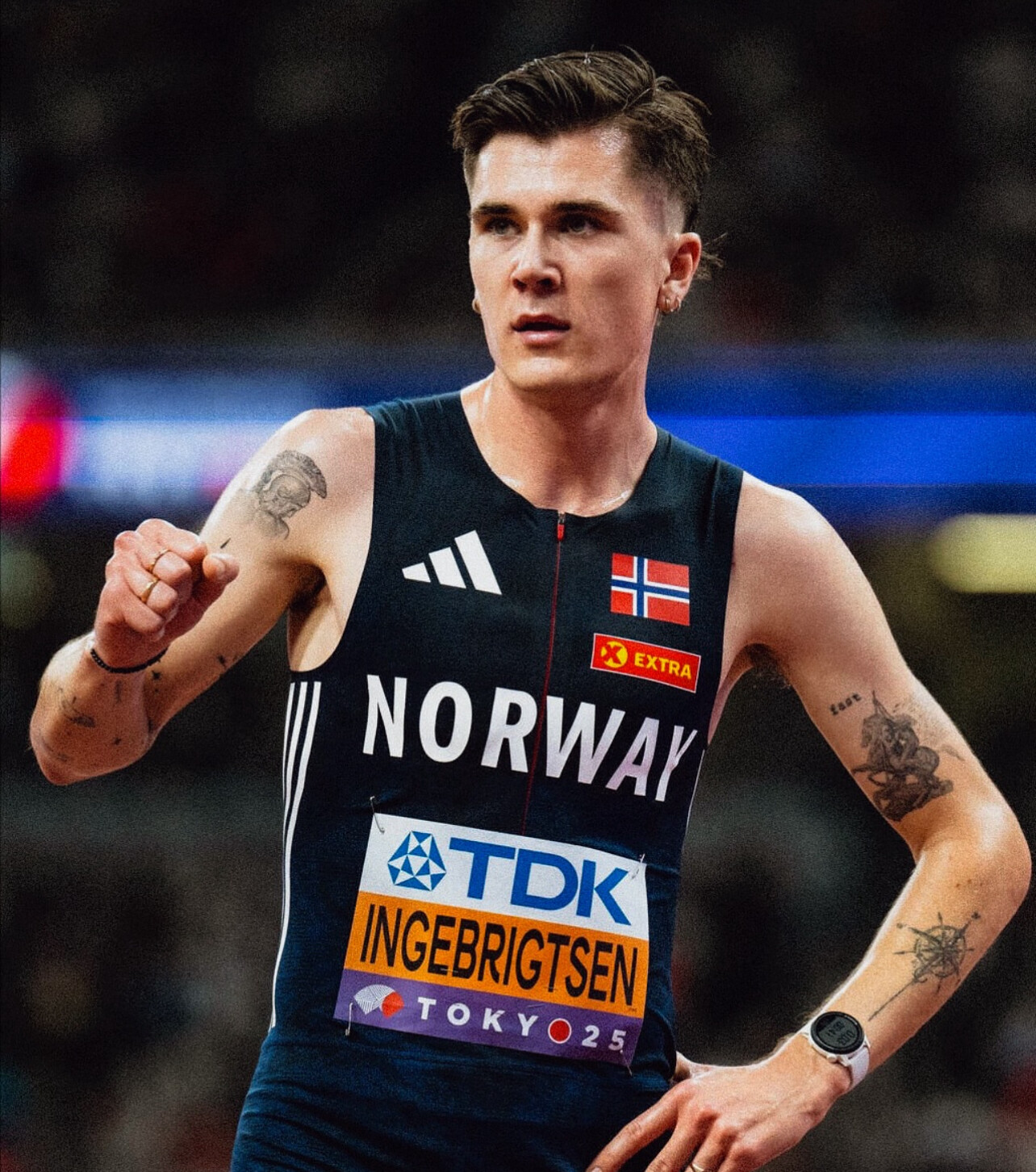
Ingebrigtsen and his wife are already mapping out potential race venues, with Monaco, Paris, Silesia, and Oslo among the leading candidates. Each of these meets has seen lightning-fast performances and could provide the ideal setting for record-breaking runs.
How he stacks up right now:
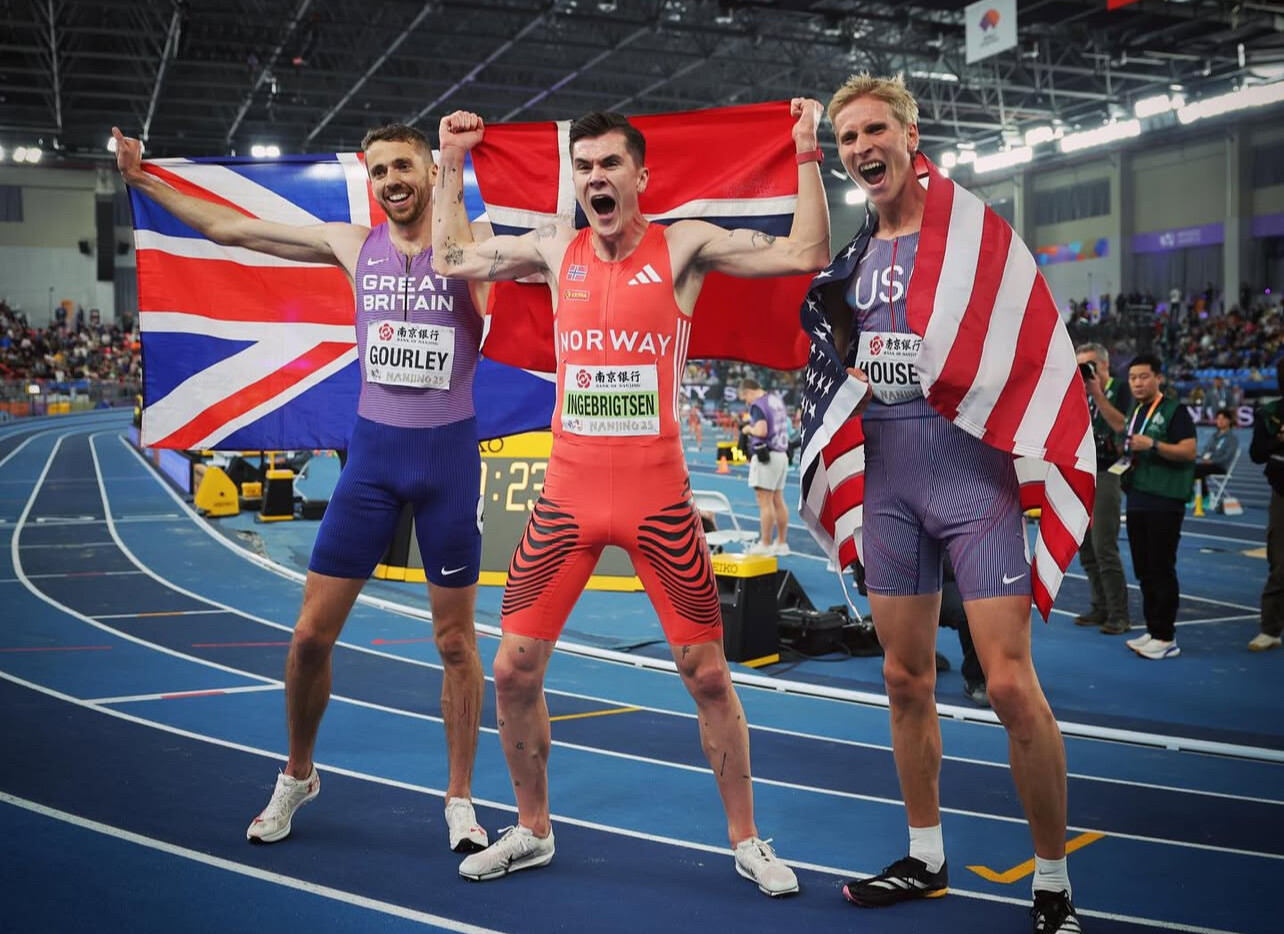
The world record for 1500 meters is 3:26.00, set by Hicham El Guerrouj in 1998. Ingebrigtsen’s personal best is 3:26.73.
The world record for the mile is 3:43.13, also held by El Guerrouj from 1999. Ingebrigtsen’s personal best is 3:43.73.
The world record for the 5000 meters is 12:35.36, set by Joshua Cheptegei in 2020. Ingebrigtsen’s personal best is 12:48.45.
While Ingebrigtsen’s personal bests are already within striking distance of both El Guerrouj’s legendary middle-distance marks and Cheptegei’s long-distance record, breaking all three in one season would be unprecedented.
A Legacy in Motion
At just 25, Ingebrigtsen has already cemented himself as one of the most dominant and versatile athletes in modern track history. From his Olympic gold to multiple World and European Championship titles, his consistency and competitiveness have made him the face of a new generation of runners.
However, much of the 2025 season was disrupted by injury. An Achilles tendon issue forced him to withdraw from major meets and limited his racing calendar. Despite the setback, his ambition remains undimmed.
A sweep of these three world records would not only elevate his legacy but also redefine the limits of what’s possible across middle and long-distance running.
As he carefully plans his record attempts, the world will be watching — because when Jakob Ingebrigtsen sets his mind on something, history often follows.
by Boris Baron
Login to leave a comment
Joshua Cheptegei to Skip World Championships, All-In on Amsterdam Marathon
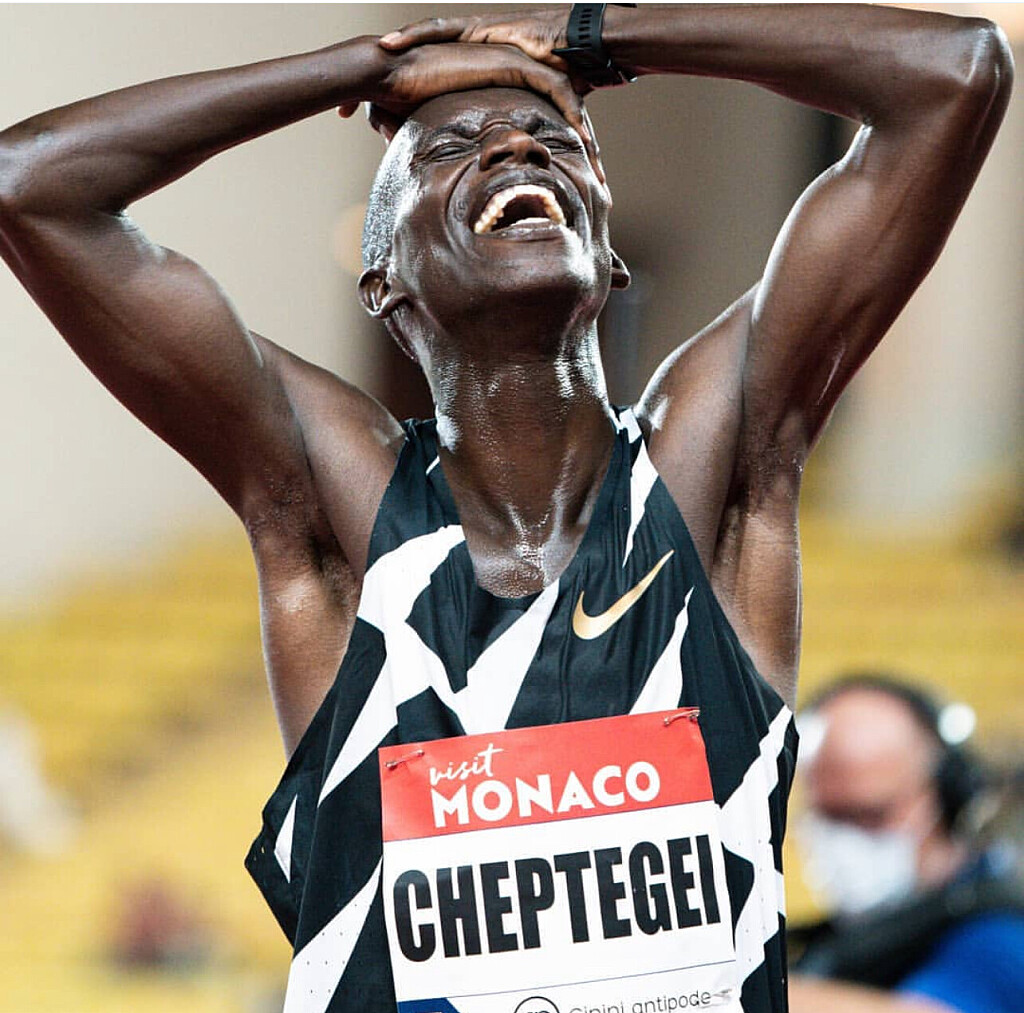
Joshua Cheptegei, one of the greatest distance runners of his generation, has officially confirmed he will not compete at the 2025 World Athletics Championships in Tokyo. Instead, the Ugandan superstar will focus exclusively on preparing for the 50th TCS Amsterdam Marathon, set for October 19, 2025.
This marks the first time since 2015 that Cheptegei will miss a World Championships—a clear signal that his transition from track to road is now complete.
A Strategic Shift to the Marathon
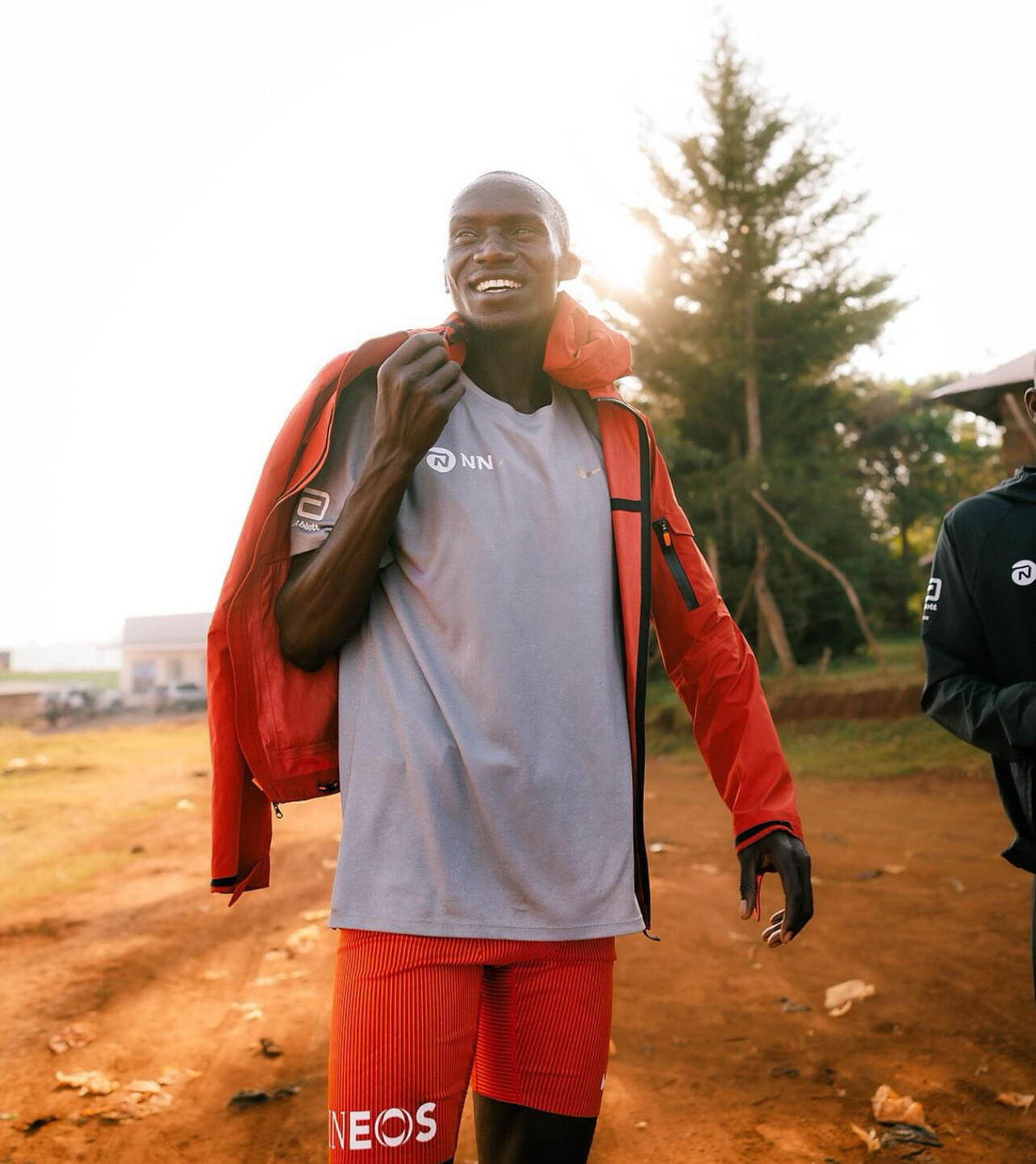
After winning gold in the 10,000m at the Tokyo Olympics and setting world records in both the 5,000m and 10,000m, Cheptegei is now dedicating himself to mastering the marathon distance.
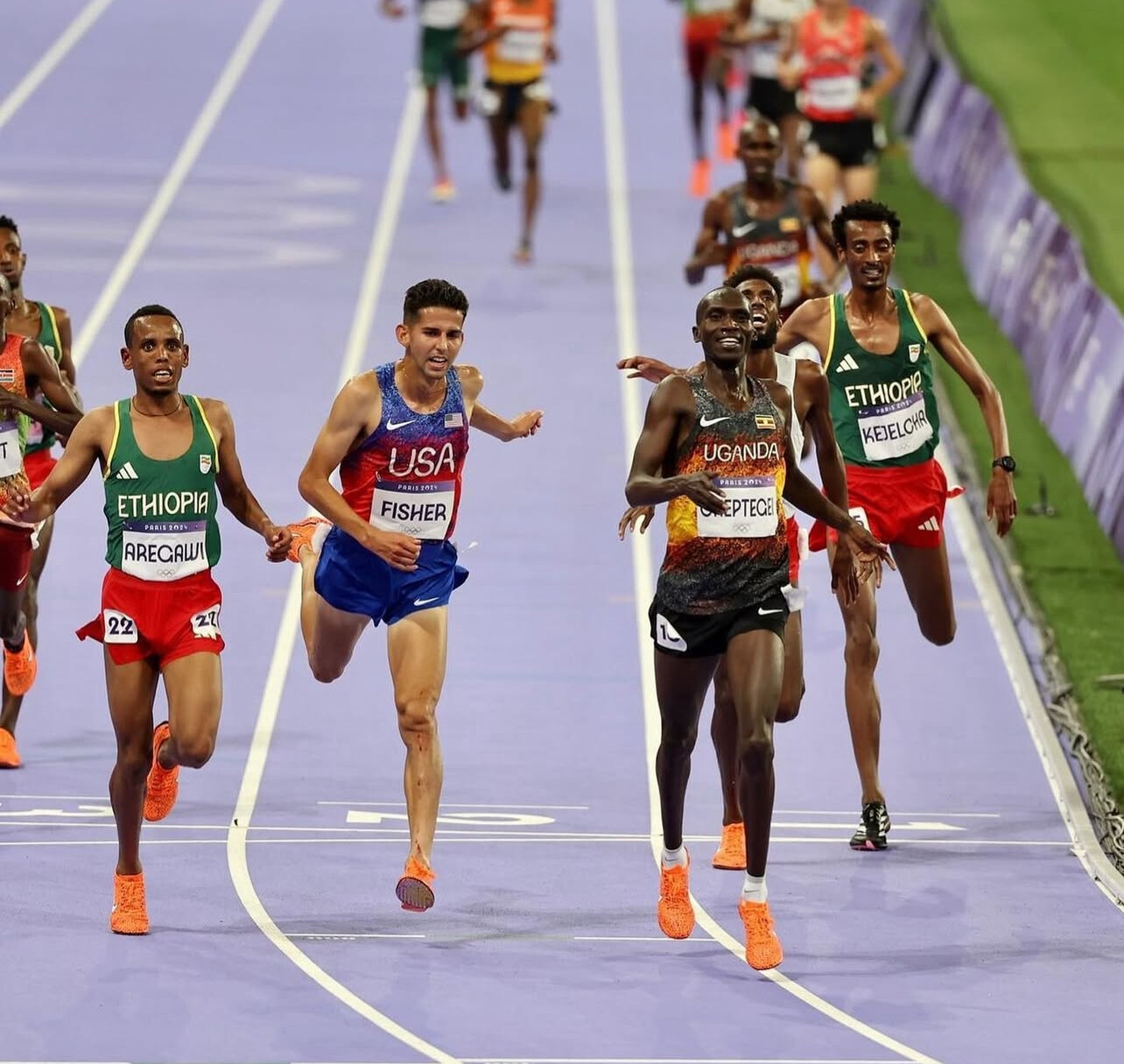
He made his marathon debut in Valencia (2023) with a 2:08:59, then followed up with an impressive 2:05:59 in Tokyo earlier this year. Those performances gave him the confidence to commit fully to the roads.
“I’m excited for this next chapter in my career,” Cheptegei told Ugandan media. “My full focus is now on the marathon. Amsterdam is the perfect opportunity to show what I’m capable of.”
Why He’s Skipping Worlds
The decision to sit out the 2025 World Championships, which will be held in Tokyo this September, comes down to two key factors:
1. Marathon Focus
Cheptegei has officially stepped away from the track to dedicate his training and energy toward long-term marathon success. The Amsterdam Marathon is his main priority this fall, and all preparations are centered around peaking on race day.
2. Tight Schedule & Recovery Demands
As part of his buildup, Cheptegei is scheduled to race the Antrim Coast Half Marathon on August 24, just three weeks before the World Championships. Running both would compromise his recovery and risk injury.
“We had to make a decision, and the priority is a strong marathon in Amsterdam,” said his coaching team.
Legacy on the Line
With the track chapter closed, Cheptegei is looking to solidify his status as a distance running legend on the roads. A strong performance in Amsterdam—especially against top names like Tamirat Tola—could place him firmly in the conversation among the world’s best marathoners.
His move is reminiscent of past greats like Kenenisa Bekele and Mo Farah, who also shifted focus to the marathon after dominating the track.
Amsterdam 50th Annual Marathon

The 2025 edition of the Amsterdam Marathon marks the race’s 50th anniversary, making it one of the most anticipated events on the global road racing calendar. Known for its flat, fast course and scenic route through the historic streets and canals of Amsterdam, the race has become a favorite for elite athletes chasing personal bests and record times.
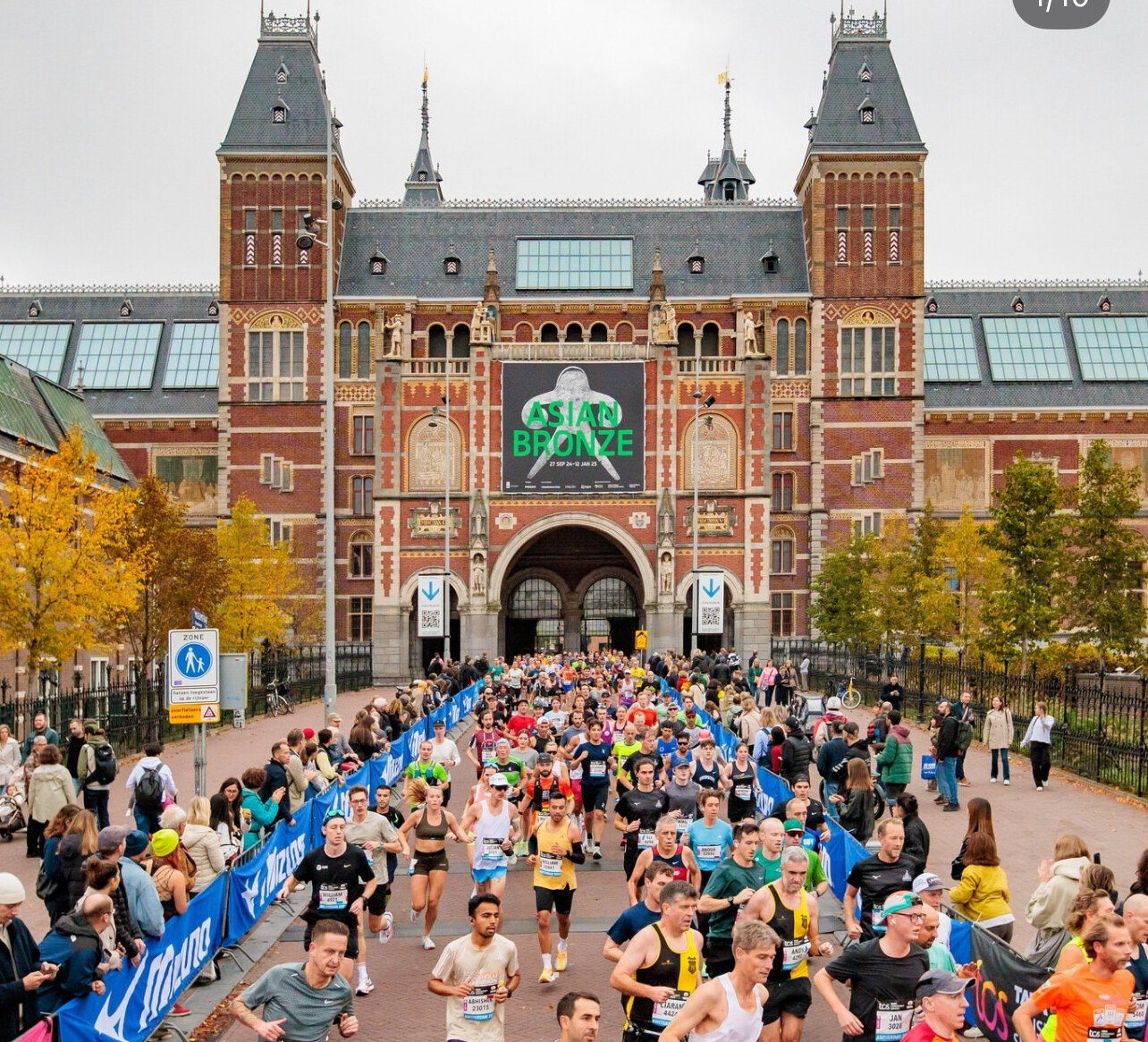
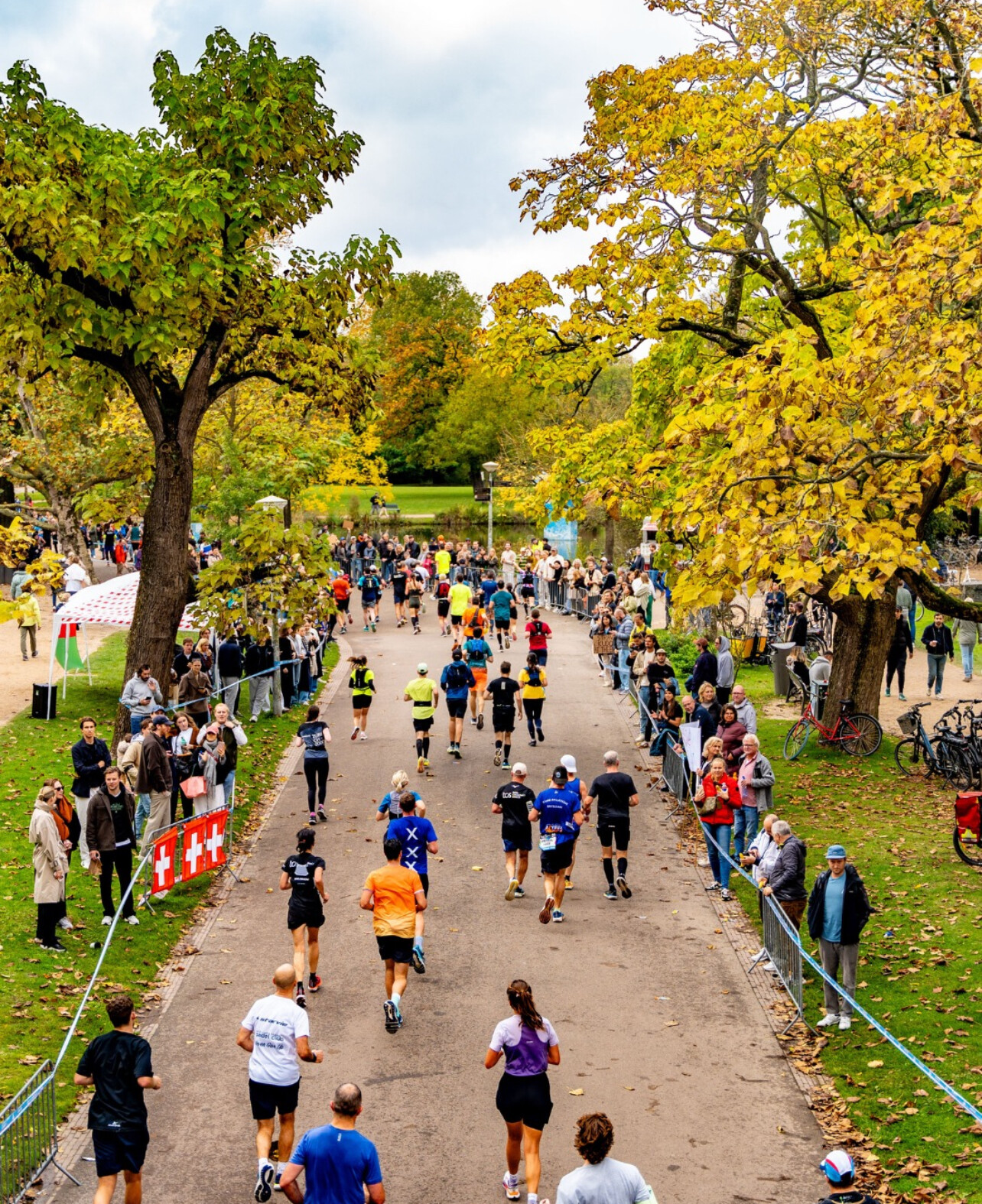
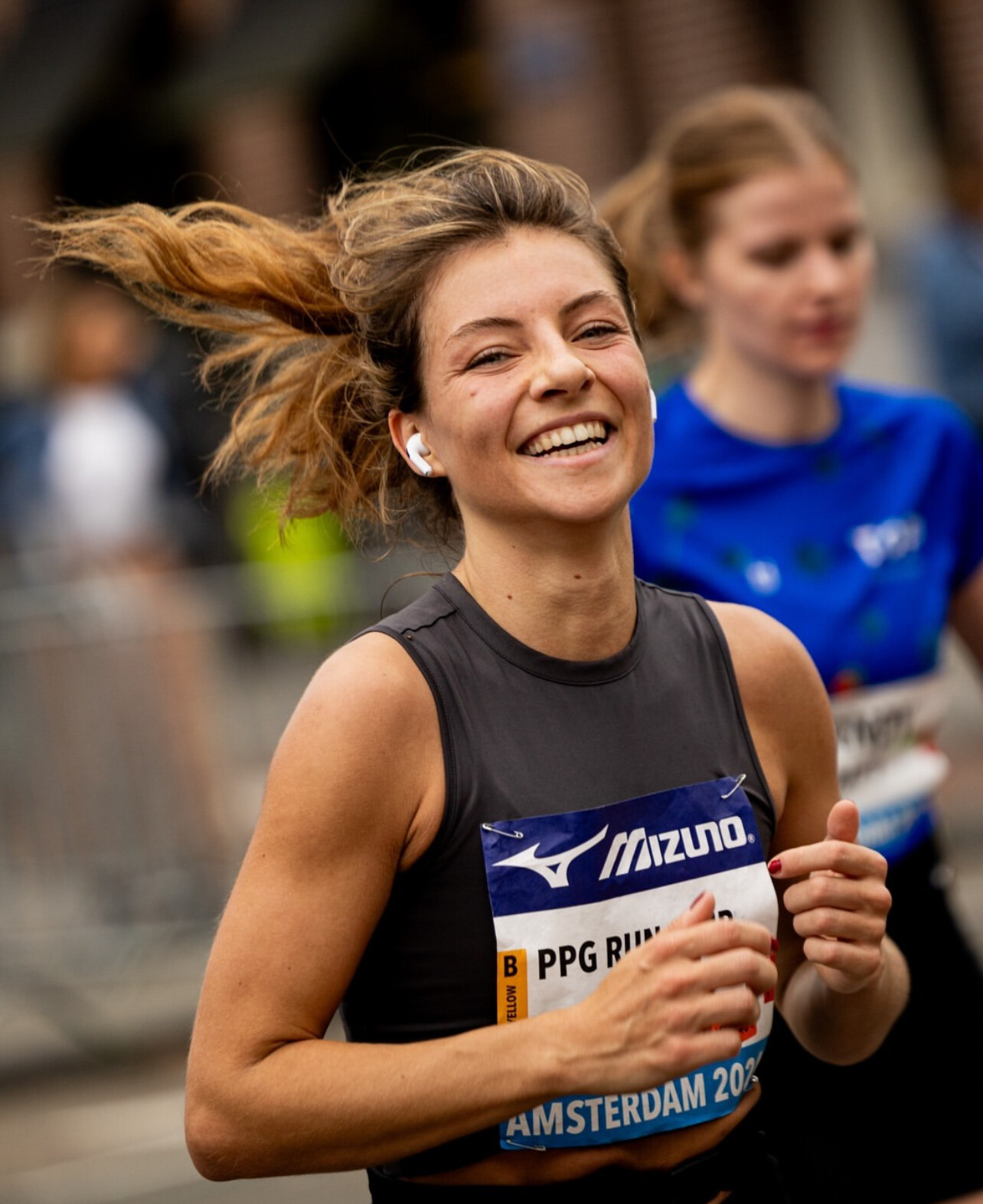
This year’s milestone edition is expected to draw a deep international field and heightened media attention, especially with stars like Joshua Cheptegei and Tamirat Tola headlining the men’s race. Organizers are planning special celebrations and tributes to the event’s rich history, ensuring the 2025 race is both competitive and commemorative.
by Boris Baron
Login to leave a comment
TCS Amsterdam Marathon
Do you want to enjoy Amsterdam in October and all that the city has to offer you? Want to feel a real athlete and start and finish in the historic Olympic stadium? Or run across the widely discussed passage under the beautiful National Museum? Then come to Amsterdam for the annual TCS Amsterdam Marathon in October! The TCS Amsterdam Marathon...
more...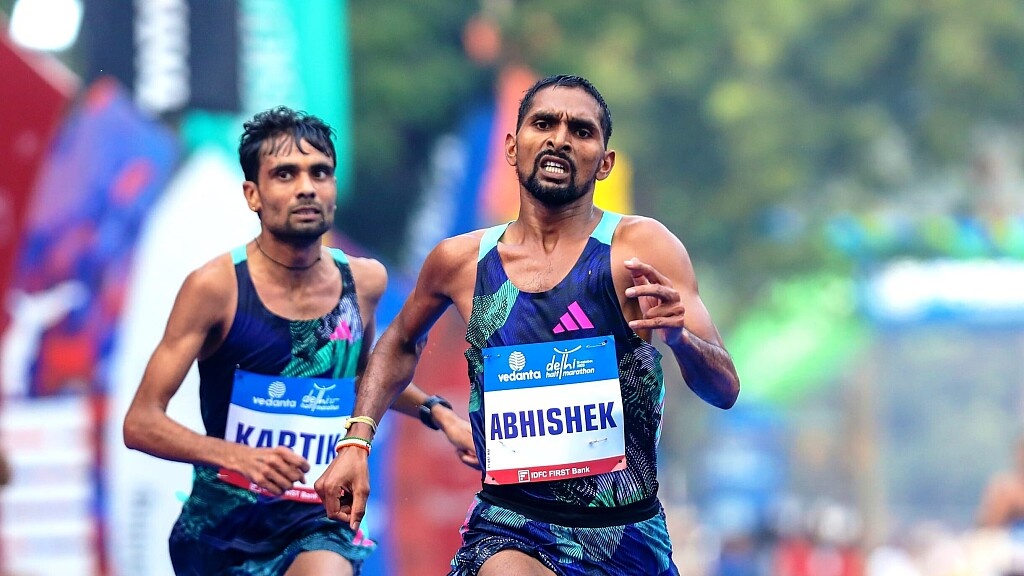
Delhi Half Marathon Returns for 20th Edition on October 12, 2025
The 2025 edition of the Delhi Half Marathon is set to light up the streets of India’s capital on October 12, with the iconic Jawaharlal Nehru Stadium serving as both the start and finish point. Celebrating its 20th anniversary, the event remains one of Asia’s premier road races, having earned World Athletics Gold Label status and certification from the Association of International Marathons and Distance Races (AIMS).
At Wednesday’s official launch, former Indian men’s hockey captain and current junior team coach PR Sreejesh, a two-time Olympic bronze medallist, helped usher in the milestone edition.
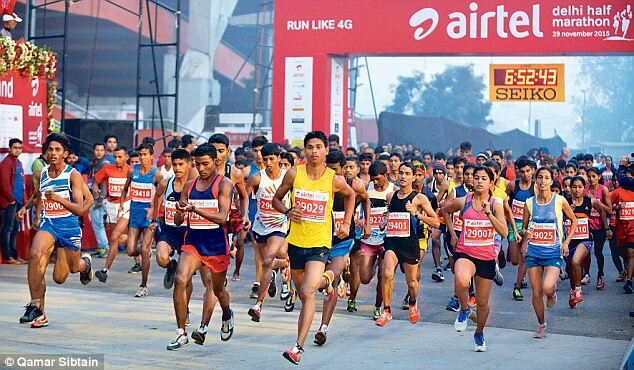
Registration opened July 17 for all race categories—including the Half Marathon, Open 10K, Great Delhi Run, Senior Citizens’ Run, and Champions with Disability—and closes on September 19.
Since its inaugural running in 2005, the Delhi Half Marathon has drawn some of the world’s top distance runners. The 2024 men’s elite title was claimed by Joshua Cheptegei of Uganda, the reigning Olympic 10,000m champion, with a blistering 59:46. On the women’s side, Eilish McColgan of Great Britain took the crown. India’s top finishers were Sawan Barwal and Lili Das, who will likely return with eyes on the national podium.
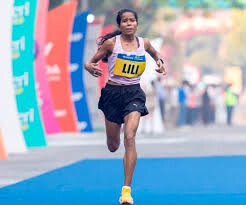
The course records still stand from a memorable 2020 edition: Amedework Walelegn of Ethiopia set the men’s mark at 58:53, while Yalemzerf Yehualaw, also from Ethiopia, holds the women’s record with 1:04:46.
Even marathon legend Eliud Kipchoge is part of the event’s rich history—he won the men’s elite race back in 2016.
With world-class athletes, enthusiastic local support, and a flat, fast course, the Delhi Half Marathon continues to be a must-run event for elites and amateurs alike.
by Boris Baron
Login to leave a comment

Vedanta Delhi Half Marathon
The Airtel Delhi Half Marathon is a haven for runners, creating an experience, that our citizens had never envisaged. The streets of Delhi converted to a world-class running track. Clean, sanitized road for 21.09 kms, exhaustive medical support system on the route, timing chip for runners, qualified personnel to ensure smooth conduct of the event across departments. The race...
more...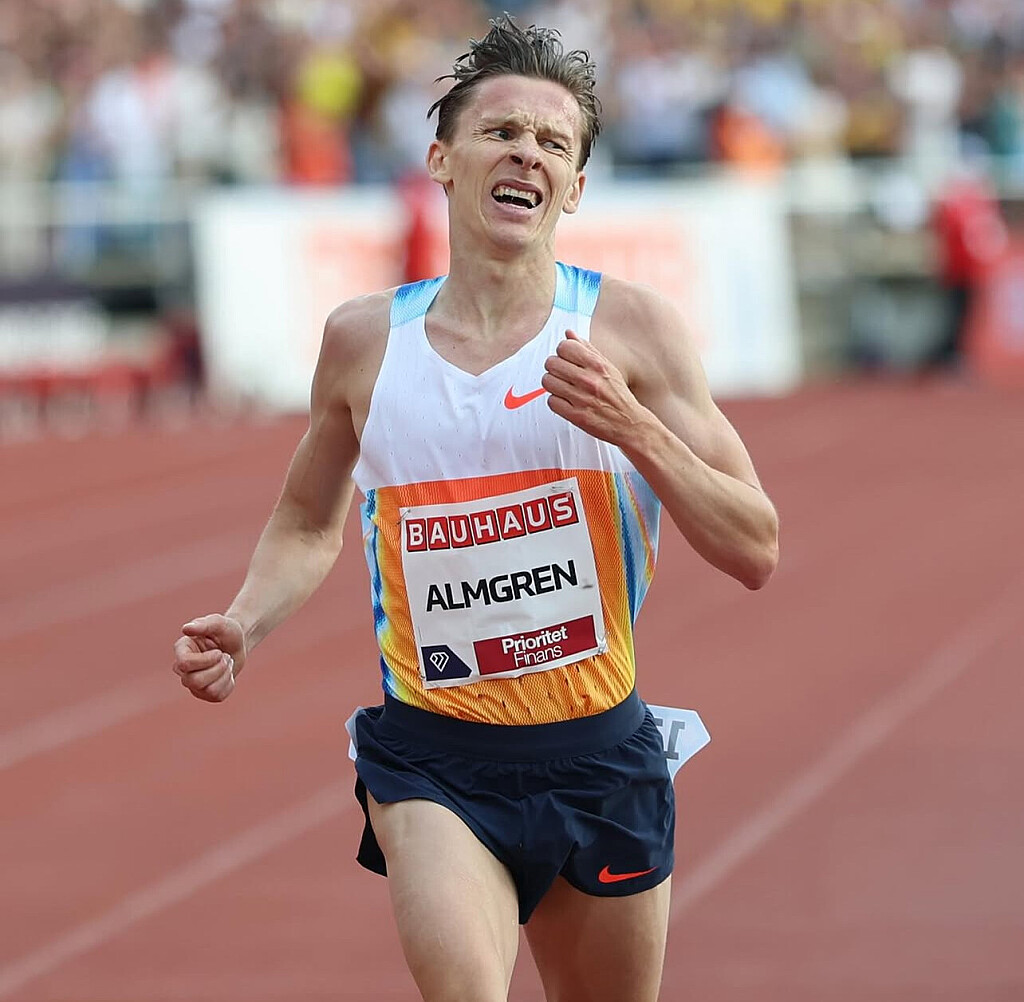
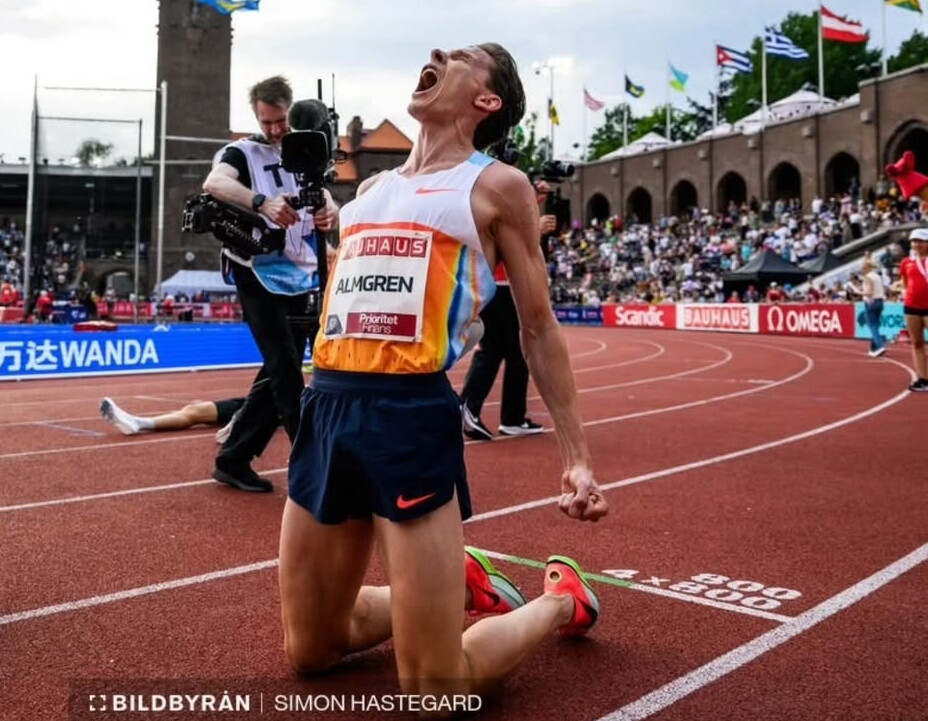
Andreas Almgren Stuns the World with 12:44.27 in Stockholm 5000m, Smashing European Record and Entering All-Time Top 10
Swedish distance star Andreas Almgren delivered the race of his life at the Stockholm Diamond League, clocking a breathtaking 12:44.27 to win the men’s 5000m and send shockwaves through the global distance running world. His time not only shattered the European Record (ER) and the meet record, but it also catapulted him into the top 10 fastest performers in history, now ranking #8 all-time.
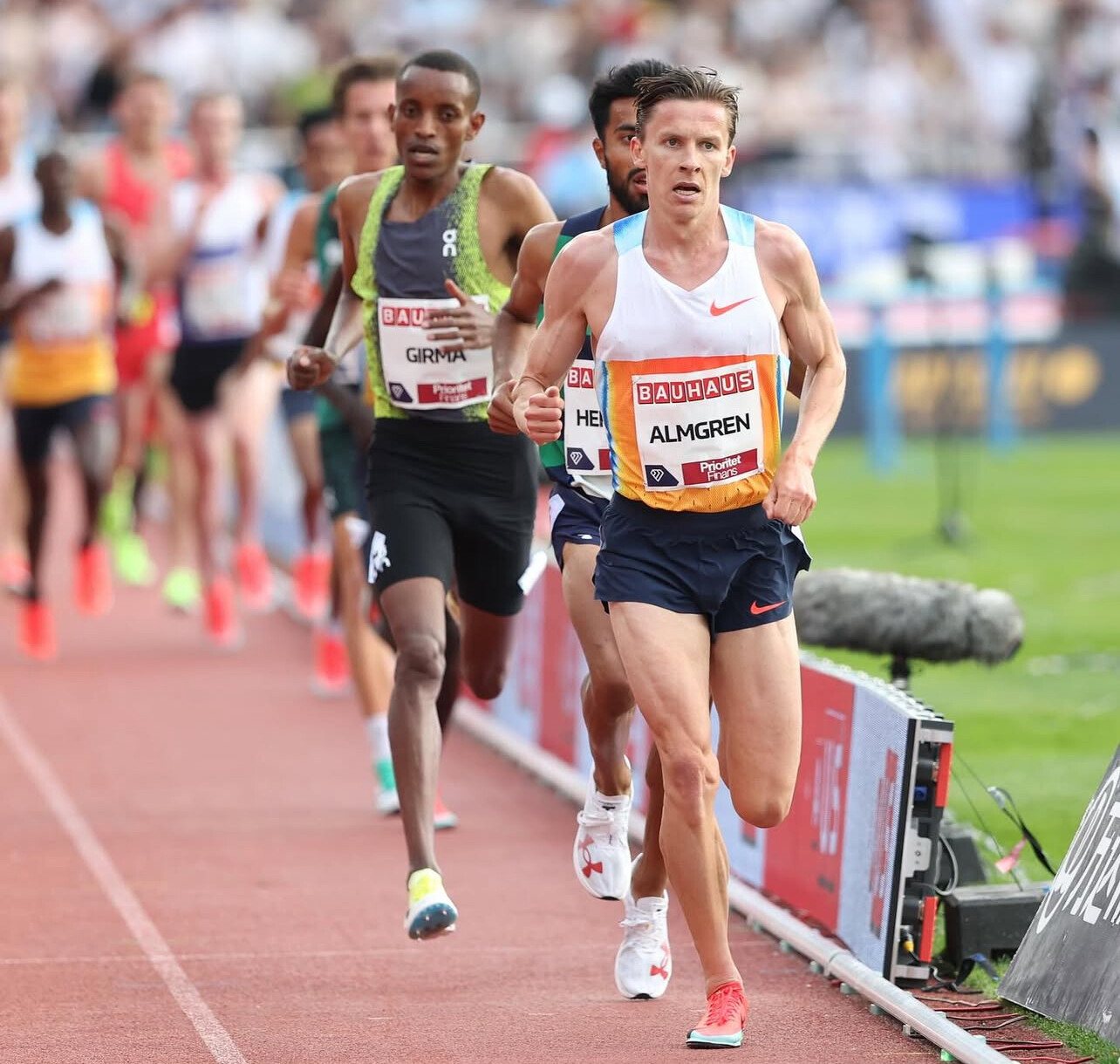
The home crowd in Stockholm witnessed a historic moment as Almgren, traditionally known for his prowess over 800m and 1500m, made a stunning statement in the long-distance arena. He became the first European ever to dip under 12:45 and now holds the fastest 5000m time ever run by a European athlete, surpassing Spain’s Mohamed Katir (12:45.01 from 2023).
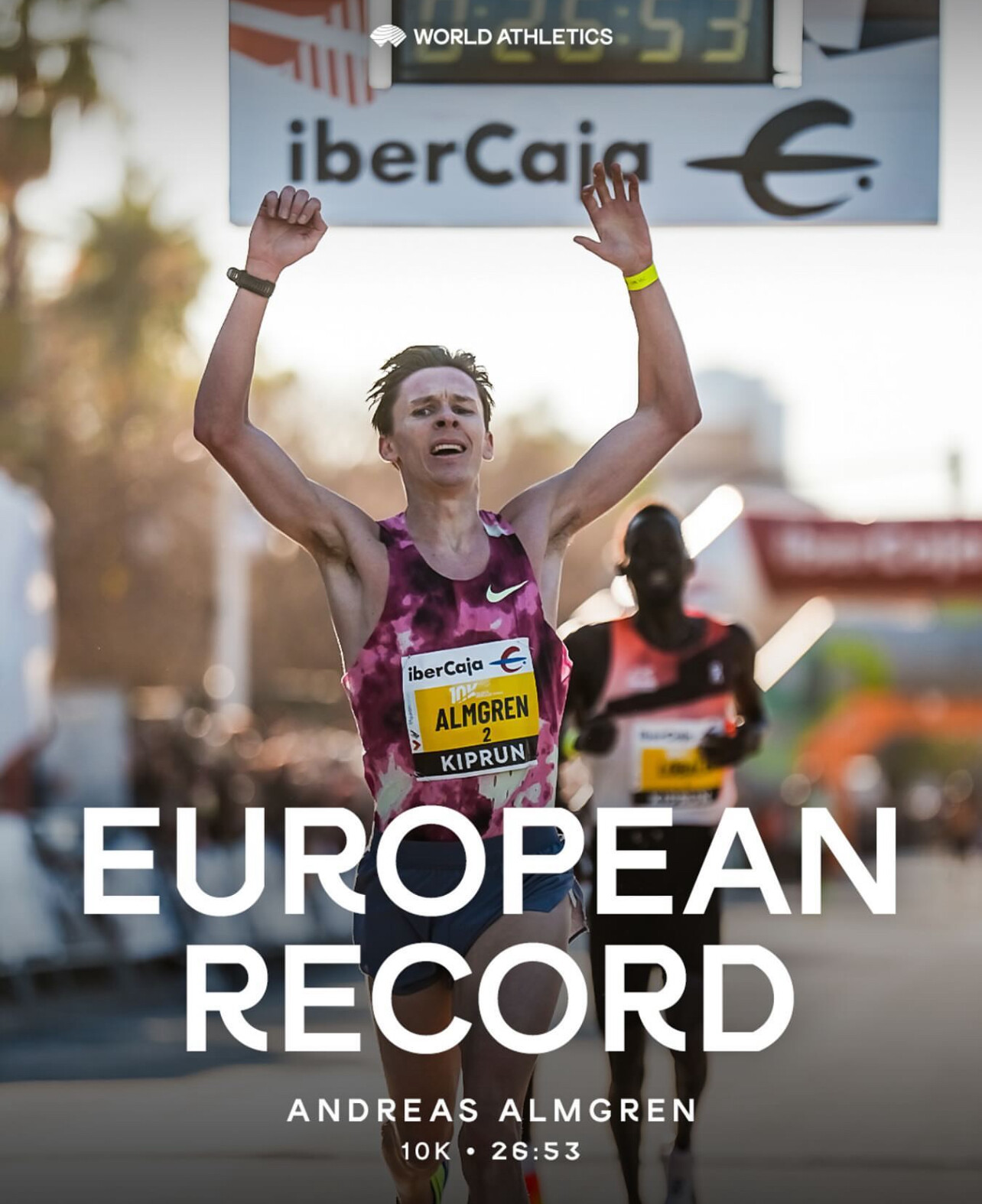
? Top Results – Men’s 5000m (Stockholm Diamond League)
1. Andreas Almgren (Sweden) – 12:44.27 ?? ER MR
2. Kama Girma (Ethiopia) – 12:57.46 ??
3. Ky Robinson (Australia) – 12:58.38 ??
4. Mike Foppen (Netherlands) – 13:02.43 ??
5. Kenneth Kiprop (Uganda) – 13:02.69 ??
6. Denis Kipkoech (Kenya) – 13:07.02 ??
All-Time Men’s 5000m Rankings (As of June 2025)
Andreas Almgren now stands 8th on the all-time global list, behind legends like Cheptegei, Bekele, and Gebrselassie.
|
Rank |
Athlete |
Country |
Time |
Year |
|
1 |
Joshua Cheptegei |
UGA |
12:35.36 |
2020 |
|
2 |
Kenenisa Bekele |
ETH |
12:37.35 |
2004 |
|
3 |
Haile Gebrselassie |
ETH |
12:39.36 |
1998 |
|
4 |
Daniel Komen |
KEN |
12:39.74 |
1997 |
|
5 |
Hagos Gebrhiwet |
ETH |
12:42.18 |
2023 |
|
6 |
Selemon Barega |
ETH |
12:43.02 |
2018 |
|
7 |
Mohamed Katir |
ESP |
12:45.01 |
2023 |
|
8 |
Andreas Almgren |
SWE |
12:44.27 |
2025 ✅ |
|
9 |
Yomif Kejelcha |
ETH |
12:46.79 |
2023 |
|
10 |
Berihu Aregawi |
ETH |
12:46.91 |
2021 |
Pace Breakdown – Almgren’s 12:44.27
• Per kilometer: 2:32.85/km
• Per mile: 4:05.57/mile
(12:44.27 = 764.27 seconds total
5000 meters = 5 kilometers or 3.10686 miles)
A New Era in Distance Running?
The Stockholm performance underscores a growing shift in elite distance running. For decades, Kenya, Ethiopia, and Uganda have been dominant in the 5000m and 10,000m, but Almgren’s performance—alongside strong finishes by Australia’s Ky Robinson and the Netherlands’ Mike Foppen—suggests a broader international resurgence.
As the World Championships in Tokyo loom, Almgren’s breakout raises the stakes. Can the Swede replicate this form against the likes of Cheptegei and Barega on the biggest stage of all?
One thing is clear: the race to the podium in global distance running is no longer limited to East Africa. Andreas Almgren has kicked open the door—and the world is watching.
by Boris Baron
Login to leave a comment
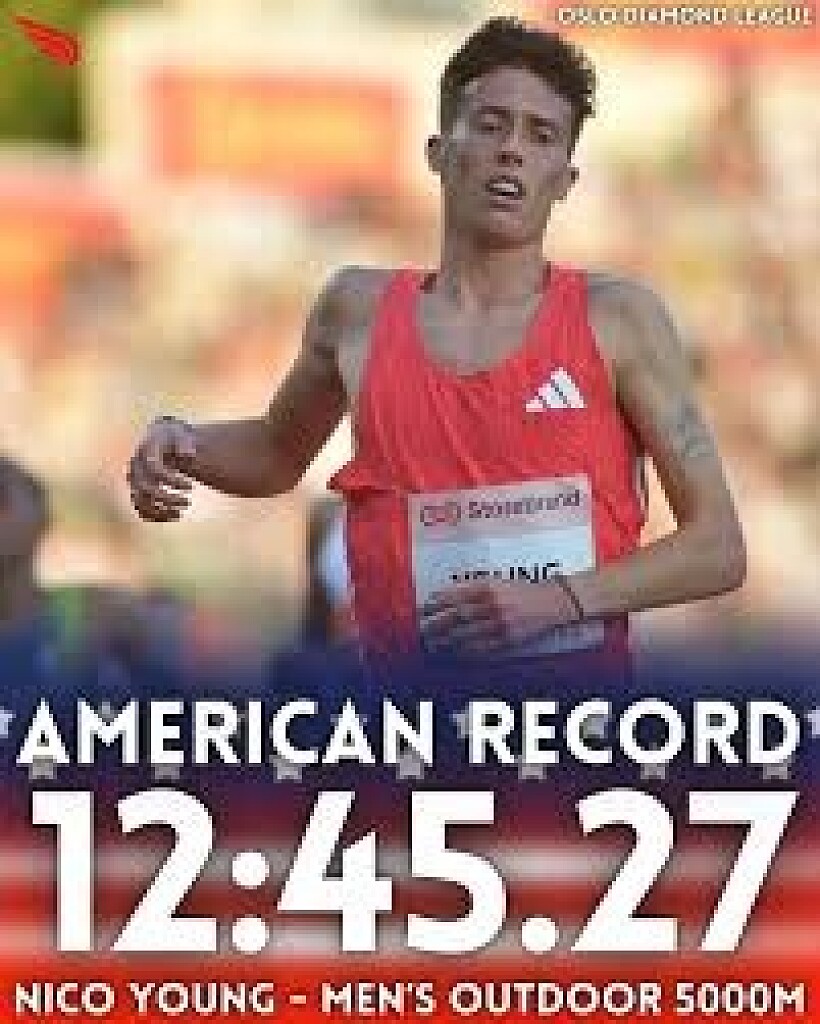
Nico Young Shatters American Record with 12:45.27 in Oslo Diamond League 5000m
In a performance that shook the foundations of U.S. distance running, Nico Young stormed to a stunning 12:45.27 at the Oslo Diamond League on June 12. Not only did he win the race, but he also demolished the American 5000m record, vaulting himself into the top ranks of global distance running.
The 21-year-old’s breakthrough marks the fastest 5000m ever run by an American and the fourth-fastest time in world history outdoors. His average lap was 61.4 seconds—roughly 4:06 per mile or 2:33 per kilometer—executed against one of the deepest fields ever assembled.
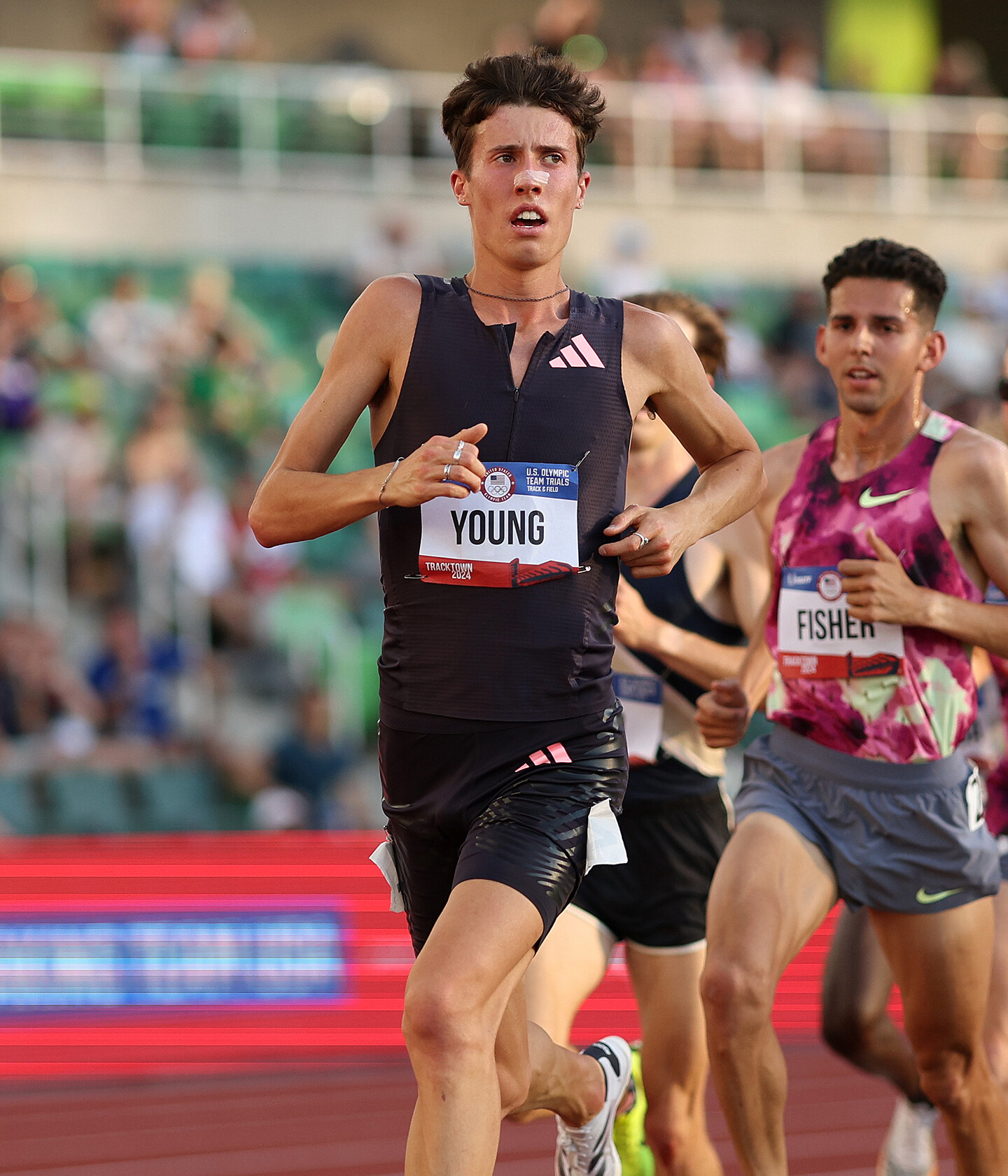
Standout Performances with Official Times
• Nico Young (USA) – 12:45.27 – ?? American Record
• George Mills (GBR) – 12:46.59 – ?? British National Record
• Thierry Ndikumwenayo (Burundi) – 12:47.67 – Personal Best
• Dominic Lokinyomo Lobalu (Switzerland) – 12:50.87 – ?? Swiss National Record
This was a race defined by speed, grit, and history-making performances. Eight athletes reportedly broke 12:51—unprecedented in Diamond League competition. National records fell on three continents.
Young’s Path to Greatness
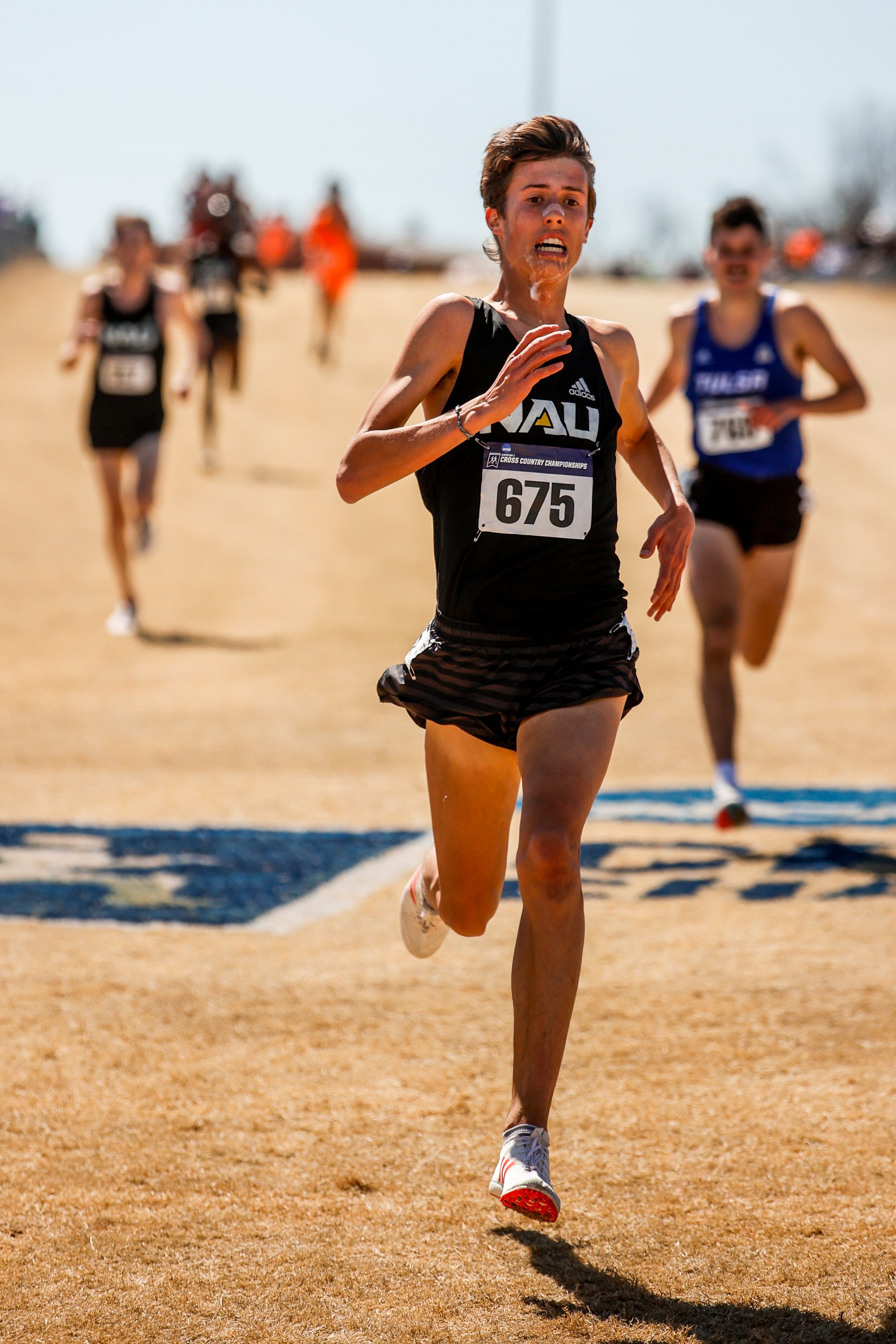
Nico Young’s rise began at Newbury Park High School, where he set high school records and led his team to national titles. At Northern Arizona University, he continued to dominate, becoming a multi-time NCAA All-American before turning pro with Adidas.
Training under coach Mike Smith, Young has honed not just his endurance but also his race instincts—perfectly on display in Oslo as he timed his final surge to perfection against the best in the world.
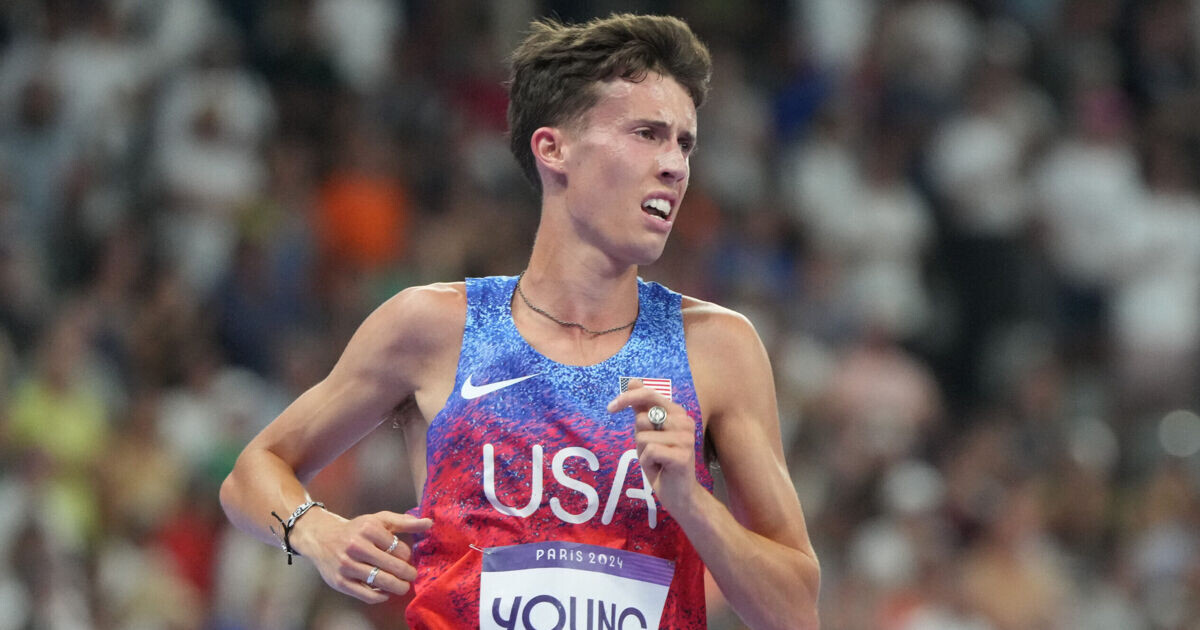
A New Standard
Young’s 12:45.27 surpasses Grant Fisher’s previous American record of 12:46.96 set in 2022. His time now ranks him behind only three men in history: Joshua Cheptegei, Kenenisa Bekele, and Hagos Gebrhiwet.
With this performance, Nico Young has redefined what’s possible for American distance runners and firmly positioned himself as one of the most exciting young talents in the sport.
by Boris Baron
Login to leave a comment
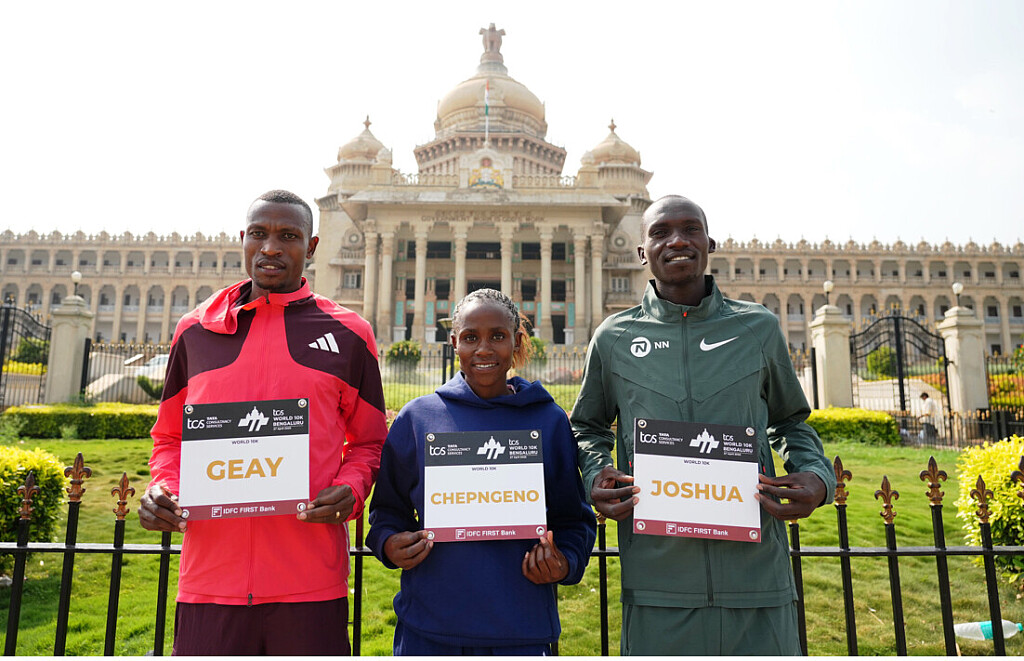
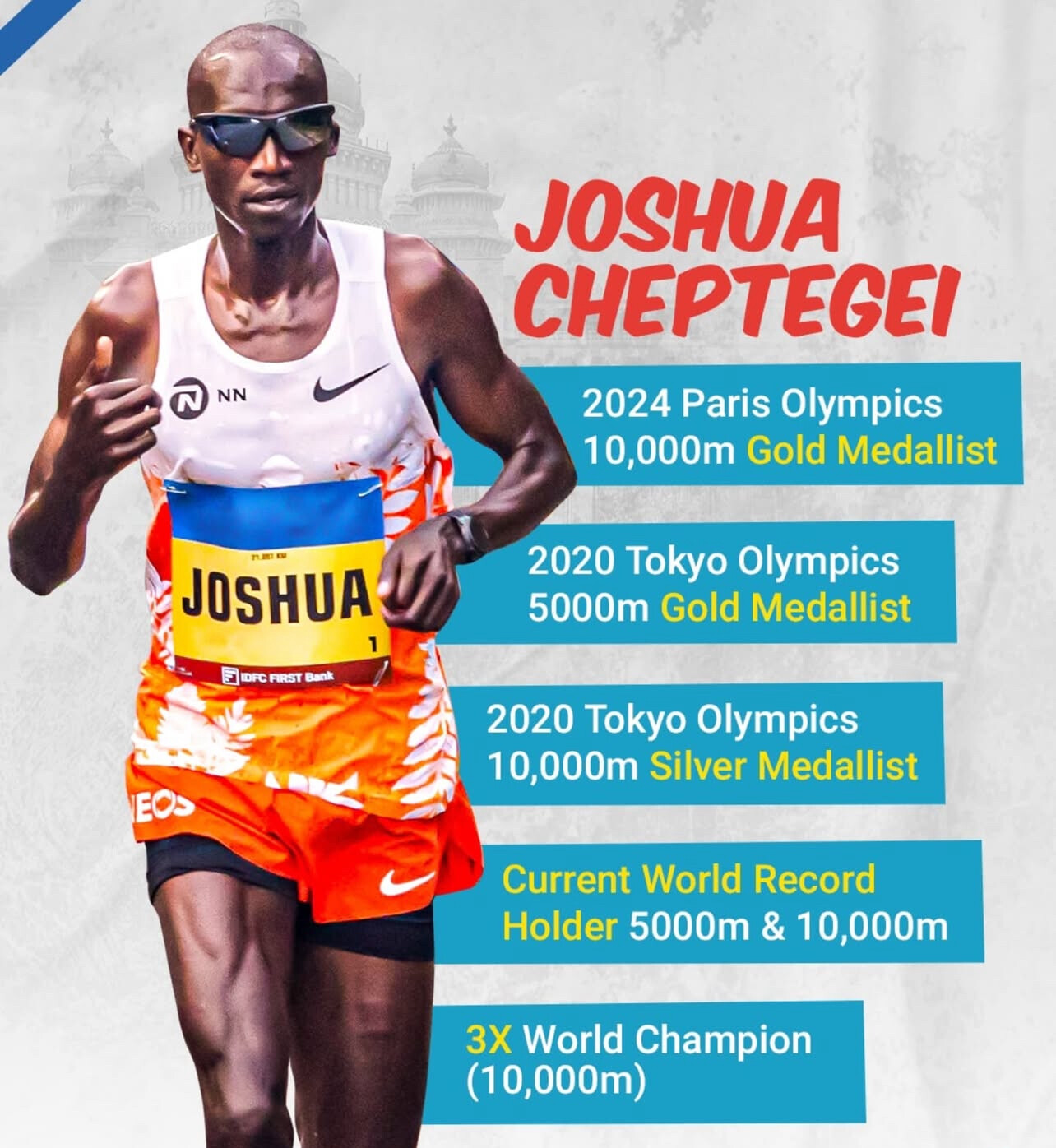
Joshua Cheptegei Returns to TCS World 10K Bengaluru with Eyes on Victory
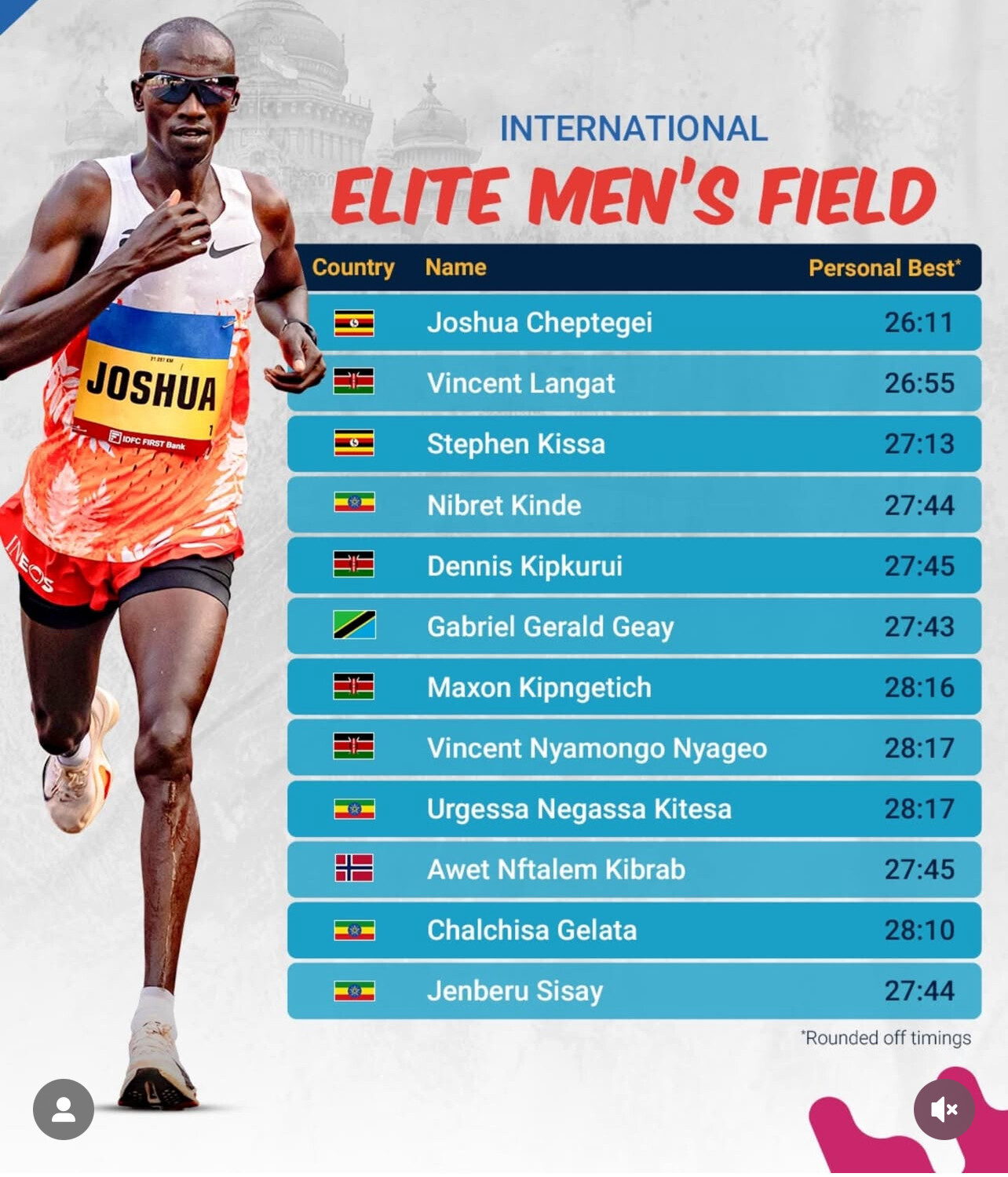
Multiple global champion Joshua Cheptegei is set to take on the TCS World 10K Bengaluru this Sunday, April 27, aiming to capture the title at the prestigious World Athletics Gold Label Race.
Cheptegei, Uganda’s double Olympic and World Champion, made his international debut at this very race back in 2014, finishing second. Now 28 years old, he reflected on his journey during a pre-race media conference:
“Back in 2014, I won silver, and it was my first international race. I went on to win many international titles. India will always be the place that launched me.”
Looking ahead to this weekend, Cheptegei acknowledged the strength of the field and the race’s quick course but remained focused on the bigger goal:
“It’s going to be a strong race, but I try not to put too much pressure on myself. Winning would be fantastic. As for the record, it’s harder now with marathon training in my legs, but the focus is on the win.”
The TCS World 10K boasts a total prize purse of USD 210,000, along with additional bonuses for course record performances.
Prize Money and Bonuses
Top Overall Finishers (Men & Women):

• 1st Place: USD 26,000
• 2nd Place: USD 17,000
• 3rd Place: USD 10,000
• 4th to 10th Places: Prizes ranging from USD 5,000 to USD 1,000
Top Indian Finishers (Men & Women):
• 1st Place: INR 3,00,000 (approximately USD 3,600)
• 2nd Place: INR 2,25,000 (approximately USD 2,700)
• 3rd Place: INR 1,50,000 (approximately USD 1,800)
• 4th to 10th Places: Prizes from INR 1,00,000 (USD 1,200) down to INR 30,000 (USD 360)
Bonus Incentives:
• Overall Course Record Bonus: USD 8,000 for breaking the men’s (27:38) or women’s (30:35) course records
• Indian Event Record Bonus: INR 1,00,000 (approx. USD 1,200) for setting a new Indian event record
• Indian Event Record Jackpot: INR 1,00,000 shared among top Indian finishers hitting key time standards (Men: sub-29:49; Women: sub-33:38)
Gabriel Geay Eyes Big Finish
Tanzania’s Gabriel Geay, a seventh-place finisher in the World Championship Marathon, also shared his excitement about racing in Bengaluru for the first time.
“It’s been a dream of mine to race here,” said the 28-year-old. “If the pace is quick, I believe a record is possible. My training hasn’t changed much from my marathon build-up, just a few adjustments for the 10K distance.”
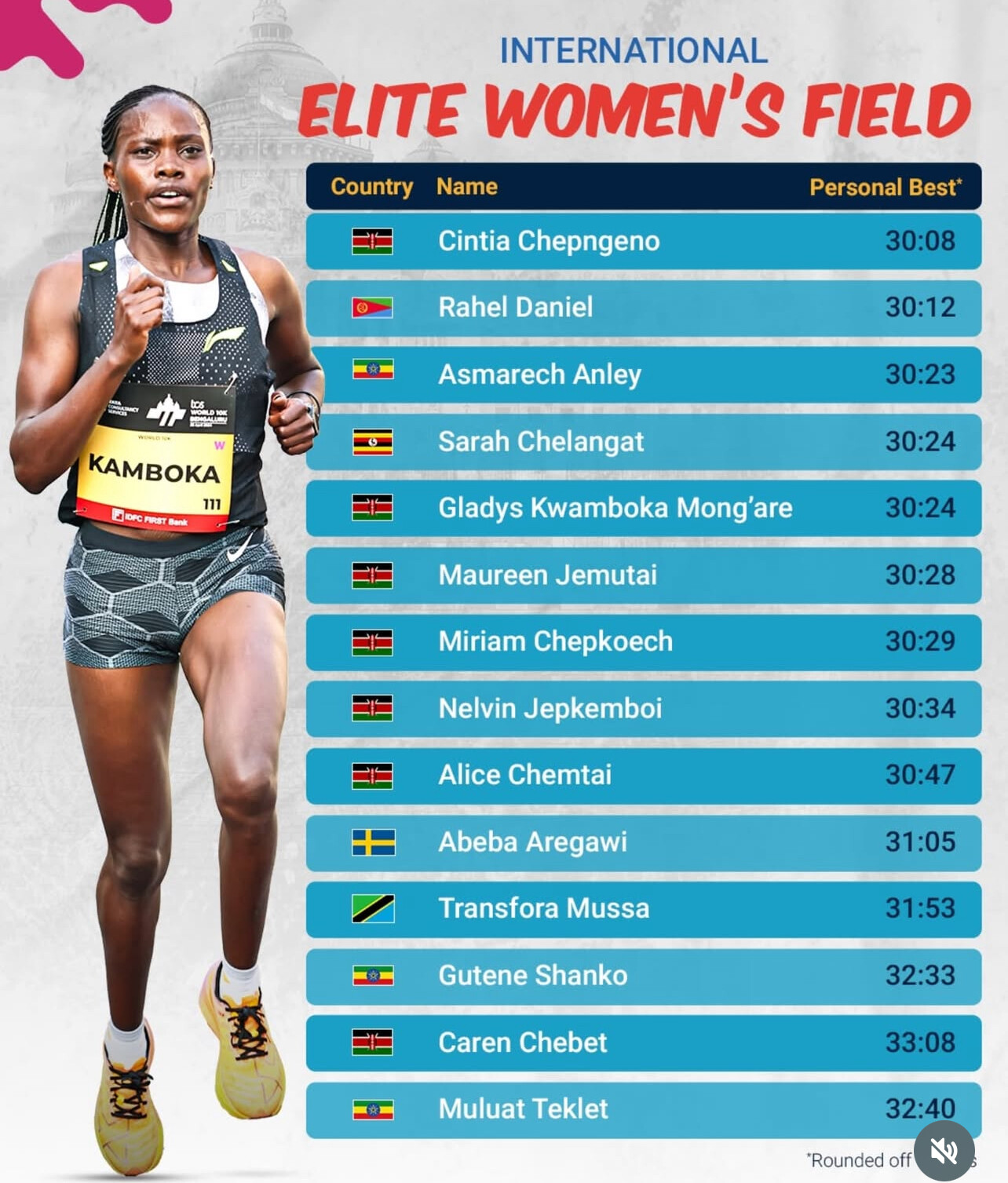
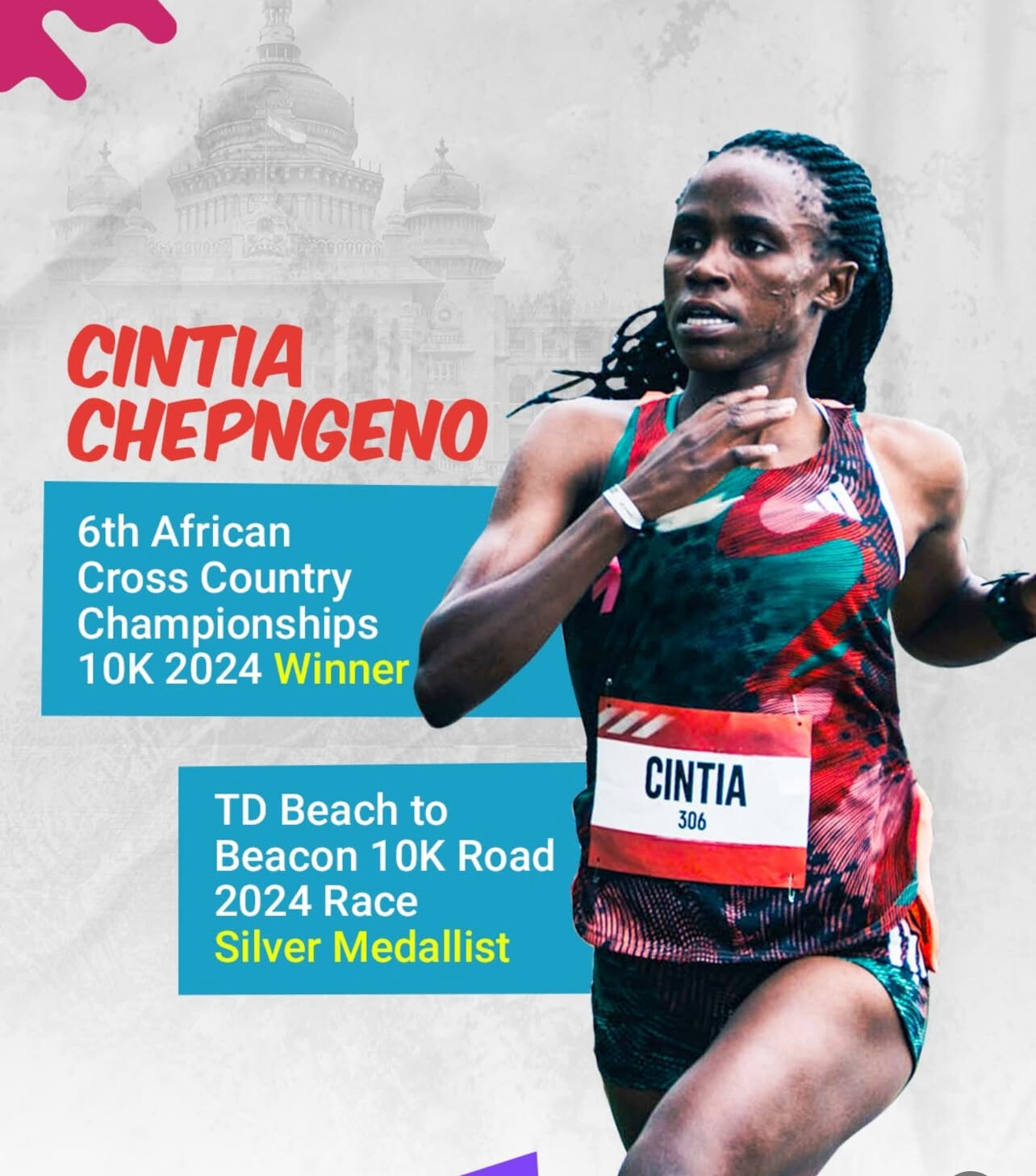
Strong Women’s Field Led by Cintia Chepngeno
On the women’s side, Kenya’s Cintia Chepngeno headlines a deep field. Chepngeno, whose name is coincidentally similar to Cheptegei’s, is one of eight women in the field with personal bests faster than the course record of 30:35, set by Irene Cheptai in 2022.
Chepngeno, who placed ninth here last year, aims to move up the standings:
“I am keen on a good race with my colleagues on Sunday. My aim is to make the podium.”
She’ll face tough competition from Eritrea’s Rahel Daniel, who finished fifth in the 10,000m at the 2022 World Championships with an impressive 30:12.15, along with a host of other Kenyan contenders, including reigning African 10,000m champion Gladys Kwamboka Mong’are.
Men’s Title Wide Open
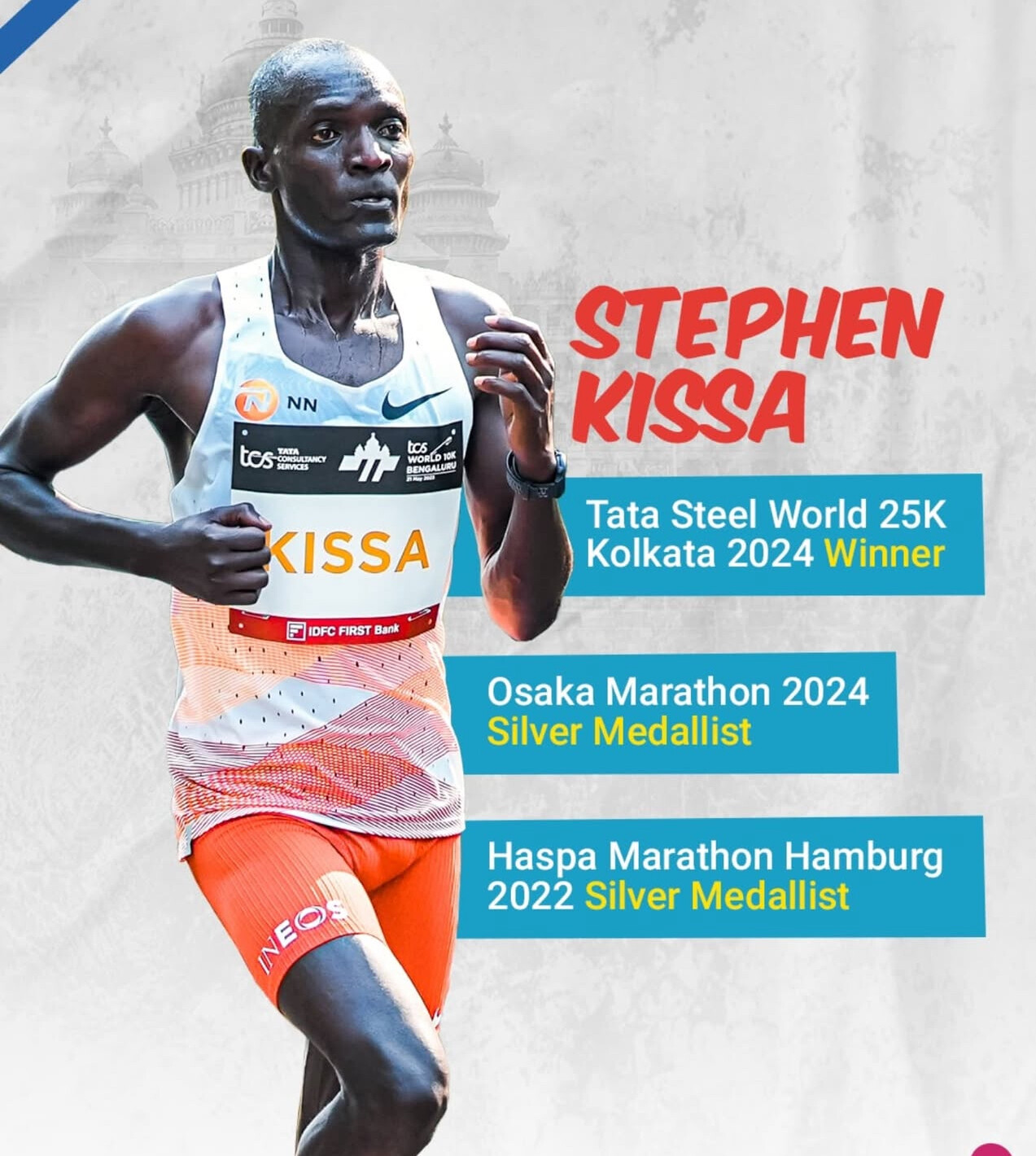
Along with Cheptegei, strong contenders in the men’s field include Uganda’s Stephen Kissa (third in Bengaluru in 2017), Kenya’s Vincent Langat, and Norway’s Awet Nftalem Kibrab.
With top runners from around the world competing and major prize incentives on the line, Sunday’s TCS World 10K Bengaluru promises thrilling competition — and possibly record-breaking performances.
by Running India News Service with Boris Baron
Login to leave a comment

TCS WORLD 10K BENGALURU
The TCS World 10k Bengaluru has always excelled in ways beyond running. It has opened new doors for people to reach out to the less privileged of the society and encourages them to do their bit. The TCS World 10K event is the world’s richest 10 Km run and has seen participation from top elite athletes in the world. ...
more...
Who Had the Best Era in Track & Field? A Generational Showdown
Track and field has long been the stage for some of the most electrifying athletic performances in history. Each generation has produced legends who have redefined what is possible in sprinting, distance running, and field events. But which era stands above the rest?
From the Silent Generation pioneers to the Gen Z record-breakers, every period has contributed to the evolution of the sport. Let’s break down each era’s greatest stars and their lasting impact on track and field.
Gen Z (Born 1997 - 2012): The Future of Track & Field
The newest generation of elite athletes is already making waves on the world stage. With the benefit of cutting-edge training, nutrition, and recovery techniques, these young stars are smashing records at a rapid pace.
Notable Sprinters & Field Athletes:
• Sydney McLaughlin-Levrone (USA) – 400m hurdles world record holder and Olympic champion
• Mondo Duplantis (Sweden) – Pole vault world record holder
• Erriyon Knighton (USA) – One of the fastest teenagers ever in the 200m
Notable Distance Runners:
• Jakob Ingebrigtsen (Norway) – Olympic 1500m champion, European mile record holder
• Joshua Cheptegei (Uganda) – 5000m and 10,000m world record holder
• Jacob Kiplimo (Uganda) – Half marathon world record holder (57:31)
• Gudaf Tsegay (Ethiopia) – World champion in the 1500m, dominant in middle distances
Gen Z athletes are not only breaking records but also shaping the future of the sport through their influence on social media and global visibility. With their combination of speed, endurance, and access to modern sports science, they may soon surpass all who came before them.
Defining Traits: Explosive, record-breaking, tech-savvy
Millennials (Born 1981 - 1996): The Superstars of the Modern Era
No discussion of dominant track and field generations is complete without mentioning Usain Bolt. The Jamaican sprinting legend captured the world’s attention with his charisma and untouchable world records.
Notable Sprinters:
• Usain Bolt (Jamaica) – Fastest man in history (100m: 9.58, 200m: 19.19)
• Allyson Felix (USA) – Most decorated female Olympian in track history
• Shelly-Ann Fraser-Pryce (Jamaica) – One of the most dominant sprinters of all time
Notable Distance Runners:
• Eliud Kipchoge (Kenya) – The greatest marathoner of all time, first to break two hours in a marathon
• Mo Farah (UK) – Dominated the 5000m and 10,000m at two Olympic Games
• Genzebe Dibaba (Ethiopia) – 1500m world record holder
• Ruth Chepngetich (Kenya) – First woman to break the 2:10 barrier in the marathon, setting a world record of 2:09:56 at the 2024 Chicago Marathon
Millennials excelled across all track and field disciplines. They ushered in an era of professional distance running dominance, with African runners setting standards in middle and long distances. Meanwhile, Kipchoge’s sub-2-hour marathon attempt was a historic milestone in human endurance.
Defining Traits: Charismatic, dominant, endurance revolutionaries
Gen X (Born 1965 - 1980): The Tough and Versatile Competitors
Gen X athletes were the bridge between the amateur days of track and the fully professional era. They pushed the sport forward with fierce rivalries and new records, while also seeing the globalization of track and field.
Notable Sprinters:
• Maurice Greene (USA) – Former world record holder in the 100m (9.79)
• Marion Jones (USA) – One of the most dominant sprinters of the late ‘90s
Notable Distance Runners:
• Haile Gebrselassie (Ethiopia) – Olympic and world champion, former marathon world record holder
• Paul Tergat (Kenya) – Pioneered marathon running dominance for Kenya
• Tegla Loroupe (Kenya) – First African woman to hold the marathon world record
This era marked a golden age for distance running, with Gebrselassie and Tergat setting the stage for the marathon revolution that would come in the next generation. With increased sponsorships, the road racing circuit became more competitive, and Kenyan and Ethiopian dominance solidified.
Defining Traits: Tough, globalized, long-distance pioneers
Baby Boomers (Born 1946 - 1964): The Golden Age of Track & Field
The Baby Boomers took track and field into the modern Olympic era, producing some of the most iconic figures in the sport’s history.
Notable Sprinters:
• Carl Lewis (USA) – Nine-time Olympic gold medalist across sprints and long jump
• Florence Griffith-Joyner (USA) – 100m (10.49) and 200m (21.34) world record holder
Notable Distance Runners:
• Sebastian Coe (UK) – 800m and 1500m Olympic champion, middle-distance legend
• Steve Prefontaine (USA) – One of the most influential distance runners in history
• Miruts Yifter (Ethiopia) – 5000m and 10,000m Olympic champion
This era brought middle and long-distance running into the mainstream, with rivalries like Coe vs. Ovett and Prefontaine vs. the world captivating fans. The Baby Boomers were the first generation of professional-level training and saw athletes truly dedicated to their craft year-round.
Defining Traits: Bold, revolutionary, multi-talented
Silent Generation (Born 1928 - 1945): The Pioneers of Kenya’s Dominance
This generation laid the foundation for modern track and field, producing legends whose influence still resonates today.
Notable Distance Runners:
• Kip Keino (Kenya) – The pioneer of Kenya’s dominance in distance running, winning Olympic gold in the 1500m (1968) and 3000m steeplechase (1972)
• Emil Zátopek (Czechoslovakia) – Triple gold in 5000m, 10,000m, and marathon at the 1952 Helsinki Olympics
• Paavo Nurmi (Finland) – Nine-time Olympic gold medalist in long-distance events
Kip Keino’s triumph over Jim Ryun in the 1500m final at the 1968 Mexico City Olympics is considered one of the greatest upsets in Olympic history. Competing at high altitude, Keino used a fast early pace to break Ryun, ushering in an era of Kenyan middle-distance dominance that continues today.
Defining Traits: Groundbreaking, resilient, visionary
Which Generation Had the Greatest Impact?
Each generation of track and field athletes has contributed to the sport’s evolution in unique ways:
• Millennials brought global superstardom (Bolt, Felix, Fraser-Pryce, Kipchoge, Chepngetich)
• Gen X athletes were fierce competitors in a rapidly changing sport (Greene, Gebrselassie, Tergat)
• The Baby Boomers set records that still stand today (Carl Lewis, Flo Jo, Coe, Prefontaine)
• The Silent Generation laid the foundation for modern track and field (Owens, Zátopek, Kip Keino)
• Gen Z is already breaking records and shaping the future of the sport (McLaughlin-Levrone, Ingebrigtsen, Cheptegei)
While it’s hard to declare one era the best, one thing is certain: the sport of track and field continues to evolve, with each generation pushing the limits of human performance.
Which generation do you think is the greatest? Let us know in the comments!
by Boris Baron
Login to leave a comment
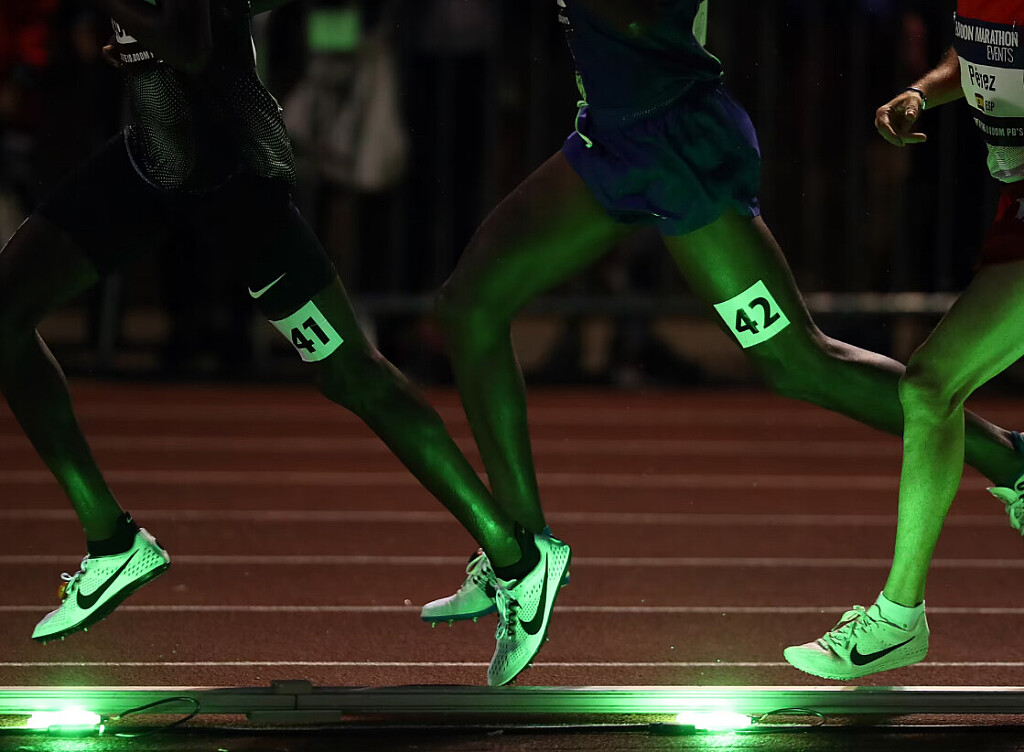
WaveLight Technology Enhances Spectator Experience at 2025 European Athletics Indoor Championships
WaveLight technology, an innovative LED pacing system, is set to make its championship debut at the 2025 European Athletics Indoor Championships in Apeldoorn, Netherlands, from March 6-9. This system features lights along the inside rail of the track, programmed to move at specific paces, providing real-time visual cues.
Traditionally used in events like the Diamond League to assist athletes in maintaining target paces, WaveLight has been instrumental in record-breaking performances, such as Joshua Cheptegei’s 5000m and 10,000m world records in 2020. However, at the Apeldoorn championships, its application will differ. European Athletics has specified that WaveLight will not serve as a direct pacing aid for athletes. Instead, it will enhance event presentation and spectator engagement through three primary functions:
1. Event Presentation Tool: The technology will highlight key moments, such as athlete introductions and medal ceremonies, using dynamic visual effects like flag displays and color changes.
2. Guide Light in Heats: During the 1500m and 3000m heats, WaveLight will provide a consistent reference pace across all heats. It will activate after the first third of the race and deactivate before the final lap, allowing spectators to compare race developments more effectively.
3. ‘Invisible’ Record Light: In the finals, WaveLight will indicate European, world, and championship record paces, but only when an athlete is within five meters of surpassing one, adding excitement without influencing the competition.
This strategic use of WaveLight aims to enrich the viewing experience without impacting the athletes’ natural pacing strategies, marking a significant evolution in integrating technology into athletics events.
The 2025 European Athletics Indoor Championships promise not only thrilling competitions but also a showcase of how technological advancements can enhance sports presentation and audience engagement.
by Boris Baron
Login to leave a comment
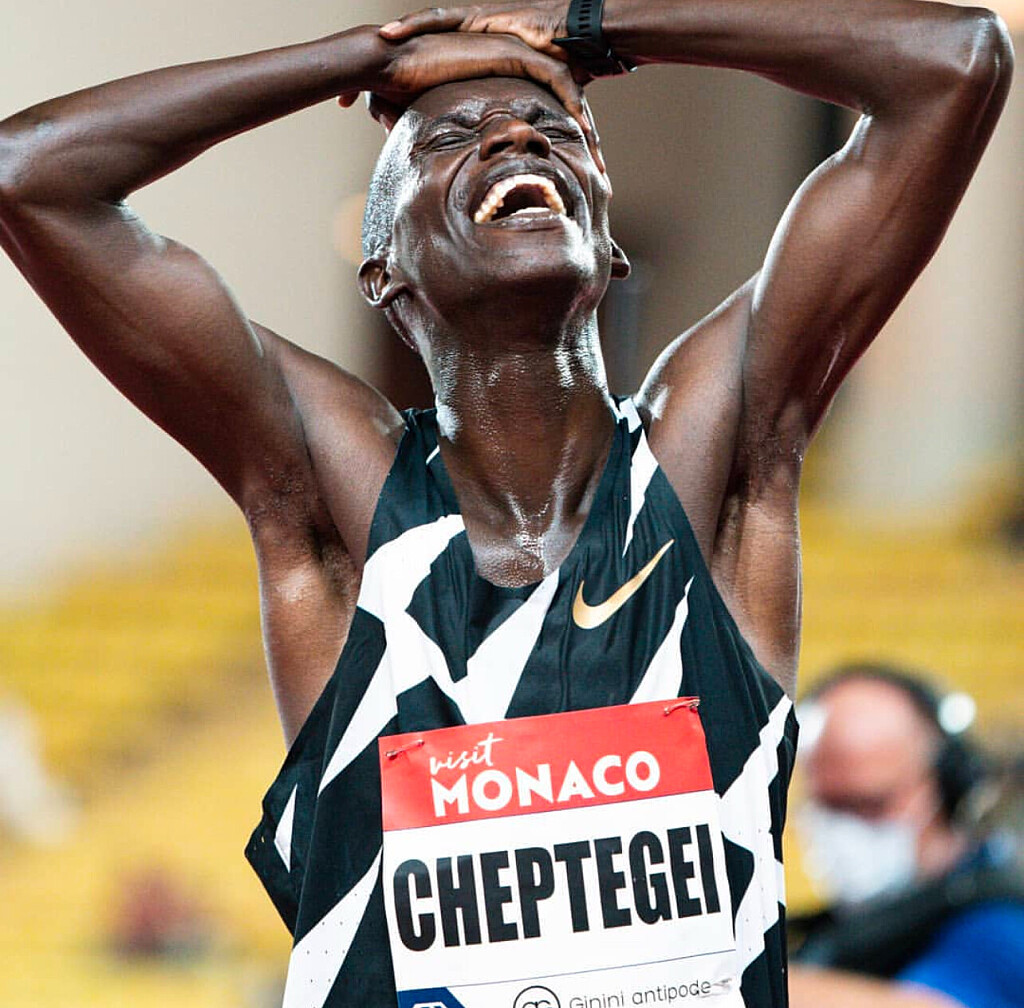
Joshua Cheptegei Ready for Second Marathon at Tokyo: Can the Track Legend Make a Statement?
Ugandan distance-running great Joshua Cheptegei is set to race his second career marathon at the Tokyo Marathon on March 2. The reigning Olympic champion in the 5,000m (Tokyo 2020) and 10,000m (Paris 2024) made his highly anticipated marathon debut at the Valencia Marathon in December 2023, where he clocked 2:08:59. Now, with the experience of one full marathon under his belt, Cheptegei returns to the roads, aiming to improve his performance and establish himself as a serious contender in the event.
A Decorated Track Career

Cheptegei has long been one of the most dominant figures in long-distance running. He holds the world records in both the 5,000m (12:35.36) and 10,000m (26:11.00), both set in 2020. Over the past decade, he has collected multiple world titles, including gold in the 10,000m at the 2019 and 2023 World Championships. In addition to his Olympic success, he has also excelled in cross-country, winning the 2019 World Cross Country Championships title in Aarhus, Denmark.
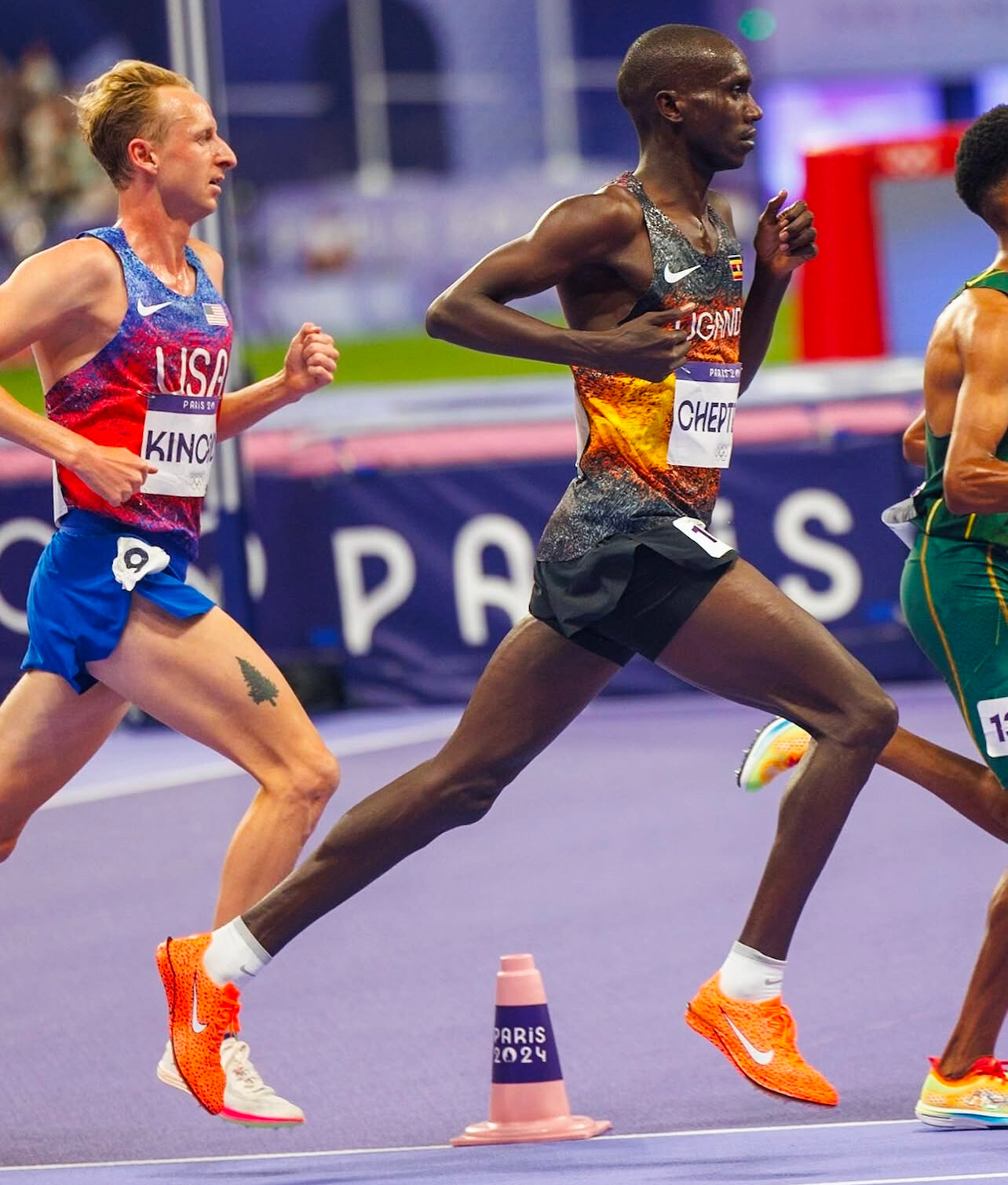
While his dominance on the track is unquestioned, the transition to the marathon presents a new set of challenges. Many track legends have struggled to translate their speed and efficiency to the demands of the 42.2km distance. However, Cheptegei has expressed confidence in his ability to adapt, and the Tokyo Marathon will serve as a key test in that process.
Learning from Valencia
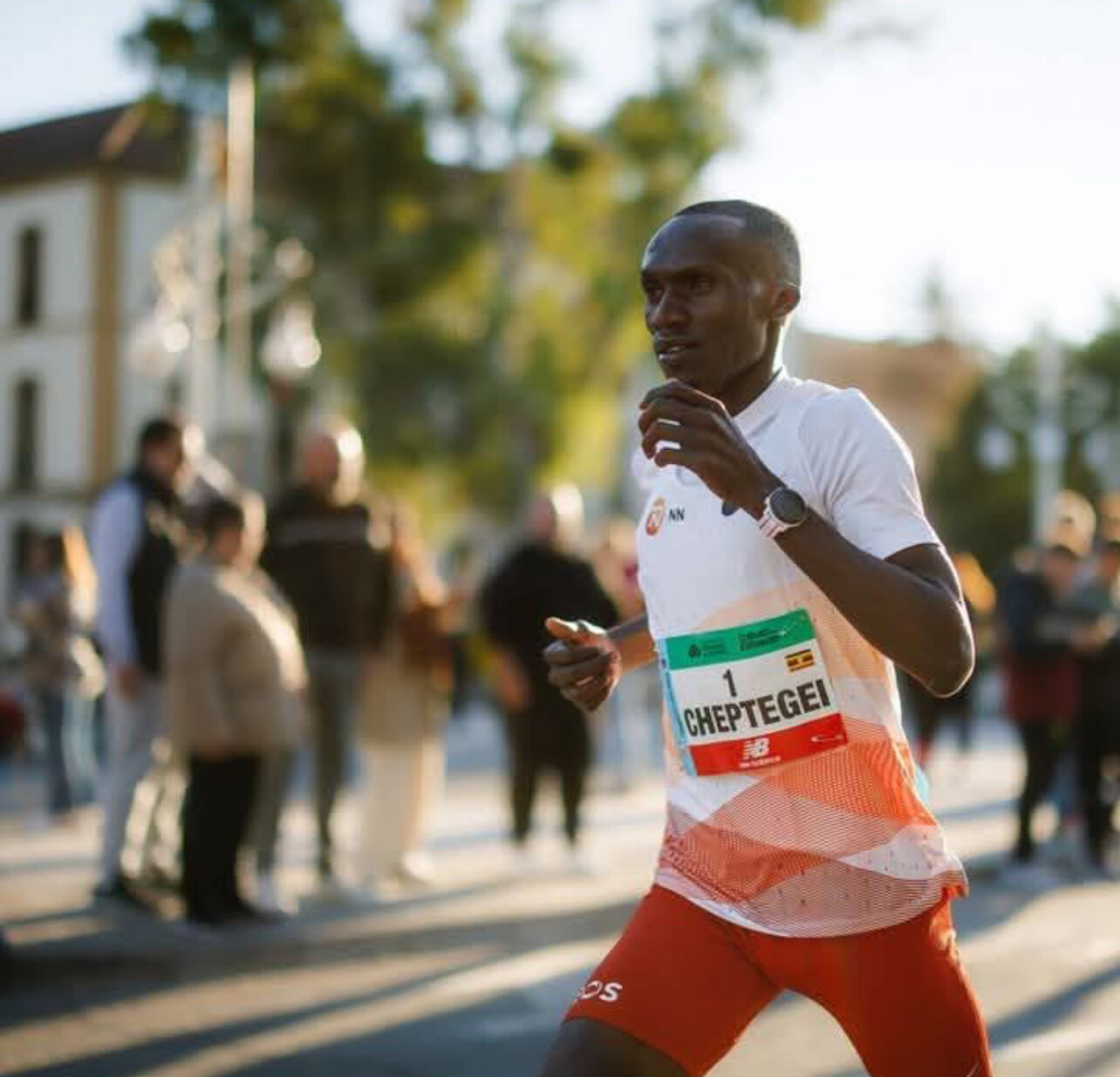
Cheptegei’s marathon debut in Valencia was met with great anticipation, but his time of 2:08:59 was well off the blistering paces typically needed to compete with the world’s best marathoners. Despite this, he gained valuable experience, learning the physical and strategic demands of the event. Marathon racing is a vastly different challenge from track events, requiring exceptional fueling strategies, patience, and a strong finishing kick over the final kilometers.
Unlike his Valencia debut, where he may have approached the race with a more conservative mindset, Cheptegei is expected to be more aggressive in Tokyo. Given the right conditions and race dynamics, a significant improvement on his debut time is likely.
Why Tokyo?
The Tokyo Marathon is a fitting choice for Cheptegei’s second attempt at the distance. It is part of the prestigious World Marathon Majors circuit and is known for its fast, flat course that has produced numerous world-class performances. With a deep field of experienced marathoners expected to push the pace, Cheptegei will have the perfect opportunity to test his marathon potential under ideal conditions.
Additionally, Tokyo has historical significance for the Ugandan star. It was in the city’s Olympic Stadium that he won his first Olympic gold in the 5,000m in 2021, a moment that solidified his place among the all-time greats. Now, he returns to Japan looking to leave his mark on the roads.
What to Expect
While a victory may be a tough ask against seasoned marathoners, Cheptegei’s performance in Tokyo will be closely scrutinized. If he can dip under 2:06 or even approach 2:05, it would be a strong indicator that he has the potential to compete with the world’s best at the distance. His long-term goal is likely an Olympic marathon debut at the Los Angeles 2028 Games, and a strong performance in Tokyo would be a major step toward that goal.
For now, the world will be watching to see how one of the greatest track runners of his generation continues his marathon journey. Whether or not he makes a statement in Tokyo, Joshua Cheptegei’s transition to the marathon is just beginning—and it promises to be a thrilling ride.
by Boris Baron
Login to leave a comment

Tokyo Marathon
The Tokyo Marathon is a world-renowned annual marathon held in Tokyo, Japan. As one of the prestigious Abbott World Marathon Majors, it attracts elite and amateur runners from around the globe. The race holds World Athletics Platinum Label status, recognizing its high competitive standards, top-tier organization, and international appeal. Sponsored by Tokyo Metro, the Tokyo Marathon has grown into one...
more...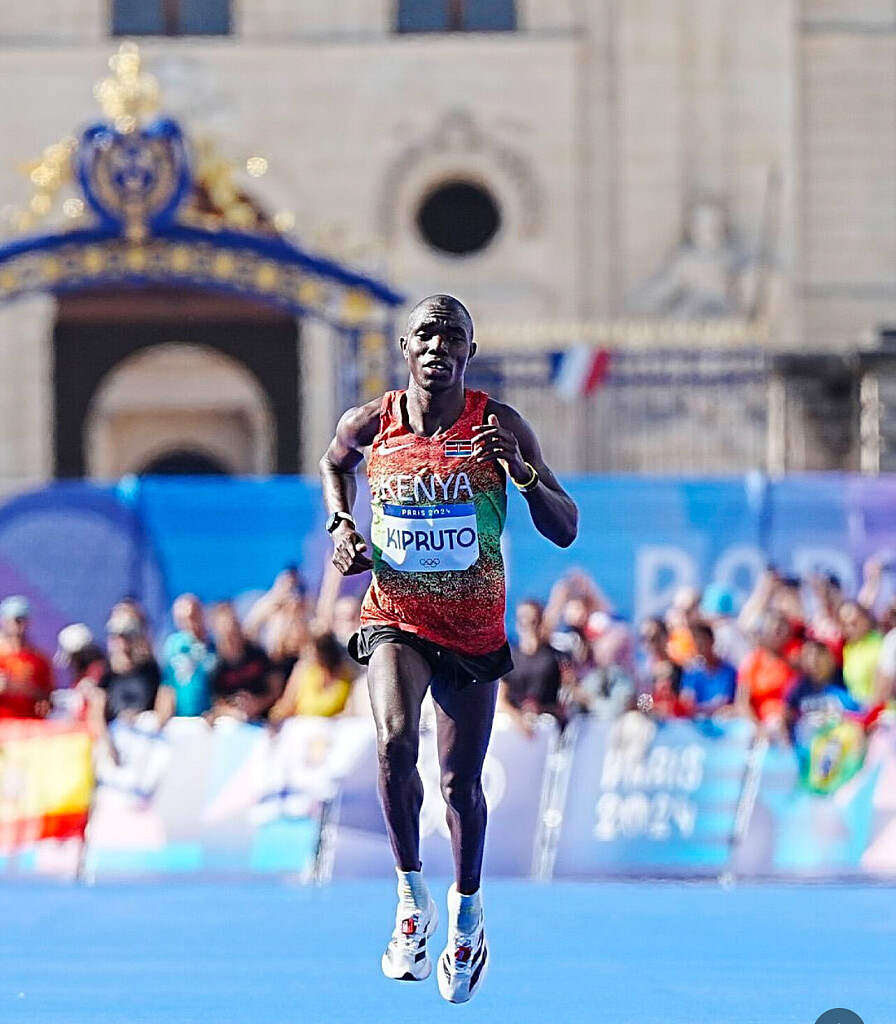
Tokyo Marathon 2025 Elite Runners Set for Epic Battle in the Streets of Japan’s Capital
The Tokyo Marathon 2025, set for Sunday, March 2, promises to be a thrilling contest as some of the world’s fastest distance runners converge on one of the flattest and fastest courses in the marathon circuit. As the opening race of the expanded Abbott World Marathon Majors series, now featuring seven races with the addition of the Sydney Marathon, Tokyo will set the tone for the global marathon season.
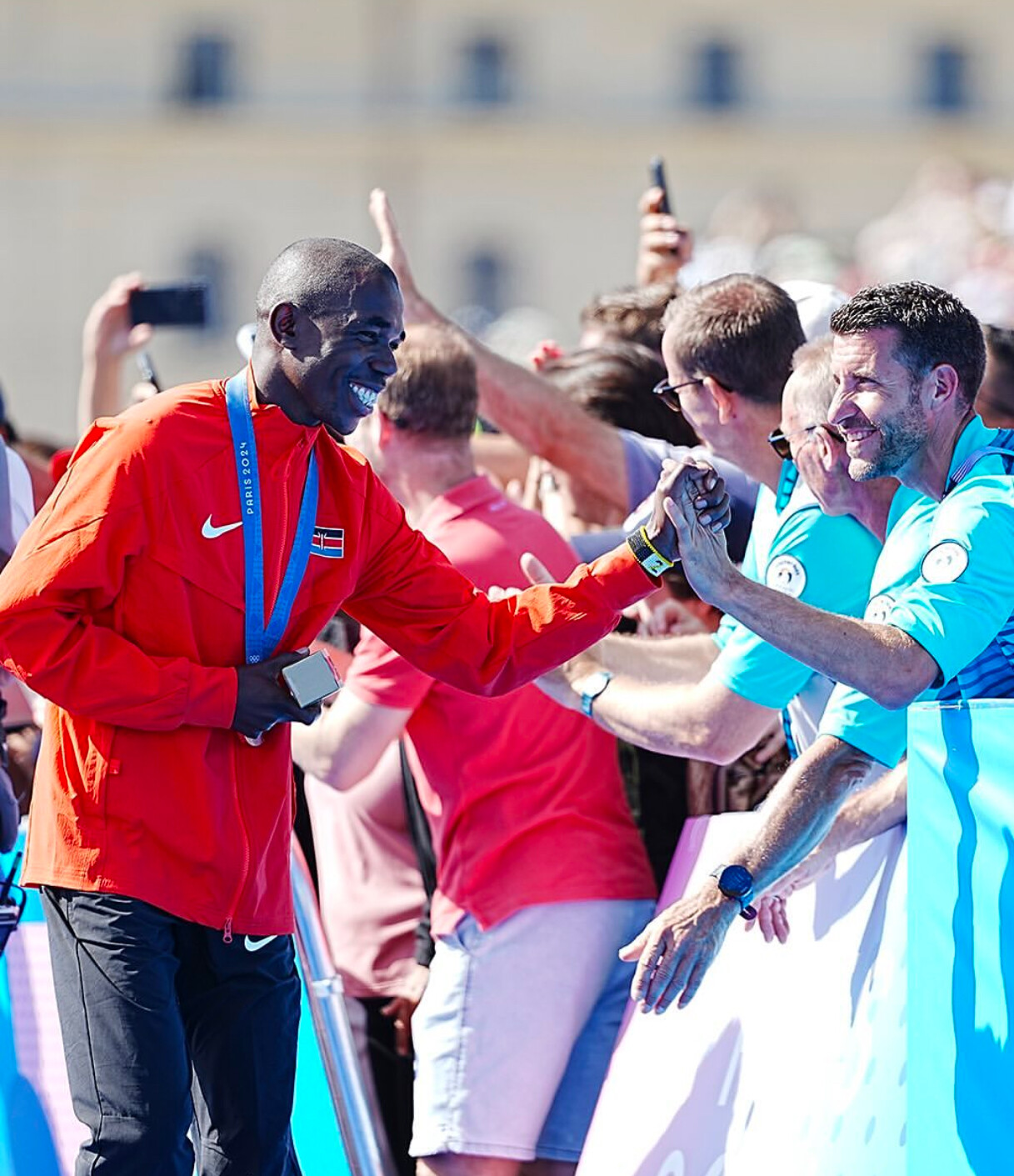
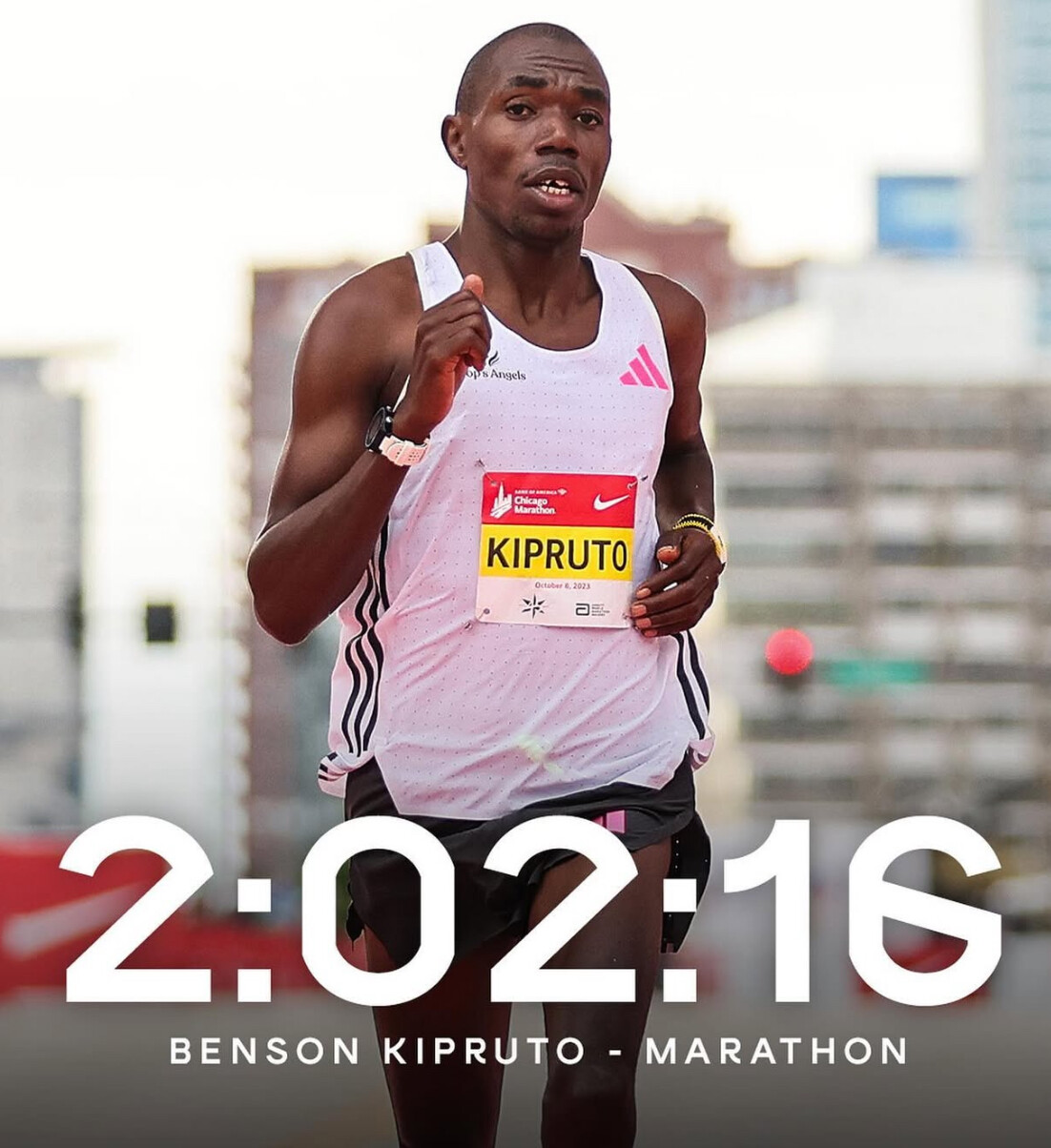
The men’s field features a star-studded lineup, headlined by Benson Kipruto of Kenya, who returns to defend his title after setting a Japanese all-comers record of 2:02:16 last year. Kipruto, known for his tactical racing style and strong finishing kick, will face fierce competition from Uganda’s Joshua Cheptegei, the world record holder in the 5000m and 10000m. Cheptegei’s marathon debut has generated significant buzz, as he transitions from dominating the track to testing his endurance over 42.195 kilometers. Ethiopia’s Deresa Geleta, who clocked an impressive 2:02:38 in Valencia last year, is another serious contender. Meanwhile, Japan’s Akira Akasaki and Yohei Ikeda, both fresh from breakthrough performances in 2024, will look to shine on home soil and challenge the international elites.
On the women’s side, Ethiopia’s Sutume Asefa Kebede returns after her dominant win in Tokyo last year, where she clocked 2:15:55—the fastest time ever run on Japanese soil. She’ll face stiff competition from Kenya’s Rosemary Wanjiru, the 2023 Tokyo Marathon champion, and Brigid Kosgei, the former world record holder and 2022 Tokyo winner. Ethiopia’s rising stars Tigist Ketema, who claimed victory in Berlin last fall, and Hawi Feysa, winner of the Frankfurt Marathon, add further intrigue to an already stacked field. Japan’s Ai Hosoda, with a personal best of 2:20:31 from Berlin, and Yuka Ando, the 2024 Nagoya Women’s Marathon champion, will be eager to make an impact in front of their home crowd.
The Tokyo Marathon course offers a scenic and historically rich route through the heart of Japan’s capital. Starting at the towering Tokyo Metropolitan Government Building in Shinjuku, runners will weave through iconic districts such as Asakusa, Ginza, and Ueno. The course includes long, flat stretches with minimal turns, creating ideal conditions for fast times. The final kilometers will lead runners past Tokyo Tower and along the Imperial Palace moat, culminating near Tokyo Station on Gyoko-dori Avenue. Known for its efficiency and vibrant atmosphere, Tokyo’s marathon route consistently attracts runners chasing personal bests and national records.

While the official prize structure for the 2025 edition has not yet been announced, historical trends suggest a total purse of around 40.3 million Japanese Yen (approximately $286,000 USD). Both the men’s and women’s champions are expected to earn 11 million Yen each (approximately $78,100 USD), with additional payouts for podium finishes and record-breaking performances. Special awards will also be presented to top finishers in the semi-elite and university-affiliated categories, ensuring a broad distribution of recognition across all competitive levels.
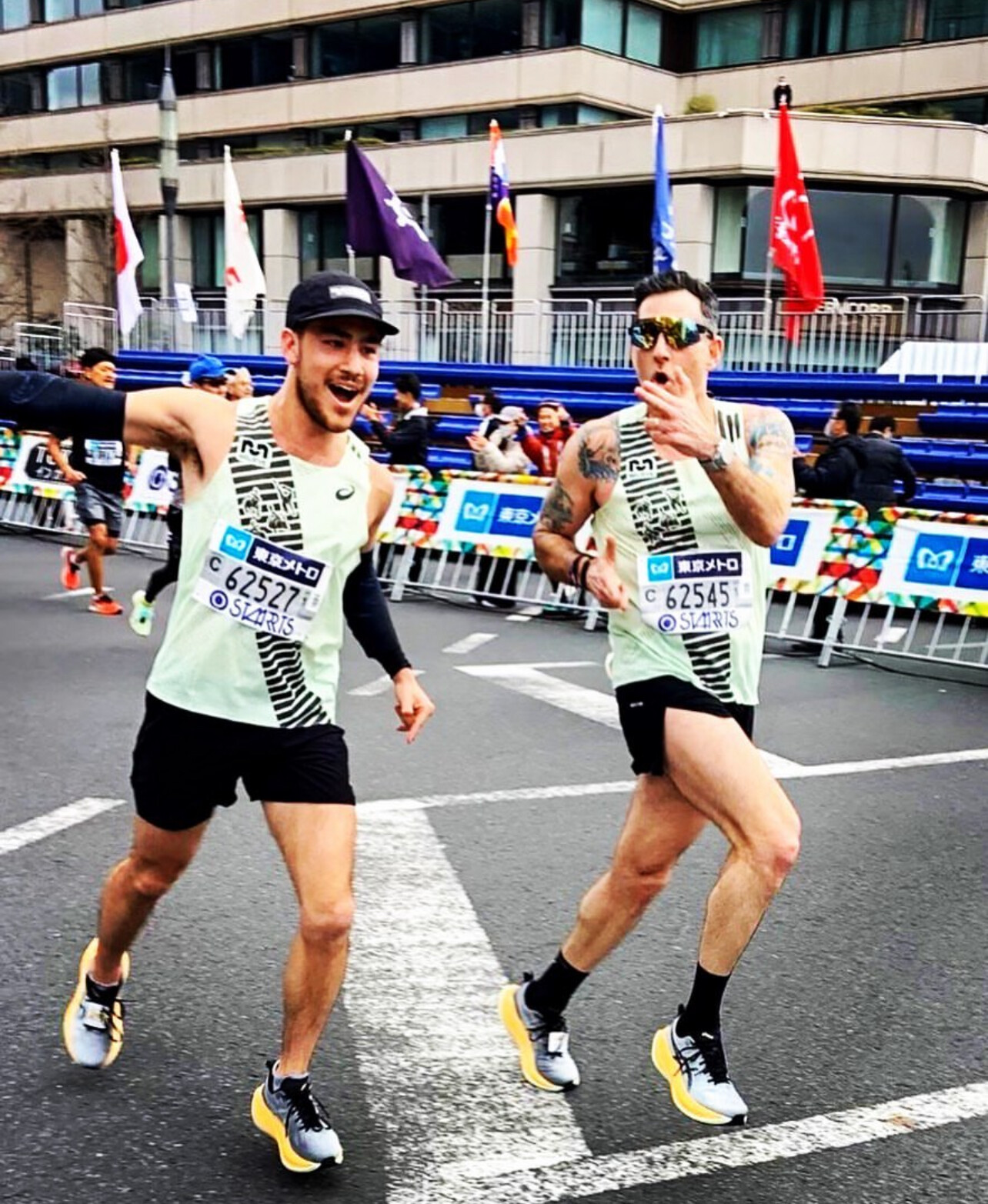
Beyond the competition itself, the Tokyo Marathon is known for its electric atmosphere and world-class organization. Thousands of volunteers and enthusiastic spectators line the streets, while the pre-race expo offers participants and visitors a chance to engage with brands, explore new running gear, and celebrate the spirit of the sport. The race also continues its commitment to sustainability and inclusivity, with initiatives aimed at reducing environmental impact and promoting running as a global community sport.

As the countdown to race day continues, all eyes will be on Tokyo to see who emerges victorious in what promises to be an unforgettable showdown of endurance, strategy, and speed. For elite runners, Tokyo offers not just a chance to claim victory but to set the tone for the year ahead in the ever-competitive world of distance running.
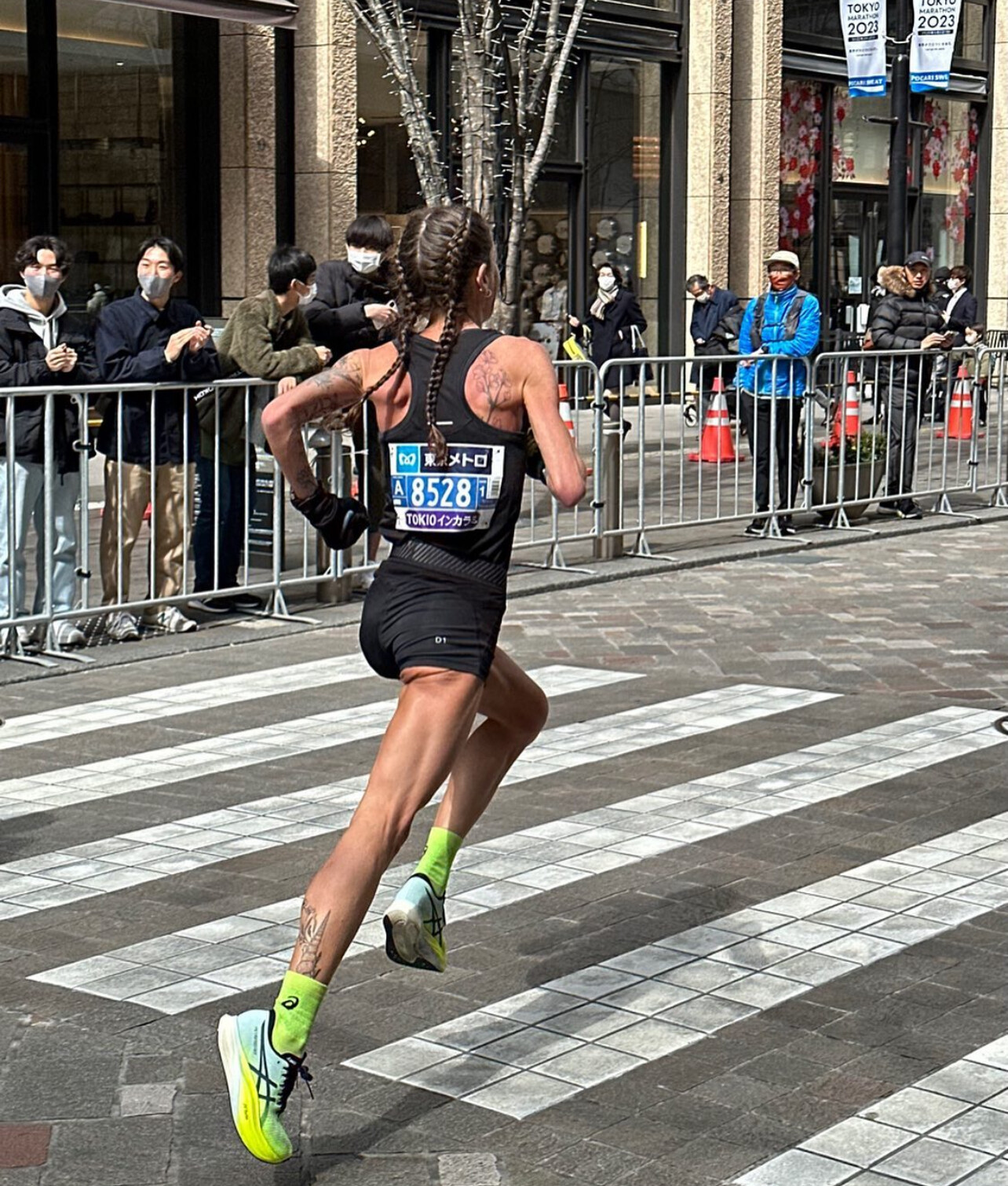
by Boris Baron
Login to leave a comment
Tokyo Marathon
The Tokyo Marathon is a world-renowned annual marathon held in Tokyo, Japan. As one of the prestigious Abbott World Marathon Majors, it attracts elite and amateur runners from around the globe. The race holds World Athletics Platinum Label status, recognizing its high competitive standards, top-tier organization, and international appeal. Sponsored by Tokyo Metro, the Tokyo Marathon has grown into one...
more...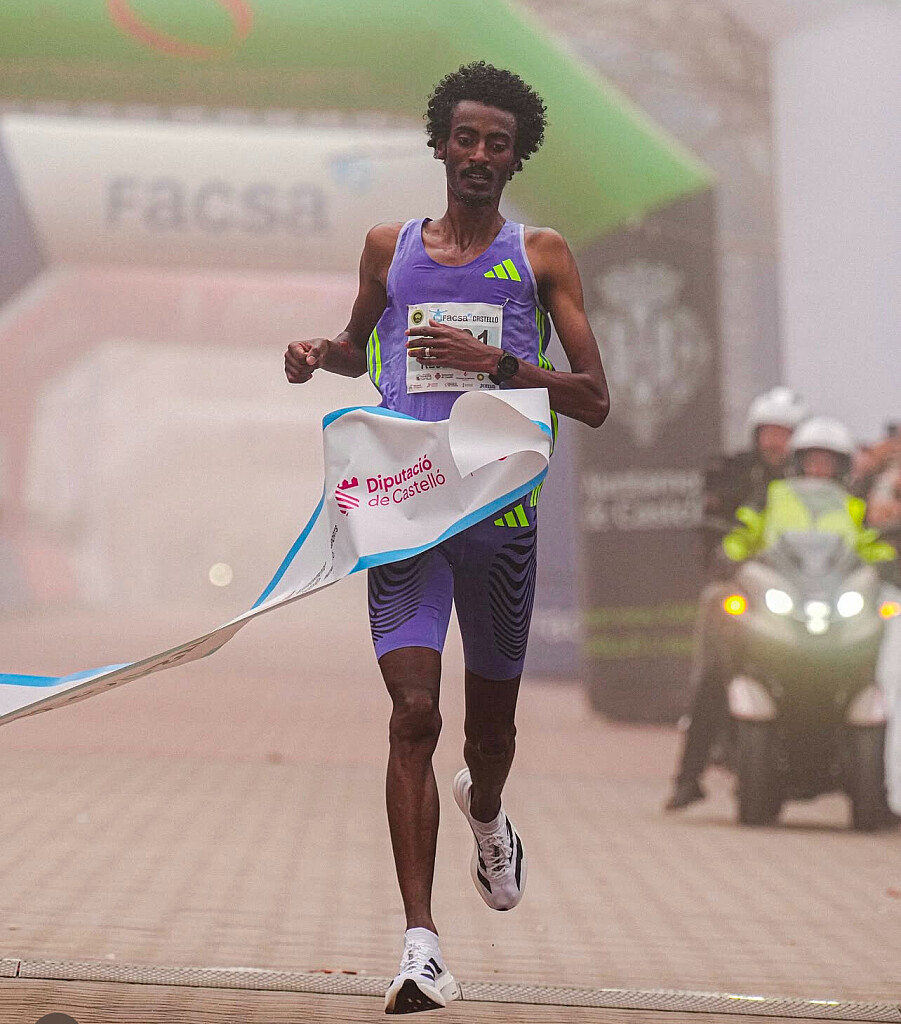
Yomif Kejelcha Runs Second Fastest 10K Ever on Road with 26:31 at Castellón
Yomif Kejelcha delivered a stunning performance at the Castellón 10K, clocking a personal best and course record time of 26:31. The Ethiopian star, known for his versatility across middle and long-distance events, continues to prove why he is one of the most formidable runners in the world today.
A Performance for the Ages
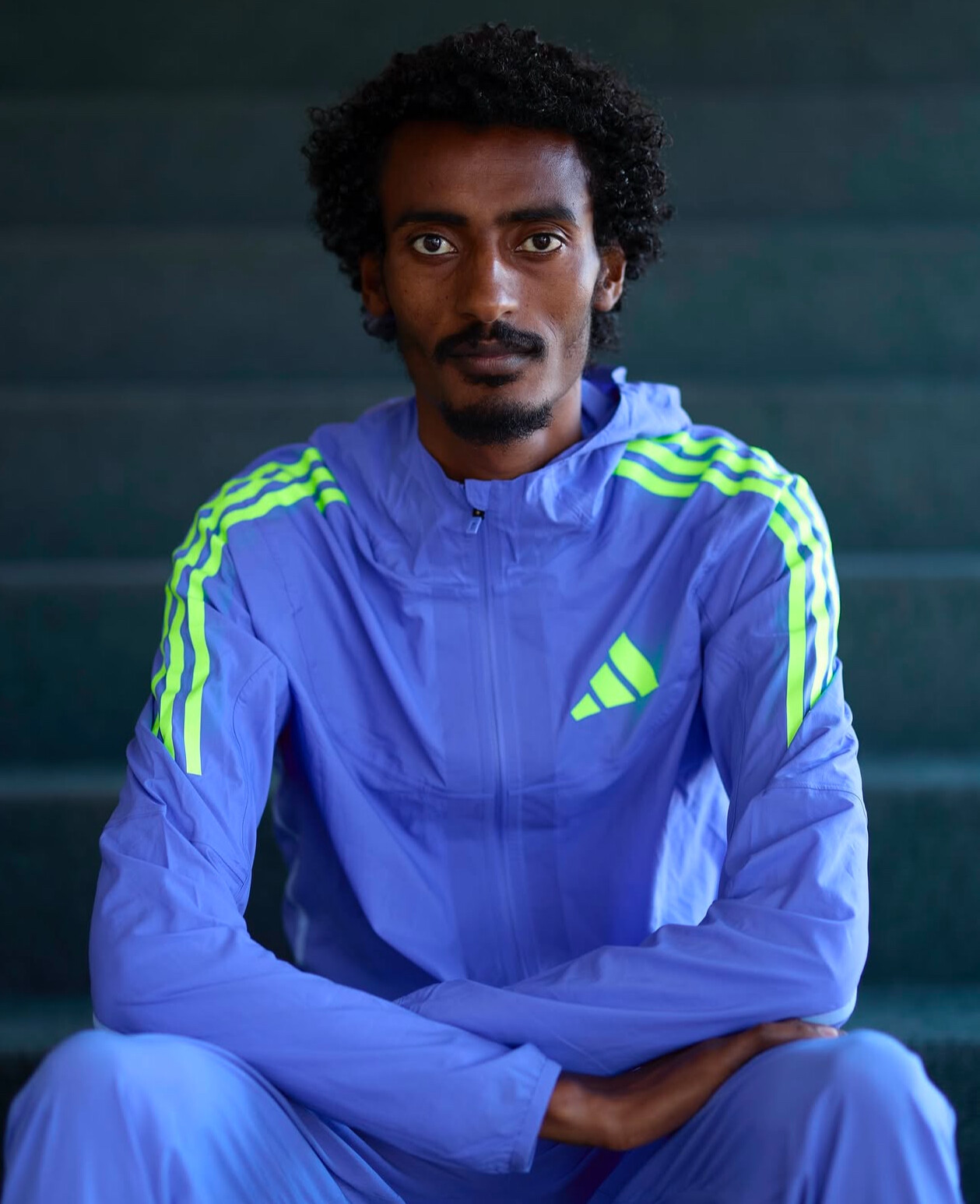
Kejelcha’s time of 26:31 is the second fastest ever recorded for 10 kilometers on the road, trailing only Rhonex Kipruto’s world record of 26:24 set in Valencia in 2020. He showcased his incredible endurance and speed, setting a blistering pace from the start and maintaining it through the streets of Castellón. His performance not only secured him the win but also solidified his place among the all-time greats in road racing.
The previous course record stood as a benchmark for elite performances, but Kejelcha demolished it with authority. His ability to transition between track and road racing at such a high level highlights his exceptional talent and training.
The Evolution of Yomif Kejelcha
Kejelcha has long been a dominant force in distance running. A two-time World Indoor Champion in the 3000m, he has also excelled on the track with a 12:46.79 personal best in the 5000m and a fo former indoor world record of 3:47.01 in the mile. His progression to longer road races has been remarkable, and this latest achievement suggests he is just getting started in rewriting records on the roads.
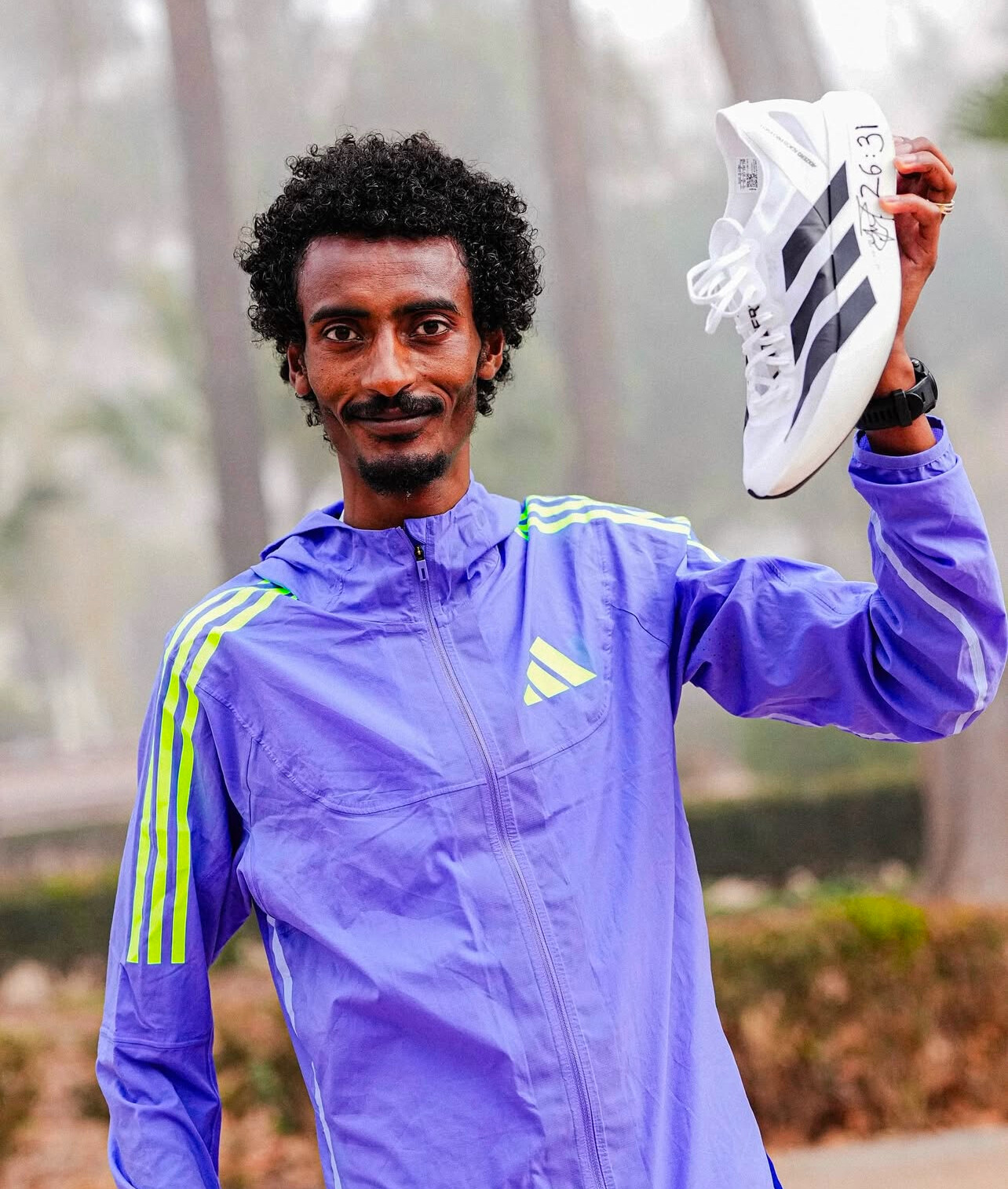
With this performance, Kejelcha joins again an elite club of sub-27-minute 10K road runners, a testament to his endurance and tactical brilliance. The road racing scene has seen unprecedented speed in recent years, with top athletes pushing the boundaries of what’s possible, and Kejelcha’s performance is yet another milestone in that progression.
What’s Next for Kejelcha?
With his new personal best, Kejelcha will undoubtedly be a contender in upcoming major road races and championship events. Whether he continues his focus on the 10K or makes an even stronger push into the half marathon and marathon distances remains to be seen, but one thing is certain—he is a runner to watch.
The Castellón 10K has witnessed history, and Yomif Kejelcha has once again shown why he is one of the premier distance runners in the world. His 26:31 finish not only sets a new course record but also raises the bar for what’s possible in road racing.
Top 10 Men's 10K Road Race Performances
As of February 2025, here are the top 10 fastest men's 10K road race times:
26:24 – Rhonex Kipruto (Kenya), Valencia, Spain, January 12, 2020
26:31 – Yomif Kejelcha (Ethiopia), Castellón, Spain, February 2025
26:33 – Berihu Aregawi (Ethiopia), Laredo, Spain, March 11, 2023
26:37 – Yomif Kejelcha (Ethiopia), Laredo, Spain, March 16, 2024
26:38 – Joshua Cheptegei (Uganda), Valencia, Spain, December 1, 2019
26:44 – Leonard Patrick Komon (Kenya), Utrecht, Netherlands, September 26, 2010
26:48 – Jacob Kiplimo (Uganda), Valencia, Spain, January 14, 2024
26:49 – Sebastian Sawe (Kenya), Herzogenaurach, Germany, April 29, 2023
26:50 – Kibiwott Kandie (Kenya), Herzogenaurach, Germany, April 30, 2022
26:51 – Nicholas Kimeli (Kenya), Brașov, Romania, September 25, 2022
Note: The above times are based on official records as of February 2025.
by Boris Baron
Login to leave a comment

10k Facsa Castello
The 10K FACSA Castelló is one of Spain’s fastest and most prestigious road races, drawing elite and amateur runners from around the world. Held in Castellón de la Plana, this race has grown exponentially, earning a reputation for its flat, high-speed course and exceptional organization. It holds a World Athletics Road Race Label, placing it among the top road races...
more...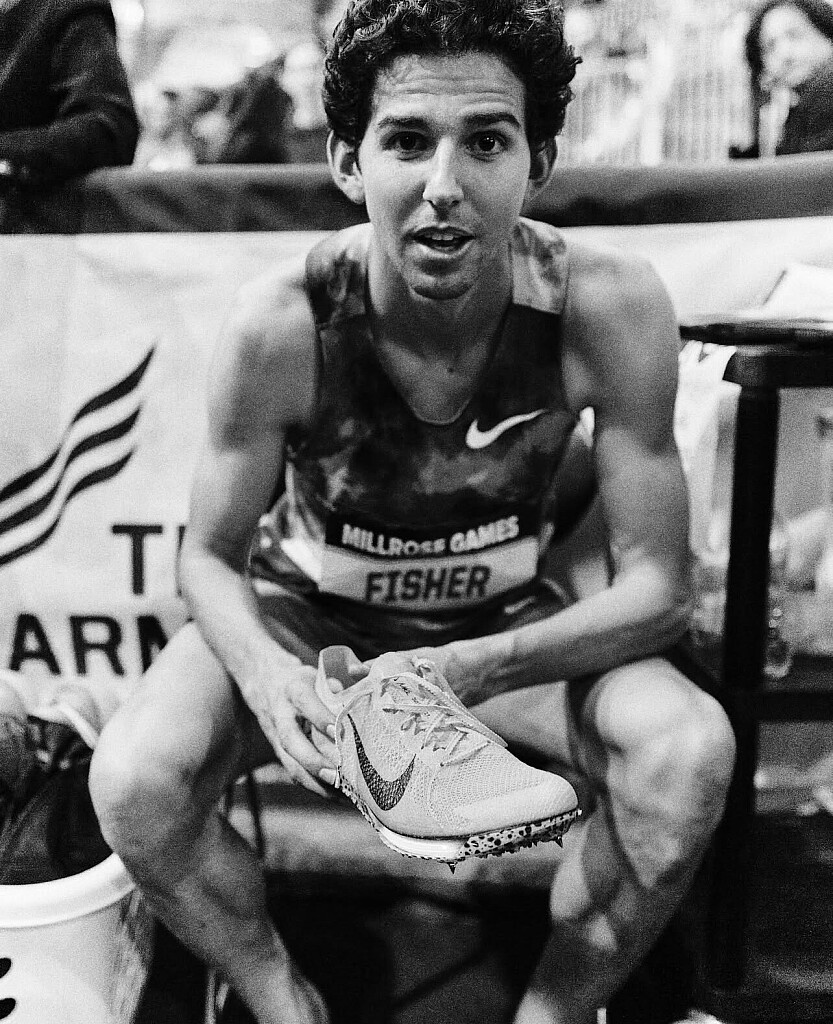
Grant Fisher: The Rise of America’s Distance Running Star and His Path to Success
Grant Fisher came within a fraction of a second of Olympic gold in the 10,000 meters at the 2024 Paris Games, narrowly missing the top spot in one of the closest finishes in the event’s history.
It had been 60 years since an American had last won the race, and sitting in the stands that day was Billy Mills, the man who pulled off that legendary upset in Tokyo in 1964. Fisher’s performance was a powerful moment that linked generations of American distance running, proving that while technology and training have evolved, the spirit of competition remains unchanged.
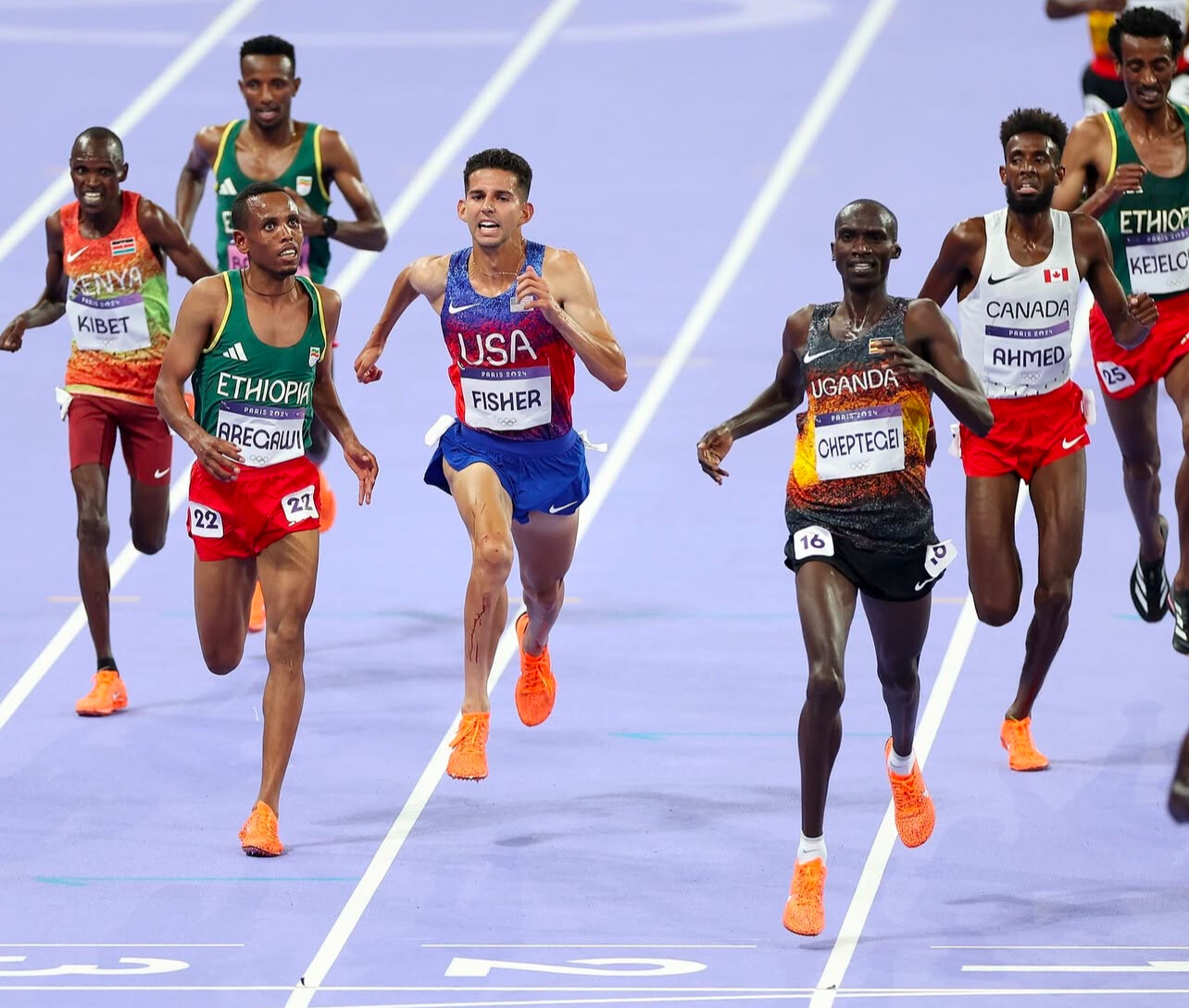
Fisher has emerged as one of the greatest distance runners in American history. He holds the world indoor record in the 3000 meters, as well as American records in the two-mile, 5000 meters, and 10,000 meters.
His performances at the 2024 Olympics—bronze medals in both the 5000 and 10,000 meters—cemented his status as a world-class athlete, making him the first American to medal in both events at the same Olympic Games.
Early Life and High School Achievements
Fisher grew up in Grand Blanc, Michigan, where he attended Grand Blanc High School. In addition to running, he was an avid soccer player and a member of the Michigan Wolves, an elite-level club team. His high school running career was marked by significant achievements, including being named Gatorade Player of the Year for cross country for the 2013–2014 and 2014–2015 seasons. On June 4, 2015, he became the seventh American high school student to run a mile under four minutes, clocking 3:59.38 at the Nike Festival of Miles.
Collegiate Success at Stanford University

Fisher attended Stanford University, where he continued to excel in both cross country and track. He was an eleven-time All-American and won the 2017 NCAA Outdoor Track and Field 5000m championship, becoming the first American underclassman to do so in 28 years.
Transition to Professional Running
After graduating from Stanford, Fisher turned professional and joined the Bowerman Track Club, training under coach Jerry Schumacher. He continued to make significant strides in his professional career, setting personal bests and national records in various events.
Training Philosophy and Coaching
In late 2023, Fisher made a pivotal change by relocating to Park City, Utah, to train under his former high school coach, Mike Scannell. This move was aimed at optimizing his training environment, taking advantage of Park City's high altitude to enhance his physiological response to training. Fisher's training regimen focuses on threshold-type sessions, hill repeats, and long runs, with an emphasis on consistency and gradual progression.
Olympic Achievements
At the 2024 Paris Olympic Games, Fisher delivered outstanding performances:
10,000 meters: Fisher secured a bronze medal with a time of 26:43.46, narrowly missing the silver in a photo finish. This achievement made him the first American to medal in the men's 10,000 meters since Galen Rupp in 2012.
5000 meters: Fisher earned his second bronze medal, finishing in 13:15.13. He executed a strong final lap, moving from ninth to third place, showcasing his tactical acumen and finishing speed.
This race was one of the most thrilling finishes in Olympic history, with Fisher just 0.32 seconds behind Uganda’s Joshua Cheptegei, who set a new Olympic record of 26:43.14. The difference between gold and bronze was razor-thin, and it took a photo finish to determine the final placements.
Recent Achievements
On February 8, 2025, at the Millrose Games, Fisher set a new world indoor record in the 3000 meters, finishing in 7:22.91. This performance underscored his position as one of the premier distance runners globally.
Personal Bests
Grant Fisher's progression in the sport is highlighted by his impressive personal records across various distances:
1500 meters: 3:34.90 (June 9, 2024, New York, New York)
3000 meters: 7:22.91 (February 8, 2025, New York, New York) – World Indoor Record
Two-mile: 8:03.62 (February 11, 2024, New York, New York) – American Record
5000 meters: 12:46.96 (September 2, 2022, Brussels, Belgium) – North American Record
10,000 meters: 26:33.84 (March 6, 2022, San Juan Capistrano, California) – North American Record
These personal bests not only demonstrate Fisher's versatility across distances but also his continuous improvement and commitment to excellence.
Grant Fisher's journey from a high school prodigy to a world-class athlete is a testament to his dedication, strategic training choices, and adaptability. His performance in the 2024 Olympic 10,000 meters was one of the greatest ever by an American, coming within a fraction of a second of gold.
While modern advancements in track surfaces, shoes, and training have contributed to faster times, Fisher’s near-victory proved that at its core, elite distance running is still about tactical intelligence, mental strength, and raw determination—the same qualities that helped Mills secure his iconic gold in 1964.
by Boris Baron
Login to leave a comment
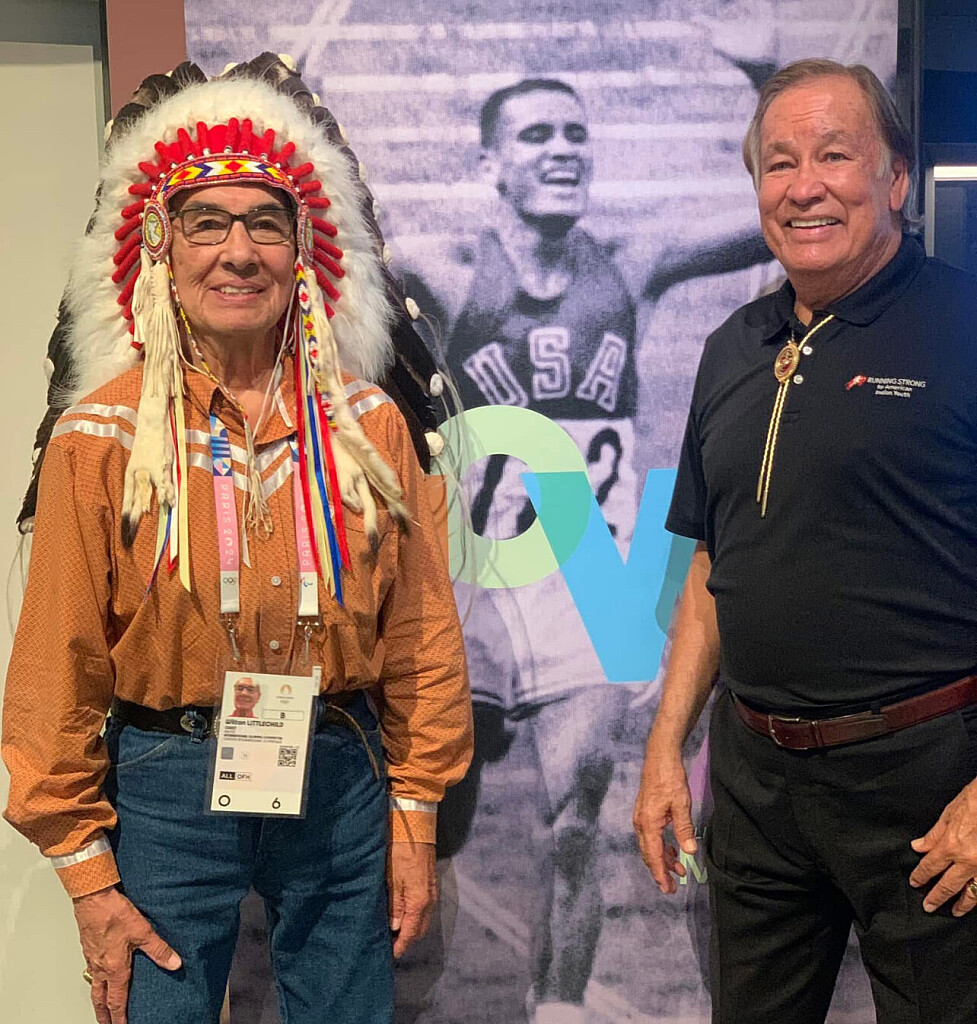
How Much Have Tracks and Shoes Improved 10,000m Times? A Look at Billy Mills’ 1964 Olympic Gold Compared to Today
When Billy Mills won the 10,000 meters at the 1964 Tokyo Olympics, he shocked the world. A relative unknown at the international level, Mills surged past world record holder Ron Clarke in the final stretch to win gold in 28:24.4, setting an Olympic record. It remains one of the most famous upsets in Olympic history.
At the 2024 Paris Olympics, Billy Mills sat in the stands, watching intently as the men's 10,000-meter final unfolded. Sixty years after his historic victory in Tokyo, he witnessed another American, Grant Fisher, battling for the podium.
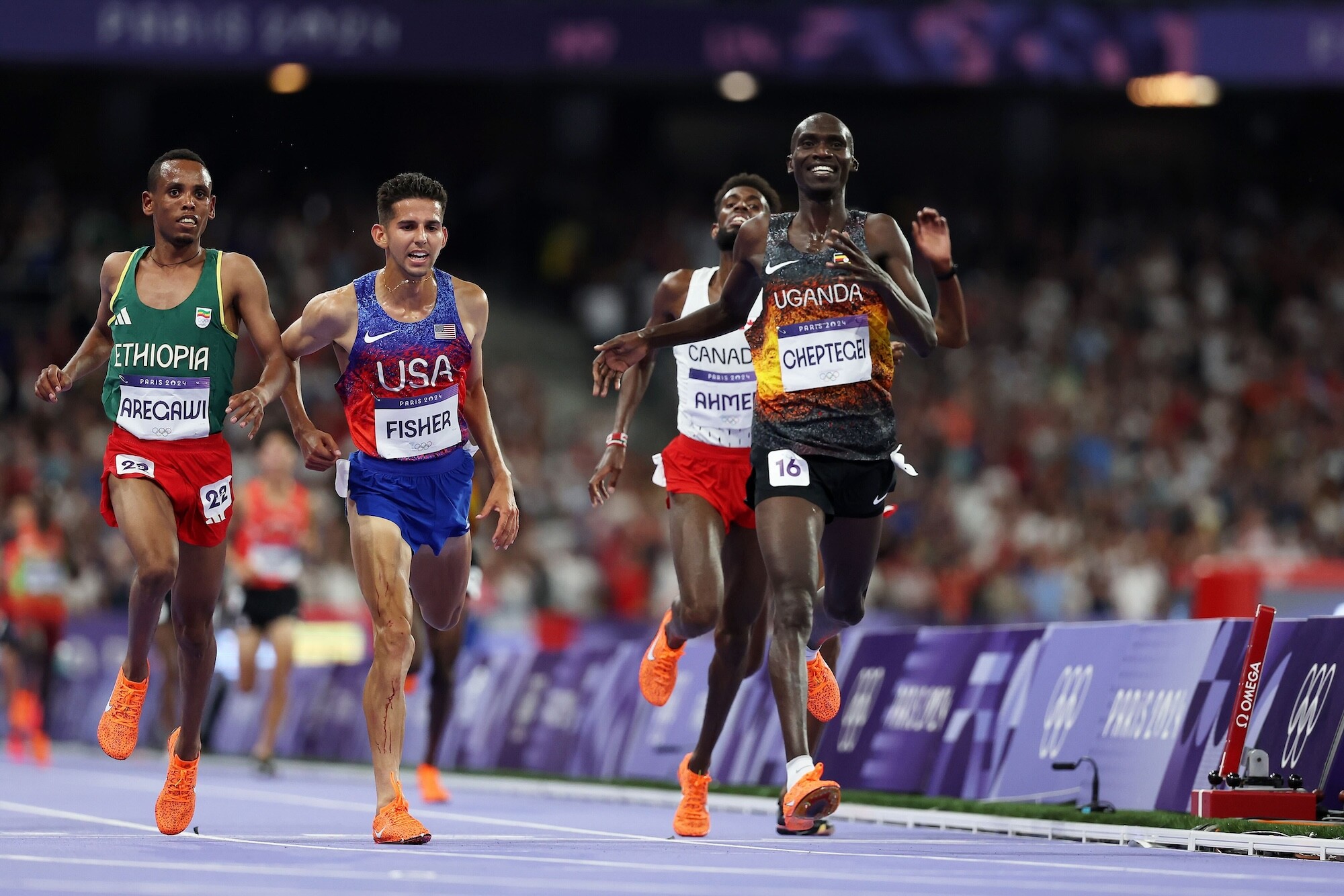
With two laps to go, Fisher was perfectly positioned, matching strides with the East African elites, his long, efficient stride reminiscent of Mills' own finishing kick in 1964.
As the bell rang for the final lap, Fisher surged, momentarily moving into second. Mills, now 86, leaned forward, sensing history. But in the last 100 meters, Fisher was edged out, securing bronze. Mills smiled, knowing how close greatness had come again. Fisher clocked 26:43.46, just one third of a second behind the gold medal winner.
Mills had ran his time on a cinder track, wearing "basic running shoes"—conditions that would be considered primitive compared to today’s high-tech track surfaces and carbon-plated racing shoes. Given all the advancements in running technology, how much faster could Billy Mills have run on a modern track with today’s footwear? And how much have these innovations contributed to the faster times we see today?
The Difference Between Cinder and Synthetic Tracks
One of the biggest changes in distance running over the last six decades has been the transition from cinder tracks to synthetic surfaces. Cinder tracks, composed of crushed brick, coal, or ash, provided uneven footing, absorbed energy from each step, and became soft and unpredictable when wet. Athletes often wore spikes with long, heavy pins to grip the loose surface.
By contrast, modern synthetic tracks, introduced in the late 1960s, offer a firm, springy surface that returns more energy to the runner with each stride. Research suggests that switching from a cinder track to a synthetic track can improve distance-running performance by about 1-2 percent.
For a 10,000-meter race, a 1-2 percent time reduction equates to about 17 to 34 seconds. This means that if Billy Mills had run his race on a modern track, his time could have been anywhere between 27:50 and 28:07 just from the track surface alone.
The Impact of Modern Running Shoes
The second major advancement in distance running has been the development of carbon-plated racing shoes with high-energy-return foams. The latest models, introduced after 2016, are designed to reduce energy loss with each step, making it easier for runners to maintain their pace over long distances. Studies suggest these shoes provide 2-4 percent energy savings, which translates to a 30-60 second improvement over 10,000 meters.
Adding this to the estimated track advantage, Mills’ performance could have been further improved, bringing his potential time down to around 26:50 to 27:30.
Comparing Billy Mills’ Performance to Modern Champions
The current Olympic record for the 10,000 meters was set by Uganda’s Joshua Cheptegei at the 2024 Paris Olympics with a time of 26:43.14. That’s 1 minute and 41 seconds faster than Mills' winning time.
However, when we factor in advancements in track surfaces and footwear, the estimated modern equivalent of Mills’ race suggests he could have run within a minute of today’s best, making him far more competitive by modern standards than his official time suggests.
Other Factors That Have Led to Faster 10,000m Times
While tracks and shoes play a significant role in faster performances, several other factors have contributed to the improvement in 10,000-meter times over the decades:
More specialized training. Today’s distance runners have more scientifically tailored training programs, including altitude training, precise recovery strategies, and improved strength training techniques.
Better pacing and race strategy. Modern races are often assisted by pacemakers who set a steady, fast pace, helping runners conserve energy and stay consistent. In contrast, Mills’ race was a classic tactical battle with surges and slow-downs.
Nutritional and recovery advances. Today’s runners have access to optimized hydration, fueling, and recovery methods that allow them to train harder and more efficiently.
Billy Mills’ Performance in Context
Billy Mills’ gold medal run remains one of the most inspiring performances in Olympic history, not just because of the time he ran, but because of the way he won. His dramatic sprint finish against heavily favored competitors on a slower, less predictable surface showcased his incredible talent, toughness, and racing instincts.
Had he raced under today’s conditions with modern advantages, Mills likely would have been among the best in the world by today’s standards. His story is a reminder that while technology has helped athletes run faster, the heart and determination behind great performances remain unchanged.
The next time you watch an Olympic 10,000-meter race, consider just how much conditions have changed since 1964—and how incredible it was for Billy Mills to win on that cinder track with the tools available at the time. His legacy stands as a testament to the pure competitive spirit of running.
by Boris Baron
Login to leave a comment
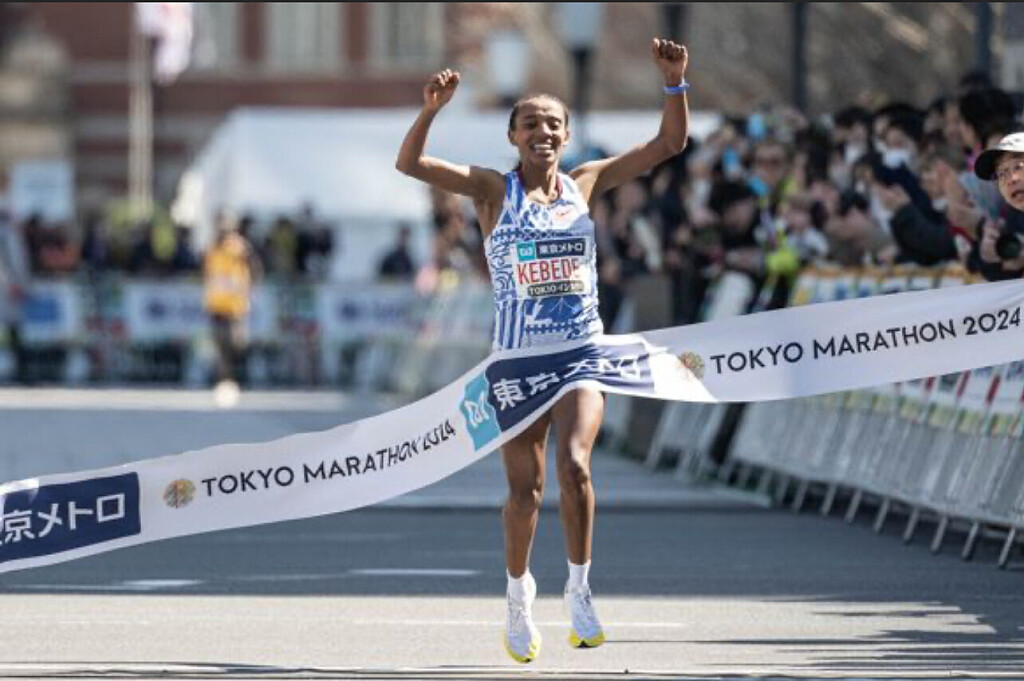
Kebede, Kipruto, Kosgei and Cheptegei announced for Tokyo Marathon
Sutume Kebede and Benson Kipruto will defend their titles when they form part of strong fields announced for the Tokyo Marathon – a World Athletics Platinum Label road race – on 2 March.
Ethiopia’s Kebede, who set a Japanese all-comers' record of 2:15:55 when winning in Tokyo last year, is set to be joined by five other women to have dipped under 2:18 in a field that features a total of 11 sub-2:20 runners.
Two of them are also formers winners, with Brigid Kosgei and Rosemary Wanjiru returning after their respective victories in 2022 and 2023.
Kenya’s former world record-holder Kosgei is the fastest in the field with her PB of 2:14:04 set in Chicago in 2019, while her compatriot Wanjiru ran 2:16:14 when finishing runner-up to Kebede in Tokyo last year.
Among those joining them are Ethiopia’s Tigist Ketema, who ran 2:16:07 on her debut in Dubai just over a year ago, and multiple global gold medallist Tirunesh Dibaba.
Their compatriots Hawi Feysa, who won in Frankfurt in October in 2:17:25, 2022 world champion Gotytom Gebreslase and 2021 London Marathon runner-up Degitu Azimeraw have also been announced, along with Japan’s Ai Hosoda and Yuka Ando.
Kenya’s Kipruto, who also set a Japanese all-comers' record when winning in Tokyo last year in 2:02:16, will be joined in the men’s race by Uganda’s Joshua Cheptegei, the world 5000m and 10,000m record-holder who returns to the roads to contest his second marathon after his 2:08:59 debut in Valencia in 2023.
The field features six sub-2:04 athletes, with Kipruto joined by Ethiopia’s Deresa Geleta, the Olympic fifth-place finisher and Valencia Marathon runner-up who has a best of 2:02:38, plus two-time Tokyo Marathon winner Birhanu Legese, Tadese Takele and Dawit Wolde, as well as Kenya’s Vincent Kipkemoi Ngetich, who was third last year.
The line-up also includes Ethiopia’s world bronze medallist Leul Gebresilase, Uganda’s Stephen Kissa, Japan’s Yohei Ikeda and Akira Akasaki, and Kenya’s Benard Koech, who makes his marathon debut.
Elite fields
WomenBrigid Kosgei (KEN) 2:14:04Sutume Kebede (ETH) 2:15:55Tigist Ketema (ETH) 2:16:07Rosemary Wanjiru (KEN) 2:16:14Hawi Feysa (ETH) 2:17:25Tirunesh Dibaba (ETH) 2:17:56Degitu Azimeraw (ETH) 2:17:58Gotytom Gebreslase (ETH) 2:18:11Winfridah Moraa Moseti (KEN) 2:18:25Mestawut Fikir (ETH) 2:18:48Magdalyne Masai (KEN) 2:18:58Ai Hosoda (JPN) 2:20:31Desi Jisa Mokonin (BRN) 2:20:47Yuka Ando (JPN) 2:21:18Jessica Stenson (AUS) 2:24:01Zhang Deshun (CHN) 2:24:05Rie Kawauchi (JPN) 2:25:35Kaori Morita (JPN) 2:26:31Khishigsaikhan Galbadrakh (MGL) 2:26:32Shiho Kaneshige (JPN) 2:28:51
MenBenson Kipruto (KEN) 2:02:16Deresa Geleta (ETH) 2:02:38Birhanu Legese (ETH) 2:02:48Vincent Kipkemoi Ngetich (KEN) 2:03:13Tadese Takele (ETH) 2:03:24Dawit Wolde (ETH) 2:03:48Leul Gebresilase (ETH) 2:04:02Stephen Kissa (UGA) 2:04:48Tsegaye Getachew (ETH) 2:04:49Amedework Walelegn (ETH) 2:04:50Titus Kipruto (KEN) 2:04:54Yohei Ikeda (JPN) 2:05:12Suguru Osako (JPN) 2:05:29Mulugeta Asefa Uma (ETH) 2:05:33Ichitaka Yamashita (JPN) 2:05:51Kenya Sonota (JPN) 2:05:59Hiroto Inoue (JPN) 2:06:47He Jie (CHN) 2:06:57Vincent Raimoi (KEN) 2:07:01Hendrik Pfeiffer (GER) 2:07:14Akira Akasaki (JPN) 2:07:32Suldan Hassan (SWE) 2:07:36Joshua Cheptegei (UGA) 2:08:59Benard Koech (KEN) debutGeoffrey Toroitich (KEN) debut
Login to leave a comment
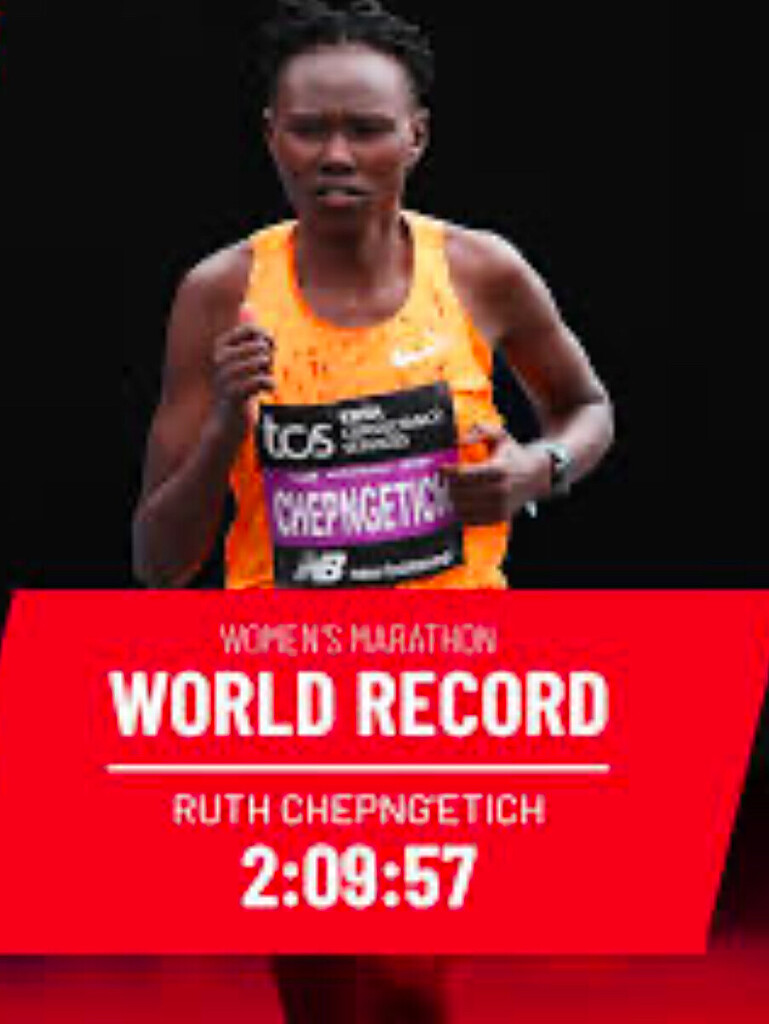
The Distance Running Scene in 2024: A Year of Remarkable Achievements
The global distance running scene in 2024 was marked by incredible performances, new records, and innovative approaches to training and competition. From marathons in bustling city streets to ultramarathons through rugged terrains, the year showcased the resilience, determination, and evolution of athletes from all corners of the globe.
The World Marathon Majors—Tokyo, Boston, London, Berlin, Chicago, and New York—continued to be the centerpiece of elite distance running, each event contributing to a year of unprecedented performances and milestones.
Tokyo Marathon witnessed a remarkable performance by Kenya's Ruth Chepngetich, who set a new women's marathon world record with a time of 2:11:24. This achievement sparked discussions about the rapid advancements in women's long-distance running and the influence of technology in the sport.
In the Boston Marathon, Ethiopia's Amane Beriso delivered a dominant performance, winning in 2:18:01. On the men's side, Kenya's Evans Chebet defended his title, highlighting Boston's reputation for tactical racing over sheer speed.
London Marathon saw Ethiopia's Tamirat Tola take the men's crown, besting the field with a strong tactical race. Eliud Kipchoge, despite high expectations, did not claim victory, signaling the growing competitiveness at the top of men’s marathoning. On the women's side, Kenya's Peres Jepchirchir triumphed, adding another major victory to her impressive resume.
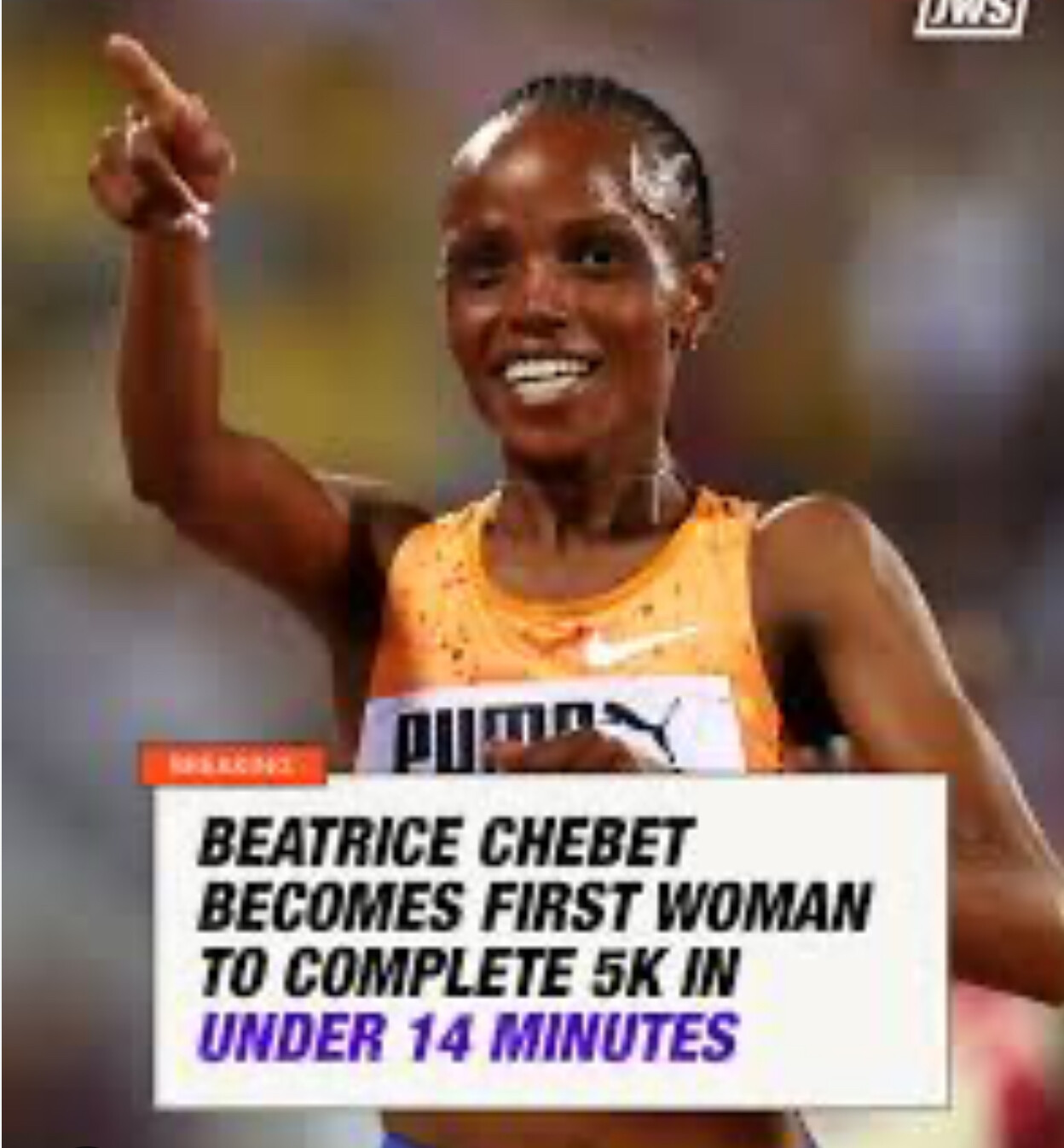
The Berlin Marathon in 2024 showcased yet another extraordinary performance on its fast course, though it was Kelvin Kiptum’s world record from the 2023 Chicago Marathon (2:00:35) that remained untouched. In 2024, Berlin hosted strong fields but no records, leaving Kiptum’s achievement as the defining benchmark for men’s marathoning.
The Chicago Marathon was the highlight of the year, where Kenya's Ruth Chepngetich made history by becoming the first woman to run a marathon in under 2:10. She shattered the previous world record by nearly two minutes, finishing in 2:09:56. This groundbreaking achievement redefined the possibilities in women's distance running and underscored the remarkable progress in 2024.
The New York City Marathon showcased the depth of talent in American distance running, with emerging athletes achieving podium finishes and signaling a resurgence on the global stage.
Each marathon in 2024 was marked by extraordinary performances, with athletes pushing the boundaries of human endurance and setting new benchmarks in the sport.
Olympic Preparations: Paris 2024 Looms Large
With the 2024 Summer Olympics in Paris just around the corner, many athletes used the year to fine-tune their preparations. Qualifying events across the globe witnessed fierce competition as runners vied for spots on their national teams.
Countries like Kenya, Ethiopia, Japan, and the United States showcased their depth, with surprising performances by athletes who emerged as dark horses. Japan’s marathon team, bolstered by its rigorous national selection process, entered the Olympic year as a force to be reckoned with, particularly in the men's race.
Ultramarathons: The Rise of the 100-Mile Phenomenon
The ultramarathon scene continued to grow in popularity, with races like the Western States 100, UTMB (Ultra-Trail du Mont-Blanc), and Leadville 100 drawing record participation and attention.
Courtney Dauwalter, already a legend in the sport, extended her dominance with wins at both UTMB and the Western States 100, solidifying her reputation as the GOAT (Greatest of All Time) in ultrarunning.
On the men’s side, Spain’s Kilian Jornet returned to form after an injury-plagued 2023, capturing his fifth UTMB title. His performance was a masterclass in pacing and strategy, showcasing why he remains a fan favorite.
Notably, ultramarathons saw increased participation from younger runners and athletes transitioning from shorter distances. This shift signaled a growing interest in endurance challenges beyond the marathon.
Track and Road Records: Pushing the Limits
The year 2024 witnessed groundbreaking performances on both track and road, with athletes shattering previous records and setting new benchmarks in distance running.
Beatrice Chebet's Dominance: Kenya's Beatrice Chebet had an exceptional year, marked by multiple world records and championship titles.
10,000m World Record: In May, at the Prefontaine Classic, Chebet broke the women's 10,000m world record, becoming the first woman to run the distance in under 29 minutes, finishing in 28:54.14.
Olympic Triumphs: At the Paris Olympics, Chebet secured gold in both the 5,000m and 10,000m events, showcasing her versatility and dominance across distances.
5km World Record: Capping off her stellar year, on December 31, 2024, Chebet set a new women's 5km world record at the Cursa dels Nassos race in Barcelona, finishing in 13:54. This achievement made her the first woman to complete the 5km distance in under 14 minutes, breaking her previous record by 19 seconds.
Faith Kipyegon's Excellence: Kenya's Faith Kipyegon continued her dominance in middle-distance running by breaking the world records in the 1500m and mile events, further cementing her legacy as one of the greatest athletes in history.
Joshua Cheptegei's 10,000m World Record: Uganda's Joshua Cheptegei reclaimed the men's 10,000m world record with a blistering time of 26:09.32, a testament to his relentless pursuit of excellence.
Half Marathon Records: The half marathon saw an explosion of fast times, with Ethiopia’s Yomif Kejelchabreaking the men's world record, running 57:29 in Valencia. The women's record also fell, with Kenya’s Letesenbet Gidey clocking 1:02:35 in Copenhagen.
These achievements highlight the relentless pursuit of excellence by distance runners worldwide, continually pushing the boundaries of human performance.
The Role of Technology and Science
The impact of technology and sports science on distance running cannot be overstated in 2024. Advances in carbon-plated shoes, fueling strategies, and recovery protocols have continued to push the boundaries of human performance.
The debate over the fairness of super shoes reached new heights, with critics arguing that they provide an unfair advantage. However, proponents emphasized that such innovations are part of the natural evolution of sports equipment.
Data analytics and personalized training plans became the norm for elite runners. Wearable technology, including advanced GPS watches and heart rate monitors, allowed athletes and coaches to fine-tune training like never before.
Grassroots Running and Mass Participation
While elite performances stole the headlines, 2024 was also a banner year for grassroots running and mass participation events. After years of pandemic disruptions, global races saw record numbers of recreational runners.
Events like the Great North Run in the UK and the Marine Corps Marathon in the U.S. celebrated inclusivity, with participants from diverse backgrounds and abilities.
The popularity of running as a mental health outlet and community-building activity grew. Initiatives like parkrunand local running clubs played a pivotal role in introducing more people to the sport.
Diversity and Representation
Diversity and representation became central themes in distance running in 2024. Efforts to make the sport more inclusive saw tangible results:
More women and runners from underrepresented communities participated in major events. Notably, the Abbott World Marathon Majors launched a program to support female marathoners from emerging nations.
Trail and ultrarunning communities embraced initiatives to make races more accessible to runners from diverse cultural and economic backgrounds.
Challenges and Controversies
Despite the many successes, 2024 was not without its challenges:
Doping Scandals: A few high-profile doping cases marred the sport, reigniting calls for stricter testing protocols and greater transparency.
Climate Change: Extreme weather conditions impacted several races, including the Boston Marathon, which experienced unusually warm temperatures. Organizers are increasingly focusing on sustainability and adapting to climate-related challenges.
Looking Ahead to 2025
As the year closes, the focus shifts to 2025, which promises to build on the momentum of 2024. Key storylines include:
The quest for a sub-2-hour marathon in a record-eligible race, with Kelvin Kiptum and Eliud Kipchoge at the forefront.
The continued growth of ultrarunning, with new records likely to fall as more athletes take up the challenge.
The evolution of distance running as a global sport, with greater inclusivity and innovation shaping its future.
Conclusion
The distance running scene in 2024 was a celebration of human potential, resilience, and the unyielding pursuit of greatness. From record-breaking marathons to grueling ultramarathons, the year reminded us of the universal appeal of running. As the sport evolves, it continues to inspire millions worldwide, proving that the spirit of running transcends borders, ages, and abilities.
by Boris
Login to leave a comment
Chebet and Aregawi poised to strike in Seville
The Cross Internacional de Itálica in Santiponce on the outskirts of the Spanish city of Seville – the fifth Gold standard meeting in the current World Athletics Cross Country Tour – always boasts a quality line-up, and this year’s race on Sunday (17) features the most prominent line-up so far this season.
Entries for the women’s race, contested over 7.5km, are headed by Kenya’s two-time world cross-country champion and double Olympic gold medalist Beatrice Chebet. The 24-year-old has enjoyed a superb season, topped by her 5000m and 10,000m titles at the Paris Olympics, three months after becoming the first woman to dip under the 29-minute barrier for the latter distance thanks to a 28:54.14 clocking in Eugene on 25 May.
Chebet, who is also the reigning world champion and world record holder for the road 5km, will be making her third appearance here following her runner-up spot in 2020 and her third place in 2021. It will be her first race since her 14:09.82 5000m victory at the Diamond League Final in Brussels.
She will start as the overwhelming favourite for the victory, though she’ll face quality opposition in the form of compatriot Mercy Chepkemoi and Kazakhstan’s Daisy Jepkemei. The latter finished seventh at this year’s World Cross Country Championships in Belgrade, and more recently she captured a commanding win in Atapuerca last month.
Chepkemoi is fresh from a fine win in Cardiff last Saturday. She placed fourth over 5000m at the World U20 Championships in Lima in August, finishing just behind bronze medalist Charity Cherop of Uganda, who will also be racing in Santiponce this weekend.
The line-up also comprises Diana and Sharon Chepkemoi, who finished third and seventh respectively in the steeplechase in Lima. Both also competed in Soria last Sunday where they finished third (Diana) and fourth (Sharon).
Meanwhile, France’s Alice Finot, who set a European record of 8:58.67 when finishing fourth in the steeplechase at the Paris Olympics, will be contesting just her second cross-country race in the past seven years.
Portugal’s Mariana Machado recently finished sixth in Atapuerca, sandwiched between Spanish cross-country champion Carolina Robles and Olympic 1500m finalist Agueda Marques who finished fourth and seventh respectively there, closely followed by Maria Forero, the 2022 European U20 cross-country champion. All of them will renew their rivalry this weekend.
European 5000m bronze medalist Marta García, meanwhile, will be making her only cross-country outing of the winter before focusing on the indoor season.
The men’s race has been reduced to 7.5km which plays into the hands of the middle-distance specialists. But that shouldn’t be a problem for Olympic 10,000m silver medalist Berihu Aregawi, as the Ethiopian is also the third-fastest man in history over 3000m.
The 23-year-old opened the year in style by retaining his silver medal at the World Cross Country Championships in Belgrade before setting a 10,000m PB of 26:31.13 in Nerja. Following his Olympic silver in Paris, he clocked an Ethiopian record of 7:21.28 for 3000m and won the 5000m at the Diamond League Final in Brussels.
Sunday’s race will be Aregawi’s first cross-country outing this season, but fellow Etiopians Ayele Tadesse and Wegene Addisu have already made a mark on the tour, finishing second and fourth respectively in Soria last weekend.
Yet Aregawi’s fiercest opposition should come from Burundi’s Rodrigue Kwizera and Spain’s Thierry Ndikumwenayo. Kwizera is still unbeaten this cross-country season, having won in Amorebieta, Atapuerca and Soria. He has successively finished first, second and third on his appearances in Seville over the past three years.
Meanwhile, his training partner Ndikumwenayo – winner in Seville in 2022 – is the European 10,000m bronze medallist and lowered his 10,000m PB to 26:49.49 for ninth place at the Paris Olympics. Ndikumwenayo will travel to Seville from his altitude stint in Sierra Nevada where he’s building up for the European Cross Country Championchips in Antalya on 8 December.
Watch out too for Uruguay’s Santiago Catrofe. He boasts PBs of 7:37:15 for 3000m and 13:05.95 for 5000m and was a surprise winner in San Sebastian two weeks ago when he kicked away from Uganda’s Martin Kiprotich, who’ll also be in contention on Sunday.
Kiprotich will be joined by his compatriots Kenneth Kiprop, Dan Kibet and Hosea Kiplangat. The former is the world U20 5000m bronze medallist and triumphed in Cardiff where Kibet had to settle for third.
The Spanish charge will be led by European indoor 3000m silver medallist Adel Mechaal, US-based Aarón Las Heras, national 10km record-holder Abdessadam Oukhelfen, and the always consistent Nassim Hassaous.
Past winners in Seville include Fernando Mamede (1984 and 1985), Paul Tergat (1998 and 1999), Paula Radcliffe (2001), Kenenisa Bekele (2003, 2004 and 2007), Faith Kipyegon (2016), Joshua Cheptegei (2018) and Jacob Kiplimo (2019).
Temperatures between 22-24C are predicted for the time of the elite races on Sunday.
by World Athletics
Login to leave a comment

Cross internacional de Italica
The Cross Internacional de Itálica is an annual cross country running competition it will be held on 21st of November in Santiponce, near Seville, Spain. Inaugurated in 1982, the race course is set in the ruins of the ancient Roman city of Italica. As one of only two Spanish competitions to hold IAAF permit meeting status, it is one of...
more...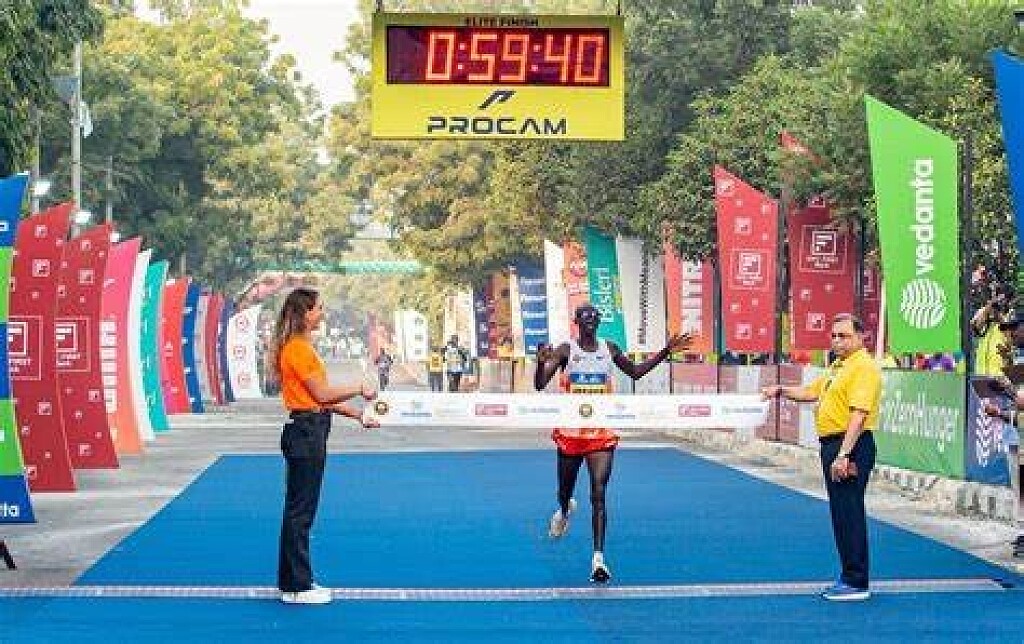
Vedanta Delhi Half Marathon: Joshua Cheptegei wins men's title; Alemaddis Eyayu bags women's crown
Olympian Joshua Cheptegei lived up to his billing to take home the men’s crown, while Alemaddis Eyayu pushed pre-race favourite Cynthia Limo behind for a surprise win in the women’s race in today’s Vedanta Delhi Half Marathon, a World Athletics Gold Label Road Race, at the Indian capital.
Kenya’s Alex Matata (27) led a major part of the race with his teammate Nicholas Kipkorir, who ran his maiden half marathon internationally. Kipkorir was a bronze medalist in the 5 km World Championships last year.
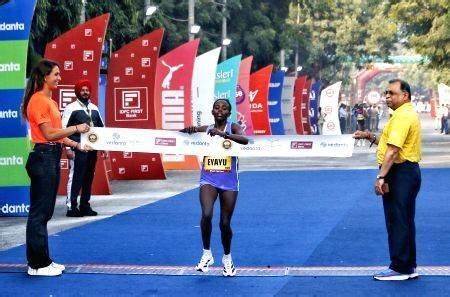
Matata was unbeaten in all three races he took part in in Europe earlier this year, with two sub-60 minutes clocking in two of them. That made the race exciting, and everyone was looking for a fast finish timing from the men’s winner. Matata keeps the lead until the runners turn toward the finish line in the Jawahar Lal Nehru Stadium, where the race commenced less than an hour earlier to decide the 2024 title.
Cheptegei, running seconds behind the Kenyan, realized the now-or-never situation and came from behind to snatch the lead from Matata to win in 59 minutes 46 seconds. Matata (59:53) and Kipkorir (59:59) complete the podium with the Ugandan.
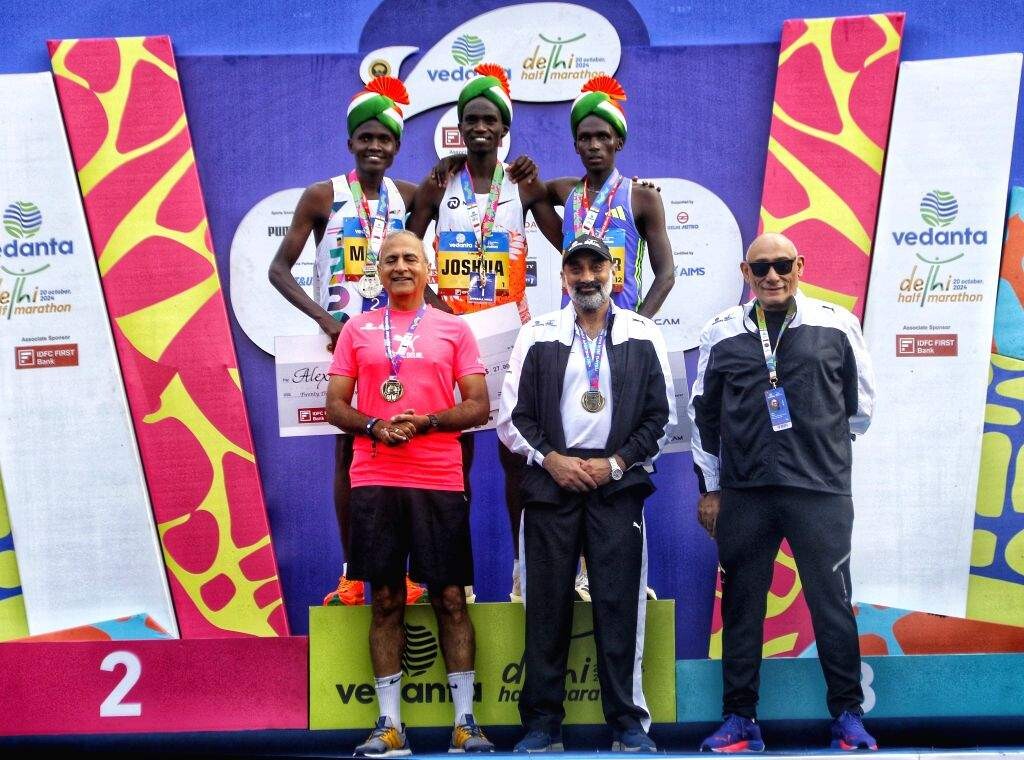
Incidentally, the Vedanta Delhi half marathon was one of the fastest races in the World and usually saw incredible timings by the participants. Ethiopian Deriba Merga was the first to post a sub-60-minute winning time in 2008 when all the podium finishers dipped under 1 hour. This action was repeated several times in some of the subsequent editions at Delhi, wherein 2014 witnessed a record number of nine runners finishing within 60 minutes.
Former world champion Muktar Edris from Ethiopia, another pre-race favourite, finished fifth (60:52), while Tanzania’s Alphonce Simbu (60:40) got the fourth place.
Cheptegei, with multiple world titles on his cap, said that “this win in Delhi was special to me because it is my first-ever victory in a Half Marathon. India has been important for my career, and this country now means a lot to me. I felt good throughout the race despite the slow start. My first aim was to catch up with Nicholas (Kipkorir) and then Alex (Matata) in the final few kilometres of the race. I am delighted with my performance and hope to continue in the same manner in the future races”.
Thank you, Vedanta Delhi Half, for a wonderful race. This has been a special race that tested my mind. Initially, I felt some problems in my feet around 16-17 km, but I decided to push and catch up with Nicholas, and then for about two kilometers, we pushed each other. I took it slow because I didn’t want to burn out, and I wanted to finish strong. Now I go back home with a feeling to conquer the roads”, he further revealed.
Eyayu beats favourite Limo to win the women’s title:Alemaddis Eyayu extended the Ethiopian winning streak in Delhi. Kenya’s Cynthia Limo, the pre-race favourite, led the field right from the beginning while Scotland’s Commonwealth Champion Eilish McColgan trailed behind all the time. McColgan had the fastest and only sub-66 minute timing among the elite women who took the starting lineup today. However, two Ethiopians, Eyayu and Tiruye Mesfin, stuck with Limo for the entire part.
Cynthia Limo, who won the women’s title here in 2015, had returned to Delhi after nine years. Following her victory in the Indian capital, the Kenyan runner secured a silver medal in Cardiff's 2016 World Half Marathon championships.Eyayu and Limo passed the 10K mark together and remained the sole leaders in the women’s race. However, the Ethiopian runner pulled ahead in the second phase of the race, leaving Limo 10-15 seconds behind. It was a crucial deciding factor at the end as Eyayu crossed the finish line 68:17 for the top spot, while Limo did so 10 seconds later. Mesfin clocked 69:42 for third and McColgan 69:55 to finish fourth and outside the podium.
“I had a good race, tried to keep my pace and aimed to finish well. I am happy to have achieved it” Eyayu said during the post-event press conference.
Limo said she was happy to join the Delhi podium after nine years. “Securing second place is incredible, one that fills me with pride. The atmosphere was electric, with people lining the streets and cheering us. It’s heartwarming to see how the city comes together. This experience has been truly special; the support from the spectators, their enthusiasm, and the overall energy of the event have made this return to Delhi unforgettable,” was Limo’s reaction to the race.
The total prize purse for the Vedanta Delhi Half Marathon is USD 260,000. The podium finishers both men and women will take home USD 27,000, USD 20,000 & USD 13,000 respectively.
Sawan Barwal betters previous performance
Sawan Barwal will go home with the gold medal this time around after finishing on the podium of the Vedanta Delhi Half Marathon for a second straight edition. With a timing of 1:02:46, Barwal finished ahead of Puneet Yadav, bettering his personal best in the process. Kiran Matre grabbed the third spot to complete the podium for the Indian Elite Men's event.
Barwal, who won bronze in 2023, was behind Puneet at the 10-kilometer mark, but left his best for the final stretch of the race. Taking advantage of an opening, he pushed himself in the final quarter and eventually secured the top spot with a difference of almost 1 minute and 9 seconds.
After the race, an emotional Sawan was ecstatic about turning the bronze to gold as he shed some light on his performance, saying, "It has been a great ride from the last Vedanta Delhi Half Marathon to the current edition. We are nearing the end of the season, and I was happy with the preparations throughout the season, and I used that to my advantage this time around. I did not enter thinking about finishing in 62 minutes, but the way I started and when I settled into the race, I knew I could go all the way."
Lili Das has dream debut
In the Indian Elite Women's category, Lili Das was miles ahead of her competitors, securing the gold with a timing of 1:18:12. Coming in second was last year's winner Kavita Yadav, who clocked 1:19:44 as she finished in the top 3 for a second straight edition of the Vedanta Delhi Half Marathon. In third place was 2022 Asian Games bronze medallist Priti Lamba, who crossed the finish line at the 1:20:21 mark.
In the 9th position at the 10-kilometer mark, Lili upped the ante to reach the top spot at the 15th kilometer. She maintained the lead with a massive effort and went on to win the gold by a massive difference of 1 minute and 32 seconds ahead of Kavita.
Lili, who fought cramps on the way to her gold, spoke about the experience of landing on the podium in her very first Vedanta Delhi Half Marathon, "It is a very good feeling to win the Vedanta Delhi Half Marathon in my very first attempt. I felt a little bit of dehydration during the race which I was worried about, but I am glad that I was able to finish the race. I cramped up around the 19th kilometer and it was a scary moment, but I fought it and worked very hard to finish the final 2 kilometers. After doing well in track and field events, winning gold in a half marathon feels great."
The people of Delhi came together once again to showcase the spirit of their city and promote healthy lifestyles at the Vedanta Delhi Half Marathon. Thousands of runners, from seasoned athletes to enthusiastic amateurs, took to the streets, turning the event into a vibrant celebration of fitness and community. The race not only highlighted the city's commitment to well-being but also raised awareness for various charitable causes, embodying the essence of unity and social responsibility that Delhi is known for.
by Republic World
Login to leave a comment
Vedanta Delhi Half Marathon
The Airtel Delhi Half Marathon is a haven for runners, creating an experience, that our citizens had never envisaged. The streets of Delhi converted to a world-class running track. Clean, sanitized road for 21.09 kms, exhaustive medical support system on the route, timing chip for runners, qualified personnel to ensure smooth conduct of the event across departments. The race...
more...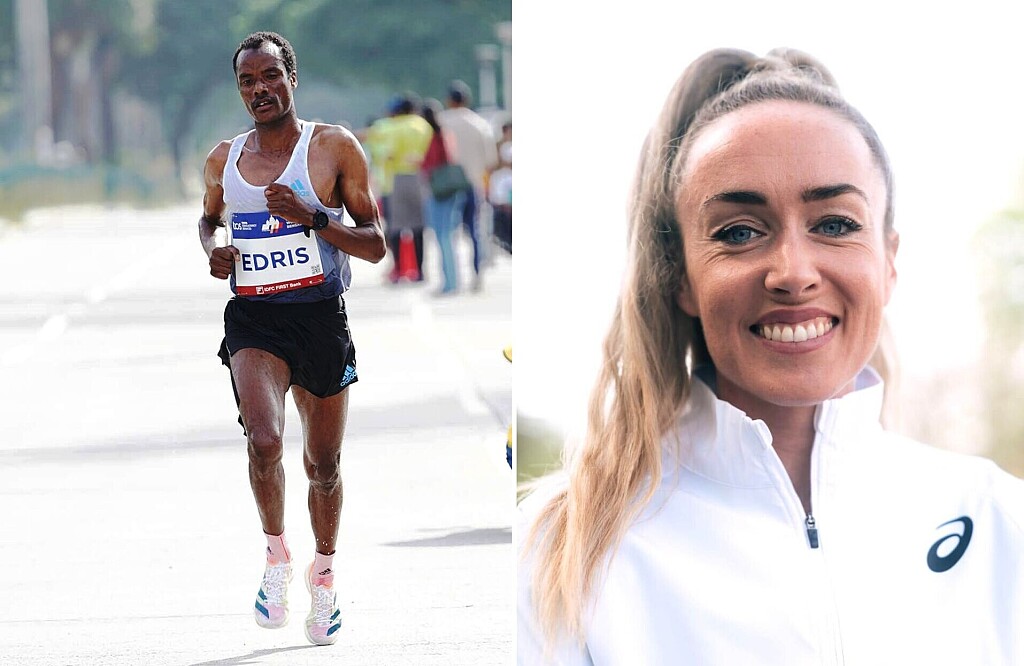
Vedanta Delhi Half Marathon 2024: Muktar Edris, Eilish McColgan lead field
The Vedanta Delhi Half Marathon 2024, a World Athletics Gold Label Road Race, is set to witness a world-class international roster headlined by Two-time Olympic gold medalist Joshua Cheptegei. He will be joined by the two-time 5000m World Champion Muktar Edris, which increases expectations for a course record in the men’s race.
The women’s field includes the 2022 Commonwealth Games champion in the 10,000m, Eilish McColgan. This prestigious event will take place in the heart of India’s National Capital on Sunday, October 20, 2024.
Fresh from his victory in the 10,000m at the Paris 2024 Olympics, Uganda’s Cheptegei is poised to make his debut in the Vedanta Delhi Half Marathon and has been a three-time World Champion in the 10,000m and boasts a personal best of 59:21 in the Half Marathon. His stellar career also includes a 5,000m gold and 10,000m silver at the Tokyo 2020 Olympics.
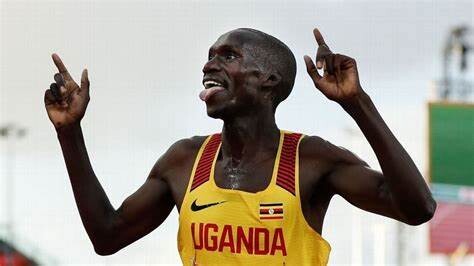
Ahead of the race, Cheptegei expressed: “I’m incredibly excited to debut at the Vedanta Delhi Half Marathon. This race is known for its energetic atmosphere, fast course, and unmatched Hospitality. I can’t wait to soak it all in and push myself to deliver a memorable performance. With such a competitive line-up, it will be an exciting challenge, and I’m aiming for nothing less than the top spot.”
Cheptegei will face formidable opposition from Ethiopia’s Muktar Edris, who will be returning to the Vedanta Delhi Half Marathon after 2022. A star of the sport at the junior level, Edris finished fourth on debut in the Delhi Half Marathon in 2020 with an impressive run of 59:04. Before that, he won two world championship titles in the 5,000m during 2017 and 2019.
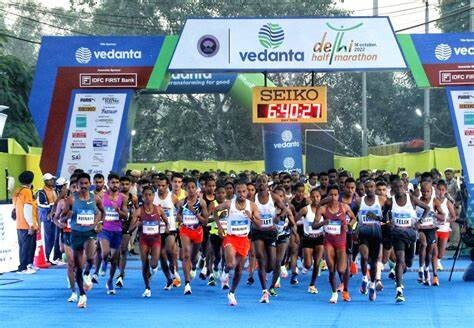
Eilish McColgan leading women’s line-up
Eilish won gold in the 10,000m at the 2022 Commonwealth Games in Birmingham, setting a new Games record, and settled for silver in the 5000m.
McColgan holds the European record for the 10 km road race and British records for multiple distances. She has also represented Great Britain in four Olympic Games (2012-2024) and Scotland in three Commonwealth Games (2014-2022). She holds Scottish records in multiple events and has claimed seven national championships, cementing her status as one of Scotland’s most accomplished runners. Last year, she won the Berlin half-marathon with a personal best 65:43.
Several top athletes, including Kenya’s Cynthia Limo (66:04), Ethiopia’s Yalemget Yaregal (66:27) and Tiruye Mesfin (66:31), and Tanzania’s Magdalena Shauri (66:37), are joining McColgan in the women’s race. With five women having clocked times under 67 minutes, the competition promises to be thrilling and fast-paced.
Ethiopians Amdework Walelegn (58:53) and Yalemzerf Yehualaw (64:46) have held the Course Records in the Vedanta Delhi Half Marathon since 2020.
The Vedanta Delhi Half Marathon, with a prize pool of USD 260,000, will begin at the iconic Jawaharlal Nehru Stadium, where elite athletes will be joined by India’s top runners and passionate amateurs, united in the spirit of #AaRangDeDilli.
by Khel Now
Login to leave a comment
Vedanta Delhi Half Marathon
The Airtel Delhi Half Marathon is a haven for runners, creating an experience, that our citizens had never envisaged. The streets of Delhi converted to a world-class running track. Clean, sanitized road for 21.09 kms, exhaustive medical support system on the route, timing chip for runners, qualified personnel to ensure smooth conduct of the event across departments. The race...
more...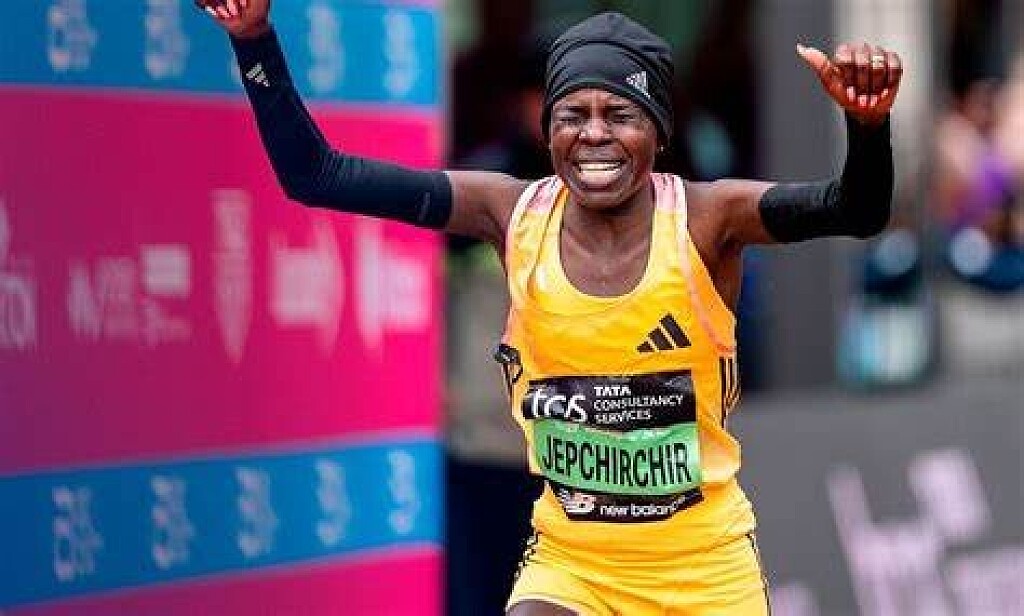
Peres Jepchirchir reveals her next stop following dissapointing Paris 2024 Olympics showdown
Peres Jepchirchir has revealed her next step as she eyes redemption following her dissapointing 15th-place finish at the Paris Olympic Games.
Former Olympic marathon champion Peres Jepchirchir is targeting the world half-marathon record as she heads to the Vedanta Delhi Half Marathon, a World Athletics Gold Label event, scheduled for Sunday, October 20.
Jepchirchir, the reigning London Marathon champion, has not raced since her exit from the Paris Olympic Games where she faded to 15th place in a time of 2:26:51. The Kenyan long-distance running ace will be looking to bounce back in a commanding way with a world record.
The women’s world record currently stands at 1:02:52 and was set by Letesenbet Gidey on October 24, 2021, at the Valencia Half Marathon and Peres Jepchirchir has plans to obliterate it and take back her crown when she steps on the track. A huge prize purse also awaits her as she seeks to make history in the Indian city.
The men’s race will be headlined by Joshua Cheptegei, the current world record holder in the 5000m and 10,000m. The reigning Olympic 10,000m champion will also be out to attack the world record and make an impact as he continues enriching his decorated athletics resume.
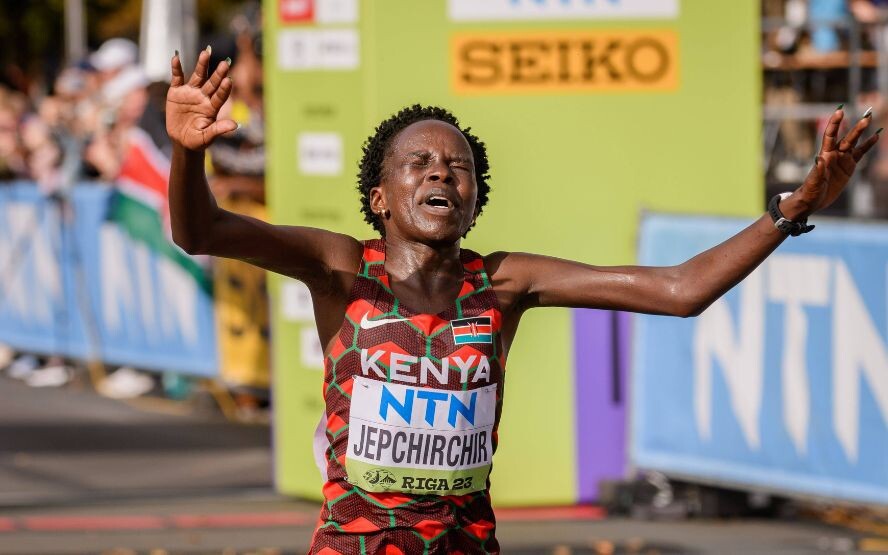
“This country holds a special place in my heart, as it’s where I made my international debut in 2014. It’s been a good season for me, and I am certainly looking at a course-record timing at the Vedanta Delhi Half Marathon. The energy and passion of the Indian running community are truly inspiring, and I’m excited to be part of this prestigious event,” Cheptegei said ahead of his return to the streets of the Indian city.
Meanwhile, a total amount of $260,000 prize money has been set aside for top finishers with the winners set to walk away with $27,000. In addition to this, there is an Event Record Bonus of $12,000.
by Abigael Wafula
Login to leave a comment

Is baking soda your next great fuelling tool?
You’re gearing up for a tough workout, and instead of grabbing your usual electrolyte drink, you’re reaching for… baking soda? It might sound like a kitchen hack gone wrong, but many endurance athletes swear by this household staple for improving performance (and the hydrogel company Maurten created an expensive product around it–more on that, below). Here’s what you need to know to help you decide whether this idea is half-baked, or if it’s the key to your next PB.
The science of sodium bicarbonate

Baking soda, or sodium bicarbonate (“bicarb” for short), has been studied for its ability to act as a buffering agent. During intense exercise, like a tempo run or hill repeats, your muscles produce lactic acid, which contributes to that dreaded “burn.” As lactic acid builds up, your muscle function declines. Sodium bicarbonate can help buffer this acid, delaying fatigue and potentially allowing you to sustain your effort for longer periods. A wide range of studies show that athletes who consume baking soda before high-intensity efforts may experience improved performance. But can it help you on those longer-distance runs? While more research is needed, some studies suggest that sodium bicarbonate might boost post-exercise recovery, with other research suggesting it may help runners speed up, even after hours of training.
Swedish sports nutrition company Maurten has created a hydrogel formula for runners that some athletes, like mountain athlete Kilian Jornet and world 5,000m and 10,000m record holder Joshua Cheptegei, swear by. Runners new to using sodium bicarbonate can adjust the hydrogel and bicarb components according to their weight and training needs.

Does it really work?
While there’s some solid science backing baking soda’s benefits, it’s not ideal for every runner. Most of the performance gains have been noted in shorter events, typically lasting between one to seven minutes of all-out effort. For distance runners, like those training for marathons or half-marathons, the impact may not be as pronounced. However, if you’re into track events or HIIT workouts, this kitchen staple could give you an easy-on-the-budget boost. The key is proper dosing (around 0.2 to 0.3 grams per kilogram of body weight) and timing–it should be taken 60 to 90 minutes before your workout or race.
Beware of side effects
Before you go dumping a spoonful of baking soda into your water bottle, be aware: it comes with potential side effects, the most common being gastrointestinal distress. Bloating, cramping or even diarrhea are possible, especially if you take too much or don’t properly dissolve it in water. If you’re interested in trying baking soda for a performance boost, make sure to test it out during training before a big race day, to avoid any unpleasant surprises mid-run.
by Keeley Milne
Login to leave a comment
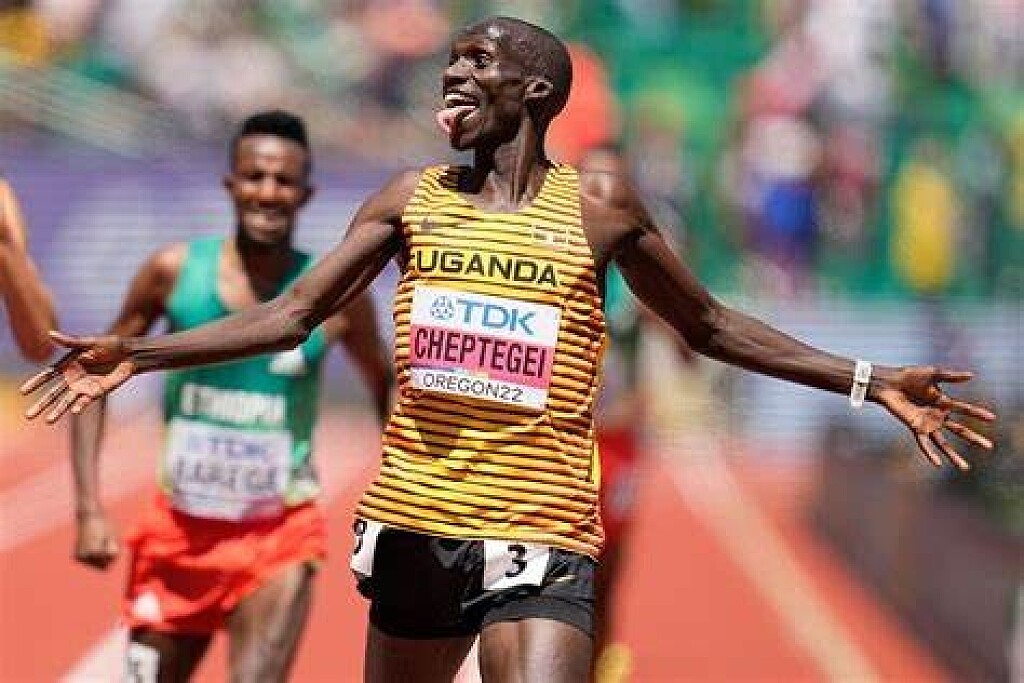
Delhi Half Marathon: Joshua Cheptegei to headline elite field
The Vedanta Delhi Half Marathon, which is part of the World Athletics Gold Label Road Races, will be flagged off from Jawaharlal Nehru Stadium on Sunday, October 20.
Ugandan sensation Joshua Cheptegei and Kenya’s former Half-Marathon World record holder Peres Jepchirchir are all set to light up the streets of Delhi!
Joshua is the current world record holder for both the 5000 meters and 10,000 meters and holds the world’s best time over the 15-kilometer distance. He is the reigning Olympic champion in the 10,000 meters and won the gold with a new Olympic record of 26:43.14.
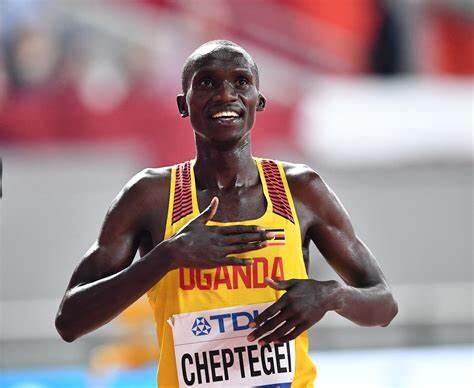
Joshua is also a three-time World champion in the 10,000 meters and claimed gold in both the 5000 meters and 10,000 meters at the 2018 Commonwealth Games and the 2019 IAAF World Cross Country Championships. Notably, Cheptegei is only the tenth man in history to simultaneously hold the 5000-meter and 10,000-meter world records, both of which he set in 2020.
Interestingly, Cheptegei made his international debut in India at the TCS World 10K Bengaluru 2014, finishing second. His return to India for the Vedanta Delhi Half Marathon promises to be a highlight of this year’s race.
Speaking about his return to India Joshua said, “This country holds a special place in my heart, as it’s where I made my international debut in 2014. It’s been a good season for me, and I am certainly looking at a course-record timing at the Vedanta Delhi Half Marathon. The energy and passion of the Indian running community are truly inspiring, and I’m excited to be part of this prestigious event.”
Kenya’s former Half-Marathon World record holder and three-time world half-marathon winner Peres Jepchirchir will lead the women’s contingent. Peres won the London Marathon 2024 with a time of 2:16:16 secs, breaking the women’s only Marathon world record. She also won the 2021 New York City and 2022 Boston Marathons.
Among the other notable participants, Asian Championship Bronze Medalist Sanjivani Jadhav stands out in the women’s category. Sanjivani, who won the 10,000-meter Portland Track Festival in the USA with a personal best of 32:22:77, recently claimed a silver medal at the 5000-meter event at the National Open Athletics Championships in Bangalore.
She has previously won gold at the Vedanta Delhi Half Marathon in 2018 and 2022 and took silver in 2016 and 2020. Defending champion Kavita Yadav will provide Sanjivani with tough competition in pursuing the title.
“This will be my third Vedanta Delhi Half Marathon, and my aim will be to win this race once again. I have been training hard and I will try my best to break and create as many records as I can,” said Sanjivani Jadhav.
In the men’s category, Defending Champion and talented youngster Abhishek Pal, who recently won the 10,000-meter title in the National Open Athletics Championships 2024 in Bangalore, will take the lead. He will face tough competition from another youngster, Asian Games 2023 silver medalist in the 10,000 meters, Kartik Kumar.
He recently triumphed at the 10,000-meter USA Championship Track Fest 2024 with a remarkable time of 28:07:66. Kartik is also the VDHM 2022 and 2023 editions silver medalist.
“I am aiming to break the national record in what will be my fifth Vedanta Delhi Half Marathon. I have won the competition, but while I am once again, my mind is set on breaking the national record and going under 60 minutes,” said the defending champion Abhishek Pal.
Login to leave a comment
Vedanta Delhi Half Marathon
The Airtel Delhi Half Marathon is a haven for runners, creating an experience, that our citizens had never envisaged. The streets of Delhi converted to a world-class running track. Clean, sanitized road for 21.09 kms, exhaustive medical support system on the route, timing chip for runners, qualified personnel to ensure smooth conduct of the event across departments. The race...
more...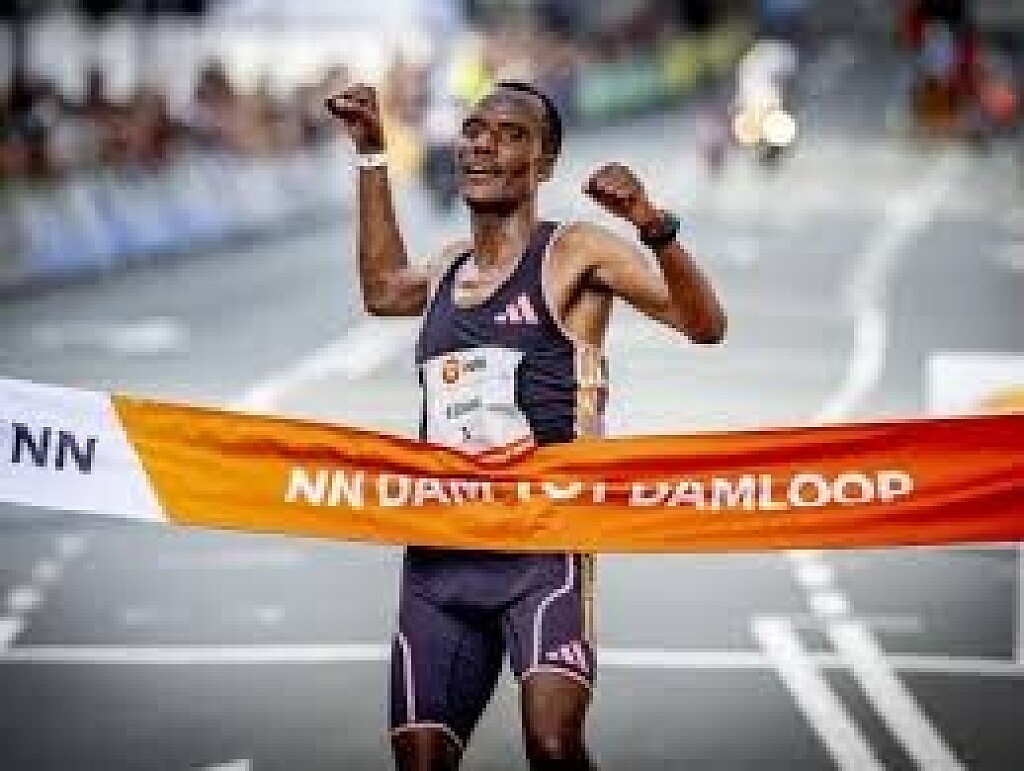
ETHIOPIAN MUKTAR EDRIS AND ASAYECH AYICHEW DEFEATS ALL FAVORITES AT THE NN DAM TOT DAMLOOP
With Olympic champion Joshua Cheptegei at the starting line, a world-class athlete was present at today’s NN Dam tot Damloop. However, at the end of the 10-mile race from Amsterdam to Zaandam, a surprising winner stood on the podium.
Muktar Edris impressively outpaced all the major favorites. He won the 38th edition of the NN Dam tot Damloop in 44:51 minutes, the fastest time in the world this year. Asayech Ayichew also shocked the field with her victory. The 19-year-old athlete ran a smart race and finished as the first woman in 51:18 minutes.
The best Dutch performances came from Filmon Tesfu (47:48) and Maureen Koster (54:32).On this beautiful late summer day, the women started 6 minutes and 4 seconds ahead of the men. As is tradition, the women kicked off the race from the Prins Hendrikkade in Amsterdam and ran towards the finish in Zaandam.
In the IJtunnel, which was specially illuminated for the first time this year, the women’s group quickly split into two. Diana van Es and Maureen Koster briefly managed to keep up with the pace of the African runners but soon decided to run at their own rhythm.At that moment, the men’s race also started, and the chase began. Three-time World Champion and Olympic champion in the 10,000 meters, Joshua Cheptegei, set the pace alongside last year’s winner, Mathew Kimeli.
A leading group of nine runners formed, with Filmon Tesfu being the only Dutch runner among them. After just 4 kilometers, Muktar Edris made his move, disregarding the two favorites. He surged ahead at a blistering pace, opening up a significant gap. Cheptegei briefly closed in after 11 kilometers, momentarily bringing tension back into the race. However, Edris’ lead was too large to overcome.
At Dam Square, about 600 meters before the finish, Edris even had time to wave to the cheering crowd, which had gathered en masse for the race’s final stretch. After a final sprint, he finished with a time of 44:51. Although this was the fastest time of the season for this distance, Leonard Patrick Komon’s sharp course record from 2011 (44:27) remained unthreatened.
After the race, Edris thanked the spectators for their support: “After a long injury, this was my first race back. Thanks to all the encouragement, I was able to keep pushing throughout the race. The atmosphere was fantastic.” Cheptegei could not meet the high expectations today and had to settle for second place (45:18), while Kenyan Ismael Kiprono claimed third place (45:44).Filmon Tesfu impressed as the best Dutch runner with a time of 47:48 and was pleased with his seventh-place finish overall:
“I expected to perform at this level. For the first 3 kilometers, I kept up with the lead group, but then I switched to my own pace and managed to overtake more runners towards the finish. Being the top Dutch runner here is nice, but my main goal is the TCS Amsterdam Marathon next month, where I’ll be making my marathon debut.” Richard Douma finished as the second Dutchman (48:38), followed by Gianluca Assorgia in third (48:44).
The man-vs-woman competition remained close for a long time, but Edris eventually overtook Asayech Ayichew after 15 kilometers. By that point, Ayichew had already been running solo towards the finish, having smartly let the favorite, Gladys Chepkurui, lead for much of the race. Ayichew crossed the finish line shortly after Edris on Peperstraat with a time of 51:18.
Chepkurui followed closely behind (51:36), and third place went to Mebrat Gidey (52:17). The Dutch women's podium consisted of Maureen Koster (54:32), Jasmijn Lau (54:42), and Silke Jonkman (55:04).
Login to leave a comment

Dam tot Damloop
On Sunday, 50,000 runners can join the Dam tot Damloop. The unparalleled atmosphere, the tunnel, one of the world's largest business streets and the fact that starting and finishing in two different cities make this event so special. The distance is 10 English Mile, which also includes a number of world top runners each year. In addition, the Mini Dam...
more...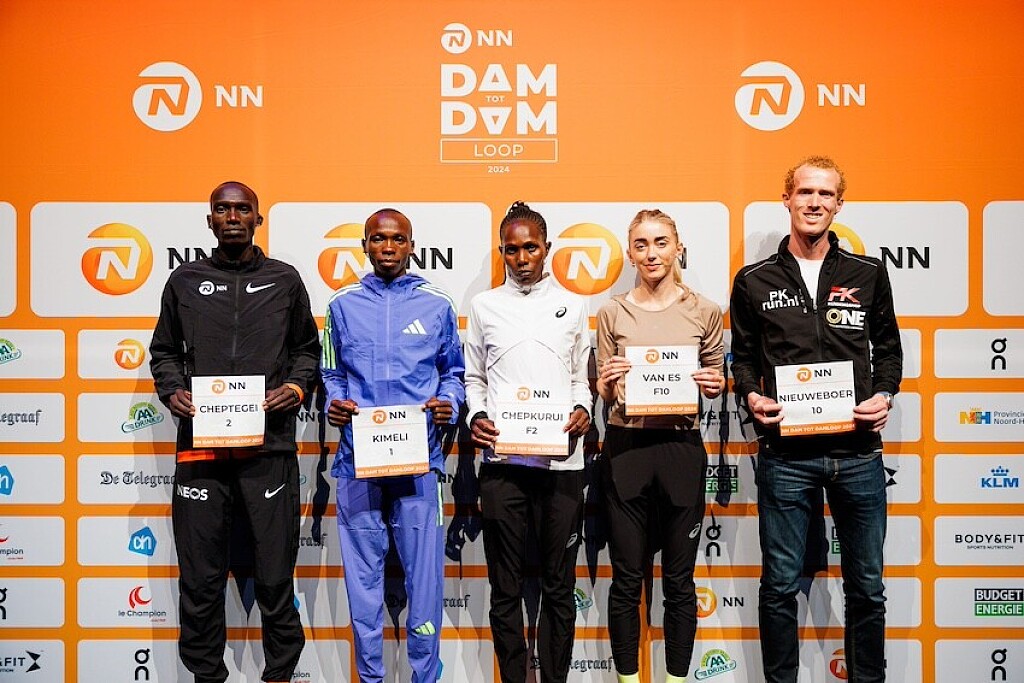
Top athletes look ahead to the 38th Dam tot Damloop
Cheptegei confesses to have a soft spot for the 10 English Mile race.
Today, during the press conference in the Zaantheater, the top athletes of the Dam tot Damloop were presented. Organizer Le Champion, together with the contenders, looked ahead to the 10 English Mile race from Amsterdam to Zaandam.
Absolute eye-catcher and Olympic Champion Joshua Cheptegei spoke highly of the event: "My career on the road practically started here and I would like to return one last time for the people who have always supported me. Never say never, but the marathon is waiting for me." The start of the 38th Dam tot Damloop is this Sunday, September 22 at 10:18 a.m. and can be followed live via NH and AT5.
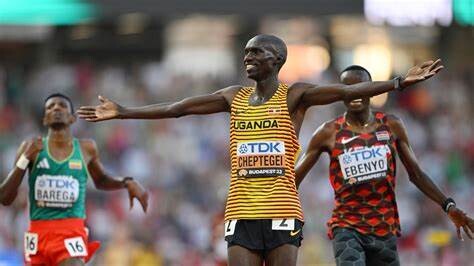
The 28-year-old Cheptegei was last at the start of the Dam tot Damloop in 2018 and won it. Of course, that is also the goal on Sunday, although he expects a big game. "After winning Olympic gold in the 10,000 meters, I took some time off and celebrated the success in my country.
That, in combination with the strong field of participants, makes it an exciting race. In any case, I'm very happy to be back."With Kenyan Mathew Kimeli, the Ugandan Olympic Champion has a formidable opponent. Last year's winner recorded a very fast time of 45.20, but is in awe of Cheptegei. Laughing, he said: "When you're fighting for victory against such a big name, you get a little scared.
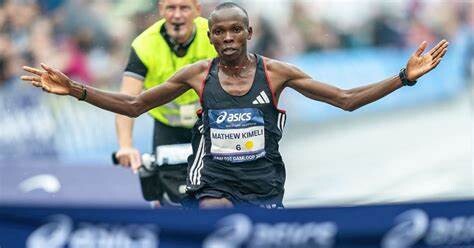
I'm going to do the best I can, but I know which of the two of us is the best. Together with Ethiopian Muktar Edris, former world record holder in the 5,000 meters, it promises to be an exciting battle for victory.
In the women's race, all eyes are on Kenyan Gladys Chepkurui, who will be at the start of the Dam tot Damloop for the first time. The 30-year-old admits that he finds it exciting to start from the special Damloop concept, in which the women start 6.04 minutes earlier than the men, the difference between the men's and women's course record.
"It's going to be a challenge, but I came here to do the best I can." For the runner who crosses the finish line first, an extra cash prize awaits.
Dutch top field
Diane van Es is a fan of such road races: "You have no idea where the men are on the course and that gives an extra dimension to the Dam tot Damloop." Van Es is having an excellent season.
In June, she surprised friend and foe at the European Championships by winning the silver medal in the 10,000 meters. "For me personally, that's the highlight of the year. During the Olympics I finished 16th at the same distance, but that was mainly due to the many tempo changes." Van Es has been at the start twice before and finished sixth twice.
So she is ahead, but has no illusions of an international victory. "I've competed against Chepkurui before and got pretty beaten, but that's been a while." In addition to van Es, Jill Holterman and Maureen Koster will also be at the start.In the Dutch men's competition, Filmon Tesfu, Frank Futselaar and Lucas Nieuweboer, among others, will compete with each other.an.
The latter is having a great year because in January, after 18 years, he again ensured Dutch victory at the Egmond Half Marathon. "After that, I had some aches and pains. I expect to be fit again on Sunday just in time, in any case I'm going into it uninhibited and see where the ship strands".
Heat expected: urgent advice for participants
Participants in the 10 English Mile will be confronted with rising temperatures to a maximum of 23 degrees Celsius on Sunday and a possible danger of overheating during the run. Le Champion therefore calls on all participants to run sensibly and to keep an eye on fellow runners.
In addition, the organization has taken extra measures to ensure that the event runs as smoothly as possible, such as extending the start, an extra water station and extra coolants along the route. For the detailed advice and measures, visit www.damloop.nl.
Login to leave a comment
Dam tot Damloop
On Sunday, 50,000 runners can join the Dam tot Damloop. The unparalleled atmosphere, the tunnel, one of the world's largest business streets and the fact that starting and finishing in two different cities make this event so special. The distance is 10 English Mile, which also includes a number of world top runners each year. In addition, the Mini Dam...
more...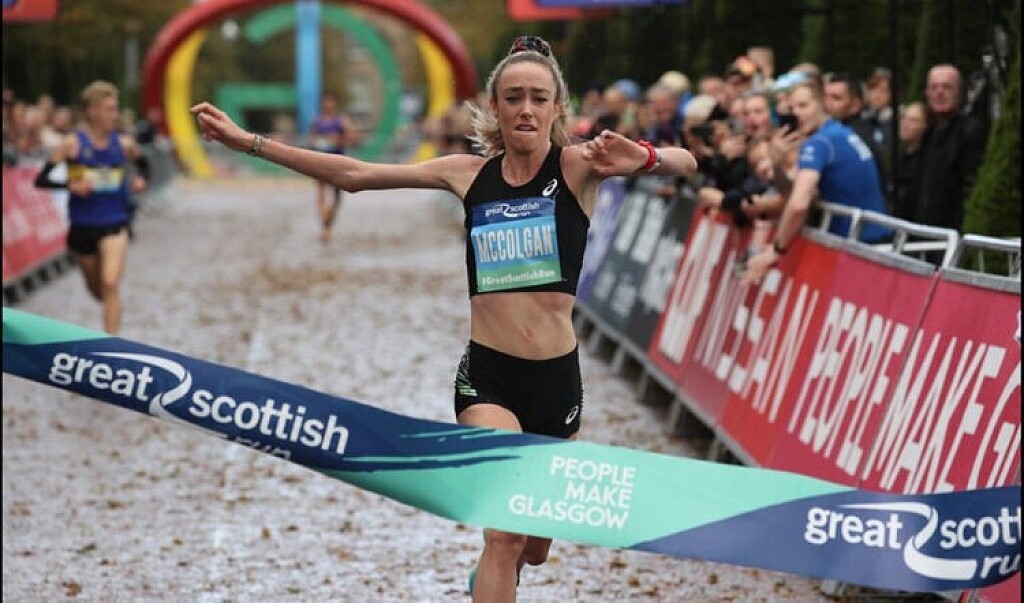
Eilish McColgan leads Great North Run elite line-ups
Berihu Aregawi, Sisay Lemma and former winner Marc Scott are part of a strong men’s field for the September 8 event.
Eilish McColgan’s autumn road racing steps up a gear on September 8 when she tackles the AJ Bell Great North Run.
The 33-year-old holds the British records on the roads at 5km, 10km, 10 miles and half-marathon but has not yet won the iconic 13.1-mile race during her career. She has, however, won several other Great Run events and in 2021 finished runner-up to Hellen Obiri at the Great North Run.
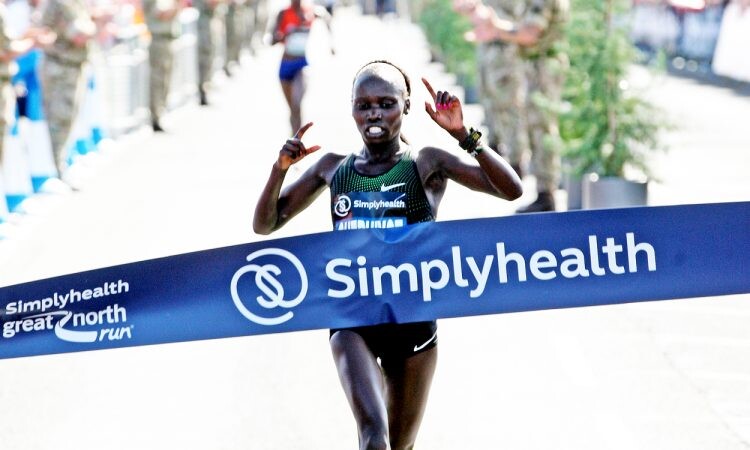
After an injury-hit 2023, McColgan returned this summer to make the Olympic team in Paris, finishing 15th in the 10,000m. But after several more weeks of training she is expected to be stronger as she tackles the Big Half in London on September 1 followed by the Great North Run seven days later and then the Vitality London 10,000 on the roads of London again on September 22.
At the Great North Run she will face, among others, Vivian Cheruiyot, the Great North Run winner in 2016 and 2018, plus Sheila Chepkirui, the Kenyan who was third behind McColgan when the Scot won the Commonwealth 10,000m title in 2022.
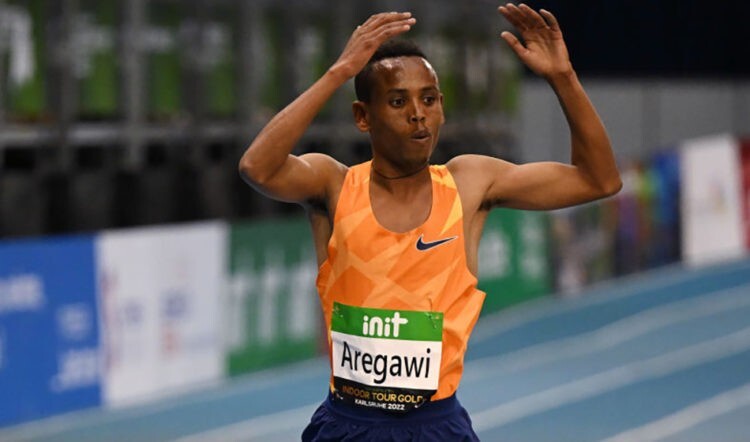
Cheruiyot, who is now 40, also won the London Marathon in 2018 and the Olympic 5000m gold in 2016.
There is also Senbere Teferi, the former women-only 5km world record-holder and 65:32 runner in the half-marathon, plus two-time London Marathon podium placer Mergetu Alemu and British-based Kenyan Mary Ngugi-Cooper.
In the men’s race Marc Scott returns to try to retain the title he won in 2021. But he faces tough opposition from Berihu Aregawi, the Ethiopian who won Olympic 10,000m silver close behind Joshua Cheptegei in Paris.
Last weekend Aregawi also went No.3 on the world all-time rankings for 3000m behind Jakob Ingebrigtsen’s world record in Poland.
Also racing on Tyneside are 2024 Boston Marathon and 2021 London Marathon winner Sisay Lemma, 2023 Boston Marathon winner Evans Chebet and Kenya’s NYC Half winner from earlier this year, Abel Kipchumba.
McColgan said: “I have incredible memories of competing in Newcastle and participating in the Junior Great North Run events over 20 years ago, and we have a family history at the Great North Run, with mum being a three-time winner, so this year’s Great North Run will be a special one for me to finally follow in my mum’s footsteps and because as I have yet to run the original route from Newcastle to South Shields.”
She added: “Returning from this year’s Paris Olympics and on the road back from injury, I’m especially looking forward to the thousands of spectators lining the streets of the North East, as well as the 60,000 inspirational runners taking part in their own journey.”
McColgan’s best half-marathon time is 65:43 set in Berlin last year. Paula Radcliffe has run three seconds quicker – at the Great North Run in 2003 – but the course is not eligible for records.
This year’s run will also welcome back the elite men’s and women’s wheelchair races, held to the backdrop of this year’s Paralympic Games closing ceremony in Paris. Notable competitors include JohnBoy Smith, Sean Frame, Michel McCabe and Jade Hall.
Sir Brendan Foster, founder of the Great North Run, said: “Our fantastic spectators are once again in for a great day thanks to our impressive elite field at the top end of our Great North Run Sunday.
by Jason Henderson
Login to leave a comment

Great North Run
Great North Run founder Brendan Foster believes Britain is ready to welcome the world with open arms after the launch of the event's most ambitious plan to date. The Great World Run campaign seeks to recruit one runner from every country in the United Nations – 193 in total – to take part in the iconic half marathon in...
more...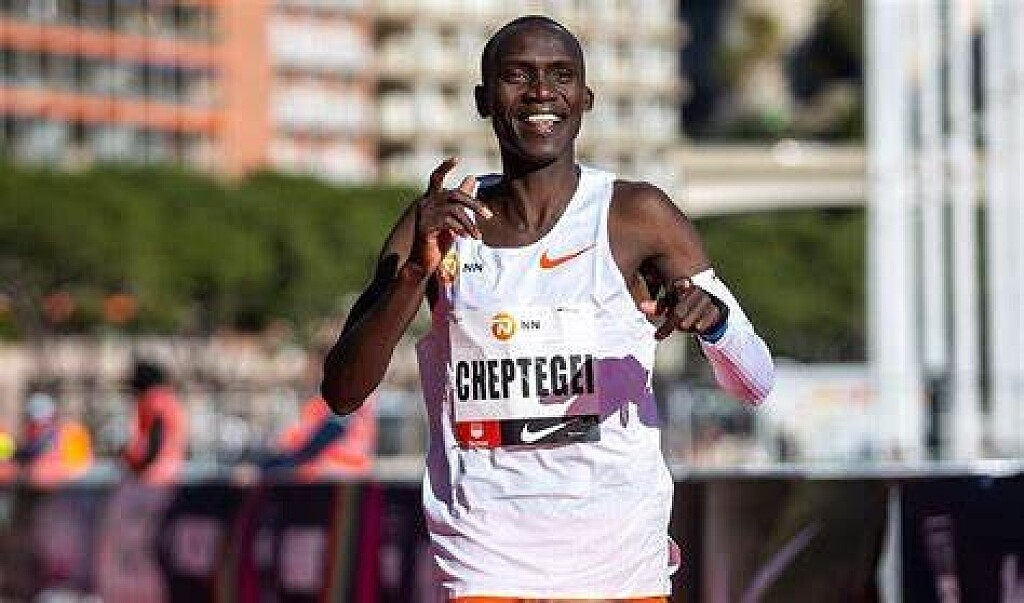
Olympic Champion Cheptegei at the start of Dam tot Damloop
Strong field of participants at the 38th edition of Dam tot Damloop.
Olympic Champion Joshua Cheptegei will be at the start of the Dam tot Damloop on Sunday 22 September. The champion in the 10,000 meters smashed the Olympic record in Paris this summer and has now been set by sports organization Le Champion for the Dam tot Damloop.Last year's Kenyan winner Mathew Kimeli, Muktar Edris (ETH) and Isaac Kipkemboi (KEN) are formidable opponents and make this year's field very strong.
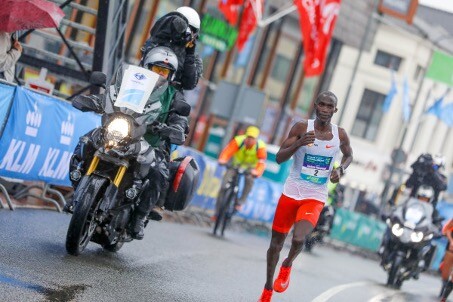
In the women's race, the battle will be between Kenyan Cintia Chepngeno and Ethiopians Dibabe Beyene, Biri Abera and Mebrat Gidey.The 27-year-old Cheptegei has a well-stocked trophy cabinet and there is a good chance that many more titles will be added, as the Ugandan runner indicated earlier this year that he wants to shift his focus from the track to road races.
With both the current world record in the 5,000 and 10,000 meters, he is also the absolute favorite for the 38th edition of the Dam tot Damloop. Cheptegei about his participation: 'This year was very successful for me with winning gold at the last Olympic Games. After spending some time with my family, I am happy to return to racing in the, for me, familiar streets of Amsterdam and Zaandam.
I have already run the Dam tot Damloop three times, the last time was in 2018 when I won. I'm going for the title again.'CompetitionIn 2018, he won the running event that starts in Amsterdam and finishes in Zaandam in 45.15 minutes. Competition will mainly come from Kenyan Kimeli, who made her debut last year and won in 45.20 minutes. Together with the Ethiopian former world record holder in the 5,000 meters Edris and the Kenyan Kipkemboi, the race will be hard.
In the women'srace, Chepngeno and Beyene will compete with Abera and Gidey. Chepngeno's fast legs are fine, the Kenyan recorded the 10 kilometers in Valencia in 30.08 minutes this year.
Dam tot DamloopThe 10 English Miles of the Dam tot Damloop is extremely popular this year.
Within a few weeks, the registration was completely sold out.
At the moment there are only starting tickets available for the Damloop by night, which will take place on Saturday evening 21 September. Registration is open until Monday 9 September. A total of 65,000 runners will be in action during the Dam tot Damloop.
by Hardloopnieuws
Login to leave a comment
Dam tot Damloop
On Sunday, 50,000 runners can join the Dam tot Damloop. The unparalleled atmosphere, the tunnel, one of the world's largest business streets and the fact that starting and finishing in two different cities make this event so special. The distance is 10 English Mile, which also includes a number of world top runners each year. In addition, the Mini Dam...
more...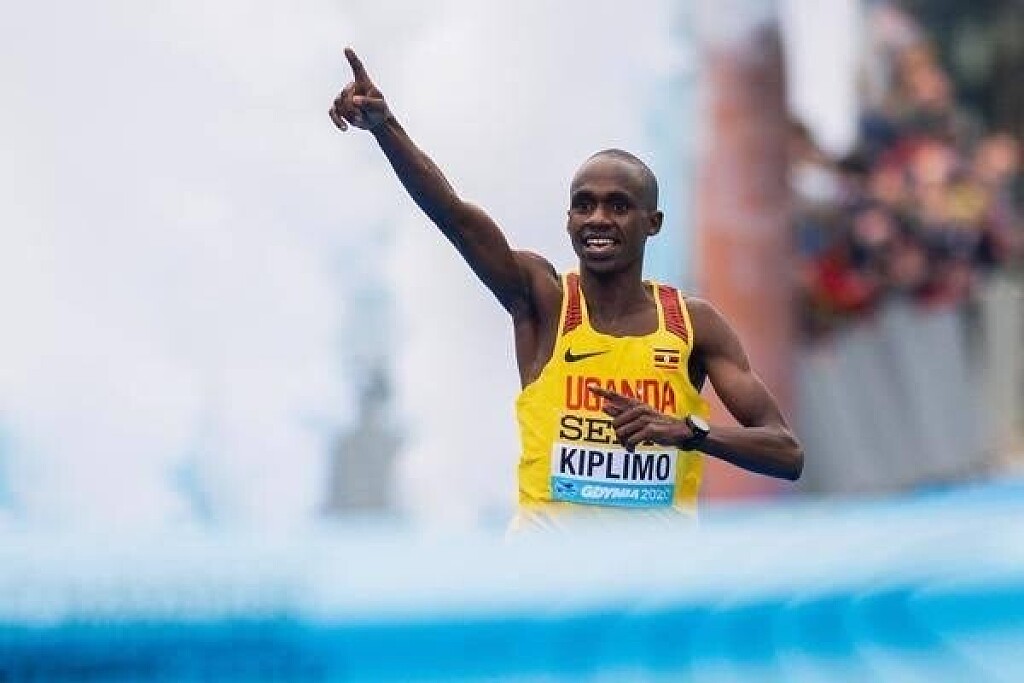
Kiplimo to participate in Copenhagen Half Marathon in September
Ugandan long-distance runner Jacob Kiplimo has announced his participation in the Copenhagen Half Marathon, scheduled to take place in the Danish capital on September 15th, 2024. Kiplimo expressed his enthusiasm for the 21-kilometer road race, viewing it as the opener for the road racing season following his recent participation in the Paris Summer Olympics, where he finished 6th in the 10,000 meters race, a victory claimed by his Ugandan counterpart, Joshua Cheptegei.
Currently training in Kapchorwa under the guidance of his personal coach, Patrick Cheboto, Kiplimo is optimistic about his preparation. He is determined to deliver a strong performance in Copenhagen after a month of focused training. “I am the reigning world record holder of the same race, and my hope is to reduce my current world record time of 57 minutes, 37 seconds,” Kiplimo said.
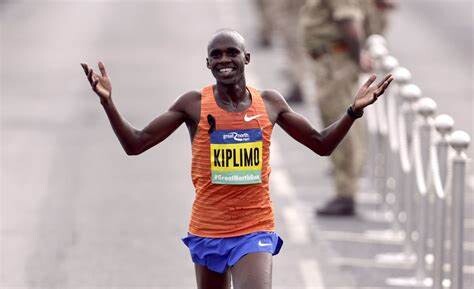
Coach Patrick Cheboto, in an interview with Uganda Radio Network, stated that Kiplimo is undergoing a specialized road race training program to ensure he is ready for what is considered one of the fastest half marathons in the world.
Cheboto also mentioned that Kiplimo will be paced by his training partner, Elijah Cheptoek, during the race. “We have carefully prepared the schedule to be implemented by the athlete together with his pacemaker,” Cheboto explained.
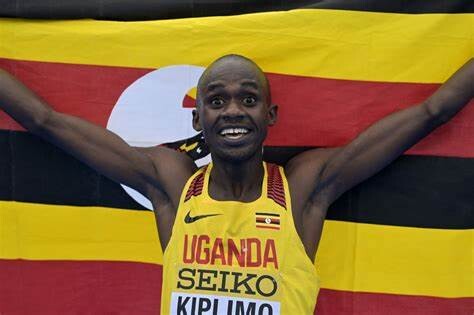
Benjamin Njia, the National Coach and Vice President of Technical Affairs at the Uganda Athletics Federation (UAF), noted that the track and field season has concluded, and athletes are now focusing on preparing for road races both in Uganda and internationally.
“We expect many athletes who participated in the Summer Olympics to take part in various international road running events until late November when the focus will shift to Cross Country Championships,” Njia explained.
by The Independent
Login to leave a comment
Copenhagen Half Marathon
The Copenhagen Half Marathon was the first road race in Scandinavia and is one of the fastest half marathons in the world. The Copenhagen Half Marathon has been awarded with the International Association of Athletics Federation's (IAAF) most distinguished recognition - the IAAF Road Race Gold Label. Copenhagen Half Marathon was awarded the IAAF Road Race Bronze Label in January...
more...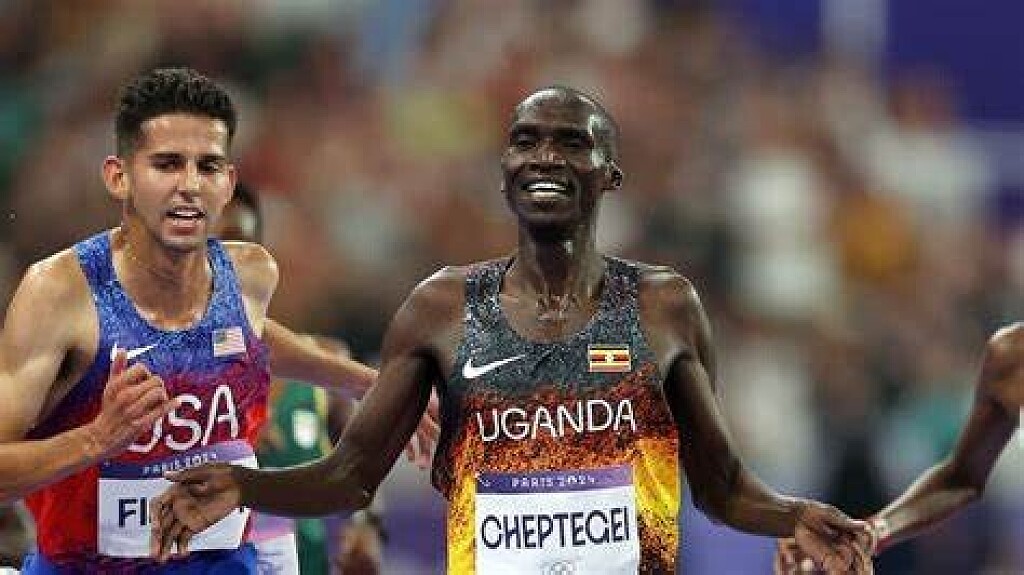
Joshua Cheptegei reigns in 10,000
The 27-year-old Ugandan, who took silver in Tokyo and gold over 5,000m, produced a devastating last 600m to come home in 26:43.14 minutes, knocking 18 seconds off Kenenisa Bekele’s 2008 Olympic record
World record holder Joshua Cheptegei claimed the Olympic 10,000m title he so desperately wanted on Friday when he found a late surge to win a fantastic race and take the Games' first track gold.
The 27-year-old Ugandan, who took silver in Tokyo and gold over 5,000m, produced a devastating last 600m to come home in 26:43.14 minutes, knocking 18 seconds off Kenenisa Bekele’s 2008 Olympic record.
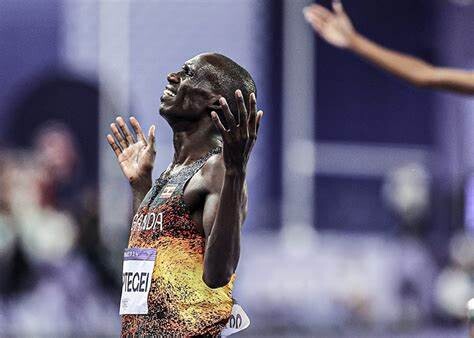
Berihu Aregawi, part of a three-pronged Ethiopian front-running group almost from the start, finished strongly for silver in 26:43.44 and Grant Fisher took a superb bronze in 26:43.46 — only the United States' fourth medal over the distance since the event was added to the Games in 1912.
Cheptegei, world champion in 2019, 2022 and 2023, was surprisingly beaten to gold by Ethiopian Selemon Barega in Tokyo and was desperate for revenge. "My collection for this run is really complete. I'm so excited," he told reporters.
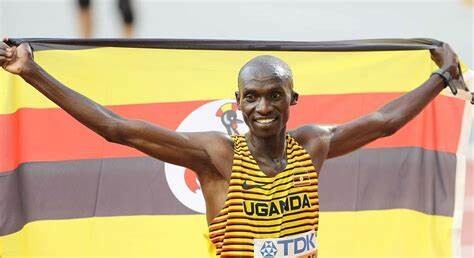
"I said, 'one day I want to be Olympic champion'. It is the most special day. I can’t describe the feeling. I’ve wanted this for a long time. When I took silver in Tokyo I was so disappointed. I just wanted to win the 10,000m."
by Reuters
Login to leave a comment

Paris 2024 Olympic Games
For this historic event, the City of Light is thinking big! Visitors will be able to watch events at top sporting venues in Paris and the Paris region, as well as at emblematic monuments in the capital visited by several millions of tourists each year. The promise of exceptional moments to experience in an exceptional setting! A great way to...
more...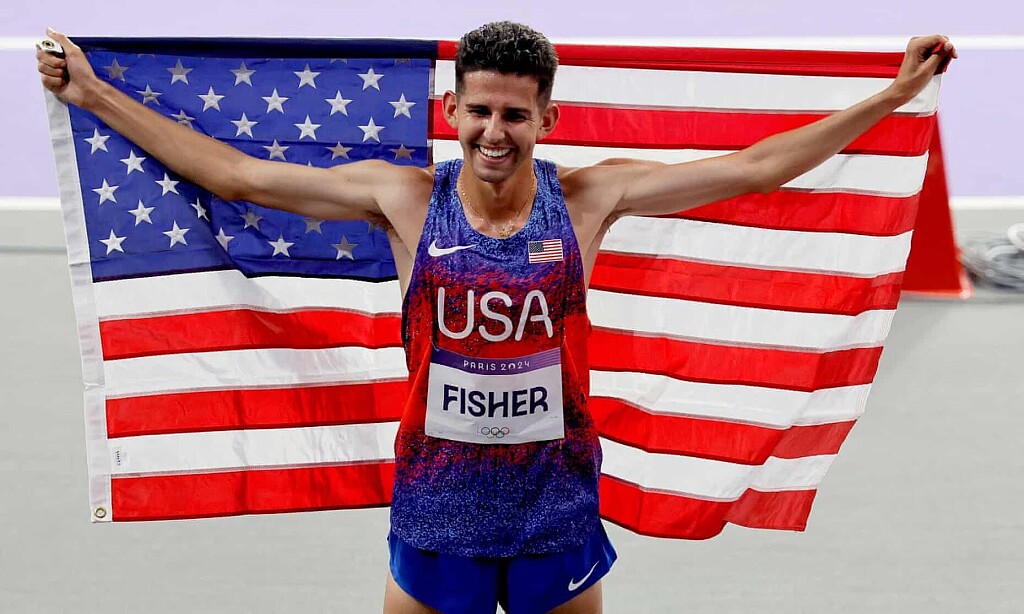
History maker: USA’s Grant Fisher takes bronze in men’s 10,000m at Paris Olympics
Grant Fisher joined Lewis Tewanima (1912), Billy Mills (1964) and Galen Rupp (2012) as the only American men to medal in the 10,000m at the Olympics, winning bronze in a close final on Friday night at the Stade de France.
Fisher was narrowly pipped to the line by Ethiopa’s Berihu Aregawi, who picked up the silver in a photo-finish.
There were also strong efforts from Americans Nico Young (26:58.11) and William Kincaid (27:29.40), who finished 12th and 16th. But it was Fisher who made US history. In a cool night in Paris, he ran his best time of the season, clocking in at 26 minutes, 43.46 seconds. Aregawi ran a 26:43.44.
“I’ve been close to the medals before,” Fisher said. “But I haven’t gotten one until today.”
Fisher’s bronze marked the first US medal in track and field at the Paris Games.
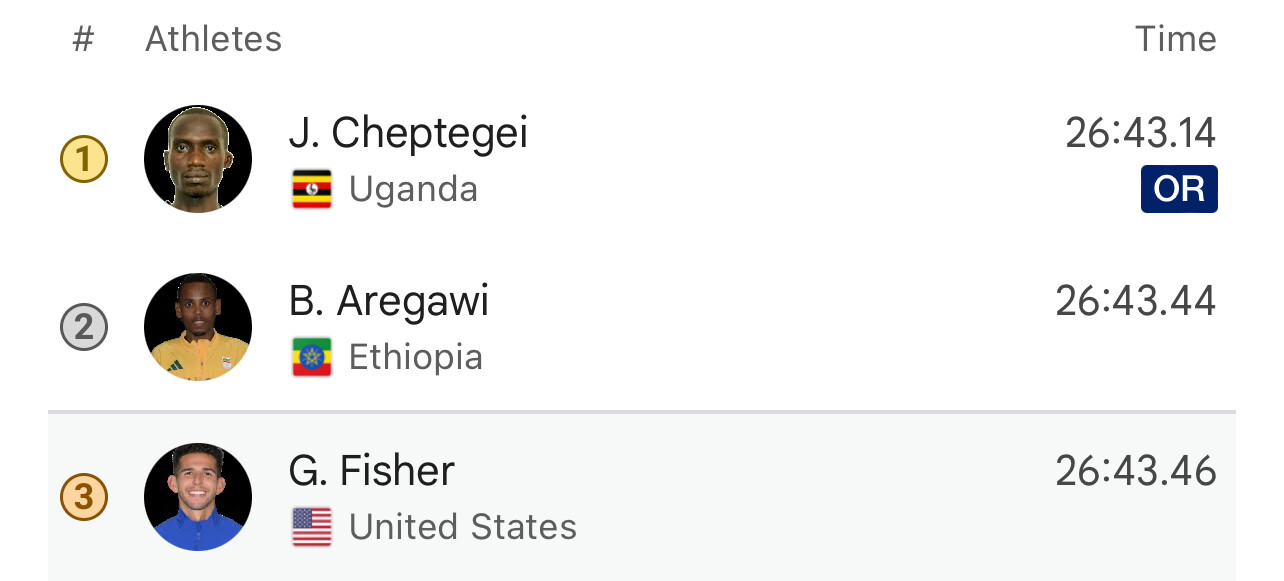
“So many things have to go right to get on the podium,” said Fisher, who finished fifth in the 10,000m in Tokyo. “I’m happy that they did.”
After stumbling with about nine laps to go, Fisher surged back to reach the lead group heading into the final laps. Whether or not the American could hold on for a medal was a question, but who would take home the gold was never in doubt.
Joshua Cheptegei of Uganda took the lead with a little more than a lap left in a masterpiece of a 10,000m final to win in an Olympic-record 26:43.14 seconds in front of a roaring crowd on an electric opening night for track at the Paris Games.The world record-holder raced in the middle of a strung-out pack for most of the 25 laps on the calm. Then he took off around the curve and held the lead over the final 500 meters against a crowd of Ethiopians who set a blistering pace all night.This was Cheptegei’s season opener on the track this season – his only race at this distance was a 26:53 run in a cross-country road race earlier this season.
He looked in peak form, turning a race being controlled by Aregawi and his Ethiopian teammates, who strung out the pack early and took turns in the lead, into a celebration for Uganda, which captured its first gold in the 112-year history of this race at the Olympics.The win earned Cheptegei $50,000 – a new prize for Olympic track this year – and a chance to ring the bell at the end of the stadium that is reserved only for newly crowned Olympic champions.
Cheptegei adds this to the silver medal he won in Tokyo and the world titles he took in 2019, 2022 and 2023.“Now, my collection is complete,” he said. “I was the world champion. Now, I win the Olympic title. I’m so excited.”
by Guardian sport
Login to leave a comment
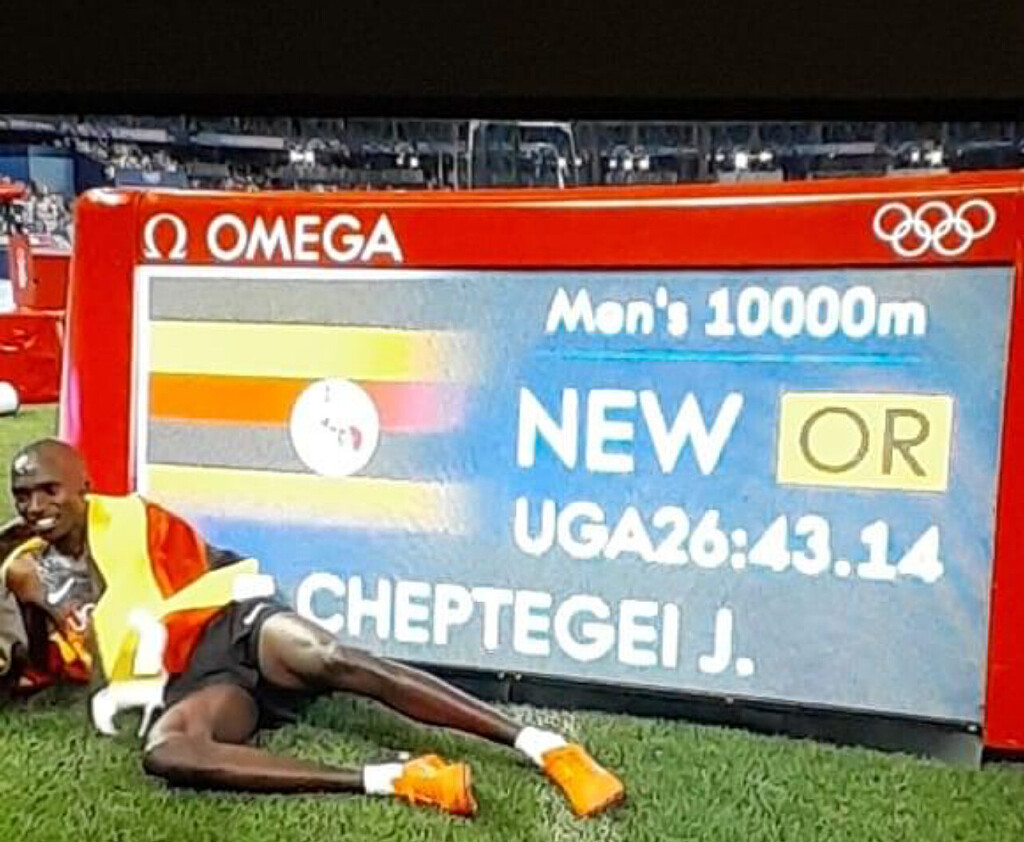
New 10,000m Olympic Record in maybe one of the best 10000m ever
In what could be argued as the most gruelling track race of the Olympic Games, the 10,000m, it was an epic battle in the men’s final, as the reigning Olympic champion, reigning world champion and current world record holder were all in the lineup at the Stade de France to battle for the coveted Olympic gold medal.
Taking the fastest 10,000m race in the history of the Olympic Games was Uganda’s world record holder, Joshua Cheptegei, in a time of 26:43.14.
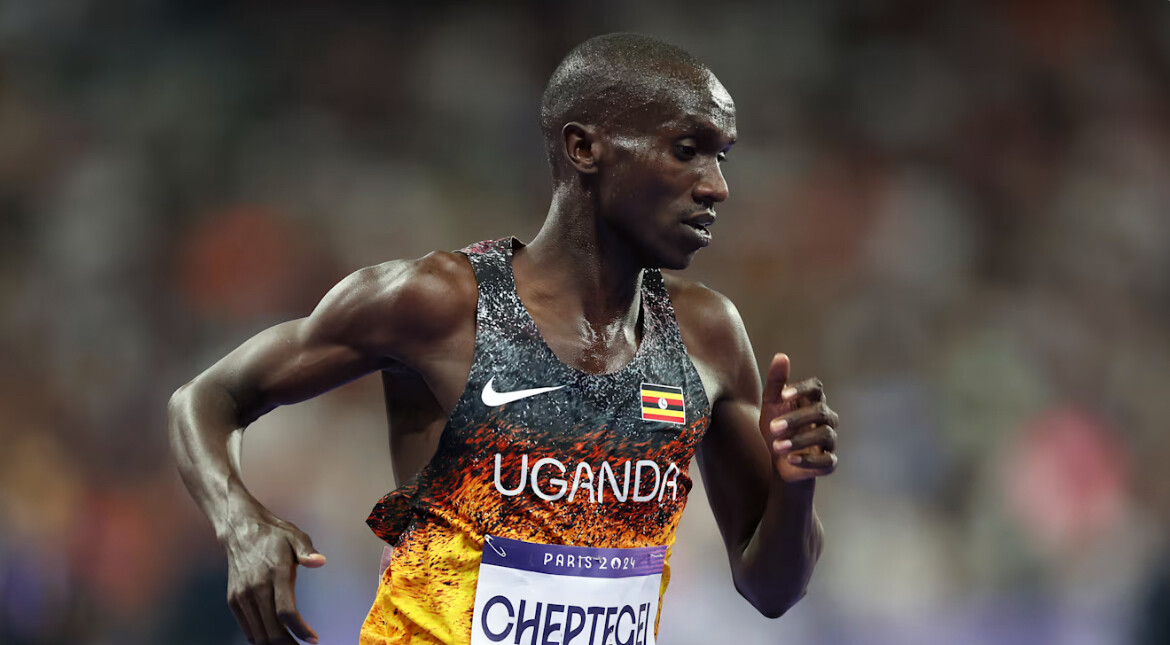
The pool was incredibly fast, with the first 13 finishers all coming in under the previous Olympic record, that before Friday night had held true since 2008.
Ethiopia’s Berihu Aregawi took the silver medal just 0.3 seconds behind Cheptegei, with USA’s Grant Fisher taking the bronze medal, 0.02 behind silver.
Reigning Olympic champion Selemon Baregaof Ethiopia took seventh place in 26:44.48.

More: Joshua Cheptegei of Uganda took the lead with a little more than a lap left in a masterpiece of a 10,000-meter race to finish in an Olympic-record 26 minutes, 43.14 seconds in front of a roaring crowd on an electric opening night at the track.
The world-record holder raced in the middle of a strung-out pack for most of the 25 laps on the calm, cool evening at the Stade de France.
Then he took off, and held the lead over the final 500 meters against a crowd of Ethiopians who set a blistering pace all night.
Ethiopian Berihu Aregawi beat American Grant Fisher in a sprint to the line for silver.
Fisher’s bronze medal marked the first for the U.S. in the longest race at the Olympic track since Galen Rupp took silver in 2012.
Login to leave a comment
Will super spikes cause records to fall in Paris?
Recent research confirms that high-tech shoes will give runners a significant boost.
Athletics events kick off Thursday at the Paris Olympics, and many, if not all, track competitors will be sporting super spikes—new generation, high-tech running spikes with carbon plates. Will these shoes power athletes to never-before-seen times? Recent research out of the University of Michigan suggests they will, and by a surprising amount.
A game-changing advantage
The 2021 Tokyo Olympics saw record performances on the track, leading fans and exercise physiologists alike to wonder about the impact of super spikes, which at the time were only accessible to a small group of athletes.
A recent study conducted by St. Edward’s University and the University of Michigan has shed light on the significant role these advanced footwear technologies play in boosting running economy—the efficiency with which the body uses oxygen, which is crucial for athletic performance.

Researchers compared the running economy of athletes wearing super spikes to those in traditional track spikes. The results? A notable two per cent improvement in running economy with super spikes, potentially translating to a one-to-one-and-a-half per cent reduction in race times.
For example, for a runner who completes a 10,000m race in 30 minutes, this enhancement could mean shaving off about 25 seconds—an edge that could make an enormous difference in a close race. (The women’s world record for the outdoor 10,000m race, the longest of the track events, is 28:54.14, set by Kenya’s Beatrice Chebet, and the men’s record, set by Uganda’s Joshua Cheptegei, is 26:11.00.)
Levelling the playing field
Super spikes integrate advanced materials like special foams and carbon-fibre plates, making them lighter, softer and more responsive than traditional track spikes. While controversy surrounds their perceived advantage, with some feeling they offer an unfair edge, most (or all) competitors will be wearing them in Paris, suggesting a levelling of the playing field.
Similar technology has been used in running shoes since 2016, and the study also compared super spikes with new-generation running shoes. Despite weighing more, the high-tech shoes provided a comparable boost in running economy to the super spikes.
Are records destined to be broken in Paris?
With the athletics portion of the Paris Olympics Games kicking off Thursday with the men’s and women’s 20K race walk events, the increased availability and use of super spikes are expected to raise the bar for athletic performances. While not every Olympian had access to these technologies in 2020, their proliferation suggests a new track and field standard.
According to researchers, the greater availability of super spikes could lead to a deeper pool of faster times at the Paris Olympics, setting the stage for record-breaking performances. Tune in and be prepared to be on the the edge of your seat.
by Keeley Milne
Login to leave a comment
Paris 2024 Olympic Games
For this historic event, the City of Light is thinking big! Visitors will be able to watch events at top sporting venues in Paris and the Paris region, as well as at emblematic monuments in the capital visited by several millions of tourists each year. The promise of exceptional moments to experience in an exceptional setting! A great way to...
more...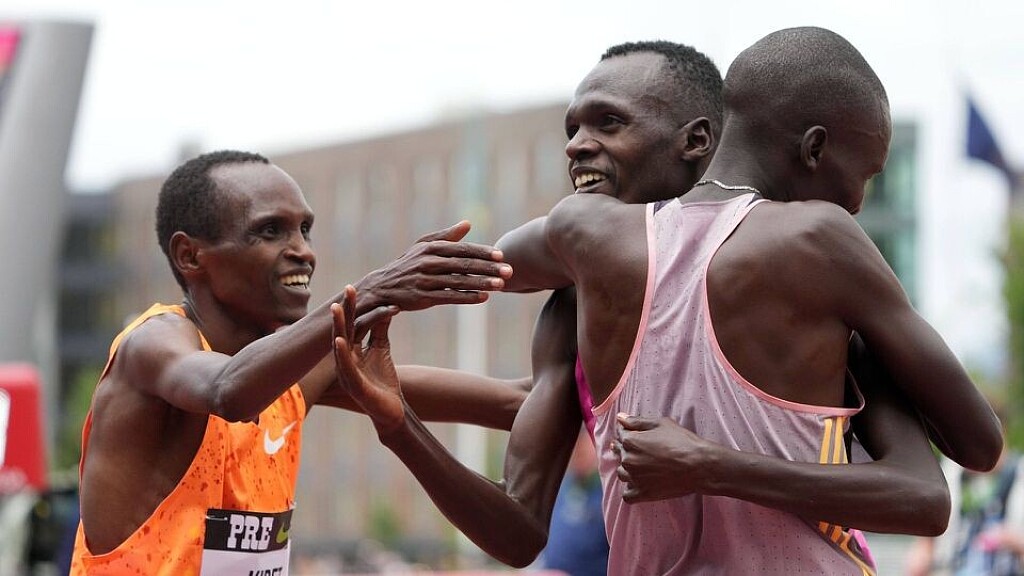
Kenya's hopes rest on Daniel Mateiko, Nicholas Kimeli & Bernard Kibet to win 10,000m gold since 1968
Daniel Mateiko, Nicholas Kimeli, and Bernard Kibet will have the pressure to deliver Kenya's gold medal since Naftali Temu's exploits at the 1968 Mexico City Olympics.
The trio of Daniel Mateiko, Nicholas Kimeli and Bernard Kibet are tasked with a daunting task to reclaim Kenya’s 10,000m title once they toe the line at the Stade de France on Friday, August 2.
The men’s race starts at 10:20 p.m. East African Time with the trio taking on one of the strongest fields in history with the main aim to reclaim Naftali Temu’s title won at the 1968 Mexico City Olympics.
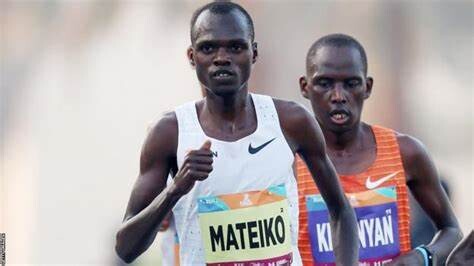
Kenyans have had a rough time of winning the gold medal following the emergence of Ethiopians and Ugandans who have dominated the race. Kenenisa Bekele, Mo Farah, Joshua Cheptegei have dominated the global stage with Bekele and Farah winning two titles each.
Selemon Barega won the title at the delayed 2020 Tokyo Olympic Games with Cheptegei and Jacob Kiplimo taking second and third place respectively.
Mateiko made headlines, winning the Prefontaine Classic to secure his slot to the Olympic Games with Kimeli and Kibet finishing second and third respectively. The trio has the much-needed confidence to impress following their training sessions that have been extensive so far.
Mateiko and Kimeli train with Eliud Kipchoge and they certainly draw inspiration from the two-time Olympic champion who will also be chasing his third Olympic title.
However, they will not have an easy task in title reclamation as they go up against very strong opponents. Defending champion Barega will be out to defend his Olympic gold with Cheptegei also in the mix.
Being the world record holder and a three-time world champion, Cheptegei will going for the only title missing in his decorated CV. The Ethiopians have fielded their best, with world leader Yomif Kejelcha and Berihu Aregawi also in the mix. Paris marks the first Olympics for Kejelcha who will have the pressure on him after the world lead.
Cheptegei has raced sparingly, making it difficult to gauge his shape. He will be competing for the first time since end of May when he finished ninth in the 5000m at the Diamond League Meeting in Oslo.
The American duo Grant Fisher and Nico Young have also been entered and they will also be chasing history for the US. Young will b debuting at the Olympics and the race will just be his third 10,000m race on a track.
On his part, Fisher has great experience racing on the global stage and after finishing fifth at the delayed 2020 Tokyo Olympics, he will be out to improve on that.
by Abigael Wafula
Login to leave a comment
Paris 2024 Olympic Games
For this historic event, the City of Light is thinking big! Visitors will be able to watch events at top sporting venues in Paris and the Paris region, as well as at emblematic monuments in the capital visited by several millions of tourists each year. The promise of exceptional moments to experience in an exceptional setting! A great way to...
more...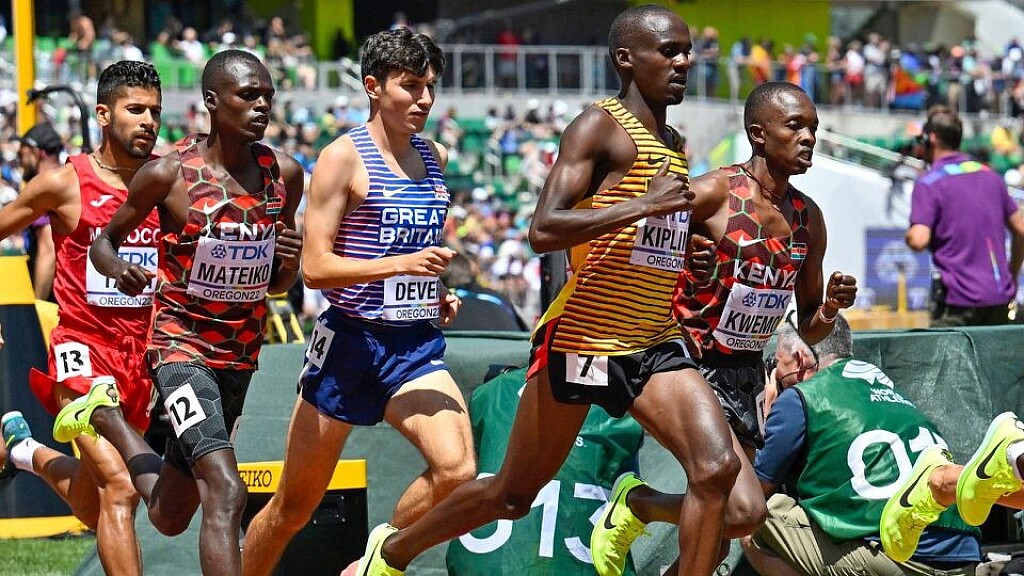
Paris 2024: Five reasons why Kenya might struggle to reclaim Naftali Temu's Olympic glory in 10,000m
Kenya is facing significant challenges in their quest to win Olympic gold in the 10,000m, a feat last achieved in 1968.
On Friday night, Kenya will have their first chance to bag a medal in Athletics when three of its athletes step onto the purple track at the Stade de France.
The hopes of a nation will follow Daniel Mateiko, Nicholas Kipkorir, and Bernard Kibet as they attempt to end a 56-year Olympic gold drought in the men's 10,000 meters, a title last won by Naftali Temu in 1968.
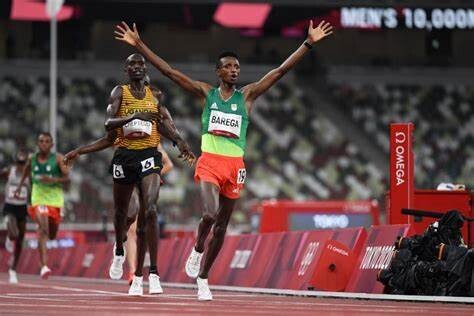
Despite their ambitions, several hurdles could hinder their quest for gold.
1. Stiff Competition from neighboring countries
The field for the men's 10,000m in Paris is formidable featuring athletes who have dominated recent major championships.
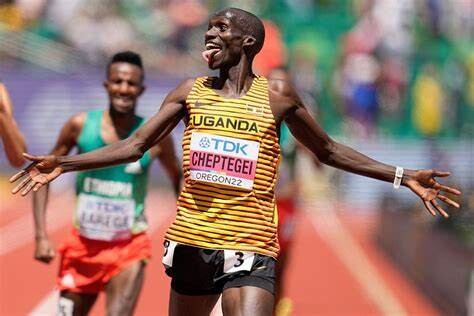
Reigning Olympic champion Selemon Barega of Ethiopia and world record holder Joshua Cheptegei from Uganda are prime contenders.
Both athletes have consistently shown that they can perform at their peak under the intense pressure of the Olympics and World Championships.
Cheptegei, in particular, has won the last three World finals in a row, showcasing his speed and strategic race management.
2. Limited success in recent years
While Kenya is renowned for its middle and long-distance runners, their success in the 10,000m at major international events has been limited in recent years.
The last Kenyan to win gold in this event at the World Championships was Charles Kamathi in 2001.
The more recent global stages have seen Kenyan athletes unable to break through the top ranks, often finishing outside the medal positions.
This historical context sets a precedent that may be tough to overcome, especially against more recently successful nations like Ethiopia and Uganda.
3. The pressure of a longstanding drought
The weight of a 56-year Olympic gold drought in the 10,000m can be a significant psychological burden.
The athletes are not just racing against their contemporaries but also against history.
The desire to end this long wait for gold can create immense pressure, which might affect their performance.
Handling this pressure while maintaining the focus and composure needed to win at the Olympic level is a daunting challenge that could hinder their prospects.
4. Tactical vulnerabilities
The dynamics of long-distance racing have evolved, with a significant emphasis on the tactical execution of the race.
Kenyan athletes have traditionally excelled in pace-driven races but have sometimes struggled in tactical scenarios where races are decided in the final laps.
The likes of Barega and Cheptegei have demonstrated exceptional ability to shift gears dramatically in the final stages of a race, a skill that has been pivotal in their victories.
Unless the Kenyan contenders have significantly improved their race tactics and finishing kicks, they may find themselves outmaneuvered in the crucial closing stages.
5. Training and preparation challenges
While the Kenyan team has trained intensively at high-altitude facilities, the transition to competition at lower altitudes can be challenging.
Adapting to the specific conditions of the track at Stade de France, coupled with the unpredictable Parisian weather, adds another layer of complexity to their preparation.
Effective adaptation is crucial and any missteps in acclimatization or strategy during training could impair their performance when it counts.
by Festus Chuma
Login to leave a comment
Paris 2024 Olympic Games
For this historic event, the City of Light is thinking big! Visitors will be able to watch events at top sporting venues in Paris and the Paris region, as well as at emblematic monuments in the capital visited by several millions of tourists each year. The promise of exceptional moments to experience in an exceptional setting! A great way to...
more...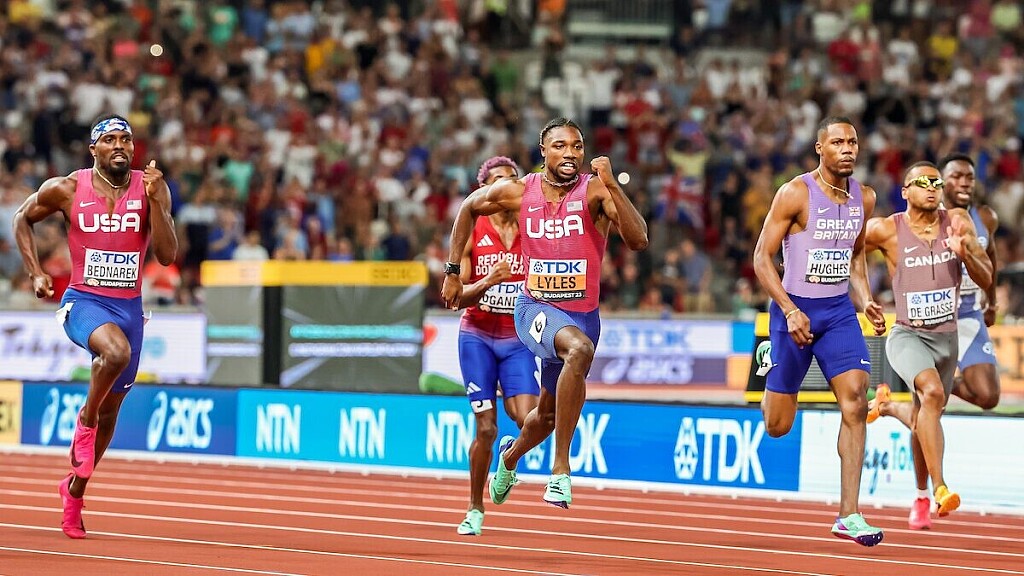
Paris 2024: Favorites and best value picks on the track
We are just four days away from the opening ceremony of the 2024 Paris Olympics and a little over a week from the start of the athletics events at the Stade de France. If you’re looking to place your bets for gold or want to know the favorites for each event (according to Vegas sportsbooks), we’ve got you covered with insights and odds to help you get the best value out of your picks.
Men’s 100m
Favorite: Kishane Thompson (JAM) -105 [world leader]
Best value: Oblique Seville (JAM) +900
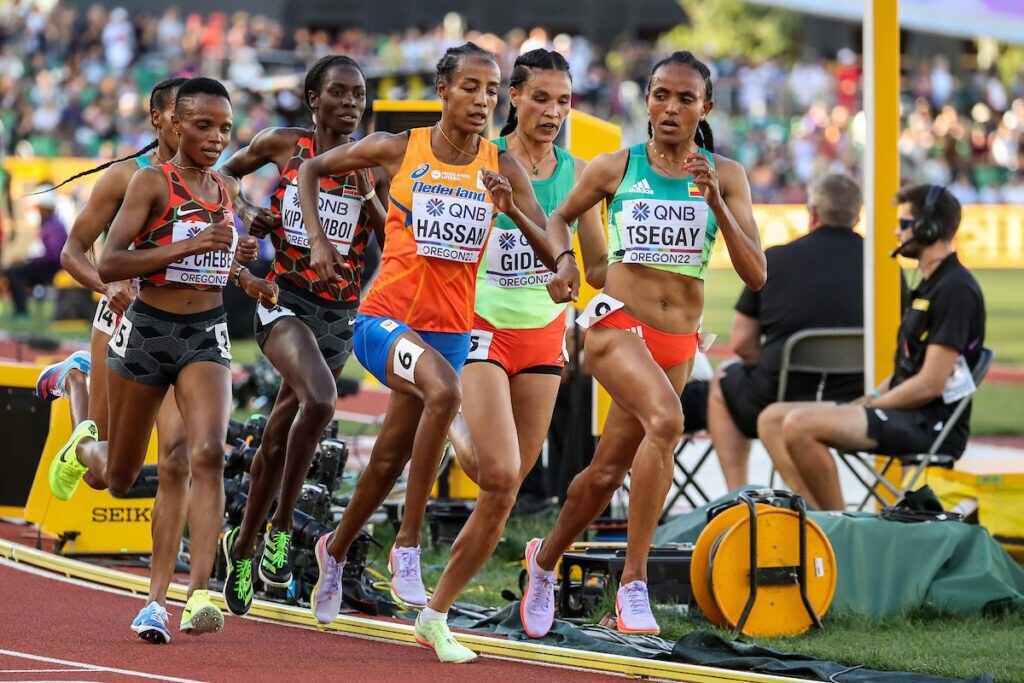
Men’s 200m
Favorite: Noah Lyles (USA) -290 [3x world champion]
Best value: Erriyon Knighton (USA) +1000 [2x world championship medallist]
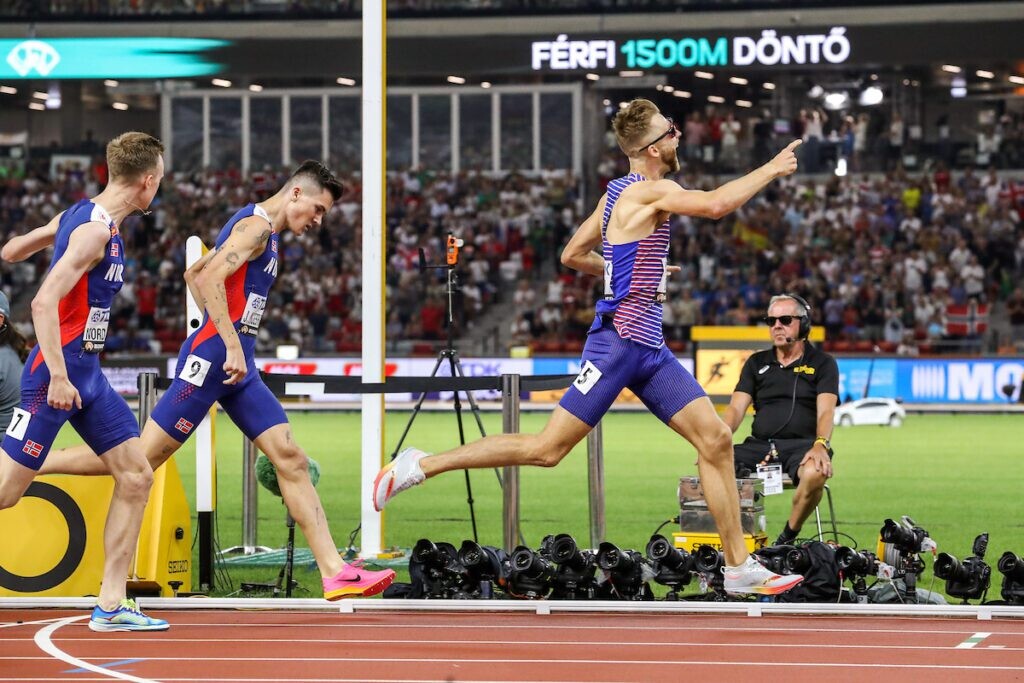
Men’s 400m
Favorite: Matthew Hudson-Smith (GBR) +120 [world silver medalist]
Best value: Steven Gardiner (BAH) +350 [reigning Olympic champion]
Men’s 800m
Favorite: Djamel Sedjati (ALG) -250 [world leader]
Best value: Marco Arop (CAN) +1500 [reigning world champion]
Men’s 1,500m
Favorite: Jakob Ingebrigtsen (NOR) -225 [reigning Olympic champion]
Best value: Josh Kerr (GBR) +175 [reigning world champion]
Men’s 5,000m
Favorite: Jakob Ingebrigtsen (NOR) -290 [reigning world champion]
Best value: George Mills (GBR) +4000
Men’s 10,000m
Favorite: Joshua Cheptegei (UGA) +120 [world record holder]
Best value: Berihu Aregawi (ETH) +600
Men’s 110m hurdles
Favorite: Grant Holloway (USA) -500 [world leader and world champion]
Best value: Hansle Parchment (JAM) +1000 [reigning Olympic champion]
Men’s 400m hurdles
Favorite: Rai Benjamin (USA) +100 [world leader]
Best value: Alison Dos Santos (BRA) +300 [2022 world champion]
Men’s 3,000m steeplechase
Favorite: Lamecha Girma (ETH) -120
Best value: Soufiane El Bakkali (MAR) +190
Men’s marathon
Favorite: Eliud Kipchoge (KEN) -190 [reigning Olympic champion]
Best value: Benson Kipruto (KEN) +900 [2024 Tokyo Marathon champion]
Women’s 100m
Favorite: Sha’Carri Richardson (USA) -225 [reigning world champion]
Best value: Julien Alfred (LCA) +700
Women’s 200m
Favorite: Gabby Thomas (USA) +105 [2020 Olympic bronze medalist]
Best value: Shericka Jackson (JAM) +180 [reigning world champion
Women’s 400m
Favorite: Marileidy Paulino (DOM) -135 [2020 Olympic silver medalist]
Best value: Rhasidat Adeleke (IRL) +700
Women’s 800m
Favorite: Keely Hodgkinson (GBR) -290 [Olympic silver medallist]
Best value: Nia Atkins (USA) +1500
Women’s 1,500m
Favorite: Faith Kipyegon (KEN) -285 [world record holder]
Best value: Jessica Hull (AUS) +1000
Women’s 5,000m
Favorite: Faith Kipyegon (KEN) -285 [world champion]
Best value: Beatrice Chebet (KEN) +750 [world XC champion]
Women’s 10,000m
Favorite: Sifan Hassan (NED) +120 [reigning Olympic champion]
Best value: Gudaf Tsegay (ETH) +250 [reigning world champion]
Women’s 100m hurdles
Favorite: Cyrena Samba-Mayela (FRA) +250 [European champion]
Best value: Tobi Amusan (NGR) +1500 [world record holder]
Women’s 400m hurdles
Favorite: Sydney McLaughlin-Levrone (USA) -700 [world record holder and reigning Olympic champion]
Best value: Femke Bol (NED) +300 [reigning world champion]
Women’s 3,000m steeplechase
Favorite: Beatrice Chepkoech (KEN) n/a [world record holder]
Best value: Sembo Almayew (ETH) n/a
Women’s marathon
Favorite: Tigst Assefa (ETH) +250 [world record holder]
Best value: Hellen Obiri (KEN) +400 [2023 & 2024 Boston Marathon champion]
by Marley Dickinson
Login to leave a comment
Paris 2024 Olympic Games
For this historic event, the City of Light is thinking big! Visitors will be able to watch events at top sporting venues in Paris and the Paris region, as well as at emblematic monuments in the capital visited by several millions of tourists each year. The promise of exceptional moments to experience in an exceptional setting! A great way to...
more...
World champions to headline 2024 Chicago Marathon
As we inch toward the fall road racing season, the 2024 Chicago Marathon is the first Abbott World Marathon Major (AWMM) to announce its men’s and women’s elite list. Last year’s elite races in Chicago saw two course records and one world record set by the late Kelvin Kiptum—something that will be hard to beat. But the 2024 field does not lack talent or potential, with former world champion and fourth-fastest marathoner in history Ruth Chepngetich headlining the women’s field and world 10,000m silver medallist Daniel Ebenyo making his marathon debut in the men’s field.
The men’s race
Ebenyo has had a successful career on the track, winning multiple medals at World Championships and Commonwealth Games, but never individual gold. He is currently ranked by World Athletics as the top 10,000m runner in the world, holding a personal best of 26:57.80, which he set in 2023. The 28-year-old was not selected for the 10,000m by the Kenyan Olympic team for Paris 2024 after an eighth-place finish at the Kenyan Trials.
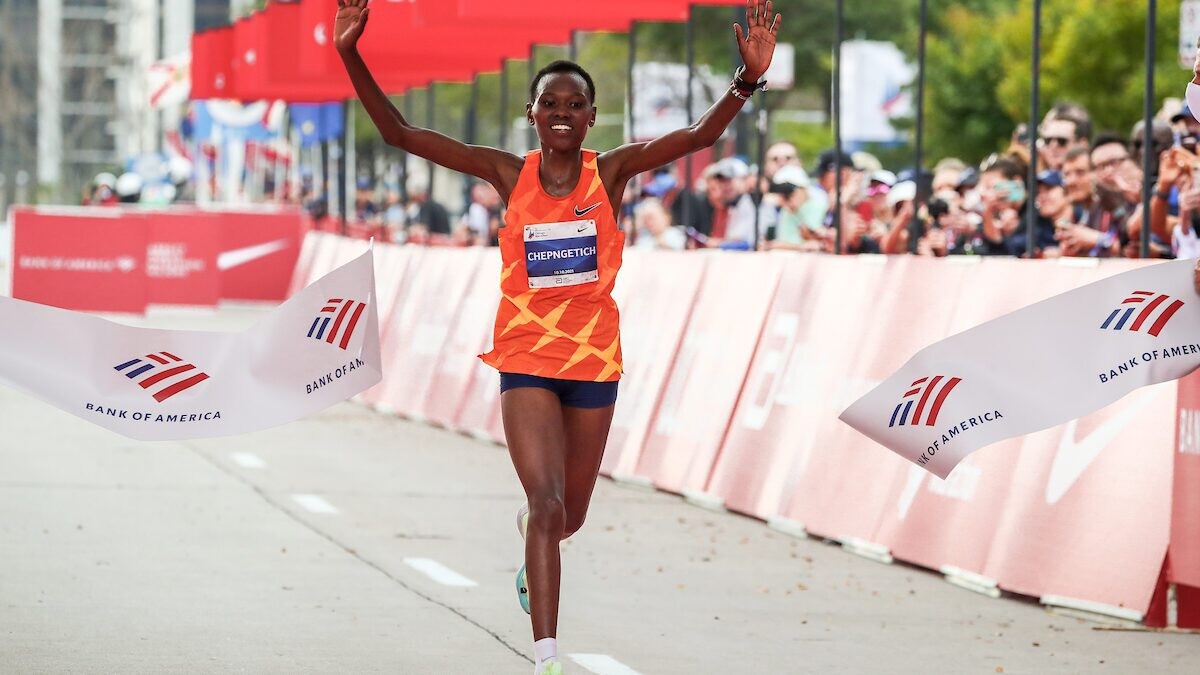
Although the Kenyan star has had success on the track, he has also flourished in his short career on the roads, winning silver in the half-marathon at the inaugural World Road Running Championships in Riga, Latvia. He holds a personal best of 59:04 for the half distance and a world best over 25 km (1:11:13).
Ebenyo’s potential over 42.2 km will be hard to predict; many people had high expectations for three-time world 10,000m champion Joshua Cheptegei of Uganda, but he struggled in his marathon debut last December in Valencia, clocking 2:08:59 for 37th place.
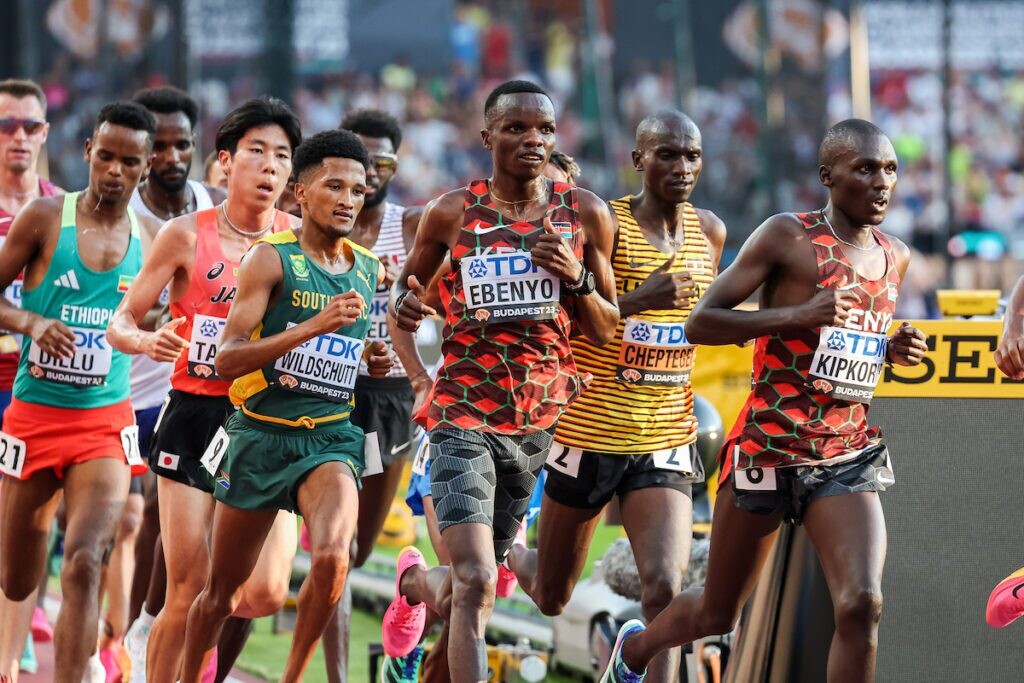
Joining Ebenyo in the men’s field is 2022 London Marathon champion Amos Kipruto, who has the fastest personal best in the field (2:03:13 from the 2022 Tokyo Marathon). Kipruto has podiumed at three of the six AWMMs and is known as one of the best tactical marathoners in the world. Chicago will be Kipruto’s first marathon since his seventh-place finish in Berlin last year.
The lone Canadian in the men’s field is Phil Parrot-Migas of London, Ont. This will be the third marathon of his career. He holds a personal best of 2:15:53, set in Hamburg in April.
The women’s field
At the 2022 Chicago Marathon, Chepngetich was on a world-record pace until the final kilometre, ultimately missing it by 14 seconds (2:14:18). This capped off her second-straight Chicago victory, following in the footsteps of her compatriot, Brigid Kosgei. Last year, Chepngetich was second to Sifan Hassan’s course record-setting run, in 2:15:37. Her personal best is the fastest in the field by a minute and a half, and with her experience on the flat and fast course, she’s going to be a tough athlete to beat come Oct. 13.
Besides Chepngetich, there’s a strong American contingent, consisting of three of the country’s top five fastest marathoners: Keira D’Amato, Sara Hall and Betsy Saina. D’Amato had a rough go at the 2024 U.S. Olympic Trials, and was unable to finish, due to injury. Months later, she announced a coaching change and a planned move to Utah to train under distance running guru Ed Eyestone, the coach of U.S. Olympic marathoners Conner Mantz and Clayton Young. D’Amato, who will turn 40 in October, told Runner’s World she made the switch because she wanted a different perspective on her training and a chance to learn from someone new.
Saina comes into the race as the strongest American athlete, placing in the top five of her last three marathons, including a win at the 2023 Sydney Marathon. Sydney is currently a candidate to be added as the seventh AWMM, joining Tokyo, Berlin, London, Boston, Chicago and NYC.
by Marley Dickison
Login to leave a comment

Bank of America Chicago
Running the Bank of America Chicago Marathon is the pinnacle of achievement for elite athletes and everyday runners alike. On race day, runners from all 50 states and more than 100 countries will set out to accomplish a personal dream by reaching the finish line in Grant Park. The Bank of America Chicago Marathon is known for its flat and...
more...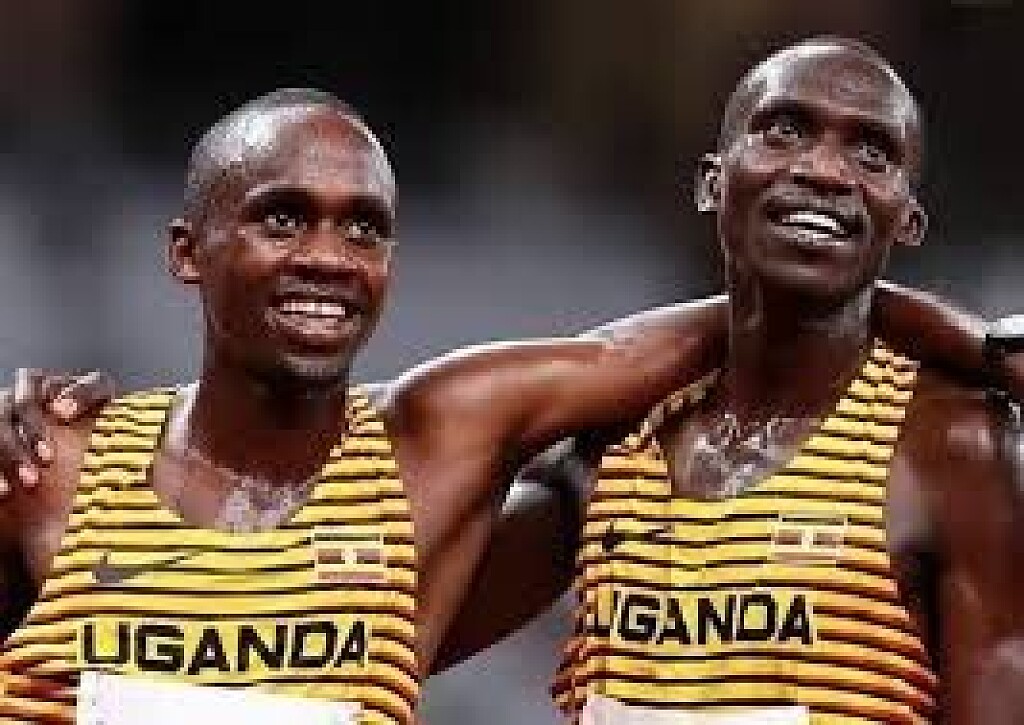
20 athletes to represent Uganda in Olympic Games Paris 2024
The Uganda Athletics Federation (UAF) has unveiled a team of 20 athletes to represent the country at the Paris 2024 Olympic Games later this month.
Over 10,000 top athletes from around the world will take part in the Games slated for July 26 to August 11 in France.
Announcing the track and field squad, UAF President Dominic Otuchet said the team boosts experienced athletes who have what it takes to win medals for the country.
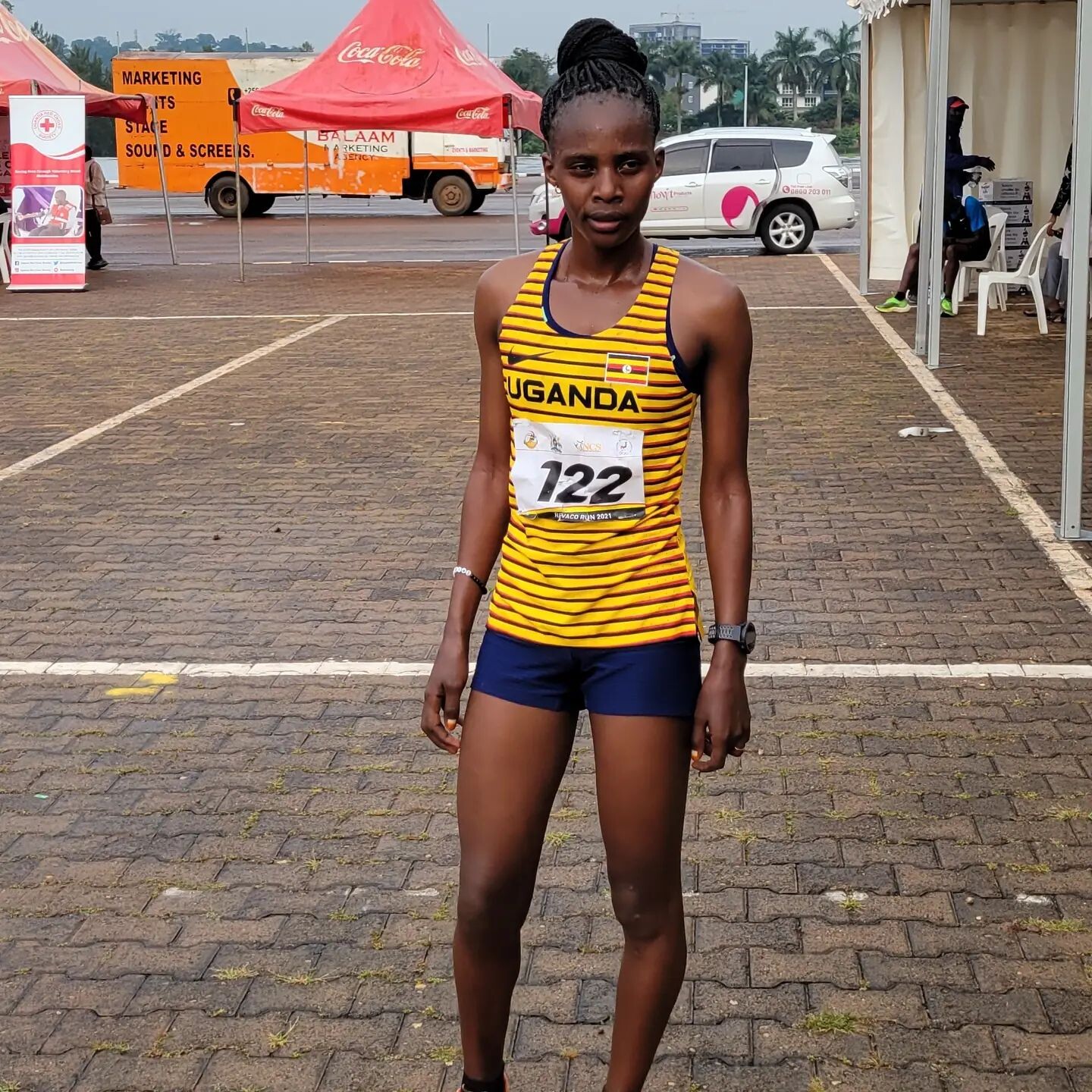
“We have athletes who have been proven and tested at the big stage,” said Otuchet.
World star Joshua Cheptegei who bagged a gold and silver medal at the Tokyo Olympics in 2020 will lead Uganda’s team together with half-marathon world record holder Jacob Kiplimo. The duo will battle in the 5,000m and 10,000m final.
“After getting a bronze medal at the last Olympic Games in Tokyo, my target is now to improve and win a gold medal. I know it will call for a lot of hard work to be able to achieve this and I am already working hard,” says Kiplimo.
Female athlete Peruth Chemutai who won a gold medal in the women’s 3000m steeplechase will also be another medal hopeful for the Ugandan team.
The team has 10 male and 10 female athletes, with another two, Belinda Chemutai and Loice Chekwemoi, on the waiting list. Besides track and field athletes, Uganda will also have two swimmers, a cyclist and a female rower.
Uganda Team:
Men:
Tarsis Gracious Orogot (200m),
Tom Dradriga (800m),
Jacob Kiplimo, Joshua Cheptegei (5,000m/10,000m),
Oscar Chelimo (5,000m),
Martin Magengo Kiprotich (10,000m),
Leonard Chemutai (3,000m SC),
Victor Kiplangat, Stephen Kissa, Andrew Rotich Kwemoi (Marathon)
Female:
Halimah Nakaayi (800m),
Winnie Nanyondo (1,500m),
Joy Cheptoyek (5,000m/10,000m),
Esther Chebet (5,000m),
Sarah Chelangat, Annet Chemengich Chelangat (10,000m), Peruth Chemutai (3,000m SC),
Stella Chesang, Rebecca Cheptegei, Mercyline Chelangat (marathon),
Reserves: Belinda Chemutai (5,000m),
Loice Chekwemoi (3,000m SC).
by Xinhua News
Login to leave a comment
Paris 2024 Olympic Games
For this historic event, the City of Light is thinking big! Visitors will be able to watch events at top sporting venues in Paris and the Paris region, as well as at emblematic monuments in the capital visited by several millions of tourists each year. The promise of exceptional moments to experience in an exceptional setting! A great way to...
more...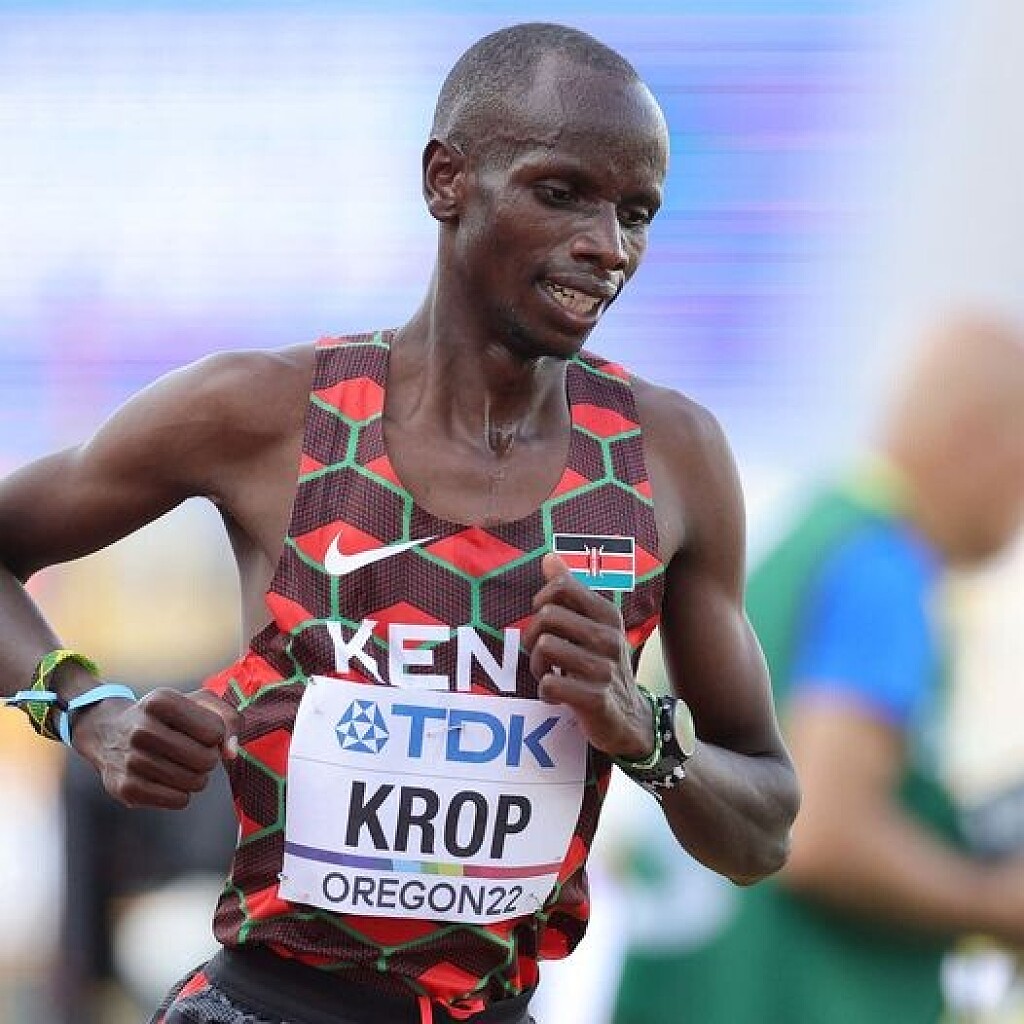
Ingebrigtsen, Cheptegei beware! Jacob Krop sets target after punching 5000m ticket to Olympic Games
Jacob Krop has sent a stark warning to Jakob Ingebrigtsen, Joshua Cheptegei, and other 5000m bound athletes after securing a ticket to the Olympic Games, following his relentless run at the Kenyan Olympic trials.
World 5000m bronze medallist Jacob Krop has promised to burn the midnight oil and ensure all the glory comes back to Kenya as he heads to the Paris 2024 Olympic Games.
Krop secured a direct ticket to the global showpiece, thanks to his relentless pursuit of greatness at the Olympic trials where he managed to finish second in the 5000m, clocking an impressive 13:27.54 to cross the finish line behind Ronald Kwemoi who won the race in 13:27.20. Edwin Kurgat completed the podium, clocking 13:27.75 to cross the finish line.
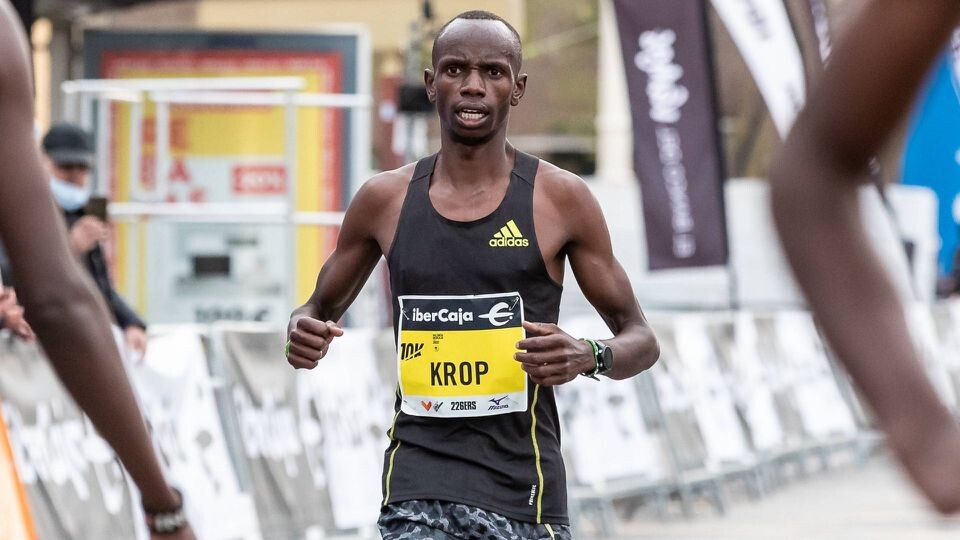
He will team up with Kwemoi and Krop believes they have the ability to silence serial winner Jakob Ingebrigtsen of Norway, defending champion Joshua Cheptegei and other opponents who have for long dominated the distance.
He disclosed that he moved to Japan and training there has been very effective since he has been able to work on certain areas of his training and he is now back.
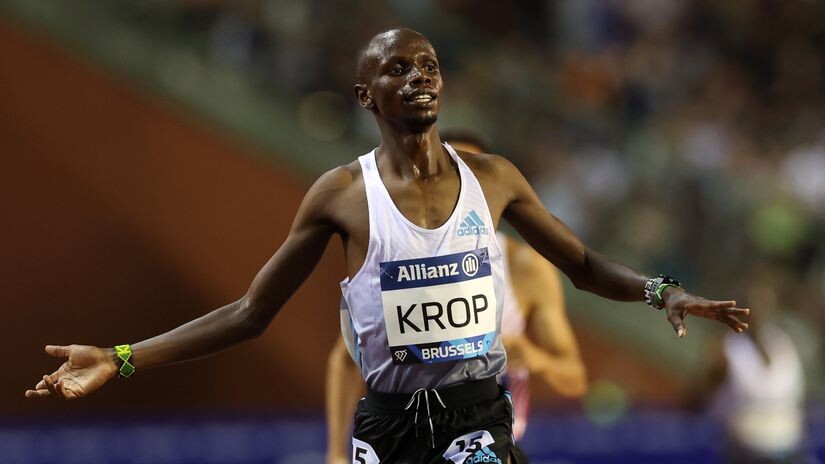
“This is my first time to make the cut to the Olympic team and I want my fans to expect something good. To bring the medals back home, we shall practice teamwork and invest more time in training.
“Everything is possible and I know it’s not easy but we shall work hard in training and see how things work out. I went to Japan and my stay there had been great since they always give me ample time to even come back to Kenya and train,” he said.
Meanwhile, Kenya last won the Olympic gold medal over the distance at the 1988 Seoul Olympics where John Ngungi beat a strong field to claim the coveted prize.
During the delayed 2020 Tokyo Olympic Games, no Kenyan made it to the podium as Cheptegei claimed the top honours with Canadian Mohammed Ahmed finishing second in the race as Kenyan-born American Paul Chelimo completed the podium.
As they head to the Olympics, Krop is aware of the tough opposition but he is sure anything is possible if they work hard and embrace team work.
by Abigael Wuafula
Login to leave a comment
Paris 2024 Olympic Games
For this historic event, the City of Light is thinking big! Visitors will be able to watch events at top sporting venues in Paris and the Paris region, as well as at emblematic monuments in the capital visited by several millions of tourists each year. The promise of exceptional moments to experience in an exceptional setting! A great way to...
more...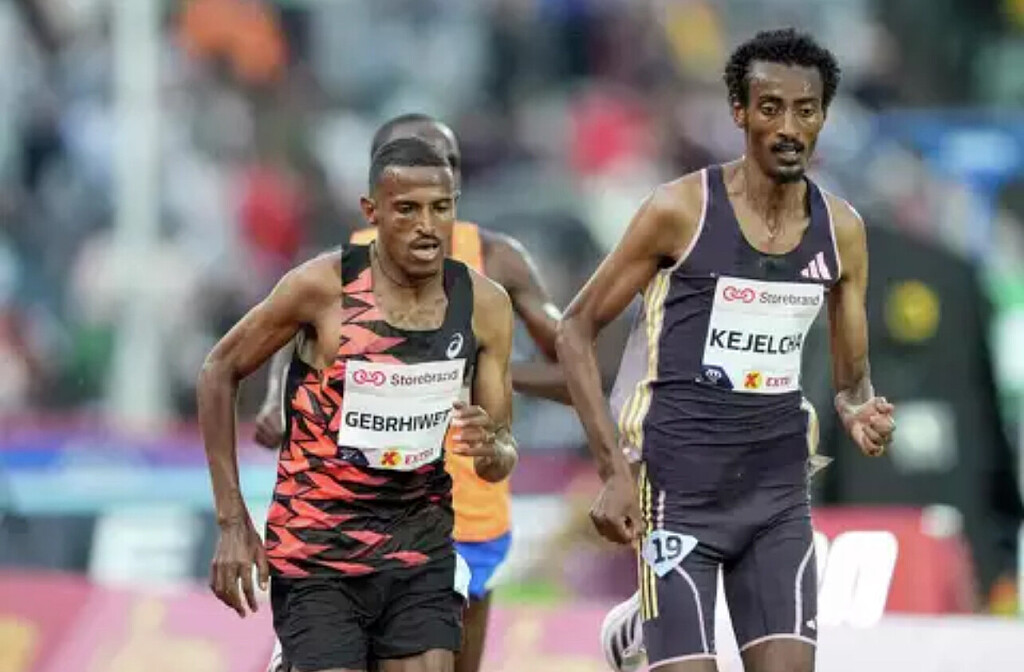
An amazing fast 5k in Oslo
OSLO, Norway (AP) — Hagos Gebrhiwet of Ethiopia ran the second-fastest 5,000 meters of all time in winning at the Diamond League meeting in Oslo on Thursday.
Gebrhiwet ran a final lap of 54.99 to finish in 12 minutes, 36.73 seconds — 1.37 seconds off the world record set by Olympic champion Joshua Cheptegei.
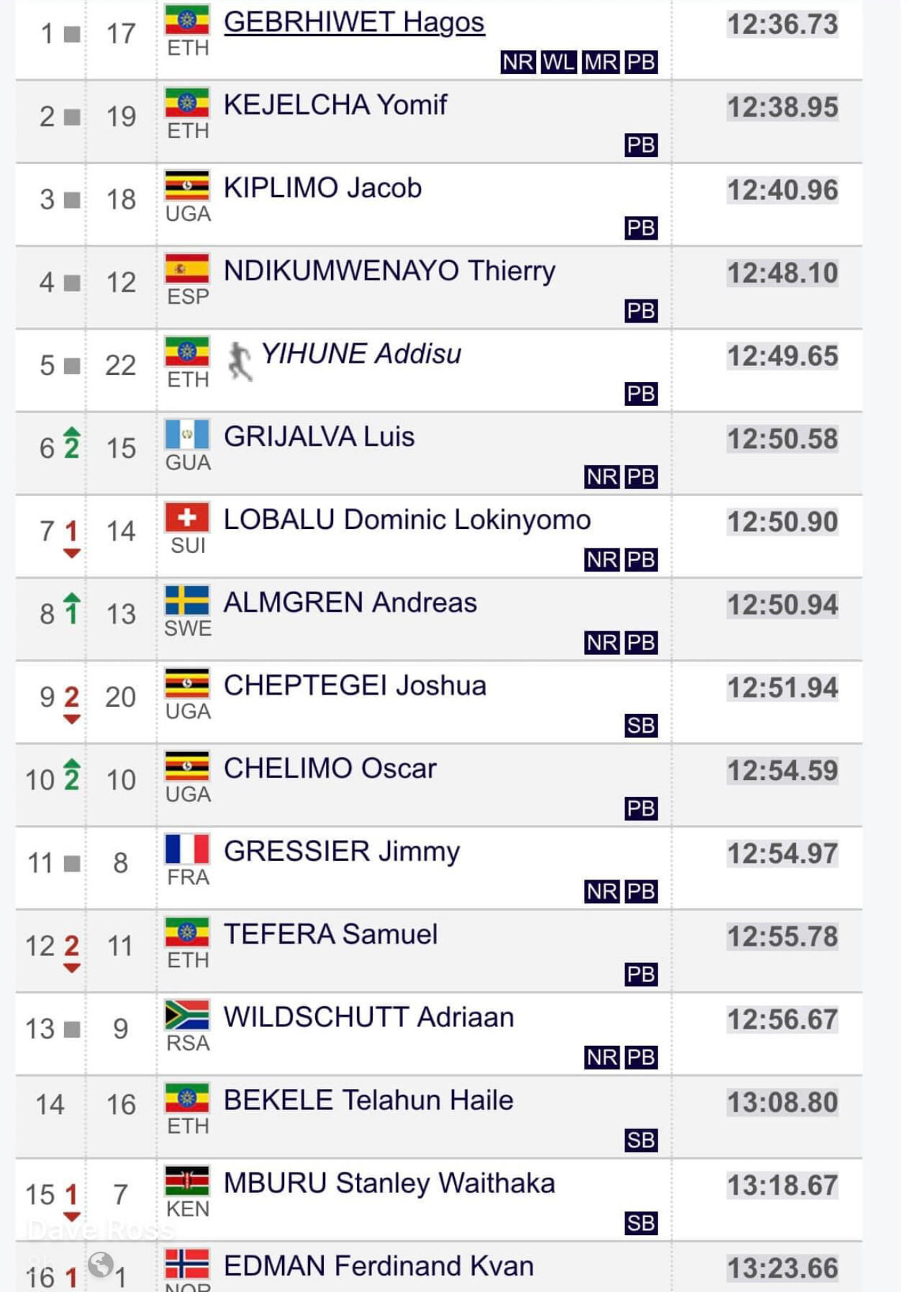
Gebrhiwet's time is not only the second fastest time ever it was also a new national record for Ethiopia. New personal bests for the top eight finishers and new National records for Guatemala, Switzerland, Sweden, France and South Africa!
Also at the Bislett Games, home favorite Jakob Ingebrigtsen dived for the line to win the men's 1,500 just ahead of Timothy Cheruiyot in a world-leading 3 minutes, 29.74 seconds.
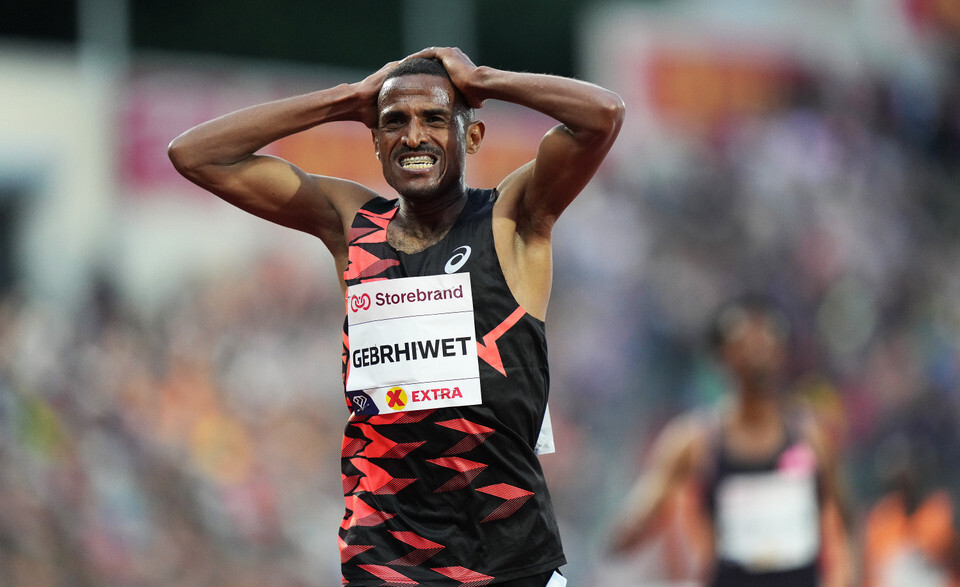
More details: Hagos Gebrhiwet produced the standout performance of the Bislett Games – and one of the biggest surprises of the year so far – when winning the men’s 5000m in 12:36.73 at the Wanda Diamond League meeting in Oslo on Thursday (30).
It was one of three meeting records and five world leads set on an enthralling night of athletics action in the Norwegian capital, just two months away from the Paris Olympic Games.
Going into the men’s 5000m, many eyes were on world record-holder and Olympic champion Joshua Cheptegei, two-time world cross-country champion Jacob Kiplimo and last year’s Bislett Games winner Yomif Kejelcha. But Gebrhiwet – who produced the first sub-13-minute run of his career on this track as a teenager back in 2012 – ensured his name won’t be forgotten in the lead-up to the Olympics.
The early pace was strong but not spectacular as the field was paced through the first 1000m in 2:33.13 and 2000m in 5:07.05. Addisu Yihune maintained that tempo through 3000m, reached in 7:41.05, with all the big contenders still in contention.
Kejelcha took control soon after and started to wind up the pace. Gebrhiwet stayed close to his fellow Ethiopian with Ugandan duo Kiplimo and Cheptegei close behind as 4000m was reached in 10:11.86, the previous kilometre being covered in 2:30.
Cheptegei was unable to hold on for much longer and started to drift back. Kejelcha continued to drive the pace but the challenge from Gebrhiwet and Kiplimo wasn’t fading, despite the increase in pace. Gebrhiwet struck as the bell sounded and moved into the lead, kicking past his compatriot and pulling away with each stride.
With a final lap of 54.99, Gebrhiwet charged through the line in 12:36.73 to win by more than two seconds from Kejelcha (12.38.95) – the first time in history that two men have broken 12:40 in the same race.
Gebrhiwet’s winning time is just 1.37 seconds shy of the world record Cheptegei set in 2020 and moves him to second on the world all-time list, one place ahead of Kenenisa Bekele, whose Ethiopian record Gebrhiwet broke.
Kiplimo held on for third, setting a PB of 12:40.96, while Spain’s Thierry Ndikumwenayo (12:48.10) and Yihune (12:49.65) also finished inside 12:50.
It was just the second time in history that 13 men have broken 13 minutes. Along with Gebrhiwet, there were national records for Guatemala’s Luis Grijalva (12:50.58), Switzerland’s Dominic Lokinyomo Lobalu (12:50.90), Sweden’s Andreas Almgren (12:50.94), France’s Jimmy Gressier (12:54.97) and South Africa’s Adriaan Wildschutt (12:56.67).
“I’m really happy with my time,” said Gebrhiwet, the world road 5km champion. “I set a PB when I first ran in Oslo, and now it’s even better. The conditions and the crowd were great. It was a very fast race and it wasn’t easy for me, but it went very well. I’ll now try to qualify for the Olympics in the 10,000m too.”
There were notable performances in two other endurance events in Oslo.
Australia’s Georgia Griffith continued her breakthrough to win the 3000m in an Oceanian record of 8:24.20. The field had been paced through 1000m in 2:50.34, then that pace was maintained through 2000m in 5:40.73.
The field became more strung out over the final kilometre as the pace increased. Griffith made a break in the closing stages and Ethiopia’s Likina Amebaw tried to come back, but her challenge was in vain as the Australian won in a meeting record of 8:24.20, 0.09 ahead of Amebaw in a race where the top six women finished inside 8:30.
In the closing event of the night, Olympic champion Jakob Ingebrigtsen was made to dive for the line to ensure a home victory for the Norwegian fans.
He controlled the pace in the second half, but still had 2019 world champion Timothy Cheruiyot for company on the final lap. The Kenyan challenged the Norwegian down the home straight and appeared to have timed his kick to perfection, but Ingebrigtsen collapsed over the line to get the verdict in a world-leading 3:29.74, 0.03 ahead of Cheruiyot. The first 11 finishers all set either season’s or personal bests.
Login to leave a comment
Kejelcha goes No.3 all time with 26:37 10km in Laredo
World indoor mile record-holder Yomif Kejelcha stormed to a 26:37 10km win in the northern Spanish town of Laredo on Saturday (16).
With that performance at the World Athletics Label event, the Ethiopian 26-year-old achieved the third-fastest men's 10km of all time. Only Rhonex Kipruto with his world record of 26:24 set in Valencia four years ago and Berihu Aregawi with his 26:33 run in Laredo last year have gone faster.

Racing under ideal weather conditions on a 15ºC windless afternoon, Kejelcha was perfectly paced by his fellow Ethiopian Addisu Yihune, himself the reigning world U20 5000m champion. They went through the opening kilometres at a steady 2:38 pace, the tempo needed to attack the world best.
Meanwhile, Uganda’s Joshua Cheptegei travelled a few metres behind in the company of his own pacemaker, his compatriot Naman Kipyeko, but the world 5000m and 10,000m record-holder began to lose ground some six minutes into the race. By the third kilometre, Kejelcha became a virtual victor as he had built a seven-second gap on the Ugandan, with 7:54 and 8:01 their respective times at that point.
Despite being well on schedule to challenge the world record, Kejelcha overtook Yihune before reaching the fourth kilometre and from then on it was a solo run by the two-time world indoor 3000m champion, who went through halfway in a promising 13:10. Cheptegei ran nine seconds in arrears in the company of Yihune.
Over the second half, Kejelcha maintained a frantic rhythm in the 2:38/2:40 per kilometre range to increase his advantage on Cheptegei.
Over the closing two kilometres, Kejelcha could not maintain the pace on his own and despite his huge effort he romped home 13 seconds shy of the coveted mark and four seconds off the Ethiopian record. As for Cheptegei, the 27-year-old finished in 26:53, his third-quickest time and 15 seconds slower than the then world record of 26:38 he set in Valencia in December 2019.
Surprisingly, the 20-year-old pacemaker Yihune completed the race in a massive lifetime best of 27:28.
“I came to Laredo to break the world record but it was not possible,” said Kejelcha. “I felt some discomfort in my hip around the eighth kilometre and could not maintain my speed.”
As for Cheptegei, the Olympic 5000m champion confirmed his main goal was to get the Olympic 10,000m standard of 27:00 and he expressed his happiness at having reached that target two weeks before he competes at the World Cross Country Championships in Belgrade.
Klosterhalfen prevails
Held alongside the men’s race, the women’s event featured Germany’s Konstanze Klosterhalfen as the favourite. The European 5000m champion dropped out during her last race, the Ras Al Khaimah Half Marathon, three weeks ago and was trying to bounce back in Laredo with the main target of getting the qualifying time for the 10,000m at the Paris Olympics (30:40).
Running in a group alongside male athletes, the 27-year-old started at a brisk pace and covered the opening kilometres at a tempo of around 3:00 per kilometre to go through halfway in 15:07, well on schedule for her target. Kenya’s Purity Gitonga travelled in second, five seconds back, and Spanish 3000m steeplechase record-holder Irene Sanchez-Escribano was third in 15:32.
Over the second half of the race all the main contenders slowed down their speed as Klosterhalfen began to falter dramatically inside the closing kilometre. That saw her lose any chance of achieving the entry standard for Paris but she still achieved a PB of 31:07.
Gitonga finished runner-up in 31:24 and Sanchez-Escribano ran a massive lifetime best of 31:35 for third.
Login to leave a comment

Laredo 10 km
One of the most anticipated races. The organization ensures that the circuit is possibly the fastest in the world. And it's not a bravado. The marks and comments of those who have run the prestigious 10k race in Ruta Villa de Laredo confirm it. But the organizers want to go further and not give rise to doubts....
more...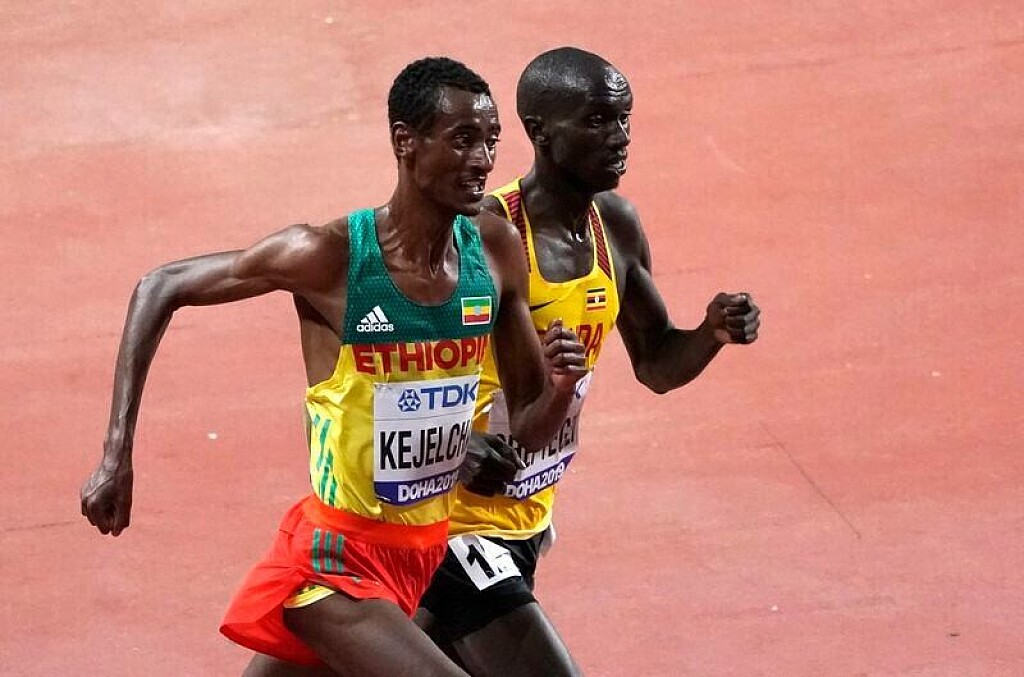
Cheptegei and Kejelcha will seek the 10k World Record in Laredo
One more year, the Laredo 10k will once again bring together some of the fastest distance runners in the world looking to continue flying. The circuit of this Cantabrian town is among the flattest on the planet, a true 'oasis' for participating athletes to seek to beat their records.
In this 2024 edition, which will be held on March 16, the holder of the World Record of 5,000 and 10,000 meters will participate, it will be the main attraction for the race that will be held this coming Saturday.
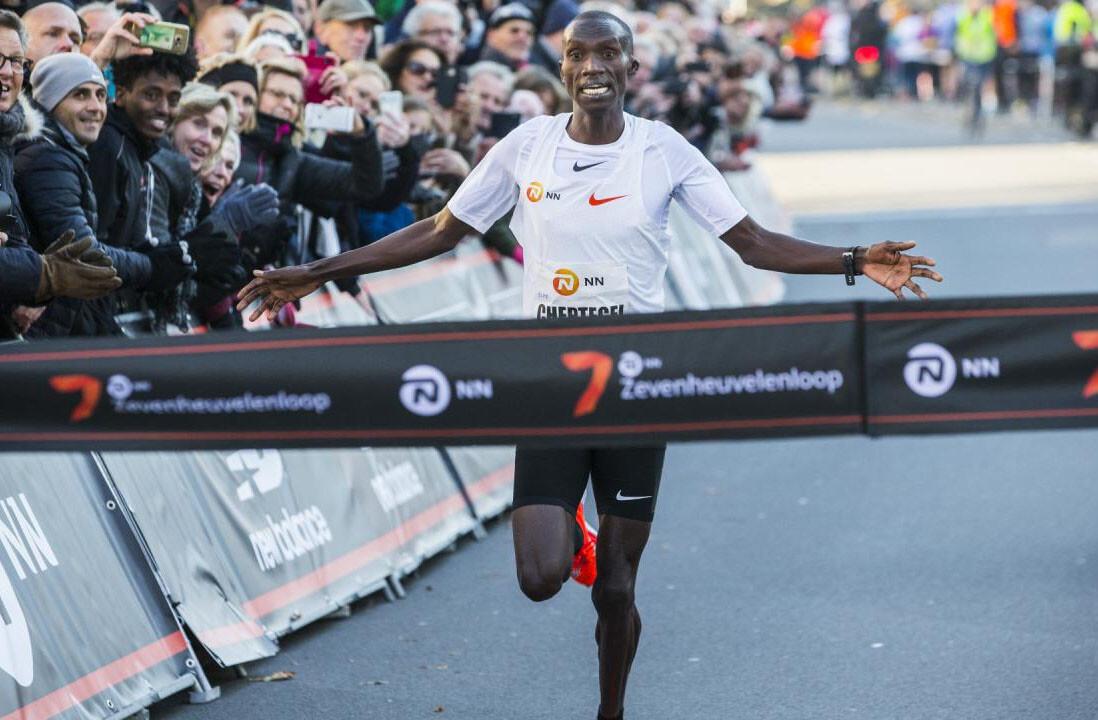
The town usually goes all out with the race and creates a spectacular atmosphere to carry the runners along. Joshua Cheptegei, who has a personal best of 26:38 (Ugandan National Record), will have to deal with another 'beast' of the track and asphalt like Yomif Kejelcha, with a mark of 12.41 in 5,000 and 26.49 in 10,000. The Ethiopian has a very good time to beat his 10k PB, which is from 2013 (28:13). But he will not be satisfied with that alone and will try to battle Joshua for victory.
Klosterhalfen, in females
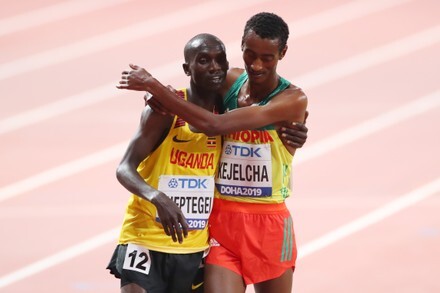
Former athlete Juan Carlos Higuero has reported that in the women's race there will be another reference from the world background such as the German Konstance Klosterhalfen. She has 31:01 in the 10,000 (German National Record) and 32:24 in the 10k. She also has a National Record in the 5,000.
Login to leave a comment
Laredo 10 km
One of the most anticipated races. The organization ensures that the circuit is possibly the fastest in the world. And it's not a bravado. The marks and comments of those who have run the prestigious 10k race in Ruta Villa de Laredo confirm it. But the organizers want to go further and not give rise to doubts....
more...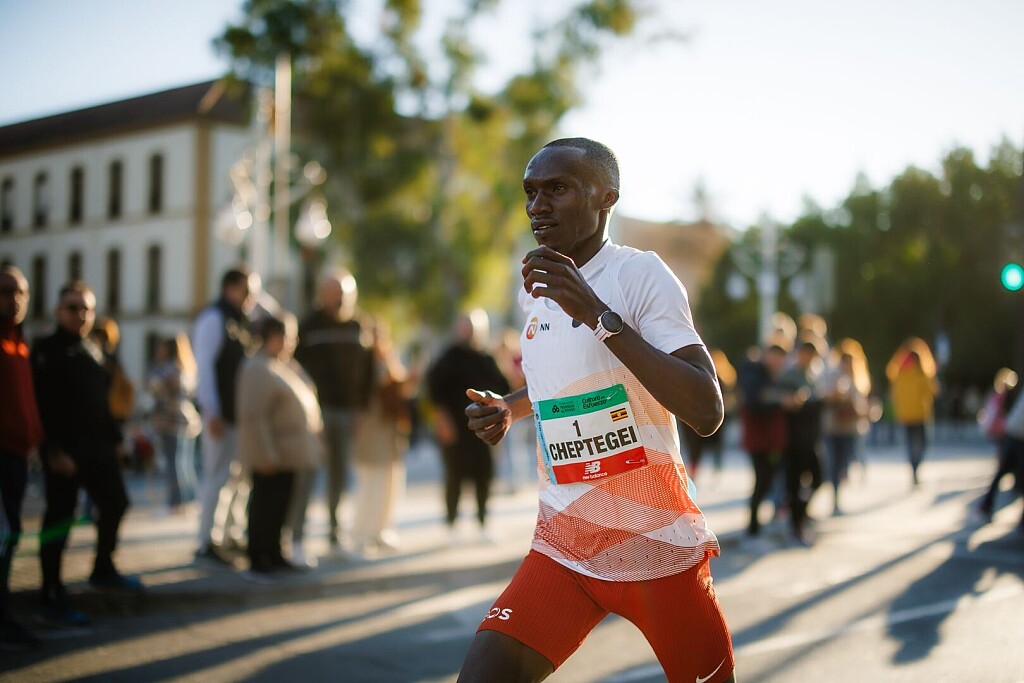
Marathon debut behind him, Cheptegei turns focus back to 10,000m for Paris
Just a few miles away from the site of his world 10,000m record three years prior, Joshua Cheptegei stumbled towards the finish line of the Valencia Marathon.
On the track, the Olympic 5000m gold medallist and three-time world 10,000m champion is renowned for his unbeatable finishing strength. But in what was his debut over the marathon distance, with each foot somehow supporting a tired body on the brink, the Ugandan had to be content with 37th place in the Spanish city, clocking 2:08:59.
Cheptegei wasn’t too disappointed or surprised, though. Supported by race organiser Marc Roig, Cheptegei hobbled to the elite finishers’ tent immediately after the race, beaming from ear to ear.
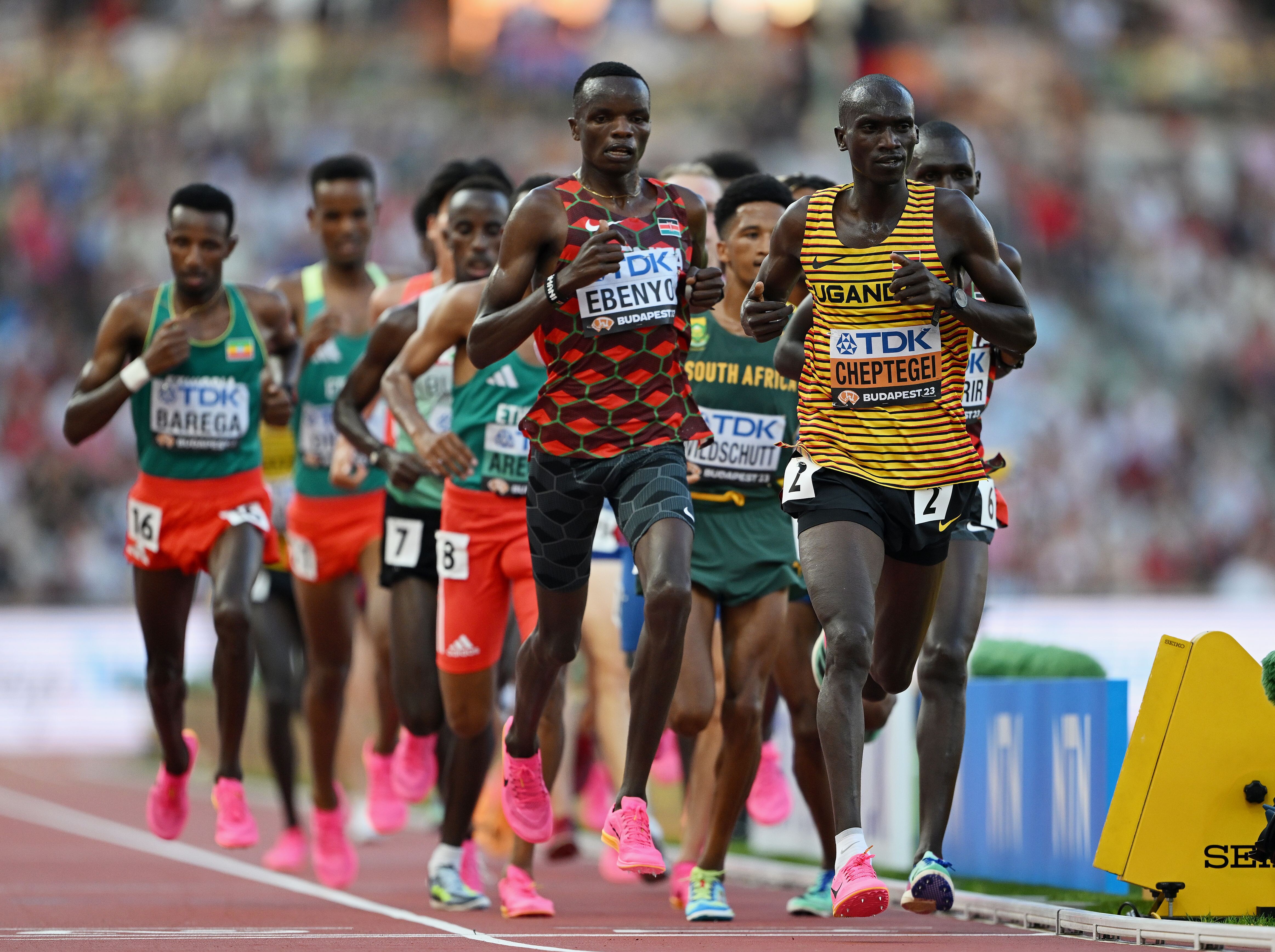
A few days before, Cheptegei had prophetically warned: "The marathon has no respect for people.”
Not even Olympic champions, it would seem.
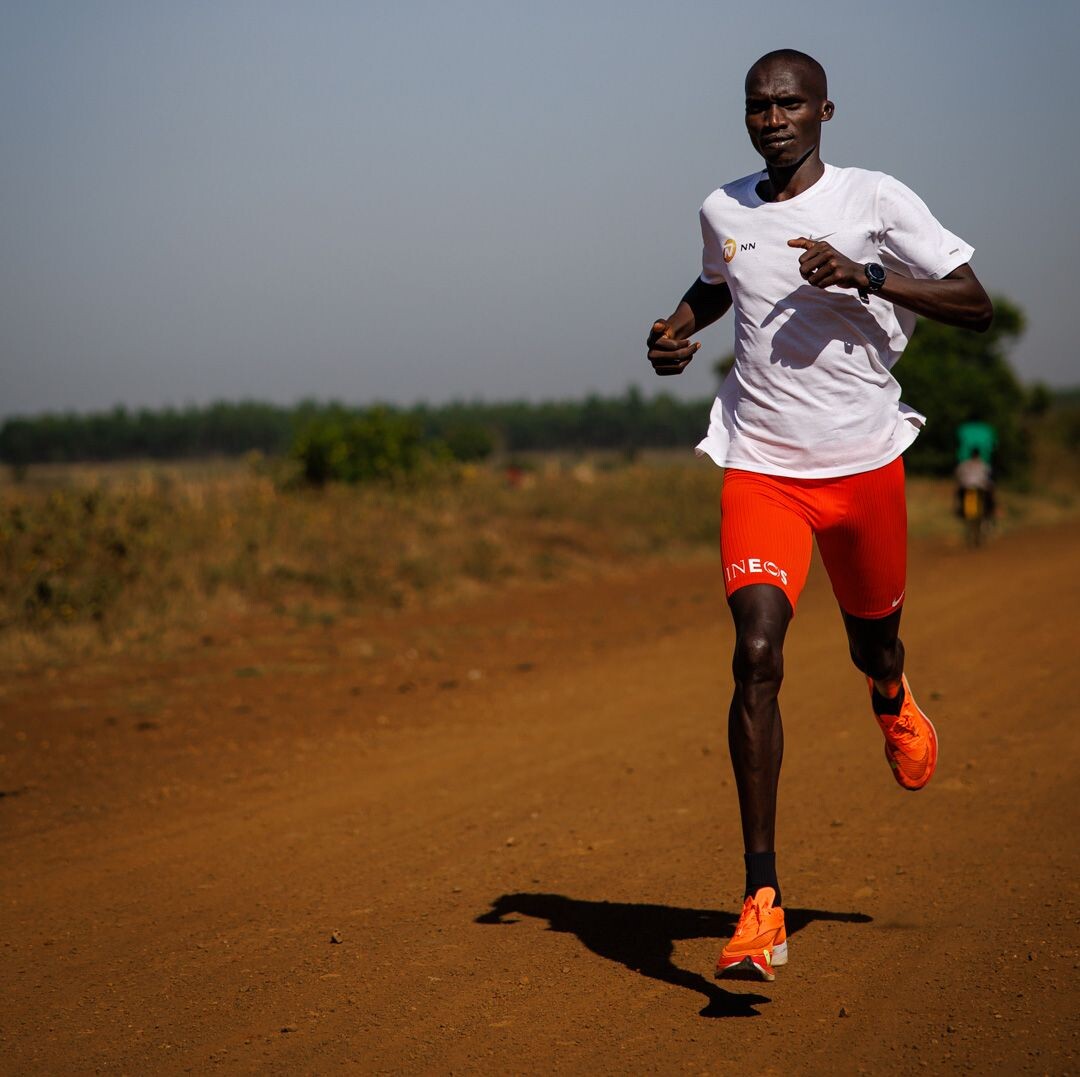
Fans have grown used to Cheptegei finding his rhythm in a leading pack, so it was no surprise to see him there at halfway. Going through 13.1 miles in 1:00:36 wasn’t part of the plan – not that there necessarily was one.
When asked in the build-up to the race what he wanted from his debut, Cheptegei simply said: “I want to learn.”
Collapsing over the line with a rueful smile, Cheptegei made it clear that his objective had been achieved.
He knew that his preparation for the event had been far from perfect. It started with pulling out of the Wanda Diamond League final due to a reaction to wearing spikes in defending his world 10,000m crown in Budapest. Once he did return, the weeks that followed saw his usual runs around the rolling hills of Kapchorwa deemed too dangerous due to constant deluges.
Cheptegei never ran more than 160km a week – which, by the standards of most current marathon specialists, was a light schedule.
Yet in Valencia, he still chose to go with the pace. Many would expect little else from a world 5000m and 10,000m record holder consistently pushing the margins of the possible.
For many fans, their first clear memory of Cheptegei at a senior level was his performance at the 2017 World Cross Country Championships on home soil in Kampala.
That day, the 2016 Olympic 10,000m sixth-place finisher ripped the senior race apart, striding away through the middle section and building a huge lead into the final kilometer.
The Ugandan fans chasing him in bursts around the course almost went as far as to hand over the red, yellow and black flag.
As the commentators proclaimed his title, Cheptegei had pushed himself to the limit, a smooth stride rolling to a wayward struggle.
Defending champion Geoffrey Kamworor – a former mentor to Cheptegei during his time in Kenya in 2015 – silenced the crowds, passing the struggling Ugandan in a fleeting second and going on to win. Cheptegei eventually finished 30th.
“Joshua had a great belief and a great determination in running,” Kamworor commented on his Ugandan rival. “Whenever you talk with him, you could see in his mind that he had great aspirations in life.
“He's even becoming one of my mentors.”
Cheptegei won the senior title at his next attempt in Aarhus in 2019, the year of the first of three consecutive world 10,000m titles. An Olympic silver in Tokyo in that event accompanied 5000m gold.
Risks taken, lessons learnt all in a bid to break new ground. It's core to Cheptegei’s philosophy as a runner and ultimately role model to those that follow him around the world but perhaps most importantly back home in Uganda.
It’s also followed him since his first days as a professional.
While training with Kamworor, Eliud Kipchoge and the rest in Kaptagat, barely aged 20, the 2014 world U20 10,000m champion made a difficult but bold decision.
“I told my management that I wanted to go back home and build a running culture, and to inspire the young generation here in Uganda.”
As a young athlete – and although it happened 24 years before Cheptegei was born – Cheptegei was made aware of the fact that John Akii-Bua earned Uganda's first Olympic athletics medal when taking 400m hurdles gold in Munich in 1972.
It’s clear that Cheptegei now feels a sense of responsibility when it comes to developing the sport in his country, in much the same way Akii-Bua did more than 50 years ago.
“It’s a privilege to have had great guys like him open the way for us, especially in a difficult time where the country was unstable,” says Cheptegei.
Akii-Bua was forced to live out a large part of his life outside Uganda, moving to Kenya towards the final days of the Idi Amin dictatorship.
Likewise, Uganda’s next Olympic gold medalist, Stephen Kiprotich, trained for much of his career in their eastern neighbor.
The then 15-year-old Cheptegei admits taking a break from kicking a football around the schoolyard to watch Kiprotich win Olympic marathon gold in 2012, that being the moment he made his own plans for global success.
“I was like, ‘right it’s in my heart. I want to become a champion, a national hero like him’.”
Cheptegei has developed those ambitions. For better or worse, he aims to deliberately show the next generation they need not leave home. No altitude camps elsewhere, high tech facilities or trips to some winter sun.
“I have always trained in Uganda, always and always," he reiterates.
Despite the world records, Olympic gold and world championship titles, Cheptegei still feels that to prove that emphatically, one achievement remains left to tick off.
It's all about the number 10.
“2024, it’ll be 10 years running internationally,” he says. “10 years at a high level.
“I'm still in love with the 10,000m, the special distance. I still want to go to Paris and win.”
Only Kenenisa Bekele and Haile Gebrselassie have won more world 10,000m titles than Cheptegei. Both won two Olympic golds in the event.
Cheptegei will head to the French capital hungry to find his first, motivated in the knowledge that in doing so he'll send a message to that young Ugandan watching, hoping to follow in his path.
by George Mallett for World Athletics
Login to leave a comment
Paris 2024 Olympic Games
For this historic event, the City of Light is thinking big! Visitors will be able to watch events at top sporting venues in Paris and the Paris region, as well as at emblematic monuments in the capital visited by several millions of tourists each year. The promise of exceptional moments to experience in an exceptional setting! A great way to...
more...