

Running News Daily
Running News Daily is edited by Bob Anderson and team. Send your news items to bob@mybestruns.com Advertising opportunities available.
Index to Daily Posts · Sign Up For Updates · Run The World Feed
Articles tagged #44
Today's Running News
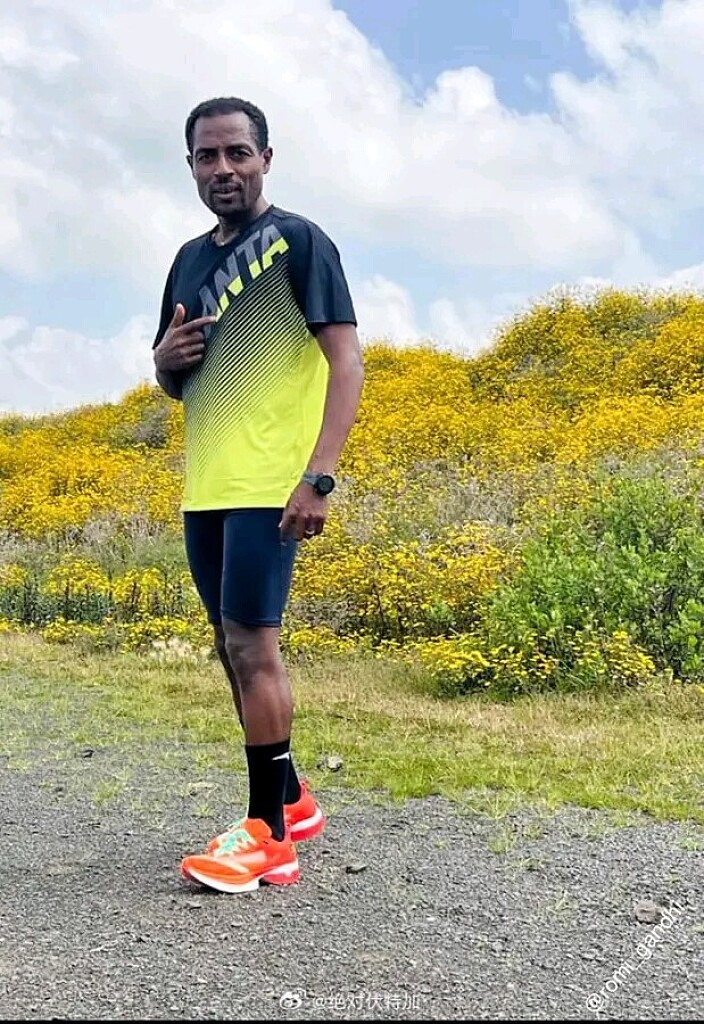


At 44, Kenenisa Bekele Refuses To Let Time Have The Final Word
At an age when most elite distance runners have long stepped away from the highest level of competition, Kenenisa Bekele continues to challenge the limits of longevity. At 44, the Ethiopian distance-running icon remains willing to line up against a new generation of younger athletes, even as injuries and difficult races have made the latest chapter of his remarkable career increasingly demanding.
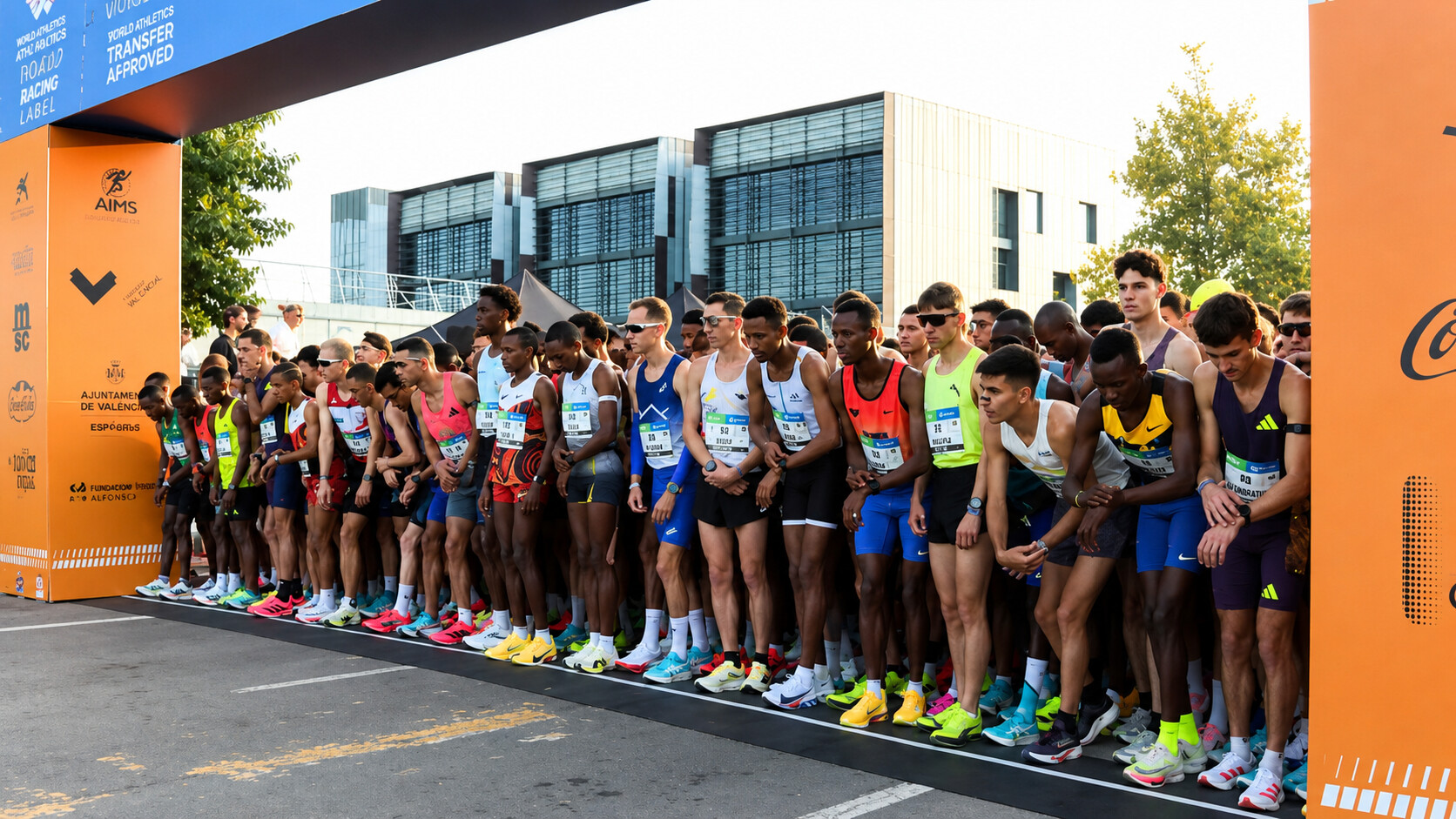
Bekele’s recent journey has been a mixture of extraordinary resilience and frustrating setbacks. His 2024 campaign demonstrated both sides of that story. At the London Marathon in April, he produced one of the greatest performances ever recorded by a masters athlete, running 2:04:15 for second place behind Alexander Mutiso Munyao. The performance established a world record for the M40 age category and showed that, even beyond his 40th birthday, Bekele could still operate at a breathtaking level.
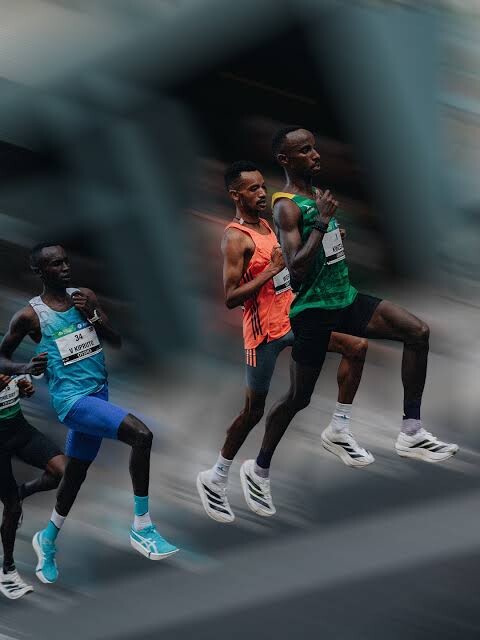
A few months later, however, the Olympic marathon in Paris offered a very different challenge. Bekele finished 39th in 2:12:24 after struggling with a hamstring problem during the race. He later explained that he felt the hamstring stretch around 15 kilometres, yet he continued to the finish rather than joining the growing list of athletes who abandoned the brutal Olympic course.
The setbacks continued into 2025, when Bekele recorded a DNF at the TCS New York City Marathon. Then came another obstacle in 2026. His highly anticipated return to the Berlin Marathon was halted after he suffered a left Achilles tendon injury in training only days before the race, forcing him to withdraw.
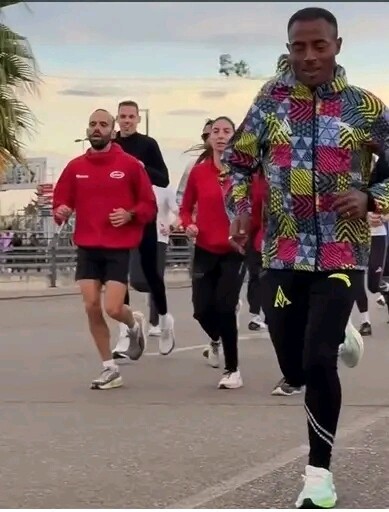
Rather than allowing another setback to end the conversation, Bekele returned to competition at the Valencia Half Marathon on October 25, 2026. The target was ambitious: breaking the 60-minute barrier for the first time in his career while pursuing the M40 world record of 59:53.
But the clock proved unforgiving. Bekele recorded 14:38 through the opening 5 kilometres before eventually dropping out of the race.
For an athlete whose career has been defined by extraordinary victories, records and comebacks, another DNF may look like a painful statistic. But judging Bekele solely by his most recent results would overlook the extraordinary body of work that has made him one of the greatest distance runners in history.
In December 2023, at 41, he ran 2:04:19 to finish fourth at the Valencia Marathon, setting a world masters record at the time. Four months later, he went even faster in London, producing the remarkable 2:04:15 that remains his M40 world record.
And his legacy extends far beyond the marathon. Bekele is a three-time Olympic champion, winning the 10,000 metres at Athens 2004 before completing the 5,000m and 10,000m double at Beijing 2008. He also collected five World Championship gold medals and 11 World Cross Country Championship titles.
His 2:01:41 victory at the 2019 Berlin Marathon remains one of the most extraordinary marathon performances ever produced. Although it is no longer the second-fastest marathon in history—as faster performances have since been recorded—it remains among the all-time great marks and currently sits seventh on the World Athletics all-time list.
That is what makes Bekele’s current journey so compelling. The 44-year-old is no longer competing simply to add another ordinary result to his résumé. Every appearance represents another test of how far experience, determination and an extraordinary athletic foundation can carry an athlete against the relentless passage of time.
Valencia did not deliver the sub-60 performance he was chasing. The Achilles injury disrupted his Berlin comeback. New York ended without a finish. Yet none of those moments can erase what Bekele has already achieved—or the remarkable fact that he continues to stand on start lines against athletes who are sometimes more than a decade younger.
Perhaps that is the most enduring part of Kenenisa Bekele’s story. Records eventually fall, races eventually become difficult, and the body eventually demands a price. But the competitive spirit that carried him from Olympic glory to world records has never disappeared.
At 44, Bekele may no longer be chasing the same version of himself who dominated the track and conquered Berlin. Instead, he is fighting a different battle—the battle to discover just how much of that greatness still remains.
And as long as Kenenisa Bekele keeps answering the starting gun, the running world will keep watching.
by Erick Cheruiyot for My Best Runs.
Login to leave a comment
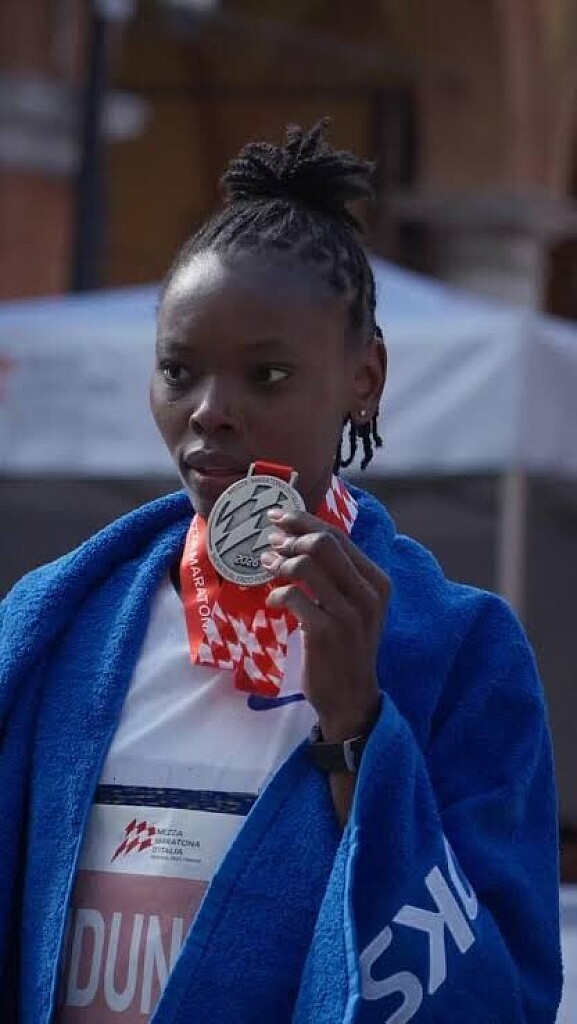
Casablanca Half Marathon 2026: Regina Wambui Ndungu Leads Kenyan Charge Against Morocco’s Best
The women’s elite race at the 2026 Casablanca Half Marathon promises an exciting battle for supremacy on Sunday, October 25, as Kenya’s Regina Wambui Ndungu leads a competitive international field featuring Uganda’s Rispa Cherop and Morocco’s homegrown stars.
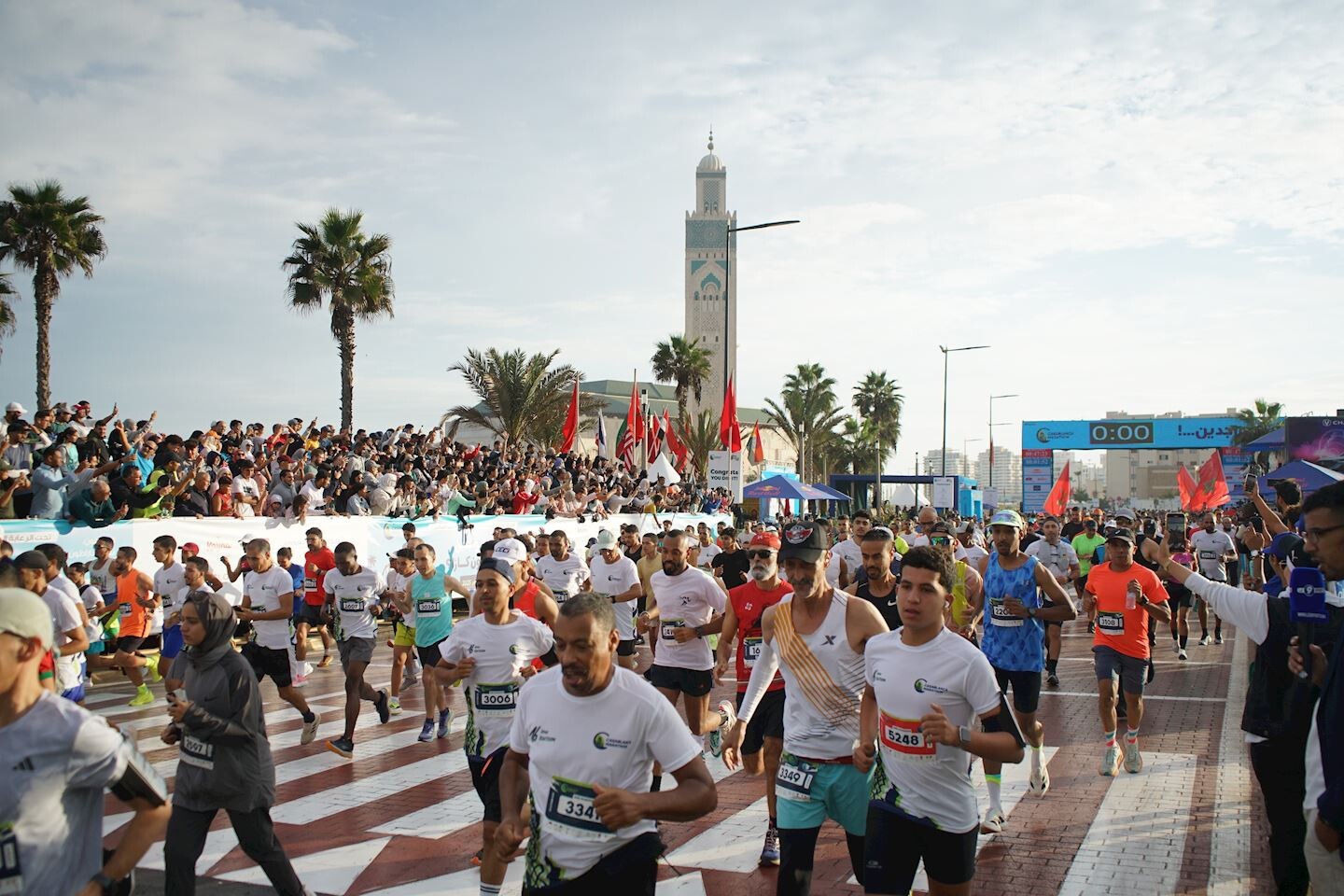
With a personal best of 1:07:10, Ndungu arrives as the fastest athlete listed in the women’s elite field, making her a leading contender for victory. However, the Kenyan will face a determined challenge from athletes eager to seize the spotlight on Moroccan soil, setting the stage for an intriguing contest over 21.0975 kilometres.
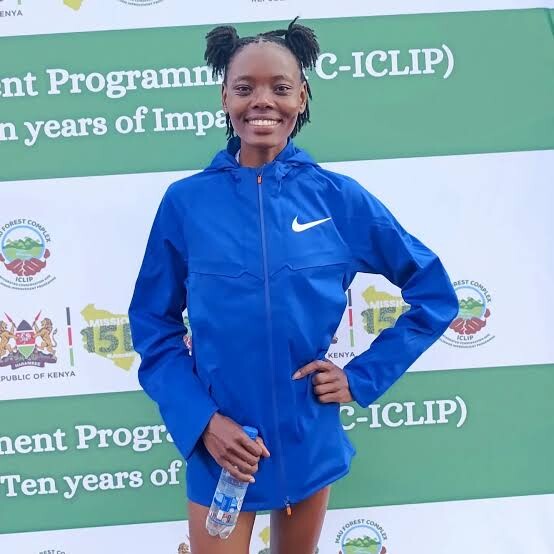
Ndungu’s credentials place her firmly among the favourites, but translating that status into victory will require a composed and tactically intelligent performance. The outcome could depend on how the leading contenders manage the pace, respond to changes in the race, and position themselves for the decisive kilometres.
Morocco’s Rahma Tahiri is expected to be among the principal challengers. With a personal best of 1:08:34, she possesses the speed to compete for the title and will have the added motivation of racing in front of the home crowd. A victory on familiar roads would be a significant achievement, and Tahiri will be eager to make the most of the opportunity.
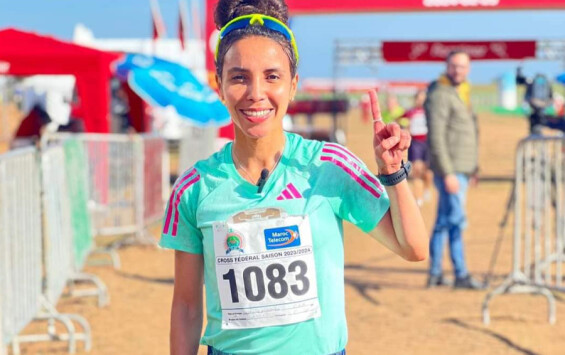
Uganda’s Rispa Cherop also enters the contest with a strong performance record. Her personal best of 1:08:53 places her among the leading contenders, within striking distance of Tahiri and close enough to Ndungu to make the contest unpredictable. If she can remain in contact with the front-runners through the early stages, Cherop could emerge as a serious threat in the closing kilometres.
Beyond the leading trio, the field features several Moroccan athletes seeking to challenge the established favourites. Meryeme Azrour, with a personal best of 1:09:46, and Kaoutar Farkoussi, who has run 1:09:58, are both capable of adding depth to the contest. Fatima Aafir, listed at 1:10:54, will also be among the athletes looking to produce a competitive performance.
Other names on the entry list include Soukaina Elhaji (1:12:49), Hanane El Bajjaoui (1:14:13), Rababe Arafi (1:14:20), Jamila Ayachi (1:15:12), Liz Romo (1:14:59), Sakina El Adel (1:16:51) and Fatima Zahra Erregui (1:17:44).
With several athletes boasting personal bests below 1:10, the leading group could produce an aggressive race from the outset. However, the fastest personal best does not guarantee victory, and the ability to execute the right strategy on race day will ultimately determine who comes out on top.
The Casablanca Half Marathon will provide an important opportunity for the elite women to test themselves against international opposition while showcasing the depth of distance-running talent from Morocco and beyond.
For Ndungu, the objective will be to convert her position as the fastest entrant into a winning performance. For Tahiri, the challenge is to turn home advantage into a memorable triumph. Cherop, meanwhile, will be looking to upset the leading contenders and take the title back to Uganda.
With Kenyan ambition, Ugandan determination and Moroccan home-crowd support converging on the same course, the women’s elite contest promises to be one of the key attractions of the 2026 Casablanca Half Marathon.
by Erick Cheruiyot for My Best Runs.
Login to leave a comment

Casablanca Half Marathon
A real sporting festival placed under the theme "The Casablanca half-marathon: Two races for the pleasure of the people of Casablanca: 21km97m, 10km", which will bring together a large audience of spectators all along the course and personalities, professionals but also technical assistance from several Olympic and world champions....
more...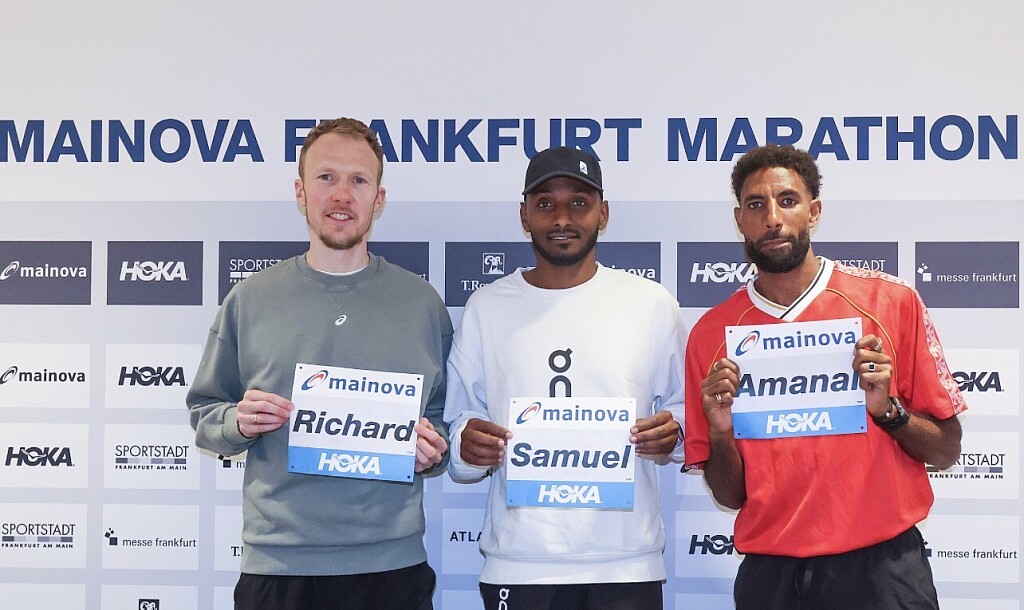
Records in Sight as Frankfurt Assembles Its Fastest Men’s Field
Petros leads Germany’s top marathoners, Zeineba Yimer targets the women’s course record, and Kenya’s Mark Kiptoo chases an age-group milestone at Sunday’s Mainova Frankfurt Marathon.
The Mainova Frankfurt Marathon could deliver a series of record performances on Sunday, October 25—if the weather cooperates.
The 43rd edition brings together the fastest men’s field in the event’s history, with German and European records potentially within reach. Both course records—2:03:42 for men and 2:17:25 for women—could come under pressure, while a promising German debut and an M50 world-best attempt add further interest.
Conditions will play a decisive role. Rain, cold and strong winds could derail ambitious pacing plans. If the weather settles, Frankfurt’s flat course could provide the setting for an exceptional day.
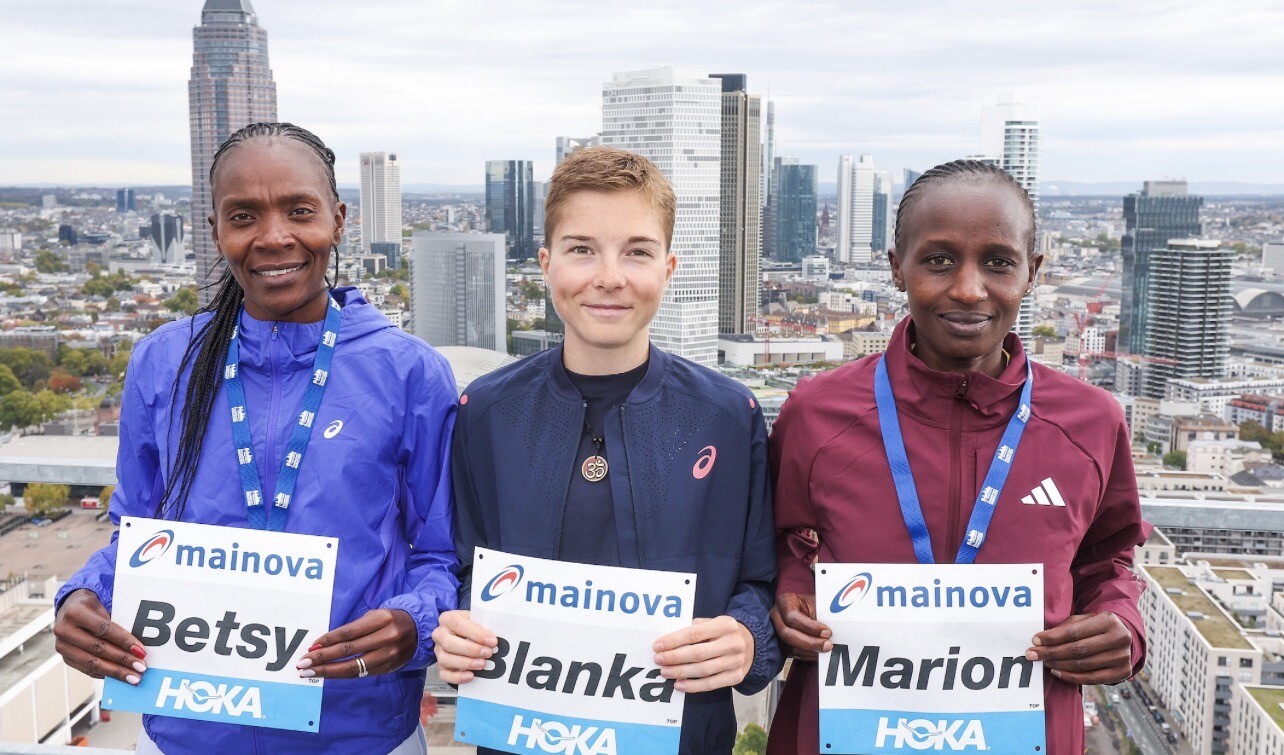
Organizers have reported a record 19,720 entries from 128 nations. The occasion also marks the final race for Jo Schindler as race director.
“We are absolutely delighted with this record number of entries. Over the past 25 years, we have taken the Mainova Frankfurt Marathon to a whole new level in every aspect,” Schindler said.
Germany’s Best Take Center Stage
Leading the men’s field is Amanal Petros, the German record-holder at 2:04:03, who won the European marathon title in Birmingham in August. He arrives with ambitions that could extend beyond his own national mark to the European record of 2:03:36.
“My training in Kenya went very well. If the weather is on my side, it could happen,” Petros said. “I have been dreaming of breaking the European record for several years now.”
A European record would also take him under Wilson Kipsang’s Frankfurt course record of 2:03:42, set in 2011.
Petros will face a strong domestic challenge from Samuel Fitwi, whose 2:04:45 runner-up finish in Hamburg in April is the fastest German performance this year.
“If the weather is good, the German record is within reach on the flat course in Frankfurt. I am well prepared and definitely want to beat my personal best,” Fitwi said.
Richard Ringer, the 2022 European marathon champion, completes the leading German trio. His record-eligible personal best is 2:05:46, although he ran 2:04:47 at Boston this spring on its non-record-eligible course.
Ringer plans a more measured approach after overcoming a muscle problem following the European Championships.
“I do not expect to be running right at the front on Sunday and will probably go with a second group,” he said.
Biwott Returns With Winning Ambition
The German contenders will have plenty of international competition.
Ethiopia’s Andualem Belay brings a personal best of 2:04:44, while Kenya’s Benard Biwottreturns to the scene of his breakthrough. Biwott won his marathon debut in Frankfurt in 2024 in 2:05:54, then improved to 2:05:25 while winning the 2025 Paris Marathon.
“My aim is to win on Sunday. I think I can achieve a time of around 2:04:00,” Biwott said.
Another Kenyan, Mark Kiptoo, could deliver one of the day’s most compelling performances. Now 50, the 2014 Frankfurt champion is targeting the M50 world best of 2:19:29, set by South Africa’s Titus Mamabolo in Durban in 1991.
Kiptoo has already made masters history in Frankfurt, running 2:07:50 here in 2018.
Yimer Targets the Women’s Course Record
Ethiopia’s Zeineba Yimer leads the women’s field with a personal best of 2:18:47, set while finishing third in Barcelona this spring
The 28-year-old is seeking a turnaround after stomach problems forced her out of the Berlin Marathon four weeks ago. Her ambitions include challenging the Frankfurt course record of 2:17:25, set by Hawi Feysa in 2024.
“Now I want to make the most of the flat course in Frankfurt and set a personal best. I have also got my sights set on the course record and want to break that mark as well,” Yimer said.
American Betsy Saina, who has run 2:19:17, returns from a maternity break and is targeting a halfway split of 70:00.
Kenya’s Marion Kibor, who improved to 2:21:12 in Hamburg this spring, also hopes to break 2:20. Ethiopia’s Meskerem Assefa, the 2018 Frankfurt champion, returns with the 2:20:36 personal best she set during that victory.
Dörfel Runs on Instinct in Marathon Debut
Germany’s Blanka Dörfel adds an intriguing debut to the women’s race.
The 24-year-old ran a half-marathon personal best of 68:08 in Mainz this spring and intends to trust her feel for the pace as she moves up to the marathon.
“I will be running without a watch and will trust my instincts,” Dörfel said.
Her half-marathon performance suggests the potential for a strong debut. The German women’s debut benchmark is 2:23:57, set by Melat Kejeta in Berlin in 2019.
Elite Runners with Personal Bests
MEN
Amanal Petros GER 2:04:03
Andualem Belay ETH 2:04:44
Samuel Fitwi GER 2:04:45
Richard Ringer GER 2:04:47
Benard Biwott KEN 2:05:25
Haimro Alame ISR 2:06:04
Antenayehu Dagnachew ETH 2:06:55
Jiregna Geleta ETH 2:06:57
Derara Hurisa ETH 2:08:09
Jirata Dinki ETH 2:08:18
Abe Gashahun ETH 2:08:35
Lemawork Ketema AUT 2:10:44
WOMEN
Zeineba Yimer ETH 2:18:47
Betsy Saina USA 2:19:17
Meskerem Assefa ETH 2:20:36
Siranesh Yirga ETH 2:21:08
Marion Kibor KEN 2:21:12
Janet Ruguru KEN 2:23:00
Mehret Gemeda ETH 2:23:29
Milicent Jelimo KEN 2:24:19
Obse Abdeta ETH 2:27:14
Martina Strähl SUI 2:28:07
Selam Fente ETH 2:28:22
Aselef Amare ETH 2:28:47
Blanka Dörfel GER Debut
by Race News Service
Login to leave a comment

Mainova Frankfurt Marathon
Frankfurt is an unexpectedly traditional and charming city, with half-timbered buildings huddled in its quaint medieval Altstadt (old city), cosy apple wine taverns serving hearty regional food, village-like neighbourhoods filled with outdoor cafes, boutiques and street art, and beautiful parks, gardens and riverside paths. The city's cache of museums is second in Germany only to Berlin’s, and its nightlife...
more...
Age Is Just A Number: Edna Kiplagat, 46, Set For Inspiring Return To New York City Marathon
Kenyan marathon legend Edna Kiplagat is preparing to add another chapter to her remarkable career as she returns to the streets of New York for the 2026 TCS New York City Marathon on November 1, carrying the experience, resilience and competitive spirit that have defined her extraordinary journey in distance running.
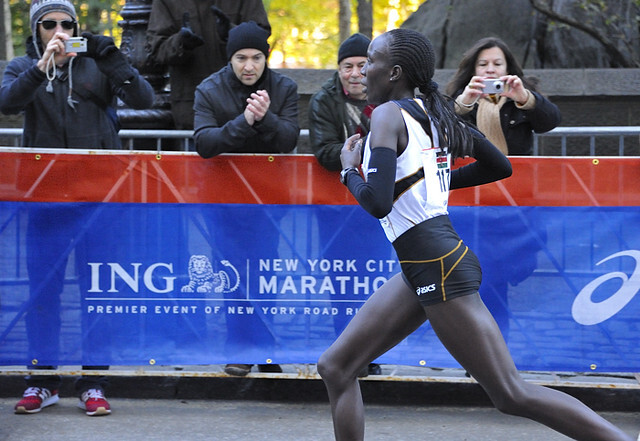
At 46, Kiplagat remains a formidable presence in elite marathon racing, continuing to compete against younger athletes on the world's biggest stages. Her return to the Big Apple is another testament to her remarkable longevity and determination to remain competitive at the highest level of the sport.
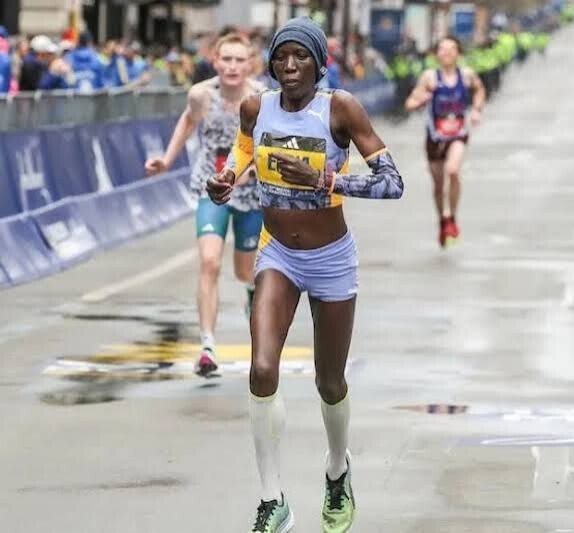
The two-time world marathon champion heads to New York following an impressive fifth-place finish at the Cape Town Marathon, where she clocked 2:25:44. The performance underlined her enduring ability to deliver competitive results in a discipline that demands exceptional endurance, consistency and years of experience.
Kiplagat's personal best of 2:19:50 places her among the outstanding marathoners of her generation, while her achievements across major international competitions have secured her a lasting place in the history of women's distance running.
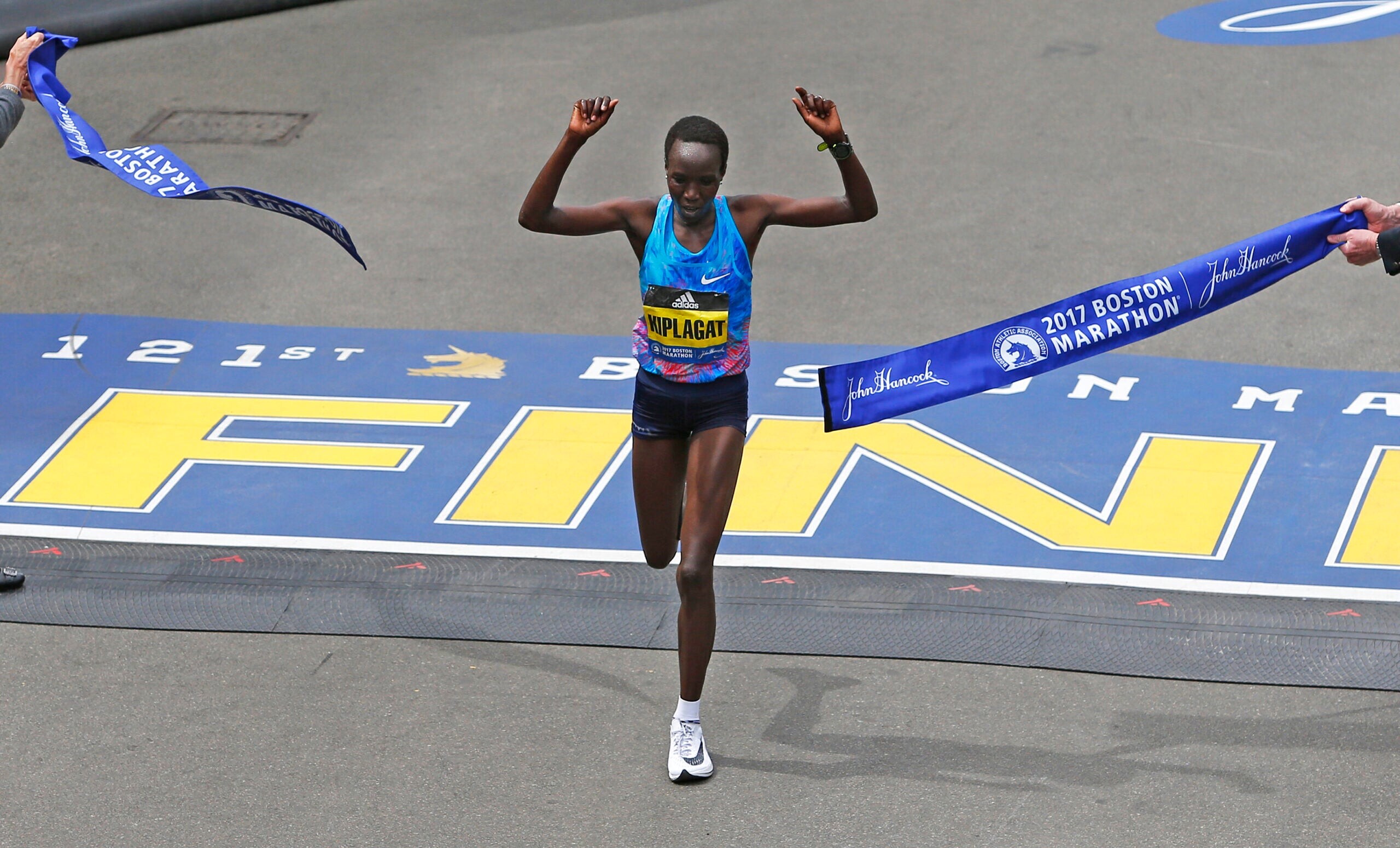
Her return to New York also brings her back to a course where she has previously enjoyed success, having won the women's title in 2010. That victory was one of the defining moments of a career built on patience, tactical intelligence and an ability to rise to the occasion when the stakes are highest.
Kiplagat's record in the World Marathon Majors is a story of sustained excellence. She won the New York City Marathon in 2010 before conquering London in 2014 and Boston in 2017 and 2021, establishing herself as one of the most accomplished marathon runners of her era.
Her second Boston triumph was particularly remarkable. Initially finishing second in 2021, she was subsequently declared the winner following the disqualification of the original champion for a doping violation. At 41, she became the oldest official winner of a World Marathon Major, adding another extraordinary milestone to an already distinguished career.
Beyond her major-marathon victories, Kiplagat has twice ruled the world marathon stage, winning gold at the World Athletics Championships in Daegu in 2011 and Moscow in 2013. She also claimed silver at the 2017 World Championships in London, further demonstrating her consistency across different competitive environments.
New York, however, remains a special destination in her career. After winning on her debut in 2010, she continued to return to the race, recording fourth-place finishes in 2017 and 2022 before placing seventh in 2024. Her latest appearance offers another opportunity to compete on familiar roads against a formidable international field.
The Kenyan veteran will line up alongside compatriots Hellen Obiri and Sheila Chepkirui, adding further depth to Kenya's challenge in the women's elite race. Obiri, a two-time New York City Marathon champion, and Chepkirui, the 2024 winner, bring formidable credentials of their own, setting the stage for an intriguing contest through the streets of the American metropolis.
For Kiplagat, the challenge will be about more than chasing another podium finish. It will be an opportunity to demonstrate once again that elite distance running can reward experience, discipline and resilience long after many athletes have stepped away from the highest level of competition.
At 46, she continues to carry the Kenyan flag with distinction, inspiring athletes across generations through a career that has spanned world titles, major-marathon victories and remarkable longevity.
As the world's leading marathoners prepare for the November 1 showdown, Kiplagat's presence adds a compelling story to the 2026 New York City Marathon. Whatever the final result, her return to the Big Apple is a reminder that greatness is not measured by age alone, but by the achievements, determination and enduring passion that define an athlete's journey.
by Erick Cheruiyot for My Best Runs.
Login to leave a comment

TCS New York City Marathon
The first New York City Marathon, organized in 1970 by Fred Lebow and Vince Chiappetta, was held entirely in Central Park. Of 127 entrants, only 55 men finished; the sole female entrant dropped out due to illness. Winners were given inexpensive wristwatches and recycled baseball and bowling trophies. The entry fee was $1 and the total event budget...
more...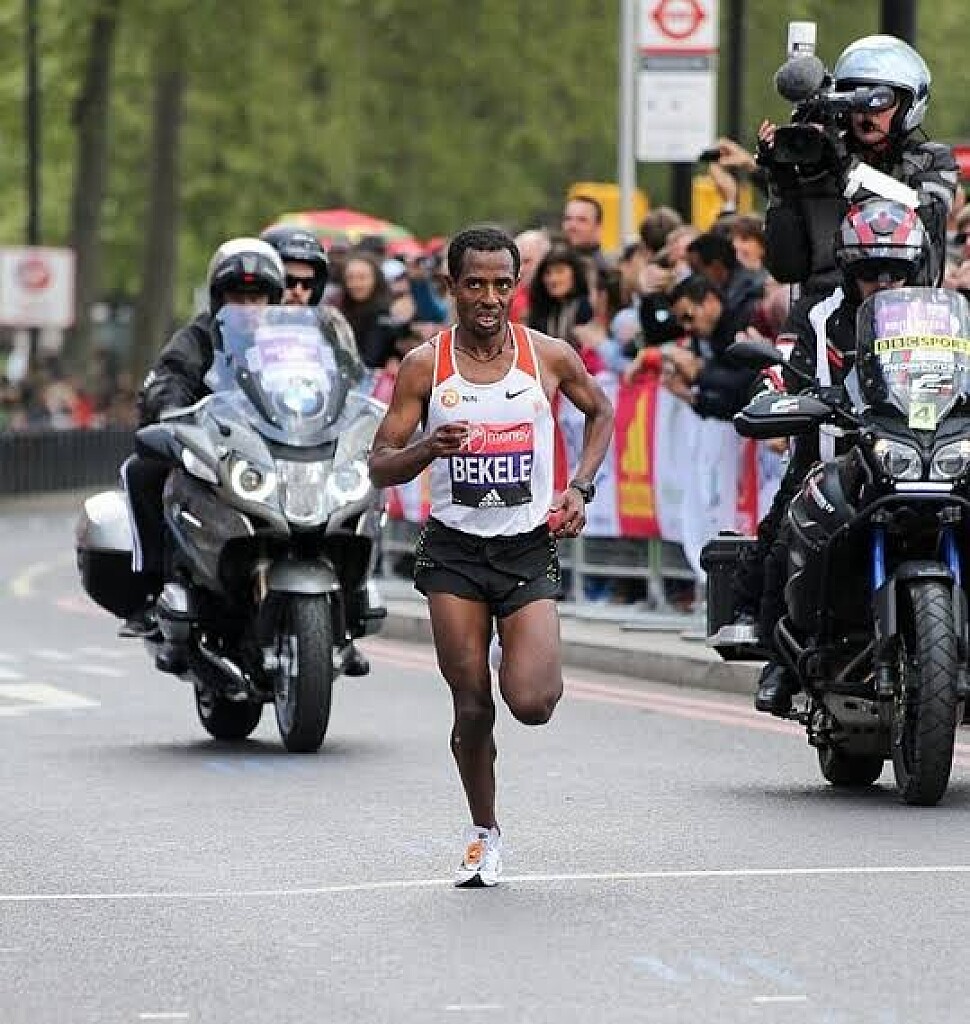
Kenenisa Bekele Targets Masters History In Valencia After Achilles Injury
Can The Legend Defy The Years? Kenenisa Bekele Is Chasing Another Piece Of History.
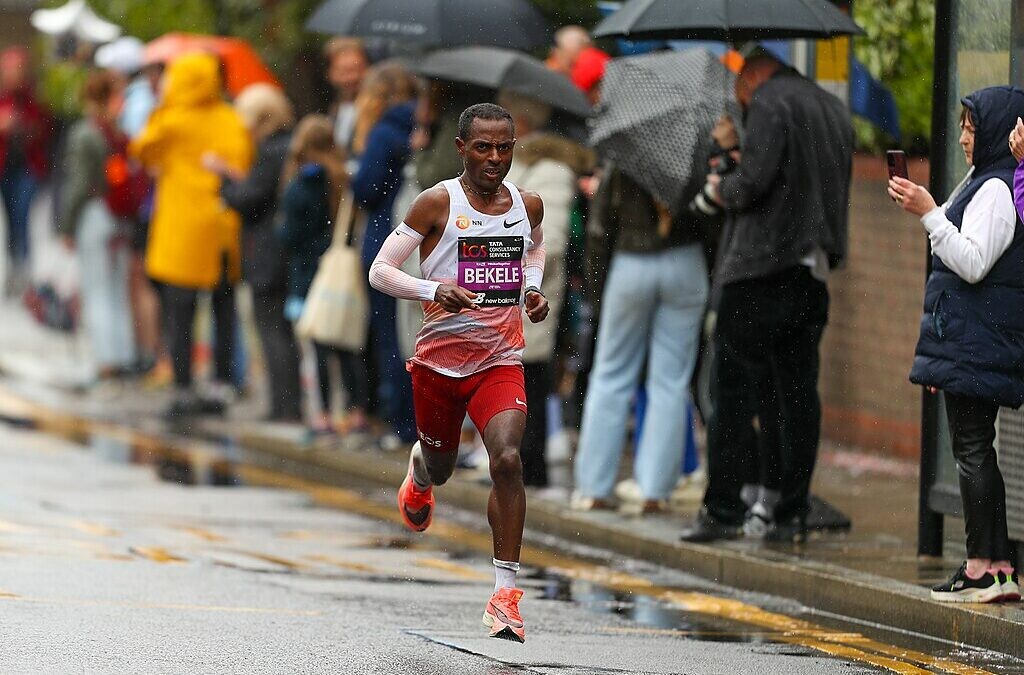
At 44, Ethiopian distance-running legend Kenenisa Bekele is preparing for another remarkable challenge as he returns to competition at the Valencia Half Marathon on October 25, 2026, only weeks after withdrawing from the Berlin Marathon because of a left Achilles tendon injury.
Rather than simply making a comeback, Bekele is targeting another piece of history. The three-time Olympic champion will have his sights set on the M40 world record of 59:53, held by Switzerland’s Tadesse Abraham.
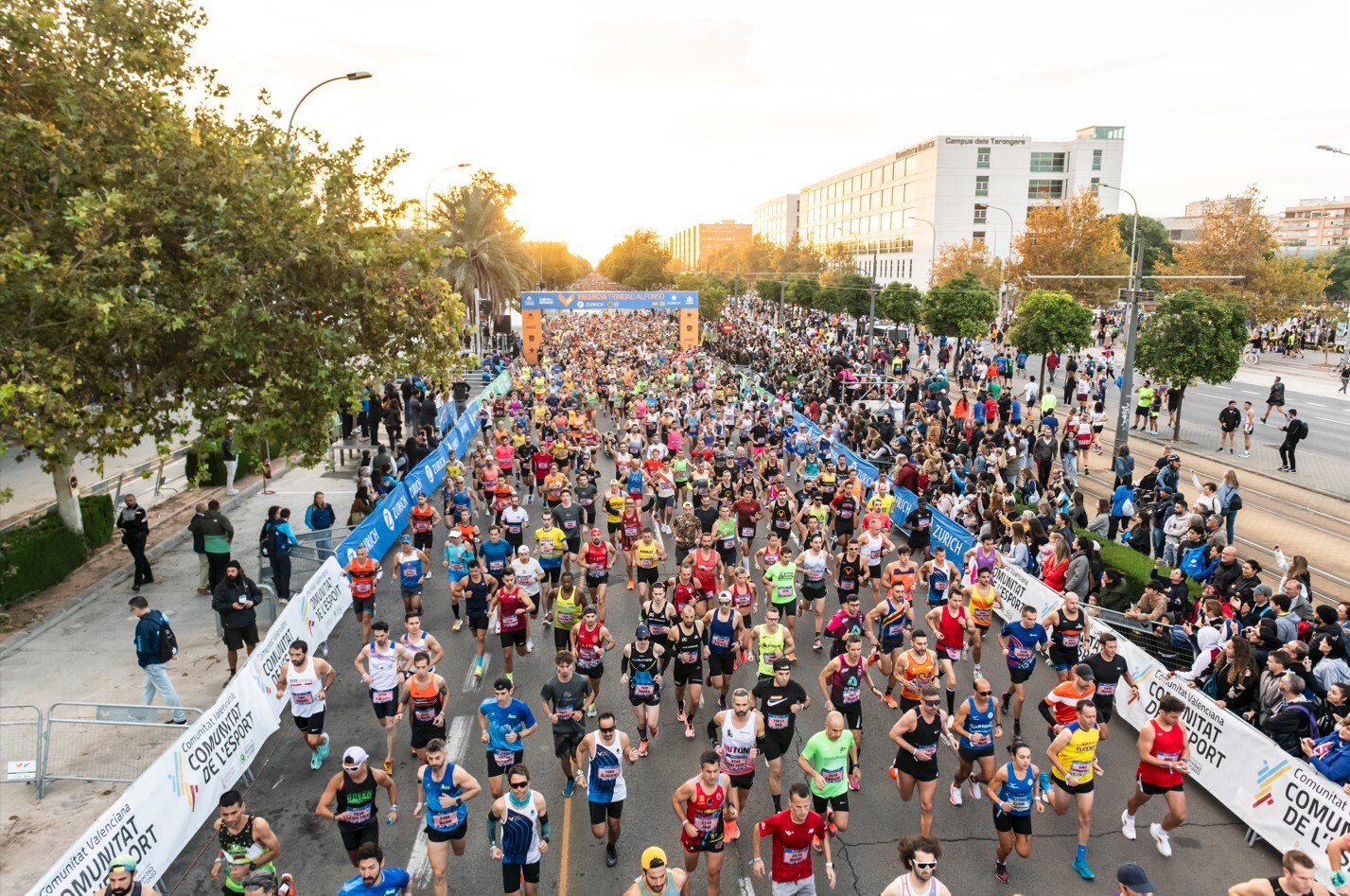
Bekele’s personal best stands at 1:00:22, set at the Big Half in London in 2020. To break Abraham’s mark, the Ethiopian will need to take almost 30 seconds off his best — a formidable challenge, particularly after an injury and a disrupted season.
But Bekele has never been a stranger to defying expectations. His return to Valencia comes at an age when most elite distance runners have long since retired, yet he continues to test himself against the best of a younger generation.
And the challenge awaiting him will be formidable. The men’s field includes Rodrigue Kwizera (58:16), Jemal Yimer (58:33), Tadese Worku (58:47) and Daniel Ebenyo (59:04), giving Bekele a formidable group of sub-one-hour performers to race alongside.
Bekele will wear bib number 18, adding another intriguing detail to a comeback that has already generated huge interest across the running world. Valencia’s famously fast course could provide the perfect setting for the Ethiopian to attack the clock if his body responds well on race day.
For Bekele, however, this is about more than a number on the clock. From his extraordinary track dominance to his longevity on the marathon and road-racing scene, he has repeatedly shown an ability to compete long after many expected his career to wind down.
Now, another chapter awaits in Valencia. Can the 44-year-old Ethiopian legend turn back the clock, overcome the effects of his Achilles injury and rewrite the masters record books? The answer will come on October 25.
by Erick Cheruiyot for My Best Runs.
Login to leave a comment

Valencia Half Marathon
The Trinidad Alfonso Valencia Half Marathon has become one of the top running events in the world. Valencia is one of the fastest half marathon in the world. The race, organized by SD Correcaminos Athletics Club, celebrated its silver anniversary in style with record participation, record crowd numbers, Silver label IAAF accreditation and an atmosphere that you will not find...
more...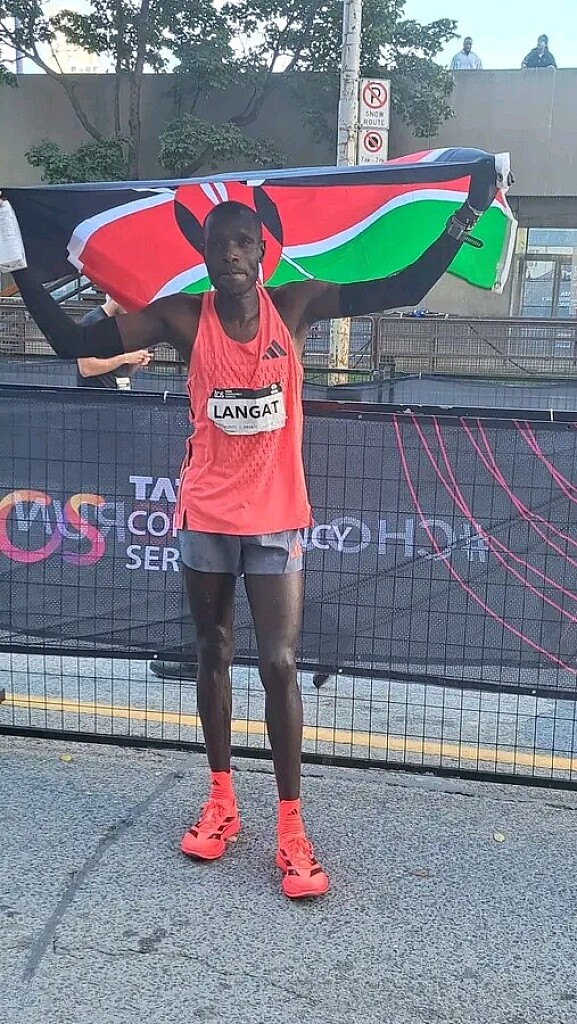
Leonard Langat Leads Kenyan Clean Sweep With Title Defence At Toronto Waterfront Marathon
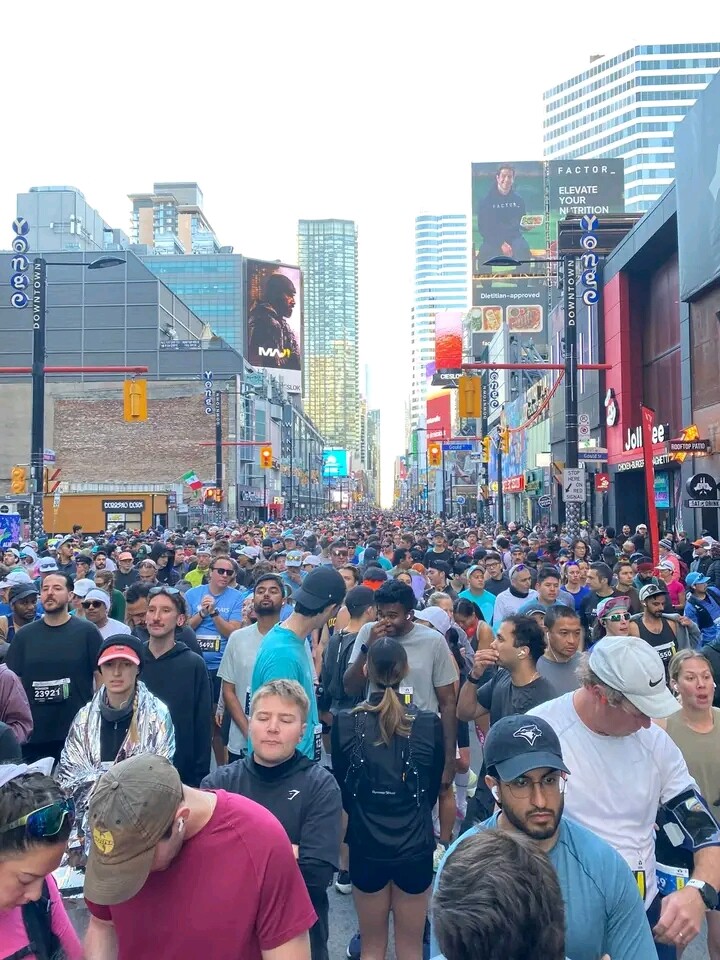
Kenya delivered a commanding performance at the 2026 TCS Toronto Waterfront Marathon, as Leonard Langat successfully defended his title and led a remarkable Kenyan sweep of the men’s podium in Toronto, Canada.
Langat crossed the finish line in 2:06:51, confirming his dominance for a second consecutive year. The Kenyan distance runner once again demonstrated his strength and consistency over the 42.195-kilometre distance, retaining the crown he claimed in 2025.
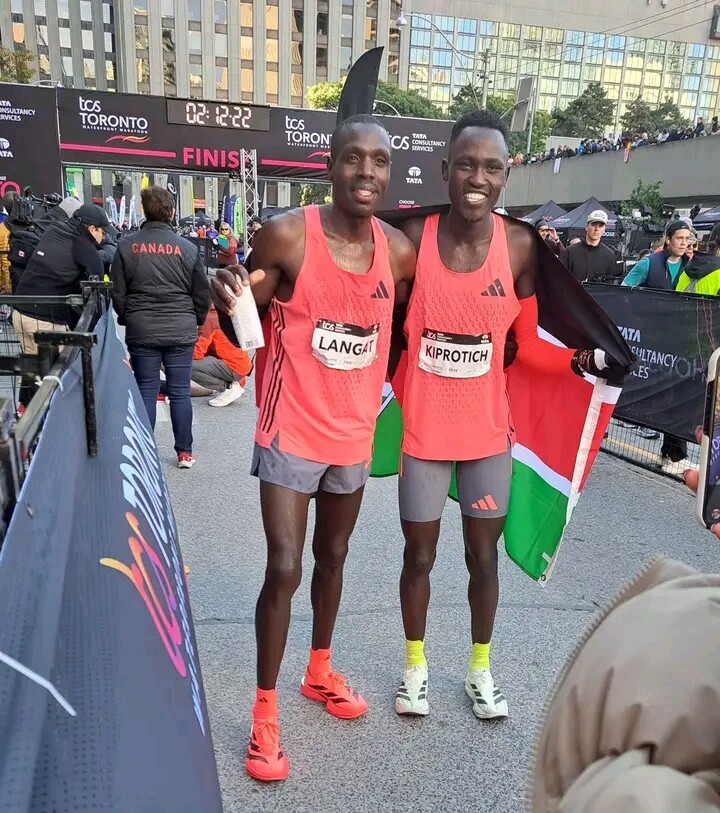
Fellow Kenyan Noah Kipkemboi secured second place in an impressive 2:07:21, while Fanny Kiprotich completed the all-Kenyan podium, finishing third in 2:07:25. The narrow four-second gap between Kipkemboi and Kiprotich added further intrigue to an outstanding Kenyan display.
Kenya’s dominance extended beyond the podium, with Absel Rutto finishing fourth in 2:07:32 and Elvis Cheboi taking fifth. The top five positions were occupied entirely by Kenyan athletes, underlining the country's remarkable depth and continued strength in international marathon running.
Langat's successful title defence was the highlight of a memorable day for Kenya, with three compatriots securing the podium places and five finishing among the top five. The performance reinforced Kenya's reputation as a powerhouse in long-distance running and demonstrated the country's ability to produce world-class marathoners.
The defending champion's victory was particularly significant given the competitive nature of the field, which featured accomplished marathon runners determined to challenge his supremacy. However, Langat rose to the occasion, producing another outstanding performance that demonstrated his ability to deliver under pressure on one of Canada's biggest road-running stages.
Meanwhile, Andrew Davies claimed the Canadian men's championship in 2:08:48. Davies delivered an impressive performance to become the leading Canadian finisher, earning national honours in a race that saw Kenyan athletes dominate the overall standings. His achievement provided a significant highlight for the home nation.
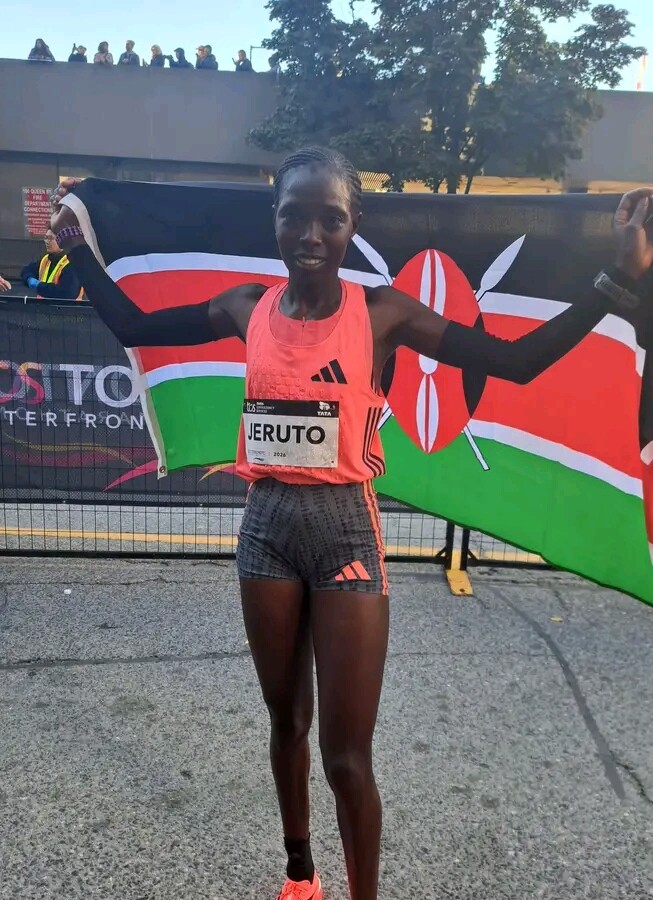
In the women's competition, Leah Jeruto emerged as the overall champion, crossing the finish line in 2:21:19 to secure victory at the 2026 TCS Toronto Waterfront Marathon. Her triumph added to Kenya's success at the event, making it another memorable outing for the country's distance-running contingent.
Jeruto faced strong competition from Ethiopia's Nigsti Haftu, who finished second in 2:21:34, just 15 seconds behind the winner. Fellow Ethiopian Ayinadis Teshome completed the women's podium in 2:22:51, while Biruktayit Degefa followed in fourth place with 2:24:07. Their performances highlighted the fierce rivalry between some of East Africa's leading marathon runners.
The women's race also demonstrated the remarkable depth of international marathon competition, with athletes from Kenya, Ethiopia and Canada producing impressive performances. Jeruto's victory, combined with Langat's successful title defence, ensured that Kenya celebrated a memorable double triumph in Toronto.
Canada also celebrated success in the women's national championship, with Dayna Pidhoresky taking the Canadian women's title in 2:26:02. Her performance highlighted the strength of the country's leading female distance runners and gave Canadian supporters another reason to celebrate at their home marathon.
Top 10 Men's Finishers – 2026 Toronto Waterfront Marathon
1. Leonard Langat (Kenya) – 2:06:51
2. Noah Kipkemboi (Kenya) – 2:07:21
3. Fanny Kiprotich (Kenya) – 2:07:25
4. Absel Rutto (Kenya) – 2:07:32
5. Elvis Cheboi (Kenya) – 2:07:37
6. Wesley Kiptoo (USA) – 2:08:08
7. Gizealew Ayana (Ethiopia) – 2:08:10
8. Yismaw Atinafu (Ethiopia) – 2:08:44
9. Andrew Davies (Canada) – 2:08:48
10. John Gay (Canada) – 2:13:01
Top 10 Women's Finishers – 2026 Toronto Waterfront Marathon
1. Leah Jeruto (Kenya) – 2:21:19
2. Nigsti Haftu (Ethiopia) – 2:21:34
3. Ayinadis Teshome (Ethiopia) – 2:22:51
4. Biruktayit Degefa (Ethiopia) – 2:24:07
5. Maritu Ketema (Kenya) – 2:24:45
6. Beatrice Cheserek (Kenya) – 2:24:54
7. Regina Cheptoo (Kenya) – 2:25:48
8. Dayna Pidhoresky (Canada) – 2:26:02
9. Betty Chepkorir (Canada) – 2:28:29
10. Florence Caron (Canada) – 2:29:37
Beyond the individual victories, the marathon once again demonstrated its importance as a major destination for elite distance runners seeking international recognition and competitive performances. The combination of established champions, emerging contenders and strong domestic representation contributed to another compelling edition of the prestigious Canadian road race.
With Langat defending his crown, Kenya sweeping the men's podium, Jeruto claiming the women's title, and Canadian champions Davies and Pidhoresky earning national honours, the 2026 TCS Toronto Waterfront Marathon delivered an impressive showcase of distance-running excellence. The event celebrated both international competition and domestic achievement, with Kenya's outstanding depth and Canada's leading runners sharing the spotlight.
by Erick Cheruiyot for My Best Runs.
Login to leave a comment

TCS Toronto Waterfront Marathon
The Scotiabank Toronto Waterfront Marathon, Half-Marathon & 5k Run / Walk is organized by Canada Running Series Inc., organizers of the Canada Running Series, "A selection of Canada's best runs!" Canada Running Series annually organizes eight events in Montreal, Toronto and Vancouver that vary in distance from the 5k to the marathon. The Scotiabank Toronto Waterfront Marathon and Half-Marathon are...
more...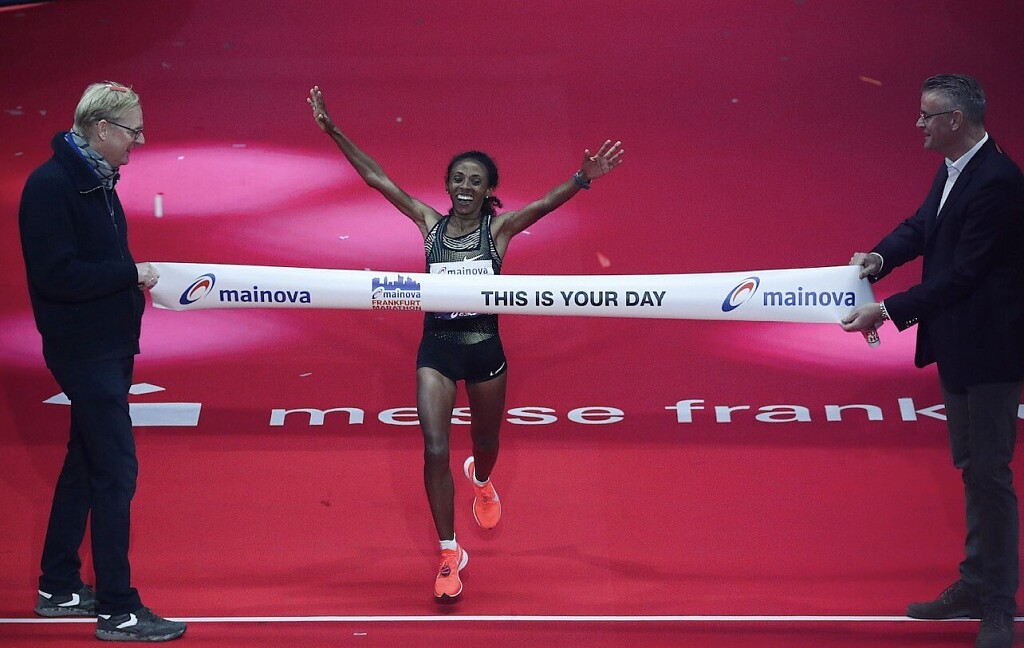
Frankfurt Assembles Fastest-Ever Men’s Field as Former Champion Meskerem Assefa Returns
The 43rd Mainova Frankfurt Marathon is set for a fast edition on October 25, with the deepest men’s field in race history and the return of 2018 women’s champion Meskerem Assefa.
For the first time, four men on the start list have personal bests under 2:05, with another four having broken 2:07. German record-holder Amanal Petros leads the field at 2:04:03, setting up a showdown featuring three of Germany’s leading marathoners.
The women’s race also promises strong competition. Five entrants have run under 2:22, making it the second-deepest women’s field in Frankfurt history by that measure, behind only the 2025 edition, which featured six.
“Overall this is surely the fastest elite field we have ever assembled for the Mainova Frankfurt Marathon. I am very pleased that the German men are playing a major role and I expect a thrilling top-class race,” said Jo Schindler, who is in his 25th year as race director.
German Stars Lead the Men’s Challenge
European champion Petros tops the entry list, but the competition is close. Ethiopia’s Andualem Belay brings a personal best of 2:04:44, followed by Germany’s Samuel Fitwi at 2:04:45 and Richard Ringer at 2:04:47.
With just 44 seconds separating the personal bests of the four fastest entrants, the race offers the prospect of a competitive battle at the front.
Kenya’s Benard Biwott, who has run 2:05:25, leads the next group of contenders. Israel’s Haimro Alame and Ethiopians Antenayehu Dagnachew and Jiregna Geleta round out the eight men with personal bests under 2:07.
Assefa Returns to Face Yimer and Saina
Meskerem Assefa’s return adds a former champion to an already strong women’s field. Her participation had been uncertain because of visa requirements, but organizers have now secured the visa needed for her trip to Germany.
The Ethiopian’s personal best of 2:20:36 makes her the third-fastest entrant, behind compatriot Zeineba Yimer at 2:18:47 and American Betsy Saina at 2:19:17.
Ethiopia’s Siranesh Yirga and Kenya’s Marion Kibor complete the group of five women who have broken 2:22.
There was disappointing news for another former champion: Ethiopia’s Buzunesh Getachew, the 2023 Frankfurt winner, has withdrawn because of injury.
German interest will also focus on Blanka Dörfel, who is scheduled to make her marathon debut.
Elite Runners with Personal Bests
MEN
Amanal Petros GER 2:04:03
Andualem Belay ETH 2:04:44
Samuel Fitwi GER 2:04:45
Richard Ringer GER 2:04:47
Benard Biwott KEN 2:05:25
Haimro Alame ISR 2:06:04
Antenayehu Dagnachew ETH 2:06:55
Jiregna Geleta ETH 2:06:57
Derara Hurisa ETH 2:08:09
Jirata Dinki ETH 2:08:18
Abe Gashahun ETH 2:08:35
Lemawork Ketema AUT 2:10:44
WOMEN
Zeineba Yimer ETH 2:18:47
Betsy Saina USA 2:19:17
Meskerem Assefa ETH 2:20:36
Siranesh Yirga ETH 2:21:08
Marion Kibor KEN 2:21:12
Janet Ruguru KEN 2:23:00
Mehret Gemeda ETH 2:23:29
Milicent Jelimo KEN 2:24:19
Obse Abdeta ETH 2:27:14
Martina Strähl SUI 2:28:07
Selam Fente ETH 2:28:22
Aselef Amare ETH 2:28:47
Blanka Dörfel GER Debut
by Race News service
Login to leave a comment
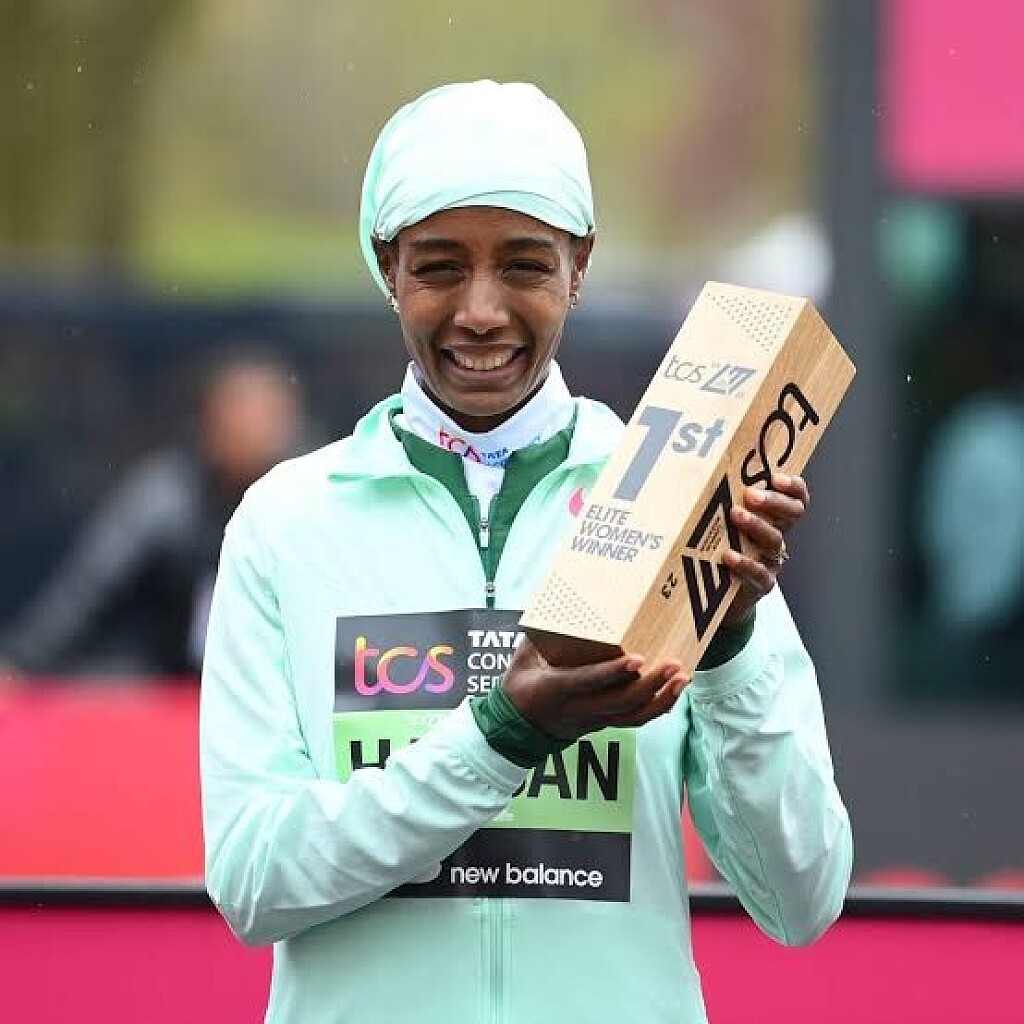
Sifan Hassan Withdraws From 2026 New York City Marathon As Illness Disrupts Her Preparation
Olympic marathon champion Sifan Hassan of the Netherlands has officially withdrawn from the 2026 TCS New York City Marathon after illness disrupted her preparations, ending hopes of seeing the versatile distance-running star return to one of the world’s most prestigious road races this autumn.
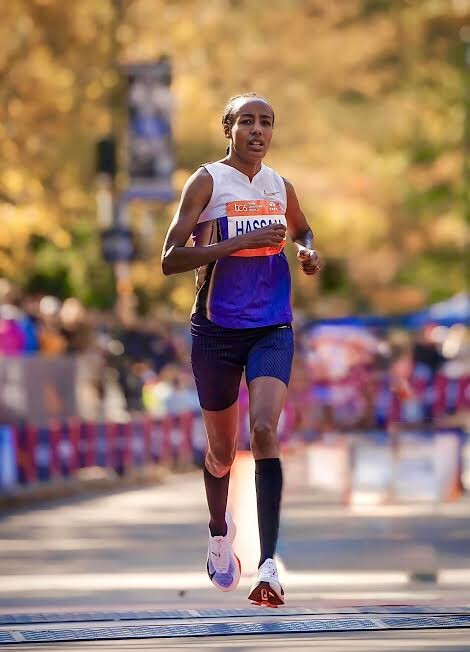
Hassan announced her decision on social media, explaining that sickness had slowed her training and left her short of the level of preparation she had hoped to achieve ahead of the November 1 race. The withdrawal is a setback for the Dutch star, who had been looking forward to returning stronger after her previous appearance in New York.
“I was so excited to come back stronger, but a sickness slowed down my training and I’m not where I wanted to be. Sometimes, things just don’t go as planned,” Hassan wrote.
Despite her disappointment, the Olympic champion also sent her best wishes to the athletes preparing to compete in New York, demonstrating her support for the wider running community even as she steps away from the competition.
Hassan, who holds a personal best of 2:13:44, ranks fifth on the women’s all-time marathon list. Her extraordinary range across track and road running has established her as one of the most versatile athletes of her generation, capable of competing at the highest level from shorter distances to the marathon.
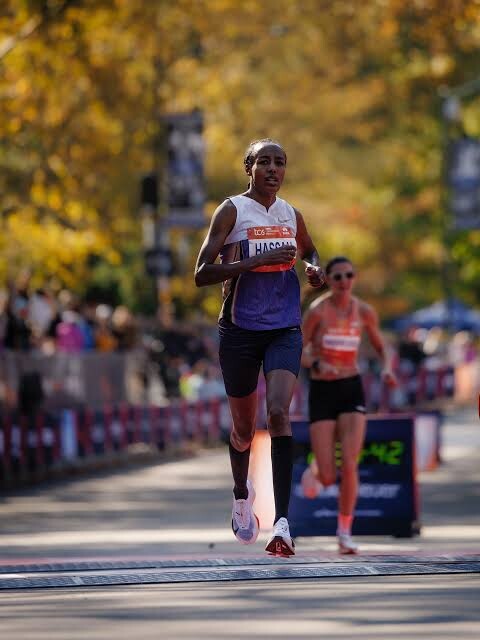
Her marathon career has already produced several memorable achievements. Hassan has won the London Marathon and Chicago Marathon, claimed victory at the Sydney Marathon, and secured Olympic marathon gold at the Paris 2024 Games. Those accomplishments underline her ability to adapt to different courses, race conditions and competitive challenges.
The withdrawal from New York follows another interruption to her 2026 campaign. Hassan previously pulled out of the London Marathon because of an Achilles injury, and the latest illness has further disrupted her plans for the season. With her training affected, stepping aside from New York allows her to prioritise her recovery rather than compete without the preparation she considers necessary.
Hassan’s absence will be a significant talking point in the build-up to the New York City Marathon, which takes runners through all five boroughs of the city before finishing in Central Park. The demanding course and deep international field regularly produce compelling racing, and her withdrawal creates an opportunity for other leading contenders to strengthen their ambitions.
Although the precise implications for the women’s elite field will depend on the final start list, the race remains an important opportunity for leading East African athletes and top American runners to challenge for victory. Without Hassan on the starting line, attention will turn to the athletes capable of taking advantage of the opportunity and delivering a memorable performance on the streets of New York.
For Hassan, however, the priority is no longer the immediate challenge of another marathon. The Dutch star has built her reputation through resilience, adaptability and a willingness to take on some of the toughest challenges in distance running. Recovering fully and returning to structured training will be essential as she considers her next competitive objectives.
At 33, Hassan already has an exceptional record that includes Olympic glory and victories at some of the world's most prestigious marathons. While her withdrawal is disappointing for fans who hoped to see her compete in New York again, it does not diminish the achievements that have made her one of the defining distance runners of her era.
The running world will now wait for news of her recovery and next racing plans. For the moment, Hassan’s message is clear: sometimes, even the best-laid preparations do not go according to plan, and knowing when to step back is part of an athlete’s journey.
The 2026 TCS New York City Marathon is scheduled for November 1. Hassan’s withdrawal removes one of the most accomplished names from the anticipated women’s field, but the race will continue to bring together elite athletes from around the world for another major contest over the five-borough course.
by Erick Cheruiyot for My Best Runs.
Login to leave a comment
TCS New York City Marathon
The first New York City Marathon, organized in 1970 by Fred Lebow and Vince Chiappetta, was held entirely in Central Park. Of 127 entrants, only 55 men finished; the sole female entrant dropped out due to illness. Winners were given inexpensive wristwatches and recycled baseball and bowling trophies. The entry fee was $1 and the total event budget...
more...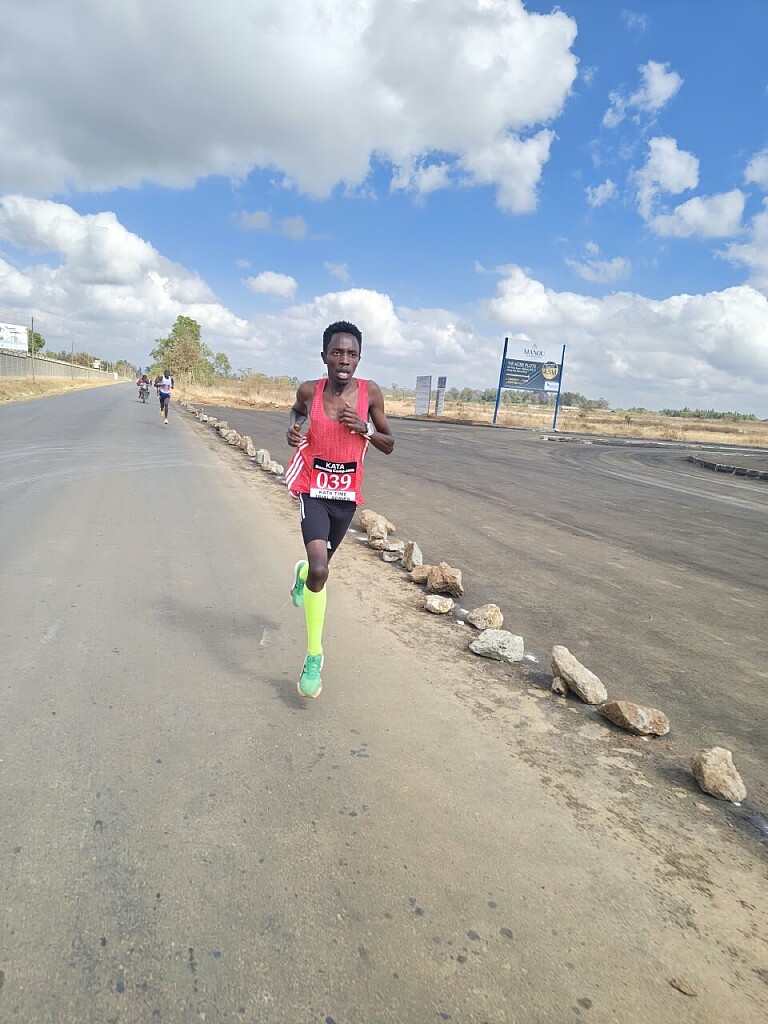
KATA Time Trial Series:Kelvin Ng'ang'a Leads Men’s 10km as Runners Battle Warm, Humid Conditions at 60th Edition
The Kenyan Athletics Training Academy (KATA) marked a significant milestone on Wednesday, October 14, 2026, with the successful staging of the 60th edition of its Time Trial Series in Thika, Kenya. Athletes took to the course across the 10km and 5km distances, testing their fitness and racing the clock in conditions characterised by relatively high temperatures and humidity.
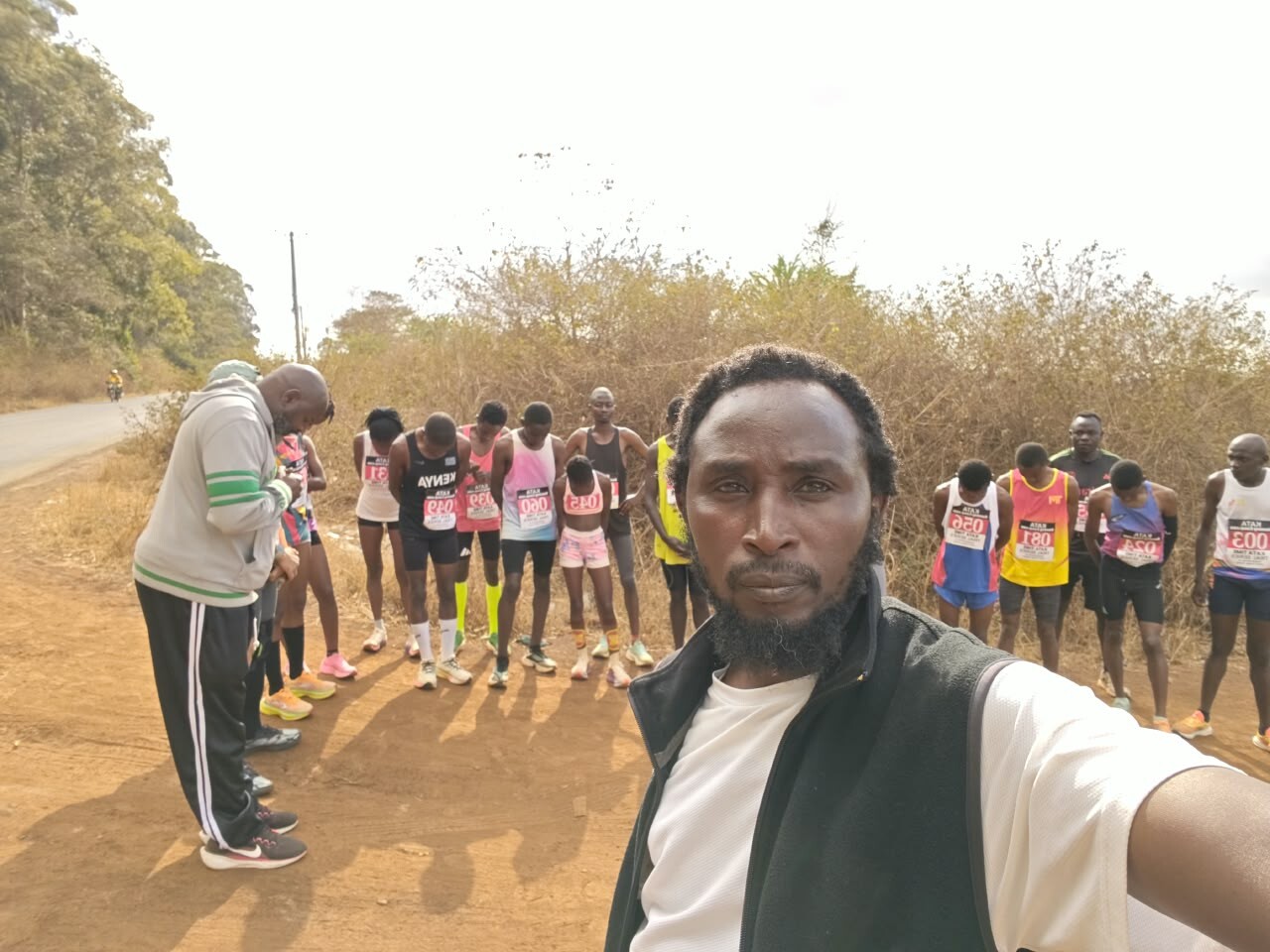
Despite the challenging weather, the runners delivered competitive performances, with Kelvin Ng'ang'a leading the men's 10km in 30:48. Charles Wanjora finished second in 30:55, while Erick Cheruiyot completed the top three in 31:02, as the leading trio crossed the finish line within 14 seconds of one another.
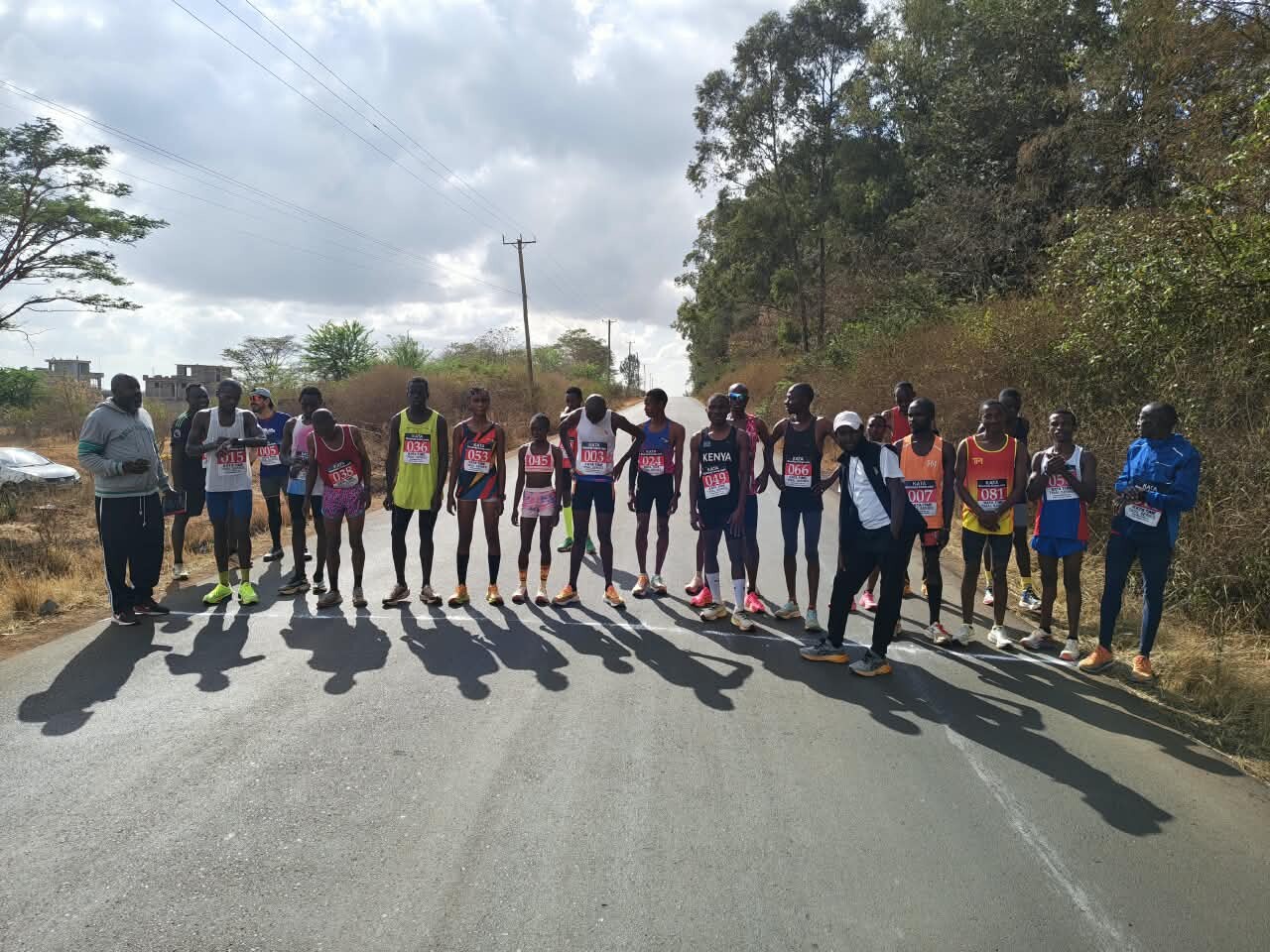
The close contest highlighted the competitive nature of the series, where athletes have an opportunity to measure their progress, assess their race readiness and identify areas for improvement through timed competition.
Justus Nyamai finished fourth in 31:22, followed by Robert Ndegwa in 32:35. Francis Maina placed sixth in 32:51, while Ishmael Mburu took seventh in 33:22. Vincent Kiprotich finished eighth in 34:47, ahead of David Muriuki, who clocked 34:58. Ezekiel Kitorit completed the top 10 in 35:09.
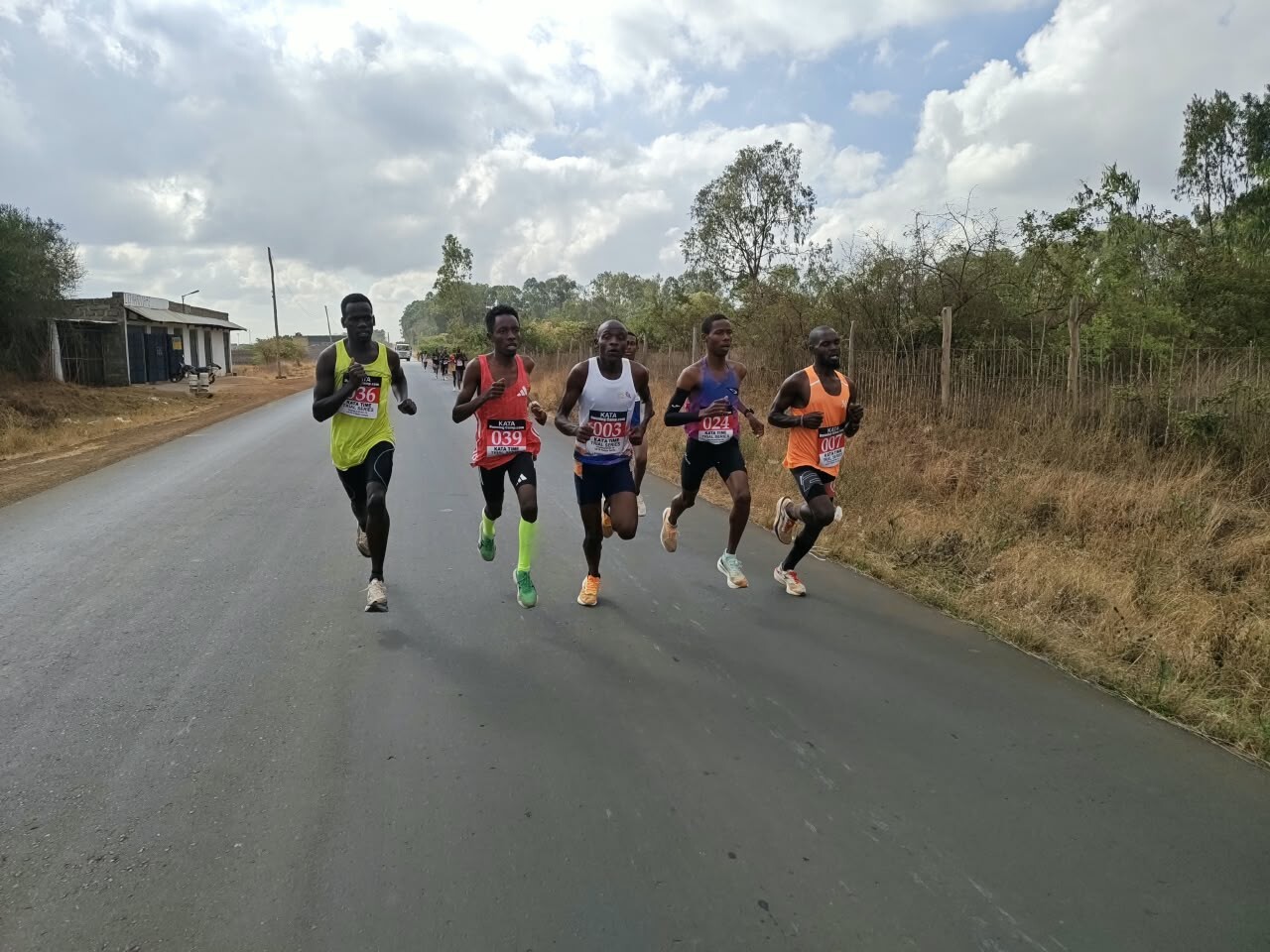
Bernard Gicheha followed in 35:14, with Eugene Wambua recording 35:28. Lewis Kamau finished in 36:28, Paul Ng'ang'a in 37:21, George Mwangi in 37:34 and Simon Ngereza in 37:41, rounding out the men's 10km results.
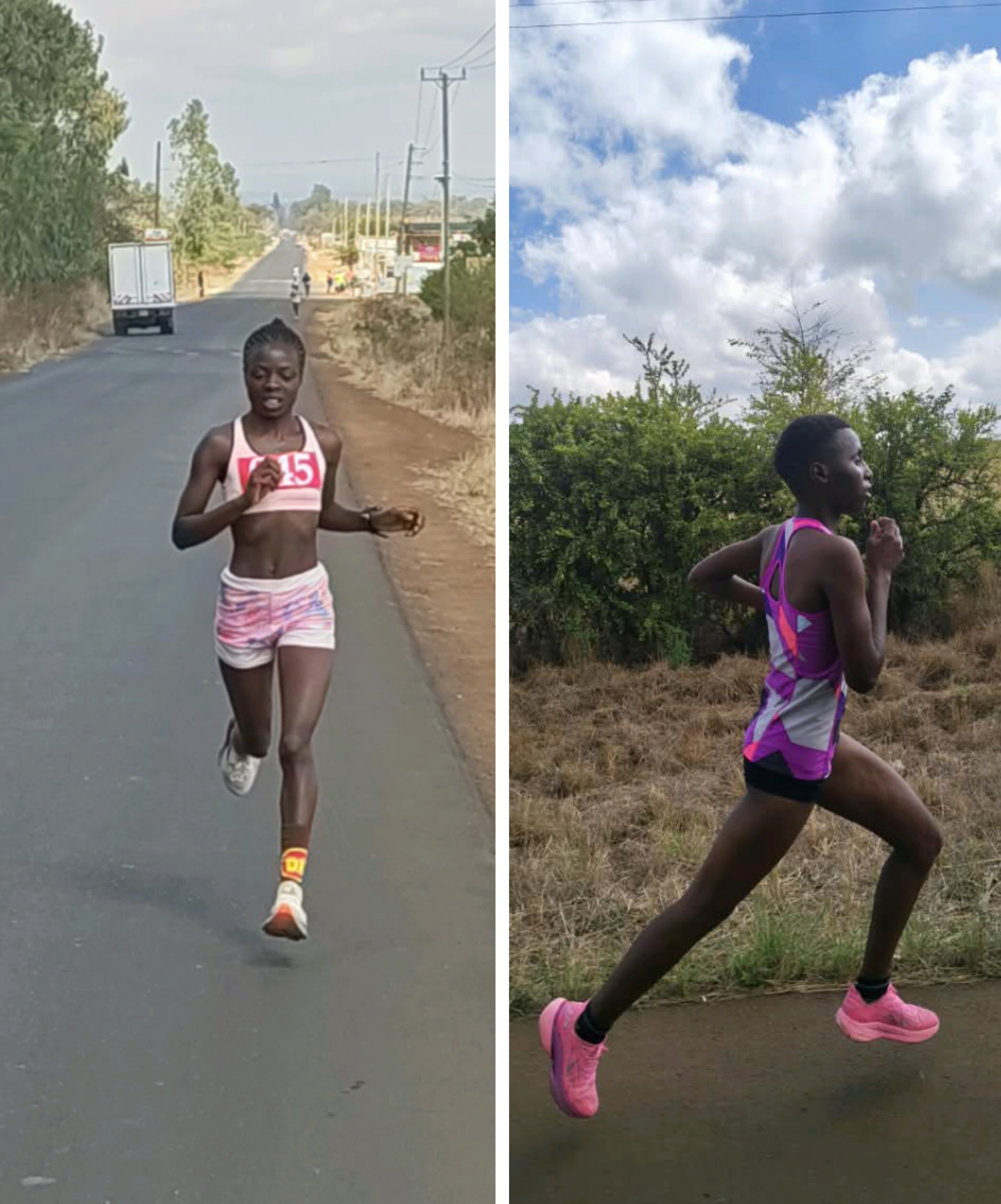
In the women's 10km, Ruth Maina emerged victorious in 36:31. Felister Maina followed in 37:08, while Regina Sandiki finished third in 38:56. Felister Mbatha completed the four-woman field in 44:38.
The performances came under conditions that demanded careful pacing and determination. With temperatures relatively high and humidity adding to the challenge, the time trial provided athletes with a practical opportunity to assess how their current fitness responds to less-than-ideal racing weather.
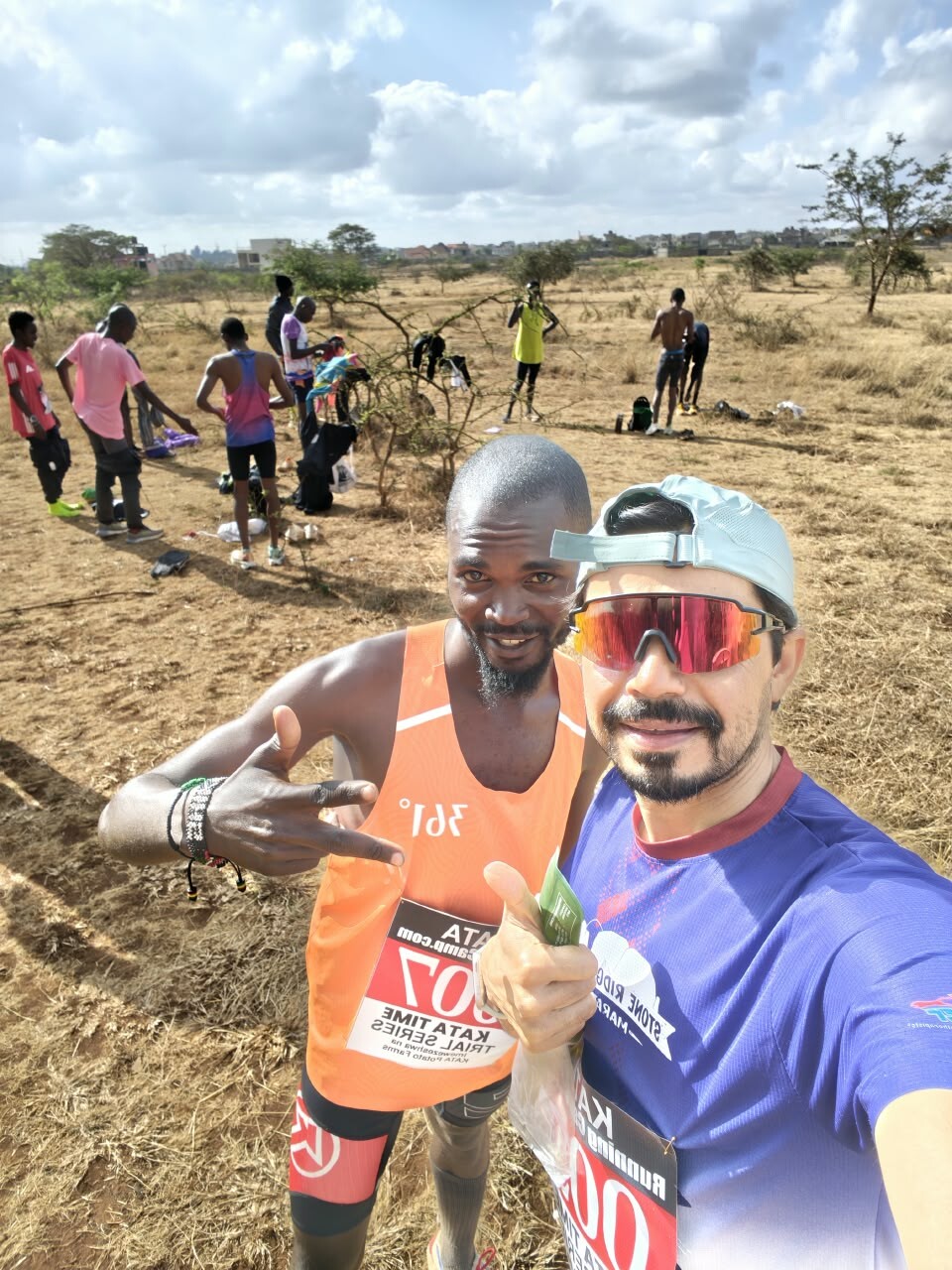
The 5km race added another highlight to the day's programme, with Elam Okato taking finishing with 25:46. Guest runner Rohan Kohli, visiting from India, also completed the distance in 25:46. The 5km race produced a dead heat, with a finish joint first in the race.
Kohli's participation added an international dimension to the milestone edition, bringing a guest runner from India into the KATA running environment. His appearance highlighted how athletics can bring together people from different backgrounds through a shared passion for running.
KATA 60TH TIME TRIAL SERIES RESULTS Wednesday, October 14, 2026 Thika, Kenya
MEN’S 10KM
- Kelvin Ng'ang'a – 30:48
- Charles Wanjora – 30:55
- Erick Cheruiyot – 31:02
- Justus Nyamai – 31:22
- Robert Ndegwa – 32:35
- Francis Maina – 32:51
- Ishmael Mburu – 33:22
- Vincent Kiprotich – 34:47
- David Muriuki – 34:58
- Ezekiel Kitorit – 35:09
- Bernard Gicheha – 35:14
- Eugene Wambua – 35:28
- Lewis Kamau – 36:28
- Paul Ng'ang'a – 37:21
- George Mwangi – 37:34
- Simon Ngereza – 37:41
WOMEN’S 10KM
- Ruth Maina – 36:31
- Felister Maina – 37:08
- Regina Sandiki – 38:56
- Felister Mbatitha – 44:38
5KM
- Elam Okato – 25:46
- Rohan Kohli (India) – 25:46
NOTE: Elam Okato and Rohan Kohli recorded identical times of 25:46.
Beyond the finishing positions, the 60th edition reinforced the purpose of the KATA Time Trial Series: providing athletes with a consistent platform to evaluate their preparation and monitor their development.
Unlike major championship races, where medals and titles dominate the conversation, time trials offer a different measure of success. Athletes can assess their pacing, endurance and ability to maintain their effort across a set distance. Coaches can also use the results to evaluate training progress and make adjustments ahead of future competitions.
Wednesday's warm, humid conditions added another variable to that assessment. Weather can influence how runners feel and perform, making it important to consider the conditions when interpreting times and comparing results across different editions.
For athletes working towards personal bests and improved performances in road races, track events and longer-distance competitions, these opportunities to test fitness remain an important part of the preparation process.
Reaching its 60th edition represents a notable milestone for the KATA Time Trial Series and its continuing role in the Thika running community. By bringing athletes together for regular, timed competition, the series offers a practical environment for tracking progress, building competitive experience and maintaining focus on long-term goals.
From Nganga's leading performance in the men's 10km to Ruth Maina's victory in the women's race and the shared finishing time in the 5km, the day's results provided another snapshot of athletes at different stages of their development.
As the runners return to training, the times recorded in this edition will serve as a reference point for their next phase of preparation. For some, the priority will be improving speed; for others, it will be strengthening endurance, refining pacing or preparing for upcoming races.
At KATA, the principle remains straightforward: show up, put in the work, test your fitness and let the stopwatch tell the story.
The 60th edition is now in the books, but for the athletes who took part, the next challenge has already begun.
by Erick Cheruiyot for My Best Runs.
Login to leave a comment

KATA Time Trial Series
Welcome to the KATA Monthly Time Trial Held at the Kenyan Athletics Training Academy in Thika, Kenya, the KATA Monthly Time Trial is a unique and inclusive event designed to support runners of all levels in achieving their goals and showcasing their fitness. This event offers both 10K and 5K distances on an accurate, certified course, providing participants with...
more...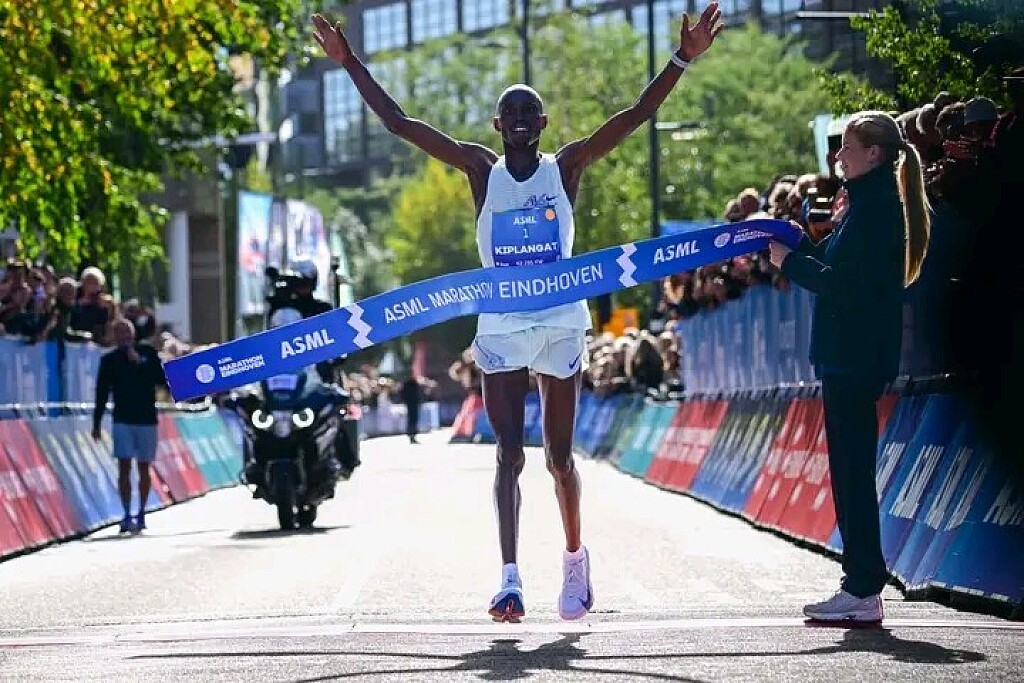
Davis Kiplangat Leads Kenyan Success At Eindhoven Marathon With 2:07:41 Victory As Lidya Cheruto Wins Women's Title
Kenyan distance running enjoyed a successful outing in the Netherlands on Sunday as Davis Kiplangat and Lidya Cheruto claimed victories at the Eindhoven Marathon, delivering impressive performances over the classic 42.195-kilometre distance.
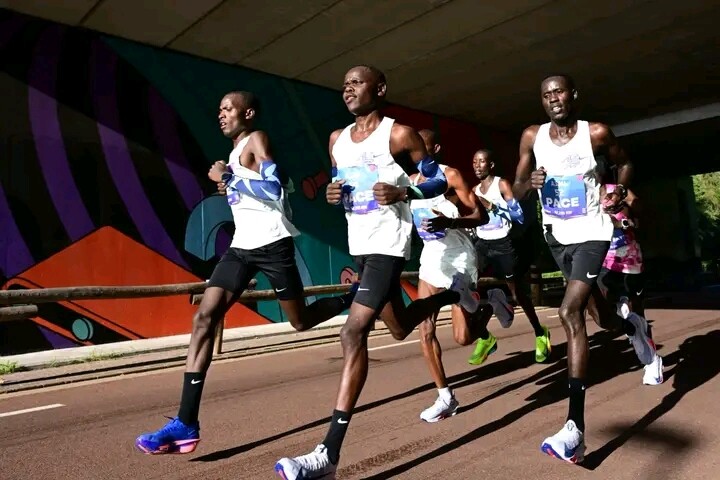
Kiplangat secured the men's title in 2:07:41, while compatriot Cheruto won the women's race in 2:32:46, ensuring Kenya celebrated victories in both categories at the Dutch road-running event.
The men's race was led by Kiplangat, who produced the fastest performance of the day to cross the finish line in 2:07:41. His victory highlighted his strength over the marathon distance and placed him ahead of a competitive international field.
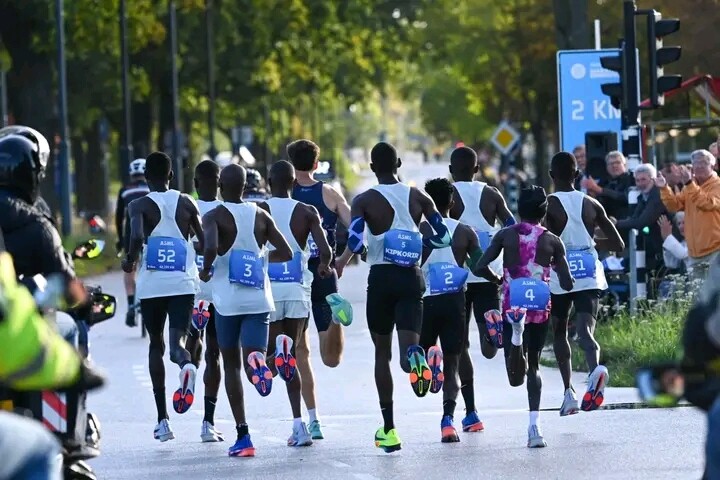
Kenya's Asbel Kipkorir finished second in 2:10:25, completing a strong performance behind the winner. Although he could not match Kiplangat's pace, Kipkorir secured the runner-up position with a time of 2:10:25.
Uganda's Levi Chelangat claimed third place in 2:16:34, giving the East African region two nationalities on the men's podium. His performance ensured that the leading three finishers represented Kenya and Uganda.
Belgium's Diego van Looy finished fourth in 2:18:17, making him the highest-placed Belgian athlete in the men's overall standings shown in the results. He followed the leading trio across the line after a demanding marathon contest.
The men's results also featured Tim Calliauw of Belgium, who recorded 2:20:23 in the men's 40–49 age category. His performance was among the age-group results published alongside the leading overall finishers.
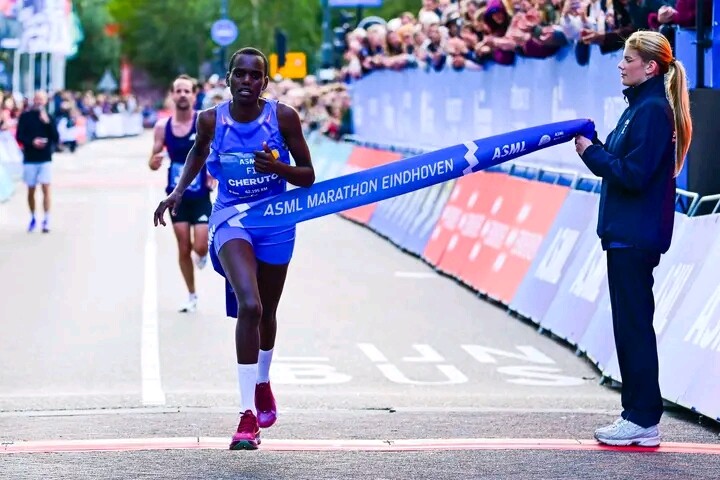
In the women's race, Kenya's Lidya Cheruto delivered another important victory, crossing the finish line in 2:32:46 to secure the title. Her performance placed her ahead of Belgium's Valentine Mathy, who finished second in 2:35:03.
Mathy's runner-up finish was followed by compatriot Elisa Vancolen, who clocked 2:37:44 to claim third place. The result gave Belgium two athletes on the women's podium behind the Kenyan winner.
Belgium's Karen van Proeyen finished fourth in 2:40:31, adding another strong result for the host country's neighbouring European running nation. Her time also appeared among the women's age-group results, where she was the leading finisher in the 40–49 category.
The women's podium therefore featured Kenya and Belgium, with Cheruto taking the overall honours ahead of Mathy and Vancolen. Their performances provided a clear picture of the leading competition in the women's marathon.
The published results also recorded Pawel Wojcik of Poland in the men's 50–59 category with 2:34:39. France's Willie Nijsten finished the men's 60–69 category in 2:57:24, while Gijs van den Hurk, also listed under France, recorded 3:24:44 in the men's 70-plus category.
In the women's age groups, Norway's Helle Blak recorded 2:59:55 in the 50–59 category, while Belgium's Silvia Lenaerts finished in 3:32:04 in the 60–69 category.
The results underline the international character of the Eindhoven Marathon, which brings together elite competitors, experienced club runners and athletes competing across a wide range of age categories.
For Kiplangat, the victory was the standout performance of the men's race, with his 2:07:41 placing him comfortably ahead of Kipkorir and Chelangat. The three leading finishers demonstrated the depth of East African distance running, with Uganda also represented on the podium.
Cheruto's victory was equally significant for Kenya, as she led the women's field in 2:32:46. Her win placed her ahead of two Belgian athletes, with Mathy and Vancolen completing the top three.
Belgium also enjoyed a notable presence among the leading finishers, particularly in the women's race, where its athletes occupied second, third and fourth positions. Van Looy's fourth-place finish in the men's race added to the country's representation among the leading competitors.
The Eindhoven Marathon once again offered a platform for athletes from different countries to test themselves over the marathon distance, while the age-group results highlighted the participation of runners across several generations.
For the Kenyan winners, the Dutch race provided another opportunity to turn preparation into success on the international stage. Kiplangat claimed the men's crown, while Cheruto led the women's field, giving Kenya a double victory.
As the marathon season continues, their performances will add to the growing list of results shaping the international road-running calendar. Eindhoven's latest edition concluded with Kenyan winners in both elite races and a strong showing from Belgian athletes, making it a memorable Sunday for the leading competitors.
by Erick Cheruiyot for My Best Runs.
Login to leave a comment

Marathon Eindhoven
The Eindhoven Marathon is an annual marathon held in the city of Eindhoven every second Sunday of October. It has been an annual race since 1990. There is also a half marathon, 10K and 5k. The 2018 race was the 35th annual event. Dickson Kiptolo Chumba and Georgina Rono are the men's and women's course record holders with times of...
more...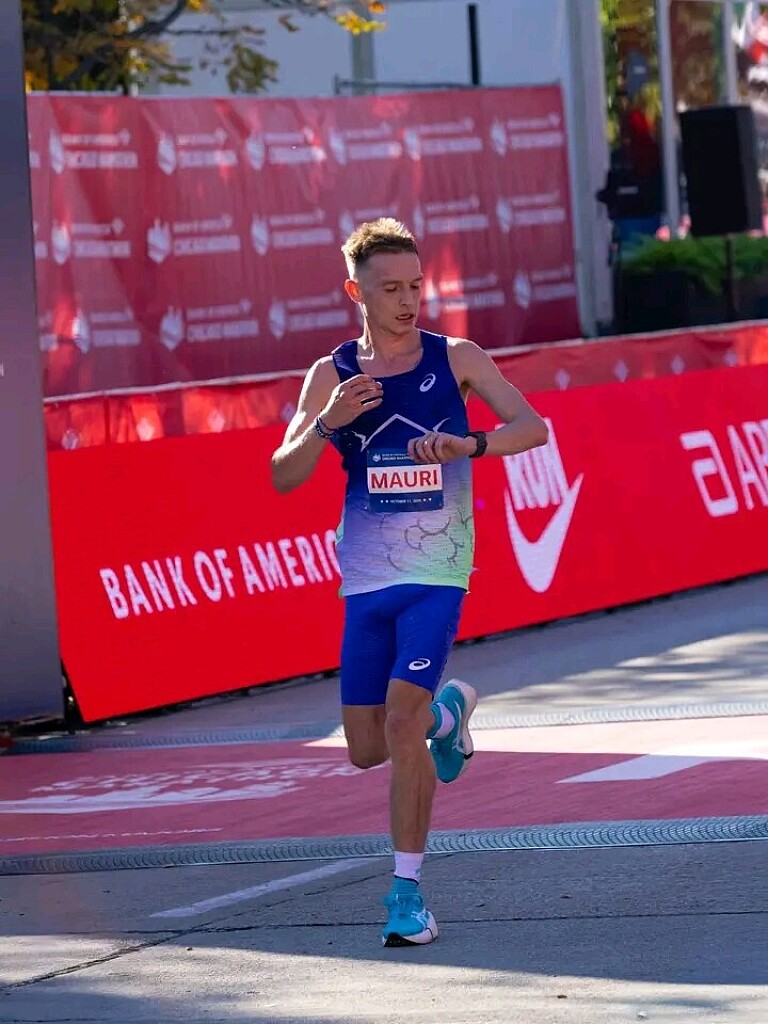
Vinny Mauri Sets American 30K Record in Chicago Marathon Despite Missing National Marathon Record
Vinny Mauri delivered a remarkable performance at the 2026 Bank of America Chicago Marathon, setting a new American record for 30 kilometers despite falling short of his ultimate goal of breaking the American marathon record.
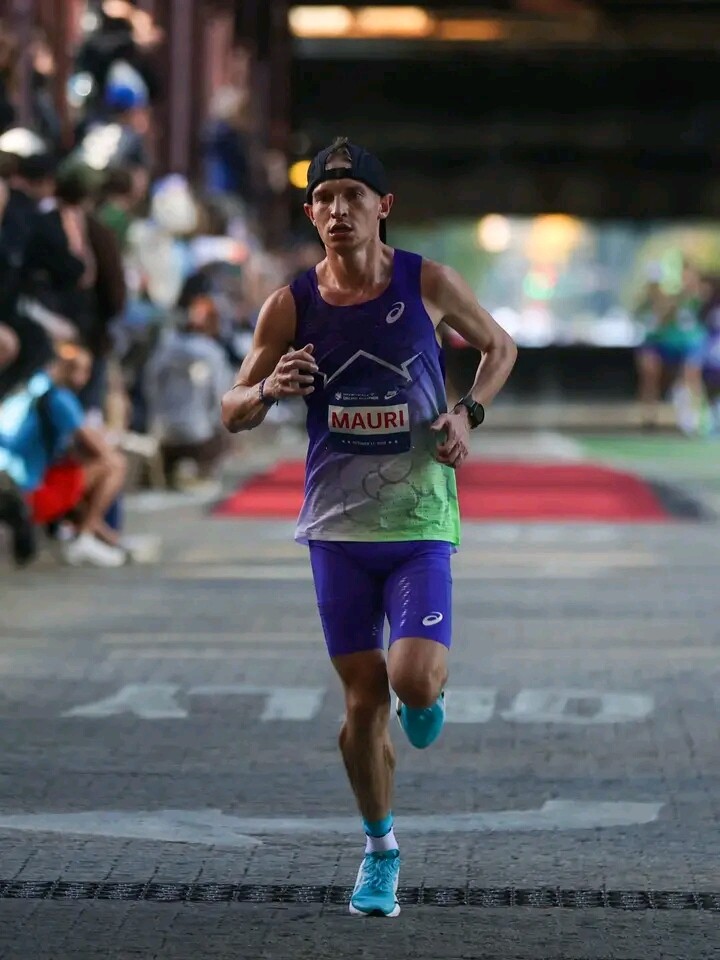
The American distance runner clocked 1:28:15 at 30 kilometers, improving the previous national record of 1:28:24 set by Conner Mantz at the 2025 Chicago Marathon. Mauri achieved the milestone while pursuing an ambitious pace that initially put him in contention for a historic performance over the full 26.2-mile distance.
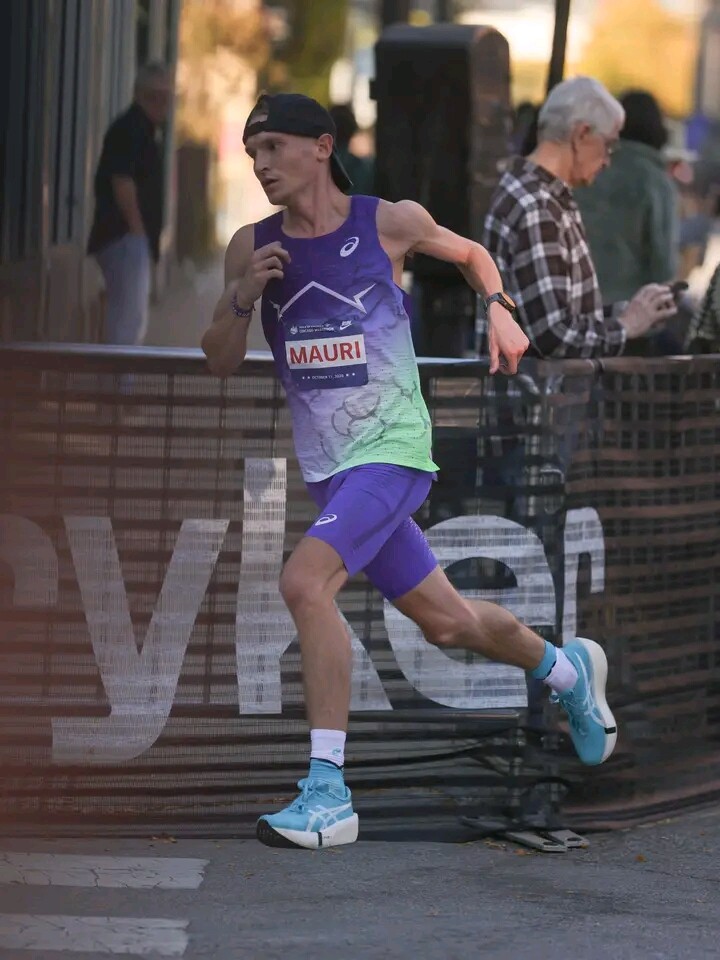
Mauri finished 10th overall in 2:06:45, placing third among American men in a highly competitive international field. His performance was particularly impressive given that he made his marathon debut only in April, running 2:05:54 and immediately establishing himself as an exciting prospect in American distance running.
Heading into Chicago, Clayton Young's announced attempt to challenge the American marathon record had drawn considerable attention to the race. However, Mauri also emerged as a serious contender, bringing an impressive debut performance and considerable ambition to the starting line. His aggressive approach added another compelling dimension to the battle among American runners.
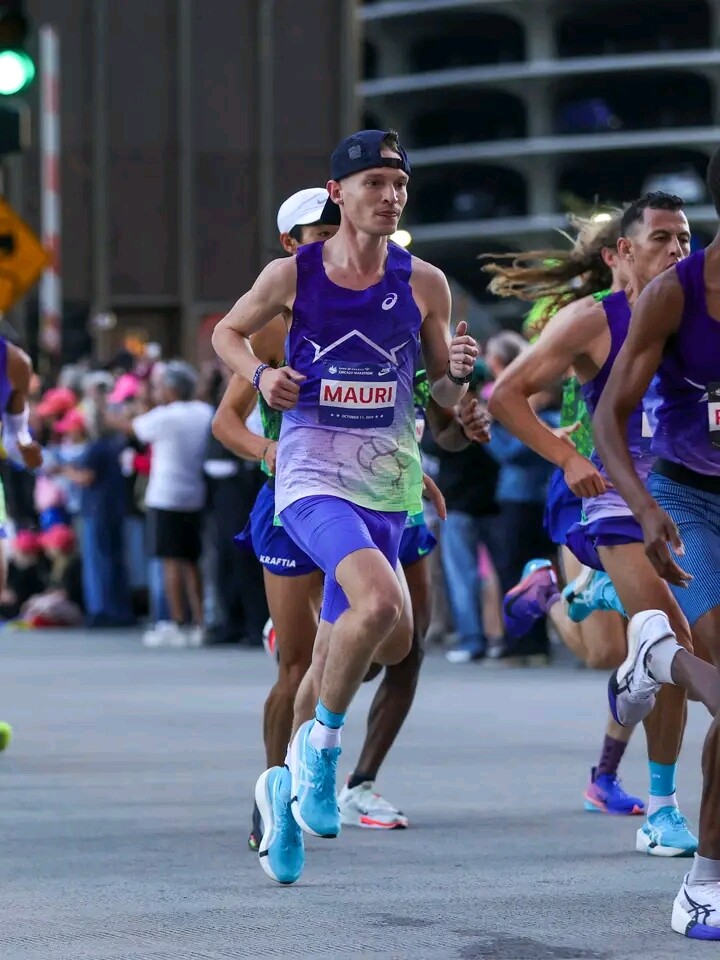
Mauri ran with confidence from the opening kilometers, leading the American contingent through the early and middle stages of the race. His intermediate splits demonstrated the strength of his early effort, reaching 5 kilometers in 14:53, 10 kilometers in 29:39 and 15 kilometers in 44:24 before passing 20 kilometers in 59:03.
He reached the half-marathon point in 1:02:15 and continued to maintain an exceptional rhythm. At 25 kilometers, he clocked 1:13:31 before reaching 30 kilometers in 1:28:15, securing the American record at the distance. His performance underlined his ability to sustain an aggressive pace against a world-class field.
One of the most striking aspects of Mauri's race was his willingness to commit to the challenge rather than hold back in pursuit of a conservative finish. He remained on American marathon record pace for more than eight miles, putting himself firmly in the conversation as the race unfolded. His determination demonstrated both his confidence and his readiness to test his limits against established international competitors.
However, maintaining such an ambitious pace over the closing stages proved increasingly difficult. Mauri reached 35 kilometers in 1:43:42 and 40 kilometers in 1:59:50, with his pace slowing as the demands of the marathon took their toll. He ultimately crossed the finish line in 2:06:45, missing the American marathon record but completing another impressive performance in only his second race over the distance.
The progression of his race illustrated the fine margins involved in elite marathon running. Strong early splits can create an opportunity for a historic result, but sustaining that effort through the final kilometers requires exceptional endurance and precise pace management. Although Mauri could not maintain his record-breaking schedule to the finish, his 30K performance delivered a significant national milestone.
His rapid development is particularly encouraging for American distance running. A 2:05:54 marathon debut followed by a strong performance in Chicago, combined with a national record at 30 kilometers, gives Mauri valuable experience and a solid foundation for future campaigns. With further opportunities to refine his race strategy and manage his effort over the closing miles, he could become an increasingly prominent figure in American marathon running.
In Chicago, Mauri may have fallen short of the ultimate prize, but he left with a national record, a top-10 overall finish and third place among American men. His gutsy performance reinforced his growing reputation and provided another reason to follow his progress as he continues to pursue bigger goals on the international marathon stage.
by Erick Cheruiyot for My Best Runs.
Login to leave a comment
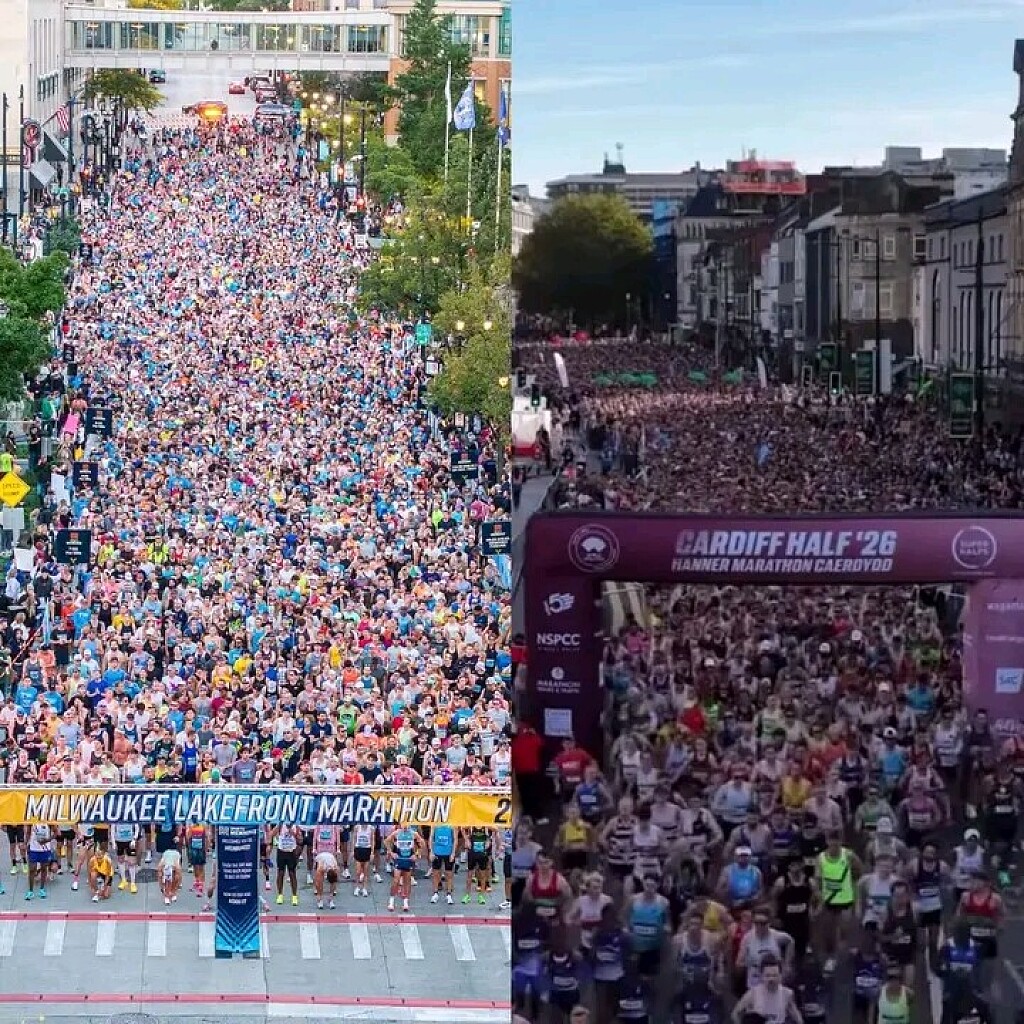
Running Community Mourns Two Runners After Separate Half Marathon Tragedies
The global running community is mourning the heartbreaking deaths of two runners who suffered medical emergencies during separate half marathons on Sunday, October 4, 2026.
The two incidents occurred thousands of miles apart, in Wisconsin in the United States and Cardiff in Wales, casting a sombre shadow over what should have been a day of celebration, competition and personal achievement.

Milwaukee Lakefront Half Marathon Tragedy
At the Milwaukee Lakefront Marathon in Wisconsin, a 36-year-old father of four from Waukesha tragically collapsed near the 13-mile mark while running across the Hoan Bridge, just approximately 600 feet from the finish line.
Witnesses and medical personnel responded immediately, beginning CPR and using a defibrillator in an attempt to save his life. He was subsequently transported to Froedtert Hospital, where he was pronounced dead.
According to his family, the runner had no known previous medical history. The race was reportedly his first half marathon.
Race organisers confirmed that the tragedy marked the first fatality in the event's 44-year history, leaving the local running community deeply saddened.
A separate tragedy unfolded at the Cardiff Half Marathon in Wales, where another runner suffered a medical emergency after completing the 13.1-mile race.
Medical teams stationed at the finish area and throughout the event immediately provided treatment before the runner was taken to the University Hospital of Wales. Despite the efforts of the medical teams, the runner later died.
Event organiser Run 4 Wales expressed its deep sorrow over the loss and praised the medical personnel at both the race and hospital for their swift response.
The two incidents serve as a painful reminder that, while distance running brings together millions of people through a shared passion for sport, medical emergencies can occur unexpectedly even among apparently healthy participants.
The running community now stands together in grief, extending its deepest condolences to the families, friends, fellow runners and all those affected by these devastating losses.
by Erick Cheruiyot for My Best Runs.
Login to leave a comment
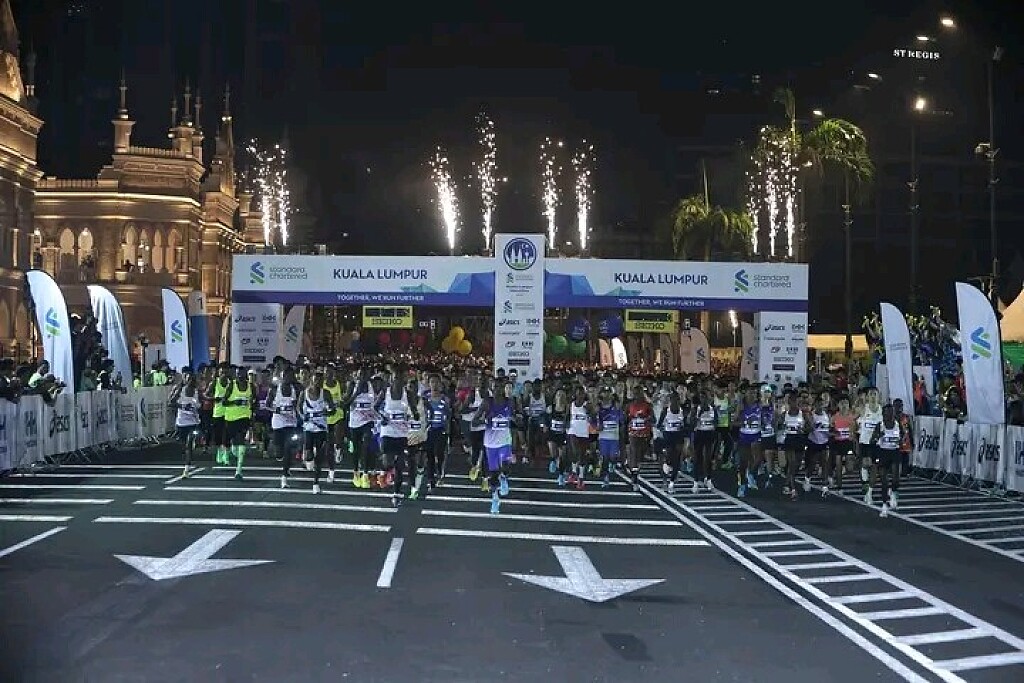
Drunk Motorcyclist Crashes Into Two Runners On Closed Kuala Lumpur Marathon 10K Course
A morning of racing at the 2026 Kuala Lumpur Standard Chartered Marathon turned into a frightening scene on Saturday after a motorcycle entered a section of the course that had been closed to traffic and collided with two runners.
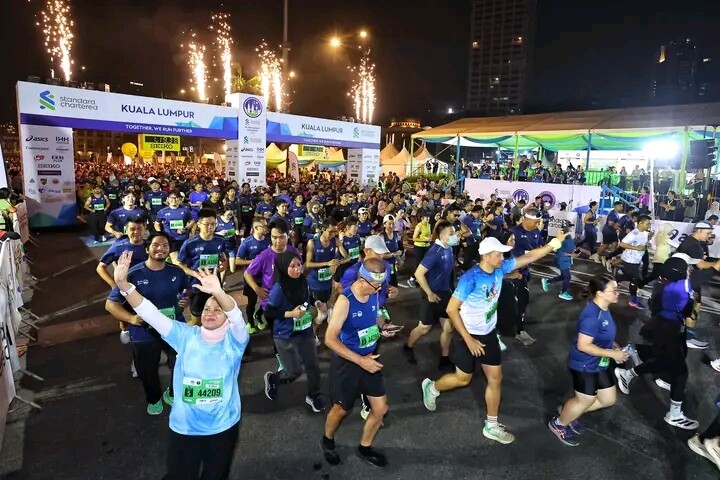
The incident happened at about 6:15 a.m. on October 3 along Jalan Munshi Abdullah, where the 10K race was taking place. Police said the 21-year-old motorcyclist, who was carrying a 19-year-old male pillion passenger, had passed through a section blocked off with traffic cones.
According to police, an officer manning the road closure ordered the rider to stop, but he allegedly continued riding and then travelled against the flow of traffic before crashing into two marathon participants.
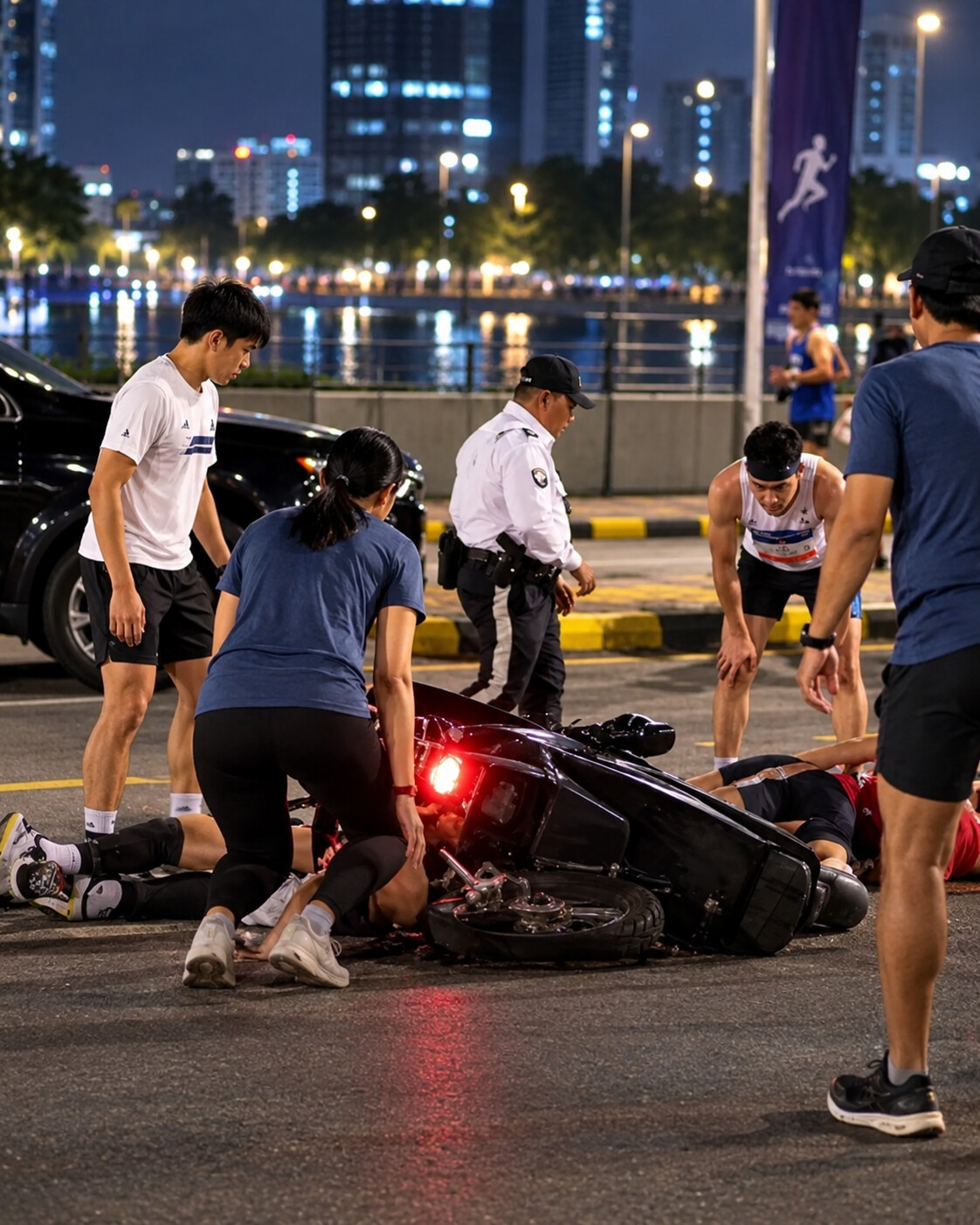
The two injured runners were a 50-year-old woman and a 41-year-old man. The woman suffered neck injuries and was taken to Prince Court, while the man sustained injuries to his right knee and hand. Both received medical attention, with reports indicating that their injuries were not life-threatening.
The incident became even more serious when an initial alcohol screening of the rider returned a positive result. Police said an evidential breath test recorded 164mg of alcohol per 100ml, after which the rider and his passenger were taken to Hospital Kuala Lumpur for blood and urine samples as part of the investigation.
The motorcyclist was subsequently remanded while police investigated the circumstances surrounding the crash. The case was initially investigated under Section 44(1A)(b) of Malaysia's Road Transport Act 1987, as well as Section 186 of the Penal Code.
On Monday, October 5, the 21-year-old was charged in Kuala Lumpur Traffic Court with two counts of driving under the influence. The court granted bail of RM5,000 for each charge, although reports said he was unable to raise the bail and was ordered to be sent to prison pending the next court mention on January 7, 2027.
The crash has highlighted the crucial role of road closures, traffic police and race marshals in protecting runners during major road races. The Kuala Lumpur Marathon's 10K event is a designated race category, with the course reserved for participants during the event.
For the thousands of runners who took part, what should have been a celebration of running instead became a stark reminder that even with extensive race-day safety measures in place, one vehicle entering a closed course can create a potentially devastating situation.
The Kuala Lumpur Standard Chartered Marathon organisers have confirmed the incident and are cooperating with authorities as the police investigation continues.
by Erick Cheruiyot for My Best Runs.
Login to leave a comment
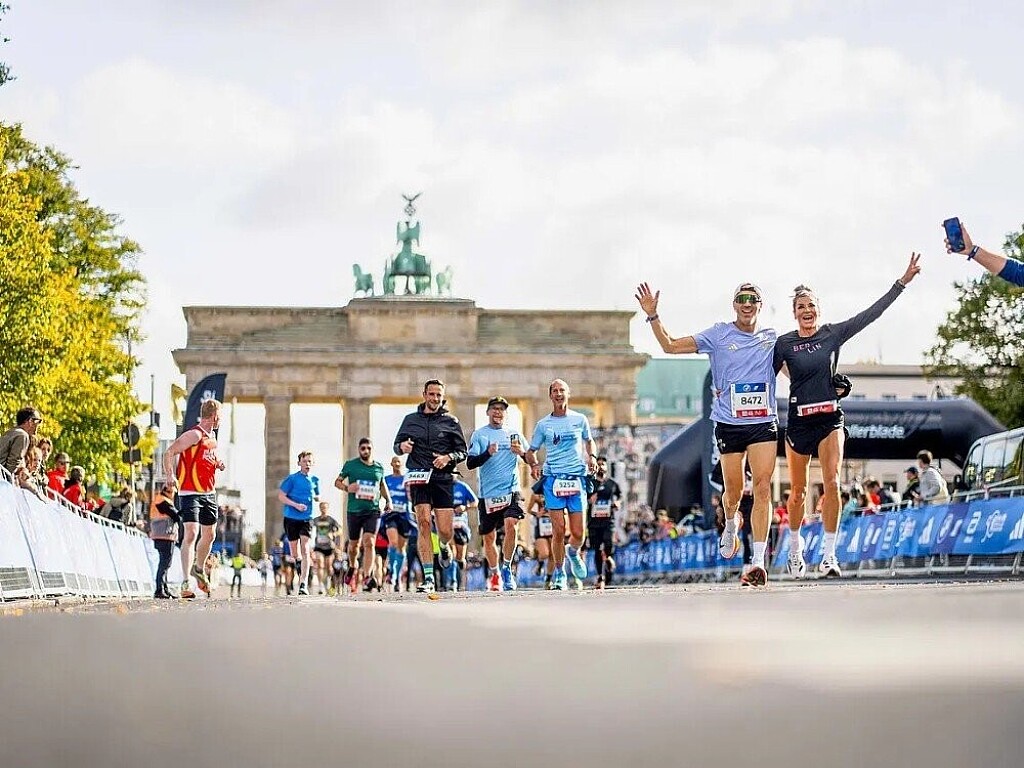
Berlin Marathon 2027 Lottery Is Officially Open As Runners Race For A Place On The World’s Fastest Stage
The wait is over for thousands of marathon hopefuls dreaming of running through the streets of Berlin next year, with registration for the 2027 Berlin Marathon officially opening on Thursday, October 1.
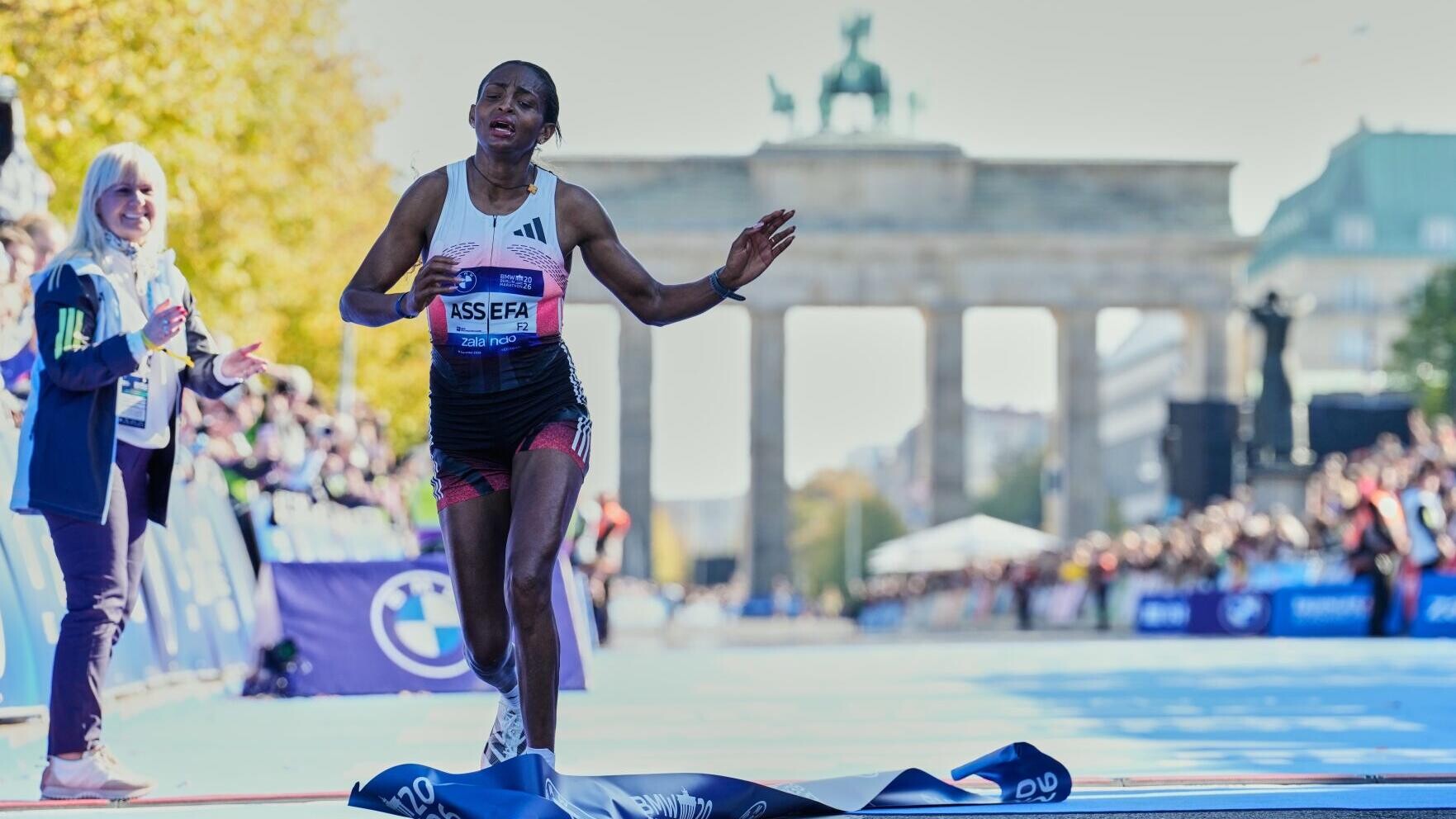
Runners now have until November 12, 2026, to enter the lottery, with the results scheduled to be sent by email on December 3. The entry fee of €215, around $244, will only be charged to athletes who successfully secure a starting place.
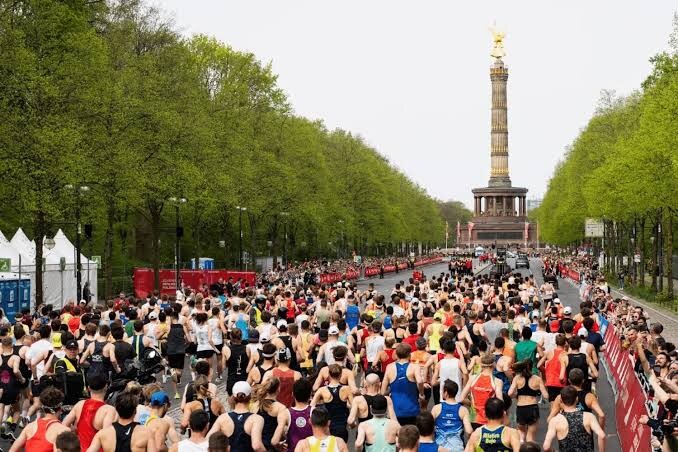
The 2027 race is scheduled for Sunday, September 26, once again bringing thousands of runners onto one of the most famous and fastest marathon courses in the world. Berlin has become synonymous with record-breaking performances, with 13 world records having been set on the course over the years.
That remarkable history continues to give the Berlin Marathon a unique place on the international marathon calendar. From elite athletes chasing world records to recreational runners attempting their first major marathon, the race attracts competitors from across the globe, all sharing the same iconic finish beneath the Brandenburg Gate.
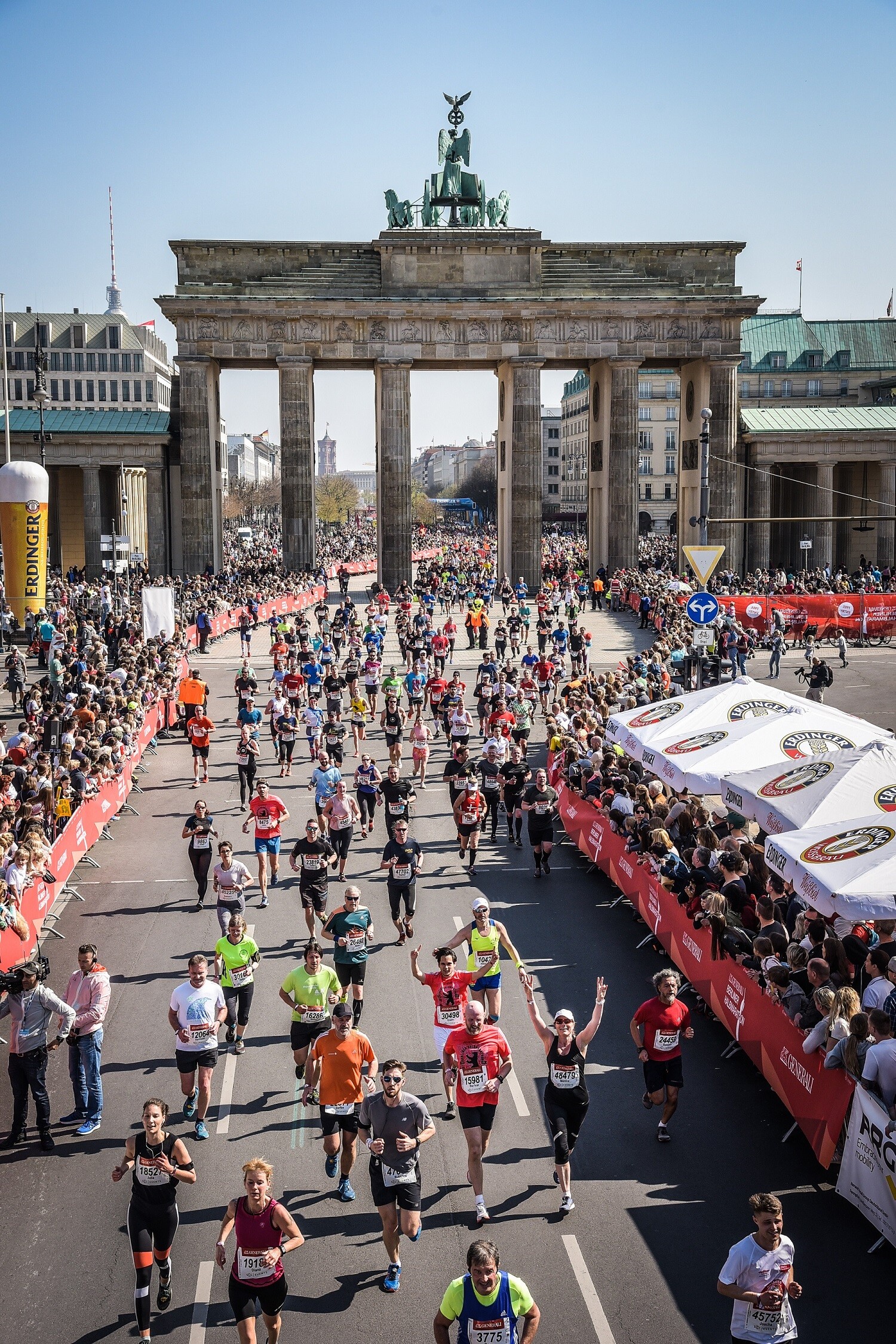
For runners who have already built a special relationship with the event, however, there are ways to bypass the public lottery. Members of the Jubilee Club, which is open to runners who have completed the Berlin Marathon 10 or more times, receive a guaranteed starting place.
There is also a special route for runners who were unable to compete in the 2026 edition after accepting the organisers’ goodwill offer. Those athletes will receive a registration code for the 2027 race by email, with the code required to be redeemed before the ballot closes on November 12.
Runners do not necessarily have to enter alone, either. Groups of two or three athletes can apply together as a team. One runner registers the group and receives a team code, which is then shared with the other members. Each athlete completes their own registration using that code, and if the team is selected, everyone in the group receives a place together.
The lottery system means that demand will once again be high, with aspiring Berlin Marathon runners now facing a nervous wait after submitting their applications. For many, the December 3 email will determine whether their plans for one of the world's most prestigious marathons can become reality.
For those dreaming of lining up in Berlin, the important dates are clear: registration opened on October 1, the ballot closes on November 12, results will be announced on December 3, and the 2027 Berlin Marathon will be held on September 26.
The road to Berlin 2027 has officially begun — and for thousands of runners, the countdown to finding out whether they have secured their place is now underway.
by Erick Cheruiyot for My Best Runs.
Login to leave a comment

BMW Berlin Marathon
The story of the BERLIN-MARATHON is a story of the development of road running. When the first BERLIN-MARATHON was started on 13th October 1974 on a minor road next to the stadium of the organisers‘ club SC Charlottenburg Berlin 286 athletes had entered. The first winners were runners from Berlin: Günter Hallas (2:44:53), who still runs the BERLIN-MARATHON today, and...
more...
Chicago Marathon Braced For Record-Breaking Drama As Kiplimo Leads Elite Field
The streets of Chicago are set for another spectacular marathon showdown, with Uganda’s Jacob Kiplimo leading a world-class men’s field at the 2026 Bank of America Chicago Marathon on Sunday, October 11.
Kiplimo returns to the Windy City as the defending champion and arrives with one of the most impressive marathon resumes in the world. He has a 2:00:28 personal best, making him one of the fastest marathoners in history and a major name to watch whenever the pace turns exceptionally quick.
The current world record stands at an astonishing 1:59:30, set by Kenya’s Sabastian Sawe in London in April 2026. Ethiopia’s Yomif Kejelcha also broke the two-hour barrier in the same race with 1:59:41, while Kiplimo finished third in 2:00:28.
That means Kiplimo would need another significant improvement in Chicago to challenge the world record, but his performances this year have shown that he belongs among the select group capable of pushing marathon running towards unprecedented territory.
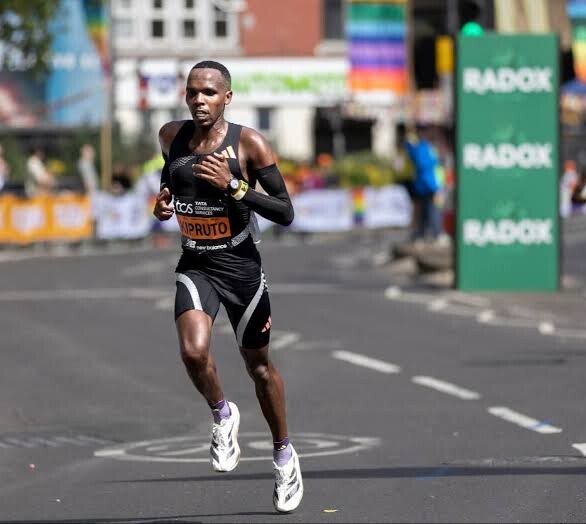
The Ugandan will face a formidable challenge from Kenya’s Amos Kipruto, who has a 2:01:39 personal best. Ethiopia’s Milkesa Mengesha follows with 2:03:17, while Kenya’s Daniel Mateiko has run 2:03:44. Ethiopia’s Asrar Hiyrden and Kenya’s Alex Masai are also among the leading contenders, with personal bests of 2:03:59 and 2:04:37 respectively.
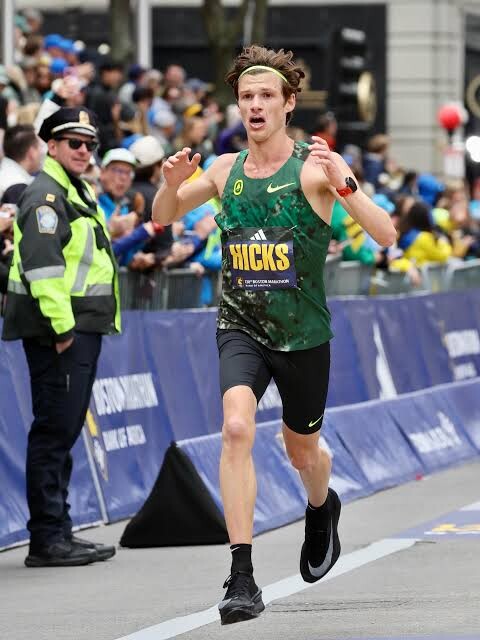
There is also a major American-record storyline in Chicago. Charles Hicks, who owns a 2:04:35 personal best, headlines the American contingent alongside Clayton Young, Vincent Mauri, Galen Rupp and Abbabiya Simbassa.
The American record currently stands at 2:04:43, set by Conner Mantz at the 2025 Chicago Marathon. Hicks therefore arrives with a personal best already faster than that mark, adding another intriguing subplot to an exceptionally deep field.
The depth of the field means Kiplimo is unlikely to have a quiet day once the pace begins to build. Kipruto brings considerable marathon experience, while Mengesha, Mateiko, Hiyrden and the other leading contenders have the credentials to remain in contention deep into the race. With Chicago known for producing fast times, the battle could become a fascinating test of pace, positioning and finishing strength.
For Kiplimo, the race represents another opportunity to strengthen his credentials over the marathon. The Ugandan has already demonstrated remarkable speed and endurance across different distances, and Chicago could provide another stage for him to test just how close he can get to the sport’s ultimate barrier.
With several elite athletes capable of running at extraordinary speeds, fans can expect the 2026 edition to deliver plenty of drama from the opening kilometres to the famous finish on Columbus Drive.
World record? American record? Or another unforgettable Chicago finish? The answers will come on October 11.
by Erick Cheruiyot for My Best Runs.
Login to leave a comment

Bank of America Chicago
Running the Bank of America Chicago Marathon is the pinnacle of achievement for elite athletes and everyday runners alike. On race day, runners from all 50 states and more than 100 countries will set out to accomplish a personal dream by reaching the finish line in Grant Park. The Bank of America Chicago Marathon is known for its flat and...
more...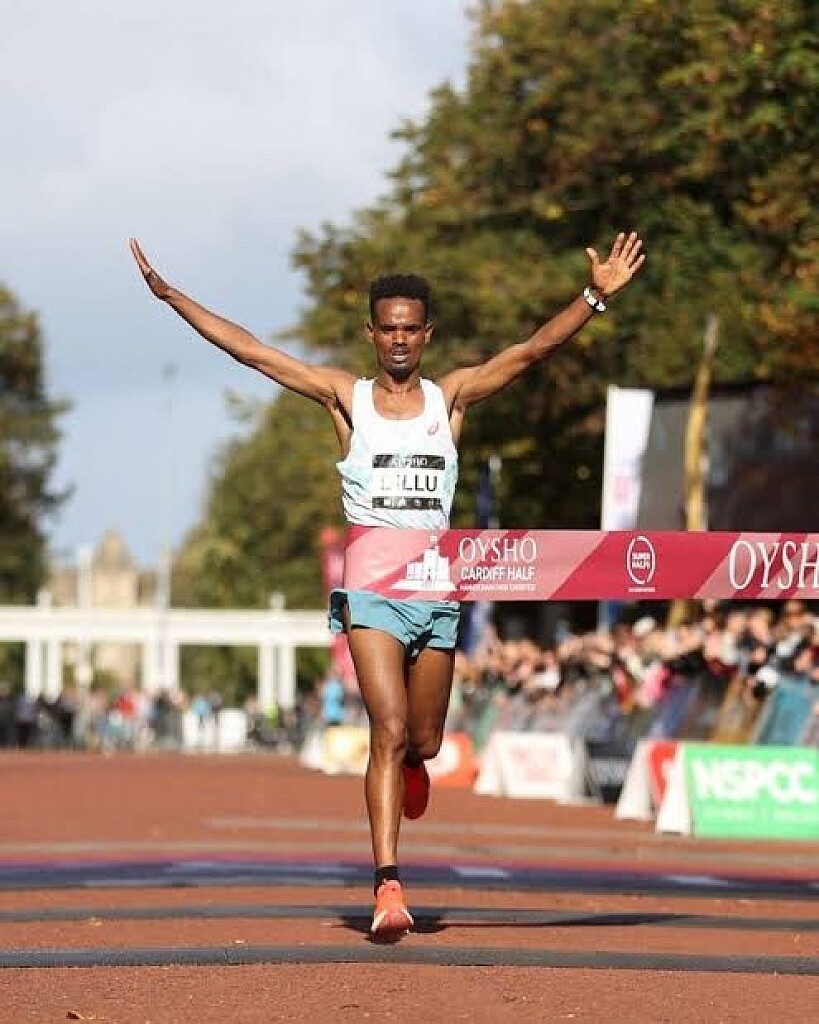
Simon Maywa And Yismaw Dillu Lead Star-Studded Cardiff Half Marathon Field
Kenya’s Simon Maywa and Ethiopia’s Yismaw Dillu are among the leading contenders for the men’s title at the 2026 Cardiff Half Marathon, with a fiercely competitive race expected when the action gets underway in Cardiff, Wales, on Sunday, October 4.
The men’s field is headed by Kenya’s Gideon Kiprotich, who arrives as the fastest entrant on paper with a personal best of 58:49. His sub-59-minute credentials make him one of the athletes to watch as he targets another major half-marathon victory.
Dillu, meanwhile, returns to Cardiff as the defending champion and course-record holder. The Ethiopian produced a superb 59:22 to win the 2025 edition, a mark that remains the official course record. His listed personal best for the 2026 race is 59:23, placing him firmly among the favourites once again.
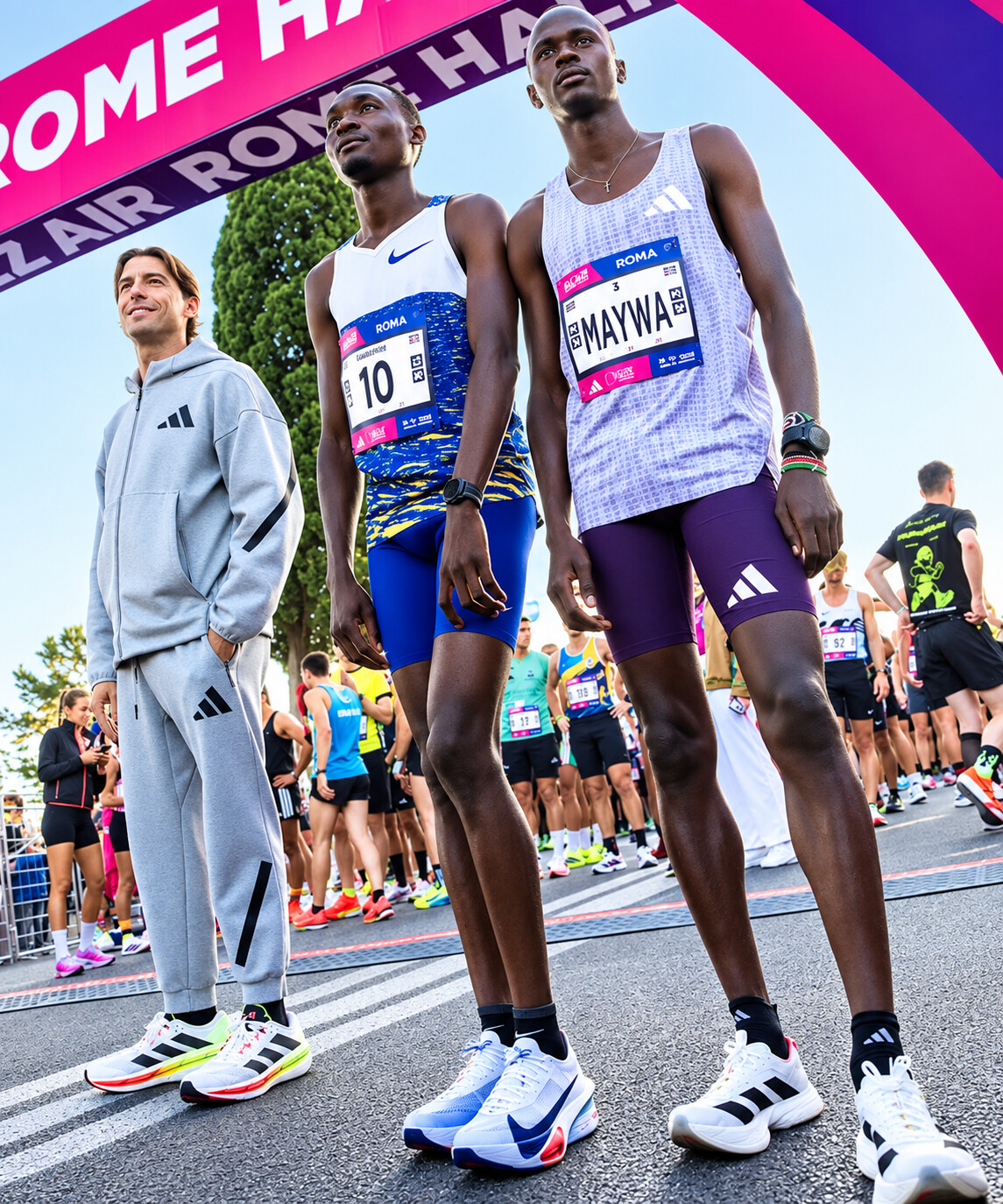
Kenya’s Maywa will also line up with serious credentials. The 59:44 performer has already demonstrated his ability to compete at the highest level over the distance and will be looking to challenge the leading pair when the race unfolds over Cardiff’s fast and largely flat course.
The field also features Vincent Kipkorir, who owns a 59:30 personal best and won the Malaga Half Marathon earlier this year before finishing third at the Antrim Coast Half Marathon. Kenya’s Boniface Mulwa, Uganda’s Dillon Kipyeko and Denis Kiplangat, Bahrain’s Jonah Rutio and Japan’s Takato Suzuki add further depth to an international men’s field.
With three athletes boasting sub-60-minute credentials, the 2026 Cardiff Half Marathon could develop into a thrilling battle for victory and another assault on the course record. The race is the fourth fixture of the 2026 SuperHalfs Series and carries a World Athletics Elite Road Race Label.
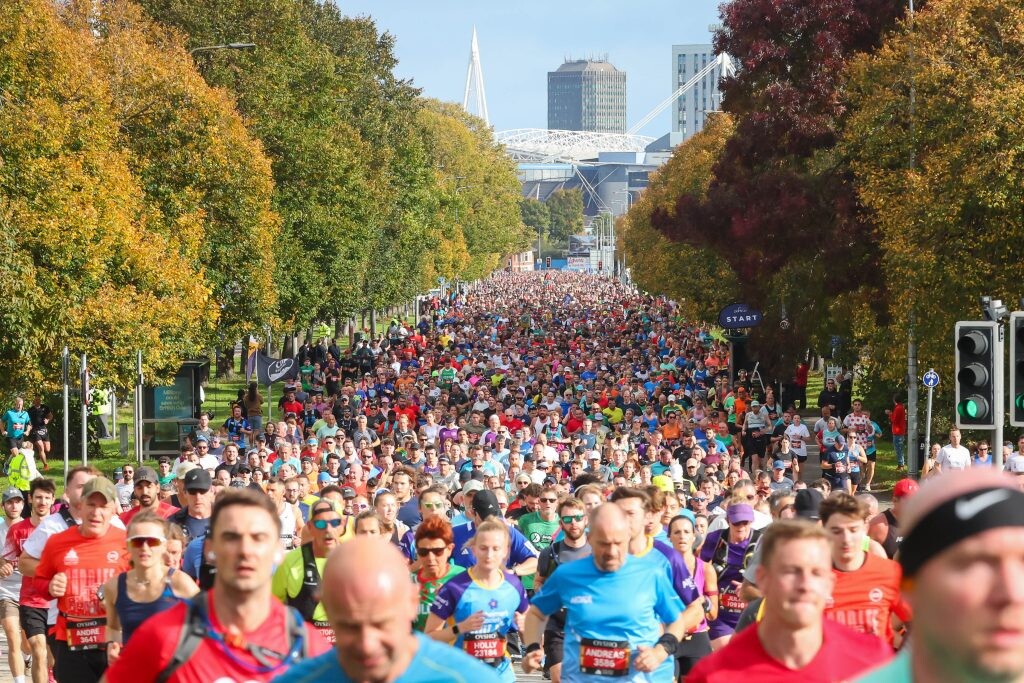
The 23rd edition of the Cardiff Half Marathon will begin on Sunday, October 4, with the elite race forming part of a major weekend of running in the Welsh capital. More than 30,000 participants are expected across the weekend, underlining the event’s growing status on the international road-running calendar.
All eyes will now be on Kiprotich, Dillu, Maywa and the rest of the elite field as they prepare to battle for honours on one of Britain’s most prominent half-marathon stages.
by Erick Cheruiyot for My Best Runs.
Login to leave a comment

Wizz Cardiff Half Marathon
The Cardiff University/Cardiff Half Marathon has grown into one of the largest road races in the United Kingdom. The first event took place back in 2003. The event is not only the UK’s second largest half marathon, it is Wales’ largest road race and Wales’ largest multi-charity fund raising event. The race is sponsored by Cardiff University and supported by...
more...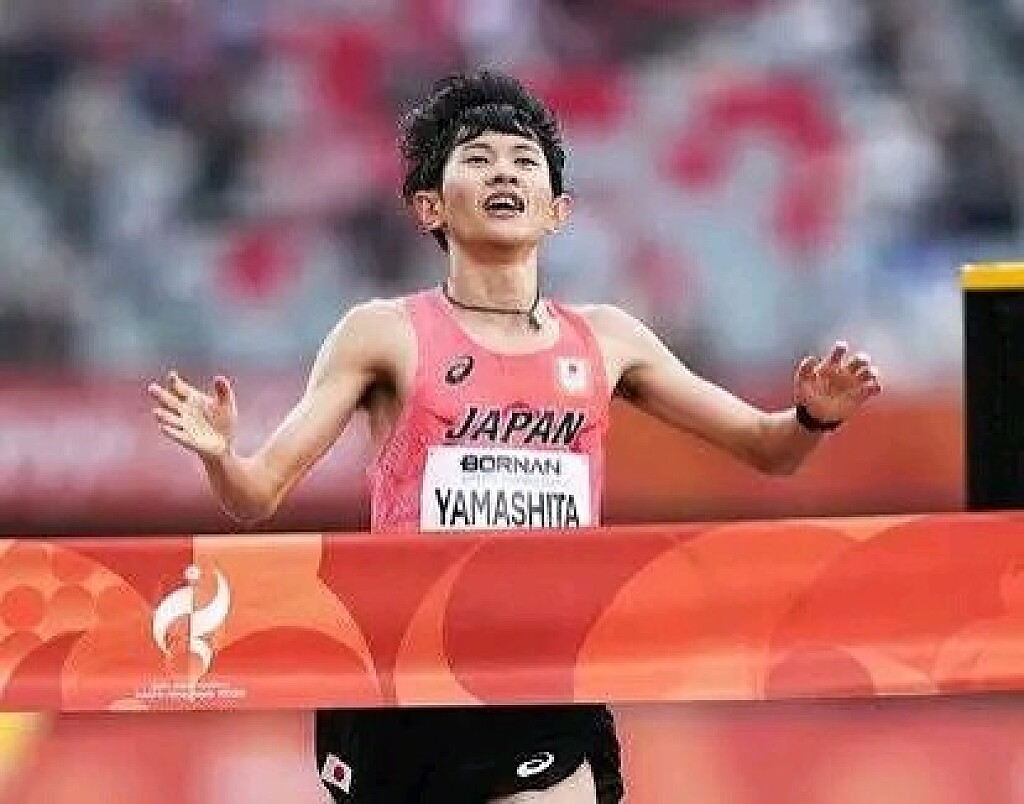
Ichitaka Yamashita Defies Brutal Heat to Strike Asian Games Marathon Gold on Home Soil
Japan’s Ichitaka Yamashita produced a composed and resilient performance to win the men’s marathon gold medal at the 2026 Asian Games, mastering a demanding race defined by intense heat and oppressive humidity.
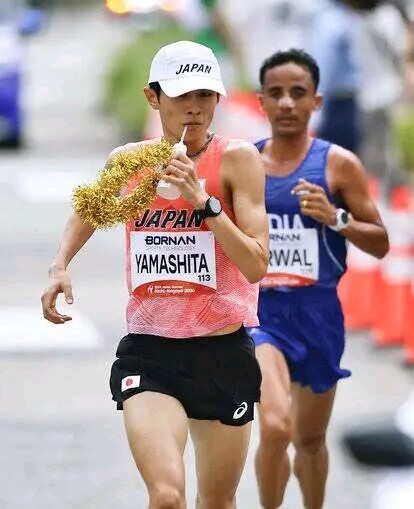
The local Olympian crossed the finish line in 2:10:49, holding his form through the punishing conditions to secure a memorable victory in front of the home crowd.
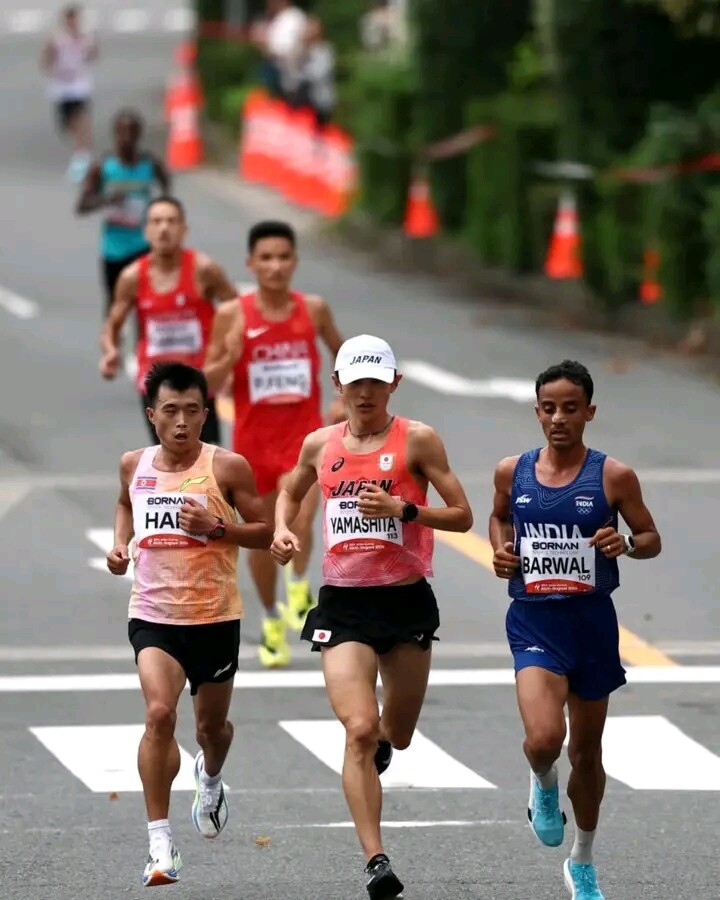
Yamashita’s triumph was built on patience and endurance as the challenging weather conditions tested the field from the opening stages. Rather than allowing the heat to dictate his race, the Japanese marathoner maintained his rhythm and produced the strength required when the decisive moments arrived.
India’s Sawan Barwal delivered an impressive performance to claim the silver medal in 2:11:37, finishing just 48 seconds behind the champion. Barwal showed considerable resilience throughout the demanding contest, securing India a place on the prestigious continental podium.
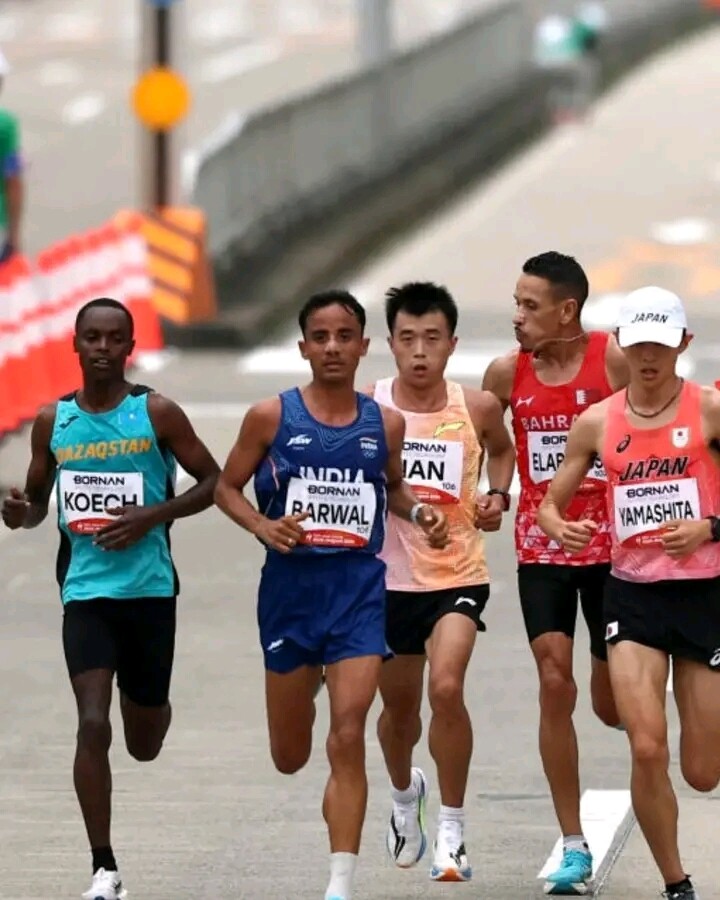
China’s Peiyou Feng completed the medal places with a strong bronze-medal performance, stopping the clock at 2:12:13. His run ensured that three different nations were represented on the men’s marathon podium.
The race highlighted just how unforgiving championship marathons can be, with the combination of distance, heat and humidity placing extraordinary demands on the athletes. In such conditions, finishing strongly becomes a test not only of physical preparation but also of tactical discipline and mental resilience.
Behind the leading trio, North Korea’s Han Il finished fourth in 2:12:21, narrowly missing out on the podium. Bahrain’s Elabbassi El Hassan followed in fifth with 2:12:45, while Indonesia’s Raden Syianturi secured sixth in 2:13:12.
Kazakhstan’s Sultan Koech placed seventh in 2:14:07, followed by South Korea’s Park Min in 2:15:35. Uzbekistan’s Sirojiddin Davlatov finished ninth in 2:17:44, while South Korea’s Kim Hyun completed the top 10 in 2:18:27.
Top 10 Men’s Marathon Results
1. Japan — Ichitaka Yamashita — 2:10:49
2. India — Sawan Barwal — 2:11:37 PB
3. China — Peiyou Feng — 2:12:13
4. North Korea — Han Il — 2:12:21
5. Bahrain — Elabbassi El Hassan — 2:12:45
6. Indonesia — Raden Syianturi — 2:13:12
7. Kazakhstan — Sultan Koech — 2:14:07
8. South Korea — Park Min — 2:15:35
9. Uzbekistan — Sirojiddin Davlatov — 2:17:44
10. South Korea — Kim Hyun — 2:18:27
For Yamashita, however, the difficult conditions ultimately became part of a memorable home victory. The Japanese Olympian has now added an Asian Games gold medal to his résumé, delivering when it mattered most and giving the home nation another major athletics moment to celebrate.
The final podium saw Japan’s Ichitaka Yamashita take gold, India’s Sawan Barwal silver and China’s Peiyou Feng bronze — a fitting reflection of the depth and competitiveness of men’s distance running across Asia.
by Erick Cheruiyot for My Best Runs.
Login to leave a comment
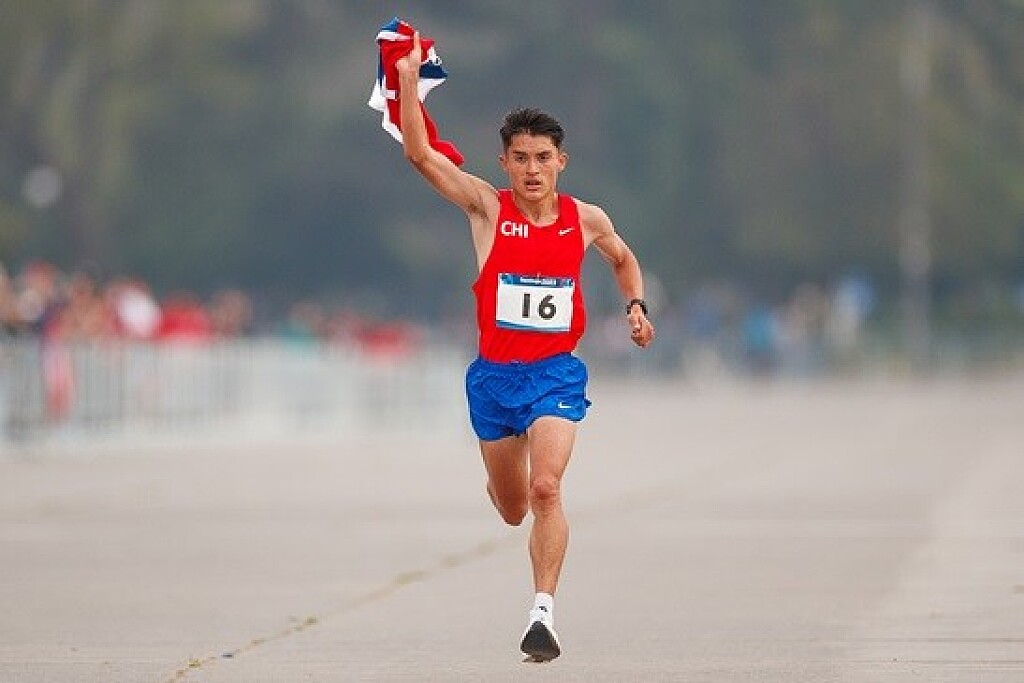
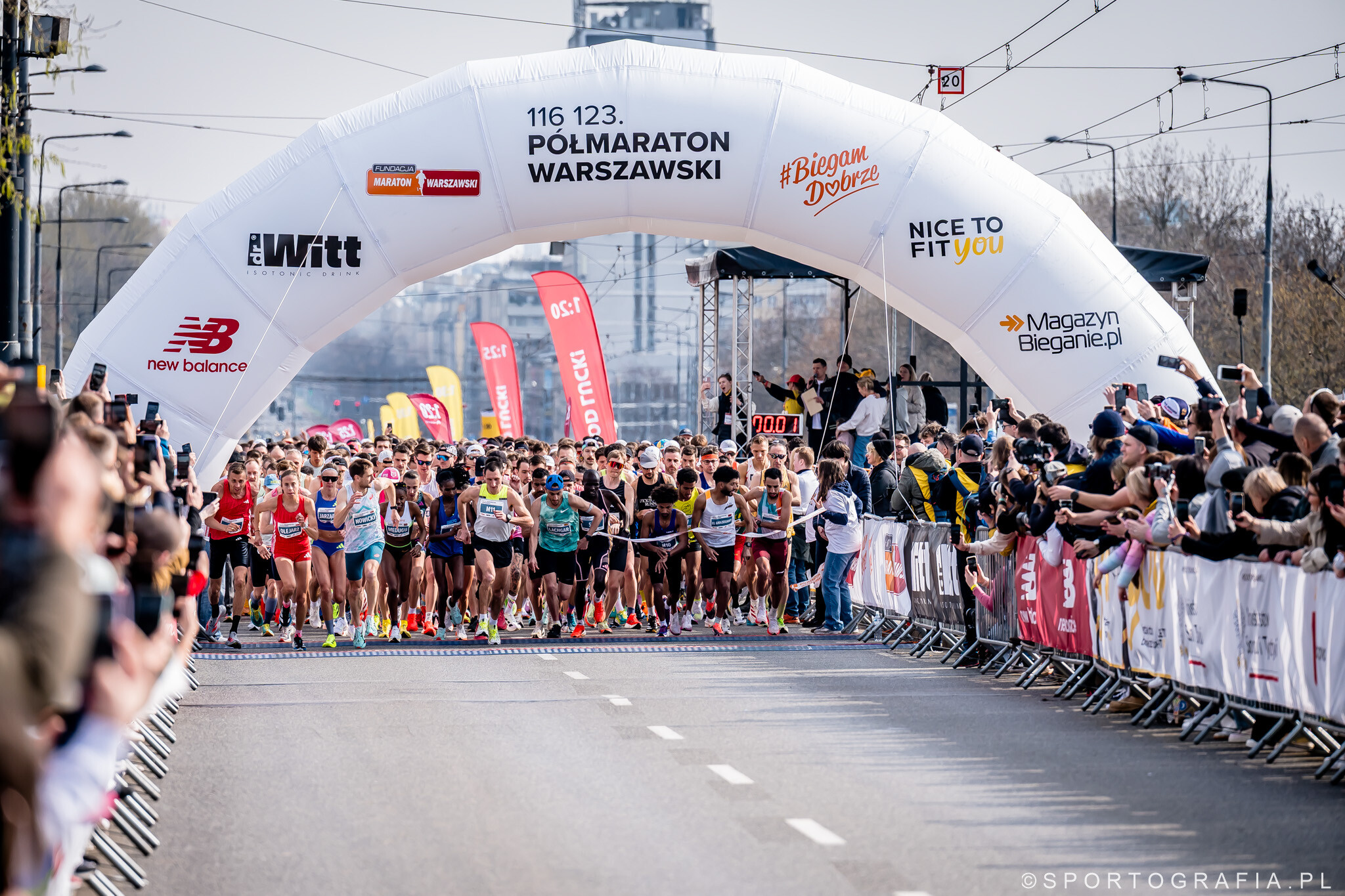
Warsaw Marathon Set for International Showdown as Strong Kenyan, Ethiopian and Chilean Fields Line Up
The Warsaw Marathon is set to deliver an intriguing international contest on 27 September, with a competitive field featuring athletes from Kenya, Ethiopia, Uganda, Chile and Hungary.
The men’s race brings together four runners with strong marathon credentials, led by Kenya’s Stephen Kibor, who owns a personal best of 2:09:33. He will face Ethiopia’s Daniel Tola, a 2:09:55 performer, while Uganda’s Victor Kwemboi enters with a 2:09:35 personal best.
Adding an international dimension to the field is Chilean marathon record-holder Hugo Catrileo, whose personal best of 2:08:44 makes him the fastest athlete on the listed start sheet. Catrileo will be looking to translate his proven ability over the marathon distance into a strong performance on Warsaw’s streets.
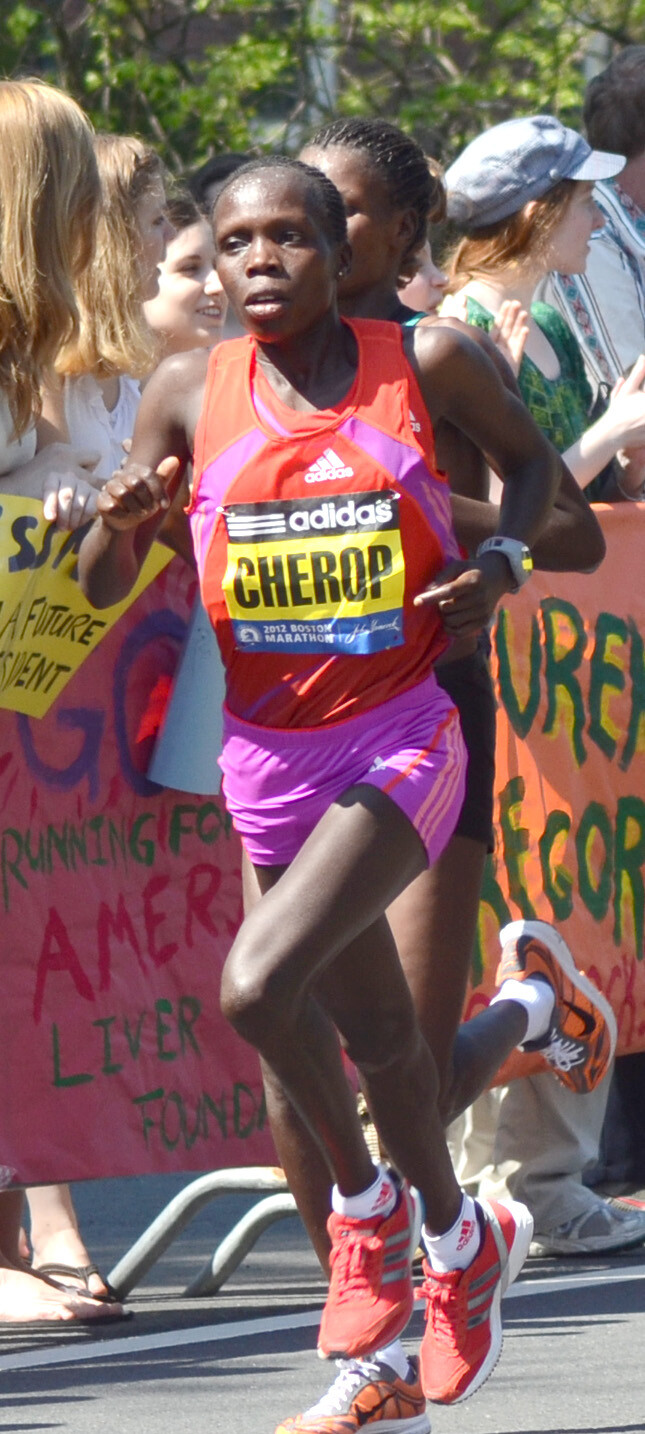
The women’s race is equally compelling, with Kenya represented by Sharon Jemutai Cherop and Vivian Jerotich. Cherop brings a personal best of 2:22:28, while Jerotich has a best of 2:26:41, giving the Kenyan pair considerable experience and speed over the classic 42.195-kilometre distance.
Ethiopia’s Gelane Senbete, with a personal best of 2:26:28, will add further depth to the women’s field, while Hungary’s Lili Vindics-Toth, who has run 2:27:21, completes the selected quartet.
With athletes from several strong distance-running nations converging on the Polish capital, the Warsaw Marathon promises a fascinating battle of experience, endurance and international ambition.
For the leading contenders, the race will provide another opportunity to test themselves against quality opposition, while the diverse field should make for an engaging contest from the opening kilometres through to the finish line.
by Erick Cheruiyot for My Best Runs.
Login to leave a comment

PZU Warsaw Marathon
The course of the PZU Warsaw Marathon, offers great support of the residents of the capital and tourists along it and bands giving positive rhythm in densely spaced cheering points for the over 6,500 participants. You are cordially invited to Warsaw – the capital city of Poland – a city worth seeing. Be our guest here and let yourself get...
more...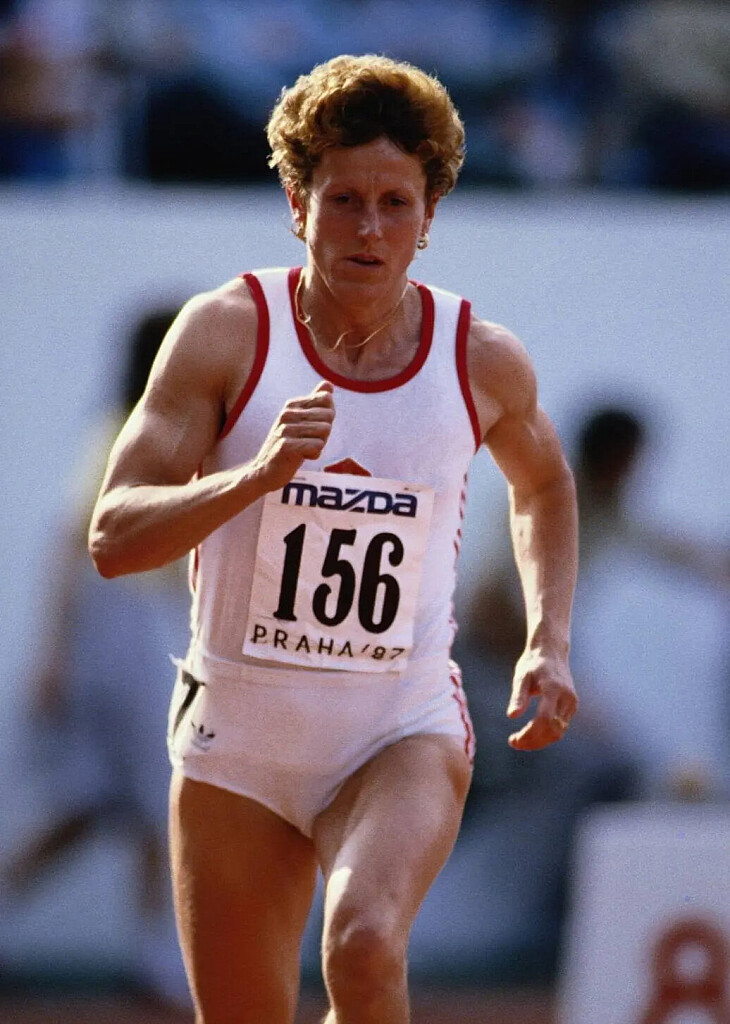
Oldest Running World Records: The Historic Marks That Refuse To Fall
Some world records are broken within months or even weeks. Others survive for years, becoming part of athletics history and turning every new generation of challengers into another chapter in their remarkable story.
As of September 25, 2026, a remarkable collection of long-standing running world records continues to stand across the track. At the top of that list is one of the most enduring marks in modern athletics: Jarmila Kratochvílová’s women’s 800m world record of 1:53.28, set in Munich in 1983. The record has now stood for 43 years, making it the oldest current outdoor track world record in athletics.
Kratochvílová’s performance remains extraordinary not only because of its longevity, but also because of how rarely athletes have come close to it. Decades after it was established, the 1:53 barrier remains one of the most formidable standards in women’s middle-distance running.
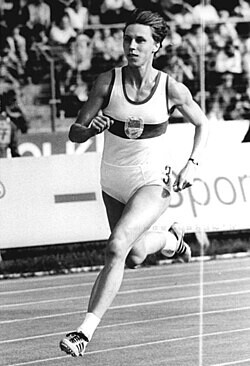
The next-oldest record on the board belongs to Marita Koch, whose 47.60 for the women’s 400m has remained untouched since 1985. Koch’s mark is now 40 years old, while Florence Griffith-Joyner’s extraordinary world records of 10.49 for 100m and 21.34 for 200m, both established in 1988, have survived for 38 and 37 years respectively.
Those records from the 1980s and early 1990s form one of the most intriguing chapters in athletics history. They belong to an era that produced performances still sitting at the very top of the all-time lists, with modern generations repeatedly attempting to reach standards that have resisted decades of competition.
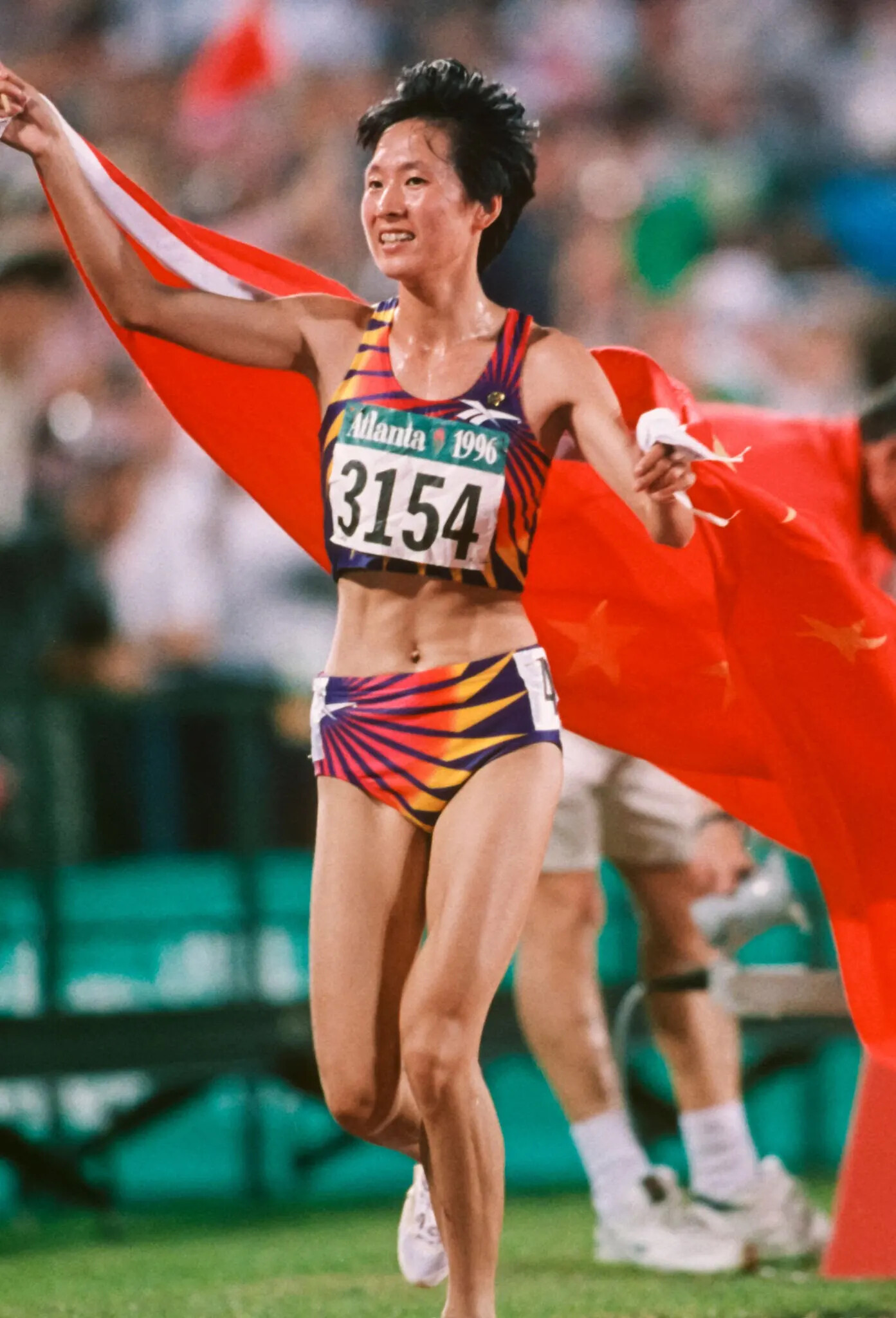
China’s Wang Junxia added another remarkable mark to that era when she ran 8:06.11 for 3000m in 1993. That record has now stood for 32 years, while Morocco’s Hicham El Guerrouj set the men’s 1500m world record of 3:26.00 in 1998, giving the list another mark that has survived for more than a quarter of a century.
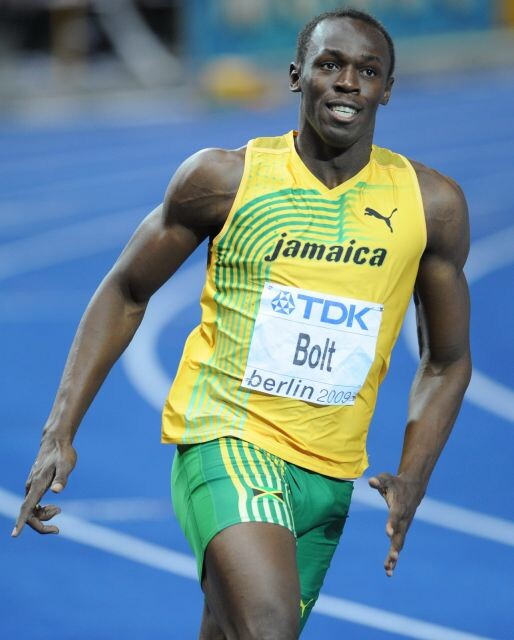
Then comes a different kind of longevity: the extraordinary sprint records of Usain Bolt.
Bolt’s 9.58-second 100m world record, set in Berlin in 2009, and his 19.19-second 200m record, established at the same championships, are now both 17 years old.
When Bolt produced those performances, many of today’s elite sprinters were still children. Yet despite enormous advances in training, sports science, track technology and competition, his two marks remain the standards that every new generation must chase.
The list also highlights the remarkable staying power of more recent records. Kenya’s David Rudisha set the men’s 800m world record of 1:40.91 at the London 2012 Olympics, while South Africa’s Wayde van Niekerk stunned the world with 43.03 in the 400m at the Rio 2016 Olympics.
Kenya’s Beatrice Chepkoech followed with her historic 8:44.32 world record in the women’s 3000m steeplechase in 2018. Uganda’s Joshua Cheptegei then established the men’s 5000m and 10,000m records in 2020, running 12:35.36 and 26:11.00 respectively.
More recently, Ethiopia’s Lamecha Girma set the men’s 3000m steeplechase world record at 7:52.11 in 2023, while Kenya’s Faith Kipyegon produced another landmark performance that year, running 4:07.64 for the women’s mile.
Together, these records create a fascinating timeline of athletics—from the pioneering performances of the 1980s to the spectacular achievements of the modern era. Some have survived for more than four decades, while others are still in the early stages of what could become an equally remarkable reign.
And that is what makes world records so captivating: every generation arrives believing that today’s impossible can become tomorrow’s target, yet some numbers continue to stand as enduring reminders of performances that changed the sport forever.
by Erick Cheruiyot for My Best Runs.
Login to leave a comment
Kenenisa Bekele Withdraws From Berlin Marathon After Achilles Injury
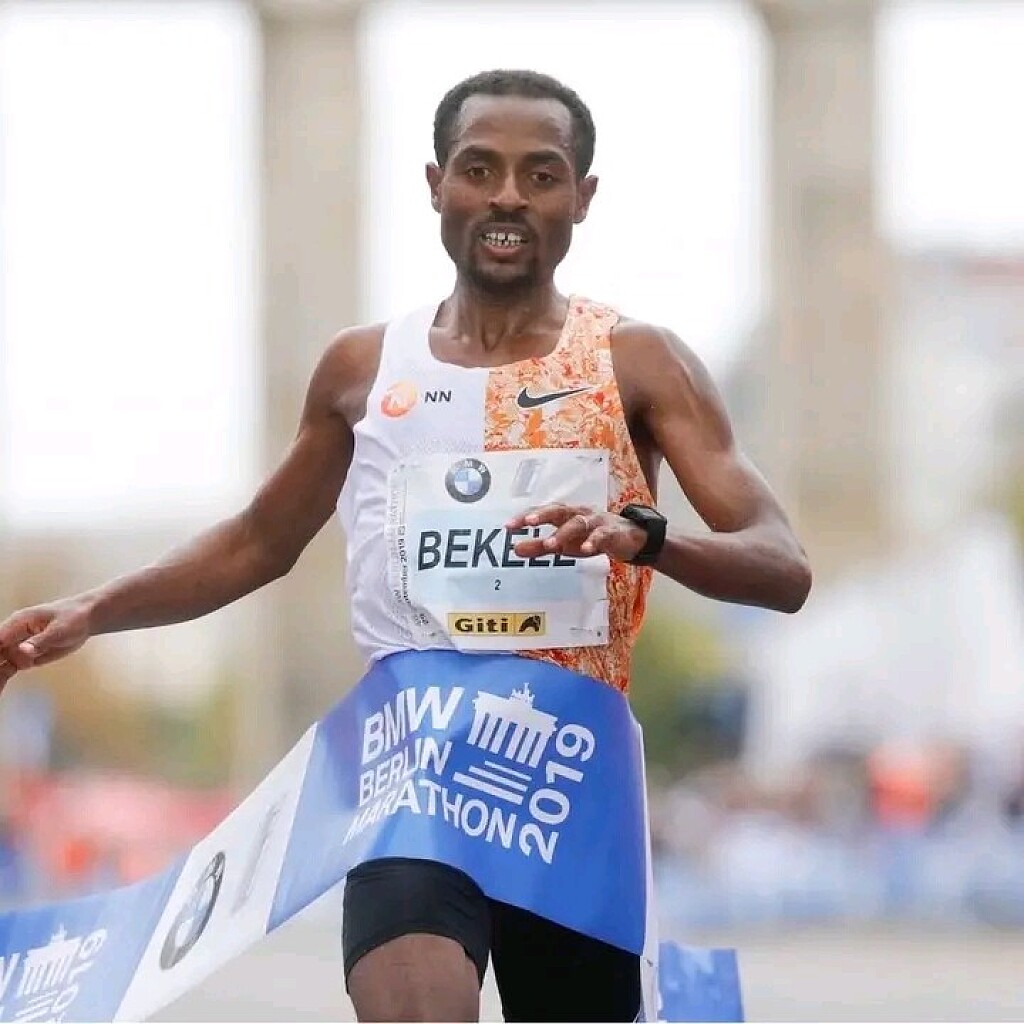
Kenenisa Bekele’s much-anticipated return to the BMW Berlin Marathon has been abruptly cancelled after the Ethiopian distance-running legend suffered an injury to his left Achilles tendon during one of his final training sessions.
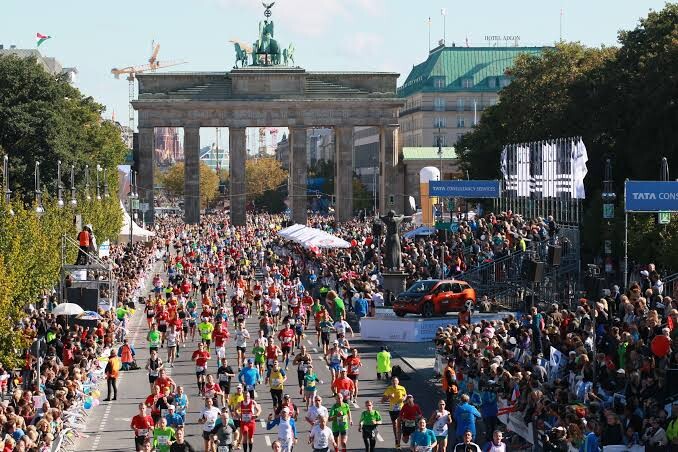
The 44-year-old Bekele was due to return to competitive action on Sunday, September 27, after being added to the elite field only last week. His late inclusion had generated enormous excitement, with fans looking forward to seeing one of the greatest distance runners in history back on one of the courses where he has produced some of his most memorable performances.
However, the injury has forced Bekele to withdraw just days before the race.
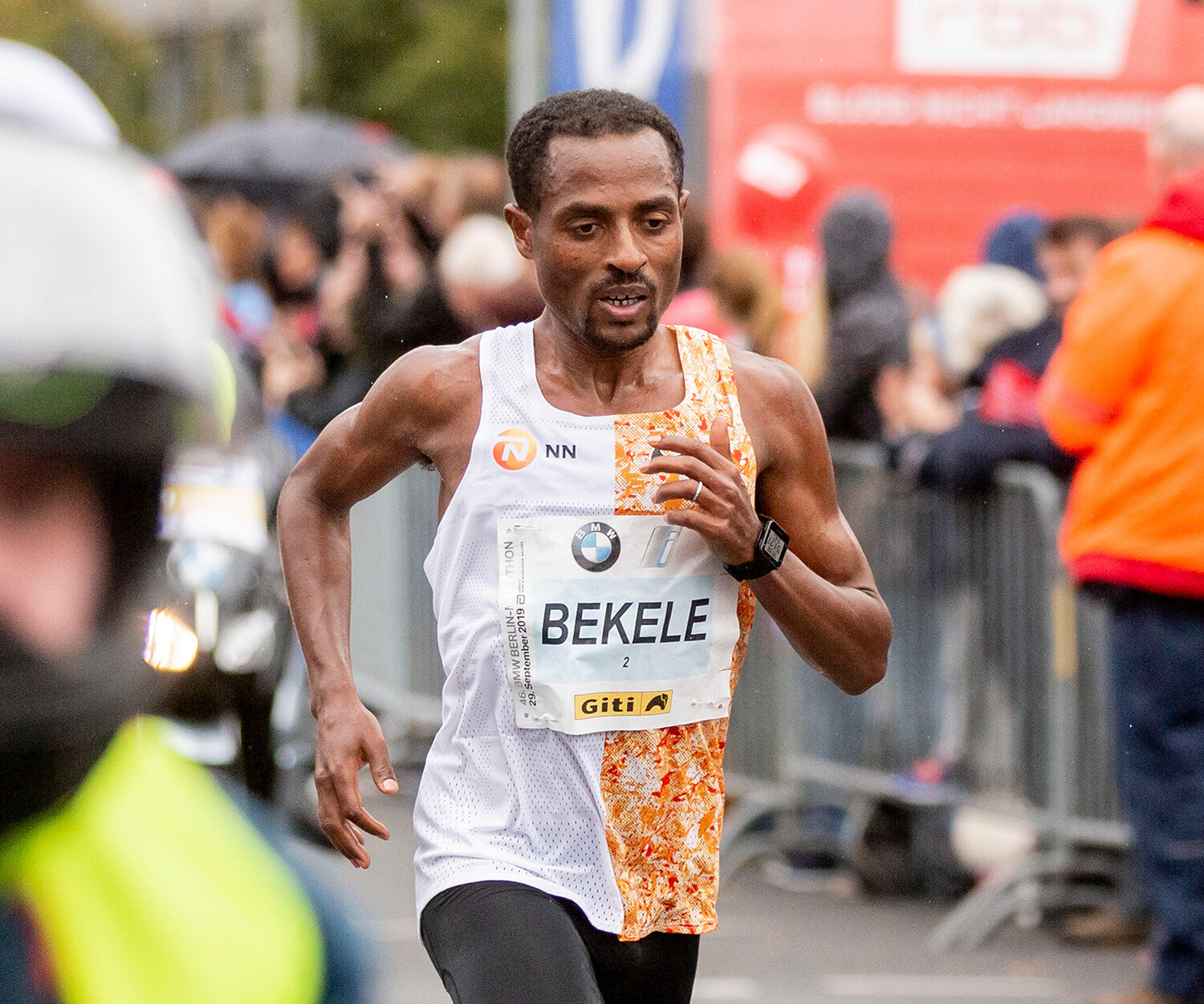
Bekele has a remarkable history in Berlin, having won the marathon twice. In 2016, he stormed to victory in 2:03:03 before returning three years later to produce one of the greatest marathon performances of his career, clocking 2:01:41 in 2019. That performance left him just two seconds short of Eliud Kipchoge’s then-world record of 2:01:39.
His 2:01:41 remains one of the fastest marathon performances ever recorded, and Berlin has long been a special stage in Bekele’s extraordinary career.
This year’s appearance was also expected to mark another chapter in his remarkable longevity. Bekele entered the race as a 44-year-old and had been targeting another strong performance after previously setting a masters marathon world record of 2:04:15 at the 2024 London Marathon, a mark he established at the age of 41.
Instead, his preparations have ended in disappointment.
Bekele has not completed a marathon since the Paris 2024 Olympic Marathon, where he finished 39th in 2:12:24. He subsequently entered the 2025 New York City Marathon but did not finish.
His withdrawal is another frustrating setback for a legendary athlete whose career has repeatedly been interrupted by injuries but who has continued to produce extraordinary performances well beyond the age at which many elite distance runners have retired.
For now, Berlin will have to wait for another Bekele appearance.
The Ethiopian legend will not be on the start line this Sunday, but his legacy on the Berlin streets remains firmly etched in marathon history.
by Erick Cheruiyot for My Best Runs.
Login to leave a comment
BMW Berlin Marathon
The story of the BERLIN-MARATHON is a story of the development of road running. When the first BERLIN-MARATHON was started on 13th October 1974 on a minor road next to the stadium of the organisers‘ club SC Charlottenburg Berlin 286 athletes had entered. The first winners were runners from Berlin: Günter Hallas (2:44:53), who still runs the BERLIN-MARATHON today, and...
more...
Tigst Assefa, Rosemary Wanjiru And Gabriel Geay Headline A Star-Studded Berlin Marathon
With just three days remaining until the BMW Berlin Marathon, anticipation is building for another spectacular edition of one of the world’s fastest marathon races.
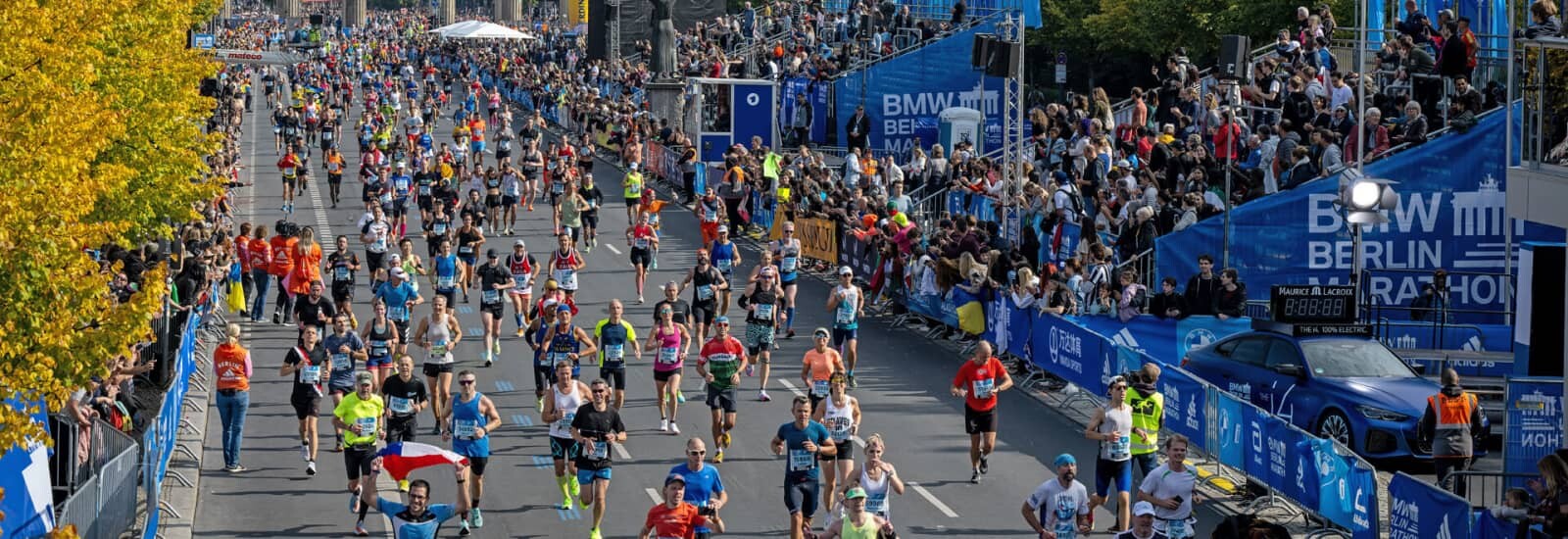
The 52nd edition of the race will take place on Sunday, September 27, with a deep international field set to take on the famously fast streets of the German capital.
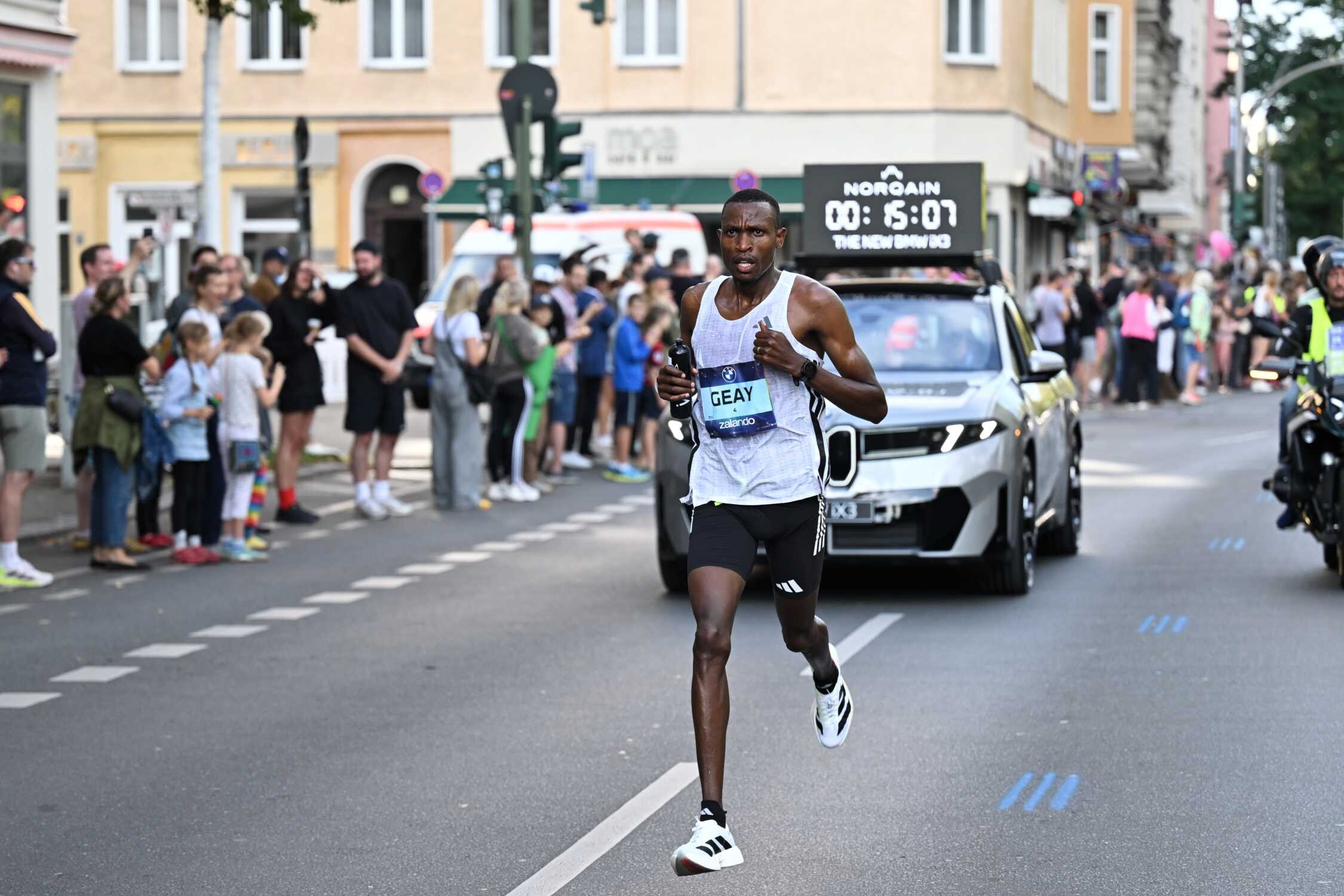
Tanzania’s Gabriel Geay is among the leading names in the men’s race, bringing a personal best of 2:03:00 to Berlin. His mark, set in Valencia in 2022, places him among the fastest marathoners in the elite field. However, Ethiopia’s legendary Kenenisa Bekele has since been added to the field with a 2:01:41 personal best, meaning Geay is not the fastest entrant on paper.
The men’s field also features Getaneh Molla (2:03:34), Guye Adola (2:03:46), Shura Kitata (2:03:59), Kenya’s Erick Sang (2:04:30) and Olympic 10,000m champion Selemon Barega (2:05:00), setting the stage for an exceptionally deep contest.
For Bekele, however, this return to Berlin carries a significance that goes far beyond the start list. The last time the Ethiopian legend stood on the Berlin start line was in 2019, when he ran 2:01:41—just two seconds outside the then-world record of 2:01:39. Had he gone two seconds faster, Bekele would have become the only athlete in history to simultaneously hold the world records for the 5,000 metres, 10,000 metres and marathon.
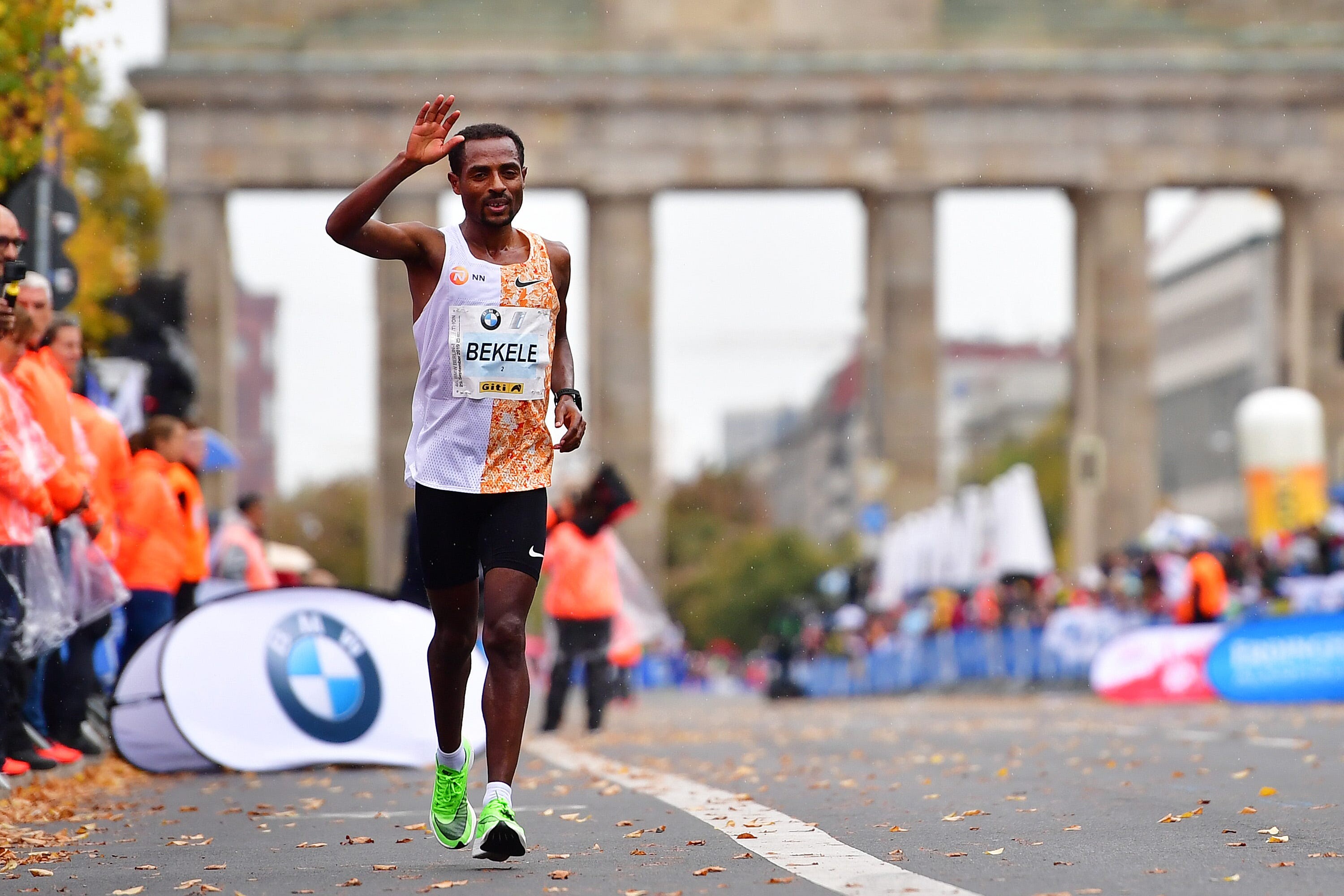
Bekele returns to Berlin on Sunday at the age of 44. His most recent race was the New York City Marathon in November, where he did not finish. Berlin, however, holds a special place in his marathon career. He claimed his first Berlin Marathon victory in 2016 and has won the race twice. He also owns the masters world record of 2:04:15, set in London last year.
He will not be the favourite in this year’s race, particularly after Sabastian Sawe was ruled out with a stress fracture. Adola, Molla, Kitata and Geay lead the field on paper, but Bekele’s presence adds another layer of intrigue to a race already packed with established marathon talent.
For Bekele, Berlin is more than another marathon. It is the course where he came closer than anyone to achieving a piece of distance-running history that remains untouched. Some athletes retire from the sport. Some retire toward one course. Bekele is running the second kind of retirement.
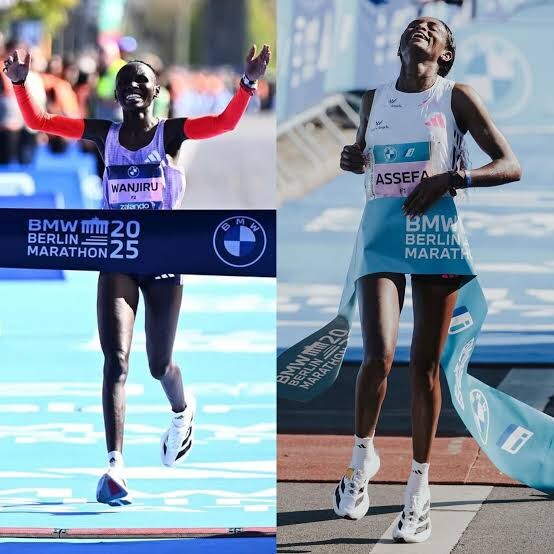
In the women’s race, all eyes will be on Tigst Assefa as the Ethiopian superstar returns to the course where she produced one of the most remarkable marathon performances in history. Assefa clocked 2:11:53 in Berlin in 2023, setting a world record at the time and establishing a course record that still stands.
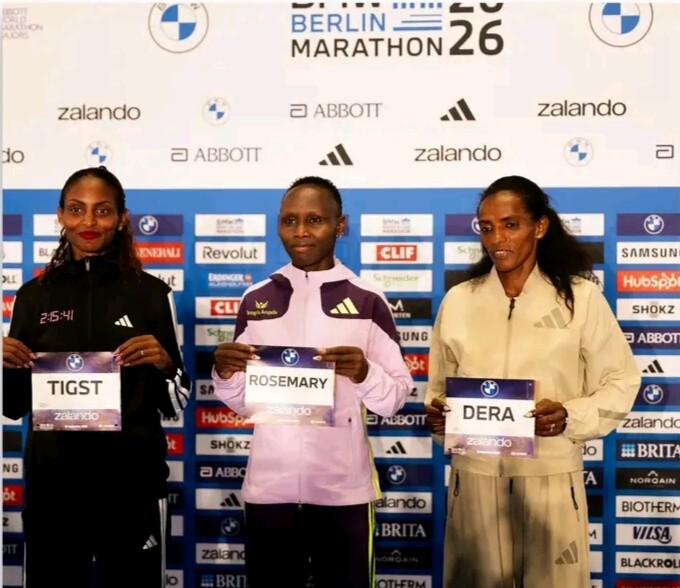
Assefa, a two-time Berlin Marathon champion, will face defending champion Rosemary Wanjiru, who returns to the German capital looking to retain her title. Wanjiru won the 2025 edition in 2:21:05 after previously finishing second in Berlin in 2022 in 2:18:00. Her personal best of 2:16:14 came at the 2023 Tokyo Marathon.
Wanjiru’s challenge will be particularly intriguing given the depth of the Ethiopian contingent. Bedatu Hirpa enters with a 2:18:27 personal best, followed by Dera Dida at 2:18:32, Zeineba Yimer at 2:18:47, Bosena Mulatie at 2:19:00, Misgane Alemayehu at 2:19:08 and Bekelech Gudeta at 2:19:39.
Kenya will also have another strong presence through Evaline Chirchir, whose 2:20:33 personal best places her among the leading women on the start list.
The Berlin Marathon’s reputation for producing fast times adds another layer of intrigue to an already stacked field. With a flat course, long stretches of uninterrupted running and a history of world records, the German capital has consistently provided elite athletes with the ideal conditions to test the limits of marathon performance.
Beyond the headline names, the race will also offer an opportunity for several contenders to make their mark on one of the biggest stages in road running. With experienced marathoners and ambitious challengers sharing the start line, the battle for the podium is expected to unfold at a demanding pace from the opening kilometres through the final stages of the race.
With Assefa returning to the scene of her historic 2023 run, Wanjiru arriving as the defending champion and a deep international cast lining up across both races, Berlin is once again set for a weekend of world-class marathon racing.
Three days out, the stage is set. The fast Berlin streets are waiting.
by Erick Cheruiyot for My Best Runs.
Login to leave a comment
BMW Berlin Marathon
The story of the BERLIN-MARATHON is a story of the development of road running. When the first BERLIN-MARATHON was started on 13th October 1974 on a minor road next to the stadium of the organisers‘ club SC Charlottenburg Berlin 286 athletes had entered. The first winners were runners from Berlin: Günter Hallas (2:44:53), who still runs the BERLIN-MARATHON today, and...
more...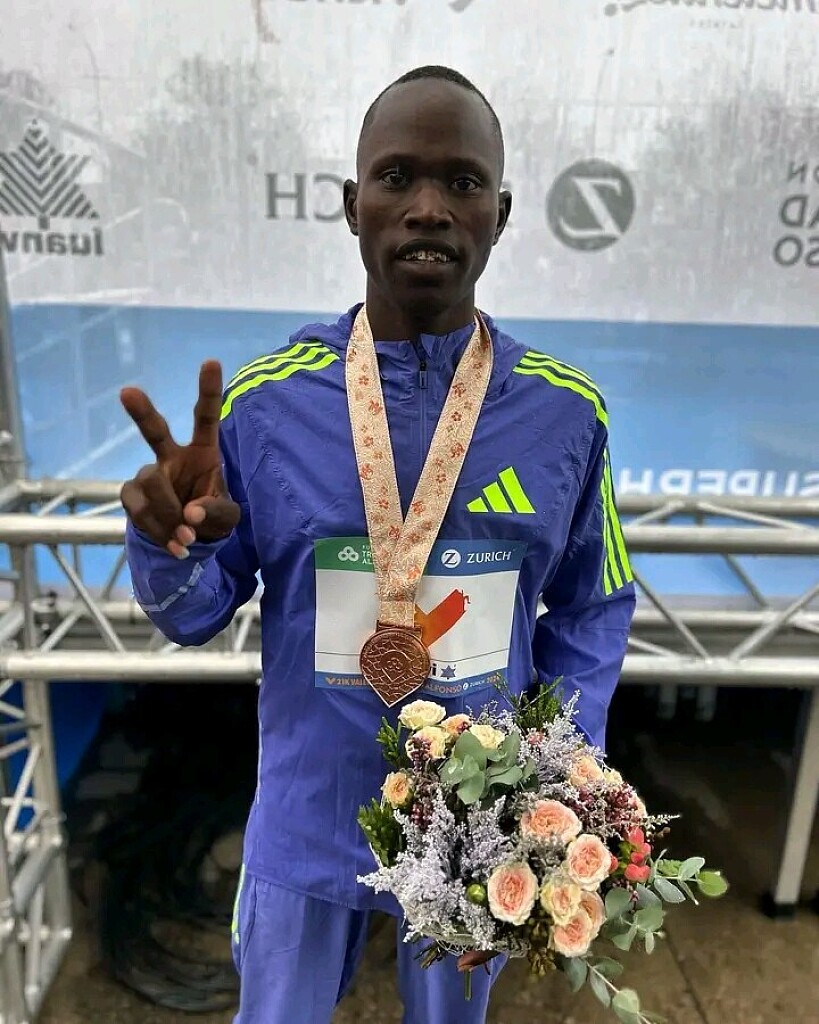
Isaia Lasoi Set For Highly Anticipated Marathon Debut In Amsterdam
Kenyan distance runner Isaia Kipkoech Lasoi is set to make his long-awaited marathon debut at the 2026 TCS Amsterdam Marathon on Sunday, October 18, stepping up to the 42.195-kilometre distance for the first time in what promises to be a high-quality international field.

Lasoi arrives in Amsterdam with an impressive credential over the half marathon, having clocked a personal best of 58:10. His transition to the marathon will therefore be one of the major storylines to follow as he takes on a distance more than twice as demanding as the half marathon.
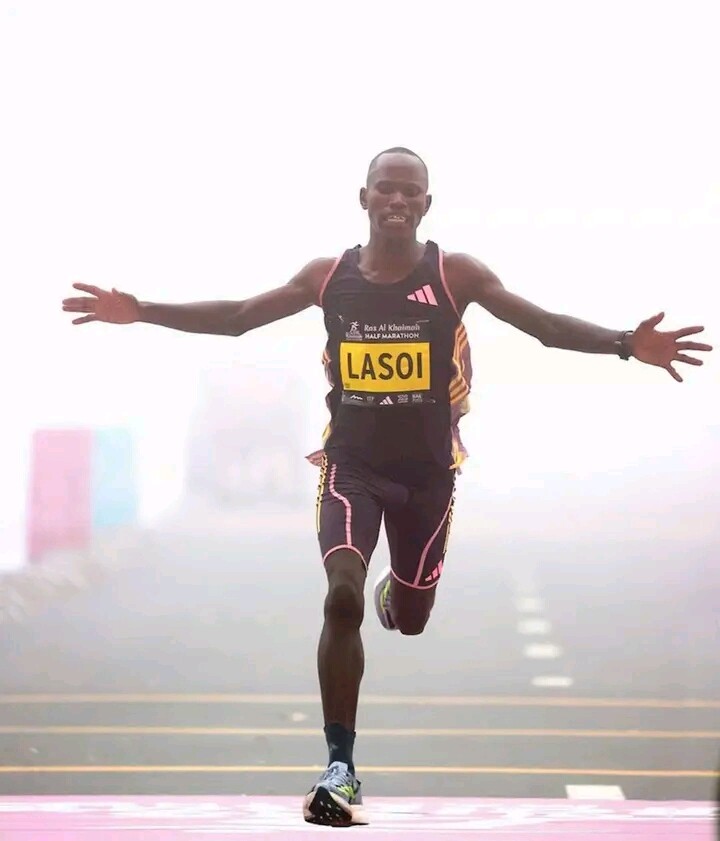
The 26-year-old Kenyan will face a formidable lineup that includes several athletes with marathon personal bests below 2:05. Leading the field is compatriot Geofry Toroitich Kipchumba, the defending champion and current Amsterdam course-record holder after his 2:03:30 victory last year. Kipchumba will return to the Dutch capital looking to defend his title and challenge his own record.
Ethiopia's Haymanot Alew is another major name on the start list, boasting a 2:03:31 personal best from Berlin in 2024, just one second outside Kipchumba's Amsterdam course record.
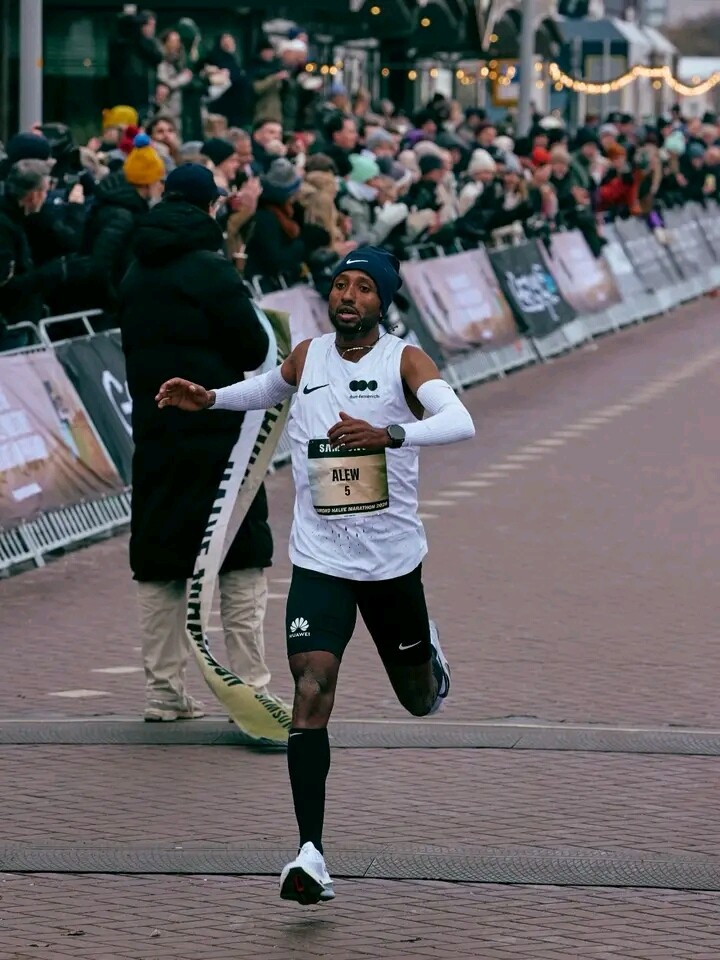
His compatriot Tsegaye Getachew will also return to a race where he has enjoyed considerable success. Getachew won the Amsterdam Marathon in 2022 and 2024 before finishing second last year in a personal-best 2:04:18.
The field also features Ethiopian marathoner Lemi Berhanu, who owns a personal best of 2:04:33, while Israel's Maru Teferi brings a 2:04:44 personal best set in Valencia in 2024.
With the Amsterdam course known for its fast profile and the race carrying a World Athletics Platinum Label, the stage is set for another potentially fast edition. The marathon starts at the Olympic Stadium, with the course taking runners past landmarks including the Rijksmuseum, along the Amstel River and through Vondelpark before returning to the Olympic Stadium for the finish.
For Lasoi, however, the focus will be on answering one intriguing question: how will his exceptional half-marathon speed translate over the full marathon distance?
His debut will provide the first major indication of his potential at 42.195 kilometres, while placing him alongside an experienced group of elite marathoners capable of producing world-class performances.
The confirmed names currently include Isaia Kipkoech Lasoi, Geofry Toroitich Kipchumba, Haymanot Alew, Tsegaye Getachew, Lemi Berhanu and Maru Teferi, setting up a fascinating international contest in Amsterdam on October 18.
by Erick Cheruiyot for My Best Runs.
Login to leave a comment
TCS Amsterdam Marathon
Do you want to enjoy Amsterdam in October and all that the city has to offer you? Want to feel a real athlete and start and finish in the historic Olympic stadium? Or run across the widely discussed passage under the beautiful National Museum? Then come to Amsterdam for the annual TCS Amsterdam Marathon in October! The TCS Amsterdam Marathon...
more...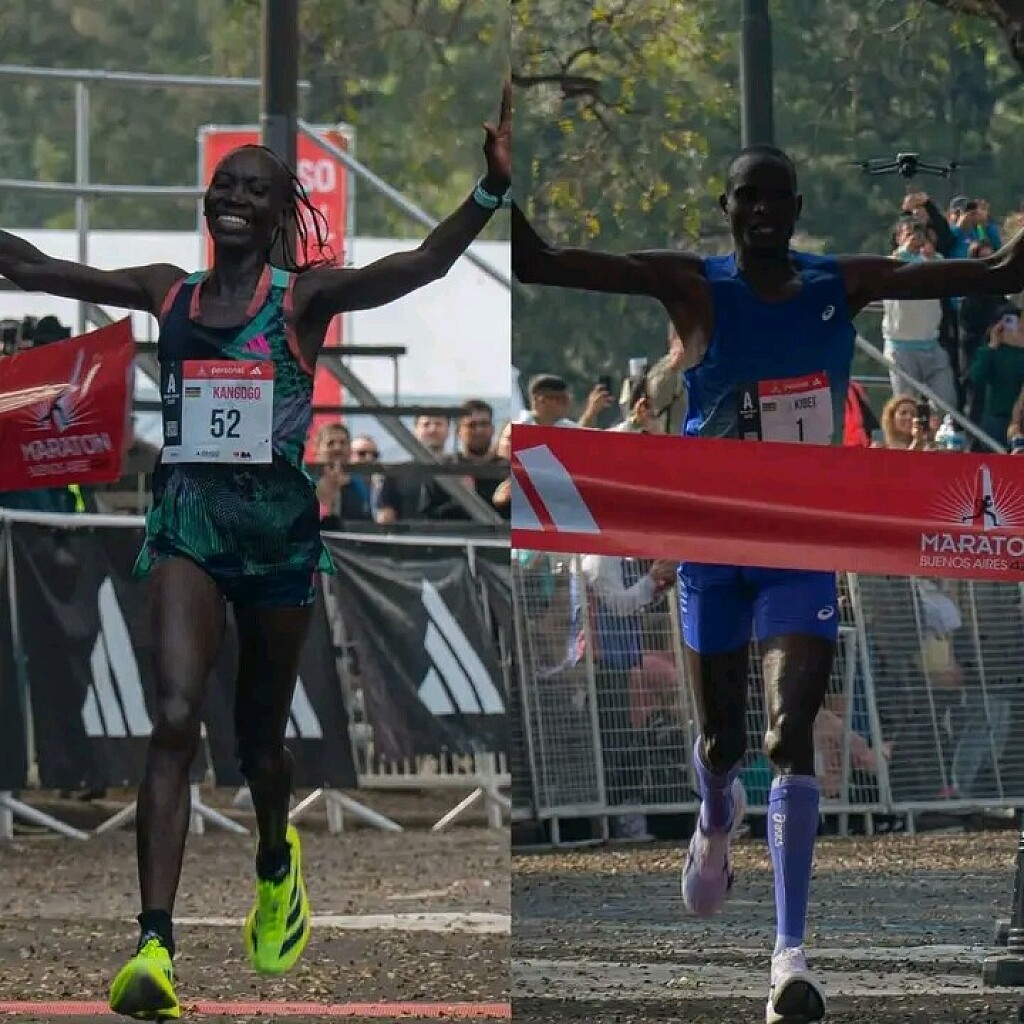
Bethwel Kibet Chumba And Rebecca Kangogo Chesir Lead Kenyan Triumph At Buenos Aires Marathon
Kenya produced a spectacular double triumph at the 2026 Buenos Aires Marathon on Sunday, September 20, dominating both the men’s and women’s races as Bethwel Kibet Chumba claimed the men’s title and Rebecca Kangogo Chesir shattered the women’s course record.
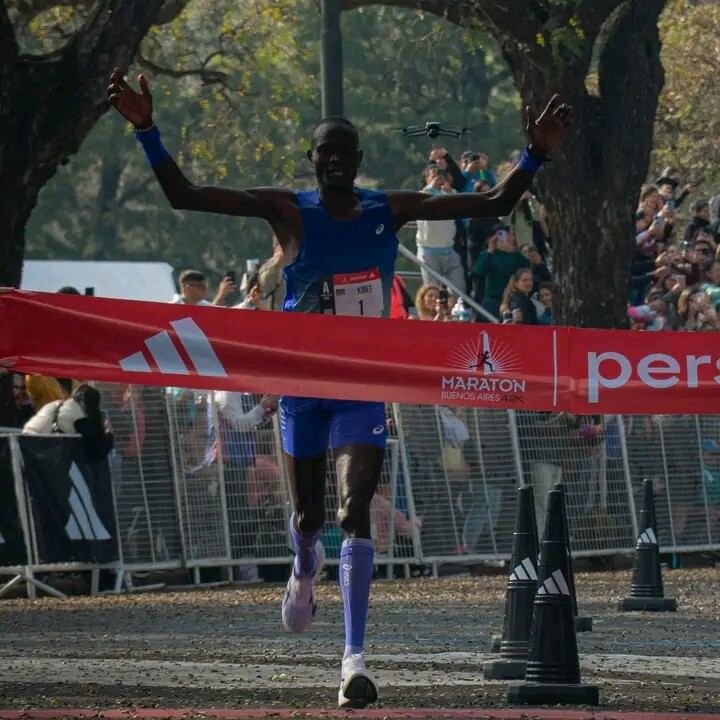
On the men’s side, Chumba delivered a commanding performance to conquer the streets of Argentina, crossing the finish line in 2:08:28 and securing a memorable victory on the home turf of football legend Diego Armando Maradona.
The race unfolded under challenging conditions, with temperatures around 18°C and humidity approaching 90 percent placing considerable demands on the runners throughout the 42.195-kilometre course.
Earlier in the race, a fierce lead group featuring four Kenyans and one Rwandan pushed the pace aggressively, reaching halfway in a remarkable 1:02:48. At that point, the pace appeared fast enough to threaten the 2:05:00 course record, but the demanding second half would prove considerably more difficult.
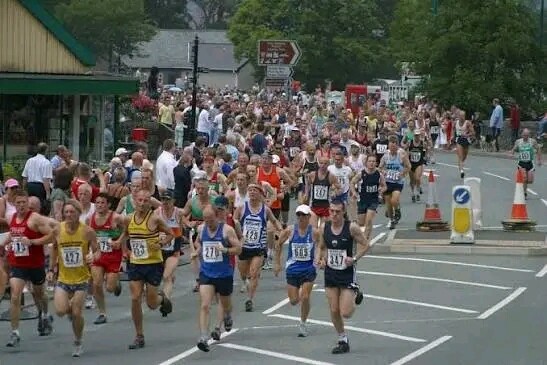
As the kilometres passed and the humid conditions began to take their toll, Chumba maintained his strength and composure to emerge as the strongest runner in the closing stages. He eventually secured the victory in 2:08:28.
Rwanda’s John Hakizimana produced an outstanding performance to finish second in 2:08:39, just 11 seconds behind Chumba, while Kenya’s Felix Kiptoo Kirwa completed the men’s podium in 2:10:24.
Kipkemo Kiprono followed in fourth in 2:10:49, with Vincent Kibor Raimoi fifth in 2:11:50. Ethiopia’s Embay Goitom Dimtsu finished sixth in 2:12:28, while Chile’s Ricardo Rojas was seventh in 2:14:47.
Colombia’s David Gómez González placed eighth in 2:15:23, followed by Argentina’s Ignacio Erario in 2:16:42 and compatriot Ignacio Reyes, who completed the men’s top 10 in 2:21:46.
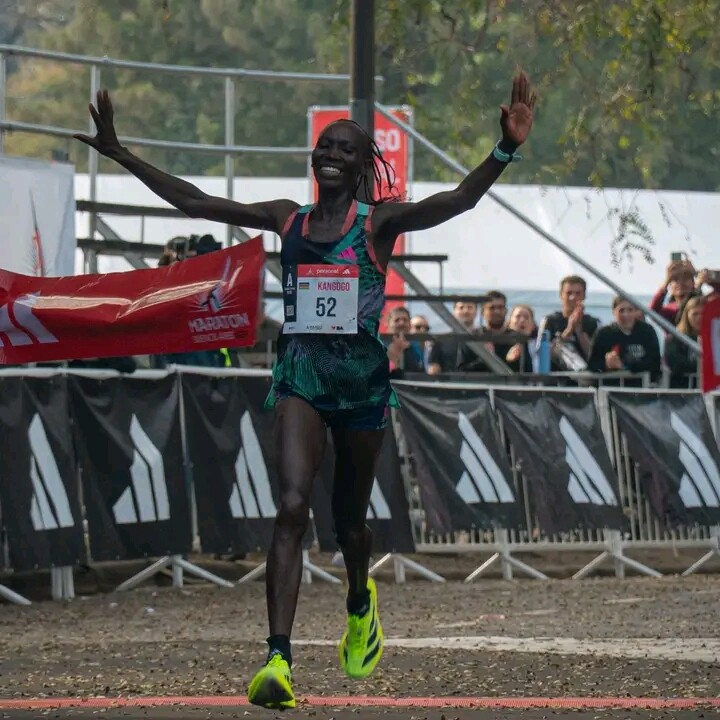
The women’s race provided another remarkable Kenyan celebration, with Rebecca Kangogo Chesir leading a clean sweep of the podium while producing the performance of the day with a new course record of 2:23:36.
Kangogo Chesir controlled the women’s race through the streets of Buenos Aires to claim victory and rewrite the course record. Her winning time was 1 minute and 16 seconds faster than the previous mark of 2:24:52, set by fellow Kenyan Rodah Jepkorir Tanui in 2023.
The victory also represented a major personal breakthrough for Kangogo Chesir. Entering the race with a personal best of 2:24:25, she improved substantially to 2:23:36, breaking the 2:24 barrier for the first time in her career.
Behind her, Tanui produced another strong performance to finish second in 2:24:49, while Emmah Cheruto Ndiwa completed the all-Kenyan podium in 2:26:55, giving Kenya gold, silver and bronze in the women’s race.
The result was particularly significant for Tanui, who returned to the Buenos Aires podium after winning the race in 2023. Her runner-up performance in 2026 was also faster than the 2:24:52 winning time she recorded three years earlier.
Ethiopia’s Sintayehu Hailemichael finished fourth in 2:29:53, followed by compatriot Agere Tamir in 2:30:19. Lomi Muleta Tefera, also from Ethiopia, placed sixth in 2:32:15.
Argentina’s Chiara Mainetti was the leading home runner in seventh place with 2:38:25. Anahi Castaño followed in 2:44:21, while Mercedes Piredda finished ninth in 2:48:11. Laura Ortegon completed the women’s top 10 in 2:50:32.
The demanding weather conditions added another layer of difficulty to both races, with the warm temperatures and exceptionally high humidity testing the endurance of the international field over the full marathon distance.
For Kenya, Buenos Aires became a celebration of distance-running strength, with Chumba taking the men’s title in 2:08:28 and Kangogo Chesir breaking the women’s course record in 2:23:36. The women’s podium sweep added another highlight, as Kenya once again demonstrated its depth on the international marathon stage.
by Erick Cheruiyot for My Best Runs.
Login to leave a comment

Buenos Aires Marathon
The Maratón of Buenos Aires is an annual marathon foot-race which takes place in Buenos Aires, Argentina, during the Southern Hemisphere's Spring, usually in October. The 21st edition of the Buenos Aires Marathon started on October 9, 2005 at 7:30 at the 9 de Julio Avenue and Córdoba Avenue in the Recoleta neighborhood, being the start also the end point. ...
more...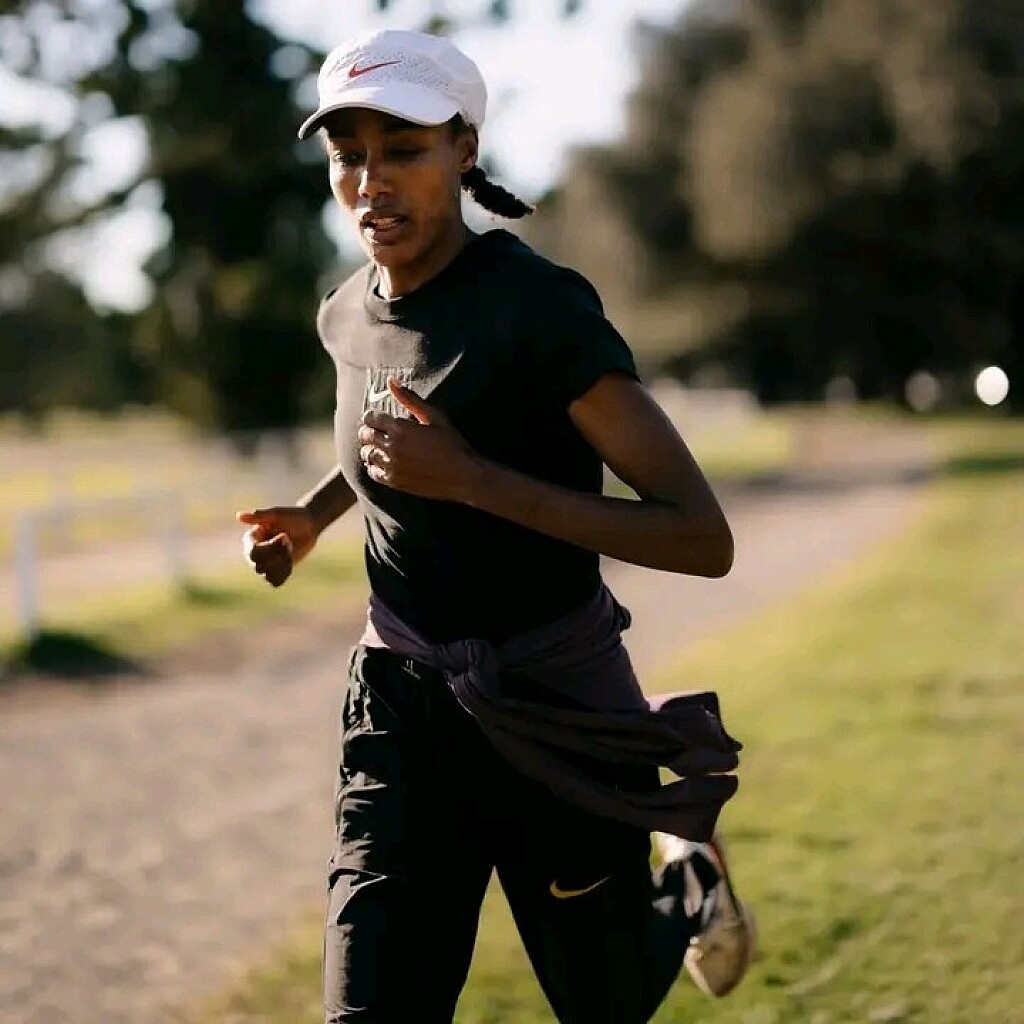
Sifan Hassan Returns To New York With Experience, Recovery And A Point To Prove
Sifan Hassan will return to the streets of New York City on November 1 with something she did not have during her difficult debut last year — experience of one of the most demanding marathon courses in the world.
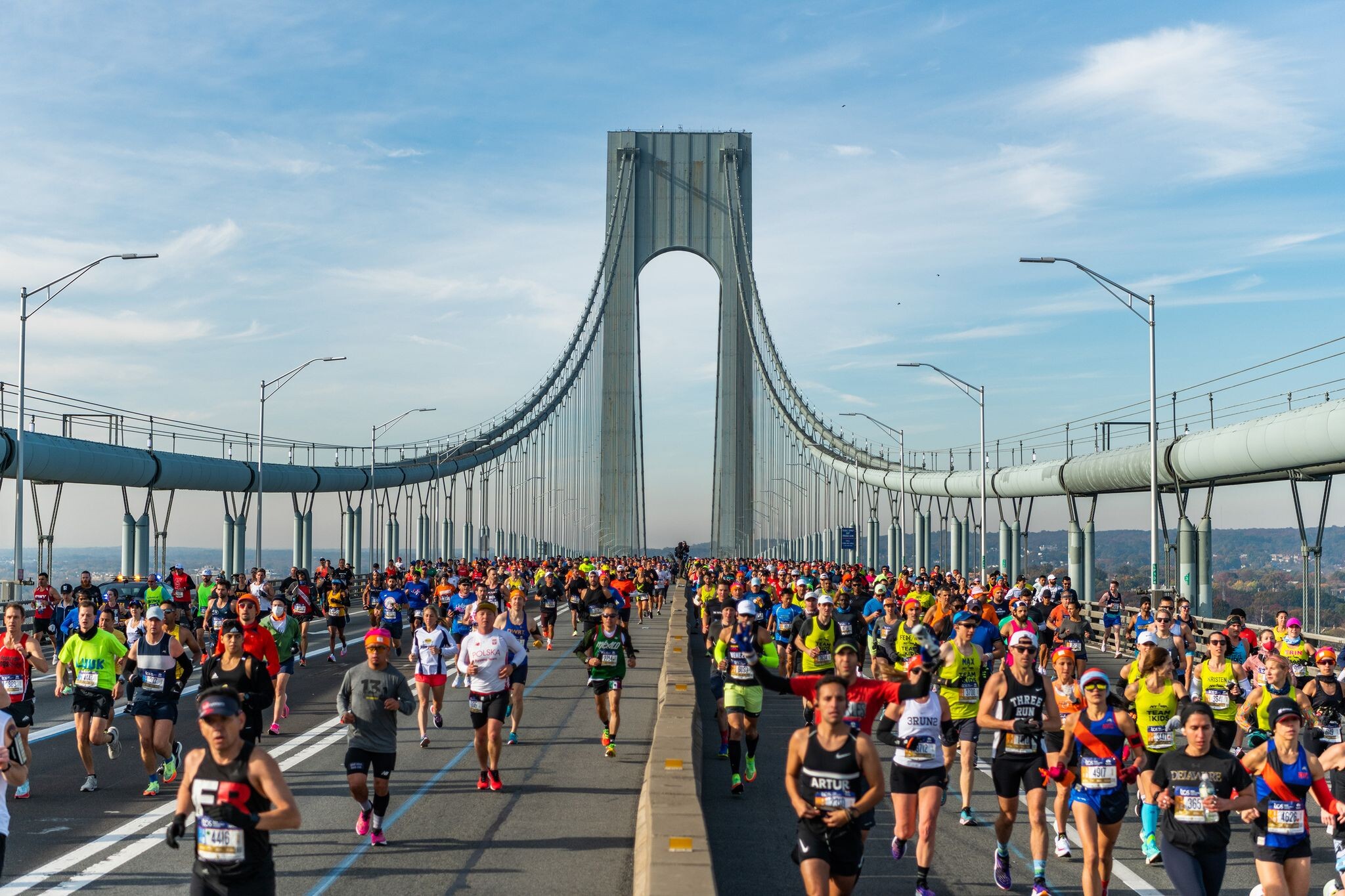
The Dutch Olympic marathon champion is set to make her second appearance at the TCS New York City Marathon, where she will face another formidable international field led by defending champion Hellen Obiri, fellow Kenyan Sheila Chepkirui and former world champion Edna Kiplagat.
Hassan's first encounter with New York in 2025 proved to be a far tougher assignment than the three-time Olympic champion might have hoped. She finished sixth in 2:24:43 after struggling during the second half of the race, with her New York debut coming only weeks after her victory at the Sydney Marathon.
The demanding schedule left Hassan facing a difficult recovery, and New York's succession of bridges, climbs and sharp changes in rhythm exposed the challenge of arriving at the race without enough marathon-specific preparation.
This time, however, the circumstances are different.
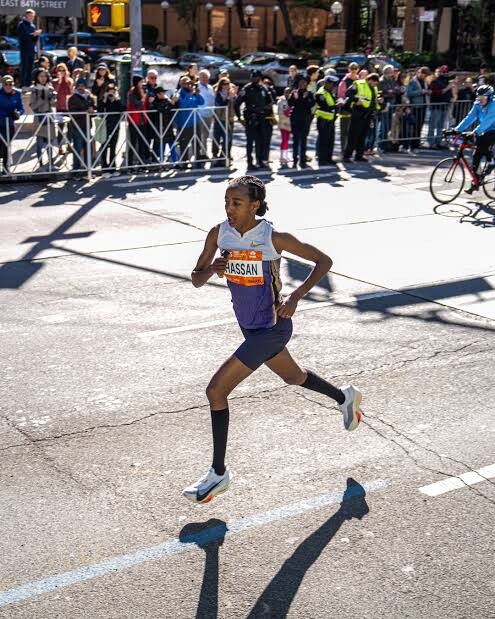
Hassan has had considerably more time to recover and prepare for the marathon, while she has also been managing an Achilles problem that disrupted her 2026 season. Rather than rushing back into competition, she has used the year to recover and build towards her longer-term goals.
Most importantly, Hassan now knows what awaits her when the race moves through New York's five boroughs.
She has already experienced the relentless bridges, the demanding climbs and the atmosphere created by huge crowds lining the streets. That knowledge could prove valuable when the race enters its decisive stages, particularly on a course where pacing and patience are just as important as raw marathon speed.
Hassan will also arrive with one of the fastest personal bests in the field. Her 2:13:44 national record makes her the quickest woman entered for the 2026 race, although New York's challenging layout means personal-best times do not necessarily tell the whole story.
Standing across the starting line will be a powerful Kenyan challenge.
Obiri returns as defending champion after producing one of the most impressive performances in the history of the race last year. She stormed to victory in 2:19:51, breaking the long-standing New York City Marathon course record, and has since lowered her marathon personal best to 2:15:53 in London.
Chepkirui will also return after finishing third in New York last year. The 2024 champion owns a 2:17:29 personal best, while Kiplagat brings enormous experience to the field, having won major marathons in New York, Boston and London as well as world championship gold.
The international field also includes Ethiopia's Gotytom Gebreslase, Kenya's Viola Cheptoo and Mercy Chelangat, Uruguay's Julia Paternain, Germany's Fabienne Königstein and a strong American contingent led by Jess McClain, Fiona O'Keeffe and marathon debutant Weini Kelati.
For Hassan, however, this race is about more than the names on the start list.
New York gave her a difficult introduction to its unique demands in 2025. She now returns with a clearer understanding of the course, more marathon experience and a preparation cycle designed to put her in a different position when the race reaches its closing stages.
She has already conquered the marathon on the biggest Olympic stage. She has also run 2:13:44, one of the fastest times ever recorded by a woman.
Now, New York offers another test.
The streets that humbled Hassan last year will once again be waiting for her. But this time, she will not be discovering them for the first time.
On November 1, Hassan will have another opportunity to find out just how different New York can look when you return knowing exactly what lies ahead.
And with Obiri, Chepkirui, Kiplagat and a deep international field standing in her way, the second chapter promises to be every bit as compelling as the first.
by Erick Cheruiyot for My Best Runs.
Login to leave a comment
TCS New York City Marathon
The first New York City Marathon, organized in 1970 by Fred Lebow and Vince Chiappetta, was held entirely in Central Park. Of 127 entrants, only 55 men finished; the sole female entrant dropped out due to illness. Winners were given inexpensive wristwatches and recycled baseball and bowling trophies. The entry fee was $1 and the total event budget...
more...
At 82, Former King Crimson Bassist Peter Giles Is Still Rewriting British Running Records
At an age when many people have long since stepped away from competitive sport, Peter Giles is still finding new ways to challenge the clock.
The 82-year-old Briton has continued his remarkable running journey by improving his British M80 5km age-group record to 22:28 at Battersea Park over the weekend, adding another chapter to a sporting story that began relatively late in life.
What makes Giles' achievement even more remarkable is that running was not always part of his world. He did not take up the sport seriously until he was 44, meaning his journey from recreational runner to record holder has unfolded over several decades.
Giles, however, is perhaps better known to some music fans for his time behind the bass guitar. He was a member of the influential progressive rock band King Crimson during its early years, making his life story an unusual blend of music and endurance sport.
Running eventually became a major part of his life, but it was not until he reached 80 that Giles decided to make age-group records a serious target.
Speaking to The Times last year, he explained that he had been anticipating the opportunity for years, knowing that turning 80 would open the door to a new collection of age-group records.
His approach to training is equally unconventional.
Rather than relying on elaborate fitness programmes, supplements or long hours inside a gym, Giles keeps things remarkably simple. He does not use supplements, does not go to the gym and prefers a straightforward diet that includes porridge, eggs and fish.
For Giles, longevity appears to come from knowing when to do less rather than constantly pushing for more.
He believes many runners make the mistake of doing too much, particularly as they get older, while his own philosophy has increasingly centred on simplicity.
“Most runners overtrain,” Giles has said, explaining that his approach has become simpler with age.
That philosophy has clearly served him well. At 82, Giles continues to compete against the clock, demonstrating that athletic ambition does not necessarily disappear with age.
His latest 22:28 at Battersea Park is more than just another number on an age-group results sheet. It is a reminder that there is no single timetable for discovering how far the human body can go.
From the stage with a bass guitar to the roads and paths of Britain, Giles has built an extraordinary second act — one in which the pursuit of faster times has continued well into his 80s.
And judging by his latest record, Peter Giles is not finished rewriting the record books yet.
by Erick Cheruiyot for My Best Runs.
Login to leave a comment
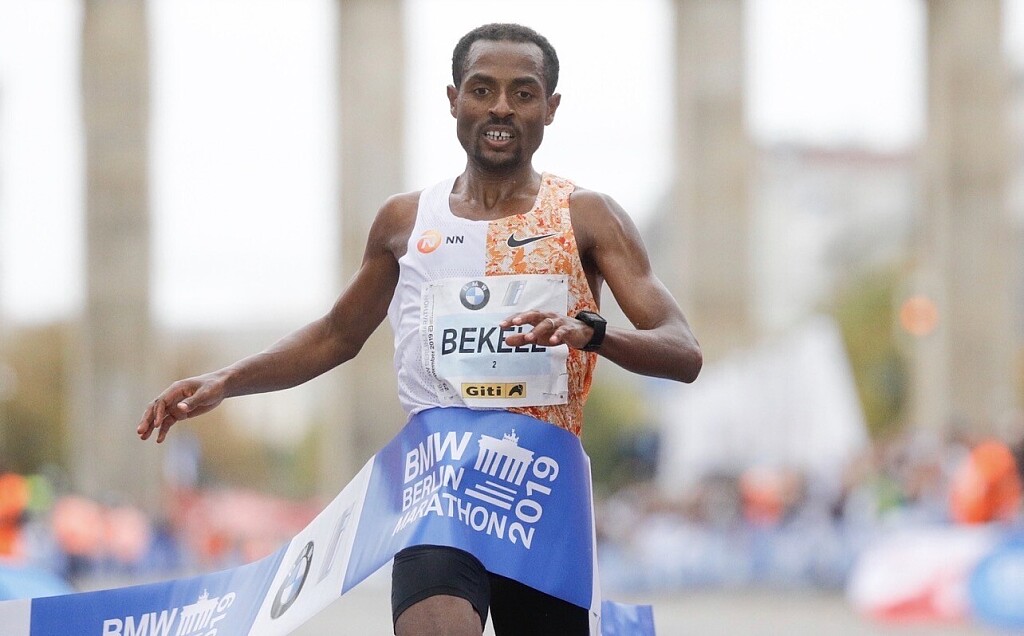
Kenenisa Bekele Returns to Berlin; Alisa Vainio Added to Elite Field
Kenenisa Bekele will run the BMW BERLIN-MARATHON on September 27, race organizers announced today. It will be the legendary Ethiopian’s first race of the year. At 44, Bekele may no longer be among the favorites for victory, but a strong performance remains possible.
Bekele has won the BMW BERLIN-MARATHON twice during his remarkable career, narrowly missing the world record on both occasions. In 2016, he crossed the line in 2:03:03, and in 2019, he clocked 2:01:41. Had he been just two seconds faster seven years ago, he would have become the first runner in history to hold the world records for 5,000 meters, 10,000 meters and the marathon simultaneously.

His return brings one of the greatest distance runners of all time back to Berlin. Bekele’s achievements on the track and in cross-country are extraordinary. He held the world records for 5,000 meters (12:37.35) and 10,000 meters (26:17.53) for approximately 15 years—longer than any other runner in history.
Bekele won 5,000-meter gold at the 2008 Olympic Games and the 2009 World Championships. Over 10,000 meters, he won Olympic gold in 2004 and 2008, along with world titles in 2003, 2005, 2007 and 2009. He also earned 11 individual gold medals at the World Cross Country Championships.
Two and a half years ago, at 41, Bekele nearly produced another extraordinary victory. He led during the closing stages of the London Marathon before finishing second in 2:04:15, setting a world masters record for the 40-plus age group that still stands. He was subsequently selected for the 2024 Olympic Games but finished 39th in Paris. Berlin offers him the opportunity to complete his first marathon since those Games.
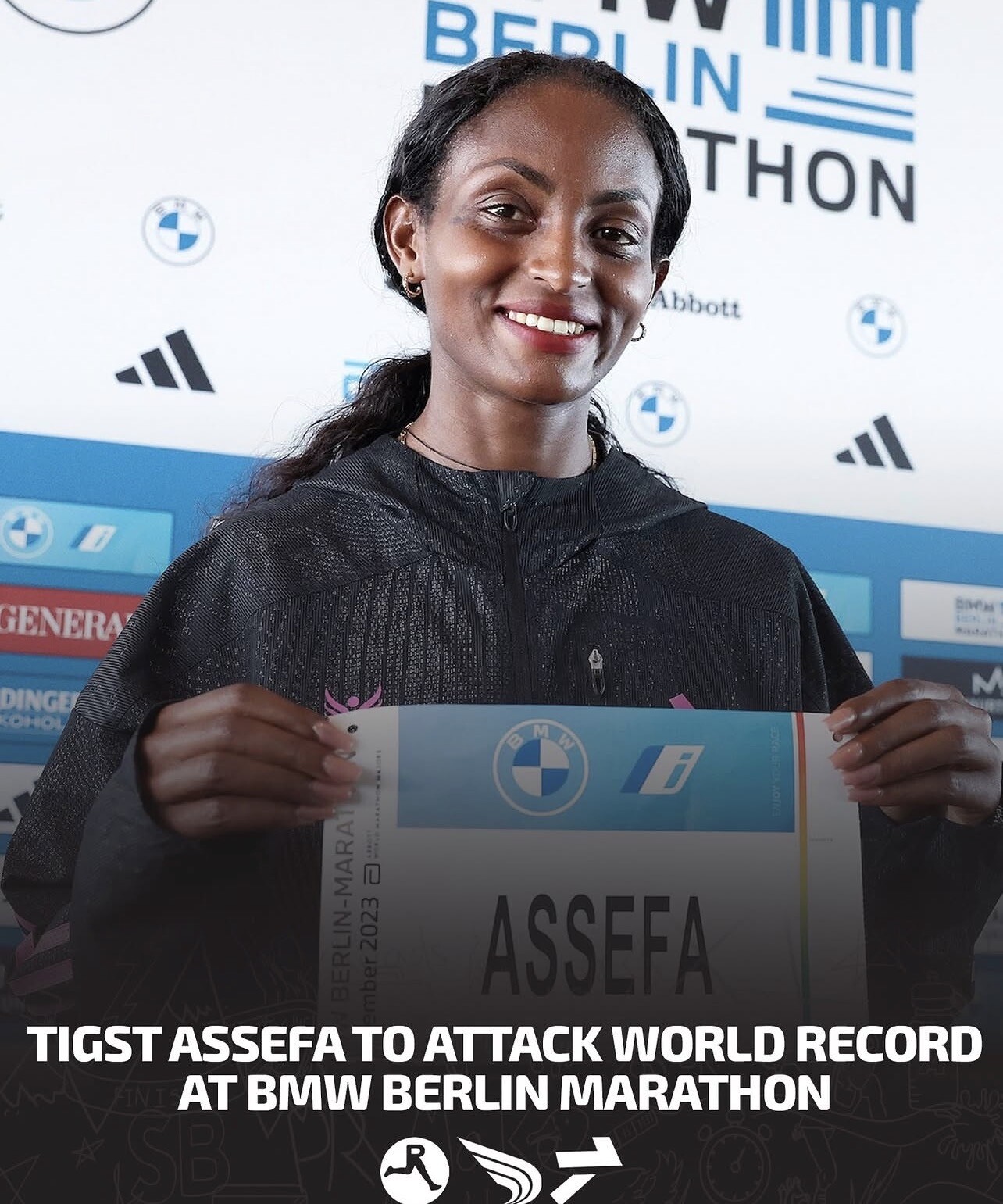
European Champion Alisa Vainio Joins the Field
The women’s elite field has also received a strong late addition: European marathon champion Alisa Vainio.
A month ago, the Finnish runner claimed gold at the European Championships in Birmingham with a commanding performance, setting a championship record of 2:22:26.
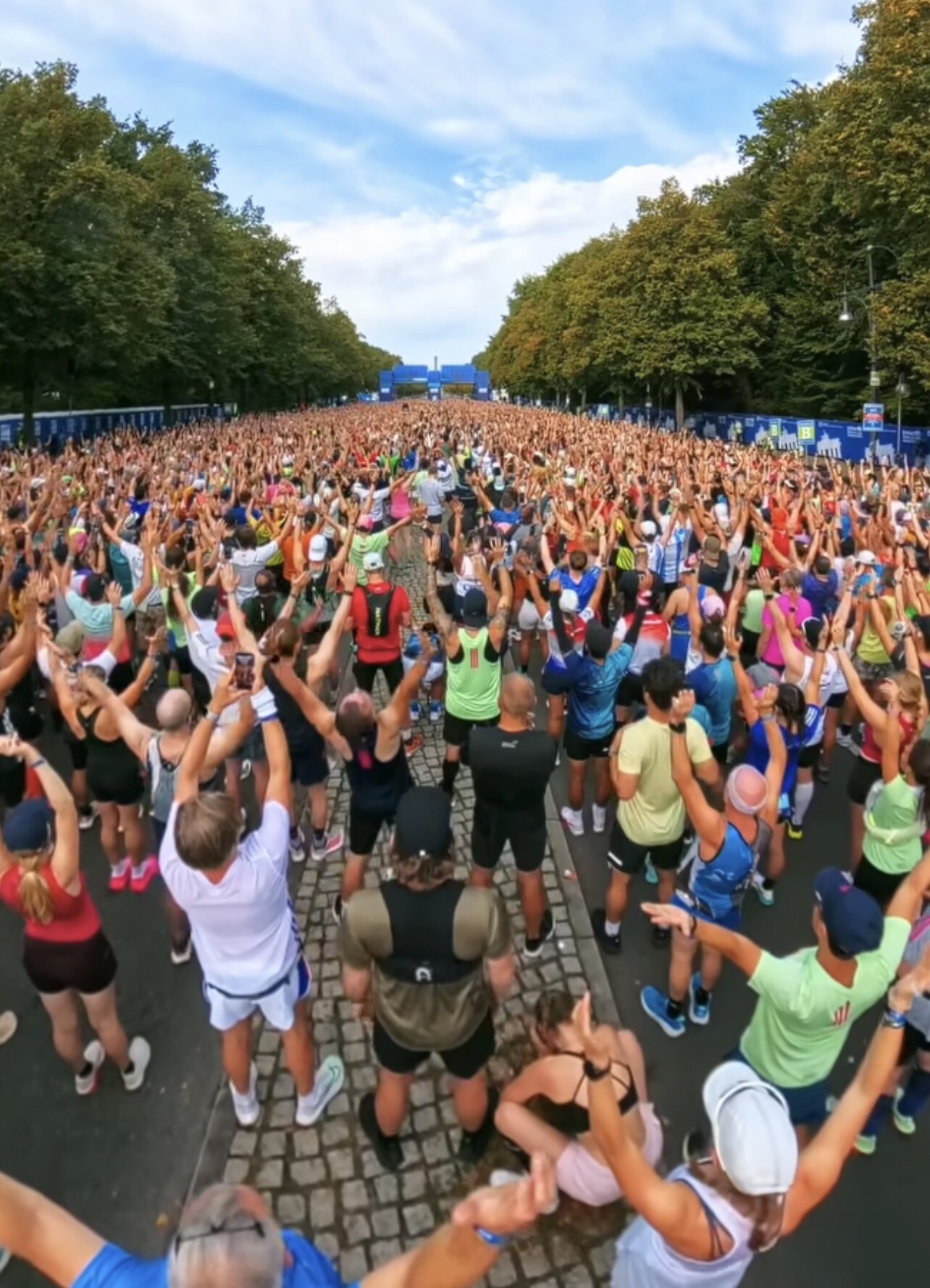
Last year, Vainio was the top European finisher at the World Championships in Tokyo, placing fifth. She then went on to set three consecutive Finnish national records, improving to 2:20:39 with her victory in Seville in February.
That performance made her the fastest Nordic women’s marathon runner in history, surpassing the 2:21:06 set by Norway’s former world record-holder Ingrid Kristiansen.
Fastest Runners on the Start List
Men
|
Athlete |
Country |
Personal Best |
|
Kenenisa Bekele |
ETH |
2:01:41 |
|
Gabriel Geay |
TAN |
2:03:00 |
|
Getaneh Molla |
ETH |
2:03:34 |
|
Guye Adola |
ETH |
2:03:46 |
|
Shura Kitata |
ETH |
2:03:59 |
|
Erick Sang |
KEN |
2:04:30 |
|
Selemon Barega |
ETH |
2:05:00 |
|
Taresa Tolosa |
ETH |
2:05:17 |
|
Tadu Abate |
ETH |
2:05:38 |
|
Asefa Boki |
ETH |
2:05:40 |
|
Kenya Sonota |
JPN |
2:05:59 |
|
Tsubasa Ichiyama |
JPN |
2:06:00 |
|
Kiyoto Hirabayashi |
JPN |
2:06:14 |
|
Yuhei Urano |
JPN |
2:06:23 |
|
Hidekazu Hijikata |
JPN |
2:06:26 |
Women
|
Athlete |
Country |
Personal Best |
|
Tigst Assefa |
ETH |
2:11:53 |
|
Rosemary Wanjiru |
KEN |
2:16:14 |
|
Bedatu Hirpa |
ETH |
2:18:27 |
|
Dera Dida |
ETH |
2:18:32 |
|
Zeineba Yimer |
ETH |
2:18:47 |
|
Bosena Mulatie |
ETH |
2:19:00 |
|
Misgane Alemayehu |
ETH |
2:19:08 |
|
Bekelech Gudeta |
ETH |
2:19:39 |
|
Evaline Chirchir |
KEN |
2:20:33 |
|
Alisa Vainio |
FIN |
2:20:39 |
|
Deshun Zhang |
CHN |
2:20:53 |
|
Gadise Mulu |
ETH |
2:20:59 |
|
Eebbisee Addunyaa |
ETH |
by Race News Service
Login to leave a comment
BMW Berlin Marathon
The story of the BERLIN-MARATHON is a story of the development of road running. When the first BERLIN-MARATHON was started on 13th October 1974 on a minor road next to the stadium of the organisers‘ club SC Charlottenburg Berlin 286 athletes had entered. The first winners were runners from Berlin: Günter Hallas (2:44:53), who still runs the BERLIN-MARATHON today, and...
more...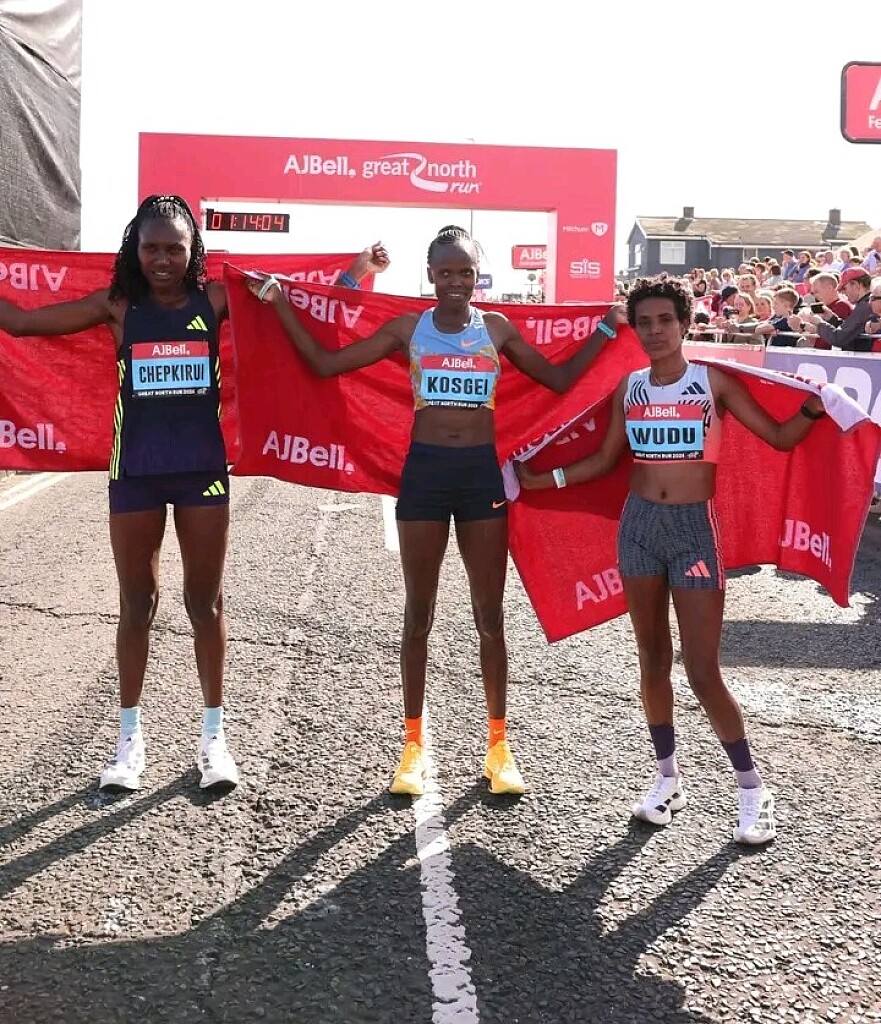
Brigid Kosgei Claims Second Great North Run Title In Kenyan 1-2 Finish
Brigid Kosgei returned to the top at the AJ Bell Great North Run on Sunday, September 13, delivering a commanding performance to win the women’s half marathon and lead Kenya to a memorable one-two finish.
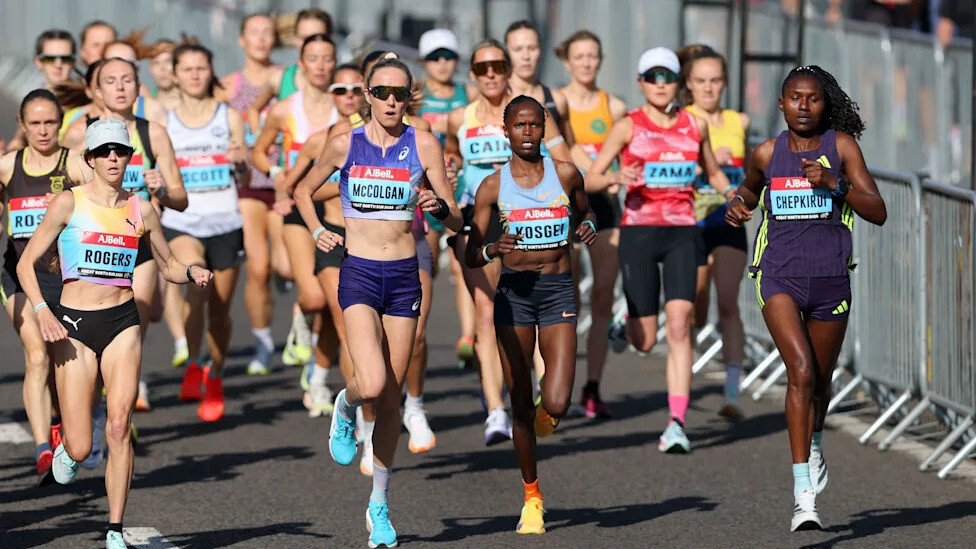
The former marathon world-record holder crossed the line in 1:06:15, securing her second Great North Run title after previously winning the prestigious race in 2019.
Fellow Kenyan Sheila Chepkirui who was battling to defend the title finished second in 1:06:19, completing a memorable Kenyan one-two at one of the world’s most celebrated half-marathons.
Behind the leading Kenyan pair, Ethiopia’s Melknat Wudu produced an impressive run to claim third in 1:09:37. Wudu was the first athlete outside the Kenyan duo to reach the finish and comfortably secured a place on the podium, highlighting the strong international quality of the women’s field.
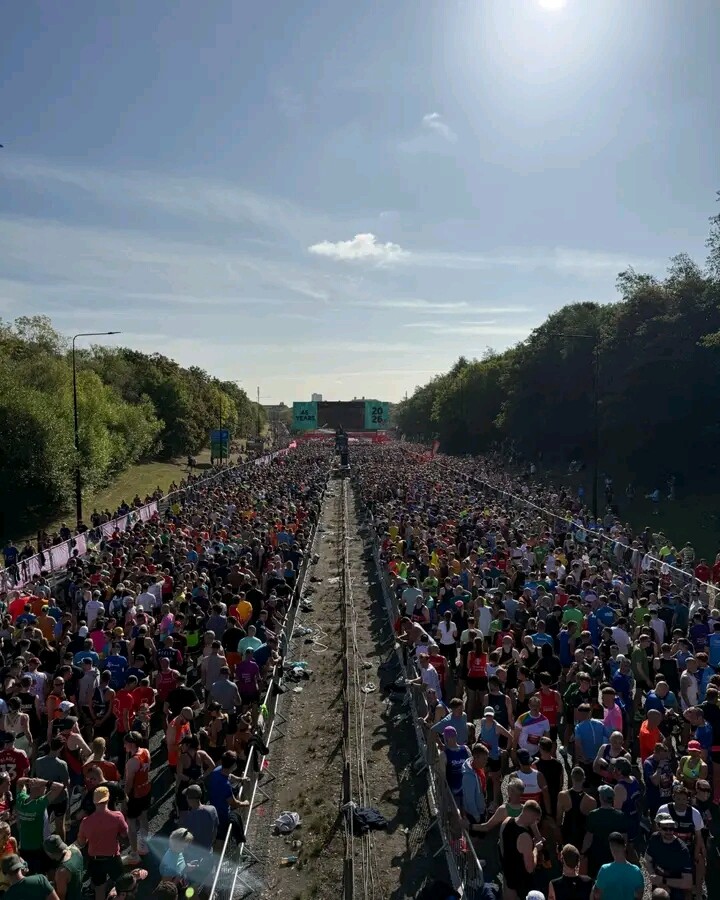
Japan’s Honami Maeda finished just six seconds behind Wudu to take fourth in 1:09:43, while Great Britain’s Amy-Eloise Neale was the leading home athlete in fifth with 1:10:27.
American Natosha Rogers followed in sixth in 1:11:44, with Britain’s Annabel Grummow seventh in 1:12:37 and Nancy Scott completing the top eight in 1:12:51.
For Kosgei, the victory adds another prestigious achievement to an already remarkable distance-running career. Returning to the Great North Run winner’s circle six years after her first triumph, she once again demonstrated her ability to deliver on one of the biggest stages in the half marathon.
Chepkirui’s runner-up finish made the occasion even more significant for Kenya, as the two athletes combined to secure the top two positions. Wudu’s third-place performance completed an international podium and ensured the race featured a strong representation from three of the sport’s leading distance-running nations.
Women’s Top 8 Finishers
1. Brigid Kosgei — Kenya — 1:06:15
2. Sheila Chepkirui — Kenya — 1:06:19
3. Melknat Wudu — Ethiopia — 1:09:37
4. Honami Maeda — Japan — 1:09:43
5. Amy-Eloise Neale — Great Britain — 1:10:27
6. Natosha Rogers — United States — 1:11:44
7. Annabel Grummow — Great Britain — 1:12:37
8. Nancy Scott — Great Britain — 1:12:51
The 2026 Great North Run therefore ended with Kosgei back on top, Chepkirui alongside her in second and Wudu completing a high-quality international podium. For Kosgei and Kenya, it was a particularly memorable day, combining individual success with a commanding one-two finish and reinforcing the country’s enduring strength in elite distance running.
by Erick Cheruiyot for My Best Runs.
Login to leave a comment

Great North Run
Great North Run founder Brendan Foster believes Britain is ready to welcome the world with open arms after the launch of the event's most ambitious plan to date. The Great World Run campaign seeks to recruit one runner from every country in the United Nations – 193 in total – to take part in the iconic half marathon in...
more...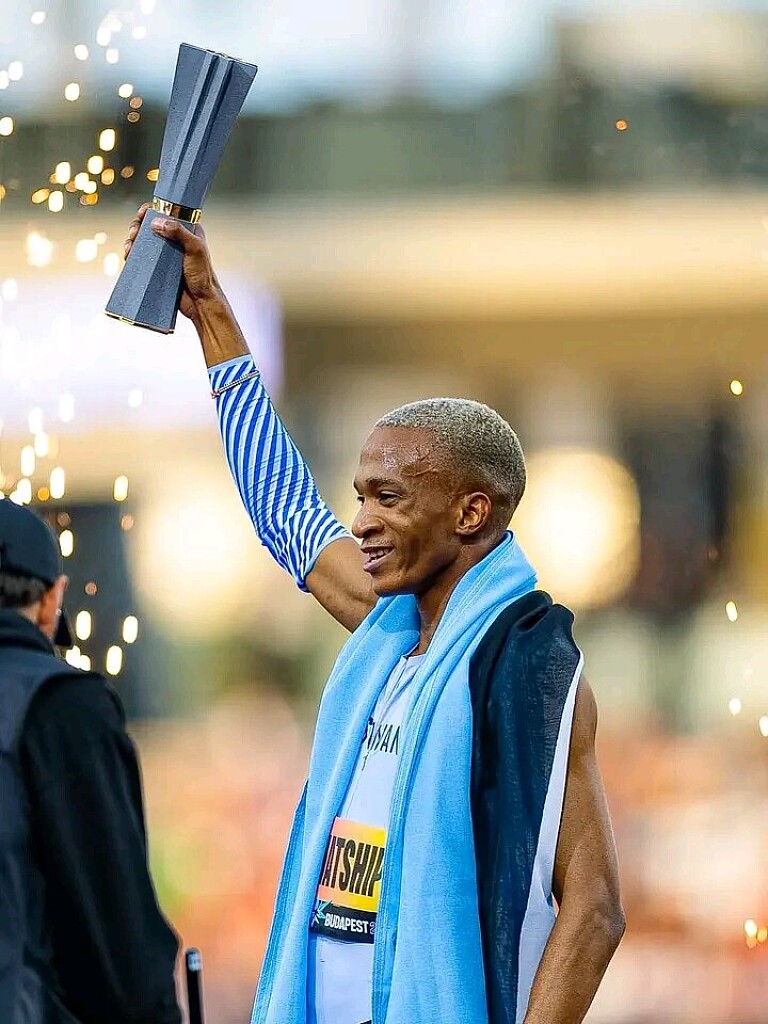
Collen Kebinatshipi Does It Again! 43.39 Makes Botswana Star Fifth All-Time.
Busang Collen Kebinatshipi has delivered another sensational performance, storming to victory in the men’s 400m at the inaugural World Athletics Ultimate Championship in Budapest.
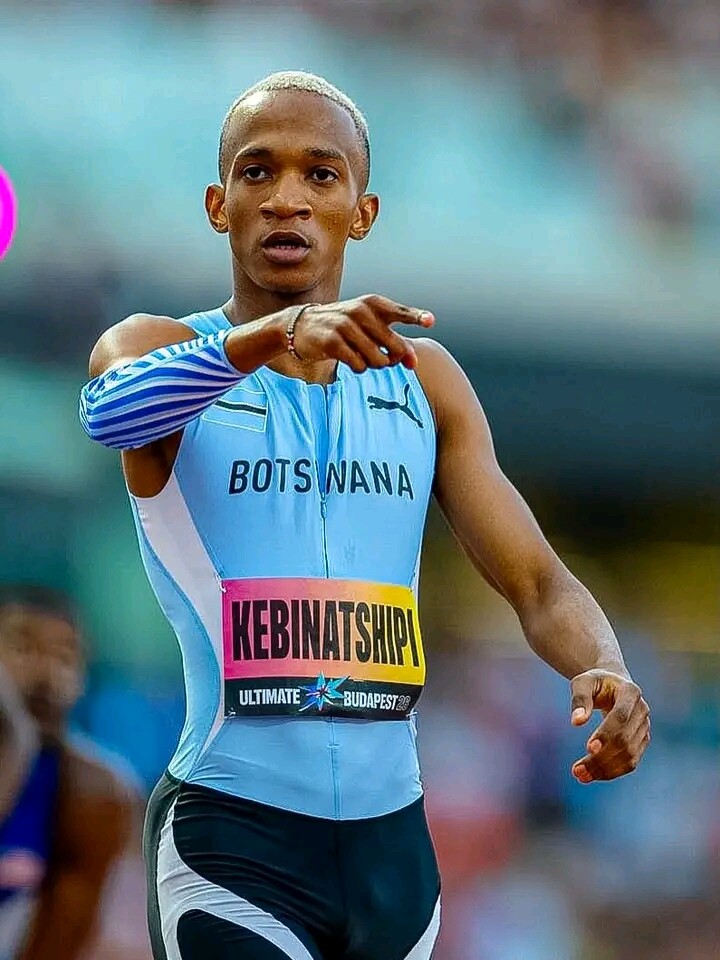
The reigning world champion stopped the clock at an astonishing 43.39 seconds, smashing his own Botswana national record and moving to fifth on the world all-time list.
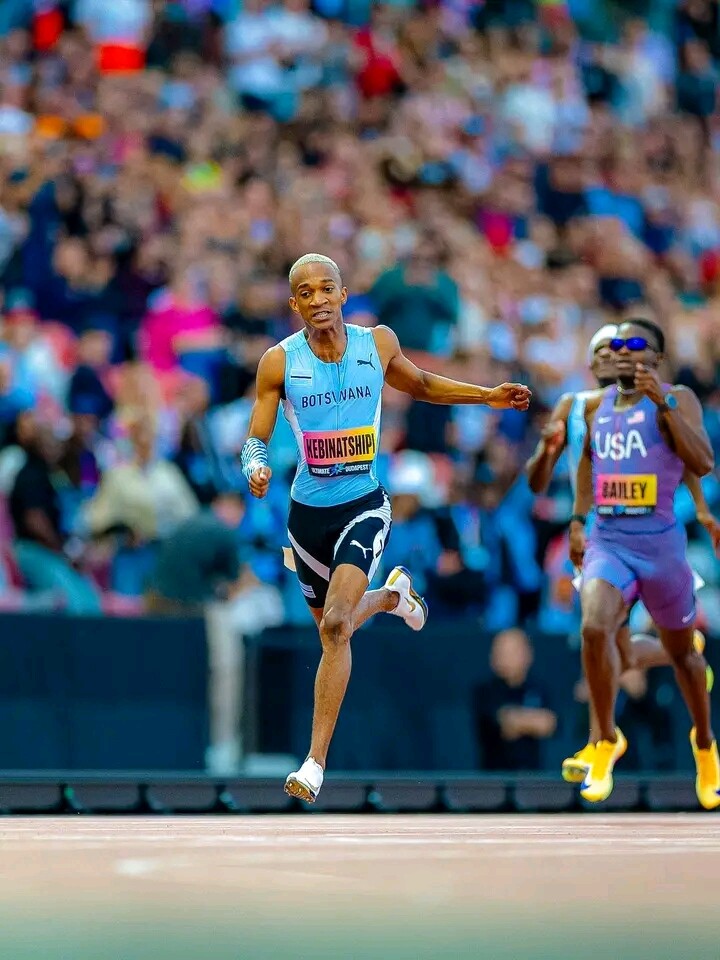
Kebinatshipi produced a commanding finish to pull away from his rivals and secure the Ultimate Championship title. American star Rai Benjamin finished second in 44.15, while Jereem Richards of Trinidad and Tobago completed the podium in 44.23.
Men’s 400m
1. Busang Collen Kebinatshipi — 43.39 NR
2. Rai Benjamin — 44.15
3. Jereem Richards — 44.23
The performance is even more remarkable considering that Kebinatshipi had already rewritten the Botswana record just one week ago in Brussels, where he ran 43.40. In Budapest, he lowered that mark by another 0.01 seconds to establish a new national record of 43.39.
That improvement has also propelled the 22-year-old into rare territory. His latest time now ranks him fifth fastest in history over 400m, placing him among an extraordinary group of athletes who have broken the 43.40 barrier.
Kebinatshipi's victory also caps an extraordinary season for the Botswana star. After establishing himself as a global champion, he has continued to demonstrate that he belongs among the very best one-lap runners in the world.
And there is a major reward for his historic night in Budapest: Kebinatshipi walks away as the Ultimate Champion and $150,000 richer.
From another national record to a place among the five fastest 400m runners ever, Kebinatshipi has turned an already remarkable season into something truly special.
Botswana has its latest sprinting superstar — and Kebinatshipi is showing that his ceiling may be even higher than anyone imagined.
by Erick Cheruiyot for My Best Runs.
Login to leave a comment

Daniel Komen and Cameron Myers: Two Generations, One Extraordinary Gift for Speed
Athletics has a remarkable way of connecting generations.
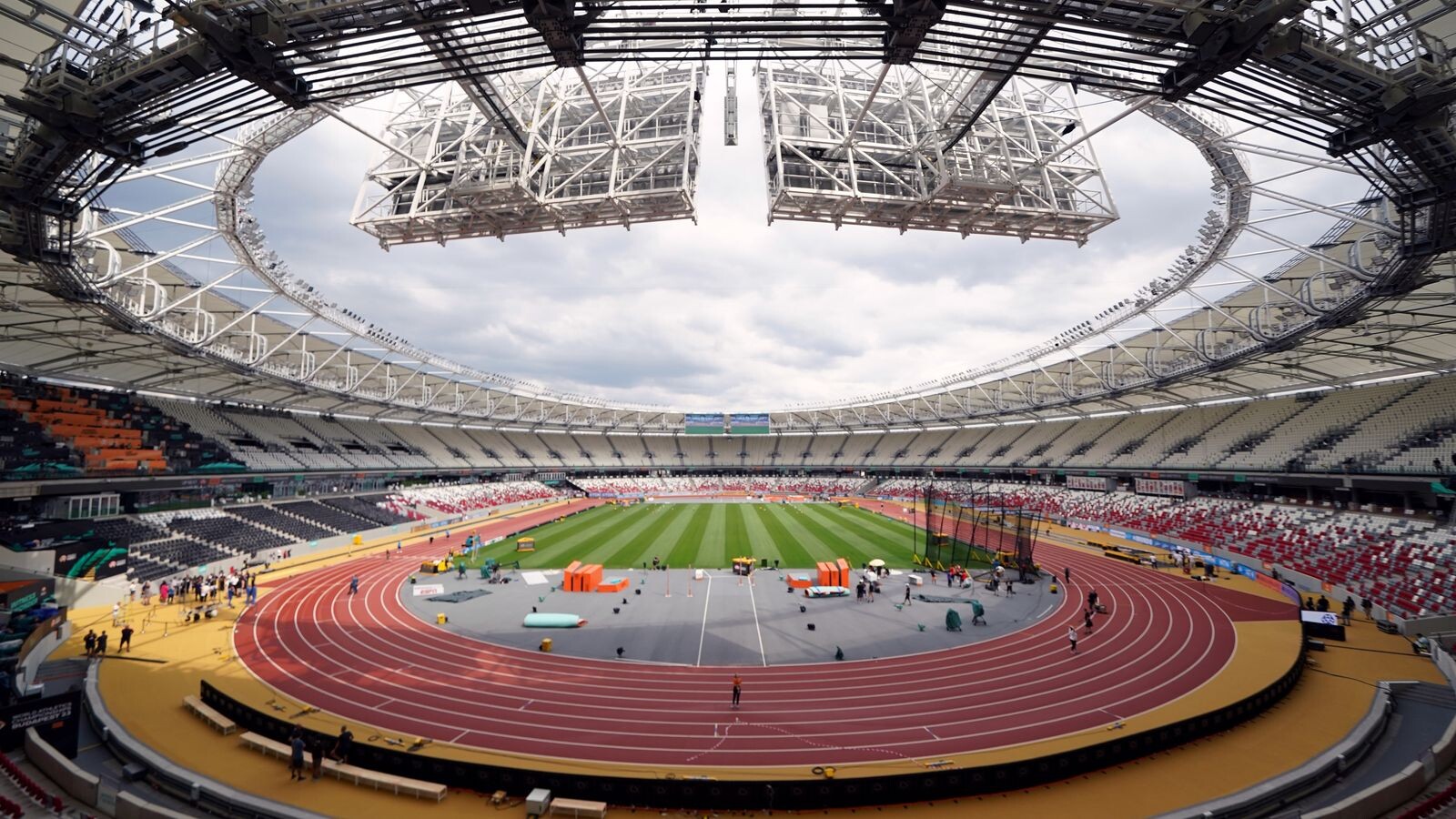
Sometimes, decades apart, two athletes emerge with a rare combination of speed, endurance and fearlessness that makes the extraordinary appear almost effortless. Kenya’s Daniel Komen and Australia’s Cameron Myers are separated by an era and a continent, but their careers share one fascinating thread — an exceptional ability to run incredibly fast over middle and long distances.
Daniel Komen — the Kenyan phenomenon
During the 1990s, Daniel Komen was one of the most feared distance runners on the planet.
At just 20 years old, Komen produced a performance that would become one of the defining moments of his career, running 7:20.67 for 3000m in Rieti, Italy, in 1996. The world record remained untouched for nearly 28 years before Jakob Ingebrigtsen finally broke it in 2024.
Komen followed that achievement with another performance that remains etched in distance-running history. In 1997, he ran 7:58.61 for two miles in Hengelo, becoming the first man to break the eight-minute barrier over the distance.
His brilliance was not limited to one event.
Komen possessed an extraordinary range, becoming only the second man after Algeria’s Saïd Aouita to break 3:30 for 1500m, 7:30 for 3000m and 13 minutes for 5000m.
Those performances established Komen as one of the most versatile and naturally gifted distance runners of his generation.
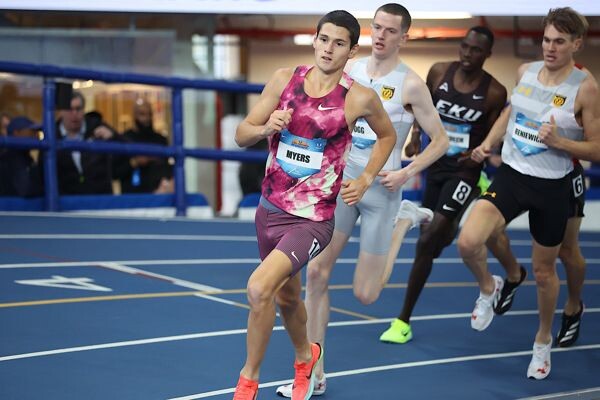
Cameron Myers — Australia's rising star
Almost three decades later, another young runner is beginning to capture the imagination of the athletics world.
Cameron Myers first made headlines as a teenager when, at 16, he ran 3:55.44 for the mile. The performance made him the second-youngest athlete ever to break four minutes for the distance and confirmed that Australia had a remarkable middle-distance talent on its hands.
But Myers has not allowed the hype surrounding his teenage achievements to define him.
Now 20, he is increasingly proving himself against the world's best senior athletes.
His breakthrough continued in 2026 when he produced a spectacular 3:28.00 personal best for 1500m in Paris, firmly establishing himself among the world's elite over the distance.
Then came Brussels.
At the Diamond League Final on September 4, Myers delivered perhaps the biggest statement of his young career, winning the 1500m in 3:30.14 against a world-class field. The victory came in a race featuring some of the biggest names in the event, including Jakob Ingebrigtsen and Olympic champion Cole Hocker.
For Myers, it was another important step from promising prodigy to established senior star.
He is no longer simply the talented teenager everyone was waiting to see develop.
Cameron Myers has arrived.
Different eras, remarkable similarities
Comparing athletes from different generations is always difficult. The competition, training methods, technology and circumstances change, and every great athlete deserves to be judged within the context of their own era.
But the similarities between Komen and Myers are still fascinating.
Komen showed the world in the 1990s that extraordinary speed could be combined with exceptional endurance. Myers is now demonstrating that same fearless approach as he takes on the strongest 1500m fields in the world.
Komen has already secured his place in athletics history.
Myers is only beginning to write his.
The Australian still has many years ahead of him, and whether he can eventually build a legacy comparable to Komen's remains impossible to predict. What is certain, however, is that his progression has already been remarkable.
From a teenager breaking four minutes for the mile to a 20-year-old running 3:28.00 and winning a Diamond League Final, Myers has moved through the ranks at extraordinary speed.
Daniel Komen was one of the athletes who made the impossible look normal. Cameron Myers now has an opportunity to create his own version of that magic.
Different generations. Different countries. Different journeys.
But one extraordinary gift — the ability to run very, very fast.
by Erick Cheruiyot for My Best Runs.
Login to leave a comment
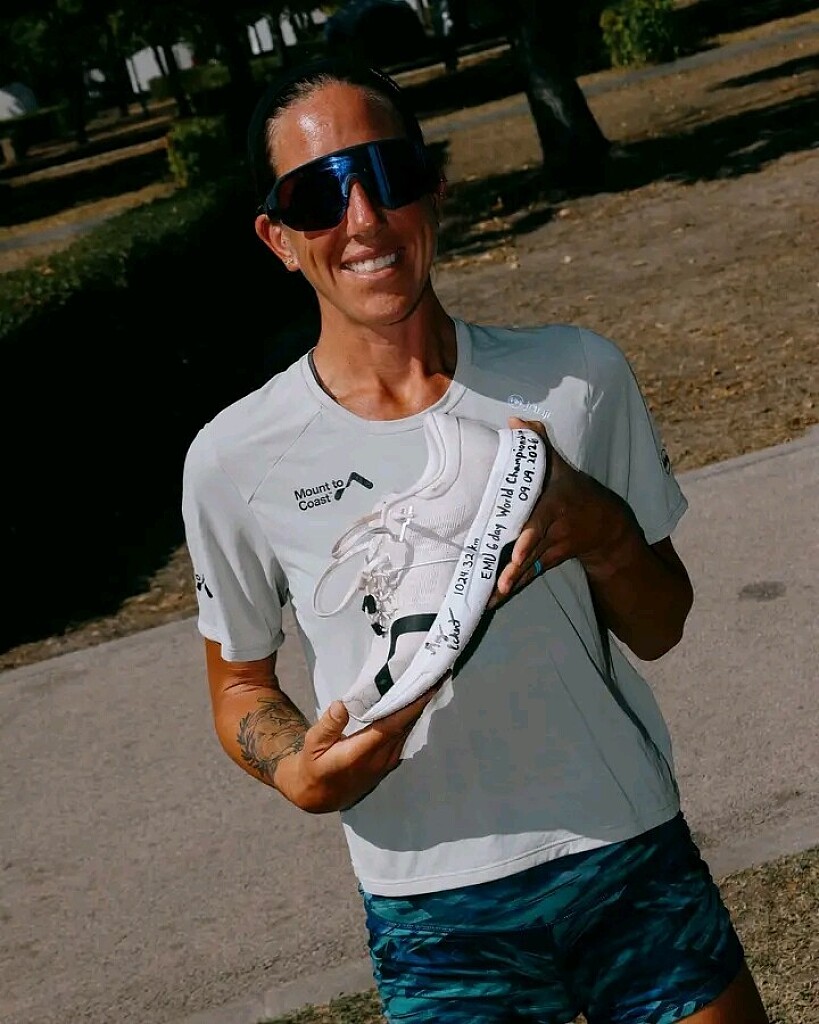
Megan Eckert Makes History With Stunning Six-Day World Record and 1,000km Breakthrough
Megan Eckert arrived in Hungary with an ambitious mission: to leave with two records. By the final morning of the EMU-GOMU 6-Day World Championships in Balatonfüred, she had achieved both—and then pushed herself into territory no woman had ever reached before.
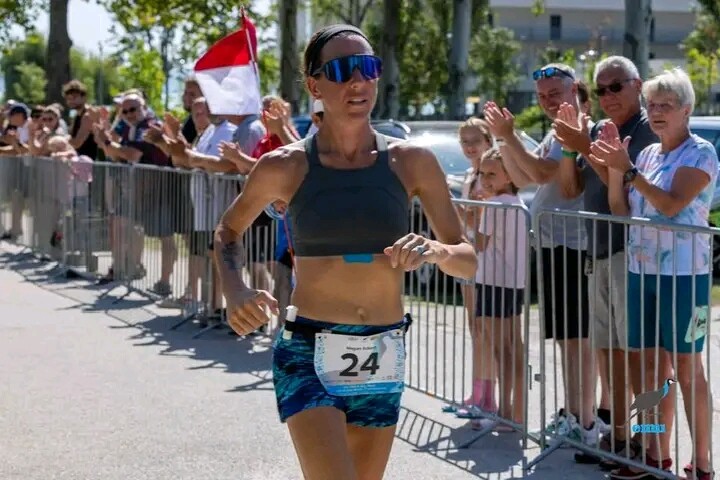
The American ultrarunner covered an astonishing 636.482 miles (1,024.3 kilometres) over six days, producing one of the greatest performances in the history of multi-day ultrarunning.
Her extraordinary total came after completing 1,140 laps of the 898.2-metre circuit, plus another 371 metres. Most remarkably, Eckert became the first woman in history to surpass 1,000 kilometres during a six-day race.
To put the magnitude of her achievement into perspective, Eckert averaged 4.42 miles per hour for the entire 144 hours of competition. That average included everything—not only her running, but also every minute spent walking, resting, eating and sleeping.
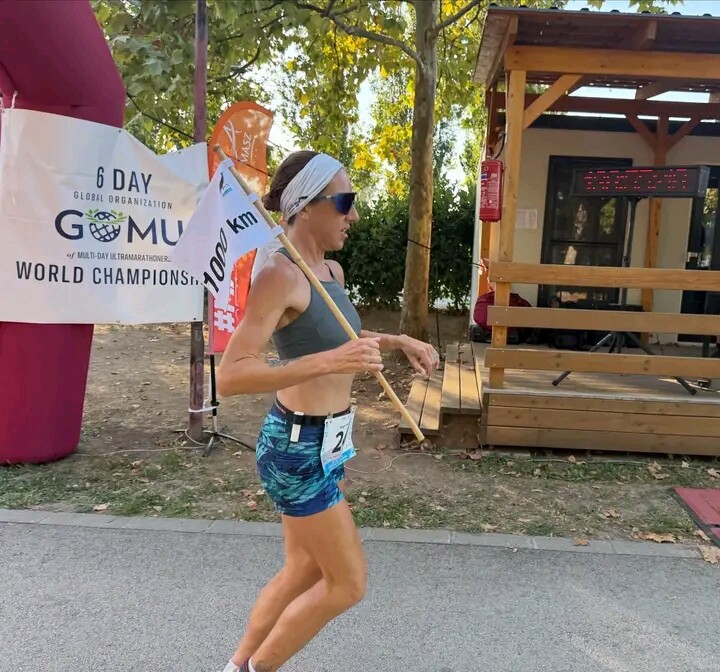
The first major milestone fell on Wednesday morning.
At 135 hours and 38 minutes, Eckert moved beyond her own previous record of 603.155 miles, set in France last year. Just 32 minutes later, she added another historic achievement by surpassing the overall American six-day record that had been held by Joe Fejes since 2015.
But Eckert was not finished.
With nearly eight hours remaining on the clock, she turned her attention to the magical 1,000-kilometre barrier. At 139:55:46, she crossed it, becoming the first woman ever to achieve the feat in a six-day race.
Her dominance was equally remarkable when measured against the rest of the field. Norway's Simen Holvik, who finished second, was almost 84 kilometres behind—a staggering margin that was even greater than the gap separating second and third place.
What makes Eckert's rise even more extraordinary is how recently she entered this demanding discipline. A mathematics and special education teacher at a middle school in Santa Fe, New Mexico, she has been competing in six-day races for only two years.
Yet in Hungary, experience was no barrier.
Over six days and six nights, Eckert combined extraordinary endurance, patience and mental strength to rewrite the American record books and establish a new standard for women's multi-day ultrarunning.
Two records. More than 636 miles. More than 1,000 kilometres. And a performance that has taken Megan Eckert into a completely new chapter of ultrarunning history.
by Erick Cheruiyot for My Best Runs.
Login to leave a comment
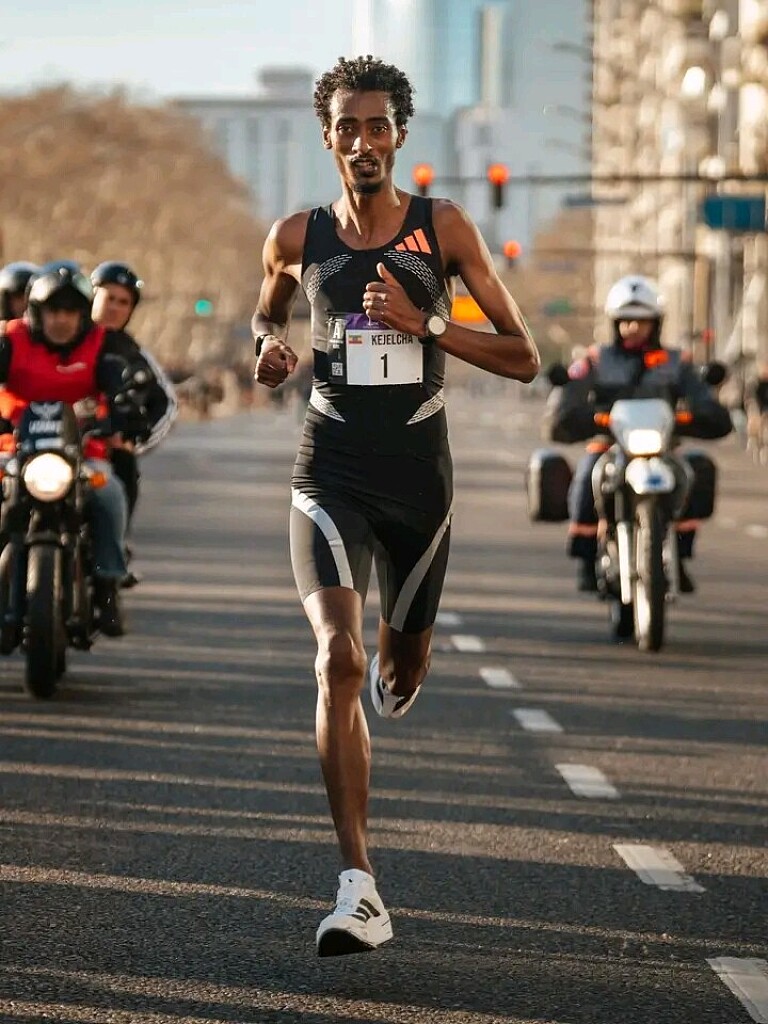
From 1:07:01 To 56:51: The Extraordinary Evolution Of The Half Marathon World Record
The history of the men’s half marathon world record is a remarkable journey through more than six decades of distance running, tracing the sport’s transformation from club-level competition to an era of extraordinary professional speed.
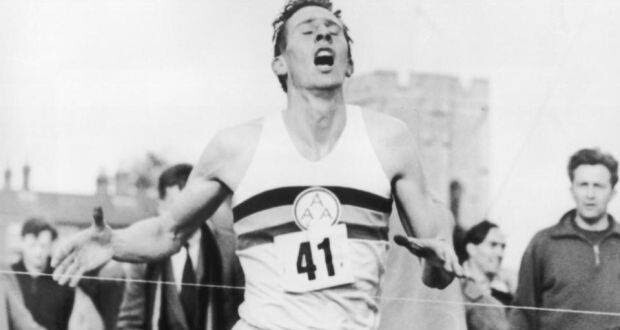
The story began in the spring of 1960 in Romford, Essex, where British club runner Brian Hill-Cottingham ran 21.0975 kilometres in 1:07:01, setting the fastest officially recorded time at the distance at the time.
For years, the record progressed slowly. British and American runners dominated much of the early history, with improvements often measured in seconds rather than dramatic leaps. Ron Hill lowered the mark to 1:05:44 in 1965, while Derek Clayton took it down to 1:03:22 in 1967. Through the 1970s and 1980s, the barrier continued to fall as athletes from different nations gradually pushed the limits of what was possible over 21.1 kilometres.
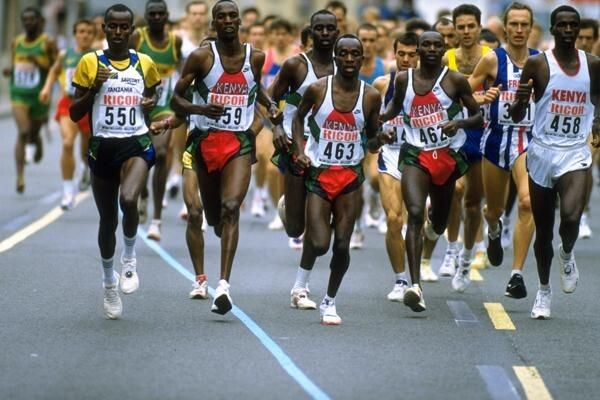
Then came the breakthrough that changed the character of the event.
In 1993, Kenya’s Moses Tanui became the first man to break the one-hour barrier, running 59:47 in Milan. It was a landmark moment for road running. The half marathon was no longer simply another distance on the racing calendar; it had become an event worthy of specialised preparation and elite-level ambition.
Kenya subsequently established a remarkable presence in the record progression. Paul Tergat lowered the record to 59:17 in 1998 before eventually pushing it below 59 minutes with a 59:06 mark later that year. Eritrea’s Zersenay Tadese and Kenya’s Sammy Wanjiru continued the progression in the 2000s, with Wanjiru taking the record to 58:33 in 2007.
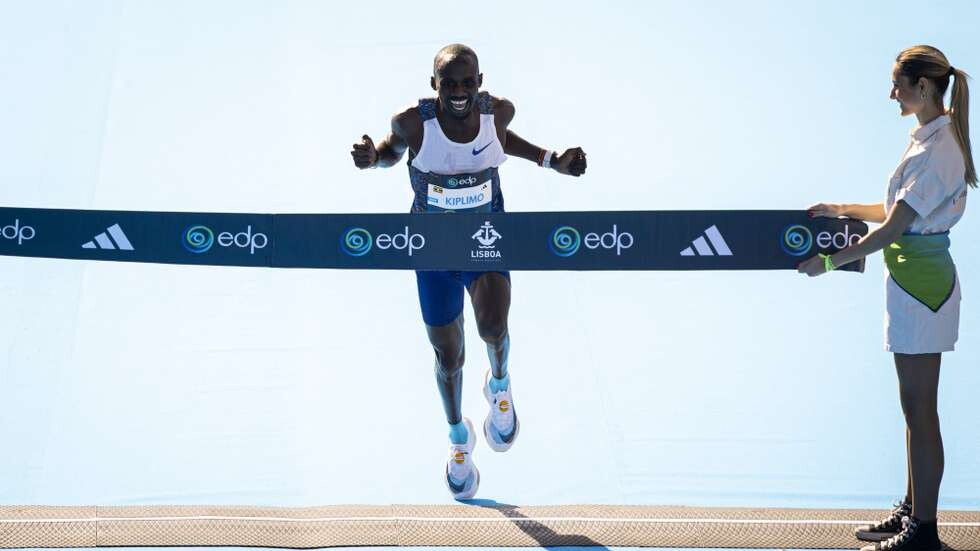
Tadese reclaimed the record in 2010 with 58:23, but the most dramatic developments were still to come.
In 2018, Kenya’s Abraham Kiptum ran 58:18, only for countryman Geoffrey Kamworor to lower the standard to 58:01 in 2019. A year later, another Kenyan, Kibiwott Kandie, produced one of the greatest breakthroughs in the event’s history, becoming the first man to break 58 minutes with 57:32 in Valencia.
Uganda’s Jacob Kiplimo then entered the record books, running 57:31 in Lisbon in 2021. Ethiopia’s Yomif Kejelcha lowered it by another second to 57:30 in Valencia in 2024.
And then, in 2026, the record progression became a breathtaking battle between two of the finest distance runners of their generation.
Kiplimo reclaimed the world record in Lisbon with 57:20, taking 10 seconds from Kejelcha’s mark. But Kejelcha responded with an extraordinary performance in Buenos Aires on 23 August 2026, stopping the clock at 56:51.
The improvement was staggering—29 seconds faster than Kiplimo’s previous record.
Kejelcha’s 56:51 means he averaged approximately 2:42 per kilometre for the entire 21.0975-kilometre distance, a pace that would have seemed almost unimaginable when Hill-Cottingham first established the record at 1:07:01 in 1960.
From 1:07:01 to 56:51, the progression tells the story of an event that has undergone a remarkable transformation. Training has become more sophisticated, competition has intensified, courses have become faster, and generations of athletes have continued to challenge the boundaries of human endurance and speed.
What began as a record set by a British club runner on a spring day in Essex has evolved into one of the most fiercely contested records in modern distance running.
And with Kiplimo and Kejelcha pushing each other to unprecedented heights, the question is no longer whether the half marathon can go faster.
The question is: how low can the world record ultimately go?
by Erick Cheruiyot for My Best Runs.
Login to leave a comment
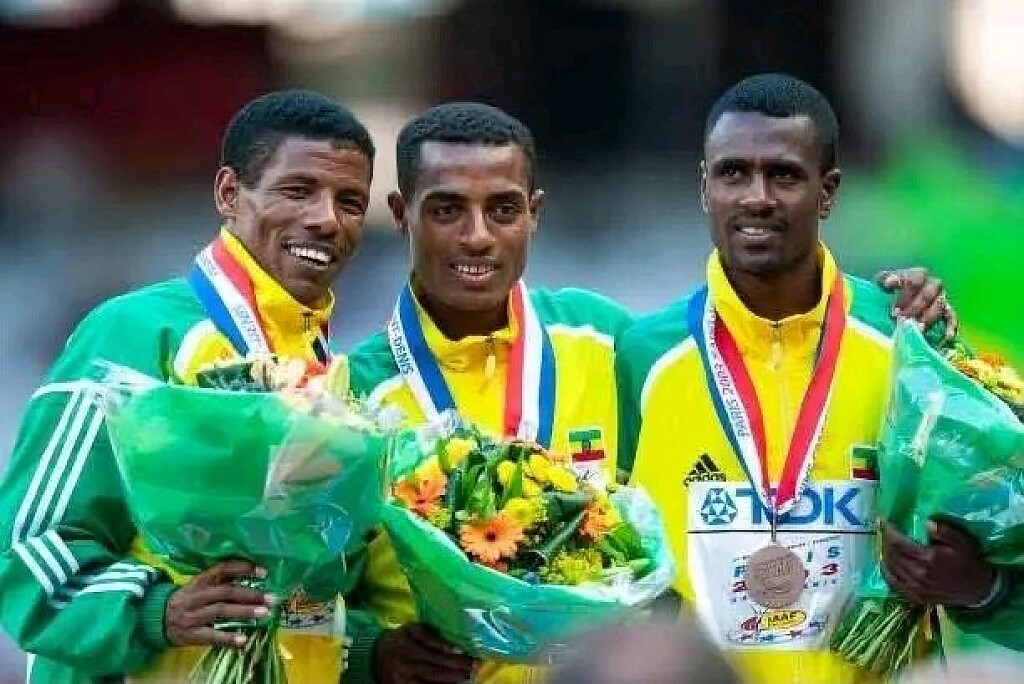
Kenenisa Bekele’s Paris Coronation: The Night Ethiopia’s Distance Running Dynasty Changed Forever
Paris, France — August 24, 2003.
The Stade de France witnessed far more than a World Championship 10,000m final that night. It witnessed the beginning of a new era.
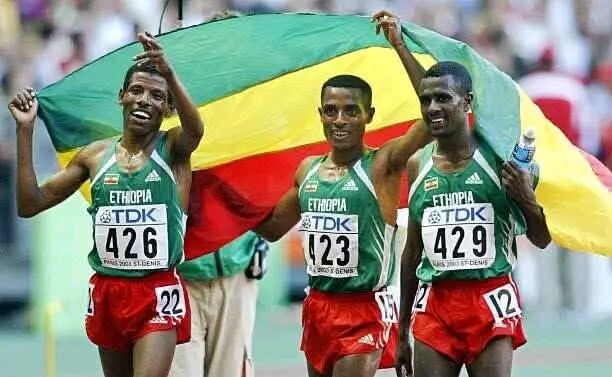
For years, Haile Gebrselassie of Ethiopia had stood virtually untouchable at the summit of world distance running. He arrived in Paris as a two-time Olympic champion and four-time World Champion over 10,000m, carrying the reputation of a man who had dominated the track for much of the previous decade.
But waiting in the same race was a 21-year-old Ethiopian whose running style looked remarkably familiar.
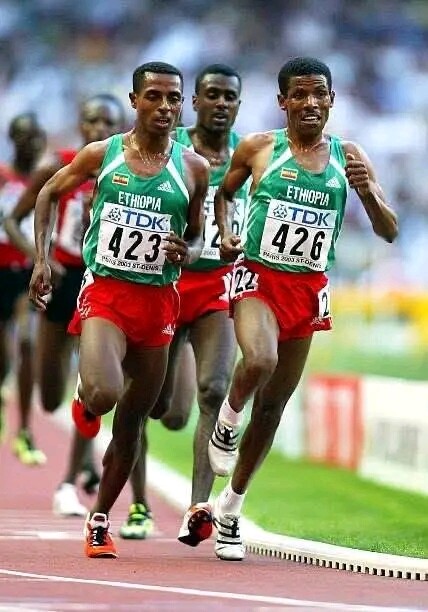
His name was Kenenisa Bekele.
The younger Ethiopian had already shown flashes of extraordinary potential, but Paris was where potential became reality.
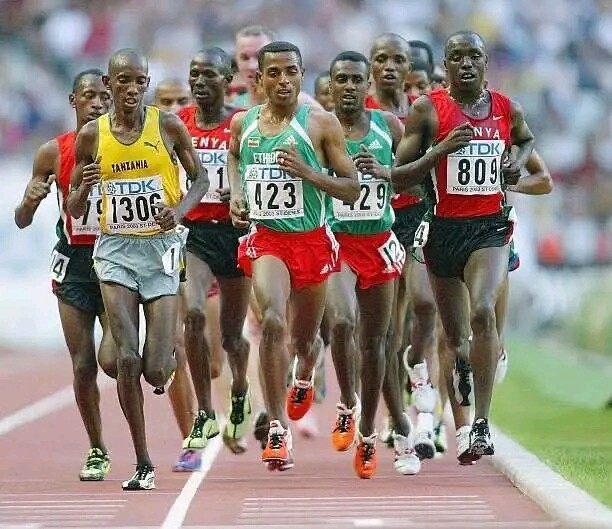
As the race unfolded, Gebrselassie ran aggressively, repeatedly applying pressure in an attempt to break the field and shake off his young compatriot. One by one, the world's best distance runners were dropped, including a strong Kenyan contingent.
Yet Bekele refused to disappear.
He stayed glued to Gebrselassie's shoulder, matching every surge and every change of pace. Behind them, Sileshi Sihine of Ethiopia remained in contention, setting the stage for what would ultimately become a historic Ethiopian sweep.
Then came the decisive moment.
With only 200 metres remaining, Bekele made his move.
Gebrselassie, famous for his devastating finishing speed, tried to respond. But this time, there was no answer. Bekele powered away down the final straight, creating daylight between himself and his legendary compatriot.
The changing of the guard had arrived.
Bekele crossed the finish line in 26:49.57, becoming the first athlete to break 27 minutes at these World Championships and setting a championship record.
Behind him, Gebrselassie finished second in 26:50.77, while Sihine completed an extraordinary Ethiopian clean sweep with 27:01.44.
It was not simply a victory for Bekele.
It was the moment the young star announced that he was ready to inherit the throne.
Paris 2003 — Men's 10,000m Final
1. Kenenisa Bekele — Ethiopia — 26:49.57 CR
2. Haile Gebrselassie — Ethiopia — 26:50.77
3. Sileshi Sihine — Ethiopia — 27:01.44
4. Ahmad Hassan Abdullah — Qatar — 27:18.28
5. John Cheruiyot Korir — Kenya — 27:19.94
6. Wilberforce Talel — Kenya — 27:33.60
7. Charles Kamathi — Kenya — 27:45.05
8. Kamiel Maase — Netherlands — 27:45.46
9. Karl Keska — Great Britain — 27:47.89
10. Ismail Sghyr — France — 27:54.87
11. David Galván — Mexico — 27:55.31
12. John Yuda Msuri — Tanzania — 27:56.21
13. Fabiano Joseph Naasi — Tanzania — 28:06.36
14. Alan Culpepper — United States — 28:14.92
15. Teodoro Vega — Mexico — 28:31.71
16. Mebrahtom Keflezighi — United States — 28:35.08
17. Cathal Lombard — Ireland — 28:36.43
18. Tomoo Tsubota — Japan — 28:37.10
19. Dan Browne — United States — 29:01.60
Bekele's Paris triumph proved to be the beginning of something much bigger. He went on to win Olympic 10,000m gold in Athens the following year and established himself as the dominant track distance runner of his generation.
At the 2008 Beijing Olympics, he completed the extraordinary 5,000m and 10,000m double, cementing his place among the greatest distance runners in history.
Gebrselassie, meanwhile, successfully reinvented himself beyond the track. He turned increasingly toward the 10km, half marathon and marathon, where he continued rewriting the record books and building another extraordinary chapter of his career.
But Paris remains special.
On August 24, 2003, one Ethiopian legend was still fighting to protect his kingdom while another was stepping forward to claim it.
Kenenisa Bekele didn't simply win a World Championship gold medal that night. He announced the arrival of a new era in distance running.
by Erick Cheruiyot for My Best Runs.
Login to leave a comment
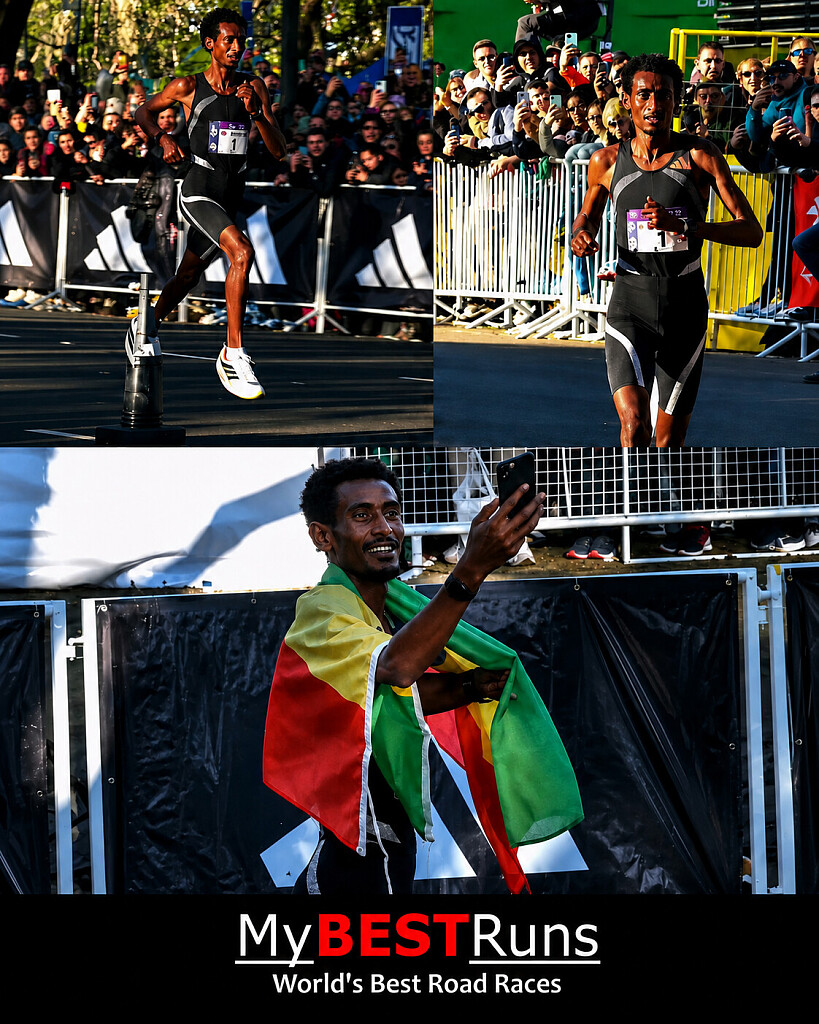
Yomif Kejelcha Smashes Half Marathon World Record with Sensational 56:51 in Buenos Aires
Ethiopia’s Yomif Kejelcha produced one of the most extraordinary performances in road racing history on the streets of Buenos Aires, Argentina, reclaiming the half marathon world record with a sensational 56:51 performance at the 2026 Buenos Aires Half Marathon.
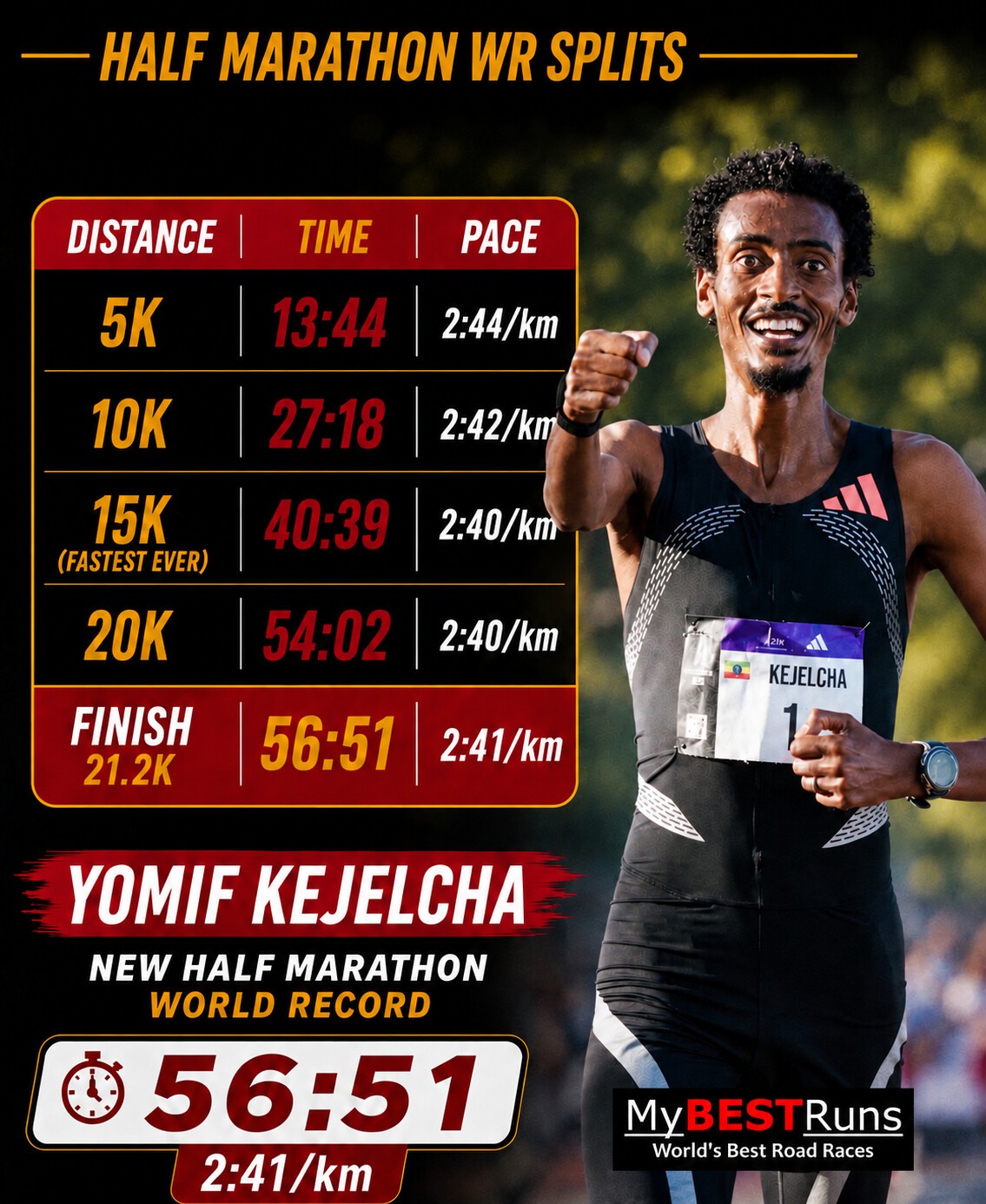
The former world record-holder delivered a breathtaking exhibition of speed and endurance to take 29 seconds off the previous pending mark of 57:20, set by Uganda’s Jacob Kiplimo and takes a huge chunk from his own former official world record. Kejelcha's new performance is pending the standard ratification procedures, but if officially ratified, it will return the world record to the Ethiopian star and mark another remarkable chapter in the evolution of the event.
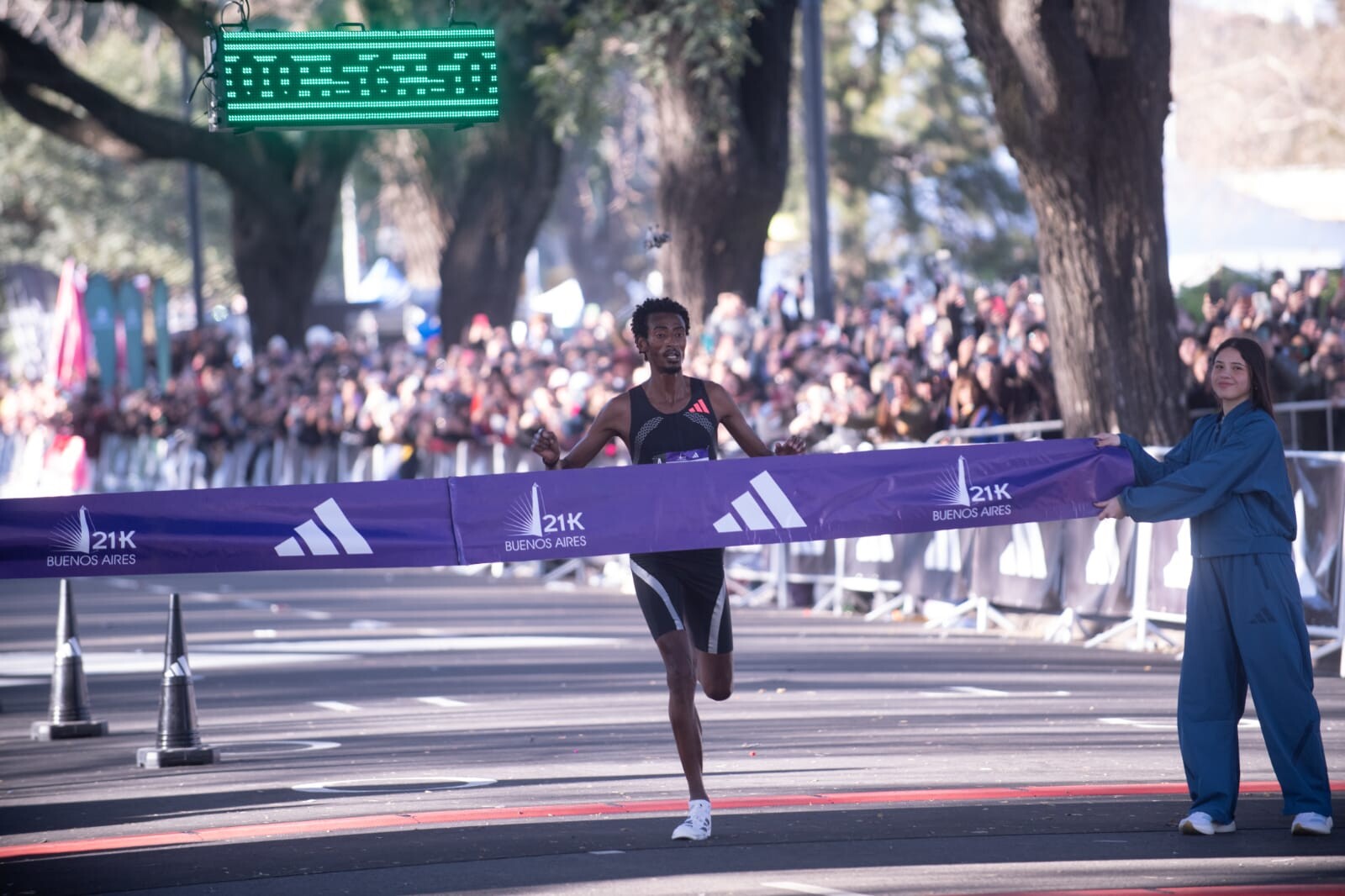
Kejelcha's achievement is particularly significant because the 57-minute barrier had already been broken before. Jacob Kiplimo had previously run under 57 minutes, clocking 56:42 that was not ratified demonstrating that the once-unthinkable barrier was possible. Kejelcha, however, has become the second man to run under 57-minute barrier who now returns to the top of the all-time rankings with another historic performance in Buenos Aires.
The Ethiopian's race was remarkable not only for the final time but also for the way he built his performance. He covered the opening five kilometres in 13:44 before reaching 10km in 27:18. Rather than slowing, Kejelcha accelerated through the middle stages, passing 15km in 40:39 and 20km in 54:02 as he continued to push the limits of elite road racing.
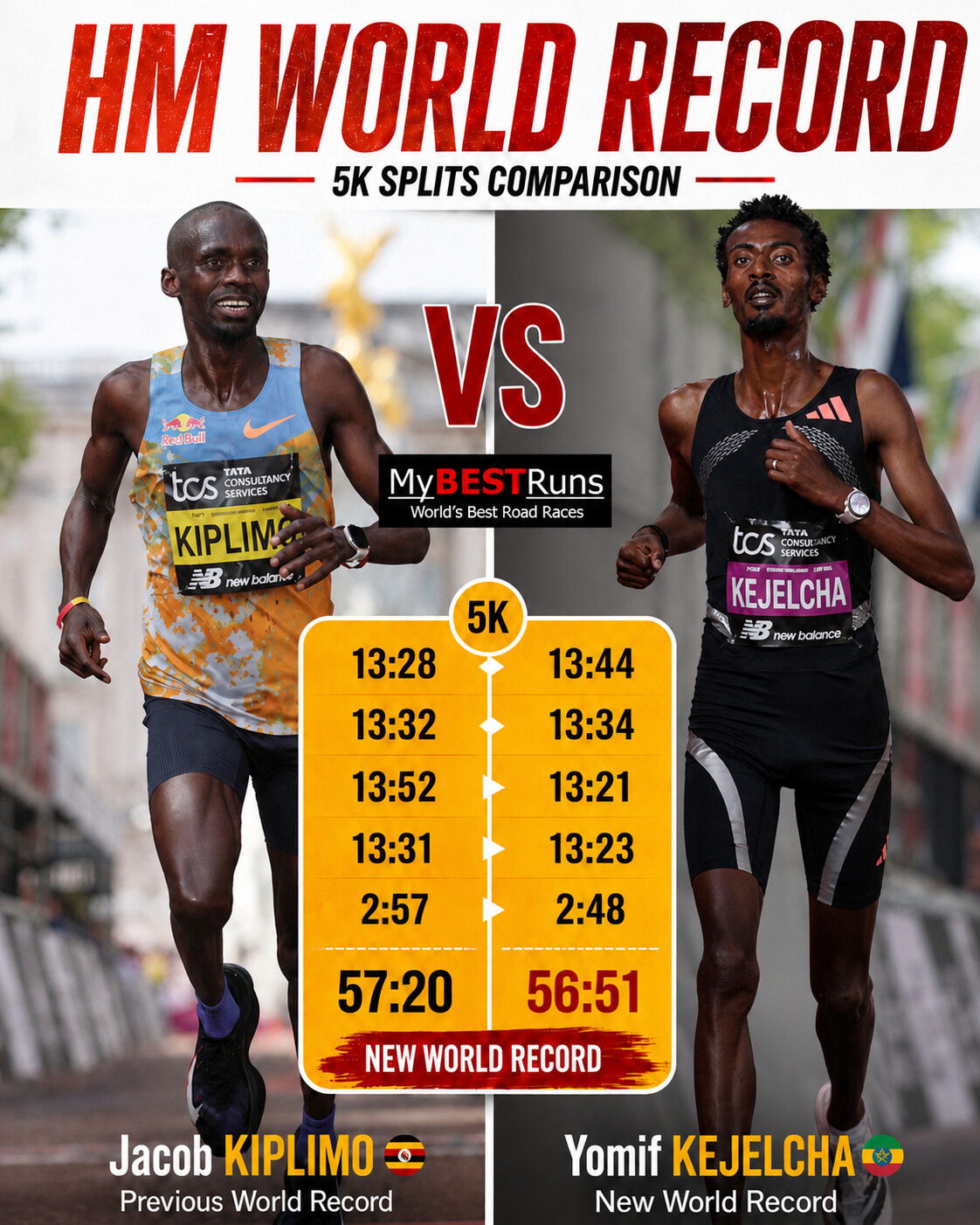
By the time he reached the finish line, Kejelcha had completed the race at an extraordinary average pace of approximately 2:42 per kilometre, producing one of the most astonishing sustained efforts ever witnessed in distance running. His stunning run sent a powerful message to the athletics world and further strengthened his status as one of the most formidable distance runners of his generation.
Behind the record-breaking champion, Ethiopia completed a dominant clean sweep of the men's podium. Tadese Worku Gebresilase claimed second place in 59:18, while Bereket Nega Batebo secured third in 1:00:17, giving Ethiopia a memorable one-two-three finish in the Argentine capital.
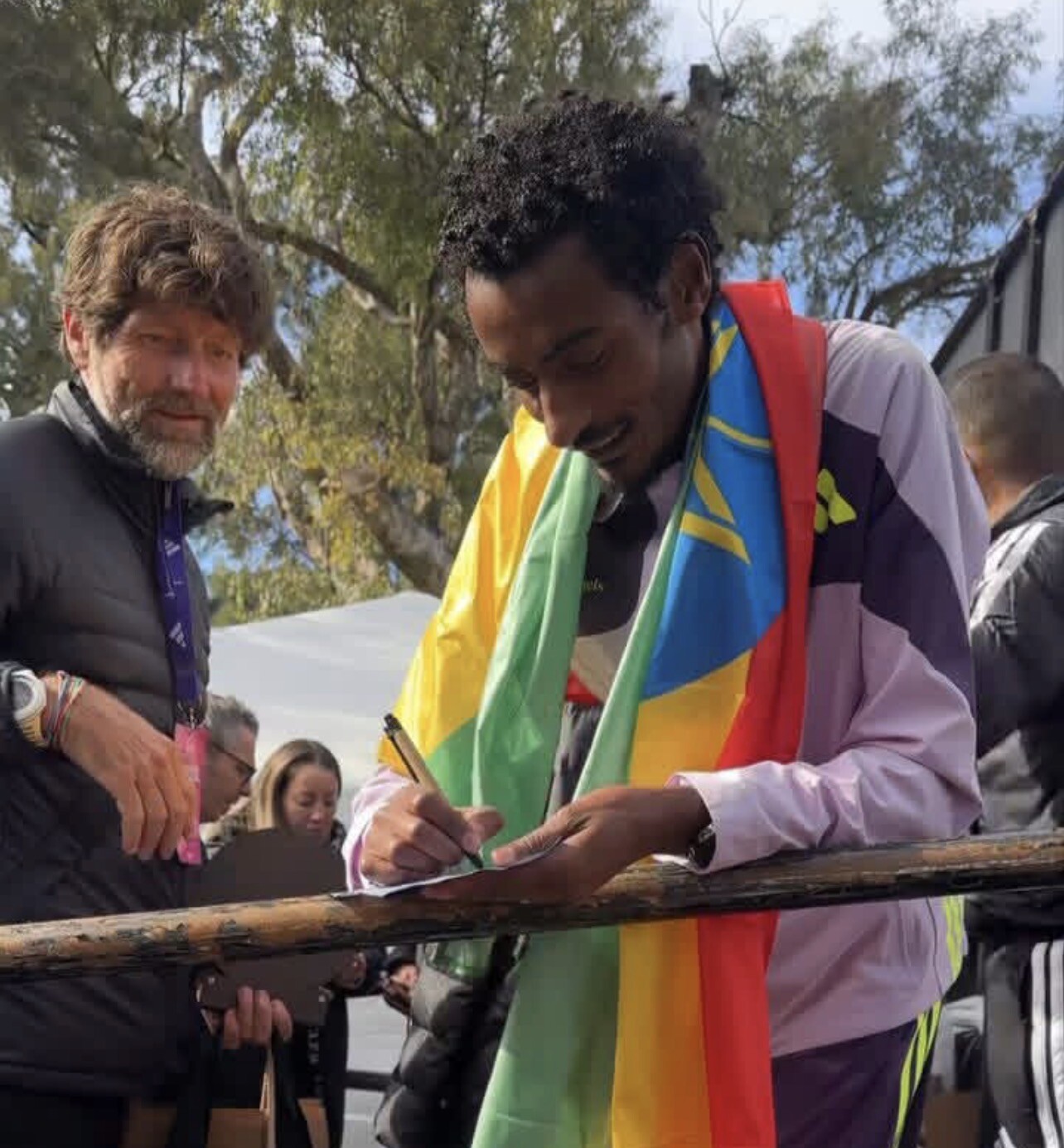
Kenya’s Jonathan Kipkoech Kamosong finished fourth in 1:00:20, followed by compatriot Simon Maywa in fifth with 1:00:55. Argentina’s Ignacio Erario gave the home supporters plenty to celebrate with an impressive sixth-place finish in 1:00:57, breaking the one-hour barrier in front of an enthusiastic local crowd.
Dillon Kipyeko of Kenya finished seventh in 1:01:07, with Robert Kiprop Koech eighth in 1:02:01. Mexico’s Julio Ortiz Ponce took ninth place in 1:03:17, while Colombia’s Jimmy Gómez completed the top 10 in 1:03:34.
The Buenos Aires Half Marathon will now take its place in the history books as the scene of a truly extraordinary breakthrough. For Kejelcha, this was more than just another victory. It was a spectacular return to the top, reclaiming a world record he had previously held and once again rewriting the limits of the half marathon.
The 56:51 performance remains pending ratification, but Yomif Kejelcha's run has already delivered one of the defining moments in the history of road racing.
by Erick Cheruiyot for My Best Runs.
Login to leave a comment


Buenos Aires Half Marathon
The Buenos Aires Half Marathon is one of the most important in Latin America and attracted more than 25,000 runners from all over the world. Dare to run the fastest half marathon in Latin America....
more...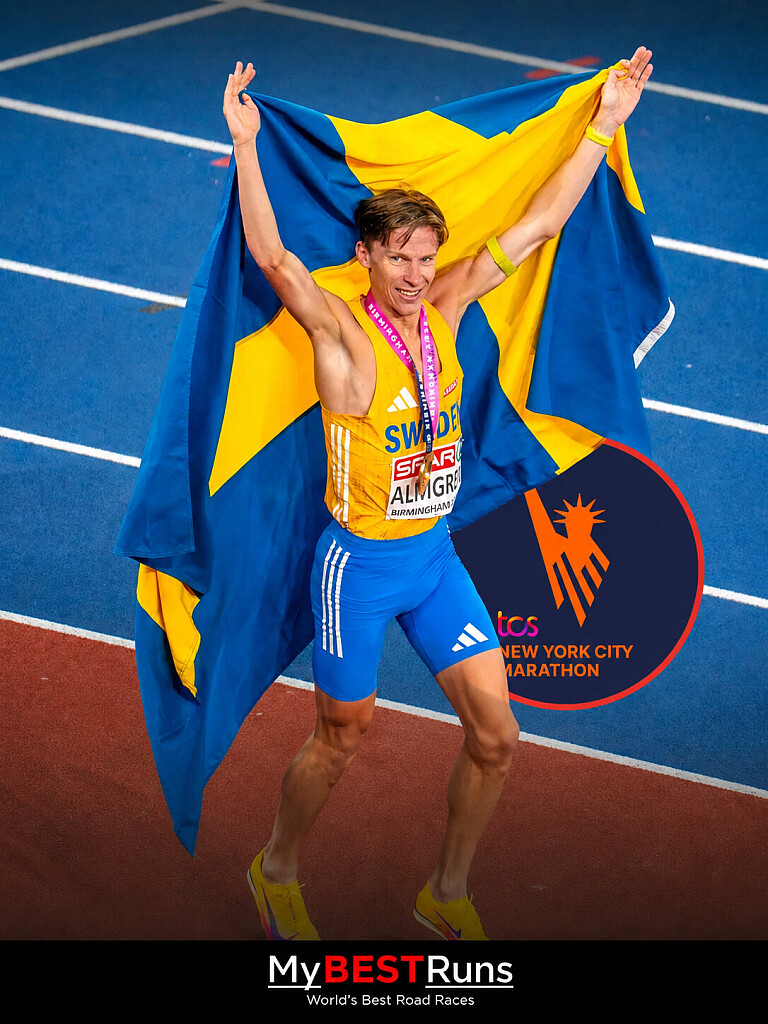
From European Records to 42.195km: Andreas Almgren Takes on New York
Andreas Almgren has spent the past two seasons transforming himself into one of Europe’s most formidable distance runners. Now, the Swedish star is ready to take on an entirely new challenge — the marathon.
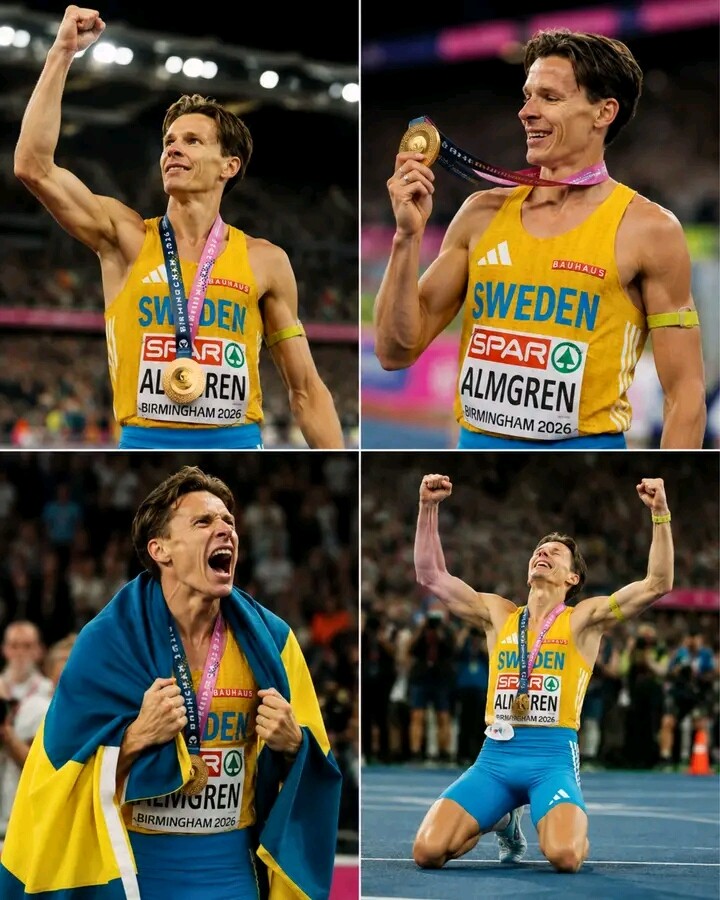
Fresh from a commanding European 10,000m triumph in Birmingham, Almgren has confirmed that he will make his marathon debut at the TCS New York City Marathon on November 1. The decision adds another intriguing chapter to a remarkable rise that has seen him repeatedly rewrite the European record books.
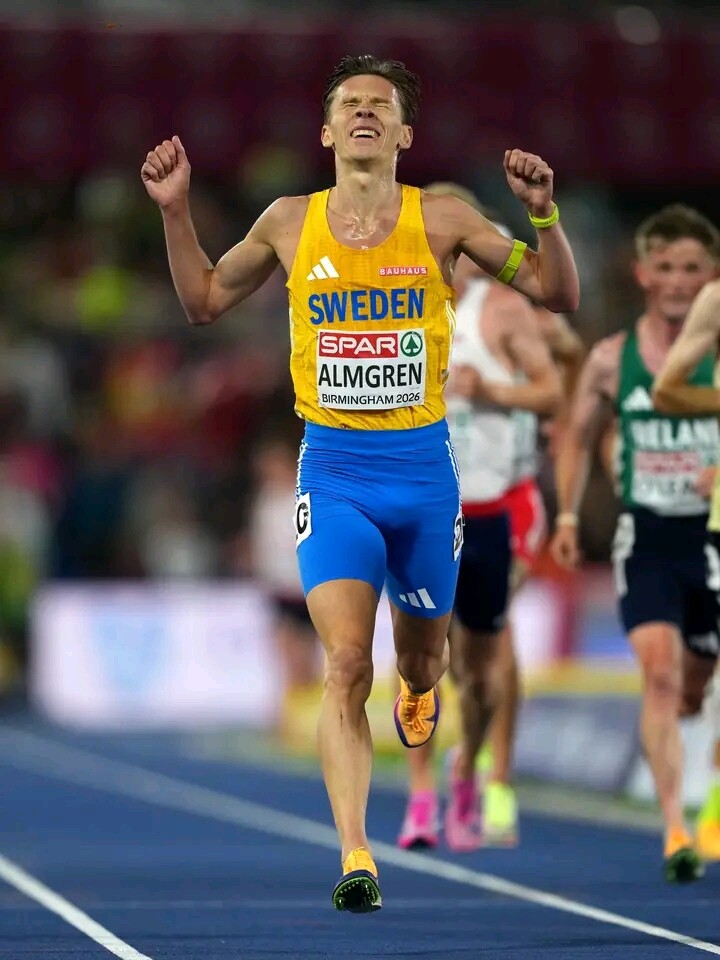
The 31-year-old owns European records of 12:44.27 for 5,000m, 26:45 for 10km on the road and 58:41 for the half marathon — extraordinary marks that underline both his speed and his growing endurance. His 26:45 in Valencia in January 2026 lowered his own European 10km record, while his 58:41 in Valencia last October made him the first European athlete to break the 59-minute barrier for the half marathon.
His latest achievement came in Birmingham, where Almgren produced one of the most dominant performances of the European Championships. He stormed to the 10,000m title in 27:23.44, setting a championship record and adding a major senior title to the World Championships bronze medal he won over the same distance in Tokyo last year.
Yet his choice of New York for his first marathon is what makes the announcement particularly fascinating.
Rather than selecting a traditionally fast, flat course where a debutant can concentrate almost exclusively on the clock, Almgren has chosen one of the most demanding and tactically complex marathons on the calendar. The New York course takes runners through all five boroughs and across five bridges before the finish in Central Park, combining repeated climbs, descents, turns and constantly changing race dynamics.
It is a course that rewards patience, strength and tactical intelligence as much as raw speed. For Almgren, whose career has been built around racing at the highest level rather than simply accumulating fast times, the setting could provide a fascinating test of how his exceptional track and road credentials translate to 42.195 kilometres.
And he will not be entering a quiet debut race. The 2026 field features defending men's champion Benson Kipruto, former champion Geoffrey Kamworor, Dutch star Abdi Nageeye, American contenders Conner Mantz and Zouhair Talbi, as well as several other elite marathoners. Almgren is one of a small group of high-profile athletes making their marathon debuts in New York.
The race will also mark the 50th anniversary of the modern five-borough New York City Marathon course, adding even greater significance to an already prestigious occasion. With Almgren bringing European-record credentials, a fresh continental title and the confidence of a breakthrough period behind him, his first encounter with the marathon promises to be one of the most closely watched stories of the autumn road-racing season.
For a runner who has already conquered the track and rewritten the European road-running record books, New York represents the beginning of another journey.
On November 1, the question will no longer be how fast Andreas Almgren can run 5,000m, 10km or a half marathon.
It will be how far that extraordinary speed and endurance can carry him over 42.195 kilometres through the streets of New York.
by Erick Cheruiyot for My Best Runs.
Login to leave a comment
TCS New York City Marathon
The first New York City Marathon, organized in 1970 by Fred Lebow and Vince Chiappetta, was held entirely in Central Park. Of 127 entrants, only 55 men finished; the sole female entrant dropped out due to illness. Winners were given inexpensive wristwatches and recycled baseball and bowling trophies. The entry fee was $1 and the total event budget...
more...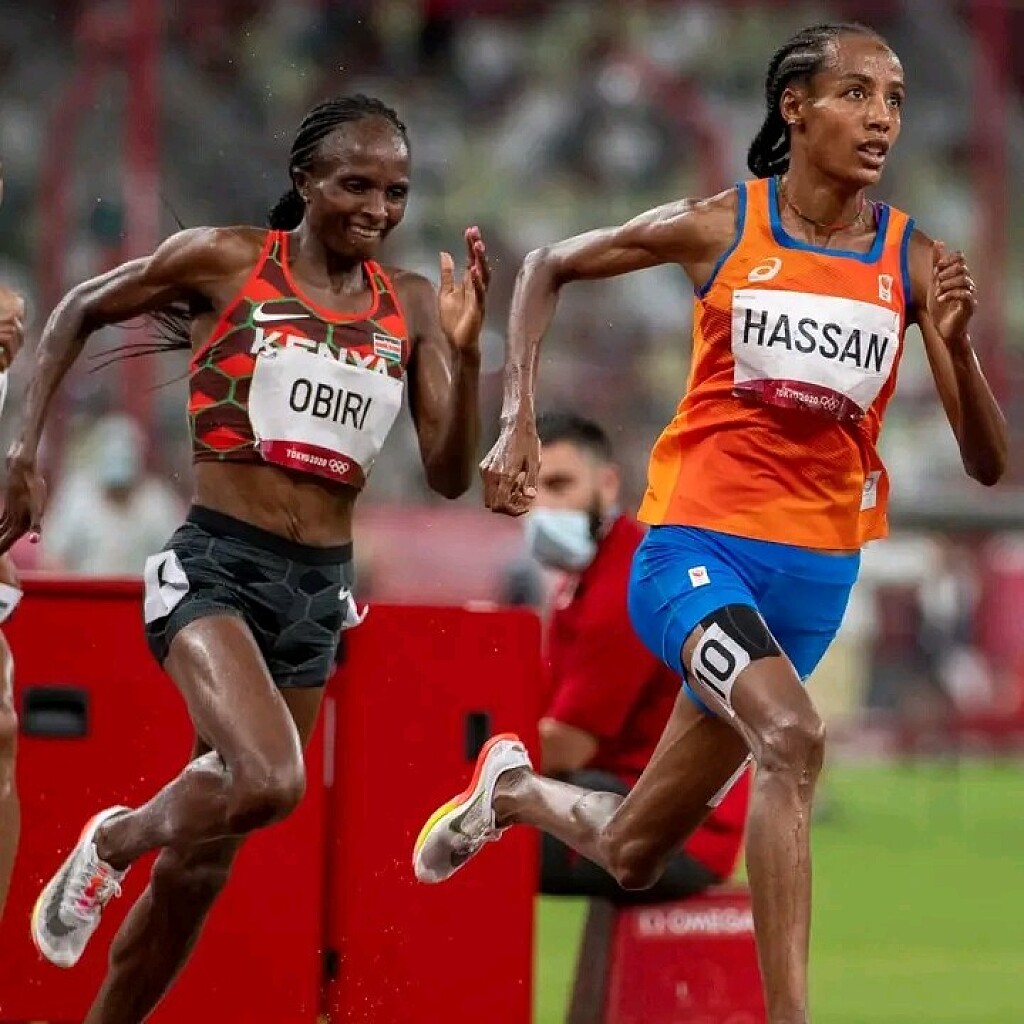
From Track Rivals to Marathon Queens: Sifan Hassan and Hellen Obiri Renew Their New York Rivalry
For more than a decade, Sifan Hassan of the Netherlands and Hellen Obiri of Kenya have been familiar opponents on the biggest stages of distance running. Their rivalry was forged on the track, where Hassan’s extraordinary versatility and finishing speed repeatedly collided with Obiri’s strength, tactical intelligence and championship pedigree.
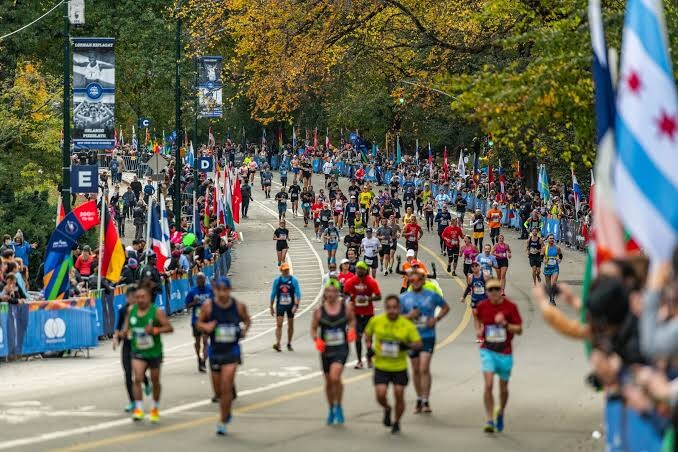
Now, after conquering different chapters of the sport, the two global stars are set to meet again on the streets of New York on November 1, 2026 — with another marathon crown at stake.
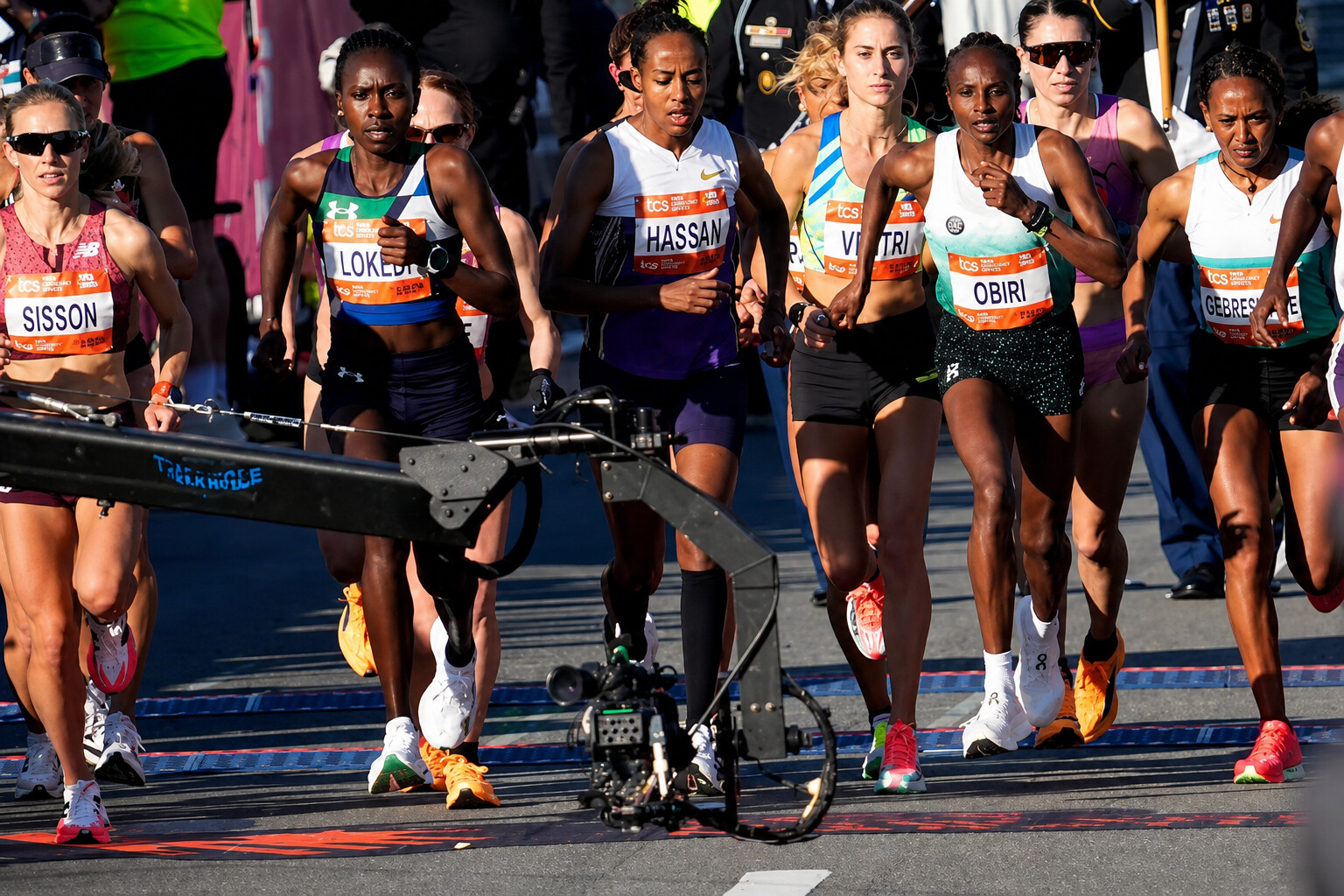
Their most memorable encounters came during the golden years of their track careers. At the Tokyo 2020 Olympics, Hassan defeated Obiri in a thrilling 5000m final, winning gold in 14:36.79 while Obiri took silver in 14:38.36. A year later, the two were again among the leading figures in the 10,000m at the 2022 World Championships in Oregon, where Obiri claimed silver and Hassan finished fourth.
But both athletes eventually turned their attention to the marathon, transforming a track rivalry into a new battle over 42.195 kilometres.
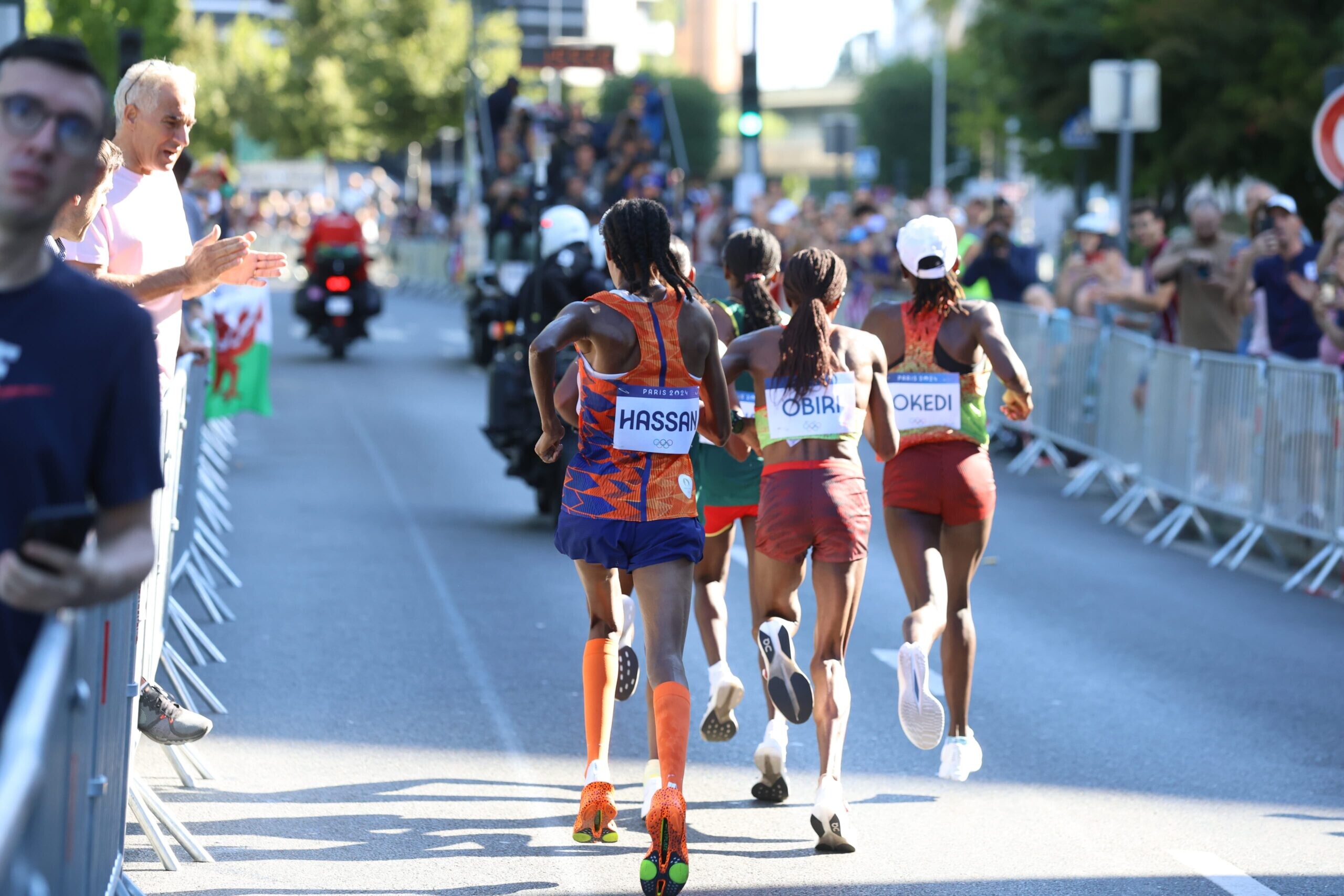
Hassan’s transition was extraordinary. After already establishing herself as one of the most versatile distance runners in history, she conquered the marathon at the Paris 2024 Olympics, winning gold and setting a personal best of 2:13:44 — a mark that remains significantly faster than Obiri’s current personal best.
Obiri, meanwhile, built her own formidable reputation on the roads. The Kenyan became a major force in the World Marathon Majors, winning the New York City Marathon in 2023 before returning to the top of the podium in 2025.
That 2025 New York race added another compelling chapter to the Hassan-Obiri rivalry.
Hassan made her New York debut but finished sixth in 2:24:43, while Obiri produced a commanding performance to win in 2:19:51. Her victory not only secured her second New York title but also shattered Margaret Okayo’s long-standing course record of 2:22:31.
The contrast could hardly be more intriguing heading into 2026.
Hassan owns the faster marathon personal best and the ultimate Olympic marathon prize. Obiri owns two New York titles and knows exactly how to master the famously demanding five-borough course. And the Kenyan has continued to strengthen her marathon credentials, running a personal-best 2:15:53 in London in 2026.
Hassan, meanwhile, returns to New York with unfinished business. After describing her 2025 debut as a physically punishing experience, she is preparing to tackle the course again, bringing the lessons of her first attempt and her vast championship experience with her.
This time, the stakes feel different.
There is history between them. There is unfinished business. And there is the intriguing question of whether Hassan’s superior lifetime speed over the marathon distance can finally translate into victory on the streets where Obiri has already established herself as a two-time queen.
One athlete has Olympic marathon gold and a 2:13:44 personal best.
The other has two New York crowns and a course record that announced her arrival among the marathon elite in emphatic fashion.
When Hassan and Obiri line up together again in New York, it will be more than another World Marathon Major showdown. It will be the latest chapter in a rivalry that began with championship battles on the track and has now evolved into one of the most compelling confrontations in women’s marathon running.
Track rivals. Olympic champions. Marathon queens.
On November 1, New York gets the next chapter.
by Erick Cheruiyot for My Best Runs.
Login to leave a comment
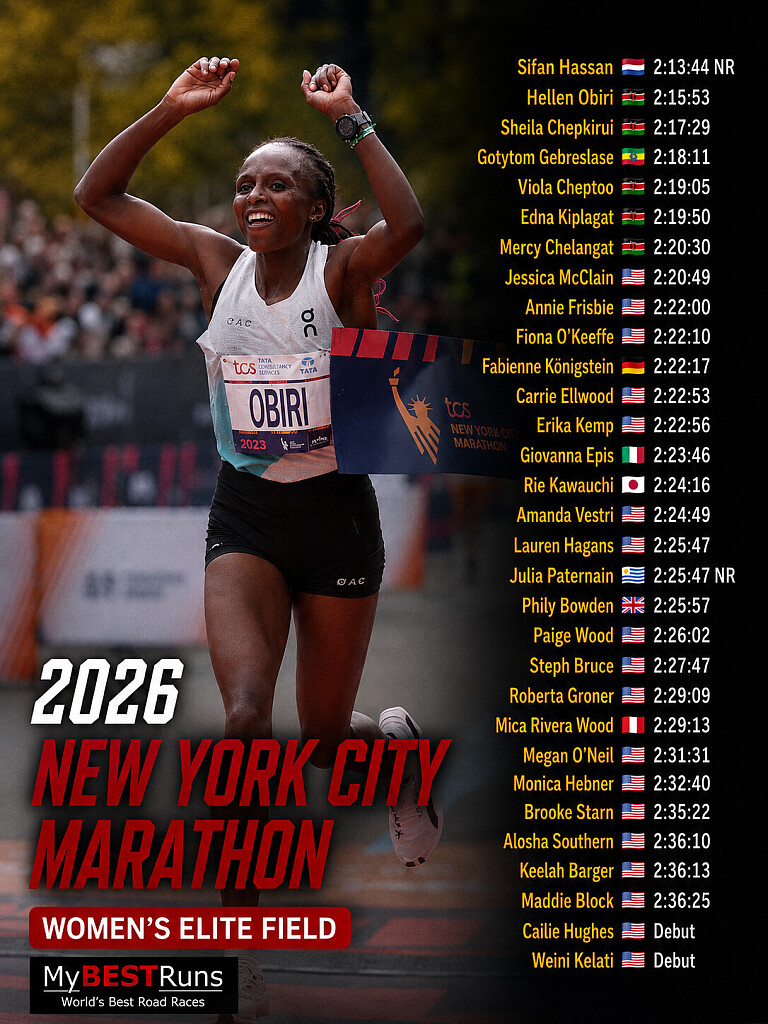
Sifan Hassan and Hellen Obiri Headline Star-Studded 2026 New York City Marathon Field
The 2026 TCS New York City Marathon is shaping up to be one of the most anticipated women’s marathon showdowns of the year, with Olympic champion Sifan Hassan of the Netherlands (2:13:44 NR) and defending champion Hellen Obiri of Kenya (2:15:53) leading a sensational field for November 1.
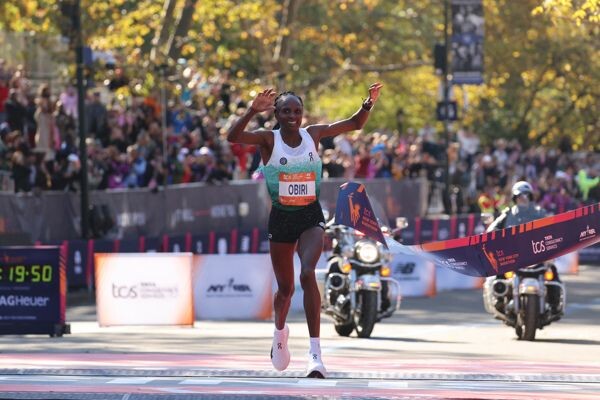
The pair headline a world-class lineup featuring Olympic and world champions, major-marathon winners, national record holders and some of the most exciting marathoners from around the globe.
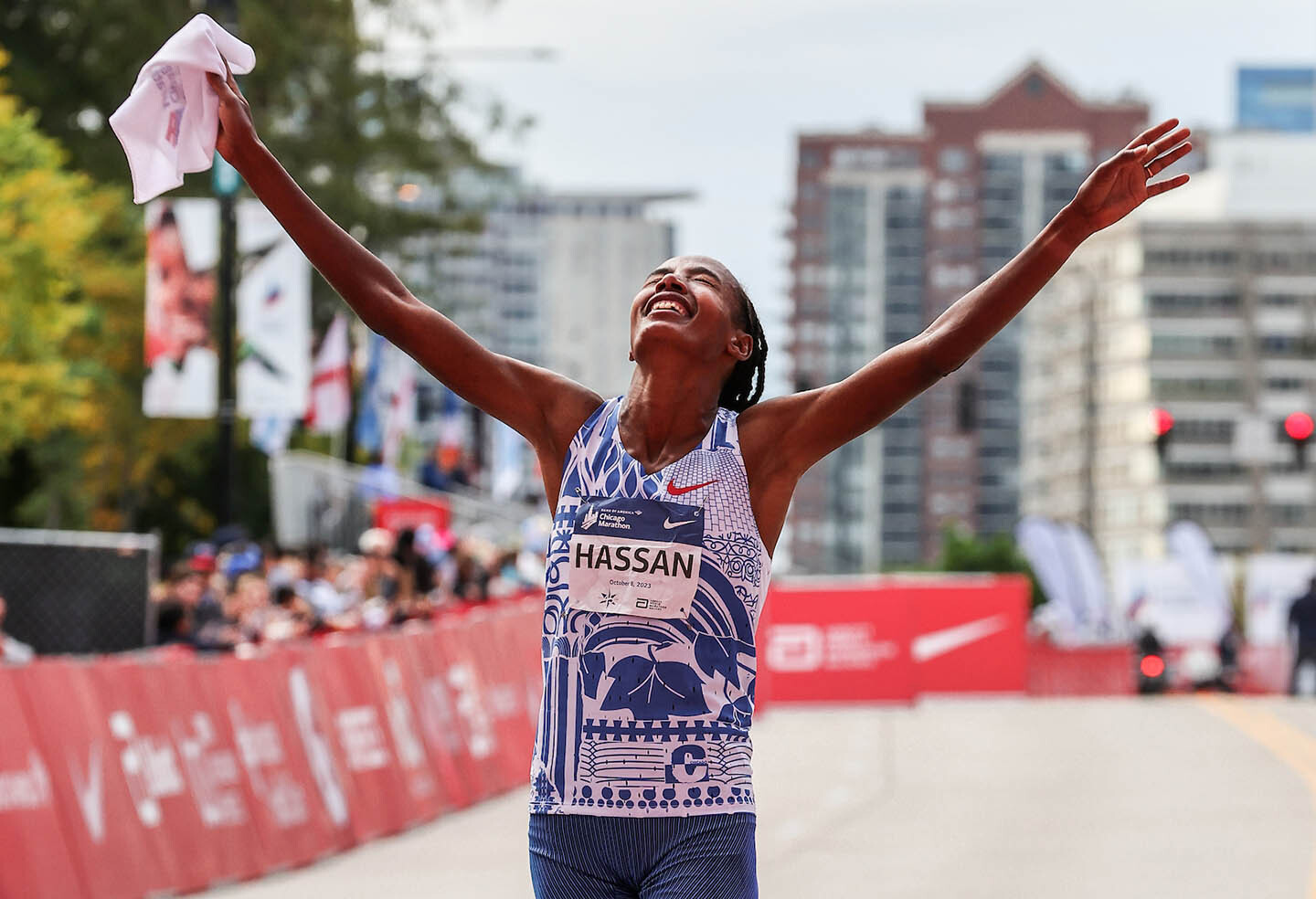
Hassan arrives with the fastest personal best in the field, while Obiri will return to New York seeking to defend the title she won last year in 2:19:51. The Kenyan star has established herself as one of the defining figures of the modern marathon, and another victory in New York would further strengthen her remarkable record over the distance.
“New York always brings out the best in me and I’m excited to return and feel the energy of each borough during such a historic year,” Obiri said.
She will face a formidable Kenyan challenge led by Sheila Chepkirui (2:17:29), Viola Cheptoo (2:19:05), Edna Kiplagat (2:19:50) and Mercy Chelangat (2:20:30). Ethiopia will be represented by former world champion Gotytom Gebreslase (2:18:11), adding even more championship pedigree and experience to an already formidable front pack.
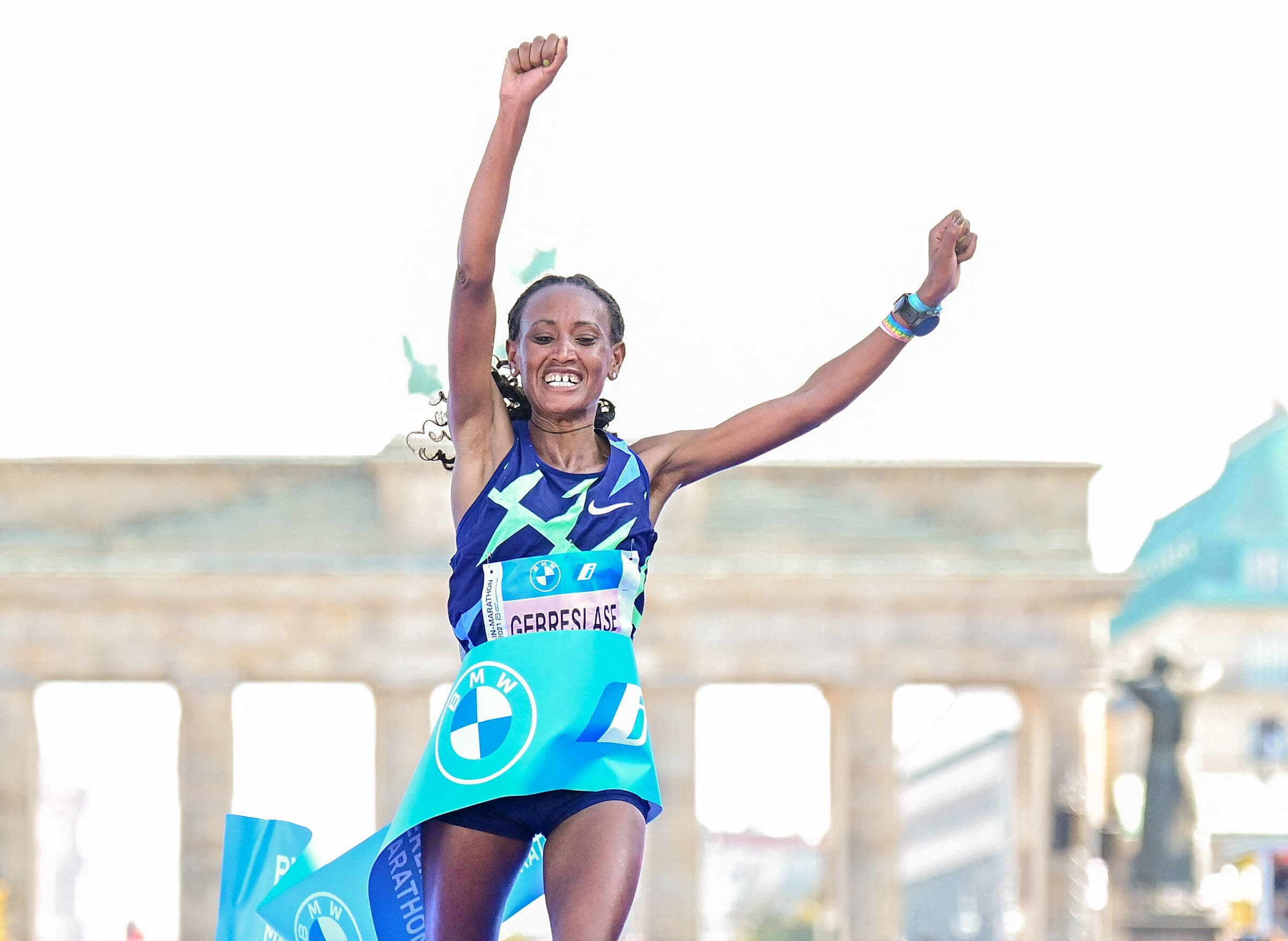
The strength of the field continues with Jessica McClain of the United States (2:20:49), Annie Frisbie of the United States (2:22:00), Fiona O’Keeffe of the United States (2:22:10) and Fabienne Königstein of Germany (2:22:17). They will be joined by fellow American contenders Carrie Ellwood (2:22:53), Erika Kemp (2:22:56), Amanda Vestri (2:24:49) and Lauren Hagans (2:25:47), while Giovanna Epis of Italy (2:23:46) and Rie Kawauchi of Japan (2:24:16) add further international quality.
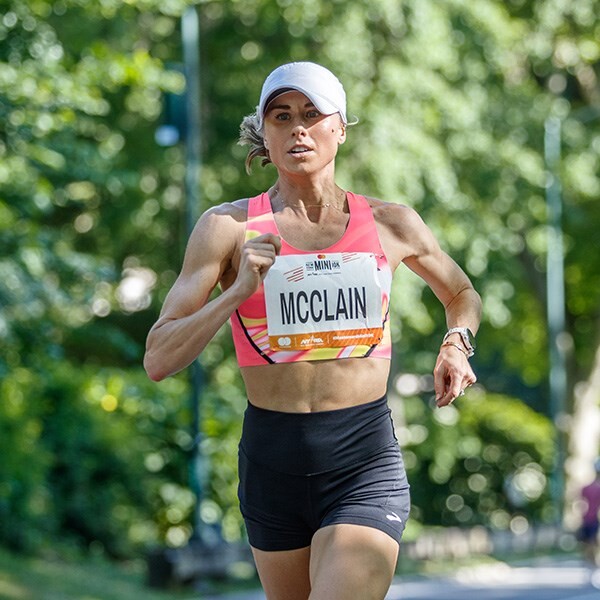
The lineup also features Julia Paternain of Uruguay (2:25:47 NR), Phily Bowden of Great Britain (2:25:57), Paige Wood of the United States (2:26:02) and Steph Bruce of the United States (2:27:47). The experience continues with Roberta Groner of the United States (2:29:09) and Mica Rivera Wood of Peru (2:29:13), while Megan O’Neil (2:31:31), Monica Hebner (2:32:40), Brooke Starn (2:35:22), Alosha Southern (2:36:10), Keetah Barger (2:36:13) and Maddie Block (2:36:25) add considerable depth to the American contingent.
Two particularly intriguing names will also be making their marathon debuts: Cailie Hughes and Weini Kelati of the United States. Kelati enters the new chapter of her career after lowering the American half-marathon record to 1:06:04 in February, giving her a strong foundation as she steps up to the classic 26.2-mile distance for the first time.
Her marathon debut adds another layer of intrigue to an already star-studded race. Kelati’s speed and endurance could make her a dangerous contender if she adapts quickly to the demands of the marathon, while Hughes will also bring the unpredictability that comes with tackling the distance for the first time.
With athletes representing the Netherlands, Kenya, Ethiopia, the United States, Germany, Italy, Japan, Uruguay, Great Britain and Peru, the 2026 women’s field boasts remarkable international depth. The leading contenders bring contrasting strengths, experiences and racing backgrounds, setting the stage for a fascinating battle across New York’s five boroughs before the famous finish in Central Park.
For Hassan, the race represents another opportunity to showcase her extraordinary range and marathon pedigree. For Obiri, it is a chance to defend her New York crown against one of the deepest fields assembled for the race. Behind them, Chepkirui, Gebreslase, Cheptoo, Kiplagat and a host of talented contenders will be waiting to challenge for the podium.
With Olympic pedigree, world championship experience, major-marathon success and two highly anticipated marathon debuts all converging on New York, the stage is set for a compelling battle on November 1.
The question is no longer whether the 2026 TCS New York City Marathon will deliver drama, but who will emerge victorious when the battle reaches Central Park.
Who is your favorite to take the crown in New York?
by Erick Cheruiyot for My Best Runs.
Login to leave a comment
TCS New York City Marathon
The first New York City Marathon, organized in 1970 by Fred Lebow and Vince Chiappetta, was held entirely in Central Park. Of 127 entrants, only 55 men finished; the sole female entrant dropped out due to illness. Winners were given inexpensive wristwatches and recycled baseball and bowling trophies. The entry fee was $1 and the total event budget...
more...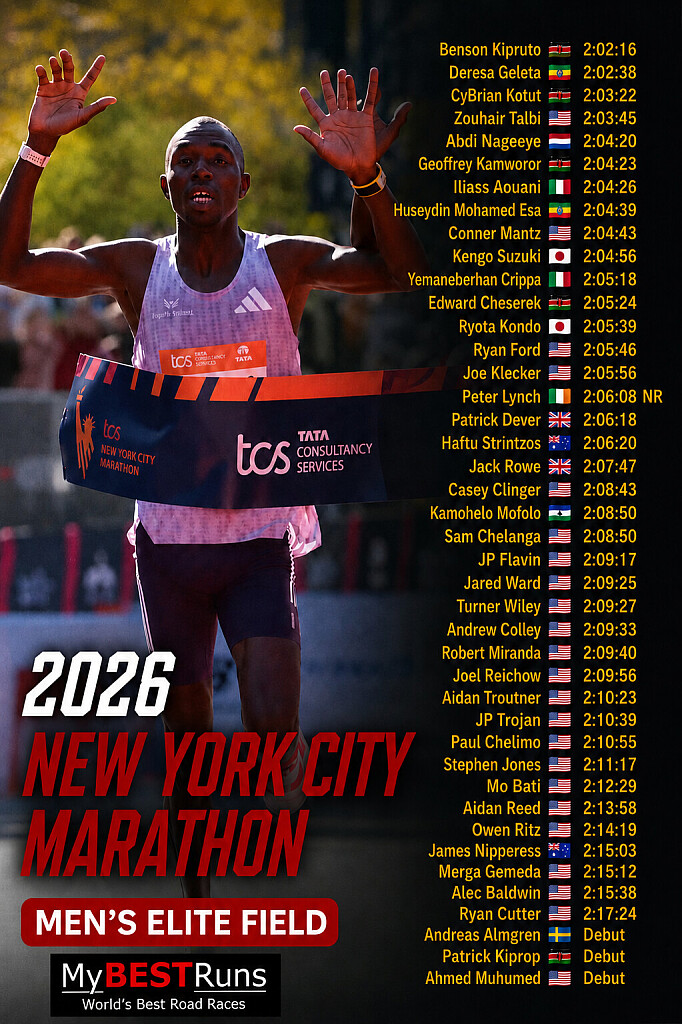
New York Marathon Set For Blockbuster Showdown As America’s Two Fastest Men Collide
The 2026 TCS New York City Marathon is shaping up to be one of the most anticipated editions in recent history, with New York Road Runners unveiling a remarkable men’s professional field that brings together the two fastest American marathoners ever on the same starting line.
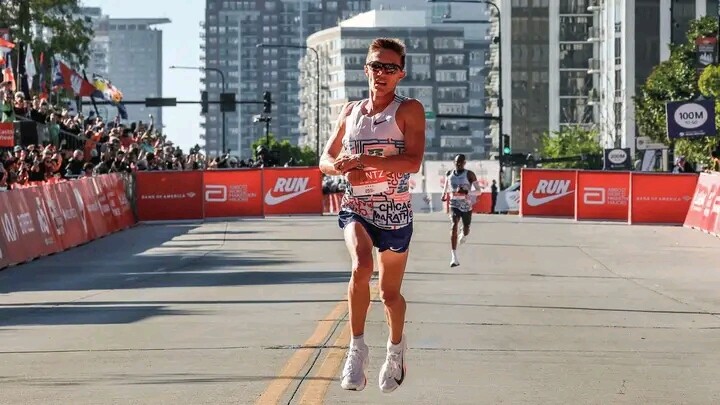
The race, scheduled for November 1, will feature American record-holder Conner Mantz (2:04:43) and Zouhair Talbi (2:03:45), whose performance at the 2026 Boston Marathon is the fastest marathon ever run by an American by clock time. However, because Boston is not a record-eligible course, Talbi’s mark does not replace Mantz’s official American record.
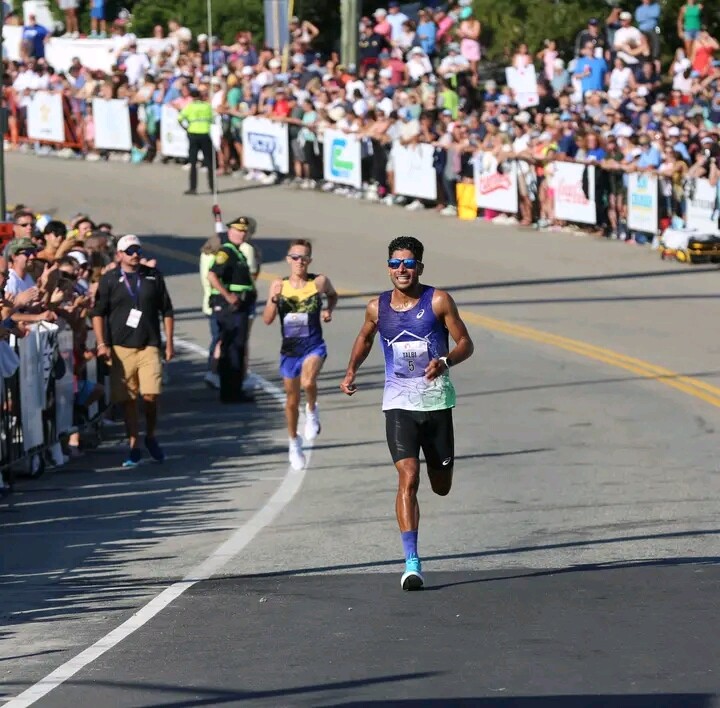
Mantz established the American record with his 2:04:43 fourth-place finish at the 2025 Chicago Marathon, breaking a national record that had stood since 2002. Talbi went even faster in Boston in April, crossing the line fifth in 2:03:45 and adding another extraordinary chapter to the rapid evolution of American marathon running.
That makes New York particularly intriguing. For the first time, the two men who occupy the top two positions on the all-time American marathon performance list will have the opportunity to race each other over a record-eligible course, with the streets of New York providing the stage.
And the American showdown will be only one part of a much bigger battle.
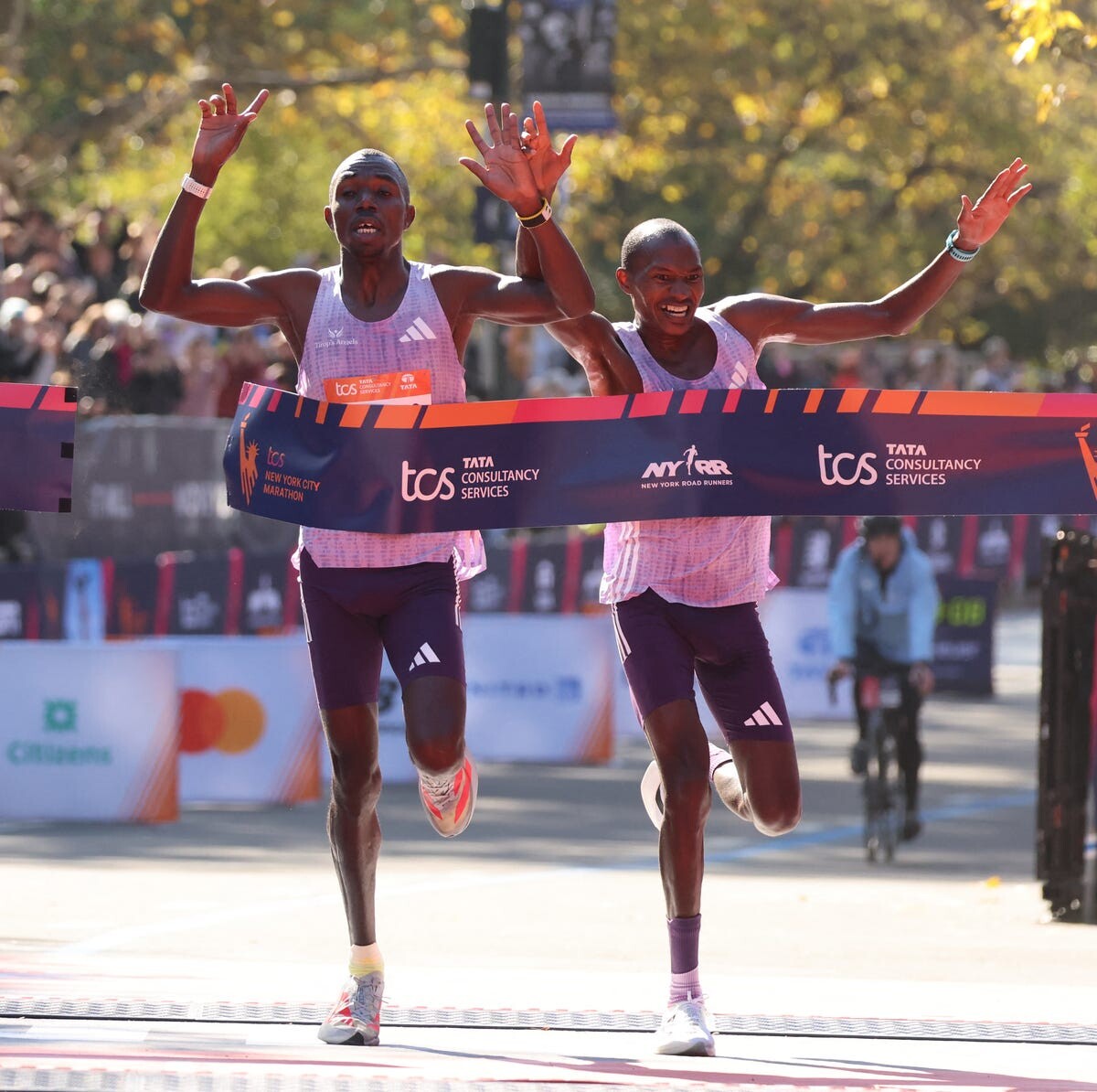
The international challenge is formidable. Defending champion Benson Kipruto (2:02:16) leads the field, followed by Ethiopia’s Deresa Geleta (2:02:38) and Kenya’s CyBrian Kotut (2:03:22). The lineup also includes the Netherlands’ Abdi Nageeye (2:04:20), Kenya’s Geoffrey Kamworor (2:04:23), Italy’s Iliass Aouani (2:04:26) and Ethiopia’s Huseydin Mohamed Esa (2:04:39).
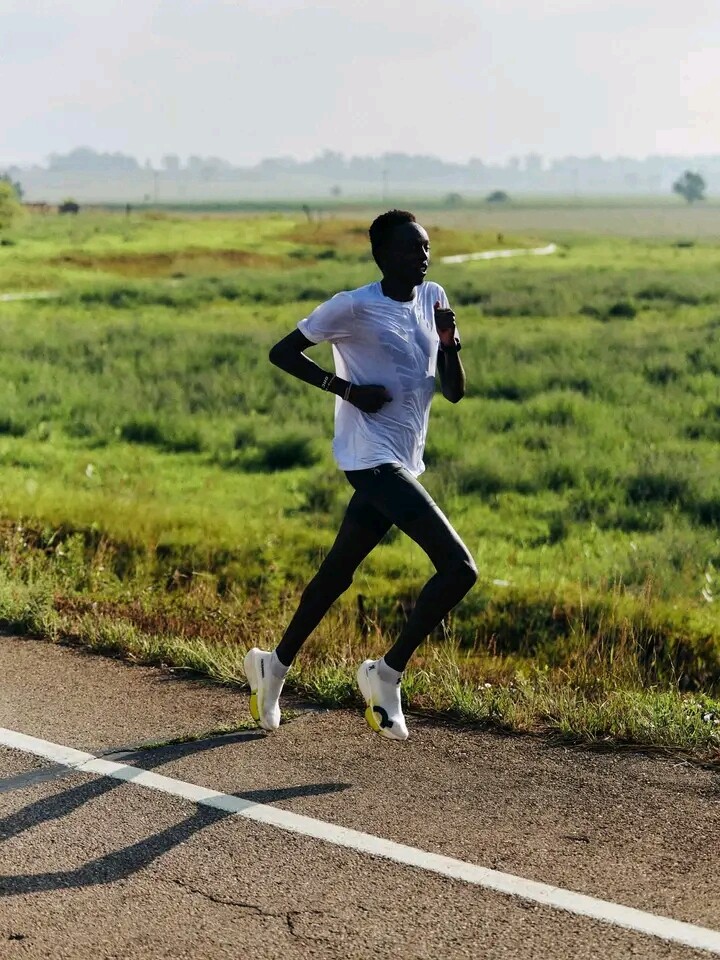
Just behind that group is Japan’s Kengo Suzuki (2:04:56), Italy’s Yemaneberhan Crippa (2:05:18), Kenya’s Edward Cheserek (2:05:24) and Japan’s Ryota Kondo (2:05:39). Ireland’s Peter Lynch (2:06:08), Great Britain’s Patrick Dever (2:06:18), Australia’s Haftu Strintzos (2:06:20) and Britain’s Jack Rowe (2:07:47) further strengthen a field that possesses extraordinary depth.
The American contingent is just as fascinating. Alongside Mantz and Talbi are Ryan Ford (2:05:46), Joe Klecker (2:05:56), Casey Clinger (2:08:43), Sam Chelanga (2:08:50), JP Flavin (2:09:17), Jared Ward (2:09:25), Turner Wiley (2:09:27), Andrew Colley (2:09:33), Robert Miranda (2:09:40) and Joel Reichow (2:09:56).
The depth continues with Aidan Troutner (2:10:23), JP Trojan (2:10:39), Paul Chelimo (2:10:55), Stephen Jones (2:11:17), Mo Bati (2:12:29), Aidan Reed (2:13:58), Owen Ritz (2:14:19), Merga Gemeda (2:15:12), Alec Baldwin (2:15:38) and Ryan Cutter (2:17:24). Australia’s James Nipperess (2:15:03) and Lesotho’s Kamohelo Mofolo (2:08:50) are also on the start list.
Three athletes will make their marathon debuts in New York: Sweden’s Andreas Almgren, Kenya’s Patrick Kiprop and American Ahmed Muhumed. Almgren, in particular, brings tremendous track credentials into his first attempt at 26.2 miles after winning the European 10,000m title in Birmingham in a championship-record 27:23.44.
The numbers tell the story of just how deep this field is. Ten men have personal bests faster than the existing New York City Marathon course record of 2:04:58, set by Tamirat Tola in 2023. Remarkably, Tola himself is not entered, nor is Alexander Mutiso, who finished runner-up to Kipruto in last year’s dramatic race.
For Mantz and Talbi, however, the stakes extend beyond the American record books. No American man has won the New York City Marathon since Meb Keflezighi in 2009, meaning the American contingent will arrive carrying a 17-year wait for another homegrown champion. Mantz and Talbi will have to overcome a formidable international field if either is to end that drought.
New York’s course will add another layer of difficulty. The bridges, sharp turns, rolling sections and notoriously demanding final miles toward Central Park have humbled some of the world’s fastest marathoners. Raw personal-best times will matter, but so will patience, positioning, tactical intelligence and the ability to produce a decisive move when the race reaches its most unforgiving stages.
With the official American record-holder, the fastest American by clock time, a defending champion, multiple 2:04 marathoners and a host of world-class contenders all converging on the Big Apple, the 2026 New York City Marathon has the ingredients of a classic.
On November 1, the streets of New York could become the setting for another extraordinary chapter in marathon history.
by Erick Cheruiyot for My Best Runs.
Login to leave a comment
TCS New York City Marathon
The first New York City Marathon, organized in 1970 by Fred Lebow and Vince Chiappetta, was held entirely in Central Park. Of 127 entrants, only 55 men finished; the sole female entrant dropped out due to illness. Winners were given inexpensive wristwatches and recycled baseball and bowling trophies. The entry fee was $1 and the total event budget...
more...
About 5,000 Runners Turn San Diego Into A Sea Of Energy At The 49th America’s Finest City Half Marathon
San Diego came alive on Sunday, August 16, 2026, as approximately 5,000 runners from across the region and beyond took to the streets for the 49th annual America’s Finest City Half Marathon & 5K, bringing together competitive athletes, recreational runners, families, running clubs and spectators for one of the city’s longest-running road racing traditions.
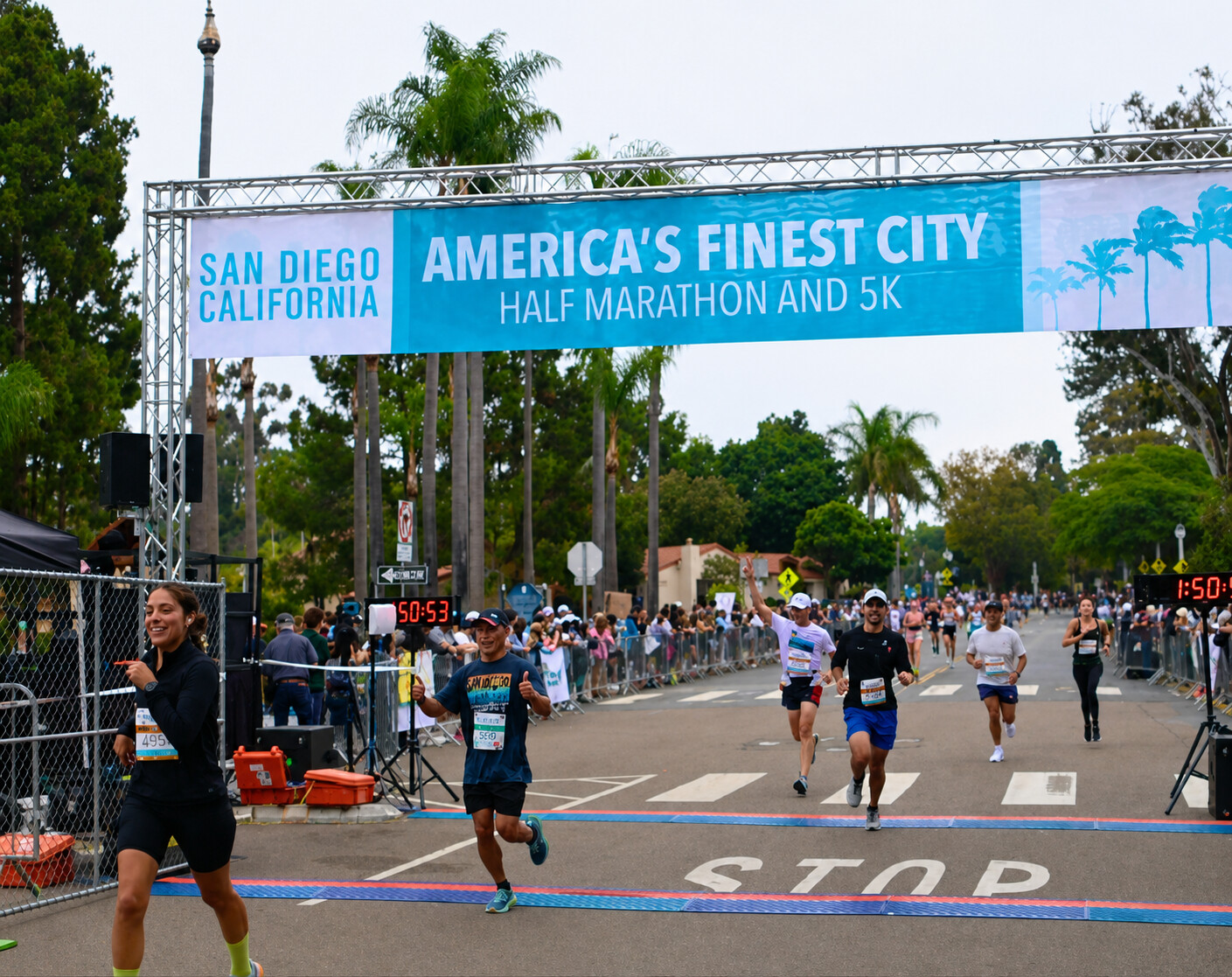
Established in 1978, the America’s Finest City Half Marathon has become a signature event on San Diego’s running calendar, with the 2026 edition once again showcasing the city’s spectacular coastline, historic landmarks and vibrant urban landscape. The event also featured a 5K, giving runners of different abilities an opportunity to take part in the morning’s festivities.
The 13.1-mile half marathon followed a scenic point-to-point course that began at the historic Cabrillo National Monument. With panoramic views of the Pacific Ocean and San Diego Bay setting the tone, runners embarked on a journey through some of San Diego’s most recognizable locations.
From the starting point, the course moved through historic Fort Rosecrans and Point Loma before continuing along San Diego Bay and Harbor Island. Participants then travelled through downtown San Diego before making their way to the finish at iconic Balboa Park, where cheering spectators, live music and celebrations greeted runners as they completed their journey.
At the front of the race, Edward Buck produced the fastest performance of the day, winning the men’s half marathon in 1:04:39. The 25-year-old from Newark, United Kingdom, held off a closely packed group at the finish, with San Diego’s Lars Dewall finishing just five seconds behind in 1:04:44.
Jaquavious, 29, from Orem, Utah, secured third place in 1:05:04, while Phoenix’s Aron Orar finished fourth in 1:05:19. The first four men were separated by just 40 seconds, underlining the competitive nature of the race.
Morgan Jensen claimed the women’s title in 1:13:12, with the 24-year-old from Sandy, Utah, producing a commanding performance over the 13.1-mile course. Melissa Berry, 26, of Flagstaff, Arizona, finished second in 1:16:26, while Katelyn Yunker, 24, of Carlsbad, California, completed the women’s podium in 1:18:41.
Hope Stark, 22, of Colorado Springs, Colorado, followed in fourth with 1:19:23. Jensen’s winning margin was 3 minutes and 14 seconds, while only 42 seconds separated Yunker and Stark in the battle for third and fourth.
The accompanying 5K offered a shorter, fast and flat route through the heart of Balboa Park, providing an accessible option for runners of all levels while adding to the lively atmosphere surrounding the main event.
The 49th edition also carried special significance as it marked the conclusion of the 2026 SoCal Triple Crown, giving participants an additional reason to celebrate after completing the Southern California race series.
With thousands of runners filling San Diego’s streets and spectators supporting them along the way, the America’s Finest City Half Marathon & 5K once again proved that the appeal of road racing extends far beyond competition. From the breathtaking views at Cabrillo National Monument to the historic streets of Point Loma, the waterfront, downtown and the finish in Balboa Park, the event offered runners a memorable journey through the heart of San Diego.
The 2026 edition ultimately brought together speed, scenery and community, reinforcing the America’s Finest City Half Marathon’s place as one of San Diego’s most distinctive and enduring running celebrations.
by Erick Cheruiyot for My Best Runs.
Login to leave a comment

America's Finest City
America's Finest City Half Marathon is run on a fast, scenic, point-to-point course. The race starts at the historic Cabrillo National Monument at the tip of Point Loma with its world-renowned vistas of San Diego Bay and the Pacific Ocean, follows scenic San Diego Bay and Harbor Island along the Embarcadero to the Star of India, winds through downtown San...
more...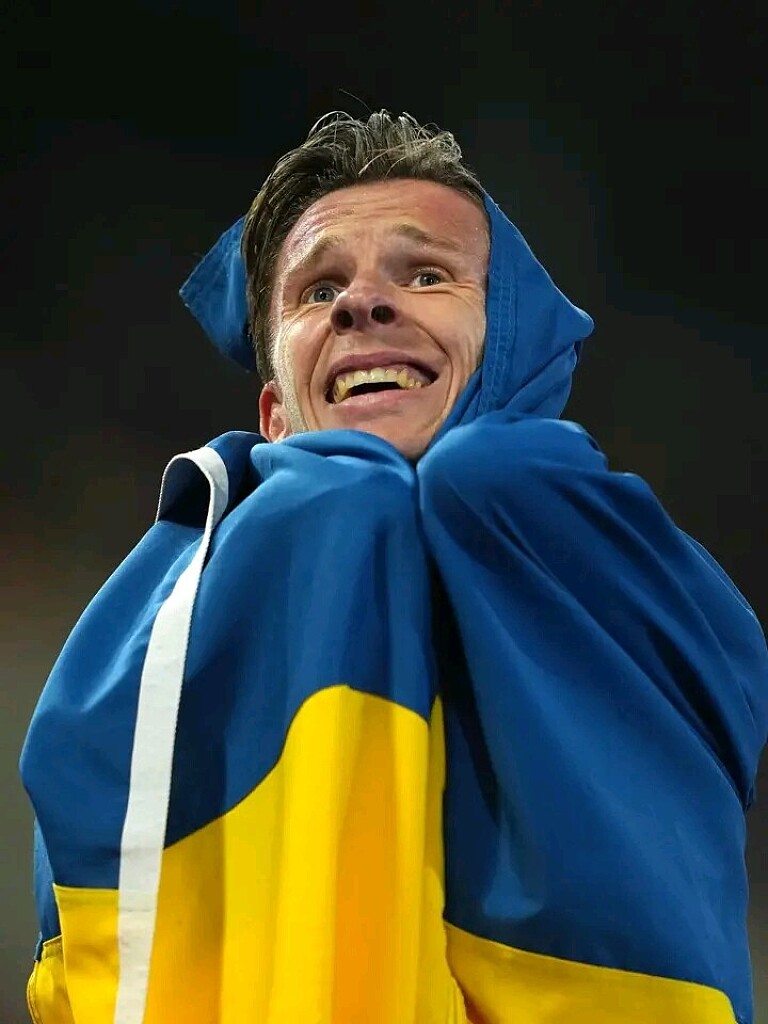
Andreas Almgren Dominates European 10,000m Final with Championship Record
Sweden’s Andreas Almgren produced a breathtaking performance in the European 10,000m final, powering to the continental title in a championship-record 27:23.44.
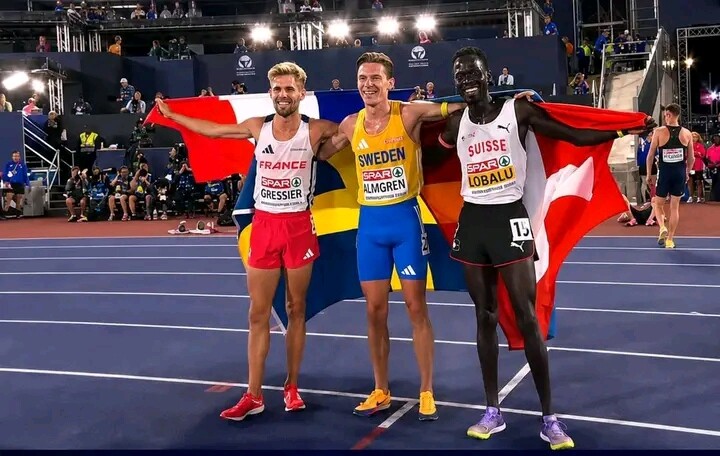
After making a strong impression on the roads earlier this season, Almgren transferred that form to the track with a display of sustained speed, patience and control. The Swede gradually established a decisive advantage before breaking clear in the closing stages, turning the race into a one-sided contest.
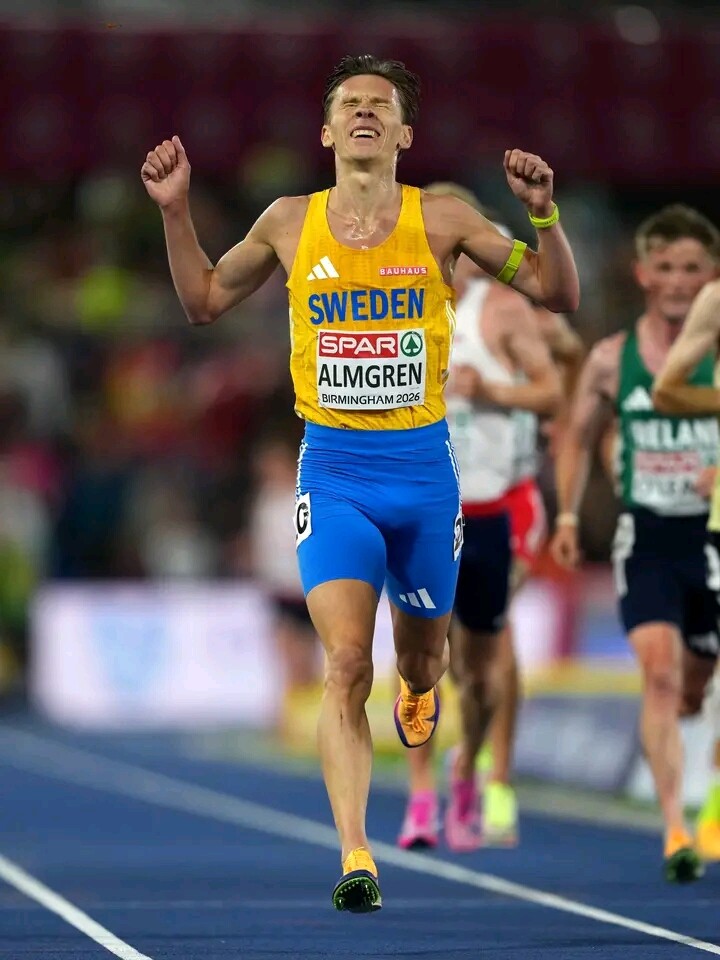
Almgren crossed the finish line almost 20 seconds ahead of his nearest challenger, underlining the scale of his superiority. His winning time of 27:23.44 also erased the oldest championship record in the event, surpassing the mark that had stood since 1978.
The victory carried additional historical significance for Swedish athletics. It was Almgren’s first European Championship title and made him the first Swedish athlete to win the European 10,000m crown.
Dominic Lokinyomo Lobalu produced a strong performance to secure the silver medal in 27:42.67, finishing well clear of the rest of the field as Almgren raced alone at the front.
Jimmy Gressier also secured a place on the European 10,000m podium after a hard-fought battle with Italy’s Yemaneberhan Crippa. The French world champion maintained his composure through the closing stages to claim bronze in 28:07.90, adding another major championship medal to his growing collection. His determined performance ensured France had a presence on the podium as Almgren and Lobalu dominated the race for gold and silver.
For Almgren, the triumph represents another major milestone in an increasingly impressive season. Having already demonstrated his ability over longer distances on the roads, he has now confirmed that his strength and endurance translate just as effectively to championship racing on the track.
His 27:23.44 will now stand as one of the defining performances of the Birmingham championships, combining a historic championship record with a landmark first European title for both Almgren and Sweden.
by Erick Cheruiyot for My Best Runs.
Login to leave a comment

European Athletics Champioships
The27thEuropean Athletics Championshipswill be held from 10 to 16 August 2026 at theAlexander StadiuminBirmingham, United Kingdom.[1] This is the first time that a British city will have staged the European Athletics Championships although Birmingham has hosted many high-profile events, including the2007 European Athletics Indoor Championships, the2003and2018 IAAF World Indoor Championshipsand the2022 Commonwealth Games. Alexander Stadium was renovated between 2019 and...
more...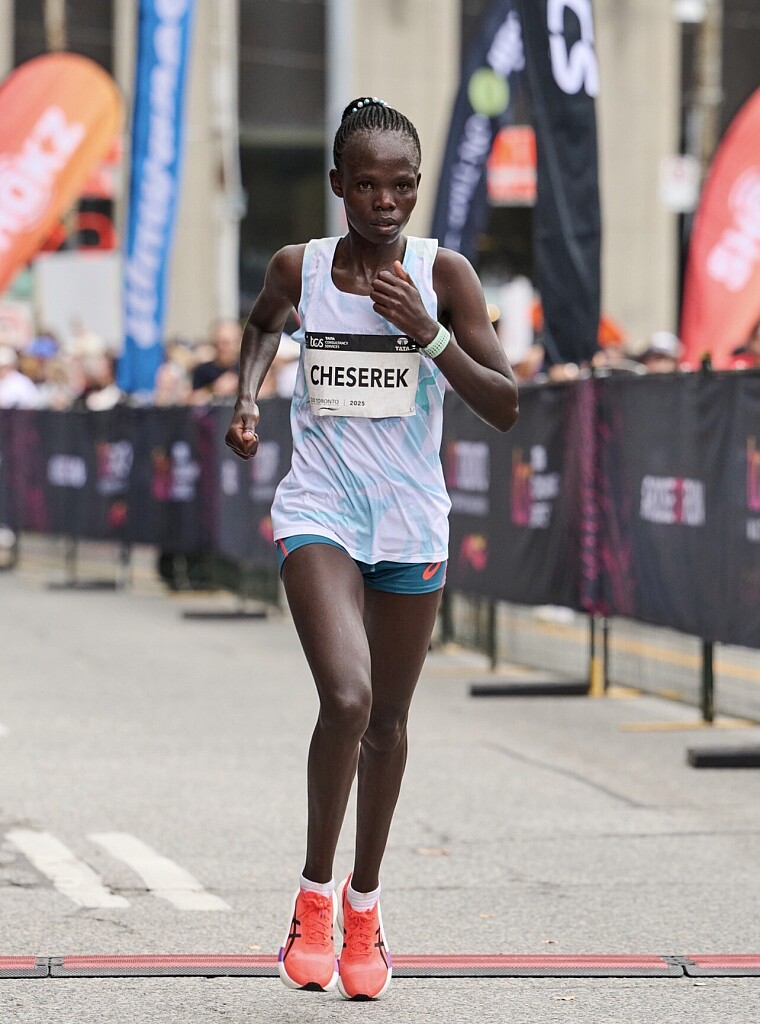
Kenya’s Beatrice Cheserek Returns to TCS Toronto Waterfront Marathon
A year after choosing the TCS Toronto Waterfront Marathon to make her debut at the 42.2km distance Kenya’s Beatrice Cheserek will return to the 2026 edition of the race October 18 with great ambition.
The now 27-year-old could manage just 5th place in 2:30:25 last year. Four months later she finished second in the Seville Marathon (February 15) with a time of 2:21:56. There is a simple explanation for such a dramatic improvement.
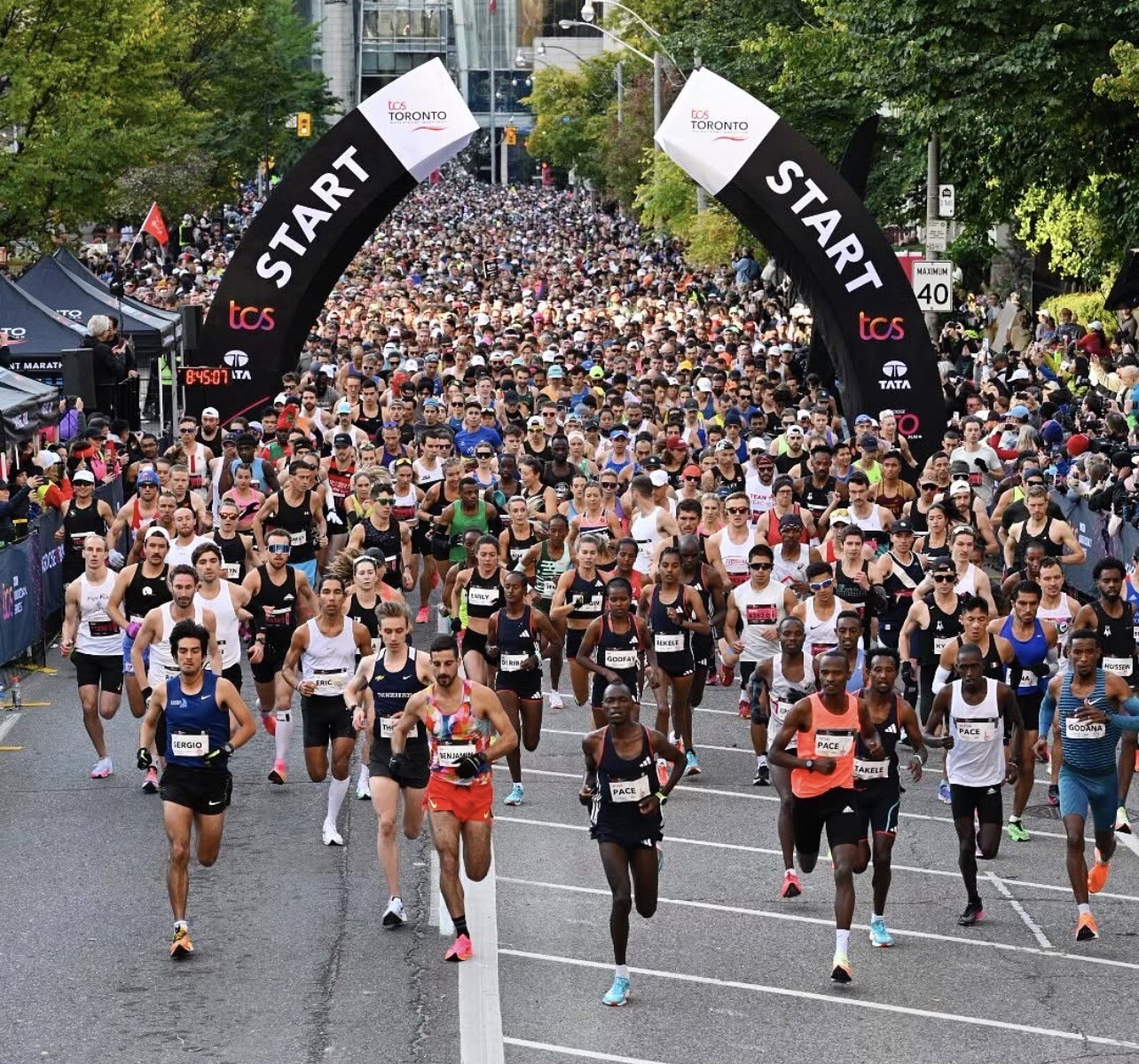
“This year my training is stronger than last year because then (2025) I was coming from maternity,” she explains from her hotel room in Bogota, Colombia where she had finished 4th in the Bogota Half Marathon a few days earlier.
“So it’s more training than last year. I have done a lot of mileage. This time around a lot of mileage, speed work and strength so now I can run better.”
Cheserek’s husband Cyrus Kiplagat is her main training partnerand she is now running up to 150 kilometres a week in preparation for TCS Toronto Waterfront Marathon, which is a World Athletics Elite Label race.
In 2024 the couple welcomed a son into the world. They named him Fabian and she proudly announces: “He is doing good. He is almost three years old now.” While she is away training and competing her sister-in-law serves as a nanny.
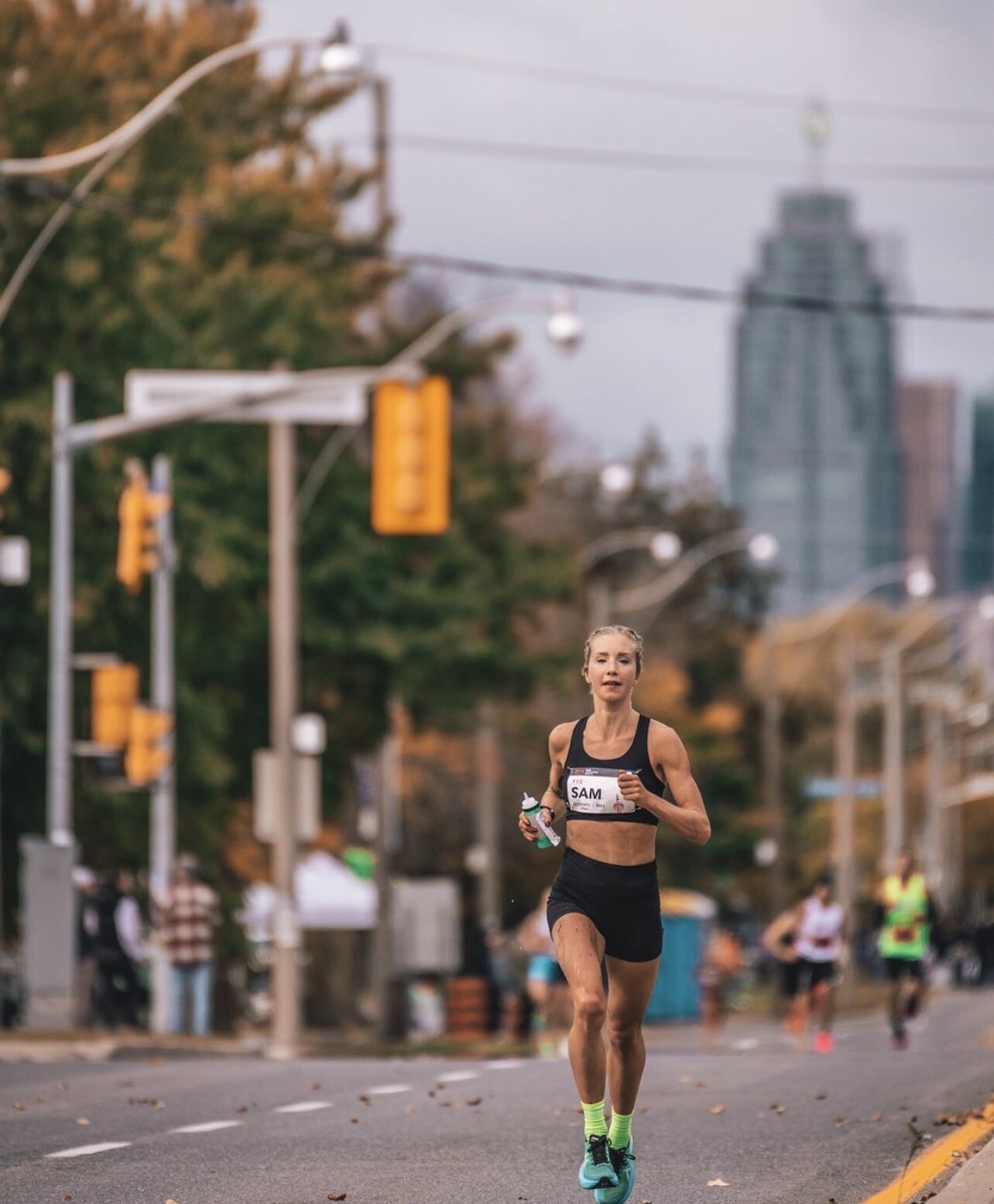
"Toronto last year, it’s a good place but it was my first time running a marathon,” she recalls. “I was doubting myself because it was my debut. I was doubting whether I could finish or if I would drop out. Then afterwards I raced Seville and I was happy there. I am thinking I will do something there in Toronto.”
‘Something' refers to a new personal best and, if conditions are suitable there could be an assault on the Toronto WaterfrontMarathon course record which was set in 2024 by Ethiopia’s Waganesh Mekasha (2:20:44). And she will not be alone in her quest. While the team at Canada Running Series always hires pacemakers for the elite athletes this time Cyrus will accompany her to Toronto to be one of the two pacers for the lead women’s group.
Cheserek has an excellent personal best of 1:06:48 for the half marathon which led to speculation among running experts that her step up to the full marathon distance would be noteworthy. And her talent led to her being selected as the designated pacemaker for fellow Kenyan Rosemary Wanjiru when she won the 2023 Tokyo Marathon. She performed similar duties for the 2025 London Marathon elite women’s field. Having Cyrus in Toronto she expects will help tremendously.
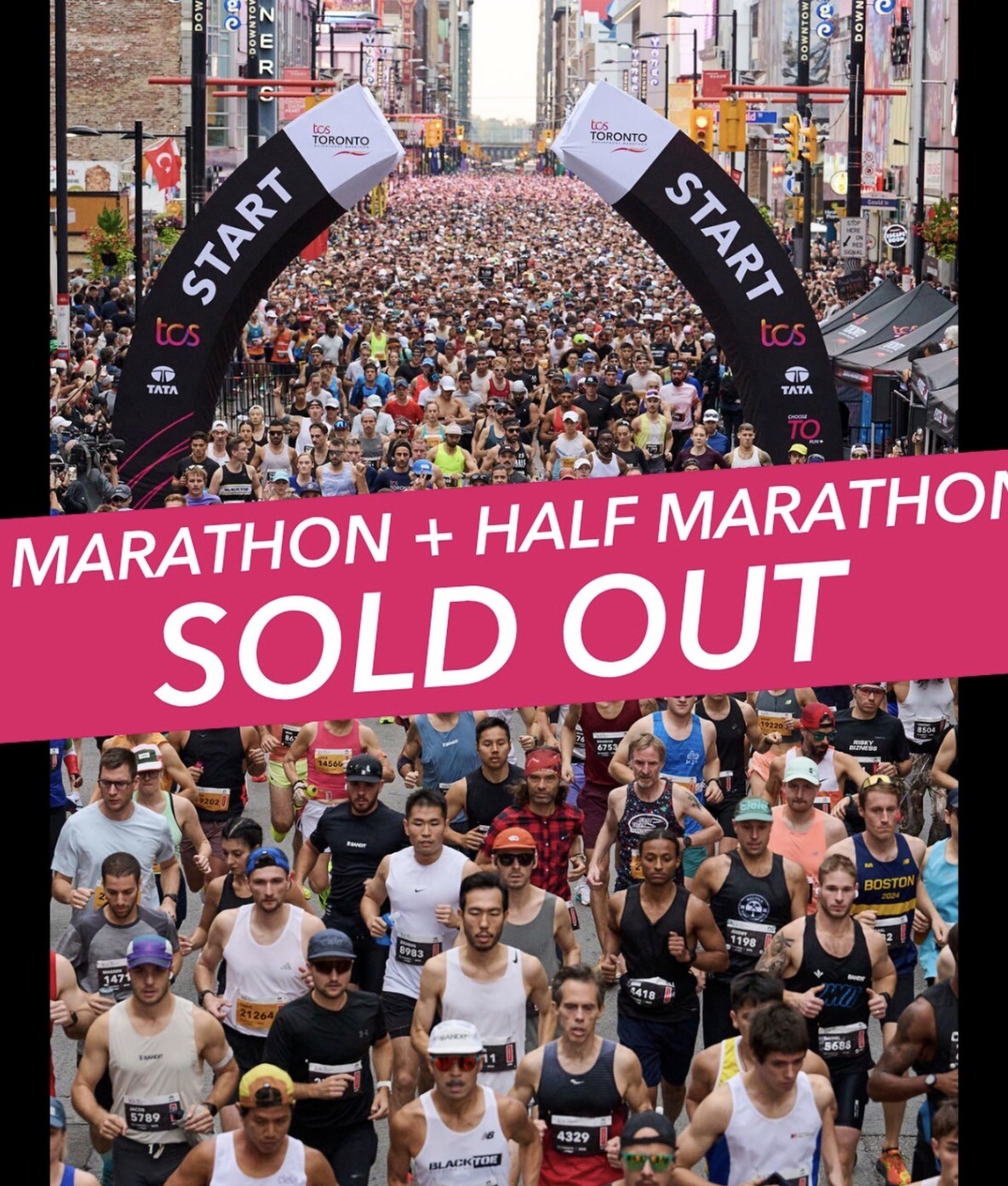
“Even before I went to Seville I was with him training and he was the one pushing me,” Cheserek adds. “It is good for me (that Cyrus will be in Toronto) to try to lower the course record. All the marathon races before I was pacing so he never came with me. It was just me and the other people. And, he was not in Seville.”
Beatrice and her family live in Iten, ‘The Home of Champions’ as it is known in Kenya at around 2,400m above sea level. Bogota sits at a slightly higher elevation. So the two weeks away from her home training ground has not interrupted her preparation for Toronto Waterfront Marathon in any way.
“I am spending two weeks in Colombia; this is my first time to be here,” she offers. “Colombia is a very good place for training. It is (also) a good place to race in hot conditions. I have my fellow colleagues from Kenya here.”
Cheserek finished 4th in the Bogota Half Marathon on July 26 in 1:12:42 just 13 seconds behind the winner. As expected, the field was dominated by athletes from high altitude countries including Ethiopia and Kenya who are best suited to Bogota’s 2,600m elevation.
Then, on August 9th, she finished 4th in the Cali 10k (32:57) the day before an earthquake measuring 7.4 on the Richter scale, struck. She and her compatriots were at the Cali airport checking in when panic ensued. They returned to their hotel as the airport was temporarily closed.
The TCS Toronto Waterfront Marathon organizers (Canada Running Series) will be wishing for ideal conditions to allow athletes such as Beatrice Cheserek to challenge the course records. Clearly, all her preparation is focused on the race.
by Paul Gains
Login to leave a comment
TCS Toronto Waterfront Marathon
The Scotiabank Toronto Waterfront Marathon, Half-Marathon & 5k Run / Walk is organized by Canada Running Series Inc., organizers of the Canada Running Series, "A selection of Canada's best runs!" Canada Running Series annually organizes eight events in Montreal, Toronto and Vancouver that vary in distance from the 5k to the marathon. The Scotiabank Toronto Waterfront Marathon and Half-Marathon are...
more...
Tokyo Marathon 2027 Entry Is Open: Why Getting A Place Is The Real Race
For thousands of marathoners around the world, the Tokyo Marathon is a dream race. But while entering the lottery costs nothing, actually securing a place is another story altogether.
The general-entry window for the Tokyo Marathon 2027 opens today, Friday, August 14, and will remain open until 5 p.m. Japan Standard Time on August 28. The 20th-anniversary edition of the race will take place on Sunday, March 7, 2027, with a record 40,000 marathon places available.
Applicants will learn their fate on September 18, with successful runners required to complete payment between September 18 and 5 p.m. on September 30. Those who fail to pay by the deadline will lose their places. The entry fee is ¥19,800 for runners living in Japan and US$230 for international entrants.
At first glance, Tokyo's famous lottery can look like a straightforward numbers game: hundreds of thousands of runners competing for roughly tens of thousands of places. But the reality is considerably more complicated.
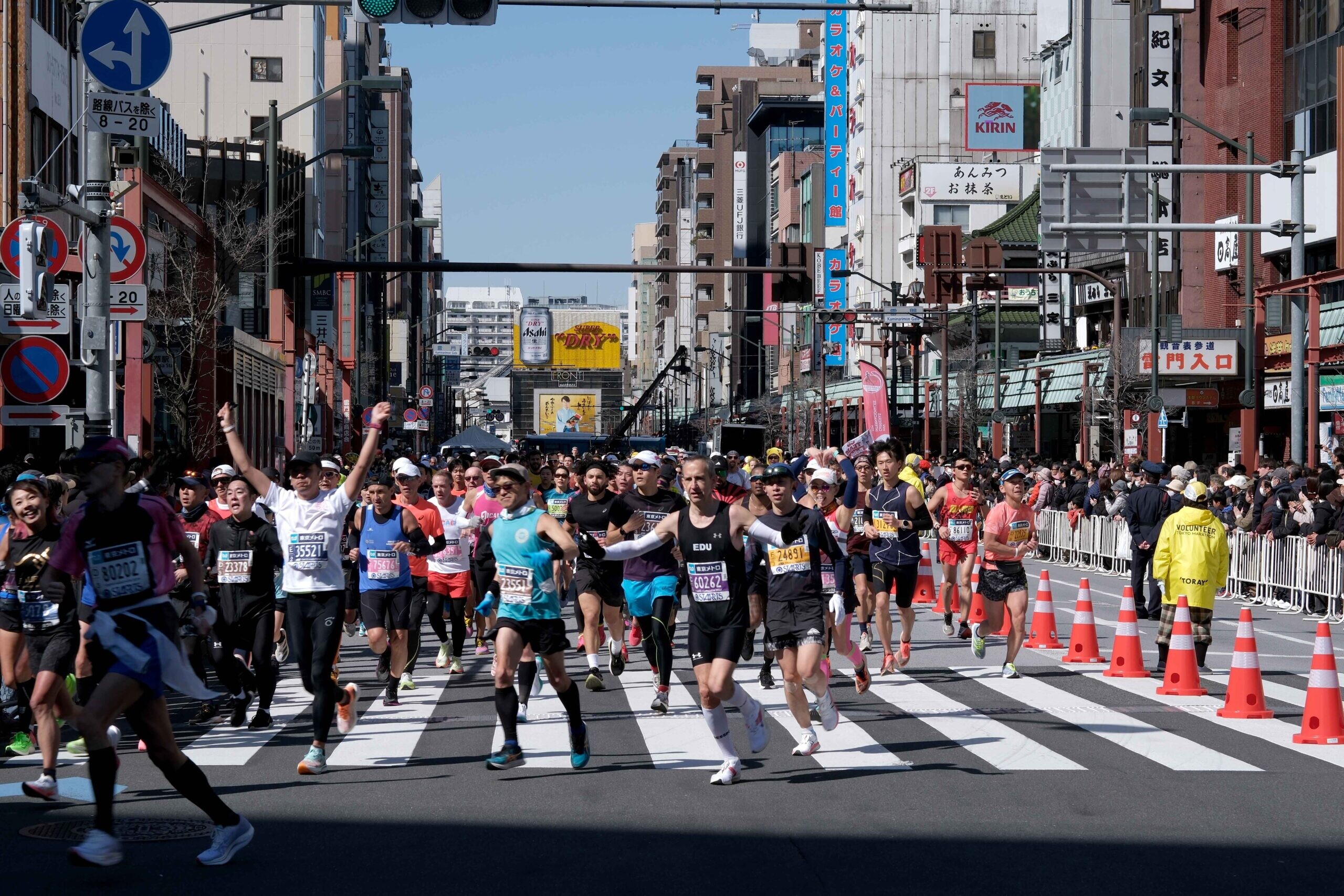
The headline figure of a roughly 10 percent acceptance rate should not be interpreted as meaning every applicant is competing equally for every one of the 40,000 places. The Tokyo Marathon divides its field among several entry routes before the remaining places reach the general lottery.
For 2027, 4,000 places are allocated to the ONE TOKYO three-consecutive-lottery-loss challenge, reserved for eligible ONE TOKYO members who entered the 2024, 2025 and 2026 editions and missed out in all three. Another 1,000 places are reserved for the Tokyo Resident Entry. The general draw also includes dedicated allocations of 500 places for people with disabilities, 15 wheelchair places and up to five Duo Teams.
That makes the phrase "one in 10" a useful shorthand, but not the whole story. For a first-time applicant, particularly one applying from overseas, the effective odds can be much tougher because several places have already been allocated through other categories.
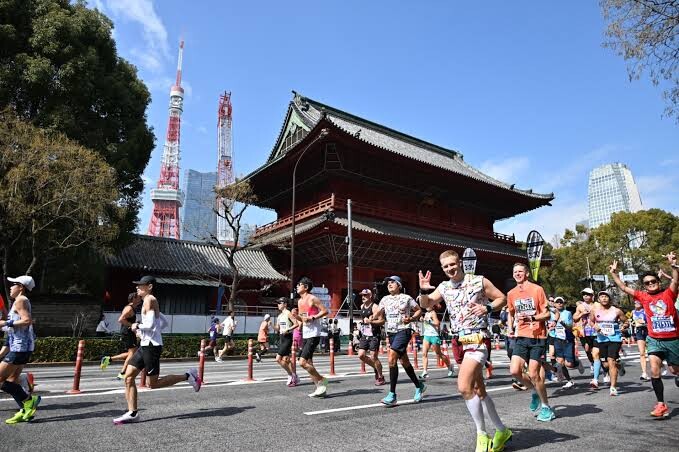
There is also an important requirement for faster runners.
Anyone declaring an expected finishing time of 3:00:00 or faster must provide official evidence of having achieved either a marathon in 3:00:00 or faster or a half marathon in 1:25:00 or faster at an event held between July 1, 2024 and June 30, 2026. Results recorded only by a GPS watch or running application do not qualify. Official certificates or records are required.
Tokyo's remarkable rise makes today's lottery particularly striking.
When the inaugural Tokyo Marathon was held in 2007, the race attracted 95,044 total applicants, including 77,521 for the marathon, with 25,000 marathon places available. The race has since evolved into one of the world's most sought-after major marathons and became an Abbott World Marathon Majors event in 2013.
The demand has grown dramatically over the years. By the 2010 and 2011 editions, total applications had already climbed beyond 300,000, demonstrating how quickly Tokyo became one of the hardest city marathons in the world to enter.
Now, two decades after that first race, Tokyo is preparing for its 20th anniversary edition with the biggest marathon field in the event's history. The capacity has been increased from 39,000 to 40,000 runners, giving more athletes a chance to experience one of the most iconic courses in global road running.
But increased capacity does not necessarily mean an easy ticket.
For many runners, Tokyo is more than another marathon. It is the Asian representative in the Abbott World Marathon Majors and one of the six races required to complete the coveted Six Star journey. That status, combined with Tokyo's reputation for exceptional organisation, a fast course and an unforgettable passage through the heart of the Japanese capital, keeps demand extraordinarily high.
And for those who miss the general lottery, the dream does not necessarily end there. Tokyo offers alternative pathways, including charity entries and official entry programmes, although these routes come with their own requirements and, in some cases, additional financial commitments.
For everyone entering the general lottery this month, however, the immediate challenge is simple: submit the application, wait for the draw and hope your name appears when the results are released on September 18.
The Tokyo Marathon may offer 40,000 runners the opportunity to line up in 2027.
Getting one of those places remains the real race.
Entry window: August 14–28, 2026
Lottery results: September 18, 2026
Payment deadline: September 30, 2026
Race day: March 7, 2027
Field size: 40,000
Domestic entry fee: ¥19,800
International entry fee: US$230
by Erick Cheruiyot for My Best Runs.
Login to leave a comment

Tokyo Marathon
The Tokyo Marathon is a world-renowned annual marathon held in Tokyo, Japan. As one of the prestigious Abbott World Marathon Majors, it attracts elite and amateur runners from around the globe. The race holds World Athletics Platinum Label status, recognizing its high competitive standards, top-tier organization, and international appeal. Sponsored by Tokyo Metro, the Tokyo Marathon has grown into one...
more...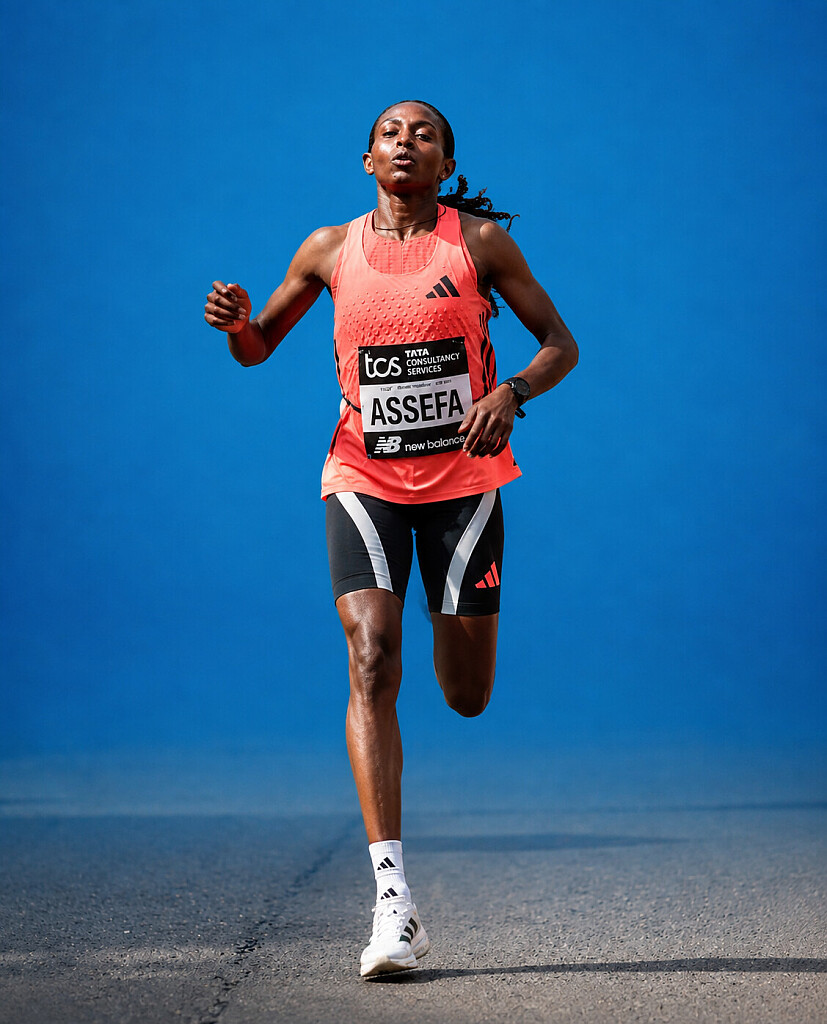
Berlin’s Women’s Marathon Field Brimming With Elite Talent as Star-Studded Line-Up Takes Shape
The women’s field for the 2026 BMW BERLIN-MARATHON is rapidly developing into one of the most intriguing marathon line-ups of the year, bringing together world-class champions, established contenders and an exciting collection of athletes determined to make their mark on one of the sport’s fastest stages.
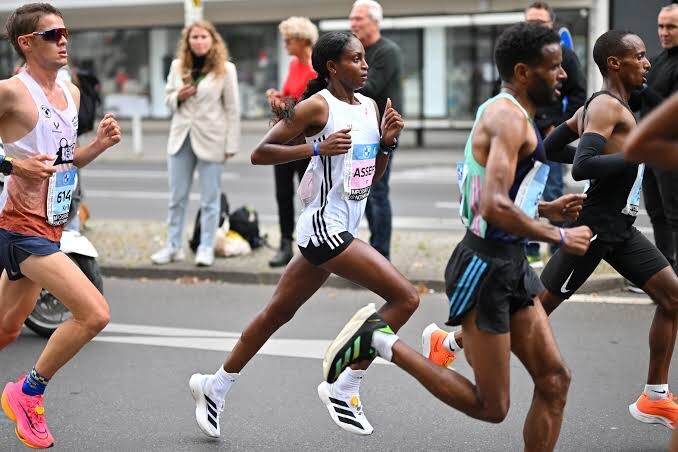
At the forefront is Ethiopia’s Tigst Assefa, whose extraordinary marathon career has already placed her among the all-time greats. Assefa is the current women-only marathon world-record holder, having improved her own mark to 2:15:41 at the 2026 TCS London Marathon, where she successfully defended her title.
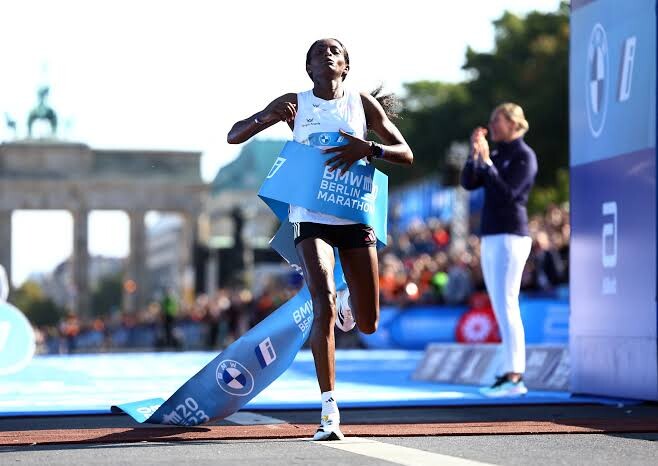
Her place in marathon history was secured even earlier in Berlin. At the 2023 BMW BERLIN-MARATHON, Assefa stormed to 2:11:53, smashing the then women’s world record by more than two minutes. The performance was subsequently ratified by World Athletics and remains among the fastest women’s marathon ever recorded in a mixed-gender race.
Kenya’s Rosemary Wanjiru, with a 2:16:14 personal best, provides another formidable presence at the sharp end of the race, while Ethiopia’s Bedatu Hirpa adds yet another major threat to an already exceptional field.
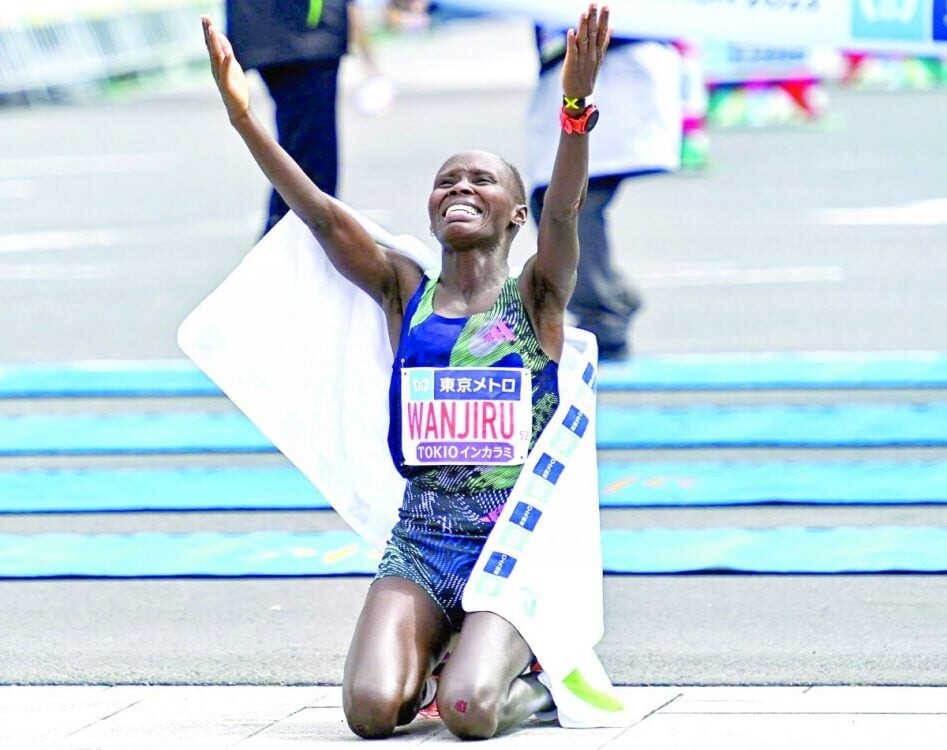
The 27-year-old Hirpa has built an impressive marathon résumé in a remarkably short period. She owns a 2:18:27 personal best, achieved when she won the Dubai Marathon, before continuing her winning momentum with victory at the Paris Marathon just months later. She also underlined her consistency this year with a second-place finish at the Osaka Marathon in 2:19:54. With her combination of speed, confidence and major-marathon experience, Hirpa could be one of the athletes capable of challenging the leading names in Berlin.
The Ethiopian challenge does not end there. Dera Dida (2:18:32), Zeineba Yimer (2:18:47), Bosena Mulatie (2:19:00), Misgane Alemayehu (2:19:08), Bekelech Gudeta (2:19:39), Gadise Mulu (2:20:59), Eebbisee Addunya (2:21:13) and Aminet Ahmed (2:21:24) give Ethiopia extraordinary depth, with every one of them boasting a personal best inside 2:22.
Kenya will also have strong representation through Evaline Chirchir (2:20:33) and Pascaline Jelagat (2:22:44), adding further firepower to a nation renowned for producing world-class marathon talent. China’s Deshun Zhang (2:20:53) also brings a sub-2:21 credential to the starting line.
Japan arrives with a deep group of proven marathoners. Rika Kaseda (2:21:55), Mao Uesugi (2:22:11), Natsuki Omori (2:23:45) and Rino Goshima (2:24:44) all possess impressive personal bests and could play an important role as the race develops. Morocco’s Fatima Gardadi (2:24:06) adds another strong international presence, while France’s Manon Trapp (2:23:38), the United States’ Jacqueline Gaughan (2:24:40) and Kodi Kleven (2:24:48), and Great Britain’s Lucy Reid (2:26:37) further strengthen the international depth.
Germany will have plenty to cheer for on home soil, with a sizeable contingent led by Kristina Hendel (2:27:29), who will be looking to rediscover the form that made her one of the country’s leading marathoners. After injury setbacks interrupted her progress, Hendel returns with the ambition of rebuilding her momentum on one of the biggest stages in the sport.
Anna Langerwisch is another German athlete attracting considerable interest. The 24-year-old has emerged rapidly among the country’s promising marathoners, winning the Hanover Half Marathon in 70:53 before improving her marathon personal best to 2:32:13 in Prague, remarkably in only her second marathon. Her recent 32:17 over 10 kilometres at the adidas Runners City Night in early August has added further intrigue around what she might produce over the full marathon distance.
Germany’s depth extends further, with Thea Heim (2:33:25), Cara Zollenkopf (2:36:05), Esther Pfeiffer (2:37:00), Katja Fischer (2:40:13), Sophia Wunsch (2:40:49) and Jule Vetter (2:42:18) also listed for the race. Their presence gives the home nation a broad representation across the field and adds another layer to an already fascinating international contest.
With Assefa’s extraordinary pedigree, Wanjiru’s proven class, Hirpa’s growing reputation and a supporting cast filled with athletes boasting sub-2:25 credentials, Berlin is shaping up for a women’s race packed with possibilities.
For Assefa, the return to Berlin carries an added historical dimension. It was on these very streets in 2023 that she produced the 2:11:53 performance that changed the landscape of women’s marathon running. Now, after lowering the women-only world record to 2:15:41 in London, she returns with another opportunity to write a new chapter in her remarkable career.
For the established stars, Berlin will be a chance to reaffirm their place among the marathon elite; for the emerging contenders, it could be the moment they announce themselves on one of the sport’s grandest stages.
The BMW BERLIN-MARATHON is renowned for fast racing and ambitious performances, and with such remarkable depth already assembled, the 2026 edition promises to deliver a captivating battle from the opening kilometres to the iconic finish on the Straße des 17. Juni.
by Erick Cheruiyot for My Best Runs.
Login to leave a comment
BMW Berlin Marathon
The story of the BERLIN-MARATHON is a story of the development of road running. When the first BERLIN-MARATHON was started on 13th October 1974 on a minor road next to the stadium of the organisers‘ club SC Charlottenburg Berlin 286 athletes had entered. The first winners were runners from Berlin: Günter Hallas (2:44:53), who still runs the BERLIN-MARATHON today, and...
more...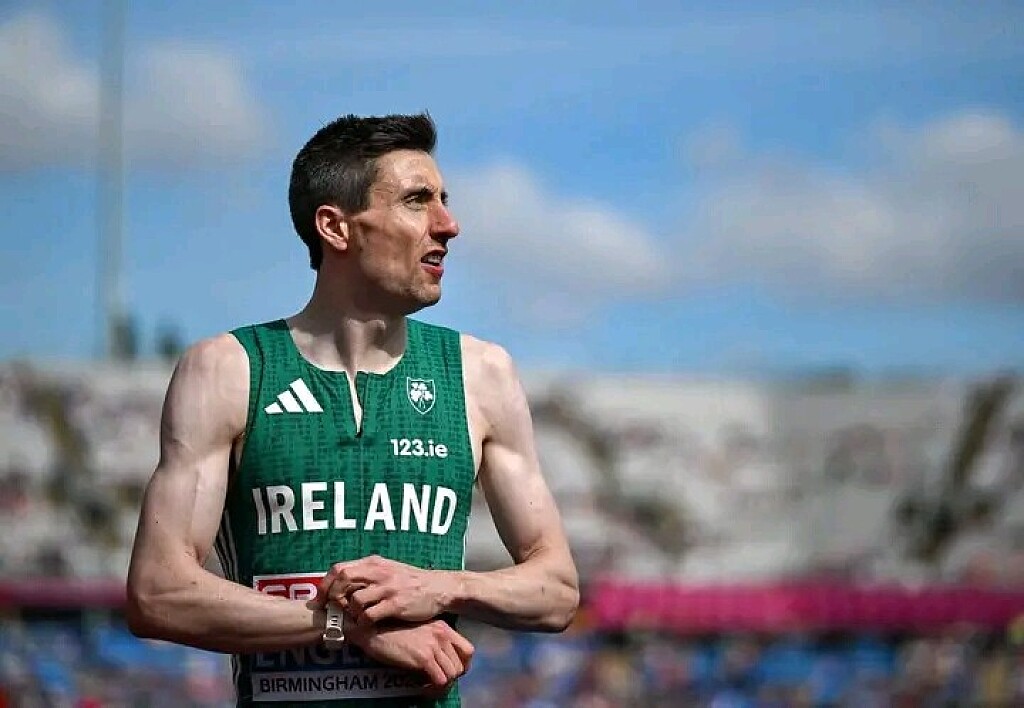
Mark English Shatters 48-Year-Old Championship Record as Birmingham 800m Final Promises Fireworks
Ireland’s Mark English produced one of the defining performances of the 2026 European Athletics Championships in Birmingham, storming to a breathtaking 1:43.49 to win his men’s 800m semi-final and rewrite the championship record books.
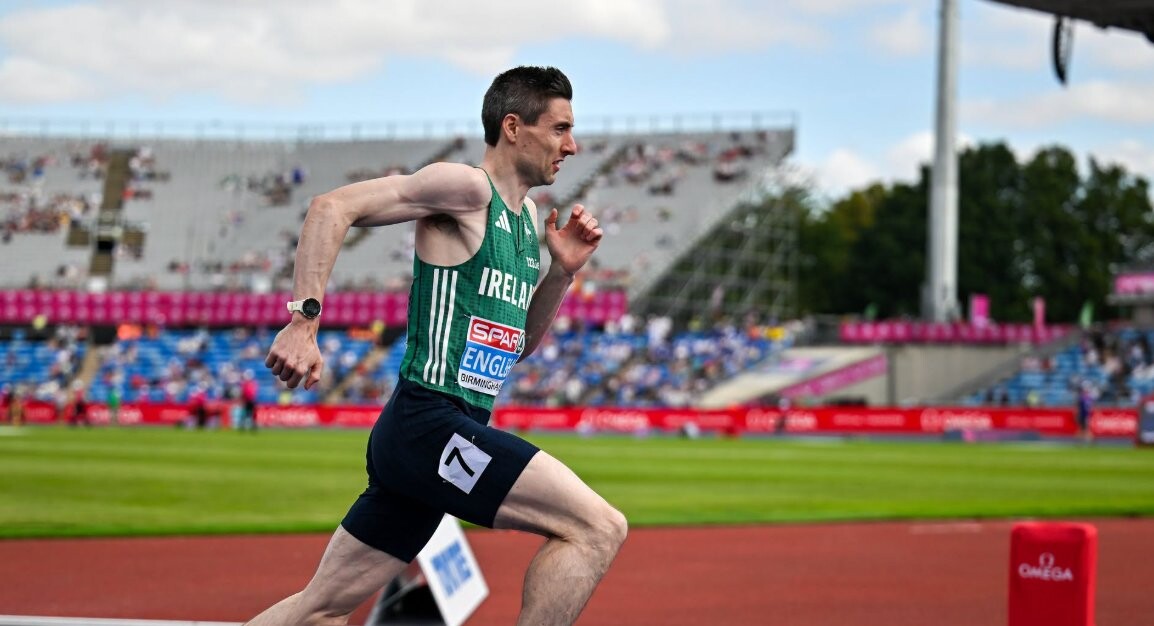
The 33-year-old Donegal native delivered a perfectly judged display of speed, strength and composure, attacking the race with confidence before unleashing a powerful finish that carried him through the line in a sensational time.
English passed the bell in 51.36 before maintaining his relentless rhythm over the second lap. As the race entered its decisive stages, he found another gear and powered away from his challengers, stopping the clock at 1:43.49 to become the fastest qualifier for the final.
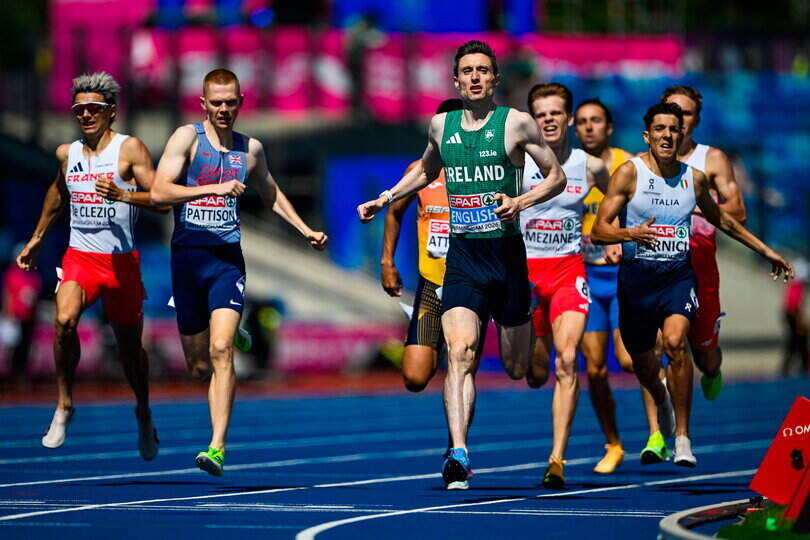
More significantly, his performance erased a record that had stood for nearly half a century. English lowered Olaf Beyer’s 1:43.84 championship record by 0.35 seconds, bringing an extraordinary 48-year chapter of European 800m history to a close.
The performance also underlined just how fiercely competitive the Birmingham final will be. Five athletes broke the 1:44 barrier in the semi-finals, setting the stage for what promises to be one of the most explosive 800m finals of the championships.
Great Britain’s Ben Pattison emerged as the second-fastest finalist in 1:43.72, while France’s Corentin Le Clezio ran a personal best of 1:43.80 to secure the third-fastest qualifying time. Spain’s Mohamed Attaoui followed with a season’s best of 1:43.82, while Italy’s Francesco Pernici completed the group of athletes under 1:44 with 1:43.84.
Great Britain’s Max Burgin advanced in 1:44.73, Croatia’s Marino Bloudek clocked 1:44.96, and Spain’s David Barroso also stopped the clock at 1:44.96 to complete the eight-man final field.
But all eyes will inevitably turn to English.
Having already dismantled a record that survived generations of European 800m runners, the Irishman now enters the final as the man everyone will be chasing. His 1:43.49 has not only established him as the championship’s fastest qualifier but has also raised the tantalising question of how much faster he can go when the medals are on the line.
With five finalists already under 1:44, Birmingham is ready for another spectacular battle.
And after making history in the semi-final, Mark English has given himself the perfect opportunity to write an even bigger chapter in the final.
by Erick Cheruiyot for My Best Runs.
Login to leave a comment
European Athletics Champioships
The27thEuropean Athletics Championshipswill be held from 10 to 16 August 2026 at theAlexander StadiuminBirmingham, United Kingdom.[1] This is the first time that a British city will have staged the European Athletics Championships although Birmingham has hosted many high-profile events, including the2007 European Athletics Indoor Championships, the2003and2018 IAAF World Indoor Championshipsand the2022 Commonwealth Games. Alexander Stadium was renovated between 2019 and...
more...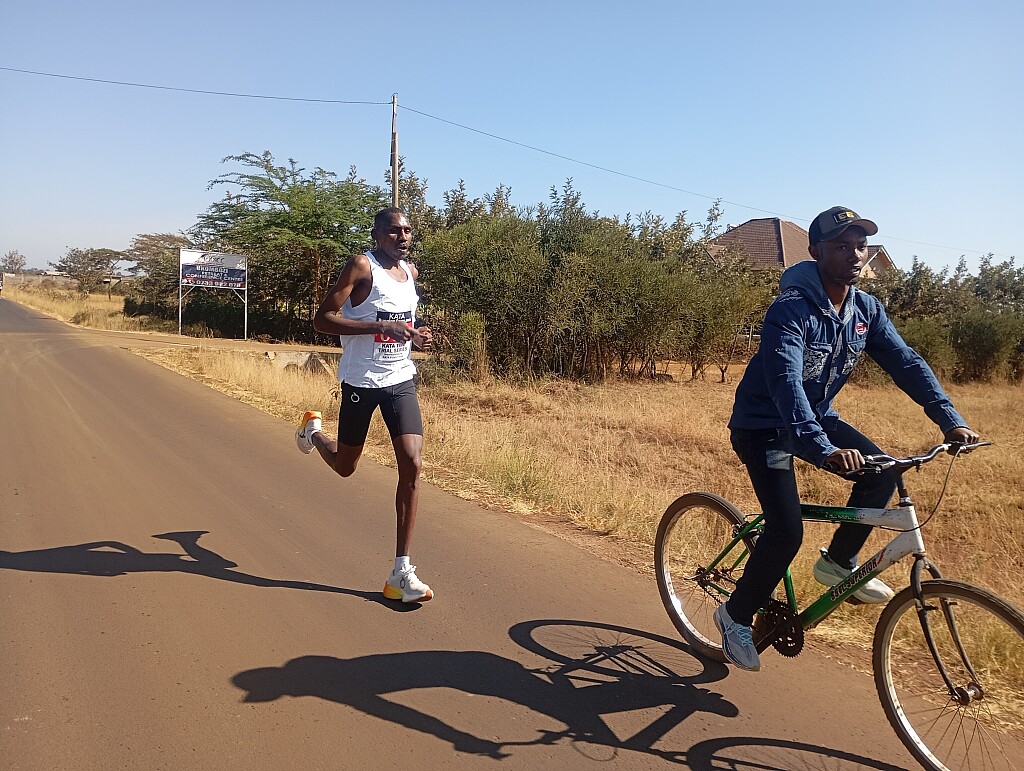
KATA Time Trial Series Reaches 59th Edition as Runners Chase Breakthroughs in Testing Conditions
There was plenty of energy, ambition and competitive fire at the 59th edition of the KATA Time Trial Series today, as athletes returned to the familiar challenge of testing their fitness, sharpening their race rhythm and measuring just how far their training has taken them.
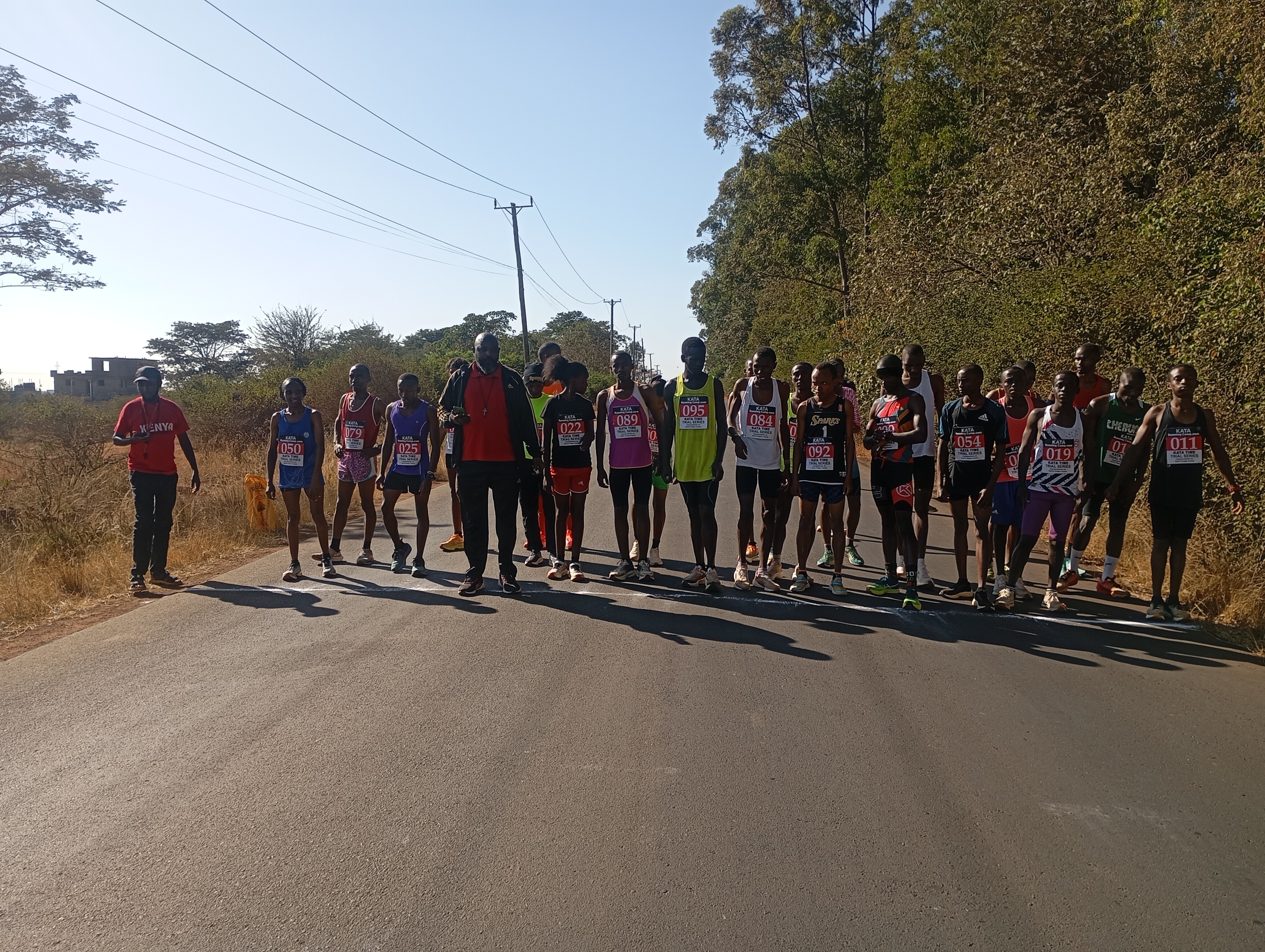
The latest edition brought together runners across the 5km and 10km distances, creating another rewarding morning of competition. The weather was generally favourable for racing, although temperatures were quite high, adding an extra layer of difficulty to an already demanding test of endurance.
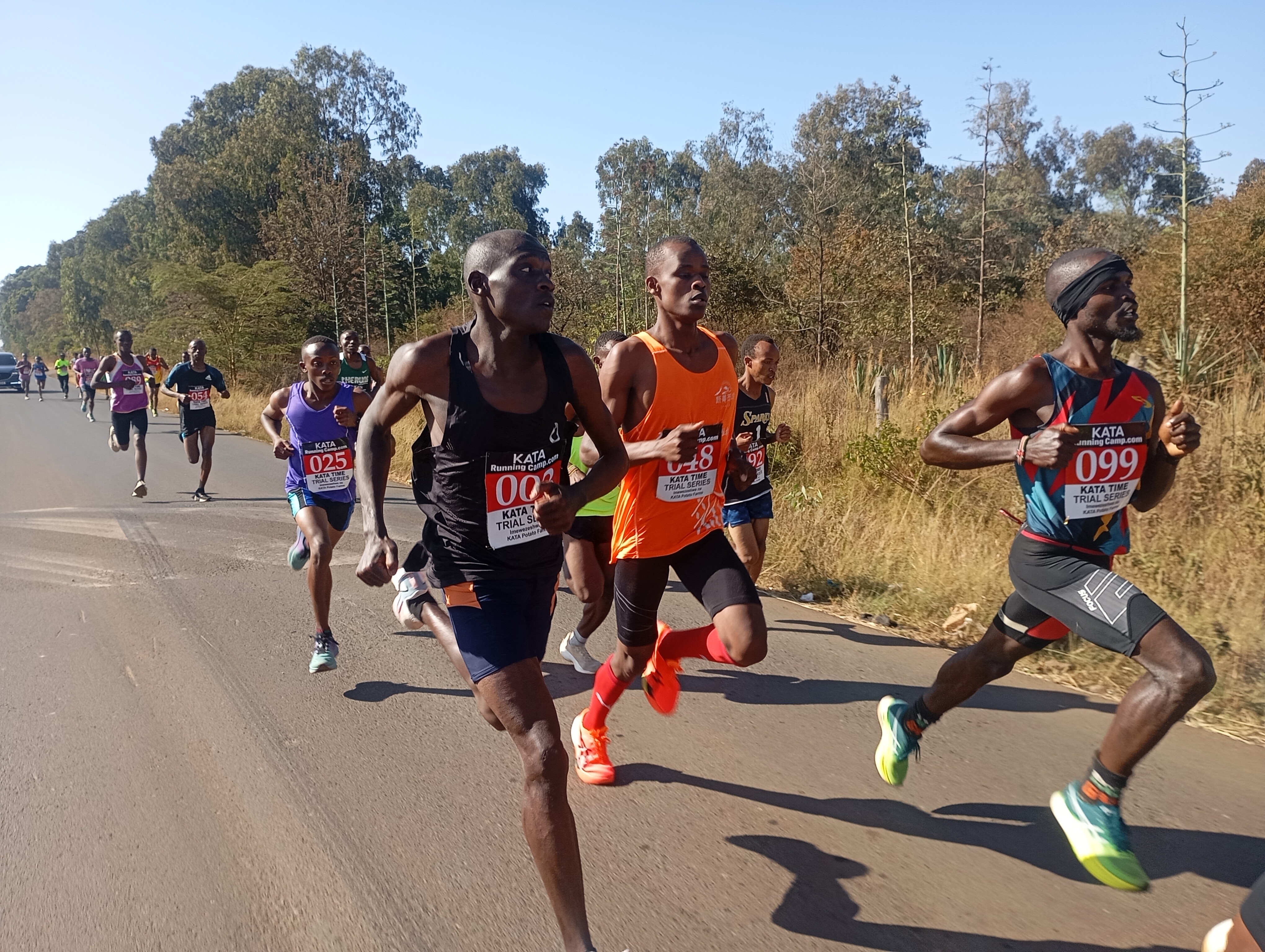
From the opening kilometres of the 10km races, the runners moved as tightly packed groups, carefully gauging one another while pushing a strong and controlled pace. The leaders remained close together through the early stages, each athlete seemingly unwilling to surrender precious ground. As the kilometres rolled by and the heat gradually began to make its presence felt, maintaining that rhythm required patience, discipline and a willingness to suffer.
Eventually, the sustained pace began to stretch the field. The compact groups slowly fractured, with the strongest runners beginning to establish their advantage and the battles for the leading positions becoming increasingly intense. Every surge mattered, every gap carried significance, and each athlete had to find the delicate balance between ambition and conserving enough strength for the decisive kilometres.
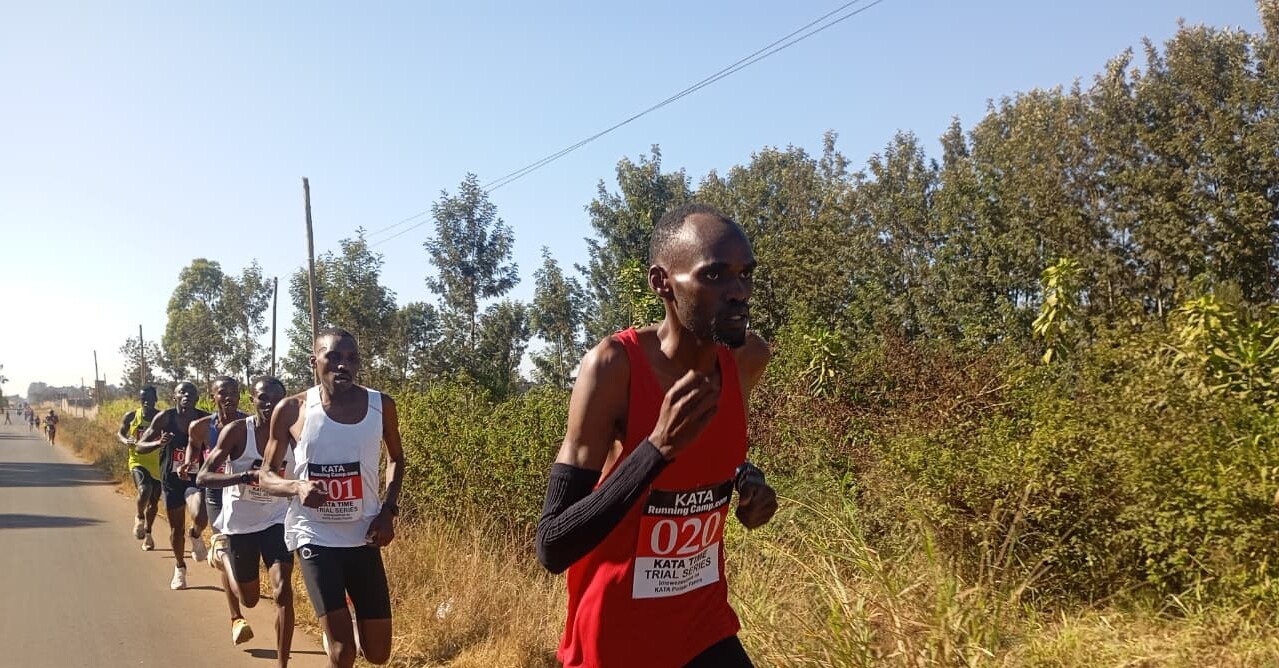
In the men’s 10km, Peter Wanyoike produced the standout performance of the day, powering to victory in 30:36. He was closely followed by Robin Musa, who crossed the line in 30:51, while Charles Wanjora completed the podium in 31:01.
Erick Cheruiyot was only two seconds further back, finishing fourth in 31:03, with Vincent Kiprotich rounding out the top five in 31:28. Justus Nyamai followed in 31:38, ahead of Fredrick Wambua in 32:23 and Ismael Mburu in 32:44.
The field remained competitive deeper into the results, with Martin Mambo recording 33:39 and Francis Maina finishing in 33:48. Anthony Kariuki crossed the line in 34:21, followed by Andrew Kimanzi in 35:21, Lewis Kamau in 35:29, Eric Mwaura in 36:24, Eugene Wambua in 37:48 and Simon Ngereza in 38:08.
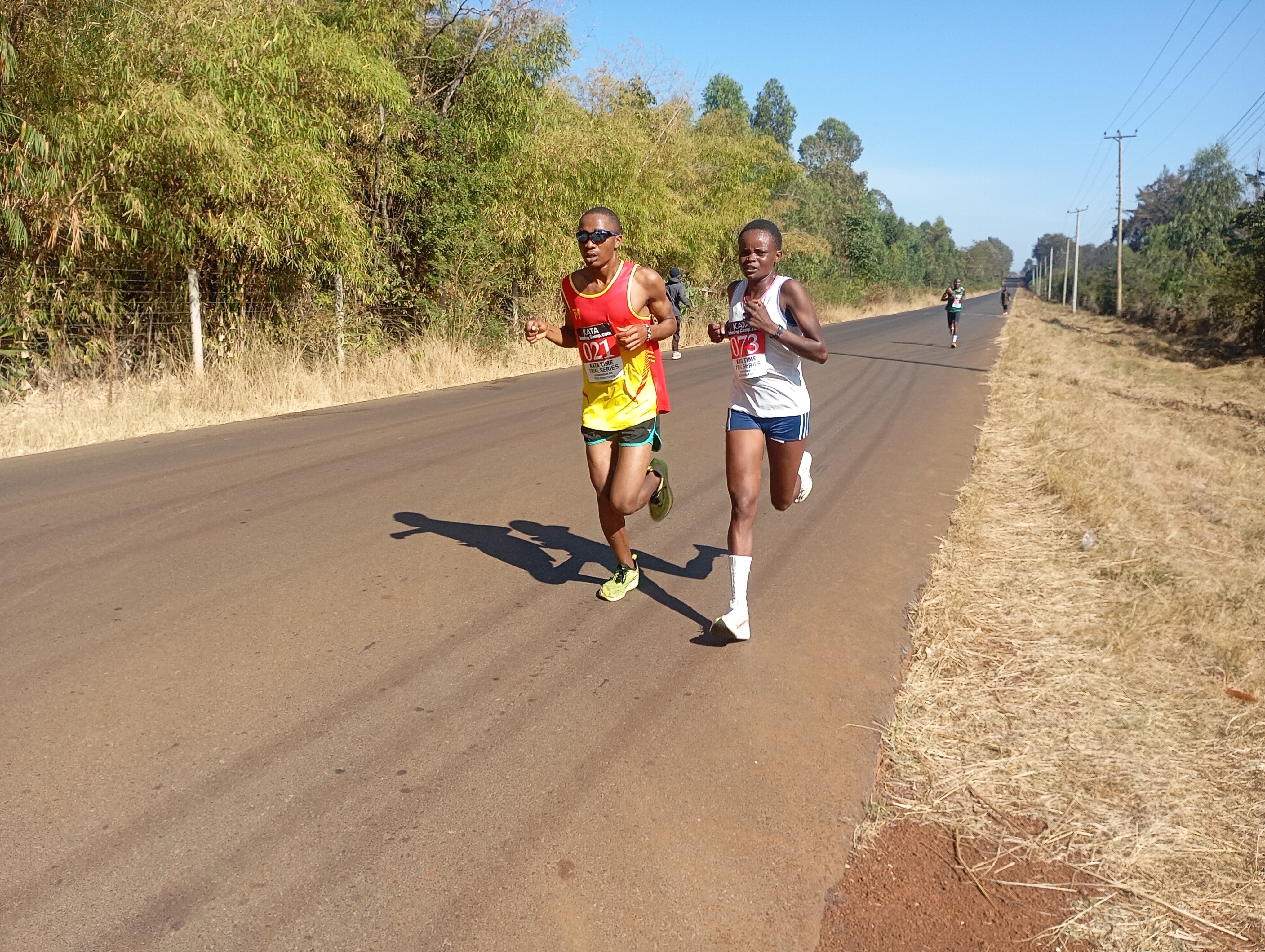
The women’s 10km also delivered an impressive display of determination, with Felister Maina leading the way in 37:37. Naomi Wambui Muriuki was a close second in 37:52, while Felister Mbatha completed the top three in 47:40.
The shorter races provided their own moments of excitement. In the men’s 5km, Edwin Muasa set the pace from the front to win in 16:17, with John Mutuku taking second in 16:54. Jason Wambua finished third in 17:52, while John Nzioka was fourth in 19:22.
The women’s 5km was won by Rachel Njeri, who stopped the clock at 22:21. Winfred Mueni followed in 24:05, with Janet Thuguri completing the podium in 25:43.
For some athletes, the morning brought the sweetest reward of all—a new personal best. After weeks of disciplined training and countless kilometres, seeing a new mark appear on the stopwatch offered a special reminder that patience and persistence eventually bear fruit. Others stepped onto the KATA Time Trial stage for the first time, embracing the excitement of making their debut and adding a fresh spark to the competition.
But not every runner walked away with the performance they had hoped for. Some found the pace, the heat or simply the demands of the day more challenging than expected, finishing without quite reaching their personal targets. Yet those performances should not be viewed as setbacks without value. Every race has its lessons, and an unexpected result can often become the starting point for renewed determination, smarter training and a stronger performance the next time around.
That mixture of breakthroughs, debuts, lessons and unfinished ambitions is what makes the KATA Time Trial Series so meaningful. Whether an athlete leaves with a personal best, a podium finish, a first taste of competition or a result that leaves them hungry for more, everyone gains another piece of experience to take back into training.
The relatively high temperatures demanded composure and careful effort, but the athletes continued to fight for every second until the finish. For many, the 59th edition was not simply about where they finished—it was another important chapter in their individual journeys.
The KATA Time Trial Series continues to provide a valuable platform for athletes to challenge themselves, measure progress and turn hard training into tangible performance. With the 59th edition now in the books, the stopwatch has delivered another set of stories—of breakthroughs, perseverance, first steps and lessons learned.
And as the runners return to training, one thing remains certain: the next opportunity to run faster is already waiting.
*5k men*
1. Edwin Muasa 20 25 16:17
2. John Mutuku 16 54 16:54
3. Jason Wambua 18 89 17:52
4. John Nzioka 17 33 19:22
*5k women*
1. Rachel Njeri 14 04 22:21
2. Winfred Mueni 15 22 24:05
3. Janet Thuguri 15 13 25:43
*10km women*
1. Felister Maina 37 73 37:37
2. Naomi Wambui Muriuki 42 50 37:52
3. Felister Mbatha 19 12 47:40
*10km men*
1. Peter Wanyoike 01 28 30:36
2. Robin Musa 18 84 30:51
3. Charles Wanjora 24 03 31:01
4. Erick Cheruiyot 30 20 31:03
5. Vincent Kiprotich 24 95 31:28
6. Justus Nyamai 18 94 31:38
7. Fredrick Wambua 21 96 32:23
8. Ismael Mburu 26 99 32:44
9. Martin Mambo 34 30 33:39
10. Francis Maina 20 11 33:48
11. Anthony Kariuki 28 29 34:21
12. Andrew Kimanzi 21 92 35:21
13. Lewis Kamau 38 79 35:29
14. Eric Mwaura 19 19 36:24
15. Eugene Wambua 21 21 37:48
16. Simon Ngereza 25 16 38:08
by Erick Cheruiyot for My Best Runs.
Login to leave a comment
KATA Time Trial Series
Welcome to the KATA Monthly Time Trial Held at the Kenyan Athletics Training Academy in Thika, Kenya, the KATA Monthly Time Trial is a unique and inclusive event designed to support runners of all levels in achieving their goals and showcasing their fitness. This event offers both 10K and 5K distances on an accurate, certified course, providing participants with...
more...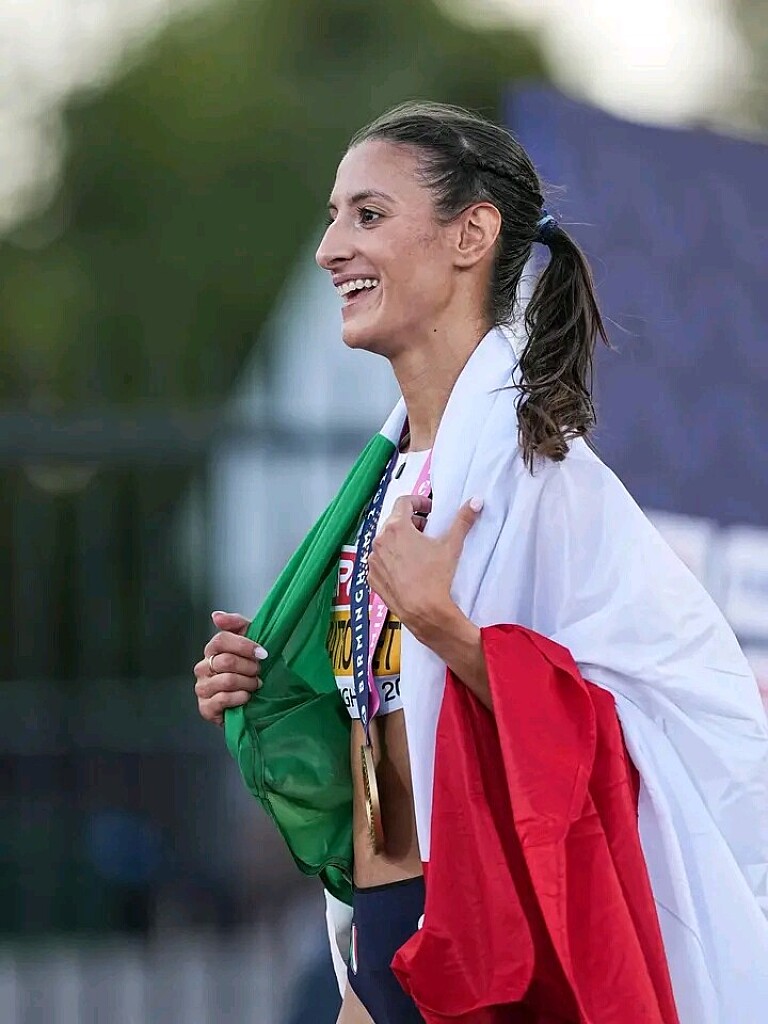
Battocletti’s Blistering Finish Delivers Back-to-Back European 5000m Gold in Birmingham
Nadia Battocletti produced a superb championship performance in Birmingham to retain her European 5000m title for the second consecutive time, powering to gold in 15:37.84 after unleashing a devastating late kick that left her rivals scrambling for the remaining medals.
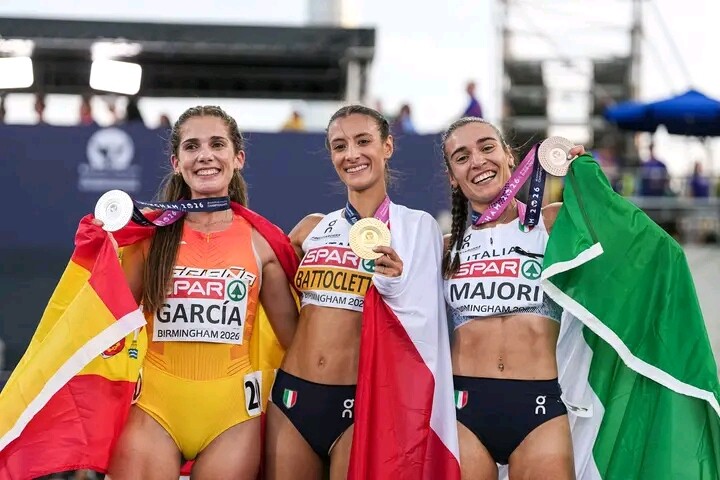
The Italian distance-running star remained composed through the race before turning on the speed when it mattered most. With the field tightly packed heading into the closing stages, Battocletti launched a breathtaking attack over the final 200 metres, producing a surge of exceptional quality that ultimately decided the championship.
The decisive moment came in the final 200 metres, when Battocletti unleashed a ferocious finishing kick that dramatically changed the complexion of the race. With the medals still within reach for several athletes, the Italian surged through the final bend with tremendous purpose, her acceleration proving simply too tough to match. She drove relentlessly down the home straight, opening the crucial gap and powering away from her closest challengers to seal a richly deserved European title.
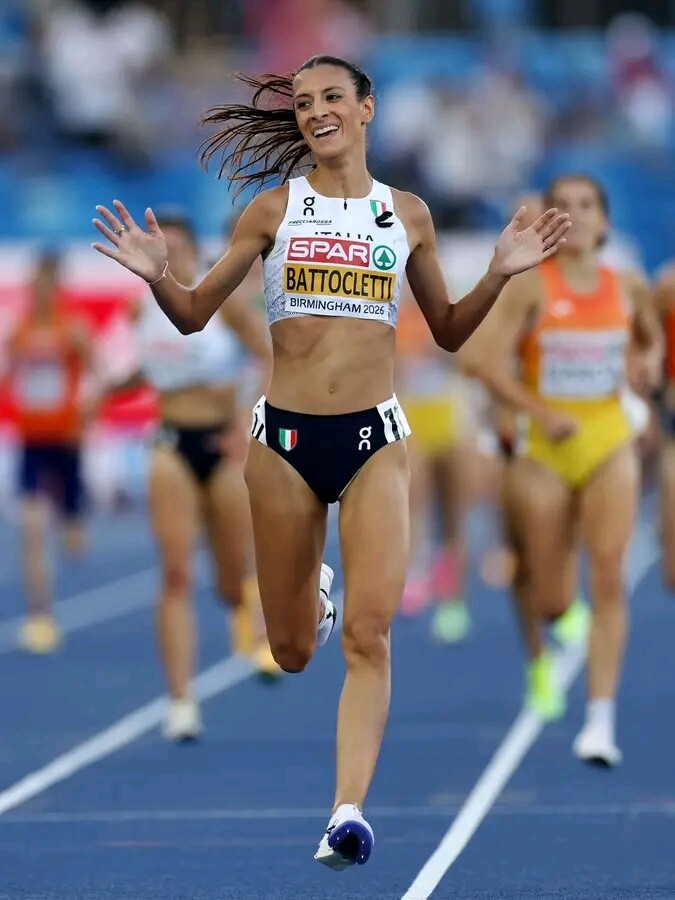
Her closing speed was extraordinary. Battocletti covered the final 400m in 59.2 seconds, including a remarkable 28.2-second final 200m, as she accelerated away from her challengers and powered down the home straight. It was a superb display of strength, speed and championship composure, earning her another European crown in emphatic fashion.
Behind her, Spain’s Marta García fought brilliantly to claim silver in a season’s best of 15:39.98, while Italy’s Micol Majori completed an Italian 1-3 with bronze in 15:40.65.
For Majori, the bronze medal represented a particularly special milestone as she celebrated her first international senior medal on a major championship stage. Her breakthrough performance added another layer to an unforgettable night for Italy.
Ireland’s Sarah Healy narrowly missed the podium, finishing fourth in 15:40.95, just 0.30 seconds behind Majori. Great Britain’s Hannah Nuttall was fifth in 15:41.27, followed by the Netherlands’ Maureen Koster in 15:41.51.
Amina Maatoug of the Netherlands finished seventh in 15:44.03, while Spain’s María Forero completed the top eight in 15:44.25.
Battocletti’s Birmingham triumph now sets up another title defence. The Italian will return to the track on Friday for the women’s 10,000m, where she will once again look to extend her European dominance.
For now, though, the spotlight belongs to Battocletti and that extraordinary finish — a 28.2-second final 200m that transformed a tightly contested 5000m final into another golden chapter in her championship career.
by Erick Cheruiyot for My Best Runs.
Login to leave a comment
European Athletics Champioships
The27thEuropean Athletics Championshipswill be held from 10 to 16 August 2026 at theAlexander StadiuminBirmingham, United Kingdom.[1] This is the first time that a British city will have staged the European Athletics Championships although Birmingham has hosted many high-profile events, including the2007 European Athletics Indoor Championships, the2003and2018 IAAF World Indoor Championshipsand the2022 Commonwealth Games. Alexander Stadium was renovated between 2019 and...
more...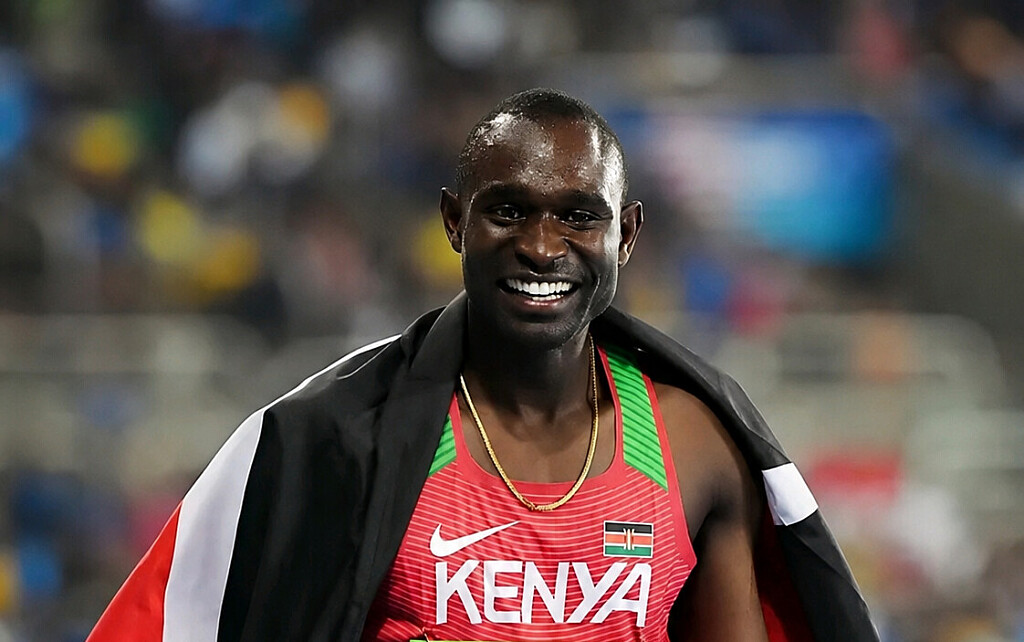
David Rudisha’s 1:40.91: Fourteen Years Later, The 800m Still Has A Mountain To Climb
Fourteen years ago this weekend, David Rudisha delivered one of the most extraordinary performances ever witnessed on an athletics track — and remarkably, his world record still stands.
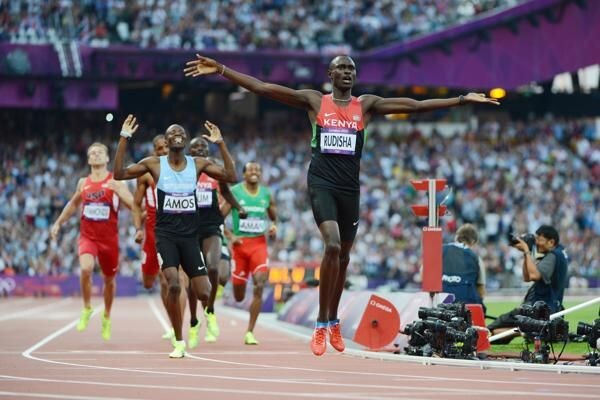
On August 9, 2012, the Kenyan lined up for the Olympic 800m final at London’s Olympic Stadium alongside seven of the world’s finest half-milers. What followed was a race that would forever redefine the limits of the event.
Rudisha did not wait for the final straight. From the gun, he went straight to the front and imposed a relentless pace on the field. He reached the 400m mark in a blistering 49.28 seconds, but instead of paying the price for such an aggressive opening lap, he continued to drive forward.
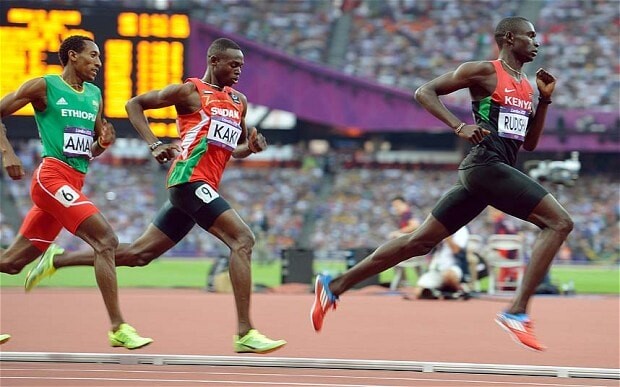
He passed 600m in 1:14.30 before producing a remarkable final 200 metres to cross the finish line in 1:40.91.
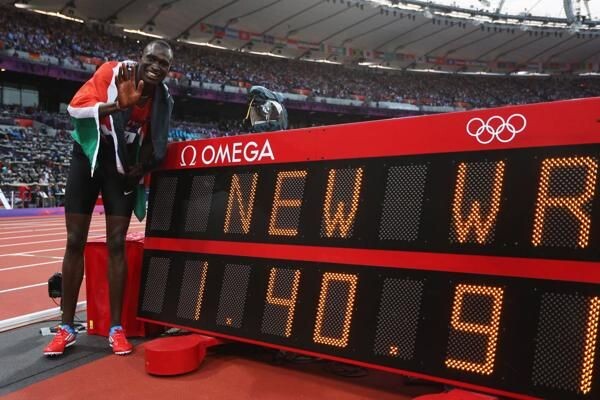
The stadium erupted.
Rudisha had broken his own world record and, for the first time in history, an athlete had broken the 1:41 barrier in the 800 metres. Even more remarkably, he had done it in an Olympic final, without a pacemaker and under the immense pressure of competing for the sport’s ultimate prize.
The runners behind him were dragged into history by his pace.
Botswana’s Nijel Amos finished second in 1:41.73, a world junior record at the time. Kenya’s 17-year-old Timothy Kitum produced a stunning 1:42.53 to take bronze, while American Duane Solomon ran 1:42.82 and Nick Symmonds clocked 1:42.95, both personal bests.
Ethiopia’s Mohammed Aman ran 1:43.20 for a national record, Abubaker Kaki finished in 1:43.32, and Great Britain’s Andrew Osagie completed the field in 1:43.77, also a personal best.
It was an extraordinary final in which all eight athletes finished inside 1:44, a testament to the astonishing pace set by the Kenyan.
Yet Rudisha was operating on another level.
His London performance was not a sudden flash of brilliance. It was the culmination of an era in which he had transformed the 800m through his fearless front-running style. Two years earlier, he had lowered the world record to 1:41.01 in Rieti, Italy. In London, he found another tenth of a second when the pressure was at its greatest.
That is what has made the record so difficult to approach.
For fourteen years, some of the greatest 800m runners of their generations have come and gone, but none has managed to take the final steps toward Rudisha’s mark. Nijel Amos remains the closest, his 1:41.73 from that same Olympic final leaving him 0.82 seconds short.
Then came Emmanuel Wanyonyi.
The young Kenyan has emerged as one of the most exciting 800m runners of his generation. In Lausanne in 2024, Wanyonyi produced a stunning 1:41.11, moving level with Wilson Kipketer as the second-fastest man in history and coming within just 0.20 seconds of Rudisha’s world record.
Twenty hundredths of a second may look insignificant on paper, but at the very top of the 800m, they represent a formidable barrier.
Wanyonyi has shown that Rudisha’s record is not beyond imagination. But reaching it requires something extraordinary — the perfect combination of speed, endurance, courage and execution over two unforgiving laps.
And perhaps that is what makes Rudisha’s achievement so enduring.
There was no pacemaker guiding him through the race. There was no carefully constructed invitational designed solely around producing a fast time. There was simply an Olympic final, eight athletes, two laps and a Kenyan determined to run faster than anyone had ever run before.
Rudisha went from the gun, controlled the race from the front and somehow maintained the speed required to produce a time that has remained beyond the reach of every challenger for fourteen years.
The next generation is getting closer, and Wanyonyi has shown that the record can at least be approached.
But 1:40.91 remains David Rudisha’s masterpiece — a world record forged under the brightest lights and on the biggest stage, and one that continues to define greatness in the 800 metres.
Fourteen years later, the challengers are getting closer, but Rudisha’s 1:40.91 remains the mountain every 800m runner dreams of climbing.
by Erick Cheruiyot for My Best Runs.
Login to leave a comment

From a Career-Ending Brain Injury to 100 Ultramarathons in 100 Days: David “Jacko” Jackson Is Running Into History
David “Jacko” Jackson’s extraordinary running journey began with a moment that was supposed to end his sporting life.
In 2013, the former Nottingham Rugby winger suffered a seizure during training after experiencing a bleed on the brain. His professional rugby career was suddenly over, leaving him facing a completely different and uncertain future.
More than a decade later, Jackson is turning that life-changing experience into one of the most remarkable endurance challenges of 2026.
The 44-year-old is attempting to complete 100 ultramarathons in 100 consecutive days, running approximately 50 kilometres every day across the United Kingdom. If he reaches the finish line as planned, he will have covered roughly 8,450 kilometres and could surpass the current men's record of 80 consecutive days of ultramarathon running by 20 days.
But for Jackson, the record is only part of the story.
His bigger ambition is to raise £1 million for brain-injury charities Headway UK and Head for Change while showing people affected by brain injuries that recovery can take unexpected directions.

Jackson began the challenge on May 29, 2026, just one day after his 44th birthday, setting off from Caernarfon in North Wales. His planned final day is September 5, meaning he must repeatedly ask his body to absorb an ultramarathon effort, recover and start again the following morning.
The scale of the undertaking becomes even clearer when the distance is put into perspective. His projected 8,450 kilometres is roughly equivalent to travelling from London to Los Angeles.
Yet Jackson is not simply running one enormous route from one destination to another. His challenge has been carefully structured around repeated 5-kilometre and 10-kilometre loops at 25 locations around the UK. He spends four days at each location before moving on to the next.
That approach has an important purpose. Rather than making the challenge something only elite ultrarunners can experience, Jackson has created opportunities for ordinary runners and members of the public to join him for a lap. Someone training for a first 10-kilometre race can run alongside him for 5 kilometres. Another runner can join for 10. Others can simply come out and offer encouragement.
The message is clear: nobody has to run the entire 50 kilometres to become part of the journey.
Bournemouth became another important chapter in that journey, with Jackson scheduled to spend four days in the Bournemouth and Swanage area from August 1 to August 4. The Bournemouth stage represents day 65 of the 100-day mission, meaning Jackson will already have completed more than 3,000 kilometres by the time he reaches this part of the route.
For a man who once wondered what life would look like after rugby, the transformation is extraordinary.
Jackson was not an ordinary club player. He left Nottingham Rugby as the club's most-capped player, having made 316 appearances and scored 102 tries. His career had been defined by consistency and longevity until the brain injury brought it to an abrupt end.
The months that followed were difficult. Jackson had been married to his wife, Catherine, for less than two months when the injury occurred. His recovery was measured not in weeks but in years. It took about a year before he was properly back on his feet, while his first marathon would not come until seven years after the brain injury.
Running gradually became part of his recovery.
What started as a way of rebuilding his life has since developed into an extraordinary endurance pursuit, culminating in a challenge that demands something completely different from the speed and explosiveness required on a rugby field.
The purpose behind the 100 ultramarathons is deeply personal. Jackson has spoken about his own lack of awareness of specialist brain-injury organisations during his recovery and wants others facing similar circumstances to have access to the support and information they need.
That is why the £1 million fundraising target matters so much.
Every kilometre is helping him tell a larger story about brain injury, recovery and resilience.
Jackson has even created his own word to describe the philosophy behind the project: “IN-possible.”
The idea is that something that looks impossible when viewed as a whole can become achievable when broken into smaller challenges. One 50-kilometre run may be difficult but manageable. Then comes another. Then another. Eventually, those individual efforts become 100 ultramarathons in 100 days.
The philosophy draws inspiration in part from the Marathon Monks of Japan, whose legendary endurance practices demonstrate how years of discipline can transform seemingly impossible physical challenges into achievable objectives.
But Jackson's challenge has already produced moments when the word “impossible” seemed very real.
The toughest day so far came on day 14, when he suffered a running injury. Despite the pain, he completed the 50-kilometre distance, taking approximately 12½ hours and finishing while barely able to walk.
He had reached the point where he wanted to quit.
He wanted to go home.
Then came the intervention of Catherine, who reminded him that if he could still walk, he could keep going for the charities.
He continued.
That moment says more about the challenge than the statistics. Completing 100 ultramarathons is not simply a test of cardiovascular fitness or running ability. It is a test of durability, recovery, patience and mental resilience.
Running 50 kilometres once is difficult.
Running 50 kilometres when you know another 50 is waiting tomorrow is something else entirely.
The objective is therefore not speed. It is sustainability.
Jackson must control his pace, protect his body, eat and hydrate properly, sleep as much as possible and recover sufficiently between efforts. The support around him is just as important as the kilometres beneath his feet.
That is the reality of a 100-day ultra streak: tomorrow's run is always part of today's strategy.
If Jackson completes the mission, he will surpass the current men's record of 80 consecutive ultramarathon days by 20 days—a remarkable margin in an endurance discipline where records are often separated by much smaller differences.
Yet the record is not what Jackson appears to care about most.
The £1 million fundraising target, greater awareness of brain injury and the opportunity to demonstrate what recovery can look like are the real objectives.
The record, if it comes, will be the consequence.
There is something particularly powerful about Jackson's transformation. A man whose sporting career ended because of a brain injury is now using running to build an entirely new chapter of his athletic life.
His story is no longer about what happened to him on a rugby training field in 2013.
It is about what he chose to do afterwards.
Every morning, another 50 kilometres.
Every day, another test.
Every loop, another reminder that the impossible can sometimes be reduced to one manageable step at a time.
And as David “Jacko” Jackson continues his remarkable 100-ultramarathon journey towards September 5, the record books may eventually remember the number of consecutive days he ran.
But the greater legacy could be the message behind every one of those days: a career can end, a life can change in an instant, but neither necessarily has to mark the end of the journey.
by Erick Cheruiyot for My Best Runs.
Login to leave a comment
Golden Gate 10K/5K Double 8K Delivers Thrilling Competition and Spectacular Scenery in San Francisco
The iconic Golden Gate Bridge once again provided a breathtaking backdrop as runners gathered in San Francisco on August 2 for the 2026 Golden Gate 10K/5K Double 8K. Blessed with cool conditions and panoramic views from start to finish, the event attracted nearly 500 participants, producing a memorable day of competition across the Double 8K, Open 10K and Open 5K races.

According to race founder and director Bob Anderson, the event continued to grow in popularity, with nearly 500 athletes signing up for this year's edition. Anderson reported, "We had nearly 500 sign ups. People did really like it."

The featured Golden Gate Double 8K, a distinctive challenge that combines a 5K, a recovery break and a concluding 3K, once again delivered exciting racing. Anthony Cortes, 32, produced the standout performance of the day, storming to victory in a combined time of 26:31. Andy Vo, 25, secured second place in 28:37, while Tyler Jeppson, 47, completed the overall podium in 31:25. Ali Abdin, 44, crossed the line fourth in 35:20.
Caitlin Huang, 25, captured the women's title in 32:31, ahead of Stacy Chen, 27, who finished in 34:07. Veteran runner Betty G, 59, continued to demonstrate remarkable consistency by claiming third in 37:04, while 17-year-old Piper Sovik rounded out the top four in 40:53.

The age-group competition showcased impressive performances across every generation. Tyler Jeppson led the men's 40-49 division with 31:25, Heath Rickling, 52, won the men's 50-59 category in 1:02:46, David Boss, 63, topped the men's 60-69 division in 36:54, while Cheryl Charleson, 70, claimed the men's 70+ title in 1:16:50.

Among the women, Huyen Kreutzer, 45, won the 40-49 division in 47:32, Betty G added the women's 50-59 crown to her overall podium finish with 37:04, Diane Gifford, 62, captured the 60-69 title in 43:43, while Cheryl Charleson also secured the women's 70+ division in 1:16:50.
The Open 10K produced one of the closest finishes of the morning. Michel Arlinghaus, 24, edged the field in 42:20, narrowly defeating Mateusz Dembski, 35, who crossed the line just nine seconds later in 42:29. Sixty-three-year-old Keith Hedlund impressed with an outstanding 42:31 to finish third overall, while Ben Kubany, 43, placed fourth in 42:59.

Ashleigh Fehrenbach, 37, led the women's race with a winning time of 41:12, followed by Lan Clayton, 58, in 46:10, Nivy Kani, 25, in 48:30, and Alicia Robert, 32, in 50:21.
The age-group titles added further depth to the competition. Ben Kubany claimed the men's 40-49 category in 42:59, Carlos Arredondo, 51, won the men's 50-59 division in 48:05, Keith Hedlund completed a memorable double by taking the men's 60-69 title with 42:31, while Dennis Boyle, 72, won the men's 70+ category in 1:18:41.
On the women's side, Angeles Morales, 42, topped the 40-49 division in 53:37, Lan Clayton added the women's 50-59 title with 46:10, Sheila Lyzwa, 63, won the women's 60-69 category in 1:05:03, while Suzanne Koonce, 74, claimed the women's 70+ title in 54:02.
The Open 5K also delivered exciting racing. Barrett Wade, 49, claimed the men's title in 18:31, holding off Kris Croome, 45, who finished second in 18:46. Mark Eger, 54, completed the podium in 23:04, while Blake Jackson, 40, finished fourth in 25:28.
One of the day's most impressive performances came from 15-year-old Taylor Synnott, who surged to the women's title in 18:34, finishing just three seconds behind the overall men's winner. Seventeen-year-old Sofia Kiyama placed second in 21:48, fellow teenager Kiki Boukas, 15, finished third in 21:57, while 16-year-old Amina Zegar took fourth in 22:44, highlighting the strength of the next generation of distance runners.
The 5K age-group champions included Barrett Wade in the men's 40-49 division (18:31), Mark Eger in the men's 50-59 category (23:04), Shreekanth Karwande, 73, in the men's 70+ division (30:45), Kellie Ward, 49, in the women's 40-49 category (29:58), Katherine Swanson, 56, in the women's 50-59 division (25:06), and Marilee Diaz, 61, in the women's 60-69 category (28:43). There were no finishers recorded in the women's 70+ division.
Following another highly successful edition, the Golden Gate 10K/5K Double 8K will return on Sunday, August 1, 2027, in San Francisco. The event will once again feature the signature Double 8K, alongside the traditional 10K and 5K races. Starting from historic Crissy Field near the Presidio, the scenic course offers runners uninterrupted views of the Golden Gate Bridge for more than 80 percent of the route as it winds through the spectacular Golden Gate National Recreation Area.
The unique Double 8K format—5K, a recovery break, followed by a 3K—will once again headline the event. Every finisher will receive a commemorative medal, while participants will also take home an official event shirt and logo tote bag. The men's and women's Double 8K champions will each receive $100 in prize money, with trophies also awarded to the race winners.
Blending elite competition, inspiring masters performances, rising young talent and one of the most spectacular race settings in the United States, the Golden Gate 10K/5K Double 8K continues to strengthen its reputation as one of California's premier road running events, with another memorable edition already awaiting runners in 2027.
by Erick Cheruiyot for My Best Runs.
Login to leave a comment

Golden Gate 10k/5k DOUBLE 8K
The Golden Gate courses offers unparalleled views of the Golden Gate Bridge for more than 80% of the way! The course will begin at historic Crissy Field near the Presidio of San Francisco. Runners will enjoy the gorgeous vistas of the Golden Gate National Recreation Area. We are offering three races: Golden Gate 10K and 5K (run/walk) and Golden Gate...
more...
Relief at Last: Olympic Marathoner Daniel Do Nascimento Found Alive After 44 Days Missing
There are moments in sport that transcend medals, records, and championships. The safe return of Brazilian Olympic marathoner Daniel Ferreira do Nascimento is one of those moments.
After 44 agonizing days of uncertainty, fear, and relentless searching, the South American marathon record holder has been found alive, bringing overwhelming relief to his family, friends, and the global athletics community.
Daniel had been missing since June 19, after leaving his family home in Paraguaçu Paulista, in the interior of São Paulo state, carrying only a black backpack. His sudden disappearance sparked growing concern as days turned into weeks with no confirmed information about his whereabouts.
The emotional breakthrough came after his mother, who had tirelessly appealed to the public through social media for help in finding her son, confirmed that he had been located. She immediately traveled to a police station in Brazil's capital to reunite with him, ending more than six weeks of heartbreaking uncertainty.
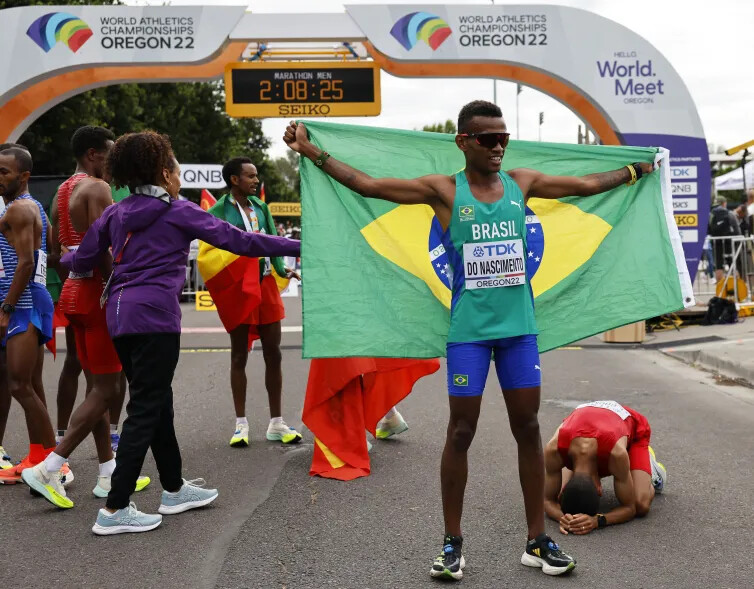
The family's search had captured widespread attention across Brazil and beyond. About a month after Daniel disappeared, relatives launched a major online campaign hoping someone would recognize him or provide information. In a particularly heartbreaking moment, the Olympic marathoner spent his 28th birthday away from those who love him, still missing as the desperate search continued.
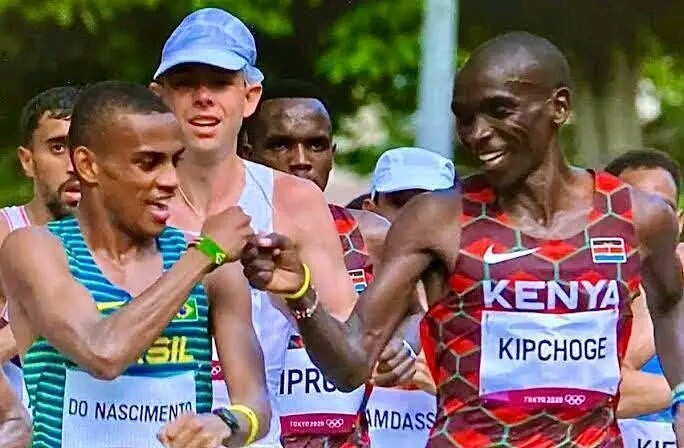
Behind the headlines lies a deeply personal struggle. According to his family, Daniel has been battling severe depression, a challenge that intensified following a doping case that abruptly brought his elite running career to a halt. In 2025, he received a five-year suspension, backdated to July 15, 2024, making him ineligible to compete in official events until 2029.
Despite the setbacks that have marked the past two years, today's news is not about records or racing. It is about life, hope, and the immeasurable joy of a family being reunited with their loved one.
Daniel remains one of South America's finest marathon runners, having represented Brazil at the Olympic Games and set a South American marathon record with a personal best of 2:04:51. Yet, this remarkable chapter serves as a powerful reminder that even the strongest athletes can face invisible battles beyond the finish line.
As Daniel returns to the care of his family, the athletics world shares in a collective sense of gratitude. The greatest victory today is not measured by time or trophies—it is the simple, priceless truth that he is alive.
The entire running community wishes Daniel strength, healing, and peace as he begins the next chapter of his journey, surrounded by the love and support of those who never stopped believing he would come home.
by Erick Cheruiyot for My Best Runs.
Login to leave a comment
Georgia Hunter Bell Produces A Tactical Masterclass To Win Commonwealth Games 800m Gold
Georgia Hunter Bell delivered a performance of exceptional composure and precision to capture the women's 800m title at the 2026 Commonwealth Games in Glasgow, producing a perfectly judged race to secure gold for England in 1:59.51.
In a final featuring some of the Commonwealth's strongest middle-distance athletes, Hunter Bell refused to be drawn into an early battle for position. Instead, she dictated the rhythm from the front, maintaining complete control before unleashing a devastating surge over the final 250 metres that none of her rivals could match.
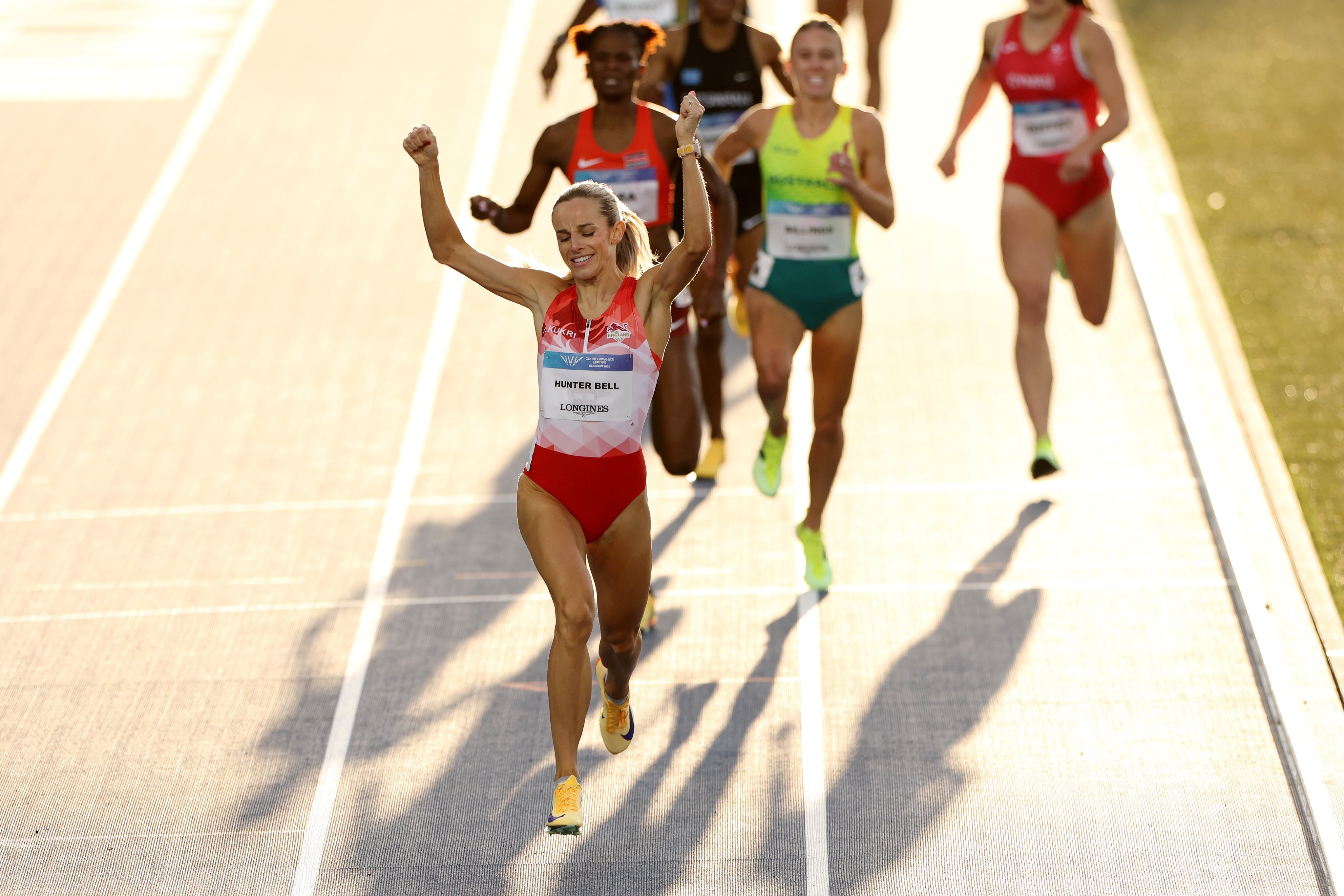
Her decisive finishing kick proved too much for Kenya's Lilian Odira, the reigning world champion, who chased hard over the closing stages but had to settle for the silver medal in 2:00.58. Australia's Sarah Billings completed the podium after edging a thrilling battle for bronze, crossing the line in 2:00.61, just three hundredths of a second behind Odira.
The race was a showcase of tactical intelligence rather than outright speed. Hunter Bell's confidence in setting the pace and her ability to produce a powerful finish at precisely the right moment highlighted why she has become one of the world's leading 800m runners.
Behind the medal winners, Botswana's Oratile Nowe finished fourth in 2:01.29, followed by Wales' Isabelle Boffey in fifth with 2:01.44. Saint Vincent and the Grenadines' Shafiqua Maloney claimed sixth in 2:02.17, Jamaica's Kelly-Ann Beckford was seventh in 2:02.77, while Mauritius' Rachel Klopfenstein rounded out the finalists in eighth with 2:03.81.
Official Women's 800m Final Results
1. Georgia Hunter Bell (England) – 1:59.51
2. Lilian Odira (Kenya) – 2:00.58
3. Sarah Billings (Australia) – 2:00.61
4. Oratile Nowe (Botswana) – 2:01.29
5. Isabelle Boffey (Wales) – 2:01.44
6. Shafiqua Maloney (Saint Vincent and the Grenadines) – 2:02.17
7. Kelly-Ann Beckford (Jamaica) – 2:02.77
8. Rachel Klopfenstein (Mauritius) – 2:03.81
The victory adds another major championship title to Hunter Bell's growing résumé and underlines England's continued strength in middle-distance running. Her calm race management, combined with an explosive finishing burst, ensured she was in complete command when the medals were decided.
The women's 800m final proved to be one of the most captivating races of the Glasgow Games, blending tactical brilliance with fierce competition and producing a memorable finish that kept spectators on the edge of their seats until the final metres.
by Erick Cheruiyot for My Best Runs.
Login to leave a comment

The Commonwealth Games
The Commonwealth Games are coming to Victoria - bringing an action packed sports program to our regional cities and delivering a long-term legacy for our future. From 17 to 29 March 2026, Geelong, Bendigo, Ballarat, Gippsland and Shepparton will be on the world stage, attracting millions of viewers and creating thousands of jobs. The multi-city model will...
more...