

Running News Daily
Running News Daily is edited by Bob Anderson and team. Send your news items to bob@mybestruns.com Advertising opportunities available.
Index to Daily Posts · Sign Up For Updates · Run The World Feed
Articles tagged #Kenyan
Today's Running News
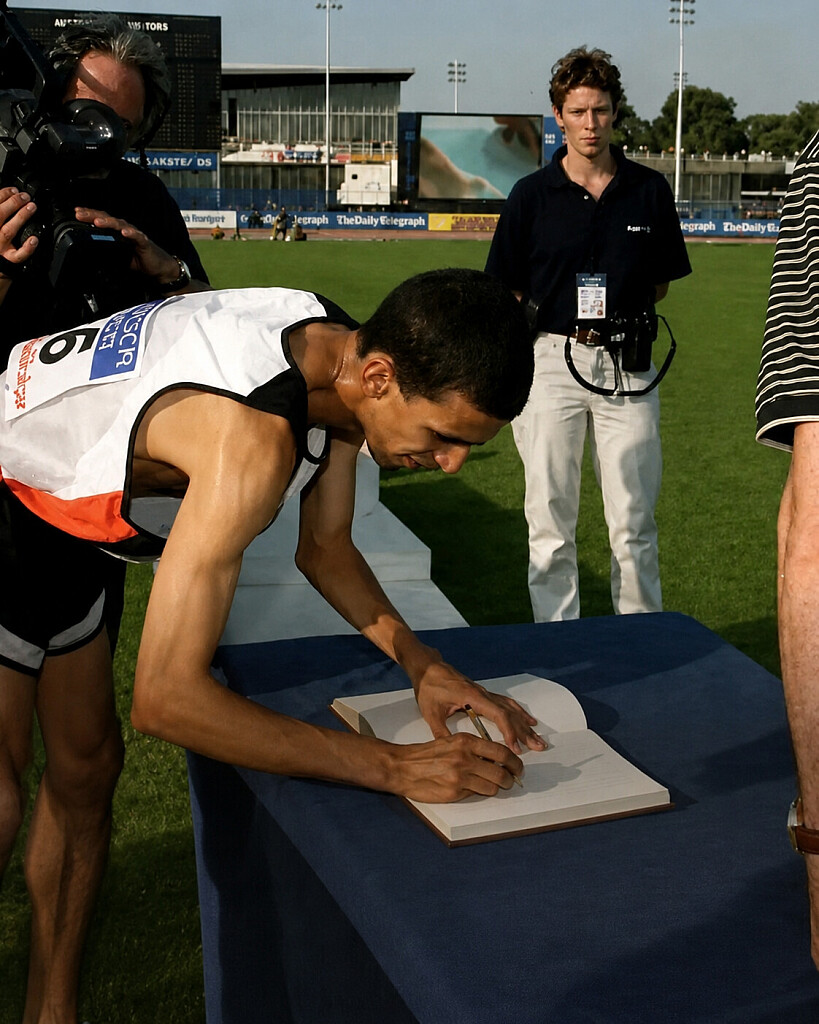


The Red Book Of Legends: How One Signature Became The Mile's Greatest Tradition
Long before digital records, social media posts, and instant celebrations, the Emsley Carr Mile created a tradition that has quietly preserved the history of one of athletics' most prestigious races. It is a tradition built not on medals or trophies, but on ink, leather, and the signatures of greatness.
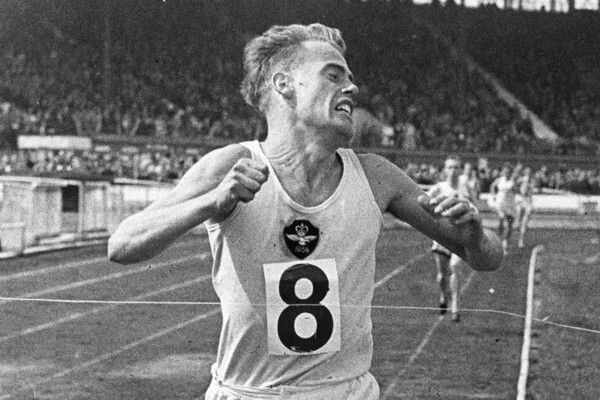
Since the inaugural Emsley Carr Mile in 1953, every champion has been invited to sign the same red leather book—a remarkable archive that has become one of the sport's most treasured historical artifacts.
Bound in luxurious Moroccan leather, the book is far more than a register of winners. It is a living timeline of middle-distance excellence, carrying the names of the athletes who redefined what humanity believed was possible over the mile.
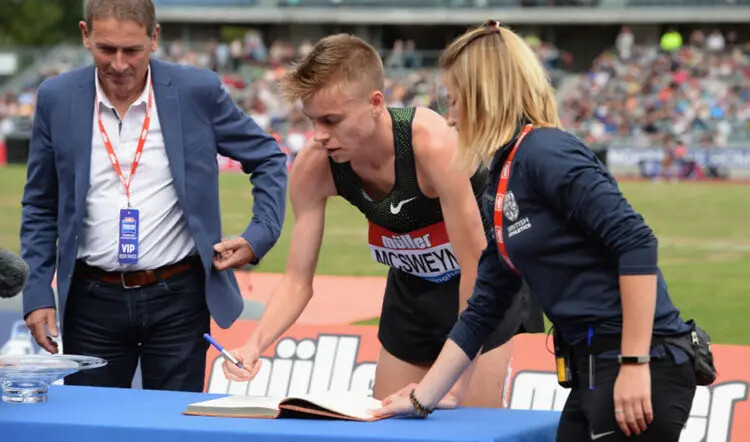
As the pages of the original volume filled, a second volume was introduced in 1980. Yet the tradition never changed. Each year's champion adds another signature, another chapter, another piece of history to a legacy spanning more than seven decades.
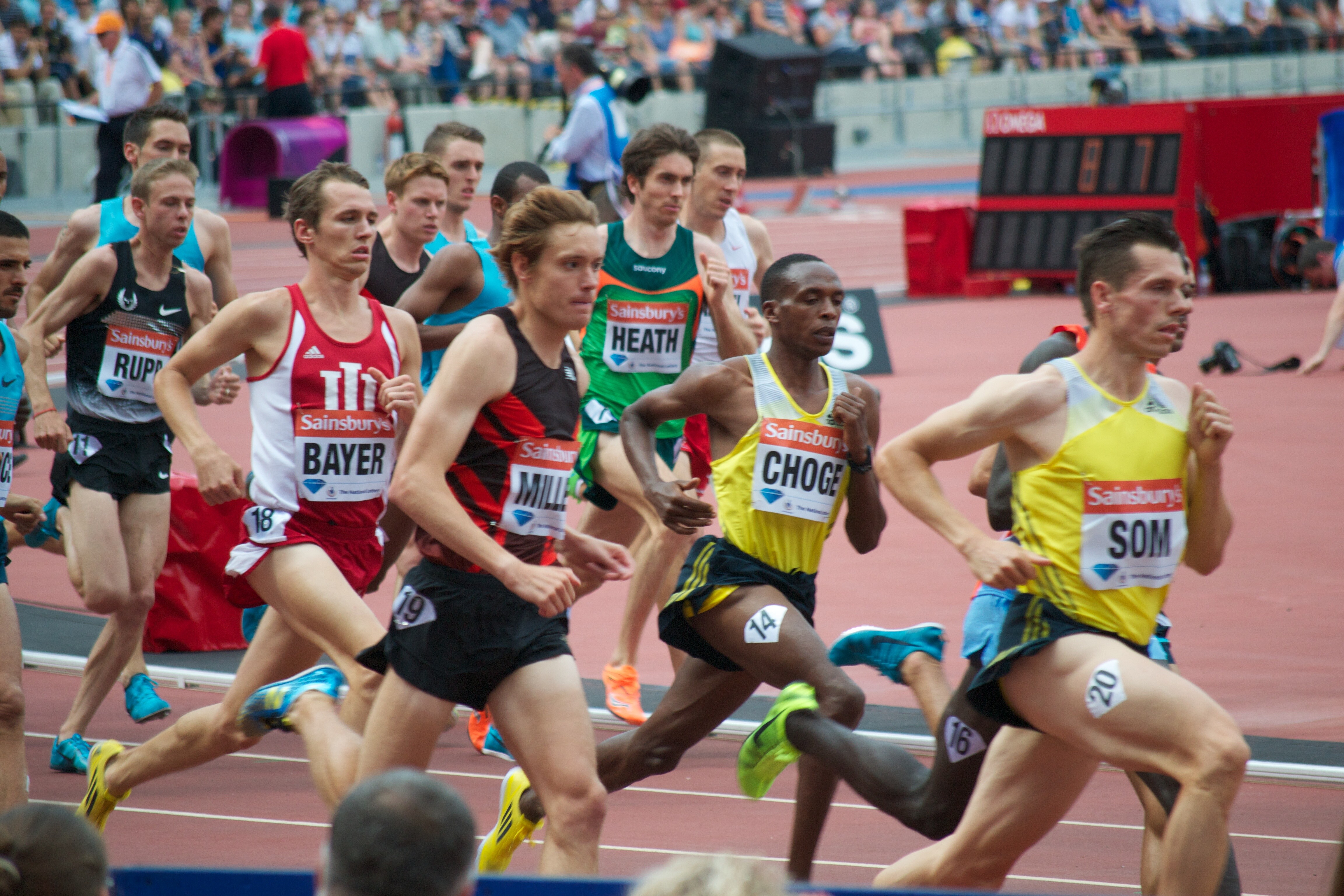
Within its pages are some of the greatest names athletics has ever known. Kenyan icon Kip Keino signed it. Steve Ovett left his mark. So did Sebastian Coe, Haile Gebrselassie, and the incomparable Hicham El Guerrouj. Altogether, the book bears the signatures of eleven Olympic champions and seven men who have held the world mile record—a remarkable concentration of sporting greatness.
Yet one name is conspicuously absent.
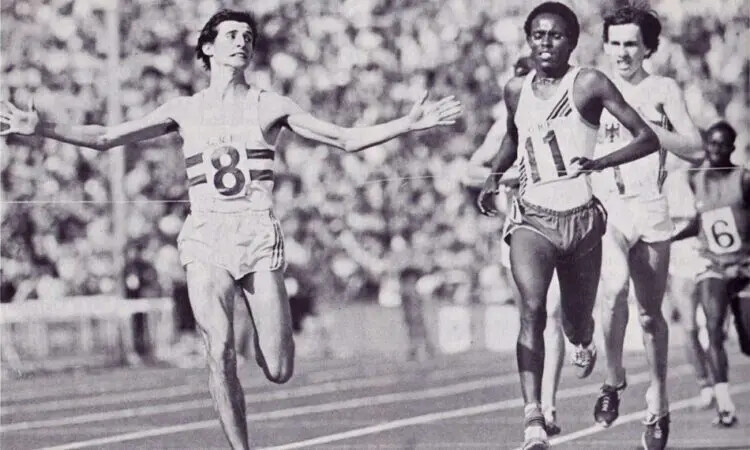
Roger Bannister, the first man to break the four-minute mile, never signed the famous book.
Ironically, the Emsley Carr Mile had originally been established to encourage athletes in their pursuit of the once-impossible four-minute barrier. But by the time the race was held for only the second time, Bannister had already etched his own name into sporting immortality with his historic run at Oxford's Iffley Road in May 1954. His career soon moved in a different direction, and the opportunity to sign the book never came. Decades later, the empty space where his signature might have appeared remains one of the sport's most fascinating "what if" stories.
While legends came and went, one man quietly built a record that still stands unmatched.
British runner Ken Wood remains the most successful athlete in Emsley Carr Mile history, winning the race four times between 1954 and 1961. Consequently, his signature appears more frequently than any other in the historic volume—a lasting reminder of an athlete whose achievements deserve far greater recognition.
The race itself has journeyed across some of Britain's most iconic athletics venues, moving from White City to Crystal Palace, then Alexander Stadium, and today the London Stadium. Through every relocation, one constant has remained: the red leather book has travelled alongside it, faithfully collecting the signatures of every new champion.
With each passing year, the book grows heavier—not because of its pages, but because of the extraordinary history they contain.
Now, another chapter has been written.
Fresh from producing one of the greatest mile performances ever witnessed, Josh Kerr has added his name to the same legendary book signed by generations of champions before him. His signature now sits alongside the sport's greatest icons, but with one remarkable distinction: the time attached to his victory is faster than any recorded above it.
The names have changed. The venues have changed. The records have fallen.
But the tradition has endured.
For more than seventy years, one red leather book has silently chronicled the evolution of the mile, reminding every new champion that while records may eventually be broken, true sporting legacy is written one signature at a time.
by Erick Cheruiyot for My Best Runs.
Login to leave a comment
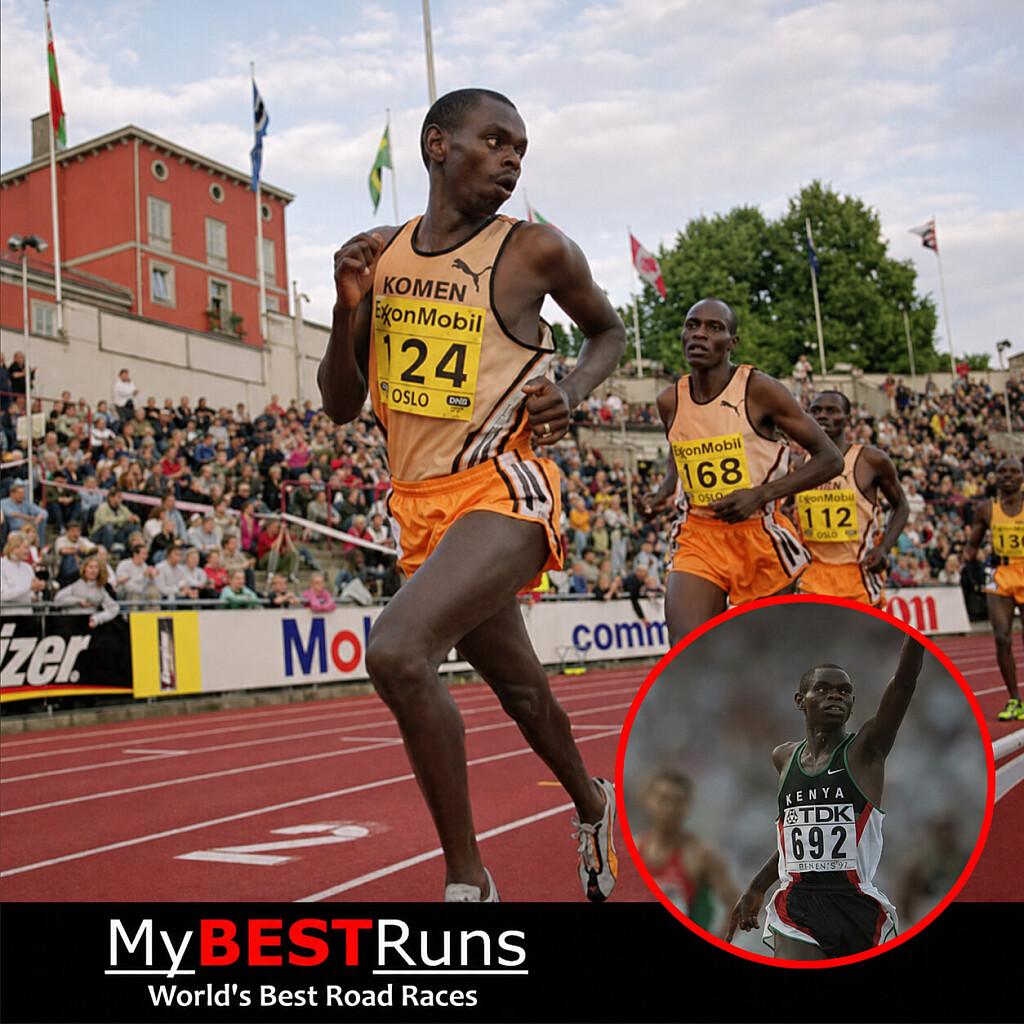
Daniel Komen's Timeless Masterpiece: The Night A Kenyan Legend Redefined Human Endurance
Exactly 29 years ago today, athletics witnessed a performance so extraordinary that it continues to stand among the greatest distance-running feats ever produced.
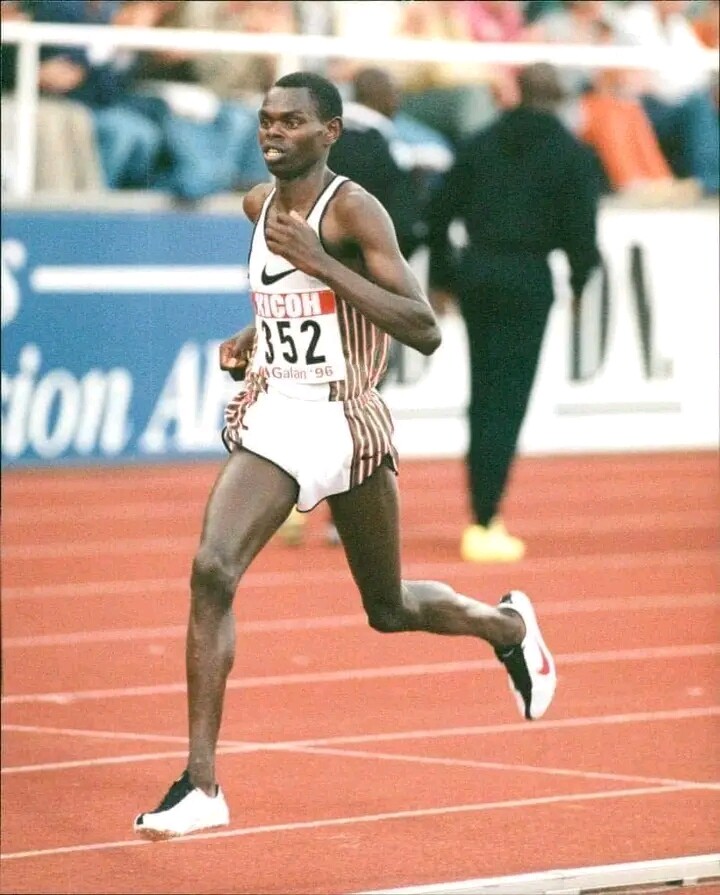
On July 19, 1997, under the lights of the KBC Night of Athletics in Hechtel, Belgium, Kenya's Daniel Komen delivered a race that seemed to defy the limits of human endurance. In an era long before carbon-plated shoes and today's advanced sports science, Komen ran a staggering 7:58.61 for two miles, becoming the first athlete in history to break eight minutes for the distance.
What made the performance even more astonishing was the way it unfolded. Komen effectively ran two consecutive sub-four-minute miles, covering each mile in approximately 3:59.3—an achievement that had never been accomplished within a single race. It was a display of relentless speed, flawless rhythm, and remarkable resilience that left the athletics world in awe.
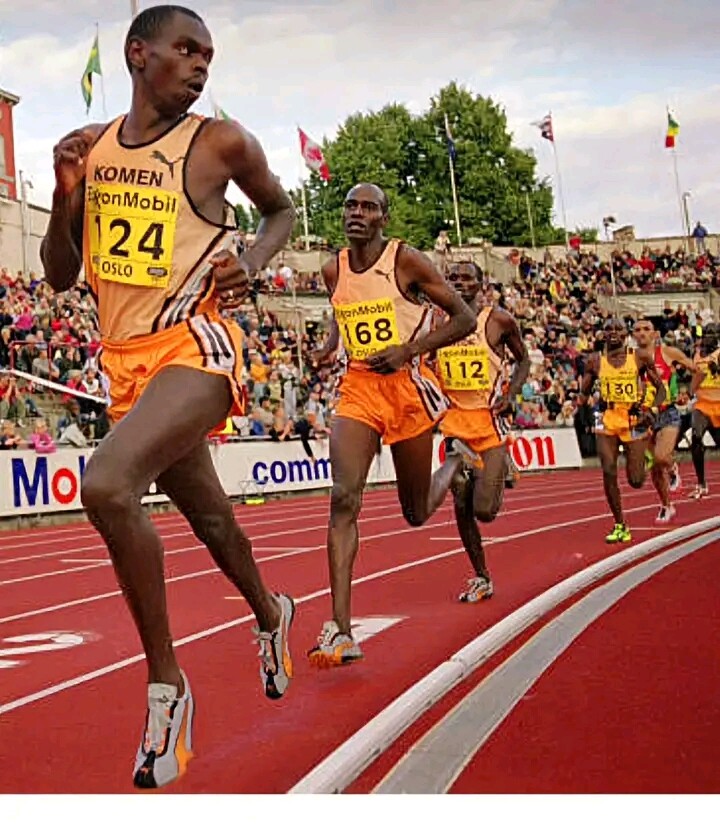
For the next 26 years, Komen's world record stood untouched despite generations of world-class middle- and long-distance runners attempting to rewrite history. It was only in 2023 that Norway's Jakob Ingebrigtsen finally lowered the mark to 7:54.10, bringing an end to one of the longest-standing records in elite distance running.
Yet even with the record no longer in his possession, Komen's legacy remains unmatched in one extraordinary respect. He is still the only athlete in history to have broken the eight-minute barrier for two miles more than once—a testament to a level of consistency and excellence that has never been replicated.
Komen's Hechtel masterpiece was more than a world record. It was a statement that greatness is measured not only by the clock but by the courage to venture into territory where no one has gone before. His breathtaking run raised the standard for distance running and inspired generations of athletes to believe that seemingly impossible barriers exist only until someone is bold enough to break them.
Nearly three decades later, Daniel Komen's unforgettable night in Belgium remains one of Kenya's finest moments on the global athletics stage—a performance that continues to command admiration, celebrate Kenyan excellence, and remind the world why some achievements transcend time.
by Erick Cheruiyot for My Best Runs.
Login to leave a comment

Four Legends Who Defined Kenya's Golden Era of the 800 Metres
Kenya's rich history in the 800 metres has produced some of the finest middle-distance athletes the world has ever witnessed. Across different generations, extraordinary talent, resilience and excellence have transformed the nation into a global powerhouse in the two-lap event. From world records and Olympic triumphs to groundbreaking achievements and inspirational coaching, four remarkable athletes stand out as enduring symbols of Kenya's golden era.
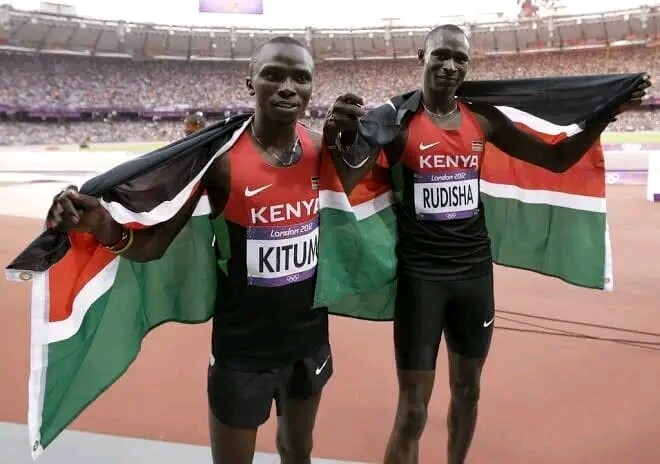
Leading the list is David Rudisha, the undisputed king of the men's 800 metres. His name is synonymous with greatness after redefining what was thought possible over two laps. A two-time Olympic champion and two-time world champion, Rudisha reached the pinnacle of the sport at the London 2012 Olympic Games, where he produced one of the greatest performances in athletics history. His breathtaking world record of 1:40.91, set from the front without the aid of a pacemaker, remains unbeaten and continues to inspire generations of middle-distance runners around the world.
Sharing that unforgettable London final was Timothy Kitum, whose remarkable breakthrough captivated the athletics world. At just 18 years old, he delivered a sensational performance to claim the Olympic bronze medal in a personal best of 1:42.53, a time that still stands as Kenya's national under-20 record. Although he later stepped away from elite competition, Kitum has remained closely connected to the sport, proudly supporting his wife, multiple Olympic champion Faith Kipyegon, as she continues to build one of the greatest careers in middle-distance running history.
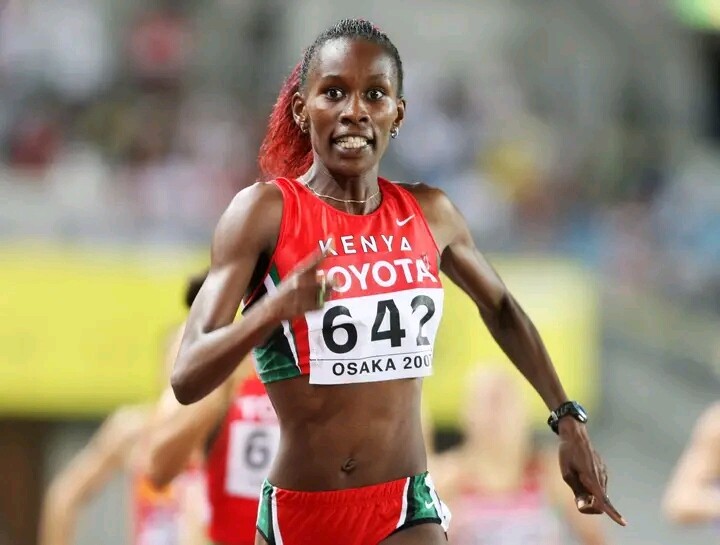
On the women's side, Janeth Jepkosgei broke new ground for Kenyan athletics by becoming the country's first female World Champion in the 800 metres. Affectionately known as the "Eldoret Express," she captured the world title in Osaka in 2007 before adding an Olympic silver medal at the Beijing Games in 2008. Her influence, however, extends well beyond the medals she won. After retiring from competition, Jepkosgei dedicated herself to coaching, helping nurture a new generation of Kenyan middle-distance stars.
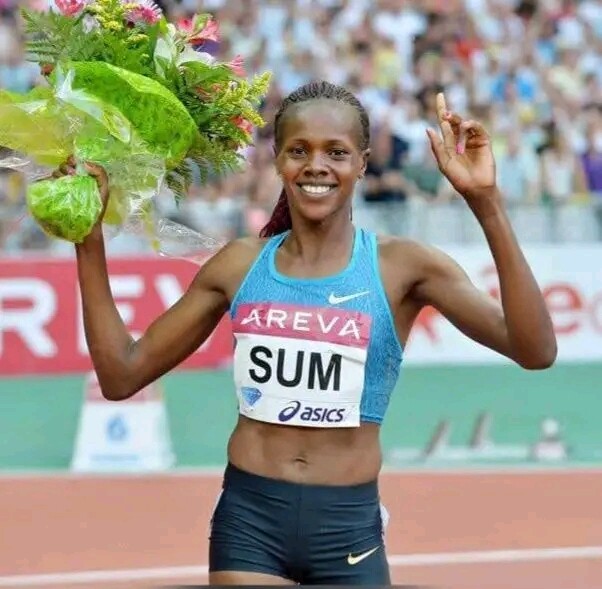
Among those who benefited most from her guidance was Eunice Sum. Under Jepkosgei's mentorship, Sum blossomed into one of the world's finest 800-metre athletes, winning the World Championship title in Moscow in 2013 before adding a bronze medal at the 2015 World Championships. Her rise from promising youngster to global champion stands as a powerful testament to the value of mentorship and the enduring strength of Kenya's middle-distance tradition.
Together, these four icons represent far more than medals and records. They embody the passion, discipline and relentless pursuit of excellence that have made Kenya the benchmark in the 800 metres. Their achievements have inspired generations of athletes, while their legacy continues to shape the future of Kenyan middle-distance running. From world records and Olympic glory to championship titles and coaching excellence, they remain enduring symbols of one of the greatest eras in the history of the 800 metres.
by Erick Cheruiyot for My Best Runs.
Login to leave a comment
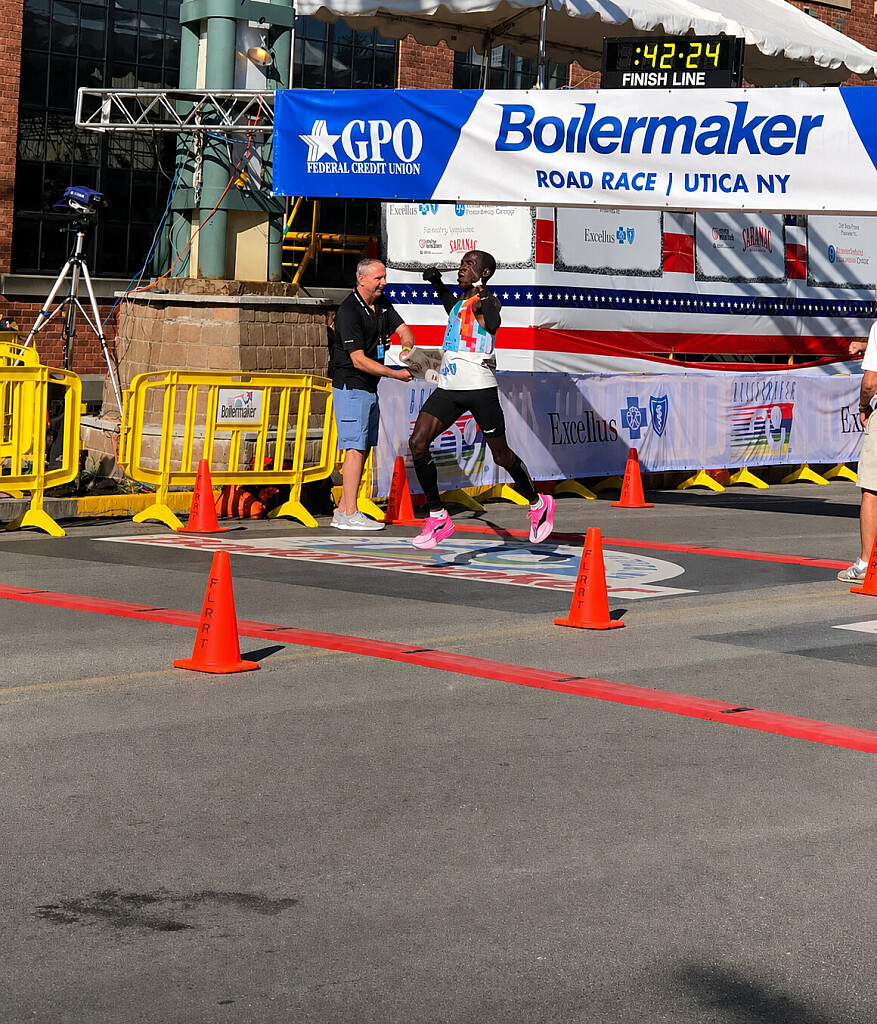
Elite Performances Highlight Boilermaker 15K as Alex Matata Takes Top Honors
Kenya's Alex Matata delivered a sensational performance to claim the men's title at the prestigious Boilermaker Road Race 15K in Utica, New York, producing a dominant run that underlined his growing reputation as one of the world's finest road racers.
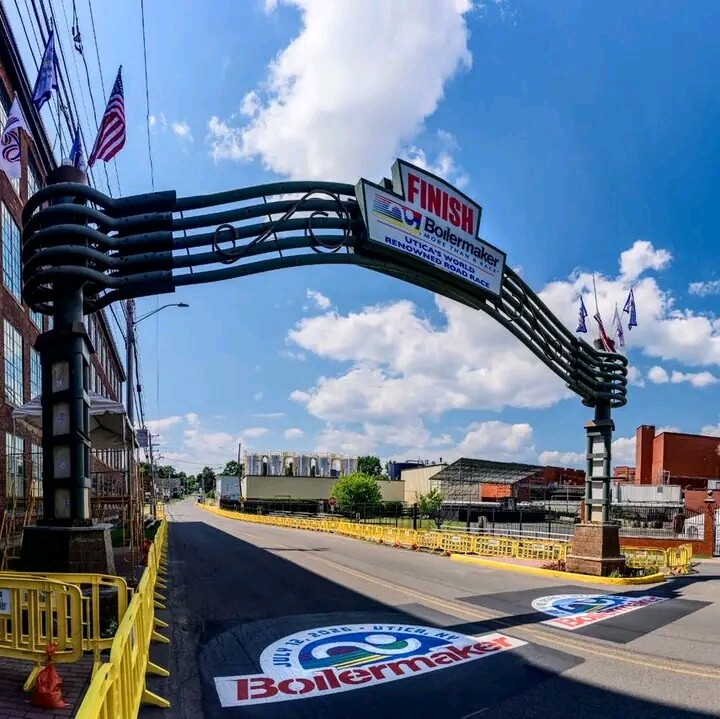
Matata surged to victory in an outstanding time of 42:24, mastering the demanding course with a display of strength, speed, and tactical brilliance. His commanding performance secured a memorable triumph in one of the United States' most celebrated road races, adding another significant international victory to his career.

Kenya's success was further highlighted by Kiprono Sitonik, who produced an equally impressive run to finish second in 42:53, completing a remarkable one-two finish for the East African nation. South Africa's Adam Lipschitz rounded out the podium after clocking 43:14 to claim third place following a determined effort.
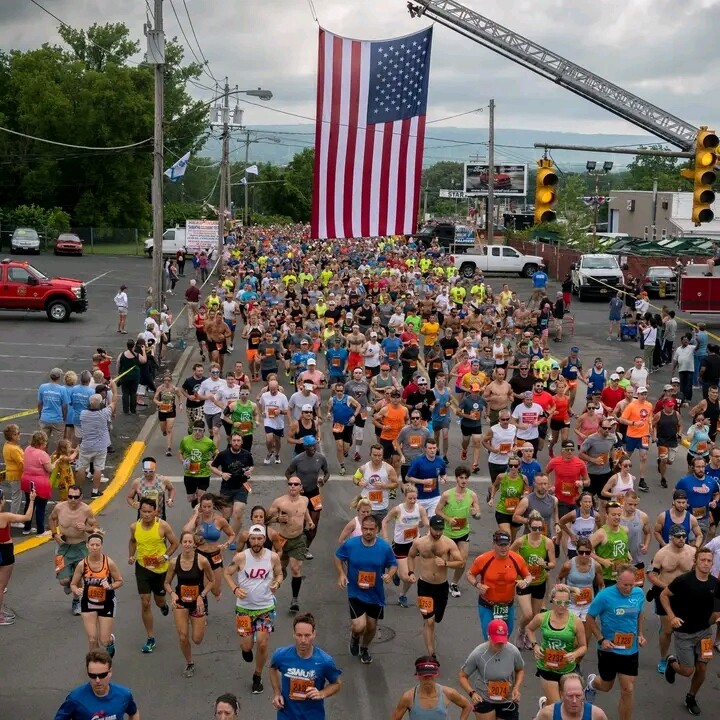
The race featured a highly competitive international field, with American athletes Reid Buchanan and Hillary Bor finishing fourth and fifth respectively, while another Kenyan, Victor Shitsama, added to his country's strong showing by taking sixth place.
Matata's victory once again showcased Kenya's enduring strength in global road racing, as its athletes continued to dominate major international competitions through exceptional endurance, tactical awareness, and relentless finishing speed. His performance in Utica not only thrilled the spectators lining the streets but also reinforced the depth of Kenyan distance running on the world stage.
Men's Top 10 Results – Boilermaker Road Race 15K
1. Alex Matata (Kenya) – 42:24
2. Kiprono Sitonik (Kenya) – 42:53
3. Adam Lipschitz (South Africa) – 43:14
4. Reid Buchanan (United States) – 43:38
5. Hillary Bor (United States) – 43:40
6. Victor Shitsama (Kenya) – 44:02
7. Futsum Zienasellassie (United States) – 44:32
8. Charlie Sweeney (United States) – 44:37
9. Sam Lawler (United States) – 44:54
10. Tyler Berg (United States) – 45:08
With another major road racing title added to his résumé, Alex Matata continued his impressive 2026 campaign while reinforcing his status as one of the leading names on the international road racing circuit. The Boilermaker 15K once again delivered a high-quality contest, with athletes from across the globe producing memorable performances in one of the United States' most prestigious road races.
by Erick Cheruiyot for My Best Runs.
Login to leave a comment

Boilermaker 15k
The Boilermaker 15K is the premier event of Boilermaker Weekend. This world krenowned race is often referred to as the country's best 15K. The Boilermaker 15K is recognized for its entertaining yet challenging course and racing's best post-race party, hosted by the F.X. Matt Brewing Company, featuring Saranac beer and a live concert! With 3 ice and water stops every...
more...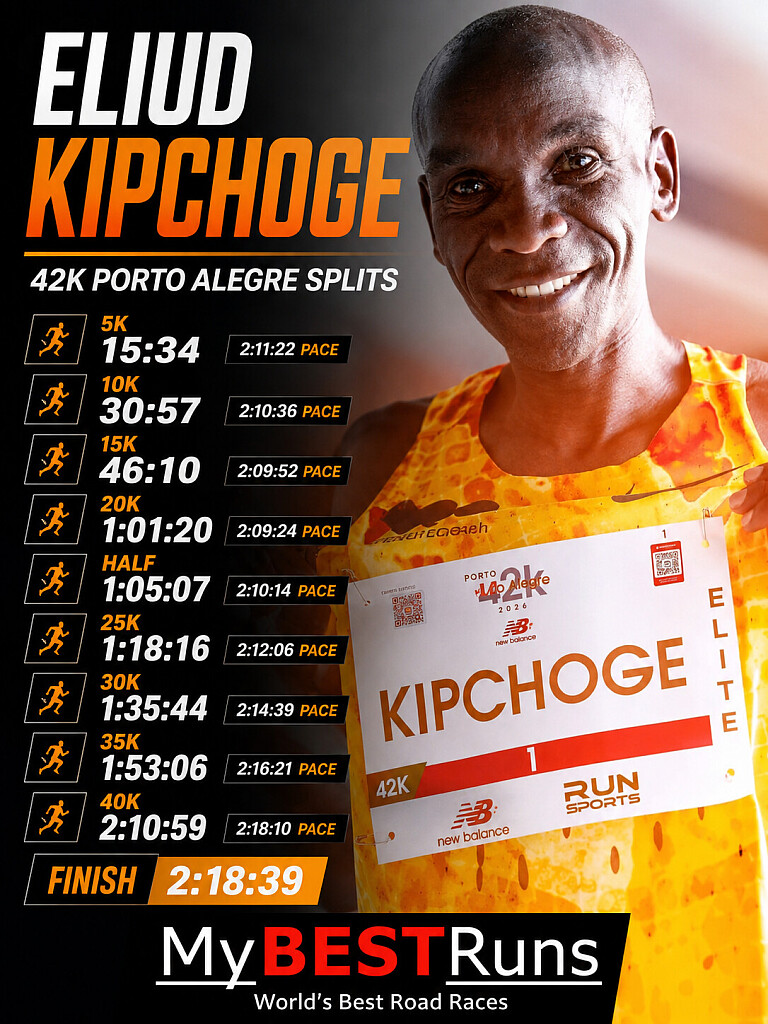
Beyond the Finish Line: Eliud Kipchoge's Journey Continues to Inspire the World
Eliud Kipchoge's remarkable World Tour continued on Brazilian soil as the Kenyan marathon icon completed the New Balance 42K Porto Alegre Marathon, crossing the finish line in 2:18:39 to place 12th overall during the second stop of his ambitious seven-continent global running tour.
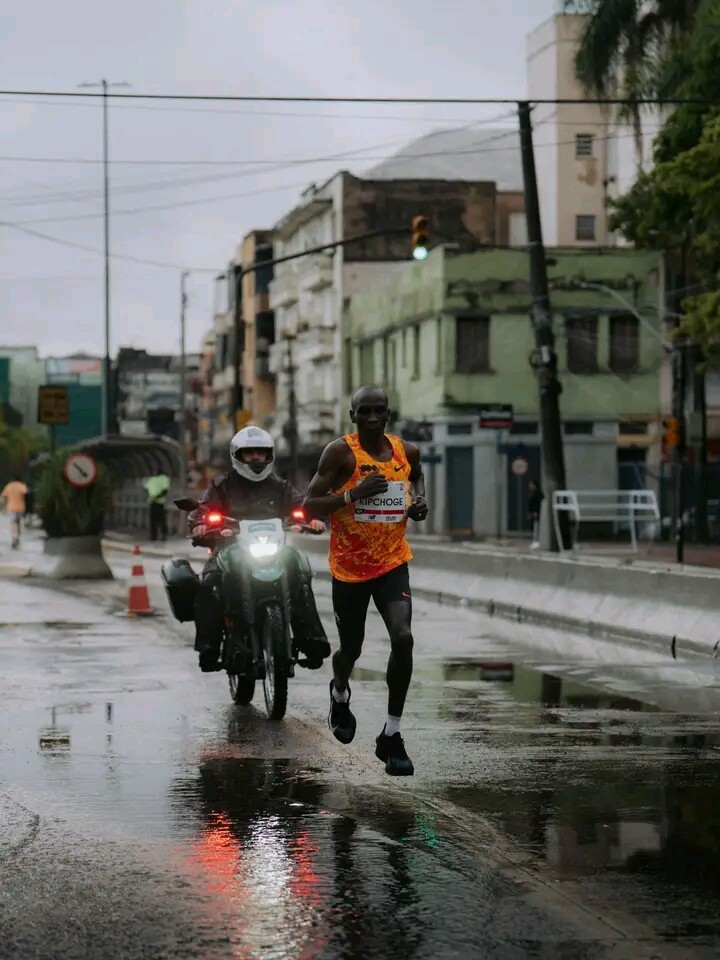
Competing against a strong international field, the two-time Olympic marathon champion displayed the resilience and determination that have defined his legendary career. While the result was not among the victories that have made him one of the greatest marathon runners in history, Kipchoge once again demonstrated the unwavering commitment that continues to inspire athletes and fans across the globe.
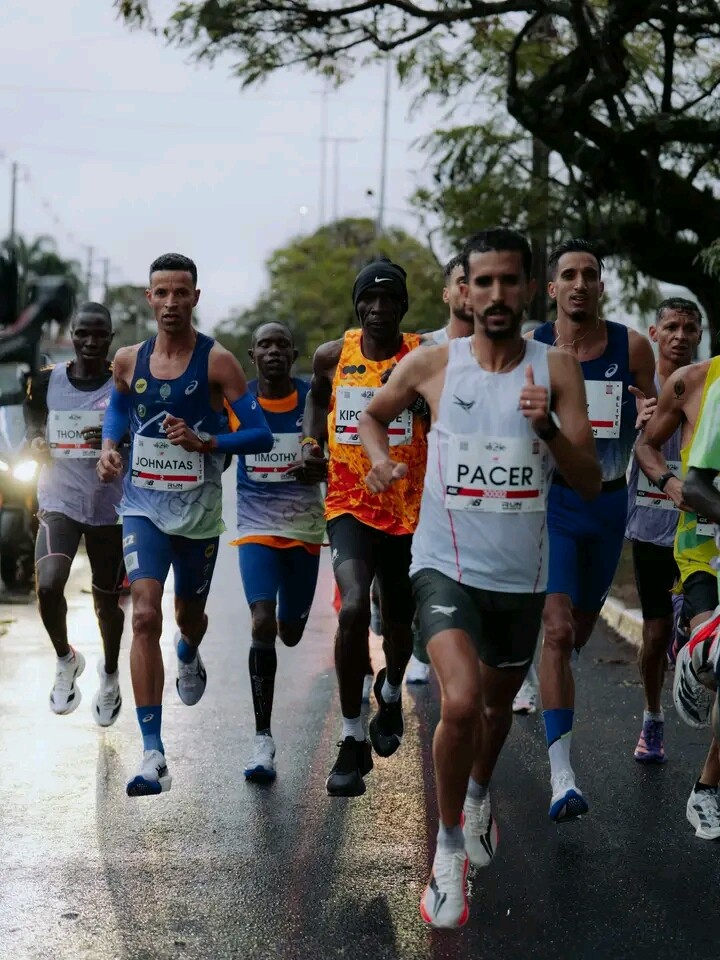
Morocco's Zineddine Ouria claimed victory in a superb 2:08:49, with Kipchoge finishing 9 minutes and 50 seconds behind the race winner after navigating the demanding course in Porto Alegre.
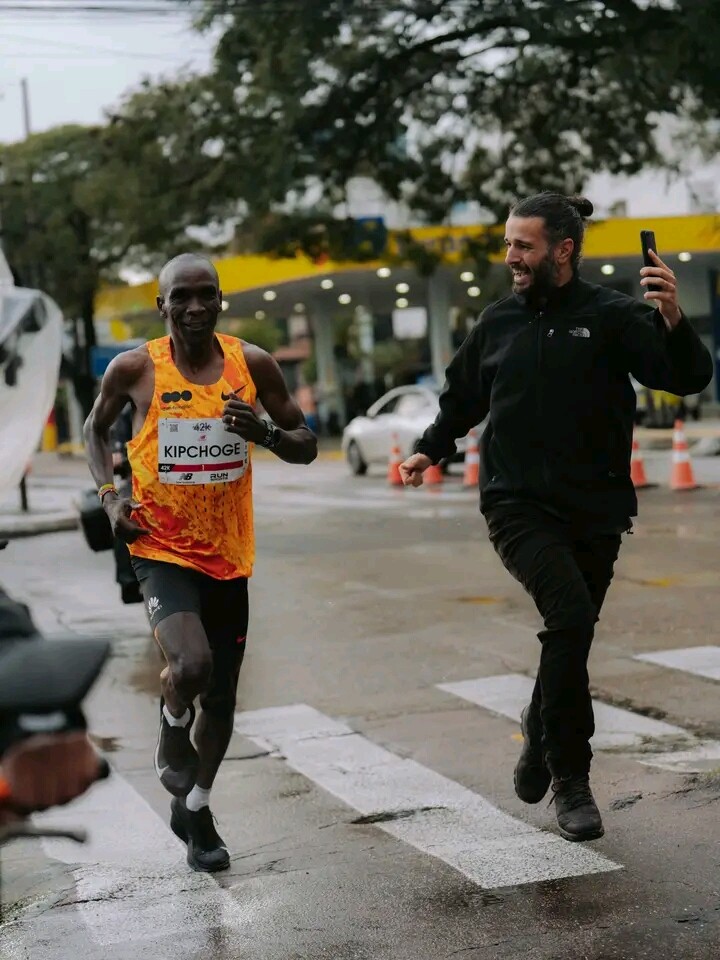
Kipchoge began the race with controlled and confident pacing, reaching 5km in 15:34 before passing the halfway mark in 1:05:07. As the race entered its decisive stages, the pace gradually slowed, but the veteran marathoner pressed on with characteristic determination, completing the 42.195-kilometre challenge in 2:18:39.
For many, the story will be told through the finishing position. But for those who truly understand greatness, this journey is about far more than medals, records, or podium finishes. Kipchoge's World Tour is a celebration of the sport itself—an opportunity to connect with runners across every continent, inspire the next generation, and continue living by the philosophy that has become synonymous with his career: "No Human Is Limited."
The Brazilian appearance also carried added significance, coming shortly after Kipchoge was permanently honoured in Porto Alegre with his footprints unveiled at the entrance of Parque Harmonia—a lasting tribute to his extraordinary impact on distance running and his enduring legacy in the sport.
Once a champion. Forever an inspiration. Legends do not stop inspiring when the victories become fewer; they inspire because they never stop showing up. Through every stride, every finish line, and every challenge embraced, Kipchoge continues to prove that true greatness is measured not only by what an athlete wins, but by the lives they touch along the way.
With the second stop of his World Tour now complete, Kipchoge will turn his attention to the next chapter of his global adventure when he lines up at the Melbourne Marathon in Australia this October. Wherever he races, millions will once again follow the journey of a man whose legacy extends far beyond the stopwatch.
by Erick Cheruiyot for My Best Runs.
Login to leave a comment
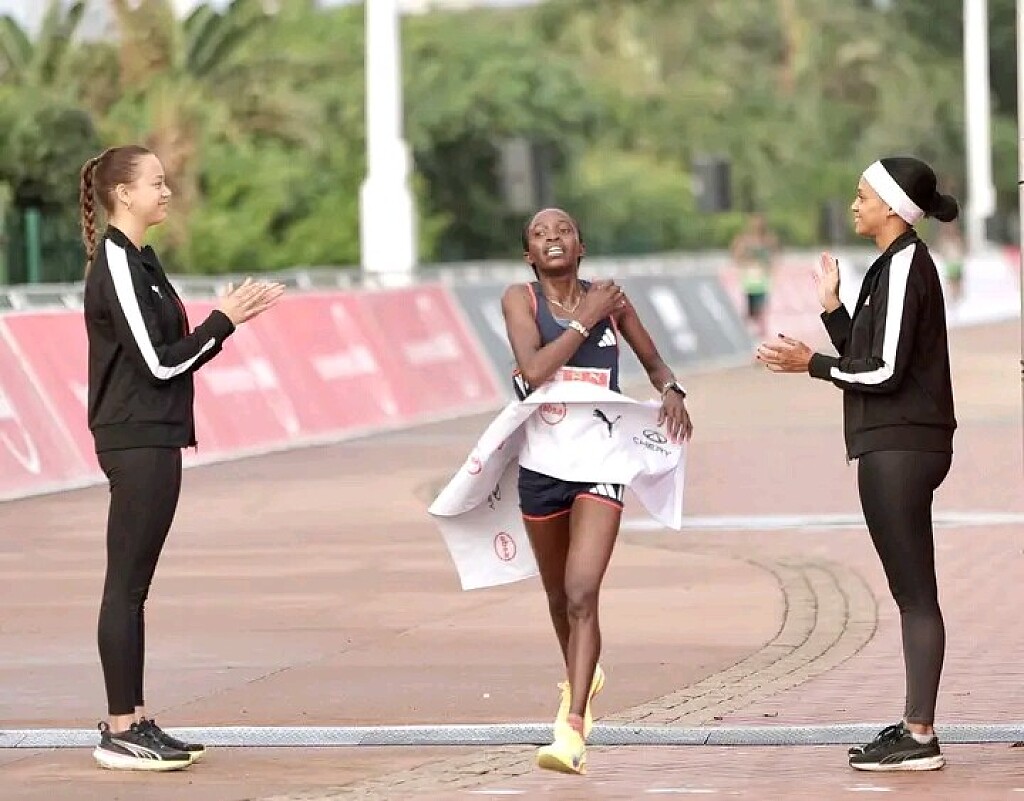
Doreen Cherop Shines in Durban as Kenyan Trio Sweeps Women's 10K Podium
Doreen Cherop delivered a superb performance to win the women's race at the Absa RUN YOUR CITY Durban 10K, crossing the finish line in an impressive 30:43 to lead a Kenyan 1-2-3 finish in one of the day's standout performances.
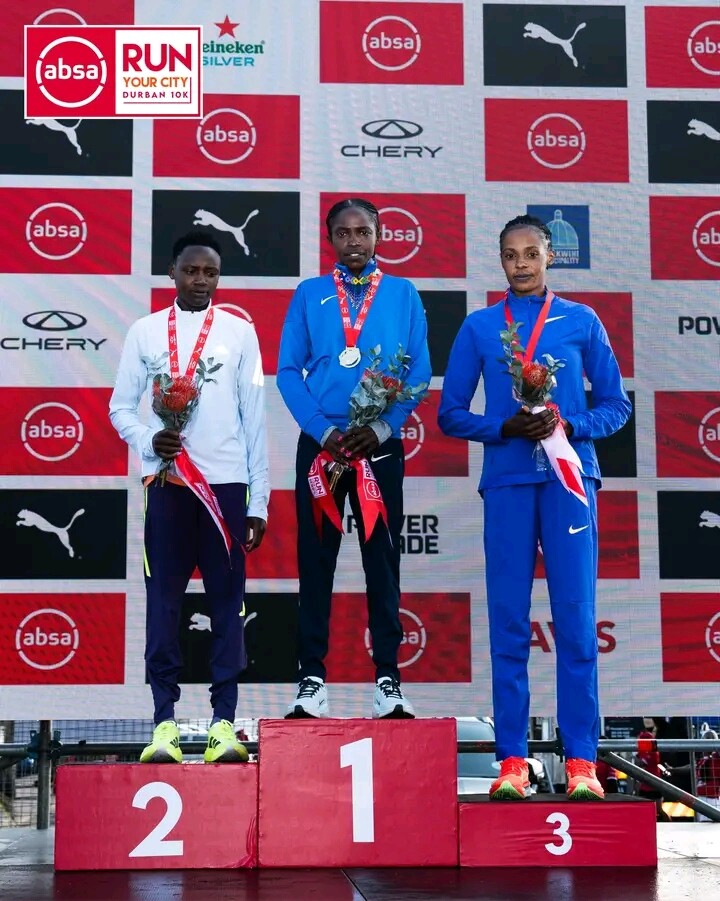
Cherop maintained a strong and consistent pace throughout the race before pulling away in the closing stages to secure victory. She was followed closely by Brenda Jepchirchir, who finished second in 30:52, while Beatrice Chepkoech completed the podium with a time of 31:25, capping an outstanding day for the Kenyan contingent.
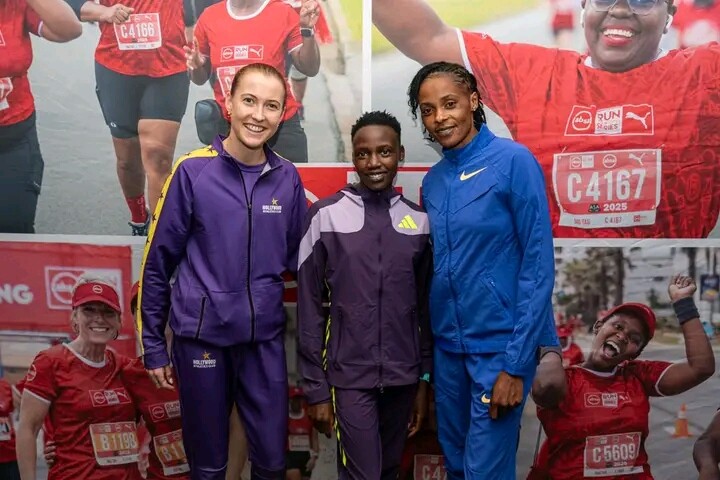
The women's race was contested at a fast pace from the opening kilometres, producing an exciting battle among some of the region's top distance runners. Behind the leading trio, Tayla Kavanagh emerged as the highest-placed South African, finishing fourth in 31:28, while Neheng Khatala of Lesotho claimed fifth place in 32:04 after another impressive outing.
The race also highlighted the depth and quality of women's road running, with athletes from across the continent producing strong performances on Durban's fast course. Although Cherop ultimately proved to be the strongest over the 10-kilometre distance, the closely fought contest behind her ensured an entertaining race from start to finish, reflecting the growing competitiveness of elite road racing in Africa.
Cherop's victory adds another significant achievement to her career and further enhances the prestige of the Absa RUN YOUR CITY Durban 10K, an event that continues to attract some of the continent's finest distance runners. Her composed display and decisive finish made the difference on the day, bringing the women's race to a memorable conclusion and providing another thrilling chapter in one of Africa's premier road-running events.
by Erick Cheruiyot for My Best Runs.
Login to leave a comment
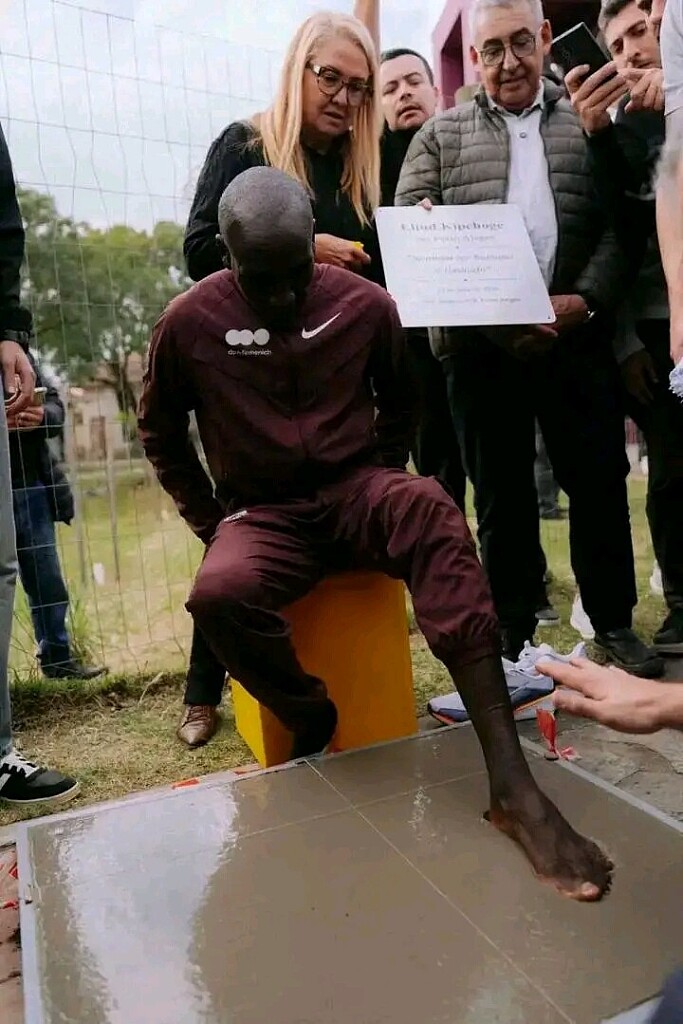
Eliud Kipchoge's Legacy Etched in Brazil as Marathon Icon Receives Permanent Honor
There are moments in sport that transcend records and victories, becoming lasting symbols of inspiration. One such moment has now been created in Brazil, where Kenyan marathon great Eliud Kipchoge has received one of the highest forms of recognition for his extraordinary contribution to athletics and global sport.

At the entrance of Parque Harmonia in Porto Alegre, Kipchoge has officially left his footprints, ensuring that his presence will remain a part of the city's sporting heritage for generations to come. Eliud Kipchoge has been permanently honored in Brazil with his footprints at the entrance of Parque Harmonia. The recognition celebrates far more than his remarkable achievements on the roads—it acknowledges the profound influence he has had on athletes, fans, and the global running community.

For millions around the world, Kipchoge represents the very definition of excellence. The two-time Olympic marathon champion has built one of the greatest careers in distance running history, winning multiple World Marathon Majors, setting world records, and becoming the first person to run a marathon in under two hours under controlled conditions. Yet beyond the medals and milestones, it is his humility, discipline, and unwavering belief that "No Human Is Limited" that have transformed him into a global symbol of perseverance and possibility.
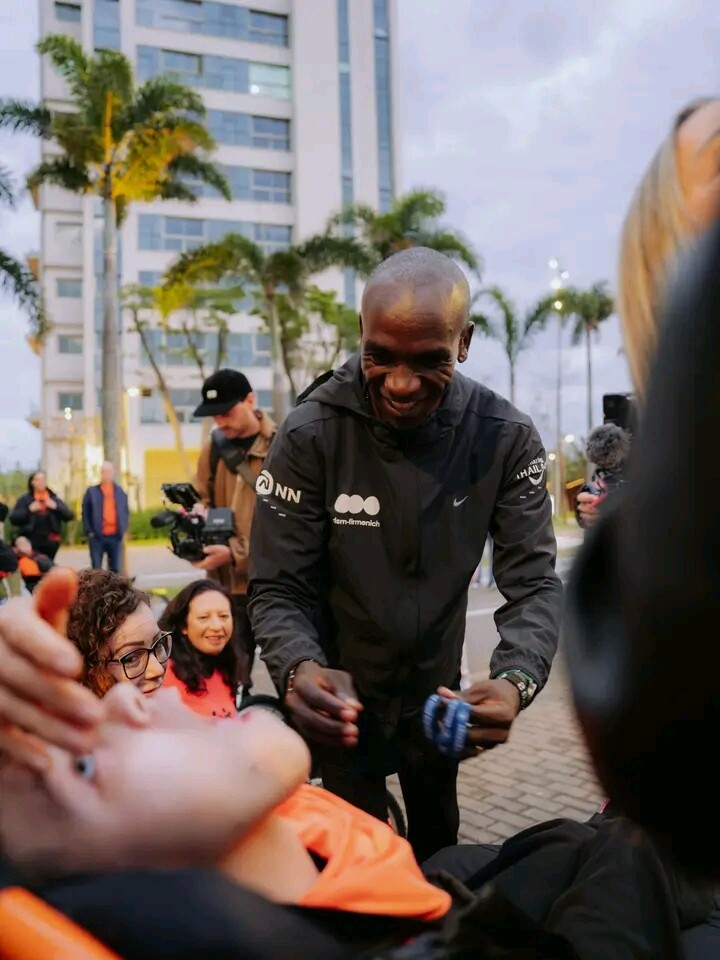
The permanent installation at Parque Harmonia stands as a powerful reminder that true greatness extends far beyond finish lines and podiums. Every visitor who walks past those footprints will be reminded of an athlete whose remarkable journey has inspired millions to dream bigger, work harder, and challenge the boundaries of human potential.
Few athletes earn recognition that becomes part of a city's landscape. Kipchoge has now joined that exclusive company, with his legacy literally etched into Brazilian soil—a fitting honor for a man whose influence reaches every corner of the running world.
As he continues to inspire both on and off the roads, Eliud Kipchoge's impact has already become timeless. His story is no longer defined solely by Olympic titles, world records, or marathon victories, but by the lives he has touched and the belief he has instilled in future generations.
His footprints in Porto Alegre symbolize far more than where he has been—they represent the path he has paved for countless others to follow. It is a legacy that will endure long after the final finish line, proving once again that true champions do not simply make history—they leave an everlasting mark on the world.
by Erick Cheruiyot for My Best Runs.
Login to leave a comment
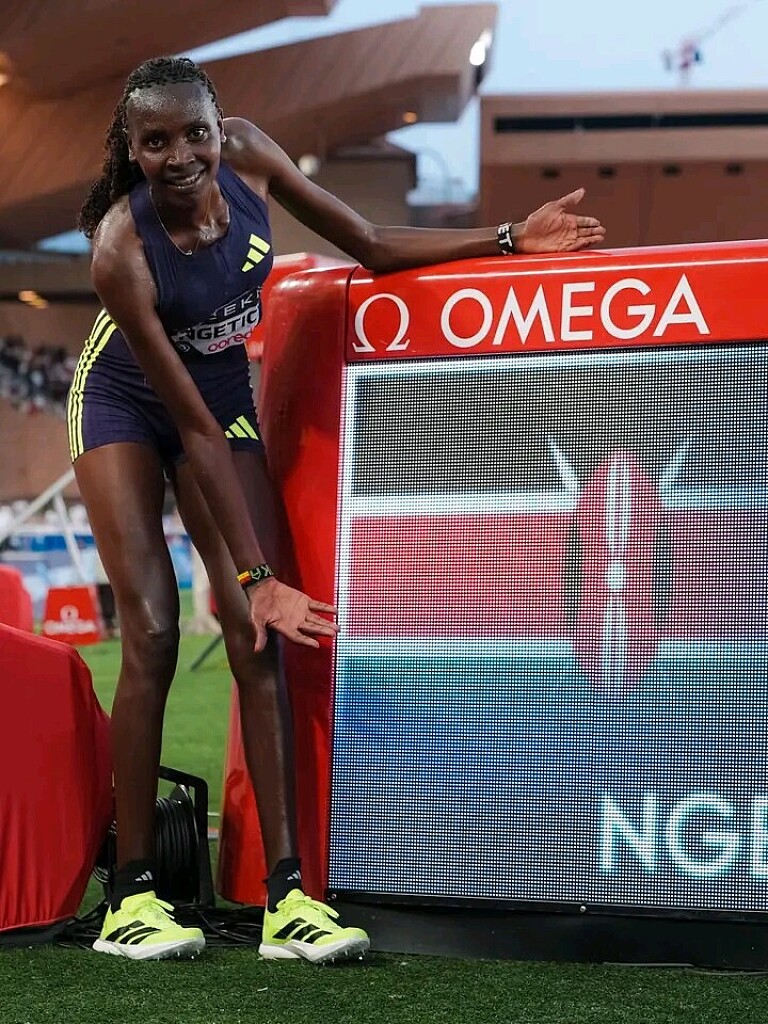
Agnes Ngetich Storms Into History as the Third-Fastest Woman Ever Over 3000m in Monaco Masterclass
Kenya's Agnes Jebet Ngetich delivered the performance of her career at the Monaco Diamond League, producing a breathtaking run that has rewritten the history books and firmly established her among the greatest women's distance runners of all time.
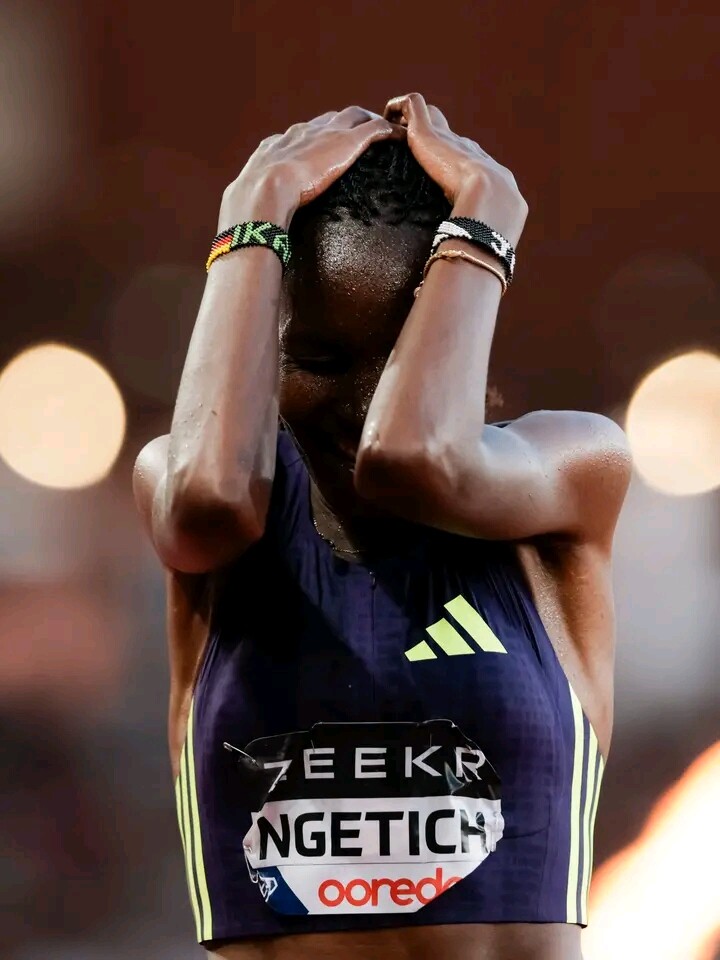
The 25-year-old clocked an astonishing 8:08.95, shattering the meeting record, setting a new personal best by more than 14 seconds, and recording the fastest women's 3000m time in the world this season. It was a sensational display that propelled her to third on the all-time world rankings, behind only China's Wang Junxia and fellow Kenyan Faith Kipyegon.
Ngetich's remarkable performance eclipsed Beatrice Chebet's 8:11.56, moving her onto the all-time podium and underlining her rapid rise as one of the sport's most formidable distance runners. Even more impressive was the fact that Monaco marked her first track race of the season, making her achievement all the more extraordinary.
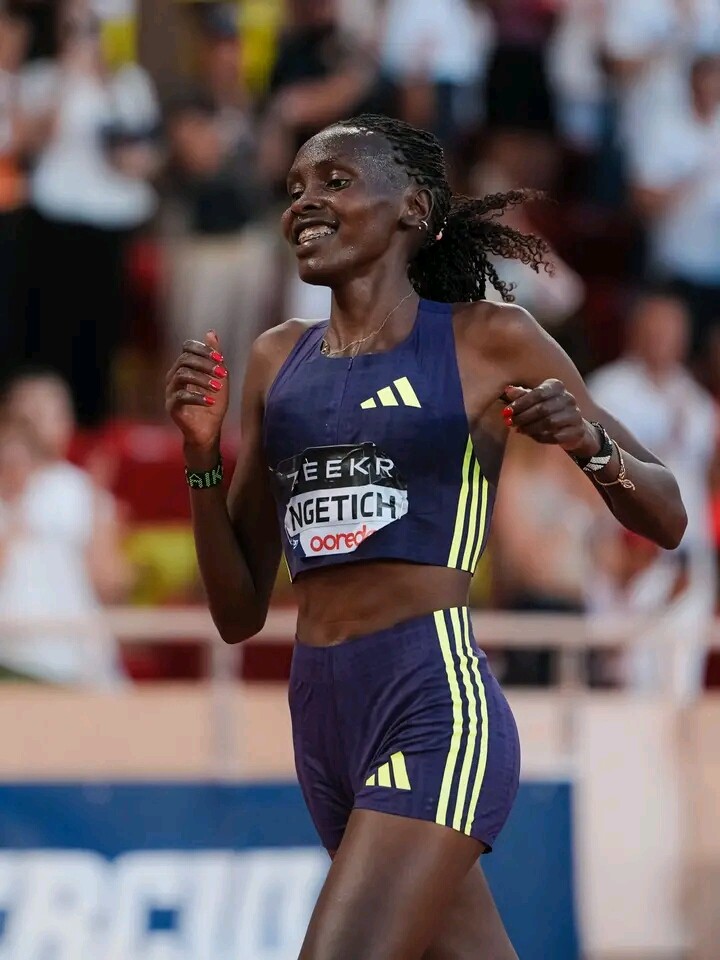
The race also highlighted Kenya's remarkable dominance in the event. For the first time in history, three Kenyan women now occupy three of the top four fastest performances ever recorded over 3000 metres—Faith Kipyegon, Agnes Ngetich, and Beatrice Chebet—cementing the nation's position as the global powerhouse in women's distance running.
Ngetich crossed the finish line alone in 8:08.95, while Ethiopia's Aleshign Baweke finished second in a personal best of 8:23.81, followed by compatriot Senayet Getachew, who also set a lifetime best of 8:24.02. Olympic champion Faith Kipyegon placed fourth in 8:24.21, her fastest performance of the season.
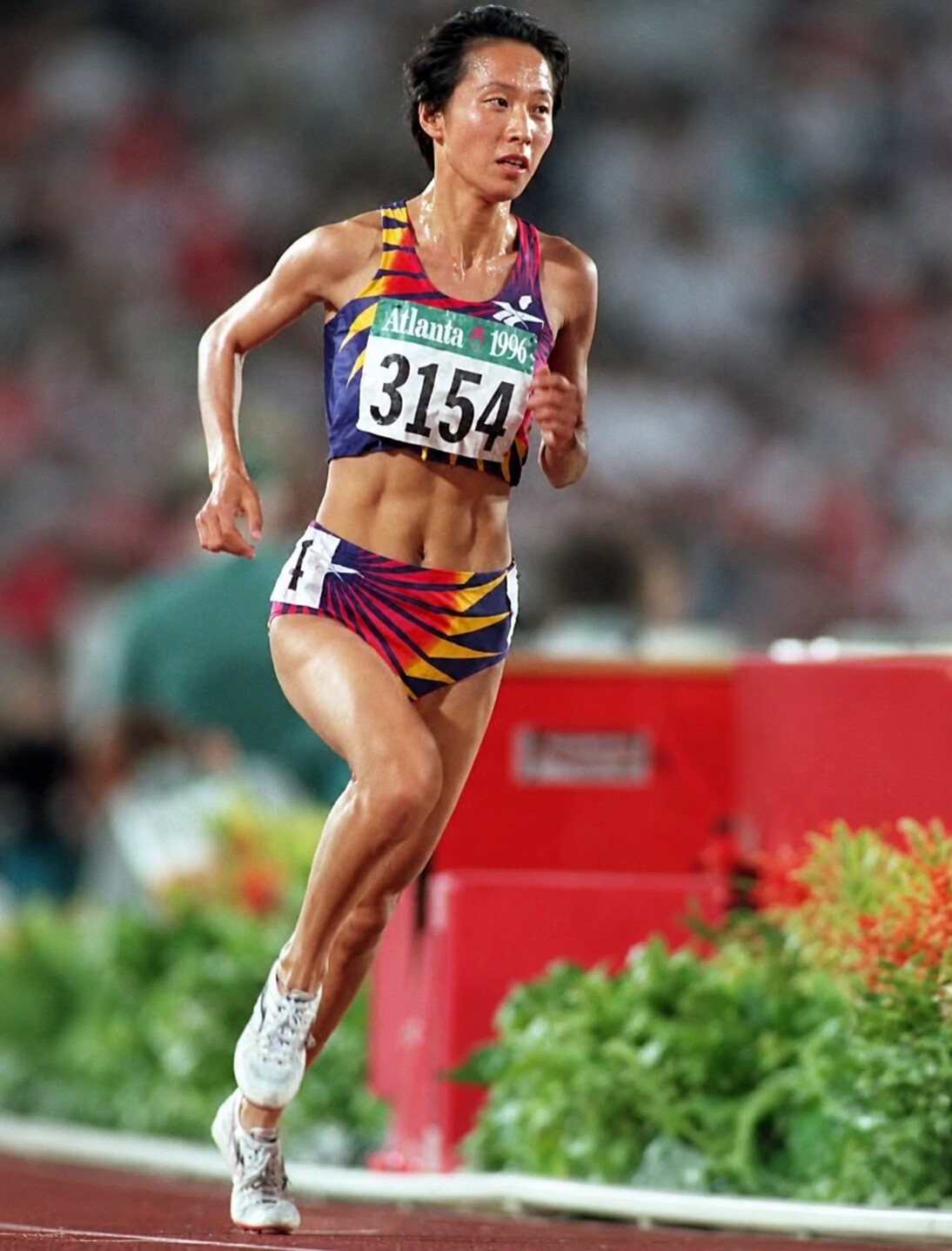
Ngetich's stunning run has also reignited one of athletics' longest-standing discussions—the pursuit of Wang Junxia's legendary world record.
Wang produced her iconic 8:06.11 in Beijing on 13 September 1993, a mark that has now stood for 33 years. It remains tdata:text/mce-internal,higgles,Wang%20Junxiahe oldest women's world record over a major distance still on the books and the final surviving global mark from an extraordinary week at the Chinese National Games.
That championship became one of the most controversial chapters in athletics history. Under coach Ma Junren, six Chinese women combined to produce 14 world-record performances across the 1500m, 3000m, and 10,000m in what became an unprecedented display of dominance. While the performances stunned the sporting world, they also sparked questions that have lingered for decades.
Since then, two of those historic world records have fallen. Ethiopia's Almaz Ayana erased the women's 10,000m record, while compatriot Genzebe Dibaba broke the 1500m world record in Monaco. Wang's 8:06.11 over 3000 metres is now the only record from that remarkable week that continues to stand.
For years, the record appeared untouchable. That perception has changed dramatically over the past 12 months.
Last August in Poland, Faith Kipyegon came within just 0.93 seconds of the record when she stormed to 8:07.04, the closest any athlete has ever come to surpassing Wang's mark. Earlier, Beatrice Chebet had produced 8:11.56 in Rabat to become one of the fastest women in history. Now, Agnes Ngetich has joined them with her sensational 8:08.95, creating an unprecedented era for women's distance running.
Kipyegon has made no secret of her ambition to attack the world record, while Chebet possesses the endurance, speed, and finishing strength to challenge it. With Ngetich now emerging as another genuine contender, the once-daunting gap has virtually disappeared. A record that remained more than ten seconds beyond reach for an entire generation is now separated from the world's best by less than a second.
Some world records survive because they are simply extraordinary. Others endure because the right challengers never arrive. Wang Junxia's 3000m record now faces relentless pressure from an exceptional generation of Kenyan athletes who have transformed the event.
If Monaco was any indication, the countdown has truly begun. After 33 years of survival, one of athletics' most iconic and debated world records has never looked more vulnerable. With Faith Kipyegon, Beatrice Chebet, and now Agnes Ngetich all closing in, the race to rewrite history may soon reach its unforgettable conclusion.
by Erick Cheruiyot for My Best Runs.
Login to leave a comment
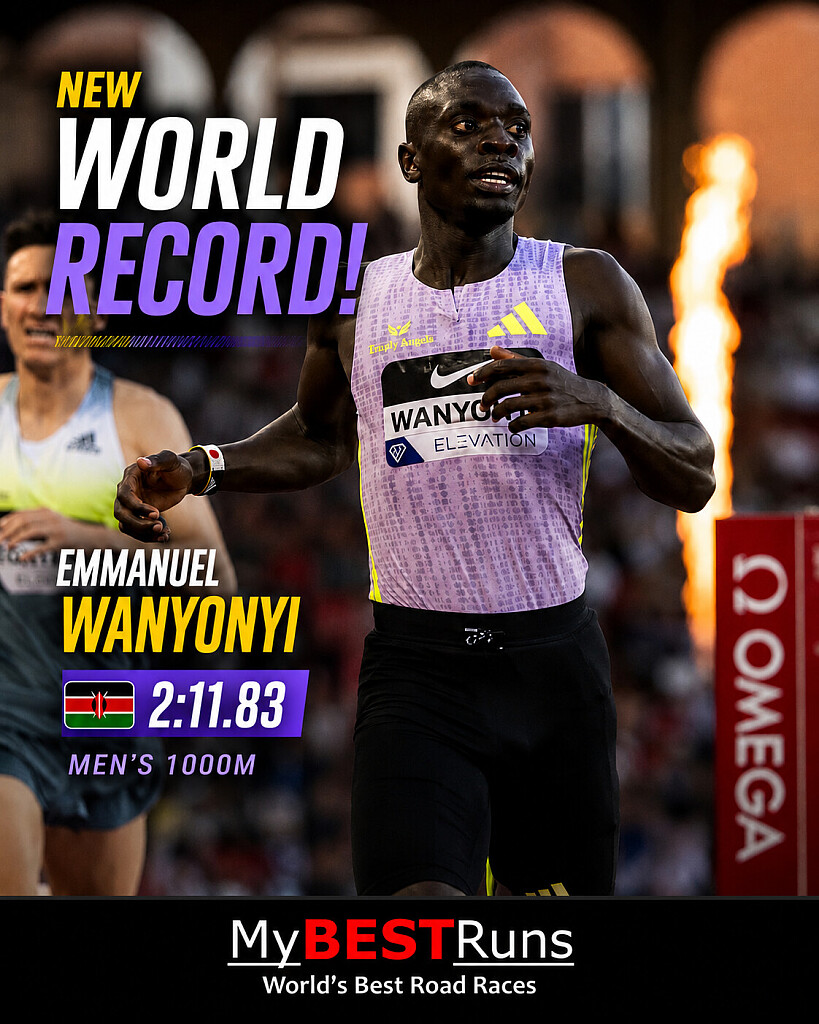
BREAKING: Emmanuel Wanyonyi Destroys 27-Year World Record in Monaco as Kenya Reigns Supreme Once Again
Kenya is celebrating another historic milestone after Olympic 800m champion Emmanuel Wanyonyi produced one of the greatest middle-distance performances ever witnessed, shattering the men's 1000m world record at the Monaco Diamond League.
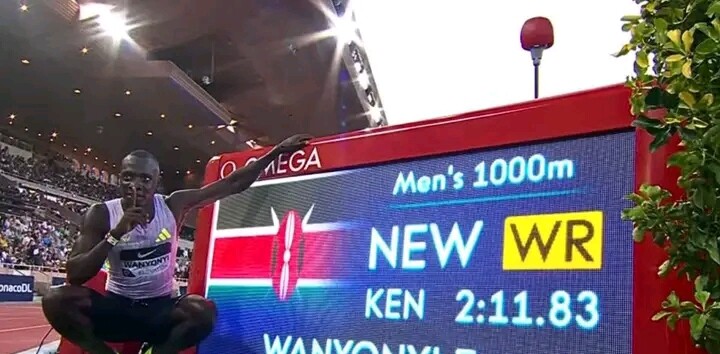
The 21-year-old sensation stormed to victory in a breathtaking 2:11.83, eclipsing the legendary 2:11.96 set by fellow Kenyan Noah Ngeny in September 1999. For 27 years, the record stood as one of athletics' most untouchable marks, surviving challenges from generations of Olympic and World champions before finally falling on a memorable night in Monaco.
Wanyonyi's run was nothing short of extraordinary. Displaying incredible pace, flawless rhythm and remarkable strength over the closing metres, the Kenyan powered away from a world-class field to rewrite the history books. As he crossed the finish line, the stadium erupted before the giant scoreboard confirmed what many could hardly believe—a new men's 1000m world record of 2:11.83.
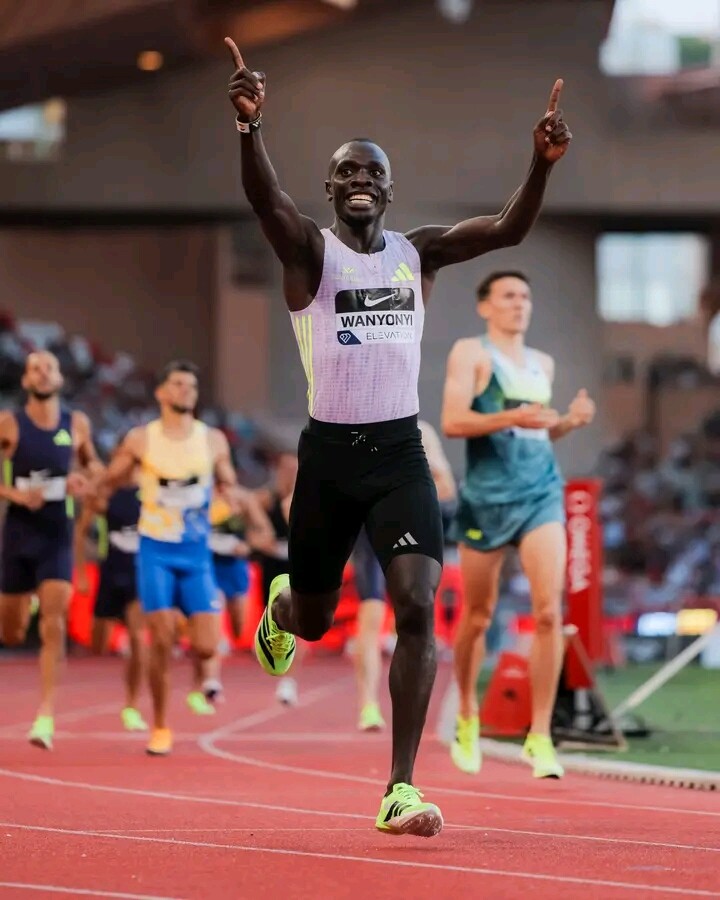
The victory was made even more impressive by the quality of the competition. Great Britain's Jake Wightman finished second in an outstanding 2:12.77, while Algeria's Djamel Sedjati claimed third in 2:13.94. France's Azeddine Habz crossed the line fourth in 2:14.02, ahead of Great Britain's Ben Pattison, who finished fifth in 2:14.11, while France's Gabriel Tual completed the top six in 2:14.97.
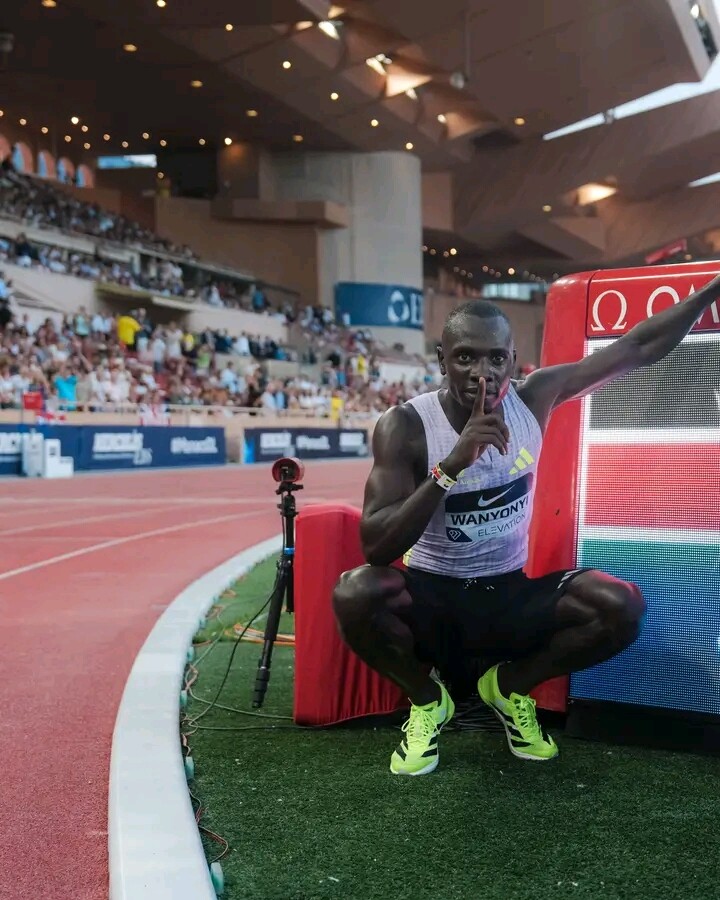
Despite the strength of the field, none could match Wanyonyi's relentless pace as he produced a performance destined to become one of the defining moments of modern athletics.
Breaking a world record by 0.13 seconds may appear small on paper, but in elite middle-distance running it represents a monumental achievement. It brought an end to one of the longest-standing men's world records and confirmed Wanyonyi as the fastest man ever over the rarely contested 1000 metres.
The achievement further cements the young Kenyan's status as one of the brightest stars in world athletics. Already an Olympic 800m champion, Wanyonyi has continued to raise the standard with every major appearance, proving he possesses not only devastating speed but also the endurance and tactical brilliance required to dominate beyond his signature event.
Perhaps the most remarkable aspect of the historic feat is that the record remains in Kenyan hands. Noah Ngeny held the global mark with pride for nearly three decades, and now another Kenyan has inherited that legacy, ensuring the world record continues to belong to the nation renowned for producing some of history's greatest middle-distance runners.
As celebrations swept across Monaco and throughout Kenya, Wanyonyi's performance instantly became one of the biggest stories in global athletics. He did more than win a race—he ended a 27-year reign, conquered a record many believed would never fall, and inspired a new generation of athletes with a run that will be remembered for decades.
From Noah Ngeny to Emmanuel Wanyonyi, the crown remains in Kenya.
A legendary record has fallen. A new champion has risen. And on an unforgettable night in Monaco, Emmanuel Wanyonyi reminded the world that when it comes to middle-distance running, Kenya continues to set the gold standard.
by Erick Cheruiyot for My Best Runs.
Login to leave a comment

Olympic Triathlon Champions Alex Yee and Cassandre Beaugrand Take on Track's Biggest Test at Monaco Diamond League
The world's finest triathletes are stepping into unfamiliar territory on Friday night as Olympic champions Alex Yee of Great Britain and Cassandre Beaugrand of France trade swim caps and bicycles for spikes, taking on some of the fastest distance runners on the planet at the Monaco Diamond League.
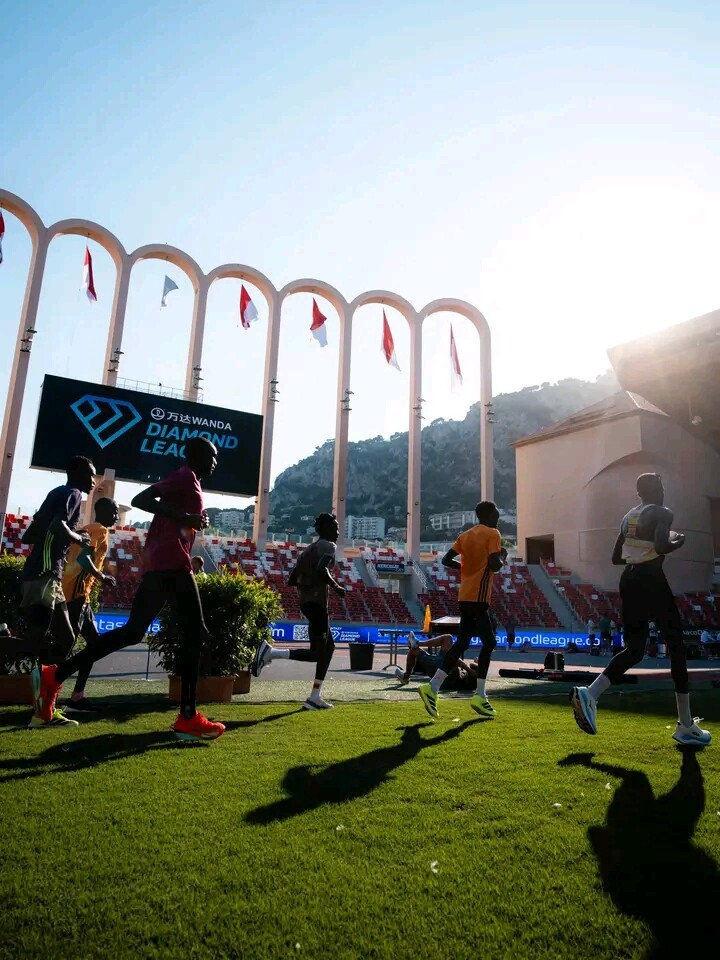
The appearance of the reigning Paris Olympic triathlon champions at one of athletics' most prestigious meetings is a rare crossover between two elite endurance disciplines. While both have built their reputations through the demanding combination of swimming, cycling, and running, Monaco offers a completely different test—one where there is nowhere to hide against the world's best specialist distance runners.

For Yee, the meeting marks his long-awaited return to the Diamond League, his first appearance on the circuit since 2019. The Olympic champion will line up in a world-class men's 5,000 metres carrying a personal best of 13:13.89, eager to measure his progress against an elite field after shifting much of his focus toward longer-distance running.
The Briton's endurance credentials have grown significantly since his Olympic triumph. Earlier this year, he stunned the distance-running world by clocking an outstanding 2:06:38 at the Valencia Marathon, becoming the second-fastest British marathon runner in history. That performance demonstrated that his running ability extends far beyond the final leg of a triathlon and established him as a genuine force over the longer distances.
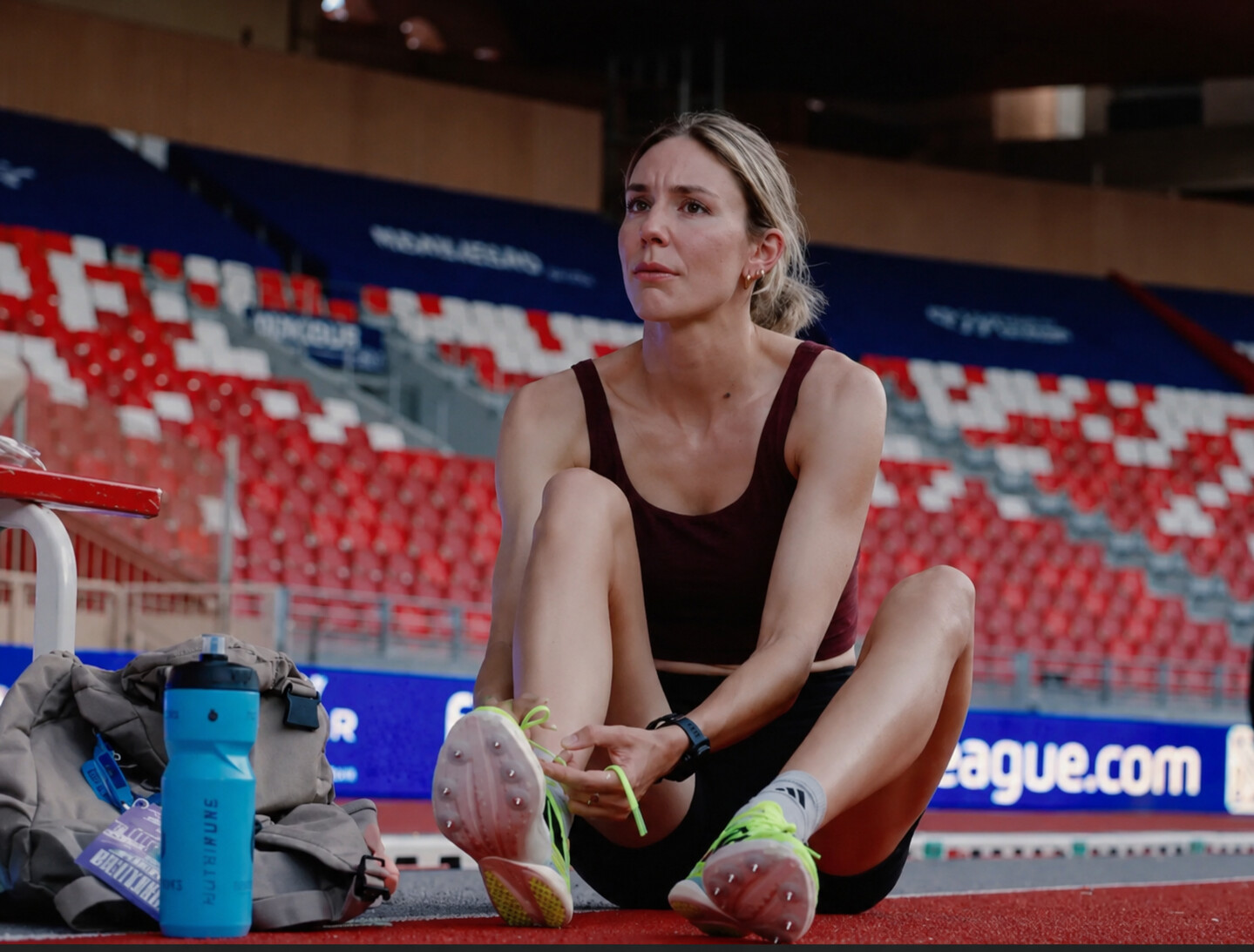
Beaugrand's appearance in the women's 3,000 metres carries even deeper personal significance. The French star will compete in Monaco, where she spent her childhood racing for local club AS Monaco, making her Diamond League debut at the venue a dream years in the making. Returning to the same track where her athletic journey began adds an emotional dimension to one of the biggest races of her career.
Her transition to pure running has been equally remarkable. Over the past year, Beaugrand has rewritten the French record books, setting a national record of 30:52 for the 10km road race before lowering the French 5,000-metre record to 14:40.77. Those performances have confirmed that she possesses the speed to challenge world-class specialists, even if Monaco presents her toughest examination yet.
Neither athlete will enjoy an easy introduction to the Diamond League.
Beaugrand faces one of the strongest women's fields assembled this season, featuring Kenyan legend Faith Kipyegon, world indoor champion Nadia Battocletti, world leader Freweyni Hailu, and world record holder Agnes Ngetich. Every lap promises relentless pace against athletes who have made track racing their sole focus.
Yee's challenge is equally formidable. His rivals include French distance star Jimmy Gressier, world silver medallist Isaac Kimeli, and several of the world's leading 5,000-metre specialists, ensuring that every position will have to be earned.
While neither Olympic triathlon champion enters Monaco as the favourite, both arrive with exceptional running pedigrees that have already blurred the line between multisport excellence and elite distance running. Their presence adds a fascinating storyline to an evening renowned for producing fast times and unforgettable performances.
As the lights shine on Stade Louis II, all eyes will be on whether two Olympic triathlon champions can prove they belong among the world's fastest track athletes. Regardless of the outcome, their bold decision to embrace one of the sport's toughest stages is another reminder that true endurance champions are never afraid to test their limits.
by Erick Cheruiyot for My Best Runs.
Login to leave a comment
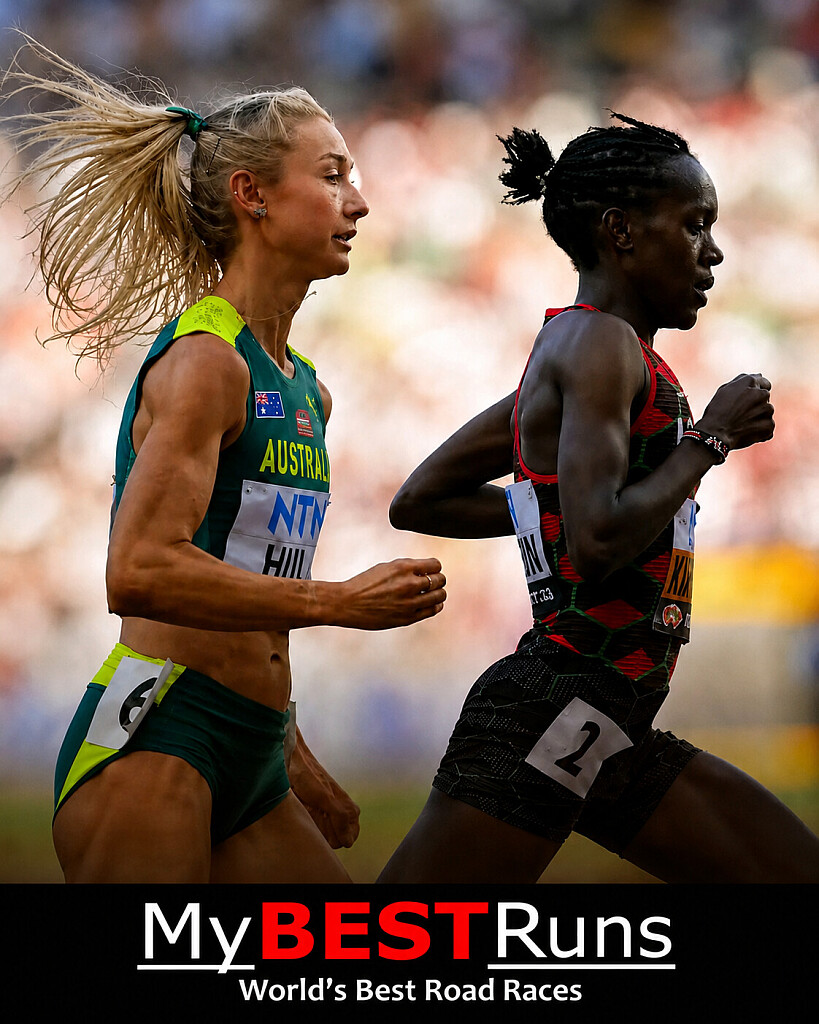
Two World Records. One Legendary Track. Another Epic Battle in Monaco
The Stade Louis II in Monaco has become a place where middle-distance history is made. On Friday evening, two women who have each rewritten the record books on this famous track will return—this time to face each other over 3,000 meters in one of the most compelling races of the Diamond League season.
Faith Kipyegon of Kenya and Jessica Hull of Australia have already left unforgettable marks on Monaco, but at different distances. Now, their paths converge once again in a race that promises world-class quality from start to finish.
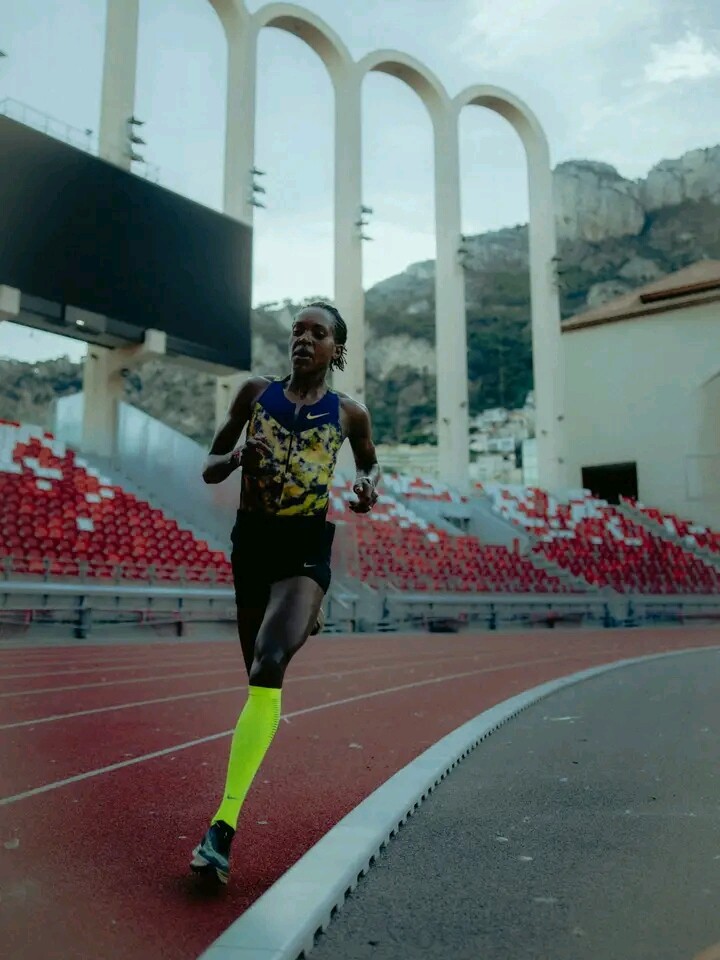
Kipyegon's connection with Monaco is legendary. In 2023, the Kenyan superstar produced one of the greatest performances in athletics history, clocking a breathtaking 4:07.64 to shatter the women's mile world record. It was another masterpiece from an athlete who has built a career on redefining what is possible in middle-distance running.
Since then, her résumé has only grown stronger. Kipyegon is a three-time Olympic 1500m champion, a five-time world champion, and remains the fastest woman ever over the mile. She arrives in Monaco after racing the women's mile at last weekend's Prefontaine Classic, making this a quick but intriguing turnaround as she steps up to 3,000 meters.
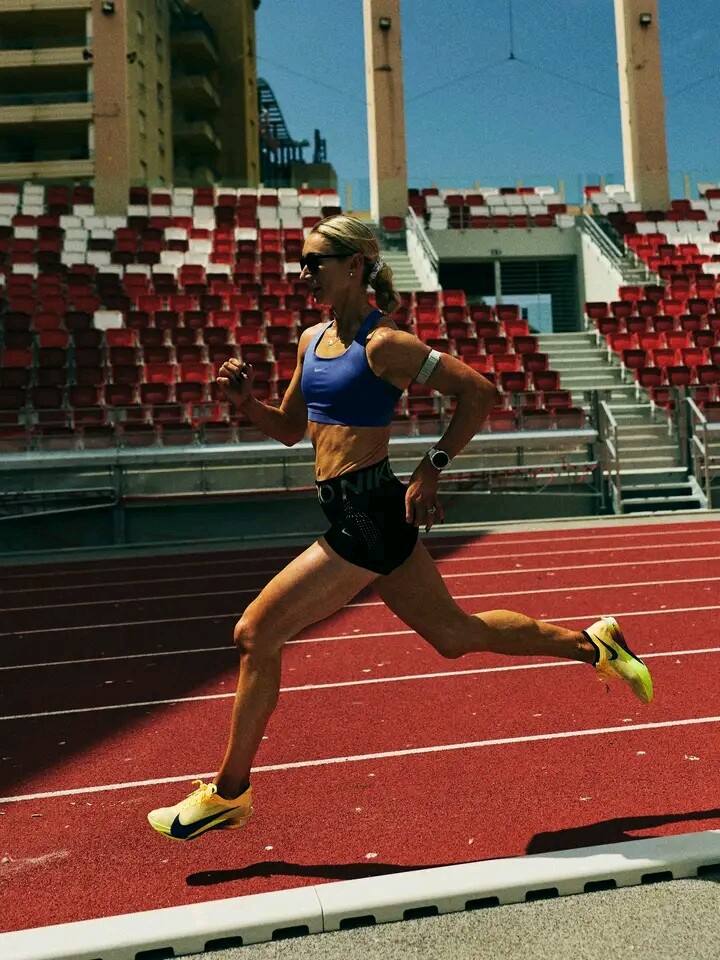
Hull, meanwhile, has her own unforgettable Monaco memories. The Australian star lit up the same track in 2024 when she stormed to a world record of 5:19.70 in the 2,000 meters, proving she belongs among the greatest middle-distance runners of her generation. Her fearless front-running style and remarkable endurance transformed that race into a historic performance.
The Olympic silver medallist over 1500 meters also holds the Australian record for 3,000 meters, making Friday's event an ideal opportunity to test herself once again against the very best.
Although much of the spotlight will understandably fall on Kipyegon and Hull, the race is far from a two-woman contest.
Italy's Nadia Battocletti continues to establish herself among Europe's finest distance runners and will be eager to challenge the established stars. Ethiopia's Freweyni Hailu also enters the race in outstanding form as the 2026 world leader over 3,000 meters, adding another serious contender to an already exceptional field.
Monaco has long been regarded as one of the fastest tracks in the world, producing countless records thanks to ideal conditions and elite competition. For Kipyegon, it has been the stage for career-defining brilliance. For Hull, it became the venue where she announced herself as a world-record holder.
Now, those two stories intersect once again.
Different world records. Different distances. The same fierce rivalry.
With championship pedigree, record-breaking speed and a stacked field assembled under the lights at Stade Louis II, Friday's women's 3,000 meters has all the ingredients to become another unforgettable chapter in Monaco's rich athletics history. Fans can expect nothing less than a race worthy of the track where both Kipyegon and Hull have already made history.
by Erick Cheruiyot for My Best Runs.
Login to leave a comment

Wanyonyi and Sedjati Set to Reignite Rivalry in Monaco's Star-Studded 1000m Showdown
One of the most anticipated middle-distance battles of the 2026 season will take center stage on Friday night at the Monaco Diamond League, where Kenya's Emmanuel Wanyonyi and Algeria's Djamel Sedjati renew their fierce rivalry in a rare and fascinating 1000m contest.
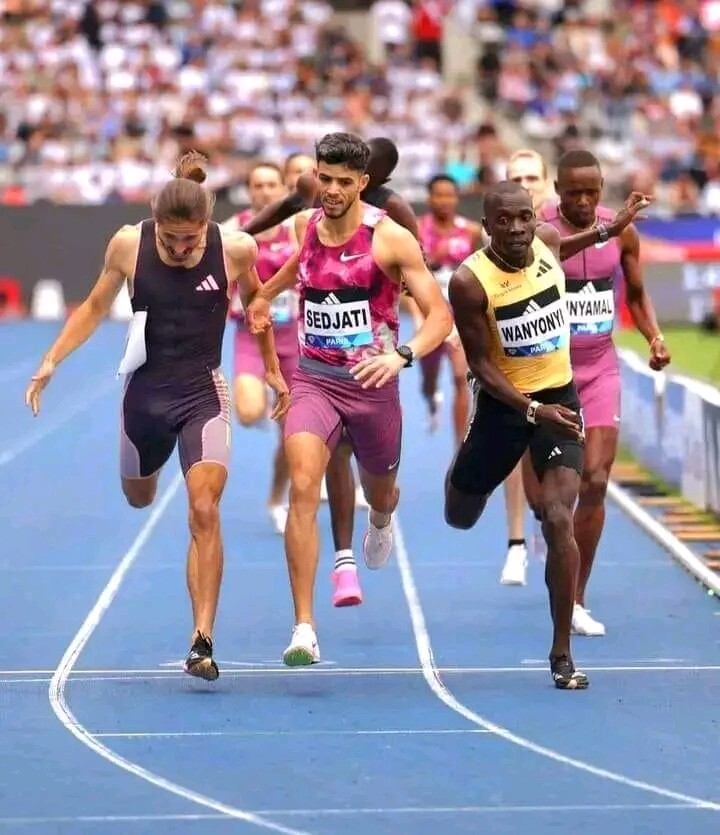
The pair have developed one of the sport's most compelling rivalries over the 800m, and now they will test themselves over an unfamiliar distance at the iconic Stade Louis II, adding a fresh chapter to their growing duel.
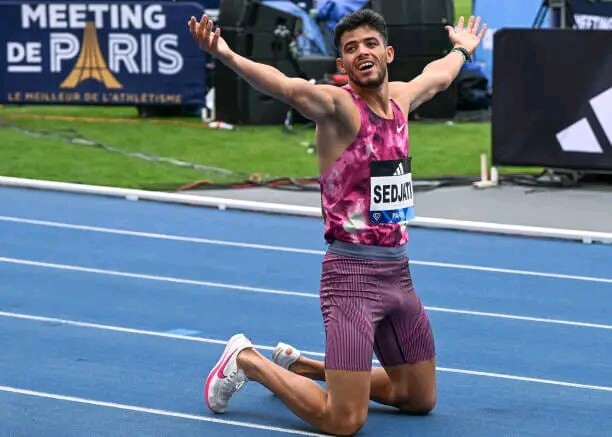
Their connection with Monaco runs deep. In 2024, Sedjati produced a stunning performance to shatter the meeting record in the men's 800m, showcasing the speed and strength that have made him one of the world's elite two-lap runners. Just one year later, Wanyonyi responded in emphatic fashion, breaking that very record with a breathtaking 1:41.44, further cementing his status as the dominant force in the event.
Now, instead of battling over two laps, both athletes will tackle the rarely contested 1000m, a distance that demands the explosive speed of an 800m specialist while rewarding the endurance of a 1500m runner.
Wanyonyi enters the race as the reigning Olympic and World 800m champion and has established himself as the man to beat over the distance during the past two seasons. His tactical intelligence, devastating finishing kick, and remarkable consistency have made him virtually unbeatable on the international circuit.
Standing in his way once again is Sedjati, the Algerian star who has repeatedly proven he has the tools to challenge the Kenyan champion. An Olympic and World Championship medallist, Sedjati has consistently been among the few athletes capable of matching Wanyonyi stride for stride in the closing stages of elite 800m races.
However, this is far from a two-man affair.
Spain's Mohamed Attaoui arrives as the world leader over 1000m and will be eager to prove his credentials against two of the biggest names in middle-distance running. Former world 1500m champion Jake Wightman also adds championship pedigree to the field, while Britain's Ben Pattison and American Bryce Hoppel bring proven international quality and tactical experience.
French fans will have another reason to cheer as Gabriel Tual competes on home soil, hoping to deliver a memorable performance against one of the strongest 1000m fields assembled in recent years.
With two former Monaco meeting record holders stepping up in distance, a world-leading performer in the field, and several global medallists chasing victory, the stage is perfectly set for another unforgettable evening of middle-distance racing.
The 1000m may only appear occasionally on the international calendar, but on Friday it promises to produce one of the highlights of the Diamond League season. Whether Wanyonyi extends his dominance or Sedjati gains revenge, the Monaco crowd can expect a fast, tactical, and fiercely contested race that could once again leave its mark on the history of Stade Louis II.
by Erick Cheruiyot for My Best Runs.
Login to leave a comment
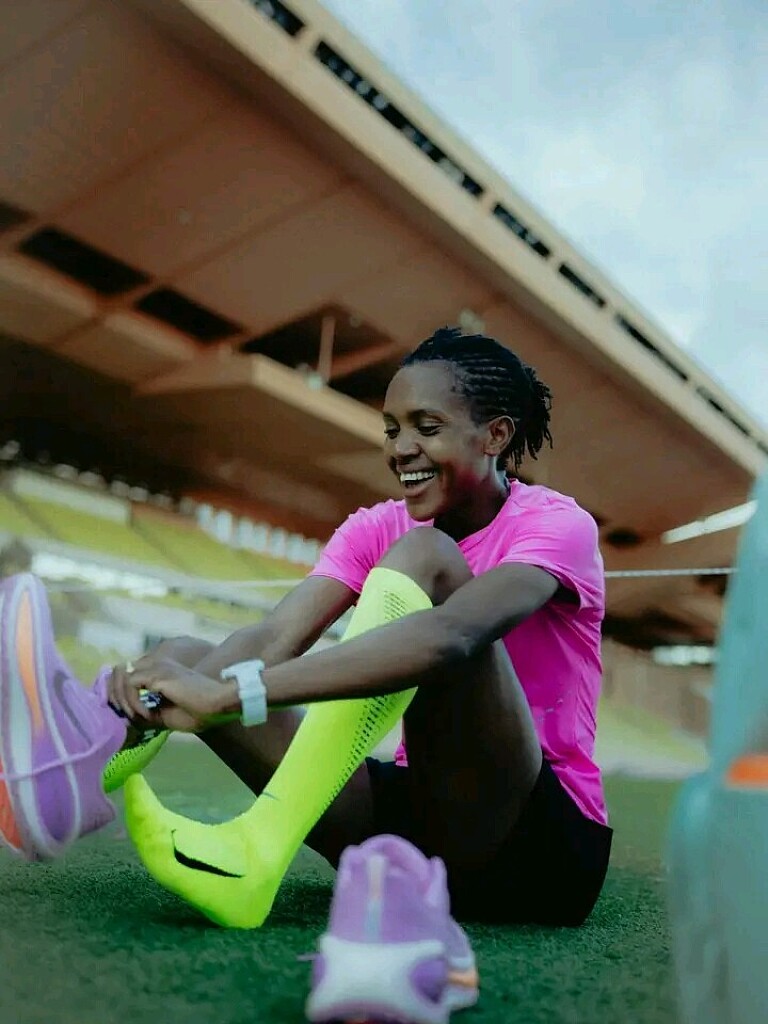
Faith Kipyegon Returns to Monaco Seeking Redemption in a Star-Studded 3,000m Showdown
Few venues have witnessed more memorable performances from Faith Kipyegon than Monaco's iconic Stade Louis II, and on Friday night the Kenyan superstar returns to the track where she has repeatedly produced athletics history. This time, however, the challenge is different. Instead of chasing another mile masterpiece, the reigning world record holder will test herself over 3,000 metres at the Herculis EBS Diamond League in one of the most anticipated races of the season.

Kipyegon's return comes just weeks after suffering a rare defeat at the Prefontaine Classic, a result that only adds intrigue to an event featuring some of the strongest distance runners in the world. The three-time Olympic champion has built her career on responding to adversity with exceptional performances, making Monaco the perfect stage for another statement run.
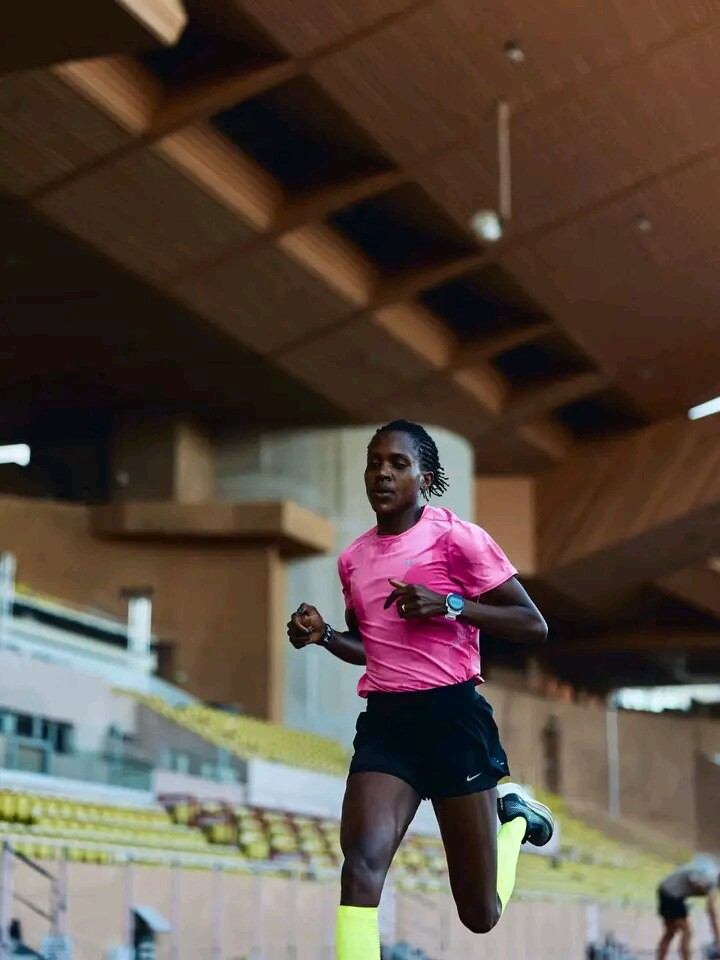
The women's 3,000m field promises to deliver one of the finest contests of the Diamond League campaign. Australia's Jessica Hull, Italy's Nadia Battocletti, and Ethiopia's Freweyni Hailu all arrive with the credentials to challenge for victory, ensuring that every lap will demand tactical precision and relentless pace from the gun.
Adding further depth to the race is Kenyan standout Agnes Ngetich, whose remarkable rise over the past year has established her among the world's elite distance runners. With multiple global contenders lining up together, the event has all the ingredients of a championship-calibre battle rather than a typical circuit race.
Monaco has long been regarded as one of athletics' fastest venues, where ideal conditions and world-class competition regularly produce unforgettable performances. It was here that Kipyegon rewrote the history books with her breathtaking mile world record three years ago, cementing the principality's reputation as one of her happiest hunting grounds.
Whether Friday's race delivers another record or simply a thrilling victory, expectations are exceptionally high. With redemption, prestige and momentum all on the line, the women's 3,000m is shaping up to be one of the defining moments of the Monaco Diamond League, as the world's greatest middle- and long-distance stars battle under the lights in pursuit of another unforgettable chapter in athletics history
by Elam wangwero for My Best Runs.
Login to leave a comment
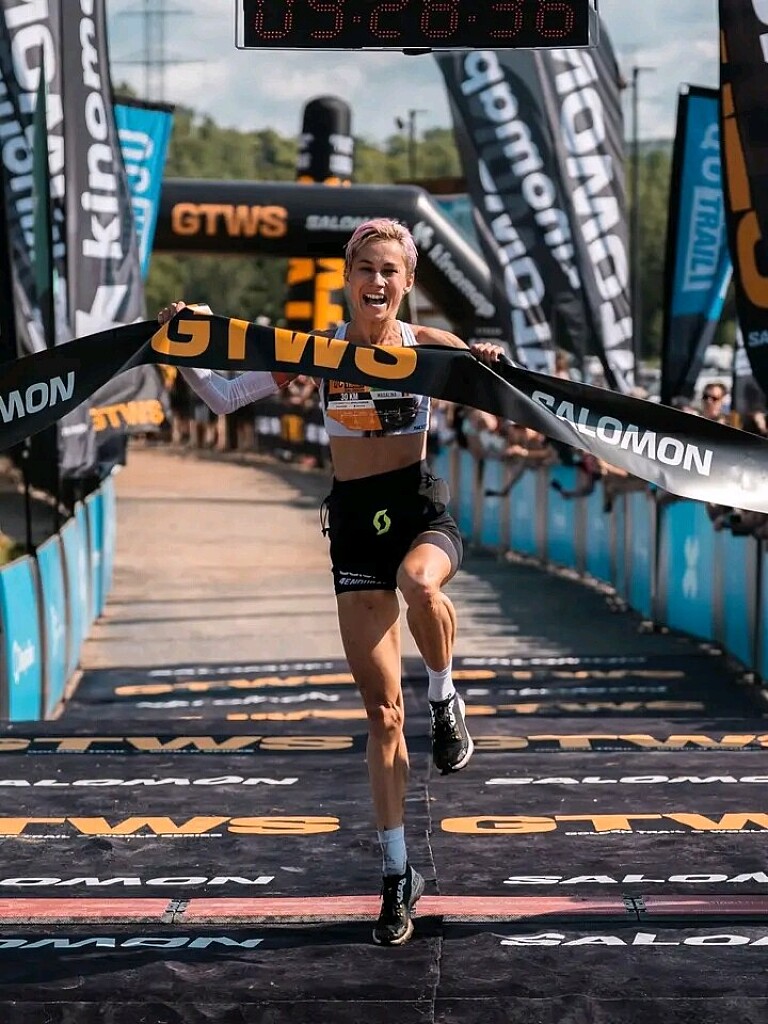
Madalina Florea Conquers Québec Mega Trail 30K to Seize Golden Trail World Series Lead
Romania's Madalina Florea delivered a commanding performance at the Québec Mega Trail 30K on Sunday, conquering one of the most demanding courses on the Golden Trail World Series calendar to claim victory and move to the top of the overall standings.
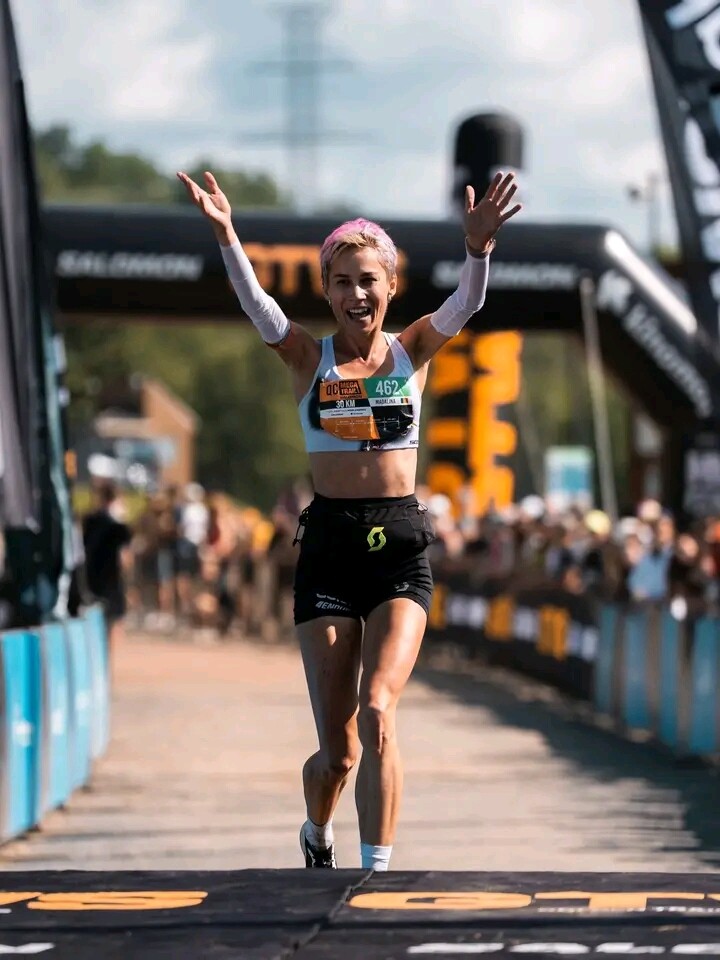
The reigning Golden Trail World Series champion crossed the finish line in 2:27:12, producing another masterclass in mountain racing on a brutal 28.7-kilometre course featuring 1,397 metres of elevation gain, two punishing ascents of Mont-Sainte-Anne, and highly technical descents across steep ski slopes.
The race began at a relentless pace as Caroline Kimutai surged to the front, continuing the aggressive strategy that has defined her season. Florea, however, remained composed, keeping the Kenyan well within reach during the opening climb before launching her decisive move on the first descent.
From that moment, the Romanian steadily tightened her grip on the race. She extended her advantage on the second ascent and never looked back, controlling the remainder of the contest with remarkable strength and technical precision.
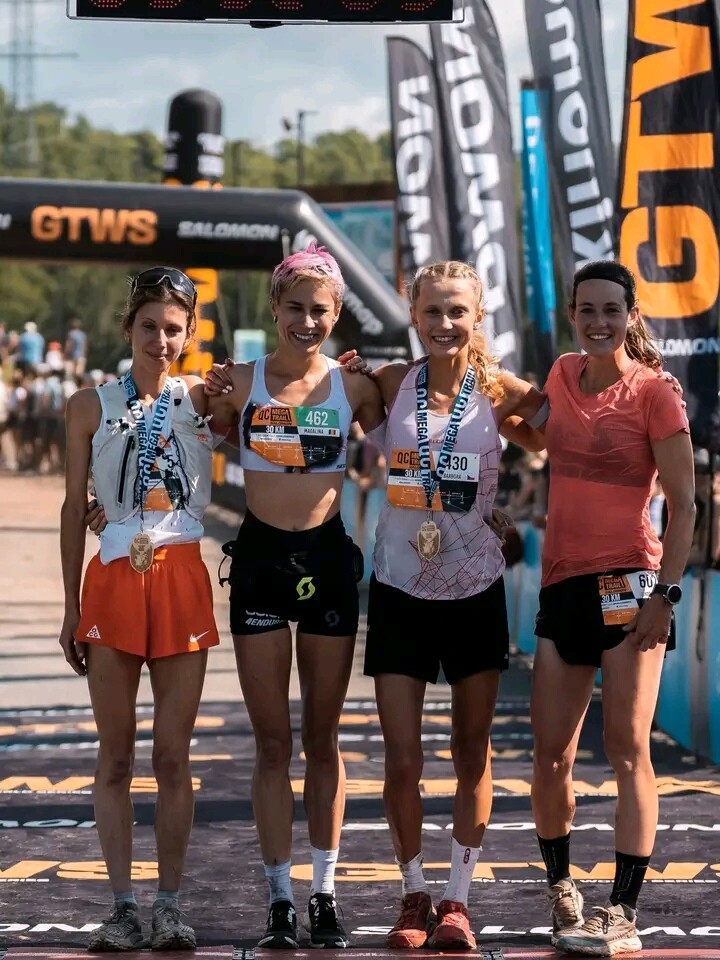
France's Marie Nivet secured second place, finishing more than seven minutes behind the winner, while Kimutai faded after her fast start to complete the podium in third.
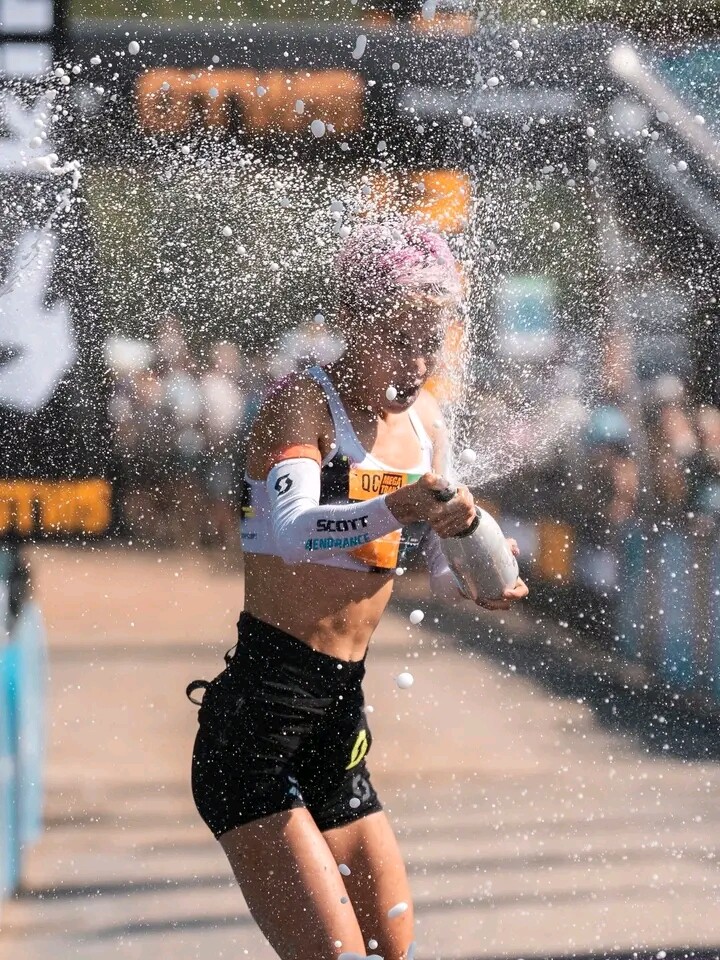
The victory propels Florea to the summit of the Golden Trail World Series rankings with 442 points, overtaking Kimutai, who now sits second on 408 points. Nivet's runner-up finish also lifts her into third place in the overall standings, setting up an intriguing battle for the remainder of the season.
With the Québec triumph, Florea has once again underlined why she is the defending series champion. Her ability to combine patience, tactical awareness and exceptional climbing and descending skills proved decisive on one of the circuit's toughest tests.
The Golden Trail World Series now pauses before returning on August 1 in Austria, followed by the iconic Sierre-Zinal race in Switzerland a week later. As the championship enters its decisive phase, Florea has firmly established herself as the athlete everyone else will be chasing.
by Erick Cheruiyot for My Best Runs.
Login to leave a comment

Bruised but Unbroken: Keely Hodgkinson Battles to Brilliant Second in Eugene
Keely Hodgkinson once again demonstrated why she is regarded as one of the toughest competitors in global middle-distance running, producing a courageous performance to finish second in the women's 800m at the Prefontaine Classic in Eugene despite battling the effects of a painful training accident.
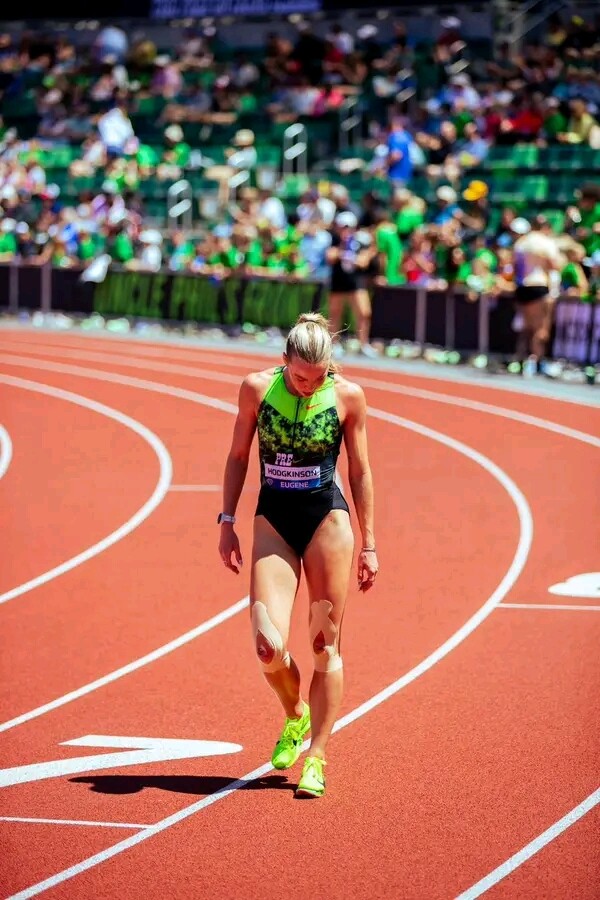
The Olympic champion crossed the finish line in an impressive 1:56.73, a remarkable performance considering the adversity she had endured only days before the race. Hodgkinson suffered a heavy fall during training, leaving her with badly bruised, taped-up knees and uncertainty over whether she would even be fit enough to compete.
Rather than withdrawing, the British star chose to take her place on the start line, determined to test herself against the world's best. That decision ultimately showcased the resilience and competitive spirit that have become hallmarks of her career.
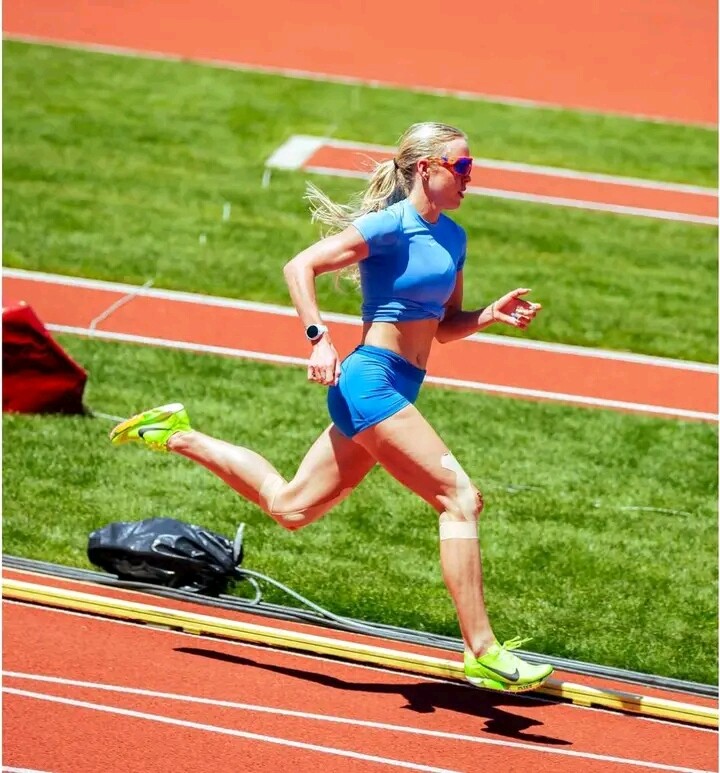
The race unfolded at a relentless pace from the opening lap after American pacemaker Paris Peoples surged through 400 metres in a blistering 53.58 seconds—well ahead of the intended 55.5-second split. The unexpectedly fast tempo transformed the contest into an all-out battle and created the perfect opportunity for Kenya's reigning world champion, Lilian Odira, to launch her decisive move.
Odira responded brilliantly, maintaining her composure to storm home in 1:56.19 while holding off Hodgkinson's determined late challenge. Although the Olympic champion closed strongly over the final metres, the gap proved just enough for the Kenyan to secure a memorable victory in one of the fastest women's 800m races of the season.
While the result placed Hodgkinson second on the podium, her performance carried a significance far beyond the finishing order. Simply overcoming the physical pain of her recent fall to produce a world-class 1:56.73 was a testament to her extraordinary determination, mental strength and refusal to let adversity define her performance.
Although victory slipped away, Hodgkinson's performance stood out as one of the defining stories of the evening. Racing through pain after a heavy training fall and still producing a world-class time against elite opposition was a powerful reminder of the resilience and fighting spirit that have made her one of the sport's premier 800m athletes. With a full recovery, the Olympic champion remains firmly on course to challenge for more major titles as the season progresses.
by Erick Cheruiyot for My Best Runs.
Login to leave a comment
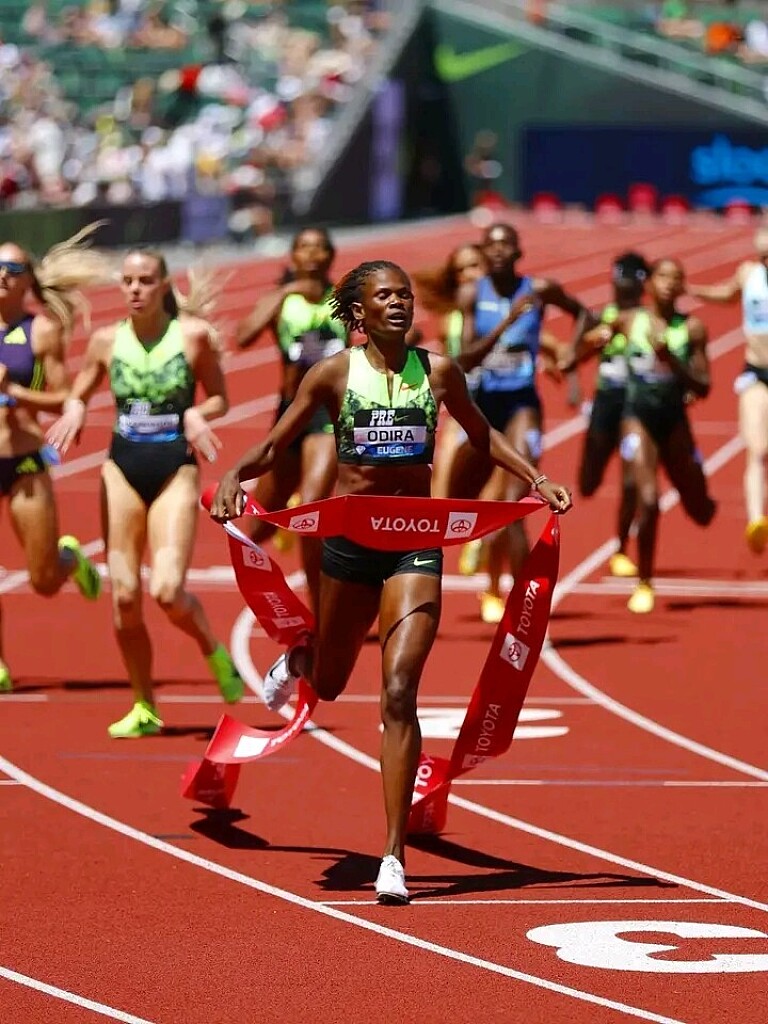
Lilian Odira Stuns Gritty Keely Hodgkinson Again in Dramatic 800m Showdown
Kenya's Lilian Odira produced another outstanding performance to defeat reigning Olympic champion Keely Hodgkinson in a thrilling women's 800m race, continuing her impressive run against one of the sport's biggest stars. In a race that unfolded in unexpected fashion, Odira surged to victory in 1:56.19, while Britain's Hodgkinson crossed the finish line second in 1:56.73, adding another memorable chapter to their growing rivalry.
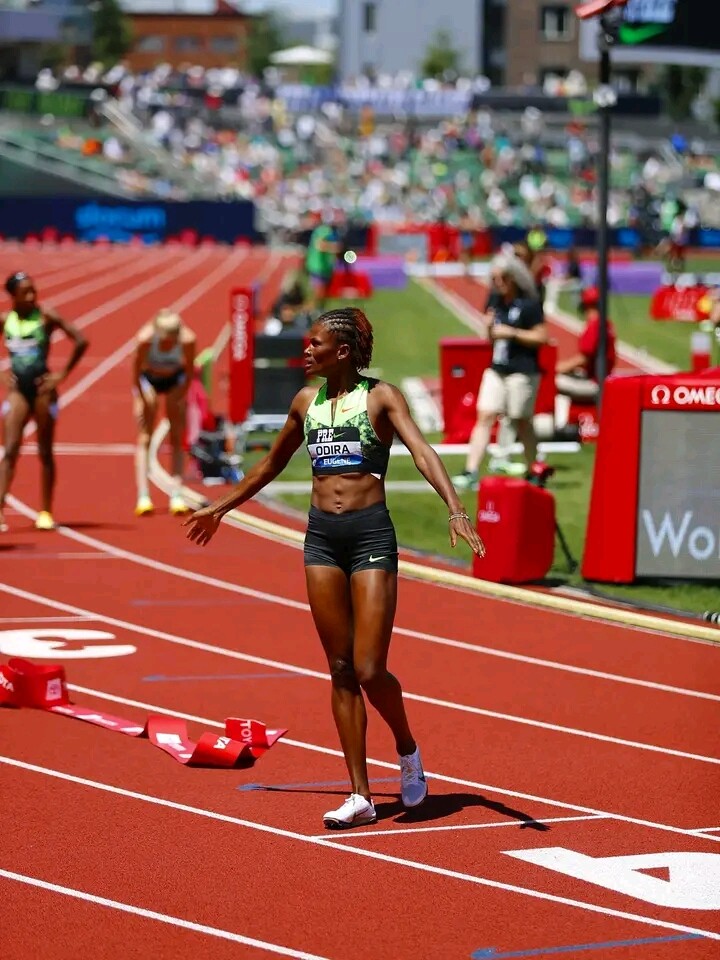
The race took a dramatic twist from the opening lap when pacemaker Paris Peoples set an unexpectedly blistering pace. Scheduled to guide the field through 400 metres in approximately 55.5 seconds, she instead reached the halfway mark in a remarkable 53.58 seconds—well ahead of the planned rhythm. The electronic wavelights had been programmed for a 1:53.50 finishing pace, but the aggressive early speed disrupted the race dynamics and forced the athletes to adapt much earlier than expected.

Odira responded brilliantly to the challenge, maintaining her composure despite the demanding tempo before unleashing a powerful finishing kick that secured another statement victory. Her tactical awareness, resilience, and closing speed proved decisive as she once again came out on top in a high-quality showdown against the Olympic champion.
Hodgkinson's runner-up finish was made even more remarkable considering the adversity she faced before the race. A fall during a cool-down session the previous week left her with badly cut knees and nearly forced her to withdraw from the Mutola 800m at the Prefontaine Classic. After receiving medical clearance from her team and having both knees heavily taped, the Olympic champion courageously took her place on the start line. Despite the discomfort, she battled all the way to the finish in 1:56.73, displaying the determination and resilience that have defined her career.
Although disappointed not to secure the victory, Hodgkinson remained optimistic after the race, expressing confidence that she will bounce back stronger in her next outing. Her courageous performance under difficult circumstances earned widespread admiration, even as Odira celebrated another major triumph.
For Odira, the victory further strengthens her growing reputation as one of the world's premier 800m runners. Defeating an Olympic champion for the second time is a significant statement, and with performances of this calibre, the Kenyan continues to establish herself as a leading force in global middle-distance running. As the season gathers momentum, her latest success sends a powerful message to the rest of the field—Lilian Odira is proving she belongs among the very best.
by Erick Cheruiyot for My Best Runs.
Login to leave a comment
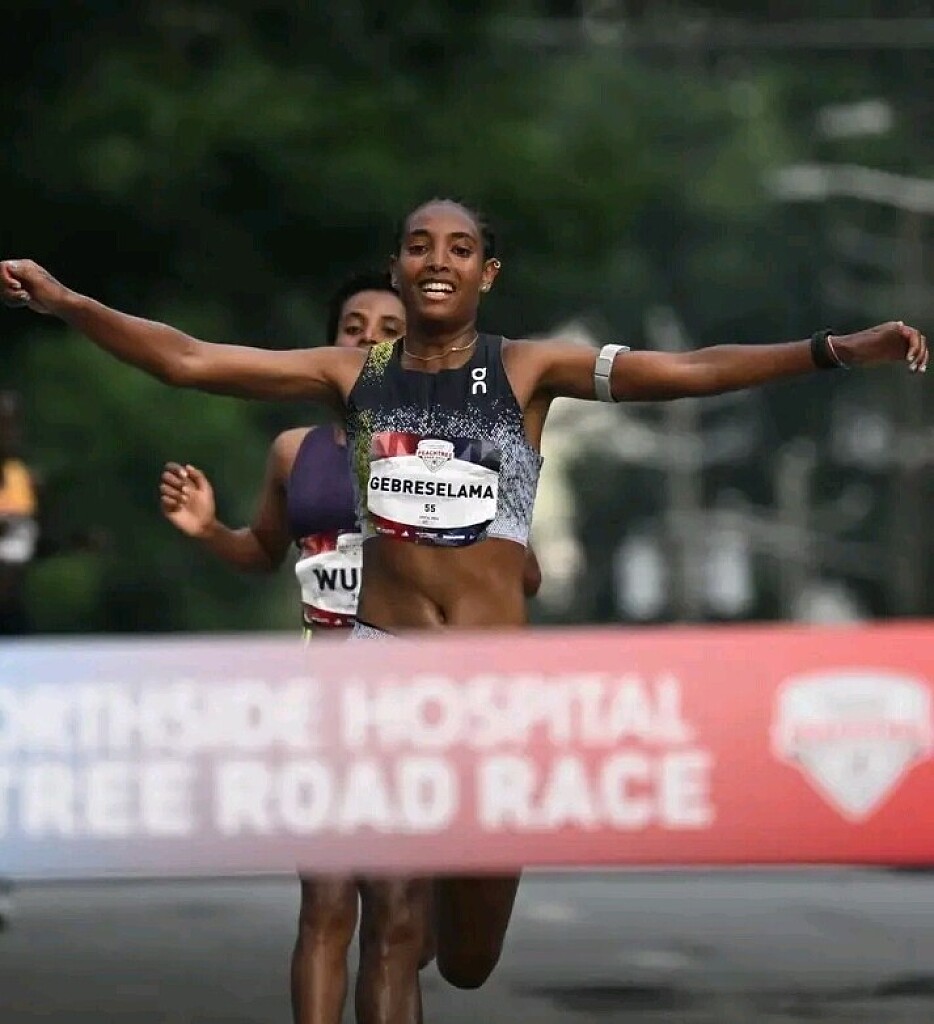
Tsigie Gebreselama Wins Thrilling Peachtree Road Race Showdown as Ethiopia Shines in Atlanta
Ethiopia's Tsigie Gebreselama produced a sensational finishing sprint to capture the women's title at the 57th Peachtree Road Race on Saturday, July 4, 2026, delivering one of the most dramatic finishes in the event's recent history.
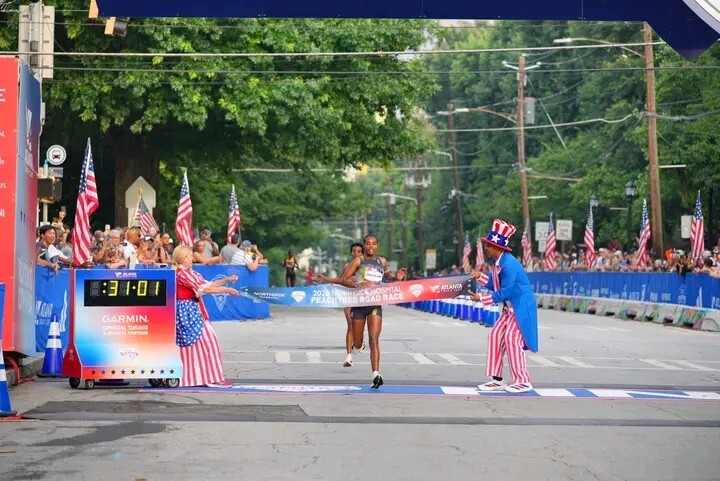
Competing on the iconic streets of Atlanta during the United States' Independence Day celebrations, Gebreselama timed her decisive move to perfection, edging compatriot Melknat Wudu in the closing metres to secure victory in 31:02. Just one second separated the two Ethiopian stars, with Wudu crossing the line in 31:03 after an intense battle from start to finish.
Kenya's Irine Cheptai completed the podium with a strong run of 31:11, while fellow Kenyans Gladys Kwamboka Mong'are (31:36), Stacy Chepkemboi Ndiwa (31:55), Maurine Jepkoech Chebor (31:55), and Selah Jepleting Busienei (31:56) ensured a commanding East African presence among the leading finishers. Ethiopia's Gela Degefa placed eighth in 31:57, ahead of American Sydney Vaught (32:18) and South Africa's Glenrose Xaba (32:20), who rounded out the top ten.
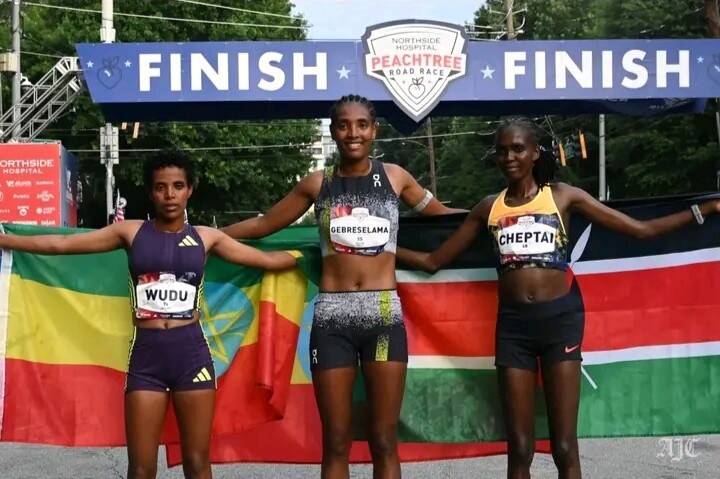
The women's race lived up to its billing, featuring relentless pace, tactical positioning, and an electrifying sprint finish that had spectators on their feet. Gebreselama's composure in the final metres proved to be the difference, as she claimed one of the most prestigious road racing victories on the American calendar.
Held annually on Independence Day, the Peachtree Road Race once again transformed Atlanta into a celebration of endurance, community, and world-class athletics. Tens of thousands of runners took to the famous 10-kilometre course, while elite athletes battled for victory in front of enthusiastic crowds lining the streets from Buckhead to Piedmont Park.
Top 10 Women's Results
1. Tsigie Gebreselama (Ethiopia) – 31:02
2. Melknat Wudu (Ethiopia) – 31:03
3. Irine Cheptai (Kenya) – 31:11
4. Gladys Kwamboka Mong'are (Kenya) – 31:36
5. Stacy Chepkemboi Ndiwa (Kenya) – 31:55
6. Maurine Jepkoech Chebor (Kenya) – 31:55
7. Selah Jepleting Busienei (Kenya) – 31:56
8. Gela Degefa (Ethiopia) – 31:57
9. Sydney Vaught (United States) – 32:18
10. Glenrose Xaba (South Africa) – 32:20
Gebreselama's victory added another memorable chapter to the rich history of the Peachtree Road Race, capping off a spectacular Independence Day celebration with a performance defined by courage, patience, and a breathtaking finishing kick. It was a fitting finale to one of the world's most celebrated road races and a reminder of the exceptional depth of women's distance running on the global stage.
by Erick Cheruiyot for My Best Runs.
Login to leave a comment

AJC Peachtree Road Race
The AJC Peachtree Road Race, organized by the Atlanta Track Club, is the largest 10K in the world. In its 48th running, the AJC Peachtree Road Race has become a Fourth of July tradition for thousands of people throughout the metro Atlanta area and beyond. Come kick off your Fourth of July festivities with us! If you did not get...
more...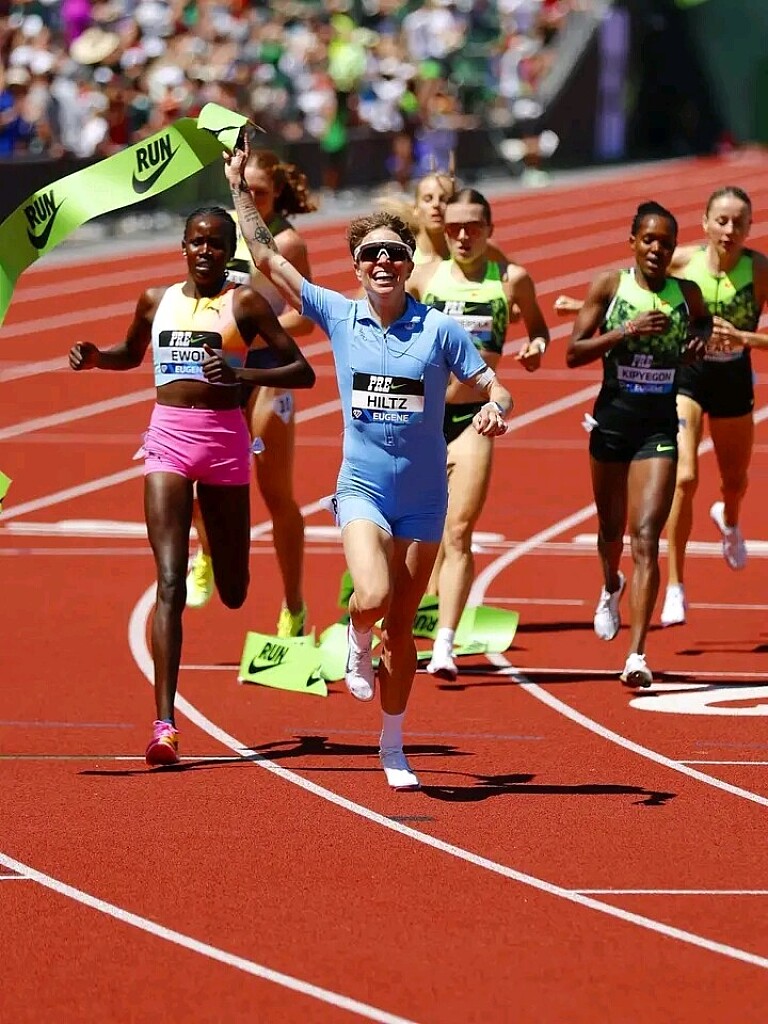
Faith Kipyegon's Five-Year Unbeaten Run Ends as Nikki Hiltz Shatters Meet Record at Prefontaine Classic
One of the biggest shocks of the 2026 athletics season unfolded at Hayward Field as Kenya's middle-distance queen, Faith Kipyegon, suffered her first defeat over the 1500m/mile on the track since the 2021 Rome Diamond League, bringing an end to an extraordinary unbeaten streak that had lasted nearly five years.
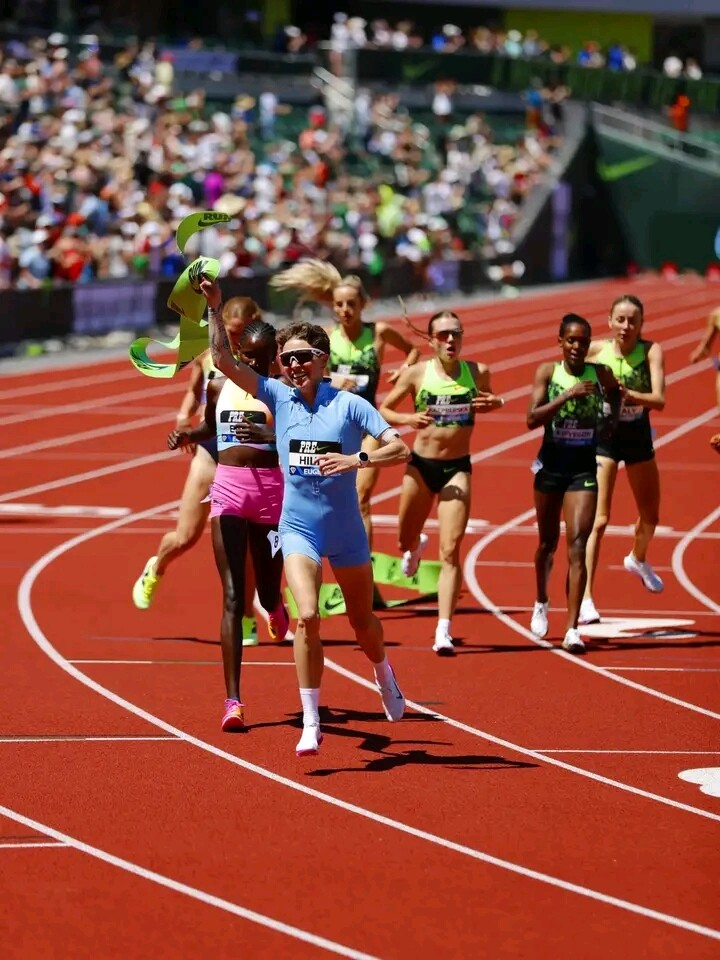
The athlete who ended that remarkable run was American star Nikki Hiltz, who produced the race of a lifetime to win the women's mile in a world-leading 4:17.49. Backed by a roaring home crowd, Hiltz timed the race to perfection before unleashing a decisive finishing kick to secure one of the most significant victories of her career.
The victory carried even greater significance as Hiltz also erased a 38-year-old Prefontaine Classic meet record, adding another historic milestone to an unforgettable evening at Hayward Field.
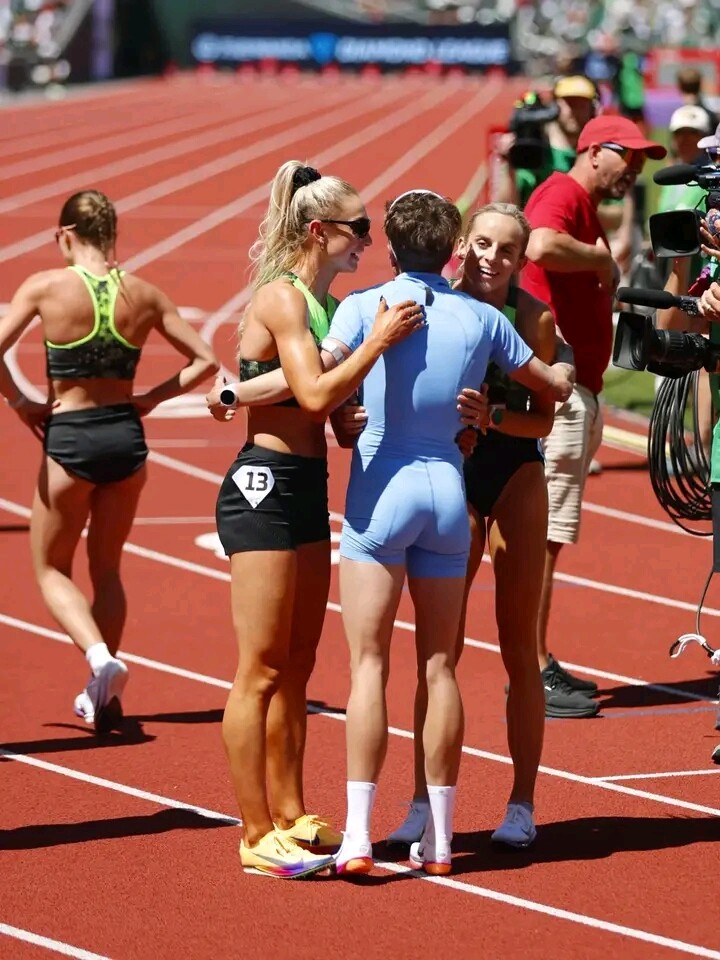
Kenya still had reason to celebrate as Dorcus Ewoi delivered an exceptional performance to finish second in 4:17.62, proving she belongs among the world's elite middle-distance runners.
Kipyegon, widely regarded as the greatest female middle-distance runner in history, battled bravely over the final lap but could not produce her trademark finishing burst. She crossed the line third in 4:17.80, a rare result for the five-time world champion and multiple Olympic gold medalist.
The remarkable depth of the race was evident throughout the field. Poland's Klaudia Kazimierska placed fourth in 4:17.90, narrowly ahead of Australia's Jessica Hull, who finished fifth in 4:18.03. Emily Mackay, Sarah Healy, and Georgia Hunter Bell completed a world-class lineup in one of the fastest mile races of the season.
While Kipyegon's third-place finish will undoubtedly generate headlines, it does little to diminish a legacy built on years of unmatched consistency and dominance. Every great champion eventually faces defeat, and the Kenyan icon has repeatedly shown an extraordinary ability to respond with even greater performances.
For Nikki Hiltz, however, this was far more than just another Diamond League victory. Ending Kipyegon's unbeaten run, setting a world-leading time, and breaking a meet record that had stood for nearly four decades is a defining statement ahead of the season's major championships.
The result has injected fresh excitement into women's middle-distance running, serving as a reminder that even the sport's greatest champions can be challenged. As the championship season approaches, the battle for global supremacy has suddenly become far more open—and far more compelling.
by Erick Cheruiyot for My Best Runs.
Login to leave a comment
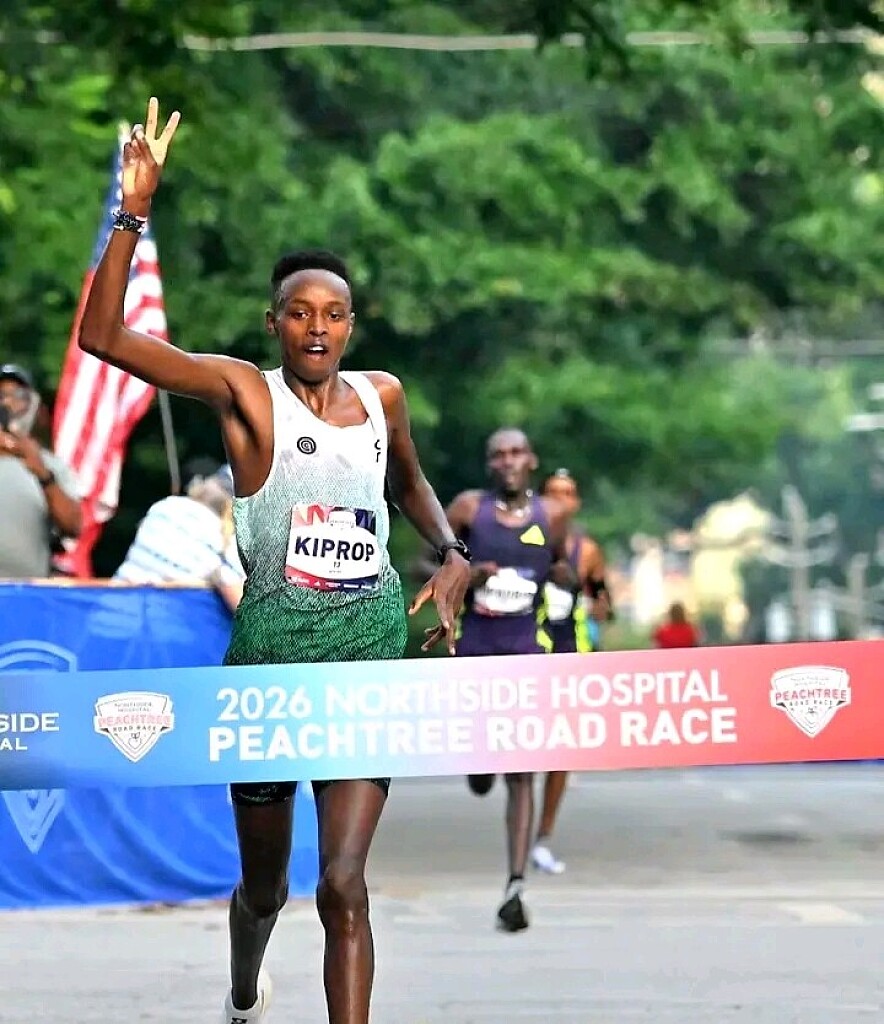
Patrick Kiptoo Kiprop Leads Kenyan Sweep to Capture 57th Peachtree Road Race Title on America's Independence Day
The streets of Atlanta once again came alive on Independence Day as thousands of runners celebrated one of road running's most iconic traditions, the Peachtree Road Race. In its 57th edition, the legendary 10-kilometre event delivered another thrilling chapter on Saturday, July 4, 2026, with Kenya's Patrick Kiptoo Kiprop producing a brilliant performance to claim victory in 27:37.
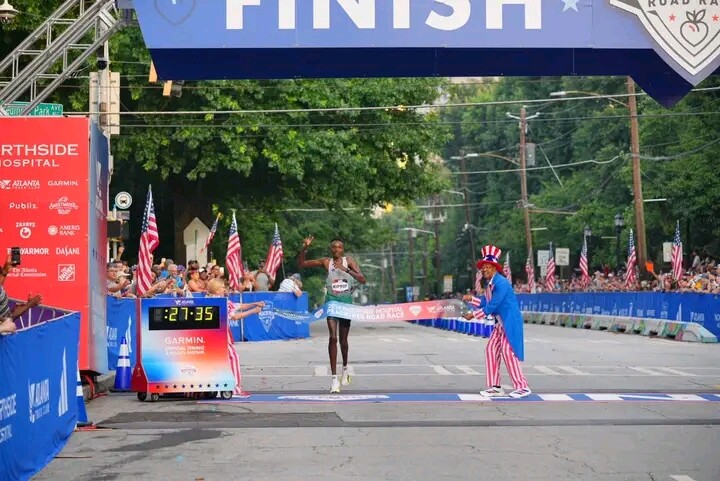
Competing against a world-class international field, Kiprop timed his race to perfection before surging to the finish, securing one of the most prestigious road racing titles in the United States. His victory highlighted Kenya's continued dominance on the global road racing circuit.
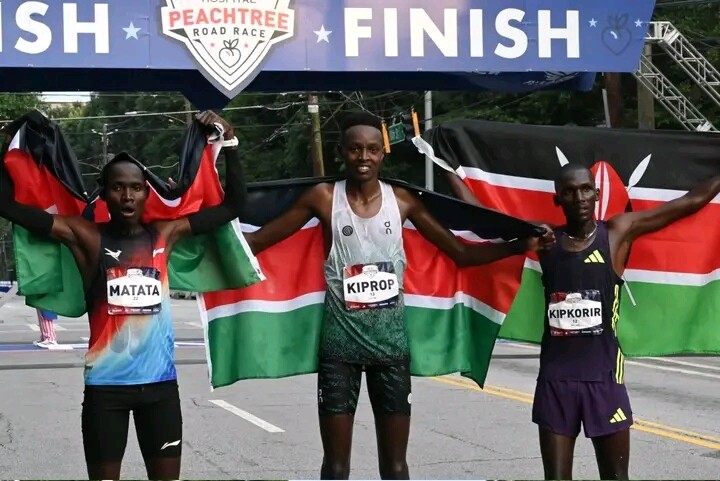
The men's race turned into a remarkable Kenyan showcase, with Nicholas Kipkorir finishing just four seconds behind the winner in 27:41 to complete a Kenyan one-two. Raphael Dapash crossed the line only two seconds later in 27:43, making it a clean sweep of the podium for Kenya. Alex Matata narrowly missed the top three after clocking 27:48, while Kiprono Sitonik completed an outstanding day for the East African nation with a fifth-place finish in 28:03.
Ethiopia's Tadese Worku was the highest-placed non-Kenyan in sixth, finishing in 28:10. Eritrea's Dawit Seare claimed seventh in 28:21, Ghana's William Amponsah impressed with eighth in 28:24, Kenya's Victor Shitsama finished ninth in 28:25, and South Africa's Adam Lipschitz rounded out the top ten in 28:27.
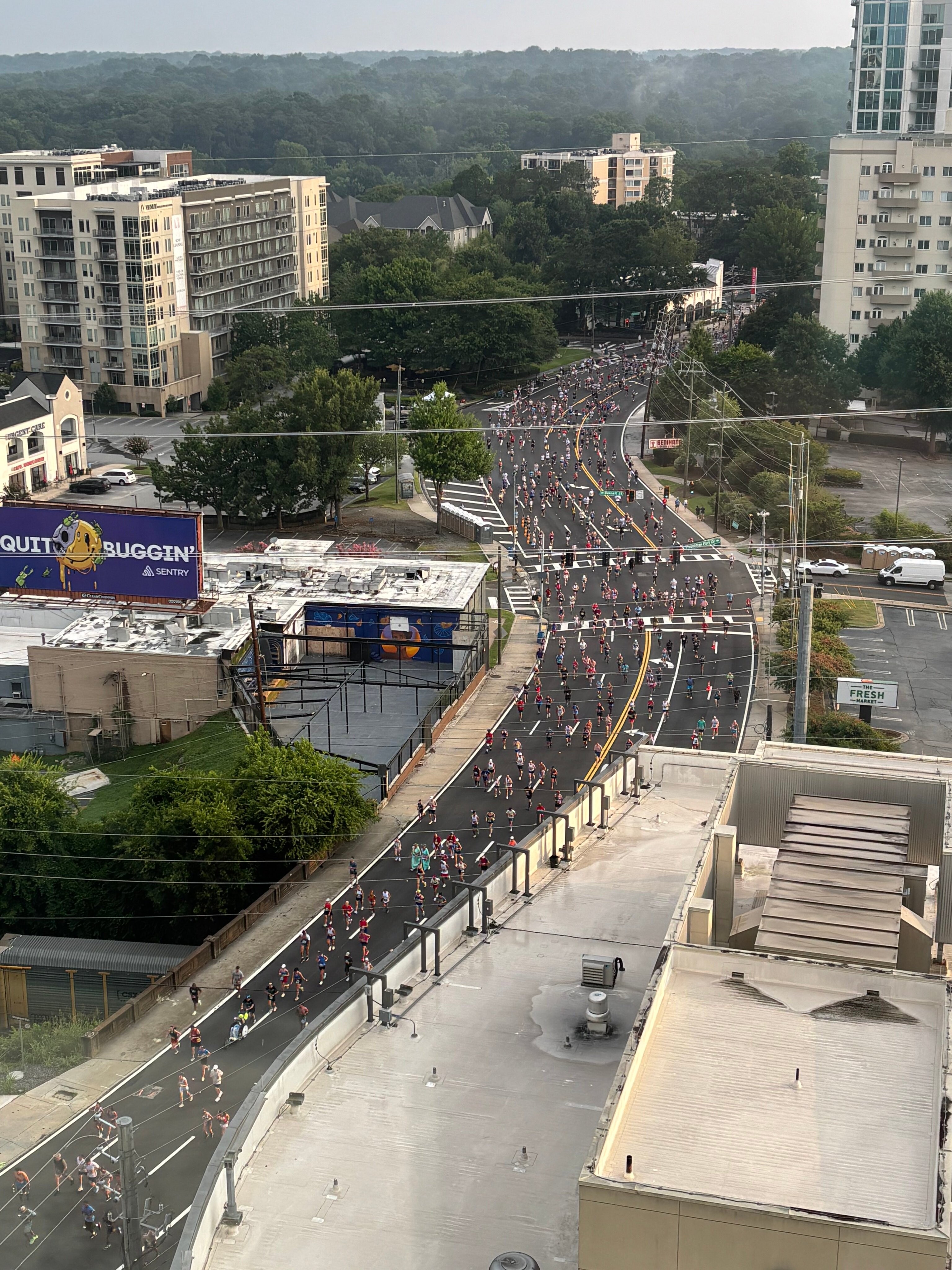
The Peachtree Road Race, staged annually on the Fourth of July, remains one of the world's largest and most celebrated 10-kilometre road races. Blending elite international competition with a vibrant community atmosphere, the event continues to attract tens of thousands of participants and enthusiastic spectators who line Atlanta's streets to celebrate both sport and America's Independence Day.
Top 10 Men's Results
1. Patrick Kiptoo Kiprop (Kenya) – 27:37
2. Nicholas Kipkorir (Kenya) – 27:41
3. Raphael Dapash (Kenya) – 27:43
4. Alex Matata (Kenya) – 27:48
5. Kiprono Sitonik (Kenya) – 28:03
6. Tadese Worku (Ethiopia) – 28:10
7. Dawit Seare (Eritrea) – 28:21
8. William Amponsah (Ghana) – 28:24
9. Victor Shitsama (Kenya) – 28:25
10. Adam Lipschitz (South Africa) – 28:27
Patrick Kiptoo Kiprop's commanding victory adds his name to the illustrious list of Peachtree Road Race champions, while Kenya's sweep of the top five positions underlined the country's extraordinary depth in distance running. On a day dedicated to celebration and tradition, the elite athletes once again delivered a memorable spectacle, ensuring the 2026 edition will be remembered as another outstanding chapter in the rich history of the Peachtree Road Race.
by Erick Cheruiyot for My Best Runs.
Login to leave a comment
AJC Peachtree Road Race
The AJC Peachtree Road Race, organized by the Atlanta Track Club, is the largest 10K in the world. In its 48th running, the AJC Peachtree Road Race has become a Fourth of July tradition for thousands of people throughout the metro Atlanta area and beyond. Come kick off your Fourth of July festivities with us! If you did not get...
more...
Faith Kipyegon Embraces the Unknown as She Begins a New Middle-Distance Chapter at the Prefontaine Classic
Three-time Olympic champion and multiple world record holder Faith Kipyegon is entering unfamiliar territory, and for one of the greatest middle-distance runners in history, that uncertainty is part of the excitement.
Speaking ahead of today's 2026 Prefontaine Classic at Hayward Field, the Kenyan superstar admitted that gauging her current form has been unusually difficult after an unconventional start to her season.
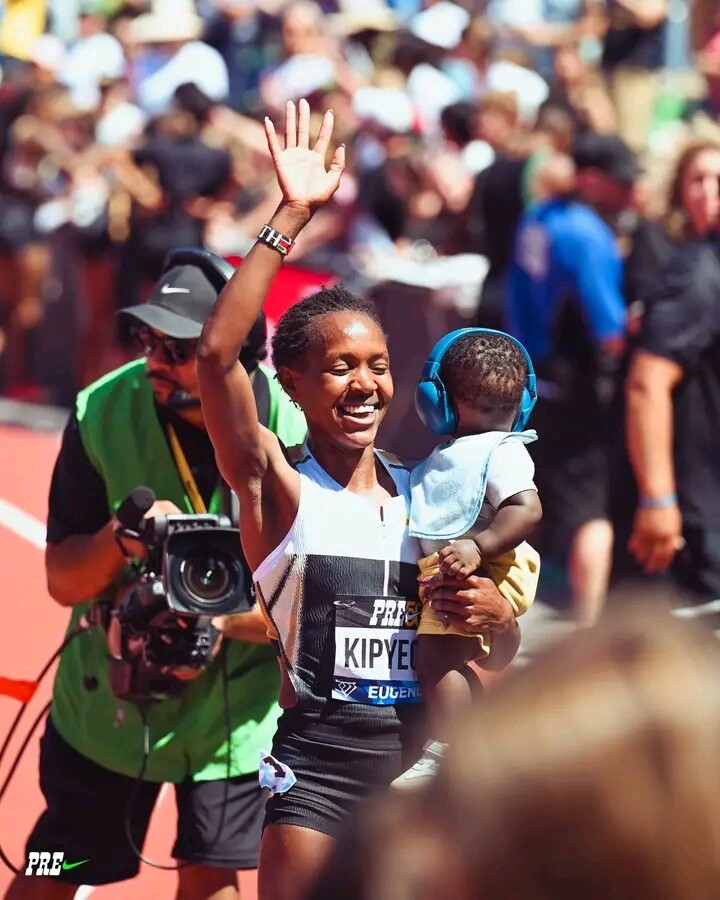
Unlike previous campaigns, Kipyegon has yet to contest a full 1500m race this year. Instead, she opened her Diamond League season over 5000m in May, using the longer event to build endurance before shifting her focus back to the distances that made her a global icon.
As a result, today's race represents more than just another Diamond League appearance. It marks her first true test over the 1500m and mile circuit this season, making it difficult even for the reigning queen of middle-distance running to predict what lies ahead.
"This year is a little bit tough to know where I am, especially now that I am racing for the first time in the mile. This is like my first 1500m race because in May I did the first Diamond League 5000m, which is like endurance. So, it is a challenge," Kipyegon explained.
Rather than arriving with complete certainty, Kipyegon is embracing the challenge and welcoming the fierce competition awaiting her in Eugene. She believes the quality of the field will be the perfect measure of her fitness as she continues building toward the major championships later this season.
"That's why I said I am also looking forward to these ladies to push me and see what will happen after the finishing line," she added.
Her remarks reveal a champion who remains grounded despite years of unprecedented success. Even after rewriting the record books, Kipyegon continues to approach each new challenge with humility, patience, and a desire to learn where she stands against the world's best.
With a stacked field expected to push the pace from the gun, fans could witness another memorable chapter in Kipyegon's remarkable career. Whether she delivers another dominant performance or simply uses the race as a benchmark, her appearance is among the most anticipated storylines of the 2026 Prefontaine Classic.
As the gun goes off in the afternoon the athletics world will be watching closely. Faith Kipyegon may not yet know exactly where her fitness stands—but by the finish line, she expects to have her answer.
by Erick Cheruiyot for My Best Runs.
Login to leave a comment

Valencia Marathon 2026: Can John Korir Challenge the Two-Hour Barrier?
The 2026 Valencia Marathon is already shaping up to be one of the most eagerly anticipated races of the year, with an exceptional men's field confirmed for 6 December. As the countdown begins, one question is capturing the imagination of athletics fans worldwide: Can John Korir become the next man to break the two-hour barrier in an official marathon?
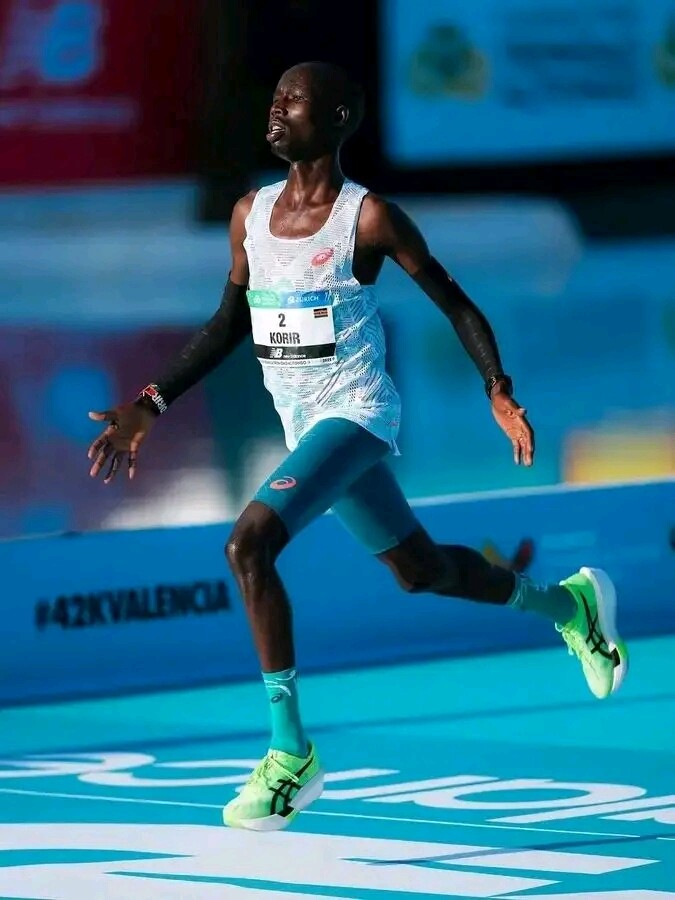
Korir returns to Valencia as the defending champion, having stormed to victory in 2025 with a then-personal best of 2:02:24. Since that triumph, the Kenyan has elevated his career to another level. On 20 April 2026, he delivered a sensational performance at the Boston Marathon, smashing the course record and lowering his lifetime best to 2:01:52. That remarkable run confirmed his status as one of the fastest and most dangerous marathoners in the world.
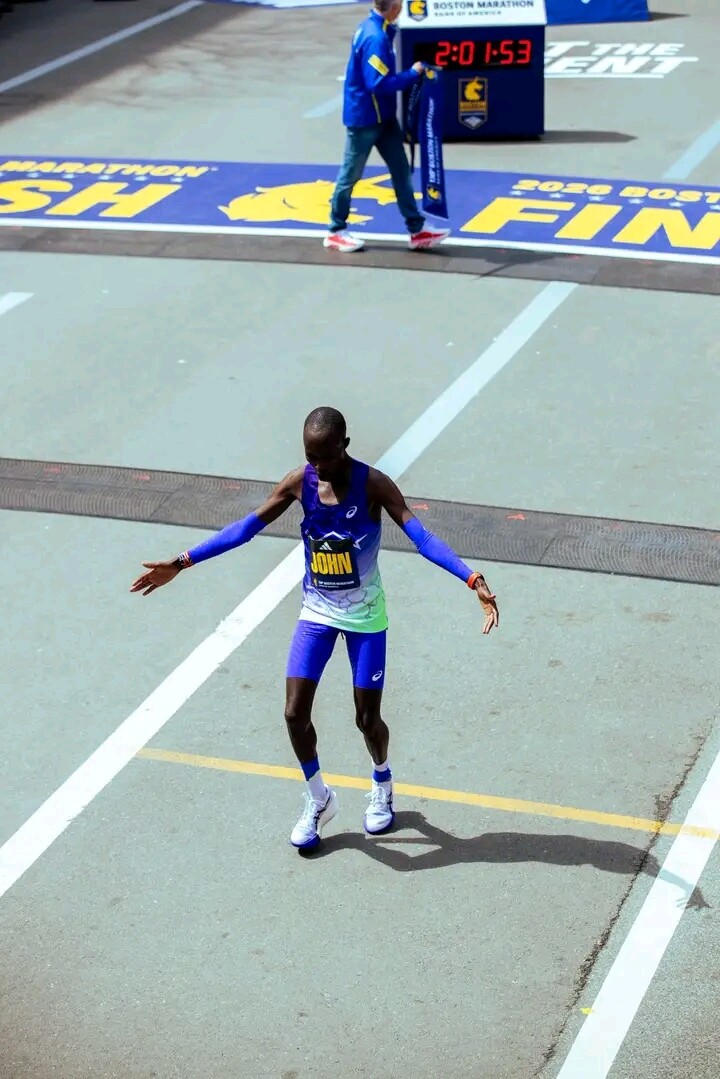
With his confidence soaring and his form peaking, Korir now heads back to the Spanish city where he first announced himself as a Valencia champion. The course's flat profile, cool December conditions and reputation for producing exceptionally fast times make it an ideal venue for another historic performance.
Standing in his way is Ethiopia's Yomif Kejelcha, whose marathon career has begun in spectacular fashion. In April, Kejelcha stunned the athletics world by clocking 1:59:41 on his 26.2-mile debut in London, becoming only the second athlete in history to cover the marathon distance in under two hours. His arrival in Valencia immediately raises the prospect of another record-breaking performance.
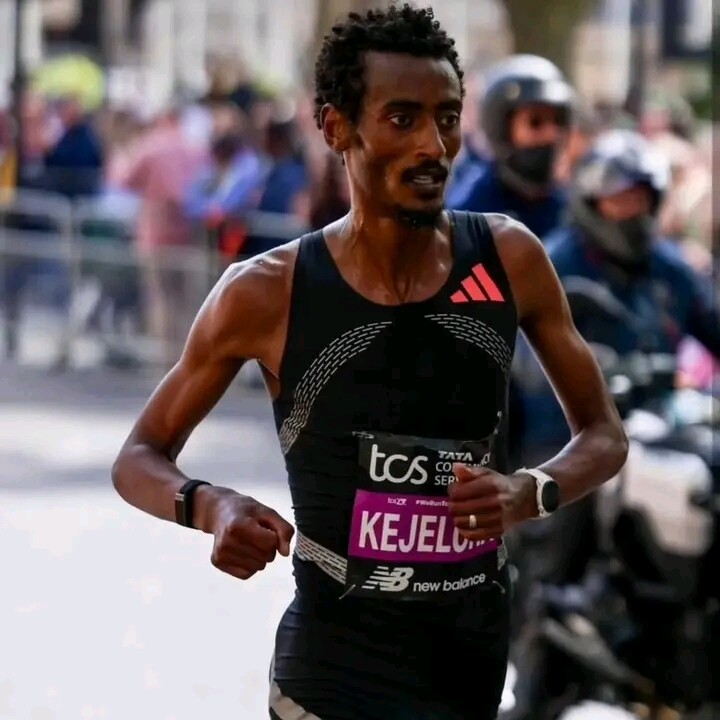
Kejelcha is no stranger to success on Valencia's streets. In 2024, he produced a then-world-record 57:30 to win the Valencia Half Marathon, demonstrating just how perfectly the course suits his aggressive racing style. That previous success makes him one of the leading contenders for marathon victory.
Adding even greater quality to the field is fellow Kenyan Alexander Mutiso, the 2024 London Marathon champion, who owns a personal best of 2:03:11. With three proven world-class athletes lining up, the men's race promises to be one of the strongest marathon contests of the season.
While breaking the two-hour barrier in an official marathon remains one of the greatest challenges in athletics, Valencia has built a reputation as a stage where extraordinary performances become reality. If the pace is relentless and the weather cooperates, fans could witness one of the fastest marathons ever run.
On 6 December, the streets of Valencia will host far more than a battle for victory. They will provide the stage for a fascinating showdown between defending champion John Korir, the explosive Yomif Kejelcha, and Alexander Mutiso—a clash that could redefine the limits of marathon running.
by Erick Cheruiyot for My Best Runs.
Login to leave a comment

VALENCIA TRINIDAD ALFONSO
The Trinidad Alfonso EDP Valencia Marathon is held annually in the historic city of Valencia which, with its entirely flat circuit and perfect November temperature, averaging between 12-17 degrees, represents the ideal setting for hosting such a long-distance sporting challenge. This, coupled with the most incomparable of settings, makes the Valencia Marathon, Valencia, one of the most important events in...
more...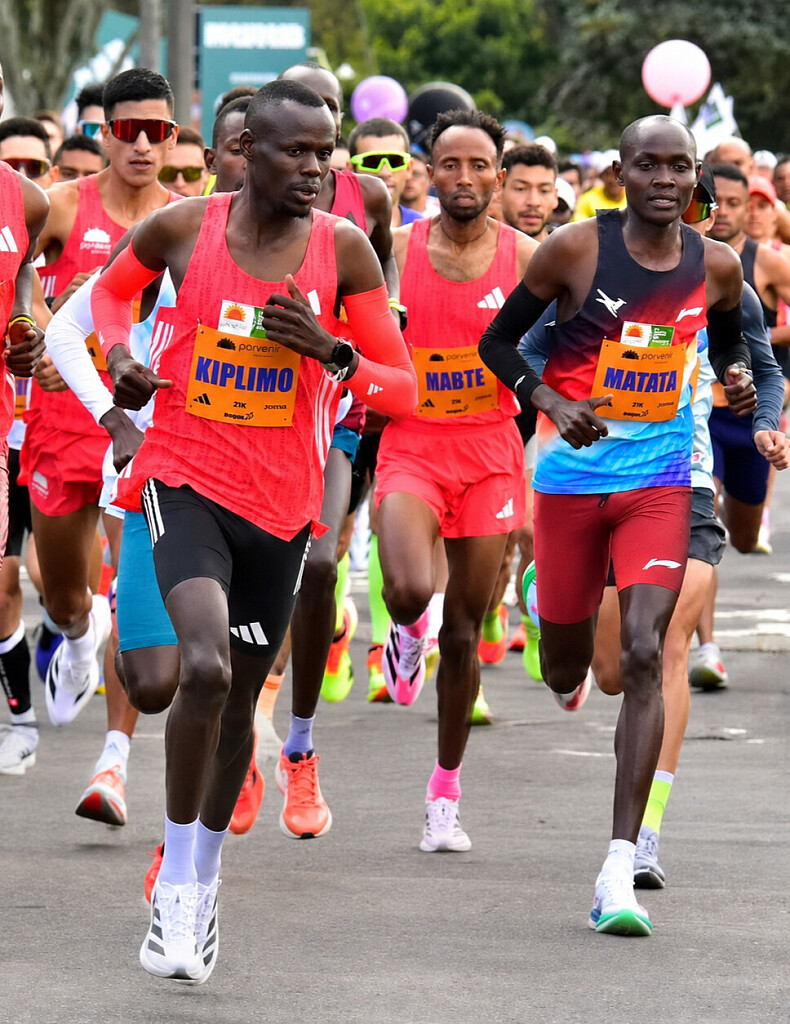
Elite International Field Confirmed for 2026 Bogotá Half Marathon
The stage is set for another thrilling edition of the Bogotá Half Marathon, with race organisers unveiling a world-class elite field for the 2026 event, scheduled for 26 July in Bogotá, Colombia.
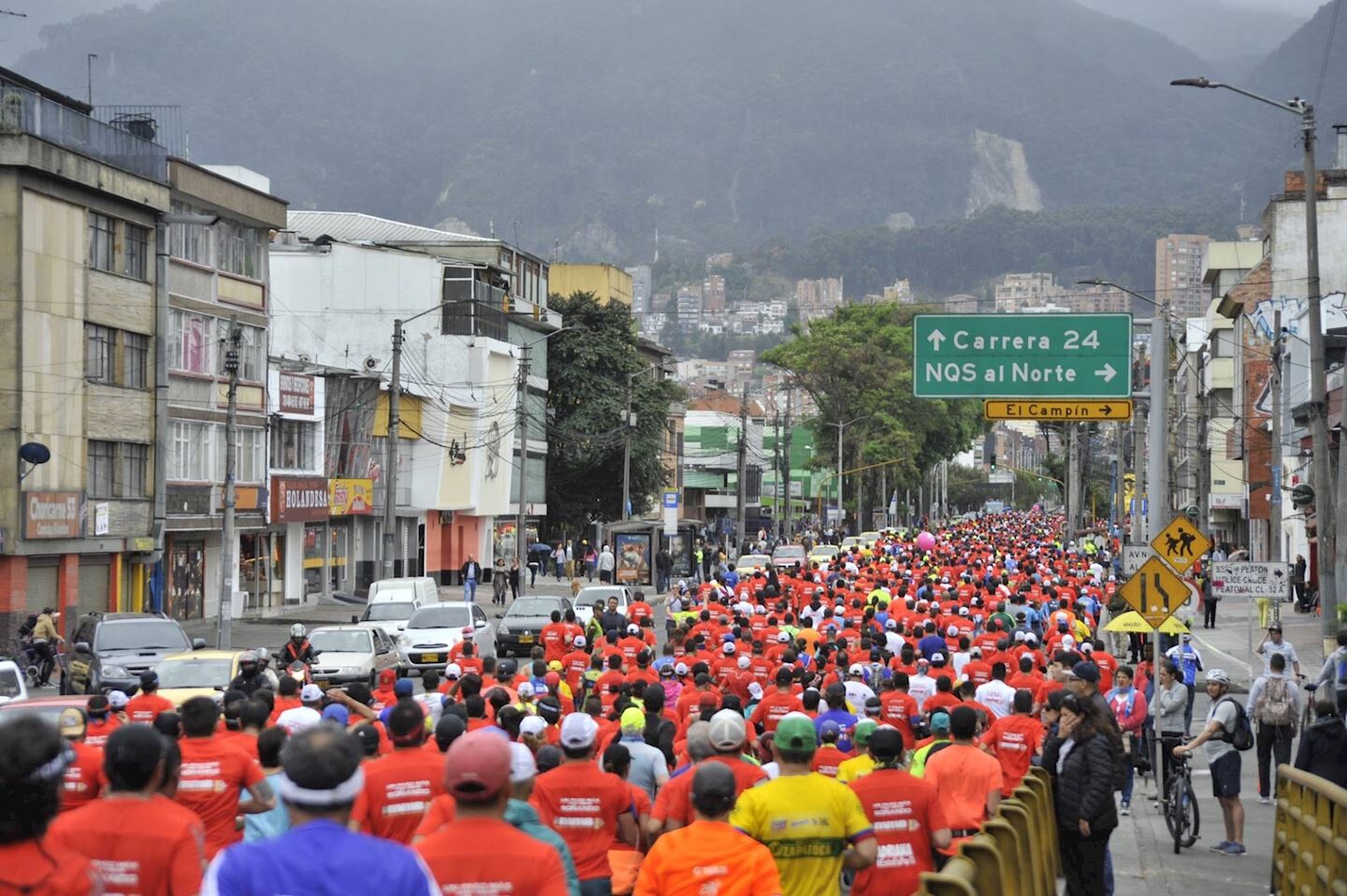
Athletes from across the globe are expected to converge on the Colombian capital for one of South America's most prestigious road races, setting the scene for an intense battle on Bogotá's challenging high-altitude course.
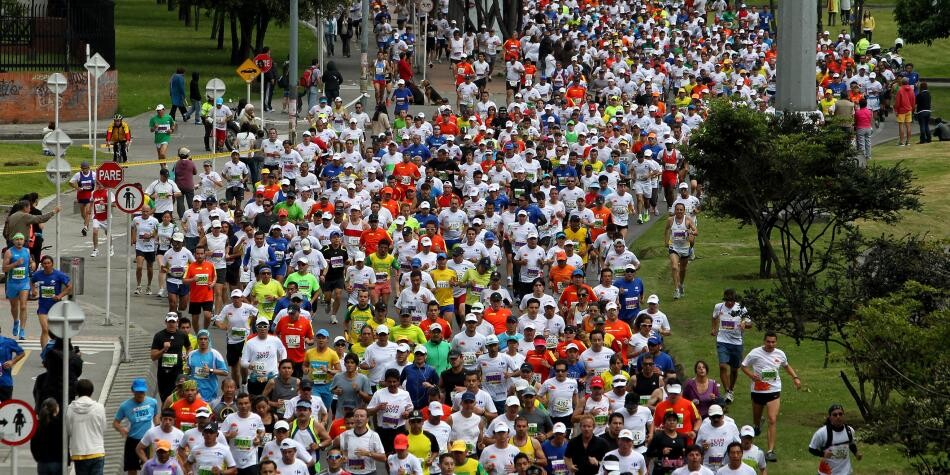
Among the standout names in the men's field is Philemon Kiplimo, whose exceptional personal best of 58:11 makes him one of the fastest athletes confirmed for the race. He is joined by Charles Matata (59:15), Gideon Kiprop (59:20) and Erick Sang (59:38), adding further quality to an already stacked international lineup.
While the Kenyan quartet arrives with impressive credentials, they will face strong opposition from elite runners representing other nations, ensuring the race is far from a one-country contest. The diverse field promises a fascinating clash of styles, experience and tactics as athletes chase victory through the streets of Bogotá.
Renowned for its altitude of more than 2,600 metres above sea level, the Bogotá Half Marathon has long been regarded as one of the most demanding races on the international road-running calendar. Success on this course requires not only speed but also exceptional endurance, patience and race management.
With proven performers and emerging talents from around the world set to take their places on the start line, the 2026 Bogotá Half Marathon is shaping up to deliver another memorable chapter in the event's rich history. Fans can look forward to a captivating contest as some of the world's finest distance runners battle for top honours in Colombia.
by Erick Cheruiyot for My Best Runs.
Login to leave a comment

Bogota Half Marathon
The Bogotá International Half Marathon, or mmB as it is traditionally known, is an annual road running competition over a half marathon distance 21.0975 kilometres (13.1094 mi) taking place in Bogotá, Colombia in late July or early August. Established in 2000, it holds IAAF Gold Label Road Race status, making it the first and thus far only South American race...
more...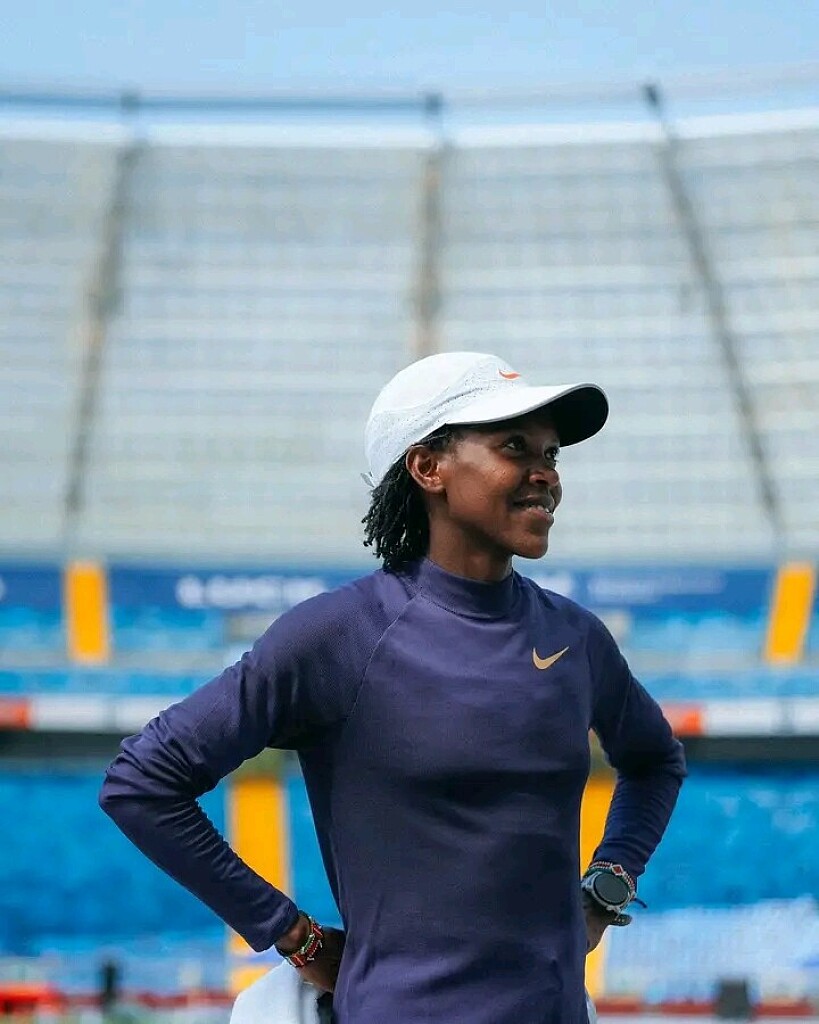
Can Faith Kipyegon Finally Conquer the Four-Minute Mile at the Prefontaine Classic?
The question may not have dominated the headlines, but it is one of the most fascinating storylines heading into the 2026 Nike Prefontaine Classic: Could Faith Kipyegon become the first woman to break the four-minute mile under normal race conditions at Hayward Field?
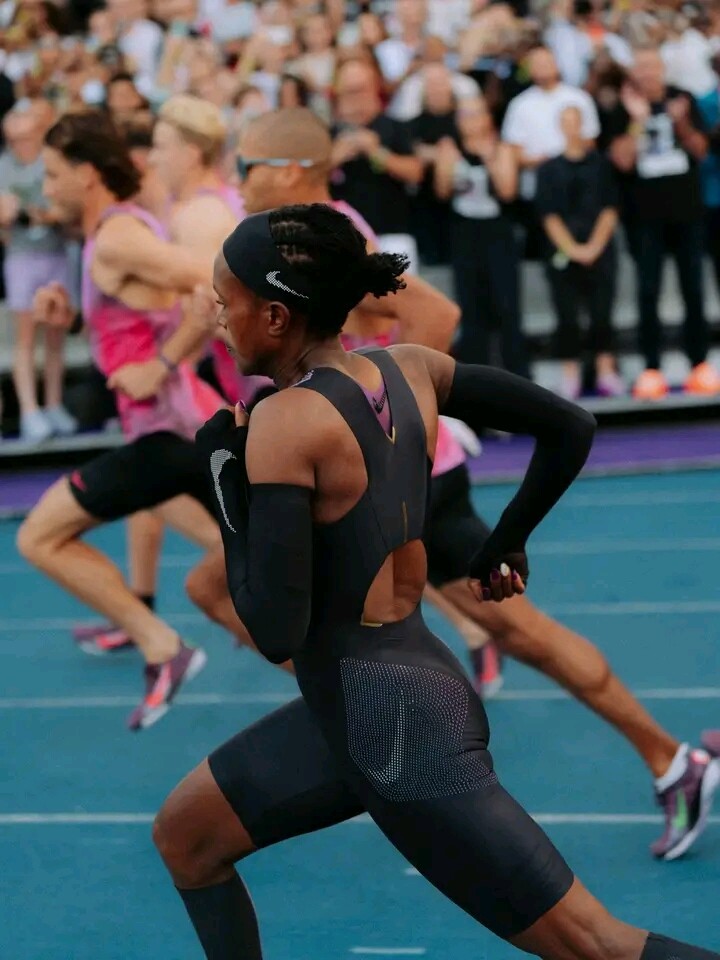
One year ago, the Kenyan superstar embarked on an ambitious mission to shatter one of athletics' most iconic barriers. Although the sub-four-minute mile ultimately remained out of reach, the attempt was far from a disappointment. Kipyegon produced the fastest mile ever run by a woman, clocking 4:06.42 (chip time) and 4:06.91 (gun time) in a specially staged exhibition designed to maximize speed. However, because the event did not meet the criteria for official record recognition, her official world record remains 4:07.64.
Now, the conversation takes on a different dimension.
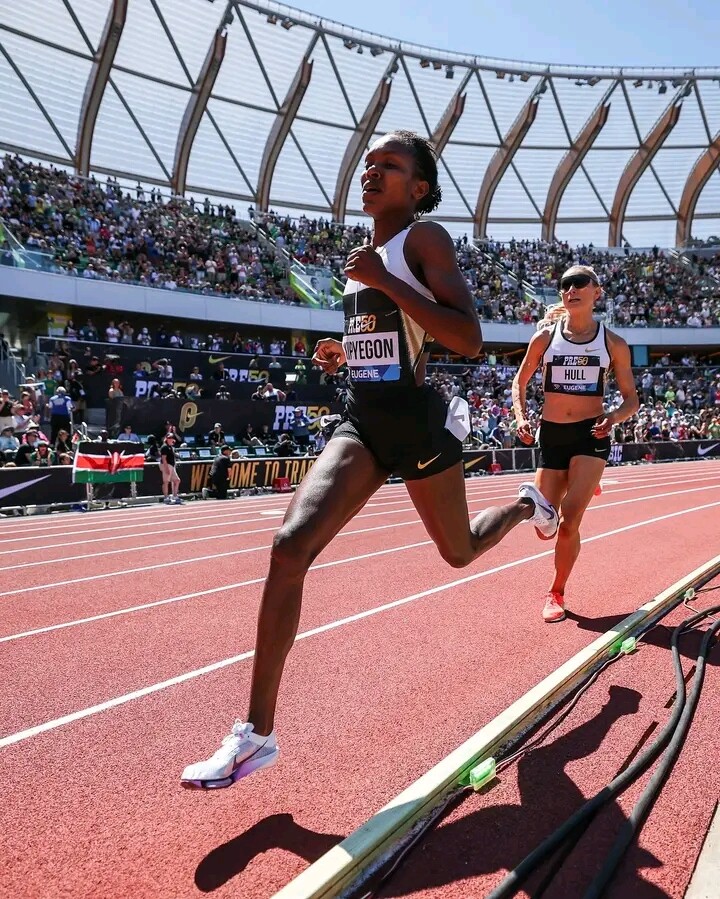
Unlike last year's exhibition, the 2026 Nike Prefontaine Classic presents an opportunity for Kipyegon to chase history in a standard championship-style race. Hayward Field has become synonymous with world-class middle-distance performances, and with elite pacemaking, fierce competition, and ideal conditions, the stage could hardly be better.
To dip below four minutes, Kipyegon would need to improve her official world record by more than seven seconds—an enormous margin in an event where records are often lowered by tenths of a second. Yet if there is one athlete capable of redefining what is considered possible, it is the three-time Olympic champion and reigning world record holder.
Over the past few seasons, Kipyegon has repeatedly rewritten the limits of women's middle-distance running, breaking world records and delivering performances once thought unattainable. Her ability to combine tactical brilliance with extraordinary finishing speed has made her the undisputed queen of the mile.
Whether the barrier falls on 4 July 2026 remains uncertain. Breaking four minutes under official race conditions would require the performance of a lifetime. But after witnessing Kipyegon's relentless pursuit of greatness, few would dismiss the possibility outright.
The four-minute mile has stood as one of the last great frontiers in women's athletics. At Hayward Field, Faith Kipyegon may once again have the chance to move that frontier—and perhaps make sporting history.
by Erick Cheruiyot for My Best Runs.
Login to leave a comment

Prefontaine Classic
The Pre Classic, part of the Diamond League series of international meets featuring Olympic-level athletes, is scheduled to be held at the new Hayward Field in Eugene. The Prefontaine Classicis the longest-running outdoor invitational track & field meet in America and is part of the elite Wanda Diamond League of meets held worldwide annually. The Pre Classic’s results score has...
more...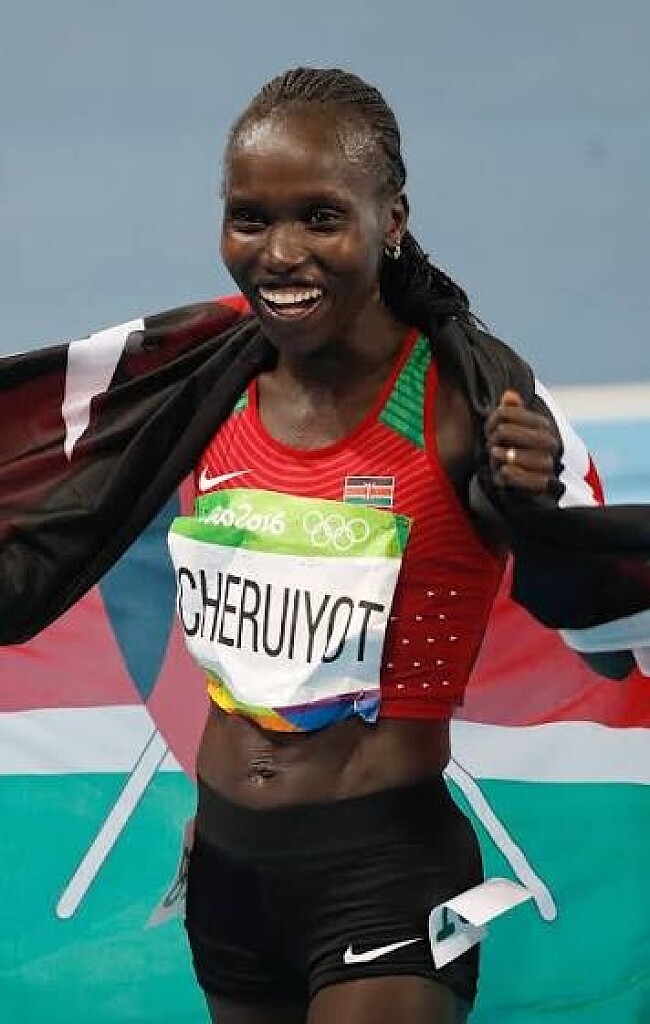
Olympic Legend Vivian Cheruiyot Set for 2026 Sydney Marathon Showdown
Kenyan distance-running icon Vivian Cheruiyot is set to add another exciting chapter to her glittering career after confirming her participation in the 2026 Sydney Marathon, scheduled for August 30 in Australia.
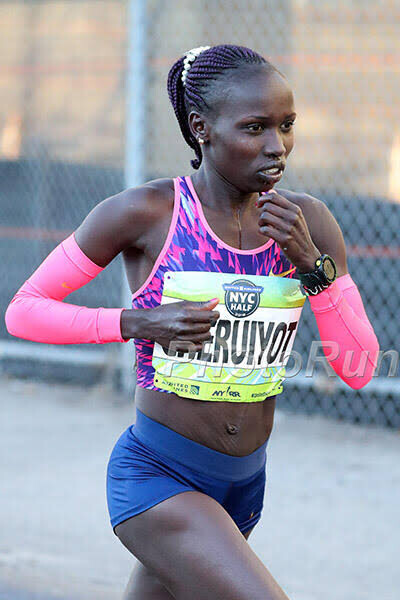
The 42-year-old marathon star, who owns a personal best of 2:18:31, will line up against one of the strongest women's marathon fields ever assembled in Australia. Awaiting her is a mouthwatering showdown with fellow Kenyan and Olympic marathon champion Peres Jepchirchir, promising fans a battle between two of the sport's finest competitors.
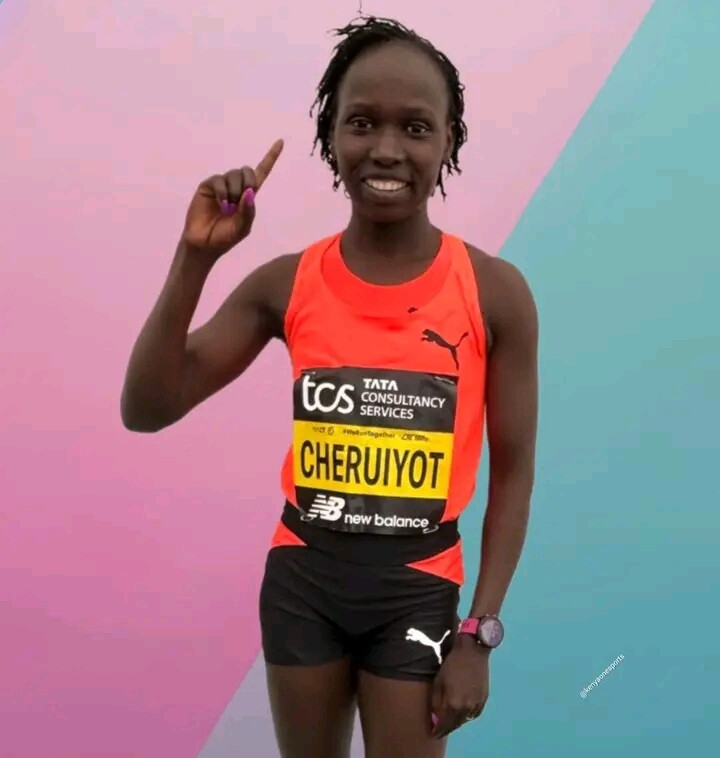
Cheruiyot arrives in Sydney with one of the most decorated résumés in the history of distance running. Across four Olympic Games, she has amassed an extraordinary collection of medals, winning Olympic gold in the 5,000m and silver in the 10,000m at the 2016 Rio Games, where she also set a new Olympic record in the 5,000m. She previously claimed silver in the 5,000m and bronze in the 10,000m at the 2012 London Olympics, cementing her place among Kenya's greatest track athletes.
Her success extends well beyond the Olympic stage. Cheruiyot is a multiple-time world champion, capturing the 5,000m world title in 2009 and 2011, while also completing a memorable long-distance double by winning the 10,000m world crown in 2011 before reclaiming the event's global title in 2015. She also earned silver in the 5,000m at the 2007 World Championships and has enjoyed success indoors with a silver medal in the 3,000m at the 2010 World Indoor Championships.
In addition to her global championship triumphs, Cheruiyot dominated the 2010 season by securing the Commonwealth Games, African Championships, Continental Cup, and Diamond League titles over 5,000 metres, further highlighting her remarkable consistency and versatility.
Although now competing in the marathon, Cheruiyot continues to prove that class and determination know no age. Her experience, tactical brilliance, and championship pedigree make her one of the standout names in an elite field packed with world-class talent.
With the Sydney Marathon continuing to establish itself as one of the world's premier road races, all eyes will be on Vivian Cheruiyot as the legendary Kenyan seeks to produce another memorable performance on Australian soil.
by Erick Cheruiyot for My Best Runs.
Login to leave a comment
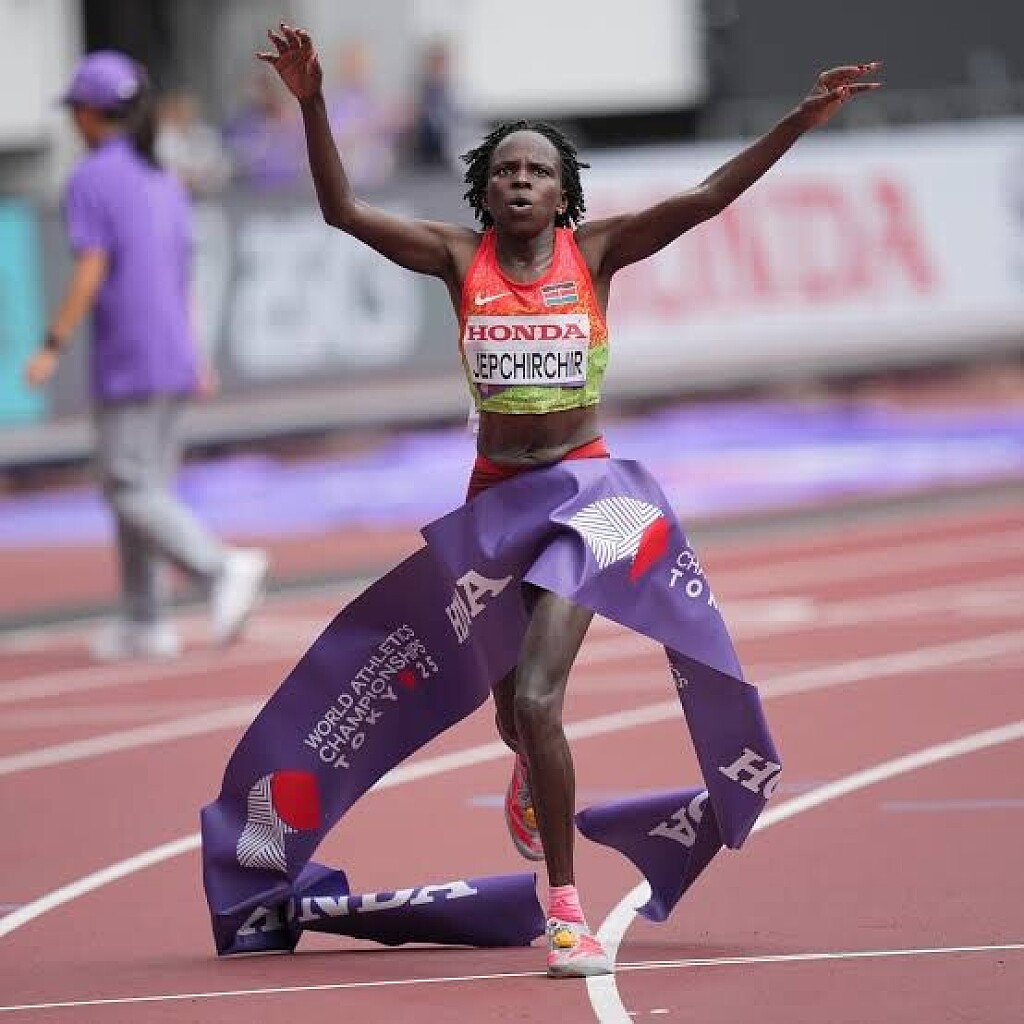
Sydney Set for a Historic Showdown as Record-Breaking Women's Elite Field Assembles
The TCS Sydney Marathon presented by ASICS is set to deliver one of the most captivating marathon spectacles of the year, with the strongest women's elite field ever assembled on Australian soil preparing to battle for glory.
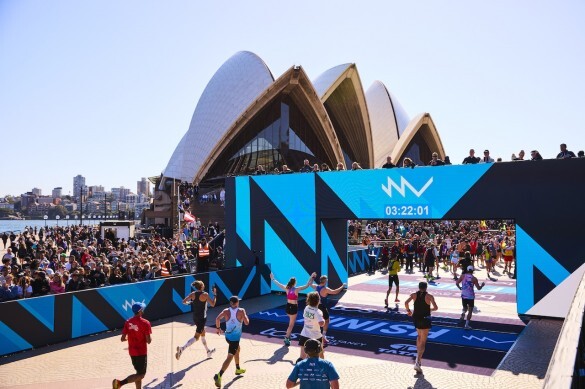
Headlining the star-studded lineup is reigning World Marathon Champion Peres Jepchirchir Ngeno, whose remarkable personal best of 2:14:43 makes her the fastest athlete in the field. The Kenyan arrives as one of the sport's most accomplished marathoners and will carry the weight of expectation as she leads an exceptionally deep and competitive international field.
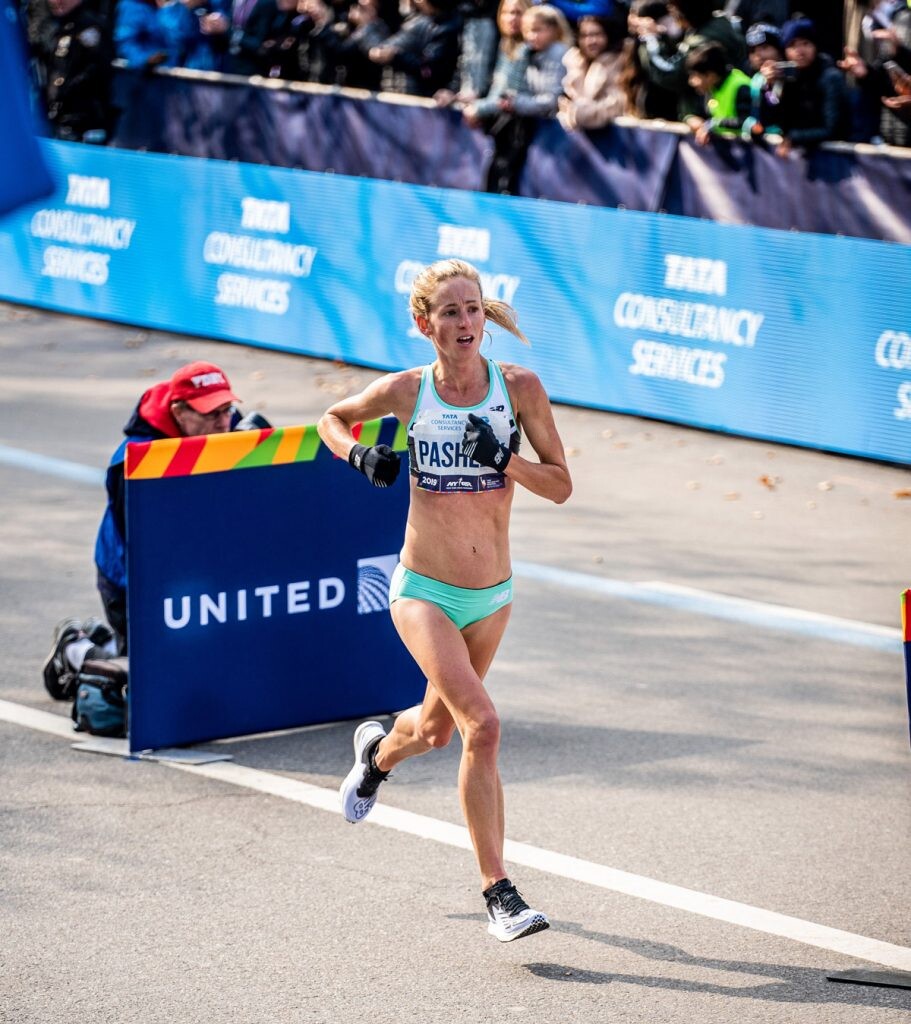
Kenya's challenge extends far beyond its world champion. Irine Cheptai (2:17:51), Vivian Cheruiyot (2:18:31), Sharon Chelimo (2:19:33), Joyce Tele (2:19:50), Jackline Cherono (2:21:14) and Priscah Cherono (2:25:17) add tremendous depth, reinforcing the nation's reputation as the dominant force in women's marathon running.
Ethiopia will be equally formidable, boasting an impressive squad led by Ruti Aga (2:18:09), Shure Demise (2:18:34), Haven Hailu (2:19:09), Meseret Abebayehau (2:19:50), Aberu Ayana (2:20:20), Waganesh Mekasha (2:20:26), Azmera Gebru (2:20:48) and Fikrte Wereta (2:21:32). With such remarkable depth, Ethiopia has every opportunity to challenge for victory and dominate the podium.
The international flavor continues with Magdalena Shauri of Tanzania (2:18:03), Uganda's Stella Chesang (2:18:26), American-based Biruktayit Degefa (2:21:34), France's Melody Julien (2:25:01), Morocco's Kaoutar Farkoussi (2:25:12), Japan's Mizuki Nishimura (2:25:54) and Australia's leading hopes Ellie Pashley (2:26:21), Caitlin Scott (Adams) (2:30:26) and Rebecca Lowe (2:30:50).
With multiple women boasting personal bests under 2:20, the race promises relentless pace from the opening kilometres. The combination of proven championship pedigree, world-class experience and emerging talent sets the stage for what could become the fastest and most competitive women's marathon ever contested in Australia.
As the TCS Sydney Marathon presented by ASICS continues to cement its status among the world's premier marathons, the 2026 edition is shaping up to be a defining moment in the event's history. Fans can expect a fierce contest where every second will matter and marathon excellence will be on full display.
by Erick Cheruiyot for My Best Runs.
Login to leave a comment

Sydney Marathon
The Sydney Marathon is a marathon held annually in Sydney, Australia. The event was first held in 2001 as a legacy of the 2000 Summer Olympics, which were held in Sydney. In addition to the marathon, a half marathon, 9 kilometres (5.6 mi) "Bridge Run", and a 3.5 kilometres (2.2 mi) "Family Fun Run" are also held under the banner...
more...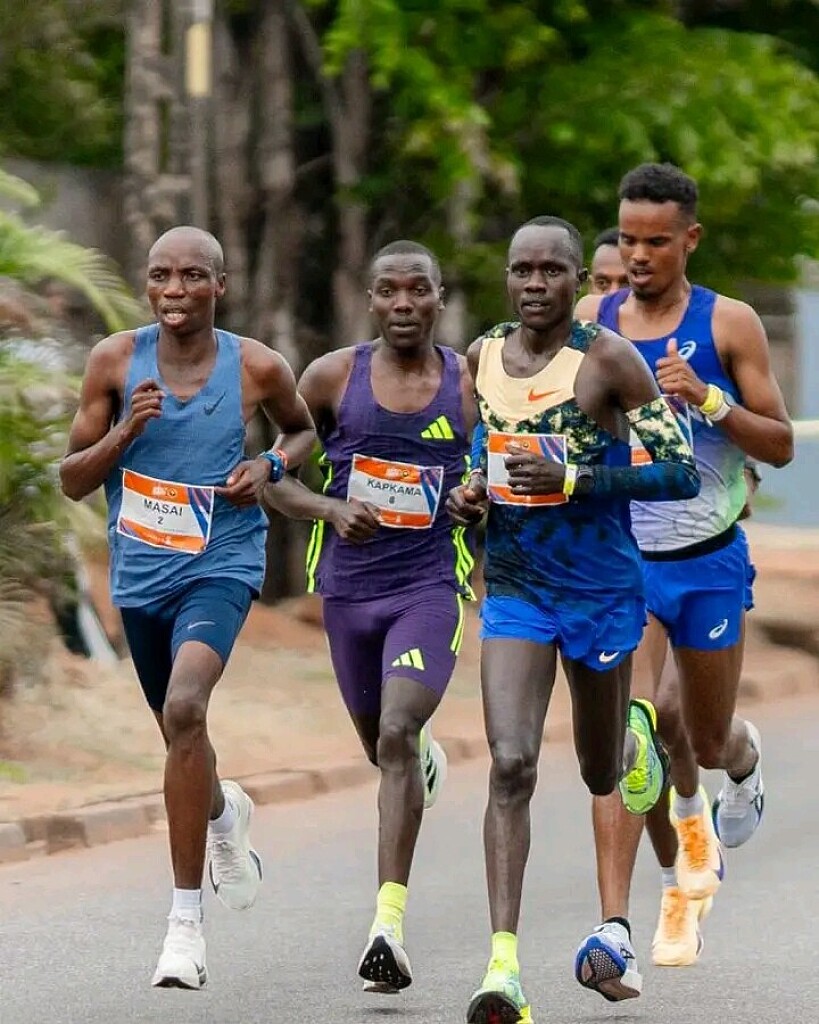
Kenya and Ethiopia Share the Spotlight at the 2026 POG Perenco 10K as Kapkama and Chemnung Claim Top Honors
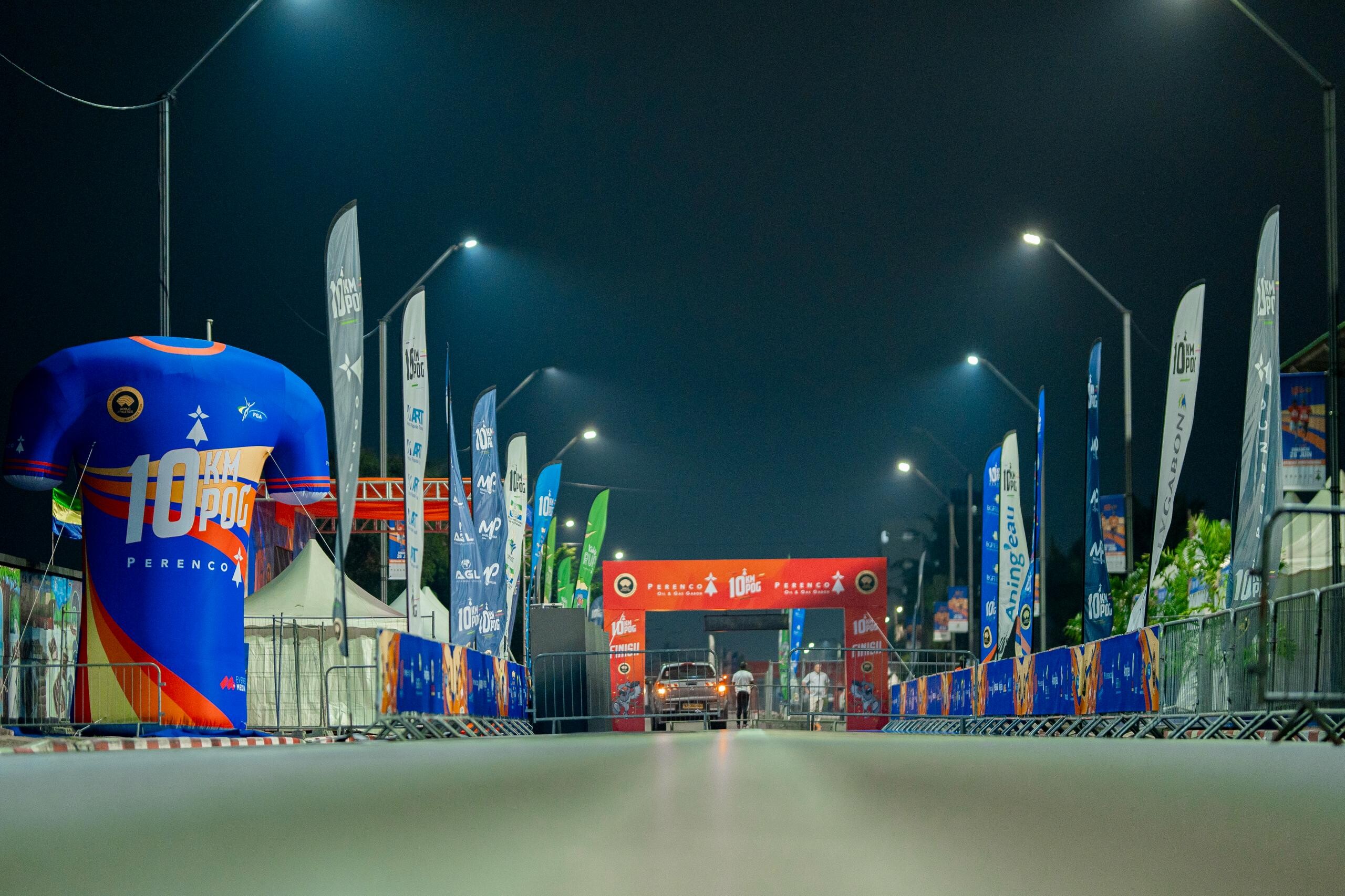
The 2026 POG Perenco 10K delivered another thrilling showcase of East African distance-running excellence, with Kenya and Ethiopia producing outstanding performances in both the men's and women's races.
In the men's race, Owen Korir Kapkama produced a commanding run to capture the title in 27:49, leading a remarkable Kenyan clean sweep of the podium. Kapkama crossed the line seven seconds ahead of compatriot Brian Kibor, who finished second in 27:56, while Filex Kibet Masai secured third place in 28:27. Ethiopia's Meniberu Yismaw narrowly missed out on the podium after finishing fourth in 28:32.
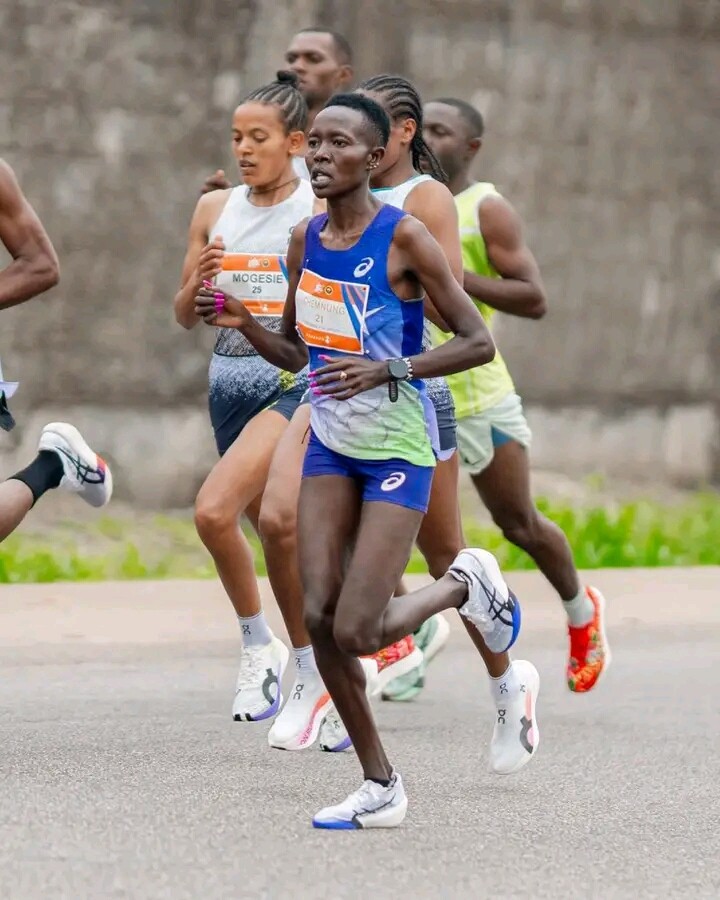
The women's race belonged to Loice Chemnung of Kenya, who delivered a superb performance to take victory in 30:52. Chemnung's decisive run proved too strong for the Ethiopian challengers, adding another prestigious international road racing title to Kenya's impressive tally.
Ethiopia filled the remaining podium places, with Abraha Axumawit claiming second in 31:25, just two seconds ahead of compatriot Gebre Aynalem, who finished third in 31:27. Mogesie Bosena completed an outstanding Ethiopian team performance by placing fourth in 31:38.
The results reflected the enduring rivalry between Kenya and Ethiopia, with Kenya dominating the men's event and securing the women's crown, while Ethiopia showcased its remarkable depth by occupying three of the top four positions in the women's race. The fast times and fiercely contested battles once again highlighted why East Africa continues to set the global standard in distance running.
by Erick Cheruiyot for My Best Runs.
Login to leave a comment

Port Gentil 10K
After 3 editions of sporting, popular and media success, the 10KM of Port-Gentil obtains the SILVER LABELING (silver) by the IAAF (International Association of Athletics Federations). In 2018, after its second edition, the POG 10KM had already obtained the Road Race Bronze label by the IAAF. Today, he climbs an additional level in international recognition and becomes one of the...
more...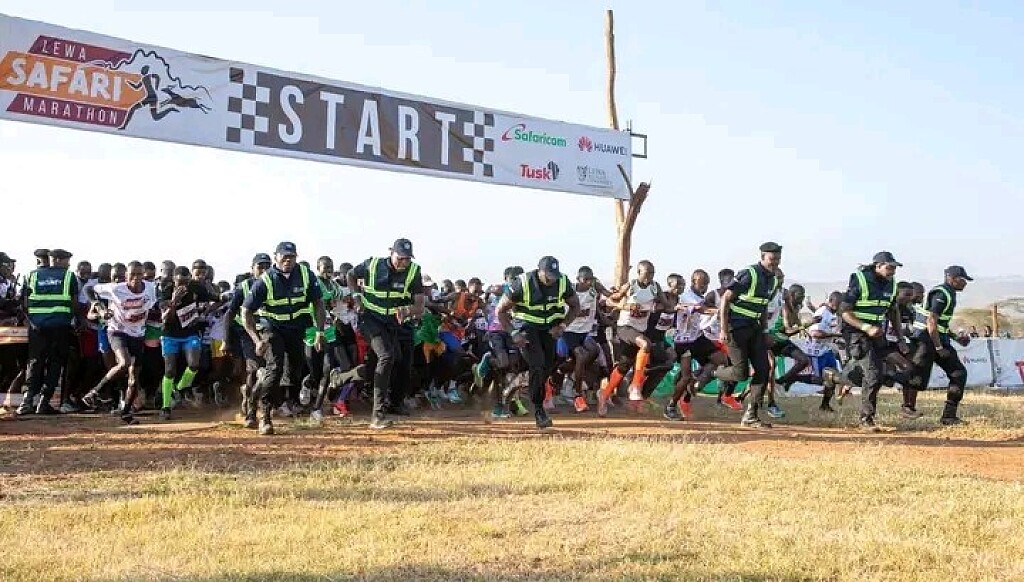
Samson Lemanyan Defends Lewa Marathon Crown as Lydia Simiyu Triumphs in Women's Race
The 2026 Lewa Marathon once again delivered a memorable celebration of endurance, determination, and conservation, with familiar faces rising to the top of the podium after impressive performances on one of Kenya's most demanding marathon courses.
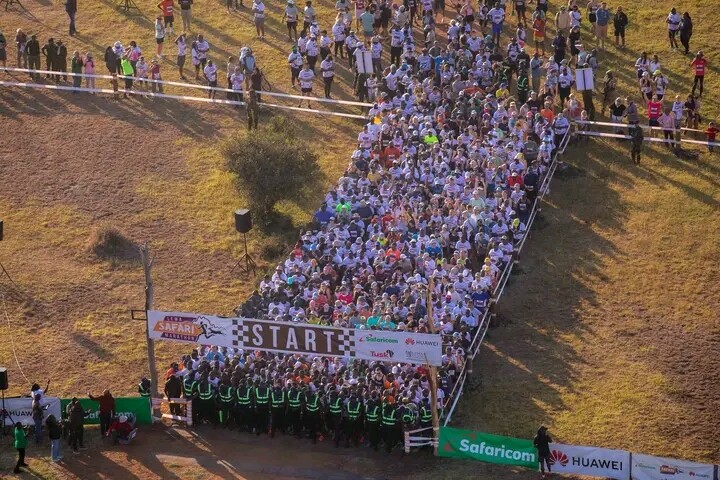
In the men's race, Samson Lemanyan successfully defended his Lewa Marathon title, producing another commanding display to retain his crown. Lemanyan crossed the finish line in 2:27:04, proving once again that he is the man to beat on the rugged terrain of the Lewa Wildlife Conservancy. His back-to-back triumph highlights both his consistency and ability to master the unique challenges presented by the race.
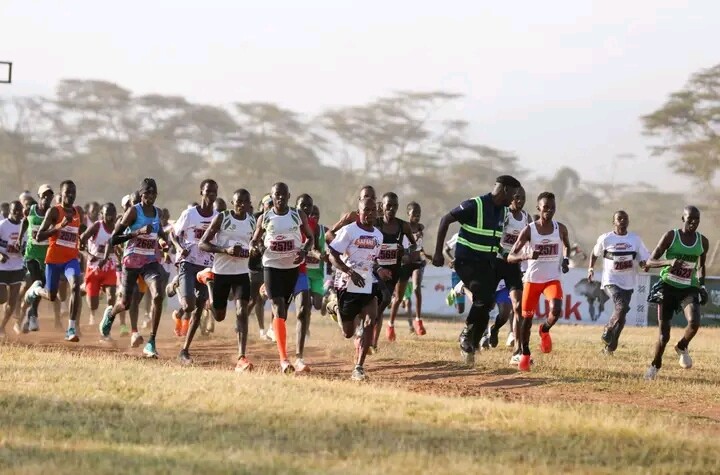
The women's competition was equally captivating as Lydia Simiyu, an officer with the Kenya Wildlife Service (KWS), emerged victorious with a determined performance. Simiyu powered to the women's title in 2:50:39, delivering a composed and resilient run across the demanding course. Her victory was a fitting moment for one of the country's conservation officers, whose success reflected the spirit of an event that uniquely blends elite athletics with wildlife conservation.
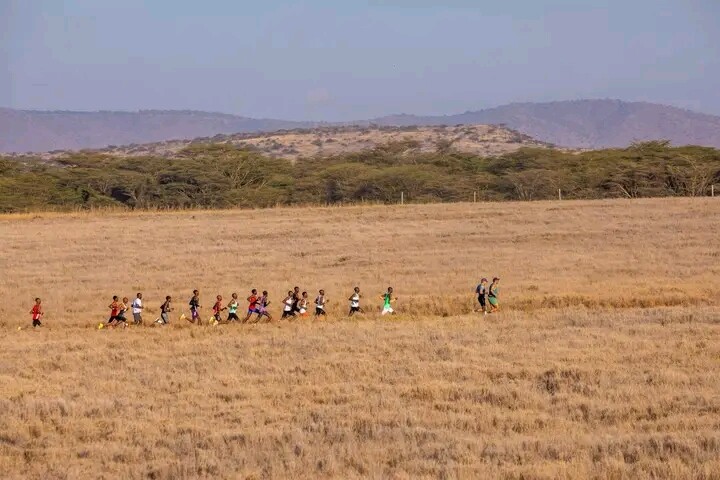
Renowned as one of the world's most distinctive marathons, the Lewa Marathon takes athletes through breathtaking landscapes inhabited by some of Africa's iconic wildlife, making it far more than just a road race. The event continues to attract elite runners and recreational participants alike while raising vital support for wildlife conservation and community development initiatives.
With Lemanyan successfully defending his title in 2:27:04 and Simiyu capturing the women's crown in 2:50:39, the 2026 edition added another memorable chapter to the rich history of the Lewa Marathon, once again showcasing the resilience, talent, and competitive spirit that define Kenyan distance running.
by Erick Cheruiyot for My Best Runs.
Login to leave a comment

Safaricom Lewa Marathon
The first and most distinctive is that it is run on a wildlife conservancy, which is also a UNESCO world heritage site. The Lewa Wildlife Conservancy is home to a number of endangered and threatened species- and also a catalyst for community development for its neighboring communities. For the past 17 years, funds raised from the marathon have gone...
more...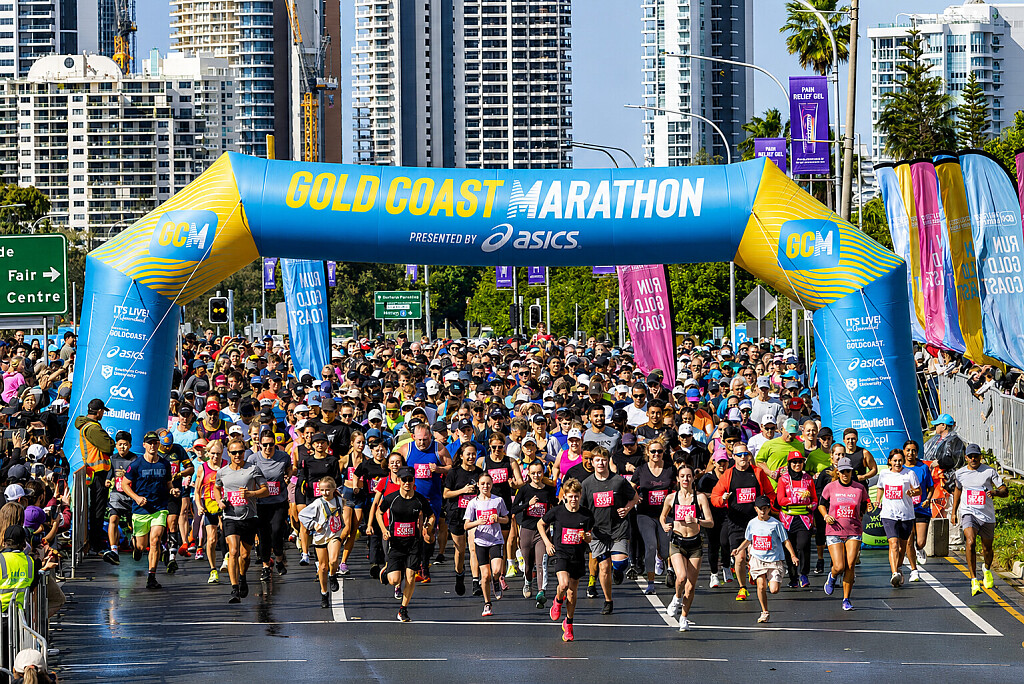
Gold Coast Marathon Set for a Spectacular Showdown as World-Class Elite Field Targets Fast Times
The countdown to the 46th edition of the ASICS Gold Coast Marathon is gathering momentum, and all signs point to one of the deepest and most competitive men's fields in the race's history. Scheduled for Sunday, 5 July, the prestigious Australian marathon has assembled an outstanding blend of proven champions, rising stars, and international contenders eager to leave their mark on the famous Gold Coast course.
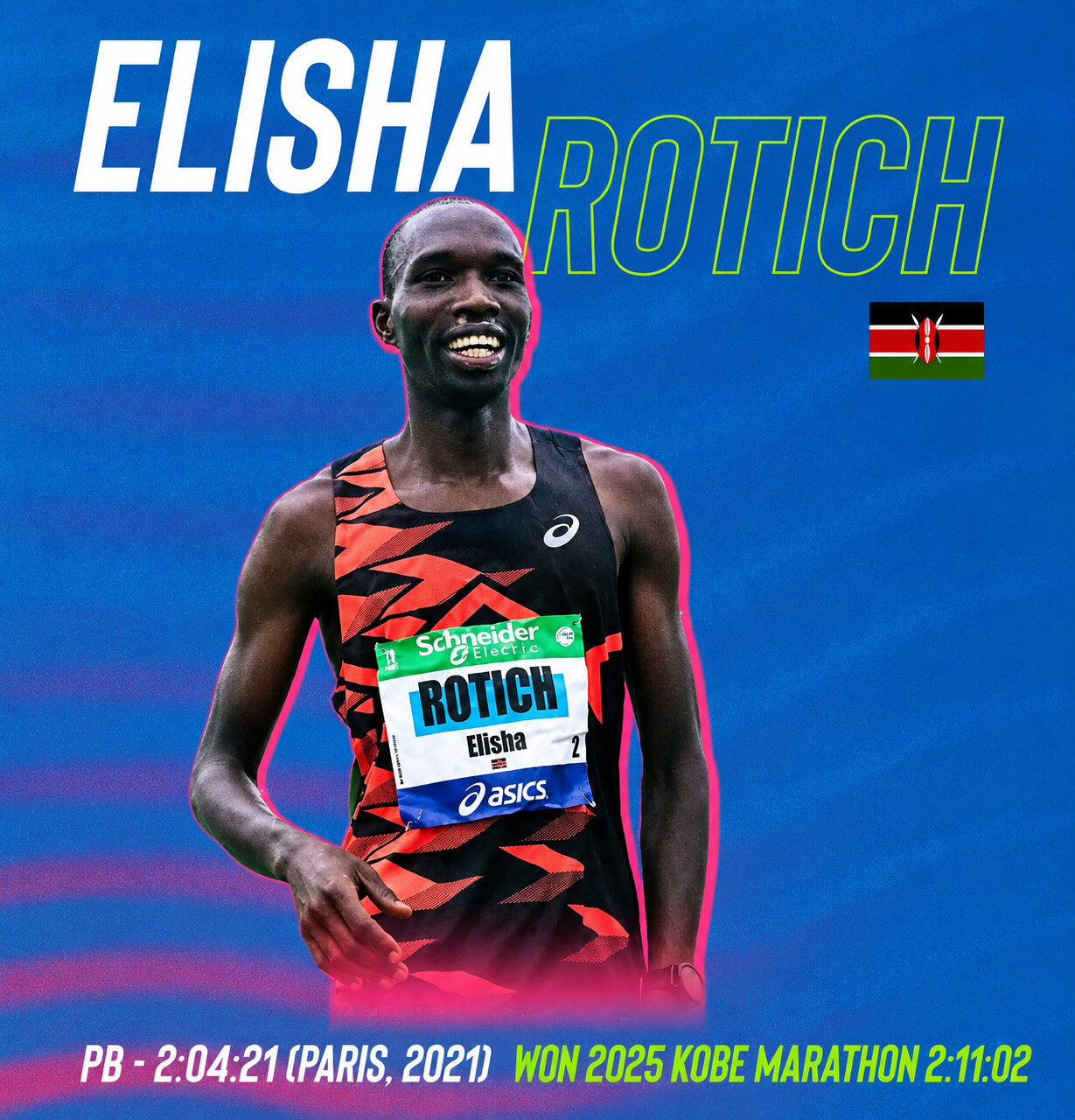
Leading the field is Kenya's Elisha Rotich, the fastest athlete on the start list with a personal best of 2:04:21, set in Paris. Rotich arrives as the man to beat, bringing world-class credentials and the experience of performing on the biggest marathon stages.
Ethiopia's Abayneh Degu Tsehay is expected to provide one of the sternest challenges after clocking 2:04:53, while fellow Kenyan Benson Tunyo, fresh off his impressive 2:06:10 performance in Osaka earlier this year, adds even greater firepower to an already stacked field.

Kenya's strength runs even deeper with Dominic Ngeno (2:06:37) and James Ngandu (2:10:17), both capable of pushing the pace and challenging for podium honours if conditions favour fast running.
Japan, meanwhile, will have one of the largest representations in the elite race. Athletes including Hidekazu Hijikata (2:06:26), Mizuki Higashi (2:08:03), Ryoma Takeuchi (2:08:38), Ryuichi Hashimoto (2:09:40), Jo Fukuda (2:09:52), Kaisei Sugiyama (2:09:55), Hiromasa Kumahashi (2:10:31), Ryuichi Yoshioka (2:10:49), Naoki Tomita (2:10:49), Yudai Fukuda (2:11:16), Yuya Yamashita (2:11:37) and debutant Jinya Ozaki highlight the nation's remarkable depth in marathon running.
The international flavour of the race is further strengthened by Turkey's Ilham Ozbilen, Ethiopia's Enyew Nigat, American Josh Izewski, and Australian hopeful Haftu Strintzos, ensuring fans will witness a truly global contest.
One athlete who could surprise many is Jinya Ozaki, who will make his marathon debut after posting an outstanding 1:01:24 in the half marathon. His transition to the full distance will be one of the most intriguing storylines of the race.
With multiple athletes boasting personal bests under 2:07 and several others capable of significant breakthroughs, the battle is expected to unfold at a relentless pace from the opening kilometres. The Gold Coast's famously flat and fast course has produced exceptional performances over the years, and another memorable edition appears to be on the horizon.
As the world's attention turns to Australia's premier road race, fans can expect tactical racing, fierce international rivalry, and the possibility of spectacular finishing times. With such extraordinary depth assembled on one start line, the 2026 ASICS Gold Coast Marathon promises to deliver a thrilling chapter in the event's rich history.
by Erick Cheruiyot for My Best Runs.
Login to leave a comment

Gold Coast Airport Marathon
The Gold Coast Airport Marathon is held annually in one of the most popular holiday destinations in the world. It is Australia’s premier road race and was the first marathon in the country to hold an International Association of Athletics Federations (IAAF) Road Race Gold Label. The event is held on the first weekend of July and attracts more than...
more...
FROM WORLD RECORD TO A SEVEN-YEAR BAN: KIBIWOTT KANDIE'S STUNNING FALL FROM GRACE
Kenyan distance running has been dealt another painful setback after former half-marathon world record holder Kibiwott Kandie was handed a seven-year suspension by the Athletics Integrity Unit (AIU), bringing a dramatic halt to the career of one of the finest road runners of his generation.
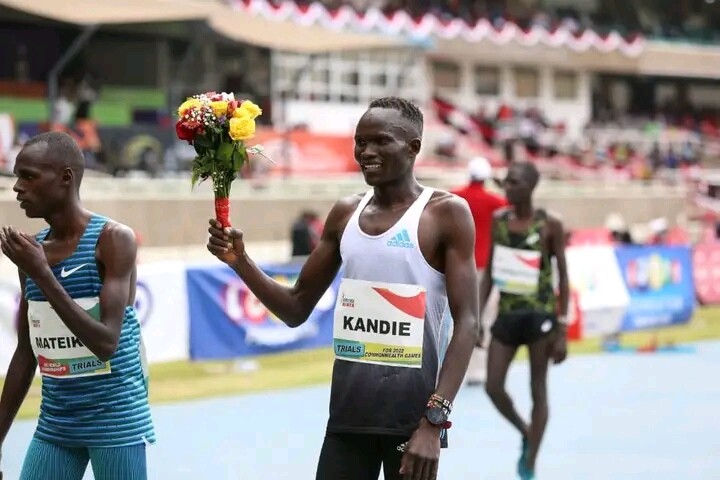
The sanction, which is backdated to 14 March 2025, follows Kandie's admission to two serious anti-doping rule violations: refusing to submit to sample collection and tampering with the doping control process. The ban will keep him out of competition until 13 March 2032. Kandie had initially faced an eight-year suspension, but the penalty was reduced by one year after he admitted the violations and accepted the sanction.
For athletics fans, the news marks a remarkable reversal of fortune.
In December 2020, Kandie captivated the running world with a breathtaking performance at the Valencia Half Marathon, clocking 57:32 to become the first athlete in history to break the 58-minute barrier over the distance. That unforgettable run erased the previous world record by 29 seconds and cemented his place among the greatest half-marathon runners the sport had ever witnessed. His résumé also includes a silver medal at the World Half Marathon Championships and a Commonwealth Games bronze medal, achievements that elevated him into the elite ranks of global distance running.
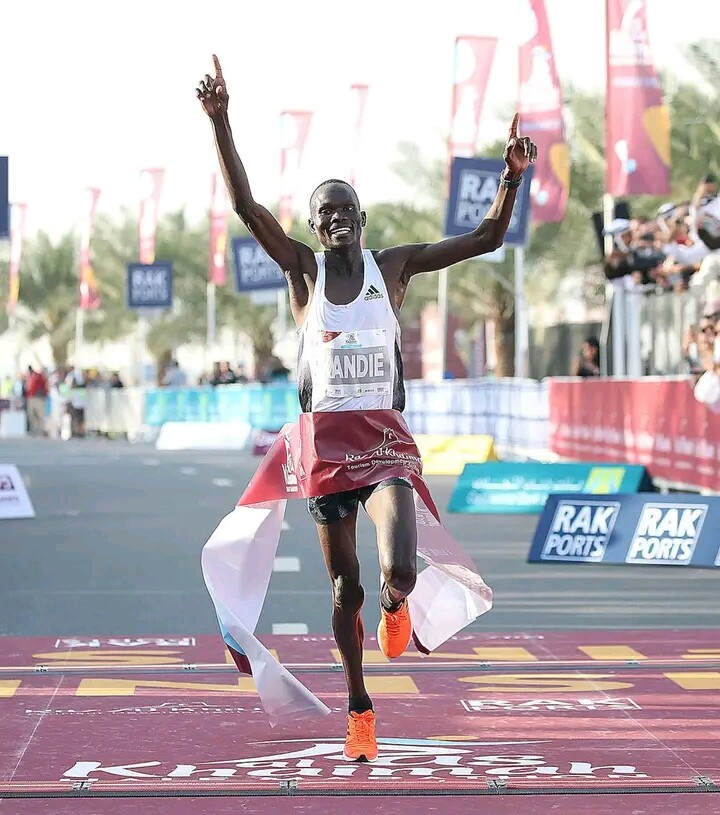
Today, however, those extraordinary accomplishments are overshadowed by one of the most significant disciplinary sanctions handed to a high-profile Kenyan athlete in recent years.
According to the AIU, investigators uncovered evidence that extended beyond a refusal to provide a sample. Their investigation included forensic analysis of phone records and financial transactions, while documents submitted in support of Kandie's explanation were found to be fraudulent, leading to the additional charge of tampering with the doping control process.
The decision once again shines a spotlight on the challenges facing Kenyan athletics. A nation celebrated for producing world-class distance runners has increasingly found itself battling a growing number of anti-doping cases, raising difficult questions about athlete education, accountability, support systems and the long-term protection of the country's proud sporting legacy.
For clean athletes who continue to compete with integrity, every doping case represents more than an individual failure—it threatens public confidence in the sport and unfairly casts doubt on genuine performances.
Kibiwott Kandie's rise inspired millions. His downfall serves as another powerful reminder that talent alone is never enough. In modern athletics, greatness is measured not only by records and medals, but also by integrity, honesty and respect for the rules that protect fair competition.
The road that once made Kandie a global icon has now become a long journey away from the sport—a sobering chapter in one of Kenyan athletics' most remarkable stories.
by Erick Cheruiyot for My Best Runs.
Login to leave a comment
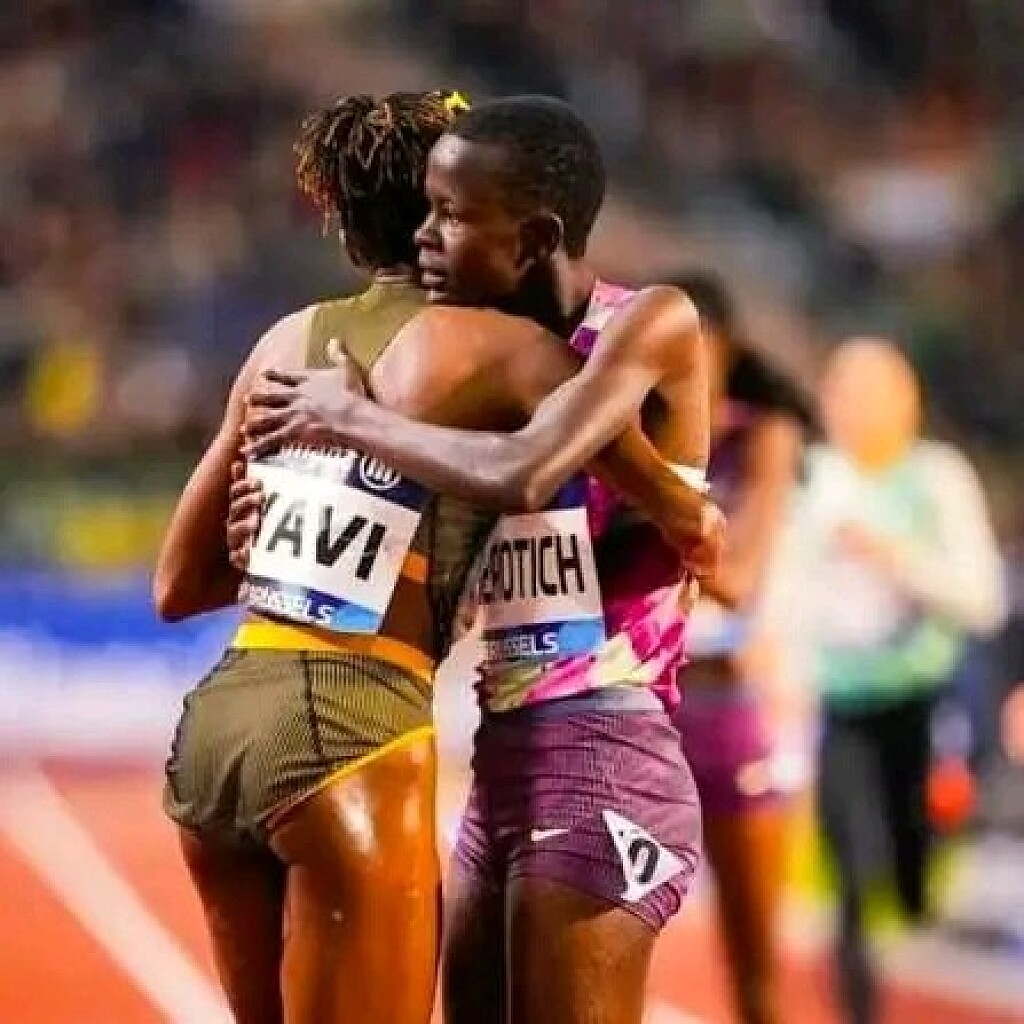
Eugene Awaits: Cherotich, Chemutai and Yavi Set for Blockbuster 3000m Steeplechase Battle
The women's 3000m steeplechase at the upcoming Prefontaine Classic is shaping up to be one of the most anticipated distance races of the season, with a world-class field led by Kenya's rising sensation Faith Cherotich, Uganda's Olympic champion Peruth Chemutai, and Bahrain's formidable record-holder Winfred Yavi.
Scheduled for July 3–4 in Eugene, Oregon, the race promises a fascinating clash of generations, styles, and ambitions as some of the sport's biggest names battle for supremacy on one of athletics' most iconic stages.
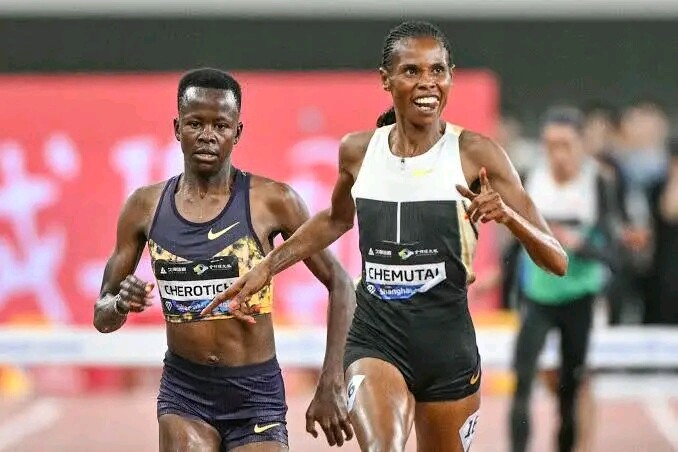
All eyes will undoubtedly be on Cherotich, whose meteoric rise has established her as one of the brightest stars in global steeplechasing. The Kenyan youngster has consistently demonstrated remarkable composure against elite opposition, combining fearless front-running with a devastating finishing kick. Facing another stacked international field, she will be eager to reaffirm her status among the discipline's elite.
Standing in her path is Chemutai, the Ugandan trailblazer whose championship pedigree and tactical brilliance have made her one of the most respected athletes in the event. Known for her ability to deliver under pressure, Chemutai arrives in Eugene with the experience and confidence required to challenge for victory against the world's best.
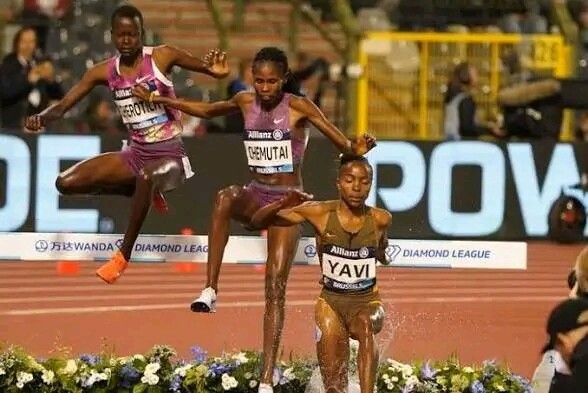
Adding further intrigue is Yavi, whose relentless pace and exceptional barrier technique have transformed her into one of the most dominant steeplechasers of recent years. Whenever Yavi steps onto the track, records and winning times immediately come into the conversation, making her a serious contender for top honours once again.
The depth of the field extends far beyond the headline trio. Kenya's emerging talent Doris Lemngole and experienced campaigner Norah Jeruto add further firepower, while a strong American contingent featuring Lexy Halladay, Gracie Hyde, Olivia Markezich, Gabrielle Jennings, Courtney Wayment and Angelina Napoleon will be eager to impress before a home crowd.
The international challenge is further strengthened by Morocco's Marwa Bouzayani and Germany's accomplished duo of Gesa Felicitas Krause and Lea Meyer, ensuring that every lap will be fiercely contested.
With Olympic and world medalists sharing the track alongside emerging stars hungry for a breakthrough, the stage is set for a thrilling contest that could produce one of the fastest women's steeplechase races of the year. As the athletics world turns its attention to Eugene, fans can expect a captivating battle over barriers and water jumps, where every stride could make the difference between victory and defeat.
The countdown has begun, and if the entry list is anything to go by, the Prefontaine Classic is poised to deliver another unforgettable chapter in the rich history of women's steeplechase racing.
by Erick Cheruiyot for My Best Runs.
Login to leave a comment
Prefontaine Classic
The Pre Classic, part of the Diamond League series of international meets featuring Olympic-level athletes, is scheduled to be held at the new Hayward Field in Eugene. The Prefontaine Classicis the longest-running outdoor invitational track & field meet in America and is part of the elite Wanda Diamond League of meets held worldwide annually. The Pre Classic’s results score has...
more...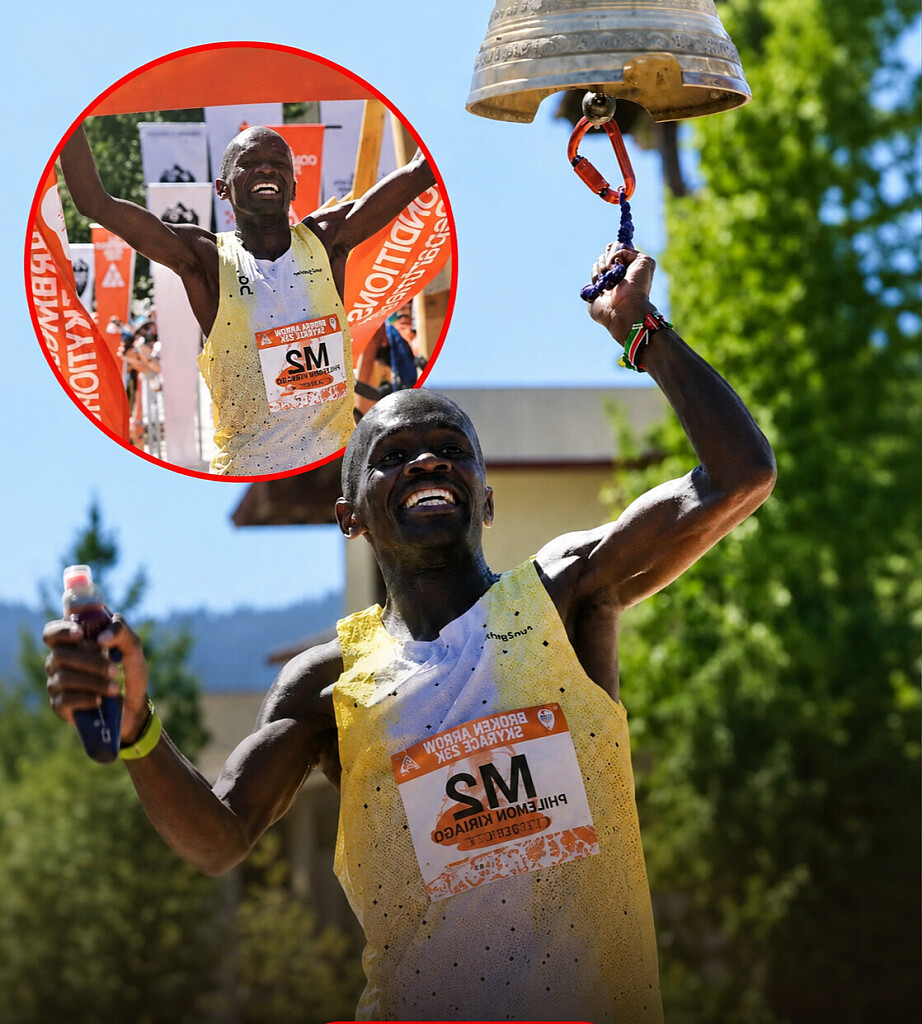
Kiriago Conquers Broken Arrow as Course Record Falls in Epic Mountain Running Showcase
Kenya’s Philemon Kiriago delivered a masterclass in endurance, strength, and tactical brilliance to shatter the Broken Arrow 23K course record on Sunday, producing one of the most memorable performances of the Mountain Running World Cup season.

Widely regarded as one of the most demanding races on the global mountain running calendar, the Broken Arrow 23K pushes athletes to their absolute limits. Featuring more than 6,000 feet of climbing, exposed alpine sections, punishing technical descents, and temperatures approaching 30°C, the race offers little margin for error. Yet Kiriago made the impossible look remarkably controlled.
The Kenyan star crossed the finish line in a stunning 1:42:18, slicing 54 seconds off the previous course record set just a year ago by Morocco’s Elhousine Elazzaoui. On a day when the mountains tested every competitor, Kiriago rose above the challenge with a performance that will be remembered for years to come.

From the opening stages, Kiriago took command of the race and dictated the pace. Elazzaoui, the defending course record holder, refused to let him escape and remained within striking distance throughout the contest. Time and again, the Moroccan launched challenges in an attempt to regain control, but Kiriago responded to every move with authority, refusing to surrender the lead.
The duel between the two mountain-running giants elevated the race to extraordinary levels. Elazzaoui ultimately finished second in 1:43:12—also faster than his own previous course record—highlighting just how exceptional the pace was at the front of the field.
Completing a high-quality podium was fellow Kenyan Patrick Kipngeno, who clocked 1:44:34. Kipngeno’s performance was made even more impressive by the fact that he had captured victory in the Broken Arrow Ascent just two days earlier, demonstrating remarkable resilience and versatility across the weekend.
Beyond the prestige of victory, there was also a significant financial reward on offer. The winners of the men's and women's 23K races each earned a lucrative $30,000 prize, adding further significance to an already world-class competition.
In the end, however, the day belonged to Kiriago. On one of the toughest courses in mountain running, against one of the strongest fields assembled this season, the Kenyan produced a near-flawless display to rewrite the record books.
Broken Arrow has long been known as a race where champions are forged through suffering and perseverance. This year, Philemon Kiriago not only conquered the mountain—he redefined what was possible on it.
by Erick Cheruiyot for My Best Runs.
Login to leave a comment
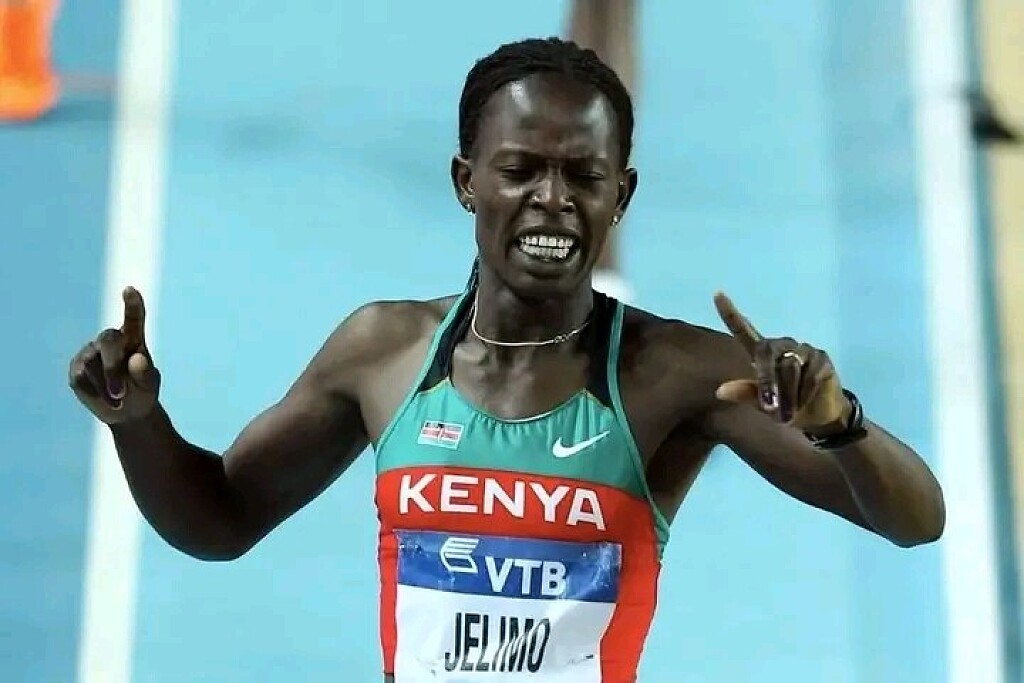
A Silver Worth the Wait: Pamela Jelimo Officially Recognized as London 2012 Olympic Runner-Up
More than a decade after competing on athletics' grandest stage, Kenyan middle-distance star Pamela Jelimo has officially been confirmed as the silver medalist in the women's 800 metres at the London 2012 Olympic Games following a medal reallocation approved by the International Olympic Committee (IOC).
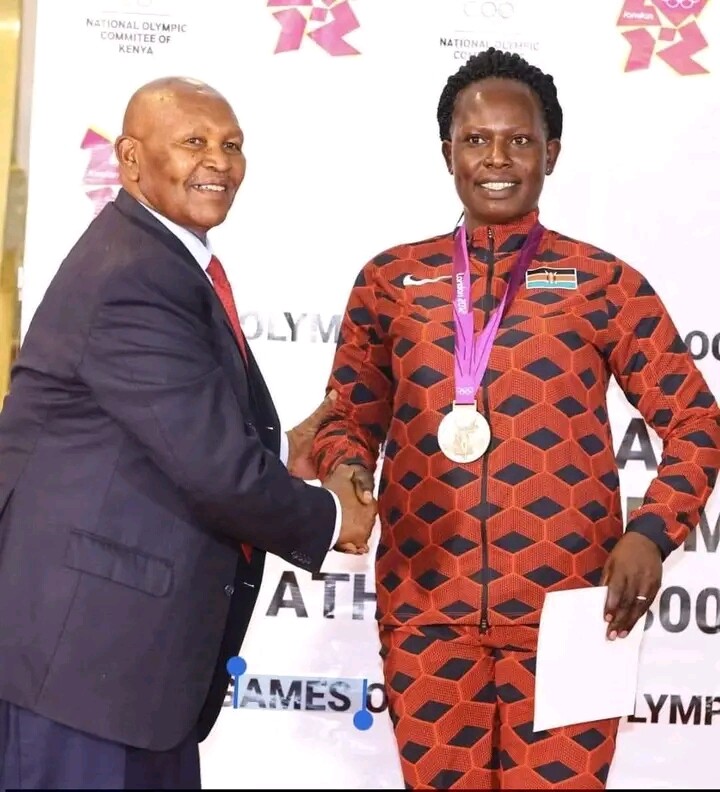
The IOC Executive Board ratified the revised results after the disqualification of Russian athlete Yekaterina Poistogova for an anti-doping rule violation. With all legal processes now concluded, the final standings have been formally updated, bringing long-awaited recognition to athletes who competed cleanly.
The decision elevates Jelimo from third place to the Olympic silver medal position, adding another prestigious chapter to the career of one of Kenya's most accomplished middle-distance runners. While the moment comes years after the race was run, it reinforces the enduring principle that integrity in sport ultimately prevails.
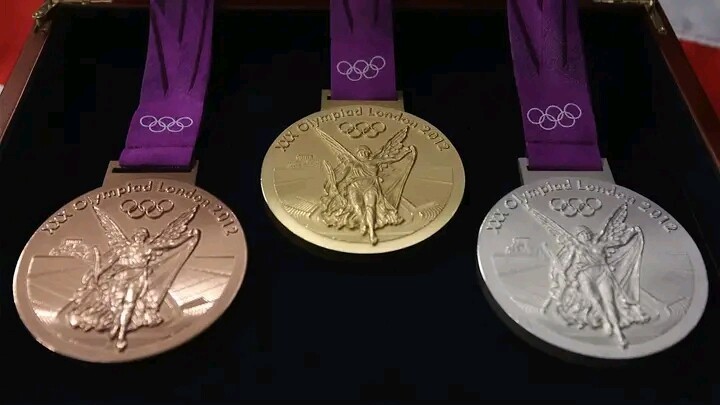
The revised podium now sees American athlete Alysia Montaño promoted to the bronze medal position. Meanwhile, Francine Niyonsaba moves into fourth place, with fellow Kenyan Janeth Jepkosgei Busienei officially ranked fifth.
For Kenya, Jelimo's promotion represents more than a statistical adjustment. It is a belated reward for an athlete whose remarkable talent helped shape a golden era of Kenyan women's middle-distance running. Although the medal upgrade arrives years after the celebrations that followed the London Olympics, its significance remains undiminished.
Jelimo burst onto the international scene as a teenage sensation, capturing global attention with her fearless racing style and dominant performances. Her newly confirmed Olympic silver medal further cements her legacy among Kenya's finest athletes and adds another distinguished achievement to an already impressive career.
The reallocation also serves as a powerful reminder of the ongoing fight for clean sport. While athletes affected by doping violations often endure years of waiting before receiving rightful recognition, the updated results demonstrate the commitment of sporting authorities to preserving fairness and protecting the integrity of competition.
Fourteen years after the London Games captivated the world, justice has finally caught up with the women's 800 metres final. For Pamela Jelimo, the silver medal may have arrived late, but its value and meaning remain as powerful as ever.
by Erick Cheruiyot for My Best Runs.
Login to leave a comment

WORLD CHAMPION BEATRICE CHEBET CELEBRATES HER GREATEST VICTORY YET — MOTHERHOOD
Kenyan athletics superstar and world champion Beatrice Chebet has officially entered a beautiful new chapter in her life after welcoming a baby boy.

The 26-year-old track sensation, born on 5 March 2000, has built a remarkable legacy as one of the greatest distance runners of her generation. Chebet is a world record holder in the 5000m, 10,000m and road 5km, with a career decorated by historic victories on the biggest stages.
She made history at the 2024 Summer Olympics by winning gold medals in both the 5000m and 10,000m, before achieving the same remarkable double at the 2025 World Athletics Championships. Her medal collection also includes a 5000m silver medal at the 2022 World Athletics Championships and bronze at the 2023 World Athletics Championships.
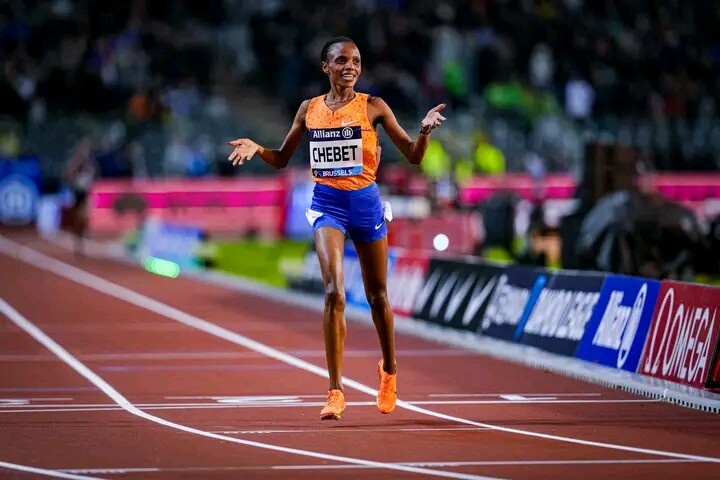
Beyond the track, Chebet has also dominated cross country, becoming a three-time world champion after winning the junior title in 2019 and senior titles in 2023 and 2024. She has also claimed major 5000m victories at the 2018 World U20 Championships, 2022 Commonwealth Games and the 2022 African Championships in Athletics.
Now, the Kenyan star is celebrating a different kind of milestone — becoming a mother.
Sharing the joyful news, Chebet introduced her newborn son with a heartfelt message filled with love and excitement:
“Tiny hands, tiny feet, and a love so big! A beautiful new chapter begins. Welcome to our world our sweet little baby boy!”
The arrival of her son marks a special moment away from competition, as the world champion embraces motherhood while carrying the pride of a nation that has watched her achieve greatness.
Messages of congratulations have poured in from fans and the athletics community, celebrating the new chapter for one of Kenya’s most successful athletes.
As Beatrice Chebet adds motherhood to her list of remarkable achievements, the champion now begins a new journey filled with love, joy, and unforgettable moments with her baby boy.
by Erick Cheruiyot for My Best Runs.
Login to leave a comment

Ferdinand Omanyala Chasing History: Kenyan Sprint King Sets His Sights on a Commonwealth Games Record
Kenya’s sprint sensation Ferdinand Omanyala has never hidden his ambitions, but his latest declaration may be his boldest yet. After securing his place in the men's 100m at the 2026 Commonwealth Games, the African record holder has made it clear that he is not travelling to Glasgow simply to compete—he is going there to make history.
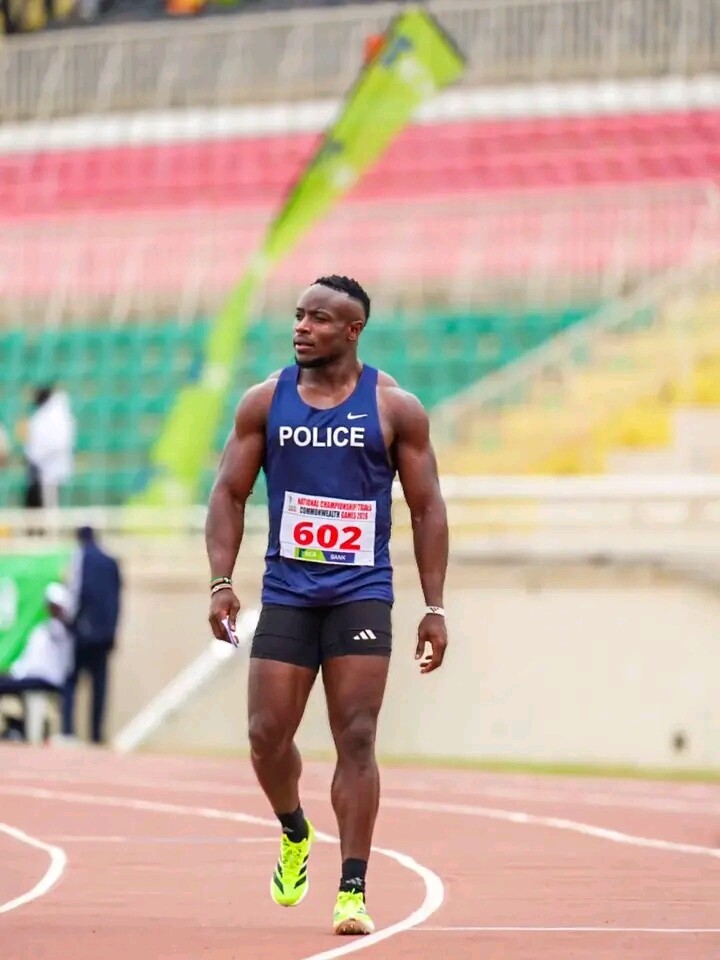
Speaking after booking his ticket to Scotland, Omanyala revealed the driving force behind his campaign.
"I am excited about the Commonwealth Games. There’s nothing that’s taking me there apart from history. I want to be the first African to win it twice. That’s the history I am chasing."
Those words reflect the mindset of an athlete who has already transformed African sprinting and now stands on the brink of another historic milestone.
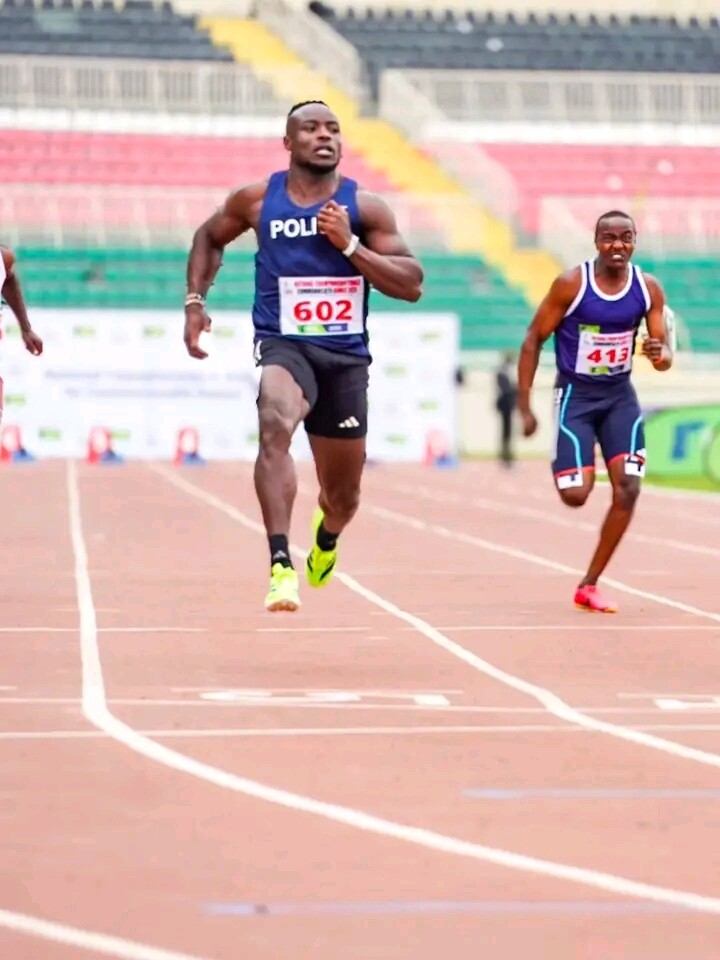
The 2026 Commonwealth Games, scheduled for July 23 to August 2 in Glasgow, Scotland, will provide Omanyala with an opportunity to achieve something no African sprinter has accomplished before—capture two Commonwealth Games 100m titles.
The Kenyan star first etched his name into the history books when he stormed to gold in Birmingham in 2022, ending decades of dominance by athletes from traditional sprinting powerhouses and proving that Africa could produce world-class champions in the shortest event on the track. That victory was more than a personal triumph; it was a defining moment for African athletics.
Four years later, the challenge is even greater.
The sprint landscape has become increasingly competitive, with emerging talents from across the globe eager to dethrone established champions. Yet Omanyala remains one of the most feared names in the event. His explosive starts, powerful acceleration, and ability to deliver under pressure have consistently placed him among the world's elite.
For the 29-year-old, Glasgow represents far more than another championship appearance. It is an opportunity to cement a legacy that extends beyond medals and records. A successful title defence would elevate him into a category occupied by only a select few sprint legends and further strengthen his status as one of Africa’s greatest-ever sprinters.
The journey to Glasgow will demand months of intense preparation, discipline, and consistency. But if Omanyala's career has demonstrated anything, it is his willingness to embrace ambitious targets and pursue them relentlessly.
As the countdown to the 2026 Commonwealth Games begins, the Kenyan speedster is focused on a singular mission. Not simply to win, but to carve out a piece of history that could stand for generations.
For Ferdinand Omanyala, Glasgow is not just another destination on the athletics calendar. It is the stage where history awaits—and where one of Africa's fastest men hopes to become its first two-time Commonwealth Games 100m champion.
by Erick Cheruiyot for My Best Runs.
Login to leave a comment
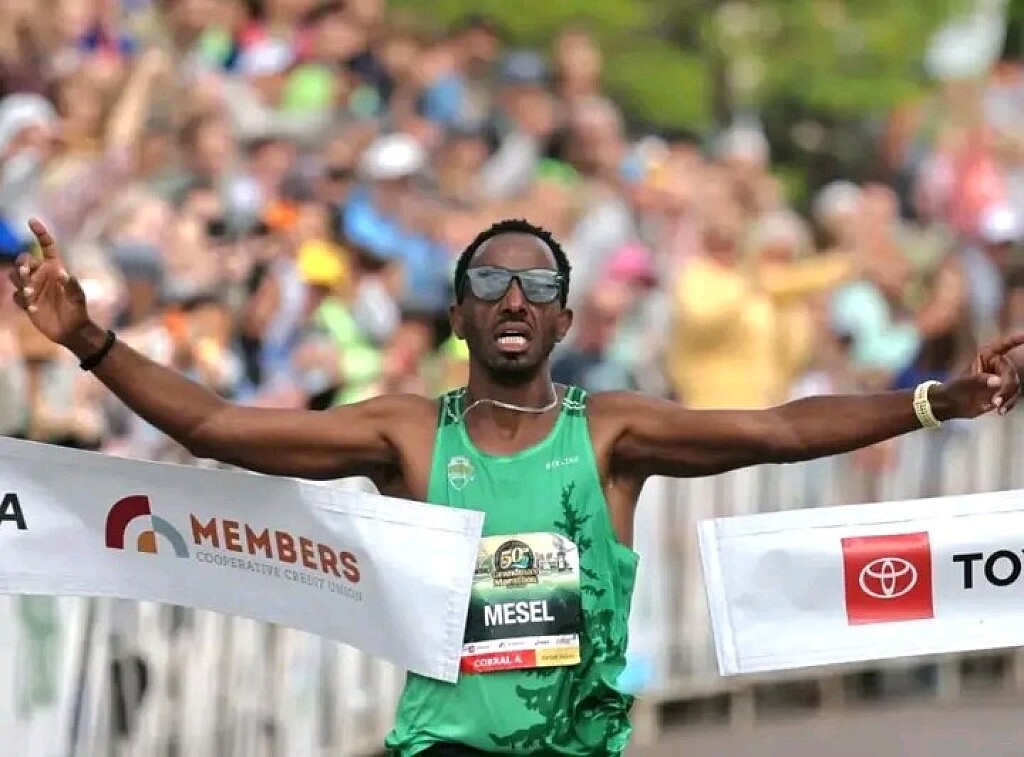
Amanuel Mesel Makes History at Grandma’s Marathon with Landmark Victory for Eritrea
The 50th edition of Grandma’s Marathon delivered a memorable chapter in long-distance running history on Saturday morning as Eritrea’s Amanuel Mesel stormed to victory in Duluth, becoming the first athlete from his nation to win the prestigious race.
Set against the breathtaking backdrop of Lake Superior, the iconic course from Two Harbors to Duluth provided ideal racing conditions for both elite athletes and thousands of recreational runners celebrating the event’s golden jubilee. Cool temperatures and calm weather created the perfect stage for a fiercely contested battle among the men's elite field.
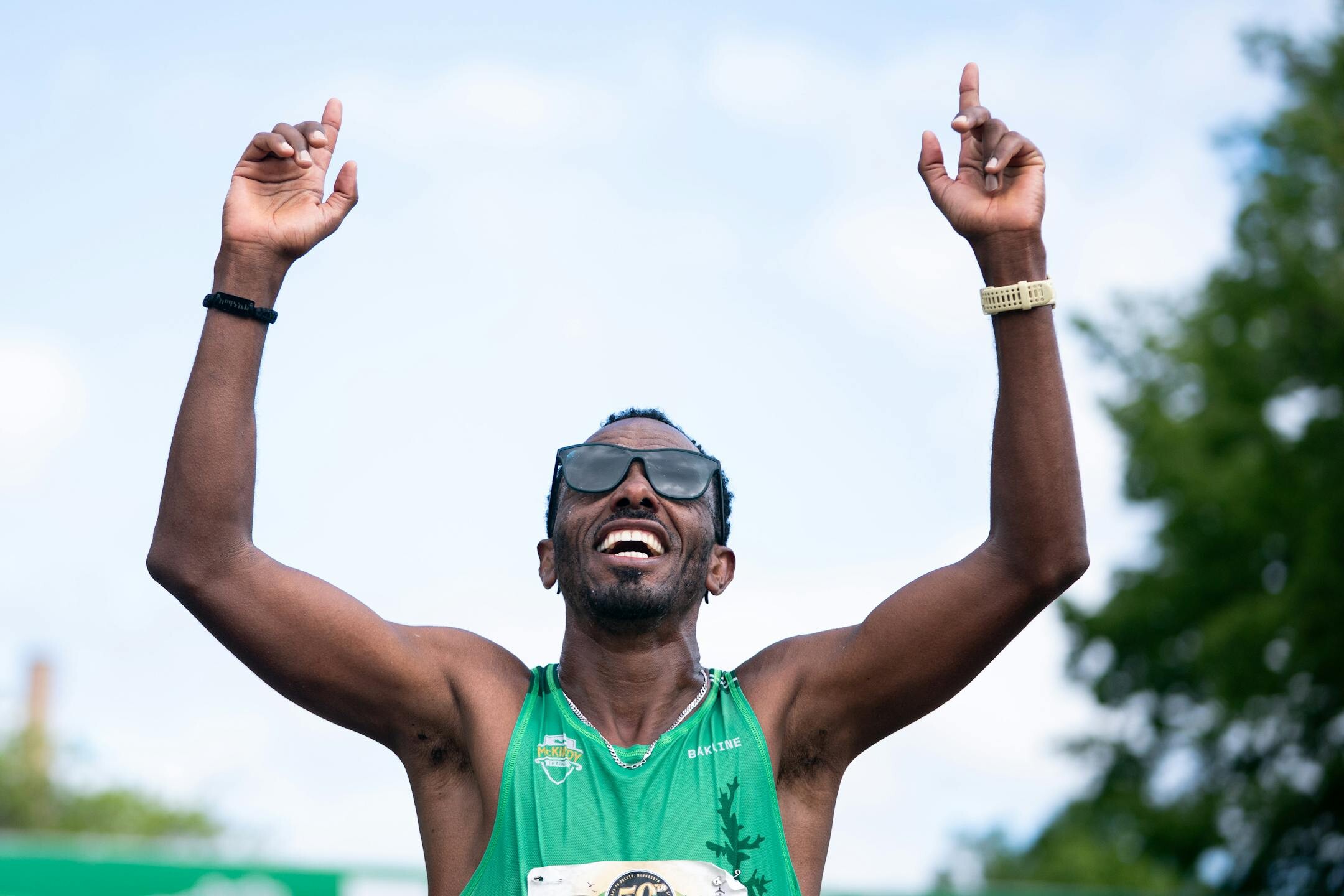
At 35 years old, Mesel demonstrated experience, patience, and tactical brilliance as he emerged from a tightly packed lead group to claim victory in 2:11:21. His triumph was more than just a personal achievement—it marked a historic breakthrough for Eritrean athletics at one of North America's most respected marathons.
Kenya’s veteran marathoner Elisha Barno, 41, fought courageously throughout the race and secured second place in 2:12:50 after remaining in contention deep into the closing stages. Ethiopia’s Getinet Gedamu completed the podium in 2:13:03, capping off a highly competitive East African sweep of the top three positions.
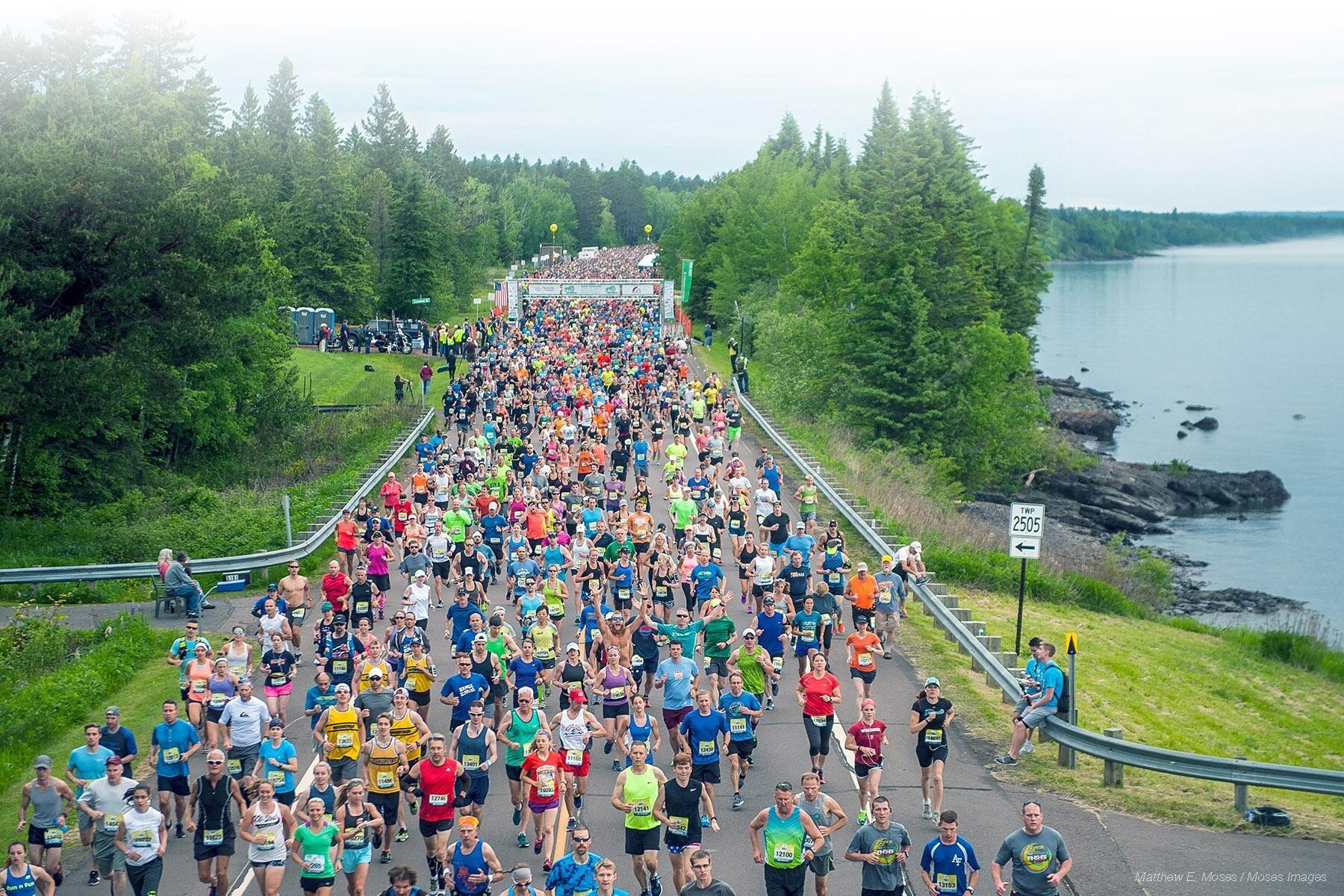
The race remained remarkably close from start to finish, with several athletes separated by only seconds as they approached the final miles. In one of the tightest finishes in recent Grandma’s Marathon history, the fourth through sixth-place finishers crossed the line within just six seconds of one another, highlighting the extraordinary depth of the field.
Kenya’s Milton Rotich narrowly missed the podium, finishing fourth in 2:13:04, while Americans Will Norris and Joseph Whelan impressed on home soil with fifth and sixth-place finishes respectively. Fellow Kenyans Benard Rotich and Sammy Rotich also secured top-ten positions, while Ethiopia’s Mohammed Bati and American Dillon Maggard rounded out the leading ten.
Men’s Top 10 Results – Grandma’s Marathon 2026
1. Amanuel Mesel (Eritrea) – 2:11:21
2. Elisha Barno (Kenya) – 2:12:50
3. Getinet Gedamu (Ethiopia) – 2:13:03
4. Milton Rotich (Kenya) – 2:13:04
5. Will Norris (USA) – 2:13:08
6. Joseph Whelan (USA) – 2:13:10
7. Benard Rotich (Kenya) – 2:13:30
8. Mohammed Bati (Ethiopia) – 2:13:38
9. Sammy Rotich (Kenya) – 2:14:13
10. Dillon Maggard (USA) – 2:14:42
As the sun rose over Minnesota’s North Shore, the 50th Grandma’s Marathon delivered everything fans could hope for—historic achievement, dramatic competition, and a new champion whose name will forever be etched into the race’s rich legacy. For Amanuel Mesel, it was a victory years in the making. For Eritrea, it was a milestone moment that will be celebrated for generations.
by Erick Cheruiyot for My Best Runs.
Login to leave a comment

Grandmas Marathon
Grandma's Marathon began in 1977 when a group of local runners planned a scenic road race from Two Harbors to Duluth, Minnesota. There were just 150 participants that year, but organizers knew they had discovered something special. The marathon received its name from the Duluth-based group of famous Grandma's restaurants, its first major sponsor. The level of sponsorship with the...
more...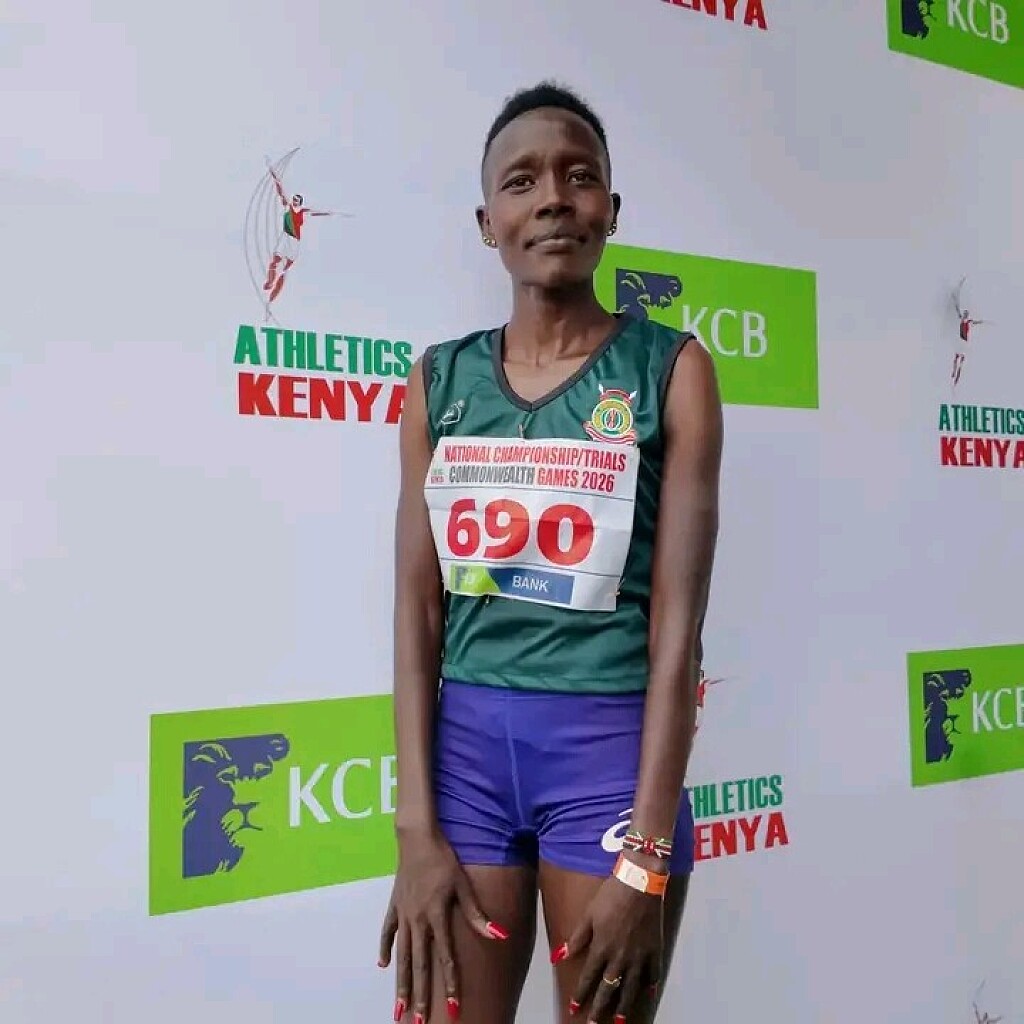
Chemnung Books Glasgow Berth with Commanding 10,000m Victory at Kenyan Trials
Loice Chemnung produced another commanding display on the track to win the women's 10,000m final at the Kenyan Commonwealth Games Athletics Trials, securing her place on Team Kenya for the upcoming Commonwealth Games in Glasgow.
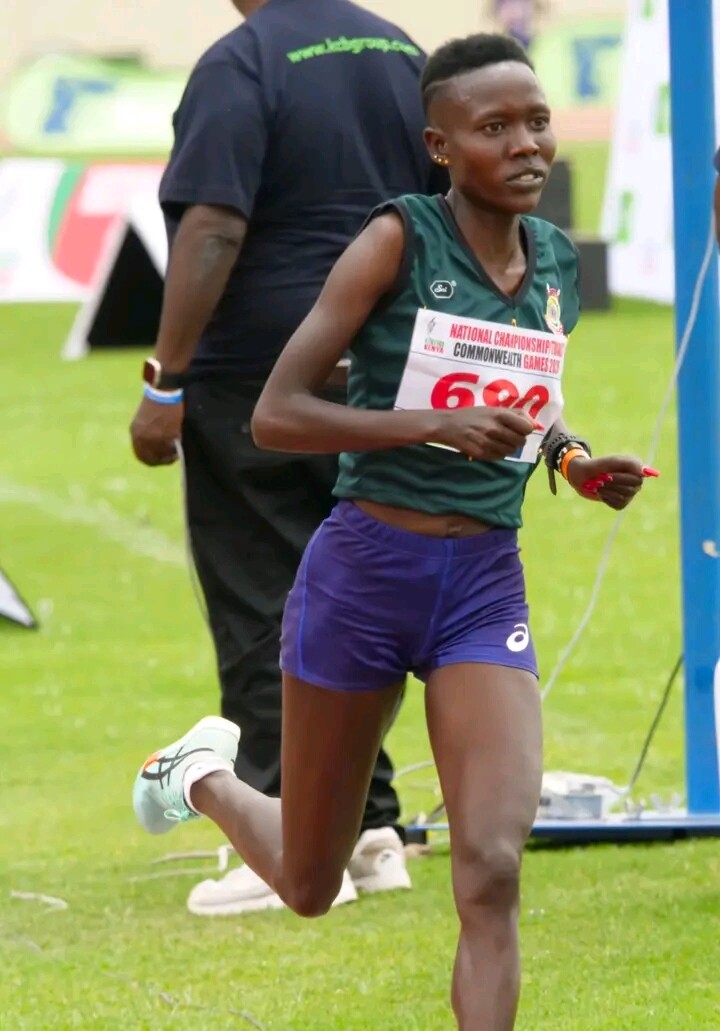
Racing at Nyayo National Stadium, Chemnung stopped the clock at 31:46.09 to take the national title and confirm her qualification in emphatic fashion. The Kenyan distance star showcased her experience and strength throughout the race, maintaining control when the pressure mounted before pulling away to seal a memorable victory.
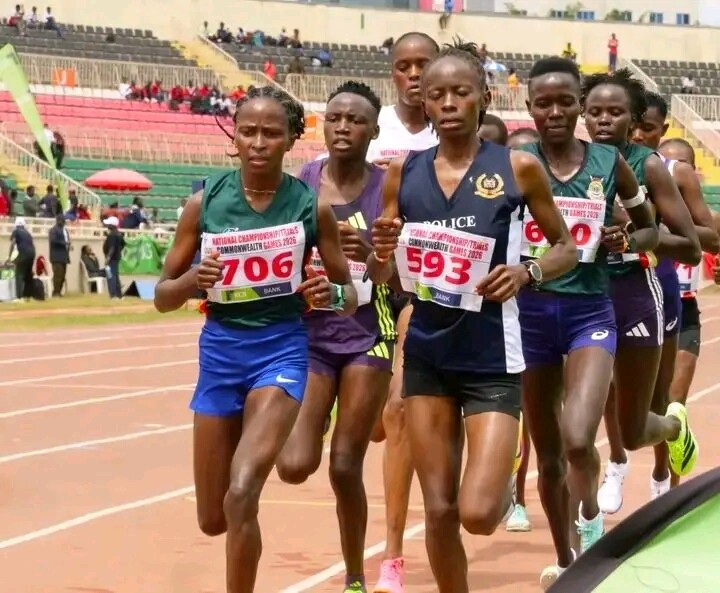
Diana Wanza claimed the silver medal after a determined performance, while Selah Busienei completed the podium in third place to take bronze in a fiercely contested final.
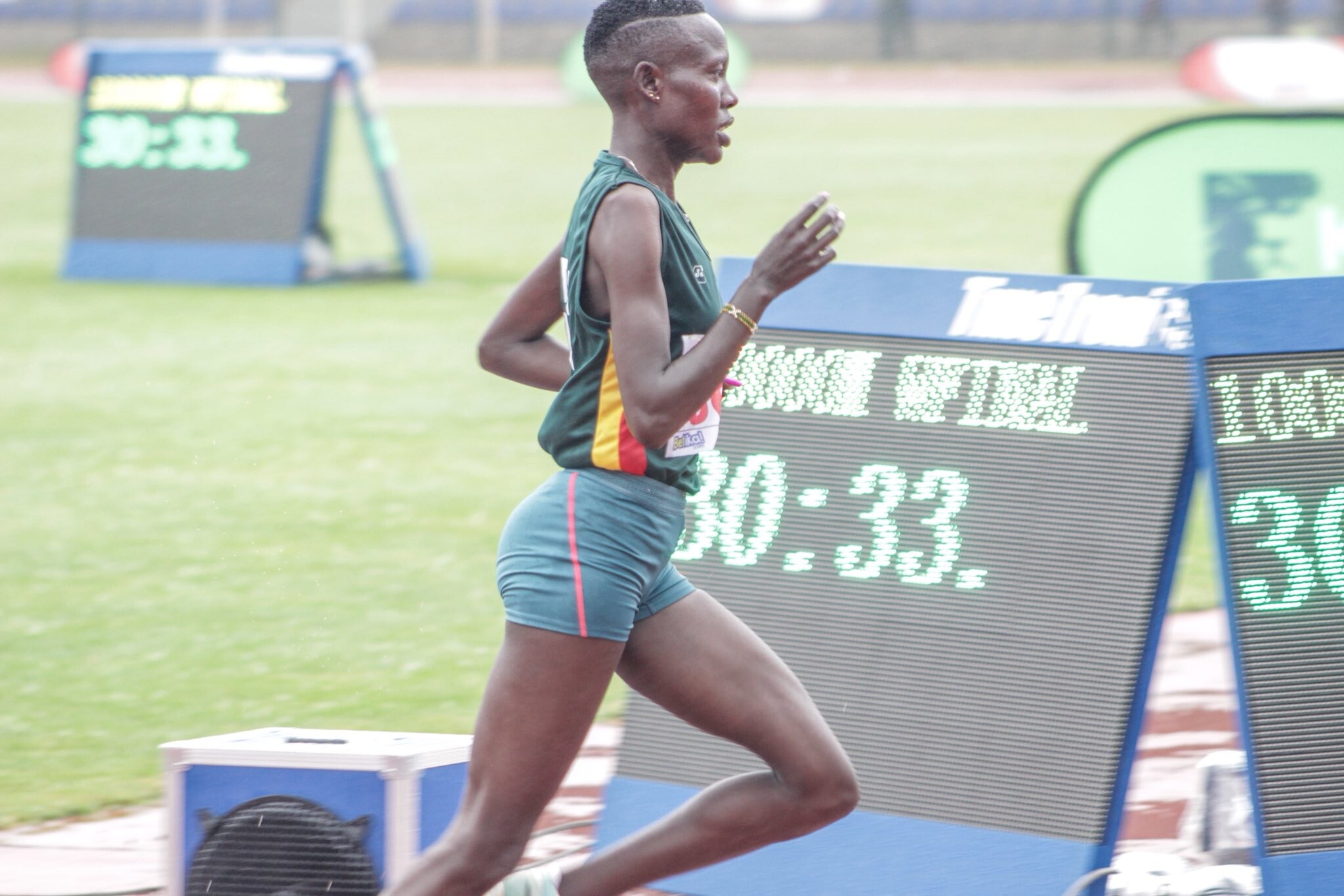
The victory adds to an impressive streak of performances by Chemnung, who has established herself as one of Kenya's most consistent long-distance runners. At the 2025 Athletics Kenya National Championships held at the Ulinzi Sports Complex, she captured the women's 10,000m title in 31:39.09. Cintia Chepngeno finished second in 32:22.44, while Rebecca Mwangi took third place in 32:22.85.
Her latest success further underlines her dominance on the domestic circuit and strengthens expectations ahead of her international assignments later this season.
Before turning her full attention to Glasgow, Chemnung is set for another major test on the roads. The Kenyan star has been confirmed for the Port-Gentil 10K in Gabon on June 28, 2026, where she will line up against a strong international field. Organisers of the POG 10KM have announced her participation alongside fellow Kenyan distance runner Filex Kibet Masai, adding further excitement to one of Africa's most anticipated road races.
With a Commonwealth Games berth secured and another high-profile competition on the horizon, Chemnung's season continues to gather momentum. Her blend of consistency, endurance and winning form makes her one of the athletes to watch as Kenya prepares for Glasgow and beyond.
The road to Glasgow is now firmly underway, and Chemnung has once again demonstrated why she remains among the country's leading hopes in women's distance running.
by Erick Cheruiyot for My Best Runs.
Login to leave a comment
Port Gentil 10K
After 3 editions of sporting, popular and media success, the 10KM of Port-Gentil obtains the SILVER LABELING (silver) by the IAAF (International Association of Athletics Federations). In 2018, after its second edition, the POG 10KM had already obtained the Road Race Bronze label by the IAAF. Today, he climbs an additional level in international recognition and becomes one of the...
more...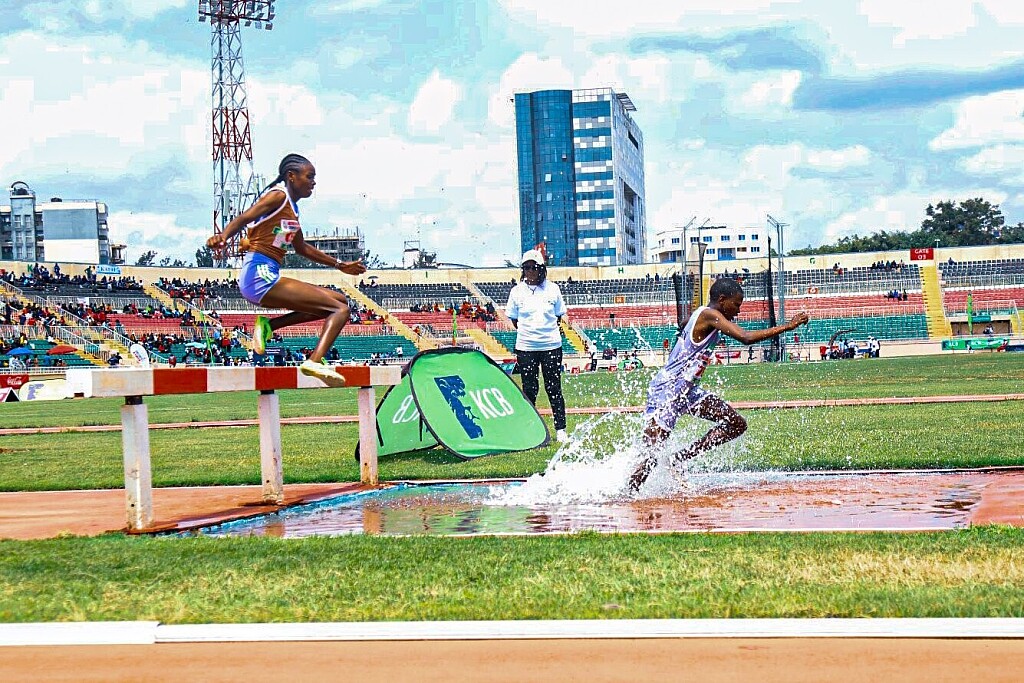
Kenya’s Road to Glasgow Begins as National Championships Ignite at Nyayo Stadium
The journey to the 2026 Commonwealth Games gathered momentum on Thursday as Kenya's National Athletics Championships and Commonwealth Games Trials officially got underway at Nyayo National Stadium in Nairobi, setting the stage for a thrilling battle for national honours and international qualification.
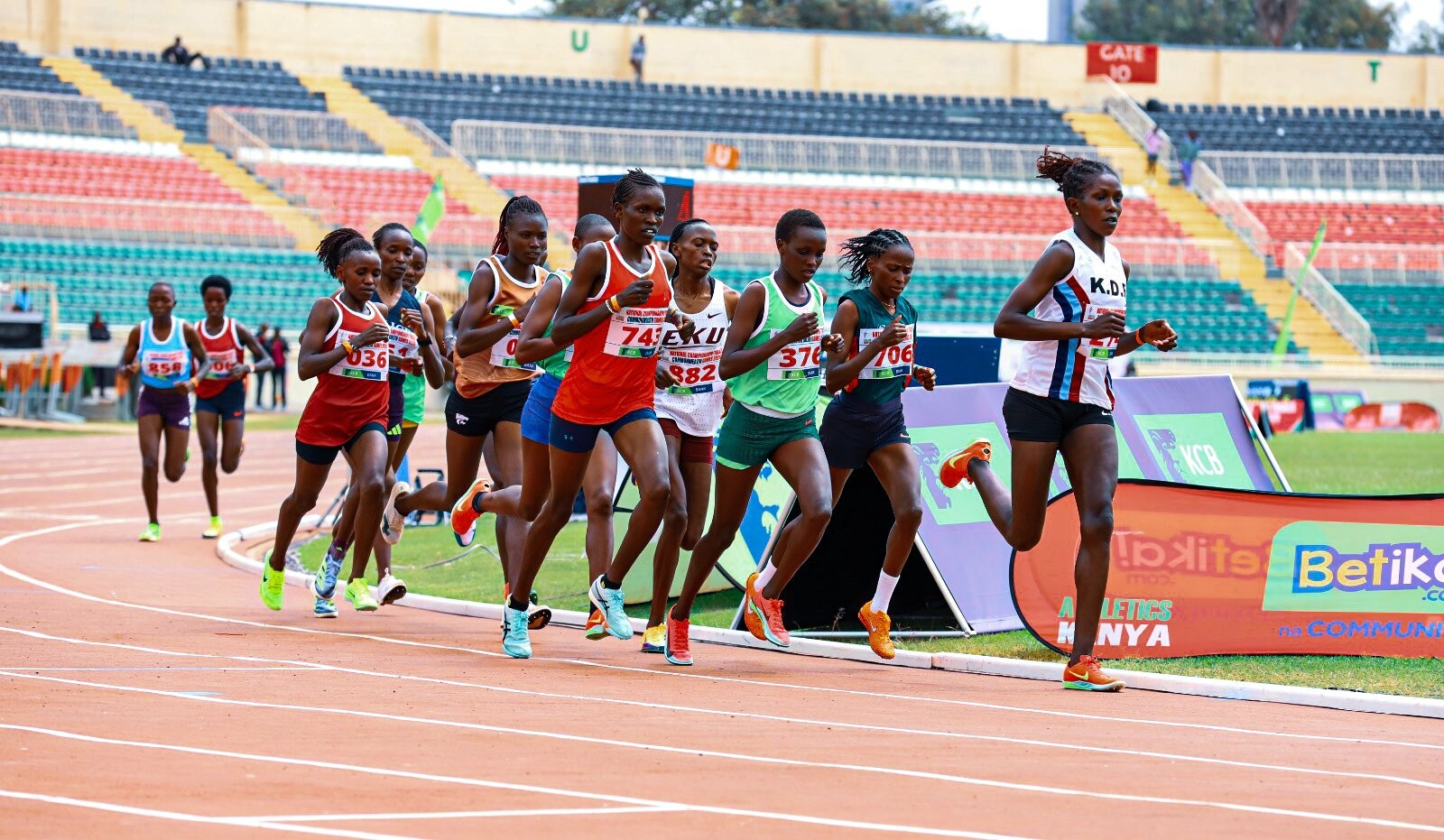
With coveted spots on Team Kenya up for grabs, the country's top athletes descended on the historic venue determined to make their mark. From established stars seeking to reaffirm their dominance to emerging talents chasing breakthrough performances, the opening day delivered the intensity and excitement expected of a championship carrying such high stakes.
Athletes across the track and field programme competed not only for national titles but also for the opportunity to secure selection for Glasgow, where Kenya will once again aim to showcase its rich athletics tradition on the Commonwealth stage.
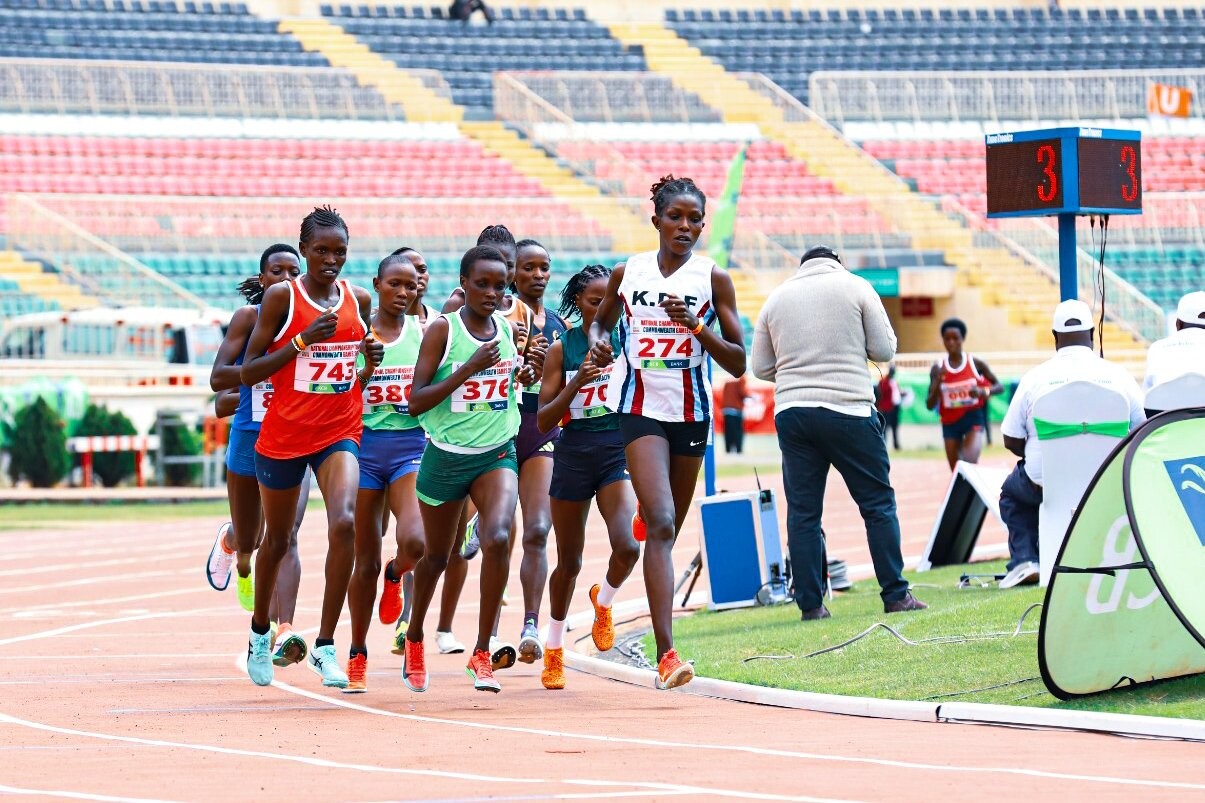
The atmosphere inside Nyayo Stadium reflected the significance of the occasion, with fierce rivalries, tactical contests, and impressive displays highlighting the depth of Kenyan athletics. Several athletes produced strong performances as they sought to strengthen their credentials ahead of the final team selection process.
As the championships continue, attention will remain firmly fixed on those capable of delivering standout performances under pressure. With national pride, championship glory, and Commonwealth Games dreams all on the line, every race, jump, and throw carries added significance.
The opening day provided a glimpse of what promises to be a memorable championship, with Kenya's finest athletes already raising the standard in their quest to earn the right to represent the nation in Glasgow.
With several finals still to come and qualification places hanging in the balance, the competition is expected to intensify over the coming days. For Kenya's athletes, every performance now carries added weight as they pursue national glory and the opportunity to wear the country's colours on one of the sport's biggest stages at the 2026 Commonwealth Games in Glasgow.
This version reads like a professional athletics news report,
by Erick Cheruiyot for My Best Runs.
Login to leave a comment
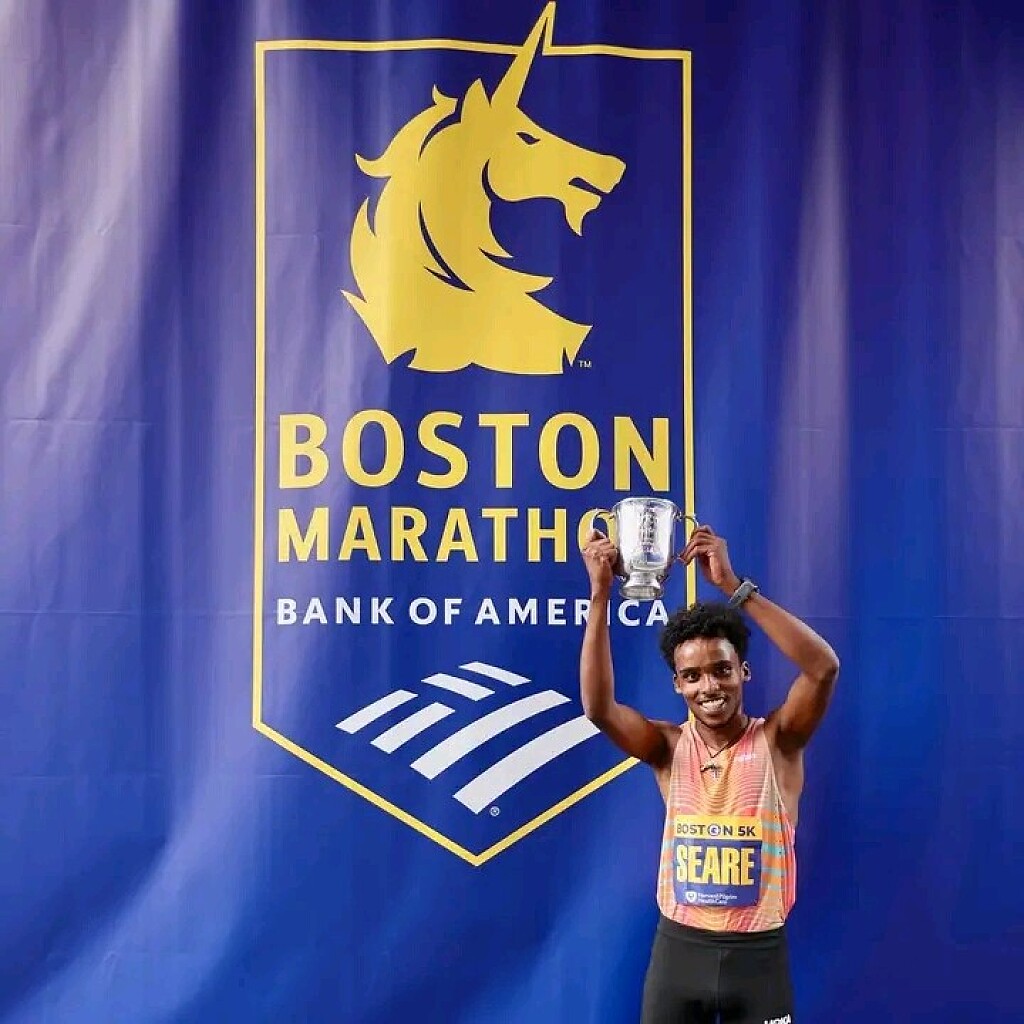
Boston 10K Set for Thrilling Showdown as International Stars Assemble in Massachusetts
The countdown is on for the 2026 Boston Athletic Association (B.A.A.) 10K, and the men's elite race is shaping up to be one of the most competitive road contests of the season.
Scheduled for Sunday, June 21, in Boston, Massachusetts, the prestigious event has attracted a deep international field featuring proven performers from Africa, Europe, and North America. With several athletes boasting personal bests under 28 minutes, fans can expect a fierce battle from the opening kilometers to the finish line.
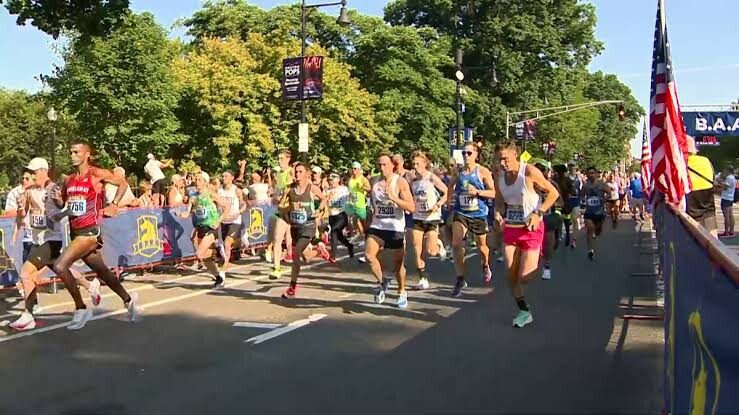
Leading the entries is Eritrea's Dawit Seare, whose impressive personal best of 27:21 makes him the fastest athlete on paper. The Eritrean will arrive as one of the leading contenders, but he faces strong opposition from a group of hungry challengers eager to make their mark on the historic Boston roads.
Kenya's Simon Mutula, carrying a lifetime best of 27:23, headlines a powerful Kenyan contingent that includes Alexander Mutiso, Patrick Kiprop, and Alex Masai. With Kenya's rich tradition of distance-running excellence, the trio will be aiming to continue the country's dominance on the global road racing circuit.
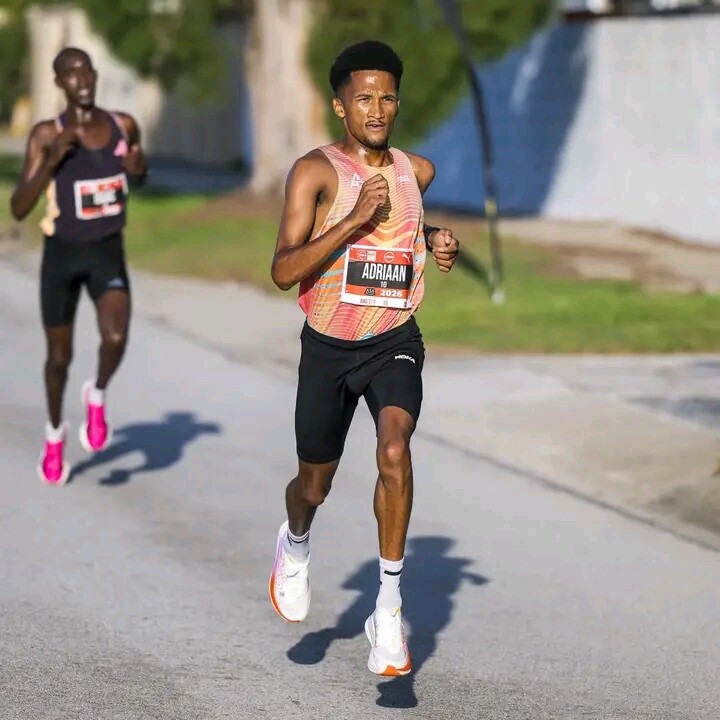
South Africa's Adriaan Wildschutt enters the race with a personal best of 27:28 and could prove to be one of the most dangerous competitors in the field. Known for his strength and tactical awareness, Wildschutt has consistently demonstrated his ability to challenge the world's best over long distances.
Ethiopia will also be strongly represented through Hagos Gebrhiwet, while Morocco's Mohamed El Aaraby and Spain's Pablo Alba add further international quality to an already stacked lineup. American hopes will rest largely on Andrew Colley, who will be looking to deliver a memorable performance in front of a home crowd.
Beyond the impressive statistics, the race promises an intriguing clash of styles, experience, and ambitions. With several athletes separated by mere seconds on personal bests, strategy, pacing, and finishing speed could ultimately determine who stands atop the podium.
The B.A.A. 10K has built a reputation for producing fast times and exciting competition, and the 2026 edition appears poised to uphold that tradition. As the world's distance-running spotlight turns toward Boston, spectators can look forward to a high-quality contest featuring some of the finest road runners currently competing on the international stage.
With national pride, valuable rankings points, and victory on the line, all signs point to a captivating morning of racing in Massachusetts. The only certainty is that the battle for the B.A.A. 10K crown will be anything but predictable.
by Erick Cheruiyot for My Best Runs.
Login to leave a comment

B.A.A. 10K
The 6.2-mile course is a scenic tour through Boston's Back Bay. Notable neighborhoods and attractions include the legendary Bull and Finch Pub, after which the television series "Cheers" was developed, the campus of Boston University, and trendy Kenmore Square. ...
more...
Paul Tergat: The Kenyan Legend Who Redefined Distance Running
On June 17, the athletics world celebrated the birthday of one of the greatest distance runners ever to grace the sport—Kenya’s Paul Kibii Tergat. Born in Baringo County, Kenya, on June 17, 1969, Tergat built a career that transcended generations, leaving an enduring legacy on the track, the roads, and the cross-country circuit.
Few athletes in history have demonstrated such remarkable versatility and consistency across multiple disciplines. Whether battling through muddy cross-country courses, chasing medals on the track, or rewriting records on the marathon stage, Tergat established himself as one of the most complete distance runners the world has ever seen.
His dominance in cross-country remains one of the sport’s most extraordinary achievements. Between 1995 and 1999, Tergat captured an unprecedented five consecutive World Cross Country Championship titles, a feat that showcased not only his endurance but also his unmatched competitive spirit. From Durham to Cape Town, Turin, Marrakech, and Belfast, he conquered every challenge placed before him, cementing his status as the undisputed king of cross-country running.
Tergat’s brilliance extended to the half marathon, where he claimed back-to-back World Half Marathon Championship titles in Palermo, Italy, in 1999 and Veracruz, Mexico, in 2000. His ability to excel over varying distances highlighted the exceptional range that made him a global icon.
On the track, Tergat was a fierce competitor who regularly challenged the greatest runners of his era. He earned Olympic silver medals in the 10,000 meters at the Atlanta 1996 and Sydney 2000 Games, narrowly missing gold on both occasions. He also collected three World Championship medals over 10,000 meters, proving his consistency at the highest level of international competition.
Yet perhaps Tergat’s most historic contribution came on the roads. In 2003, at the Berlin Marathon, he became the first man in history to run the marathon in under 2 hours and 5 minutes, clocking a groundbreaking world record of 2:04:55. The performance marked a defining moment in distance running and opened a new chapter in the pursuit of marathon excellence.
His personal bests remain a testament to his extraordinary talent:
• 3,000m – 7:28.70
• 5,000m – 12:49.87
• 10,000m – 26:27.85
• Half Marathon – 59:17
• Marathon – 2:04:55
Beyond the medals and records, Tergat inspired a generation of athletes across Kenya and the world. His relentless determination, humility, and commitment to excellence transformed him into far more than a champion runner—he became a symbol of what is possible through hard work and perseverance.
Today, Paul Tergat’s name remains woven into the fabric of athletics history. From his reign as the king of cross-country to his revolutionary marathon achievements, his legacy continues to inspire runners pursuing greatness on every surface and over every distance.
by Erick Cheruiyot for My Best Runs.
Login to leave a comment
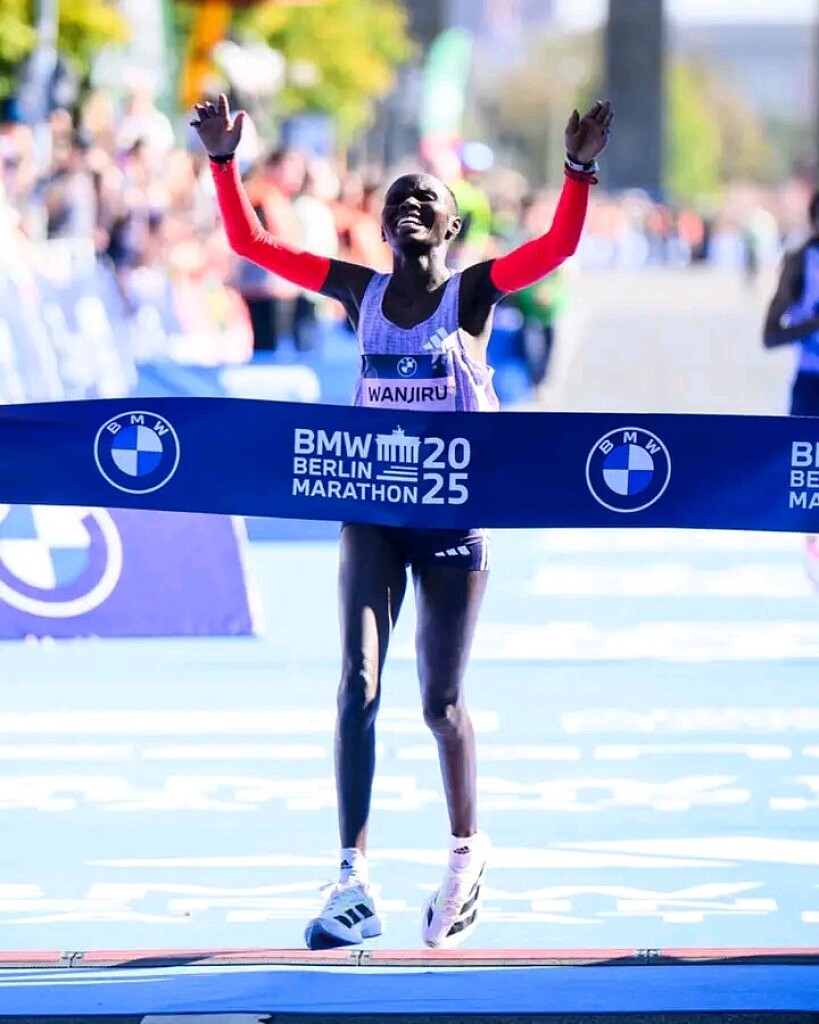
Berlin Braces for a Marathon Masterpiece as Assefa, Wanjiru and Beriso Collide
The stage is set for one of the greatest women's marathon races ever assembled.
When the BMW Berlin Marathon returns on September 27, 2026, the streets of the German capital will welcome an extraordinary cast of distance-running royalty led by Ethiopia's Tigst Assefa, Kenya's Rosemary Wanjiru and fellow Ethiopian star Amane Beriso. With three of the fastest women in marathon history confirmed for the race, anticipation is already building around what could become another landmark chapter in Berlin's rich marathon legacy.
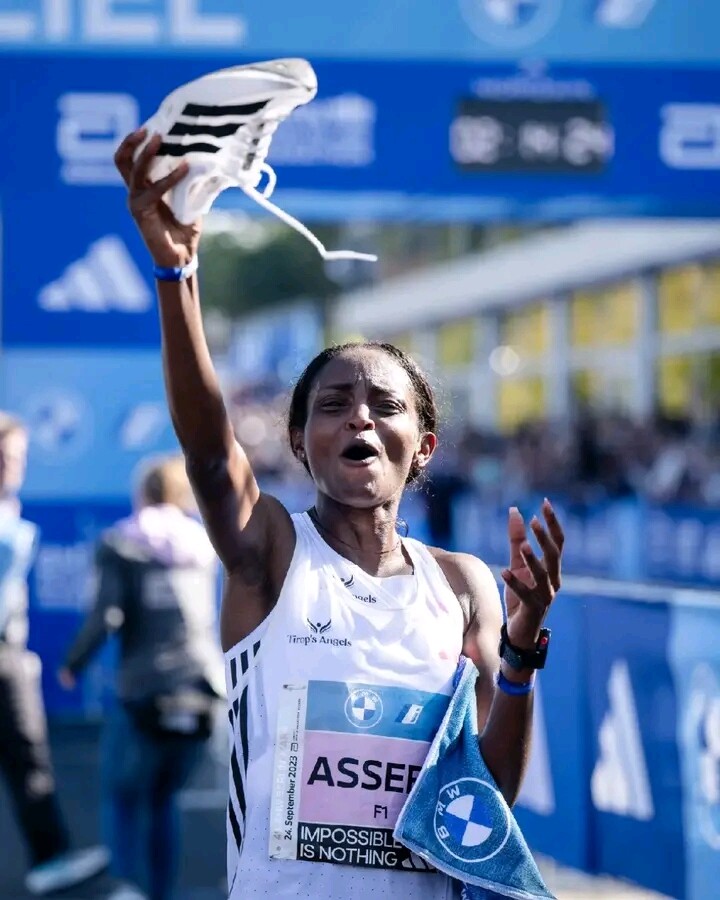
Adding even greater intrigue to the occasion is the return of Tigst Assefa, who will be chasing a remarkable hat-trick of victories in Berlin. Having already established herself as one of the course's most dominant champions, the Ethiopian star returns to a venue where she has repeatedly showcased her extraordinary talent. Few athletes in the modern era have forged such a powerful connection with the Berlin Marathon, and another victory would further cement her place among the event's all-time greats.
Standing in her path is defending champion Rosemary Wanjiru, the Kenyan star who captured the Berlin crown with a display of strength, patience and tactical brilliance. Wanjiru has consistently proven she belongs among the world's elite marathoners, and her return as defending champion adds another compelling storyline to what is already shaping up to be an unforgettable contest.
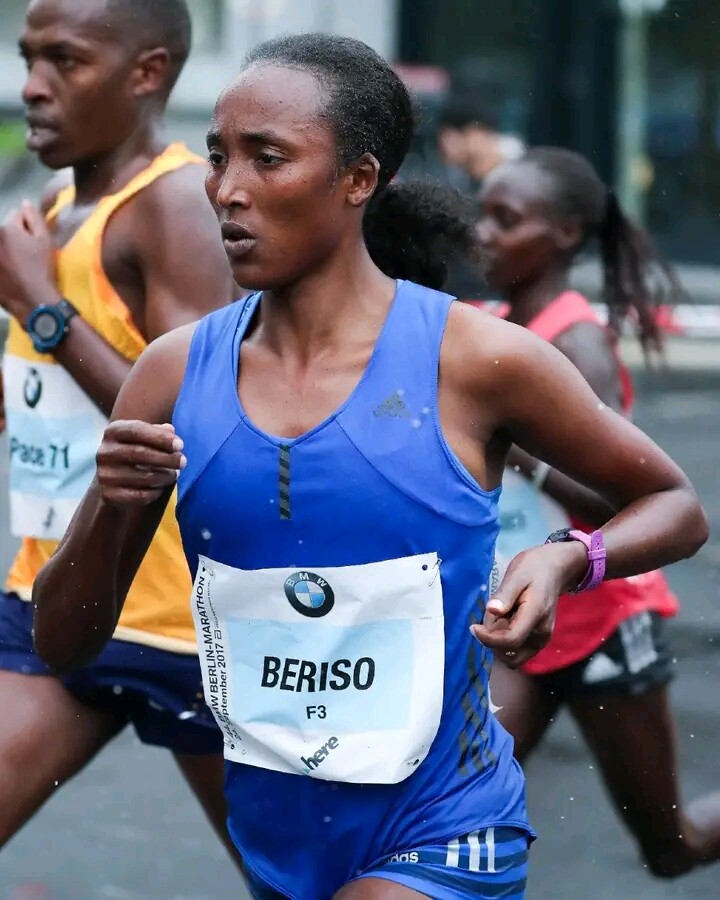
Completing the star-studded trio is Amane Beriso, one of the most accomplished marathon runners of her generation. With a personal best of 2:14:58 and a reputation for thriving under pressure, Beriso possesses all the credentials required to challenge for victory on one of the sport's biggest stages.
The numbers alone highlight the quality of the field. Assefa's astonishing personal best of 2:11:53 remains one of the fastest performances ever recorded by a woman, while Wanjiru's 2:16:14 and Beriso's 2:14:58 underline the exceptional depth assembled for this year's race.
Yet this race is about more than personal bests. It is about the collision of champions, the pursuit of greatness and the possibility of witnessing history unfold on Berlin's famously fast roads. The German capital has become synonymous with marathon excellence, producing countless record-breaking performances over the years. Whenever the world's finest athletes gather there, expectations naturally rise.
With Assefa seeking a third consecutive Berlin title, Wanjiru defending her crown and Beriso determined to add another major triumph to her résumé, the ingredients are in place for a spectacular battle from the opening kilometres to the finish line.
The marathon world has already begun counting down the days. Fans, analysts and athletes alike recognize that opportunities to witness a field of this calibre are rare. Three champions, three distinct stories and one iconic course create the perfect formula for a race that could redefine what is possible in women's marathon running.
On September 27, all roads will lead to Berlin. And if these three superstars push one another to their limits, the clock may once again become the biggest casualty of all.
by Erick Cheruiyot for My Best Runs.
Login to leave a comment

BMW Berlin Marathon
The story of the BERLIN-MARATHON is a story of the development of road running. When the first BERLIN-MARATHON was started on 13th October 1974 on a minor road next to the stadium of the organisers‘ club SC Charlottenburg Berlin 286 athletes had entered. The first winners were runners from Berlin: Günter Hallas (2:44:53), who still runs the BERLIN-MARATHON today, and...
more...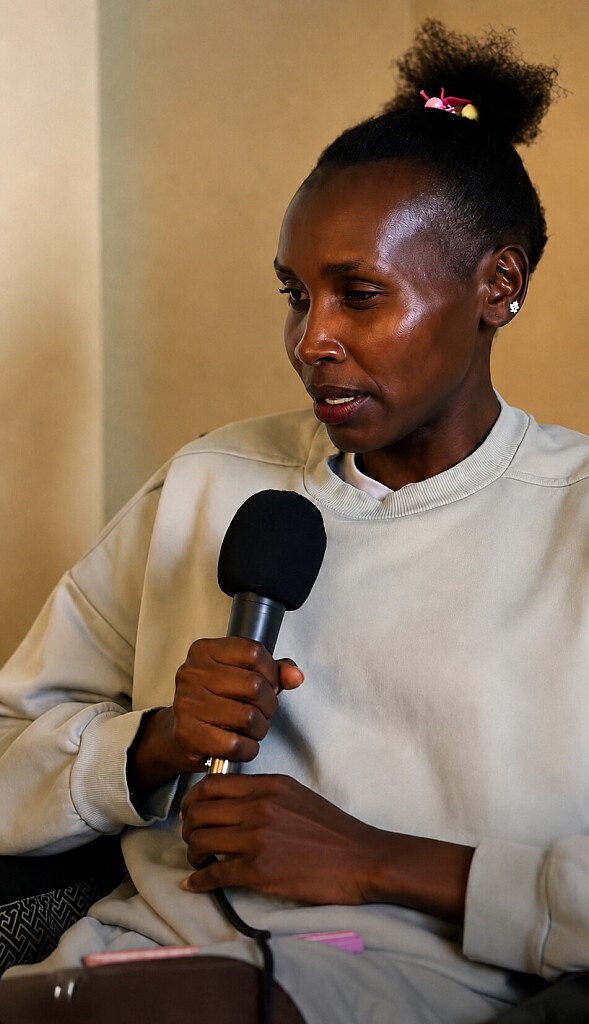
From Rejection to World Records: The Remarkable Rise of Agnes Ngetich
There are wounds that hunger leaves behind which food alone can never heal.
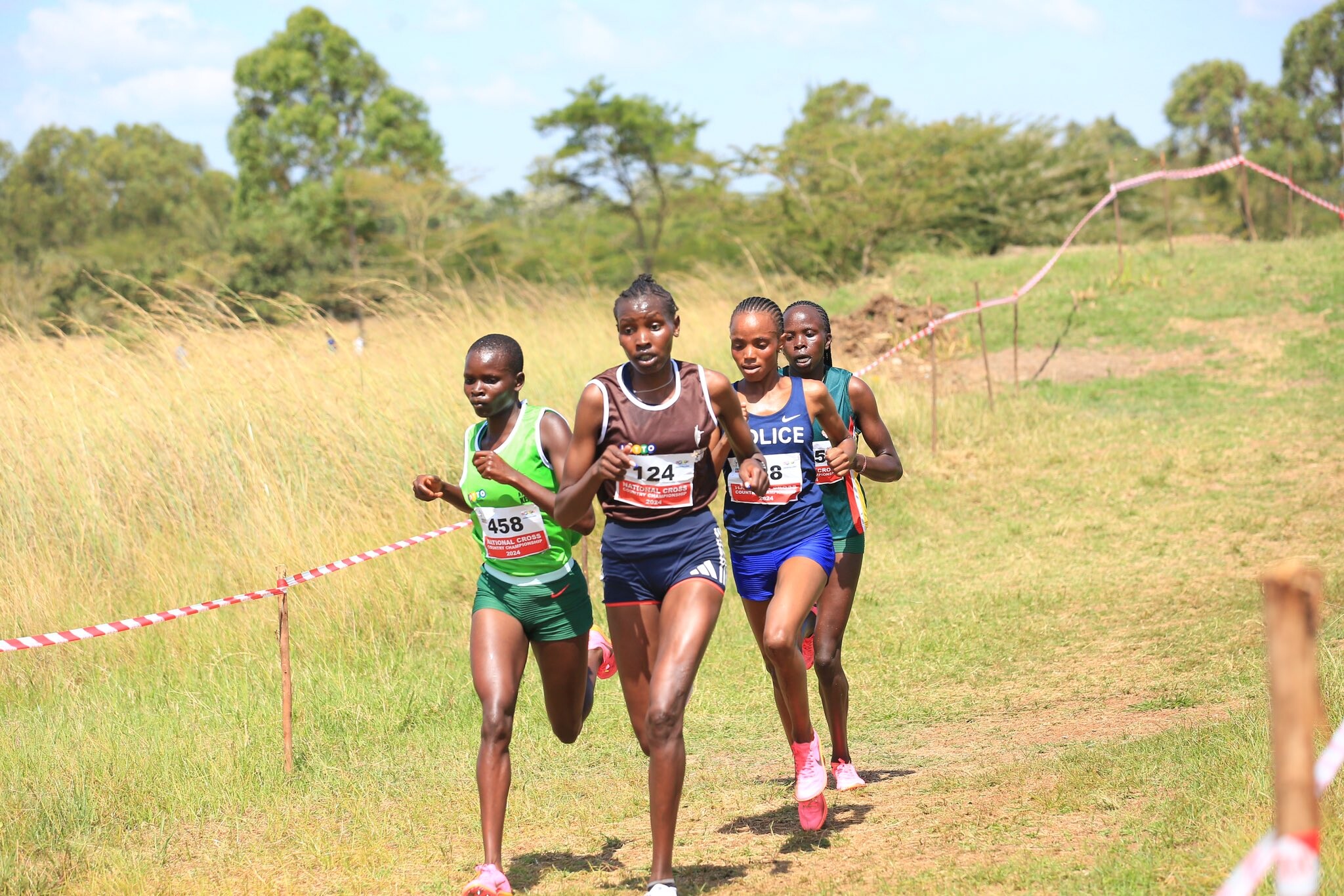
Not the hunger of missing a meal, but the kind that comes from being overlooked, unwanted, and treated as though your existence carries little value. For many children growing up in poverty, the greatest pain is not an empty stomach—it is the loneliness that comes when society turns away.
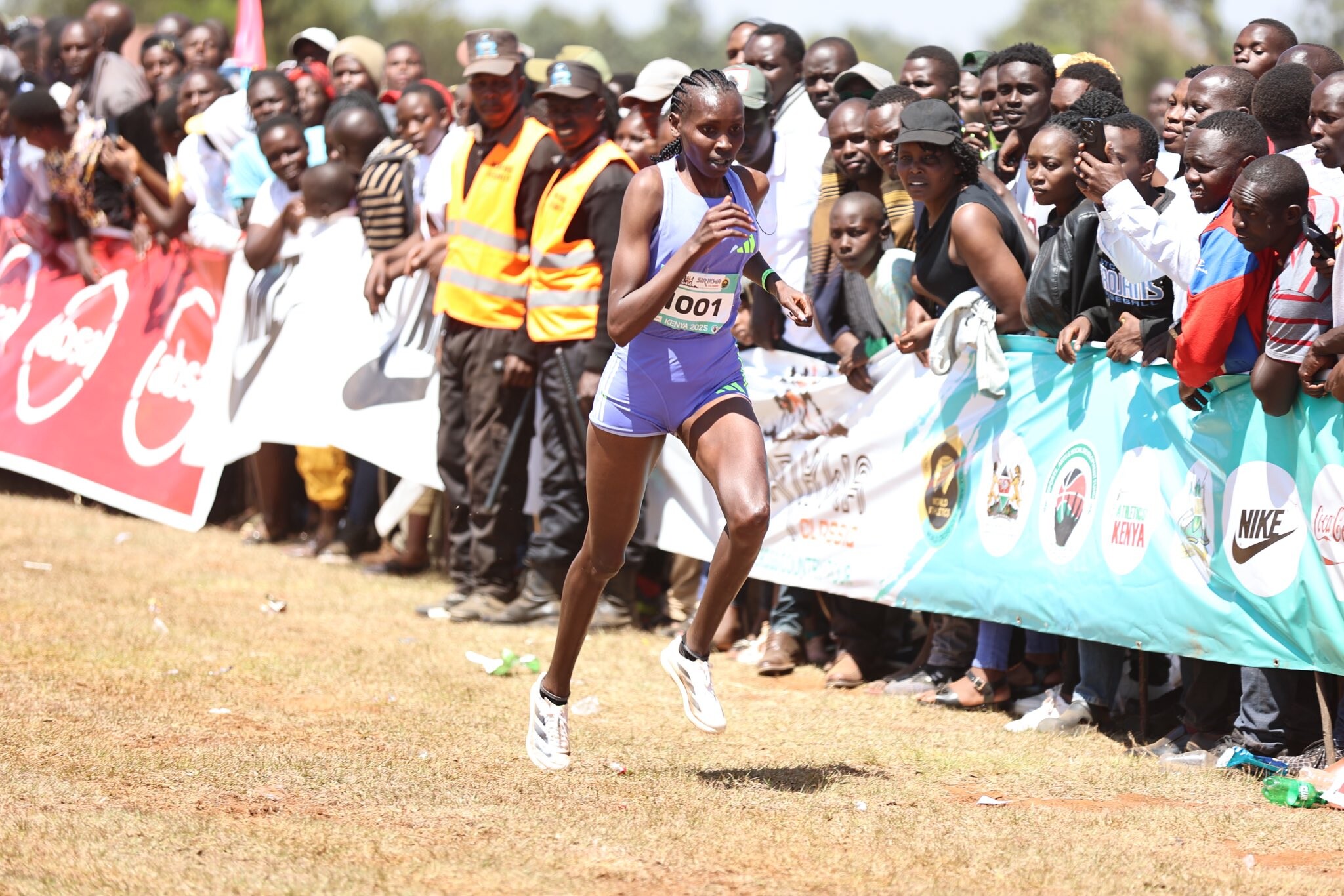
For Kenyan distance running sensation Agnes Ngetich, that loneliness was once a daily reality.
Today, she is celebrated across the globe as one of the finest long-distance runners of her generation, a world-record holder whose name commands respect on the biggest stages in athletics. Yet long before the medals, headlines, and international recognition, she was simply a young girl from a struggling family fighting battles few people ever saw.
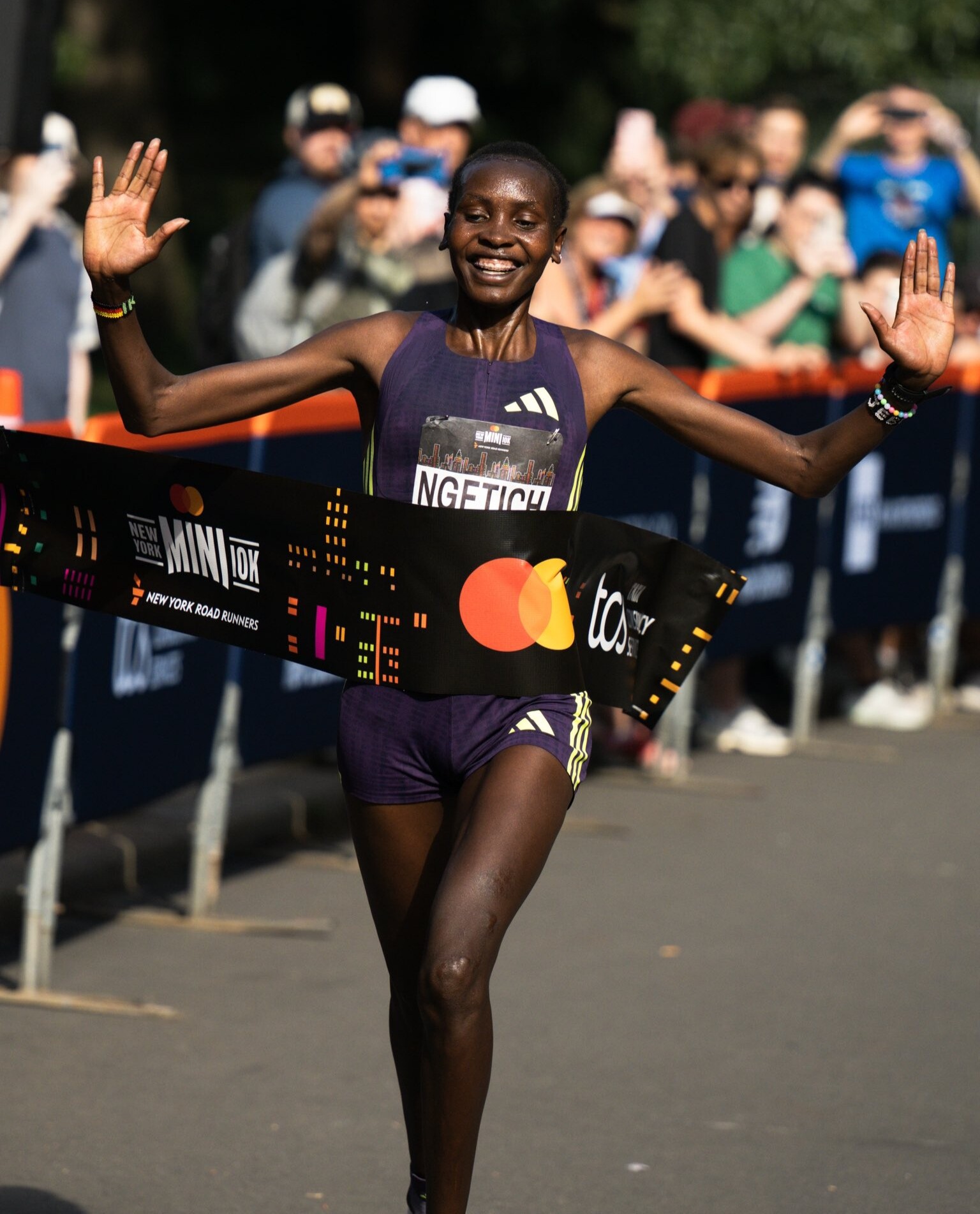
As the second-born in a family of eight children, Ngetich grew up in circumstances defined by hardship. Following the loss of her father, life became even more difficult for her widowed mother and siblings. Resources were scarce, meals were uncertain, and support from those around them was often absent.
Instead of receiving compassion, the family frequently faced rejection.
People who should have offered encouragement kept their distance. Relationships faded. Doors quietly closed.
The message was clear: poverty had made them invisible.
But while others saw a poor village girl, Agnes carried something they could not see—a determination that refused to surrender.
That determination would reveal itself on a life-changing day in 2018.
With no proper meal to sustain her and little more than hope to guide her, Agnes and her older sister set out on foot for Kamwosor, covering approximately 14 kilometres to attend a school athletics competition. They walked the entire distance.
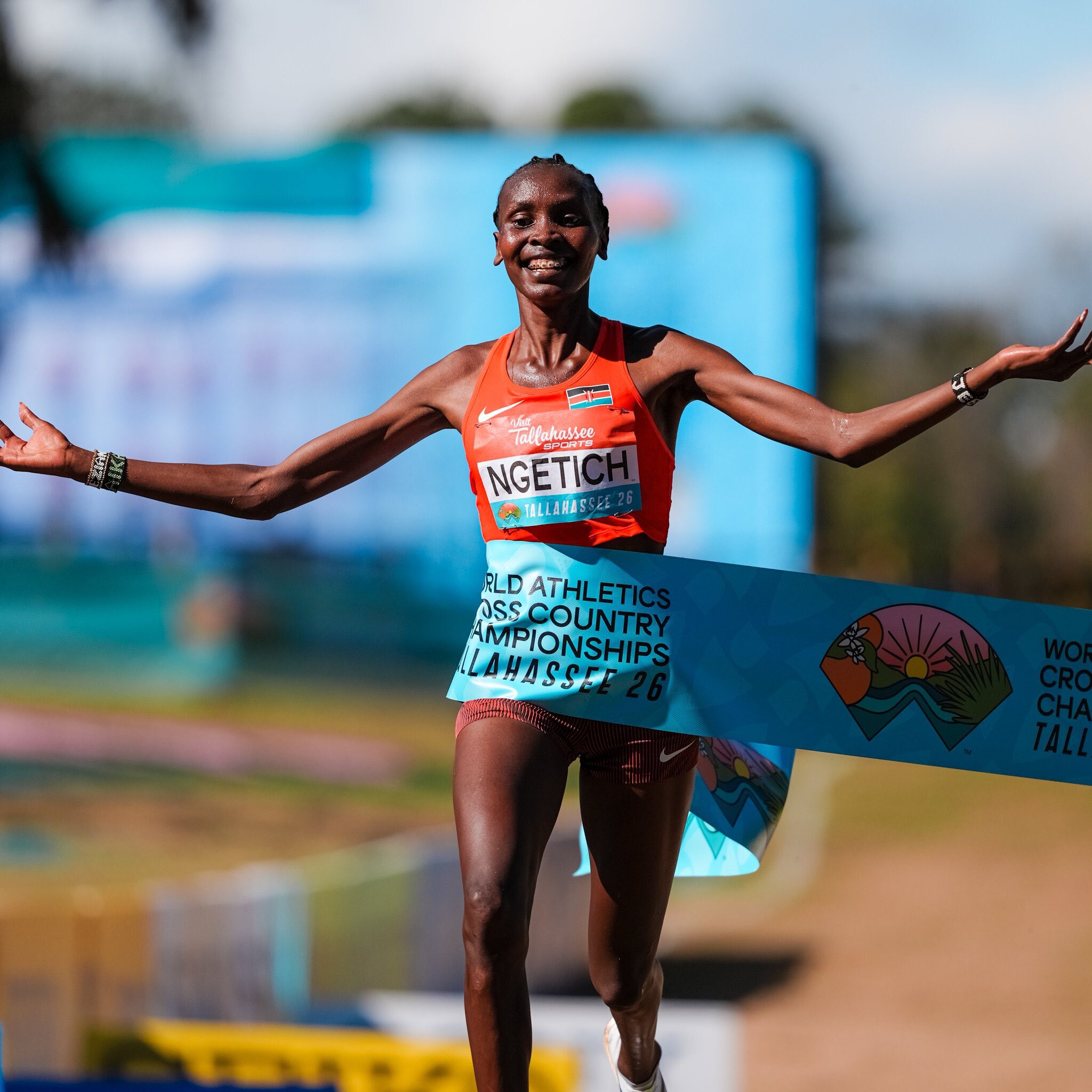
By the time her 5,000-metre race arrived later in the day, she had still eaten almost nothing.
Most athletes would have withdrawn.
Agnes stepped onto the track.
What followed stunned everyone.
Despite her exhaustion and hunger, she surged to the front of the field. The young girl whom few people noticed was leading the race, outrunning competitors who were far better prepared.
Then her body reached its limit.
Overcome by hunger and fatigue, she collapsed before completing the race.
For many athletes, that moment would have represented heartbreak and defeat.
But what happened next revealed the character that would later make her a champion.
When she regained consciousness, her first concern was not her health, the embarrassment, or the disappointment of collapsing. Instead, she wanted to know where she stood in the race.
She wanted her number.
She wanted to be first.
Even while lying on the ground, defeated by circumstances beyond her control, her competitive spirit remained intact.
It was at that critical moment that fate introduced Agnes to someone who would change her life forever.
Among the spectators was Ruth Bundotich, a teacher and athletics coach who saw something extraordinary in the young runner. While others moved on, Ruth stayed.
She listened.
She asked questions.
She learned about the struggles Agnes faced at home and the hardships that had shaped her childhood.
Most importantly, she chose not to walk away.
In a world that had repeatedly turned its back on Agnes, Ruth offered something priceless: belief.
One act of kindness became a turning point.
One person decided that this young girl deserved a chance.
That decision altered the course of Kenyan athletics history.
Under guidance and support, Agnes began to develop her immense talent. The same girl who once ran on an empty stomach and collapsed from hunger gradually transformed into one of the most formidable athletes on the planet.
Years later, the world would come to know her name.
Records would fall.
Victories would follow.
Crowds would cheer.
The athlete who had once felt invisible would become impossible to ignore.
Yet behind every achievement lies a story that statistics can never tell.
Agnes Ngetich's journey is not merely about running. It is a story about resilience in the face of rejection, courage in the midst of poverty, and the extraordinary impact a single compassionate person can have on another human being's future.
The world celebrates Agnes for her speed.
But perhaps her greatest victory happened long before she crossed any finish line.
It happened the day she refused to let rejection define her.
And it happened because one woman, Ruth Bundotich, chose to stay when everyone else walked away.
Today, Agnes Ngetich stands as living proof that greatness can emerge from the most unlikely places, and that sometimes all it takes to change a life is one person willing to believe when nobody else does.
Remember both names: Agnes Ngetich and Ruth Bundotich. One became a champion. The other made sure the champion was seen.
by Erick Cheruiyot for My Best Runs.
Login to leave a comment
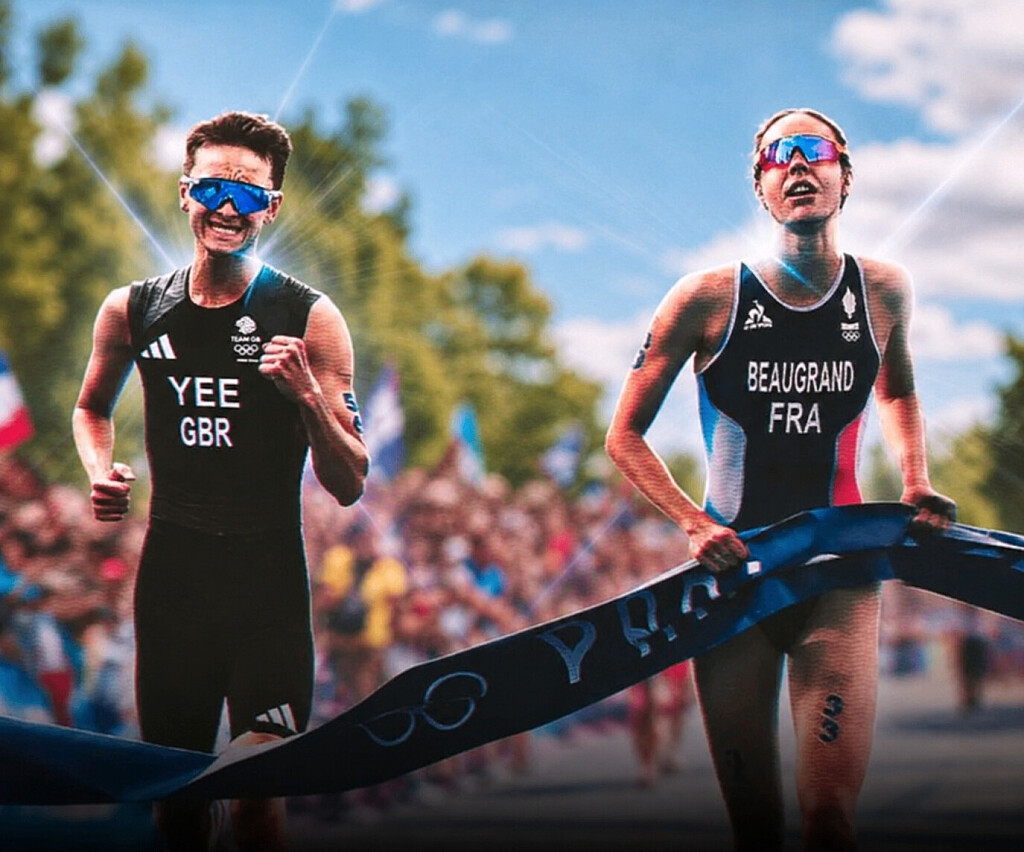
Monaco Beckons: Olympic Triathlon Champions Dare to Dream on the Track
The boundaries between endurance sport and elite track racing are about to be pushed to new heights.
On July 10, the Monaco Diamond League will host one of the most intriguing storylines of the season as reigning Olympic triathlon champions Alex Yee and Cassandre Beaugrand step away from the swim-bike-run arena and onto one of athletics' most prestigious stages.
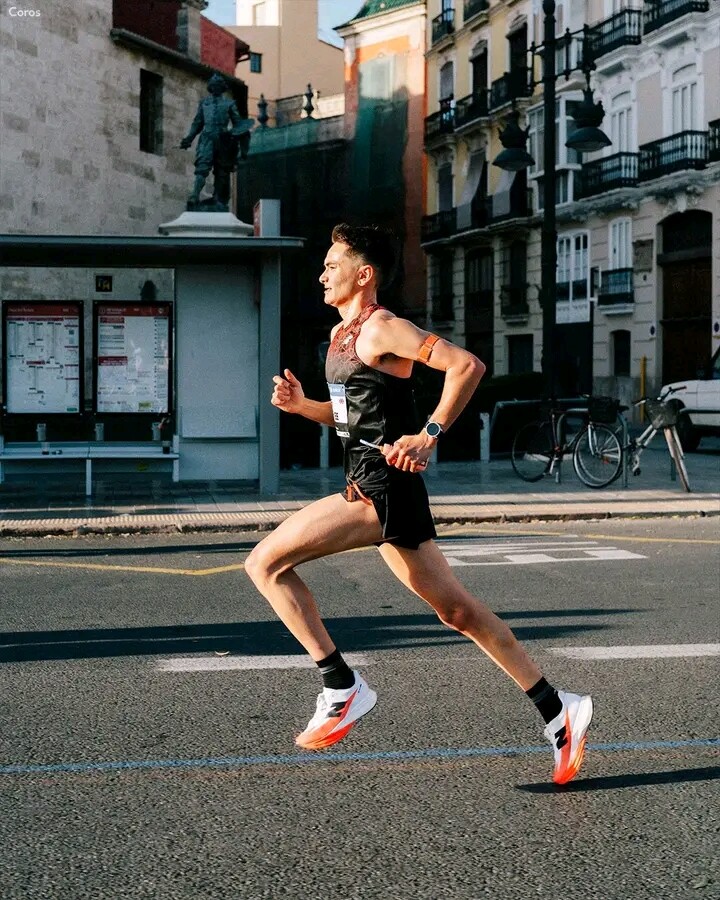
It is a rare sight to see Olympic triathlon gold medalists testing themselves against specialist track athletes, but both champions have embraced the challenge, adding a fascinating dimension to an already world-class meeting.
For Yee, the men's 5,000m presents an opportunity to explore just how far his running talent can take him. The British star, who captured Olympic gold in Paris, will be making his first Diamond League appearance since London in 2019, where he ran 13:29. Since then, he has significantly elevated his credentials on the track, lowering his personal best to an impressive 13:13 last year in Belgium.
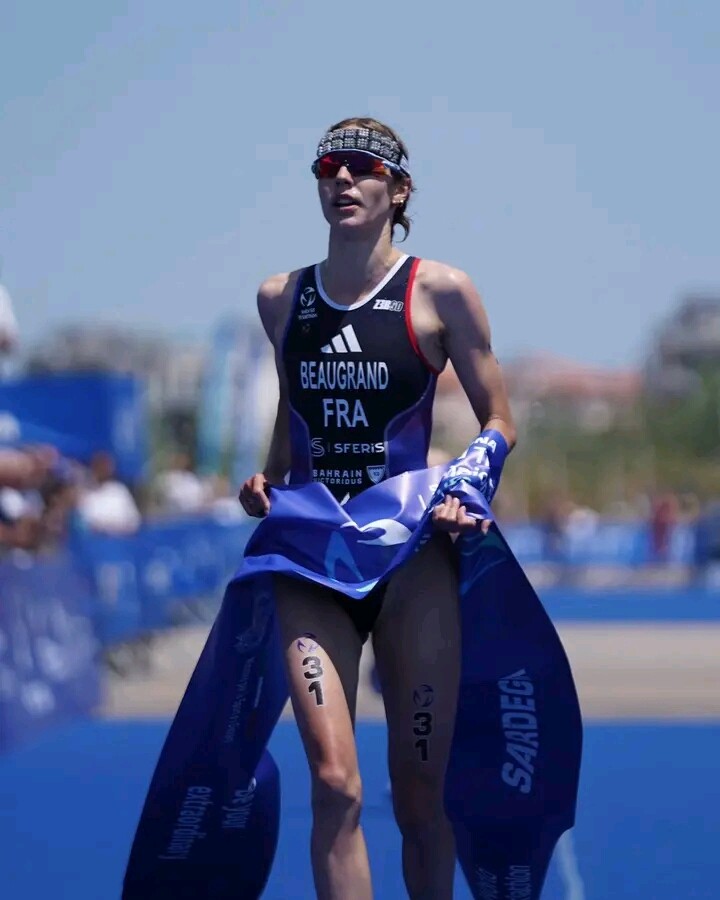
Monaco, however, is a different level altogether. The famous meeting has built a reputation as one of the fastest distance-running venues in the world, where athletes routinely dip under the coveted 13-minute barrier. Yee understands the magnitude of the task ahead, joking on social media that he may have "bitten off more than he can chew," while embracing the challenge with the enthusiasm that has become his trademark.
For Beaugrand, the occasion carries a special emotional significance. The French Olympic champion grew up on the Côte d'Azur and spent her formative years training with the Monaco athletics club. As a young athlete, she competed in children's races held during the Diamond League meeting before staying behind to watch the sport's biggest stars perform under the lights.
Now, she returns not as a spectator, but as an Olympic champion preparing to race in the women's 3,000m. The event is expected to feature some of the world's finest runners, including Kenyan superstar Faith Kipyegon, making the experience all the more remarkable. Reflecting on her upcoming appearance, Beaugrand admitted it felt surreal, describing it as a genuine "pinch me" moment.
Her confidence will be strengthened by a remarkable year on the track. In April, she set a French women's 10km record of 30:52, before following it up in May with a French 5,000m record of 14:40.77. Those performances have confirmed what many suspected: Beaugrand's talent extends far beyond triathlon and places her among the most versatile endurance athletes in the world.
The presence of both reigning Olympic triathlon champions at the same Diamond League meeting is exceptionally rare. It represents a unique collision of disciplines, bringing together athletes who have conquered one of sport's toughest events and now seek to test themselves against the very best track specialists.
Monaco has long been a stage for record-breaking performances and unforgettable moments. This year, alongside the pursuit of fast times and world-class competition, the spotlight will also shine on two Olympic champions willing to venture beyond their comfort zones in pursuit of a new challenge.
Whether they are chasing personal bests, national records, or simply the thrill of competition, Yee and Beaugrand have already made Monaco one of the most anticipated meetings of the Diamond League season. On July 10, the world will discover just how far Olympic triathlon greatness can carry them on the track.
by Erick Cheruiyot for My Best Runs.
Login to leave a comment
DRAMA IN EUGENE: Doris Lemngole’s NCAA 5000m Triumph Overturned as Jepngetich Claims Crown
The NCAA Outdoor Championships delivered one of the most dramatic twists of the season as the women’s 5000m final ended in unexpected heartbreak and a new champion being crowned after the finish line.
Alabama’s Kenyan star Doris Lemngole looked set to celebrate a historic moment after storming to victory in a brilliant 15:11.71, crossing the line first and appearing to secure another national title for the Crimson Tide. The performance looked like the perfect ending to a dominant race — until officials made a decision that changed everything.
Race officials later issued a disqualification against Lemngole under rule 15.5-3g, citing multiple steps on or over the inside track curb. Alabama immediately challenged the ruling through an appeal, but after review, the protest was rejected, confirming the disqualification and removing the race winner from the official results.
With Lemngole’s result erased, New Mexico’s Marion Jepngetich moved into the championship position, producing a spectacular performance of her own to claim the NCAA 5000m title in a personal best of 15:13.01.
The final standings showed just how competitive the race was, with several athletes delivering outstanding performances and multiple personal bests. Mercyline Kirwa of Iowa State finished second in 15:13.72, while Florida’s Judy Chepkoech completed the podium in 15:14.05 — both recording lifetime bests.
The top ten was dominated by incredible depth, with Betty Kipkore (Iowa State) taking fourth in 15:14.43, Pamela Kosgei (New Mexico) fifth in 15:15.88, and Hilda Olemomoi (Florida) sixth with a season best of 15:16.23. Edna Chelulei of Eastern Kentucky, Katie Bohlke of Virginia Tech, Jane Hedengren of BYU, and Juliet Cherubet of Oregon completed the top ten.
For Lemngole, it was a painful reminder of how unforgiving elite sport can be. After producing the fastest time of the night and crossing the finish line as the apparent winner, a technical ruling outside the excitement of the finish changed the entire outcome.
Jepngetich, meanwhile, now celebrates a championship victory earned on one of the most dramatic evenings in NCAA distance running history — a race where the final result was decided not only by speed, but also by the smallest margins of competition.
The NCAA 5000m final will be remembered not just for the incredible performances on the track, but for the unforgettable twist that came after the race was already over.
by Erick Cheruiyot for My Best Runs.
Login to leave a comment
Habtom Samuel Delivers a Masterclass to Claim NCAA 5,000m Crown in Thrilling Championship Battle
The NCAA Men’s 5,000m final delivered everything fans love about distance racing — patience, tactical brilliance, relentless pressure, and a dramatic finish that came down to pure speed.
Eritrean sensation Habtom Samuel of New Mexico produced a memorable performance to capture the national title, crossing the finish line in 13:38.93 to claim the gold medal. His victory added another remarkable chapter to his collegiate career as he completed a historic championship double, proving once again that he belongs among the elite names in NCAA distance running.
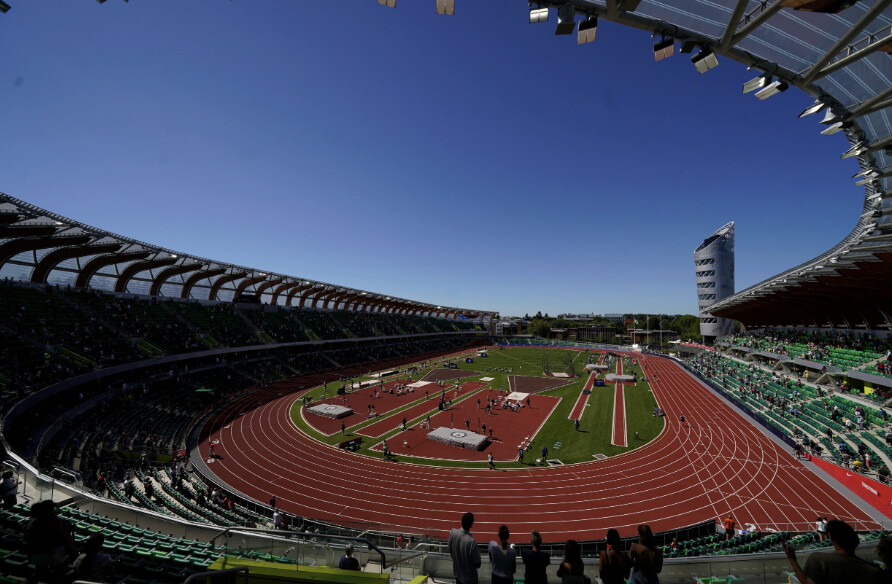
The race unfolded as a battle of endurance and strategy, with the leading pack staying tightly grouped before the decisive moments arrived. As the pace intensified and the final lap approached, Samuel showed incredible composure, saving his strongest move for the closing stages.
In the final 200 meters, Samuel unleashed a powerful finishing kick that separated him from the field and secured the championship victory. Rocky Hansen of Wake Forest fought bravely until the end, producing an impressive sprint finish to earn the silver medal in 13:39.91, just behind the champion.
Kenya’s Elsingi Kipruto of Louisville completed the podium with a strong performance, finishing third in 13:42.58 after staying among the contenders throughout the race.
The final also highlighted the strength of international talent in NCAA distance running, with several Kenyan athletes making their mark. Ernest Cheruiyot (Arkansas) finished fifth in 13:44.52, while Brian Musau (Oklahoma State) placed sixth in 13:47.18. Other Kenyan athletes, including Evans Kurui, Robin Kwemoi Bera, and Denis Kipngetich, also battled strongly against one of the deepest fields in collegiate athletics.
Top 10 Finishers — NCAA Men’s 5,000m Final
1. Habtom Samuel — New Mexico, Eritrea — 13:38.93
2. Rocky Hansen — Wake Forest, United States — 13:39.91
3. Elsingi Kipruto — Louisville, Kenya — 13:42.58
4. Marco Langon — Villanova, United States — 13:42.77
5. Ernest Cheruiyot — Arkansas, Kenya — 13:44.52
6. Brian Musau — Oklahoma State, Kenya — 13:47.18
7. Pierre Attiogbe — Cornell, United States — 13:47.43
8. Isaac Hedengren — BYU, United States — 13:48.84
9. Evans Kurui — Washington State, Kenya — 13:51.49
10 Robin Kwemoi Bera — Iowa State, Kenya — 13:51.83
From the opening strides to the explosive finish, the NCAA Men’s 5,000m final was a true showcase of championship racing — where every decision mattered and the final moments created a race to remember.
by Erick Cheruiyot for My Best Runs.
Login to leave a comment
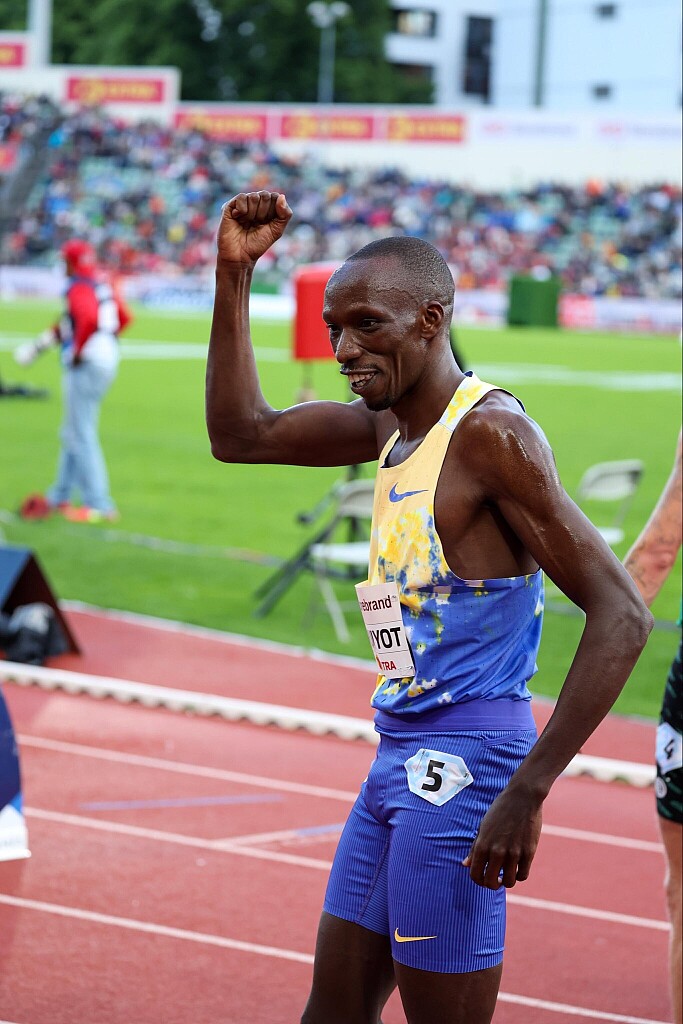
Timothy Cheruiyot Sets Sights on Diamond League Final Glory and Commonwealth Games Bid
Timothy Cheruiyot has made his ambitions unmistakably clear after another commanding appearance on the Oslo Diamond League stage in 2026, outlining a season defined by precision, patience, and championship intent.
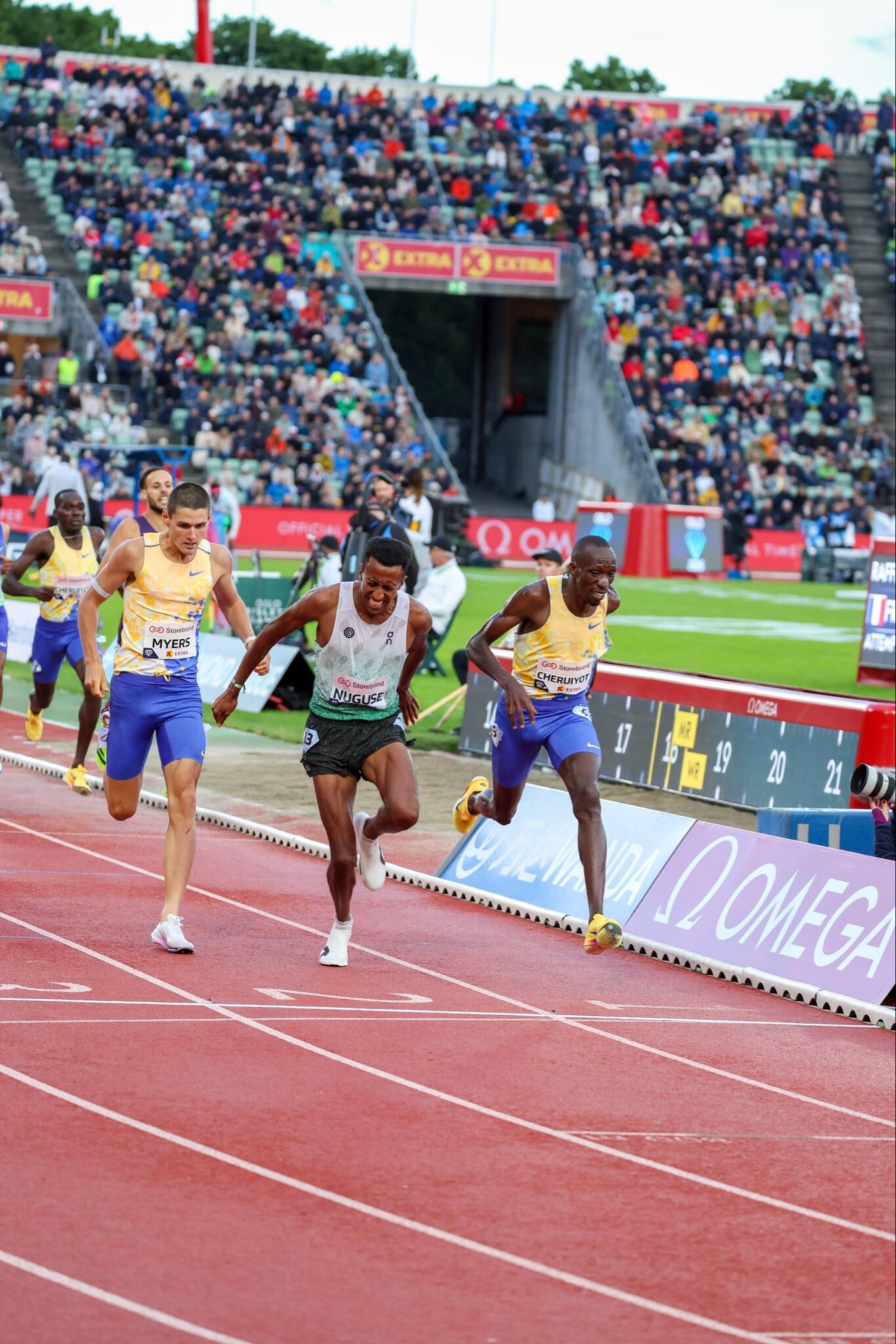
The Kenyan 1500m star, known for his tactical sharpness and late-race acceleration, revealed that his primary focus this year is firmly locked on the Diamond League circuit. His ultimate goal is not just to qualify for the final, but to dominate it.
“My main target is the Diamond League this year, to reach the final and win,” Cheruiyot stated with quiet confidence following his strong showing in Oslo. “Also, the Commonwealth Games. So I go home for the trials next week.”
The message was as direct as his racing style: no distractions, no detours—only execution.
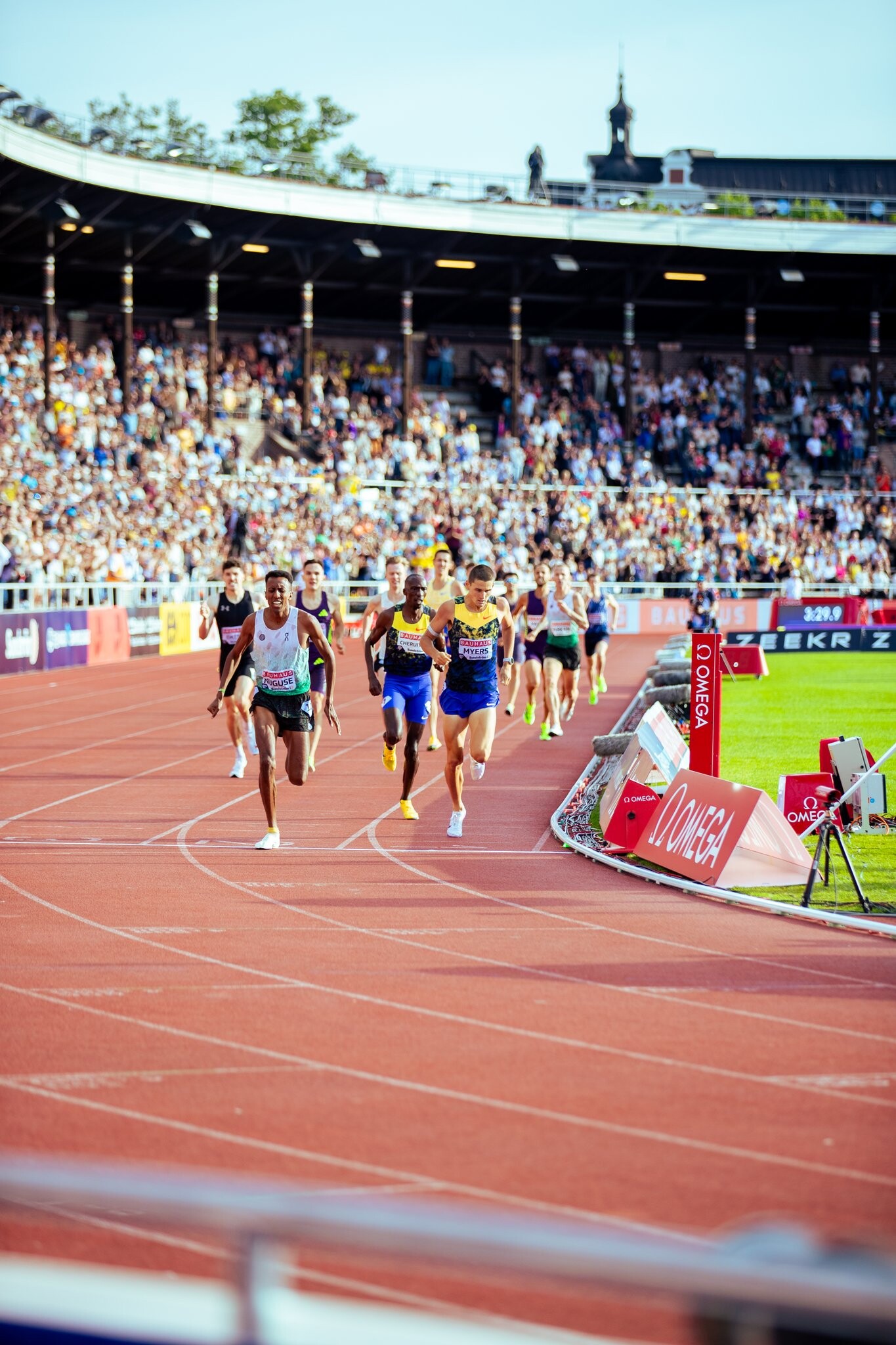
For Cheruiyot, Oslo served not only as another competitive outing but also as a statement of intent. Against a world-class field, he once again demonstrated the composure and racing intelligence that have defined his career at the highest level. While the result added to his growing season momentum, the bigger picture remains firmly ahead.
The Diamond League remains the crown jewel of the athletics circuit, and Cheruiyot’s declaration signals a renewed push to reclaim supremacy on one of the sport’s most demanding stages. His eyes are set on consistency across the series, building form at the right time before peaking when it matters most.
Beyond the Diamond League, the Commonwealth Games represent another major milestone in his campaign. Selection will be determined through Kenya’s fiercely competitive trials next week, where depth in middle-distance running ensures nothing is guaranteed.
Yet Cheruiyot’s focus appears undisturbed. His approach reflects experience—balancing global ambitions with the immediate pressure of national qualification. It is a familiar path for Kenyan elite athletes, where every race is both a proving ground and a stepping stone.
As the season unfolds, Cheruiyot’s dual targets set the tone for what promises to be a compelling campaign. The blend of Diamond League ambition and Commonwealth Games pursuit places him once again at the center of the 1500m narrative.
And if Oslo was any indication, he is not merely participating in the season—he is shaping it.
by Erick Cheruiyot for My Best Runs.
Login to leave a comment
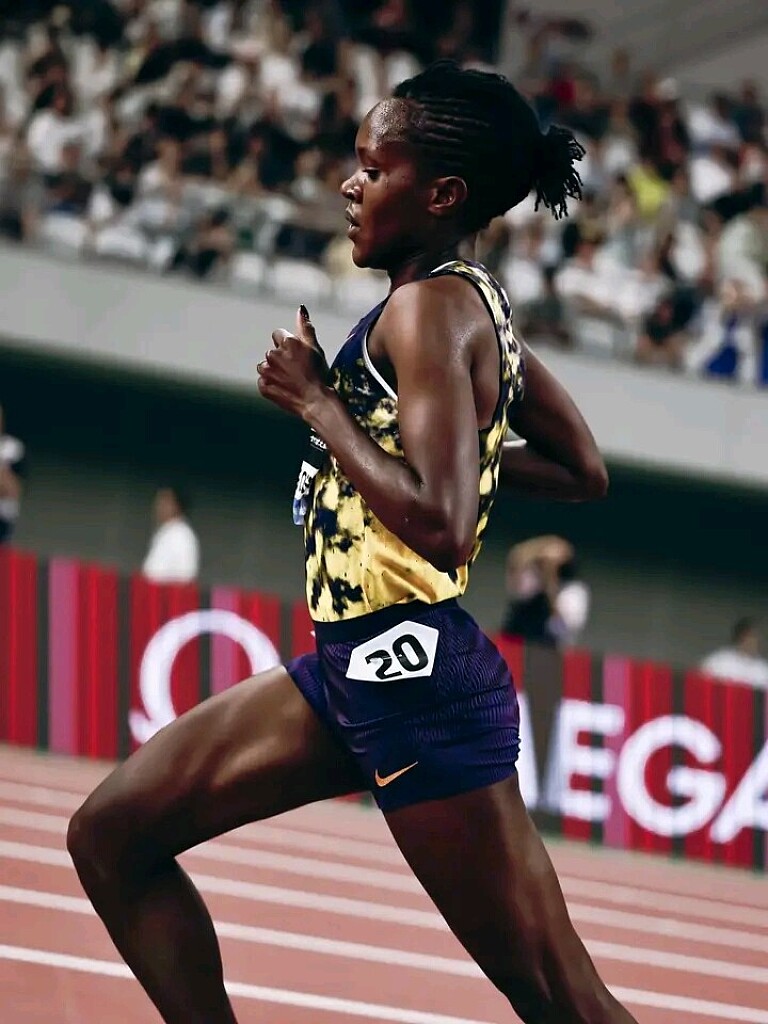
Faith Kipyegon Returns to Eugene With History in Her Sights
When Faith Kipyegon steps onto the track at Hayward Field on July 4, she will not simply be racing another mile. She will be chasing history once again.

For the first time since 1993, the women's mile returns to the Prefontaine Classic, and there could hardly be a more fitting headliner than the greatest female miler the sport has ever seen. The Kenyan superstar arrives in Eugene as the undisputed queen of middle-distance running, carrying both the world record and the expectation that another landmark performance could be just around the corner.
One record in particular appears vulnerable.
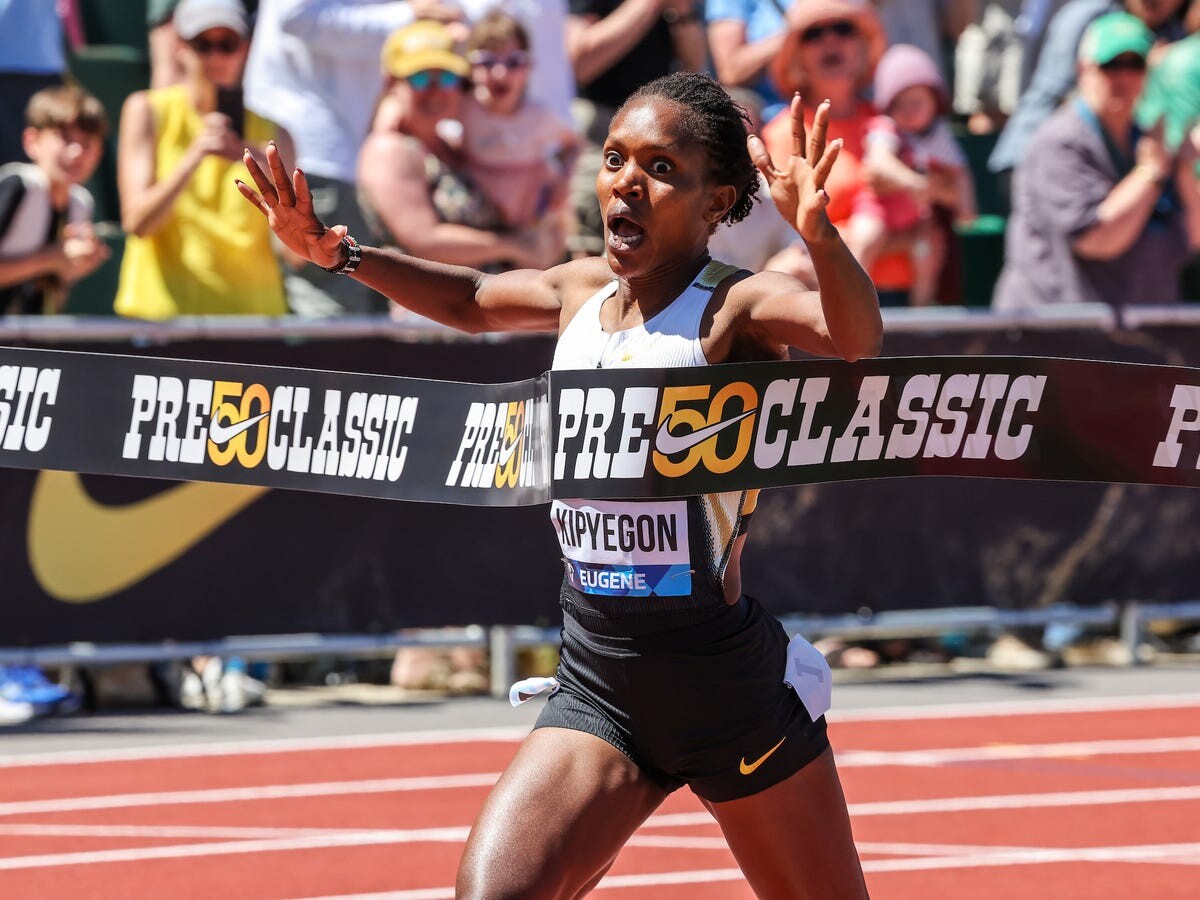
The Hayward Field stadium record of 4:21.25, set by American legend Mary Decker in 1988, has stood untouched for nearly four decades. Generations of world-class athletes have come and gone without threatening it. Yet with Kipyegon now operating on a different level from any woman before her, few expect that mark to survive much longer.
The intrigue surrounding the race is not whether the record will fall, but by how much.

Kipyegon's official world record of 4:07.64 transformed the event and redefined what was thought possible in women's middle-distance running. Last summer, she pushed the boundaries even further when she clocked 4:06.42 during Nike's highly publicized Breaking4 project. Although the performance was not eligible for record recognition because of its controlled conditions, it provided compelling evidence that the four-minute barrier is no longer a fantasy.
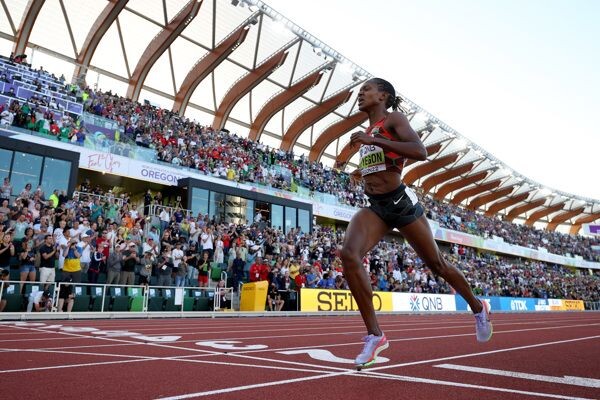
It is a target.
The 32-year-old has spent the past several seasons systematically dismantling some of the sport's most prestigious records. Her combination of tactical brilliance, finishing speed, and remarkable consistency has made her virtually unbeatable over the distances she dominates.
Eugene has also become one of her favorite stages.
It was at Hayward Field where Kipyegon delivered another masterpiece by breaking the world record in the 1500 meters, further cementing her legacy as one of the greatest runners in history. The venue seems to bring out her best, and with the energy of a packed Prefontaine Classic crowd behind her, another unforgettable performance could be on the horizon.
Adding to the anticipation is a remarkable streak that continues to grow. Kipyegon has not lost a 1500-meter race in more than a decade, a level of dominance rarely seen in any discipline. Every appearance now carries the feeling that spectators are witnessing a living legend at the peak of her powers.
The women's mile may be returning to the Prefontaine Classic after a long absence, but it is arriving at exactly the right moment. The event has never featured an athlete better equipped to redefine its limits.
The stadium record appears destined to fall. The world record could come under pressure. And somewhere beyond those milestones lies the sport's most tantalizing possibility—the first sub-four-minute mile by a woman under record-legal conditions.
Whether that breakthrough arrives this summer or further down the road remains uncertain.
What is certain is that when Faith Kipyegon returns to Hayward Field, the athletics world will be watching. Eugene has already witnessed some of her greatest achievements. On July 4, it may witness the next chapter in one of the most extraordinary careers the sport has ever known.
by Erick Cheruiyot for My Best Runs.
Login to leave a comment
Prefontaine Classic
The Pre Classic, part of the Diamond League series of international meets featuring Olympic-level athletes, is scheduled to be held at the new Hayward Field in Eugene. The Prefontaine Classicis the longest-running outdoor invitational track & field meet in America and is part of the elite Wanda Diamond League of meets held worldwide annually. The Pre Classic’s results score has...
more...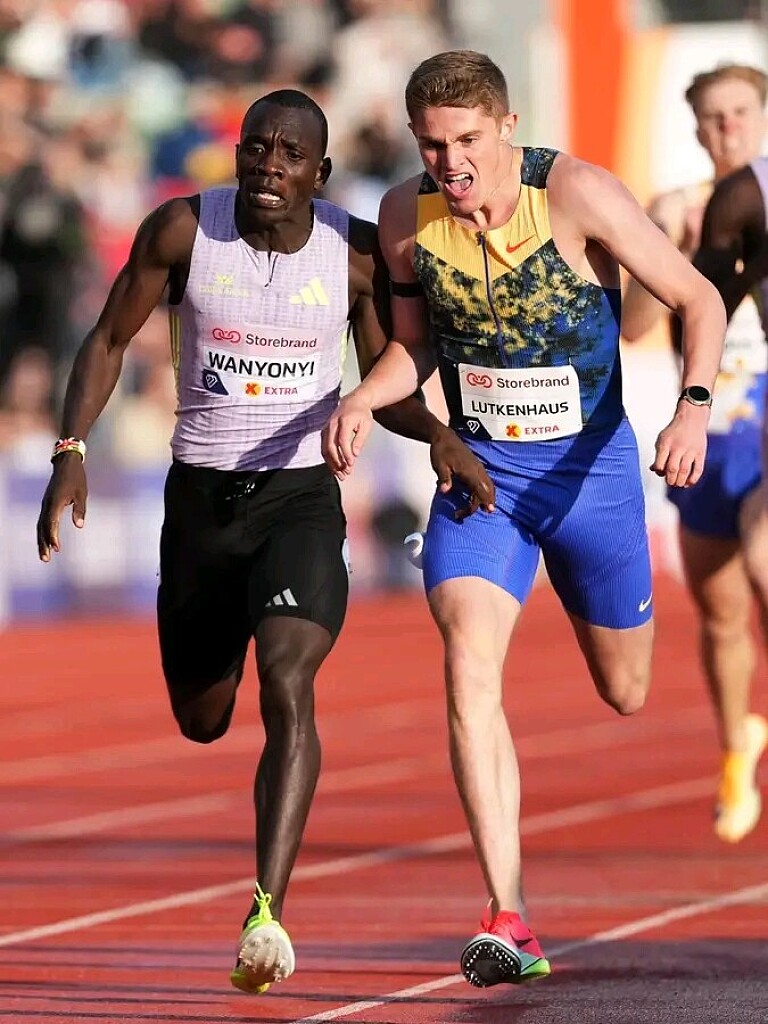
Lutkenhaus Delivers Stunning Upset as Teenage Star Edges Olympic Champion in Oslo
A new chapter in middle-distance running may have begun in Oslo after American teenager Cooper Lutkenhaus produced one of the most remarkable performances of the season, narrowly defeating reigning Olympic champion Emmanuel Wanyonyi in a thrilling men's 800m contest at the Diamond League meeting.
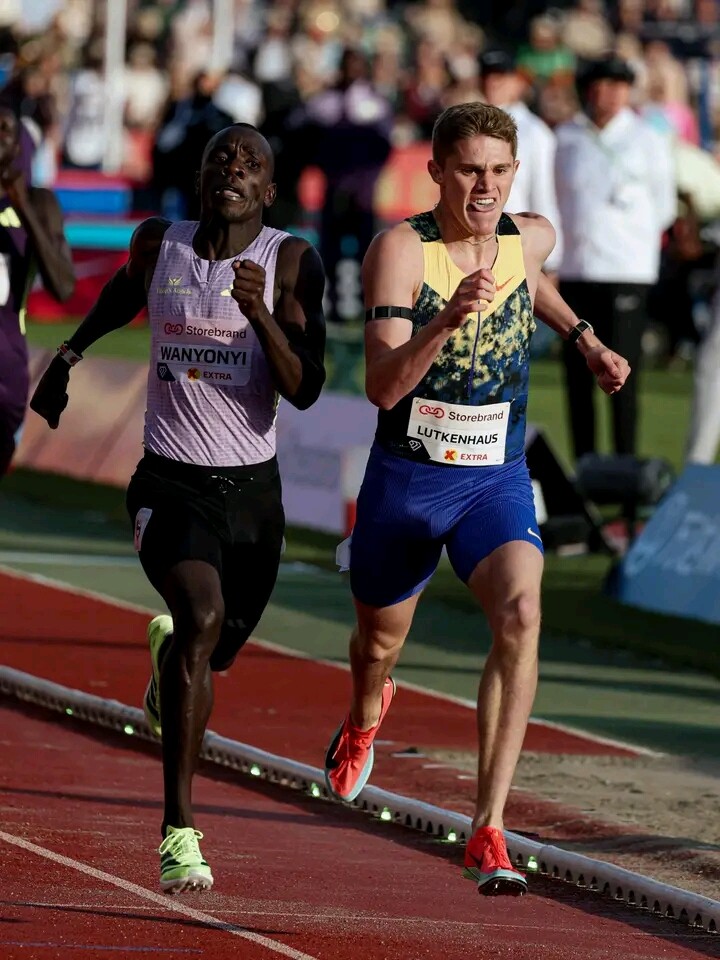
The 17-year-old sensation shocked a world-class field by crossing the finish line first in a race that came down to the smallest of margins. After an intense battle over the final metres, Lutkenhaus held off Wanyonyi by just one hundredth of a second, producing a dramatic finish that left the packed stadium in disbelief.
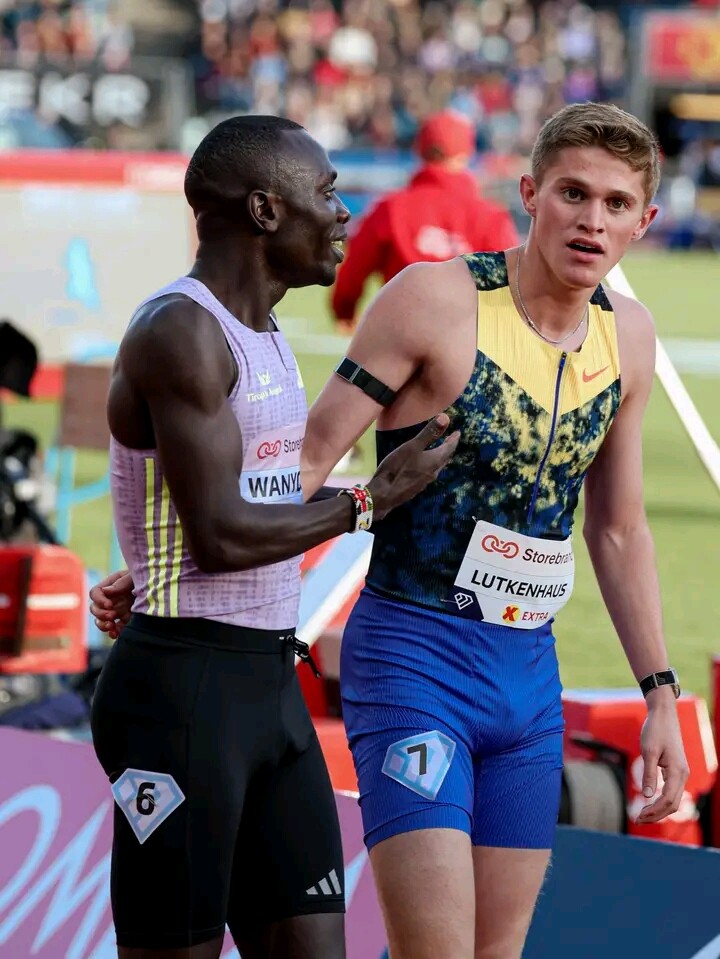
From the opening lap, the pace was relentless as the leading contenders positioned themselves for a fierce showdown. As the athletes entered the home straight, Wanyonyi appeared poised to unleash his trademark finishing kick. However, Lutkenhaus refused to be intimidated, matching the Olympic champion stride for stride before producing a perfectly timed lean at the line to secure a historic victory.
The result marks a breakthrough moment for the young American, who continues to establish himself as one of the brightest talents in global athletics. Defeating an Olympic champion at a Diamond League event is a feat many athletes spend entire careers pursuing, yet Lutkenhaus achieved it before reaching adulthood.
For Wanyonyi, the narrow defeat does little to diminish his status as one of the world's premier 800m runners. The Kenyan once again demonstrated his exceptional class and competitiveness, pushing the race to a world-class standard and forcing his young rival to deliver the performance of a lifetime.
Beyond the result itself, the race offered a glimpse into what could become one of the sport's most exciting rivalries in the years ahead. With established stars and emerging talents now pushing each other to new heights, the men's 800m continues to evolve into one of athletics' most captivating events.
On a memorable night in Oslo, the spotlight belonged to Cooper Lutkenhaus. At just 17 years old, he stood toe-to-toe with an Olympic champion and emerged victorious, announcing himself to the athletics world in spectacular fashion.
by Erick Cheruiyot for My Best Runs.
Login to leave a comment
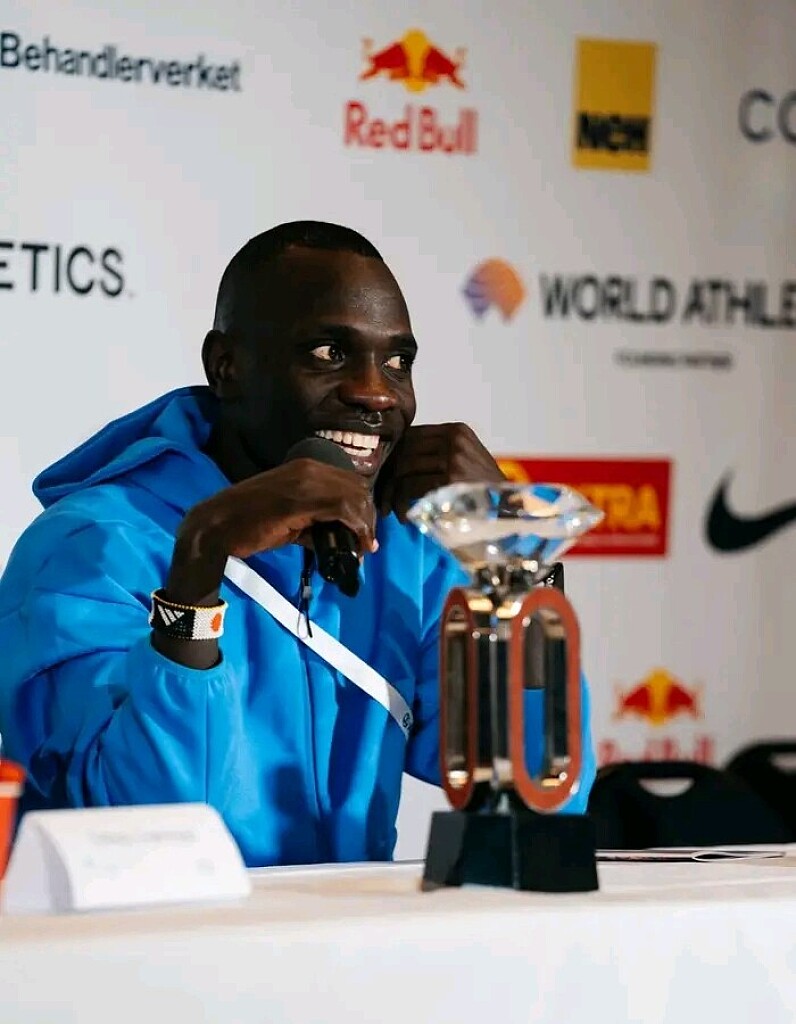
A New Chapter for Emmanuel Wanyonyi: Kenyan Star Embraces Fatherhood Ahead of Oslo Diamond League
Kenya’s middle-distance sensation Emmanuel Wanyonyi has revealed the heartwarming reason behind his absence from the Stockholm Diamond League, choosing family over competition as he welcomed his first child into the world.
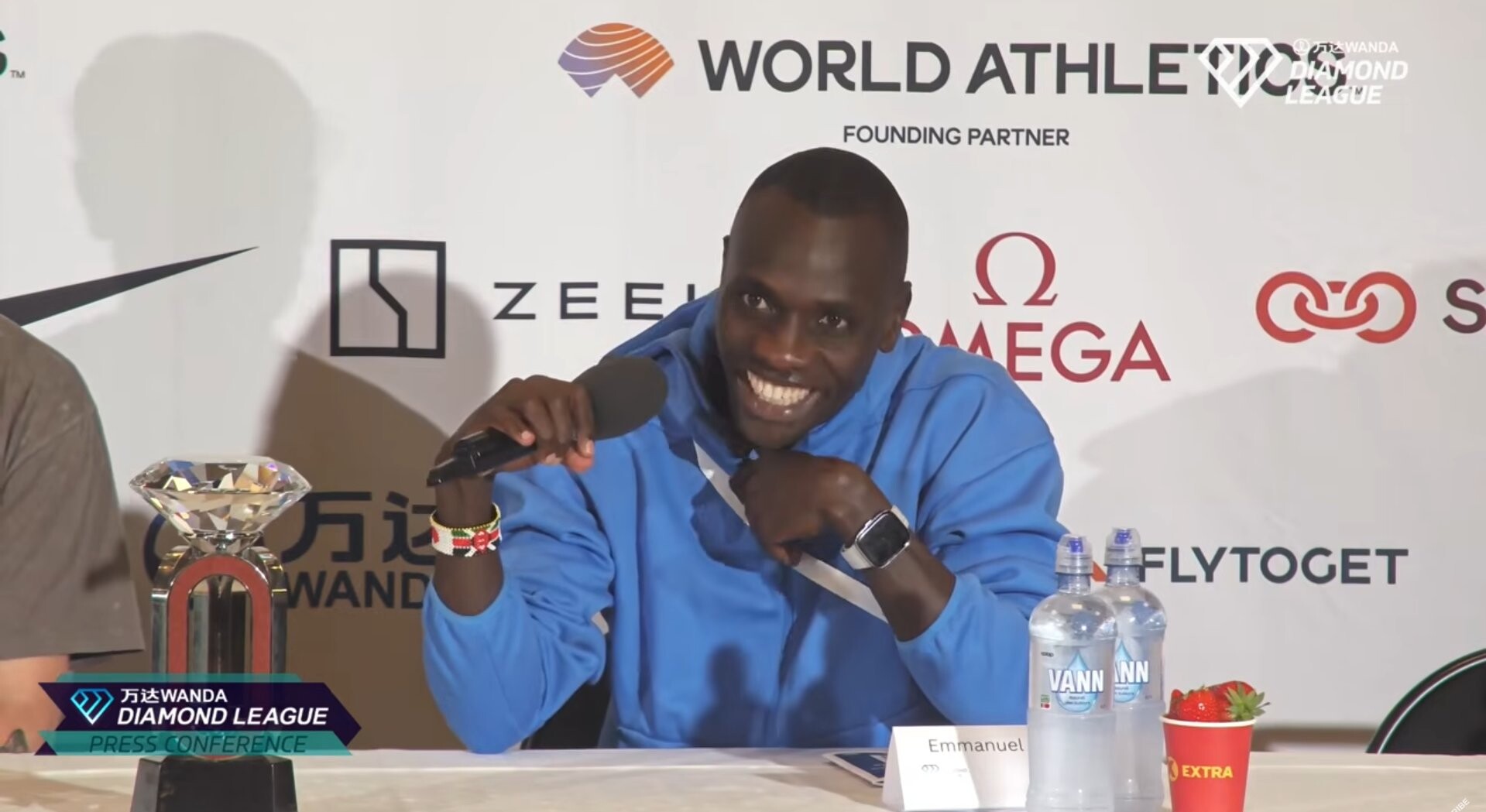
The Olympic champion and one of the brightest stars in global athletics withdrew from the Stockholm meeting after returning home from Rabat to be by his wife's side for the birth of their firstborn. While fans were disappointed not to see him on the track in Sweden, Wanyonyi had a far more important moment awaiting him away from the spotlight.
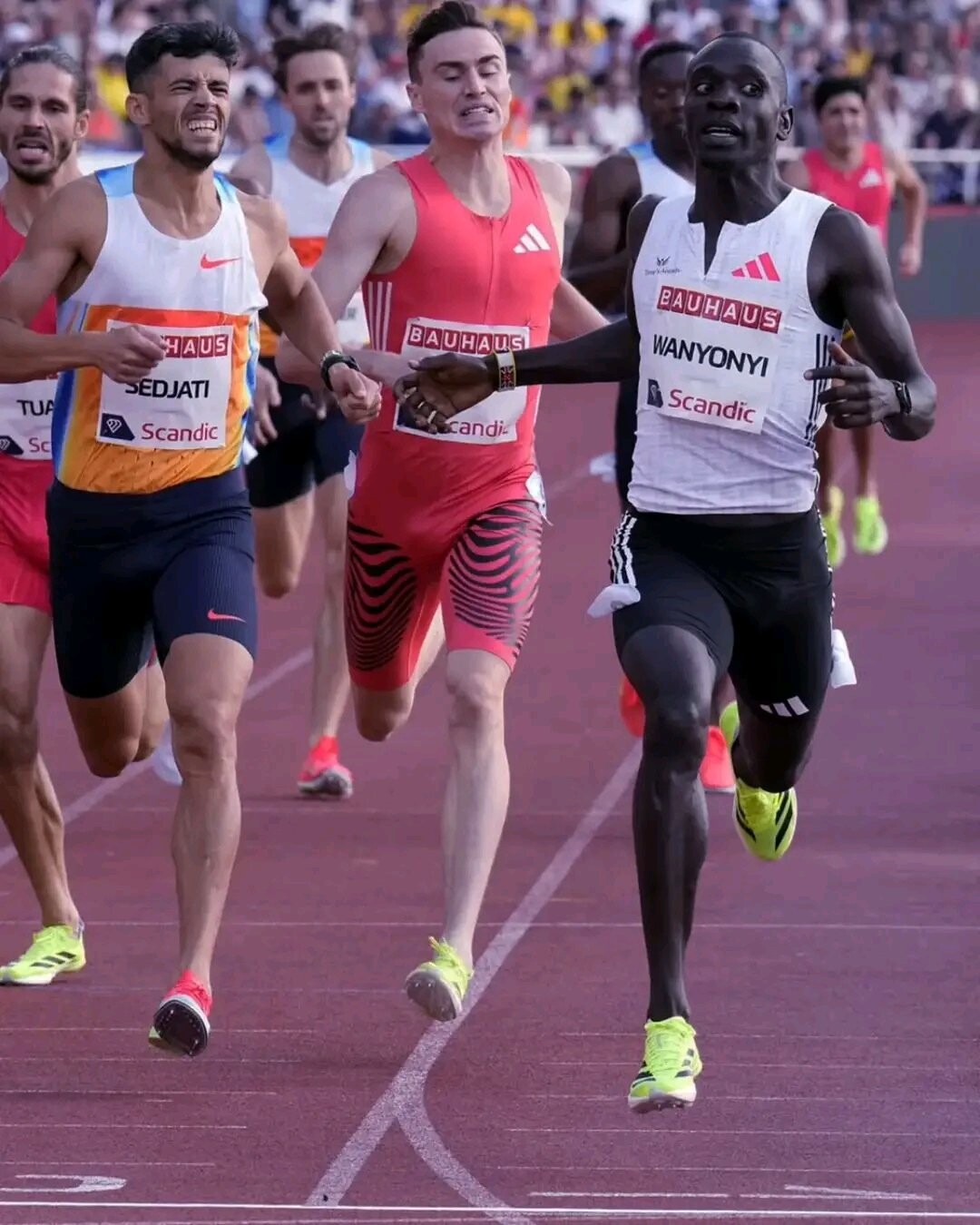
“I can say I am so happy. I was supposed to run in the Stockholm Diamond League, then I went back home from Rabat. My wife delivered our first born. I was so happy,” Wanyonyi explained.
For an athlete whose recent years have been defined by record-breaking performances and major championship success, the arrival of his child marks a milestone that transcends sport. The 800m star now enters a new phase of life, balancing the demands of elite competition with the responsibilities and joys of fatherhood.
His return to action comes at the Oslo Diamond League, where he will step onto the track for the first time as a father. The highly anticipated race adds another layer of intrigue, with fans eager to see whether the emotional boost from this life-changing moment can inspire another memorable performance from the Kenyan.
Wanyonyi has established himself as one of the most dominant figures in the men's 800m, earning a reputation for his fearless racing style, devastating finishing kick, and remarkable consistency against the world's best. Yet even amid the pressures of international competition, he showed that some moments are simply bigger than athletics.
As the Oslo Diamond League unfolds, all eyes will be on the Kenyan star. But regardless of the result, Wanyonyi has already secured a victory that means more than any medal or record — becoming a father for the very first time.
by Erick Cheruiyot for My Best Runs.
Login to leave a comment

Oslo Showdown: Can Teenage Sensation Cooper Lutkenhaus Challenge Emmanuel Wanyonyi’s Reign?
The men’s 800 metres at the Oslo Diamond League is shaping up to be one of the most anticipated middle-distance races of the season, bringing together a rising teenage sensation and the athlete widely regarded as the king of the event.
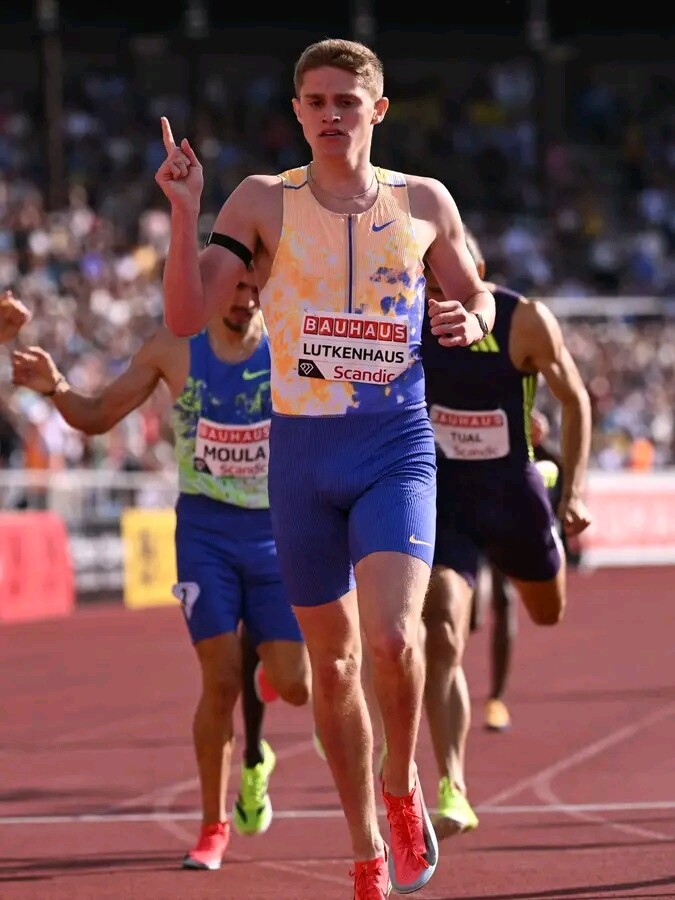
American prodigy Cooper Lutkenhaus arrives in Oslo riding an extraordinary wave of momentum. The 17-year-old has enjoyed a flawless campaign so far, remaining unbeaten over 800 metres while collecting major victories that have elevated his status from promising youngster to genuine international contender. His recent triumph in Stockholm further demonstrated that he possesses not only talent but also the composure required to deliver on the biggest stages.
Yet Oslo presents a challenge unlike any he has faced before.
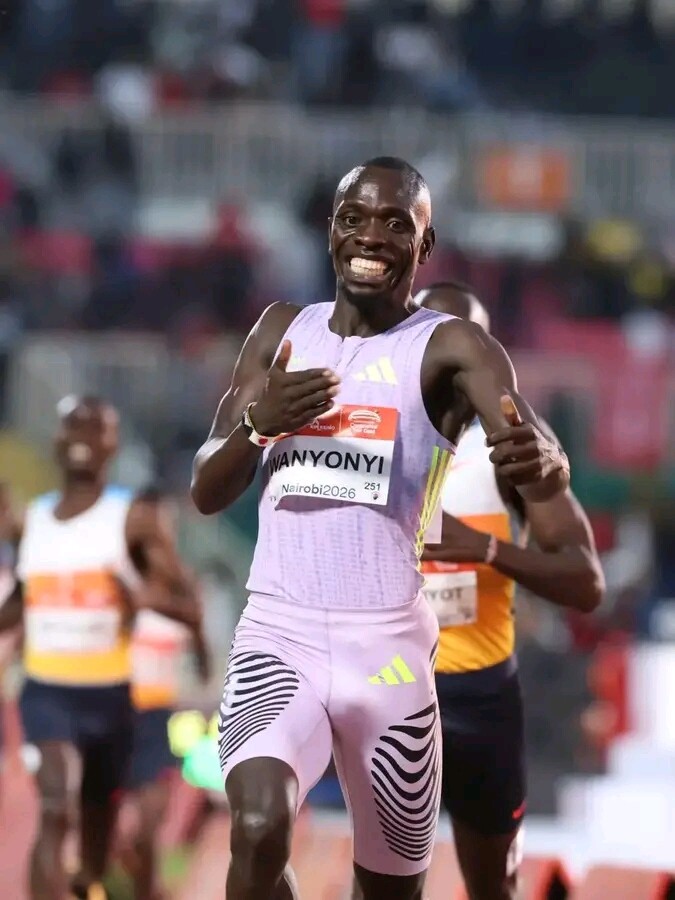
Standing in his way is Kenya’s Emmanuel Wanyonyi, the reigning Olympic and world champion whose dominance has made him the benchmark in global 800-metre running. Wanyonyi has spent the past few seasons establishing himself as the man to beat, combining tactical intelligence, blistering speed and championship experience to consistently outclass some of the world's finest athletes.
For Lutkenhaus, Wednesday’s race offers a rare opportunity to measure himself against the sport’s established elite. While his unbeaten record has captured headlines, facing a champion of Wanyonyi’s calibre is an entirely different test. The Kenyan has repeatedly proven his ability to control races under pressure and produce decisive finishes when titles and victories are on the line.
Adding even more intrigue to the contest is the presence of Marco Arop, one of the strongest 800-metre runners of his generation. Arop’s aggressive racing style and championship pedigree ensure that this will be far more than a two-man battle. With several world-class competitors lining up, the race promises to be a tactical and physical examination from the gun to the finish line.
The matchup symbolizes more than a race for victory. It represents a fascinating clash between youth and experience, ambition and accomplishment. Lutkenhaus carries the excitement of a new generation eager to challenge the established order, while Wanyonyi enters as the proven champion determined to protect his throne.
As the athletes take their marks in Oslo, one question will dominate conversations across the athletics world: can the fearless teenager continue his remarkable rise, or will the reigning king of the 800 metres remind everyone why he remains the standard by which greatness is measured?
Whatever the outcome, fans can expect a spectacular contest worthy of the Diamond League stage, with the possibility of witnessing the next chapter in one of athletics' most compelling emerging rivalries.
by Erick Cheruiyot for My Best Runs.
Login to leave a comment
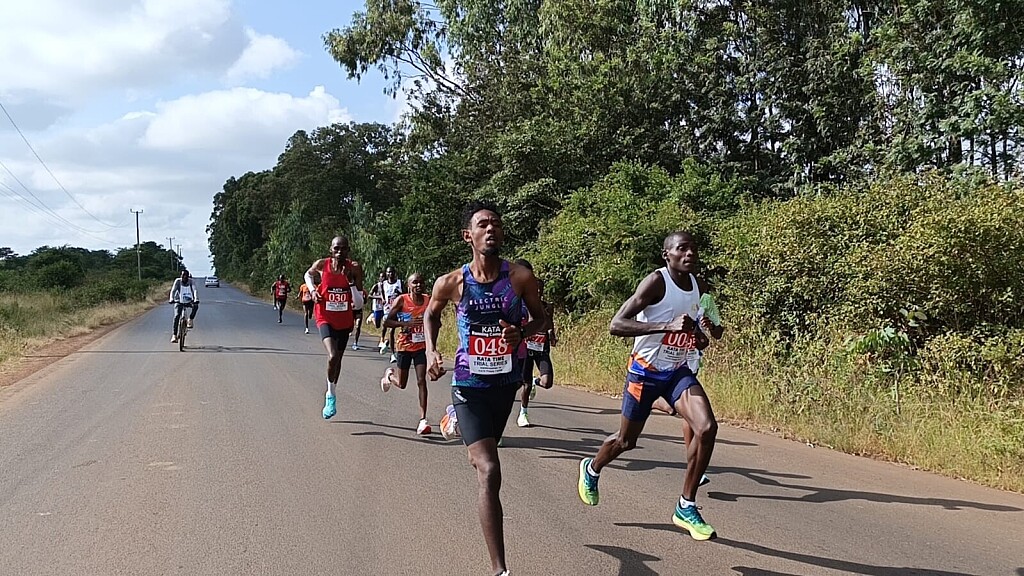
Personal Bests and Promising Performances Highlight the 57th KATA Time Trial Series in Thika
The stopwatch once again took centre stage in Thika as athletes gathered for the 57th edition of the KATA Time Trial Series, an event that continues to serve as one of Kenya's most respected platforms for measuring progress and pursuing excellence.
Held on the familiar roads surrounding the Kenyan Athletics Training Academy (KATA), the latest edition brought together runners at different stages of their athletic journeys, all united by a common objective: to test their fitness, challenge their limits, and chase new personal bests.
As expected, the competition was less about medals and fanfare and more about honest performances against the clock. Every athlete arrived carrying the weight of weeks and months of disciplined training, hoping to see that effort reflected in the final results.
In the men's 5km race, John Ndung'u produced the fastest performance of the day, crossing the line in 15:36. Anthony Kariuki followed in 16:15, while Eugene Nambua secured third place in 17:44. Simon Ngereza completed the leading group with a time of 18:31.
The women's 10km race delivered a closely contested battle at the front. Jane Wanja emerged victorious in 36:16 after a strong and controlled run, holding off Caren Chepkwony, who finished just nine seconds behind in 36:25. The narrow margin highlighted the competitive nature of the race and the determination shown by both athletes throughout the morning.
The deepest field of the day came in the men's 10km event, where several runners produced encouraging performances. John Chege led the standings with an impressive 30:12, demonstrating both strength and consistency over the distance. Charles Wanjora followed in second place with 30:54, while Erick Cheruiyot claimed third in 31:42 after a well-executed effort.
Joel Maina continued the strong pace of the leading pack to finish fourth in 32:26, while Justus Nyamai completed the top five in 33:24. David Mwangi recorded 35:24 for sixth place, followed by Paul Nganga in 35:38. Ewand Niyukiru crossed the line in 36:27, with Charles Ndirangu clocking 37:21 and Brandon Mutugi completing the top ten in 38:31.
KATA Time Trial Series – 57th Edition Results
Thika, Kenya | June 10, 2026
Men's 5km
1. John Ndung'u – 15:36
2. Anthony Kariuki – 16:15
3. Eugene Nambua – 17:44
4. Simon Ngereza – 18:31
Women's 10km
1. Jane Wanja – 36:16
2. Caren Chepkwony – 36:25
Men's 10km
1. John Chege – 30:12
2. Charles Wanjora – 30:54
3. Erick Cheruiyot – 31:42
4. Joel Maina – 32:26
5. Justus Nyamai – 33:24
6. David Mwangi – 35:24
7. Paul Nganga – 35:38
8. Ewand Niyukiru – 36:27
9. Charles Ndirangu – 37:21
10. Brandon Mutugi – 38:31
Beyond the finishing positions, the true success of the KATA Time Trial lies in what the numbers represent. Every result tells a story of early mornings, demanding workouts, sacrifices, and the relentless commitment required to improve in one of the world's most competitive athletics environments.
For some athletes, Wednesday's performances marked confirmation that their training is moving in the right direction. For others, the results provided valuable lessons and clear targets for the weeks ahead. Such is the nature of time trials: they offer an honest assessment of where an athlete stands and where improvement is still needed.
The KATA Time Trial Series has earned its reputation not through spectacle but through consistency. Edition after edition, it provides athletes with a stage to evaluate their progress, sharpen their racing instincts, and build confidence ahead of larger competitions.
As the 57th edition comes to a close, the performances recorded on the roads of Thika serve as another reminder that success in athletics is rarely achieved overnight. It is built through patience, resilience, and the willingness to keep chasing improvement. On this occasion, the clock once again revealed stories of ambition, determination, and the enduring pursuit of personal excellence.
by Erick Cheruiyot for My Best Runs.
Login to leave a comment

KATA Time Trial Series
Welcome to the KATA Monthly Time Trial Held at the Kenyan Athletics Training Academy in Thika, Kenya, the KATA Monthly Time Trial is a unique and inclusive event designed to support runners of all levels in achieving their goals and showcasing their fitness. This event offers both 10K and 5K distances on an accurate, certified course, providing participants with...
more...