

Running News Daily
Running News Daily is edited by Bob Anderson and team. Send your news items to bob@mybestruns.com Advertising opportunities available.
Index to Daily Posts · Sign Up For Updates · Run The World Feed
Articles tagged #Nairobi
Today's Running News
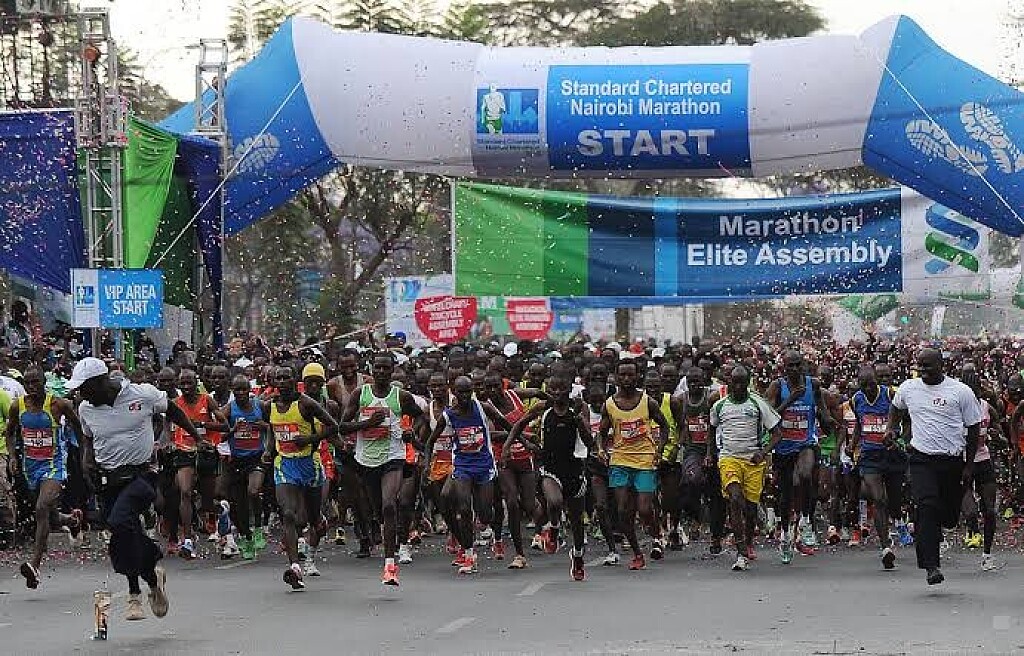


Nairobi Marathon Set for Record-Breaking Edition as 30,700 Runners and KES 273 Million in Support Fuel 2026 Race
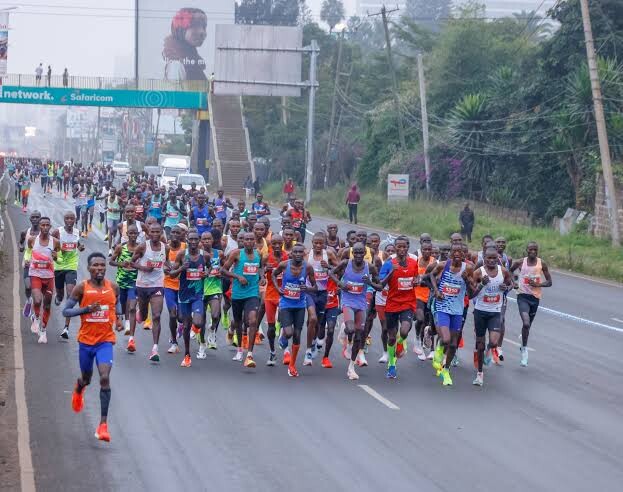
The 2026 Standard Chartered Nairobi Marathon is heading towards its biggest edition yet, with a record 30,700 runners registered and more than 200 elite athletes from 102 nationalities expected to take part in the October 25 race at Uhuru Gardens in Nairobi.
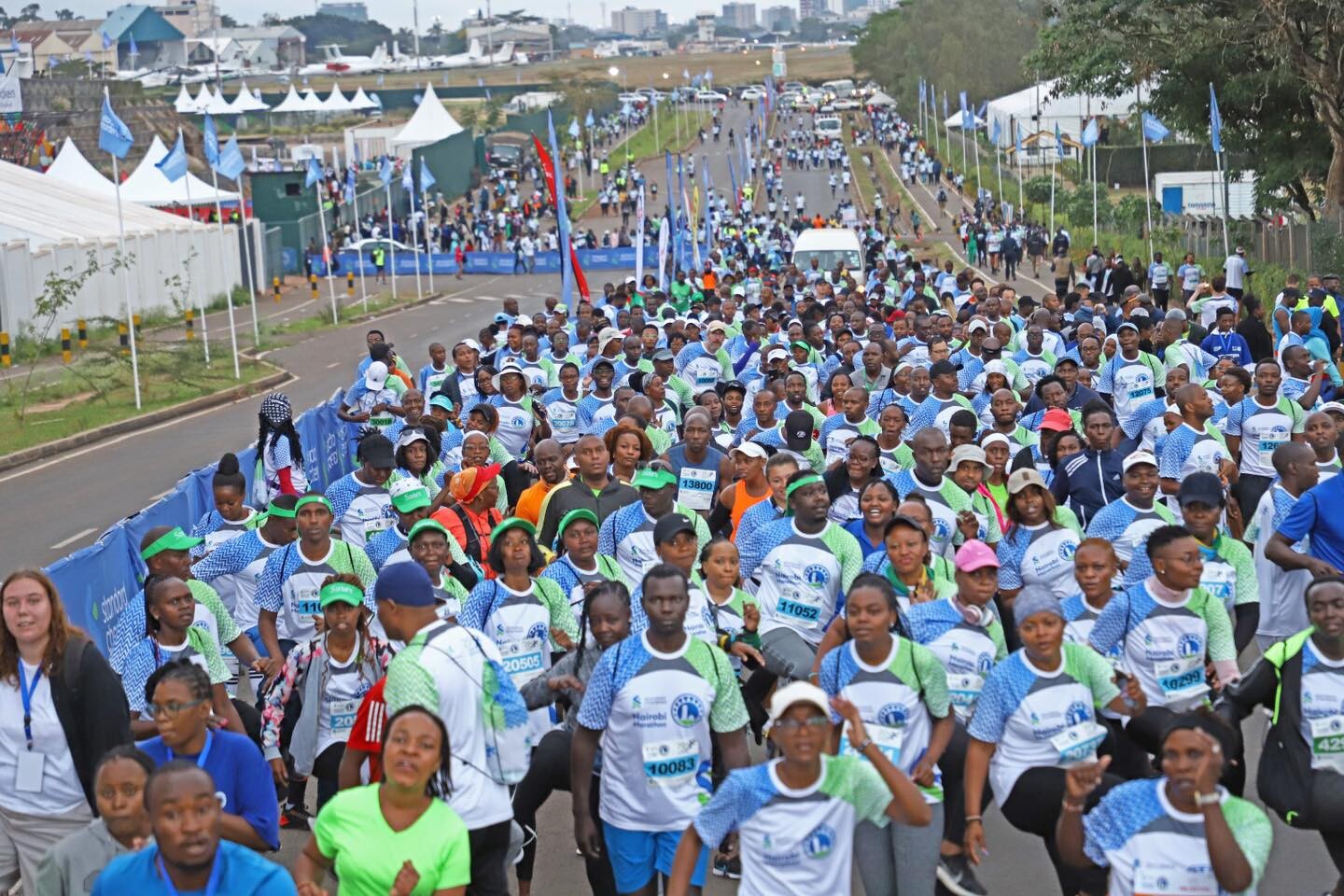
The growing scale of the event has been matched by unprecedented backing from sponsors and partners, with a record KES 273 million committed towards this year’s marathon.
Standard Chartered has contributed KES 130 million, while sponsors have provided a further KES 143 million through cash and in-kind support. The investment is expected to play a key role in delivering a safe, memorable and world-class experience for the more than 30,000 runners expected on the starting line.
The increased support was highlighted during a breakfast appreciation event held for the marathon’s sponsors and partners, recognising their contribution to an event whose influence continues to extend beyond race day.
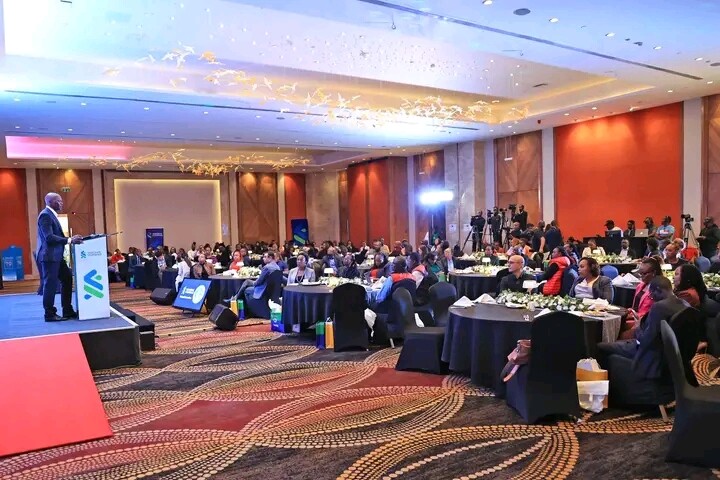
The 2026 edition has attracted 56 sponsors, up from 43 in 2025, representing a 30 per cent increase in the number of supporting partners. The combined sponsorship value is also 17 per cent higher than the KES 233 million secured last year and 58 per cent above the KES 173 million raised in 2024.
Local Organising Committee chairman David Mwindi said the record investment demonstrates the collective commitment behind the marathon and its wider impact.
“This record KES 273 million investment reflects the shared commitment of Standard Chartered and our sponsors to delivering a world-class marathon with lasting impact,” Mwindi said.
On the course, participants will start and finish at Uhuru Gardens, with the route taking runners through the Southern Bypass. The programme will feature the 42-kilometre full marathon, 21-kilometre half marathon and 10-kilometre road race, alongside a 21-kilometre wheelchair race.
The event will also cater for recreational runners and families through the 5-kilometre family fun run, while the CEO Challenge and Corporate Challenge will add another dimension to the day, bringing businesses and their teams into the celebrations.
The presence of more than 200 elite athletes from 102 nationalities is expected to add further international depth to an event already attracting unprecedented mass participation.
With record entries, a larger group of sponsors and KES 273 million in financial and in-kind support, the 2026 Standard Chartered Nairobi Marathon is set to offer more than a day of racing. It is increasingly becoming a platform that brings together elite sport, mass participation, business, community engagement and broader social impact.
As October 25 draws closer, attention will turn to the Kenya's capital for the elite line-ups, the athletes seeking honours across the various distances and the stories that will unfold while thousands of recreational runners prepare to make their own mark on what promises to be a landmark edition of the Standard Chartered Nairobi Marathon.
by Erick Cheruiyot for My Best Runs.
Login to leave a comment

NAIROBI MARATHON
Nairobi Marathon is an annual road running competition over the marathon distance held in October in Nairobi, Kenya. First held in 2003, the competition expanded and now includes a half marathon race along with the main race. It was part of "The Greatest Race on Earth", fully sponsored by Standard Chartered Bank....
more...
Nairobi 2029: Kenya Wins Historic Bid to Bring World Athletics Championships to Africa
Africa finally has its moment. Kenya has won the race to host the 2029 World Athletics Championships, turning years of ambition into a landmark reality for the continent.
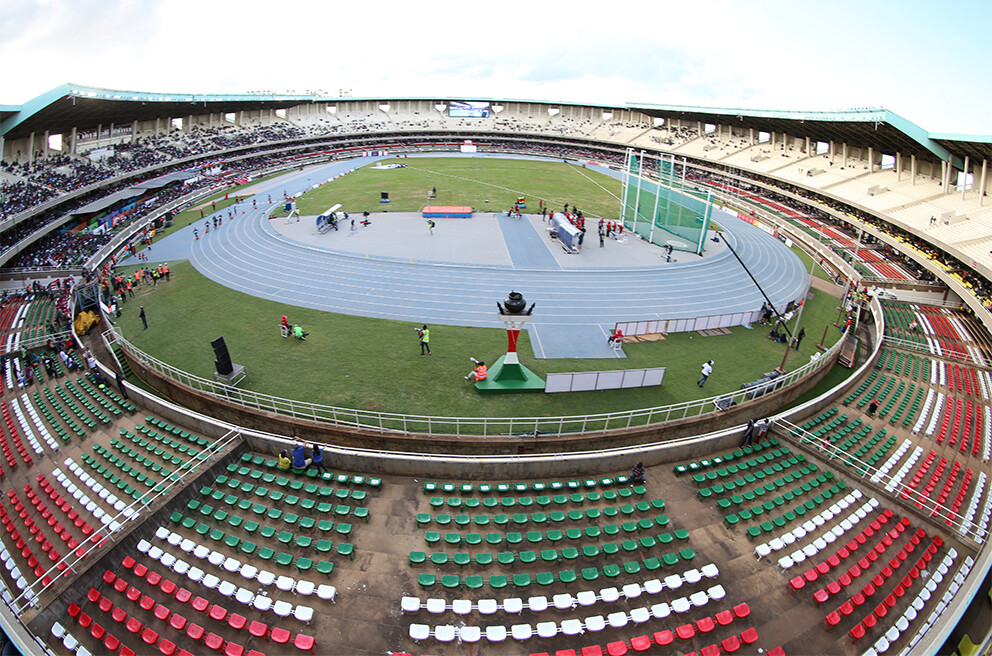
In a historic decision announced in Budapest, Nairobi has been selected to host the 2029 World Athletics Championships, making Kenya the first African nation to stage the senior global track and field championships.
World Athletics confirmed that Nairobi and Munich have been selected to host the 2029 and 2031 World Athletics Championships respectively, following what the governing body described as one of the strongest bidding processes in the history of its flagship event.
For Kenya, the announcement represents far more than a successful hosting bid. It is the latest chapter in a remarkable athletics story built over generations.
The Kenyan capital overcame strong competition from London, Rome and Munich to secure the 2029 edition, bringing the world's biggest senior athletics championship to African soil for the first time.

The championship will be staged at the Moi International Sports Centre, Kasarani, in Nairobi, giving Kenya the opportunity to welcome the world's greatest athletes to a country that has produced countless champions of its own.
For generations, Kenya has established itself as one of the most influential nations in global athletics.
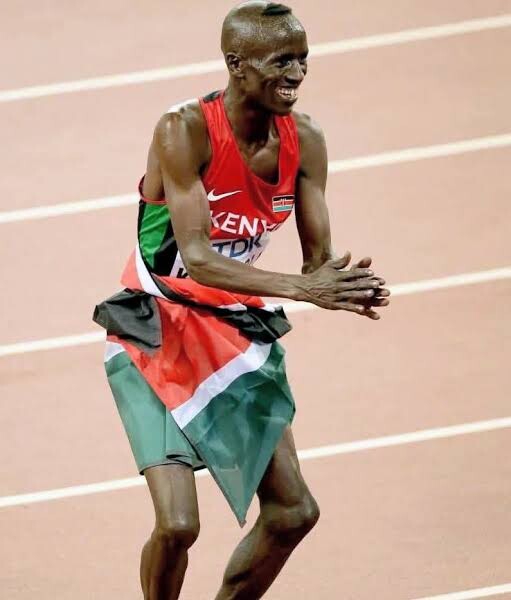
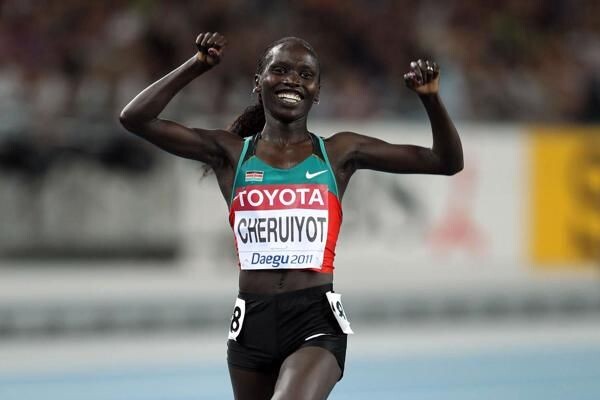
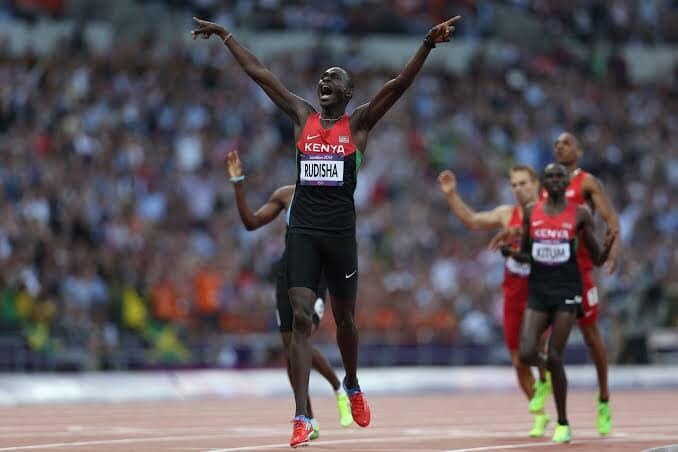
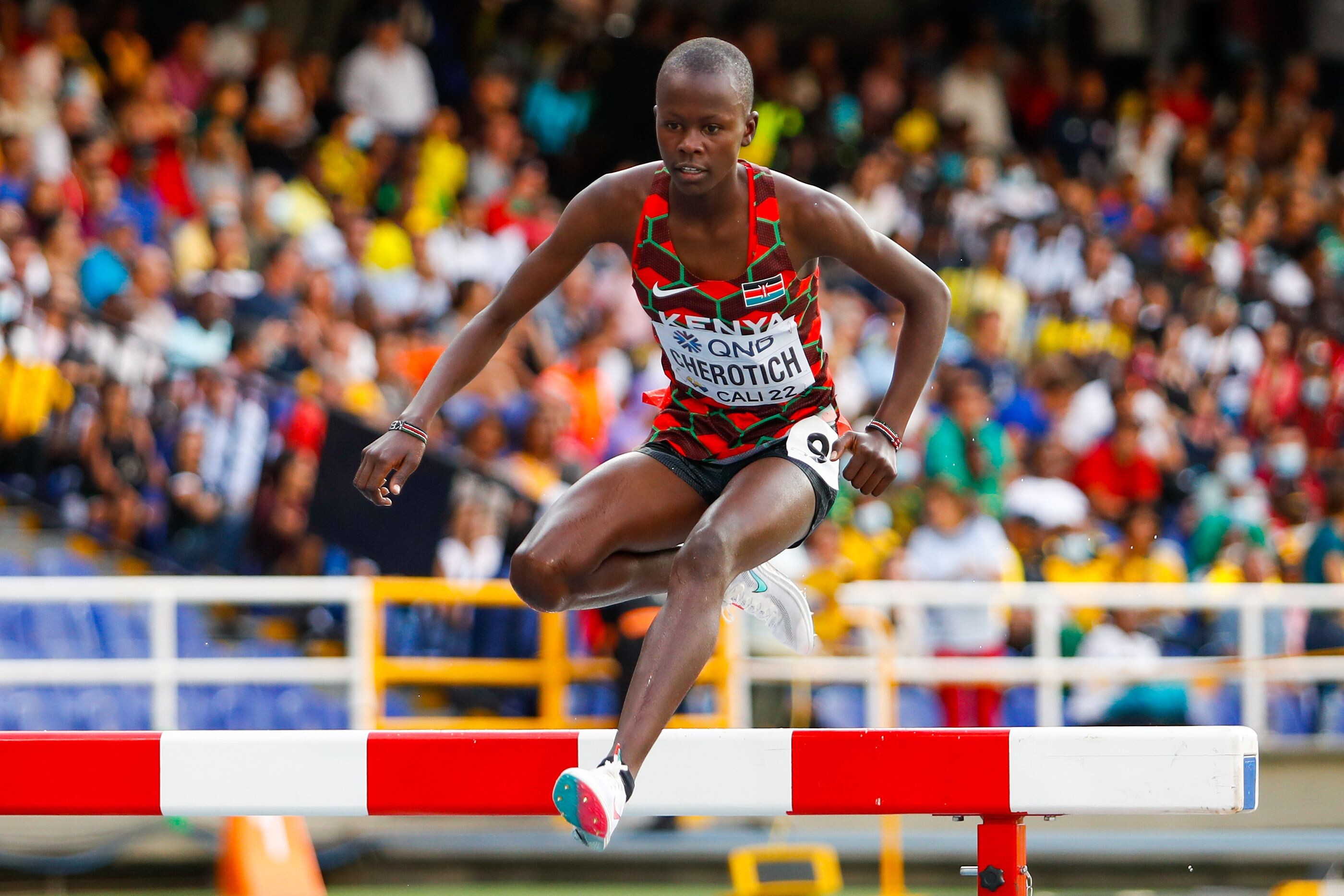
From pioneering Olympic champion Kipchoge Keino and distance-running legend Tegla Loroupe among others to modern icons such as Eliud Kipchoge, Faith Kipyegon, David Rudisha, Faith Cherotich, Vivian Cheruiyot and Ezekiel Kemboi among others. Kenyan athletes have repeatedly conquered the world's biggest stages.
Their Olympic victories, world titles, records and unforgettable performances have made Kenya one of the most recognizable names in track and field.
But Kenya's athletics identity extends far beyond medals.
Running is deeply rooted in communities across the country, while the high-altitude training regions of the Rift Valley have become synonymous with the development of world-class distance runners. Behind the champions are coaches, families, training partners and communities that have helped create an athletics culture admired around the world.
Now, for the first time, that culture will become the backdrop for the sport's biggest senior global championship.
Nairobi 2029 will be historic before the first race even begins.
Kasarani, already an important venue in Kenya's sporting history, will take center stage as athletes from across the globe descend on Nairobi in pursuit of world titles.
For Kenyan fans, the opportunity to watch the world's greatest sprinters, middle-distance runners, distance stars, hurdlers, field-event athletes and relay teams compete on home soil will be extraordinary.
For the country's next generation of athletes, the impact could be even greater.
Young runners who have grown up watching Kenyan champions compete around the world will now have the chance to experience a World Championships in their own country. The sight of the world's best athletes competing at Kasarani could inspire a new generation to believe that they, too, can reach the highest levels of the sport.
The significance, however, stretches well beyond Kenya's borders.
Africa has produced generation after generation of Olympic champions, world champions and global athletics icons. From Kenya and Ethiopia to Uganda, Morocco, South Africa and numerous other nations, African athletes have played a central role in shaping the history of track and field.
Yet the continent had never hosted the senior World Athletics Championships.
Nairobi 2029 changes that forever.
The successful Kenyan bid therefore represents a major breakthrough for African athletics and a powerful recognition of the continent's contribution to the sport.
World Athletics' decision also secures the future of the championships beyond Nairobi. Munich will host the 2031 World Athletics Championships, creating a two-edition sequence that will see the global showpiece move from Africa to Germany.
But the spotlight now belongs to Nairobi.
The announcement in Budapest has transformed what was once an ambitious bid into a confirmed date with history.
In 2029, Kenya will not simply send athletes to compete for world titles.
Kenya will welcome the world.
It will be a celebration of the pioneers who laid the foundation, the champions who carried the country's name across the globe and the young athletes who represent the future of African athletics.
After decades of producing champions for the world, Kenya will finally have the opportunity to bring the world's greatest athletics stars into its own backyard.
For Africa, this is more than a hosting victory.
It is a breakthrough. It is recognition. It is a new chapter.
And when the athletes walk into Kasarani for the 2029 World Athletics Championships, they will be stepping into a moment that will belong not only to Kenya, but to an entire continent.
NAIROBI 2029 — THE WORLD IS COMING TO AFRICA.
by Erick Cheruiyot for My Best Runs.
Login to leave a comment

Nairobi 2029: Could Kenya Finally Bring the World Athletics Championships to Africa?
Tomorrow could be a defining day for Kenyan athletics — and potentially for the entire African continent.

The World Athletics Council is expected to announce the host of the 2029 World Athletics Championships, with Nairobi's bid carrying the hopes of a continent that has produced generations of extraordinary athletes but has never staged the senior global championships.
For Kenya, the moment could represent the culmination of decades of dominance, sacrifice and achievement on the international athletics stage.
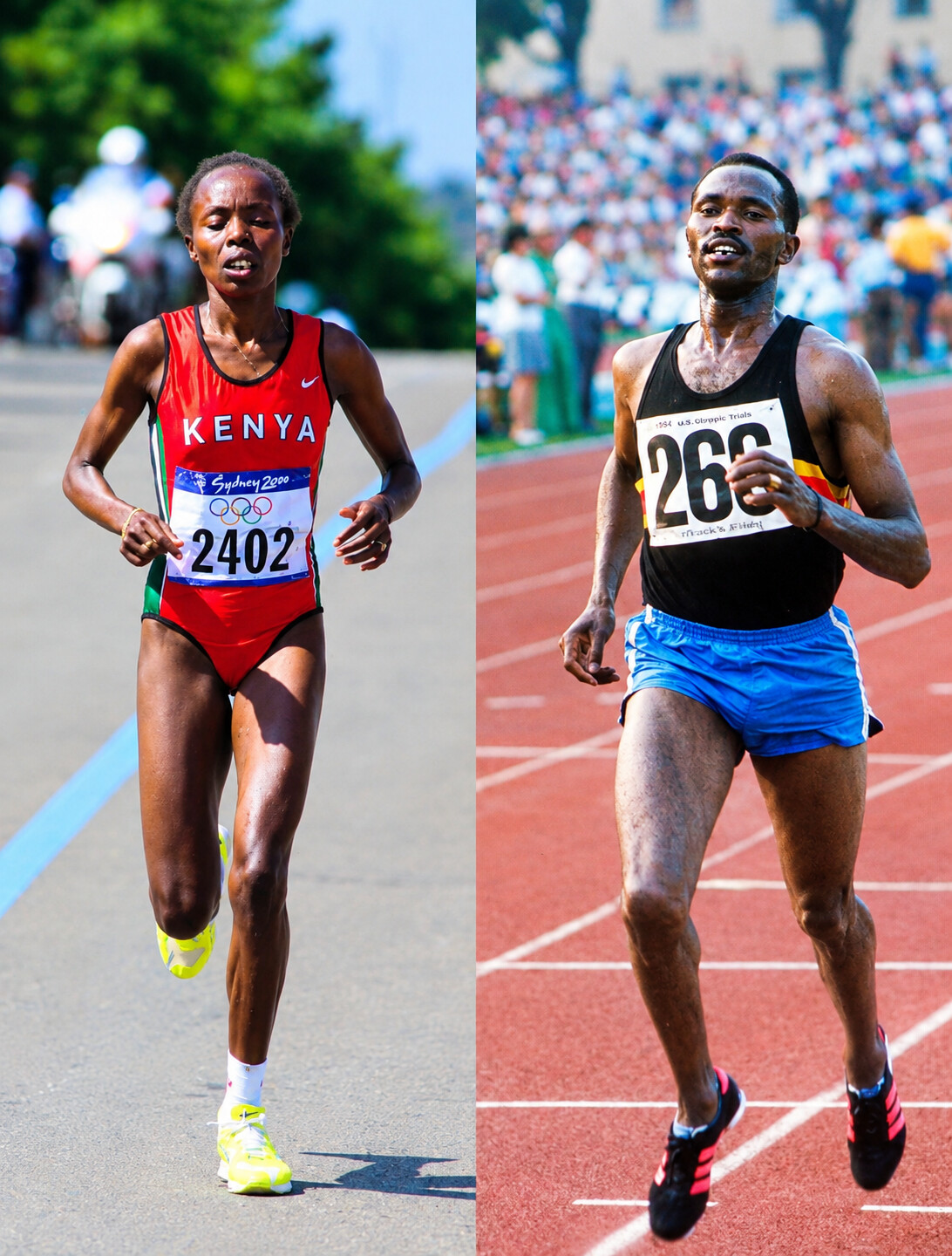
For generations, Kenya has built one of the most remarkable traditions in track and field. From pioneering legends such as Kipchoge Keino and Tegla Loroupe to modern icons including Eliud Kipchoge, Faith Kipyegon, David Rudisha, Sebastian Sawe, Beatrice Chebet and Ezekiel Kemboi among others. Kenyan athletes have repeatedly stood on the biggest stages in world sport.
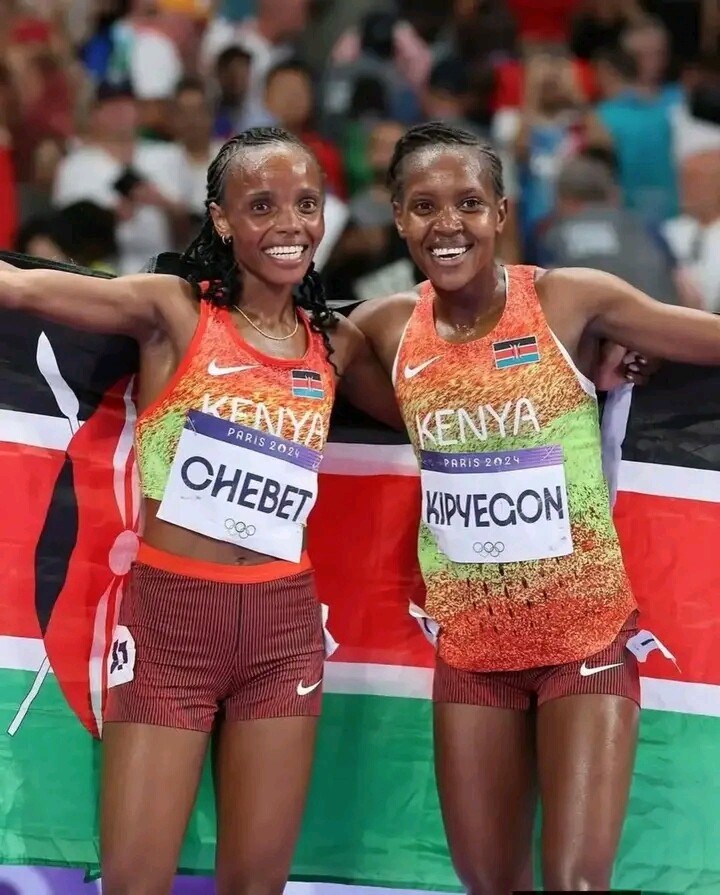
Their achievements have helped make Kenya one of the most respected names in global athletics. Olympic triumphs, world titles, records and unforgettable performances have carried the country's name across every corner of the sporting world.
But Kenya's relationship with athletics extends far beyond its medal collection.
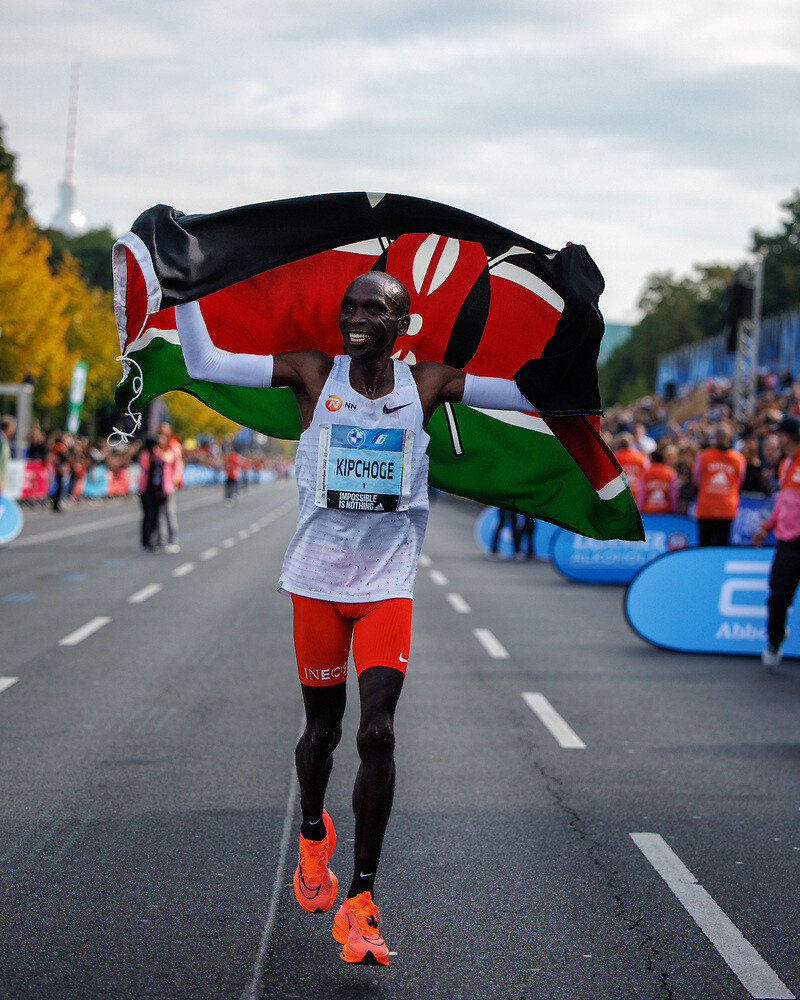
Running is deeply rooted in communities throughout the country, while the high-altitude training environments of the Rift Valley have become famous worldwide for producing elite distance runners. Behind every champion is a network of coaches, families, training partners and communities that have helped sustain Kenya's extraordinary athletics culture.
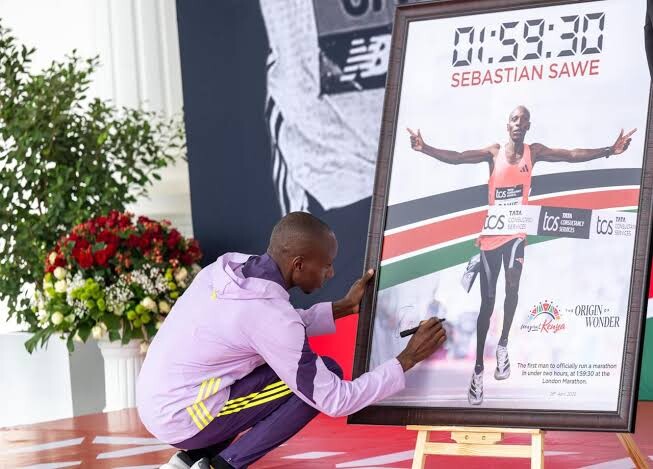
Now Nairobi is seeking to bring the world's biggest track and field championship to the country where so many champions have been produced.
The proposed centerpiece of Kenya's bid is Moi International Sports Centre, Kasarani, a venue already deeply connected to Kenyan athletics. If the bid succeeds, Kasarani could become the stage where the world's finest athletes gather in 2029 to compete for global titles.
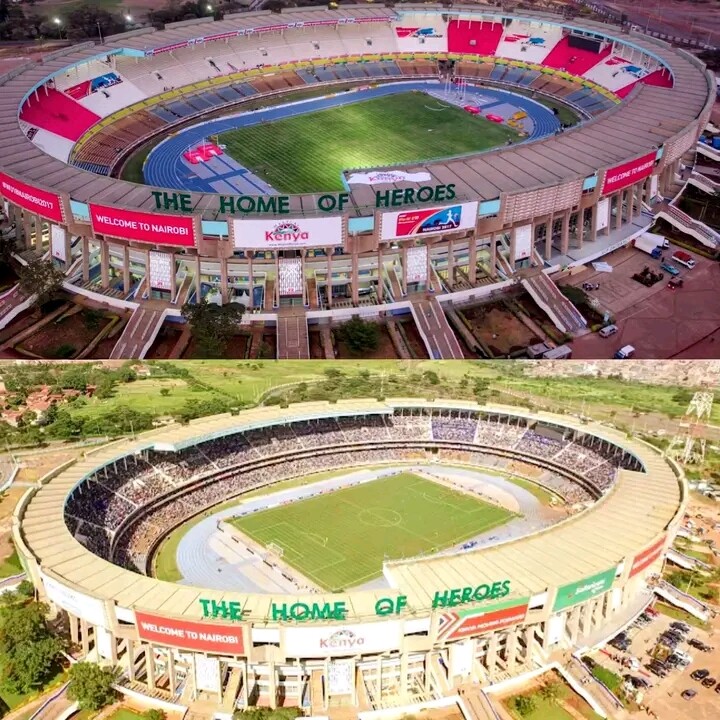
And the significance would extend far beyond Kenya.
Africa has produced some of the greatest athletes in athletics history, yet the continent has never hosted the World Athletics Championships. Nairobi's bid could change that.
Kenya's proposal is therefore not simply about staging another major sporting competition. It represents an opportunity to bring the championships to African soil for the first time and introduce millions of international fans to the continent's remarkable athletics culture.
However, Nairobi is facing formidable competition.
Kenya's bid is competing against proposals from London, Rome and Munich, three European cities with established sporting traditions and significant experience hosting major international competitions.
That sets up a fascinating choice for World Athletics.
Will the organization take the championships to a continent that has never hosted the event, creating a historic first for Africa? Or will the competition return to one of Europe's traditional athletics powerhouses?
For Nairobi, the stakes could hardly be higher.
A successful bid would give Kenyan athletes the opportunity to compete at a World Championships in front of their home supporters. It would give young runners across the country the chance to watch the world's best athletes compete in their own backyard. And it would place Kenya's extraordinary athletics heritage at the center of global attention.
It could also provide an opportunity to celebrate the champions who came before — athletes whose achievements helped establish Kenya as an athletics superpower — while inspiring the generation that will carry that legacy forward.
Imagine Kasarani filled with thousands of passionate supporters, the world's best athletes arriving in Nairobi, and Kenyan stars stepping onto the track knowing that the biggest championship in their sport is being staged on home soil.
For a country whose identity is so closely intertwined with running, it would be a remarkable sight.
And for Africa, it could be a moment of enormous symbolic importance.
Tomorrow, Kenya — and Africa — could hear its name called.
One decision. One host. One opportunity to make history.
If Nairobi is chosen, the story would not simply be about Kenya winning a bid. It would be about Africa finally welcoming the World Athletics Championships to its own soil.
It would be a celebration of the pioneers, the champions, the coaches, the communities and the generations of athletes who have helped make African athletics a global force.
And perhaps the headline of 2029 would already be waiting:
Kenya, the home of champions, has finally brought the world to its own backyard.
Nairobi 2029 — could this finally be Africa's moment?
by Erick Cheruiyot for My Best Runs.
Login to leave a comment
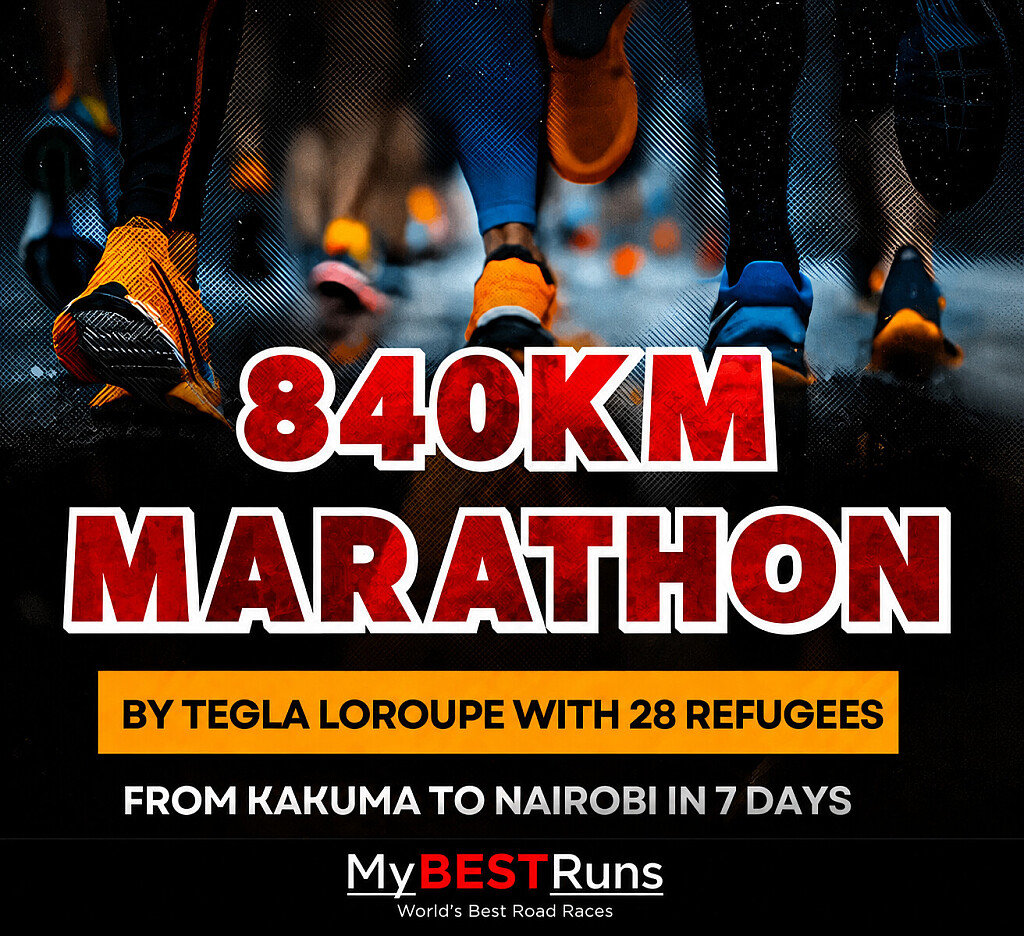
Tegla Loroupe Embarks On 840-Kilometre Peace Run From Kakuma To Nairobi
Ambassador Tegla Chepkite Loroupe has embarked on an extraordinary 840-kilometre run from Kakuma Refugee Camp in Turkana County to Uhuru Park in Nairobi, turning a seven-day endurance challenge into a powerful campaign for peace, education, inclusion and greater awareness of the experiences and aspirations of refugees.
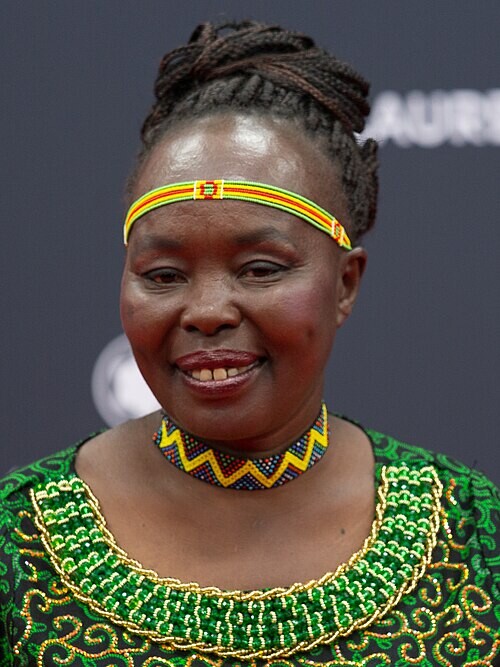
Loroupe is undertaking the journey alongside 28 refugees, with the initiative designed to shine a light on the challenges facing refugee communities in Kakuma and Dadaab while promoting stronger relationships between refugees and their host communities.
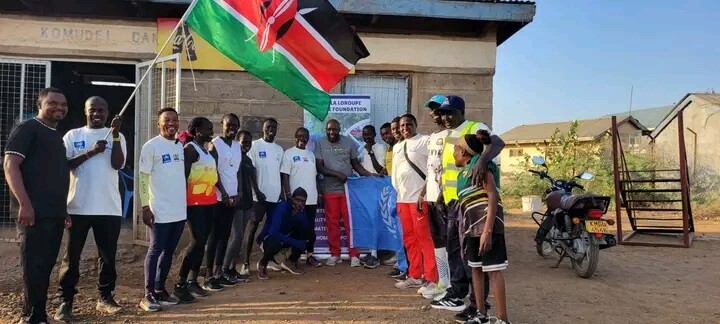
For Loroupe, the run represents far more than a test of endurance. It is an extension of a mission she has pursued for years—using sport as a platform to promote peace, opportunity, education and inclusion for people whose lives have been affected by displacement.
Reflecting on the early days of advocating for refugee inclusion in sport and development, Loroupe said it was deeply meaningful to see Yiech Pur Biel continue that mission. Biel, who grew up in Kakuma Refugee Camp and went on to represent the Refugee Olympic Team, will lead the team at the Youth Olympic Games in Senegal this year.

“Reflecting on the early days of advocating for refugee inclusion in sports and development, it means so much to see Yiech Pur Biel carry that mission forward — this year, he’ll lead the Refugee Olympic Team at the Youth Olympic Games in Senegal. I’m taking on an 840km journey over seven days, running from Kakuma Refugee Camp to Uhuru Park in Nairobi alongside 28 refugees. Every kilometre of this run is a reminder: displacement doesn’t have to mean the end of a dream. Everyone deserves the chance to pursue theirs,” Amb. Tegla Loroupe said.
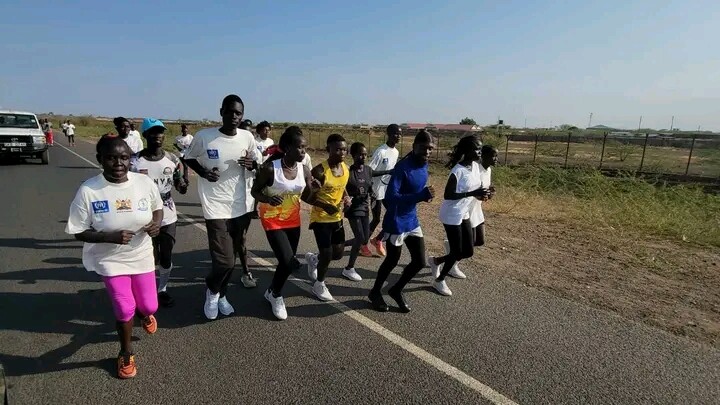
The message captures the heart of the initiative. By running alongside refugees rather than simply speaking about their experiences, Loroupe is seeking to bring their stories, ambitions and hopes closer to the national conversation.
Her journey also reflects the remarkable transformation of her own life from elite athlete to global advocate. Born on 9 May 1973, Loroupe established herself as one of Kenya’s most accomplished long-distance runners before devoting much of her influence to peacebuilding, education, women's rights and humanitarian causes.
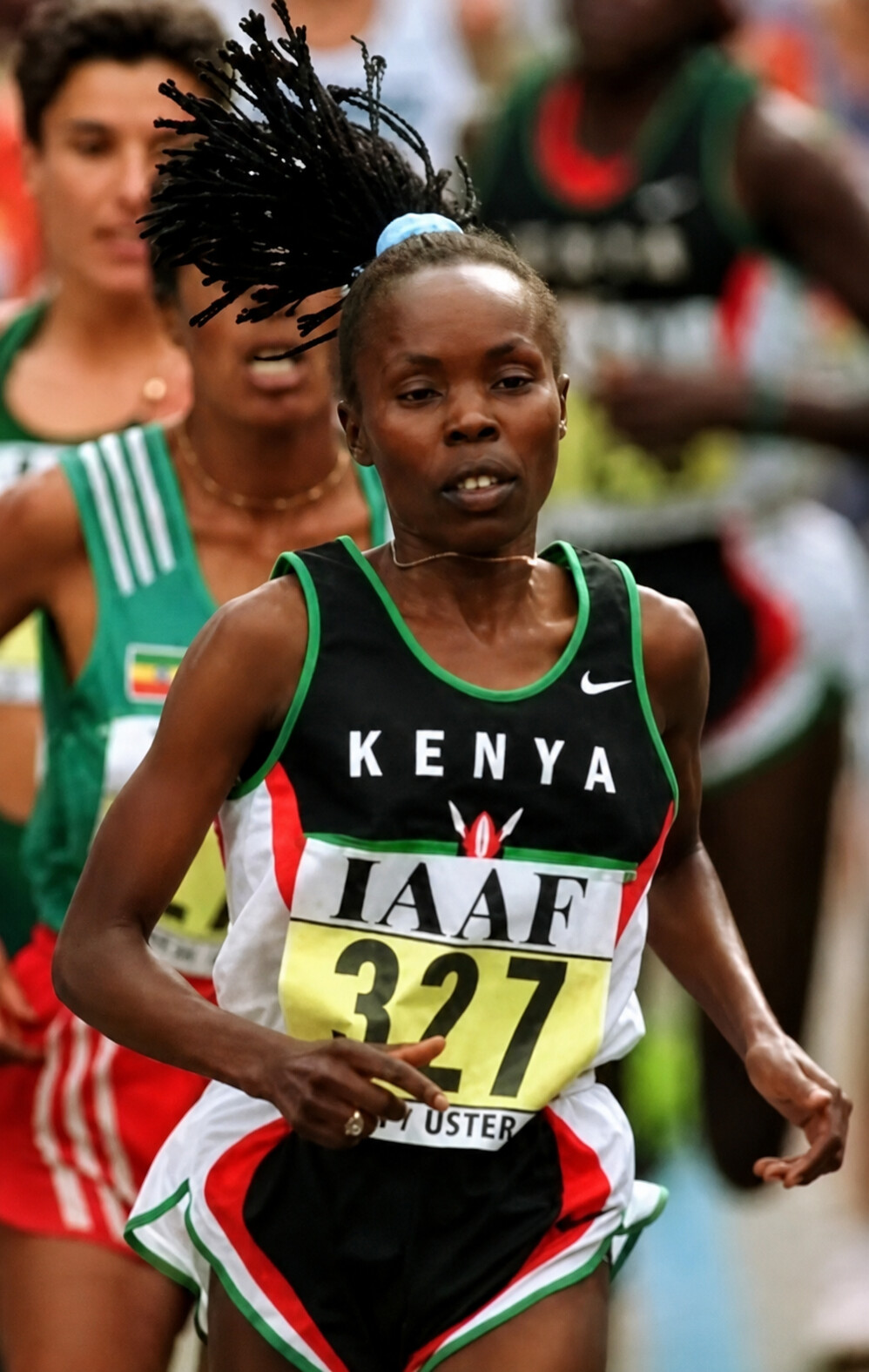
During her illustrious career, she held world records over 25 and 30 kilometres and became the first African woman to hold the women's marathon world record. She also became a three-time world half-marathon champion and made history as the first African woman to win the New York City Marathon, claiming the prestigious race twice.
Her victories extended to several of the world's major marathons, including London, Rotterdam, Hong Kong, Berlin and Rome, cementing her reputation as one of the outstanding distance runners of her generation.
Yet Loroupe's influence today extends well beyond her achievements on the road. Through the Tegla Loroupe Peace Foundation and other initiatives, she has continued to champion peaceful coexistence and opportunities for communities affected by conflict and displacement.
The 840-kilometre journey now gives that mission a physical form. From Kakuma to Nairobi, every kilometre is intended to carry a message of hope while drawing attention to the potential of refugees when they are given access to education, sport, opportunity and a supportive community.
The participation of 28 refugees makes the journey even more significant. Their presence transforms the run from a symbolic campaign into a collective expression of resilience, allowing those directly affected by displacement to become part of the story being told.
As Loroupe and her fellow runners make their way towards Uhuru Park over seven days, the distance will inevitably test their physical strength. But the greater purpose lies beyond the finish line: reminding Kenya and the wider world that being displaced does not mean being without dreams.
For Loroupe, every stride is therefore a statement of possibility—a call for peace, inclusion and education, and a powerful reminder that with the right opportunities, refugees can move beyond survival and pursue the futures they envision.
by Erick Cheruiyot for My Best Runs.
Login to leave a comment

Nairobi Makes History the Prize as Kenya Bids to Bring 2029 World Athletics Championships to Africa
Nairobi has formally entered the race to host the 2029 World Athletics Championships, placing Kenya at the centre of a historic contest that could bring the sport’s premier global track and field event to African soil for the first time.
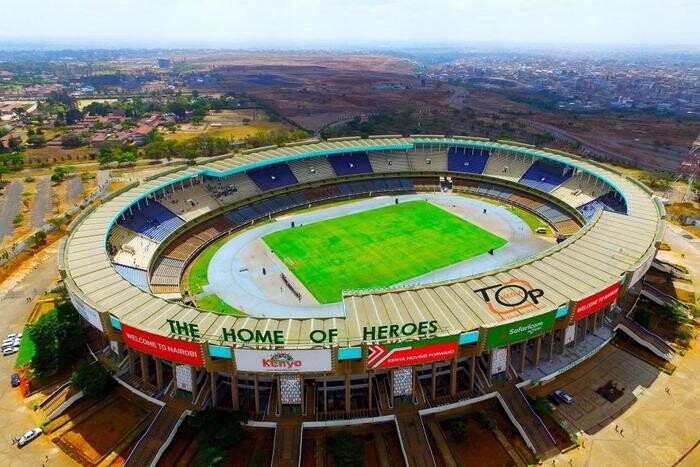
Nairobi has formally submitted its bid to host the 2029 World Athletics Championships, with the Kenyan capital facing competition from London, Rome and Munich. Four cities are now in contention for one historic decision, with World Athletics expected to announce the successful host after the inaugural World Athletics Ultimate Championships conclude in Budapest next month.
For Nairobi, however, this is about far more than securing another major sporting event. A successful bid would break a decades-long geographical barrier: despite Africa’s enormous influence on global athletics, the World Athletics Championships have never been staged on the continent.

A Nairobi victory would bring the World Athletics Championships to Africa for the first time in the event’s 50-year history and stage the global showpiece at an altitude of approximately 1,800 metres. The proposed venue is Moi International Sports Center Kasarani Stadium, which has a capacity of 48,063, while the Kenyan government has committed full backing for infrastructure, security and event delivery. Kenya’s athletics credentials are equally compelling, with 17 current world records and 72 World Championships gold medals, making it the second-most successful nation in championship history.
The significance of Nairobi’s bid is amplified by Kenya’s extraordinary place in the history of the sport. The country has produced generations of world-class distance runners and currently holds 17 recognised world records across middle- and long-distance events.

Kenya is also the second-most successful nation in World Athletics Championships history by gold medals, with 72 titles after the 2025 edition. At the Tokyo 2025 championships, Kenya claimed five gold medals, including victories by Beatrice Chebet in the 5,000m and 10,000m.
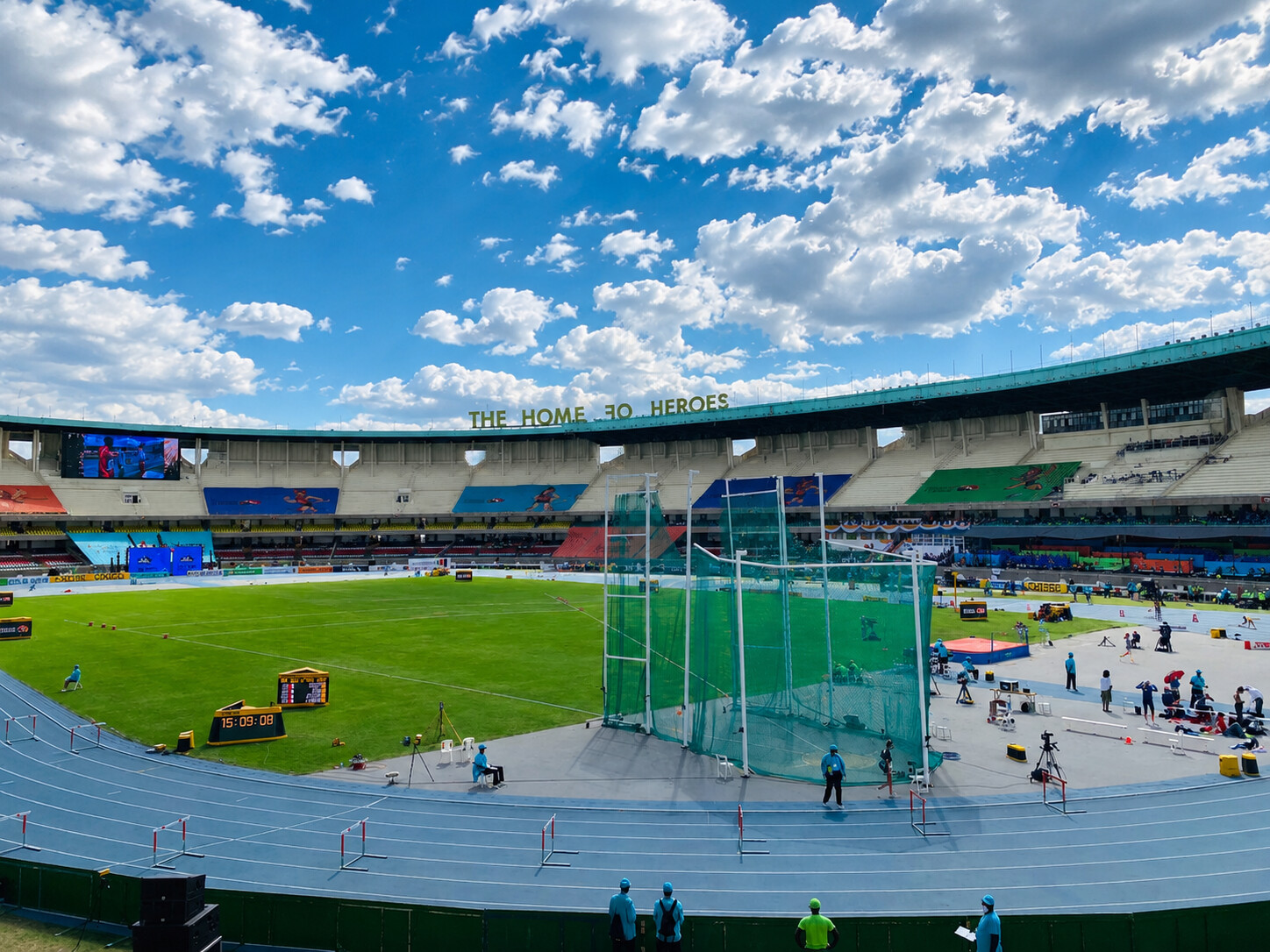
The country also has recent experience staging major international athletics competitions. Nairobi hosted the 2017 World U18 Championships and the 2021 World U20 Championships, while Kenya previously staged the 2007 World Cross Country Championships in Mombasa and the 2010 African Athletics Championships in Nairobi.
A Nairobi victory would therefore carry a powerful symbolism: the athletes who have helped define modern distance running on African soil could finally compete for world titles at home, in front of a Kenyan crowd.
The competition, however, will be formidable. London is seeking a return to the city that hosted the highly successful 2017 World Championships, while Rome and Munich bring their own strong European sporting traditions and established event infrastructure.
Yet Nairobi offers something none of its rivals can match — the opportunity to open an entirely new chapter in the history of the championships.
The World Athletics Championships have travelled across Europe, Asia, North America and the Middle East, but Africa has remained the missing continent on the event’s hosting map. Kenya’s bid seeks to change that.
With the formal bid now submitted and the final presentation and defence completed, Nairobi’s campaign enters its decisive phase. September will determine whether the championships finally make their long-awaited debut on African soil.
Four cities. One host. One potentially historic decision.
In September, World Athletics will decide whether the world’s greatest track and field athletes will converge on Nairobi in 2029 — and whether Africa will finally get its moment on the biggest stage of all.
by Erick Cheruiyot for My Best Runs.
Login to leave a comment

London Takes a Giant Leap Toward Hosting the 2029 World Athletics Championships
London has taken a major step toward welcoming the world's best athletes once again after Athletic Ventures officially submitted its final bid to host the 2029 World Athletics Championships.
The bid, finalized on August 6, 2026, represents the culmination of months of planning by Athletic Ventures—a partnership between UK Athletics, London Marathon Events, and the Great Run Company. Together, the organizations are seeking to bring the world's premier athletics event back to the British capital and its iconic London Stadium.
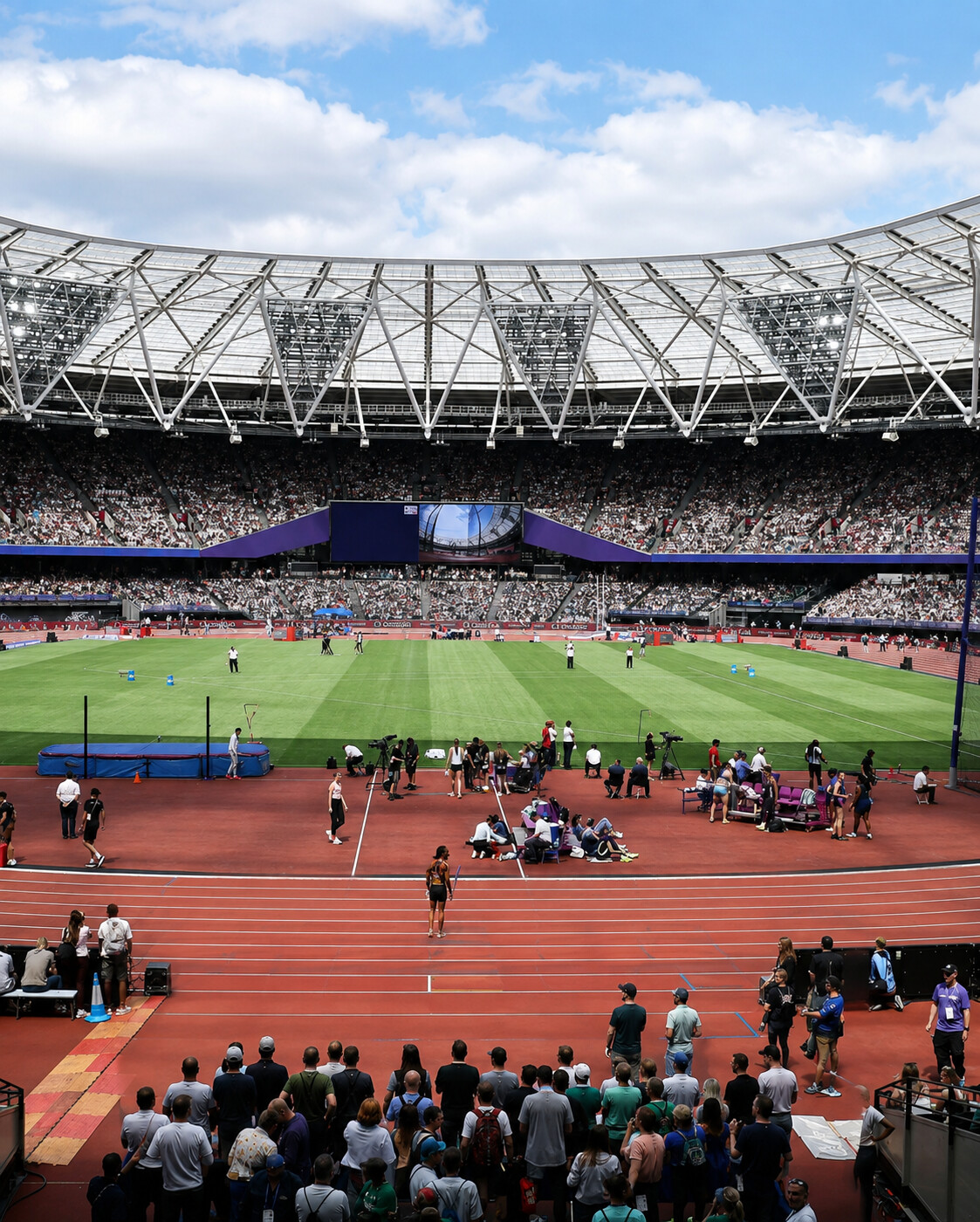
The campaign gathered significant momentum after UK Athletics and its partners secured a landmark agreement with West Ham United and London Stadium LLP, resolving earlier scheduling concerns and officially confirming London Stadium as the proposed championship venue. The agreement removes one of the biggest obstacles facing the bid and reinforces London's readiness to stage another world-class event.
London Stadium remains one of athletics' most celebrated arenas. Originally built as the centerpiece of the 2012 Olympic Games, the venue successfully hosted the 2017 World Athletics Championships, producing packed crowds, unforgettable performances, and one of the most vibrant atmospheres the sport has witnessed. That proven legacy has become a cornerstone of London's latest campaign.

The bid has also received strong financial backing, with £45 million (approximately $61 million) in public funding committed by the UK Government and the Mayor of London. Organizers believe the investment will help deliver a championship capable of setting new standards both on and off the track.
Beyond elite competition, the proposed championships are expected to leave a lasting legacy. Bid organizers estimate the event could generate more than £400 million in economic and social benefits through tourism, job creation, business opportunities, and community engagement. Plans also include major mass-participation running events designed to inspire people of all ages to embrace athletics and healthy lifestyles.
For British athletics, hosting the championships would provide a powerful platform to inspire the next generation of athletes while reaffirming London's status as one of the world's leading destinations for global sporting events. With world-class infrastructure, experienced organizers, and passionate fans, the city believes it has all the ingredients to deliver another memorable edition of the championships.
Attention now turns to the final decision. World Athletics is expected to announce the successful host city in September 2026, with London facing strong competition from Rome, Munich, and Nairobi in the race to stage the 2029 championships.
As anticipation builds, athletics fans around the world will soon discover which city will earn the privilege of hosting the sport's biggest global gathering. If successful, London would once again become the heartbeat of world athletics, offering another spectacular stage where history can be written.
Who do you think deserves to host the 2029 World Athletics Championships—London, Rome, Munich, or Nairobi?
by Erick Cheruiyot for My Best Runs.
Login to leave a comment
Kenya’s Road to Glasgow Begins as National Championships Ignite at Nyayo Stadium
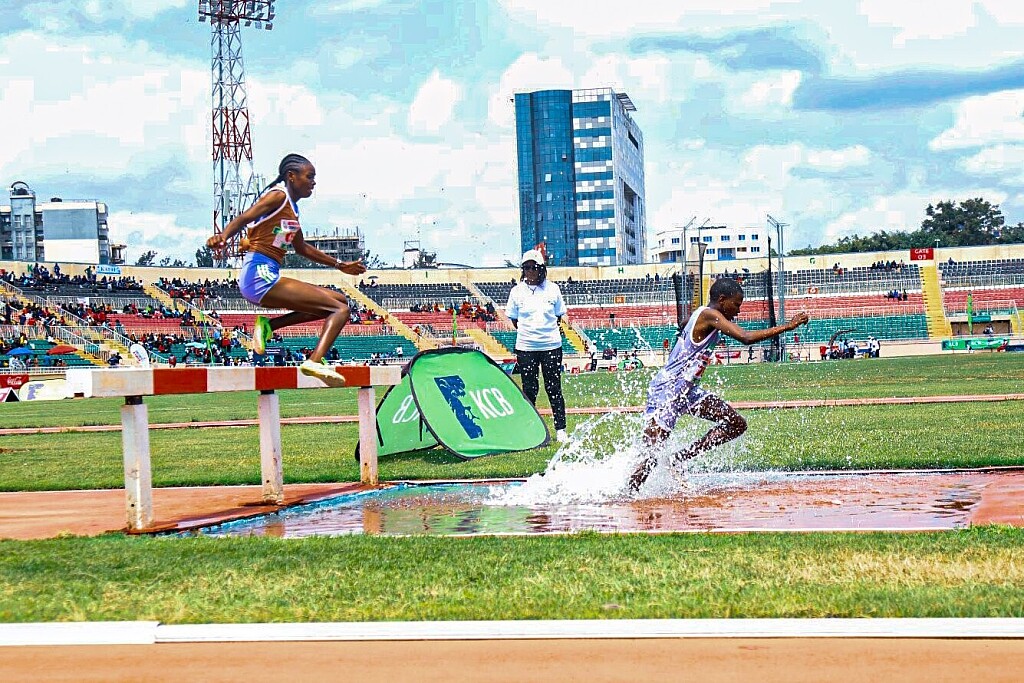
The journey to the 2026 Commonwealth Games gathered momentum on Thursday as Kenya's National Athletics Championships and Commonwealth Games Trials officially got underway at Nyayo National Stadium in Nairobi, setting the stage for a thrilling battle for national honours and international qualification.
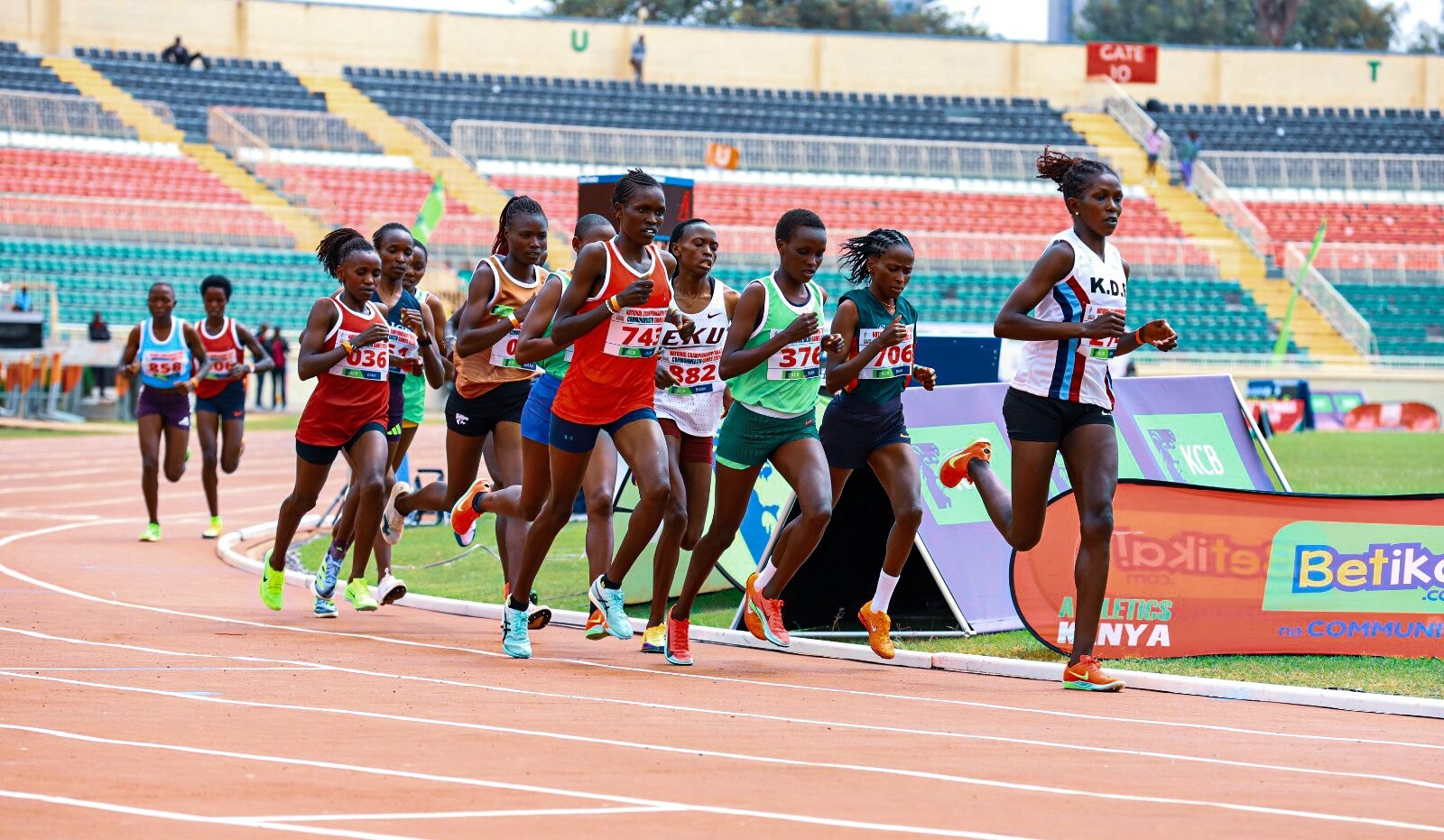
With coveted spots on Team Kenya up for grabs, the country's top athletes descended on the historic venue determined to make their mark. From established stars seeking to reaffirm their dominance to emerging talents chasing breakthrough performances, the opening day delivered the intensity and excitement expected of a championship carrying such high stakes.
Athletes across the track and field programme competed not only for national titles but also for the opportunity to secure selection for Glasgow, where Kenya will once again aim to showcase its rich athletics tradition on the Commonwealth stage.
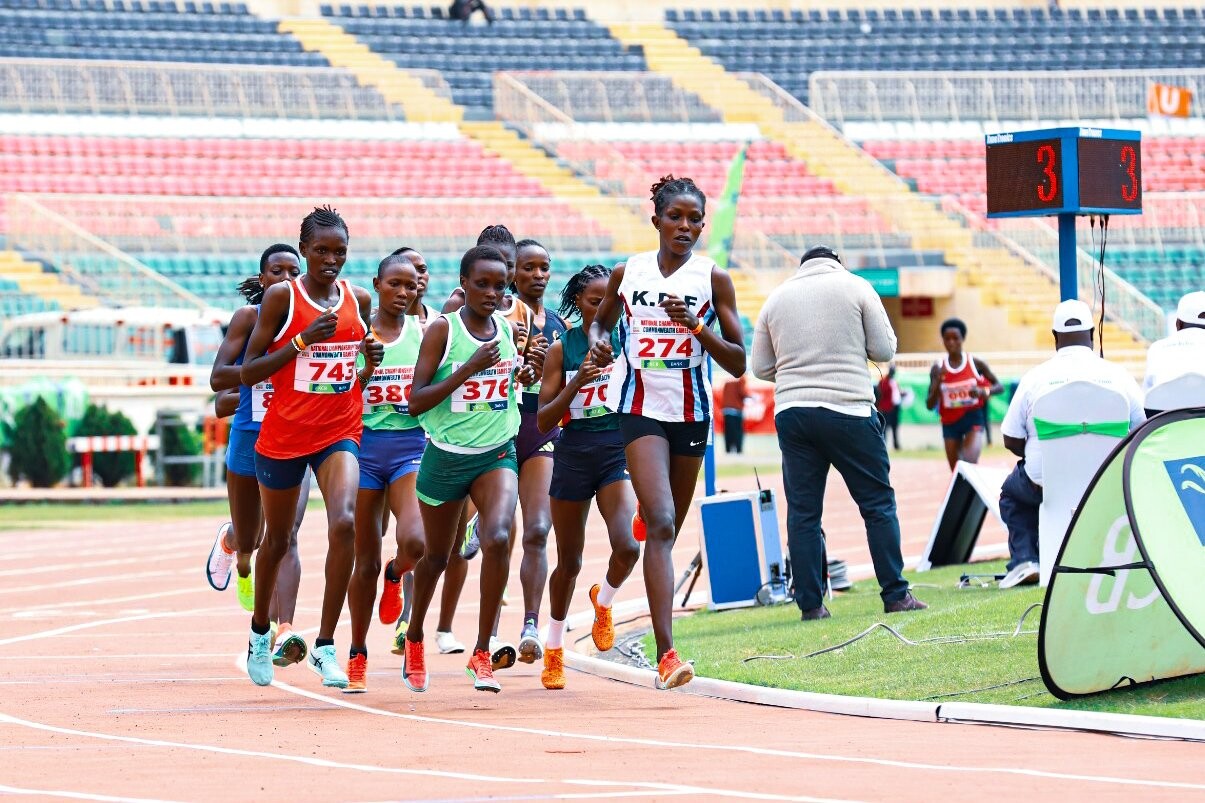
The atmosphere inside Nyayo Stadium reflected the significance of the occasion, with fierce rivalries, tactical contests, and impressive displays highlighting the depth of Kenyan athletics. Several athletes produced strong performances as they sought to strengthen their credentials ahead of the final team selection process.
As the championships continue, attention will remain firmly fixed on those capable of delivering standout performances under pressure. With national pride, championship glory, and Commonwealth Games dreams all on the line, every race, jump, and throw carries added significance.
The opening day provided a glimpse of what promises to be a memorable championship, with Kenya's finest athletes already raising the standard in their quest to earn the right to represent the nation in Glasgow.
With several finals still to come and qualification places hanging in the balance, the competition is expected to intensify over the coming days. For Kenya's athletes, every performance now carries added weight as they pursue national glory and the opportunity to wear the country's colours on one of the sport's biggest stages at the 2026 Commonwealth Games in Glasgow.
This version reads like a professional athletics news report,
by Erick Cheruiyot for My Best Runs.
Login to leave a comment
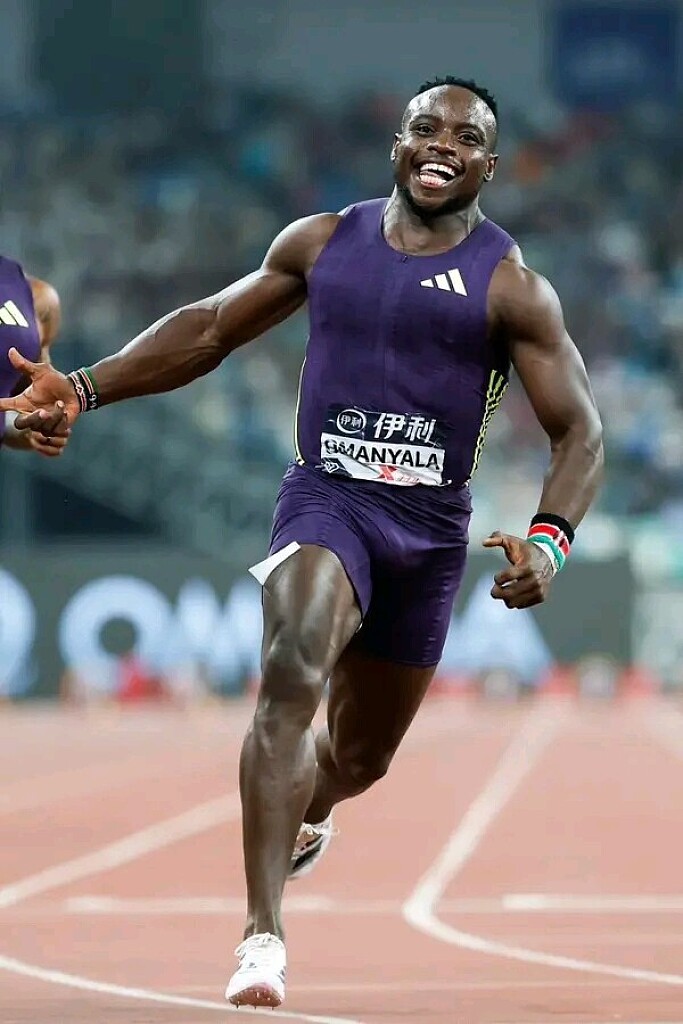
Omanyala’s Sprint Masterclass Continues as Kenyan Star Blazes to Fifth Sub-10 of the Season in Xiamen
Ferdinand Omanyala delivered yet another statement performance on the global stage, storming to a brilliant 9.94 seconds in Xiamen to secure his fifth sub-10-second clocking of the season and reaffirm his status as one of the fastest men in the world.
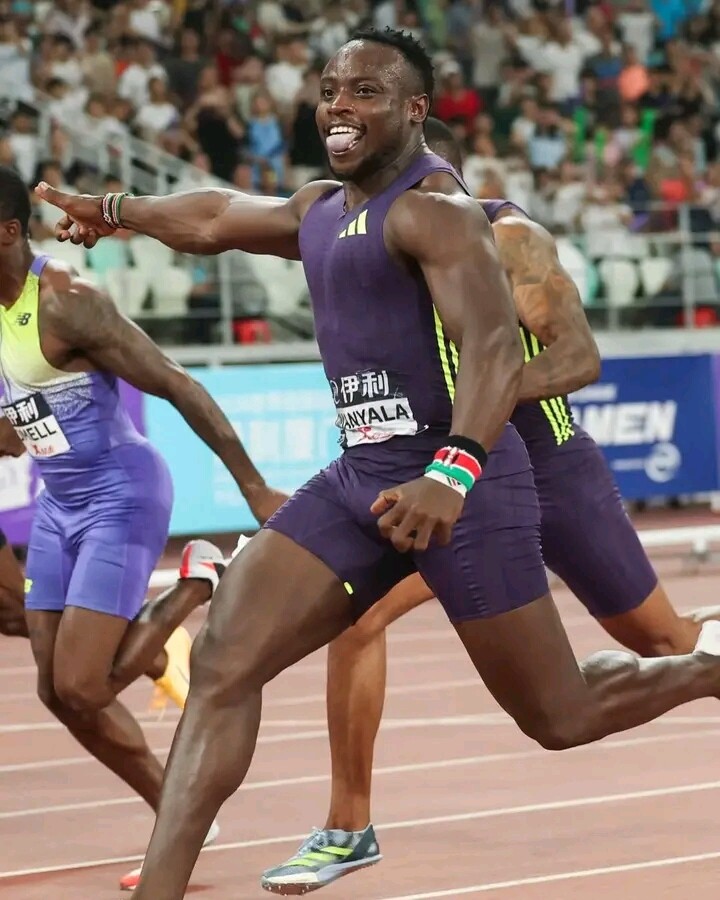
In a race packed with elite sprinting talent, the African record holder rose above a formidable field that included South Africa’s Gift Leotlela, American star Kenny Bednarek, Botswana’s Olympic sensation Letsile Tebogo and several other world-class competitors. Omanyala’s explosive acceleration and commanding finish proved decisive as he surged clear to claim victory in one of the most anticipated sprint contests of the meeting.
The Kenyan speedster’s latest triumph extends what has been an exceptional 2026 campaign. His season opened with a 9.98-second run at the Addis Ababa Grand Prix before he followed it with 9.96 seconds at the Kip Keino Classic in Nairobi. Just days later, he lowered his mark to 9.95 seconds at the Botswana Golden Grand Prix, showcasing remarkable consistency against high-calibre opposition. Another 9.98-second performance at the Shanghai Diamond League kept his momentum alive before his outstanding 9.94-second display in Xiamen elevated him to a new season’s best.
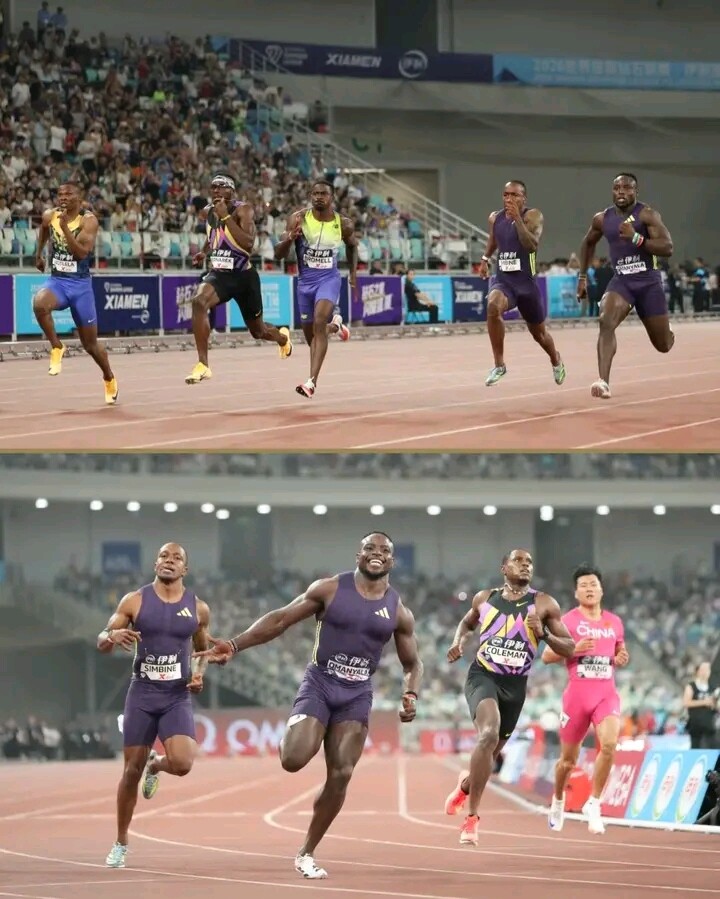
What makes Omanyala’s achievements even more impressive is the consistency with which he continues to operate below the coveted 10-second barrier. Running sub-10 once is a hallmark of elite sprinting; accomplishing the feat five times in a single season reflects extraordinary form, elite preparation, and unwavering confidence.
Beyond the stopwatch, the victory sends a strong message to the rest of the sprinting world. With every race, Omanyala appears sharper, stronger and more composed, building momentum as the season progresses. His ability to defeat a field stacked with international stars highlights not only his raw speed but also his growing reputation as a major contender at the sport’s biggest events.
As the Diamond League season gathers pace and championship ambitions begin to take shape, Omanyala is positioning himself among the leading figures in men’s sprinting. If his current trajectory continues, even faster times may be on the horizon.
For now, the numbers tell a compelling story: five races under 10 seconds, a season-best 9.94 seconds, and another emphatic victory against some of the world’s finest sprinters. Ferdinand Omanyala is not merely racing—he is redefining consistency at the highest level and strengthening his claim as Africa’s undisputed sprint king.
by Erick Cheruiyot for My Best Runs.
Login to leave a comment
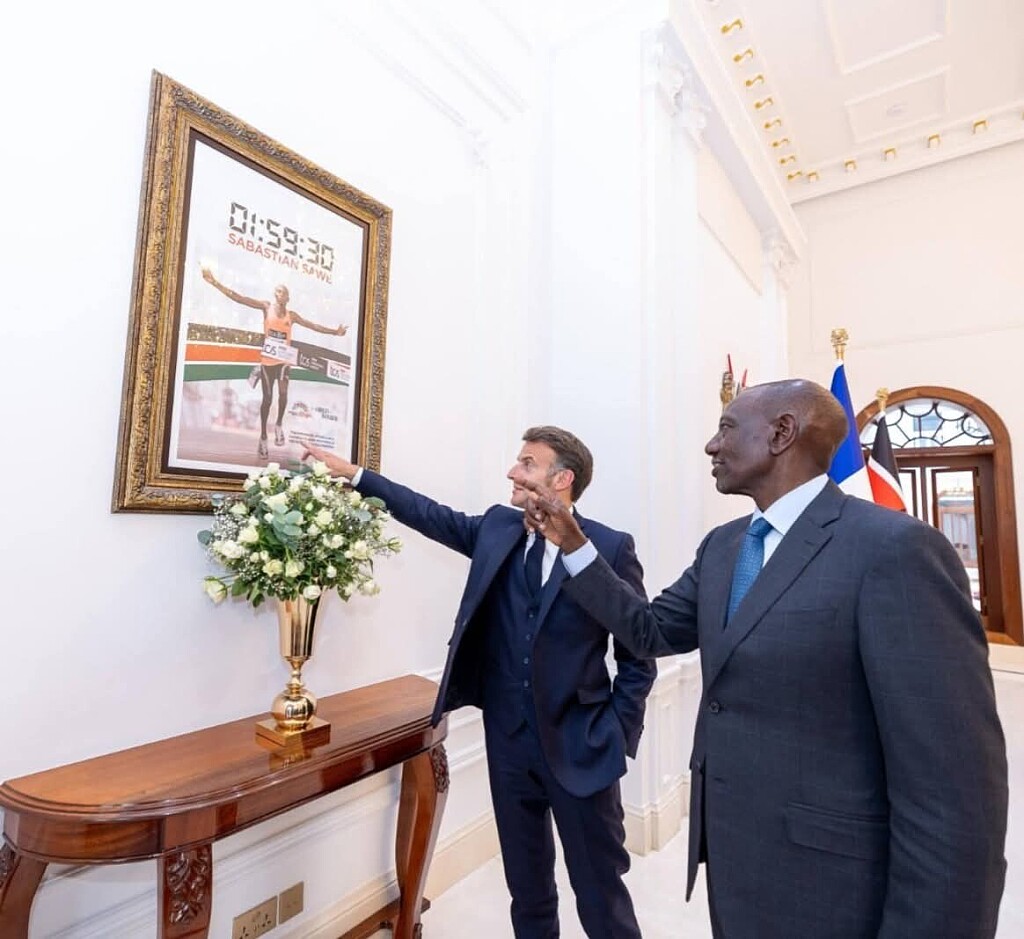
From Kenyan Roads to the Halls of Power: Macron Left in Awe of Sabastian Sawe as Kipchoge Shares Morning Run with French President
Kenya’s growing influence in global athletics was once again placed firmly in the international spotlight after French President Emmanuel Macron openly admired the iconic portrait of Kenyan marathon sensation Sabastian Sawe during an official engagement that blended sport, culture and diplomacy in remarkable fashion.
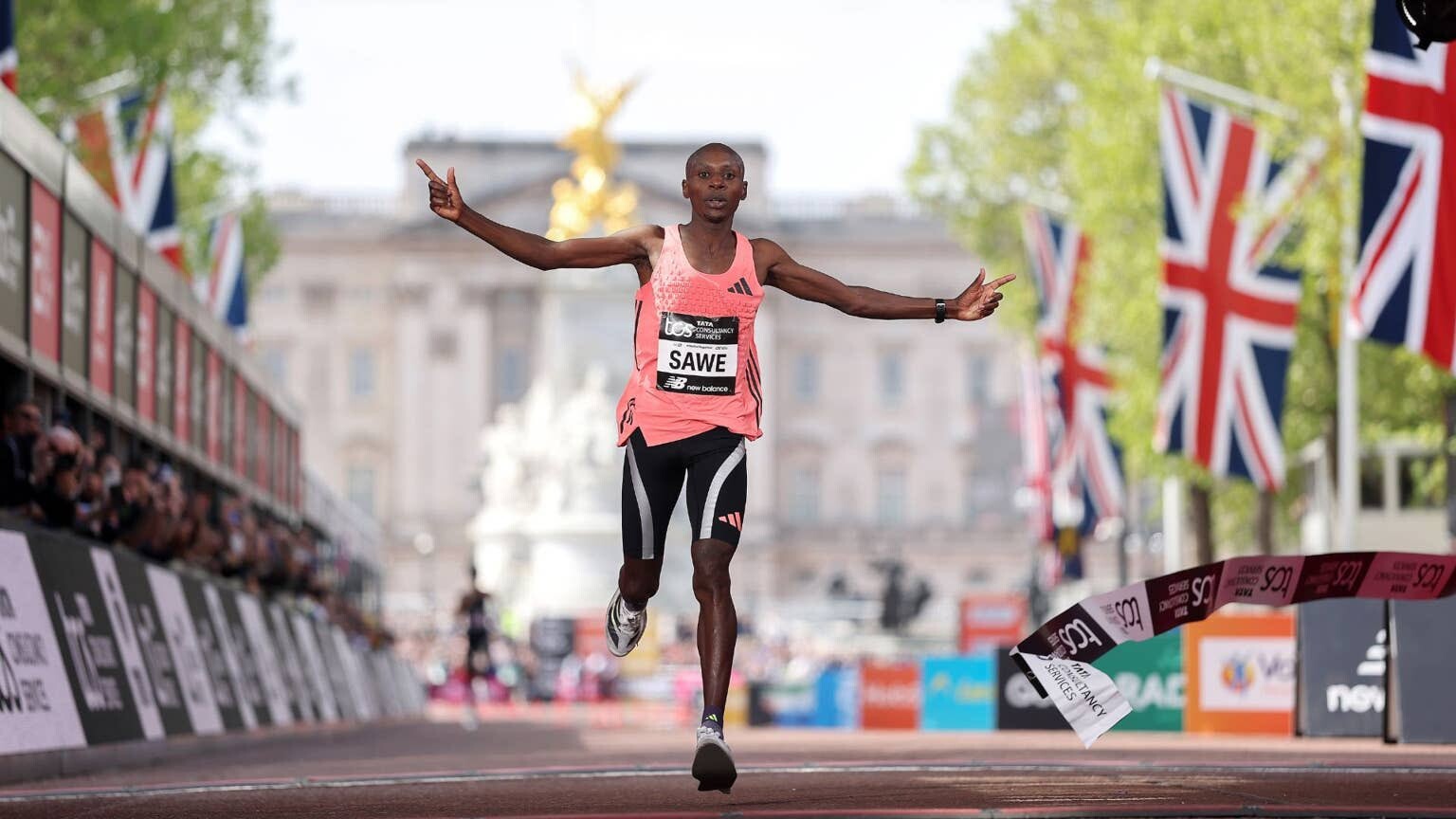
The powerful image of Sawe — a symbol of Kenya’s relentless distance-running excellence — stood proudly among the distinguished displays visited by Macron, offering yet another reminder of how deeply Kenyan athletics continues to resonate far beyond the finish line. From dusty training routes in the Rift Valley to recognition within the walls of high-level international leadership, Sawe’s rise represents more than personal success; it reflects the enduring prestige of Kenyan endurance running on the world stage.
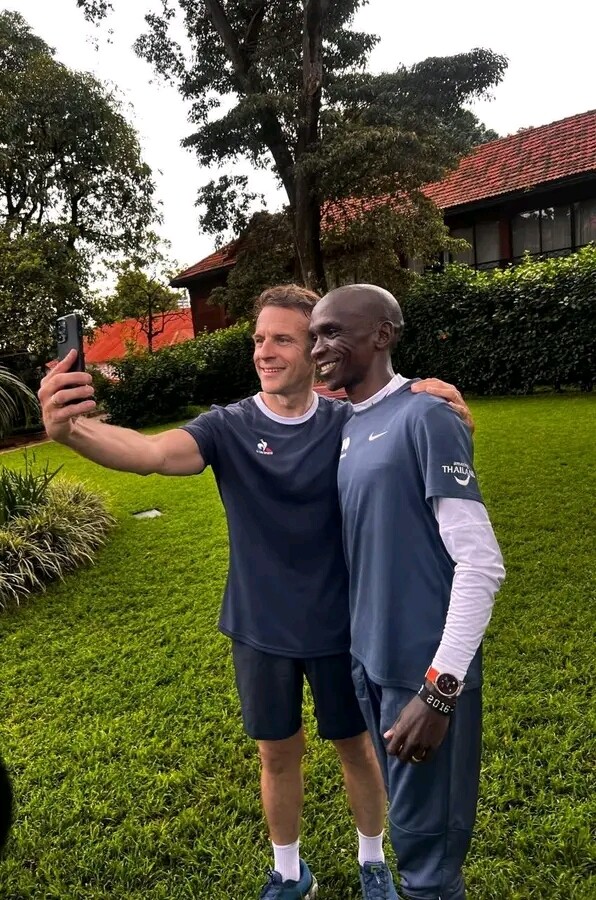
The moment became even more memorable as marathon legend Eliud Kipchoge joined President Macron for an early morning runon the streets of Nairobi, creating a symbolic meeting between political leadership and sporting greatness. Kipchoge, widely celebrated for redefining the limits of human endurance, once again carried the Kenyan flag with grace and humility as he shared the roads with the French Head of State.
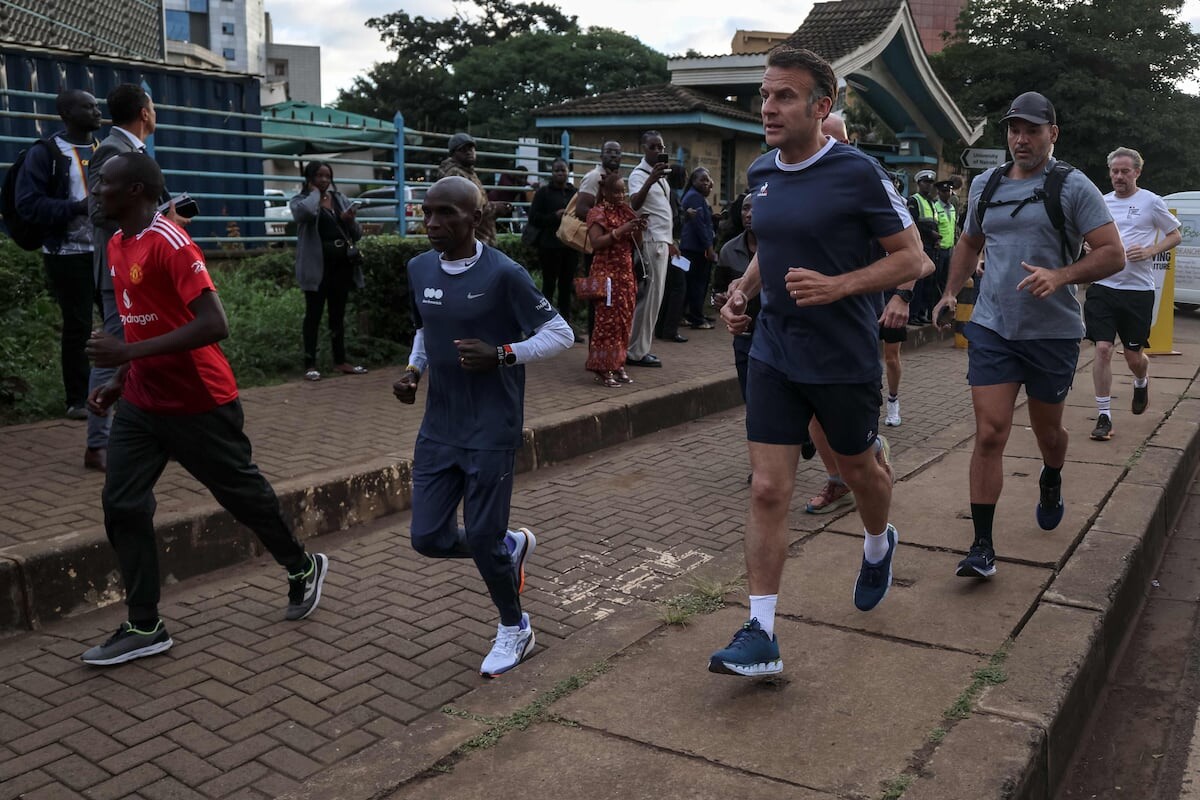
For many athletics fans, the scenes represented far more than a ceremonial appearance. They highlighted the soft power of sport and the respect Kenyan athletes command internationally. Kenya’s runners have long dominated global road racing, but moments such as these demonstrate how their impact now stretches into culture, inspiration and diplomacy.
Sawe’s growing reputation has continued to capture attention across the athletics world following his impressive performances on the roads, where his fearless racing style and consistency have marked him as one of the sport’s rising forces. Seeing his portrait admired by one of Europe’s most influential leaders added another significant chapter to that journey.
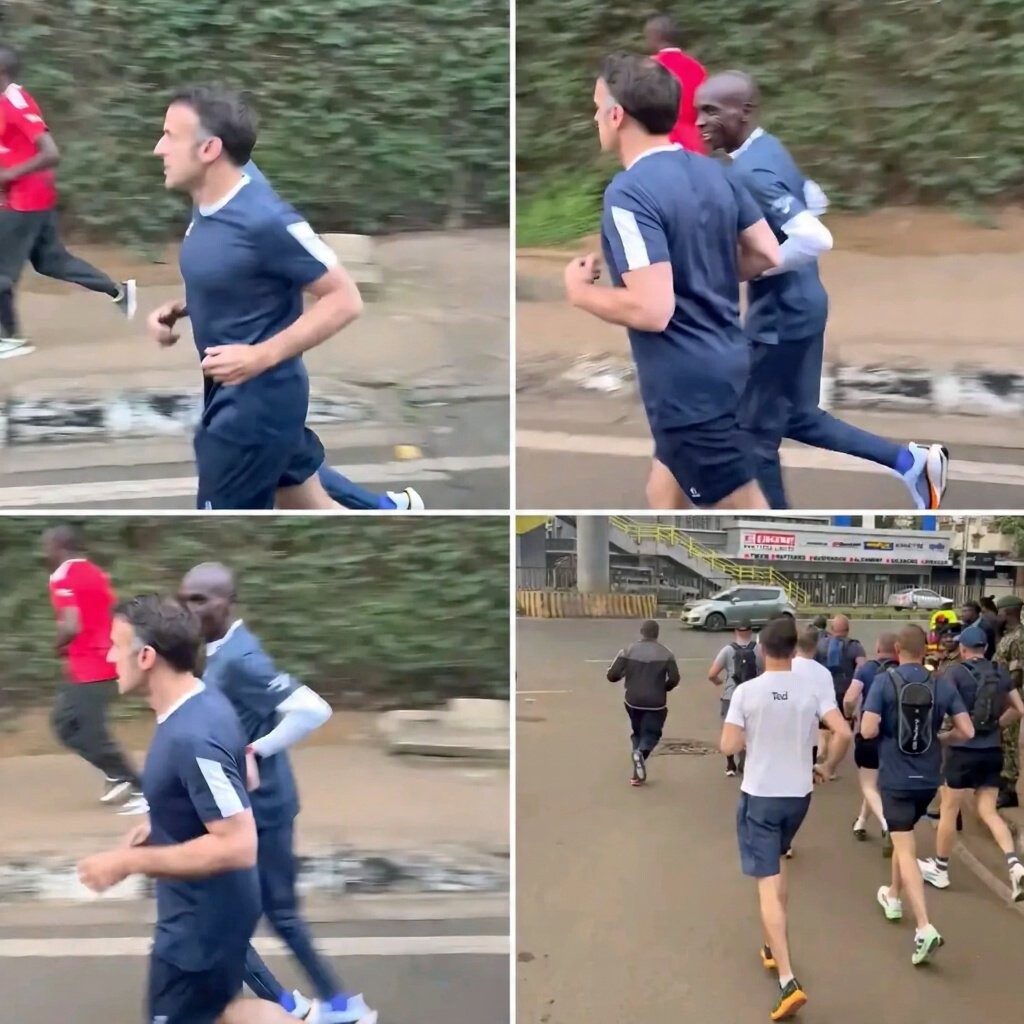
Meanwhile, Kipchoge’s presence brought his trademark aura of discipline and inspiration. The two-time Olympic marathon champion has become more than an athlete; he is now viewed globally as an ambassador of excellence, resilience and human potential. His morning run alongside Macron offered a striking image of unity through sport — a language that transcends borders, politics and culture.
As Kenyan athletics continues to produce stars capable of commanding admiration around the world, moments like these reinforce the nation’s unmatched legacy in distance running. From the rugged training grounds of Kenya to the corridors of international power, the country’s athletes are no longer only winning races — they are shaping global conversations and inspiring generations far beyond the track and the marathon course.
by Erick Cheruiyot for My Best Runs.
Login to leave a comment

A New Era for Sport in Kenya: Nike Opens Landmark Flagship Store in Nairobi
In a defining moment for Kenya’s sporting and retail landscape, global powerhouse Nike has officially unveiled its first-ever flagship store in Nairobi—a bold statement of intent that underscores the brand’s growing commitment to East Africa.
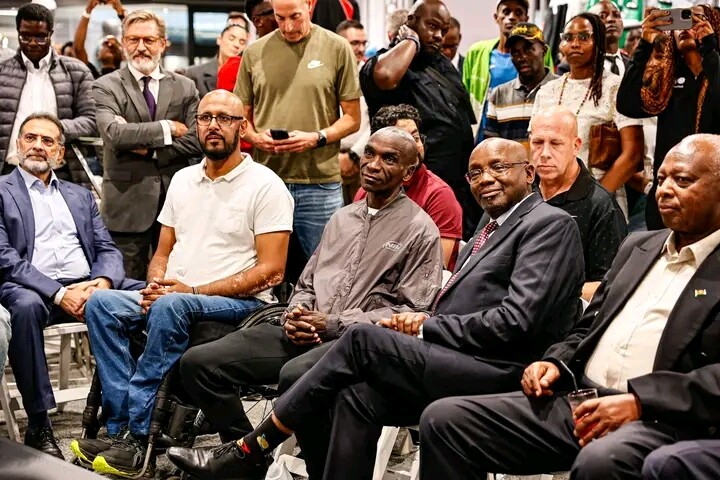
The grand opening was nothing short of symbolic. It brought together some of the most influential figures in Kenyan athletics, led by marathon icon Eliud Kipchoge, whose presence added both prestige and authenticity to the occasion. Also in attendance were Athletics Kenya President Lt. Gen (Rtd) Jackson Tuwei and Team Kenya’s First Deputy President Barnaba Korir—figures central to the country’s athletic success on the global stage.
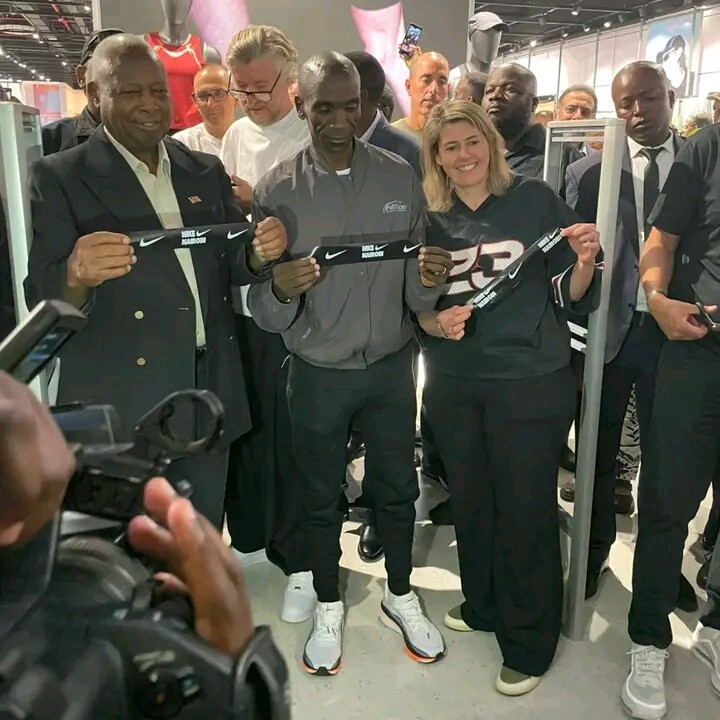
More than just a retail outlet, the new flagship store represents a strategic foothold for Nike in a region globally revered for its distance-running dominance. Nairobi, often regarded as the heartbeat of world-class endurance training, now hosts a space where elite performance meets everyday inspiration. The store is expected to serve not only professional athletes but also a rapidly growing community of fitness enthusiasts eager to align with world-class standards.
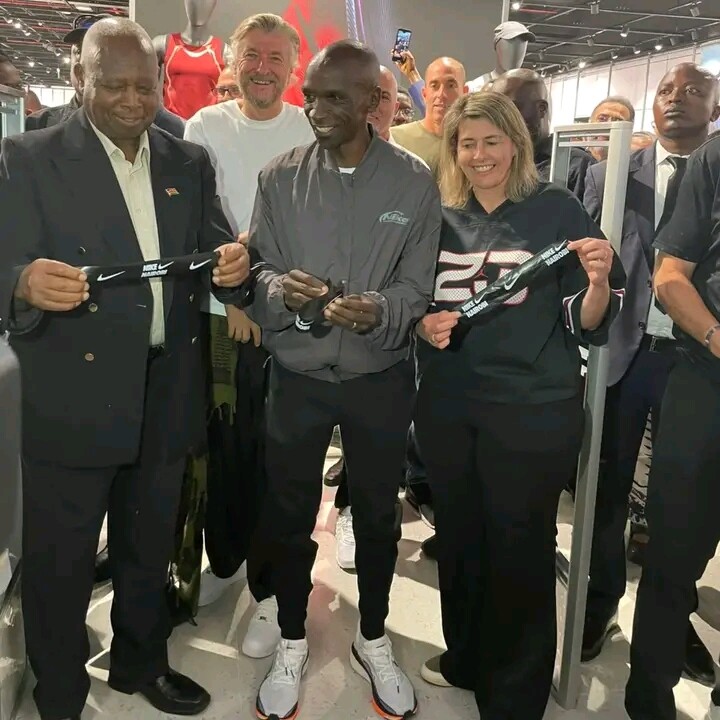
Nike’s move signals a deeper investment in Africa’s sporting ecosystem—one that goes beyond sponsorships and into infrastructure, accessibility, and brand presence. By planting its flag in Nairobi, the company is tapping into a rich well of talent, culture, and untapped commercial potential.
For Kenyan athletes and fans alike, this is more than a store opening—it is a powerful acknowledgment of the country’s enduring influence on global sport. And for Nike, it marks the beginning of a new chapter, written from the high-altitude roads and vibrant streets of Nairobi.
by Erick Cheruiyot for My Best Runs.
Login to leave a comment
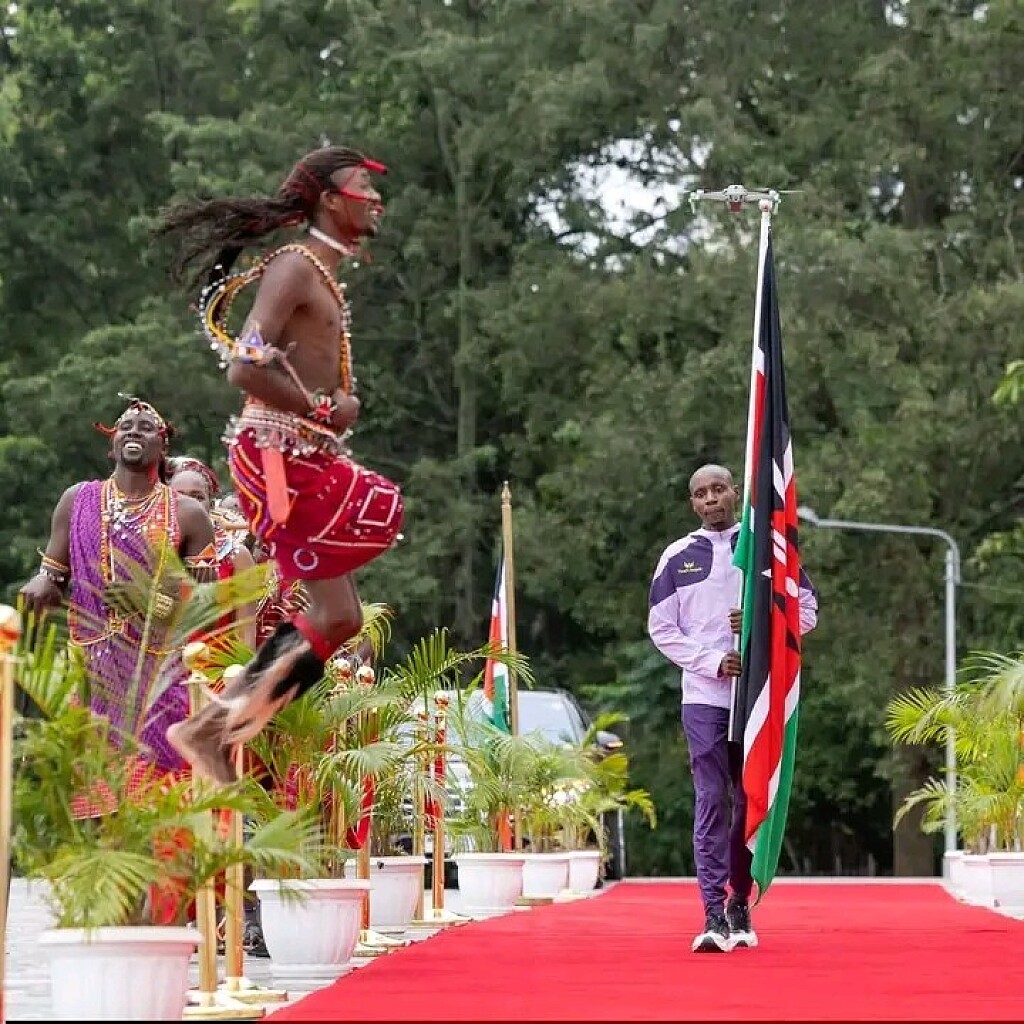
From London Glory to State Honour: Kenya Salutes Its Marathon Trailblazer
Under the proud banner of Magical Kenya — The Origin of Wonder, the country rose in unity to celebrate a moment that has redefined the boundaries of human endurance. This was more than a national celebration—it was history meeting gratitude, as Kenya welcomed home its newest global icon, Sebastian Sawe.
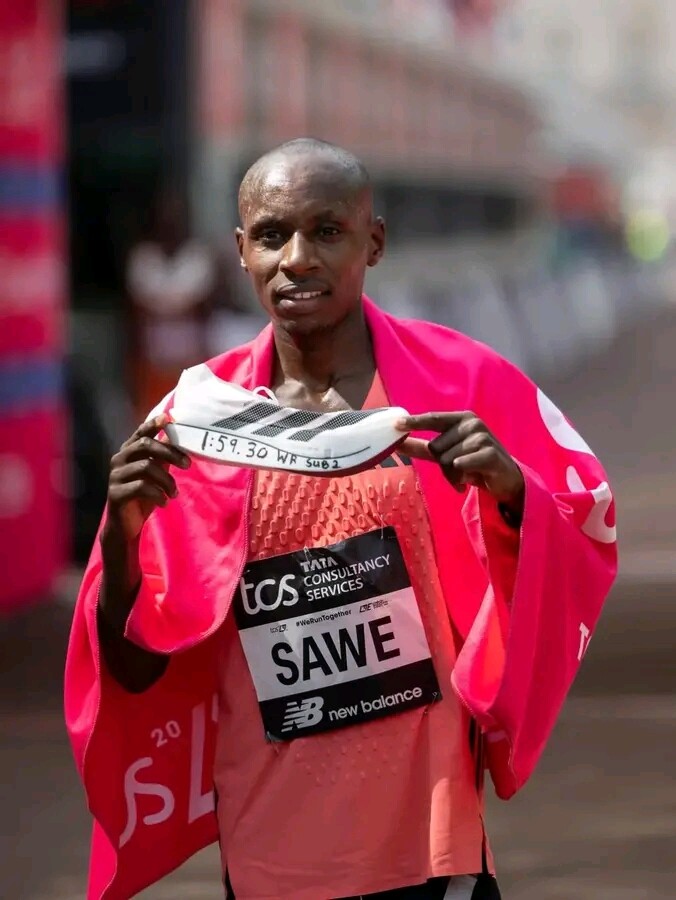
At the London Marathon 2026, Sawe delivered a performance that will echo through generations. On that unforgettable Sunday, he crossed the finish line in a breathtaking 1:59:30, shattering the marathon world record and becoming the first athlete in history to break the two-hour barrier in an official, record-eligible race. It was not merely a victory—it was a moment that altered the very perception of what the human body and mind can achieve.
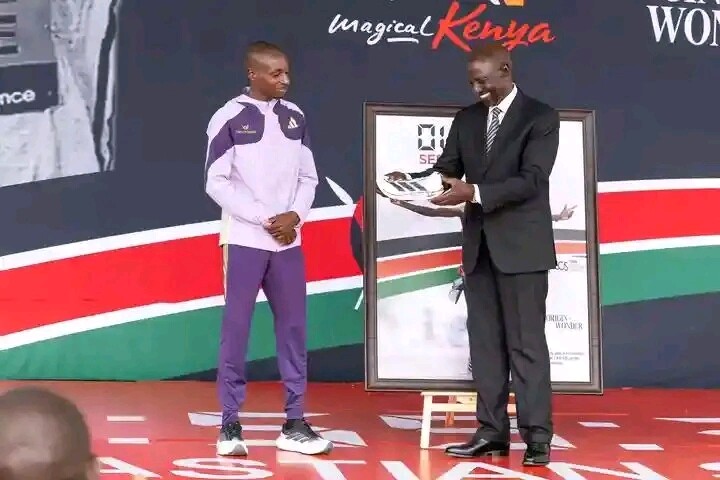
Behind the brilliance of that run was a fusion of preparation, discipline, and innovation. Sawe’s performance was aided in part by the now-iconic Adidas Adizero Adios, celebrated for its lightweight construction, responsive energy-return technology, and minimalist design—qualities that continue to push elite athletes beyond previously accepted limits.

Upon his return, Kenya responded with unmatched pride and admiration. In the vibrant capital of Nairobi, celebrations erupted as citizens gathered to witness the homecoming of a man who had carried the nation’s dreams onto the global stage and returned with history in his stride.
The pinnacle of this state reception came at State House, where Sawe was formally received by Kenya's President William Ruto. In a gesture befitting the magnitude of the achievement, the President honored him with a reward of $61,000 and a car, describing the feat as “a defining moment in the history of human endurance.” It was a powerful acknowledgment of an accomplishment that transcends sport and enters the realm of national and global legacy.

Yet, even in the glow of such extraordinary success, Sawe remains driven by a hunger for more. Far from satisfied, he has already set his sights on lowering the record further—a mindset that perfectly captures the spirit of champions who refuse to see limits where others do.
Kenya’s legacy in distance running has long been unmatched, but this moment stands apart. It is a reminder that greatness is not static—it evolves, it challenges, and it inspires. And in Sebastian Sawe, the world has witnessed not just a record-breaker, but a pioneer of possibility.
As the celebrations ripple across the nation, one truth stands clear: this was not just a victory for Kenya—it was a victory for humanity.
by Erick Cheruiyot for My Best Runs.
Login to leave a comment

Ferdinand Omanyala: Africa’s Fastest Man Finds Another Gear with Relentless Sub-10 Consistency
Kenya’s sprint king Ferdinand Omanyala is building something truly formidable. With a stunning sequence of performances—9.98, 9.96, and now 9.95 seconds—the African record holder is not just winning races; he’s sending a clear message to the global sprinting elite. This is no longer about isolated brilliance. This is consistency at the highest level, and it’s beginning to look dangerous.
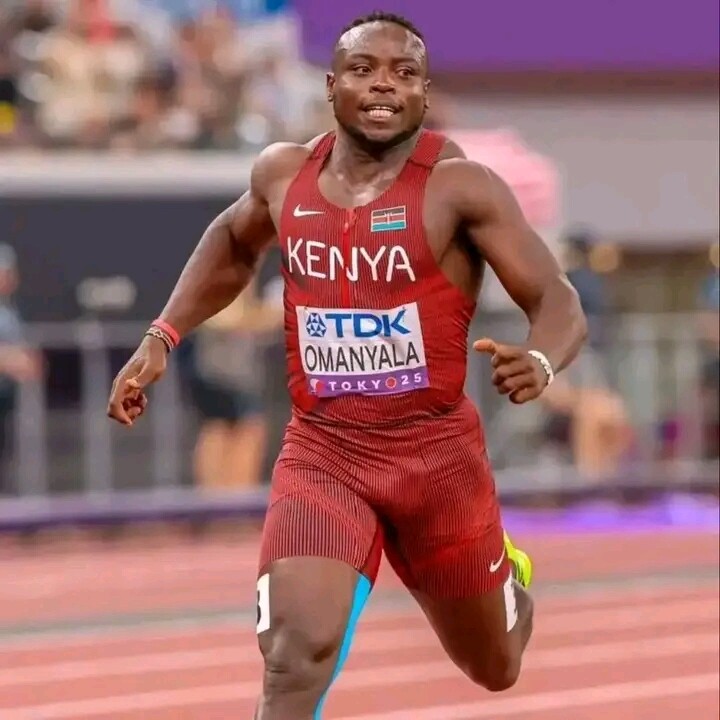
Across three major meets—the Addis Ababa Grand Prix in Addis Ababa (9.98s), the Kip Keino Classic in Nairobi (9.96s), and the Botswana Grand Prix in Gaborone (9.95s)—Omanyala has steadily sharpened his edge. Each race has been a step forward, a fraction faster, a statement louder. The progression isn’t accidental; it reflects precision training, growing confidence, and a sprinter peaking at just the right moment.
What makes this run particularly compelling is the ease with which Omanyala is dipping under the coveted 10-second barrier. In the world of sprinting, consistency at sub-10 is the ultimate currency of greatness. It separates contenders from champions. And right now, Omanyala is stacking performances like a man on a mission—calm, composed, and increasingly dominant.
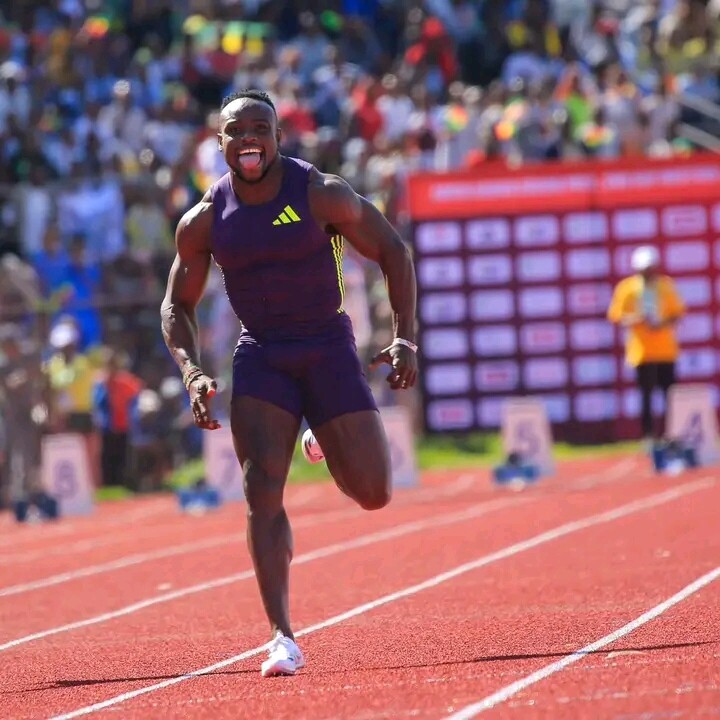
Beyond the times, there’s a presence about him. Explosive out of the blocks, powerful through the drive phase, and composed at top speed, he looks every bit the complete sprinter. His latest 9.95 is not just a season highlight—it’s a warning shot. With each race, he’s tightening his grip on the title of Africa’s fastest man while positioning himself as a genuine global threat.
For Kenya, a nation long celebrated for distance running excellence, Omanyala represents a thrilling shift in narrative. He is rewriting expectations, proving that sprinting greatness can also rise from East Africa. And as the season gathers pace, one thing is becoming increasingly clear: if this trajectory holds, the world will soon have no choice but to reckon with him at the very top.
Sub-10 consistency isn’t just impressive—it’s ominous. And right now, Ferdinand Omanyala is trending exactly where he wants to be: faster, sharper, and closing in on something special.
by Erick Cheruiyot for My Best Runs.
Login to leave a comment
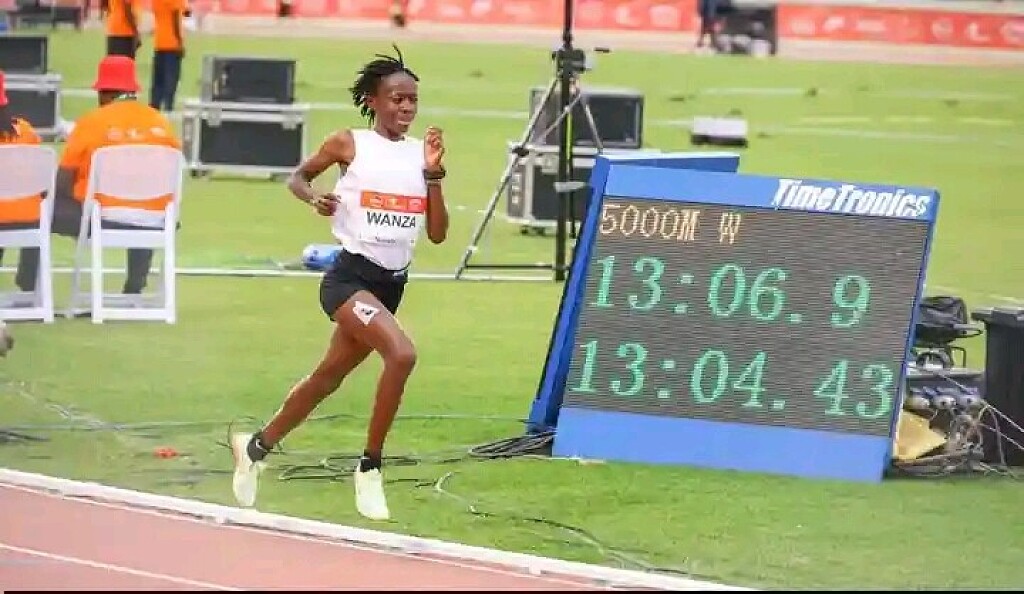
Wanza Shines Bright as Kenyan Women Dominate 5000m at Kip Keino Classic
Diana Wanza announced herself in emphatic fashion at the 2026 Kip Keino Classic, producing a beautifully controlled performance to claim victory in the women’s 5000m and underline her growing status in Kenyan distance running.

On a lively afternoon in Nairobi, Wanza judged her race to perfection. Calm through the early stages and decisive when it mattered most, she surged clear to cross the line in a personal best of 15:28.91, rewarding the home crowd with one of the standout distance displays of the meeting.
Her triumph led a commanding Kenyan sweep of the podium, with Mercy Chepkemoi finishing second in 15:49.85, while Dorcus Chepkwemoi secured third place in 15:55.20 after a strong closing effort.

The depth of local talent was equally impressive, as Joyline Chepkemoi narrowly missed the podium in fourth with 15:55.40, followed by Emmaculate Jepkosgei in fifth at 16:01.75. Joan Chepkirui placed sixth in 16:07.26, while Betty Chepngeno celebrated a personal best of 16:11.12 in seventh. Alice Chemtai completed the top eight in 16:21.23.

Wanza’s rise also carries a story of patient development and disciplined preparation. She is a former alumna of the Kenyan Athletics Training Academy, where she sharpened her talent while balancing life as a student at Kenyatta University back in 2021 and 2022. During that period, she combined academic responsibilities with the demanding routine required to grow as a competitive athlete.
Her journey from academy athlete to Kip Keino Classic champion reflects the value of structured mentorship and perseverance. The foundations laid during her university years are now beginning to bear fruit on the national stage, as she transforms promise into elite performance.
Wanza’s victory was not only a personal milestone but also a reminder of Kenya’s enduring strength in women’s distance running. With world champion Beatrice Chebet expected to return to competition soon, the prospect of Wanza and Chebet racing together offers an exciting glimpse into what could become a formidable partnership for Kenya on the global stage.
If this performance was any indication, Diana Wanza is no longer simply a promising name—she is rapidly becoming a serious force.
by Erick Cheruiyot for My Best Runs.
Login to leave a comment

Smiling Through Speed: Gabby Thomas Leaves Nairobi with Momentum and Belief
There was more than victory in Nairobi for American sprint star Gabby Thomas — there was joy, rhythm, and the unmistakable feeling of an athlete discovering her finest form at exactly the right moment.
Fresh from a commanding sprint double at the 2026 Kip Keino Classic, Thomas lit up the Kenyan capital with both her speed and her smile, reminding the world why she remains one of the most dangerous names in global sprinting. Competing at altitude against strong opposition, she delivered two performances built on power, control, and confidence.
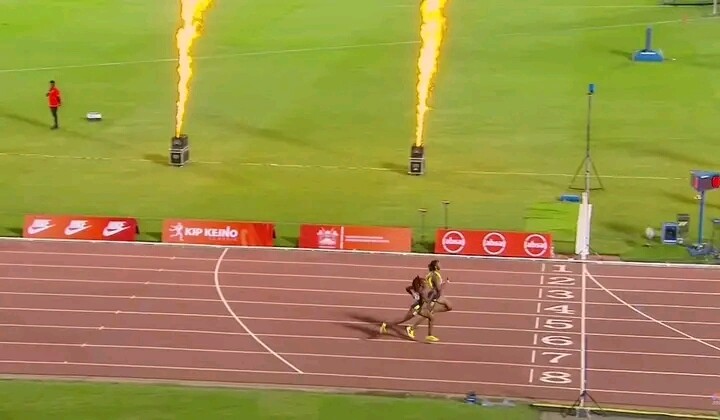
She first captured the 100m title in 11.02, displaying explosive acceleration and smooth execution. Then she returned to the track for the 200m and produced the headline performance of the meet — a world-leading 21.89 that underlined her championship pedigree and elite finishing strength.
But beyond the victories, it was the message behind the performance that stood out most.
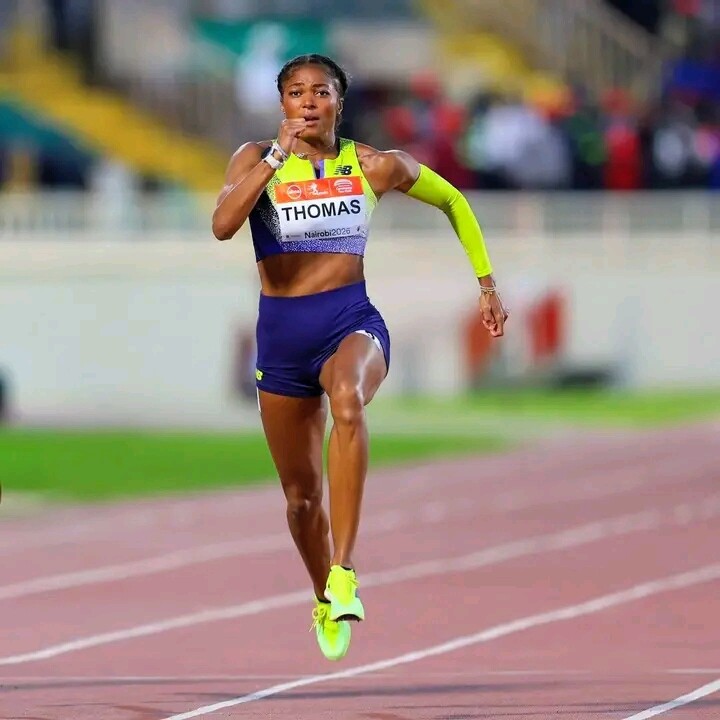
Thomas leaves Nairobi feeling fit, healthy, and fully energized — perhaps the most valuable outcome of all for an athlete preparing for a long and demanding season. After years of consistent growth and rising expectations, she now appears to be blending world-class form with visible happiness, a combination that often creates the very best results.
Her Nairobi campaign brought more than fast times. It also offered valuable race lessons, sharper instincts, and further proof that her preparation is translating perfectly onto the track when it matters most.
Now her focus shifts to Botswana, where the next chapter of her season awaits. She travels there carrying momentum, confidence, and the aura of an athlete building something serious.
Nairobi gave Gabby Thomas trophies.
It may also have given her belief.
And for the rest of the sprint world, that could be the bigger story.
by Erick Cheruiyot for My Best Runs.
Login to leave a comment
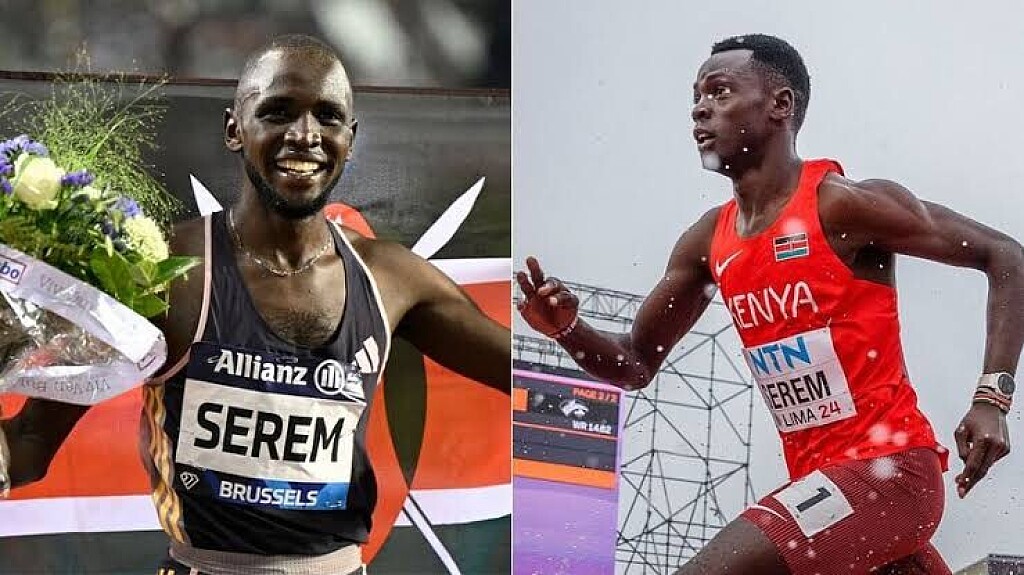
A Champion’s Gratitude: Edmund Serem’s Heartwarming Gesture Before Kip Keino Classic
Today April 24th as anticipation builds for the 2026 Kip Keino Classic in Nairobi, Kenya, one of Kenya’s rising stars has already created a special moment long before stepping onto the track. Emerging steeplechase talent Edmund Serem has flown his father to Nairobi ahead of the prestigious event, setting the stage for an emotional family reunion before one of the nation’s biggest athletics showcases.
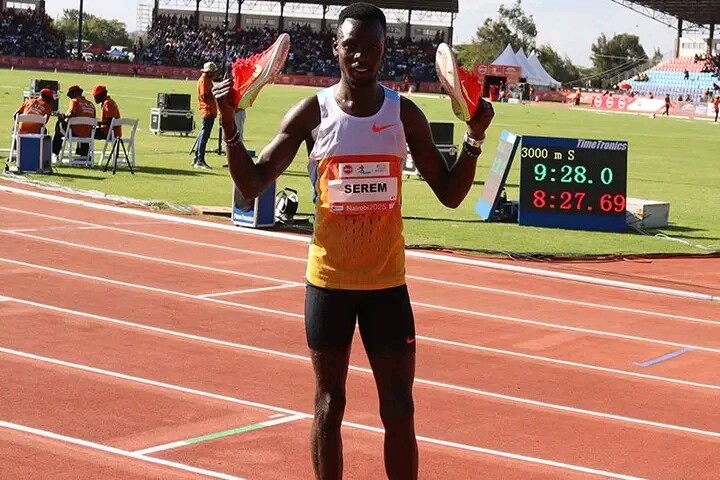
For many athletes, success is measured in medals, records, and podium finishes. But for Edmund, this gesture reflects something deeper — gratitude, family pride, and appreciation for the journey that brought him to this level. Bringing his father to witness the occasion adds powerful meaning to what is already shaping up to be a defining season.
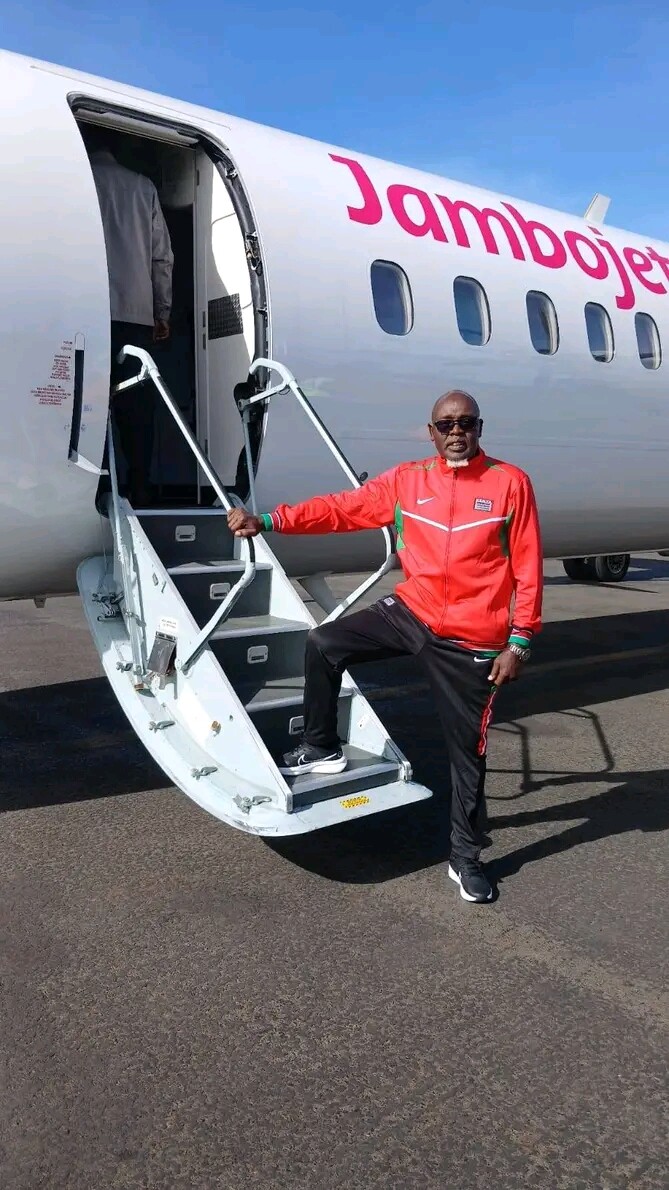
Edmund comes from a household where running excellence is no stranger. He is the younger brother of Amos Serem, another gifted Kenyan athlete who has also made his mark in the 3000m steeplechase. Together, the Serem brothers are preparing to give everything this season as they chase success on both local and international stages.

With talent, hunger, and growing experience, Edmund and Amos represent the next wave of Kenya’s proud steeplechase tradition. Their shared ambition and family bond make them one of the most exciting sibling stories in athletics today.
Now, with the Kip Keino Classic set to bring elite competition to Nairobi, Edmund has the opportunity to shine on home soil in front of family, fans, and the wider athletics world. Competing in Kenya always carries special significance, and with his father in the stands, the motivation will be even greater.
The Kip Keino Classic has become an important platform for East African stars to test themselves against world-class opposition while giving local supporters the chance to celebrate their own heroes. For Edmund Serem, however, this year’s edition may carry a meaning beyond medals and times.
It is about family. It is about legacy. And it is about two brothers, Edmund and Amos Serem, ready to give everything in pursuit of greatness this season.
by Erick Cheruiyot for My Best Runs.
Login to leave a comment
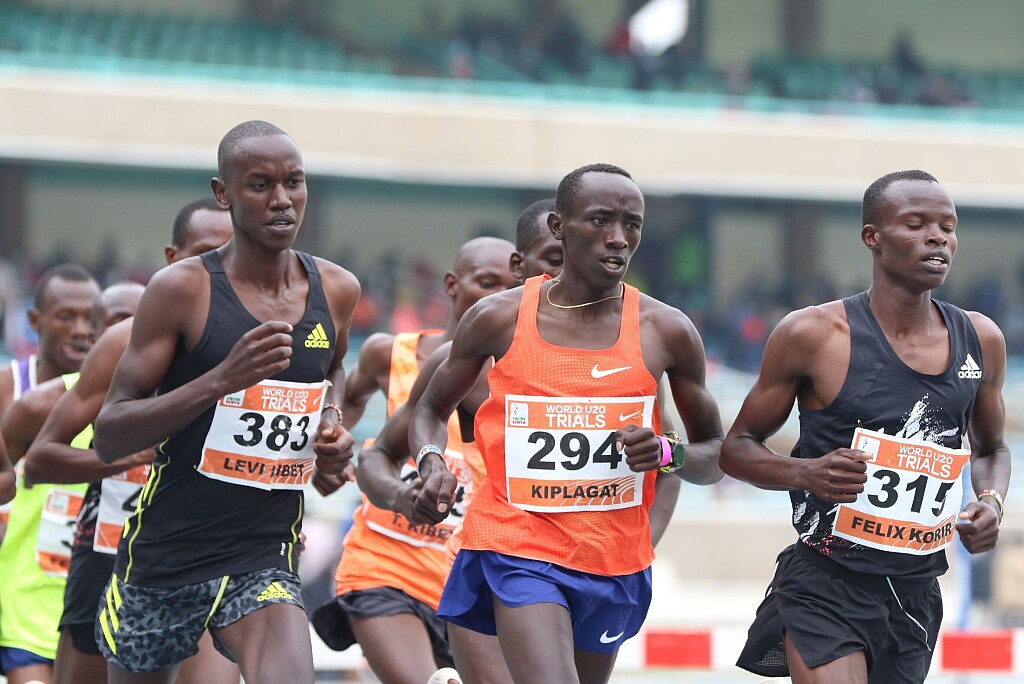
Kenya Fast-Tracks U20 Trials as Countdown to Global Showpiece Intensifies
In a decisive move aimed at sharpening its competitive edge, Athletics Kenya has officially revised the dates for the national trials ahead of the World Athletics U20 Championships, signaling an early push toward assembling a formidable junior team.

The global championship, set to unfold in Eugene from 4th to 9th August 2026, remains one of the most prestigious stages for emerging talent. With Kenya’s rich legacy in middle- and long-distance running, expectations are already building around the next generation of stars poised to carry the nation’s dominance forward.
Originally scheduled for late June, the Kenyan trials have now been brought forward and will take place from 21st to 23rd May 2026 at the iconic Nyayo National Stadium. The adjustment reflects a strategic shift by Athletics Kenya to allow sufficient time for administrative processes, team selection procedures, and logistical planning ahead of the international competition.

The earlier timeline is also expected to give selected athletes a crucial window to fine-tune their preparations, recover adequately, and align with high-performance training programs before heading to the United States. For a nation that consistently produces world-beating junior athletes, such meticulous planning could prove decisive.
Officials have emphasized that further communication regarding the selection criteria and the list of invited athletes will be released in due course. In the meantime, aspiring competitors are urged to recalibrate their training schedules and peak in time for the revised dates.
As anticipation builds, the spotlight now turns to Nairobi, where the country’s brightest young prospects will battle not only for national glory but also for the honor of representing Kenya on the world stage.
by Erick Cheruiyot for My Best Runs.
Login to leave a comment
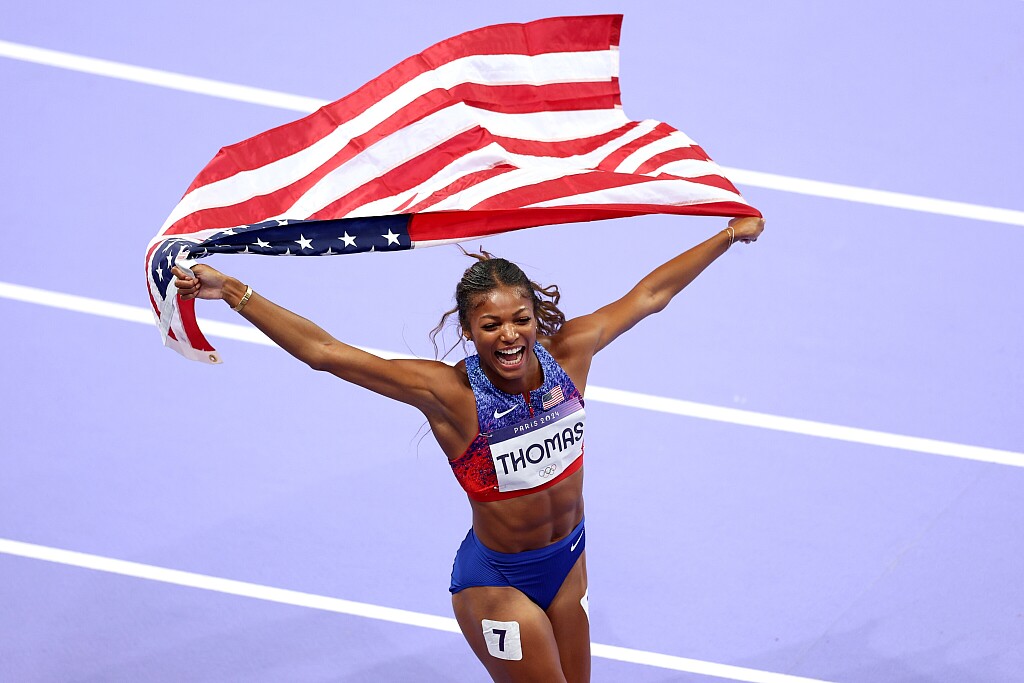
Gabby Thomas Brings Olympic Stardom to Africa in Blockbuster April Tour
American sprint star Gabby Thomas is set to headline one of the most exciting international appearances of the early athletics season, as she brings her world-class speed and star power to Africa for a three-meet tour in April.
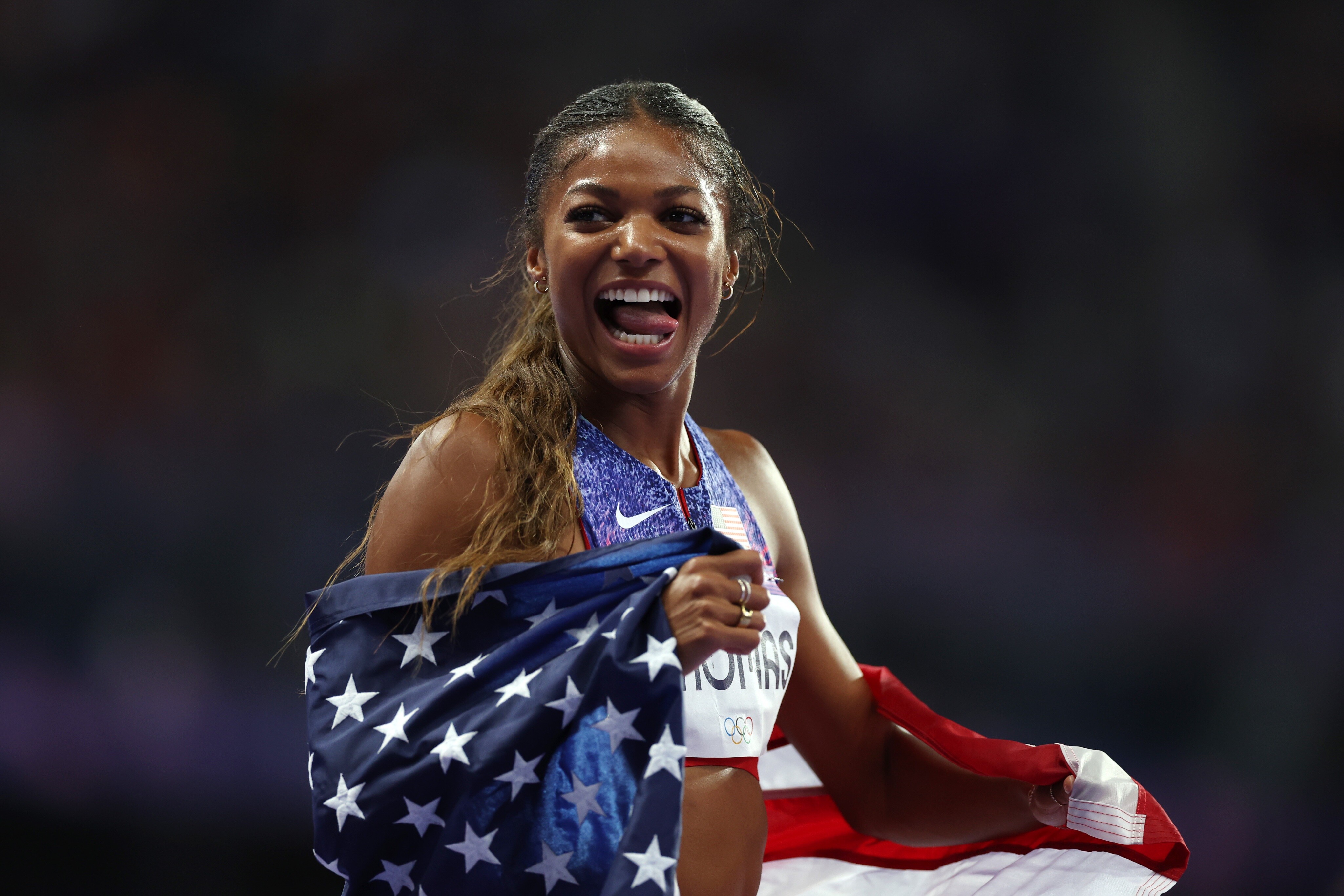
Widely regarded as one of the finest 200m runners of her generation, Thomas arrives with a résumé that places her firmly among the sport’s elite. At the 2024 Paris Olympics, she delivered a historic performance, clinching three gold medals in the 200m, 4x100m relay, and 4x400m relay—an achievement that cemented her dominance on the global stage. Her Olympic journey began earlier at the 2020 Tokyo Olympics, where she captured bronze in the 200m and silver in the 4x100m relay, signaling the arrival of a future champion.
Beyond the Olympics, Thomas has consistently proven her pedigree. At the 2023 World Championships, she secured silver in the 200m and powered her team to gold in the 4x100m relay, further underlining her versatility and championship mentality. With a personal best of 21.60 seconds in the 200m—ranking her among the fastest women in history—she remains a formidable force every time she steps onto the track.
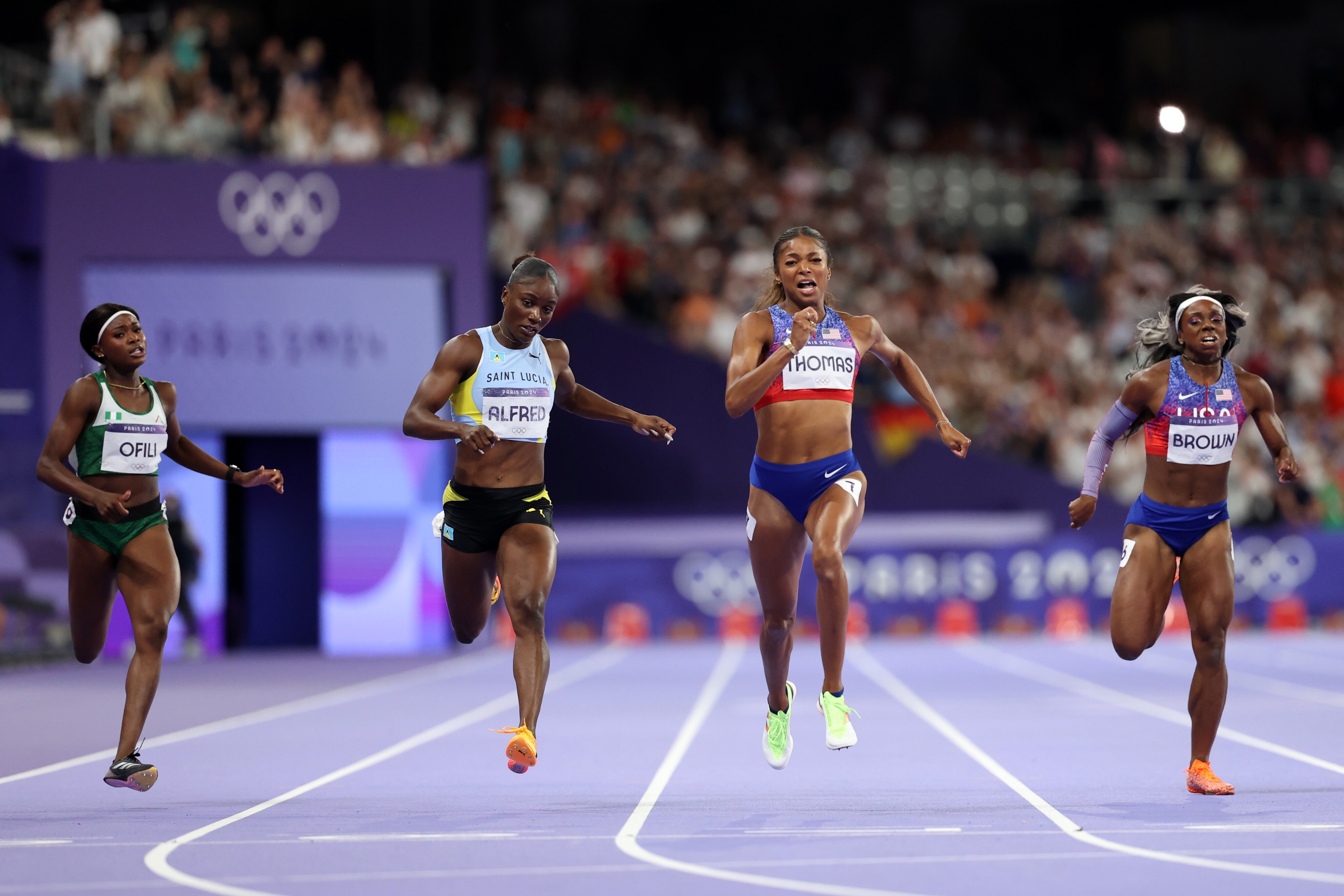
But Thomas’ brilliance extends beyond athletics. A graduate of Harvard University with a master’s degree in epidemiology, she represents a rare blend of elite sport and intellectual excellence. Her advocacy in public health and STEM continues to inspire a new generation, making her influence felt far beyond the finish line.
Her African tour will begin in Addis Ababa on April 18 at the Addis Ababa Grand Prix, before moving to Nairobi on April 24 for the Kip Keino Classic—one of the continent’s premier track and field events. She will then conclude her tour in Gaborone on April 26 at the Botswana Golden Grand Prix.
Each stop promises high-level competition and a rare opportunity for African fans to witness one of the sport’s brightest stars in action. Her presence is expected not only to elevate the quality of racing but also to shine a global spotlight on Africa’s rapidly growing athletics scene.
As the countdown begins, anticipation is building across the continent. With her unmatched combination of speed, intelligence, and global appeal, Gabby Thomas is not just arriving to compete—she is arriving to inspire.
by Erick Cheruiyot for My Best Runs.
Login to leave a comment
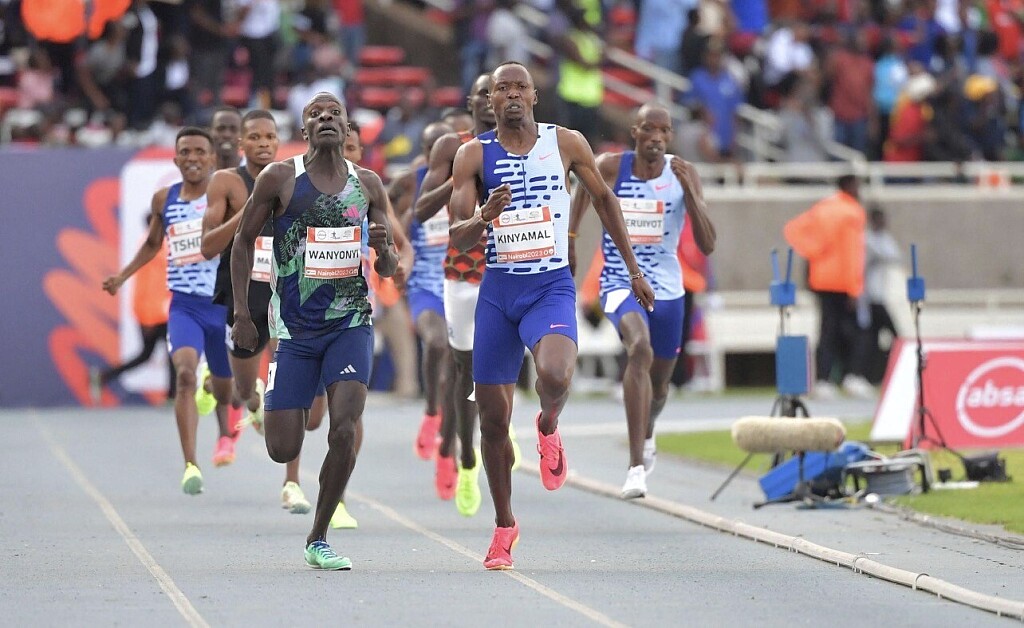
Kip Keino Classic Set for April 24 as Olympic Champion Katzberg Returns to Nairobi
Nairobi is ready to take center stage once again. On April 24, 2026, the Kip Keino Classic returns to Nyayo National Stadium, bringing together some of the world’s top athletes for one of Africa’s premier track and field events. With a growing international profile and deep local talent, this year’s meet is shaping up to be one of the strongest editions yet.
Among the headline names is Olympic and World Champion Ethan Katzberg, who returns to Nairobi after dominating last year’s competition. His winning throw of 82.73 meters not only led the world in 2025 but electrified the Nairobi crowd and elevated the event’s global standing.
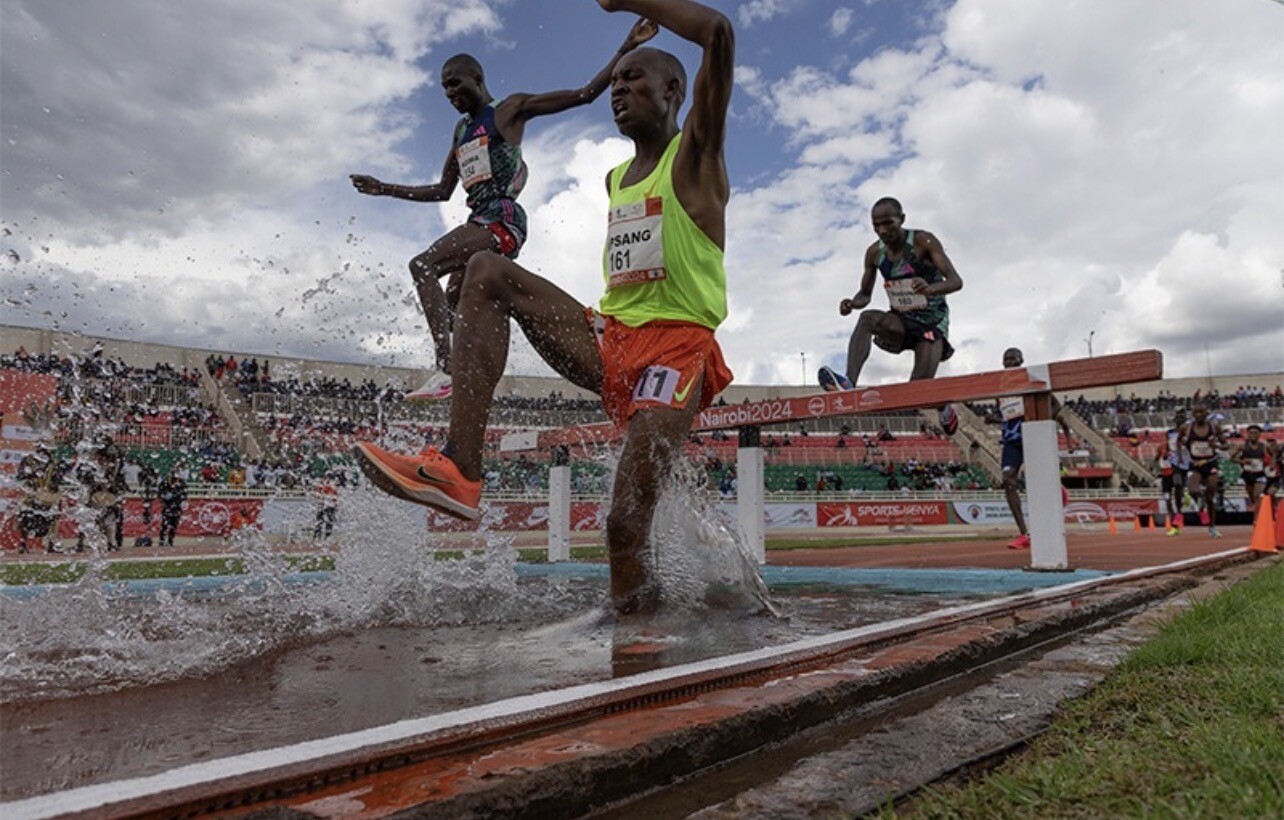
“As a federation, we are ready to welcome the world’s best back to Nairobi,” said Meet Director Barnaba Korir. “Ethan Katzberg’s return brings energy and prestige. This year’s competition will be even stronger, with top international athletes and our own Kenyan stars ready to perform.”
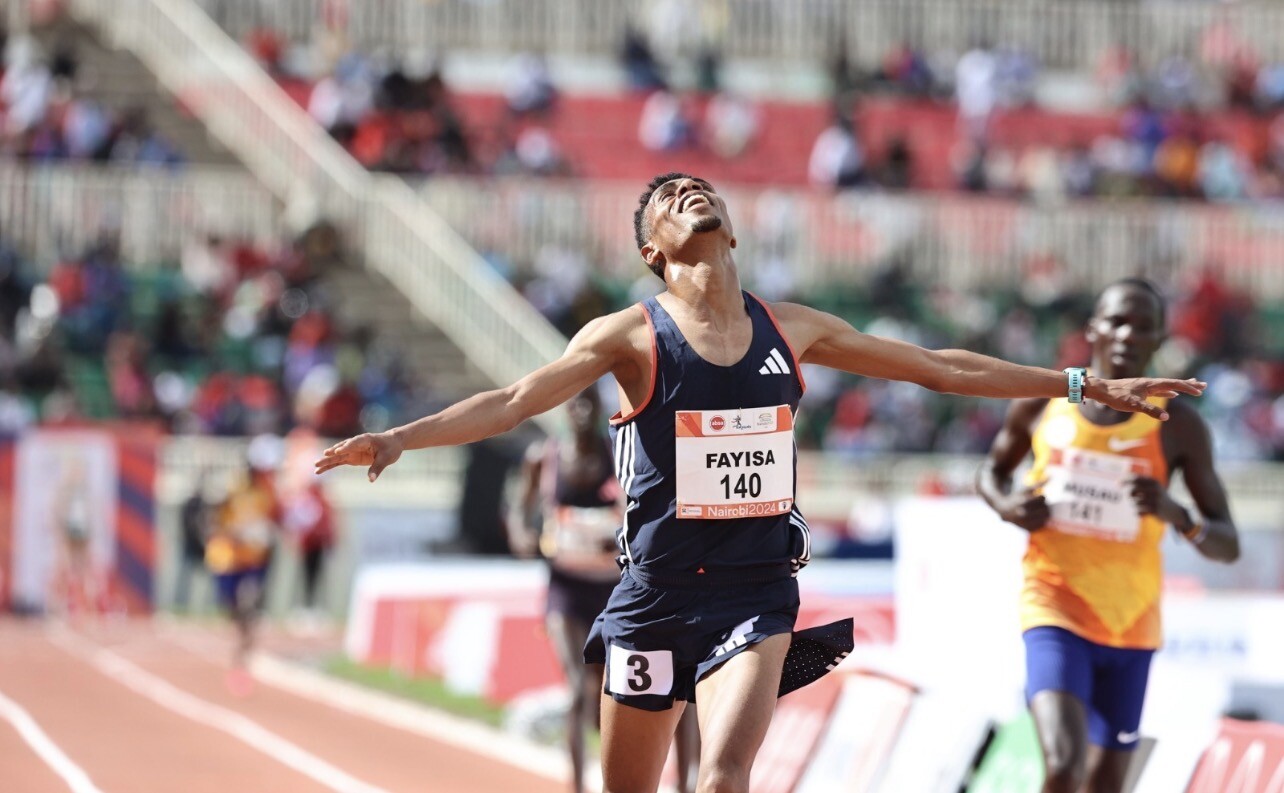
A Growing Global Stage
Katzberg’s return highlights how far the Kip Keino Classic has come. Now firmly established on the international calendar, the meet provides a key opportunity for athletes to compete at a high level while earning valuable World Ranking points.
For Kenyan athletes, competing at home against elite fields offers a major advantage—especially with global events ahead. The meet will serve as an important stepping stone toward competitions like the World Relays and other major championships.
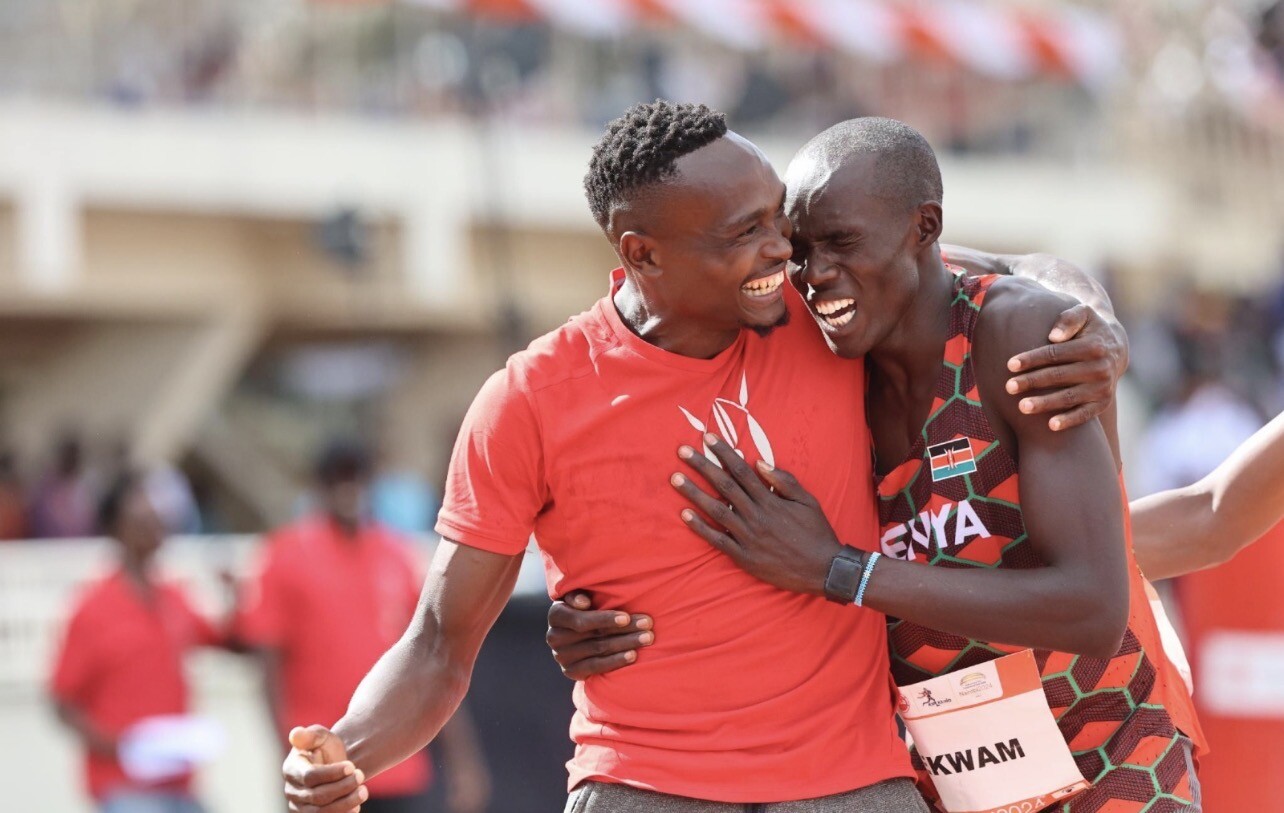
More Than Distance Running
While Kenya’s legacy has long been built on distance running, the Kip Keino Classic continues to broaden that identity.
Sprinters like Ferdinand Omanyala have helped ignite national interest in sprint events, while field disciplines—such as the hammer throw—are drawing top international competitors. The result is a more complete and globally competitive athletics program.
Korir emphasized that balance: “We are creating opportunities for our athletes to compete across all disciplines. This is key to Kenya’s future in athletics.”
World-Class Preparation
Behind the scenes, preparations are being handled with precision.
International technical teams are already in place to ensure the event meets World Athletics Gold-level standards. Specialists from Belgium’s TimeTronics will verify timing systems, while survey teams will certify all track and field measurements.
Every detail is being checked to ensure athletes compete under optimal conditions.
Showcasing Kenya to the World
The Kip Keino Classic is more than a competition—it’s a global showcase.
From the energy inside Nyayo Stadium to the broader appeal of Kenya’s landscape, the event highlights the country’s unique place in world athletics. Visiting athletes and officials often extend their stay to experience destinations like Nairobi National Park and the Maasai Mara, adding a tourism dimension to the meet’s impact.
“This event is not just about results,” Korir said. “It’s about showcasing Kenya, supporting our athletes, and creating lasting global connections.”
Ready for a Big Stage
With Katzberg returning, a deeper international field assembling, and world-class preparations underway, the 2026 Kip Keino Classic is positioned to deliver.
Korir summed it up simply: “We are ready. The world is about to witness it.”
by Robert Kibet for My Best Runs
Kip Keino
Login to leave a comment
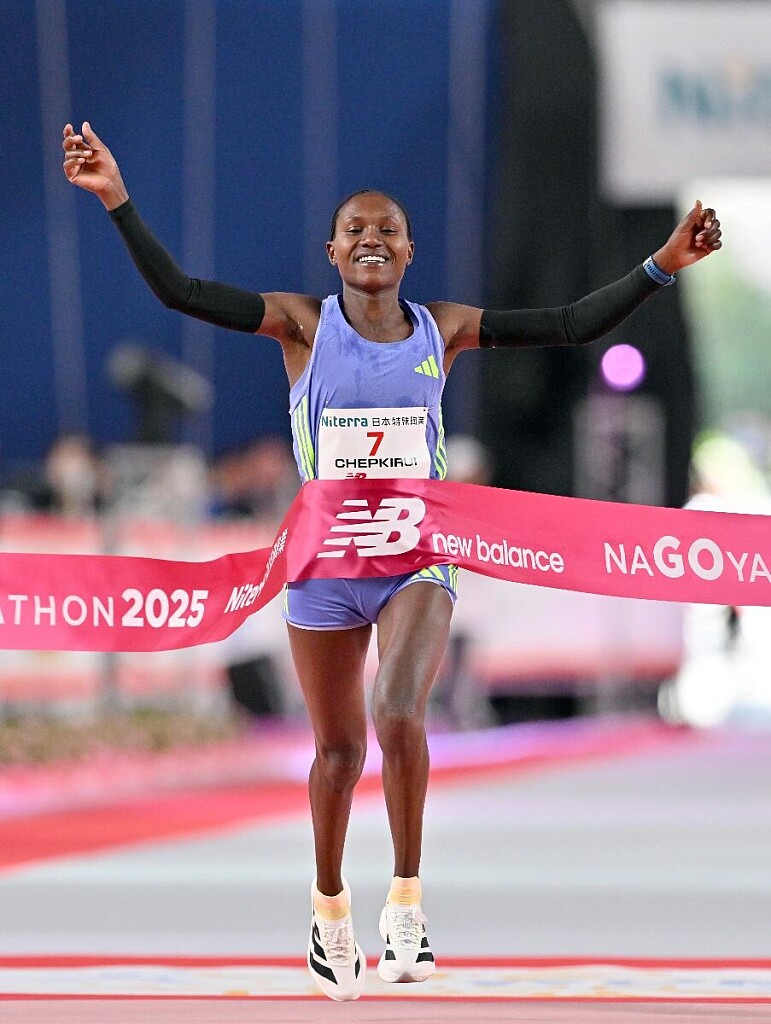
Nagoya Awaits a Marathon Showdown as Sheila Chepkirui Returns to Defend Her Crown
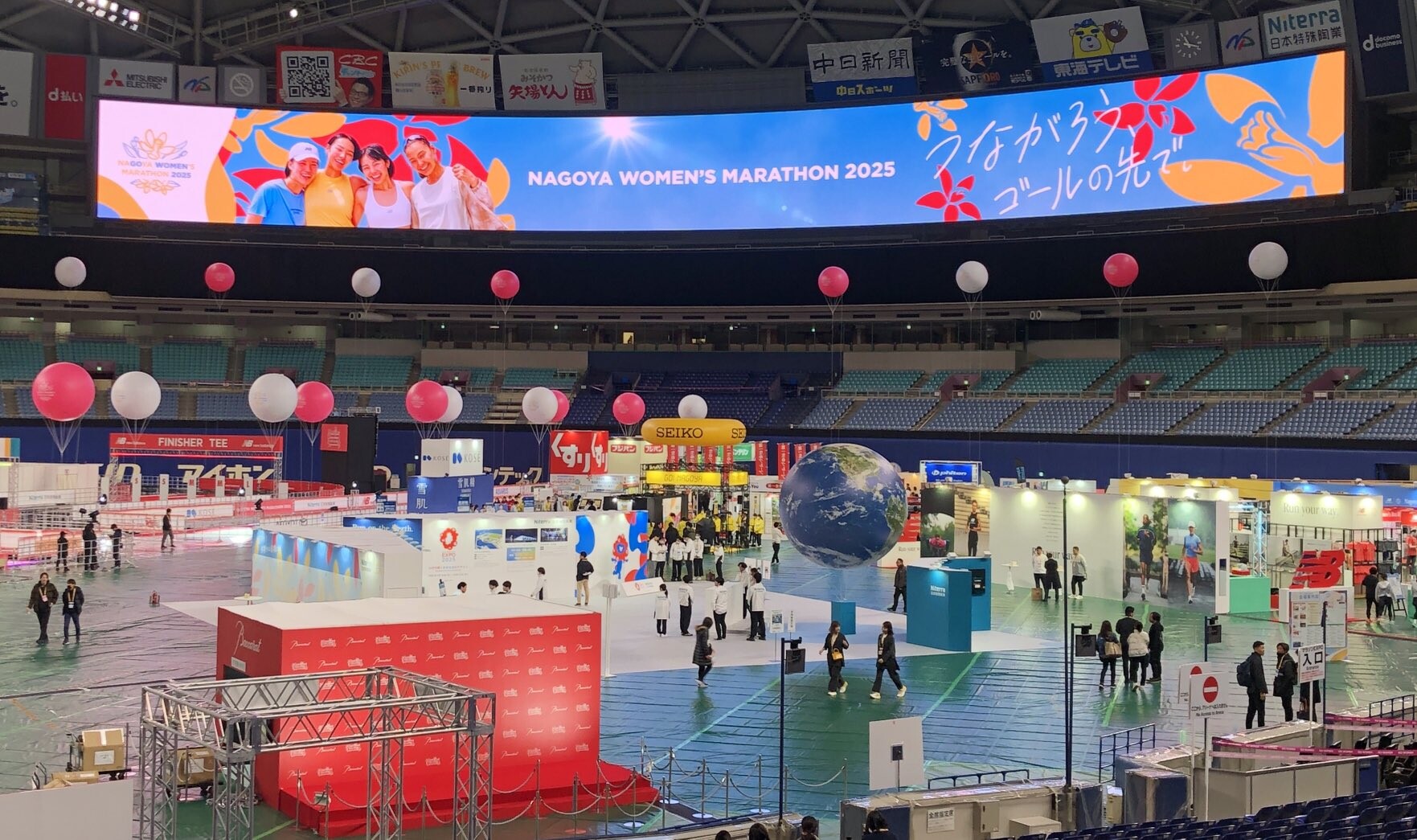
The world’s finest women marathoners are preparing for another thrilling chapter of the Nagoya Women’s Marathon as the 2026 edition unfolds in Nagoya, Japan on Sunday, March 8. Widely regarded as one of the most prestigious women-only marathons on the global calendar, the race once again brings together an impressive international field ready to battle over the classic 42.195-kilometer distance.
For fans across the world, the race will begin at 9:10 AM Japan Standard Time, which corresponds to 3:10 AM in East Africa (Nairobi time), 1:10 AM in West Africa, and 4:10 PM on Saturday evening on the U.S. Pacific Coast. Despite the early hours in many parts of the world, the event is expected to capture global attention as elite athletes chase victory on the streets of Nagoya.
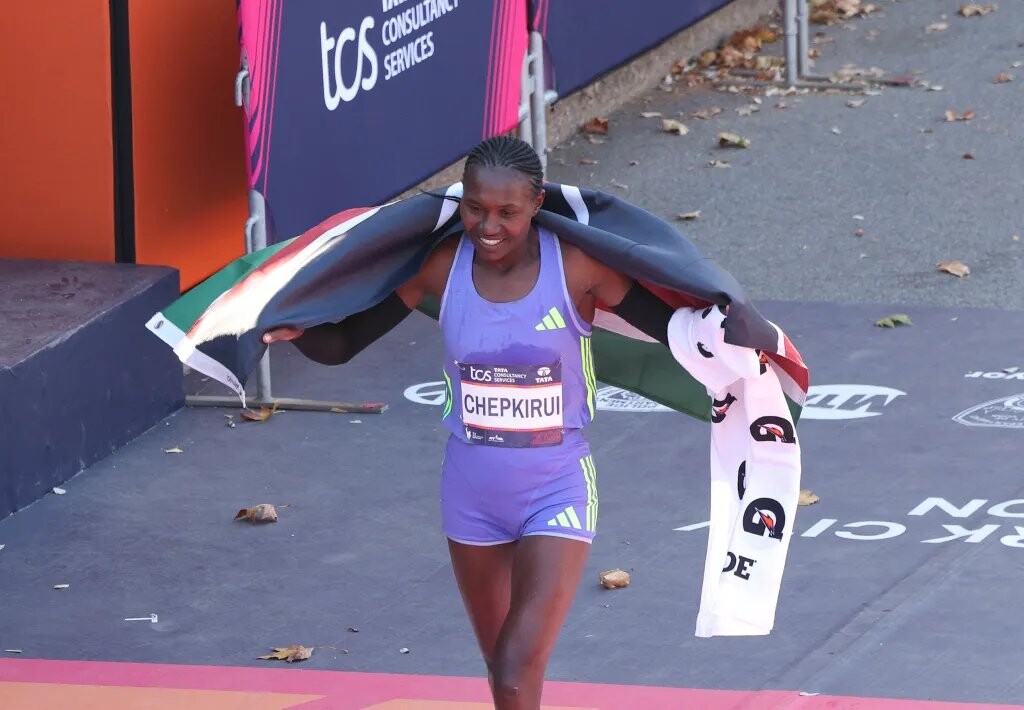
At the center of the spotlight is Kenya’s Sheila Chepkirui, who returns as the defending champion after a brilliant victory in 2025. Chepkirui arrives in Japan carrying a formidable personal best of 2:17:29, a time that places her among the fastest women in the field. Known for her strength in the latter stages of the marathon, the Kenyan star will be determined to prove that last year’s triumph was no accident.
However, the road to a successful title defense will be anything but easy.
Ethiopia’s Aynalem Desta enters the race as one of the strongest challengers. With a personal best of 2:17:37, Desta possesses both the speed and endurance needed to threaten Chepkirui’s reign. Ethiopian athletes have long been dominant forces in global distance running, and Desta will be eager to add another major marathon title to her nation’s proud legacy.
The home crowd, meanwhile, will place their hopes on Japan’s marathon star Honami Maeda. The national record holder with 2:18:59, Maeda remains one of the most respected long-distance runners in the country. Her recent journey has been one of determination and resilience. After an injury disrupted her plans during the Paris 2024 Olympic Games season, she has gradually rebuilt her fitness and confidence.
Maeda showed encouraging signs earlier this year when she ran 1:10:07 at the Houston Half Marathon, a performance that signaled her return to competitive form. She also competed at the Berlin Marathon last year, finishing in 2:24:36, and will now look to deliver a stronger performance in front of her home supporters.
Beyond the leading trio, the race features remarkable depth. Athletes such as Eunice Chebichii Chumba of Bahrain, Selly Chepyego Kaptich of Kenya, Spain’s Majida Maayouf, and Australia’s Genevieve Gregson add further strength to a field packed with international experience.
Japan will also be strongly represented by elite contenders including Sayaka Sato, Yuka Ando, Ayuko Suzuki, and Rika Kaseda, each capable of producing a breakthrough performance in front of passionate local fans.
With such a powerful lineup, the 2026 Nagoya Women’s Marathon promises a captivating clash of endurance, strategy, and national pride. Whether it is Chepkirui defending her crown, Ethiopia launching a successful challenge, or Japan celebrating a home victory, the streets of Nagoya are set to witness another unforgettable day in women’s marathon history.
All eyes now turn to the starting line — where champions will rise and a new chapter of the Nagoya marathon legacy will be written.
by Erick Cheruiyot for My Best Runs.
Login to leave a comment

Nagoya Women's Marathon
The Nagoya Women's Marathon named Nagoya International Women's Marathon until the 2010 race, is an annual marathon race for female runners over the classic distance of 42 km and 195 metres, held in Nagoya, Japan in early March every year. It holds IAAF Gold Label road race status. It began in 1980 as an annual 20-kilometre road race held in...
more...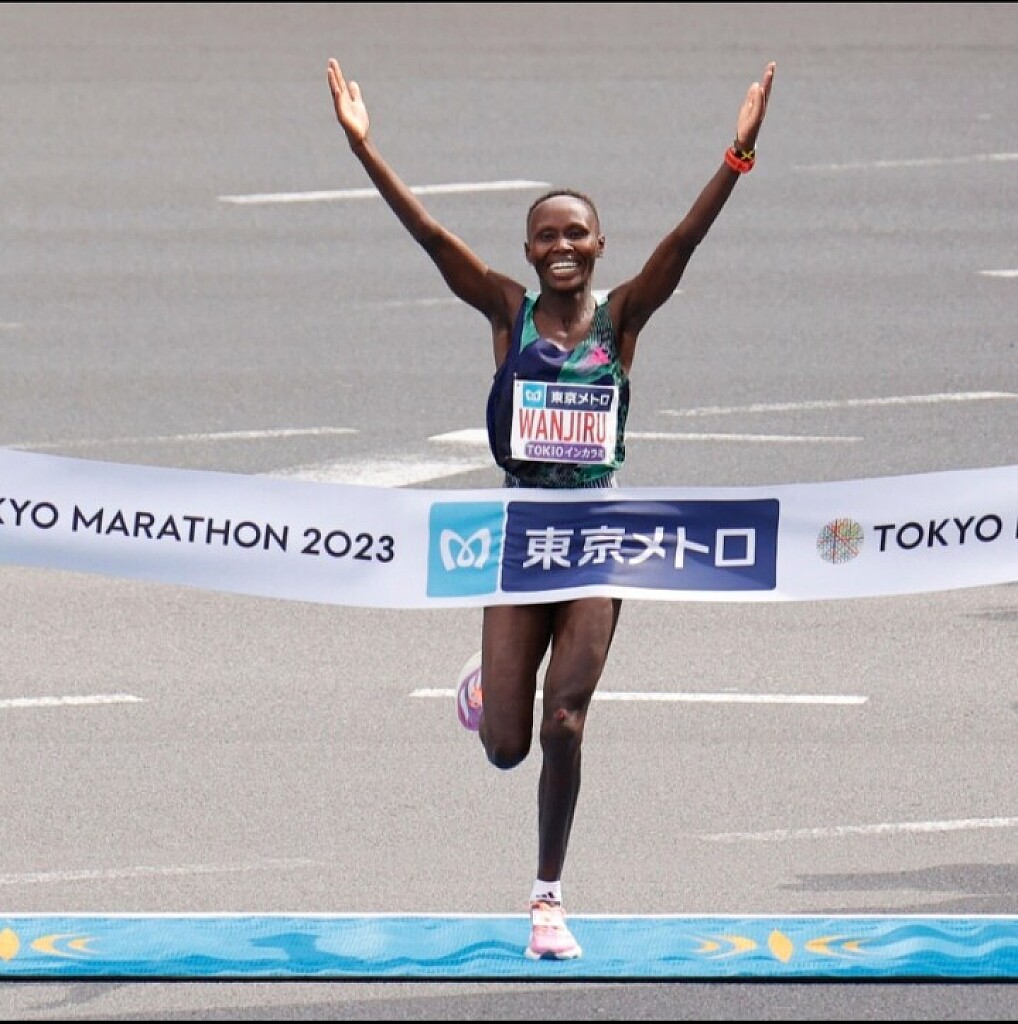
Wanjiru Returns to Tokyo: Kenya’s Marathon Queen Ready for Another Golden Chapter
She is back where memories were made and history was written.
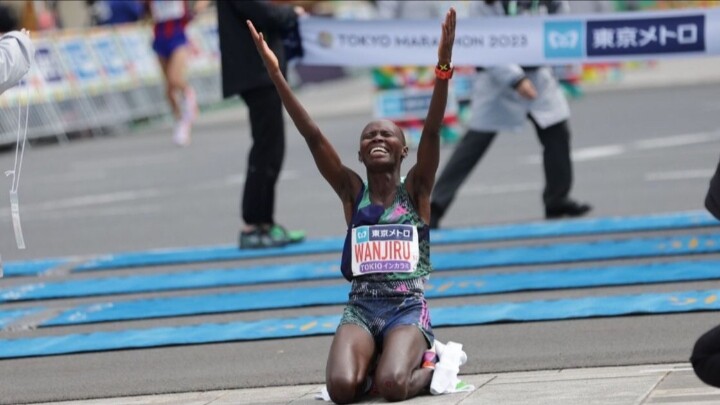
When the women’s elite field gathers in Tokyo for the Tokyo Marathon on Sunday, March 1, 2026, much of the attention will naturally settle on Rosemary Wanjiru — an athlete whose journey on these streets has already been remarkable.
Tokyo is more than just another stop on the marathon circuit for Wanjiru. In 2023, she produced a commanding performance to claim the title, controlling the race with confidence and finishing with authority. It was a breakthrough moment that elevated her standing among the world’s elite.
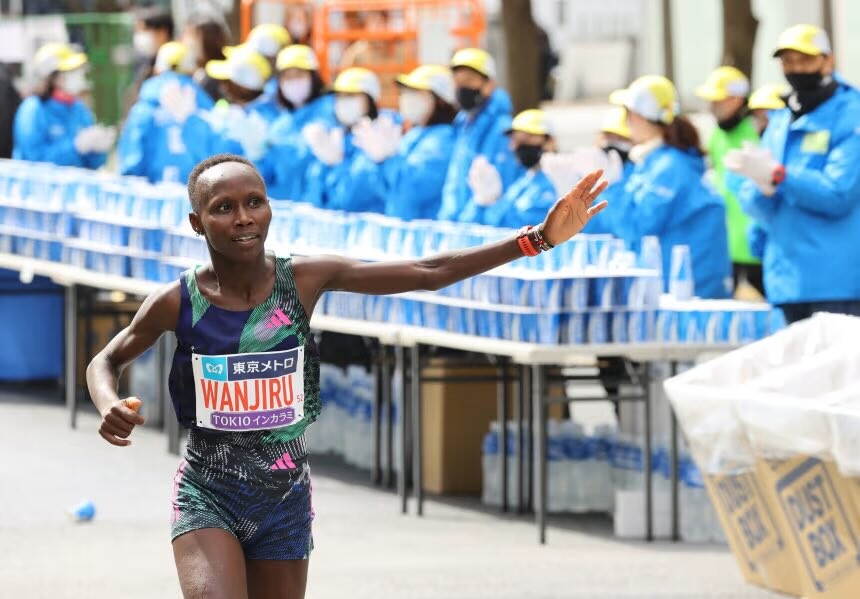
She returned to the same course and delivered even greater evidence of her progress, clocking a personal best of 2:16:14 — a time that underscored her ability to blend strength with precision pacing. On Tokyo’s fast layout, Wanjiru has consistently shown composure, patience in the early stages, and decisive strength when the race reaches its critical moments.
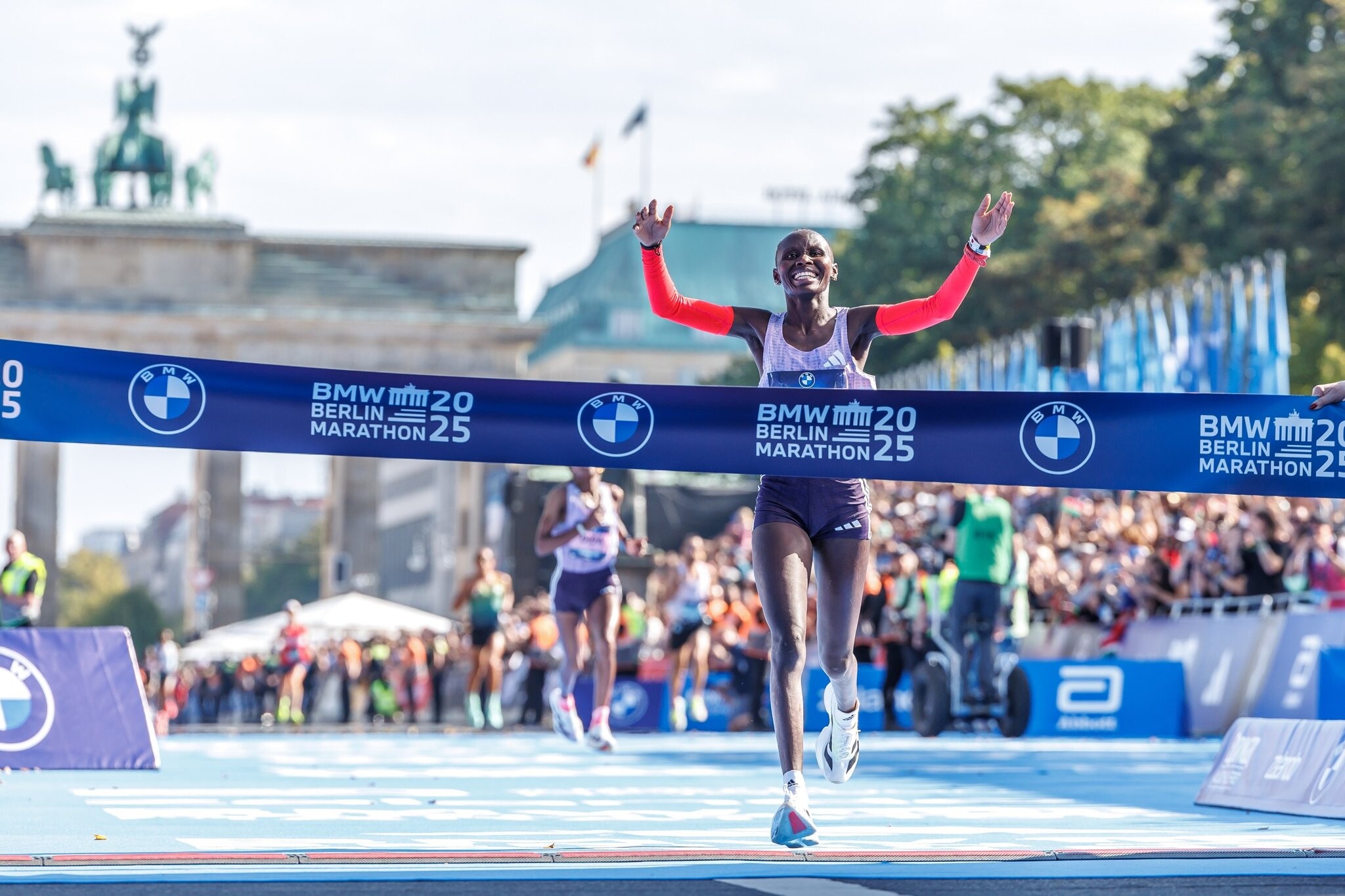
Her victory at the Berlin Marathon in 2025 added another dimension to her profile. Berlin, widely respected for its speed and depth of competition, demanded both tactical awareness and sustained aggression. Wanjiru met that challenge with maturity, reinforcing her reputation as one of the most reliable performers on the global stage.
Yet this year’s return comes within a broader competitive context. Defending champion Sutume Asefa Kebede will seek to protect her crown, while former world record holder Brigid Kosgei brings invaluable experience to the contest. The presence of such accomplished rivals ensures that Tokyo 2026 will be shaped by collective excellence rather than individual expectation.
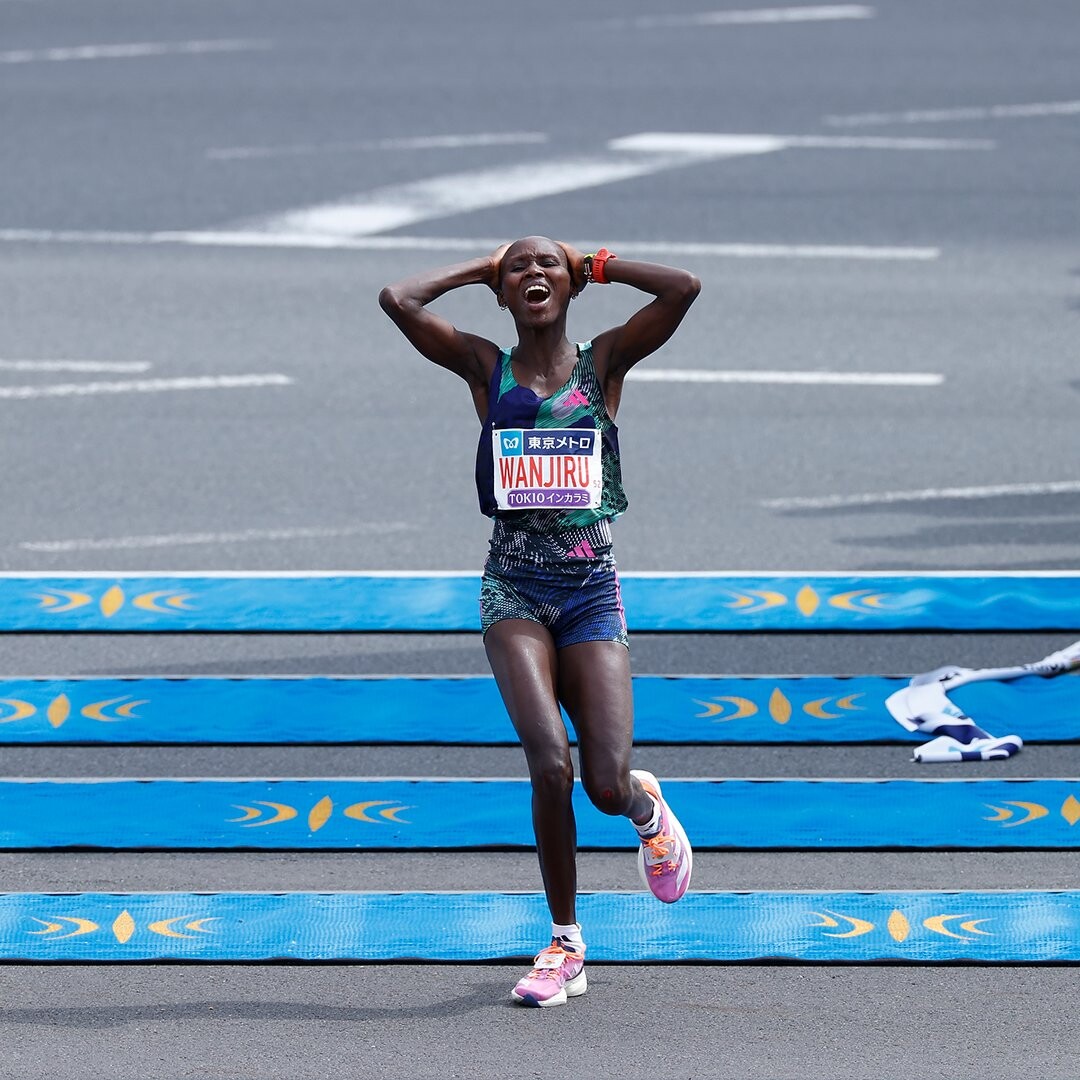
For Wanjiru, the objective is clear but measured: execute her race plan, respond to the rhythm of the field, and compete with the calm authority that has defined her recent seasons. The elite Men's and Women’s race in Tokyo will set off at 9:10 AM local time (JST). For fans following from across the world, this corresponds to earlier or later local times.
Local Time
Tokyo, Japan (JST)
9:10 AM
Sunday, Mar 1
Nairobi, Kenya (EAT)
3:10 AM
Sunday, Mar 1
As dawn breaks over Tokyo, Wanjiru will line up among the world’s best, representing Kenya’s depth in marathon running. While she is a leading contender, the race promises to be highly competitive, with multiple athletes capable of challenging for podium positions.
Tokyo 2026 is a global stage where strategy, endurance, and resilience define the winners. Rosemary Wanjiru’s return adds star power, but the race is open — and every competitor has a chance to make history.
by Erick Cheruiyot for My Best Runs.
Login to leave a comment
Champions Converge in Japan: Osaka Marathon 2026 Promises Speed and Breakthrough Performances
This Sunday, February 22, 2026, the Osaka Marathon will bring together one of its most competitive international fields in recent years, as champions from major city marathons across Africa and Europe converge on the fast streets of Osaka, Japan. With personal bests deep into the 2:04–2:08 range and proven championship credentials, the race is poised to deliver both tactical intrigue and potential record-level performances.
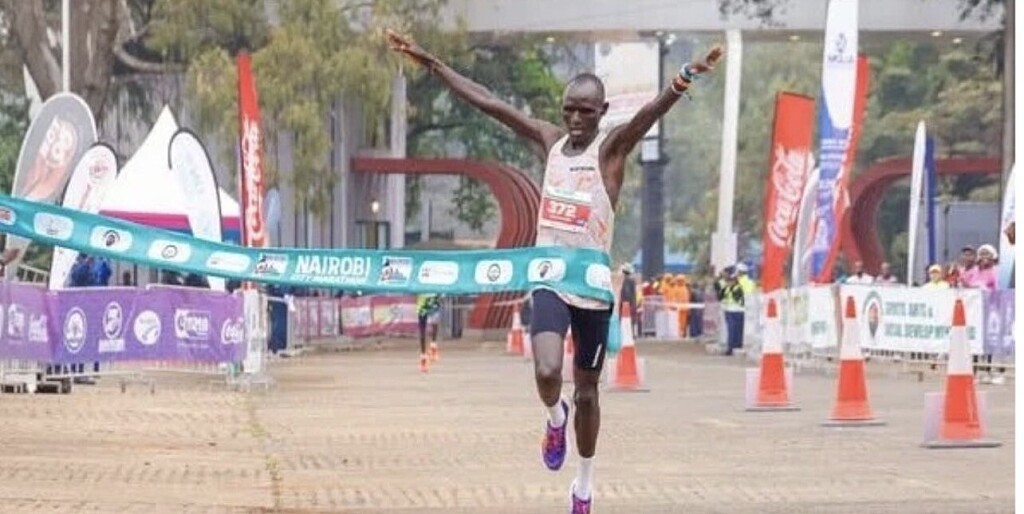
Kenya’s Benson Tunyo Murkomen (first photo), winner of the 2025 Nairobi City Marathon, enters the race as one of the key contenders. With a personal best of 2:08:36 from the Nairobi Express Marathon, Murkomen believes his preparation has elevated him to a new level.
“I have done more mileage with more speed endurance. This gives me more confidence to tackle the Osaka course,” he said.
Murkomen emphasized that his build-up has been carefully structured to balance endurance and race-day execution.
“I have done more long runs with progressive distance to build endurance. My nutrition and pacing strategies will be tailored for a fast course like Osaka.”
Coach’s Insights: Preparation, Discipline, and Podium Potential
Murkomen’s coach, Dr. Kipchumba Chelimo Byron, pointed to the combination of physical and mental conditioning as central to his athlete’s progress.
“Mental strength is one key area we have focused on after his 2:09 performance in Amsterdam. His pacing assignment in Valencia gave him the wherewithal to be disciplined, having controlled John Korir’s pace to victory in 2025.”
He added that Murkomen’s demanding training environment has been essential to his development.
“The physical training, especially endurance and speed in the gruelling hills of the Keiyo Escarpment, coupled with strong training mates, gave him the necessary impetus to tolerate the pressures generated during time trials. By checking all the boxes on these indicators, I am certain he can run sub-2:06 with a chance of a podium finish.”
A Course Built for Fast Times
The Osaka Marathon begins at the Osaka Prefectural Government Building and finishes inside Osaka Castle Park, providing a scenic and historically rich setting for elite competition. Known for its flat profile, wide roads, and minimal elevation changes, the course has become a preferred venue for athletes chasing personal bests and global recognition.
The current course record of 2:05:50 remains within reach if weather conditions cooperate and early pacing proves aggressive but controlled.
Murkomen acknowledged the role of experience in shaping his ambitions.
“Marathon training is a journey, and each marathon I participate in gives me more experience. I am looking forward to getting a new personal best in this coming marathon.”
Defending Champion and Global Contenders Raise the Stakes
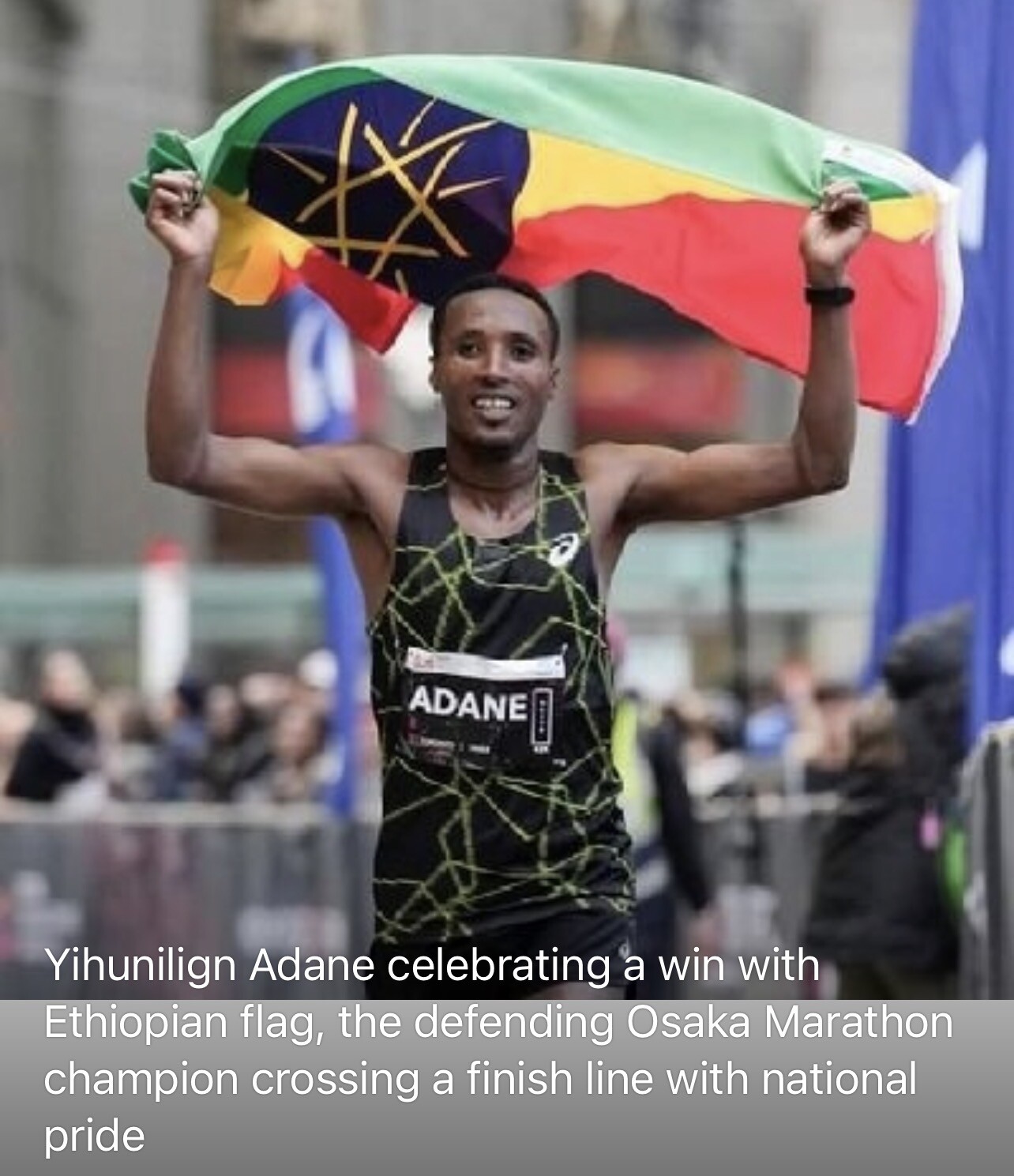
Ethiopia’s Yihunilign Adane returns as defending champion, carrying a personal best of 2:05:37 and a reputation for maintaining relentless pace through the middle stages of major marathons. His compatriot Bute Gemechu, who ran 2:04:51 in Dubai in 2025, arrives as one of the fastest entrants in the field and a serious threat for both victory and the course record.
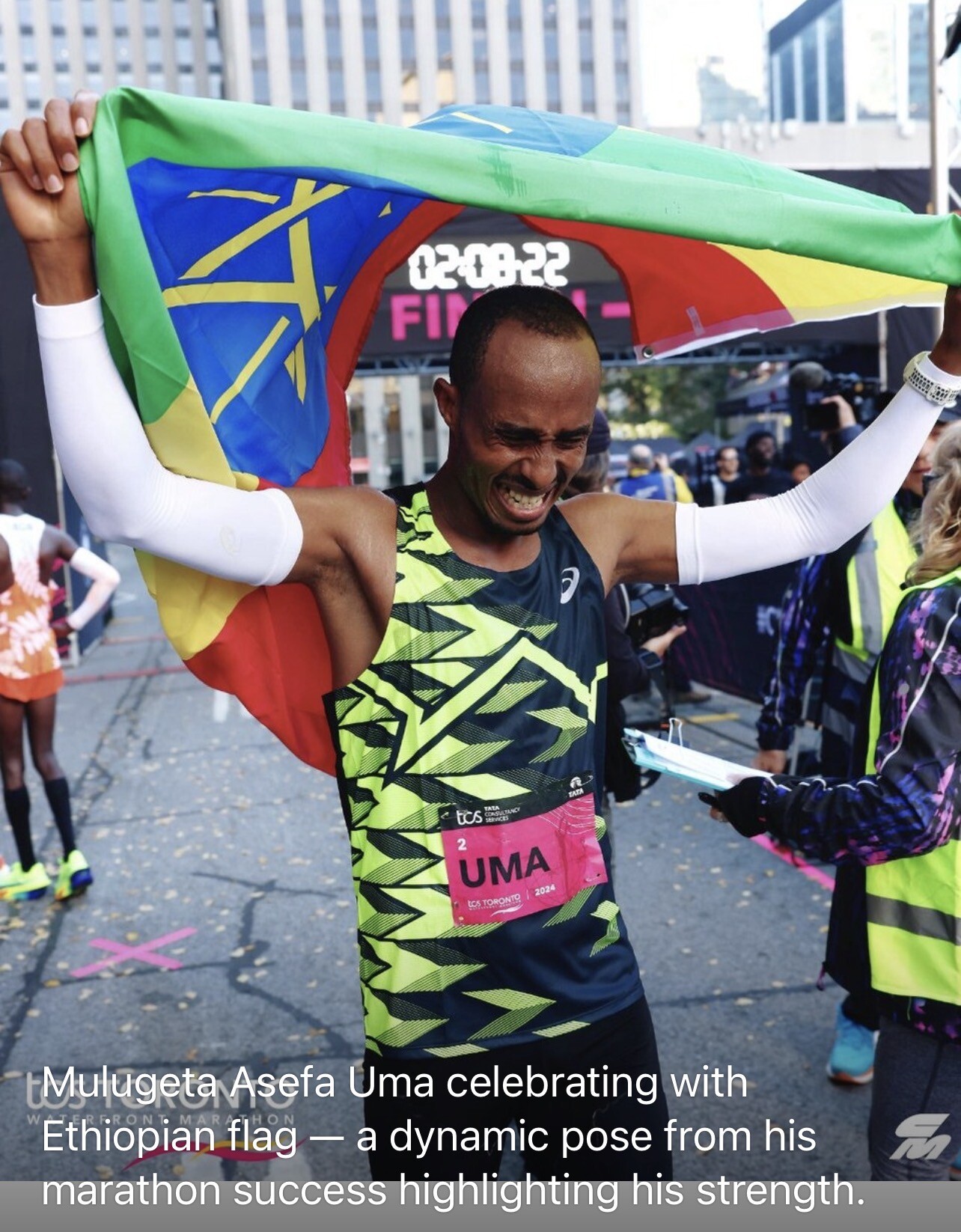
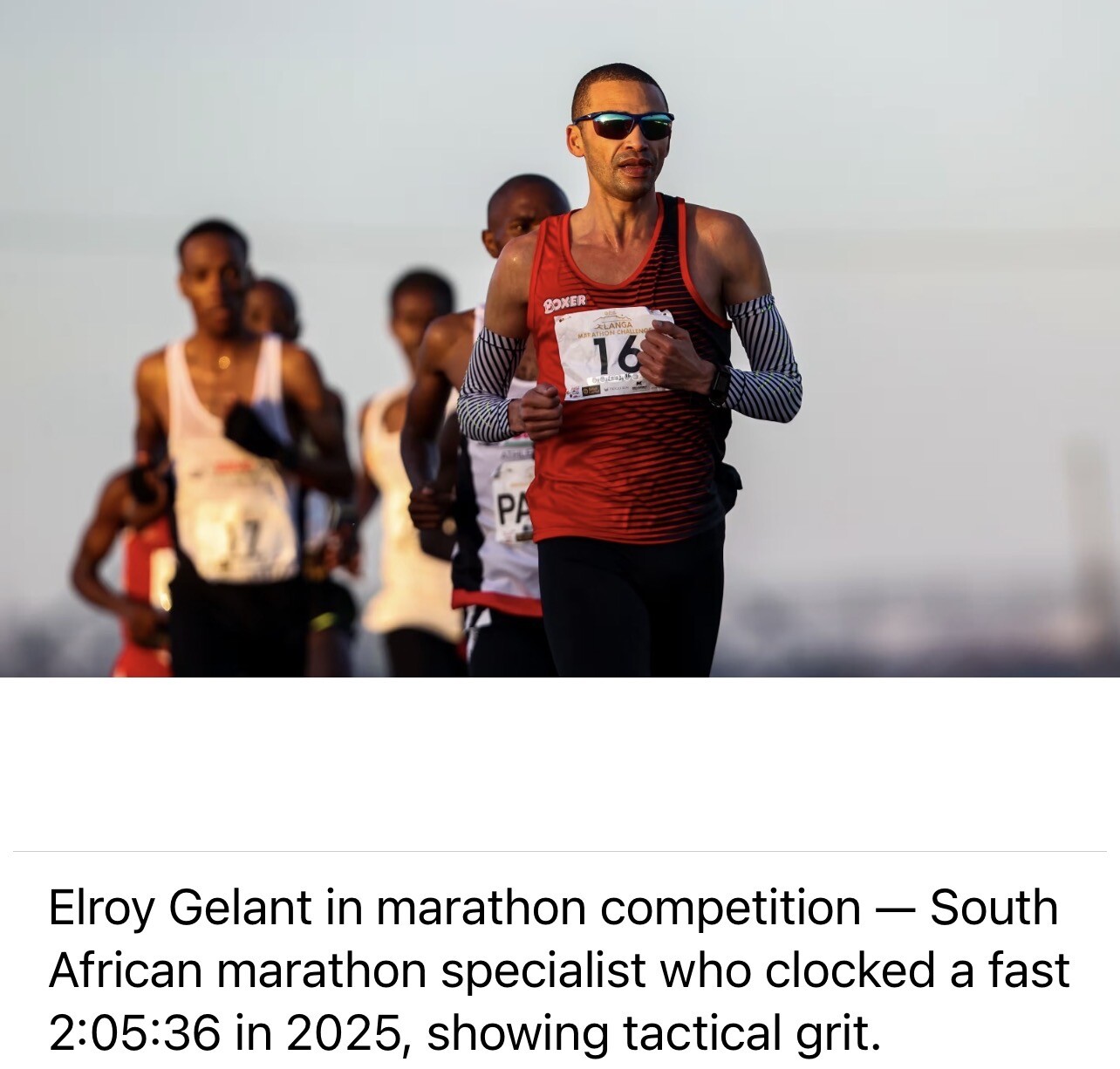
Mulugeta Asefa Uma, winner of the Paris Marathon and owner of a 2:05:33 personal best, brings championship experience and tactical awareness. South Africa’s Elroy Gelant, who ran 2:05:36 in Hamburg, combines track speed with marathon strength and is known for finishing aggressively.
Djibouti’s Ibrahim Hassan and Sweden’s Samuel Tsegay Tesfamariam add further international depth, while Ethiopia’s Afewerk Mesfin and Kenya’s Ezra Kipketer Tanui round out a field where nearly every athlete possesses the credentials to influence the race outcome.
Tactical Battles Expected on the Road to Osaka Castle
With so many accomplished athletes on the start line, early pacing is expected to be decisive. Front-runners such as Gemechu and Adane may attempt to stretch the field early, while disciplined competitors like Murkomen will aim to remain within striking distance while conserving energy for the final kilometers.
The closing stretch through Osaka Castle Park traditionally produces dramatic finishes, where speed, endurance, and tactical judgment converge in the final decisive moments.
Murkomen believes his improved speed will translate into stronger marathon performance.
“Looking at my half-marathon and 10-kilometer personal bests, the raw speed is evident. I plan to translate that into sustained efficiency over 42.2 kilometers and aim for a new personal best.”
A Race with Global Implications
With defending champions, rising stars, and experienced marathon veterans all targeting victory, the 2026 Osaka Marathon promises a compelling blend of speed, strategy, and breakthrough potential. For athletes like Murkomen, Osaka represents more than a single race—it is an opportunity to elevate their standing on the global marathon stage.
On a course designed for speed and a field built for competition, Osaka once again stands ready to deliver a performance worthy of the marathon’s enduring legacy.
by Robert Kibet for My Best Runs
Login to leave a comment

Osaka Marathon
In 2022 the Lake Biwa Mainichi Marathon and Osaka Marathon were held together. For 2023 the name of the marathon will be Osaka and both men and women can run the race. The original male-only competition was first held in 1946 and, having taken place every year since then, it is Japan's oldest annual marathon race. The early editions of...
more...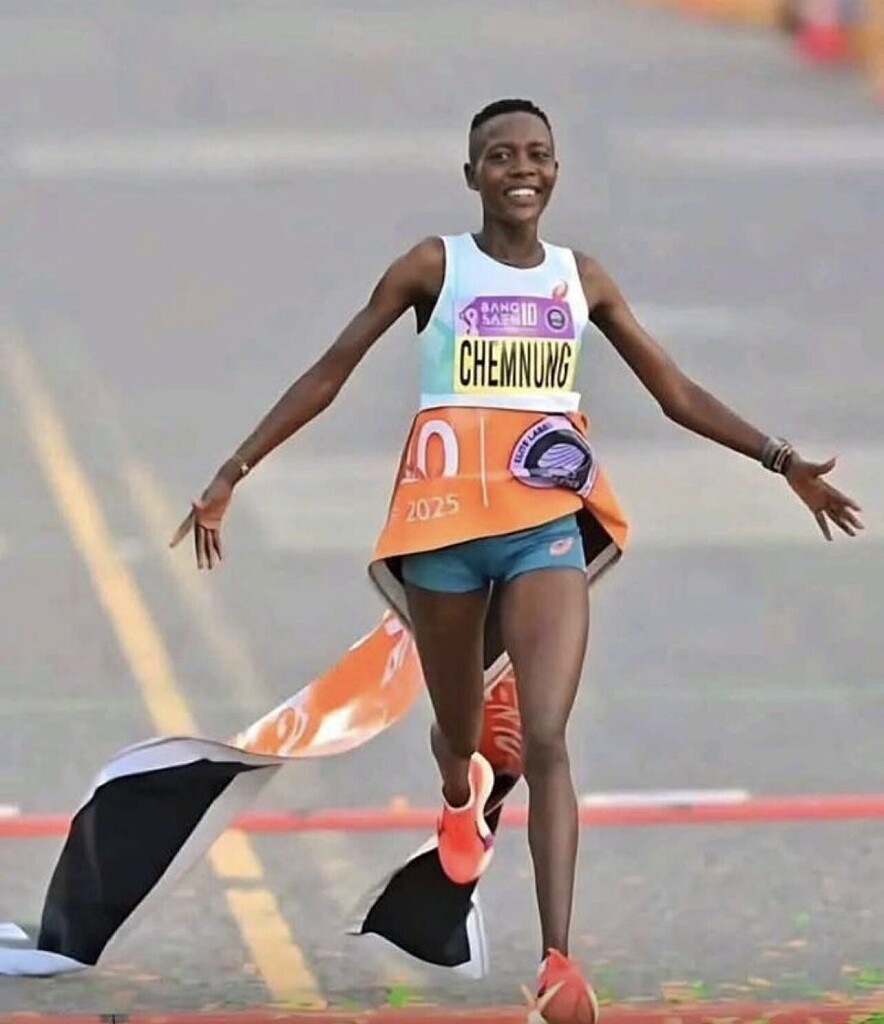
From Barcelona to Boston: Loice Chemnung’s Next Move Is Already in Motion
Hours after delivering one of the fastest performances ever recorded at the Barcelona Half Marathon on February 15, 2026, Loice Chemnung was not reflecting on what she had accomplished. Instead, her focus had already shifted forward—to Boston.
In a virtual interview with My Best Runs from Nairobi on February 16, Chemnung confirmed that her immediate priority is the Boston Marathon on April 20, 2026. Her decisive mindset reflects an athlete who views success not as a destination, but as a stepping stone.
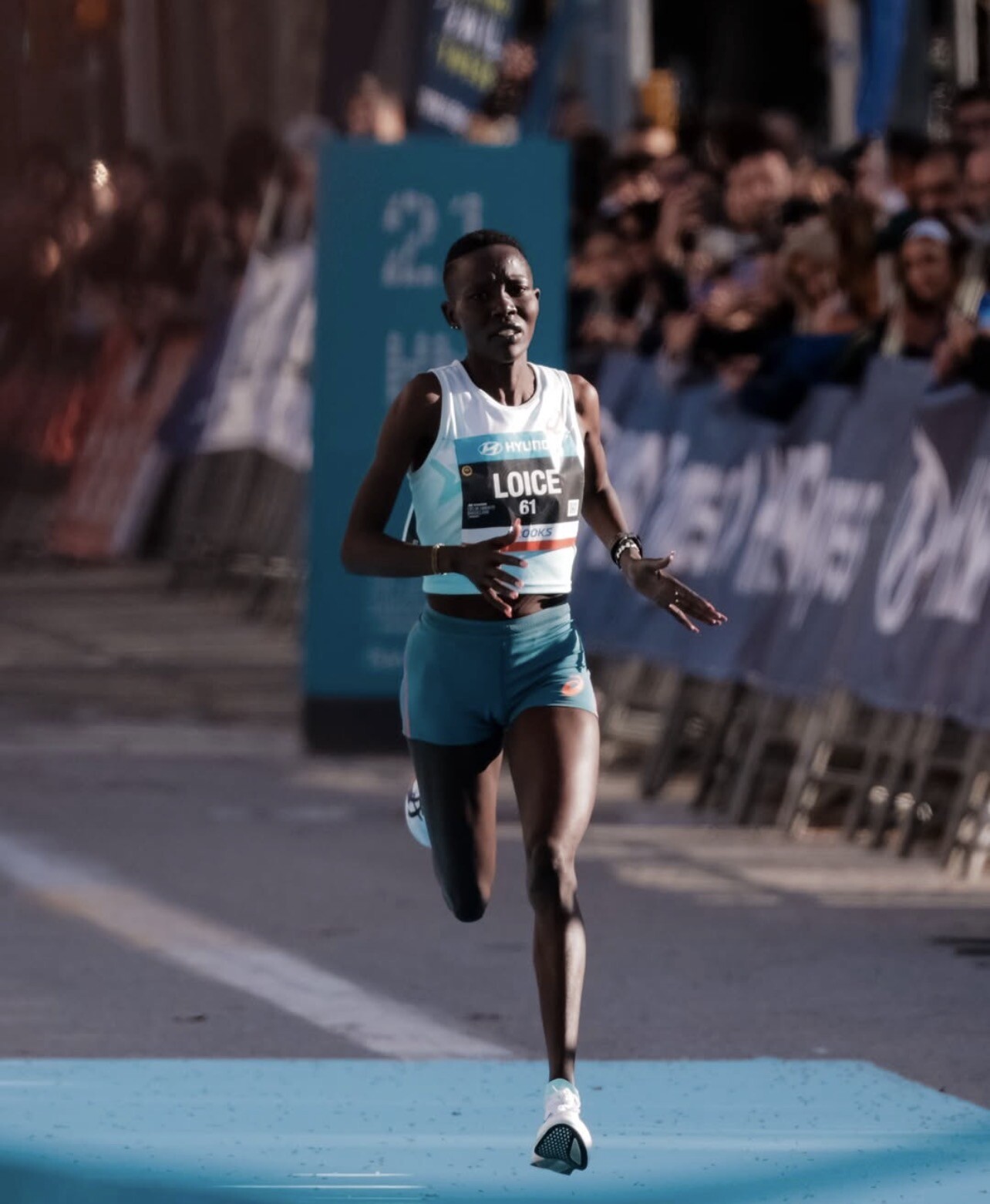
Chemnung’s 1:04:01 performance in Barcelona was more than a course record—it was a statement. It confirmed her position among the world’s elite distance runners and demonstrated a level of composure and execution that signals readiness for even greater challenges. Her ability to sustain pace, maintain control, and finish strongly on a fast, exposed course highlighted both physical preparation and mental discipline.
Her marathon credentials are already formidable. She holds a personal best of 2:18:23, set at the 2025 Chicago Marathon, a breakthrough race that elevated her into the top tier of international marathoners. She also carries positive memories of Boston, having won the Boston 10K last year in 31:39, gaining valuable familiarity with the city and its demanding running environment.
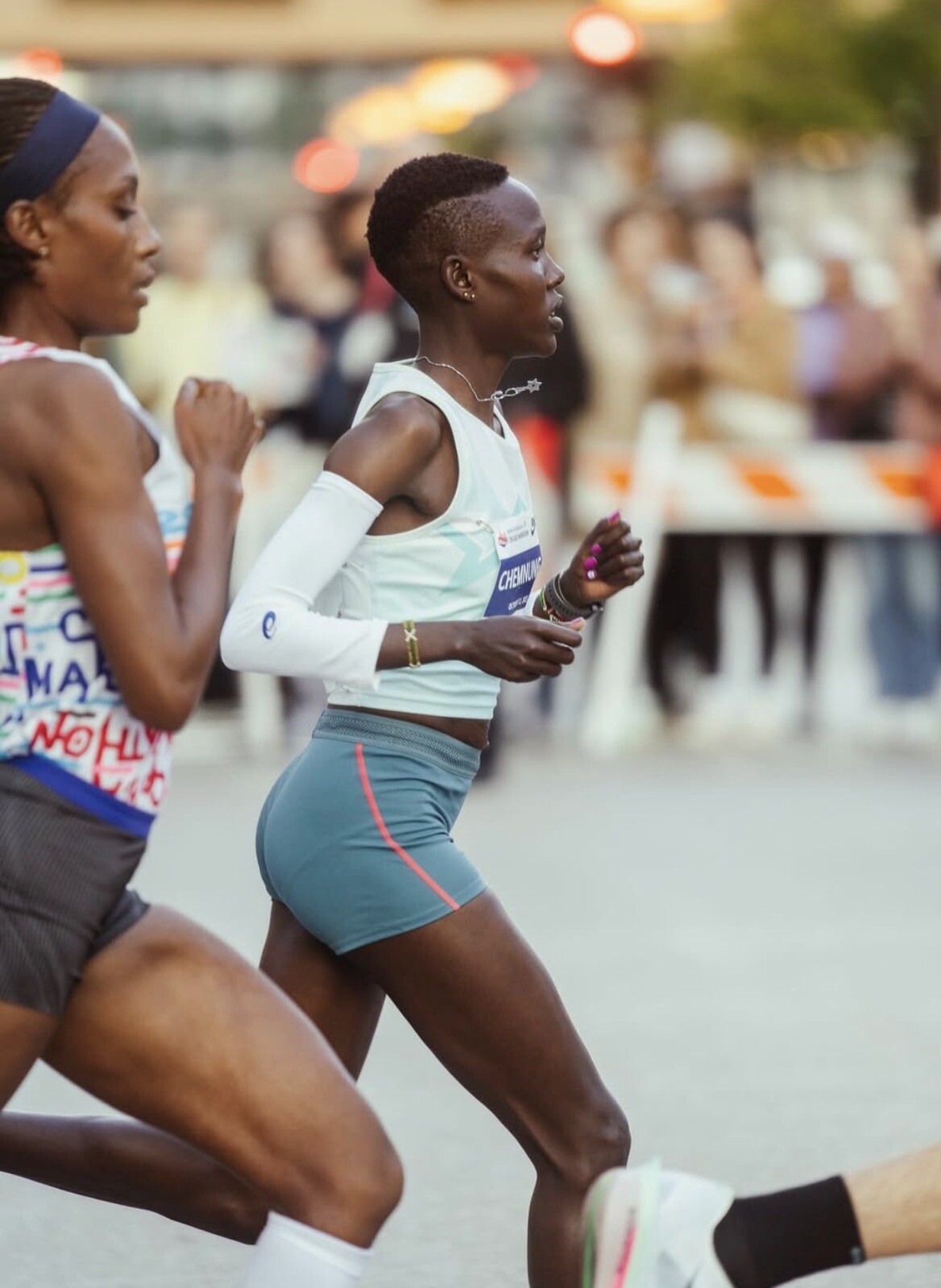
Her approach in Barcelona reflected clarity and intent.
“I was planning for a PB and if conditions allowed to run sub 65,” she said.
Passing 10 kilometers in 30:09, Chemnung committed early to her goal while maintaining control. When the field thinned and she found herself alone during the coastal stretch, she did not deviate from her plan.
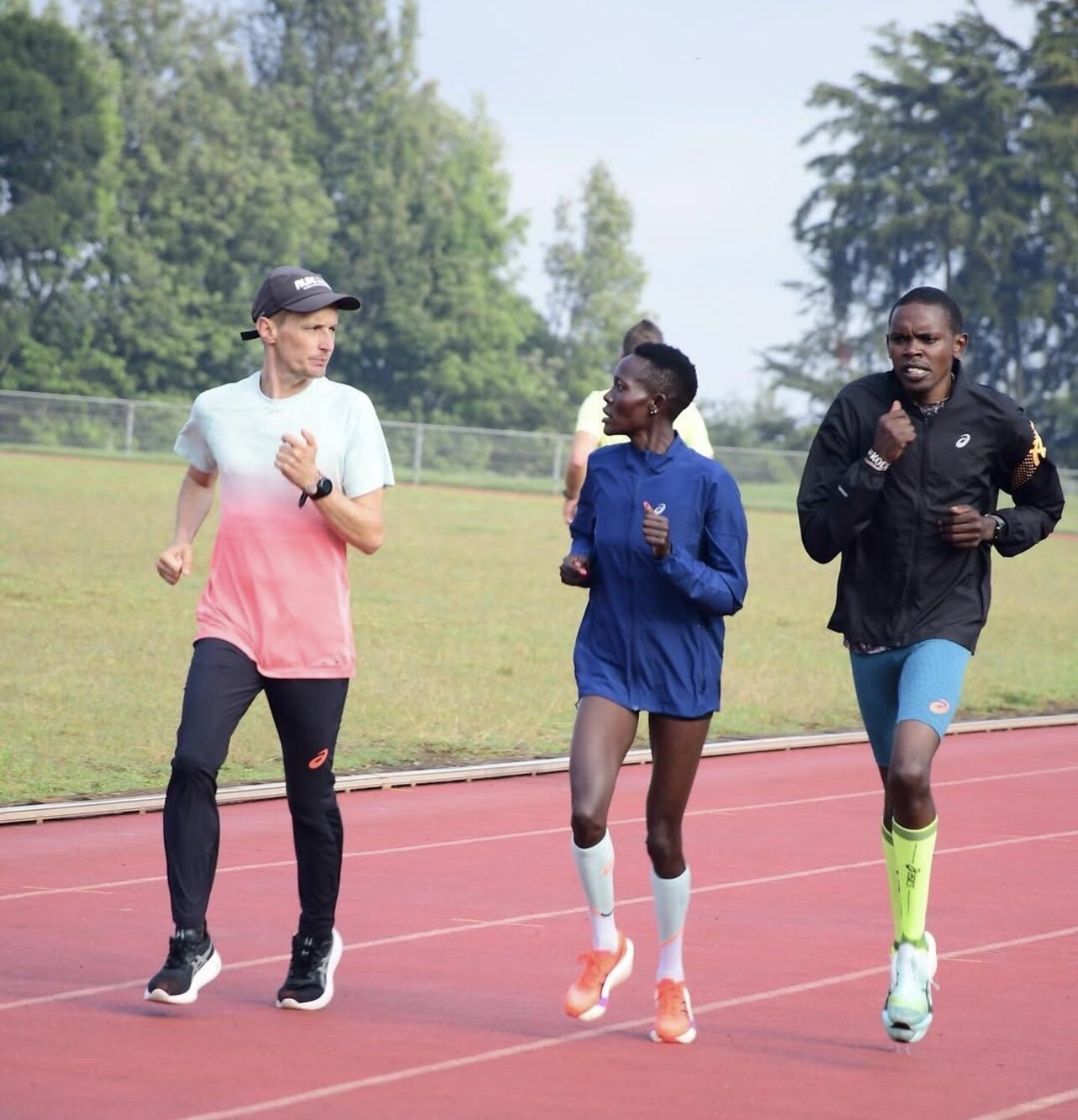
“I just maintained my rhythm and focused on what I am capable of achieving,” she explained.
That emphasis on rhythm is central to her philosophy. Even as fatigue and environmental factors threatened momentum, she relied on disciplined pacing rather than emotional reaction. For Chemnung, preparation is the foundation of performance.
“I can observe that preparation is key to good running,” she said.
Boston, however, presents a different challenge. Unlike Barcelona’s flat, rhythm-friendly profile, Boston is defined by rolling terrain, early downhill segments that punish the legs, and the decisive Newton Hills late in the race. Success there depends not only on fitness, but on strength, restraint, and strategic awareness.
Chemnung understands the shift required.
“Focus shifts to Boston Marathon on April 20th,” she said. “I will focus mainly on endurance, speed endurance to build on a marathon.”
That focus on endurance and speed endurance reflects the demands of championship-level marathoning. It means longer sustained efforts, strength development, and preparation for the unpredictable dynamics that define Boston.
With a personal best of 2:18:23, Chemnung enters Boston with the capability to compete at the highest level. Yet Boston has rarely been a race defined solely by time. It rewards resilience, patience, and the ability to respond when the race evolves.
What stands out most about Chemnung is not just her performance, but her mindset. Within hours of a career-defining run, her attention had already turned to the next challenge. That forward-looking focus is often what separates contenders from champions.
Barcelona confirmed her precision. Boston will test her strength.
On April 20, Loice Chemnung will arrive not as an outsider, but as an athlete whose trajectory is clearly ascending—and whose best performances may still lie ahead.
by Robert Kibet for My Best Runs
Login to leave a comment

Boston Marathon
Among the nation’s oldest athletic clubs, the B.A.A. was established in 1887, and, in 1896, more than half of the U.S. Olympic Team at the first modern games was composed of B.A.A. club members. The Olympic Games provided the inspiration for the first Boston Marathon, which culminated the B.A.A. Games on April 19, 1897. John J. McDermott emerged from a...
more...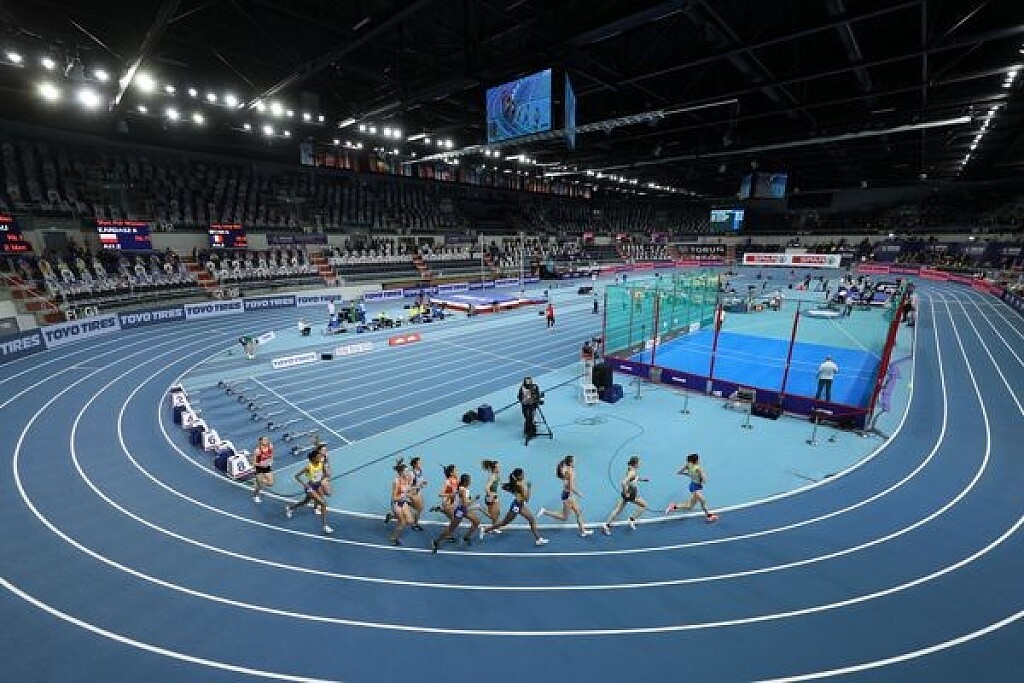
Athletics Kenya Cancels World Indoor Trials, Turns to Merit-Based Selection for Poland 2026
Athletics Kenya has officially cancelled the World Athletics Indoor Trials that were scheduled to take place in Nairobi on January 30–31, 2026, dealing a significant change to the country’s indoor season plans. The federation confirmed the decision through an official notice addressed to athletes, officials, and key stakeholders.
According to Athletics Kenya, the trials were called off due to unavoidable circumstances, making it impossible to stage the event as planned. While specific details were not disclosed, the federation emphasized that the decision was made after careful consideration, prioritising organisational, logistical, and competitive integrity concerns. The move underscores the challenges involved in hosting high-level indoor competitions and the need to ensure proper conditions for fair athlete selection.

Despite the cancellation, Athletics Kenya reassured athletes that the process of selecting Team Kenya for the upcoming global championships remains firmly on course. Instead of trials, the federation will adopt a time-based and merit-based selection system, relying on verified performances achieved during the official qualification window. Athlete monitoring will continue closely across approved competitions listed on the Athletics Kenya calendar.
The selection process will cover key indoor disciplines including 60m (men), 60m hurdles (women), 400m, 800m, 1500m, and 3000m for both men and women. Final team selection will only be confirmed after the World Athletics qualification period closes on March 8, 2026, ensuring all eligible performances are fully assessed.
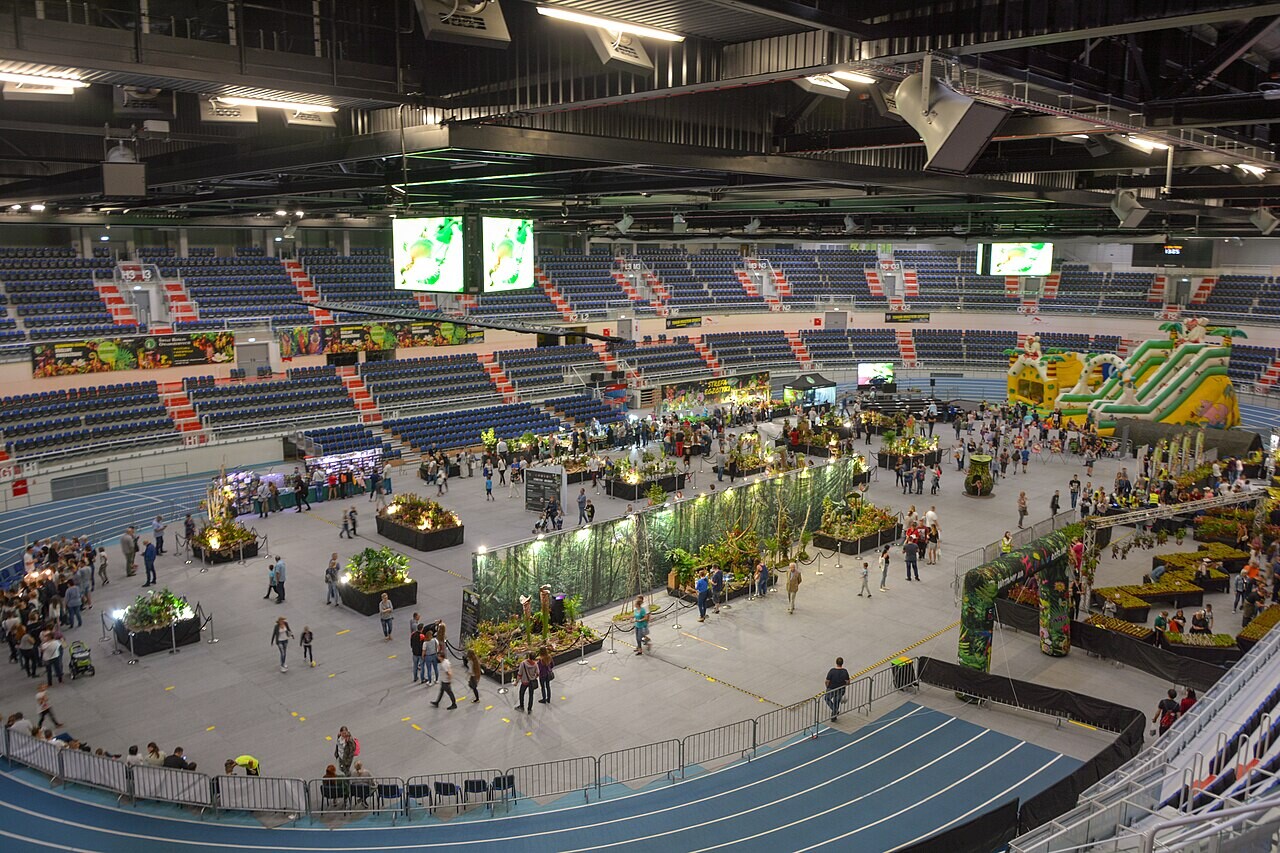
Athletes have been advised to remain focused on training and competition, as strong and consistent performances during the qualification period will now play an even more decisive role in securing national team slots. The federation also pledged to issue further updates should any changes arise.
Attention now turns to the global stage, where Kenya will aim to make a strong impact at the World Athletics Indoor Championships Kujawy Pomorze 26. The championships will be held in Toruń, Poland, from March 20–22, 2026, bringing together over 2,000 athletes from approximately 150 countries for one of the biggest indoor athletics events on the calendar.
The Toruń championships will mark a historic milestone for the host nation — the second time Poland has staged a World Athletics Indoor Championships, and notably the first time the event will be hosted in the Kujawy and Pomorze Region. With elite global competition and high stakes, Team Kenya will be aiming to arrive fully prepared, despite the absence of national trials, ready to compete on one of athletics’ biggest indoor stages.
by Erick Cheruiyot for My Bestruns.
Login to leave a comment
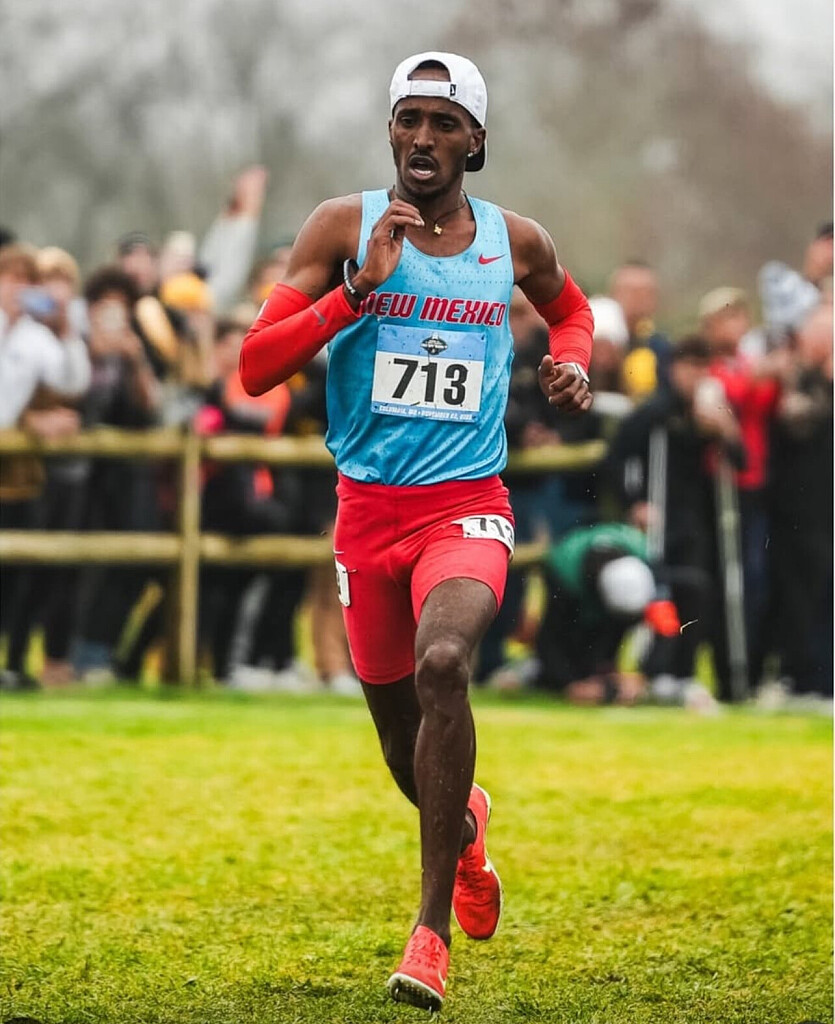
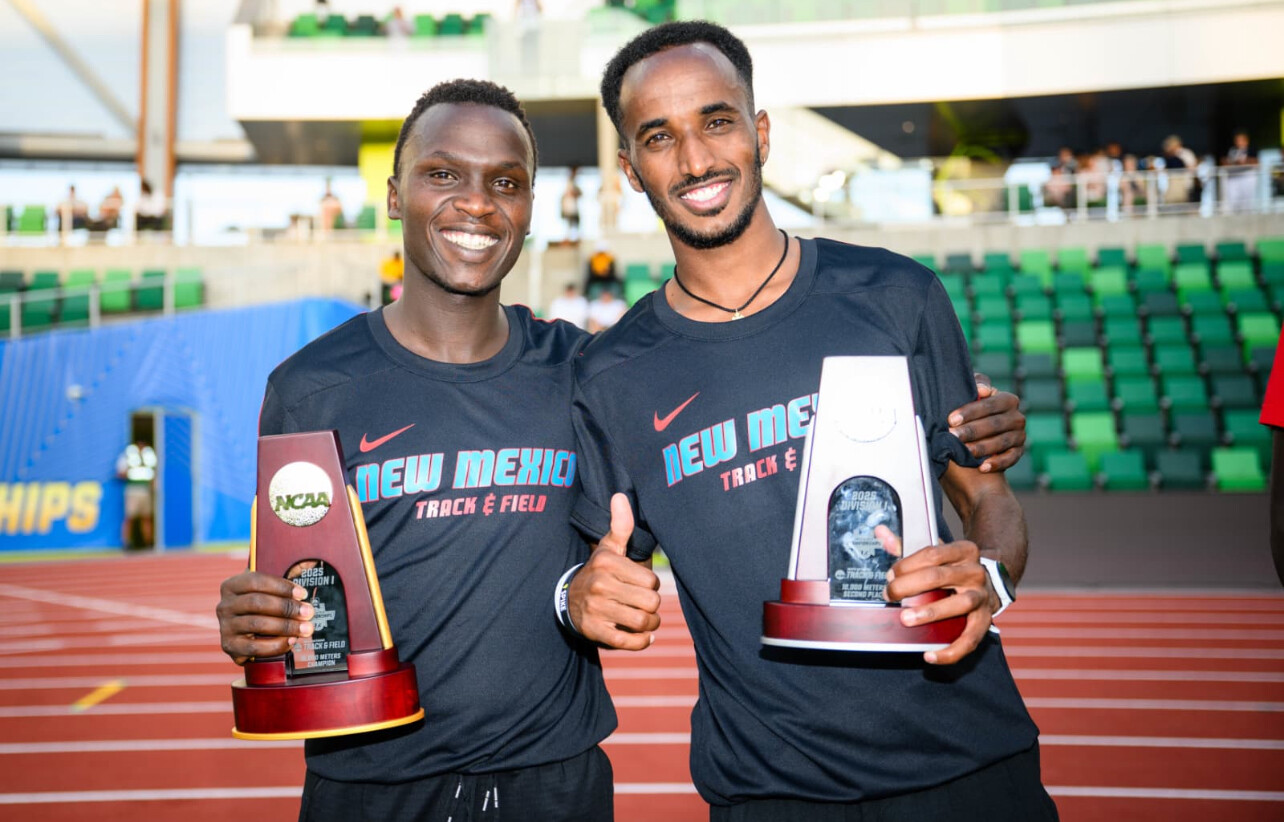
From Village Paths to the Open Road: Habtom Samuel’s Houston Half Marathon Debut
The University of New Mexico Lobo takes his first steps into professional road racing, carrying years of endurance, resilience, and determination.
Running Was Life Before the Track
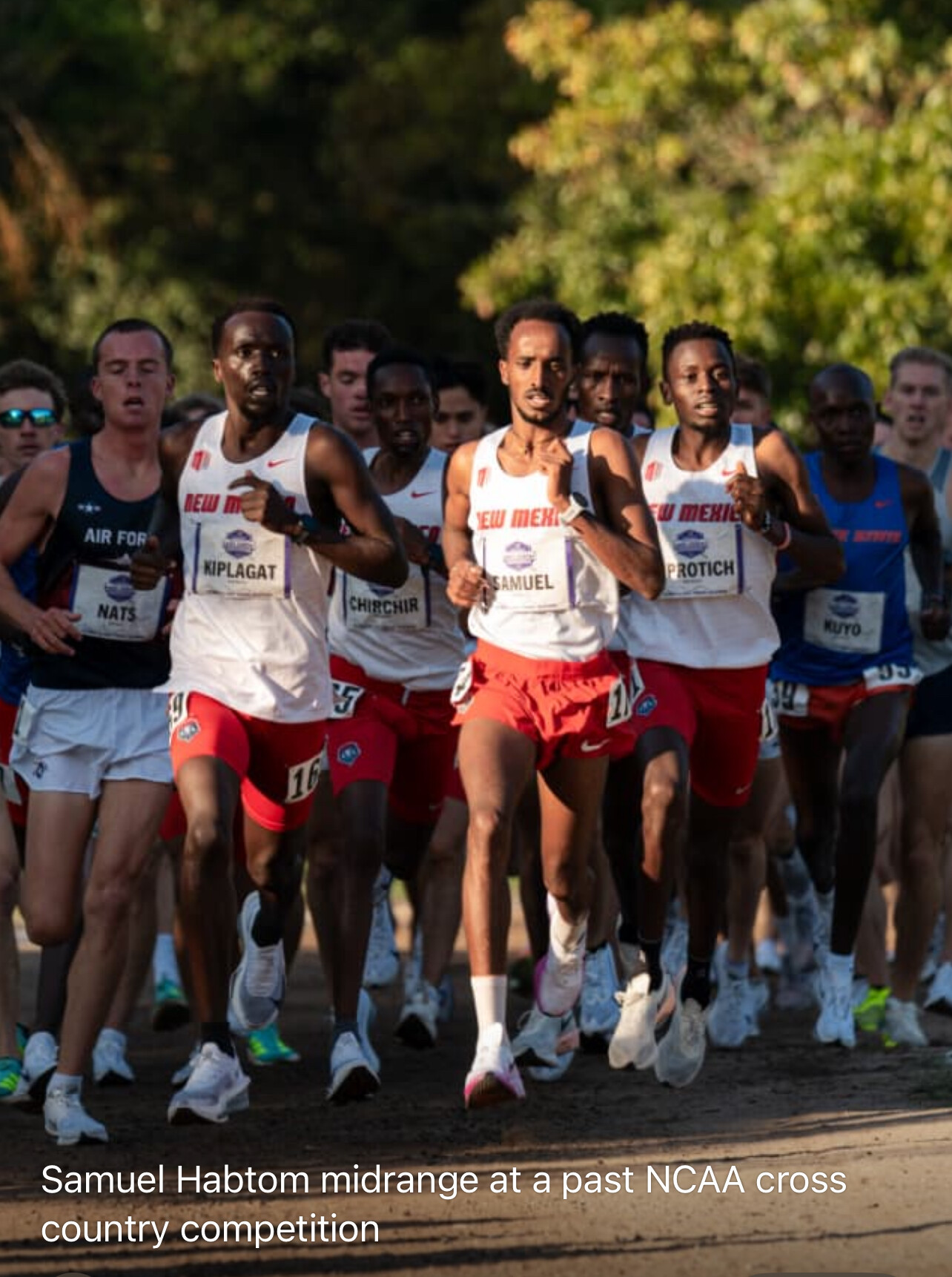
Before Habtom Samuel ever set foot on a formal track, he was running to school—seven kilometers each way—books in hand, racing the clock to arrive on time. Growing up in Debresina, a small village in Eritrea, running was not a sport. It was part of daily life. It was necessity. And in its quiet way, it revealed a talent that would one day carry him onto the international stage.
Samuel’s childhood, like that of many young athletes in rural Africa, blended joy with hardship. The second-born of eight siblings, he learned responsibility early, helping his family and neighbors with farming and daily chores. Life was often difficult, but it shaped a resilience that continues to define him today.
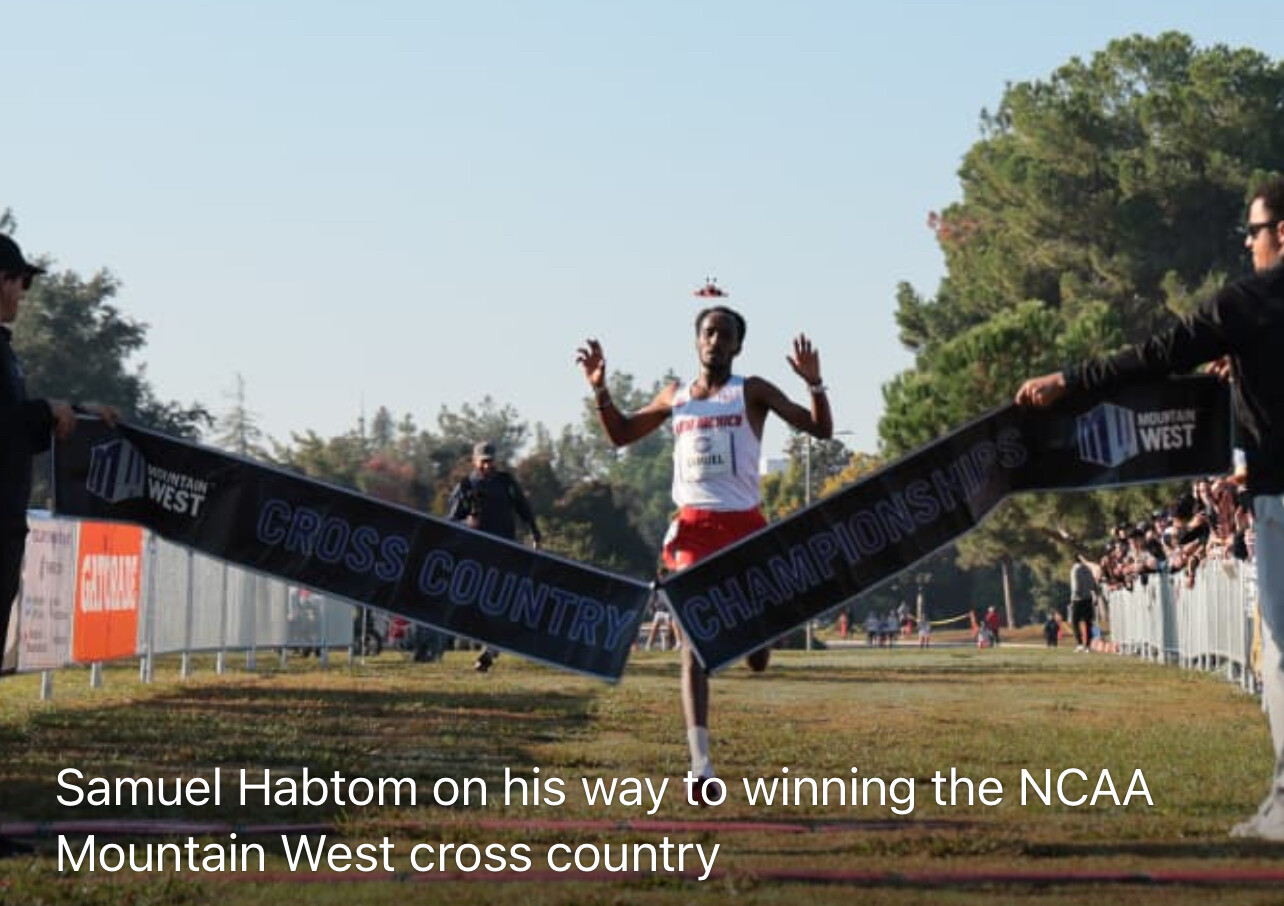
Discovery and Early Talent
Running emerged naturally from routine—long walks to school, informal football matches with friends, and sprints home when village responsibilities made him late. Endurance came long before structure.
“I noticed I could run long distances without getting tired,” Samuel recalls. “That’s when I realized running was something special for me.”
Those unplanned miles built a foundation well before formal training arrived. His breakthrough came in 2021 at the World Athletics U20 Championships in Nairobi, where he earned a bronze medal in the 3000 meters. The race was tactical and fast, stacked with Kenya’s top under-20 athletes. Samuel managed surges carefully, conserving energy before finishing strongly. The podium confirmed more than talent—it confirmed belief.
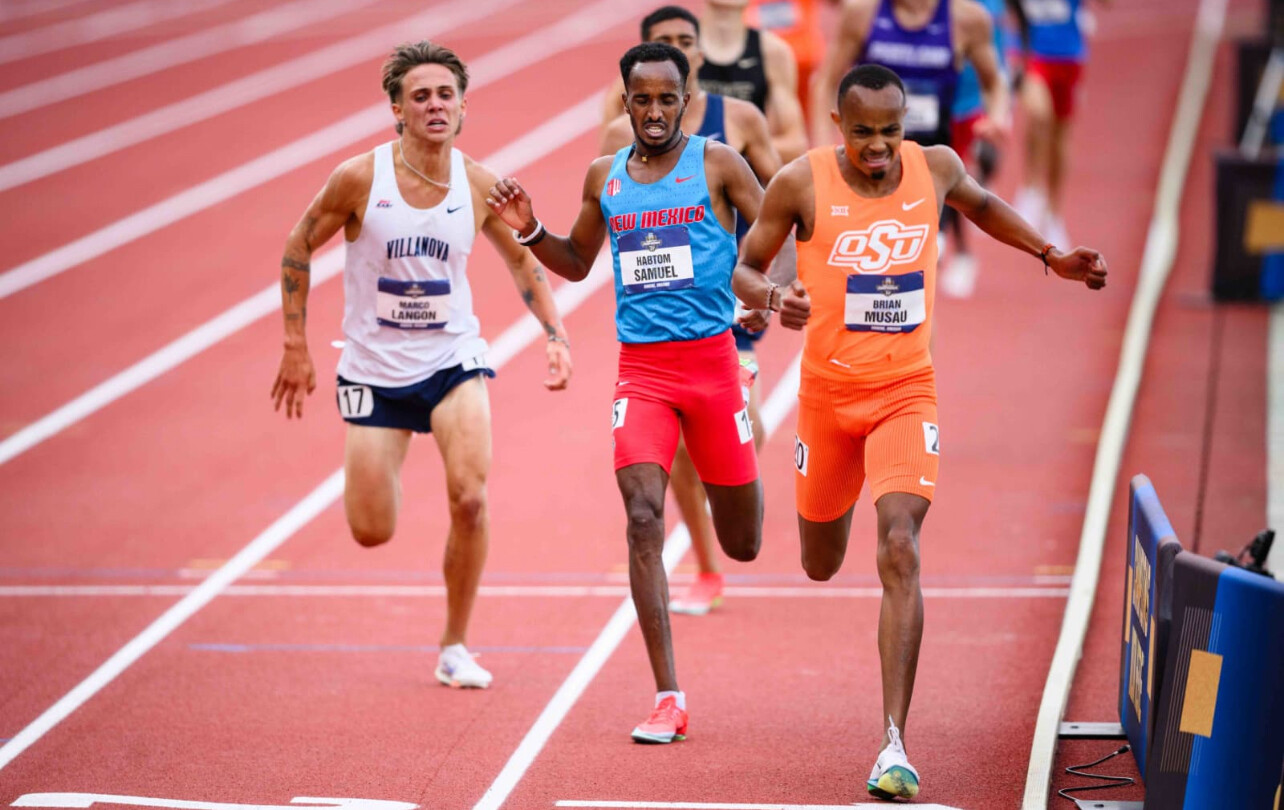
Just one month later, he lined up at the Absa Kip Keino Classic against an elite senior field. Finishing fourth, ahead of several seasoned competitors, he left motivated rather than discouraged. “Running with elite athletes showed me I belonged,” he says. “It made me believe I could do even better.”
A New Life with the Lobos
That belief carried Samuel thousands of miles to the University of New Mexico. He was searching not just for competition, but for growth—athletically and personally. Adjusting to a new language, culture, and academic system during his freshman year was challenging, but he found support within the Lobo program.
Wearing the Lobo uniform and competing for a team rooted in tradition and values fuels him daily—on the track, in cross country, and in the classroom.
Academically, Samuel explored public health and exercise science, drawn by a desire to understand the human body. When prerequisites prevented formal entry into exercise science, he found his stride in Liberal Arts and Integrative Studies. “It allows me to take a variety of classes and keep growing academically and personally,” he explains.
Motivation Drawn From the Past
During the hardest training days, Samuel looks backward to move forward.
“I think about where I come from,” he says. “I went through many struggles as a child and always dreamed of a better life. When I look at where I am now, I feel proud. Many people never get these opportunities, and that pushes me to work harder. This is my moment. I feel lucky—but luck means nothing without hard work.”
Debuting on the Roads
This weekend marks another turning point: Samuel’s debut at the Chevron Houston Half Marathon.
Until now, his focus has been cross country and track. Road racing remained unexplored—until winter break offered the opportunity to step outside the collegiate circuit and test himself against seasoned professionals.
The half marathon represents more than a distance change. It is a test of endurance, pacing, strategy, and mental resolve.
“What excites me most is standing on the start line with top professionals,” he says. “I want to see how fast I can run in my debut and what I can learn.”
He approaches the race with curiosity rather than pressure—an opportunity to learn, adapt, and understand his potential beyond the oval.
Looking Ahead: Lessons Beyond the Finish Line
Samuel’s Houston debut marks an important milestone. It allows him to explore a new distance, apply lessons learned from village paths, cross-country courses, and track races, and take a measured step toward a possible professional future on the roads.
More than times or placements, Samuel hopes to be remembered for how he races—and how he lives.
“I want people to remember me as someone who was never afraid to challenge himself,” he says. “As a person, I hope to be remembered for staying hopeful, working hard, and turning every opportunity into something positive.”
From the paths of Debresina to the roads of Houston, Habtom Samuel’s journey as a Lobo is a story of endurance, courage, and gratitude—a reminder that every mile carries a story, and every challenge offers a chance to grow.
by Robert Kibet for My Best Runs
Login to leave a comment

Aramco Houston Half Marathon
The Chevron Houston Marathon provides runners with a one-of-a-kind experience in the vibrant and dynamic setting of America's fourth-largest city. Renowned for its fast, flat, and scenic single-loop course, the race has earned accolades as the "fastest winter marathon" and the "second fastest marathon overall," according to the Ultimate Guide to Marathons. It’s a perfect opportunity for both elite athletes...
more...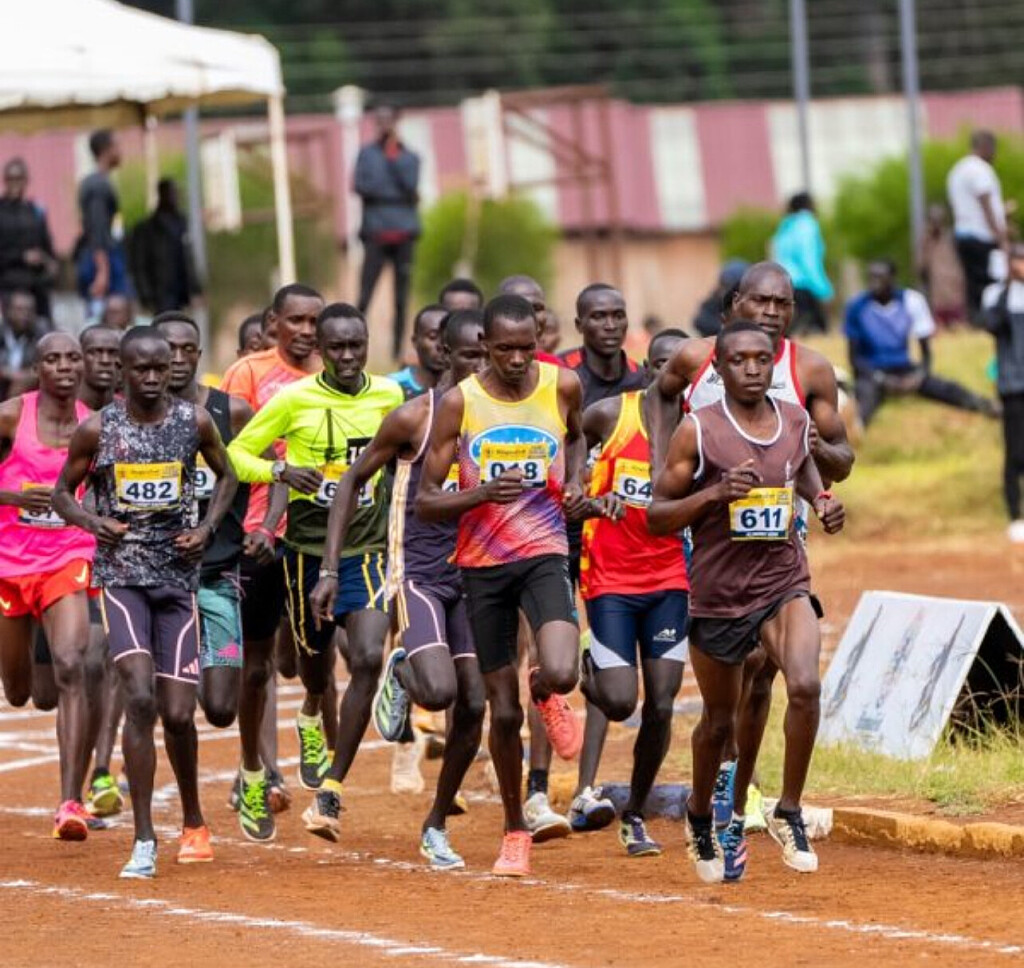
BingwaFest Returns: A High-Stakes Track Opportunity for KATA Athletes
After a competitive season across Nakuru, Siaya, and Machakos, Nairobi is set to host the Season 2 BingwaFest Nairobi Edition on November 22 at Kasarani Stadium. For KATA athletes spread across Kenya, this meet is far more than another race on the calendar—it’s a chance to shine on home soil, compete for substantial prize money, and demonstrate the strength of regionally developed talent. Powered by Betika, the Nairobi edition underscores the resurgence of Kenyan athletics and the rising impact of local competitions.
The season opened in Nakuru, where Maurine Jepkoech Chebor stamped her authority by sweeping both the women’s 5,000m and 10,000m. In the men’s events, Richard Etir and Daniel Kimaiyo delivered standout performances that set an early standard. Their efforts framed a season defined not just by speed and endurance, but by smart racing and tactical maturity.
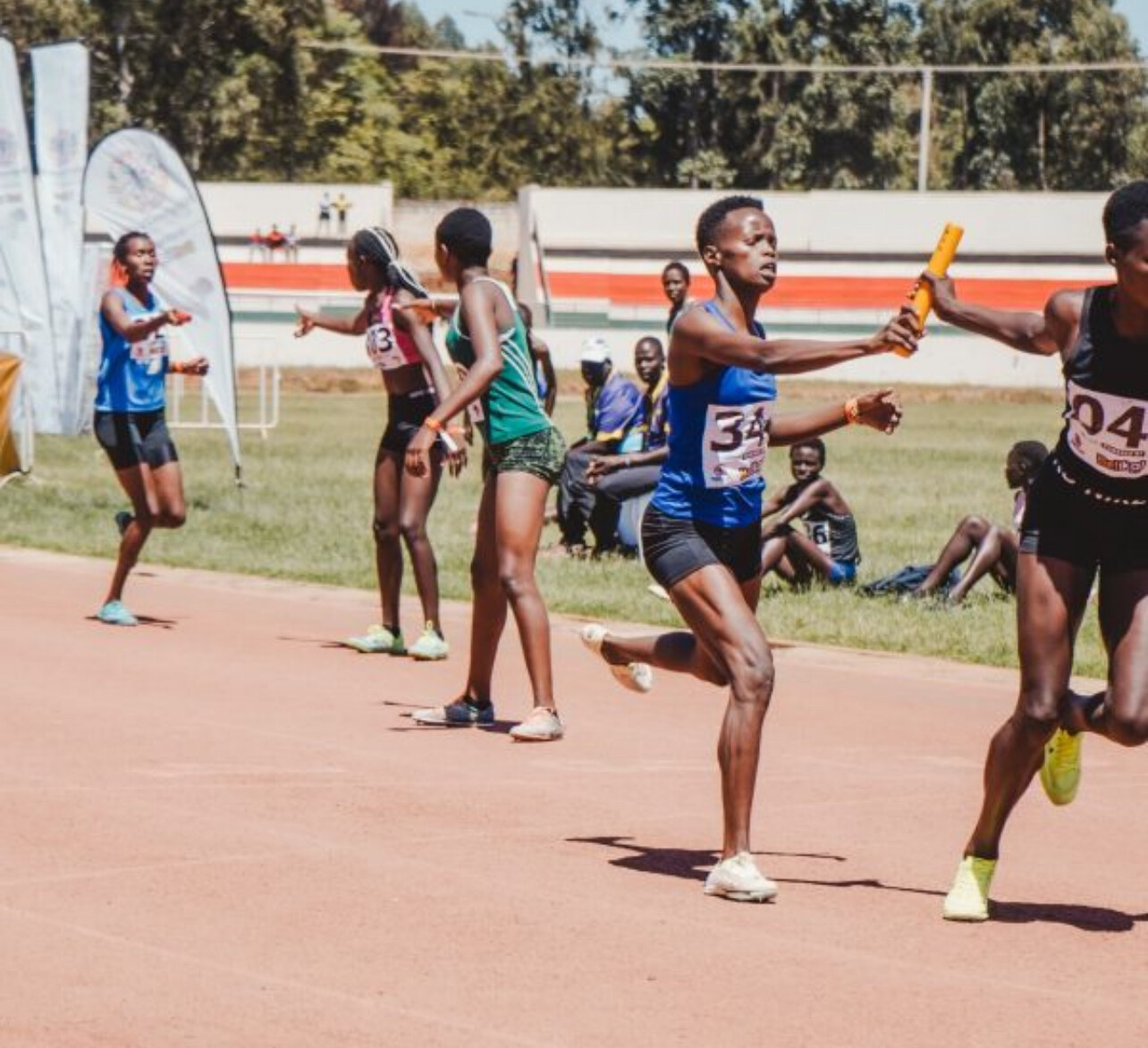
Siaya continued the trend, with Miriam Chebet taking double gold in the 5,000m and 10,000m. “Winning both races is a big confidence boost,” she said after her victories. “I hope to perform even better.” Titus Kiprotich provided a masterclass in patience and pacing to secure the men’s 10,000m. In Machakos, veterans Glorious Chepkurui and Francis Langat showcased consistency and experience, winning their respective 5,000m and 10,000m races with measured execution.
KATA athletes have been prominent across the domestic circuit, bolstered by strong results at major recent events such as the Standard Chartered Nairobi Marathon 2025. Under the guidance of Coach Philemon Kiptoo of KATA001 Kapcherop, athletes have not only raced well—they have emerged as crowd favorites, blending disciplined training with tactical sharpness. Their appearance in Nairobi reinforces the rising credibility of Kenya’s regional training hubs and shows that structured local programs can produce athletes capable of competing at international levels.
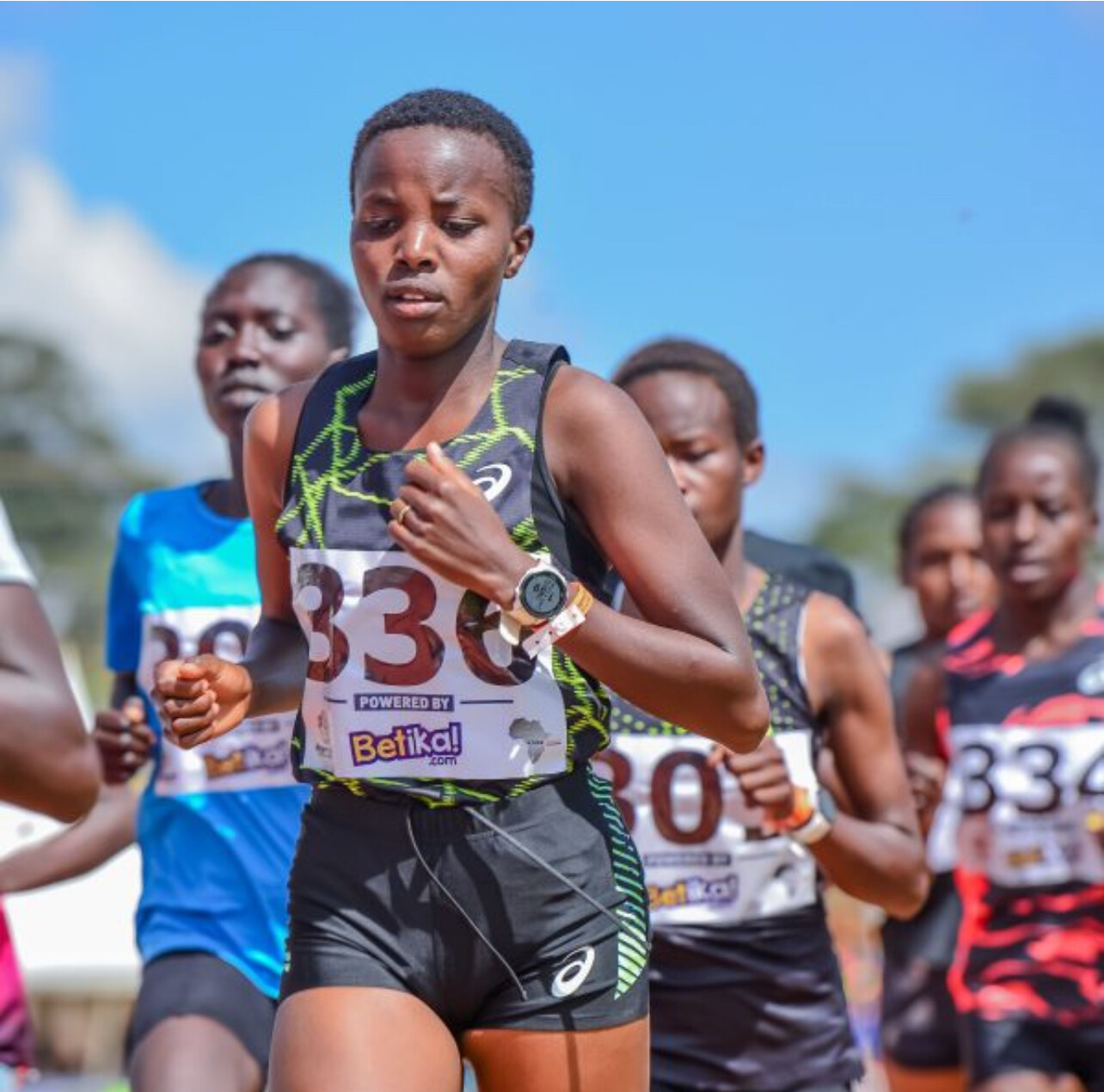
A distinctive factor behind the KATA program’s momentum is the community-driven economic engine supporting its athletes. Bob Anderson’s potato farming initiative—spread across the highland regions where KATA camps operate—has become a vital funding source. Revenue from these farms helps cover training expenses, travel costs, and essential equipment, allowing athletes to focus fully on performance. This model of local empowerment gives athletes the stability to build careers at home rather than chasing uncertain opportunities abroad.
This year’s event also marks the reopening of Kasarani Stadium following CHAN football upgrades, offering athletes a world-class track and a renewed sense of pride. For many, racing at Kasarani is deeply personal. As Timothy Cheruiyot has said of past editions, competing at home brings a sense of belonging and motivation unmatched by international travel. KATA athletes will look to create similar moments across the full program of events—from the 100m to 400m sprints, 800m and 1,500m middle distances, 5,000m and 10,000m long-distance races, and both the 4×100m and 4×400m relays.
The incentives are significant. Individual winners will earn 250,000 shillings, with 150,000 for second place and 100,000 for third. Relay teams will compete for up to 300,000 shillings. These rewards highlight a growing truth: Kenyan athletes can build sustainable careers through domestic competitions.
For KATA athletes, the return to Nairobi is a moment where disciplined training, homegrown support, and community-driven funding intersect. It’s proof that local competitions can create real opportunities—and that economic empowerment initiatives, like the KATA potato program, can directly fuel athletic success. As Kasarani opens its gates on November 22, the stage is set for Kenya’s rising stars to make their mark and keep the momentum of a nationwide athletics revival firmly in motion.
by Robert Kibet
Login to leave a comment
Lucy Muritu’s Young Athletes Set Sights on 3rd Edition of Great Chepsaita Cross Country Run
NYANDARUA, Kenya Lucy Muritu, a dedicated KATA beneficiary and mentor, is preparing her young athletes to shine on the global stage at the upcoming 3rd edition of the Great Chepsaita Cross Country Run (Gold Label), set for December 6.
Beyond her success as a KATA potato farmer, Lucy has devoted herself to nurturing young running talent, proving that grassroots mentorship can open doors for children to excel both on the track and in the classroom.
Among her protégés are sisters Florence Wangui (13) and Margaret Wanja (11), whose performances have already drawn national attention. The two recently triumphed in Bob’s One Mile Children’s Race, an initiative created by Bob Anderson to support emerging young runners. Alongside the annual Double Road Race, Bob’s One Mile has become a vital platform for discovering and nurturing athletic talent at the youth level.
Florence and Margaret continued their winning streak by capturing titles at the Roy Sambu United Environment Cross Country Run in Nairobi, confirming their rising status among Kenya’s promising young athletes.
Lucy has already registered her full team for Chepsaita: Florence Wangui, Margaret Wanja, Godfrey Kahora (19), Ann Wanjiku (16), Tabitha Wanjiru (15), Tashian Wangari (8), and Alisha Njoki (9). Many of these young athletes come from humble backgrounds, yet through Lucy’s mentorship—and the support of programs like KATA and Bob Anderson’s initiatives—they are gaining both guidance and opportunity to grow in sport and in education.
Reflecting on her journey, Lucy said:
“I would like to sincerely thank Bob for the wonderful opportunity he has given me through KATA. Being part of this program has truly empowered me as a farmer and a mentor, and I am grateful for the trust and support that has been shown to me. With KATA’s guidance, I look forward to achieving even greater results and continuing to contribute to the growth of our community. At the same time, I am preparing our young athletes for a great race—the upcoming Chepsaita Cross Country Gold Label event. I’m excited to nurture and guide the next generation, and I believe their participation in such a prestigious event will inspire them to reach new heights.”
The Great Chepsaita Cross Country Run, recognized internationally as a Gold Label event, gives young athletes the chance to compete alongside elite runners—learning lessons in discipline, training, and sportsmanship that will shape their futures.
For Lucy and her team, the event represents far more than a race. It’s a platform where talent meets education, helping mold a generation of athletes who can thrive in both athletics and life.
KATA’s framework offers this same opportunity to coaches across Kenya, empowering them to identify young runners in their communities, register them in programs like Bob’s One Mile, and access mentorship and resources that foster both athletic and academic growth.
Lucy encourages other coaches to join the effort:
“There is talent everywhere, and KATA gives us a way to find it, guide it, and give children the opportunities they deserve. With more coaches participating, we can build a network of mentorship that reaches every county and ensures no gifted child goes unnoticed.”
As December 6 approaches, Lucy’s young athletes stand as a testament to the power of community-based mentorship. From the rolling hills of Nyandarua to the Gold Label course at Chepsaita, these children embody the resilience, dedication, and promise that programs like KATA and Bob’s One Mile are designed to nurture. Their journey shows that with the right guidance and opportunity, Kenya’s next generation of runners can achieve greatness—on the course and beyond.
by Robert Kibet
Login to leave a comment
Lucy Muritu: The Mother, Farmer, Coach, and Athlete Nurturing Nyandarua’s Next Generation
In the cool highlands of Nyandarua County, about 180 kilometers northwest of Nairobi, Lucy Muritu has built a life that seamlessly blends her passions for running, farming, and mentoring. Once based at the KATA Training Center in Thika, the seasoned road-running athlete has transformed her personal athletic journey into one of leadership, hard work, and community empowerment.
Born in Mukurweini, Nyeri County, Lucy grew up as the second of five children in a farming family. From a young age, she developed a deep respect for the land and a strong work ethic—values that continue to guide her today.
“Working in potato farming under the KATA program has been both rewarding and demanding,” she says. “The program provides valuable support like quality seeds, interest-free loans, and expert advice. These have helped me increase my yields and improve my farming practices. Through KATA, I’ve also met other farmers and taken part in competitions that keep me motivated to keep learning and growing.”

Her relocation to Nyandarua opened a new chapter, allowing her to merge her athletic discipline with agricultural entrepreneurship and youth development. “Balancing farming with training requires good time management and a strong support system,” she explains. “I plan my days carefully—mornings are for planting, weeding, or supervising workers, while afternoons and evenings are for running and workouts. It can be tough during planting seasons, but with determination and support from my family and team, I manage both. Staying active in both keeps me inspired and allows me to give back more to my community.”
Mentorship has become one of Lucy’s greatest sources of fulfillment. “I’m passionate about helping young and junior athletes,” she says. “By sharing what I’ve learned, I can help them reach their potential—not just in sports but in life. Growing up, mentors played a huge role in my journey, and I want to do the same for others, especially in rural areas where opportunities can be scarce.”
She beams when talking about the athletes she coaches. “Watching them grow in confidence, discipline, and skill is incredibly rewarding,” Lucy says. “I want them to understand that with hard work and determination, they can achieve their dreams—whether on the track, in the classroom, or in their communities.”
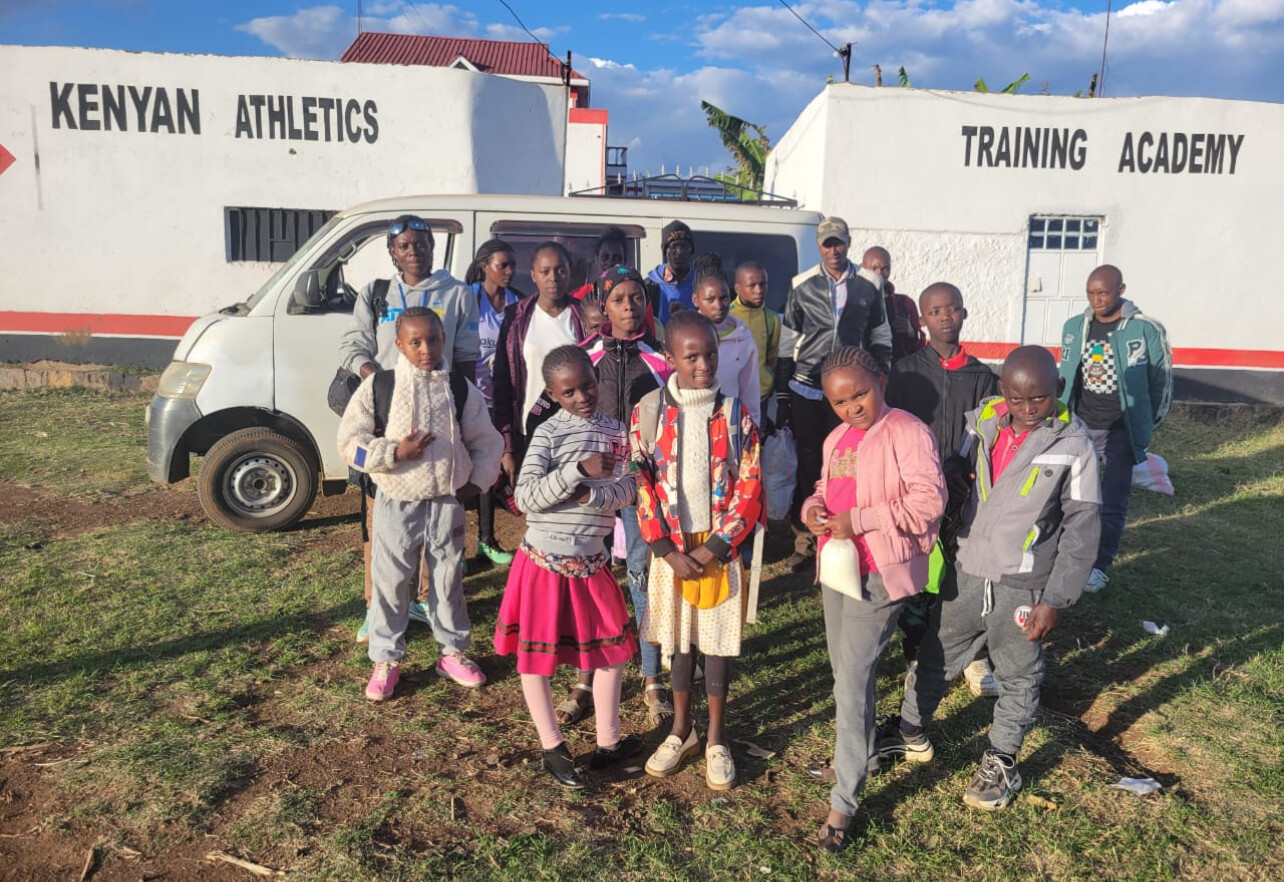
Lucy also carries a special message for women juggling multiple roles. “Believe in yourself and never underestimate your strength,” she says. “It’s not always easy to balance family, work, and personal dreams, but with determination, planning, and support, it’s possible to thrive in all areas. Don’t be afraid to ask for help, and always take time for yourself. Every role you play—as a mother, professional, coach, or athlete—has its own value. Celebrate every achievement and keep pushing forward. By following your passion and setting a positive example, you’re showing young girls that they too can dream big and succeed.”
Lucy Muritu’s story is one of harmony—between nurturing crops and cultivating talent, between personal goals and community service. Her journey proves that true success doesn’t come from running away from your roots, but by running with them.
by Robert Kibet
Login to leave a comment
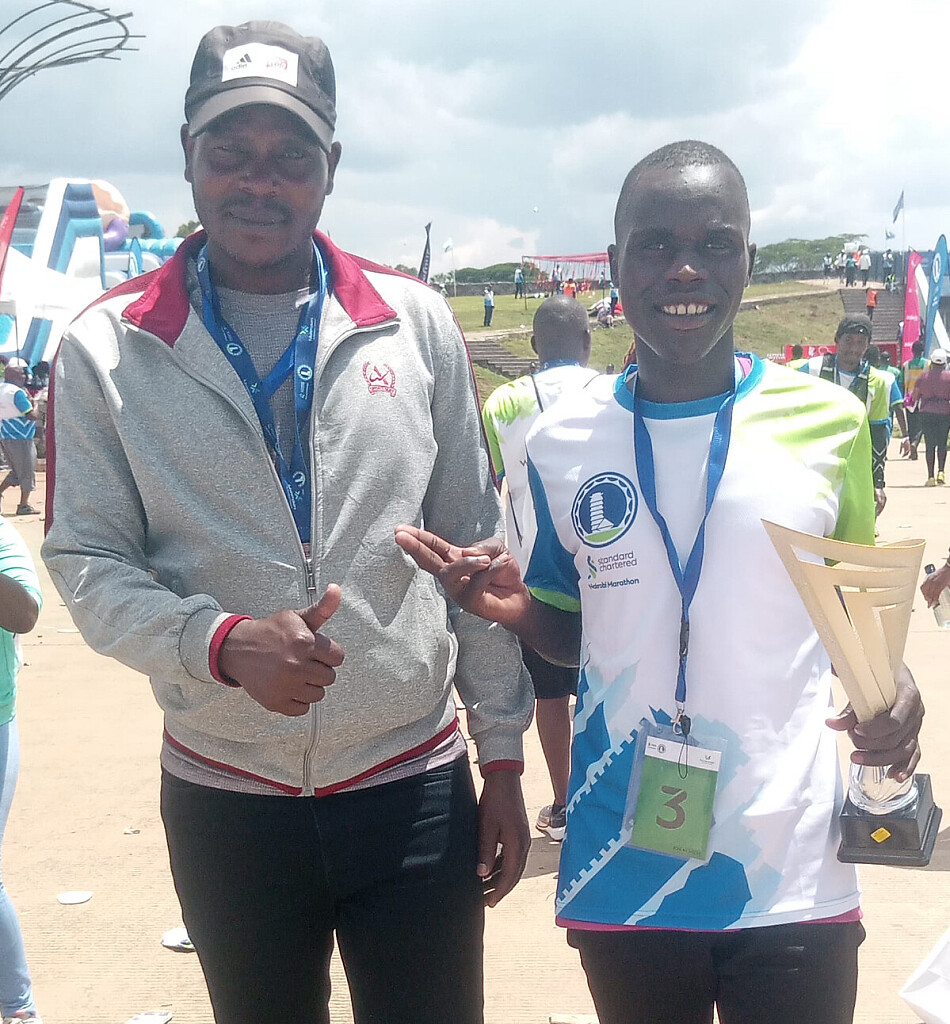
From Charcoal Seller to Champion Coach: The Remarkable Journey of Philemon Kiptoo in Kapcherop
In the cool highlands of Kapcherop, where morning mist drapes over rolling potato farms and runners trace winding red-dirt trails, coach Philemon Kiptoo is living out a dream that once seemed far beyond his reach.
The son of a humble family of nine, Philemon’s rise from selling charcoal barefoot to mentoring Kenya’s next generation of marathon stars is a story of resilience, faith, and the transformative power of community.
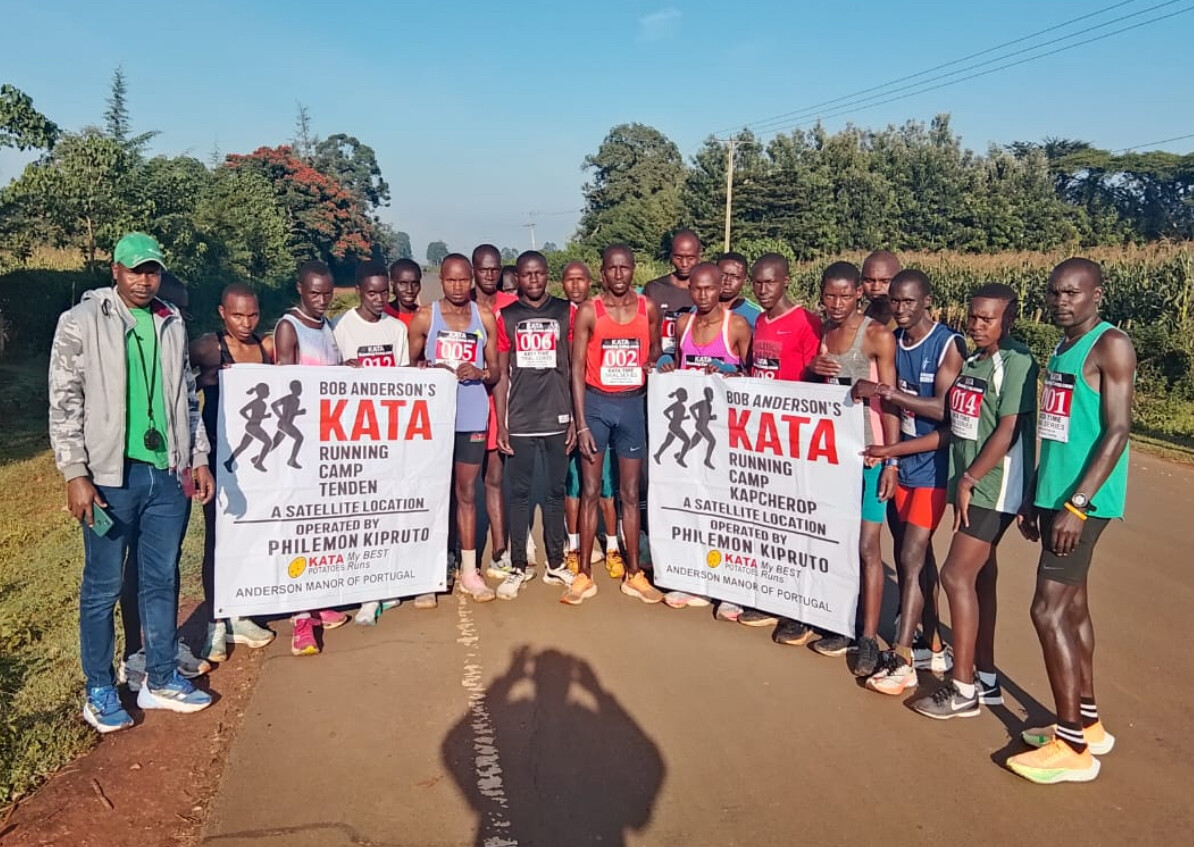
A New Chapter with KATA
Philemon’s turning point came when he joined the KATA network — an initiative founded by U.S.-based running pioneer Bob Anderson to empower grassroots runners and coaches through mentorship, clean sport advocacy, and sustainable income projects.
At his Kapcherop Training Camp, KATA’s support extends beyond athletics. Through the organization’s integrated potato farming program, athletes earn a steady income that helps cover food, accommodation, and basic gear.
“The support from KATA has made a big difference,” Philemon says with quiet pride. “Most of my athletes come from humble backgrounds like mine. With potato farming and basic support, we can now train without worrying about what to eat or where to stay.”
That stability has begun to pay off. At the Standard Chartered Nairobi Marathon on October 26, his athletes delivered impressive performances: Donald Kimaru finished 4th in the men’s marathon; Dancan Kemei and Dennis Kosgei placed 18th and 21st in the men’s half marathon; Beatrice Rutto finished 11th in the women’s marathon; and in the men’s 10K, Leonard Pkorir and Enoch Tanui placed 3rd and 5th respectively, with Evans Kemboi 16th. Donald also on September 20th placed second at the Double Road Race 15k just 17 seconds behind the winner Edwin Soi in the two leg race. The sixth best time ever.
“Each of these athletes represents hope,” Philemon reflects. “With clean training and support, young people from small villages can stand tall on the national stage.”
Humble Beginnings
Born in Sing’ore, near the slopes of Elgeyo Marakwet, Philemon’s path to athletics was shaped by hardship.
“I was the last born in a family of nine — three brothers and sisters,” he recalls. “I attended Kobil Primary near Sing’ore Girls and later Kimuron Secondary, but I couldn’t finish because of school fees.”

Returning home to Kapkanyar, he refused to give up.
“In 2007, I started training with no shoes,” he says. “I sold charcoal to buy my first pair of Asics for 700 shillings (about $6).”
Years of persistence paid off when he began racing in 2012, earning his first major result with a runner-up finish at the Kakamega Forest Half Marathon. That breakthrough fueled his dream — not just to compete, but to guide others.
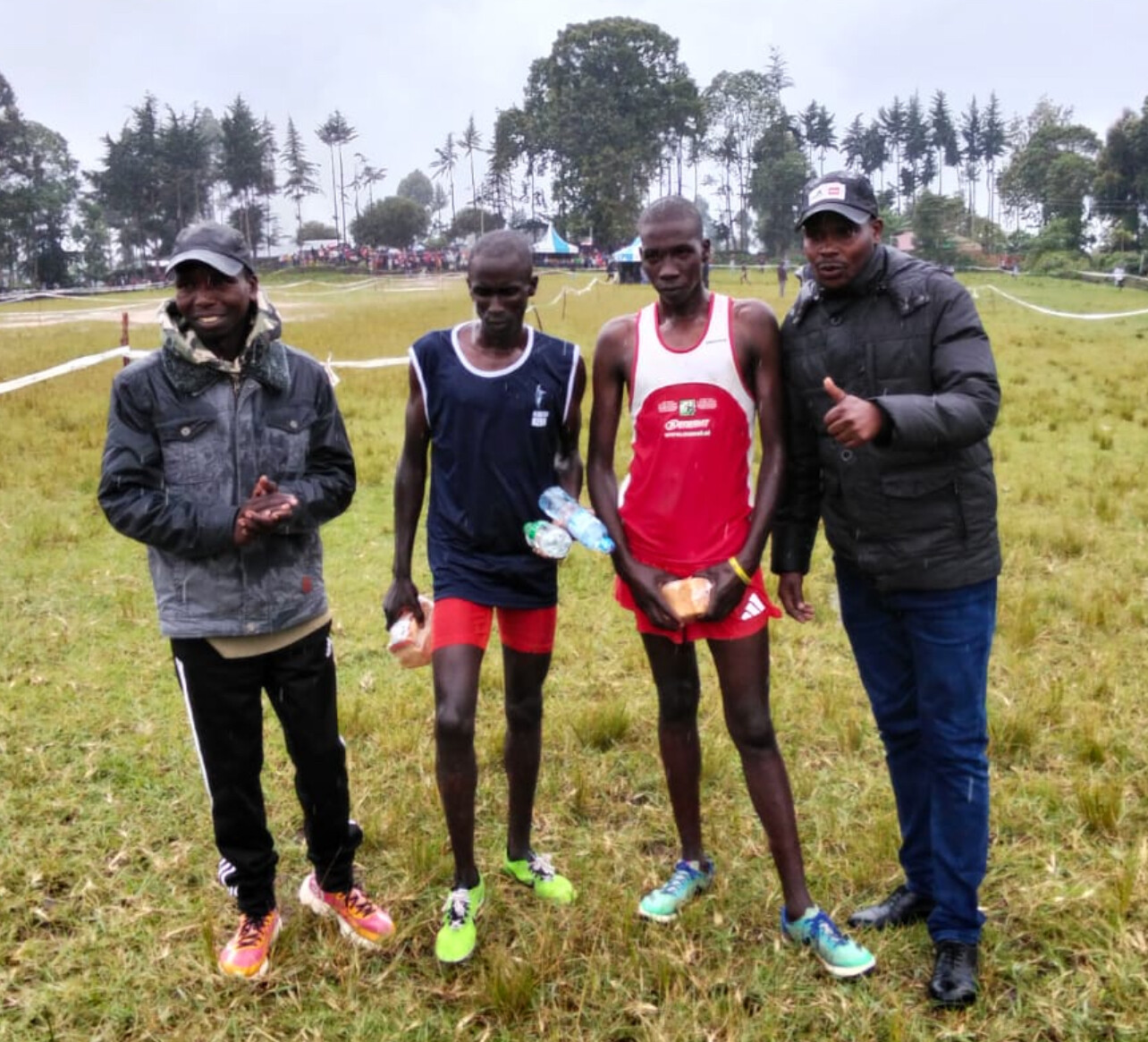
Building Champions
“I started with a few athletes,” Philemon says. “I rented them a small house and bought food — not because I had much, but because I knew what it felt like to need a chance.”
Today, he stands alongside a remarkable family of mentors: four brothers, all coaches.
• Eric Kimaiyo leads the Kapsait Training Camp.
• Andurson Chirchir coaches in Kaptagat.
• Kimutai runs training at Srowback.
• And Philemon oversees the Kapcherop Camp — a thriving hub for emerging distance runners.
Integrity and Clean Sport
What makes Philemon’s story powerful isn’t only perseverance — it’s integrity. A vocal advocate of clean sport, he embodies KATA’s core philosophy.
“We must speak the truth and say no to doping,” he insists. “If you train clean and stay patient, you’ll win with pride. There are no shortcuts to greatness.”
KATA’s influence has reinforced those values, fostering a culture of honesty and teamwork across its growing network.
“Bob Anderson’s support hasn’t just sustained our camp,” Philemon adds. “It has helped shape a generation built on discipline and hard work. We are building athletes who can inspire others.”
A Legacy of Hope
To his athletes, Philemon is more than a coach — he’s a father figure.
“He treats us like family,” says Leonard Pkorir, who won bronze in the Nairobi 10K. “He believes in our dreams even when we doubt ourselves.”
Looking ahead, Philemon’s goal remains simple yet profound: to use running as a bridge to a better life.
“My happiness will be to see my athletes doing great things, helping others, and carrying forward the spirit of running clean,” he says. “That will be my legacy.”
As evening fog rolls across the Kapcherop hills and the rhythmic thud of training shoes fades into the distance, Philemon Kiptoo’s story stands as a reminder that greatness can indeed grow from the humblest soil — when it is nurtured with purpose, honesty, and heart.
by Robert Kibet
Login to leave a comment
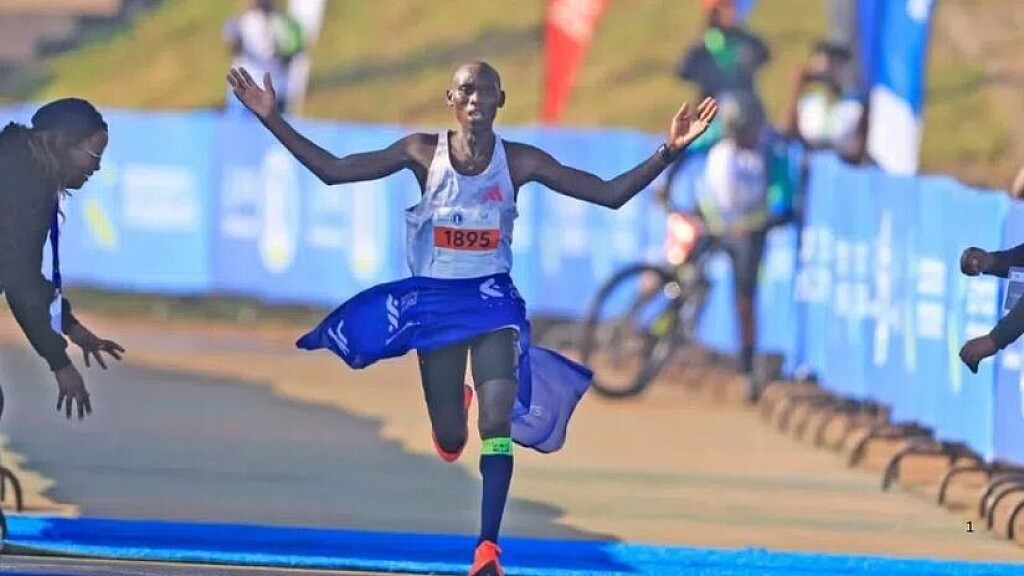
KATA’s Donald Kimaru Finishes 4th at 2025 Standard Chartered Nairobi Marathon
The 2025 Standard Chartered Nairobi Marathon delivered a thrilling showcase of endurance on October 26, as top athletes battled it out on the streets of Nairobi under ideal racing conditions. This year’s event, one of the premier marathons on the African continent, once again attracted a deep field of elite talent.
Among the day’s standout performances was Donald Kimaru, a KATA athlete training out of the Kapcherop KATA Running Camp, who finished a remarkable 4th place in a highly competitive men’s race.
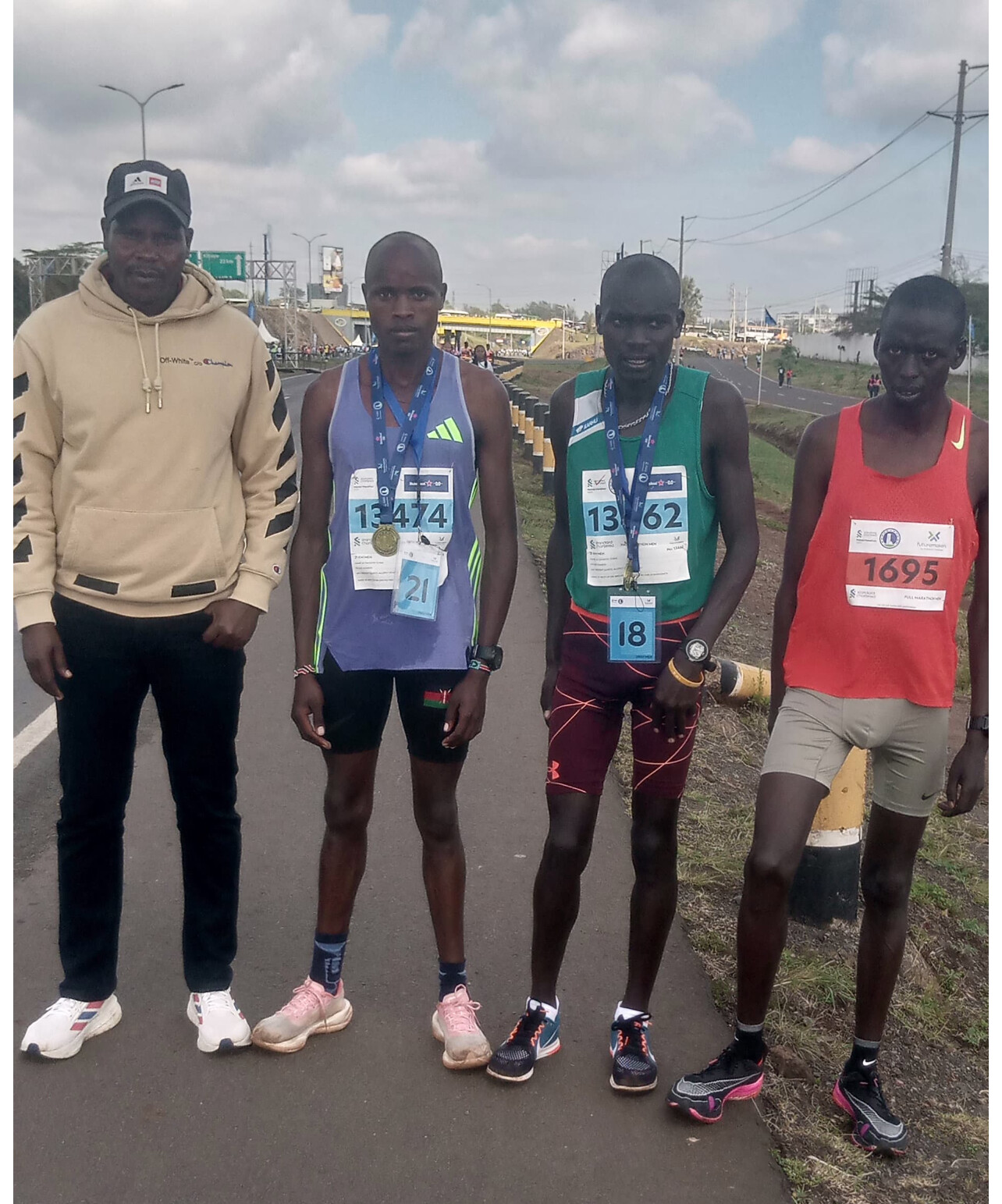
Donald Kimaru: Fuelled by KATA, Ready for the Global Stage
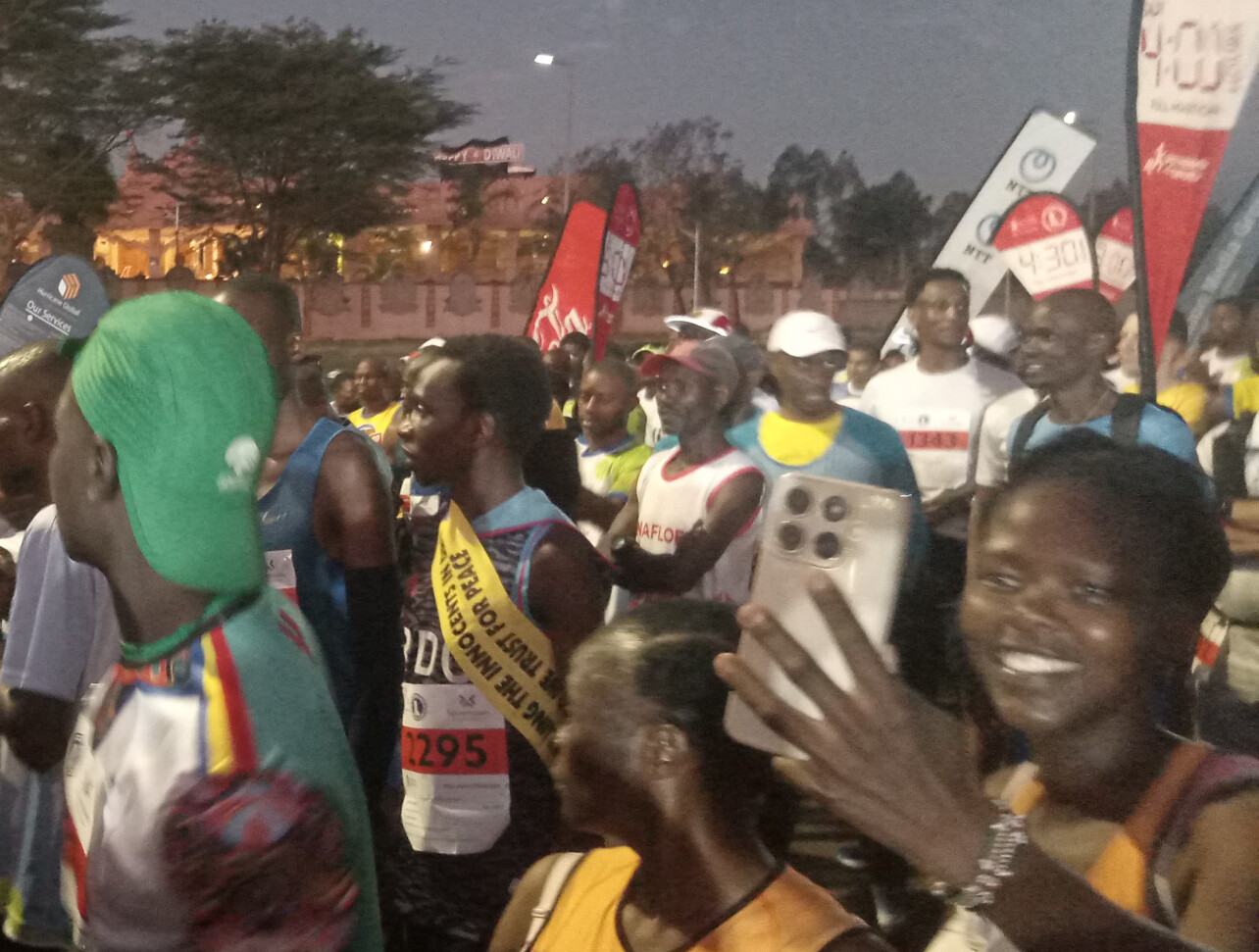
Clocking a time of 2:12:02, Kimaru finished just over a minute behind the winner, Benard Chepkowny (2:11:01), and less than 30 seconds from the podium. It was a huge breakthrough for the rising long-distance runner, who trains under the high-altitude guidance of Coach Philemon Kipruto at the KATA facility in Kapcherop.
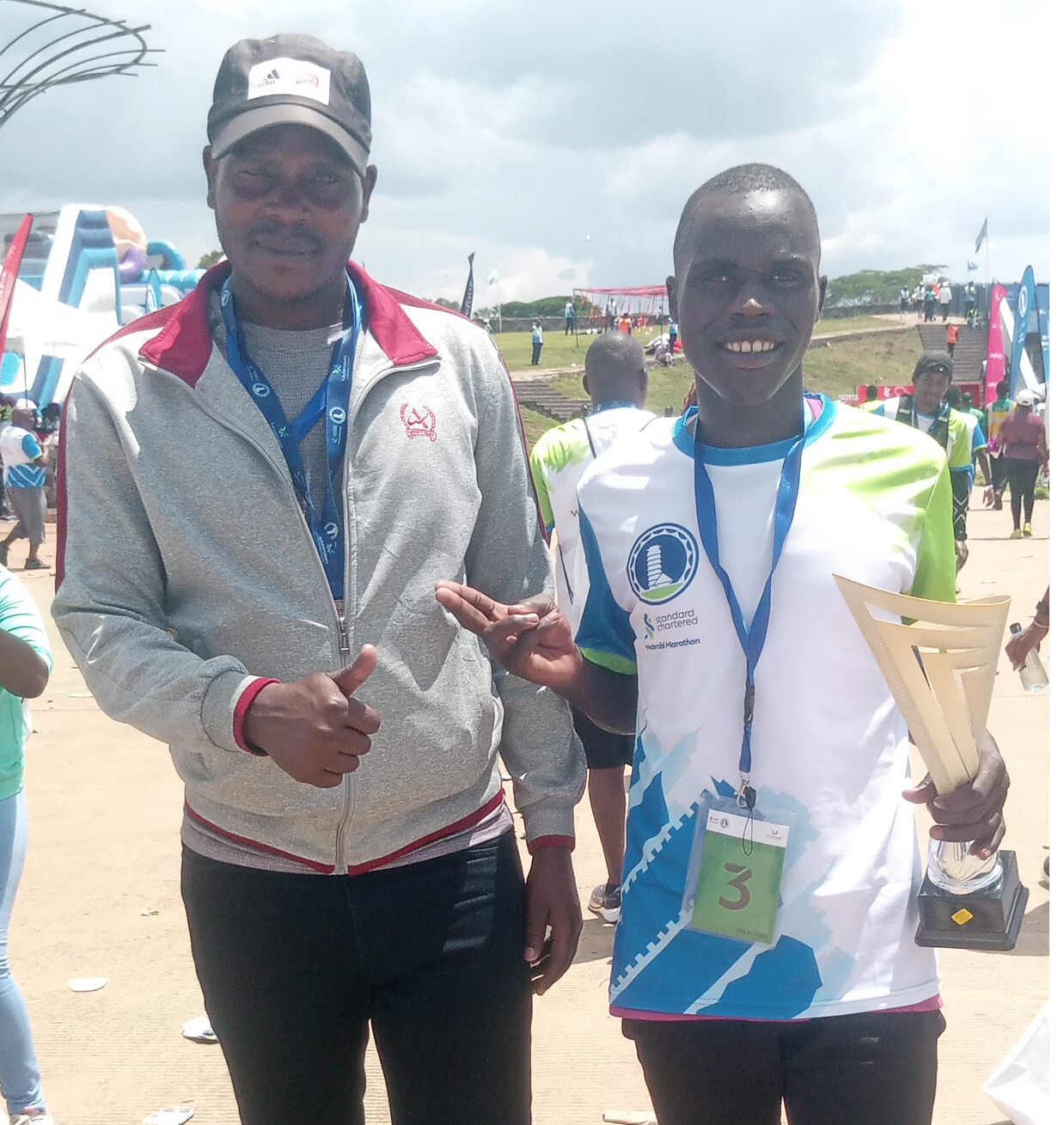
“Donald is showing the power of patience and consistency,” Coach Kipruto noted. “We’ve known he had the potential, and now he’s proving it in one of Kenya’s most important races.”
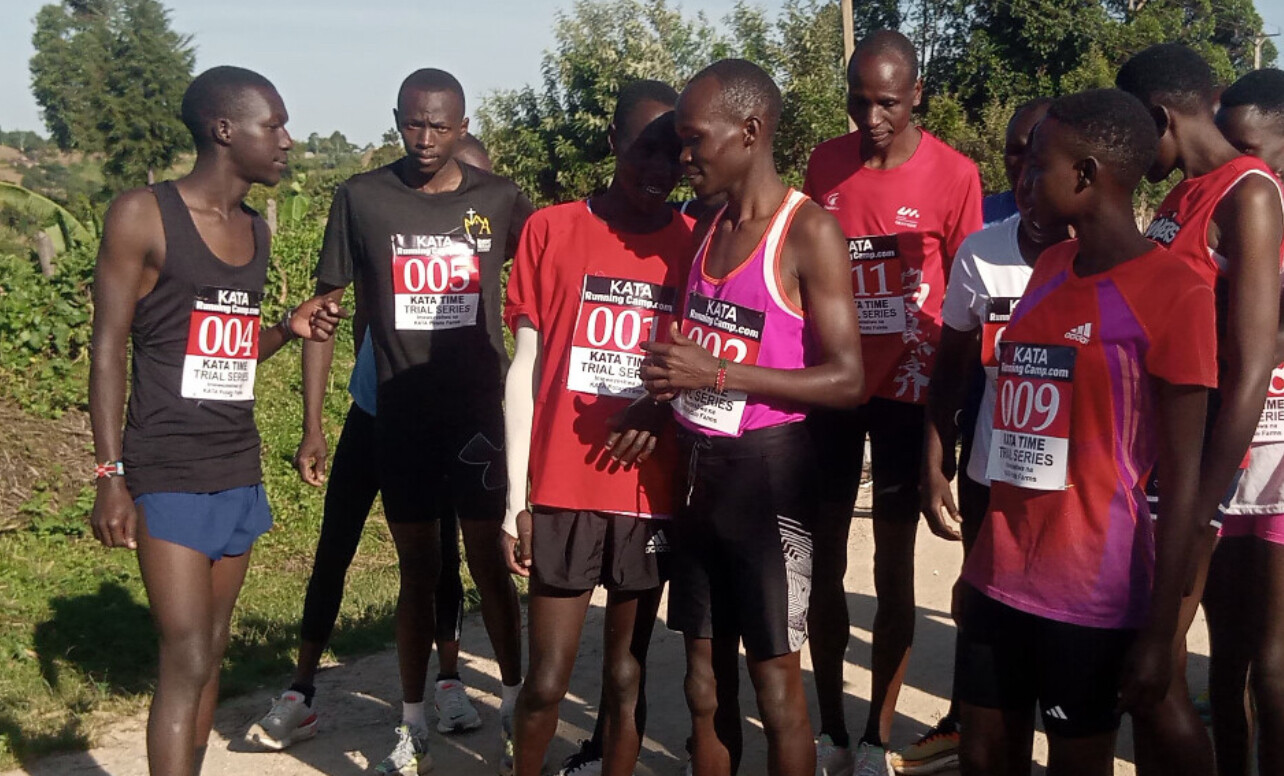
Chepkwony, returning to major competition, wasted no time asserting his intent. He set a strong pace from the start, joined by Silas Chesang, Donald Kimaru, Ezekiel Kemboi, Bethwel Chemuno, and Wilfred Kiplagat, all determined to stay in contention.
As the race progressed past the 30km mark, Chepkwony maintained the lead despite Chesang mounting a late push after struggling on the uphill sections.
Chepkwony’s endurance and composure carried him through to the finish line, clocking an impressive 2:11:01 to seal his comeback victory.
Kimaru trains in an environment designed to create champions, where runners combine disciplined training with the nutritional strength of KATA Potatoes – The Fuel of Champions. His performance in Nairobi is a testament to this holistic approach. Donald had placed second at the KATA Double Road Race 15k held September 20 in Thika.
Top 10 Elite Men – 2025 Standard Chartered Nairobi Marathon
1. Benard Chepkowny – KEN – 2:11:01 (first photo)
2. Alex Chepkwik Saekwo – KEN – 2:11:26
3. Ezekiel Kemboi Omullo – KEN – 2:11:40
4. Donald Kimaru – KEN – 2:12:02
5. Wilfred Kiplagat – UGA – 2:13:42
6. Charles Kimeli – KEN – 2:14:08
7. Nehemiah Kiprono Sang – KEN – 2:14:38
8. Solomon Yego – KEN – 2:14:50
9. Dennis Kipkemboi Koech – KEN – 2:15:39
10. Silas Chesang Keitany – KEN – 2:15:51
Women’s Race Highlight
In the women’s marathon, Hellen Chepkorir dominated with a powerful performance, finishing in 2:27:17 at an average pace of 3:30/km.
KATA’s Impact Growing
Donald Kimaru’s top finish adds to the growing list of success stories emerging from the KATA Running Camp ecosystem. Founded by Bob Anderson, KATA is reshaping the Kenyan distance running scene with over 30 camps across the country, combining elite training with a sustainable agricultural model. Runners like Donald are not only developing as athletes but also helping uplift their communities.
Next for Donald? A potential international marathon debut in 2026, where he’ll look to break the 2:10 barrier and cement his name among Kenya’s top marathoners.
by Boris Baron
Login to leave a comment
NAIROBI MARATHON
Nairobi Marathon is an annual road running competition over the marathon distance held in October in Nairobi, Kenya. First held in 2003, the competition expanded and now includes a half marathon race along with the main race. It was part of "The Greatest Race on Earth", fully sponsored by Standard Chartered Bank....
more...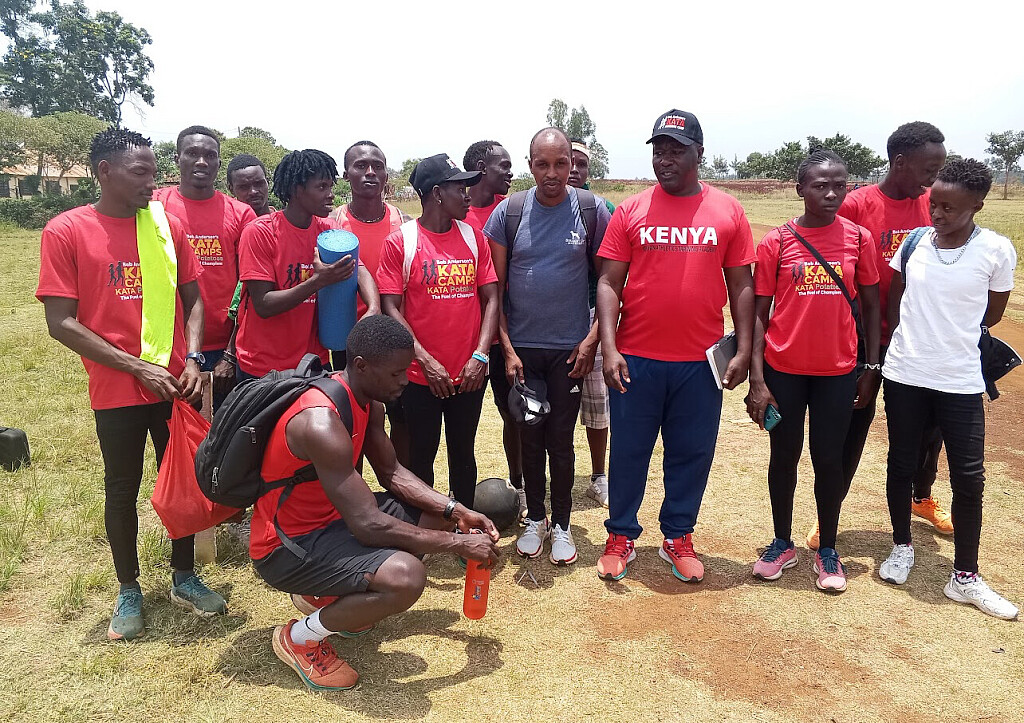
Nurturing Sprinters Against the Odds: Inside Kenya’s KATA Sprint Camp
KIAMBU, Kenya - On a crisp morning in Kamiti, Kiambu County, 16 miles northeast of Nairobi, the dirt track at Kamiti Maximum Prison comes alive with the rhythm of pounding feet, shrill whistles, and sharp instructions. At the center of the action stands Coach Julius Migwi, eyes locked on the group of young sprinters wearing red shirts with the Kenya Athletics Training Academy (KATA) Sprint Camp logo. Stopwatch in hand, Migwi scans every drill and explosive burst over 100 meters.
A Coach’s Mission
A former sprinter whose career was cut short by a tendon injury in 1998, Migwi recalls the lack of resources in his day. “We had no smart shoes, and sometimes we ran barefoot. There was no science,” he says. His personal best of 11.00 seconds in the 100m left him hungry for more—but instead of walking away, he turned that hunger into a mission: raising sprinters who could go beyond what he achieved.
“This is where we train,” Migwi says, pointing to the uneven murram track. “I focus on athletes between 16 and 20 years old because they have the greatest room to grow. My dream is for them to achieve what I could not.”
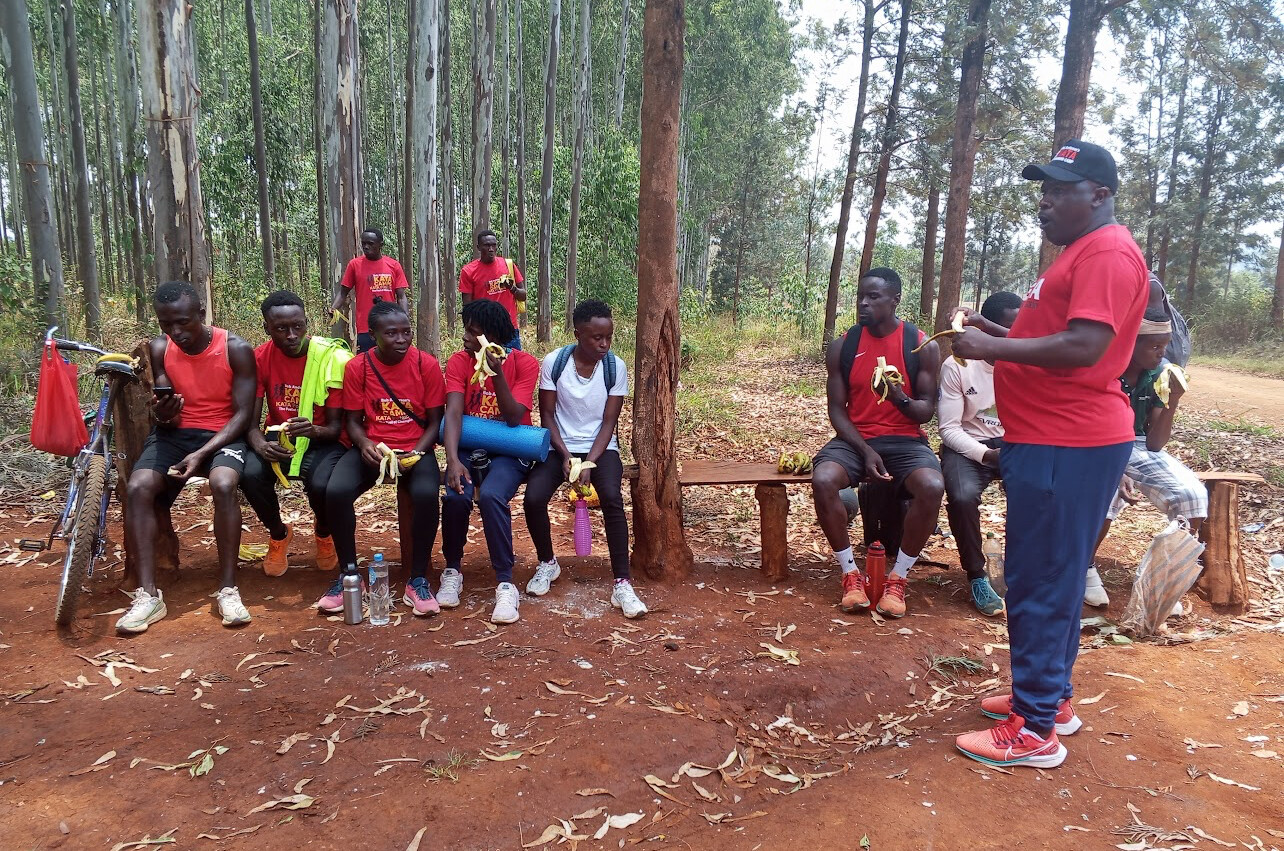
That dream has faced hurdles of its own. Their makeshift equipment includes hurdles fashioned from plastic pipes, an old tractor tire for sled work, and just one shared starting block. Inside the camp’s small kit box lie two massage guns, shared by everyone. When rain turns the dirt track unusable, the group must travel to Nyayo Stadium, Ulinzi, or Kasarani.
Yet, passion outweighs the obstacles. “If Kenya supported sprinters the way it supports distance runners, athletes like Doreen Waka, Clinton Aluvi, Omanyala, and so many youngsters would thrive,” Migwi says. “With proper facilities, Kiambu could become the home of Kenyan sprinting.”
Building Athletes from Scratch
Migwi has already unearthed promising talent. Among those he scouted are Fresha Mwangi, Peris Wairimu Chege, hurdler Gladys Ngure, and his current star pupil, Doreen Waka—Kenya’s fastest female sprinter over 100m in 2025.
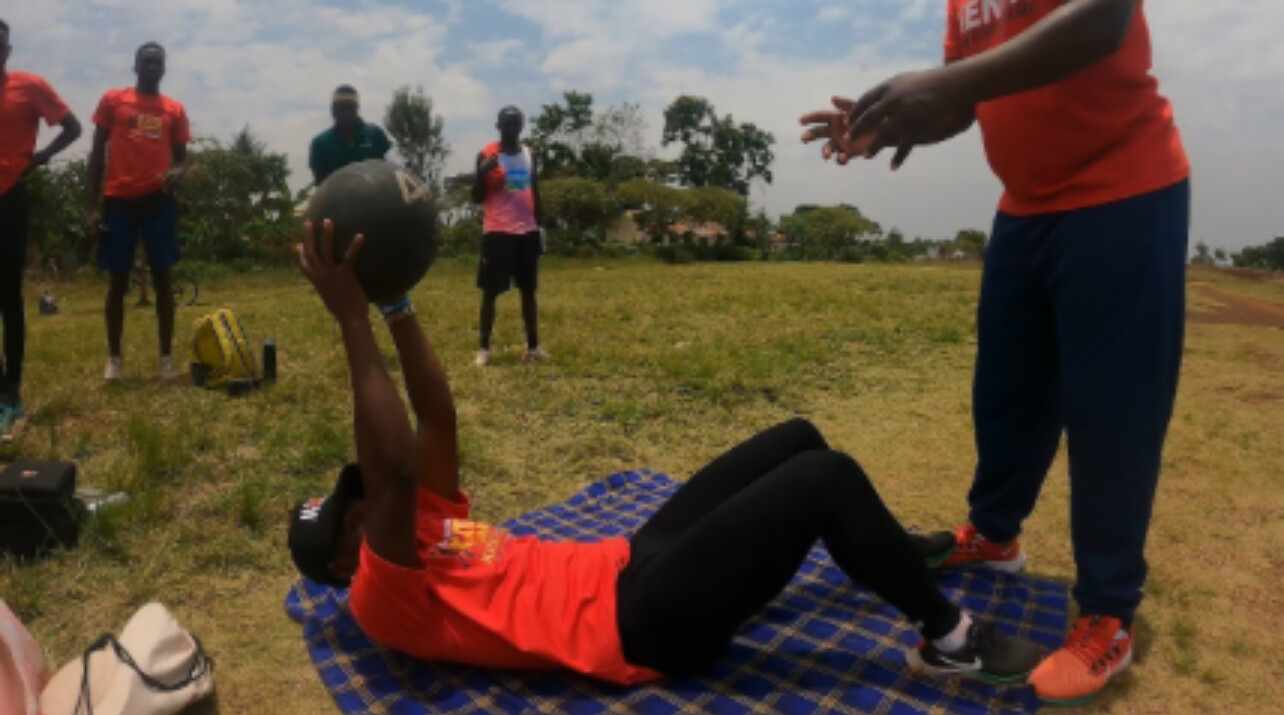
Waka’s determination is unwavering. “Missing the team for the World Championships in Tokyo was disappointing, but I keep my eyes on the Commonwealth Games,” she says. “With the right support, I know I can break 11 seconds.”
Behind the scenes, KATA founder Bob Anderson has played a critical role. Known globally as the American running visionary behind My Best Runs, Anderson covers the camp’s rent, helps provide meals, and funds side projects like potato farming to ensure sustainability. “Rent and daily meals are the biggest setbacks for sprinters,” Migwi explains. “Bob’s support allows the athletes to focus fully on training.”
The impact is clear. Moses Solonka, 20, from the pastoral Maasai community of Kajiado, says: “Without this camp, I’d probably be herding livestock, especially during droughts. Here, we don’t have to worry about food—we can concentrate on training. I see myself representing Kenya soon.”

Voices of the Next Generation
The camp is filled with similar stories of transformation.
• Peterson Matu Miano, 20, once devoted to soccer, now says, “With KATA’s system, I’ve improved so much. The discipline and coordination here are amazing. I now want to dedicate myself fully to sprinting.”
• John Kinoo Munguti, 19, discovered his sprinting talent in high school after playing rugby and soccer. “I look up to Zablon Ekwam. My goal is to hit 10.30 in the 100m and make Team Kenya.”
Migwi beams with pride recalling Waka’s appearance at the Kip Keino Classic: “Seeing her on the line with international stars showed me this stage is possible for our athletes.”
A Community Effort
Among the sprinters is Antony Owino, who also serves as an assistant coach. Having endured similar struggles, Owino knows the value of mentorship. “It’s not just about speed. These youngsters need guidance in discipline and mindset,” he says. “We’re shaping athletes both on and off the track.”
The Bigger Picture
Migwi believes Kenya’s sprinting potential has long been overlooked. “We’re celebrated for distance running, but sprinting has the same promise,” he insists. The unfinished Kirigiti Stadium nearby is a constant reminder of what’s lacking. “If county governments completed facilities like this, we’d not only produce champions but also engage more youth positively.”
For now, the KATA Sprint Camp relies on resourcefulness and shared dreams—plastic hurdles, a dusty track, and two massage guns. But Migwi’s vision stretches beyond medals.
“I want to push these youngsters to achieve what I couldn’t,” he says, watching Peterson, John, Moses, and Doreen laugh between sprints. “This is more than training. It’s giving them a future.”
by Robert Kibet
Login to leave a comment

Building Champions, One Race and One Harvest at a Time: The KATA Story
With 31 training camps across Kenya’s altitude zones and 65 thriving potato farms, the Kenya Athletics Training Academy (KATA) is shaping not only resilient athletes but also sustainable livelihoods. Each KATA camp is not just a training base but also cultivates several acres of KATA potatoes, linking athletics directly with farming and ensuring that athletes’ futures are rooted in more than competition alone.
A Morning of Anticipation in Thika
The sun had barely risen over Thika when athletes began streaming into the venue for the 5th Annual KATA Double Road Race. The crisp morning air carried both anticipation and nerves as runners stretched, laced up, and tested the course that would soon bear witness to their grit.
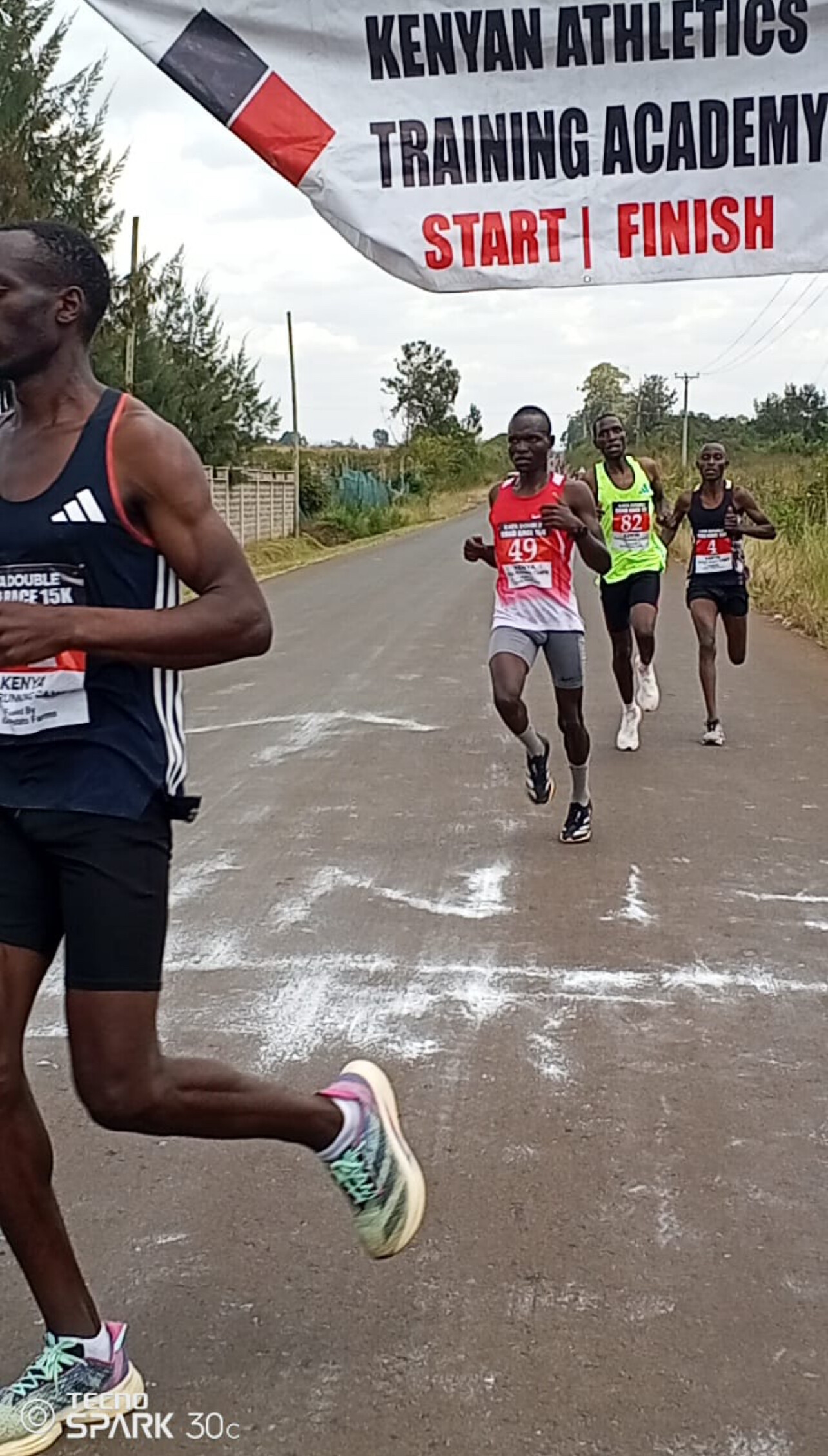
By the time the gun sounded, 97 elite athletes—74 men and 23 women—lined up. For John Matheri, head coach at KATA Thika, the event was more than a competition. It was a lesson in discipline, a test of mental endurance, and a reflection of how far the central region has come in embracing competitive running.
Olympic 5000m medalist and KATA camp operator Edwin Soi emerged as the overall winner, clocking 29:38 for the opening 10K and 14:22 for the final 5K. His combined time of 43:50 was the fifth-fastest ever run for the Double, an event first contested in 2010. On the women’s side, Betty Chesang from the KATA Iten camp was the first across the line in 51:32, marking the sixth-fastest women’s time in Double history.
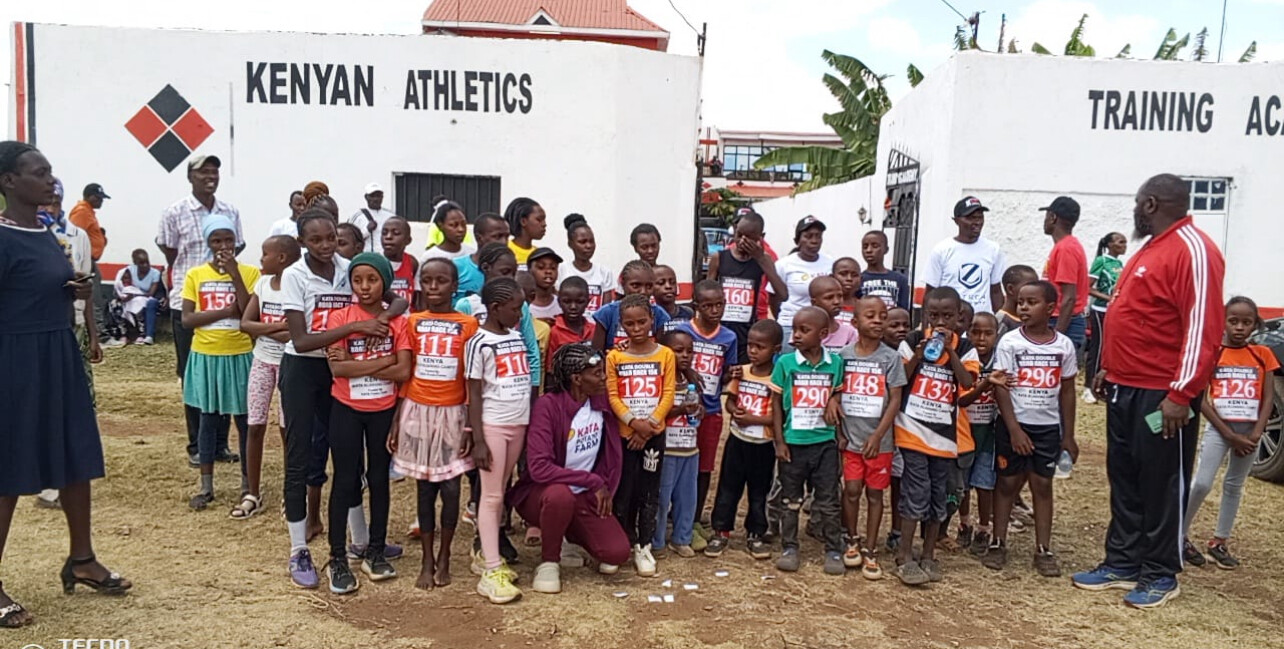
“We concluded the race well, and it was a good one,” Matheri said proudly, watching the exhausted but smiling athletes cross the line. “The turnout was impressive. I want to extend a special thanks to our sponsor, Bob Anderson, for putting together a team of this magnitude. There is no doubt that within the region, KATA has become an icon.”
A Nationwide Network of Camps and Farms
What sets KATA apart is not just its races but the ecosystem it is steadily building for Kenyan athletes. Across the country, 31 KATA-affiliated training camps operate at varying altitudes—from the highlands of the Rift Valley to the mid-altitude base in Thika and lower regions closer to Nairobi. Each camp provides unique conditions that strengthen endurance, adaptability, and competitive edge.
These dual-purpose camps are more than facilities; they are lifelines for athletes dreaming of breaking into the elite ranks. Training at altitude builds strength, while mid-altitude camps prepare runners for race conditions. Together with potato farming, they create a sustainable structure for the future.
This vision is also embodied in Jimmy Mwangangi Muindi, a five-time Honolulu Marathon champion who famously coached Patrick Makau to the world marathon record in 2011. Having worked at Anderson’s Manor in Portugal, Muindi now leads a KATA satellite camp in Machakos County. For him, KATA is about much more than training.
“KATA is building more than runners,” Muindi reflected. “It is building a family—giving young talents not just training, but exposure, support, and hope. That is how future champions are born.”

Beyond Running: The Potato Farming Project
KATA’s sustainability model is as innovative as its racing format. Each camp is supported by several acres of potato farming, tying athletes’ success to both training and cultivation. The revenue from potato sales funds the future of the running camps.
The model is simple but effective. Bob and Catherine Anderson provide an interest-free loan to establish both the camp and its potato farm. From there, the operator and athletes are responsible for managing their acres and securing their own future. KATA continues to provide exposure and guidance, but the responsibility of growth rests with those on the ground.
“The potato project has given us a chance to think beyond running,” Matheri said. “Athletes train hard, but they also need food security and stability. Farming allows them to eat well, earn a little, and stay grounded.”

KATA Chief Technical Officer Denis Musau, who recently returned from Anderson’s Manor House in Portugal, underscored this vision. “KATA is about creating a legacy. By building projects like potato farming, we empower athletes and their camps to sustain themselves financially. That secures their future both on and off the track. I see a very bright future for the KATA family.”
The Spirit of Participation
What stood out most on race day in Thika was the diversity of the field. Athletes from every discipline showed up, while children and enthusiastic spectators cheered from the sidelines. The energy of the crowd became part of the race’s rhythm, fueling the runners through every stride.
Yet the event also highlighted areas for growth. “Our athletes are very strong athletically, but many are missing mental strength,” Matheri observed. Muindi agreed: “Mental resilience is just as vital as physical training. When athletes panic at the sight of big names, they lose focus. Learning to respect the distance is what unleashes true potential.”
For both coaches, raw talent is not enough. Young athletes are like fabric, Muindi often says—materials that must be carefully tailored to become masterpieces.
Inspiration from the Veterans
One of the most inspiring aspects of the Thika Double was the turnout of established athletes—Olympians and medalists—who lined up alongside the next generation. Their presence was not only symbolic but also a powerful motivator for younger runners.
“It is so encouraging, especially here in the central region, to see our elite and professional athletes turning up in big numbers,” Matheri said. “For the young ones, lining up beside Olympians and medalists gives them a sense of what is possible. It gives them hope.”
Building the Future
For the KATA family, the vision remains crystal clear: to prepare a new generation of Kenyan champions while ensuring they have livelihoods beyond running.
“As a family, we are in good hands. We are looking forward to doing great things,” Matheri said with conviction. His final message was one of determination and gratitude: “We promise to use every ounce of our strength to bring change and positivity to the world of sport. We thank our sponsor, Bob Anderson, for the continued support, and we promise to do everything we can to grow this industry. The journey has just begun, but the future is bright.”
Anderson’s Manor in Portugal serves as KATA’s international headquarters, with Bob and Catherine Anderson based there about 50% of the time. It is from this hub that global strategy and support are coordinated, while Kenya remains the main operational location where athletes train, camps thrive, and races like the Double continue to inspire.
As the last athletes packed up and the crowd dispersed, one thing was clear: KATA is more than an academy. It is a movement—blending sport, sustainability, and community to nurture not just athletes, but Kenya’s enduring legacy of running excellence.
by Robert Kibet
Login to leave a comment
Kenya’s World Championship Marathon Champion Peres Jepchirchir Returns to Hero’s Welcome in Nairobi
NAIROBI, September 16 – Kenya’s world championship marathon champion, Peres Jepchirchir, arrived home to a hero’s welcome following her golden run at the 2025 World Athletics Championships in Tokyo.
The 31-year-old touched down at Jomo Kenyatta International Airport (JKIA) on Tuesday morning, where she was greeted by traditional dancers, cheering fans, and a delegation of government and athletics officials. She was joined by teammates Jackline Cherono, Magdalene Masai, and Janeth Ng’etich, forming the first group of Team Kenya athletes to return from Tokyo. The reception was both a celebration of her individual triumph and a testament to Kenya’s enduring dominance in distance running.
A Marathon Masterclass in Tokyo
Jepchirchir’s victory was marked by patience, grit, and precision. Competing in soaring temperatures against a formidable Ethiopian contingent, she conserved her energy in the lead pack before making a decisive late surge to secure gold.
“From the beginning to the end, Peres believed in herself,” said long-distance coach Joseph Kahugu, who followed the race from the Tokyo course. “It was tough, especially against Ethiopia, but she showed her strength, fought hard, and delivered. We are proud of her.”
Her win reaffirmed her place among the greats: an Olympic champion, a two-time New York City Marathon winner, and now a world championship marathon gold medalist.

Government and Athletics Kenya Celebrate
Representing the Ministry of Sports, Jonah Towett assured the athletes of ongoing government backing.
“This is a big day,” Towett said. “We are delighted to welcome our team back home. We congratulate them, especially our gold medalists, and assure them of our full support."
Athletics Kenya (AK) was equally visible at the welcome event, with officials led by Elizabeth Keitany. Keitany, praised Jepchirchir’s achievement and expressed optimism about the rest of Team Kenya still competing in Tokyo.
“We congratulate Peres for making Kenya proud,” Mary Keitany said. “Her victory is an inspiration, and we are confident more medals will come from Tokyo.”

Preparing for the Heat
Coach Kahugu explained that Tokyo’s humidity posed a challenge, but adjustments paid off. “In Kenya, we didn’t train in such hot conditions. Once in Tokyo, we shifted to midday sessions to adapt. That preparation made all the difference,” he said.
The strategy worked: Jepchirchir’s gold was supported by strong efforts from her compatriots, underlining Kenya’s strength in depth.
Global Spotlight on Kenya’s Legacy
Jepchirchir’s return has once again placed Kenya firmly at the center of the marathon conversation. Her triumph continues a proud tradition carried by icons like Catherine Ndereba, Tegla Loroupe, and Mary Keitany, while inspiring a new generation of runners.
“Kenya’s marathon culture is unmatched,” said one jubilant fan at JKIA. “Every victory like this strengthens our identity as the home of champions.”
Looking Ahead
While Nairobi celebrated, attention remains on Tokyo, where Kenyan athletes continue their medal hunt in the 1500m, 5000m, and steeplechase. Jepchirchir’s victory has set the tone, fueling hopes of more success.
A Champion Beyond the Finish Line
For Jepchirchir, the gold is more than just another medal. Having battled injuries and personal setbacks, her resurgence on the world’s biggest stage cements her as one of Kenya’s all-time greats.
From her beginnings in Kapsabet to victories in New York, the Olympics, and now Tokyo, Jepchirchir’s journey is one of resilience, faith, and belief. Her story continues to inspire athletes and fans worldwide — and her return home is a celebration not just of a single victory, but of a legacy still being written.
by Robert Kibet
Login to leave a comment
Dreams in Motion, Roots in the Soil: Emmanuel Kiptoo Langat, the Runner Behind Potato Farming Projects
KERICHO, Kenya - At dawn in Kericho’s highlands, the red dirt roads echo with the rhythmic sound of running feet. Among the lean silhouettes slicing through the mist is Emmanuel Kiptoo Langat (Manuu), a 33-year-old road runner whose journey began in the rugged terrain of Chorwa, a small village in Nakuru County bordering Kenya’s vast Mau Forest. His story is not just about chasing personal bests but also about cultivating resilience—both on the track and in his community.
Roots in Chorwa
Chorwa is a remote village in Kuresoi, where life is as harsh as it is beautiful. The nearby Mau Forest shelters wildlife and rivers that feed the Rift Valley, but daily survival was a struggle.
“Life there was very hard—even getting food was a problem,” Emmanuel recalls. School added its own challenges: he often ran 10 kilometers each way just to attend class. What began as necessity became passion. “On sports day, I ran all the way to the national level. That’s when I knew I could run.”

His spark was fueled by Olympian Edwin Cheruiyot Soi, who runs a training camp in Kuresoi with support from the Kenya Athletics Training Academy (KATA). “He motivated me to believe running could change my life,” Emmanuel says.
First Strides in Athletics
In 2016, encouraged by a friend, Emmanuel joined a training camp in Kericho. His breakthrough came at a 10,000m race in Kisumu County. “That race gave me hope,” he says. A highlight followed at Nairobi’s Kasarani Stadium in a 5km race: “I enjoyed it so much. I will never forget that day.”
Challenges were constant. Running shoes were scarce, and he often relied on friends for gear. Yet his times speak volumes: 13:20 for 5000m, 28:04 for 10km, and 63:00 for the half marathon—marks that confirm his talent in Kenya’s deep distance-running field.
Balancing Running and Farming
While pursuing his running dreams, Emmanuel also supervises the KATA potato farming initiative, a project led by Bob Anderson, founder of Runner’s World magazine and the Kenya Athletics Training Academy.
“When I saw this project, I was happy because it could support many athletes,” he says. Emmanuel oversees planting, harvesting, and distribution—work that helps athletes cover food and camp needs. “It’s unique because it gives us stability, letting us focus more on training and performance.”
For him, farming mirrors running: “From athletics I’ve learned discipline and patience. From farming I’ve learned resilience and the value of hard work.”
A Bridge Between Sport and Sustainability
The synergy between running and agriculture provides athletes with more than meals—it provides a safety net. “Farming gives us a stable source of income beyond running. It offers security for the future,” Emmanuel says.
Transformation Through Running
Running has given Emmanuel confidence, friendships, and economic stability. His family, once burdened by poverty, now supports him wholeheartedly. “They see athletics and farming giving me direction and stability,” he explains.
Giving Back and Inspiring Others
In Chorwa, young runners now look up to Emmanuel as he once looked up to Edwin Soi. His message is simple: “Be disciplined, patient, and never give up, because success in running takes time.”
He hopes to mentor future athletes and be remembered not only as a runner but also as “a supervisor who supported others and a role model who uplifted the community.”
Life Beyond the Track
When not training or supervising farms, Emmanuel relaxes by watching football—he is a devoted Manchester United fan. Yet his heart remains tied to running, each stride reminding him of the Mau Forest, his beginnings, and the community he represents.
The Road Ahea
Emmanuel’s eyes are fixed on improving his half marathon and marathon times. His journey reflects more than athletics—it embodies resilience, sustainability, and shared success.
“Running is not just about speed or endurance,” he says. “It’s about rising from hardship, cultivating dreams like potatoes in the soil, and sharing the harvest with others.”
As the sun sets over Kericho’s hills, Emmanuel prepares for another early morning run—carrying not only his ambitions but also the hopes of a community where sport and sustainability run side by side.
by Robert Kibet
Login to leave a comment
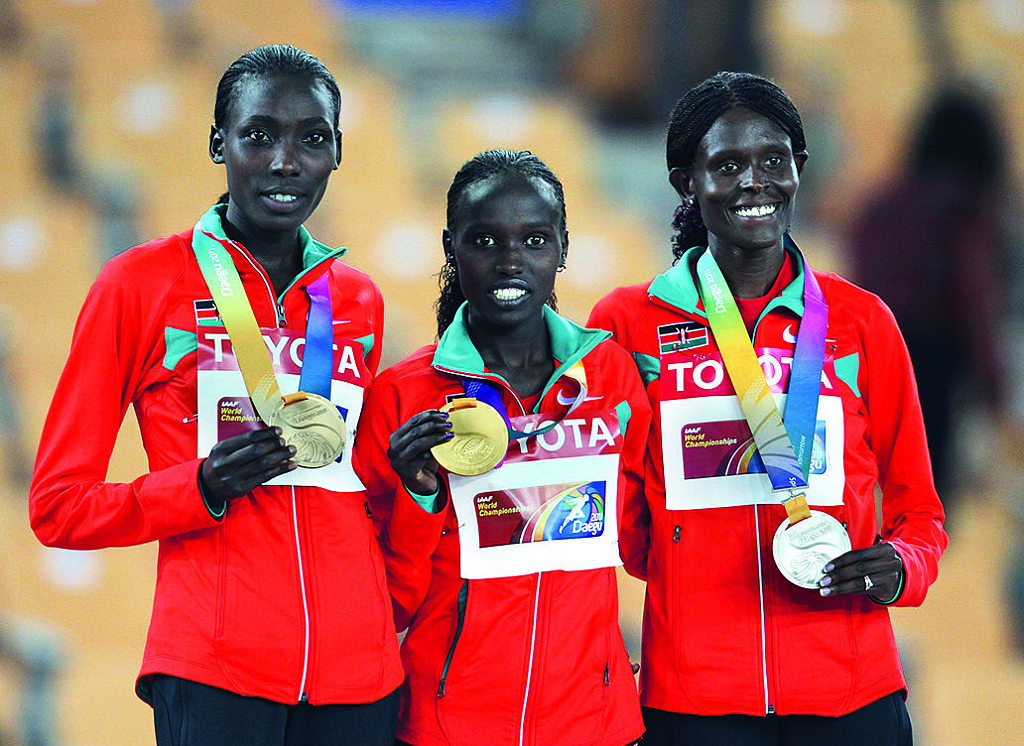
Kenya’s Olympic Reset: Can NOCK’s New Leadership Spark a Golden Era for Runners?
Kenya’s long-distance running legacy is unmatched. From record-breaking marathons to Olympic podiums, the nation’s athletes have long defined global excellence. Yet behind the scenes, organizational chaos—from the Rio 2016 fiasco to logistical stumbles at Paris 2024—has held runners back.
Now, change is in motion.
At a ceremonial handover August 8 at the National Olympic Committee of Kenya (NOC-K) headquarters in Nairobi, outgoing president Dr. Paul Tergat—a former Olympic silver medalist—passed the baton to Shadrack Maluki. The new leadership promises more than a symbolic shift. For many athletes, it’s a chance to finally be heard.
“We must ensure this institution doesn’t remain strong but underutilized,” Maluki declared in his inaugural speech.

“To our sportsmen and women: we hear you, we see you, and we are here for you. Your welfare, training environments, and post-competition careers are top priorities.”

Paris Lessons, LA Dreams
Kenya’s runners delivered once again in Paris, particularly in the middle- and long-distance events. But that success came despite—rather than because of—the system. Delayed travel, unpaid allowances, and chaotic planning marred preparations.
With the Los Angeles 2028 Olympics just three years away, runners and fans alike are hoping this new leadership shifts Kenya from reactive fixes to long-term strategy.
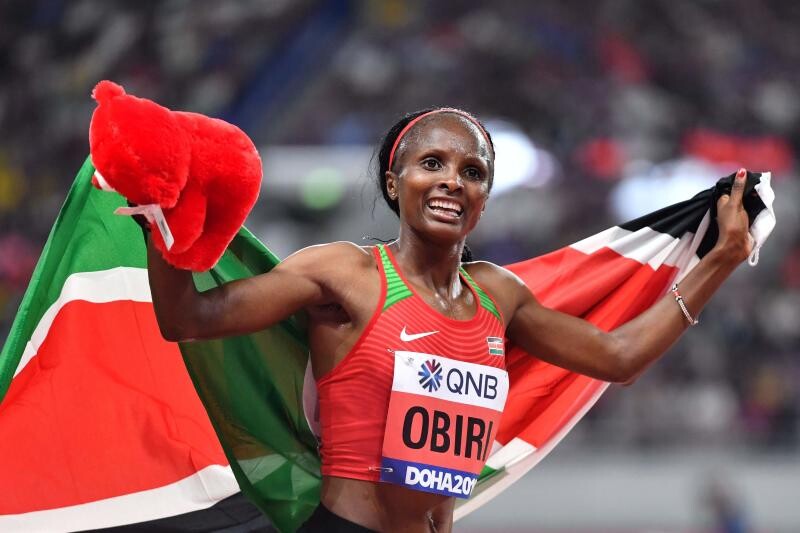
Maluki says the focus will be on structure, inclusivity, and excellence. As one former elite marathoner told My Best Runs, “Athletes don’t need promises. They need systems that work.”
Barnaba Korir: A Voice from the Track
A key figure in this transition is Barnaba Korir, now First Vice President of NOCK. Known for his role as Director of Youth Development at Athletics Kenya (AK), Korir has helped shape the careers of many emerging talents.
“This is not about power,” Korir said. “It’s about turning sport into an industry. Our athletes should chase medals—but also earn livelihoods, build legacies, and inspire the nation.”
Korir’s grassroots focus has already produced results—several Paris Olympians came through AK’s youth system. His appointment signals a stronger bridge between elite runners and the Olympic bureaucracy.
Tergat’s Legacy: Progress, But Not Perfection
Dr. Tergat, who helped stabilize NOCK during his tenure, reflected on his leadership with pride.
“This is the delivery secret behind our transformation of NOCK into a respected and enviable institution,” he said, while acknowledging that more needs to be done.
He thanked corporate partners like Nike, IOC, Safaricom, and Kenya Breweries—and reminded the country that athletes remain Kenya’s “most successful international brand.”
Still, critics argue that reforms under Tergat moved too slowly—especially around athlete support and coordination with federations.
Not Just a Ceremony—A Mandate
The official handover included Olympic charters, financial instruments, and office keys. But the moment wasn’t just ceremonial—it was a mandate.
“There is no reinventing the wheel,” Maluki said. “Only oiling and reinvigorating the parts that drive our momentum.”
Athletes are now watching to see whether these words turn into action.
What Kenya’s Runners Expect
For the thousands training daily across Kenya’s highlands, this isn’t politics—it’s personal. The hope is simple:
No more last-minute chaos. No missing uniforms. No unpaid dues.
Athletes want elite coaching, consistent support, clean sport policies, and long-term investment. As global rivals close the gap, Kenya must evolve—or risk being outpaced.
The Baton Has Been Passed. Can They Run With It?
Kenya’s runners continue to carry the nation’s Olympic dreams. Now it’s up to NOCK’s new leadership—anchored by Maluki and powered by Korir—to return the favor.
From the heartbreak of Rio to the high points of Paris, Kenya stands at a pivotal moment. The goal ahead is clear: build a system worthy of its champions—and make the road to Los Angeles 2028 one of purpose, preparation, and pride.
by Robert Kibet :
Login to leave a comment
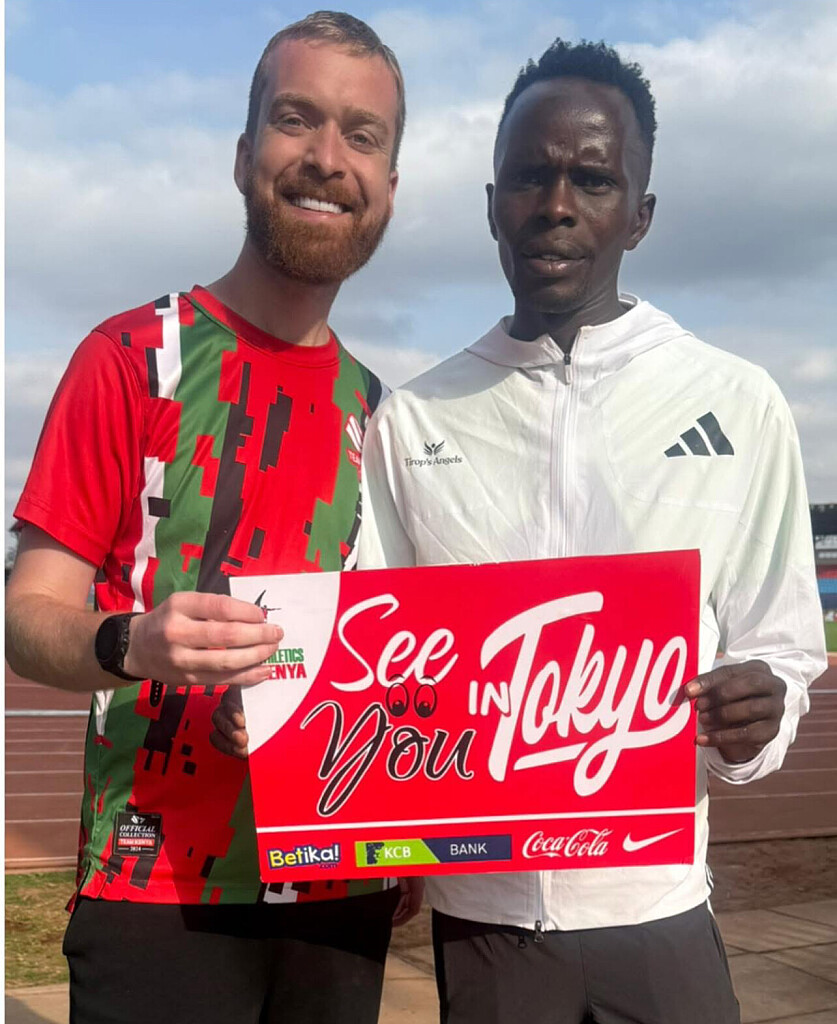
Jordan Guenther: The American Superfan Who Has Become a Beloved Part of Kenyan Athletics
In a sport often defined by national pride, few stories cut across borders like that of Jordan Guenther, an American who has become one of the most recognizable and beloved supporters of Kenyan athletics. Despite not being a coach, manager, or official, Guenther has carved out a unique space within the global running community—one built entirely on passion, consistency, and genuine admiration.
You might spot him at major championships in Paris, Budapest, or Eugene—not just in the stands, but shoulder to shoulder with the likes of Faith Kipyegon, Kelvin Kiptum, and Ruth Chepngetich, proudly wearing Kenyan gear and cheering louder than anyone.
From Fan to Family
Jordan’s journey into the heart of Kenyan athletics started simply—as a fan. But his actions quickly separated him from the crowd. He didn’t just cheer from afar. He learned Swahili. He wore the team colors. He showed up—again and again.
At the 2023 World Championships in Budapest, Faith Kipyegon, arguably the greatest female middle-distance runner in history, gifted him a race kit with her name printed on the bib. It was more than a gesture—it was an embrace.
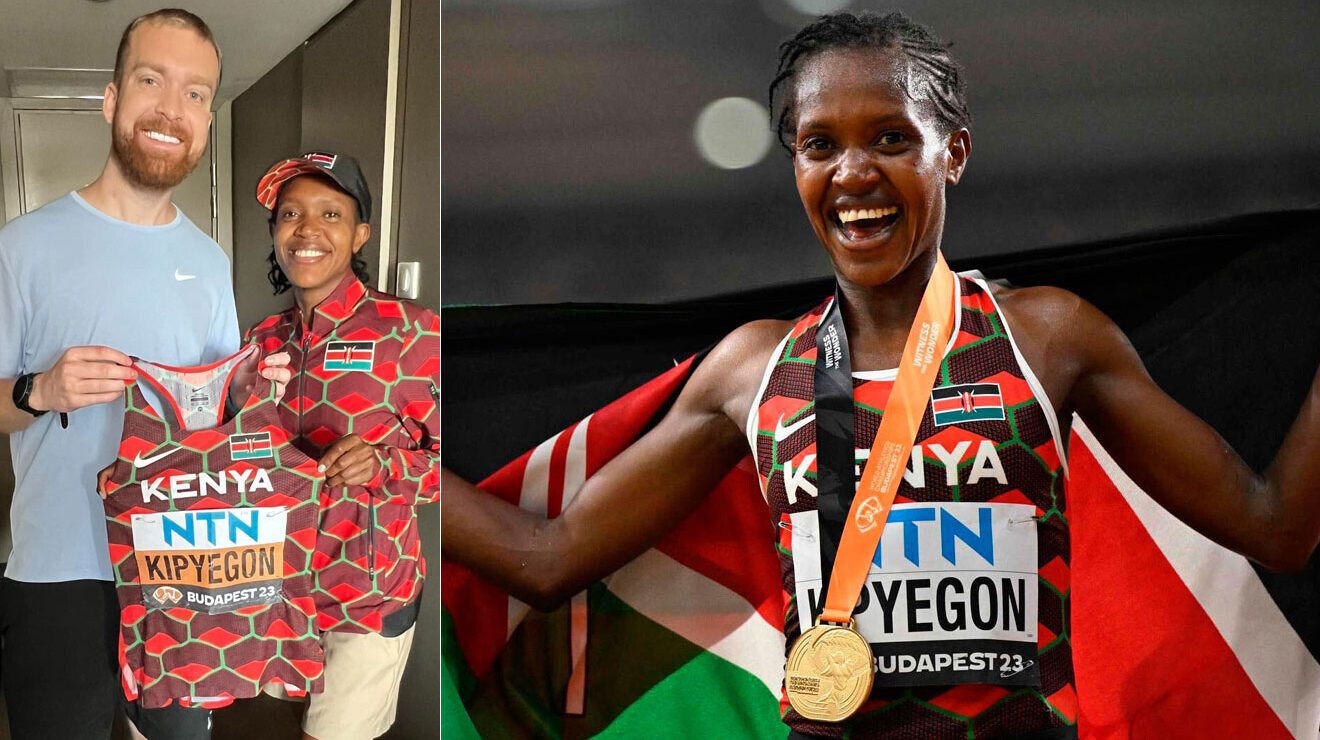
“He’s one of us,” said a Kenyan fan at the time. “More Kenyan than some Kenyans.”
The sentiment was echoed by many in the athletics community. Guenther was affectionately nicknamed “Kipchumba”, meaning “son of Kip” in Swahili, and his growing bond with Kenyan athletes became a story of its own.
A Constant Presence
Guenther has attended countless major events around the world, often at his own expense. He has been spotted:
• Hosting pre-marathon meals with top stars like Benson Kipruto and Joyciline Jepkosgei
• Posing for photos in full Kenyan tracksuits
• Traveling to Paris, Monaco, and Nairobi to support athletes not just in competition—but in spirit
His unwavering dedication has made him a symbol of what sports fandom can be: personal, respectful, and deeply felt.
Behind the Scenes
Despite the growing attention, little is publicly known about Jordan’s background or source of income. He maintains a low profile online and is not affiliated with any official athletic federation. What is clear is that his commitment is real and lasting—and that athletes trust him.
The Kenya Tourism Board even highlighted Guenther in promotional materials, recognizing his unique role in promoting the country’s sports culture on a global stage.
“He doesn’t do it for the cameras,” said one coach. “He does it because he cares.”
Why It Matters
In a world where sports often feel transactional, Guenther represents something purer. His story is a reminder that connection doesn’t require contracts—it requires consistency. And that love for a team, a country, or a culture can transcend boundaries.
At a time when global athletics is searching for new audiences and deeper engagement, the story of Jordan Guenther offers a blueprint: show up, give respect, and let your actions speak louder than your voice.
Jordan Guenther may not hold a title, but he holds the respect of some of the greatest athletes in the world. And in the global family of distance running, he’s not just a fan—he’s one of the tribe.
by Boris Baron
Login to leave a comment
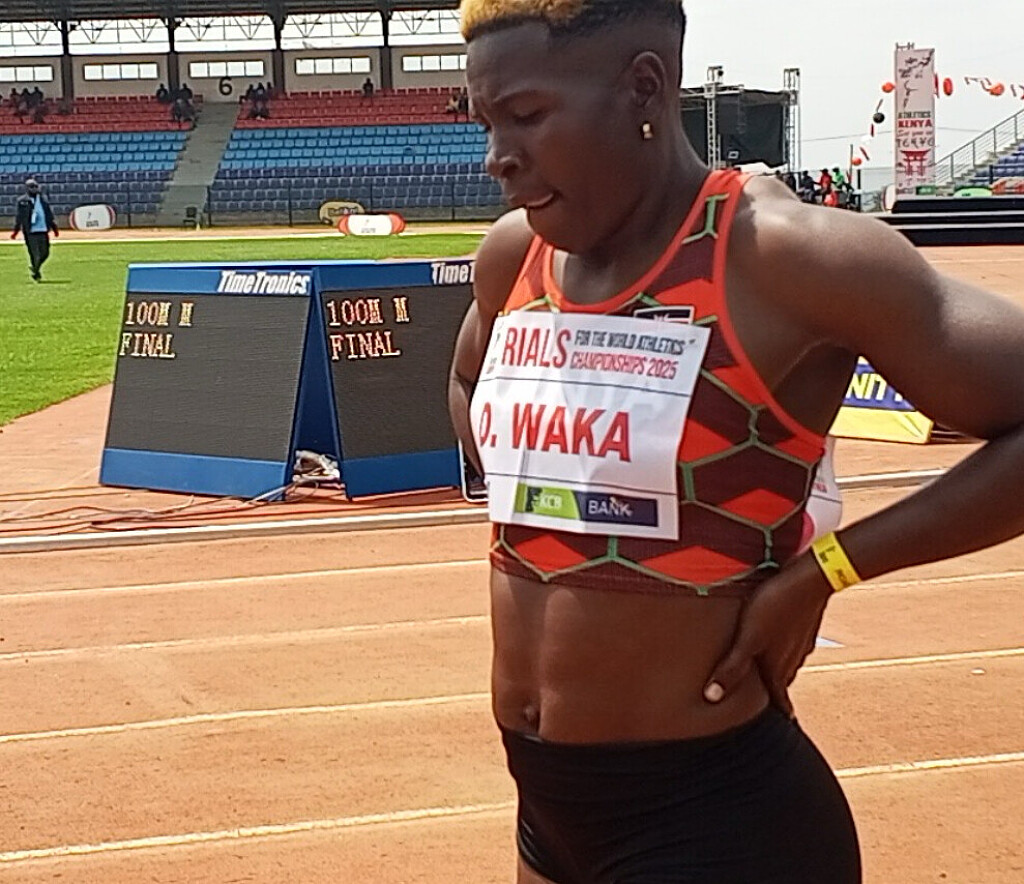
Doreen Waka Is Sprinting Toward History—If Kenya Will Let Her
At the 2025 Athletics Kenya Trials held at Nairobi’s Ulinzi Sports Complex, Doreen Waka blasted out of the blocks and powered through a stiff -2.0 m/s headwind, crossing the finish line in 12.02 seconds to win the women’s 100m final. The performance not only secured her a gold medal but also earned her a coveted spot on Team Kenya for the upcoming World Championships in Tokyo.
She defeated a talented field, including Loice Nyanchoka Morara (12.09), South Sudan’s Lucia William Moris (12.10), and Delisha Atyang (12.14), while veterans like Monica Safania and Eunice Kadogo did not start. But for Waka, the win was about more than medals. It marked a defining moment in a career built on resilience, sacrifice, and an unshakable belief in her sprinting potential.
Running Barefoot, Dreaming Without Limits
When Doreen takes to the track, what you see is explosive speed. What you don’t see are the barefoot years spent training on gravel roads, the financial struggles, or the countless setbacks that nearly derailed her dream.
Born on November 13, 1994, in Kiambu County, Doreen discovered her athletic talent in primary school. She ran the 400m in Standard Four but didn’t qualify for competition—she was too young. A perceptive teacher, however, encouraged her to shift focus to the 100m and 200m, a piece of advice that changed her life.
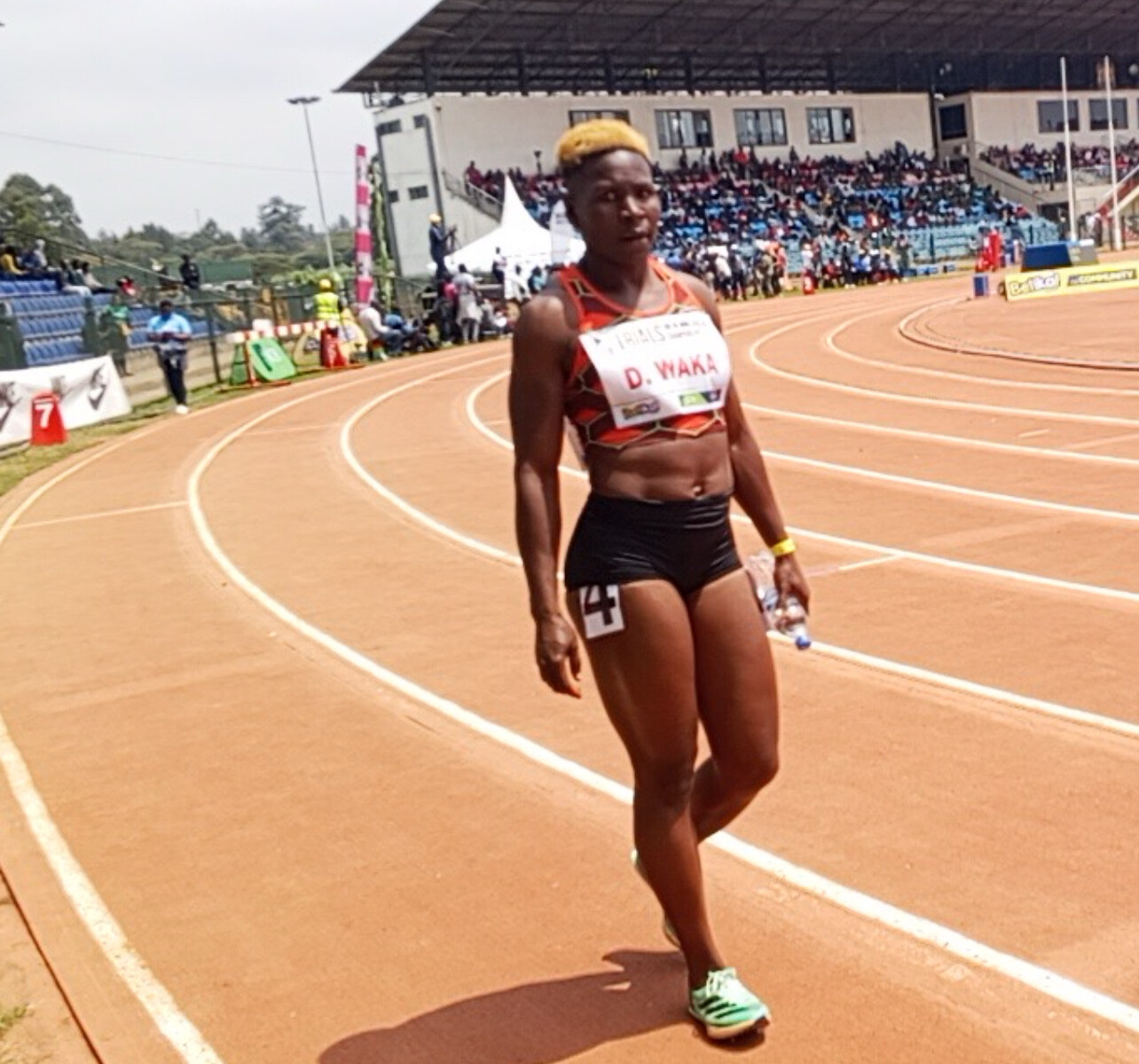
By Class Five, she had qualified for the national primary school championships in Nyahururu, placing 4th in the 100m and 3rd in the 200m. A year later, she won silver in the 100m at an East African schools meet in Kampala, Uganda.
Despite early success, life at home was difficult. Her family lacked the resources to support her athletics career. After finishing Class Eight, a well-wisher helped her join Brokhurst Senior School in Machakos County, where she again reached the national stage in Form Three. But in Form Four, she was barred from sports in order to focus on final exams—just when she needed exposure the most.
A Coach, a Believer, a Lifeline
In 2017, everything changed. Doreen met sprinter Kalewi Awange, who introduced her to Coach Julius Migwi (often called Coach Julious). At the time, she was living in Githurai, Nairobi, with her mother.
“When I told my mom I wanted to train, she hesitated,” Doreen recalls. “Coach Migwi had to come home and explain everything. Eventually, she gave me her blessing: ‘You’re the one who will help me.’”
Coach Julious remembers their first meeting clearly.
“She had no shoes. No passport. No real support. We took her in like family,” he says. “I’ve been acting as her parent ever since.”
Since then, Coach Julious has supported her with food, rent, transport, and training costs—often from his own pocket. Despite the challenges, Doreen has never wavered. Most days, she trains without proper spikes or access to a gym, using rough murram fields instead of tracks.
“If she had the facilities athletes in Botswana or South Africa have,” Julius says, “she’d already be running 10.9.”
A Boost from KATA—and a Call to Bob Anderson
Though resources remain limited, Doreen has received small but meaningful support from the Kenya Athletics Training Academy (KATA), founded by Bob Anderson, the American entrepreneur and lifelong runner who created Runner’s World magazine.
“KATA has helped in important ways,” says Julius. “Bob understands athlete development. Now we’re appealing to him directly: please consider supporting Doreen with gear, gym access, and small financial support so she can focus fully on her training.”
Doreen echoes the plea:
“I’m not looking for a shortcut. Just a chance. Bob, give me one international race, one opportunity—and I will make you and Kenya proud.”
Denied, But Never Defeated
Doreen’s path has been lined with near-misses and painful exclusions. In 2019, she qualified for the World Relays during trials in Iten—but couldn’t travel. She didn’t have a passport.
Later that year, during the COVID-19 lockdowns, she trained inside the grounds of Kamiti Prison, staying with a friend near the facility. Her perseverance finally paid off in 2021, when she represented Kenya in the 4x200m relay at the World Relays in Poland. She returned home and won the national 100m title.
Yet again in 2023, after qualifying for the African Championships in Ghana, she was left off the final team list.
“It didn’t kill my spirit,” she says. “This year I qualified again. But they didn’t take a women’s 4x100m team.”
A Voice for the Overlooked
Now 29, Doreen Waka is more than just a sprinter—she’s a voice for the many under-supported female sprinters across Kenya.
“Athletics Kenya should not conclude that Kenyan women can’t sprint. We just need the opportunity.”
Coach Julious adds:
“She’s already inspiring others. Hurdler Gladys Ngure, who ran 14.05 at nationals, joined our camp because of Doreen. These girls are training in KSh 50 gyms. Imagine what they could do with real support.”
A Camp Like No Other
In a bold move, Coach Julius recently established a KATA Running Camp and KATA Potato Farm, part of a larger initiative spearheaded by Bob Anderson, who has now launched 25 KATA camps across Kenya since May 25.
“I think my camp is the only running camp that exclusively trains sprinters in all of Kenya,” says Julius. "Thanks, Bob, for listening and helping Doreen go after her goals.”
This unique camp not only nurtures sprinters like Doreen but also provides food and economic support through potato farming, helping athletes stay focused on training while building a more stable future.
The Goal: Sub-11 and a Global Stage
Doreen Waka’s goal is clear: run 10.8 or 10.9 and place Kenyan women’s sprinting on the global map. With the right shoes, coaching, nutrition, and gym access, she believes it’s within reach.
“I believe in myself. I just need one solid chance.”
And with people like Coach Julius KATA, and Bob Anderson behind her, that chance may finally be coming.
Doreen Waka At a Glance
• Born: November 13, 1994 – Kiambu County, Kenya
• 2024 Trials: 1st in 100m (12.02s, -2.0 m/s headwind)
• International Debut: 2021 World Relays, Poland (4x200m)
• Coach: Julius Migwi
• Goal: Sub-11 in 100m and a global podium finish
• Camp: KATA Running Camp for Sprinters – the only sprint-exclusive KATA camp in Kenya
by Robert Kibet
Login to leave a comment
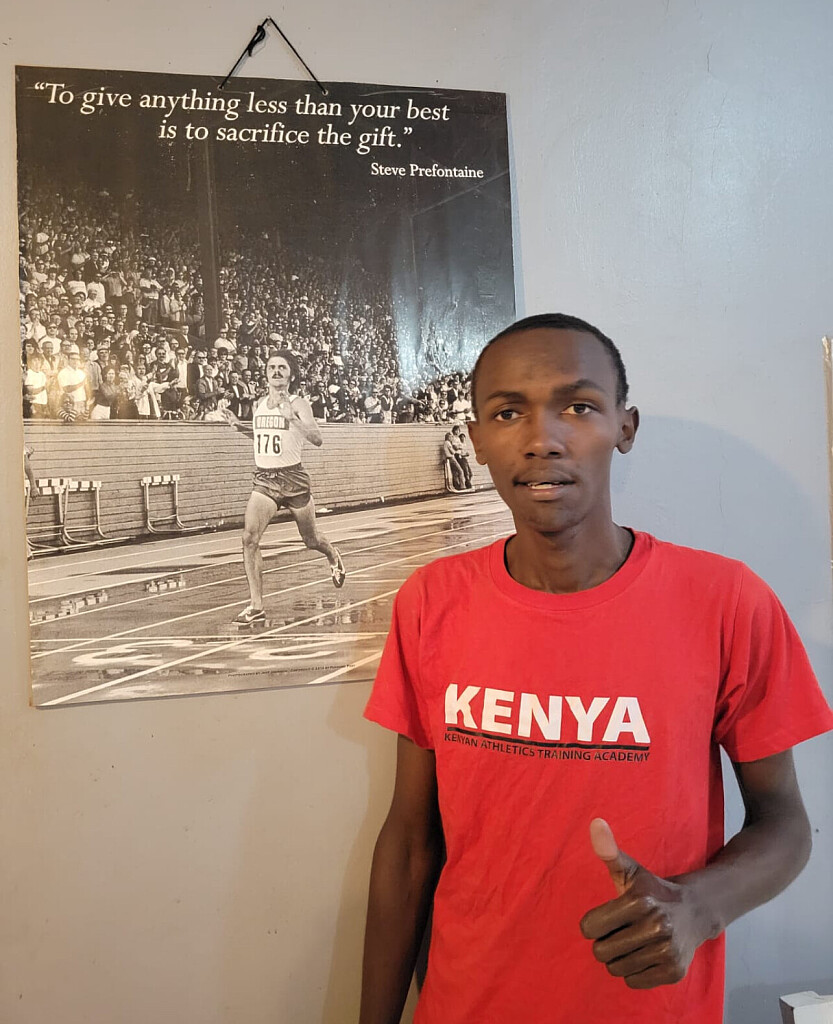
From Karate to 27:00: Zachariah Kirika’s Rise from Village Fighter to Road Racing Star
On a misty July morning in Nairobi, as thousands of runners pounded the city’s tarmac in the 10km race at the Nairobi City Marathon, one name quietly cut through the noise — Zachariah Kirika, 24, who stormed to a third-place finish in 27:00 flat.
But for Kirika, this wasn’t just a race. It was the culmination of years marked by struggle, sacrifice, and a relentless pursuit of purpose — a journey that began not on the running track, but in a quiet Kenyan village and later, in the disciplined world of karate.
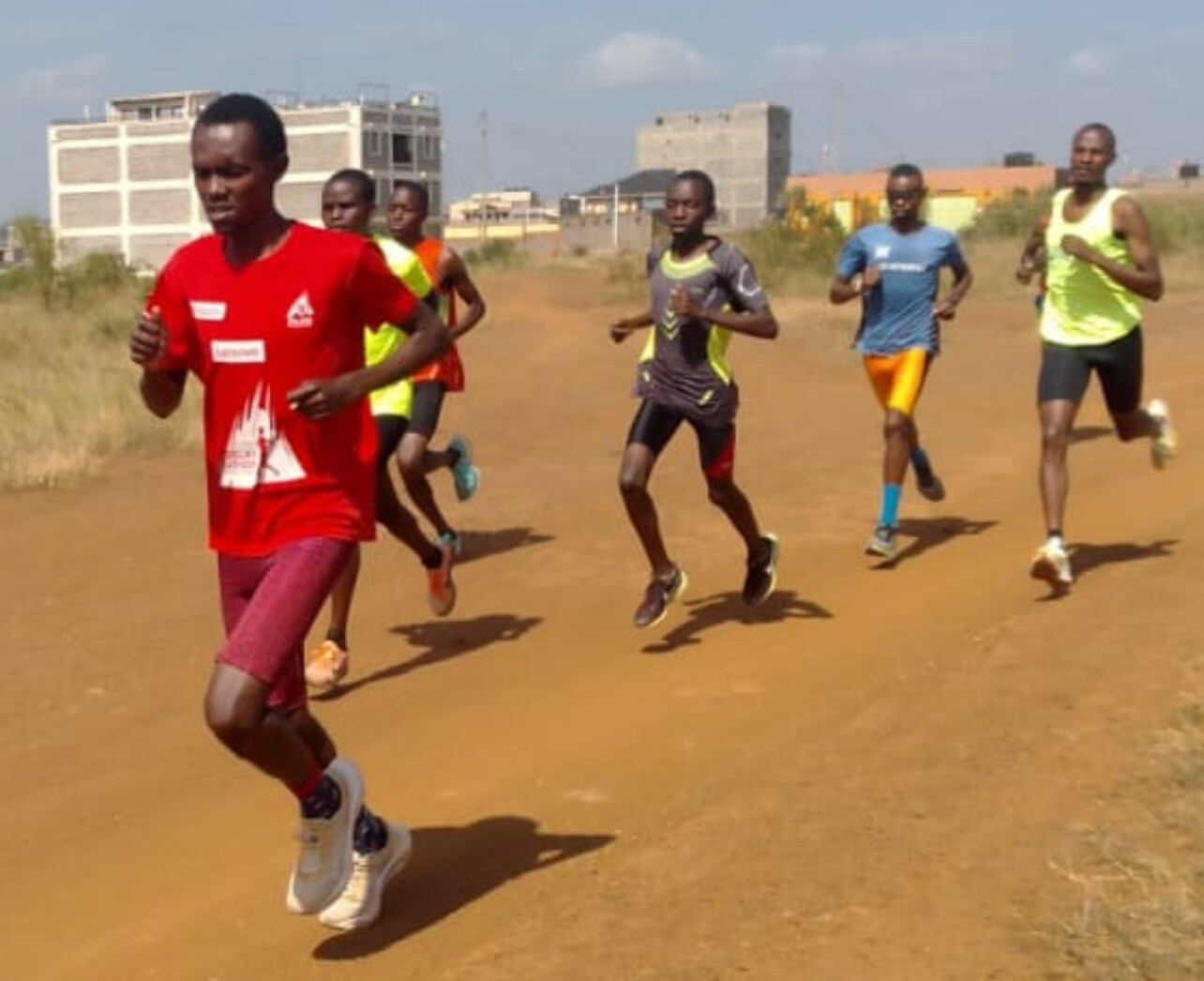
“I was born in Muthara village, a quiet place in Murang’a County,” Kirika says, now seated at the Kenya Athletics Training Academy (KATA) in Thika, where he trains. “We didn’t have much, but my parents gave me everything they could.”

Karate Roots and Early Responsibility
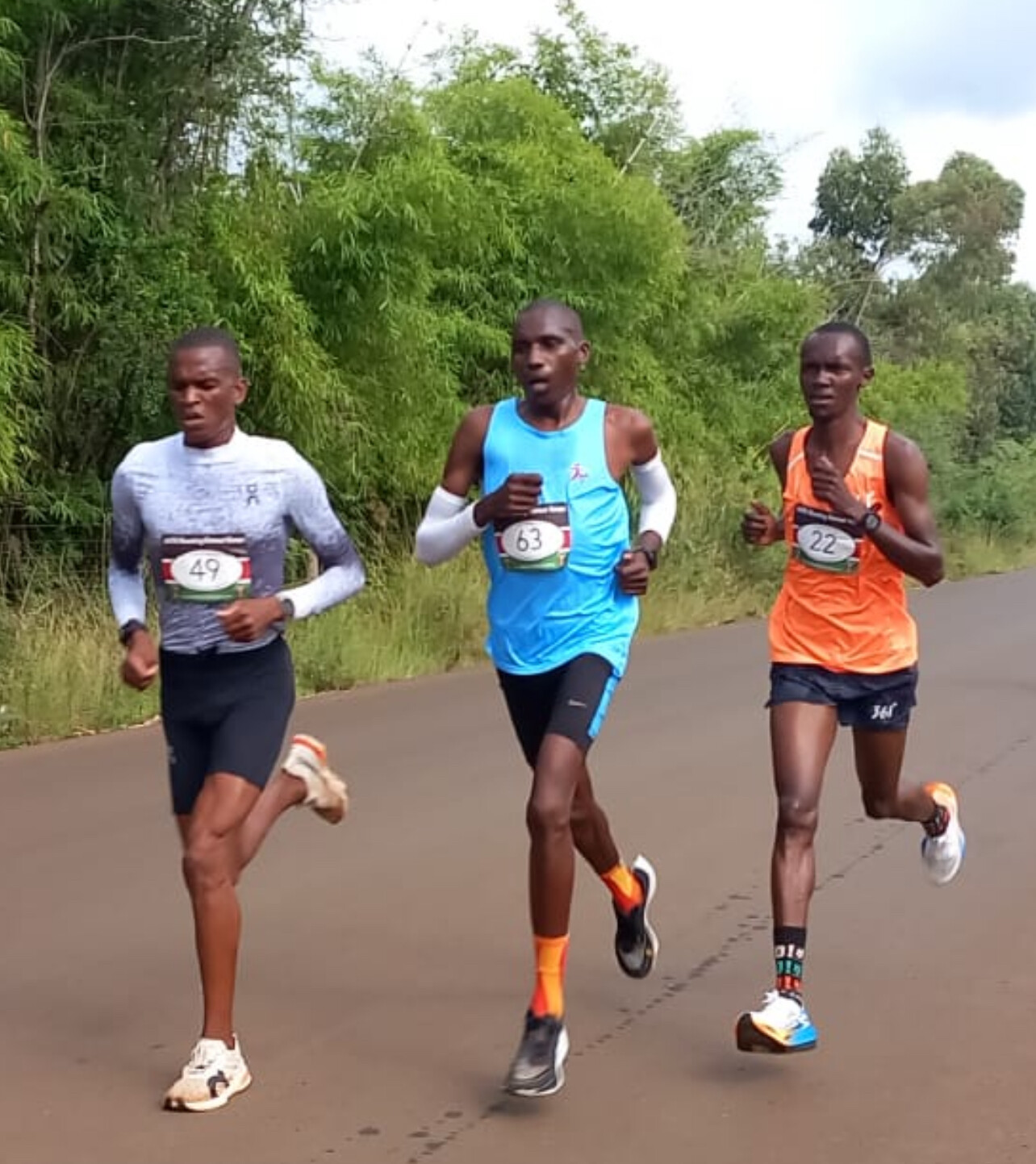
As the eldest child in a modest family — his father a carpenter and his mother a homemaker — Kirika learned discipline early. When he wasn’t helping on the farm or tending goats, he was dreaming beyond the hills of Murang’a.
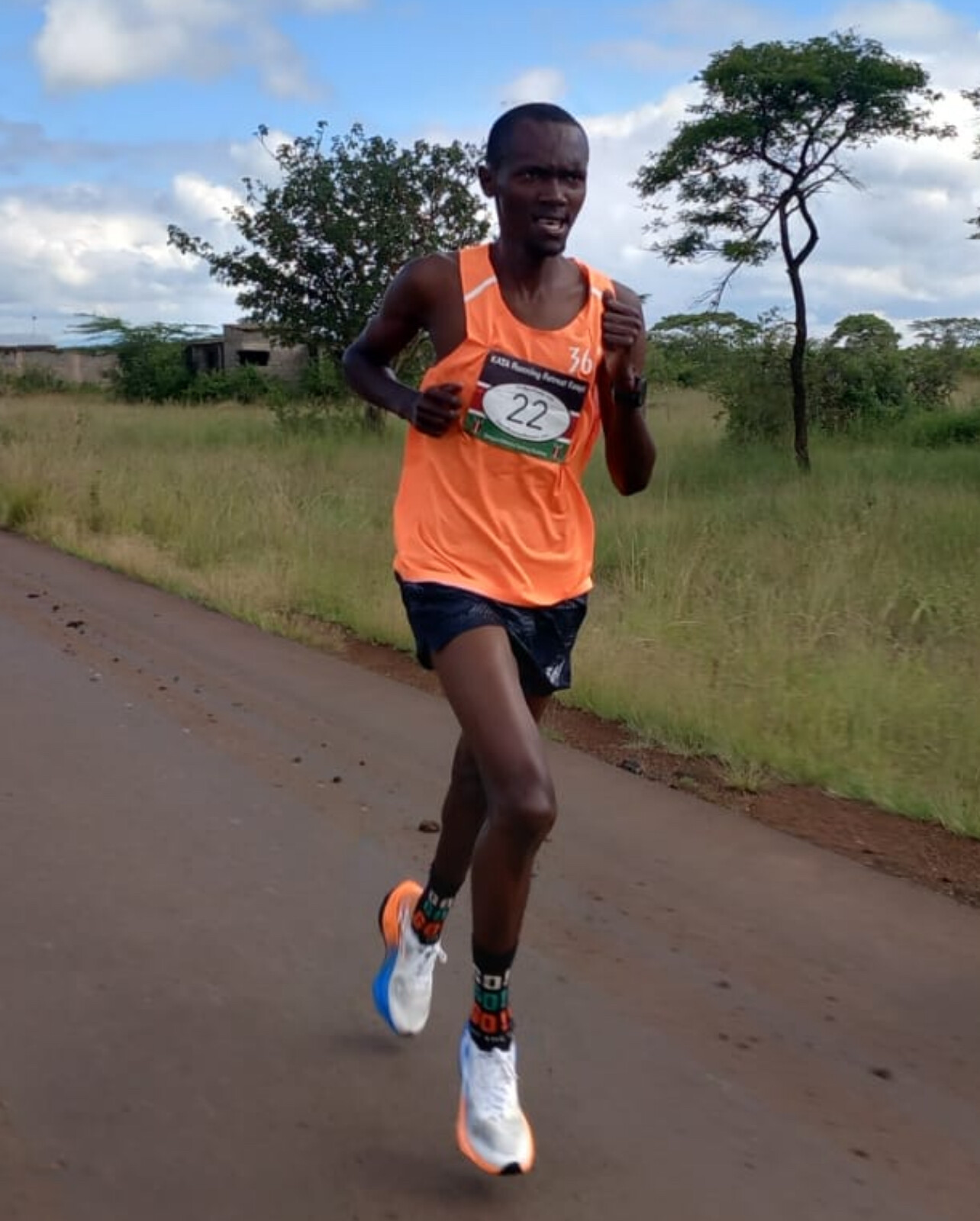
That dream took shape through karate, of all things.
“At around 13, I started following a group of boys training in Maraba. They had no dojo, no gear — just heart. I joined them, and I trained every day, barefoot sometimes. Karate taught me control, focus, and resilience.”
He carried that mindset through high school, juggling academics, martial arts, and odd jobs to support his family. By 2020, after finishing school, college wasn’t an option. He needed something more — something that could change his life.
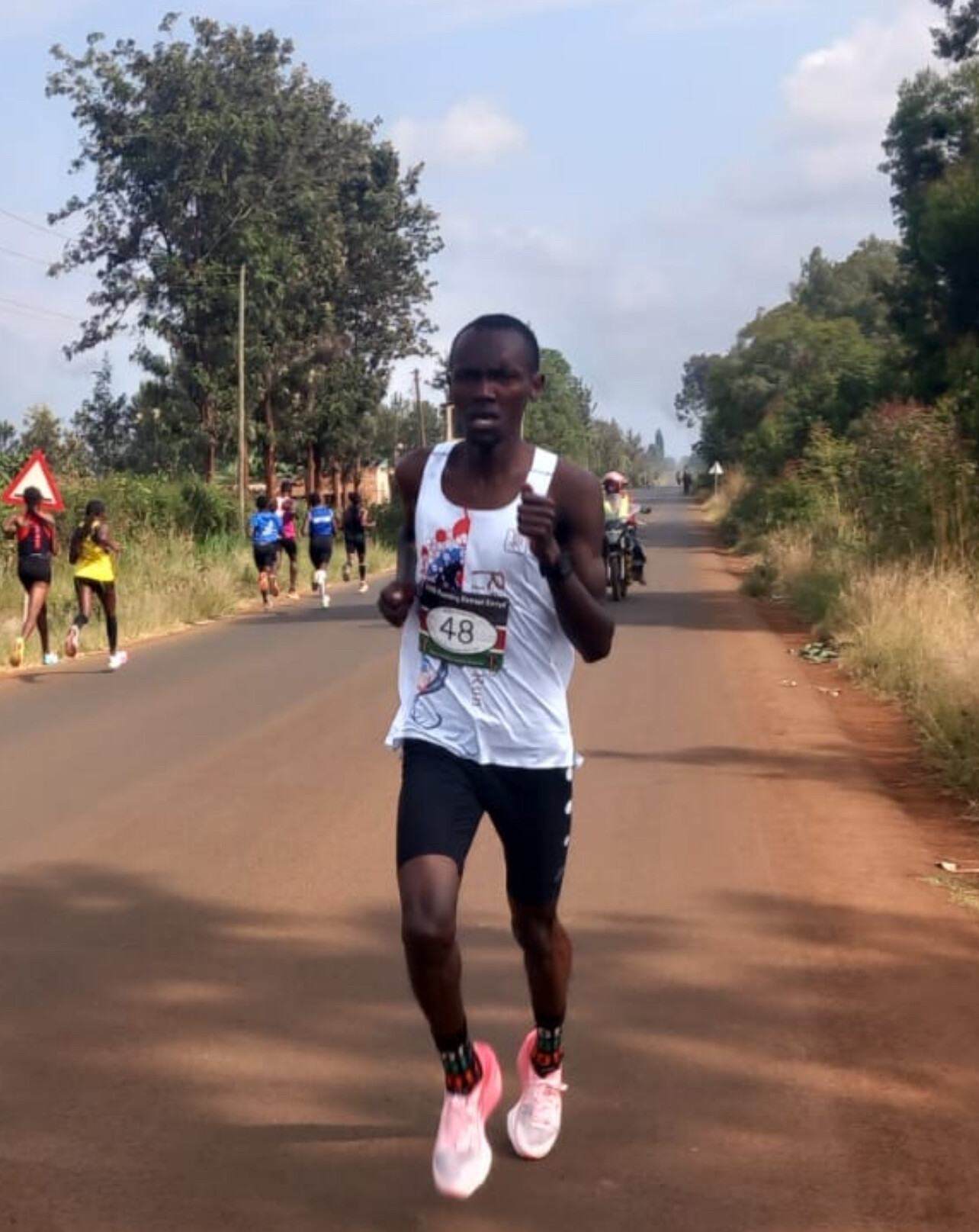
A New Path: Running
Initially, running was just fitness for karate. But a spontaneous entry into a local 5K fun run changed everything.
“I finished in the top 10 and people started telling me, ‘You have potential.’ That was the first time I saw a new path.”
The transition wasn’t easy. Kirika trained alone, without coaching or proper nutrition. But then came a life-changing opportunity: a spot at KATA, the training academy founded by American running pioneer Bob Anderson.
“KATA gave me structure, food, housing — but most importantly, belief.”
At KATA, Kirika began serious training under experienced coaches. He swapped kata routines for hill repeats, and sparring for speedwork. It wasn’t long before his times began to drop.
Nairobi Breakthrough
By early 2025, he had built momentum through smaller races, gaining confidence and sharpening his speed. But the Nairobi City Marathon 10K would be his biggest test yet.
“I was nervous, but I kept telling myself — just hold on.”
He did more than that. He surged with the lead pack, stayed composed through the rolling course, and finished third overall in 27:00, his first official sub-28 performance.
“That race changed everything,” he says. “It proved that you don’t need fancy gear or a big name to compete. You just need heart, and a team that believes in you.”
What Comes Next
Kirika now has his sights set on the half marathon, and eventually, the full 42.2 km. The KATA team is already working with him on long-run preparation, nutrition, and mental strategy for the next phase of his career.
“I know this is just the beginning,” he says with a quiet fire. “There’s still a long way to go.”
Still humble, still grounded, Kirika hasn’t forgotten his roots.
“Tell my parents I’m doing something meaningful. Tell them thank you. And tell them I haven’t forgotten where I came from.”
A Star on the Rise
As the sun sets over Thika’s training trails, Zachariah Kirika laces up his shoes. Behind him lies the path of a barefoot boy who once threw punches in dusty lanes. Ahead of him lies a road filled with potential, podiums, and purpose.
In a country bursting with undiscovered talent, Kirika’s story is a powerful reminder: with discipline, support, and belief, even the most unlikely runners can rise to greatness.
All photos were taken in and around KATA in Thika where Kirika lives, eat, train and works around the place. The racing photos were taken at KATA's monthly time trial.
by Robert Kibet
Login to leave a comment
Powered by Potatoes, Fueled by Passion: Inside the Rise of KATA in Kenya
THIKA, Kenya, July 18, 2025 — About 40 kilometers northeast of Nairobi sits Thika, a town once best known for its factories. But just outside its bustling center, a quiet revolution is taking place—one that’s redefining how running talent is discovered and developed in Kenya.
Welcome to the Kenya Athletics Training Academy (KATA)—a visionary project founded by Runner’s World and My Best Runs creator Bob Anderson (first photo) and powered by a bold and sustainable idea: combine world-class running with community farming. What began in 2019 as a modest base has grown into a thriving network of athletic development across Kenya.
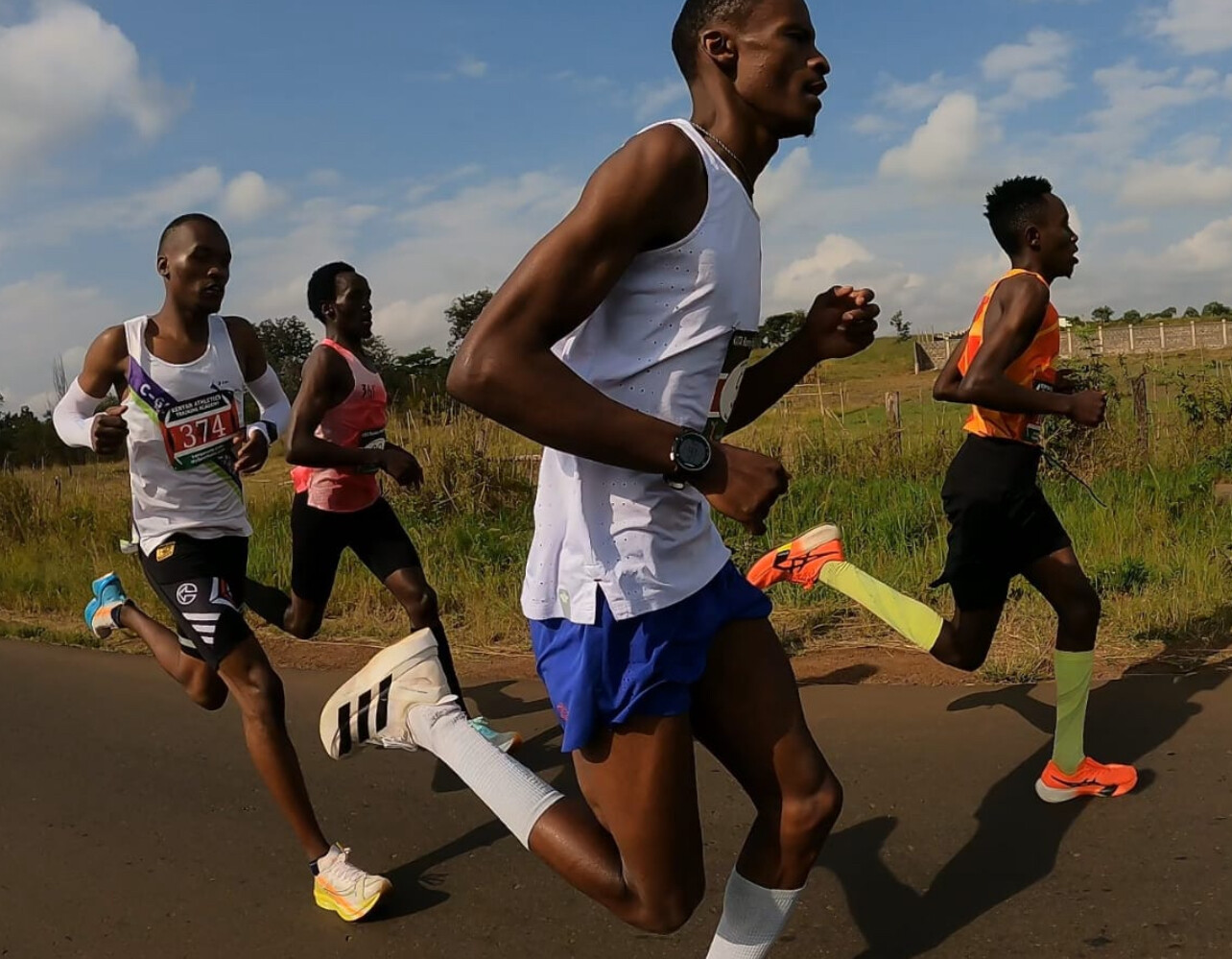
Thika: The KATA Running Retreat
At the heart of it all is the KATA Running Retreat in Thika, where Kenyan athletes live and train full-time, and where guests from around the world come to “train the Kenyan way”. Situated at altitude, the retreat offers structured training, rest, nutrition, and performance monitoring on a measured course.
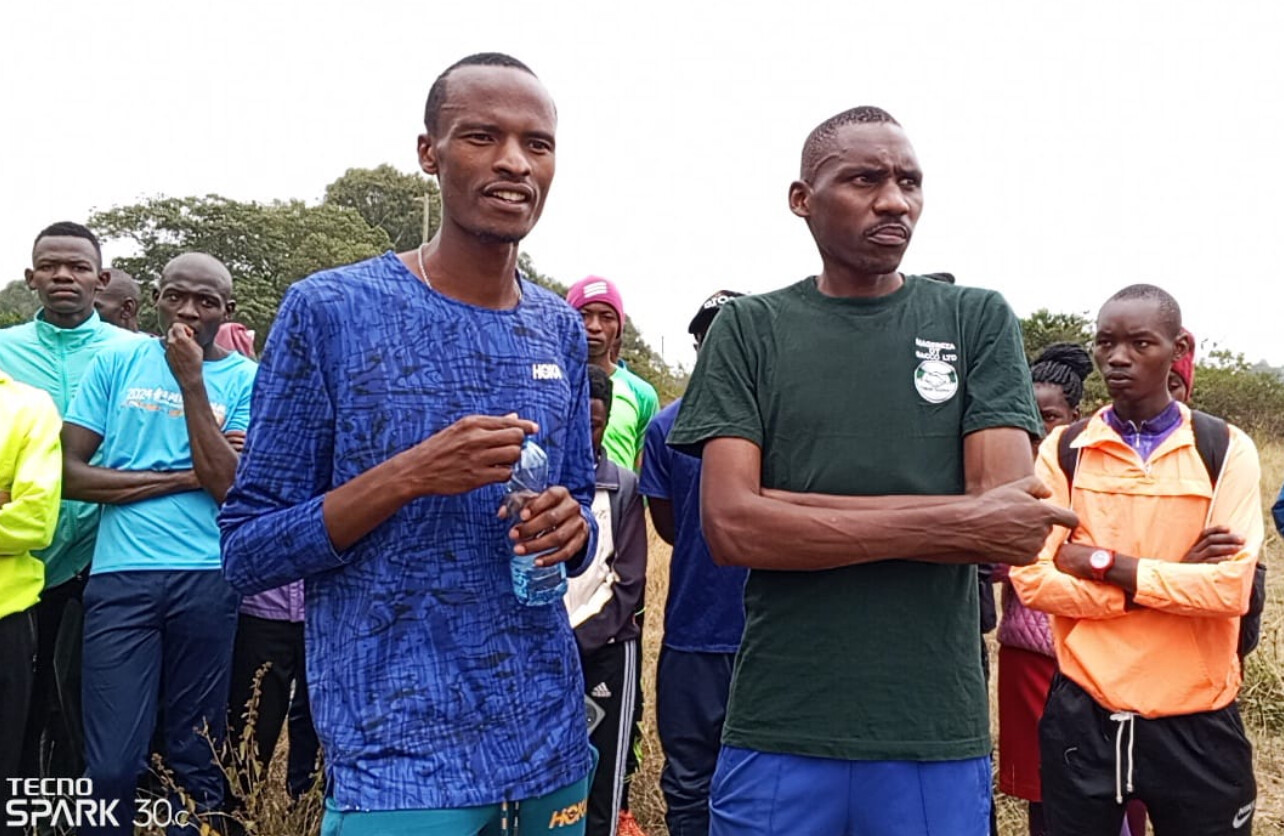
Thika is managed by Christopher Kamande (photo 4), who ensures that the vision is executed with care and discipline.
“We provide a safe space for these athletes,” says Kamande. “They get everything they need—meals, coaching, rest, even digital support for their racing profiles. We treat them like the professionals they’re becoming.”
Athletes’ verified performances are uploaded to My Best Runs by Elam Wangwero (photo 5 when he met Bob and his wife Catherine for the first time in 2014), KATA’s digital lead and longtime collaborator with Anderson. “When someone runs 28 minutes here, the world should know about it,” he says.
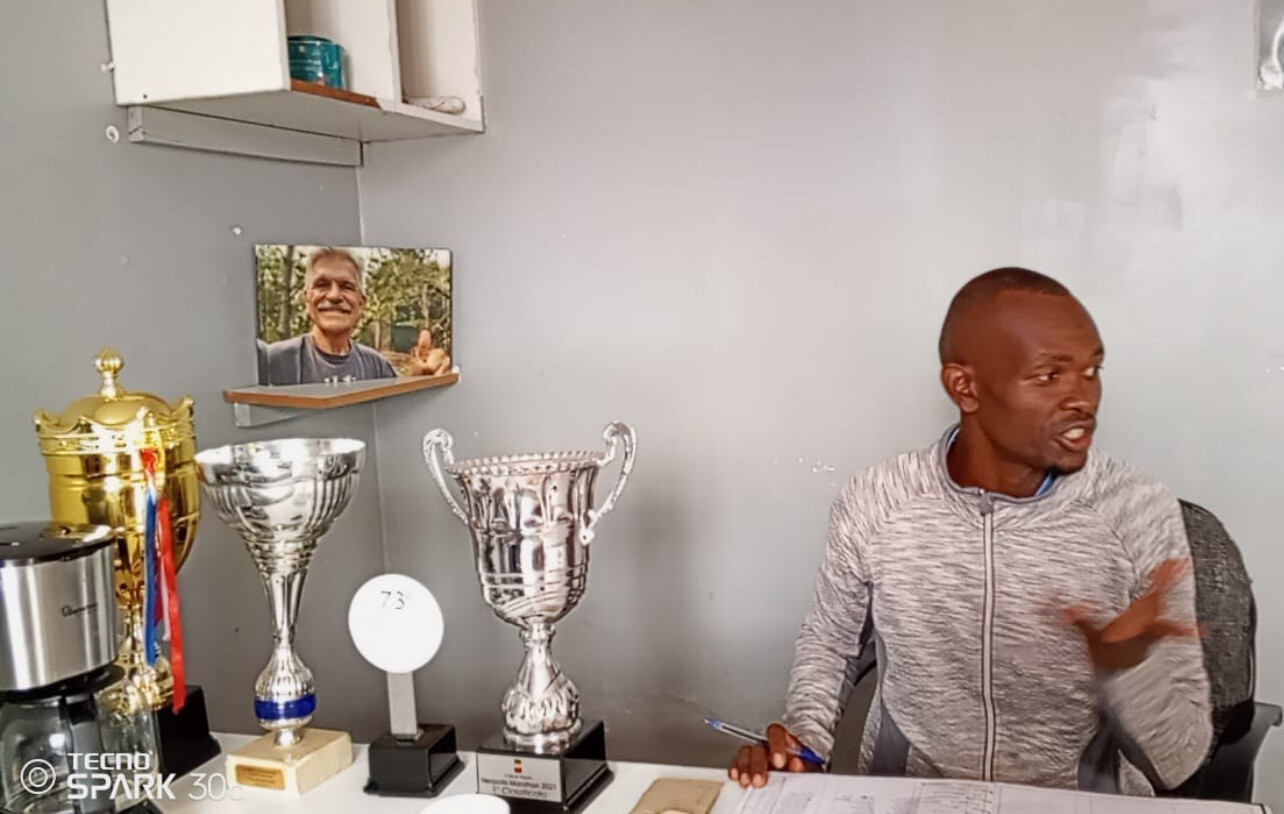
A Model That’s Growing Across Kenya
Since June 2025, the KATA team has launched a new initiative: combining elite training camps with three-acre potato farms to build sustainable, athlete-driven communities. In just six weeks, 30 new KATA Running Camps and KATA Potato Farms have been established across Kenya, with two more set to open by August 1, bringing the total to 32.
“This gives us 32 KATA Camps and Farms,” says Anderson. “It has been exciting to find operators who share the same passion as I. We have an amazing group of operators—all dedicated to our unique project. They all know how important their three-acre potato farm is, because that’s what will power their camp in the long run.”
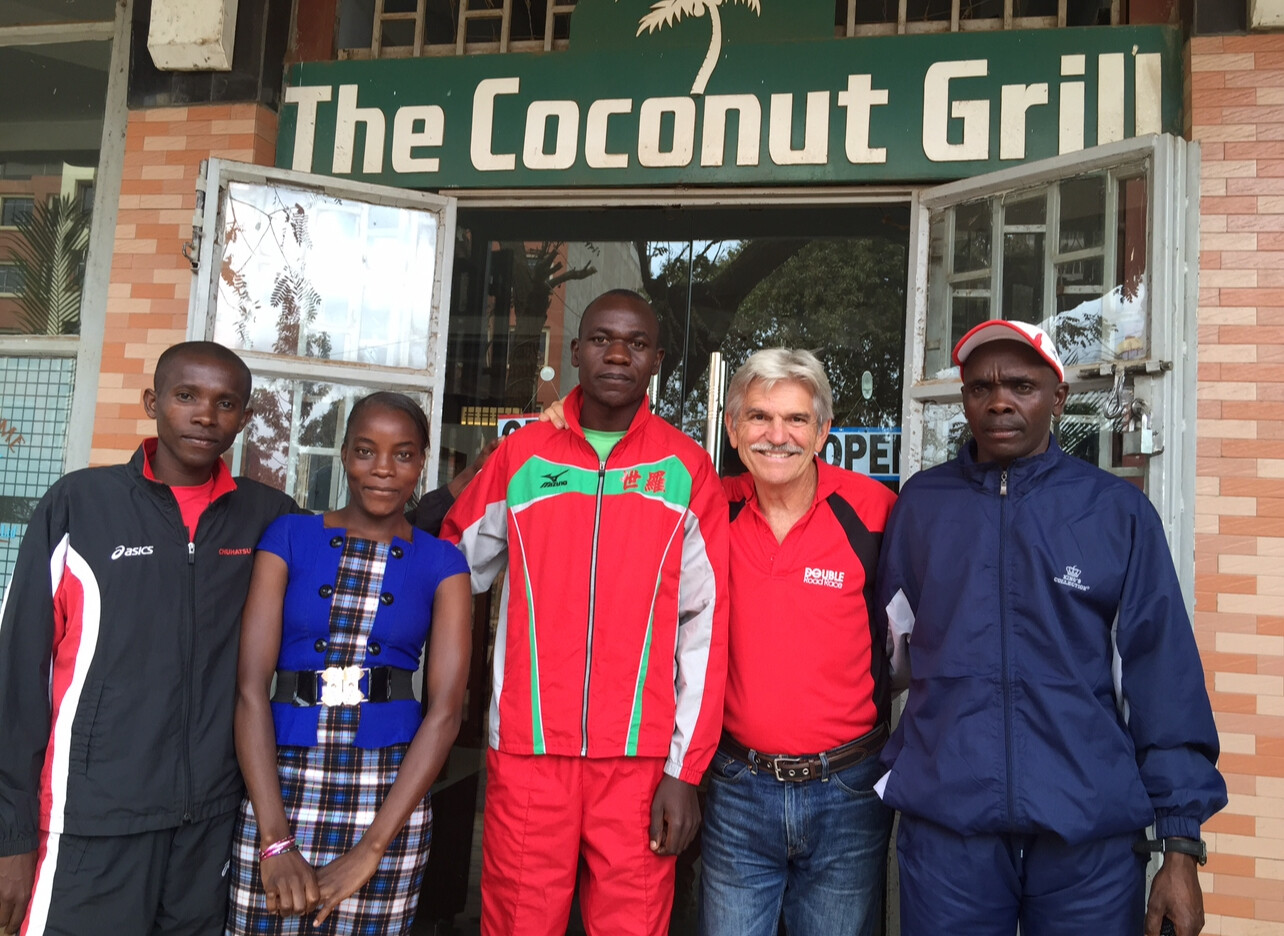
At each location, athletes work 25 hours a week planting, maintaining, and harvesting potatoes. In return, they receive free housing, daily meals, and world-class coaching—a holistic model designed to develop both athletes and communities.
“This model gives athletes a chance not just to run, but to build a life,” says Kamande. “It teaches responsibility, sustainability, and teamwork.”
Time Trials that Open Door's
KATA’s monthly 5K and 10K time trials (phot two) certified and measured, are held on the Thika course and have become a trusted platform for athletes to showcase their ability to race organizers and sponsors worldwide. “Our monthly time trials were started September 2021,” says John KATA’s head coach, “we have seen many amazing performances both from our KATA’s athletes and others.” All runners are invited to come run.
“These time trials are life-changing,” Kamande says. “Many of our runners don’t have agents or the means to travel to big races. So we bring opportunity to them.”
Results are published on My Best Runs, offering a transparent, verified path to the world stage.
From 34 Minutes to 27:47
Before the farming project began, KATA was already changing lives—and Peter Mwaniki Njeru (photo three) is one of its earliest and most powerful success stories.
“When Peter first came to KATA,” recalls Anderson, “he was running around 34 minutes for 10K.” Through structured training, support, and work around the Retreat, Peter steadily improved. In 2024, he stunned the running world by winning the Chicago 10K in 27:47.
A Legacy Rooted in Vision
At a time when many athletes in Kenya pay to train, live in overcrowded rooms, and struggle for basic support, KATA is different. Everything—lodging, food, coaching, and opportunity—is provided at no cost to the athlete. And now, through potatoes, the project has a path to sustain itself.
One KATA operator summed it up best in a message to Bob Anderson:
“Your unique approach,” wrote Edwin Soi, “blending athletic training with sustainable farming, is clearly making a significant positive impact on the lives of the athletes and the community. It’s a testament to how innovative ideas, when implemented with genuine care, can empower people far beyond their initial scope.”
As the KATA Running Retreat in Thika and now also in Portugal continues to welcome international guests and the KATA Camps and Farms spread across the country, the mission remains clear:
Empower athletes. Build communities. And grow the future—one step, and one potato, at a time.
by Robert Kibet
Login to leave a comment

Brian Musau Breaks 13-Minute Barrier in the 5,000m—Becomes Third Collegian Ever to Do So
In a performance that sent shockwaves through collegiate distance running, Brian Musau of Oklahoma State University clocked a stunning 12:59.82 at the 2025 Sunset Tour in Los Angeles on July 12, becoming only the third college athlete in history to dip under the 13-minute barrier for 5,000 meters.
The 22-year-old Kenyan star, who is also the 2025 NCAA 5,000m champion, executed a perfectly timed race against a world-class field, showcasing both tactical savvy and extraordinary finishing strength. His mark makes him the fastest collegian in the world this year and moves him into rarefied territory alongside two legendary names: Henry Rono of Washington State (13:08.4 in 1978) and Salah Hissou of Morocco (12:58.13 in 1996, while studying in France), both of whom were collegians when breaking 13 minutes.

Musau’s performance also makes him just the third Kenyan to go sub-13 in the 5,000m this season, joining elite countrymen Jacob Krop and Nicholas Kimeli, both ranked among the top 10 in the world. It’s a statement not just about Musau’s individual brilliance but also about Kenya’s enduring depth in distance running.
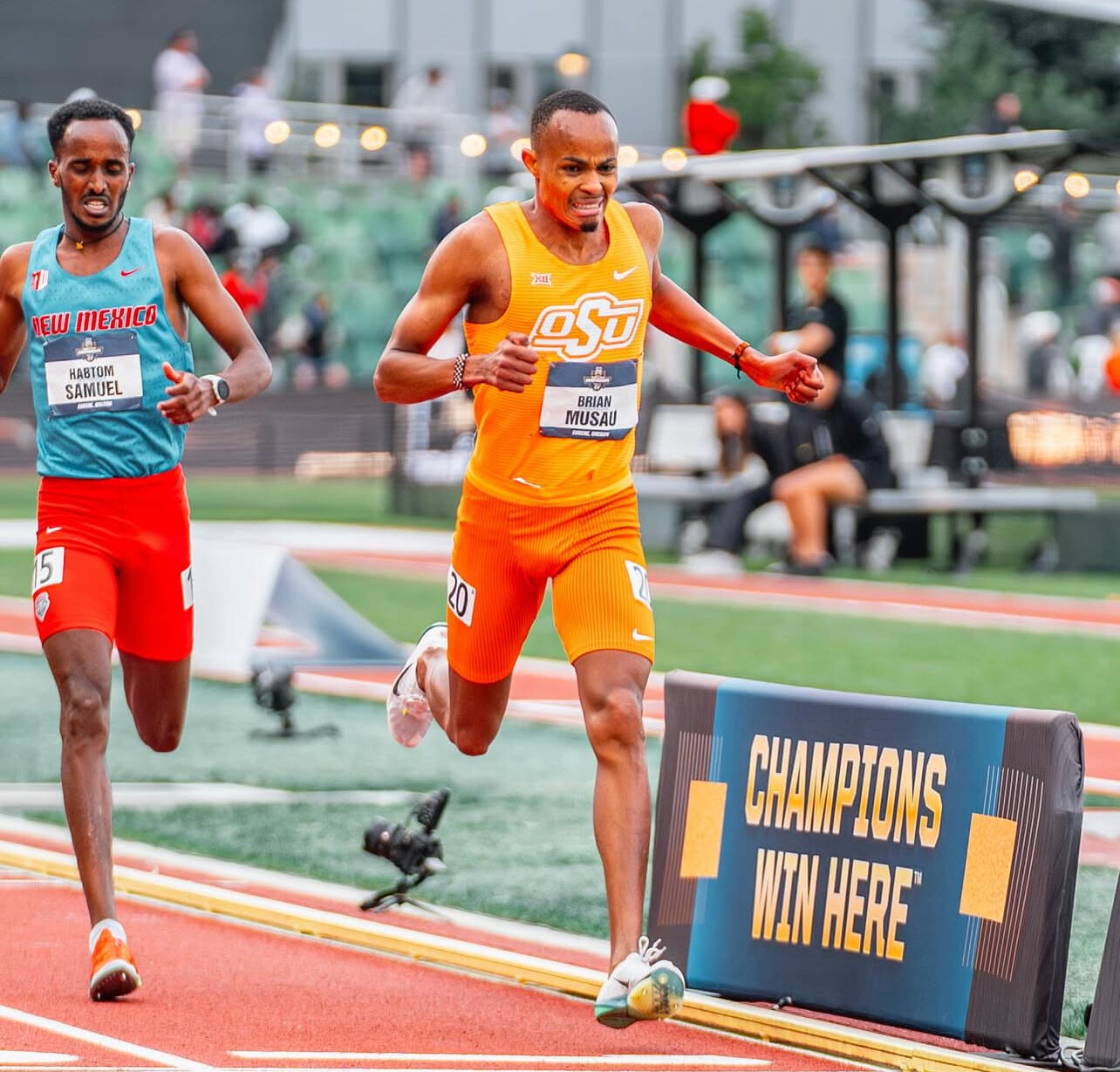
His coach at Oklahoma State, Dave Smith, called the race “a culmination of three years of hard work, patience, and belief.”
As a result of his historic run, Musau has now been invited to the 2025 Kenyan World Championships Trials, to be held July 22 at Nairobi’s Ulinzi Sports Complex—a high-stakes meet where Kenya’s team for the World Athletics Championships will be selected.

Musau is also a proud member of Townhall Athletics, the growing development and management group guiding several top Kenyan talents.
“This is only the beginning,” Musau told reporters after the race. “My dream is to represent Kenya on the world stage—and now I have that opportunity.”
by Boris Baron
Login to leave a comment

Kenya’s Top Athletes to Compete for World Championships Spots at Trials on July 22
With the 2025 World Athletics Championships set to take place in Tokyo this September, Athletics Kenya has announced that the official national trials will be held at the Ulinzi Sports Complex in Nairobi on July 22, 2025.
The one-day meet will determine who earns the right to represent Kenya on the global stage—and with Tokyo hosting the championships, the stakes couldn’t be higher.
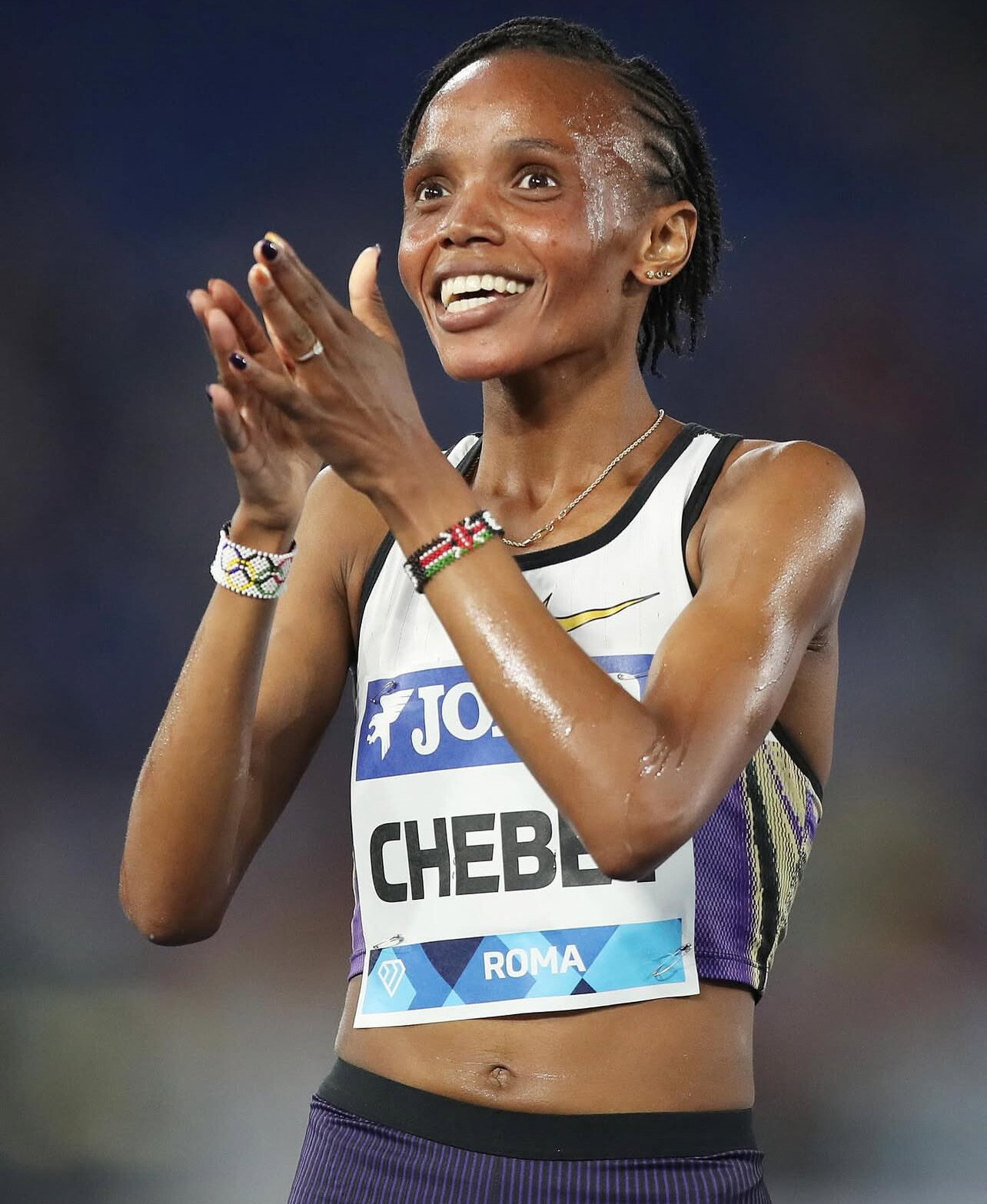
The Tokyo 2025 event is expected to draw the world’s best talent, and Kenya, known for its depth in middle and long-distance running, is aiming to field its strongest team yet. A number of top stars are expected to compete at the trials, including 100m national record-holder Ferdinand Omanyala, world steeplechase medalist Beatrice Chepkoech, 1500m ace Faith Kipyegon, and marathon standout Sharon Lokedi.
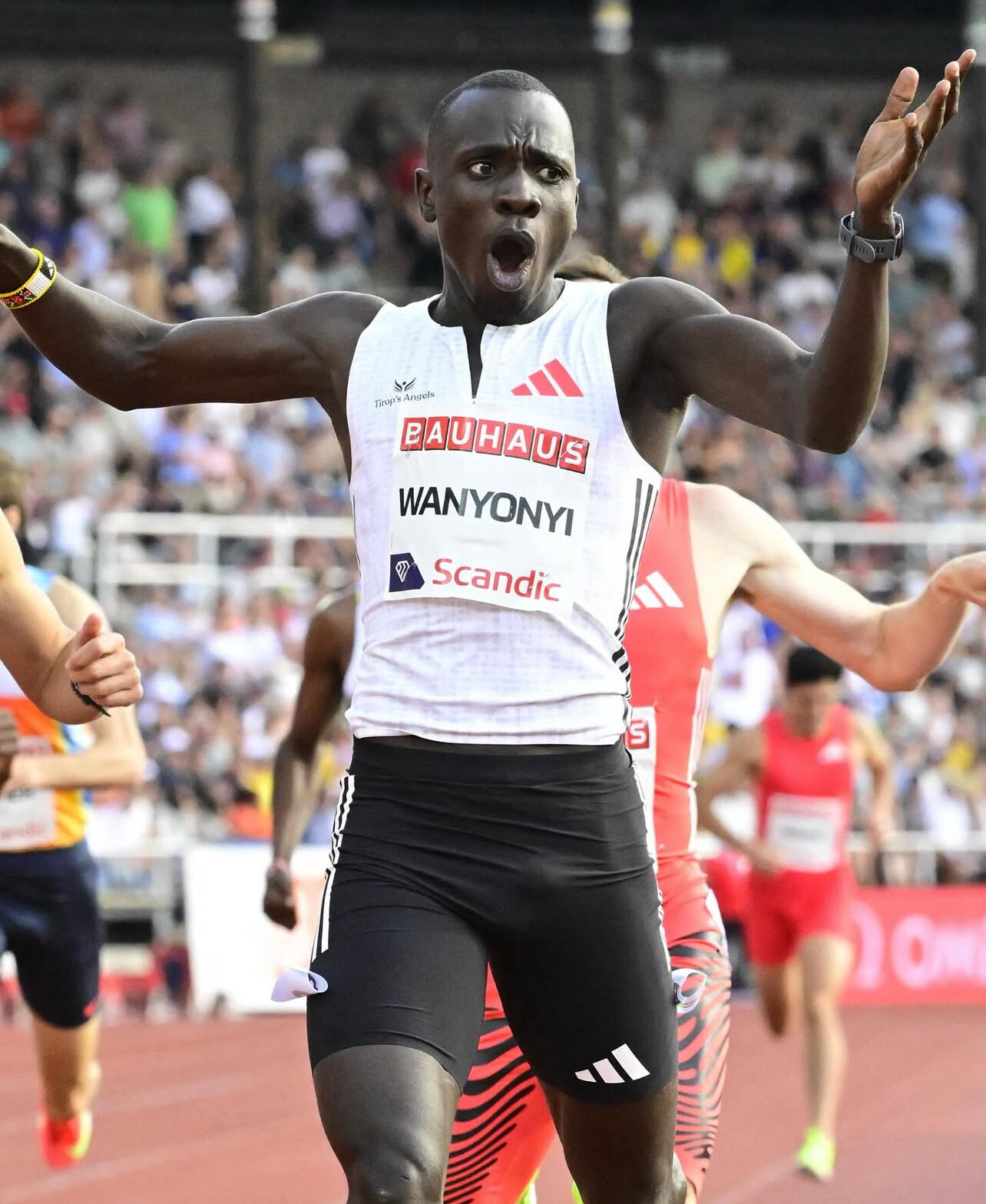
Though most of the attention will be on the track events, Kenya is also working to expand its representation in the field and sprints—areas where the country has shown recent promise.

A Veiled but Historic World Championship Ahead
The Tokyo 2025 World Championships mark the first time Japan will host the event since 1991 in Tokyo—when legendary performances, including Mike Powell’s world long jump record, rewrote the sport’s history books.
The 2025 edition, however, arrives amid a more complex and veiled atmosphere in the sport. With lingering questions about past doping scandals—including renewed attention to China’s 1990s distance-running records—many in the athletics community are calling for clean and transparent competition.
Kenya is no exception. The country remains under close international scrutiny but has made visible strides in testing, education, and compliance with global anti-doping standards.
What to Watch
• Will Faith Kipyegon aim to double in the 1500m and 5000m again?
• Can Omanyala convert his sub-10 form into a world medal?
• Will a new generation of Kenyan athletes step up in the sprints and field events?
The July 22 trials in Nairobi will offer the first answers. Expect fireworks—and a preview of what Team Kenya might look like in Tokyo.
by Boris Baron
Login to leave a comment
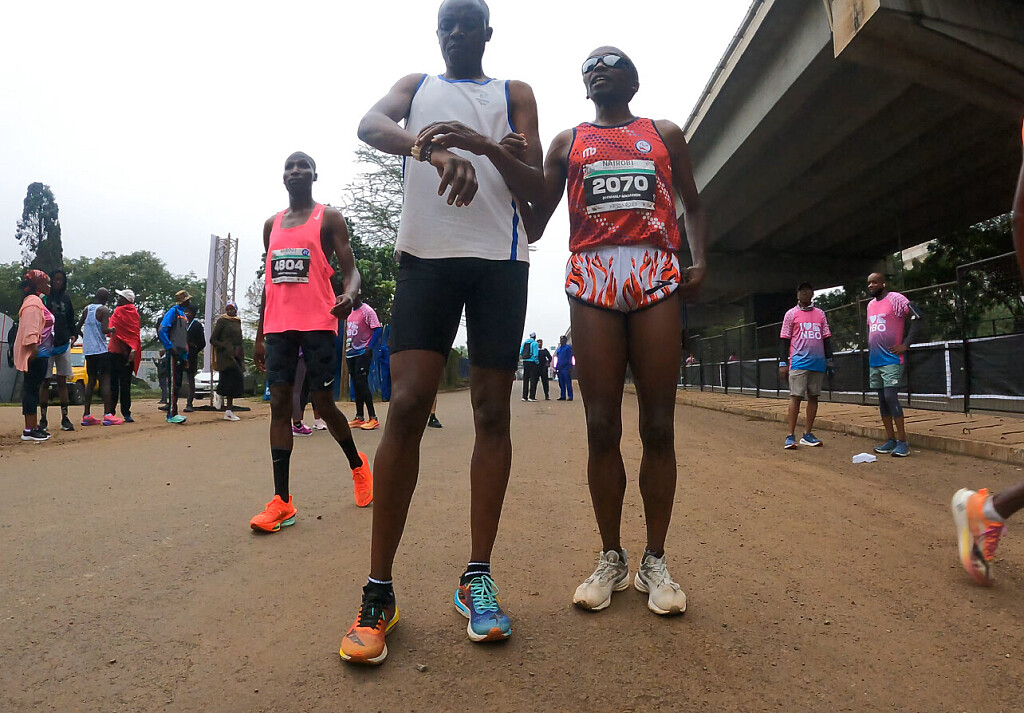
Blind Runner, Clear Vision: Wilson Bii’s Nairobi Debut Fueled by Kenya Athletics Training Academy (KATA)
In a moving display of courage and transformation, Wilson Bii, a visually impaired Paralympian and Rio 2016 bronze medalist, made his road racing debut at the 2025 Nairobi City Marathon, taking on the half marathon along the scenic Nairobi Expressway.
For the 38-year-old Kenyan, long known for his prowess on the track, this was more than just a change in terrain — it marked a bold new chapter in a journey defined by resilience and reinvention.
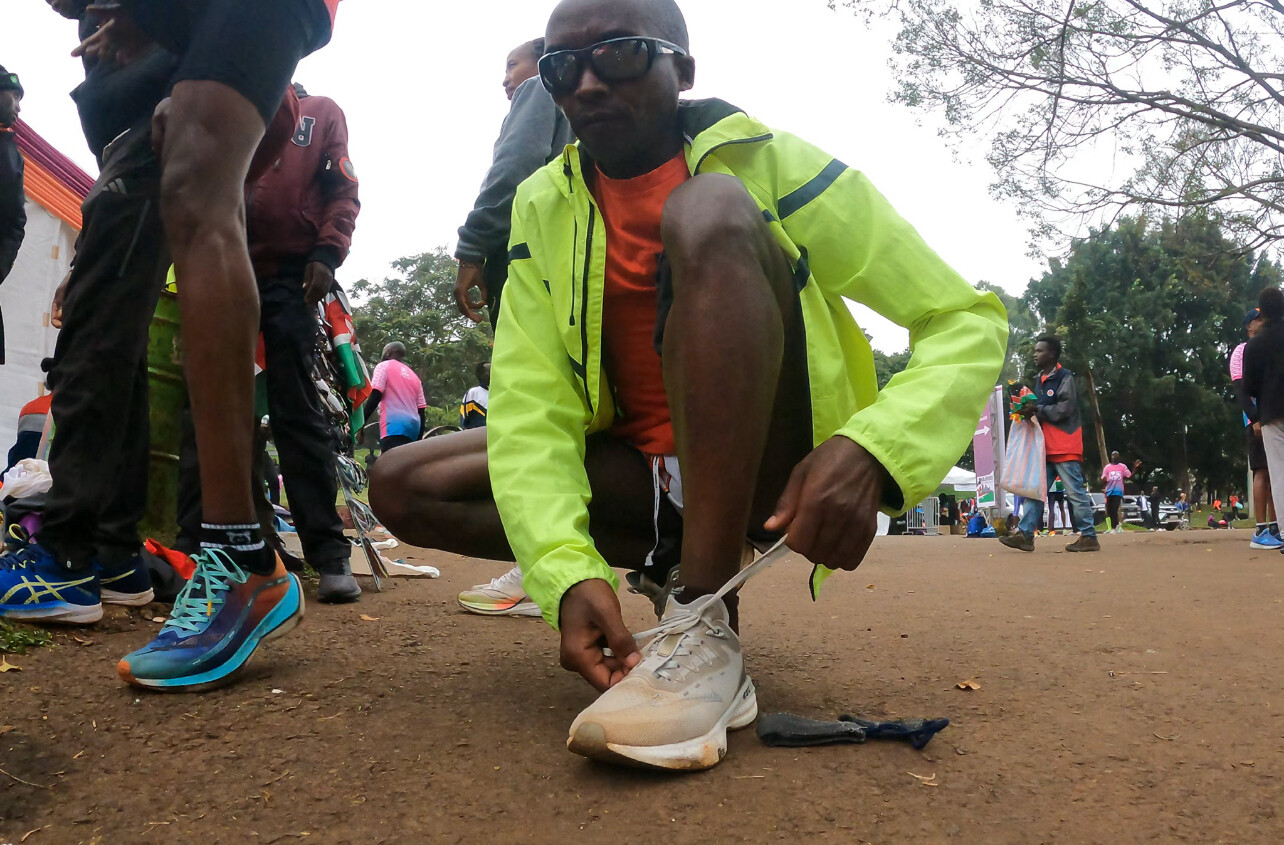
“This was my first time competing in a road race,” Bii said. “I’ve spent years on the track, but this year I decided to train for longer distances. I wanted to challenge myself in a new way, and I found purpose on the road.”
But the road that brought him here was far from easy. Bii had good eyesight until 2002, when a tragic road accident changed his life forever. Shattered glass from the crash severely damaged his eyes, ultimately leading to complete vision loss. Though devastated, Bii refused to give in. Instead, he redirected his focus — and chose to run under the Paralympic banner.
“I never gave up,” he said. “Running became my way forward.”
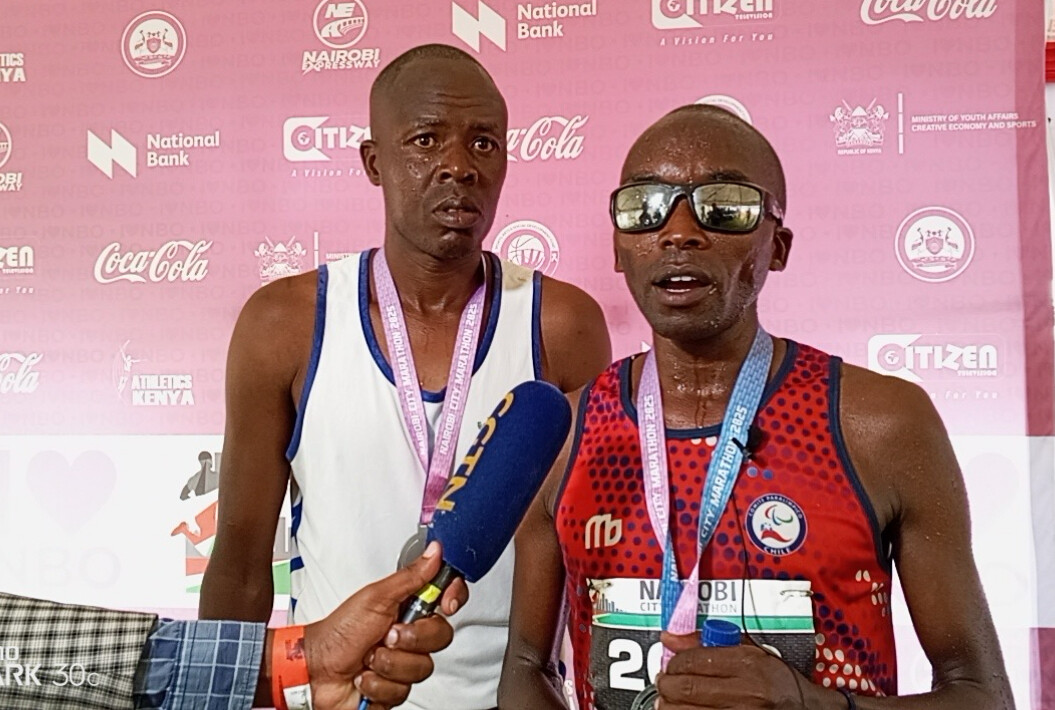
Today, Bii trains with the Kenya Athletics Training Academy (KATA), a grassroots initiative founded by Bob Anderson, the American running pioneer best known for launching Runner’s World magazine in 1966. Anderson, who helped ignite the global running boom through journalism and advocacy, now devotes his time to supporting emerging Kenyan talent.
At age 49, Anderson himself set a personal best in the half marathon (clocking 1:19:17) — an individual pursuit that reflects the very mindset he seeks to instill in others. Through KATA, he now oversees a network of 21 high-altitude training camps across Kenya, providing coaching, structure, and opportunity to athletes from underserved communities.
Bii trains at one of these camps in Sirikwa, Kuresoi North in Nakuru County — in the heart of the Rift Valley, where elevation, tradition, and grit continue to shape some of the world’s greatest endurance athletes.
Alongside his guide, Job Kiprono, Bii navigates training and racing with trust and precision.
“Kiprono has been my eyes for years. We move together, think together. We’re not just running for me — we’re running for both our families,” Bii shared.
He draws inspiration from the legacy of others. “When I saw how running changed Henry Wanyoike’s life, I knew I had to try. That’s why I came here today — to push myself and to inspire others who may feel forgotten.”
Bii now has his sights set on representing Kenya at the 2025 World Para Athletics Championships in India, after previously missing global events in Dubai and Morocco.
His guide, Kiprono, is appealing to Athletics Kenya and the National Paralympic Committee of Kenya to recognize the upcoming Belgut Road Race on July 24 as an official qualifier for para-athletes.
“If Belgut can be acknowledged, it will give athletes like Bii the opportunity we’ve waited for,” Kiprono said. “We want to earn our spot through performance, not politics.”
As Bob Anderson’s vision continues to take root across Kenya, athletes like Wilson Bii embody the mission: to empower through sport, to nurture overlooked potential, and to prove that running can restore far more than fitness — it can restore lives.
At the Nairobi City Marathon, Wilson Bii didn’t just finish a race — he reclaimed his momentum clocking 1:07:50 for the half marathon. From the wreckage of a 2002 accident to the fast-moving lanes of a 2025 half marathon, Bii now runs with a clarity of purpose. And behind him, a global legacy of running finds fertile ground in Kenya’s red soil — and in the courage of those who refuse to stop moving forward.
by Robert Kibet
Login to leave a comment
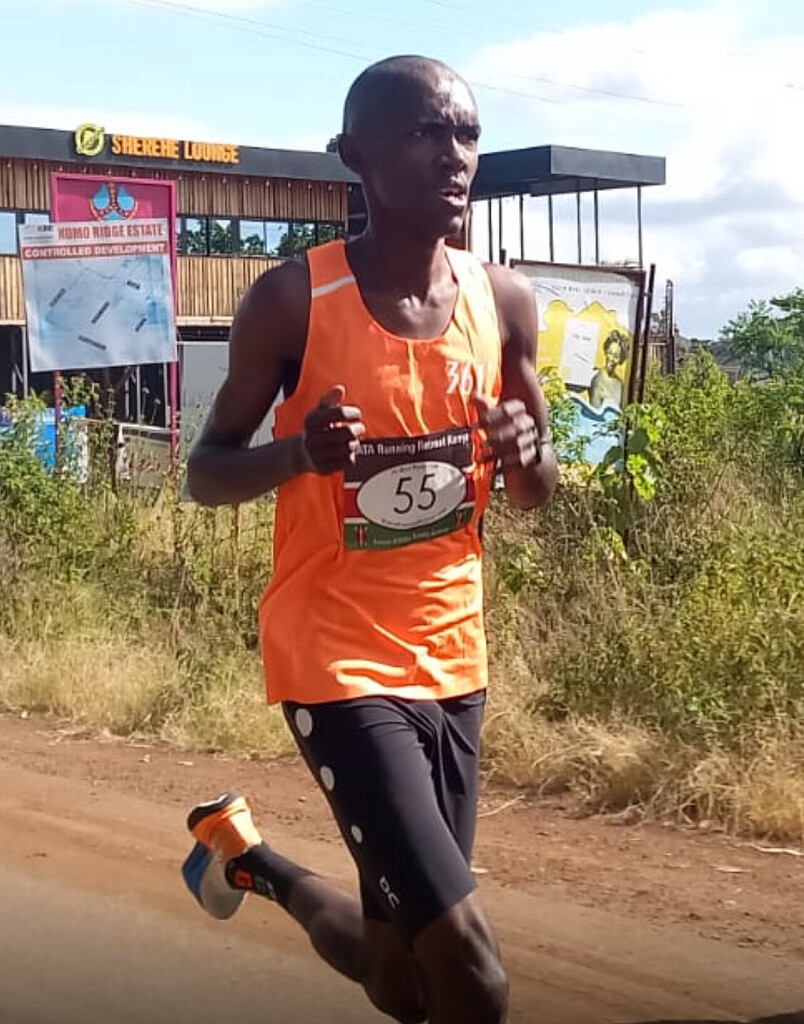
Big Performances at the Nairobi City Marathon — Wilson Bii and Zakariah Shine for KATA
Nairobi, Kenya — July 6, 2025
The streets of Kenya’s capital came alive this morning with the running of the Nairobi City Marathon, Half Marathon, and Expressway 10K. With elite competition, a scenic city course, and massive public support, the event once again showcased the depth of talent in the world’s running capital.
Among the standout performances were two remarkable athletes of from KATA Running Camps, continuing to make their mark on Kenya’s competitive distance running scene.
Wilson Bii Dominates Para Half Marathon
Wilson Bii (4th photo), a visually impaired runner training at a KATA Running Camp, delivered a stunning performance in the Para Half Marathon division, winning in a time of 1:07:50. Known for his resilience and smooth stride, Bii proved once again that no obstacle can hold back a champion spirit.
“We are so proud of Wilson,” said Bob Anderson, Founder of the KATA (Kenyan Athletics Training Academy) initiative. “His dedication, grit, and belief inspire all of us.”
Bii, who has represented Kenya at multiple international events, continues to sharpen his fitness under KATA’s structured training model, which combines elite coaching with holistic athlete support.
Zakariah Breaks Through in the 10K
In the Expressway 10K, Zakariah (first photo) one of KATA Thika’s earliest and most consistent athletes, put together the race of his life. He clocked a personal best of 27:00 flat, finishing third overall in a stacked elite field.
This marks a major breakthrough for the rising star, whose consistency in training over the past year is now paying off in a big way.
“Zakariah has been with us since the very beginning,” Anderson added. “He works hard every day and keeps improving. Today was a huge moment for him and for the entire KATA movement. When he first came to KATA he way running a 10k in 34 minutes. His 27 minutes today at altitude says he is ready to run faster at sea level. He was only two seconds behind the winner."
Nairobi Marathon Elevates All Levels
While elite runners headlined each race, the Nairobi City Marathon continues to grow as a celebration of endurance and unity. From full marathoners tackling 42.195 kilometers through the city to recreational 10K runners testing their limits on the Expressway, thousands took part in what is becoming one of East Africa’s most important road racing events.
KATA: A New Chapter in Kenyan Running
With more than a dozen training camps and potato farms across Kenya — and a flagship retreat in Portugal — the KATA movement is changing the narrative. It’s not just about producing fast times, but building complete athletes, nurturing character, and providing real economic sustainability.
Today’s results in Nairobi prove that the vision is working.
by Boris Baron
Login to leave a comment
Is There A Running Life After a Ban? Abraham Kiptum Hopes His Comeback Tells a New Story
After nearly six years out of competition, former world half-marathon record holder Abraham Kiptum is preparing to make a dramatic return to the sport that once made him a star. The 34-year-old Kenyan, who was banned for four years in 2019 due to irregularities in his Athlete Biological Passport (ABP), has set his eyes on two major races: the Nairobi City Marathon and the Kericho Half Marathon.
But his path back has been anything but easy.
A Record-Breaking Rise
Kiptum’s running career took off like a rocket. After early days pacing elite women’s marathons while still in high school, he racked up victories in Lagos, Casablanca, and Madrid. At the 2017 Amsterdam Marathon, he ran a personal best of 2:05:26. Then in 2018, Kiptum stunned the running world by setting a new half-marathon world record at the Valencia Half Marathon, clocking 58:18—breaking a record that had stood since 2010.
But that triumph would soon be erased.
The Fall from Grace
Just one day before he was scheduled to compete in the 2019 London Marathon, everything unraveled. On April 26, 2019, the Athletics Integrity Unit (AIU) provisionally suspended Kiptum for ABP violations. The ABP doesn’t detect banned substances directly, but rather monitors biological markers over time—looking for signs of manipulation.
“I was so surprised about ABP because I had never heard about it in my entire life,” Kiptum said.
Not only did he miss London, but all of his results after October 13, 2018—including his world record—were nullified.
A Life Unraveled
Returning to his hometown in Nandi County, Kiptum didn’t just lose races—he lost his sense of purpose, his reputation, and many of his relationships.
“I was sent back home, and I stayed there until I completed my ban,” he recalled. “To make matters worse, my wife and friends deserted me. I was only left with my parents and brothers.”
With no races, no income, and little support, he turned to farming and herding animals to survive. For years, he lived in isolation, his name a shadow of its former glory.
A Second Chance
After completing his suspension, it was his younger brother who pushed him to rejoin the sport. He brought Kiptum to a training camp to reignite the flame.
“After serving four years, I have returned to action, doing what I know best—running,” he said. “My body is responding well, and I feel ready.”
Now, he’s training hard with hopes of reaching the podium at the 2025 Nairobi City Marathon, slated for Sunday, July 5 at Uhuru Gardens.
Lessons from the Abyss
Kiptum doesn’t shy away from admitting the ban taught him hard truths.
“Yes, I had money when I set the world record. I even bought land and helped change the lives of my family,” he said. “But I’ve learnt that money comes and goes. What matters most is staying around the right people.”
As he builds toward redemption, Kiptum carries both scars and lessons—reminders of a fall that nearly ended it all, and a second chance that might redefine him.
Can Abraham Kiptum reclaim his place among the world’s best distance runners? No one knows. But what’s clear is that he’s not giving up.
There may just be life—and speed—after a ban.
by Boris Baron
Login to leave a comment
Edwin Soi Blazes 27:30 for 10,000m at South Rift Regional Meet in Nakuru
Veteran Olympian Edwin Soi made a powerful statement in Nakuru County on June 15, dominating the 10,000m at the South Rift Region athletics qualification meet with a stunning time of 27:30. The race, held at Afraha Stadium, served as a regional qualifier for the Kenyan National Trials, which take place July 9 in Nairobi and will determine the team for the World Championships.
Soi, the newly appointed operator of the KATA Running Camp and KATA Potato Farm in Kericho, blew away the field with his performance—remarkable not only for the result but for the circumstances behind it.
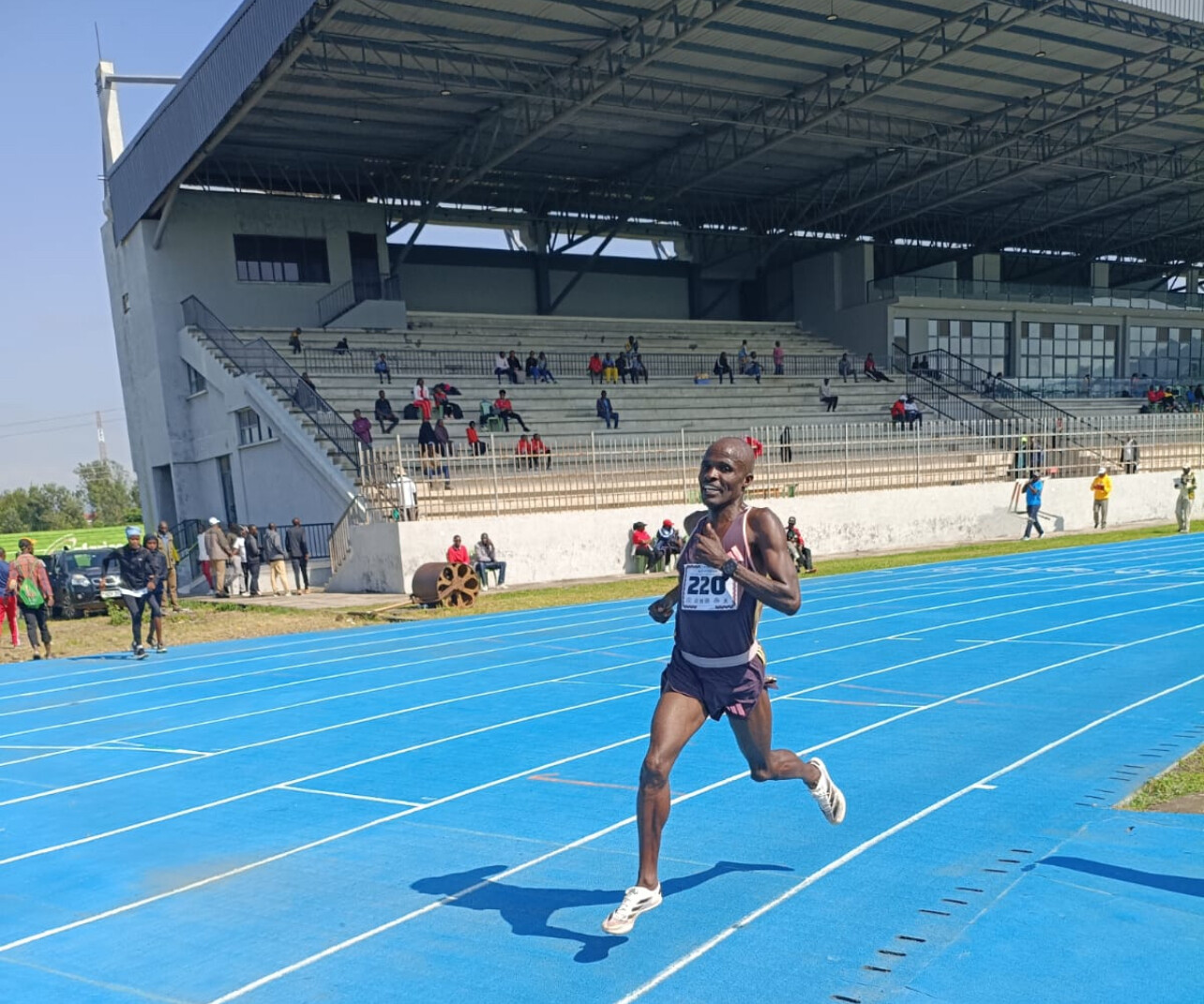
“I’m pleased with my time,” Soi said. “I’ve only been doing marathon training and no speed work. When Bob [Anderson], our KATA Running Camps founder and director, asked me a few days ago what I thought I could run, I told him sub-28—and I did.”
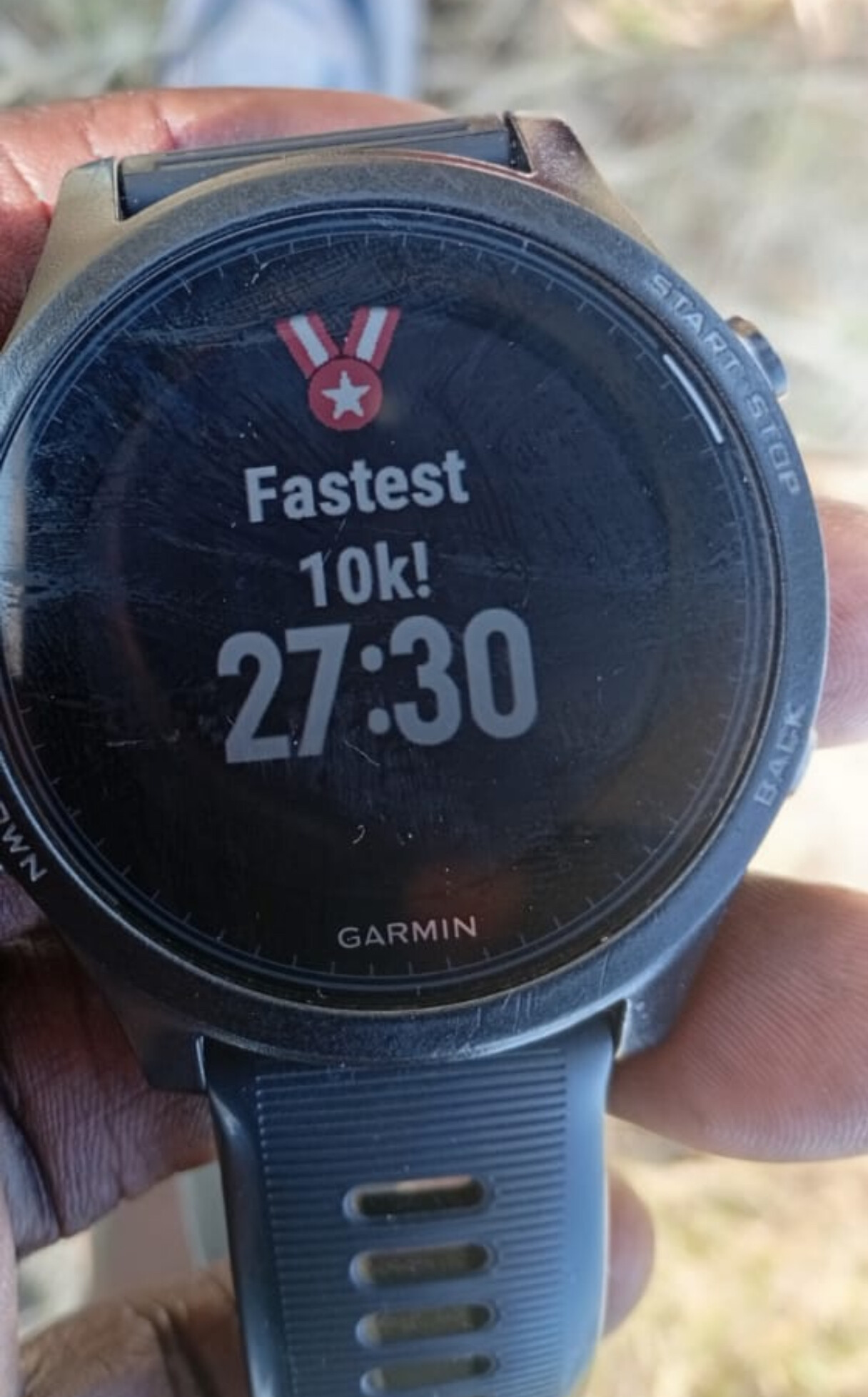
Soi’s effort drew praise from Bob Anderson, the founder of Runner’s World and director of the KATA Running Camps initiative. “Edwin just signed on to operate KATA Running Camp - Kericho and has been preparing to officially open his camp on Monday,” Anderson said. “I was very excited to hear of his time this morning. He will be ready to make the Kenya national team.”
Photo five is Edwin visiting with Job at the KATA Running Camp - Molo. Photo six is Edwin transporting beds to his camp in Kericho earlier in the week.
Soi, who won the bronze medal in the 5,000m at the 2008 Beijing Olympics, has been transitioning to longer distances in recent years, including the marathon. His performance in Nakuru indicates he still has world-class speed and may be poised for another major appearance on the global stage.

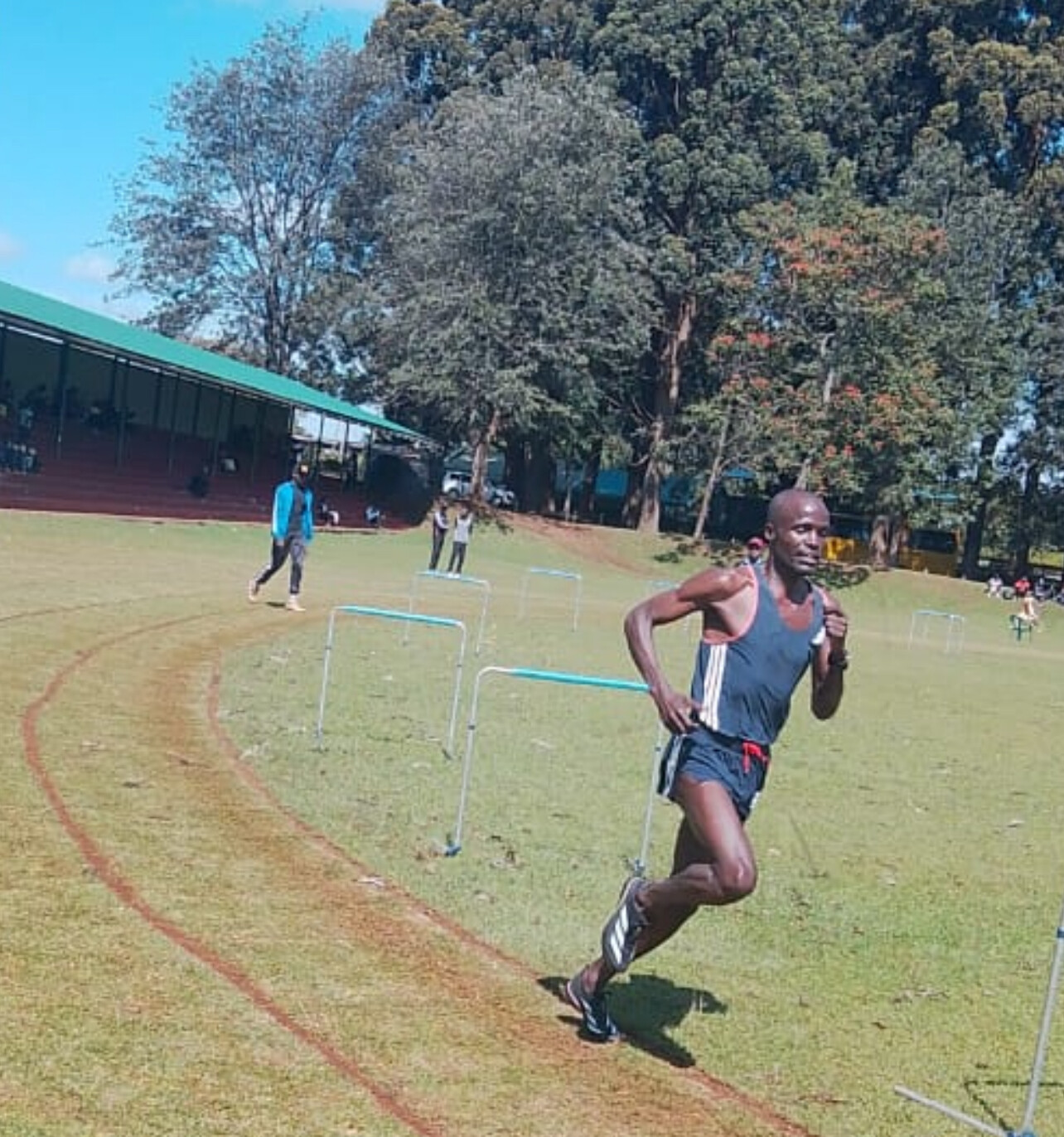
by Boris Baron
Login to leave a comment
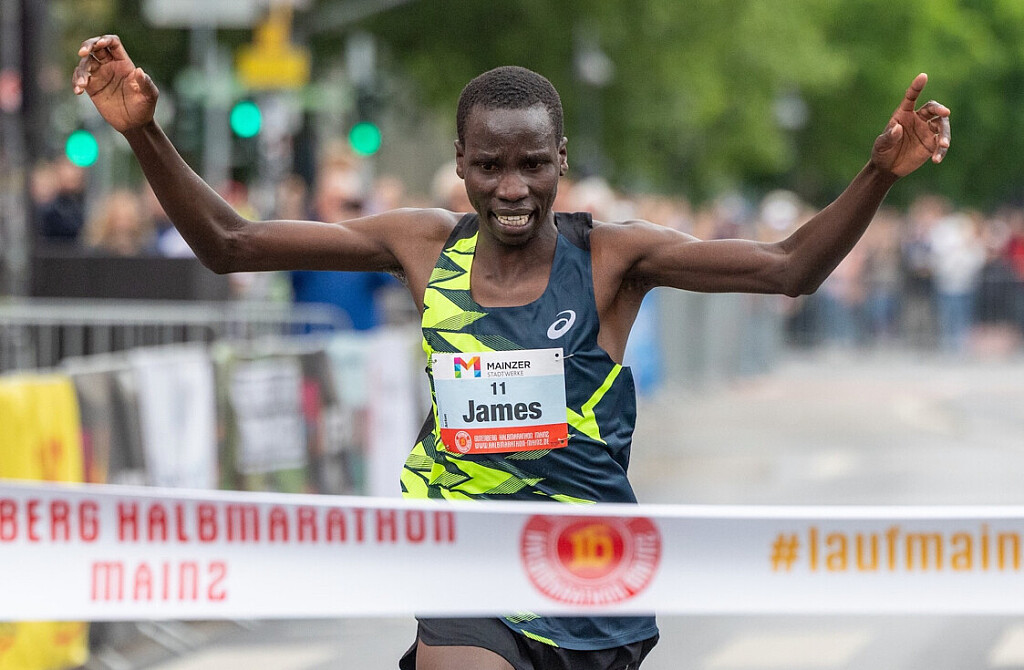
Kipkurui and Chemtai Set Course Records at Gutenberg Mainz Half Marathon
The Gutenberg Mainz Half Marathon delivered fireworks on Sunday as both the men’s and women’s course records were shattered in one of the fastest editions in race history. Kenya’s James Kipkurui and Esther Chemtai claimed impressive victories, establishing Mainz as Germany’s second-fastest half marathon behind only Berlin.
In a thrilling debut, 23-year-old Kipkurui clocked 60:50, breaking the previous course record by 11 seconds and becoming the first athlete to dip under 61 minutes on the Mainz course. The surprise winner from Eldama Ravine near Eldoret trains under the guidance of 1992 Olympic steeplechase champion Matthew Birir. “This victory comes as a surprise to me,” Kipkurui said after the race. “My next goal now is to improve my time to around 59 minutes.”
The men’s race began at a blistering pace, with the leaders going through 10K in 28:35, suggesting a sub-60 finish. But as the tempo settled, Kipkurui made his move just before 15K and never looked back. Germany’s national marathon record holder Samuel Fitwi closed strong to finish second in 61:22, narrowly missing his personal best. Kenya’s Joshua Kithuku took third in 61:24.
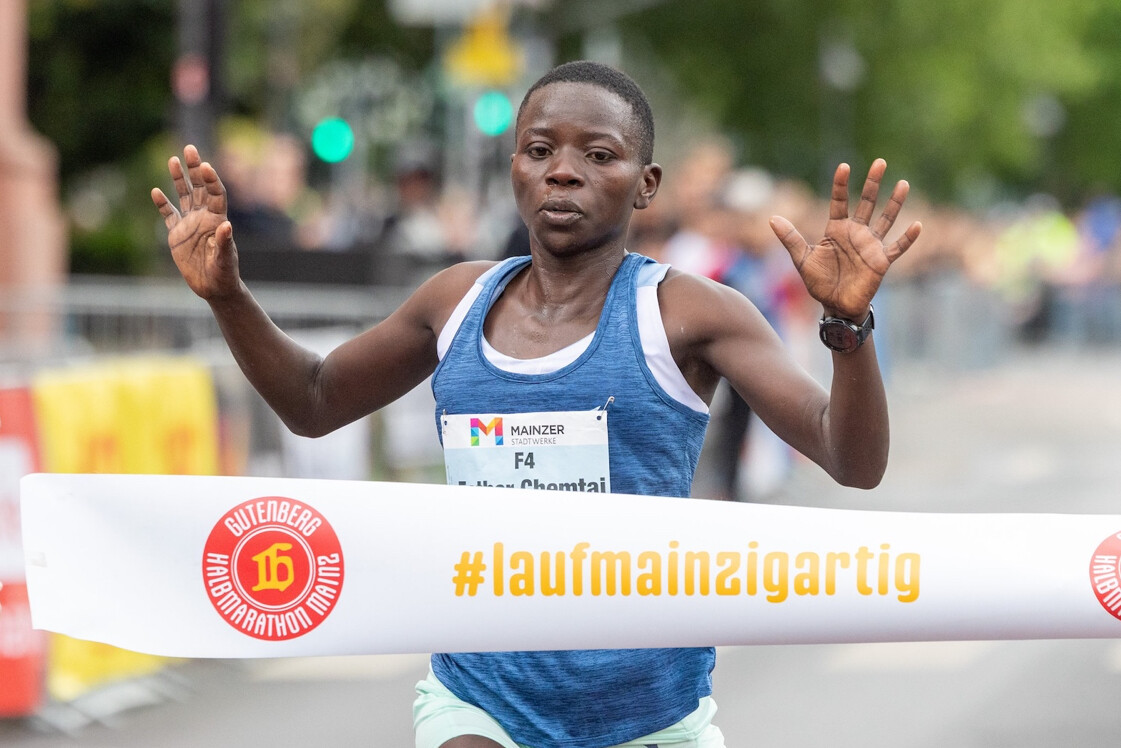
On the women’s side, Esther Chemtai also turned heads with a dominant performance. Running only her second half marathon, the 31-year-old surged ahead with two kilometers to go and crossed the line in 68:52—nearly a full minute faster than the previous course record of 69:46. Chemtai, who trains in the Ngong Hills outside Nairobi, now has her sights set on a sub-67 mark. “It was only my second half marathon and my first time under 70 minutes,” she said. “I will run a marathon in the future, but first I want to get faster in the half marathon.”
Fellow Kenyan Rency Kogo impressed in her debut, finishing second in 69:04, while Belgium’s Hanne Verbruggen ran a personal best of 69:43 to take third. Germany’s Domenika Mayer, who battled early pacing struggles, finished fourth in 69:56—just 10 seconds off her personal best.
The 2025 edition drew over 8,500 participants in the half marathon, with total entries across all events reaching 13,700. With elite performances and deep fields, Mainz continues to solidify its place among Europe’s premier road races.
Top Results
Men
1. James Kipkurui (KEN) – 60:50
2. Samuel Fitwi (GER) – 61:22
3. Joshua Kithuku (KEN) – 61:24
4. Nickson Kogei (KEN) – 62:15
5. Calistus Kitoo (KEN) – 62:19
Women
1. Esther Chemtai (KEN) – 68:52
2. Rency Kogo (KEN) – 69:04
3. Hanne Verbruggen (BEL) – 69:43
4. Domenika Mayer (GER) – 69:56
5. Rita Jelagat (KEN) – 71:44
by Race News Service
Login to leave a comment
Running on Vacation - The Rise of Destination Races and Wellness Travel
Runners are no longer just chasing personal bests—they’re chasing passport stamps, too. Around the world, thousands of runners are combining their love of travel with their passion for racing, fueling a surge in destination races and wellness-focused running getaways.
From the historic cobblestone streets of Rome to the snowcapped trails of Patagonia, destination races have become bucket-list experiences. These events are about more than just performance—they offer culture, adventure, and a chance to see the world on foot.
A Growing Global Trend
Race-cations are booming. Major marathons like Tokyo, Berlin, and Paris draw runners from dozens of countries each year, not only for the challenge but also for the immersive experience of racing through iconic cities. At the same time, trail and ultramarathons in remote locations—like the Patagonia International Marathon or the Jungfrau Marathon in Switzerland—offer a unique mix of endurance and awe-inspiring landscapes.
According to organizers, many participants plan these trips a year in advance, bringing along family and turning the event into a full vacation. Hotels, restaurants, and local tourism boards have taken note, often offering special packages around race weekends.
KATA Portugal and KATA Kenya: Tuning Up Abroad
A growing number of runners are also adding a tune-up week to their itinerary—fine-tuning their fitness at dedicated training retreats before race day. Two of the most exciting options are KATA Portugal and KATA Kenya, both part of the Kenyan Athletics Training Academy network founded by running pioneer Bob Anderson.

KATA Portugal (photos 2-7), located in the scenic village of Monforte da Beira, offers personalized coaching, peaceful trails, home-cooked meals, and even massage and yoga—ideal before races like the Lisbon Marathon. Meanwhile, KATA Kenya (photo 8), based in the high-altitude town of Thika, provides a once-in-a-lifetime chance to train with world-class Kenyan athletes ahead of the Nairobi Marathon or other African events. Whether you’re a sub-3 marathoner or chasing your first finish, spending a week immersed in focused training can elevate the entire race-cation experience.
More Than a Medal
Wellness travel has also influenced the trend. Many destination races are now paired with yoga retreats, spa treatments, and recovery days in scenic locations. Runners can find themselves soaking in Icelandic hot springs after a half marathon or tasting wine in the Douro Valley after a 10K.
And the camaraderie is real. “There’s something unforgettable about running through a city or countryside you’ve never seen before with people who came from every corner of the globe,” says Sarah Kim, a five-time international marathoner. “You share the course, the culture, and the challenge.”
Tips for Planning a Race-Cation
• Pick Your Race Wisely: Choose an event that fits your fitness level and time zone adjustment. Be mindful of climate and elevation, too.
• Plan Around the Race: Arrive a few days early to acclimate, but schedule your sightseeing after the race. You’ll appreciate it more on rested legs.
• Pack Smart: Don’t rely on finding gear at your destination. Bring your trusted shoes, race-day fuel, and any recovery tools you use.
• Make It Memorable: Book a special meal, visit a famous landmark, or sign up for a local tour. Racing abroad is as much about the experience as it is about the finish line.
Looking Ahead
As international travel continues to rebound, destination races will likely play an even bigger role in the running world. For those who train hard year-round, what better reward than a race that ends with a view—and maybe a glass of local wine?
by Boris Baron
Login to leave a comment
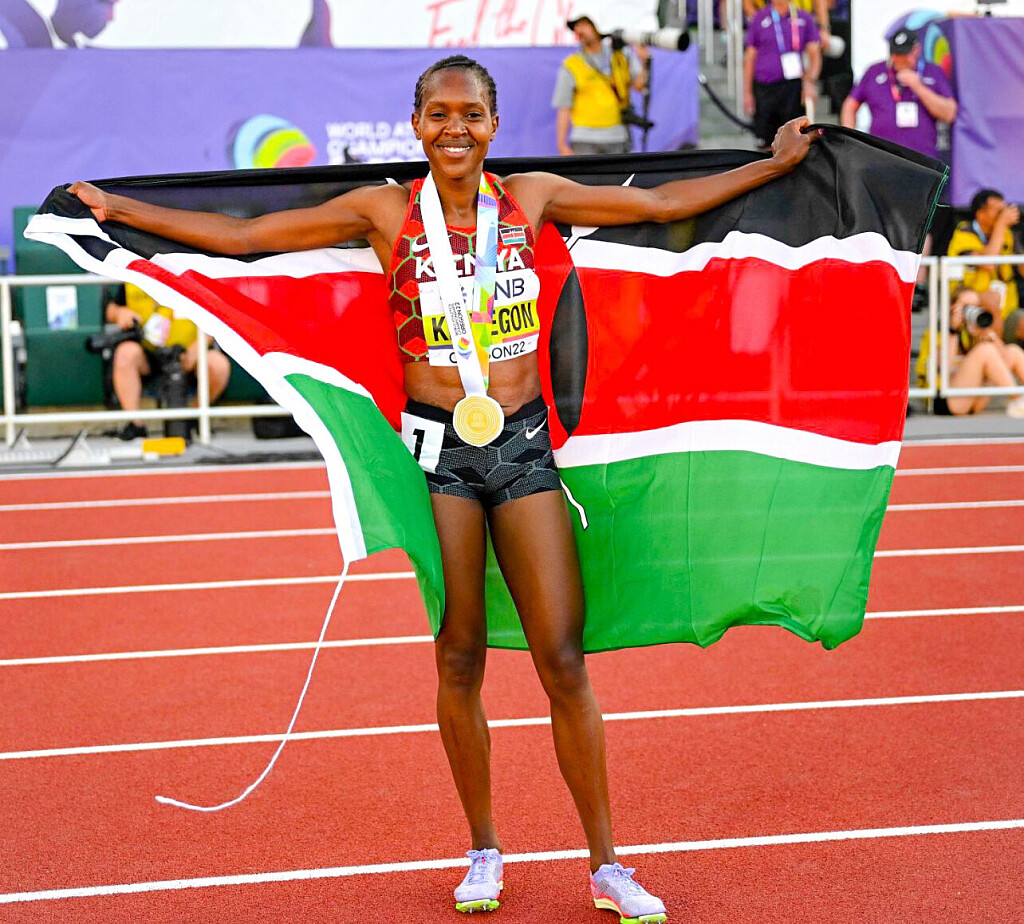
Kenyan Athletes Nominated for Africa Golden Awards 2025
Kenyan athletes Ferdinand Omanyala, Eliud Kipchoge, and Faith Kipyegon have been nominated for the prestigious Africa Golden Awards’ Best Athlete of the Year 2025. The awards ceremony is scheduled to take place in Nairobi on April 27, 2025.
Ferdinand Omanyala
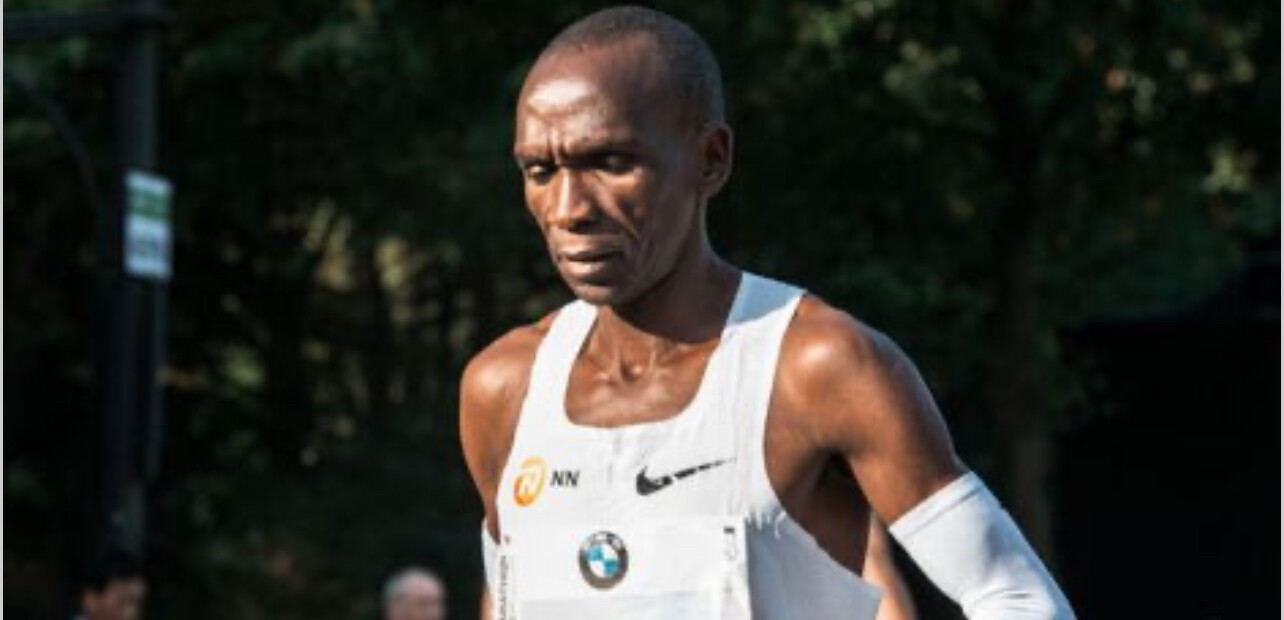
Renowned for his sprinting prowess, Omanyala had a mixed 2024 season. He secured a fourth-place finish at the World Athletics Indoor Championships and reached the semi-finals at the Paris Olympics, finishing eighth. Despite these challenges, his nomination underscores his significant impact on African sprinting.
Eliud Kipchoge
The marathon legend faced a challenging 2024, finishing 10th at the Tokyo Marathon and recording a Did Not Finish (DNF) at the Paris Olympics. Nonetheless, his enduring legacy in long-distance running and his influence on the sport have earned him a place among the nominees.
Faith Kipyegon
Middle-distance runner Kipyegon had a stellar 2024 season, highlighted by her third consecutive Olympic gold in the 1500m at the Paris Olympics. She also secured a silver medal in the 5000m, further cementing her status as one of the year’s top athletes.
Voting and Awards Ceremony
Voting for the Best Athlete of the Year award commenced on March 9 and will continue until April 21. The athlete receiving the highest number of votes will be honored at the awards gala on April 27 in Nairobi. The winner will receive Ksh4.5 million (USD 35,000), with the first and second runners-up earning Ksh2.5 million (USD 20,000) and Ksh1.2 million (USD 10,000), respectively.
The Africa Golden Awards aim to recognize and celebrate the exceptional achievements of African athletes, highlighting the continent’s growing prominence in the global sports arena.
by Boris Baron
Login to leave a comment
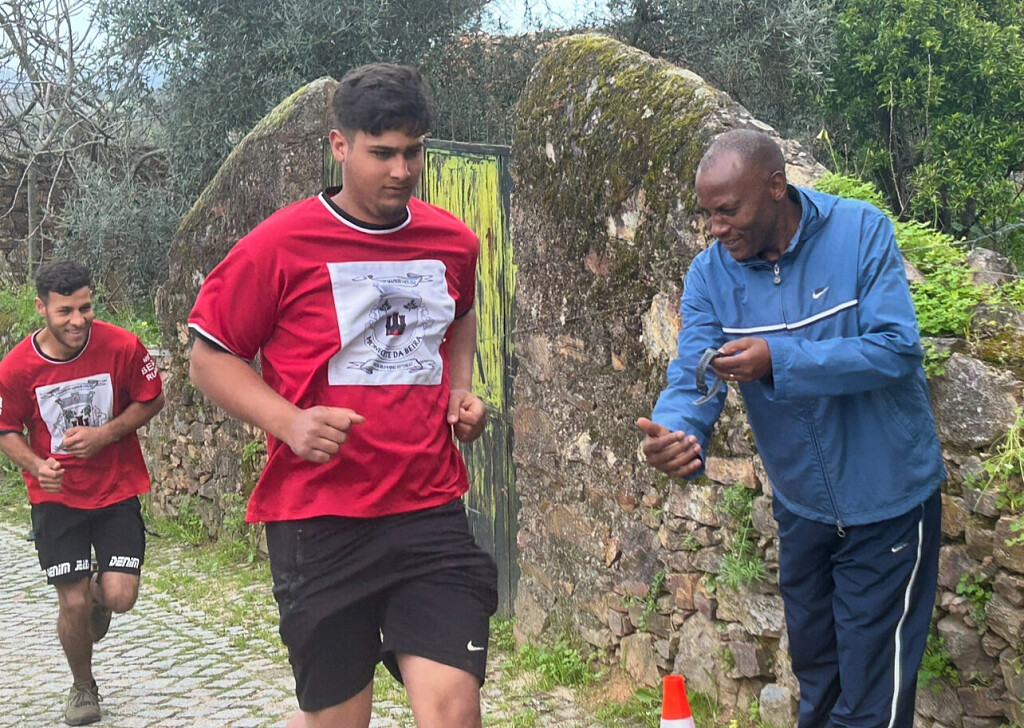
Part Two: Training the Kenyan Way—Jimmy Muindi’s Coaching Success and Impact at KATA Portugal
In Part One, we explored Jimmy Muindi’s remarkable journey from a young barefoot runner to an elite marathoner, winning the Honolulu Marathon six times and running a personal best of 2:05:24. Now, in Part Two, we dive into his success as a coach, both in Kenya and now at KATA Portugal.
Muindi has been deeply involved in training athletes back home for many years. After his own marathon wins, he set up a youth training camp in Ngong, on the outskirts of Nairobi, where he began mentoring promising runners. One of his most famous protégés is Patrick Makau.
Around 2005, Muindi—then fresh off his Rotterdam Marathon victory—heard about a talented young runner from his home area. He sought out Makau, offered guidance and encouragement, and after Makau finished high school, Muindi brought him into his camp in Ngong and trained him for two years.
Under Muindi’s tutelage, Makau developed from a schoolboy star into a world-class road racer, even winning a 25K race in Berlin as his first international competition. The pinnacle of their mentor-student relationship came in 2011, when Patrick Makau broke the marathon world record in Berlin, a testament to the solid foundation and focus Muindi helped instill early on. This example highlights Muindi’s overall impact—he has a keen eye for talent and the ability to nurture it to the highest level.
Muindi’s coaching reach doesn’t stop with Makau. Over the years, he has worked with and inspired many Kenyan athletes, as well as athletes from South Africa and Zimbabwe. He even coached and paced his younger brother, Nicholas Muindi, who himself became a 2:15 marathon runner. Training side by side with Jimmy, Nicholas and others like teammate Eric Nzioki benefited from Jimmy’s experience and training methods.
In Kenya’s running culture, group training and mentorship are key, and Muindi has been at the heart of such groups—whether informally bringing up younger runners in his home region or mentoring elite athletes at training camps. Dozens of runners have shown marked improvement under his guidance.
It’s common to hear of a runner joining a group with modest personal bests and, after months of hard training, cutting down their times significantly. This kind of progress speaks to Muindi’s effective coaching style and the training environment he helps cultivate. His approach is very much about training the Kenyan way, a philosophy he exemplifies.
The Muindi Coaching Method: Training the Kenyan Way
What is Muindi’s coaching philosophy and method? In large part, it mirrors the proven Kenyan training principles that brought him success in his own career.
Muindi emphasizes high-mileage, high-quality training weeks. His athletes run twice a day, six days a week—a harder workout in the morning and an easy run in the evening—allowing for both intensity and active recovery.
His training follows a simple but effective structure: one hard day followed by an easy day. The hard days vary and can include:
• Fartlek training—alternating between hard efforts and recovery paces over various distances
• Interval training on the track—structured repetitions such as 6 × 1,000m, 10 × 400m, or 4 × 2K at race pace
• Hill work—shorter, explosive hill sprints or longer sustained uphill efforts
• Tempo runs—steady-state efforts at or slightly above lactate threshold
On easy days, Muindi ensures that his runners focus on recovery, maintaining a relaxed effort to allow the body to adapt and rebuild.

He also incorporates a mix of workouts that have long been secrets of Kenyan distance running, including:
• Strength and form drills to improve efficiency and prevent injuries
• Diagonal runs—a drill that involves running across a grass field or from one corner of a track to the opposite corner. The effort is 100 to 120 meters, followed by a jog, then repeated ten times or more. This is often done after a long run or a few days before a major race to reinforce good form and maintain leg turnover without overstressing the body.
This structured approach has allowed many of his athletes to break through to the next level.
Bringing Kenyan Training to Portugal
Now, Muindi is bringing this train the Kenyan way experience to international guests at KATA Portugal, the academy’s new European location. Opened in 2024 at the historic Anderson Manor Retreat in central Portugal, KATA Portugal offers runners from around the world a chance to train under Kenyan coaches like Muindi without traveling all the way to East Africa.
As one of the lead coaches for KATA Portugal, Muindi provides the same level of world-class guidance that he has applied in his previous coaching experiences. Visitors can expect an immersive training week that closely models a Kenyan training camp—right down to the daily schedule and philosophy.
Runners joining KATA Portugal can look forward to personalized coaching from Muindi. He begins by evaluating each guest’s fitness and goals, then tailors the training accordingly. A day might start at dawn with an endurance run through the scenic trails around Monforte de Beira, where the retreat is located. Muindi will lead or cycle alongside, monitoring paces and offering tips on form. The morning session could be a long run or a hard workout, depending on the plan—for example, interval repeats on a nearby all-weather track or a fartlek on the rolling country roads.
His approach to guests is hands-on and encouraging. He runs some easy miles with less experienced runners, challenges the faster ones with appropriate paces, and creates an atmosphere where everyone, regardless of level, feels like part of the team.
In the afternoons, he conducts a second, lighter session—this could be an easy shakeout jog, mobility drills, or even a fun group run to explore the area.
Muindi also integrates supplemental training into the program:
• Core strength exercises
• Stretching routines
• Yoga sessions (the Portugal retreat has yoga and massage amenities on site)
All of this mirrors the components of training he used as an elite.
The Kenyan Approach to Recovery and Nutrition
Guests at KATA Portugal will quickly notice Muindi’s attention to recovery. Between runs, he stresses rest, proper hydration, and nutrition. In line with the Kenyan tradition, the meals at KATA Portugal are inspired by the Kenyan runner’s diet—simple, hearty, and rich in carbohydrates. Muindi often dines with the participants, informally sharing stories from his racing days and advice on topics like race strategy or injury prevention.
This personal touch is a huge part of what he brings to the table: you’re not just following a training schedule—you’re learning directly from someone who competed at the highest level.
Why Train with Muindi? A Champion’s Perspective
What truly sets Muindi apart as a coach at KATA Portugal is how his professional background shapes his philosophy in training others.
Having been a world-class marathoner, Muindi understands the dedication required to reach one’s potential. He approaches each runner as an individual, cognizant that everyone has their own journey.
Because he’s been through the highs and lows of competitive running—from winning major races to the grind of daily training—he can relate to the struggles his trainees face. This empathy makes him a patient and motivating coach.
Muindi’s own career was marked by consistency and longevity (he remained competitive for over two decades), and he emphasizes the same long-term approach to his trainees, preaching that improvement comes through gradual progress and consistent effort.
Under his guidance, runners at KATA Portugal gain a rare window into the mindset of a champion. Muindi teaches them to plan their races, listen to their bodies, and cultivate the confidence that comes from thorough preparation.
Coming Next in Part Three
Training is only part of the equation when it comes to running success. Nutrition and strategic race fueling play a major role in performance.
In Part Three, we will explore Muindi’s approach to diet, emphasizing why the most important meal happens two nights before a big race. His personal experience and insights will reveal how proper fueling can make or break a performance.
Stay tuned for the next installment as we dive into the nutrition strategies of elite Kenyan runners and how Muindi applies them to his coaching at KATA Portugal.
by Boris Baron
Login to leave a comment
 Besides being a world class runner and now coach Coach Jimmy is a great guy with lots to say. We are happy to have him as part of our KATA team. - Bob Anderson 3/8 8:20 am |
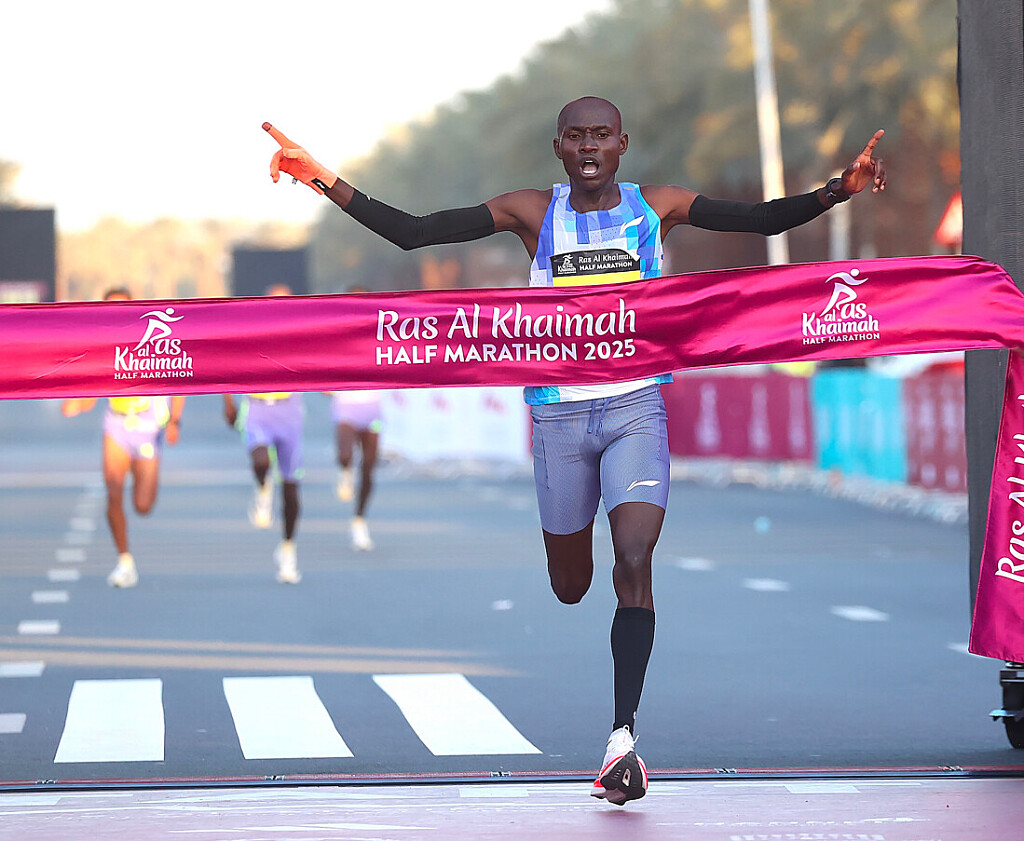
Alex Matata wins RAK Half Marathon, Ejgayehu Taye runs world leading time
Alex Matata of Kenya had the best win of his career in the 18th edition of the Ras Al Khaimah Half Marathon early today. But strong winds on an unusually cool morning in one of the smaller of the United Arab Emirates meant that Ejgayehu Taye’s attempt at the women’s world record was going to be blown off course, even if she had not started too fast.
The breeze and lack of a pacemaker to split the field meant that the men’s race was relatively sedate as well as over-populated in the first 10k, with 20 men still in contention at 28min 34sec. But there was no mistaking Matata in the pack, channelling Michael Jackson with a pink glove on his right hand. ‘For wiping the sweat, that’s all,’ he explained afterwards. But when colleague and race favourite Isaia Lasoi, who’d been sharing the lead with him up to then started feeling a groin strain, Matata began to assume the initiative.
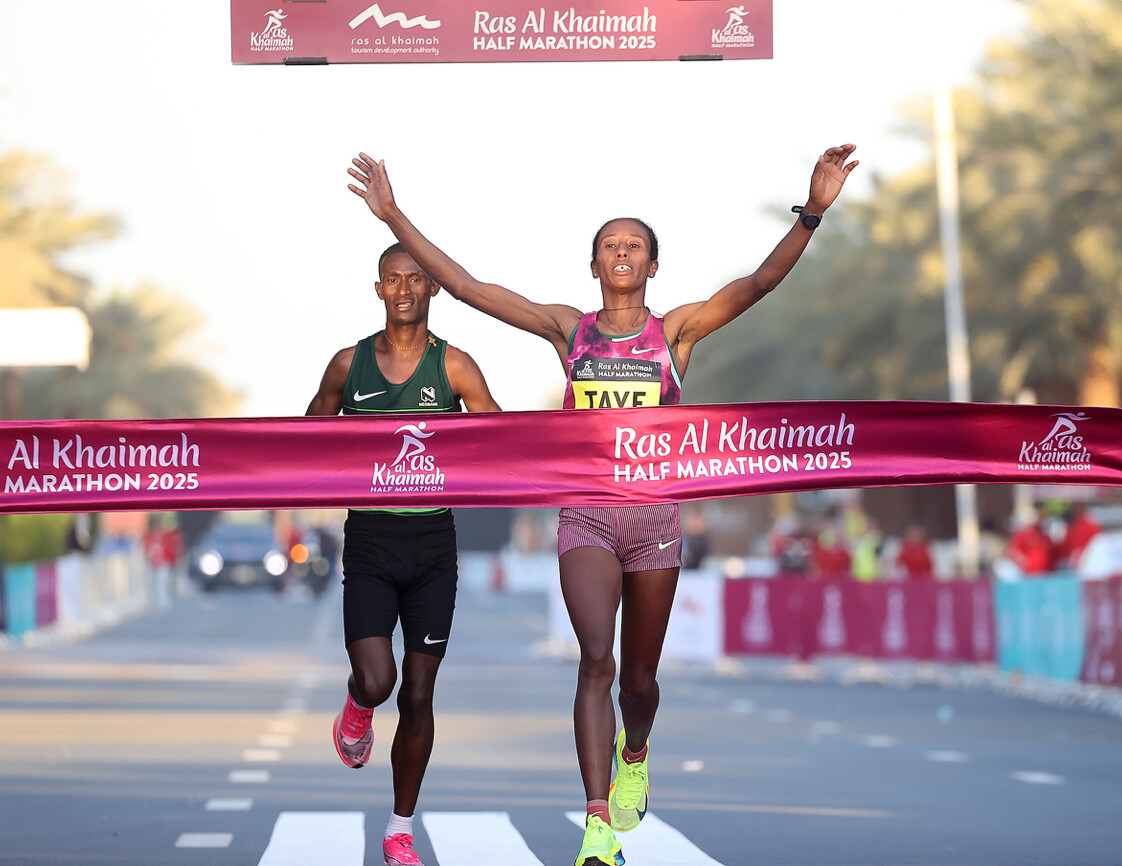
"I realised at 14k that I was stronger than the others, so I thought I had a good chance of winning,’ he said. He raised the pace such that the computed finish outside 60min was soon transformed, and his relentless front-running dropped both his rivals and the time, and he ended up taking 17sec off his personal best with a win in 59min 20sec.
Lasoi hung in well, and looked to have second place sewn up, especially when Gemechu Dida suddenly dropped back with a kilometre to run; but the Ethiopian rallied and caught the Kenyan just before the line to get second and relegate Lasoi to the same third spot as last year. A stride can be costly in this sport. While Matata took home $20,000, Dida’s last gasp second place earned him $10,000, four thousand more than Lasoi.
Matata is something of an outlier in Kenya, coming from the capital Nairobi instead of the western highlands’ hotbeds of excellence; and also being a relatively late starter in his early twenties. But when he began running well with a 61.03 clocking in the Nairobi half-marathon in 2021, he was persuaded to move up to Eldoret, the heartland of national distance running. Now at 27, a regime of 150 kilometres a week has seen him transformed into a regular winner, with four victories and three sub-60min clockings in his five half-marathons last year. And now, he’s given himself a New Year’s present. But he’s not tempted to move up to the marathon yet. ‘Not for two years. I still want to run faster at the half-marathon, in the 58 minutes and maybe 57 minutes’.
In the women’s race, Ejgayehu Taye was so confident that she could run well that she even brought her own pacemaker, Wosinew Admasu with her. And a starting temperature of 12C (54F) felt good until she headed into the wind. Although the expected contest with her colleage Girmawit Gebrzihair did not materialise (the latter dropped out) things went to plan for the first five kilometres, which she covered in 14min 57sec. But the pace and wind took their toll and she fell further behind her schedule and was grateful to win in 65.52, exactly three minutes outside her target time. ‘I was expecting to run fast, even maybe get the world record, but the wind was too strong; I felt it was pushing me back. But I’m glad to win’. Her time is a world lead for 2025.
Results, Men:
1. Alex Matata KEN 59:20
2. Gemechu Dida ETH 59:25
3. Isaia Lasoi KEN 59:26
4. Chimdessa Debele ETH 59:28
5. Gerba Dibaba ETH 59:35
6. Nibret Melak ETH 59:45
7. Hillary Kipkoech KEN 59:53
8. Tesfaye Deriba ETH 59:56
9. Haftamu Gebresilase ETH 59:56
10. Mao Ako TAN 60:28
Women:
1. Ejgayehu Taye ETH 65:52
2. Judy Kemboi KEN 66:34
3. Jesca Chelangat KEN 66:53
4. Ftaw Zeray ETH 67:05
5. Gete Alemayehu ETH 67:14
6. Adane Anmaw ETH 68:02
7. Veronica Loleo KEN 68:06
8. Lemlem Hailu ETH 68:07
9. Brillian Jepkorir KEN 68:48
10. Betelihem Afenigus ETH 69:02
Login to leave a comment
Rak Half Marathon
The Rak Al Khaimah Half Marathon is the 'world's fastest half marathon' because if you take the top 10 fastest times recorded in RAK for men (and the same for women) and find the average (for each) and then do the same with the top ten fastest recorded times across all races (you can reference the IAAF for this), the...
more...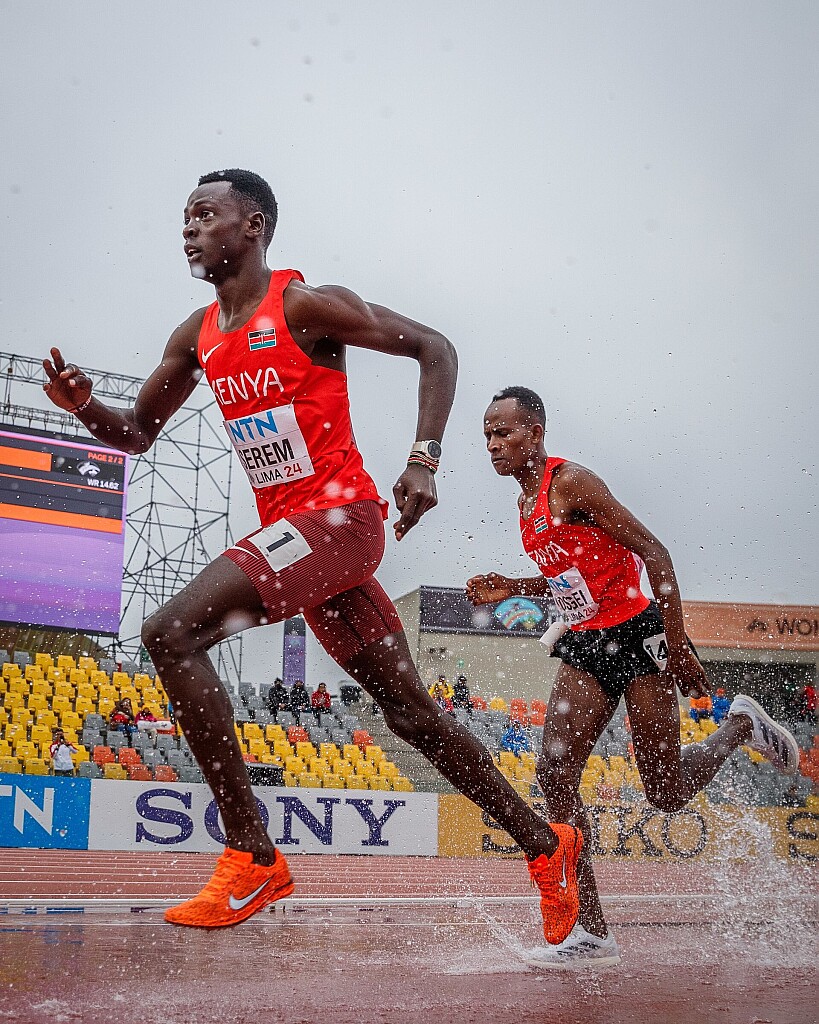
Emerging Kenyan star Serem inspired by family’s steeplechase passion
Edmund Serem’s steeplechase triumph at the World U20 Championships in Lima was very much the result of a family effort.
Not only does he have older brother Amos – the 2021 world U20 champion – as a role model, he also has his father to thank for getting him into athletics, and particularly the steeplechase.
“It has always been our dad's dream to see us (Amos and Edmund) achieve what he wanted to achieve for himself as a youth, but didn't due to lack of support,” said Serem.
During their youth, their father took them to several athletics competitions around Kenya, and went on to provide his sons with everything they needed to establish their running careers.
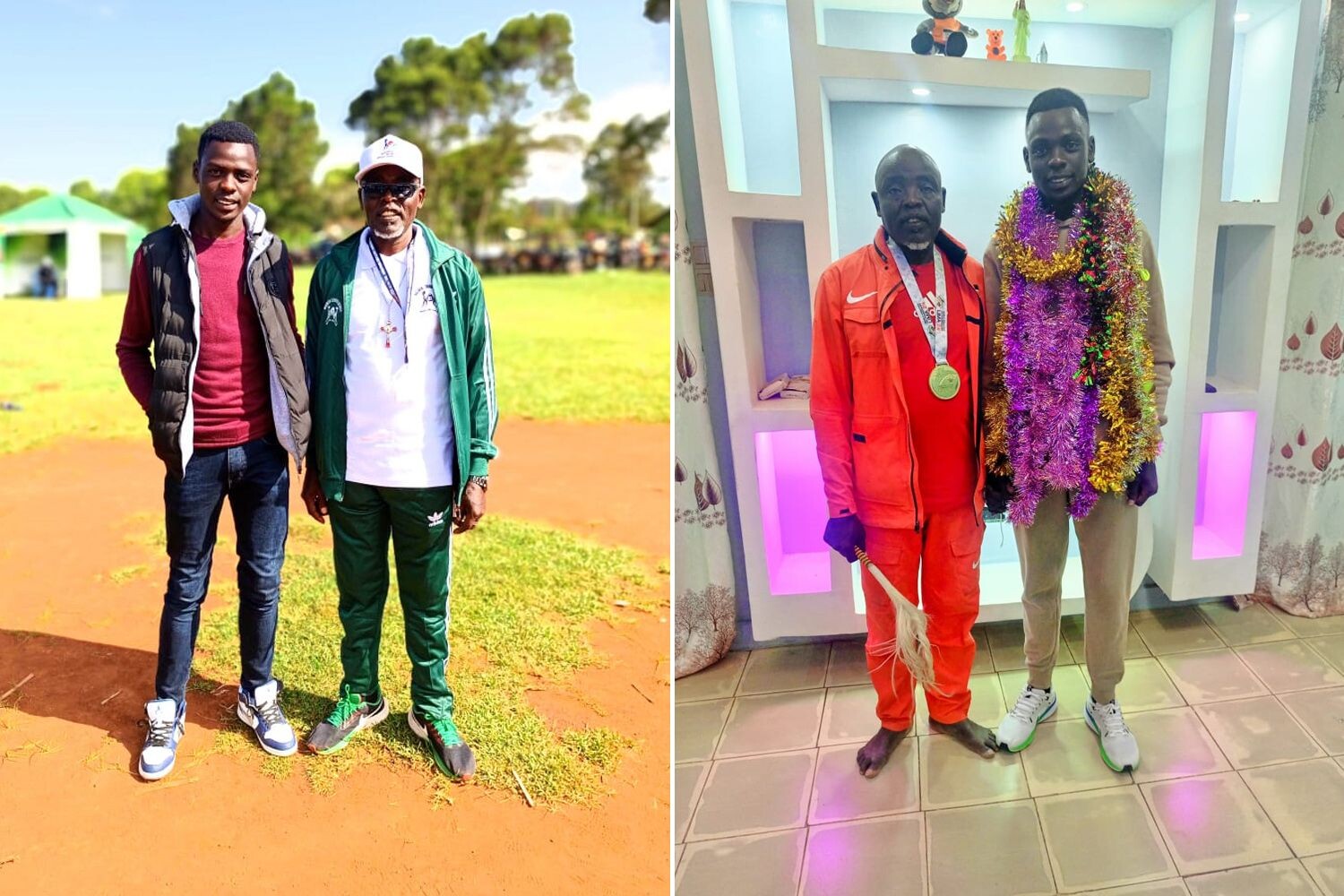
“He would buy training shoes and running apparel and provide transport money for us to attend all the weekend meetings in the region,” recalled Serem, adding that their father chose the steeplechase distance for them.
“He would show us videos of Ezekiel Kemboi, Brimin Kipruto, Conseslus Kipruto and other steeplechasers competing at major championships. He erected barriers for us to practice jumping over and was so careful in choosing the right surfaces for us to do so as he didn't want us to get injured.”
Serem started running at the age of eight. Despite Amos being older than him, Edmund would join his brother on training runs, though would often take a shorter route. “My brother would then have to run faster and try to finish his route in the time it took me to complete the shorter one.”
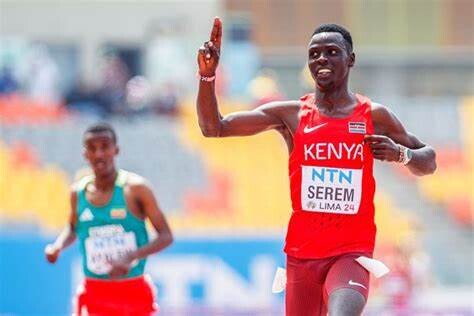
When Amos started high school, the brothers trained under different coaches and environments. Edmund would later join St Patrick's Iten High School and trained under the famous Irish coach, Brother Colm O'Connell.
Edmund missed out on some competitive opportunities during his early high school years due to the Covid pandemic. Amos, meanwhile, went on to train under Patrick Sang in Kaptagat, but fate would bring the two brothers back together again.
They both now train in Kaptagat under coach Sang's programme. Despite being in two separate camps, wearing different brands and under two separate management groups, their training camps are just 600 metres apart and they see one another every morning for their training.
Sibling rivalry
Serem speaks fondly of his brother. While he has no desire to outshine his brother, he always enjoys competing alongside him in races. That feeling appears to be mutual, too.
"Every time my brother and I are in the same race, he usually performs very well,” says Serem. “I don't know if it is because he doesn't want me to beat him or because he feels stronger when I am around him, but I still look forward to racing against him.”
Both brothers have earned world U20 steeplechase titles in recent years. Three years after Amos’s triumph on home soil in Nairobi, Edmund followed in those footsteps by taking the steeplechase gold medal at this year’s World U20 Championships in Lima.
In a race in which 12 of the 16 finalists set PBs, Serem led a Kenyan 1-2 from teammate Mathew Kosgei to win in 8:15.28. Not only is it a world-U20-leading time, it’s also the third fastest in history by an U18 athlete.
He eventually won by more than two seconds, but he had struggled with stomach ache in the heats three days prior.
“After I rehydrated and recovered from the heats, my body felt good for the final,” he says. “I had high hopes of winning the race, and I told myself on the start line that if anyone else wanted to win it, they would have to fight hard for it.”
The performance capped a remarkable season for the 16-year-old. Back in March he finished sixth at the African Games, then he narrowly missed making the team for the Paris Games, finishing fourth at Kenya’s Olympic Trials. Just eight days later, he earned silver at the senior African Championships before ending his season on an even bigger high with his triumph in Lima.
Managing expectations
Having achieved so much at such a young age, and with the steeplechase being one of Kenya’s strongest disciplines, Serem knows that all eyes will be on him and his brother in the coming years. He takes it all in his stride, though.
"Most of my friends and relatives now believe more in me and see our dream to restore the steeplechase glory to Kenya becoming a reality,” he says. “Many are telling me that my brother and I are the potential runners to dominate the steeplechase in the future.”
Apart from two editions of the Games that the country boycotted, Kenya won every Olympic title in the men’s 3000m steeplechase from 1968 to 2016. That streak came to an end in 2021 when Soufiane El Bakkali won gold in Tokyo. The Moroccan has won three more global titles since then, while the world record was broken last year by Ethiopia’s Lamecha Girma.
But Kenya is keen to reassert its dominance on the event.
Serem was one of several up-and-coming talents who were recently invited to meet with Kenya's Cabinet Secretary for Sports and Athletics Kenya senior officials to plan a way forward in ensuring Kenya remains a powerhouse in athletics.
“We talked about strategic plans to nurture and work with the young and emerging stars to maintain Kenya's glory in athletics into the future, especially in the steeplechase,” he said. “In recent years the men's steeplechase has been dominated mostly by Morroco's Soufiane El Bakkali, but we plan to end that.”
Although he’ll be an U20 athlete for two more years, and will be young enough to defend his world U20 title in 2026, Serem already has his eye on competing at the World Athletics Championships Tokyo 25.
“We’re taking things one step at a time,” he says. “The first step will be to make the team at the national trials, and then we will make the plans for the World Championships after that.”
Serem and his training group spent the past month working primarily on gym work before gradually moving to some longer and easier runs to build endurance. He may also participate in some local cross-country races as part of his training.
Heading into next year and beyond, perhaps the biggest motivating factor for both Edmund and Amos will be to accomplish the kind of successes that their father was unable to achieve due to the lack of support back then.
"Our father had a great passion for athletics but didn't get enough support at the time. He has provided Amos and me with everything we’ve needed, telling us, 'I don't want you to lack anything as I did during my time'.
“So I don't care which one of us wins the race,” added Serem of the prospect of racing against his brother in the future. “Because the success will eventually end up at home.”
by Justin Lagat for World Athletics
Login to leave a comment
