

Running News Daily
Running News Daily is edited by Bob Anderson and team. Send your news items to bob@mybestruns.com Advertising opportunities available.
Index to Daily Posts · Sign Up For Updates · Run The World Feed
Articles tagged #5000m
Today's Running News
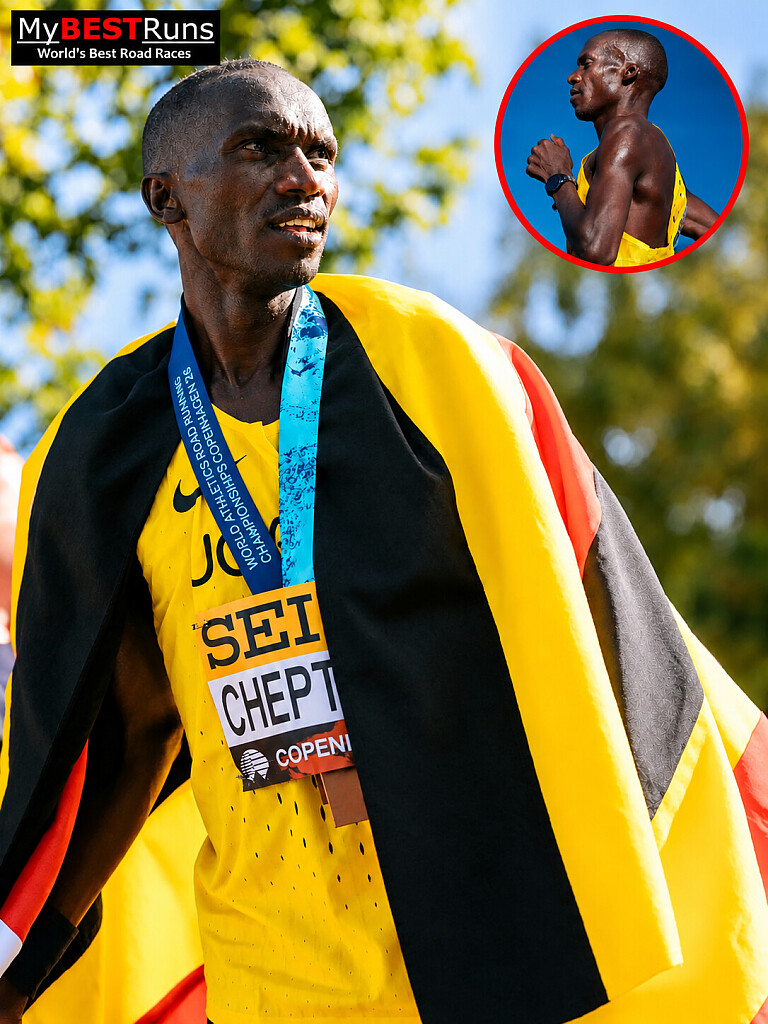


Joshua Cheptegei’s Road To The Marathon Takes Shape After World Half Marathon Bronze
Uganda’s Joshua Cheptegei has added another significant milestone to his remarkable distance-running career, securing bronze at the 2026 World Athletics Road Running Championships in Copenhagen with a personal best of 58:26 over the half marathon.
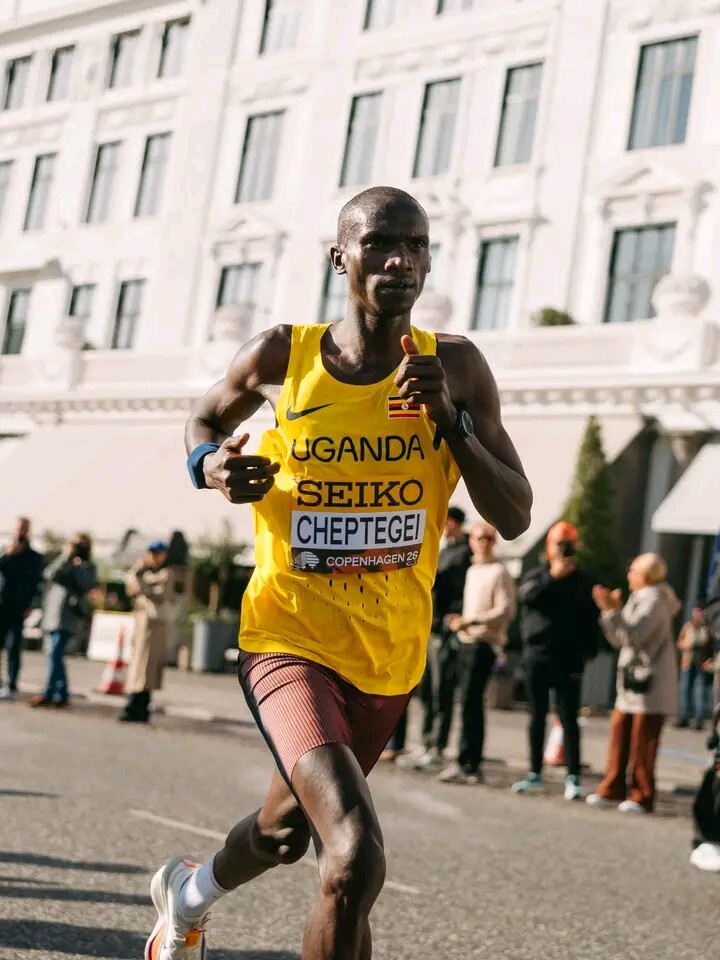
The performance marked a new chapter for the 30-year-old world record-holder, who had previously clocked 59:21 at the 2020 World Half Marathon Championships. In Copenhagen, Cheptegei improved that mark by 55 seconds while claiming his first individual medal on the road at a global championship.
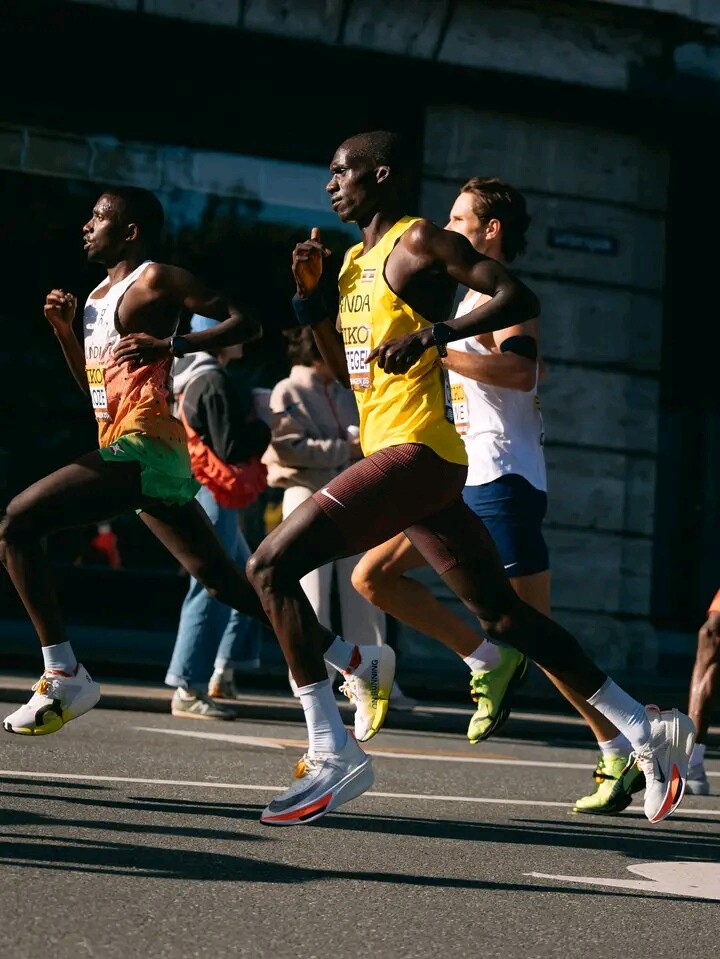
The race was won by Sweden’s Andreas Almgren in a European record of 58:06, with Kenya’s Nicholas Kipkorir taking silver in 58:11. Cheptegei finished 15 seconds behind Kipkorir and 20 seconds behind Almgren, completing a tightly contested podium in which all three athletes broke 58:30.
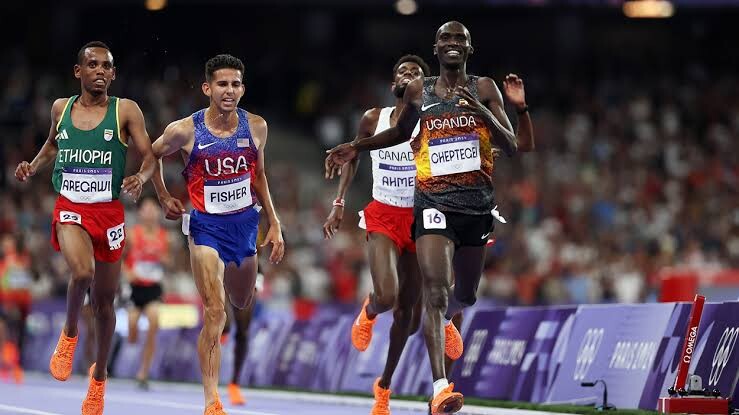
For Cheptegei, the result carries particular significance because of what he has already achieved on the track. In 2020, he established the men’s 5000m world record of 12:35.36 in Monaco before lowering the 10,000m world record to 26:11.00 in Valencia later that year. Both marks remain the current world records.
His Copenhagen performance also came during an extraordinary period for the men’s half marathon. Uganda’s Jacob Kiplimo ran 56:42 in Barcelona in 2025, although that performance was not ratified as a world record because the race conditions did not fully comply with World Athletics rules. Kiplimo later set the ratified world record at 57:20 in Lisbon in March 2026, before Ethiopia’s Yomif Kejelcha lowered it again to 56:51 in Buenos Aires in August.
Against that rapidly evolving road-running landscape, Cheptegei’s 58:26 places him among an increasingly competitive generation of athletes moving from the track to the roads. His Copenhagen run was not simply a podium finish; it was the fastest half marathon of his career and a clear demonstration of his continued development over longer distances.
The marathon is already familiar territory for Cheptegei. He made his debut in Valencia in December 2023, finishing 37th in 2:08:59 after going through halfway in 1:00:36. The experience was an important learning step as the Olympic and world champion began exploring the longest Olympic distance.
Now, after returning to the half marathon and producing a substantial personal best, Cheptegei is once again preparing to take on the marathon. The Copenhagen race formed part of his preparations for a marathon in the coming weeks.
The progression is striking. Cheptegei spent years defining an era on the track, setting world records, winning Olympic gold and collecting world titles. Now the challenge is different: adapting that extraordinary speed and championship experience to the demands of 42.195 kilometres.
His bronze medal in Copenhagen therefore feels like more than another entry on an already decorated résumé. It represents another step in the evolution of one of Uganda’s greatest distance runners — from a dominant track champion to an athlete increasingly testing himself against the very best on the roads.
The records that made Cheptegei a track legend remain untouched. But the next chapter of his career is being written on the roads — and Copenhagen may have provided another important glimpse of what could come next.
by Erick Cheruiyot for My Best Runs.
Login to leave a comment
Oldest Running World Records: The Historic Marks That Refuse To Fall
Some world records are broken within months or even weeks. Others survive for years, becoming part of athletics history and turning every new generation of challengers into another chapter in their remarkable story.
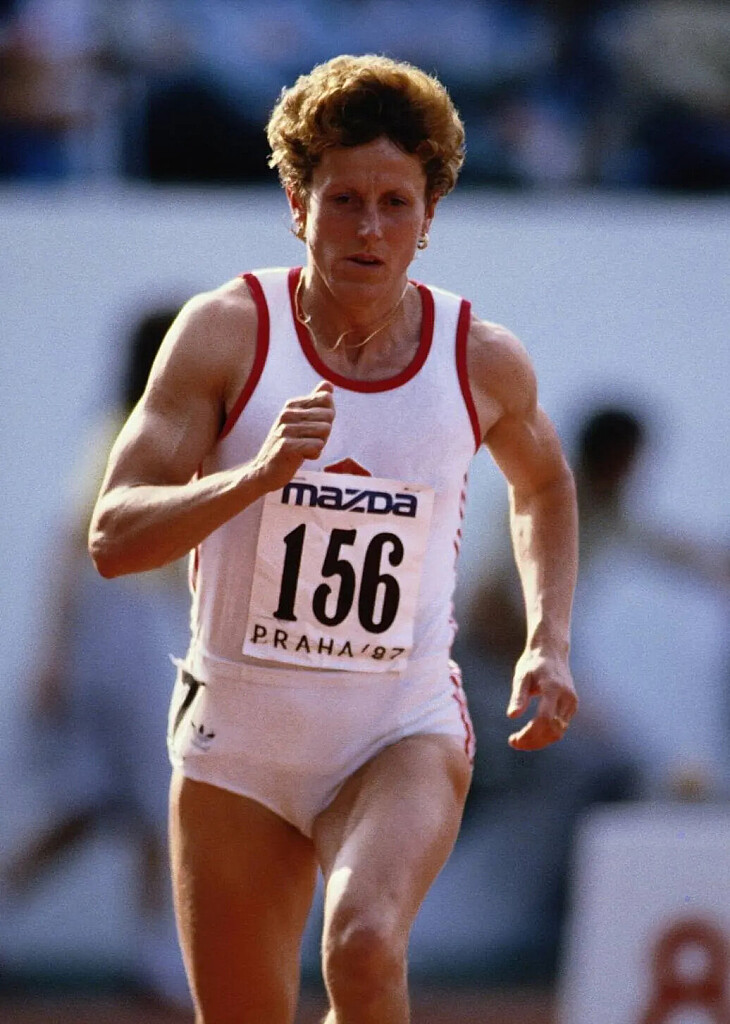
As of September 25, 2026, a remarkable collection of long-standing running world records continues to stand across the track. At the top of that list is one of the most enduring marks in modern athletics: Jarmila Kratochvílová’s women’s 800m world record of 1:53.28, set in Munich in 1983. The record has now stood for 43 years, making it the oldest current outdoor track world record in athletics.
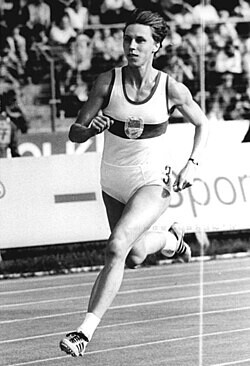
Kratochvílová’s performance remains extraordinary not only because of its longevity, but also because of how rarely athletes have come close to it. Decades after it was established, the 1:53 barrier remains one of the most formidable standards in women’s middle-distance running.
The next-oldest record on the board belongs to Marita Koch, whose 47.60 for the women’s 400m has remained untouched since 1985. Koch’s mark is now 40 years old, while Florence Griffith-Joyner’s extraordinary world records of 10.49 for 100m and 21.34 for 200m, both established in 1988, have survived for 38 and 37 years respectively.
Those records from the 1980s and early 1990s form one of the most intriguing chapters in athletics history. They belong to an era that produced performances still sitting at the very top of the all-time lists, with modern generations repeatedly attempting to reach standards that have resisted decades of competition.
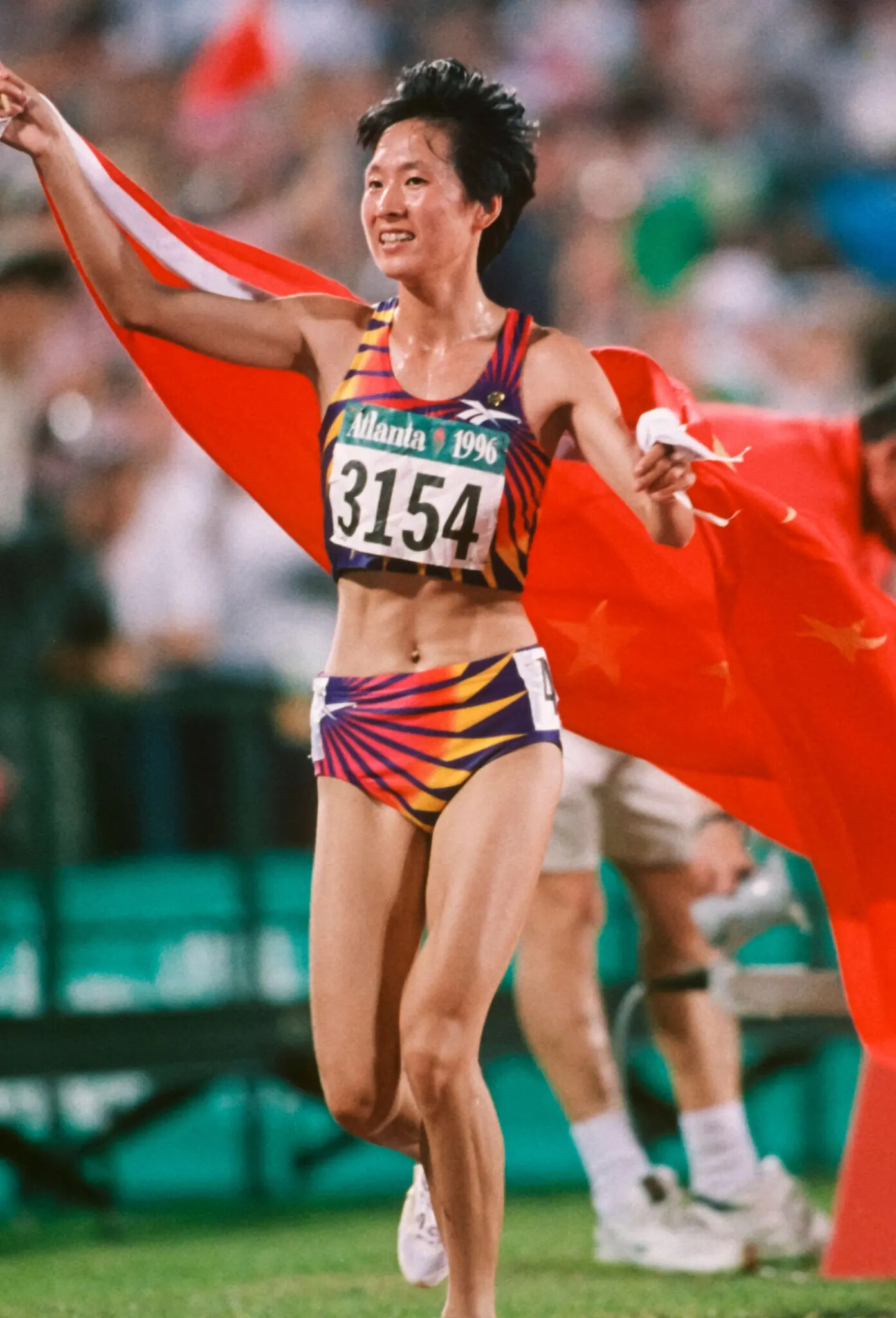
China’s Wang Junxia added another remarkable mark to that era when she ran 8:06.11 for 3000m in 1993. That record has now stood for 32 years, while Morocco’s Hicham El Guerrouj set the men’s 1500m world record of 3:26.00 in 1998, giving the list another mark that has survived for more than a quarter of a century.
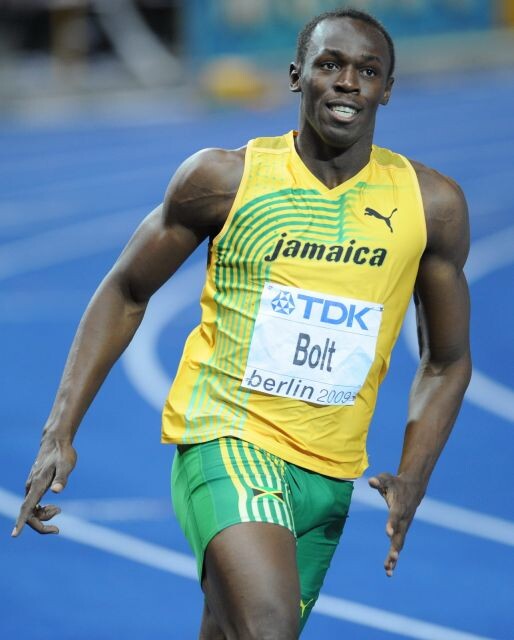
Then comes a different kind of longevity: the extraordinary sprint records of Usain Bolt.
Bolt’s 9.58-second 100m world record, set in Berlin in 2009, and his 19.19-second 200m record, established at the same championships, are now both 17 years old.
When Bolt produced those performances, many of today’s elite sprinters were still children. Yet despite enormous advances in training, sports science, track technology and competition, his two marks remain the standards that every new generation must chase.
The list also highlights the remarkable staying power of more recent records. Kenya’s David Rudisha set the men’s 800m world record of 1:40.91 at the London 2012 Olympics, while South Africa’s Wayde van Niekerk stunned the world with 43.03 in the 400m at the Rio 2016 Olympics.
Kenya’s Beatrice Chepkoech followed with her historic 8:44.32 world record in the women’s 3000m steeplechase in 2018. Uganda’s Joshua Cheptegei then established the men’s 5000m and 10,000m records in 2020, running 12:35.36 and 26:11.00 respectively.
More recently, Ethiopia’s Lamecha Girma set the men’s 3000m steeplechase world record at 7:52.11 in 2023, while Kenya’s Faith Kipyegon produced another landmark performance that year, running 4:07.64 for the women’s mile.
Together, these records create a fascinating timeline of athletics—from the pioneering performances of the 1980s to the spectacular achievements of the modern era. Some have survived for more than four decades, while others are still in the early stages of what could become an equally remarkable reign.
And that is what makes world records so captivating: every generation arrives believing that today’s impossible can become tomorrow’s target, yet some numbers continue to stand as enduring reminders of performances that changed the sport forever.
by Erick Cheruiyot for My Best Runs.
Login to leave a comment
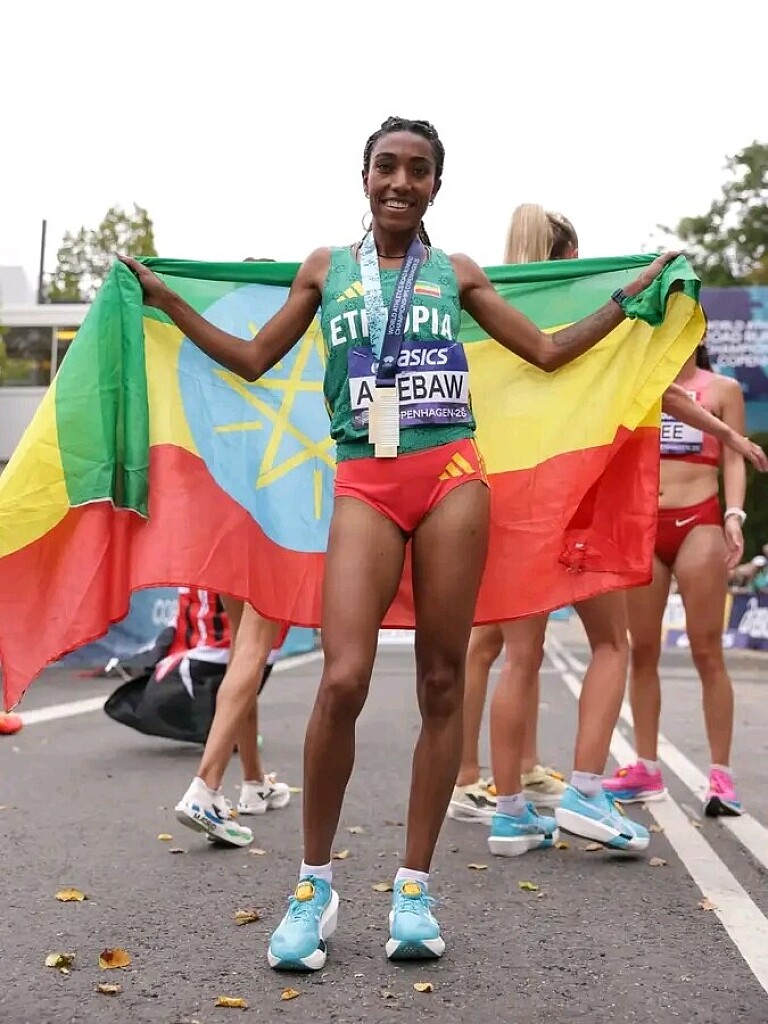
Likina Amebaw Completes Remarkable Six-Day Double With World 5km Road Title In Copenhagen
Ethiopia’s Likina Amebaw produced another outstanding performance on the global stage on Saturday, September 19, 2026, winning the women’s 5km title at the World Athletics Road Running Championships in Copenhagen, Denmark.
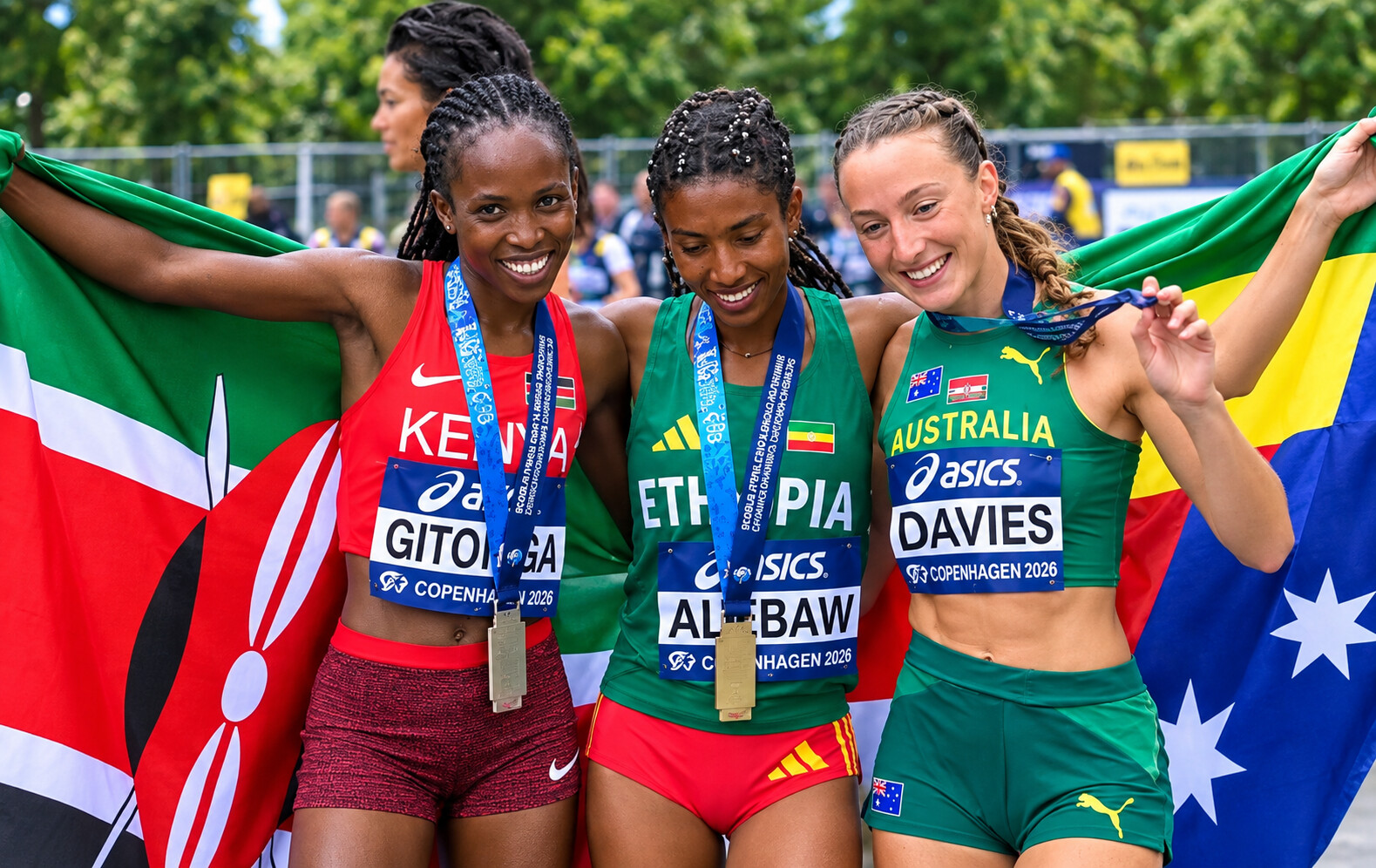
Amebaw stormed to gold in 14:41, adding another global title to her remarkable season just six days after winning the women’s 5000m at the inaugural World Athletics Ultimate Championships in Budapest.
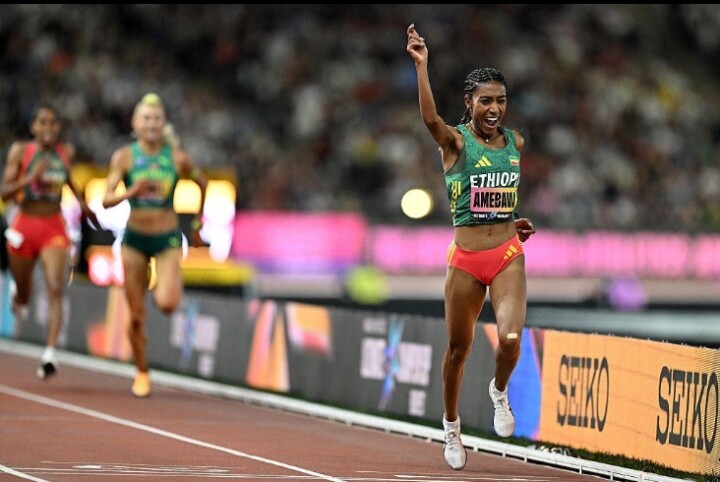
The Ethiopian distance star once again demonstrated her ability to deliver when it matters most, producing a commanding performance over the fast Copenhagen course to claim the world 5km road title.
Kenya’s Caroline Makandi Gitonga delivered a brilliant performance to secure the silver medal in 14:48, giving Kenya a place on the global podium. Gitonga stayed firmly in contention throughout the race before crossing the finish line just seven seconds behind the newly crowned champion.
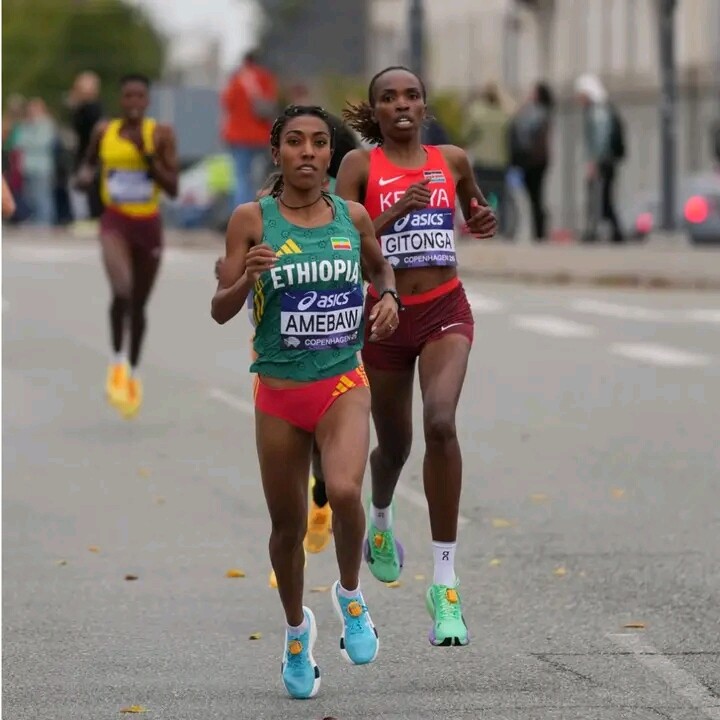
Australia’s Rose Davies completed the podium in 14:50, taking bronze and setting an Australian area record in an impressive display of front-running and determination.
The result also saw several athletes produce notable performances behind the leading trio, with Marta Garcia recording 14:59, Georgia Griffith running 15:01, Samiya Hassan Nour finishing in 15:04, Hannah Gapes clocking 15:06 and Hannah Nuttall stopping the clock at 15:08, while Mirriam Cherop followed in 15:09 and Allie Ostrander in 15:10.
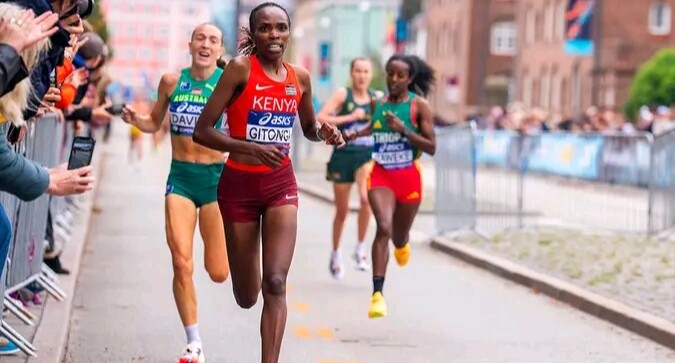
With two global titles secured within just six days, Likina Amebaw has turned an extraordinary week into a defining chapter of her 2026 season.
Women’s 5km Top 10 Results — Copenhagen 2026
1. Likina Amebaw — Ethiopia — 14:41
2. Caroline Makandi Gitonga — Kenya — 14:48
3. Rose Davies — Australia — 14:50 — Area Record
4. Marta Garcia — Spain — 14:59 — PB
5. Georgia Griffith — Australia — 15:01 — PB
6. Samiya Hassan Nour — Djibouti — 15:04
7. Hannah Gapes — Australia — 15:06 — PB
8. Hannah Nuttall — Great Britain — 15:08 — PB
9. Mirriam Cherop — Kenya — 15:09 — PB
10. Allie Ostrander — USA — 15:10 — PB
The Copenhagen race was fiercely contested, with the leading athletes pushing the pace over the flat and fast 5km course. Amebaw, however, had the strength to separate herself from her rivals and hold on for another major championship victory.
What makes her achievement even more remarkable is the short turnaround between her two titles. Winning a world 5000m championship in Budapest and returning only six days later to triumph over 5km on the roads of Copenhagen is a remarkable demonstration of endurance, recovery and championship racing ability.
For Ethiopia, Amebaw’s victory adds another major international success to a season already filled with impressive performances. For Kenya, Gitonga’s silver medal provides another strong result on the world stage and confirms her ability to compete among the best road runners in the world.
With two global titles secured within just six days, Likina Amebaw has turned an extraordinary week into a defining chapter of her 2026 season.
by Erick Cheruiyot for My Best Runs.
Login to leave a comment
Jakob Ingebrigtsen And Jimmy Gressier Set For First-Ever Road Showdown In Copenhagen
COPENHAGEN — Two of the biggest names in modern distance running are about to take their rivalry onto unfamiliar territory.
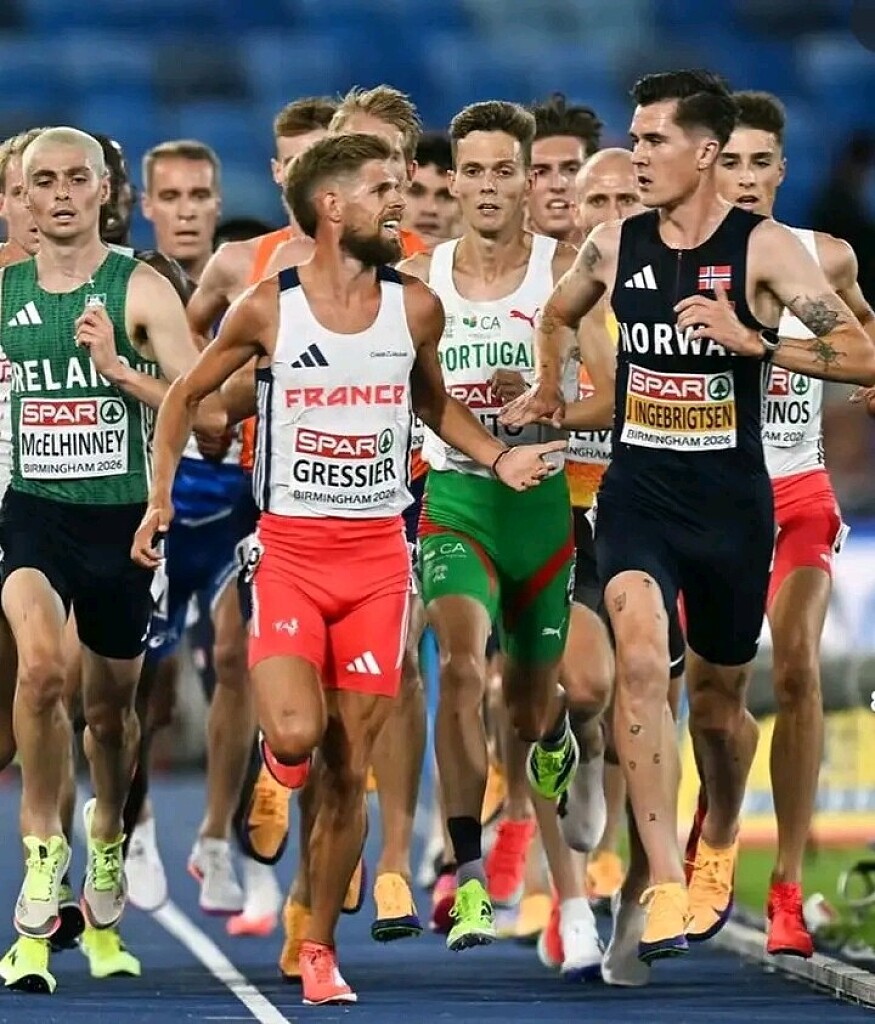
Norway’s Jakob Ingebrigtsen and France’s Jimmy Gressier are set to meet for the first time on the roads when the men’s 5km at the World Athletics Road Running Championships gets underway in Copenhagen on Saturday, September 19.
The highly anticipated clash brings together two athletes with very different paths to the start line, but an equally strong appetite for another global title.
Ingebrigtsen arrives in Denmark as the reigning Olympic 5000m champion and a four-time European 5000m champion. He has also just added the inaugural World Athletics Ultimate Championship 5000m title to his collection, producing a powerful 12:59.24 performance in Budapest only days ago.
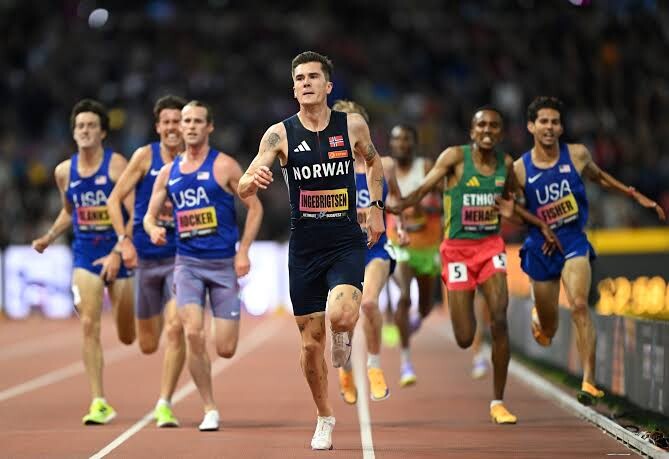
The Norwegian has already conquered some of the biggest stages in track and field. Now, Copenhagen presents a new challenge: winning a global title on the roads.
His road-racing experience over 5km is limited, however. World Athletics notes that Ingebrigtsen has raced the distance only once before, clocking 13:28 in Stavanger in 2020. He also raced his first and, so far, only half marathon in Copenhagen in 2024.
Standing in his way is a man who has already proved that he belongs among the very best road racers in the world.
Gressier enters Copenhagen as the reigning world 10,000m champion and the fastest man on the 5km entry list. In April, the Frenchman stormed to a European record of 12:51 in Lille, moving within just two seconds of the world record. Only Ethiopia’s Berihu Aregawi and Yomif Kejelcha have ever run faster over the distance.
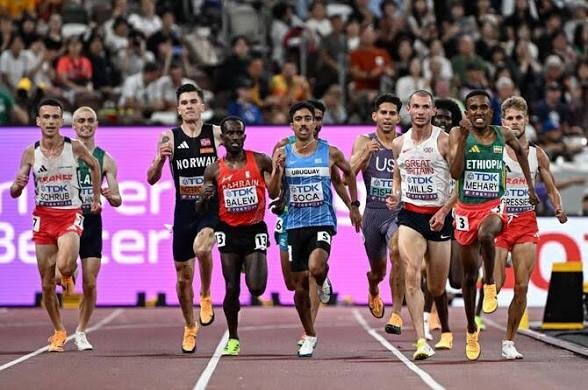
That performance also came with a warning for the rest of the field.
Ethiopia’s Addisu Yihune finished second behind Gressier in Lille in 12:54, a mark that places him fifth on the world all-time list. The two will meet again in Copenhagen, adding another major storyline to an already loaded championship race.
And Gressier is not stopping after one race.
The French star is entered for both the 5km on Saturday afternoon and the men’s half marathon on Sunday morning. With the 5km scheduled for 2:40 p.m. and the half marathon at 9:45 a.m. the following day, he will have only around 19 hours between the two championship races.
It is an extraordinary test of versatility. First comes a five-kilometre battle likely to demand close to all-out speed from the opening stages. Then, before a full day has passed, Gressier will have to return to the start line for 21.1 kilometres against a field packed with established road specialists.
Yet the 29-year-old is no stranger to the half marathon. He won the European half marathon title in 2025 in 59:45 and finished fifth at the 2023 World Road Running Championships in Riga in 59:46.
The 5km field, meanwhile, extends well beyond the headline names.
Kenya’s Mathew Kipsang arrives as the reigning Commonwealth 5000m champion, while Australia’s Ky Robinson, Burundi’s Egide Ntakarutimana, Norway’s Narve Gilje Nordås and Portugal’s José Carlos Pinto are among the other athletes capable of making the race highly competitive.
Copenhagen is therefore preparing for much more than a simple Ingebrigtsen-Gressier duel.
It is a meeting between a track superstar testing himself on the roads and a world champion who has already demonstrated extraordinary speed over the distance. Add Yihune’s 12:54, Kipsang’s championship pedigree and a deep international field, and the ingredients are there for a fiercely contested world title.
For Ingebrigtsen, the question is whether his world-class track speed and devastating finishing ability can translate seamlessly onto the roads.
For Gressier, the challenge is whether he can turn his remarkable 12:51 into a world championship crown — while keeping enough in reserve for the half marathon less than 24 hours later.
One thing is certain: when the gun fires in Copenhagen, the roads will provide a completely new chapter in the careers of two athletes who have already conquered some of the biggest stages in the sport.
And this time, there will be nowhere to hide.
Jakob Ingebrigtsen versus Jimmy Gressier.
Track royalty meets road-running firepower.
Copenhagen is ready.
by Erick Cheruiyot for My Best Runs.
Login to leave a comment
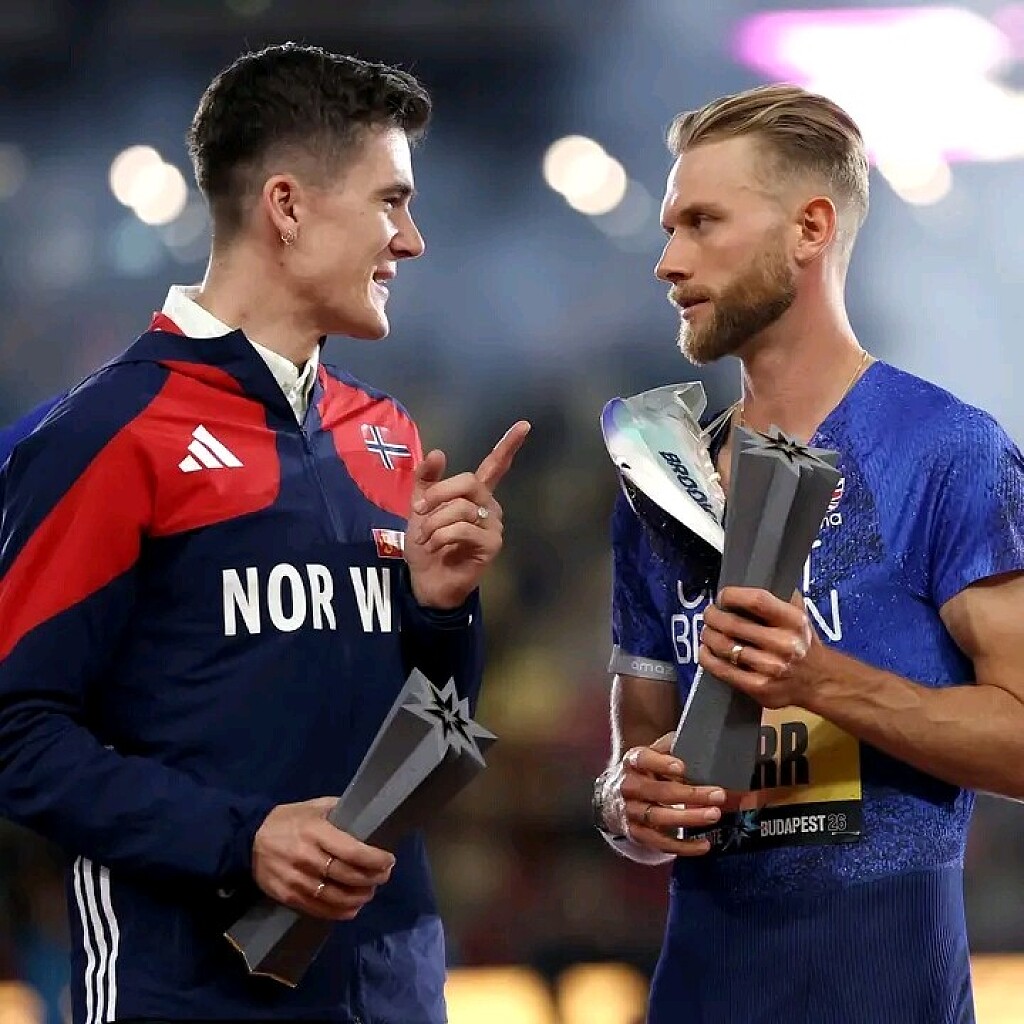
Jakob Ingebrigtsen And Josh Kerr Shared A Light Moment After Budapest Triumphs
Jakob Ingebrigtsen and Josh Kerr may be among the fiercest rivals in modern middle-distance running, but their encounter at the World Athletics Ultimate Championship in Budapest produced a lighter and more humorous moment between two of the sport’s biggest stars.
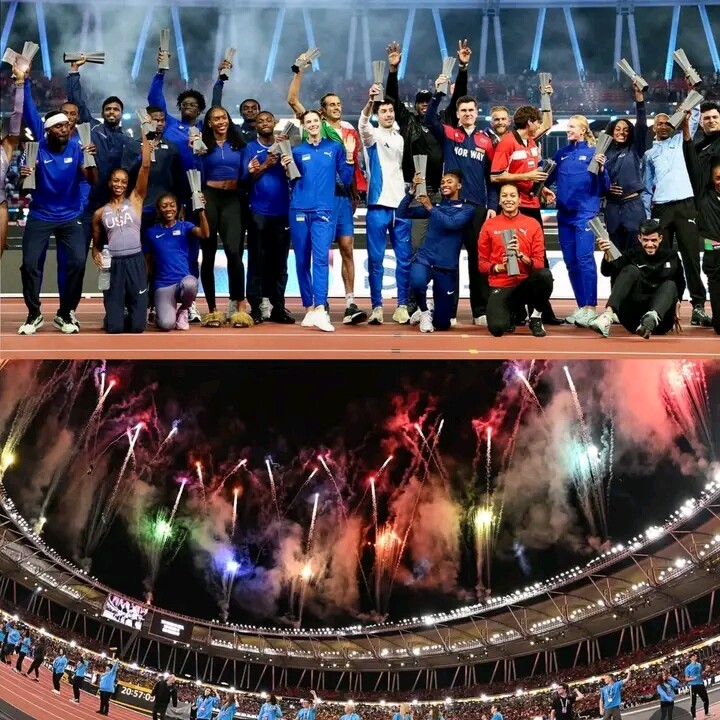
After Kerr secured the men’s 1500m title, he was placed alongside Ingebrigtsen during the final-night presentations. The Norwegian had already captured the 5000m crown, powering to victory in 12:59.24 with a characteristic late surge to complete his Budapest campaign on a high.
The moment was particularly intriguing given the history between the two athletes. Their rivalry has delivered some of the most memorable 1500m battles of recent years, with Kerr famously defeating Ingebrigtsen to claim the world title in Budapest in 2023.
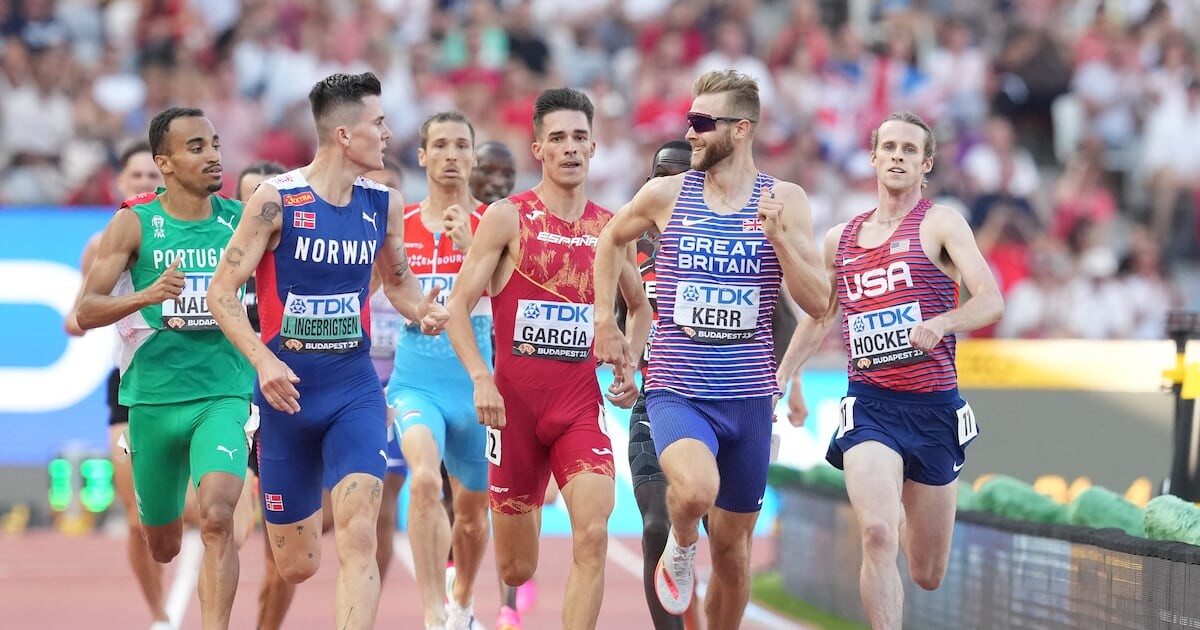
Ingebrigtsen had initially been expected to feature in the 1500m as well, potentially setting up another highly anticipated showdown with Kerr. However, the Norwegian ultimately withdrew from the event, leaving Kerr to take centre stage and add another major title to his résumé.
With the two champions eventually standing side by side during the closing presentations, Kerr was asked what he had said to his long-time rival.
His response was short, cheeky and perfectly timed:
“I said he was a great 5km runner.”
The playful comment carried an obvious hint of their long-running rivalry, particularly given that both athletes have repeatedly battled for supremacy over 1500m while Ingebrigtsen has also established himself as one of the world’s leading 5000m runners.
The light-hearted mood continued on social media, where Ingebrigtsen shared a playful exchange highlighting his sense of humour away from the track.
A comment praising him read: “Jakob, you are so funny and amazing in your post-race interviews..”
Ingebrigtsen responded with his trademark confidence and humour: “I know. It is almost unbelievable.”
He then reflected on his Budapest experience, writing: “Thank you Ultimate Athletics Championship See you next year”
For Ingebrigtsen, Budapest ended with another major 5000m triumph and a memorable interaction with one of his biggest rivals. For Kerr, the Ultimate Championship delivered another 1500m title and yet another chapter in an already remarkable career.
What has so often been a fierce rivalry on the track was replaced, at least for one memorable moment, by humour and a touch of mutual respect between two champions.
Different victories, different paths — but two of the sport’s biggest stars sharing the same stage in Budapest.
by Erick Cheruiyot for My Best Runs.
Login to leave a comment
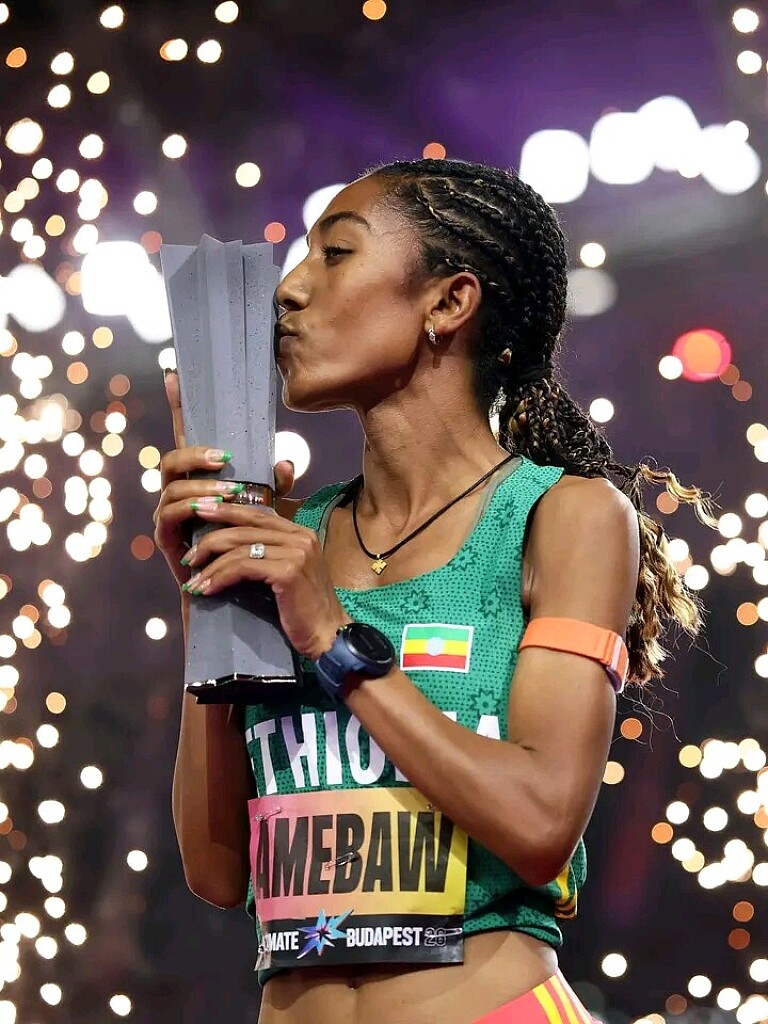
Likina Amebaw Completes Ethiopian Masterclass With First Global Title In Budapest
Likina Amebaw has written her name into the history books in Budapest, producing a commanding performance to win the women’s 5000m at the inaugural World Athletics Ultimate Championship and claim the first global title of her career.
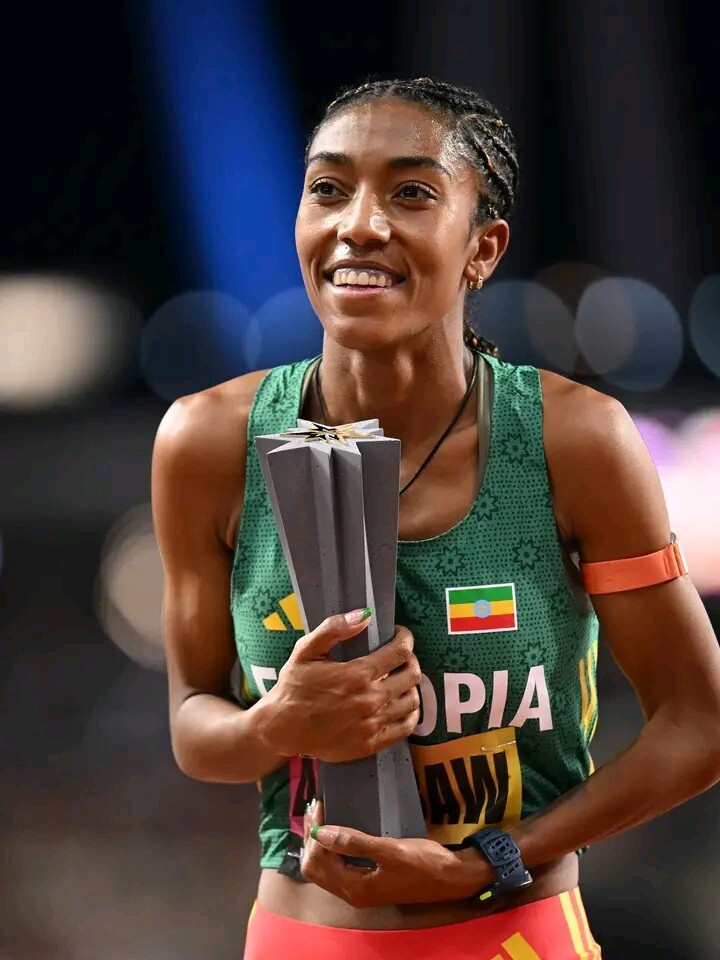
The Ethiopian world leader delivered when it mattered most, stopping the clock at 14:30.36 to secure the Ultimate Championship crown and cap a remarkable breakthrough season with a major international triumph.
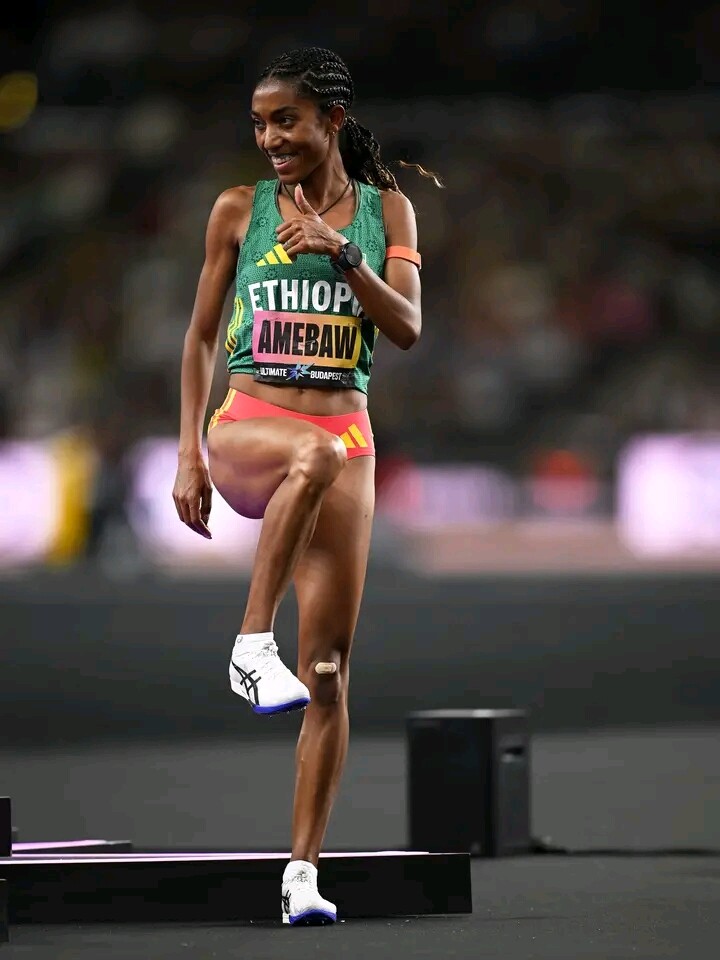
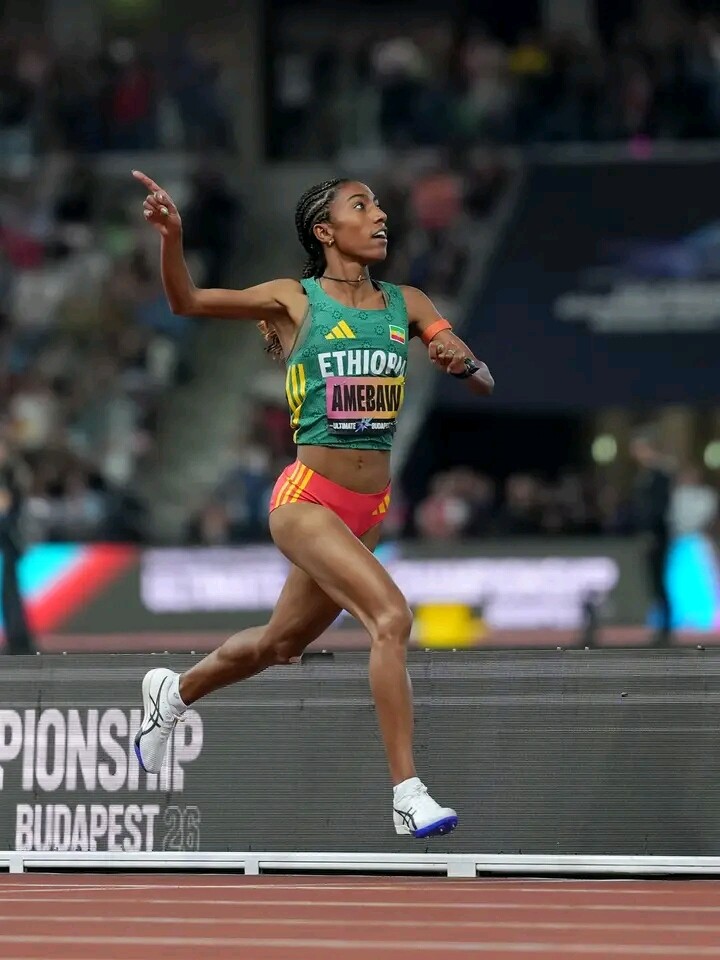
Amebaw did not leave the title to a final-lap sprint. As the race entered its decisive stages, the Ethiopian gradually separated herself from the chasing pack, moving clear at the front before steadily stretching her advantage with every lap.
Once she established daylight between herself and her rivals, Amebaw ran with increasing authority. Her rhythm remained relentless as the pressure shifted entirely onto the chasing group, while the world leader continued to extend her advantage and effectively turned the championship final into a solo pursuit of the finish line.
Behind her, Australia’s Jessica Hull produced a superb performance to secure second place in 14:32.39, a personal best. Hull fought all the way through the closing stages and produced a gutsy final surge toward the line, but Amebaw had already created too much separation for the Australian to challenge for the title.
Hull’s performance nevertheless earned her a deserved second positon and prevented what could have been an Ethiopian clean sweep of the leading positions.
The depth of Ethiopia’s women’s 5000m strength was on full display in Budapest, with four Ethiopian athletes finishing inside the top five. Amebaw led the way, while Fantaye Belayneh finished third in 14:32.62, Freweyni Hailu took fourth in 14:32.76, and Aleshign Baweke completed the Ethiopian presence in the top five with 14:32.86.
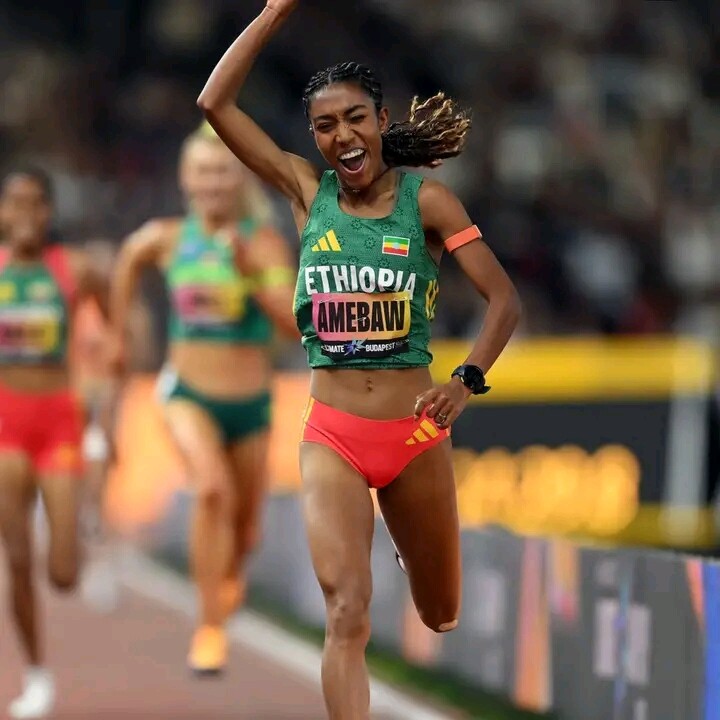
The Ethiopian contingent remained heavily represented near the front throughout the race, producing another powerful demonstration of the country’s extraordinary strength over 5000m.
But the night belonged to Amebaw.
After establishing herself as the world leader, she arrived in Budapest carrying the expectations that come with being the athlete to beat. Rather than allowing the pressure to dictate her race, she remained composed, waited for the decisive moment and then made a move that completely changed the complexion of the contest.
Her 14:30.36 was enough to crown her the women’s 5000m Ultimate Champion and transform a season of outstanding performances into a breakthrough global triumph.
For Ethiopia, the result was another emphatic statement of its depth and enduring influence in women’s distance running. Four athletes inside the top five underlined the extraordinary talent available in the country and its ability to dominate the sharp end of championship racing.
For Amebaw, however, the significance is deeply personal. She came to Budapest as the world leader and leaves as a global champion.
The first global title is now in the books. The first major crown has been secured.
Likina Amebaw is the Ultimate Champion.
by Erick Cheruiyot for My Best Runs.
Login to leave a comment
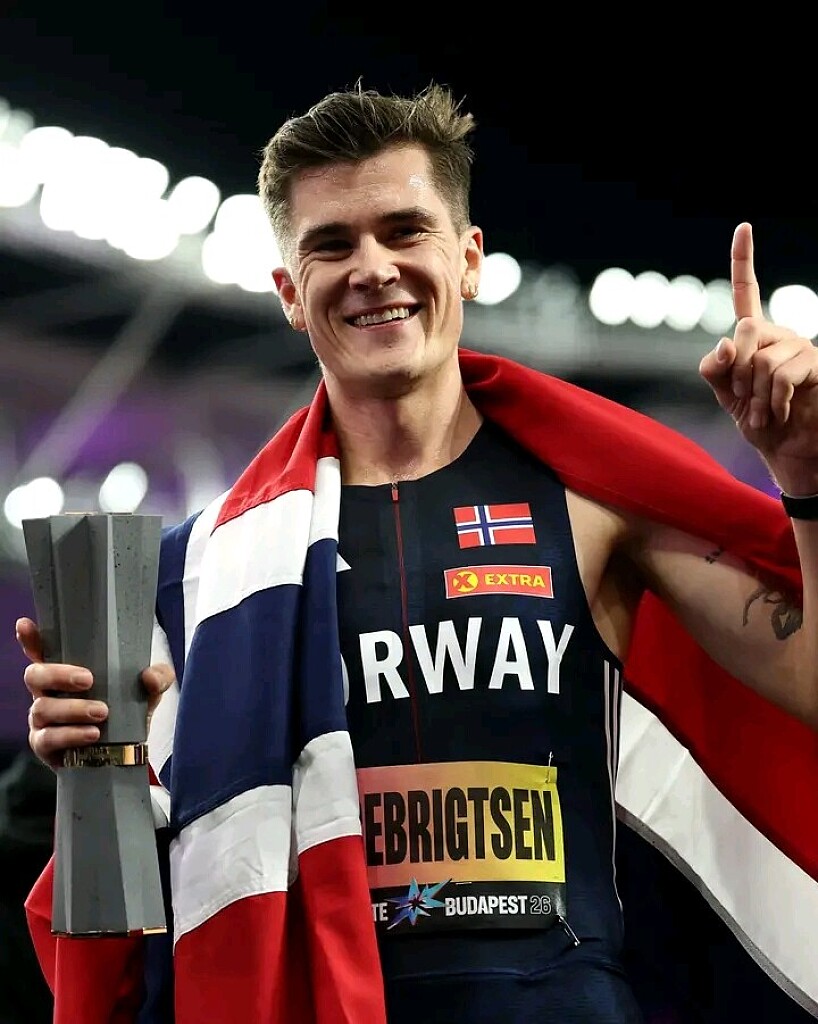
Jakob Ingebrigtsen Withdraws From Budapest 1500m After Stunning 5000m Victory: “Fitness Cannot Be Faked”
Jakob Ingebrigtsen has made a major decision regarding the remainder of his World Athletics Ultimate Championship campaign, confirming that he will withdraw from the men’s 1500m in Budapest despite producing a sensational performance to win the 5,000m title.
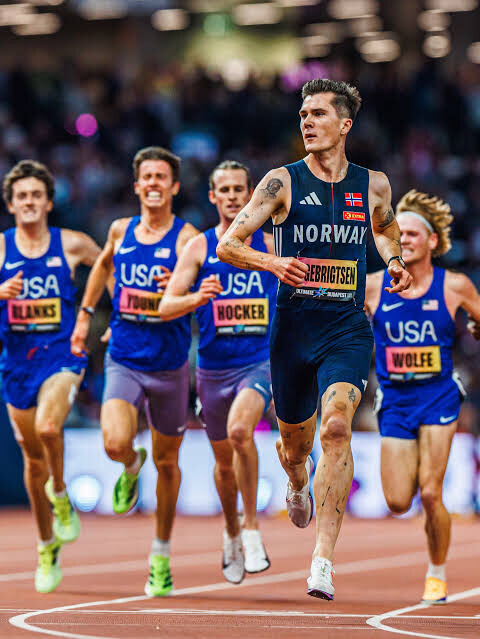
The Norwegian superstar stormed to victory in the inaugural Ultimate Championship 5,000m on Friday night, clocking a season-best 12:59.24 and delivering a devastating finishing kick to defeat Olympic 5,000m champion Cole Hocker and American Parker Wolfe.
Ingebrigtsen’s final 100 metres was arguably the defining moment of the race. The Olympic champion produced a remarkable 12.60-second closing 100m, powering away from the field to secure the $150,000 winner’s prize and underline just how far his fitness has progressed since returning from Achilles surgery.
The victory was particularly significant after what has been an extremely difficult period for the 25-year-old. Earlier in the season, Ingebrigtsen faced serious uncertainty over whether he would even be able to compete at the highest level again. His return has gradually gathered momentum, and his performance in Budapest offered perhaps the clearest indication yet that the Norwegian is rediscovering his formidable racing ability.
But rather than risk pushing his recovering body further, Ingebrigtsen has now opted to step away from the 1500m.
The decision means the highly anticipated showdown with British rival Josh Kerr will not take place in Budapest after all. The two stars had been expected to renew one of the biggest rivalries in modern middle-distance running in the 1500m final.

Instead, Ingebrigtsen is looking beyond the immediate opportunity and towards the bigger picture.
“I’m thinking about 2027… Fitness cannot be faked,” the Norwegian said, signalling that protecting his long-term condition has become more important than chasing another major victory only days after his return to peak-level competition.
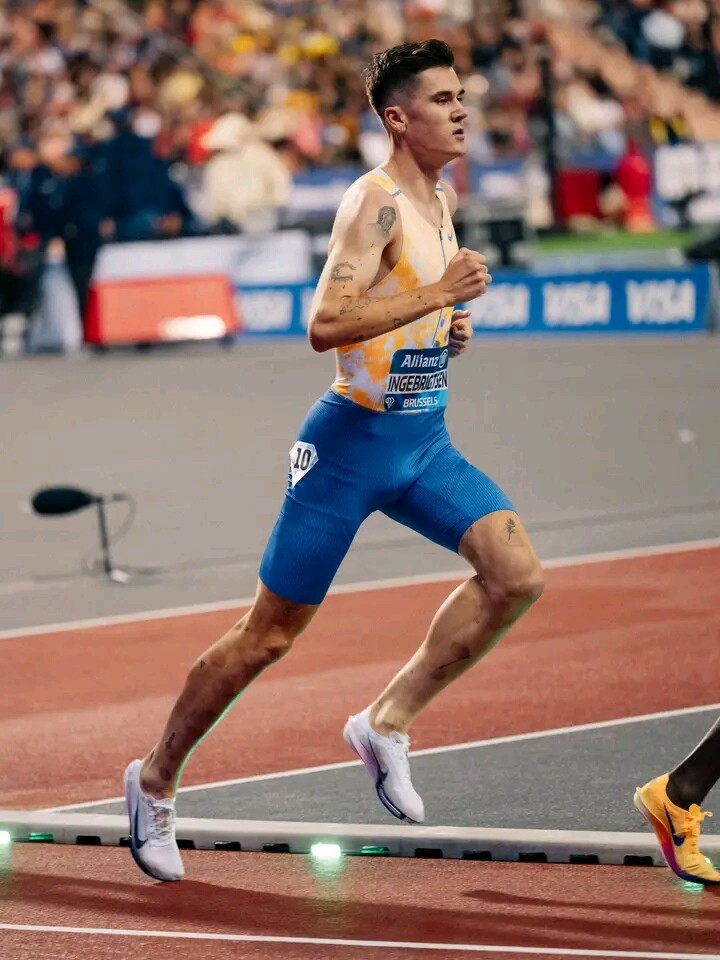
The decision comes just one week after an emotionally charged Diamond League Final in Brussels, where Ingebrigtsen finished fourth in the 1500m behind Australia’s Cameron Myers, Kenya’s Phanuel Kipkosgei Koech and American Ethan Strand.
After that race, Ingebrigtsen delivered a fiery assessment of his rivals and questioned the tactics surrounding the pacemaking, particularly involving Hocker. He later acknowledged that there had been “a little too much adrenaline and emotion” when microphones were placed in front of him immediately after the race.
Yet his latest decision shows that beneath the emotion and competitive intensity lies a longer-term strategy.
Ingebrigtsen has already demonstrated that he can compete at an elite level again. His 12:59.24 in Budapest was not simply a victory — it was a statement that the Norwegian remains capable of producing a world-class finish even after months of injury rehabilitation.
Now, however, he is choosing not to gamble with that progress.
For a runner who has spent much of the year fighting his way back from injury, another 1500m race could have offered enormous rewards but also carried unnecessary risk. By withdrawing, Ingebrigtsen is effectively prioritising longevity over one more opportunity for immediate glory.
His message is clear: the comeback is underway, but it will not be rushed.
The 5,000m victory has given Ingebrigtsen confidence, momentum and perhaps, most importantly, proof that his body can once again handle elite competition.
Now comes the harder part — knowing when to stop.
With 2027 already firmly in his sights, the Norwegian has chosen recovery over risk. And after everything he has endured, that could ultimately prove to be one of the most important decisions of his comeback.
Jakob Ingebrigtsen is not walking away from the sport. He is protecting his future in it.
by Erick Cheruiyot for My Best Runs.
Login to leave a comment

Jakob Ingebrigtsen Completes Remarkable Comeback With Ultimate 5000m Gold
Eleven months away from racing. Achilles surgery. Just six weeks of serious training.
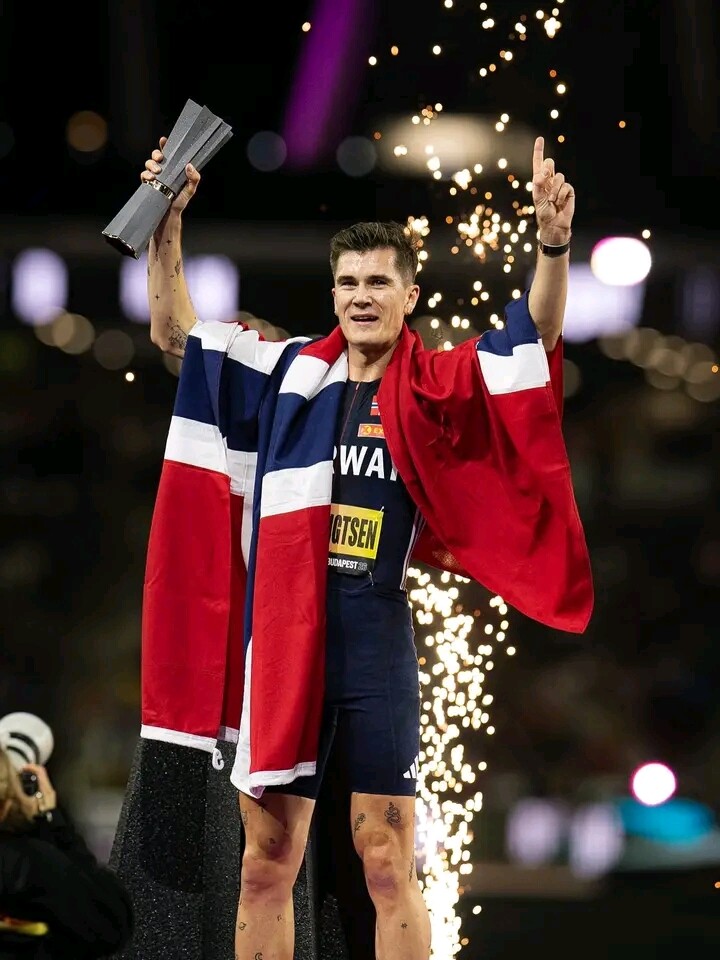
Now, Jakob Ingebrigtsen is an Ultimate Champion.
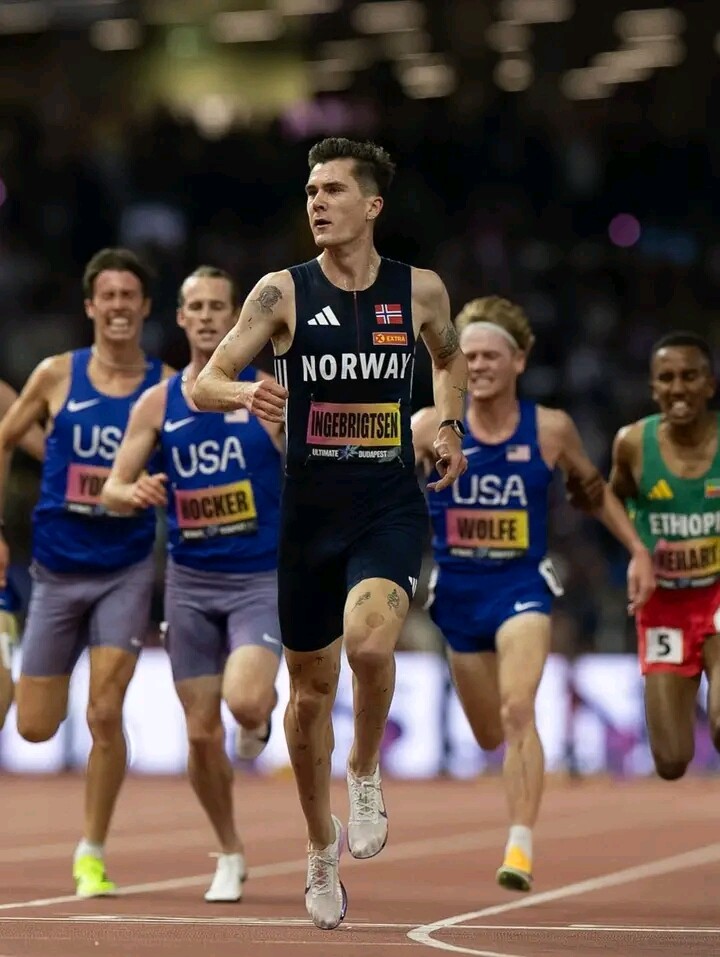
The Norwegian star delivered a stunning performance in Budapest, winning the men’s 5000m at the inaugural World Athletics Ultimate Championship in 12:59.24.
It was a race that demanded patience, tactical intelligence and a perfectly timed finish—qualities Ingebrigtsen has repeatedly demonstrated throughout his career.
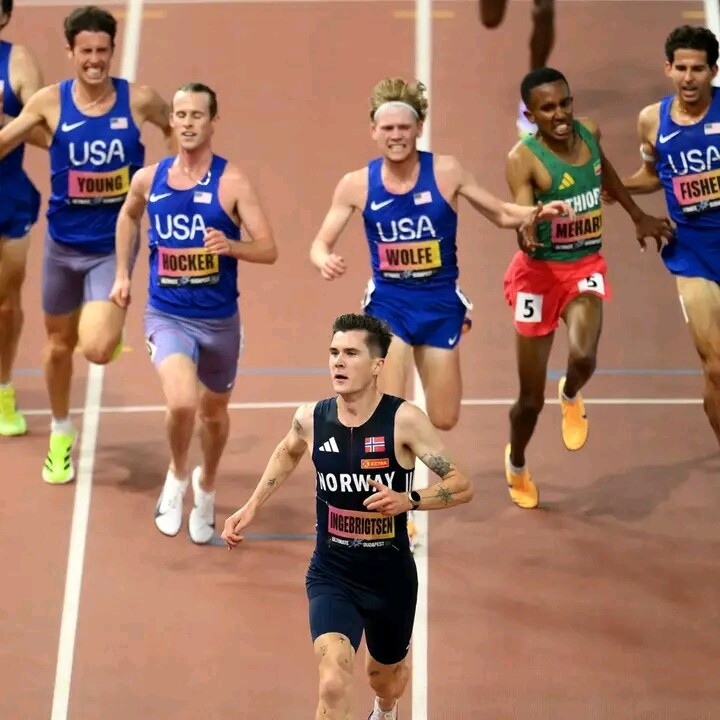
Rather than forcing the pace from the front, Ingebrigtsen stayed towards the back of the field and waited as the race unfolded. He remained composed while the leading group battled for position, conserving his energy for the moment that mattered most.
That moment came in the final straight.
Ingebrigtsen unleashed his trademark finishing speed, powering past his rivals and holding off a determined challenge from American star Cole Hocker to secure the gold medal.
Hocker finished second in 13:00.05, while fellow American Parker Wolfe took third in 13:00.13. The result gave Ingebrigtsen another major title in a season that began with serious questions about how quickly he could return to his best.
His comeback has been extraordinary.
After nearly 11 months away from competition and a spell on the sidelines following Achilles surgery, Ingebrigtsen returned to racing with limited preparation. Just six weeks of serious training stood between him and his return to the highest level.
Yet he has already transformed that uncertainty into success.
The victory in Budapest also adds another fascinating chapter to his rivalry with Hocker. The American, who has established himself among the world's leading middle-distance runners, will get another opportunity to challenge Ingebrigtsen when the pair meet again in the 1500m later this weekend.
The 5000m may belong to Norway, but the rivalry is far from over.
For Ingebrigtsen, the message from Budapest is clear: the long road back has not weakened his competitive instincts. If anything, it has made his return even more impressive.
He waited. He watched. He chose his moment.
And when it was time to strike, Jakob Ingebrigtsen did what Jakob Ingebrigtsen does best—he finished the job.
by Erick Cheruiyot for My Best Runs.
Login to leave a comment
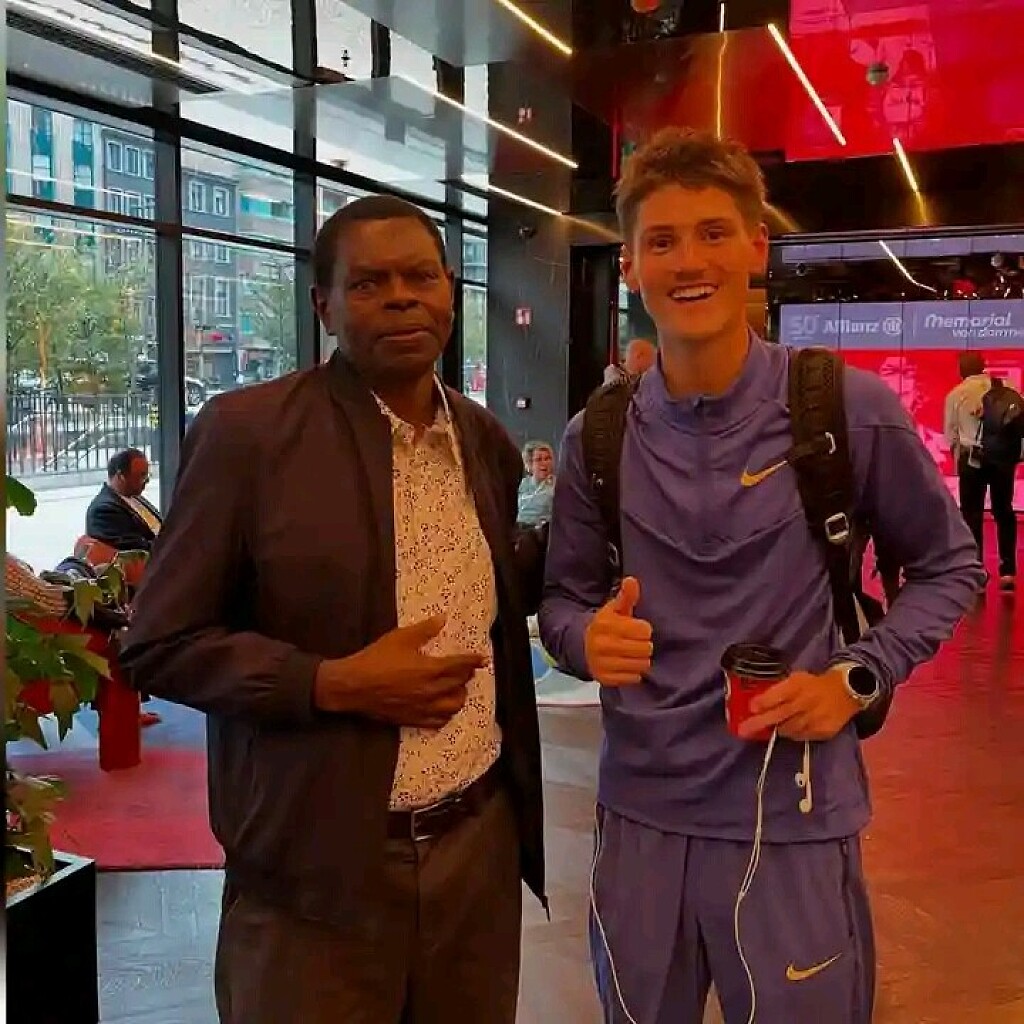
Daniel Komen and Cameron Myers: Two Generations, One Extraordinary Gift for Speed
Athletics has a remarkable way of connecting generations.
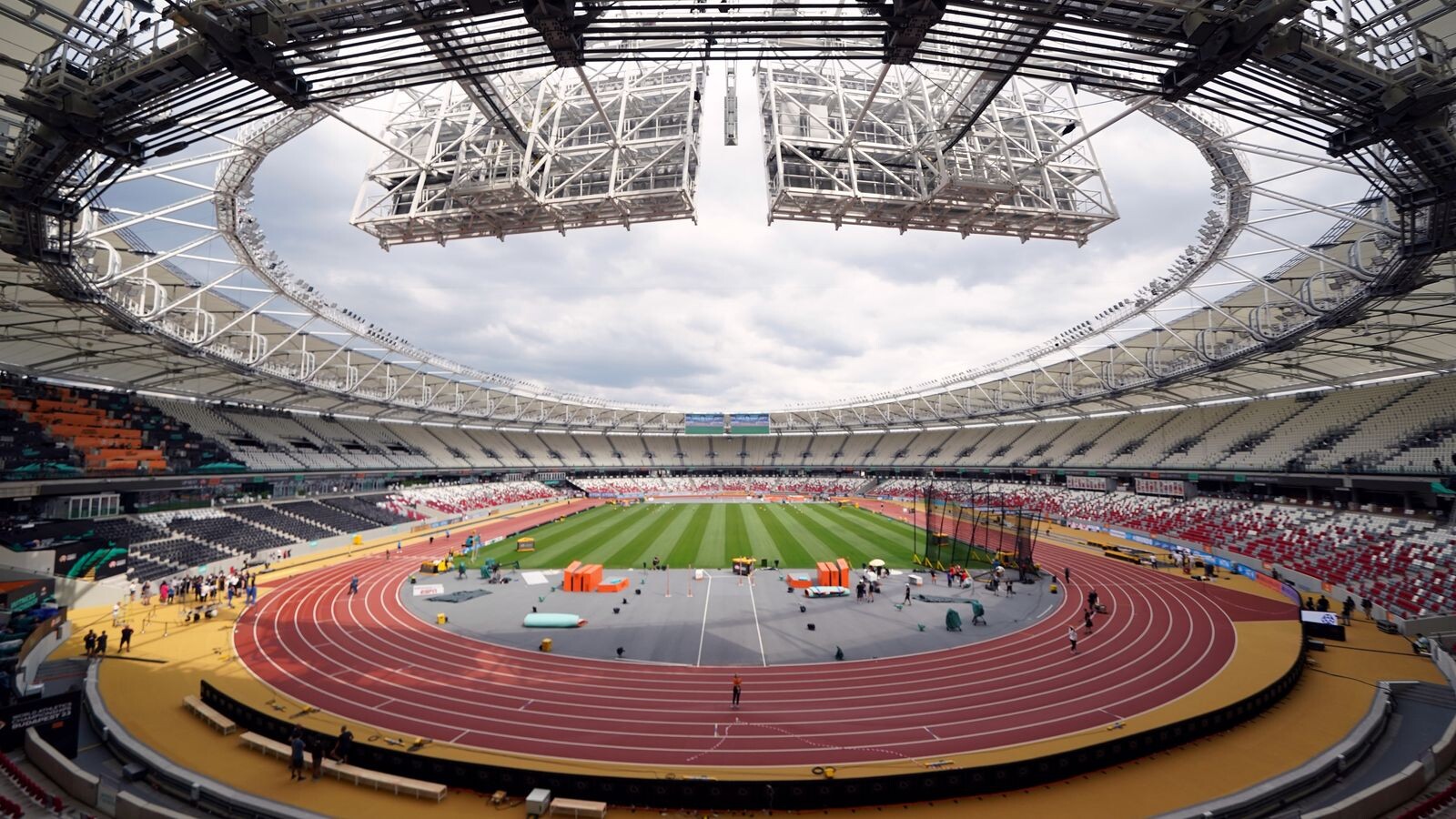
Sometimes, decades apart, two athletes emerge with a rare combination of speed, endurance and fearlessness that makes the extraordinary appear almost effortless. Kenya’s Daniel Komen and Australia’s Cameron Myers are separated by an era and a continent, but their careers share one fascinating thread — an exceptional ability to run incredibly fast over middle and long distances.
Daniel Komen — the Kenyan phenomenon
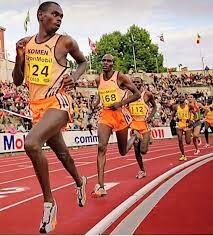
During the 1990s, Daniel Komen was one of the most feared distance runners on the planet.
At just 20 years old, Komen produced a performance that would become one of the defining moments of his career, running 7:20.67 for 3000m in Rieti, Italy, in 1996. The world record remained untouched for nearly 28 years before Jakob Ingebrigtsen finally broke it in 2024.
Komen followed that achievement with another performance that remains etched in distance-running history. In 1997, he ran 7:58.61 for two miles in Hengelo, becoming the first man to break the eight-minute barrier over the distance.
His brilliance was not limited to one event.
Komen possessed an extraordinary range, becoming only the second man after Algeria’s Saïd Aouita to break 3:30 for 1500m, 7:30 for 3000m and 13 minutes for 5000m.
Those performances established Komen as one of the most versatile and naturally gifted distance runners of his generation.
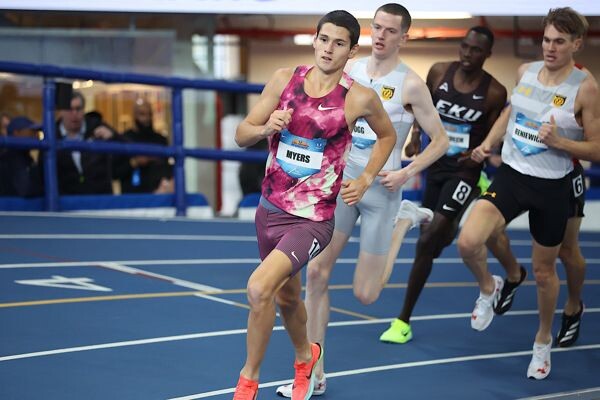
Cameron Myers — Australia's rising star
Almost three decades later, another young runner is beginning to capture the imagination of the athletics world.
Cameron Myers first made headlines as a teenager when, at 16, he ran 3:55.44 for the mile. The performance made him the second-youngest athlete ever to break four minutes for the distance and confirmed that Australia had a remarkable middle-distance talent on its hands.
But Myers has not allowed the hype surrounding his teenage achievements to define him.
Now 20, he is increasingly proving himself against the world's best senior athletes.
His breakthrough continued in 2026 when he produced a spectacular 3:28.00 personal best for 1500m in Paris, firmly establishing himself among the world's elite over the distance.
Then came Brussels.
At the Diamond League Final on September 4, Myers delivered perhaps the biggest statement of his young career, winning the 1500m in 3:30.14 against a world-class field. The victory came in a race featuring some of the biggest names in the event, including Jakob Ingebrigtsen and Olympic champion Cole Hocker.
For Myers, it was another important step from promising prodigy to established senior star.
He is no longer simply the talented teenager everyone was waiting to see develop.
Cameron Myers has arrived.
Different eras, remarkable similarities
Comparing athletes from different generations is always difficult. The competition, training methods, technology and circumstances change, and every great athlete deserves to be judged within the context of their own era.
But the similarities between Komen and Myers are still fascinating.
Komen showed the world in the 1990s that extraordinary speed could be combined with exceptional endurance. Myers is now demonstrating that same fearless approach as he takes on the strongest 1500m fields in the world.
Komen has already secured his place in athletics history.
Myers is only beginning to write his.
The Australian still has many years ahead of him, and whether he can eventually build a legacy comparable to Komen's remains impossible to predict. What is certain, however, is that his progression has already been remarkable.
From a teenager breaking four minutes for the mile to a 20-year-old running 3:28.00 and winning a Diamond League Final, Myers has moved through the ranks at extraordinary speed.
Daniel Komen was one of the athletes who made the impossible look normal. Cameron Myers now has an opportunity to create his own version of that magic.
Different generations. Different countries. Different journeys.
But one extraordinary gift — the ability to run very, very fast.
by Erick Cheruiyot for My Best Runs.
Login to leave a comment
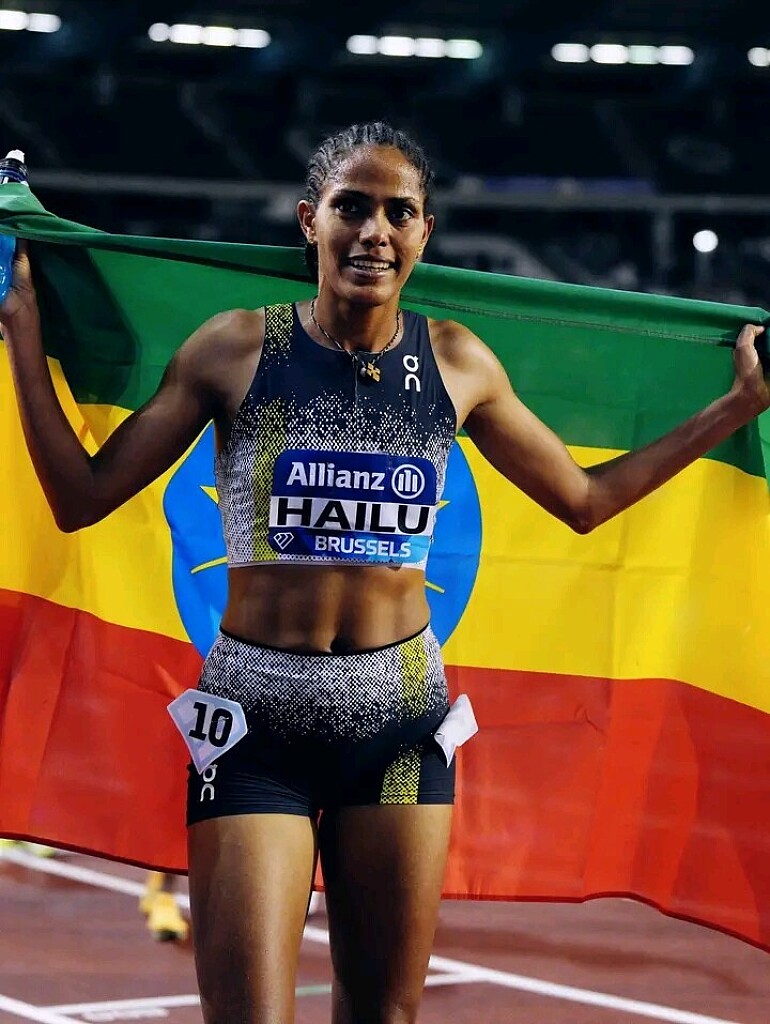
Freweyni Hailu Unleashes A Devastating Final Kick To Rule The Diamond League 5000m In Brussels
Freweyni Hailu produced a magnificent display of tactical intelligence and raw finishing speed in Brussels, unleashing a devastating late kick to win the women’s 5000m Diamond League title in 14:35.20.
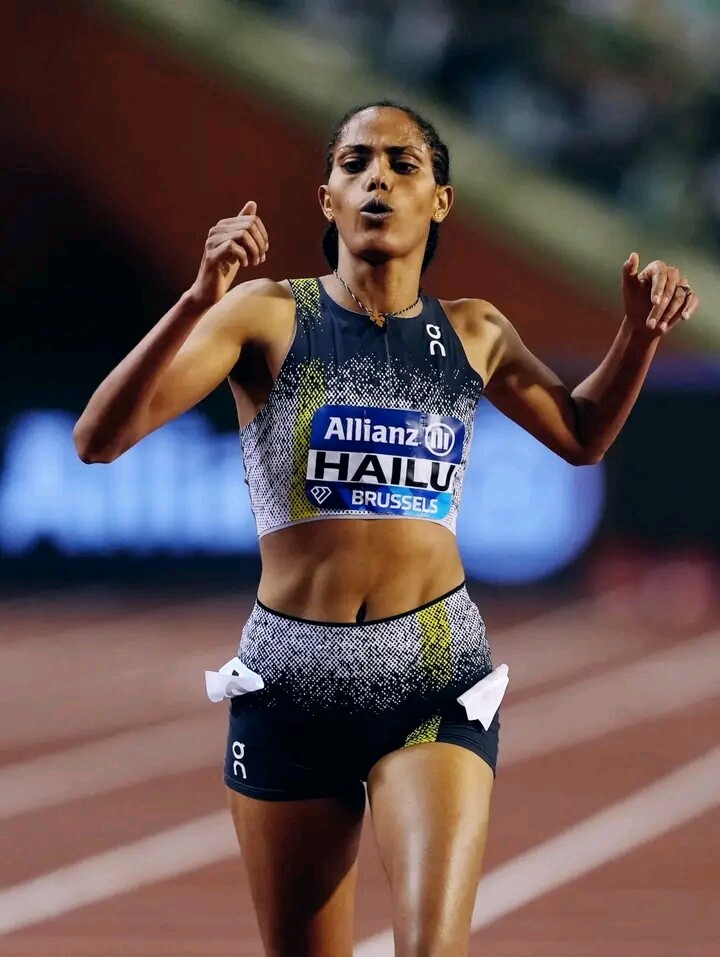
The Ethiopian star executed the perfect sit-and-kick strategy. Rather than committing herself to the pace early, Hailu remained patiently positioned among the leading group, conserving her energy while waiting for the race to reach its decisive stages.
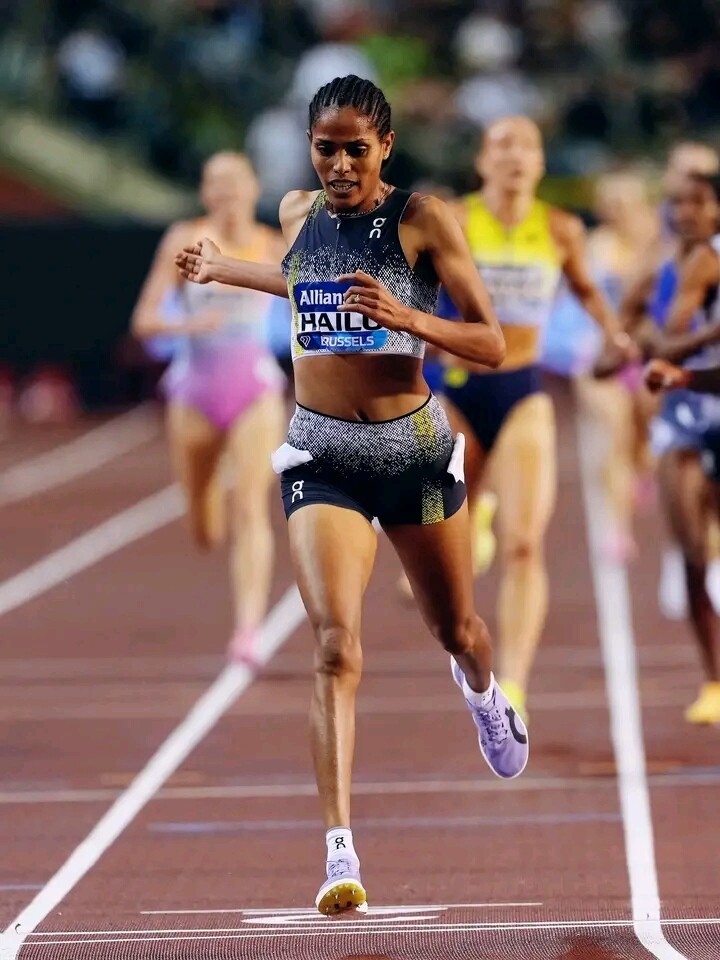
When the moment finally arrived, she was ready.
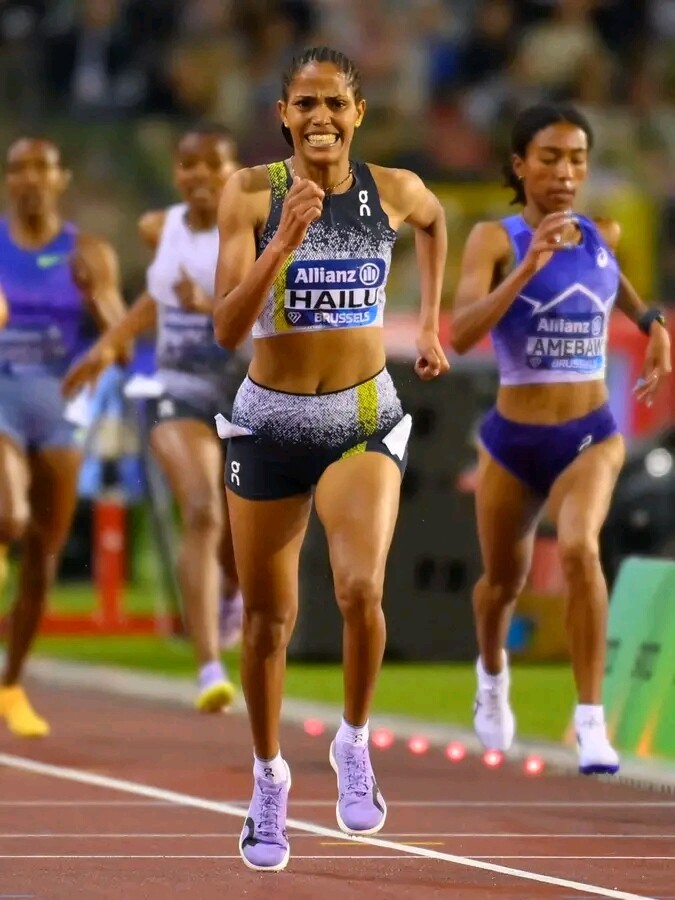
Hailu accelerated ferociously over the closing 200 metres, suddenly opening a gap on the field and turning a tightly contested race into a commanding victory. Her rivals simply could not match the change of pace as she powered relentlessly toward the finish line.
Her 14:35.20 was enough to secure the Diamond Trophy and headline an extraordinary Ethiopian clean sweep of the podium. Hailu was followed home by compatriots Amedework Amebaw, who ran 14:36.31, and Freweyni Getachew, who clocked 14:37.09.
The strength of the Ethiopian contingent was further demonstrated by Hirut Meshesha, who finished fifth in 14:37.84. Meshesha narrowly finished ahead of Australia’s Georgia Griffith, who stopped the clock at 14:38.69, with both athletes producing strong performances in a fiercely competitive field.
Meshesha’s fifth-place finish carried an additional reward. She secured the final qualifying spot for the World Ultimate Championships, having been the highest individual in the field who had not already qualified through the World Ranking Quota.
Australia’s Sarah Davies finished fourth in 14:37.47, a season’s best, while the Netherlands’ Maureen Koster was seventh in 14:39.38. Ethiopia’s Tsige Eisa followed in eighth with 14:39.40, while compatriot Frehiwot Alemayo placed ninth in 14:40.27. Australia’s Rose Davies Hall completed the top 10 in 14:40.62, a personal best.
For Hailu, the victory added another impressive chapter to an already distinguished career. The two-time World Indoor Champion has established herself as one of Ethiopia’s leading middle- and long-distance runners, possessing the rare combination of endurance, tactical awareness and explosive finishing speed.
She arrived in Brussels with a formidable 14:18.94 personal best, the second-fastest mark among the competitors. But she did not need to rely on chasing that standard. Instead, she trusted her race instincts, stayed composed and waited until the final moments to unleash the weapon that ultimately decided the contest.
The final 200 metres belonged entirely to Hailu. What had been a battle of patience and positioning suddenly became a demonstration of pure speed, with the Ethiopian pulling away decisively as the finish approached.
Brussels therefore witnessed more than another Diamond League victory. It was a statement from Hailu and a powerful showcase of Ethiopia’s extraordinary depth in women’s distance running.
She sat, she waited, and then she struck. Nobody could live with that kick.
by Erick Cheruiyot for My Best Runs.
Login to leave a comment
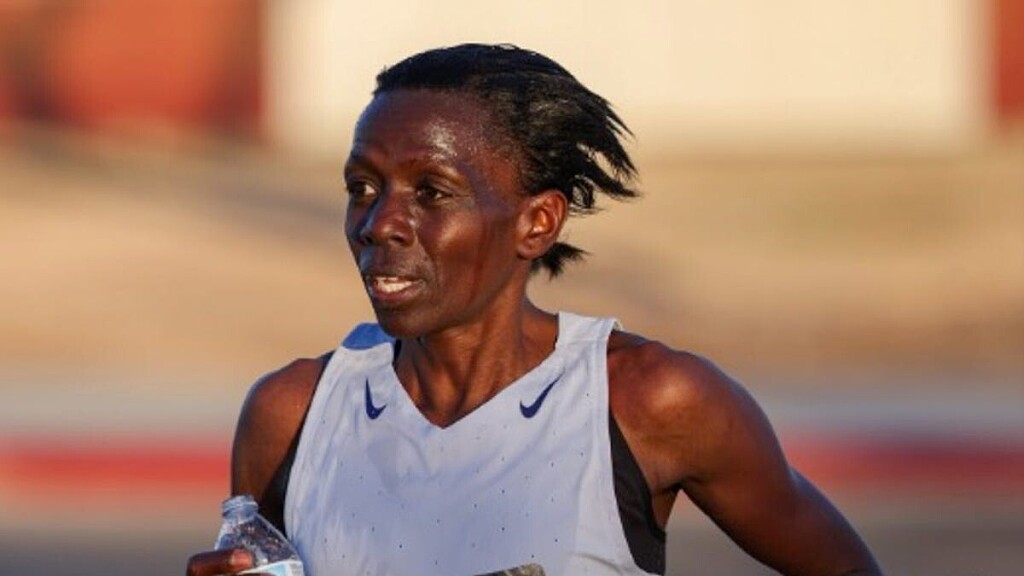
Priscah Cherono Turns Back The Clock In Sydney With A Historic Marathon Performance
At 46, Priscah Cherono showed that age is no barrier to racing with the world’s best.
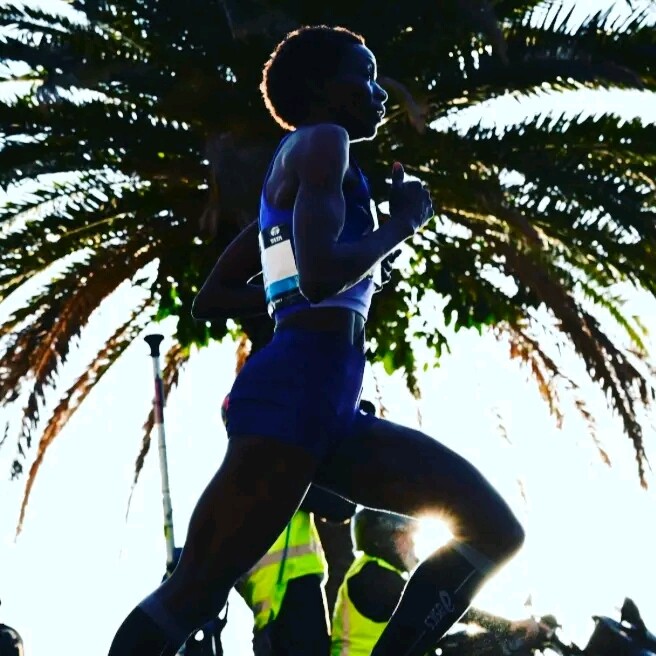
The Kenyan veteran produced a remarkable performance at the Sydney Marathon, taking the race by the horns from the early stages and, for a remarkable stretch, leading the entire professional women’s field.
Cherono moved into the lead before 5km and by 10km had opened a gap of around 16 seconds on her closest challengers. Rather than settling into the pack, she continued to dictate the pace, remaining at the front until close to the 28km mark.
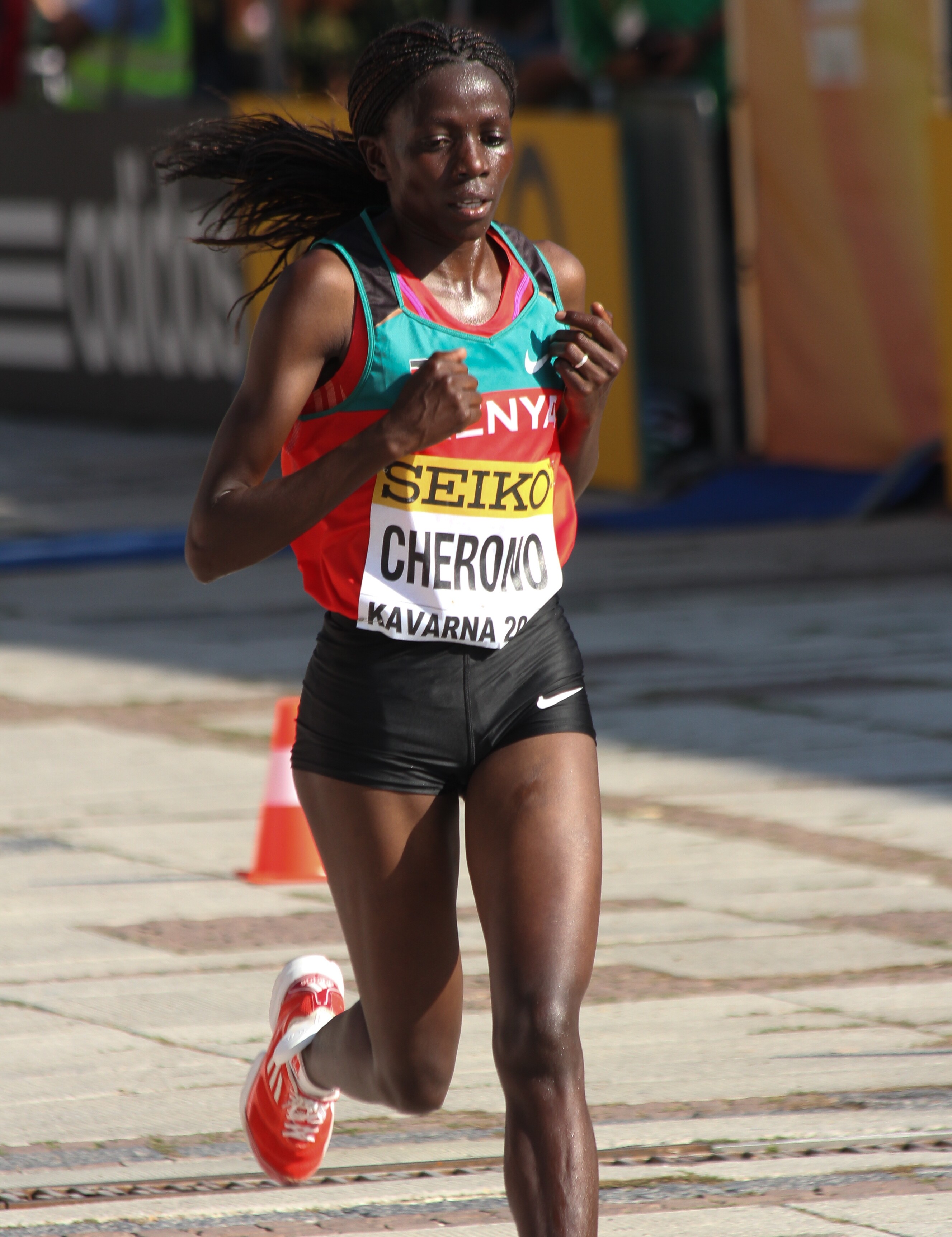
Then came the most eye-catching moment of her race.
Cherono reached halfway in 67:59, an extraordinary split that works out to roughly 5:11 per mile. It was around 36 seconds faster than her previous standalone half-marathon best, underlining just how aggressively she had approached the opening half of the race.
Her halfway split was also just seven seconds outside the masters world record for the half marathon.
Inevitably, such a demanding opening came at a cost. Cherono struggled to maintain the same rhythm after halfway, covering the second half in approximately 75:50. She eventually slipped down the standings but refused to give up, crossing the finish line in 2:23:49 for sixth place.
And that finish was historic.
Cherono’s time established a new marathon world best for women aged 46 and over, improving on the previous mark of 2:25:07, set by fellow Kenyan Edna Kiplagat last year.
But Cherono’s Sydney story is about far more than one record.
Her athletics journey stretches back three decades. In 1996, at just 16 years old, she won the Kenyan junior 5000m title. That same year, she travelled to Sydney for the World Junior Championships and finished eighth in the 5000m.
Thirty years later, she returned to the same city — this time as a 46-year-old marathoner — and found herself leading a major international marathon against a field filled with younger elite athletes.
That is what makes her performance so remarkable.
Cherono did not simply run a fast marathon for her age. She went to the front, took control of the race, attacked the pace and dared to challenge the clock before eventually paying the price for her ambition.
She may have faded in the closing kilometres, but her boldness produced something far more valuable than a conservative finish: a place in the history books.
From a teenage athlete competing in Sydney in 1996 to a record-breaking masters marathoner dominating the opening half of the Sydney Marathon three decades later, Cherono’s career has come full circle in extraordinary fashion.
The question is simple: if you were 46 and leading a major marathon at halfway on record-setting pace, would you keep pushing for greatness — or back off and protect the finish?
by Erick Cheruiyot for My Best Runs.
Login to leave a comment

Sydney Marathon
The Sydney Marathon is a marathon held annually in Sydney, Australia. The event was first held in 2001 as a legacy of the 2000 Summer Olympics, which were held in Sydney. In addition to the marathon, a half marathon, 9 kilometres (5.6 mi) "Bridge Run", and a 3.5 kilometres (2.2 mi) "Family Fun Run" are also held under the banner...
more...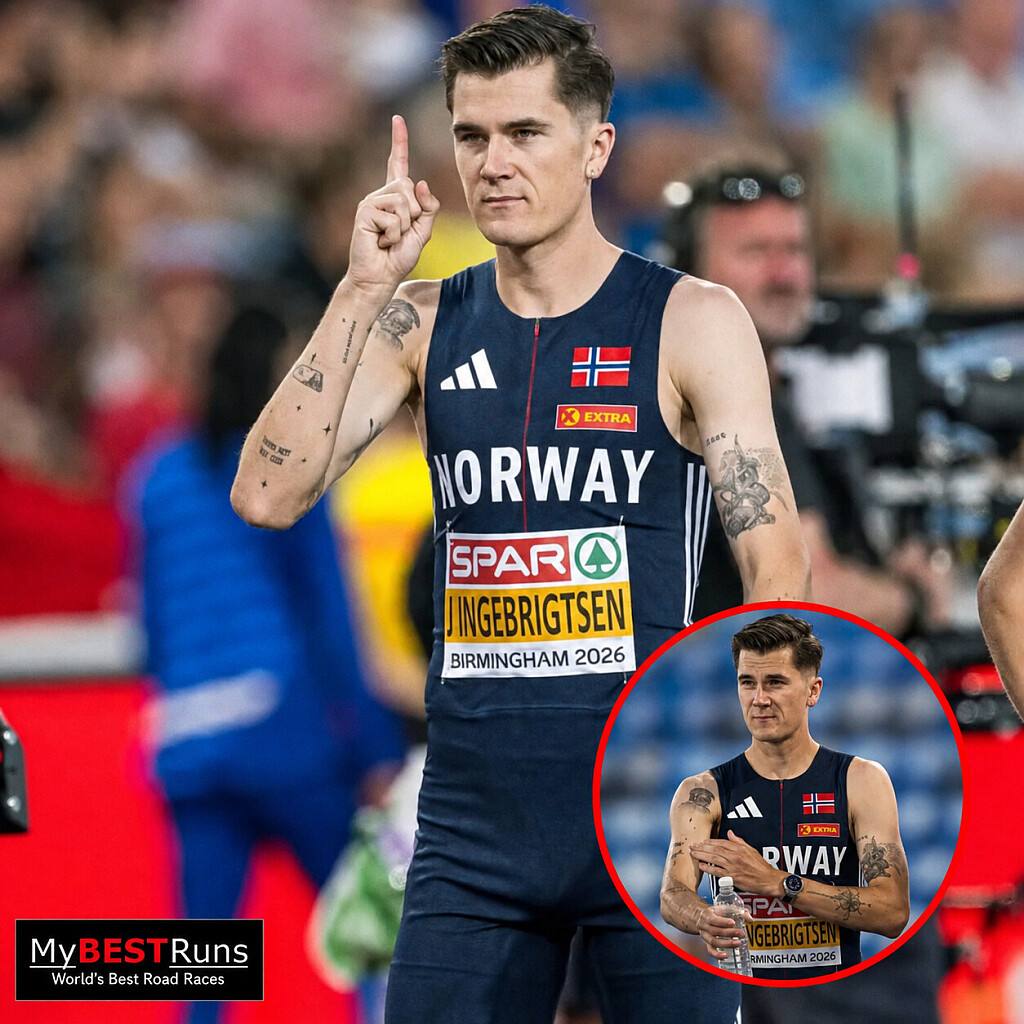
Jakob Ingebrigtsen Heads To Brussels: A Champion Searching For His 1500m Magic
Jakob Ingebrigtsen is heading to Brussels — and the Norwegian superstar arrives with something to prove.
The two-time Olympic champion has been confirmed for the men’s 1500m at the Allianz Memorial Van Damme on September 4, the opening night of the 2026 Wanda Diamond League Final. With Brussels bringing together the world’s elite for the final battle of the Diamond League season, Ingebrigtsen’s presence immediately adds another layer of intrigue to an already spectacular meeting.
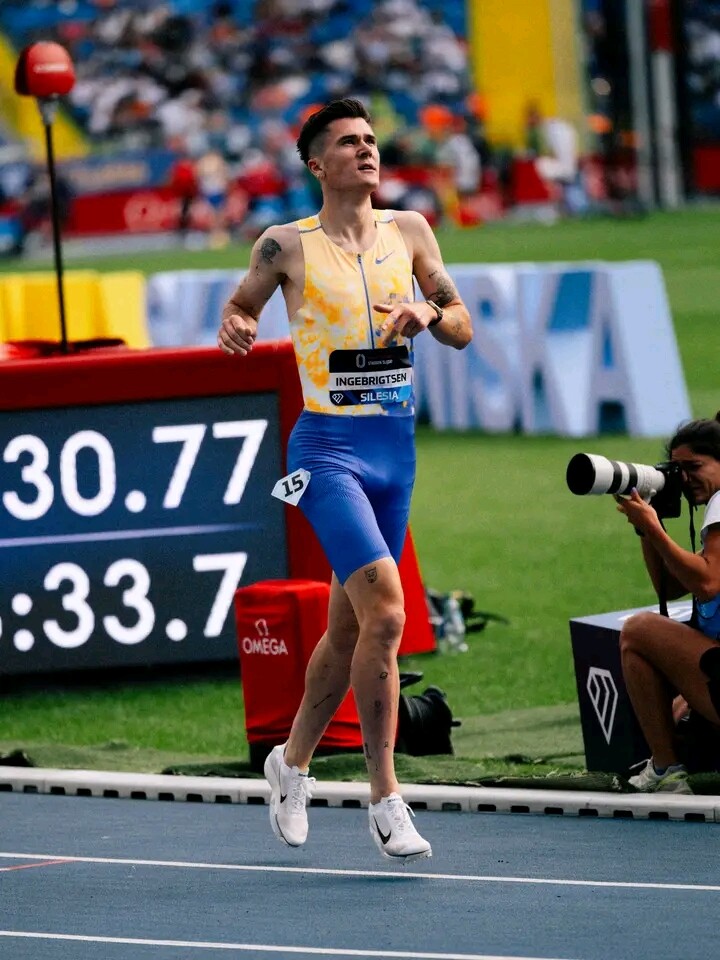
For Ingebrigtsen, however, this is about much more than another Diamond League appearance. It is another important step in a comeback that began under some of the most difficult circumstances of his career.
The Norwegian spent almost 11 months away from competition after an Achilles injury required surgery earlier this year. When he finally returned at the European Championships in Birmingham, there were legitimate questions about how quickly he could rediscover the form that had made him one of the most feared middle-distance runners in the world.
He answered them emphatically.
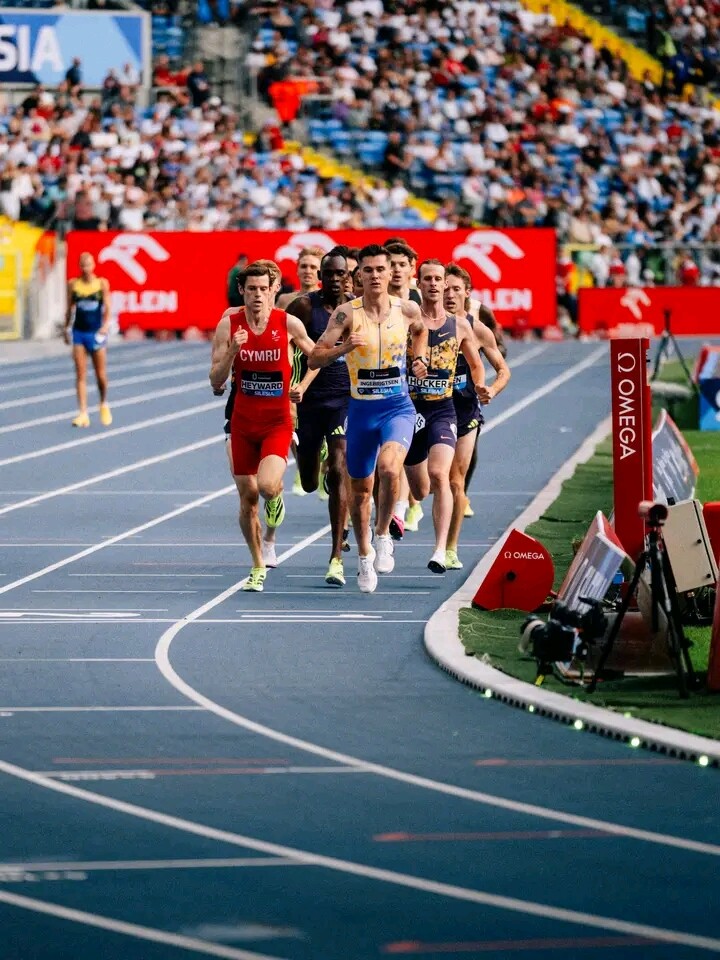
In his first race of 2026, Ingebrigtsen produced a trademark finishing burst to win the European 5000m title in 13:15.29, securing an extraordinary fourth consecutive European crown in the event. The victory also extended his record as the most successful male athlete in European Athletics Championships history.
But the 1500m has presented a very different challenge.
Ingebrigtsen returned to Diamond League competition over 1500m in Silesia on August 23, finishing fourth in 3:31.19. Four days later in Zürich, he was fifth in 3:32.16. Those performances were far from disastrous for an athlete still rebuilding his racing sharpness, but they also revealed that the explosive rhythm that once made him almost untouchable over 1500m is still being recovered.
Now comes Brussels.
The Belgian capital provides Ingebrigtsen with his third Diamond League 1500m race of the season and perhaps his most intriguing opportunity yet to show how far his comeback has progressed.
There is history here, too. In 2024, Ingebrigtsen won the Brussels Diamond League 1500m in 3:30.37, beating Timothy Cheruiyot and Cole Hocker in a world-class field.
Two years later, he returns to the same stage under completely different circumstances.
This time, he is not arriving as the untouchable favourite who has dominated every major 1500m challenge. He is arriving as a champion rebuilding himself — race by race, lap by lap, and with his body still demanding patience after a serious Achilles setback.
That is precisely what makes Friday night so compelling.
Brussels is the opening night of a two-day Diamond League Final, with the Allianz Memorial Van Damme serving as the season-ending championship meeting for the series. For Ingebrigtsen, it represents another opportunity to turn encouraging signs into a definitive statement.
Can he rediscover the speed?
Can he unleash the devastating final 300 metres that has become his trademark?
And, most importantly, can he once again look like the Jakob Ingebrigtsen who has ruled the 1500m and 5000m on the biggest stages?
There is another chapter waiting beyond Brussels.
The World Athletics Ultimate Championship in Budapest, scheduled for September 11–13, promises another major showdown, with Ingebrigtsen expected to face fierce opposition including Britain’s Josh Kerr. The rivalry between the two has already produced some of the most compelling middle-distance battles of recent years.
But before Budapest, there is Brussels.
One race. One final Diamond League stage. One more opportunity for Ingebrigtsen to remind the athletics world that his comeback is not simply about returning to competition — it is about returning to the very top.
The Norwegian has already shown that the championship instinct remains intact.
Now, he needs the 1500m speed to come back.
And if Jakob Ingebrigtsen finds that missing gear in Brussels, the rest of the middle-distance world may have a serious problem.
by Erick Cheruiyot for My Best Runs.
Login to leave a comment
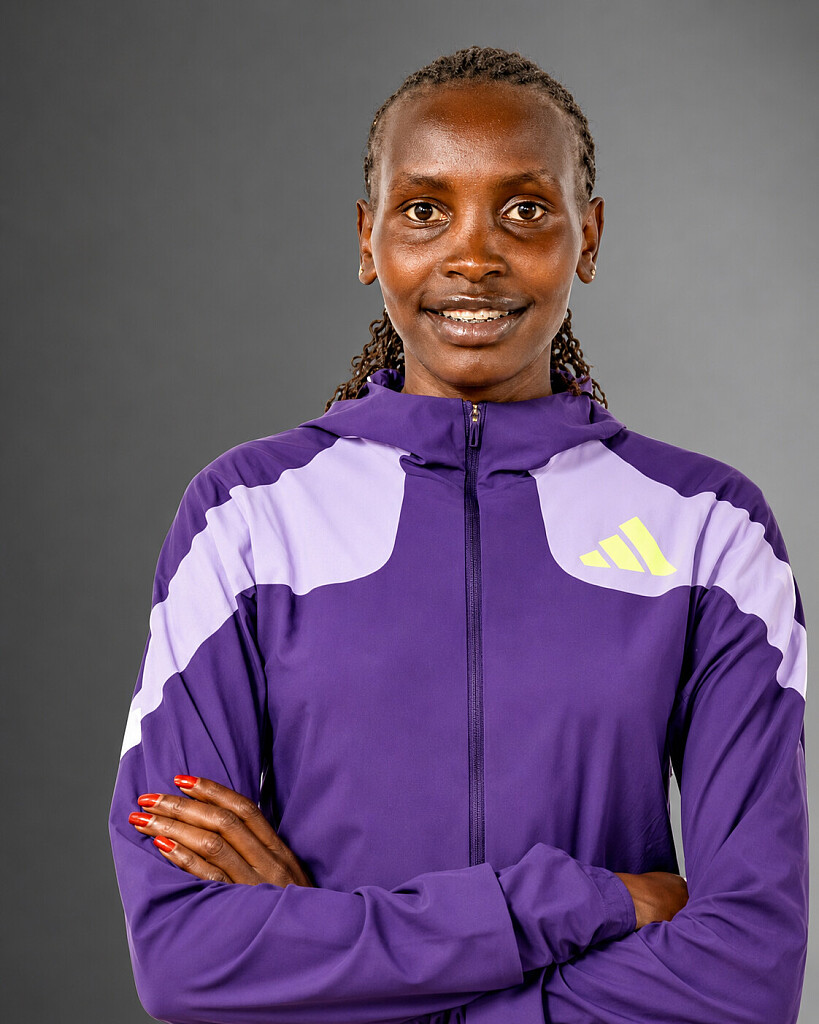
Agnes Ngetich Faces An Ethiopian Wall In Brussels: One Kenyan Against Eight
One Kenyan. Eight Ethiopians. One enormous challenge.
Agnes Jebet Ngetich is set for one of the most intriguing tests of her 2026 season when she lines up in the women’s 5000m at the Brussels Diamond League Final, facing an Ethiopian contingent that has dominated the qualification standings.
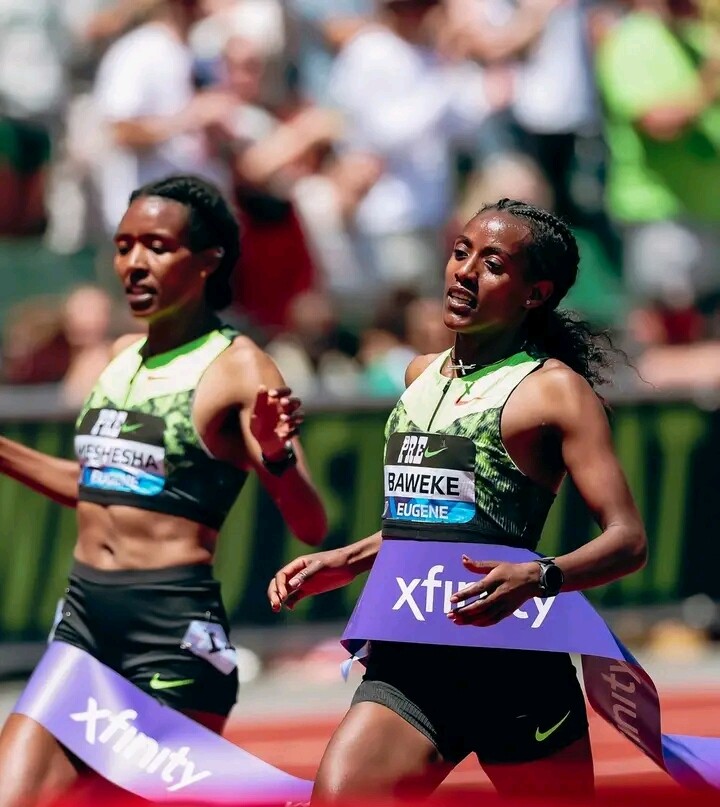
Ngetich has earned her place in the prestigious final with 8 points, placing 10th among the automatic qualifiers. But when the gun fires at Brussels’ King Baudouin Stadium, she will find herself surrounded by an extraordinary Ethiopian presence — eight Ethiopians among the 10 automatic qualifiers.
One against eight.
That is the kind of matchup that makes distance running impossible to ignore.
Ethiopia has controlled the qualification battle from the top of the standings, led by Aleshign Baweke, who enters the final with 26 points. Freweyni Hailu follows closely on 25, while Likina Amebaw has 23. Senayet Getachew has 20, with Marta Alemayo completing the top five on 16 points.
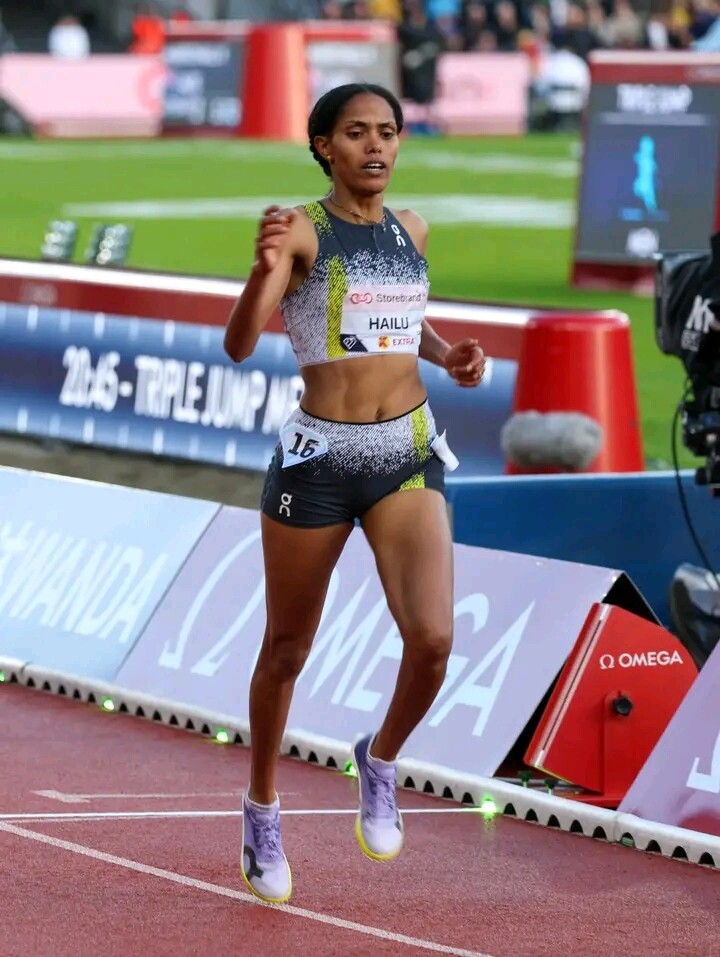
Australia’s Rose Davies, on 14 points, is the only non-Ethiopian athlete inside the top six before the Ethiopian charge resumes with Medina Eisa on 13, Hirut Meshesha on 10 and Hawi Abera on nine.
Then comes Ngetich.
The Kenyan arrives with eight points, but her position on the qualification table does not tell the whole story. She has established herself as a formidable force over the longer track distances, and she will have no intention of allowing the Ethiopian numbers to dictate the outcome before the race even begins.
For Ngetich, Brussels is not simply another Diamond League appearance. It is an opportunity to stand alone against overwhelming opposition and attempt to disrupt an Ethiopian celebration.
The field will also feature Belgian wildcard Jana Van Lent, giving the home crowd an additional reason to get behind the race. But the central storyline is unmistakable: Kenya versus Ethiopia, with Ngetich carrying the Kenyan challenge almost single-handedly.
The 2026 Brussels Diamond League Final will take place on September 4–5 at King Baudouin Stadium in Brussels, Belgium, bringing together some of the finest athletes from across the season.
Women’s 5000m Qualified Runners
1. Aleshign Baweke — Ethiopia — 26 points
2. Freweyni Hailu — Ethiopia — 25 points
3. Likina Amebaw — Ethiopia — 23 points
4. Senayet Getachew — Ethiopia — 20 points
5. Marta Alemayo — Ethiopia — 16 points
6. Rose Davies — Australia — 14 points
7. Medina Eisa — Ethiopia — 13 points
8. Hirut Meshesha — Ethiopia — 10 points
9. Hawi Abera — Ethiopia — 9 points
10. Agnes Jebet Ngetich — Kenya — 8 points
11. Jana Van Lent — Belgium — Wild Card
The numbers make the challenge look almost impossible: eight Ethiopians against one Kenyan. But championship races are not won on qualification tables. They are decided when the athletes step onto the track, the pace rises and every tactical decision begins to matter.
Ngetich will therefore enter Brussels with a simple mission — break through the Ethiopian wall and spoil the party on Kenyan terms.
Can she turn the loneliest lane into the most unforgettable one?
One against eight. Kenya against Ethiopia. Brussels awaits.
by Erick Cheruiyot for My Best Runs.
Login to leave a comment

26 Years Later, Vivian Cheruiyot Returns To Sydney As A Kenyan Distance-Racing Legend
Twenty-six years ago, a 17-year-old Vivian Cheruiyot arrived in Sydney carrying the dreams of a young Kenyan athlete and the promise of a remarkable future.
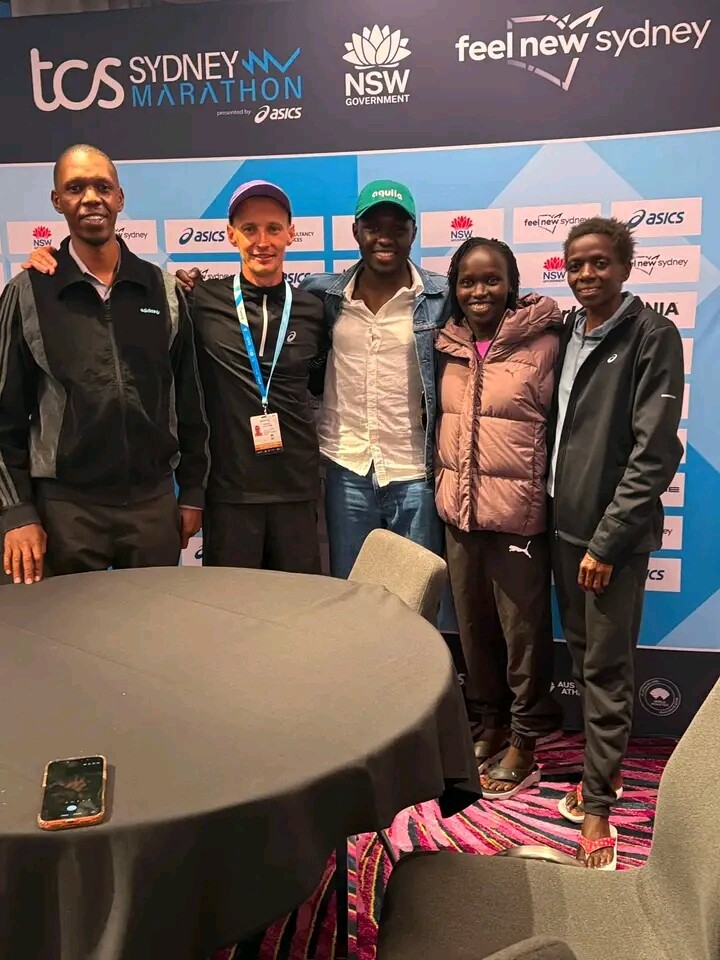
Today, she returns to the same Australian city as something far greater — an Olympic champion, four-time world champion, world cross-country champion, London Marathon winner, Laureus Sportswoman of the Year and one of Kenya’s most accomplished distance runners.
At 42, Cheruiyot will line up for the TCS Sydney Marathon on Sunday, August 30, completing an extraordinary full circle in a career that has stretched across more than two decades and transformed her from a teenage Olympian into one of the defining figures of her generation.
When Cheruiyot first competed in Sydney at the 2000 Olympic Games, few could have imagined the heights she would eventually reach. Still only 17, she advanced to the 5000m final and finished 14th — an experience that became the first chapter of an Olympic journey that would eventually span four Games.
The years that followed brought an extraordinary collection of victories.
Cheruiyot became world 5000m champion in 2009, then produced one of the greatest championship performances of her career in Daegu in 2011, winning both the 5000m and 10,000m titles while also claiming World Cross Country gold earlier that year. She added another world 10,000m title in Beijing in 2015, taking her tally to four senior world championships.
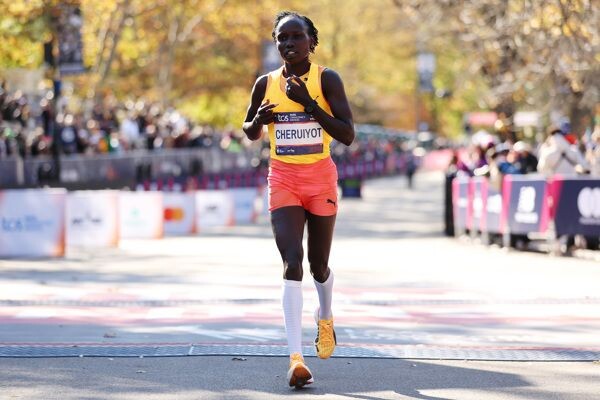
But the Olympic gold medal remained the one prize missing from her collection.
That changed dramatically in Rio in 2016.
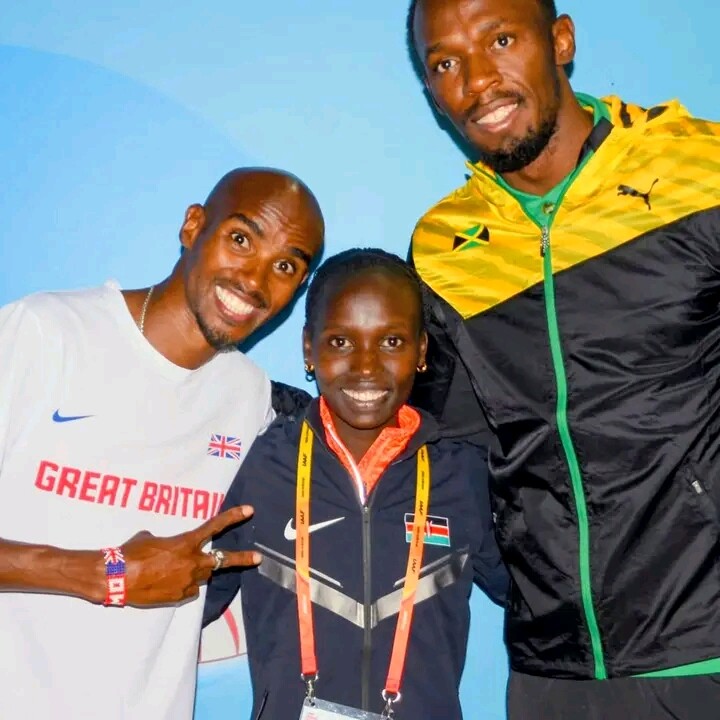
After winning silver in the 10,000m, Cheruiyot returned to the track for the 5000m final and delivered a masterclass in championship racing. She surged away from Ethiopia’s Almaz Ayana in the closing stages to win Olympic gold in 14:26.17, finally completing the collection of major titles she had chased for so many years.
“I said I want to win,” Cheruiyot recalled after that historic victory. “This was my fourth Olympics and I’ve been dreaming about this since the very start.”
Her brilliance was not confined to the track.
After moving into marathon running, Cheruiyot established herself among the world’s best over 42.195km. She finished fourth in her London Marathon debut in 2017 before returning the following year to produce a stunning victory in 2:18:31 — a performance that placed her fourth on the world all-time list at the time and remains her marathon personal best.
She also finished runner-up in the New York City Marathon in 2018 and second in London in 2019, further demonstrating that her extraordinary competitive instinct had successfully followed her from the track to the roads.
Away from competition, Cheruiyot’s story has also evolved with her life. She became a mother, welcomed her daughter Arielle in 2021 and returned to competitive racing in 2023. In 2024, she claimed third place at the New York City Marathon, followed by fifth at the 2025 London Marathon.
Now Sydney offers her another opportunity to write her name into the city’s sporting history.
“I look back on my career with pride. I was able to win almost everything and have been at the top for a long time,” Cheruiyot said ahead of her return.
She also remembers the extraordinary generation in which she competed — an era that included global icons such as Usain Bolt, Tirunesh Dibaba and Meseret Defar.
“I was running in a great era and had a close-up view of athletes like Usain Bolt setting the world alight,” she reflected.
Yet perhaps the most remarkable aspect of Cheruiyot’s return is not simply the passage of time, but her willingness to keep challenging herself.
She arrives in Sydney having put considerable work into rebuilding her fitness, knowing that the marathon demands something entirely different from the explosive championship races that defined her track career.
“I am very excited to go back to Sydney,” she said. “It has been 26 years since I was there, and a lot has changed in my life since then. I hope to have a good run — I have put in a lot of work to regain fitness and hope my body will stand up to the 42km.”
Twenty-six years ago, Sydney introduced the world to a fearless Kenyan teenager chasing an Olympic dream.
Now, the same city welcomes back a woman who went on to conquer the track, cross country and marathon — and to leave an indelible mark on Kenyan athletics.
From teenage Olympian to Olympic champion. From world champion to marathon winner. From rising talent to mother and enduring icon.
Vivian Cheruiyot has come full circle — and Sydney is once again the stage.
by Erick Cheruiyot for My Best Runs.
Login to leave a comment
Sydney Marathon
The Sydney Marathon is a marathon held annually in Sydney, Australia. The event was first held in 2001 as a legacy of the 2000 Summer Olympics, which were held in Sydney. In addition to the marathon, a half marathon, 9 kilometres (5.6 mi) "Bridge Run", and a 3.5 kilometres (2.2 mi) "Family Fun Run" are also held under the banner...
more...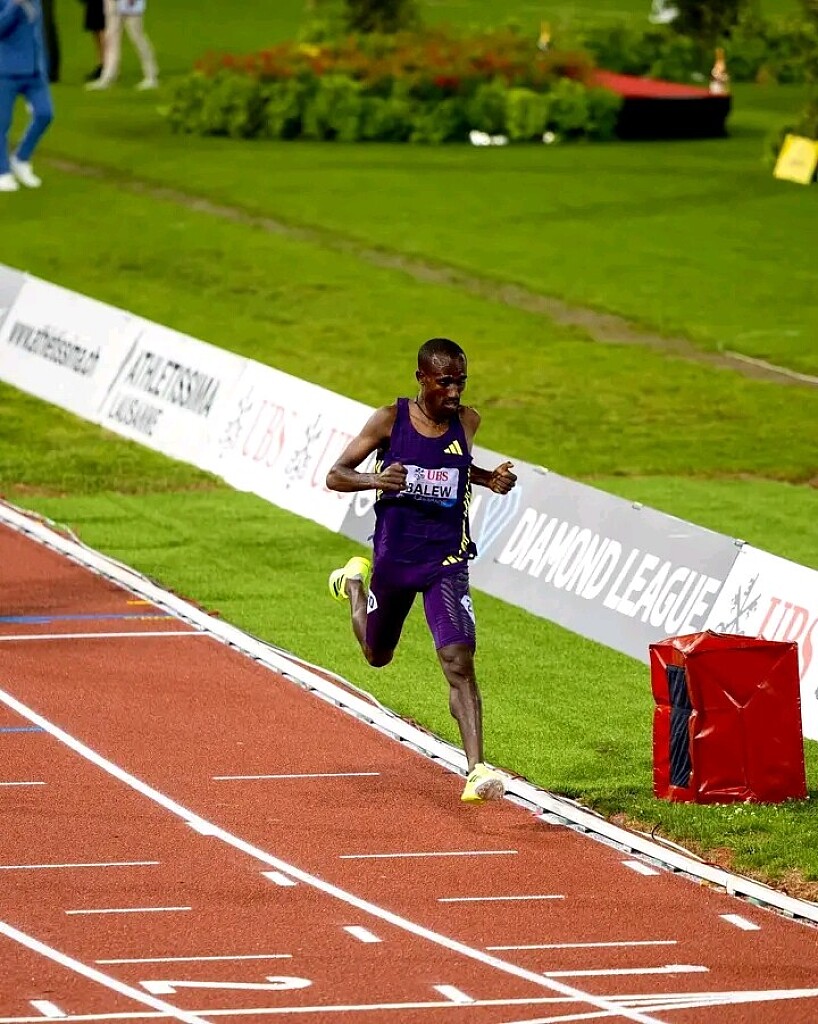
Six Men Smash the 13-Minute Barrier in a Stunning Lausanne 5000m Showdown
The men’s 5000m at the Lausanne Diamond League produced one of the most electrifying distance races of the season, as six athletes broke the coveted 13-minute barrier in a breathtaking display of speed and depth.
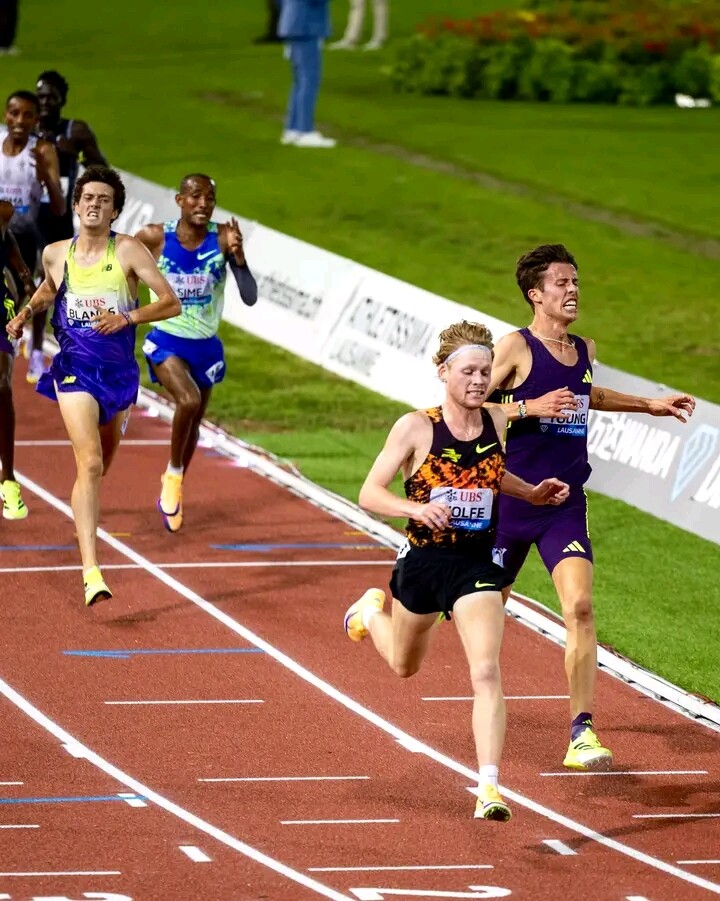
Bahrain’s Birhanu Balew emerged victorious in a fiercely contested race, clocking 12:57.55 to secure a brilliant win against a world-class field. Balew held off relentless pressure behind him to claim the victory as the race exploded into a spectacular battle over the closing stages.
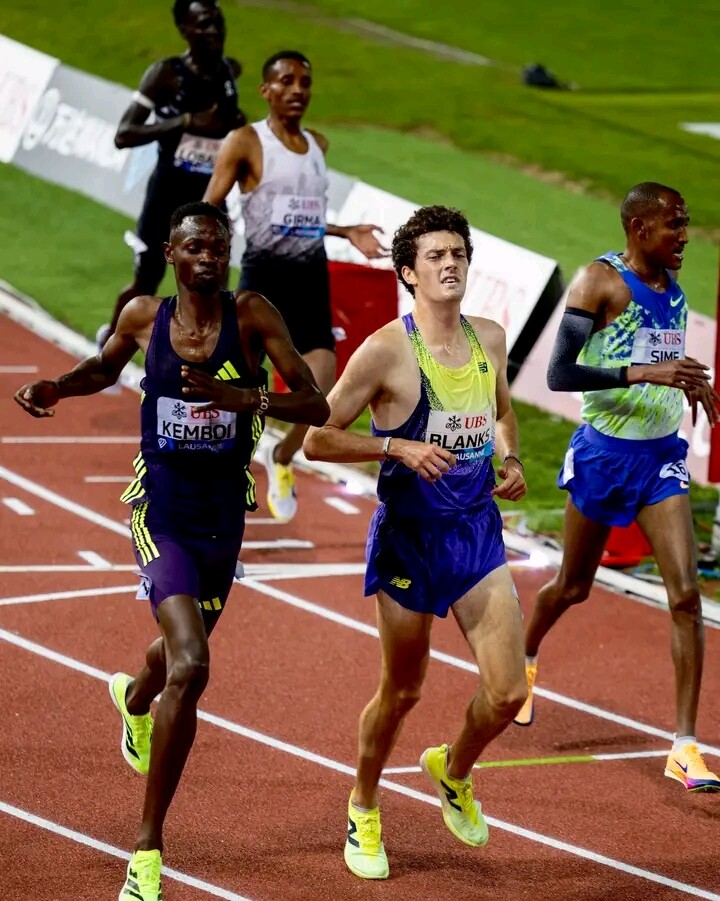
The United States produced an especially impressive performance, with Parker Wolfe leading a powerful American charge in second place. Wolfe crossed the line in a personal best of 12:58.20, while Nico Young followed closely in third with a season's best of 12:58.33. Graham Blanks made it three Americans in the top four, dipping under 13 minutes with 12:59.16.
Kenya’s Cornelius Kemboi added another sub-13-minute performance in fifth, clocking 12:59.33, while Ethiopia’s Mezgébu Sime completed the extraordinary group of six athletes under the historic barrier with 12:59.48 in sixth place.
The quality of the race was underlined by the fact that Ethiopia’s Kuma Girma, despite recording a season's best of 13:00.22, could finish only seventh. Switzerland’s Dominic Lobalu took eighth in 13:00.73, followed by Ethiopia’s Kahiri Bejiga, who ran a personal best of 13:03.27.
Grant Fisher, one of the biggest names in the field, finished 11th in 13:07.74 on a night when the remarkable depth and pace of the competition left no room for error.
Lausanne has once again delivered a memorable night of distance running, with the men’s 5000m becoming a showcase of the extraordinary standard currently being produced on the track. Six men under 13 minutes in a single race was a powerful statement, while Balew's victory and the exceptional performances from the American trio ensured this was one of the standout races of the 2026 Diamond League season.
Top 10 finishers:
1. Birhanu Balew (Bahrain) — 12:57.55
2. Parker Wolfe (United States) — 12:58.20 PB
3. Nico Young (United States) — 12:58.33 SB
4. Graham Blanks (United States) — 12:59.16
5. Cornelius Kemboi (Kenya) — 12:59.33
6. Mezgébu Sime (Ethiopia) — 12:59.48
7. Kuma Girma (Ethiopia) — 13:00.22 SB
8. Dominic Lobalu (Switzerland) — 13:00.73
9. Kahiri Bejiga (Ethiopia) — 13:03.27 PB
10. Egide Ntakarutimana (Burundi) — 13:07.21
In a race packed with exceptional talent, Balew ultimately had the decisive finishing strength—but Lausanne's biggest story was the sheer depth of the performance, with six men racing beneath 13 minutes and turning the 5000m into an unforgettable Diamond League showdown.
by Erick Cheruiyot for My Best Runs.
Login to leave a comment
From Track Rivals to Marathon Queens: Sifan Hassan and Hellen Obiri Renew Their New York Rivalry
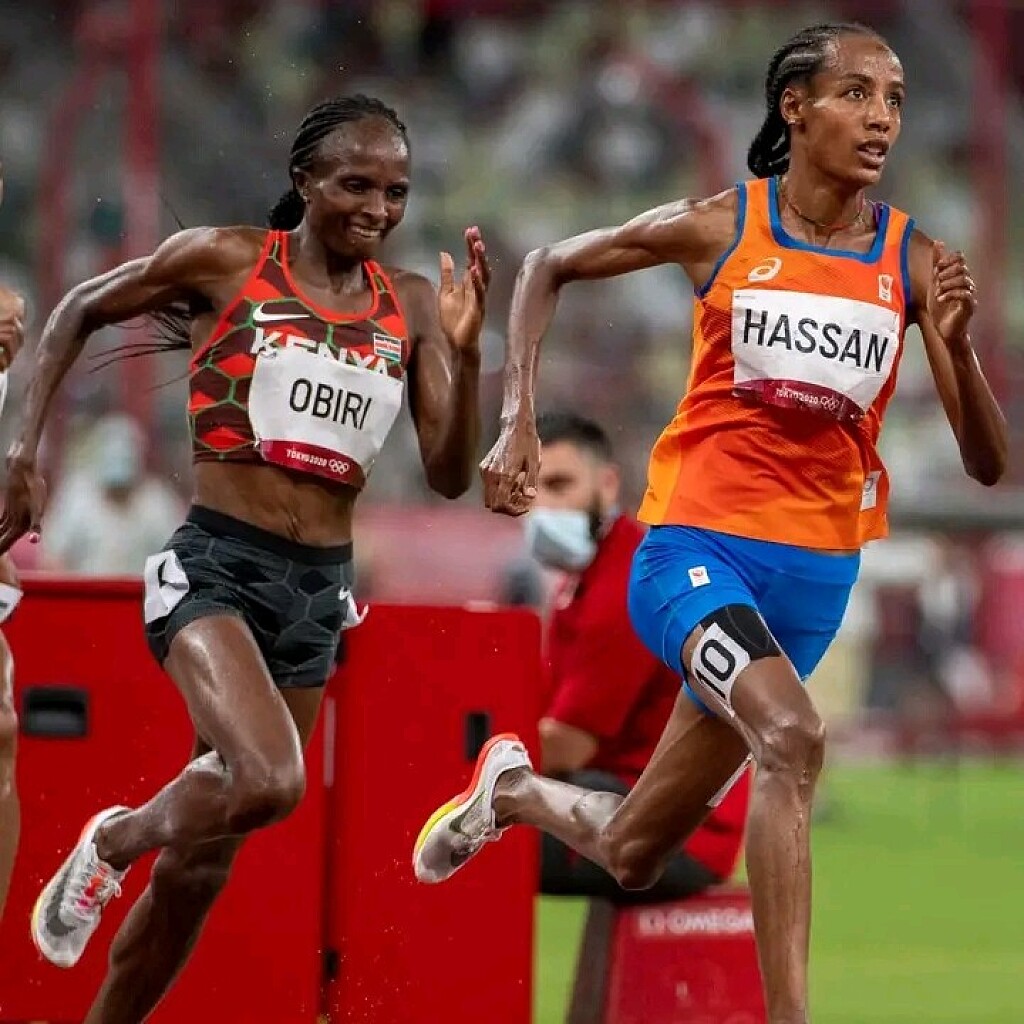
For more than a decade, Sifan Hassan of the Netherlands and Hellen Obiri of Kenya have been familiar opponents on the biggest stages of distance running. Their rivalry was forged on the track, where Hassan’s extraordinary versatility and finishing speed repeatedly collided with Obiri’s strength, tactical intelligence and championship pedigree.
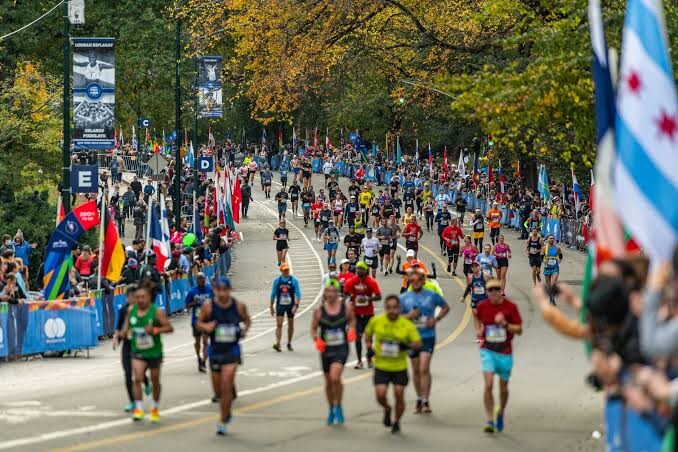
Now, after conquering different chapters of the sport, the two global stars are set to meet again on the streets of New York on November 1, 2026 — with another marathon crown at stake.
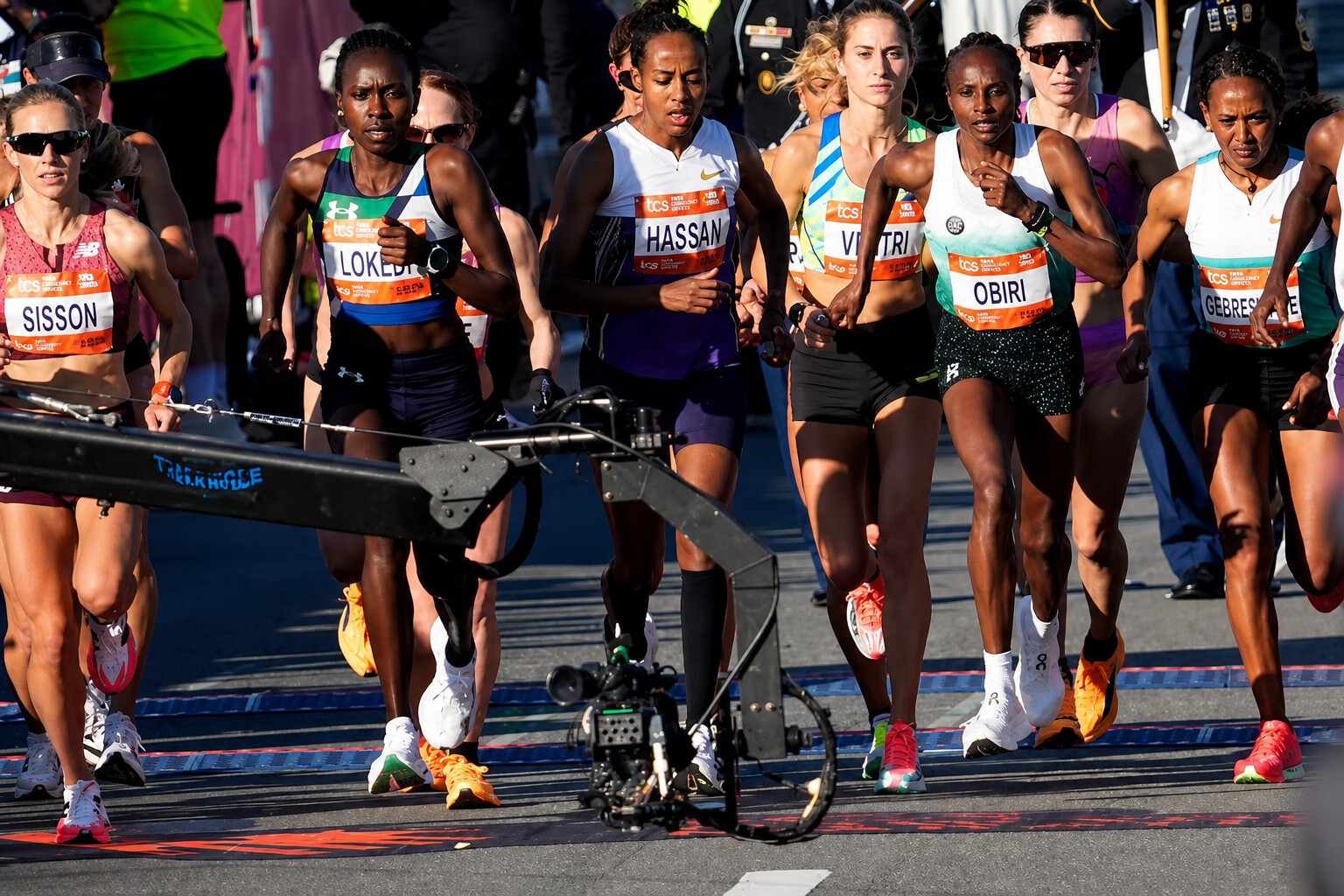
Their most memorable encounters came during the golden years of their track careers. At the Tokyo 2020 Olympics, Hassan defeated Obiri in a thrilling 5000m final, winning gold in 14:36.79 while Obiri took silver in 14:38.36. A year later, the two were again among the leading figures in the 10,000m at the 2022 World Championships in Oregon, where Obiri claimed silver and Hassan finished fourth.
But both athletes eventually turned their attention to the marathon, transforming a track rivalry into a new battle over 42.195 kilometres.
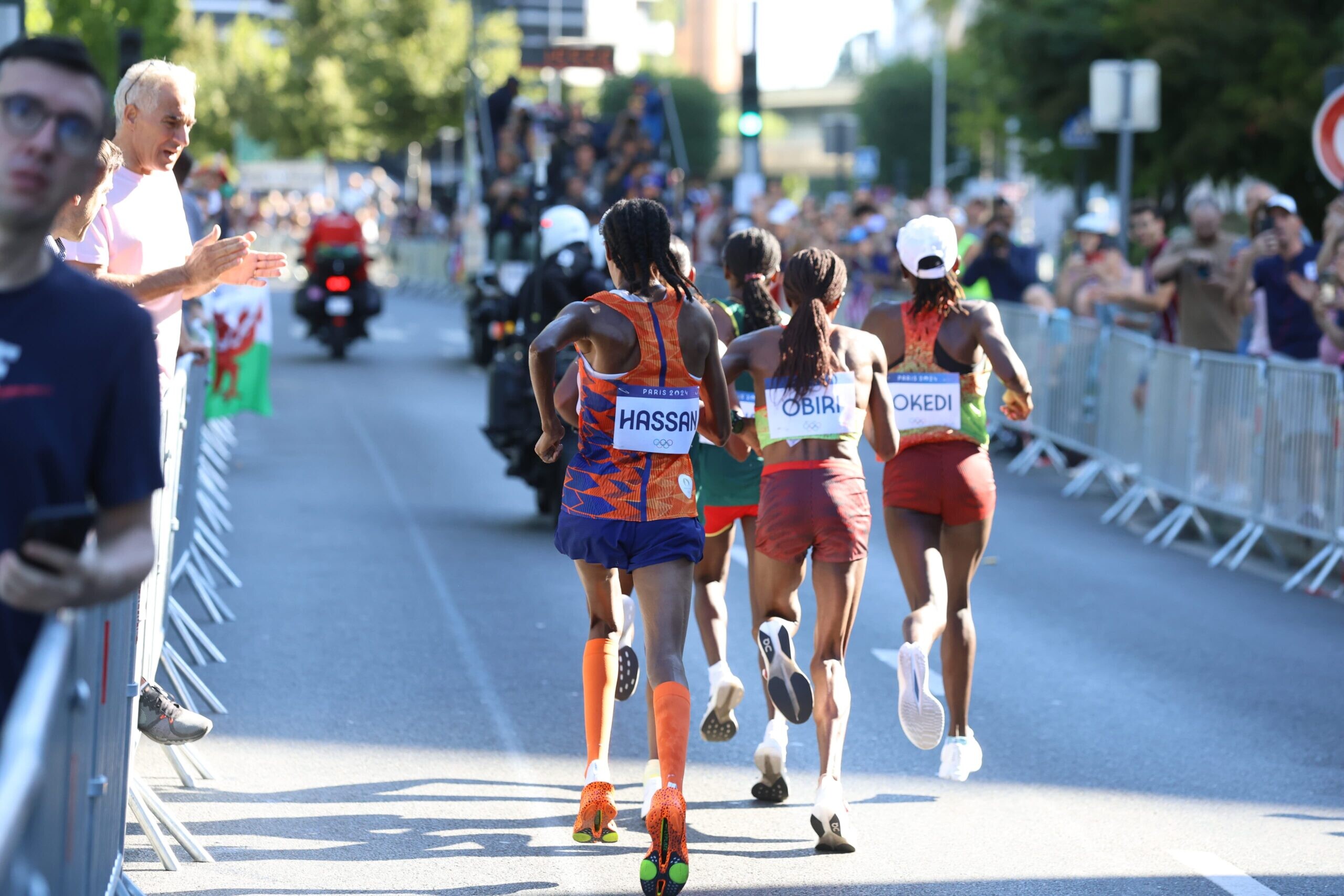
Hassan’s transition was extraordinary. After already establishing herself as one of the most versatile distance runners in history, she conquered the marathon at the Paris 2024 Olympics, winning gold and setting a personal best of 2:13:44 — a mark that remains significantly faster than Obiri’s current personal best.
Obiri, meanwhile, built her own formidable reputation on the roads. The Kenyan became a major force in the World Marathon Majors, winning the New York City Marathon in 2023 before returning to the top of the podium in 2025.
That 2025 New York race added another compelling chapter to the Hassan-Obiri rivalry.
Hassan made her New York debut but finished sixth in 2:24:43, while Obiri produced a commanding performance to win in 2:19:51. Her victory not only secured her second New York title but also shattered Margaret Okayo’s long-standing course record of 2:22:31.
The contrast could hardly be more intriguing heading into 2026.
Hassan owns the faster marathon personal best and the ultimate Olympic marathon prize. Obiri owns two New York titles and knows exactly how to master the famously demanding five-borough course. And the Kenyan has continued to strengthen her marathon credentials, running a personal-best 2:15:53 in London in 2026.
Hassan, meanwhile, returns to New York with unfinished business. After describing her 2025 debut as a physically punishing experience, she is preparing to tackle the course again, bringing the lessons of her first attempt and her vast championship experience with her.
This time, the stakes feel different.
There is history between them. There is unfinished business. And there is the intriguing question of whether Hassan’s superior lifetime speed over the marathon distance can finally translate into victory on the streets where Obiri has already established herself as a two-time queen.
One athlete has Olympic marathon gold and a 2:13:44 personal best.
The other has two New York crowns and a course record that announced her arrival among the marathon elite in emphatic fashion.
When Hassan and Obiri line up together again in New York, it will be more than another World Marathon Major showdown. It will be the latest chapter in a rivalry that began with championship battles on the track and has now evolved into one of the most compelling confrontations in women’s marathon running.
Track rivals. Olympic champions. Marathon queens.
On November 1, New York gets the next chapter.
by Erick Cheruiyot for My Best Runs.
Login to leave a comment
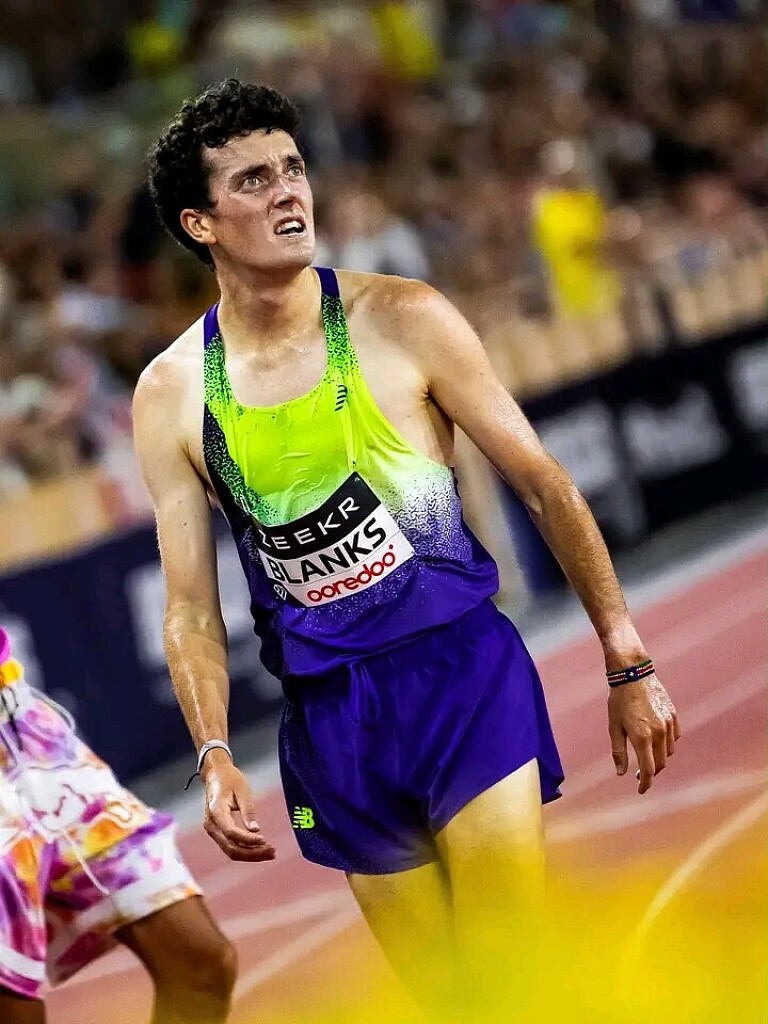
Americans Bring The Heat As Lausanne Diamond League Sets Up A Fierce 5000m Showdown
The Wanda Diamond League returns to action on Friday, August 21, and the men’s 5000m in Lausanne promises to be one of the evening’s most compelling distance races, with a strong American quartet ready to take on a deep international field.
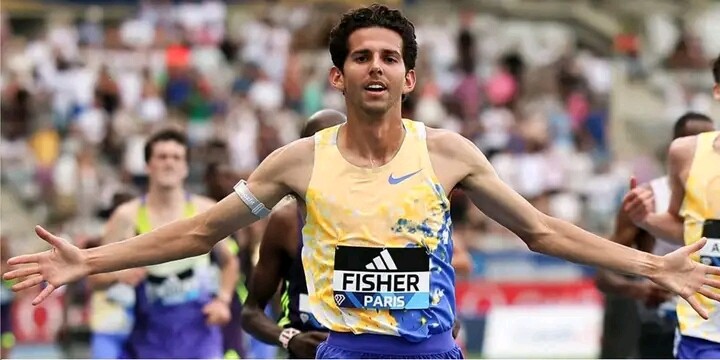
Graham Blanks, Grant Fisher, Parker Wolfe and Nico Young will carry the American challenge at Athletissima, where they will line up against a formidable group featuring athletes from Kenya, Ethiopia, Bahrain, Eritrea, Burundi, Switzerland, Uruguay, Slovenia and Mexico.
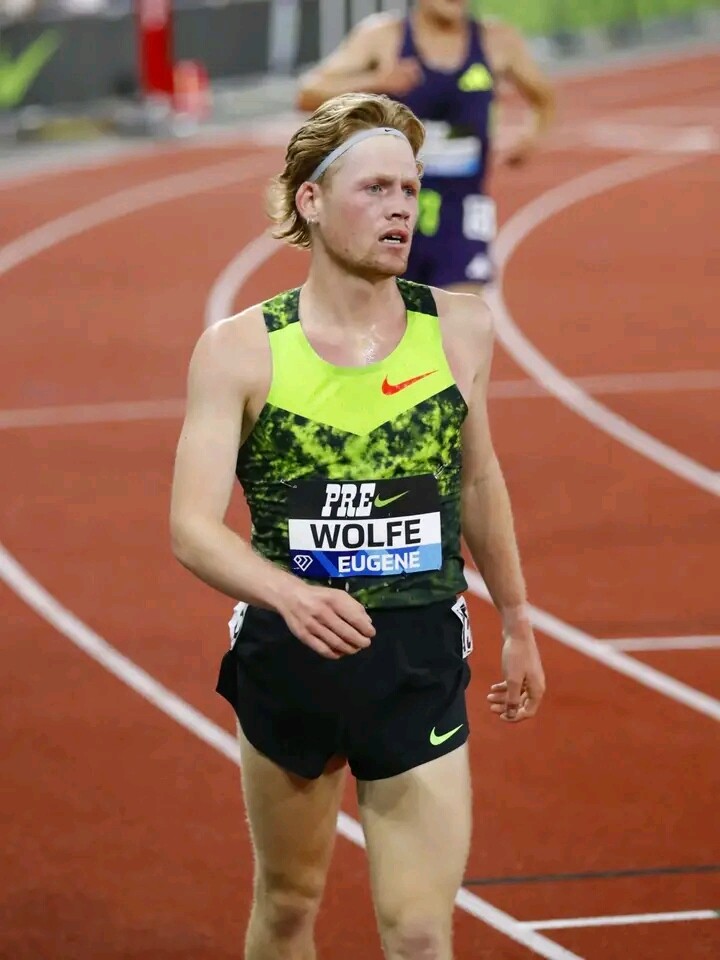
The Lausanne meeting marks an important point in the 2026 Diamond League campaign, with the Road to the Final entering its decisive stages ahead of the series finale in Brussels on September 4-5. Lausanne is followed just two days later by the Silesia meeting, before the series heads to Zurich for the final regular-season stop.
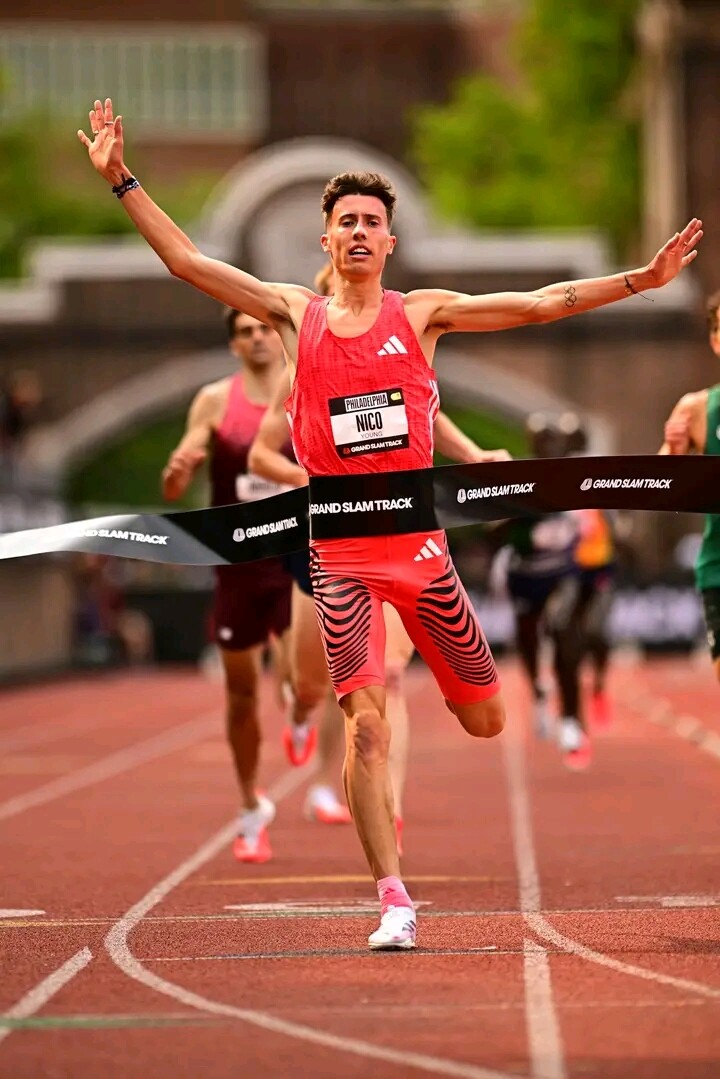
Fisher arrives as one of the most established names in the field. The American Olympic bronze medallist has already produced a 12:49.61 season best over 5000m in Oslo and also won the 3000m in Paris earlier this season. His experience at the highest level makes him a major contender when the pace accelerates over the closing laps.
Blanks is another American to watch closely. Ranked among the leading 5000m athletes in the world, he has continued to establish himself as one of the United States’ most exciting young distance runners. World Athletics’ rankings placed him eighth globally in the event as of July 26, with Fisher sixth.
Wolfe and Young add further depth to an American lineup that could make the race particularly tactical. With four athletes capable of competing at a high level, the United States will have several cards to play as the race develops.
But the Americans will have no easy path to victory.
Bahrain’s Birhanu Balew headlines the international opposition and entered the season among the world’s highest-ranked 5000m runners. Kenya will be represented by Jacob Krop, Edwin Kurgat, Cornelius Kemboi, Charles Kiboina, Mathew Kipchumba Kipsang and Laban Kiptoo Kosgei, giving the race a powerful Kenyan presence.
Ethiopia also brings considerable strength, with Khairi Bejiga, Kuma Girma, Shimelis Niguse, Mezgebu Sime and Getnet Wale all listed in the field. Eritrea’s Abderezak Suleman, Burundi’s Egide Ntakirutimana, Switzerland’s Dominic Lokinyomo Lobalu, Uruguay’s Santiago Catrofe, Slovenia’s Žan Rudolf and Mexico’s Eduardo Herrera complete a truly international lineup.
The Lausanne 5000m is therefore shaping up as much more than an American showcase. It is a meeting of contrasting strengths: American depth, Kenyan distance tradition, Ethiopian endurance and a collection of international contenders eager to make their mark on one of the sport’s biggest stages.
With the Diamond League season moving rapidly toward its final stretch, every position and every point carries added importance. The question now is whether the American quartet can convert its collective strength into a victory—or whether the international field will once again prove too deep to control.
One thing is certain: when the Lausanne 5000m gets underway, the pace is expected to be hot, the competition fierce and the final laps unforgettable.
by Erick Cheruiyot for My Best Runs.
Login to leave a comment
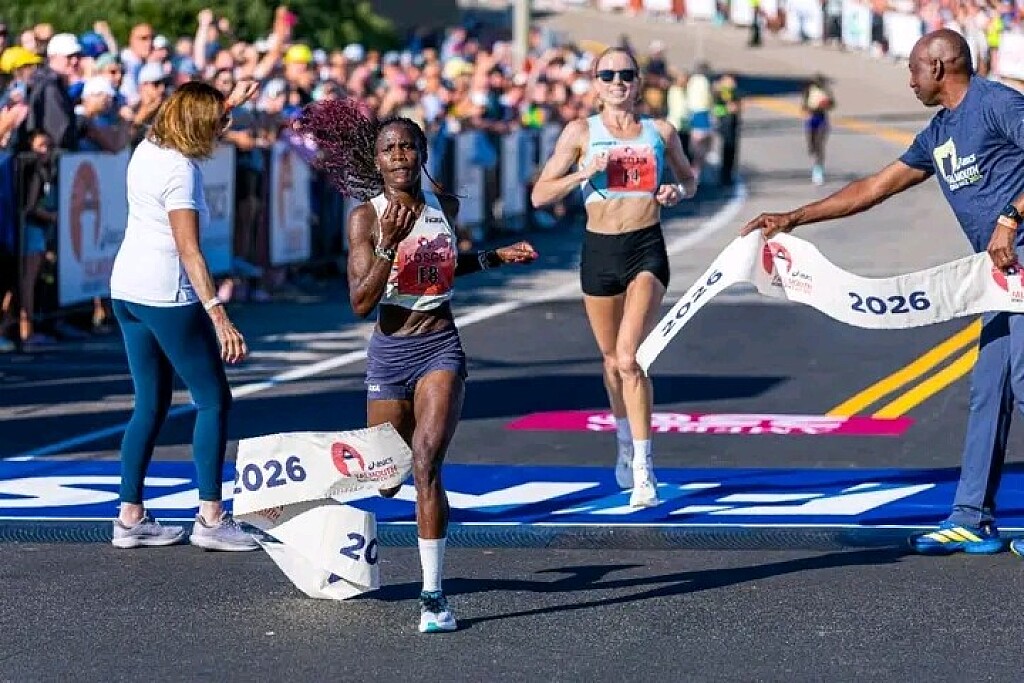
Pamela Kosgei Triumphs In Thrilling Falmouth Road Race 7-Mile Finish
Pamela Kosgei delivered a breathtaking performance to capture the 2026 Falmouth Road Race 7-mile title, producing a perfectly timed finish to edge American challenger Jessica McClain in a dramatic battle that went right down to the wire.
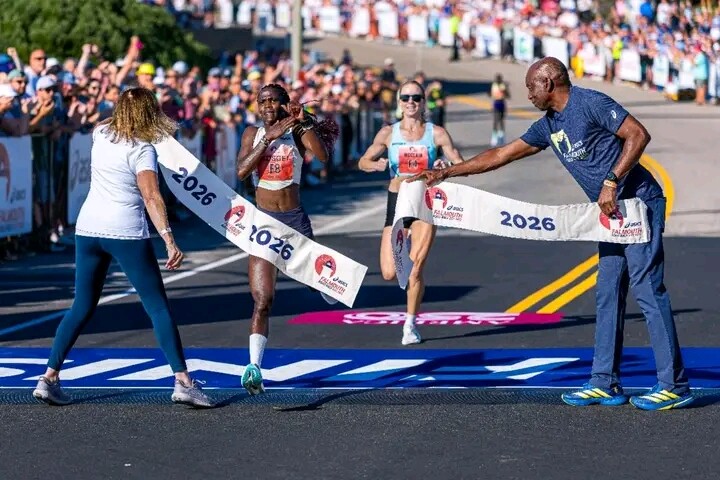
Kosgei and McClain both stopped the clock at 35:25, but the Kenyan had just enough of an advantage at the finish to secure the coveted victory. It was a remarkable display of composure and determination, with neither athlete willing to surrender an inch in the closing stages of the seven-mile contest.
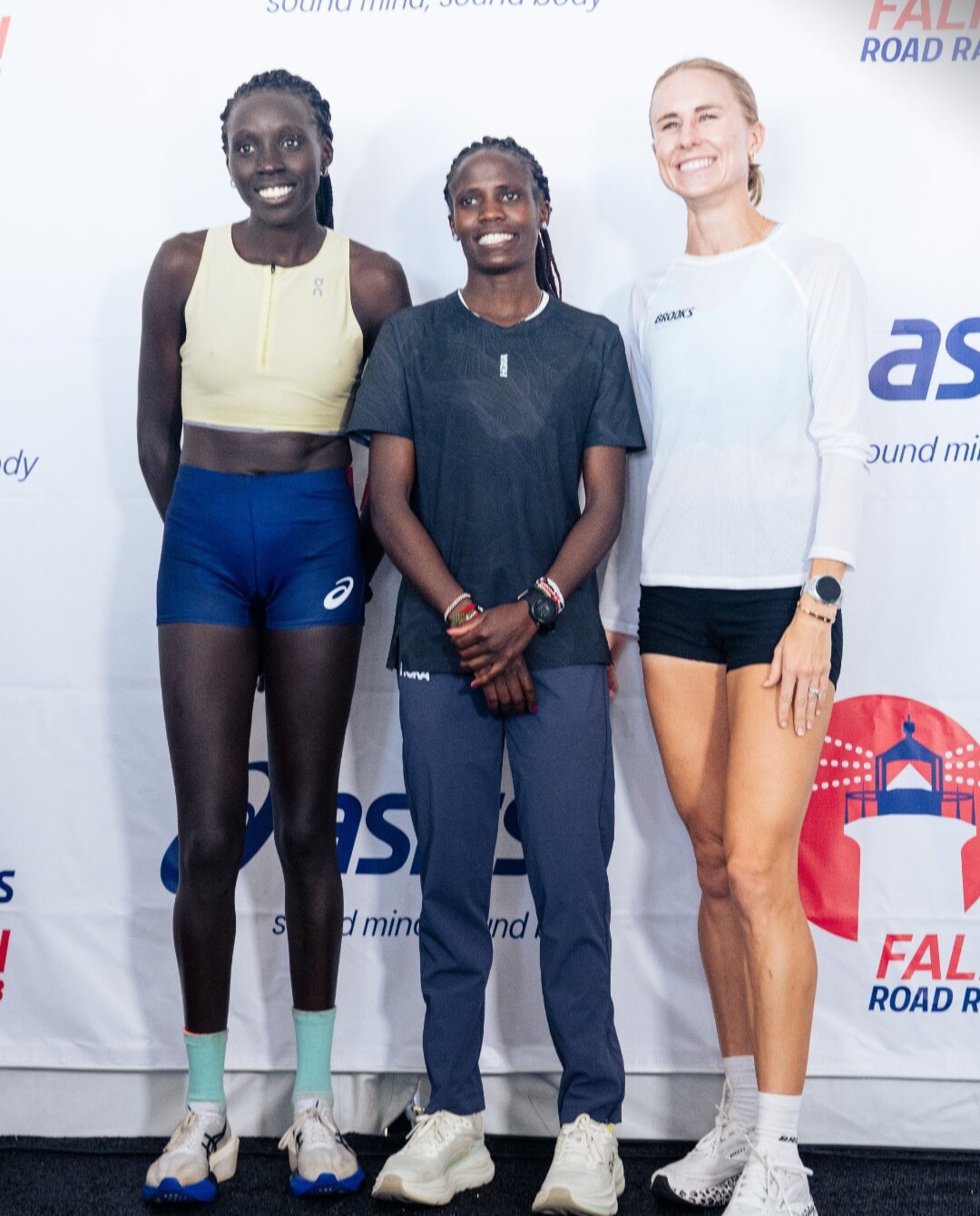
The victory adds another impressive chapter to what has already been a remarkable rise for Kosgei. At the 2025 Outdoor NCAA Championships, she captured both the 5000m and 10,000m titles, earning valuable points for the University of New Mexico Lobos during her freshman campaign. Her success on the track has now translated beautifully onto the roads.
Remarkably, Kosgei has only recently begun testing herself over the roads. Making her road debut just a few weeks ago, she announced herself in emphatic fashion by winning the Beach to Beacon Road Race. She then carried that winning momentum into Falmouth, producing another confident performance against a strong international field.
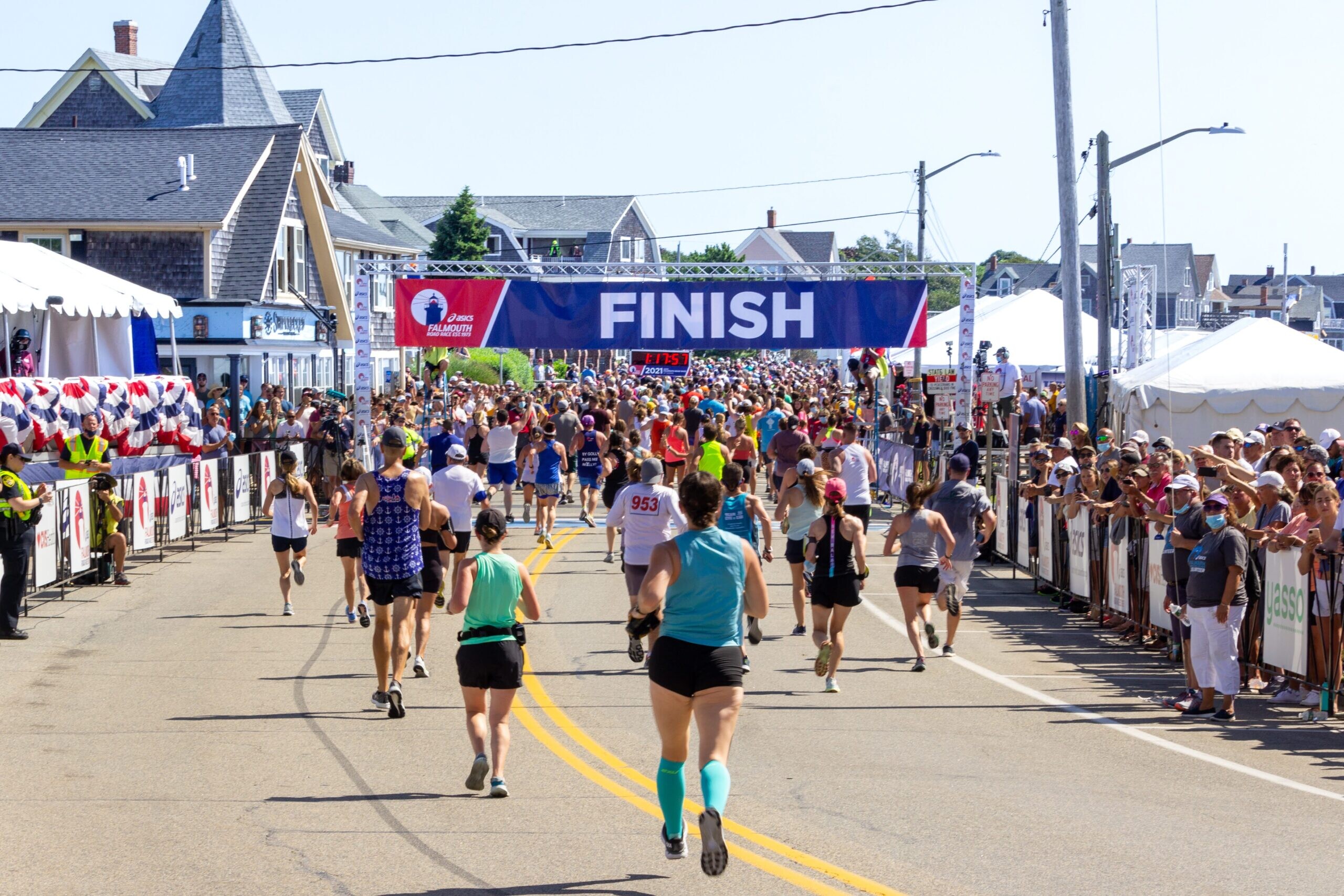
The Kenyan triumph was made even sweeter by Everlyn Kemboi, who stormed into third place in 35:34, giving Kenya a powerful double presence on the podium. Behind them, America's Emma Grace Hurley produced a solid run to finish fourth in 35:36, while Kenya's Mercy Chelangat completed the top five in 35:55.
Kosgei's rise also carries a remarkable family legacy. Her older sister, Brigid Kosgei, is an Olympic silver medallist in the marathon and a former marathon world-record holder. With Pamela now making her own mark across the track and roads, the Kosgei name continues to shine brightly in elite distance running.
It was a race filled with speed, suspense and relentless determination, with the leading athletes separated by only seconds. Kosgei's victory was ultimately forged through her ability to remain composed under immense pressure and produce the decisive effort when it mattered most.
The victory also carried a special touch of excellence, as Kosgei stood proudly at the summit while McClain and Kemboi strengthened the depth among the leading finishers. Together, the performances painted a beautiful picture of determination, resilience and the unmistakable fighting spirit that continues to make distance running so captivating around the world.
For Kosgei, this was more than simply another road-racing victory. It was a statement of strength, resilience and competitive maturity on an international stage. From NCAA champion to emerging road-racing star, her rapid transition has been nothing short of impressive—and Falmouth may only be the beginning of an exciting new chapter.
Top 5 Finishers
1. Pamela Kosgei — Kenya — 35:25
2. Jessica McClain — USA — 35:25
3. Everlyn Kemboi — Kenya — 35:34
4. Emma Grace Hurley — USA — 35:36
5. Mercy Chelangat — Kenya — 35:55
With a thrilling finish, the Falmouth Road Race once again showcased the beauty and competitiveness of elite distance running, bringing together determined athletes from different backgrounds and nations. Kosgei's victory, McClain's fierce challenge and the strong performances throughout the field combined to create a memorable contest that will linger long after the finish line.
by Erick Cheruiyot for My Best Runs.
Login to leave a comment

Falmouth Road Race
The Falmouth Road Race was established in 1973 and has become one of the premier running events of the summer season. Each year the race draws an international field of Olympians, elite runners and recreational runners out to enjoy the scenic 7-mile seaside course. The non-profit Falmouth Road Race organization is dedicated to promoting health and fitness for all in...
more...
Michael Roeger’s Long Road Back to the Marathon World Record — and Now Sydney Awaits
On August 30, approximately 35,000 runners will line up at Miller Street in North Sydney for the 2026 TCS Sydney Marathon. Among them will be an athlete who already owns a piece of marathon history: Michael Roeger, the Australian T46 marathon world-record holder and one of the most remarkable endurance athletes of his generation.
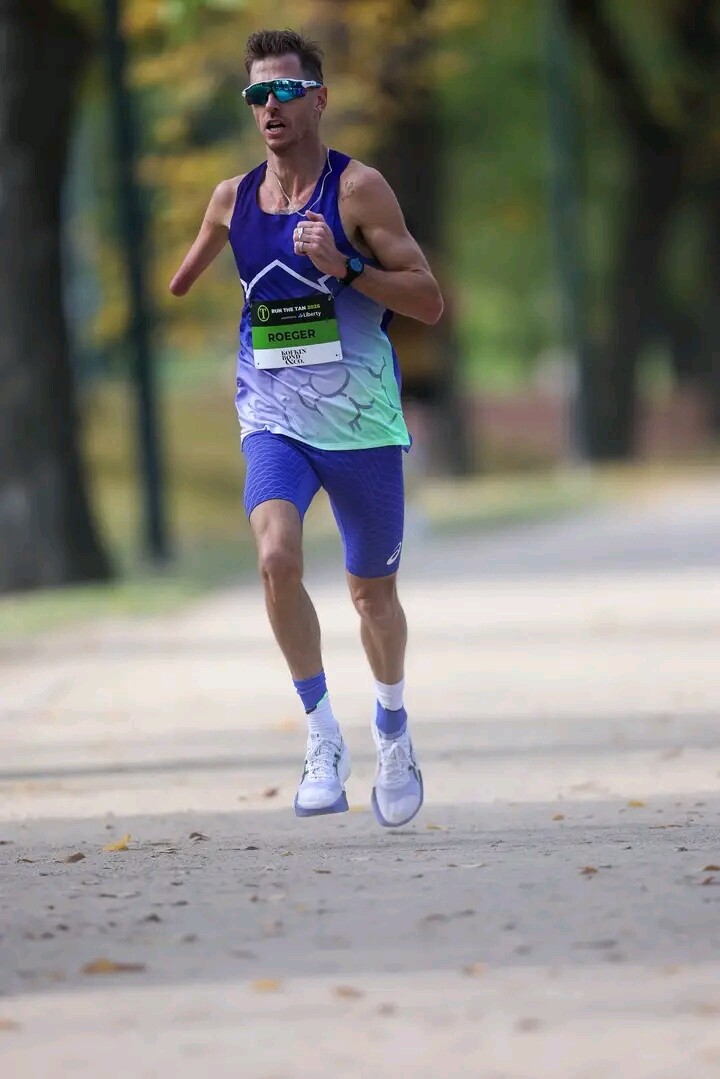
At 38, Roeger returns to the marathon with a career shaped by persistence, reinvention and an extraordinary ability to keep moving forward whenever circumstances have threatened to derail him.
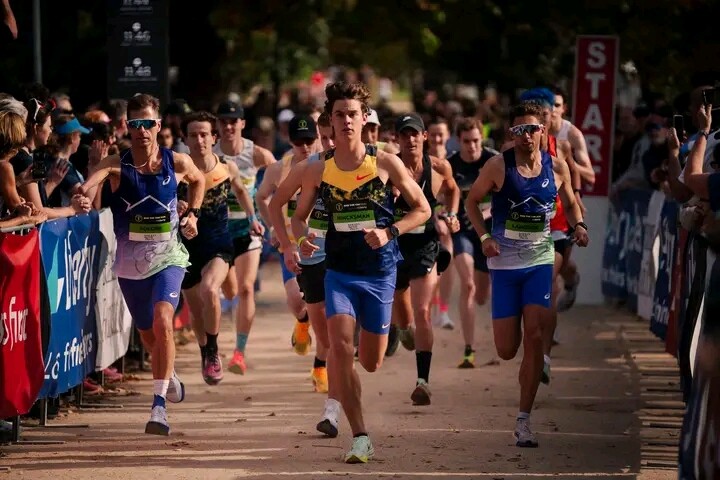
Sydney is a fitting stage for the next chapter. The marathon, now part of the Abbott World Marathon Majors, takes runners through some of the city's most recognisable landmarks, beginning in North Sydney, crossing the Harbour Bridge and eventually finishing near the Opera House. For Roeger, however, this is about far more than another marathon.
He is returning to the distance in the city where he set the fastest T46 marathon ever recorded.
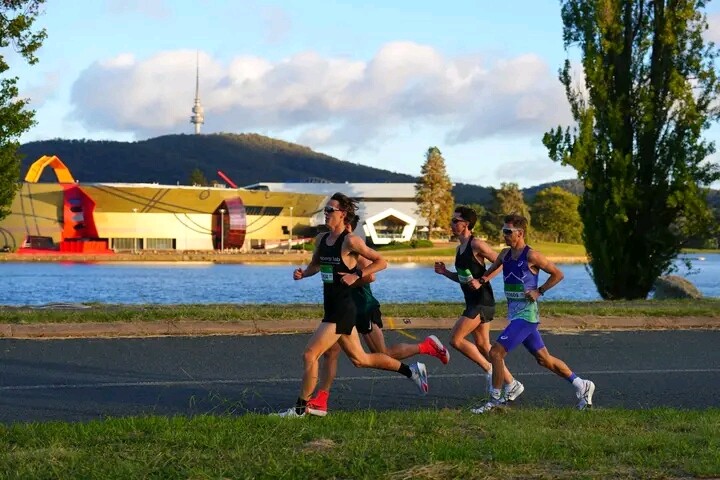
Roeger grew up in Langhorne Creek, a small South Australian community about 55 kilometres south of Adelaide. Born without the lower half of his right arm, he discovered Para athletics after Paralympian Neil Fuller visited his school when Roeger was 12.
What began as an introduction to sport eventually developed into a career spanning five Paralympic Games, world championships, major medals and multiple world records.
His T46 classification covers athletes with an arm amputation or comparable upper-limb difference. Yet describing Roeger's performances simply through his classification fails to capture the complexity of what he has achieved.
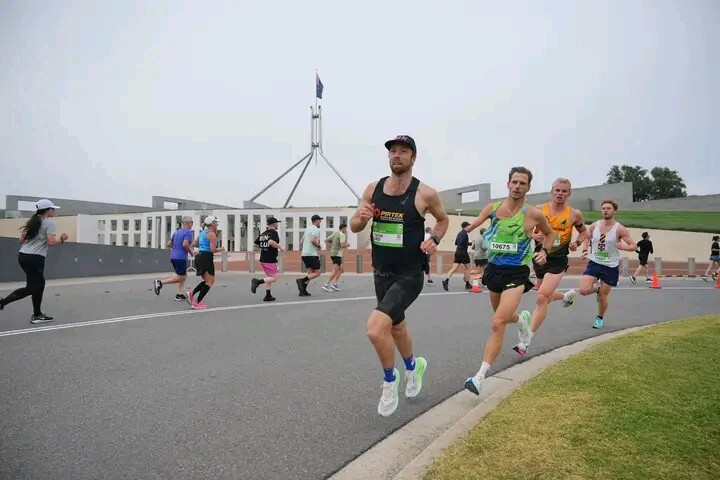
Running is an intricate coordination of the entire body. The arms contribute to balance, rhythm and control, helping the torso manage the rotational forces created by every stride. Over 42.195 kilometres, maintaining efficient movement is an enormous physical and technical challenge.
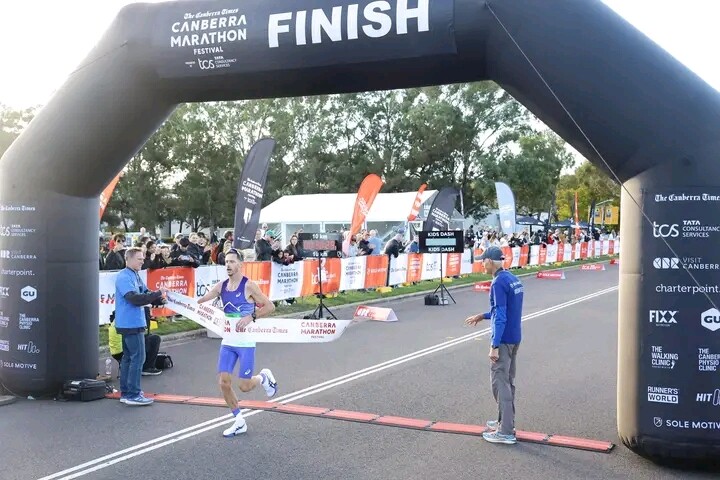
Roeger's marathon performances therefore represent much more than a number attached to a classification. They are elite endurance performances in their own right.
His transition to the marathon was remarkably rapid. Roeger made his marathon debut at the Melbourne Marathon in October 2018, running 2:23:31. The performance was faster than the existing T46 world record at the time, although it was not ratified as a world record because the race did not have the necessary status.
Six months later, he returned to the distance at the 2019 London Marathon, where the World Para Athletics Marathon Championships were staged within the race.
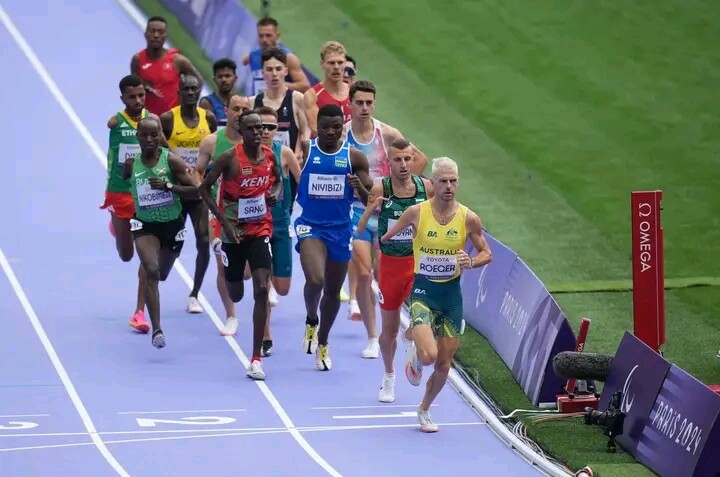
This time, everything came together.
Roeger won the T46 world title in 2:22:51, lowering the ratified world record and establishing himself as the world's leading marathoner in the classification. Even when cramp began to trouble him during the closing stages, he held on to become a world champion.
The progression continued.

At the 2020 Chevron Houston Marathon, Roeger ran 2:19:33, becoming the first ambulant Para athlete to break the 2:20 barrier and once again lowering his own world record.
But his most significant breakthrough came back in Australia.
On April 25, 2021, Roeger lined up in Sydney for the Athletics Australia Tokyo Qualifying Marathon. He produced the fastest marathon of his career, crossing the finish line in 2:18:53.
That performance remains the T46 marathon world record.
The progression is remarkable. From 2:23:31 in Melbourne to 2:22:51 in London, 2:19:33 in Houston and finally 2:18:53 in Sydney, Roeger repeatedly moved the benchmark forward.
It was almost five minutes of improvement across four marathon performances.
But the record is only one part of the story.
Roeger's career has never followed a smooth upward trajectory. At the 2008 Beijing Paralympic Games, aged only 20, he contested the 800m, 1500m and 5000m T46 events, with seventh place in the 1500m his best finish.
Four years later in London, he arrived with genuine medal ambitions. Instead, gastrointestinal bleeding struck on the eve of the T46 800m. He still started the race but was forced to withdraw after one lap.
Rio 2016 finally delivered a Paralympic medal, with Roeger winning bronze in the 1500m. That success helped convince him to move towards the longer distances and eventually make the marathon his primary focus.
Then came another major setback.
Six weeks before the Tokyo 2020 Paralympic Games, Roeger suffered a stress fracture in his lower leg, destroying much of his preparation for the marathon. Despite the injury, he travelled to Tokyo and made the start line.
He finished sixth in 2:34:45, a time far outside the level he had demonstrated before the Games.
For most athletes, such a setback could have marked the end of the road. For Roeger, it became another chapter in a career defined by adaptation.
Before the Paris 2024 Paralympic Games, another obstacle emerged when the T46 marathon was removed from the programme. The event in which Roeger had become a world-record holder was no longer available at the Games.
His only remaining distance was the 1500m.
So he adapted once again.
Roeger returned to the track and competed in Paris, ultimately adding another Paralympic medal to his collection with silver in the T46 1500m.
Now the marathon is calling again.
The 2026 TCS Sydney Marathon will provide a very different challenge from the flat courses on which many of the world's fastest marathon times are produced. The route begins in North Sydney, crosses the Sydney Harbour Bridge and winds through the city before finishing at the Opera House.
The course features substantial elevation changes, with approximately 313 metres of climbing across the 42.195 kilometres. It is a course that rewards strength, patience and the ability to maintain efficient form when the legs are already carrying the fatigue of a long marathon.
For Roeger, that challenge will be amplified by the quality of the field around him.
The Australian elite field includes a strong collection of domestic marathoners, while the international men's race features considerable depth, with numerous athletes holding personal bests below 2:10.
Roeger will therefore not be lining up in isolation as a Para athlete. He will be part of a major international marathon field, surrounded by runners pursuing national titles, personal bests and elite honours.
That is also central to the way he has approached his career.
Roeger has long resisted the idea that Para athletes should be viewed as fundamentally separate from their able-bodied counterparts. His philosophy has been simple: once the starting gun goes, the competition is about running.
That attitude has helped him move comfortably between Para athletics and open elite competition, and Sydney 2026 offers another opportunity to do exactly that.
His partnership with coach Dr Philo Saunders has been particularly important throughout his career, helping him develop into a world-class athlete across multiple distances.
Yet perhaps the most impressive part of Roeger's story is not any individual medal or record.
It is the number of times he has had to begin again.
From a small South Australian town to five Paralympic Games. From disappointment in Beijing and London to a medal in Rio. From the track to the marathon. From a devastating injury before Tokyo to a world-record performance. From losing his marathon event before Paris to returning to the 1500m and winning another Paralympic medal.
Every time the route has changed, Roeger has found another way forward.
Now, at 38, he is returning to the marathon once more.
And there could hardly be a more fitting destination than Sydney.
It is the city where he produced his 2:18:53 world record in 2021. Five years later, he will return to the same city carrying the experience of a career that has tested his resilience at almost every turn.
The world record is already in his name.
On August 30, Michael Roeger will have another chance to show the world what remains in the legs of the man who refused to let setbacks define the limits of his career.
by Erick Cheruiyot for My Best Runs.
Login to leave a comment
Sydney Marathon
The Sydney Marathon is a marathon held annually in Sydney, Australia. The event was first held in 2001 as a legacy of the 2000 Summer Olympics, which were held in Sydney. In addition to the marathon, a half marathon, 9 kilometres (5.6 mi) "Bridge Run", and a 3.5 kilometres (2.2 mi) "Family Fun Run" are also held under the banner...
more...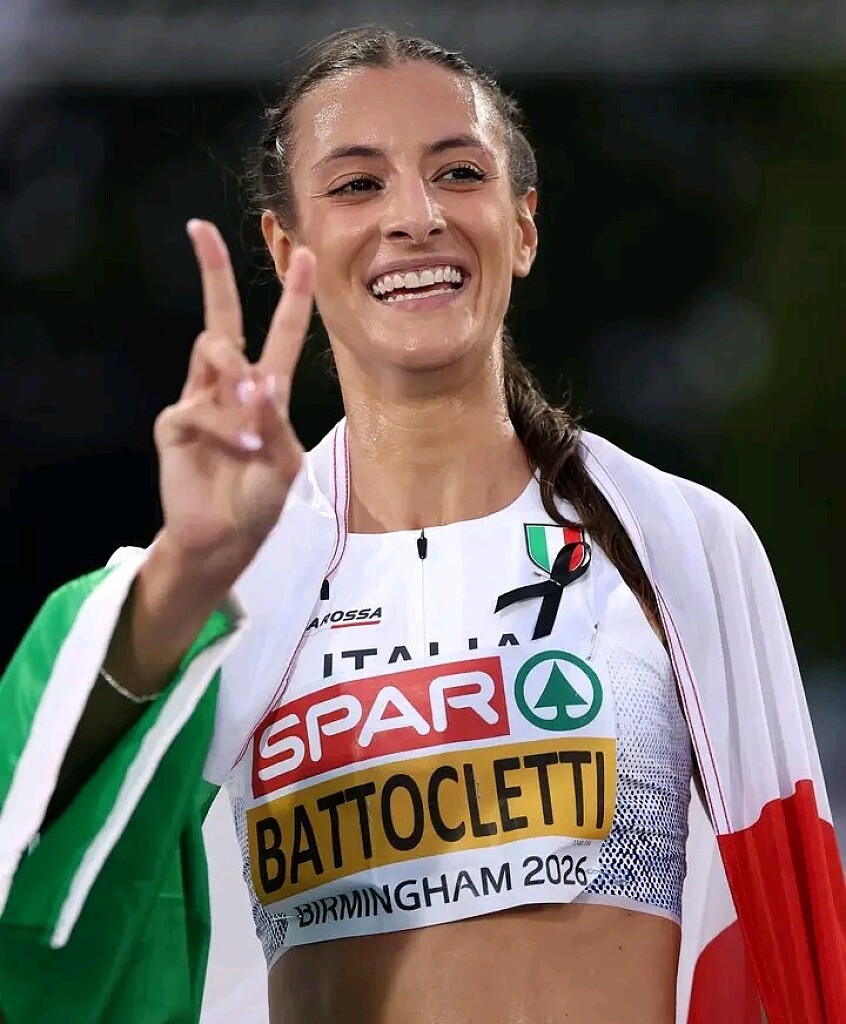
Nadia Battocletti Completes Golden Double to Reign Supreme in European Distance Running
Nadia Battocletti has once again stamped her authority on European distance running, producing a composed and decisive performance to win the women’s 10,000m at the 2026 European Athletics Championships in Birmingham.
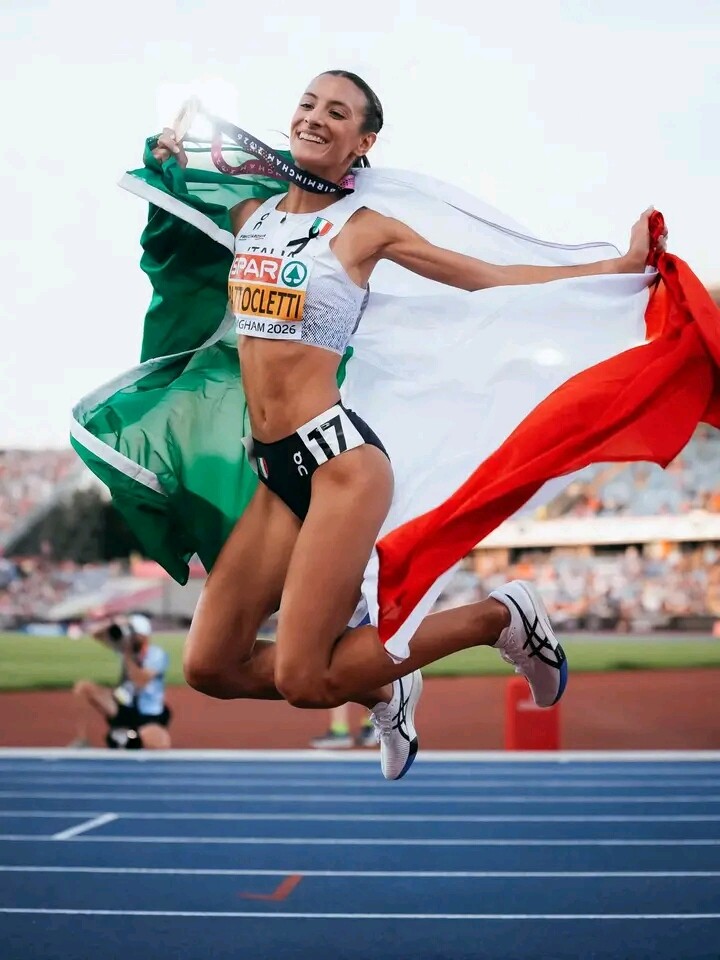
The Italian crossed the line in 31:41.17 to successfully defend her European 10,000m title and complete a remarkable 5000m–10,000m golden double at the championships. Her latest triumph further underlines her status as one of the continent’s outstanding long-distance runners.
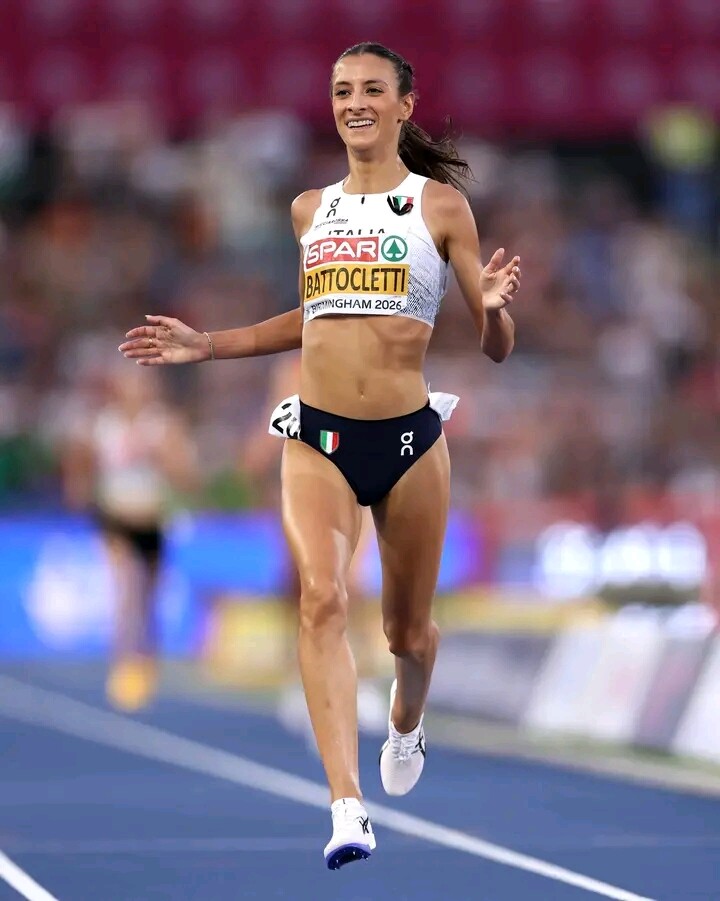
Battocletti had already demonstrated her exceptional class earlier in the championships by retaining the women’s 5000m title. She returned to the Alexander Stadium with another major challenge ahead, but once again displayed the tactical intelligence, patience and finishing strength that have become hallmarks of her racing.
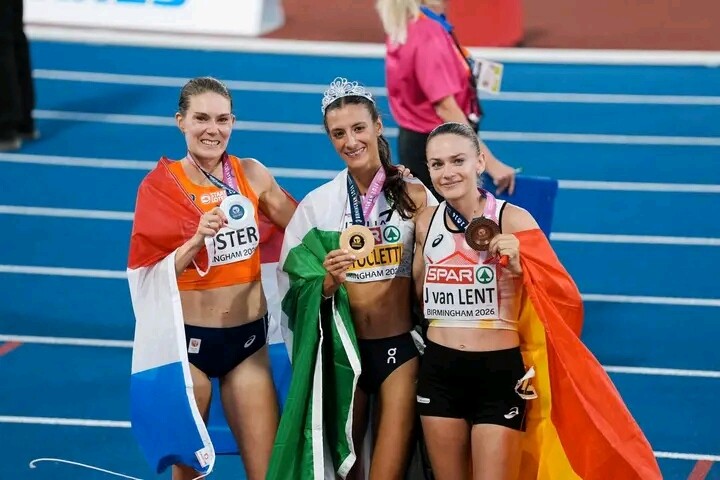
The 10,000m final developed into a fiercely contested battle, with Battocletti having to withstand strong challenges from Maureen Koster of the Netherlands and Belgium’s Jana van Lent. In the decisive stages, however, the Italian found the extra gear required to break clear and secure another European crown.
Koster produced an outstanding performance to take silver in 31:45.76, while Van Lent completed the podium with bronze in 31:47.81.
Spain’s Idaira Prieto was fourth in an impressive 31:59.84, setting a personal best, while Italy enjoyed further success as Elisa Palmero and Federica del Buono finished fifth and sixth respectively in 32:00.06 and 32:01.42. The result gave Italy an impressive three athletes inside the top six.
Maruša Mišmaš Zrimšek of Slovenia finished seventh in 32:02.57, followed by Great Britain’s Megan Keith in 32:04.81, a season best. Germany’s Lisa Merkel was ninth in 32:09.07, while Belgium’s Lisa Rooms completed the top 10 with a personal-best 32:10.22.
The depth of the final was reflected throughout the field, with Chloé Herbiet of Belgium recording a season best of 32:11.71, Slovenia’s Klara Lukan running a season-best 32:18.16, and several other athletes producing performances around the 32-minute barrier.
For Battocletti, though, the night belonged entirely to her.
Winning one European title is a remarkable achievement. Winning two individual distance titles at the same championships is a statement of extraordinary consistency, endurance and competitive maturity. By completing the 5000m and 10,000m double, Battocletti has reinforced her position at the summit of European distance running and added another defining chapter to her rapidly growing legacy.
Her Birmingham campaign has therefore become more than a collection of medals. It has been a demonstration of control, versatility and championship excellence from an athlete who continues to thrive when the stakes are highest.
Women’s 10,000m final — Birmingham 2026
1. Nadia Battocletti (Italy) — 31:41.17
2. Maureen Koster (Netherlands) — 31:45.76
3. Jana van Lent (Belgium) — 31:47.81
4. Idaira Prieto (Spain) — 31:59.84 PB
5. Elisa Palmero (Italy) — 32:00.06
6. Federica del Buono (Italy) — 32:01.42
7. Maruša Mišmaš Zrimšek (Slovenia) — 32:02.57
8. Megan Keith (Great Britain) — 32:04.81 SB
9. Lisa Merkel (Germany) — 32:09.07
10. Lisa Rooms (Belgium) — 32:10.22 PB
11. Chloé Herbiet (Belgium) — 32:11.71 SB
12. Elzbieta Glinka (Poland) — 32:16.65
13. Klara Lukan (Slovenia) — 32:18.16 SB
14. Mariana Machado (Portugal) — 32:27.09
15. Hanne Mjøen Maridal (Norway) — 32:32.12
16. Izzy Fry (Great Britain) — 32:37.22
17. Anna Marie Nordengen Sirevåg (Norway) — 32:41.21
18. Jennifer Gulikers (Netherlands) — 32:48.71
19. Carla Gallardo (Spain) — 33:02.58
20. Fiona Everard (Ireland) — 33:08.60
21. Alessia Zarbo (France) — 33:13.10
22. Eva Dieterich (Germany) — 33:32.38
23. Poppy Tank (Great Britain) — 34:03.99
Did not finish: Niamh Allen (Ireland), Diane van Es (Netherlands)
Did not start: Ilona Mononen (Finland)
Battocletti’s double is now one of the defining performances of Birmingham 2026 — a golden statement from Italy’s distance-running queen.
by Erick Cheruiyot for My Best Runs.
Login to leave a comment

European Athletics Champioships
The27thEuropean Athletics Championshipswill be held from 10 to 16 August 2026 at theAlexander StadiuminBirmingham, United Kingdom.[1] This is the first time that a British city will have staged the European Athletics Championships although Birmingham has hosted many high-profile events, including the2007 European Athletics Indoor Championships, the2003and2018 IAAF World Indoor Championshipsand the2022 Commonwealth Games. Alexander Stadium was renovated between 2019 and...
more...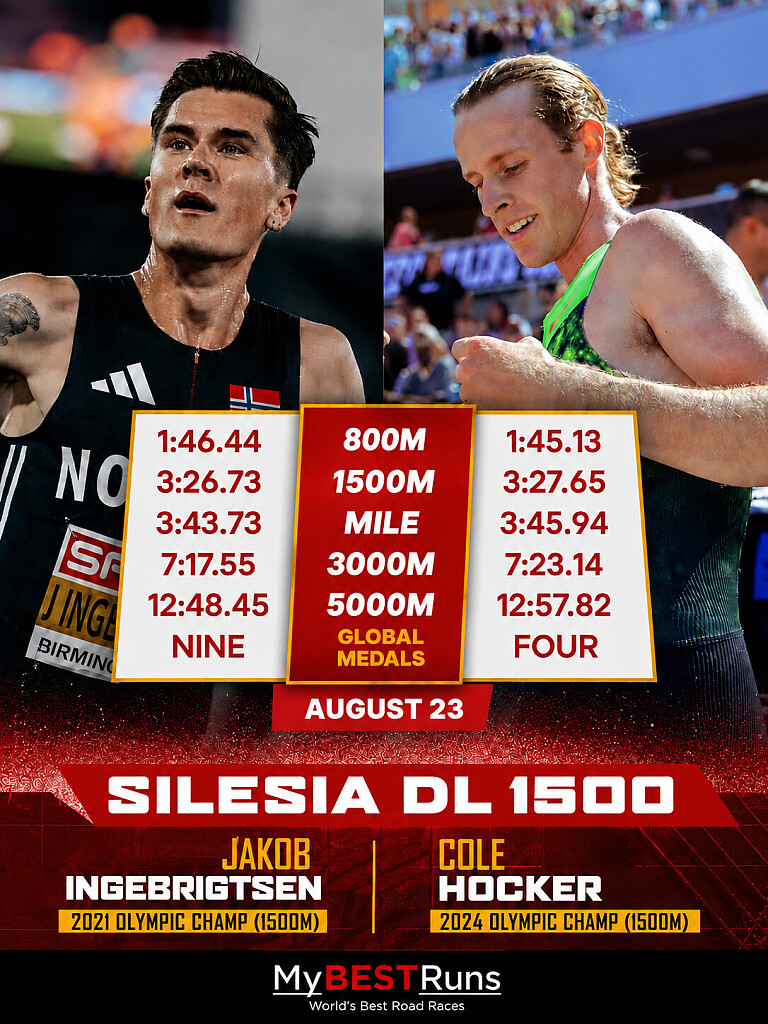
Ingebrigtsen vs Hocker: Silesia Set for a Blockbuster 1500m Showdown
A mouthwatering 1500m showdown is brewing at the Silesia Diamond League on August 23, with two of the biggest names in middle-distance running set to go head-to-head.
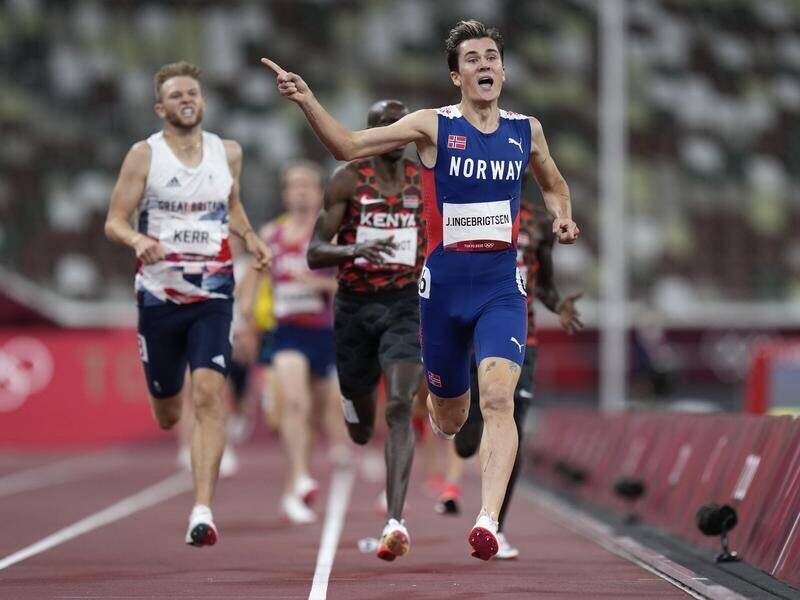
Norway’s Jakob Ingebrigtsen is set to make his return to the Wanda Diamond League in Silesia, where he will face Cole Hocker, the reigning Olympic 1500m champion. The meeting will bring together two athletes who have already shared one of the most memorable 1500m battles of recent years.
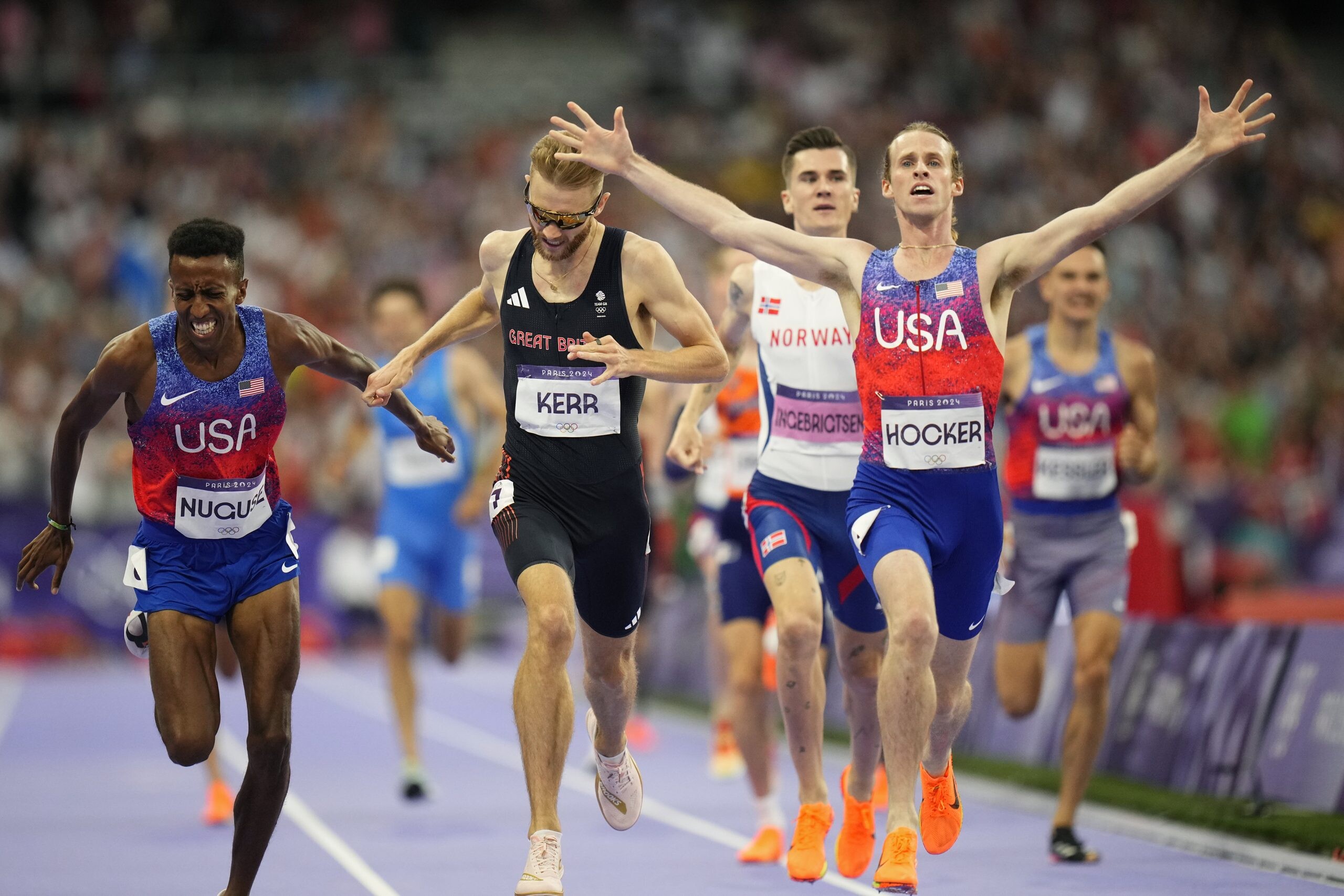
At the Paris 2024 Olympic Games, Hocker produced a sensational finish to take the gold medal in an Olympic-record 3:27.65, while Ingebrigtsen finished fourth in 3:28.24.
More than two years later, the two stars are preparing to meet again, adding another intriguing chapter to their rivalry.
For Ingebrigtsen, the Silesia race will come shortly after his long-awaited return to competition following an injury layoff. The Norwegian made his comeback in impressive fashion at the 2026 European Athletics Championships in Birmingham, successfully defending his European 5000m title.
Ingebrigtsen clocked 13:15.29 to win the 5000m, immediately reminding the athletics world of his extraordinary championship pedigree and competitive instincts after his extended absence.
Hocker, meanwhile, arrives in Silesia as one of the most formidable 1500m runners in the world. His Olympic triumph in Paris established him as the reigning Olympic champion, while his 3:27.65 personal best ranks him among the fastest athletes ever over the distance.
Ingebrigtsen and Hocker bring remarkable credentials to the Silesia showdown. Hocker enters the race as the reigning Olympic 1500m champion with a personal best of 3:27.65, while Ingebrigtsen owns an even faster lifetime best of 3:26.73 and a long list of Olympic and European championship honours. With both athletes capable of producing extraordinary speed over the final stages, the Silesia meeting could deliver another memorable chapter in their growing rivalry.
The Norwegian will also be looking to sharpen his 1500m form after beginning his comeback over 5000m, while Hocker will have the confidence that comes with being the reigning Olympic champion.
That combination makes the Silesia clash particularly compelling. Will Ingebrigtsen's strength and proven championship experience prevail, or can Hocker once again produce the decisive finishing speed that delivered Olympic gold?
One thing is certain: Silesia is set for a 1500m battle that distance-running fans will not want to miss.
Jakob Ingebrigtsen vs Cole Hocker. August 23. The stage is set.
by Erick Cheruiyot for My Best Runs.
Login to leave a comment
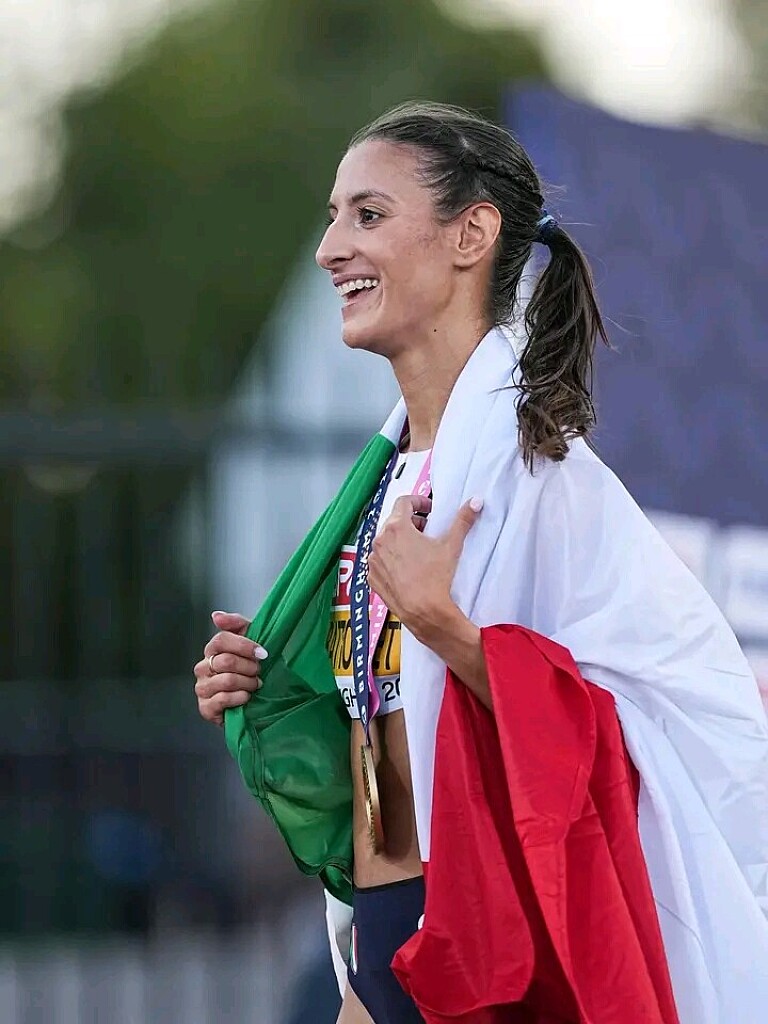
Battocletti’s Blistering Finish Delivers Back-to-Back European 5000m Gold in Birmingham
Nadia Battocletti produced a superb championship performance in Birmingham to retain her European 5000m title for the second consecutive time, powering to gold in 15:37.84 after unleashing a devastating late kick that left her rivals scrambling for the remaining medals.
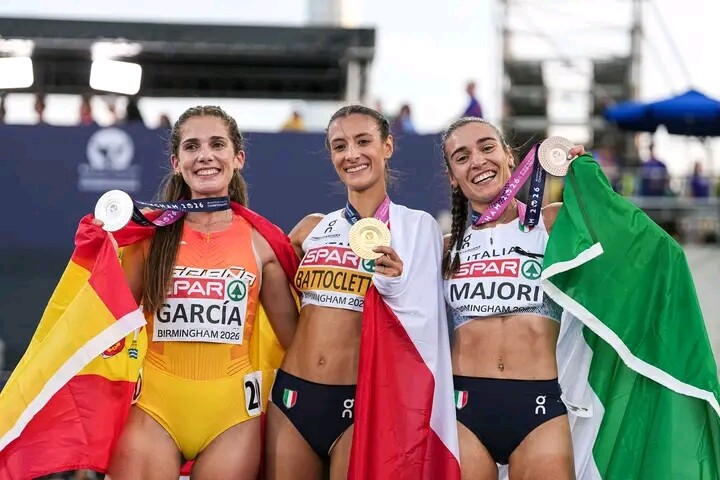
The Italian distance-running star remained composed through the race before turning on the speed when it mattered most. With the field tightly packed heading into the closing stages, Battocletti launched a breathtaking attack over the final 200 metres, producing a surge of exceptional quality that ultimately decided the championship.
The decisive moment came in the final 200 metres, when Battocletti unleashed a ferocious finishing kick that dramatically changed the complexion of the race. With the medals still within reach for several athletes, the Italian surged through the final bend with tremendous purpose, her acceleration proving simply too tough to match. She drove relentlessly down the home straight, opening the crucial gap and powering away from her closest challengers to seal a richly deserved European title.
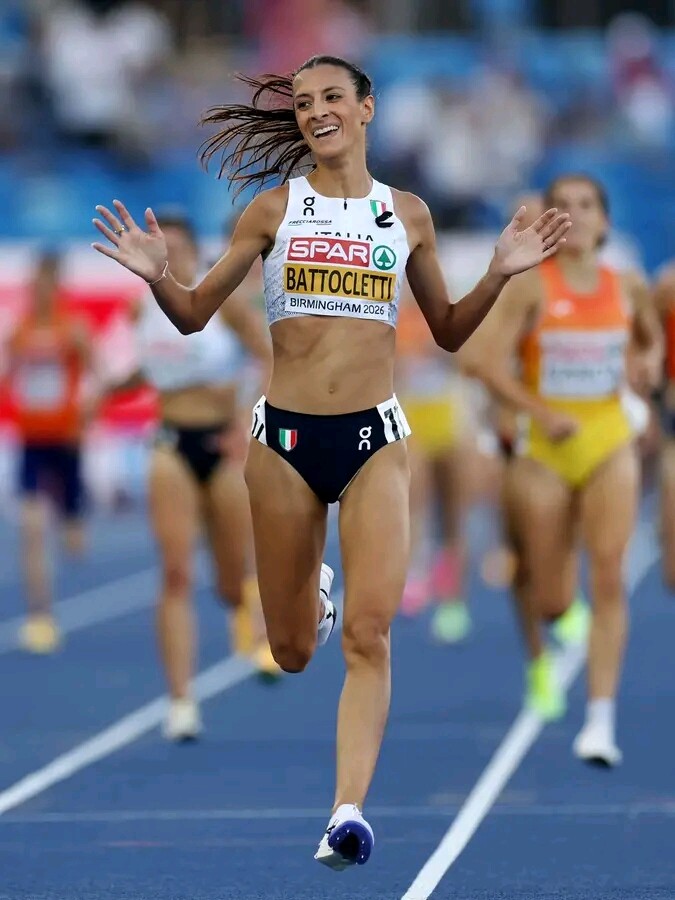
Her closing speed was extraordinary. Battocletti covered the final 400m in 59.2 seconds, including a remarkable 28.2-second final 200m, as she accelerated away from her challengers and powered down the home straight. It was a superb display of strength, speed and championship composure, earning her another European crown in emphatic fashion.
Behind her, Spain’s Marta García fought brilliantly to claim silver in a season’s best of 15:39.98, while Italy’s Micol Majori completed an Italian 1-3 with bronze in 15:40.65.
For Majori, the bronze medal represented a particularly special milestone as she celebrated her first international senior medal on a major championship stage. Her breakthrough performance added another layer to an unforgettable night for Italy.
Ireland’s Sarah Healy narrowly missed the podium, finishing fourth in 15:40.95, just 0.30 seconds behind Majori. Great Britain’s Hannah Nuttall was fifth in 15:41.27, followed by the Netherlands’ Maureen Koster in 15:41.51.
Amina Maatoug of the Netherlands finished seventh in 15:44.03, while Spain’s María Forero completed the top eight in 15:44.25.
Battocletti’s Birmingham triumph now sets up another title defence. The Italian will return to the track on Friday for the women’s 10,000m, where she will once again look to extend her European dominance.
For now, though, the spotlight belongs to Battocletti and that extraordinary finish — a 28.2-second final 200m that transformed a tightly contested 5000m final into another golden chapter in her championship career.
by Erick Cheruiyot for My Best Runs.
Login to leave a comment
European Athletics Champioships
The27thEuropean Athletics Championshipswill be held from 10 to 16 August 2026 at theAlexander StadiuminBirmingham, United Kingdom.[1] This is the first time that a British city will have staged the European Athletics Championships although Birmingham has hosted many high-profile events, including the2007 European Athletics Indoor Championships, the2003and2018 IAAF World Indoor Championshipsand the2022 Commonwealth Games. Alexander Stadium was renovated between 2019 and...
more...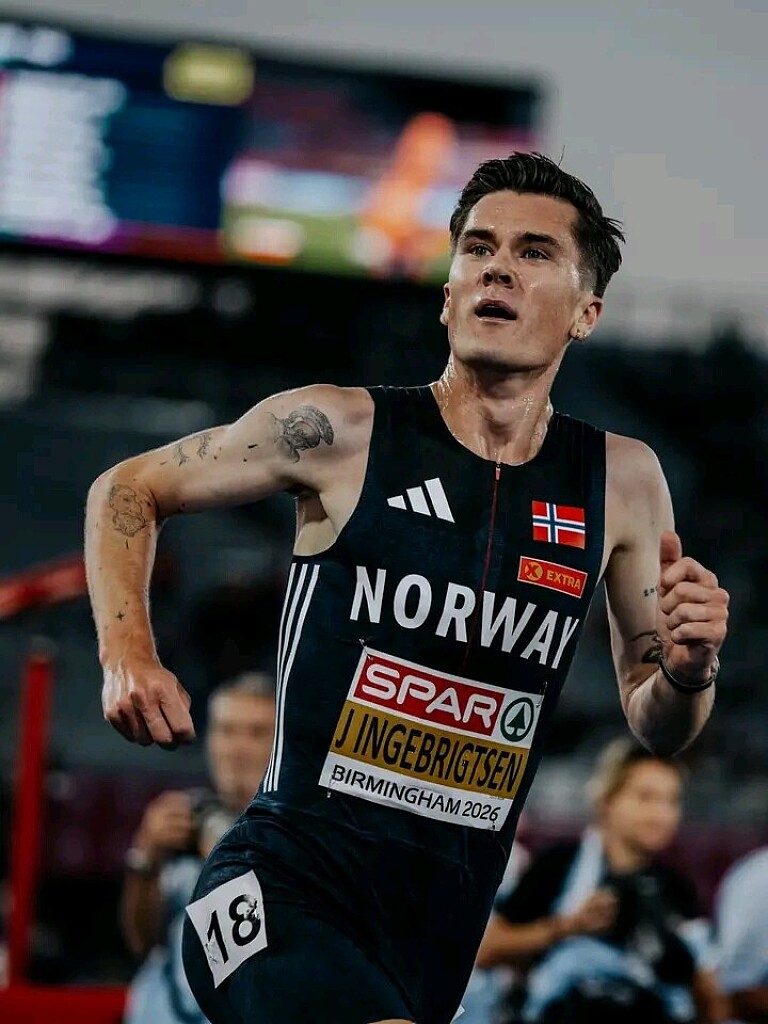
Jakob Ingebrigtsen Returns In Style With Fourth Straight European 5000m Gold
After 11 months away from competitive racing, Jakob Ingebrigtsen reminded the athletics world exactly why he remains one of distance running’s most formidable forces.
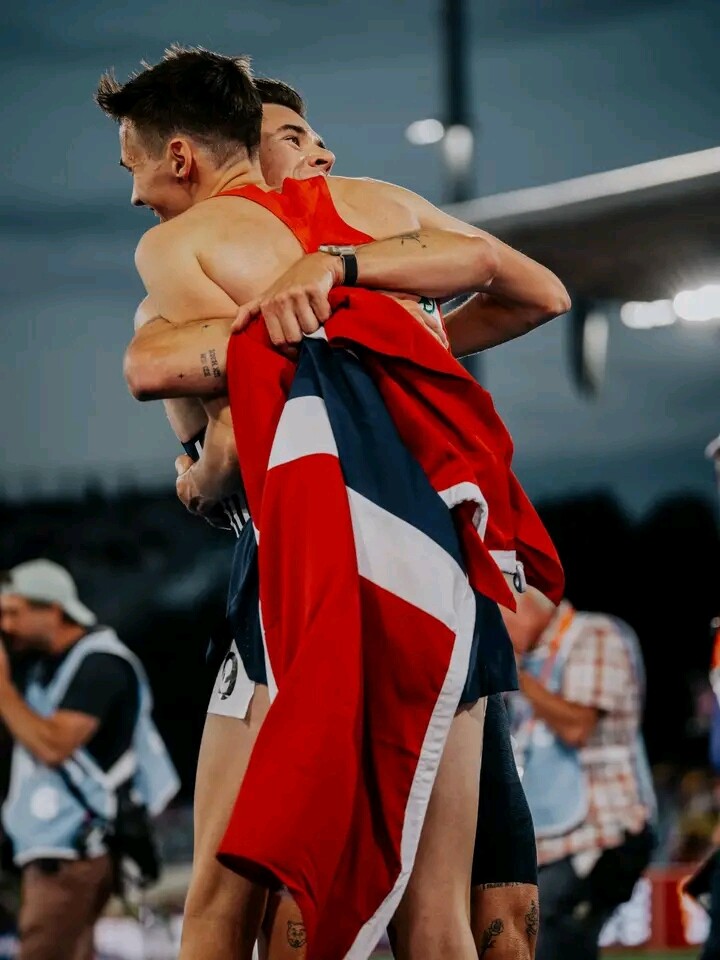
The Norwegian superstar made a spectacular return at the European Athletics Championships in Birmingham, producing a trademark finishing surge to capture his fourth consecutive European 5000m title in 13:15.29.
Making his first competitive appearance since 2025 following an Achilles injury and surgery earlier this year, Ingebrigtsen approached the race with patience. Rather than forcing the pace early, the Olympic champion remained composed through the opening stages, conserving energy for the decisive moments.
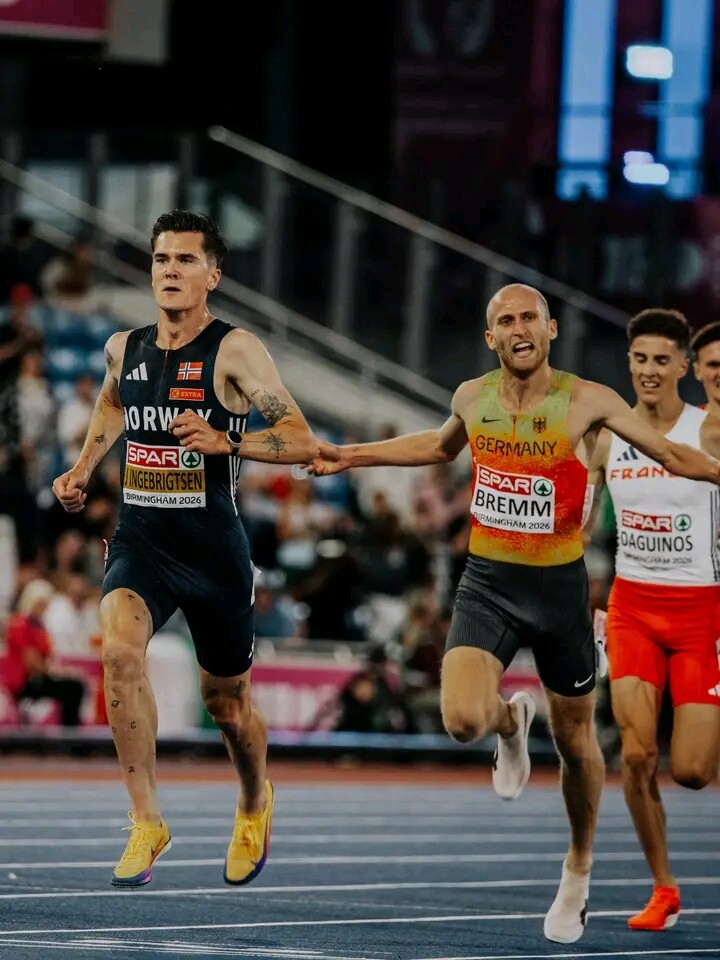
With the field still tightly packed entering the closing stages, the race came down to a final-lap battle. Ingebrigtsen moved into contention around the final bend before unleashing a devastating kick over the closing 100 metres.
Jimmy Gressier of France and Germany’s Florian Bremm were among those fighting for the medals, but neither could match the Norwegian’s acceleration. Ingebrigtsen powered clear to cross the line first in 13:15.29, with Bremm taking silver and France’s Etienne Daguinos claiming bronze.
The victory extends an extraordinary European Championships record for Ingebrigtsen. He has now won the 5000m title at four consecutive editions, while his latest gold also further strengthens his status as the most successful male athlete in the history of the European Athletics Championships.
What made the performance even more remarkable was the uncertainty surrounding his return. Ingebrigtsen had not raced at all during the 2026 season as he worked his way back from Achilles surgery. His participation in Birmingham was only confirmed in late July, with his management stressing that the decision would depend on his readiness.
Yet when the moment arrived, the 25-year-old delivered in familiar fashion — staying calm, trusting his strength and producing an explosive finish when the medals were on the line.
The comeback victory also sets up an intriguing next chapter. Ingebrigtsen is scheduled to return to the Diamond League circuit at the Weltklasse Zürich meeting on August 27, where he is expected to contest the 1500m alongside a formidable field that includes Olympic champion Cole Hocker, Yared Nuguse and Isaac Nader. The Zürich meeting is scheduled for August 27.
After nearly a year away, Jakob Ingebrigtsen is back — and his first race of the comeback has already produced another European title.
The next test will come over 1500 metres in Zürich, where the Norwegian will face a very different challenge and an entirely different level of speed.
For now, though, one message rings loud across European athletics:
Jakob Ingebrigtsen is back.
by Erick Cheruiyot for My Best Runs.
Login to leave a comment
European Athletics Champioships
The27thEuropean Athletics Championshipswill be held from 10 to 16 August 2026 at theAlexander StadiuminBirmingham, United Kingdom.[1] This is the first time that a British city will have staged the European Athletics Championships although Birmingham has hosted many high-profile events, including the2007 European Athletics Indoor Championships, the2003and2018 IAAF World Indoor Championshipsand the2022 Commonwealth Games. Alexander Stadium was renovated between 2019 and...
more...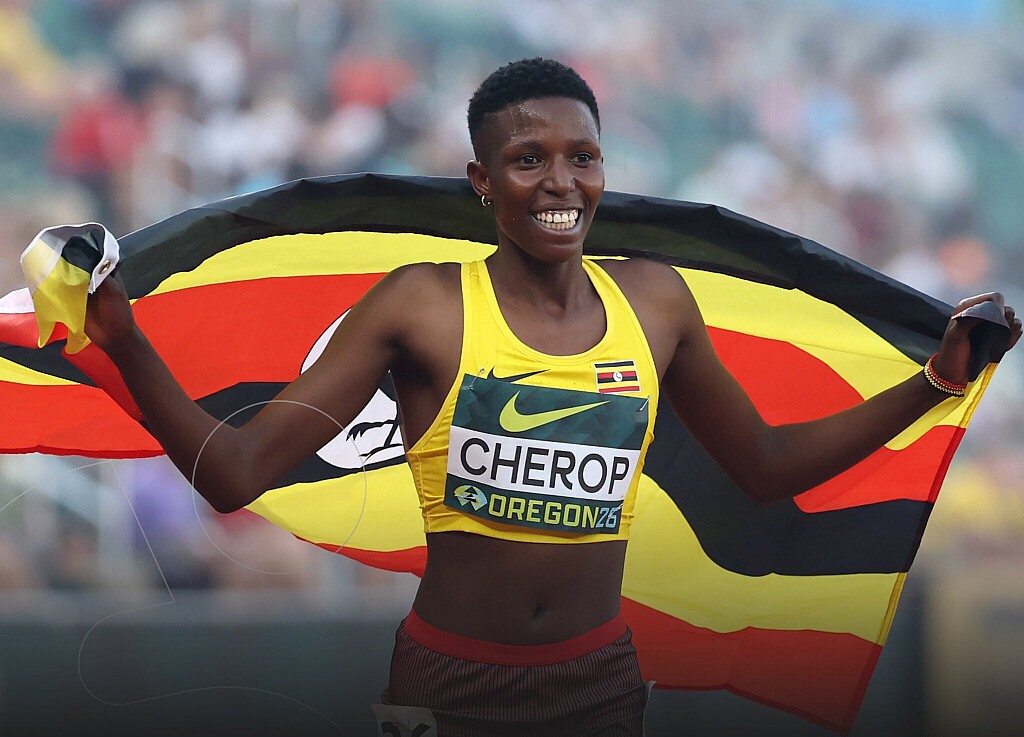
From Silver to Gold: Charity Cherop Storms to World U20 5000m Crown with Tactical Masterclass
Uganda's 19-year-old long-distance sensation Charity Cherop delivered the performance of her young career, producing a championship masterclass to capture the women's 5000m title at the 2026 World Athletics U20 Championships at Hayward Field in Eugene, Oregon.
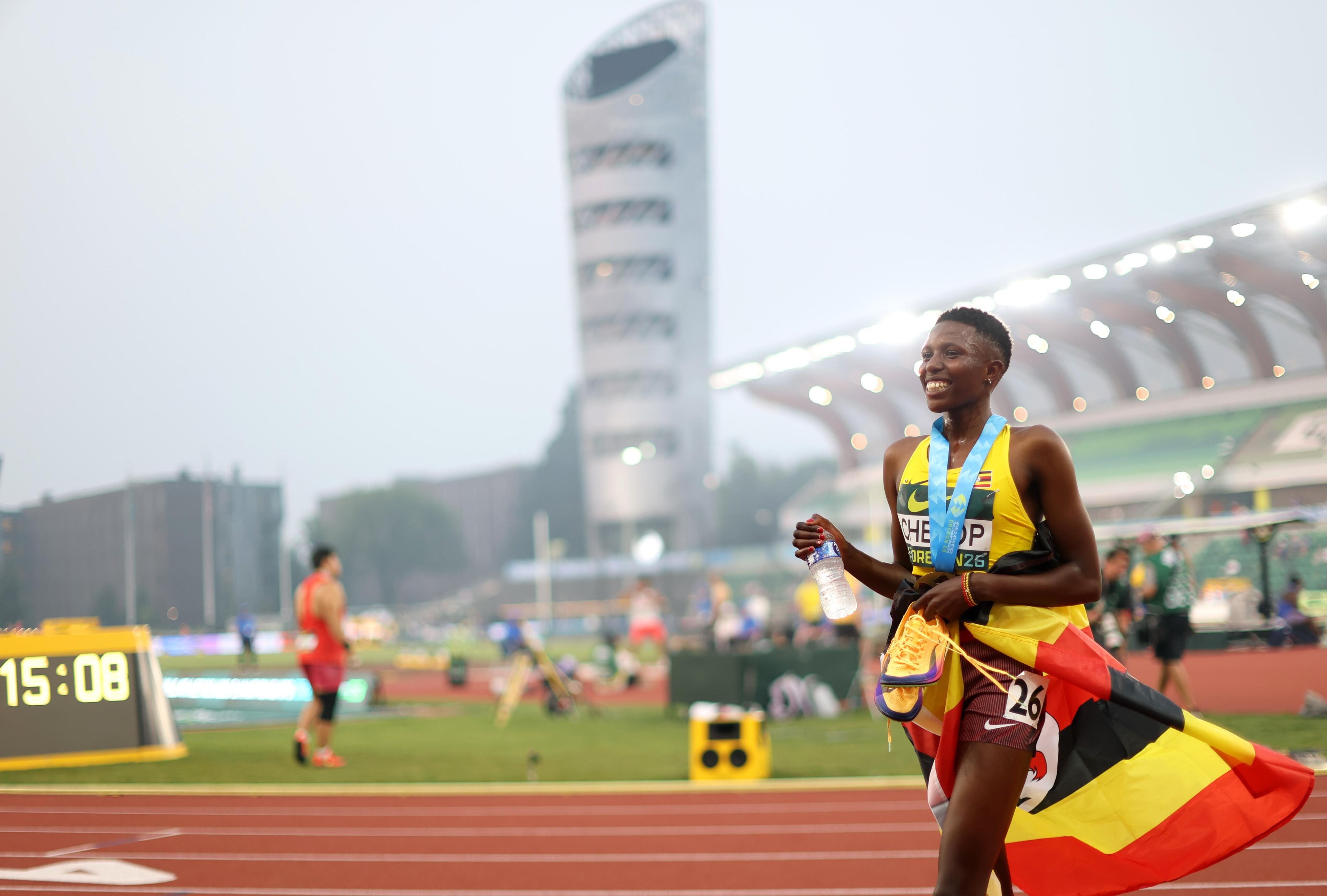
Born on July 4, 2007, Cherop executed a tactically brilliant race, remaining patient throughout the early stages before unleashing a devastating surge over the final kilometre. Her perfectly timed move proved decisive as she crossed the finish line in 15:03.88, becoming the new World U20 champion.
The victory was more than just a world title—it completed a remarkable journey from silver to gold. After finishing runner-up at the previous World Athletics U20 Championships in Lima, Cherop returned to the global stage stronger and more determined, upgrading her silver medal to gold and confirming herself as one of the brightest young stars in international distance running.
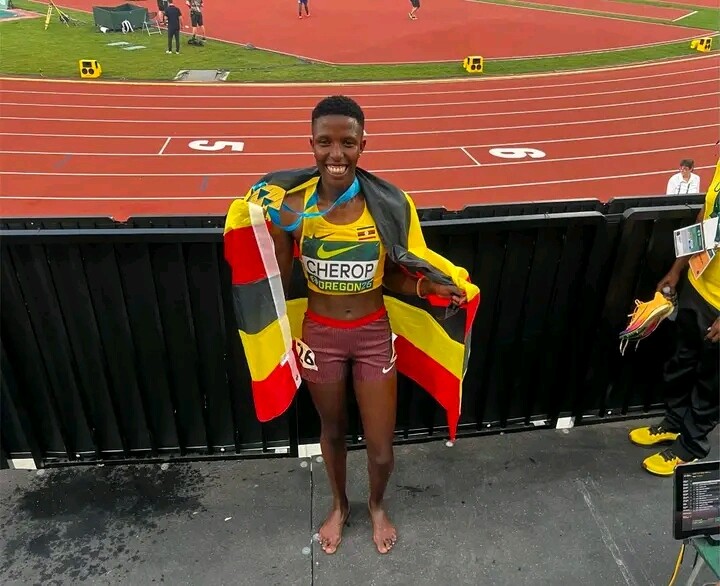
Behind the Ugandan star, Ethiopia's Shito Gumi fought bravely to secure the silver medal in 15:07.91, while Kenya's Joyline Chepkemoi delivered an outstanding performance to claim bronze in 15:09.08, setting a new personal best in the process. The battle for the podium remained fiercely contested until the closing stages, with every medal decided through courage, tactical awareness, and a powerful finishing kick.
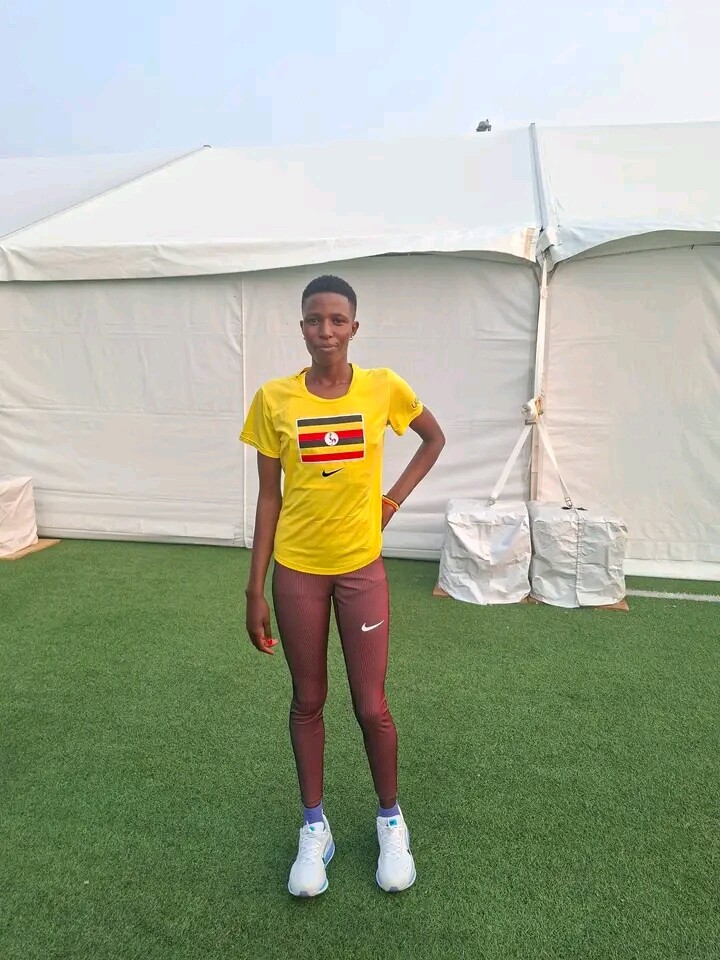
Kenya narrowly missed placing two athletes on the podium as Cynthia Chepkirui finished a strong fourth in 15:14.86, while Sweden's Carmen Cernjul rounded out the top five in 15:22.18.
Ethiopia's Emebet Tilahun placed sixth in 15:32.51, followed by Japan's Yui Onotora in seventh with 15:37.33. Uganda celebrated another top-10 finish through Bentalin Yeko, who finished eighth in 15:48.35, underlining the nation's impressive depth in women's distance running.
Germany's Julia Ehrle claimed ninth in 16:09.53, with France's Lamia Mourabit completing the top ten in 16:10.80.
Further down the field, Portugal's Carolina Correia impressed with an 11th-place finish in a personal best 16:11.47, while Norway's Venus Teffera also celebrated a lifetime best of 16:12.07 in 12th. Germany's Gloria Herold added another personal best, clocking 16:13.75 for 15th place.
France's Laly Porentru, Japan's Ayami Yoshida, the Netherlands' Rosalie Ten Bruggencate, Italy's Sofia Ferrari and Mimosa Miari Fulcis, Spain's Fatima Hernandez, Switzerland's Anina Hirzel, Great Britain's Eliza Nicholson, Canada's Airlie Downie-Back and Athena Andrecyk, Mexico's Kenya Cuahutle, and Australia's Libby Mantay and Imogen Baker all battled courageously to the finish, highlighting the exceptional depth and global talent assembled for the championship final.
The only athlete unable to start the race was the United States' Emily Wisniewski, who was listed as DNS.
The women's 5000m final showcased the very best of championship distance running—patience, tactical intelligence, and a thrilling finish. On the biggest stage of her junior career, Charity Cherop produced a race worthy of a world champion, transforming silver in Lima into gold in Eugene and writing another unforgettable chapter in Uganda's rich distance-running legacy.
by Erick Cheruiyot for My Best Runs.
Login to leave a comment
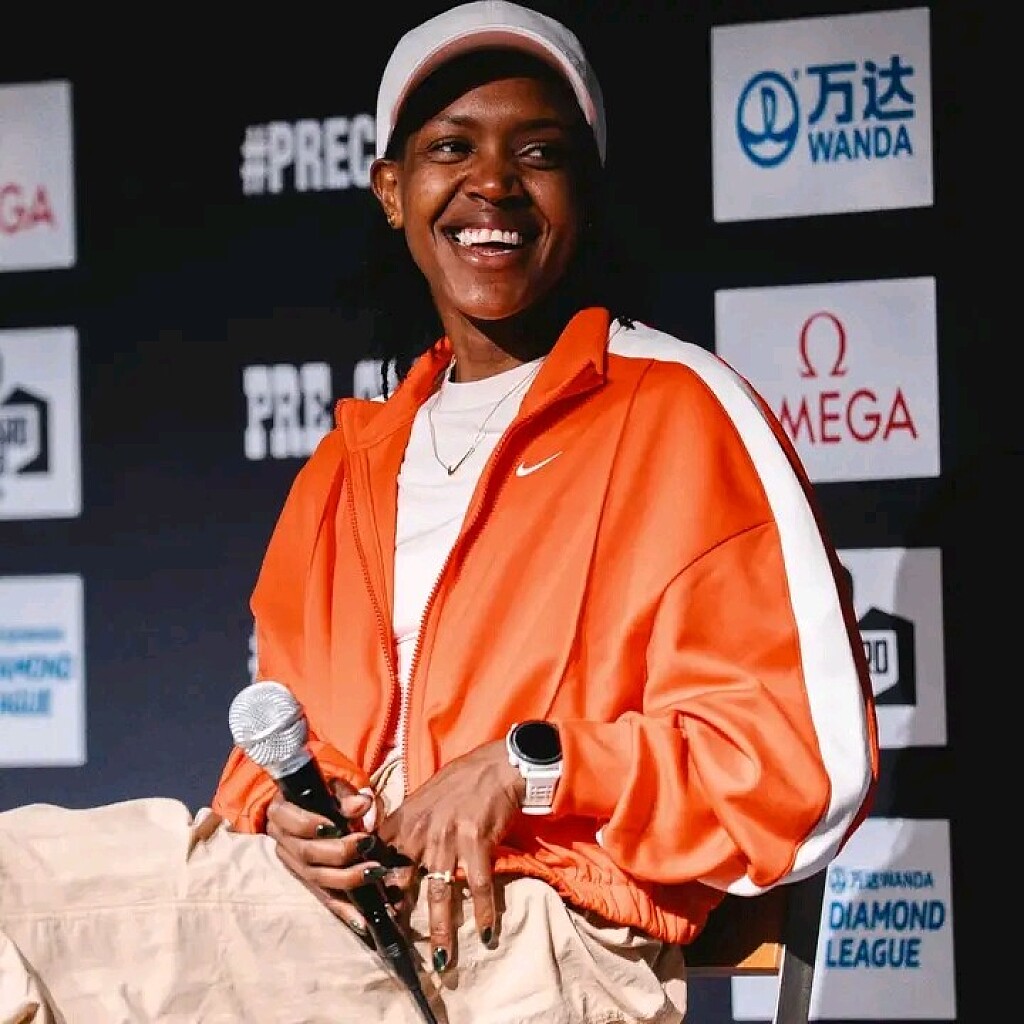
Faith Kipyegon Embraces the Unknown as She Begins a New Middle-Distance Chapter at the Prefontaine Classic
Three-time Olympic champion and multiple world record holder Faith Kipyegon is entering unfamiliar territory, and for one of the greatest middle-distance runners in history, that uncertainty is part of the excitement.
Speaking ahead of today's 2026 Prefontaine Classic at Hayward Field, the Kenyan superstar admitted that gauging her current form has been unusually difficult after an unconventional start to her season.
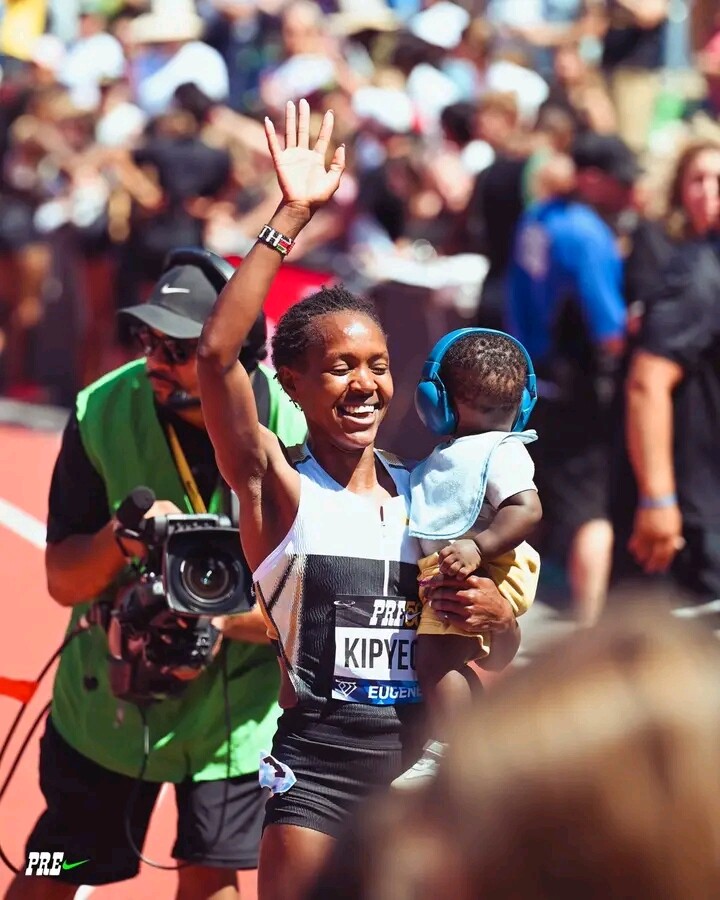
Unlike previous campaigns, Kipyegon has yet to contest a full 1500m race this year. Instead, she opened her Diamond League season over 5000m in May, using the longer event to build endurance before shifting her focus back to the distances that made her a global icon.
As a result, today's race represents more than just another Diamond League appearance. It marks her first true test over the 1500m and mile circuit this season, making it difficult even for the reigning queen of middle-distance running to predict what lies ahead.
"This year is a little bit tough to know where I am, especially now that I am racing for the first time in the mile. This is like my first 1500m race because in May I did the first Diamond League 5000m, which is like endurance. So, it is a challenge," Kipyegon explained.
Rather than arriving with complete certainty, Kipyegon is embracing the challenge and welcoming the fierce competition awaiting her in Eugene. She believes the quality of the field will be the perfect measure of her fitness as she continues building toward the major championships later this season.
"That's why I said I am also looking forward to these ladies to push me and see what will happen after the finishing line," she added.
Her remarks reveal a champion who remains grounded despite years of unprecedented success. Even after rewriting the record books, Kipyegon continues to approach each new challenge with humility, patience, and a desire to learn where she stands against the world's best.
With a stacked field expected to push the pace from the gun, fans could witness another memorable chapter in Kipyegon's remarkable career. Whether she delivers another dominant performance or simply uses the race as a benchmark, her appearance is among the most anticipated storylines of the 2026 Prefontaine Classic.
As the gun goes off in the afternoon the athletics world will be watching closely. Faith Kipyegon may not yet know exactly where her fitness stands—but by the finish line, she expects to have her answer.
by Erick Cheruiyot for My Best Runs.
Login to leave a comment
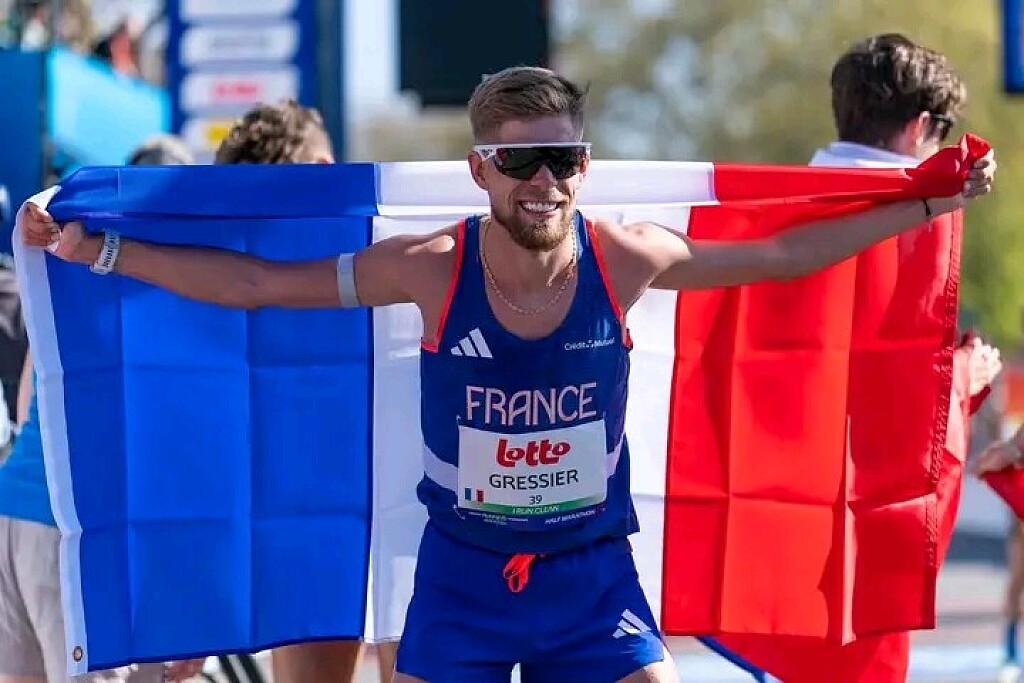
Paris Diamond League Men's 5000m: Global Distance Stars Set for a High-Stakes Clash in the French Capital
The countdown to the 2026 Paris Diamond League is almost over, and one of the most anticipated events on the programme is the men's 5000m. Scheduled for Sunday, June 28, the race has assembled an impressive international field featuring established champions, emerging talents, and national record holders, setting the stage for what could become one of the fastest 5000m races of the season.

France's Jimmy Gressier will carry the hopes of the home crowd as he headlines the event. Renowned for his fearless front-running style and relentless pace, Gressier will be eager to produce another memorable performance on home soil against one of the deepest fields assembled this year.
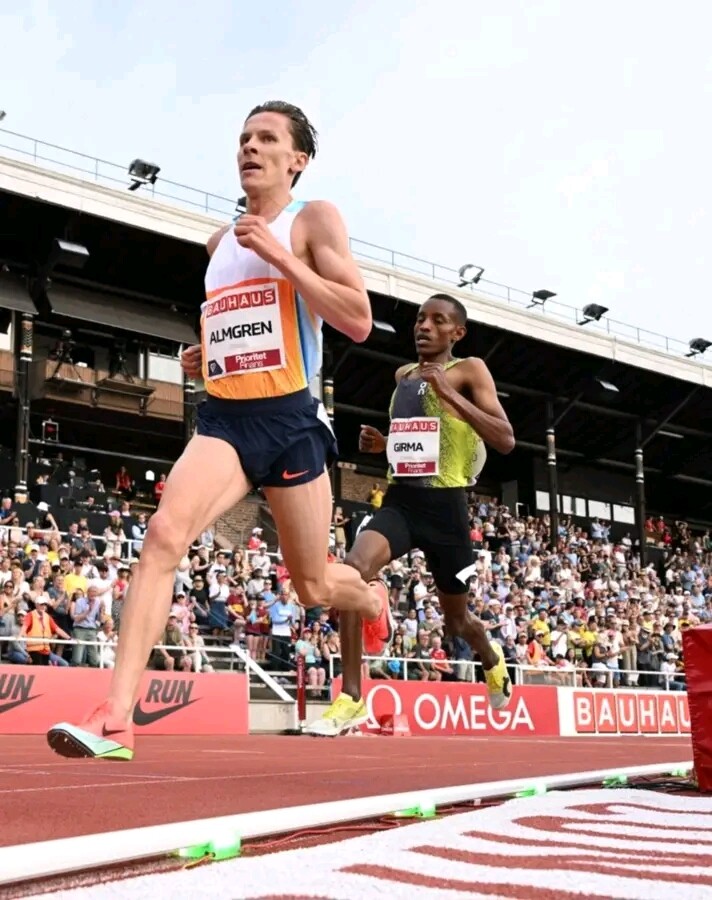
The race also features Sweden's Andreas Almgren, whose remarkable rise over the longer distances has made him one of Europe's strongest contenders. Eritrea's Saymon Amanuel, Ethiopia's Getnet Wale, Kuma Girma, Lamecha Girma, Khairi Bejiga, and Addisu Yihune further strengthen an already formidable lineup, bringing world-class credentials and proven championship experience.
Kenya enters the contest with a talented quartet comprising Cornelius Kemboi, Frankline Kibet, Mathew Kipchumba Kipsang, and Jacob Krop. With Kenya's rich tradition in distance running, the four athletes will be looking to assert themselves against a field packed with elite competitors and continue the country's dominance on the global stage.
The international flavour of the race extends even further with competitors from the United States, Germany, Spain, Mexico, Burundi, Uruguay, Bahrain, and the Netherlands, highlighting the Diamond League's status as the premier meeting point for the world's finest track athletes.
With so many athletes capable of producing sub-13-minute performances, fans can expect an aggressive pace from the opening laps. Whether the race develops into a tactical championship-style battle or an all-out assault on the clock, every indication points to a thrilling spectacle under the Paris lights.
As the Diamond League season gathers momentum, Sunday's men's 5000m promises more than just valuable points—it offers athletes a golden opportunity to test themselves against world-class opposition, build confidence ahead of major championships, and perhaps deliver one of the standout performances of the year.
The stage is set. The field is loaded. Paris is ready for another unforgettable moment of distance running.
by Erick Cheruiyot for My Best Runs.
Login to leave a comment
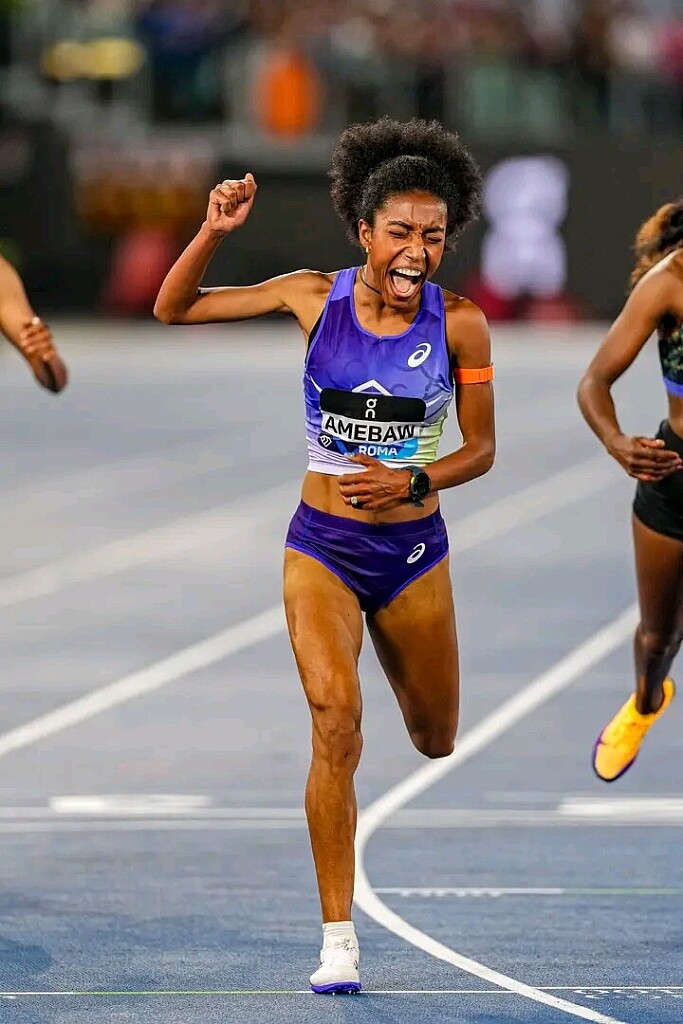
Ethiopia’s Iron Grip on the Diamond League Distance Rankings Continues
DOHA, Qatar – Ethiopian distance running is once again making a powerful statement on the global stage. Following the Doha Diamond League meeting, Ethiopia has achieved a remarkable clean sweep of the women's 3000m/5000m standings, occupying all eight leading positions in one of the most competitive disciplines in world athletics.
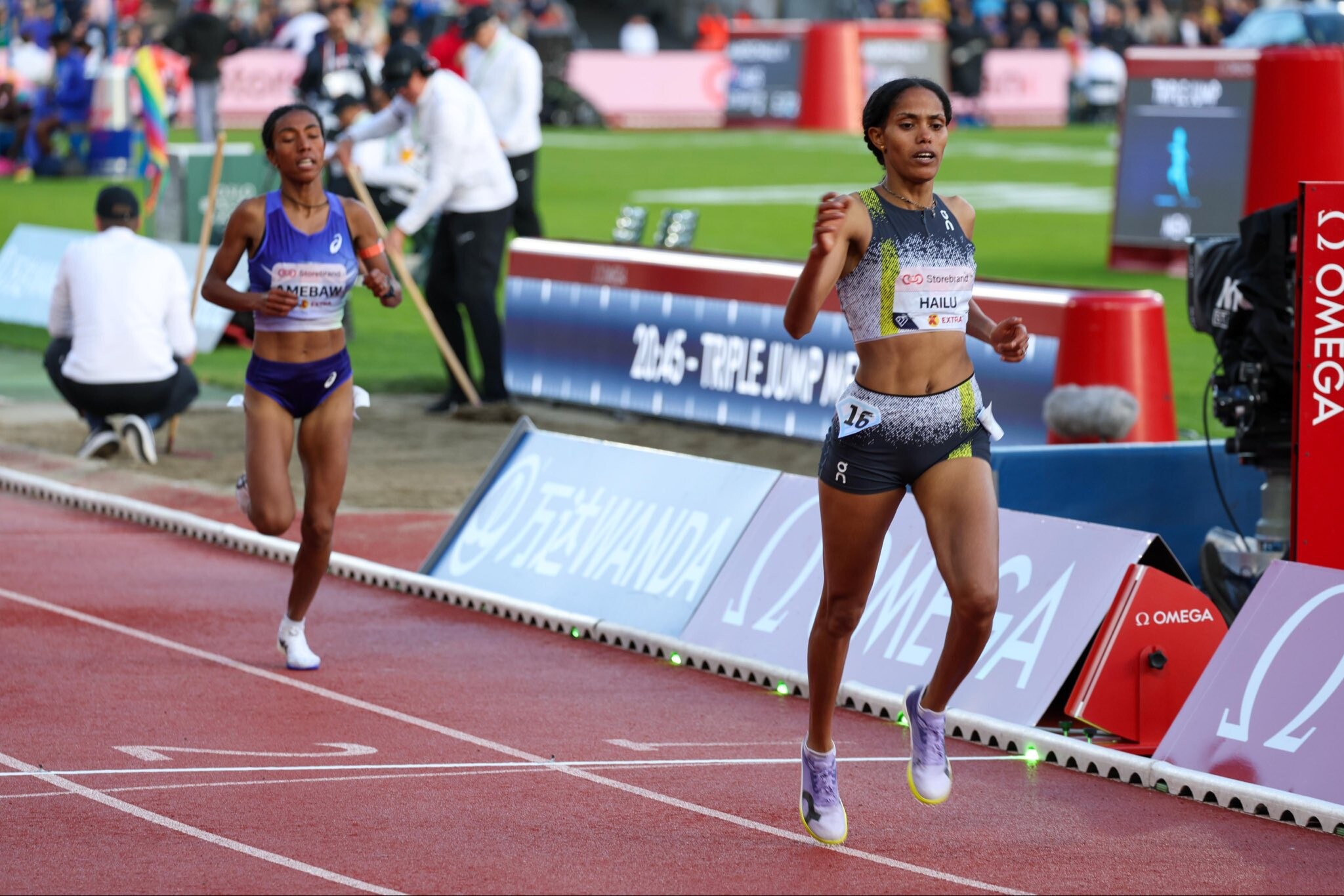
Leading the charge is Likina Amebaw, who sits comfortably at the top of the rankings with 22 points. Close behind is fellow Ethiopian star Freweyni Hailu on 14 points, while Medina Eisa occupies third place with 12 points. The dominance continues through the rest of the leaderboard, with Senayet Getachew, Hawi Abera, Aleshign Baweke, Marta Alemayo, and Bernesh Dessie completing an extraordinary Ethiopian monopoly of the standings.
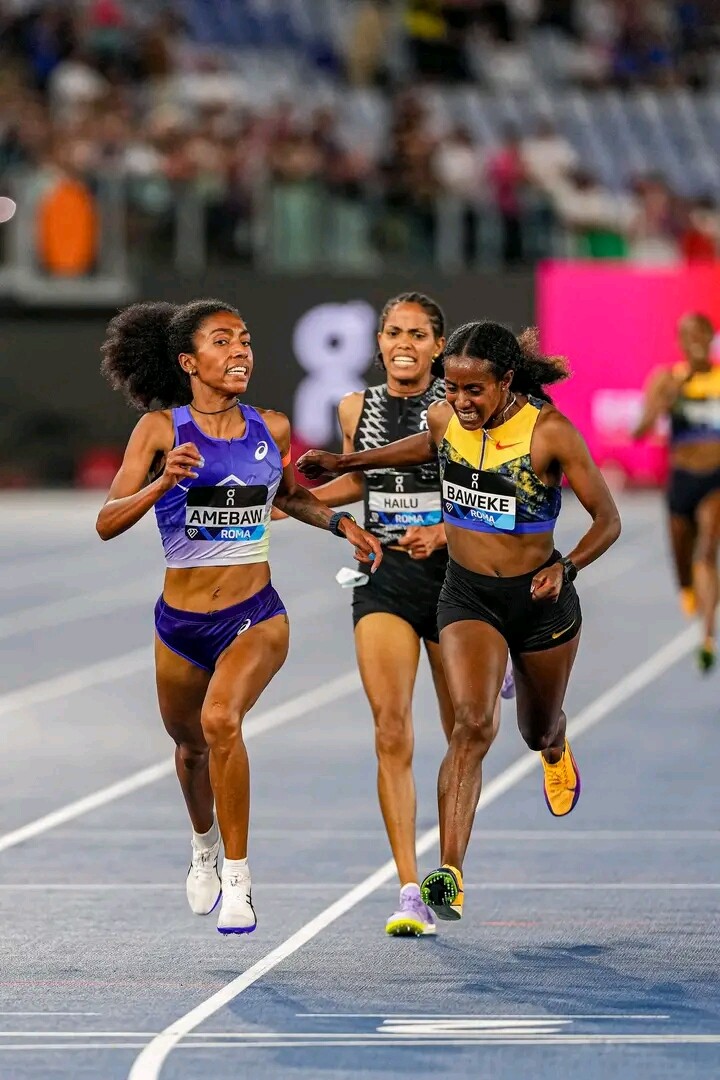
The achievement highlights Ethiopia's exceptional depth in women's distance running, where a new generation of athletes continues to emerge and challenge for global honours. Rather than relying on a single standout performer, Ethiopia has assembled a formidable squad capable of controlling races and collecting points across multiple Diamond League meetings.
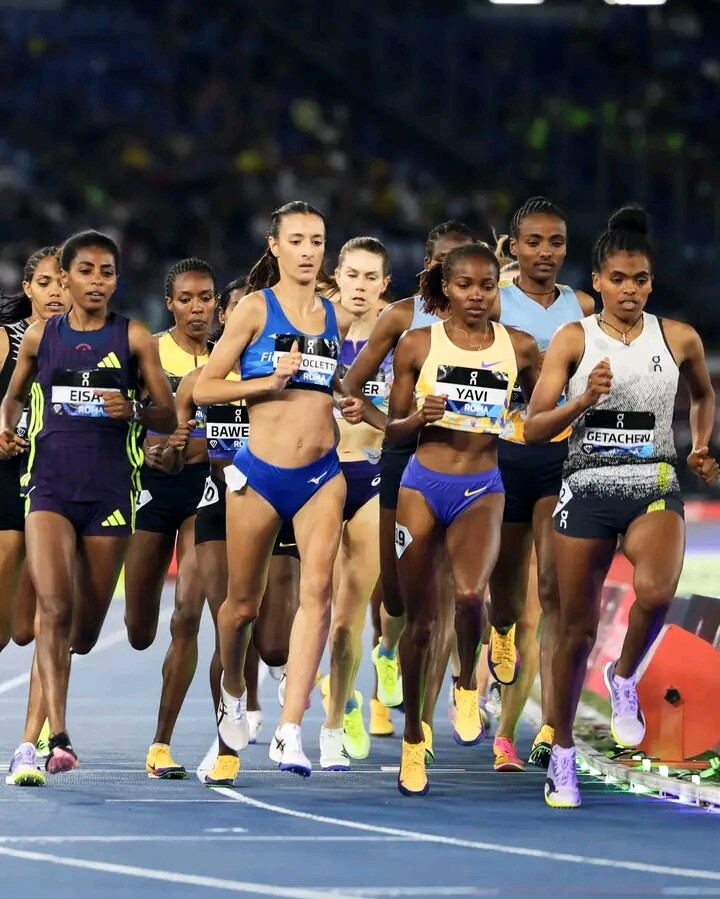
While the current standings paint a picture of complete Ethiopian supremacy, the battle for the Diamond League title is far from over. Several meetings remain on the road to the season finale, leaving plenty of opportunities for rivals to close the gap and for positions within the Ethiopian contingent to shift dramatically.
For now, however, the spotlight belongs firmly to Ethiopia. The East African powerhouse has transformed the women's 3000m/5000m standings into an all-Ethiopian affair, sending a clear message to the rest of the world that the race for Diamond League glory will likely run through Addis Ababa.
The question now is whether Likina Amebaw can maintain her advantage and finish the season as the overall leader, whether Freweyni Hailu or Medina Eisa can mount a successful challenge, or whether another athlete will produce a late-season surge to rewrite the script.
One thing is certain: the road to the Diamond League Final promises a fascinating battle among some of the finest distance runners on the planet.
by Erick Cheruiyot for My Best Runs.
Login to leave a comment

WORLD CHAMPION BEATRICE CHEBET CELEBRATES HER GREATEST VICTORY YET — MOTHERHOOD
Kenyan athletics superstar and world champion Beatrice Chebet has officially entered a beautiful new chapter in her life after welcoming a baby boy.

The 26-year-old track sensation, born on 5 March 2000, has built a remarkable legacy as one of the greatest distance runners of her generation. Chebet is a world record holder in the 5000m, 10,000m and road 5km, with a career decorated by historic victories on the biggest stages.
She made history at the 2024 Summer Olympics by winning gold medals in both the 5000m and 10,000m, before achieving the same remarkable double at the 2025 World Athletics Championships. Her medal collection also includes a 5000m silver medal at the 2022 World Athletics Championships and bronze at the 2023 World Athletics Championships.
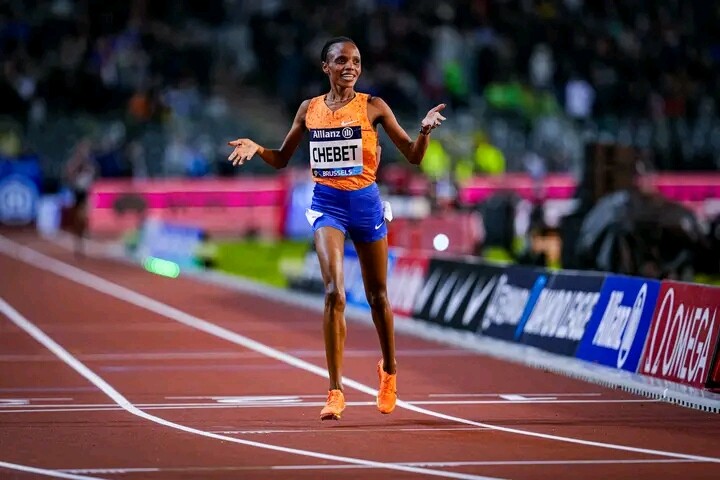
Beyond the track, Chebet has also dominated cross country, becoming a three-time world champion after winning the junior title in 2019 and senior titles in 2023 and 2024. She has also claimed major 5000m victories at the 2018 World U20 Championships, 2022 Commonwealth Games and the 2022 African Championships in Athletics.
Now, the Kenyan star is celebrating a different kind of milestone — becoming a mother.
Sharing the joyful news, Chebet introduced her newborn son with a heartfelt message filled with love and excitement:
“Tiny hands, tiny feet, and a love so big! A beautiful new chapter begins. Welcome to our world our sweet little baby boy!”
The arrival of her son marks a special moment away from competition, as the world champion embraces motherhood while carrying the pride of a nation that has watched her achieve greatness.
Messages of congratulations have poured in from fans and the athletics community, celebrating the new chapter for one of Kenya’s most successful athletes.
As Beatrice Chebet adds motherhood to her list of remarkable achievements, the champion now begins a new journey filled with love, joy, and unforgettable moments with her baby boy.
by Erick Cheruiyot for My Best Runs.
Login to leave a comment
DRAMA IN EUGENE: Doris Lemngole’s NCAA 5000m Triumph Overturned as Jepngetich Claims Crown
The NCAA Outdoor Championships delivered one of the most dramatic twists of the season as the women’s 5000m final ended in unexpected heartbreak and a new champion being crowned after the finish line.
Alabama’s Kenyan star Doris Lemngole looked set to celebrate a historic moment after storming to victory in a brilliant 15:11.71, crossing the line first and appearing to secure another national title for the Crimson Tide. The performance looked like the perfect ending to a dominant race — until officials made a decision that changed everything.
Race officials later issued a disqualification against Lemngole under rule 15.5-3g, citing multiple steps on or over the inside track curb. Alabama immediately challenged the ruling through an appeal, but after review, the protest was rejected, confirming the disqualification and removing the race winner from the official results.
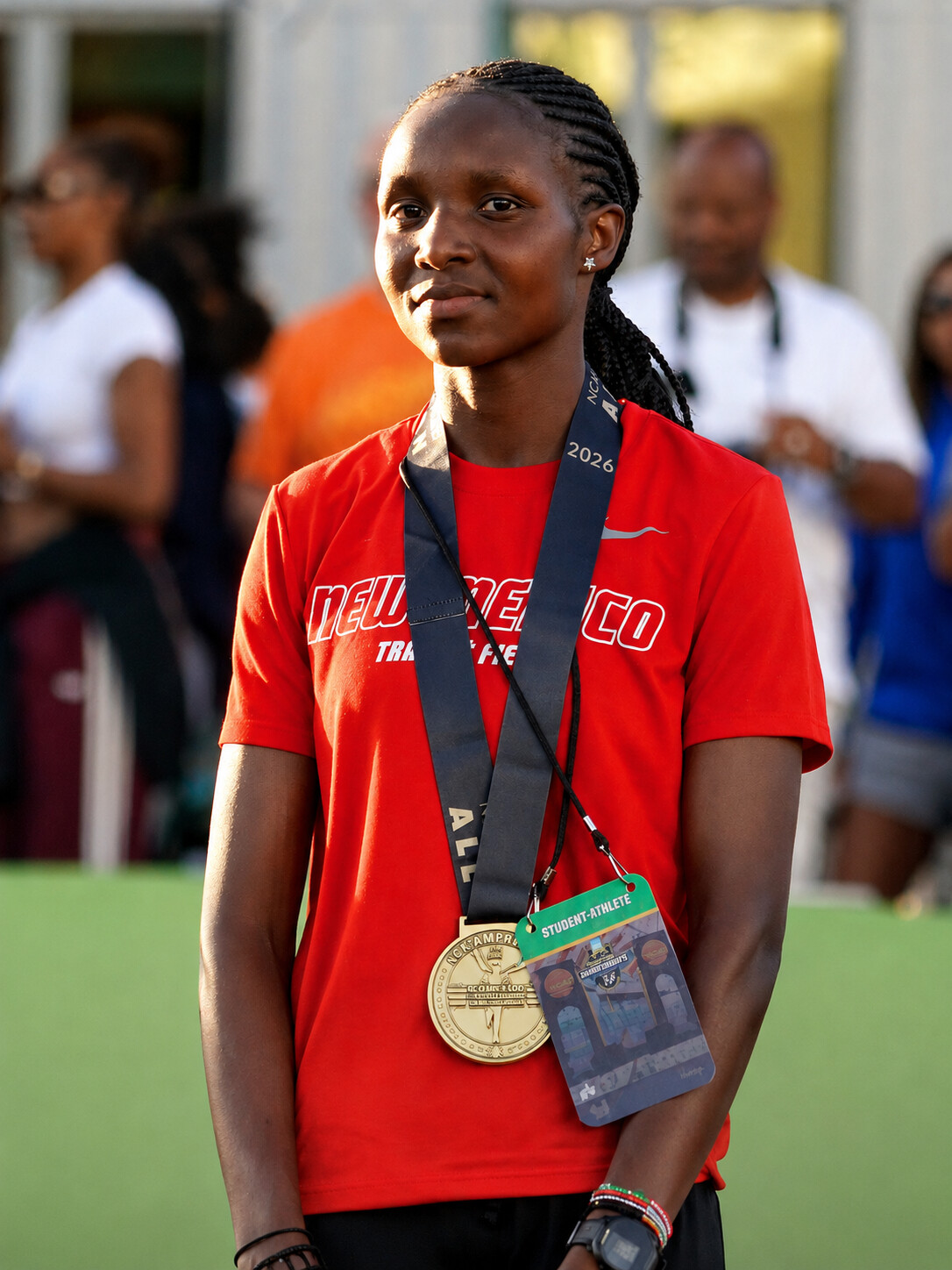
With Lemngole’s result erased, New Mexico’s Marion Jepngetich moved into the championship position, producing a spectacular performance of her own to claim the NCAA 5000m title in a personal best of 15:13.01.
The final standings showed just how competitive the race was, with several athletes delivering outstanding performances and multiple personal bests. Mercyline Kirwa of Iowa State finished second in 15:13.72, while Florida’s Judy Chepkoech completed the podium in 15:14.05 — both recording lifetime bests.
The top ten was dominated by incredible depth, with Betty Kipkore (Iowa State) taking fourth in 15:14.43, Pamela Kosgei (New Mexico) fifth in 15:15.88, and Hilda Olemomoi (Florida) sixth with a season best of 15:16.23. Edna Chelulei of Eastern Kentucky, Katie Bohlke of Virginia Tech, Jane Hedengren of BYU, and Juliet Cherubet of Oregon completed the top ten.
For Lemngole, it was a painful reminder of how unforgiving elite sport can be. After producing the fastest time of the night and crossing the finish line as the apparent winner, a technical ruling outside the excitement of the finish changed the entire outcome.
Jepngetich, meanwhile, now celebrates a championship victory earned on one of the most dramatic evenings in NCAA distance running history — a race where the final result was decided not only by speed, but also by the smallest margins of competition.
The NCAA 5000m final will be remembered not just for the incredible performances on the track, but for the unforgettable twist that came after the race was already over.
by Erick Cheruiyot for My Best Runs.
Login to leave a comment
Winfred Yavi Set for Exciting 5000m Test at Rome Diamond League
Olympic and world champion Winfred Yavi will step out of her renowned steeplechase comfort zone on Thursday evening as she takes on a strong women's 5000m field at the Golden Gala Pietro Mennea, the fourth stop of the 2026 Wanda Diamond League in Rome.
The Bahraini star arrives in the Italian capital carrying impressive credentials over the distance. Yavi owns a personal best of 14:41.99 and currently holds Bahrain's national record in the women's 5000m, underlining her versatility beyond the barriers that have brought her global fame.
Rome holds special memories for Yavi. The Stadio Olimpico was the scene of one of the finest performances of her career in 2024 when she produced the second-fastest women's 3000m steeplechase time in history, narrowly missing the world record. Now she returns to the Eternal City with a different challenge ahead as she looks to make her mark in one of the deepest distance races of the evening.
The 27-year-old will face a quality field featuring rising Kenyan talent Caroline Nyaga, Margaret Akidor, Ethiopia's Likina Amebaw and Hirut Meshesha, as well as fellow Kenyan Purity Chepkurui. With several proven performers on the start line, the race promises to be a fierce battle from the opening laps.
Adding further intrigue is the standard set by the event itself. The current world record of 13:58.06 belongs to Kenyan superstar Beatrice Chebet, who became the first woman in history to break the 14-minute barrier for 5000m.
Although Yavi's primary focus remains the steeplechase, her growing strength on the track has made her a genuine threat in longer flat races. Every appearance outside her signature event offers another glimpse into the remarkable range that has transformed her into one of the world's most complete distance runners.
As the lights shine on Rome tonight, all eyes will be on Yavi to see whether she can translate her championship pedigree into another memorable performance. A victory would further cement her reputation as one of the most versatile stars in global athletics and provide a major statement as the Diamond League season gathers momentum.
by Erick Cheruiyot for My Best Runs.
Login to leave a comment

Road to Beijing 2027: World Athletics Unveils Tougher Qualification System for Global Championships
The road to the 2027 World Athletics Championships in Beijing has officially begun — and earning a place on athletics’ biggest stage is about to become even more demanding.
World Athletics has now confirmed the qualification system and entry standards for the championships set for September 2027 in Beijing, China, introducing a major adjustment that could reshape the battle for global qualification across distance running and track events.

Under the newly announced structure, only around 40 percent of athletes will qualify automatically through direct entry standards, while the remaining 60 percent of places will be awarded via the World Athletics Rankings system. The change represents a clear shift away from the previous 50-50 balance used in recent championships.
The updated model places greater emphasis on consistency throughout the season rather than relying solely on one exceptional performance. Athletes will now need to compete regularly at high-level meetings, collect ranking points, and maintain elite performances across an extended qualification period.
For distance runners, the standards remain exceptionally demanding, highlighting the increasing depth and competitiveness of global athletics.

In the men’s marathon, athletes must run 2:06:00 or faster to secure an automatic qualification mark, while the women’s standard has been set at 2:23:20. The qualifying window for the marathon opened on November 3, 2025, and will close on Midnight May 2, 2027.
The men’s 10,000m standard has been fixed at 26:48.00, with the women required to run 30:40.00. In the 5000m, athletes must clock 12:50.00 for men and 14:36.00 for women to gain direct entry.
Middle-distance events will also demand world-class performances. The men’s 1500m standard stands at 3:30.00, while women must achieve 3:58.00. In the 800m, the entry standards are 1:43.00 for men and 1:57.50 for women.
Sprint events remain brutally competitive. Athletes targeting the men’s 100m must break 10 seconds with a qualifying standard of 9.95, while the women’s requirement has been set at 10.96. In the 200m, the standards stand at 20.07 for men and 22.45 for women.
The hurdles events also demand elite-level precision and speed, with qualifying marks of 13.18 in the men’s 110m hurdles and 12.60 in the women’s 100m hurdles.
Meanwhile, the 3000m steeplechase standards have been fixed at 8:08.00 for men and 9:06.50 for women — times that underline the growing global standard in one of athletics’ most physically demanding disciplines.
World Athletics says the revised qualification pathway is designed to create stronger, more competitive championship fields while maintaining strict control of athlete numbers across all disciplines.
Qualification windows for the 10,000m, race walks, combined events, and relays will run from February 23, 2026, through August 22, 2027. For all other track events, athletes can qualify between August 23, 2026, and August 22, 2027.
The new system is expected to intensify competition across the entire athletics calendar, with ranking points now becoming more valuable than ever before. Athletes will no longer depend solely on one breakthrough race; instead, sustained excellence across multiple competitions may prove decisive in securing a ticket to Beijing.
As preparations begin worldwide, the countdown to Beijing 2027 has already sparked anticipation for what could become one of the most fiercely contested World Championships in recent history.
by Erick Cheruiyot for My Best Runs.
Login to leave a comment
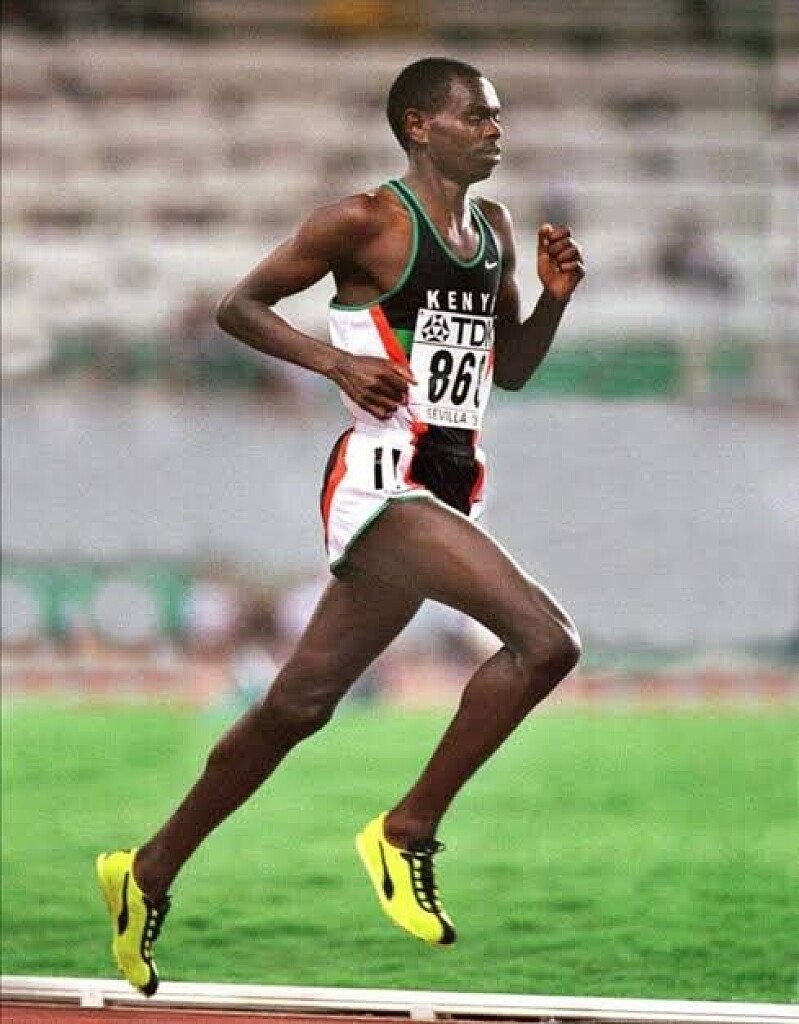
From Komen to Ingebrigtsen: The Race That Rewrote Distance Running History
For nearly three decades, one number stood untouched in distance running mythology: sub-eight minutes for two miles.
It was not merely fast — it felt untouchable.
Back in 1996, long before Jakob Ingebrigtsen was even born, Daniel Komen delivered one of the most astonishing performances the sport has ever witnessed. At just 21 years old, the Kenyan phenomenon stormed through two miles in 7:58.61, shattering conventional understanding of human endurance and speed.
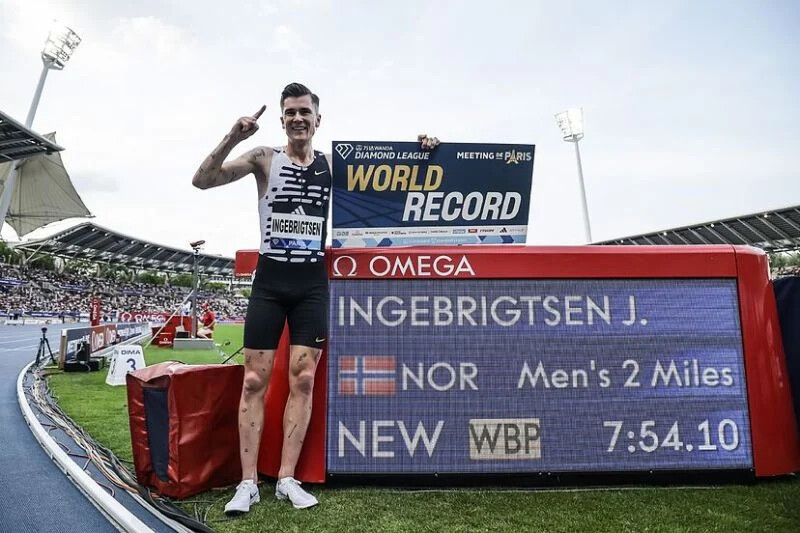
Many assumed the performance belonged to another dimension of athletics — a record destined to survive generations.
Then Komen returned in 1997 and proved it was no accident, running 7:58.91. Those two races became the only sub-eight-minute two-mile performances in history, isolated in a universe of their own.
For years, the record felt protected by time itself.
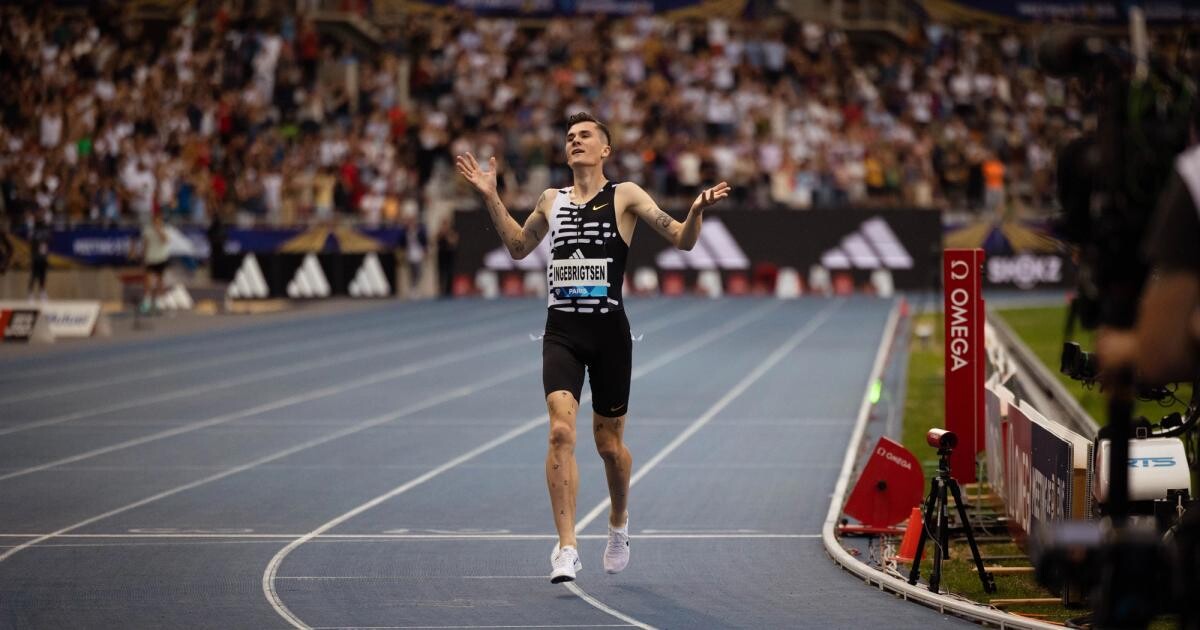
But distance running evolves. And eventually, a new heir emerged from Norway.
By his early twenties, Ingebrigtsen had already built a résumé that bordered on absurd. The Norwegian star possessed the rare combination every distance runner dreams of: raw middle-distance speed fused with championship endurance. Personal bests of 1:46.44 for 800m, 3:26.73 for 1500m, 12:48.45 for 5000m, and even 27:54 for 10,000m painted the portrait of a complete athlete — one engineered for greatness across every layer of distance running.
What made the comparison to Komen so compelling was not just the statistics, but the style. Ingebrigtsen runs with a chilling sense of control, as though pace itself bends around him. Lap after lap, he dismantles elite fields with relentless precision rather than desperation.
And suddenly, Komen’s once-untouchable kingdom no longer looked immortal.
Then came Paris.
At the Stade Charléty in 2023, under the lights of one of athletics’ fastest tracks, Ingebrigtsen produced the race many had imagined for years. Still only 22 at the time, the Norwegian unleashed a breathtaking assault on the historic mark, covering two miles in 7:54.10 — not merely breaking the record, but obliterating it.
The performance was ruthless, elegant, and almost surreal in its execution.
For nearly 27 years, the sport had waited for someone capable of entering Komen’s territory. In one unforgettable night, Ingebrigtsen didn’t just enter it — he redrew the map entirely.
Records in athletics are often described as barriers waiting to fall. But some become legends because they seem immune to history. Komen’s sub-eight masterpiece belonged to that category.
Until another generational talent arrived and made the impossible look inevitable.
by Erick Cheruiyot for My Best Runs.
Login to leave a comment
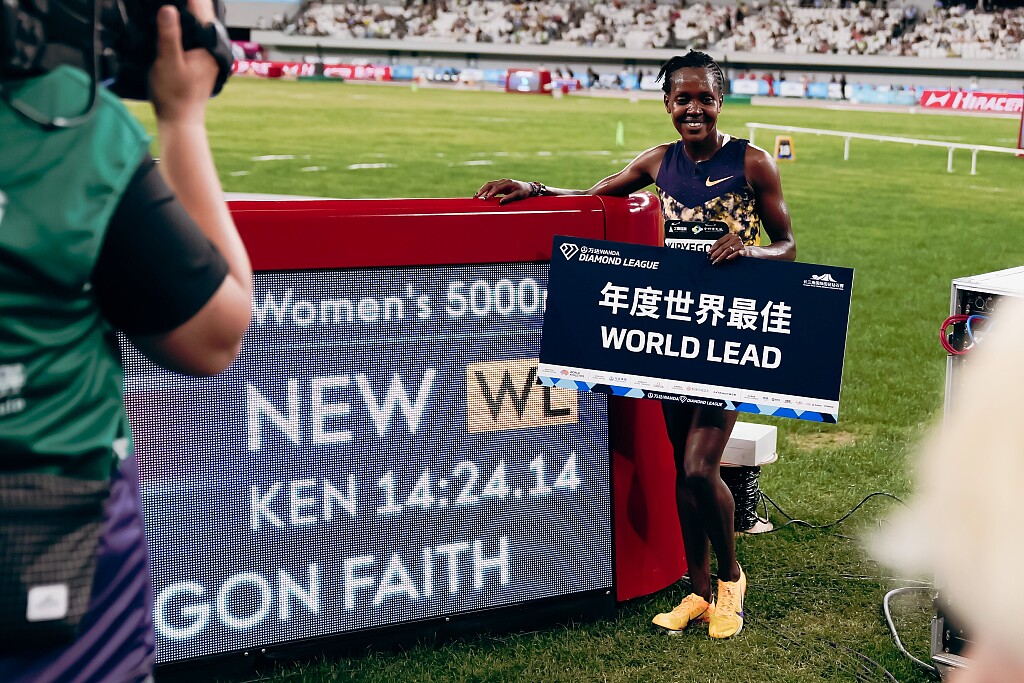
Faith Kipyegon Opens in Style With Blazing 5000m World Lead in Shanghai
Three-time Olympic champion Faith Kipyegon reminded the world exactly why she remains one of the greatest distance runners of her generation after storming to a sensational 14:24.14 victory in the women’s 5000m at the Shanghai Diamond League.
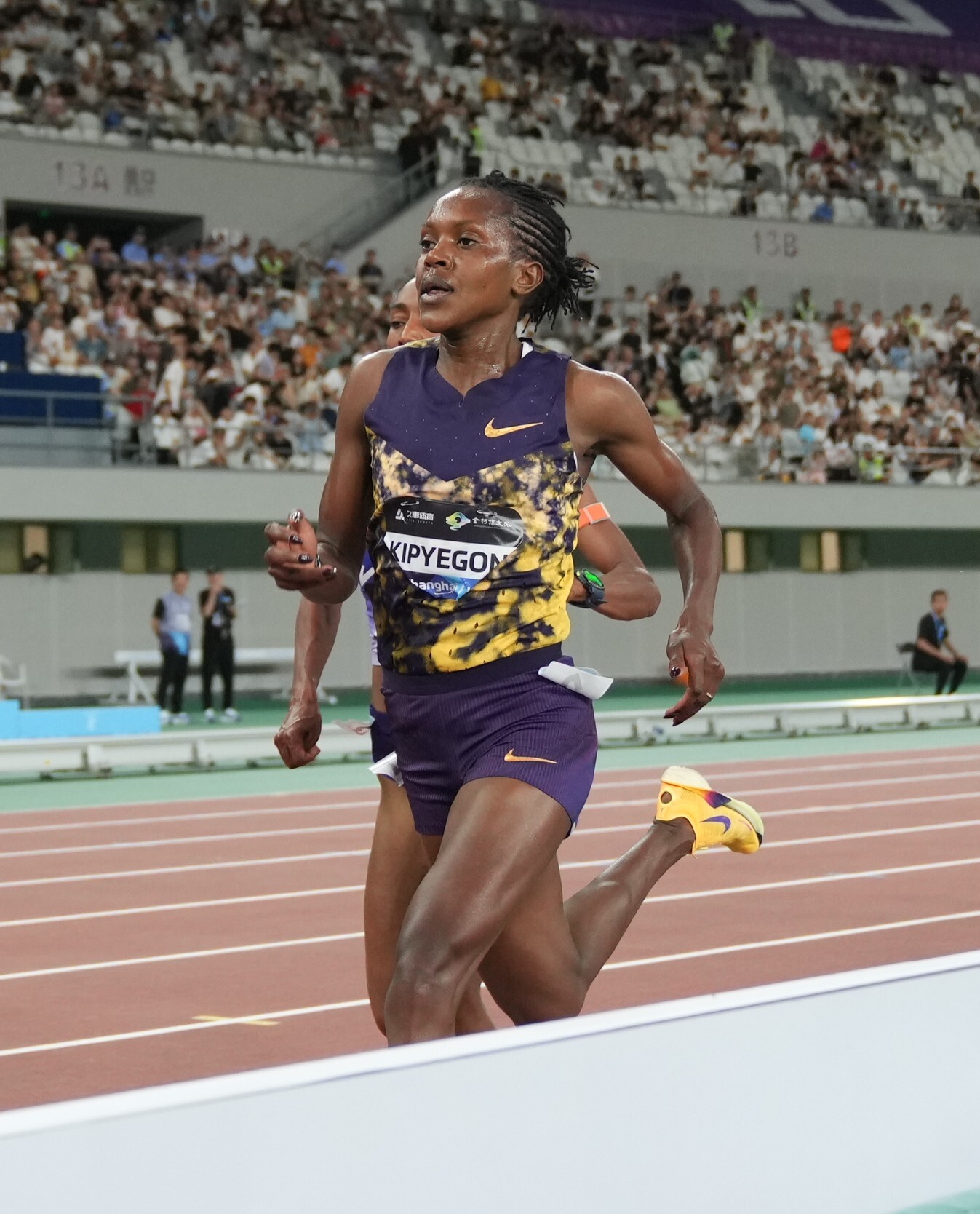
Making her long-awaited season debut, the Kenyan superstar produced a commanding performance to register the fastest women’s 5000m time in the world this year, immediately sending a strong message to her rivals ahead of the major championships season. The mark also stands as Kipyegon’s quickest 5000m performance since her unforgettable 2023 campaign, underlining her remarkable consistency at the highest level of global athletics.
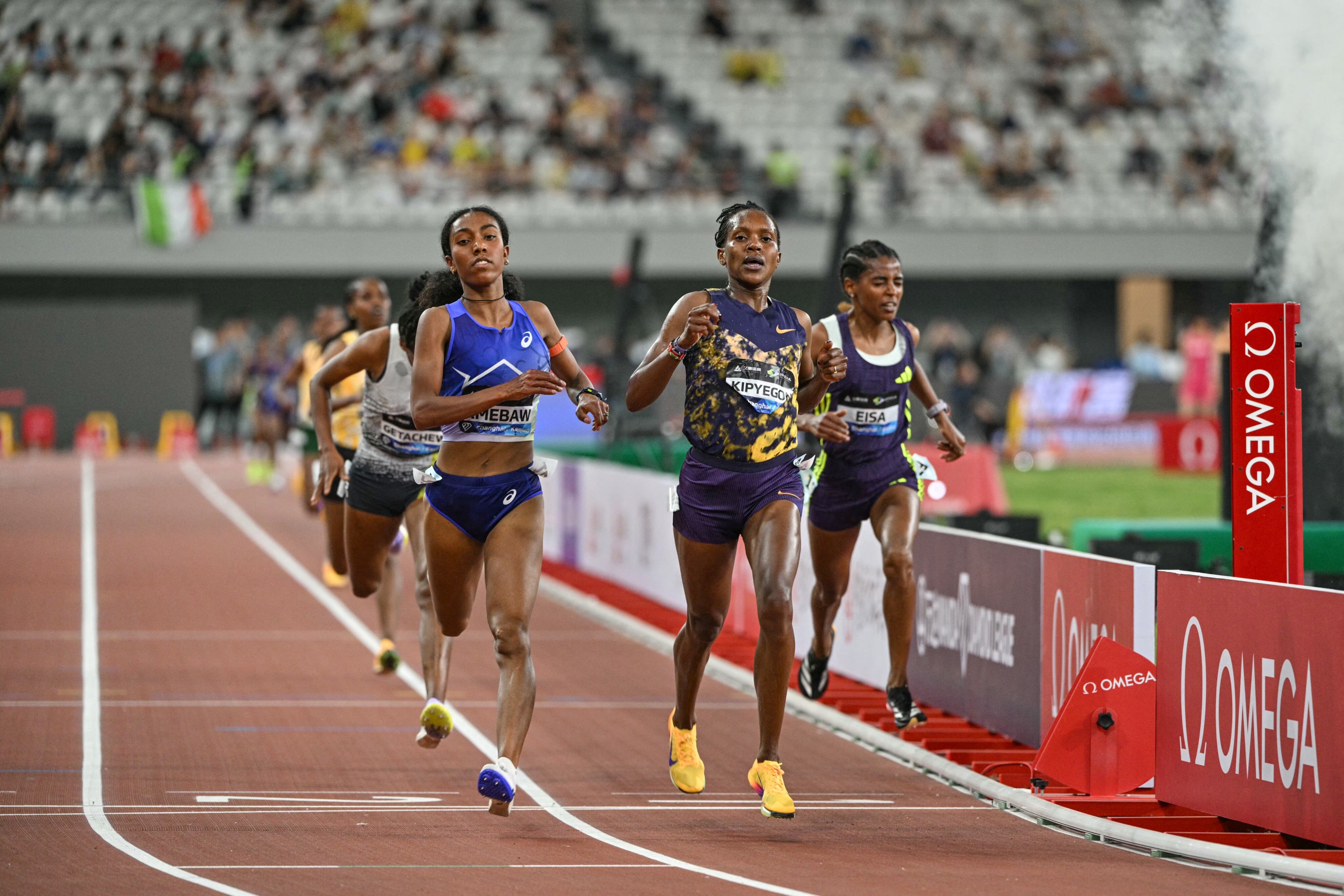
In a race loaded with depth and relentless pace, Kipyegon showed her trademark composure and devastating finishing strength when it mattered most. Ethiopia’s Likina Amebaw pushed hard all the way to the line and finished just fractions behind in 14:24.21, while Senayet Getachew followed closely in 14:24.71 as the race turned into one of the fastest women’s 5000m contests of the season so far.
The race itself developed into a historic showcase of elite women’s distance running, with athlete after athlete producing world-class times under the lights in Shanghai. Eight runners dipped under 14:36, while Kenya and Ethiopia once again demonstrated their dominance in global long-distance competition. The incredibly fast overall field added even greater weight to Kipyegon’s victory, as she emerged on top against one of the strongest 5000m line-ups assembled this season.
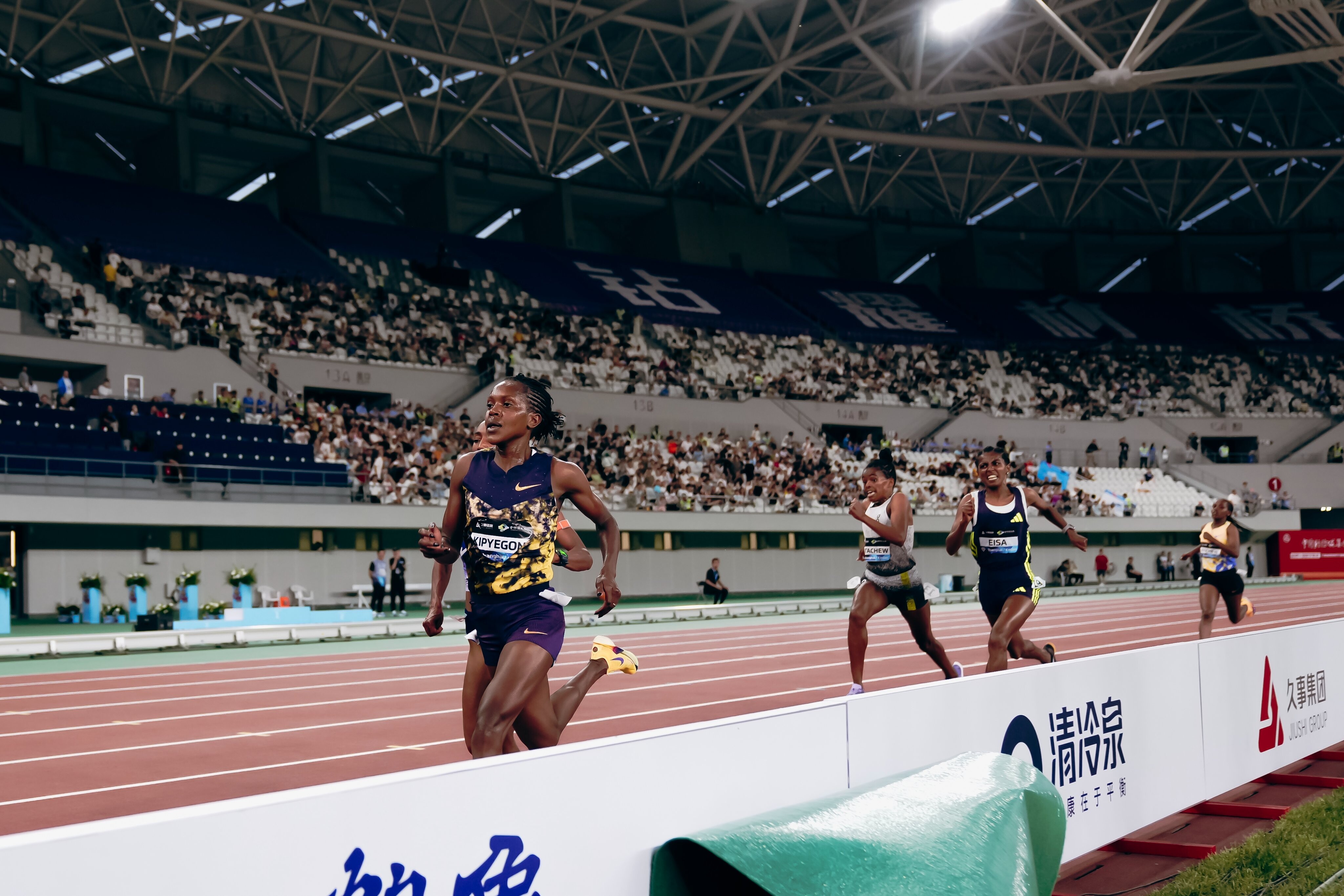
Despite the fierce challenge from the Ethiopian contingent, Kipyegon looked in control throughout the decisive stages, effortlessly covering every surge before unleashing another clinical finish that left the crowd in Shanghai in awe. Her ability to combine tactical intelligence with world-class speed continues to separate her from the rest of the field.
The performance is yet another statement from the Kenyan icon, whose dominance across the 1500m and 5000m has redefined modern distance running. After opening her season with a world-leading mark, anticipation is already growing over what could come next as Kipyegon builds toward another potentially historic year on the track.
With the world lead now firmly in her possession, Faith Kipyegon has once again positioned herself at the centre of the global conversation in women’s distance running. Her emphatic season opener in Shanghai not only reaffirmed her class, but also signaled that the Kenyan star could be preparing for another dominant campaign on the international stage. As the Diamond League season gathers momentum, all eyes will now be on Kipyegon to see just how fast — and how far — she can go in 2026.
Women’s 5000m Results – Shanghai Diamond League 2026
1. Kenya — Faith Kipyegon — 14:24.14 WL
2. Ethiopia — Likina Amebaw — 14:24.21
3. Ethiopia — Senayet Getachew — 14:24.71
4. Ethiopia — Medina Eisa — 14:24.76
5. Ethiopia — Asayech Ayichew — 14:26.41
6. Ethiopia — Mizan Alem — 14:29.97
7. Ethiopia — Marta Alemayo — 14:32.84
8. Ethiopia — Hawi Abera — 14:35.96
9. Kenya — Caroline Nyaga — 14:36.55
10. Ethiopia — Mastewal Mehabaw — 14:38.66
11. Kenya — Maurine Chebor — 14:39.31
by Erick Cheruiyot for My Best Runs.
Login to leave a comment
Shanghai Set for Fireworks as Faith Kipyegon Headlines Blockbuster Women’s 5000m Clash
The spotlight will shine brightly on Shanghai this Saturday as some of the world’s finest distance runners prepare for a captivating women’s 5000m showdown at the Diamond League meeting in China.
All eyes will be on Kenyan superstar Faith Kipyegon, who returns to the track leading a powerful international field packed with proven championship performers and rising talents eager to challenge the Olympic legend.
Scheduled for May 16, 2026, the race promises high drama, relentless pace and a fierce battle from the opening laps. Kipyegon, celebrated globally for rewriting the limits of women’s middle-distance running, now steps into another major test against a deep Ethiopian contingent and several dangerous challengers from across the world.
Ethiopia arrives heavily armed with athletes capable of turning the race into a tactical masterpiece or a blistering fast contest. Names such as Hawi Abera, Marta Alemayo, Medina Eisa, Hirut Meshesha and Alemnesh Tilaye add serious depth to the field, underlining the nation’s continued dominance in long-distance running.
Kenya will also look to make a strong statement through Margaret Akidor, Maurine Jepkoech Chebor and Caroline Nyaga, while Uganda’s Charity Cherop carries East African hopes into what is expected to be one of the most competitive women’s 5000m races of the season.
The global flavor of the event is further strengthened by the presence of Britain’s Melissa Courtney-Bryant and Australian duo Rose Davies and Maudie Skyring, athletes known for thriving in fast-paced championship environments.
With Shanghai’s electric atmosphere expected to fuel the occasion, fans could witness a tactical chess match evolve into a breathtaking late-race sprint. Every lap is likely to matter as the athletes position themselves for supremacy in one of the Diamond League calendar’s most anticipated distance races.
For Kipyegon, the race represents another opportunity to reaffirm her dominance on the world stage. For her rivals, it is a chance to challenge one of athletics’ greatest modern icons under the bright lights of Shanghai.
One thing is certain — Saturday’s women’s 5000m promises speed, intensity and world-class drama from start to finish.
by Erick Cheruiyot for My Best Runs.
Login to leave a comment
Golden Kick! Rwanda’s Emeline Imanizabayo Stuns Field in Thrilling 5000m Final
The opening day of the African Senior Athletics Championships in Accra delivered a breathtaking spectacle as Rwanda’s Emeline Imanizabayo produced a stunning late surge to seize gold in the women’s 5000 metres final.
In one of the most dramatic races of the evening, Imanizabayo showcased remarkable composure and tactical brilliance, unleashing a powerful finishing kick in the closing metres to edge past her rivals and secure the continental crown in 23:25.92. The Rwandese star crossed the line with sheer determination written across her face, igniting celebrations for Team Rwanda on a memorable night in Ghana.
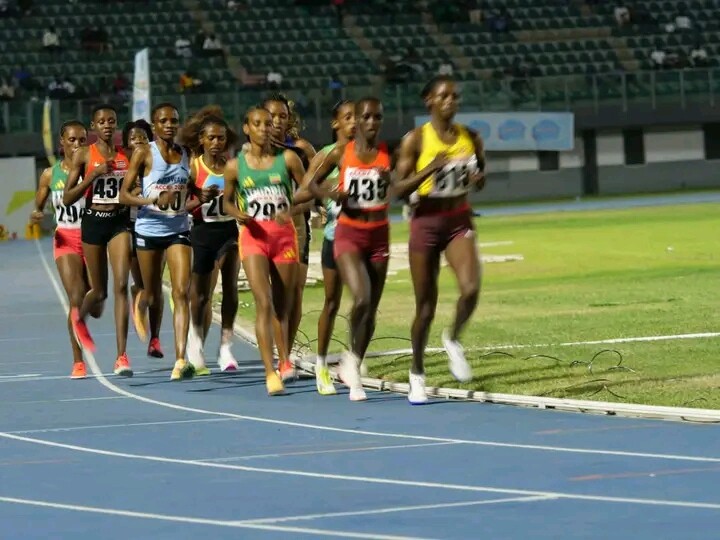
Djibouti’s Samia Hassan pushed the eventual champion all the way to the finish, delivering a courageous performance to claim silver in 23:26.34 after an intense shoulder-to-shoulder battle down the final stretch. Ethiopia’s Zeyen Ayelegn completed the podium with bronze in 23:30.55, ensuring East Africa once again dominated the distance event on the continental stage.
The race unfolded at a calculated pace before exploding into life during the decisive final lap. With the leading pack refusing to break apart, the championship was ultimately decided by grit, timing, and raw finishing power. Imanizabayo’s explosive final burst proved unstoppable as she surged ahead at the perfect moment to etch her name into African athletics history.
Her victory not only marked a proud achievement for Rwanda but also highlighted the growing strength and depth of African women’s distance running. The electric atmosphere inside the stadium reflected the magnitude of the contest, with fans witnessing a championship duel worthy of a continental final.
Day one in Accra has already set the tone for what promises to be a thrilling African Championships, filled with fierce rivalries, emotional victories, and unforgettable performances from the continent’s finest athletes.
by Erick Cheruiyot for My Best Runs.
Login to leave a comment

Vinny Mauri Shocks Marathon World With 2:05:54 Debut at Glass City Marathon
A stunning performance in Toledo has introduced a new name to the global marathon stage.
Running his first-ever marathon, Vinny Mauri clocked an extraordinary 2:05:54 at the Mercy Health Glass City Marathon, winning the race and breaking the course record by an astonishing 13 minutes.
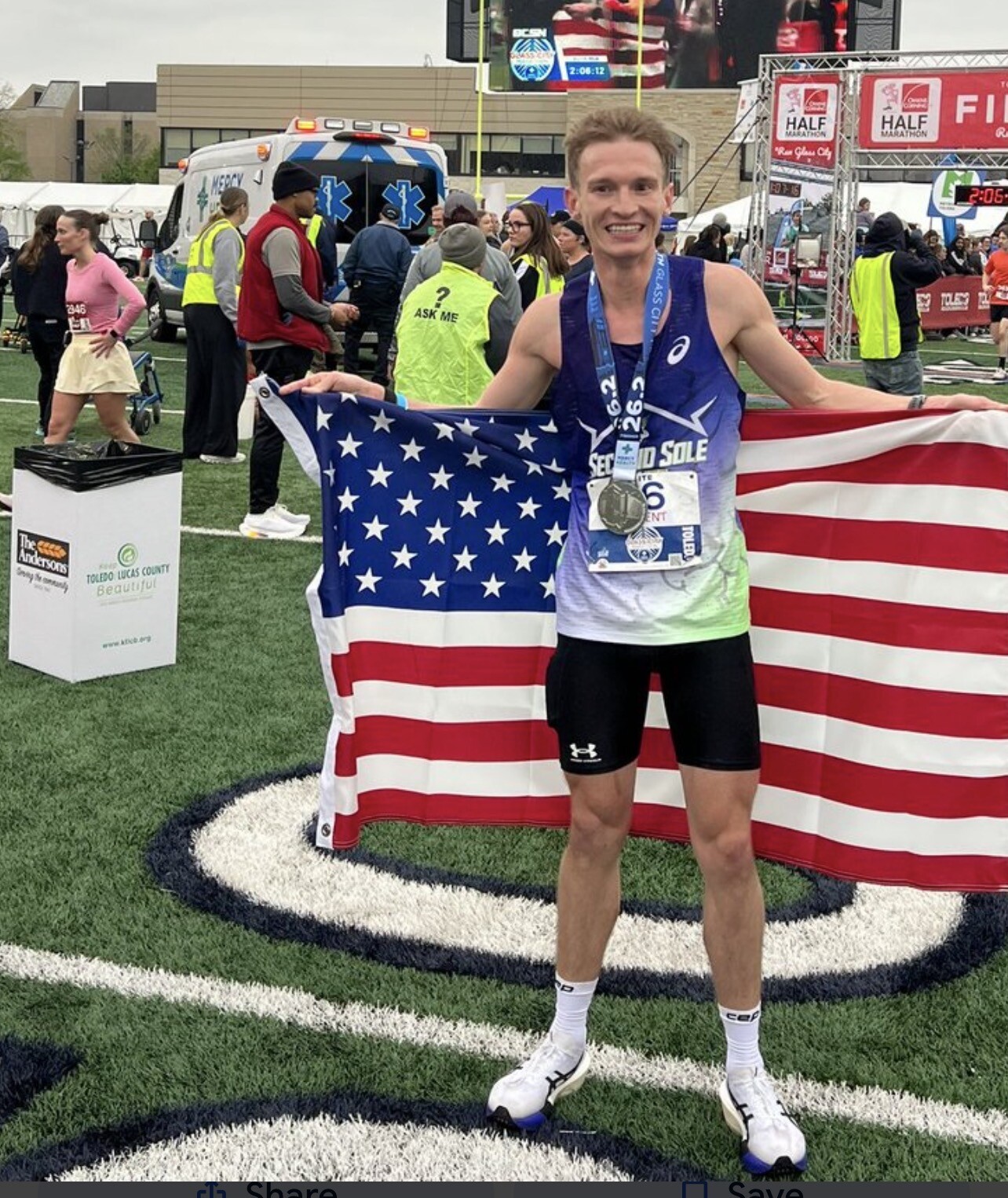
The performance immediately places Mauri among the best American marathoners ever:

Fastest U.S. marathon debut
#3 all-time U.S. performer on a record-eligible course
From NCAA Standout to Marathon Star
Mauri is not a complete unknown—but this level of performance is a major leap.
He competed collegiately at Notre Dame, where he developed into a strong distance runner across track and cross country.
Recent highlights from his NCAA career:
13:34.03 for 5000m (one of the top marks in program history)
7:50.33 for 3000m
3:59.05 for the mile
All-ACC honors in cross country (8K in 23:44)
These are very solid marks—but not typically the kind that predict a 2:05 marathon debut.
A Breakthrough Unlike Most
Most elite marathon debuts are cautious. Athletes test the distance, learn pacing, and aim to finish strong.
Mauri did something entirely different.
From early in the race, he committed to a pace well under 2:06—and held it. Instead of fading late, he surged, turning what could have been a strong debut into one of the most surprising performances in recent U.S. distance running history.
A 13-minute course record improvement underscores just how dominant the run was.
What This Means
This performance raises immediate questions—and excitement.
Has Mauri found his true event in the marathon?
Is this the start of a new American star at the distance?
How fast can he go on a major stage?
At 2:05:54, he is instantly relevant on the world stage.
The Bottom Line
Vinny Mauri came into Toledo as a promising but relatively unheralded distance runner.
He left as one of the fastest American marathoners of all time.
Debuts like this are rare. When they happen, they usually signal something much bigger ahead.
by Boris Baron
Login to leave a comment
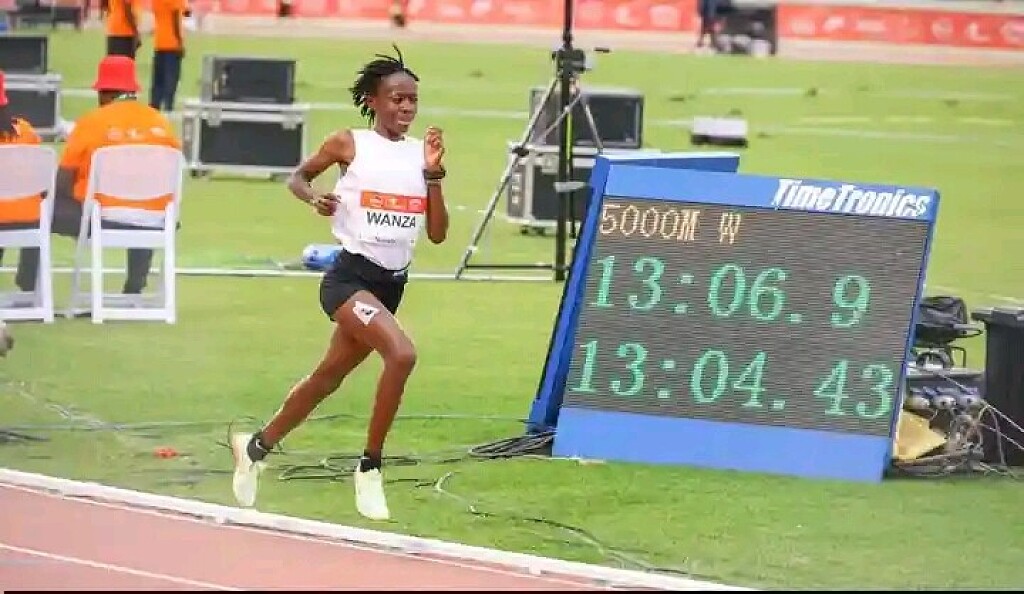
Wanza Shines Bright as Kenyan Women Dominate 5000m at Kip Keino Classic
Diana Wanza announced herself in emphatic fashion at the 2026 Kip Keino Classic, producing a beautifully controlled performance to claim victory in the women’s 5000m and underline her growing status in Kenyan distance running.
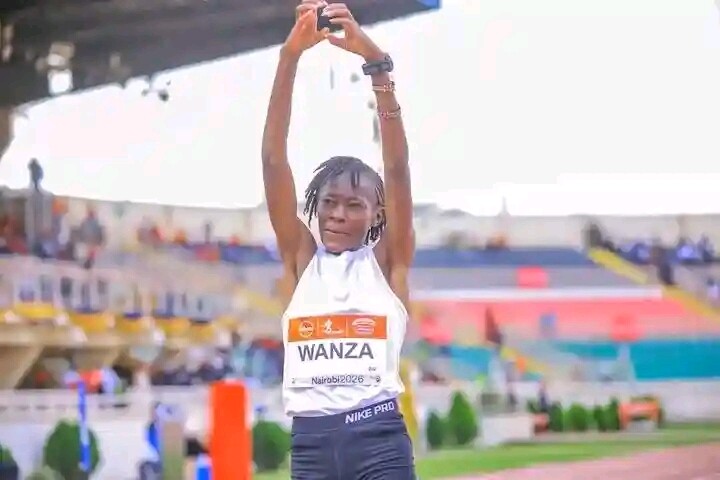
On a lively afternoon in Nairobi, Wanza judged her race to perfection. Calm through the early stages and decisive when it mattered most, she surged clear to cross the line in a personal best of 15:28.91, rewarding the home crowd with one of the standout distance displays of the meeting.
Her triumph led a commanding Kenyan sweep of the podium, with Mercy Chepkemoi finishing second in 15:49.85, while Dorcus Chepkwemoi secured third place in 15:55.20 after a strong closing effort.
The depth of local talent was equally impressive, as Joyline Chepkemoi narrowly missed the podium in fourth with 15:55.40, followed by Emmaculate Jepkosgei in fifth at 16:01.75. Joan Chepkirui placed sixth in 16:07.26, while Betty Chepngeno celebrated a personal best of 16:11.12 in seventh. Alice Chemtai completed the top eight in 16:21.23.
Wanza’s rise also carries a story of patient development and disciplined preparation. She is a former alumna of the Kenyan Athletics Training Academy, where she sharpened her talent while balancing life as a student at Kenyatta University back in 2021 and 2022. During that period, she combined academic responsibilities with the demanding routine required to grow as a competitive athlete.
Her journey from academy athlete to Kip Keino Classic champion reflects the value of structured mentorship and perseverance. The foundations laid during her university years are now beginning to bear fruit on the national stage, as she transforms promise into elite performance.
Wanza’s victory was not only a personal milestone but also a reminder of Kenya’s enduring strength in women’s distance running. With world champion Beatrice Chebet expected to return to competition soon, the prospect of Wanza and Chebet racing together offers an exciting glimpse into what could become a formidable partnership for Kenya on the global stage.
If this performance was any indication, Diana Wanza is no longer simply a promising name—she is rapidly becoming a serious force.
by Erick Cheruiyot for My Best Runs.
Login to leave a comment
Faith Kipyegon Set for Bold 2026 Return as Shanghai Diamond League Awaits
Kenyan middle-distance queen Faith Kipyegon is ready to launch her 2026 track season in spectacular fashion, with the three-time Olympic champion confirmed for the Shanghai Diamond League on May 16 in China.
Rather than easing back through her trademark 1500m, Kipyegon has chosen a tougher test for her season opener — the women’s 5000m. It is a bold move from one of athletics’ greatest competitors, signaling her hunger to challenge herself across longer distances while continuing to redefine greatness on the track.
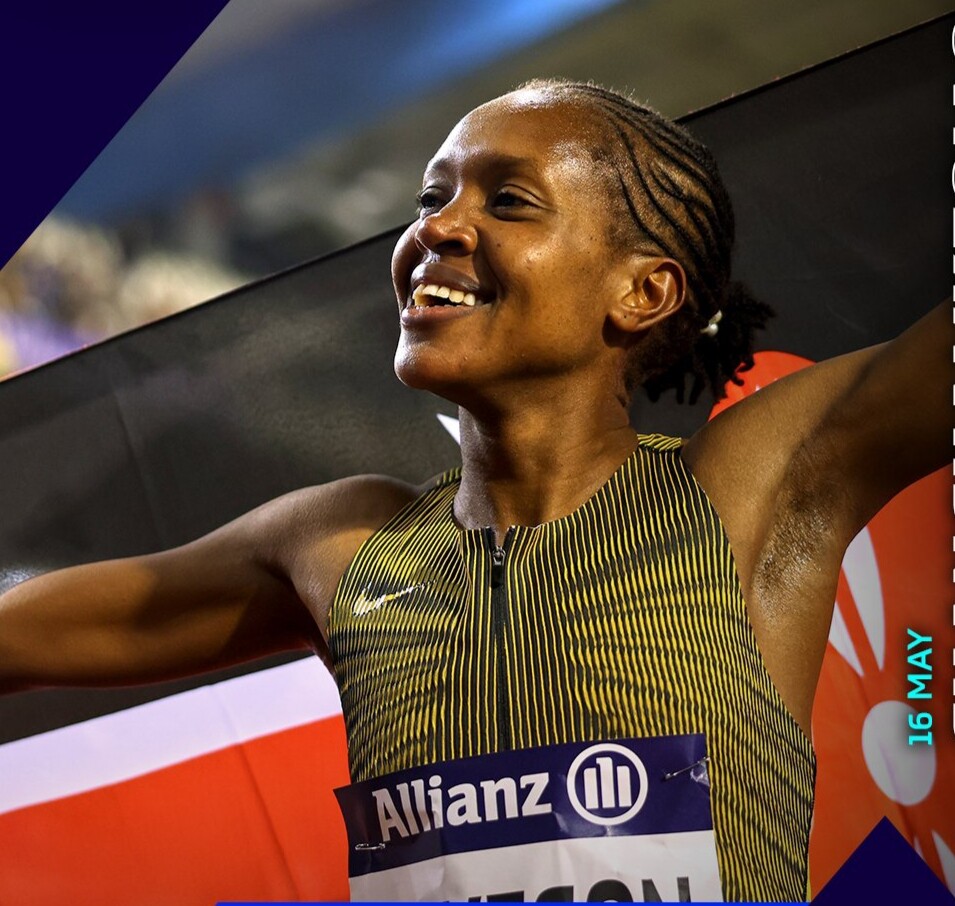
The Kenyan superstar owns a personal best of 14:05.20 over 5000m, a world-class mark in its own right. However, the Shanghai meeting has become known for fast times, and the current course record of 13:58.06 was set in 2025 by fellow Kenyan sensation Beatrice Chebet. That performance underlined Chebet’s growing status as one of the most dangerous names in global distance running.
Kipyegon will also line up against athletes who have gone faster over the distance, including Ethiopia’s Gudaf Tsegay and Chebet. Their presence promises a high-quality showdown in what could become one of the standout races of the early Diamond League season.
Yet writing off Kipyegon has never been wise. The reigning 1500m world record holder has built her career on rising to the biggest occasions, blending tactical brilliance with devastating finishing speed. Whether in championship finals or record-breaking runs, she has repeatedly shown an ability to turn pressure into performance.
For fans, Shanghai offers more than just a season opener. It is the return of one of the sport’s brightest stars, stepping into unfamiliar territory with her usual fearless ambition. If history has taught the athletics world anything, it is that whenever Faith Kipyegon steps onto the track, something special is always possible.
by Erick Cheruiyot for My Best Runs.
Login to leave a comment
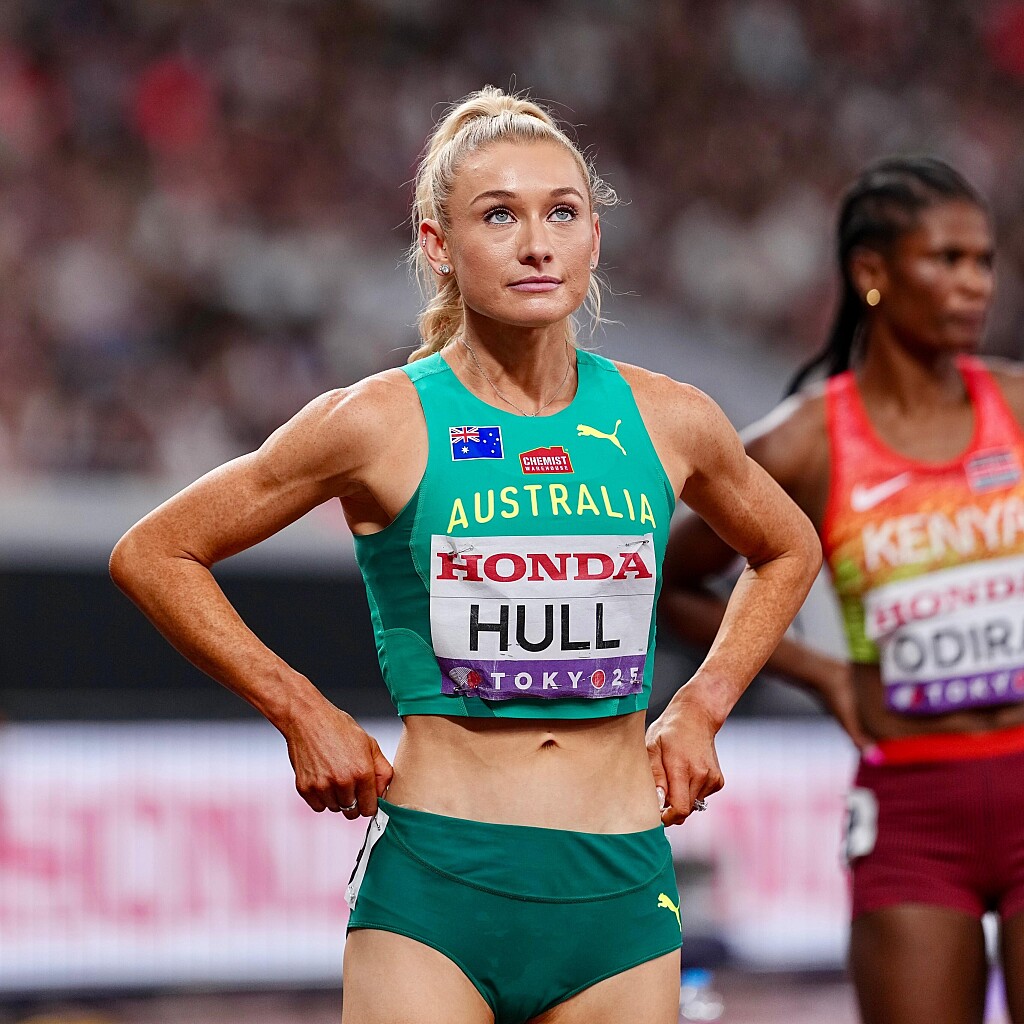
Emotion, Controversy and Redemption: Jessica Hull’s Championship Drama Ends in Triumph
Australian middle-distance star Jessica Hull found herself at the center of one of the most talked-about moments of the national athletics championships after a dramatic fall in the women’s 1500 metres sparked heartbreak, controversy, and an emotional response from her father and coach, Simon Hull.

In the aftermath of the incident, Simon Hull publicly apologised for the way he reacted, admitting that emotions got the better of him during the tense moments that followed the race. He later reached out to athletics officials to express his regret, acknowledging that he should have handled the situation with greater composure.
Yet despite the apology, he maintained his belief that his daughter was denied a genuine chance at victory after being clipped on the home straight while chasing the title. For a coach and father who had watched months of preparation lead to that decisive moment, the disappointment was impossible to hide.
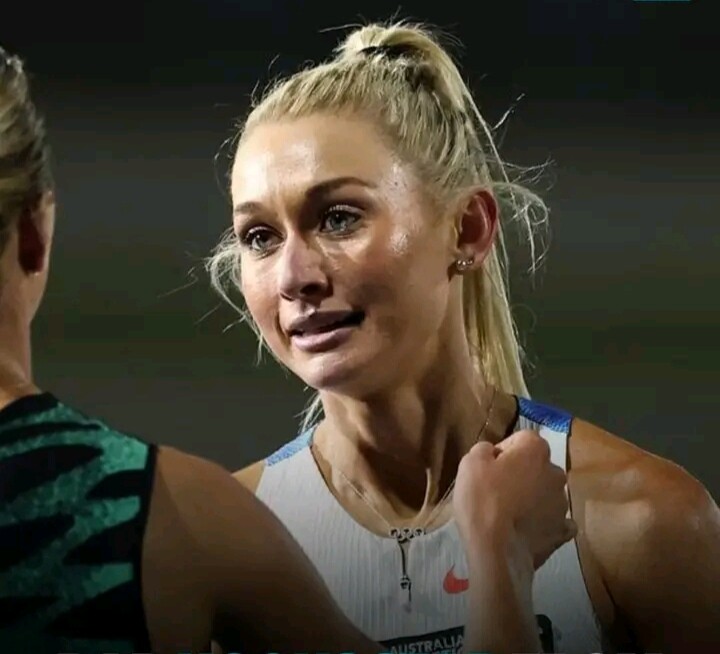
Jessica Hull had arrived at the championships with history in her sights. The Olympic silver medallist was attempting a rare and ambitious treble—winning the 800m, 1500m and 5000m at a single national championships. It was a challenge that demanded both speed and endurance, and one that underlined her remarkable range as an athlete.
Although the 1500m ended in frustration, Hull’s response was the clearest statement of her class. Rather than dwell on the controversy, she returned to the track two days later and delivered a commanding performance in the 5000m, surging to victory in style.
That performance not only showcased her physical strength, but also her mental resilience. Champions are often defined not by how they celebrate success, but by how they respond to adversity—and Hull did exactly that.
With the championships now behind her, attention turns to the upcoming Commonwealth Games, where Hull remains one of Australia’s brightest medal hopes. If this turbulent week proved anything, it is that setbacks may slow her path, but they are unlikely to stop her rise.
by Erick Cheruiyot for My Best Runs.
Login to leave a comment
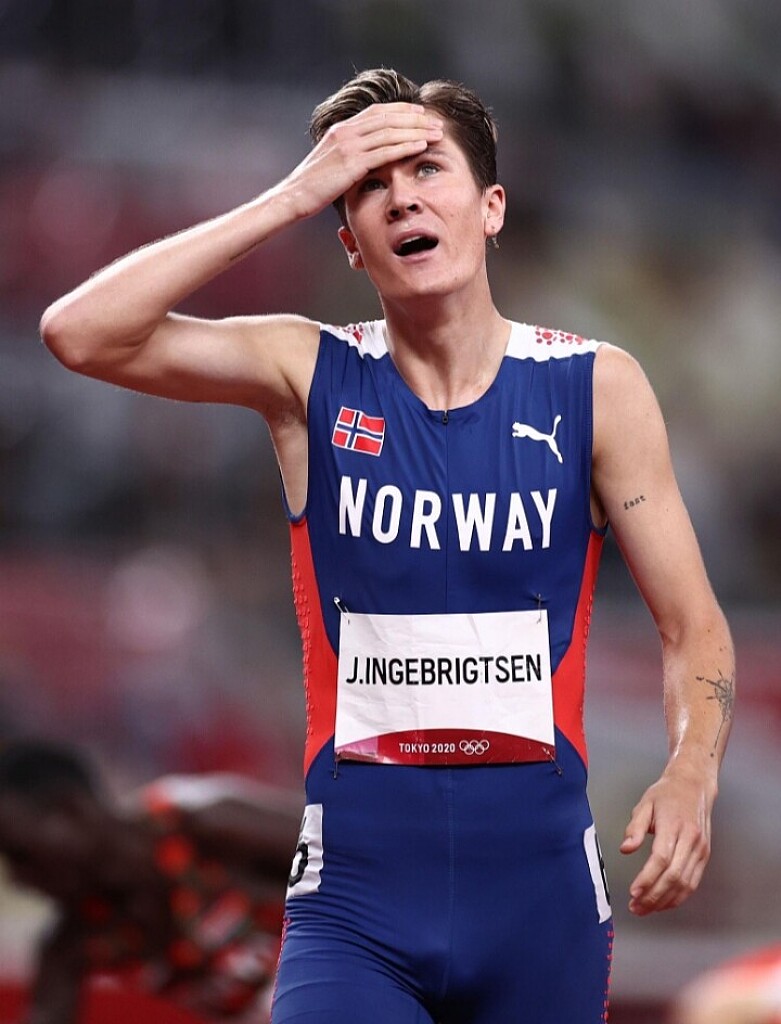
Patience of a Champion: Jakob Ingebrigtsen Eyes July Comeback
The wait to see Jakob Ingebrigtsen back on the track will continue a little longer. The Olympic champion is not expected to race before July as he continues recovering from Achilles tendon surgery, with his management team choosing caution over haste ahead of a demanding second half of the season.

According to his manager, Daniel Wessfeldt, the Norwegian star will miss all competitions in May and June, ruling him out of the early-season circuit, including the prestigious Bislett Games. The decision reflects a clear priority: returning only when he is fully prepared to compete at the elite level that has defined his career.
At just 25, Ingebrigtsen has already built one of the most decorated résumés in modern distance running. He captured Olympic gold in the 1500m at Tokyo 2020 before adding the 5000m crown at Paris 2024. Beyond the Olympic stage, he has collected world titles, dominated European championships, and rewritten record books with global marks in the 2000m and 3000m, alongside the European record in the 1500m.
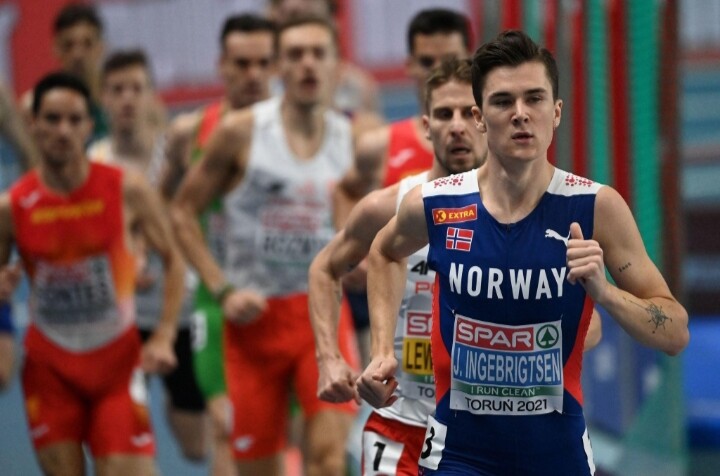
The Achilles issue had lingered in recent seasons, making surgery the necessary long-term solution. Rather than rushing back for early headlines, his camp is investing in a complete rehabilitation process designed to preserve both performance and longevity.
If recovery continues as planned, several high-profile opportunities await later in the year. Possible return stages include the Diamond League Eugene in early July, followed by major targets such as the European Championships, Diamond League stops in Silesia and Brussels, and the Ultimate Championship.
For now, the stopwatch can wait. Ingebrigtsen’s greatest race at this moment is not against rivals, but against time, patience, and recovery. If history is any guide, when he does return, he will come back ready to remind the world why he remains one of the defining athletes of his era.
by Erick Cheruiyot for My Best Runs.
Login to leave a comment
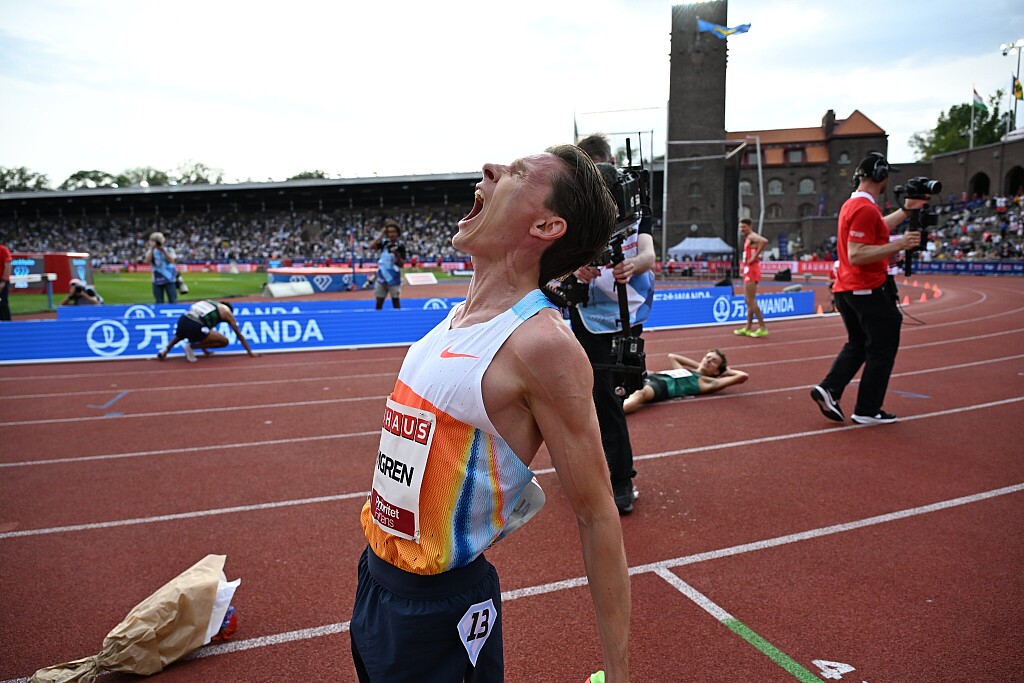
From Track Titan to Marathon Dream: Andreas Almgren Set for Paris Leap
Swedish distance sensation Andreas Almgren is poised to step into uncharted territory as he makes his highly anticipated marathon debut at the Schneider Electric Marathon de Paris on Sunday, April 12, 2026. For an athlete who has built his reputation on blistering speed and relentless efficiency on the track and roads, the transition to 42.2km marks a defining new chapter.
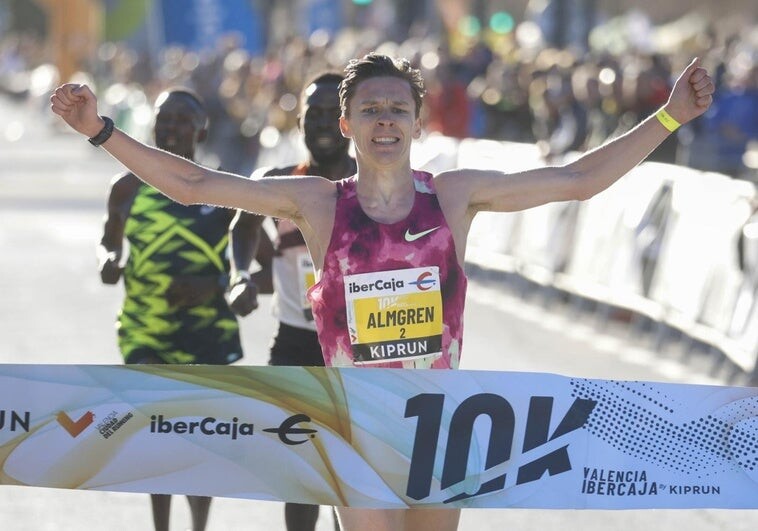
Almgren arrives in Paris carrying the weight of remarkable credentials. The Swedish star holds national and area records across multiple distances, including a stunning 12:44.27 over 5000m and a rapid 26:45 for 10km—times that underline his elite pedigree. His 58:41 half marathon further signals his readiness to stretch his limits over longer distances, offering a strong foundation for the marathon challenge.
Yet, the marathon is a different beast entirely. It demands not just speed, but patience, resilience, and tactical intelligence. For Almgren, success will hinge on how well he balances his natural racing instincts with the discipline required to conquer the distance. The streets of Paris—lined with history and charged with atmosphere—will provide both a stage and a test unlike any he has faced before.
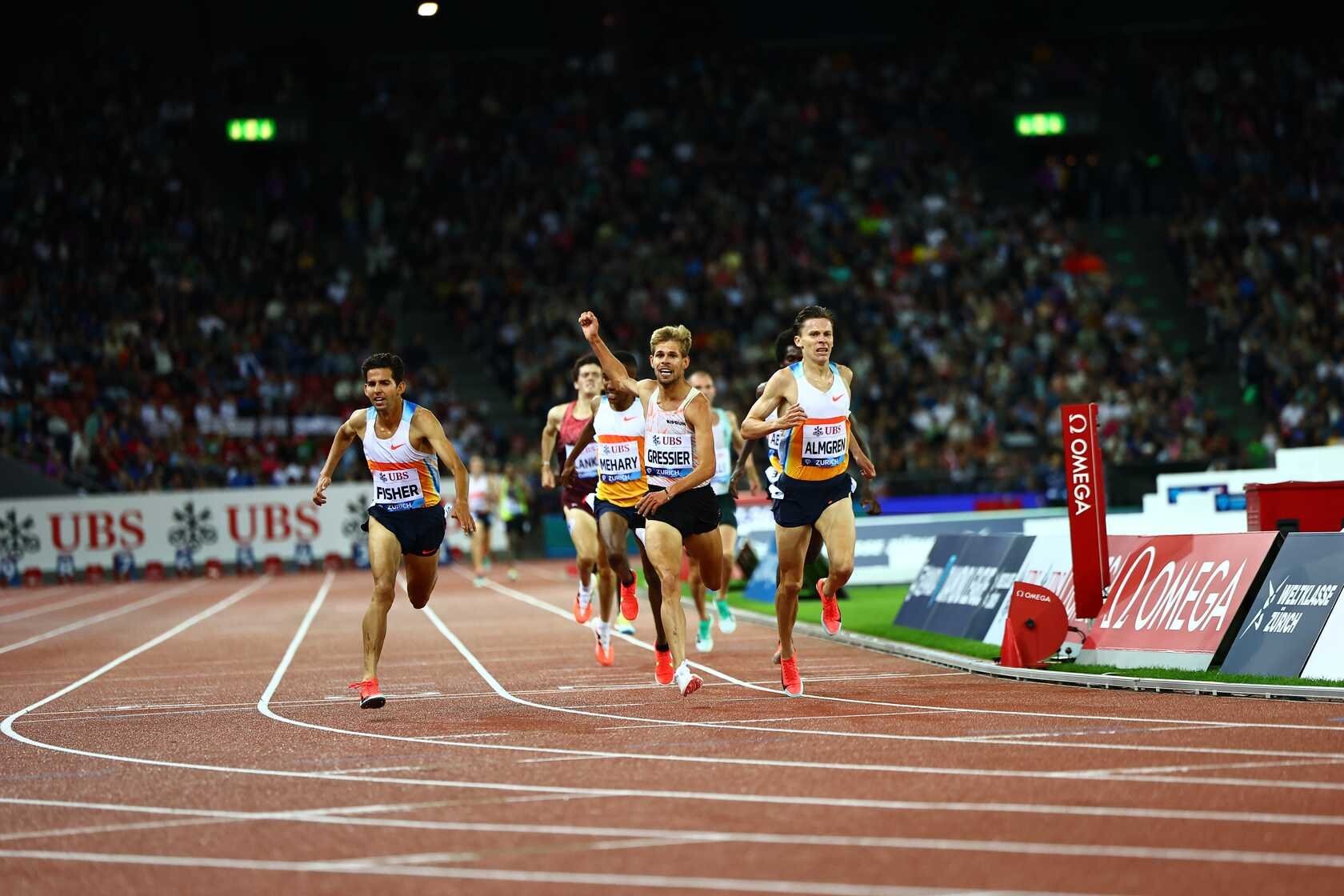
The decision to debut in Paris is no coincidence. The race is renowned for its fast, scenic course and deep elite field, making it an ideal proving ground for athletes stepping up in distance. For Almgren, it presents an opportunity not only to compete but to announce himself as a serious contender in global marathon running.
As the running world turns its attention to the French capital, anticipation continues to build. Will Almgren’s speed translate into endurance? Can he navigate the unforgiving final kilometers where the marathon truly begins?
One thing is certain: this debut is more than just a race—it is the beginning of a bold pursuit. And if his past performances are any indication, Andreas Almgren is not arriving in Paris to participate—he is arriving to make a statement.
by Erick Cheruiyot for My Best Runs.
Login to leave a comment

Schneider Electric Paris Marathon
The Schneider Electric Marathon de Paris offers a unique opportunity to make the city yours by participating in one of the most prestigious races over the legendary 42.195 km distance. The Schneider Electric Marathon de Paris is now one of the biggest marathons in the world, as much for the size of its field as the performances of its runners....
more...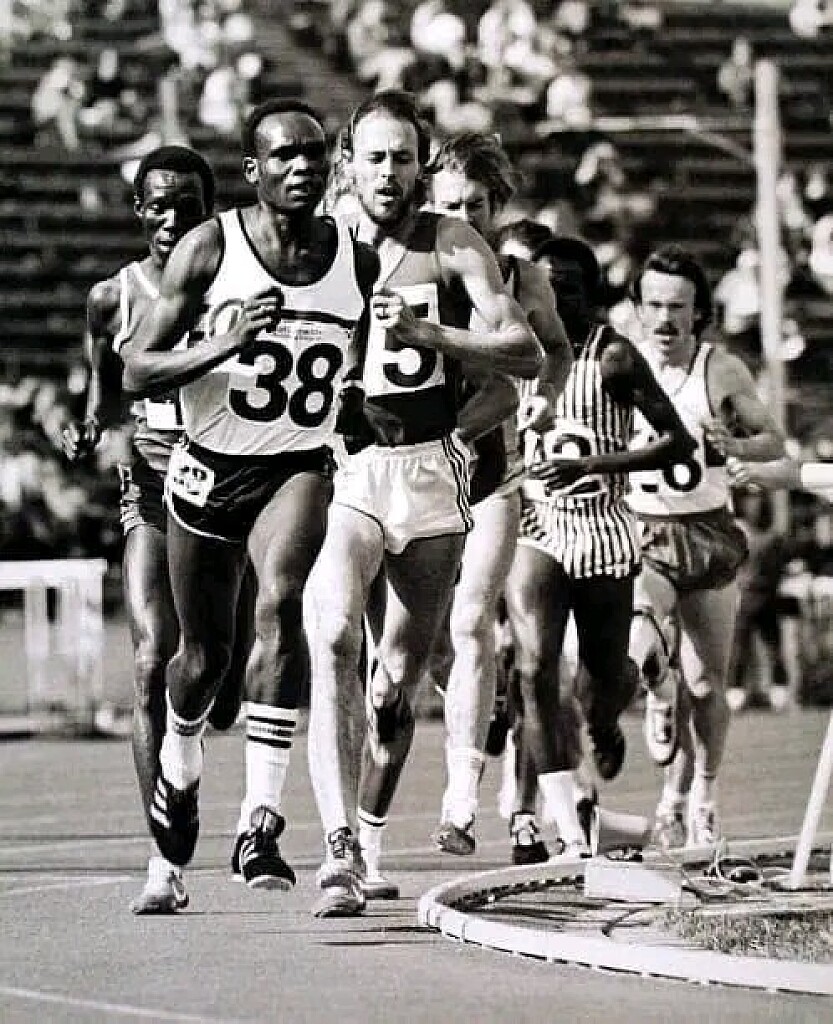
Today in History: Henry Rono’s 5000m Masterpiece Redefined Distance Running
On this day—April 8, 1978—the world of athletics witnessed a performance of rare brilliance in Berkeley, as Kenya’s Henry Rono produced one of the most iconic runs in distance running history.
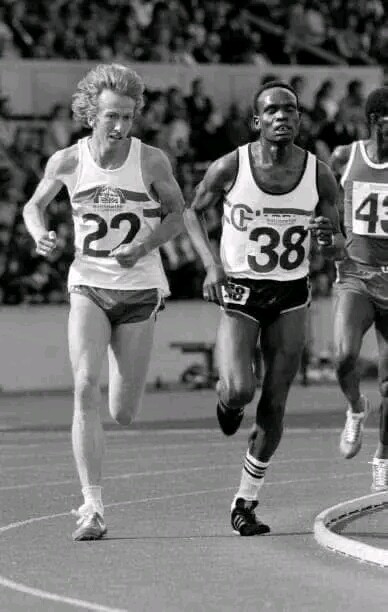
Rono surged to a stunning 13:08.4 in the 5000 metres, setting a new world record and announcing himself as a dominant force on the global stage. In doing so, he erased the previous mark of 13:12.9 set by New Zealand’s Dick Quax in Stockholm less than a year earlier. The margin—4.5 seconds—was enormous at that level, underlining just how extraordinary Rono’s run truly was.
Yet, this historic performance was only the opening chapter of an astonishing streak.
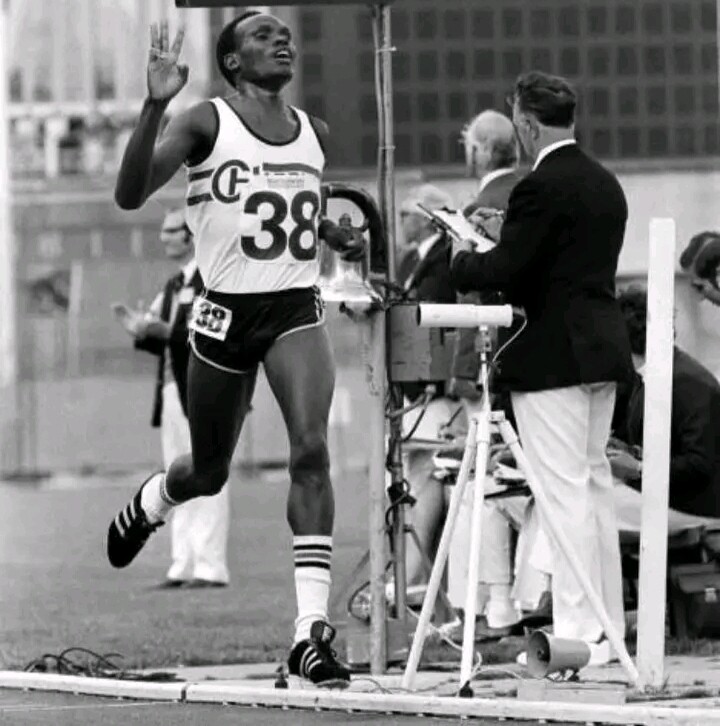
Within the following ten weeks, Rono would achieve what few athletes in history have come close to matching—breaking four world records across different distance events. Alongside his 5000m triumph, he set new global standards in the 3000 metres steeplechase, 10,000 metres, and 3000 metres, showcasing unmatched endurance, versatility, and dominance.
His 5000m time in Berkeley would go on to stand the test of time in remarkable fashion, remaining the outdoor collegiate record for 44 years until finally being surpassed in 2022—an enduring symbol of its greatness.
Today, we remember not just a record-breaking run, but a defining moment that reshaped distance running. Henry Rono’s legacy continues to inspire generations, a testament to the heights that can be reached through talent, courage, and relentless pursuit of excellence.
by Erick Cheruiyot for My Best Runs.
Login to leave a comment
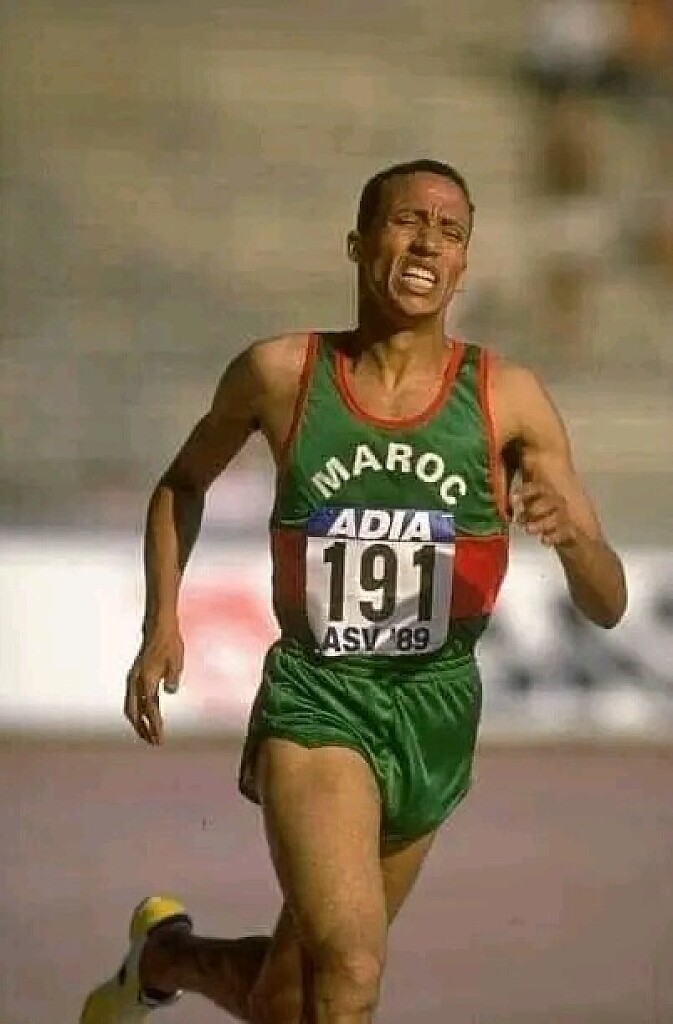
Breaking Barriers Across Three Frontiers: The Rare Triple of Middle- and Long-Distance Greatness
In the demanding world of distance running, versatility at the highest level is almost mythical. Speed specialists dominate the shorter races, while endurance kings reign supreme over longer distances. Yet, a select group of extraordinary athletes have managed to blur those boundaries—delivering world-class performances across three iconic events: the 1500m, 3000m, and 5000m.
To run under 3:30 in the 1500m, under 7:30 in the 3000m, and under 13:00 in the 5000m is not just a statistical milestone—it is a testament to a rare fusion of speed, stamina, tactical intelligence, and longevity. Across decades of elite competition, only eight men in history have achieved this remarkable “triple crown” of distance running.
The story begins with Saïd Aouita, the Moroccan trailblazer who set the standard in 1989. Aouita’s revolutionary range redefined what was possible, proving that an athlete could dominate from the metric mile to the longer track events with equal authority.
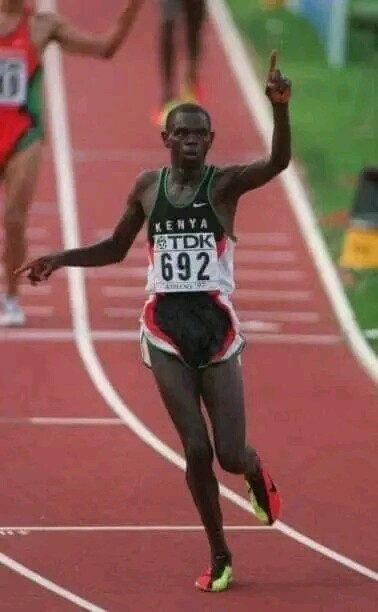
Years later, Kenya’s Daniel Komen elevated the benchmark in 1997, combining raw power and relentless pace to cement his place among the sport’s most feared competitors. His performances remain etched in athletics history as a symbol of controlled aggression and precision.
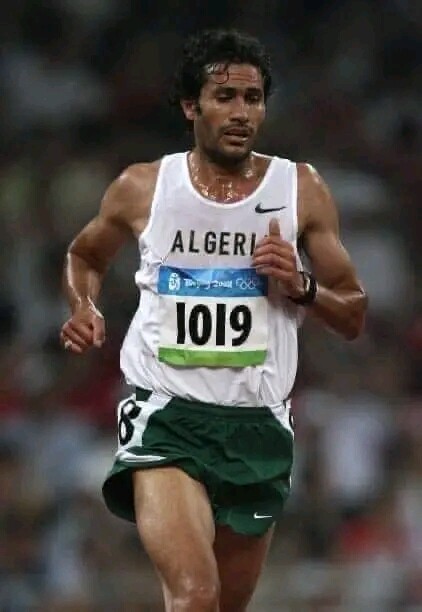
Algeria’s Ali Saïdi-Sief followed in 2001, showcasing a seamless blend of endurance and finishing speed, while another Moroccan icon, Hicham El Guerrouj, added his name in 2003. El Guerrouj, widely regarded as one of the greatest middle-distance runners of all time, embodied elegance and dominance, conquering distances with unmatched fluidity.
Kenya continued its proud tradition through Augustine Choge in 2009, a quiet yet consistent force whose versatility often flew under the radar, and Bernard Lagat in 2010. Lagat’s inclusion was particularly remarkable, highlighting not only his range but also his longevity, as he remained competitive across generations.
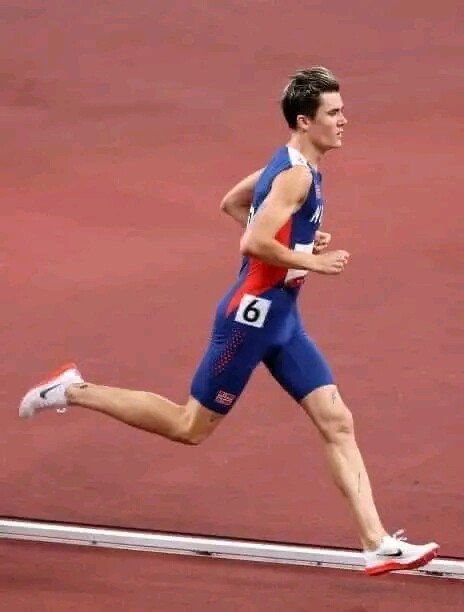
The modern era has witnessed a resurgence of this rare versatility. Norway’s Jakob Ingebrigtsen joined the elite list in 2021, redefining contemporary distance running with his fearless front-running style and relentless pursuit of fast times. That same year, Spain’s Mohamed Katir matched the feat, further proving that the boundaries between speed and endurance continue to be pushed.
What unites these eight athletes is not just their times, but their ability to transcend specialization in an era that increasingly demands it. Each performance reflects years of meticulous training, tactical brilliance, and an unwavering commitment to excellence.
In a sport often defined by margins of seconds, this sub-3:30, sub-7:30, sub-13:00 combination stands as one of the purest indicators of all-around greatness. It is a benchmark that few can approach—and even fewer can conquer.
As athletics continues to evolve, the question remains: who will be next to join this exclusive club? For now, these eight names stand alone, guardians of one of the sport’s most demanding and prestigious achievements.
by Erick Cheruiyot for My Best Runs.
Login to leave a comment
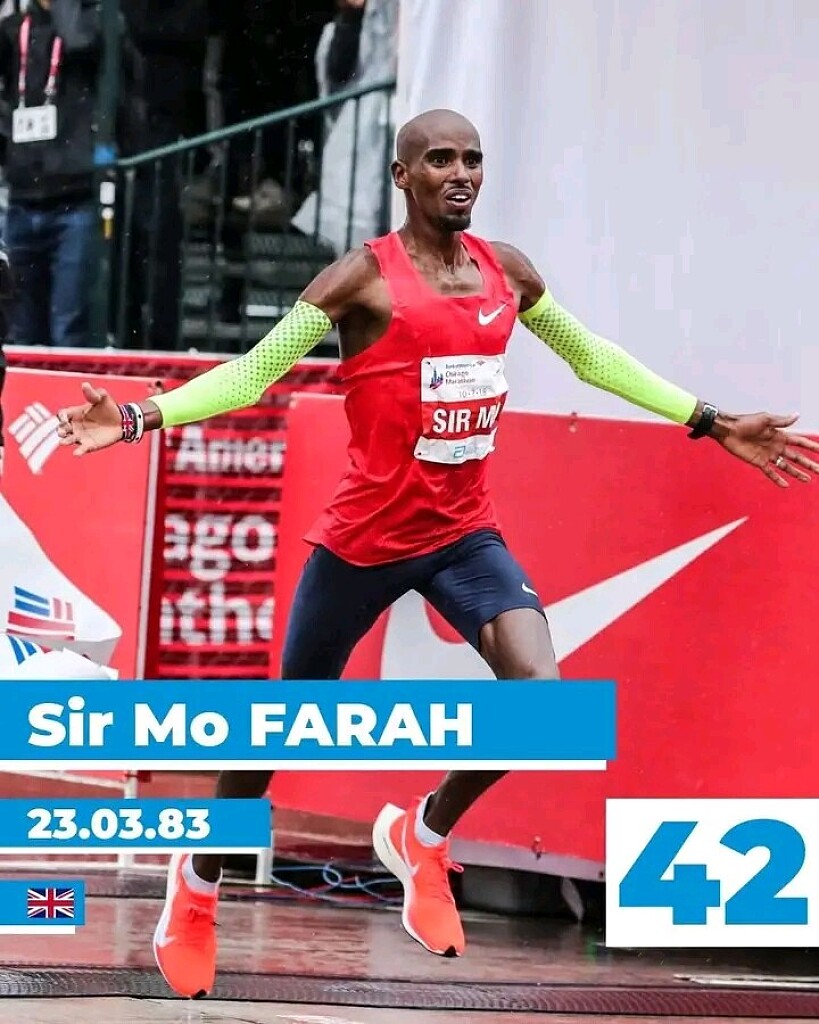
From Lost Beginnings to Olympic Immortality: The Unyielding Rise of Mo Farah
Born on March 23, 1983, in Somalia, Mo Farah did not enter the world with the privileges of certainty or stability. His early years were shaped by separation and sacrifice. At just eight years old, he moved to the United Kingdom, leaving behind not only his homeland but also his twin brother, who remained in Africa due to illness. It was a childhood marked by displacement, language barriers, and the quiet struggle to belong.
Growing up in London, Farah’s life changed direction thanks to a perceptive physical education teacher who noticed something extraordinary in the young boy: a natural gift for running. What began as a simple discovery soon evolved into a relentless pursuit. Through the muddy, unforgiving courses of cross country, he started carving his identity—step by step, race by race.
By the age of 14, Farah had already claimed his first national school title, a glimpse of the greatness to come. At 18, he rose to continental prominence, securing the European junior crown. Yet, beyond medals, a deeply personal victory awaited him—at 20, he was reunited with his long-lost twin brother, closing a chapter that had shaped much of his early emotional journey.
As the years progressed, Farah transformed from a promising athlete into a dominant force across Europe and the world. At 23, he became the European cross country champion. By 26, he had conquered the European indoor 3000 meters while continuing to shine on the cross country stage. His prime years brought an avalanche of triumphs: European titles in both the 5000m and 10,000m, followed by global dominance.
The turning point in his career came when he made the bold decision to relocate to the United States to train under renowned coach Alberto Salazar. There, Farah reinvented himself. He refined his tactics, strengthened his endurance, and embraced a level of discipline that elevated him from contender to champion.
What followed was nothing short of historic. At the London 2012 Olympics, Farah etched his name into sporting folklore by winning gold in both the 5000m and 10,000m—a feat he repeated at the Rio 2016 Olympics. Four Olympic gold medals. A legacy sealed in endurance and brilliance.
His dominance extended beyond the Olympic stage. He captured multiple World Championship titles, including unforgettable performances in Moscow and Beijing, and continued to reign supreme at the European level. Even as he transitioned to longer distances, Farah’s hunger remained unshaken—setting a European marathon record and later breaking the world hour record with an astonishing 21,330 meters, surpassing the mark set by Haile Gebrselassie.
Yet behind the medals and milestones lies a deeper truth. Farah’s journey was never smooth. There were defeats, injuries, and moments when doubt crept dangerously close. Early in his career, critics questioned whether he had what it took to dominate on the global stage. But instead of retreating, he responded with resilience—choosing effort over excuses, persistence over fear.
Today, as Mo Farah celebrates his 42nd birthday, his story stands as a powerful testament to the human spirit. He was not born a champion—he became one through relentless determination, sacrifice, and an unbreakable will to go further when it mattered most.
His life reminds us that greatness is not defined by where you begin, but by how fiercely you pursue where you want to go. Obstacles are inevitable. Doubt is unavoidable. But those who rise above are the ones who, like Farah, choose to push harder, dig deeper, and never settle for less than their potential.
Because in the end, the path to greatness is not given—it is earned, one stride at a time.
by Erick Cheruiyot for My Best Runs.
Login to leave a comment
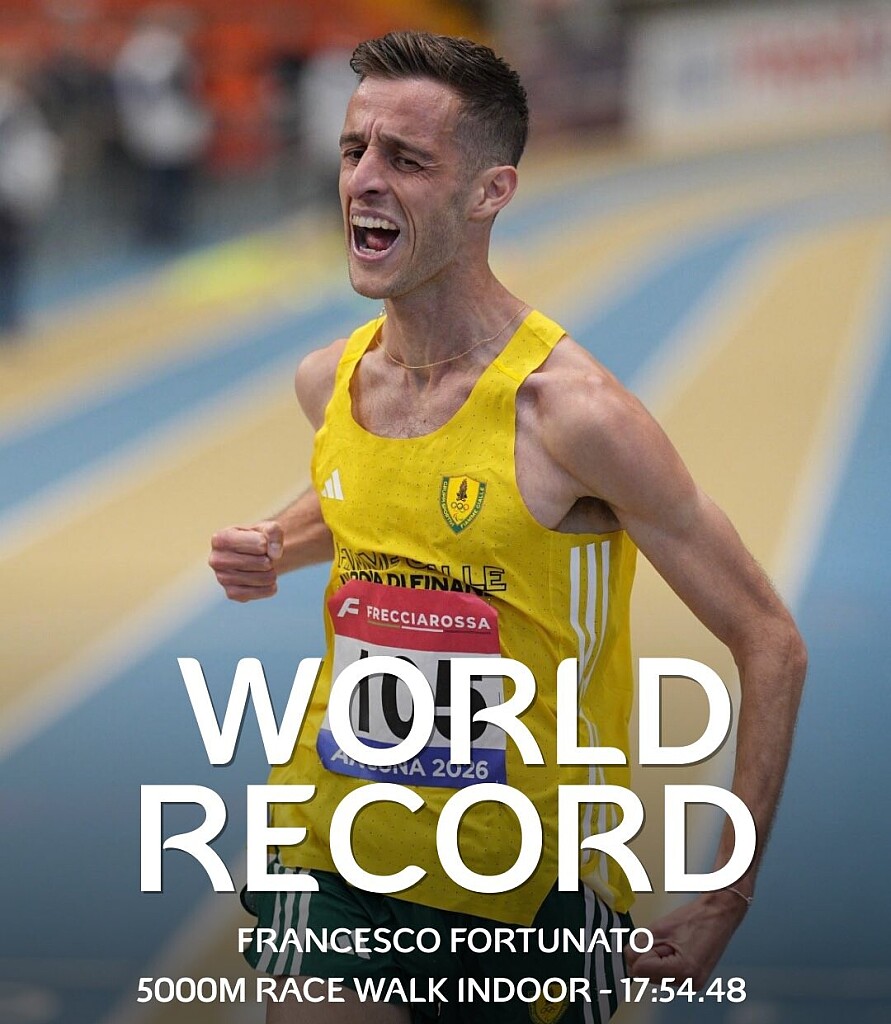
Fortunato Lowers the Bar Again with Another World-Best Walk in Ancona
Italy’s master of precision has rewritten his own script once more.
At the Campionati Italiani Indoor di Atletica Leggera in Ancona, Francesco Fortunato delivered another performance of rare composure and control, stopping the clock at 17:54.48 in the 5000m race walk (short track). With that effort, he shaved more than a second off his previous global mark of 17:55.65—also achieved at this very meet—once again pushing the boundaries of what is possible in the discipline.
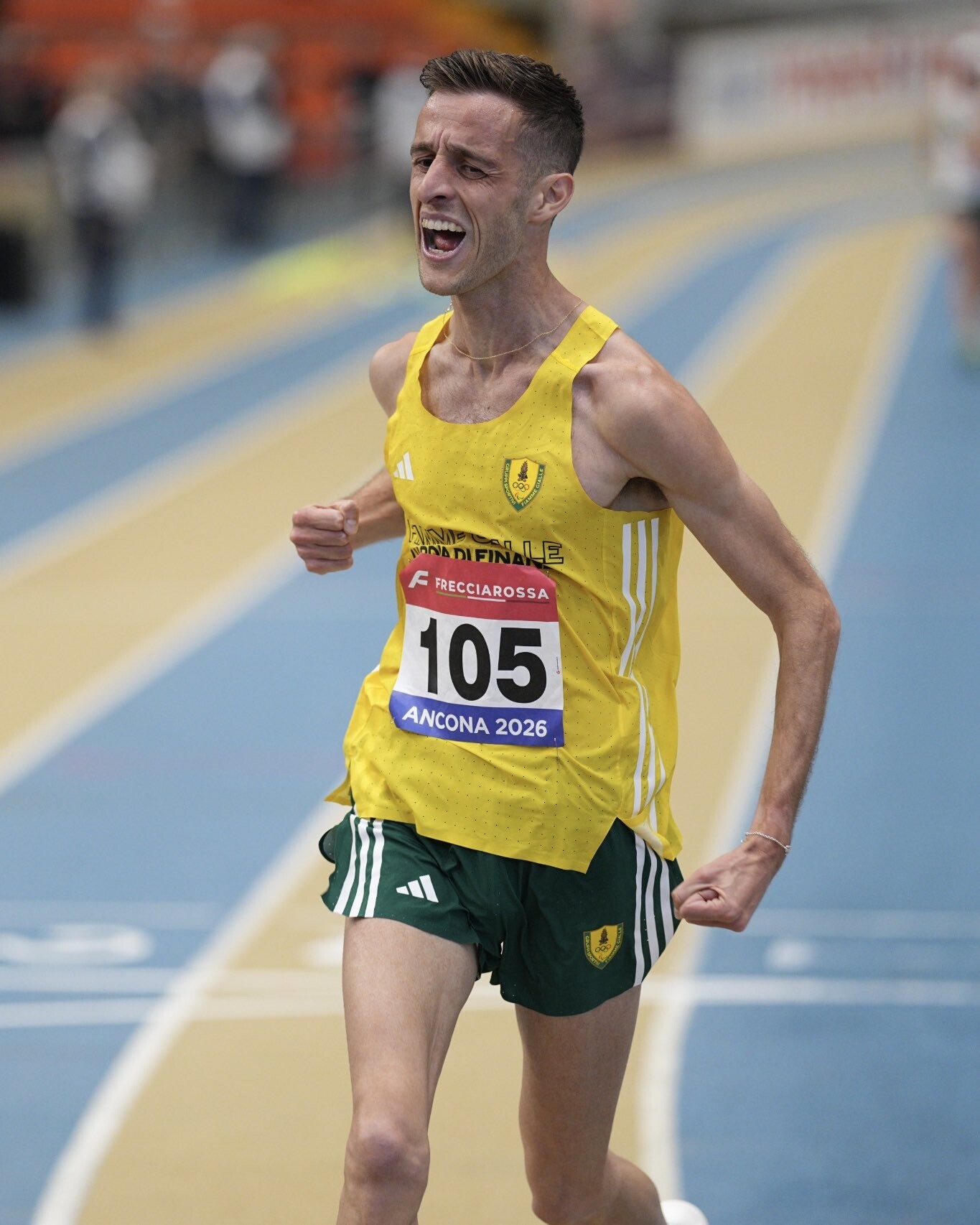
By breaking 18 minutes with his earlier mark of 17:55.65, Francesco Fortunato did more than set a world record—he dismantled a barrier that had stood firm for nearly three decades. The previous global standard of 18:07.08, untouched since 1995, had long seemed beyond reach, a time preserved in the record books as a symbol of endurance and technical mastery. Yet in Ancona, Fortunato rewrote that chapter with fearless precision, becoming the first athlete in history to walk 5000 metres indoors in under 18 minutes. It was not simply a faster performance; it was a defining moment that shifted the limits of the event itself.
Competing on the indoor circuit, where rhythm, concentration and technical efficiency are magnified on the tighter turns, Fortunato demonstrated why he remains one of the most consistent figures in modern race walking. From the opening laps, his cadence was smooth and assertive. There was no sign of strain, only the quiet authority of an athlete fully in command of his craft.
His earlier record had already set a high standard, but returning to the same venue and raising it further speaks volumes about his preparation and mental resilience. Ancona has become a familiar stage for Fortunato’s brilliance—a place where timing, technique and confidence converge.
The 5000m race walk on short track demands relentless discipline. Every stride must meet strict technical criteria while maintaining speed over 12 and a half laps. One lapse in form can undo months of preparation. Yet Fortunato walked with remarkable fluency, sustaining pace and form to the final lap before sealing another historic time.
The mark now awaits the customary ratification procedures, but the performance itself leaves little doubt. Fortunato has not only defended his global standing—he has strengthened it. In an event defined by margins measured in fractions of a second, he has once again proven that excellence is not accidental; it is carefully built, patiently refined and courageously repeated.
In Ancona, under the bright indoor lights, Francesco Fortunato did what champions do best: he returned to the scene of his triumph and made it even greater.
by Erick Cheruiyot for My Best Runs.
Login to leave a comment

Inside the Ruthe Family Running Tradition In New Zealand
In elite running, breakthrough moments rarely happen in isolation. For 16-year-old middle-distance prodigy Sam Ruthe, a record-breaking 2025–2026 season has been powered by a support system that starts at home. Behind his historic performances stands a multi-generational family of champions whose shared passion for the sport has shaped one of the most promising careers in New Zealand athletics.
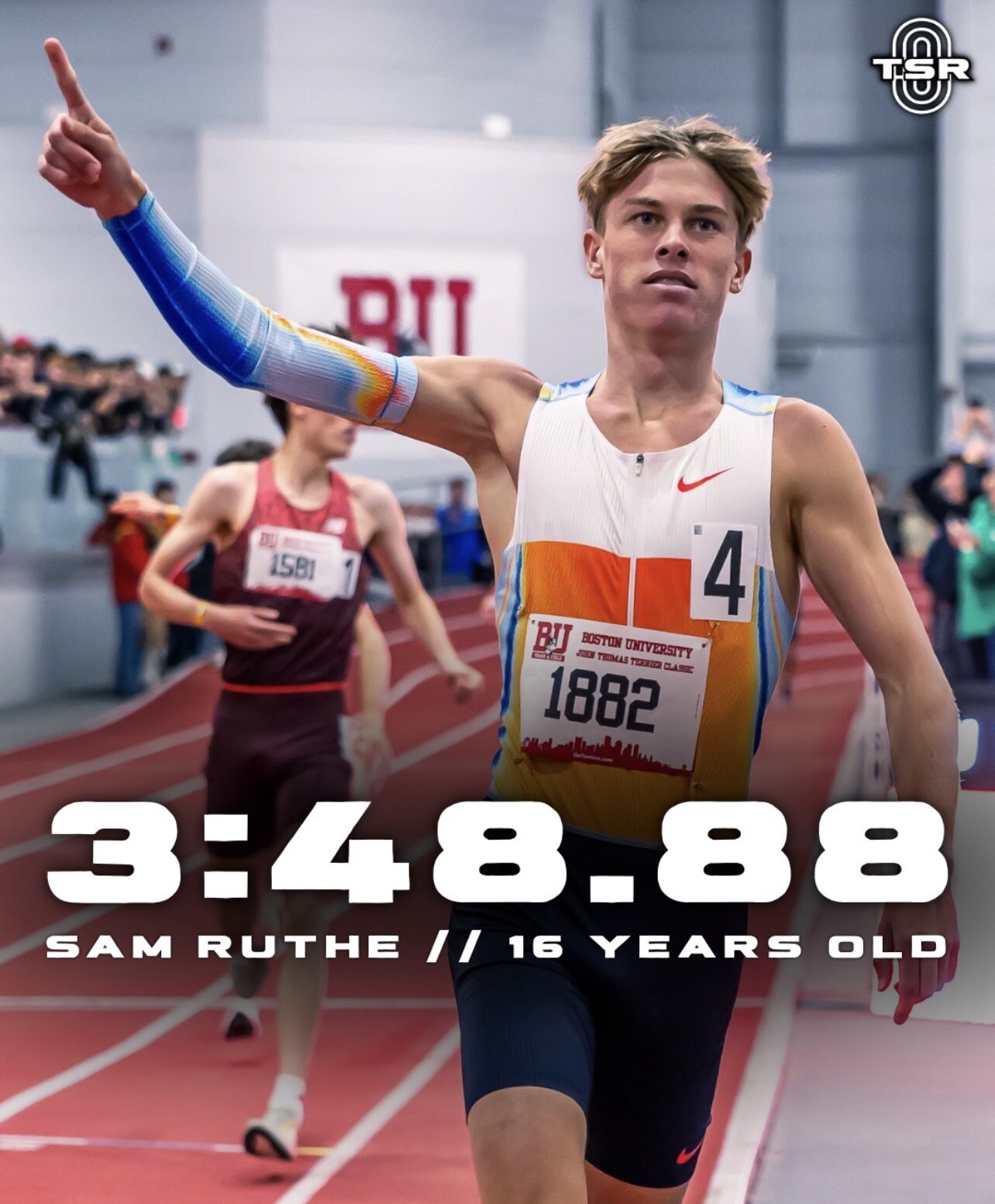
A Household of Champions
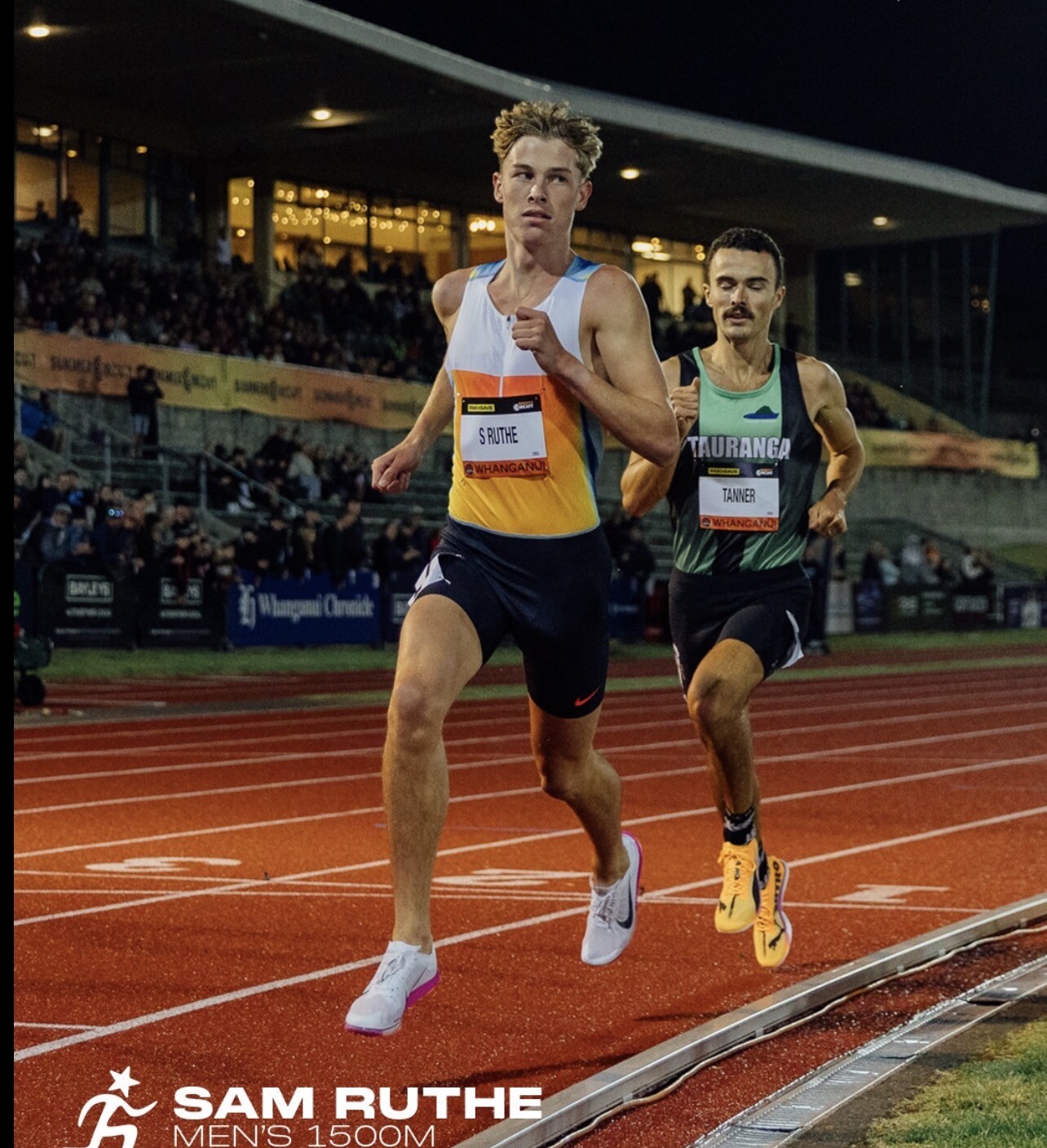
The Ruthe name is synonymous with success on the track. Sam grew up in an environment where active movement was a way of life, guided by parents and grandparents who reached the pinnacle of the sport.
- Daisy Ruthe (Sister): At just 14 years old, Daisy is already carving her own path. In February 2026, she won the New Zealand Under-20 3000m title at the Porritt Classic, finishing in 9:46.56 as the youngest athlete in the field. Her friendly rivalry with Sam serves as a mutual motivator for both siblings.
- Ben and Jessica Ruthe (Parents): Both are former national champions. Ben won the Auckland Marathon in 2008, while Jessica(née Wright) was a multiple national champion across distances from 1500m to 10,000m and a four-time World Cross-Country representative. Today, they balance Sam’s training and logistics with a focus on his long-term wellbeing.
- Trevor and Rosemary Wright(Grandparents): The family’s elite lineage extends to the Olympic level. Rosemary Stirling won 800m Gold at the 1970 Commonwealth Games, and Trevor Wrightearned a Silver Medal in the marathon at the 1971 European Championships.
Sam Ruthe’s 2025–2026 Statistical Breakthroughs
Sam’s recent "Golden Run" has seen him shatter records previously held by legends like Sir John Walker and Jakob Ingebrigtsen. By February 2026, he achieved the "U20 Grand Slam," holding every New Zealand U20 record from the 800m to the 5000m.
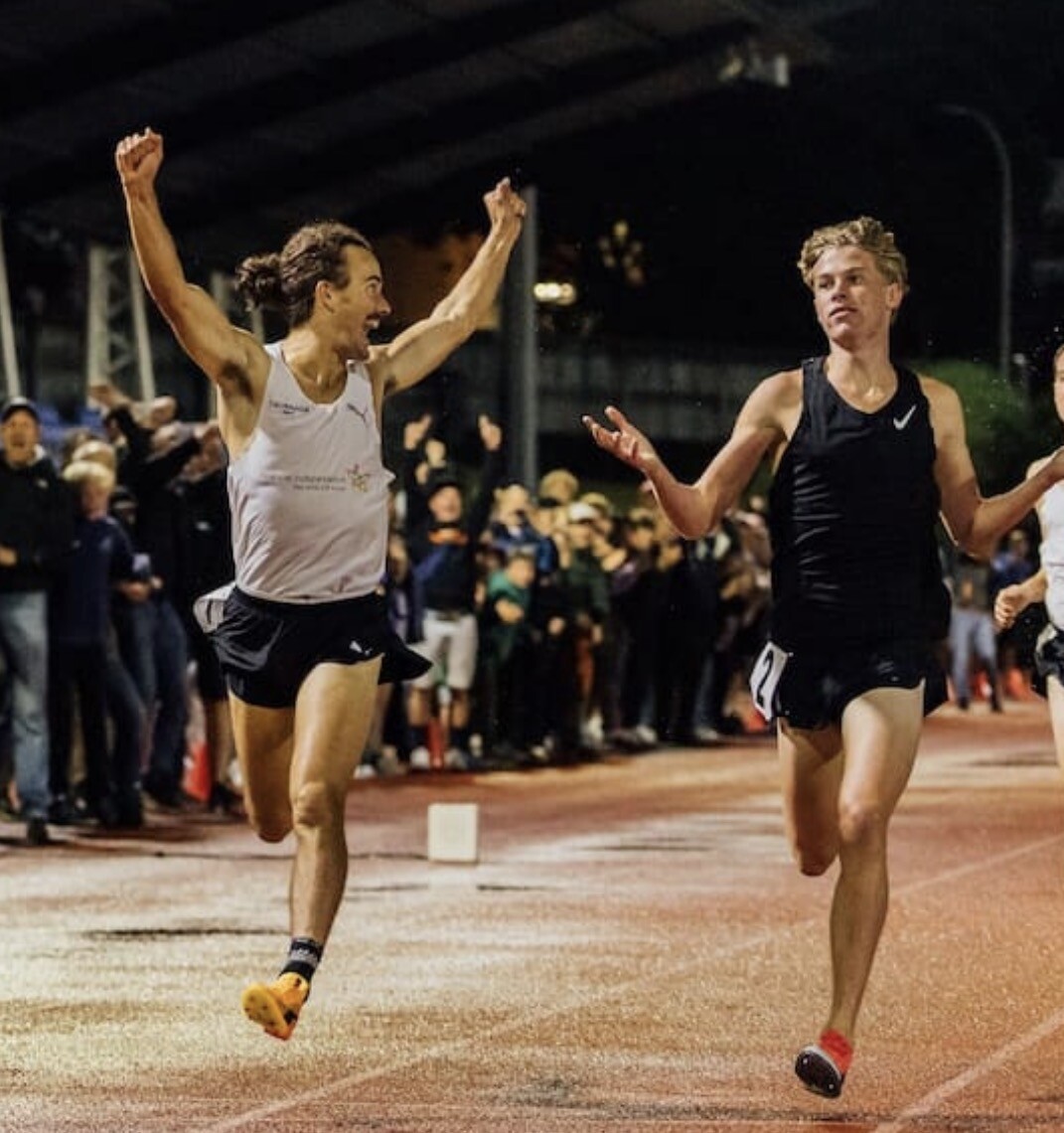
|
Event |
Time |
Note |
Date |
|
800m |
1:45.86 |
NZ U20 Record |
Jan 2026 |
|
1500m |
3:33.25 |
World U18 Indoor Best |
Jan 2026 |
|
One Mile |
3:48.88 |
NZ Absolute Record (Indoor) |
Jan 2026 |
|
3000m |
7:43.16 |
NZ U20 Record |
Feb 2026 |
|
5000m |
13:40.48 |
NZ U20 Record (Debut) |
Dec 2025 |
Looking Ahead: The Road to Glasgow and LA '28
Sam’s record-breaking mile in Boston—clocking 3:48.88—has officially placed him in contention for the upcoming Commonwealth Games in Glasgow. While he remains a junior athlete, his father Ben and coach Craig Kirkwood are focused on providing him with international experience as a stepping stone toward the
2028 Los Angeles Olympics.
With his career still developing, one thing is clear: Sam's journey has never been a solo effort. Behind the times and the medals stands a family that set the foundation, including a sister who is hot on his heels.
by Bob Anderson for My best Runs
Login to leave a comment

I Was There in 1984. Here’s How to Be There in 2028. Your Guide to Getting Athletics Tickets for the Los Angeles Olympics
By Bob Anderson publisher My Best Runs: I was sitting in the stands at the Los Angeles Memorial Coliseum during the 1984 Olympic Games when one of the most dramatic moments in track & field history unfolded right in front of me.
Mary Decker and Zola Budd — two of the most talked-about athletes in the world — collided in the 3000 meters. Budd running barefoot. Decker surging shoulder-to-shoulder beside her. The tension was electric long before the contact. And when the incident happened, the stadium gasped in unison.
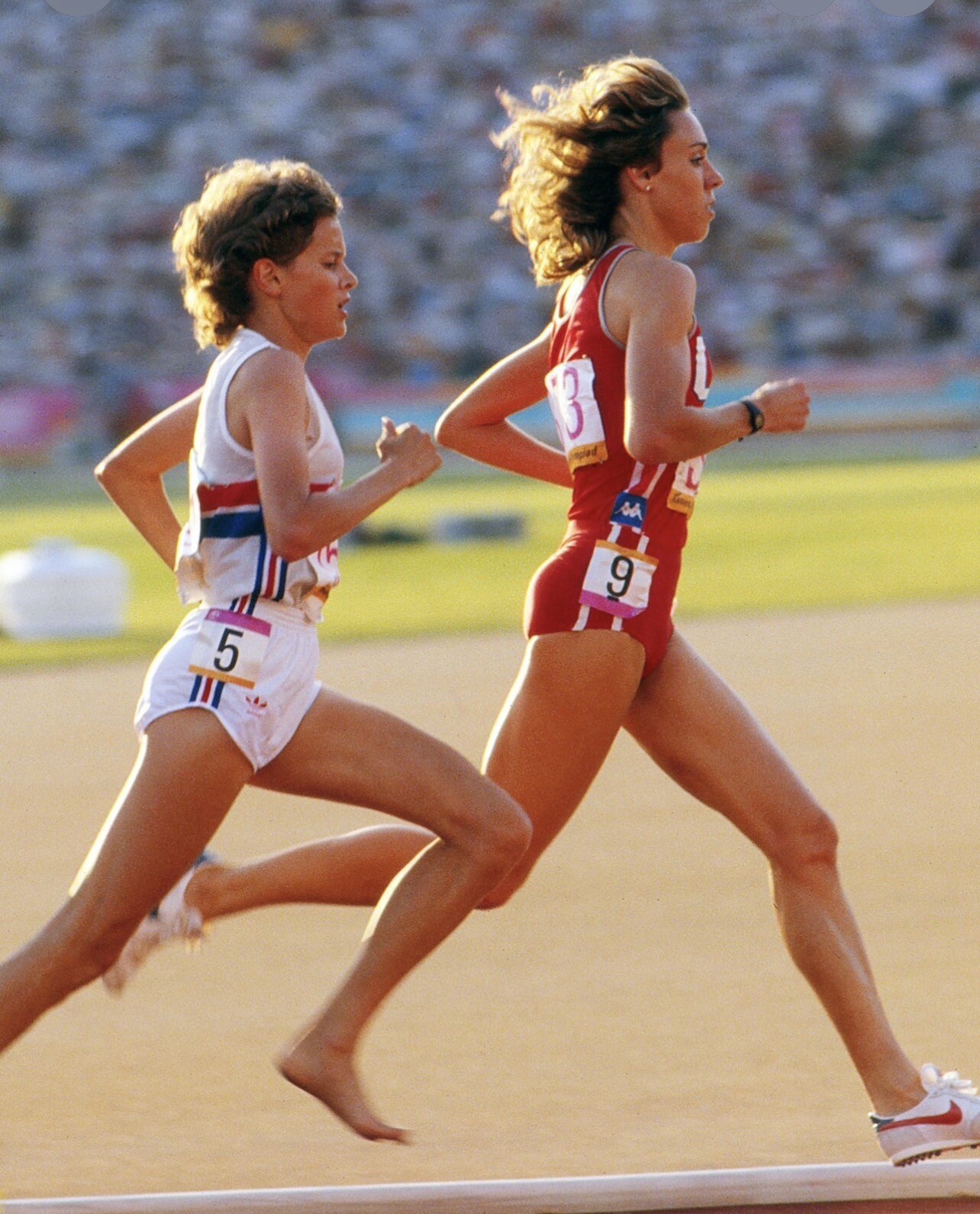
Watching it live was beyond words.
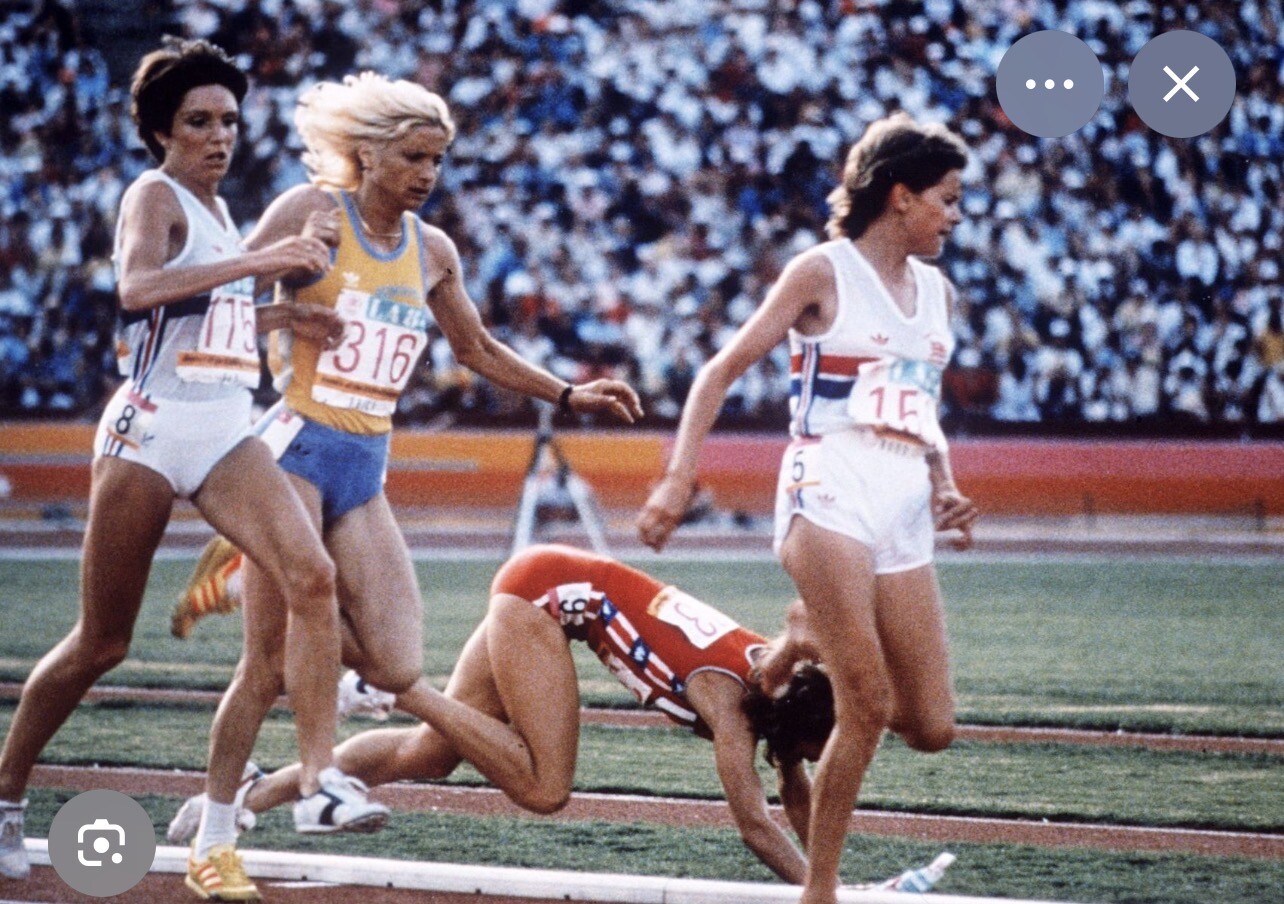
Television could never fully capture the atmosphere — the anticipation, the silence before the gun, the surge of 90,000 people reacting at once. It was raw, emotional, unforgettable.
That is what Olympic athletics feels like in person.
And in 2028, it returns to Los Angeles.
The Olympic Games will take place July 14–30, 2028, with the Paralympic Games following August 15–27. If you are a runner, a fan of track & field, or someone who understands what it means when the world’s best line up together, here is how you position yourself to be there.
Step One: Register for the LA28 Ticket Draw

The only way to access the first wave of tickets is to register for the official LA28 Ticket Draw at tickets.la28.org.
Registration is free. You create a profile, provide your billing ZIP/postal code and contact information, and enter the system. Registration closes March 18, 2026.
After registration closes, selected participants will receive a designated time slot to purchase tickets during the first “ticket drop,” beginning in April 2026.
This is not first-come, first-served. It’s a randomized process. If selected, you receive a specific purchase window. If not, you remain eligible for future ticket drops.
Athletics sessions are historically among the most in-demand Olympic events — especially finals in the sprints, relays, and distance races.
The Venue: A Historic Return
Track & field will once again take place inside the iconic Los Angeles Memorial Coliseum — the same stadium where I watched Decker and Budd in 1984.
The Coliseum hosted the Games in 1932 and 1984. In 2028, it will crown Olympic champions again in the sprints, middle distance, long distance, hurdles, jumps, throws, and relays.
There is something powerful about seeing Olympic track return to that same stage.
What Will It Cost?
Now the practical question: how much should you budget?
While final prices vary by session and seating tier, LA28 ticketing follows the traditional Olympic structure with multiple price bands.
Here is a realistic expectation for athletics sessions:
• Early-round heats and qualifying sessions: often starting below $100
• Daytime semifinal sessions: typically in the $100–$200 range
• Evening finals sessions (100m, relays, 1500m, 5000m, etc.): commonly $150–$350
• Premium seating near the finish line or high-demand nights: $400–$500 or more
Each session includes multiple events. A single evening ticket might include a sprint final, a field final, and a distance medal race — making it one of the most compelling Olympic experiences available.
Each person may purchase up to 12 Olympic tickets total across all events.
Strategy for Track & Field Fans
If athletics is your priority, treat this like preparing for a goal race.
Register early.
Do not wait until the final days.
Decide your must-see events.
Is it the 100 meters? The 1500? The relays? The marathon? Know what matters most.
Budget wisely.
Plan $300–$500 for premium finals sessions.
If you’re flexible, heats and early rounds at $75–$150 can still deliver world-class competition and atmosphere.
Many experienced Olympic attendees blend sessions:
• One premium finals night
• One championship distance session
• One or two value-priced heats
That approach delivers the full Olympic running experience without overspending.
Why Early Ticket Drops Matter
The first ticket drop in April 2026 will offer the broadest inventory, including more seats in lower price tiers.
Later drops often have fewer value options remaining.
Think of it like positioning yourself at the start line. You want to be ready when the gun goes off.
Watching Mary Decker and Zola Budd battle in 1984 — feeling the stadium react in real time — remains one of the most powerful sporting moments I have ever experienced.
You feel the silence before the start.
You hear the spikes biting the track.
You sense the collective breath of thousands before a final kick.
Television shows you the race.
Being there lets you feel it.
In 2028, the world’s best runners will once again line up in Los Angeles.
The only question is — will you be in the stands when history happens?
by Bob Anderson for My Best Runs
Login to leave a comment
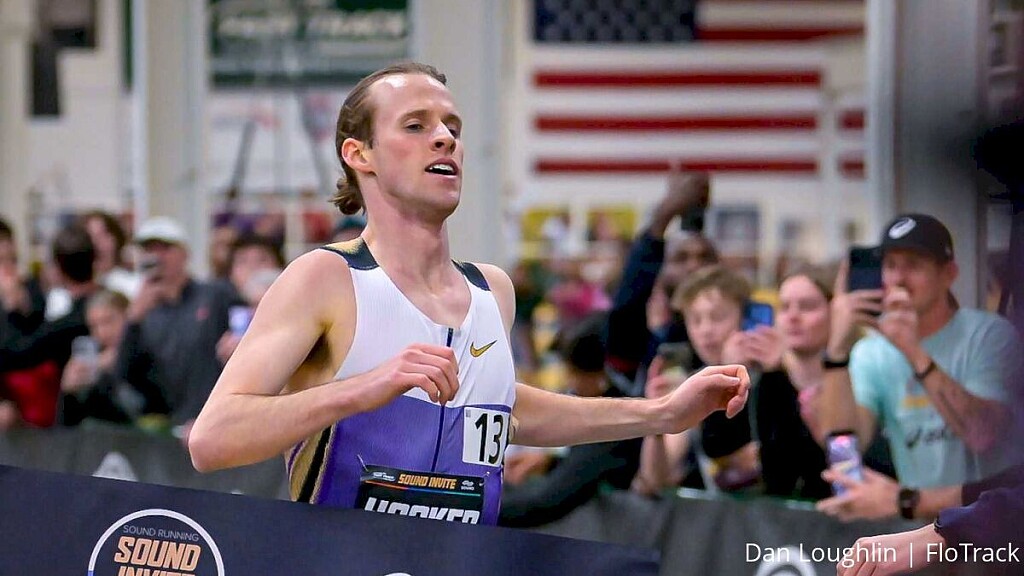
Cole Hocker Smashes American Indoor Mile Record, Runs Second Fastest Time in History
Cole Hocker delivered one of the greatest indoor mile performances ever recorded, rewriting American history and placing himself firmly among the legends of the event at the 2026 Sound Running Invite Feb 14 held at the Dempsey Indoor facility at the University of Washington in Seattle, Washington, USA.
The reigning Olympic 5000m champion from Tokyo unleashed a breathtaking 3:45.94, breaking the American indoor mile record and moving to No. 2 on the all-time world indoor list. Only Norway’s Jakob Ingebrigtsen, who ran 3:45.14 in 2025, has ever run faster indoors.
Hocker’s performance erased the previous American indoor record of 3:46.63, set by his longtime rival Yared Nuguse. Even more impressively, the time ranks as the second-fastest mile ever run by an American in any conditions—indoors or outdoors. Only Nuguse’s 3:43.97 outdoor performance stands ahead of Hocker on the all-conditions American list.
A Race Defined by Precision and Power
From the moment the pacemakers established the tempo, Hocker positioned himself perfectly, running with calm efficiency and total control. He passed the 1000-meter mark in a blistering 2:22.81, already moving deep into historic territory.
As the pacemakers stepped aside, the responsibility shifted entirely to Hocker. Vincent Ciattei stayed close, hoping to capitalize on any hesitation. But hesitation never came.
With 400 meters remaining, Hocker made his decisive move.
His final lap, covered in approximately 57 seconds, demonstrated both strength and speed. Over the final 200 meters, he accelerated even further, closing in 27.34 seconds to pull decisively away from the field. What had been a competitive race became a solo run into history.
The performance showcased Hocker’s complete mastery of the mile—combining tactical intelligence, aerobic strength, and devastating finishing speed.
A New Era for American Miling
Hocker’s record continues a remarkable resurgence in American middle-distance running. The rivalry between Hocker and Nuguse has elevated the event to unprecedented levels, pushing both athletes into territory once thought unreachable for American runners.
At just 24 years old, Hocker has already captured Olympic gold and now holds one of the most prestigious records in American track and field. His 3:45.94 signals that even faster performances may still lie ahead.
The indoor mile, once considered secondary to its outdoor counterpart, has now become a proving ground for historic achievement.
On this night, Cole Hocker proved he belongs among the greatest milers in history.
MEN’S MILE — SOUND RUNNING INVITE 2026 RESULTS
1. Cole Hocker (USA) – 3:45.94 (American Indoor Record, #2 All-Time World Indoor)
2. Cooper Teare (USA) – 3:50.49
3. Vincent Ciattei (USA) – 3:51.70
4. Titouan Le Grix (FRA) – 3:51.90
5. George Couttie (GBR) – 3:52.02
6. Jack Anstey (NZL) – 3:52.09
7. Sam Ruthe (NZL) – 3:52.46
8. Eduardo Herrera (MEX) – 3:54.12
9. Ronan McMahon (IRL) – 3:57.23
by Elam Wangwero for my best runs
Login to leave a comment
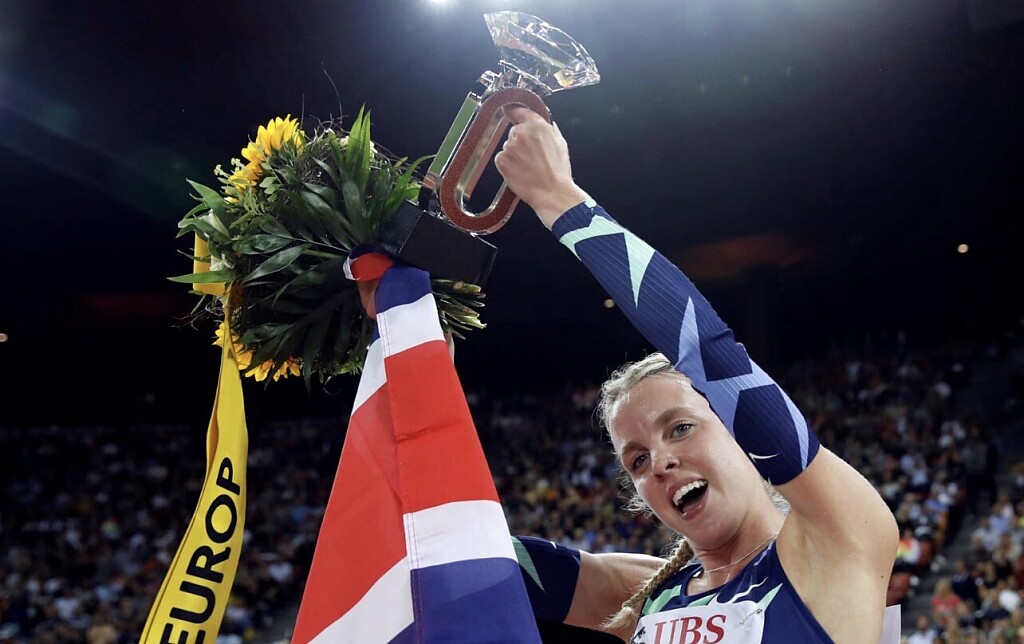
British Stars Ignite Birmingham Showdown as World Indoor Dreams Hang in the Balance
National pride, global ambition, and coveted places on the British team for Toruń will converge this weekend as Britain’s finest athletes gather at the Utilita Arena Birmingham for the Novuna UK Indoor Championships, set for February 14–15, 2026. With national titles on the line and performances carrying significant weight ahead of next month’s World Indoor Championships in Poland, the arena will become a stage where pressure, precision, and opportunity intersect.
Among the headline attractions is Olympic 800m champion Keely Hodgkinson, whose return to the national indoor stage carries both symbolic and competitive importance. Injury disrupted her progress at this point last season, but her presence in Birmingham immediately reshapes the women’s 800m landscape. Hodgkinson has indicated she intends to contest only the heats as she carefully manages her preparation for upcoming international targets. Still, her reputation as one of the most composed and tactically brilliant athletes in the sport ensures every stride will be closely watched. Even a controlled appearance offers valuable insight into her readiness as she builds toward another major global campaign.
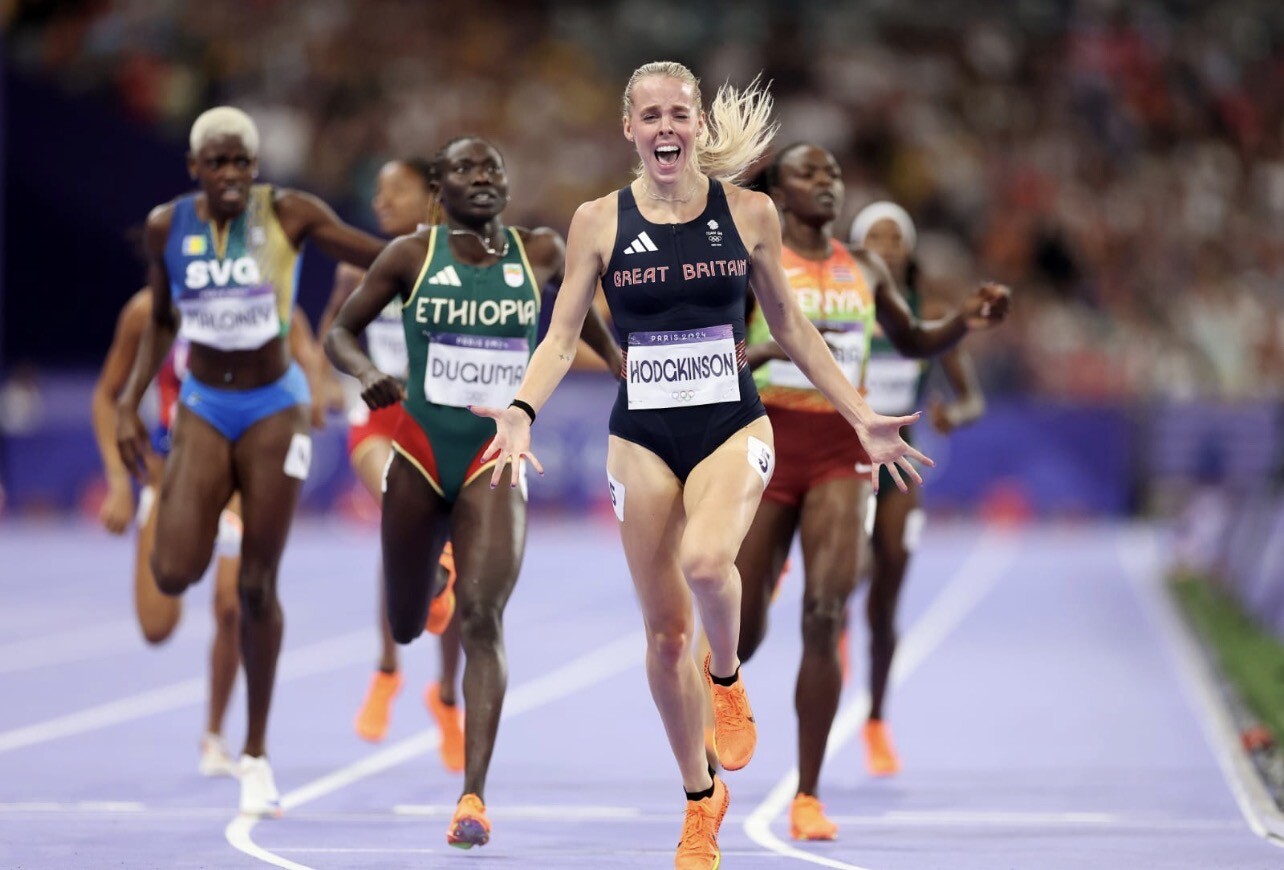
The men’s 800m brings its own compelling narrative with Ben Pattison at a pivotal moment in his career. His electrifying 1:42.27 performance in Monaco in 2024 elevated him to second on the UK all-time list behind the legendary Sebastian Coe, confirming his place among Britain’s finest two-lap runners. Injury interruptions have since challenged his momentum, but a healthy and uninterrupted indoor season now provides the opportunity to reestablish his authority. Birmingham represents more than a national championship—it is a chance for Pattison to reaffirm his position among the world’s elite and demonstrate that his trajectory remains firmly upward.
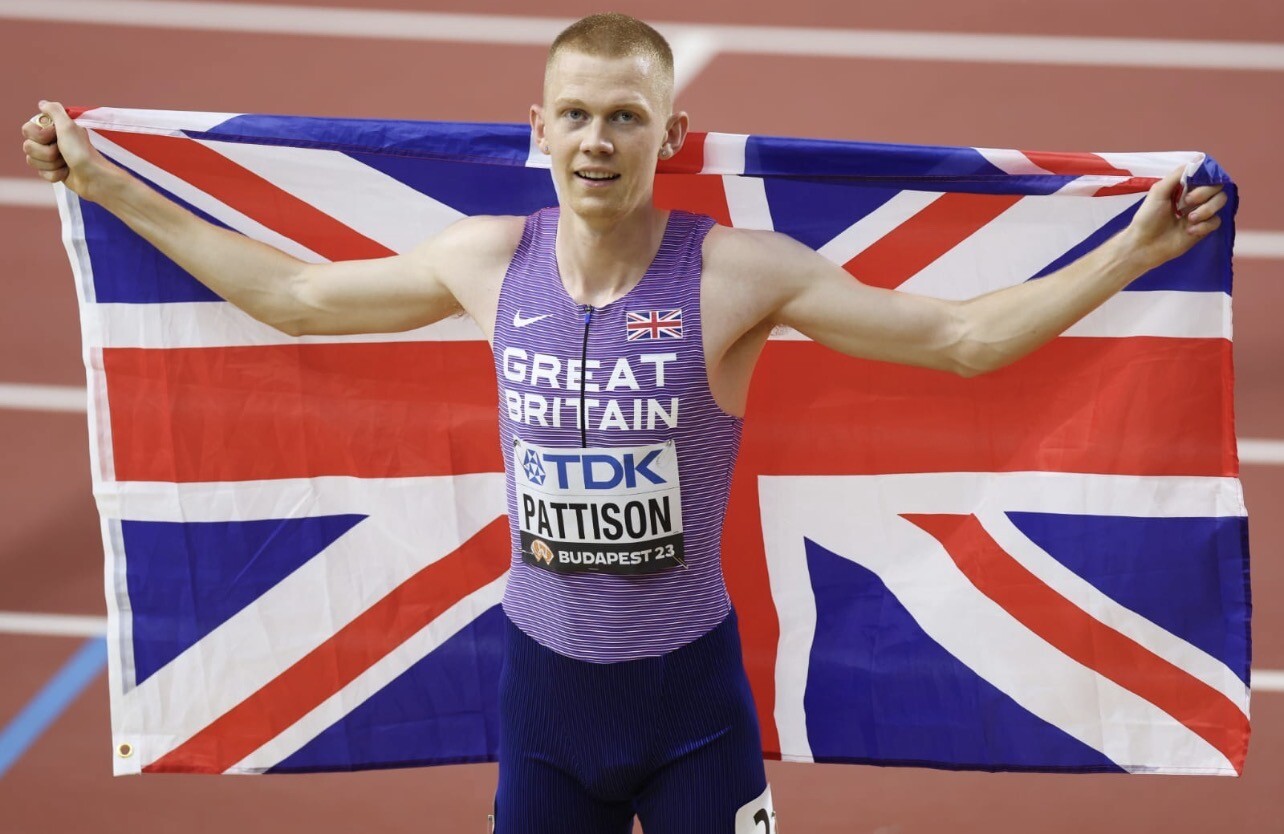
Attention in the distance events will focus on reigning UK 5000m and indoor 3000m champion Hannah Nuttall, whose consistency at the highest levels has steadily elevated her profile. A finalist at consecutive European Indoor Championships and a top-eight finisher over 5000m at the World Championships in Tokyo, Nuttall combines endurance, tactical discipline, and championship experience. Indoor racing, however, leaves no margin for error. Success depends on precise positioning, measured patience, and decisive timing. In Birmingham, she will be expected not only to defend her title but to deliver a performance that reinforces her standing as a major contender internationally.
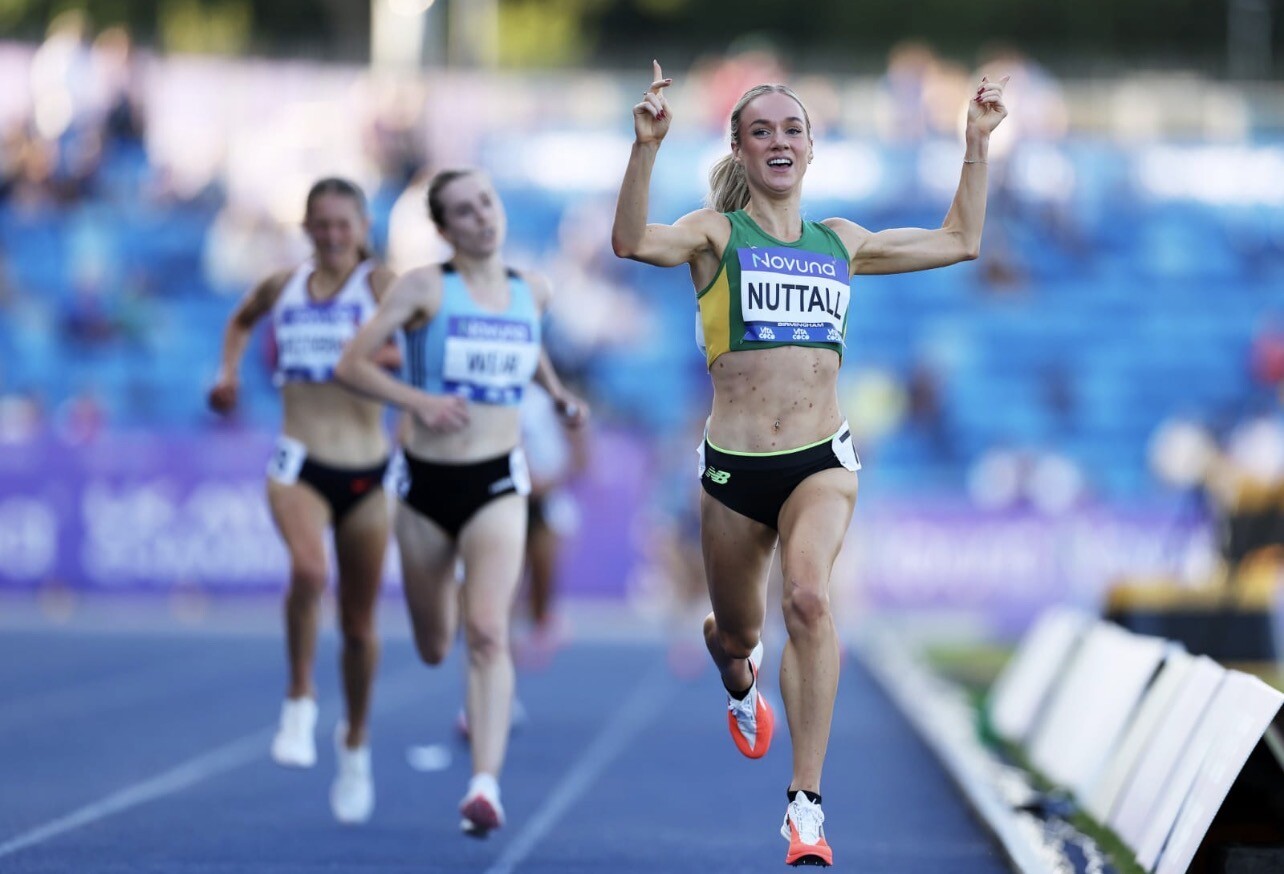
Adding further prestige to the championships is world champion Josh Kerr, an athlete who has built his career on delivering when the stakes are highest. The reigning world indoor 3000m gold medalist and 2023 world 1500m champion continues to expand his range and influence. His recent duel with Olympic champion Cole Hocker over two miles at the Millrose Games highlighted both his competitive sharpness and his appetite for world-class competition. Kerr enters Birmingham not merely to compete, but to assert control and set the tone for the season ahead.
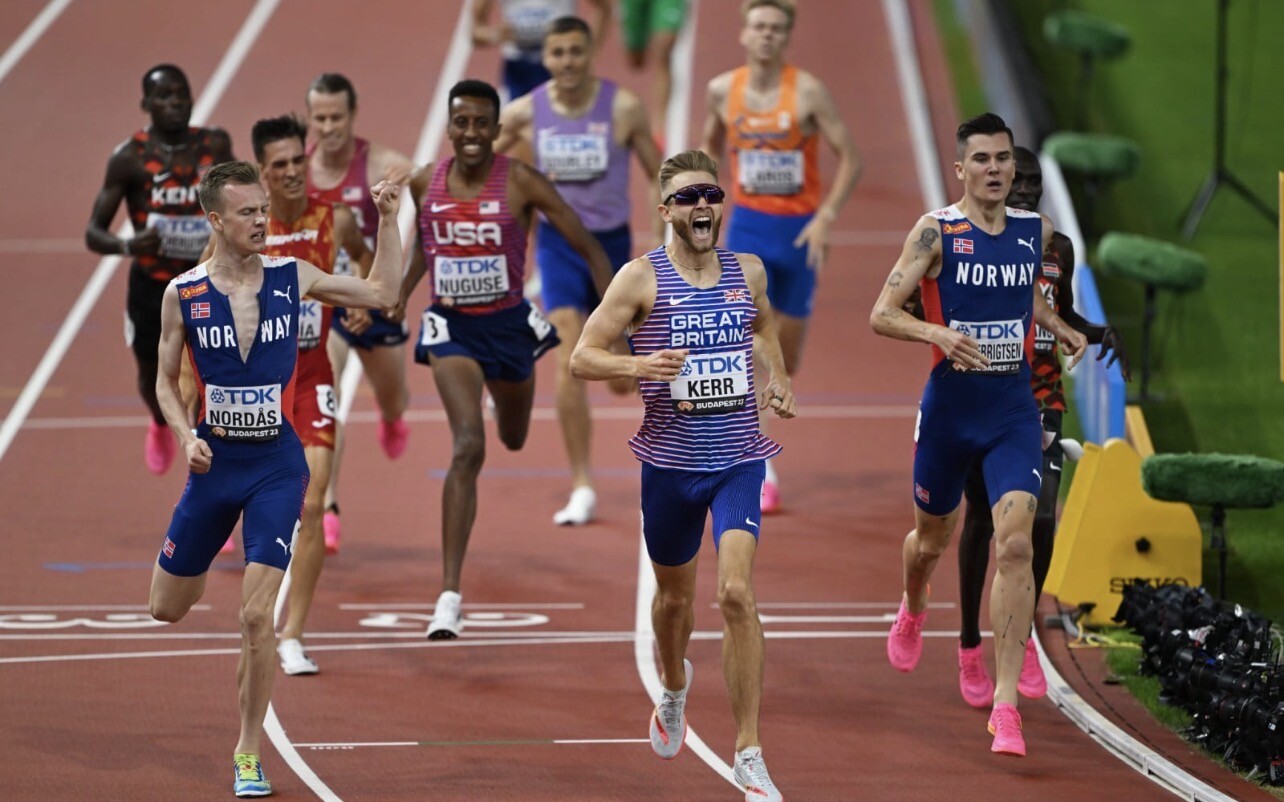
As the lights illuminate the arena and the tension builds, Birmingham will serve as a proving ground for Britain’s top athletes. For Hodgkinson, Pattison, Nuttall, and Kerr, the Novuna UK Indoor Championships represent more than national titles. They are an essential step toward global competition, where performances this weekend will help determine who carries Britain’s ambitions onto the world stage. The path to Toruń narrows here, and only those who deliver with conviction will move forward with momentum.
by Erick Cheruiyot for My Best Runs
Login to leave a comment
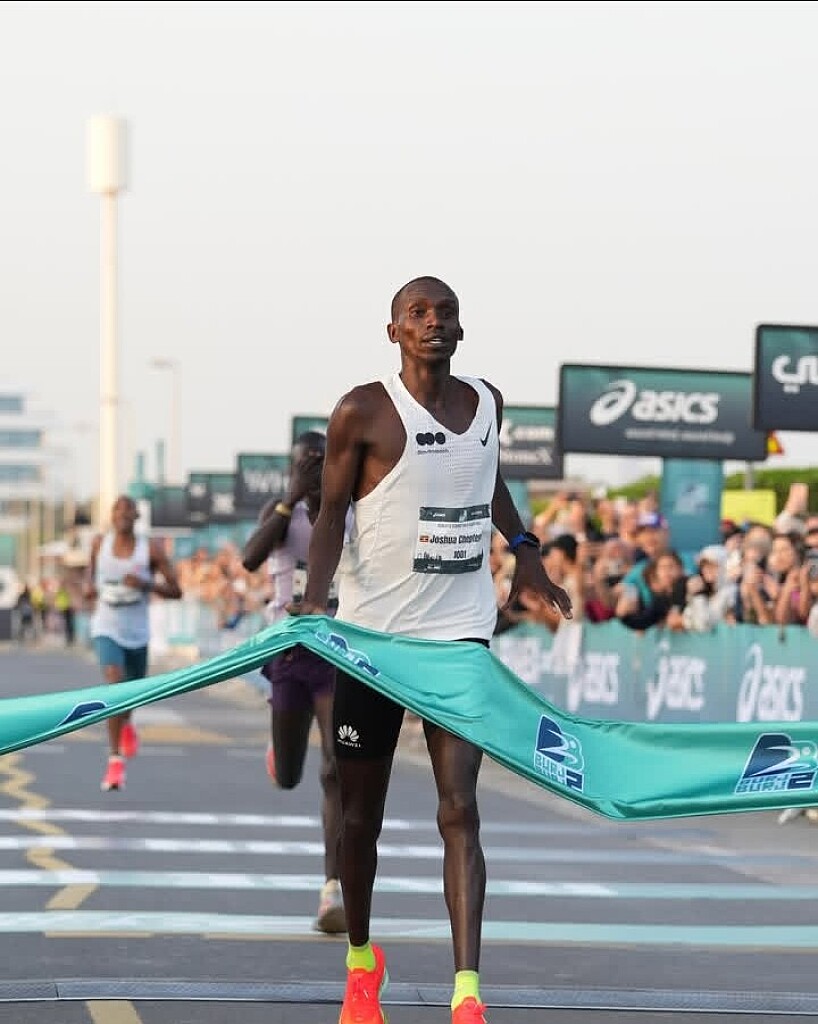
Seconds Decide, Champions Rise: Cheptegei and Cheptai Shine at a Thrilling Burj2Burj Half Marathon 2026
The Burj2Burj Half Marathon 2026 delivered a compelling showcase of elite road running, as Dubai’s iconic course provided the backdrop for high-speed racing, tactical brilliance, and photo-finish drama across both the men’s and women’s fields.
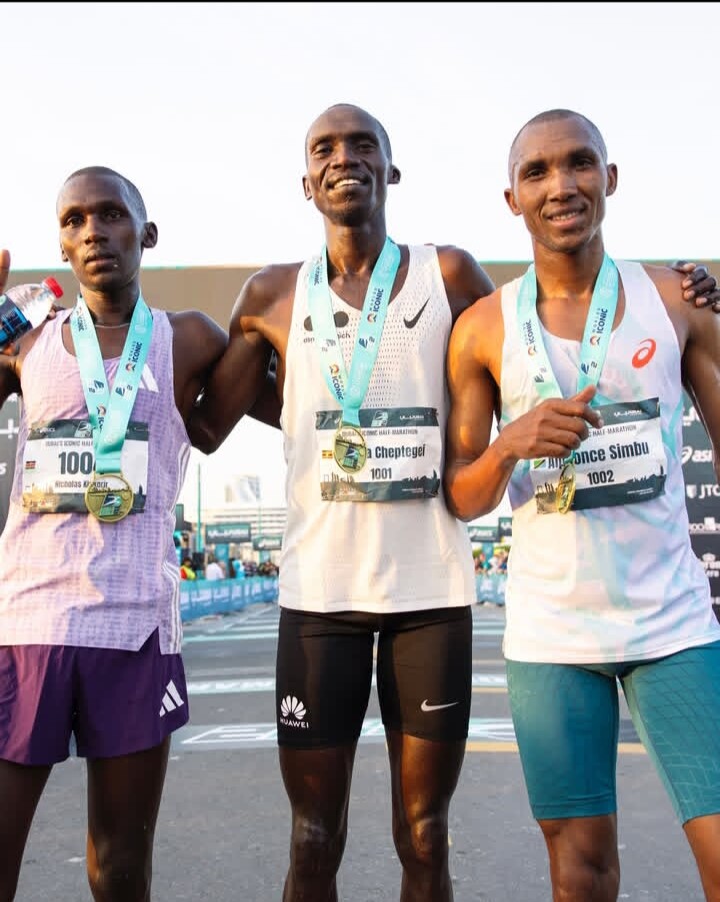
In the men’s race, Ugandan icon Joshua Cheptegei once again demonstrated his pedigree on the roads, powering to victory in 59:26 after a relentless battle over 21.1 kilometers. The Olympic champion and 5000m & 10,000m world record holder was pushed to the very limit, with Kenya’s Nicholas Kipkorir crossing the line just two seconds behind in 59:28, while Tanzania’s Alphonce Felix Simbu secured third place in 59:30. Only four seconds separated the podium finishers, reflecting the uncompromising pace and intensity from start to finish.
Kenya’s Enos Kipruto narrowly missed a place on the podium with 1:00:03, followed closely by Ethiopia’s Lulu Negera in 1:00:04, as the leading group maintained pressure throughout the fast course. Ethiopia’s Aklilu Asfaw, Germany’s Richard Ringer, Kenya’s Yonah Mateiko, and Ethiopia’s Haftu Teklu rounded out a deep and competitive top nine, while Carlos Díaz of Chile completed the top ten in 1:03:34 after a determined run against world-class opposition.
The women’s race matched the men’s contest for quality and suspense, producing a dramatic outcome decided by the narrowest of margins. Kenya’s Irene Cheptai delivered a composed and authoritative performance to claim victory in 1:06:57, demonstrating sharp tactical awareness as she stayed patient within a tightly packed lead group before asserting control in the decisive final stages.
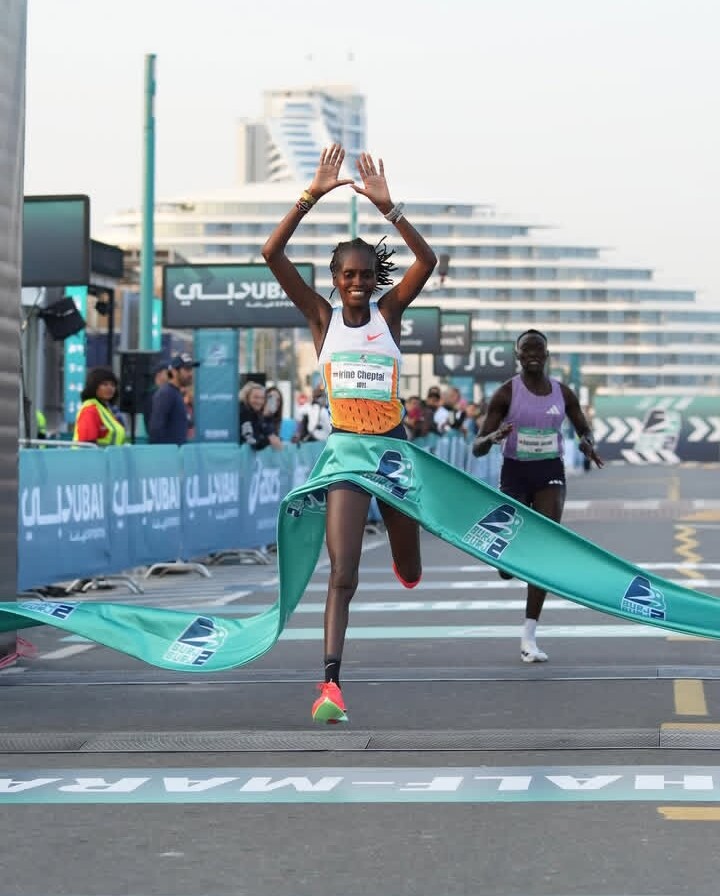
She was closely followed by compatriot Daisilah Jerono, who finished just two seconds adrift in 1:06:59, securing a Kenyan one-two, while Ethiopia’s Ftaw Zeray completed the podium in 1:07:01. As in the men’s race, only four seconds separated the top three, underlining the elite depth and competitiveness at the front of the field.
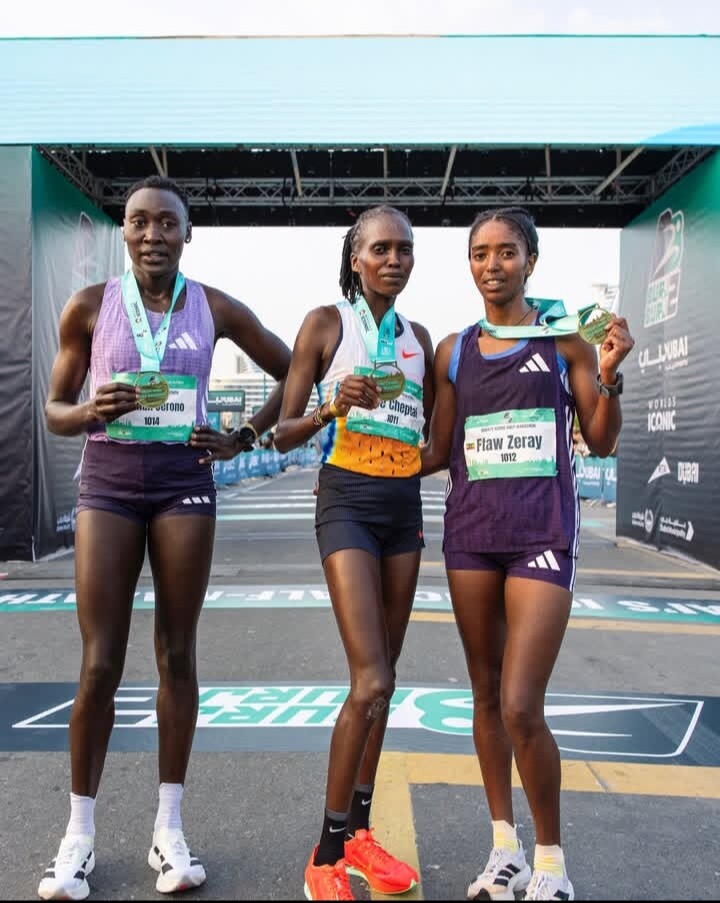
Behind the medalists, the strength of the women’s race was equally evident. Jackline Cherono reinforced Kenya’s presence with a strong fourth-place finish in 1:09:11, while Alexandra Bell of Great Britain impressed in fifth with 1:09:35. Meritxell Soler of Spain led the European contingent in sixth, followed by Ethiopia’s Seba Diba in seventh. The international top ten was completed by Mikky Keetels of the Netherlands in eighth, Tea Faber of Croatia in ninth, and Nada Ina Pauer of Austria in tenth, highlighting the global appeal of the event.
With world-class performances, deep international fields, and victories decided by seconds, the Burj2Burj Half Marathon 2026 once again stood out as a premier road-running spectacle, where precision, patience, and championship pedigree defined a memorable day of racing on the streets of Dubai.
by Erick Cheruiyot for My Best Runs.
Login to leave a comment
