

Running News Daily
Running News Daily is edited by Bob Anderson and team. Send your news items to bob@mybestruns.com Advertising opportunities available.
Index to Daily Posts · Sign Up For Updates · Run The World Feed
Articles tagged #Wednesday
Today's Running News
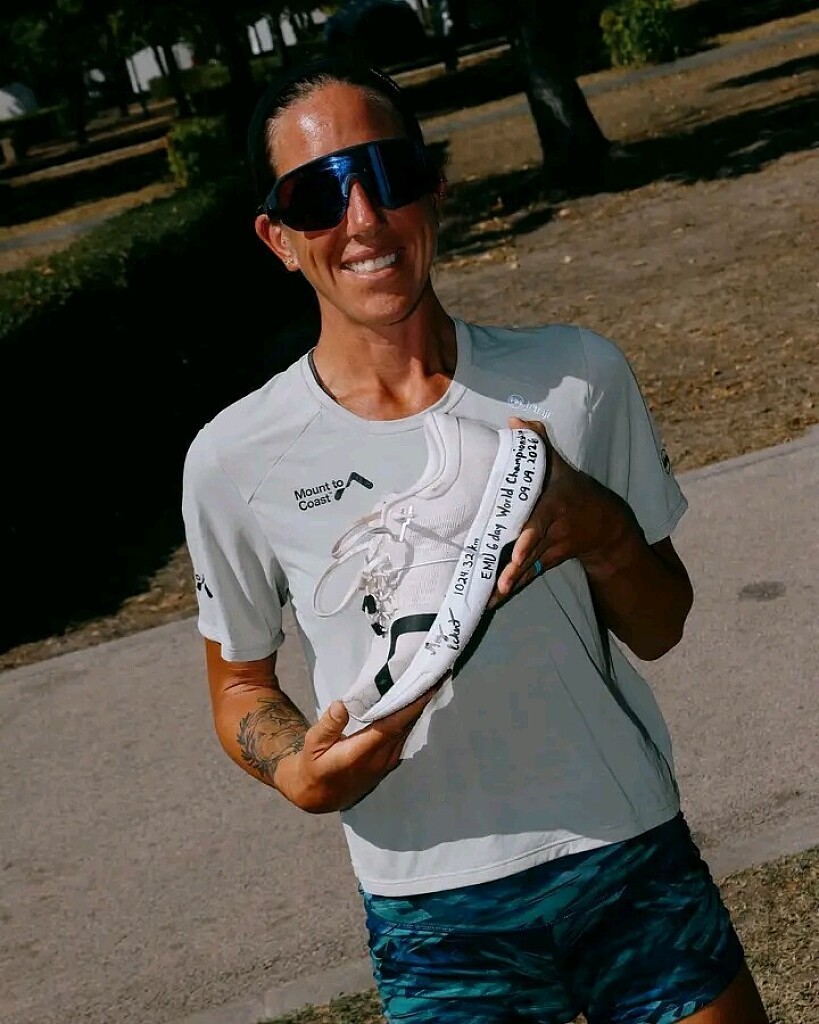


Megan Eckert Makes History With Stunning Six-Day World Record and 1,000km Breakthrough
Megan Eckert arrived in Hungary with an ambitious mission: to leave with two records. By the final morning of the EMU-GOMU 6-Day World Championships in Balatonfüred, she had achieved both—and then pushed herself into territory no woman had ever reached before.
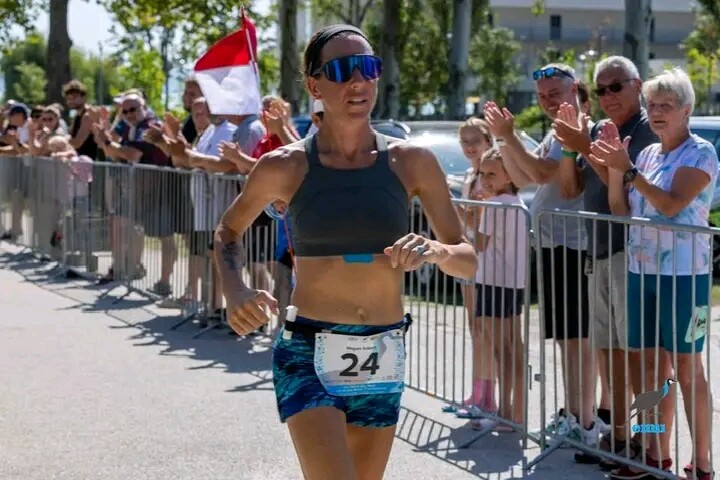
The American ultrarunner covered an astonishing 636.482 miles (1,024.3 kilometres) over six days, producing one of the greatest performances in the history of multi-day ultrarunning.
Her extraordinary total came after completing 1,140 laps of the 898.2-metre circuit, plus another 371 metres. Most remarkably, Eckert became the first woman in history to surpass 1,000 kilometres during a six-day race.
To put the magnitude of her achievement into perspective, Eckert averaged 4.42 miles per hour for the entire 144 hours of competition. That average included everything—not only her running, but also every minute spent walking, resting, eating and sleeping.

The first major milestone fell on Wednesday morning.
At 135 hours and 38 minutes, Eckert moved beyond her own previous record of 603.155 miles, set in France last year. Just 32 minutes later, she added another historic achievement by surpassing the overall American six-day record that had been held by Joe Fejes since 2015.
But Eckert was not finished.
With nearly eight hours remaining on the clock, she turned her attention to the magical 1,000-kilometre barrier. At 139:55:46, she crossed it, becoming the first woman ever to achieve the feat in a six-day race.
Her dominance was equally remarkable when measured against the rest of the field. Norway's Simen Holvik, who finished second, was almost 84 kilometres behind—a staggering margin that was even greater than the gap separating second and third place.
What makes Eckert's rise even more extraordinary is how recently she entered this demanding discipline. A mathematics and special education teacher at a middle school in Santa Fe, New Mexico, she has been competing in six-day races for only two years.
Yet in Hungary, experience was no barrier.
Over six days and six nights, Eckert combined extraordinary endurance, patience and mental strength to rewrite the American record books and establish a new standard for women's multi-day ultrarunning.
Two records. More than 636 miles. More than 1,000 kilometres. And a performance that has taken Megan Eckert into a completely new chapter of ultrarunning history.
by Erick Cheruiyot for My Best Runs.
Login to leave a comment
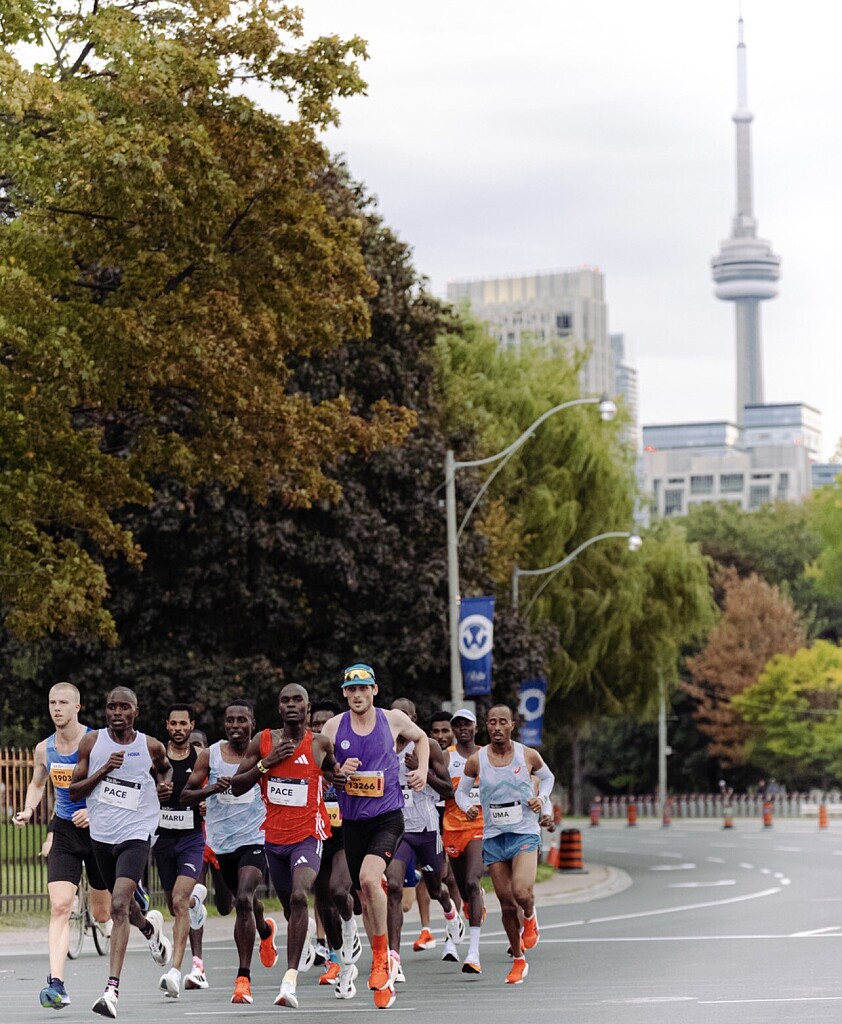
Two London-Area Standouts Set for Marathon Debuts at Toronto Waterfront
Two Canadian distance running stalwarts will make their marathon debuts at the 2026 TCS Toronto Waterfront Marathon October 18. Both make their homes in the London area of southwestern Ontario.
The event is a World Athletics Elite Label race and also serves as the official Athletics Canada Canadian Marathon Championships.
Connor Black and Jeremy Coughler are former training partners and Canadian championship medalists over 10,000m and cross country. They have followed different paths since the retirement of their coach, Dave Mills, although they occasionally meet for long runs while preparing for Toronto.
Coughler still follows a program designed by Mills—a special exception made by his former coach—while Black has worked with two-time Canadian Olympic marathoner Reid Coolsaet for the past two years. Their approaches to the Toronto race could hardly be more different.
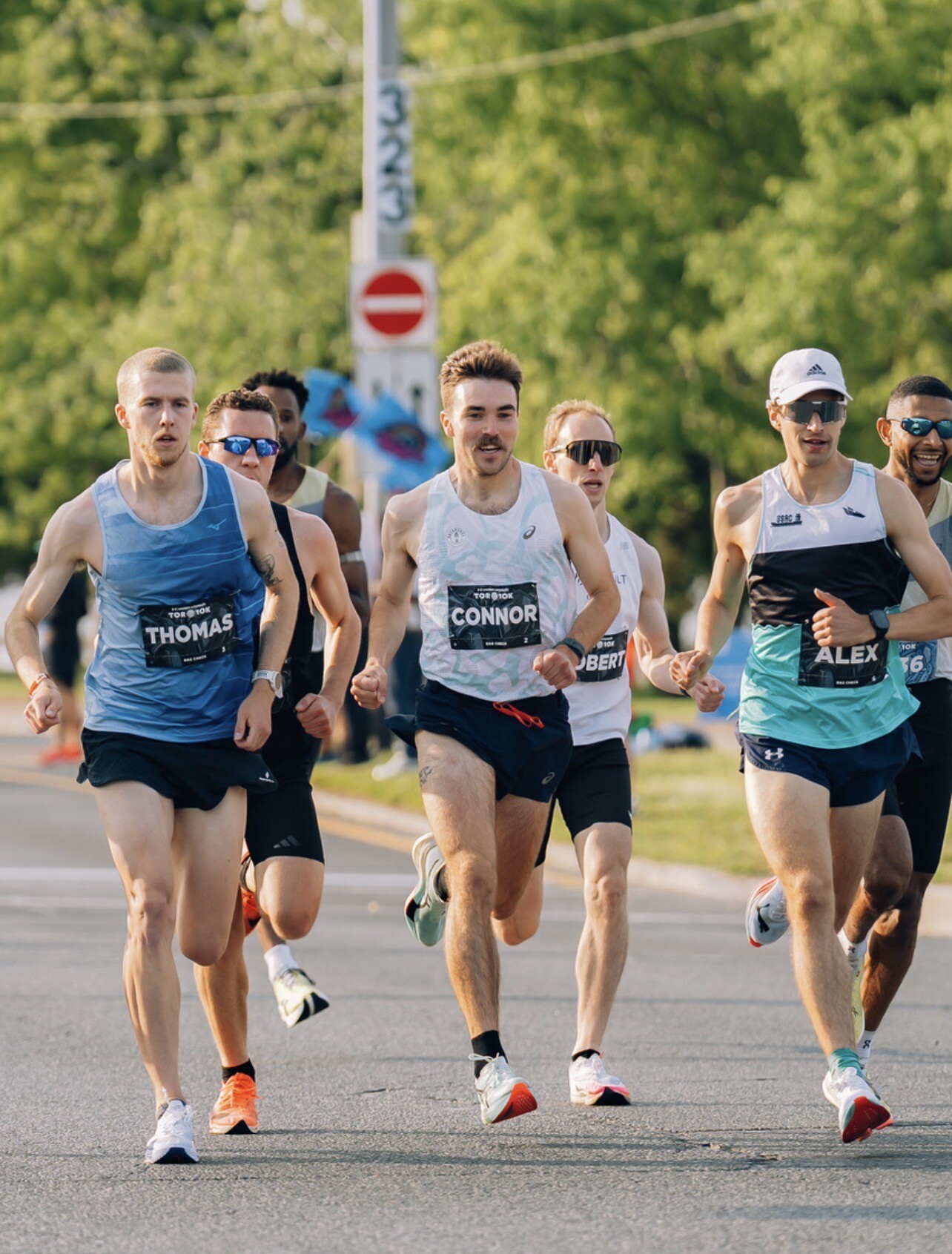
Black, who lives in London—known as “The Forest City”—sees his marathon debut as an important step toward a possible challenge for Canada’s 2028 Olympic team.
“I am 30 years old and I am not making money in the sport, but I still have goals,” Black declares. “My final goal would be to try and make an Olympic team, and I don’t think it’s feasible as an unsponsored track runner targeting the 5K or 10K.
“The marathon is a more even playing field. I can get into any marathon I want, within reason. There are 80 spots in the Olympics. So, if I am going to give it one last shot, it has to be in the marathon.”
At the 2025 Project 13.1 Half Marathon in Congers, New York, Black ran a personal best of 1:03:34 in his first race at the distance. Until then, he had competed primarily over 5,000m and 10,000m. In 2022, he won the Canadian Cross Country Championships.
Black is a secondary school teacher but remains classified as “Long Term Occasional,” meaning he moves from school to school wherever there is an opening.
“Last year I was at Strathroy District Collegiate Institute, which, funnily enough, was where Dave taught for 10 or 15 years,” Black says. “I taught phys ed and math. I can also teach English as a Second Language and biology. I am kind of a Swiss Army knife.”
As he increases his training load for Toronto, completing most of the work by himself, he admits he has reservations about returning to work.
“I am quite nervous to resume teaching,” he reveals. “Recently, my mileage has gone up. When you are starting your build, you are tired. It has been nice having the summer off and being able to focus on training.
“I used to believe you could train like a professional and have a full-time job. I think it’s possible, but if you want to run 200 kilometres a week for the marathon, it is definitely easier and probably better for your performance if you don’t have to work full time.”
Meanwhile, Coughler and his wife, Emma, are chiropractors and partners in Re-Charge Health and Wellness in London’s east end. They are also the parents of a young son, Otto, which means managing their time carefully.
“My wife and I split the work schedule,” Coughler, 30, explains during a day off. “I work Tuesday, Thursday, Friday and Saturday, so I try to do workouts on my days at home—Mondays and Wednesdays.
“If I have something first thing at 7 or 8 a.m., I do a run and then a shakeout between patients or after work. It’s not too bad.”
Running remains important to Coughler, but it is now one of several priorities. He estimates he is running up to 110 kilometres a week, similar to the volume he maintained when finishing third at both the 2023 and 2024 Canadian 10K Championships in Ottawa. He also won the Canada Running Series’ Beneva Spring Run-Off 8K four consecutive years between 2022 and 2025.
Although that mileage is well below what many elite marathoners run, Coughler set a half-marathon personal best of 1:04:33 earlier this year at the Project 13.1 Half Marathon in New York State. The performance earned him eighth place in a strong field. He admits his attitude toward running has changed.
“It’s a shift mentally because I have so much other stuff going on,” he explains. “I am trying to view running as something I do because I love it rather than because it’s my whole life.
“When I was at Indiana University, running was everything. When you run well, it’s great, but when you are not running well, it starts eating you alive.”
With the support and encouragement of Mills, they have mapped out a plan they hope will see Coughler finish his debut in the 2:14 to 2:16 range. He also intends to run more marathons in the future.
“It’s nice knowing there will be a bunch of other Canadian guys who can run around the same time, and that will make it deeper,” he says. “At the front, there are always good Kenyans and Ethiopians running fast. Even if there are a bunch of guys running between 2:12 and 2:20, it would be great.”
The race’s proximity to his home in Thamesford—15 minutes from his practice and about a two-hour drive from Toronto—means Emma, Otto and his parents can accompany him on race weekend. It is one reason he chose the TCS Toronto Waterfront Marathon for his debut.
Coughler is also familiar with the first half of the course, having finished third in the Toronto Waterfront Half Marathon a year ago. Runners in both events follow the same route until the 20-kilometre mark.
Between now and race day, there are many kilometres to be covered. Subject to their schedules and traffic conditions, the two London-area runners will reunite for some workouts.
If all goes well, they will arrive at the starting line ready to join the long list of Canadians who have successfully made the move to the classic marathon distance.
by Paul Gains
Login to leave a comment

TCS Toronto Waterfront Marathon
The Scotiabank Toronto Waterfront Marathon, Half-Marathon & 5k Run / Walk is organized by Canada Running Series Inc., organizers of the Canada Running Series, "A selection of Canada's best runs!" Canada Running Series annually organizes eight events in Montreal, Toronto and Vancouver that vary in distance from the 5k to the marathon. The Scotiabank Toronto Waterfront Marathon and Half-Marathon are...
more...
Entries Set to Open for Historic 100th Comrades Marathon as Centenary Celebration Begins
One of the most iconic milestones in the history of ultramarathon running is drawing closer, with entries for the historic 100th edition of the Comrades Marathon set to open on Tuesday, 25 August 2026.
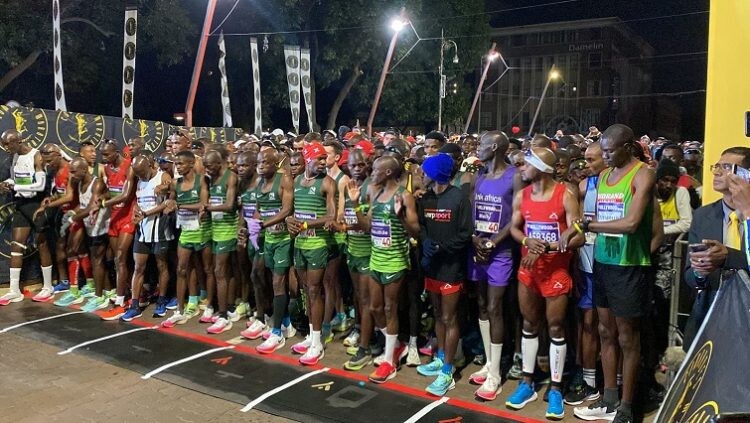
The Comrades Marathon Association has officially announced a detailed entry process for the 2027 race, which will unfold in three stages and give runners around the world the opportunity to secure their place in what promises to be one of the most significant editions ever held of The Ultimate Human Race.
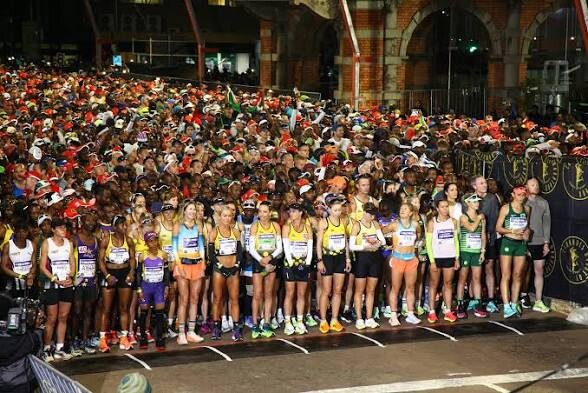
The announcement followed the official launch of the 2027 Comrades Marathon on Wednesday, 19 August, when the centenary campaign, “The Greatest Story Ever Run,” was unveiled alongside a special logo created exclusively for the landmark 100th edition.
The launch also revealed several major highlights for the Centenary Race. The historic event will take place on Sunday, 13 June 2027, and will be a Down Run, with 28,000 places available. The entry process will include a ballot, while the race will offer a record R8.919 million in prize money. Organisers have also set an ambitious goal of raising R10 million for the Amabeadibeadi charities, adding an important charitable dimension to the centenary celebrations. One of the defining moments of the launch was the unveiling of the special Centenary mark, created to commemorate this extraordinary milestone in the history of the race.
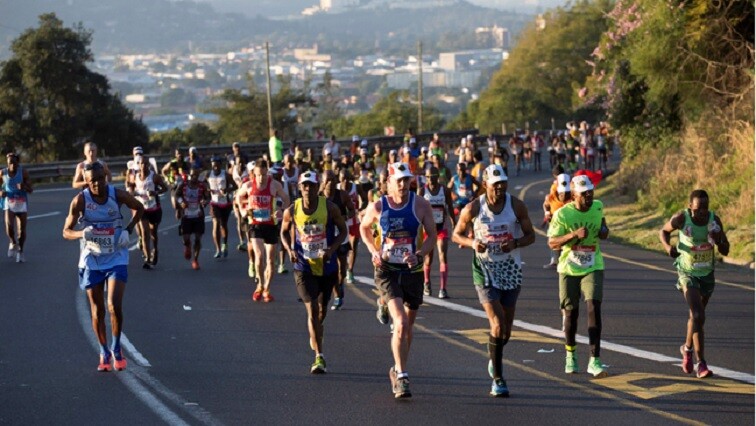
The entry process begins on 25 August at 10:00 a.m. SAST, when entries open for Green Number runners, Yellow Number runners and Amabeadibeadi charity entrants.
The next phase follows on 2 September at 10:00 a.m. SAST, when entries open for Comrades Marathon Association members. This window will remain open for 72 hours or until the available entry allocation is filled, with places offered on a strictly first-come, first-served basis.
For general entrants, the process will move to a ballot system. General entries open on 9 September at 10:00 a.m. SAST, with runners able to enter the ballot until it closes on 22 September at 4:30 p.m. SAST. The ballot draw is then scheduled to take place on 23 September.
Several other crucial dates will shape the road to the historic race. The substitution period will run from 15 to 31 March 2027, while 3 May 2027 is the final deadline for runners to submit their qualifying performances, seeding information and other required entry details.
To qualify for the 2027 Comrades Marathon, runners must complete a 42.2km marathon in under five hours between 15 June 2026 and 3 May 2027.
The journey will finally culminate on Sunday, 13 June 2027, when thousands of runners are expected to line up for the historic 100th edition of the Comrades Marathon.
The 2027 race will represent a remarkable moment for the legendary South African ultramarathon. For more than a century, the Comrades Marathon has captured the imagination of runners and spectators with its extraordinary test of endurance, determination and human spirit. Its centenary edition will celebrate the generations of athletes who have faced its demanding roads, conquered its challenges and helped build one of the world's most respected endurance events.
For runners dreaming of becoming part of this historic occasion, the road to Comrades 2027 is now clearly marked. From the opening of entries in August 2026 to race day in June 2027, every deadline will matter.
The Greatest Story Ever Run is preparing for its most historic chapter yet.
by Erick Cheruiyot for My Best Runs.
Login to leave a comment

Comrades Marathon
Arguably the greatest ultra marathon in the world where athletes come from all over the world to combine muscle and mental strength to conquer the approx 90kilometers between the cities of Pietermaritzburg and Durban, the event owes its beginnings to the vision of one man, World War I veteran Vic Clapham. A soldier, a dreamer, who had campaigned in East...
more...
Two Canadians, One Big Statement: Fetherstonhaugh and Stewart-Barnett Shine in Commonwealth Steeplechase Final
Canada's Grace Fetherstonhaugh delivered the finest championship performance of her career on Wednesday night, producing a superb personal best of 9:27.49 to finish among the top six in the women's 3000m steeplechase final at the 2026 Commonwealth Games.
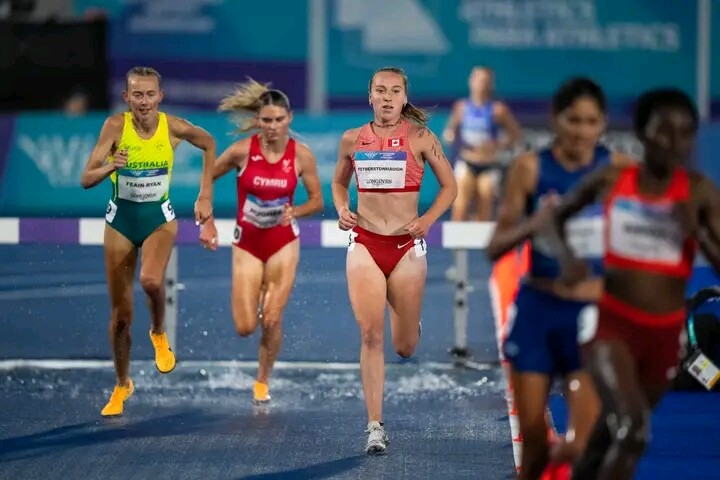
Competing against one of the strongest steeplechase fields assembled at the Games, Fetherstonhaugh showed remarkable composure from the opening laps. She stayed in contention throughout the demanding race, clearing each barrier with confidence before finishing strongly to slice valuable seconds off her previous lifetime best.
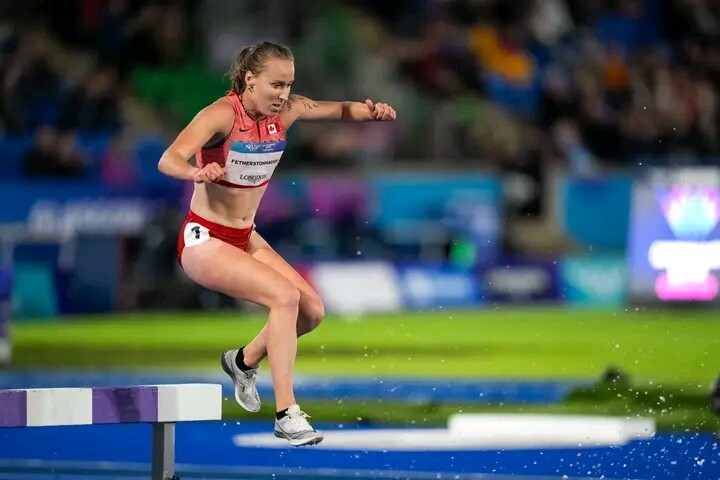
Her time of 9:27.49 not only marked a new personal record but also underlined her continued rise as one of Canada's most promising distance runners. Producing a career-best performance on one of the sport's biggest stages demonstrated both her physical preparation and her ability to thrive under championship pressure.
Canada's success in the final extended beyond Fetherstonhaugh's impressive run. Making her debut at a major international multi-sport Games, Katelyn Stewart-Barnett delivered an encouraging performance of her own, finishing ninth in 9:46.98. Competing on one of the biggest stages of her career, she raced with determination and poise, gaining invaluable championship experience while announcing herself as another emerging talent in Canadian distance running.
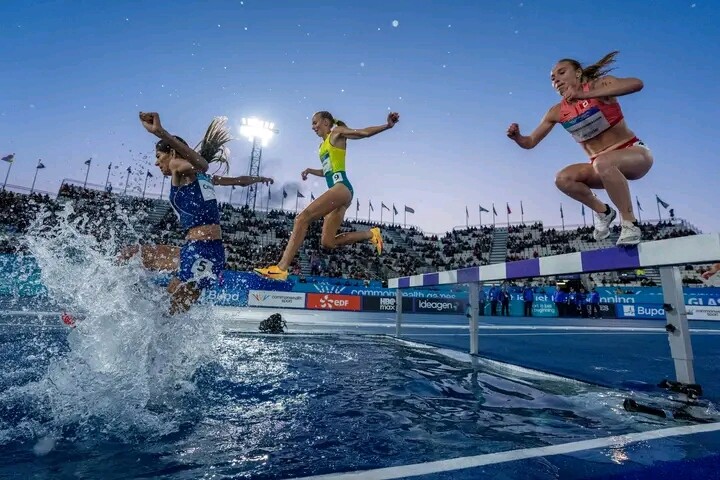
Although the medals were fiercely contested, Fetherstonhaugh's top-six finish and Stewart-Barnett's confident debut highlighted the depth of Canada's women's steeplechase program. Both athletes demonstrated resilience and composure against a world-class field, providing further evidence that Canada's future in the event is exceptionally bright.
The race also provided valuable championship experience that could prove instrumental in the years ahead. Performing at such a high level against elite opposition will give both athletes added confidence as they continue their development and prepare for future global championships.
For Canada, the performances were another encouraging sign of the nation's growing strength in women's distance running. By combining tactical discipline, technical efficiency over the barriers, and determined finishing efforts, Fetherstonhaugh and Stewart-Barnett left Glasgow with performances that will serve as important milestones in their careers.
Beyond the impressive times on the clock, both athletes showcased resilience and consistency throughout the demanding race. Their performances reflected not only months of preparation but also the determination required to succeed in one of athletics' most technically challenging events.
With a new personal best and a top-six Commonwealth Games finish now on her résumé, Fetherstonhaugh has taken another significant step forward in her career. Stewart-Barnett, meanwhile, can leave her first major international Games with confidence after a composed top-10 finish that signals an exciting future. Together, their performances marked a memorable night for Canadian athletics and offered plenty of optimism for the seasons ahead.
by Erick Cheruiyot for My Best Runs.
Login to leave a comment

At 40, François D'Haene Reclaims the GR20 Crown with a Historic Sub-30-Hour Run
Age is often seen as the greatest opponent in endurance sports. Yet for François D'Haene, it has become another challenge to conquer.
The legendary French trail runner has once again etched his name into the history books after setting a new supported Fastest Known Time (FKT) on the iconic GR20 in Corsica. Covering approximately 160 kilometers across one of Europe's most demanding mountain trails, D'Haene completed the route in an astonishing 29 hours, 46 minutes and 20 seconds, becoming the first athlete ever to break the elusive 30-hour barrier.

The GR20 stretches diagonally across the Mediterranean island of Corsica from Calenzana in the north to Conca in the south. Renowned for its unforgiving terrain, the route features around 12,000 meters of cumulative elevation gain, with steep ascents, rocky ridges and highly technical descents that have earned it a reputation as Europe's toughest long-distance hiking and trail-running route.
D'Haene began his remarkable journey at 4:30 a.m. on Wednesday, July 8, and reached Conca at 10:16 a.m. the following morning, maintaining an extraordinary pace across nearly 30 hours of relentless climbing and descending. Throughout the effort, a rotating team of pacers accompanied him in accordance with supported FKT guidelines, helping him maintain his rhythm across the brutal mountain course.
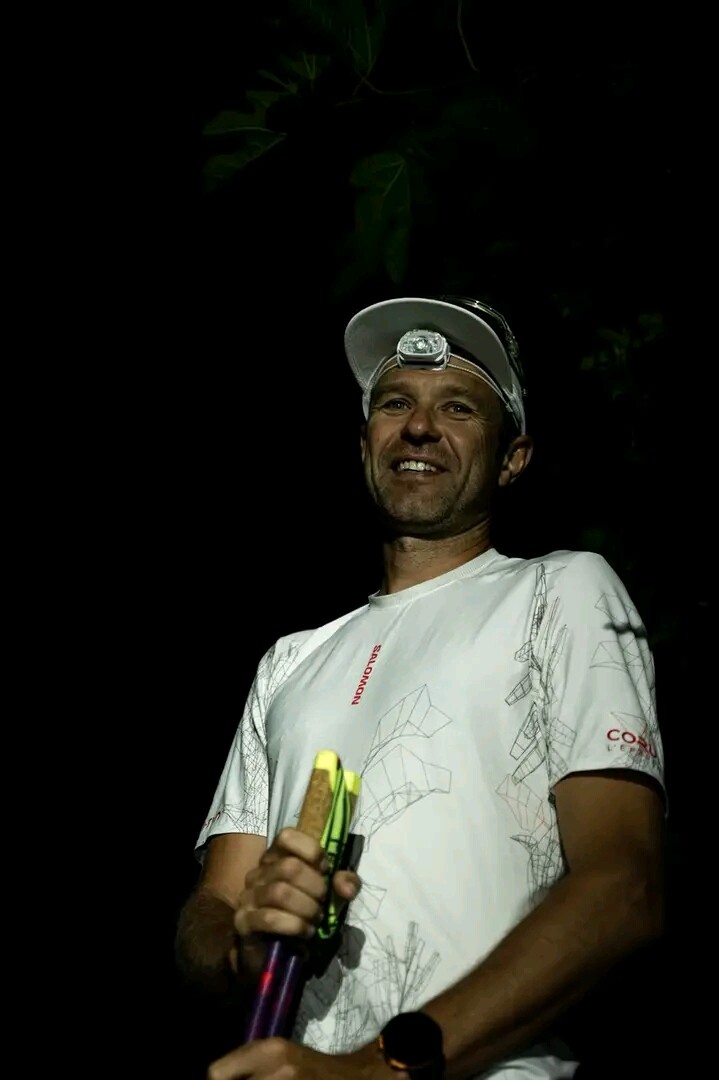
His performance erased the previous supported record of 30 hours, 25 minutes, set by Corsican trail specialist Lambert Santelli in 2021. In doing so, D'Haene shaved nearly 40 minutes off a mark many believed would stand for years.
What makes the achievement even more extraordinary is the story behind it. D'Haene first claimed the GR20 record in 2016, running 31 hours and 6 minutes. Several years later, Santelli eclipsed that performance on home soil. Rather than leaving the record behind, D'Haene returned a decade later—not simply to reclaim it, but to redefine what was thought possible.
At 40 years old, he proved that experience, resilience and meticulous preparation can be just as powerful as youthful speed. While many elite endurance athletes begin to slow with age, D'Haene continues to raise the standard, delivering one of the most impressive performances of his already legendary career.
His latest triumph adds another remarkable chapter to a résumé that already includes four Ultra-Trail du Mont-Blanc (UTMB) victories, four Diagonale des Fous titles, and the Hardrock 100 counterclockwise course record. Those accomplishments alone secured his place among trail running's all-time greats. This historic return to the GR20 only strengthens that legacy.
Breaking the 30-hour barrier on one of the world's most unforgiving mountain routes is more than just another record—it is a powerful reminder that greatness is measured not only by talent, but by the willingness to return, evolve and achieve what once seemed impossible.
François D'Haene did exactly that, turning back the clock and once again proving that true champions never stop rewriting history.
by Erick Cheruiyot for My Best Runs.
Login to leave a comment
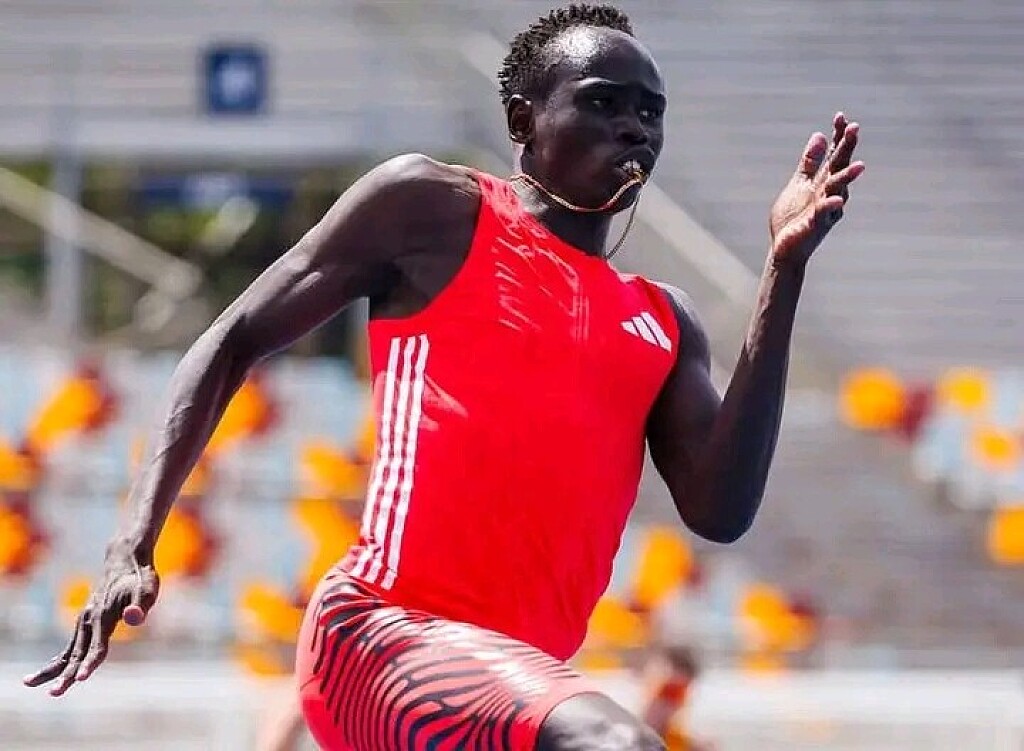
Heartbreak for Gout Gout: Australian Sprint Sensation Ruled Out of World U20 Championships With Serious Hamstring Injury
Australian teenage sprint sensation Gout Gout has suffered a devastating setback after being ruled out of next month's World Athletics U20 Championships in Eugene following a serious hamstring injury sustained during training in Brisbane.
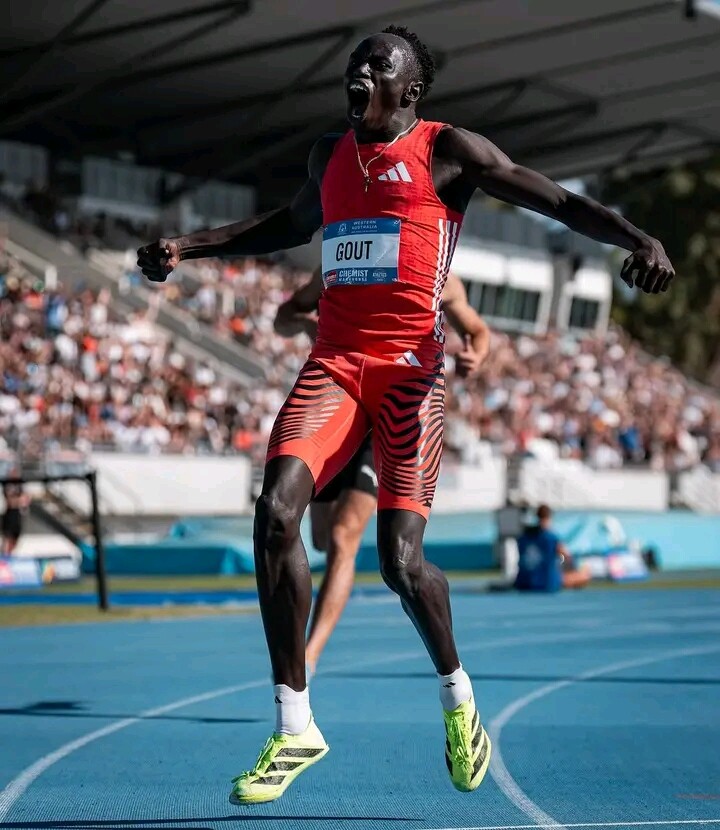
The highly rated sprinter injured his left hamstring during a training session on Wednesday night. An MRI scan conducted the following morning confirmed a Grade 3C partial tear of the proximal biceps femoris tendon. While the tear affects less than 10 percent of the tendon's cross-sectional area, it extends over an eight-centimetre length, making it a significant injury that requires a lengthy rehabilitation period.
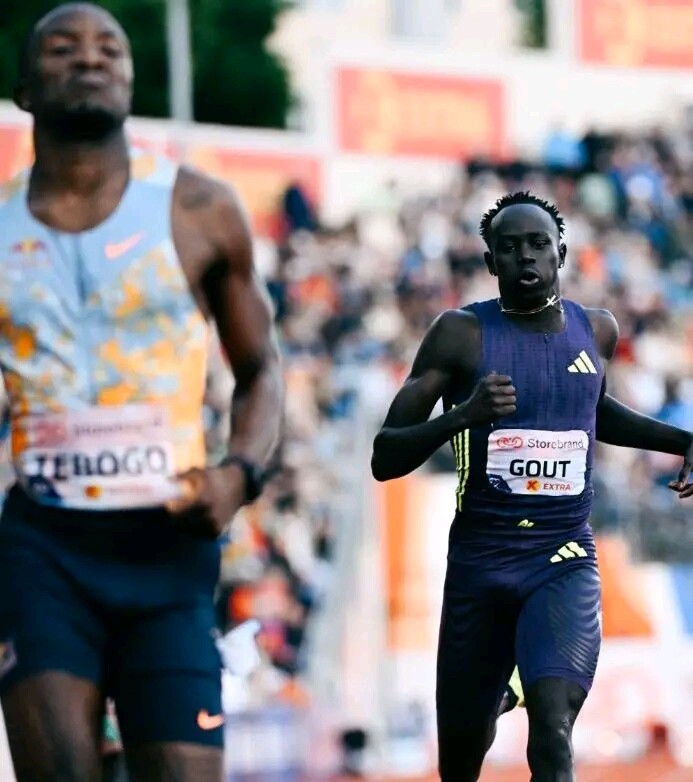
The diagnosis immediately ended Gout's hopes of competing in Eugene, where he had been expected to challenge for gold. The disappointment is even greater considering he had deliberately prioritized the World U20 Championships over the upcoming Commonwealth Games in Glasgow, choosing to focus his entire season on the global junior championships.
In a heartfelt statement following the diagnosis, Gout shared his disappointment while remaining determined to return stronger.
"I'm very disappointed but I have no other possibility but to accept the situation. I understand this is part of athletics. My focus now will be on my rehab in the coming weeks and months and ensuring I come back in 2027 better and stronger and faster."
The withdrawal is a major blow not only for Australian athletics but also for fans around the world who had eagerly anticipated watching one of the sport's brightest young stars compete on the international stage. Gout has emerged as one of the most exciting sprint prospects of his generation, earning global attention with his remarkable speed and maturity at such a young age.
Although missing the World U20 Championships is a painful setback, the teenager and his support team are now focused entirely on recovery. Rather than rushing back to competition, the priority will be a complete rehabilitation to ensure he returns in peak condition.
With youth firmly on his side and enormous potential still ahead of him, there is every reason to believe this injury will become just another chapter in what promises to be an outstanding career. Athletics fans everywhere will now be hoping to see Gout Gout back on the track in 2027—fully recovered, stronger than ever, and ready to continue his rise among the world's elite sprinters.
by Erick Cheruiyot for My Best Runs.
Login to leave a comment
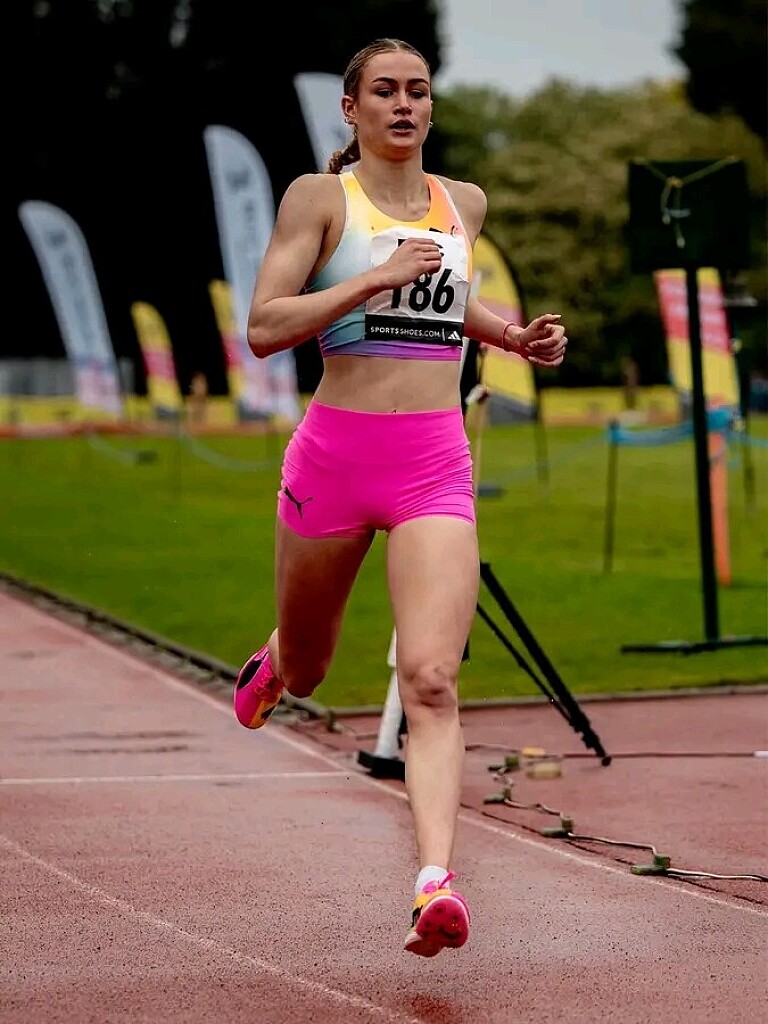
Gill Continues Encouraging Comeback with Marseille 800m Victory
British middle-distance talent Phoebe Gill took another significant step forward in her return to top form, producing a determined victory over 800 metres at the Meeting de Marseille in France on Wednesday.
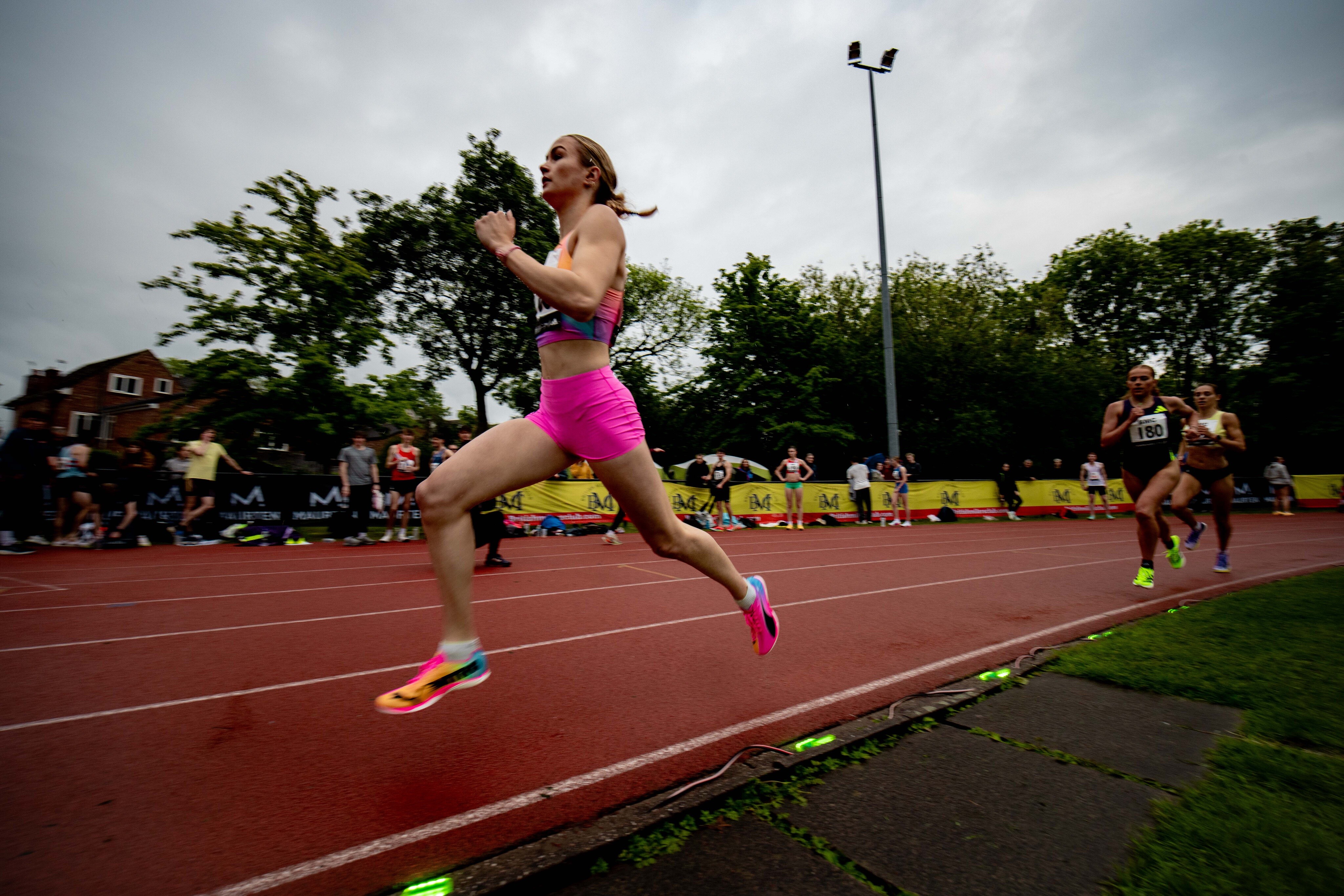
Competing in challenging, wind-affected conditions, the 19-year-old demonstrated both resilience and composure as she held off a late charge from Switzerland's Veronica Vancardo to secure the win in 2:00.81. Vancardo finished just three hundredths of a second behind in 2:00.84, underlining the fiercely contested nature of the race.
While the margin of victory was narrow, the result represented another encouraging milestone for Gill as she continues to rebuild momentum following her injury setback. The young Briton showed impressive race awareness and strength in the closing stages, maintaining her advantage despite the difficult conditions that made fast running a challenge throughout the evening.
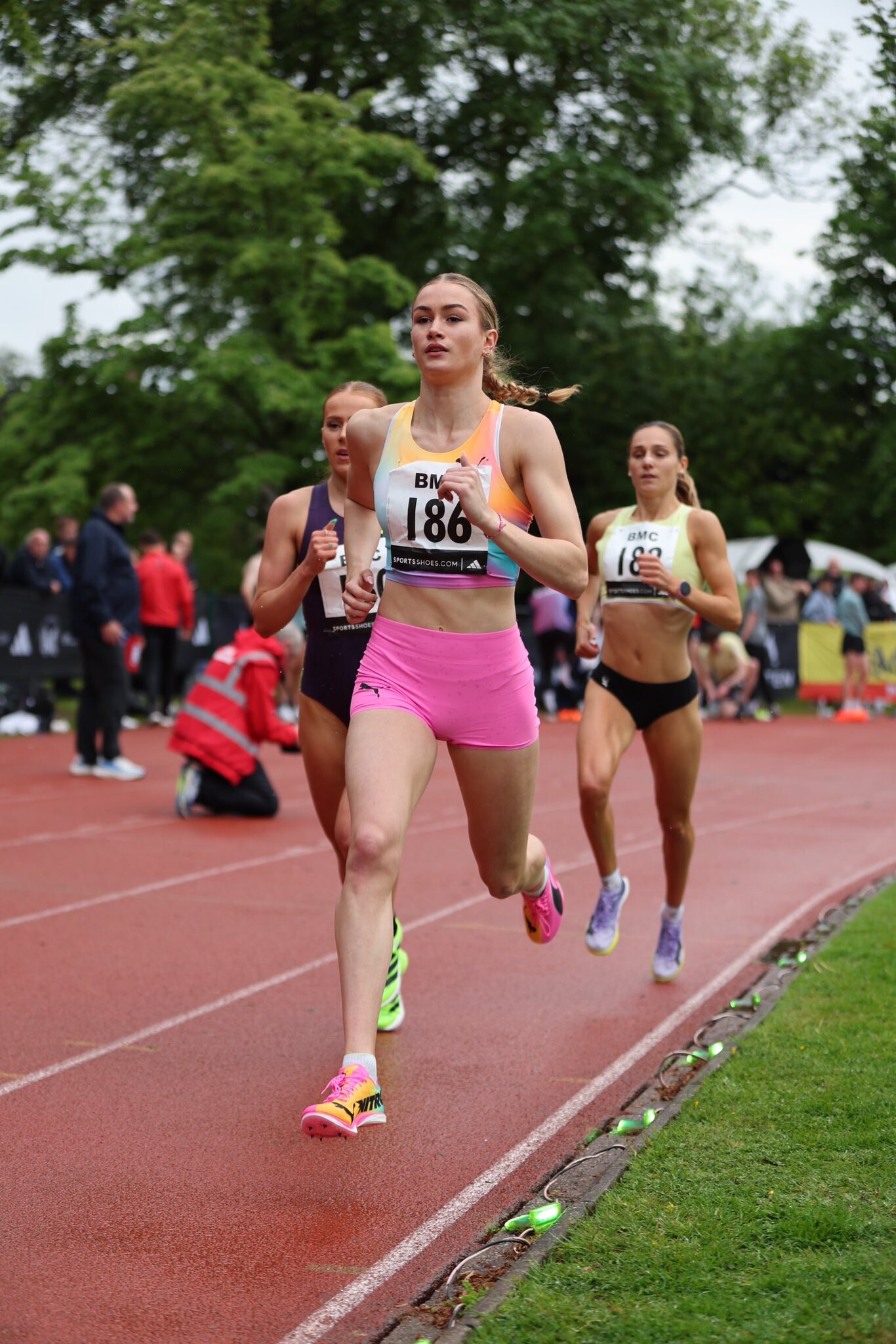
The Marseille triumph adds to a growing body of evidence that Gill is steadily progressing toward her best form. Earlier in her comeback campaign, she clocked 2:01.50 for 800m in Bydgoszcz before demonstrating her versatility with a strong 4:05.53 performance over 1500 metres at the BMC Grand Prix meeting in Trafford.
Those performances have highlighted not only her improving fitness but also her ability to compete across multiple distances as she carefully builds her season. The Marseille victory now provides further confirmation that the European junior star is moving in the right direction.
Gill emerged as one of Britain's most exciting middle-distance prospects through a series of breakthrough performances as a teenager, earning widespread recognition for her fearless racing style and remarkable maturity. Injury temporarily interrupted that upward trajectory, but her recent results suggest she is steadily rediscovering the form that made her one of the sport's brightest young talents.
With each race, the signs of progress become increasingly evident. Winning in difficult conditions and under pressure from a quality field is often a stronger indicator than a fast time alone, and Gill's latest success demonstrated exactly those qualities.
As the summer season gathers pace, the Marseille victory offers another confidence boost for the British teenager, whose return continues to gain momentum. If her recent progression is any indication, Gill could soon find herself back among the leading names on the European middle-distance circuit.
by Erick Cheruiyot for My Best Runs.
Login to leave a comment

Oslo Showdown: Can Teenage Sensation Cooper Lutkenhaus Challenge Emmanuel Wanyonyi’s Reign?
The men’s 800 metres at the Oslo Diamond League is shaping up to be one of the most anticipated middle-distance races of the season, bringing together a rising teenage sensation and the athlete widely regarded as the king of the event.
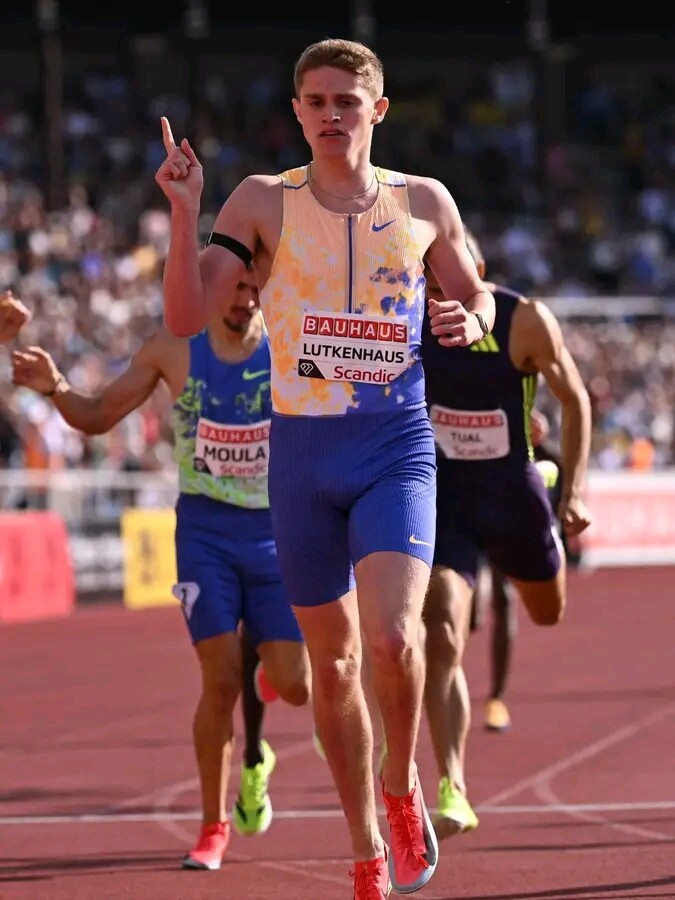
American prodigy Cooper Lutkenhaus arrives in Oslo riding an extraordinary wave of momentum. The 17-year-old has enjoyed a flawless campaign so far, remaining unbeaten over 800 metres while collecting major victories that have elevated his status from promising youngster to genuine international contender. His recent triumph in Stockholm further demonstrated that he possesses not only talent but also the composure required to deliver on the biggest stages.
Yet Oslo presents a challenge unlike any he has faced before.
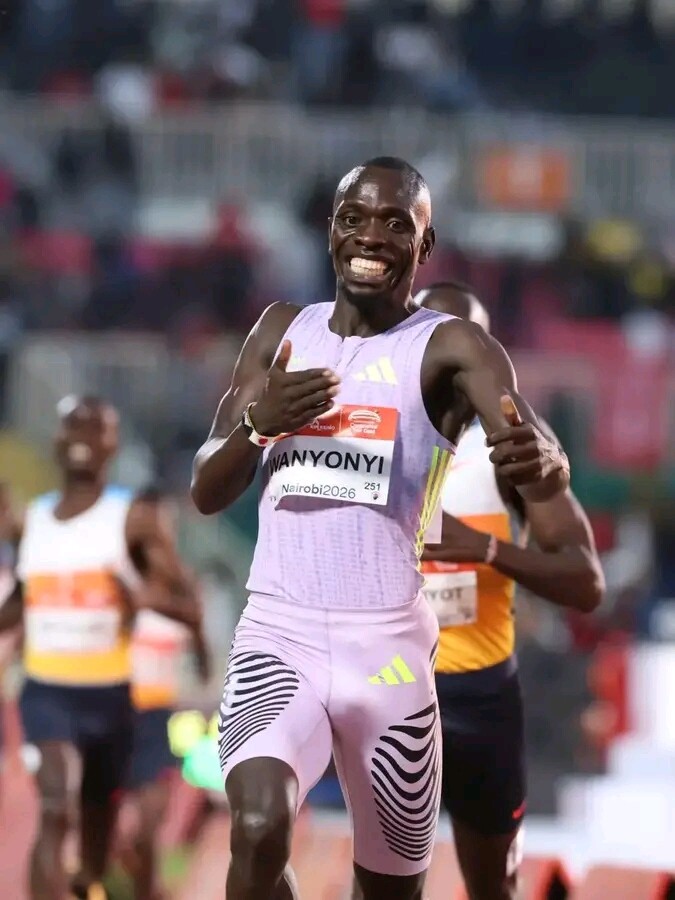
Standing in his way is Kenya’s Emmanuel Wanyonyi, the reigning Olympic and world champion whose dominance has made him the benchmark in global 800-metre running. Wanyonyi has spent the past few seasons establishing himself as the man to beat, combining tactical intelligence, blistering speed and championship experience to consistently outclass some of the world's finest athletes.
For Lutkenhaus, Wednesday’s race offers a rare opportunity to measure himself against the sport’s established elite. While his unbeaten record has captured headlines, facing a champion of Wanyonyi’s calibre is an entirely different test. The Kenyan has repeatedly proven his ability to control races under pressure and produce decisive finishes when titles and victories are on the line.
Adding even more intrigue to the contest is the presence of Marco Arop, one of the strongest 800-metre runners of his generation. Arop’s aggressive racing style and championship pedigree ensure that this will be far more than a two-man battle. With several world-class competitors lining up, the race promises to be a tactical and physical examination from the gun to the finish line.
The matchup symbolizes more than a race for victory. It represents a fascinating clash between youth and experience, ambition and accomplishment. Lutkenhaus carries the excitement of a new generation eager to challenge the established order, while Wanyonyi enters as the proven champion determined to protect his throne.
As the athletes take their marks in Oslo, one question will dominate conversations across the athletics world: can the fearless teenager continue his remarkable rise, or will the reigning king of the 800 metres remind everyone why he remains the standard by which greatness is measured?
Whatever the outcome, fans can expect a spectacular contest worthy of the Diamond League stage, with the possibility of witnessing the next chapter in one of athletics' most compelling emerging rivalries.
by Erick Cheruiyot for My Best Runs.
Login to leave a comment
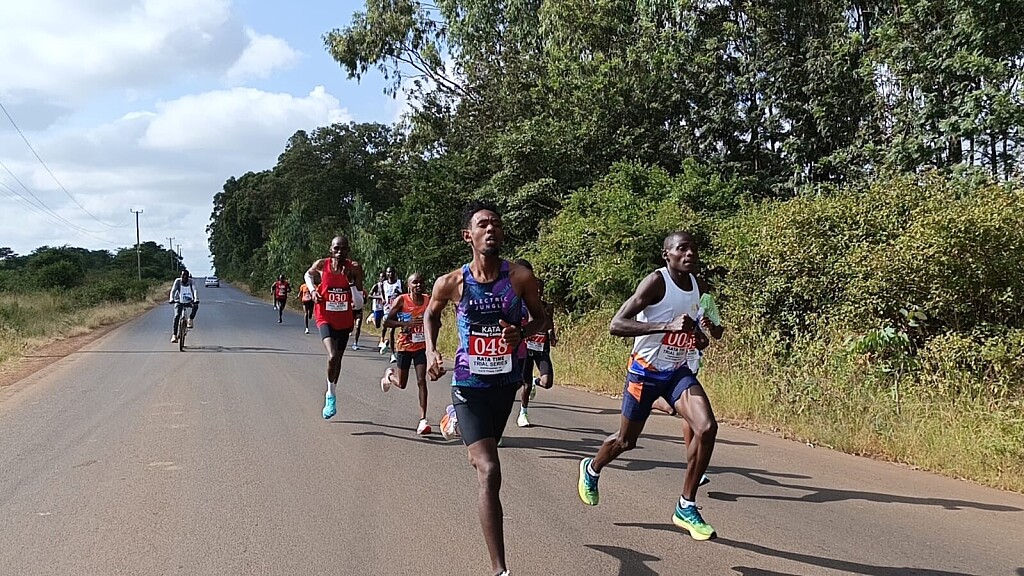
Personal Bests and Promising Performances Highlight the 57th KATA Time Trial Series in Thika
The stopwatch once again took centre stage in Thika as athletes gathered for the 57th edition of the KATA Time Trial Series, an event that continues to serve as one of Kenya's most respected platforms for measuring progress and pursuing excellence.
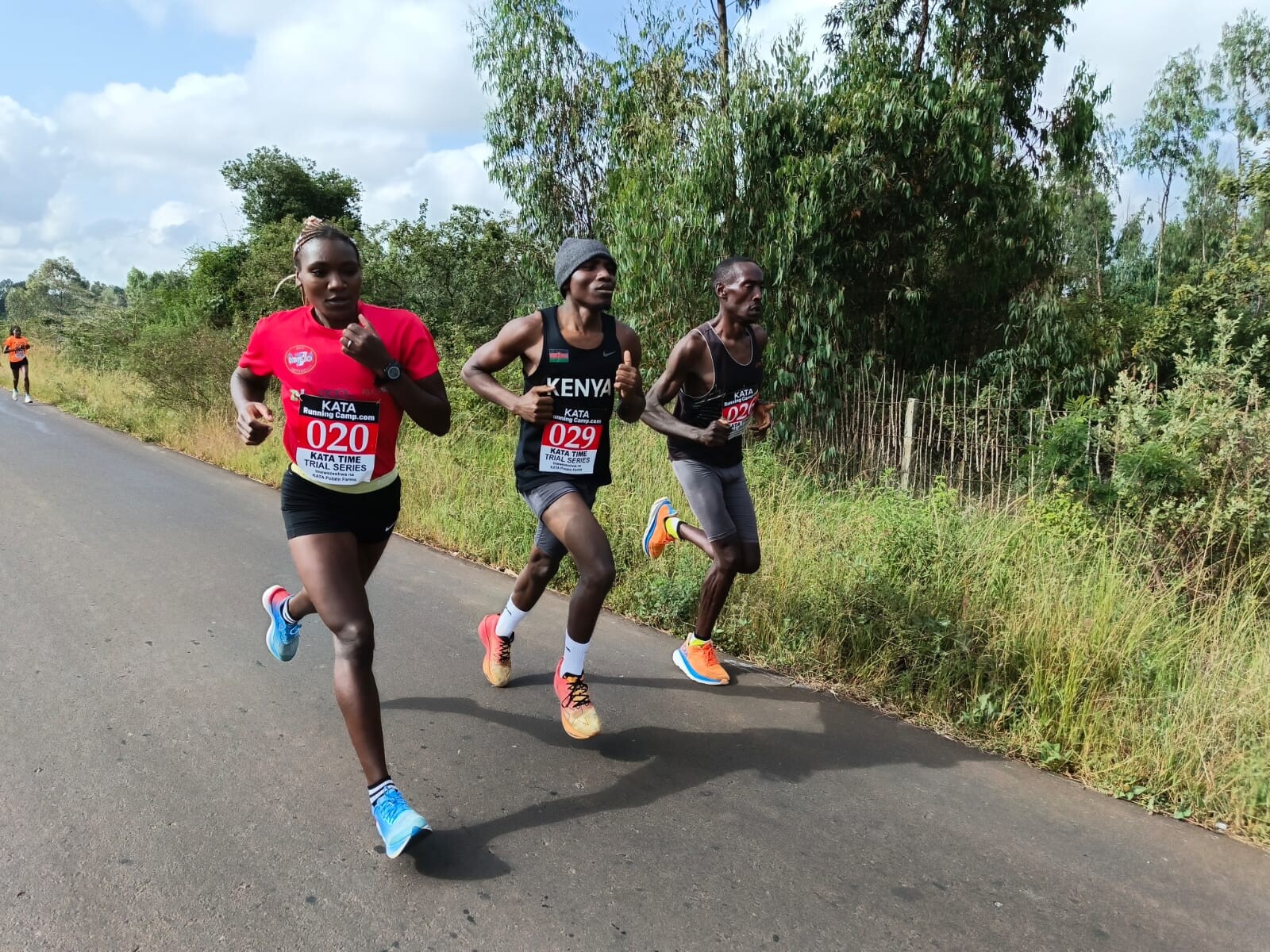
Held on the familiar roads surrounding the Kenyan Athletics Training Academy (KATA), the latest edition brought together runners at different stages of their athletic journeys, all united by a common objective: to test their fitness, challenge their limits, and chase new personal bests.
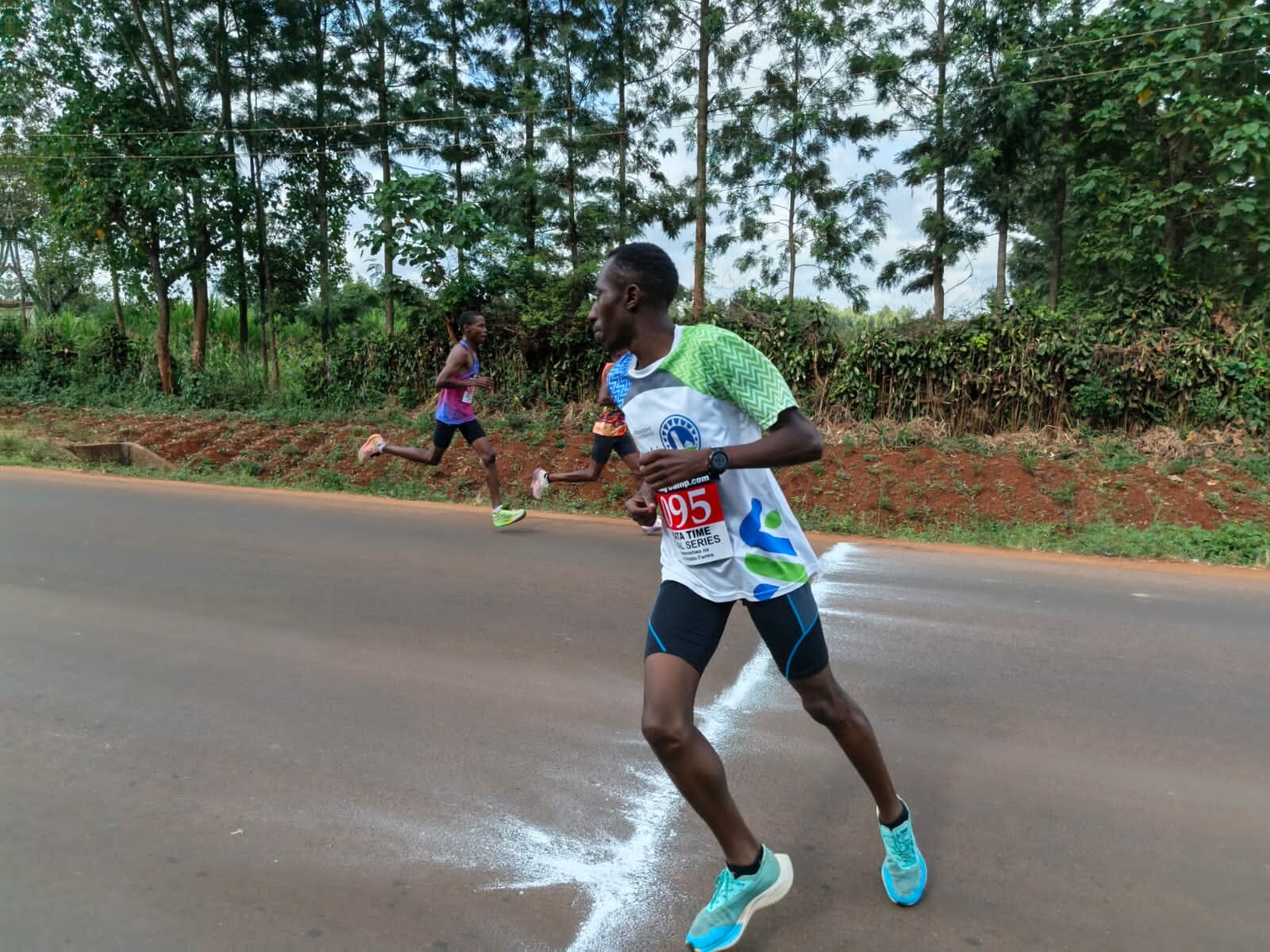
As expected, the competition was less about medals and fanfare and more about honest performances against the clock. Every athlete arrived carrying the weight of weeks and months of disciplined training, hoping to see that effort reflected in the final results.
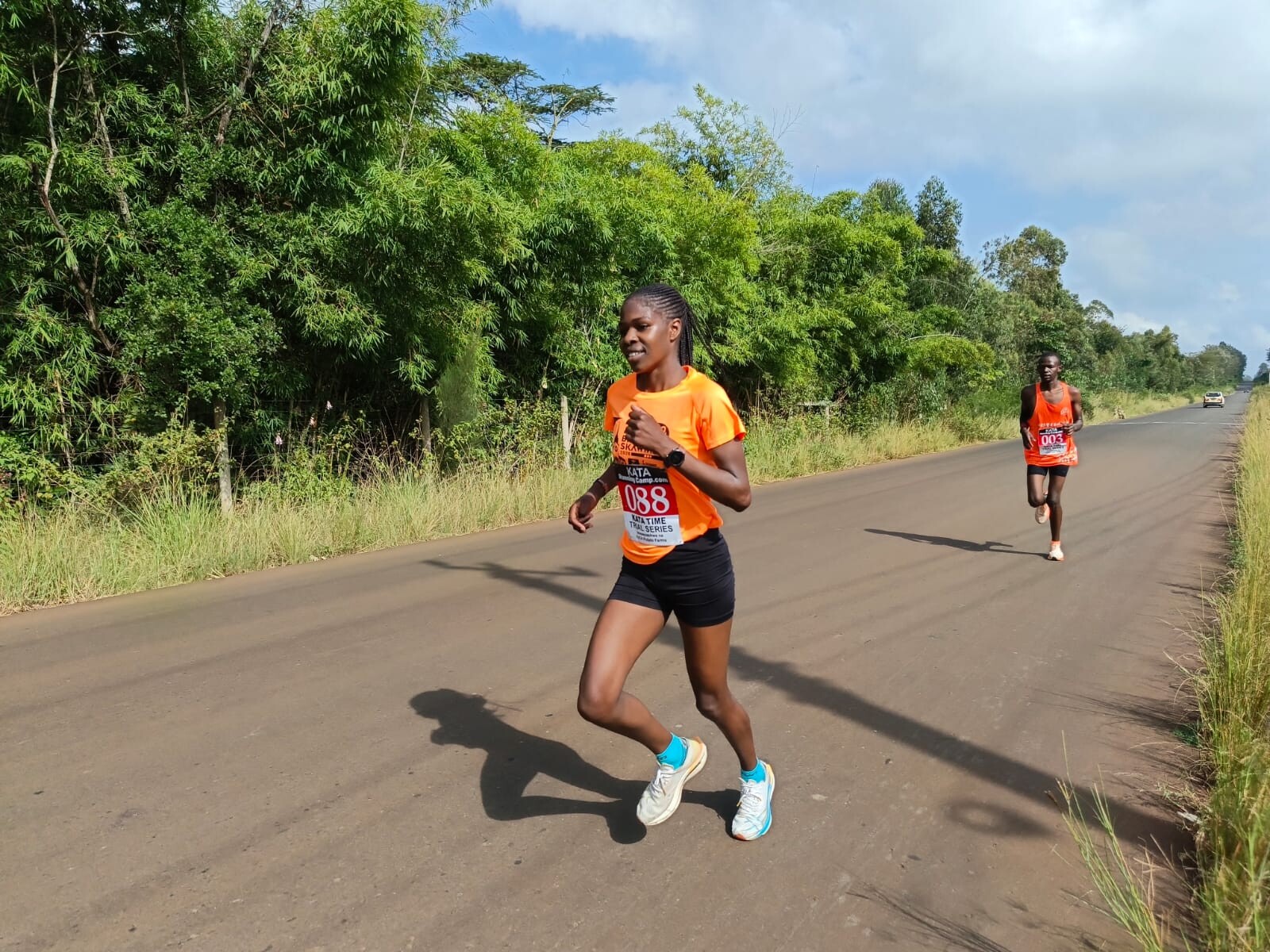
In the men's 5km race, John Ndung'u produced the fastest performance of the day, crossing the line in 15:36. Anthony Kariuki followed in 16:15, while Eugene Nambua secured third place in 17:44. Simon Ngereza completed the leading group with a time of 18:31.
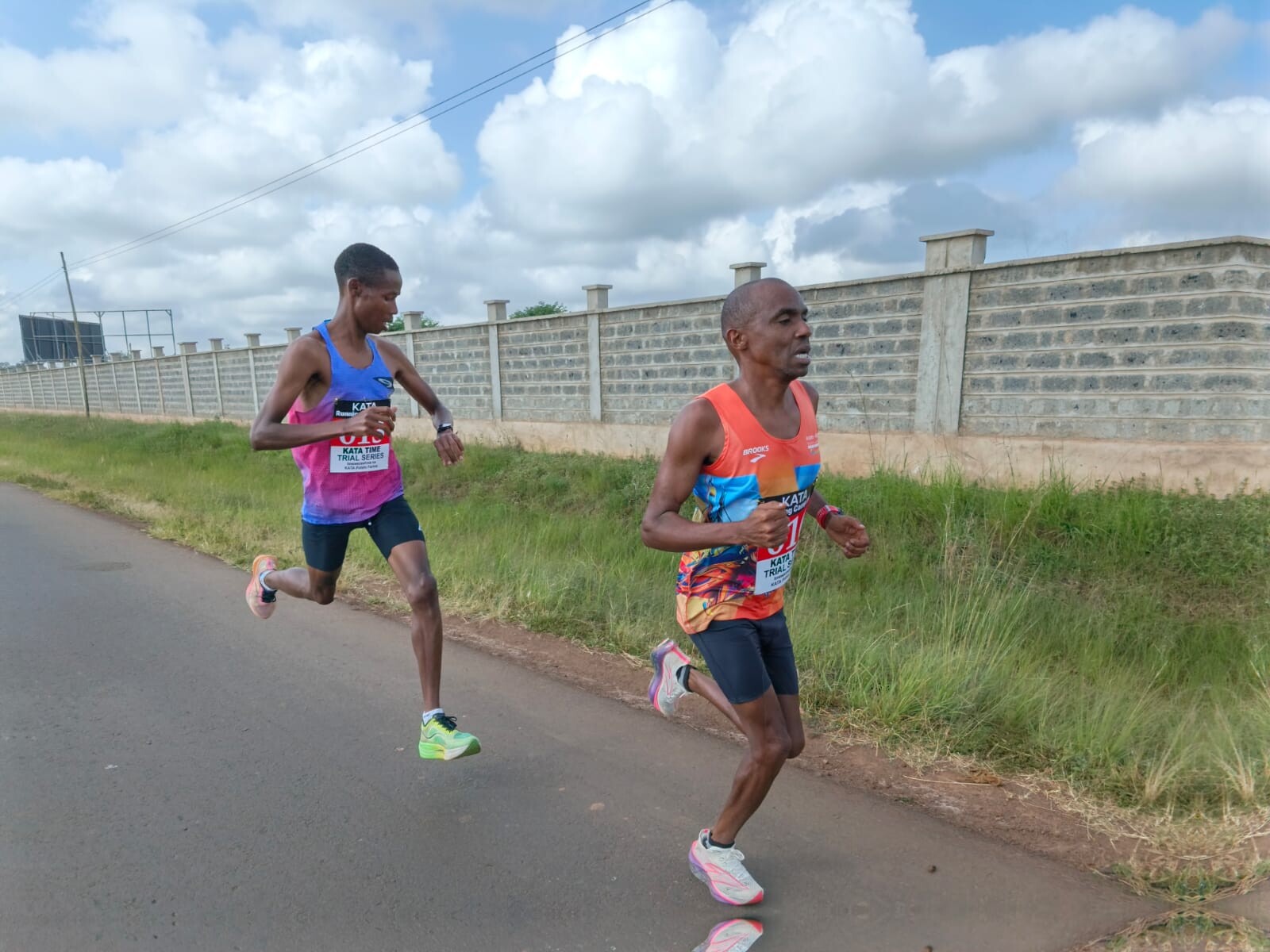
The women's 10km race delivered a closely contested battle at the front. Jane Wanja emerged victorious in 36:16 after a strong and controlled run, holding off Caren Chepkwony, who finished just nine seconds behind in 36:25. The narrow margin highlighted the competitive nature of the race and the determination shown by both athletes throughout the morning.
The deepest field of the day came in the men's 10km event, where several runners produced encouraging performances. John Chege led the standings with an impressive 30:12, demonstrating both strength and consistency over the distance. Charles Wanjora followed in second place with 30:54, while Erick Cheruiyot claimed third in 31:42 after a well-executed effort.
Joel Maina continued the strong pace of the leading pack to finish fourth in 32:26, while Justus Nyamai completed the top five in 33:24. David Mwangi recorded 35:24 for sixth place, followed by Paul Nganga in 35:38. Ewand Niyukiru crossed the line in 36:27, with Charles Ndirangu clocking 37:21 and Brandon Mutugi completing the top ten in 38:31.
KATA Time Trial Series – 57th Edition Results
Thika, Kenya | June 10, 2026
Men's 5km
1. John Ndung'u – 15:36
2. Anthony Kariuki – 16:15
3. Eugene Nambua – 17:44
4. Simon Ngereza – 18:31
Women's 10km
1. Jane Wanja – 36:16
2. Caren Chepkwony – 36:25
Men's 10km
1. John Chege – 30:12
2. Charles Wanjora – 30:54
3. Erick Cheruiyot – 31:42
4. Joel Maina – 32:26
5. Justus Nyamai – 33:24
6. David Mwangi – 35:24
7. Paul Nganga – 35:38
8. Ewand Niyukiru – 36:27
9. Charles Ndirangu – 37:21
10. Brandon Mutugi – 38:31
Beyond the finishing positions, the true success of the KATA Time Trial lies in what the numbers represent. Every result tells a story of early mornings, demanding workouts, sacrifices, and the relentless commitment required to improve in one of the world's most competitive athletics environments.
For some athletes, Wednesday's performances marked confirmation that their training is moving in the right direction. For others, the results provided valuable lessons and clear targets for the weeks ahead. Such is the nature of time trials: they offer an honest assessment of where an athlete stands and where improvement is still needed.
The KATA Time Trial Series has earned its reputation not through spectacle but through consistency. Edition after edition, it provides athletes with a stage to evaluate their progress, sharpen their racing instincts, and build confidence ahead of larger competitions.
As the 57th edition comes to a close, the performances recorded on the roads of Thika serve as another reminder that success in athletics is rarely achieved overnight. It is built through patience, resilience, and the willingness to keep chasing improvement. On this occasion, the clock once again revealed stories of ambition, determination, and the enduring pursuit of personal excellence.
by Erick Cheruiyot for My Best Runs.
Login to leave a comment

KATA Time Trial Series
Welcome to the KATA Monthly Time Trial Held at the Kenyan Athletics Training Academy in Thika, Kenya, the KATA Monthly Time Trial is a unique and inclusive event designed to support runners of all levels in achieving their goals and showcasing their fitness. This event offers both 10K and 5K distances on an accurate, certified course, providing participants with...
more...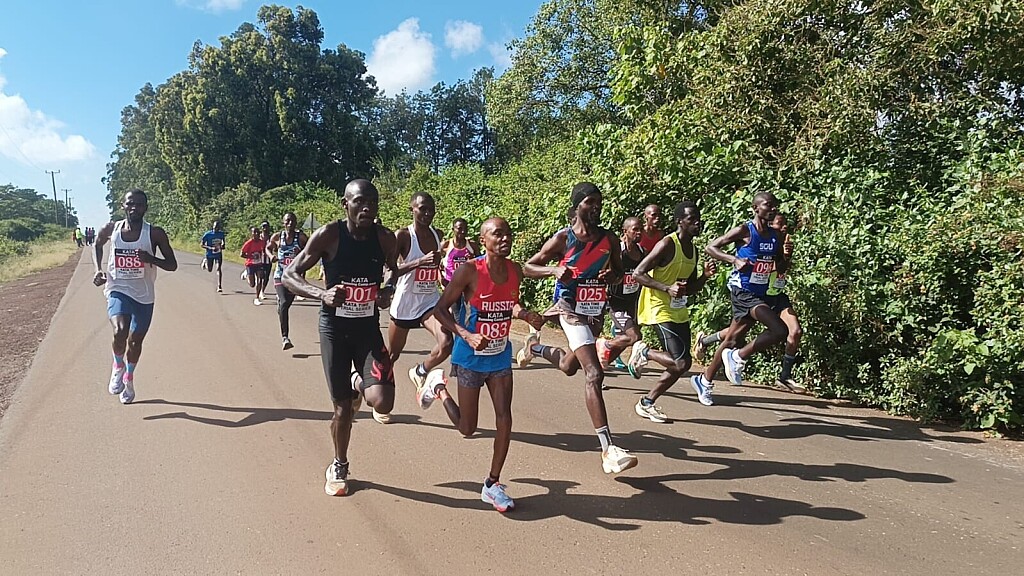
Chasing the Clock: Athletes Target Personal Bests at the 57th KATA Time Trial in Thika
Before sunrise breaks over Thika and before the wider athletics world begins to follow the results, a competitive field of determined runners will already be locked in a battle against the clock, their limits, and their ambitions. On Wednesday, June 10, 2026, the 57th edition of the KATA Time Trial Series returns to the quiet roads around the Kenyan Athletics Training Academy (KATA), offering athletes another invaluable opportunity to test their progress and pursue new personal bests.
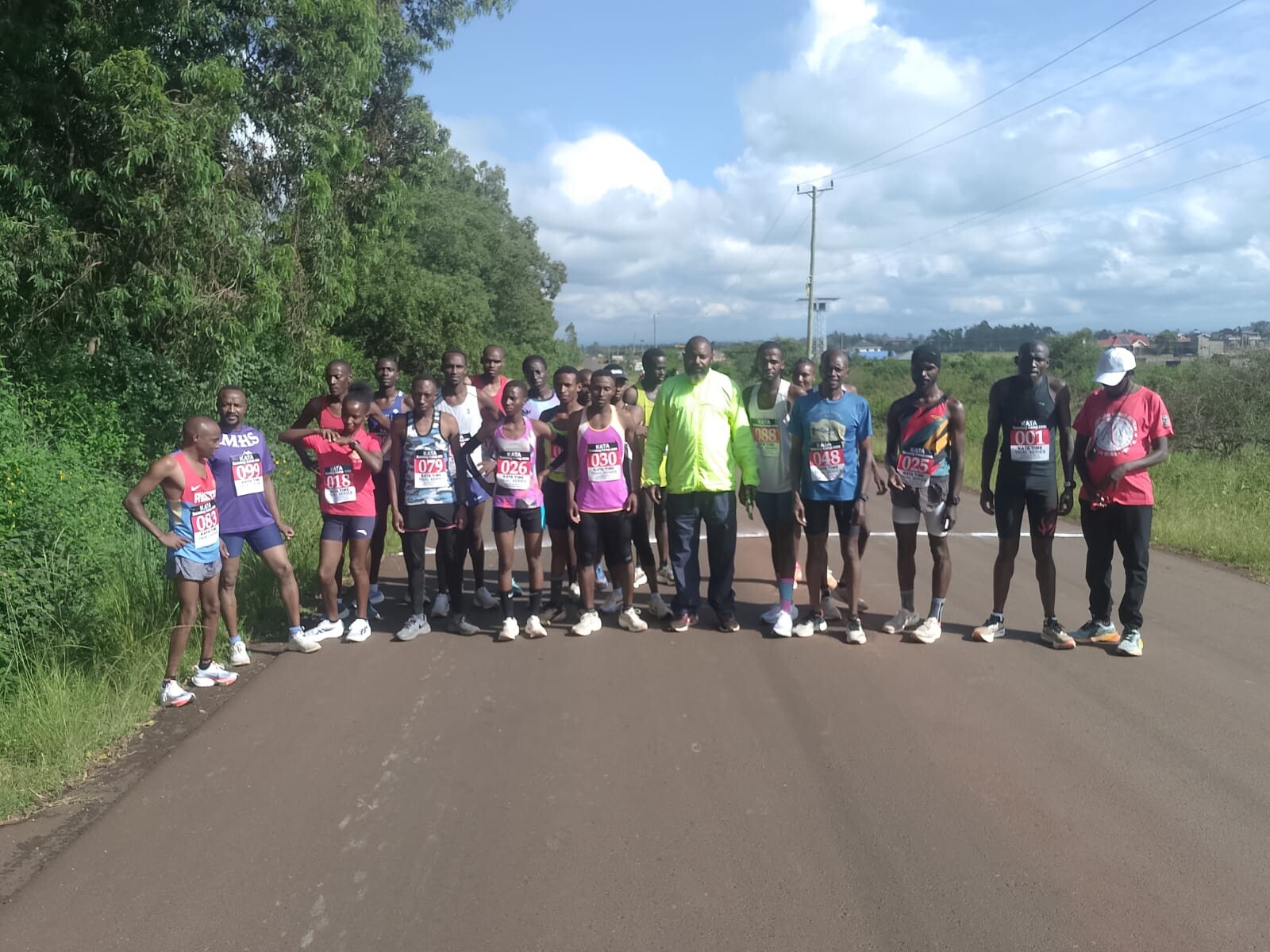
While major championships often capture global headlines, events like the KATA Time Trial remain the heartbeat of athlete development in Kenya. There are no packed grandstands, dramatic presentations, or lavish celebrations. Instead, the focus is placed squarely where it belongs—on performance, discipline, and the relentless pursuit of improvement.
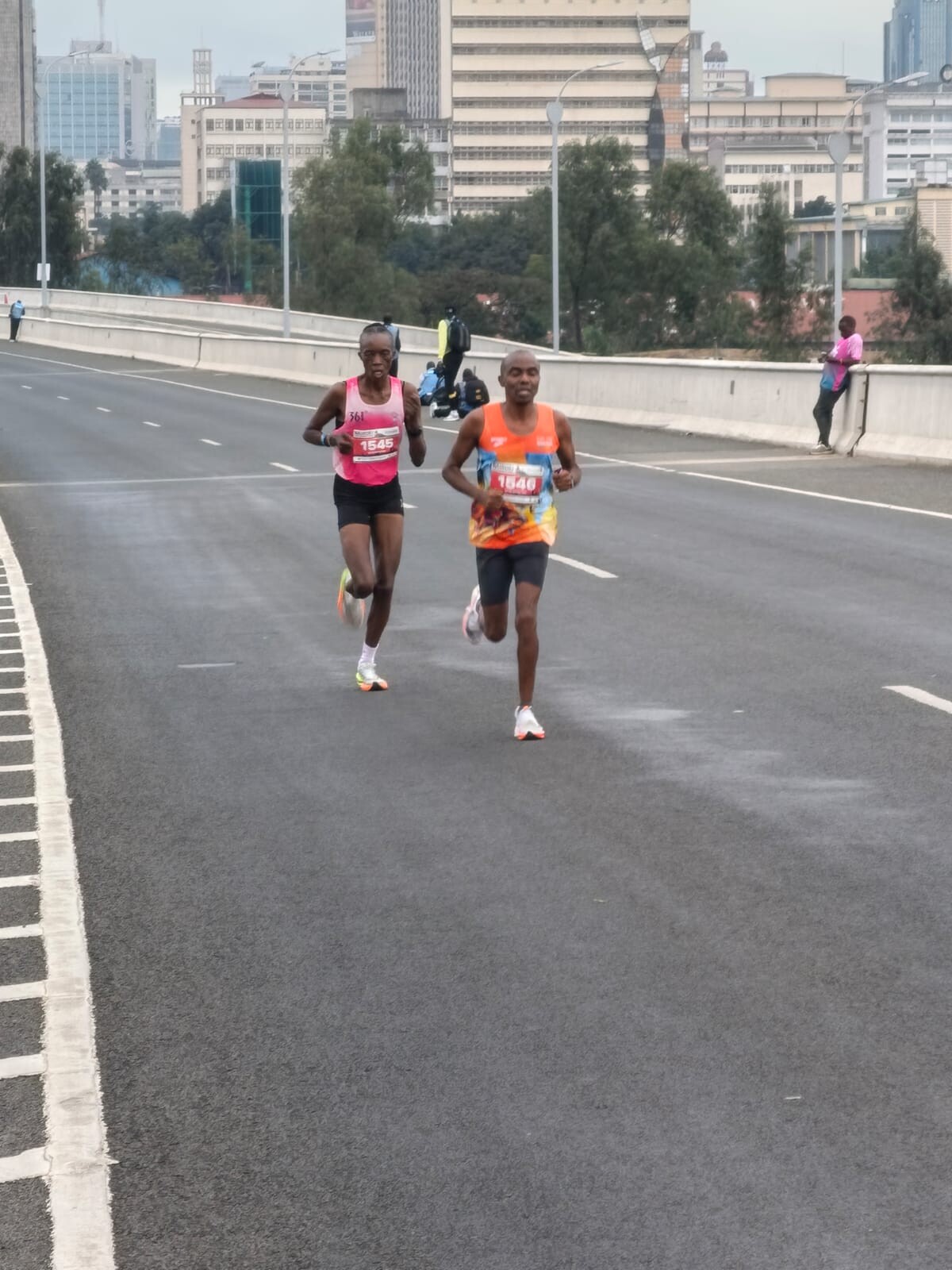
Over the years, the KATA Time Trial has built a reputation as one of the country's most respected performance-testing platforms. For emerging talents and experienced competitors alike, it serves as a crucial checkpoint where months of demanding training are measured against the unforgiving honesty of the stopwatch.
This edition is expected to attract athletes eager to evaluate their fitness levels and, above all, lower their personal bests. For many runners, a personal record represents far more than a number on a results sheet. It symbolizes countless kilometres covered before dawn, punishing interval sessions, sacrifices made away from competition, and the unwavering belief that hard work will eventually be rewarded.
The programme will once again feature the traditional 5km and 10km races, each presenting its own unique challenge. The 5km demands speed, courage, and the ability to sustain a relentless pace from start to finish. The 10km, meanwhile, requires patience, tactical awareness, and exceptional endurance, rewarding athletes who can distribute their effort wisely over the longer distance.
As always, intelligent pacing is expected to play a decisive role. Athletes are likely to work together through the opening kilometres, sharing the workload and maintaining consistent rhythm in pursuit of faster times. In a race where every second matters, a controlled start often proves more valuable than an aggressive surge. Those who judge their effort correctly can unlock breakthrough performances, while those who miscalculate their pace risk seeing their ambitions fade before the finish line.
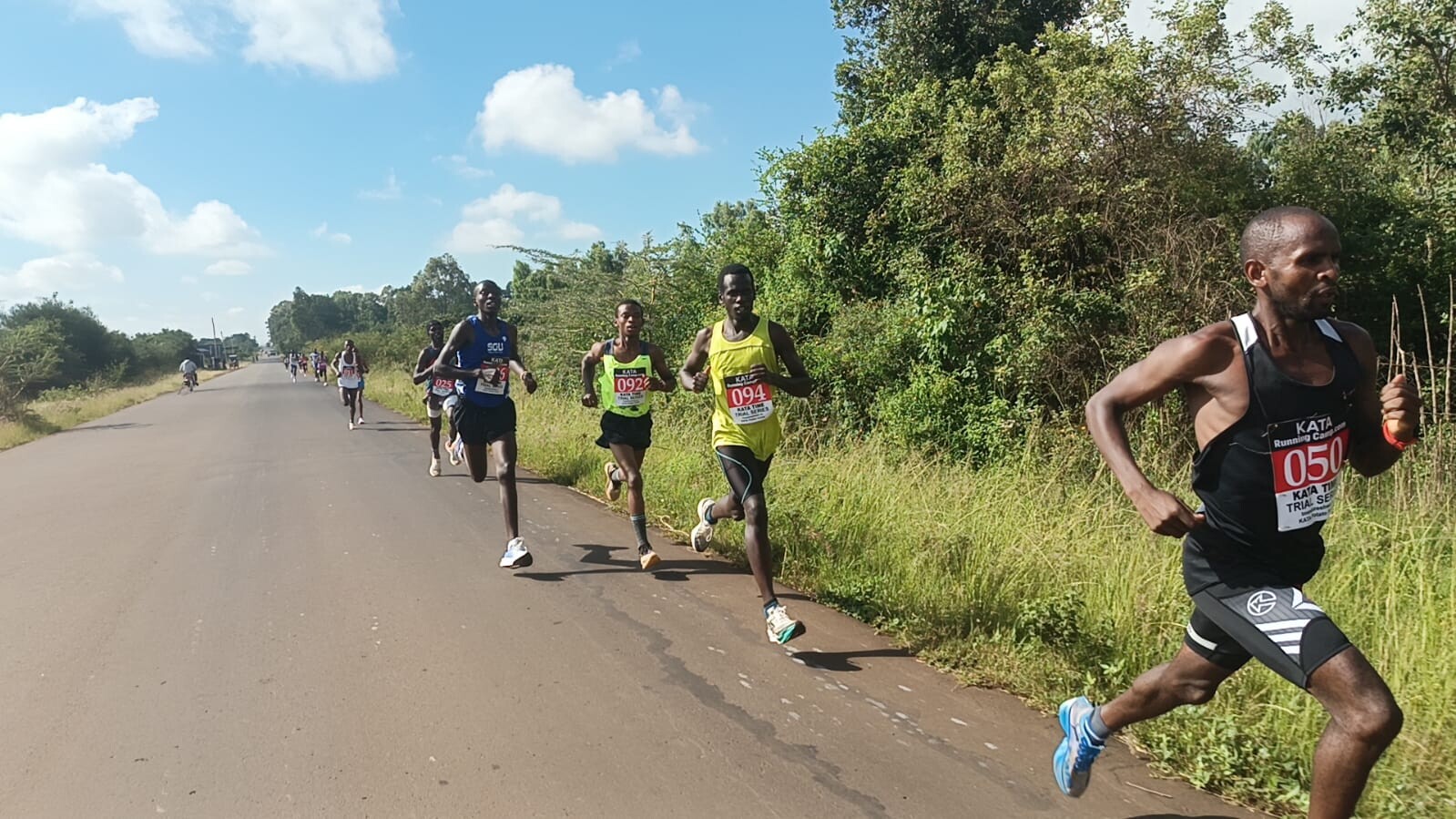
The roads of Thika have witnessed countless stories of progress throughout the history of the series. Some athletes have announced their arrival with career-defining performances, while others have gained valuable lessons that later shaped future success. Every edition adds another chapter to that legacy, and the 57th installment promises to be no different.
Weather and course conditions are expected to favour athletes who combine patience with determination. The runners who remain composed during the early stages will likely be the ones producing their strongest performances when fatigue begins to take hold in the closing kilometres.
Yet beyond the times and finishing positions, the true significance of the KATA Time Trial lies in what it represents. It is a celebration of continuous growth, a proving ground for ambition, and a reminder that excellence is built through consistency rather than spectacle.
When the final watches stop on Wednesday morning, the results will reveal much more than who ran the fastest. They will tell stories of perseverance, dedication, and dreams pursued one stride at a time. For many athletes lining up in Thika, the ultimate victory will not be defeating their rivals—it will be conquering their previous best and taking another important step forward in their athletic journey.
by Erick Cheruiyot for My Best Runs.
Login to leave a comment
KATA Time Trial Series
Welcome to the KATA Monthly Time Trial Held at the Kenyan Athletics Training Academy in Thika, Kenya, the KATA Monthly Time Trial is a unique and inclusive event designed to support runners of all levels in achieving their goals and showcasing their fitness. This event offers both 10K and 5K distances on an accurate, certified course, providing participants with...
more...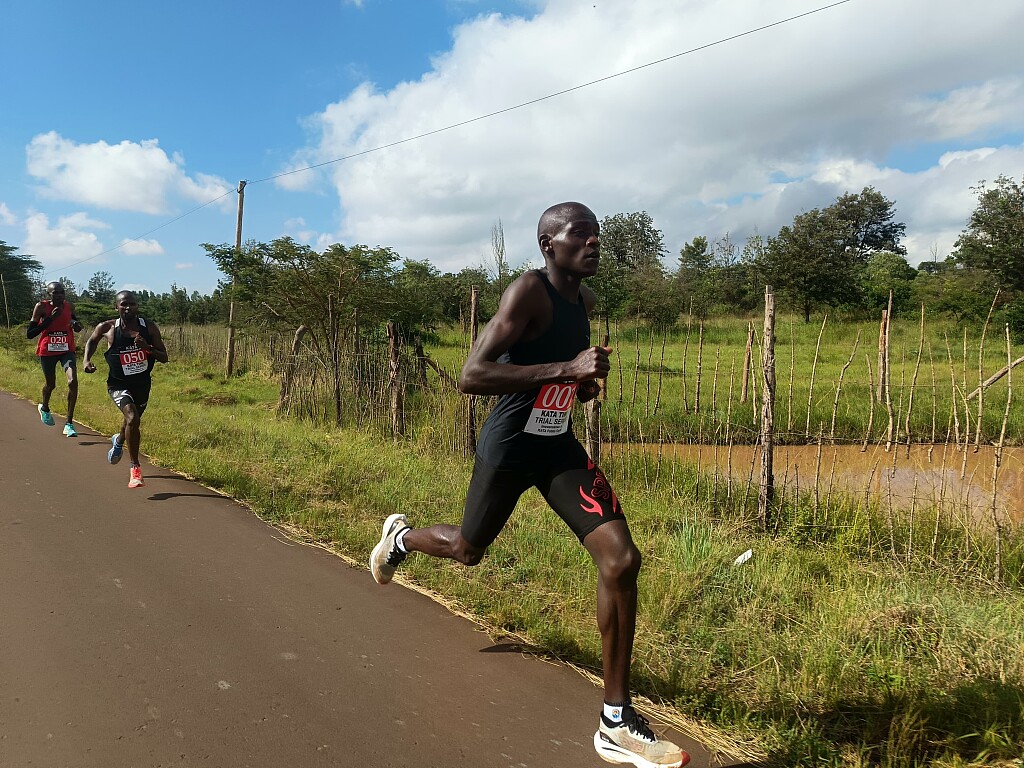
Elite Rhythm and Relentless Effort Headline the 56th KATA Time Trial Series
The roads of Thika once again became a proving ground for ambition, endurance, and personal growth as athletes delivered impressive performances during the 56th edition of the KATA Time Trial held on Wednesday, May 13, 2026. In an event built around discipline rather than spectacle, runners turned months of preparation into measurable results, producing a morning filled with fast times, tactical execution, and valuable lessons for the season ahead.
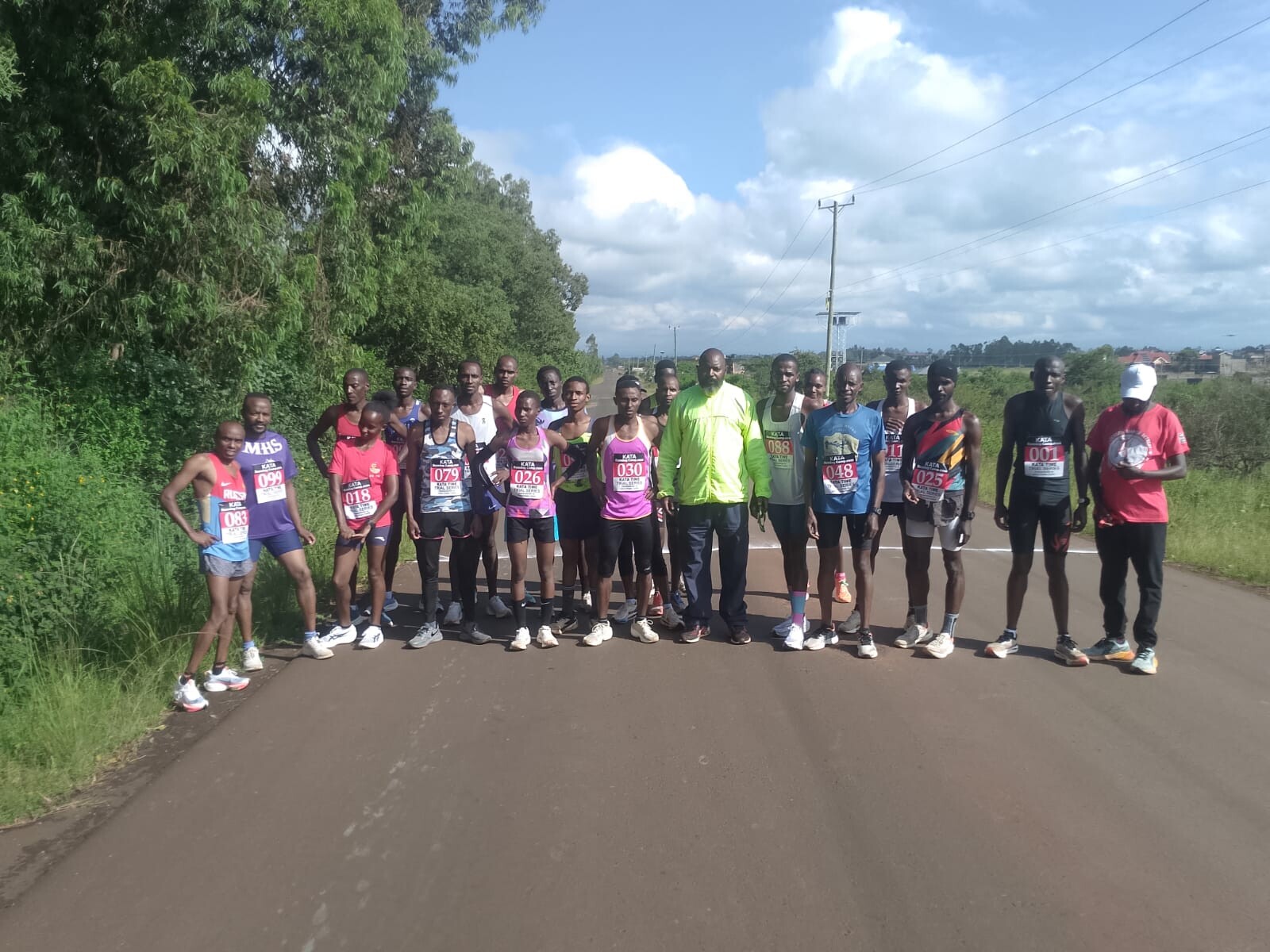
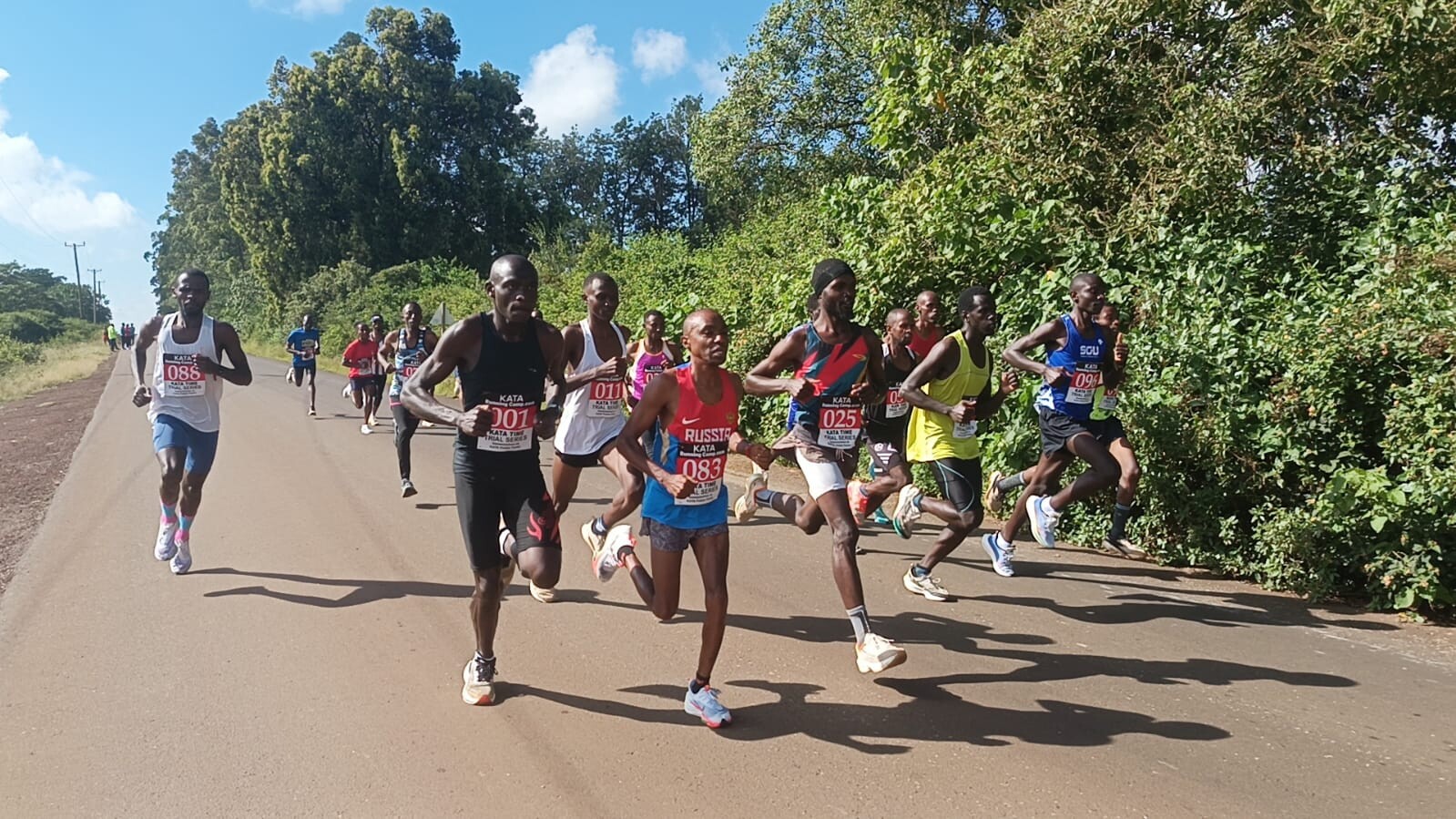
Widely respected among developing and competitive athletes, the KATA Time Trial continues to serve as one of the most reliable performance tests on the local athletics calendar. Unlike major championship races driven by crowd energy and medals, the Thika event places athletes face-to-face with the stopwatch, demanding honesty, rhythm, and mental toughness from start to finish.
The men’s 10-kilometre contest produced one of the strongest performances of the day as Charles Wanjora stormed to victory in an impressive 30:44. Running with confidence and composure, Wanjora controlled the pace effectively and held off a determined challenge from Bernard Waweru, who crossed the line just a second later in 30:45 after a highly competitive battle. Robin Musa completed the top three with a strong 31:12, confirming the high quality of the front pack throughout the race.
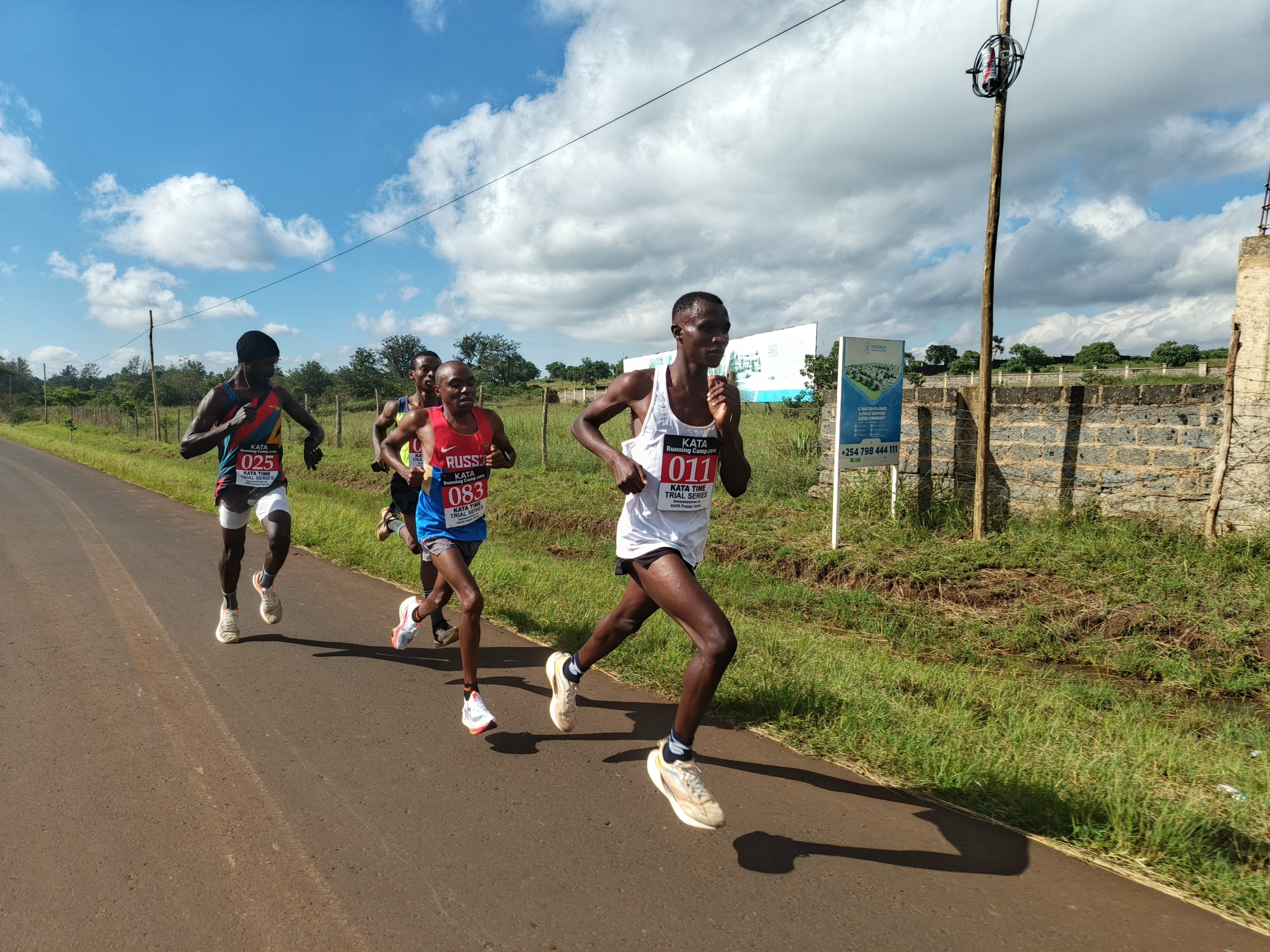
Joel Maina secured fourth place in 31:52, while Ismael Mburu finished fifth in 32:36 after maintaining a consistent rhythm over the demanding course. Vincent Kiprotich followed in sixth position with 33:12, narrowly ahead of Erick Cheruiyot, who clocked 33:14 in another tightly contested finish. Fredrick Wambua placed eighth in 33:46, as George Kamau and Paul Ng’ang’a completed the top ten in 36:10 and 36:11 respectively.
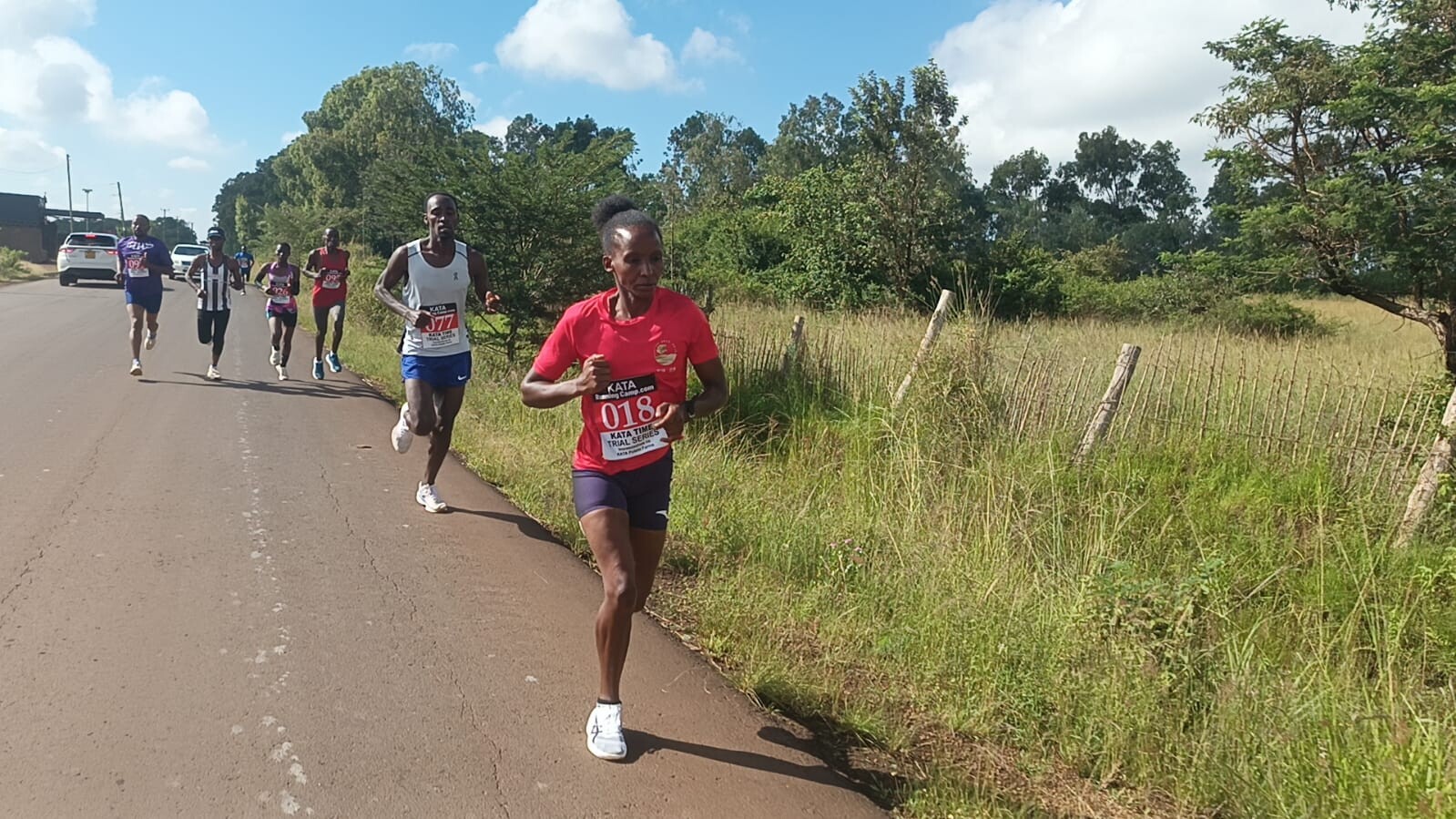
In the women’s 10km race, Kellen Waithira produced a commanding performance to take victory in 35:34. Her controlled pacing and strong finishing stretch allowed her to separate herself from the field and secure a well-earned win. Jane Wanja followed closely in second place with 35:44, ensuring a highly competitive women’s contest from start to finish. Regina Sandiki completed the podium after crossing the line in 36:45 following a determined run.
The men’s 5-kilometre race also delivered several impressive performances, with Francis Maina leading the field in 16:06 after an aggressive but well-managed effort. Anthony Kariuki secured second position in 16:49, while Harrison Mathenge finished third in 17:20 to round off the podium places.
5KM MEN
1. Francis Maina – 19 – Bib 92 – 16:06
2. Anthony Kariuki – 28 – Bib 79 – 16:49
3. Harrison Mathenge – 18 – Bib 96 – 17:20
4. John Mwangi – 45 – Bib 99 – 18:36
5. Kennedy Ochieng – 20 – Bib 33 – 22:24
MEN 10KM
1. Charles Wanjora – 24 – Bib 01 – 30:44
2. Bernard Waweru – 40 – Bib 50 – 30:45
3. Robin Musa – 17 – Bib 11 – 31:12
4. Joel Maina – 41 – Bib 83 – 31:52
5. Ismael Mburu – 25 – Bib 25 – 32:36
6. Vincent Kiprotich – 24 – Bib 94 – 33:12
7. Erick Cheruiyot – 30 – Bib 20 – 33:14
8. Fredrick Wambua – 20 – Bib 30 – 33:46
9. George Kamau – 35 – Bib 88 – 36:10
10. Paul Ng’ang’a – 43 – Bib 95 – 36:11
11. Edward Niyukuri – 24 – Bib 77 – 36:47
12. Charles Ndirangu – 65 – Bib 48 – 39:30
WOMEN 10KM
1. Kellen Waithira – 39 – Bib 18 – 35:34
2. Jane Wanja – 35 – Bib 16 – 35:44
3. Regina Sandiki – 19 – Bib 26 – 36:45
Beyond the finishing times, the true significance of the KATA Time Trial once again lay in the personal battles fought across every kilometre. For many athletes, the event represented far more than competition alone. It was an opportunity to measure improvement, test race fitness, and evaluate the effectiveness of months of disciplined training. Every second gained reflected sacrifice, resilience, and the determination to reach higher standards.
The conditions in Thika rewarded athletes who respected the demands of the course and managed their pacing intelligently. Those who remained patient during the early stages found strength in the closing kilometres, while the unforgiving nature of the road exposed even the smallest tactical mistakes. It was another reminder that success in distance running depends not only on physical preparation, but also on judgment, composure, and mental strength under pressure.
As the morning came to an end and the watches finally stopped, the 56th KATA Time Trial once again proved why it remains an important fixture in Kenya’s athletics culture. On a simple stretch of road in Thika, athletes continued chasing excellence, refining their craft, and turning ambition into reality — one stride at a time.
by Erick Cheruiyot for My Best Runs.
Login to leave a comment
KATA Time Trial Series
Welcome to the KATA Monthly Time Trial Held at the Kenyan Athletics Training Academy in Thika, Kenya, the KATA Monthly Time Trial is a unique and inclusive event designed to support runners of all levels in achieving their goals and showcasing their fitness. This event offers both 10K and 5K distances on an accurate, certified course, providing participants with...
more...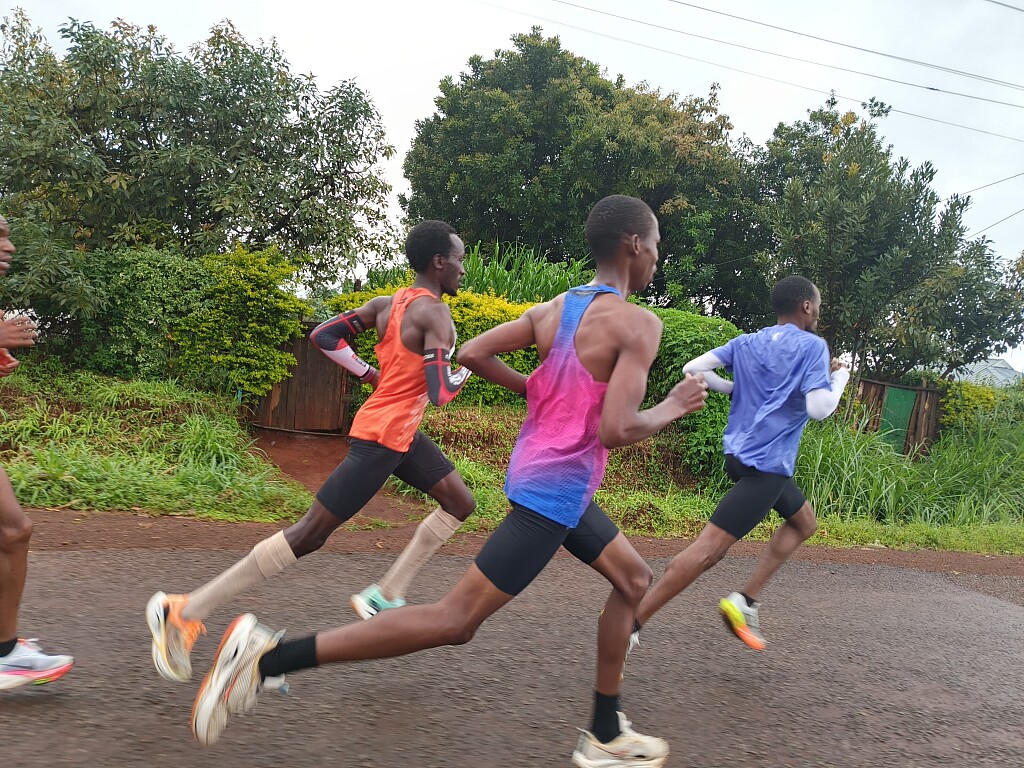
Chasing Personal Bests: Speed, Strategy and Rivalry Set the Stage for the 56th KATA Time Trial Series in Thika
Long before the crowds awaken and the world notices the results, athletes in Thika will already be battling exhaustion, pressure, and expectation. The rhythm of pounding footsteps will once again echo across the tarmac roads of Thika on Wednesday, May 13, 2026, as the 56th edition of the KATA Time Trial Series returns with renewed intensity, ambition, and anticipation. This is more than a race against time — It's a reflection of sacrifice, resilience, and the endless pursuit of personal growth in athletics dream.
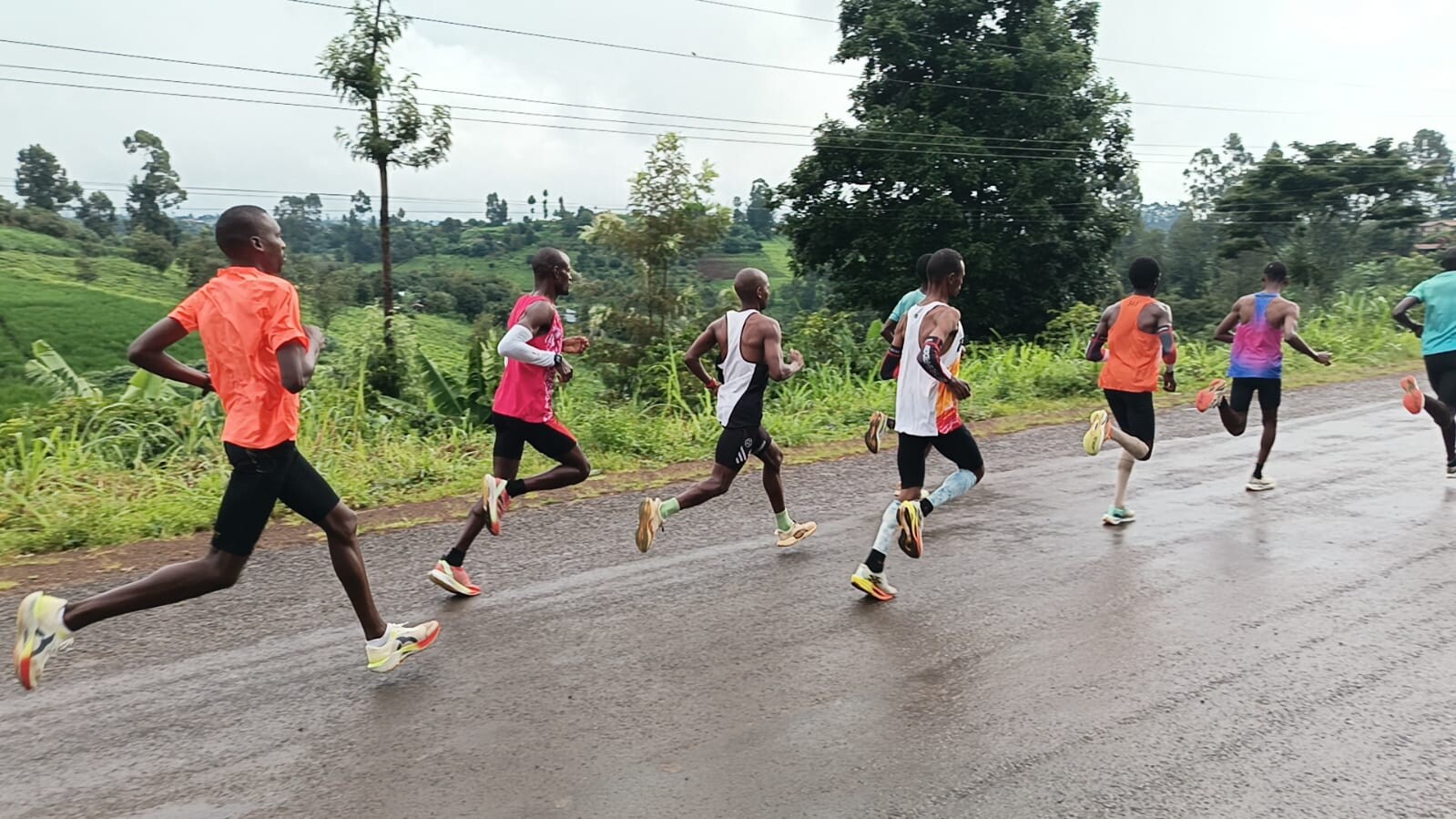
There may be no roaring stadium crowd, no flashing lights, and no elaborate finish-line celebrations, yet within Kenya’s athletics circles, few events command as much quiet respect as this one. For the athletes preparing to line up, the occasion is not about spectacle—it is about testing limits, measuring progress, and pursuing the relentless dream of improvement.
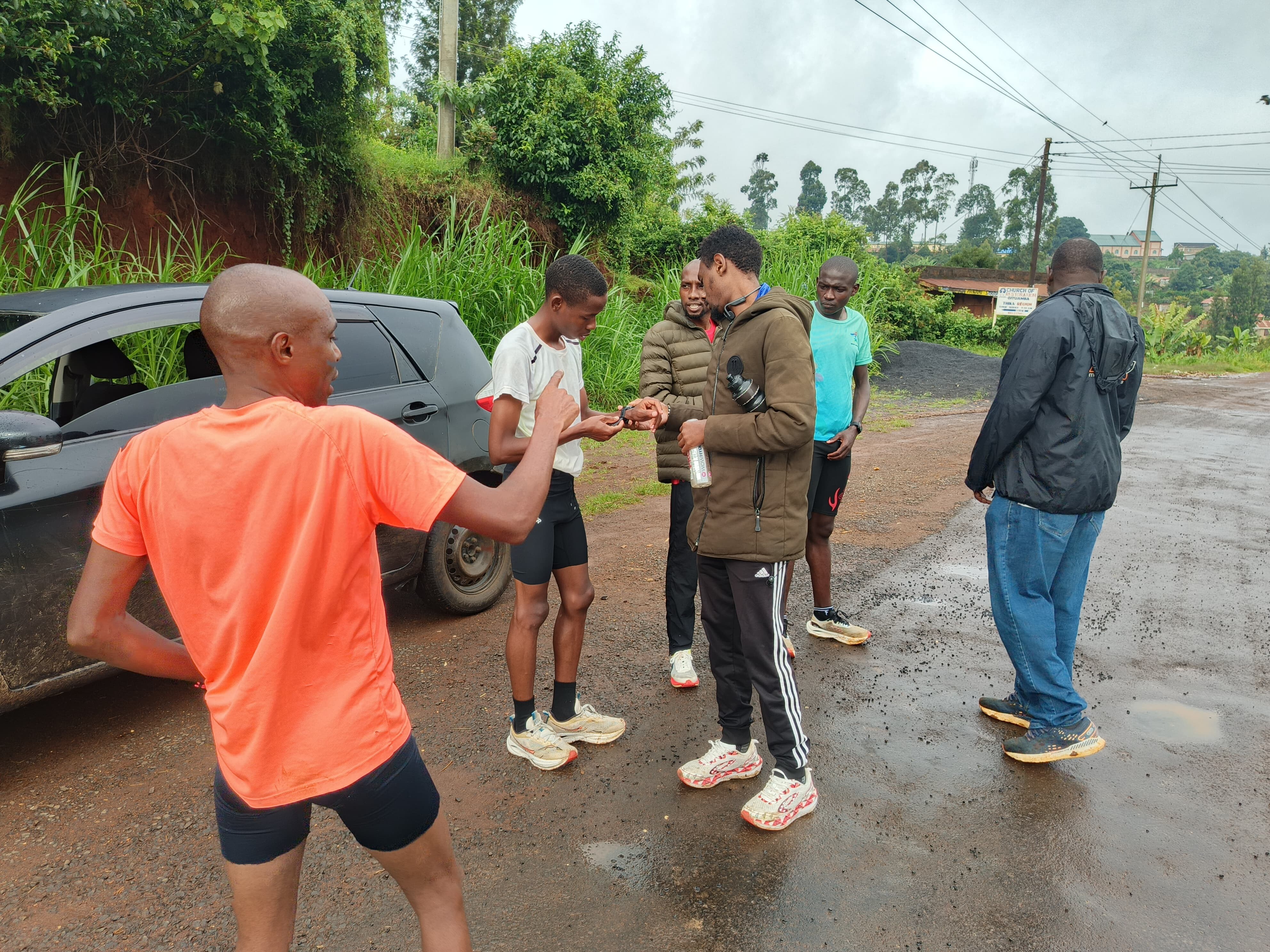
Held near the training base of the Kenyan Athletics Training Academy in Thika, the KATA Time Trial has steadily evolved into one of the most trusted performance platforms for developing and experienced athletes alike. Over the years, it has earned its reputation as a proving ground where months of sacrifice, demanding training sessions, and disciplined preparation are transformed into measurable reality. Every edition carries stories of breakthrough performances, painful lessons, and moments that redefine confidence.
Traditionally, the event has stood apart from conventional road races by stripping competition down to its purest form. Athletes do not simply race each other—they race the clock, their previous performances, and the invisible standards they set for themselves during training. Yet this 56th edition is expected to introduce a more tactical dimension. While fast times remain the primary objective, strategy and intelligent pack running are likely to shape the morning in significant ways.
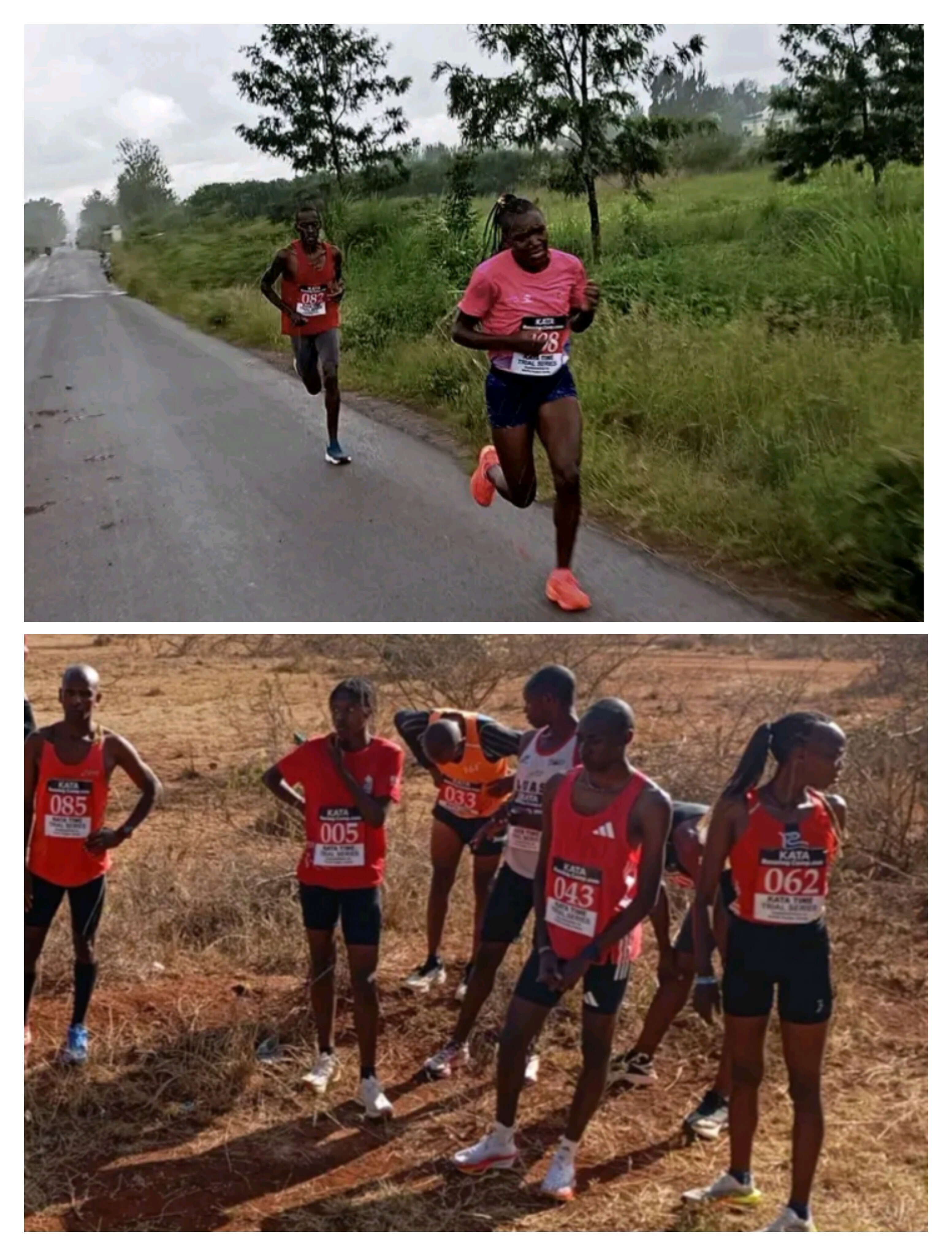
Athletes are expected to work together through the opening stages, carefully maintaining rhythm and pacing in pursuit of stronger finishing times and valuable personal bests. In such races, patience becomes just as important as raw speed. A poorly judged opening kilometre can destroy an otherwise promising performance, while disciplined execution often rewards those who conserve energy for the decisive closing stretch. It is this delicate balance between aggression and control that makes the KATA Time Trial so compelling.
The programme will once again feature the classic 5km and 10km distances, each demanding a very different kind of athlete. The 5km rewards sharpness, rhythm, courage, and the ability to sustain discomfort at relentless speed. The 10km, meanwhile, is a deeper examination of endurance, mental strength, and tactical discipline. On the unforgiving roads of Thika, even the slightest pacing mistake can separate a brilliant run from a disappointing result.
Perhaps the most powerful storyline surrounding this edition is the universal pursuit of personal bests. For many athletes, the stopwatch represents far more than numbers on a screen. Every second gained reflects countless early mornings, exhausting intervals, sacrifices away from competition, and unwavering belief in the training process. The KATA Time Trial has always provided athletes with an honest answer to one important question: has the work truly paid off?
Conditions in Thika are expected to favour runners who combine patience with intelligence. Those who remain composed in the early kilometres often find the strength to finish aggressively, while athletes who force the pace too early may struggle before the final stretch. It is an environment where discipline is rewarded and resilience is exposed in real time.
Though the event may unfold without major fanfare, its significance stretches far beyond a single morning of racing. On this modest stretch of road, athletes continue refining their craft, sharpening their instincts, and chasing the standards that define excellence in Kenyan athletics. When the watches finally stop at the end of the 56th edition, the results will reveal far more than finishing times. They will tell the story of ambition, rivalry, sacrifice, and the endless pursuit of becoming better with every stride.
by Erick Cheruiyot for My Best Runs.
Login to leave a comment
KATA Time Trial Series
Welcome to the KATA Monthly Time Trial Held at the Kenyan Athletics Training Academy in Thika, Kenya, the KATA Monthly Time Trial is a unique and inclusive event designed to support runners of all levels in achieving their goals and showcasing their fitness. This event offers both 10K and 5K distances on an accurate, certified course, providing participants with...
more...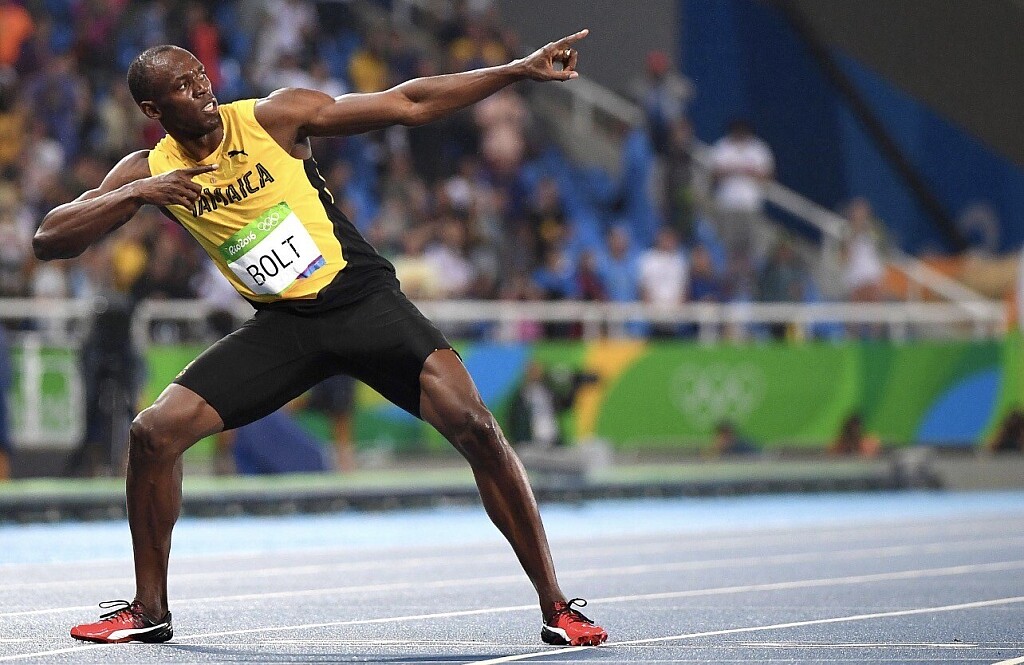
An Evening With Bolt - The Fastest Man Ever is coming to London July 22
Eight Olympic gold medals. Eleven World Championship titles. Three consecutive Olympic Games sweeping both the 100m and 200m titles.
No sprinter in history has ever done what Usain Bolt accomplished between Beijing, London, and Rio.

And now, nearly a decade after his final Olympic appearance, the fastest man in history is proving that his appeal reaches far beyond the track.
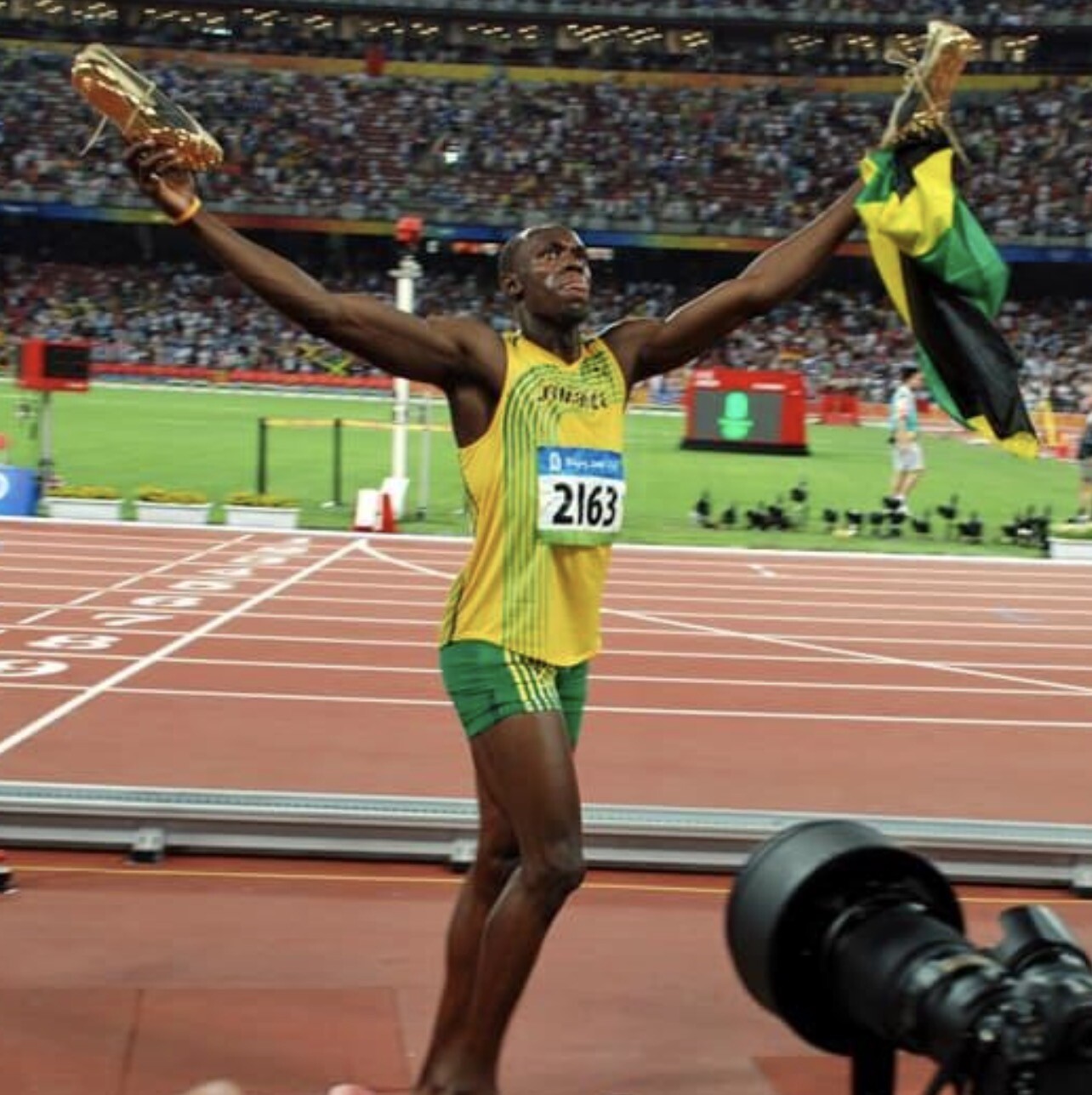
On Wednesday, July 22, 2026, Bolt will appear live at The O2 for “An Evening With Bolt,” a stage event expected to draw thousands of fans eager to hear firsthand stories from one of the most dominant athletes ever produced by any sport.
The event is not a race. There will be no starting blocks, no finish tape, no world-record clock flashing 9.58. Yet demand for tickets has been extraordinary. Premium seats are reportedly selling for more than $200 USD, with VIP and meet-and-greet packages commanding even higher prices.
That kind of post-career drawing power is rare in athletics.
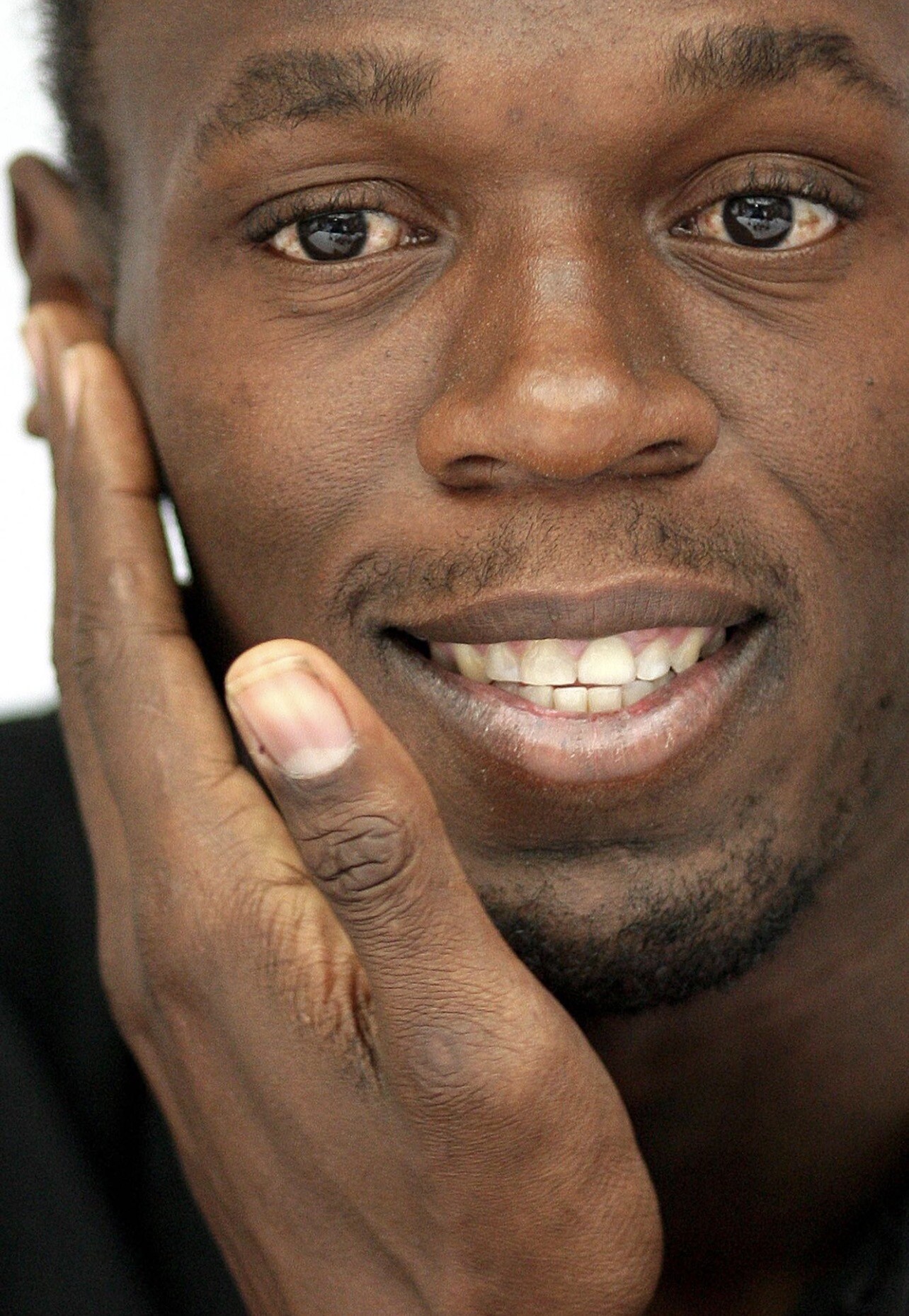
Michael Jordan could fill arenas. Muhammad Ali could command a room anywhere in the world. Pelé and Diego Maradona transcended soccer. But in track and field, very few athletes have remained such a global attraction years after retirement.
Bolt is different.
For nearly a decade, he turned the Olympic 100-meter final into one of the biggest television events on the planet. Even casual sports fans knew exactly when Bolt was racing. His signature lightning pose became one of the most recognizable celebrations in modern sports history.
What makes his story even more remarkable is that the records still stand.
His 9.58 world record in the 100 meters and 19.19 in the 200 meters have survived wave after wave of challengers, technological advances, super spikes, and an entirely new generation of sprinters. Nearly seventeen years later, no one has seriously threatened both marks at the same time.
And unlike many champions, Bolt combined dominance with personality. He danced before races, smiled under pressure, joked with reporters, and somehow still delivered when the spotlight was brightest.
That combination — greatness plus charisma — is what continues to sell out theaters and arenas around the world.
According to event organizers, Bolt will speak candidly about his upbringing in Trelawny, Jamaica, the pressure of competing for an entire nation, the discipline required to remain on top, and the mental side of being expected to win every time he stepped on the track.
For younger athletes, the evening offers something rare: a chance to hear directly from a man who changed the sport forever.
For older fans, it is a reminder of a period when sprinting became must-watch television.
Track and field has produced many great champions. But very few became global cultural icons.
Usain Bolt did both.
by Boris Baron for My Best Runs
Login to leave a comment
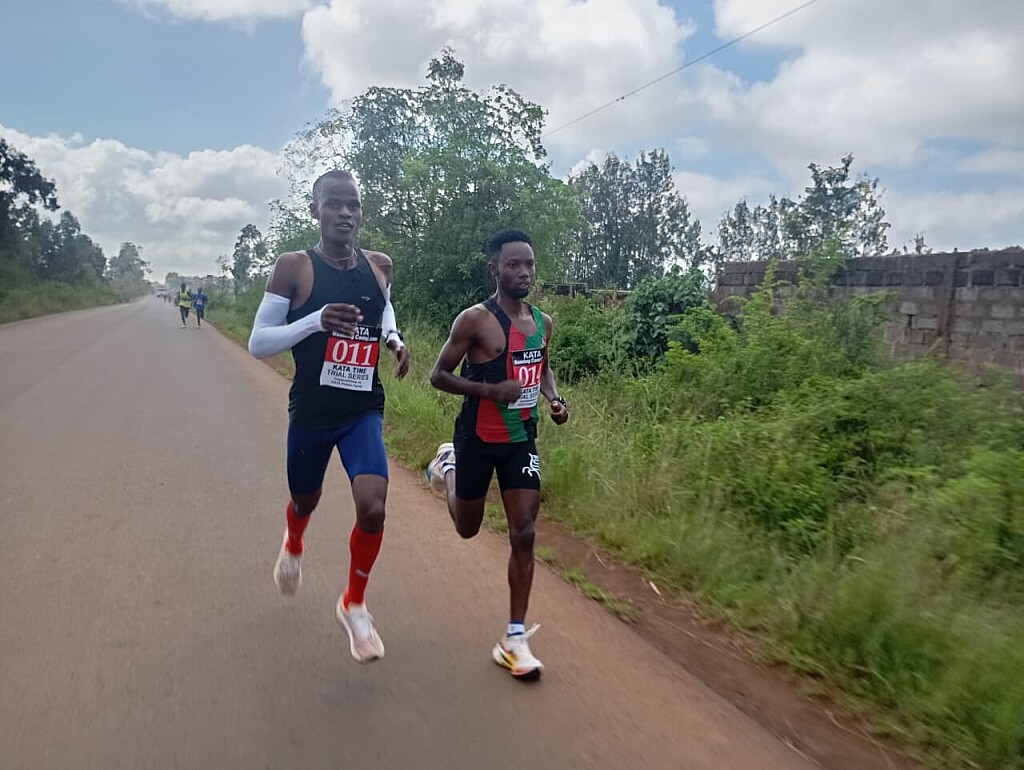
Speed, Strategy and Rivalry: KATA Time Trial Returns for a Thrilling 55th Edition
The familiar sound of pounding footsteps will once again roll across the tarmac course in Thika on Wednesday, 15th April 2026, as the 55th edition of the KATA Time Trial takes centre stage. There may be no grand stadium atmosphere, no roaring crowds, and no glittering finish-line ceremony, yet within the athletics world this event carries enormous value. For the runners who gather there, it is not about spectacle—it is about precision, progress, and the relentless pursuit of improvement.
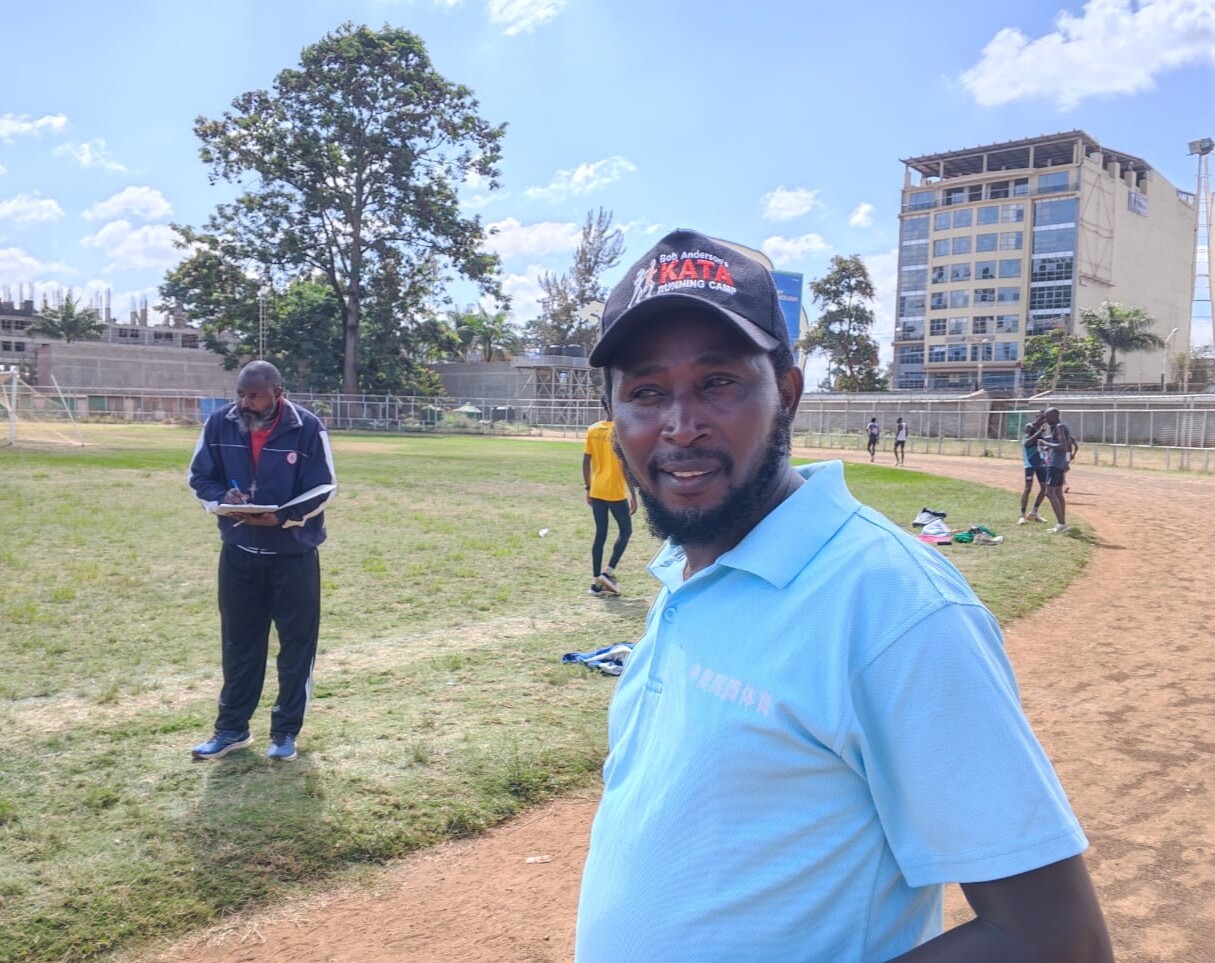
Held near the training grounds of the Kenyan Athletics Training Academy in Thika, the KATA Time Trial has steadily built a reputation as one of the most respected performance tests on the local calendar. Over the years, it has become a trusted benchmark where athletes measure their development, sharpen their race instincts, and turn months of disciplined training into meaningful results.
Unlike conventional races, where tactical battles and pack dynamics often shape the outcome, the KATA Time Trial has traditionally reduced competition to its purest form, with athletes racing mainly against the clock and their own previous bests. However, this 55th edition is expected to bring a different dimension. While time remains the ultimate target, the event is likely to be defined by calculated tactical battles and well-organised pack running, as athletes work together to sustain strong rhythms and create the ideal conditions for faster times and more personal bests. Success will still demand disciplined pacing, sharp judgment, and composure under pressure, but strategy could prove just as decisive as strength. Adding further intrigue to the programme, the 5km race is set to feature an exciting showdown between two experienced veterans, Dennis and Elam, whose rivalry promises to inject extra intensity into an already highly anticipated morning.
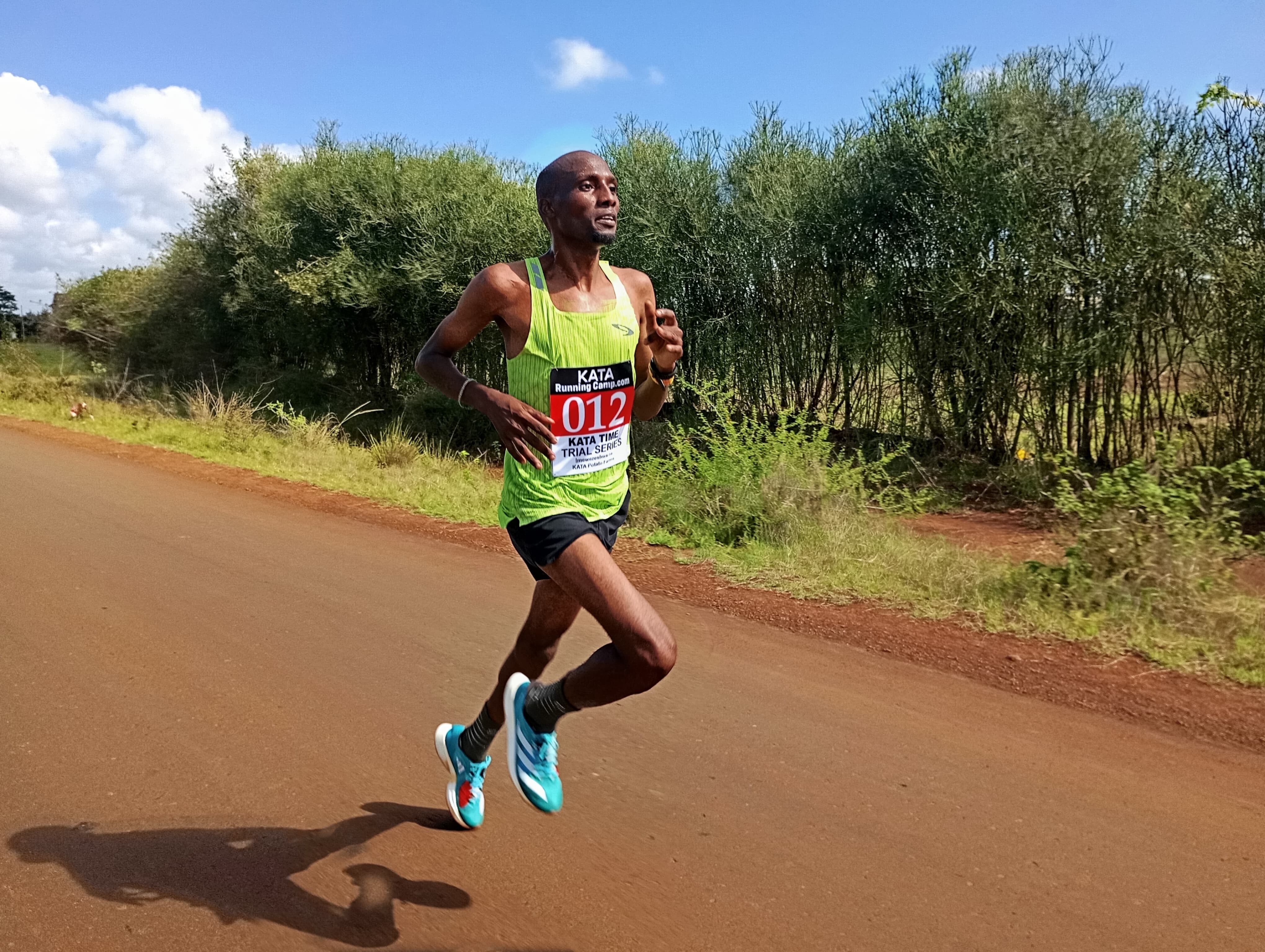
This edition will once again feature the classic 5-kilometre and 10-kilometre tests, two distances that reveal different dimensions of an athlete’s fitness. The 5km demands sharp speed, efficiency, and the courage to sustain discomfort at a fast rhythm. The 10km, by contrast, rewards patience, endurance, and the discipline to manage effort over a longer stretch. In both events, even the smallest pacing error can prove costly on the unforgiving road.
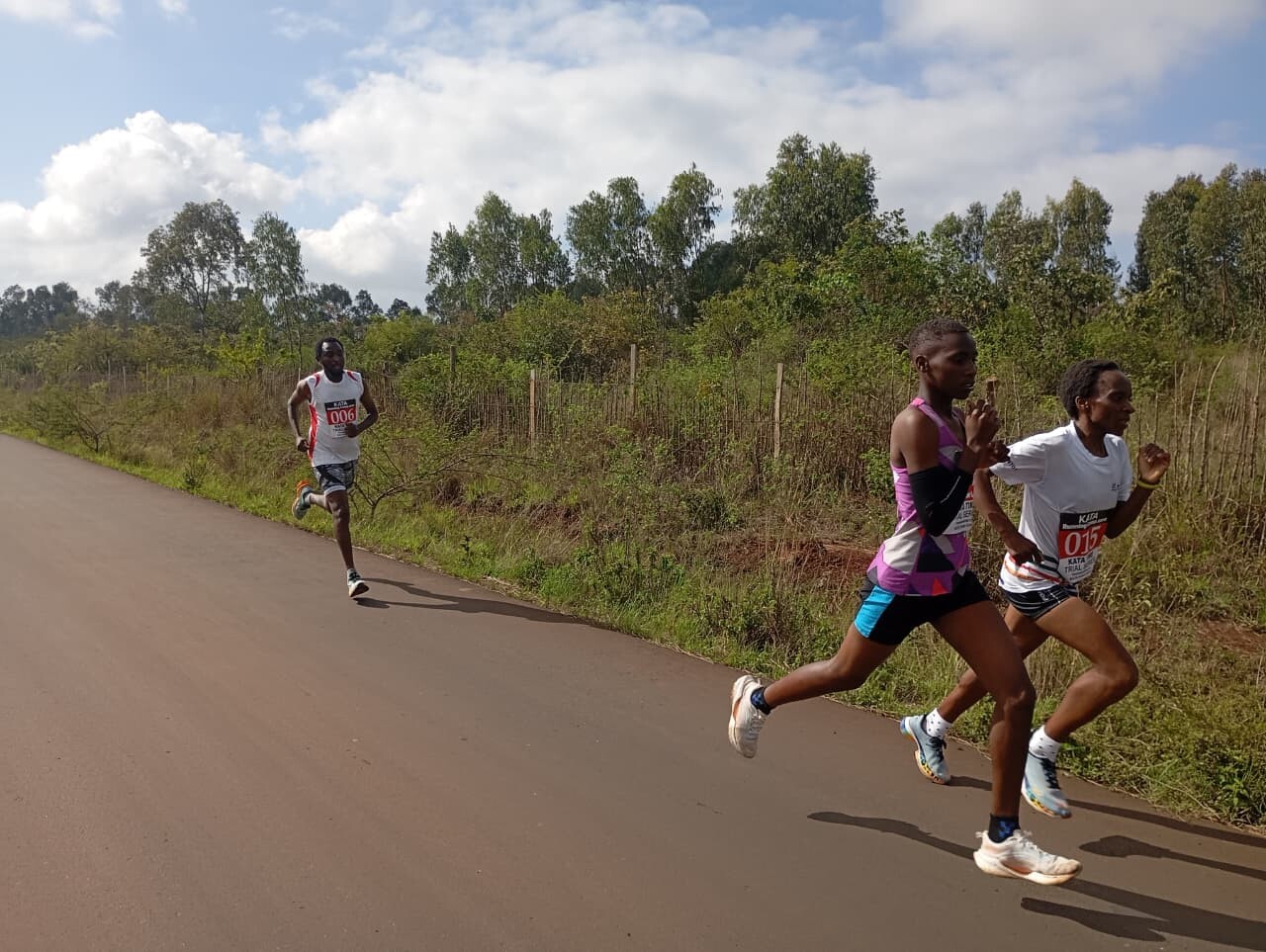
One of the most exciting themes of this edition will be the determined chase for personal bests. For many runners, the stopwatches in Thika represent more than numbers—they represent evidence of growth, sacrifice, and progress. Every second gained is the reward for countless early mornings, demanding sessions, and unwavering commitment. That is what makes the time trial so significant: it transforms training into truth.

The conditions in Thika are expected to favour athletes who respect the distance and run with intelligence. Those who remain patient in the opening kilometres often finish strongly, while those who attack too early may pay the price before the line. It is a setting where discipline is rewarded and lessons are learned in real time.
Though it may unfold quietly, the impact of the KATA Time Trial reaches far beyond a single morning. On this modest stretch of tarmac, athletes continue to refine their craft, build resilience, and chase the standards that define excellence. When the watches stop at the end of the 55th chapter, the results will tell more than finishing times—they will tell the story of ambition, hard work, and the endless pursuit of becoming better.
by Erick Cheruiyot for My Best Runs.
Login to leave a comment
KATA Time Trial Series
Welcome to the KATA Monthly Time Trial Held at the Kenyan Athletics Training Academy in Thika, Kenya, the KATA Monthly Time Trial is a unique and inclusive event designed to support runners of all levels in achieving their goals and showcasing their fitness. This event offers both 10K and 5K distances on an accurate, certified course, providing participants with...
more...
From leading the race to racing without a chance three US runners face restricted world championship entry
What happened at the USA Track & Field Half Marathon Championships in Atlanta earlier this month was unprecedented—and the solution announced Wednesday is just as unusual.
After three leading athletes were directed off course by a lead vehicle, World Athletics has approved expanding the U.S. team for the World Road Running Championships in Copenhagen this September from four to seven athletes.
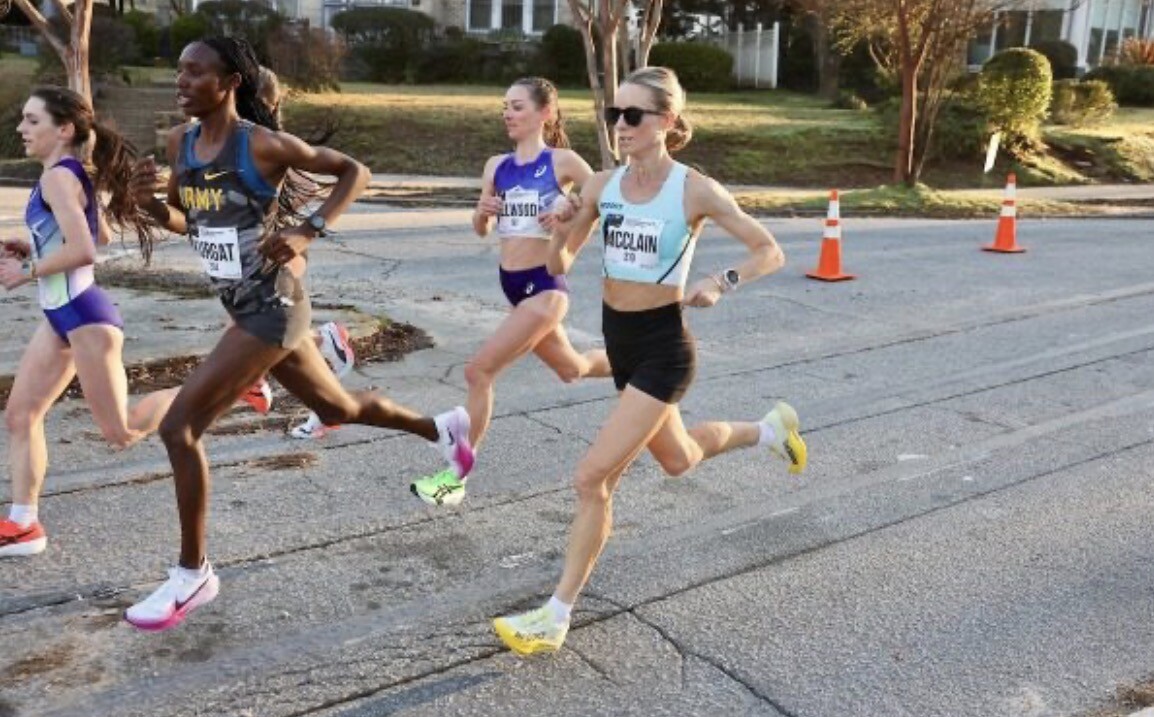
Jessica McClain, Emma Grace Hurley, and Ednah Kurgat—who had clearly separated themselves from the field before the error—will now be allowed to compete. They join race winner Molly Born, along with Carrie Ellwood and Annie Rodenfels, while a seventh athlete will be selected based on world rankings in May.
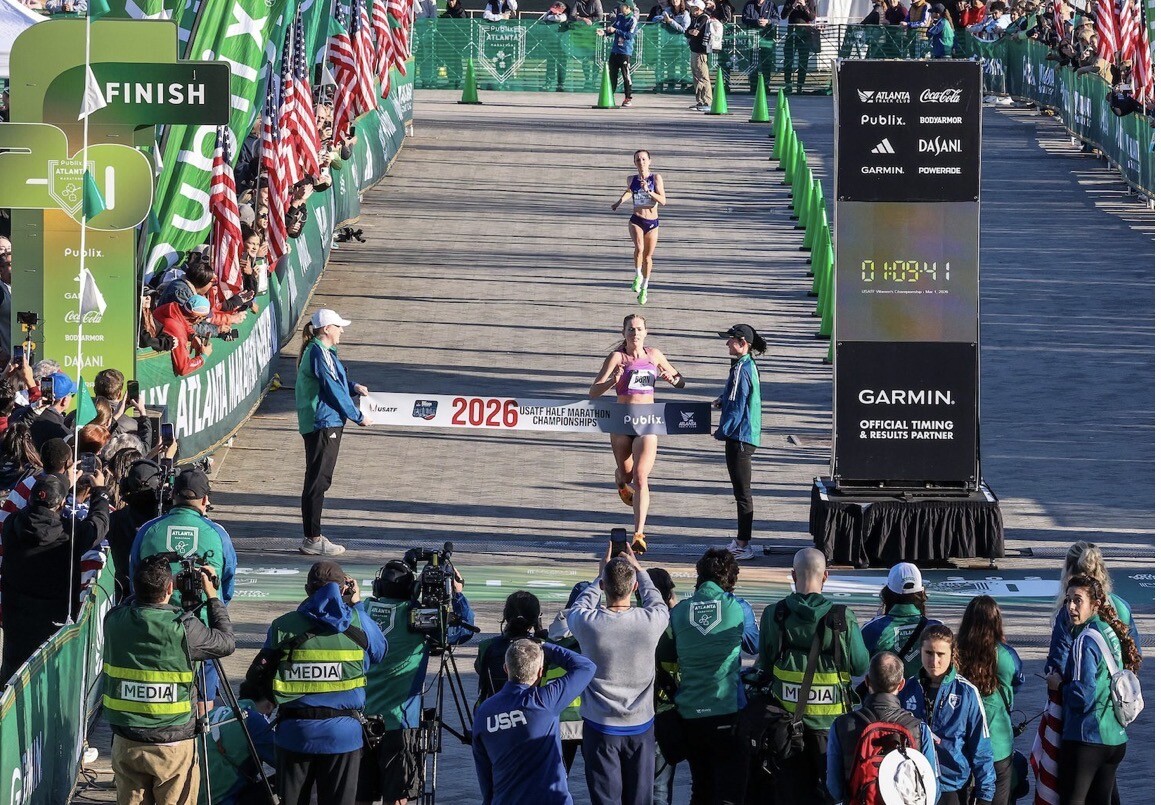
But the decision comes with significant limitations.
USATF confirmed that four athletes will be designated as “scoring” team members, while the remaining three will compete as “non-scoring” entrants. Those non-scoring athletes are expected to include McClain, Hurley, and Kurgat—the very runners who were in position to win before being led off course.

Under the rules, non-scoring athletes:
• will wear a distinct team kit
• will not factor into team scoring
• may not form a pack with scoring athletes during the race
USATF said it will fund prize money for the non-scoring athletes, but they will not be eligible to compete for official team results or podium honors.
“From the moment this happened, our focus was on doing right by the athletes,” said USATF CEO Max Siegel. “Jessica, Emma Grace, and Ednah had clearly separated themselves in the race and we are sorry they did not get to celebrate their accomplishment by breaking the tape. On behalf of everyone at USA Track & Field, I want to thank World Athletics. Their council and leadership are committed to a fair and athlete-centered solution that preserves the integrity of competition while recognizing the reality of what occurred in Atlanta.”
The events in Atlanta unfolded amid confusion on the course, including an incident involving an injured police officer. Veteran commentator Tim Hutchings noted that under those circumstances, it was understandable that the athletes followed the lead vehicle without realizing they had been taken off course.
The expanded team gives the three athletes a path to the world stage—but not the one they earned on race day.
Instead of lining up as full members of Team USA, they will compete under restrictions, separated from scoring teammates and removed from official results. It is a solution that acknowledges the mistake, but stops short of fully restoring what was lost.
The Atlanta race will not be remembered for who won—but for how three athletes at the front of a national championship were denied their moment, and how even an expanded team could not completely make it right.
by Boris Baron for My Best Runs
Login to leave a comment
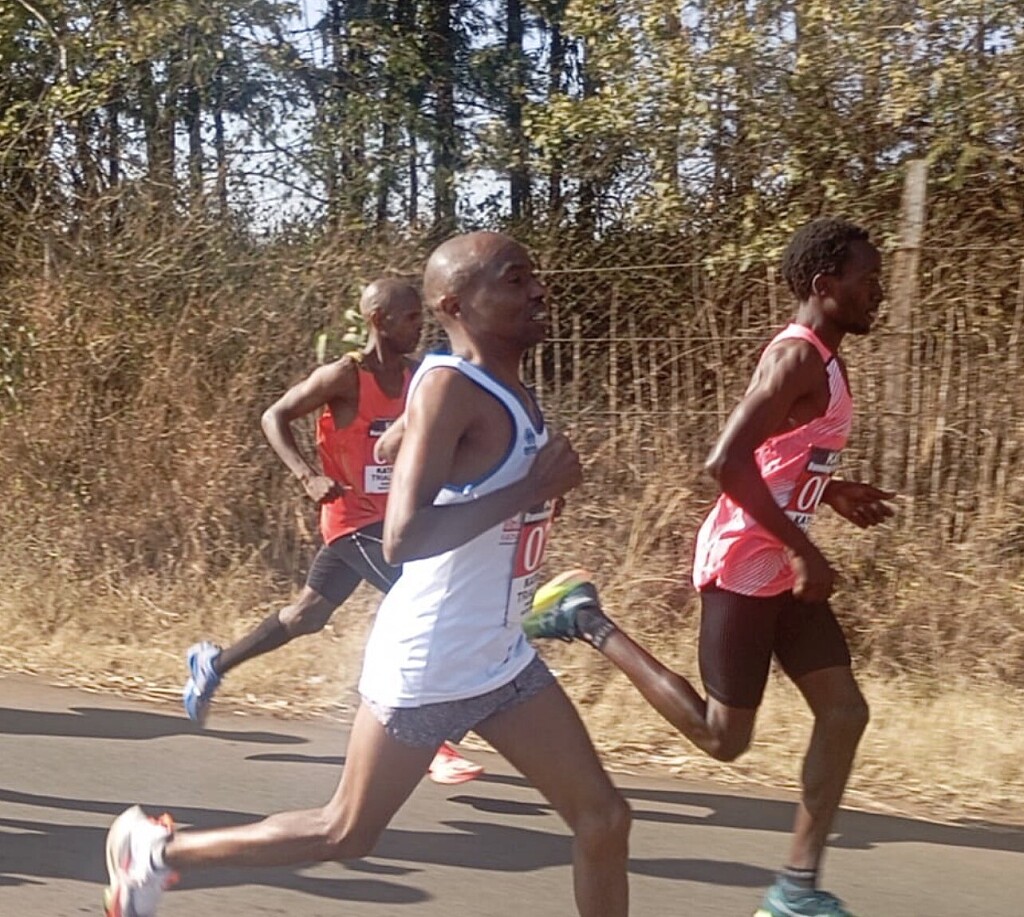
Precision on the Tarmac: KATA Time Trial Returns for Its 54th Chapter in Thika
The steady rhythm of footsteps will once again echo along the familiar tarmac roads of Thika on Wednesday morning, March 11, 2026, as the 54th edition of the KATA Time Trial takes center stage. Held just outside not far from the grounds of Kenyan Athletics Training Academy – Thika, the session may unfold without the noise and spectacle of major races, but within the running community it carries a quiet importance. For the athletes who gather there, the time trial is less about applause and more about discipline, precision, and honest evaluation.
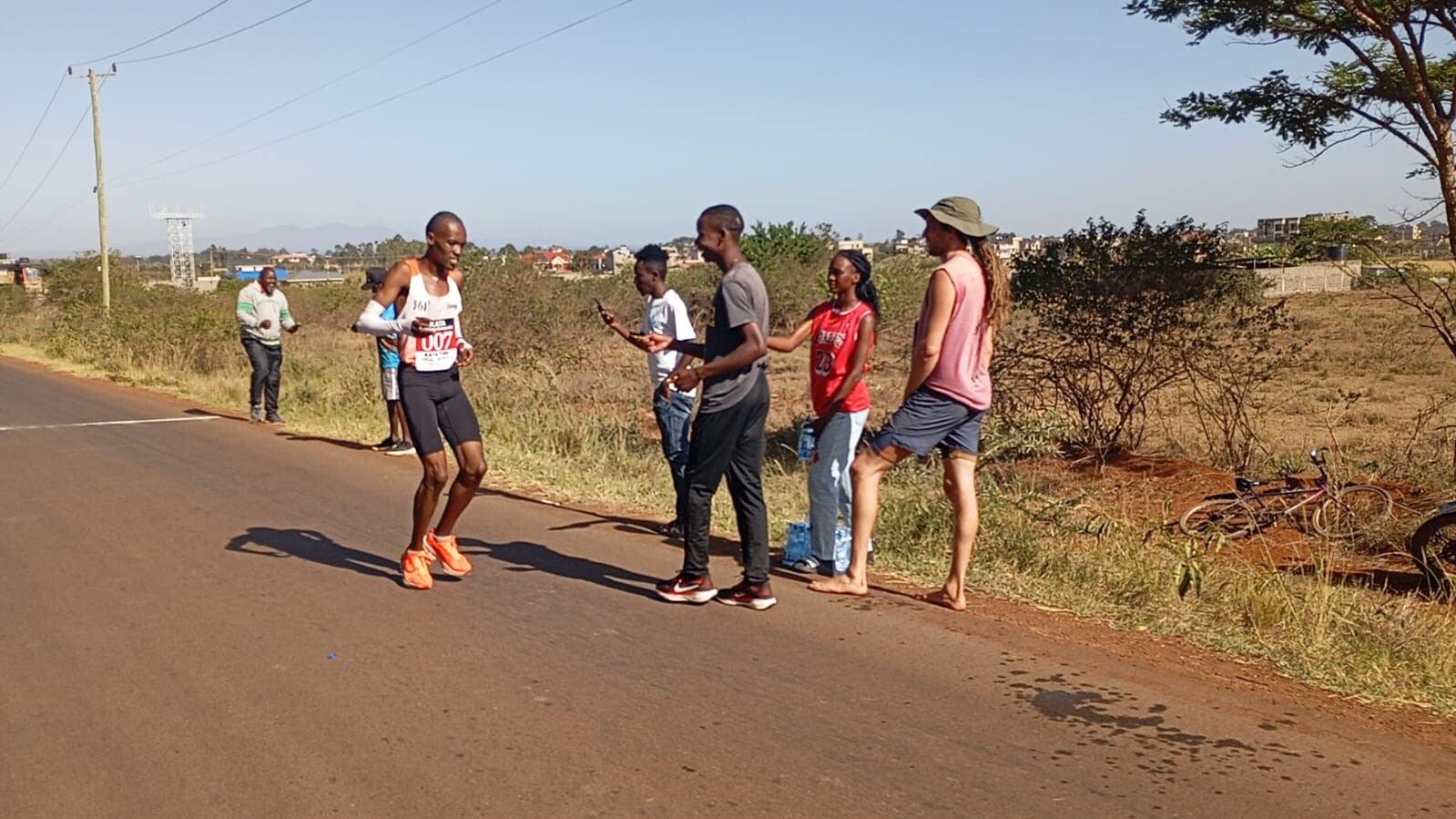
Over the years, the KATA Time Trial has grown into a respected training tradition, providing athletes with a structured environment to measure progress and sharpen their racing instincts. Rather than encouraging head-to-head competition, the philosophy behind the trial is rooted in controlled execution—following a training plan, maintaining rhythm, and understanding one’s physical limits. Each edition becomes an opportunity for runners to listen to their bodies and translate months of training into measurable performance.
The upcoming 54th edition will once again focus on two classic testing grounds: the 5-kilometer and 10-kilometer distances. Both races serve as powerful indicators of an athlete’s development. The shorter 5km demands efficiency, sharp pacing, and speed endurance, while the 10km places greater emphasis on patience, tactical awareness, and sustained effort. In both cases, even the smallest miscalculation in pace can quickly reveal itself along the unforgiving stretch of tarmac.
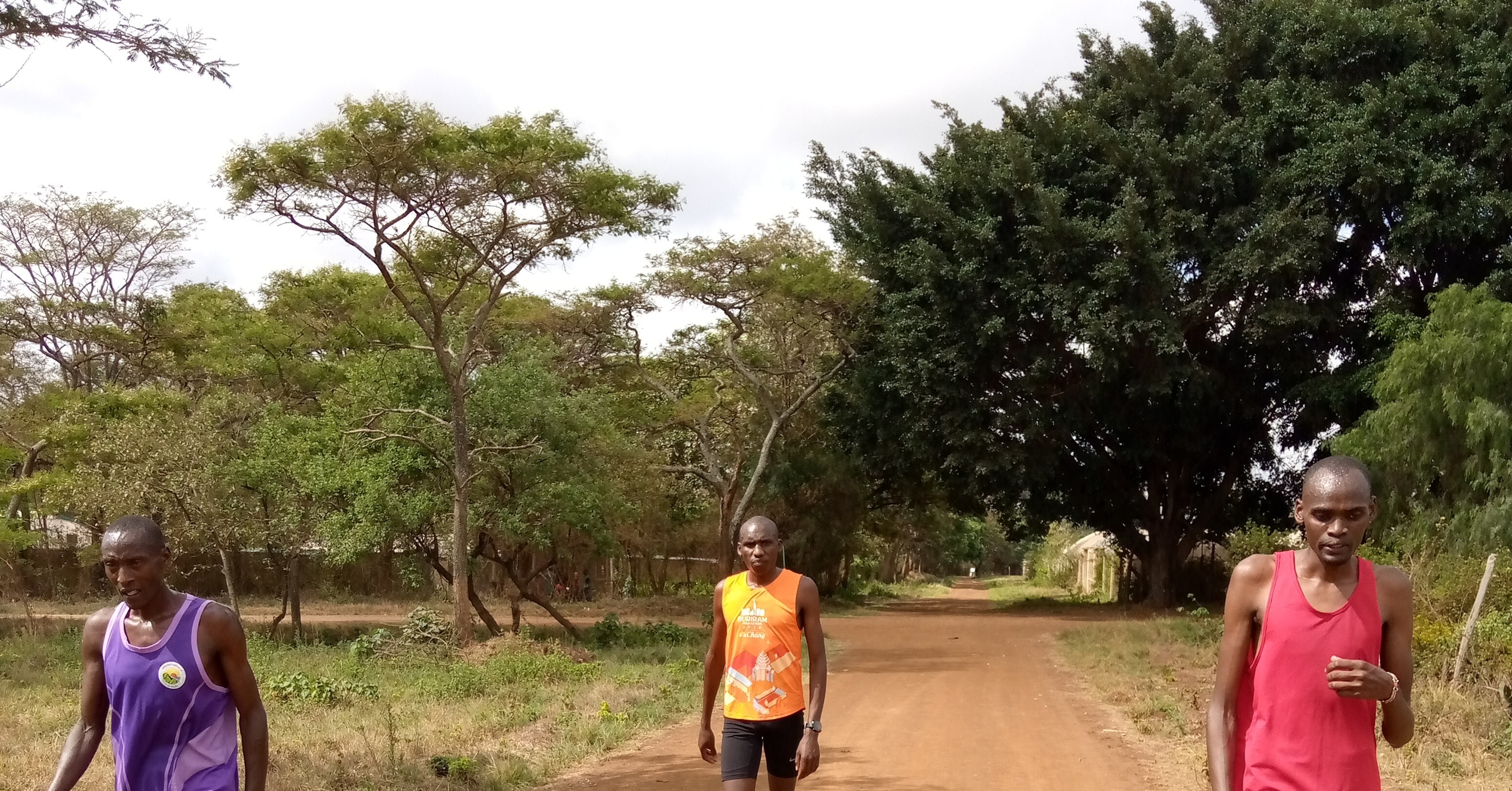
What makes the KATA Time Trial unique is the absence of typical race dynamics. There are no large packs to hide within and no tactical surges to follow. Each athlete runs against the clock—and against their own expectations. The responsibility for pacing rests entirely on individual judgment, turning every kilometer into a test of both physical strength and mental clarity.
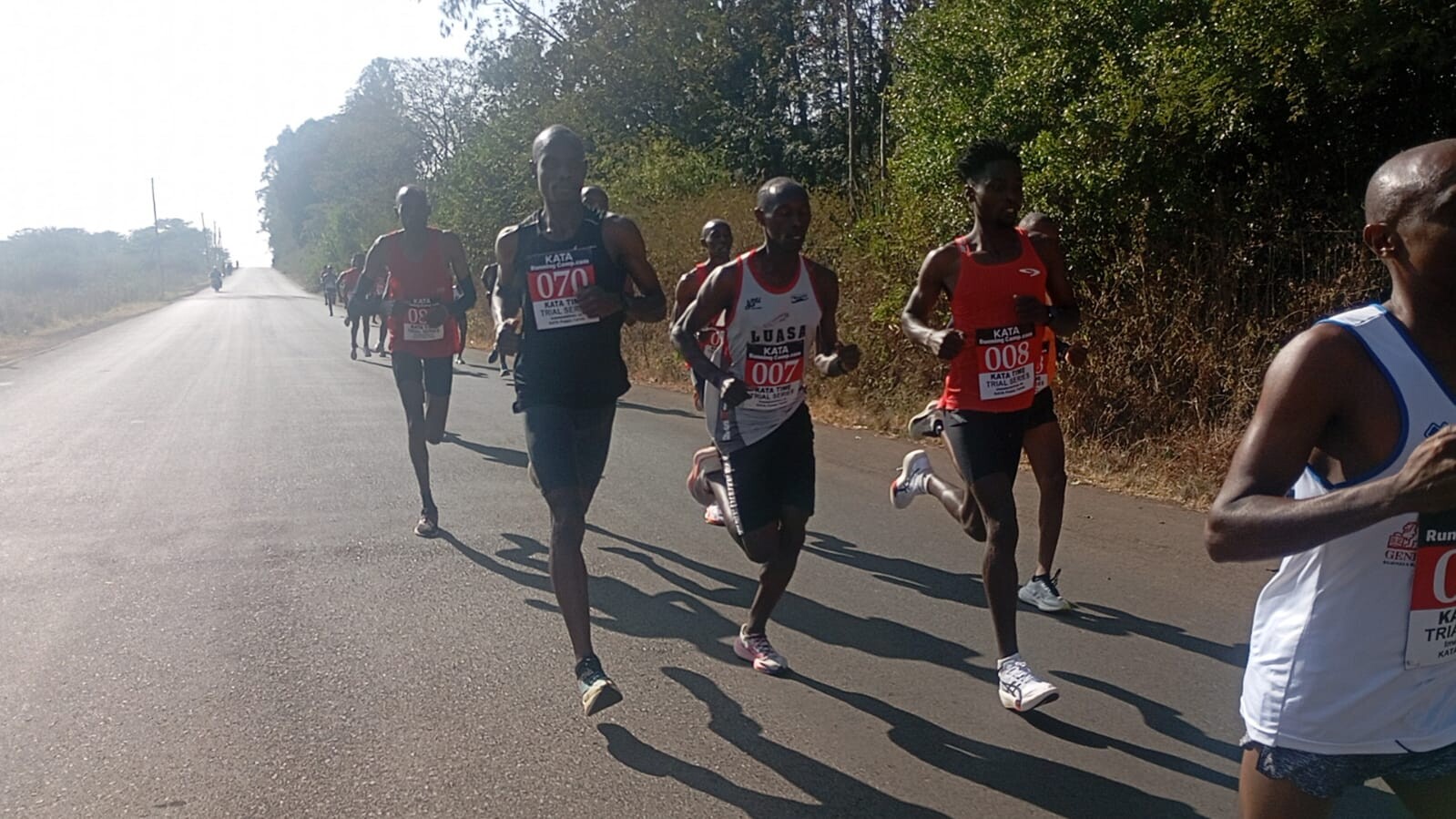
Conditions in Thika are expected to favor steady, well-managed efforts. Runners who resist the temptation to push too hard in the opening kilometers often find themselves finishing with strength, while those who misjudge the early pace quickly learn the lessons that only the road can teach. In this environment, progress becomes unmistakably clear.
Though the event may pass quietly, the significance of the KATA Time Trial extends far beyond a single morning of running. On this modest stretch of road in Thika, athletes refine their craft, build resilience, and measure the subtle gains that define long-term development. When the stopwatches click to a halt at the end of the 54th edition, the numbers recorded will tell more than just finishing times—they will reveal the ongoing story of growth, discipline, and pursuit of excellence.
by Erick Cheruiyot for My Best Runs.
Login to leave a comment
KATA Time Trial Series
Welcome to the KATA Monthly Time Trial Held at the Kenyan Athletics Training Academy in Thika, Kenya, the KATA Monthly Time Trial is a unique and inclusive event designed to support runners of all levels in achieving their goals and showcasing their fitness. This event offers both 10K and 5K distances on an accurate, certified course, providing participants with...
more...
Sekgodiso Posts Season Best as Werro Rewrites History in Belgrade
Prudence Sekgodiso continued her steady rise this indoor season with a season-best performance at the Belgrade Indoor Meeting on Wednesday night, clocking 2:03.76 to finish fourth in a world-class women’s 800m showdown.
In only her second race of the campaign, the South African middle-distance star lined up in a stacked World Athletics Indoor Tour Gold field and embraced the fast tempo from the outset. Running with composure and determination, Sekgodiso crossed the line with her quickest time of the year so far — a clear indication that her form is building at the right time.

The race, however, belonged to Switzerland’s Audrey Werro, who delivered a historic performance. The 20-year-old stormed to victory in a world-leading 1:57.27, breaking her own Swiss indoor record. In doing so, Werro also surged to eighth on the all-time indoor 800m list, cementing her place among the fastest women ever over the distance indoors.

Behind her, Austria’s Caroline Bredlinger secured second place in 2:01.80, while Portugal’s Patrícia Silva completed the podium in 2:02.80 after a strong finishing effort. Sekgodiso followed closely in fourth, rounding off a fiercely competitive race that showcased the depth of talent on display in Belgrade.
Though narrowly outside the podium places, Sekgodiso’s performance marked a positive step forward. With her season-best now established against elite opposition, she leaves Belgrade with confidence and momentum as the indoor season gathers pace.
Women’s 800m Results – Belgrade Indoor Meeting
Audrey Werro (SUI) – 1:57.27 (WL, Swiss Indoor Record)
Caroline Bredlinger (AUT) – 2:01.80
Patrícia Silva (POR) – 2:02.80
Prudence Sekgodiso (RSA) – 2:03.76
Belgrade proved to be a night of both progress and history — Werro rewriting record books, and Sekgodiso steadily shaping her campaign with encouraging signs for the races ahead.
by Erick Cheruiyot for My Best Runs.
Login to leave a comment
All Eyes on Thika: KATA Time Trial No. 53 Poised to Raise the Bar
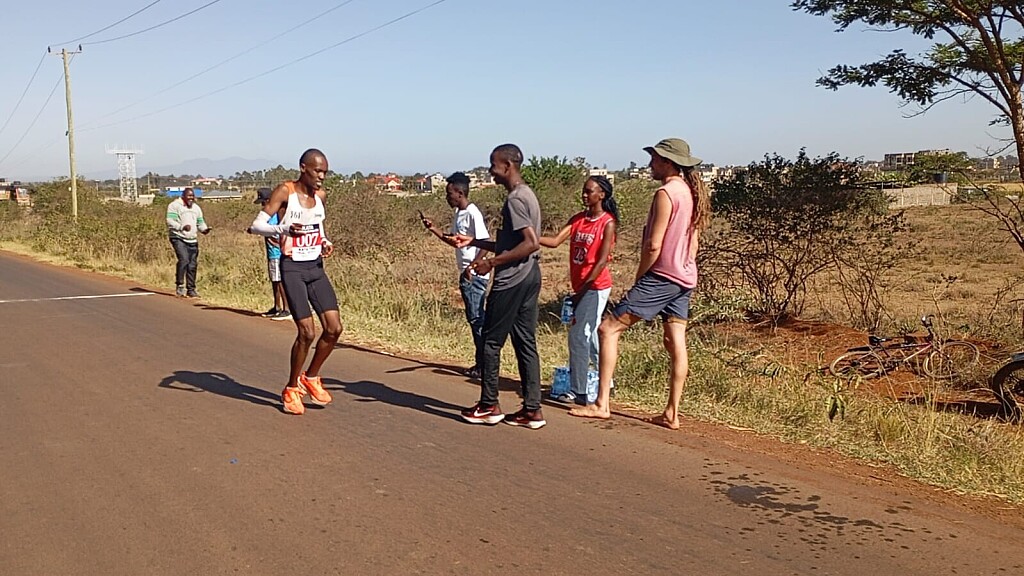
The familiar tarmac course of Thika, located just adjacent to the Kenyan Athletics Training Academy – Thika, is set to come alive again on Wednesday morning, February 11, 2026, as KATA Time Trial No. 53 takes center stage. Quiet in atmosphere but demanding in execution, the upcoming edition promises another rigorous test of pacing, discipline, and mental resilience—the defining traits of the KATA time-trial culture.
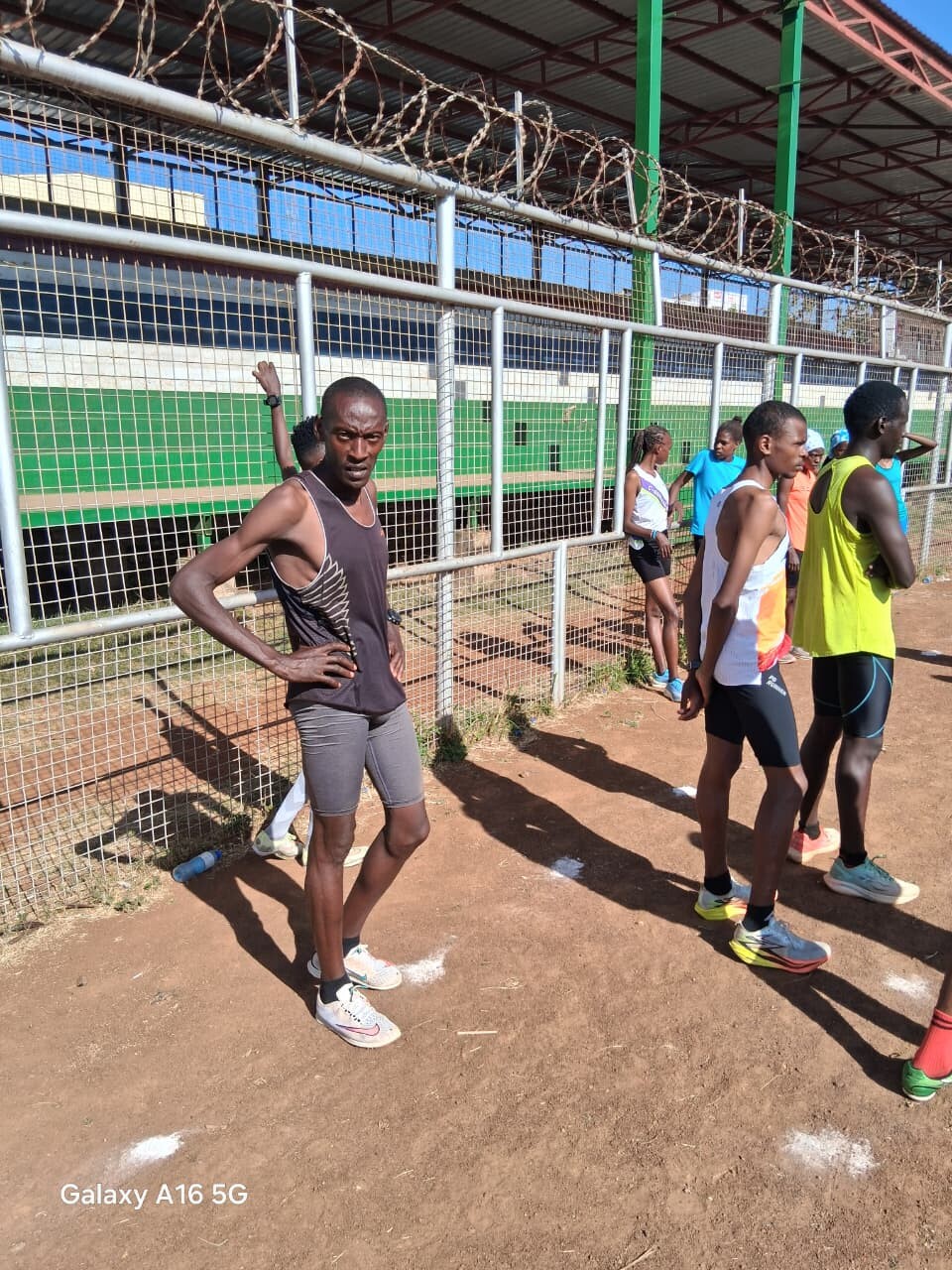
Recent sessions have continued to provide a steady platform for athletes, with each trial focusing on controlled, well-executed efforts rather than outright competition. KATA time trials emphasize following training plans and assessing progress through performance. Tomorrow’s 53rd edition is expected to maintain this approach while offering athletes the opportunity to test improvements and refine their pacing.
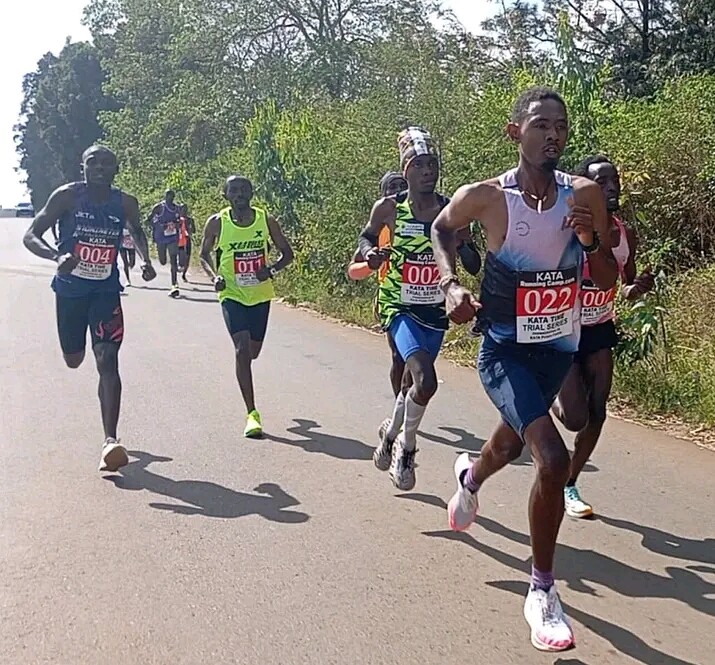
The focus on this edition is linked to both the 5km and 10km distances, which continue to serve as key indicators of development. Past trials have shown that these distances reward consistent pacing and discipline while exposing any misjudgment in strategy. Athletes are expected to approach the course with patience, maintain rhythm, and finish strongly.
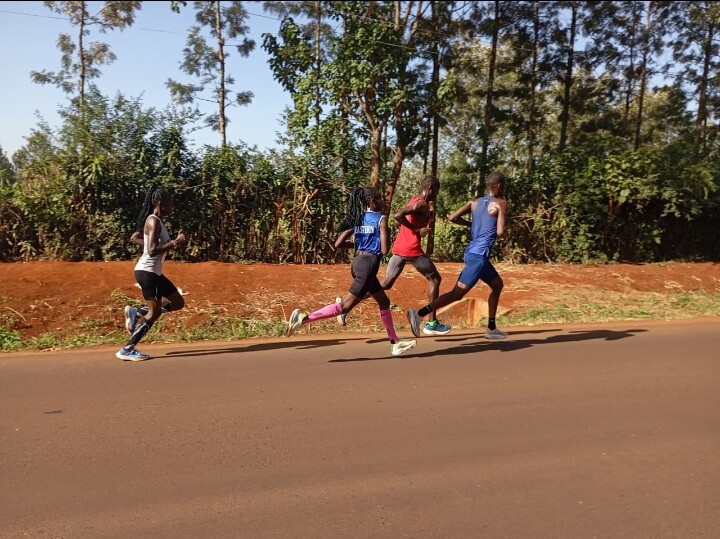
As the 53rd edition approaches, attention shifts entirely to execution. Participants will aim to refine pacing, test aerobic capacity, and address any issues identified in previous runs. The 5km offers a chance to focus on speed and efficiency, while the 10km challenges endurance, strategy, and sustained control.
Conditions in Thika are expected to favor steady, well-paced efforts, rewarding athletes who manage the early kilometers effectively and finish with strength. In the absence of pack dynamics, responsibility rests entirely on individual judgment—making performances over both the 5km and 10km as unfiltered as they are revealing.
KATA Time Trial No. 53 may once again unfold without fanfare, but its significance will extend far beyond the final stopwatch click. On the tarmac course of Thika, progress is measured by execution—and tomorrow morning, the performances will tell the story
by Erick Cheruiyot for My Best Runs.
Login to leave a comment
KATA Time Trial Series
Welcome to the KATA Monthly Time Trial Held at the Kenyan Athletics Training Academy in Thika, Kenya, the KATA Monthly Time Trial is a unique and inclusive event designed to support runners of all levels in achieving their goals and showcasing their fitness. This event offers both 10K and 5K distances on an accurate, certified course, providing participants with...
more...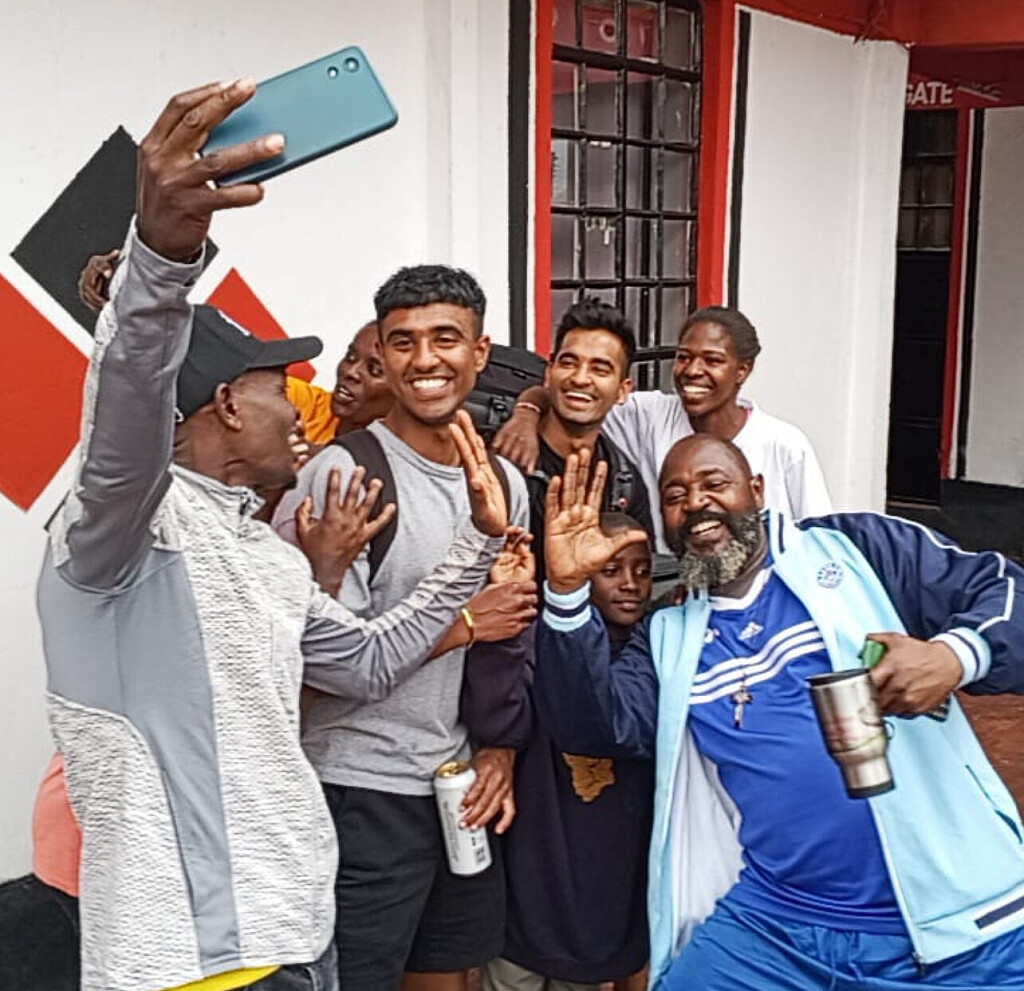
Brothers From the UK Reconnect With Roots Through Running at KATA Thika Retreat
THIKA, Kenya, August 18, 2025 – When Amit and Mitul Pankhania landed in Kenya this August, it was more than a family visit. The brothers, both based in the United Kingdom, had come to see their parents, but they also sought something deeper—a chance to immerse themselves in the heartbeat of Kenyan running.
Their week-long stay at the Kenyan Athletics Training Academy (KATA) Thika Retreat, founded and directed by long-distance running enthusiast and My Best Runs publisher Bob Anderson, blended cultural reconnection with athletic discovery. It all culminated in their participation in the retreat’s monthly time trials, a hallmark of KATA’s training culture that attracts both local and international athletes.
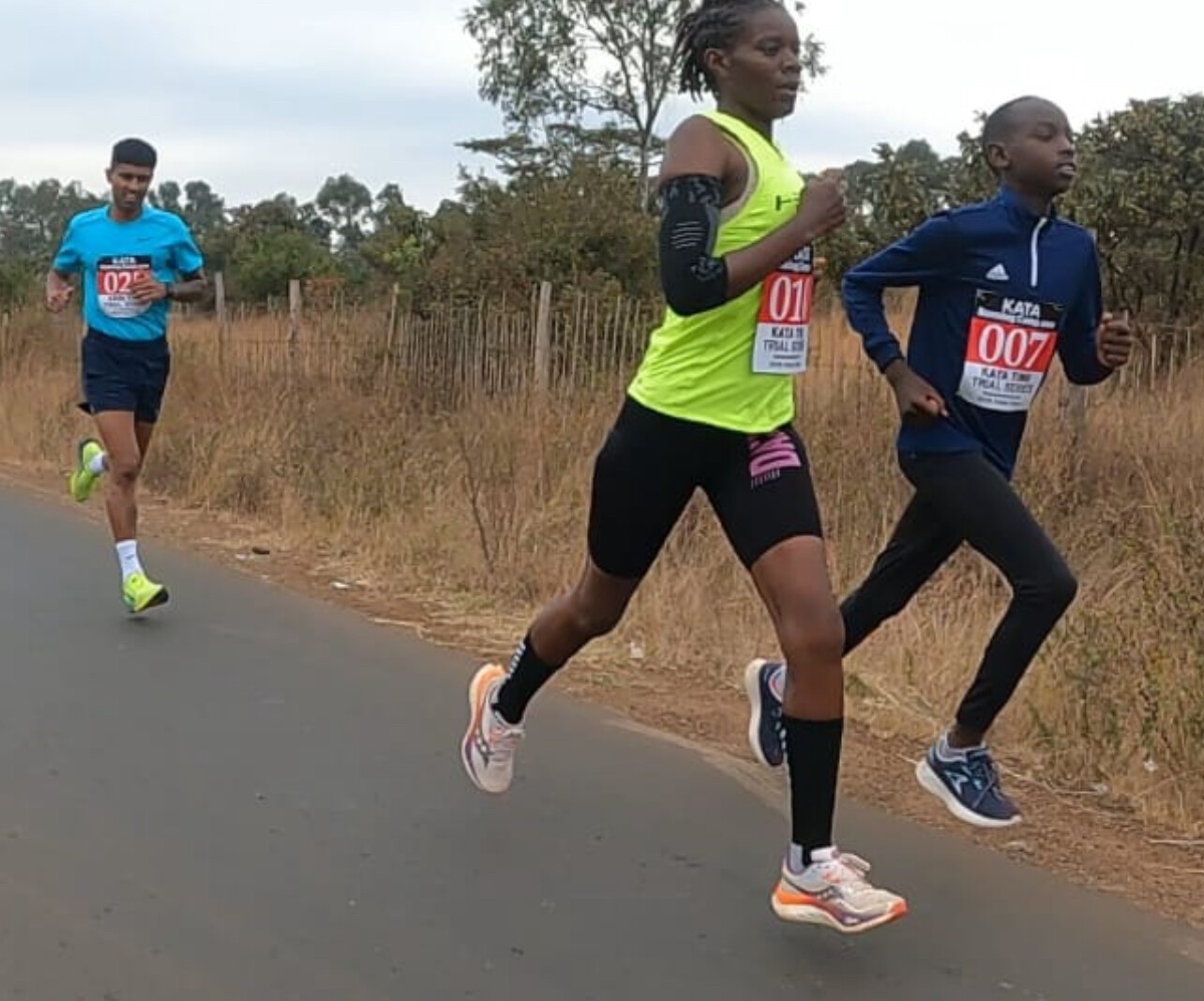
A Shared Passion for Running
Though both hold demanding professional careers in the UK, Amit and Mitul share a love for fitness and recreational running. For them, the sport is about more than paces and splits—it’s about discipline, resilience, and connection.
“Kenya has always been close to our hearts,” Amit said after completing the time trial. “This time, instead of just visiting family, we wanted to experience what makes Kenyan athletes the best in the world. Staying at KATA Thika gave us that chance.”
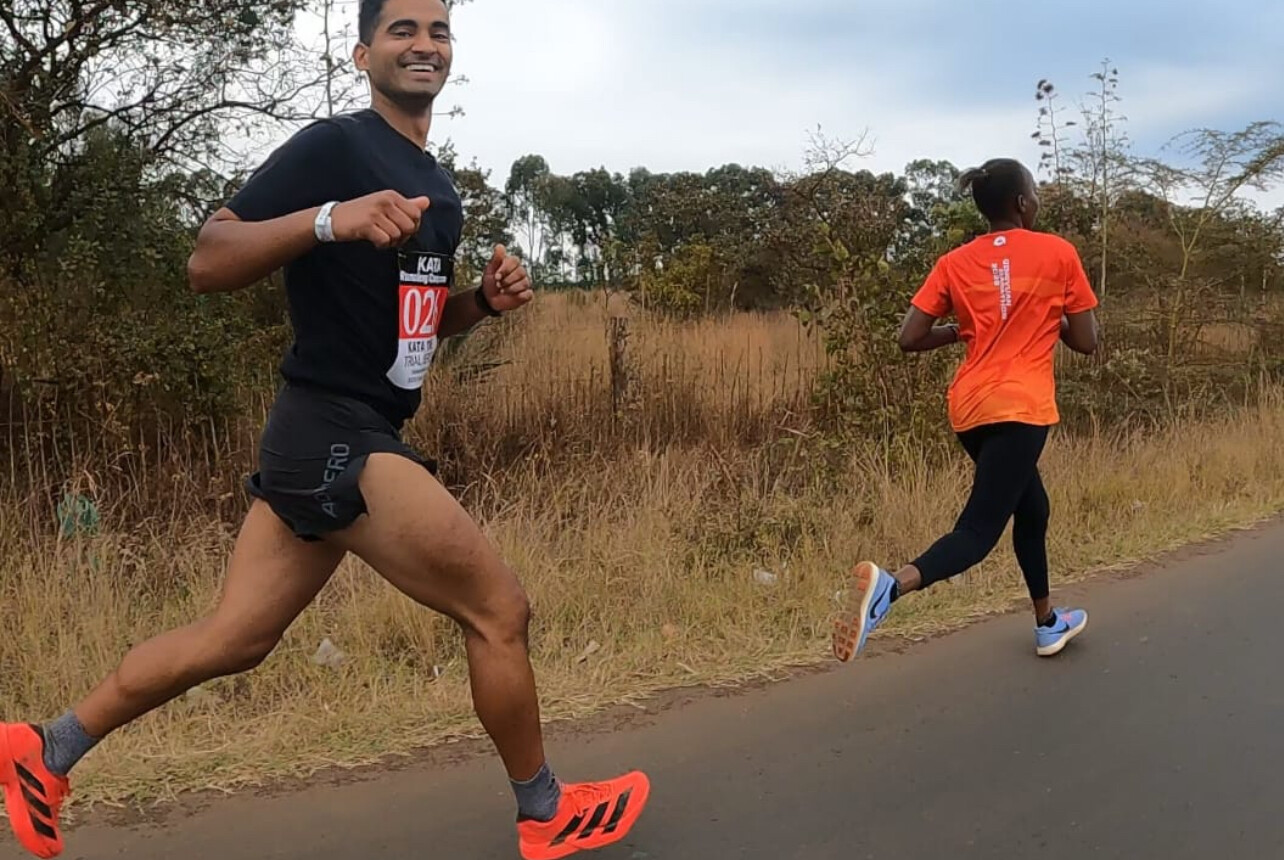
“It was inspiring to see the level of dedication here. Athletes wake up early, train hard, and push each other in ways you don’t often see back in the UK. Being part of that environment, even briefly, was eye-opening.”
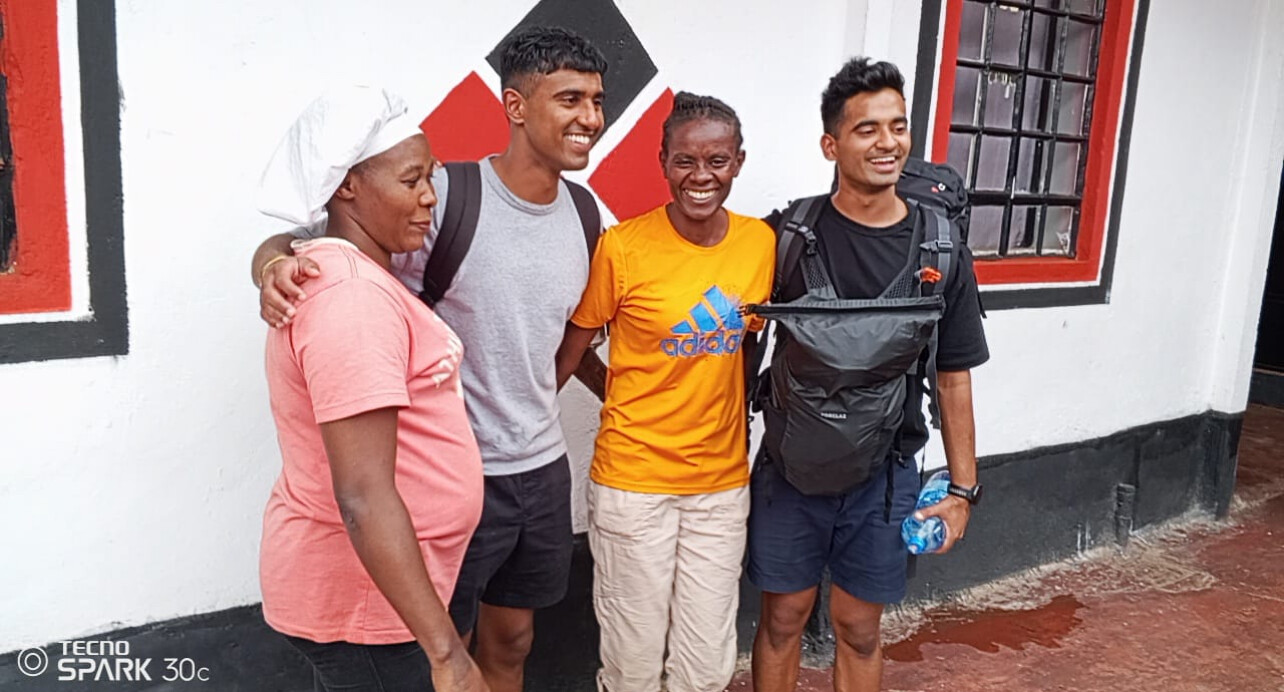
Training the Kenyan Way
For seven days, the brothers lived like KATA athletes. Mornings began with runs along Thika’s rolling hills, afternoons were spent on drills and strength work, and evenings turned into conversations about races, goals, and sacrifices.
“They didn’t come just as guests—they trained with us, ate with us, and encouraged everyone,” said Coach John, who leads training at the Thika Retreat. “That kind of interaction is important. Our athletes see how running connects people across continents.”

The Monthly Time Trials
The highlight of their visit came on Wednesday, August 13, at the retreat’s 5K and 10K time trials. On Thika’s undulating roads, the brothers lined up alongside dozens of local athletes, from young up-and-comers to seasoned competitors.
They weren’t there to chase podiums but to soak in the atmosphere. With nerves giving way to rhythm, Amit and Mitul pushed through the course, greeted at the finish line with cheers and applause.
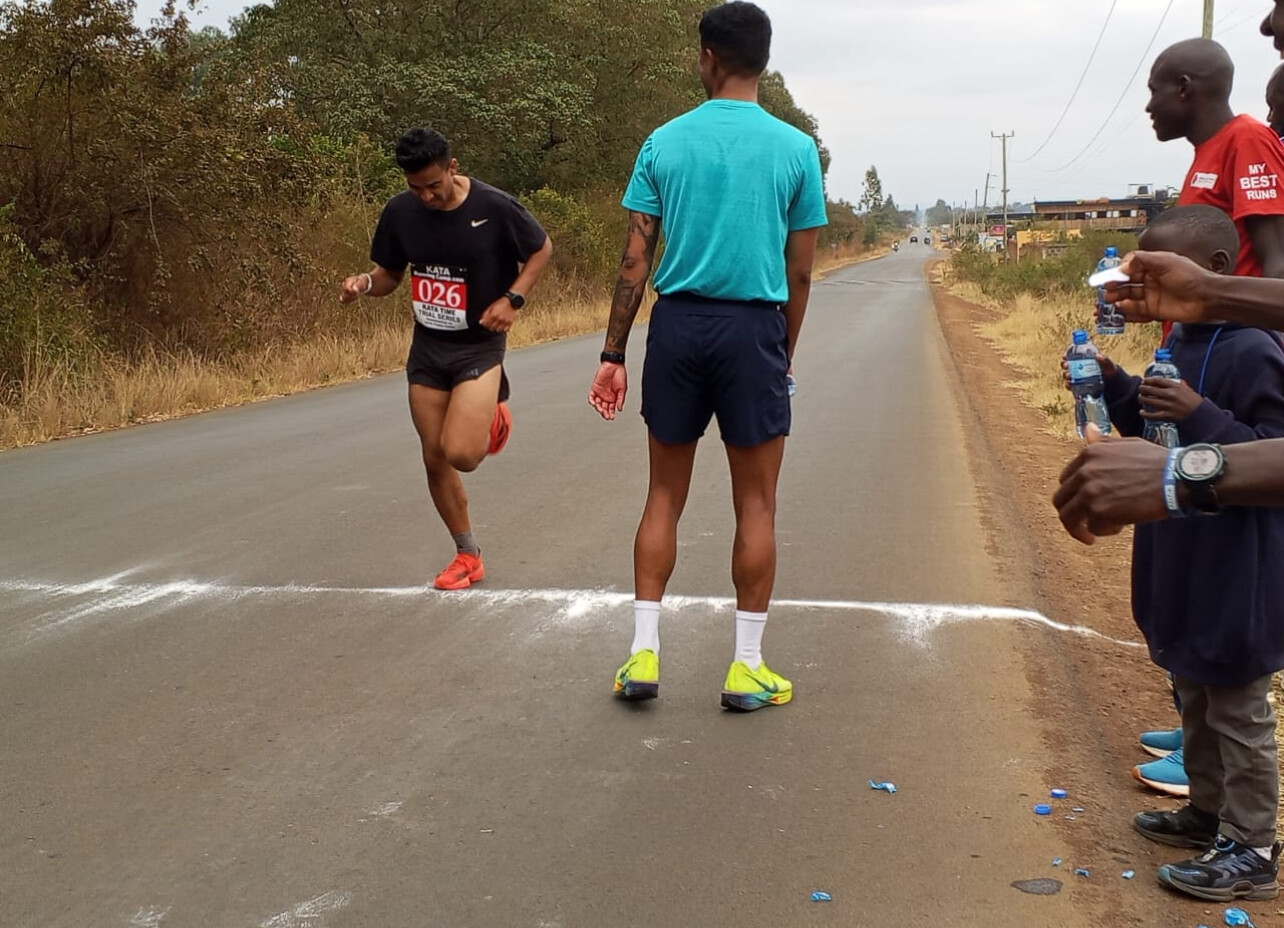
“The time trial was unforgettable,” Amit said. “It wasn’t about beating anyone—it was about being part of something bigger, a tradition that has shaped champions.”
Family, Roots, and Identity
Beyond training, the trip carried a personal weight. Visiting their parents in Kenya has always been a return to family roots. But staying at KATA Thika Retreat gave the journey new meaning.
“We grew up hearing about Kenyan running legends,” Mitul explained. “Being here, training in the same environment, made us proud of our heritage. Kenya isn’t just where our parents live—it’s a place of inspiration.”
Their parents, who visited the retreat one evening, were moved to see how athletics had deepened their sons’ connection to Kenya. It was a bridge across generations and cultures.
A Global Running Village
For Christopher Muiruri, who manages KATA Thika Retreat, stories like Amit and Mitul’s reflect its mission.
“When runners from abroad come here, it’s not just about training—it’s about learning, sharing, and inspiring,” he said. “The Pankhania brothers brought incredible enthusiasm, and they left with memories that will last a lifetime.”
Indeed, their journey underscored how running transcends borders. Whether on the streets of London or the roads of Thika, the sport continues to connect people in powerful ways.
Looking Ahead
As they return to the UK, Amit and Mitul carry more than memories. They take with them the rhythm of early-morning runs, the camaraderie of shared meals, and the spirit of Kenyan running that has inspired athletes worldwide.
“We’ll be back,” Amit promised. “And next time, we’ll bring friends to share this magic.”
Mitul added with a smile, “Running brought us closer to our heritage on this trip. That’s something you can’t put a price on.”
For KATA Thika Retreat, the visit was a reminder that athletics isn’t only about producing champions—it’s about building bridges. And for the Pankhania brothers, it was a journey that blended family, fitness, and the enduring heartbeat of Kenyan running.
by Robert Kibet
Login to leave a comment

Nico Young Clinches U.S. 10,000m Title with Electrifying Finish in Eugene
Eugene, Oregon – July 31, 2025
Nico Young delivered a career-defining performance on Wednesday night at the 2025 USATF Outdoor Championships, storming to victory in the men’s 10,000 meters with a closing display that left the crowd at Hayward Field in awe.
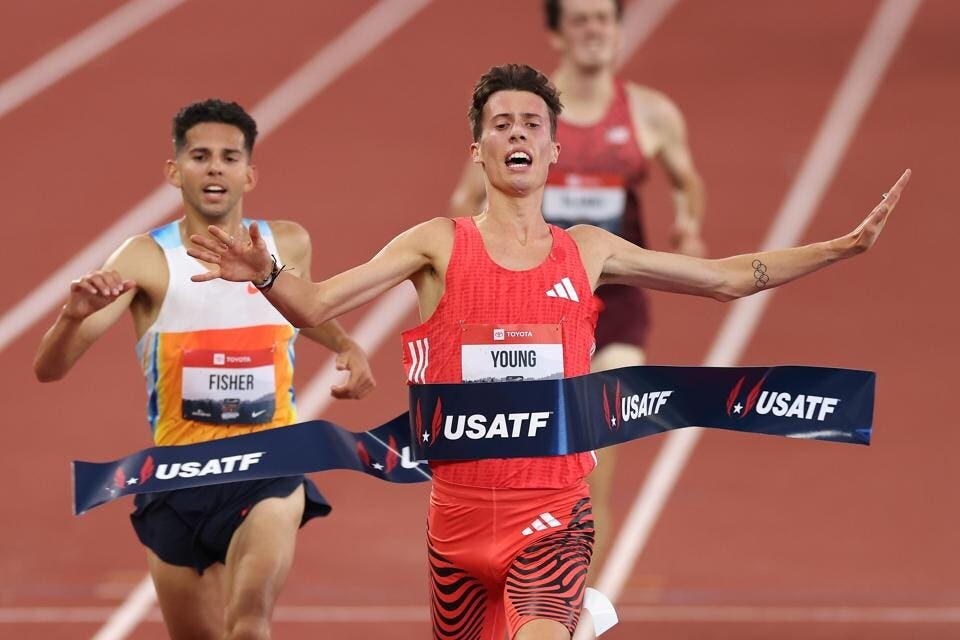
In a tightly contested final, Young surged past established veterans Grant Fisher and Graham Blanks with a stunning final lap of 56.54 seconds, covering the last 1600 meters in under four minutes—an extraordinary finish in a championship 10K. His winning time: 29:02.12.
Grant Fisher, one of the most accomplished distance runners in U.S. history, claimed the silver medal in 29:02.37, while rising star Graham Blanks, fresh off a record-breaking collegiate season, secured bronze in 29:02.43.
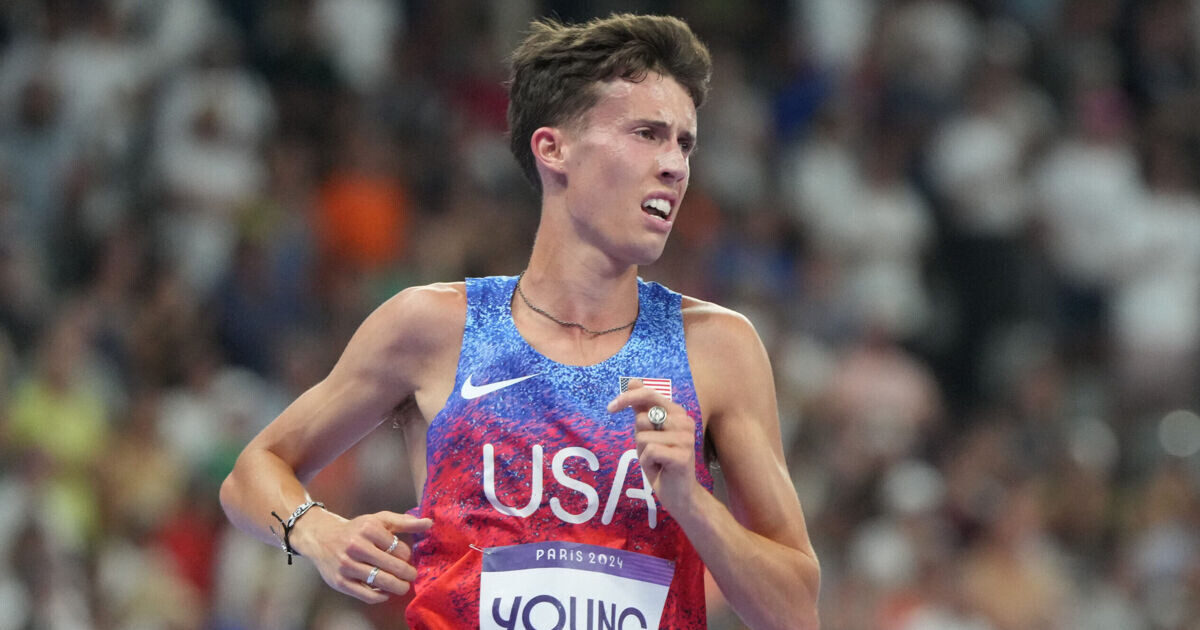
“What a way to end the night in Eugene,” echoed the sentiments of fans and announcers alike as Young crossed the line, arms raised in triumph.
At just 22 years old, Young’s victory represents a passing of the torch and a new era in American distance running. Known for his aggressive style and fearless front-running as a collegiate athlete at Northern Arizona University, Young has now proven he can execute a tactical race and close with world-class speed—a critical asset on the international stage.
The men’s 10,000m capped an electric night of competition at Hayward Field and set the tone for the rest of the championships. With this performance, Young not only claimed his first national title but also firmly established himself as a contender for global medals in the years ahead.
Men’s 10,000m – Final Results
• Nico Young – 29:02.12 (National Champion)
• Grant Fisher – 29:02.37 (National Runner-Up)
• Graham Blanks – 29:02.43 (National Bronze)
Stay tuned to My Best Runs for continued coverage of the 2025 USATF Outdoor Championships and road to the World Championships.
by Boris Baron
Login to leave a comment
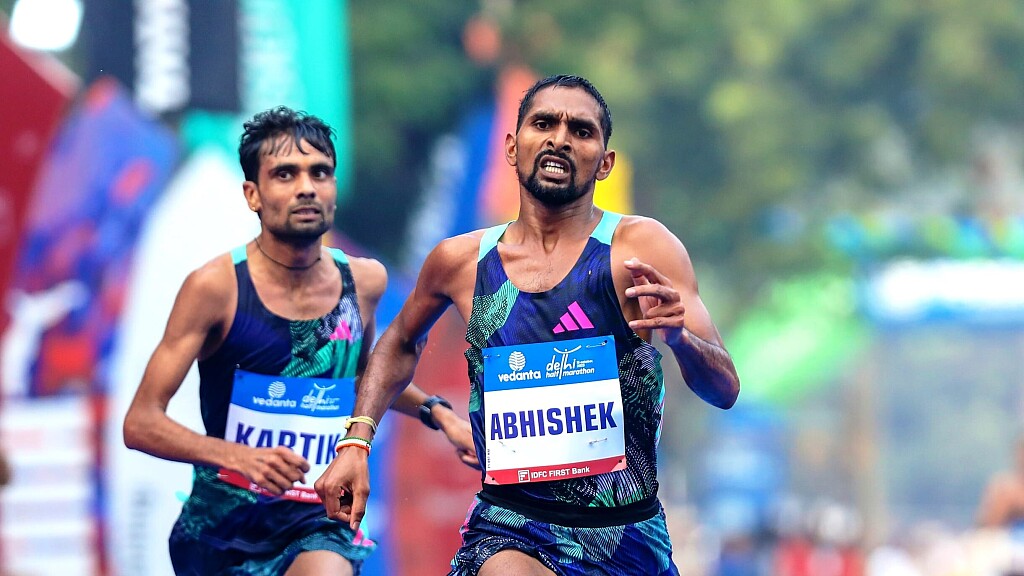
Delhi Half Marathon Returns for 20th Edition on October 12, 2025
The 2025 edition of the Delhi Half Marathon is set to light up the streets of India’s capital on October 12, with the iconic Jawaharlal Nehru Stadium serving as both the start and finish point. Celebrating its 20th anniversary, the event remains one of Asia’s premier road races, having earned World Athletics Gold Label status and certification from the Association of International Marathons and Distance Races (AIMS).
At Wednesday’s official launch, former Indian men’s hockey captain and current junior team coach PR Sreejesh, a two-time Olympic bronze medallist, helped usher in the milestone edition.

Registration opened July 17 for all race categories—including the Half Marathon, Open 10K, Great Delhi Run, Senior Citizens’ Run, and Champions with Disability—and closes on September 19.
Since its inaugural running in 2005, the Delhi Half Marathon has drawn some of the world’s top distance runners. The 2024 men’s elite title was claimed by Joshua Cheptegei of Uganda, the reigning Olympic 10,000m champion, with a blistering 59:46. On the women’s side, Eilish McColgan of Great Britain took the crown. India’s top finishers were Sawan Barwal and Lili Das, who will likely return with eyes on the national podium.
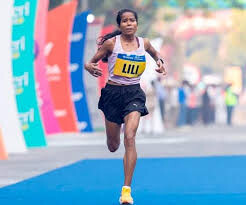
The course records still stand from a memorable 2020 edition: Amedework Walelegn of Ethiopia set the men’s mark at 58:53, while Yalemzerf Yehualaw, also from Ethiopia, holds the women’s record with 1:04:46.
Even marathon legend Eliud Kipchoge is part of the event’s rich history—he won the men’s elite race back in 2016.
With world-class athletes, enthusiastic local support, and a flat, fast course, the Delhi Half Marathon continues to be a must-run event for elites and amateurs alike.
by Boris Baron
Login to leave a comment

Vedanta Delhi Half Marathon
The Airtel Delhi Half Marathon is a haven for runners, creating an experience, that our citizens had never envisaged. The streets of Delhi converted to a world-class running track. Clean, sanitized road for 21.09 kms, exhaustive medical support system on the route, timing chip for runners, qualified personnel to ensure smooth conduct of the event across departments. The race...
more...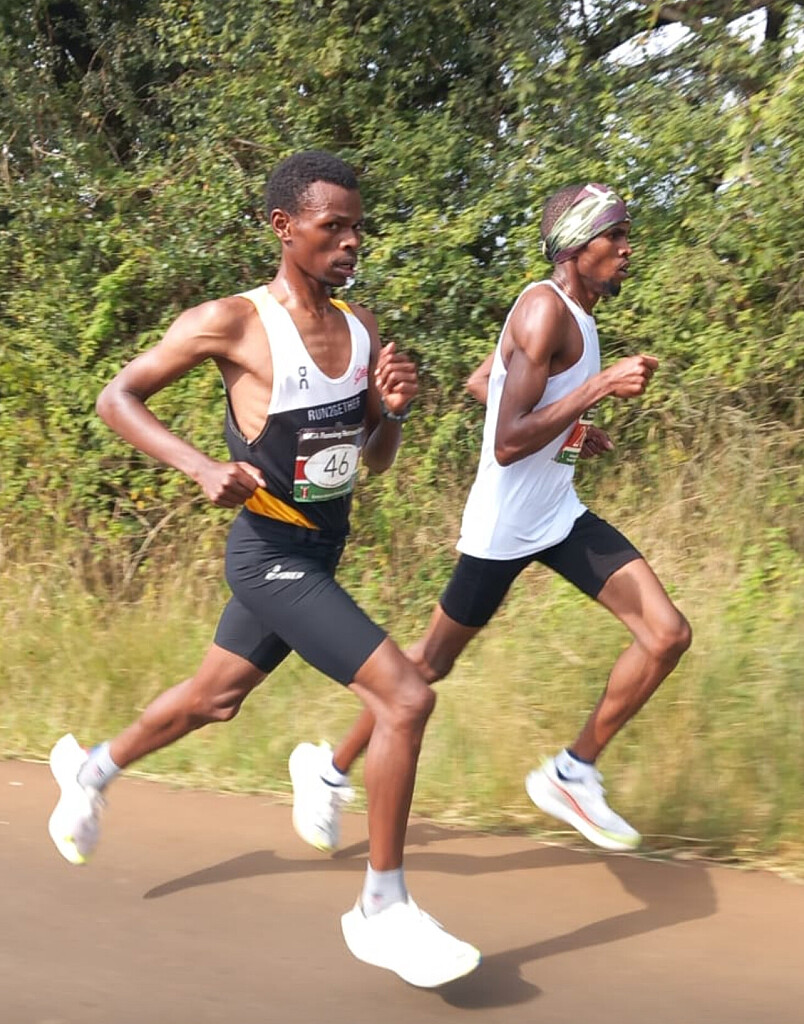
Kirika, Wambui, Wanjiku, and Mwaniki Deliver Breakout Performances at 47th KATA Time Trial in Thika
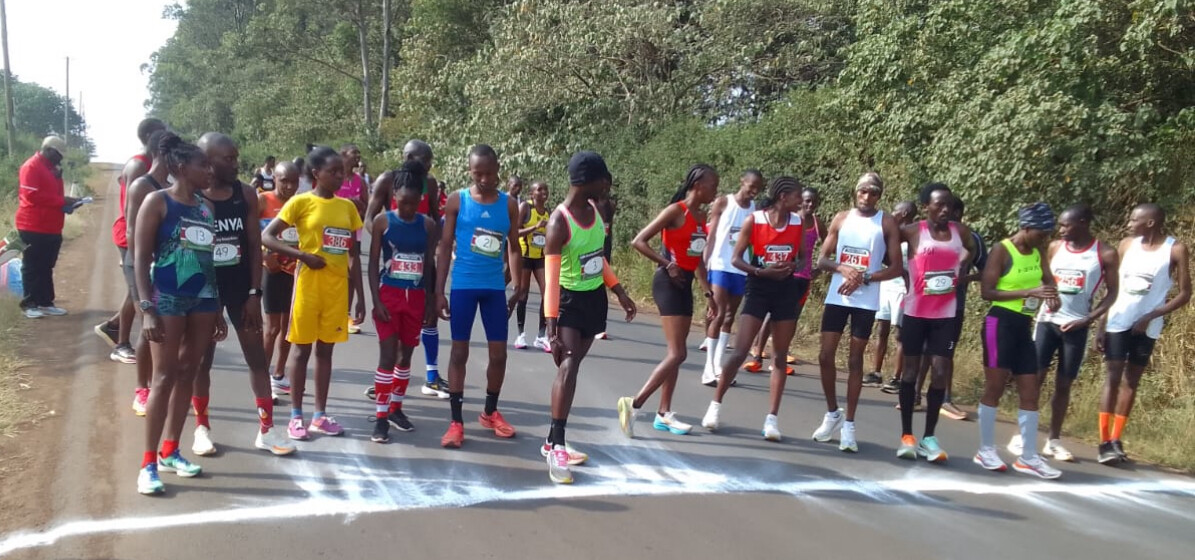
Thika, Kenya, July 16, 2025 — The KATA Time Trial series continues to thrive as the 47th edition unfolded Wednesday morning at KATA’s flagship training center in Thika. A total of 37 athletes—28 men and 9 women—lined up to test their fitness over the 5km and 10km distances. The event showcased rising stars, personal breakthroughs, and a glimpse of what’s coming as KATA prepares to expand its time trial series across all 22 of its Kenyan locations.
Zachary Kirika, 24, headlined the men’s 5km with a dominant performance from the gun. He clocked a personal best of 14:04, lowering his previous time by over 35 seconds while running smooth and composed throughout. He now ranks among the top KATA 5km performers in 2025.
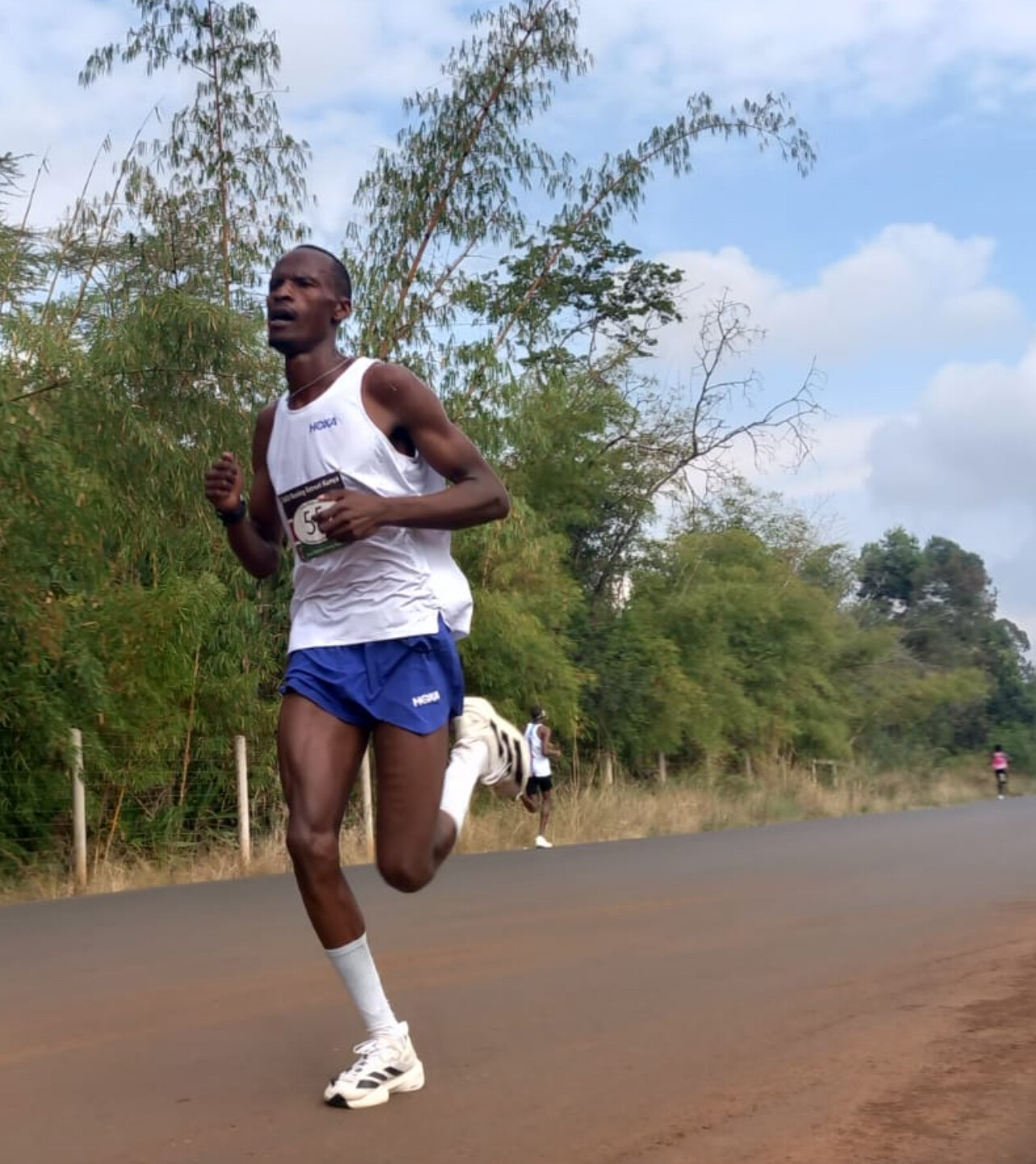
Also making headlines was Justus Nyamai, a 17-year-old with enormous potential. He finished 3rd in 15:40, also a personal best, signaling his steady rise through the KATA ranks.
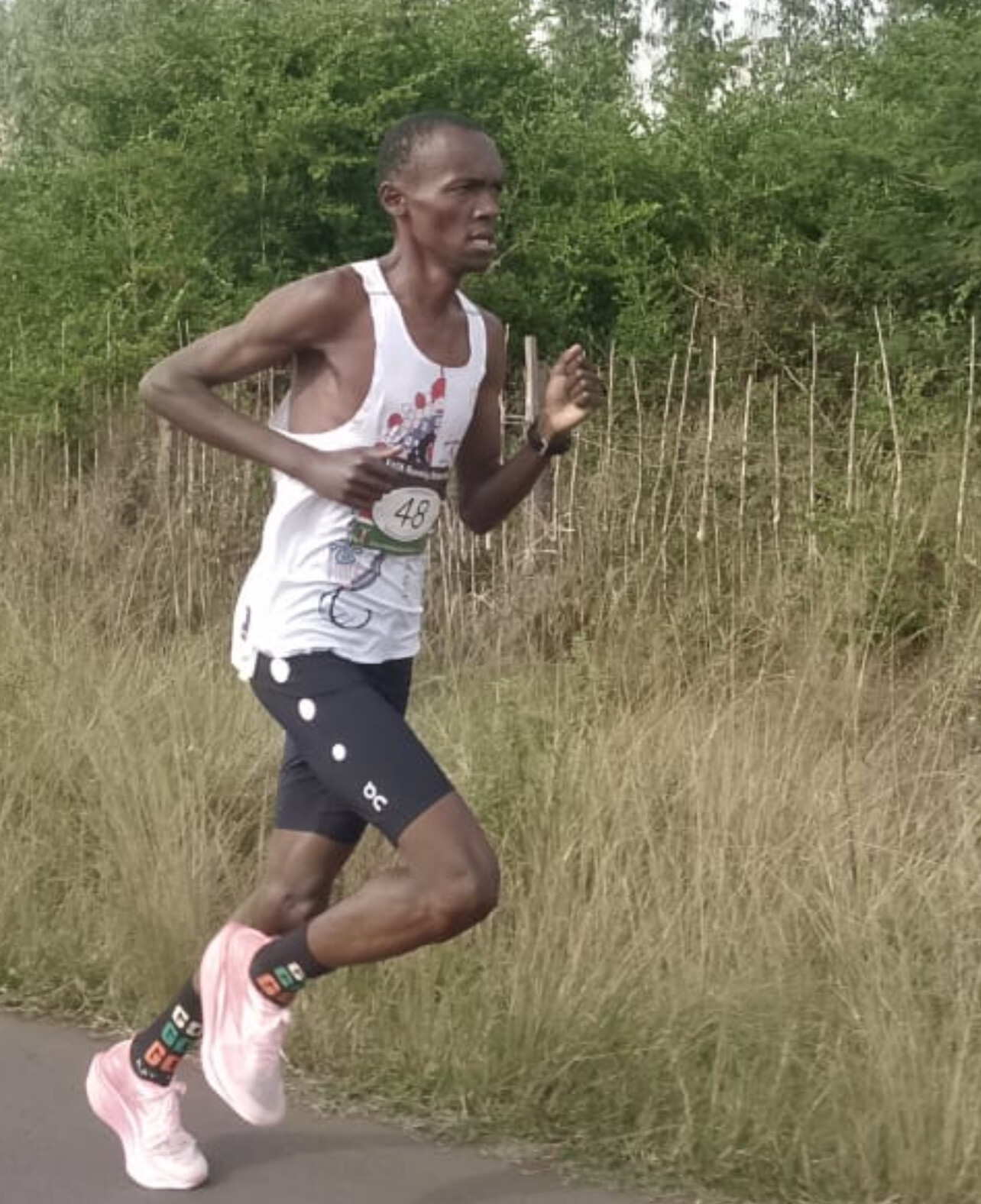
In the women’s 5km, 15-year-old Ann Wanjiku led from the front and took the win in 19:44, pacing herself smartly to secure another strong finish for the young talent.
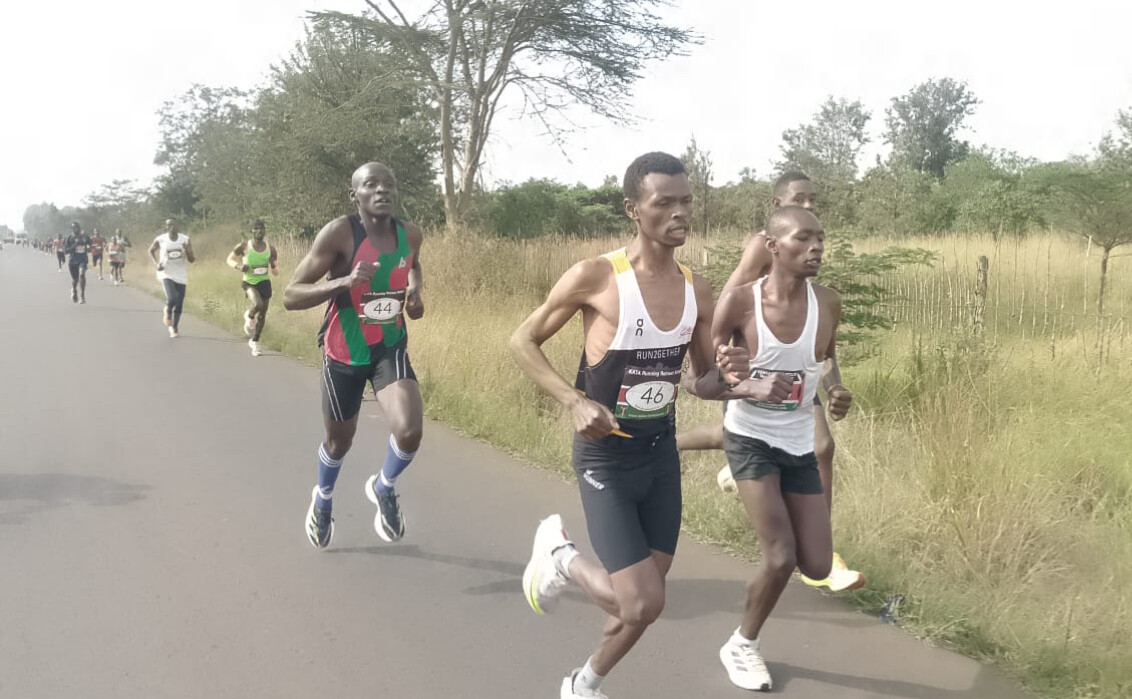
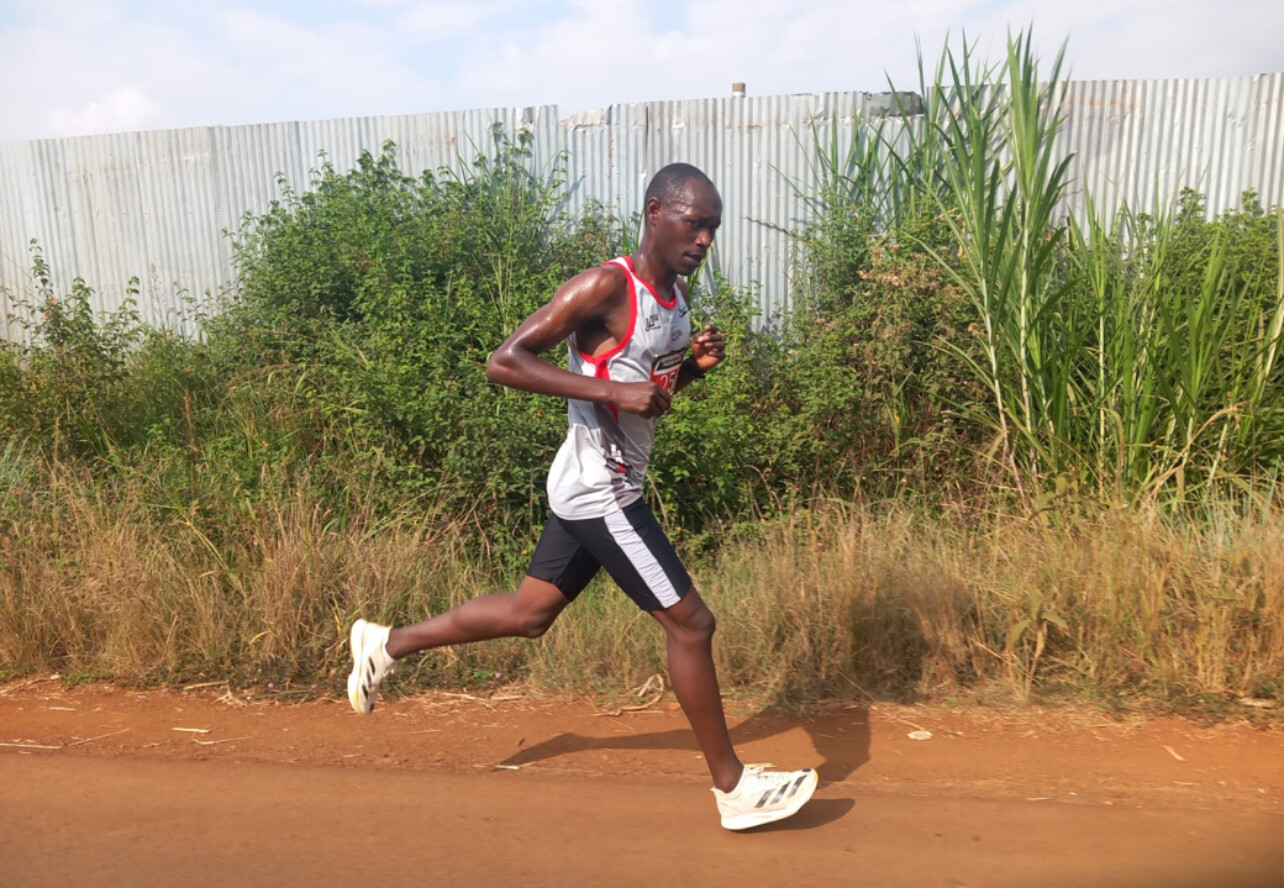
The men’s 10km produced a competitive front pack, but it was Peter Mwaniki, 27, who came out on top with an impressive 29:15 finish. He was closely followed by Stephen Ngigi in 29:39, as both athletes pushed each other through the final kilometers.
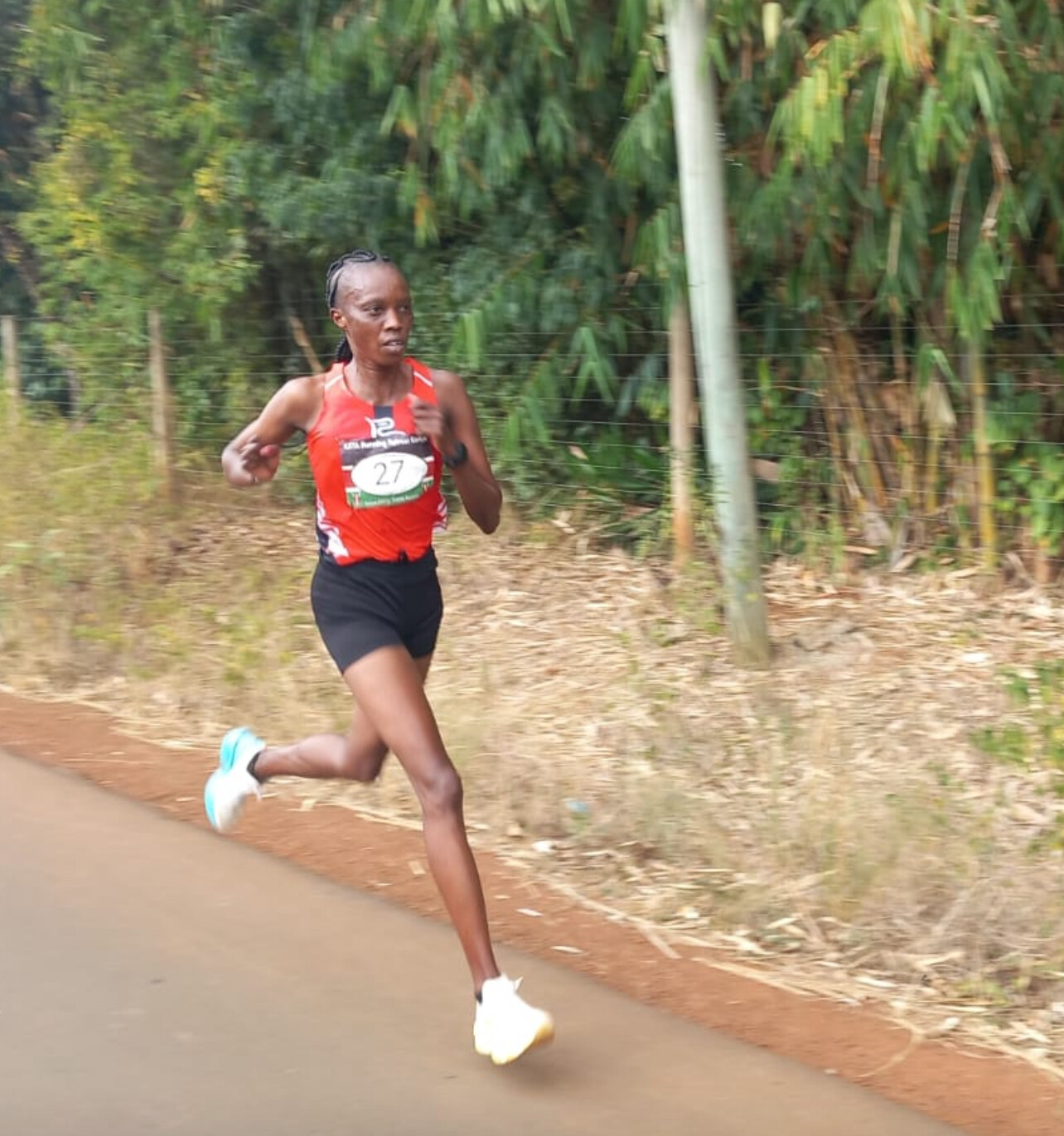
The women’s 10km brought an emotional highlight. Lois Wambui, 25, returned to racing after battling injuries for months. She clocked a personal best of 34:16, trimming more than 30 seconds off her previous best. Her performance signaled that she is back and ready to chase podiums again.
Full Results – 47th KATA Time Trial (July 16, 2025)
5km – Men
1. Zachary Kirika (24) – Bib 399 – 14:04
2. Kelvin Lagui (23) – Bib 167 – 15:33
3. Justus Nyamai (17) – Bib 431 – 15:40
4. Godfrey Kahora (19) – Bib 149 – 15:41
5. Ishmael Mburu (29) – Bib 003 – 15:54
6. Christopher Kimani (20) – Bib 021 – 16:07
7. Collins Mutungi (18) – Bib 022 – 17:07
8. Eric Mwaura (18) – Bib 223 – 17:14
9. Brandon Mutungi (17) – Bib 409 – 18:11
10. Kelvin Muchiri (18) – Bib 018 – 18:45
11. Frederick Maina (17) – Bib 060 – 20:21
5km – Women
1. Ann Wanjiku (15) – Bib 433 – 19:44
2. Tabitha Wanjiru (15) – Bib 386 – 23:18
10km – Men
1. Peter Mwaniki (27) – Bib 055 – 29:15
2. Stephen Ngigi (22) – Bib 374 – 29:39
3. Kelvin Kemoi (23) – Bib 261 – 30:11
4. Boniface Mungai (29) – Bib 029 – 30:17
5. John Njuguna (29) – Bib 046 – 30:25
6. Charles Ndirangu (24) – Bib 044 – 30:46
7. Peter Wanyoike (29) – Bib 039 – 30:50
8. John Chege (19) – Bib 257 – 30:51
9. Joel Maina (40) – Bib 057 – 31:24
10. James Muriithi (31) – Bib 256 – 31:34
11. Joseph Karanja (44) – Bib 206 – 32:29
12. Joseph Wanjiru (39) – Bib 464 – 32:44
13. Johnson Kaberia (28) – Bib 066 – 33:09
14. Vincent Kiprotich (23) – Bib 419 – 33:46
15. Joseph Nyota (20) – Bib 001 – 34:40
16. Simon Ngeresa (26) – Bib 049 – 34:46
17. Charles Ndirangu (64) – Bib 020 – 38:24
10km – Women
1. Lois Wambui (25) – Bib 056 – 34:16
2. Susan Njuu (37) – Bib 027 – 34:29
3. Virginia Wanjiru (24) – Bib 032 – 34:47
4. Karen Chepkemoi (23) – Bib 437 – 37:11
5. Ruth Maina (22) – Bib 397 – 37:20
6. Jane Wanjiru (43) – Bib 013 – 38:29
7. Lucy Muritu (41) – Bib 053 – 44:16
What’s Next for KATA Time Trials
The next KATA Time Trial is scheduled for August 13, 2025, in Thika, and it will mark the official launch of a nationwide expansion. Beginning in August, all 21 other KATA Running Camps and Potato Farms across Kenya will start hosting official KATA Time Trials.
• The Thika location will continue to host trials monthly.
• The other 21 locations will host a time trial every other month, giving their athletes a chance to race at Thika in between.
This expansion brings the total to 22 official KATA Time Trial venues, offering over 300 athletesregular, structured opportunities to race. Importantly, KATA Time Trials are open to all athletes, not just Kenyans.
5th Annual Kenya Double Road Race – September 20
Another marquee event is on the horizon: the 5th Annual Kenya Double Road Race, scheduled for Saturday, September 20, 2025, in Thika.
This unique Double Racing format includes a 10K leg, followed by a break, and then a 5K leg. The combined time determines the final standings.
• Entry fee: 600 KES
• Optional t-shirt: 600 KES additional
• Prize purse: At least 100,000 KES
At last year’s event, Shadrack Kenduiywa set a world record for the Double format, clocking 42:34 combined. He ran 28:33 for the 10K, then came back 1 hour and 45 minutes later to run 14:01 for the 5K.
by Boris Baron
Login to leave a comment
KATA Time Trial Series
Welcome to the KATA Monthly Time Trial Held at the Kenyan Athletics Training Academy in Thika, Kenya, the KATA Monthly Time Trial is a unique and inclusive event designed to support runners of all levels in achieving their goals and showcasing their fitness. This event offers both 10K and 5K distances on an accurate, certified course, providing participants with...
more...
Faith Kipyegon vs. the Clock — Can She Become the First Woman to Break the Four-Minute Mile?
Faith Kipyegon, the reigning world and Olympic champion and current world record holder in both the 1500m and the mile, is preparing for one of the most audacious feats in track and field history—breaking the four-minute barrier in the mile.
The attempt will take place on Wednesday, June 26, 2025, at Stade Charléty in Paris as part of Nike’s “Breaking4” initiative. The race is scheduled for the late afternoon, optimized for cooler weather and ideal pacing conditions.
While the attempt will not be eligible for official world record ratification—due to likely use of rotating pacers, pacing lights, and other technological aids—it is poised to become a defining moment in women’s middle-distance running.
Faith Speaks: “We Have to Dream Big”
Kipyegon has never been one to back down from a challenge. In a recent press conference, she addressed the enormity of the task ahead.
“I think breaking four will really cement my legacy… Everything we do, we have to dream big and just believe in ourselves that we could do it,” Faith said.
She emphasized the importance of mindset over mechanics:
“It’s all about the mind… If you keep on telling yourself that you can do it, you can do it.”
How Big Is the Leap?
Kipyegon set the current women’s mile world record of 4:07.64 in Monaco in 2023. To go under four minutes, she would need to shave over seven seconds off that performance—a massive leap in elite middle-distance running.
For context, Roger Bannister’s famous sub-four in 1954 was just a 2-second drop from the previous best. Kipyegon would be attempting more than three times that.
Beatrice Chebet Shows Support

Fellow Kenyan and World Cross Country champion Beatrice Chebet has shown her full support for Faith ahead of the Paris attempt, applauding the courage it takes to take on such a goal and calling the moment “a powerful example for all athletes, especially young women.”
Doubters Remain
Not everyone believes the time is ripe for this breakthrough.
“I wish I was more positive, but I just don’t think it is going to happen,” says My Best Runs founder Bob Anderson. “Even with pacing and super shoes, it’s just too many seconds to knock off. She is an amazing athlete, and I’m sure Nike would pay an amazing amount of money to her if she does it. But to be the first woman to go under four minutes—even though it would not be official—is not going to happen now.”
Anderson adds,
“If she does do it, it would be an amazing moment in history. I’m old enough to remember when Roger Bannister accomplished this feat. That changed everything in men’s middle-distance running. If Faith does this, it would be the same for women.”
Why It Matters
• Historical Impact: A woman breaking the 4-minute barrier, even unofficially, would redefine what’s considered possible in the sport.
• Symbolism: It mirrors the legacy of Roger Bannister’s run, showing how mental and physical limits can be challenged.
• Inspiration: Nike’s Breaking4 project is about more than just time—it’s about belief. As Faith put it, “Dream big.”
All eyes now turn to Paris. Faith Kipyegon is more than just chasing a number—she’s chasing a legacy. Whether she cracks the four-minute mark or not, her attempt stands as a bold declaration: the future of women’s running is limited only by the size of the dream.
My Best Runs will be following the June 26 race closely. Stay tuned for full coverage.
by Boris Baron
Login to leave a comment
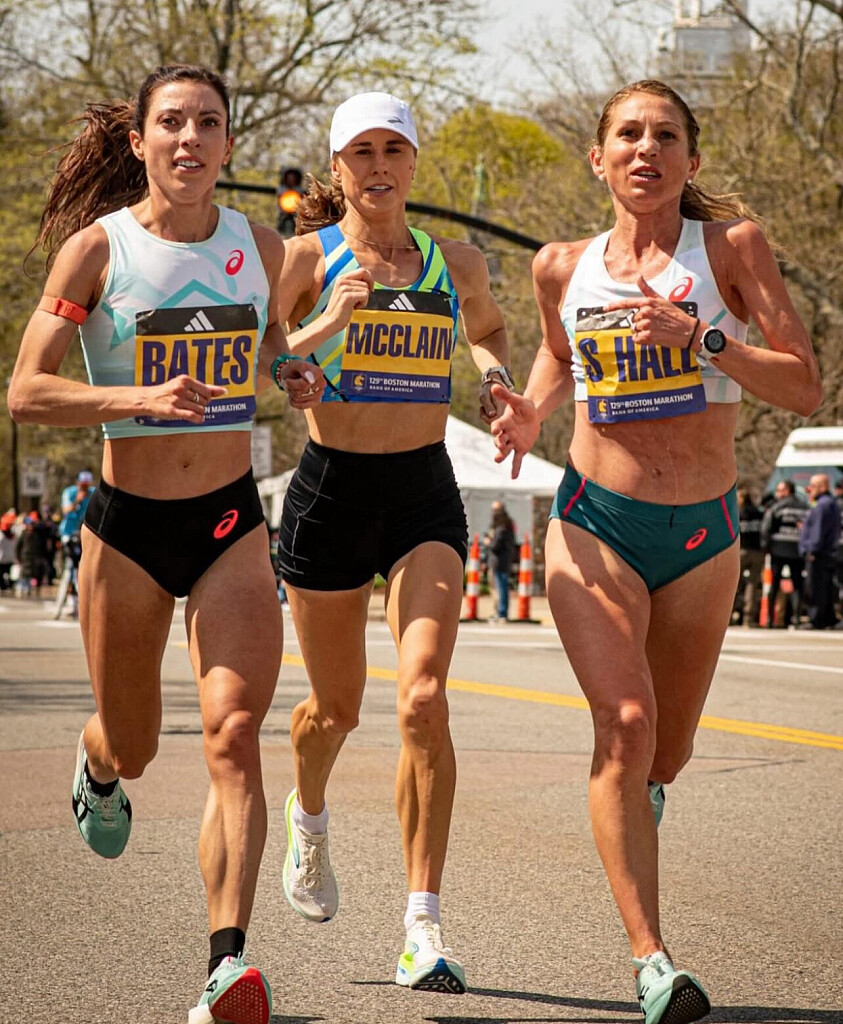
Global Running Day: Uniting the World Through Running
Every year, on the first Wednesday of June, runners across the globe come together to celebrate Global Running Day. It’s more than just a date on the calendar—it’s a worldwide reminder of the joy, resilience, and community that running inspires.
What is Global Running Day?
Global Running Day was created to encourage people of all ages and abilities to embrace running as a way to promote health and wellness. Whether it’s a solo jog through your neighborhood, a group trail run, or a virtual event connecting runners from different countries, this day celebrates the universal language of running.
Why It Matters
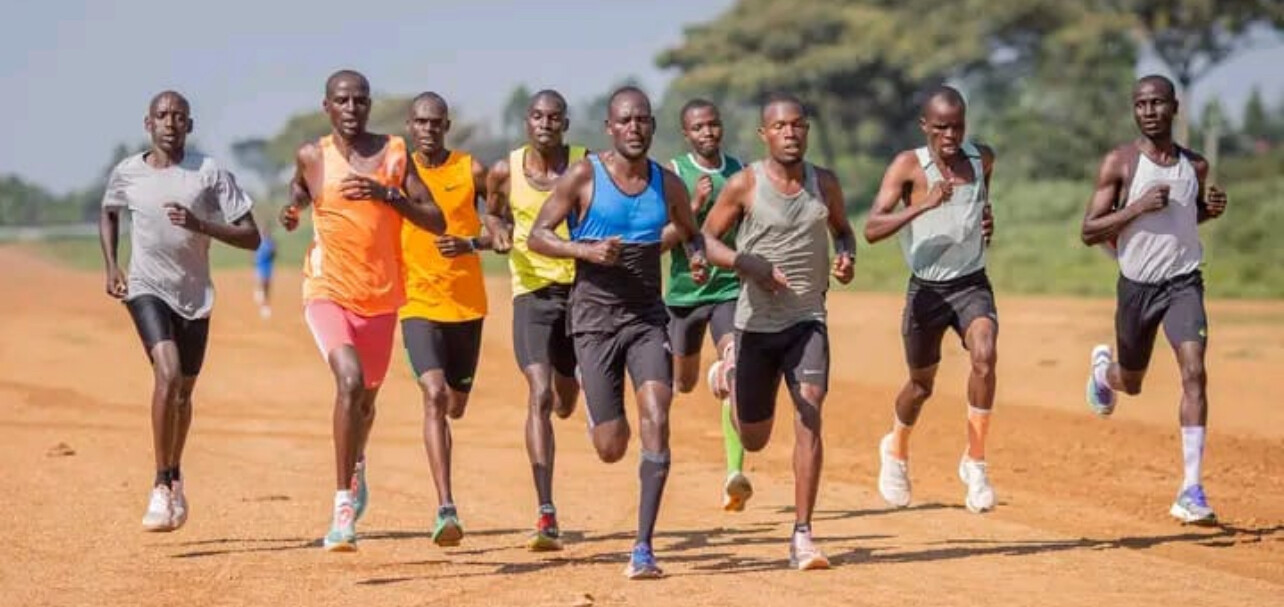
• Running is universal: No matter where you live or your background, running is a simple yet profound way to move your body and clear your mind.
• Community connection: From local running clubs to online communities, Global Running Day brings people together, even when they’re miles apart.
• Personal goals: Whether you’re chasing a PR, returning from an injury, or just lacing up for the first time, this day is for everyone.
Ways to Celebrate
Here are some ideas for how runners can mark the occasion:
• Join a Virtual Event: Many organizations host virtual runs, challenges, and social media campaigns.
• Run with a Friend: Invite someone new to join you for a run—no matter the distance or pace.
• Share Your Story: Post a photo or video of your run with the hashtag #GlobalRunningDay to inspire others.
• Try a New Route: Explore a new trail, park, or neighborhood to make the day memorable.
• Set a Goal: Whether it’s a mile or a marathon, use Global Running Day as motivation to set a running goal for the year.
The Spirit of Global Running Day
This celebration is about more than logging miles. It’s about:
• Fostering inclusivity in the running community.
• Spreading joy and positivity through movement.
• Reminding ourselves why we started running in the first place.
Join the Celebration
This year, Global Running Day falls on June 4, 2025. Wherever you are, take a moment to move, connect, and celebrate the running community. Whether you’re logging a few miles before sunrise, taking a lunch break jog, or joining an evening group run, you’re part of a global movement that brings people together.
Final Thought
Running isn’t just about fitness—it’s about connection, resilience, and joy. So this Global Running Day, celebrate the miles you’ve covered, the friendships you’ve formed, and the goals you’ve yet to achieve.
by Boris Baron
Login to leave a comment
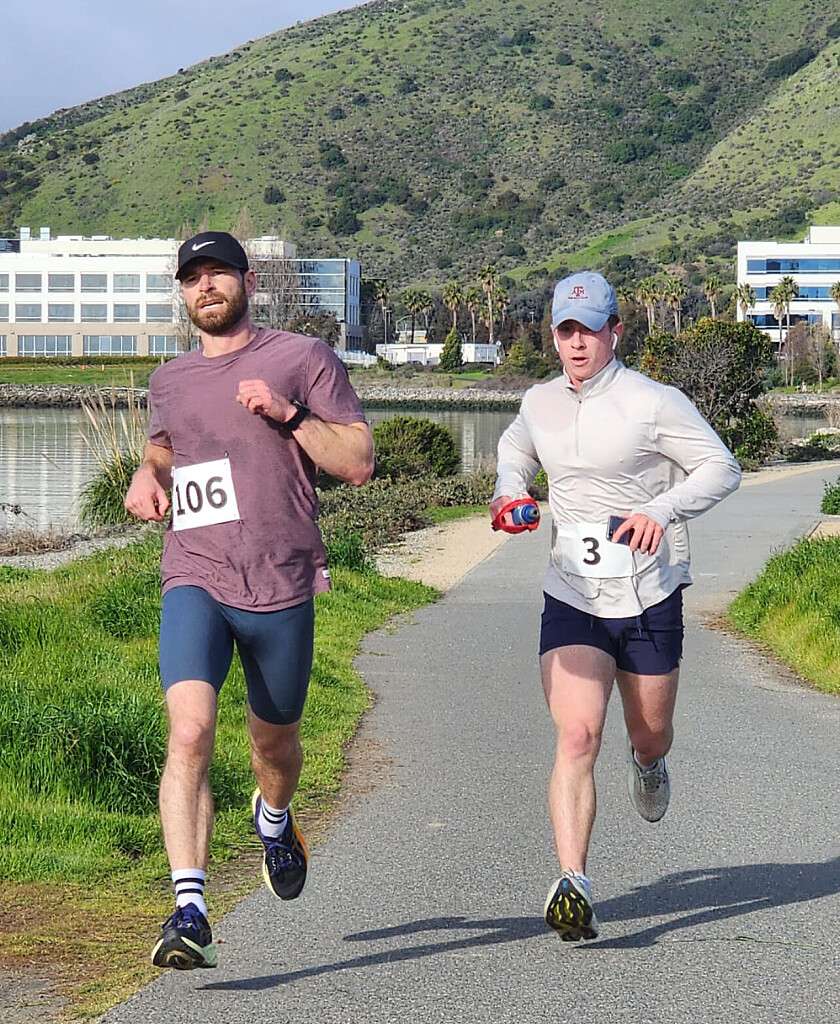
Training for Your First 10K
You’ve signed up for your first 10K—congratulations. Whether you’re coming off the couch, stepping up from a 5K, or returning to running after a break, this is a major milestone. The 10K distance—6.2 miles—is the sweet spot between endurance and speed. It’s long enough to challenge you, but short enough to stay fun and achievable with smart training.
Here’s how to prepare for your first 10K with confidence and clarity.
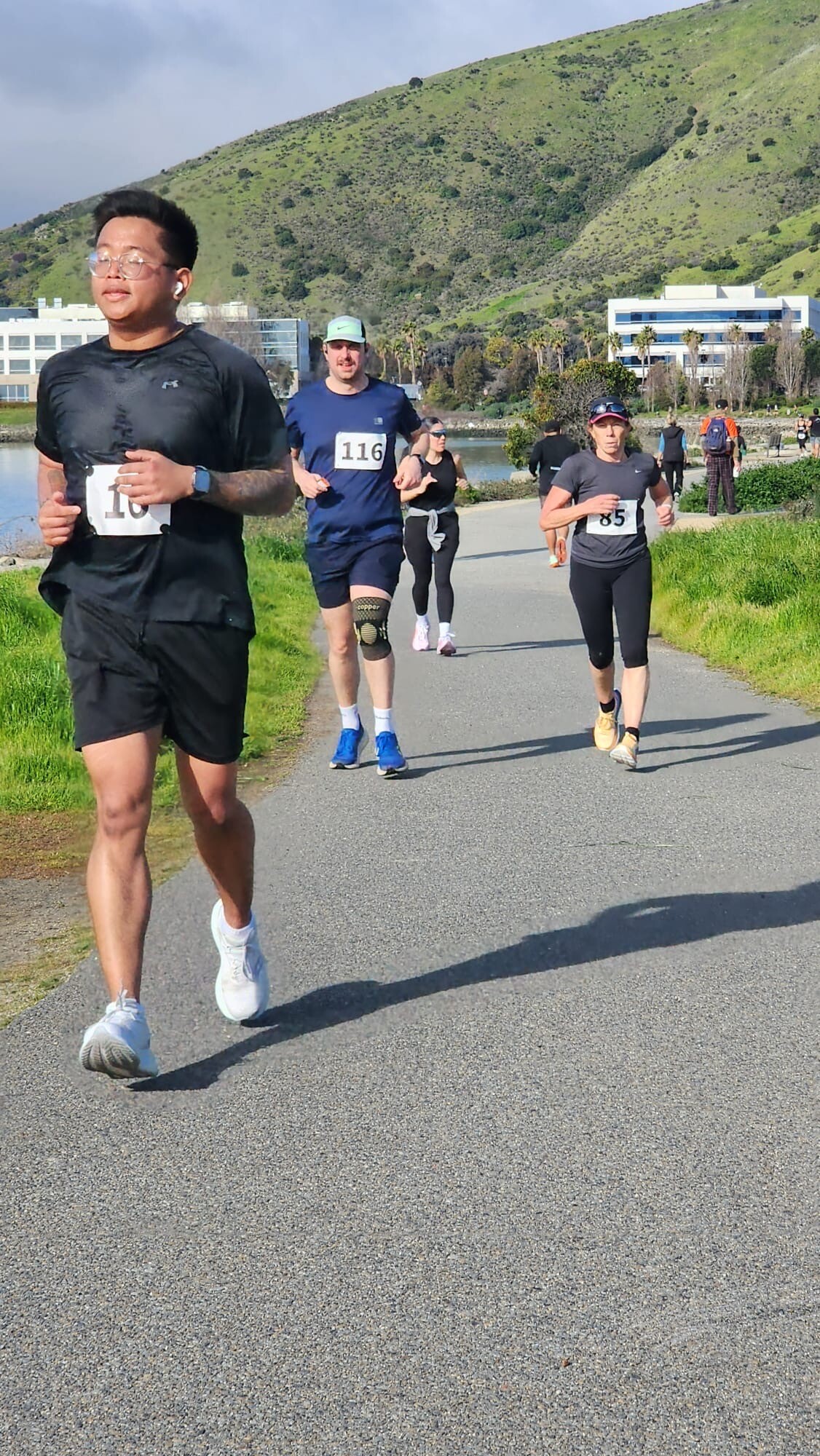
Start with a Clear Goal
Ask yourself what you want to accomplish. Do you want to finish without walking Run the whole way Hit a time goal Your answer shapes your training. Be honest about where you’re starting from. There’s no one right pace or path—only the one that works for you.
Follow a Solid 6 to 8 Week Plan
If you’re new to running or coming off a long break, give yourself 8 weeks to train. If you’re already running a few times a week, 6 weeks may be enough.
A balanced plan should include:
• 3 to 4 runs per week
• One weekly long run
• One day of speed or tempo work
• Rest or cross-training days to prevent burnout
A sample week might look like this:
• Monday – Rest or light cross-training
• Tuesday – Easy run (2 to 4 miles)
• Wednesday – Rest
• Thursday – Speed intervals or tempo run
• Saturday – Long run (build gradually from 3 miles to 6 or 7)
• Sunday – Optional short jog or active recovery
Build Endurance First
Don’t worry about pace in the beginning. Focus on time on your feet. The goal is to gradually increase distance without injury or fatigue. Walk breaks are okay. Your goal is to feel strong finishing longer efforts.
Add Speed Once You Have a Base
Once you can comfortably run or run-walk 4 to 5 miles, you can begin adding speed work. Start with short, controlled efforts like:
• 4 x 1 minute fast with 90 seconds easy
• 3 x 400 meters at a brisk pace with equal recovery
Tempo runs—steady efforts at a “comfortably hard” pace—help you maintain speed over longer distances. Keep them short at first and build gradually.
Don’t Skip Recovery
Recovery is part of training. Your body needs rest to adapt and grow stronger. Taking a rest day or swapping a run for a walk isn’t a sign of weakness—it’s smart strategy. If something feels off, take it seriously. There’s a solution to every situation, and the long-term goal is consistency.
Taper and Trust
The week before your race, cut back on volume. Don’t worry—your fitness won’t disappear. Use the extra energy to prepare mentally, hydrate well, and sleep more. Do a short run or two with some light pickups to stay sharp, but resist the urge to do more.
Race Day Tips
Stick to familiar food and gear. Don’t try anything new. Arrive early to get settled and warm up with a few minutes of light jogging and dynamic movements.
Start conservatively. The excitement of the day can make the first mile feel effortless—but don’t get pulled out too fast. If you feel strong at mile 4, that’s your green light to pick it up.
Most of all, enjoy the moment. Your first 10K only happens once.
Training for your first 10K is about more than crossing a finish line. It’s about building confidence, finding a rhythm, and discovering how capable you really are. Whether you finish in 40 minutes or 90, you’re part of a running community that values effort, growth, and personal bests.
Lace up Show up Trust the work And run your race
by Boris Baron
Login to leave a comment
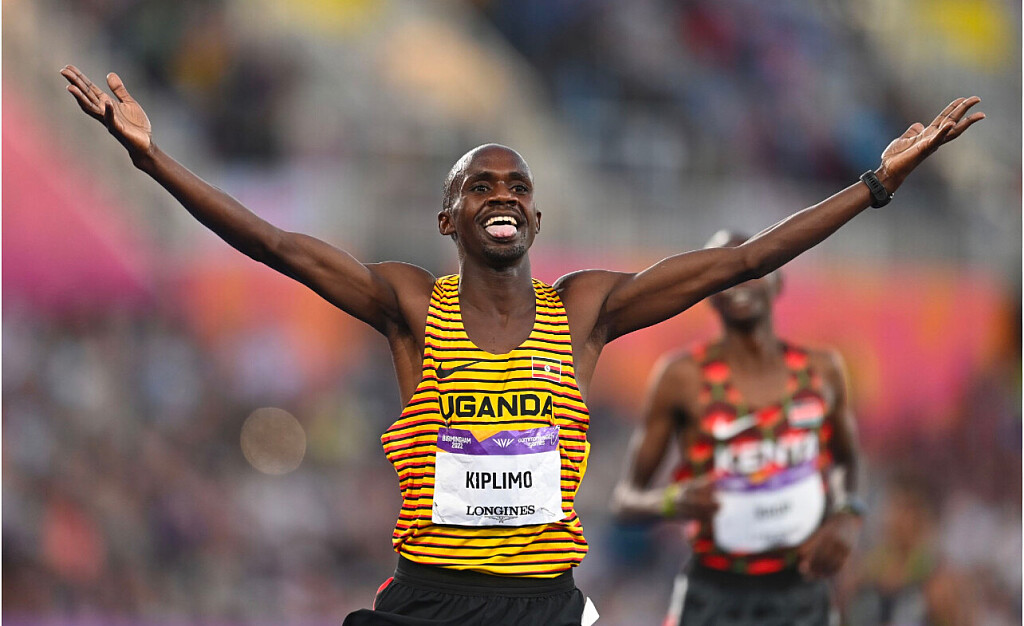
Jacob Kiplimo Set for Marathon Debut at London 2025
Ugandan long-distance star Jacob Kiplimo has announced that he will make his marathon debut at the 2025 London Marathon in April. Speaking to Xinhua on Wednesday, Kiplimo expressed his excitement and determination as he prepares for the challenge.
"I am preparing well because I'am looking forward to making my first appearance in a marathon," Kiplimo said. "I am following the training schedules designed by my coach with full commitment. It is tough, but I have to complete it, knowing that the marathon is not easy."
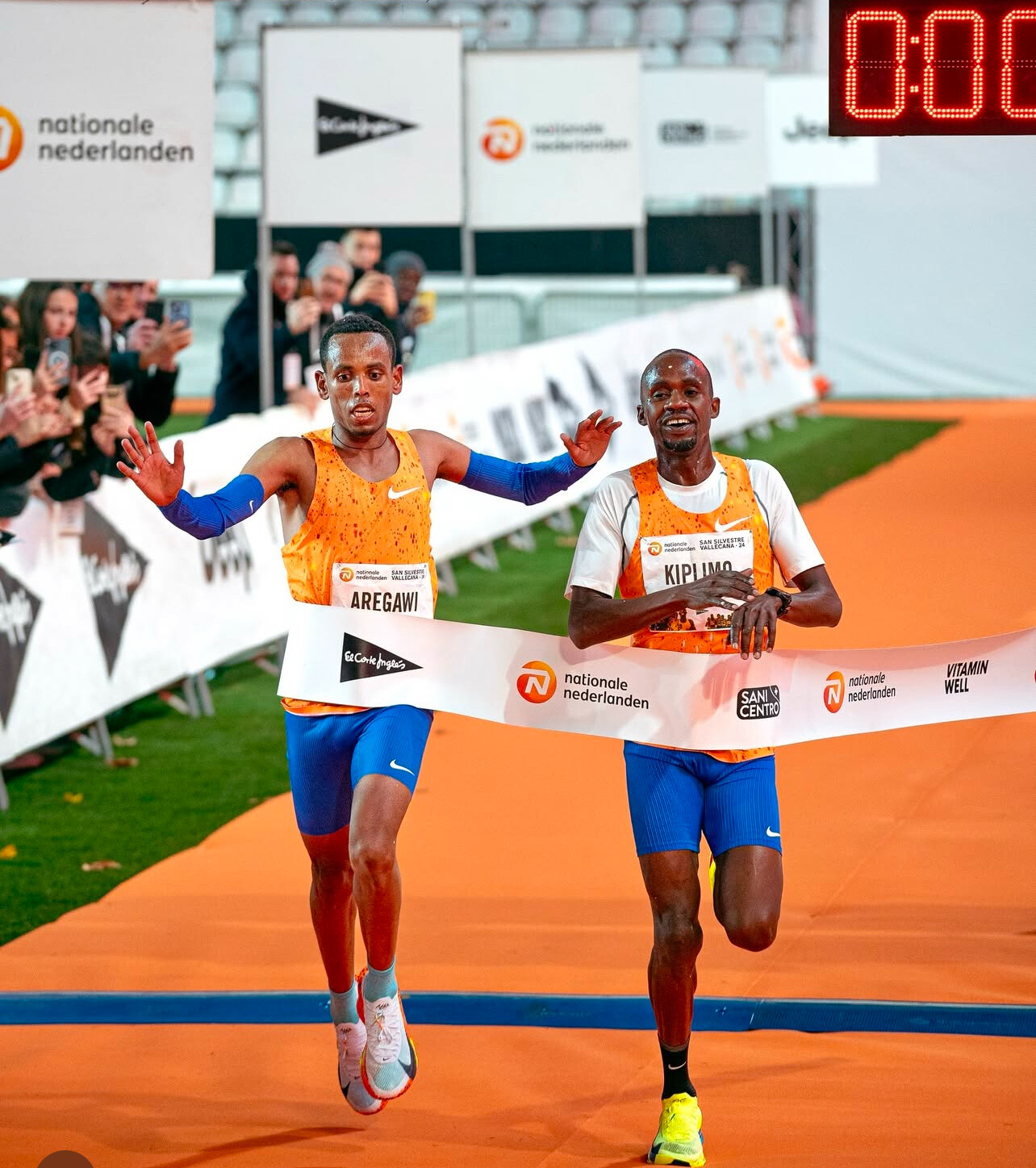
Kiplimo, 23, is one of Uganda's most accomplished distance runners. He won a bronze medal in the 10,000m at the Tokyo Olympics and holds the half marathon world record (57:31). His transition to the marathon is highly anticipated, as he will face off against some of the world's best, including Kenya's Eliud Kipchoge and Sebastian Sawe.
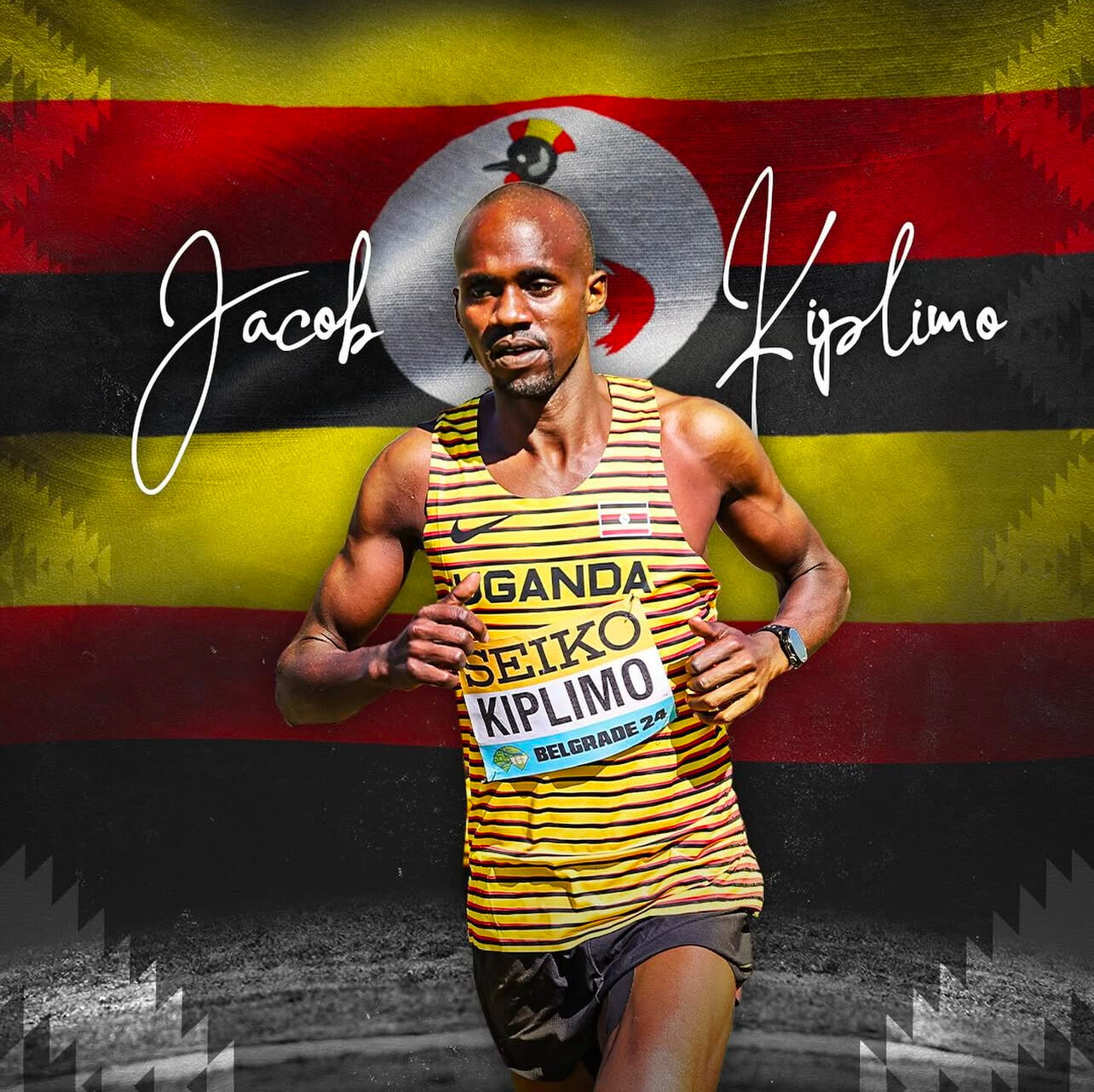
His coach, Peter Chelangat, affirmed that Kiplimo is making solid progress in training. "We are building his endurance for the 42-kilometer race through intense workouts and competitions leading up to the event," Chelangat said.
The president of the Uganda Athletics Federation (UAF), Dominic Otuchet, expressed confidence in Kiplimo's ability to excel in the marathon. "The marathon is challenging, but our long-distance athletes have what it takes to succeed. I am optimistic that he will perform well."
Kiplimo's marathon debut will be closely watched as he takes on the next big step in his already stellar career.
by Boris Baron
Login to leave a comment

TCS London Marathon
Since its inaugural edition on March 29, 1981, the TCS London Marathon has grown into one of the world's most prestigious road races, blending elite competition with an extraordinary charitable legacy. Founded by former Olympic champion and journalist Chris Brasher alongside Welsh athlete John Disley, the event has been staged every year and has been held in the spring annually...
more...
You Should Stop Showering Between Runs—and My 7 Other Running Rules for 2025
If you’ve been on social media lately, you might have seen your friends making in-and-out lists. It’s been a thing for a few years—maybe less-so now—but the idea is to come up with some trends that you think will be popular and unpopular.
The best ones are fun and off the top of the head. Some of the thought-out ones about culture are kind of annoying. (Yeah, everyone agrees that “being mean” is out in 2025.)
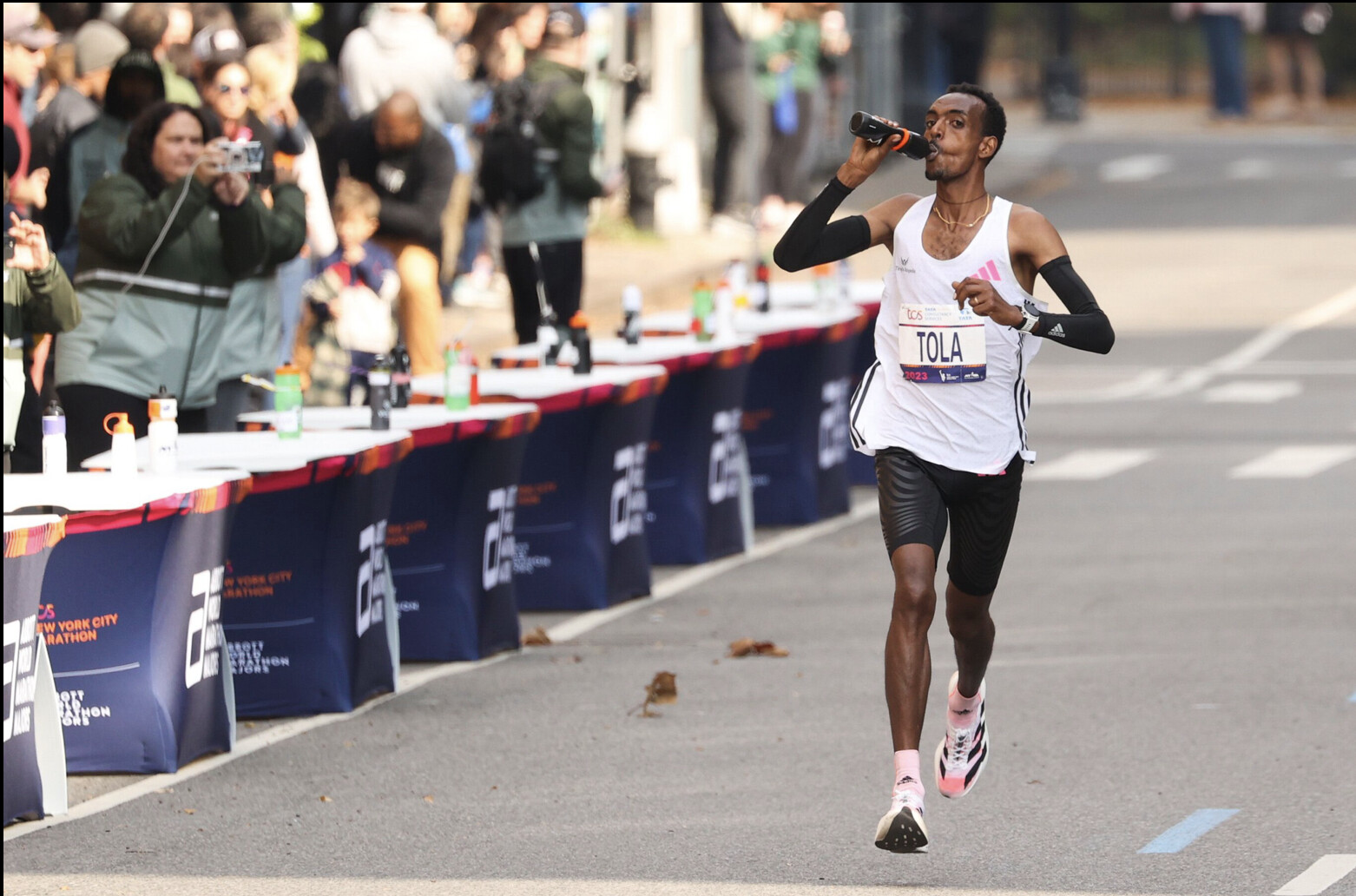
So I took the idea and applied it to my own running. Remember, these are specific to my experience. They’re not mandates or absolutes or even advice.
And at the end of the year, feel free to call me out if I was wrong. I probably was.
Out: Showering between runs
In a normal training week, I run twice a day on Wednesday and Thursday. Those are my recovery days, and I use them as a chance to get ahead on my weekly mileage. Usually, I run between 60 and 85 miles a week during marathon training, so to break it up, I’ll run once before work and then again during lunch or after work. Also known as “doubling.”
But that laundry piles up fast.
So on days when I work from home, sometimes I’ll put off my shower and stay in my workout clothes until my next run or weightlifting session. I live alone, so there’s no one to complain about my odor. (If you live with a roommate, partner, or family, use this strategy at your own risk.)
In: Wearing ugly race T-shirts
Remember the race T-shirts of the 2000s? The ones that looked like they were designed by a middle schooler and had no fewer than 1,000 ads on the back? I’ve gotten so many over the years, and most have gone straight to Goodwill or I’ve used them for yard work. But this year, I’d like to use my race T-shirts for their purpose—and run in them. There’s something fun about wearing an ill-fitting cotton tee with an ad for Jimbo’s Ford Dealership on the back.
Some races are pivoting away from shirts in favor of more environmentally friendly alternatives, but don’t expect them to completely disappear. According to Running USA, 58 percent of participants who took the 2024 Global Running Survey said that commemorative T-shirts are important to their race experience.
Out: Long runs
I’m planning on running Grandma’s Marathon in June, which means I’m building up my mileage now. But I’ve found that long runs are kind of overrated. Hear me out.
During my last marathon training block, I never ran more than 18 miles for my long run. Many programs call for 20 to 23-mile long runs, but my coach and I decided that 18-milers would get the job done. I’ve been running high mileage for close to a decade now, so I have a large aerobic base. The strategy worked, and I ran 2:27:07, hitting my goal of sub-2:28.
Right now, as I build, my coach and I are experimenting with the idea of downplaying the long run. Instead of using it as a key workout (for example, 10+ miles at marathon pace during the run), we’re focusing more on high-volume workouts twice a week, then using the long run just to get time on my feet. Similar to how Jakob Ingebrigtsen, who never runs more than 12.5 miles, trains.
A hard long run takes a large emotional and physical toll on my body, so I’ve found that I respond well when I keep the long run easy and focus on high-volume threshold sessions during the week. Of course, running on tired legs is key to running a good marathon. As I get closer to June, I’m sure there will be weeks where I use long runs as key workouts. But sometimes I need to remind myself that the other six days of the week are just as important.
In: Wearing a T-shirt over a long sleeve
For the past year, I’ve been mulling over buying a running vest. They look cool, but I keep telling myself that I don’t need to buy something that I’d probably only wear on a few runs each year. I live in eastern Pennsylvania, so I’m usually wearing something light in the fall or a full jacket in the winter. Enter, the working man’s vest: the T-shirt over the long sleeve shirt.
The sleeves keeps your arms warm while the T-shirt acts as a protectorate for your torso, insulating (not suffocating) you from the wind. Cooper Teare is a big fan.
Bonus points if you pair the look with an ugly race T-shirt. And double bonus points if you rock the look in a snowy race, like seemingly everyone did at the 2004 USATF Cross-Country Championships in Indianapolis.
In: Sunscreen
Man, I’m bad at this. If I’m preparing to sit out at the beach or pool, I lather up thoroughly. But if I’m heading out for a 90-minute run, I rarely put on sunscreen, justifying to myself that the route is shady or 90 minutes isn’t that long in the sun.
I’ve gotten better at sun protection—I almost always wear a hat and sunglasses year-round now—but I need to get better at lathering up on a regular basis. If you see me jogging this summer, ask me if I have sunscreen on and, if I don’t, shame me until I turn around and go home.
Out: Marathon bottle service
In my debut marathon at Indianapolis in November, I was lucky enough to qualify for the elite field, meaning I got perks like reserved restrooms, a separate warm-up area, and bottle service. For those unfamiliar, bottle service at a marathon is different from bottle service at a Las Vegas nightclub. Instead of access to marked-up Patrón, you get reserved spots on the course where you can stash your race fluid bottles.
Because there’s limited space, bottle stations are typically reserved for the fastest runners at a marathon. Instead of fumbling with the water or electrolyte-drink cups that the masses use, elites can consume whatever they trained with. In most cases, it’s some kind of carbohydrate mix.
At Indianapolis, there were three bottle stations: at miles 8, 14, and 20. I filled mine up with Maurten 160, but honestly, I didn’t feel like the perk was that necessary. I carried eight gels with me, taking them every 15 to 20 minutes, which was plenty. The bottles felt like more of a bonus or palate cleanser. They were cumbersome to hold and drink at race speed, and I found myself only taking a few sips then discarding them. Plus I had to pee the entire race, so I didn’t want to make the situation more dire.
Previously, I thought bottle service was non-negotiable to running a fast 26.2. But my mind has changed. If you envy the pros for their bottle access, don’t worry, you’re not missing out. Gels get the job done.
In: Off-distance races
I’m stealing this one from my 2024 in-and-out list. Off-distance races are events that diverge from traditional race distances (like the 5K, 10K, and marathon). Popular examples include the Bix 7 Road Race in Iowa (a 7-miler), the Boilermaker 15K in New York, and the Manchester Road Race in Connecticut (4.737 miles).
My favorite off-distance event is the Run for the Diamonds in Berwick, Pennsylvania. It’s a Thanksgiving day 9-miler that’s been going strong since 1908. The whole town comes out and cheers the runners up and down the massive hill that’s sandwiched in the middle of the route. Plus, the top seven men and women get real diamonds!
In: Short trail races
Speaking of race distances, let’s make short trail races a thing in 2025. Ultramarathons get most of the attention, but they’re not for everyone. At risk of contradicting myself against my previous “in,” there are plenty of trail options at the 5K, 10K, and half-marathon distance. Local state parks may host them, or sometimes there are running races tied in with mountain bike or cyclocross races. (Fifth Street ‘Cross in Pennsylvania does a great job of putting on both.)
I’d love to jump in a trail half marathon this summer between my two marathon training blocks. There won’t be any pressure to run a certain time, and let’s be real, running on the roads gets boring sometimes.
Login to leave a comment
Slovak runner shatters 7-day treadmill world record
Last Thursday, Serbian-Slovak ultra-runner Michal Šuľa began a week-long venture going nowhere. Six days later, the 50-year-old successfully completed his attempt at the Guinness world record for greatest distance covered on a treadmill in one week (pending verification), covering 846.52 km in 151 hours (six days and seven hours). Šuľa streamed his entire run live on YouTube–and as of Wednesday afternoon, he’s still running.
“The Guinness record is behind us… 151 h, 846.52 km,” Šuľa announced on Facebook, where he posted regular updates of his progress. In his live stream, viewers can watch friends keep him company in the room and on the second treadmill. A white board is constantly refreshed hourly with the runner’s logged distance, and “sleep” is written when Šuľa steps off the treadmill for periodic breaks.
The previous record of 843.94 km had been held by the U.K.’s Jamie McDonald since 2019. Šuľa’s run also surpasses the female seven-day treadmill world record of 846.16, held by New Zealand’s Emma Timmis since June 2024.
Šuľa took on the challenge at a physical therapy clinic, the Movement Institute, in Bratislava, Slovakia. The organization shared the runner’s entire journey on Instagram, YouTube and Facebook. “Michal is aiming even further–his goal is an incredible 1,060 km!” the Movement Institute wrote on Facebook. According to Šuľa, the official, non-Guinness seven-day world record stands at 1,056 km.
In early 2024, Šuľa became a two-time Slovakian champion; he won the 24-hour national championship in March in Nitra, Slovakia, logging 224 km, and climbed to the top of the podium again at the 100-km race in June in Šamorín, Slovakia. Šuľa clocked 7:34:22, winning by nearly an hour and a half.
According to recordholders.org, Šuľa also managed to break the 6-hour treadmill world record on Dec. 14, less than four weeks ago; he ran 85.89 km over the half-dozen hours. His performance exceeded the previous record of 53.05 km, run by Italy’s Luca Ricci in April 2024.
by Cameron Ormond
Login to leave a comment
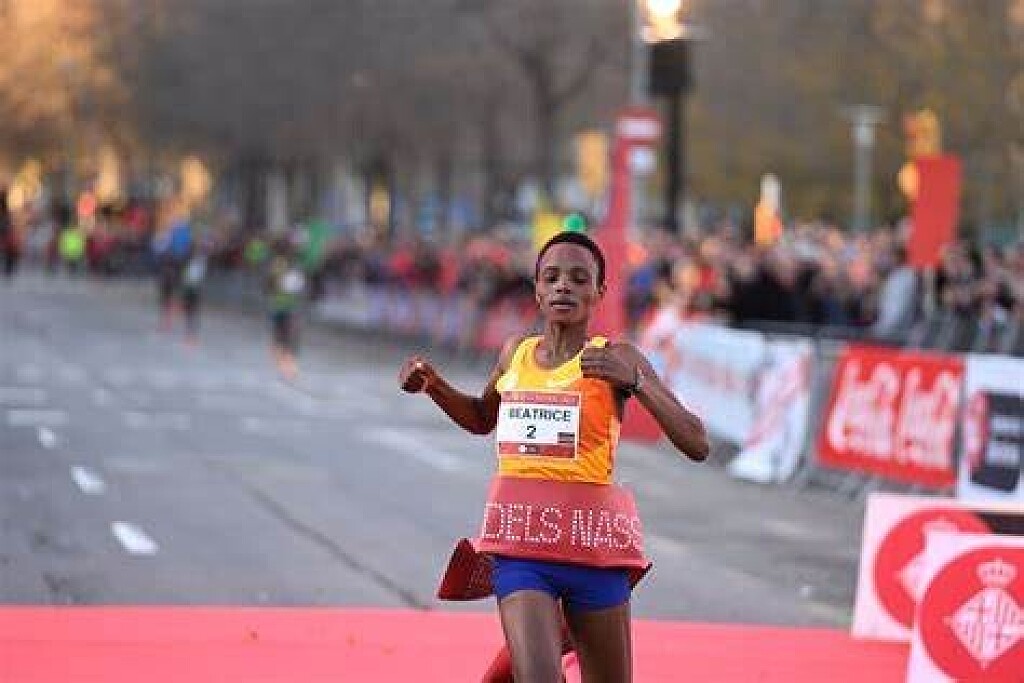
Beatrice Chebet will aim to break the 5K world record again at the Cursa dels Nassos
Kenyan Beatrice Chebet will repeat her participation in the Cursa dels Nassos on December 31, which this year has reached an unprecedented number of 12,000 registered in its popular race, with the challenge of beating the women's world record in the 5km road that she herself set in the last edition with a time of 14:13.
During the presentation of the event, held this Wednesday at the Olympic and Sports Museum of Barcelona, the Councilor for Sports, David Escudé, recalled that the Cursa dels Nassos was chosen by World Athletics as the best international women's event in 2023.

"This recognition, which is like winning the Oscars of athletics, has driven us to continue working and improving. This year, in addition to being the most multitudinous edition, it will also be the most female edition in the history of the event, with a record participation of women of 35% (more than 4,000)," she said.
As in the last four years, the Cursa dels Nassos will consist of two events in its 26th edition: a five-kilometer race with international elite athletes that will start at 4:20 p.m. and a popular ten-kilometer race that will start at 5:15 p.m.
The possibility of breaking the women's world record in the 5K kilometer race – which will once again be mixed, unlike last year – will be the main incentive of a day in which the Kenyan Beatrice Chebet will start as the great favorite.
The 24-year-old African athlete is coming off two gold medals in the 5,000 and 10,000 meters at the Paris Olympics, and will try to lower the world record she set at the 2023 Cursa dels Nassos (14:13). The Ethiopians Medina Eisa and Melknat Wudu, and the Catalan Esther Guerrero stand out as her main adversaries.
by Ismael Pérez
Login to leave a comment

Cursa dels Nassos
Certain local traditions may strike you as funny, bizarre, or downright disturbing. You may know that the Catalans ring in the new year by eating one grape with each chime of the clock at midnight, but did you know about the man with many noses ('home dels nassos')? Folklore has it that there's a man who has as many noses...
more...
Olympic champion to challenge 41-year-old 800m world record
Launching your own track meet and naming it after yourself is one thing–but Great Britain’s 800m Olympic champion Keely Hodgkinson didn’t stop there. On Wednesday, British Athletics revealed that the inaugural Keely Klassic track meet, set for Feb. 15 in Birmingham, will conclude with Hodgkinson trying to break the 800m world record, which has stood for 41 years.
The record of 1:53.28, set by Czechoslovak athlete Jarmila Kratochvílová in 1983, is the longest-standing world record in athletics. Hodgkinson would need to run more than a second faster than her personal best (1:54.61) to even come close to taking it down. The run will mark Hodgkinson’s season opener and first race back from an injury that cut her 2024 season short.
At the Keely Klassic, Hodgkinson promises “a unique, immersive experience that will combine elite competition with an electrifying atmosphere” and extends the meeting invitation to Great Britain’s world-class track and field athletes.

The unveiling comes less than a day after Tuesday’s BBC Sports Personality of the Year (SPOTY) ceremony, where Hodgkinson took centre stage. The 22-year-old is the first track athlete to win since Mo Farah won in 2017, and the first female track athlete to win since 2004. Her win also marks the fourth consecutive year that a woman has won the award–the longest streak in history.
“I’m actually in a bit of shock,” Hodgkinson said upon accepting the trophy. “I’m actually more excited for my coach, to be honest, because I wouldn’t be where I am without his guidance, [which] I’ve had since I was 17.”
“This year has been absolutely incredible for me,” she continued. “I achieved everything I set out to do on the outdoor track, which is kind of rare, so I’m grateful to be in this position.”
Olympic triathlon champion Alex Yee was also a contender for the award.
Hodgkinson’s coaches, Trevor Painter and Jenny Meadows, were awarded Coach(es) of the Year. Along with the Olympic 800m champion, the pair coaches Olympic 1,500m bronze medallist Georgia Bell.
Mondo Duplantis wins Sport Star of the Year
Pole vaulting legend Mondo Duplantis was also acknowledged at the event, winning World Sport Star of the Year. The Swedish-American world record holder was pitted against fellow sports icons, including gymnast Simone Biles, WNBA player Caitlin Clark and Olympic marathon champion Sifan Hassan.
“So sorry that I can’t be in attendance tonight–I’m back here in the States right now, training for the up and coming season. I know I’m in great company–the biggest legends of all time in sports have won this award. This really means a lot to me.”
by Cameron Ormond
Login to leave a comment
Pro runner’s next-level workout on the road to L.A. Olympic medal
The newest member of team New Balance Boston, Parker Valby, has settled into her Boston life with her fellow Olympian training partners and coach Mark Coogan. After setting NCAA records in the outdoor 5,000m and 10,000m, the former Florida Gator began her professional running career as a New Balance athlete. A video posted by FloTrack on Wednesday dove into a soft-surface November workout during the base-building season in the lead-up to the indoor track season–which Valby demolished.
“Most people don’t know Parker as a person,” Coogan said. “They just see her as a runner. She’s a wonderful young lady and she’s fitting in great.” The 22-year-old announced her surprise signing with New Balance in October, unexpectedly straying from Nike after becoming their first female track and field athlete to sign a Name, Image, Likeness (NIL) deal. Industry sources report that Valby’s contract is upwards of USD 700,000 and will be in play until well past the 2028 L.A. Olympic Games.

“It was definitely a learning experience,” Valby said about her time at the Paris Olympics. “It was my first time racing outside the NCAA. I’m very grateful for the experience and the lessons I took from it–it wasn’t my ideal performance that I wanted, but I’m happy that I did it in hindsight, so I can be ready for L.A.”
“Parker said she wants to get a medal at the Olympics in L.A.,” Coogan added. “She’s gonna make us better, and hopefully we can make her better and she can do big things in the future.”

The workout path was roughly 1,000m, though Coogan admitted he wasn’t sure of the exact distance. The coach was aiming for the team to have a solid workout where the athletes could stick together. The target effort for the cross-country-style workout was to begin at threshold pace (comfortably hard). Other pro athletes at the practice include Paris Olympian Emily Mackay, 2020 Olympian Heather MacLean, and Coogan’s daughter, Katrina Coogan.
The workout: 3 x (2K, 2 minutes, 1K)
Set 1: 2 loops: 6:38, 1 loop: 3:06
Set 2: 2 loops: 6:20, 1 loop: 3:02
Set 3: 2 loops: 6:01, 1 loop: 2:50
The video shows Valby sharing the lead with her teammates before pulling away from the group during the final set. An extra 1K loop was added on, which Valby completed in 2:53.
Although Valby is younger and less experienced than her teammates, Coogan says she’s a bit stronger than the other women because she comes from a 10,000m background. The other athletes’ main events are 1,500m and 5,000m.
“We work together, we meet in the middle,” Valby said. “Train with others to make yourself better.”
According to MacLean, the team has tried to create a culture of respect and support. “[Parker] brings a fresh new perspective to everything,” she said. “I learned something from her, I hope she learned something from us.”
“Almost like a college cross-country team, we’ve made a team into a family, and I think that’s one of the reasons we’re so successful,” Coogan said. His Instagram revealed that the team hit the indoor track for the first time last week. If all the athletes stay healthy, the whole New Balance Boston team will open their season at the New Balance Grand Prix on Feb. 2.
by Cameron Ormond
Login to leave a comment

LA 2028 Summer Olympics Games
Discover how the Los Angeles Candidature Committee describes their vision for the Games and the legacy they plan to leave behind: For centuries, people have been following the sun to California – to a coastal paradise of beautiful weather, inspiring landscapes and an ocean of possibilities. Since it was first settled, LA – the City of Angels – has built...
more...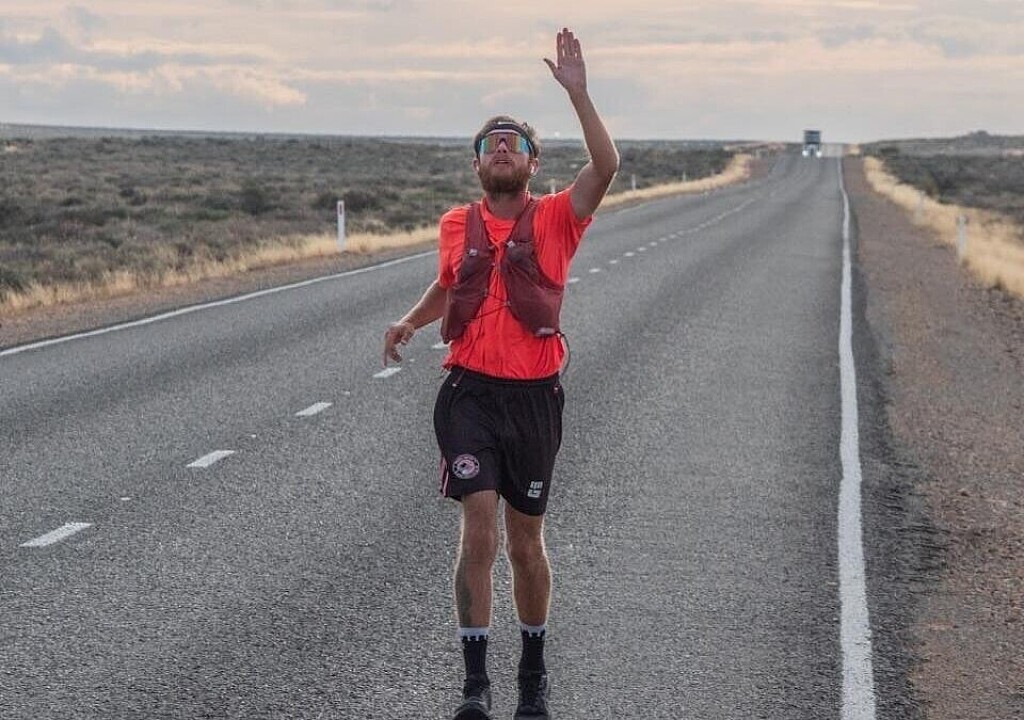
British ultrarunner completes two-month run across Australia
Jack Pitcher, 28, became the fastest British runner to traverse Australia, completing the 4,320-kilometer journey from Perth to Sydney's Bondi Beach in 61 days.
On Wednesday, Jack Pitcher, a 28-year-old ultrarunner from Berkshire, U.K., completed a 4,320-km run from Perth to Sydney, dipping his feet into the ocean at Bondi Beach. The gruelling two-month journey saw him set a new British record for the fastest coast-to-coast run across Australia, finishing in 61 days.
Pitcher shattered the previous British record of 77 days, set by Nikki Love in 2023, by consistently covering an average of 71 kilometers per day. He began his trek on Oct. 6 at Cottesloe Beach in Perth, and overcame extreme conditions to reach Sydney almost nine weeks later.
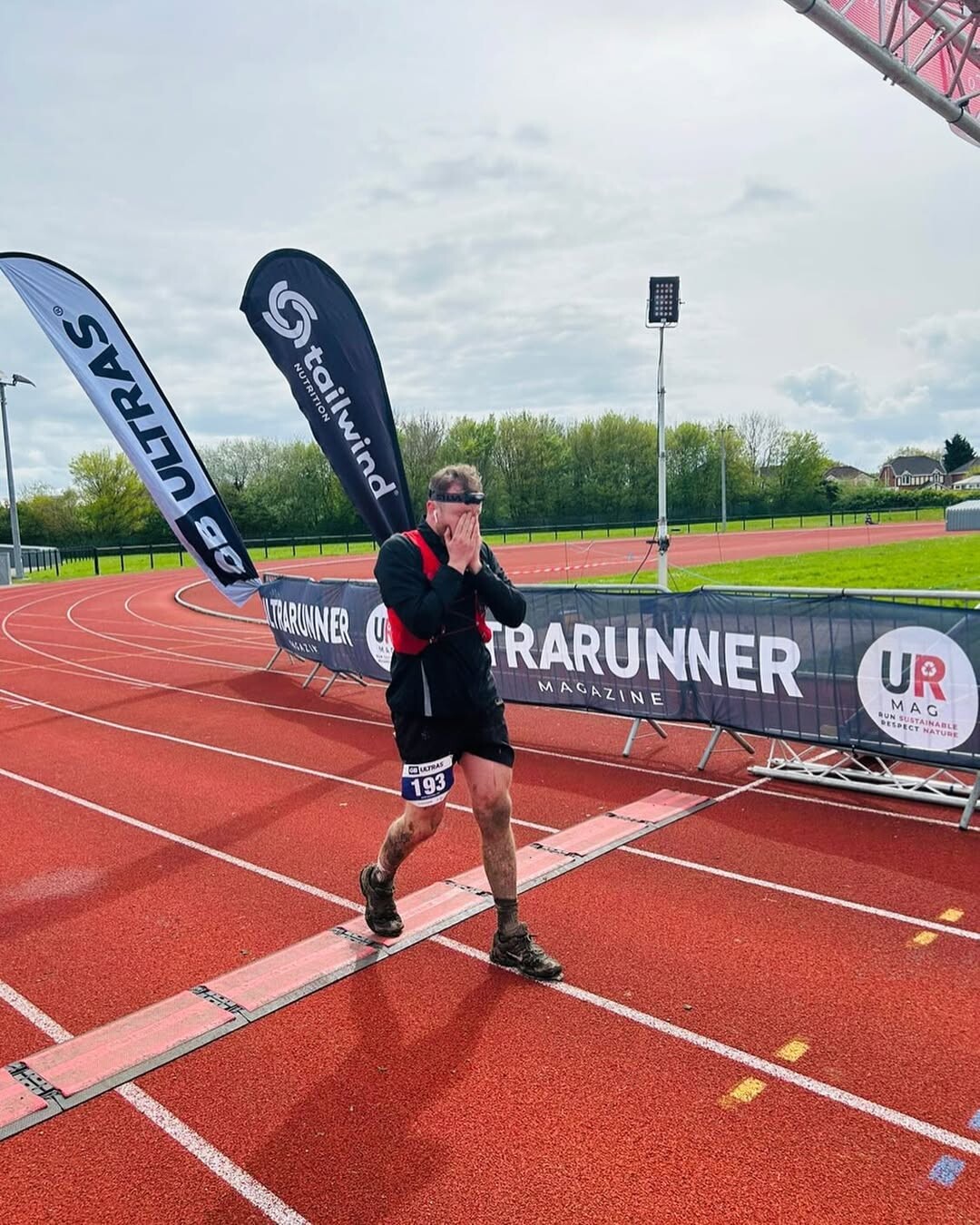
Initially accompanied by his friend Joshua Smith, the duo’s plans changed when Smith suffered an injury midway through the transcontinental run. Despite the setback, Smith continued to support Pitcher, cycling alongside him in the final weeks.
Speaking to BBC Berkshire, Pitcher reflected on the highs and lows of his incredible journey. “I’m over the moon. Sixty days would have been ideal, but I’m incredibly proud of what I’ve done,” he said. Pitcher recalled battling 45 C heat, exhaustion and even hallucinations during the final weeks, which temporarily forced him to halt his run, for safety reasons.

The run wasn’t just about breaking records. He dedicated his journey to raising funds for SSAFA, a U.K. military charity, and to honor his father, a former member of the army, who inspired him. “Helping others and making my family proud was my biggest motivation,” he shared.
Pitcher told the BBC he’s grateful for the moments of wonder along the way, from encounters with Australia’s unique wildlife to the kindness of strangers offering cold drinks during scorching days.
While Pitcher now holds the British record, the fastest known run from Perth to Sydney remains in the hands of Chris Turnbull, an Australian ultrarunner who completed the same journey in 39 days, eight hours, and one minute in 2023.
by Marley Dickinson
Login to leave a comment

How Should I Carb-Load for a Race?
Carb-loading is a game-changer for race day. To perform your best, your body taps into carb stores called glycogen, which is tucked away in your liver and muscles until it’s ready to be used. Carb-loading means that you increase these glycogen stores above their typical capacity so you have more to pull from when doing a strenuous endurance activity like running. Studies show that this nutrition strategy may improve performance by 2-3 percent for runs over 90 minutes.When done right, carb-loading gives you an extra energy boost. But the wrong approach can leave you feeling overly full, sluggish, or uncomfortable at the start line. Here’s how to carb-load to help you reach your peak performance.When to Start Carb-Loading
Carb-loading typically begins one to three days before the race to fill your glycogen storages sufficiently, but the exact number of days you need depends on the race distance, how long you’ll be running, and the intensity of your effort. I usually recommend starting 1-2 days before a half marathon and 2.5-3 days before a full marathon. Waiting until the night before your race to scarf down a ton of Fettuccine Alfredo won’t properly replenish your energy stores, and may leave you feeling weighed down or experiencing digestive discomfort on race day.

Take this example: if your marathon is on Saturday morning, start carb-loading on Wednesday. Spread your intake throughout the day with three carb-rich meals and two to three snacks, daily.How to Carb-LoadDuring the carb-loading phase, aim for 8-12 grams of carbohydrates per kilogram of body weight per day. For a 150-pound runner, this translates to 550 to 800 grams of carbs daily.Focus on simple, carbohydrate-rich foods like white bread, pasta, rice, sweet and regular white potatoes, dried or fresh fruit, and regular or lactose-free dairy milk and yogurt. (Some people experience GI issues if they eat too much dairy, but chocolate milk can be a great choice for carb-loading.) These foods are energy powerhouses. To make the process smoother:
Choose easily digestible, low-fiber foods to avoid feeling overly full. Now is not the time to go gung-ho on the whole wheat bread, quinoa, and vegetables.
Scale back on high-fiber, high-fat, and protein-heavy foods to leave room for more carbs. Timing and Hydration Tips
Consistency is key. Plan to eat three carb-rich meals and two to three snacks every day. Liquid carbs, such as fruit juice, sports drinks, chocolate milk, or fruit smoothies, can help you meet your carb goals without feeling overly stuffed.
Remember, glycogen (your body’s stored form of carbs) holds water, so staying hydrated throughout your carb-load is crucial. Proper hydration will help you avoid feelings of sluggishness and support your muscles.
Putting It All Together for Race Day
An effective carb-loading block is all about timing, balance, and testing what works for you. Gradually increase your carbs, stick to easy-to-digest options, and don’t forget to hydrate. Consider practicing a one-day carb-load during training, such as before a key workout or long run, to figure out which foods work best for your body.
With the right strategy, you’ll feel strong, energized, and ready to conquer race day without hitting the dreaded “wall.”
by Outside Online
Login to leave a comment
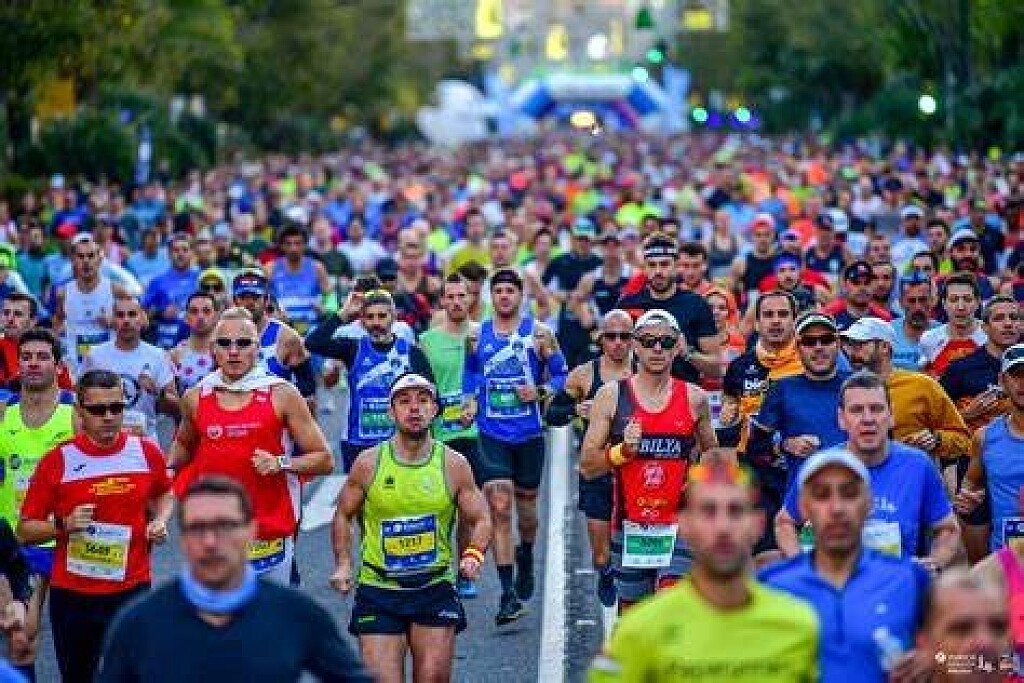
The Zurich Marathon, canceled due to the wind, offers a full refund of the registration fee
The Zurich San Sebastian Marathon, which had to be suspended last Sunday due to strong gusts of wind that endangered safety at different points along the route, offers a full refund of the registration fee to the 10,500 runners registered.
The organizers of this test have thanked this Wednesday in a statement "the patience, understanding and support received in these complicated days for their runners".
They have assured that, despite the fact that a series of important expenses have been incurred that will not be able to be recovered, the unconditional support of all sponsors, especially Zurich Seguros, and the institutions makes it possible to refund the full amount of the registration fee, including those of management and the complete ones previously acquired (medal engraving).
Also, although the test has not been held, the Z Zurich Foundation will go ahead with the initiative of 1 finisher 1 euro, which will donate the total amount to the Spanish Federation of Food Banks (FESBAL). Likewise, the organization will offer the leftover shirts to the sports schools of Gipuzkoa.
In addition, depending on the distance of each registered runner (42km, 10km or 21km), runners will be able to choose, apart from the refund, among other compensation options from today until next Friday, December 6 through a form that each one has received through email.
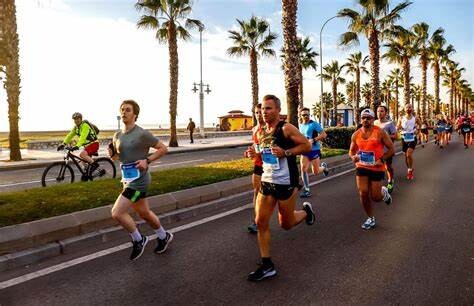
Those who do not respond to the statement within the established period will not be able to request a refund and only until December 31 will have their place saved to participate in the Zurich San Sebastian Marathon 2025.
The organizers deeply regret not having been able to hold the race as they expected, but they advance that they are working with "more enthusiasm than ever to make future editions unforgettable".
by Newsroom Infobae
Login to leave a comment

Zurich Malaga Marathon
If like many other runners from the north of Europe you are searching for a great winter escape and a race set in a beautiful location then Maratón Málaga may be what you are looking for. This annual road running event is held in December in the city of Málaga, Spain, the capital of Costa del Sol. Malaga marathon...
more...
Faith Kipyegon reveals why she might not run another 1,500m race at Olympics
Multiple world and Olympics champion Faith Kipyegon has hinted at the possibility of abandoning her specialty, the 1,500m, in favor of other races at the 2028 Los Angeles Olympics.
Three-time Olympics 1,500m champion Faith Kipyegon might have run her final Olympics over the distance as she is exploring the possibilities of featuring in other disciplines.
Kipyegon made history when she became the first woman to claim three straight Olympics gold medals in 1,500m at the Paris 2024 Games, adding onto her titles secured in Rio 2016 and Tokyo 2020.

At 30, Kipyegon perhaps does not feel that she will still have the power in her legs to go for a fourth straight gold over the distance at the Los Angeles Olympics in 2028, and her fans might get to see her square it out for medals in another race instead.
“It was not easy [winning third gold in Paris],” Kipyegon said on Citizen TV’s JKL on Wednesday. “I was praying to God that I just win my third gold and I did it.”

When asked if she sees herself going for a fourth straight Olympics gold, the mother of one replied: “That is a tough one, because it will be 2028 so I don’t know if I will still be doing the 1,500m or maybe 5,000m or marathon, so we don’t know.”
Kipyegon has previously expressed her desire to switch to marathons in the next phase of her career and seems to be looking at that possibility even as she squeezes out what is left in her in 1,500m.
She has also displayed enough quality in 5,000m where she is already the world champion over the distance, after her gold medal heroics in Budapest last year, and also has Olympics silver won in Paris this year.
The 1,500m world record holder will certainly defend her titles at next year’s World Championships in Tokyo but the 2027 Worlds will perhaps give an indication of how she will approach the 2028 Olympics given she will be 34 by then.
by Joel Omotto
Login to leave a comment
LA 2028 Summer Olympics Games
Discover how the Los Angeles Candidature Committee describes their vision for the Games and the legacy they plan to leave behind: For centuries, people have been following the sun to California – to a coastal paradise of beautiful weather, inspiring landscapes and an ocean of possibilities. Since it was first settled, LA – the City of Angels – has built...
more...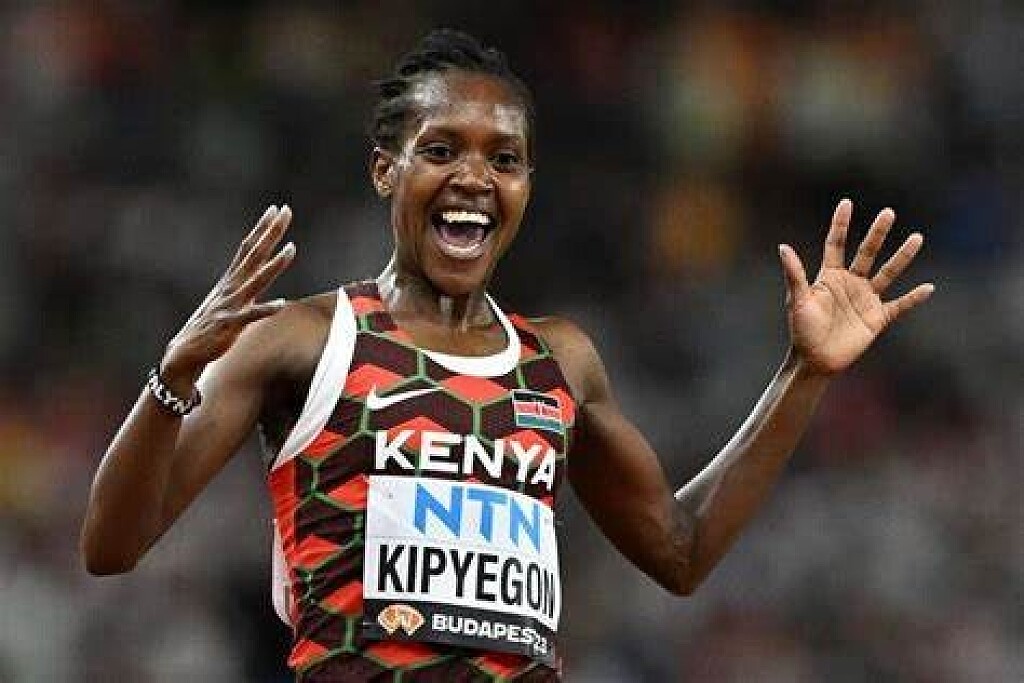
Kenya’s Faith Kipyegon receives honorary doctorate degree
The back-to-back-to-back Olympic 1,500m champion was given an honorary doctor degree in Education on Wednesday.
It has been a monumental year for Kenya’s Faith Kipyegon, who in August became the first female athlete in Olympic history to win three consecutive gold medals in a single track discipline. On Wednesday, her achievements were celebrated in her home country when she received an honorary doctorate degree in education from the University of Eldoret.

“I am greatly honoured to receive an honorary doctorate degree in education from the University of Eldoret,” Kipyegon shared on Instagram, signing off as “Dr. Faith Kipyegon.”
Honorary doctorates are typically awarded to individuals who have made exceptional contributions in their fields. Kipyegon’s recognition highlights her trailblazing career in women’s distance running, where she has inspired countless athletes by returning to elite competition and breaking records after giving birth to her daughter in 2018.
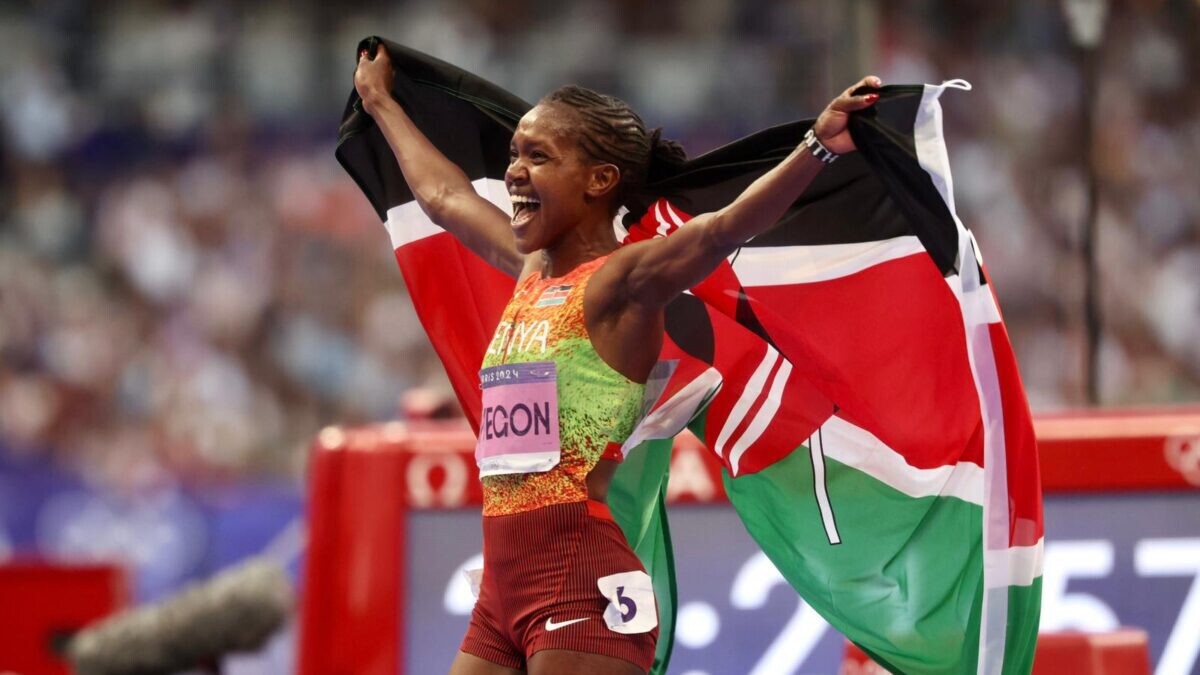
Kipyegon’s 2024 season
This year has been one of the most successful of Kipyegon’s career. At the Paris Diamond League in July, the 30-year-old broke her own world record in the 1,500m, running 3:49.04. The following month, she defended her Olympic 1,500m title at the Stade de France, setting a new Olympic record of 3:51.29.
Kipyegon also earned a silver medal in the 5,000m, an event she contested for the first time at the Olympics. Initially disqualified for an obstruction involving Ethiopian runner Gudaf Tsegay, Kipyegon was reinstated after a successful appeal. Her compatriot, Beatrice Chebet, won gold in the event.
Accolades and recognition
Kipyegon was among six nominees for the Women’s Track Athlete of the Year award by World Athletics, a title she won in 2023. Additionally, she was shortlisted for the Laureus World Sports Award for Sportswoman of the Year, an honour recognizing the year’s greatest female athlete. This year, the award was won by Spanish footballer Aitana Bonmatí.
by Marley Dickinson
Login to leave a comment

Former pro runner arrested for relationship with high-school student
Charlotte, N.C., high school running coach and former elite runner Matthew Elliott was arrested on Wednesday and charged with two counts of “indecent liberties” with a student. Last Friday, the victim, who is now an adult, came forward to the local police department, reporting the inappropriate relationship she had with Elliott, who was her cross-country coach while she was enrolled at the school, Charlotte Country Day.
Reportedly, the victim told officers that Elliott flirted with her and made “numerous advances,” and that they had an inappropriate relationship.
Elliott, 39, had been a coach and a substitute teacher at the high school since 2015. After the allegations emerged, the school terminated Elliott’s employment, barred him from their campuses and informed families and alumni of the misconduct. The statement revealed that the victim attended the school within the past few years.
“America’s fastest kindergarten teacher”

The development comes years after Elliott rose to fame in 2013 after placing fourth in the 1,500m at the U.S. Track and Field Championships, beating elite runners while teaching full-time. An emotional post-race interview with Elliott went viral; the athlete even received autograph requests in the mail. That year, he was referred to as “America’s Fastest Kindergarten Teacher,” and was a cover model for both Runner’s World and Running Times magazines.
Elliott was a kindergarten through third-grade teacher for children with special needs at the Palmetto School in Rock Hill, S.C. The magazine story revealed that the teaching job required Elliott to act as a bus driver as well; he drove the kids to and from their homes before and after school.
During his career, Elliott was coached by American Distance Project coach Scott Simmons and joined the Team Indiana Elite running group alongside athletes such as William Leer. He broke the four minute barrier on multiple occasions and became a Brooks-sponsored athlete.
He set his sights on making the 2016 U.S. Olympic team, and gave inspirational talks to cross-country teams about his journey. In 2021, Elliott was featured in a podcast for The Unearthing Project, where he shared his running and coaching stories. Elliott hasn’t competed since 2019, according to his World Athletics profile.
None of the recent allegations against Elliott have been proven in court. News sources report the former coach was held on a USD $10,000 bond and was released on Thursday morning, but was set to face a judge that afternoon.
by Cameron Ormond
Login to leave a comment

Valencia Marathon up in the air after flooding hits region
As severe flooding continues to affect many areas of Spain, the 2024 Valencia Marathon, scheduled for Sunday, Dec. 1, may face cancellation. According to recent reports, Valencia is under high alert due to the resurgence of storms that recently left parts of the city submerged in mud and debris, killing more than 200 residents. The recent rainfall and damage raise concerns about the city’s ability to safely host an event of this scale in two weeks.
Though the marathon course was relatively unaffected by the Oct. 29 storm, widespread damage elsewhere has led organizers to consult with local authorities to determine whether the race can safely go forward.

The race’s lead sponsor, New Balance, has already scaled back its plans, cancelling the hospitality and activation events planned around the marathon. On Wednesday, the brand sent an email to ambassadors, influencers and athletes, showing support for Valencia: “While the city is focused on recovery efforts, we still believe this event could bring the running community together in solidarity with Valencia. Runners are encouraged to defer their participation to 2025 and 2026, though New Balance will continue to provide bibs and accommodations for this year’s participants if it goes ahead.”
The marathon has historically drawn more than 30,000 runners from around the world, bolstered by its reputation as one of the world’s fastest courses. However, safety concerns have already led the city to cancel this weekend’s Grand Prix motorcycle race (2024 Valencia GP). A source within the Valencia Marathon organizing committee has indicated that while they are committed to moving forward if possible, the decision ultimately rests on government officials and local authorities.

Some athletes have already begun exploring alternatives, including Toronto’s Cory Nagler, who has invested nearly CAD $4,000 in flights, trains, accommodations and entry fees to run Valencia. Nagler, who has trained for the last six months, still remains hopeful but is preparing backup plans. “Valencia is still plan A, but Turin is plan B,” he says. Nearby marathons in Italy (Turin and San Remo), scheduled for the same day, offer potential options for thousands seeking certainty.
The race has told registrants they plan to make a decision in the near future, as the officials continue to monitor the safety and feasibility of holding one of the year’s biggest international running events amid ongoing recovery efforts.
by Marley Dickinson
Login to leave a comment

VALENCIA TRINIDAD ALFONSO
The Trinidad Alfonso EDP Valencia Marathon is held annually in the historic city of Valencia which, with its entirely flat circuit and perfect November temperature, averaging between 12-17 degrees, represents the ideal setting for hosting such a long-distance sporting challenge. This, coupled with the most incomparable of settings, makes the Valencia Marathon, Valencia, one of the most important events in...
more...
Botswana’s Letsile Tebogo criticizes Netflix series SPRINT for American bias
As Season 2 of the Netflix track and field series SPRINT premiered on Wednesday, one of the star athletes featured, Olympic 200m champion Letsile Tebogo, has already voiced his disappointment. The 21-year-old sprinter was frustrated with what he saw as an American bias in the docuseries, which follows the world’s top sprinters and their journey to the Paris 2024 Olympics.
Tebogo, who made history for Botswana by winning two medals at the Olympics—one of them being the nation’s first-ever gold—doesn’t appear until 22 minutes into the final episode. The series had promised to feature Tebogo, alongside notable Olympians such as Noah Lyles, Gabby Thomas, Fred Kerley, Kishane Thompson, Julien Alfred, Kenny Bednarek, Shericka Jackson and Oblique Seville. However, Tebogo felt the focus skewed heavily toward the four American athletes, particularly Lyles.
Tebogo took to X to share his disappointment, sharing he was excited to watch but felt the show was overly focused on American athletes, with him portrayed more as a supporting character to the American sprinters.
His sentiments echo those of Marie-Josée Ta Lou-Smith, Africa’s 100m record holder from Ivory Coast, who also criticized the Box To Box producers earlier this year after SPRINT Season 1 excluded her from the final cut, despite extensive filming. “I feel really disrespected, because when you say you are going to produce a series about the fastest sprinters in the world, you should show everyone, not only those who win,” Ta Lou-Smith shared with The Inside Lane. She highlighted the need for equal representation, noting, “I am the African record holder; I deserve respect.”

The documentary series is produced by Paul Martin at Box to Box Films, the same production company behind other Netflix successes such as Full Swing and Formula 1: Drive to Survive. On social media, track fans have begun calling on the producers at Box-To-Box Films to consider a more international approach in future seasons, noting that they seemed to have disregarded the American bias from Season 1.
by Marley Dickinson
Login to leave a comment

Netflix premieres SPRINT season two as Noah Lyles, Gabby Thomas & Co feature
Streaming platform Netflix has finally premiered the docuseries Sprint, following the Olympic journey of renowned athletes including Olympic champion Noah Lyles, Gabby Thomas and other Olympic headliners.
Streaming platform Netflix has recently premiered the highly anticipated docuseries SPRINT, a gripping two-part docuseries that offers an exclusive, behind-the-scenes look at the lives of world-class sprinters in the build up to recently concluded Paris 2024 Olympics.

For fans and sports enthusiasts, Sprint delivers a raw, intimate perspective on the rigorous training and dedication it takes to excel on the global stage.
Part 1 of the series, which debuted on July 2, introduced viewers to several of the world’s most promising sprinters as they navigated the intense preparation leading up to the 2023 World Championships.

Part 2, premiered on Wednesday, November 13, bringing the athletes’ journeys full circle.
The series captures not just the physical demands of the sport but also the emotional highs and lows, from moments of triumph to the mental hurdles of competing at an elite level.
Through personal stories and unprecedented access to training routines, this latest installment allows viewers to experience the high-stakes moments that define these sprinters’ lives.
The docuseries showcases an impressive lineup of athletes, featuring Olympians like Noah Lyles, Gabby Thomas, Fred Kerley, Kishane Thompson, Julien Alfred, Letsile Tebogo, Kenny Bednarek, Shericka Jackson and Oblique Seville, among others.
With an element of rivalry between some of the top athletes showcased, there sure is mouth-watering drama worth tuning into.
The series features four episodes with an average watch time of about 48 minutes each.
by Stephen Awino
Login to leave a comment
Greek runner offers $1,500 reward for stolen marathon costume
One man's tradition of racing the Athens Marathon could be up in flames after his costume was stolen just days before Sunday's race.
For seven consecutive years, Greek marathoner Kostas Hatzis has travelled to Athens from his home in the Netherlands to take part in the Athens Marathon. On Wednesday, his plans to participate in the 41st edition of the race (set for Sunday) came to a halt when his suitcase, containing his traditional Greek costume, matching shoes and Olympic Truce flag, was stolen from his vehicle. He now offers a reward of €1,000 (CAD $1,491) for anyone who returns his belongings.
“My world collapsed,” Hatzis wrote on Facebook. “My traditional Greek costume and matching shoes were snatched from me. My Olympic Truce flag, my running outfits and all I need for one week. I did not come all the way from my home in NL to eat, drink and sleep in Athens.”Hatzis’s traditional Greek costume is the distinctive uniform of Greek soldiers called Tsoliades–right down to the fustanella (a kilt-like garment) and the tsarouchis (flat shoes with pompoms). The Olympic Truce flag bears a drove with a traditional Olympic flame, symbolizing peace and human spirit.
The runner, who calls himself an “International Marathon Messenger“, runs to promote the Ancient Greek tradition of Olympic Truce, or Ekecheiria. The tradition acknowledges the signing of a treaty between three kings to allow safe participation in the Olympic Games for individuals from the Greek city-states–Elis, Pisa and Sparta–despite ongoing conflicts.
In October, Hatzis took part in passing the marathon flame at the Kosice Peace Marathon in Košice, Slovakia, to honour the 100th edition of Europe’s oldest marathon.
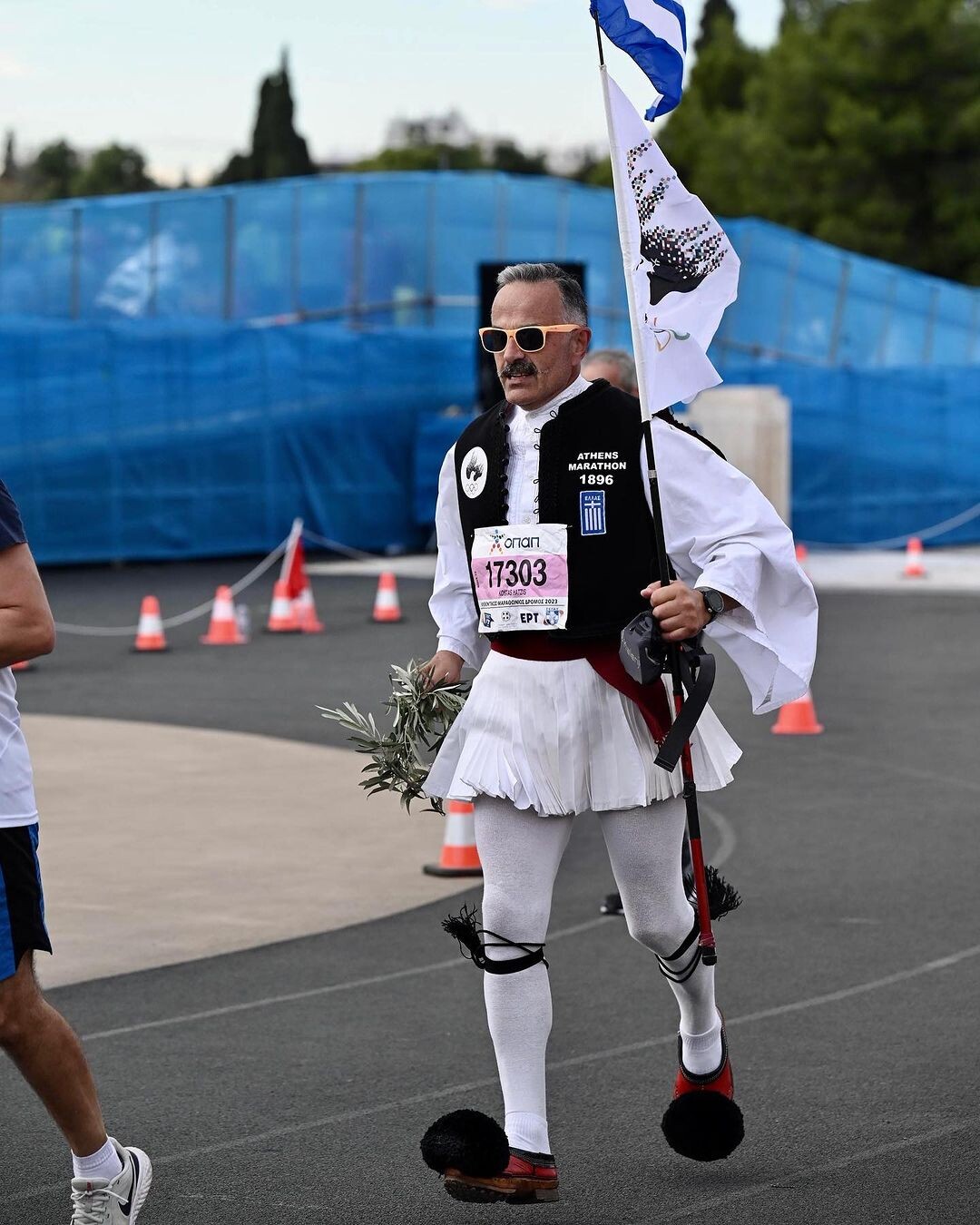
Sunday’s race was set to mark Hatzis’s eighth consecutive time competing in the Athens Marathon; his fastest time for the course is 5:17:26, which he ran in 2016. The runner has participated in countless other marathons since 2012, including the Barcelona Marathon, Paris Marathon, TCS Amsterdam Marathon and the HAJ Hannover Marathon.
by Cameron Ormond
Login to leave a comment

Athens Marathon
The Athens Classic (authentic) Marathon is an annual marathon road race held in Athens, Greece, normally in early November. The race attracted 43.000 competitors in 2015 of which 16.000 were for the 42.195 km course, both numbers being an all-time record for the event. The rest of the runners competed in the concurrent 5 and 10 kilometers road races and...
more...
U.S. vice-presidential candidate Tim Walz runs with TikTok influencer in Central Park
Vice-Presidential candidate Tim Walz ditched his usual running mate on Wednesday, instead joining content creator Kate Mackz on a one-mile run through Central Park. Their vlog quickly went viral on TikTok. The video shows multiple Secret Service agents running alongside the pair.
Mackz, recognized on TikTok as “The Running Influencer,” is known for approaching celebrities on the streets of New York City or Los Angeles and inviting them on a run. When meeting up with Walz, the pair agreed to begin with one mile (1.6 km). As a runner myself, I was surprised to notice that Walz knows what he’s doing–he had a solid, comfortable stride and held up a conversation for the entire run–which ended up being just farther than a mile.


Walz revealed that he picked up running 12 years ago. “It’s the best stress reliever you could possibly find,” he told Mackz. “Good for the soul, good for the body–and you meet a ton of great people.” He admitted that the accompaniment of several Secret Service agents makes the run a little busier, but still fun. Walz noted that all Minnesotans are “outdoor people,” running in all seasons. “This (interview) is great,” Walz said. “I would take every one like this.”
The avid runner has run one marathon: the 2014 Rochester [N.Y.] Marathon, where he finished in 4 hours 41 minutes. “I like half better,” he noted. “I’ve been doing a lot of 10-miles.” In
Impressively, Walz seemed hardly out of breath after Mackz suggested they “pick up the pace a little bit,” talking steadily about the upcoming election. The former teacher and football coach says he was influenced to pursue a political career after the age of 40 by his former students; he revealed that some of his former football players have come out to support him.
“Live in the moment,” Walz said while leaving advice for first-time marathoners. “Don’t get out too fast, enjoy what you’re doing, and know that 99 per cent of people will never do what you’re doing.”
Mackz has also posted videos with world record holder Sydney McLaughlin-Levrone and Australian 10,000m national record holder Lauren Ryan, along with celebrities Jason Derulo, John Krasinski and Jared Leto.
by Running Magazine
Login to leave a comment
Hurricane Helene Devastated This Running Hotbed. Professional Athletes Are Helping Rebuild It.
“We had no idea the gravity of what was coming,” said Olympian Abbey Cooper.
On a typical Tuesday, Abbey Cooper usually tackles a threshold workout before leading practice as the coach of a youth cross-country team in Boone, North Carolina.

Last week, the 2016 Olympic 5,000-meter runner was working as a volunteer, answering phones at her church, Alliance Bible Fellowship. For hours, the new mom helped survivors of Hurricane Helene obtain generators and other necessities in the wake of a natural disaster.

When Helene made landfall in Florida as a Category 4 storm on September 26, it created a 500-mile path of destruction across the southeast. Homes were washed away, roads were destroyed, and electricity was wiped out in communities across six states, where the death toll has risen to 227. Many are still unaccounted for or missing, according to The AP.
In the rural mountain towns of western North Carolina, the hurricane decimated communities with unrelenting rain and devastating floods. And emergency response was made more difficult due to hundreds of damaged roads and downed bridges.
Now as people begin to recover and rebuild, several elite runners in Boone and Blowing Rock, North Carolina, are taking major steps to give back and raise awareness for the organizations working tirelessly to support those in need. From cleaning up trails to delivering meals and disaster kits, professional and collegiate athletes who train in the area are providing critical aid and urging others to help in recovery efforts.
“We had no idea the gravity of what was coming”
Cooper, her husband, Jacob, and their 20-month-old daughter, Mercy, live in a valley about 15 minutes from downtown Boone. In the days leading up to the storm hitting their town on Friday, September 27, a downpour descended on the area. At the height of the storm, Cooper remembered seeing waterfalls flowing off the hill and rushing toward their house.
Though they had to dig a trench to reroute water that was flowing into their garage, there was minimal damage done to the Coopers’ home. Cooper said they were lucky. One of their neighbor’s homes located next to a creek was destroyed, but the owner made it out safely. “All of us were really humbled. We had no idea the gravity of what was coming,” she said.
They lost power and water, relying on a portable camping stove and water filter to sustain them at home for three days. The couple considered driving to their friend’s house in Raleigh but decided to stay after the power was turned back on.
Tristin Van Ord Colley had a similar terrifying experience at her home in Blowing Rock, located about eight miles from Boone. The professional marathoner, who runs for Zap Endurance, was in her apartment when a tornado hit the street behind her complex on Wednesday, September 25. Without receiving any warning of the tornado, the Appalachian State University alum and her husband, fellow pro runner Andrew Colley, took shelter last minute in a room without windows. The next day, the rain started to pick up. By Friday, it became catastrophic.
Tristin said Andrew was watching a teammate’s dogs across town when water started flooding into the house. With the water rising rapidly and the electricity still on, Andrew fled with the dogs in his car and drove to their apartment. Tristin said he was forced to avoid road closures and drive through deep water as the storm progressed. “If [Andrew] had waited any longer, I’m not sure he would’ve been able to make it,” she said.
Though the basement of their apartment building flooded up to four feet, the water didn’t reach their unit on the second floor. After the power went out—and didn’t turn back on for nine days—Tristin and Andrew braved the few roads that were open but riddled with fallen trees, to drive to her mom’s house in Chapel Hill.
Recovering and rebuilding
Once they stabilized at home, Abbey and Jacob started volunteering with local relief efforts led by the Red Cross and Samaritan’s Purse in partnership with their church. Jacob, who works as the Associate Athletics Director for Sports Psychology and Mental Wellness at Appalachian State, is making deliveries to families in need and serving meals at the university. Abbey is assisting with administrative
“The people of Appalachia I feel are forgotten about a lot…Being someone who was extremely lucky in this situation, it’s hard for me to watch this community that I’ve grown to love so much crumble because of poverty and maybe not being prepared or not warned,” she said, while noting the messaging about the severity of the storm could have been better communicated in advance.
“It’s important to have eyes on this area and have people recognize that these people here matter too.”
Zap Endurance elite coach Peter Rea and his family are doing their part by volunteering at local churches and public schools, which have become distribution centers for aid since the hurricane hit. Rea, his wife—cofounder of Zap Endurance Zika Rea—and their two children are helping people get necessities, like diapers, toothpaste, bottled water, blankets, and hot meals in the aftermath of their homes getting destroyed.
The Rea family home saw minimal damage in Blowing Rock compared to other communities sitting at lower elevation, but four Zap runners were flooded from their houses, he said. Several of the athletes stayed with Rea immediately after the hurricane. They had to run on treadmills because the team’s primary training venue, Moses H. Cone Memorial Park, was severely damaged from the storm.
“There are just hundreds of trees down in the national park on all of the carriage trails that we run on,” Rea said. “A couple of our rolling dirt loops are completely flooded out. There’s lots of housing destruction on the road because it’s right next to the Watauga River, which went 12 feet over its banks.”
Most of the team left Blowing Rock and Boone to continue their respective training blocks in their hometowns. Though the team is displaced right now, Rea has encouraged the athletes to stay connected as they pursue their running goals from afar. “We’re trying to impress upon them to be excited about getting out the door everyday, and go out of your way to create community when you’re back home,” he said.
Rea is hoping the athletes will be able to
A portion of the trail clean-up effort is being led by the cross-country team at Appalachian State. Seeing the widespread damage prompted the men’s and women’s squad to pick up trash blown onto the paths they utilize every day, said Appalachian State women’s distance coach Annie Richards.
“As a distance runner, you’re out running the trails or running around town, you really have a unique connection to the place,” Richards said. “In some ways, it’s harder because a lot of the trails that we’ve been running on have been really impacted by the storm, but also I think our team has been able to really understand the scope of the disaster.”
Last week, the team volunteered to sort through donations and build disaster relief kits, which included items to help people kill mold in their home caused by water damage. Richards said they plan to do more volunteer projects while the team is in season for cross-country this fall.
Though the community has received aid from different organizations in town and around the country—Cooper said she got “chills” when she saw hundreds of camper vans belonging to volunteers who traveled many miles to assist—there’s a long period of recovery ahead.
“The people of western North Carolina have never seen anything of this magnitude,” Rea said. “Anything people can do to help is greatly appreciated.”
To learn more about Hurricane Helene relief efforts and different ways to give back, visit the following nonprofit organizations recommended
by Runner’s World
Login to leave a comment

Should You Pick a Run Club to Make Friends or to Run Faster?
Looking to join your local group after run clubs went viral this year? Here's what to know for the best possible experience.
ALL BRENDAN WILSCH wanted was a slightly different running experience. The 23-year-old New Yorker has spent most of his running life hitting the pavement solo, depending on the activity as an outlet to relieve stress. After spending every outing on his own, he decided to branch out and find some company for a change to add some socialization to his workout.

That’s what led him to join the viral run group headed by Lunge, a fitness-focused dating app for which he’d seen promoted posts plastered all over social media. The group showcased hordes of people running the streets, then hitting bars en masse afterwards. To Wilsch, it seemed like a fun way to make friends.

Except the focus on the activity at hand—running—was notably lacking. Wilsch arrived early to the group on a Wednesday evening in July. The group's organizers didn't lead a warmup, so he made time for one on his own. At about 6:50 p.m., the sizable crowd (Wilsch thought about 800 people were there, and an NBC New York broadcast report from July claimed over 1,000 people had RSVP’d to a similar event) was greeted by the run club leaders, Lunge app founder Steven Cole and group fitness instructor Rachel Lansing (Lunge Run Club organizers did not respond to requests for comment on this story). “They welcomed everybody to run club and thanked them for being there and making Lunge turn out to be something bigger than they ever expected,” Wilsch says. “Then they spoke about the app and said, ‘If you see somebody here, and you may not have the courage to go talk to them, download the app, and maybe you'll find them on there.'"
He found that most people in the crowd were outgoing and friendly, even if some seemed hesitant to jump right into mingling mode. After splitting the hundreds of people into a few
This is not how run clubs usually operate, whether they’re in NYC or elsewhere in the world. These groups have broken through run-centric subculture and entered the mainstream; Runner's World notes that Running in the USA lists 968 clubs across the country, and you can find stories about run clubs everywhere from Oakland to rural Australia. Yet it was Lunge that commanded TikTok and Instagram algorithms this summer, especially as young people yearned to meet new friends IRL amidst a “loneliness epidemic.”
There’s some logic to this for outsiders looking in; the groups consist of people sweating and getting their endorphins up doing a healthy activity together. Even better (and unlike group fitness classes at boutique studios or rec sports leagues), clubs are often free to attend or only cost a monthly fee once you become a consistent member training for a specific goal, so you don’t have to worry as much about draining your bank account while simultaneously making a few friends, leveling up your V02 max, and dropping your 5K time.
Not everyone was into this new trend, especially because of what it started to morph into. Apps and groups like Lunge pushed the idea of making
Run Club Best Practices
WHETHER A RUN club prioritizes relationship-building or PR-chasing, it'll almost always have a standard operating protocol that differs greatly from what Wilsch experienced at Lunge. There are rarely groups that large that traverse busy city streets, for one, and most will have more hands-on involvement and organization from leaders to maintain the dynamic beyond show up and jog. The run of show typically includes introductions to the coaches, pacers, and organizers and any need-to-know safety tips or other housekeeping info. Then comes an icebreaker, a warm-up, the run itself (or running workout), a cooldown, hydration, and goodbyes. In commuter cities, there’s also potentially a bag check.
Once runners hit the streets (and even in parks or on public tracks), they shouldn’t just go out in a huge group. There are cars, cyclists, and pedestrians who are on the roads too, and club members will inevitably wind up going at different paces. That’s why many run groups include two kinds of leaders guiding you through the run: pacers and sweepers. Pacers set the tone and time for the group or the smaller groups that break out according to their expected speed
Every run group, whether social-focused or PR-driven, should have structure and safety guidelines (like pacers and sweepers). But run group social dynamics exist on a much more vast spectrum. Some, like Brooklyn Track Club in NYC, are great for prepping runners for races. Others, like Martinus Evans' Slow AF Run Club, focus on inclusivity. Some even affiliate with major brands to allow members to test new gear. In any scenario, bonds are eventually formed by routine and the time spent sharing the experience. It’s a community, and the social dynamics of one persist. Some people like Amir Gamble, a 33-year-old in New York who has been running in the club scene since 2022, join multiple groups. He consistently attends two different runs depending on what he’s looking for—a few miles at a conversational pace to socialize, or focused training and track workouts. He says the groups he’s enjoyed most have established leadership and a welcoming environment, not necessarily the fastest people on the streets.
Gamble’s run sessions are much smaller than Lunge’s massive crowd of nearly 1,000 people. “That’s nearly as many as the race I just did!” he exclaimed, referring to this August’s Brooklyn Mile road race. No matter the organizers’ intentions, he worried about how anyone could safely run on busy city streets and sidewalks in such a large group.
Nearly as pertinent an issue, given Lunge’s stated mission to bring people together, is how hard it actually is to get to no anyone when a run includes hundreds of people. Many run groups count 25 runners max at a normal session, so the workout can start with everyone introducing themselves and participating in an icebreaker activity; it all takes about 15 minutes. When the group swells, that portion of the run requires more time, infringing on the run and your chances at knowing who you're keeping up with on the road. Expecting an immediate connection is like expecting that you’ll set a 10k record the first time you lace up your shoes. Friendships take work.
“Some people chat a little bit after but, usually within 10 or 15 minutes the group kind of dissipates,” Gamble says of his run groups’ social
There are some baseline expectations you should have if you attend a run club. Firstly, the group should center your safety and give you some info about what it takes to be a better runner, according to Zapotechne. “Are they providing electrolytes? Are they helping runners understand what to consider when running in the heat? Or, the safety and etiquette of running in the street in a large group? You run two across [on the street] versus 10,” she rattles off. Even groups without brand partnerships or financial resources should be providing basic running best practice information to their community.
You’ll also want to be mindful of leadership, since you’ll be trusting the coaches with your time and your safety. There are run clubs that are just small groups of friends getting together for a jog and social hour every week without a clear hierarchy—but once the group starts to include people who want to run at different speeds and tackle different goals, it becomes critical that someone takes charge and leads. Ideally, these people have extensive experience with run training and are also actively participating in the run community and culture of the area. Importantly, leaders should also make efforts to establish a safe and inclusive environment within their club. “I think a green flag when it comes to co-ed running groups is when you see both male and female leadership,” Zapotechne says.
Beyond road safety, and with the rise of run club culture via social media in particular, Zapotechne points out the importance of acknowledging boundaries among members. “I did a lot of workshops and training with my staff around what was appropriate and not appropriate, and we had to have (sometimes many) conversations around boundaries when it comes to interactions [with club attendees],” she notes. This includes more obvious things like physically touching, like hugging after runs or unsolicited help with stretching, and murkier territory like when it's inappropriate to send DMs and texts. You should know that if you join a run club and immediately start receiving unsolicited messages—especially from those in charge—something is off. “If you're in a leadership position, you don't slide in the DMs of people that are showing up to your group. That could be a pacer, crew runner, captain or coach. You're not there to date the people who come to your running group,” she says.
A good way to ID a run club that is more focused on sport and movement is to check out the way they communicate their training plans on social media. Do they use terminology like intervals, fartleks
by Men’s Health
Login to leave a comment
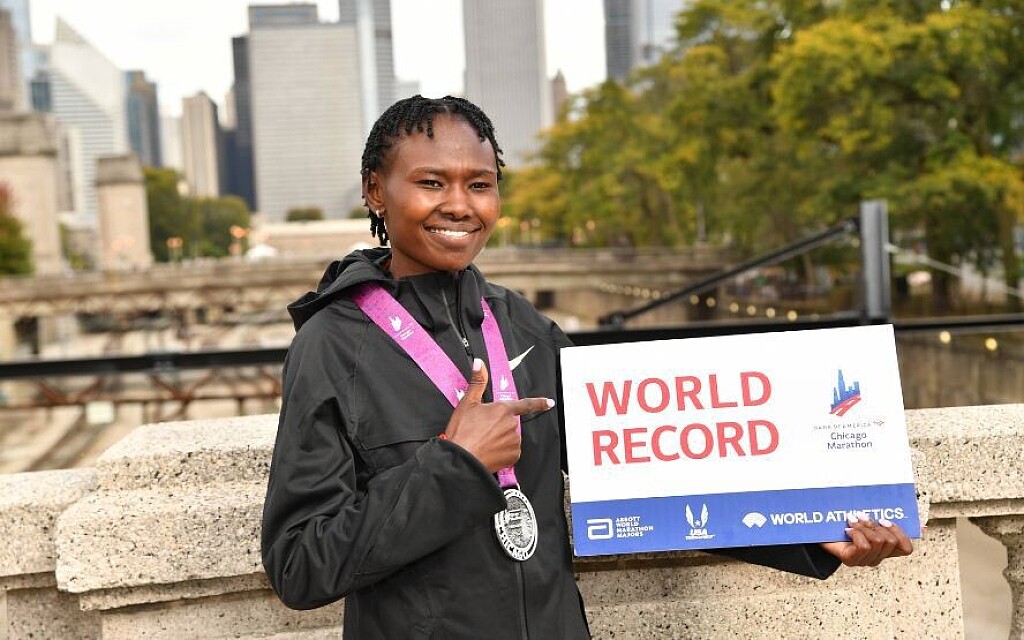
'Give Ruth the respect she deserves!'- Athletics Kenya jumps to Ruth Chepng'etich's defense following doping accusation
Athletics Kenya has defended Ruth Chepngetich after her record-breaking Chicago Marathon win, urging respect and dismissing doping accusations, emphasizing her consistent, hard-earned success.
Athletics Kenya has called for the respect of newly-crowned Chicago Marathon champion Ruth Chepng’etich who is fresh from breaking the marathon world record.
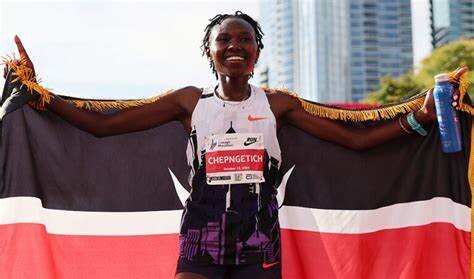
Ruth Chepng’etich clocked an impressive 2:09:56 to win the race at the Chicago Marathon, shattering Tigst Assefa’s previous record of 2:11:53 that she set to win the 2023 Berlin Marathon.
The Kenyan distance sensation ran a solo race to showcase her mastery of the course after winning the 2021 and 2022 editions of the race and finishing second behind Sifan Hassan at the 2023 edition of the event.
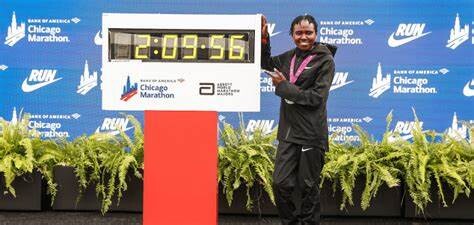
However, rumours have emerged that Ruth Chepng’etich might have doped following her impressive splits and that her world record might not be credible. However, Chepng’etich is one of the most consistent marathoners who has a lot of titles including the world marathon title she won at the 2019 World Championships in Doha, Qatar.
Following a ton of accusations, Athletics Kenya has jumped to her defence, urging the public to allow her to celebrate her huge feat and acknowledge her efforts as one of the most outstanding marathon runners in the world.
In a statement released on Wednesday, Athletics Kenya acknowledged her efforts, noting that she has been extraordinary in her performances for over five years and has joined the exclusive world of world record holders including Faith Kipyegon, Beatrice Chebet and Beatrice Chepkoech.
“In any case, many world records were broken this year, and to single her out is utterly unfair. It is therefore disheartening to witness some sections of the media casting unwarranted doubt on her achievements. Such aspersions, made without due process, undermine not only her efforts but the integrity of the sport,” Athletics Kenya said in a statement.
“We urge the media and the global community to give Ruth the respect she deserves and protect athletes from harassment. Let her celebrate this hard-earned victory and let us acknowledge the years of hard work and discipline that have brought her to this moment.”
The Kenyan federation was quick to note that every athlete, including Ruth Chepng’etich, underwent the required anti-doping tests and defended her performance on the global stage.
Login to leave a comment

Bank of America Chicago
Running the Bank of America Chicago Marathon is the pinnacle of achievement for elite athletes and everyday runners alike. On race day, runners from all 50 states and more than 100 countries will set out to accomplish a personal dream by reaching the finish line in Grant Park. The Bank of America Chicago Marathon is known for its flat and...
more...
Shirtless Florida man risks it all, running during Hurricane Milton
As Category 3 Hurricane Milton slammed into the southern coast of Florida on Wednesday night, the U.S. government issued an urgent plea for all residents to evacuate the storm’s deadly path. But for one Tampa runner, no storm—even one as powerful as Milton—could derail his marathon training.
In a moment that left reporters and viewers baffled during a live News Nation broadcast, a shirtless runner was spotted casually jogging through the hurricane’s fierce winds and torrential rain. The runner quickly went viral on Instagram and X, with many shocked at his audacity—or perhaps his madness. This moment reminds us of the running video from a 2015 snowstormin Portland.
He even flashed a smile and waved at News Nation field correspondent Brian Entin, who was reporting live from the storm’s chaos. Stunned, Entin remarked, “That’s a Florida man for ya, right there. Jogging in the hurricane!”

Meanwhile, the camera operator couldn’t help but follow the runner as he sprinted through the storm, seemingly unfazed by the hurricane’s wrath. Clad only in athletic shorts and sneakers, the runner acted as though he were out for a leisurely jog on a sunny day, rather than in the midst of a life-threatening storm surge.
Hurricane Milton brought devastating winds and catastrophic flooding to much of Florida’s Gulf Coast, leaving 3,000,000 people without power. With warnings as dire as, “If you stay, you will die,” the runner remained undeterred—Florida’s own real-life Forrest Gump—determined to hit his mileage goals. Because, after all, when you’ve got a race coming up, even a Category 3 hurricane can’t stop you.
Marathon training waits for nothing apparently—not even Hurricane Milton.
by Running Magazine
Login to leave a comment

Malaysian woman attacked by gang of otters on morning run
A woman’s routine morning jog in Sabah, Malaysia, took a terrifying turn when a gang of otters attacked her. Mariasella Harun was running through Tanjung Aru Recreation Park at 6 a.m. on Wednesday when she was reportedly surrounded by eight otters aggressively searching for food. At first glance, Harun mistook the group of otters for cats and continued her run. The water weasel octet then attacked her and fled the scene on foot.
Graphic footage from the incident shows Harun sitting on a curb in distress with wounds on her legs, arms and head. She was transported to a hospital for treatment, and local wildlife teams were deployed to monitor the otters’ activity in the area.


The teams found the otters likely entered the park to forage, and their altered behaviour could have been triggered by human interaction, such as feeding in the park’s pond. According to the Malaysian Wildlife Authority, this is the first reported attack by these creatures in the city. They plan to reinforce the park’s fence to prevent future attacks, urging visitors to avoid contact with the animals and maintain a safe distance from wildlife.
On Thursday, the mayor of the city of Sabah announced the closure of the park until further notice. While attacks of this nature are rare, the public has been advised to be cautious and refrain from feeding wild animals. The animals, related to wolverines and honey badgers, can display aggressive tendencies when provoked or threatened. Officials plan to monitor the park over the next week to mitigate the risk of future encounters with the otters.
Login to leave a comment
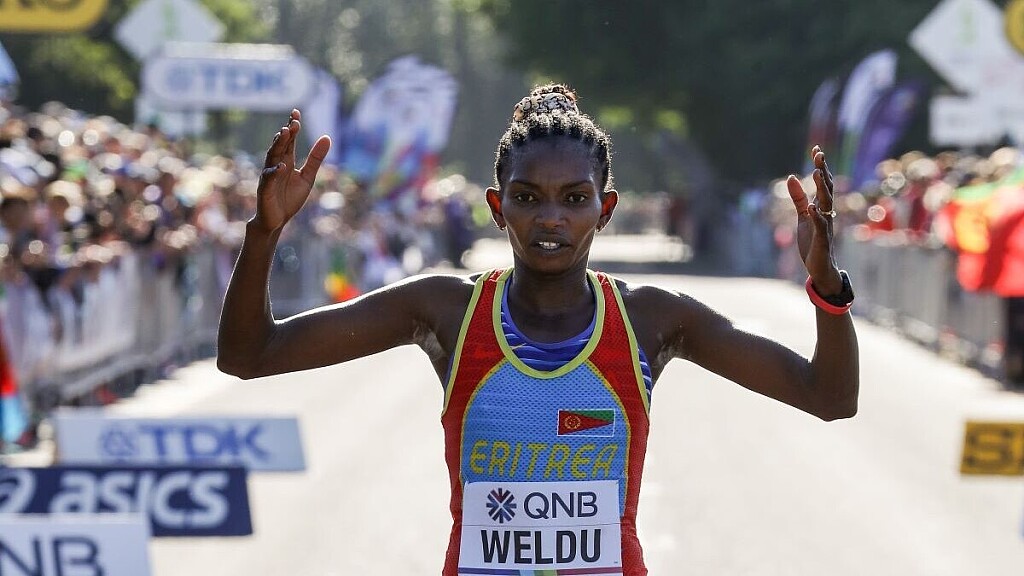
Eritrean marathon national record holder suspended on whereabouts
Eritrea’s Nazret Weldu, who finished fourth and eighth in the last two World Athletics Championships, has been handed a 20-month suspension for missing multiple doping tests.
On Wednesday, the Athletics Integrity Unit (AIU) announced the suspension of Nazret Weldu, Eritrea’s marathon record holder and 2024 Vienna Marathon champion, for violating World Athletics’ whereabouts regulations. The 34-year-old athlete has been banned for 20 months after missing three out-of-competition tests within 12 months, initiating an automatic suspension under World Athletics anti-doping rules.
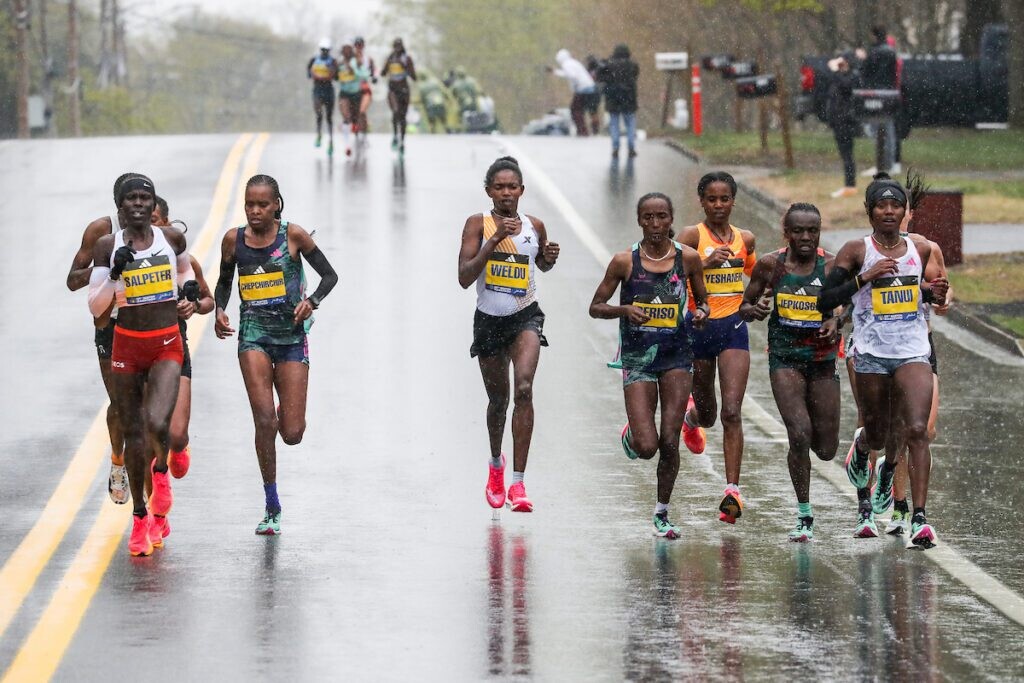
The AIU detailed that Weldu’s three missed tests occurred between Nov. 9, 2023, and May 22, 2024. All athletes are required to provide accurate and up-to-date location information to allow for unannounced doping tests, a critical component in maintaining a clean sport. Weldu was given several weeks after each missed test to provide an explanation but failed to do so before AIU deadlines.
Weldu has been one of the top-ranked female marathoners in the world over the last three years, having recorded two top-10 finishes at the World Championships and a personal best marathon time of 2:20:29, which also stands as Eritrea’s national record. In April 2024, she won the Vienna Marathon in 2:24:08.
While an initial two-year ban is the standard penalty for three missed tests, Weldu’s suspension was reduced by four months. The AIU took into consideration her limited access to the internet and a lack of understanding of how to update her whereabouts information. Eritrea, her home country, has low internet penetration, with only 35 per cent of the population connected to a network.
The AIU and World Athletics rely on the whereabouts system to detect doping violations and ensure fairness in sport. Missing three tests is treated with the same severity as a positive doping result, underscoring the importance of accurate whereabouts information.
by Marley Dickinson
Login to leave a comment
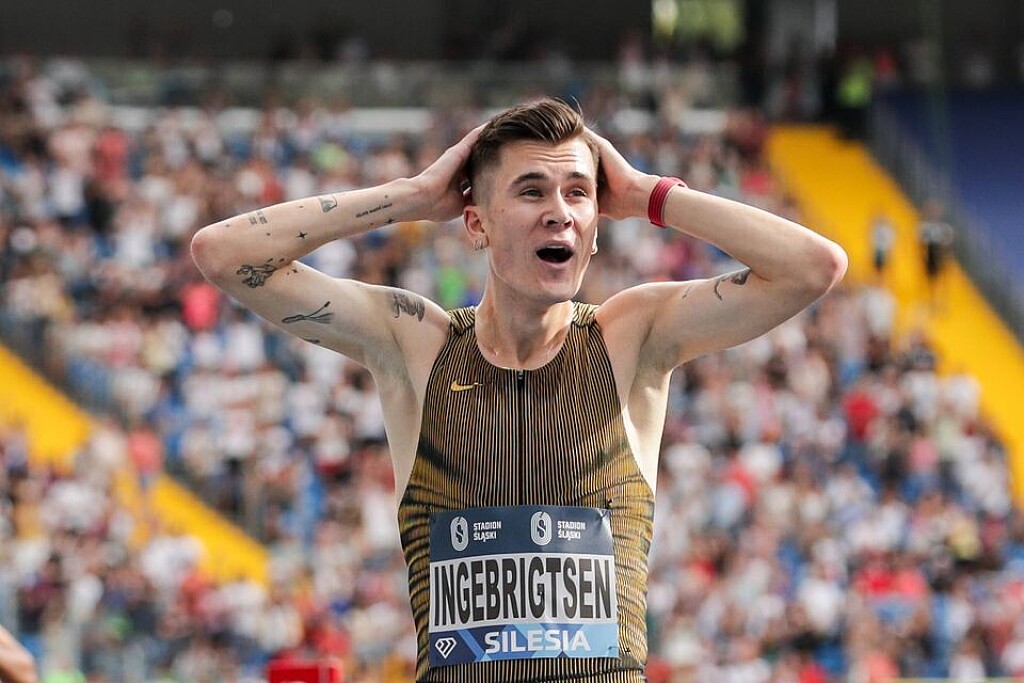
Newly-crowned world record holder in four-hour police interrogation over feud with his father
The Olympics champion, who set a new world record at the weekend, had to endure a long grilling exercise by Norwegian authorities in a case where his father is accused of abuse.
Newly-crowned world 3,000m record holder Jakob Ingebrigtsen was interrogated by police in Norway over a case where his father Gjert Ingebrigtsen has been accused of mistreating his children.
Jakob Ingebrigtsen was grilled for four hours in Stavanger on Wednesday, his lawyer Mette Yvonne Larsen, saying it was in relation to the case of violence against a family member involving his father that took place between 2018 and 2022.
"There has been follow-up of his previous interrogations and timing of events. It has gone very smoothly,” Larsen told Norwegian media.
"Are there plans for new interrogations? Since he has now been in three long interrogations, and that there will be a subsequent reading of these, I do not think it will be relevant to re-examine him.”
When Gjert Ingebrigtsen was charged with mistreatment of one of his children, the police dropped the cases against several of the other children but the decision was overturned following an appeal by Jakob Ingebrigtsen.
The hearings would be postponed until August after the athlete sought ample time to rest and prepare for the Paris 2024 Olympics in July.
He went on to win gold in the 5,000m, after a disappointing fourth place finish in the 1,500m, and announced his intentions of finishing the season strongly by lowering the 3,000m world record at the Silesia Diamond League in Poland last weekend.
The 23-year-old smashed the 3,000m world record of 7:20.67 set by Kenya’s Daniel Komen in 1996, setting a new mark of 7:17.55, in the Polish city.
Gjert Ingebrigtsen, the father and former coach of Jakob Ingebrigtsen, was charged with one count of physical abuse against a family member by Norwegian authorities.
In October 2023, brothers Henrik, Filip and Jakob Ingebrigtsen came forward with claims of physical violence and abusive behavior by their father and former coach, who has denied all the allegations.
by Joel Omotto
Login to leave a comment

'What has he done to deserve it?' - Why Noah Lyles will not put up his Olympic gold medal in prospective challenge against Tyreek Hill
Lyles has dismissed the idea of betting on his gold medals as well as Hill's NFL rings, citing he is "not interested" as the war of words between the two over who is faster continue.
American sprint sensation Noah Lyles has firmly declined the idea of using his Olympic gold medal as a wager in a potential race against NFL star Tyreek Hill.
Lyles, who recently clinched the gold in the 100 meters at the Paris Olympics, is open to racing Hill, but only on his terms—over the 100-meter distance, widely recognized as the definitive race for determining the fastest man on the planet.

The public feud between Lyles and Hill began after the Miami Dolphins wide receiver took aim at Lyles over comments he made in 2023, criticizing American sports leagues for referring to their champions as "world champions."
Hill, in an interview with Kay Adams, was quick to dismiss Lyles’ opinion, especially after the sprinter’s bronze medal finish in the 200 meters, where he tested positive for COVID-19 after the race.

“Noah Lyles can’t say nothing after what just happened to him,” Hill said during the podcast. “Pretend like he’s sick, I feel like that’s horseradish. So for him to do that and say that we’re not world champions of our sport, come on, bruh. Just speak on what you know about, and that’s track.”
Hill later escalated the tension by challenging Lyles to a 50-yard dash, boldly claiming he would come out on top. “I would beat Noah Lyles,” Hill asserted. “I wouldn’t beat him by a lot, but I would beat Noah Lyles.”
Lyles, however, was unimpressed by Hill’s challenge and made it clear during a Wednesday interview on the Dan Patrick Show that his Olympic gold medal is off the table.
“What has he earned to deserve that status?” Lyles asked rhetorically. “He plays football and is a great football player, but you do not get to jump the line because you think you are fast. There are tons of those people out there.”
When asked if he would be interested in one of Hill’s NFL rings as a wager, Lyles was dismissive. “I do not want a Super Bowl ring. I am very content with my Olympic medals,” he stated.
Lyles also doubled down on the conditions for any potential race, stating that it would have to be in the 100 meters or not at all. “Again, I’m not here to do gimmicks,” Lyles told NBC News. “You want to challenge me, ‘the world’s fastest man,’ if you want to challenge that, you have to challenge that in his event.”
Lyles further referenced NFL wide receiver DK Metcalf’s attempt to compete in the 100 meters, noting that Metcalf had the courage to face sprinters on the track in a legitimate event.
In May 2021, Metcalf ran the 100 meters in 10.36 seconds at the USATF Golden Games and Distance Open, finishing ninth in his heat. While he didn’t qualify for the Olympic Trials, Metcalf’s effort was praised by Lyles as a serious attempt to prove his speed.
“Any time someone fast comes up, he would try to race them. If he really wanted to race people, he would’ve showed up like DK Metcalf,” Lyles said in a separate interview on Night Cap.
“The man [Hill] dodges smoke. I don’t got time for that. He’s challenging me. We’re racing in the 100, we can race. If he’s truly serious about it. If he’s truly serious about it, and I’m not talking about you’re just talking on the internet … you’ll see me on the track.”
by Mark Kinyanjui
Login to leave a comment
