

Running News Daily
Running News Daily is edited by Bob Anderson and team. Send your news items to bob@mybestruns.com Advertising opportunities available.
Index to Daily Posts · Sign Up For Updates · Run The World Feed
Articles tagged #2026
Today's Running News
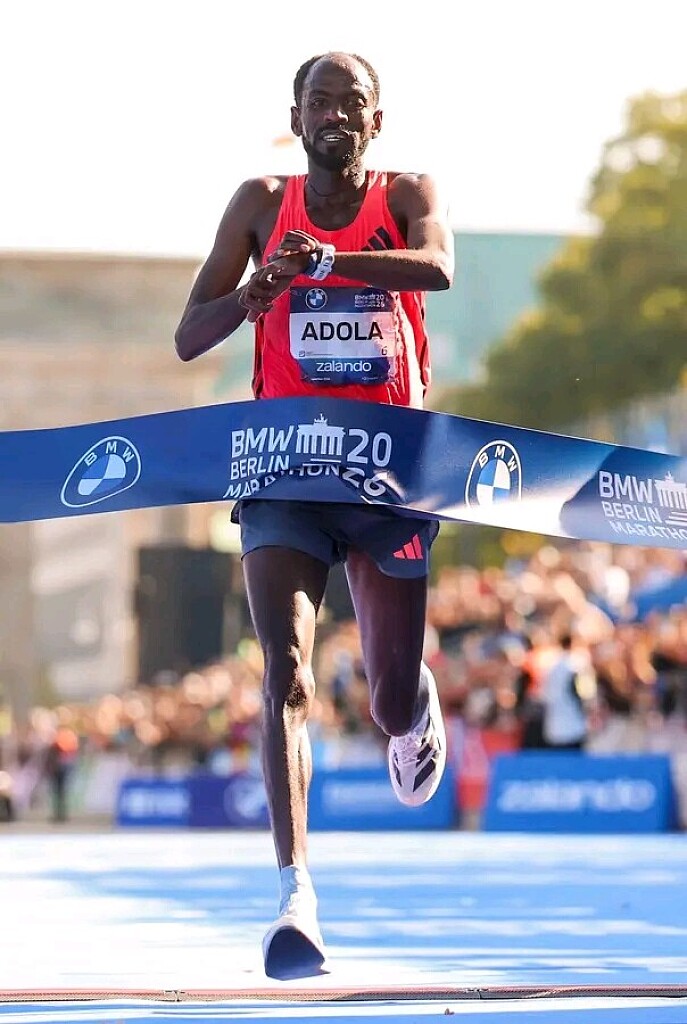


Guye Adola Rewrites His Berlin Story With Stunning 2:02:50 Victory
Ethiopia’s Guye Adola has produced a perfectly judged performance to win the 2026 BMW Berlin Marathon, returning to the streets where his marathon career began to claim his second Berlin title in a sensational 2:02:50.
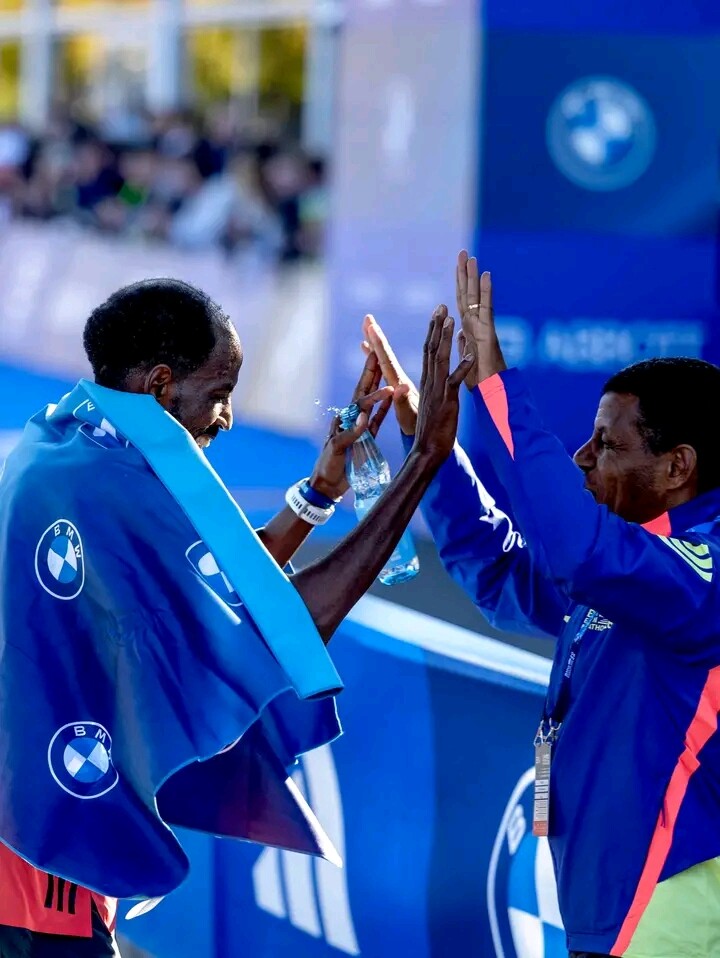
The 35-year-old Ethiopian controlled the race brilliantly before making his decisive move in the closing stages, crossing the finish line clear of compatriot Gemechu Dida Diriba, who finished second in 2:03:19. Adola’s winning margin was 29 seconds, underlining just how strongly he finished.
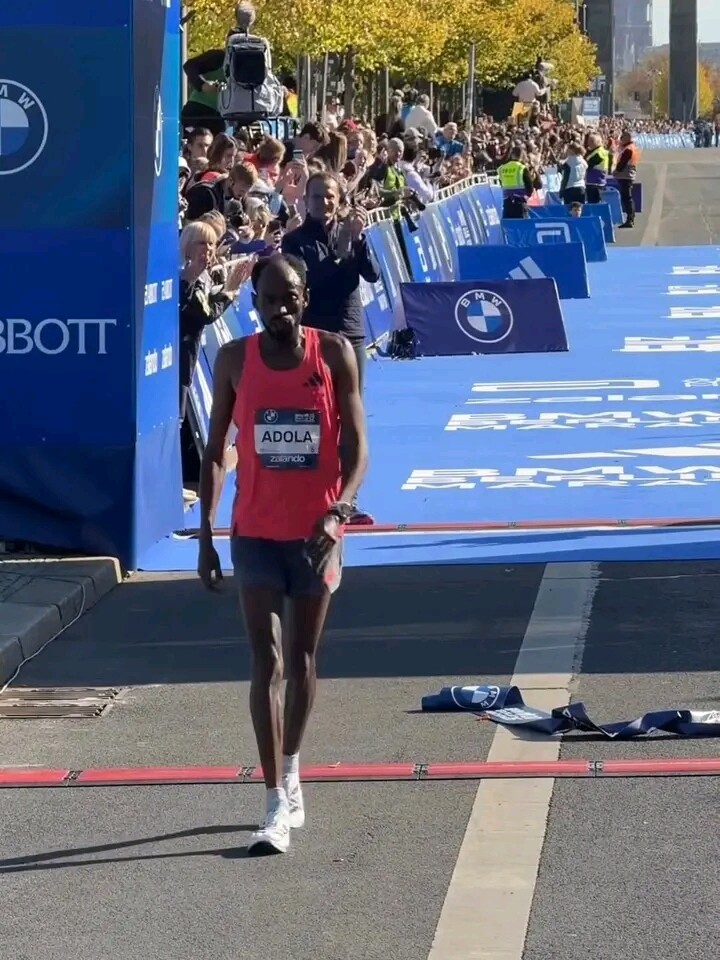
The victory adds another memorable chapter to Adola’s long association with Berlin. He first won the prestigious race in 2021, and five years later he returned to the German capital to produce the fastest marathon of his career.
Adola arrived in Berlin in excellent form after winning the Rotterdam Marathon in April in 2:03:54. That performance had placed him just eight seconds outside the personal best of 2:03:46 he had carried since his remarkable marathon debut in Berlin in 2017.
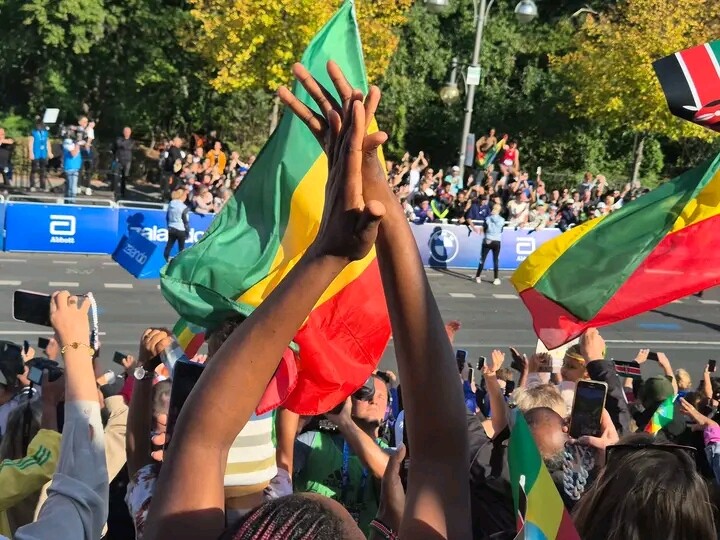
That debut remains one of the most memorable first appearances over the marathon distance. Adola stayed ahead of Eliud Kipchoge deep into the race before the Kenyan eventually overtook him. Adola finished second in 2:03:46, just 14 seconds behind Kipchoge, producing the fastest marathon debut at the time.
For years, that performance remained the benchmark of his career.
Even when Adola returned to Berlin in 2021 and won the race, he could not improve his debut mark. His breakthrough finally came in Rotterdam this April, when he clocked 2:03:54 — a sign that another major performance could be approaching.
On Sunday, he delivered it.
With world record holder Sabastian Sawe and legendary Ethiopian Kenenisa Bekele both missing the race through injury, the men’s contest was wide open. The pacemakers were set up for an attempt at Eliud Kipchoge’s 2:01:09 course record, but the leading group reached halfway in 1:01:01, already outside record pace.
The race gradually began to break apart as the kilometres passed.
By 30 kilometres, three Ethiopians had established themselves at the front — Adola, Olympic 10,000m champion Selemon Barega and Gemechu Dida.
Then came the decisive move.
After 35 kilometres, Adola increased the pace and began creating daylight between himself and the chasing group. Nobody could respond as the experienced Ethiopian steadily extended his advantage.
This time, there would be no late comeback.
Adola remained composed through the final kilometres before powering toward the finish in 2:02:50, taking an extraordinary 56 seconds off his previous personal best.
Gemechu Dida followed in 2:03:19 to secure an Ethiopian one-two, while Tanzania’s Gabriel Gerald Geay, the fastest athlete on the start list with a 2:03:00 personal best, completed the podium in 2:03:59.
Although Kipchoge’s course record survived for another year, Adola had achieved something equally significant for his own career — he had transformed his long-standing Berlin story into a new chapter.
From finishing second to Kipchoge on his marathon debut in 2017, to winning the race in 2021, and now returning five years later to run 2:02:50, Adola has repeatedly found his best moments on the streets of Berlin.
At 35, the Ethiopian has shown that experience, patience and perfectly timed aggression can still produce extraordinary results at the highest level of marathon running.
Top 10 — 2026 Berlin Marathon Men’s Results
1. Guye Adola (Ethiopia) — 2:02:50
2. Gemechu Dida Diriba (Ethiopia) — 2:03:19
3. Gabriel Gerald Geay (Tanzania) — 2:03:59
4. Getaneh Molla (Ethiopia) — 2:04:55
5. Selemon Barega (Ethiopia) — 2:04:58
6. Asefa Boki (Ethiopia) — 2:05:32
7. Andamlak Belihu (Ethiopia) — 2:05:55
8. Shura Kitata (Ethiopia) — 2:06:04
9. Yuhei Urano (Japan) — 2:06:09
10. Tadu Abate (Ethiopia) — 2:07:16
For Guye Adola, this was more than another marathon victory. Berlin is where his marathon story began, where he once pushed Kipchoge to the limit, and where he has now returned to produce the biggest performance of his career. His 2:02:50 victory not only gives him a second Berlin crown but also proves that, nine years after his stunning debut, his story at the Brandenburg Gate is still being written.
by Erick Cheruiyot for My Best Runs.
Login to leave a comment

BMW Berlin Marathon
The story of the BERLIN-MARATHON is a story of the development of road running. When the first BERLIN-MARATHON was started on 13th October 1974 on a minor road next to the stadium of the organisers‘ club SC Charlottenburg Berlin 286 athletes had entered. The first winners were runners from Berlin: Günter Hallas (2:44:53), who still runs the BERLIN-MARATHON today, and...
more...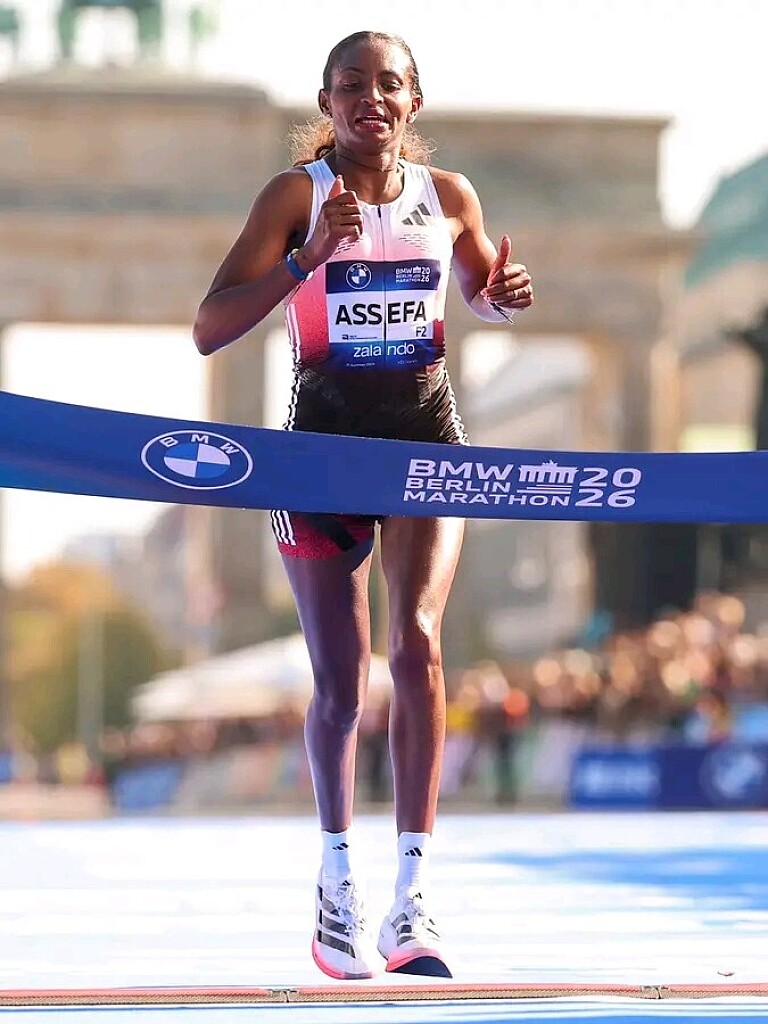
Agony In Victory: Tigst Assefa Fights Through Final-Kilometre Struggles To Win Berlin Marathon
Ethiopia’s Tigst Assefa produced one of the most dramatic performances of the 2026 BMW Berlin Marathon, winning the women’s race in a stunning 2:11:04 after seeing a potential world-record run unravel in the closing stages.
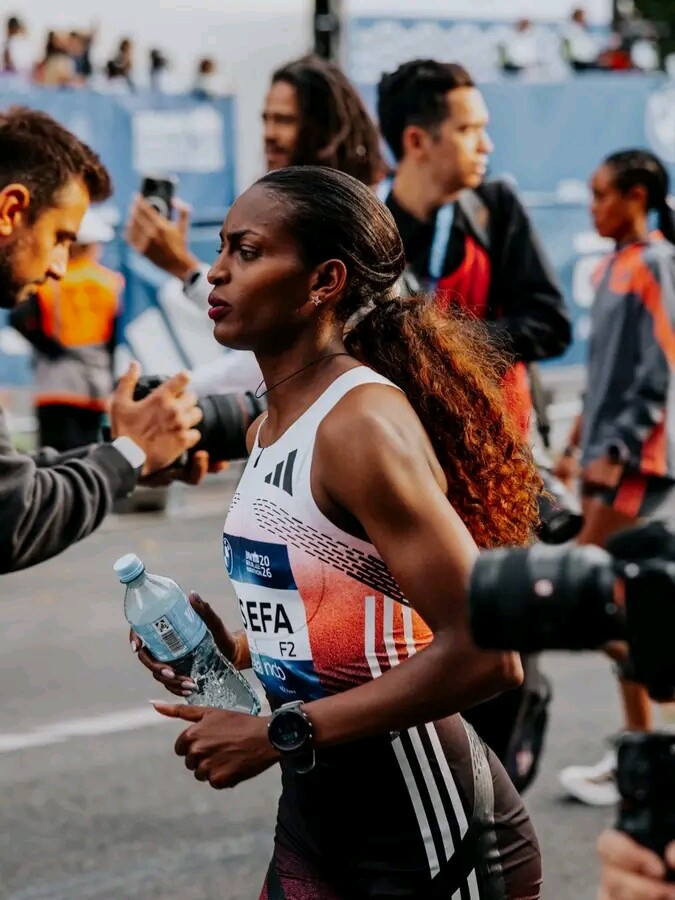
The 29-year-old Ethiopian arrived in Berlin with one enormous target in mind—the 2:09:56 world record set by Kenya’s Ruth Chepngetich in Chicago in 2024. For much of the morning, Assefa looked perfectly positioned to attack the mark.
Running patiently behind her pacers, she remained on world-record schedule through halfway. At 35 kilometres, the Ethiopian was still moving at a pace that put the global record within reach, and even with only seven kilometres remaining, the possibility of history remained very much alive.
Then the race changed dramatically.
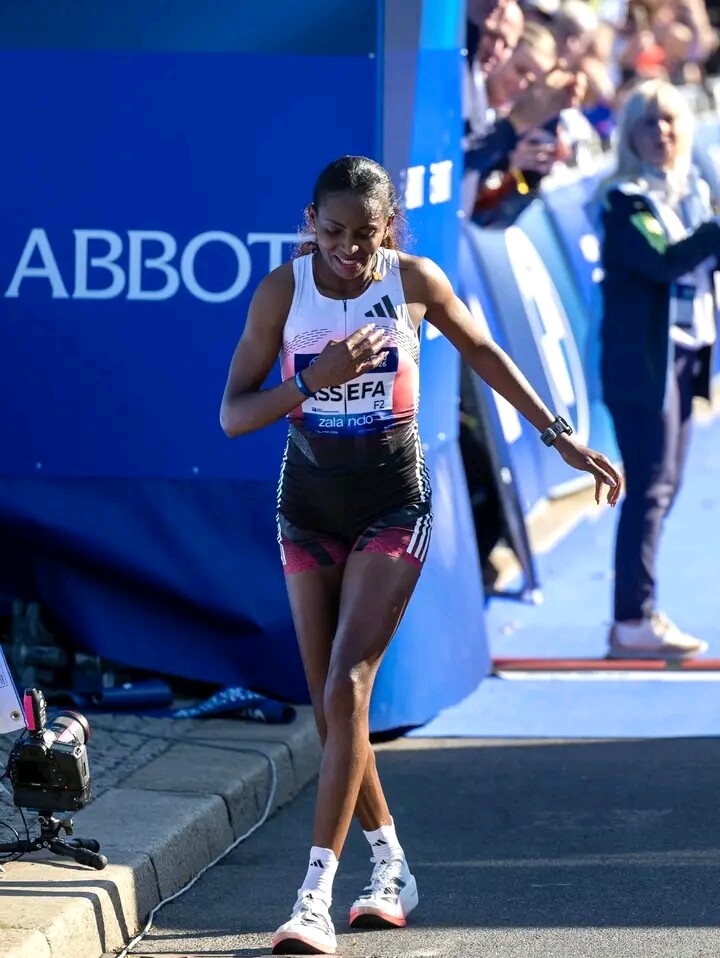
As the kilometres ticked down, Assefa’s pace began to slip. In the closing kilometre, she appeared to be struggling badly and started to limp, turning what had been a world-record assault into a desperate battle to reach the finish line.
The record was gone—but Assefa refused to surrender the race.
Despite the apparent physical setback and the immense fatigue of the final stages, she kept moving forward and crossed the line in 2:11:04, securing her third Berlin Marathon victory.
The final time was 1 minute and 8 seconds outside Chepngetich’s world record, but Assefa still walked away with an extraordinary collection of achievements: a new personal best and a new Berlin course record.
And the course record she broke was her own.
Assefa previously ran 2:11:53 in Berlin in 2023, a performance that established a world record at the time. Three years later, she returned to the same course and took an astonishing 49 seconds off that mark.
The performance also places Assefa among the fastest women ever to run the marathon, with only two women having recorded faster times.
Her Berlin story has now entered another remarkable chapter. Assefa has won the prestigious race three times—2022, 2023 and 2026—and each victory has come with a course record.
Her relationship with the German capital has therefore become extraordinary. Berlin has repeatedly been the place where Assefa has transformed ambition into historic performances, and Sunday was no different, even though the world record ultimately remained beyond her reach.
Her remarkable season had already included another major achievement. Five months ago in London, Assefa lowered her own women-only marathon world record to 2:15:41, further establishing herself as one of the defining marathoners of her generation.
But Berlin demanded something different from her.
This was no longer simply about speed. It became a test of resilience as the world-record dream disappeared and the final kilometre became a fight against exhaustion and apparent physical discomfort.
Assefa kept going.
She pushed through the pain, reached the finish line and secured another historic victory on the streets that have played such a defining role in her career.
Behind Assefa, Ethiopia dominated the front of the field, with Bratu Hirpa and Dera Dida completing an Ethiopian 1-2-3. Bekelech Gudeta and Alemitu Tariku also finished inside the top five, underlining the depth of the Ethiopian challenge. Kenya’s Pascaline Jelagat led the Kenyan contingent in sixth, followed by Ethiopia’s Misgane Alemayehu, while Ludwina Chepngetich and Evaline Chirchir finished eighth and ninth respectively.
Top 10 Women’s Results – 2026 BMW Berlin Marathon
1. Tigst Assefa (Ethiopia) — 2:11:04
2. Bratu Hirpa (Ethiopia) — 2:16:53
3. Dera Dida (Ethiopia) — 2:16:55
4. Bekelech Gudeta (Ethiopia) — 2:18:58
5. Alemitu Tariku (Ethiopia) — 2:19:01
6. Pascaline Jelagat (Kenya) — 2:20:23
7. Misgane Alemayehu (Ethiopia) — 2:20:27
8. Ludwina Chepngetich (Kenya) — 2:21:25
9. Evaline Chirchir (Kenya) — 2:21:32
10. Aminet Ahmed (Ethiopia) — 2:21:45
The world record survived in Berlin. Her own course record did not.
And perhaps that is what makes the 2026 edition of the BMW Berlin Marathon another unforgettable chapter in the remarkable story of Tigst Assefa.
by Erick Cheruiyot for My Best Runs.
Login to leave a comment
BMW Berlin Marathon
The story of the BERLIN-MARATHON is a story of the development of road running. When the first BERLIN-MARATHON was started on 13th October 1974 on a minor road next to the stadium of the organisers‘ club SC Charlottenburg Berlin 286 athletes had entered. The first winners were runners from Berlin: Günter Hallas (2:44:53), who still runs the BERLIN-MARATHON today, and...
more...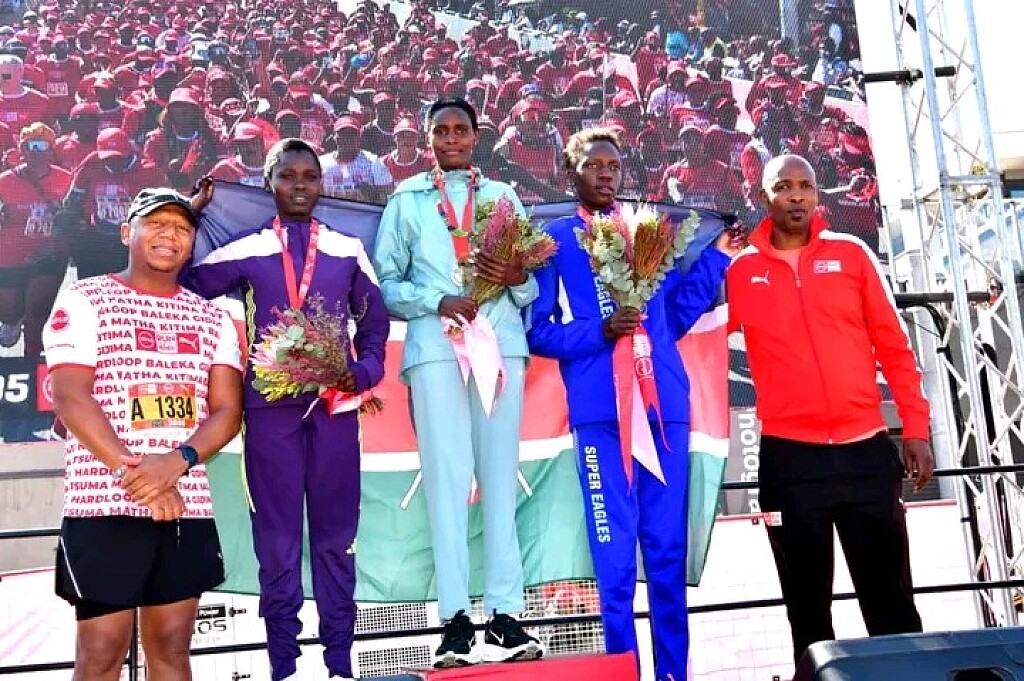
Kenyan Trio Completes Clean Sweep At 2026 Absa Joburg 10K
Kenya produced a commanding display on the streets of Johannesburg, South Africa, as Deborah Chemutai led a clean sweep of the women’s podium at the 2026 Absa Joburg 10K.

Chemutai delivered a strong winning performance to cross the finish line first in 32:50, securing victory and leading a remarkable Kenyan one-two-three in the South African road race.
She was followed by compatriot Mercy Chelimo, who battled her way to second place in 33:10, while Esther Borura completed the Kenyan domination by taking third in 33:27.
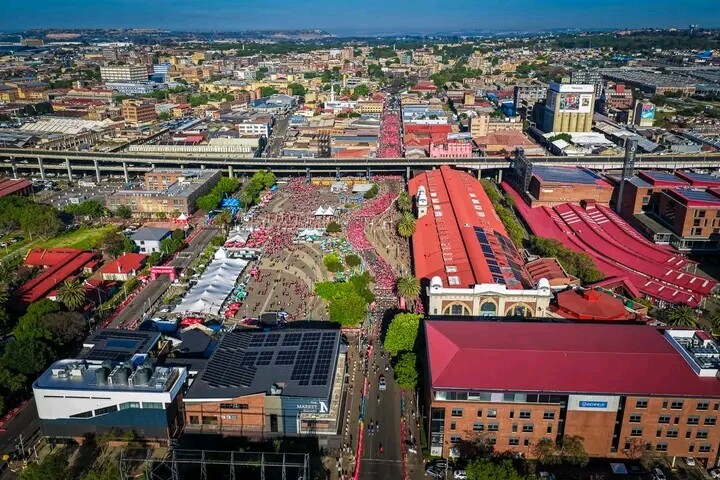
The result highlighted Kenya’s depth in women’s road running, with all three podium positions occupied by athletes from the East African distance-running powerhouse.
Chemutai’s victory was the centerpiece of an impressive Kenyan performance, as she maintained her advantage to claim the top step of the podium in Johannesburg. Chelimo and Borura ensured the Kenyan dominance extended through the leading positions, completing a memorable sweep.
The margin between the three Kenyans also made the podium battle particularly compelling. Chelimo finished just 20 seconds behind Chemutai, while Borura was another 17 seconds adrift, producing a closely packed Kenyan presence at the sharp end of the race.
Beyond the individual victory, the result underlined the remarkable depth available in Kenyan women’s road running. Producing the winner is one achievement, but occupying all three podium places demonstrates how strongly the country continues to feature when elite road races bring together talented distance runners.
For Chemutai, the Johannesburg triumph provided a memorable addition to her racing campaign, while Chelimo and Borura completed a result that will stand out from the 2026 edition of the Absa Joburg 10K. Together, the trio turned the women’s podium into a celebration of Kenyan running strength.
Women’s 10km Results
1. Deborah Chemutai (Kenya) — 32:50
2. Mercy Chelimo (Kenya) — 33:10
3. Esther Borura (Kenya) — 33:27
The Johannesburg finish therefore belonged entirely to Kenya, with Chemutai, Chelimo and Borura combining to produce a flawless podium sweep and underline the depth of Kenyan talent in the 10km road-racing scene.
by Erick Cheruiyot for My Best Runs.
Login to leave a comment

Absa Run Your City Joburg 10K
A proud Heritage Day Celebration, the Absa RUN YOUR CITY JOBURG 10K was founded in 2016 and celebrates the splendour of the City of Gold. Runners (and walkers) will be treated to a 10km journey that highlights iconic landmarks and features lively performances by a host of Joburg’s leading performing arts groups. A true highlight on the SA running calendar,...
more...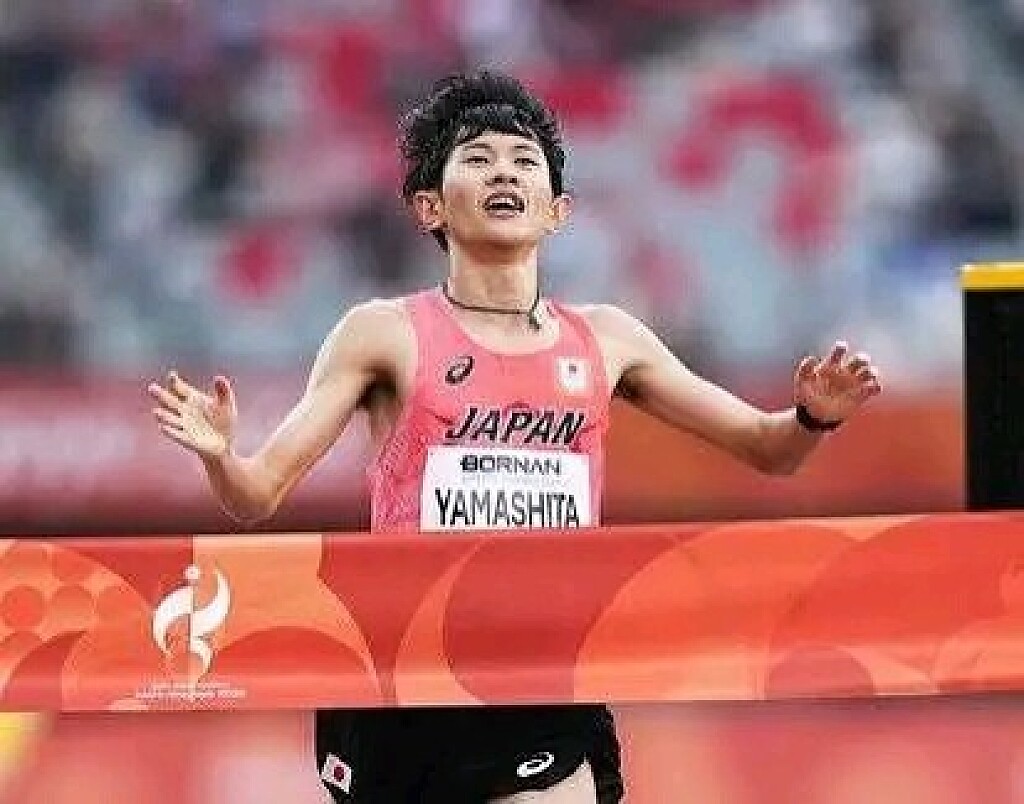
Ichitaka Yamashita Defies Brutal Heat to Strike Asian Games Marathon Gold on Home Soil
Japan’s Ichitaka Yamashita produced a composed and resilient performance to win the men’s marathon gold medal at the 2026 Asian Games, mastering a demanding race defined by intense heat and oppressive humidity.
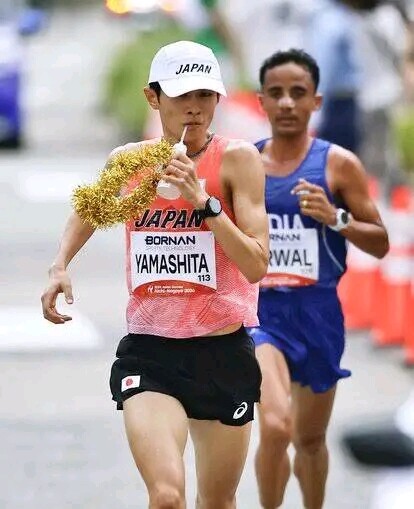
The local Olympian crossed the finish line in 2:10:49, holding his form through the punishing conditions to secure a memorable victory in front of the home crowd.
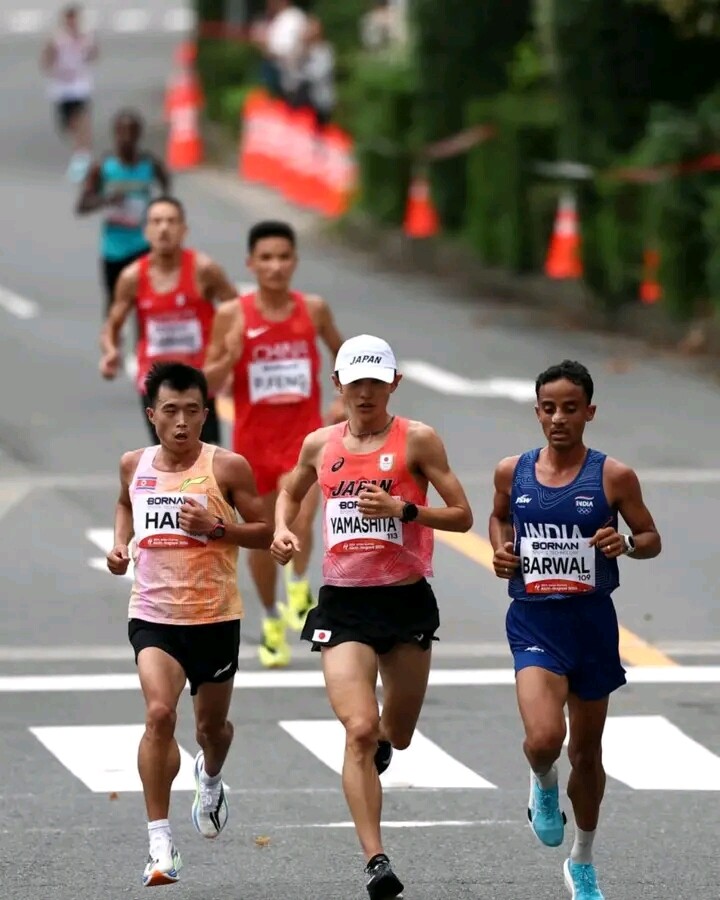
Yamashita’s triumph was built on patience and endurance as the challenging weather conditions tested the field from the opening stages. Rather than allowing the heat to dictate his race, the Japanese marathoner maintained his rhythm and produced the strength required when the decisive moments arrived.
India’s Sawan Barwal delivered an impressive performance to claim the silver medal in 2:11:37, finishing just 48 seconds behind the champion. Barwal showed considerable resilience throughout the demanding contest, securing India a place on the prestigious continental podium.
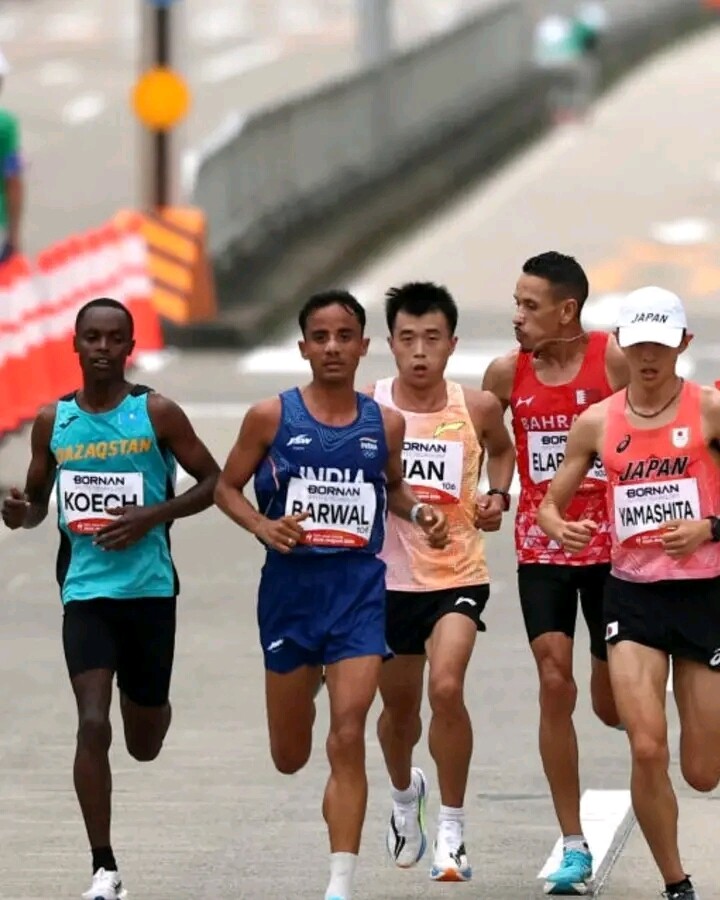
China’s Peiyou Feng completed the medal places with a strong bronze-medal performance, stopping the clock at 2:12:13. His run ensured that three different nations were represented on the men’s marathon podium.
The race highlighted just how unforgiving championship marathons can be, with the combination of distance, heat and humidity placing extraordinary demands on the athletes. In such conditions, finishing strongly becomes a test not only of physical preparation but also of tactical discipline and mental resilience.
Behind the leading trio, North Korea’s Han Il finished fourth in 2:12:21, narrowly missing out on the podium. Bahrain’s Elabbassi El Hassan followed in fifth with 2:12:45, while Indonesia’s Raden Syianturi secured sixth in 2:13:12.
Kazakhstan’s Sultan Koech placed seventh in 2:14:07, followed by South Korea’s Park Min in 2:15:35. Uzbekistan’s Sirojiddin Davlatov finished ninth in 2:17:44, while South Korea’s Kim Hyun completed the top 10 in 2:18:27.
Top 10 Men’s Marathon Results
1. Japan — Ichitaka Yamashita — 2:10:49
2. India — Sawan Barwal — 2:11:37 PB
3. China — Peiyou Feng — 2:12:13
4. North Korea — Han Il — 2:12:21
5. Bahrain — Elabbassi El Hassan — 2:12:45
6. Indonesia — Raden Syianturi — 2:13:12
7. Kazakhstan — Sultan Koech — 2:14:07
8. South Korea — Park Min — 2:15:35
9. Uzbekistan — Sirojiddin Davlatov — 2:17:44
10. South Korea — Kim Hyun — 2:18:27
For Yamashita, however, the difficult conditions ultimately became part of a memorable home victory. The Japanese Olympian has now added an Asian Games gold medal to his résumé, delivering when it mattered most and giving the home nation another major athletics moment to celebrate.
The final podium saw Japan’s Ichitaka Yamashita take gold, India’s Sawan Barwal silver and China’s Peiyou Feng bronze — a fitting reflection of the depth and competitiveness of men’s distance running across Asia.
by Erick Cheruiyot for My Best Runs.
Login to leave a comment
Joshua Cheptegei’s Road To The Marathon Takes Shape After World Half Marathon Bronze
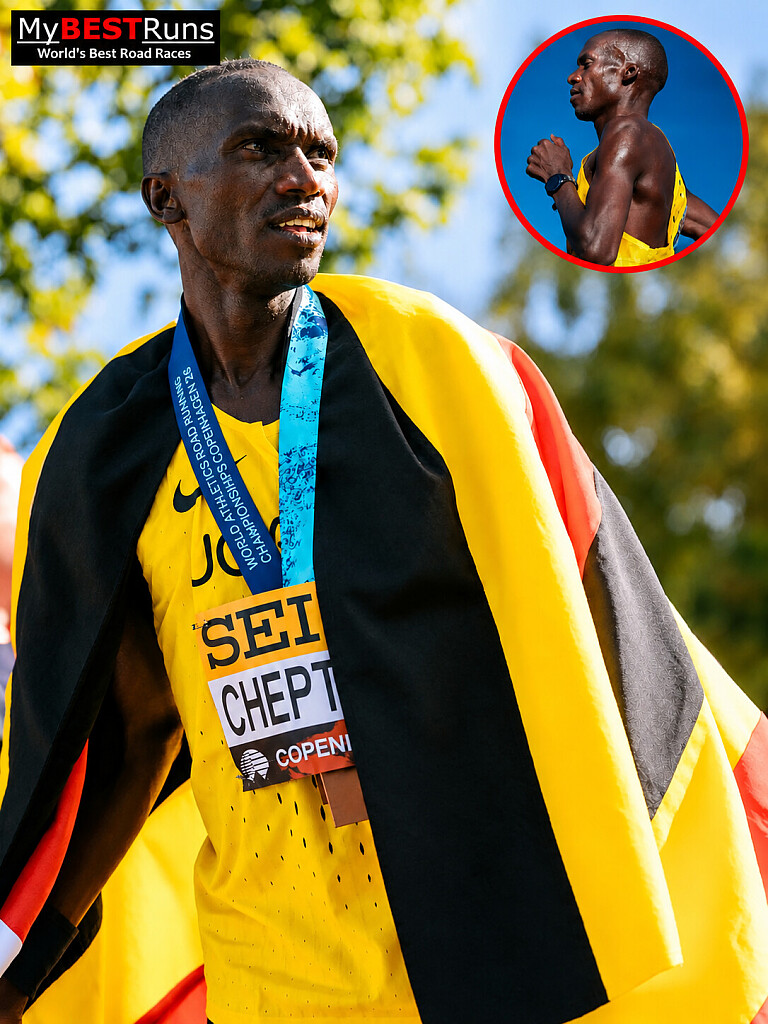
Uganda’s Joshua Cheptegei has added another significant milestone to his remarkable distance-running career, securing bronze at the 2026 World Athletics Road Running Championships in Copenhagen with a personal best of 58:26 over the half marathon.
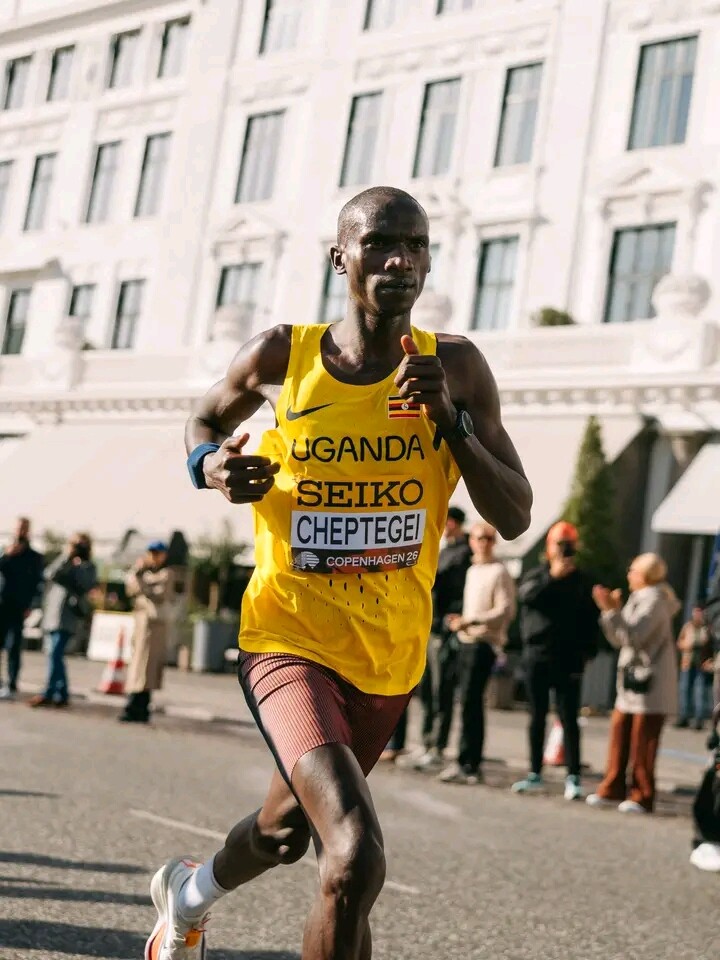
The performance marked a new chapter for the 30-year-old world record-holder, who had previously clocked 59:21 at the 2020 World Half Marathon Championships. In Copenhagen, Cheptegei improved that mark by 55 seconds while claiming his first individual medal on the road at a global championship.
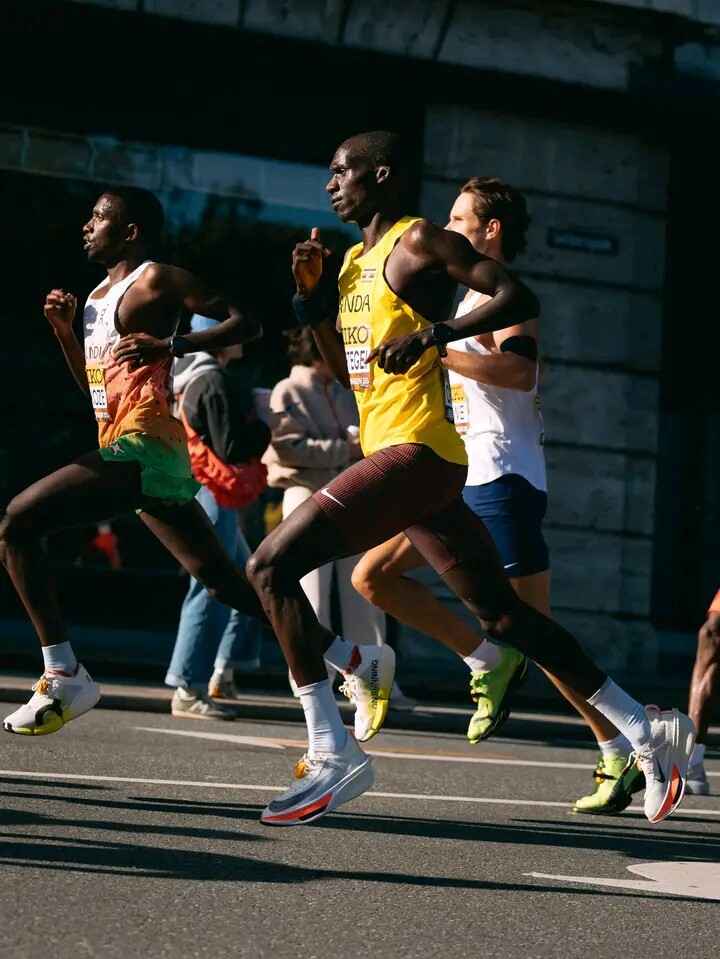
The race was won by Sweden’s Andreas Almgren in a European record of 58:06, with Kenya’s Nicholas Kipkorir taking silver in 58:11. Cheptegei finished 15 seconds behind Kipkorir and 20 seconds behind Almgren, completing a tightly contested podium in which all three athletes broke 58:30.
For Cheptegei, the result carries particular significance because of what he has already achieved on the track. In 2020, he established the men’s 5000m world record of 12:35.36 in Monaco before lowering the 10,000m world record to 26:11.00 in Valencia later that year. Both marks remain the current world records.
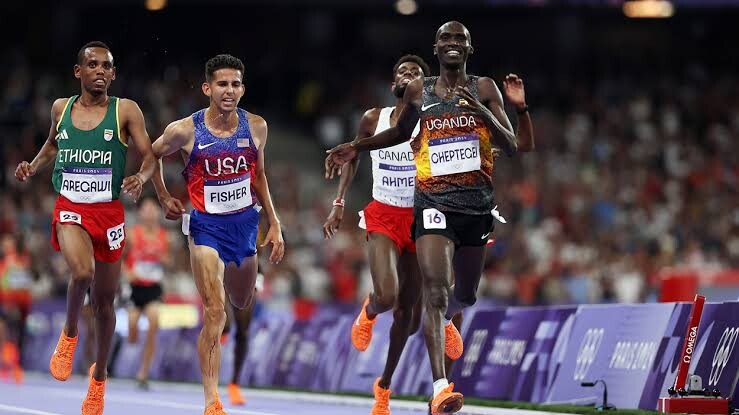
His Copenhagen performance also came during an extraordinary period for the men’s half marathon. Uganda’s Jacob Kiplimo ran 56:42 in Barcelona in 2025, although that performance was not ratified as a world record because the race conditions did not fully comply with World Athletics rules. Kiplimo later set the ratified world record at 57:20 in Lisbon in March 2026, before Ethiopia’s Yomif Kejelcha lowered it again to 56:51 in Buenos Aires in August.
Against that rapidly evolving road-running landscape, Cheptegei’s 58:26 places him among an increasingly competitive generation of athletes moving from the track to the roads. His Copenhagen run was not simply a podium finish; it was the fastest half marathon of his career and a clear demonstration of his continued development over longer distances.
The marathon is already familiar territory for Cheptegei. He made his debut in Valencia in December 2023, finishing 37th in 2:08:59 after going through halfway in 1:00:36. The experience was an important learning step as the Olympic and world champion began exploring the longest Olympic distance.
Now, after returning to the half marathon and producing a substantial personal best, Cheptegei is once again preparing to take on the marathon. The Copenhagen race formed part of his preparations for a marathon in the coming weeks.
The progression is striking. Cheptegei spent years defining an era on the track, setting world records, winning Olympic gold and collecting world titles. Now the challenge is different: adapting that extraordinary speed and championship experience to the demands of 42.195 kilometres.
His bronze medal in Copenhagen therefore feels like more than another entry on an already decorated résumé. It represents another step in the evolution of one of Uganda’s greatest distance runners — from a dominant track champion to an athlete increasingly testing himself against the very best on the roads.
The records that made Cheptegei a track legend remain untouched. But the next chapter of his career is being written on the roads — and Copenhagen may have provided another important glimpse of what could come next.
by Erick Cheruiyot for My Best Runs.
Login to leave a comment
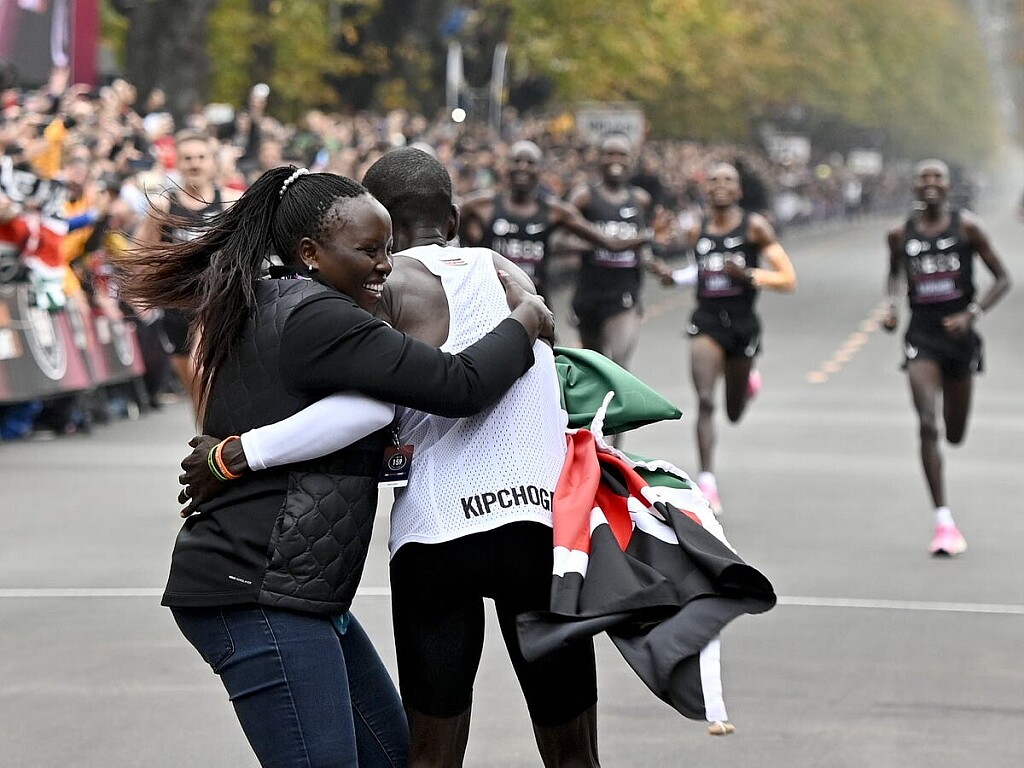
From Supporting Eliud Kipchoge To Chasing Her Own Marathon Dreams — Grace Sugut’s Journey Continues In Melbourne
For years, Grace Sugut has been a familiar presence alongside one of the greatest marathon runners in history, Eliud Kipchoge. Now, her own running story is beginning to take shape.

Sugut is preparing for the third marathon of her career when she lines up at the Nike Melbourne Marathon on Sunday, October 11, 2026, sharing the start line with her husband once again as Kipchoge continues his ambitious global marathon journey in Australia.
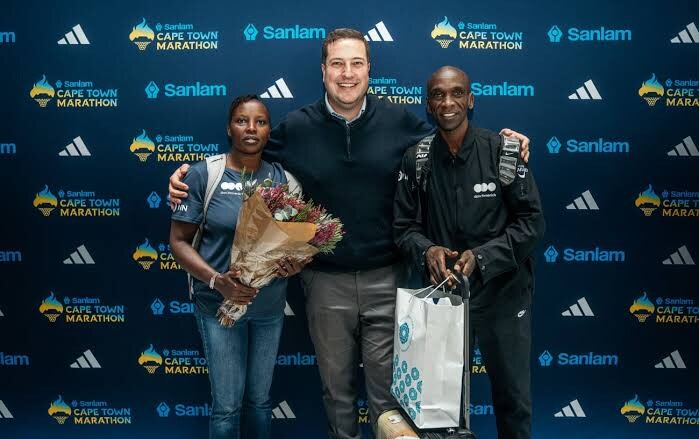
What makes Grace’s story particularly fascinating is the speed at which her marathon journey has developed. Rather than spending years building towards the distance, she has embraced the challenge in a relatively short period, travelling across continents and gradually establishing her own identity as a marathon runner.
Her journey began in Cape Town on May 24, 2026, where she completed her marathon debut in 4:29:59. That first race marked the beginning of a new chapter for a woman who had long been closely connected to marathon running through Kipchoge.
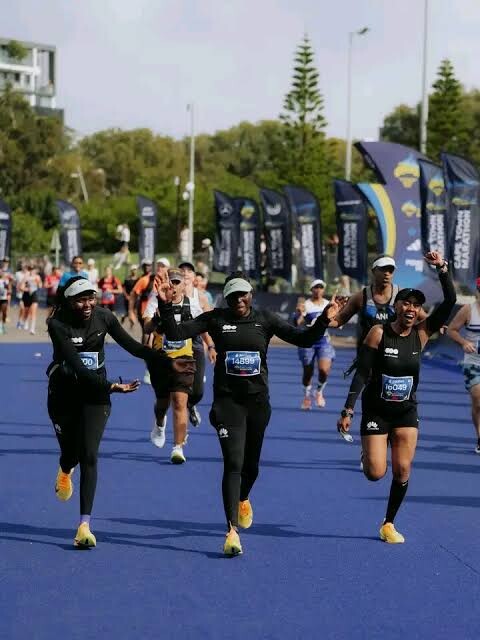
Just weeks later, she continued that adventure in South America, taking on the NB42K Porto Alegre Marathon in Brazil on July 12. The race provided another opportunity to gain experience over the demanding 42.195-kilometre distance and add another international marathon to her growing journey.
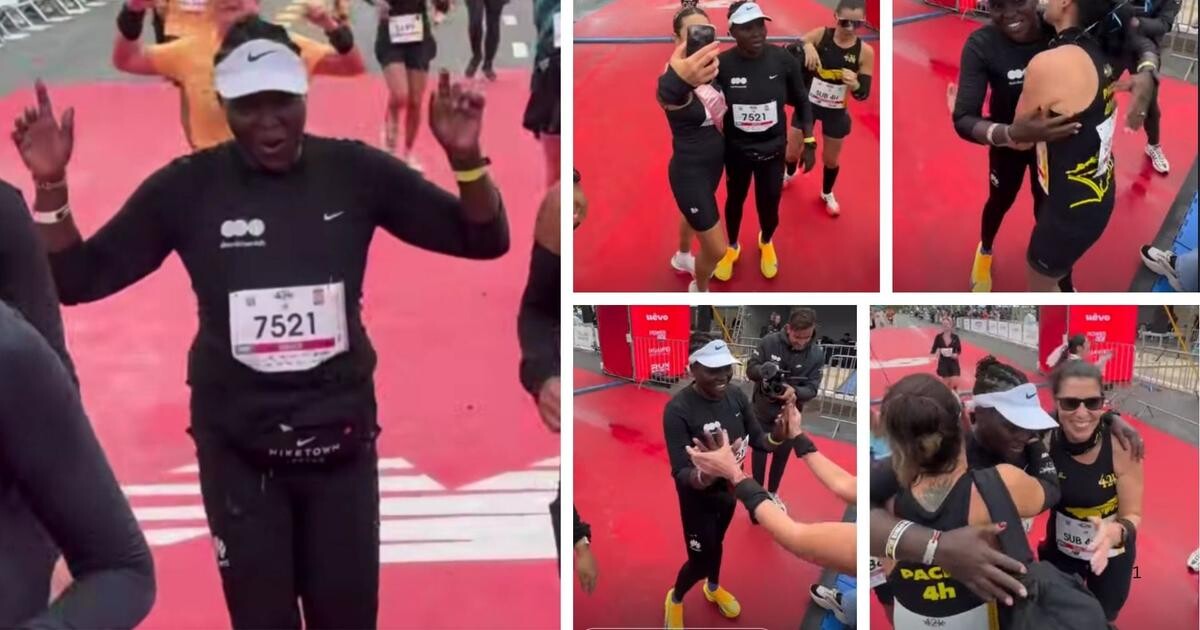
Now, Melbourne awaits.

The Nike Melbourne Marathon will give Grace another chance to test herself over the full marathon distance, this time on a redesigned course that organisers have made faster and flatter. The 2026 route features up to 20 per cent less elevation gain and 30 per cent fewer turns, while the race will once again finish inside the iconic Melbourne Cricket Ground.
The marathon starts at 6:15 a.m. from Batman Avenue before taking runners through some of Melbourne’s most recognisable areas and ultimately into the MCG for a memorable stadium finish.
For Grace, however, Melbourne represents more than another race on the calendar.
It places her directly inside the extraordinary global adventure being undertaken by her husband.
Kipchoge’s Eliud’s Running World project is taking him to seven marathons across all seven continents over a two-year period, combining marathon racing with a wider mission to bring communities together through running and support education and environmental initiatives through the Eliud Kipchoge Foundation.
Melbourne is the third stop of that journey, following Cape Town in South Africa and Porto Alegre in Brazil.
And this time, Grace is not simply accompanying the journey from the sidelines.
She is running it.
From Cape Town to Porto Alegre and now Melbourne, her progression reflects a personal transformation from being closely associated with marathon running through Eliud to taking on the distance herself.
There is something deeply compelling about that journey. While Kipchoge has spent more than a decade building one of the most celebrated marathon careers in history, Grace is beginning her own story from a very different starting point — learning the marathon one race, one continent and one kilometre at a time.
On October 11, thousands of runners will fill Melbourne’s streets, while the spectacular finish inside the MCG will provide the backdrop for another memorable day of marathon running.
Kipchoge will continue his seven-continent mission.
Grace Sugut will have a simpler but equally personal objective: to keep moving forward and complete another 42.195 kilometres.
From supporting a marathon legend to becoming a marathon runner herself, Grace’s journey is only beginning — and Melbourne could become another important chapter in a story that is already taking her around the world.
by Erick Cheruiyot for My Best Runs.
Login to leave a comment
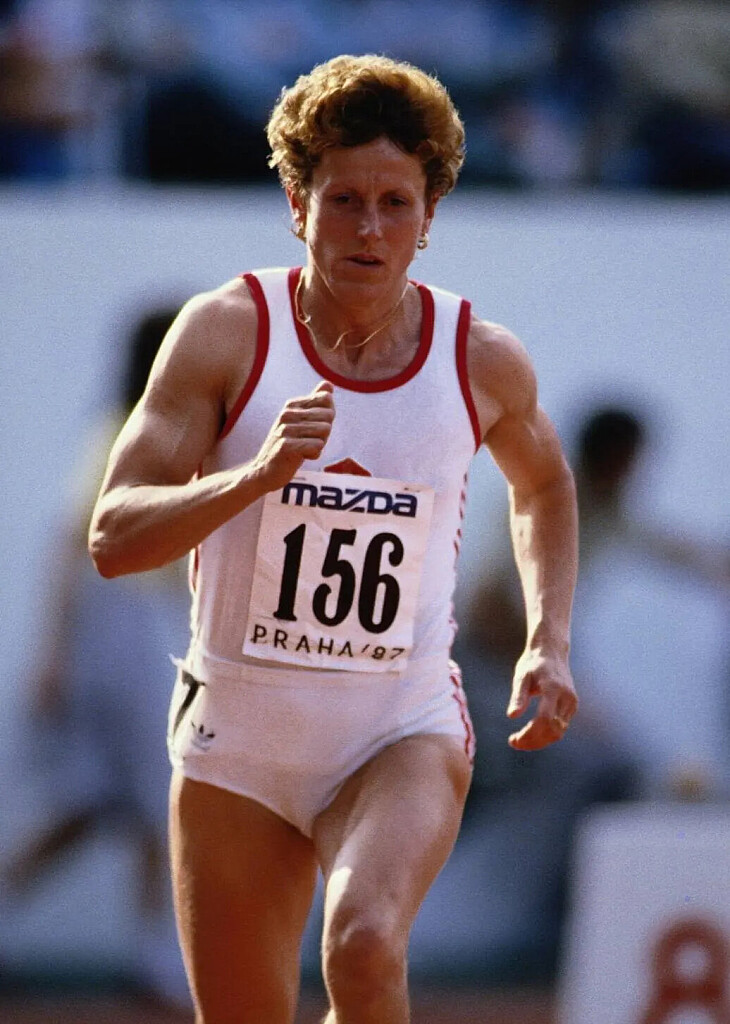
Oldest Running World Records: The Historic Marks That Refuse To Fall
Some world records are broken within months or even weeks. Others survive for years, becoming part of athletics history and turning every new generation of challengers into another chapter in their remarkable story.
As of September 25, 2026, a remarkable collection of long-standing running world records continues to stand across the track. At the top of that list is one of the most enduring marks in modern athletics: Jarmila Kratochvílová’s women’s 800m world record of 1:53.28, set in Munich in 1983. The record has now stood for 43 years, making it the oldest current outdoor track world record in athletics.
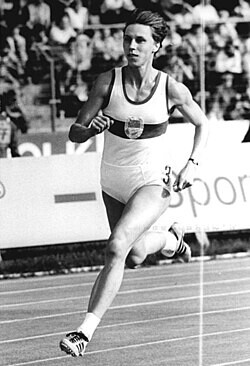
Kratochvílová’s performance remains extraordinary not only because of its longevity, but also because of how rarely athletes have come close to it. Decades after it was established, the 1:53 barrier remains one of the most formidable standards in women’s middle-distance running.
The next-oldest record on the board belongs to Marita Koch, whose 47.60 for the women’s 400m has remained untouched since 1985. Koch’s mark is now 40 years old, while Florence Griffith-Joyner’s extraordinary world records of 10.49 for 100m and 21.34 for 200m, both established in 1988, have survived for 38 and 37 years respectively.
Those records from the 1980s and early 1990s form one of the most intriguing chapters in athletics history. They belong to an era that produced performances still sitting at the very top of the all-time lists, with modern generations repeatedly attempting to reach standards that have resisted decades of competition.
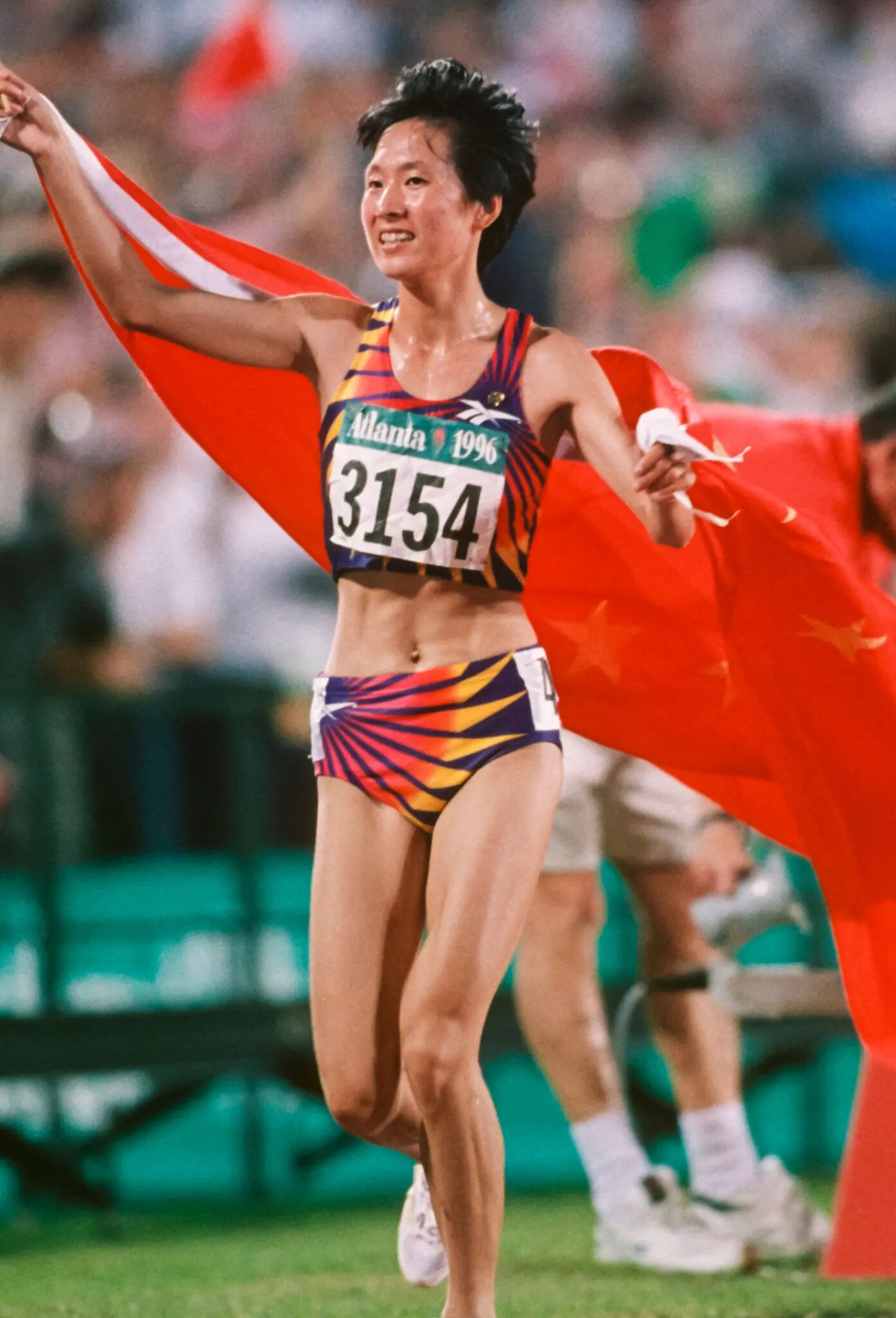
China’s Wang Junxia added another remarkable mark to that era when she ran 8:06.11 for 3000m in 1993. That record has now stood for 32 years, while Morocco’s Hicham El Guerrouj set the men’s 1500m world record of 3:26.00 in 1998, giving the list another mark that has survived for more than a quarter of a century.
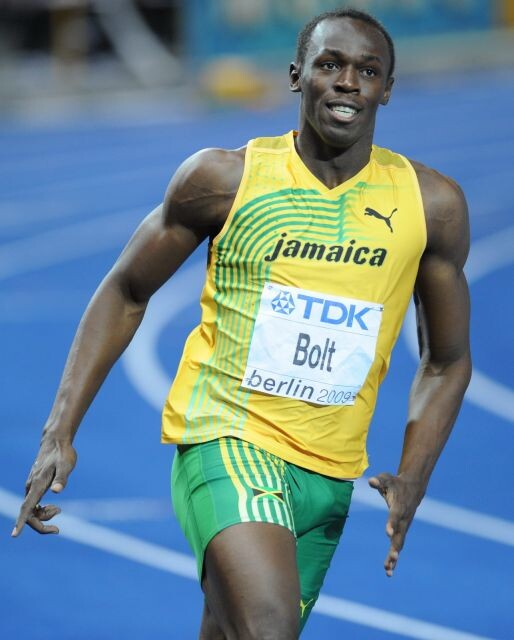
Then comes a different kind of longevity: the extraordinary sprint records of Usain Bolt.
Bolt’s 9.58-second 100m world record, set in Berlin in 2009, and his 19.19-second 200m record, established at the same championships, are now both 17 years old.
When Bolt produced those performances, many of today’s elite sprinters were still children. Yet despite enormous advances in training, sports science, track technology and competition, his two marks remain the standards that every new generation must chase.
The list also highlights the remarkable staying power of more recent records. Kenya’s David Rudisha set the men’s 800m world record of 1:40.91 at the London 2012 Olympics, while South Africa’s Wayde van Niekerk stunned the world with 43.03 in the 400m at the Rio 2016 Olympics.
Kenya’s Beatrice Chepkoech followed with her historic 8:44.32 world record in the women’s 3000m steeplechase in 2018. Uganda’s Joshua Cheptegei then established the men’s 5000m and 10,000m records in 2020, running 12:35.36 and 26:11.00 respectively.
More recently, Ethiopia’s Lamecha Girma set the men’s 3000m steeplechase world record at 7:52.11 in 2023, while Kenya’s Faith Kipyegon produced another landmark performance that year, running 4:07.64 for the women’s mile.
Together, these records create a fascinating timeline of athletics—from the pioneering performances of the 1980s to the spectacular achievements of the modern era. Some have survived for more than four decades, while others are still in the early stages of what could become an equally remarkable reign.
And that is what makes world records so captivating: every generation arrives believing that today’s impossible can become tomorrow’s target, yet some numbers continue to stand as enduring reminders of performances that changed the sport forever.
by Erick Cheruiyot for My Best Runs.
Login to leave a comment
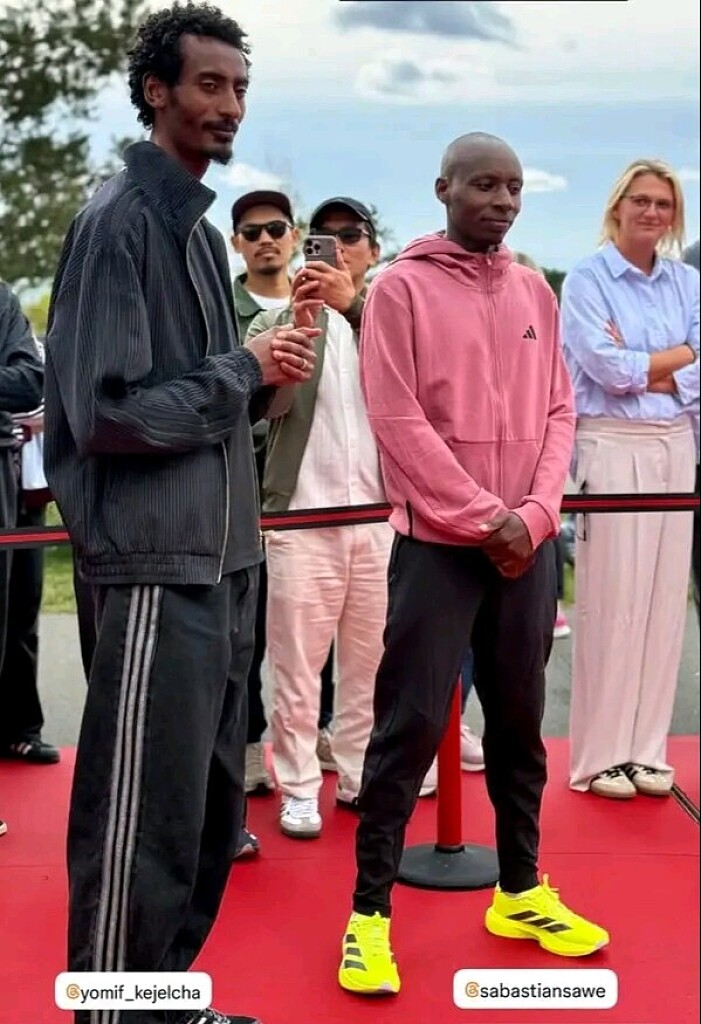
Sawe And Kejelcha Honoured At adidas Headquarters After Historic Sub-Two Marathons
Kenyan marathon star Sabastian Sawe and Ethiopian distance-running sensation Yomif Kejelcha have been honoured at the Adidas Group Headquarters in Herzogenaurach, Germany, following their historic sub-two-hour marathon performances in London.
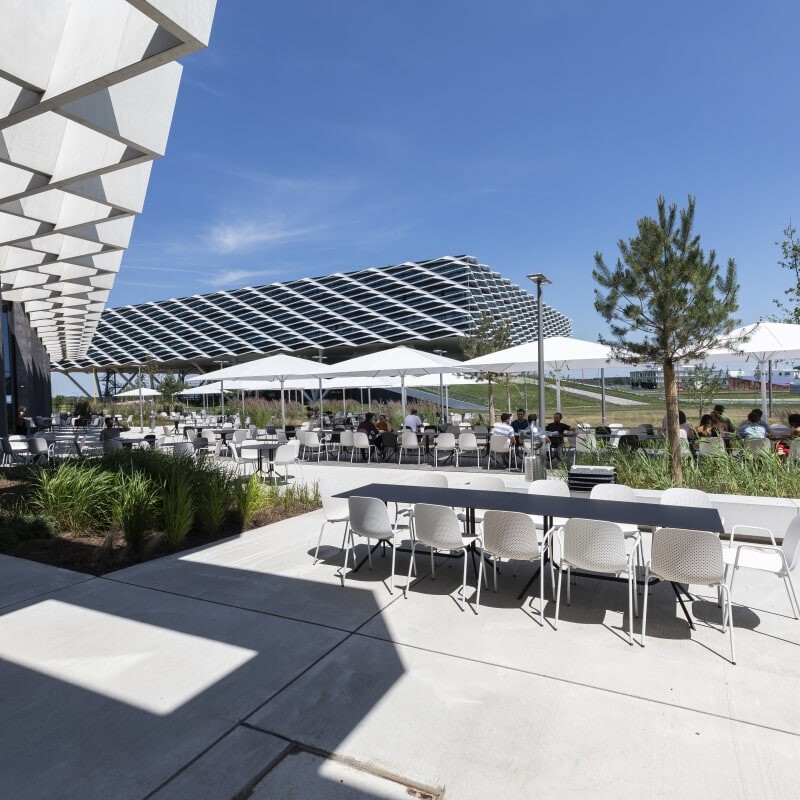
The adidas celebration brought together the only two men to have officially broken the two-hour barrier in record-eligible marathon races, marking a remarkable moment in the history of the sport.
Sawe etched his name into the record books at the 2026 London Marathon, producing an extraordinary 1:59:30 to become the first athlete to officially complete a record-eligible marathon inside two hours. His performance also lowered the previous world record by more than a minute.
Kejelcha followed closely behind with a stunning 1:59:41, making him the second-fastest marathoner in history and the second man to officially break the elusive two-hour barrier.
Together, Sawe and Kejelcha have achieved something that had remained beyond the reach of every marathoner before them. Their performances in London represented a defining moment for a discipline that has spent decades chasing the symbolic two-hour mark.
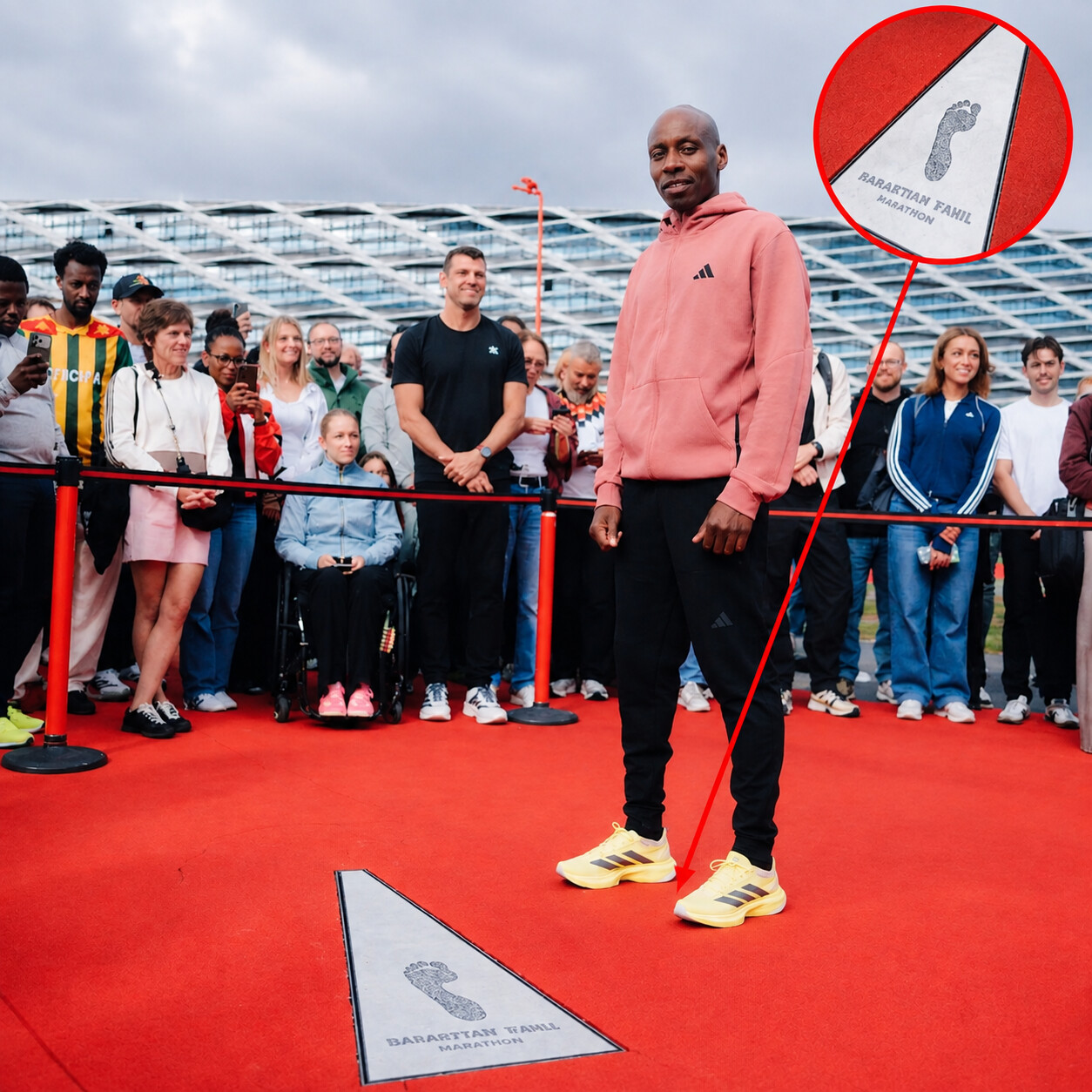
As part of the celebration at adidas headquarters, Sawe and Kejelcha were honoured for their groundbreaking achievements, with both Sawe and Kejelcha also leaving their footprints at the company's headquarters as a lasting physical reminder of their historic 1:59:30 and 1:59:41.

For Sawe, the visit provided another opportunity to commemorate the performance that transformed his career and pushed the limits of marathon running. His record-breaking run was achieved in adidas' Adizero Adios Pro Evo 3, further connecting the historic performance with the brand's technological development.
Kejelcha's achievement was equally significant. His 1:59:41 made him the second man to cross the two-hour threshold in an official marathon, placing him just 11 seconds behind Sawe and firmly establishing the Ethiopian among the greatest marathoners of the modern era.
Interestingly, neither of the two historic athletes will line up at this Sunday's BMW Berlin Marathon.
Sawe was scheduled to defend the title he won in Berlin in 2025, but an injury forced him to withdraw from this year's race. Kejelcha, meanwhile, will also be absent from the prestigious German marathon as he prepares for Valencia marathon in December, meaning the two men who recently rewrote the boundaries of the marathon will not be part of Sunday's elite field.
Their absence will nevertheless do little to diminish the significance of what they accomplished in London.
Two athletes. Two nations. One historic barrier.
Sawe's 1:59:30 and Kejelcha's 1:59:41 have created a new chapter in marathon history, and their performances are likely to remain a source of inspiration for generations of distance runners who will continue chasing the limits of human endurance.
by Erick Cheruiyot for My Best Runs.
Login to leave a comment
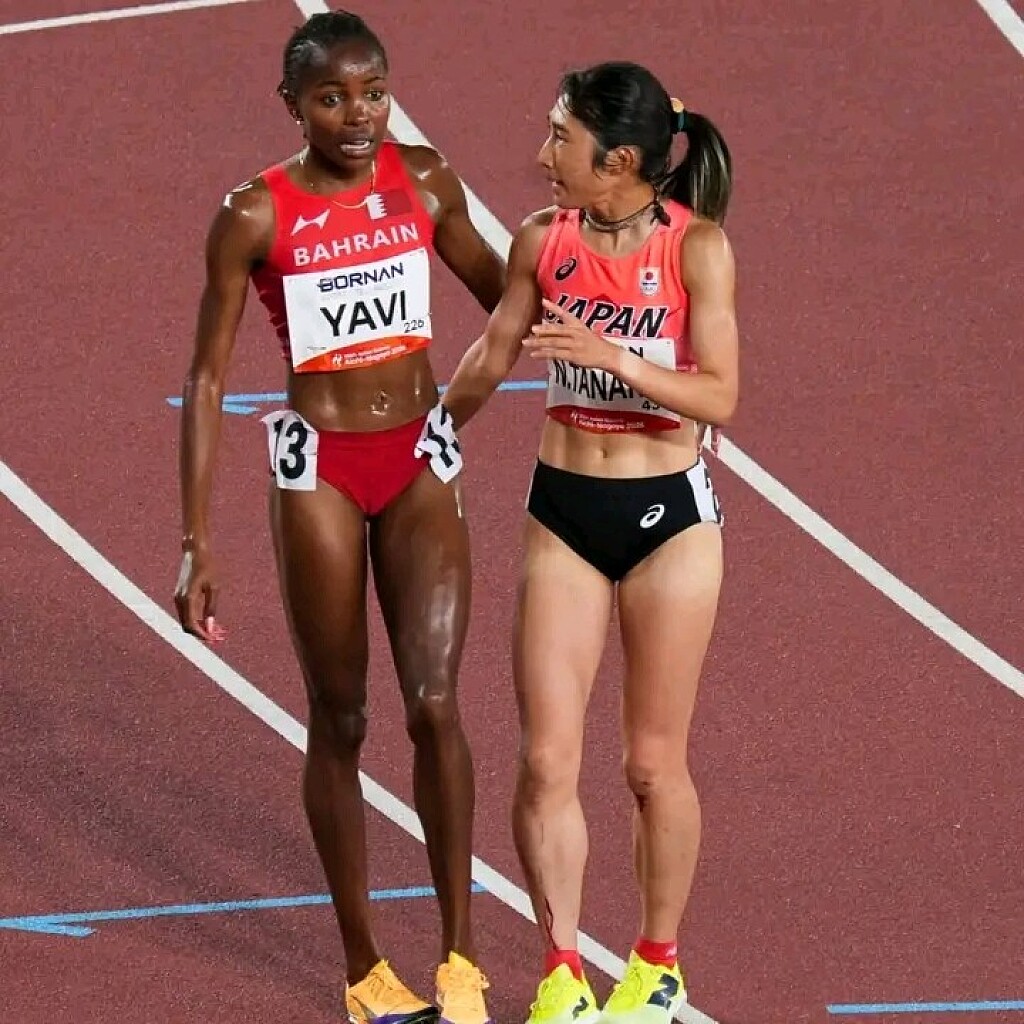
Winfred Yavi Holds Off Nozomi Tanaka To Win Asian Games 10,000m Gold
Winfred Yavi produced a powerful late surge to claim the women’s 10,000m title at the 2026 Asian Games in Aichi-Nagoya, edging Japan’s Nozomi Tanaka in a thrilling finish.
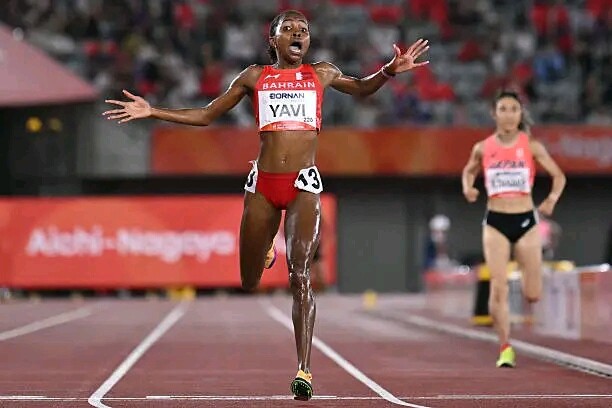
Yavi, representing Bahrain, stopped the clock at 32:39.18 to secure the gold medal, while Tanaka stayed within striking distance all the way to the final stages before crossing the line in 32:41.54 for silver. India’s Seema Kumari completed the podium in 32:50.05.
The race developed into a gripping battle as the leading group gradually separated from the field. Tanaka remained composed throughout the long-distance contest and positioned herself perfectly as the race entered its decisive stages.
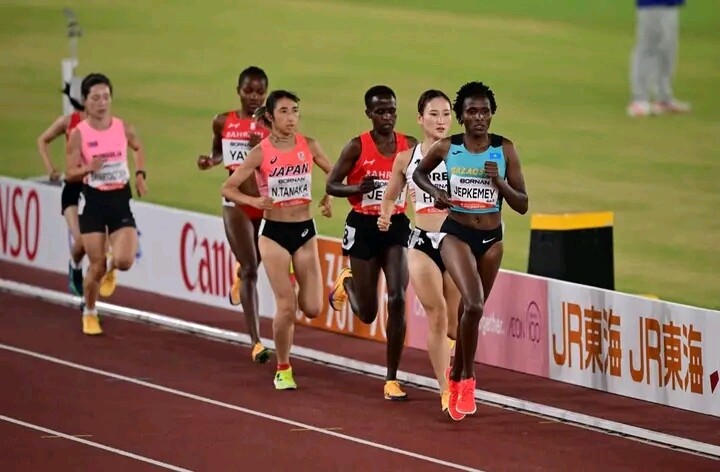
But when the medals were on the line, Yavi found another gear.
The Bahraini athlete produced the decisive acceleration over the closing stages, pulling away from Tanaka to secure gold. Tanaka fought all the way to the finish and settled for a hard-earned silver, while Kumari held on for bronze.
For Tanaka, however, the silver medal is only the beginning of an exceptionally demanding Asian Games campaign.
The Japanese distance star is attempting an ambitious 10,000m, 5,000m and 1,500m triple in Nagoya, meaning she still has two more events ahead of her. Having pushed Yavi to the limit over 10,000m, Tanaka will now have to recover quickly before turning her attention to the shorter distances.
Her performance in the 10,000m provides an encouraging start to that challenge and underlines the remarkable range she is bringing to these Games.
Kumari’s bronze, meanwhile, carried major significance for India. Her 32:50.05 ended a 16-year wait for an Asian Games women’s 10,000m medal, adding another important chapter to India’s history in the event.
The result produced a fascinating three-nation podium, with Bahrain taking gold, Japan silver and India bronze.
Yavi can now celebrate her Asian Games triumph, but Tanaka’s campaign is far from finished. With the 5,000m and 1,500m still to come, the Japanese star will have two more opportunities to add to her medal tally and complete one of the most demanding schedules of the Games.
by Erick Cheruiyot for My Best Runs.
Login to leave a comment
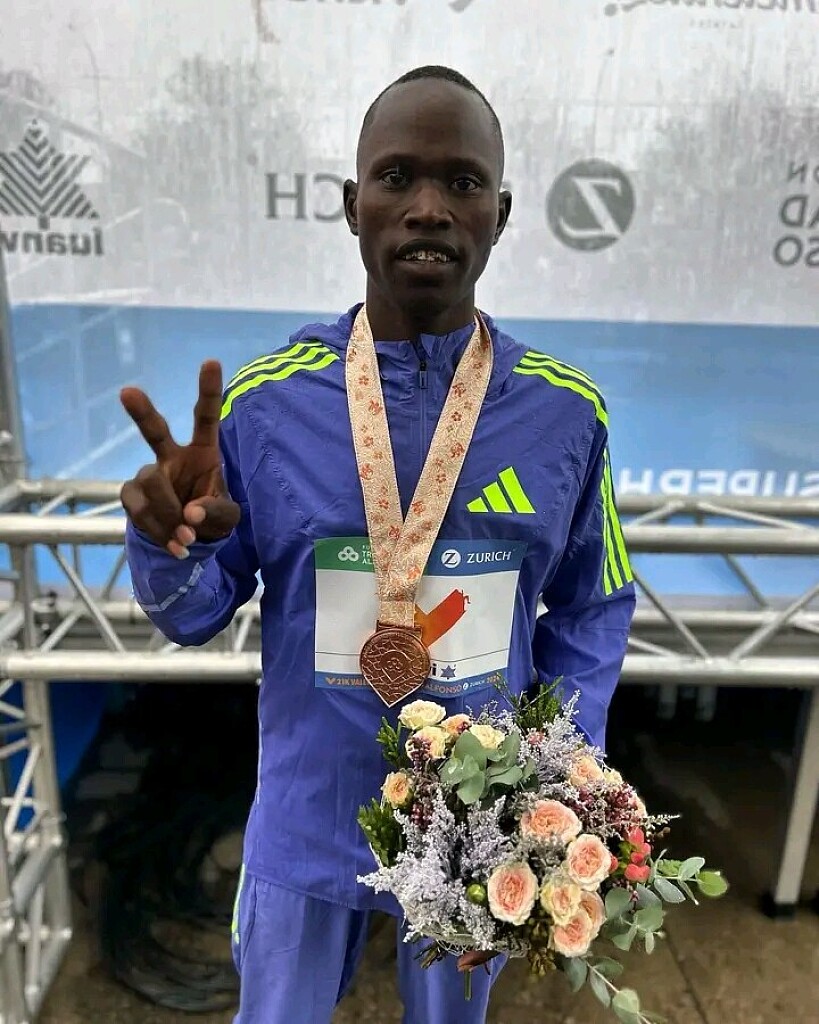
Isaia Lasoi Set For Highly Anticipated Marathon Debut In Amsterdam
Kenyan distance runner Isaia Kipkoech Lasoi is set to make his long-awaited marathon debut at the 2026 TCS Amsterdam Marathon on Sunday, October 18, stepping up to the 42.195-kilometre distance for the first time in what promises to be a high-quality international field.
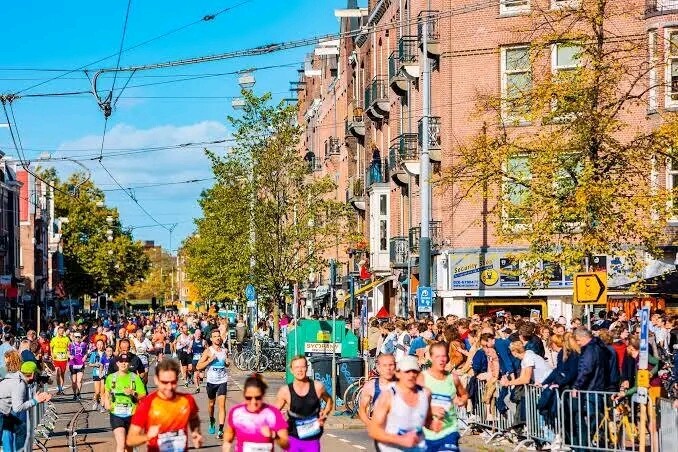
Lasoi arrives in Amsterdam with an impressive credential over the half marathon, having clocked a personal best of 58:10. His transition to the marathon will therefore be one of the major storylines to follow as he takes on a distance more than twice as demanding as the half marathon.
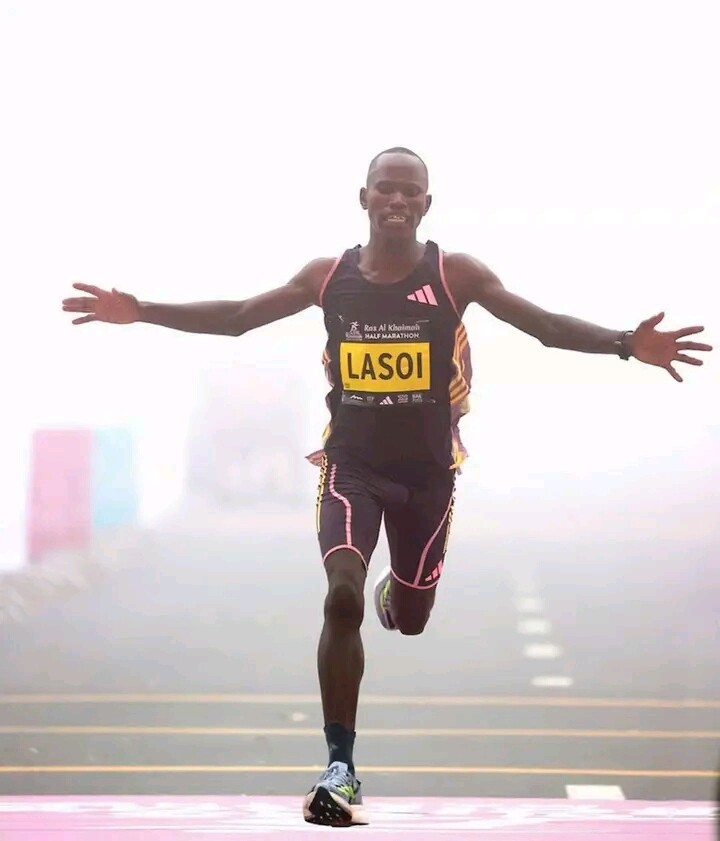
The 26-year-old Kenyan will face a formidable lineup that includes several athletes with marathon personal bests below 2:05. Leading the field is compatriot Geofry Toroitich Kipchumba, the defending champion and current Amsterdam course-record holder after his 2:03:30 victory last year. Kipchumba will return to the Dutch capital looking to defend his title and challenge his own record.
Ethiopia's Haymanot Alew is another major name on the start list, boasting a 2:03:31 personal best from Berlin in 2024, just one second outside Kipchumba's Amsterdam course record.
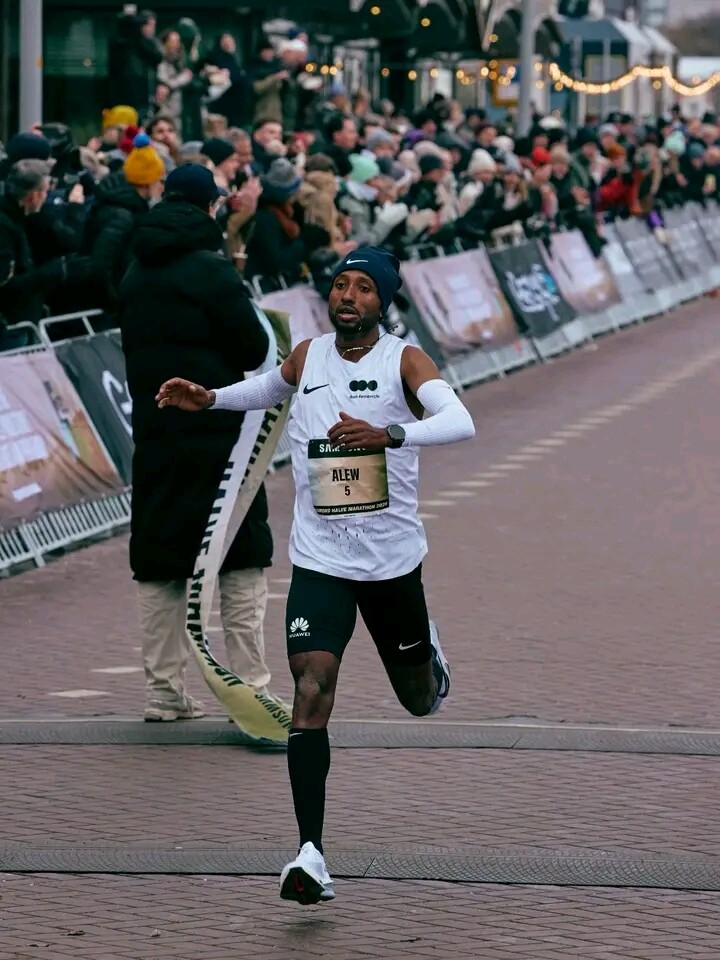
His compatriot Tsegaye Getachew will also return to a race where he has enjoyed considerable success. Getachew won the Amsterdam Marathon in 2022 and 2024 before finishing second last year in a personal-best 2:04:18.
The field also features Ethiopian marathoner Lemi Berhanu, who owns a personal best of 2:04:33, while Israel's Maru Teferi brings a 2:04:44 personal best set in Valencia in 2024.
With the Amsterdam course known for its fast profile and the race carrying a World Athletics Platinum Label, the stage is set for another potentially fast edition. The marathon starts at the Olympic Stadium, with the course taking runners past landmarks including the Rijksmuseum, along the Amstel River and through Vondelpark before returning to the Olympic Stadium for the finish.
For Lasoi, however, the focus will be on answering one intriguing question: how will his exceptional half-marathon speed translate over the full marathon distance?
His debut will provide the first major indication of his potential at 42.195 kilometres, while placing him alongside an experienced group of elite marathoners capable of producing world-class performances.
The confirmed names currently include Isaia Kipkoech Lasoi, Geofry Toroitich Kipchumba, Haymanot Alew, Tsegaye Getachew, Lemi Berhanu and Maru Teferi, setting up a fascinating international contest in Amsterdam on October 18.
by Erick Cheruiyot for My Best Runs.
Login to leave a comment
TCS Amsterdam Marathon
Do you want to enjoy Amsterdam in October and all that the city has to offer you? Want to feel a real athlete and start and finish in the historic Olympic stadium? Or run across the widely discussed passage under the beautiful National Museum? Then come to Amsterdam for the annual TCS Amsterdam Marathon in October! The TCS Amsterdam Marathon...
more...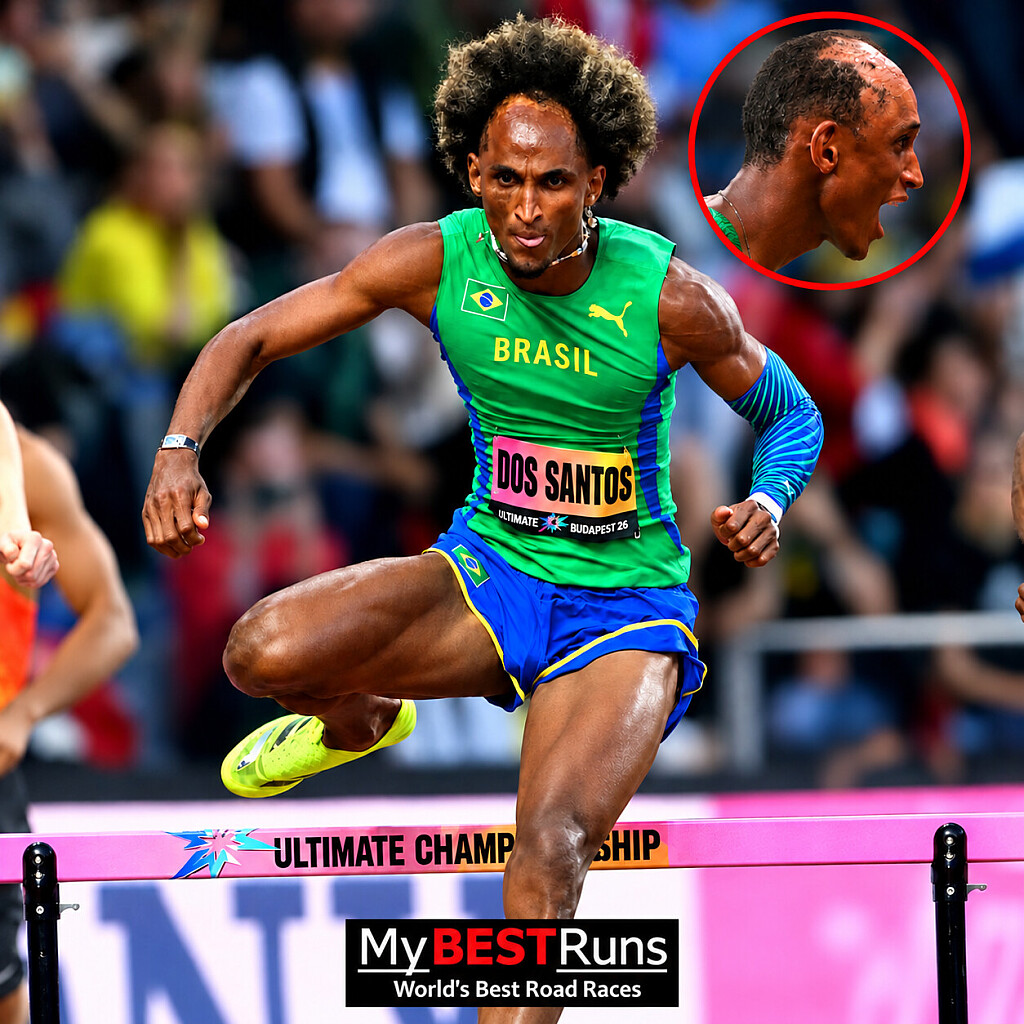
From Childhood Burns to World Records: Alison Dos Santos Turns Scars Into Strength
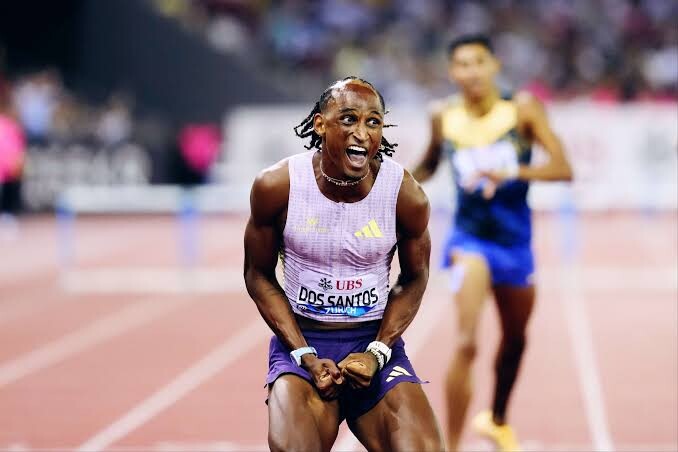
Alison dos Santos carries visible scars on his forehead and parts of his body, but behind them lies a remarkable story of survival that has become an important part of his journey in athletics.

When he was just 10 months old, the Brazilian suffered severe third-degree burns after boiling oil spilled onto him. The accident left permanent scars and could easily have changed the course of his life before it had even begun.
He survived the ordeal, and as he grew older, the scars became a visible reminder of an accident he had endured as a baby. For much of his childhood, they also brought unwanted attention and insecurity. But eventually, athletics gave him something far more powerful: confidence, purpose and an opportunity to define himself through his talent rather than his scars.
That transformation took him all the way to the world's biggest sporting stages.
Dos Santos announced himself among the world's elite 400m hurdlers with an Olympic bronze medal at Tokyo 2020, clocking 46.72 seconds. In 2022, he reached another milestone by becoming world champion, confirming himself as one of the leading figures in an event that had entered an extraordinary era.
Two years later, he added another Olympic bronze medal in Paris, continuing to establish himself among the very best 400m hurdlers on the planet.
Then came Zürich.
On August 27, 2026, dos Santos delivered the race that changed his place in history. He stormed to 45.80 seconds, breaking Karsten Warholm's five-year-old world record of 45.94 and becoming the first man in history to run under 46 seconds twice.
The moment carried another layer of significance because Warholm was in the race. The Norwegian had established the previous world record in the unforgettable Tokyo Olympic final in 2021, a race in which dos Santos himself had won bronze. Five years later, the Brazilian returned to the same record-breaking narrative — this time as the man rewriting history.
But dos Santos was not finished.
Just over two weeks after his historic run in Zürich, he travelled to Budapest for the inaugural World Athletics Ultimate Championship, where the world's leading 400m hurdlers assembled for another highly anticipated showdown.

On September 13, dos Santos once again stood at the centre of the action. He produced another extraordinary performance, winning the men's 400m hurdles in 45.98 seconds and successfully defending his position at the top of an event filled with heavyweight names.
Rai Benjamin finished second in 46.40, while Warholm took third in 46.78. Dos Santos had once again beaten two of the athletes most closely associated with the modern history of the 400m hurdles.
The 45.98 also made him the first athlete to break 46 seconds twice, while ranking as the third-fastest performance ever recorded in the event at the time. His world record of 45.80 remained firmly at the top.
His latest victory therefore added another remarkable chapter to a season that had already produced a world record and a string of elite performances. Dos Santos has combined speed, consistency and resilience to turn 2026 into one of the defining seasons of his career.
And perhaps that is what makes his story so compelling. The hurdles he clears today are visible to the world, but some of the hardest obstacles he has overcome were faced long before he ever entered a stadium. His scars tell the story of what happened to him as a child; his achievements tell the story of what he chose to become.
The scars never disappeared. Neither did the determination of the boy who survived them.
Today, Alison dos Santos is not defined by the accident that marked his childhood. He is defined by the athlete he became — an Olympic medallist, a world champion, a world-record holder and now the inaugural World Athletics Ultimate champion in the 400m hurdles.
From surviving a devastating accident as an infant to standing on the highest level of his event, Piu has spent his life clearing hurdles — long before he ever started racing over them.
by Erick Cheruiyot for My Best Runs.
Login to leave a comment
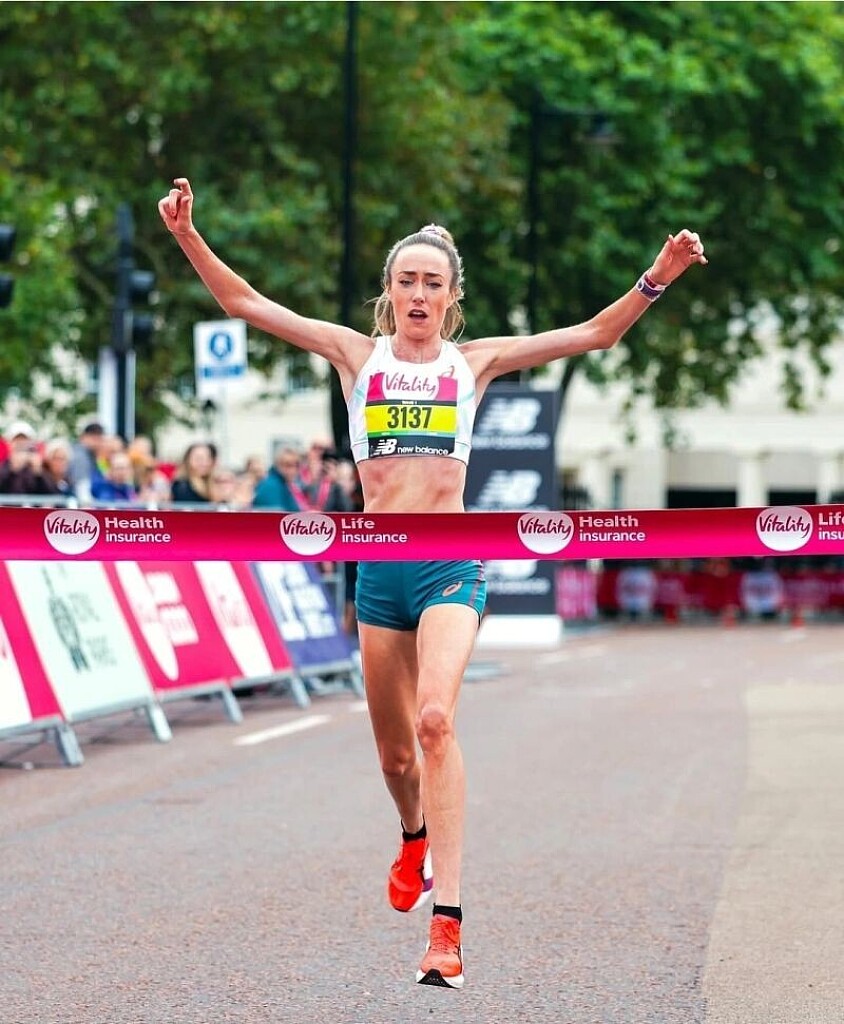
Eilish McColgan Targets Historic Fourth Vitality London 10,000 Title
Eilish McColgan is set to return to the streets of London on Sunday, September 27, 2026 with history firmly within her sights as she bids to claim a record-breaking fourth Vitality London 10,000 title.
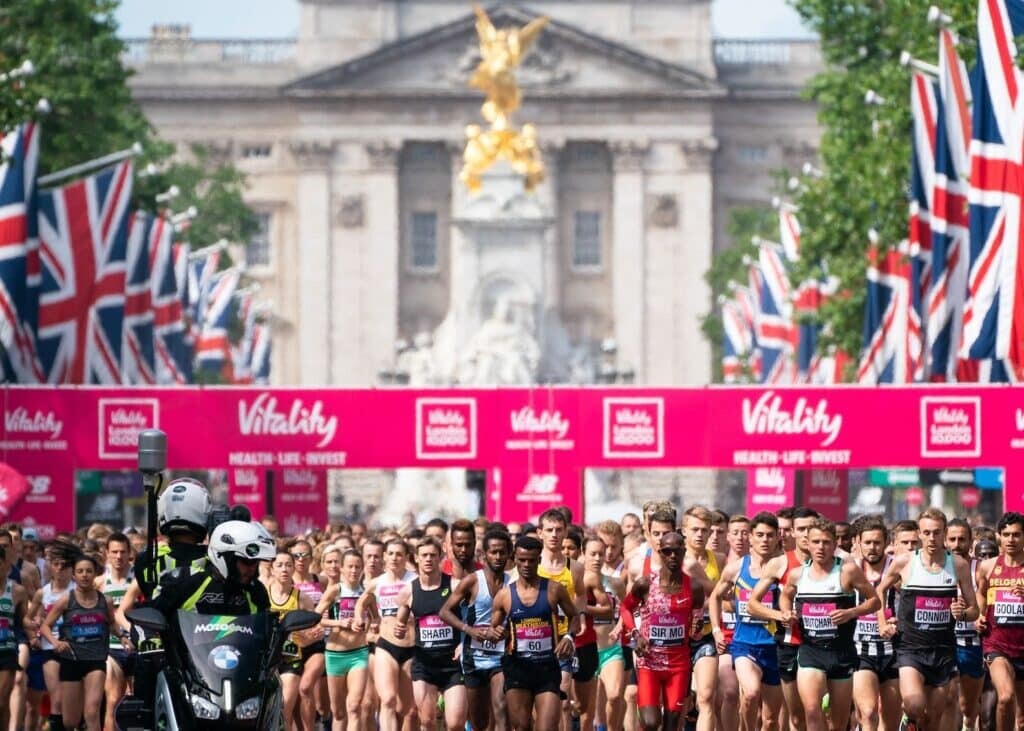
The British distance star will line up in the capital looking to add another chapter to her impressive record at the event. A fourth victory would make McColgan the outright most successful female winner in the race’s history.
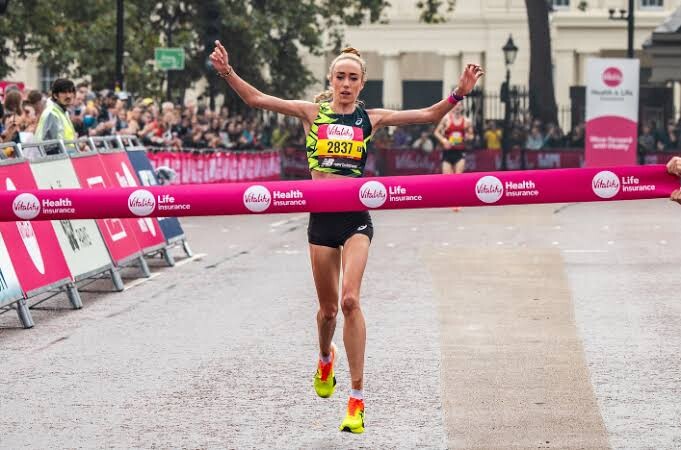
McColgan arrives as the defending champion after producing a superb performance last season. She stopped the clock at 30:35 to take victory, finishing ahead of Jessica Warner-Judd and Alex Bell.
That triumph gave McColgan her third London 10,000 crown, putting her level with the existing record for most women’s victories. She now has the opportunity to move clear and establish a new benchmark.
Her latest challenge comes after another busy period on the road. McColgan returned to racing at the Big Half before competing at the Great North Run, continuing her preparations for another major 10km outing in the British capital.
The London 10,000 has become a particularly successful fixture in McColgan’s career, and she will once again be among the leading names expected to fight for the women’s title.
Standing between her and history will be a competitive field, including familiar rivals such as Warner-Judd, who finished runner-up to McColgan last year.
For McColgan, though, the objective is clear: another victory would not simply add another title to her collection. It would make her the sole record holder for women’s victories at the Vitality London 10,000.
With three wins already secured, all eyes will be on McColgan as she chases a fourth crown and another memorable achievement on the streets of London.
by Erick Cheruiyot for My Best Runs.
Login to leave a comment

Vitality London 10,000
The Vitality London 10,000 takes you past many landmark sites, including the London Eye, Buckingham Palace and the Bank of England – so you even get to do a bit of sightseeing along the way! You will run alongside elite runners and have coverage from the BBC, making this 10km one of the highest in profile of its kind....
more...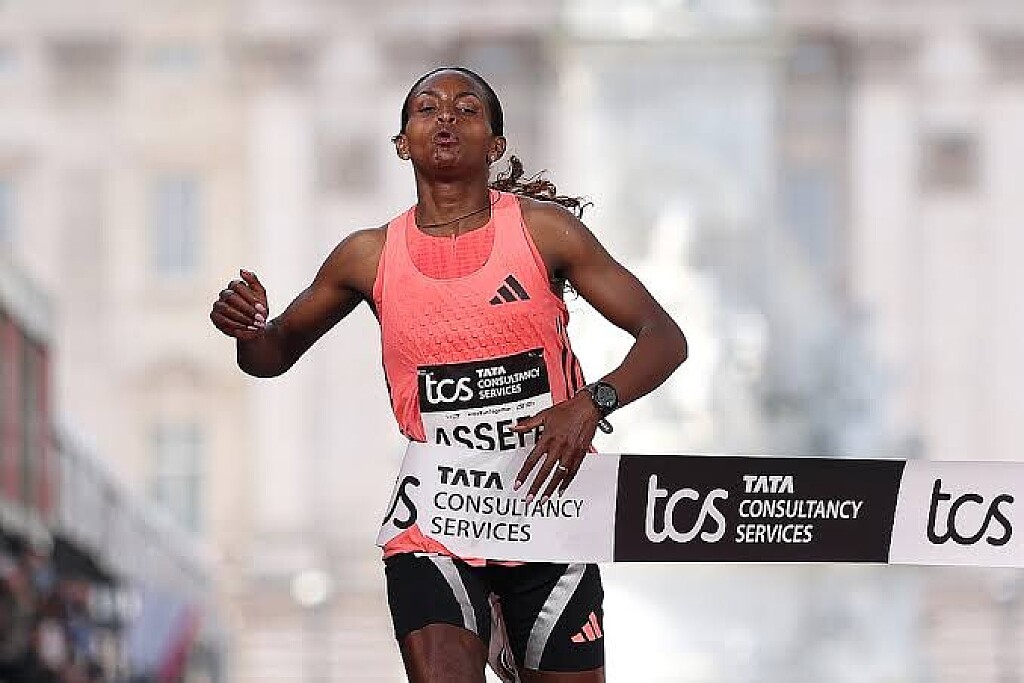
Tigst Assefa Extends East Africa’s Remarkable Reign Over the Women-Only Marathon World Record
The women-only marathon world record has remained in East African hands since 2017, with Kenya and Ethiopia trading the historic mark in a remarkable sequence of record-breaking performances.
The latest chapter belongs to Ethiopia’s Tigst Assefa, who lowered the record to 2:15:41 at the 2026 London Marathon, taking nine seconds off her own previous mark of 2:15:50.
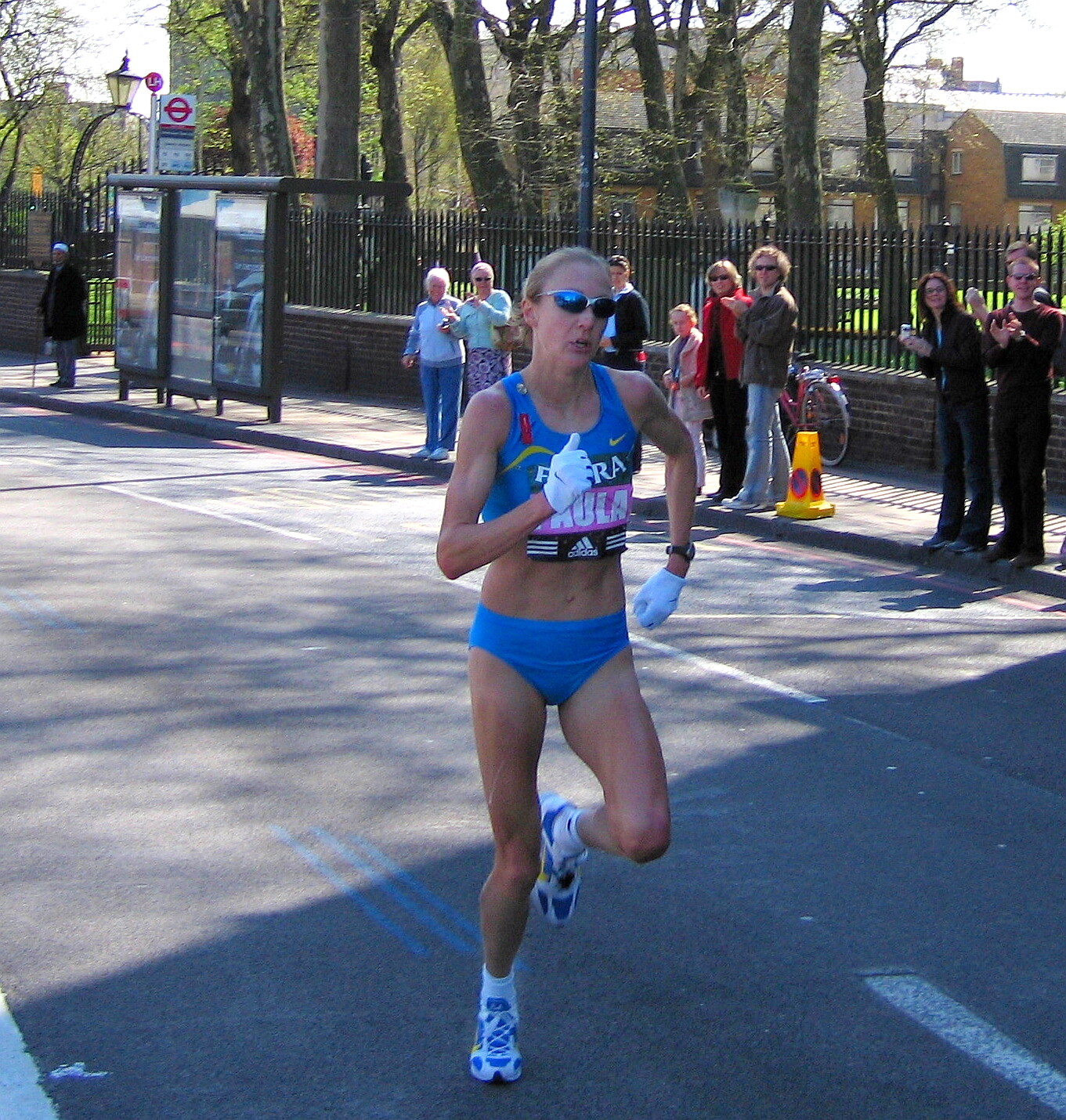
The progression began with Britain’s Paula Radcliffe, whose 2:17:42 in 2005 stood for 12 years before Kenya’s Mary Keitany finally brought the record down. Keitany clocked 2:17:01 at the 2017 London Marathon, beginning the current East African era of the women-only record.
Kenya strengthened its grip in 2024 when Olympic champion Peres Jepchirchir produced one of the defining performances of her career in London. She ran 2:16:16, cutting 45 seconds from Keitany’s record and becoming the latest Kenyan to set the women-only marathon world record.
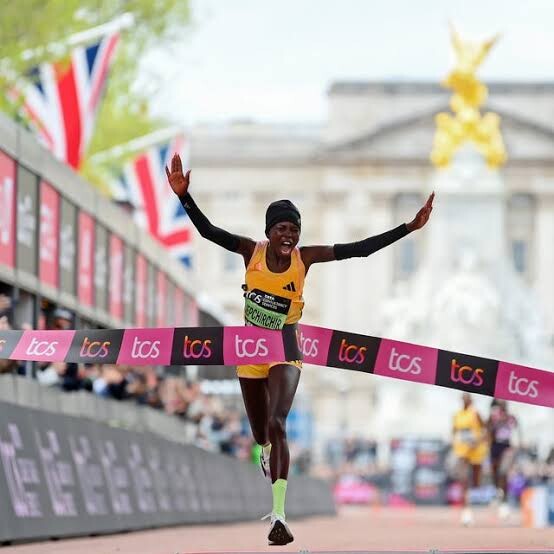
But the record did not remain in Kenya for long. At the 2025 London Marathon, Assefa produced a spectacular 2:15:50, improving Jepchirchir’s mark by 26 seconds and establishing herself as the latest Ethiopian custodian of the record.
A year later, Assefa returned to London with the record still in her sights. She delivered again, running 2:15:41 to successfully defend her title and extend her own world record by another nine seconds.
Behind her, Kenya’s Hellen Obiri ran a personal best of 2:15:53, while Joyciline Jepkosgei followed in 2:15:55. The extraordinary depth of the race meant three women finished inside 2:16 in the same marathon.
The rivalry between Kenya and Ethiopia has consequently become a defining feature of the modern women-only marathon record. Each breakthrough has raised the standard, creating an increasingly demanding target for the next generation of marathon stars.
It is also important to distinguish the women-only record from the overall women's marathon world record. A women-only race does not use male pacemakers, while mixed-gender races can have male athletes helping to maintain the pace. This distinction makes the progression of the women-only record a particularly interesting measure of women's marathon racing.
For now, the record progression reads:
Great Britain — Paula Radcliffe, 2:17:42 (2005)
Kenya — Mary Keitany, 2:17:01 (2017)
Kenya — Peres Jepchirchir, 2:16:16 (2024)
Ethiopia — Tigst Assefa, 2:15:50 (2025)
Ethiopia — Tigst Assefa, 2:15:41 (2026)
From Radcliffe’s landmark performance in 2005 to Assefa’s latest breakthrough in 2026, the record has undergone a remarkable transformation. Since Keitany ended Radcliffe’s 12-year reign, every improvement has come from either Kenya or Ethiopia, underlining the extraordinary depth of East African women’s marathon running.
And with the record now standing at 2:15:41, the next chapter is waiting to be written. The question is not only who will break the mark next, but how much further the women-only marathon can ultimately be pushed.
by Erick Cheruiyot for My Best Runs.
Login to leave a comment
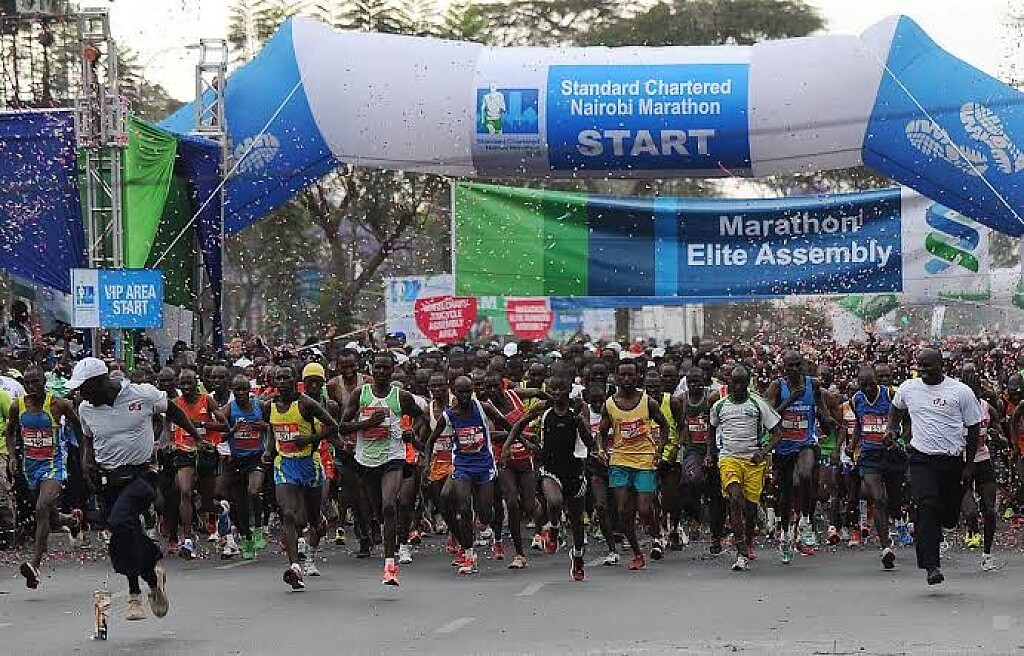
Nairobi Marathon Set for Record-Breaking Edition as 30,700 Runners and KES 273 Million in Support Fuel 2026 Race
The 2026 Standard Chartered Nairobi Marathon is heading towards its biggest edition yet, with a record 30,700 runners registered and more than 200 elite athletes from 102 nationalities expected to take part in the October 25 race at Uhuru Gardens in Nairobi.
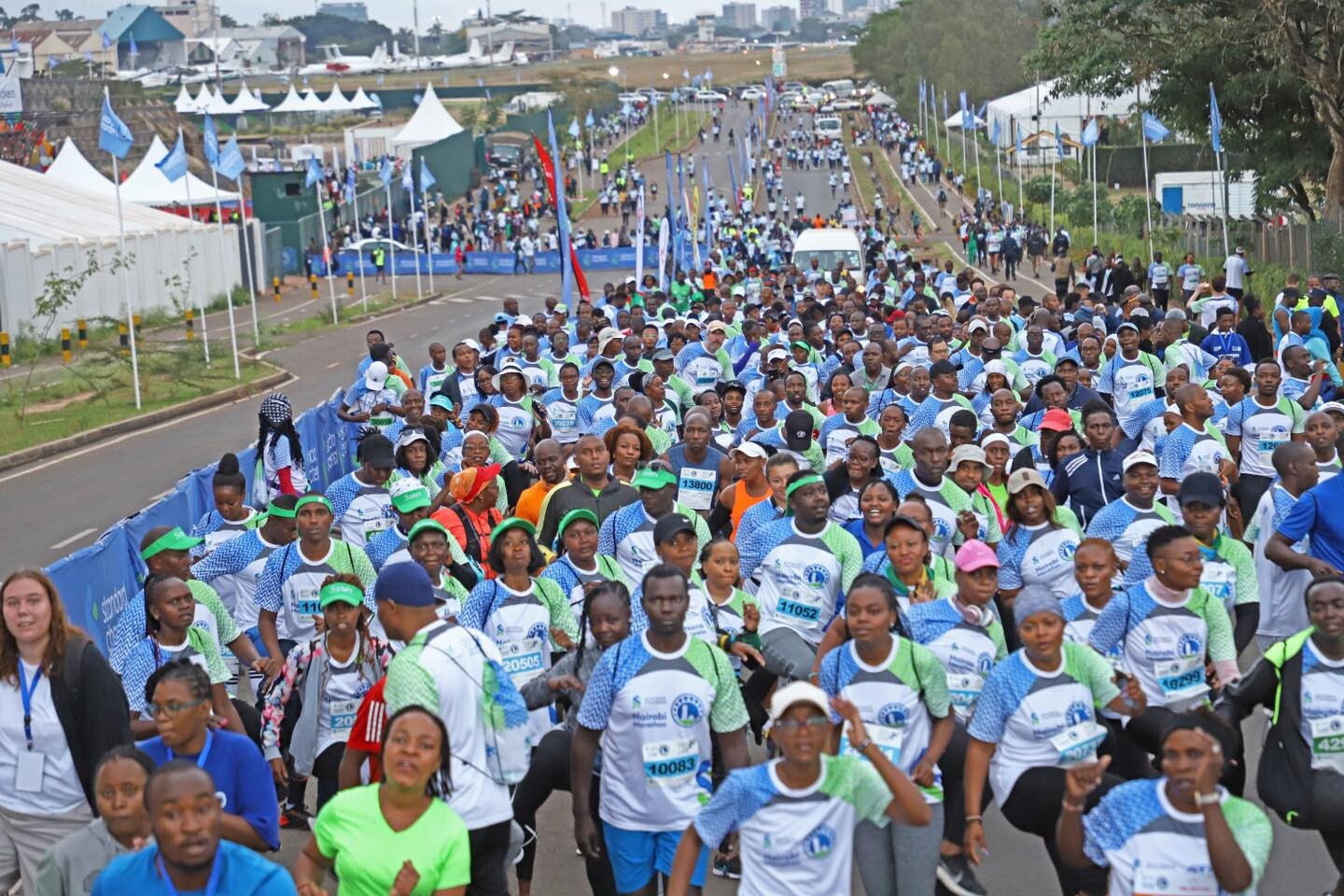
The growing scale of the event has been matched by unprecedented backing from sponsors and partners, with a record KES 273 million committed towards this year’s marathon.
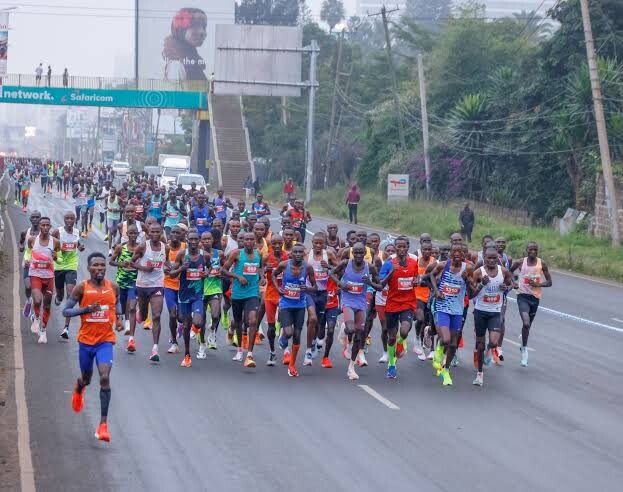
Standard Chartered has contributed KES 130 million, while sponsors have provided a further KES 143 million through cash and in-kind support. The investment is expected to play a key role in delivering a safe, memorable and world-class experience for the more than 30,000 runners expected on the starting line.
The increased support was highlighted during a breakfast appreciation event held for the marathon’s sponsors and partners, recognising their contribution to an event whose influence continues to extend beyond race day.
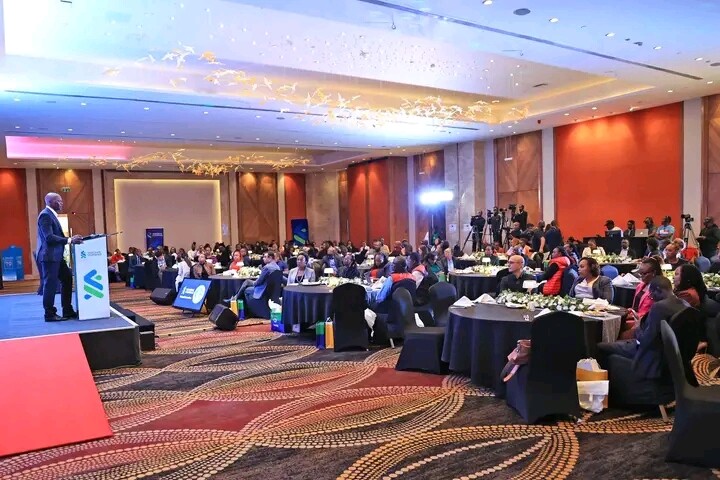
The 2026 edition has attracted 56 sponsors, up from 43 in 2025, representing a 30 per cent increase in the number of supporting partners. The combined sponsorship value is also 17 per cent higher than the KES 233 million secured last year and 58 per cent above the KES 173 million raised in 2024.
Local Organising Committee chairman David Mwindi said the record investment demonstrates the collective commitment behind the marathon and its wider impact.
“This record KES 273 million investment reflects the shared commitment of Standard Chartered and our sponsors to delivering a world-class marathon with lasting impact,” Mwindi said.
On the course, participants will start and finish at Uhuru Gardens, with the route taking runners through the Southern Bypass. The programme will feature the 42-kilometre full marathon, 21-kilometre half marathon and 10-kilometre road race, alongside a 21-kilometre wheelchair race.
The event will also cater for recreational runners and families through the 5-kilometre family fun run, while the CEO Challenge and Corporate Challenge will add another dimension to the day, bringing businesses and their teams into the celebrations.
The presence of more than 200 elite athletes from 102 nationalities is expected to add further international depth to an event already attracting unprecedented mass participation.
With record entries, a larger group of sponsors and KES 273 million in financial and in-kind support, the 2026 Standard Chartered Nairobi Marathon is set to offer more than a day of racing. It is increasingly becoming a platform that brings together elite sport, mass participation, business, community engagement and broader social impact.
As October 25 draws closer, attention will turn to the Kenya's capital for the elite line-ups, the athletes seeking honours across the various distances and the stories that will unfold while thousands of recreational runners prepare to make their own mark on what promises to be a landmark edition of the Standard Chartered Nairobi Marathon.
by Erick Cheruiyot for My Best Runs.
Login to leave a comment

NAIROBI MARATHON
Nairobi Marathon is an annual road running competition over the marathon distance held in October in Nairobi, Kenya. First held in 2003, the competition expanded and now includes a half marathon race along with the main race. It was part of "The Greatest Race on Earth", fully sponsored by Standard Chartered Bank....
more...
Femke Bol and Ben Broeders Celebrate Their Love in Dream Sardinia Wedding Weekend
After another memorable chapter in her athletics career, Dutch star Femke Bol has found another beautiful reason to celebrate away from the track.

Bol and Belgian pole vaulter Ben Broeders have marked their marriage with a spectacular wedding celebration in Sardinia, Italy, surrounded by family, friends and fellow athletes.
The couple had already exchanged vows earlier this year, tying the knot in a private civil ceremony in Amersfoort on February 21, 2026. The intimate occasion was kept largely away from the spotlight before the couple later shared their happiness with the public.
Months later, they gathered their closest loved ones for a larger celebration on the Italian island, turning the occasion into a memorable wedding weekend filled with sunshine, elegant white outfits, laughter and unforgettable moments.
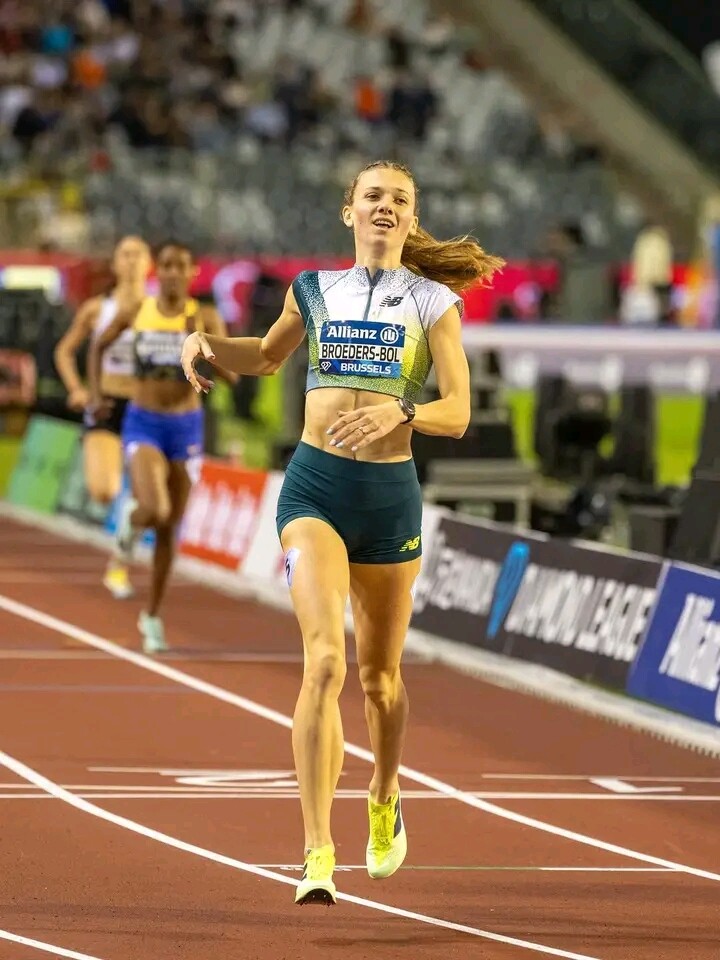
The celebrations took place at the historic Tenuta Sella & Mosca near Alghero, offering a stunning setting for the newlyweds and their guests. Surrounded by the beauty of Sardinia, Bol and Broeders were able to enjoy a more relaxed celebration after years of life shaped by demanding training schedules and international competition.
Bol shared a series of photographs from the special weekend, offering fans a glimpse into the celebrations and the moments she shared with Broeders, their families and friends. Reflecting on the occasion, she described it simply as “the best weekend of our lives.”
The wedding brought together several familiar faces from the athletics community, reflecting the strong connection the couple share with the sport. Broeders has built a respected career as a Belgian pole vaulter, while Bol has become one of the most recognisable stars in international athletics.
Their relationship has developed alongside their sporting careers, with the couple becoming romantically involved around 2021. They announced their engagement in 2025 before taking the next step in their relationship with their civil wedding earlier this year.
For Bol, the celebrations provide a deeply personal highlight to a year that has already brought significant moments in her remarkable career. Away from the pressure of major championships, packed stadiums and the pursuit of medals, Sardinia offered the athlete an opportunity to pause and celebrate something much closer to home.
For Broeders, the occasion was equally special, marking the beginning of a new chapter with his partner while surrounded by the people who have supported them throughout their journey. Their wedding weekend brought together the sporting and personal worlds that have shaped their lives over the years.
From competing under the brightest stadium lights to celebrating beneath the Sardinian sun, Bol and Broeders have now opened a new chapter together — one that extends far beyond athletics.
After years of chasing performances, medals and personal ambitions, the couple now have another journey to share, this time side by side as husband and wife.
From the track to forever, Femke Bol and Ben Broeders have given themselves a beautiful reason to celebrate.
by Erick Cheruiyot for My Best Runs.
Login to leave a comment
Bashir Abdi Added to Chicago Marathon as Alex Masai Withdraws
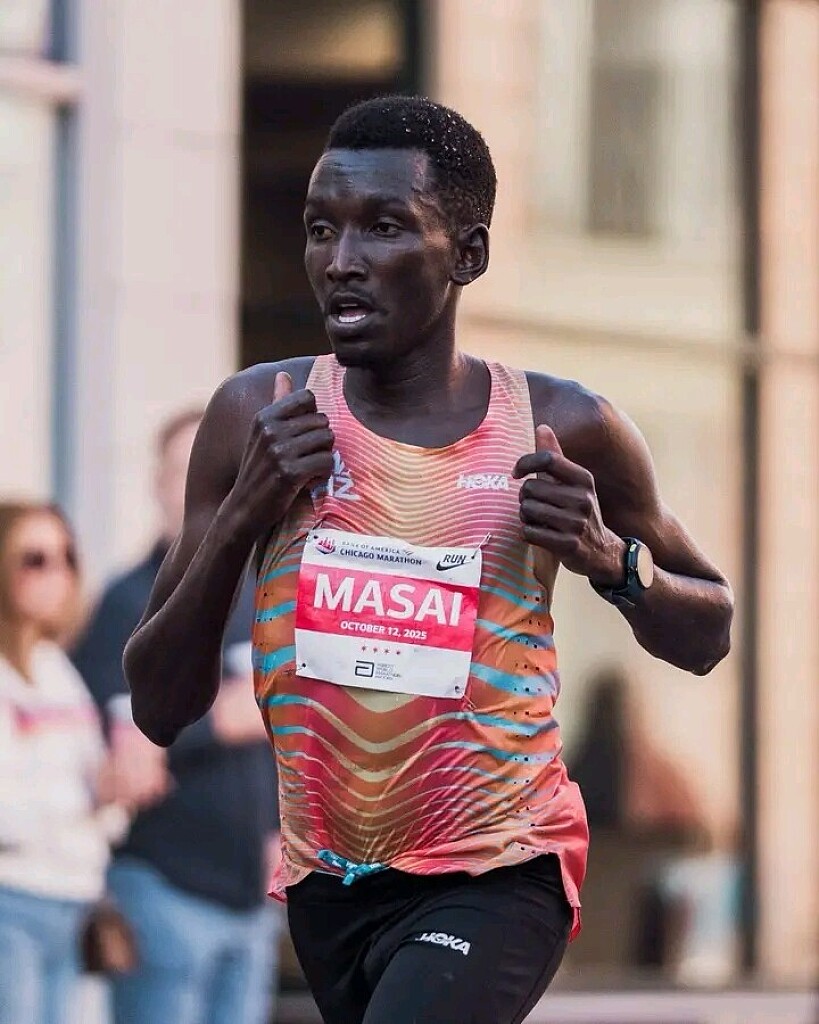
Bashir Abdi has been added to the elite men’s field for the 2026 Bank of America Chicago Marathon, while Kenya’s Alex Masai has withdrawn from the October 11 race.
Masai finished third in the 2025 edition in a personal-best 2:04:37, making his withdrawal a notable change to the field. He will no longer line up alongside some of the world’s leading marathoners, including defending champion Jacob Kiplimo of Uganda.
Masai joins Americans Zach Panning, who has a 2:09:16 personal best, Jacob Thomson (2:09:51) and Felicia Pasadyn (2:35:17) on the withdrawal list.
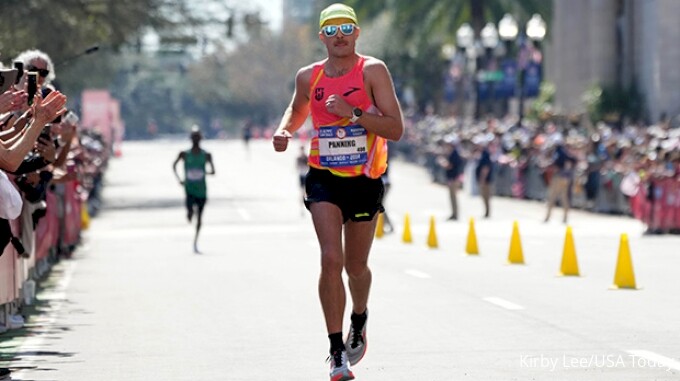
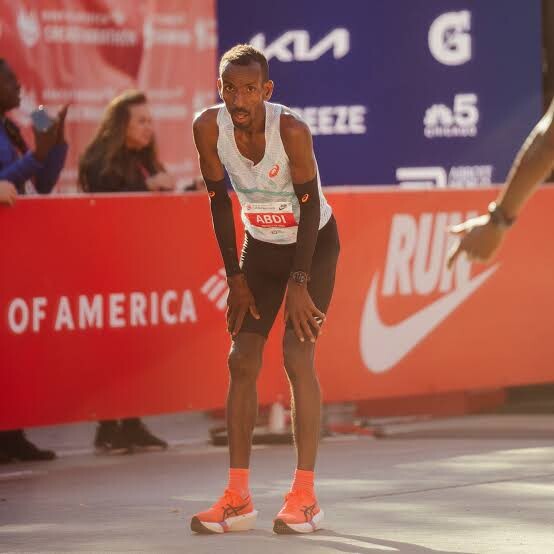
On the other side of the update, Abdi strengthens an already competitive men’s lineup. The Belgian is a two-time Olympic medalist, having won bronze in Tokyo and silver in Paris, and owns the European marathon record of 2:03:36, set in Rotterdam in 2021.
Abdi also knows the Chicago course well, having finished 10th in last year’s race in 2:07:08. His return gives him another opportunity to make a stronger statement on one of the world’s major marathon stages.
Norway’s Sondre Nordstad Moen has also been included in the updated field. Moen previously held the European marathon record after running 2:05:48 in Fukuoka in 2017, before Abdi lowered the mark four years later.
The American contingent has also been strengthened with the additions of Matt Richtman, Nathan Martin, Brian Shrader, Ben Rosa and Frank Lara, while Cole Sprout is set to make his marathon debut.
Sara Vaughn is among the notable women’s additions. She returns to Chicago after recording her personal-best 2:23:24 at the 2023 edition.
The 2026 Chicago Marathon will be held on Sunday, October 11, with the elite field continuing to take shape ahead of race day.
by Erick Cheruiyot for My Best Runs.
Login to leave a comment

Bank of America Chicago
Running the Bank of America Chicago Marathon is the pinnacle of achievement for elite athletes and everyday runners alike. On race day, runners from all 50 states and more than 100 countries will set out to accomplish a personal dream by reaching the finish line in Grant Park. The Bank of America Chicago Marathon is known for its flat and...
more...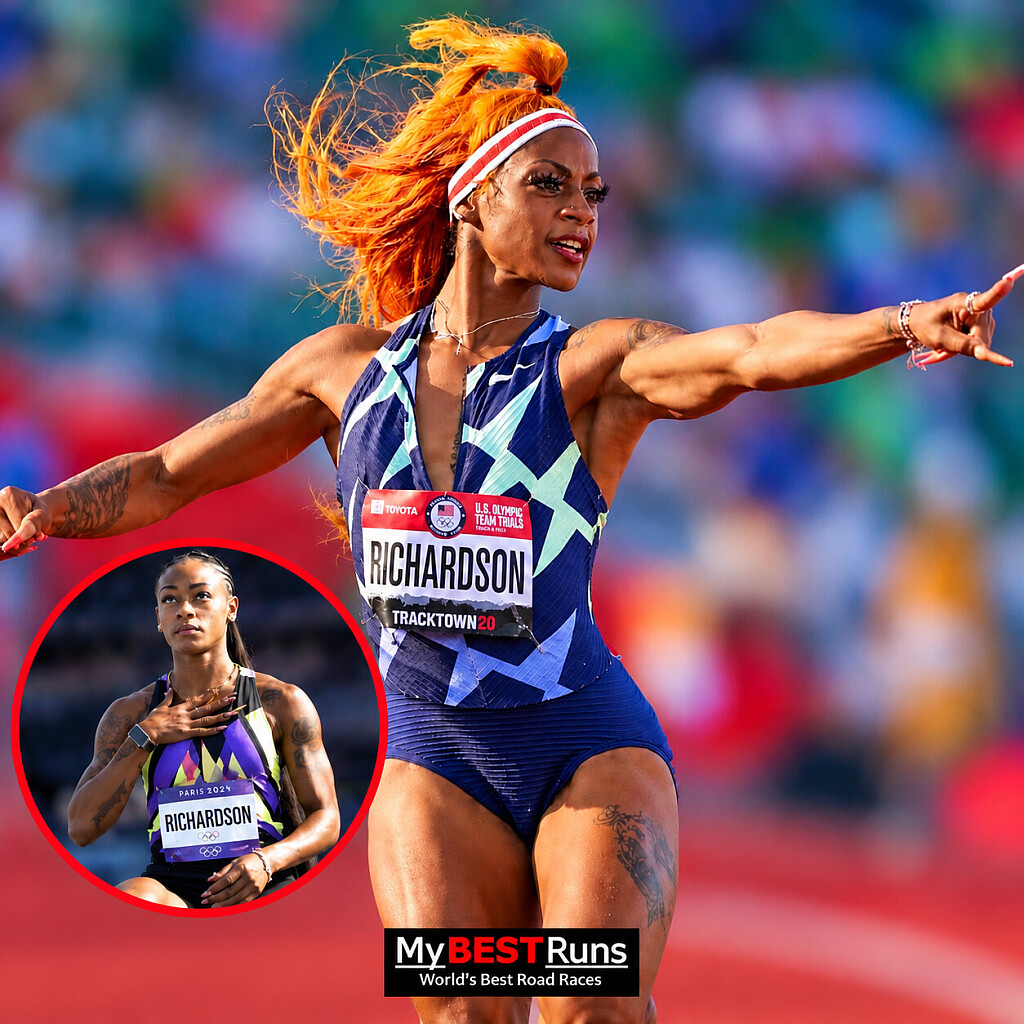
Sha’Carri Richardson: From Teenage Sensation to a Champion Who Rewrote Her Own Story
At just 19, Sha’Carri Richardson looked like a star destined to take over the sprinting world.
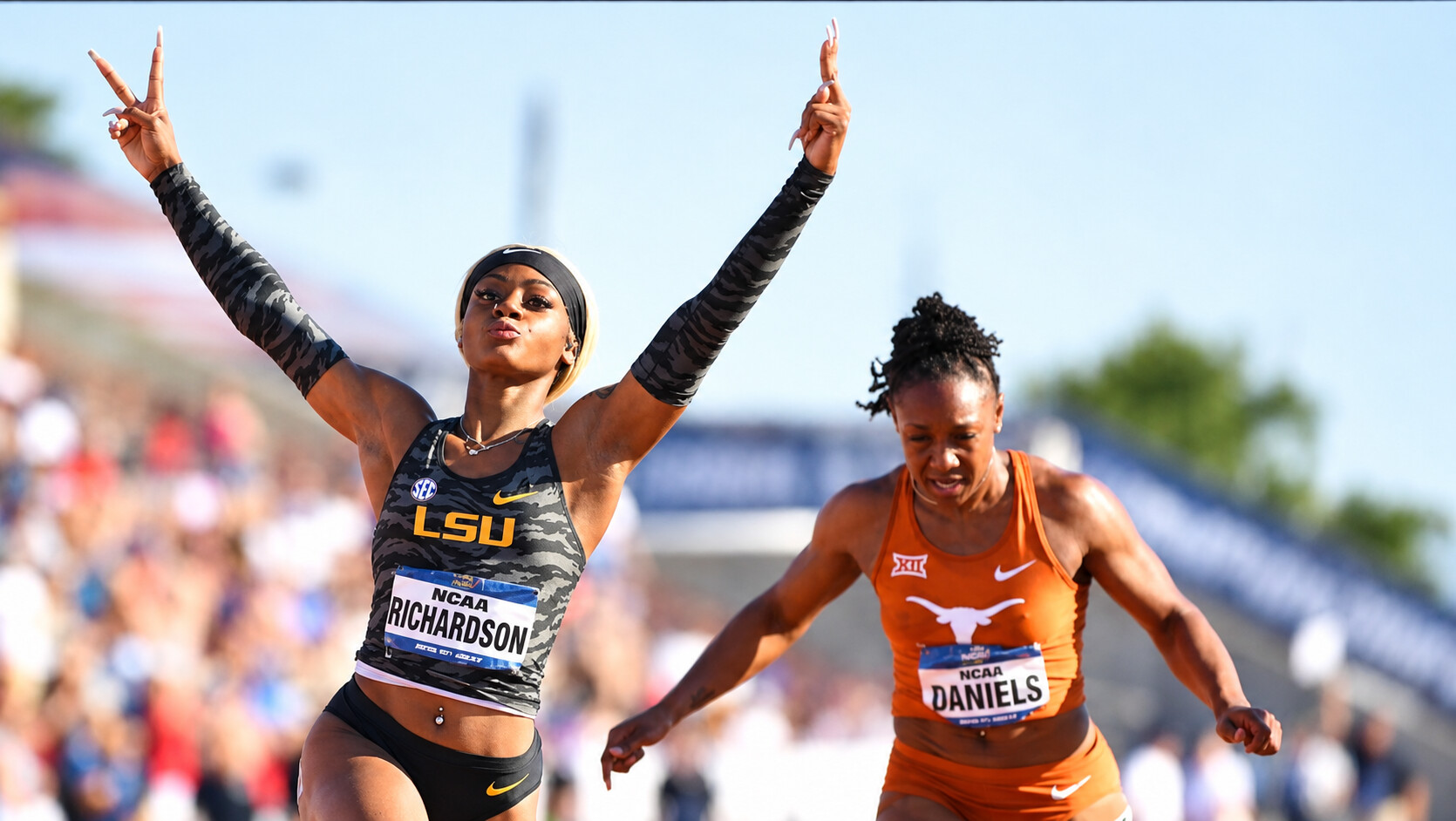
The speed was undeniable. In 2019, she announced herself on the collegiate stage with a 10.75-second NCAA record in the 100 metres, combining explosive acceleration with a fearless personality and a distinctive style that made her impossible to ignore.
She was young, confident and unapologetically herself.
But the road to becoming a champion was about to become far more complicated than anyone could have imagined.
In 2021, Richardson won the women’s 100m at the U.S. Olympic Trials in 10.86 seconds and appeared set for her Olympic debut.
Then everything changed.
A positive test for THC resulted in a one-month suspension, which ultimately ruled her out of the Tokyo Olympic 100m. USADA confirmed that Richardson accepted the sanction, which began on June 28, 2021.
The episode came at an especially difficult moment in her life. Richardson had publicly spoken about grieving the death of her biological mother and the emotional circumstances surrounding that period.
For an athlete who had seemed destined for Olympic glory, Tokyo became a painful chapter instead.
But it did not become the final chapter.
Richardson returned to the track with something to prove — not simply to the critics, but to herself.
The comeback became a championship story
In 2023, Richardson transformed her comeback into one of the defining performances of her career.
At the World Championships in Budapest, she won the 100m world title in 10.65 seconds, setting a championship record and defeating a field that included some of the greatest sprinters of her generation. World Athletics lists 10.65 as Richardson’s legal personal best, recorded on August 21, 2023.
She did not stop there.
Richardson also helped the United States win the women’s 4x100m relay gold in Budapest, adding another world title to a season that had completely changed the narrative surrounding her career.
The teenager who had once been celebrated for her raw talent was now a world champion.
Paris brought Olympic medals
A year later, Richardson arrived at the Paris 2024 Olympics carrying expectations of another major championship performance.
She delivered.
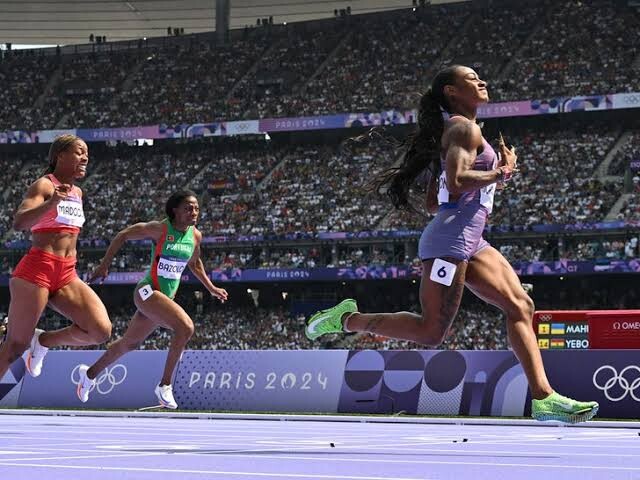
Richardson won silver in the individual 100m and then anchored the United States to gold in the women’s 4x100m relay. World Athletics records her as an Olympic champion and Olympic silver medallist.
The Olympic gold was particularly significant.
After missing Tokyo, Richardson had returned to the biggest stage in the sport and left Paris as an Olympic champion.
Her journey had gone from disappointment to the highest step of the podium.
2026: Still winning, still evolving
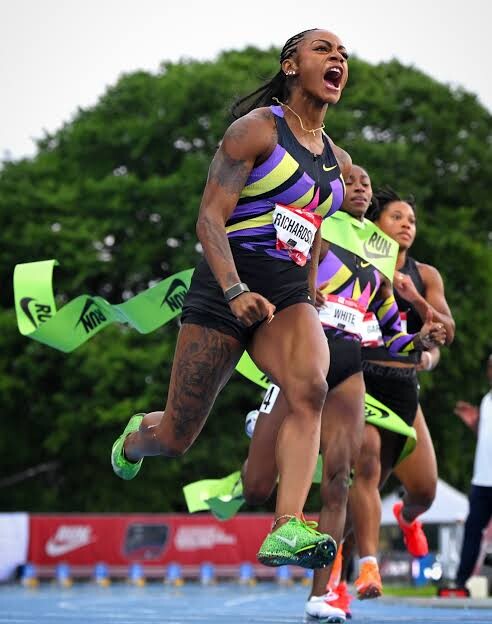
Richardson's story continued into 2026, and she closed the season in emphatic fashion at ATHLOS London.
On September 18 at StoneX Stadium, she won the 100m in 10.80 seconds with no wind assistance, finishing well clear of New Zealand's Zoe Hobbs, who ran 11.19. The performance was also an ATHLOS meeting record.
It was another reminder that Richardson remains one of the defining personalities of modern sprinting.
But the most compelling part of her journey cannot be measured entirely in seconds.
It is the evolution behind the performances.
The young sprinter who entered the global spotlight with enormous confidence has experienced public criticism, disappointment, grief, triumph and the enormous pressure that comes with being one of the world's most recognizable athletes.
Through it all, she has continued to shape her identity on her own terms.
Her story is no longer simply about speed.
It is about resilience, reinvention and the ability to return after a moment that could have permanently changed the direction of a career.
From a teenage sensation running 10.75 to a world champion running 10.65.
From missing the Tokyo Olympics to winning Olympic gold in Paris.
From one of the most difficult periods of her young career to becoming an established global sprint star.
Sha’Carri Richardson did not simply return to the track.
She returned with a different perspective, a bigger résumé and a story that belongs to her.
And perhaps that is the most powerful transformation of all: not becoming someone different, but growing into a stronger version of the person she always wanted to be.
by Erick Cheruiyot for My Best Runs.
Login to leave a comment
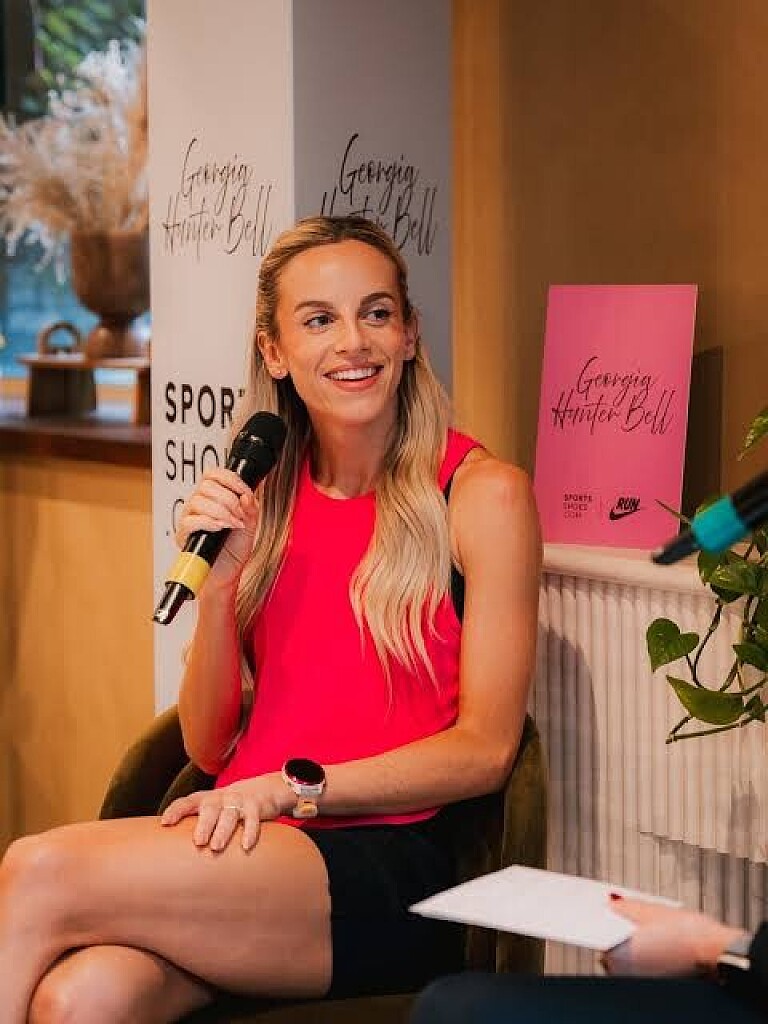
From Championship Glory To Community Miles: Georgia Hunter Bell Brings 2026 Season To A Close
British middle-distance star Georgia Hunter Bell has brought her remarkable 2026 season to a memorable close — not beneath the lights of another championship stadium, but surrounded by runners, stories and the wider running community in London.

The Olympic medallist hosted an intimate run and brunch at Curve Club, bringing runners and fans together for an opportunity to share miles, exchange stories and celebrate a season that delivered some of the biggest moments of her career.
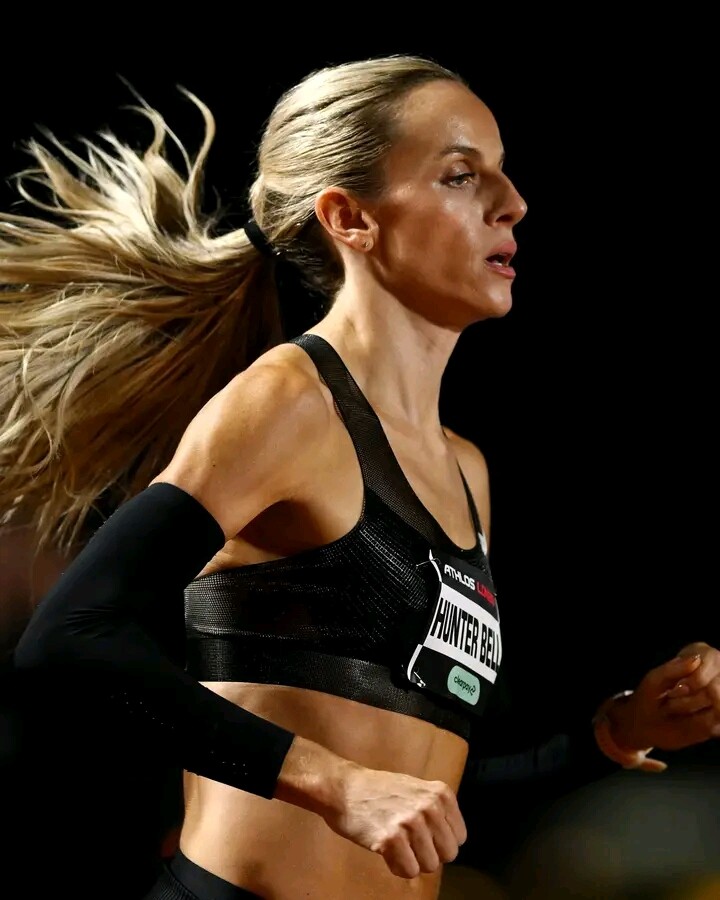
Hunter Bell’s 2026 campaign was anything but ordinary. Across 20 races, she navigated the intensity of elite competition while collecting three major championship gold medals and building another impressive chapter in her career. Her season ultimately concluded with a strong second-place finish in the mile at ATHLOS London.
Yet the final gathering was about far more than results and medals.
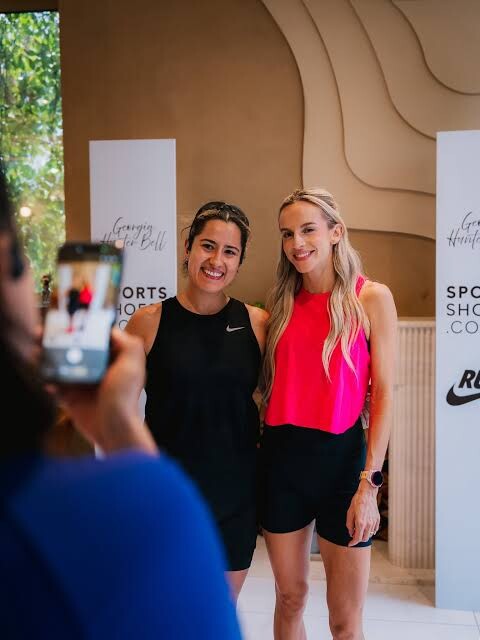
Away from the pressure of championship racing, Hunter Bell opened up about the defining moments of her season, the challenges that tested her along the way and the experiences that shaped her throughout the campaign. She also offered fans a glimpse into life inside the M11 Track Club training camps, providing an insight into the demanding work and experiences that often remain unseen beyond the finish line.
For Hunter Bell, the gathering also highlighted another important side of athletics — the sense of community that exists beyond elite competition. Sharing her experiences in a relaxed setting allowed her to connect with the people who follow her journey while celebrating the shared passion that brings runners together, whether they are chasing championship medals or simply enjoying another run with friends.
That perspective made the London gathering particularly meaningful. Elite athletics is often measured in times, places and medals, but Hunter Bell’s season-ending celebration highlighted the people, conversations and community that make running much bigger than competition alone.
From the intensity of major championship tracks to relaxed miles with fellow runners, Hunter Bell has shown that an athlete’s journey is not defined solely by what happens on race day.
After 20 races, three major championship titles and countless demanding miles, the British star can now look back on a season filled with triumphs, challenges and unforgettable experiences.
And what better way to close it than by sharing the journey with the running community?
by Erick Cheruiyot for My Best Runs.
Login to leave a comment
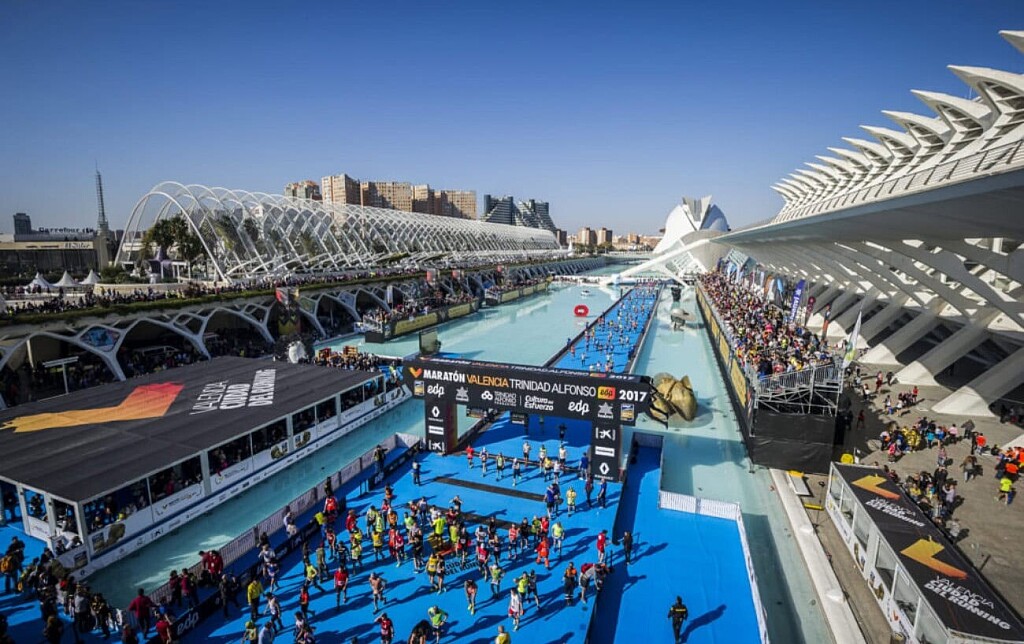
Valencia Marathon Offers €1 million World Record Jackpot As Kejelcha And Korir Lead Star-Studded Field
The road to marathon history will lead to Valencia on December 6, where the 2026 Valencia Marathon has put a staggering €1 million — approximately KSh 148.7 million — on the line for any athlete who breaks the official marathon world record on its fast Spanish streets.
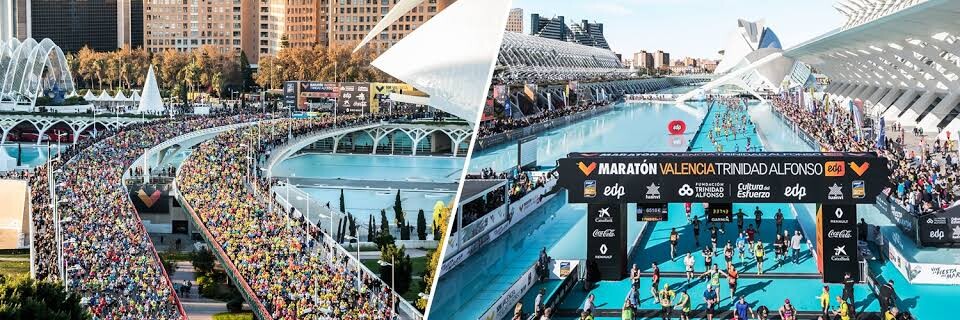
According to the race's official 2026 regulations, the million-euro bonus is available separately for both the men's and women's world records. The target for men is 1:59:30, while the women's target is 2:09:56. Athletes must be officially entered in the race, and the performances must pass the required recognition and anti-doping procedures.
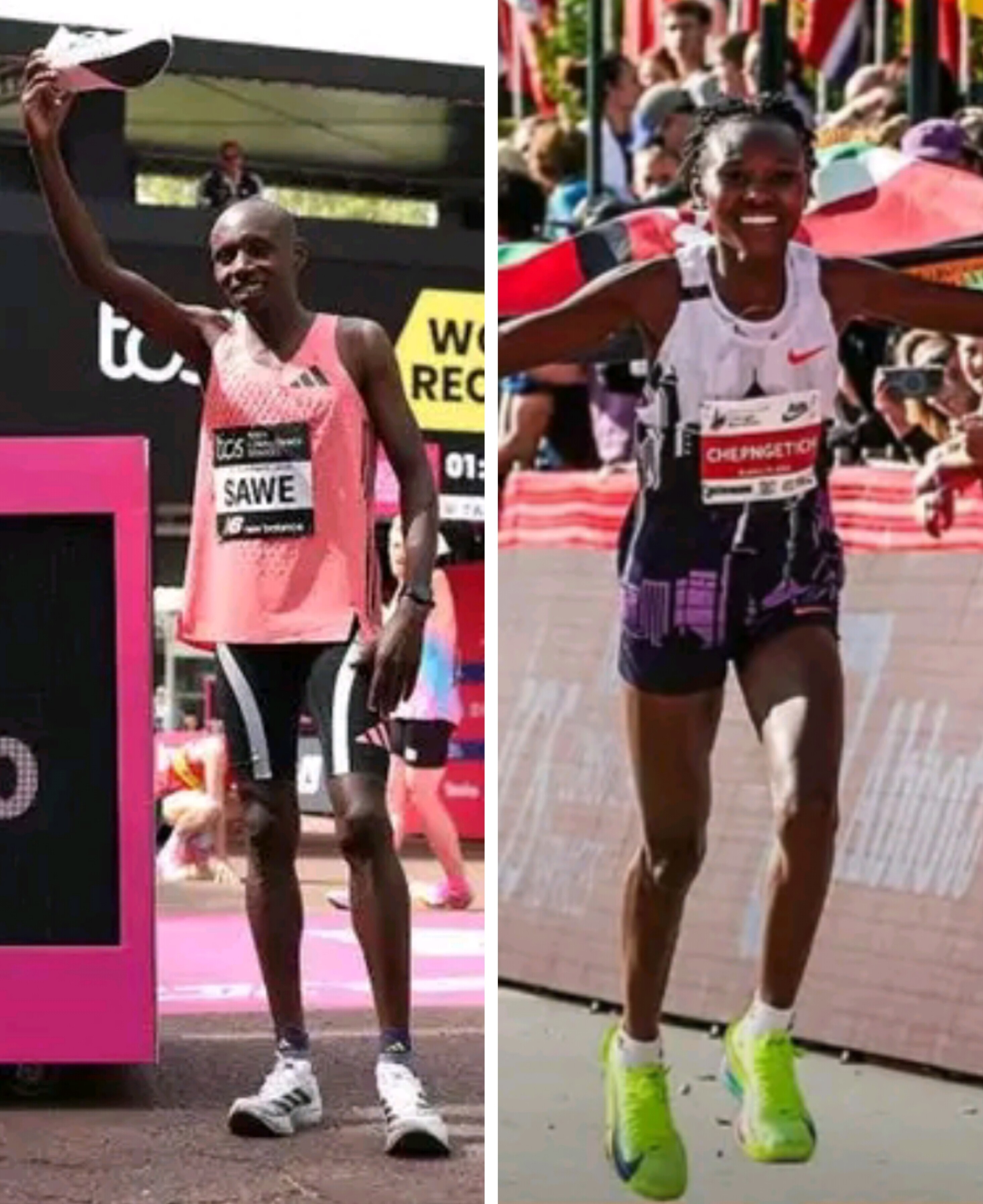
The men's benchmark was established by Kenya's Sabastian Sawe when he became the first man to officially break the two-hour barrier, running 1:59:30 at the 2026 London Marathon. Ethiopia's Yomif Kejelcha finished second that day in 1:59:41, becoming the second-fastest marathoner in history at the time and producing the fastest marathon debut ever.
On the women's side, the mark to beat remains Kenya's Ruth Chepngetich's 2:09:56, set at the 2024 Chicago Marathon. That performance made her the first woman to officially run under 2:10 for the marathon.
The enormous incentive is closely connected to the ambition of Valencia's running movement and the backing of businessman and philanthropist Juan Roig, whose Trinidad Alfonso Foundation has played a major role in supporting the marathon and the wider development of athletics in Valencia. Roig has previously spoken about the ambition of bringing the marathon world record to the city.
And the timing could hardly be more intriguing.
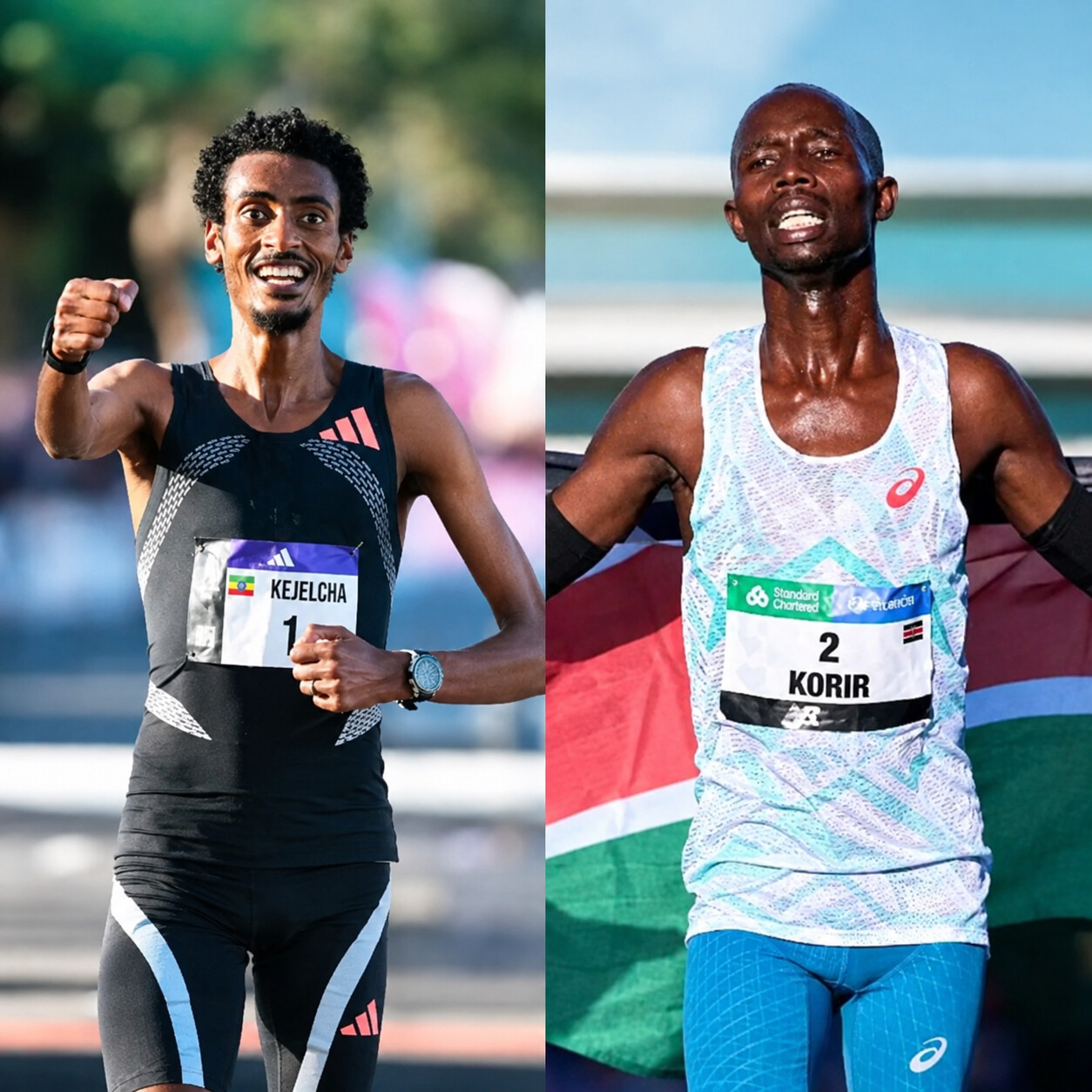
Kejelcha will return to Valencia for his second marathon, while defending champion John Korir of Kenya will be back after winning the 2025 edition in 2:02:24. The official elite announcement also includes Alexander Mutiso, Dawit Wolde and Nibret Melak, creating an exceptionally deep men's field.
Kejelcha arrives with a remarkable 1:59:41 from London, meaning he has already demonstrated the ability to sustain the extraordinary pace required to challenge the two-hour barrier. Korir, meanwhile, knows the Valencia course intimately and will be seeking to defend his title while chasing an even faster performance.
Valencia has earned its reputation as one of the world's fastest marathon destinations. Its course record currently stands at 2:01:48, set by Ethiopia's Sisay Lemma in 2023, while the 2025 edition saw Joyciline Jepkosgei run 2:14:00, the fastest women's marathon of that year.
With KSh 148 million-plus waiting for a successful world-record assault, a defending champion hungry for another victory and Kejelcha returning after coming within 11 seconds of the men's world record in London, Valencia is shaping up to be one of the most closely watched marathons of 2026.
On December 6, the question will be simple: will Valencia finally witness another marathon world record — and send one athlete home with a seven-figure euro cheque?
by Erick Cheruiyot for My Best Runs.
Login to leave a comment

VALENCIA TRINIDAD ALFONSO
The Trinidad Alfonso EDP Valencia Marathon is held annually in the historic city of Valencia which, with its entirely flat circuit and perfect November temperature, averaging between 12-17 degrees, represents the ideal setting for hosting such a long-distance sporting challenge. This, coupled with the most incomparable of settings, makes the Valencia Marathon, Valencia, one of the most important events in...
more...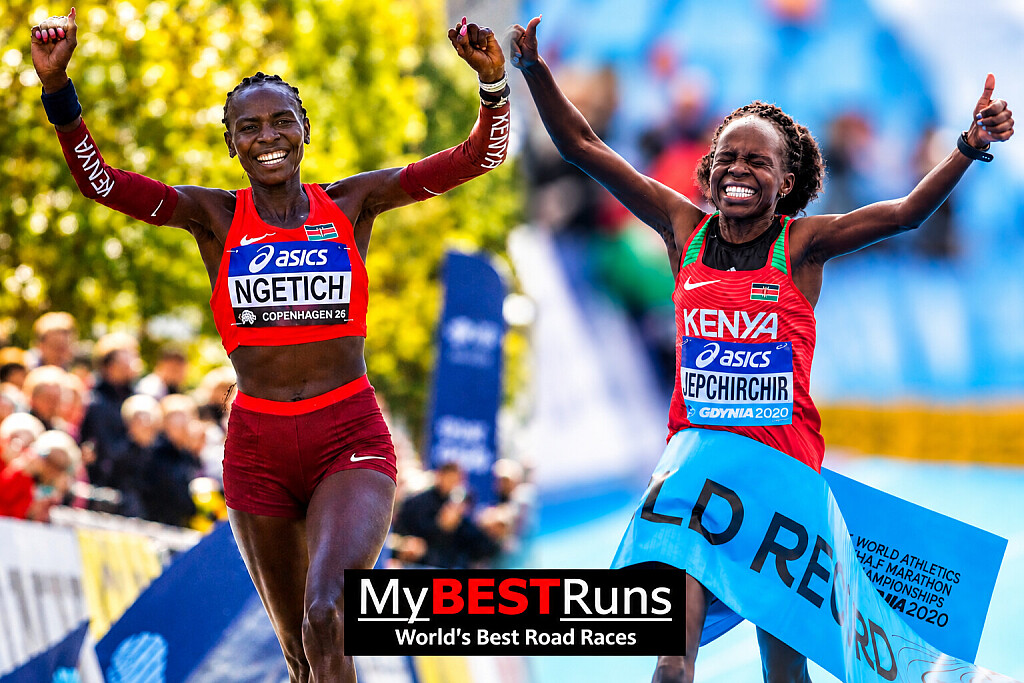
Agnes Ngetich Rewrites Peres Jepchirchir’s Record: Two Historic Half Marathons, One Second Apart
Kenya’s Agnes Jebet Ngetich has added another remarkable chapter to the country’s extraordinary half-marathon history, breaking the women-only world half-marathon record in Copenhagen on Sunday, September 20, 2026.
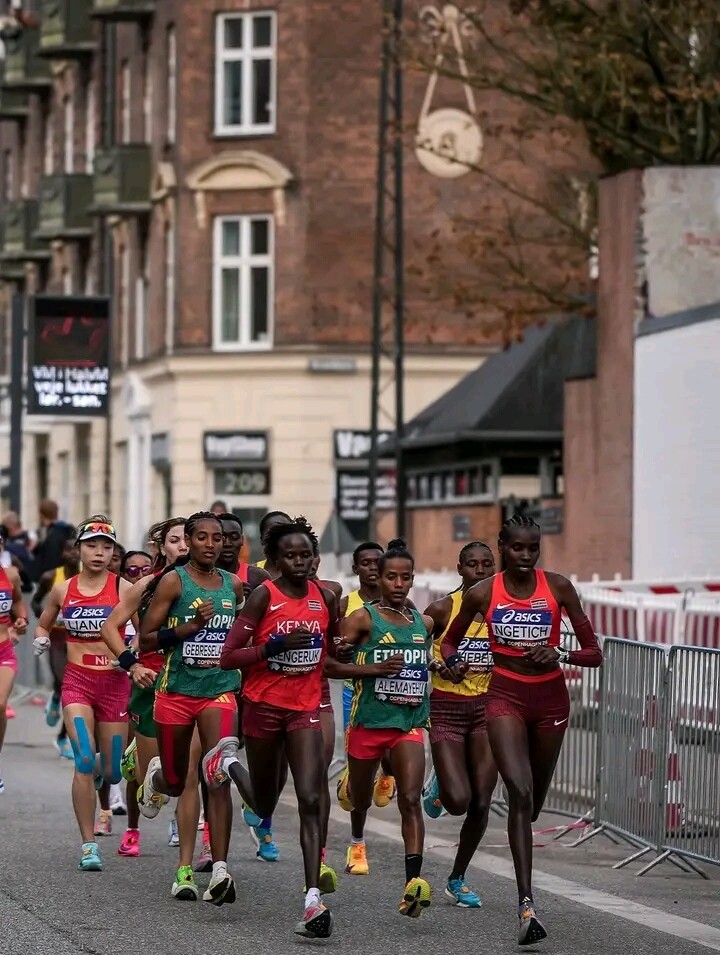
Ngetich clocked 1:05:15 to win the women’s half marathon at the World Athletics Road Running Championships, lowering the previous women-only world record of 1:05:16 set by fellow Kenyan Peres Jepchirchir in Gdynia, Poland, in 2020.
Jepchirchir originally established the record on October 17, 2020, when she won the World Athletics Half Marathon Championships in Gdynia in 1:05:16. That performance came just weeks after she had first broken the women-only record in Prague with 1:05:34 on September 5, 2020.
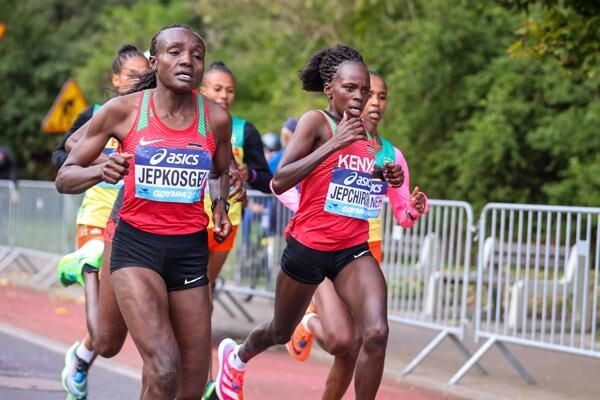
Five years later, Ngetich finally moved the mark forward—but by the narrowest possible margin.
The Copenhagen race also provides an intriguing statistical contrast between the two record-breaking performances. Their final times are separated by only one second, yet their races unfolded in noticeably different ways.
Ngetich attacked from the beginning, passing the opening 5km in 15:12. She then maintained remarkable consistency, reaching the next 5km in 15:27, followed by 15:38 and 15:39 for the subsequent 5km segments. With the final section covered in 3:19, she stopped the clock at 1:05:15.
Jepchirchir’s 2020 record followed a different rhythm. She passed the corresponding stages in 15:20, 15:27, 15:37 and 15:40, before producing a dramatically faster final section of 2:36 to complete her historic run in 1:05:16.
The split comparison highlights the contrasting ways in which the two Kenyans reached almost identical finishing times. Ngetich established her advantage early and maintained it through the middle kilometres, while Jepchirchir gradually built her race and delivered a particularly powerful closing section.
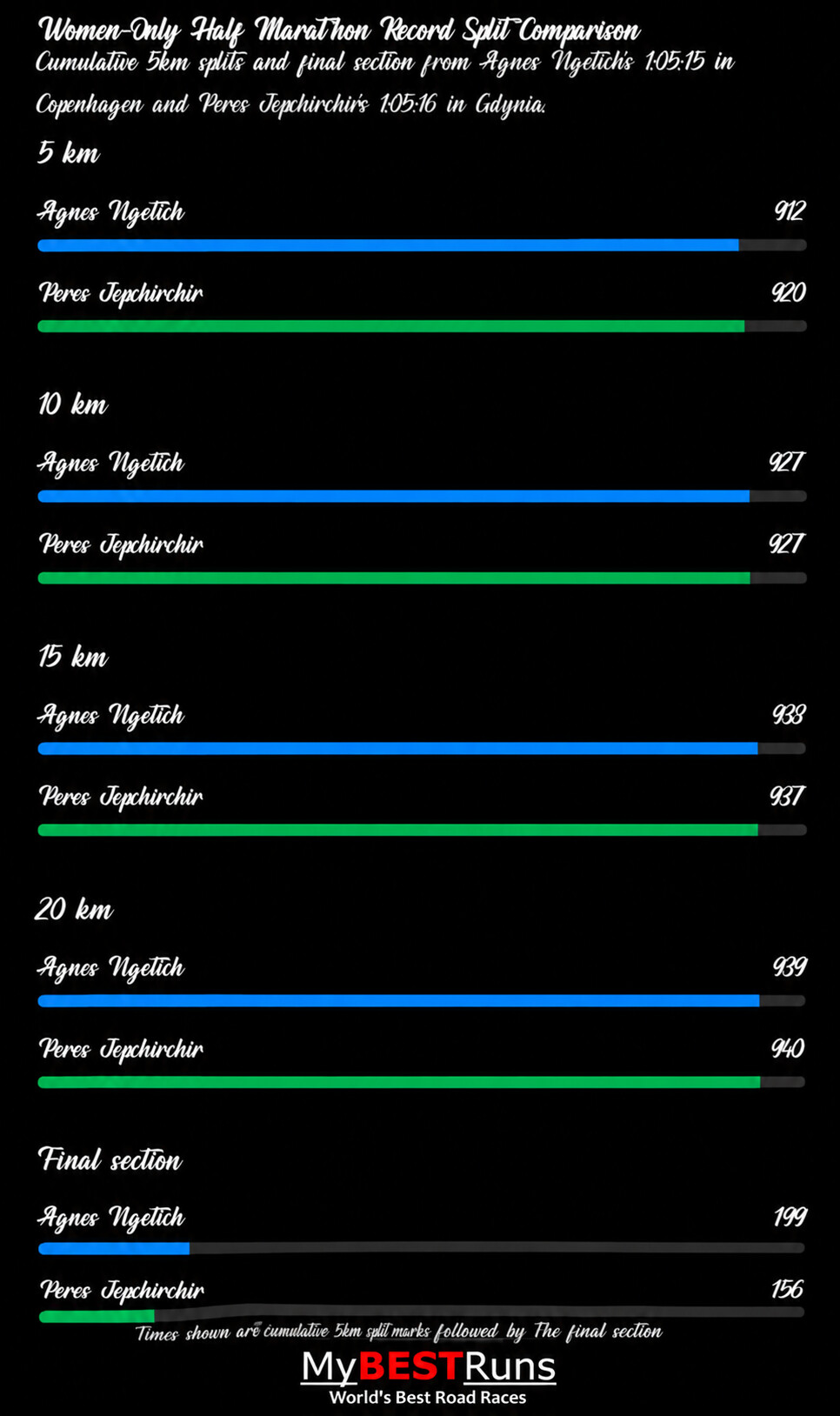
That is what makes the comparison so fascinating. Ngetich’s 1:05:15 and Jepchirchir’s 1:05:16 were produced five years apart, in different races and under different circumstances, yet the two performances sit almost perfectly together in the record books.
The split comparison is not a direct race between the two athletes, but rather a look back at how two Kenyan champions produced historic performances through contrasting pacing strategies. Ngetich’s performance was built on an exceptionally fast opening and sustained consistency, while Jepchirchir’s record was characterized by a stronger acceleration toward the finish.
For Jepchirchir, the 1:05:16 in Gdynia represented a defining moment in 2020. For Ngetich, the 1:05:15 in Copenhagen marked the moment she finally moved that record forward.
One second separates them. Five years separate the performances. Together, the two times provide a striking statistical snapshot of two historic Kenyan half-marathons.
by Erick Cheruiyot for My Best Runs.
Login to leave a comment
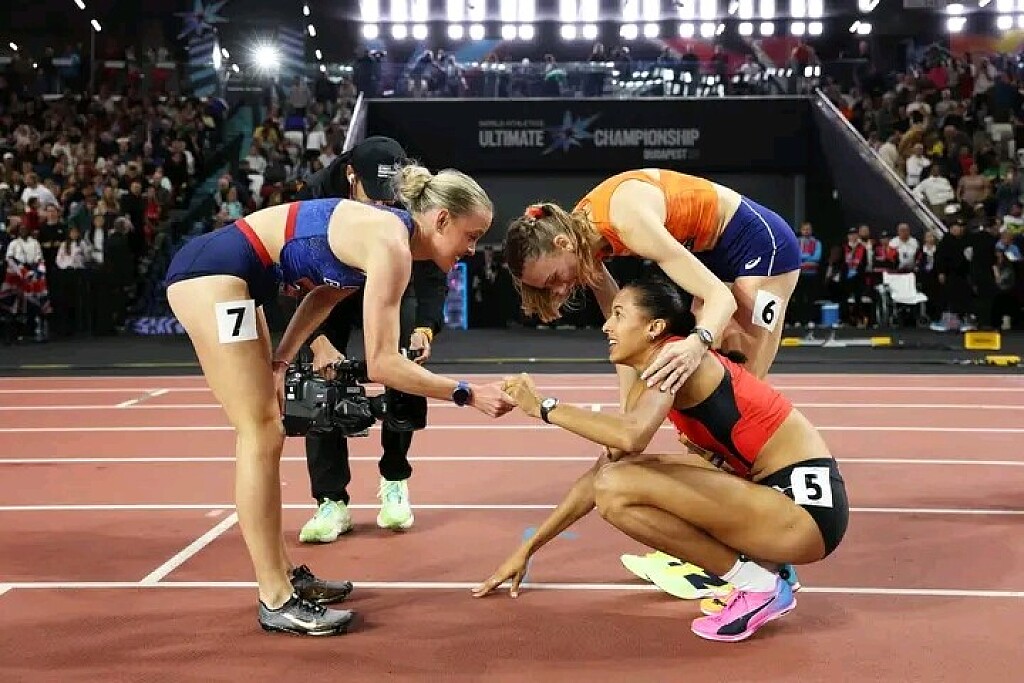
Women’s 800m Delivers A Season For The Ages In 2026
The women’s 800 metres has produced one of the most compelling storylines of the 2026 athletics season, with extraordinary times, fierce rivalries and a remarkable emergence that has transformed the event into one of the most closely followed races on the track.
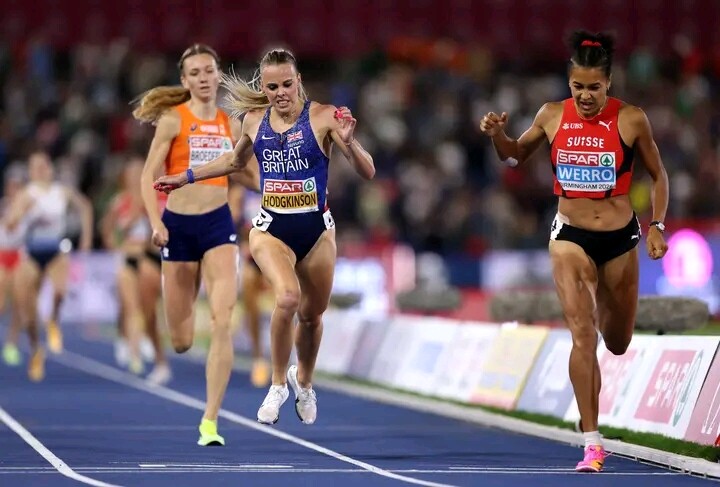
At the centre of it all has been Switzerland’s Audrey Werro, who turned an already competitive event into a breathtaking display of speed and consistency. Werro finished the outdoor season unbeaten and established herself as one of the leading forces over two laps.
Her breakthrough reached another level in Stockholm in June, when she ran 1:53.98 to become only the third woman in history to break 1:54. She later improved to 1:53.80 in Paris before producing an astonishing 1:53.70 in Zurich in August. That performance moved her to third on the all-time list, behind only Jarmila Kratochvilova and Nadezhda Olizarenko.
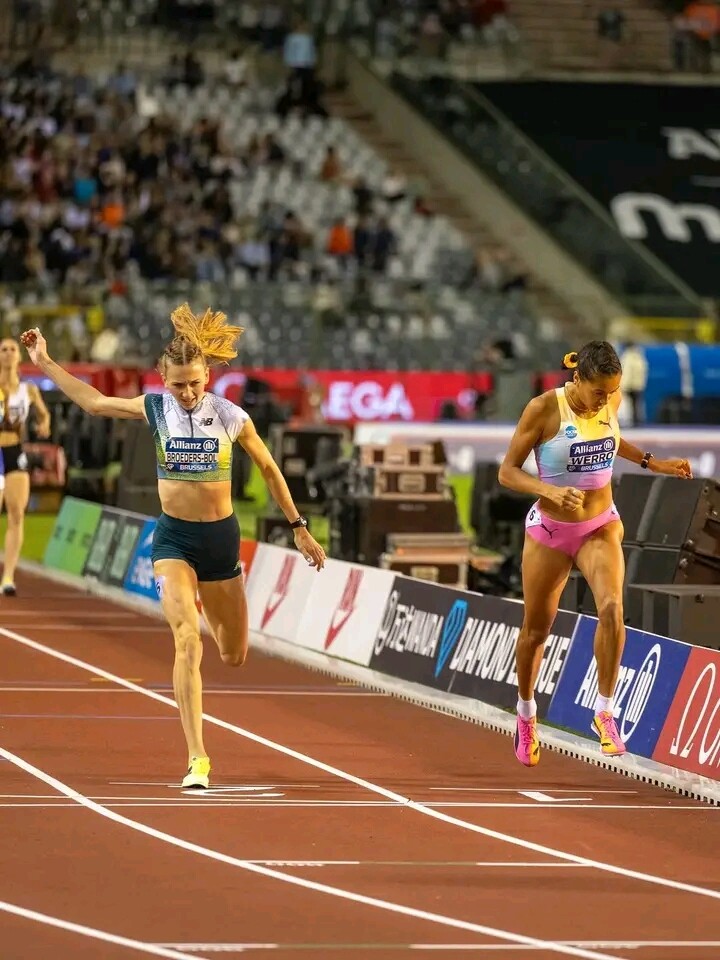
Yet Werro was not the only athlete rewriting the story of the event.
Britain’s Keely Hodgkinson began the year in spectacular fashion by breaking the world indoor 800m record with 1:54.87 in Liévin. She followed that with victory at the World Indoor Championships, winning the title in a championship record of 1:55.30.
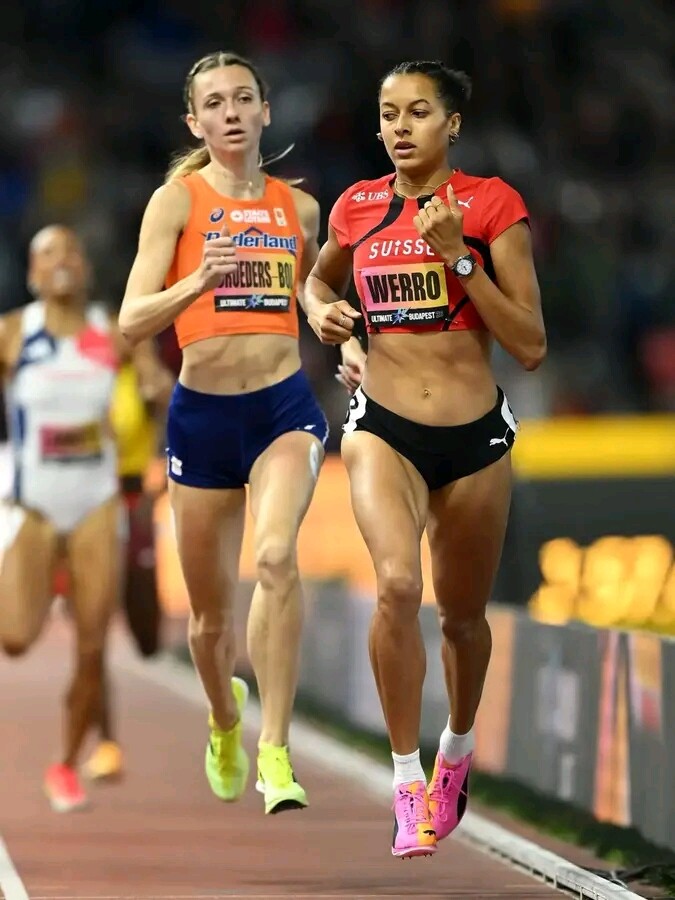
Hodgkinson also produced one of the season’s most memorable outdoor races when she ran 1:54.33 in Stockholm, finishing behind Werro but setting a British record and recording one of the fastest 800m performances ever run by a non-winner. The two athletes pushed each other deep into territory rarely seen in the event.
Then came one of the most unexpected developments of the season: Femke Broeders-Bol’s transformation.
The Dutch star, already a two-time world champion in the 400m hurdles, made the switch to the 800m in 2026 and rapidly established herself among the world’s best. What initially looked like an ambitious experiment quickly became a genuine championship challenge.
Broeders-Bol ran 1:55.54 to take bronze behind Werro and Hodgkinson at the European Championships in Birmingham, matching the Dutch record. She later improved to 1:54.71 in Zurich, becoming one of the fastest women in history at the distance.
The European final provided another glimpse of just how deep the event had become. Werro won in a championship-record 1:54.81, Hodgkinson followed in 1:55.01, while Broeders-Bol took third in 1:55.54.
Their rivalry continued into the inaugural World Athletics Ultimate Championship in Budapest, where the three again shared the spotlight. Werro produced another controlled performance to win the final in 1:55.88, ahead of Hodgkinson in 1:56.26 and Broeders-Bol in 1:56.74.
What made the 2026 women’s 800m particularly remarkable was not simply the number of fast times, but the different storylines unfolding at the same time. Werro’s explosive rise, Hodgkinson’s record-breaking indoor campaign and championship pedigree, and Broeders-Bol’s extraordinary transition from the 400m hurdles created a three-way battle that repeatedly produced world-class racing.
And behind them was an increasingly deep field, making the event far more than a contest between three athletes. With multiple runners capable of breaking two minutes and pushing the leaders, every major championship race carried the possibility of another breakthrough.
For Werro, 2026 became the year she moved from emerging talent to a dominant outdoor force. For Hodgkinson, it was another season of record-breaking performances and championship experience. And for Broeders-Bol, it was the beginning of an entirely new chapter.
Together, they made the women’s 800m one of the defining events of the 2026 season — a year in which records fell, rivalries intensified and the two-lap race produced drama almost every time the gun went off.
by Erick Cheruiyot for My Best Runs.
Login to leave a comment
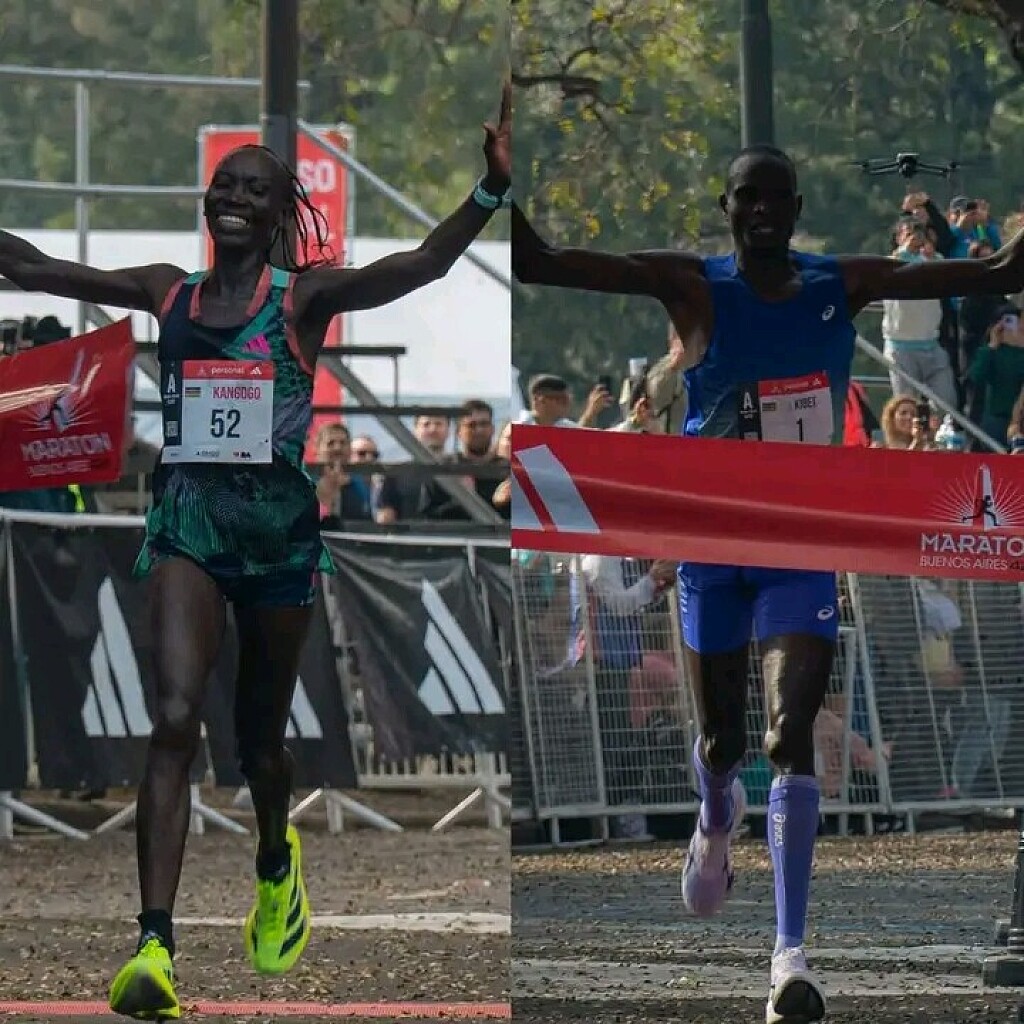
Bethwel Kibet Chumba And Rebecca Kangogo Chesir Lead Kenyan Triumph At Buenos Aires Marathon
Kenya produced a spectacular double triumph at the 2026 Buenos Aires Marathon on Sunday, September 20, dominating both the men’s and women’s races as Bethwel Kibet Chumba claimed the men’s title and Rebecca Kangogo Chesir shattered the women’s course record.
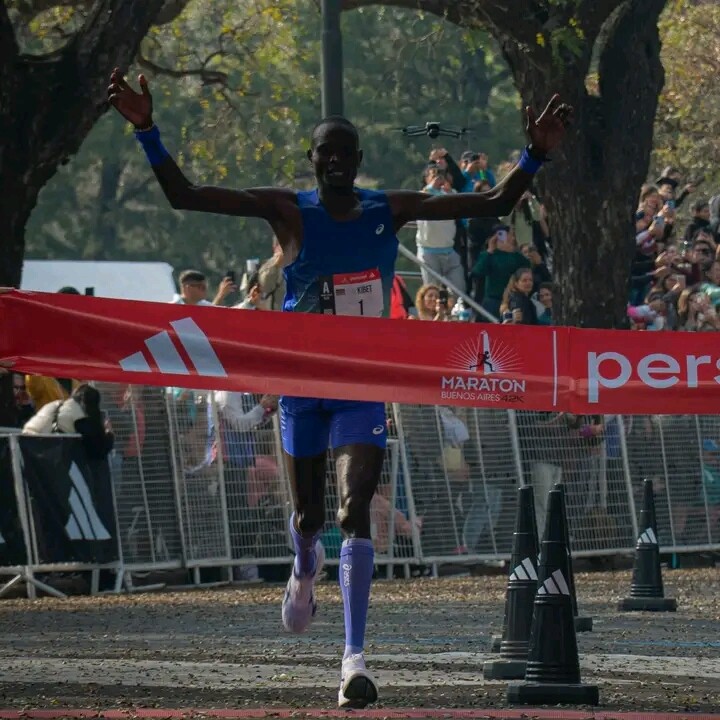
On the men’s side, Chumba delivered a commanding performance to conquer the streets of Argentina, crossing the finish line in 2:08:28 and securing a memorable victory on the home turf of football legend Diego Armando Maradona.
The race unfolded under challenging conditions, with temperatures around 18°C and humidity approaching 90 percent placing considerable demands on the runners throughout the 42.195-kilometre course.
Earlier in the race, a fierce lead group featuring four Kenyans and one Rwandan pushed the pace aggressively, reaching halfway in a remarkable 1:02:48. At that point, the pace appeared fast enough to threaten the 2:05:00 course record, but the demanding second half would prove considerably more difficult.
As the kilometres passed and the humid conditions began to take their toll, Chumba maintained his strength and composure to emerge as the strongest runner in the closing stages. He eventually secured the victory in 2:08:28.
Rwanda’s John Hakizimana produced an outstanding performance to finish second in 2:08:39, just 11 seconds behind Chumba, while Kenya’s Felix Kiptoo Kirwa completed the men’s podium in 2:10:24.
Kipkemo Kiprono followed in fourth in 2:10:49, with Vincent Kibor Raimoi fifth in 2:11:50. Ethiopia’s Embay Goitom Dimtsu finished sixth in 2:12:28, while Chile’s Ricardo Rojas was seventh in 2:14:47.
Colombia’s David Gómez González placed eighth in 2:15:23, followed by Argentina’s Ignacio Erario in 2:16:42 and compatriot Ignacio Reyes, who completed the men’s top 10 in 2:21:46.
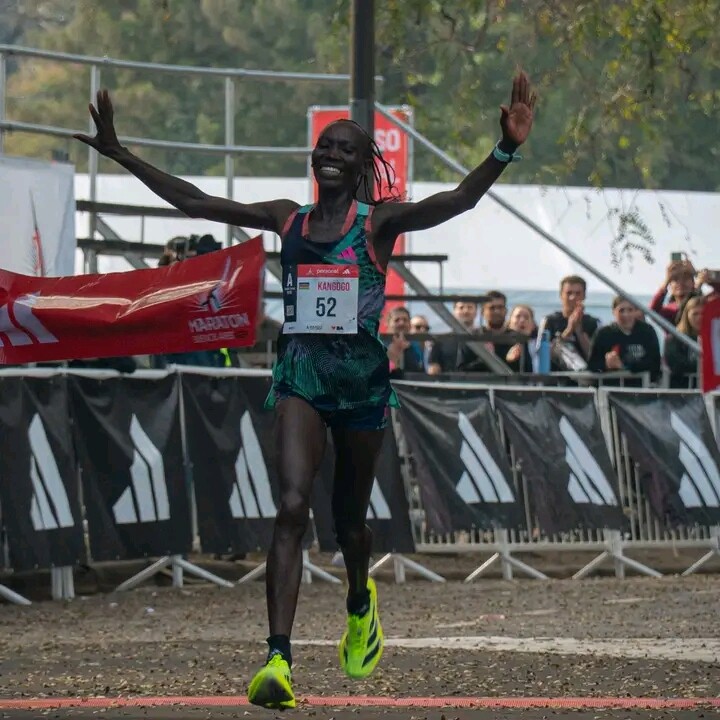
The women’s race provided another remarkable Kenyan celebration, with Rebecca Kangogo Chesir leading a clean sweep of the podium while producing the performance of the day with a new course record of 2:23:36.
Kangogo Chesir controlled the women’s race through the streets of Buenos Aires to claim victory and rewrite the course record. Her winning time was 1 minute and 16 seconds faster than the previous mark of 2:24:52, set by fellow Kenyan Rodah Jepkorir Tanui in 2023.
The victory also represented a major personal breakthrough for Kangogo Chesir. Entering the race with a personal best of 2:24:25, she improved substantially to 2:23:36, breaking the 2:24 barrier for the first time in her career.
Behind her, Tanui produced another strong performance to finish second in 2:24:49, while Emmah Cheruto Ndiwa completed the all-Kenyan podium in 2:26:55, giving Kenya gold, silver and bronze in the women’s race.
The result was particularly significant for Tanui, who returned to the Buenos Aires podium after winning the race in 2023. Her runner-up performance in 2026 was also faster than the 2:24:52 winning time she recorded three years earlier.
Ethiopia’s Sintayehu Hailemichael finished fourth in 2:29:53, followed by compatriot Agere Tamir in 2:30:19. Lomi Muleta Tefera, also from Ethiopia, placed sixth in 2:32:15.
Argentina’s Chiara Mainetti was the leading home runner in seventh place with 2:38:25. Anahi Castaño followed in 2:44:21, while Mercedes Piredda finished ninth in 2:48:11. Laura Ortegon completed the women’s top 10 in 2:50:32.
The demanding weather conditions added another layer of difficulty to both races, with the warm temperatures and exceptionally high humidity testing the endurance of the international field over the full marathon distance.
For Kenya, Buenos Aires became a celebration of distance-running strength, with Chumba taking the men’s title in 2:08:28 and Kangogo Chesir breaking the women’s course record in 2:23:36. The women’s podium sweep added another highlight, as Kenya once again demonstrated its depth on the international marathon stage.
by Erick Cheruiyot for My Best Runs.
Login to leave a comment

Buenos Aires Marathon
The Maratón of Buenos Aires is an annual marathon foot-race which takes place in Buenos Aires, Argentina, during the Southern Hemisphere's Spring, usually in October. The 21st edition of the Buenos Aires Marathon started on October 9, 2005 at 7:30 at the 9 de Julio Avenue and Córdoba Avenue in the Recoleta neighborhood, being the start also the end point. ...
more...
Team USA Makes History With Double Half Marathon Team Medals In Copenhagen
The United States enjoyed a remarkable day at the 2026 World Athletics Road Running Championships in Copenhagen, Denmark, securing team medals in both the men’s and women’s half marathon competitions.
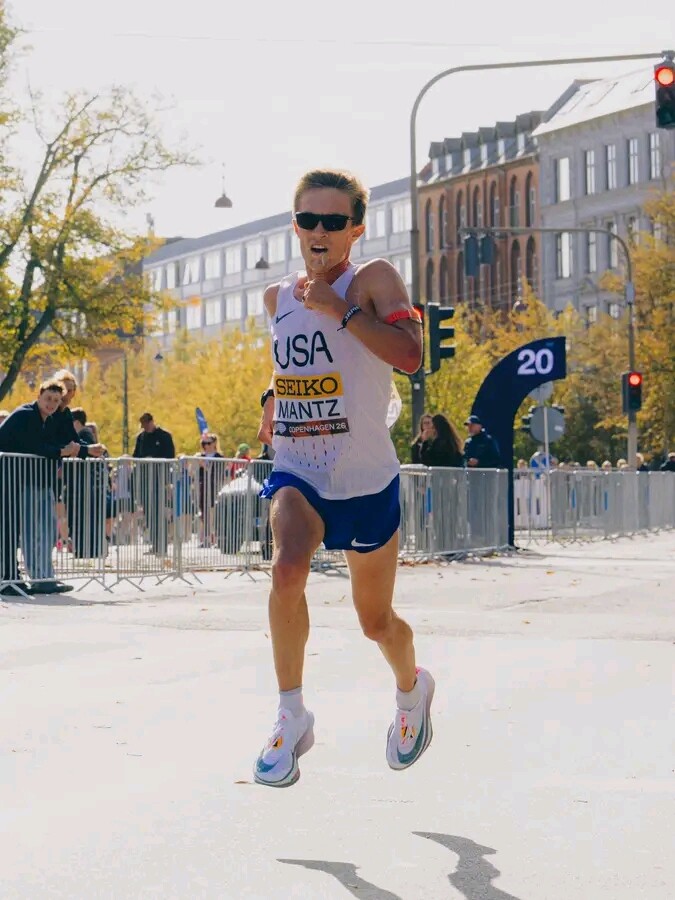
The American men claimed bronze in the team standings, while the women produced a historic performance to win silver and secure Team USA’s first-ever women’s team medal at the World Road Running Championships.
Leading the way for the American men was Conner Mantz, who finished 12th individually in 1:00:08, clocking a season’s best to spearhead the American challenge over the 21.1-kilometre distance.
For Mantz, the performance carried added significance as he continues his comeback from injury. His 1:00:08 season’s best provided a strong return to championship-level competition and an important tune-up as he prepares to take on the New York City Marathon in November.
Mantz’s performance also proved crucial to Team USA’s team medal effort, with his 12th-place finish providing the foundation for the Americans to secure bronze in the men’s standings.
Ahmed Muhumed followed closely in 13th place, crossing the finish line in 1:00:15. The performance marked a significant breakthrough for Muhumed, who lowered his previous best by 48 seconds in a major championship setting.
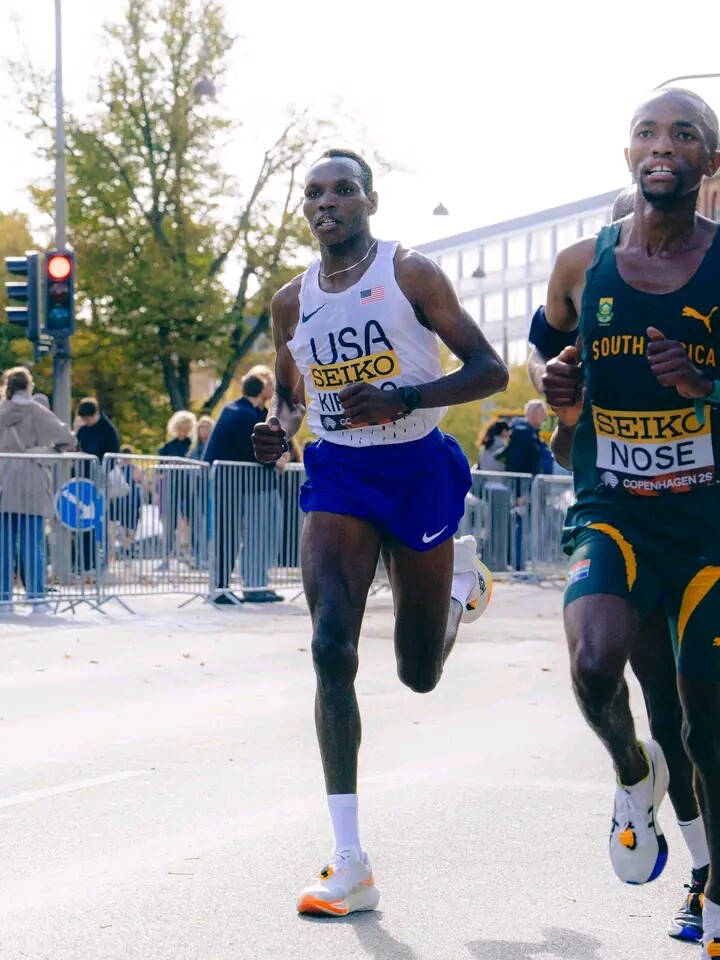
Wesley Kiptoo completed the American scoring trio, placing 23rd in 1:01:11. Kiptoo also produced a season’s best, contributing another important performance to the United States’ team effort.
The combined performances of Mantz, Muhumed and Kiptoo were enough to place the United States third in the men’s team standings, securing a hard-earned bronze medal in Copenhagen.
For Muhumed, the race was one of the biggest breakthroughs of the day, with his 1:00:15 representing a 48-second improvement on his previous best. Kiptoo’s season-best 1:01:11 further strengthened the American challenge and helped convert three individual performances into a place on the global podium.
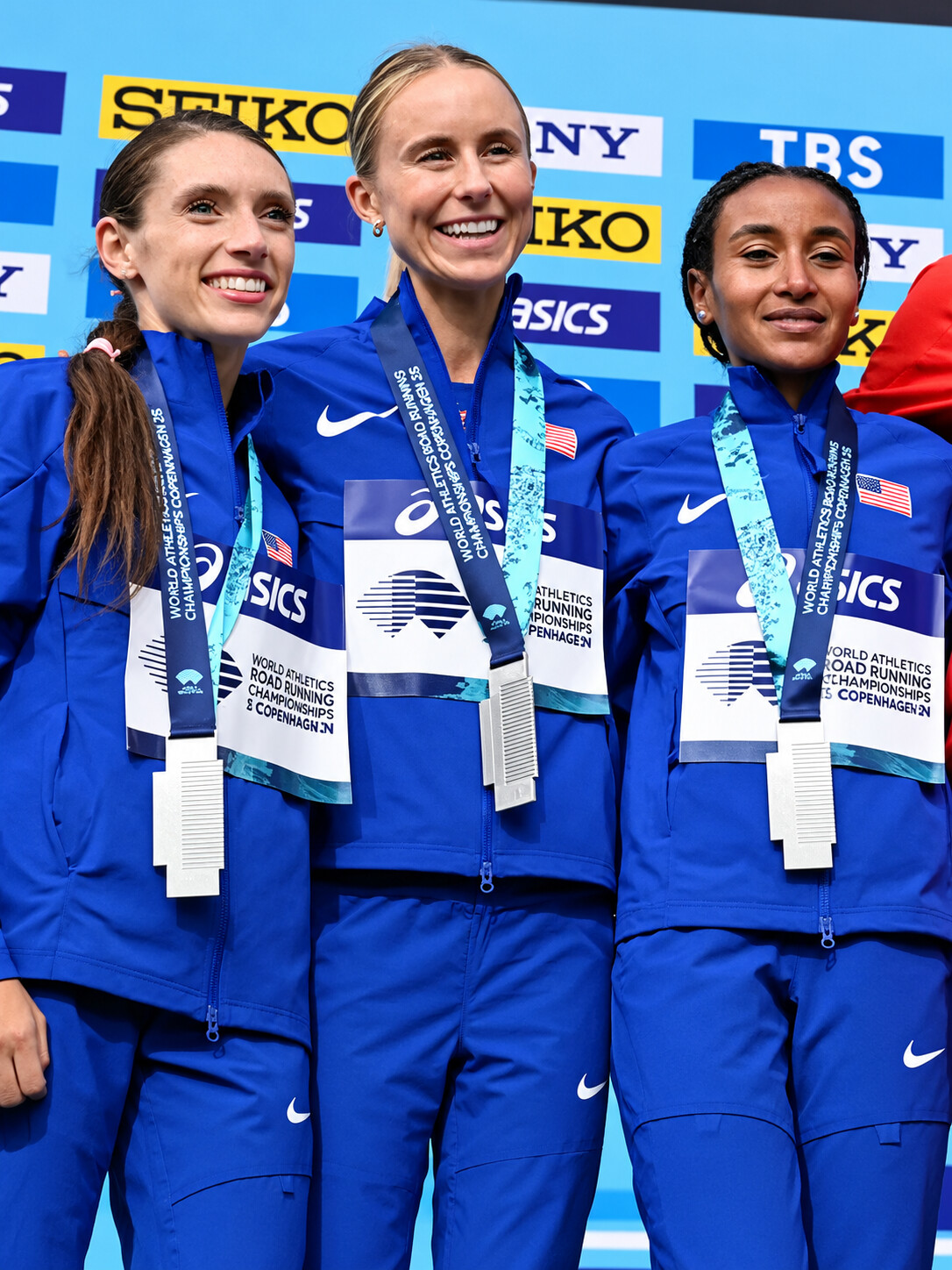
On the women’s side, Team USA made history by placing three athletes inside the top seven, earning its first-ever women’s team medal at the World Road Running Championships.
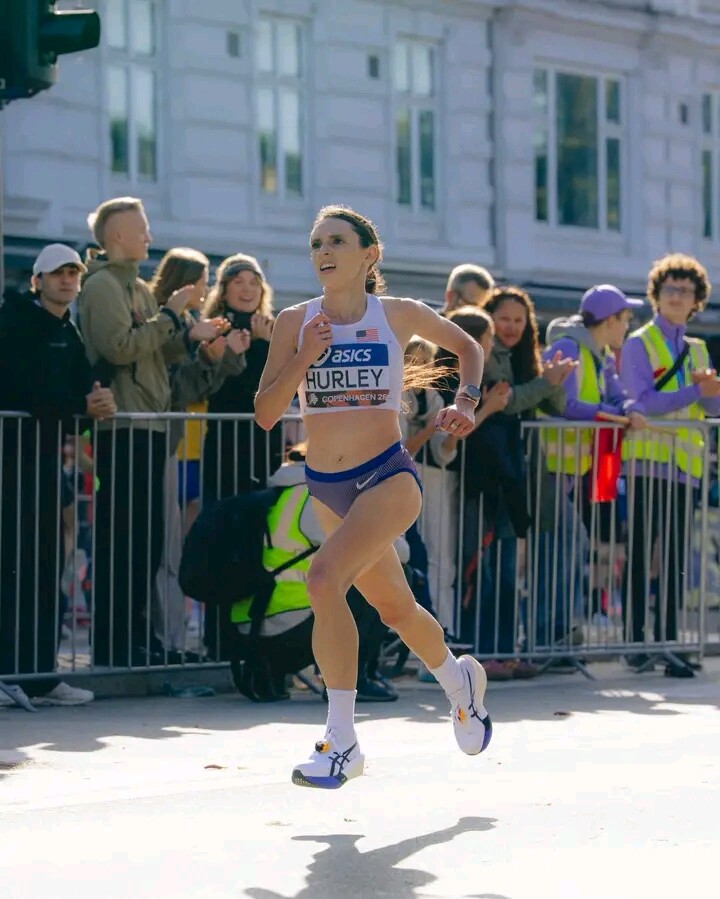
Emma Grace Hurley led the American women with a sensational fifth-place finish in 1:06:23. The performance was a huge personal best, taking more than a minute off her previous best of 1:07:35 and moving her to No. 3 on the U.S. all-time half marathon list.
Hurley also finished as the first American across the line, delivering one of the standout performances of the championship for the United States.
Weini Kelati Frezghi followed in sixth place, clocking 1:06:35 and ensuring that Team USA had two athletes inside the top six. Jessica McClain completed the scoring trio in seventh, stopping the clock at 1:06:53.
McClain’s performance represented another major breakthrough. She entered Copenhagen with a half marathon personal best of 1:08:37 but improved that mark by nearly two minutes, producing a remarkable 1:06:53 and moving to No. 6 on the U.S. all-time list.
With Hurley, Kelati Frezghi and McClain all finishing inside the top seven, the American women combined their individual performances to secure a historic team silver medal.
The achievement gave Team USA a remarkable double podium finish in the half marathon team competitions, with the men taking bronze and the women claiming silver.
Beyond the medals, Copenhagen provided a showcase of individual breakthroughs for the American distance runners. Hurley moved into the top three on the U.S. all-time list, while McClain made an equally significant leap into sixth, as Mantz added another season’s best during his return from injury.
For Mantz, the Copenhagen race now serves as an important stepping stone toward the New York City Marathon in November, giving him a competitive test and a confidence-building performance as he continues his return to top-level racing.
It was a memorable championship outing for Team USA, with strong individual performances translating into two team medals and a landmark first for the American women at the World Road Running Championships.
by Erick Cheruiyot for My Best Runs.
Login to leave a comment
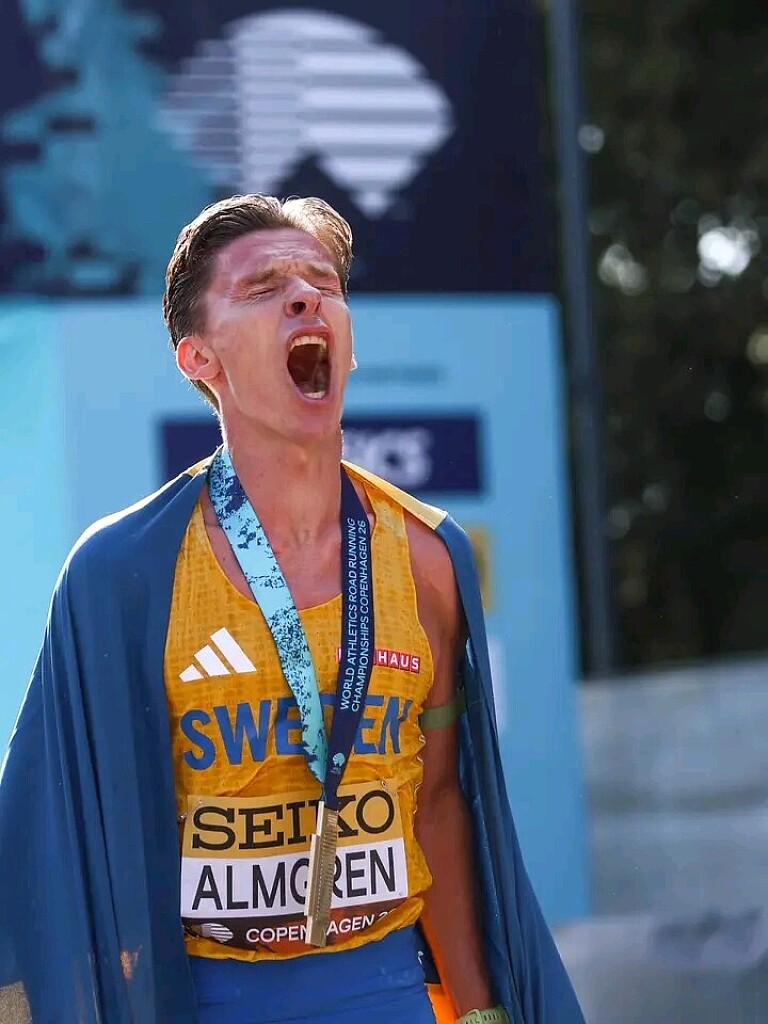
Andreas Almgren Times His Move To Perfection For World Half Marathon Gold In Copenhagen
Sweden’s Andreas Almgren produced a breathtaking finish on the streets of Copenhagen, unleashing a perfectly timed late surge to win the men’s half marathon title at the 2026 World Athletics Road Running Championships in 58:06.
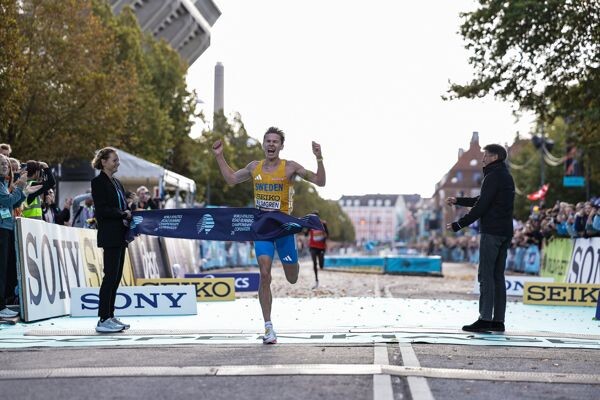
The Swedish star waited patiently through the decisive stages of the race before making his move with roughly 200 metres remaining, accelerating away from the field and producing a devastating sprint down the final straight.
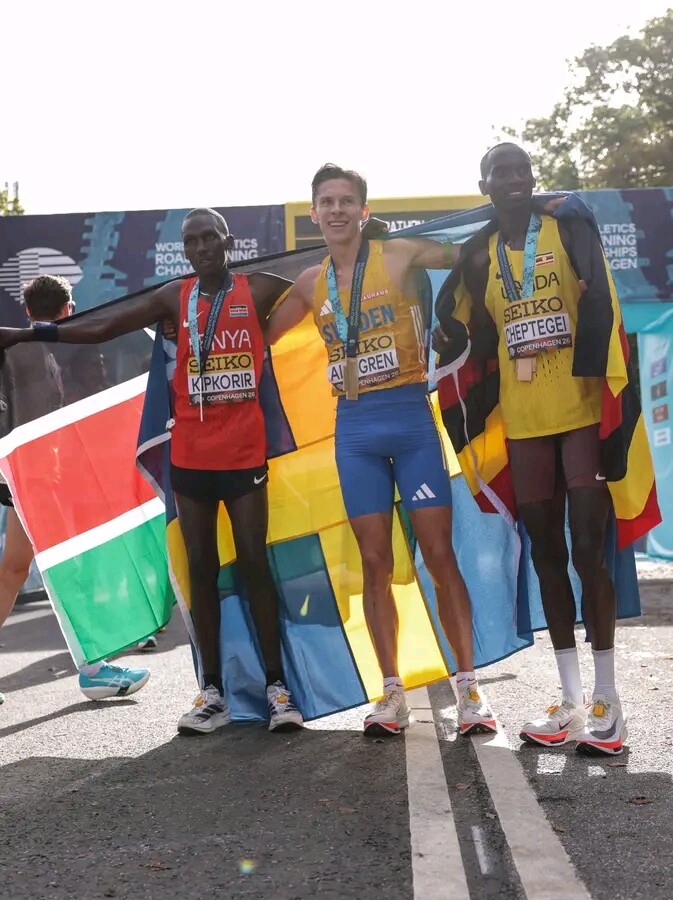
Nicholas Kipkorir had controlled much of the race, dictating the pace and keeping the leading contenders under pressure. Almgren, however, remained close throughout, carefully conserving enough energy for the moment that would ultimately decide the world title.
When the race entered its final stretch, Almgren made his move. The Swede surged hard over the final 200 metres and then outsprinted Kipkorir over the last 100 metres, powering clear to cross the line first in 58:06.
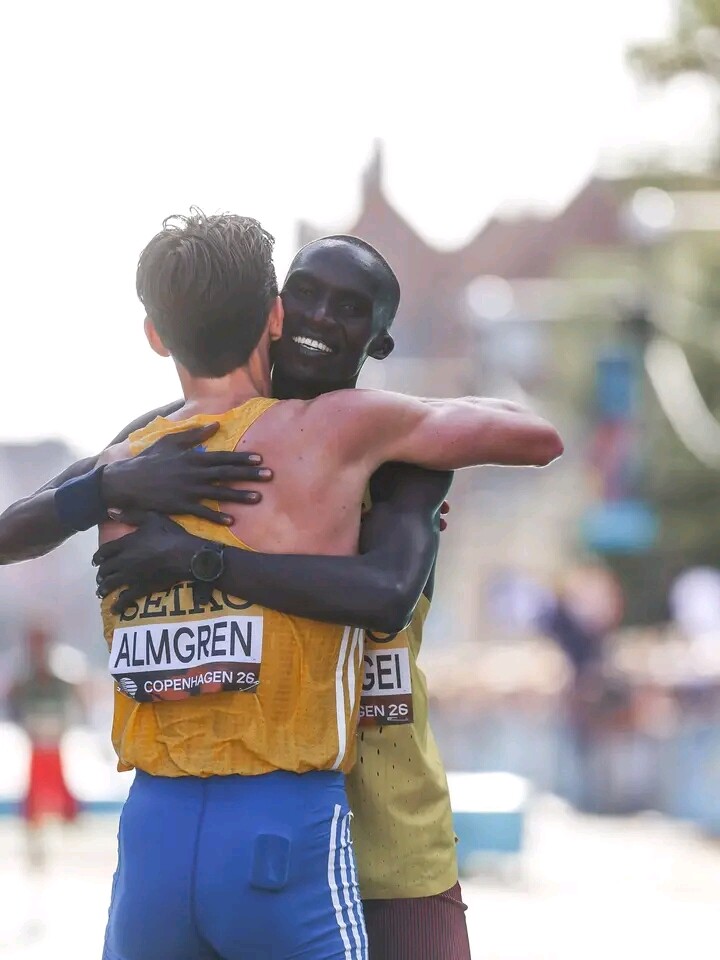
The performance was not only enough to secure the gold medal but also delivered an Area Record, adding another extraordinary achievement to Almgren’s rapidly growing list of accomplishments.
His winning time makes the victory even more significant in the history of the championships. Almgren becomes the first non-African world half marathon champion since Italy’s Stefano Baldini in 1996, ending a remarkable 30-year period in which athletes from Africa had dominated the global title.
For much of the race, Kipkorir appeared to have control, but Almgren refused to be separated from the Kenyan. His patience proved decisive as the race entered its final kilometres, allowing him to remain within striking distance before producing the acceleration that ultimately settled the contest.
Behind the leading pair, Uganda’s Joshua Cheptegei endured a gruelling battle to hold on to third position. The Olympic and world champion was pushed relentlessly in the closing stages and had to dig extremely deep to preserve his place on the podium. Despite the intense pressure from the athletes behind him, Cheptegei held firm to secure the bronze medal in a personal best of 58:26.
Ethiopia’s Tadese Worku also produced a personal best of 58:35 to finish fourth, while Kenya’s Gideon Kipkertich Rono followed in fifth in 58:57. The depth of the field was reflected by the fact that six athletes broke the 59-minute barrier, underlining the exceptional quality of the championship race.
Top 10 Men’s Half Marathon Results
1. Andreas Almgren (Sweden) — 58:06 — AR
2. Nicholas Kipkorir (Kenya) — 58:11
3. Joshua Cheptegei (Uganda) — 58:26 — PB
4. Tadese Worku (Ethiopia) — 58:35 — PB
5. Gideon Kipkertich Rono (Kenya) — 58:57
6. Hani Idriss Hersi (Djibouti) — 59:09 — NR
7. Yemaneberhan Crippa (Italy) — 59:18
8. Alex Nzioka Matata (Kenya) — 59:22
9. Daniel Simtu Ebenyo (Kenya) — 59:42 — SB
10. Othmane El Goumri (Morocco) — 59:53 — PB
The victory further strengthens Almgren’s remarkable 2026 campaign. The 58:06 performance gave the Swede an Area Record as he added the World Athletics Road Running Championships half marathon crown to his résumé, following his 10,000m triumph at the European Athletics Championships. His ability to combine sustained endurance with a devastating finishing kick once again proved decisive on the biggest stage.
For Almgren, the Copenhagen triumph also provides an intriguing glimpse ahead to his next challenge. With his New York City Marathon debut now on the horizon, the world half marathon title represents an important statement as he prepares to make the transition to the marathon. After demonstrating that he can handle the demands of championship racing over 21.1 kilometres while still possessing the speed to produce a decisive late surge, Almgren now turns his attention toward an entirely new distance.
The victory marks Almgren’s first global title, completing a remarkable transformation from European record-holder and leading continental distance runner into a world champion.
It also adds another spectacular chapter to an already outstanding 2026 season. Almgren has consistently demonstrated an exceptional combination of endurance, speed and tactical intelligence, and Copenhagen provided the perfect stage for all three qualities to come together.
With the clock showing 58:06, Almgren not only conquered the world championship field but also rewrote the European record books. His perfectly timed attack in the final 200 metres delivered Sweden a historic world road-running title and created one of the most dramatic finishes of the Copenhagen championships.
by Erick Cheruiyot for My Best Runs.
Login to leave a comment
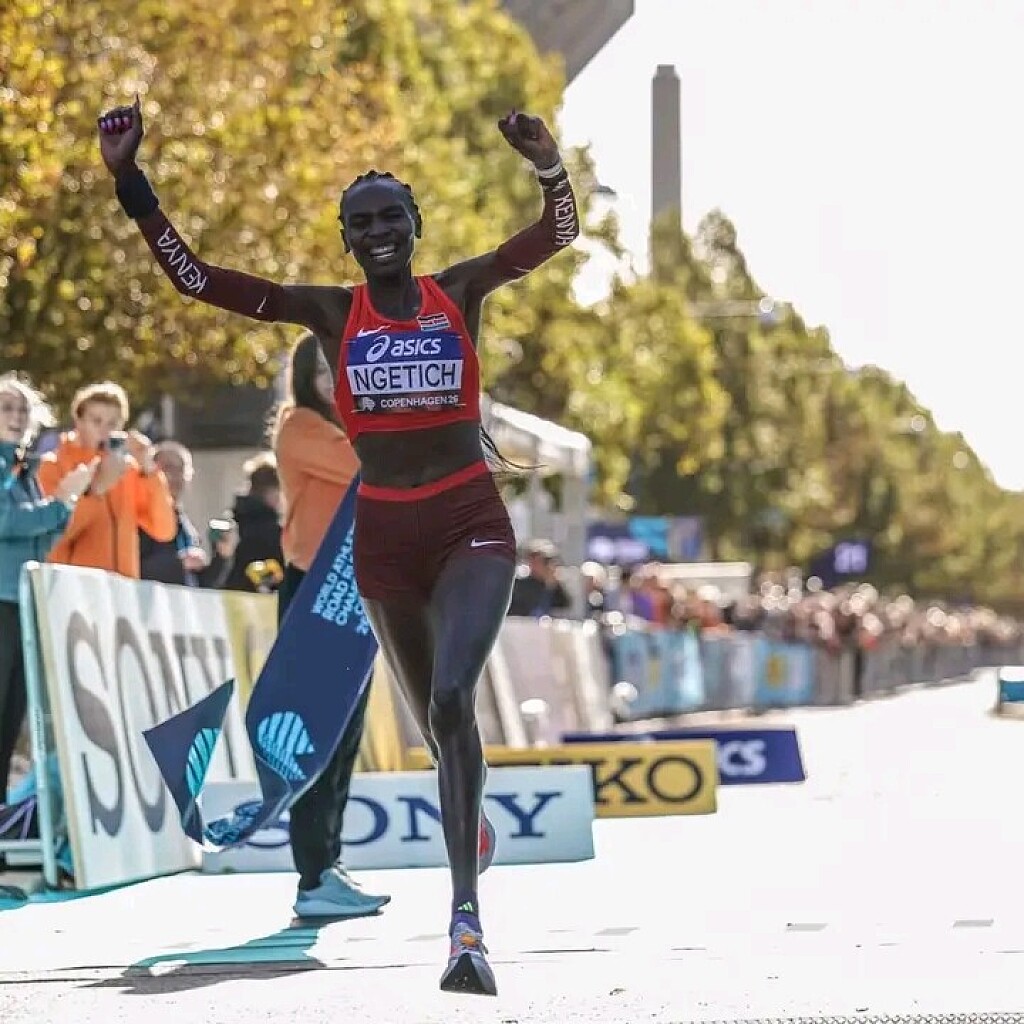
Agnes Ngetich Makes History In Copenhagen With World Half Women-Only Marathon Record
Kenya’s Agnes Jebet Ngetich produced a stunning performance in Copenhagen on Sunday, September 20, 2026, powering to women’s half marathon gold at the World Athletics Road Running Championships in a sensational 1:05:15.
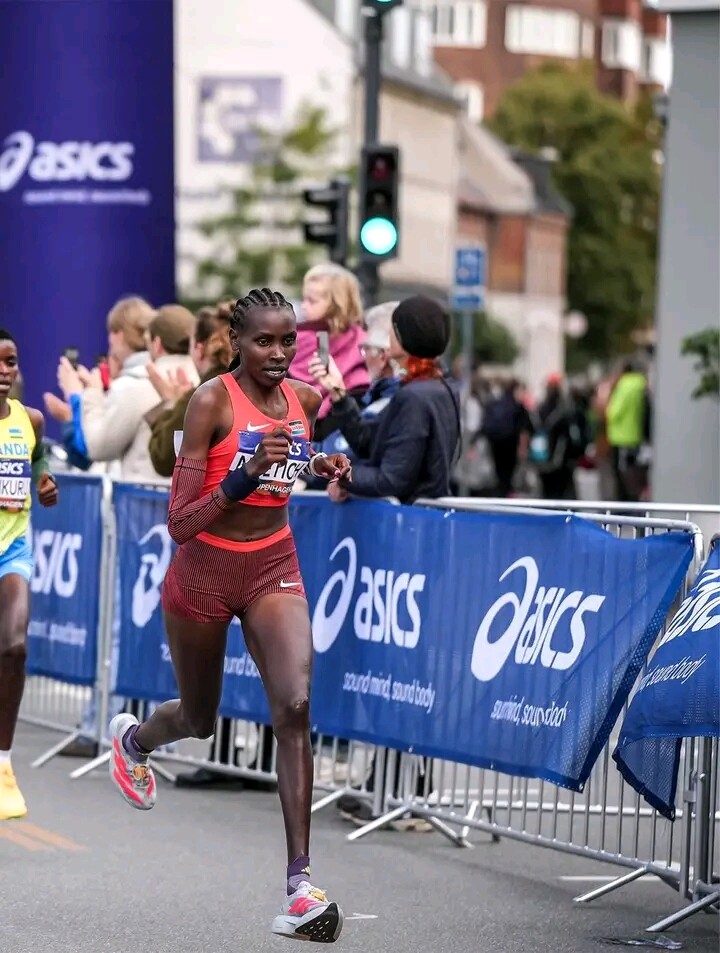
Ngetich’s victory delivered far more than a global title. Her 1:05:15 surpassed the previous women-only half marathon world record of 1:05:16, putting her at the top of the record books with a performance that further underlined her growing status as one of the most formidable road runners in the world. The record remains subject to the usual ratification procedures.
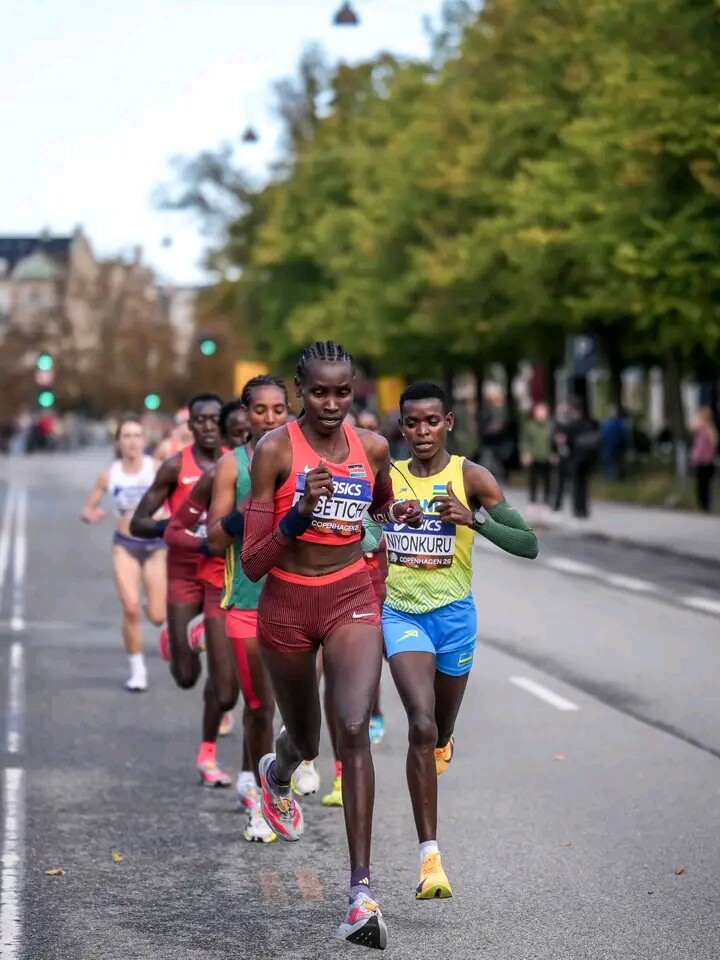
What made the performance even more remarkable was the manner in which Ngetich controlled the race. The Kenyan dictated the pace across all 21.1 kilometres, taking command from the outset and never surrendering her grip on the contest as she raced relentlessly towards the finish.
From the opening stages, Ngetich imposed a relentless rhythm, using the aggressive front-running style that has become one of the defining features of her racing. Rather than waiting for the decisive moments, the Kenyan took control early and forced her rivals to respond to her pace.
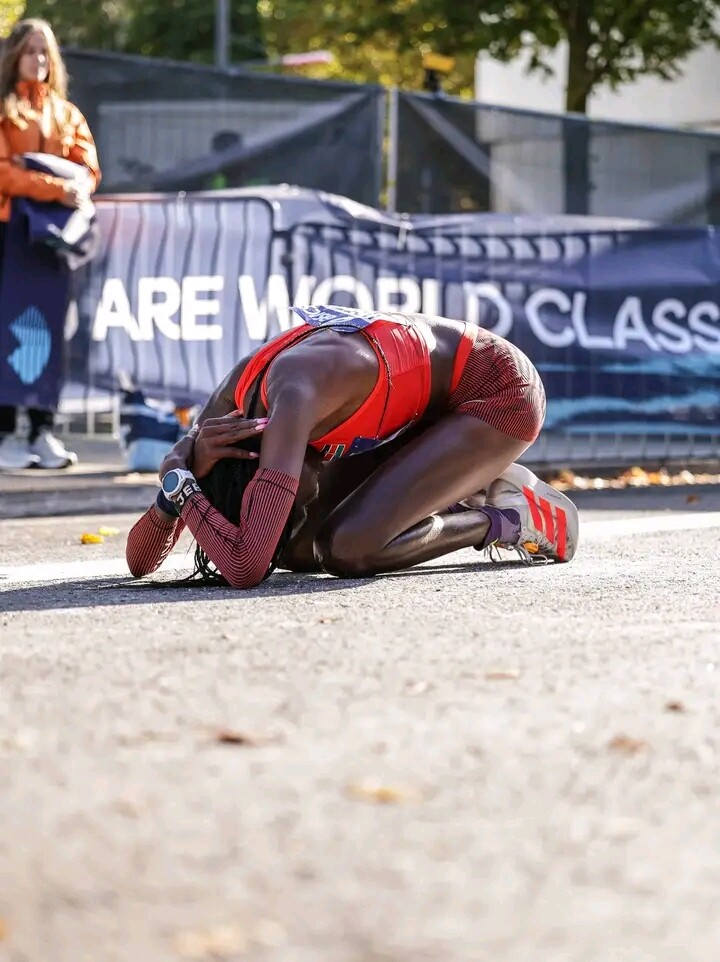
The performance marked another extraordinary chapter in a remarkable 2026 campaign. Ngetich had already established herself as a global champion earlier in the year, adding another major international title to a season that has continued to demonstrate her exceptional consistency and versatility.
Her strength extends well beyond the half marathon. Ngetich is already the world record-holder over 10km, having produced a breathtaking 28:46, a mark that established her as one of the fastest women ever recorded over the distance and further cemented her reputation as a dominant force on the roads.
Copenhagen therefore became another defining stage in Ngetich’s rapid rise. With her ability to sustain an extraordinary pace while racing aggressively from the front, she has developed a style that leaves little room for her competitors to settle into their own rhythm.
The Kenyan’s latest triumph also adds another prestigious global honour to her collection and strengthens her position among the leading figures of the current generation of distance running. Her performances throughout 2026 have shown remarkable range, from shorter road distances to the half marathon, while maintaining an unmistakable hunger for major titles.
By the time she crossed the finish line in Copenhagen, Ngetich had transformed another championship race into a piece of history. A world title, a women-only world record and complete control over 21.1km now stand alongside her name as she continues to build one of the most remarkable distance-running seasons of 2026.
The championship also produced a strong international top 10, with Kenya taking three of the first four places. Veronica Loleo followed Ngetich in second in 1:06:05, while Rwanda’s Florence Niyonkuru finished third in a national record of 1:06:08. Daisilah Jerono completed the Kenyan presence in the top four in 1:06:13, while the United States placed three athletes inside the top seven.
Top 10 Women’s Half Marathon Results — Copenhagen 2026
1. Agnes Jebet Ngetich (Kenya) — 1:05:15 — World Record
2. Veronica Loleo (Kenya) — 1:06:05
3. Florence Niyonkuru (Rwanda) — 1:06:08 — National Record
4. Daisilah Jerono (Kenya) — 1:06:13
5. Emma Grace Hurley (USA) — 1:06:23 — Personal Best
6. Weini Kelati Frezghi (USA) — 1:06:35
7. Jessica McClain (USA) — 1:06:53 — Personal Best
8. Ftaw Zeray (Ethiopia) — 1:07:07
9. Fatima Ezzahra Birdaha (Morocco) — 1:07:33 — National Record
10. Esther Chebet (Uganda) — 1:07:38
As Copenhagen witnessed another unforgettable chapter in women’s distance running, Ngetich emerged as the central figure of the championship. Her world-record run, backed by fearless front-running and remarkable endurance, has further elevated her place on the global stage. With the 2026 season continuing to produce historic performances, Ngetich’s latest achievement stands as another powerful reminder of Kenya’s enduring excellence in distance running.
by Erick Cheruiyot for My Best Runs.
Login to leave a comment
From Olympic Glory To The Microphone: Dawn Harper-Nelson’s Remarkable Second Act In Athletics
Dawn Harper-Nelson has already experienced the highest level of success an athlete can reach. Now, years after establishing herself as one of the finest hurdlers of her generation, the American Olympic champion is carving out an equally compelling identity behind the microphone.
Harper-Nelson won the 100m hurdles gold medal at the 2008 Beijing Olympic Games before returning four years later to claim silver at London 2012. Her career also produced two World Championship medals — bronze in 2011 and silver in 2017 — while her personal best of 12.37 seconds, set in London in 2012, remains a defining mark of her distinguished career.
But her influence on athletics did not end when she stepped away from competitive sport.
In recent years, Harper-Nelson has successfully moved into broadcasting, presenting and athlete-focused media work, bringing with her something that cannot simply be learned in a studio: first-hand experience of competing under immense pressure on the world's biggest stages.

Her transition into media gained further momentum after she worked as an analyst during NBCUniversal's coverage of the Paris 2024 Olympic Games, becoming part of an Emmy-winning broadcast team. She has also worked with USA Track & Field in roles including press moderator, emcee and broadcaster, extending her connection with the sport beyond the competition arena.
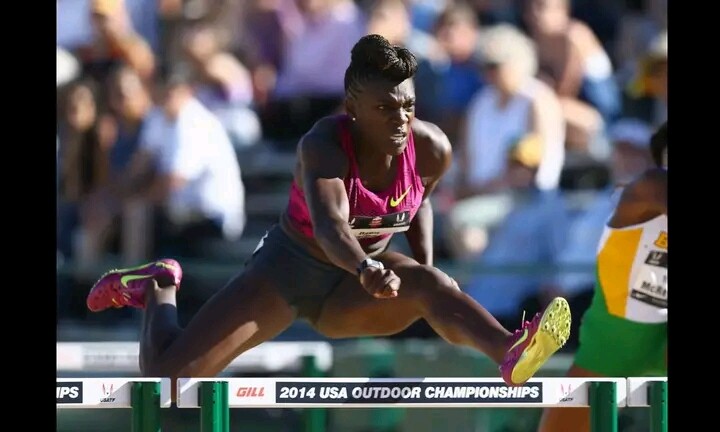
That experience has become particularly visible at some of athletics' newest and most ambitious events.
At the inaugural World Athletics Ultimate Championship in Budapest, Harper-Nelson served as an infield host throughout the three-day competition. World Athletics introduced the event with an emphasis on modern presentation, athlete storytelling and a television-focused experience, making the role of hosts and broadcasters increasingly important in connecting athletes with audiences.
Harper-Nelson was also involved in the championship's innovative pre-event programme, The Day Before, where athletes took part in interviews, content creation and other media opportunities ahead of the competition. Her presence alongside figures such as World Athletics President Sebastian Coe and Olympic sprint legend Usain Bolt underlined the experience she now brings to major athletics productions.
Her connection with ATHLOS has provided another prominent platform. The women's track and field series has developed a presentation style that combines elite competition with entertainment and athlete-focused storytelling, and Harper-Nelson has become one of the recognizable voices helping bring that experience to audiences. She previously hosted ATHLOS's long-jump competition in New York and has continued her association with the event as it expanded internationally to London in 2026.
What makes Harper-Nelson's media career particularly interesting is the perspective she carries from her own competitive journey. She knows the nerves before a major final, the pressure of championship competition, the disappointment of falling short and the discipline required to return stronger.
That background allows her to approach athlete conversations from a position of genuine understanding. Rather than simply describing what happens on the track, she can draw on her own experiences to explore the emotions, preparation and personal stories behind the performances.
Her evolution also reflects a wider change in modern athletics, where former champions are increasingly becoming storytellers, analysts, presenters and ambassadors for the sport. The ability to communicate an athlete's personality and explain the significance of a performance has become an important part of how major competitions reach new audiences.
For Harper-Nelson, the journey from the starting line to the broadcast platform has therefore been more than a career change. It has been a continuation of her relationship with athletics — only this time, she is helping tell the stories rather than creating them through her own performances.
From Olympic champion to accomplished broadcaster and event host, Dawn Harper-Nelson is showing that an athlete's influence does not have to end when the competitive career does. Her second chapter is giving her a new way to remain at the heart of the sport she once dominated on the track.
by Erick Cheruiyot for My Best Runs.
Login to leave a comment
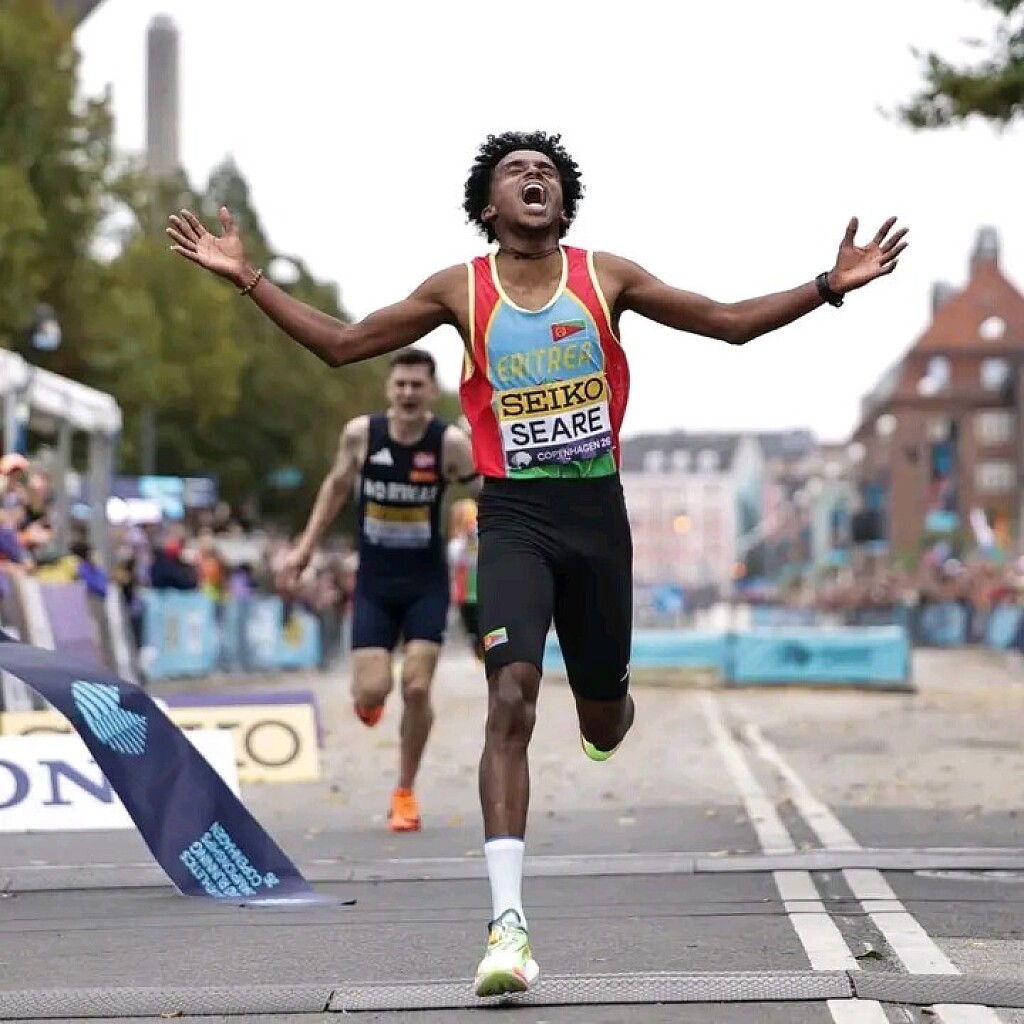
Dawit Seare Stuns Ingebrigtsen In Thrilling Finish To Win World 5km Title In Copenhagen
Eritrea’s Dawit Seare produced a sensational performance on Saturday, September 19, 2026, to claim the men’s 5km world title at the World Athletics Road Running Championships in Copenhagen, defeating Norway’s Olympic champion Jakob Ingebrigtsen in a dramatic battle that went down to the final metres.
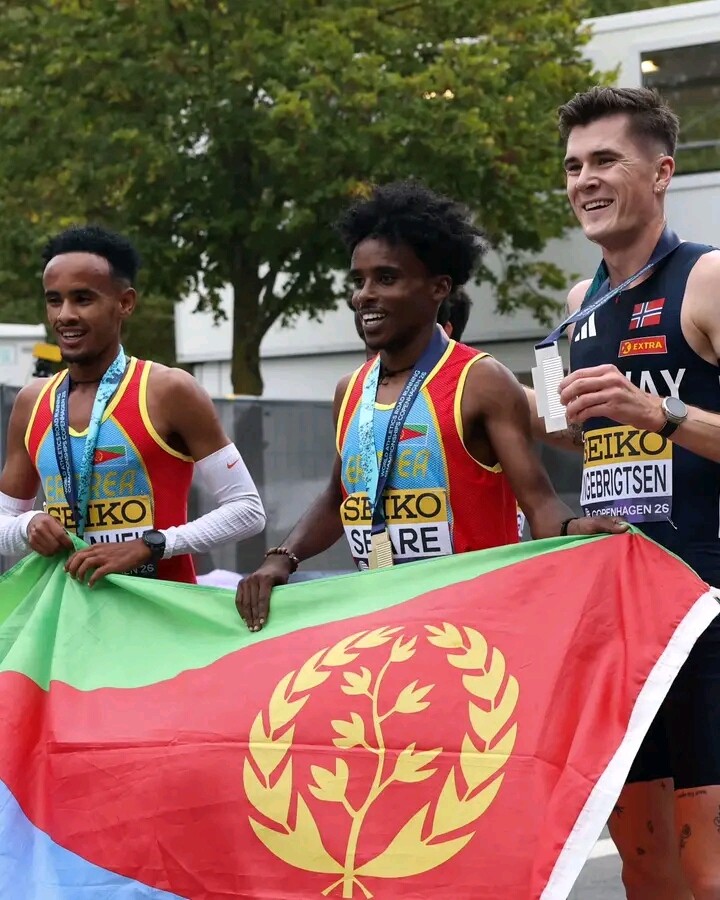
Seare crossed the finish line in a national record of 12:56, with Ingebrigtsen taking silver in a Norwegian record of 12:59. Eritrea completed a remarkable double podium as Saymon Amanuel secured bronze in a personal best of 13:00.
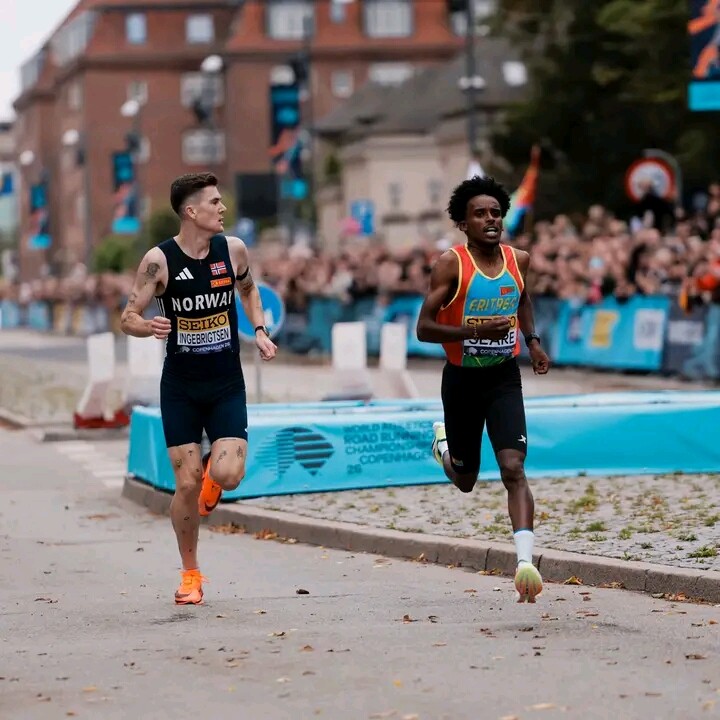
The closing stages produced an extraordinary finish as Seare and Ingebrigtsen engaged in a fierce battle for the world title. With just 150 metres remaining, the lead changed hands three times, underlining the intensity of the contest. Ingebrigtsen briefly surged ahead and appeared to have taken control, but Seare responded with another gear, powering past the Norwegian before the finish line.
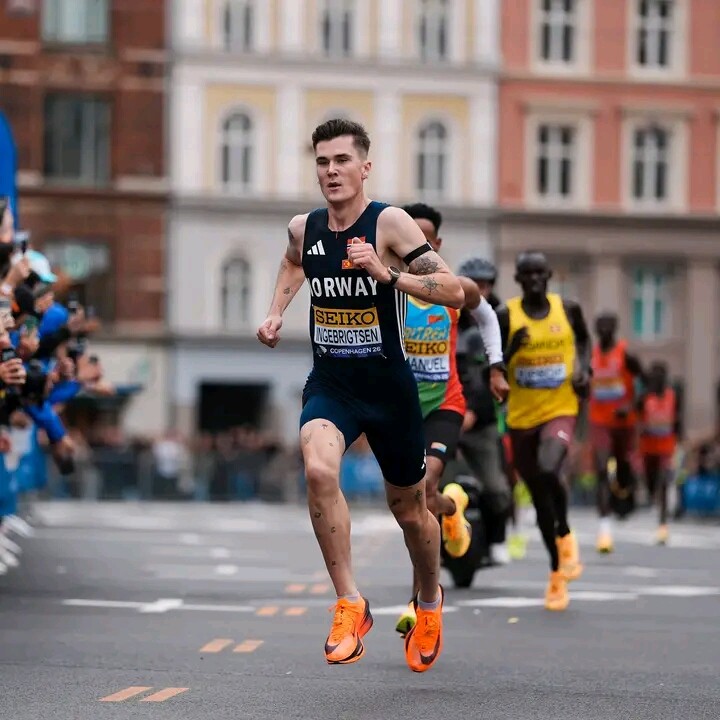
The Eritrean’s decisive acceleration carried him to victory by three seconds, turning what had been a tightly contested race into a remarkable championship triumph. Seare held his composure under immense pressure and produced the strongest finish when it mattered most.
The race had featured a large leading group through much of the early stages before the pace intensified approaching the final kilometres. As the runners entered the decisive phase, Seare remained firmly in contention, positioning himself perfectly for the battle that would ultimately determine the world champion.
For Seare, the victory adds another major achievement to an impressive 2026 season. Having already established himself as the African 5,000m champion, he has now transferred that success to the roads by securing a world title in Copenhagen.
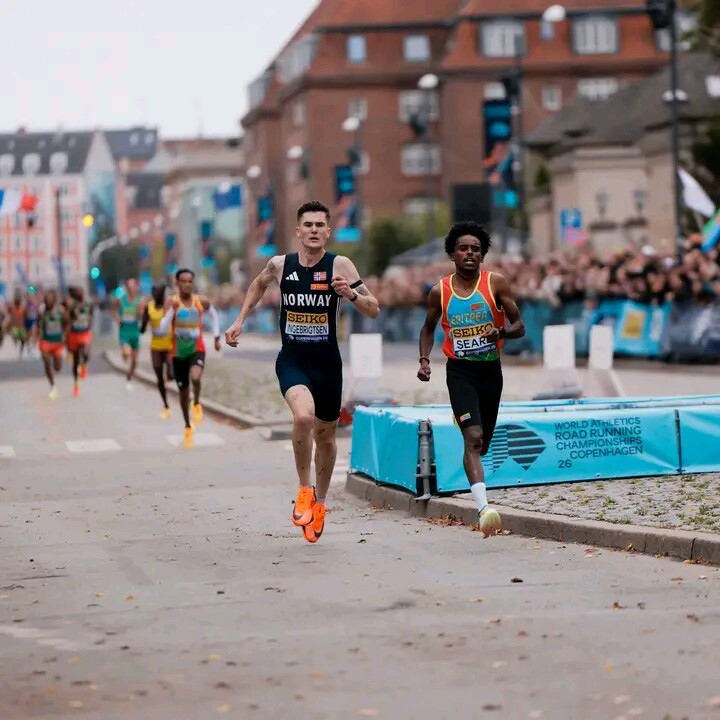
Ingebrigtsen was forced to settle for silver despite producing a national record of his own. The Norwegian’s late surge demonstrated his determination to control the race, but Seare’s response in the final metres proved decisive in one of the closest and most dramatic finishes of the championships.
Eritrea’s success was made even more remarkable by Amanuel’s bronze medal. His 13:00 personal best ensured that two Eritrean athletes stood on the podium, giving the country both gold and bronze in a memorable men’s 5km championship race.
Australia’s Ky Robinson also delivered an outstanding performance, finishing fourth in 13:04 to set an Oceanian record. Uganda’s Keneth Kiprop matched the time in fifth, while Ethiopia placed two athletes inside the top seven through Addisu Yihune and Mezgebu Sime.
Kenya’s Mathew Kipchumba Kipsang finished eighth in 13:11, followed by Burundi’s Egide Ntakarutimana in ninth and South Africa’s Maxime Chaumeton in 10th.
Men’s 5km Top 10 Results
1. Dawit Seare — Eritrea — 12:56 NR
2. Jakob Ingebrigtsen — Norway — 12:59 NR
3. Saymon Amanuel — Eritrea — 13:00 PB
4. Ky Robinson — Australia — 13:04 AR
5. Keneth Kiprop — Uganda — 13:04 PB
6. Addisu Yihune — Ethiopia — 13:07
7. Mezgebu Sime — Ethiopia — 13:08 SB
8. Mathew Kipchumba Kipsang — Kenya — 13:11 SB
9. Egide Ntakarutimana — Burundi — 13:12 PB
10. Maxime Chaumeton — South Africa — 13:13
Seare’s victory capped an unforgettable finish in Copenhagen, where three changes of the lead in the final 150 metres set up a dramatic showdown. In the end, the Eritrean produced the crucial final surge to deny Ingebrigtsen and claim a historic world 5km title in a national-record 12:56.
by Erick Cheruiyot for My Best Runs.
Login to leave a comment
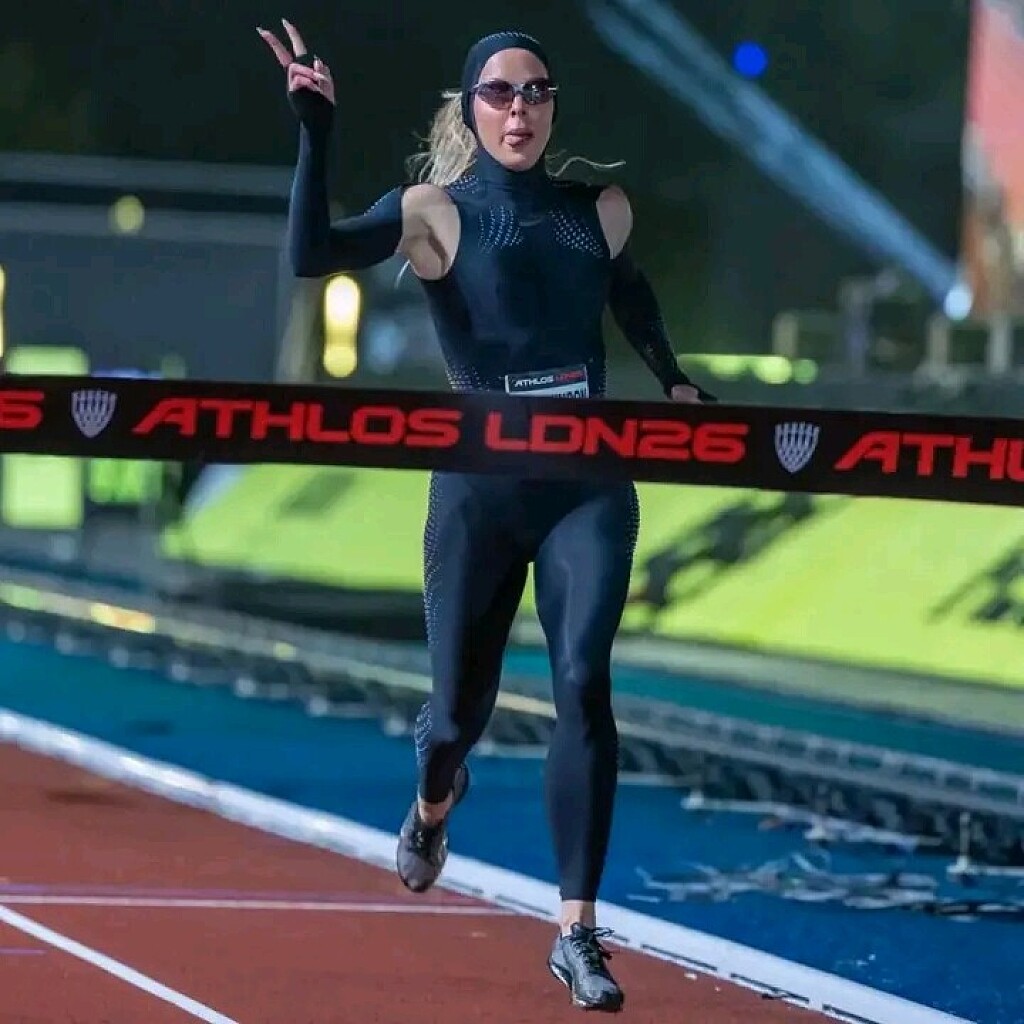
Richardson, Thomas, Hodgkinson And Kazimierska Shine At ATHLOS London
ATHLOS London brought the 2026 athletics season to a spectacular conclusion at StoneX Stadium, with a collection of global stars delivering standout performances across the sprints and middle-distance events.
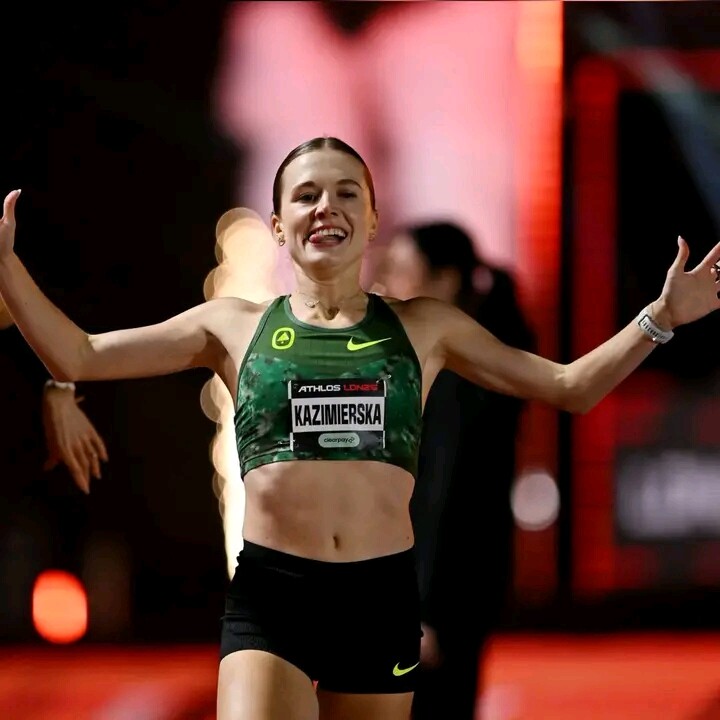
Among the biggest winners was Klaudia Kazimierska, who continued her extraordinary late-season run by claiming the women’s mile title in 4:19.43.
The Polish middle-distance star produced a powerful finishing kick to edge Britain’s Georgia Hunter Bell, who finished second in 4:19.54, while Kenya’s Dorcus Ewoi secured third in 4:19.84.
The victory completed a remarkable sequence for Kazimierska, who has now captured three major titles in succession. Her ATHLOS London triumph followed victories at the Diamond League Final and the inaugural World Athletics Ultimate Championship, giving her a remarkable finish to the 2026 season.
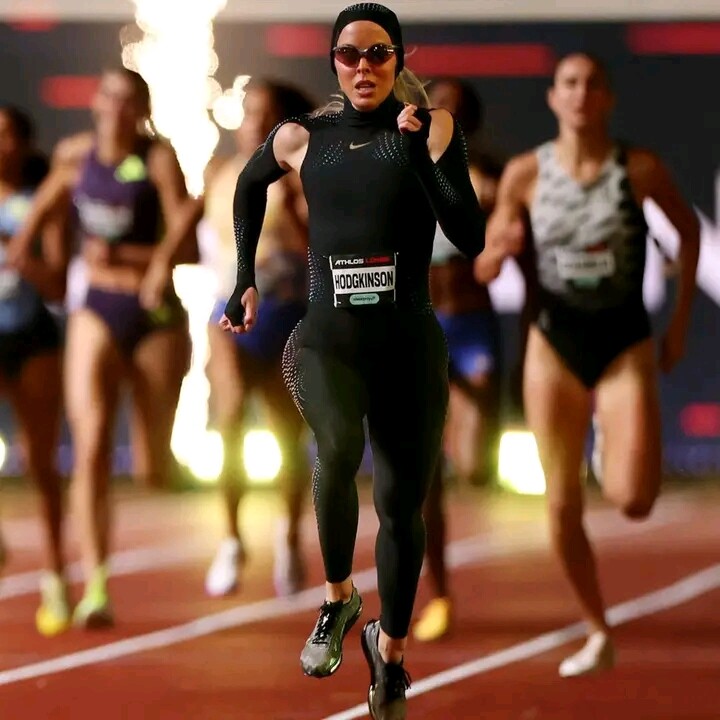
Kazimierska was not the only athlete to leave London with a major title, however, as Keely Hodgkinson produced a dominant performance to successfully defend her ATHLOS London 800m crown.
The British star took command from the opening stages and controlled the race from the front, building a substantial advantage before powering across the line in 1:56.40.
Her performance established a new ATHLOS London meeting record, with Hodgkinson finishing more than two seconds ahead of Switzerland’s Valentina Rosamilia, who ran 1:58.75. France’s Rénelle Lamote was third in 2:00.15.
American Juliette Whittaker finished fourth in 2:00.46, Ireland’s Sophie O’Sullivan was fifth in 2:00.53, and American Raevyn Rogers completed the field in 2:01.12.
The victory provided Hodgkinson with a powerful ending to a turbulent outdoor campaign that had included a canal accident and a hamstring injury, alongside silver-medal finishes at the European Championships and the World Athletics Ultimate Championship.
She also attracted attention with her specially designed Nike racing suit, a futuristic full-length black hooded design with an open back, created with mobility and aerodynamics in mind, complemented by Nike sunglasses.
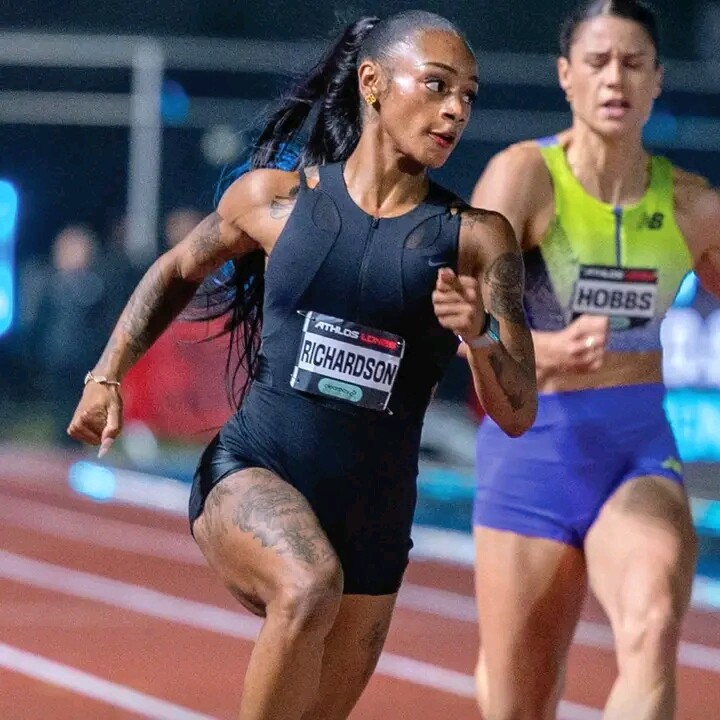
The sprint programme added even more star power to the night with Sha’Carri Richardson producing a meeting-record performance of her own in the women’s 100m.
Richardson stormed to victory in 10.80 seconds, with no wind assistance, to take the ATHLOS London title. New Zealand’s Zoe Hobbs finished second in 11.19, while American Anavia Battle claimed third in 11.25.
Britain’s Imani Lansiquot crossed fourth in 11.35, narrowly ahead of compatriot Daryll Neita, who clocked 11.36, while Canada’s Sade McCreath finished sixth in 11.47.
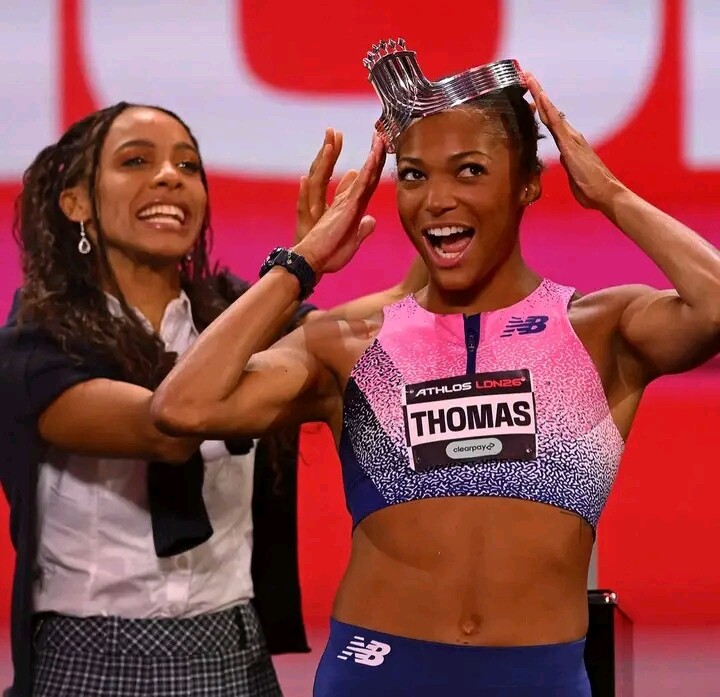
The American sprint success continued in the women’s 200m, where Gabby Thomas added another major title to her collection with a composed victory in 22.13 seconds.
Thomas held off fellow Americans Kayla White and Anavia Battle in a tightly contested final. White finished second in 22.40, while Battle, who had already secured third in the 100m, completed another podium appearance by taking bronze in 22.43.
Thomas’s victory further highlighted the depth of American sprinting at ATHLOS London, as the Olympic and world-level star produced another big-stage performance to close out her season with the 200m crown.
With Richardson and Thomas dominating the sprint headlines, Hodgkinson controlling the 800m and Kazimierska producing another decisive victory over the mile, ATHLOS London delivered an evening packed with major champions and fast performances.
For Kazimierska, the night completed an extraordinary run of three consecutive major titles. For Hodgkinson, it was a statement finish in front of her home crowd. Richardson and Thomas, meanwhile, ensured the American sprint contingent also left London with major victories.
ATHLOS London therefore closed the 2026 season in emphatic fashion, with several of the sport’s biggest names providing performances that will stand among the memorable moments of the year.
Login to leave a comment
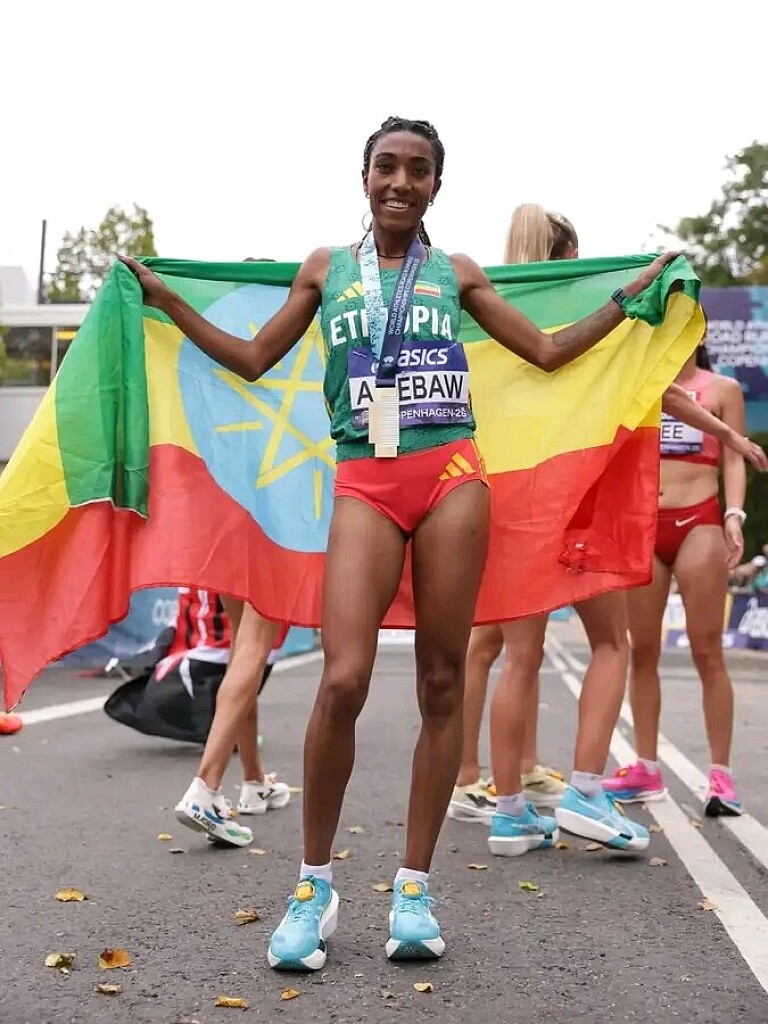
Likina Amebaw Completes Remarkable Six-Day Double With World 5km Road Title In Copenhagen
Ethiopia’s Likina Amebaw produced another outstanding performance on the global stage on Saturday, September 19, 2026, winning the women’s 5km title at the World Athletics Road Running Championships in Copenhagen, Denmark.
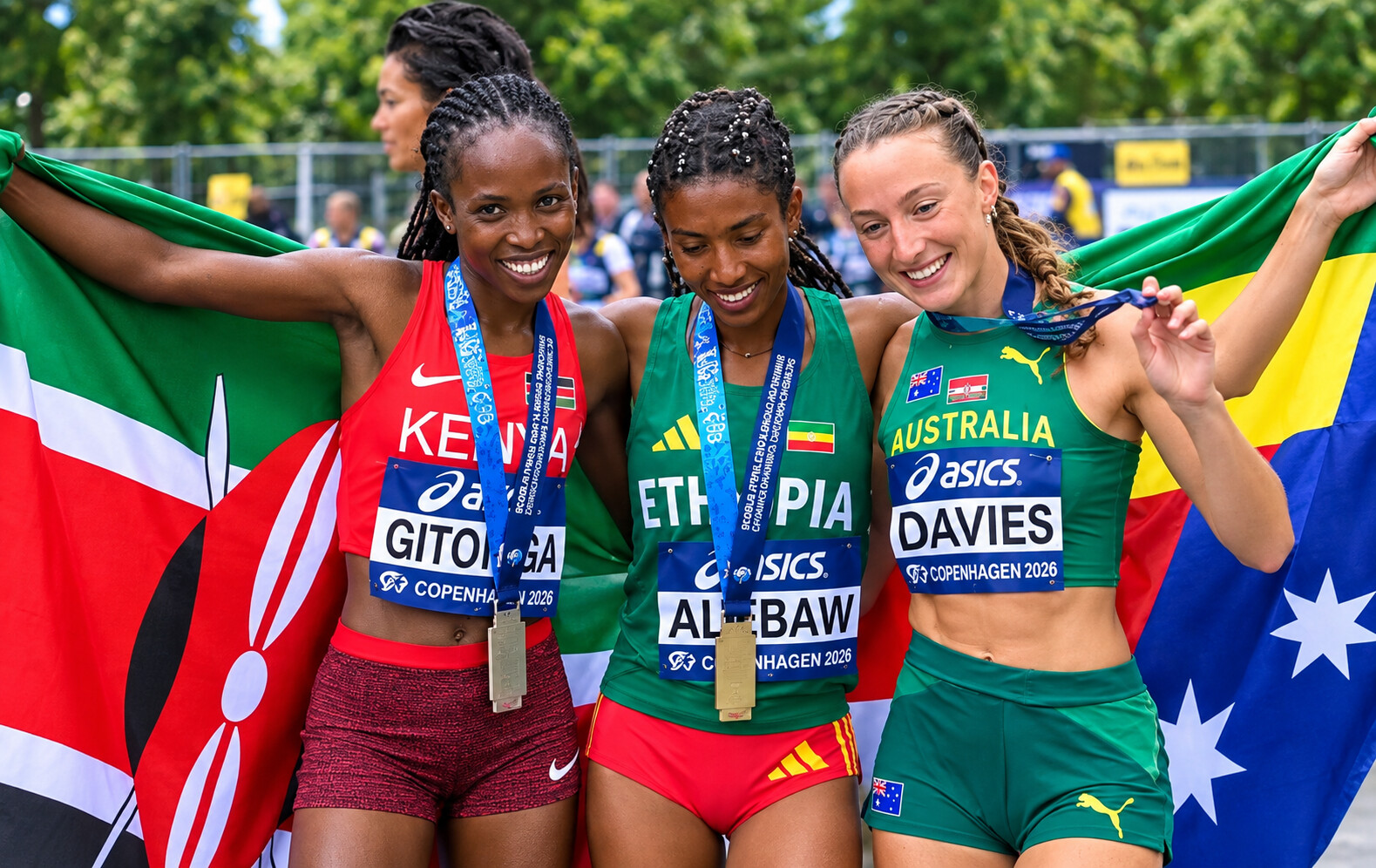
Amebaw stormed to gold in 14:41, adding another global title to her remarkable season just six days after winning the women’s 5000m at the inaugural World Athletics Ultimate Championships in Budapest.
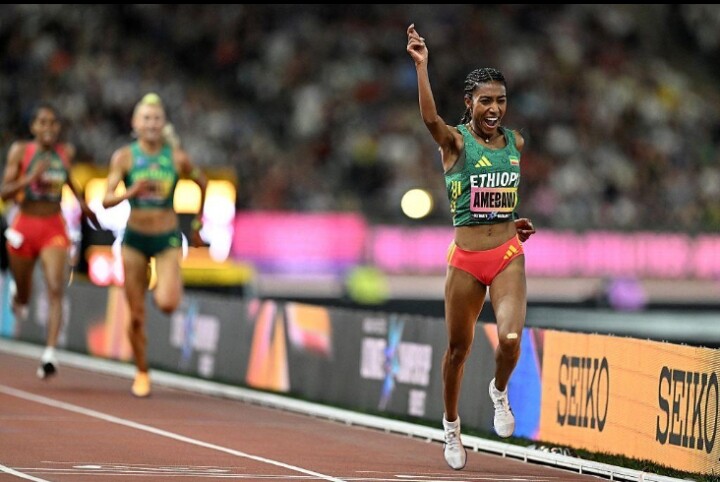
The Ethiopian distance star once again demonstrated her ability to deliver when it matters most, producing a commanding performance over the fast Copenhagen course to claim the world 5km road title.
Kenya’s Caroline Makandi Gitonga delivered a brilliant performance to secure the silver medal in 14:48, giving Kenya a place on the global podium. Gitonga stayed firmly in contention throughout the race before crossing the finish line just seven seconds behind the newly crowned champion.
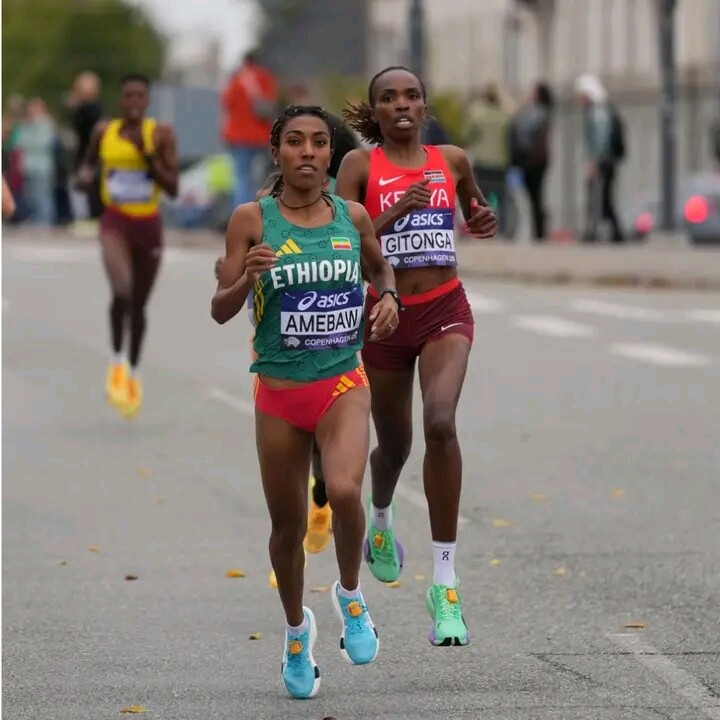
Australia’s Rose Davies completed the podium in 14:50, taking bronze and setting an Australian area record in an impressive display of front-running and determination.
The result also saw several athletes produce notable performances behind the leading trio, with Marta Garcia recording 14:59, Georgia Griffith running 15:01, Samiya Hassan Nour finishing in 15:04, Hannah Gapes clocking 15:06 and Hannah Nuttall stopping the clock at 15:08, while Mirriam Cherop followed in 15:09 and Allie Ostrander in 15:10.
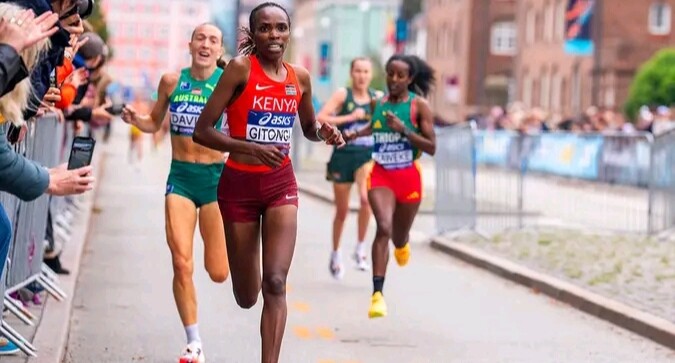
With two global titles secured within just six days, Likina Amebaw has turned an extraordinary week into a defining chapter of her 2026 season.
Women’s 5km Top 10 Results — Copenhagen 2026
1. Likina Amebaw — Ethiopia — 14:41
2. Caroline Makandi Gitonga — Kenya — 14:48
3. Rose Davies — Australia — 14:50 — Area Record
4. Marta Garcia — Spain — 14:59 — PB
5. Georgia Griffith — Australia — 15:01 — PB
6. Samiya Hassan Nour — Djibouti — 15:04
7. Hannah Gapes — Australia — 15:06 — PB
8. Hannah Nuttall — Great Britain — 15:08 — PB
9. Mirriam Cherop — Kenya — 15:09 — PB
10. Allie Ostrander — USA — 15:10 — PB
The Copenhagen race was fiercely contested, with the leading athletes pushing the pace over the flat and fast 5km course. Amebaw, however, had the strength to separate herself from her rivals and hold on for another major championship victory.
What makes her achievement even more remarkable is the short turnaround between her two titles. Winning a world 5000m championship in Budapest and returning only six days later to triumph over 5km on the roads of Copenhagen is a remarkable demonstration of endurance, recovery and championship racing ability.
For Ethiopia, Amebaw’s victory adds another major international success to a season already filled with impressive performances. For Kenya, Gitonga’s silver medal provides another strong result on the world stage and confirms her ability to compete among the best road runners in the world.
With two global titles secured within just six days, Likina Amebaw has turned an extraordinary week into a defining chapter of her 2026 season.
by Erick Cheruiyot for My Best Runs.
Login to leave a comment
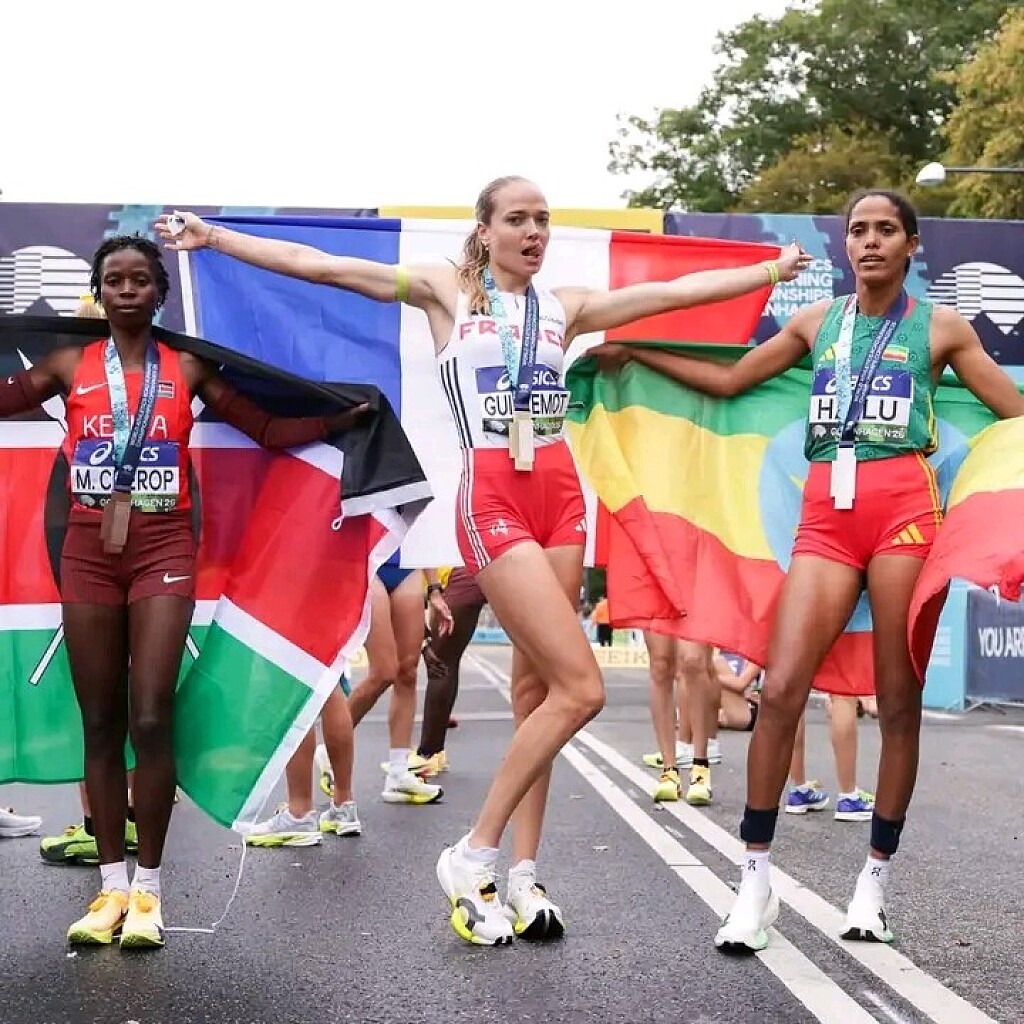
Agathe Guillemot Strikes Gold In Copenhagen As Mirriam Cherop Returns To The Global Podium
France’s Agathe Guillemot produced a breathtaking final surge to claim the women’s mile title at the 2026 World Athletics Road Running Championships in Copenhagen, securing the first individual global championship gold medal of her career.
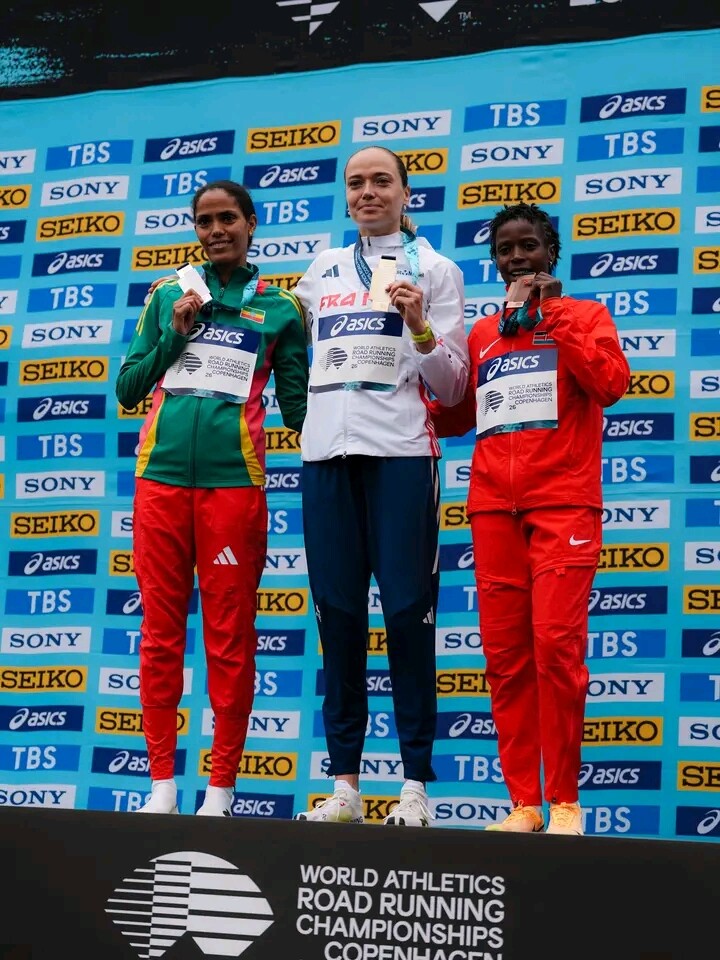
Guillemot remained composed through the early stages of a tightly contested race, staying within the leading group as the athletes patiently waited for the decisive moments. Rather than committing too early, the Frenchwoman conserved her energy and positioned herself perfectly for the closing stages.
As the race entered its dramatic final phase, Guillemot unleashed a powerful acceleration that immediately changed the complexion of the contest. Her devastating finishing speed carried her away from her rivals, allowing her to cross the line in 4:22.74 and celebrate a memorable world championship triumph.
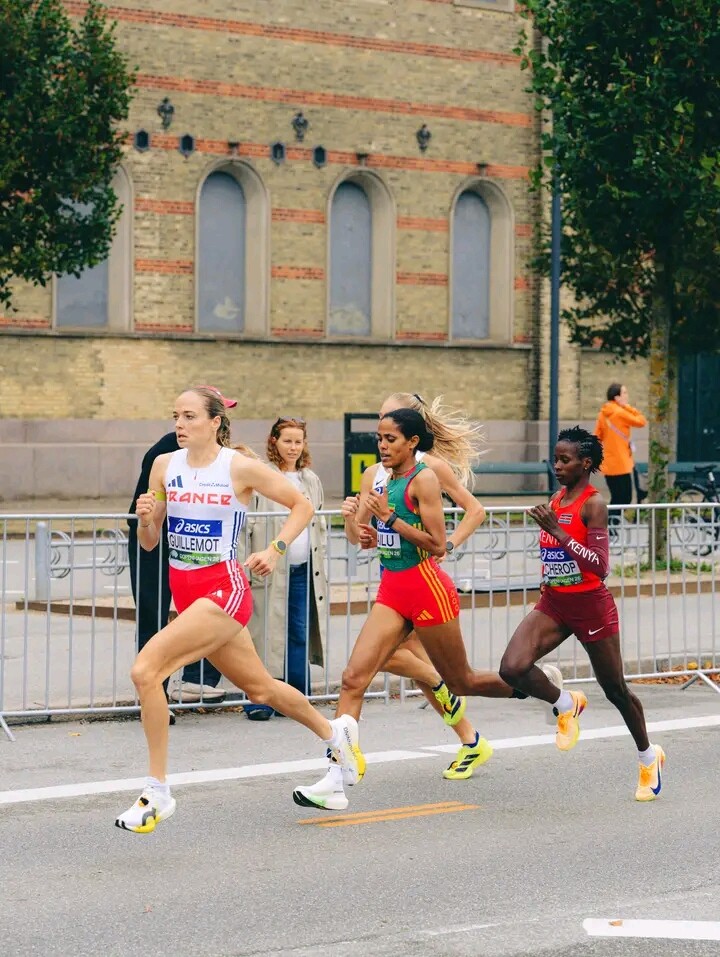
The victory was made even more remarkable by the quality of the performance. Guillemot’s winning time was a world-leading mark and a European record, taking almost half a second off the previous European record and moving her to fourth on the world all-time list.
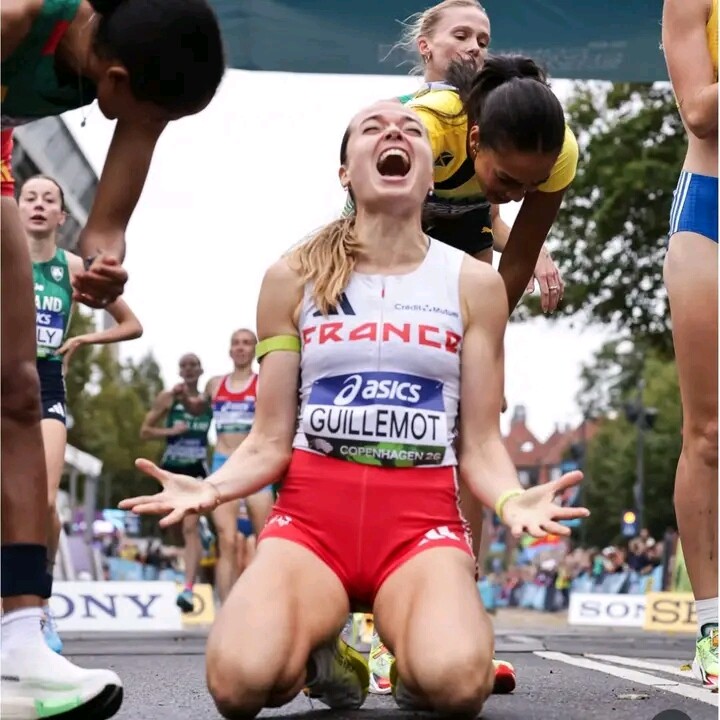
Ethiopia’s Freweyni Hailu delivered another strong championship performance to secure the silver medal in 4:24.35. Hailu remained firmly in contention throughout the race, but she was unable to respond to Guillemot’s explosive finishing burst. It was Hailu’s second consecutive silver medal at the World Road Running Championships after also finishing runner-up in the inaugural edition in Riga in 2023.
For Kenya, Mirriam Cherop produced a performance full of determination and patience to capture the bronze medal in 4:25.71, returning to the global podium eight years after her breakthrough on the world junior stage.
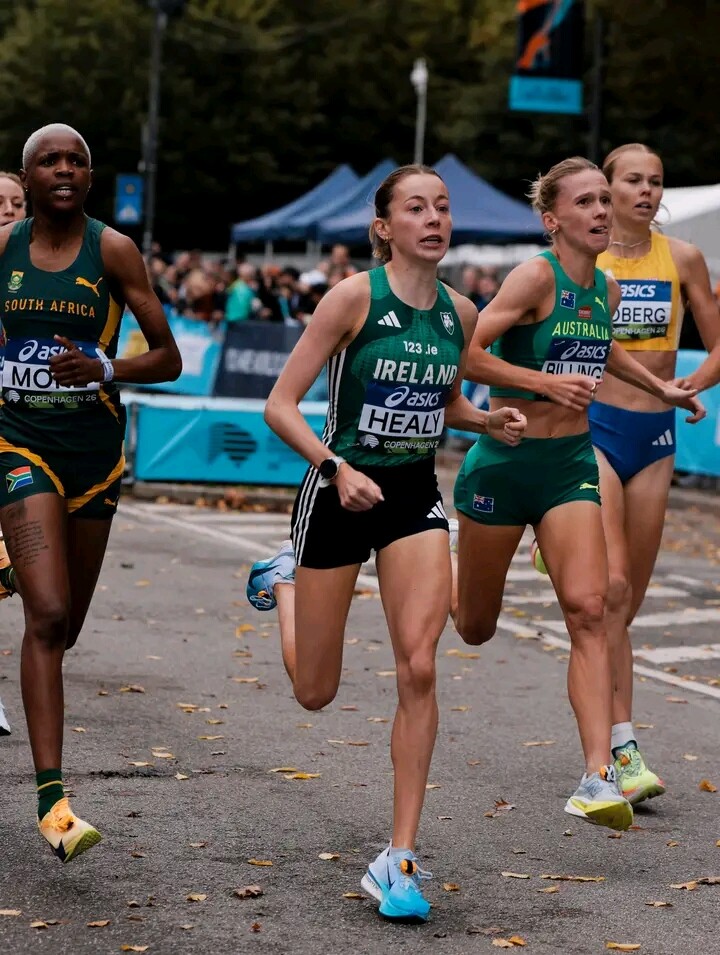
Cherop first announced herself as a major international talent at the 2018 World U20 Championships in Tampere, Finland, where she won silver in the women’s 1500m in 4:10.73. She finished behind Ethiopia’s Alemaz Samuel, with Switzerland’s Delia Sclabas taking bronze.
Now, eight years later, Cherop has added a senior global medal to that junior silver, completing a remarkable journey from the junior podium in Tampere to the senior podium in Copenhagen.
Her bronze in Copenhagen was also a season’s best, underlining the quality of her performance against a world-class field. Cherop remained in medal contention deep into the race before holding her position through the decisive final stages.
The Copenhagen race was a tactical battle for much of the distance, with the leading athletes refusing to make a decisive move too early. The pack stayed closely bunched through 800 metres before the race began to unravel in the closing stages.
Guillemot’s patience ultimately proved decisive. With little more than 20 seconds of racing remaining, the Frenchwoman moved to the front and accelerated hard, quickly creating daylight between herself and the chasing group.
Behind her, Hailu secured silver while Cherop fought her way to bronze, giving Kenya another moment to celebrate on the world stage.
The result represents another important chapter in Cherop’s career. From a World U20 silver medal in Tampere in 2018 to a senior World Road Running Championships bronze in Copenhagen in 2026, eight years have separated two global podium appearances — but the determination to remain among the best has endured.
For Guillemot, meanwhile, Copenhagen provided the perfect ending to a demanding season. The Frenchwoman had already competed at major championships and international meetings across track, cross country and road racing before producing her biggest moment of the year on the streets of Copenhagen.
The home crowd also had reason to celebrate as Denmark’s Annemarie Nissen finished fourth in a personal best of 4:26.78, while Kenya’s Naomi Korir followed in fifth with another personal best of 4:29.15.
In the end, Guillemot’s perfectly timed attack delivered France a world champion, Hailu claimed another global silver, and Cherop completed a remarkable eight-year journey back to the world podium.
From junior silver in Tampere to senior bronze in Copenhagen, Mirriam Cherop’s story has entered another memorable chapter — and Kenya once again has a global medal to celebrate.
Women’s Road Mile Top 5 — Copenhagen 2026
1. Agathe Guillemot (France) — 4:22.74 — World Lead, European Record
2. Freweyni Hailu (Ethiopia) — 4:24.35 — Season Best
3. Mirriam Cherop (Kenya) — 4:25.71 — Season Best
4. Annemarie Nissen (Denmark) — 4:26.78 — Personal Best
5. Naomi Korir (Kenya) — 4:29.15 — Personal Best
The women’s mile in Copenhagen delivered a compelling championship race, combining tactical patience, a dramatic late surge and a closely contested battle for the medals. Agathe Guillemot’s decisive finish secured the world title, Freweyni Hailu added another global silver to her résumé, while Mirriam Cherop completed the podium after a determined performance. With a world-leading time, a European record and a tightly fought medal battle, the race provided a memorable highlight of the World Athletics Road Running Championships.
by Erick Cheruiyot for My Best Runs.
Login to leave a comment
Charles Wanjora Leads 6th Annual KATA Double Road Race 15K As Ruth Maina Claims Women’s Victory In Thika
THIKA, Kenya — Charles Wanjora emerged victorious at the 6th Annual KATA Double Road Race 15K in Thika on Saturday, September 19, 2026, leading a competitive field in a unique two-stage contest that demanded endurance, careful pacing and the ability to recover before returning for another hard effort.
Wanjora won the men’s race in a combined time of 46:02, finishing 15 seconds ahead of Joshua Kibet, who was second in 46:17. Justus Nyamai completed the men’s podium in 47:10.
Erick Cheruiyot finished fourth in 48:01, followed by Francis Maina in 48:25. Joseph Nyota placed sixth in 49:49, while Vincent Kiprotich was seventh in 50:15.
Vincent Kariuki finished eighth in 50:54, narrowly ahead of Gideon Kiplang'at, who was ninth in 50:55. David Mwangi completed the top 10 in 51:19.
Ezekiel Itorik finished 11th in 53:03, Tom Ndiwa was 12th in 54:10, and George Munyagi completed the men’s field in 54:19.
In the women’s race, Ruth Maina took the top position in a combined time of 54:55. Felister Maina finished second in 55:14, while Pennina Kamau completed the women’s podium in 57:20.
The final results represent the combined times from the opening 10K and the concluding 5K, with athletes’ performances from both stages added together to determine the overall standings.
The KATA Double Road Race 15K is unlike a conventional continuous 15-kilometre race. Athletes first tackle a 10K leg, followed by a scheduled recovery period before returning for the final 5K leg. The second leg starts one hour and 45 minutes after the start of the first 10K, giving runners time to recover, take refreshments and prepare mentally for another competitive effort.
The start, finish and halftime recovery area are based near the Kenyan Athletics Training Academy (KATA) in Thika, making the event a distinctive fixture for both KATA athletes and other competitors.
The concept of Double Racing was created by Bob Anderson, the founder of Runner’s World magazine, in 2010. Between October 2010 and October 2012, seven smaller Double races were held in Mexico under the name Bob Anderson 15K Challenge as the format developed.
The first official Double Road Race was staged in December 2012 in Pleasanton, California, attracting nearly 1,400 participants. Its signature format was the Double 15K, consisting of a 10K followed by a 5K and separated by a one-hour-and-45-minute recovery period known as the Restart.
The unusual format once again tested the athletes in Thika, with the conditions adding another layer of difficulty. The weather was noticeably hot, requiring runners to manage their effort carefully during the opening stage while preserving enough strength for the final 5K.
The humid air also made the conditions feel heavier as the competition progressed. After completing the first stage, athletes had to use the recovery period effectively before returning to the course and facing another demanding effort.
The two-stage structure can produce significant changes in momentum, with athletes having an opportunity to recover and challenge their positions during the final 5K. Ultimately, however, it is the combined performance across both stages that determines the final result.
Wanjora handled the demands of the format most effectively in the men’s competition, while Ruth Maina led the women’s field to claim the top spot.
2026 KATA Double Road Race 15K Final Results
Men
1. Charles Wanjora — 46:02
2. Joshua Kibet — 46:17
3. Justus Nyamai — 47:10
4. Erick Cheruiyot — 48:01
5. Francis Maina — 48:25
6. Joseph Nyota — 49:49
7. Vincent Kiprotich — 50:15
8. Vincent Kariuki — 50:54
9. Gideon Kiplang'at — 50:55
10. David Mwangi — 51:19
11. Ezekiel Itorik — 53:03
12. Tom Ndiwa — 54:10
13. George Munyagi — 54:19
Women
1. Ruth Maina — 54:55
2. Felister Maina — 55:14
3. Pennina Kamau — 57:20
The sixth edition of the KATA Double Road Race 15K once again demonstrated that the event demands more than conventional road-running speed. Athletes must combine endurance, intelligent pacing, recovery and composure to perform across two separate stages.
On a hot and humid day in Thika, Wanjora and Ruth Maina emerged at the top of their respective fields, while the full results reflected the depth of competition in this distinctive Worldwide road-running event.
by Erick Cheruiyot for My Best Runs.
Login to leave a comment
KATA Double Road Race 15K
5th Annual KATA Double Road Race 15K Set for September 20, 2025, at KATA Thika The 5th Annual KATA Double Road Race 15K will be held on September 20, 2025, at the Kenyan Athletics Training Academy (KATA) in Thika, Kenya. The event includes a 10K leg, a break, followed by a 5K leg — a format designed to challenge runners...
more...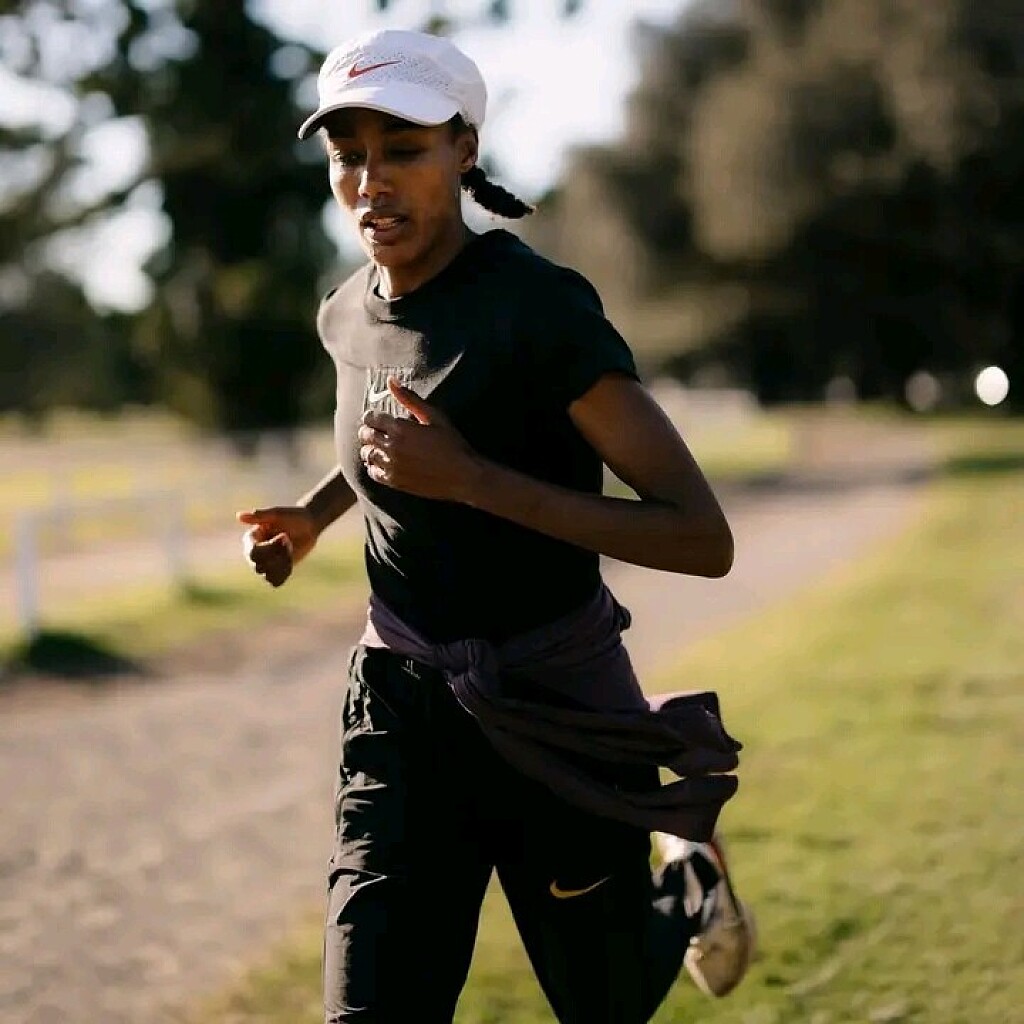
Sifan Hassan Returns To New York With Experience, Recovery And A Point To Prove
Sifan Hassan will return to the streets of New York City on November 1 with something she did not have during her difficult debut last year — experience of one of the most demanding marathon courses in the world.
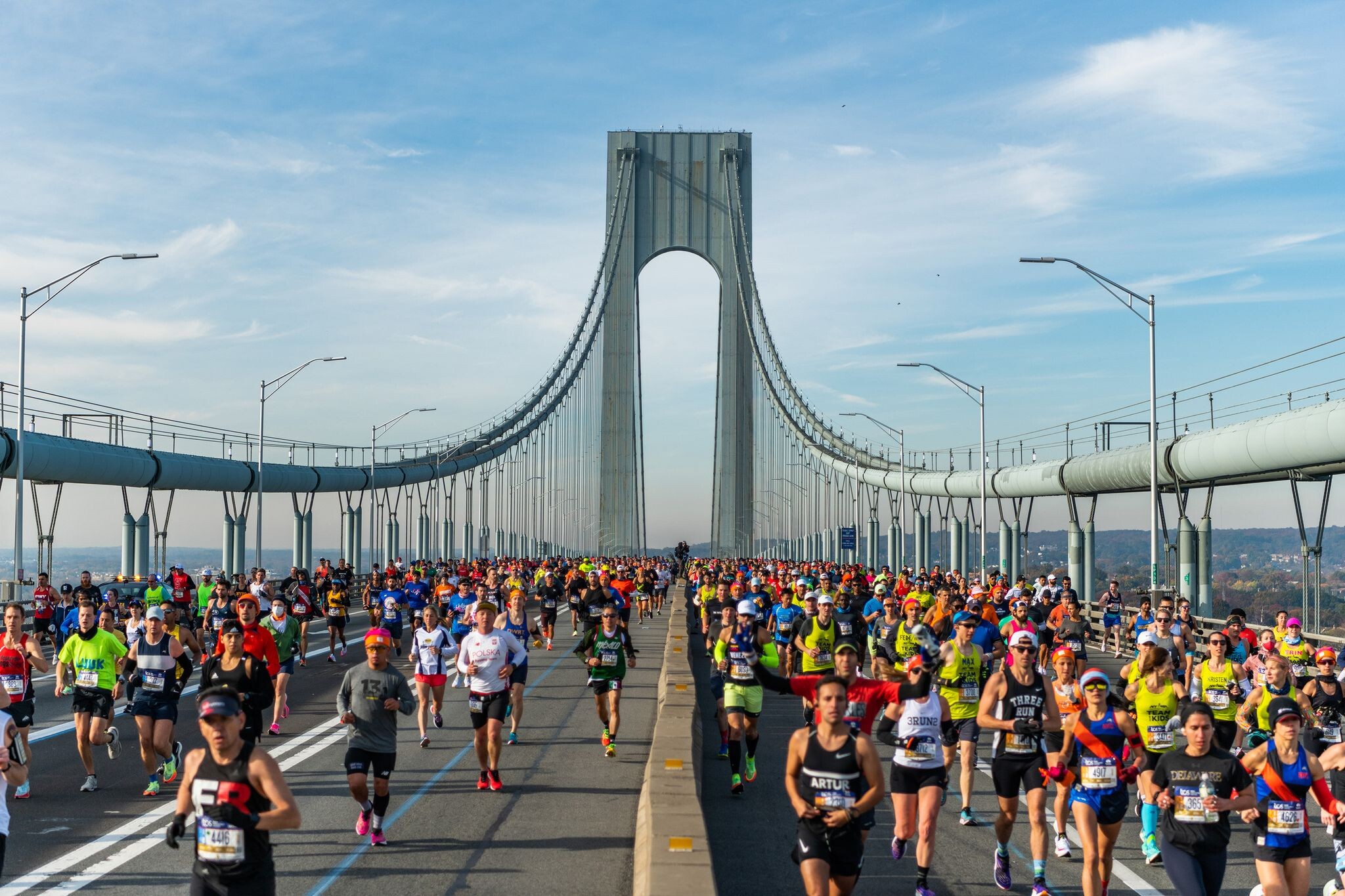
The Dutch Olympic marathon champion is set to make her second appearance at the TCS New York City Marathon, where she will face another formidable international field led by defending champion Hellen Obiri, fellow Kenyan Sheila Chepkirui and former world champion Edna Kiplagat.
Hassan's first encounter with New York in 2025 proved to be a far tougher assignment than the three-time Olympic champion might have hoped. She finished sixth in 2:24:43 after struggling during the second half of the race, with her New York debut coming only weeks after her victory at the Sydney Marathon.
The demanding schedule left Hassan facing a difficult recovery, and New York's succession of bridges, climbs and sharp changes in rhythm exposed the challenge of arriving at the race without enough marathon-specific preparation.
This time, however, the circumstances are different.
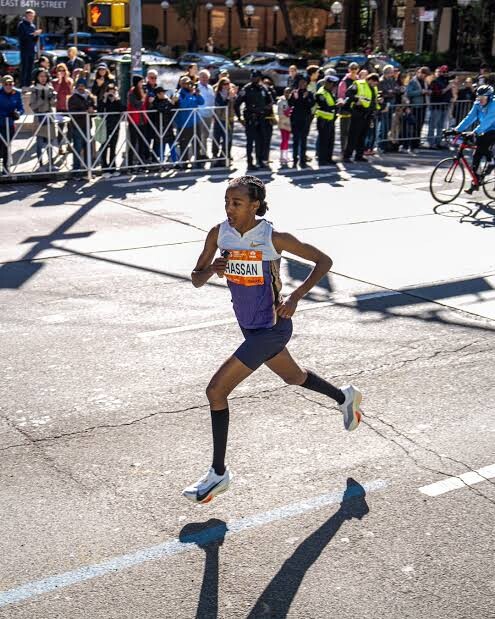
Hassan has had considerably more time to recover and prepare for the marathon, while she has also been managing an Achilles problem that disrupted her 2026 season. Rather than rushing back into competition, she has used the year to recover and build towards her longer-term goals.
Most importantly, Hassan now knows what awaits her when the race moves through New York's five boroughs.
She has already experienced the relentless bridges, the demanding climbs and the atmosphere created by huge crowds lining the streets. That knowledge could prove valuable when the race enters its decisive stages, particularly on a course where pacing and patience are just as important as raw marathon speed.
Hassan will also arrive with one of the fastest personal bests in the field. Her 2:13:44 national record makes her the quickest woman entered for the 2026 race, although New York's challenging layout means personal-best times do not necessarily tell the whole story.
Standing across the starting line will be a powerful Kenyan challenge.
Obiri returns as defending champion after producing one of the most impressive performances in the history of the race last year. She stormed to victory in 2:19:51, breaking the long-standing New York City Marathon course record, and has since lowered her marathon personal best to 2:15:53 in London.
Chepkirui will also return after finishing third in New York last year. The 2024 champion owns a 2:17:29 personal best, while Kiplagat brings enormous experience to the field, having won major marathons in New York, Boston and London as well as world championship gold.
The international field also includes Ethiopia's Gotytom Gebreslase, Kenya's Viola Cheptoo and Mercy Chelangat, Uruguay's Julia Paternain, Germany's Fabienne Königstein and a strong American contingent led by Jess McClain, Fiona O'Keeffe and marathon debutant Weini Kelati.
For Hassan, however, this race is about more than the names on the start list.
New York gave her a difficult introduction to its unique demands in 2025. She now returns with a clearer understanding of the course, more marathon experience and a preparation cycle designed to put her in a different position when the race reaches its closing stages.
She has already conquered the marathon on the biggest Olympic stage. She has also run 2:13:44, one of the fastest times ever recorded by a woman.
Now, New York offers another test.
The streets that humbled Hassan last year will once again be waiting for her. But this time, she will not be discovering them for the first time.
On November 1, Hassan will have another opportunity to find out just how different New York can look when you return knowing exactly what lies ahead.
And with Obiri, Chepkirui, Kiplagat and a deep international field standing in her way, the second chapter promises to be every bit as compelling as the first.
by Erick Cheruiyot for My Best Runs.
Login to leave a comment

TCS New York City Marathon
The first New York City Marathon, organized in 1970 by Fred Lebow and Vince Chiappetta, was held entirely in Central Park. Of 127 entrants, only 55 men finished; the sole female entrant dropped out due to illness. Winners were given inexpensive wristwatches and recycled baseball and bowling trophies. The entry fee was $1 and the total event budget...
more...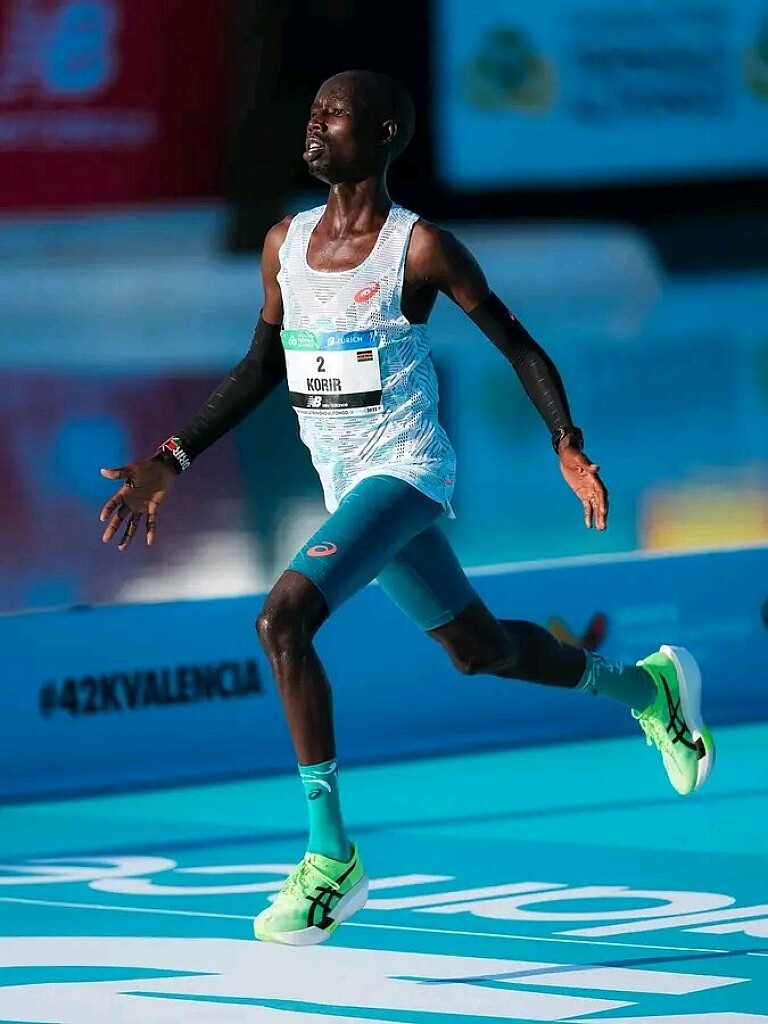
John Korir Reveals Huge Training Mileage Ahead Of Valencia Marathon Showdown
Kenyan marathon star John Korir has offered a glimpse into the demanding preparation behind his pursuit of another major victory, revealing that he is covering an astonishing amount of mileage as he builds towards the 2026 Valencia Marathon.

Korir, who will return to Spain on December 6 for the prestigious Valencia Marathon, says his current training programme involves running between 45 and 48 kilometres a day, with his weekly mileage reaching between 250 and 270 kilometres.
“I do 45 to 48 kilometres a day and 250 to 270 kilometres per week,” Korir revealed in an exclusive interview with Teddy Mulei of The Star.
The remarkable workload highlights the level of endurance required at the very top of marathon running, with Korir combining substantial mileage with dedicated speed work as he prepares for another demanding championship-calibre race.
“I have been focusing on both speed and endurance,” he added.
Korir will head to Valencia with confidence after establishing himself as one of the leading marathoners on the global circuit. He won the 2025 Valencia Marathon in 2:02:24, delivering a controlled and powerful performance to claim the prestigious title.
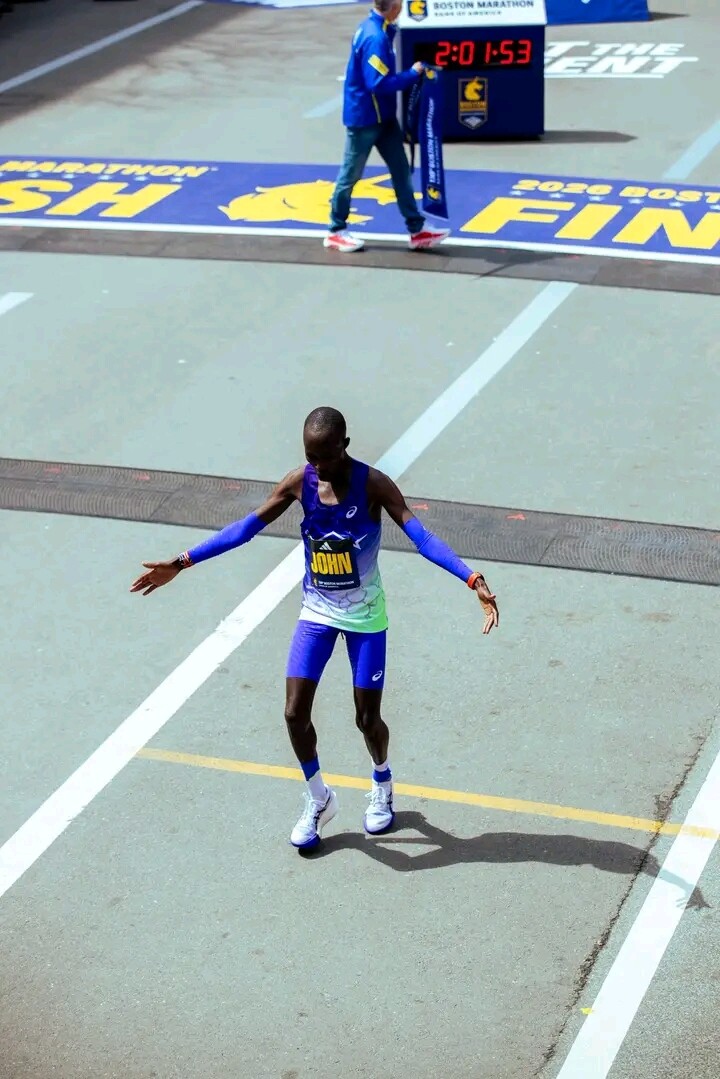
His impressive form continued into 2026 when he produced one of the biggest performances of his career at the Boston Marathon. Korir stormed to victory in a course-record 2:01:52, lowering his personal best and further strengthening his reputation as one of Kenya’s leading marathon specialists.
The challenge in Valencia, however, is expected to be significantly tougher this time around, with a formidable international field taking shape.
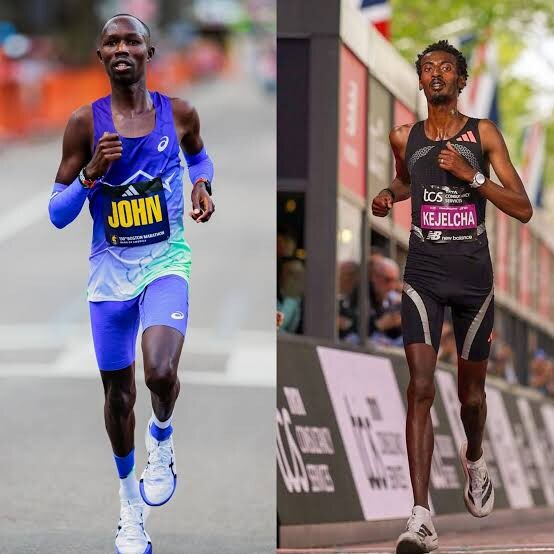
Among the biggest names expected to line up is Ethiopian speedster Yomif Kejelcha, whose transition from the track and shorter road distances to the marathon has already produced remarkable results.
Kejelcha made headlines with a sensational 1:59:41 in London, becoming only the second man to break the two-hour barrier in an official marathon after Kenya’s Sabastian Sawe recorded the world-record 1:59:30 in the same race.
The Ethiopian also has a strong connection with Valencia. He previously set a world record in the half marathon on the Spanish course and has demonstrated repeatedly that he possesses the speed required to produce extraordinary times over longer distances.
For Korir, the upcoming Valencia Marathon will therefore represent more than simply a defence of his title. It will be another opportunity to measure himself against some of the fastest marathoners in the world.
Despite the excitement surrounding the race and the possibility of another exceptionally fast performance, Korir is choosing to remain measured about his specific target.
“For now I cannot talk about what I will be going for in Valencia, but I am praying to God for good health and to be injury-free,” he said.
That cautious approach reflects the unpredictable nature of marathon racing, where months of preparation can ultimately come down to how an athlete responds over the final kilometres.
With his massive training volume, renewed focus on speed and endurance, and growing experience at the highest level, Korir is laying the groundwork for another major performance.
When the elite field takes over the streets of Valencia on December 6, the defending champion will have the added motivation of protecting his crown against a group of rivals carrying ambitions of their own.
For Korir, the road to Valencia has already begun with thousands of kilometres of preparation. The next chapter will be written over 42.195 kilometres.
by Erick Cheruiyot for My Best Runs.
Login to leave a comment
VALENCIA TRINIDAD ALFONSO
The Trinidad Alfonso EDP Valencia Marathon is held annually in the historic city of Valencia which, with its entirely flat circuit and perfect November temperature, averaging between 12-17 degrees, represents the ideal setting for hosting such a long-distance sporting challenge. This, coupled with the most incomparable of settings, makes the Valencia Marathon, Valencia, one of the most important events in...
more...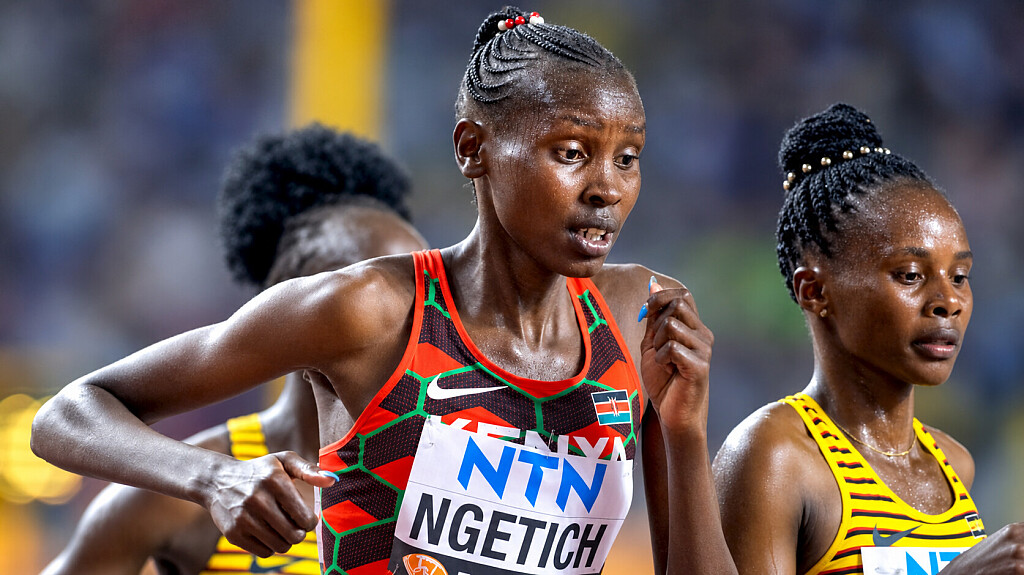
Agnes Ngetich Leads Star-Studded Women’s Half Marathon Field At World Road Running Championships
The stage is set for a spectacular women’s half marathon at the 2026 World Athletics Road Running Championships in Copenhagen, Denmark, with a deep international field ready to battle for the world title on Sunday, September 20.
The elite women’s race will begin at 9:10 a.m. local time, with the 21.0975-kilometre championship race taking runners through the streets of Copenhagen before the finish on Øster Allé.
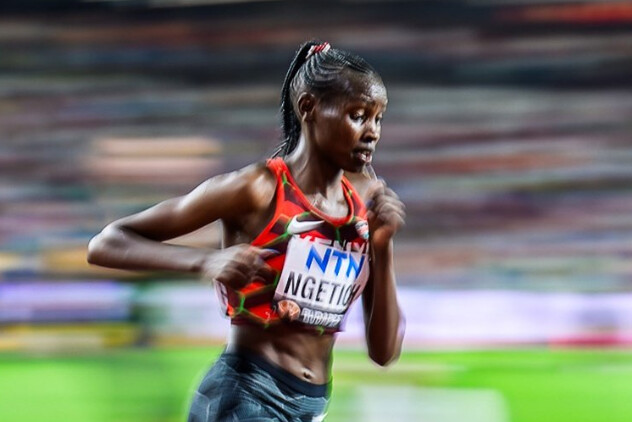
At the head of the entry list is Kenya’s Agnes Jebet Ngetich, who brings a sensational 1:03:04 personal best into the championship. She will lead a powerful Kenyan contingent that also includes Lilian Kasait Rengeruk, whose 1:03:32 is among the fastest times ever recorded over the distance.
Ngetich has established herself as one of the leading distance runners in the world, and her combination of speed and endurance makes her one of the major names to watch when the championship race gets underway.
Rengeruk provides another formidable Kenyan threat, while Daisilah Jerono, with a 1:05:21 personal best, and Veronica Loleo, with 1:05:35, add further depth to the Kenyan line-up.
Ethiopia will also arrive with serious firepower. Tsigie Gebreselama owns a remarkable 1:04:21 personal best, while Ftaw Zeray comes into Copenhagen with a 1:05:12 lifetime best.
The battle will not be restricted to the leading African nations, however. Weini Kelati Frezghi heads the American challenge with a 1:06:04 personal best, while Esther Chebet of Uganda has run 1:06:33.
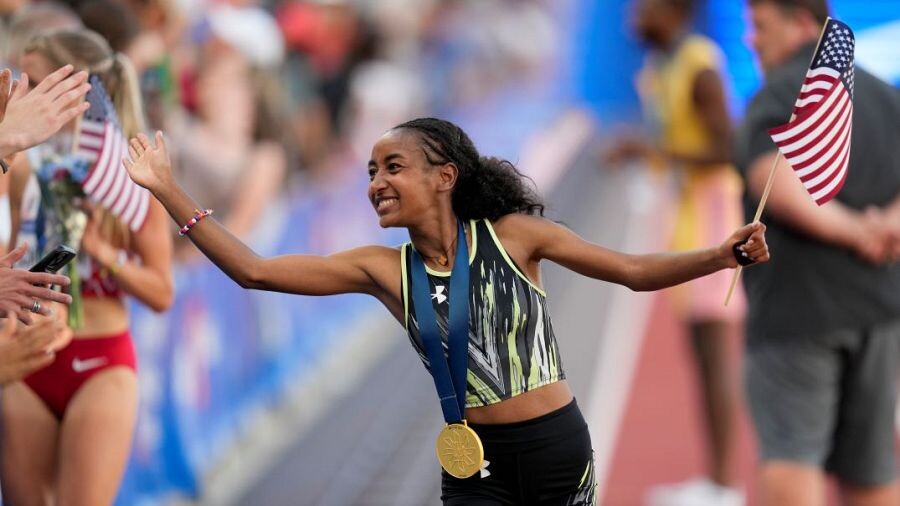
Europe will be represented by several accomplished athletes, including Slovenia’s Klara Lukan, who owns a 1:06:43 personal best, and Norway’s experienced Karoline Bjerkeli Grøvdal, whose best stands at 1:06:55.
South Africa’s Glenrose Xaba is another prominent name on the list with a 1:07:03 personal best, while Great Britain’s Samantha Harrison enters with 1:07:10.
Uganda has further depth through Rebecca Chelangat at 1:07:18, Annet Chemengich Chelangat at 1:08:12 and Rispa Cherop at 1:08:53.
The international field also includes Ethiopia’s Melat Siyoum and Baraky Redae, Rwanda’s Florence Niyonkuru and Emeline Imanizabayo, Mexico’s Laura Galván, Belgium’s Chloé Herbiet and Lisa Rooms, the United States’ Emma Grace Hurley, Ednah Kurgat, Carrie Ellwood and Jessica McClain, France’s Mekdes Woldu, Alessia Zarbo and Mélody Julien, Italy’s Sofia Yaremchuk and Elvanie Nimbona, China’s He Wuga and Liang Tiantian, and New Zealand’s Georgie Grgec.
Women’s Half Marathon Entry List
1. Agnes Jebet Ngetich — Kenya — 1:03:04
2. Lilian Kasait Rengeruk — Kenya — 1:03:32
3. Tsigie Gebreselama — Ethiopia — 1:04:21
4. Ftaw Zeray — Ethiopia — 1:05:12
5. Daisilah Jerono — Kenya — 1:05:21
6. Veronica Loleo — Kenya — 1:05:35
7. Weini Kelati Frezghi — United States — 1:06:04
8. Esther Chebet — Uganda — 1:06:33
9. Klara Lukan — Slovenia — 1:06:43
10. Karoline Bjerkeli Grøvdal — Norway — 1:06:55
11. Glenrose Xaba — South Africa — 1:07:03
12. Samantha Harrison — Great Britain — 1:07:10
13. Rebecca Chelangat — Uganda — 1:07:18
14. Melat Siyoum — Ethiopia — 1:07:21
15. Florence Niyonkuru — Rwanda — 1:07:22
16. Baraky Redae — Ethiopia — 1:07:31
17. Laura Galván — Mexico — 1:07:31
18. Chloé Herbiet — Belgium — 1:07:32
19. Emeline Imanizabayo — Rwanda — 1:07:35
20. Emma Grace Hurley — United States — 1:07:35
21. Annet Chemengich Chelangat — Uganda — 1:08:12
22. Mekdes Woldu — France — 1:08:20
23. Alessia Zarbo — France — 1:08:20
24. Ednah Kurgat — United States — 1:08:25
25. Sofia Yaremchuk — Italy — 1:08:27
26. He Wuga — China — 1:08:31
27. Liang Tiantian — China — 1:08:33
28. Carrie Ellwood — United States — 1:08:34
29. Jessica McClain — United States — 1:08:37
30. Elvanie Nimbona — Italy — 1:08:38
31. Lisa Rooms — Belgium — 1:08:40
32. Rispa Cherop — Uganda — 1:08:53
33. Georgie Grgec — New Zealand — 1:09:13
34. Mélody Julien — France — 1:09:15
With so many athletes separated by relatively small margins on paper, the championship race could develop into a fascinating tactical contest. Personal bests provide an indication of speed, but championship racing often comes down to positioning, patience and the ability to respond when the decisive moves arrive.
For Ngetich, Rengeruk, Gebreselama, Zeray and the rest of the field, the opportunity is clear: 21.0975 kilometres through Copenhagen with a world championship title waiting at the finish.
The World Athletics Road Running Championships Copenhagen 26 take place on September 19–20, with the women’s elite half marathon taking centre stage on Sunday, September 20, at 9:10 a.m.
Copenhagen is ready for a major championship showdown — and the women’s half marathon promises to be one of the highlights of the weekend.
by Erick Cheruiyot for My Best Runs.
Login to leave a comment
Record 215 Charities Set to Bring Thousands of Runners to the 2027 Boston Marathon
The Boston Marathon is about to make history in another way, with a record 215 nonprofit organizations selected to participate in the 2027 Official Charity Program.
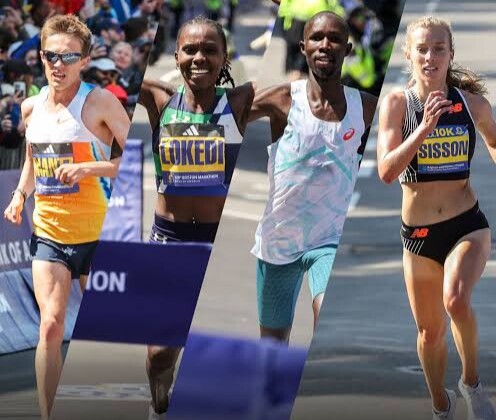
The Boston Athletic Association announced the record field on Monday, confirming that the program has surpassed 200 organizations for the first time. Among the 215 selected charities, 22 are first-time partners, adding a new group of organizations to one of the most prominent charity programs in distance running.
The 131st Boston Marathon will take place on Monday, April 19, 2027, with charity runners expected to account for close to 10 percent of the overall field. That translates into thousands of athletes taking on the legendary 26.2-mile course while raising money for causes that extend far beyond the race itself.
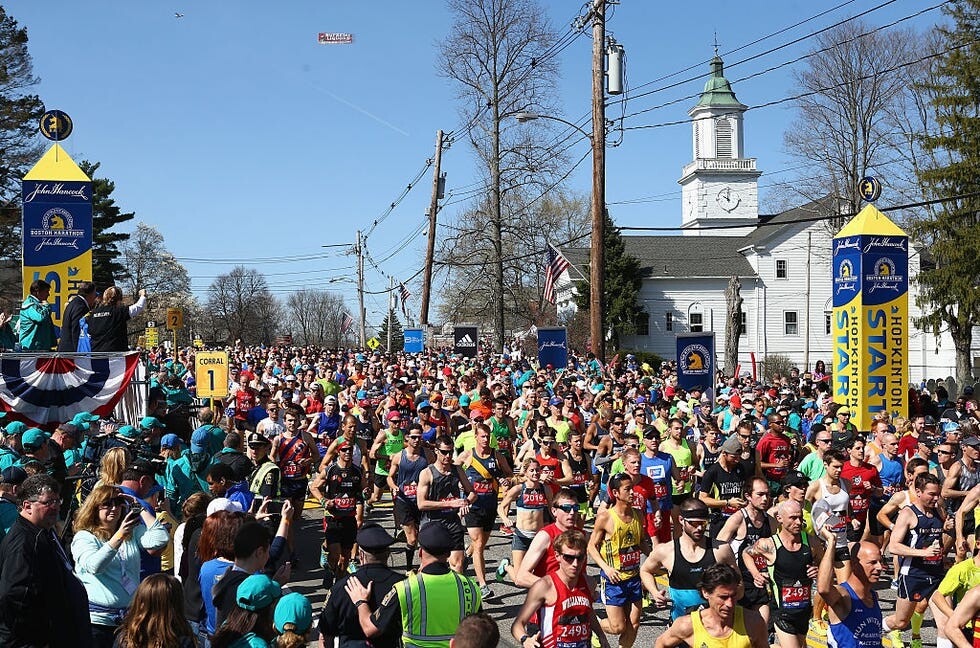
The charities represent a wide range of missions, including hospitals and medical care, cancer research, veterans' services, youth development, disability advocacy and homelessness prevention. For the runners involved, the Boston Marathon becomes more than a personal challenge—it becomes a platform for giving back and bringing attention to causes close to their hearts.
The financial impact of the program has also reached record levels. Charity runners raised $57.3 million in 2026, setting a new single-year fundraising record. That was a 13.7 percent increase from the $50.4 million raised in 2025, showing just how rapidly the charitable side of the Boston Marathon continues to grow.
Since the official charity initiative began in 1989, more than $675 million has been raised through Boston Marathon fundraising efforts, providing significant support to nonprofit organizations over nearly four decades.
The growth in the number of participating charities is equally striking. The program featured 160 organizations in 2024, while the 2027 edition will have 215. That is an increase of 55 charities, or roughly 34 percent, in just three years.
But earning a charity place is not simply a shortcut to the Boston starting line. Runners who secure one of these coveted spots take on a major fundraising responsibility, with commitments generally ranging from $10,000 to $15,000, depending on the charity and its requirements.
For many runners, that means their Boston journey begins long before they arrive in Hopkinton. Training runs are accompanied by fundraising campaigns, community events and personal appeals as athletes work to reach their targets while preparing for one of the world's most demanding and prestigious marathons.
The charity route has also become an important pathway for runners who cannot enter through the traditional qualifying system. It gives them an opportunity to experience Boston while simultaneously turning their marathon journey into a fundraising mission.
With 215 organizations now preparing their teams for 2027, the Boston Marathon's charitable footprint has never been larger.
When the starting gun fires next April, thousands of runners will chase the famous finish line on Boylston Street—but they will also be running for something much bigger than themselves.
by Erick Cheruiyot for My Best Runs.
Login to leave a comment

Boston Marathon
Among the nation’s oldest athletic clubs, the B.A.A. was established in 1887, and, in 1896, more than half of the U.S. Olympic Team at the first modern games was composed of B.A.A. club members. The Olympic Games provided the inspiration for the first Boston Marathon, which culminated the B.A.A. Games on April 19, 1897. John J. McDermott emerged from a...
more...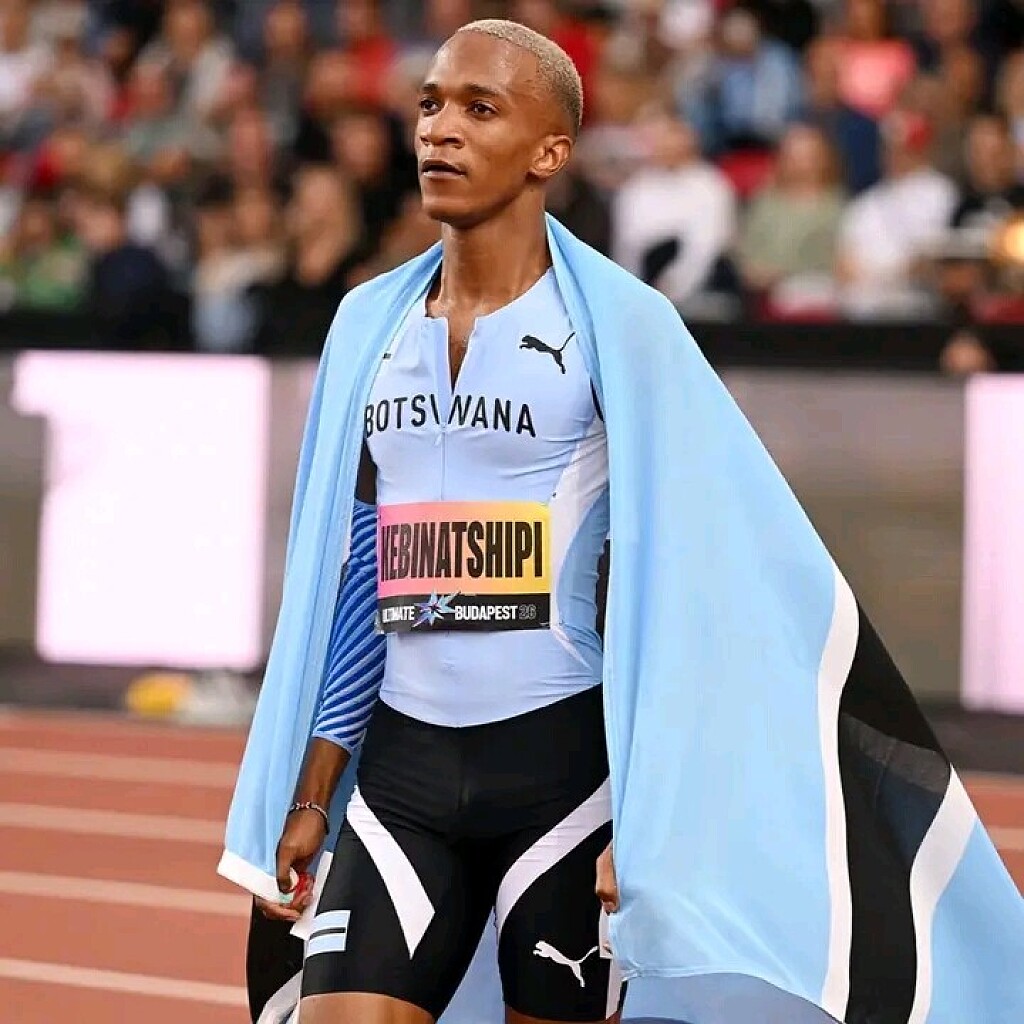
Collen Kebinatshipi Has Wayde Van Niekerk’s 43.03 World Record In His Sights
Botswana’s Collen Kebinatshipi has made it clear that Wayde van Niekerk’s legendary 400m world record is already part of his long-term ambitions.
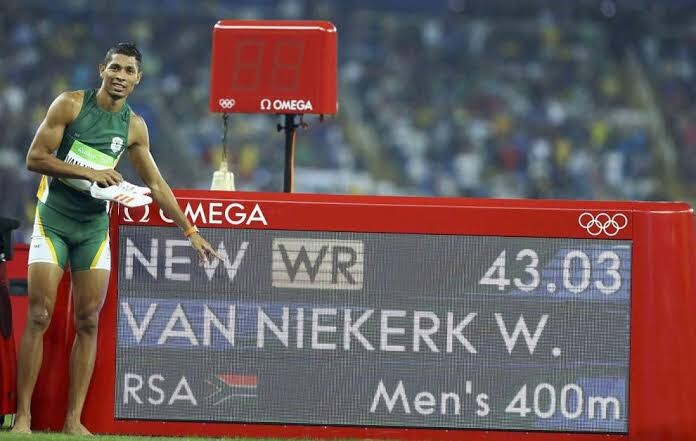
The 22-year-old capped a remarkable 2026 campaign in spectacular fashion at the World Athletics Ultimate Championships in Budapest, storming to a stunning national record of 43.39 seconds to win the men’s 400m title. The performance moved him to fifth on the world all-time list and left him just 0.36 seconds behind Van Niekerk’s 43.03 world record, set at the Rio 2016 Olympic Games.
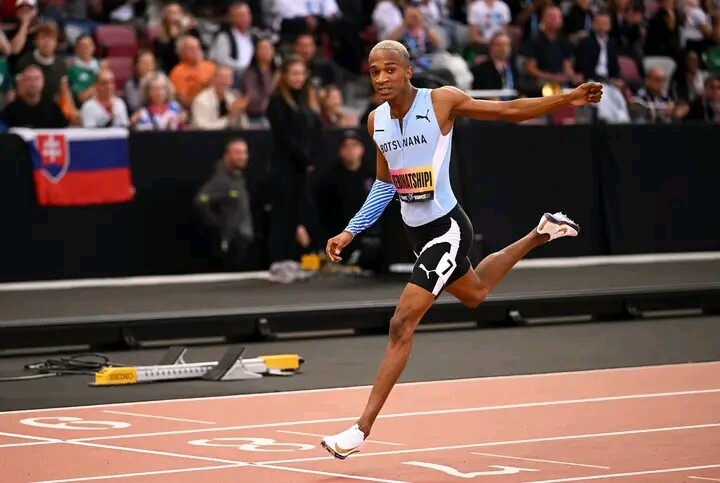
But for Kebinatshipi, the chase is not simply a distant dream. The Botswana star admitted after his Budapest triumph that the world record is something he regularly thinks about.
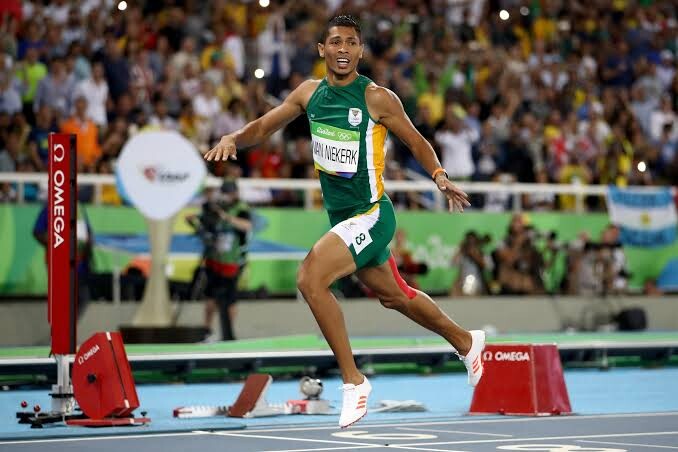
“I would be lying if I said no. Obviously it’s always running through my mind,” Kebinatshipi said.
His ambition is already shaping the way he views the next stage of his career. When asked when serious world-record discussions could become realistic, the 22-year-old pointed towards the Los Angeles 2028 Olympic Games, suggesting that the biggest target could come into focus by then.
What makes the prospect particularly intriguing is that Kebinatshipi does not believe he has reached his physical or technical peak.
The Botswana star has identified his back straight as an area where he still wants to improve. Even after producing a sensational 43.39 in Budapest, he believes there is more work to be done, while he has also acknowledged that he is still developing physically.
That leaves an exciting question hanging over the next few seasons: how fast can Kebinatshipi become when those improvements begin to come together?
His Budapest performance was already extraordinary. He attacked the race with confidence from the opening stages, built a commanding advantage and held his form all the way to the finish to stop the clock at 43.39.
The victory capped a season in which Kebinatshipi has repeatedly demonstrated that he belongs among the world’s elite 400m runners. Before Budapest, he had already established himself as one of the most consistent performers in the event, including a 43.40 clocking in Brussels.
Then came Budapest — and an even faster performance.
His 43.39 placed him level with the legendary 43.39 recorded by Michael Johnson in 1995 and firmly established him among the fastest 400m runners in history.
And perhaps that is what makes his world-record ambition so fascinating. Kebinatshipi is not talking about chasing 43.03 from a position of uncertainty. He has already run 43.39 at just 22 years old, while openly acknowledging that there are still technical and physical areas he wants to develop.
Van Niekerk’s record has stood since August 14, 2016. For a decade, 43.03 has remained the ultimate benchmark in the one-lap event. Now, a new generation is beginning to look directly at that barrier.
Kebinatshipi is only 0.36 seconds away.
Whether the record eventually falls remains a question for the future, but one thing is already clear: 43.03 is no longer just a number in the record books for Collen Kebinatshipi — it is a target.
by Erick Cheruiyot for My Best Runs.
Login to leave a comment

Masai Russell Ends Perfect 2026 Season After 14 Straight Wins
Masai Russell has called time on a remarkable 2026 campaign, withdrawing from ATHLOS London and ending a season in which the Olympic champion won every race she contested.
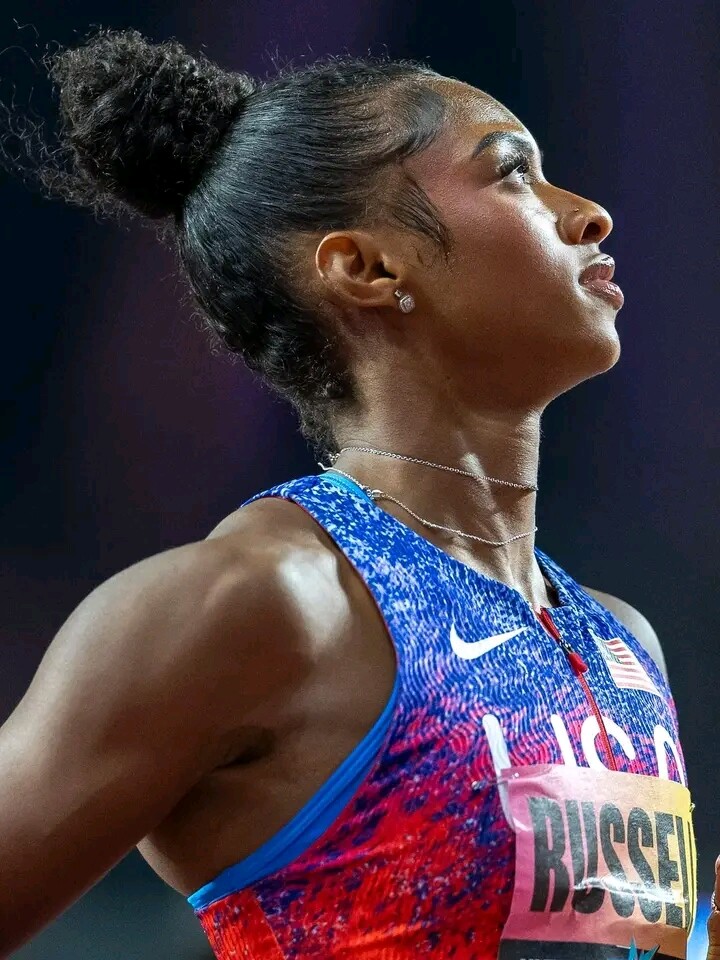
The American hurdler confirmed the decision on September 15, just days before ATHLOS London’s September 18 meeting at StoneX Stadium. Russell said she and her team believe stepping away is the right decision for her body as they turn their attention to what comes next.
“I'm grateful for everyone who has supported me throughout this year,” Russell said in her message to fans, before signing off with a promise to return to the track in 2027.
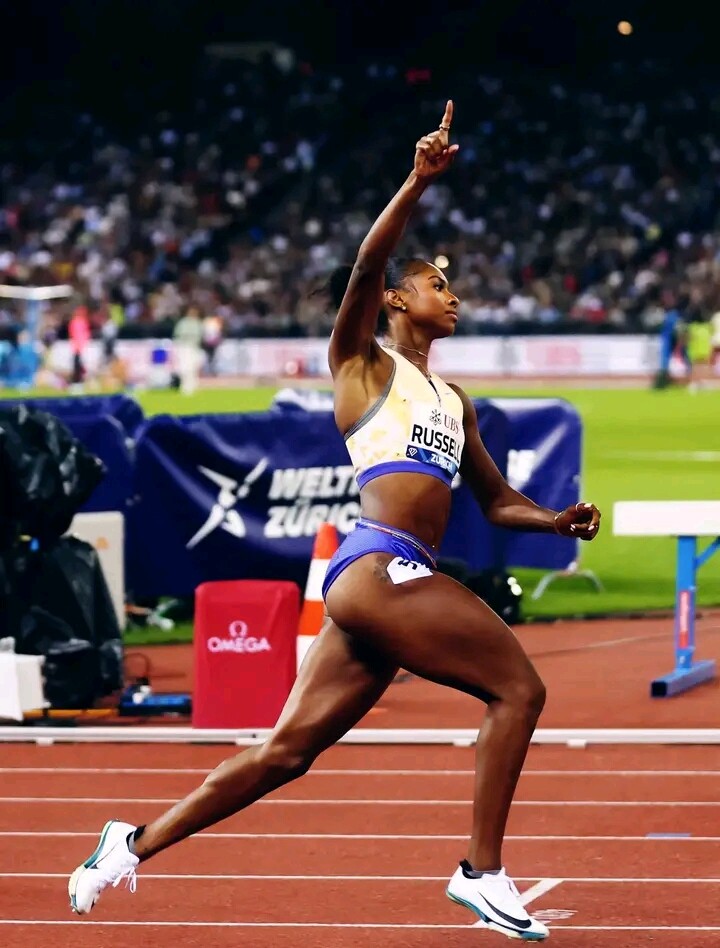
It brings an extraordinary season to a close: 14 races, 14 victories and an unbeaten record in 2026.
Russell’s season reached another level in August when she produced one of the defining performances of the year at the Weltklasse meeting in Zurich. The Olympic champion stormed to 12.09 seconds in the 100m hurdles, breaking Tobi Amusan’s world record of 12.12 and becoming the fastest woman ever over the barriers.
The performance was not a one-off. Russell followed her world-record run by winning the Diamond League Final in Brussels in 12.20 seconds before heading to Budapest for the inaugural World Athletics Ultimate Championship.
In Budapest, she completed her perfect season in style, winning the 100m hurdles in 12.22 seconds ahead of Nigeria’s Tobi Amusan and the Netherlands’ Nadine Visser. The victory was Russell’s 14th of the year and secured her unbeaten record for 2026.
Her withdrawal means fans will not get to see the world-record holder compete at ATHLOS London, where she had originally been announced among the star-studded field. The event takes place at StoneX Stadium on Friday, September 18, as ATHLOS makes its first international appearance.
For Russell, however, the decision closes the chapter on a season that has already placed her among the defining figures of the 2026 athletics campaign.
She has collected Olympic, Diamond League and World Athletics Ultimate Championship success, while adding a world record that erased one of the most significant marks in women's sprint hurdles.
And perhaps most remarkably, she did it without losing a single race.
Now Russell turns her attention to recovery, preparation and whatever comes next.
After a year of 14 wins from 14 races, a world record and an unbeaten streak, the next time Masai Russell steps onto the track will be in 2027 — with the 12.09 world-record holder entering a new season carrying an entirely different level of expectation.
by Erick Cheruiyot for My Best Runs.
Login to leave a comment
No Rest for Keely Hodgkinson! Olympic Champion Set for Homecoming Showdown at ATHLOS London
Keely Hodgkinson is wasting no time putting the finishing touches to her long and demanding 2026 season.
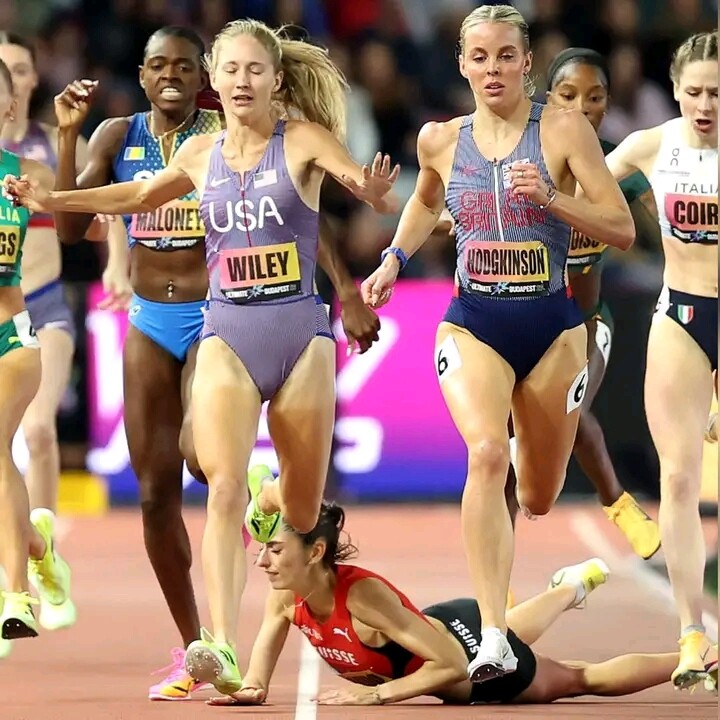
Just days after battling to a runner-up finish behind Audrey Werro in the women’s 800m at the inaugural World Athletics Ultimate Championship in Budapest, the British Olympic champion is preparing to lace up once again — this time in front of her home crowd.

Hodgkinson is set to return to the 800m at ATHLOS London on Friday, September 18, 2026, at StoneX Stadium, where she will defend the title she won at the event last year.
The quick turnaround underlines just how relentless Hodgkinson’s season has been. After months of elite competition, travel and intense racing, the 24-year-old now faces one final assignment before bringing her 2026 campaign to a close.
Budapest provided another fiercely contested race for Hodgkinson. She was unable to finish the season’s Ultimate Championship with victory, as Switzerland’s Werro produced a superb performance to claim the 800m crown, leaving Hodgkinson to settle for second.
But there will be little time to dwell on the result.
The homecoming at StoneX Stadium offers Hodgkinson an opportunity to respond immediately and potentially end her season on a high. With the British fans expected to turn out in force, the atmosphere should provide an extra source of motivation for one of the country’s biggest athletics stars.
Hodgkinson has already established herself as one of the defining 800m runners of her generation, and another victory in London would add a fitting final chapter to a season that has demanded enormous consistency and resilience.
The question now is whether she can summon one last burst of brilliance after such a gruelling campaign.
With the Olympic champion back on British soil, all eyes will be on Hodgkinson as she takes on the 800m one more time in 2026.
No rest. No easy finish. Just one final race — and a home crowd waiting to see Keely Hodgkinson deliver one more unforgettable performance.
by Erick Cheruiyot for My Best Runs.
Login to leave a comment

BMW Berlin Marathon Unveils 2026 Finisher Medal As Runners Prepare For September Showdown
The BMW Berlin Marathon has unveiled its official finisher medal for the 2026 edition, giving thousands of runners another exciting reminder of what awaits them when they cross the finish line in the German capital on September 27.
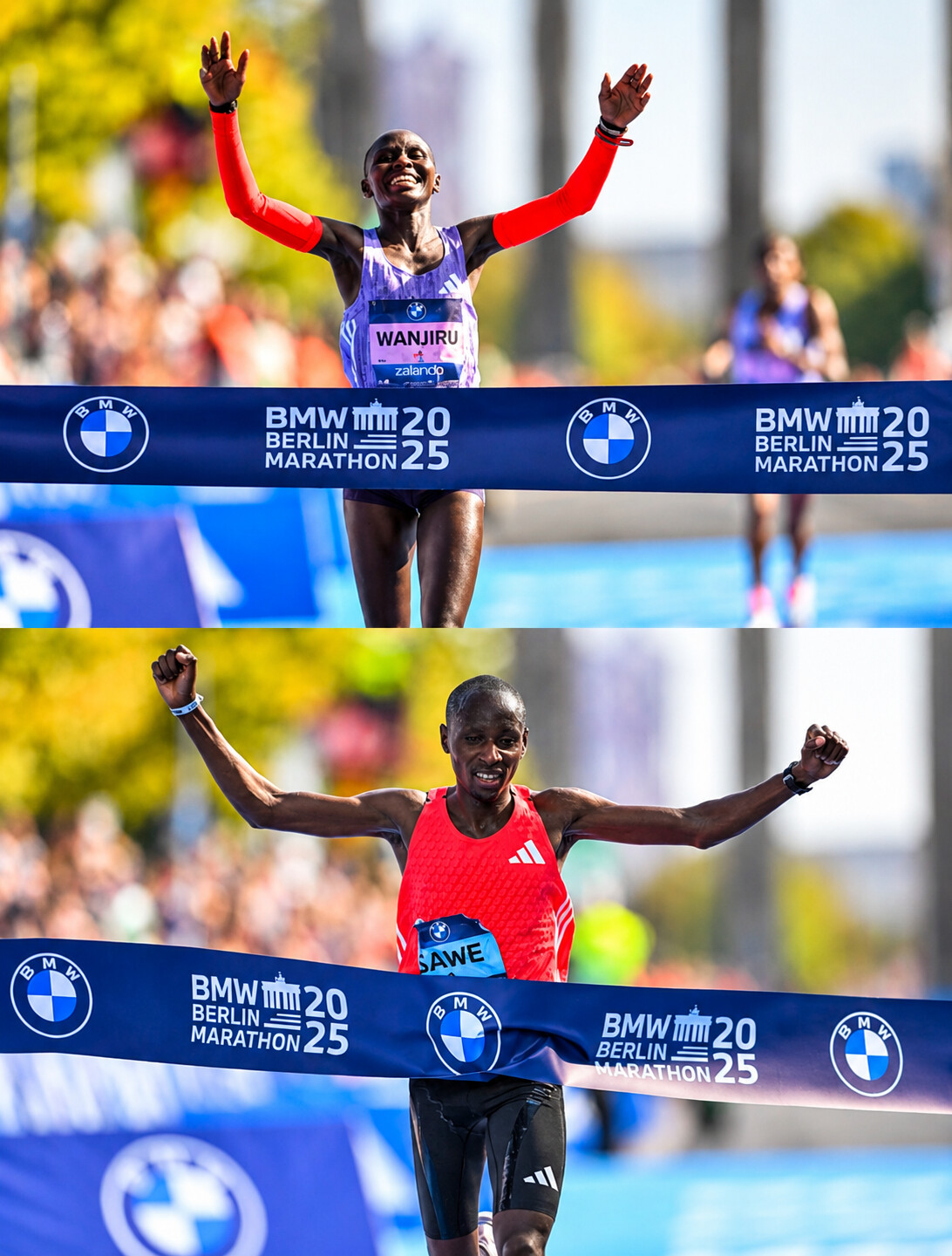
The striking medal celebrates Berlin through a distinctive combination of gold and silver tones. On the front, the city’s iconic Victory Column takes centre stage, creating a powerful symbol of the historic marathon and the unforgettable journey runners will make through the streets of Berlin.
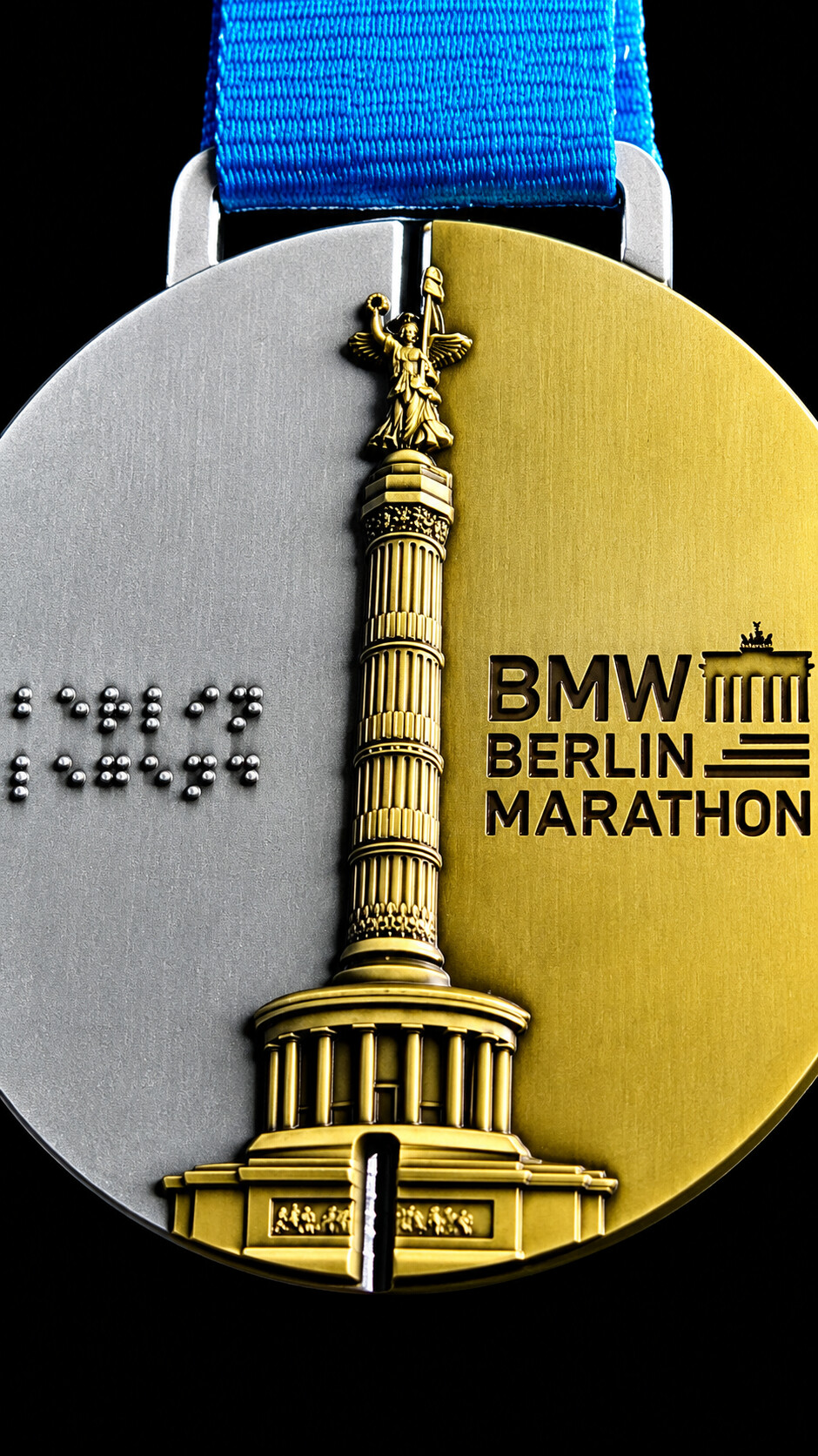
The reverse side continues the city-inspired theme, featuring a detailed map of Berlin with the marathon course highlighted across it. The design also carries the words “Berlin Legend” and the race date, 27 September 2026, making the medal a lasting reminder of the occasion.
But while the medal offers a glimpse of the reward waiting at the finish, organisers are also making preparations to help runners manage one of the biggest challenges of marathon racing: staying cool during the closing stages of the 42.195-kilometre journey.
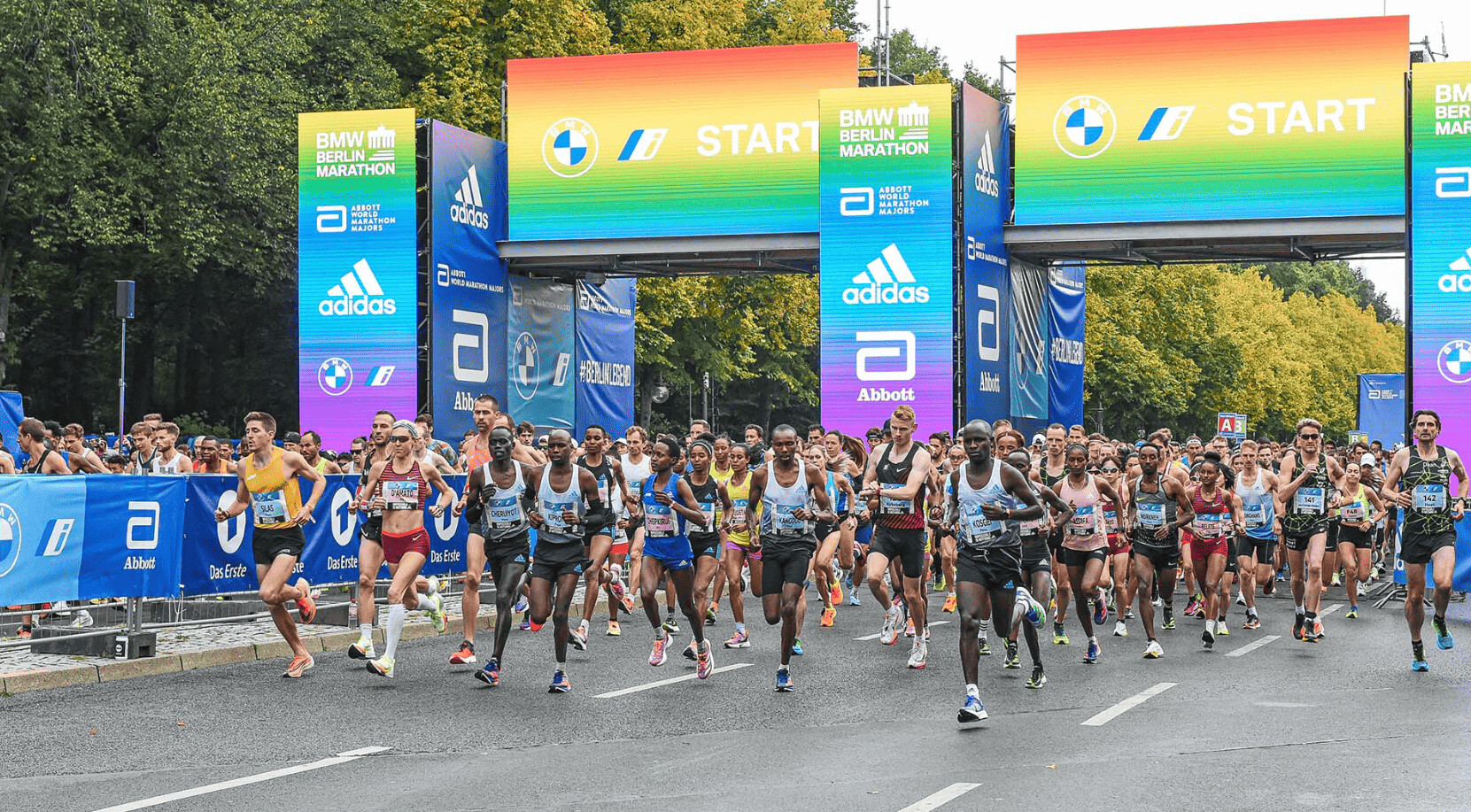
For the 2026 race, dedicated Cooling Stations will be available at kilometres 30 and 38, integrated into the aid-station areas. These locations are strategically positioned to provide runners with an opportunity to cool themselves during the demanding final stretch of the marathon.
The cooling facilities will be located before the respective aid stations in the direction of running, close to the showers. They will be clearly identifiable by an official sign attached to the wash trough, making them easy for participants to spot while racing.
The wash troughs will be filled with water, allowing runners to dip their own sponges, towels, caps and other cooling items into the water before continuing their journey. Importantly, participants must bring these items themselves, as they will not be supplied or handed out at the cooling stations.
The reminder could prove particularly valuable for runners planning their race strategy. By preparing cooling equipment in advance and knowing exactly where the stations are located, participants can make the most of the facilities when fatigue begins to set in during the final 12 kilometres.
The BMW Berlin Marathon is one of the world's most prestigious marathon races and forms part of the Abbott World Marathon Majors, attracting elite athletes and recreational runners from across the globe. For many participants, finishing in Berlin represents the culmination of months of training, sacrifice and anticipation.
Now, with the 2026 finisher medal revealed and practical race-day details being released, the excitement is building. The goal for thousands of runners will soon become very real: navigate the streets of Berlin, manage the demanding final kilometres, cross the finish line and earn the coveted “Berlin Legend” medal.
For those lining up on September 27, the countdown is officially on.
by Erick Cheruiyot for My Best Runs.
Login to leave a comment
BMW Berlin Marathon
The story of the BERLIN-MARATHON is a story of the development of road running. When the first BERLIN-MARATHON was started on 13th October 1974 on a minor road next to the stadium of the organisers‘ club SC Charlottenburg Berlin 286 athletes had entered. The first winners were runners from Berlin: Günter Hallas (2:44:53), who still runs the BERLIN-MARATHON today, and...
more...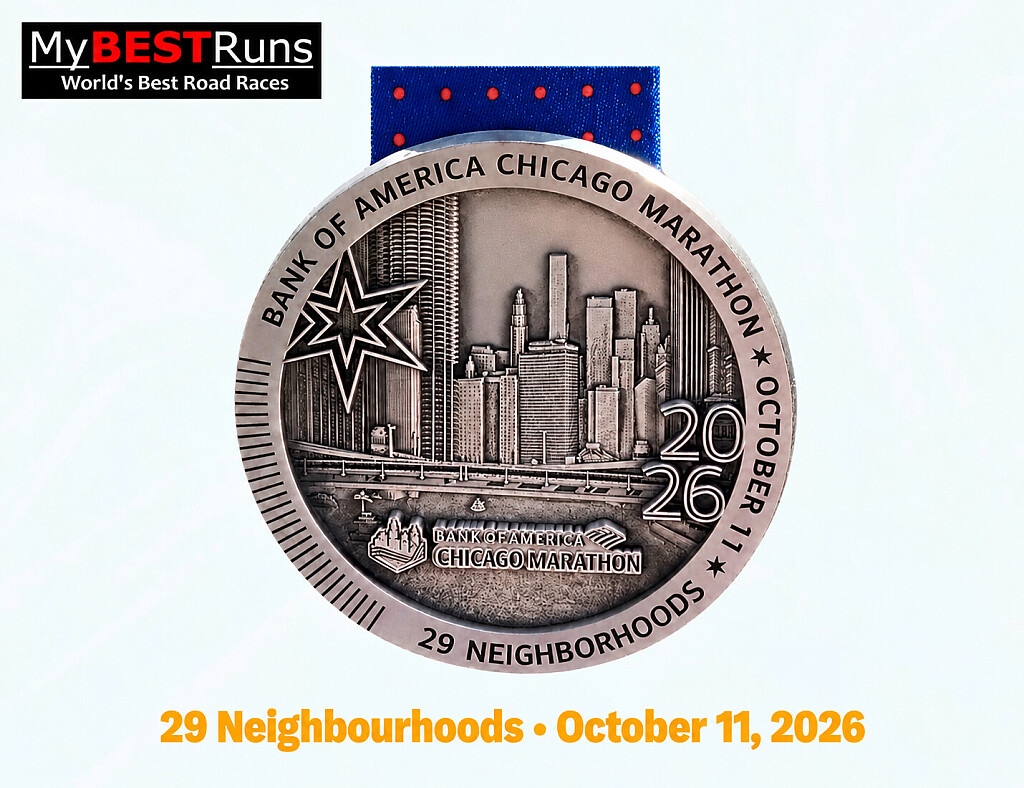
2026 Chicago Marathon Unveils A Stunning Medal Celebrating The City’s Iconic Route
The 2026 Bank of America Chicago Marathon has unveiled its official finisher medal, giving thousands of runners another exciting reason to look forward to one of the world’s most celebrated marathons.
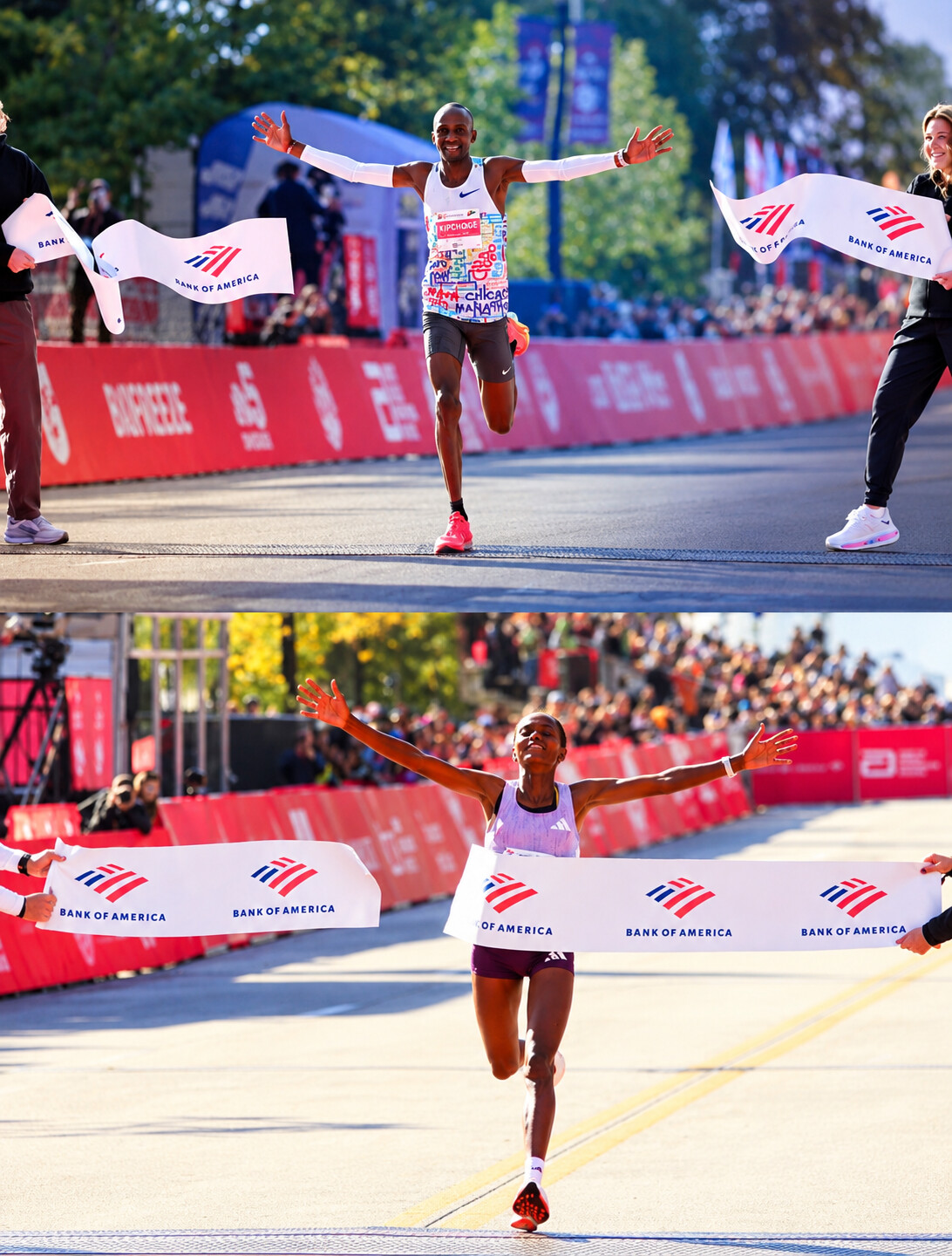
Designed as a tribute to the city and its legendary 26.2-mile course, the medal beautifully captures the character of Chicago while reflecting the experience runners will have as they race through the streets of the Windy City.
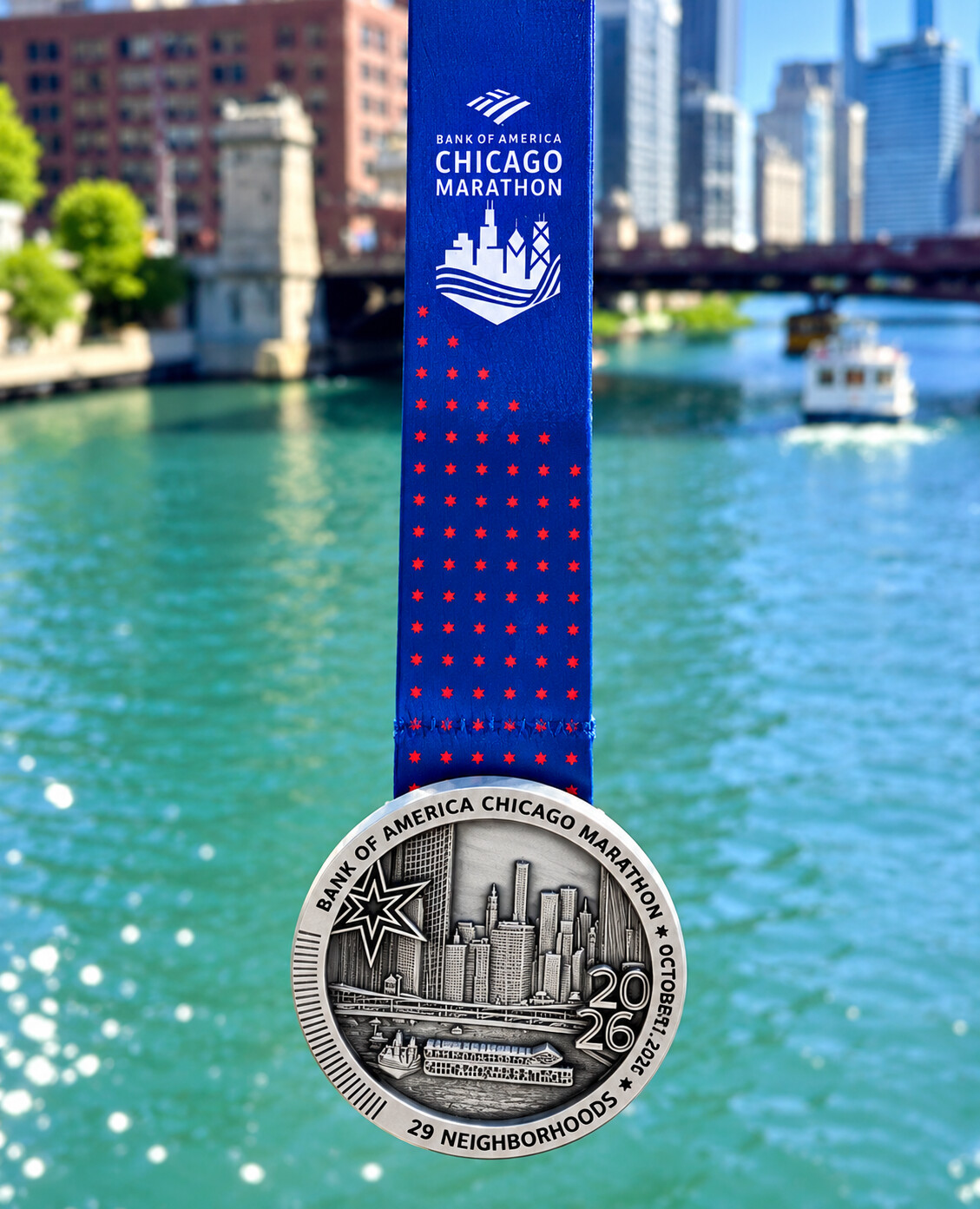
The front of the medal features the spectacular Chicago skyline rising behind the LaSalle Street Bridge, recreating an iconic view that participants will encounter during the race. While running along Wells Street, runners will be able to look to their left and see the very scene that has been immortalised on the medal.
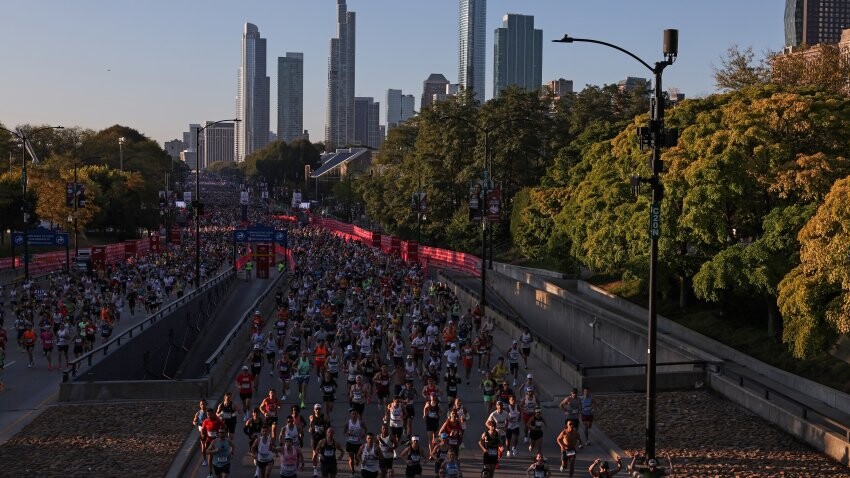
The location is particularly meaningful because the LaSalle Street Bridge comes into view during the fourth of the six crossings of the Chicago River that runners make along the marathon course. It creates a special connection between the physical experience of race day and the keepsake runners will proudly carry home after completing the 26.2 miles.
Turning the medal over reveals another remarkable detail, with all 29 neighbourhoods featured along the iconic marathon route. In this way, the medal becomes more than a finishing award—it serves as a lasting celebration of the communities, landmarks and streets that define the Chicago Marathon experience.
For those who earn it, the medal will represent far more than simply completing 26.2 miles. It will carry memories of months of preparation, demanding training sessions, personal sacrifices and the emotional journey of finally reaching the finish line.
The design also gives runners a unique opportunity to carry a piece of Chicago with them long after race day. Every glance at the medal will serve as a reminder of the streets they conquered, the river crossings they navigated and the atmosphere of a city that comes alive for marathon weekend.
With anticipation building among elite athletes and thousands of runners from around the world, the unveiling of the medal marks another exciting milestone on the road to race day. Chicago is preparing once again for a spectacular celebration of distance running—and this year’s medal promises to make the achievement even more memorable.
by Erick Cheruiyot for My Best Runs.
Login to leave a comment
Bank of America Chicago
Running the Bank of America Chicago Marathon is the pinnacle of achievement for elite athletes and everyday runners alike. On race day, runners from all 50 states and more than 100 countries will set out to accomplish a personal dream by reaching the finish line in Grant Park. The Bank of America Chicago Marathon is known for its flat and...
more...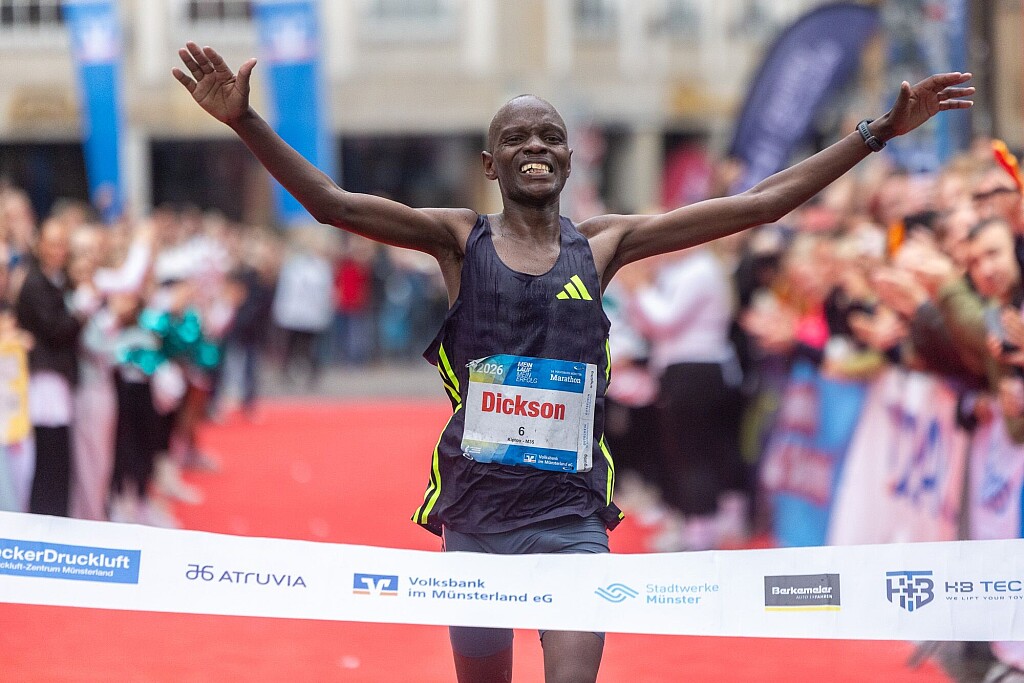
Kiptoo Leads Kenyan One-Two As Wole Triumphs In Dramatic Münster Marathon
Kenya produced a commanding display at the 2026 Volksbank-Münster-Marathon in Germany, with Dickson Kiptoo and Dickson Kiprop finishing first and second in the men’s race, while Ethiopia’s Agrie Wole claimed victory in the women’s competition.
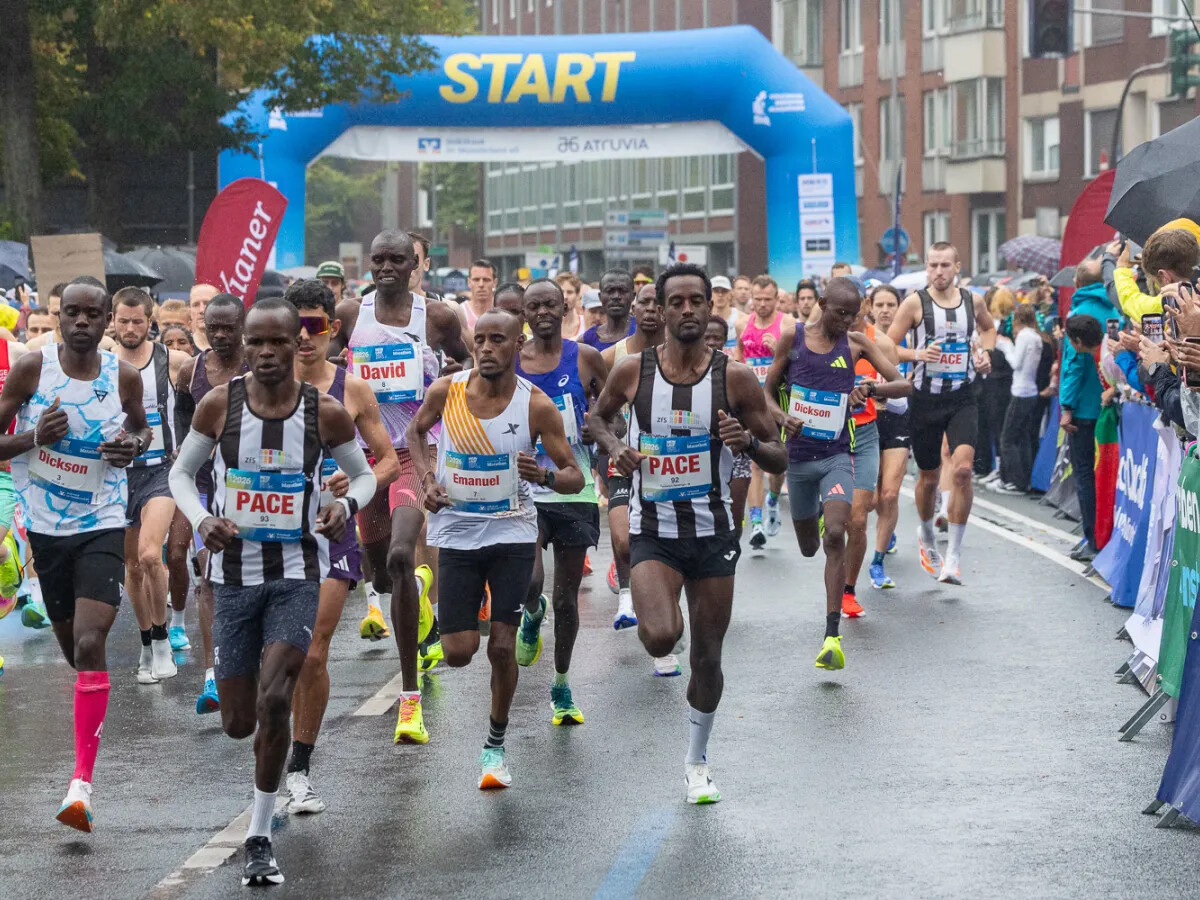
Kiptoo delivered the winning performance in 2:10:03, holding off compatriot Kiprop, who crossed the finish line just 43 seconds later in 2:10:46. The Kenyan dominance continued on the podium as Tanzania’s Emanuel Giniki secured third place in 2:12:37.
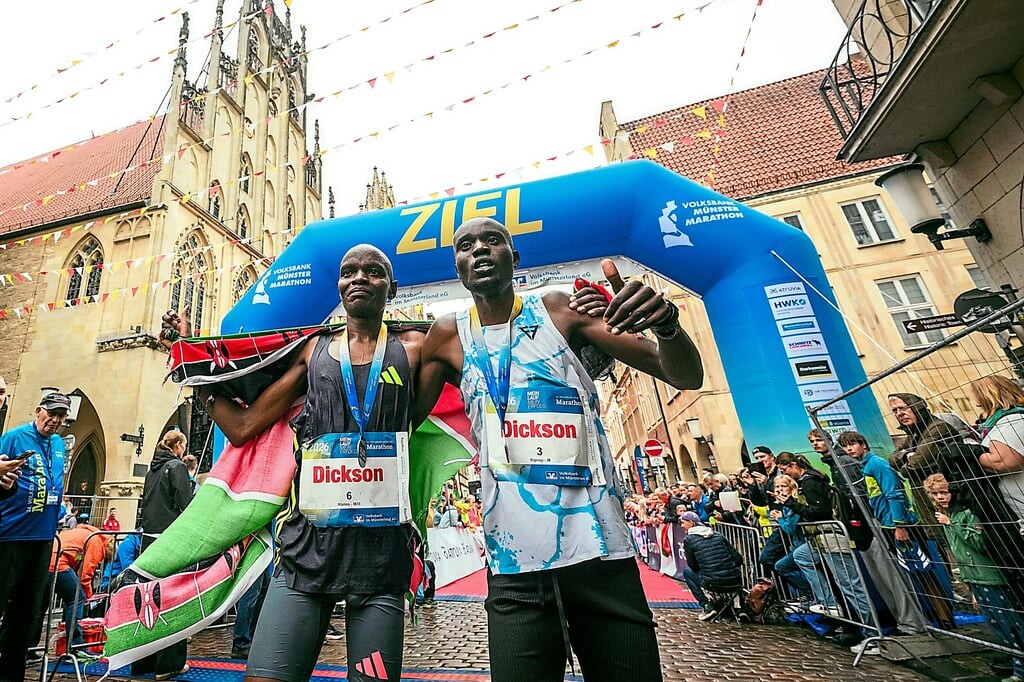
The men’s contest unfolded at a strong marathon pace, with the leading runners having to balance speed with the demanding conditions. Kiptoo ultimately produced the strongest performance on the day, securing the victory in just over two hours and ten minutes.
Kiprop remained within striking distance of his fellow Kenyan and finished with an impressive 2:10:46, making the battle for the top positions particularly compelling. Giniki also delivered a quality performance, breaking 2:13 to complete a highly competitive East African podium.
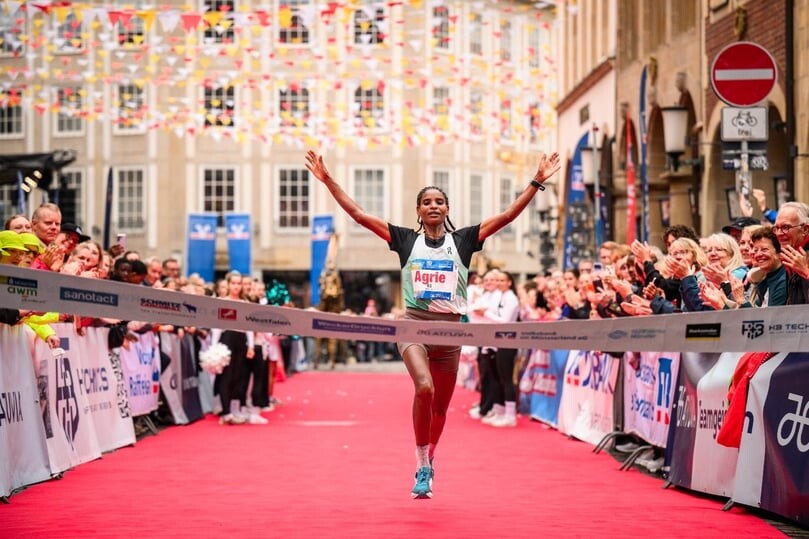
The women’s race was equally engaging, with Agrie Wole emerging as the strongest runner over the 42.195-kilometre distance. Her 2:28:43 winning time placed her comfortably ahead of Kenya’s Cecilia Wayua, who ran 2:30:21 to secure second.
Wayua’s performance added another Kenyan presence to the podium, while Ethiopia’s Azalech Woldesellase fought her way into third with 2:31:09. The result gave Ethiopia two athletes among the women’s top three and underlined the strength of East African distance running.
But the weather added another layer of drama to the race. Heavy rain accompanied the competition, creating difficult conditions for the athletes as they tackled the marathon course. The challenging weather demanded concentration and resilience, particularly as fatigue inevitably increased during the latter stages.
The conditions also had a serious consequence for Argentina’s Ignacio Erario, who was unable to finish after suffering a fall caused by the heavy rain. His withdrawal served as a reminder of just how unpredictable a marathon can become when athletes are forced to contend with difficult weather alongside the physical demands of the distance.
In the end, Münster belonged to East African distance running. Kiptoo and Kiprop delivered a Kenyan one-two in the men’s race, Wole led an Ethiopian triumph in the women’s competition, and the rain ensured that the 2026 edition would be remembered as a particularly demanding and dramatic marathon.
by Erick Cheruiyot for My Best Runs.
Login to leave a comment

Volksbank Munster Marathon
Word has long since got around that we are combining the marathon with a big event. Appreciation for our runners is very important to us. The Volksbank-Münster-Marathon is organized by runners for runners - mostly on a voluntary basis and with a lot of passion. There will again be theme power points, around 300 artists and bands and over 100,000...
more...
Boston Marathon Opens 2027 Registration With New Lifeline For Runners Who Miss The Cut-Off
Registration for the 2027 Boston Marathon opened today, September 14, giving thousands of runners who have achieved the official qualifying standards their chance to apply for one of the most coveted places in road racing. The registration window will remain open through Friday, September 18, at 5:00 p.m. Eastern Time.
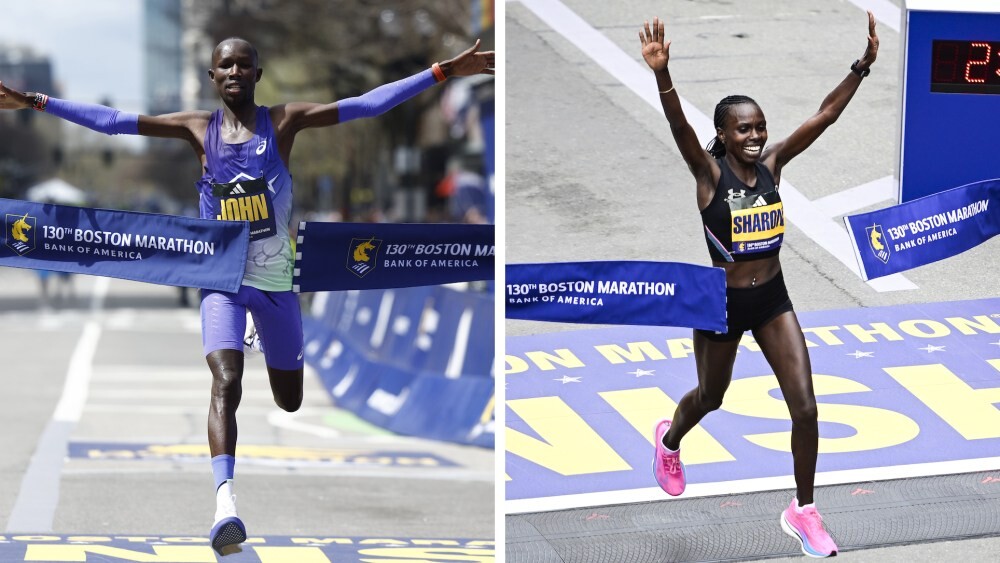
The 2027 edition of the Boston Marathon will bring a major change to the qualification process. For the first time, runners who meet their age-group qualifying standard but finish outside the eventual cut-off will have an additional opportunity to gain entry through a new Boston Qualifier Selection.
After registration closes, the Boston Athletic Association (B.A.A.) will verify performances and rank applicants according to how far they finished under their respective qualifying standards. The fastest qualifiers will be accepted first, with their performances determining the cut-off for each age and gender group.
But this time, missing that cut-off will not necessarily mean the end of the dream. Approximately 1,000 runners whose qualifying performances are not fast enough to secure automatic entry will be randomly selected through the Boston Qualifier Selection. Those athletes will automatically be included in the pool for the additional draw.
The new system comes as demand for Boston continues to outpace the number of available qualifying places. In recent years, simply achieving the published standard has increasingly failed to guarantee entry. For the 2025 Boston Marathon, 12,324 qualified applicants were not accepted, while another 8,887 missed out for the 2026 race after the qualifying field produced a cut-off of 4 minutes and 34 seconds faster than the applicable standard.
That reality has transformed Boston qualification into a race within the race. A runner may finish under the official standard and still need to be several minutes faster to secure a place, depending on the strength and size of the applicant pool.
The new random-selection component therefore offers a small but significant second chance to runners who have already done what Boston asks of them: beat the qualifying standard for their age and gender. The B.A.A. says the change reflects the increasingly fast pace of marathon running and the growing global demand for places in the historic race.
There is another important change for the 2027 registration cycle, and it could have a major impact on runners choosing where to chase their qualifying times.
The B.A.A. has introduced a net-downhill adjustment for qualifying performances. Any verified qualifying time recorded on a course with a net elevation drop of at least 1,500 feet will receive an adjustment when submitted for Boston consideration. Courses with a net drop of 1,500 to 2,999 feet will receive a five-minute addition, while courses dropping 3,000 to 5,999 feet will receive a 10-minute addition. A course with a net downhill of 6,000 feet or more will not be accepted as a Boston qualifying course.
The rule means a runner's official finishing time may not necessarily be the time ultimately used by Boston for qualification purposes. For example, a 2:45:30 performance on a course with a 2,000-foot net descent would be assessed as 2:50:30 after the five-minute adjustment.
The B.A.A. says the policy is intended to account for the significant advantage provided by courses with substantial net elevation loss and to create a more consistent standard for athletes qualifying around the world.
Despite the changes, the published 2027 qualifying standards remain unchanged. Men aged 18–34 must run 2:55:00, while women and non-binary runners in the same age group must run 3:25:00. The standards gradually increase across the older age groups, with runners aged 80 and above required to run 4:50:00 for men and 5:20:00 for women and non-binary athletes.
Importantly, qualifying standards are based on a runner's age on race day, April 19, 2027, and qualifying times must be official net times from eligible certified marathon courses. Meeting the standard still does not guarantee entry because the size of the qualifying field remains limited.
For runners chasing Boston, the message is clear: running under the standard remains the first hurdle, but running significantly faster can still make the difference between receiving a bib and watching from home. The new Boston Qualifier Selection, however, gives approximately 1,000 additional qualifiers a chance that did not previously exist.
The 131st Boston Marathon, will be held on Monday, April 19, 2027. Qualifier applicants are expected to receive their acceptance or non-acceptance notifications by early October.
Boston, long regarded as one of the hardest major marathons to enter through qualification, is changing with the times. As runners get faster and the global appetite for the race continues to grow, the road to Boylston Street is becoming more competitive—but for around 1,000 runners who fall just short of the cut-off, the dream will now remain alive a little longer.
by Erick Cheruiyot for My Best Runs.
Login to leave a comment
Boston Marathon
Among the nation’s oldest athletic clubs, the B.A.A. was established in 1887, and, in 1896, more than half of the U.S. Olympic Team at the first modern games was composed of B.A.A. club members. The Olympic Games provided the inspiration for the first Boston Marathon, which culminated the B.A.A. Games on April 19, 1897. John J. McDermott emerged from a...
more...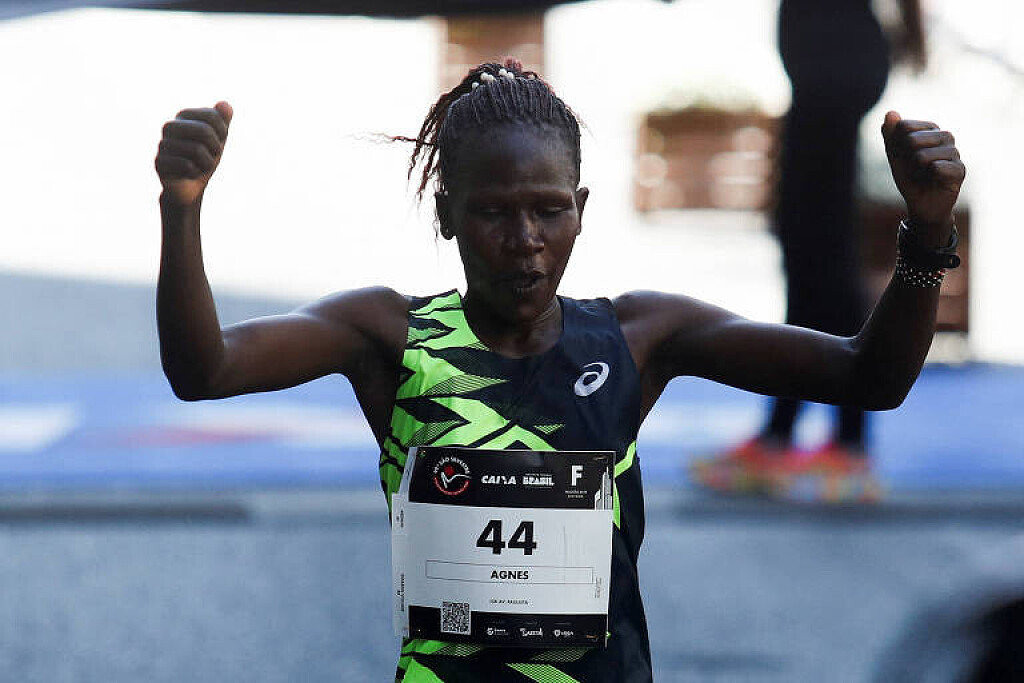
Fantu Shugi And Agnes Ngeno Headline Star-Studded Women’s Field For 2026 Cologne Marathon
Ethiopian marathon standout Fantu Shugi and Kenyan road-racing talent Agnes Ngeno will headline a formidable women’s elite field at the 2026 Cologne Marathon in Germany, with the race set to take place on October 4.
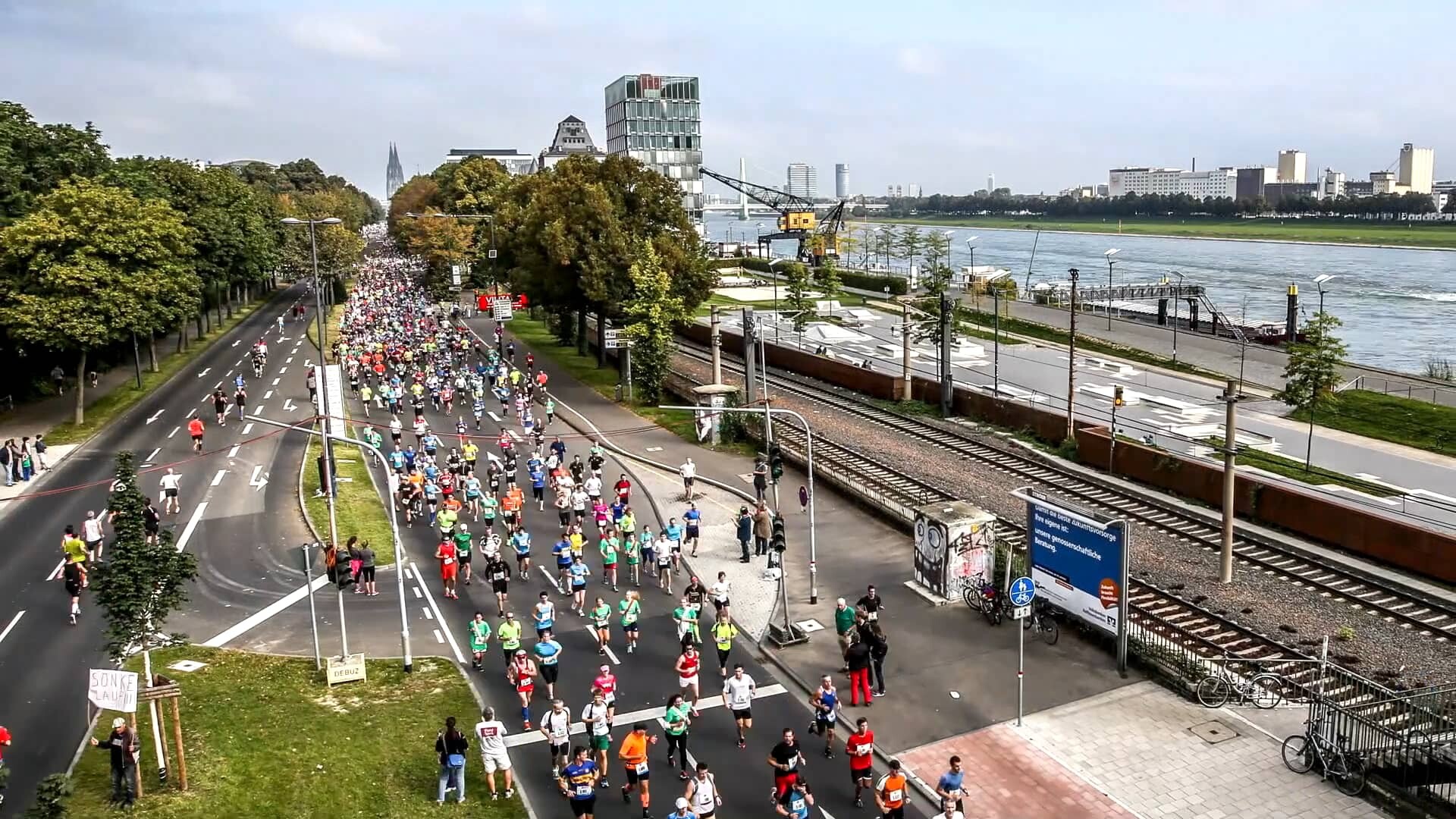
The Cologne streets are expected to provide the stage for a fiercely competitive battle, with athletes from Kenya, Ethiopia, Tanzania, the Netherlands and Germany assembling a field rich in marathon experience and sub-2:25 potential.
Leading the entry list is Kenyan Agnes Keino, who arrives with an impressive personal best of 2:22:53. She will face strong opposition from Ethiopia’s Fantu Shugi, whose 2:23:29 personal best places her among the leading contenders.
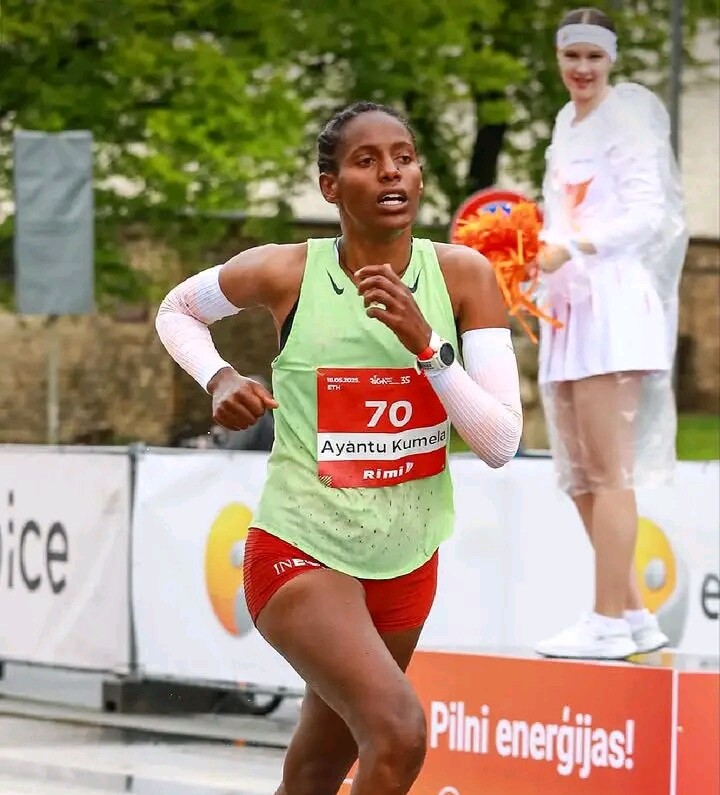
Cynthia Chepchirchir Kosgei is another Kenyan with a proven ability over the marathon, boasting a 2:23:43 personal best, while compatriot Jackline Chepngeno enters the race with a best of 2:24:21.
Ayantu Kumela, one of Ethiopia’s leading names in the field, owns a 2:24:29 personal best and will be determined to challenge the Kenyan contingent when the race gets underway. She will be joined by fellow Ethiopian Aamelmal Tagel, who has a 2:24:38 personal best.
Kenya’s Naomy Tuei, with a best of 2:26:06, and Ethiopia’s Alemtsehay Mekuria Alamirew, who has run 2:26:18, further strengthen the front end of the field. Faith Chepkoech adds another Kenyan threat with a 2:26:22 personal best.
The depth continues beyond the leading group, with Kenya’s Deborah Samum listed at 2:30:16, Ethiopia’s Tigist Worku Anagaw at 2:35:15 and Tanzania’s Neema Mathias Msuadi at 2:38:40.
The international field is completed by Dutch runner Hannah Olds Loohuis, who has a 2:40:12 personal best, and Germany’s Maike Drieb-Schön, whose marathon best stands at 2:47:51.
With several athletes carrying personal bests below 2:25, the women’s race promises to be one of the major highlights of the 2026 Cologne Marathon. The combination of Kenyan strength, Ethiopian depth and international representation could produce an intriguing tactical contest before the decisive stages unfold.
All eyes will be on Cologne on October 4 as the elite women take to the start line, with Shugi and Ngeno among the names expected to command attention in a race packed with quality and ambition.
by Erick Cheruiyot for My Best Runs.
Login to leave a comment

Cologne Marathon
There are marathons in numerous cities, but the Cologne Marathon is unique: a mixture of elite and regular runners, carnival, a folk and running festival! The entire city is vivid and the spectators cheer passionately for the runners on the course! Everywhere you may hear your name and you run through espaliers! This is something that you have to experience!...
more...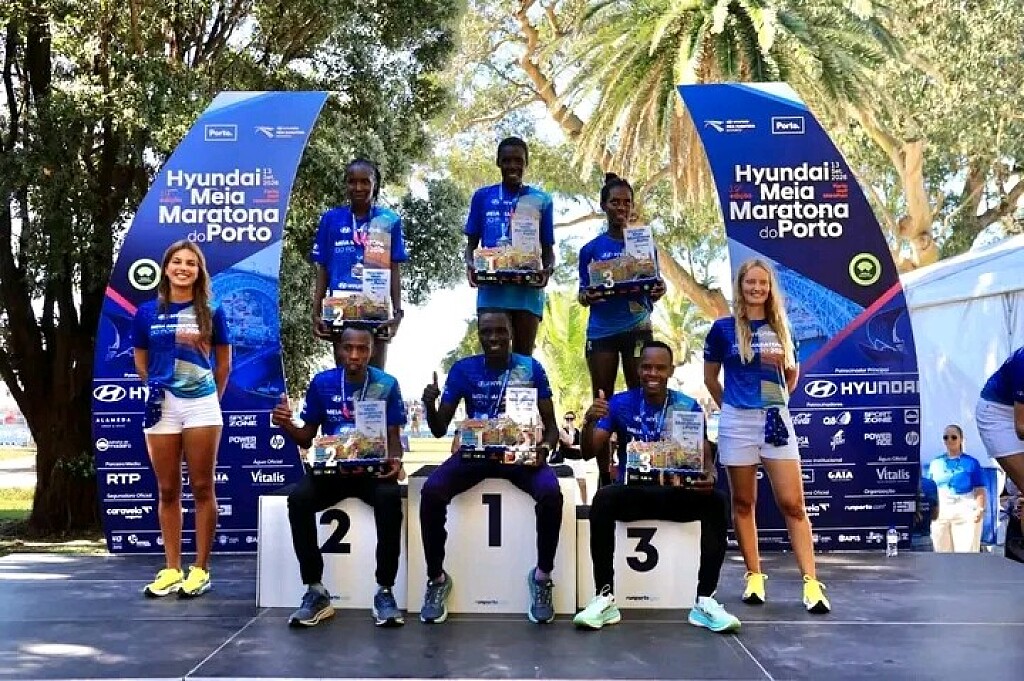
Owen Korir And Naomi Chepngeno Crowned Champions At Porto Half Marathon
Kenyan distance runners produced a commanding performance at the 2026 Hyundai Meia Maratona do Porto in Portugal, taking all three men’s podium places and securing a one-two finish in the women’s race. The 21-kilometre contest combined speed, endurance and excitement, with athletes battling through the streets of Porto and Gaia before a memorable finish beside the Douro River.
Owen Korir Kapkama claimed the men’s title in 1:01:58, delivering a polished performance to lead the field across the finish line. His compatriot Cyrus Kipkemoi Kimayo mounted a strong challenge and finished only five seconds behind, stopping the clock at 1:02:03 to take second place.
The battle for third also remained firmly in Kenyan hands, with Timothy Kibet Misoi completing the podium in 1:03:22. His result confirmed Kenya’s complete control of the men’s top three, as the country’s runners combined tactical discipline with the sustained pace required over the demanding half-marathon distance.
In the women’s race, Naomi Chepngeno delivered a winning performance to secure the title in 1:10:35. She held off fellow Kenyan Margaret Murinjo Monicah, who crossed the line in 1:10:57, finishing just 22 seconds behind the champion.
Hiwot Mehari Beza of Ethiopia claimed third place in 1:12:07, completing a competitive women’s podium and adding an international dimension to an event otherwise dominated by Kenyan athletes.
The race unfolded against a striking Portuguese backdrop, with Porto and Gaia providing a scenic yet demanding stage for the competitors. From the opening kilometres to the final push toward the finish, the athletes brought intensity and determination to a course that rewarded both speed and endurance.
The closing stretch offered a particularly memorable setting, as runners approached the Douro River with the iconic Ponte Luís I serving as a dramatic backdrop. The historic bridge and riverside scenery added a touch of grandeur to the final moments of a race defined by athletic excellence.
Along the route, thousands of spectators gathered to encourage the competitors, creating an energetic atmosphere that carried the runners through the streets. Their cheers, combined with the rhythm of racing feet and the determination of the athletes, helped transform the event into a celebration of running.
The 19th edition of the Hyundai Meia Maratona do Porto concluded with Kenya dominating the men’s podium and securing the top two positions in the women’s race. With its competitive racing, iconic riverside finish and enthusiastic crowds, the event once again showcased the enduring appeal of road running in Porto and Gaia.
by Erick Cheruiyot for My Best Runs.
Login to leave a comment

Porto Half Marathon
Hyundai Porto Half Marathon is an annual race that takes place in Portugal since 2007 and has the honor of hosting thousands of runners from around the world. Alongside the Half Marathon, there is also a Mini Marathon distance of 6 km, with a participation of over 11.000 runners. With breathtaking scenery, always along the riverside of Douro River, with...
more...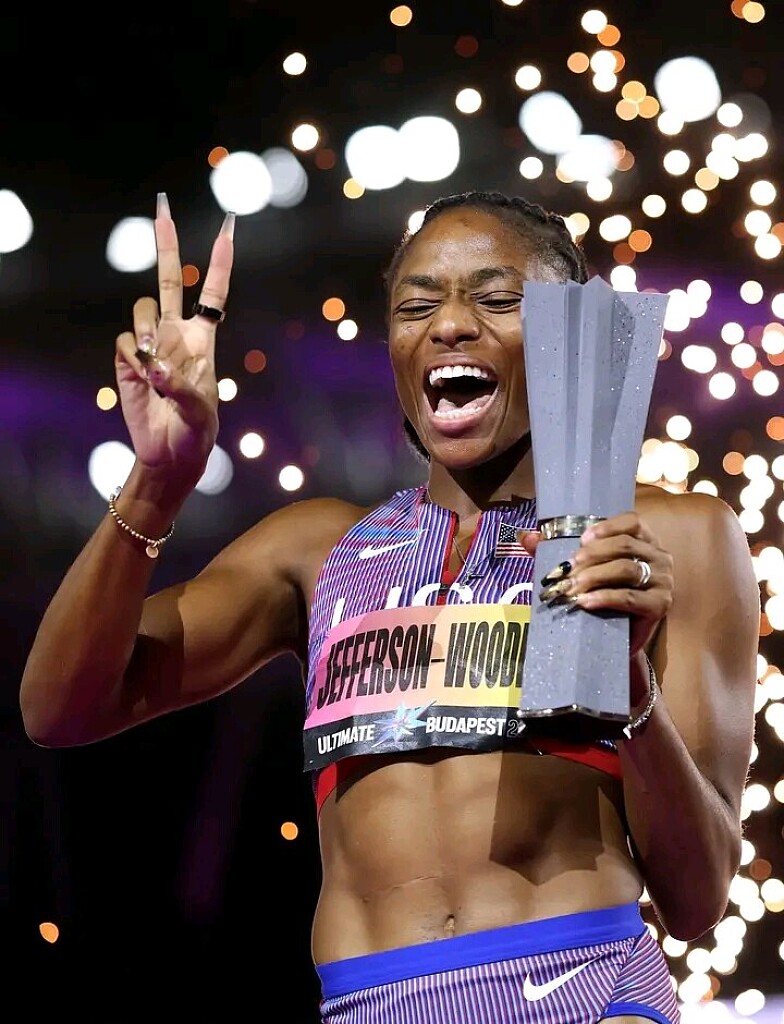
Melissa Jefferson-Wooden Storms Into History With Stunning 200m Victory In Budapest
Melissa Jefferson-Wooden has once again demonstrated why she is becoming one of the defining forces in women’s sprinting, delivering a breathtaking performance to win the 200m at the inaugural World Athletics Ultimate Championship in Budapest.
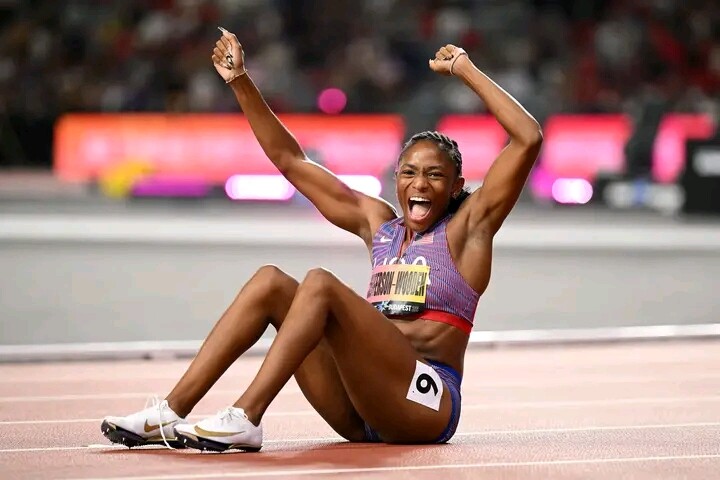
The American powered to victory in 21.47 seconds, producing one of the fastest performances in history despite facing a 0.6m/s headwind. She finished well clear of Olympic champion Gabby Thomas, who clocked 21.77, while Kayla White secured third place in 21.93.
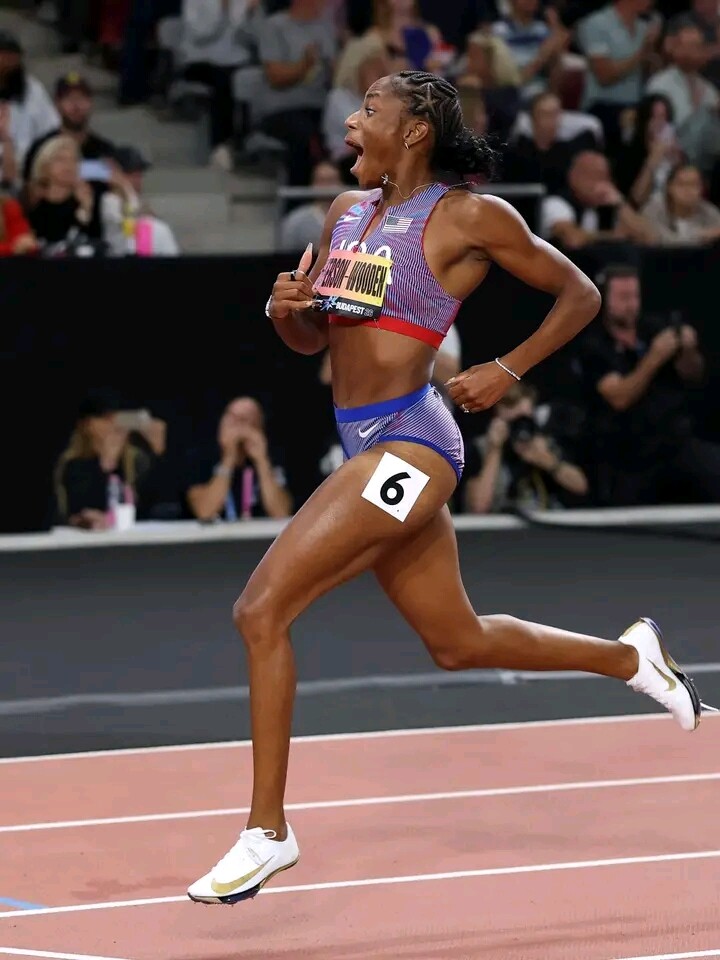
But Jefferson-Wooden’s latest triumph was about far more than another championship title. It was a performance that placed her among the fastest women ever to compete over the distance.
Her 21.47 seconds moved her to No. 3 on the all-time women’s 200m list, behind only legendary American sprinter Florence Griffith-Joyner, whose world record of 21.34 has stood since 1988, and Jamaica’s Shericka Jackson, who ran 21.41 in 2023.
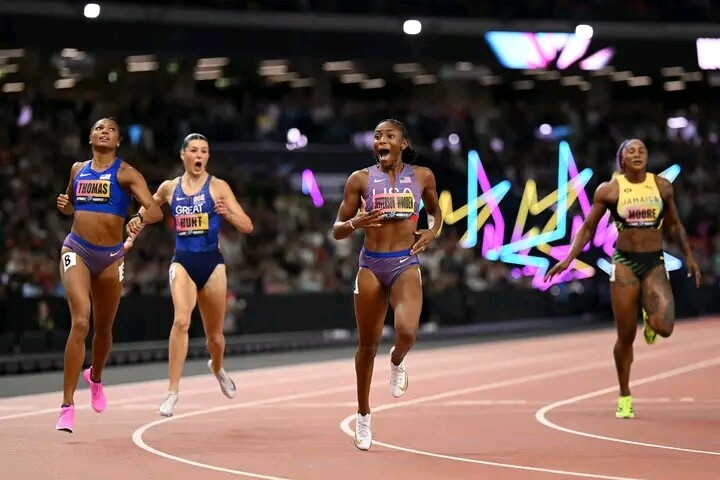
The result also pushed several celebrated names further down the rankings. Julien Alfred’s 21.51 from 2026 now sits fourth, while Elaine Thompson-Herah’s 21.53 from 2021 ranks fifth.
The significance of Jefferson-Wooden’s achievement becomes even greater when the conditions are considered. Running into a headwind makes a sprint performance more difficult, yet she still produced the third-fastest 200m ever recorded, underlining the extraordinary speed and execution behind her victory.
A Sensational Sprint Double
The Budapest triumph also completed a remarkable 100m and 200m double.
Just one night earlier, Jefferson-Wooden stormed to the 100m title in 10.62 seconds. She returned to the track with the same confidence and determination, once again delivering when the pressure was greatest.
The double adds another major achievement to a championship career that has rapidly gathered momentum. Jefferson-Wooden arrived in Budapest as the reigning world champion in both the 100m and 200m after completing the sprint double at the 2025 World Championships in Tokyo.
Now, she has added the inaugural Ultimate Championship double to her growing collection of major victories.
$300,000 Reward For Budapest Dominance
Jefferson-Wooden’s extraordinary weekend also comes with a substantial financial reward. With $150,000 awarded to each individual event winner, her victories in the 100m and 200m earn her a total of $300,000 from the championship.
Yet the money is almost secondary to what she has achieved on the track.
In an era filled with Olympic champions, world champions and record-setting talents, Jefferson-Wooden is separating herself through consistency, championship composure and an extraordinary ability to deliver on the biggest stages.
Her latest 21.47 seconds does more than add another title to her résumé. It places her directly among the fastest women the sport has ever seen over 200m.
Florence Griffith-Joyner remains at the summit. Shericka Jackson sits second. But Melissa Jefferson-Wooden is now firmly at No. 3—and judging by the extraordinary trajectory of her career, the American may not be finished climbing.
From Tokyo to Budapest, Jefferson-Wooden is no longer simply chasing sprinting history.
She is becoming part of it.
by Erick Cheruiyot for My Best Runs.
Login to leave a comment
Josh Kerr Does It Again In Budapest As British Star Claims Ultimate 1500m Crown
“I’m not going to lose.” He said it. Then he delivered.
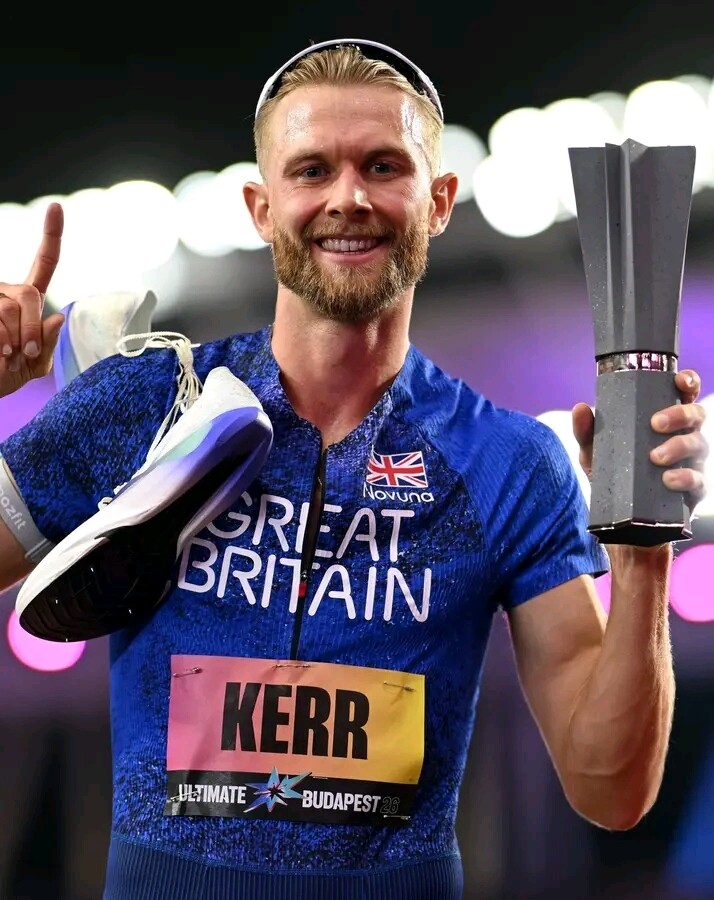
Josh Kerr has conquered Budapest once again, adding another huge title to an extraordinary 2026 season by winning the men’s 1500m at the inaugural World Athletics Ultimate Championship.
The British world mile record-holder produced a superb 3:29.35 to take the Ultimate Championship crown, using a devastating final kick to hold off Australia’s rising star Cameron Myers in the closing stages.
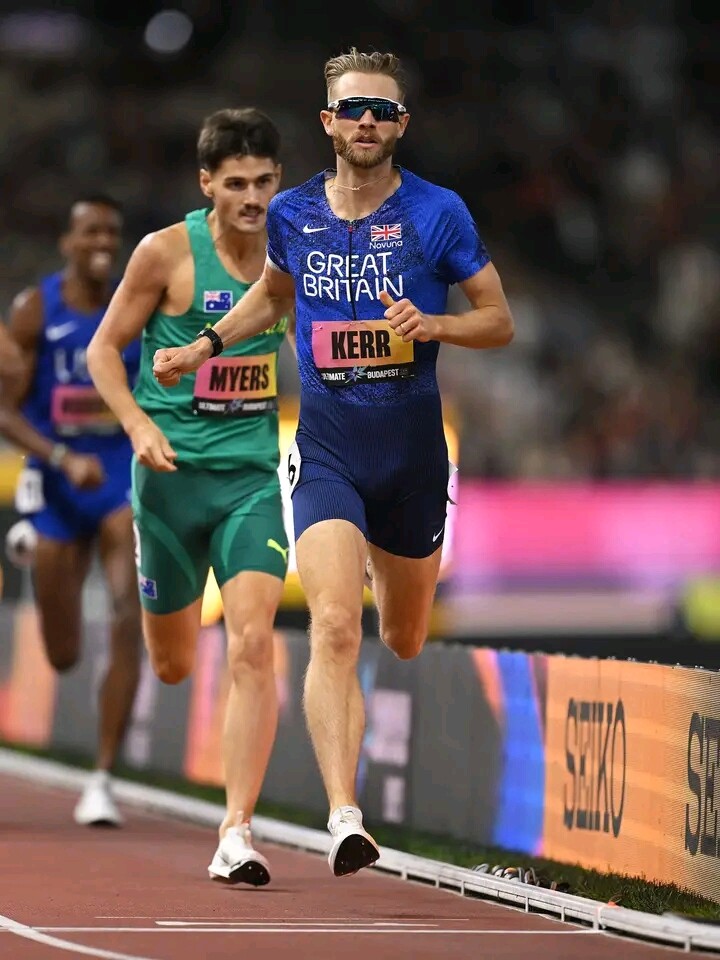
Myers pushed Kerr all the way to the finish, but the British star remained composed under pressure before finding another gear when it mattered most. The Australian crossed the line in 3:29.68 to secure second place, just 0.33 seconds behind the champion.
American Hobbs Kessler completed the podium in 3:30.73, while Olympic champion Cole Hocker finished fourth in 3:30.74, narrowly missing out on a medal by just one hundredth of a second.
For Kerr, the victory carries an added layer of significance because Budapest has already played a defining role in his career.
It was here in 2023 that Kerr produced one of the biggest shocks of that year’s World Championships, stunning Jakob Ingebrigtsen to become the world champion over 1500m. Three years later, he has returned to the same city and conquered it again.
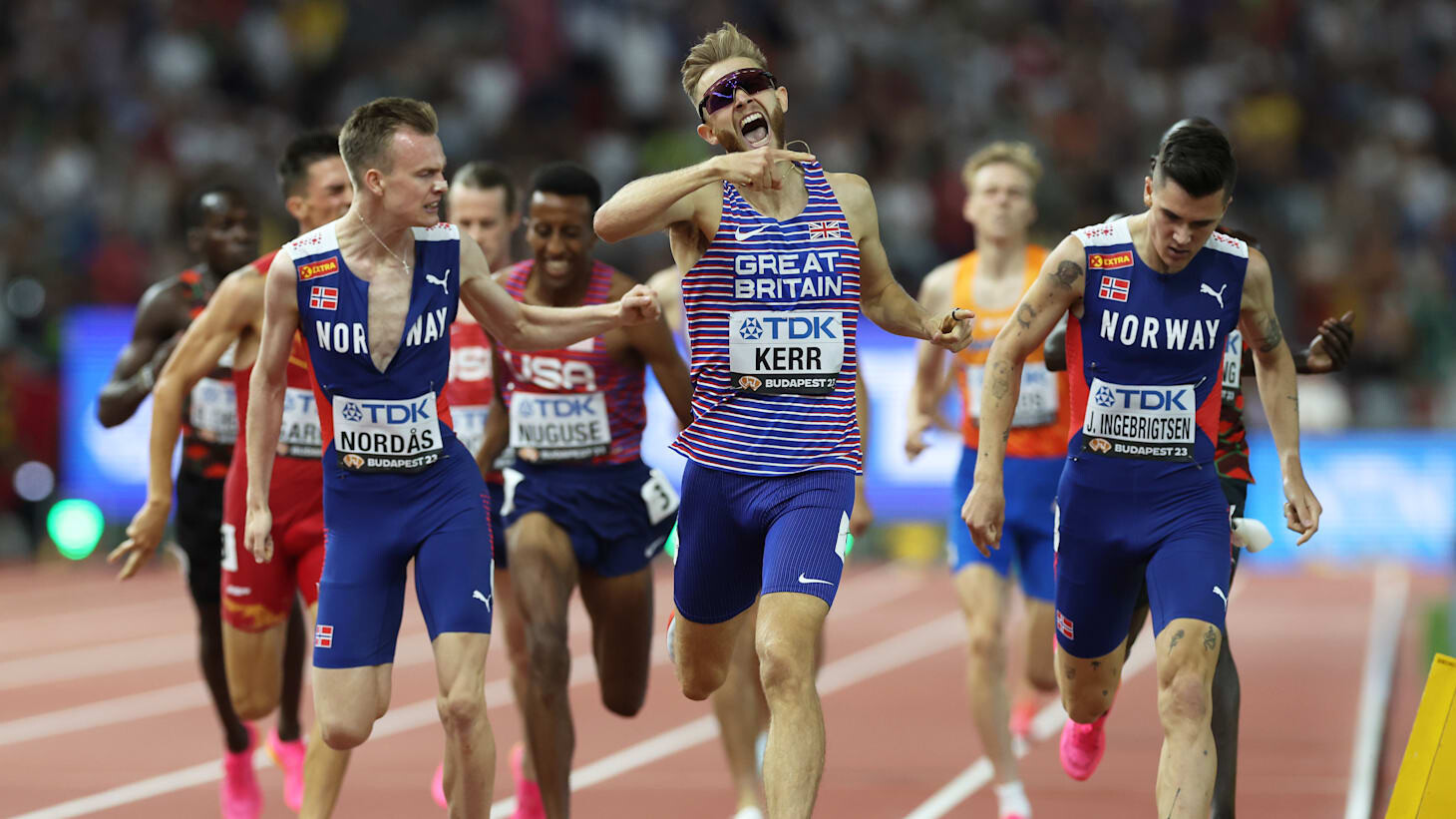
Budapest belongs to Kerr once more.
The British star arrived at the Ultimate Championship after putting together a remarkable 2026 campaign. Among the highlights was his sensational 3:42.66 mile world record in London, where he finally broke a mark that had stood for 27 years.
Kerr also added Commonwealth Games gold to his growing collection of major honours, further establishing himself as one of the dominant middle-distance athletes of his generation.
The Budapest final was expected to provide another chapter in the growing rivalry between Kerr and Ingebrigtsen. However, Ingebrigtsen’s late withdrawal meant the much-anticipated rematch never materialised.
Even without the Norwegian superstar, Kerr had no shortage of formidable opposition. The field featured Olympic champion Cole Hocker, world champion Isaac Nader and Yared Nuguse, while Myers arrived as one of the most exciting young talents in international middle-distance running.
The unique Ultimate Championship format also raised the stakes. With no heats and no second chances, every athlete had only one opportunity to deliver on the biggest stage.
Kerr appeared to embrace that pressure.
Rather than allowing the quality of the field to dictate the race, he stayed patient and waited for the decisive moment. As the final metres approached, the British star unleashed the finishing speed that has become one of his greatest weapons.
Myers fought desperately to stay with him, but Kerr had done enough.
The 3:29.35 winning time was not simply another fast performance. It was another demonstration of Kerr’s championship instincts and his ability to produce when everything is on the line.
For Myers, the silver medal represents another major breakthrough and a strong statement from the young Australian. His 3:29.68 shows that he is increasingly capable of challenging the established stars of the 1500m.
Kessler’s bronze added another impressive result to his career, while Hocker’s fourth-place finish underlined just how competitive the final was, with less than a second separating him from the champion.
Yet the night ultimately belonged to one man.
From the streets of Budapest in 2023 to the Ultimate Championship final three years later, Kerr has once again made the Hungarian capital his stage.
Another big race. Another Josh Kerr victory.
He arrived saying, “I’m not going to lose.”
Then he delivered.
Josh Kerr is the inaugural World Athletics Ultimate Championship 1500m champion — and Budapest belongs to him again.
by Erick Cheruiyot for My Best Runs.
Login to leave a comment

When The Finish Line Has To Wait: Eilish McColgan’s Great North Run Heartbreak
Athletics can be brutally unforgiving.
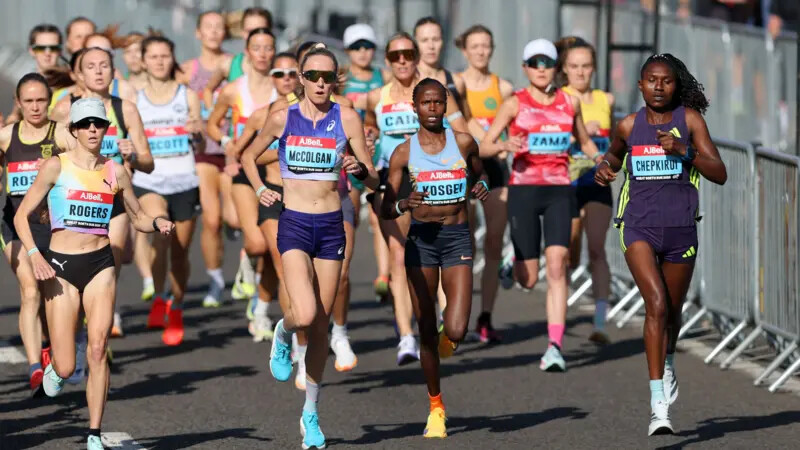
For Eilish McColgan, the 2026 Great North Run ended in heartbreak when she was forced to pull out of the race after a painful blister caused the skin on the bottom of her foot to rip open.
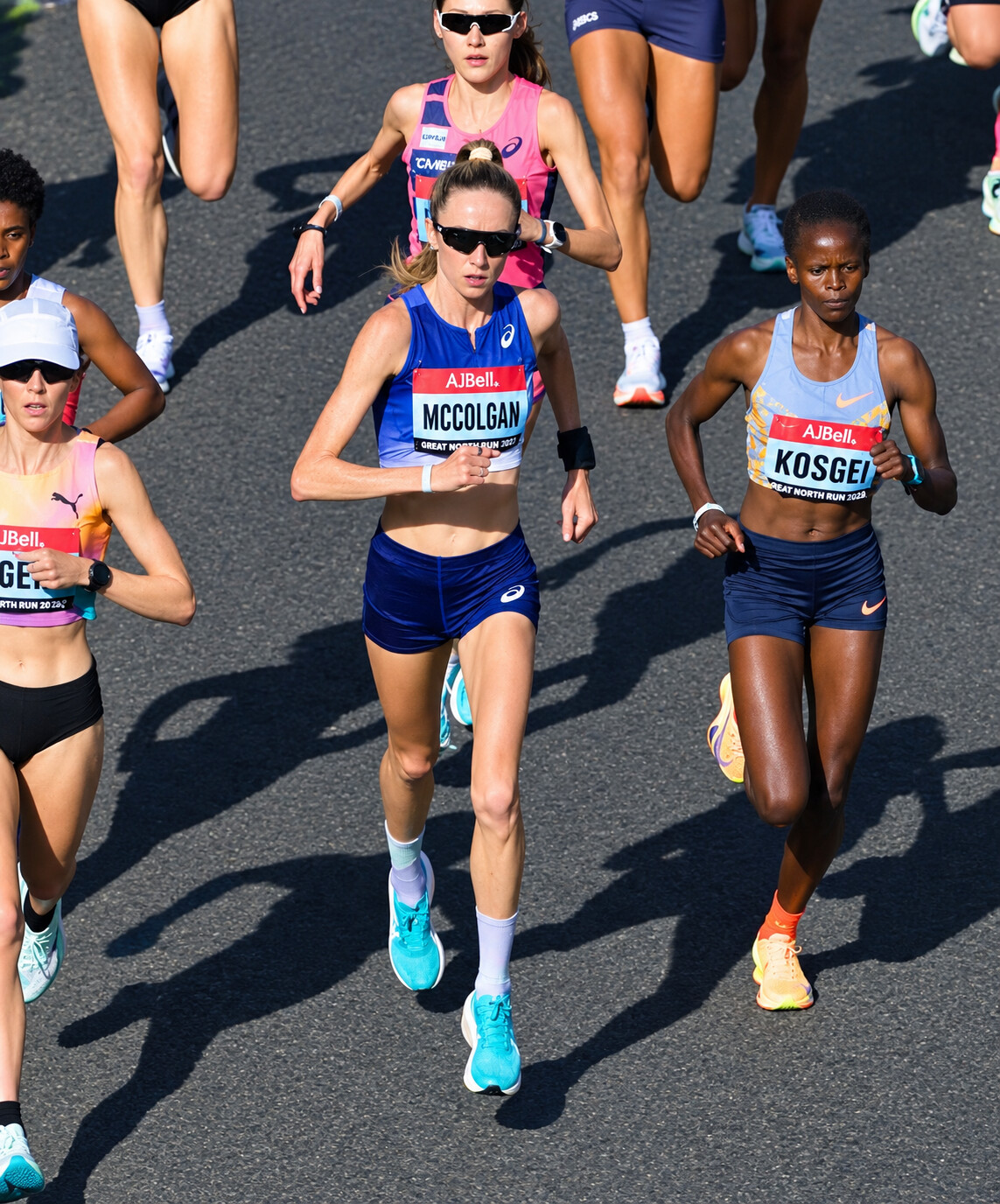
It was a particularly frustrating way for the Scottish distance star to see her race come to an end, especially because she felt physically strong heading into the event. There were no injuries, no niggles and, by her own assessment, her body was in a good place.
But sometimes athletics has other plans.
McColgan later took to social media to reveal the extent of her frustration, describing it as her first-ever DNF in a road race. Despite the disappointment, she still found something to celebrate within her family, as her younger brother successfully completed his first Great North Run.
"At least one McColgan made it to the finish line," she joked, while proudly congratulating her brother on completing the race in 1:28.
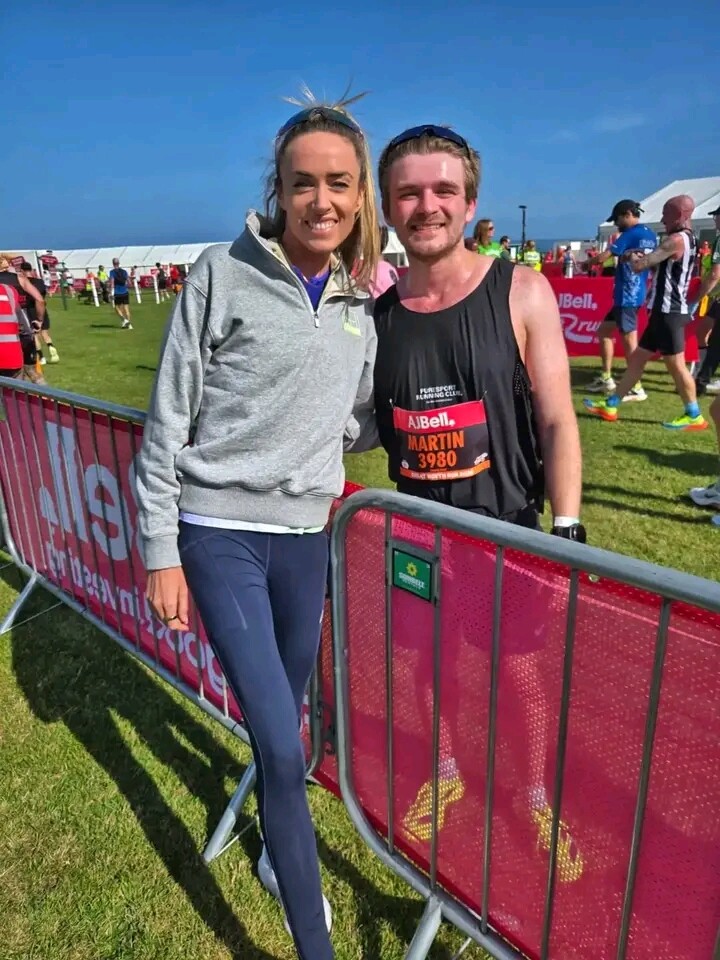
For McColgan, however, the day was considerably more difficult.
She explained that her withdrawal was not caused by a conventional injury, but by another blister—an issue that has repeatedly troubled her this year despite never having been a problem previously. The blister became so severe that the bottom of her foot was effectively ripped open, leaving her unable to continue comfortably.
The timing made the situation even more painful.
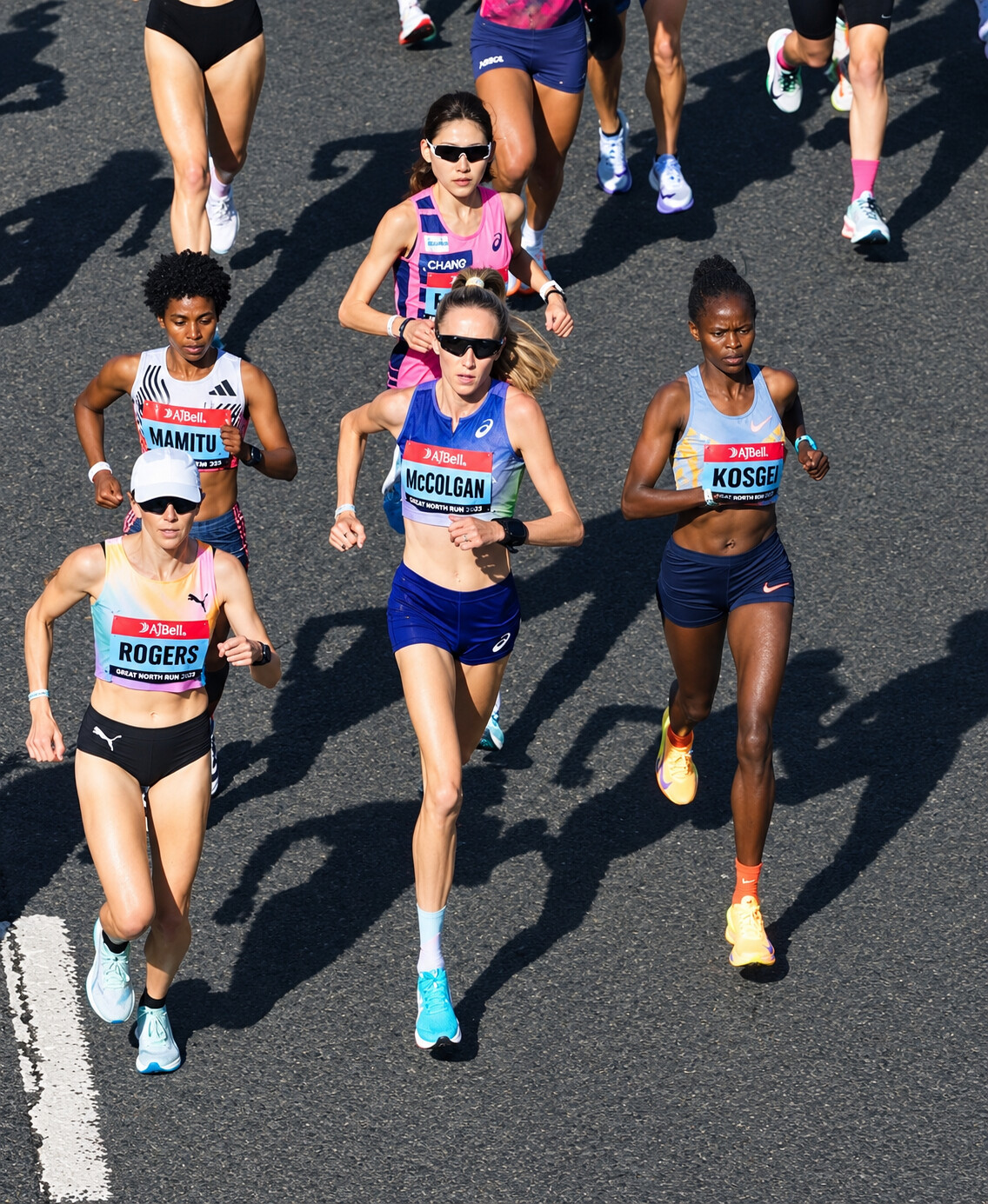
McColgan said she was particularly frustrated because the problem emerged so early in the race. She admitted that viewers watching the BBC broadcast may have heard her expressing that frustration in rather colourful language—a natural reaction from an athlete who had prepared extensively only to see her race unravel almost immediately.
Perhaps most importantly, McColgan stressed that her body itself was feeling good.
She had no injuries or lingering niggles and felt ready to race. But having experienced problems during the London Marathon, she did not want to risk repeating the same situation and potentially turning a relatively manageable problem into something much more serious.
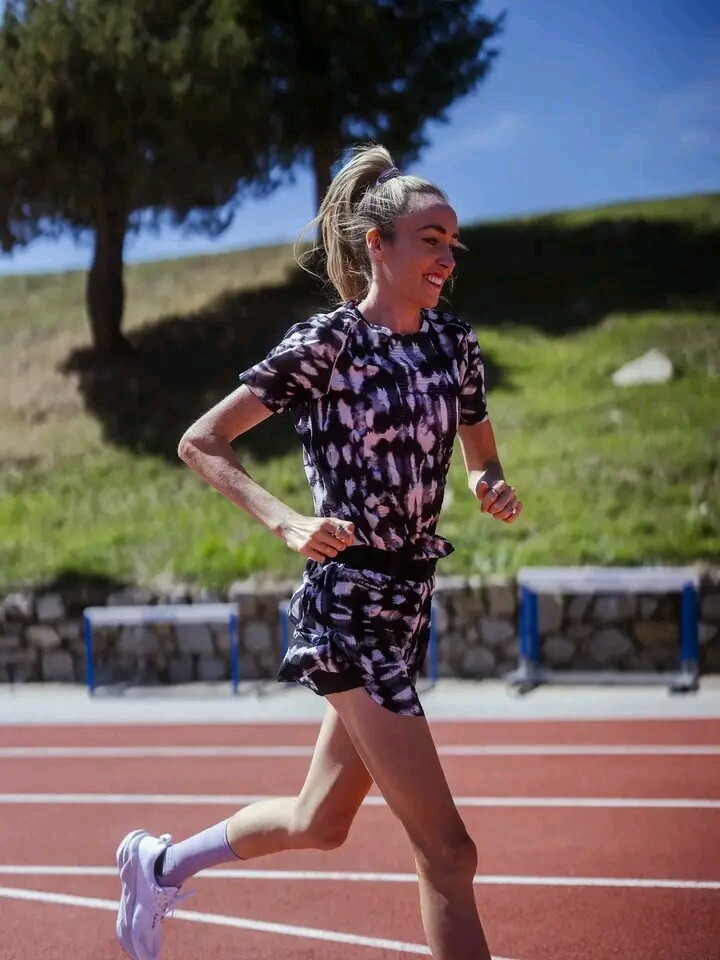
That decision highlights an important reality of elite sport: sometimes stopping is not a sign that an athlete has given up. It can be a decision made to protect everything that comes next.
Behind every race is months of preparation that spectators rarely see. There are early mornings, demanding workouts, recovery sessions, sacrifices and countless hours spent preparing for a single day of competition.
When an athlete records a DNF, all of that work does not suddenly disappear.
McColgan's disappointment was obvious, but so was her determination. Despite describing herself as "not a happy bunny," she immediately looked ahead, promising to return to the Great North Run next year with renewed motivation.
She also took time to congratulate everyone who reached the finish line, describing the day as a stunning one.
That attitude says plenty about the character required to compete at the highest level.
Athletics is often defined by victories, personal bests, records and triumphant finishes. But there is another side to the sport—the painful days, unexpected setbacks and moments when an athlete's body simply refuses to cooperate.
McColgan's Great North Run was one of those days.
Her DNF may appear as just three letters beside her name in the results, but behind those letters lies months of preparation, genuine frustration and a painful problem that forced her to make a difficult decision.
Sometimes the finish line has to wait.
For McColgan, the goal now is simple: get the foot problem sorted, recover properly and come back stronger.
And if her determination is anything to go by, she intends to return to the Great North Run next year with a vengeance.
by Erick Cheruiyot for My Best Runs.
Login to leave a comment

Great North Run
Great North Run founder Brendan Foster believes Britain is ready to welcome the world with open arms after the launch of the event's most ambitious plan to date. The Great World Run campaign seeks to recruit one runner from every country in the United Nations – 193 in total – to take part in the iconic half marathon in...
more...
Talbi Overhauls Defending Champion Mutiso In Great North Run Thriller
Zouhair Talbi delivered a sensational performance at the 2026 Great North Run, overpowering defending champion Alexander Mutiso Munyao in a thrilling men’s half marathon battle that went down to the final stages.
Talbi crossed the finish line in 59:47 to claim a brilliant victory, while Mutiso, the reigning champion, was forced to settle for second in 1:00:01. The Kenyan remained firmly in contention for much of the race, but Talbi produced the decisive move when the pressure reached its peak.
The turning point came on one of the course’s downhill sections. With Mutiso still within striking distance, Talbi used the descent to inject another burst of speed, gradually opening a gap that would prove impossible for the defending champion to close.
It was a calculated escape rather than a sudden collapse from Mutiso. Talbi attacked the downhill with confidence, allowing gravity and his momentum to work in his favour as he stretched the gap metre by metre. Mutiso responded, but the American had already created the separation he needed.
From there, Talbi held his composure and drove toward the finish, eventually stopping the clock in an impressive 59:47. Mutiso fought all the way to the line, but his 1:00:01 was not enough to retain the title he had won previously.
Japan’s Yohei Ikeda completed the podium in 1:00:40, while American Casey Clinger finished fourth in 1:01:36. Japan’s Kosei Matsunami was fifth in 1:01:59, followed closely by compatriot Shouya Yonei in 1:02:01.
Clayton Young was seventh in 1:02:04, with Britain’s Marc Scott completing the top eight in 1:02:10.
Men’s Top 8 Results
1. Zouhair Talbi — United States — 59:47
2. Alexander Mutiso Munyao — Kenya — 1:00:01
3. Yohei Ikeda — Japan — 1:00:40
4. Casey Clinger — United States — 1:01:36
5. Kosei Matsunami — Japan — 1:01:59
6. Shouya Yonei — Japan — 1:02:01
7. Clayton Young — United States — 1:02:04
8. Marc Scott — Great Britain — 1:02:10
Talbi’s victory also carried historic significance. His triumph made him the first American man to win the Great North Run, adding a landmark achievement to an already memorable afternoon. His 59:47 also marked the second sub-60-minute half marathon of his career, further underlining his growing credentials at the distance.
For Mutiso, the result was a rare disappointment on a course where he arrived as the defending champion. Yet his 1:00:01 still underlined his quality over the half-marathon distance and ensured that he remained within touching distance of the winner until the decisive stages.
For Talbi, however, this was a victory built on timing, strength and courage. His downhill attack created the separation he needed, and once he escaped the defending champion, he never surrendered the advantage.
The 2026 Great North Run therefore belonged to Talbi—a race in which the defending champion fought bravely, but the American found one crucial surge at exactly the right moment to turn a close contest into a historic victory.
by Erick Cheruiyot for My Best Runs.
Login to leave a comment
Great North Run
Great North Run founder Brendan Foster believes Britain is ready to welcome the world with open arms after the launch of the event's most ambitious plan to date. The Great World Run campaign seeks to recruit one runner from every country in the United Nations – 193 in total – to take part in the iconic half marathon in...
more...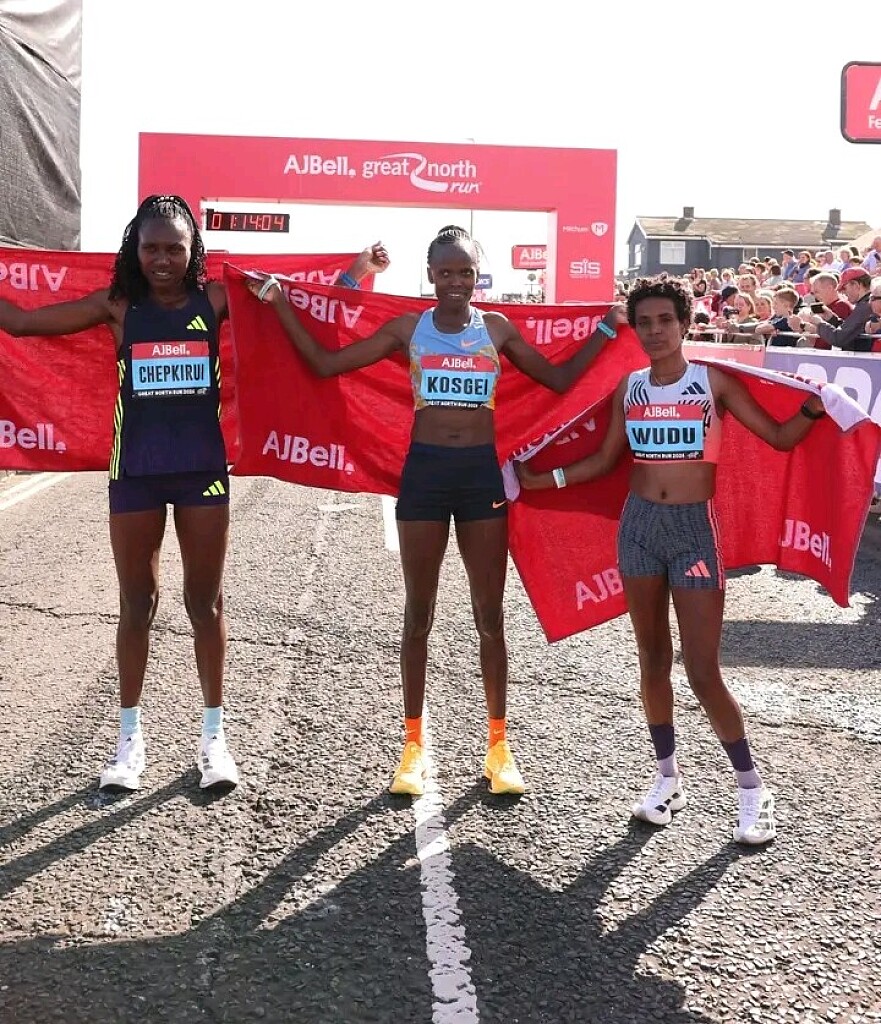
Brigid Kosgei Claims Second Great North Run Title In Kenyan 1-2 Finish
Brigid Kosgei returned to the top at the AJ Bell Great North Run on Sunday, September 13, delivering a commanding performance to win the women’s half marathon and lead Kenya to a memorable one-two finish.
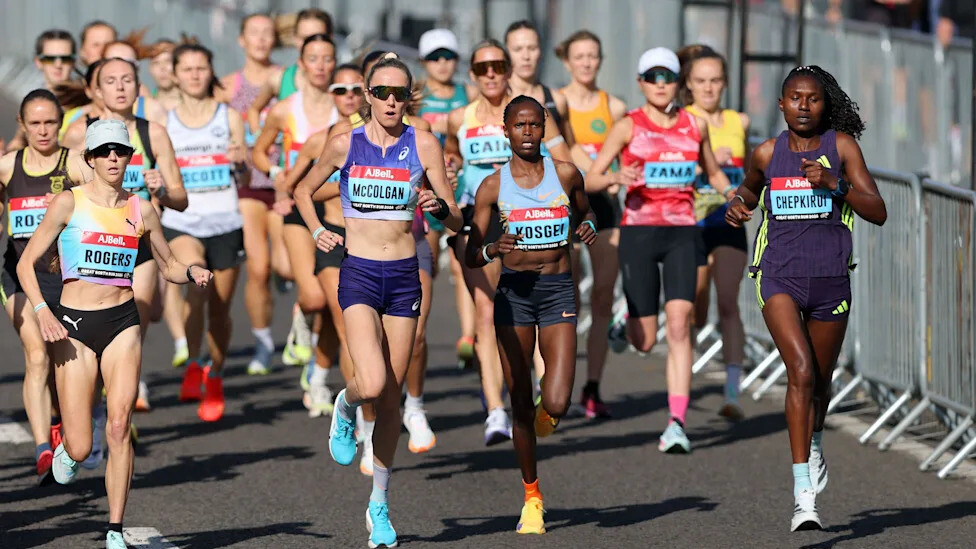
The former marathon world-record holder crossed the line in 1:06:15, securing her second Great North Run title after previously winning the prestigious race in 2019.
Fellow Kenyan Sheila Chepkirui who was battling to defend the title finished second in 1:06:19, completing a memorable Kenyan one-two at one of the world’s most celebrated half-marathons.
Behind the leading Kenyan pair, Ethiopia’s Melknat Wudu produced an impressive run to claim third in 1:09:37. Wudu was the first athlete outside the Kenyan duo to reach the finish and comfortably secured a place on the podium, highlighting the strong international quality of the women’s field.
Japan’s Honami Maeda finished just six seconds behind Wudu to take fourth in 1:09:43, while Great Britain’s Amy-Eloise Neale was the leading home athlete in fifth with 1:10:27.
American Natosha Rogers followed in sixth in 1:11:44, with Britain’s Annabel Grummow seventh in 1:12:37 and Nancy Scott completing the top eight in 1:12:51.
For Kosgei, the victory adds another prestigious achievement to an already remarkable distance-running career. Returning to the Great North Run winner’s circle six years after her first triumph, she once again demonstrated her ability to deliver on one of the biggest stages in the half marathon.
Chepkirui’s runner-up finish made the occasion even more significant for Kenya, as the two athletes combined to secure the top two positions. Wudu’s third-place performance completed an international podium and ensured the race featured a strong representation from three of the sport’s leading distance-running nations.
Women’s Top 8 Finishers
1. Brigid Kosgei — Kenya — 1:06:15
2. Sheila Chepkirui — Kenya — 1:06:19
3. Melknat Wudu — Ethiopia — 1:09:37
4. Honami Maeda — Japan — 1:09:43
5. Amy-Eloise Neale — Great Britain — 1:10:27
6. Natosha Rogers — United States — 1:11:44
7. Annabel Grummow — Great Britain — 1:12:37
8. Nancy Scott — Great Britain — 1:12:51
The 2026 Great North Run therefore ended with Kosgei back on top, Chepkirui alongside her in second and Wudu completing a high-quality international podium. For Kosgei and Kenya, it was a particularly memorable day, combining individual success with a commanding one-two finish and reinforcing the country’s enduring strength in elite distance running.
by Erick Cheruiyot for My Best Runs.
Login to leave a comment
Great North Run
Great North Run founder Brendan Foster believes Britain is ready to welcome the world with open arms after the launch of the event's most ambitious plan to date. The Great World Run campaign seeks to recruit one runner from every country in the United Nations – 193 in total – to take part in the iconic half marathon in...
more...
Ruben Querinjean Strikes Again With Another Luxembourg National Record
Ruben Querinjean has added another remarkable chapter to his breakthrough 2026 season, setting a new Luxembourg national record over the road mile at the LËTZ MILE – Luxembourg City Road Mile.
Querinjean stopped the clock at an impressive 4:03.03, producing another standout performance only a few weeks after setting a national record in the 3,000m steeplechase.
The Luxembourg star has been enjoying an outstanding season, establishing himself as one of the country's leading distance runners while continuing to push the national record books into new territory.
His latest achievement also highlights his versatility. Best known for his performances over the steeplechase barriers, Querinjean has shown that his speed and endurance translate exceptionally well to the roads, with the mile requiring a combination of strength, pace and finishing speed.
The 4:03.03 performance gives Querinjean another national mark to celebrate during a season that has already delivered several major milestones. His continued progression has made him an increasingly prominent figure on the European distance-running scene.
For Luxembourg athletics, performances like this represent an exciting period for the sport. Querinjean's ability to challenge national records across different disciplines is a strong indication of the depth of his talent and the level he is reaching.
With another national record now secured, Querinjean can look ahead with even greater confidence as he continues his impressive 2026 campaign.
Another record. Another milestone. Another unforgettable chapter in Ruben Querinjean's remarkable season.
by Erick Cheruiyot for My Best Runs.
Login to leave a comment
