

Running News Daily
Running News Daily is edited by Bob Anderson and team. Send your news items to bob@mybestruns.com Advertising opportunities available.
Index to Daily Posts · Sign Up For Updates · Run The World Feed
Articles tagged #2026 London Marathon
Today's Running News
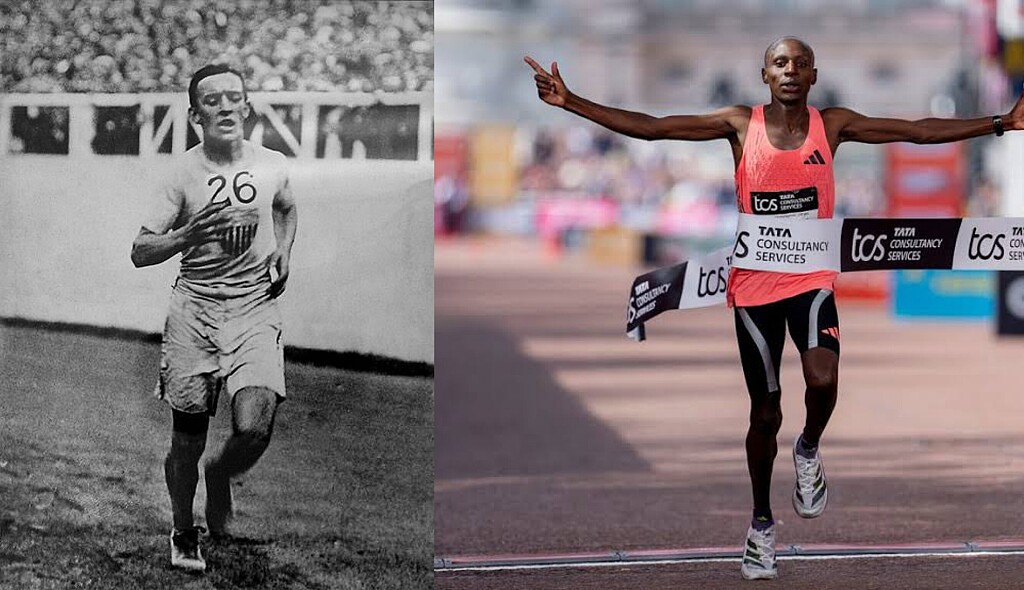


From 2:55:18 To 1:59:30: How 118 Years Transformed The Marathon
The marathon has undergone one of the most extraordinary transformations in sporting history, and two landmark performances separated by 118 years offer a remarkable illustration of just how far human endurance has advanced.
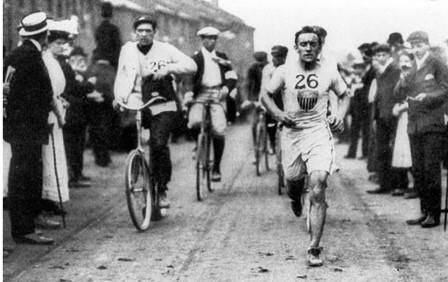
In 1908, American distance runner Johnny Hayes won the Olympic marathon in London in 2:55:18, producing one of the defining performances of the early modern era of distance running. On April 26, 2026, the same city witnessed another historic moment when Kenya’s Sabastian Sawe stormed to victory at the London Marathon in 1:59:30, becoming the first man to complete the marathon in under two hours in a record-eligible race.
Although their achievements belong to different eras, the contrast between the two performances captures more than a century of progress in athletics.
Hayes’s victory at the 1908 London Olympics came in a race that helped shape the modern marathon. His winning time of 2:55:18 was an Olympic milestone, although it was not an officially ratified marathon world record under the standards used today. Marathon world records were formally recognised much later.
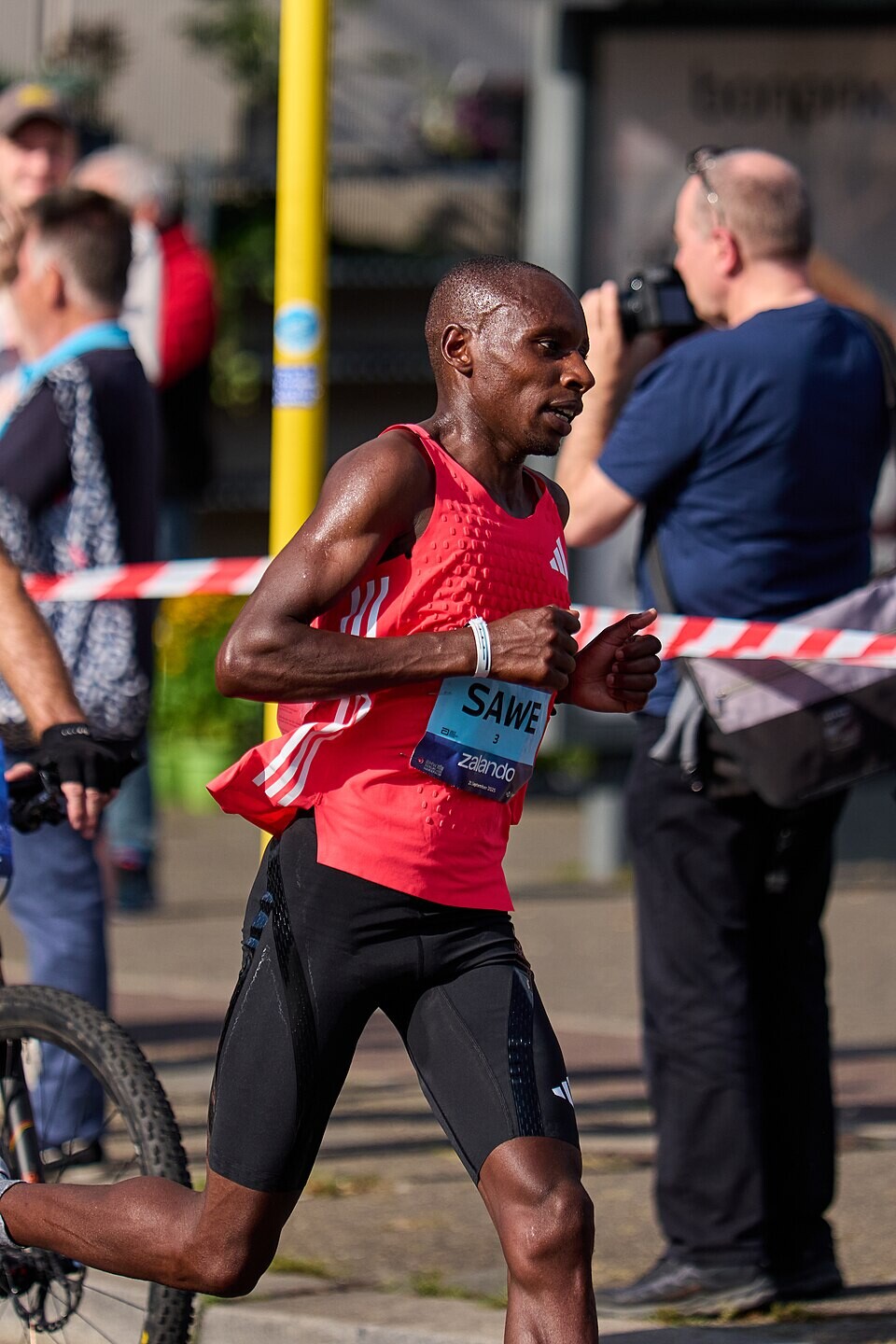
More than a century later, Sawe rewrote the limits of what was considered possible over the classic 42.195-kilometre distance. His sensational 1:59:30 performance at the 2026 London Marathon broke the recognised men’s world record by 65 seconds, becoming the first officially eligible sub-two-hour marathon in history.
The difference between Hayes’s finishing time and Sawe’s is a staggering 55 minutes and 48 seconds.
Put another way, Sawe completed the marathon almost an hour faster than Hayes, despite both athletes tackling the same fundamental challenge: covering 42.195 kilometres on foot.
The pace comparison makes the scale of that evolution even more striking. Hayes averaged approximately 4:09 per kilometre, while Sawe maintained an astonishing average of about 2:50 per kilometre.
That means Sawe ran each kilometre roughly 79 seconds faster than Hayes’s average pace. Sustaining that difference over the entire marathon adds up to an extraordinary gap between two generations of distance running.
Imagine placing the two performances side by side. At Hayes’s average pace, Sawe would already have crossed the finish line while Hayes still had approximately 13.4 kilometres left to cover.
Such a comparison would have been almost unimaginable in the early days of Olympic marathon running.
The evolution of the sport has been driven by numerous advances. Modern athletes benefit from more sophisticated training methods, scientific approaches to recovery, carefully planned race strategies and increasingly precise nutritional support. Advances in footwear, particularly lightweight racing shoes incorporating carbon-fibre plates and advanced foams, have also changed the landscape of elite marathon running.
Pacing strategies have become more refined, while sports science has helped athletes understand how to distribute their energy, maintain efficiency and sustain demanding speeds over longer periods.
Sawe’s performance demonstrated what can happen when exceptional natural ability, meticulous preparation, modern technology and near-perfect race execution come together. His achievement was not simply a victory over the clock; it was a breakthrough that pushed the perceived boundaries of human endurance into new territory.
Yet, amid all these changes, one essential element has remained constant.
The marathon is still 42.195 kilometres long.
From Hayes’s triumph in London in 1908 to Sawe’s historic sub-two-hour performance in the British capital in 2026, the distance has remained unchanged while the speed at which the world’s finest athletes cover it has evolved dramatically.
One performance belongs to the formative years of modern marathon running. The other represents a new frontier in a sport that continues to redefine its limits.
London has now witnessed both ends of this remarkable historical comparison: an Olympic champion completing the marathon in 2:55:18 and a Kenyan world-record holder conquering it in 1:59:30.
The distance stayed the same. The shoes, science, training and understanding of human performance changed. And the clock tells the story of just how far marathon running has come.
by Erick Cheruiyot for My Best Runs.
Login to leave a comment
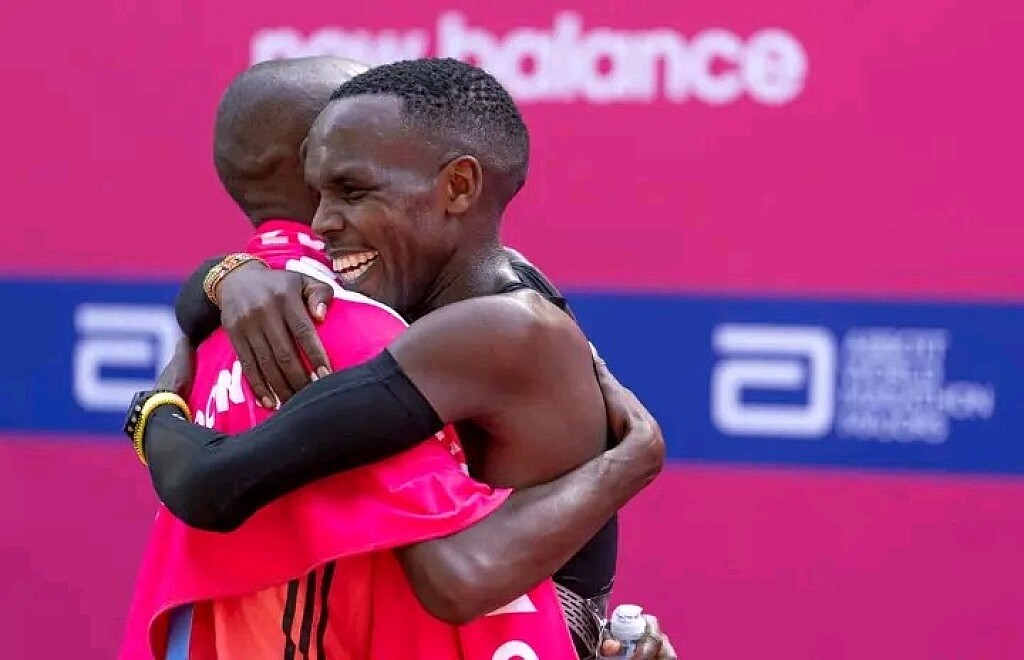
Amos Kipruto Clocks Fifth-Fastest Marathon Major Time In History With Sensational Chicago Victory
Amos Kipruto delivered a sensational performance at the 2026 Bank of America Chicago Marathon, storming to victory in 2:01:09 and securing his place among the fastest marathon runners in history.

The Kenyan distance star produced a remarkable display of endurance, speed and determination to conquer the streets of Chicago, adding another prestigious title to his impressive career. His winning time ranks joint fifth on the all-time list of the fastest performances recorded at the Abbott World Marathon Majors, matching the 2:01:09 achieved by fellow Kenyan Eliud Kipchoge at the 2022 Berlin Marathon.
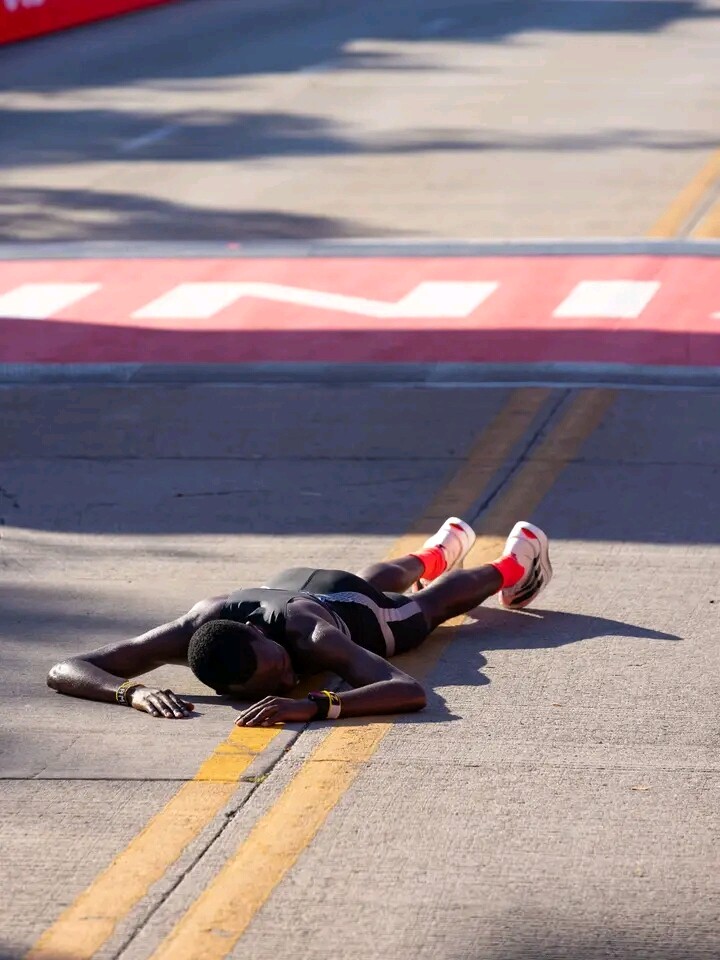
Kipruto's performance was particularly significant because it came in an era when the men's marathon world record has entered previously unimaginable territory. Kenya's Sabastian Sawe currently holds the official world record of 1:59:30, set at the 2026 London Marathon, where he became the first man to complete a record-eligible marathon in under two hours.
Sawe's historic achievement surpassed the previous world record of 2:00:35, set by the late Kelvin Kiptum at the 2023 Chicago Marathon. Kiptum's performance had represented a major breakthrough for marathon running before Sawe pushed the boundaries even further with his extraordinary sub-two-hour performance in London.
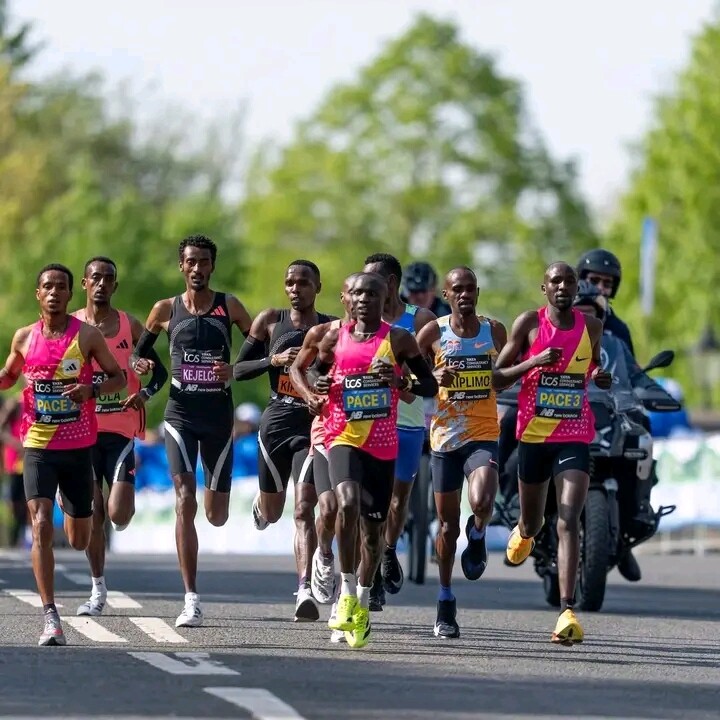
Behind Sawe on the updated all-time list are Ethiopia's Yomif Kejelcha, who ran 1:59:41 in London, and Uganda's Jacob Kiplimo, who clocked 2:00:28 at the same race. Kiptum's 2:00:35 remains one of the greatest performances in marathon history, while Kipruto's 2:01:09 now places him alongside Kipchoge's former world-record mark.
Kipruto's Chicago victory was the culmination of three consecutive years of progress at the prestigious race. He finished third in 2024, improved to second in 2025 and finally climbed to the top of the podium in 2026. After coming close on his previous two appearances, he turned his persistence into a memorable triumph.
The experienced Kenyan had already established himself as a formidable competitor on the international marathon circuit, winning the London Marathon in 2022. His Chicago triumph marked another major achievement in a career built on consistency, resilience and the ability to compete against the world's strongest distance runners.
His winning time also improved on the 2:01:39 he recorded at the 2026 London Marathon, representing a 30-second personal-best improvement. That progress underlined his continued development at the highest level and demonstrated his ability to deliver outstanding performances on the sport's biggest stages.
Kipruto's achievement further highlighted Kenya's enduring influence on international marathon running. From Kipchoge's historic world-record performances to Kiptum's extraordinary speed and Sawe's groundbreaking sub-two-hour run, Kenyan athletes have repeatedly redefined the limits of what is possible over 42.195 kilometres.
For Kipruto, however, the spotlight belonged to a runner whose determination finally brought him the Chicago crown after two consecutive podium finishes. His 2:01:09 victory not only secured a prestigious title but also placed him among the elite performers who have helped shape the modern marathon era.
With a new personal best, a long-awaited Chicago victory and a place among the fastest marathon major performances ever recorded, Kipruto has delivered a landmark performance in his career. His triumph adds another memorable chapter to Kenya's rich marathon history, while the world-record progression led by Sawe continues to push the sport into a remarkable new era.
by Erick Cheruiyot for My Best Runs.
Login to leave a comment
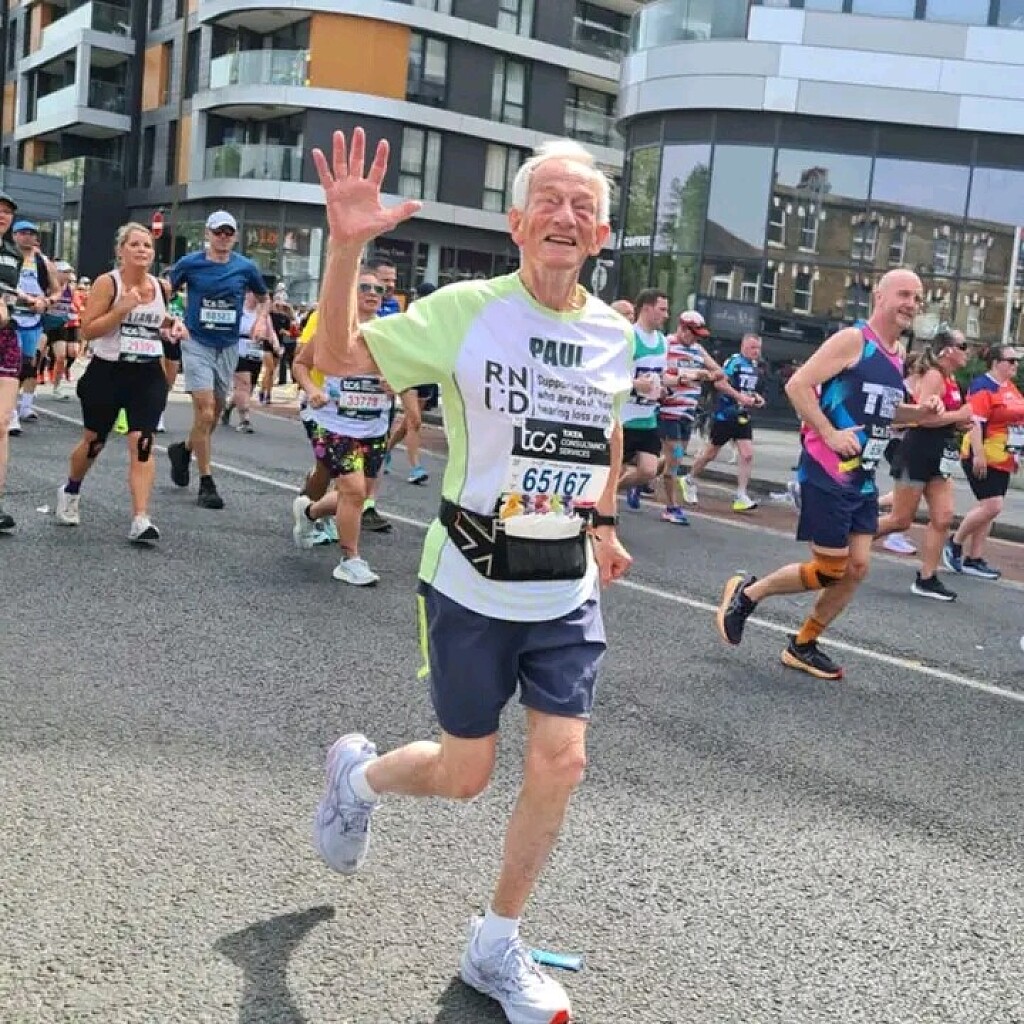
At 84, Paul Watson Defies Two Hip Replacements To Complete Another London Marathon
At 84 years old, Paul Watson has proved that some of the greatest victories in distance running have little to do with the clock and everything to do with courage, persistence and the determination to keep moving forward.
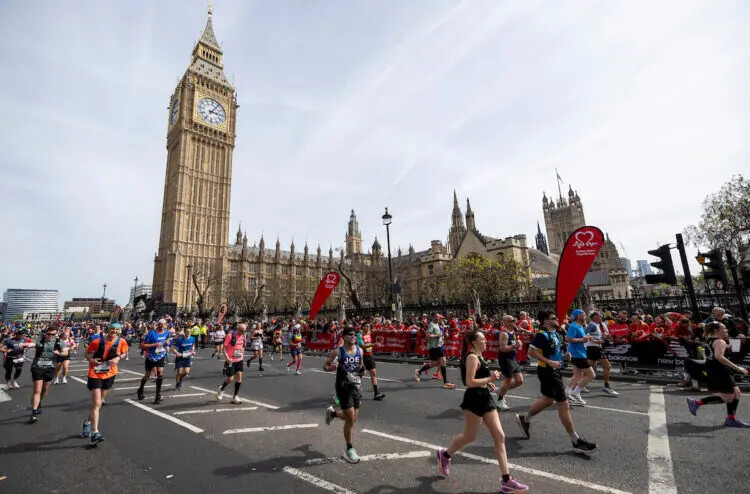
Watson completed the 2026 London Marathon in 5:32:24, achieving a remarkable return to one of the world's most famous marathon courses just 22 months after undergoing a left hip replacement through the NHS.
His relationship with the London Marathon stretches back more than four decades. He first tackled the race in 1984, when he produced a remarkable 2:58 finish. After returning to London in 2007, persistent hip problems eventually forced him to undergo his first hip replacement on the right side in 2010.
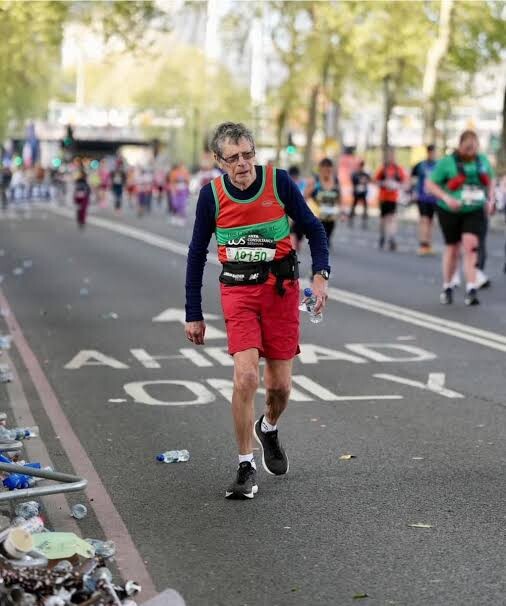
Years later, another major challenge emerged.
In June 2024, Watson underwent a left hip replacement after severe pain began affecting his leg. At that point, there was genuine uncertainty over whether he would ever be able to return to marathon running.
Rather than accept that his running journey was over, however, Watson began the long process of rebuilding.
With rehabilitation, careful training and encouragement from his surgeon, he was back to structured running just four months after the operation. He trained three times a week, using a combination of outdoor roads and a treadmill at his retirement village while carefully managing his recovery and avoiding unnecessary injury risks.
His return to London also carried a purpose beyond personal achievement.
Watson ran the 2026 marathon in support of RNID, a charity particularly close to his heart because his wife uses a cochlear implant. His determination inspired others as he raised £2,500 for the organisation.
The marathon itself was far from straightforward.
A mishap with his stopwatch at the beginning of the race caused Watson to misjudge his early pace. By around mile 15, the effort had caught up with him and he admitted that he had "hit the wall."
But even then, he refused to give in.
Watson dug deep during the closing stages, found another burst of energy and remarkably finished the marathon with a sprint towards the line.
After everything his body had been through, crossing that finish line represented far more than a finishing time.
It was the culmination of more than 40 years of running, two hip replacements, countless training sessions and an unwavering belief that age does not necessarily have to dictate what is possible.
Watson's message to anyone wondering whether they should attempt another marathon is beautifully simple:
“If you really want to run another marathon, go for it.”
At 84, with two artificial hips and more than four decades of running behind him, Paul Watson is still chasing finish lines — and reminding the running world that sometimes the most inspiring performances are not the fastest ones.
They are the ones that simply refuse to stop.
by Erick Cheruiyot for My Best Runs.
Login to leave a comment
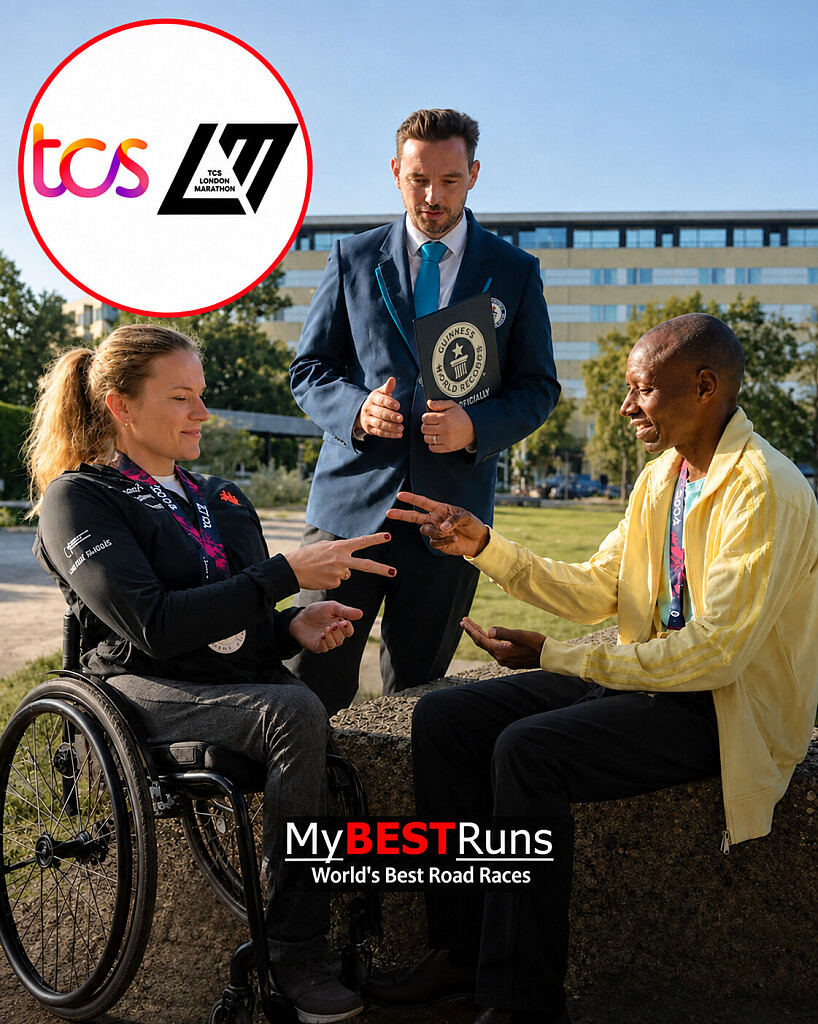
London Marathon’s 2027 Elite Schedule Decided By Rock, Paper, Scissors
The 2027 TCS London Marathon has found a remarkably unconventional way to settle one of its biggest questions — with a game of rock, paper, scissors.

Kenyan marathon star Sabastian Sawe and Swiss wheelchair champion Catherine Debrunner, the reigning London Marathon champions in their respective races, went head-to-head in a contest overseen by an official Guinness World Records adjudicator.
Debrunner emerged victorious, securing Sunday, April 25, 2027, for the elite women’s and women’s wheelchair races. As a result, the elite men’s and men’s wheelchair races will open the historic weekend on Saturday, April 24.
The unusual showdown has also earned its place in the record books, with Guinness World Records recognising it as the first elite marathon race start ever decided by a game of rock, paper, scissors.
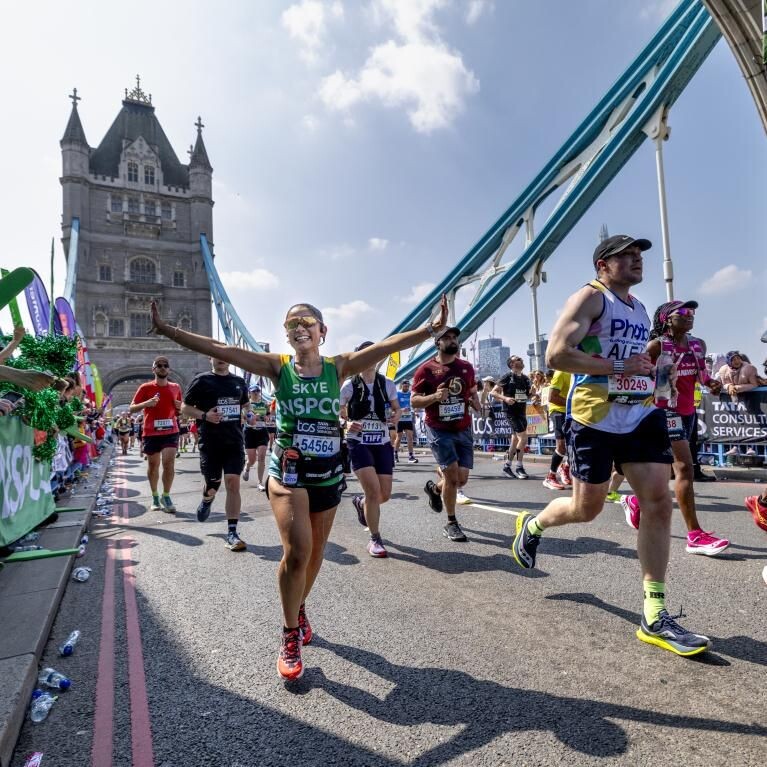
The decision adds another memorable chapter to what will already be an extraordinary edition of the London Marathon. For 2027 only, the race will be staged across two days, creating the Double TCS London Marathon, with around 100,000 participants expected to take part across the weekend.
Sawe enters the story as one of the defining figures of the 2026 London Marathon. The Kenyan made history by clocking 1:59:30, becoming the first athlete to run a sub-two-hour marathon in a record-eligible competitive race.
Debrunner, meanwhile, is a four-time London Marathon wheelchair champion, making her one of the most successful athletes in the event’s history. Her victory over Sawe means the women’s elite and women’s wheelchair races will retain the traditional Sunday spotlight.
The 2026 London Marathon also produced another landmark performance on the same course, with Ethiopia’s Tigst Assefa setting a women’s-only marathon world record.
The unprecedented two-day format was introduced following extraordinary demand for places. A record 1.33 million people applied for the 2027 London Marathon ballot, surpassing the previous record for any marathon.
With approximately 100,000 runners expected to finish on The Mall over the weekend — close to twice the size of the 2026 field — London is preparing for one of the biggest marathon weekends ever staged.
London Marathon Events chief executive Hugh Brasher added a playful warning after the rock-paper-scissors showdown, suggesting that while Sawe and Debrunner could settle the schedule with a game, the atmosphere would be considerably more competitive once the racing begins.
And so, before the first elite athlete has even reached the start line, the 2027 London Marathon has already made history — with its schedule decided not by the clock, but by rock, paper, scissors.
by Erick Cheruiyot for My Best Runs.
Login to leave a comment

Two Kenyan Giants Rewriting The Record Books: Sabastian Sawe And Agnes Ngetich Lead A New Distance Running Era
Kenya continues to produce athletes capable of redefining the limits of distance running, and in 2026, two names have stood out above the rest: Sabastian Sawe and Agnes Ngetich.
Both Adidas-sponsored Kenyan stars have produced performances that have reshaped the global distance-running landscape, with Sawe conquering the marathon and Ngetich dominating across cross country, the half marathon and 10km.
Their paths are different, but the scale of their achievements is remarkably similar.
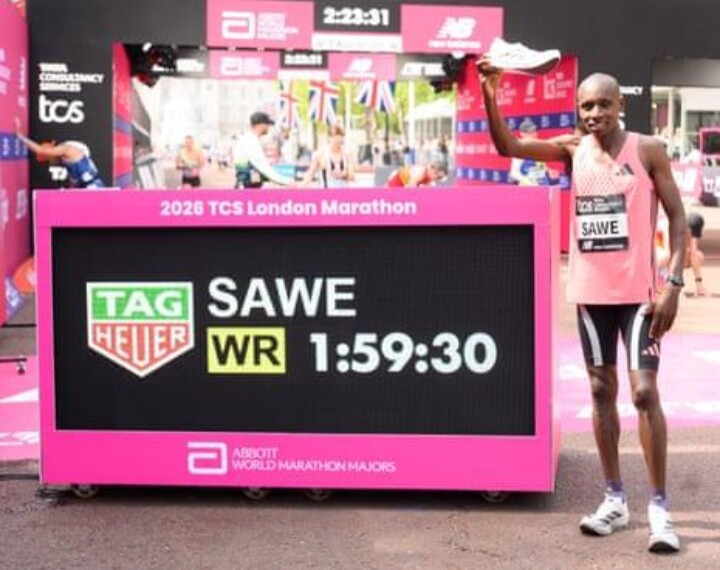
Sabastian Sawe: The Man Who Finally Broke Two Hours
Few performances in the history of marathon running can compare with what Sawe produced at the 2026 London Marathon on April 26.
The Kenyan stormed to 1:59:30, becoming the first athlete to officially break the two-hour barrier in a record-eligible marathon.
It was not merely a victory. It was a landmark moment for the event itself.
Sawe averaged approximately 2:50 per kilometre for the full 42.195km, sustaining a pace that had previously existed only as a theoretical boundary in competitive marathon running.
Remarkably, his historic London triumph was another chapter in an extraordinary marathon career.
Sawe first announced himself over the distance with a sensational 2:02:05 victory in Valencia in December 2024, establishing himself among the world's elite marathoners.
He followed that with a dominant 2:02:27 victory at the 2025 London Marathon, before returning five months later to win the 2025 Berlin Marathon in 2:02:16.
Those victories established Sawe as one of the most formidable marathoners of his generation.
His 2026 season then took another extraordinary turn.
In London, Yomif Kejelcha finished second in 1:59:41, becoming the second man under two hours in an official marathon, while Jacob Kiplimo completed the podium in 2:00:28.
Sawe had been scheduled to return to Berlin in September to defend his title, but an injury forced him to withdraw from the race.
Even without another appearance, his 1:59:30 has already secured its place among the defining performances in the history of the marathon.

Agnes Ngetich: From Cross Country To World Records
If Sawe has rewritten the marathon script, Ngetich has been doing something similar across several disciplines.
Her 2026 campaign began in spectacular fashion at the World Athletics Cross Country Championships in Tallahassee, United States, on January 10.
Ngetich dominated the senior women's 10km race, crossing the line in 31:28 to win her first individual global title.
That victory was only the beginning.
Later in the year, Ngetich added another global title at the World Athletics Road Running Championships in Copenhagen, producing another masterclass over the half marathon.
The Kenyan ran 1:05:15 to win the women's half marathon and break the women-only world record by one second.
The performance underlined her extraordinary consistency at the highest level and added another global title to a season already highlighted by her World Cross Country triumph.
But Ngetich's record-breaking credentials stretch far beyond the half marathon.
She owns the women's 10km world record in a mixed race at 28:46, set in Valencia in January 2024. That performance made her the first woman to break 29 minutes over the distance.
She also holds the women-only 10km world record of 29:27, set in Herzogenaurach in April 2025. She became the first woman to break 30 minutes in a women-only 10km race.
Ngetich's achievements therefore span the full spectrum of modern distance running — from the grass of cross country to the roads of the world's biggest championships and record-setting races.
Two Stars, One Kenyan Running Revolution
Sawe and Ngetich represent two different sides of modern distance running.
Sawe has pushed the marathon beyond a barrier that once seemed almost untouchable, while Ngetich has demonstrated extraordinary versatility, winning on the grass at World Cross Country and then moving onto the roads to rewrite the record books over 10km and the half marathon.
Their achievements also underline the remarkable depth of Kenyan distance running.
Sawe has established himself as one of the defining marathoners of his generation, while Ngetich has built an extraordinary collection of global titles and world records across several distances.
Two athletes.
Different distances.
Different challenges.
But the same Kenyan flag at the centre of some of the most extraordinary performances the sport has witnessed.
Sabastian Sawe and Agnes Ngetich are not simply winning races — they are expanding the boundaries of what Kenyan distance runners, and distance runners everywhere, can achieve.
by Erick Cheruiyot for My Best Runs.
Login to leave a comment

Sawe And Kejelcha Honoured At adidas Headquarters After Historic Sub-Two Marathons
Kenyan marathon star Sabastian Sawe and Ethiopian distance-running sensation Yomif Kejelcha have been honoured at the Adidas Group Headquarters in Herzogenaurach, Germany, following their historic sub-two-hour marathon performances in London.

The adidas celebration brought together the only two men to have officially broken the two-hour barrier in record-eligible marathon races, marking a remarkable moment in the history of the sport.
Sawe etched his name into the record books at the 2026 London Marathon, producing an extraordinary 1:59:30 to become the first athlete to officially complete a record-eligible marathon inside two hours. His performance also lowered the previous world record by more than a minute.
Kejelcha followed closely behind with a stunning 1:59:41, making him the second-fastest marathoner in history and the second man to officially break the elusive two-hour barrier.
Together, Sawe and Kejelcha have achieved something that had remained beyond the reach of every marathoner before them. Their performances in London represented a defining moment for a discipline that has spent decades chasing the symbolic two-hour mark.
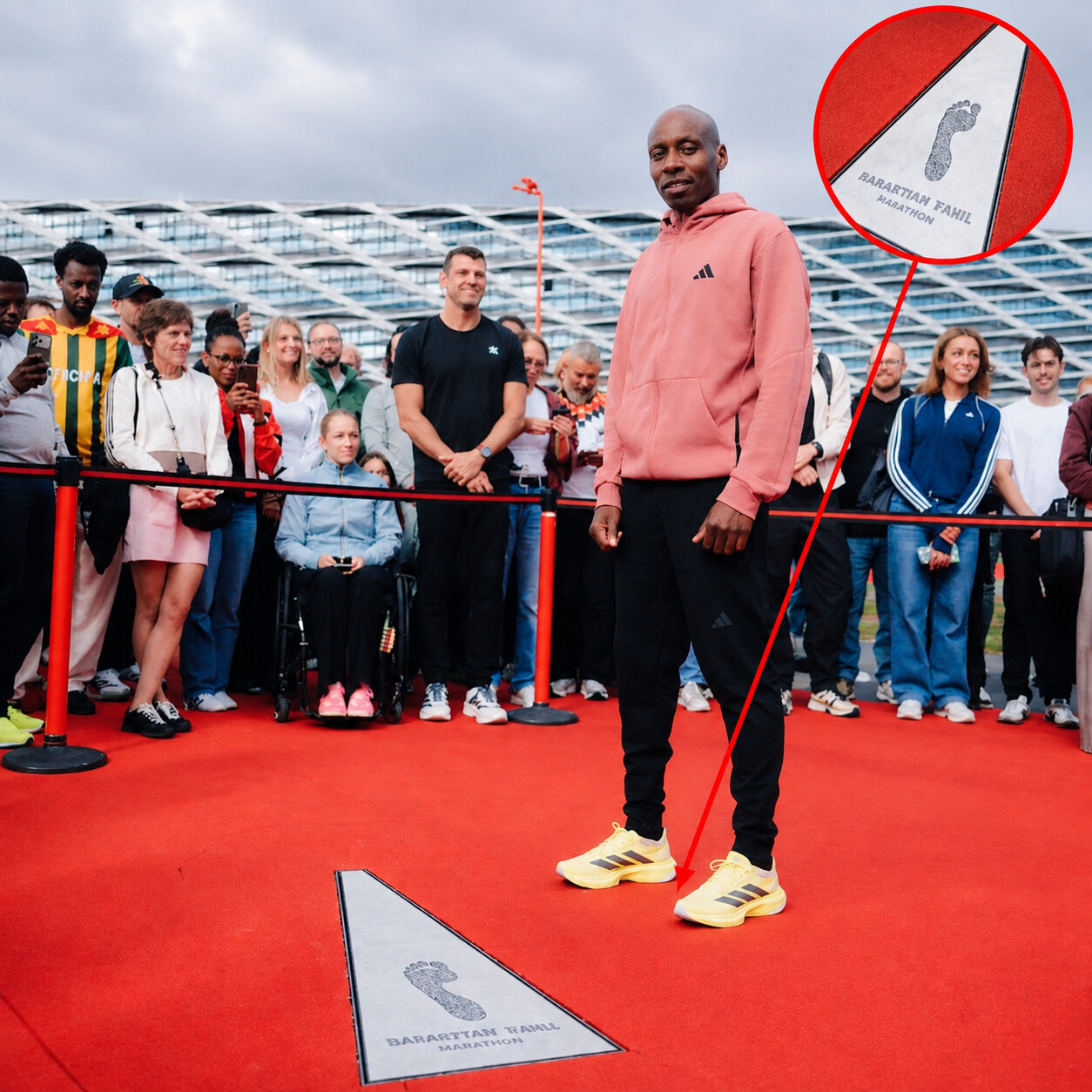
As part of the celebration at adidas headquarters, Sawe and Kejelcha were honoured for their groundbreaking achievements, with both Sawe and Kejelcha also leaving their footprints at the company's headquarters as a lasting physical reminder of their historic 1:59:30 and 1:59:41.

For Sawe, the visit provided another opportunity to commemorate the performance that transformed his career and pushed the limits of marathon running. His record-breaking run was achieved in adidas' Adizero Adios Pro Evo 3, further connecting the historic performance with the brand's technological development.
Kejelcha's achievement was equally significant. His 1:59:41 made him the second man to cross the two-hour threshold in an official marathon, placing him just 11 seconds behind Sawe and firmly establishing the Ethiopian among the greatest marathoners of the modern era.
Interestingly, neither of the two historic athletes will line up at this Sunday's BMW Berlin Marathon.
Sawe was scheduled to defend the title he won in Berlin in 2025, but an injury forced him to withdraw from this year's race. Kejelcha, meanwhile, will also be absent from the prestigious German marathon as he prepares for Valencia marathon in December, meaning the two men who recently rewrote the boundaries of the marathon will not be part of Sunday's elite field.
Their absence will nevertheless do little to diminish the significance of what they accomplished in London.
Two athletes. Two nations. One historic barrier.
Sawe's 1:59:30 and Kejelcha's 1:59:41 have created a new chapter in marathon history, and their performances are likely to remain a source of inspiration for generations of distance runners who will continue chasing the limits of human endurance.
by Erick Cheruiyot for My Best Runs.
Login to leave a comment
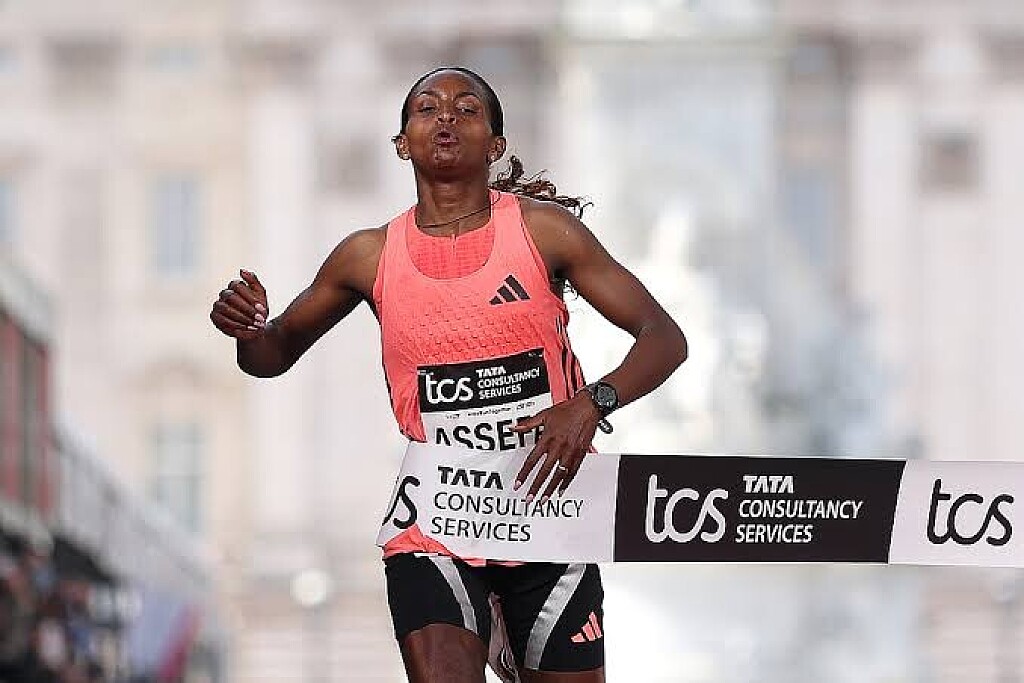
Tigst Assefa Extends East Africa’s Remarkable Reign Over the Women-Only Marathon World Record
The women-only marathon world record has remained in East African hands since 2017, with Kenya and Ethiopia trading the historic mark in a remarkable sequence of record-breaking performances.
The latest chapter belongs to Ethiopia’s Tigst Assefa, who lowered the record to 2:15:41 at the 2026 London Marathon, taking nine seconds off her own previous mark of 2:15:50.
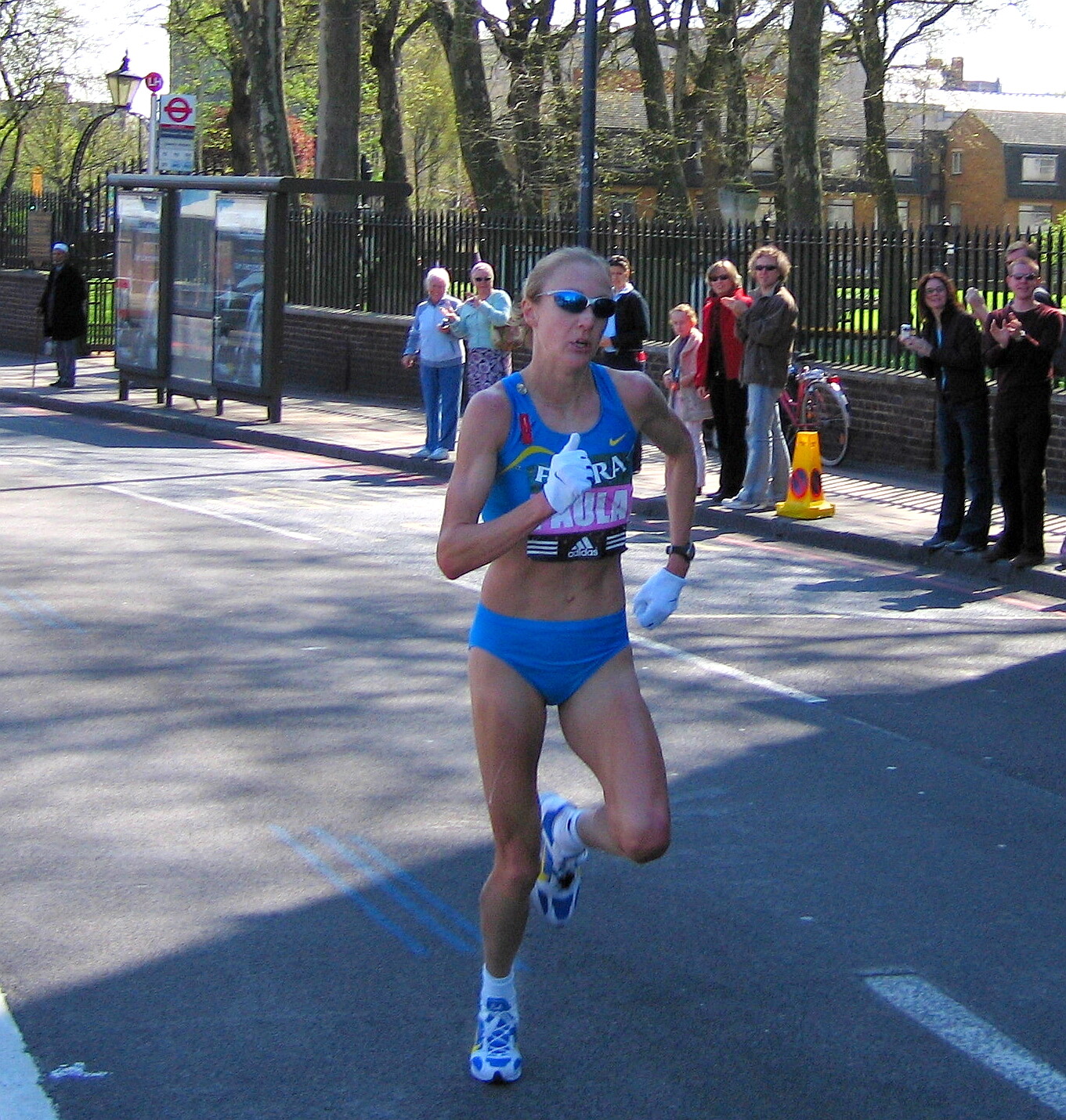
The progression began with Britain’s Paula Radcliffe, whose 2:17:42 in 2005 stood for 12 years before Kenya’s Mary Keitany finally brought the record down. Keitany clocked 2:17:01 at the 2017 London Marathon, beginning the current East African era of the women-only record.
Kenya strengthened its grip in 2024 when Olympic champion Peres Jepchirchir produced one of the defining performances of her career in London. She ran 2:16:16, cutting 45 seconds from Keitany’s record and becoming the latest Kenyan to set the women-only marathon world record.
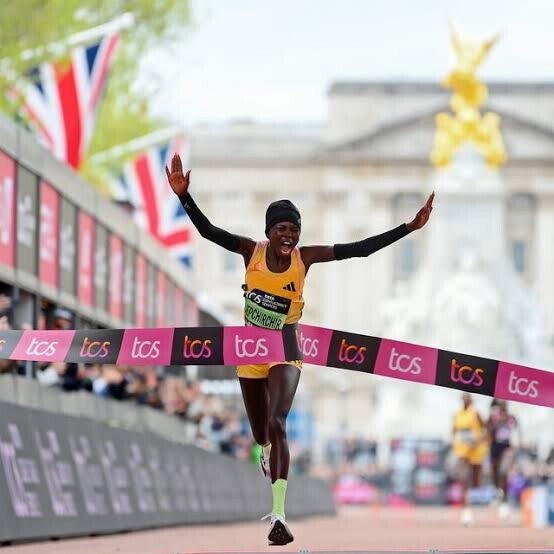
But the record did not remain in Kenya for long. At the 2025 London Marathon, Assefa produced a spectacular 2:15:50, improving Jepchirchir’s mark by 26 seconds and establishing herself as the latest Ethiopian custodian of the record.
A year later, Assefa returned to London with the record still in her sights. She delivered again, running 2:15:41 to successfully defend her title and extend her own world record by another nine seconds.
Behind her, Kenya’s Hellen Obiri ran a personal best of 2:15:53, while Joyciline Jepkosgei followed in 2:15:55. The extraordinary depth of the race meant three women finished inside 2:16 in the same marathon.
The rivalry between Kenya and Ethiopia has consequently become a defining feature of the modern women-only marathon record. Each breakthrough has raised the standard, creating an increasingly demanding target for the next generation of marathon stars.
It is also important to distinguish the women-only record from the overall women's marathon world record. A women-only race does not use male pacemakers, while mixed-gender races can have male athletes helping to maintain the pace. This distinction makes the progression of the women-only record a particularly interesting measure of women's marathon racing.
For now, the record progression reads:
Great Britain — Paula Radcliffe, 2:17:42 (2005)
Kenya — Mary Keitany, 2:17:01 (2017)
Kenya — Peres Jepchirchir, 2:16:16 (2024)
Ethiopia — Tigst Assefa, 2:15:50 (2025)
Ethiopia — Tigst Assefa, 2:15:41 (2026)
From Radcliffe’s landmark performance in 2005 to Assefa’s latest breakthrough in 2026, the record has undergone a remarkable transformation. Since Keitany ended Radcliffe’s 12-year reign, every improvement has come from either Kenya or Ethiopia, underlining the extraordinary depth of East African women’s marathon running.
And with the record now standing at 2:15:41, the next chapter is waiting to be written. The question is not only who will break the mark next, but how much further the women-only marathon can ultimately be pushed.
by Erick Cheruiyot for My Best Runs.
Login to leave a comment
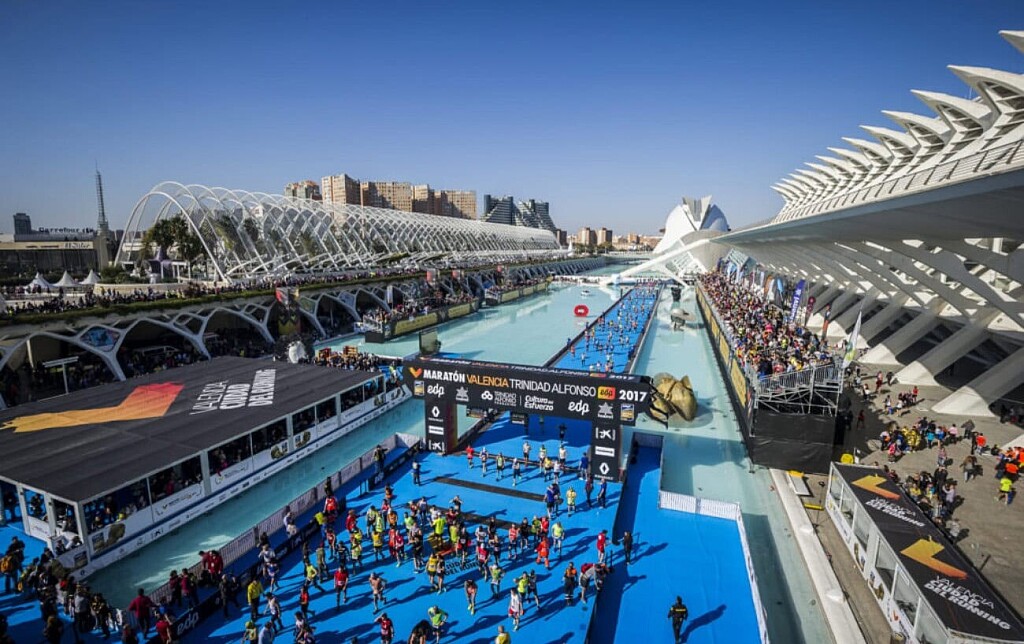
Valencia Marathon Offers €1 million World Record Jackpot As Kejelcha And Korir Lead Star-Studded Field
The road to marathon history will lead to Valencia on December 6, where the 2026 Valencia Marathon has put a staggering €1 million — approximately KSh 148.7 million — on the line for any athlete who breaks the official marathon world record on its fast Spanish streets.
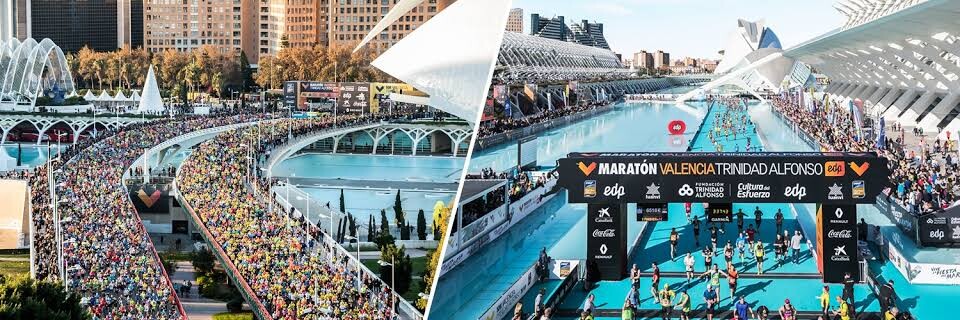
According to the race's official 2026 regulations, the million-euro bonus is available separately for both the men's and women's world records. The target for men is 1:59:30, while the women's target is 2:09:56. Athletes must be officially entered in the race, and the performances must pass the required recognition and anti-doping procedures.
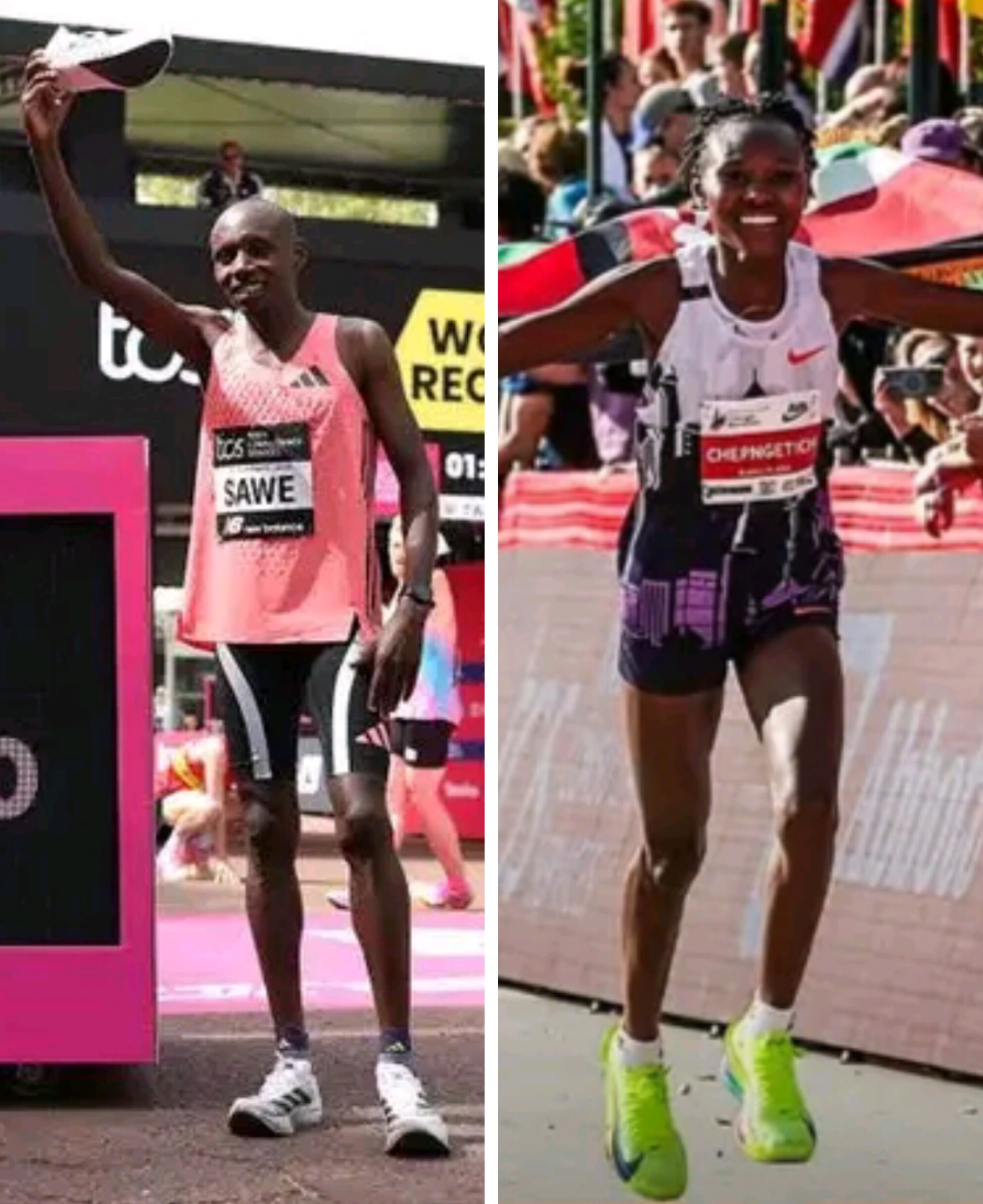
The men's benchmark was established by Kenya's Sabastian Sawe when he became the first man to officially break the two-hour barrier, running 1:59:30 at the 2026 London Marathon. Ethiopia's Yomif Kejelcha finished second that day in 1:59:41, becoming the second-fastest marathoner in history at the time and producing the fastest marathon debut ever.
On the women's side, the mark to beat remains Kenya's Ruth Chepngetich's 2:09:56, set at the 2024 Chicago Marathon. That performance made her the first woman to officially run under 2:10 for the marathon.
The enormous incentive is closely connected to the ambition of Valencia's running movement and the backing of businessman and philanthropist Juan Roig, whose Trinidad Alfonso Foundation has played a major role in supporting the marathon and the wider development of athletics in Valencia. Roig has previously spoken about the ambition of bringing the marathon world record to the city.
And the timing could hardly be more intriguing.
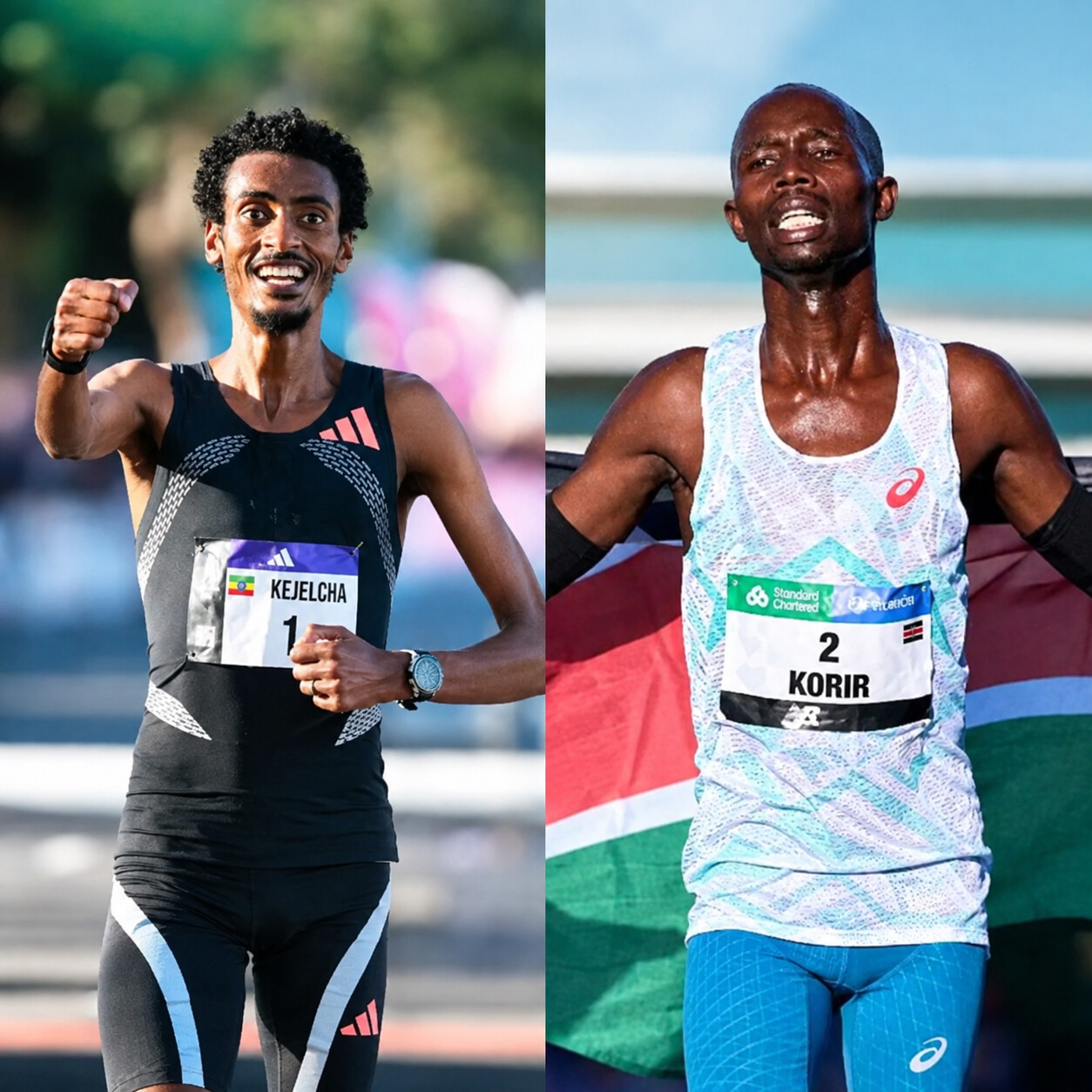
Kejelcha will return to Valencia for his second marathon, while defending champion John Korir of Kenya will be back after winning the 2025 edition in 2:02:24. The official elite announcement also includes Alexander Mutiso, Dawit Wolde and Nibret Melak, creating an exceptionally deep men's field.
Kejelcha arrives with a remarkable 1:59:41 from London, meaning he has already demonstrated the ability to sustain the extraordinary pace required to challenge the two-hour barrier. Korir, meanwhile, knows the Valencia course intimately and will be seeking to defend his title while chasing an even faster performance.
Valencia has earned its reputation as one of the world's fastest marathon destinations. Its course record currently stands at 2:01:48, set by Ethiopia's Sisay Lemma in 2023, while the 2025 edition saw Joyciline Jepkosgei run 2:14:00, the fastest women's marathon of that year.
With KSh 148 million-plus waiting for a successful world-record assault, a defending champion hungry for another victory and Kejelcha returning after coming within 11 seconds of the men's world record in London, Valencia is shaping up to be one of the most closely watched marathons of 2026.
On December 6, the question will be simple: will Valencia finally witness another marathon world record — and send one athlete home with a seven-figure euro cheque?
by Erick Cheruiyot for My Best Runs.
Login to leave a comment

VALENCIA TRINIDAD ALFONSO
The Trinidad Alfonso EDP Valencia Marathon is held annually in the historic city of Valencia which, with its entirely flat circuit and perfect November temperature, averaging between 12-17 degrees, represents the ideal setting for hosting such a long-distance sporting challenge. This, coupled with the most incomparable of settings, makes the Valencia Marathon, Valencia, one of the most important events in...
more...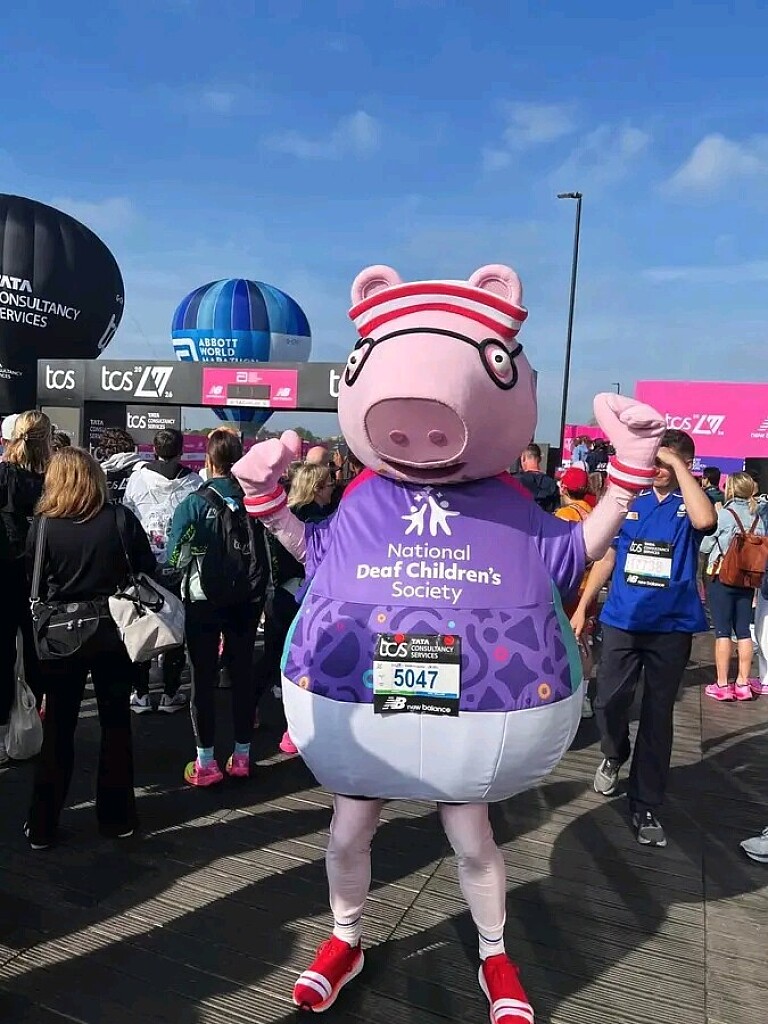
Daddy Pig Faces Berlin’s Unforgiving Marathon Rules After Narrowly Beating Joe Wicks in London
Daddy Pig may have won one of the most entertaining battles of the 2026 London Marathon, but his next appearance at the BMW Berlin Marathon could come with a very different kind of pressure.
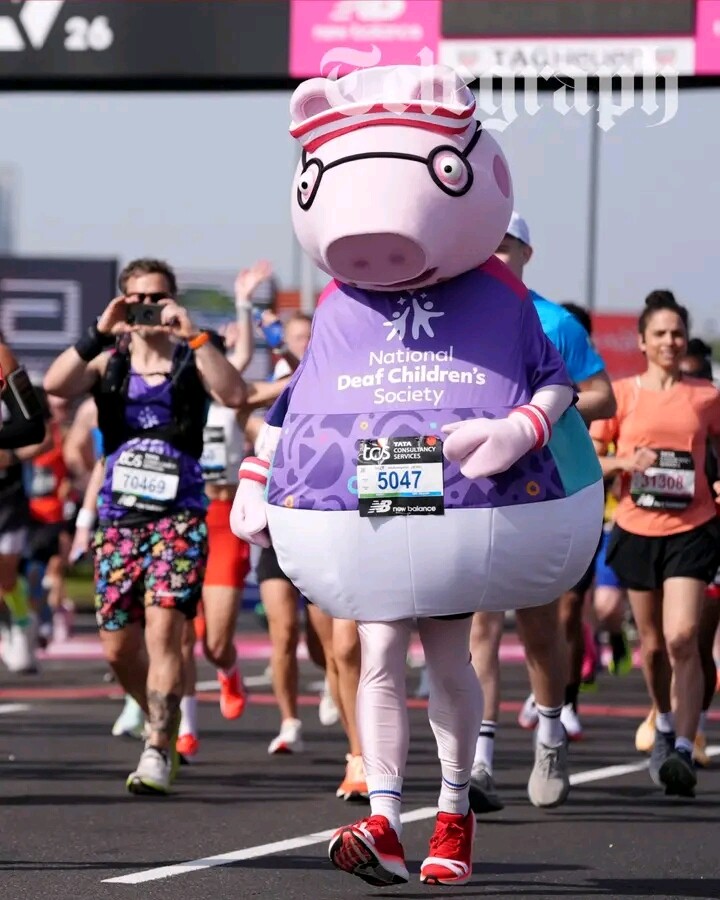
The beloved Peppa Pig character completed the London Marathon in 5:51:53, edging fitness coach Joe Wicks by the smallest possible margin after Wicks crossed the line in 5:51:54. One second separated the two after more than 42 kilometres of running, creating one of the most memorable celebrity moments of the marathon.

Now Daddy Pig is heading to Berlin on September 27, where the rules leave considerably less room for sentiment.
The BMW Berlin Marathon operates under a strict 6-hour-15-minute limit from the moment each runner crosses the start line. Falling outside that limit means leaving the official course. The race also enforces intermediate cutoffs, with runners required to reach 33km by 3:50 p.m. and 38km by 4:35 p.m. Those who miss the deadlines can be taken to the finish in the race's famous broom bus and will not receive an official finishing time, a medal or post-finish services.

Against his London performance, that would leave Daddy Pig just 23 minutes and seven seconds to spare.
For an ordinary marathon runner, that margin would already demand respect. For someone competing inside a large and physically demanding character costume, it could make the challenge even more formidable.
London was a celebration. The crowds embraced Daddy Pig as he battled his way around the capital alongside Wicks, turning a charity campaign into one of the day's most talked-about stories. Berlin, however, is a race governed by the clock. Popularity, celebrity status and cartoon fame do not alter the timing mats or extend the official road closures.
Daddy Pig's London appearance also carried a purpose beyond entertainment. He ran in support of the National Deaf Children's Society, following the storyline involving his son, George Pig, who is deaf and wears a hearing aid. The campaign used one of children's television's most recognisable families to raise awareness and funds for deaf children and their families.
The identity of the person inside the Daddy Pig costume has remained part of the fun, with the character famously refusing to reveal more than the fact that “Daddy Pig is a Pig.”
Berlin will continue that charitable mission, although current campaign information describes Daddy Pig's September appearance as part of a celebrity relay initiative supporting children with hearing impairments. That means the prospect of a second complete World Marathon Major finish in the same calendar year should not yet be presented as confirmed.
But the larger appeal of the story remains unchanged.
Daddy Pig has already proved that a cartoon character can become a genuine part of marathon culture, complete with a real bib number, an official finishing time and a one-second victory over one of Britain's best-known fitness personalities.
Whether Berlin brings another full-distance adventure or a relay appearance, the message is the same: once the starting gun goes off at a World Marathon Major, even the most famous pig on television has to respect the clock.
by Erick Cheruiyot for My Best Runs.
Login to leave a comment

BMW Berlin Marathon
The story of the BERLIN-MARATHON is a story of the development of road running. When the first BERLIN-MARATHON was started on 13th October 1974 on a minor road next to the stadium of the organisers‘ club SC Charlottenburg Berlin 286 athletes had entered. The first winners were runners from Berlin: Günter Hallas (2:44:53), who still runs the BERLIN-MARATHON today, and...
more...
Yomif Kejelcha and Fotyen Tesfay Arrive in Buenos Aires as the Fastest 21K Beckons
Buenos Aires is ready for a spectacular day of road racing, with Ethiopian stars Yomif Kejelcha and Fotyen Tesfay already in the Argentine capital ahead of Sunday’s Buenos Aires Half Marathon, also known as the 21K Buenos Aires.
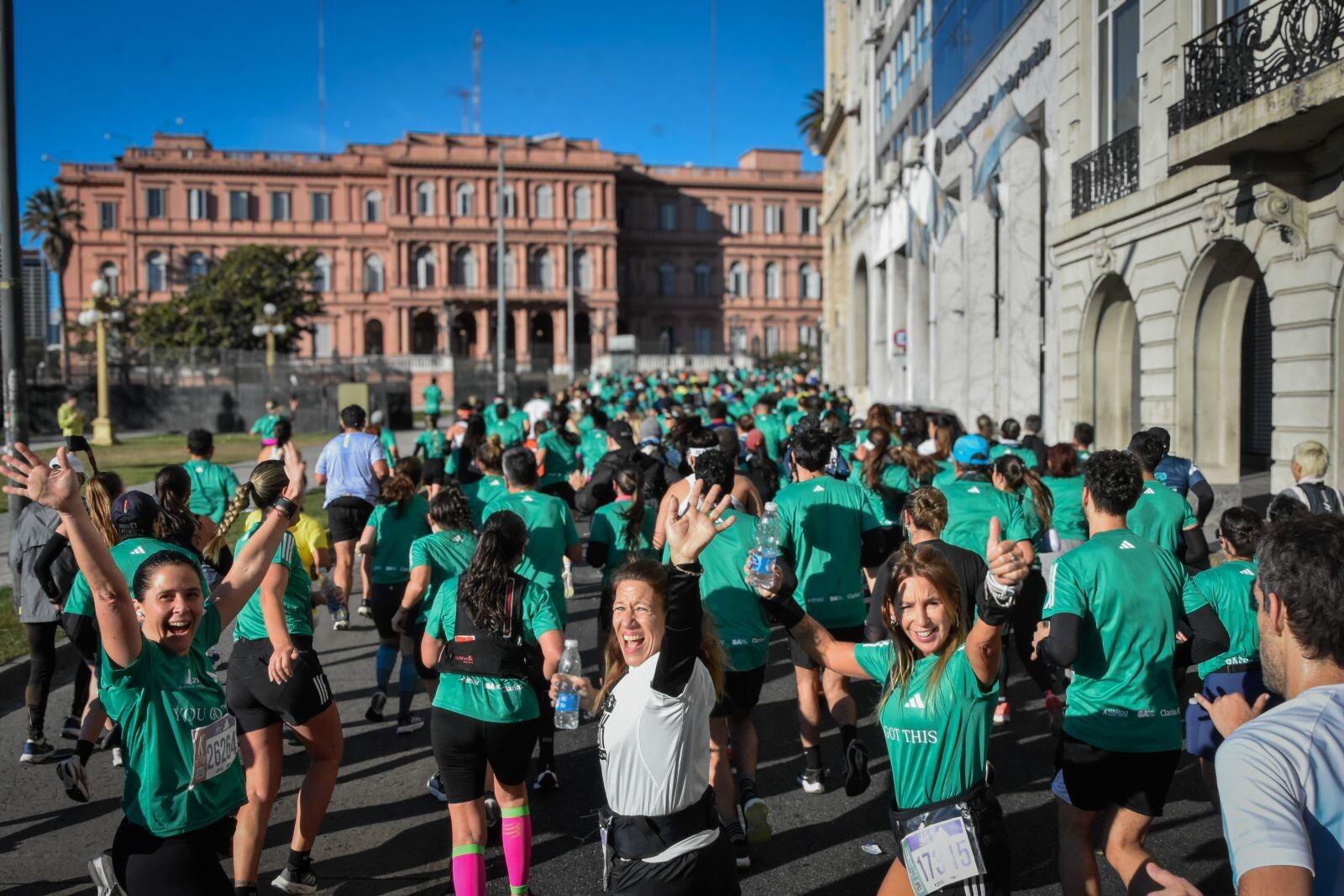
The race takes place on Sunday, August 23, 2026, bringing together a record field of 31,500 runners after entries sold out. Alongside the mass field, some of the world’s leading distance athletes will take centre stage, with the spotlight firmly on the elite races as they chase victory and potentially exceptional times over 21.097 kilometres.
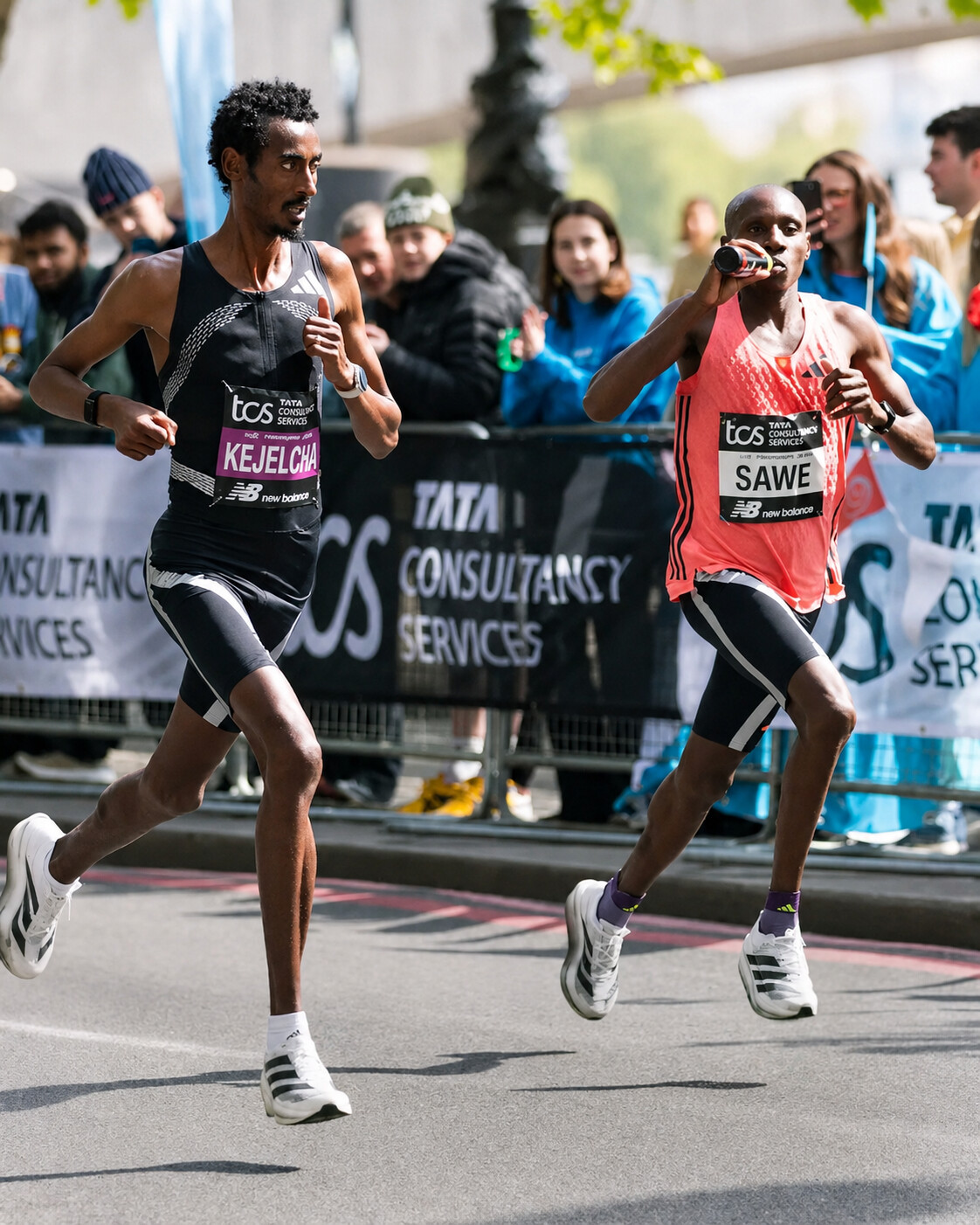
The race starts and finishes in Palermo, at Av. Figueroa Alcorta and Av. Dorrego, before taking runners onto a fast, flat 21.097-kilometre course through the Argentine capital. The route winds past some of Buenos Aires’ most iconic landmarks, including the Obelisco, Teatro Colón and Casa Rosada, providing a spectacular setting for one of the region’s premier road races.
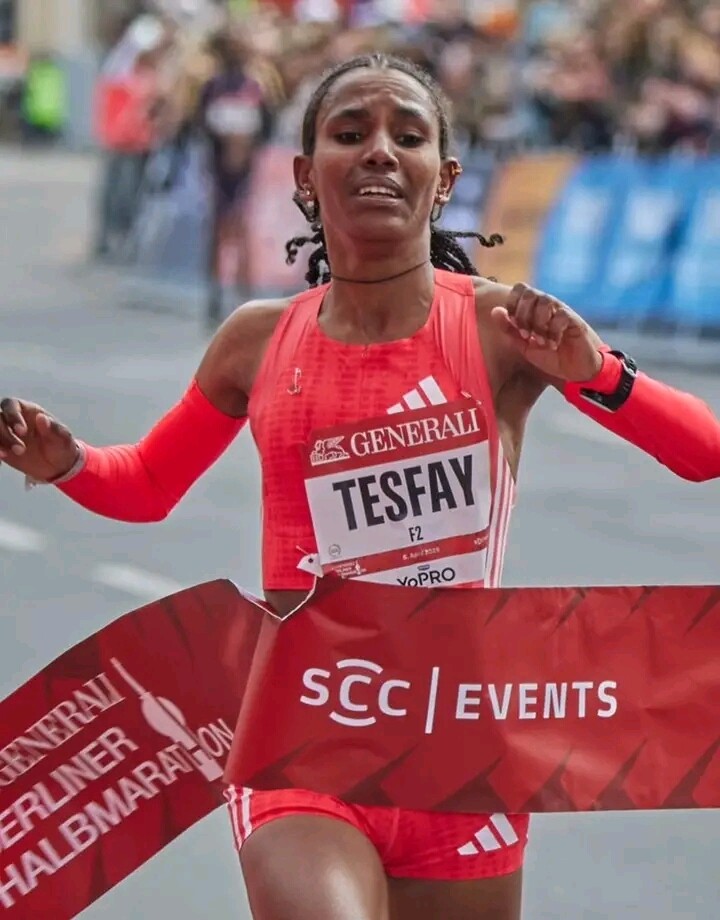
Kejelcha arrives as one of the most formidable names in modern distance running. The 29-year-old Ethiopian is the reigning world-record holder for the half marathon, having clocked 57:30 in Valencia in October 2024. He has also established himself as an exceptional marathoner, running 1:59:41 on his debut at the 2026 London Marathon — the fastest marathon debut ever recorded and the second-fastest official marathon performance in history.
His presence adds enormous prestige to a Buenos Aires race that has become synonymous with fast running. In 2025, Uganda’s Jacob Kiplimo ran 58:29 in Buenos Aires, producing one of the fastest half-marathon performances ever recorded in the Americas and further cementing the event’s reputation as a venue capable of delivering extraordinary times.
Tesfay brings equally impressive credentials to the women’s race. The 28-year-old Ethiopian owns a half-marathon personal best of 1:03:21, achieved in Valencia in 2024. Her progression over the marathon distance has been equally striking, highlighted by her 2:10:51 national record set in March 2026.
The conditions could further enhance the prospects of fast racing. Buenos Aires typically experiences cool temperatures around race time, with conditions commonly ranging between 9°C and 14°C — favourable weather for elite distance running when combined with the course’s flat profile.
For Kejelcha and Tesfay, the mission is clear: compete for the titles, test themselves against a strong international field and take advantage of one of the fastest half-marathon stages in the Americas.
With thousands of runners preparing to flood the streets and two Ethiopian stars already in position, anticipation is reaching its peak.
The stars have arrived. The course is ready. On Sunday, Buenos Aires waits for the fireworks.
by Erick Cheruiyot for My Best Runs.
Login to leave a comment

Buenos Aires Half Marathon
The Buenos Aires Half Marathon is one of the most important in Latin America and attracted more than 25,000 runners from all over the world. Dare to run the fastest half marathon in Latin America....
more...
Josh Kerr’s Mile Mastery Could One Day Lead Him To The London Marathon
Josh Kerr has conquered one of athletics’ most historic distances. Yet, remarkably, the Scottish star is already dreaming about a challenge that sits more than 25 miles beyond the distance that has made him a global track sensation.
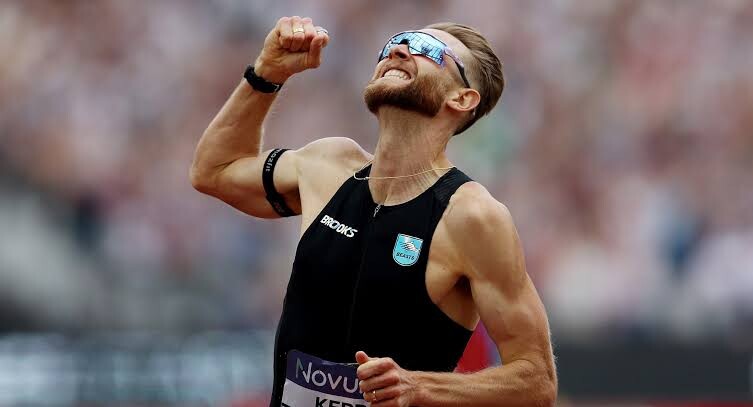
Kerr produced one of the defining performances of his career on July 18, 2026, at the London Stadium, storming to a sensational 3:42.66 in the Emsley Carr Mile to shatter Hicham El Guerrouj’s world record. The Moroccan’s 3:43.13 had stood untouched since 1999, but Kerr finally brought the 27-year-old mark down by 0.47 seconds.
The performance confirmed Kerr’s place among the greatest milers of his generation, but his ambitions extend well beyond the track.
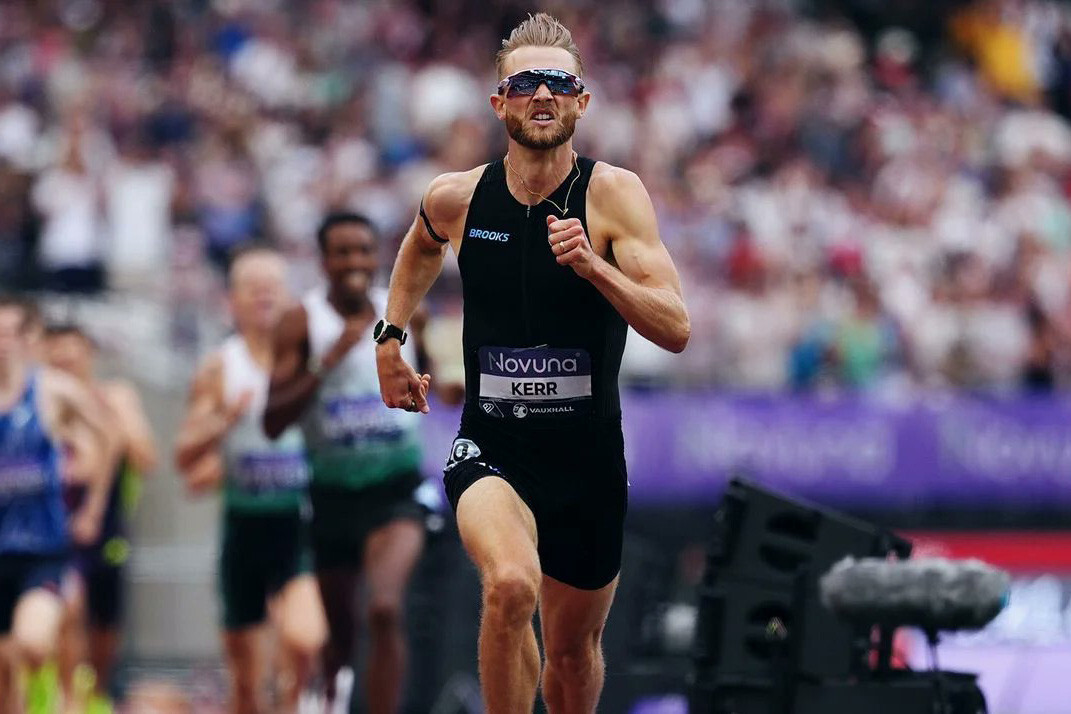
Speaking after his historic achievement, the 28-year-old revealed that the marathon is a distance he has become increasingly fascinated by, with the London Marathon occupying a particularly special place in his long-term imagination. For Kerr, the ultimate attraction would not necessarily be a world-class time, but the possibility of one day winning the race.
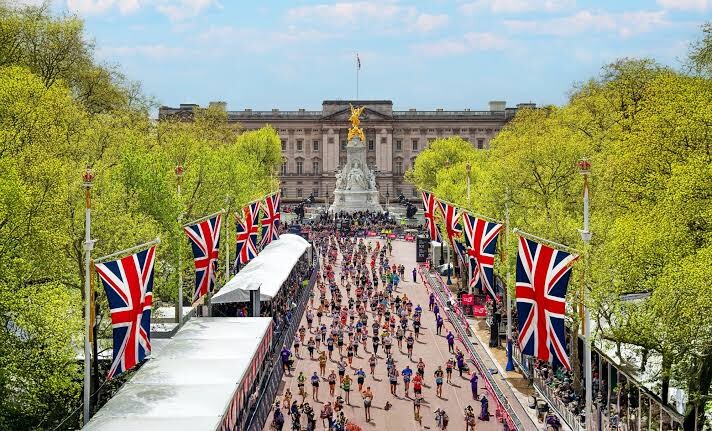
He remains realistic about how distant that ambition is. Kerr has made it clear that there is still important work to be completed on the track, with the Los Angeles 2028 Olympic Games among his major objectives. His marathon dream, therefore, belongs to the future rather than the immediate present.
That patience could prove crucial.
The transition from the mile to the marathon is one of the most demanding changes an elite distance runner can make. It requires far more than simply possessing exceptional aerobic fitness. The marathon places extraordinary demands on endurance, efficiency, energy management and the ability to maintain a high pace for more than two hours.
History, however, has shown that a world-class track runner can successfully make the leap when the timing is right.
Sifan Hassan provides perhaps the most spectacular modern example. After establishing herself as one of the most versatile distance runners in history, competing successfully from 1,500m through 10,000m, the Dutchwoman made her marathon debut at the 2023 London Marathon. She won in 2:18:33 after producing a remarkable finishing sprint, then went on to claim Olympic marathon gold the following year.
Her ability to change gears late in races became one of her greatest weapons. It is also an attribute Kerr knows particularly well.
Kerr has built his reputation around devastating finishing speed. Whether competing over 1,500m or the mile, his ability to accelerate when others are already approaching their physical limits has repeatedly separated him from the field. The question is whether that same weapon could eventually become a decisive advantage over the marathon distance.
Mo Farah's journey offers a more complicated lesson.
The British legend spent years dominating the 5,000m and 10,000m before turning his attention to the marathon. Despite possessing an extraordinary endurance base, Farah discovered that the marathon demanded an entirely different level of preparation. He finished eighth on his London Marathon debut in 2014 in 2:08:21 before eventually improving the British record to 2:06:22 in 2018.
Farah later explained that mastering the marathon took considerable time, underlining just how different the event is from even the longest Olympic track distances.
For Kerr, the physiological challenge would be even greater because his speciality is the mile.
The mile rewards an athlete who can combine enormous aerobic power with exceptional speed. The marathon, by contrast, demands the ability to operate efficiently for a prolonged period below maximum aerobic capacity. Running economy, lactate-threshold ability, endurance and the capacity to preserve energy deep into a race become increasingly important.
That transformation cannot be rushed.
And the marathon landscape Kerr would eventually enter is becoming more extraordinary by the year.
The 2026 London Marathon demonstrated just how far the event has evolved. Kenya’s Sabastian Sawe made history by becoming the first athlete to officially break the two-hour barrier in a competitive marathon, winning in 1:59:30. Ethiopia’s Yomif Kejelcha also finished inside two hours, while three men ultimately finished faster than the previous world record.
That is the standard waiting for Kerr if his distant ambition eventually becomes reality.
For now, however, there is no need to hurry. Kerr has already rewritten the mile record books, becoming the first man to break 3:43 and ending one of the longest-standing world records in modern athletics.
His next chapter is still firmly rooted on the track, where Olympic glory remains a major target. But somewhere beyond those ambitions lies a different challenge: 26.2 miles of London roads, a distance more than 25 miles longer than the event in which he currently reigns supreme.
It may sound improbable today, but Kerr is not dismissing the possibility.
“I promise I will try it.”
And if the day eventually comes when the world mile record-holder lines up on The Mall with the London Marathon title in his sights, it could become one of the most intriguing distance-running transitions the sport has ever witnessed.
by Erick Cheruiyot for My Best Runs.
Login to leave a comment
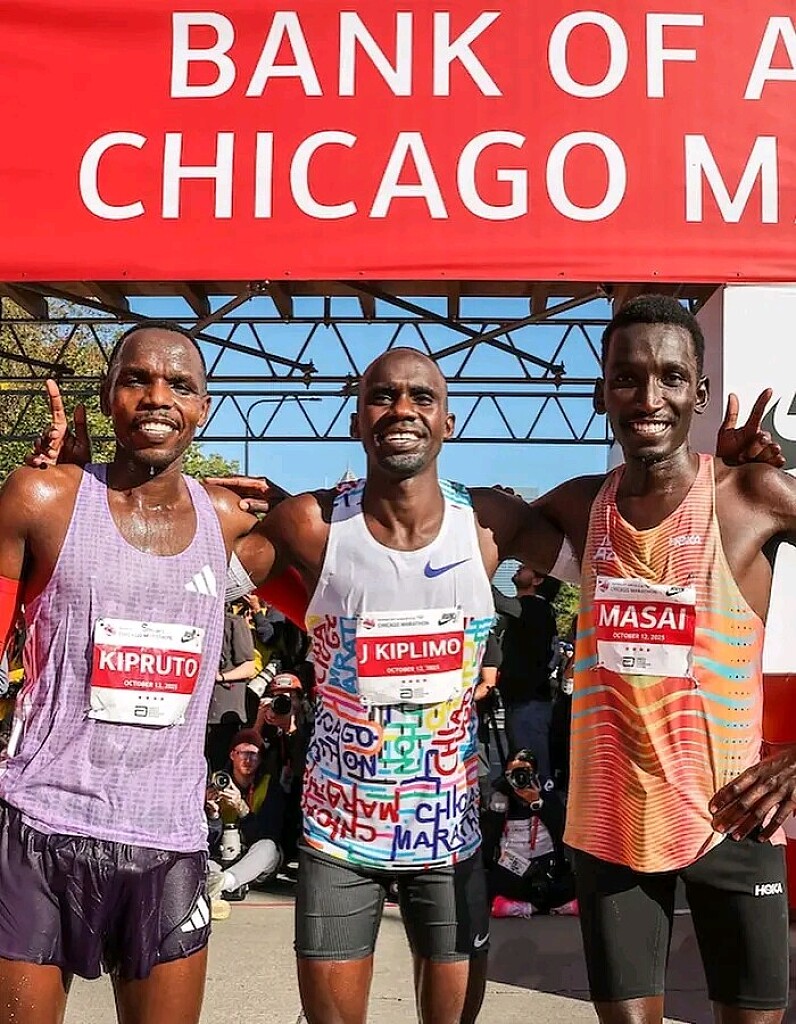
The Rematch Is On: Kiplimo, Kipruto and Masai Lead Star-Studded Chicago Marathon Field
The Bank of America Chicago Marathon is preparing for one of the most anticipated men's races in its history after unveiling an extraordinary elite field for the 48th edition of the event, scheduled for Sunday, October 11, 2026.
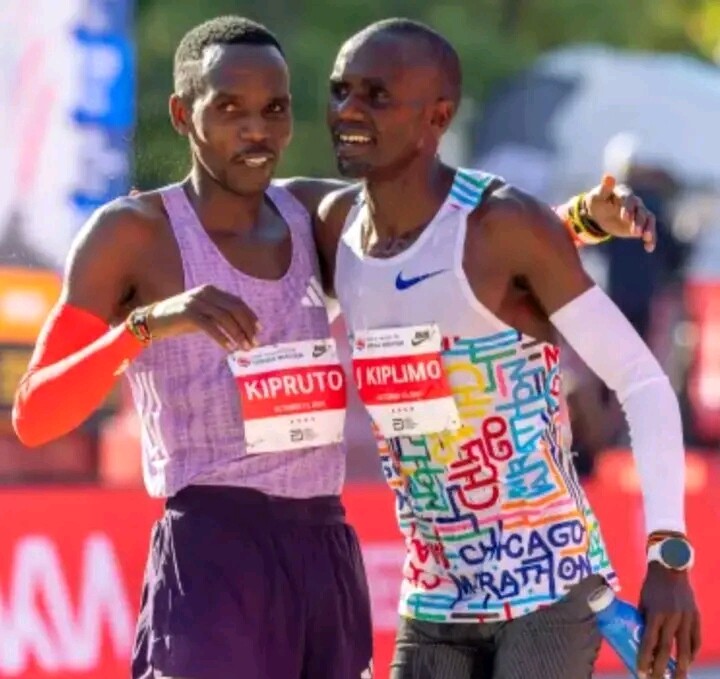
At the heart of the excitement is a compelling rematch featuring the entire podium from the 2025 Chicago Marathon, with defending champion Jacob Kiplimo, runner-up Amos Kipruto, and third-place finisher Alex Masai all returning to battle once again on the fast streets of the Windy City.
The reunion of last year's top three finishers already guarantees an intense contest, but the depth of the field suggests this could develop into one of the greatest marathon races Chicago has ever witnessed.
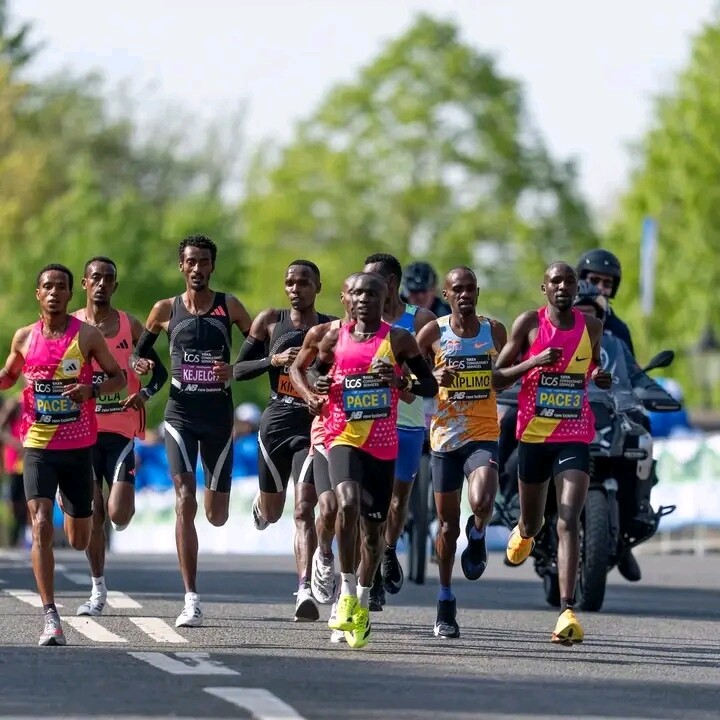
Uganda's Jacob Kiplimo returns wearing the champion's crown after producing a brilliant 2:02:23 performance to capture the 2025 Chicago Marathon title. Since that victory, the distance-running sensation has strengthened his reputation as one of the world's premier marathoners, delivering an astonishing 2:00:28 at the 2026 London Marathon—a performance that firmly established him among the fastest marathon runners in history.
Standing in his way once again will be Kenya's Amos Kipruto, who finished second in Chicago last year in 2:03:54. Kipruto arrives in exceptional form after rewriting his personal best with a stunning 2:01:39 at the 2026 London Marathon, proving he possesses both the speed and experience to challenge for the Chicago crown.
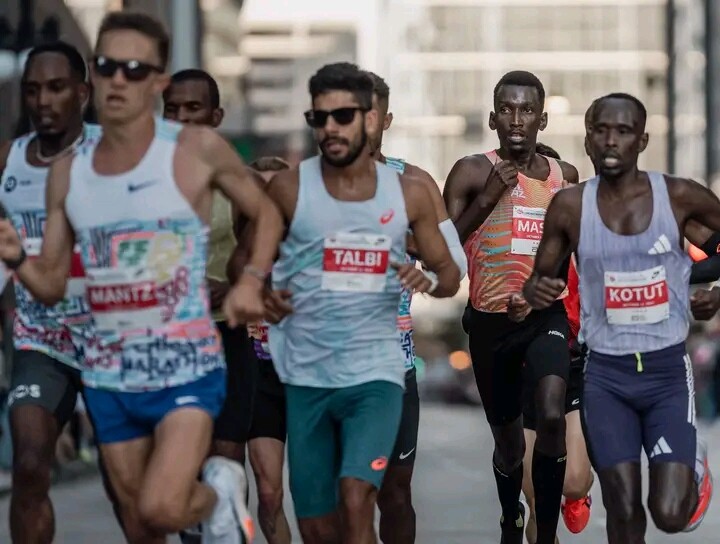
Completing the returning podium is fellow Kenyan Alex Masai, whose impressive 2:04:37 earned him third place in 2025. Now returning with valuable experience and growing confidence, Masai will be aiming to transform last year's podium finish into his first-ever World Marathon Major victory.
Yet the battle for victory extends far beyond the returning podium.
The 2026 Chicago Marathon has assembled one of the deepest elite men's fields ever seen, featuring six athletes with personal bests under 2:04. Among them are Milkesa Mengesha of Ethiopia, the reigning 2024 Berlin Marathon champion, and compatriot Tadese Takele Bikila, who arrives as the Tokyo Marathon champion. Their presence adds even greater quality to a field already packed with proven championship performers and world-class speed.
With Olympic-caliber talent, major marathon champions, and some of the fastest men ever to cover the 42.195-kilometre distance lining up together, all the ingredients are in place for a memorable contest. Whether the race develops into a tactical championship battle or a relentless pursuit of another sub-2:02 performance, fans can expect fireworks from the opening miles to the finish on Columbus Drive.
As Chicago prepares to welcome the world's finest marathoners, one question now dominates the conversation:
Can Jacob Kiplimo successfully defend his title, or will Amos Kipruto, Alex Masai, or another world-class challenger rise to claim one of the sport's most prestigious crowns? The answer will unfold on October 11, when another chapter in Chicago Marathon history is written.
by Erick Cheruiyot for My Best Runs.
Login to leave a comment
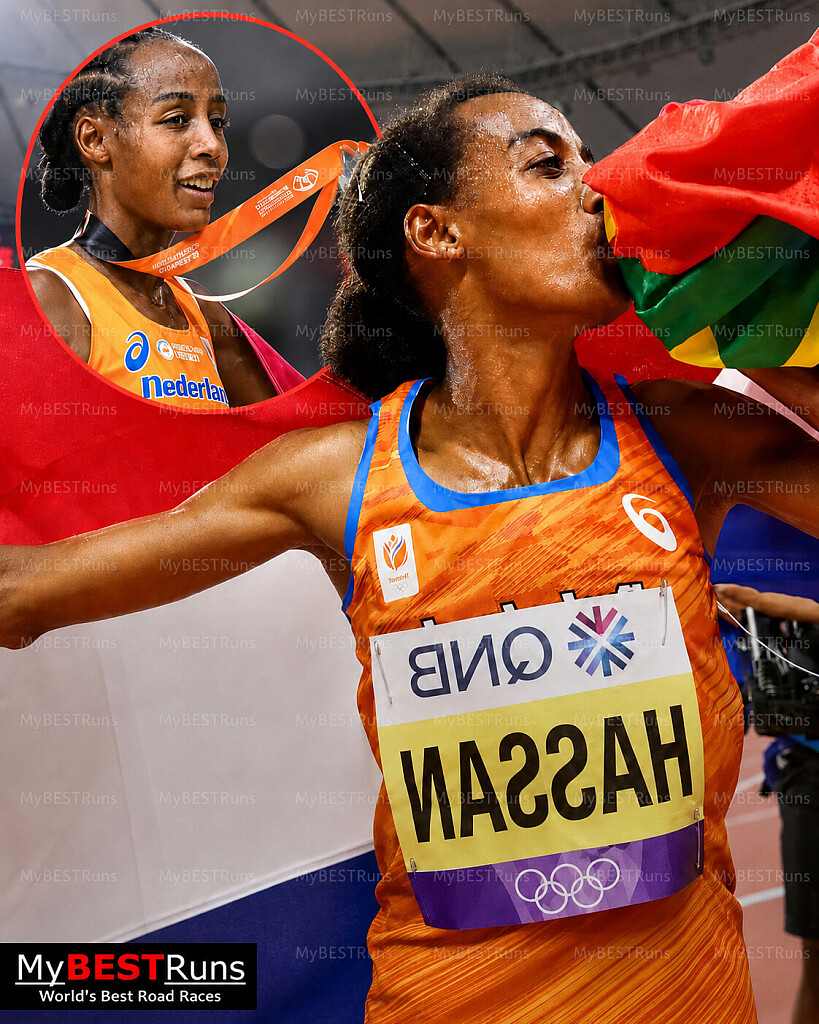
The Achilles Setback That Changed a Marathon Season: Sifan Hassan’s Unfinished Pursuit of History
In elite sport, the smallest moments can have the biggest consequences. For Sifan Hassan, one routine training session on a treadmill proved to be the turning point of an entire marathon season.
Earlier this year, the reigning Olympic marathon champion announced her withdrawal from the 2026 London Marathon after suffering an Achilles injury during what her management described as an unfortunate treadmill accident. The setback occurred approximately six weeks before race day, abruptly halting preparations for one of the most anticipated appearances of the season.
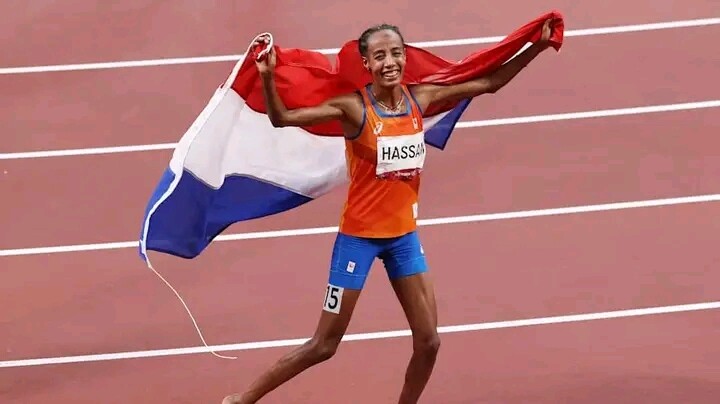
Hassan entered the year carrying the weight of extraordinary expectations. She was not only the defending London Marathon champion but also one of the strongest contenders to challenge the elusive 2:15 barrier in women’s marathon running. Few athletes possess a résumé comparable to hers. From Olympic gold medals in the 5,000m and 10,000m to her historic marathon triumphs, Hassan has consistently pushed the boundaries of what distance runners can achieve.
Initially, there was hope that the injury would be manageable. Like many elite athletes, she attempted to train through the discomfort, believing time and careful management might allow her to return in time for London. But the Achilles tendon had other plans. As the weeks passed, recovery failed to progress as expected, leaving Hassan with little choice but to step away from competition.
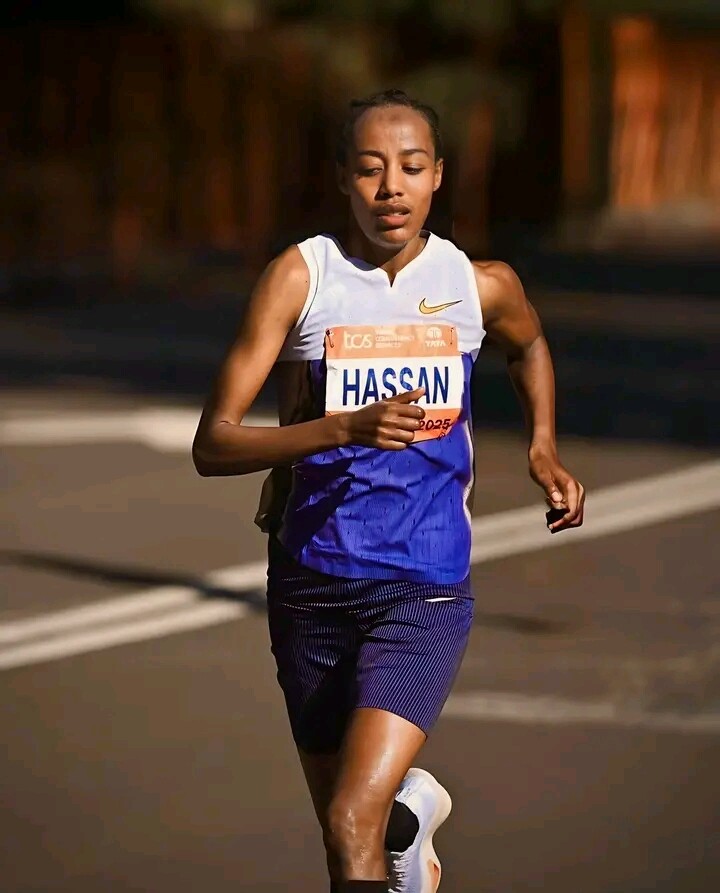
Her withdrawal created a significant shift in the dynamics of the London Marathon. What had been expected to be a showdown featuring one of the sport’s greatest champions suddenly became an open race. The absence of Hassan altered the landscape and opened the door for others to seize the moment.
Among them was Tigst Assefa, who delivered a performance for the ages. Taking advantage of the opportunity, the Ethiopian star stormed to a remarkable 2:15:41, setting a new women-only world record and producing one of the finest marathon performances ever witnessed. It was the kind of historic race many believed Hassan would have been central to contesting.
Instead, she watched from the sidelines as the record books were rewritten.
Yet Hassan's response reflected the maturity and patience that have defined her career. Rather than rushing back, she emphasized the importance of listening to her body and allowing the healing process to take its natural course. It was a reminder that even the greatest champions cannot negotiate with injury.
For athletes operating at the highest level, talent, preparation, and determination can overcome many obstacles. Recovery, however, follows its own timeline. No amount of ambition can accelerate an Achilles tendon's healing process.
The marathon world continues to wonder what might have happened had Hassan lined up in London healthy and fully prepared. Could she have challenged the record? Could she have become the first woman to break the 2:15 barrier?
Those questions remain unanswered.
What is certain is that Sifan Hassan's story is far from finished. If her career has demonstrated anything, it is her remarkable ability to return stronger after adversity. The treadmill incident may have delayed another historic chapter, but it has not closed the book.
For now, the marathon world waits patiently for the return of one of the most extraordinary distance runners the sport has ever seen.
by Erick Cheruiyot for My Best Runs.
Login to leave a comment

Under Two Hours, Yet Not Enough: Yomif Kejelcha's Remarkable Run in London
In most marathons, a performance like Yomif Kejelcha's would have rewritten history.
At the 2026 London Marathon, the Ethiopian distance star produced one of the finest races ever seen over 42.195 kilometres, stopping the clock at an astonishing 1:59:41. The time placed him among an extremely exclusive group of athletes to complete the marathon distance in under two hours in race conditions and would have shattered the world record on almost any other day.
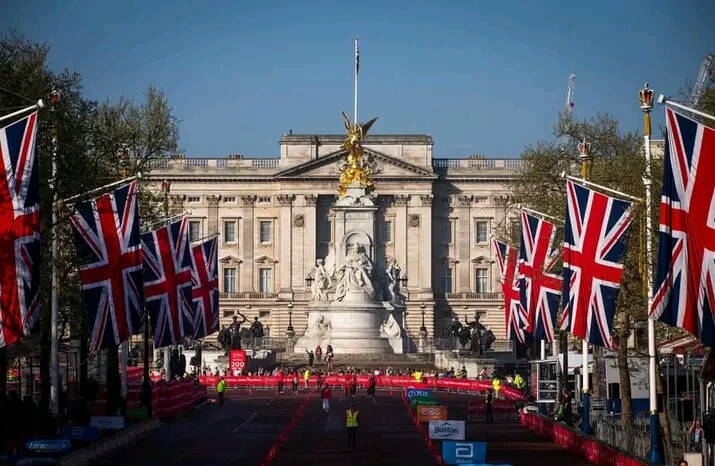
Yet Kejelcha crossed the finish line in second place.
Ahead of him was Kenya's rising marathon sensation, Sebastian Sawe, who delivered a performance for the ages, storming to victory in 1:59:30 and finishing eleven seconds clear of the Ethiopian. It was a race that elevated the standard of marathon running to unprecedented heights and left spectators struggling to comprehend what they had witnessed.
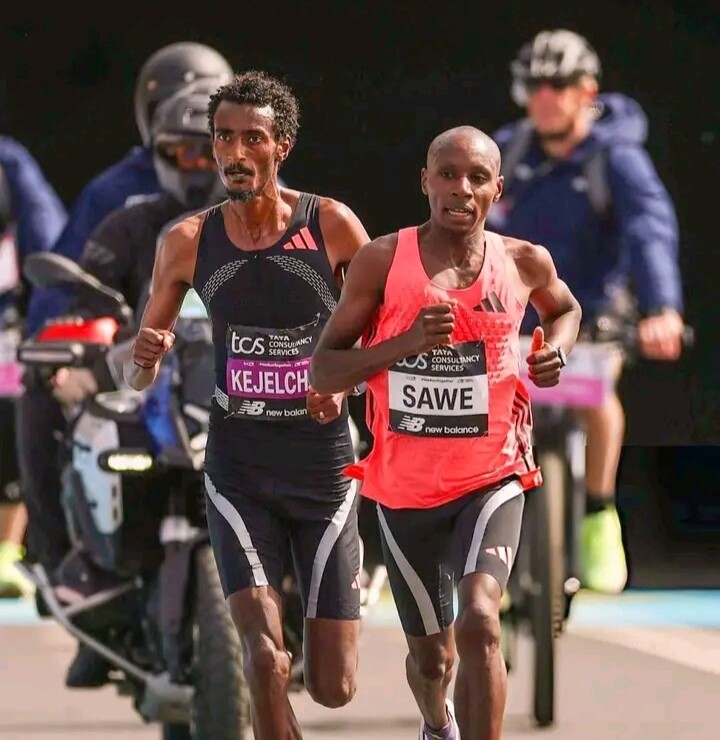
What makes Kejelcha's achievement even more remarkable is that he never expected such a result.
After the race, the Ethiopian admitted that his pre-race expectations were far more modest. He believed a finishing time somewhere between 2:02 and 2:03 was realistic. As the race entered its closing stages, fatigue began to take hold. Around the 25-mile mark, his legs felt increasingly heavy, and he was convinced his opportunity for something special had slipped away.
Then came the final stretch.
A glance at his watch revealed numbers that seemed almost impossible. Despite the pain and exhaustion, he was running at a pace few athletes in history had ever sustained. The finish line confirmed it: a sub-two-hour marathon and one of the fastest performances the sport has ever recorded.
Yet there was no world record celebration. No winner's trophy.
Only second place.
And perhaps that is what makes this story so compelling.
Elite sport often teaches us to measure success through victories, medals and records. But Kejelcha's run serves as a reminder that greatness cannot always be defined by finishing first. Sometimes an athlete produces the performance of a lifetime and still encounters someone capable of something even more extraordinary.
On paper, the result will forever show Kejelcha as the runner-up. History, however, is unlikely to remember it that way. His courageous front-running effort, his refusal to surrender when fatigue struck, and his astonishing finishing time ensured that his race became one of the defining moments of modern marathon running.
There are defeats that fade quickly from memory. Then there are performances so exceptional that they transcend the final standings.
Yomif Kejelcha did not leave London with a title or a world record. He left with something arguably more enduring: a place in one of the greatest marathon battles ever contested.
And when future generations look back on that unforgettable morning in London, they may ask a simple question:
If an athlete runs one of the fastest marathons in history, exceeds every expectation, and inspires millions along the way, can it really be called a defeat?
by Erick Cheruiyot for My Best Runs.
Login to leave a comment
Adidas Thinks the Next Marathon Breakthrough Is the Body — And the Second Fastest Runner Ever Already Proved It
For the past decade, marathon innovation has revolved around shoes. Carbon plates. Super foams. Lighter and faster racing models that transformed what athletes believed was possible over 26.2 miles.
Now Adidas may have opened the next chapter in performance technology — and this time the breakthrough is not on runners’ feet.
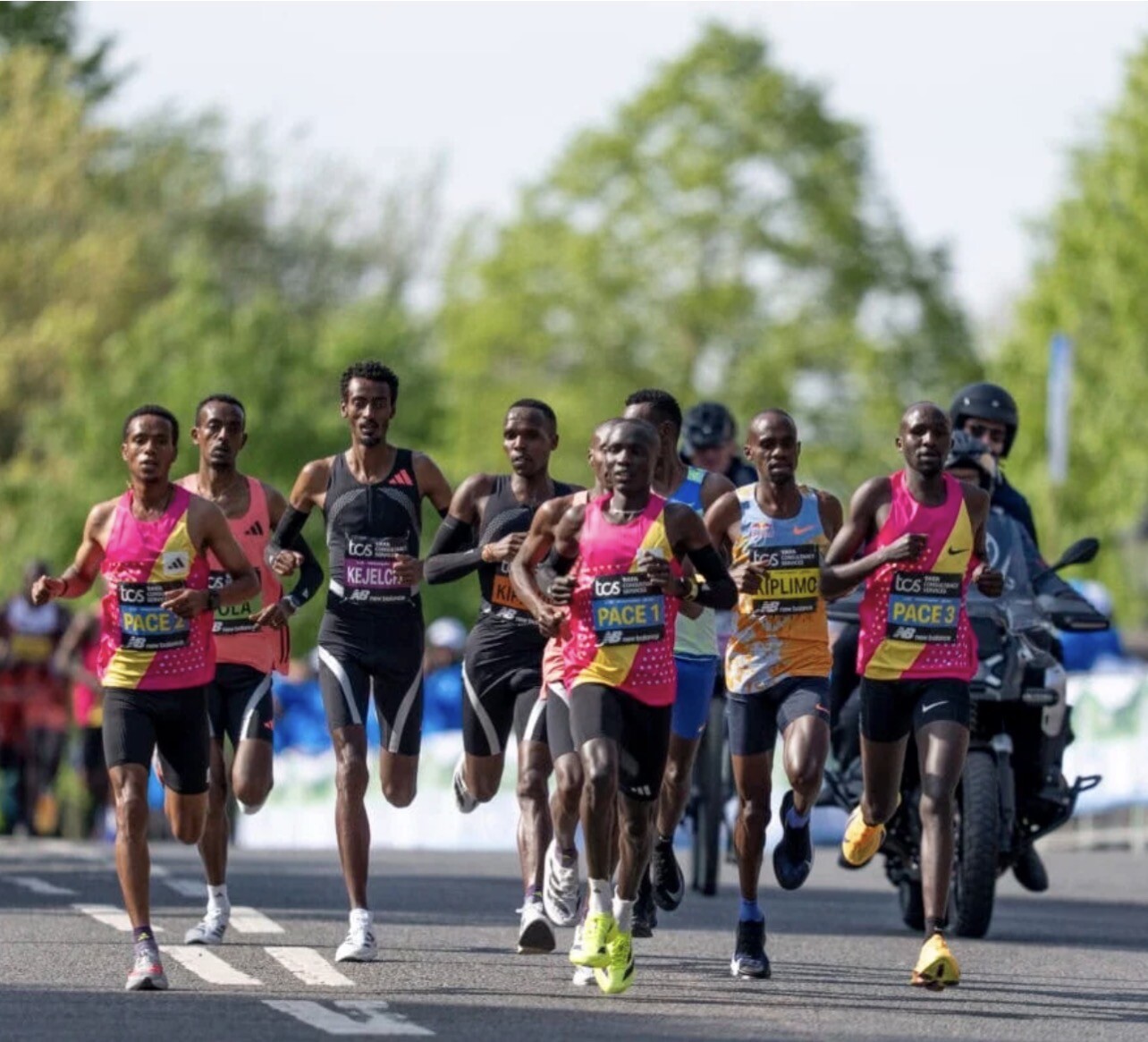
At the 2026 London Marathon, much of the focus centered on the historic performances by Sabastian Sawe and Yomif Kejelcha, who became the first two athletes in history to officially break two hours in the marathon in the same race. But another important development may have quietly emerged alongside those performances: Adidas’s new biomechanical racing suit.
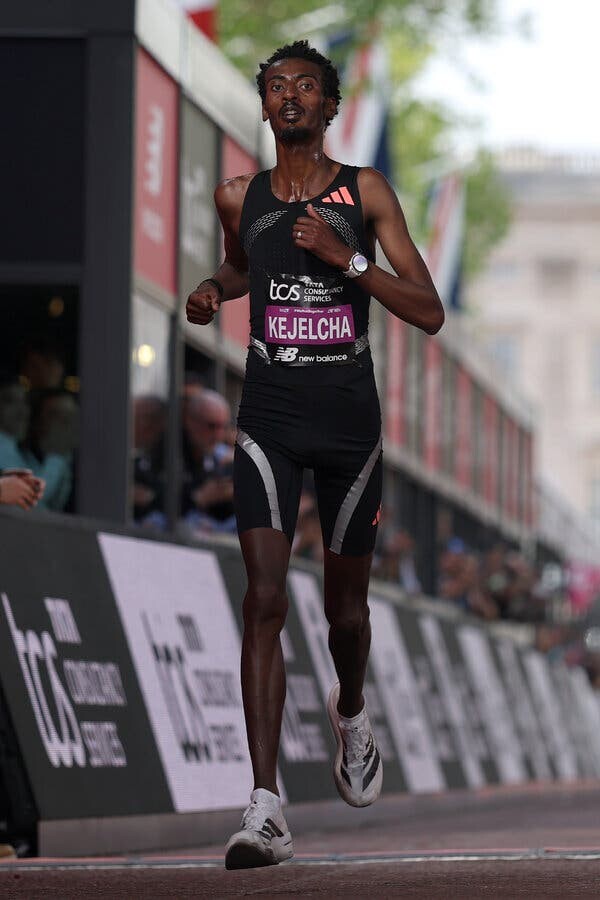
What makes the apparel intriguing is that it is not primarily about aerodynamics. The company’s bigger claim is biomechanical efficiency — helping runners maintain form deeper into the race as fatigue takes over.
Every experienced marathoner understands what happens late in a hard marathon. The hips begin to drop. The pelvis tilts. Posture weakens. Stride efficiency slowly deteriorates. Over the final miles, small mechanical losses become major time losses.
According to Adidas, the suit is designed to slow that breakdown.
Jessica G. Hunter, Adidas’s Manager of Athlete Performance and the leader behind the research project, spent years building the case internally that apparel itself could improve marathon performance. Leadership within the company was skeptical.
“Nobody had ever done it successfully before,” Hunter told The New York Times.
Her research focused on stabilizing the relationship between the core and hips — the key area responsible for keeping runners upright, balanced, and efficient during prolonged fatigue. The conclusion was that traditional apparel systems could not fully achieve that because singlets and shorts function as separate pieces.
“The only way to do that is with a full, connected suit,” Hunter explained.
That detail may prove to be the real innovation.
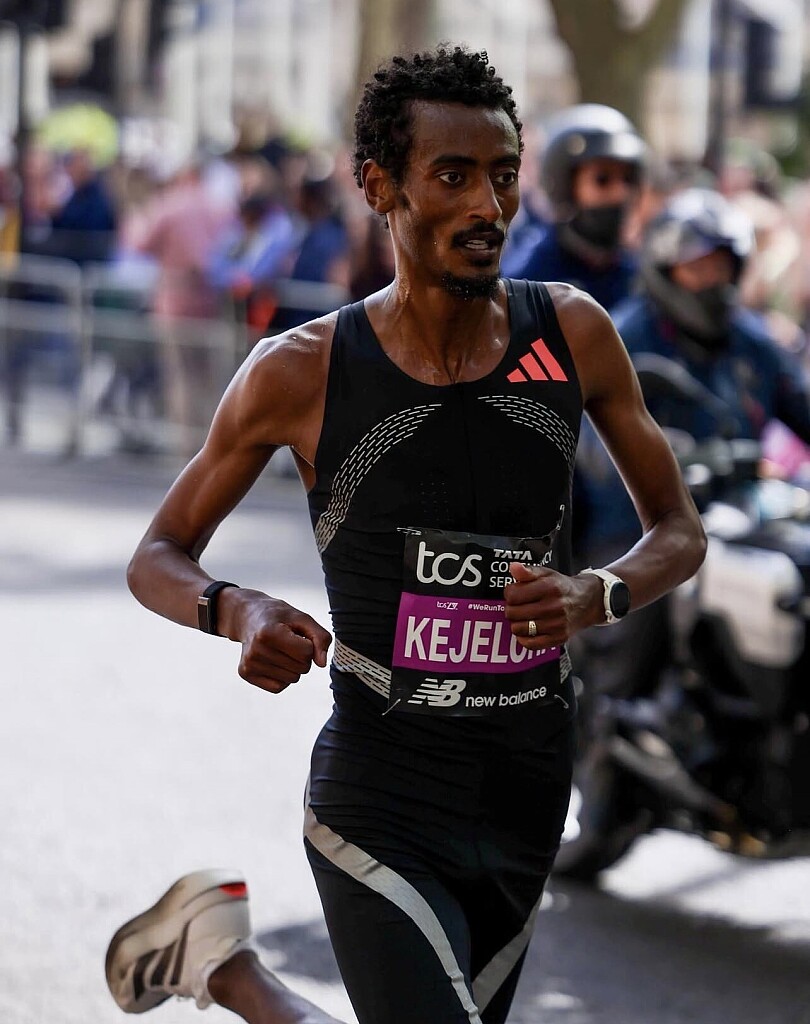
During the London Marathon broadcast, Kejelcha appeared to be wearing a fairly standard racing setup consisting of half-tights and a singlet. In reality, the upper and lower portions were connected into a single integrated garment. Adidas intentionally designed the suit to avoid looking radical or futuristic.
By comparison, Sawe raced in aerodynamic half-tights paired with a traditional untucked singlet. Every piece of his apparel could be clearly identified separately. Kejelcha’s system operated differently beneath the surface.
The idea of performance-enhancing apparel is hardly new in sports. Swimming saw a revolution — and eventual controversy — when full-body suits contributed to a flood of world records in 2008 and 2009. Cycling has long embraced skinsuits designed for aerodynamics and body stabilization. Running, however, has remained comparatively conservative outside the shoe revolution.
That may now be changing.
The timing is significant because marathon performances continue to improve at an astonishing rate. When races are decided by seconds rather than minutes, even marginal improvements become valuable. If a connected biomechanical suit helps an athlete maintain efficient posture just slightly longer over the final 10K, the competitive impact could be enormous.
The larger question is whether this represents the future of marathon racing or simply another experimental step in the sport’s endless pursuit of speed.
Either way, London may have marked the beginning of a new era — one where what runners wear from shoulders to hips becomes almost as important as what they wear on their feet.
by Bob Anderson for My Best Runs
Login to leave a comment

Kejelcha Returns to Valencia as Marathon World Awaits Another Historic Assault
The marathon world is once again bracing itself for something extraordinary after Ethiopian distance sensation Yomif Kejelcha was officially confirmed for the 2026 edition of the Valencia Marathon set for Sunday, December 6 in Spain.
The announcement immediately sent waves across global athletics, with anticipation already building around what could become one of the fastest marathons ever witnessed. Kejelcha returns to familiar territory carrying enormous momentum after his jaw-dropping performance at the 2026 London Marathon, where he stunned the world by clocking an astonishing 1:59:41 in his debut over the classic distance.
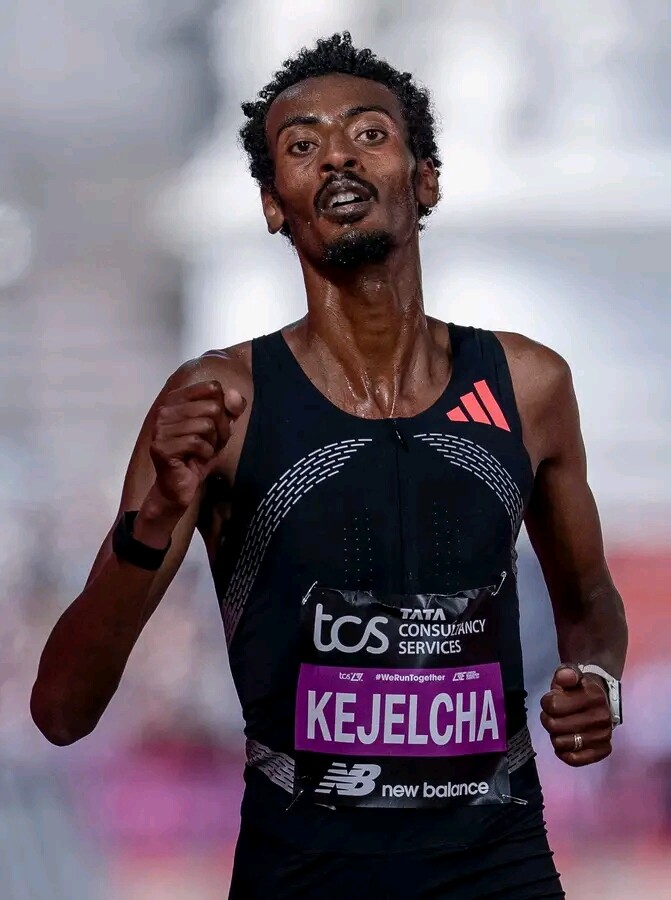
That breathtaking run not only rewrote marathon history, but also elevated Kejelcha into a completely new category of greatness. The Ethiopian star became just the second man ever to officially break the two-hour barrier in a record-eligible marathon, a feat once considered beyond human possibility.
Now, all eyes shift toward Valencia — a course widely regarded as one of the quickest marathon circuits on the planet.
For Kejelcha, the Spanish city already holds special significance. It was on these same lightning-fast streets that he produced one of the greatest half marathon performances in history, smashing the world record with a remarkable 57:30 in October 2024. That unforgettable display transformed Valencia into one of the defining venues of his career, and his return there feels less like coincidence and more like destiny.
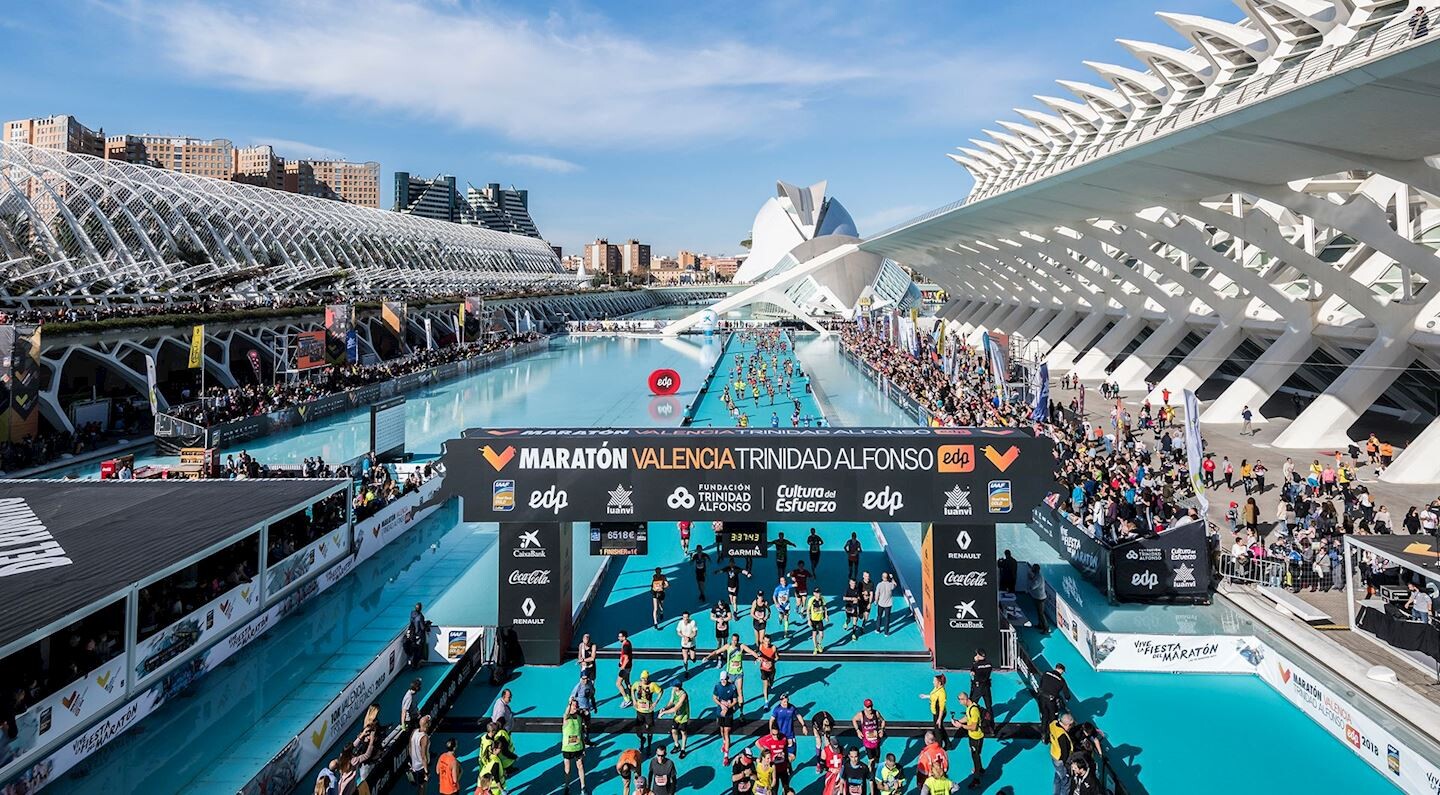
According to his manager, Gianni Demadonna, the decision to target Valencia followed extensive internal evaluations of Kejelcha’s current condition and long-term marathon potential. Those close to the Ethiopian camp reportedly believe the course offers the perfect environment for another historic performance.
And perhaps even more intriguing is the growing possibility of a world record attempt.
Valencia’s famously flat terrain — featuring minimal elevation changes across the entire course — has become a dream hunting ground for elite marathoners searching for fast times. With Kenyan star Sabastian Sawe expected to focus on Berlin later in the season, Kejelcha could arrive in Spain with a clearer path to dominate the race and fully attack the clock.
The prospect alone is enough to electrify the athletics community.
Kejelcha’s evolution from a dominant track athlete into a devastating road racer has unfolded with breathtaking speed. Already known for his explosive strength over 5,000m and 10,000m, the Ethiopian has now positioned himself as the newest giant of marathon running — a man capable of reshaping the limits of endurance sport.
As December approaches, excitement surrounding Valencia will only intensify. Fans, analysts, and fellow athletes understand the magnitude of what could unfold on the Spanish coast.
Because when Yomif Kejelcha steps onto a fast course, history no longer feels impossible — it feels expected.
by Erick Cheruiyot for My Best Runs.
Login to leave a comment
Shared Sacrifice and Silent Strength: Joyciline Jepkosgei’s Defining London Marathon Moment
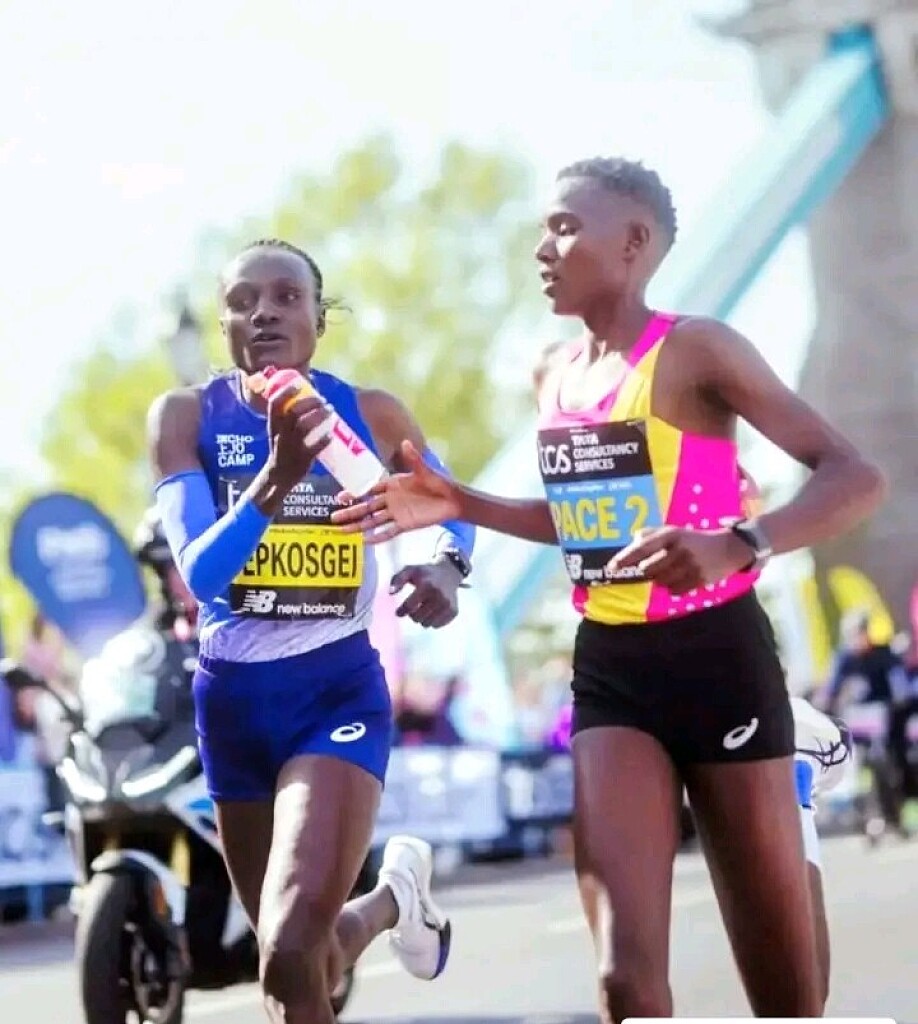
The 2026 edition of the London Marathon delivered countless images of courage, endurance, and elite competition, but few moments captured the true essence of marathon running more powerfully than the sight of Joyciline Jepkosgei sharing a bottle of water with her pacemaker, Mariam Chebet, during the heat of battle on the streets of London.
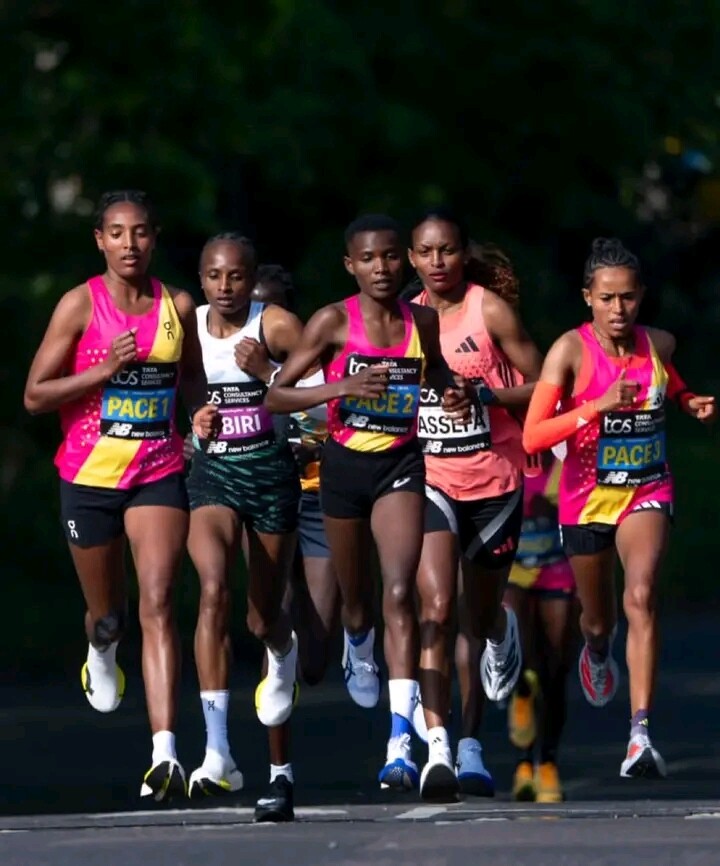
In a sport often defined by ruthless competition and relentless pursuit of victory, the gesture stood out as a quiet reminder that marathon running is also built on trust, teamwork, and shared suffering. As the pace intensified and the physical demands of the race grew heavier with every mile, Jepkosgei and Chebet momentarily revealed the human side of elite athletics — a bond forged through sacrifice, discipline, and collective ambition.
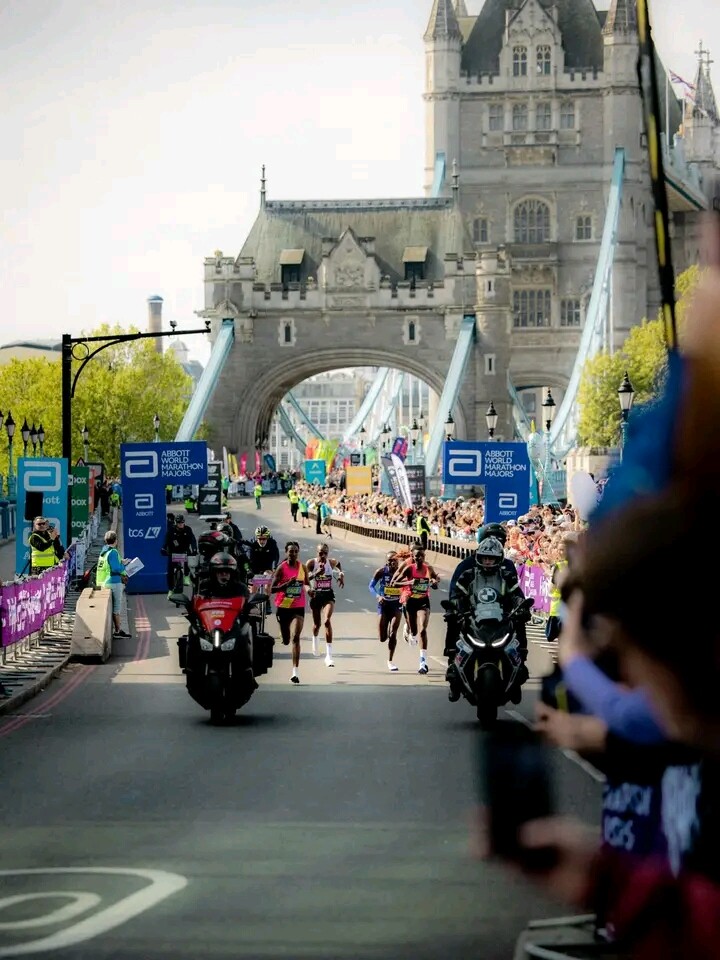
The image quickly became one of the unforgettable highlights of the race, symbolising more than hydration in a tactical contest. It reflected unity in struggle. Pacemakers are frequently viewed only as instruments of speed, tasked with dragging athletes through punishing early splits before stepping aside. Yet Chebet’s role alongside Jepkosgei illustrated the deeper relationship that often exists behind the scenes — one rooted in commitment, rhythm, and mutual belief.
For Jepkosgei, one of Kenya’s most accomplished road runners, the London Marathon once again became a stage where composure and resilience carried equal importance to raw athletic ability. Every movement through the capital’s famous streets revealed the precision and calmness that have made her one of the most respected figures in women’s distance running.
But beyond the elite performances and stopwatch battles, it was that simple exchange of water that resonated deeply with fans across the world. In a race overflowing with pressure and expectation, it became a snapshot of sportsmanship at its purest — two athletes pushing the limits of human endurance while still looking out for one another.
The 2026 London Marathon will be remembered for its world-class racing, electric atmosphere, and historic performances, but moments like these are what truly give the marathon its soul.
by Erick Cheruiyot for My Best Runs.
Login to leave a comment
Scholar on the Run: How Alexander Betts Turned the London Marathon into a Record-Breaking Mission
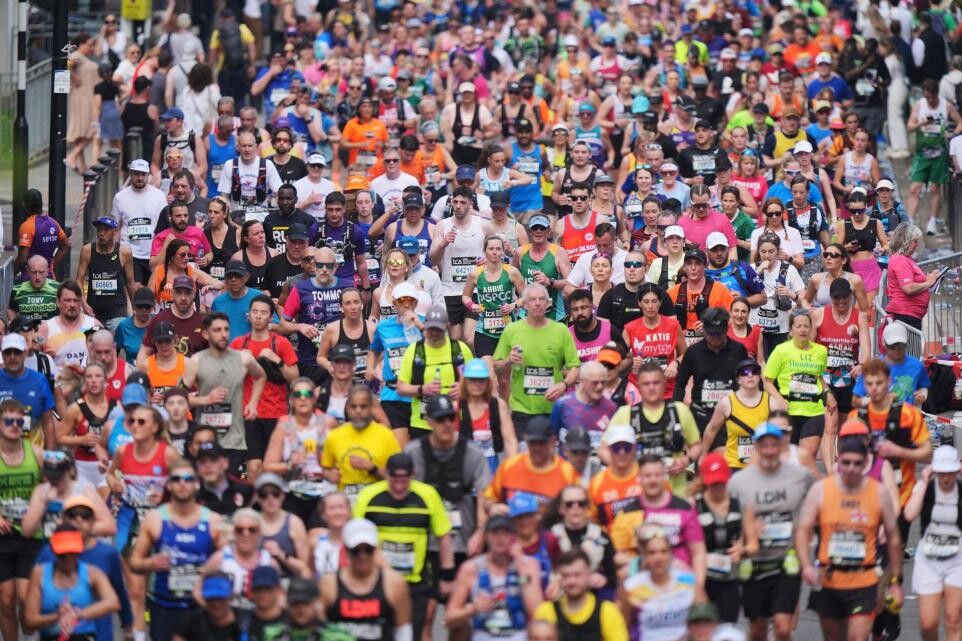
At the 2026 London Marathon 2026, spectators witnessed a performance that went far beyond athletic excellence — it was a fusion of intellect, endurance, and purpose. Among the thousands of runners was Alexander Betts, a respected professor at University of Oxford, who lined up for his 23rd marathon with an ambition as bold as it was unconventional.
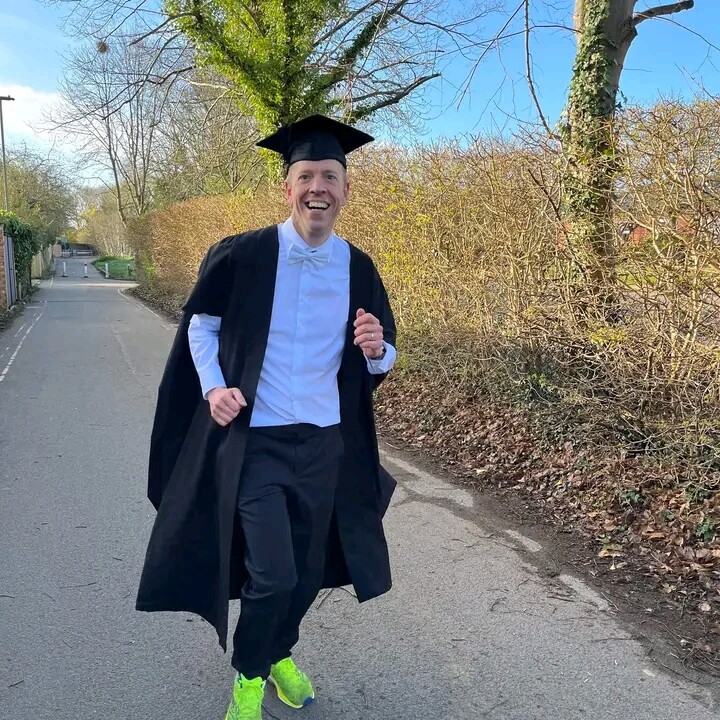
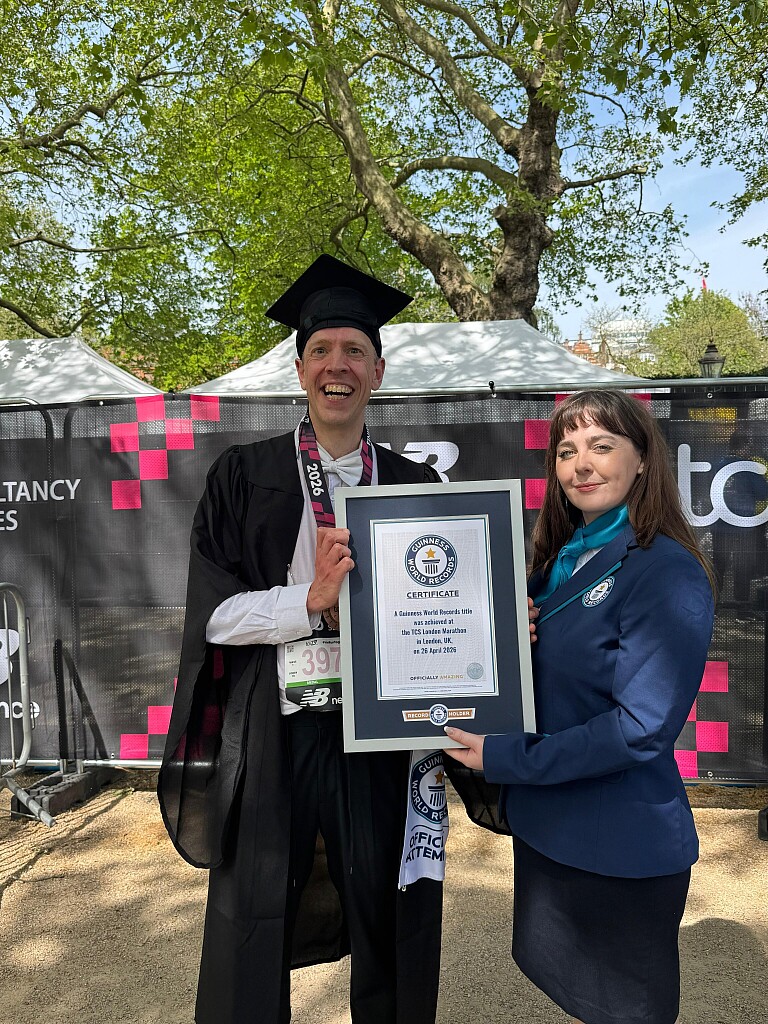
Unlike the typical elite athlete, Betts chose to take on the 42.195-kilometre challenge dressed not in lightweight racing gear, but in full academic regalia — a flowing gown, white bow tie, and mortarboard. His goal was clear: to break the Guinness World Record for the fastest marathon run in academic dress, a mark that previously stood at 3 hours and 31 minutes, set at the Berlin Marathon the year before.
What unfolded on the streets of London was nothing short of extraordinary. Battling heat, discomfort, and the constant struggle to keep his mortarboard in place, Betts pushed forward with determination and composure. He crossed the finish line in an astonishing 2 hours, 55 minutes and 26 seconds shattering the previous record and etching his name into the record books in emphatic fashion.
Yet, this achievement was never solely about time or titles. Behind every stride lay a deeper motivation. Betts is a passionate advocate for the transformative power of university sport within local communities. Through this remarkable effort, he sought to raise funds and awareness for Helen & Douglas House, a charity dedicated to supporting terminally ill children and their families.
Reflecting on his mission, Betts spoke with heartfelt conviction about the cause. He highlighted the profound impact hospice care has on families, while also drawing attention to the chronic underfunding such vital services often face. For him, this marathon was a way to give back — to channel personal endurance into collective hope.
His efforts have already inspired generosity, raising over £1,700 through his campaign, with support continuing to grow. But perhaps even more powerful than the funds raised is the message carried by his run: that excellence is not confined to a single field, and that true achievement often lies in using one’s platform to uplift others.
In blending academia with athleticism, Betts delivered more than a record-breaking performance — he offered a compelling reminder that knowledge and action, intellect and compassion, can move in perfect stride.
by Erick Cheruiyot for My Best Runs.
Login to leave a comment
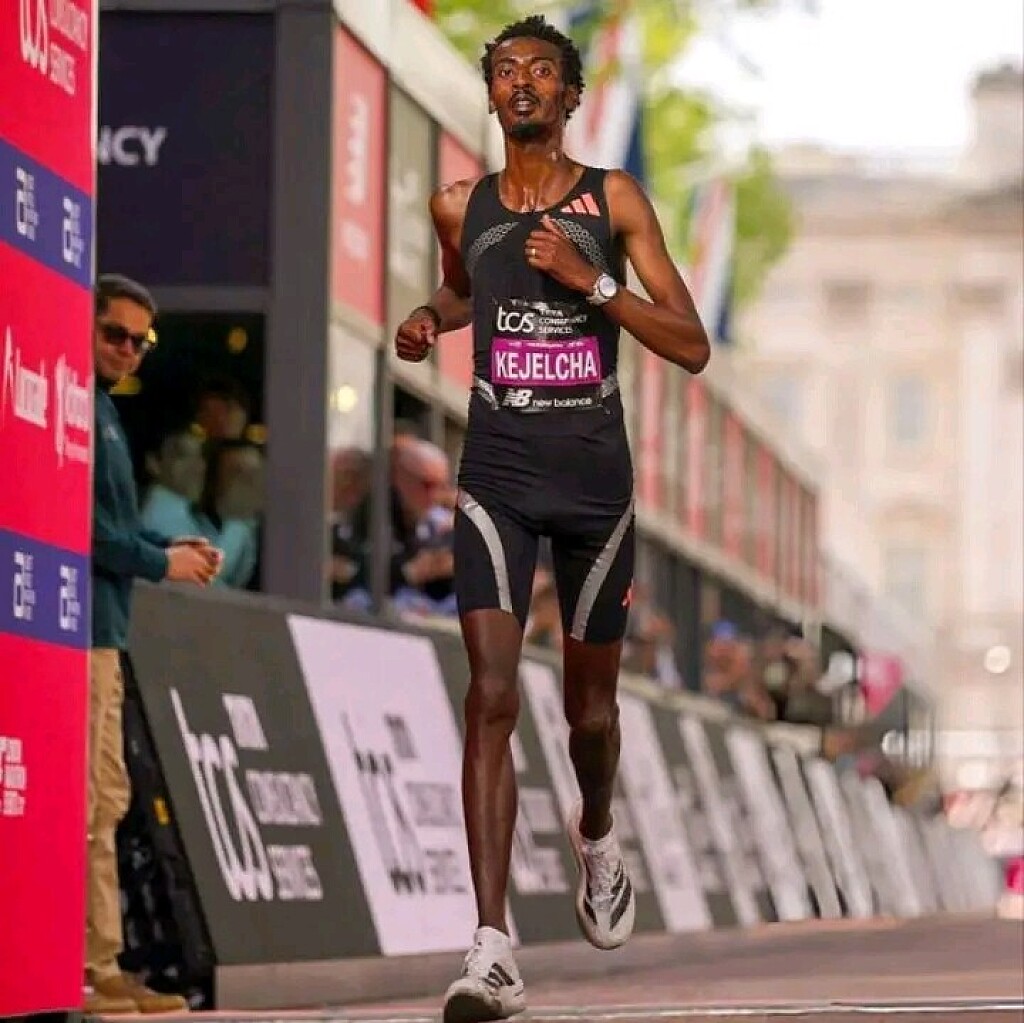
Fearless Debut: Yomif Kejelcha Turns Doubt into History with Stunning Sub-Two Marathon in London
The 2026 London Marathon delivered one of the greatest distance-running spectacles ever witnessed, and few stories were as captivating as the rise of Yomif Kejelcha. Just days before the race, even Kejelcha himself admitted that running 1:59 in his marathon debut sounded almost too good to be true. By Sunday afternoon, doubt had been replaced by destiny.
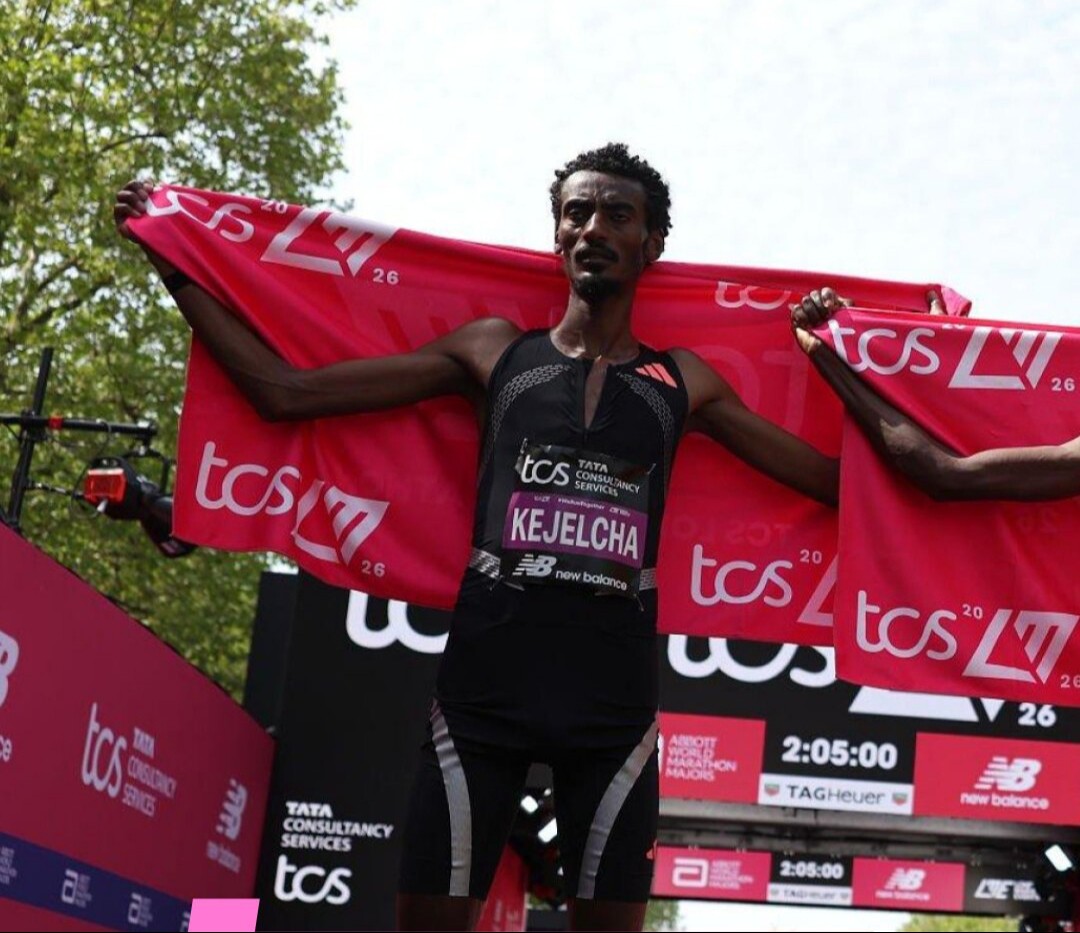
The 28-year-old Ethiopian produced a sensational 1:59:41 in his first-ever full marathon, becoming only the second man in history to officially break the two-hour barrier. It was a performance of courage, precision, and extraordinary natural talent — the kind of run that instantly becomes part of sporting folklore.
To achieve such a mark on debut makes the feat even more remarkable. The marathon is known for humbling even the finest athletes, demanding patience, strength, and experience over 42.195 kilometres. Yet Kejelcha ran with the poise of a seasoned champion, matching the pace of history stride for stride.
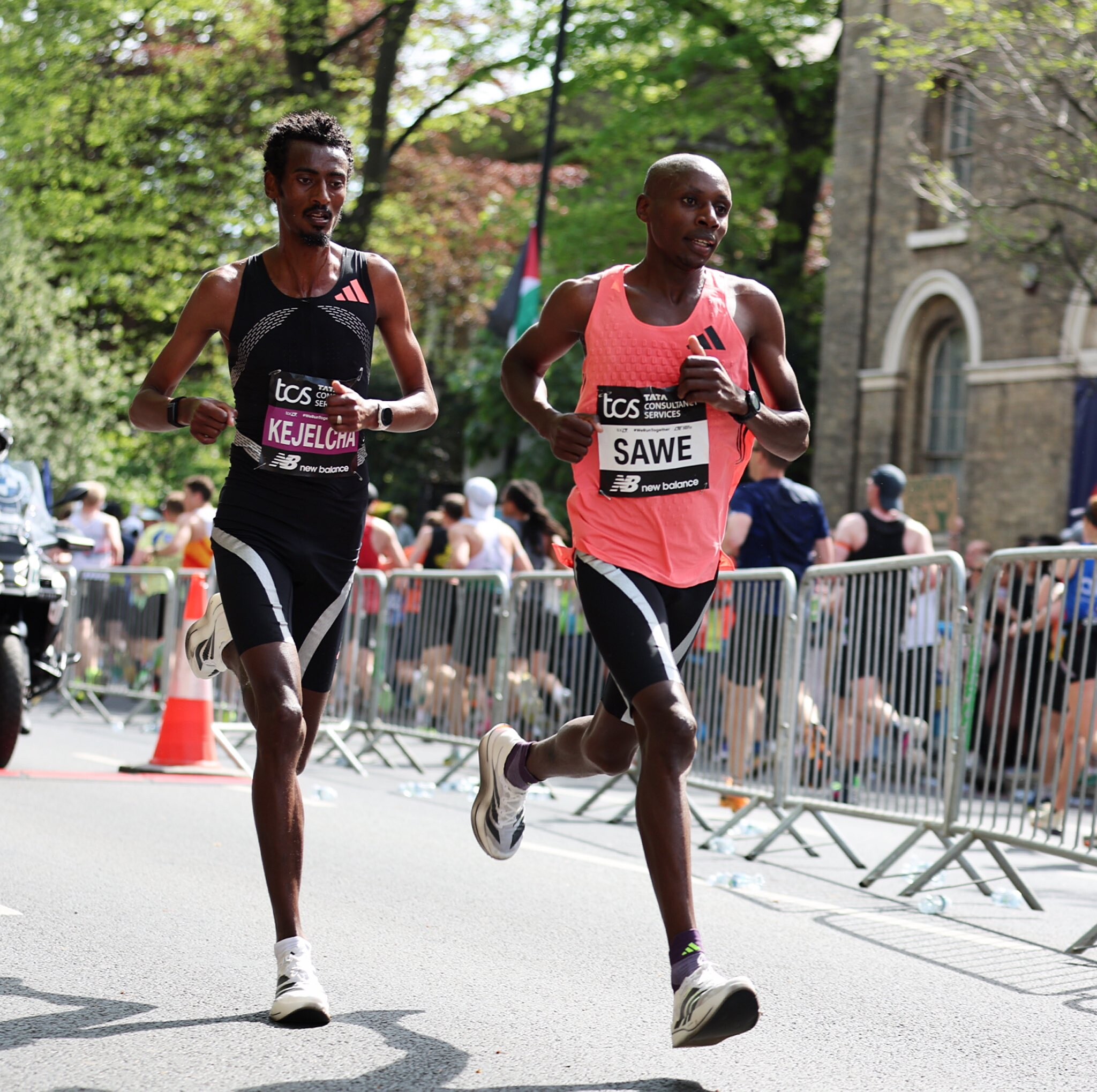
Only one athlete finished ahead of him — Sabastian Sawe, who stormed to victory in a world record 1:59:30. Together, the two men transformed London into the setting of an unforgettable breakthrough, becoming the first pair to go under two hours in the same official race.
For Kejelcha, second place carried the weight of triumph. He arrived with questions surrounding his transition to the marathon, but left with global admiration and a place among the sport’s immortals. What seemed impossible on Friday had become reality by Sunday.
London will celebrate Sawe’s world record, but it will also remember the fearless Ethiopian who trusted his legs, defied expectations, and discovered that the impossible was possible after all.
by Erick Cheruiyot for My Best Runs.
Login to leave a comment

TCS London Marathon
Since its inaugural edition on March 29, 1981, the TCS London Marathon has grown into one of the world's most prestigious road races, blending elite competition with an extraordinary charitable legacy. Founded by former Olympic champion and journalist Chris Brasher alongside Welsh athlete John Disley, the event has been staged every year and has been held in the spring annually...
more...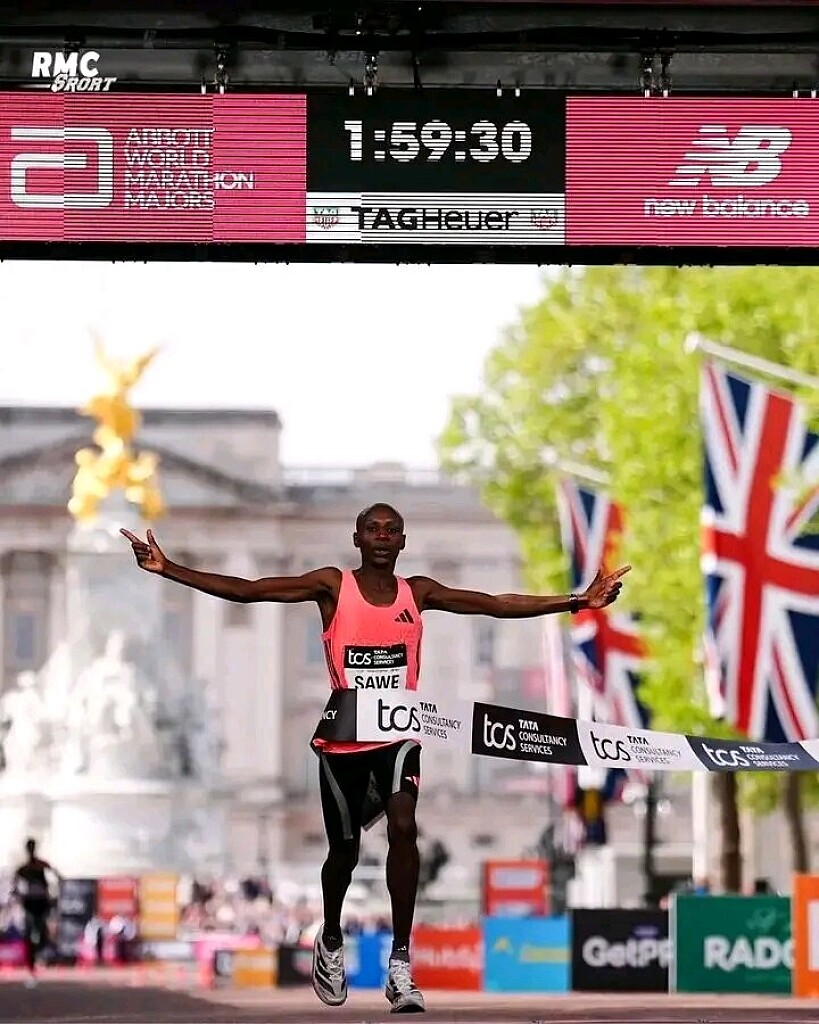
Golden Payday in London: Sebastian Sawe Turns Marathon Glory Into $330,000 Windfall
Sebastian Sawe delivered a performance of immense class and composure at the 2026 London Marathon, storming to victory in the men’s race and securing one of the richest rewards in road racing. With the winner’s purse, bonuses, and world-record incentives combined, the Kenyan star is set to leave the British capital with an astonishing $330,000.
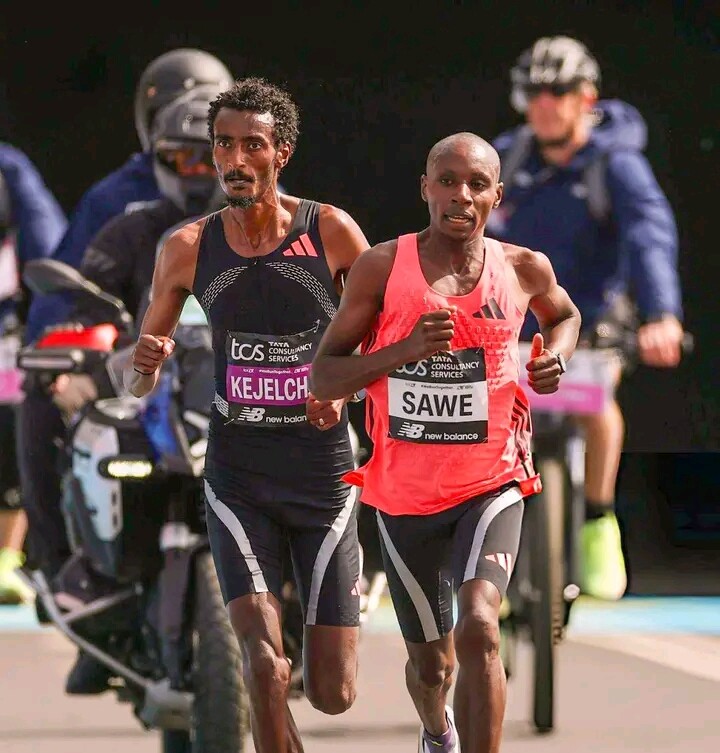
It was not merely a race win—it was a statement. Sawe conquered one of the strongest marathon fields assembled this season, mastering the pace, pressure, and prestige that define London’s famous streets. From the early miles to the decisive closing stages, he ran with the confidence of a man fully aware that greatness was within reach.
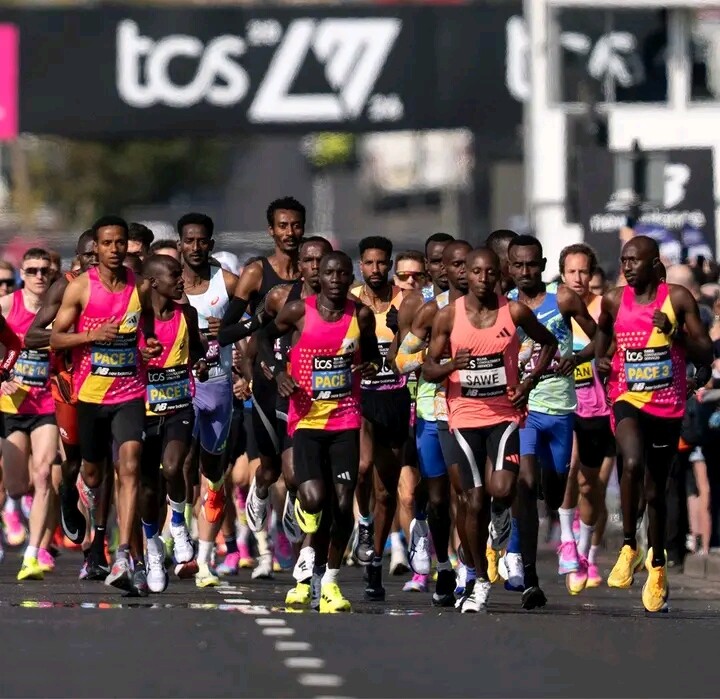
The financial reward only adds another layer to an unforgettable day. Spread across the 26.2-mile journey, Sawe’s earnings equate to roughly $7,857 per mile—a remarkable figure that underlines the scale of elite marathon success at the highest level.
Sebastian Sawe’s magnificent victory could prove just as rewarding financially as it was historically on the road. After delivering a sensational sub-two-hour performance, the Kenyan star is expected to pocket more than Ksh 40 million through a combination of prize money and performance bonuses. The champion’s purse is valued at $55,000, while an additional $150,000 incentive is attached to breaking the 2:02:00 barrier, turning his brilliance into an extraordinary payday.
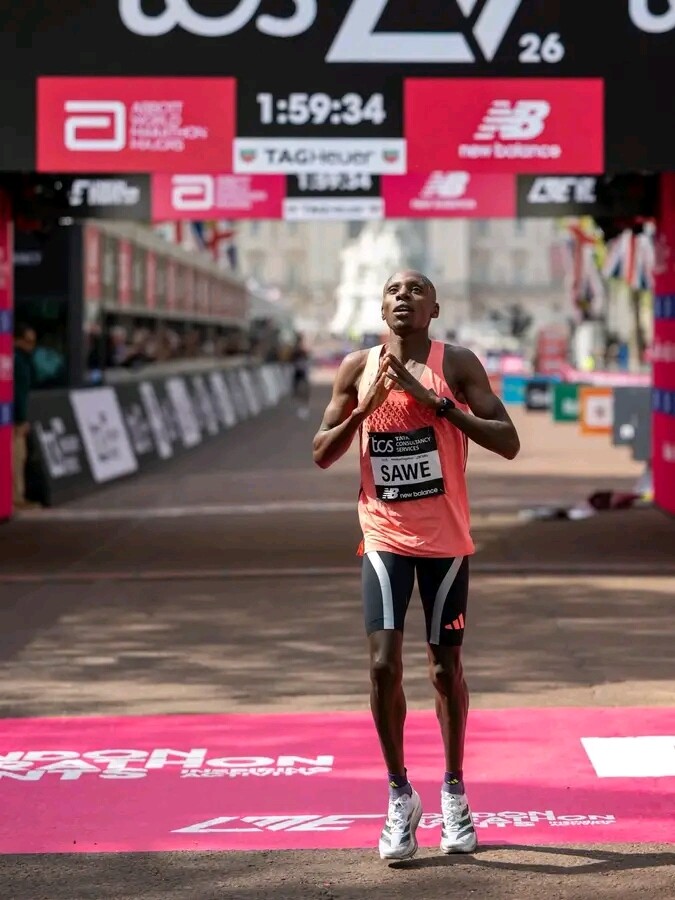
Should his stunning 1:59:30 also qualify for the world-record reward, a further $125,000 would be added to his total earnings. That would lift the combined package to approximately $330,000 — over Ksh 42 million based on 2026 exchange rates. The figure does not yet account for appearance fees or any course-record bonuses, meaning the final sum could be even greater, although taxes and other standard deductions would still apply.
Yet beyond the prize money lies the deeper significance of the moment. London has long been a theatre where legends are made, and Sawe’s triumph places his name firmly among the newest stars of the distance. To win there requires far more than speed; it demands courage, intelligence, and flawless execution.
For Kenyan athletics, it was another proud chapter in a rich distance-running tradition. For Sawe himself, it may prove the race that elevates him from contender to global marathon force.
One race. One unforgettable victory. One life-changing payday. Sebastian Sawe left London with far more than money—he left with history.
by Erick Cheruiyot for My Best Runs.
Login to leave a comment
TCS London Marathon
Since its inaugural edition on March 29, 1981, the TCS London Marathon has grown into one of the world's most prestigious road races, blending elite competition with an extraordinary charitable legacy. Founded by former Olympic champion and journalist Chris Brasher alongside Welsh athlete John Disley, the event has been staged every year and has been held in the spring annually...
more...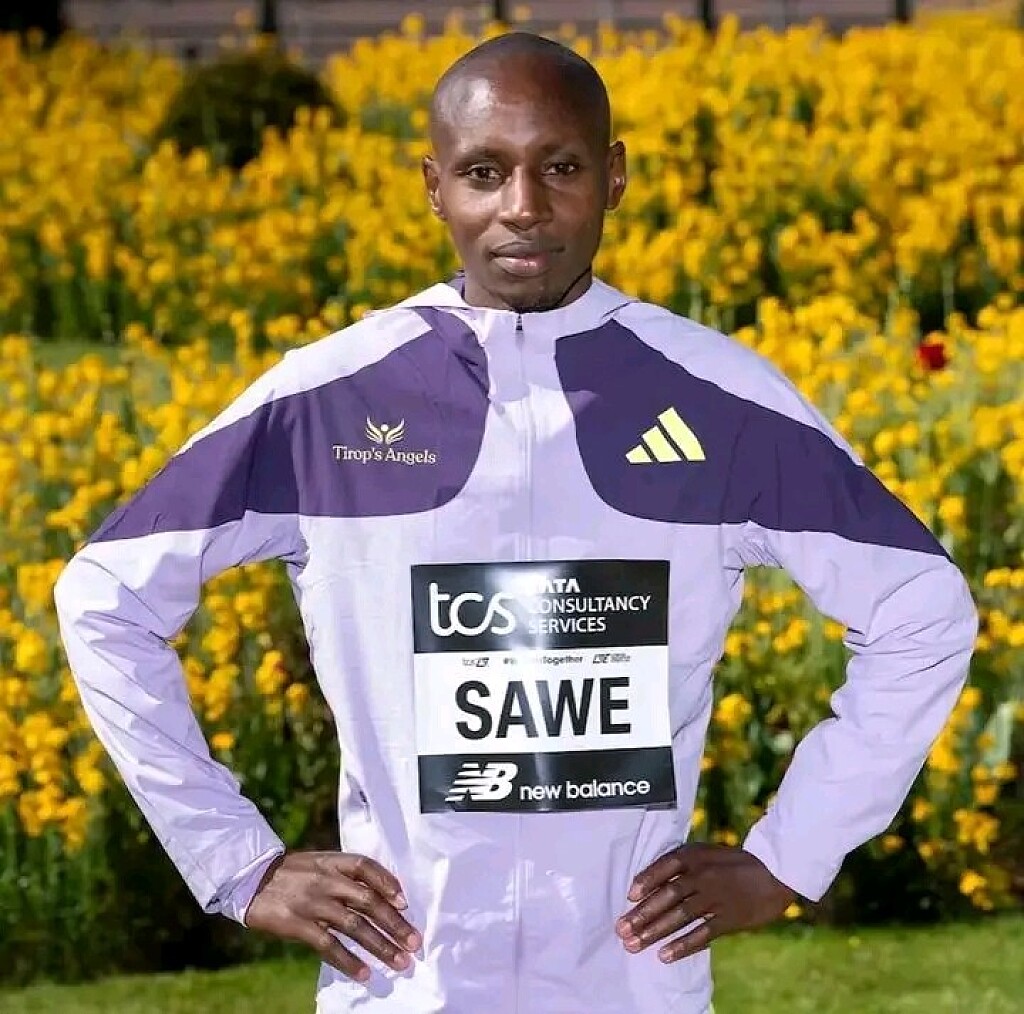
Sawe Braced for Fierce London Test Against World-Class Rivals
Confidence is building around Sabastian Sawe ahead of the 2026 London Marathon, with the Kenyan star making it clear that victory in the British capital will demand something exceptional.
Sawe believes the strength of this year’s field could force the race into historic territory once again.

“I am sure with the quality of athletes coming to London, it will take another fast time to win again,” he said ahead of Sunday’s showdown. “Perhaps the type of effort the great Kelvin Kiptum put in when he set the course record in 2023.”
That benchmark remains one of the defining performances in marathon history. Kiptum’s 2:01:25 course record in London was a masterclass in fearless front-running, and it continues to represent the standard every contender must now measure themselves against.

For Sawe, the challenge will be immense—but so will the opportunity.
The Kenyan enters the race as one of the sport’s rising forces, admired for his composure, tactical patience, and devastating finishing strength. Yet London in 2026 offers no room for hesitation, with a world-class field assembled for one of the most anticipated marathons of the season.
Among those standing in his path is Jacob Kiplimo, the Ugandan star whose range and endurance make him a serious threat over the classic distance. Ethiopia’s Yomif Kejelcha also arrives with formidable credentials, while two-time New York City Marathon champion Geoffrey Kamworor brings championship experience and relentless toughness.

With such names on the start list, the early pace is expected to be uncompromising. London’s flat roads and elite pacemaking have often produced memorable times, and another aggressive race could develop from the opening miles.
The London Marathon will be held on Sunday, April 26, with global attention fixed on the men’s contest. It is a race rich in history, but this year’s edition carries the feel of something more—a collision of generations, ambitions, and raw ability.
For Sawe, lifting the title would be a career-defining achievement. But if the pace ignites and the field commits, London may witness not just a winner, but another performance worthy of the city’s legendary marathon legacy.
by Erick Cheruiyot for My Best Runs.
Login to leave a comment
TCS London Marathon
Since its inaugural edition on March 29, 1981, the TCS London Marathon has grown into one of the world's most prestigious road races, blending elite competition with an extraordinary charitable legacy. Founded by former Olympic champion and journalist Chris Brasher alongside Welsh athlete John Disley, the event has been staged every year and has been held in the spring annually...
more...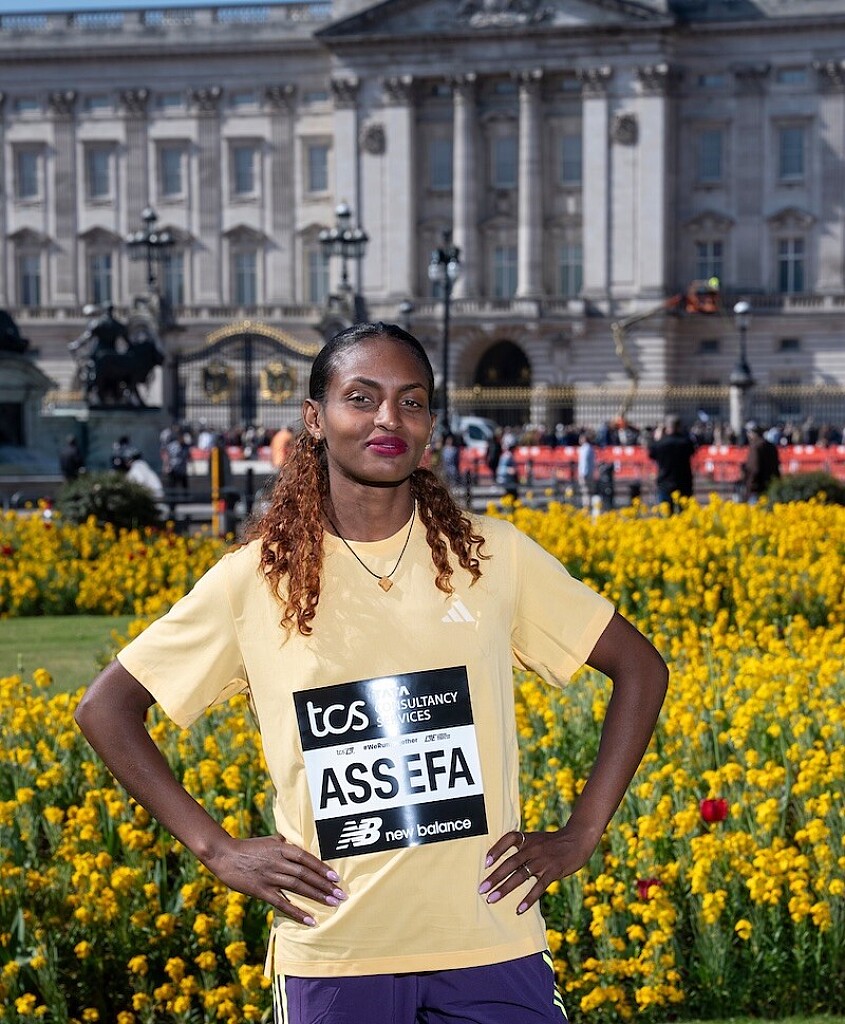
Assefa Eyes Another Historic Run as London Pace Could Decide World Record Bid
Tigist Assefa has set her sights on another landmark performance at the 2026 London Marathon, revealing that stronger pacing in the opening stages could be the key to lowering her women-only world record.
The Ethiopian superstar, who stunned the athletics world with a brilliant 2:15:50 in London last year, returns to the British capital determined to chase history once more when the race takes place on Sunday, April 26, 2026.
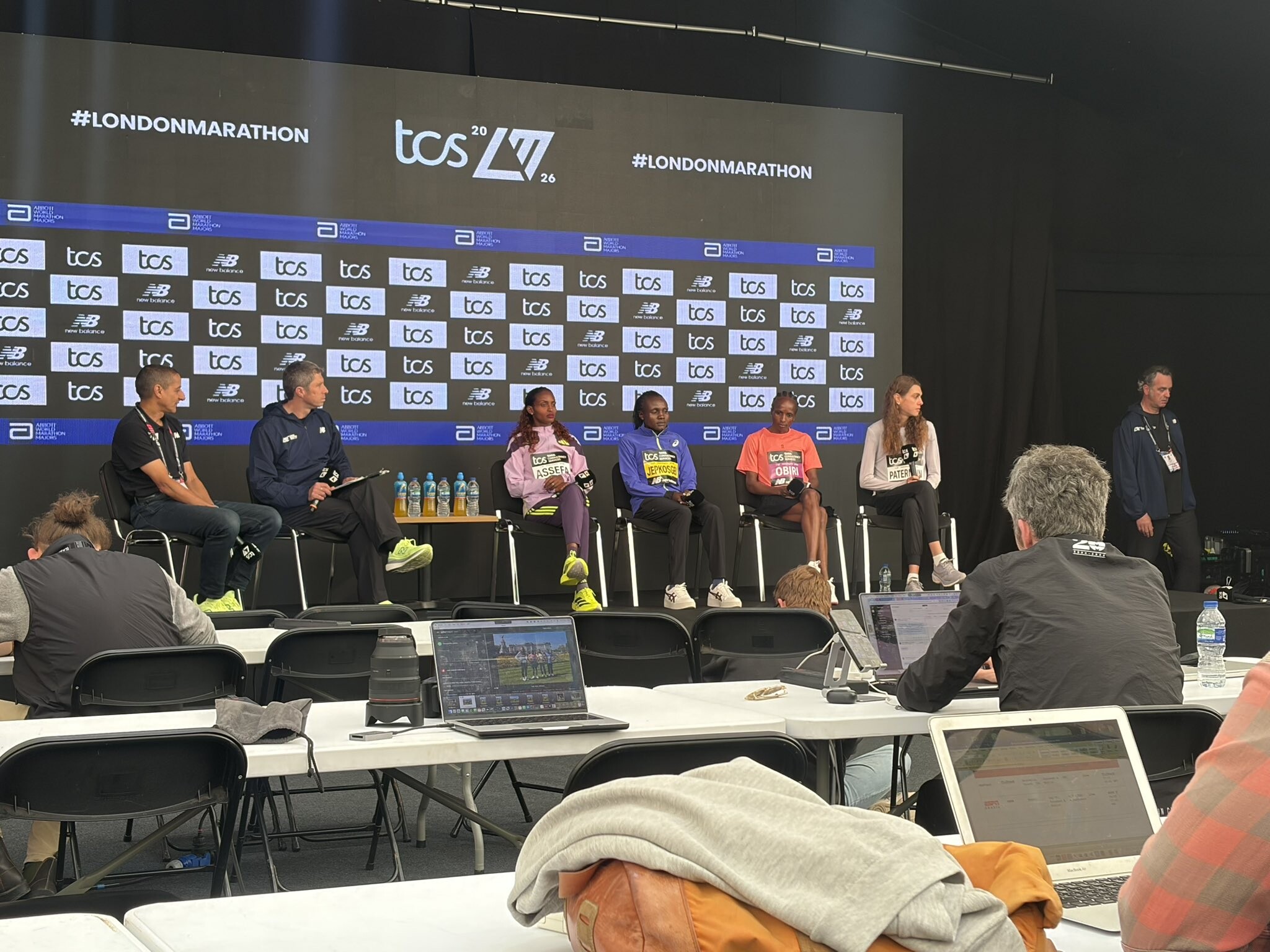
Speaking ahead of the marathon, Assefa expressed gratitude to the organisers and confidence in her preparations.
She said she was delighted to be back in London and believes her training block has gone smoothly enough to put another record-breaking run within reach.
However, the 28-year-old made it clear that elite pacing support could be decisive if she is to improve on last year’s mark. According to Assefa, a sharper tempo through the first half of the race would give her the platform to attack the closing miles even faster than before.
That statement sends a strong warning to the rest of the field: if the pace is right, another historic performance could unfold on the streets of London.
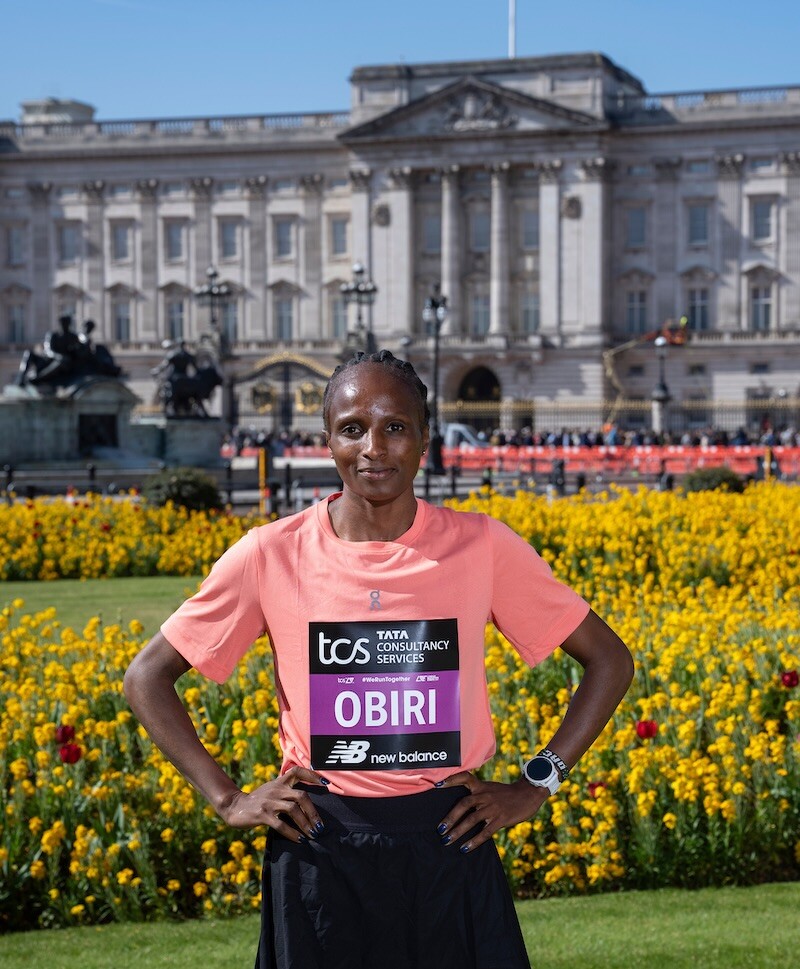
Yet victory will be far from guaranteed. Assefa is expected to face fierce resistance from reigning champion Hellen Obiri and fellow Kenyan star Joyciline Jepkosgei, both proven championship racers with the strength to challenge over the full 26.2 miles.
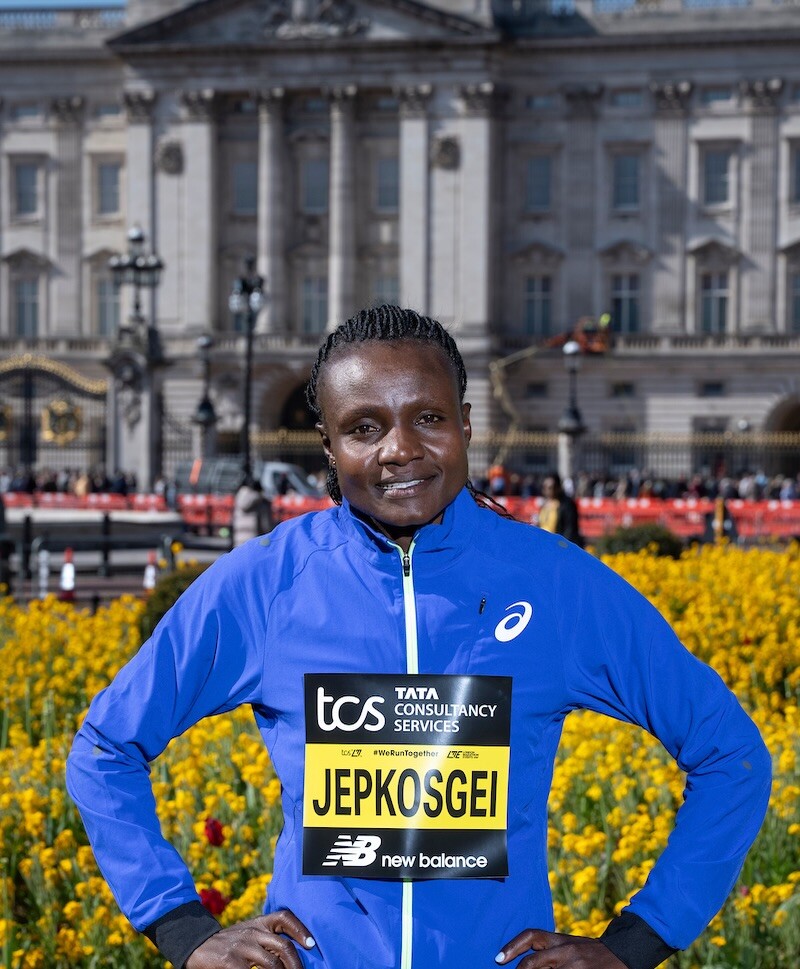
With world-class rivals, record pace ambitions, and one of marathon running’s grandest stages, the women’s race is shaping into one of the most anticipated showdowns of the season.
If the pacemakers deliver, London may witness history once again.
by Erick Cheruiyot for My Best Runs.
Login to leave a comment
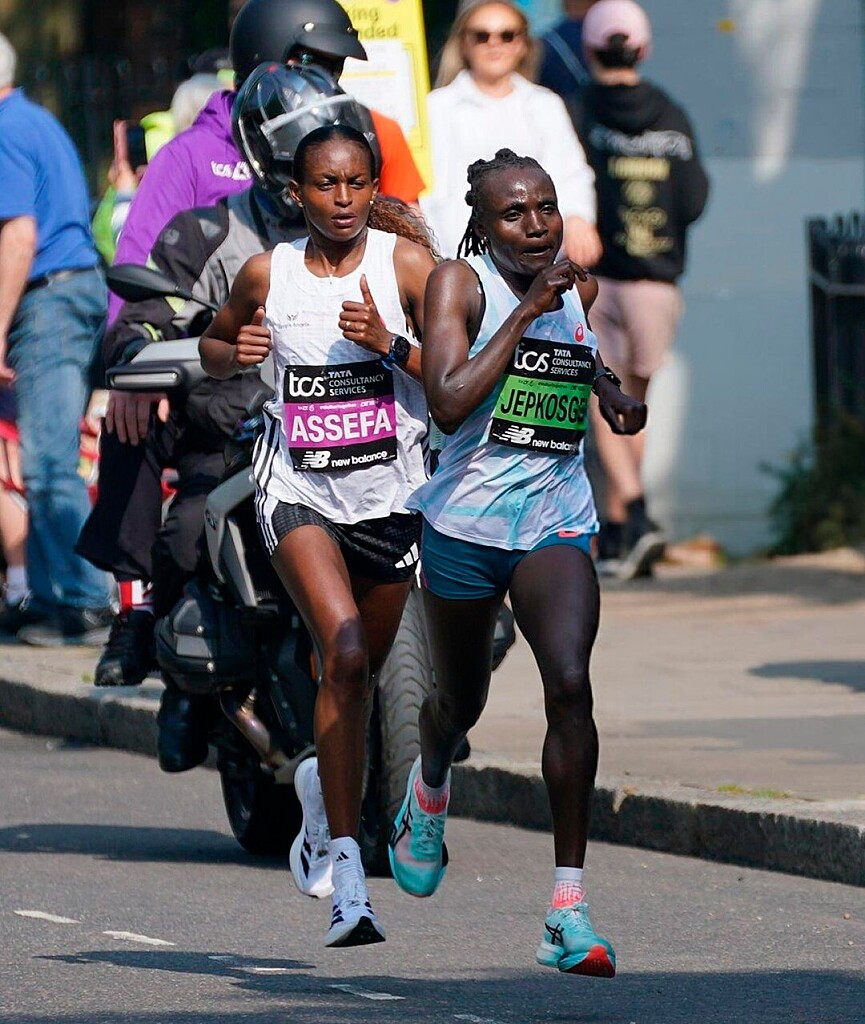
Queens of the Road: A Star-Studded Women’s Field Set to Ignite the 2026 London Marathon
The streets of London are once again poised to host one of the most electrifying spectacles in distance running as the 2026 London Marathon prepares to unfold on Sunday, April 26. With the women’s elite race scheduled for 9:30 AM (GMT), anticipation is building for a contest that promises both tactical intrigue and blistering pace.
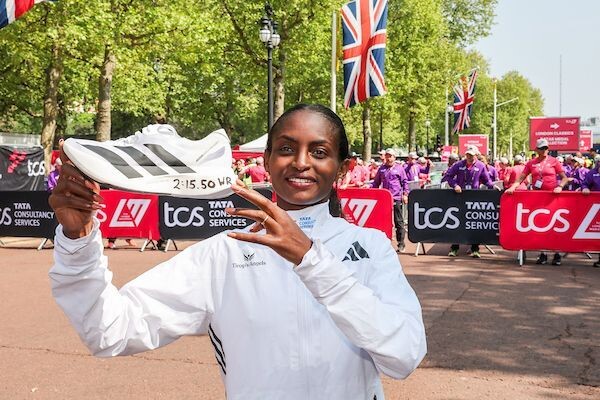
At the heart of the lineup is Ethiopia’s formidable Tigst Assefa, a marathoner whose record-breaking credentials have redefined the limits of the sport. Known for her relentless rhythm and devastating finishing strength, Assefa arrives as a central figure in what could become another historic chapter on London’s fast and flat course.
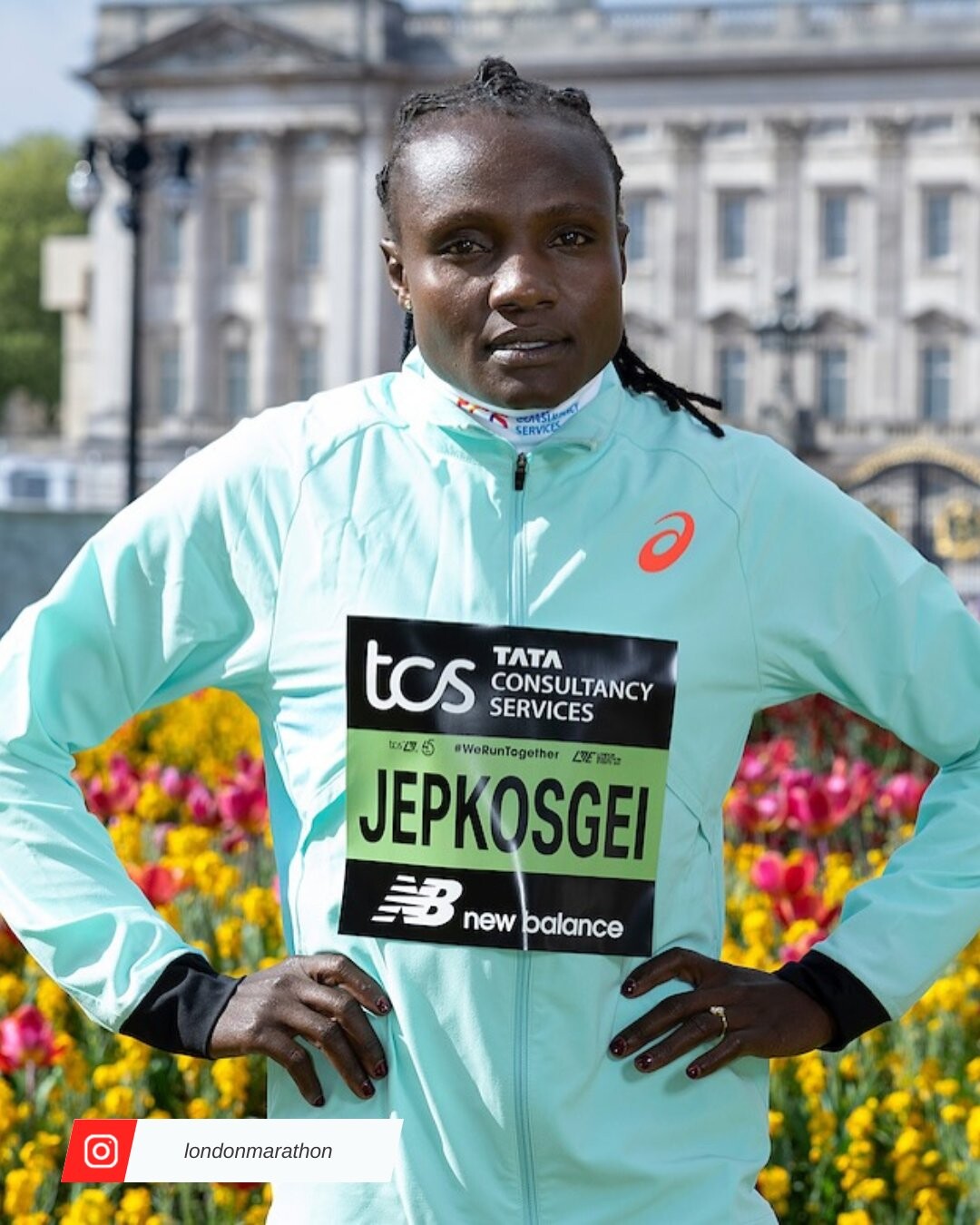
Kenya’s challenge will be led by the ever-consistent Joyciline Jepkosgei and the immensely versatile Hellen Obiri. Jepkosgei, a proven road racing specialist, brings tactical sharpness and endurance, while Obiri—already a global champion on track, cross country, and the marathon—continues to demonstrate a remarkable ability to adapt and conquer across disciplines.
Ethiopia’s depth does not end with Assefa. Athletes such as Megertu Alemu and Degitu Azimeraw add further firepower, ensuring that the East African rivalry remains as fierce as ever. Meanwhile, Kenya’s lineup is bolstered by emerging and experienced names, including Catherine Reline Amanang'ole, adding depth to an already formidable contingent.
The international flavor of the race extends well beyond East Africa. Great Britain’s hopes will rest on athletes like Eilish McColgan, whose transition to the marathon has been closely followed, alongside compatriots such as Charlotte Purdue and Rose Harvey. Their presence ensures a strong home narrative, with the London crowd expected to rally behind its local stars.

Elsewhere, Spain’s Laura Luengo, Argentina’s Florencia Borelli, and France’s Fadouwa Ledhem add further international intrigue, turning the race into a truly global showdown.
What makes this edition particularly compelling is not just the depth of talent, but the clash of styles—front-runners capable of forcing a punishing pace against tacticians who thrive in championship-like scenarios. London’s course, known for its speed, has often been the stage for record-breaking performances, and with such a loaded field, another fast time cannot be ruled out.
As the countdown continues, the 2026 London Marathon women’s elite race shapes up as more than just a competition—it is a convergence of the world’s finest endurance athletes, each chasing victory, legacy, and perhaps even history.
by Erick Cheruiyot for My Best Runs.
Login to leave a comment
TCS London Marathon
Since its inaugural edition on March 29, 1981, the TCS London Marathon has grown into one of the world's most prestigious road races, blending elite competition with an extraordinary charitable legacy. Founded by former Olympic champion and journalist Chris Brasher alongside Welsh athlete John Disley, the event has been staged every year and has been held in the spring annually...
more...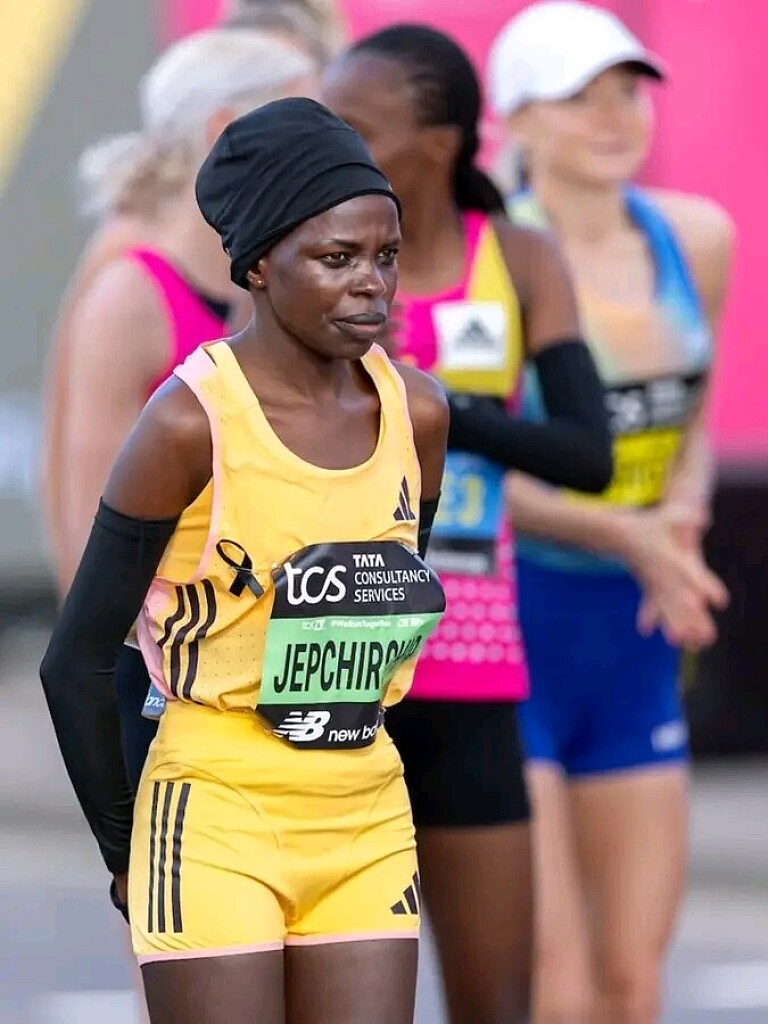
Peres Jepchirchir Ruled Out of London Marathon 2026
The women’s field for the 2026 London Marathon has suffered a major blow after Peres Jepchirchir was forced to withdraw following an injury setback linked to last year’s Valencia Marathon.
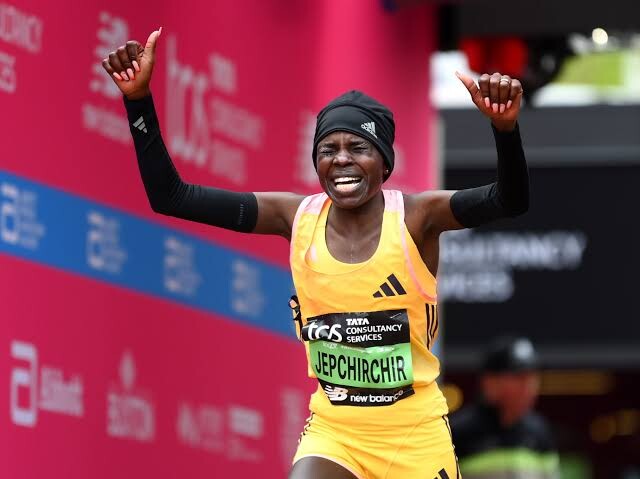
The Kenyan star, widely admired for her championship brilliance and tactical strength, has been sidelined by a stress fracture sustained during the December race in Valencia. Although the injury did not immediately end her season, it significantly interrupted the preparation required for an event as demanding as London.
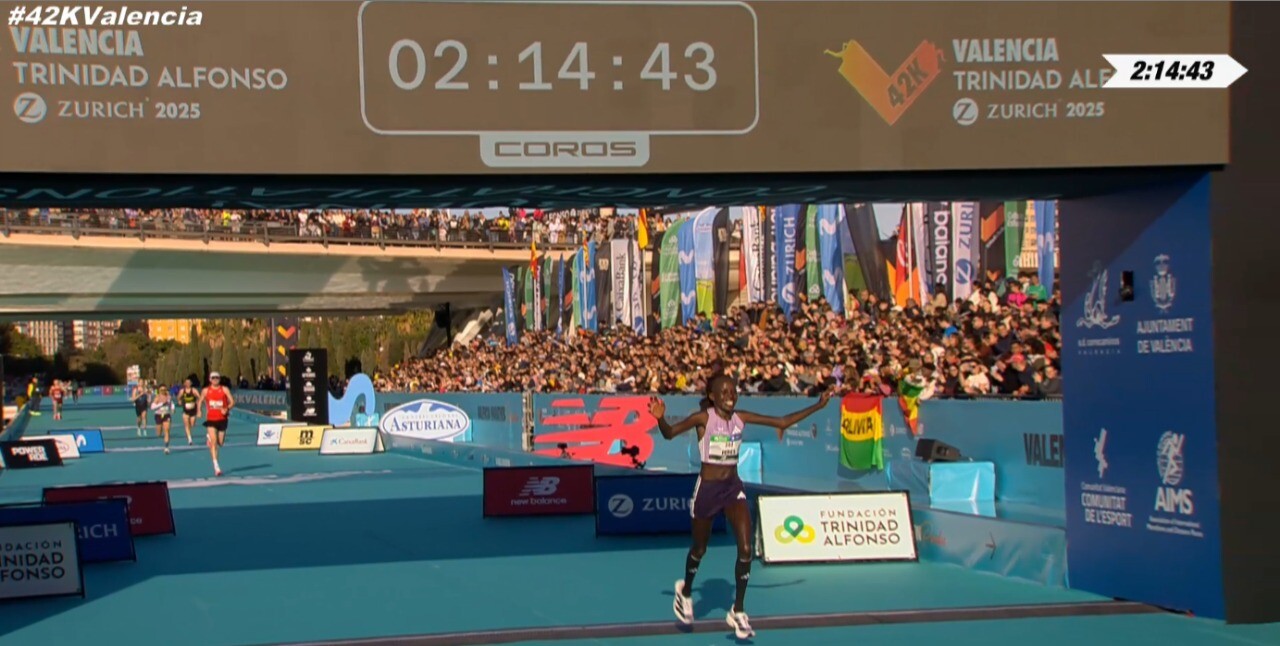
With crucial weeks of training lost, Jepchirchir and her team have chosen caution over risk, deciding that full recovery must take priority over rushing back to competition. For an athlete of her calibre, arriving underprepared for one of the world’s most prestigious marathons was never going to be the preferred path.
This year’s edition of the TCS London Marathon is scheduled for Sunday, April 26th, 2026, when thousands of runners from across the globe will take to the famous streets of London for one of the sport’s most celebrated road races. As always, the event is expected to deliver world-class competition, electric atmosphere, and unforgettable moments.
Her absence removes one of the headline names from the women’s contest and reshapes the complexion of the race. Known for thriving on the biggest stages, Jepchirchir has built her reputation through resilience, smart racing, and the ability to deliver when titles are on the line. That is why her withdrawal will be felt not only among competitors, but also among fans who were eager to see another elite showdown.
While the disappointment is undeniable, the long-term decision reflects the mindset of a champion. Rather than gamble with fitness, Jepchirchir is focusing on healing properly and rebuilding for the remainder of the season.
For now, London moves on without one of its biggest stars—but few would bet against Peres Jepchirchir returning stronger when the roads call again.
by Erick Cheruiyot for My Best Runs.
Login to leave a comment
TCS London Marathon
Since its inaugural edition on March 29, 1981, the TCS London Marathon has grown into one of the world's most prestigious road races, blending elite competition with an extraordinary charitable legacy. Founded by former Olympic champion and journalist Chris Brasher alongside Welsh athlete John Disley, the event has been staged every year and has been held in the spring annually...
more...
Olympic Champion Steps Into a New Role: Alex Yee to Pace Emile Cairess at London Marathon
In a compelling twist ahead of one of the world’s most prestigious road races, Alex Yee has been confirmed as a pacemaker for the 2026 London Marathon, adding a fascinating layer of intrigue to this year’s contest.
The Olympic triathlon champion, renowned for his blistering speed and tactical intelligence, will take on pacing duties for Emile Cairess—widely regarded as Britain’s leading marathon hope in the elite field. It is a role that demands precision, discipline, and selflessness, qualities Yee has consistently demonstrated across disciplines.
Yet this assignment carries a deeper narrative. Yee’s involvement is more than strategic—it is personal. Just months ago at the Valencia Marathon, Cairess played a crucial supporting role in Yee’s marathon journey, guiding him through 21 miles en route to an outstanding 2:06:38 finish. That performance not only marked a breakthrough for Yee but also cemented his place among the fastest British marathoners in history.
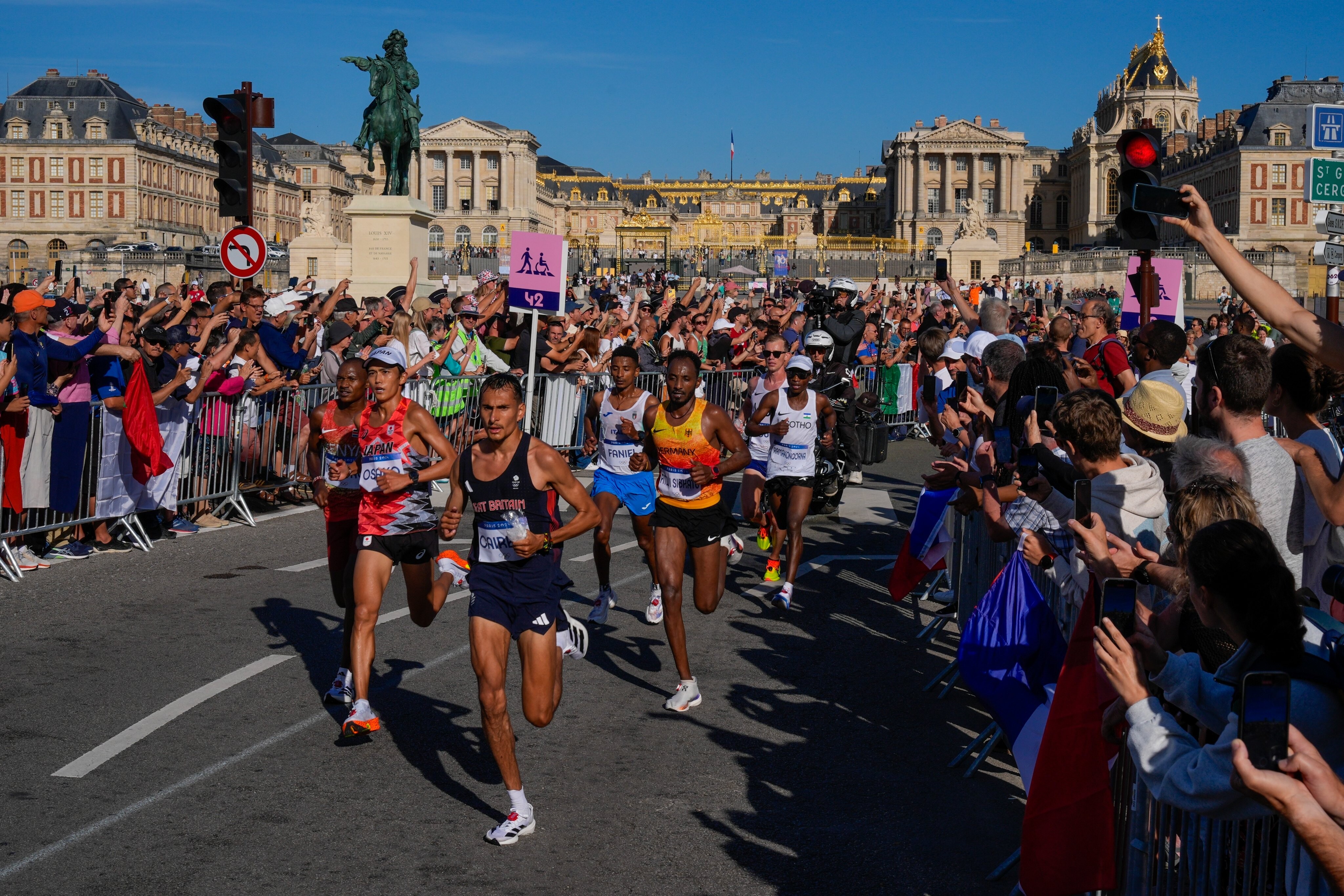
Now, the roles reverse.
Yee returns to London not as a contender chasing the clock, but as a key architect in someone else’s race. His responsibility will be to shepherd Cairess through the critical early and middle stages, setting a rhythm capable of unlocking a world-class performance on home soil.
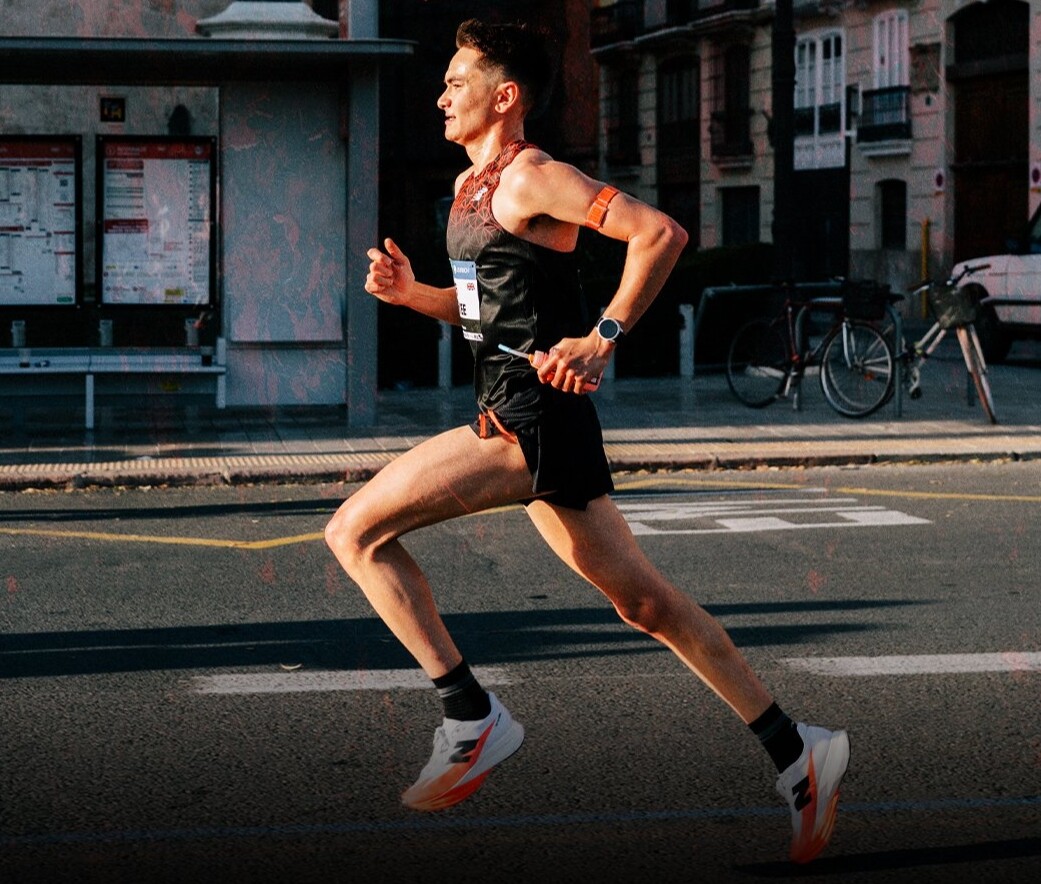
Despite his shift in role, Yee is no stranger to the demands of the London course. On his marathon debut here in 2025, he delivered a solid 2:11:08 finish, placing as the second British athlete and 14th overall—an effort that provided valuable experience over the iconic distance. That outing, while modest by elite standards, laid the foundation for the remarkable leap he would later make in Valencia.
For Cairess, having an athlete of Yee’s caliber as a pacemaker is a significant advantage. Few pacers possess such a unique blend of endurance, racing instinct, and recent marathon experience at the highest level. With the streets of London set to roar once more, the British duo’s collaboration could prove pivotal in shaping the outcome of the race.
As anticipation builds toward April 26, this partnership stands out as one of the most intriguing storylines of the 2026 London Marathon—a testament to camaraderie, mutual respect, and the unspoken bonds that define elite sport.
by Erick Cheruiyot for My Best Runs.
Login to leave a comment
TCS London Marathon
Since its inaugural edition on March 29, 1981, the TCS London Marathon has grown into one of the world's most prestigious road races, blending elite competition with an extraordinary charitable legacy. Founded by former Olympic champion and journalist Chris Brasher alongside Welsh athlete John Disley, the event has been staged every year and has been held in the spring annually...
more...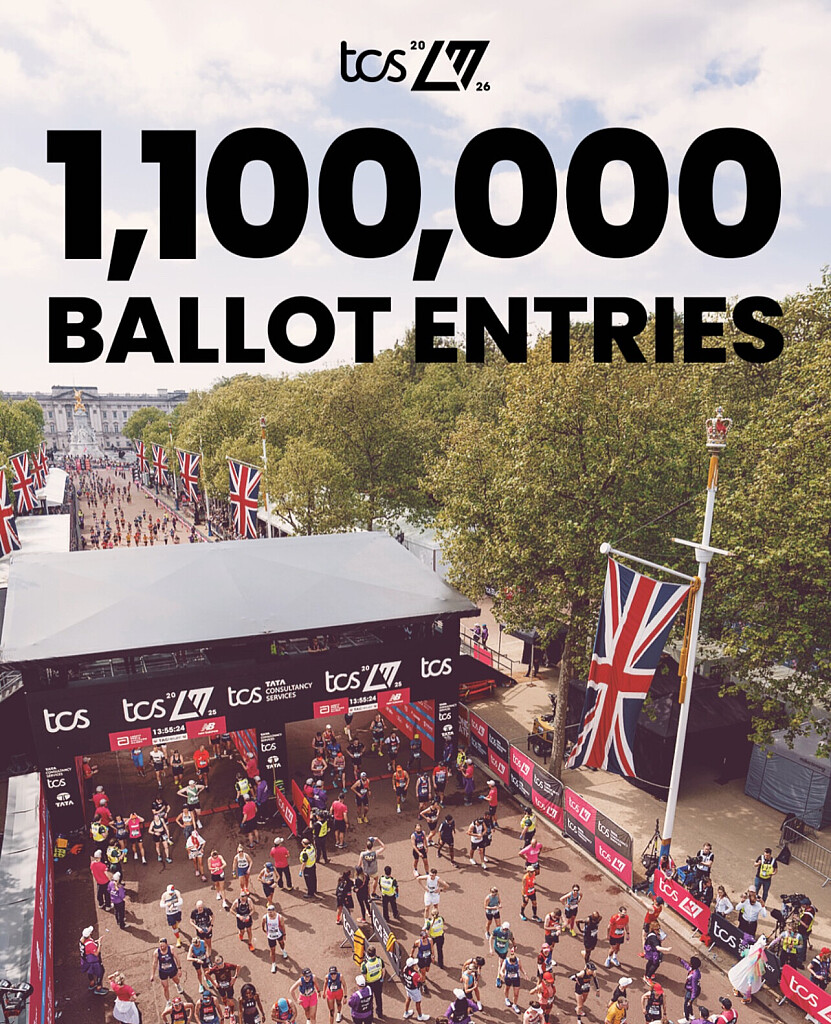
More Than 1 Million Apply for 2026 London Marathon as 60,000 Gain Entry – Here’s How You Can Still Get In
The 2026 TCS London Marathon is already shaping up to be one of the most popular editions in its storied history. With over 1 million applicants and only around 60,000 spots officially granted through the ballot, the race continues to be one of the toughest endurance events in the world to get into—even before you hit the start line.
Ballot results were sent out this week, and while thousands are celebrating, the overwhelming majority were left disappointed. If you didn’t receive your result yet, race organizers advise you to get in touch immediately.
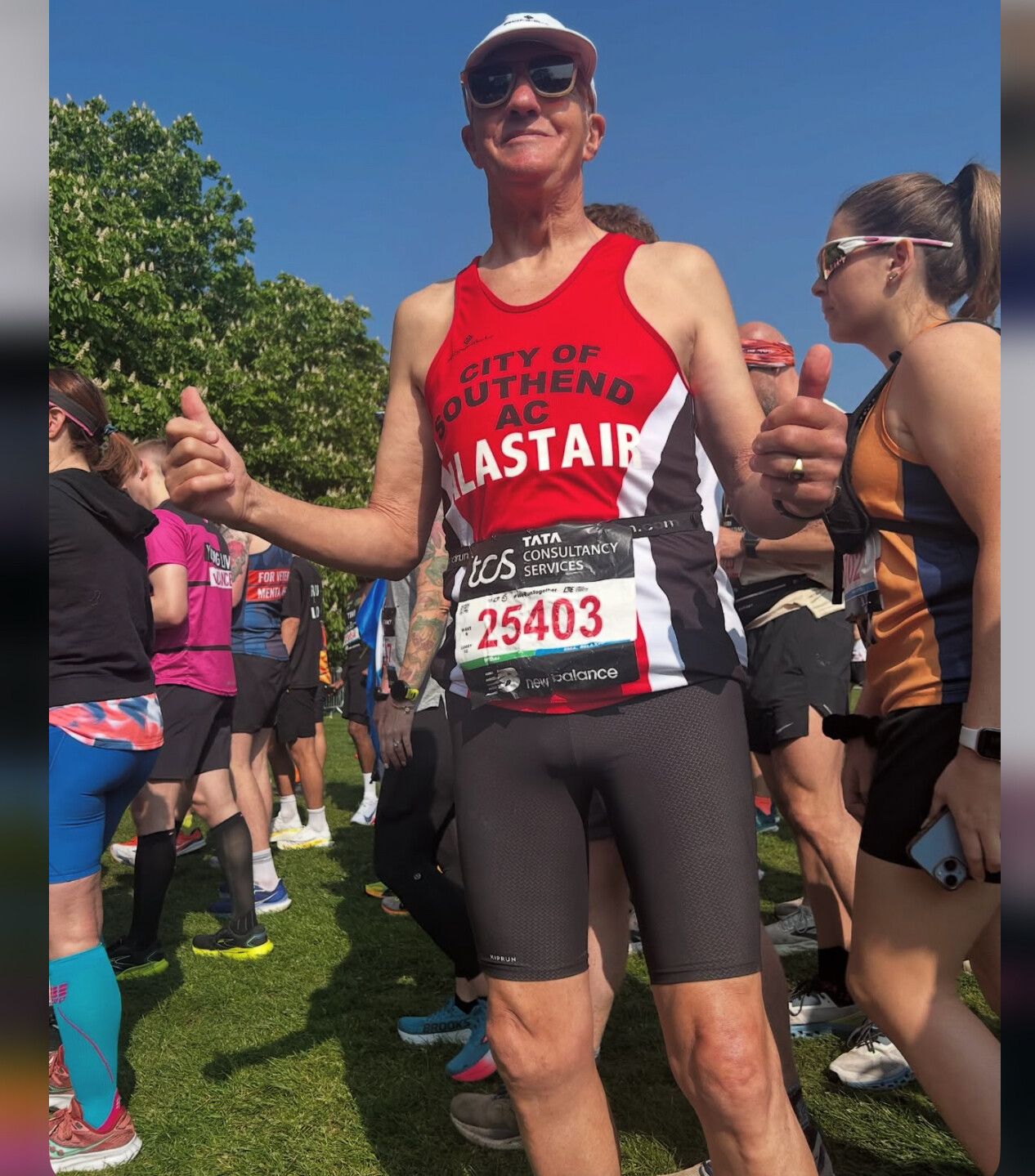
Fortunately, missing out in the ballot doesn’t mean your marathon dreams are over. There are several alternate paths to the start line for the 2026 race, set for April 26, 2026—and you don’t have to be a celebrity to take one of them.

1. Charity Places
The most popular fallback option is a charity entry. Hundreds of charities have reserved entries and welcome runners willing to raise funds for a good cause.
• Expect to pledge a minimum of £2,500 in fundraising.
• The full list of participating charities is available on the official London Marathon website.
• Even if you secured a ballot spot, you’re still welcome to raise money for charity on your own terms.
2. Good for Age Entries
If you’re a speedy runner, the “Good for Age” category may be your ticket in. A total of 6,000 spots(3,000 men, 3,000 women) are available in this division.
• You must hit a qualifying time for your age group by September 30, 2025.
• Applications are ranked fastest first within each age band—meeting the time doesn’t guarantee entry.
• This route is highly competitive and ideal for runners targeting a personal best or Boston-qualifying type performance.
3. Championship Entry
Elite amateur runners have another option through the Championship Entry category.
• You’ll need to achieve a qualifying marathon or half marathon time between October 1, 2024, and September 30, 2025.
• There are 1,000 spots available on a fastest-first basis.
• Those who don’t make the cut will still be considered under the “Good for Age” category.
This is the best path for top club athletes, sub-elite runners, and those consistently finishing near the front of local or national races.
4. Running Club Entries
Are you a member of an affiliated running club in the UK? Then you may have access to special club ballot places.
• Speak to your club’s London Marathon representative for details.
• These spots are limited but offer a valuable opportunity for dedicated club runners to gain entry.
One of the Hardest Races to Get Into
While many runners know that completing 26.2 miles is a monumental challenge, getting into the London Marathon might be even harder. With demand at an all-time high and the field size capped, the race has become not just a physical trial, but a logistical and emotional one as well.
But with options still open—including elite, age-based, charity, and club routes—your dream of running the streets of London in 2026 doesn’t have to end at a ballot rejection.
Whether you’re chasing a personal milestone, running for a cause, or hoping to run with the best, the journey to the April 26, 2026 start line is still possible.
by Boris Baron
Login to leave a comment
