

Running News Daily
Running News Daily is edited by Bob Anderson and team. Send your news items to bob@mybestruns.com Advertising opportunities available.
Index to Daily Posts · Sign Up For Updates · Run The World Feed
Articles tagged #2:15:41
Today's Running News
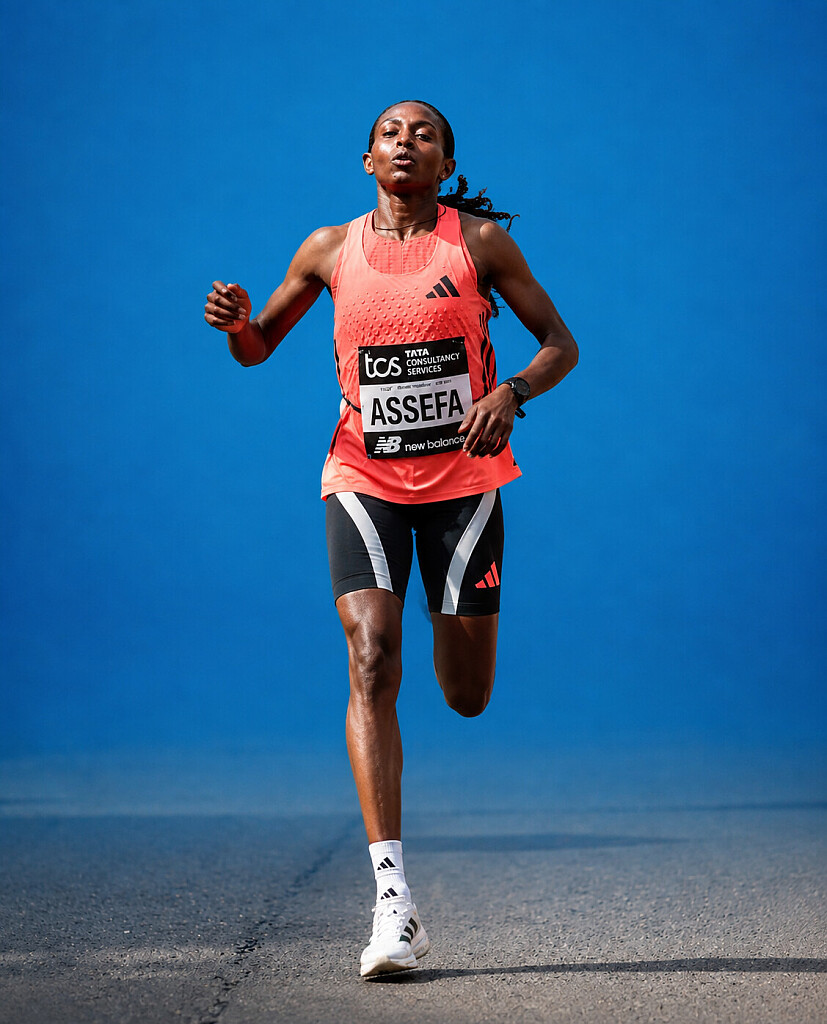


Berlin’s Women’s Marathon Field Brimming With Elite Talent as Star-Studded Line-Up Takes Shape
The women’s field for the 2026 BMW BERLIN-MARATHON is rapidly developing into one of the most intriguing marathon line-ups of the year, bringing together world-class champions, established contenders and an exciting collection of athletes determined to make their mark on one of the sport’s fastest stages.
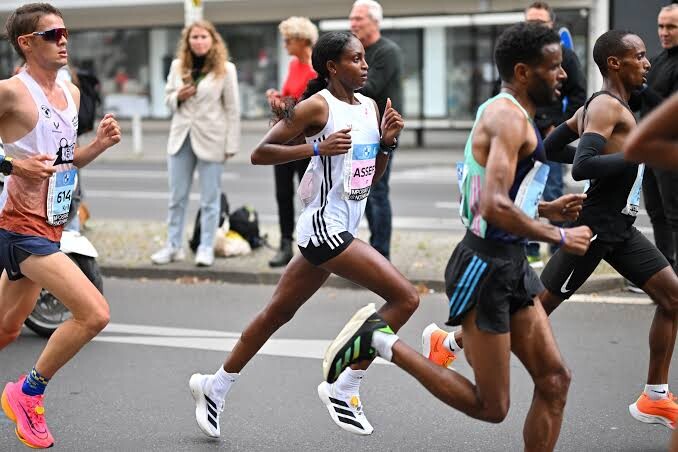
At the forefront is Ethiopia’s Tigst Assefa, whose extraordinary marathon career has already placed her among the all-time greats. Assefa is the current women-only marathon world-record holder, having improved her own mark to 2:15:41 at the 2026 TCS London Marathon, where she successfully defended her title.
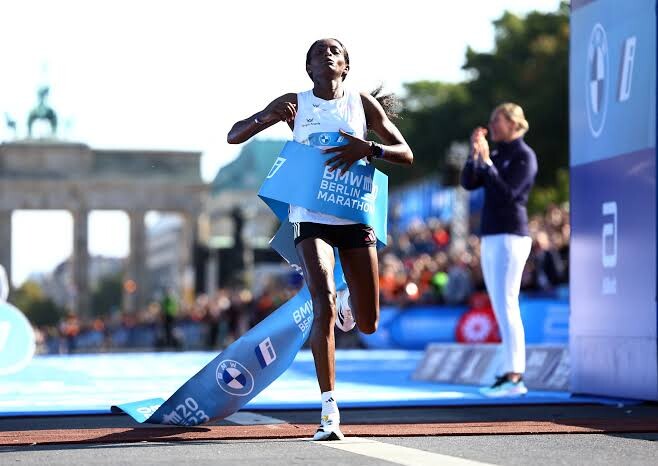
Her place in marathon history was secured even earlier in Berlin. At the 2023 BMW BERLIN-MARATHON, Assefa stormed to 2:11:53, smashing the then women’s world record by more than two minutes. The performance was subsequently ratified by World Athletics and remains among the fastest women’s marathon ever recorded in a mixed-gender race.
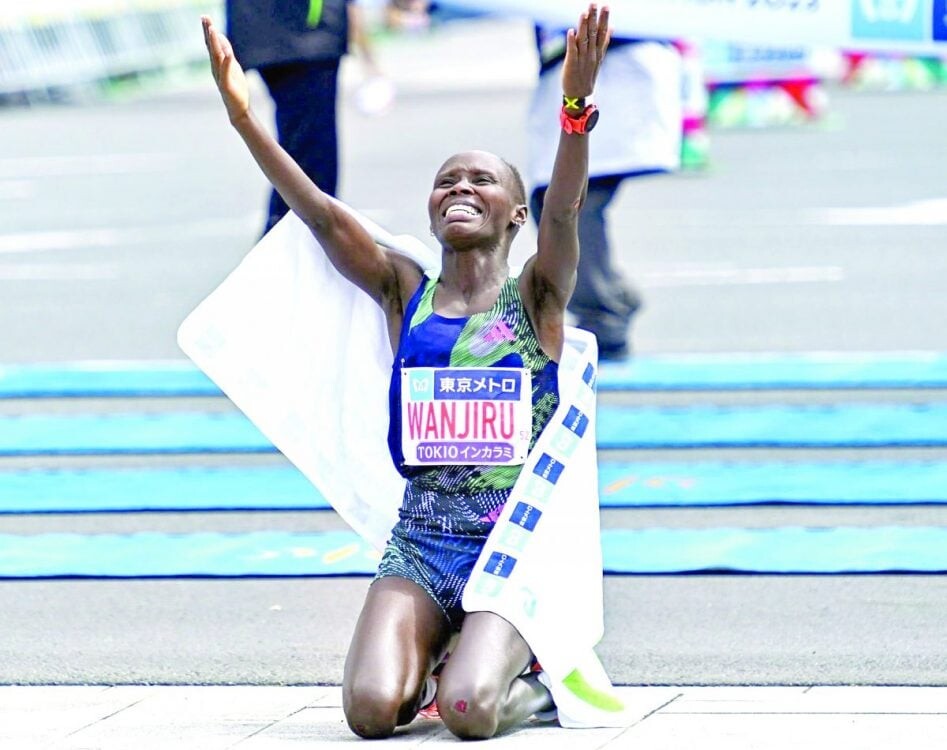
Kenya’s Rosemary Wanjiru, with a 2:16:14 personal best, provides another formidable presence at the sharp end of the race, while Ethiopia’s Bedatu Hirpa adds yet another major threat to an already exceptional field.
The 27-year-old Hirpa has built an impressive marathon résumé in a remarkably short period. She owns a 2:18:27 personal best, achieved when she won the Dubai Marathon, before continuing her winning momentum with victory at the Paris Marathon just months later. She also underlined her consistency this year with a second-place finish at the Osaka Marathon in 2:19:54. With her combination of speed, confidence and major-marathon experience, Hirpa could be one of the athletes capable of challenging the leading names in Berlin.
The Ethiopian challenge does not end there. Dera Dida (2:18:32), Zeineba Yimer (2:18:47), Bosena Mulatie (2:19:00), Misgane Alemayehu (2:19:08), Bekelech Gudeta (2:19:39), Gadise Mulu (2:20:59), Eebbisee Addunya (2:21:13) and Aminet Ahmed (2:21:24) give Ethiopia extraordinary depth, with every one of them boasting a personal best inside 2:22.
Kenya will also have strong representation through Evaline Chirchir (2:20:33) and Pascaline Jelagat (2:22:44), adding further firepower to a nation renowned for producing world-class marathon talent. China’s Deshun Zhang (2:20:53) also brings a sub-2:21 credential to the starting line.
Japan arrives with a deep group of proven marathoners. Rika Kaseda (2:21:55), Mao Uesugi (2:22:11), Natsuki Omori (2:23:45) and Rino Goshima (2:24:44) all possess impressive personal bests and could play an important role as the race develops. Morocco’s Fatima Gardadi (2:24:06) adds another strong international presence, while France’s Manon Trapp (2:23:38), the United States’ Jacqueline Gaughan (2:24:40) and Kodi Kleven (2:24:48), and Great Britain’s Lucy Reid (2:26:37) further strengthen the international depth.
Germany will have plenty to cheer for on home soil, with a sizeable contingent led by Kristina Hendel (2:27:29), who will be looking to rediscover the form that made her one of the country’s leading marathoners. After injury setbacks interrupted her progress, Hendel returns with the ambition of rebuilding her momentum on one of the biggest stages in the sport.
Anna Langerwisch is another German athlete attracting considerable interest. The 24-year-old has emerged rapidly among the country’s promising marathoners, winning the Hanover Half Marathon in 70:53 before improving her marathon personal best to 2:32:13 in Prague, remarkably in only her second marathon. Her recent 32:17 over 10 kilometres at the adidas Runners City Night in early August has added further intrigue around what she might produce over the full marathon distance.
Germany’s depth extends further, with Thea Heim (2:33:25), Cara Zollenkopf (2:36:05), Esther Pfeiffer (2:37:00), Katja Fischer (2:40:13), Sophia Wunsch (2:40:49) and Jule Vetter (2:42:18) also listed for the race. Their presence gives the home nation a broad representation across the field and adds another layer to an already fascinating international contest.
With Assefa’s extraordinary pedigree, Wanjiru’s proven class, Hirpa’s growing reputation and a supporting cast filled with athletes boasting sub-2:25 credentials, Berlin is shaping up for a women’s race packed with possibilities.
For Assefa, the return to Berlin carries an added historical dimension. It was on these very streets in 2023 that she produced the 2:11:53 performance that changed the landscape of women’s marathon running. Now, after lowering the women-only world record to 2:15:41 in London, she returns with another opportunity to write a new chapter in her remarkable career.
For the established stars, Berlin will be a chance to reaffirm their place among the marathon elite; for the emerging contenders, it could be the moment they announce themselves on one of the sport’s grandest stages.
The BMW BERLIN-MARATHON is renowned for fast racing and ambitious performances, and with such remarkable depth already assembled, the 2026 edition promises to deliver a captivating battle from the opening kilometres to the iconic finish on the Straße des 17. Juni.
by Erick Cheruiyot for My Best Runs.
Login to leave a comment

BMW Berlin Marathon
The story of the BERLIN-MARATHON is a story of the development of road running. When the first BERLIN-MARATHON was started on 13th October 1974 on a minor road next to the stadium of the organisers‘ club SC Charlottenburg Berlin 286 athletes had entered. The first winners were runners from Berlin: Günter Hallas (2:44:53), who still runs the BERLIN-MARATHON today, and...
more...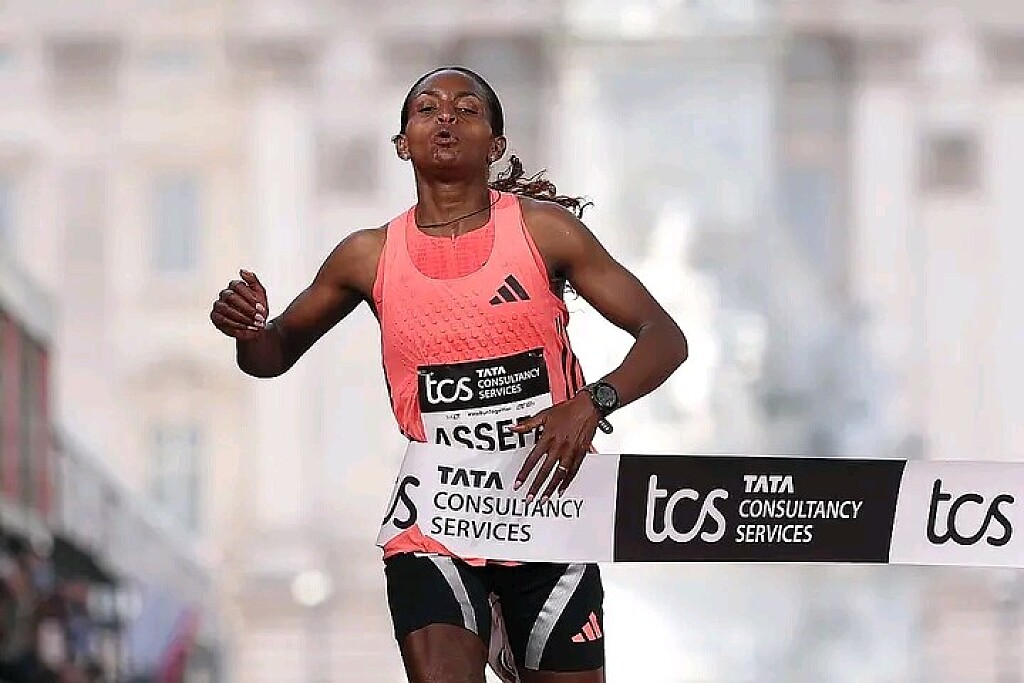
World Athletics Ratifies Tigst Assefa's Historic Women-Only Marathon World Record
History has officially been confirmed.

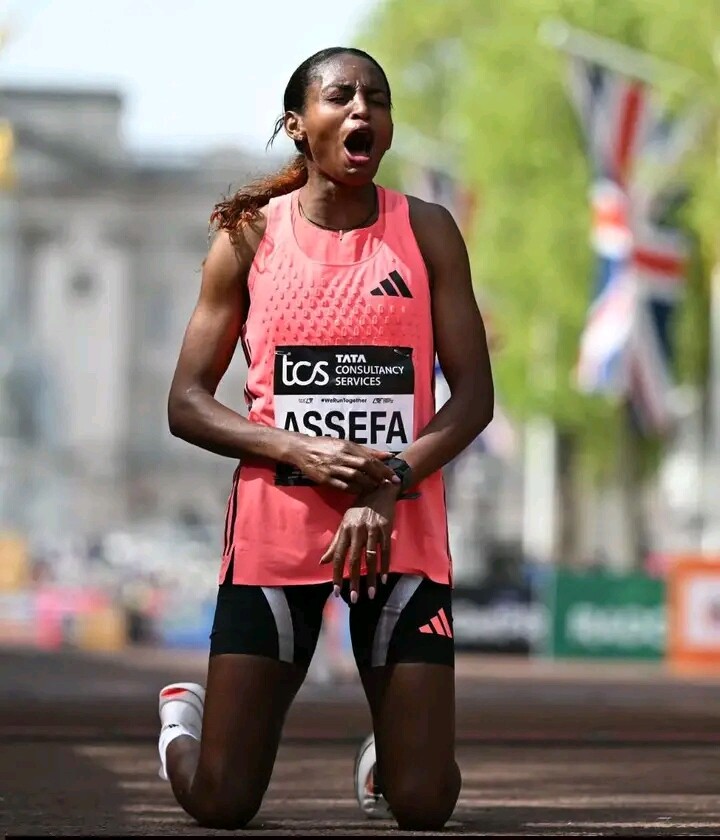
World Athletics has ratified Tigst Assefa's sensational 2:15:41 performance at the London Marathon as the new women-only marathon world record, cementing the Ethiopian star's place among the greatest marathon runners of all time.
The record-breaking run, produced on the streets of London, improves the previous women-only world record that Assefa herself established on the same course just one year earlier. With another remarkable display of endurance, precision and speed, she once again rewrote the history books, proving that her dominance in the marathon continues to reach new heights.
Unlike mixed-gender marathons, where male pacemakers are permitted, the women-only category is contested exclusively by female athletes from start to finish. It is regarded as one of the purest tests of marathon racing, making Assefa's achievement even more significant.
Her ratified mark of 2:15:41 stands as one of the fastest performances ever produced by a woman under women-only race conditions, highlighting her extraordinary consistency at the highest level of the sport.
The official ratification by World Athletics removes any remaining formality, transforming a breathtaking race-day performance into a permanent chapter in athletics history. It is another milestone in a glittering career that has seen Assefa repeatedly redefine what is possible over the 42.195-kilometre distance.
For Ethiopia, the record adds another proud moment to the nation's rich tradition of producing world-class distance runners. For the global athletics community, it is further evidence that the women's marathon continues to evolve, with barriers once considered untouchable now being shattered.
Tigst Assefa's name is now permanently etched into the record books once again—not only as an Olympic and world-class marathon champion, but as the officially ratified women-only marathon world record holder, a distinction earned through an unforgettable performance on one of the sport's biggest stages in London.
by Erick Cheruiyot for My Best Runs.
Login to leave a comment
The Achilles Setback That Changed a Marathon Season: Sifan Hassan’s Unfinished Pursuit of History
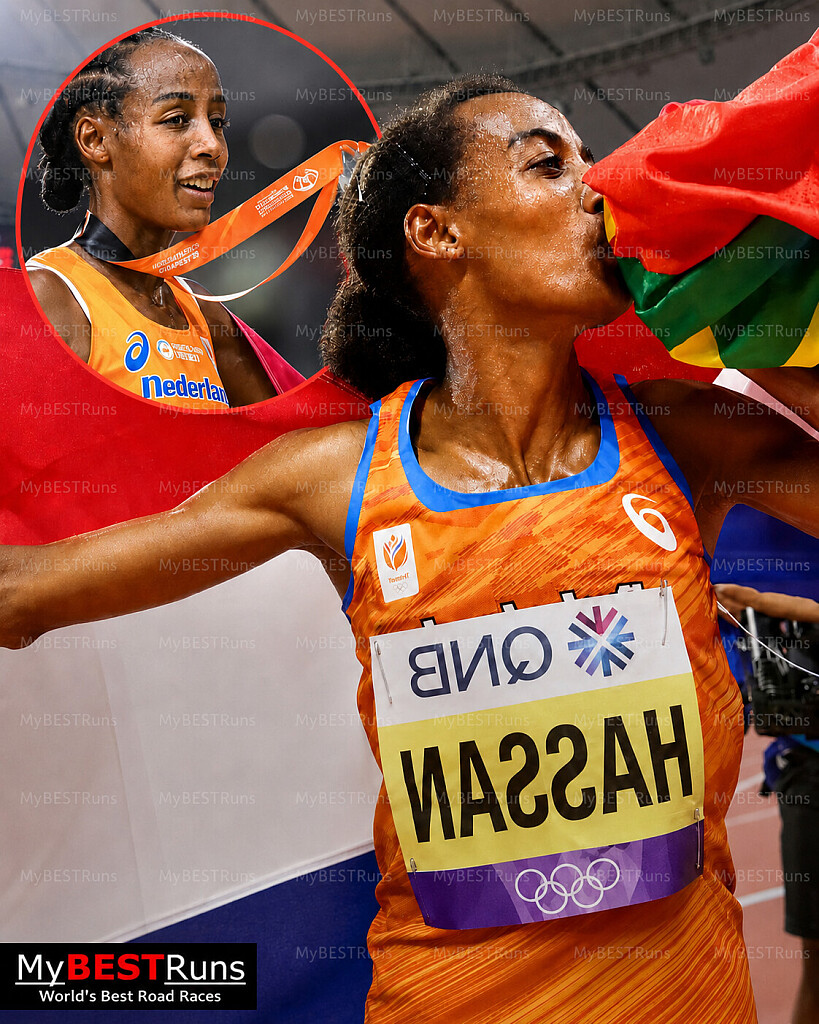
In elite sport, the smallest moments can have the biggest consequences. For Sifan Hassan, one routine training session on a treadmill proved to be the turning point of an entire marathon season.
Earlier this year, the reigning Olympic marathon champion announced her withdrawal from the 2026 London Marathon after suffering an Achilles injury during what her management described as an unfortunate treadmill accident. The setback occurred approximately six weeks before race day, abruptly halting preparations for one of the most anticipated appearances of the season.
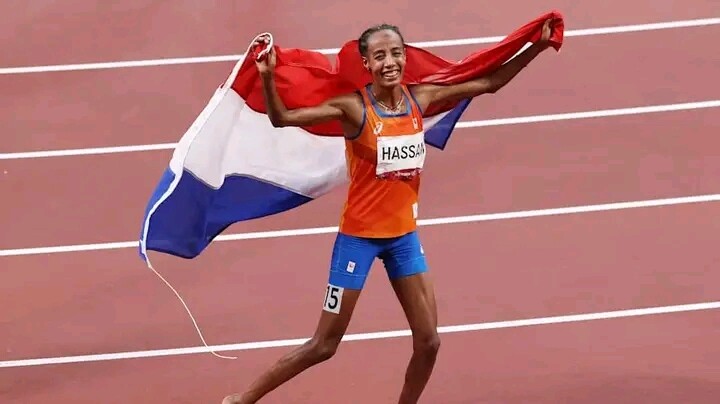
Hassan entered the year carrying the weight of extraordinary expectations. She was not only the defending London Marathon champion but also one of the strongest contenders to challenge the elusive 2:15 barrier in women’s marathon running. Few athletes possess a résumé comparable to hers. From Olympic gold medals in the 5,000m and 10,000m to her historic marathon triumphs, Hassan has consistently pushed the boundaries of what distance runners can achieve.
Initially, there was hope that the injury would be manageable. Like many elite athletes, she attempted to train through the discomfort, believing time and careful management might allow her to return in time for London. But the Achilles tendon had other plans. As the weeks passed, recovery failed to progress as expected, leaving Hassan with little choice but to step away from competition.
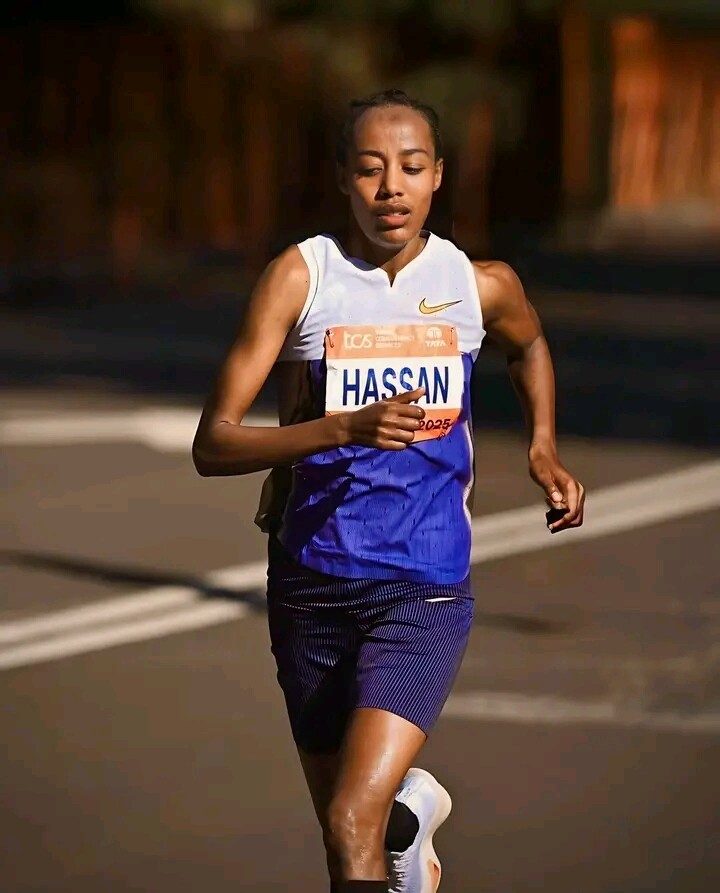
Her withdrawal created a significant shift in the dynamics of the London Marathon. What had been expected to be a showdown featuring one of the sport’s greatest champions suddenly became an open race. The absence of Hassan altered the landscape and opened the door for others to seize the moment.
Among them was Tigst Assefa, who delivered a performance for the ages. Taking advantage of the opportunity, the Ethiopian star stormed to a remarkable 2:15:41, setting a new women-only world record and producing one of the finest marathon performances ever witnessed. It was the kind of historic race many believed Hassan would have been central to contesting.
Instead, she watched from the sidelines as the record books were rewritten.
Yet Hassan's response reflected the maturity and patience that have defined her career. Rather than rushing back, she emphasized the importance of listening to her body and allowing the healing process to take its natural course. It was a reminder that even the greatest champions cannot negotiate with injury.
For athletes operating at the highest level, talent, preparation, and determination can overcome many obstacles. Recovery, however, follows its own timeline. No amount of ambition can accelerate an Achilles tendon's healing process.
The marathon world continues to wonder what might have happened had Hassan lined up in London healthy and fully prepared. Could she have challenged the record? Could she have become the first woman to break the 2:15 barrier?
Those questions remain unanswered.
What is certain is that Sifan Hassan's story is far from finished. If her career has demonstrated anything, it is her remarkable ability to return stronger after adversity. The treadmill incident may have delayed another historic chapter, but it has not closed the book.
For now, the marathon world waits patiently for the return of one of the most extraordinary distance runners the sport has ever seen.
by Erick Cheruiyot for My Best Runs.
Login to leave a comment
One Month Since Marathon Running Witnessed Its Greatest Day Ever
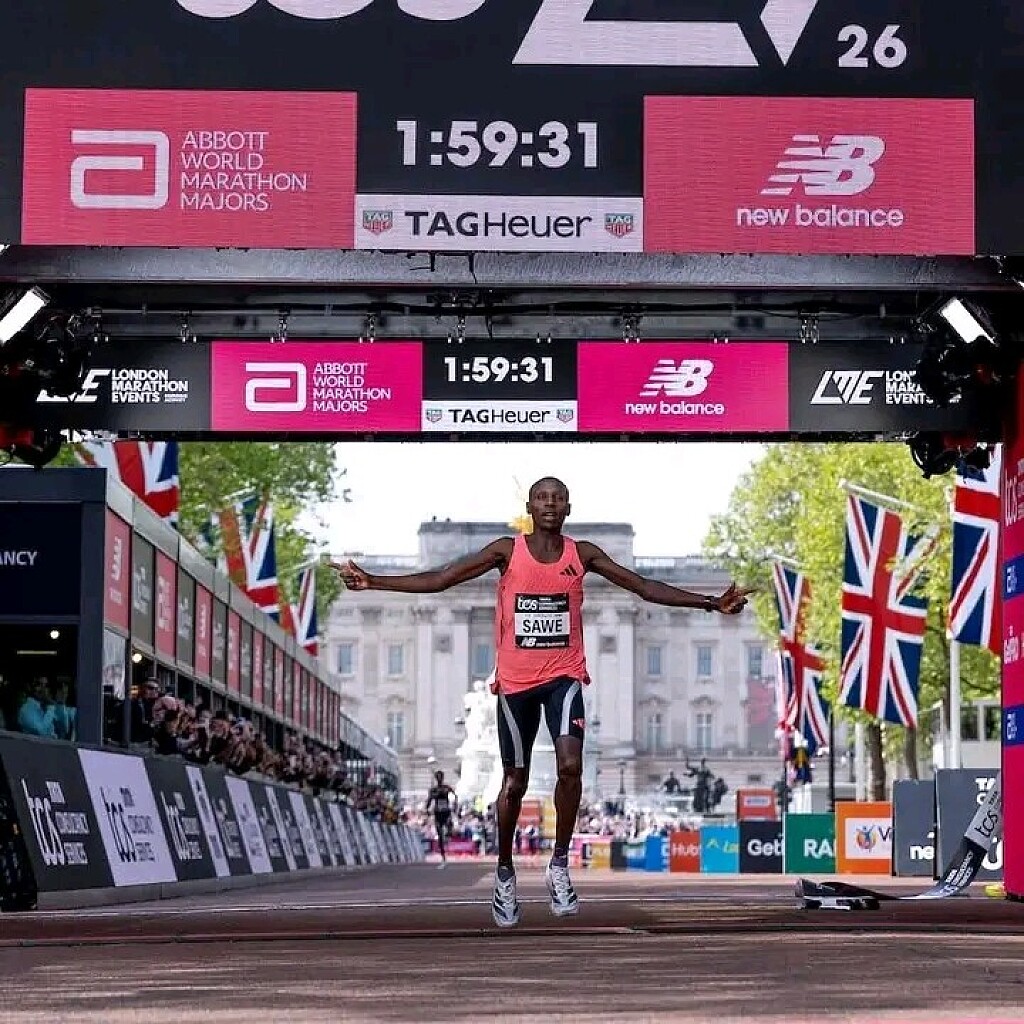
Exactly one month ago, at the TCS London Marathon the sport of marathon running experienced a moment so extraordinary that it permanently altered the limits of human endurance. What unfolded that historic day was not simply fast racing — it was the complete rewriting of what the athletics world believed was possible over 42.195 kilometers.
The headlines alone sounded almost fictional.
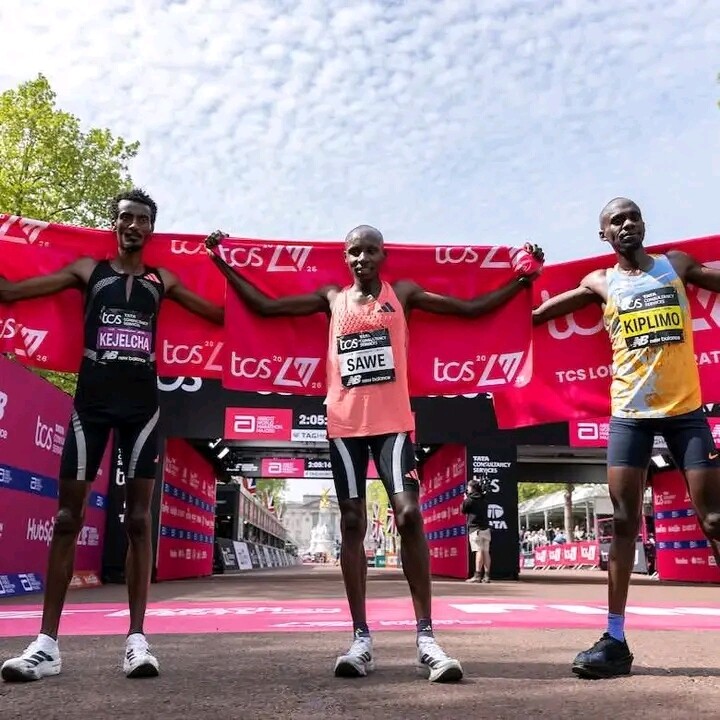
Kenya’s Sabastian Sawe delivered the performance of a lifetime, storming into history as the first athlete ever to break the two-hour barrier in an official marathon race. His astonishing 1:59:30 shattered one of the final frontiers in distance running and instantly became one of the greatest athletic achievements ever witnessed on the roads.
For decades, the sub-two-hour marathon had existed as an almost mythical benchmark — discussed by scientists, coaches and legends of the sport as the ultimate human endurance challenge. Sawe did not just cross that barrier; he obliterated the psychological wall surrounding it with fearless pacing, ruthless consistency and unmatched composure under pressure.
Yet the drama was only beginning.
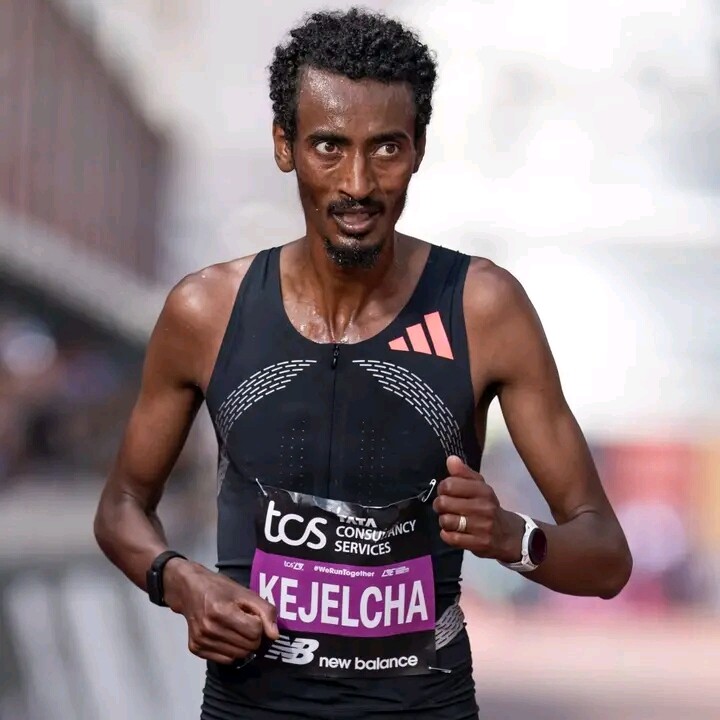
In one of the most remarkable marathon debuts the sport has ever seen, Ethiopia’s Yomif Kejelcha stunned the world by becoming the second man in history to run under two hours — clocking an extraordinary 1:59:41 in his very first marathon appearance. To achieve such a performance without prior marathon experience elevated the race from historic to almost surreal.
Kejelcha’s transition from track and half marathon brilliance to immediate marathon greatness showcased a rare combination of speed, efficiency and tactical intelligence. Most athletes spend years mastering the marathon. He conquered it on his first attempt.
And somehow, the race still had more history to offer.
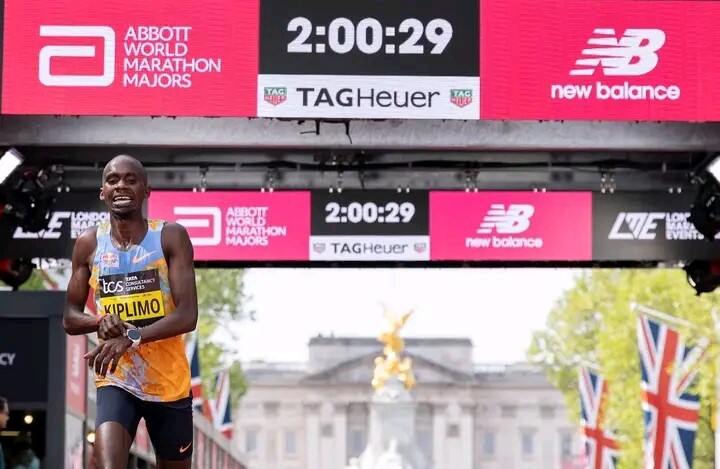
Uganda’s Jacob Kiplimo finished third in an astonishing 2:00:28 — a performance that, incredibly, was faster than the previous marathon world record of 2:00:35. On nearly any other day in athletics history, Kiplimo’s run would have dominated global headlines. Instead, it became part of a once-in-a-generation showcase of endurance greatness.
The depth of quality in the men’s race was unprecedented. Three athletes produced times once considered impossible within the same event, transforming the marathon from a race against rivals into a collective assault on history itself.
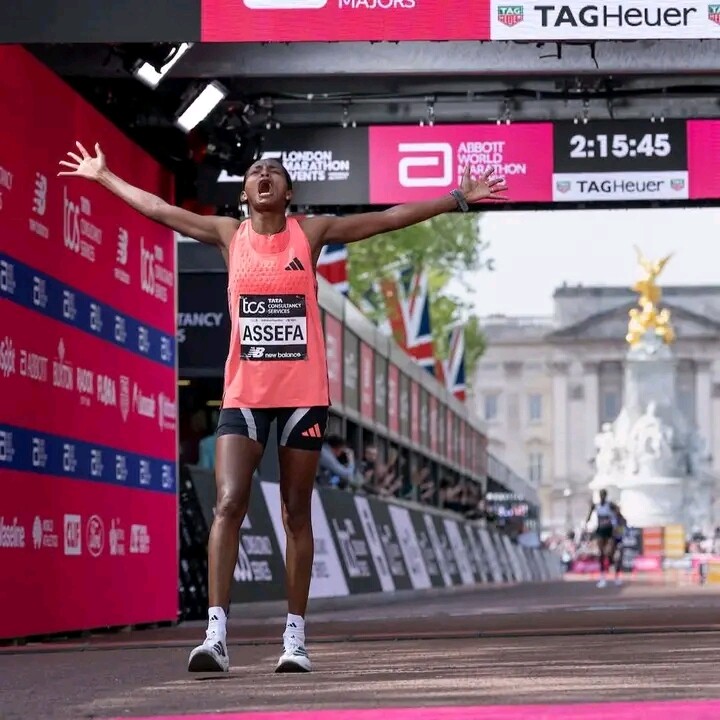
The women’s race was equally unforgettable.
Ethiopia’s Tigst Assefa once again proved why she remains one of the defining marathon athletes of this era. Defending her London crown in dominant fashion, Assefa surged to a sensational women’s-only world record of 2:15:41, combining elegance, strength and relentless rhythm from start to finish.
Her performance reinforced the rapid evolution of women’s marathon running, where barriers continue to fall and records are being pushed into territory previously unimaginable.
What made that day truly special was not only the records, but the feeling surrounding the races. Fans across the globe were witnessing history unfold in real time — a sporting spectacle where every split seemed impossible, every kilometer carried anticipation, and every finish line delivered another shock to the athletics world.
One month later, the echoes of that extraordinary day still resonate throughout global sport.
It was the day marathon running entered a new era. The day limits disappeared. The day history was rewritten kilometer after kilometer. And perhaps, the greatest single day the marathon has ever seen.
by Erick Cheruiyot for My Best Runs.
Login to leave a comment

TCS London Marathon
Since its inaugural edition on March 29, 1981, the TCS London Marathon has grown into one of the world's most prestigious road races, blending elite competition with an extraordinary charitable legacy. Founded by former Olympic champion and journalist Chris Brasher alongside Welsh athlete John Disley, the event has been staged every year and has been held in the spring annually...
more...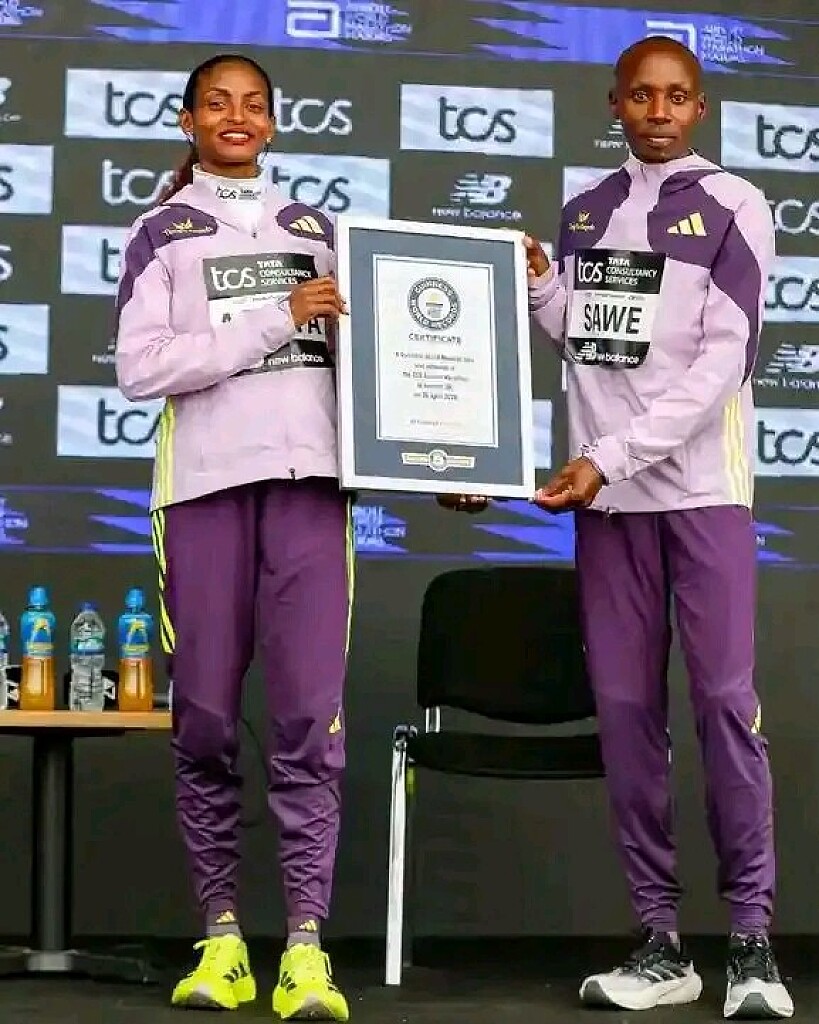
When Legends Rise: Assefa and Sawe Claim Their Place in History
the grand theatre of distance running, where endurance meets audacity, two names have now been carved into the highest tier of human achievement. Tigist Assefa and Sabastian Sawe have transcended victory and stepped into immortality, their performances at the London Marathon 2026 earning them official recognition in the Guinness World Records.
It was not merely a race—it was a rewriting of limits.
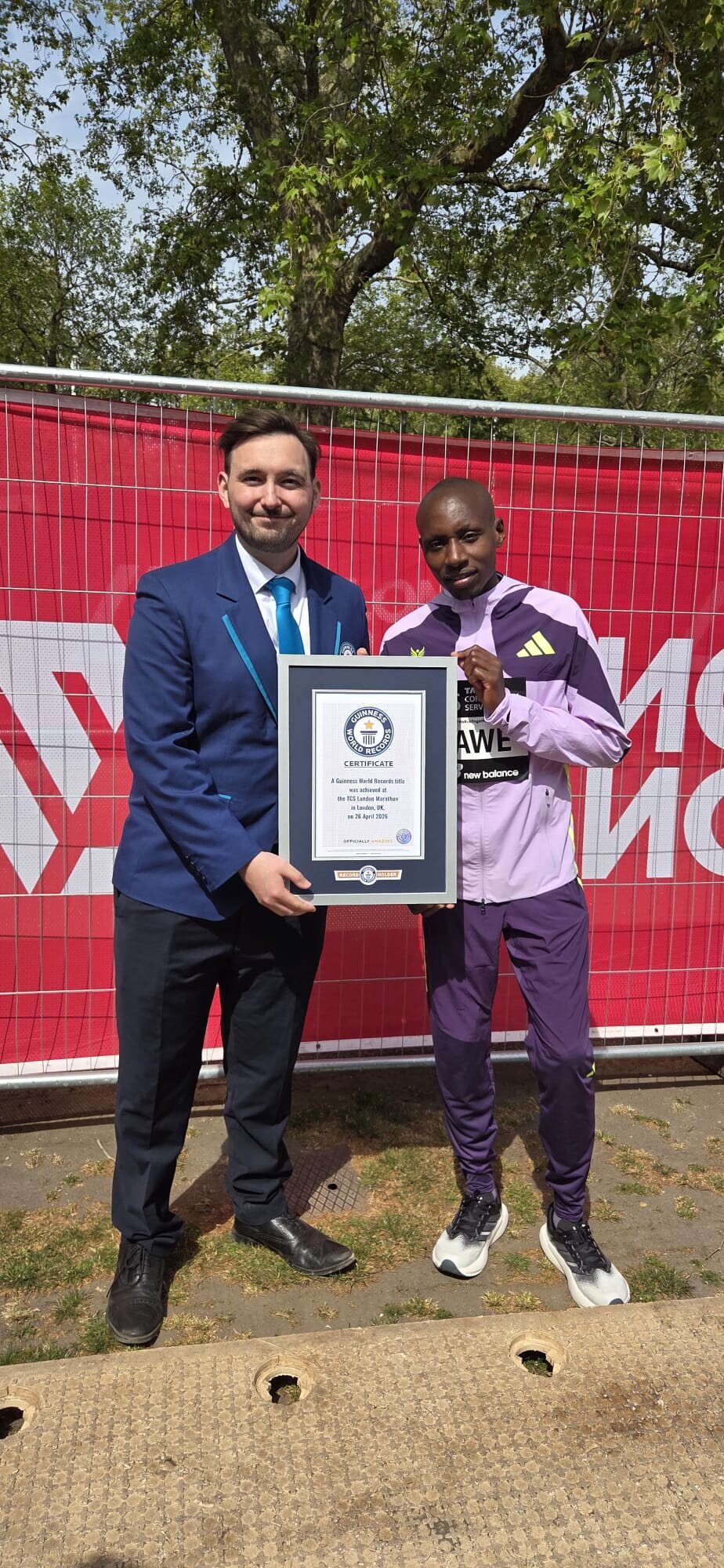
Sawe delivered a performance that defied decades of physiological assumptions. Clocking an astonishing 1:59:30, he shattered the long-standing perception of what the human body can sustain over 42.195 kilometers. The sub-two-hour marathon, once considered an almost mythical frontier, became a reality under race conditions—no pacing formations, no experimental setup—just raw, competitive brilliance. His run was not only fast; it was controlled, precise, and relentlessly efficient, a masterclass in modern marathon execution.
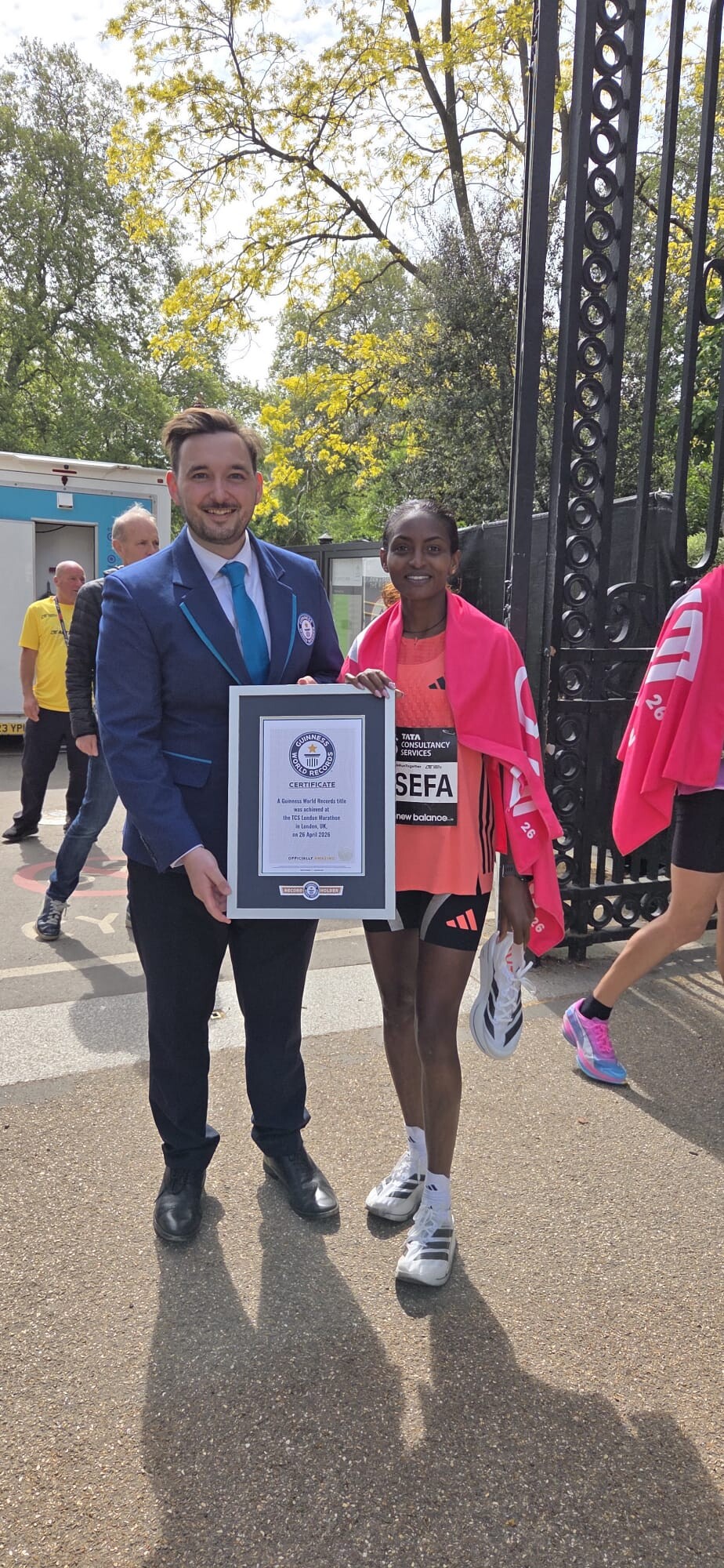
On the women’s side, Assefa produced a run of equal magnitude, though sculpted in a different context. Her 2:15:41 established a new women-only world record, a distinction that strips away the advantage of mixed pacing and places the spotlight squarely on individual strength and strategy. From the opening miles, she ran with authority, balancing aggression with composure, and by the closing stages, her dominance was undeniable. It was a performance defined by clarity of purpose and extraordinary resilience.
Together, these two athletes did more than win races—they expanded the boundaries of possibility. Their entries into the Guinness World Records serve as formal recognition of something deeper: a shift in the narrative of marathon running. Where once there were ceilings, there are now open skies.
What makes this moment particularly compelling is its duality. Kenya and Ethiopia, long-standing rivals and co-authors of distance running greatness, once again stand side by side at the summit. Sawe and Assefa, through different journeys and styles, have arrived at the same destination—global sporting immortality.
In years to come, their times will be chased, analyzed, and perhaps even surpassed. But the significance of this moment will endure. Because records, at their core, are not just numbers. They are declarations—bold statements of how far humanity can go when courage meets preparation.
And on that unforgettable day in London, Assefa and Sawe did not just run fast. They ran beyond history—and into it.
by Erick Cheruiyot for My Best Runs.
Login to leave a comment
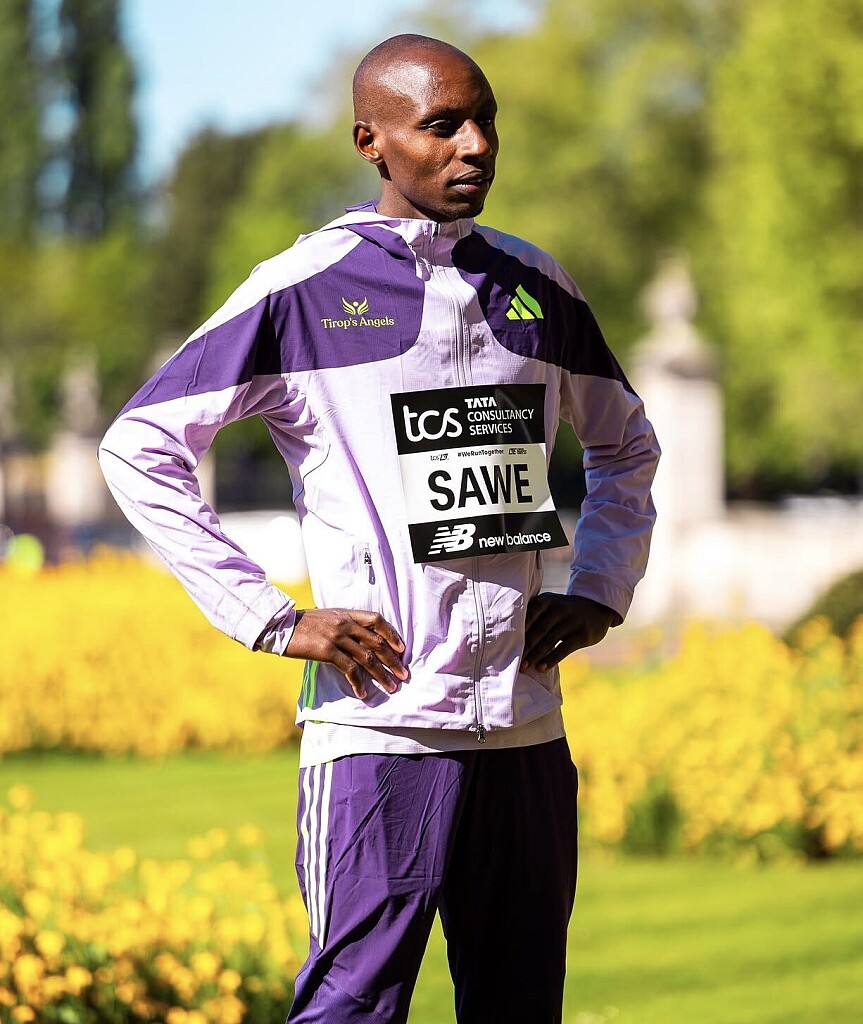
It has been achieved
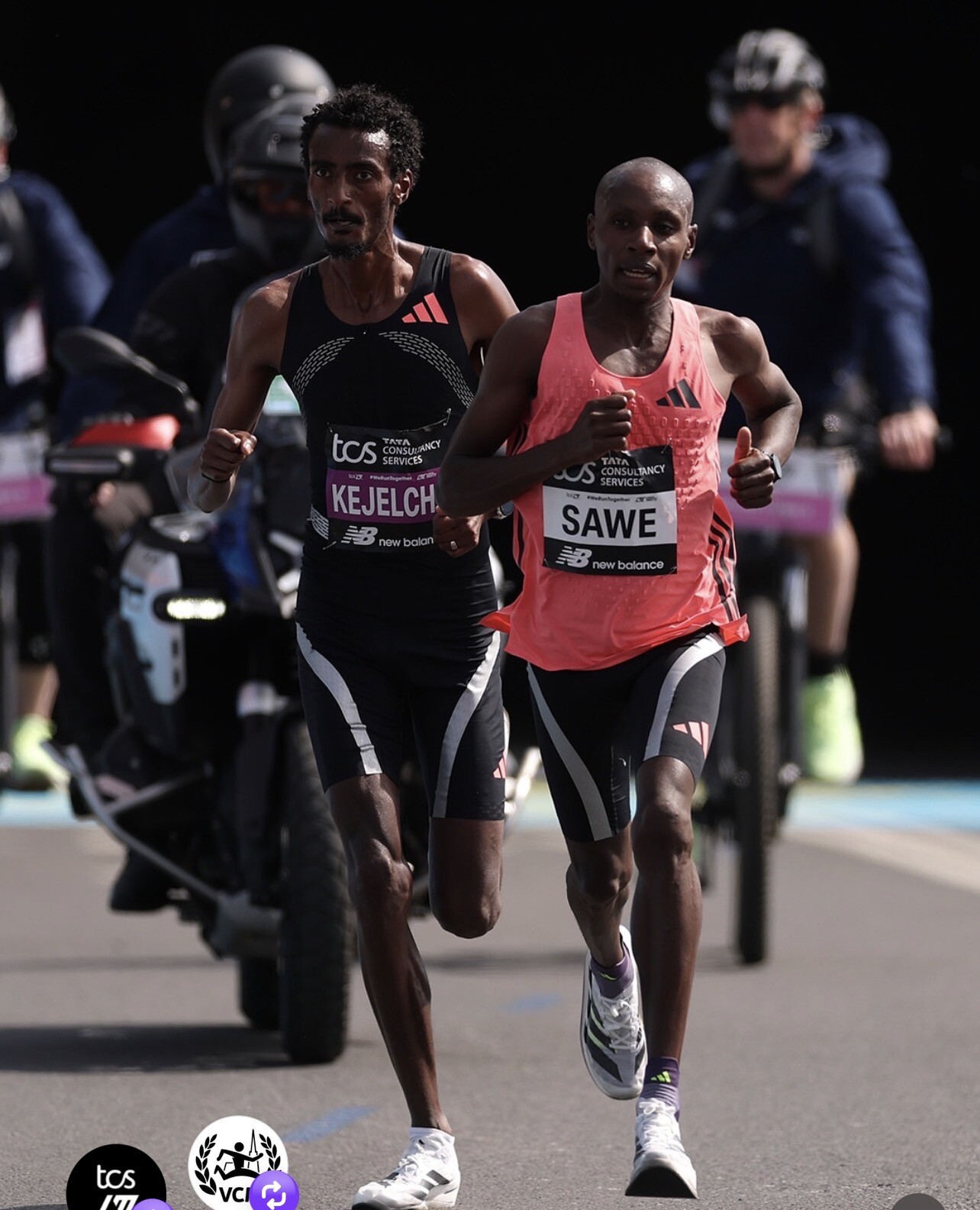
Today in London, Sabastian Sawe didn’t just win the marathon—he broke the barrier, clocking an incredible 1:59:30.
His splits tell the story of something truly special:
5K – 14:14
10K – 28:35
15K – 43:10
20K – 57:21
Half – 60:29
25K – 1:11:41
30K – 1:26:03
35K – 1:39:57
40K – 1:53:39
Finish – 1:59:30
And it wasn’t just one man today. Yomif Kejelcha finished second in 1:59:41—also under two hours in his marathon debut.
On the women’s side, Tigst Assefa delivered a performance of her own, setting a women-only world record of 2:15:41.
We’ve talked about moments like this for years. Today, it all came together.

— Bob Anderson
by Bob Anderson Publisher My Best Runs
Login to leave a comment
TCS London Marathon
Since its inaugural edition on March 29, 1981, the TCS London Marathon has grown into one of the world's most prestigious road races, blending elite competition with an extraordinary charitable legacy. Founded by former Olympic champion and journalist Chris Brasher alongside Welsh athlete John Disley, the event has been staged every year and has been held in the spring annually...
more...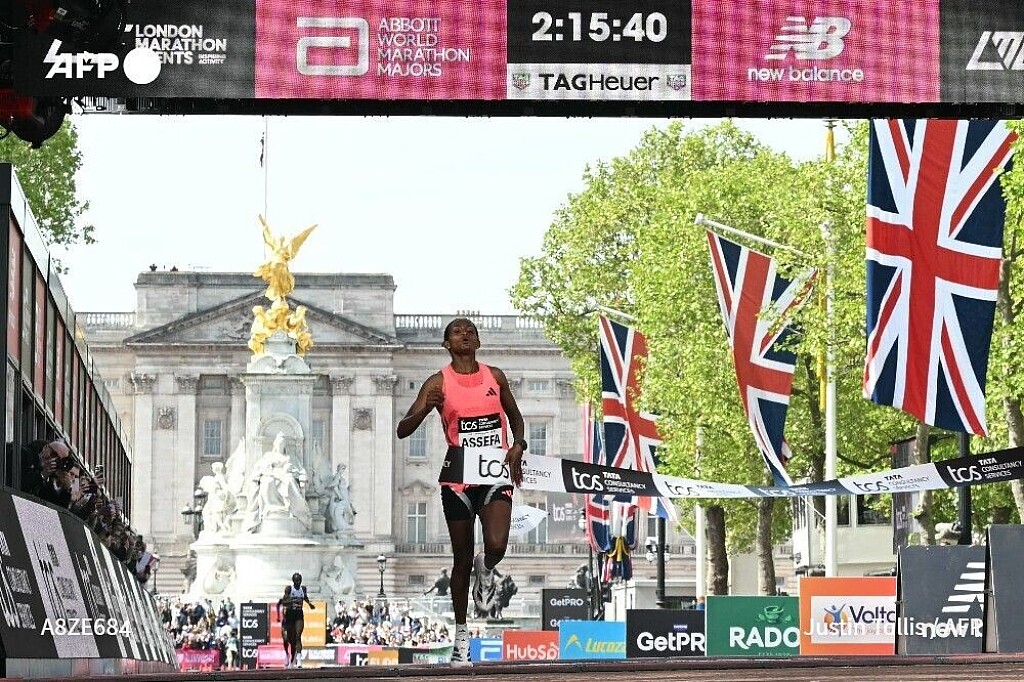
Assefa’s Historic Surge Headlines East African Masterclass in London
The 2026 edition of the London Marathon 2026 delivered a race for the ages, as East Africa once again stamped its authority on one of the sport’s grandest stages. At the center of it all was Ethiopia’s Tigst Assefa, who produced a breathtaking performance to win the women’s race in 2:15:41, breaking her own women-only world record in emphatic fashion.
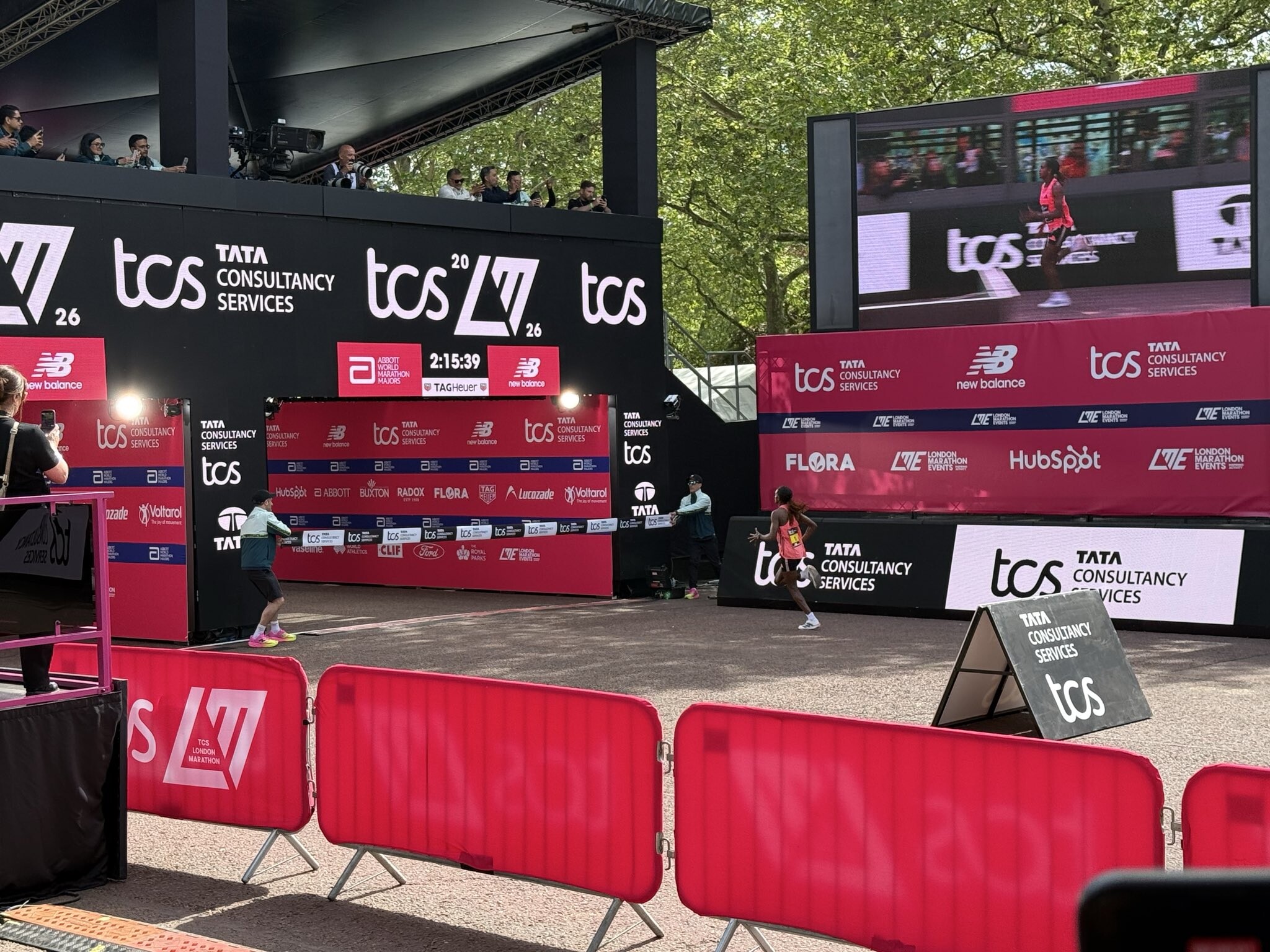
From the gun, the pace was unrelenting. The lead group, dominated by Ethiopian and Kenyan contenders, surged through the early checkpoints with intent, setting the tone for what would become a historically fast contest. Assefa, calm yet decisive, positioned herself perfectly before gradually turning the race into a test of pure strength and precision.
By the latter stages, the Ethiopian star had shifted gears, her stride smooth and efficient as she pulled away under the weight of expectation and the pressure of elite competition. When she crossed the finish line along the iconic streets of London, the clock confirmed what the racing world had begun to suspect—history had been rewritten once more.
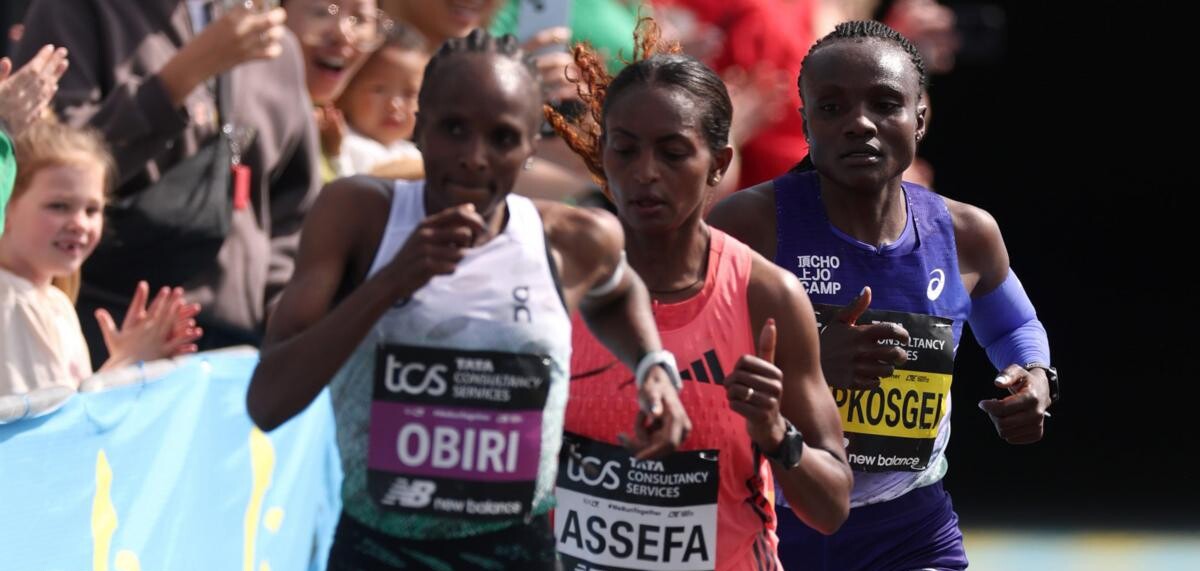
Hot on her heels was Kenya’s Hellen Obiri, who clocked an outstanding 2:15:53 to finish second, just 12 seconds adrift in one of the closest high-caliber finishes in recent marathon memory. Fellow Kenyan Joyciline Jepkosgei completed the podium in 2:15:55, only two seconds behind Obiri, underlining the fierce competitiveness at the very top.
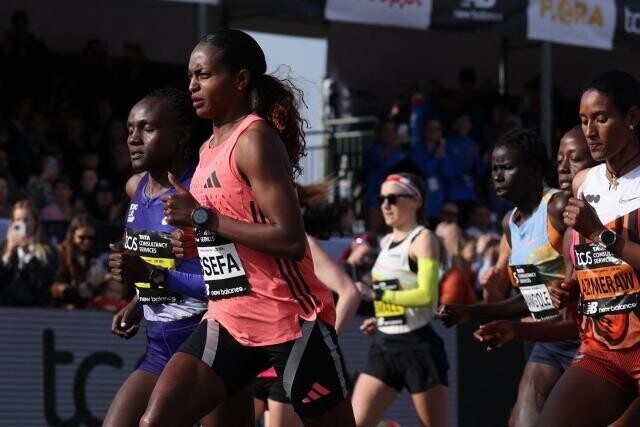
The narrow margins separating the top three told a deeper story—this was not merely a race, but a battle of resilience, tactics, and extraordinary endurance. All three athletes dipped well into elite territory, showcasing a level of depth that continues to define women’s marathon running today.
Top 10 Finishers – Women’s Marathon Final Results
1. Tigst Assefa (ETH) – 2:15:41 WR
2. Hellen Obiri (KEN) – 2:15:53 PB
3. Joyciline Jepkosgei (KEN) – 2:15:55
4. Degitu Azimeraw (ETH) – 2:19:13
5. Catherine Reline Amanang'ole (KEN) – 2:21:20
6. Eunice Chebichii Chumba (BRN) – 2:23:44
7. Eilish McColgan (GBR) – 2:24:51
8. Jucia Paternain (URU) – 2:25:47 NR
9. Rose Harvey (GBR) – 2:26:14
10. Marta Galimany (ESP) – 2:27:38
Beyond the times and records, the race served as a powerful reminder of East Africa’s enduring dominance in long-distance running. With discipline forged at altitude and an unmatched competitive culture, athletes from Ethiopia and Kenya once again transformed London into a theatre of excellence.
As the crowds roared and the finish line drama unfolded, one narrative stood clear: this was a day where greatness met opportunity—and Tigst Assefa seized it to perfection, delivering a performance that will echo through marathon history.
by Erick Cheruiyot for My Best Runs.
Login to leave a comment
TCS London Marathon
Since its inaugural edition on March 29, 1981, the TCS London Marathon has grown into one of the world's most prestigious road races, blending elite competition with an extraordinary charitable legacy. Founded by former Olympic champion and journalist Chris Brasher alongside Welsh athlete John Disley, the event has been staged every year and has been held in the spring annually...
more...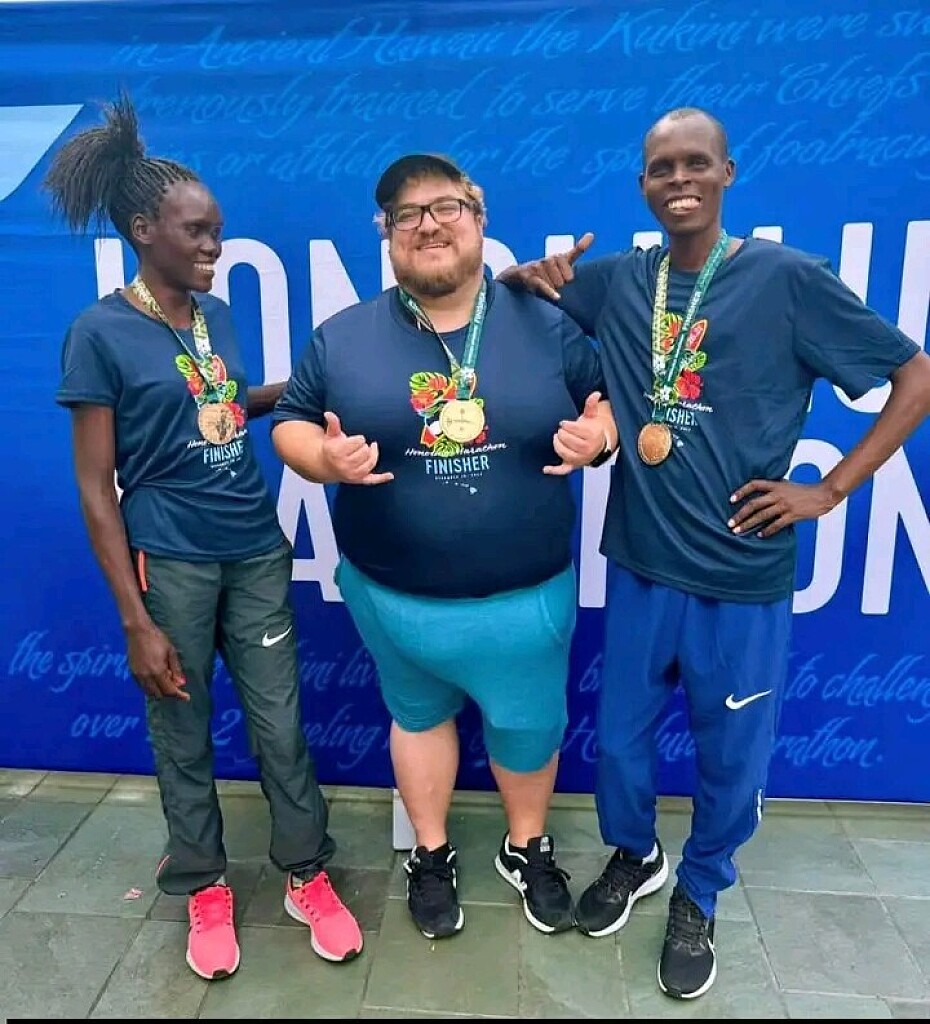
One Finish Line. Three Victories. One Powerful Photo.
The 2023 Honolulu Marathon delivered a moment that perfectly captures what running—and life—is truly about.
In one frame stood the fastest and the last, the elite and the everyday hero.
Kenyan Paul Lonyangata stormed to victory in the men’s race, stopping the clock at 2:15:41.
Kenyan Cynthia Limo followed with an equally commanding performance, winning the women’s title in 2:33:01.
Fast. Elite. Impressive.
But the most unforgettable story of the day unfolded long after the champions had celebrated.
Nearly 17 hours after the starting gun, Andy Sloan crossed the same finish line in 16:56:39—exhausted, emotional, and triumphant in a way no stopwatch can define. It was his first marathon ever.
Step by step.
Mile by mile.
One very long, very brave day.
Andy finished last—but he did not lose.
He conquered 26.2 miles, years of self-doubt, and every voice that ever whispered, “You can’t.” On this day, he proved that he could—and he did.
Andy’s journey began in 2017, when he weighed 463 pounds. Today, he is down to about 300 pounds, fueled by determination, grit, and an unbreakable support system of parents, family, and friends who refused to let him quit—especially on the moments he wanted to most.
At the Honolulu Marathon, where there is no cutoff, every runner is given the same gift: a chance to finish. And in doing so, every dream is honored.
This single photo tells three stories:
The pursuit of excellence
The reward of discipline
And the quiet courage of never giving up
Because the biggest victories aren’t measured by time—but by heart.
by Erick Cheruiyot for My Bestruns.
Login to leave a comment
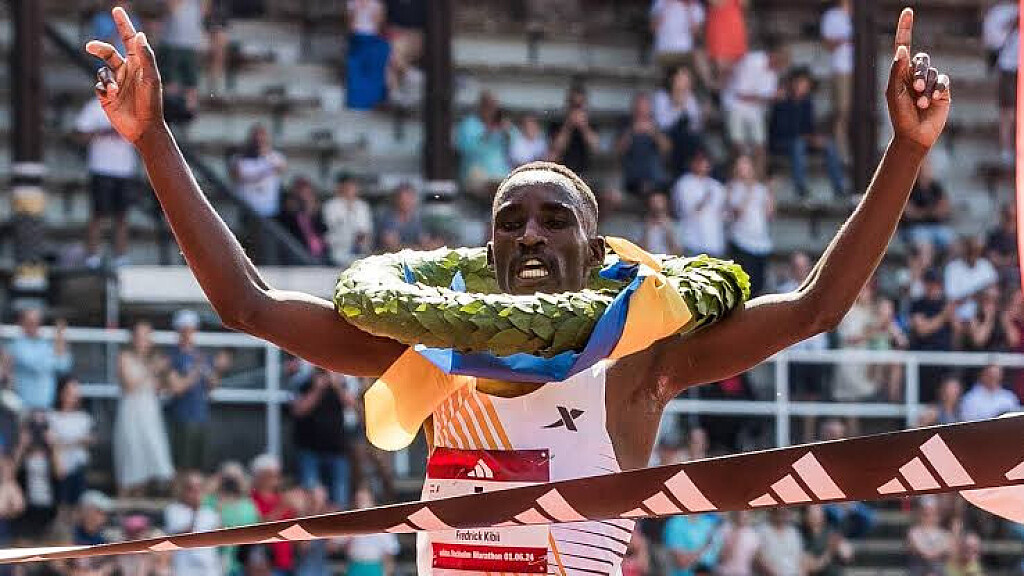
Kibii leads Kenyan charge at Hengshui Lake Marathon
Fresh from winning the 2024 Stockholm Marathon triumph, Fredrick Kibii will spearhead a formidable Kenyan lineup at the Hengshui Lake Marathon in China on Sunday.
The 28-year-old triumphed at the Stockholm Marathon in June, crossing the line in 2:14:17, leading a Kenyan top-five finish.
Robert Ng'eno (2:14:30) and Benard Kipkorir (2:15:41) completed the podium with Kennedy Kipyeko (2:15:53) and Abednego Cheruiyot (2:16:46) in tow.
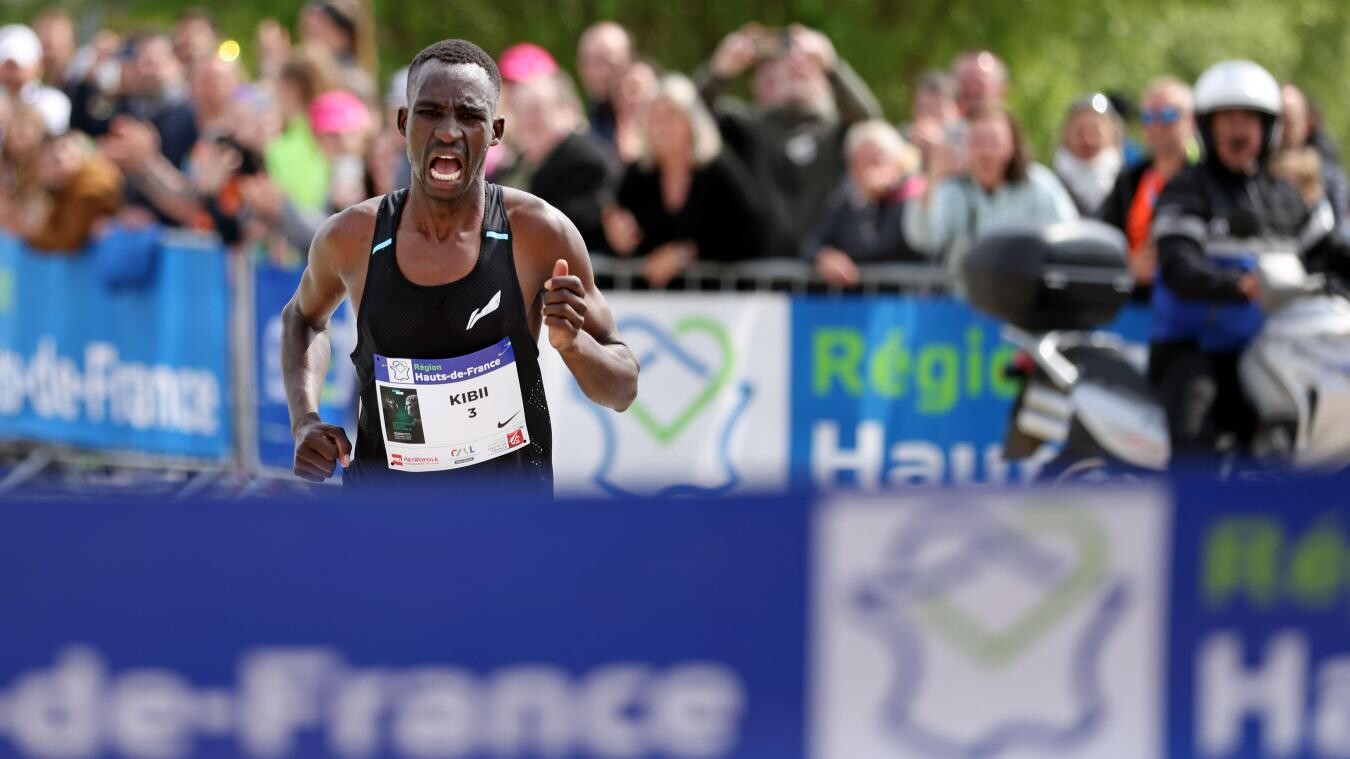
In April, Kibii clocked 2:08:56 to finish fourth at the Linz Marathon, trailing Eritrea’s Goitom Kifle (2:08:15), Denis Chirchir (2:08:28) and Ethiopia’s Dejene Debela (2:08:38).
Kibii's impressive resume boasts a third-place finish at the 2023 Hannover Marathon, clocking 2:08:09 behind Germany’s Amanal Petros (2:07:02) and Chirchir (2:07:17).
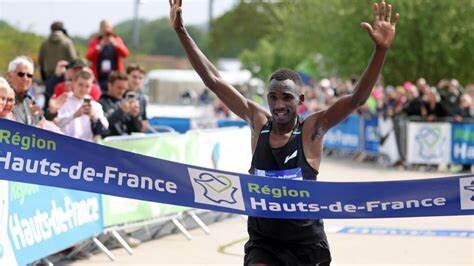
He finished a solid seventh-place finish at the Frankfurt Marathon later that year (2:09:33).
Joining Kibii in China is Boaz Kipkemei, who finished second at this year’s Hannover Marathon in April in a time of 2:07:06.
Gevin Kerich, who was three seconds (2:06:52) behind last year’s Doha Marathon winner, Morocco's Mohcin Outalha, is also in contention.
Kerich grabbed second place at the 2022 Eindhoven Marathon (2:07:07).
Boniface Kimutai rounds off a strong Kenyan contingent, who face stiff competition from Ethiopian runners, led by 2020 Seville Marathon champion Mekuant Ayenew, Copenhagen Marathon runner-up Gadisa Birhanu and Daegu Marathon third-place finisher Berhane Tsegay.
Hannover Marathon third-place finisher Lilian Jebitok will headline the women’s elite field.
Her resume includes a victory at the 2019 Casablanca Marathon (2:31:31) and a third-place finish at the 2018 Nairobi Standard Chartered Marathon (2:42:23).
She is joined by Tallinn Marathon champion Mercy Kwambai, second at the Copenhagen Marathon in May (2:28:12) and runner-up at the 2022 Bregenz Marathon (2:30:15).
Ethiopia will once again provide the competition with 2021 Stockholm Marathon champion Atalel Anmut leading the charge.
She has Seville Marathon third-place finisher Urge Diro and Xuzhou Marathon champion Derartu Hailu for company.
by Teddy Muley
Login to leave a comment

Hengshui lake International Marathon
The Hengshui Lake international Marathon, held in September every year, is considered one of China’s top sports and tourism events. The race takes competitors around the Northern Chinese city’s scenic Hengshui Lake. It attracts runners and spectators from throughout China and abroad. Nearly 16,000 runners participated in one of the three race categories - the Full Marathon, the Half Marathon...
more...