

Running News Daily
Running News Daily is edited by Bob Anderson and team. Send your news items to bob@mybestruns.com Advertising opportunities available.
Index to Daily Posts · Sign Up For Updates · Run The World Feed
Articles tagged #1:59:30
Today's Running News


Marathon Majors Course Records: Where Speed, History And The Course Collide
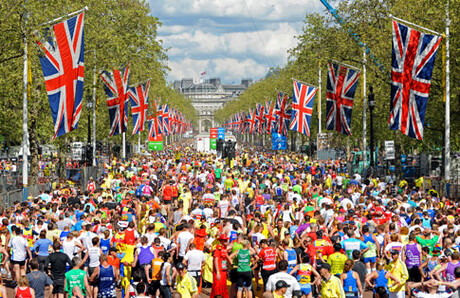
The world’s biggest marathons are united by prestige, elite fields and unforgiving 26.2-mile battles, but their course records tell very different stories. From Tokyo to Sydney, each course has its own character, while London and Chicago have become synonymous with extraordinary speed.
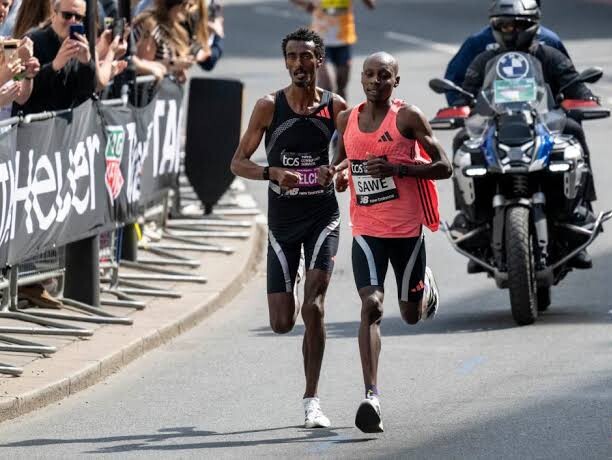
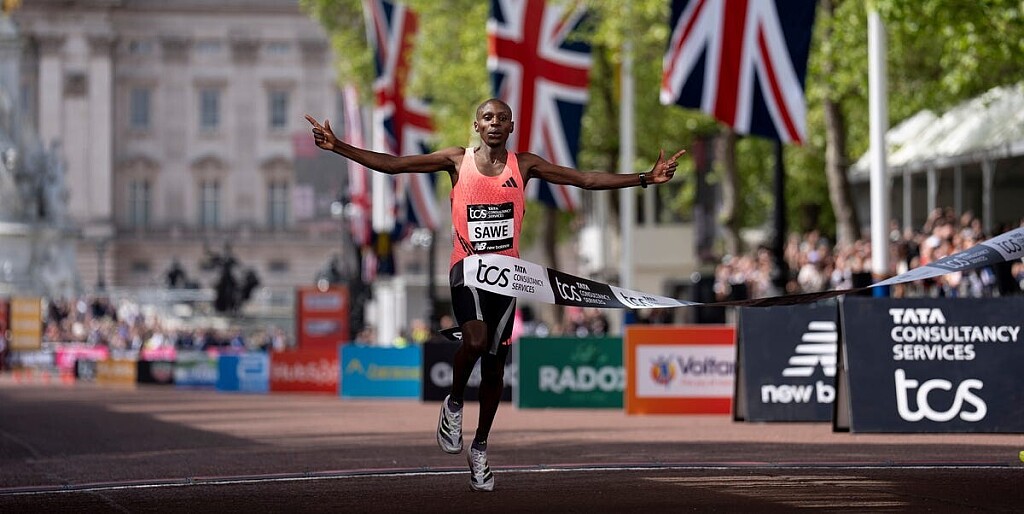
At the top of the men’s list stands the London Marathon, where Kenya’s Sabastian Sawe produced one of the greatest performances in road-running history. Sawe clocked 1:59:30 in April 2026, becoming the first athlete to officially break the two-hour barrier in a marathon. His performance also lowered the world record from Kelvin Kiptum’s previous mark of 2:00:35.
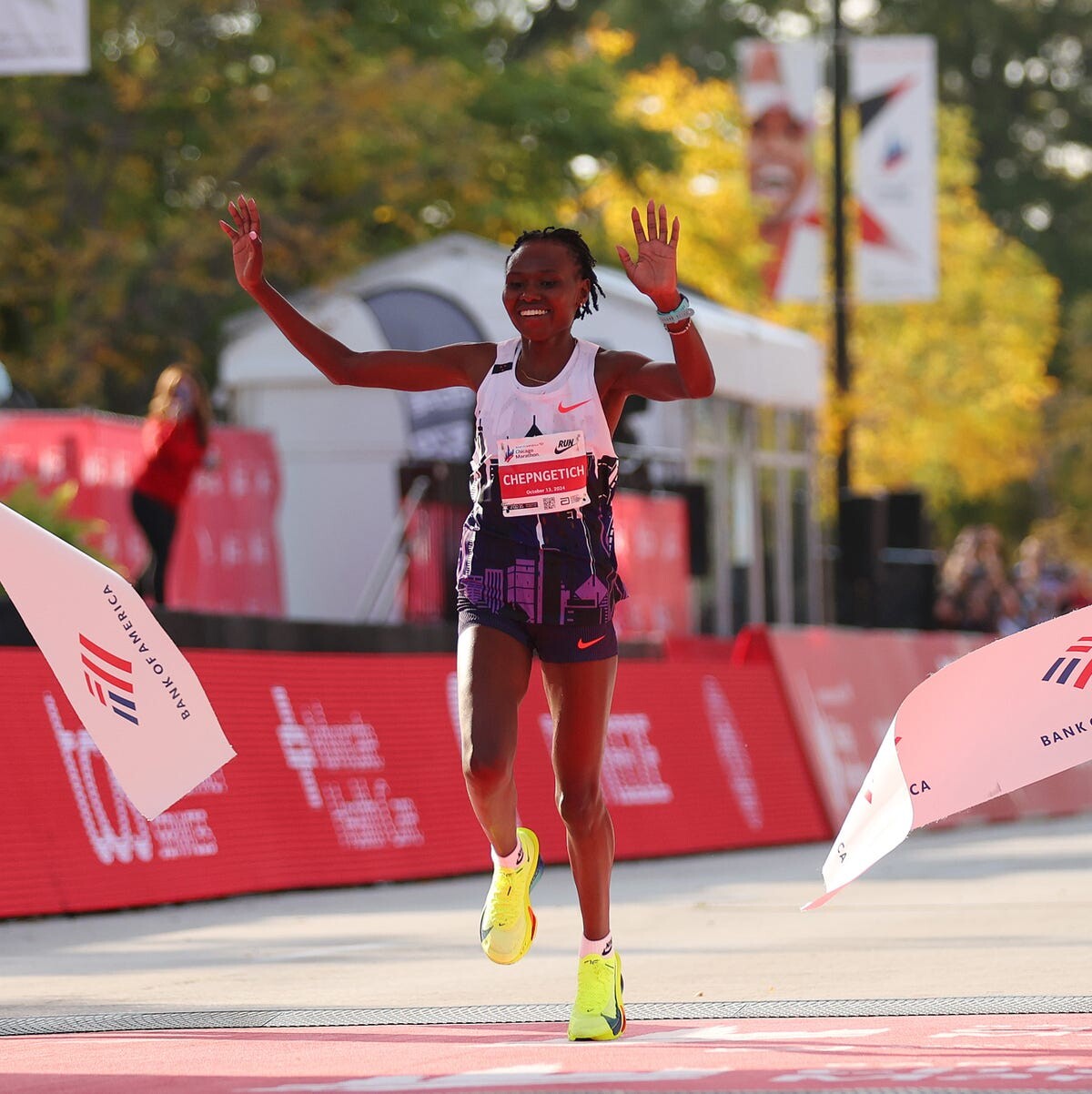
Chicago, meanwhile, owns one of the most remarkable records in women’s marathon history. Kenya’s Ruth Chepngetich ran 2:09:56 in 2024, becoming the first woman to break the 2:10 barrier. The performance remains a landmark in the event’s history and gives Chicago a special place among the fastest marathon courses in the world.
The men’s Chicago record is 2:00:35, set by the late Kelvin Kiptum in 2023. That performance stood as the world record until Sawe’s extraordinary 1:59:30 in London in 2026.

Then there is Berlin, perhaps the most celebrated world-record factory in marathon history. Kenya’s Eliud Kipchoge holds the men’s course record at 2:01:09, while Ethiopia’s Tigist Assefa owns the women’s mark at 2:11:53. Berlin has hosted numerous men’s world records over the years, underlining its reputation as one of the fastest marathon courses on the planet.
The elevation figures help explain why the courses produce such different performances. Berlin has relatively modest elevation changes, creating a fast and rhythm-friendly route. Other Majors present considerably greater challenges.
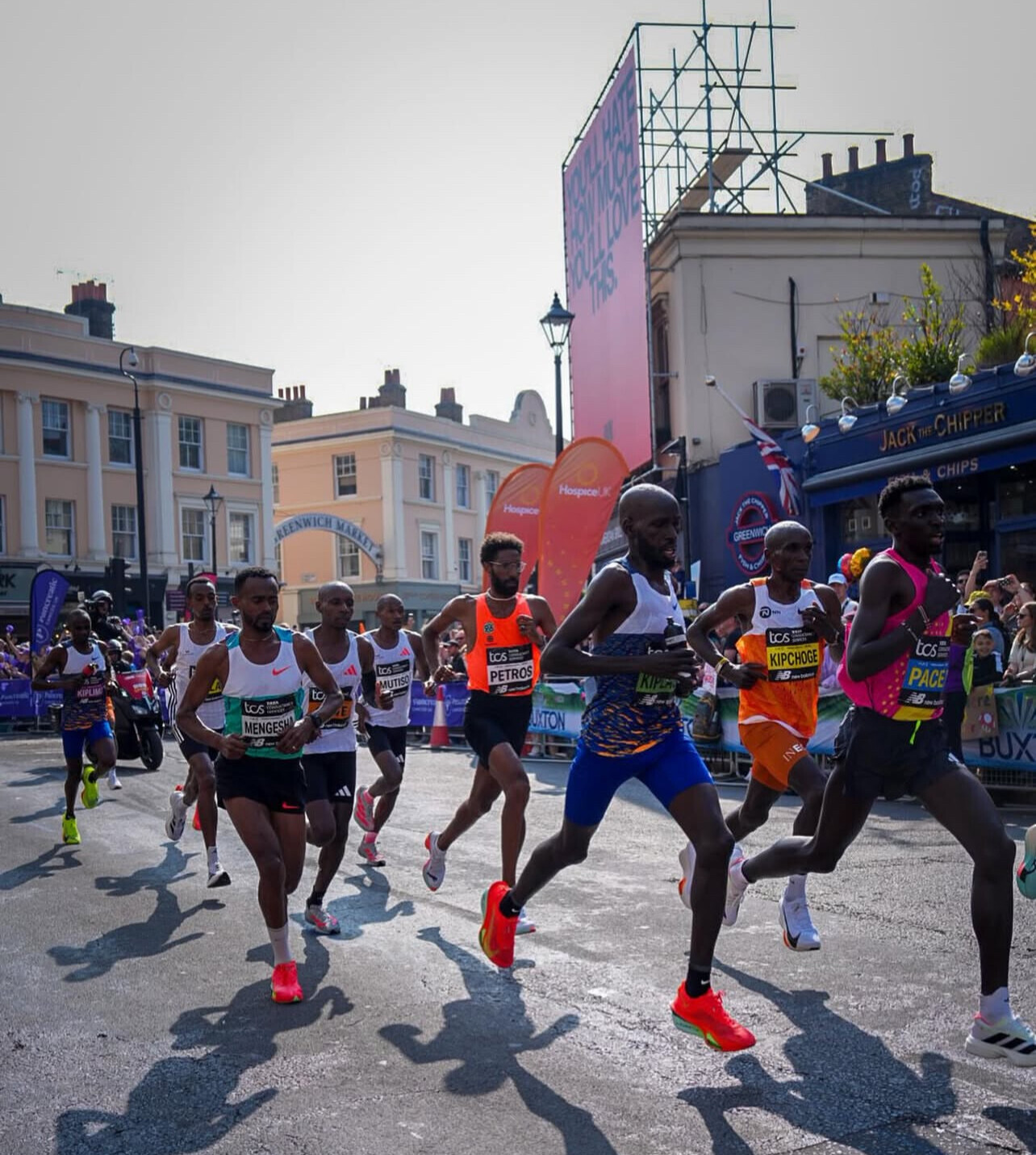
Boston, for example, climbs 248 metres but descends 388 metres. Its famous point-to-point layout and net downhill profile make it exceptionally fast in places, but its course does not qualify for official world-record purposes because the elevation drop exceeds the limit permitted by World Athletics.
New York City is a completely different proposition. With approximately 246 metres of climbing, it is among the toughest Major Marathon courses, demanding strength and tactical patience rather than simply raw speed. Its records therefore carry a different kind of significance, earned on a course that tests athletes through bridges, climbs and a demanding closing stretch into Central Park.
Tokyo offers another fast but distinctive challenge, with Benson Kipruto holding the men’s course record in 2:02:16. Brigid Kosgei’s 2:14:29 remains the women’s course record, illustrating the exceptional standard required to rewrite the record books in the Japanese capital.
And then there is Sydney, the newest addition to the Abbott World Marathon Majors family. Its course has already produced outstanding performances, with Addisu Gobena’s 2:04:42 listed as the men’s course record and Sifan Hassan’s 2:18:22 as the women’s mark in the graphic. With its demanding elevation profile, those performances underline just how quickly the Sydney course has established itself among the world’s major marathon stages.
What makes these records fascinating is that they cannot be judged by the clock alone. A 2:01 on a fast, record-legal course is a completely different achievement from a 2:04 on a demanding route, while Boston’s unique course rules mean that even exceptionally fast performances cannot enter the official world-record conversation.
For decades, marathon greatness was largely measured by who could run fastest. Today, the Majors show that where the time is run can be almost as important as the time itself. From Sawe’s historic sub-two-hour breakthrough in London to Chepngetich’s barrier-breaking run in Chicago and Berlin’s remarkable record history, these performances represent different chapters of marathon history—and the next chapter could be written at any Major.
by Erick Cheruiyot for My Best Runs.
Login to leave a comment
2026: The Year Distance Running’s Impossible Records Began to Fall
Distance running has witnessed extraordinary seasons before, but 2026 is producing something that feels almost unprecedented.
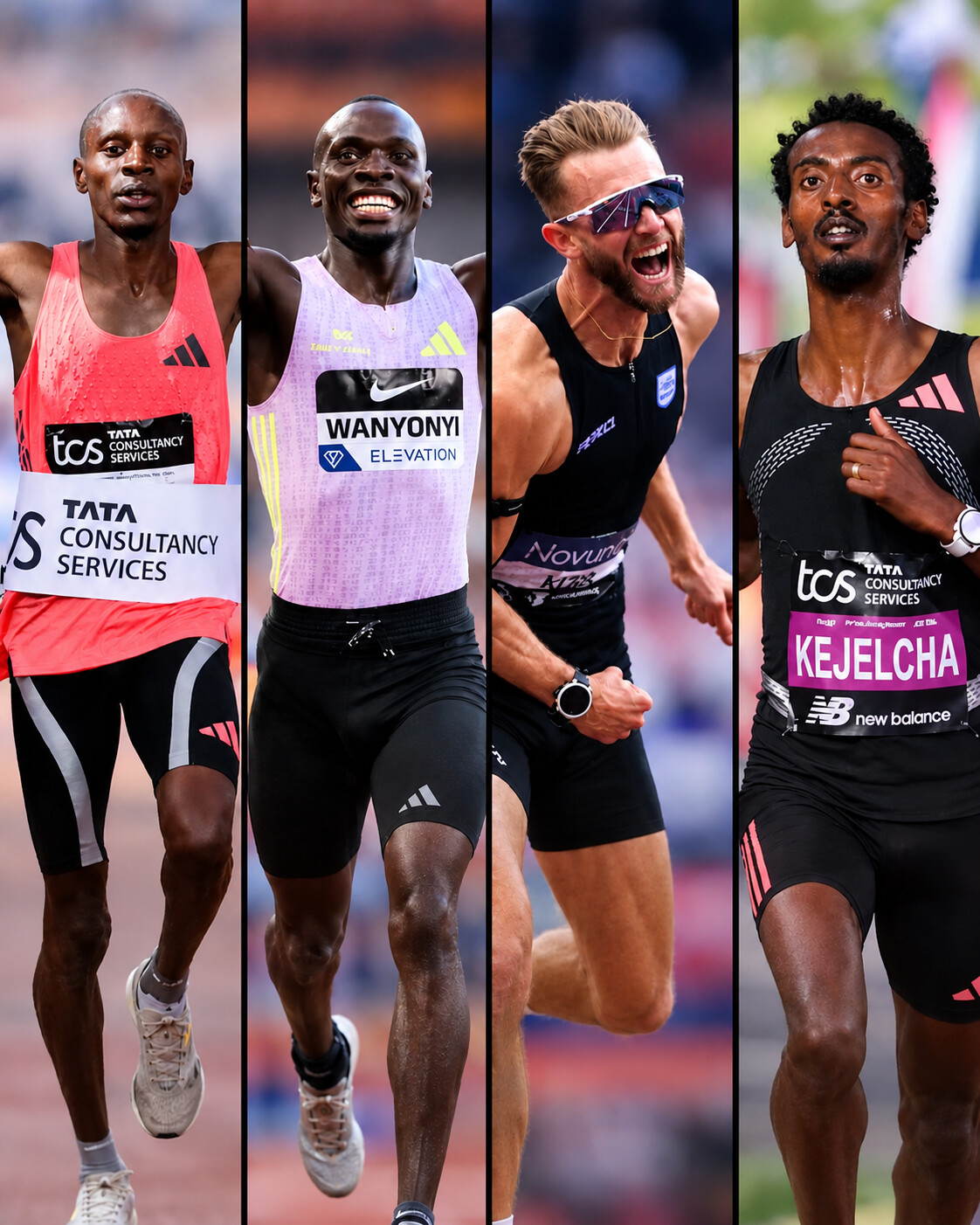
Records that had survived for decades, marks that appeared untouchable and performances that had defined entire generations of athletes are falling at a remarkable rate. In the space of just four months, four historic world records were rewritten, creating one of the most astonishing stretches the sport has ever seen.
And with four months still remaining in 2026, the question is no longer whether this has been an exceptional year.
It is just how much further the boundaries can be pushed.
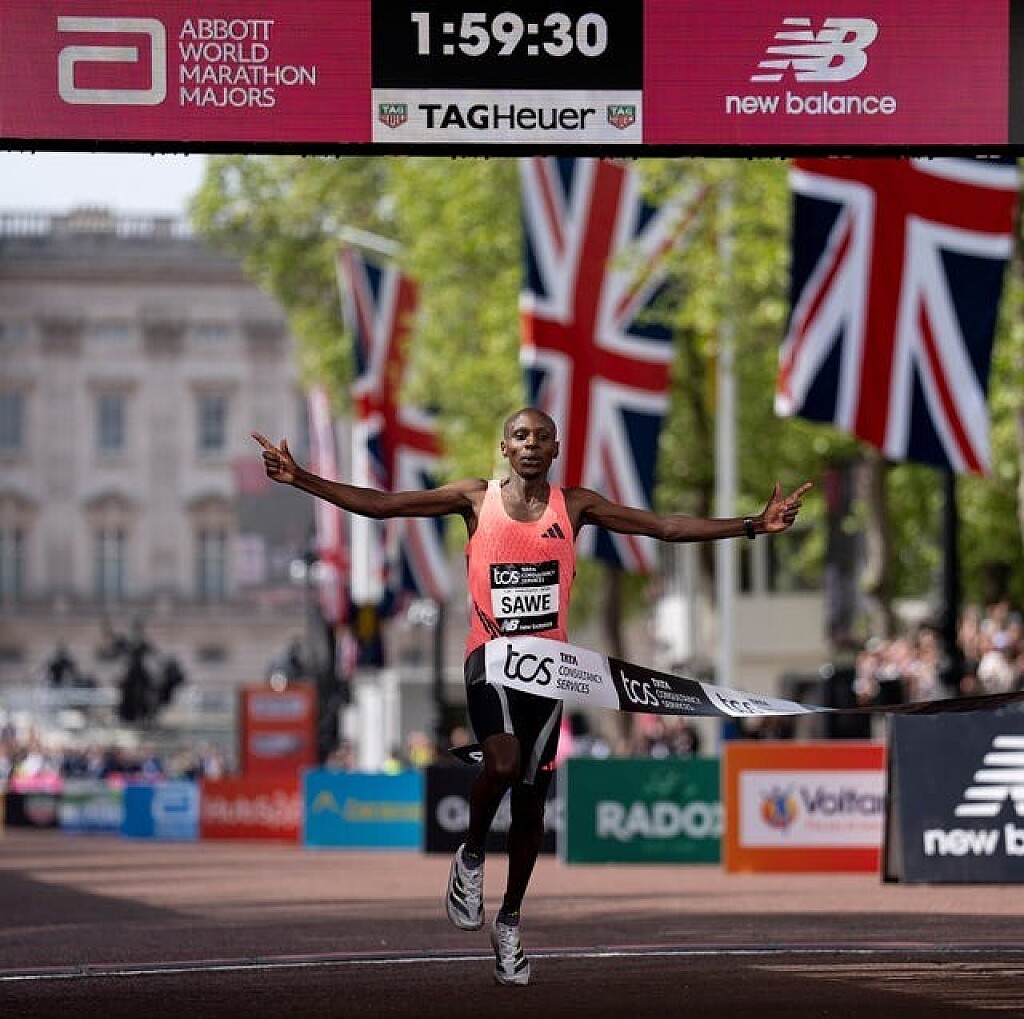
The extraordinary sequence began on April 26 at the London Marathon, where Sabastian Sawe delivered one of the defining performances in the history of the event. The Kenyan crossed the finish line in a breathtaking 1:59:30, becoming the first athlete to run a marathon under two hours in officially recognised, record-eligible conditions.
Eliud Kipchoge had famously broken the two-hour barrier in Vienna in 2019, proving that such a performance was humanly possible, but the specially organised conditions—including rotating pacemakers and a pace car—meant the time could not be recognised as an official world record.
Sawe's performance was different.
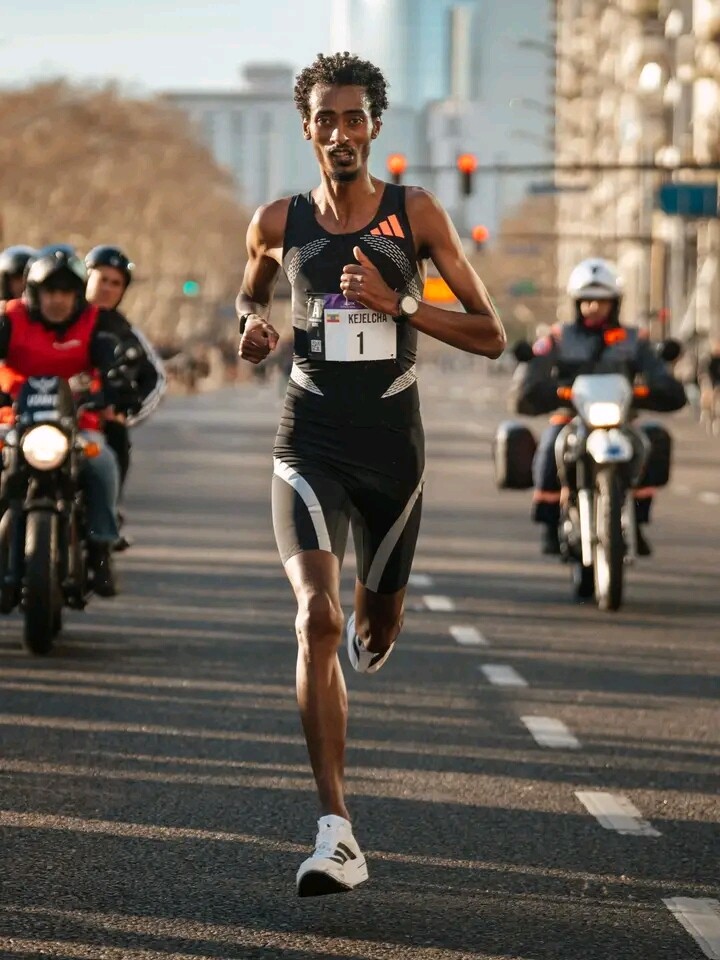
His 1:59:30 came in a conventional elite marathon race, and the historic morning became even more extraordinary as Ethiopia's Yomif Kejelcha finished in 1:59:41, while Uganda's Jacob Kiplimo clocked 2:00:28. In one astonishing race, three athletes went faster than the previous world-record standard.
Then came Monaco.
On July 10, Emmanuel Wanyonyi stepped into completely unfamiliar territory when he lined up for his first-ever 1000m race. What followed was nothing short of spectacular. The Kenyan middle-distance star stormed to 2:11.83, smashing a world record that had belonged to Noah Ngeny since 1999.
The previous mark had stood for 27 years, having been set four years before Wanyonyi was even born. Yet on his debut over the distance, Wanyonyi made history look effortless, while Britain's Jake Wightman also produced a superb performance to move into fifth place on the all-time list.
Just eight days later, London delivered another historic moment.
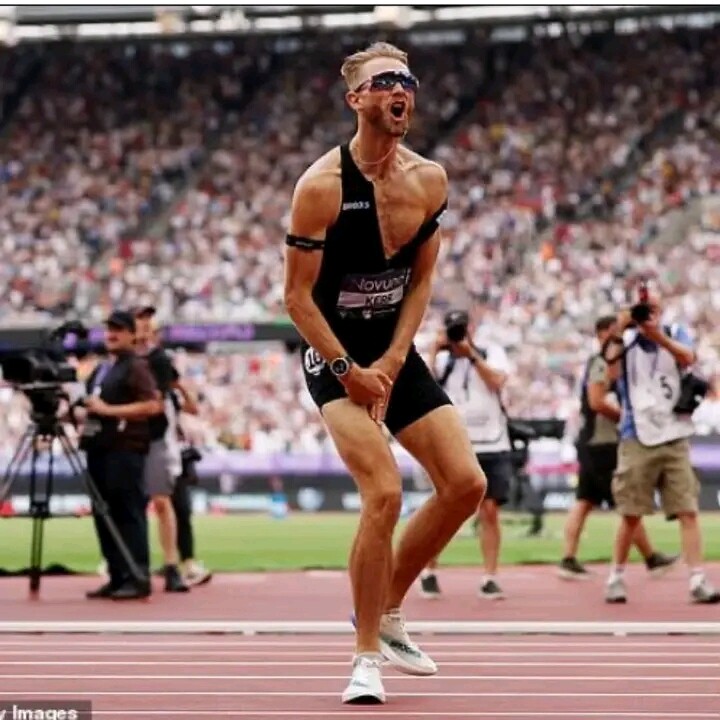
Josh Kerr had spoken openly about his ambitious mission, calling it “Project 222.” On the track, however, ambition turned into reality. The British star produced a stunning 3:42.66 for the mile, finally surpassing Hicham El Guerrouj's legendary 3:43.13 world record.
For decades, El Guerrouj's mark had stood as one of athletics' most iconic standards—a performance that appeared almost immune to the passing of time. Kerr changed that, producing a run that instantly secured its place among the greatest mile performances ever witnessed.
And then, in Buenos Aires on August 23, Yomif Kejelcha returned to the centre of the distance-running world.
Having already played a major role in London's historic marathon, the Ethiopian produced another extraordinary performance, this time over the half marathon. Kejelcha clocked 56:51, becoming the first man in history to break 57 minutes for the distance under valid record conditions.
What made the performance even more remarkable was the manner in which it unfolded. Kejelcha was running alone from around the 7km mark, with no rival beside him and no dramatic sprint finish required. He simply continued driving forward, producing one of the most dominant record-breaking performances ever seen on the roads.
Four historic records.
Four months.
A marathon barrier that had long been considered impossible in official competition. A 1000m record that had survived for 27 years. A mile record that had belonged to one of the greatest middle-distance runners in history. And a half-marathon performance that carried the event into completely new territory.
Distance running is living through a year unlike almost anything the sport has experienced before.
The most remarkable part?
2026 is not over yet.
With four months still remaining, the athletes of this extraordinary era may not be finished rewriting history.
by Erick Cheruiyot for My Best Runs.
Login to leave a comment
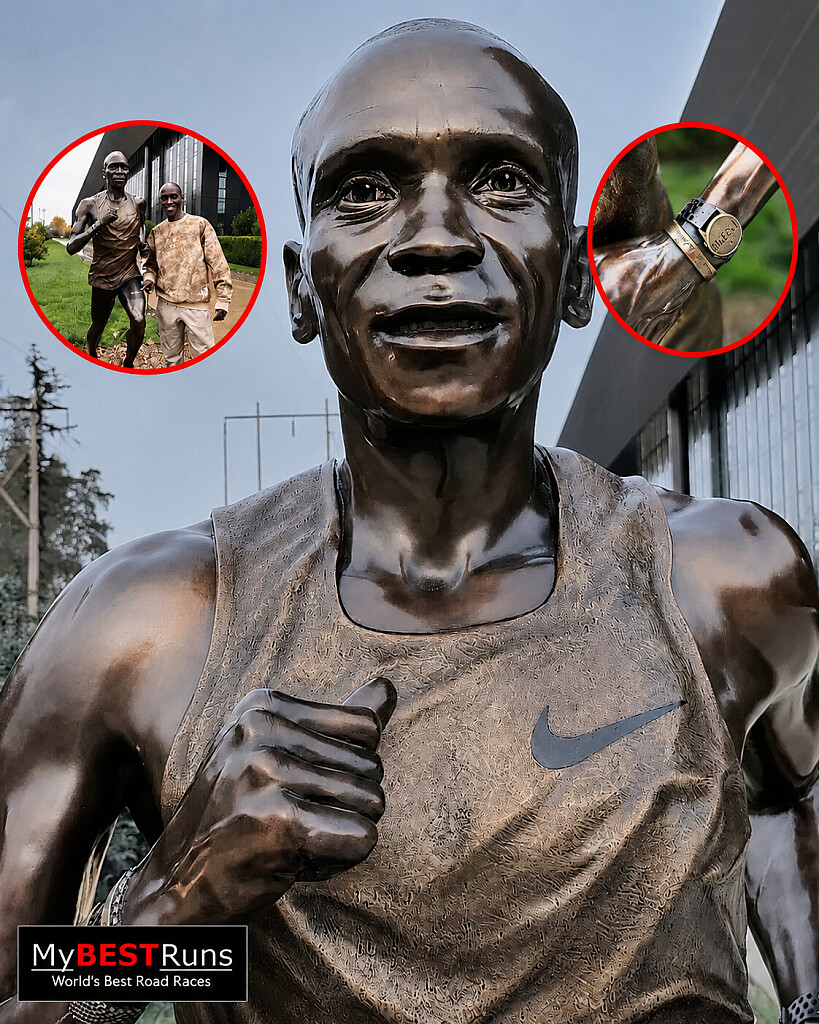
The Statue That Predicted History: How Kipchoge’s ‘No Human Is Limited’ Became Reality
Inside Nike’s World Headquarters in Beaverton, Oregon, a bronze figure stands frozen in motion.
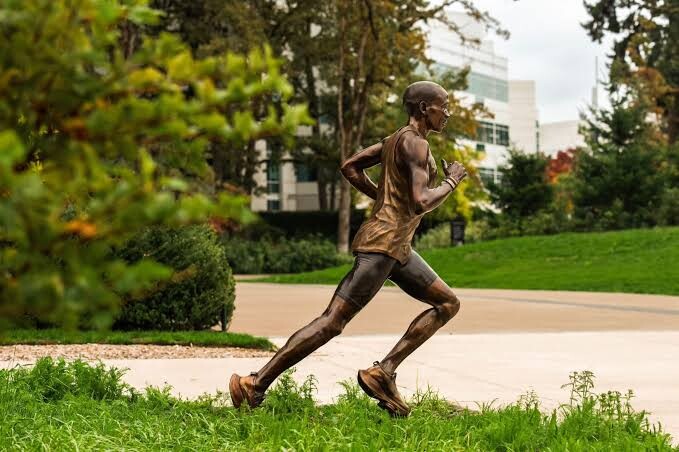
It is Eliud Kipchoge — captured in his unmistakable running posture, every detail carefully sculpted to resemble the Kenyan marathon legend at full stride. But this is more than a statue. It is a permanent reminder of a barrier that once seemed beyond human reach.
Created by Oregon artist Alison Caswell and commissioned by Nike, the life-size bronze sculpture was unveiled in October 2023 as part of the company’s celebration of its 20-year partnership with Kipchoge. Nike described the statue as a tribute to his signature gait and unique running style.
Look closely, however, and the sculpture tells an even deeper story.
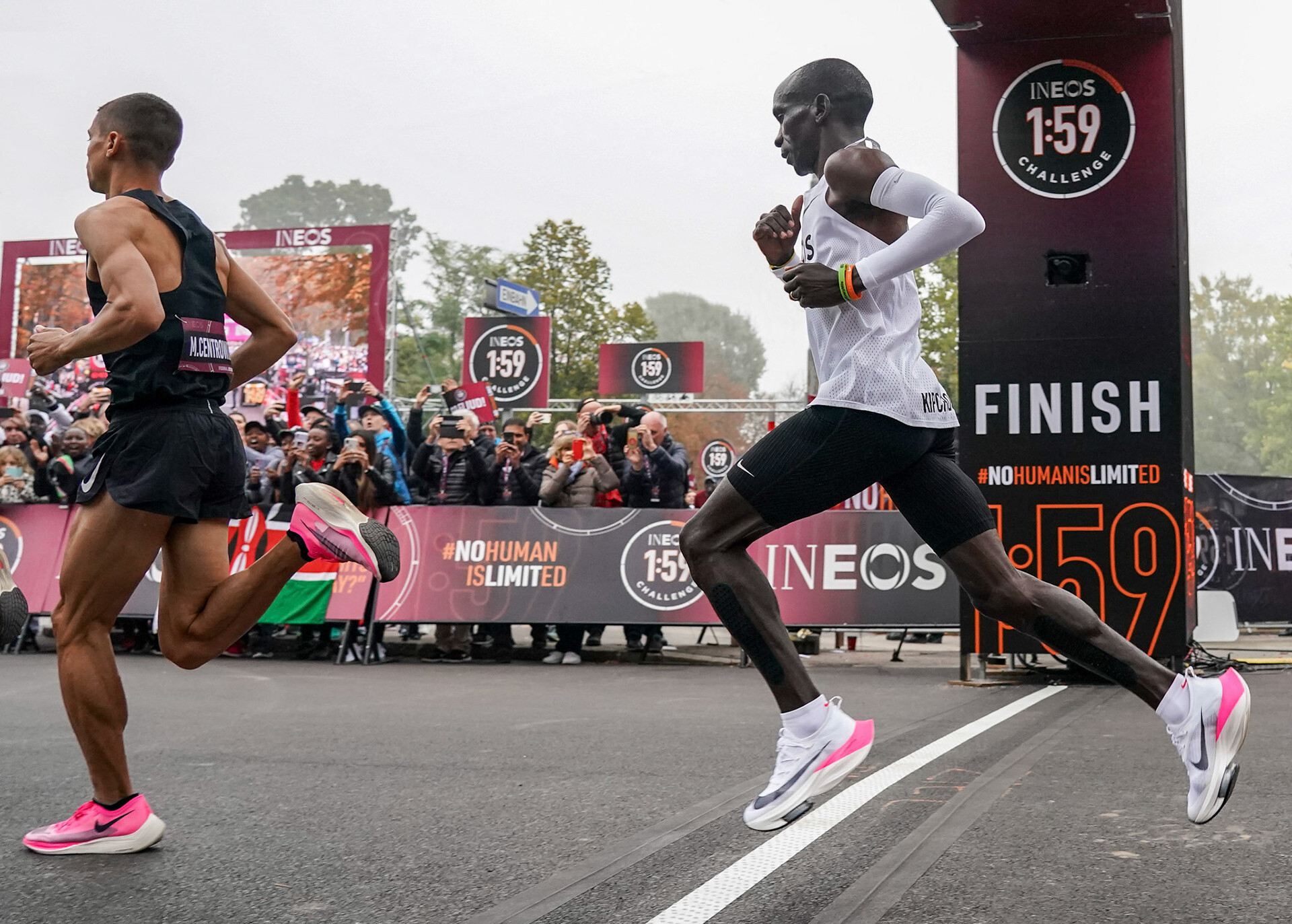
The watch on Kipchoge’s wrist displays 1:59:40, recalling the extraordinary morning of October 12, 2019, when he became the first person to run the marathon distance in under two hours during the INEOS 1:59 Challenge in Vienna.
His official recorded time was 1:59:40.2.
The achievement came under specially controlled conditions, with 41 pacemakers rotating in formations around him and extensive logistical support designed specifically for the attempt. Because it was not a standard record-eligible marathon, the performance was not recognized as an official world record. But its significance went far beyond the record books.
On the statue's left wrist is another detail that carries perhaps even greater meaning.
The wristband bears Kipchoge's famous philosophy:
“No human is limited.”
Those four words became synonymous with his pursuit of the impossible. In Vienna, they were no longer simply a slogan. Kipchoge had demonstrated that a boundary which had appeared almost untouchable could, under the right circumstances, be broken.
Four years later, the bronze figure remained in place at Nike's headquarters — but the marathon world had changed dramatically.
In October 2023, Kelvin Kiptum lowered the official men's marathon world record to 2:00:35 in Chicago, bringing the sport closer than ever to the barrier Kipchoge had already conquered unofficially in Vienna.
Then came April 26, 2026.
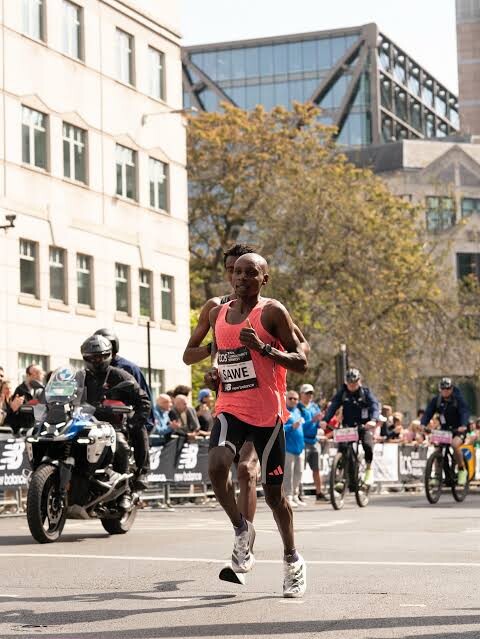
On the streets of London, Kenya's Sabastian Sawe entered territory that had previously belonged only to Kipchoge's extraordinary exhibition achievement.
Sawe won the London Marathon in 1:59:30, becoming the first man to officially complete a record-eligible marathon in under two hours. He also erased Kiptum's world record by 65 seconds. World Athletics subsequently ratified the performance as the official men's marathon world record.
And remarkably, Sawe did it in an ordinary competitive marathon — not on a specially designed course, not with rotating pacemakers, and not under the unique conditions of the 2019 INEOS challenge.
The symbolism is difficult to miss.
When Nike unveiled Kipchoge's statue in 2023, the 1:59:40 engraved on its wrist represented a moment when humanity had first stepped beyond the two-hour marathon barrier.
Today, that number represents something different.
It is no longer the fastest anyone has ever run 42.195 kilometres.
Instead, it has become part of the history that led to something even greater: the first officially recognized sub-two-hour marathon.
Kipchoge opened the door in Vienna.
Kiptum pushed the official world record closer.
And Sawe eventually walked — or rather, ran — through the door.
The bronze statue in Beaverton has not moved. Its watch still points to 1:59:40, and its wristband still carries the words “No human is limited.”
But the meaning of those words has grown.
What once looked like a statement of belief now reads like a prediction.
The statue was built to celebrate what Kipchoge had already achieved.
History has since given it another purpose: to remind the world that yesterday's impossible can become tomorrow's starting point.
by Erick Cheruiyot for My Best Runs.
Login to leave a comment

Sabastian Sawe Withdraws from Berlin Marathon After Injury, Ending Title Defence Hopes
Kenyan marathon sensation Sabastian Sawe has been forced to withdraw from the 2026 BMW Berlin Marathon because of injury, delivering a major blow to one of the most eagerly anticipated races of the year.
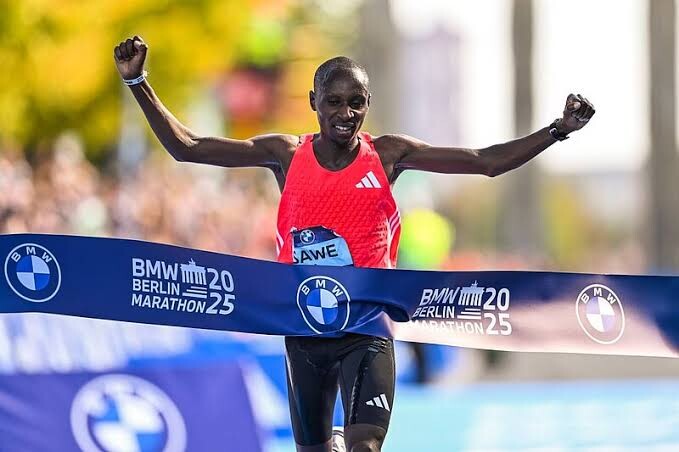
The 31-year-old Sawe, the reigning Berlin Marathon champion and marathon world-record holder, was scheduled to return to the German capital on September 27 with hopes of defending the title he won in 2025. However, injury has now ruled him out, bringing an abrupt end to his highly anticipated appearance.
The Berlin Marathon organisers officially confirmed Sawe’s withdrawal through their social media channels, expressing their disappointment at the Kenyan star’s absence and wishing him a full and speedy recovery.
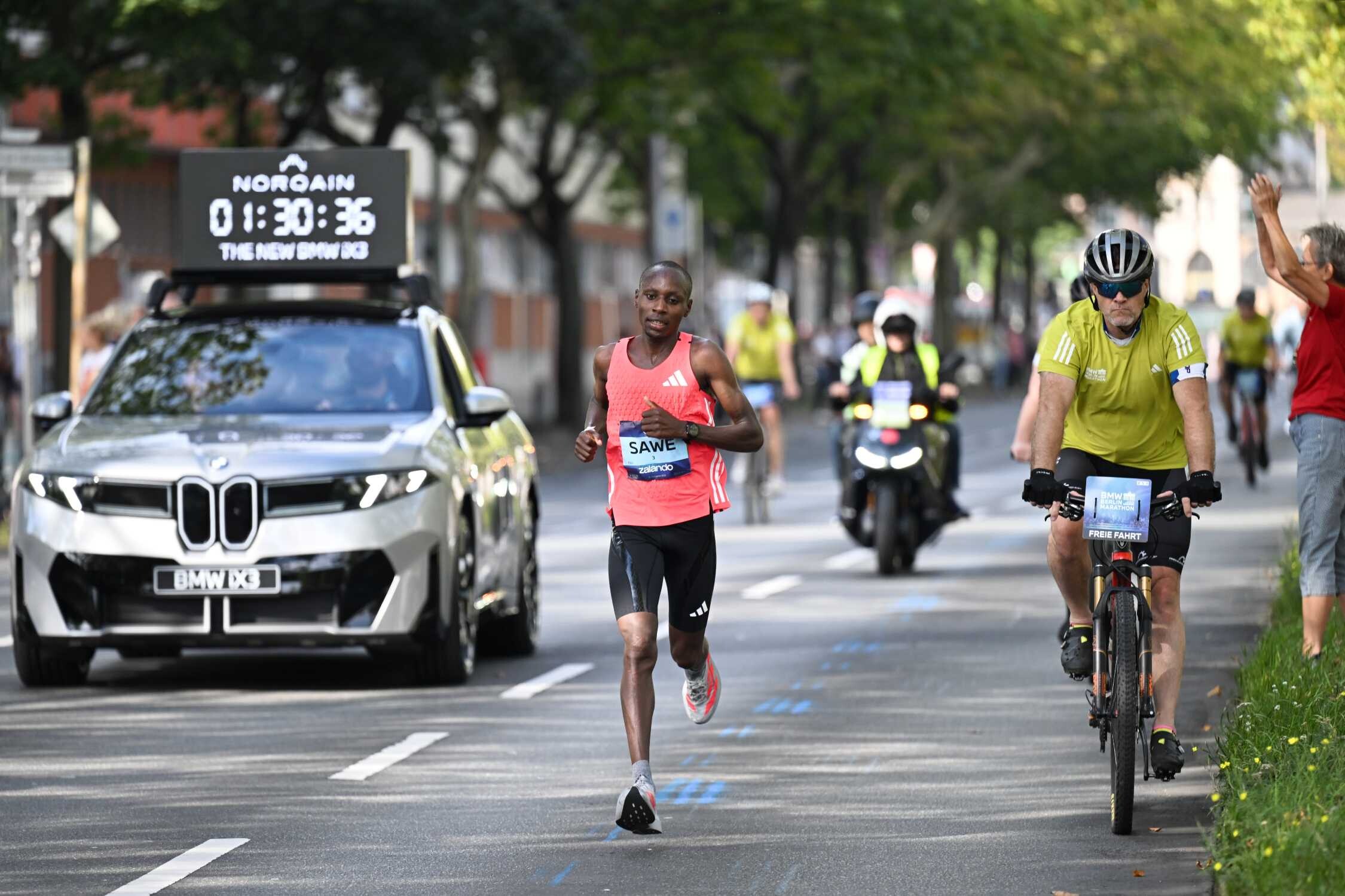
Sawe’s withdrawal is particularly significant because the Berlin Marathon was expected to mark his first official marathon appearance since his historic triumph in London earlier this year. The Kenyan made history at the London Marathon in April by becoming the first man to officially break the two-hour barrier in a marathon, stopping the clock at an astonishing 1:59:30.
That extraordinary performance elevated Sawe to another level in the sport and made his planned return to Berlin even more eagerly anticipated. Having already conquered the German capital in 2025, he was expected to arrive as both the defending champion and the man at the centre of the marathon world’s attention.
Last year, Sawe produced a superb performance to claim the Berlin Marathon title in 2:02:16, establishing himself as one of the dominant figures on one of the fastest marathon courses in the world. He had hoped to build on that victory this year, but his injury has forced him to abandon those plans.
Sawe expressed his deep disappointment at the withdrawal, revealing that he was leaving the race with a “heavy heart” after hoping to achieve something special on the streets of Berlin. His words reflect just how much the opportunity meant to him as he looked forward to returning to the scene of his previous triumph.
His absence will be a significant blow to the 2026 Berlin Marathon, removing one of the biggest stars from an elite field expected to deliver another memorable race. Sawe’s remarkable speed, endurance and record-breaking credentials had made him one of the main attractions of the event.
For now, the marathon king’s priority will be a full recovery. The athletics world will hope to see the Kenyan star back on the starting line soon, healthy, stronger and ready to add another chapter to an already extraordinary career.
Berlin will have to wait for its champion. But when Sawe returns, the marathon world will be watching.
by Erick Cheruiyot for My Best Runs.
Login to leave a comment

BMW Berlin Marathon
The story of the BERLIN-MARATHON is a story of the development of road running. When the first BERLIN-MARATHON was started on 13th October 1974 on a minor road next to the stadium of the organisers‘ club SC Charlottenburg Berlin 286 athletes had entered. The first winners were runners from Berlin: Günter Hallas (2:44:53), who still runs the BERLIN-MARATHON today, and...
more...
Geoffrey Kamworor Eyes New York Hat-Trick as Kenyan Star Chases Another Major Triumph
Two-time New York City Marathon champion Geoffrey Kamworor is set for another assault on the Big Apple, with the Kenyan distance-running star targeting a historic third victory when the Abbott World Marathon Majors race returns on November 1.
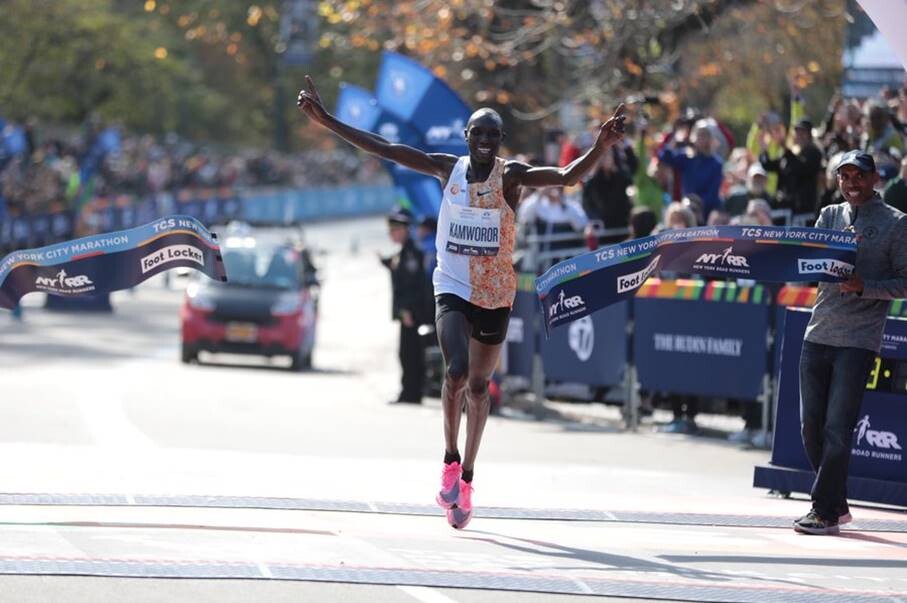
For Kamworor, New York represents much more than another marathon. It is a course where he has already enjoyed some of the defining moments of his illustrious career, and where he will now seek to add another prestigious title to a remarkable collection of achievements.
The 33-year-old has developed a special relationship with the New York course since making his debut there in 2015. On that occasion, he finished runner-up in 2:10:48 behind compatriot Stanley Biwott, who won in 2:10:34.
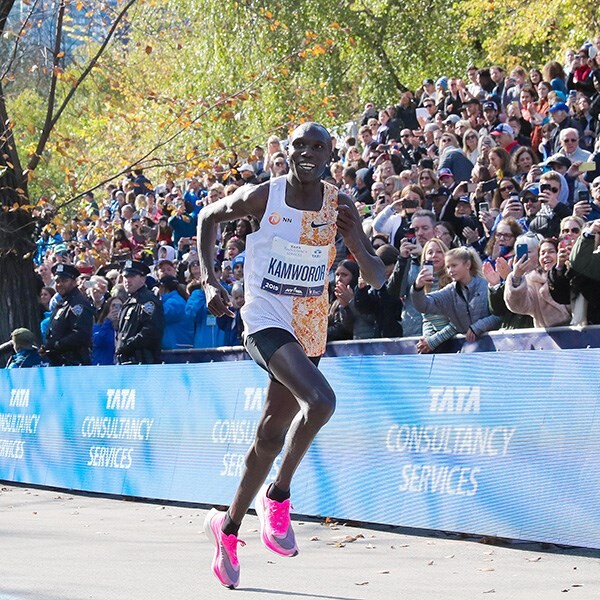
Two years later, Kamworor went one step further.
In 2017, he produced a composed performance to claim his first New York Marathon crown, crossing the finish line in 2:10:53. He held off fellow Kenyan and former world record-holder Wilson Kipsang, who finished just three seconds behind in 2:10:56, while Ethiopia's Lelisa Desisa took third in 2:11:32.

Kamworor returned the following year hoping to defend his title but had to settle for third place. Desisa triumphed in 2:05:59, ahead of Shura Kitata in 2:06:01, while Kamworor clocked 2:06:26.
But the Kenyan refused to stay away from the top for long.
In 2019, he reclaimed the New York crown in emphatic fashion, winning in 2:08:13. Albert Korir followed in second in 2:08:36, with Ethiopia's Girma Bekele completing the podium in 2:08:38.
Those two victories remain Kamworor's only Abbott World Marathon Majors titles, making New York a particularly significant venue in his career.
His latest appearance in the race, however, ended without another podium finish. Returning in 2024, Kamworor placed fifth in 2:08:50 as the Netherlands' Abdi Nageeye won in 2:07:39. Kenya's Evans Chebet was second in 2:07:45, while Albert Korir took third in 2:08:00.
Now, Kamworor is eager to return to the city where he has already tasted victory twice.
“I am very excited to be going back to New York,” Kamworor said, expressing his anticipation ahead of another demanding battle through the streets of the world's most famous city.
For the Kenyan star, the race offers a unique combination of sporting pressure and an atmosphere unlike any other.
“It's always an incredible experience to run the biggest marathon in the world. I'm really looking forward to feeling the energy of the crowd again,” he added.
Kamworor's challenge will be to arrive in New York at his best after a mixed campaign in 2026.
He began the year in spectacular fashion, winning the Ras Al Khaimah Half Marathon on February 14. The Kenyan clocked an impressive 58:14, finishing ahead of Bahrain's Birhanu Balew, who ran 58:23, and compatriot Gideon Rono, who crossed the line in 58:38.
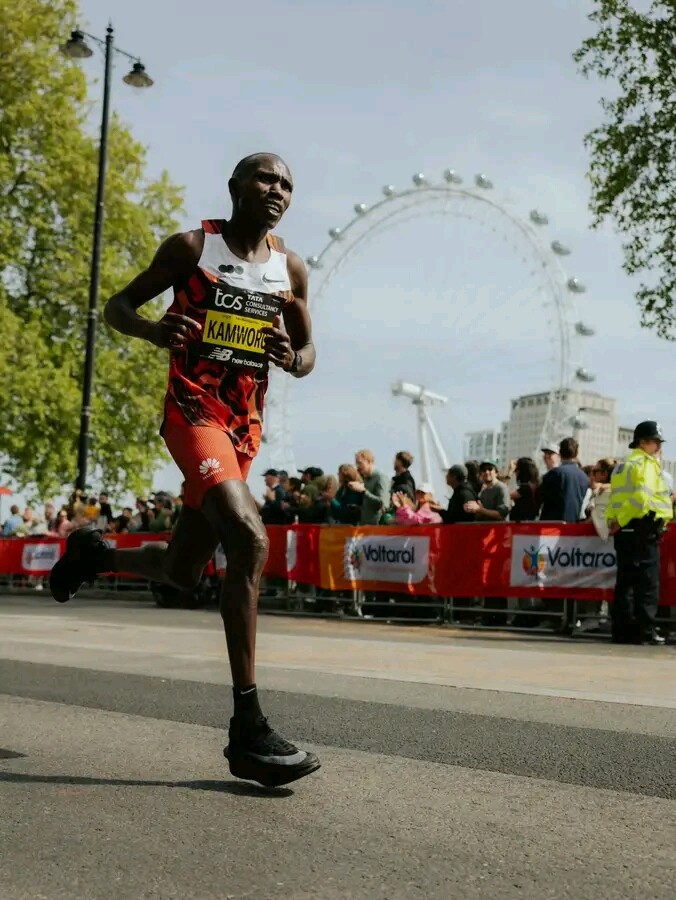
His London Marathon campaign on April 26 proved considerably tougher. Kamworor finished eighth in 2:05:38 in a historic race dominated by Sebastian Sawe, who produced a sensational 1:59:30 to become the first man to break the two-hour barrier in a marathon. Ethiopia's Yomif Kejelcha was second in 1:59:41, while Uganda's Jacob Kiplimo finished third in 2:00:28.
Kamworor will therefore arrive in New York with both experience and motivation on his side. He knows exactly what the course demands, having already navigated its hills, turns and relentless closing stages on multiple occasions.
Beyond the marathon, his career is decorated with major international honours across several disciplines.
Kamworor is a three-time world half marathon champion, winning his first title in Copenhagen in 2014 before successfully defending his crown in Cardiff in 2016 and completing his remarkable hat-trick in Valencia in 2018.
He has also established himself as one of Kenya's finest cross-country runners. He won the world junior cross-country title in Punta Umbria in 2011 before becoming a senior world champion in Guiyang in 2015 and Kampala in 2017. He added a bronze medal at the 2019 World Cross Country Championships in Aarhus.
That versatility has long been one of Kamworor's greatest strengths. From cross country to the half marathon and now the marathon, he has repeatedly demonstrated the endurance, tactical intelligence and competitive resilience required to succeed at the highest level.
Yet New York remains unfinished business.
With two victories already secured and another opportunity waiting on November 1, Kamworor has a chance to strengthen his legacy on one of the sport's most iconic stages.
A third triumph would not only give him a coveted New York hat-trick but would further cement his status as one of Kenya's most accomplished distance runners of his generation.
The Big Apple has already given Kamworor some of the proudest moments of his career. Now, the Kenyan star is returning with one clear ambition — to conquer New York once again.
by Erick Cheruiyot for My Best Runs.
Login to leave a comment

TCS New York City Marathon
The first New York City Marathon, organized in 1970 by Fred Lebow and Vince Chiappetta, was held entirely in Central Park. Of 127 entrants, only 55 men finished; the sole female entrant dropped out due to illness. Winners were given inexpensive wristwatches and recycled baseball and bowling trophies. The entry fee was $1 and the total event budget...
more...
Kejelcha and Sawe: Two Men Driving Road Running Into a New Era
Men's road running is moving into extraordinary territory, and two athletes are increasingly at the heart of its breathtaking evolution: Yomif Kejelcha of Ethiopia and Sabastian Sawe of Kenya.
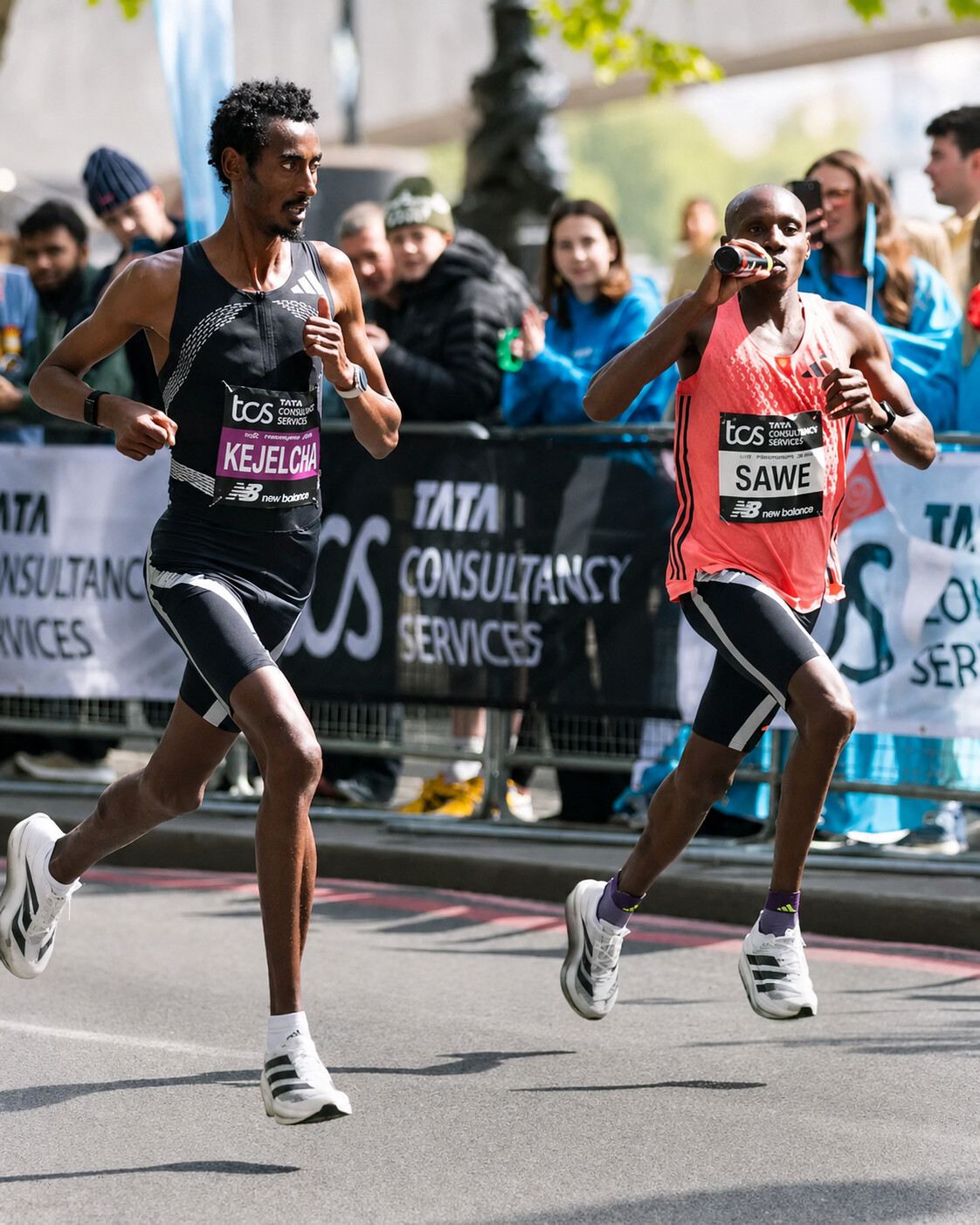
The pair represent the remarkable depth of modern East African distance running, but they are also doing something even more significant: pushing the boundaries of marathon and half-marathon performance to levels that once seemed almost unimaginable. Through their exceptional speed, endurance and ability to perform at the highest level, Kejelcha and Sawe are helping to redefine what is possible on the roads.
Sawe has established himself as one of the most formidable marathon runners in the world. His astonishing 1:59:30 marathon performance at TCS London Marathon on April 26, 2026, marked as a world record, African record and Kenyan record, demonstrated the extraordinary level the marathon has now reached. It also underlined his position at the very top of the men's marathon world rankings.
Kejelcha has been equally sensational, although his journey has highlighted a different kind of versatility. The Ethiopian, whose background includes world-class performances on the track and across shorter road distances, ran 1:59:41 for the marathon debut also at the TCS London Marathon on April 26, 2026, a performance marked as a national record. Just four months later, he delivered another stunning display by clocking 56:51 for the half marathon at the Argentina's capital, Buenos Aires on August 23, 2026, with the performance marked as a pending world record, African record and Ethiopian national record.
That combination of performances illustrates just how exceptional this new generation has become. Kejelcha's ability to threaten the absolute limits over the half marathon while also producing a sub-two-hour marathon performance speaks to his extraordinary range. Sawe, meanwhile, has continued to establish himself as a dominant force over the classic 42.195km distance, combining remarkable efficiency with the strength and speed required to compete at the very highest level.

The two stars are now preparing to take their talents to different stages of the road-running calendar. Kejelcha's next focus is the Valencia Marathon on December 6, where he will once again turn his attention to the marathon distance and look to build on his remarkable breakthrough over 42.195km. Sawe, meanwhile, is set to race the BMW Berlin Marathon on September 27, giving the Kenyan another major opportunity to showcase his extraordinary marathon strength on one of the world's fastest and most prestigious courses.
Those upcoming races add another fascinating dimension to their respective journeys. While Kejelcha heads to Valencia carrying exceptional speed and versatility into another marathon challenge, Sawe will arrive in Berlin with his sights firmly fixed on maintaining his dominance at the highest level of the sport.
What makes their rise particularly exciting is the wider message it sends to athletics. The marathon is no longer progressing only through small margins. The standards at the top are being pushed relentlessly forward, and performances that once appeared impossible are becoming increasingly realistic.
The official sub-two-hour marathon remains one of athletics' ultimate frontiers. Achieving it under standard race conditions would represent one of the greatest endurance breakthroughs in sporting history. Yet with athletes such as Sawe already breaking the two-hour barrier and Kejelcha running only seconds above it while also producing unprecedented half-marathon speed, that frontier appears closer than ever.
Their careers are different, and their strengths are not identical. Sawe has rapidly become a dominant marathon specialist, while Kejelcha brings exceptional versatility from the track to the roads and across multiple distances. But together, they symbolize the relentless progression of men's road running.
Yomif Kejelcha and Sabastian Sawe are not merely among the fastest men of their generation. They are helping to drive the sport toward a future that once seemed unthinkable. With Valencia and Berlin now on their horizons, the next chapter of this remarkable road-running revolution is already waiting to be written.
by Erick Cheruiyot for My Best Runs.
Login to leave a comment
Sabastian Sawe Set for Another Historic Berlin Marathon as Elite Field Takes Shape
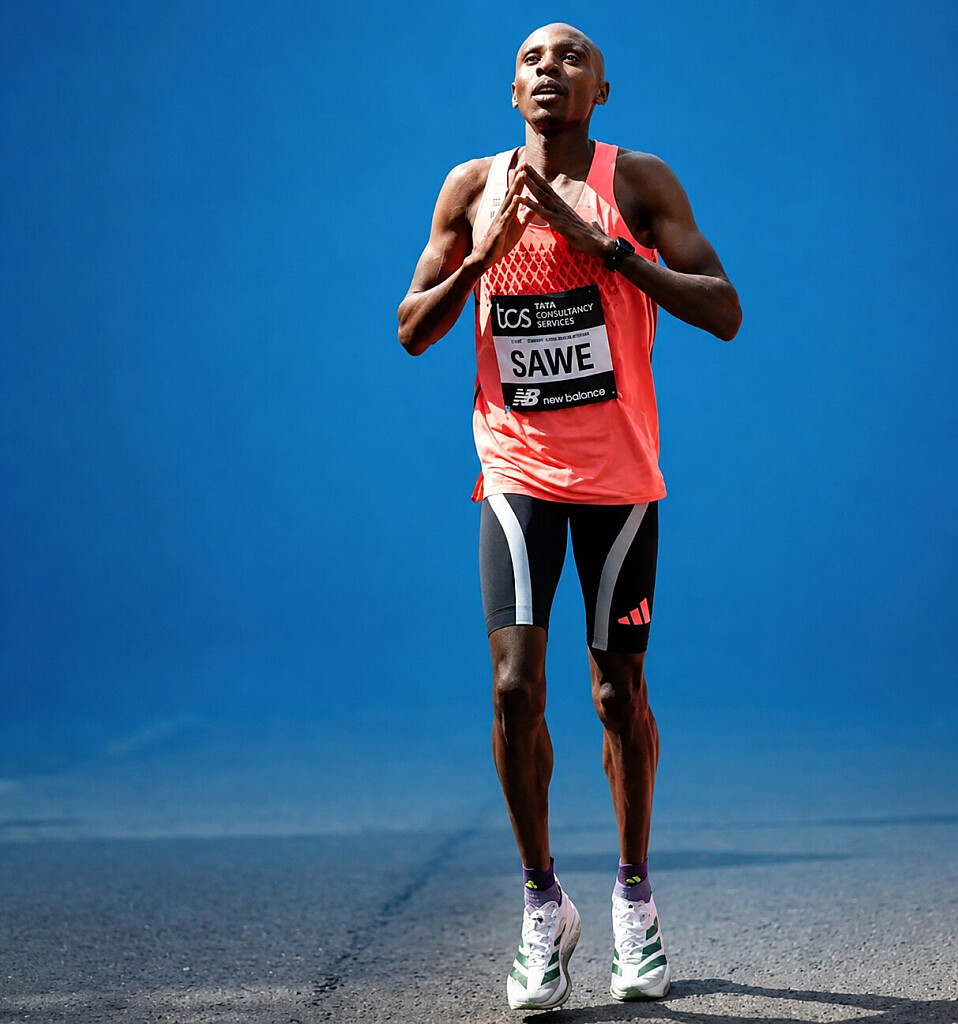
World record holder Sabastian Sawe is set to return to the BMW Berlin Marathon on September 27, where the Kenyan superstar will defend his title and attempt to add another remarkable chapter to his already extraordinary marathon career.
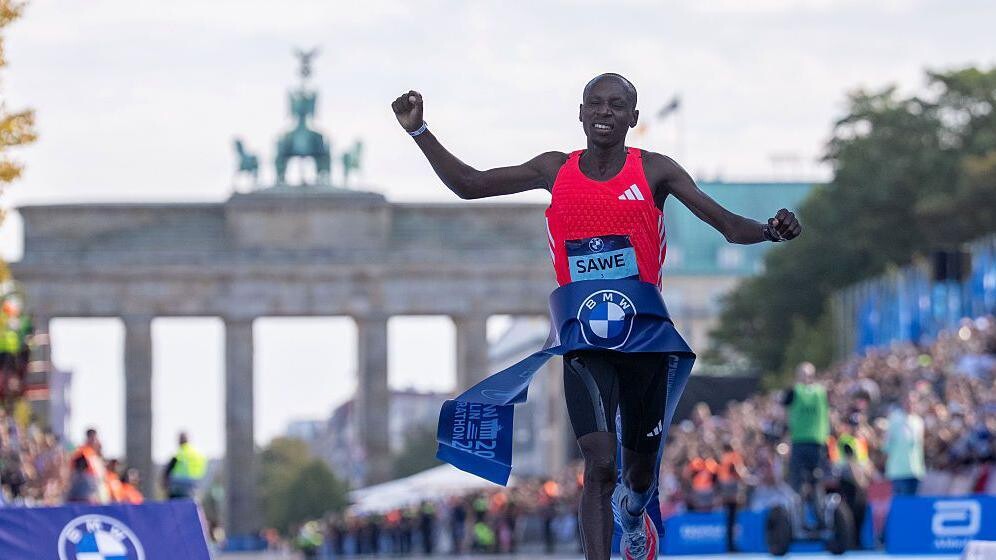
Sawe arrives in Berlin with unprecedented confidence after his sensational 1:59:30 performance in London, which made him the first athlete to officially break the two-hour barrier in the marathon. That landmark achievement has elevated expectations for his return to the German capital, where he will once again line up on one of the fastest marathon courses in the world.
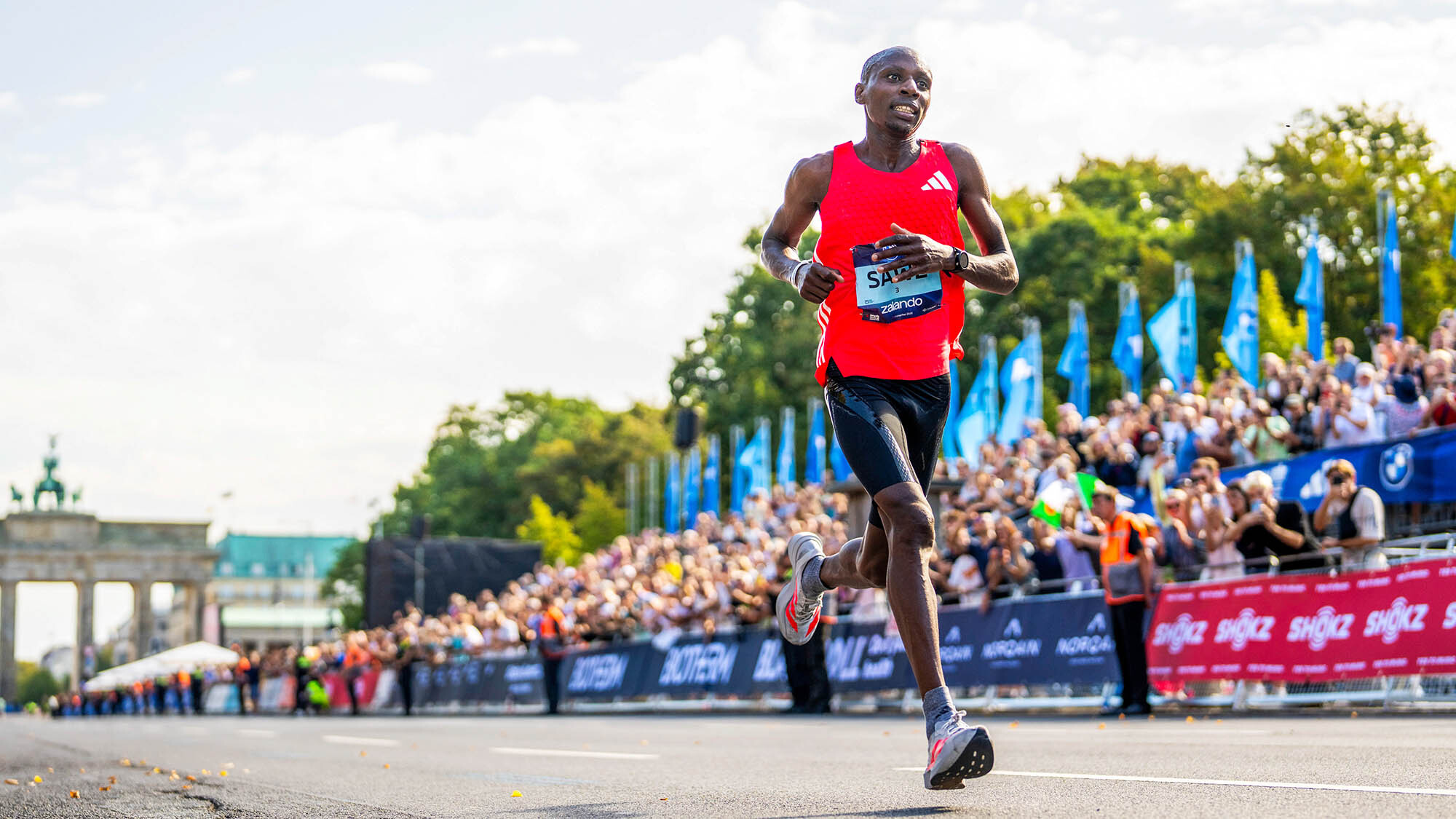
The Kenyan won the 2025 Berlin Marathon in 2:02:16 despite warm conditions, demonstrating his ability to produce a world-class performance even when circumstances are far from ideal. This time, he returns as the defending champion and world-record holder, with the famously flat Berlin course providing another opportunity to test the limits of what is possible over 42.195km.
Berlin has a remarkable history of producing record-breaking performances, and Sawe's presence immediately raises the possibility of another extraordinary race. The question now is whether the 31-year-old can go beyond his own 1:59:30 world record and take the marathon to an even higher level.
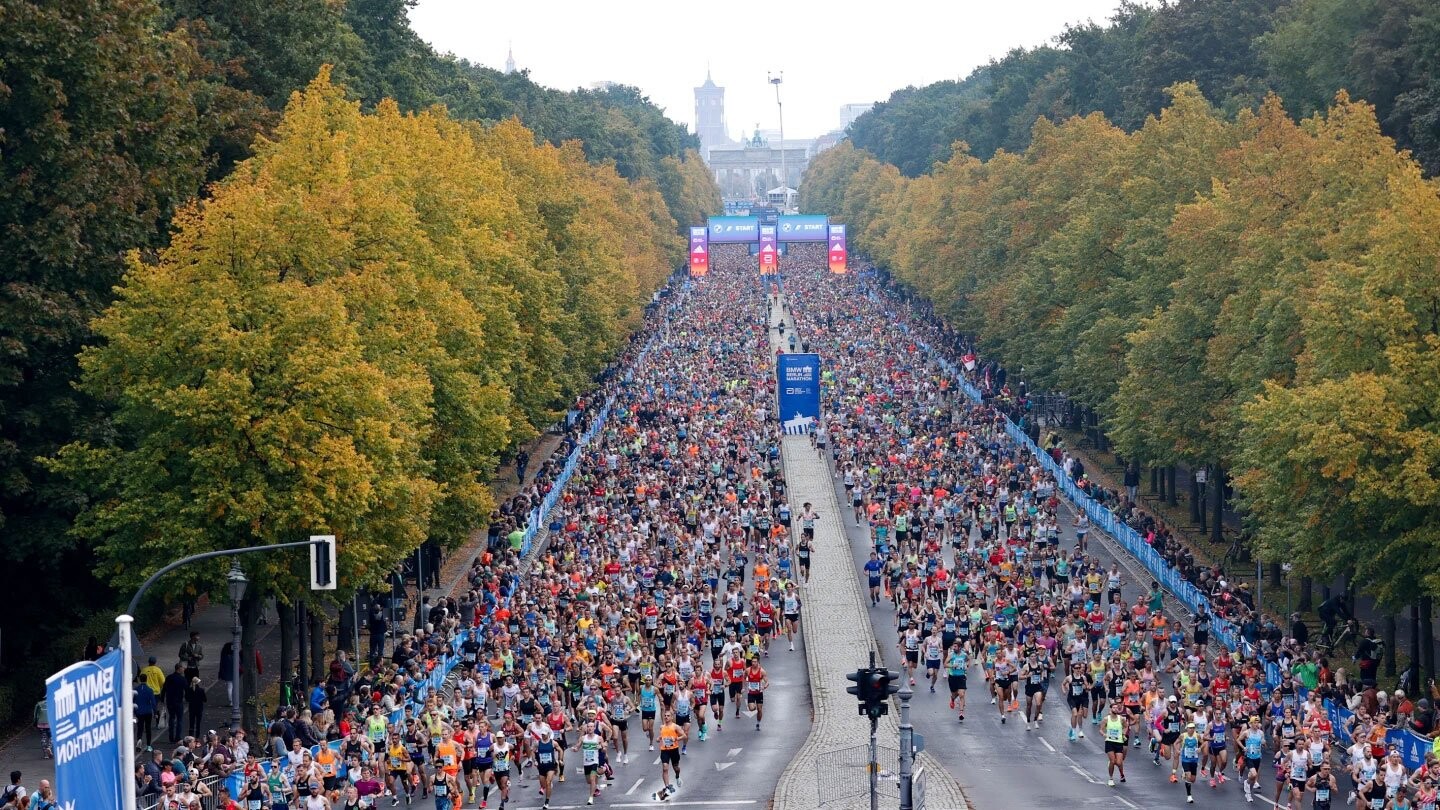
However, Sawe will face formidable opposition.
Tanzania’s Gabriel Geay has joined the elite field, bringing a personal best of 2:03:00 set in Valencia in 2022. The 29-year-old Tanzanian record holder established himself among the world’s leading marathoners with that performance and further underlined his credentials by finishing runner-up at the 2023 Boston Marathon.
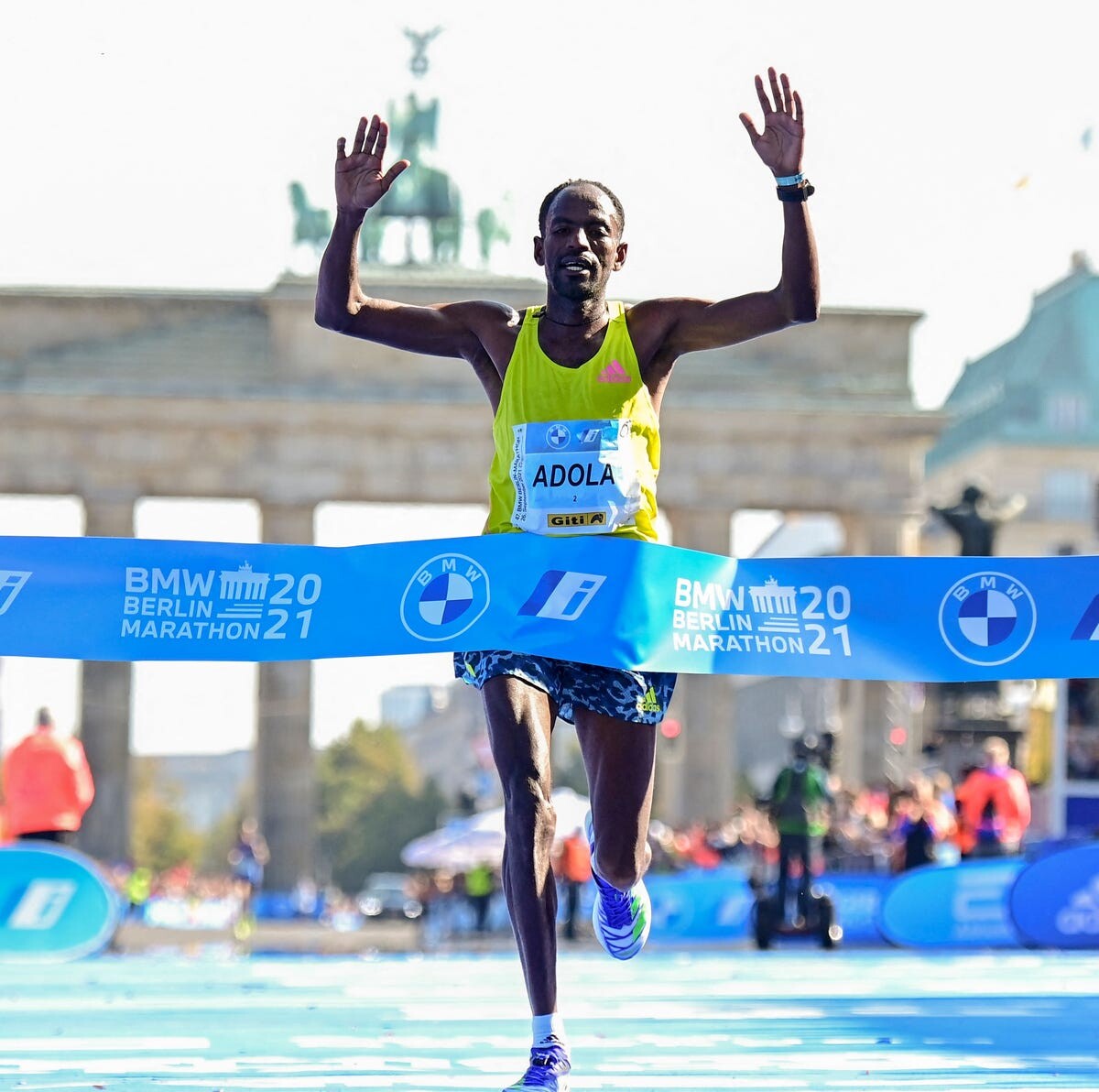
Ethiopia’s Guye Adola will also return to Berlin, the scene of some of the most memorable moments of his marathon career. In 2017, Adola stunned the athletics world on his marathon debut, pushing Eliud Kipchoge deep into the race before finishing second in a remarkable 2:03:46. Four years later, on September 26, 2021, Adola returned to Berlin and claimed victory in 2:05:45, adding another significant chapter to his association with the iconic German marathon. Now, after his recent return to top form, he will once again line up on the streets where he has already made history.
Now 35, Adola has endured injury setbacks in recent years, but his victory at the Rotterdam Marathon in 2:03:54 this spring proved that he remains a major force on the international marathon circuit.
The addition of Geay and Adola adds further quality to a field already packed with athletes capable of running at an extraordinary pace. With Sawe leading the charge, Berlin is shaping up to deliver another thrilling battle among some of the world's finest marathoners.
The depth of the field extends well beyond the leading contenders, with Ethiopia boasting an imposing group of marathoners. Getaneh Molla (2:03:34), Shura Kitata (2:03:59), Dejene Hailu (2:04:15), Selemon Barega (2:05:00), Taresa Tolosa (2:05:17), Tadu Abate (2:05:38), Asefa Boki (2:05:40) and Andamlak Belihu (2:06:40) will all bring proven credentials and the ambition to challenge for fast times in Berlin.
Japan, meanwhile, has assembled a particularly deep contingent, led by Kenya Sonota (2:05:59), Tsubasa Ichiyama (2:06:00), Kyoto Hirabayashi (2:06:14), Yuhei Urano (2:06:23), Hidekazu Hijikata (2:06:26), Yusuke Nishiyama (2:06:31), Naoki Koyama (2:06:33), Kazuya Nishiyama (2:06:45), Daisuke Uekado (2:06:54) and Shin Kimura (2:07:34). China’s Jie He (2:06:57) and Kenya’s Richard Yator (2:07:36) complete a remarkably deep field, setting the stage for a race where the battle for victory could be accompanied by a long list of outstanding personal performances.
For Sawe, though, the challenge goes beyond defending his Berlin crown. Having already broken the two-hour barrier, he now has an opportunity to chase an even more remarkable achievement on a course renowned for producing marathon history.
Can Sabastian Sawe lower his own 1:59:30 world record in Berlin on September 27?
The countdown is on, and if the conditions are right, the defending champion could once again have the marathon world watching every step.
by Erick Cheruiyot for My Best Runs.
Login to leave a comment
BMW Berlin Marathon
The story of the BERLIN-MARATHON is a story of the development of road running. When the first BERLIN-MARATHON was started on 13th October 1974 on a minor road next to the stadium of the organisers‘ club SC Charlottenburg Berlin 286 athletes had entered. The first winners were runners from Berlin: Günter Hallas (2:44:53), who still runs the BERLIN-MARATHON today, and...
more...
Josh Kerr’s Mile Mastery Could One Day Lead Him To The London Marathon
Josh Kerr has conquered one of athletics’ most historic distances. Yet, remarkably, the Scottish star is already dreaming about a challenge that sits more than 25 miles beyond the distance that has made him a global track sensation.
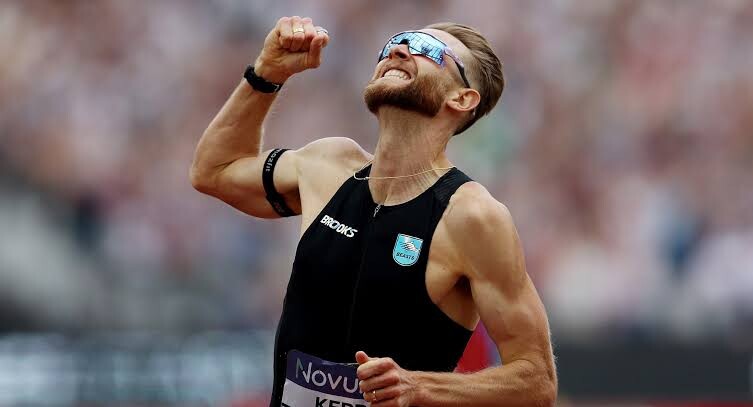
Kerr produced one of the defining performances of his career on July 18, 2026, at the London Stadium, storming to a sensational 3:42.66 in the Emsley Carr Mile to shatter Hicham El Guerrouj’s world record. The Moroccan’s 3:43.13 had stood untouched since 1999, but Kerr finally brought the 27-year-old mark down by 0.47 seconds.
The performance confirmed Kerr’s place among the greatest milers of his generation, but his ambitions extend well beyond the track.
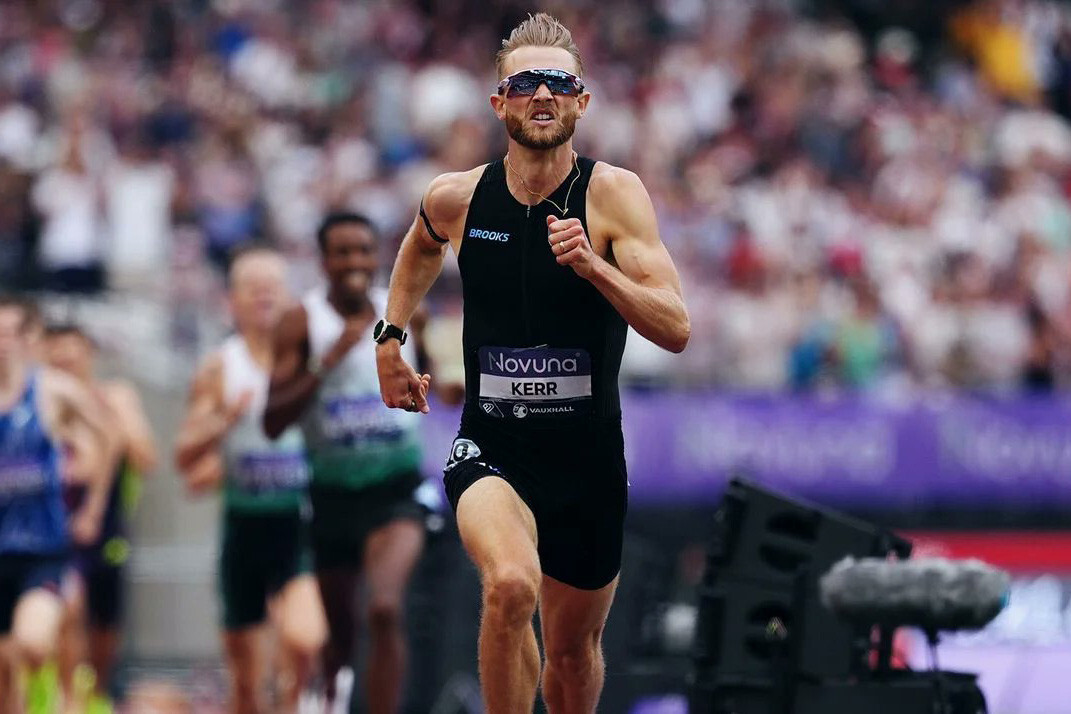
Speaking after his historic achievement, the 28-year-old revealed that the marathon is a distance he has become increasingly fascinated by, with the London Marathon occupying a particularly special place in his long-term imagination. For Kerr, the ultimate attraction would not necessarily be a world-class time, but the possibility of one day winning the race.
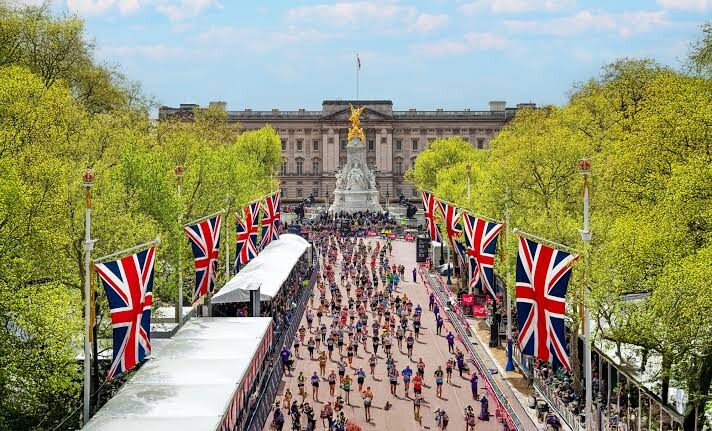
He remains realistic about how distant that ambition is. Kerr has made it clear that there is still important work to be completed on the track, with the Los Angeles 2028 Olympic Games among his major objectives. His marathon dream, therefore, belongs to the future rather than the immediate present.
That patience could prove crucial.
The transition from the mile to the marathon is one of the most demanding changes an elite distance runner can make. It requires far more than simply possessing exceptional aerobic fitness. The marathon places extraordinary demands on endurance, efficiency, energy management and the ability to maintain a high pace for more than two hours.
History, however, has shown that a world-class track runner can successfully make the leap when the timing is right.
Sifan Hassan provides perhaps the most spectacular modern example. After establishing herself as one of the most versatile distance runners in history, competing successfully from 1,500m through 10,000m, the Dutchwoman made her marathon debut at the 2023 London Marathon. She won in 2:18:33 after producing a remarkable finishing sprint, then went on to claim Olympic marathon gold the following year.
Her ability to change gears late in races became one of her greatest weapons. It is also an attribute Kerr knows particularly well.
Kerr has built his reputation around devastating finishing speed. Whether competing over 1,500m or the mile, his ability to accelerate when others are already approaching their physical limits has repeatedly separated him from the field. The question is whether that same weapon could eventually become a decisive advantage over the marathon distance.
Mo Farah's journey offers a more complicated lesson.
The British legend spent years dominating the 5,000m and 10,000m before turning his attention to the marathon. Despite possessing an extraordinary endurance base, Farah discovered that the marathon demanded an entirely different level of preparation. He finished eighth on his London Marathon debut in 2014 in 2:08:21 before eventually improving the British record to 2:06:22 in 2018.
Farah later explained that mastering the marathon took considerable time, underlining just how different the event is from even the longest Olympic track distances.
For Kerr, the physiological challenge would be even greater because his speciality is the mile.
The mile rewards an athlete who can combine enormous aerobic power with exceptional speed. The marathon, by contrast, demands the ability to operate efficiently for a prolonged period below maximum aerobic capacity. Running economy, lactate-threshold ability, endurance and the capacity to preserve energy deep into a race become increasingly important.
That transformation cannot be rushed.
And the marathon landscape Kerr would eventually enter is becoming more extraordinary by the year.
The 2026 London Marathon demonstrated just how far the event has evolved. Kenya’s Sabastian Sawe made history by becoming the first athlete to officially break the two-hour barrier in a competitive marathon, winning in 1:59:30. Ethiopia’s Yomif Kejelcha also finished inside two hours, while three men ultimately finished faster than the previous world record.
That is the standard waiting for Kerr if his distant ambition eventually becomes reality.
For now, however, there is no need to hurry. Kerr has already rewritten the mile record books, becoming the first man to break 3:43 and ending one of the longest-standing world records in modern athletics.
His next chapter is still firmly rooted on the track, where Olympic glory remains a major target. But somewhere beyond those ambitions lies a different challenge: 26.2 miles of London roads, a distance more than 25 miles longer than the event in which he currently reigns supreme.
It may sound improbable today, but Kerr is not dismissing the possibility.
“I promise I will try it.”
And if the day eventually comes when the world mile record-holder lines up on The Mall with the London Marathon title in his sights, it could become one of the most intriguing distance-running transitions the sport has ever witnessed.
by Erick Cheruiyot for My Best Runs.
Login to leave a comment
Ratified: Sabastian Sawe's Historic 1:59:30 Officially Enters the Record Books
There is no longer any debate. No asterisks. No waiting. What the world witnessed on the streets of London has now been permanently etched into athletics history.
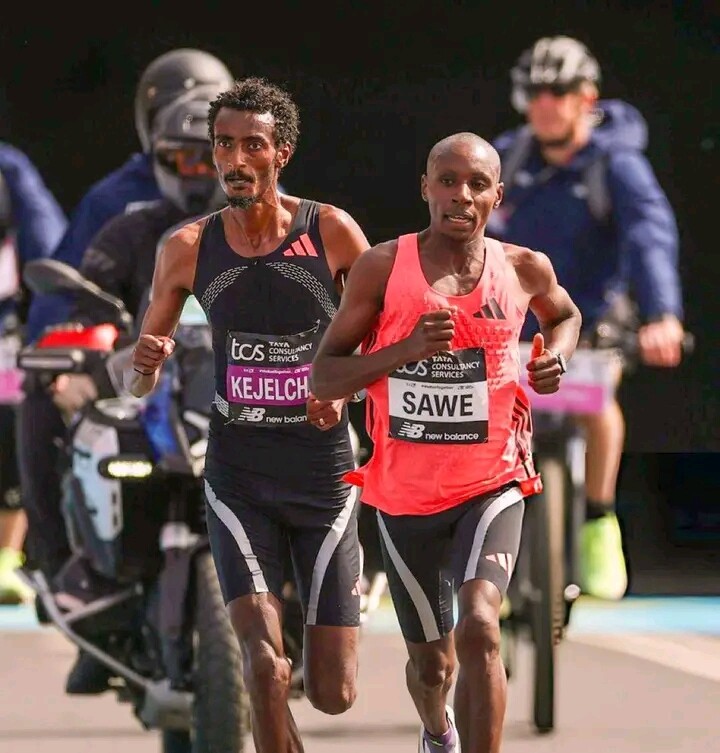
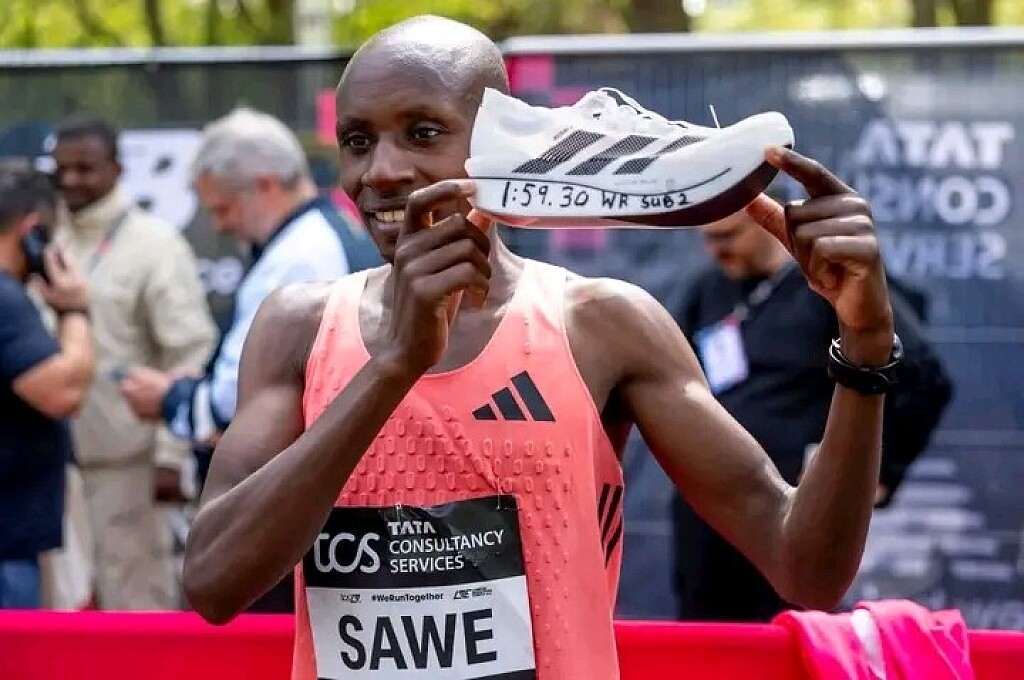
World Athletics has officially ratified Sabastian Sawe's astonishing 1:59:30 marathon, confirming it as the fastest marathon ever legally run and recognizing it as the first officially ratified sub-two-hour marathon in history.
For years, the two-hour barrier stood as the sport's ultimate frontier—a benchmark many believed would take decades to conquer under official race conditions. On that unforgettable day in London, Sawe rewrote those expectations with a performance that combined extraordinary endurance, tactical brilliance, and relentless pace from start to finish.
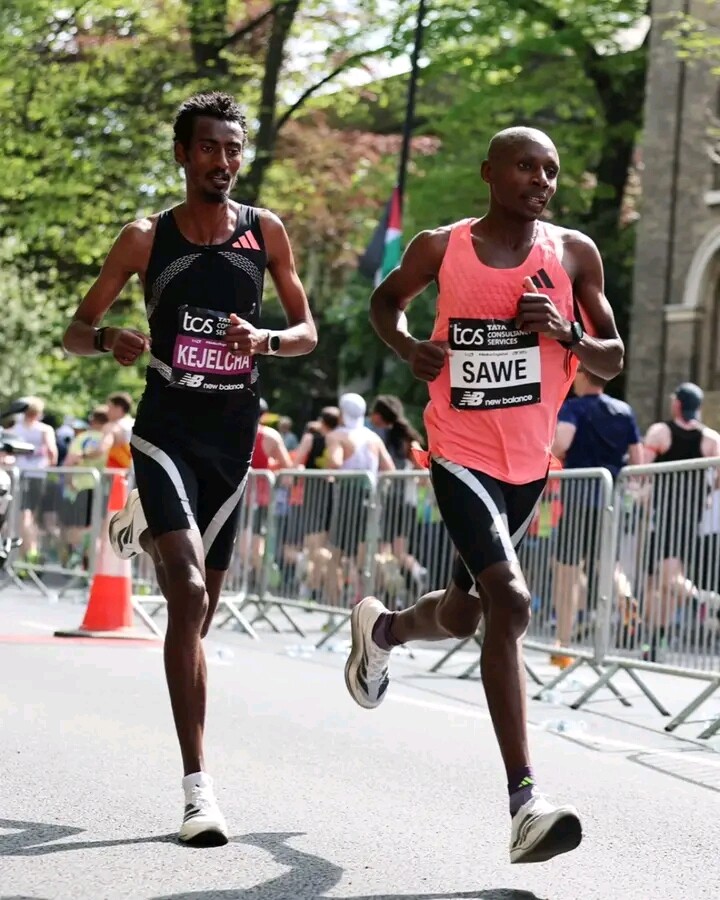
Now, the governing body of global athletics has sealed the achievement, elevating it from an unforgettable race-day spectacle to an official world record that will forever hold a place among the greatest milestones in sporting history.
The ratification is more than a confirmation of a time on the clock. It is recognition of a performance that has redefined what marathon runners can achieve under legal competition rules. Sawe's 1:59:30 not only lowered the world record but also shattered one of the last psychological barriers in distance running, proving that the impossible can become reality.
For Kenya, the moment carries even greater significance. The nation that has produced generations of marathon legends has once again reaffirmed its dominance on the global stage. From world champions to Olympic heroes, Kenya's rich distance-running legacy has gained another defining chapter—one that will be remembered for generations.
History was made on the streets of London. Today, it has been officially written into the record books.
Confirmed. Sealed. Ratified.
Sabastian Sawe's 1:59:30 is now the official marathon world record, and the first legally recognized sub-two-hour marathon in history—a landmark achievement that belongs to Kenya and to the sport forever.
by Erick Cheruiyot for My Best Runs.
Login to leave a comment
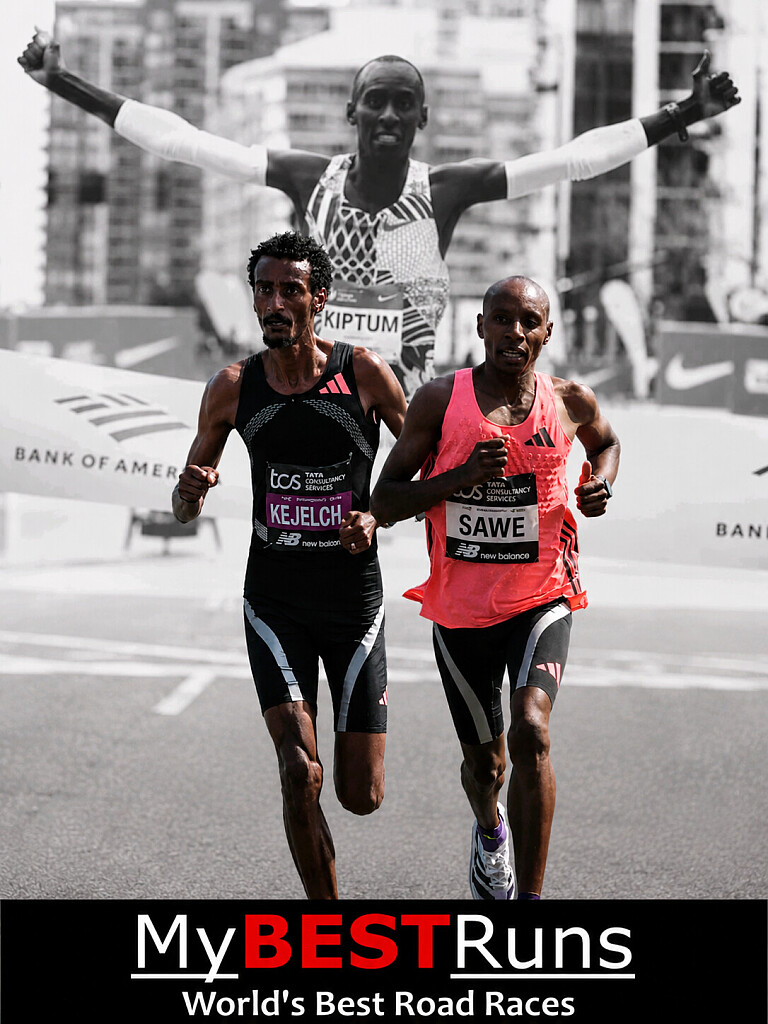
Kelvin Kiptum's World Record Is Gone. His Legacy Never Will Be
Records are made to be broken. Legacies are not.
On October 8, 2023, the streets of Chicago witnessed one of the greatest performances in marathon history. At just 23 years old, Kenya's Kelvin Kiptum stormed to a world record of 2:00:35, redefining what many believed was possible over 42.195 kilometres.
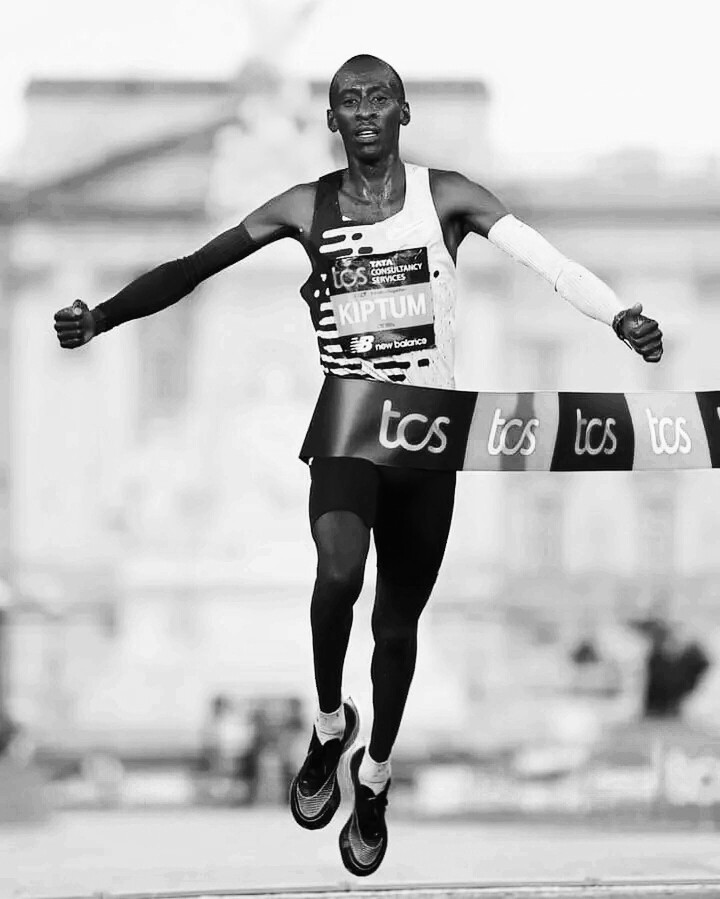
It was a performance that stunned the sporting world. Yet, no one could have imagined it would become his final masterpiece.
Just four months later, tragedy struck. Kiptum lost his life in a road accident at the age of 24, only five days after World Athletics officially ratified his world record. His marathon career lasted just three races, but it was nothing short of extraordinary. He won all three, remained unbeaten over the distance, and left behind a standard that inspired a new generation of marathon runners.
Then came another historic chapter.
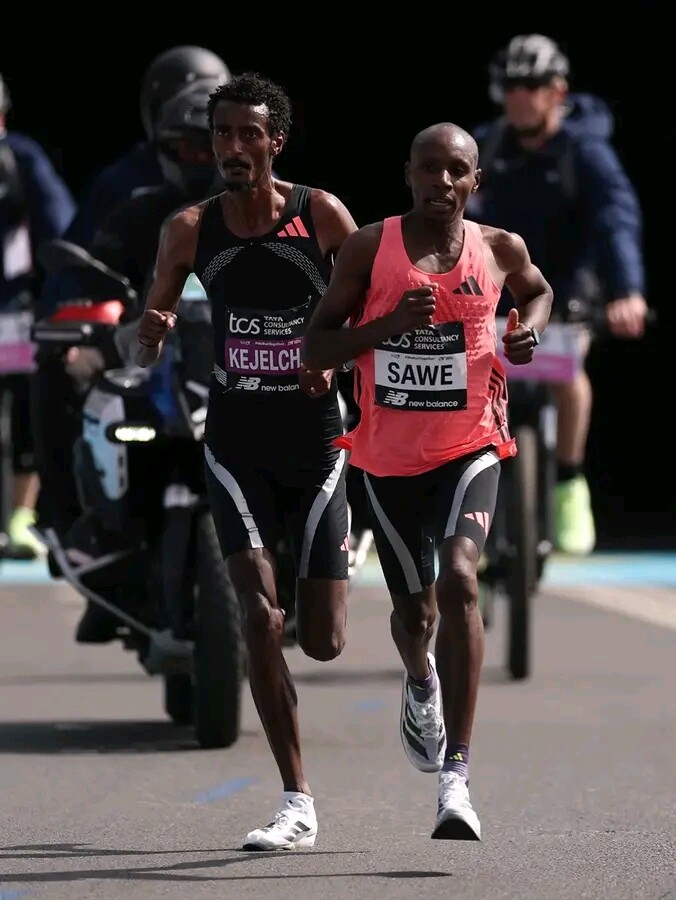
At the London Marathon, a new world record was born. Sabastian Sawe delivered a sensational 1:59:30 to become the first man to officially break the two-hour barrier in a record-eligible marathon. Yomif Kejelcha followed with an extraordinary 1:59:41 on his marathon debut, while Jacob Kiplimo completed a remarkable podium in 2:00:28. In one unforgettable afternoon, Kiptum's world record was surpassed, signalling yet another leap forward in the evolution of marathon running.
But while the record books have changed, Kiptum's place in history has not.
His greatness was never defined solely by the time on the clock. It was defined by the belief he inspired. Kiptum proved that a young athlete training on the rugged roads of rurals around the world, competing sparingly and still shaping his own coaching journey, could challenge the very limits of human endurance. His achievements expanded what athletes believed was possible and helped usher the marathon into a new era.
His influence continues to resonate throughout the sport. Ruth Chepngetich dedicated her memorable 2024 Chicago Marathon victory to his memory, while Sawe's historic world-record performance came nearly two and a half years after Kiptum's unforgettable run in Chicago.
Time has moved forward. New records have been set. New champions have emerged.
Yet Kelvin Kiptum's name remains permanently etched in marathon history—not simply because he once held the world record, but because he changed the way the world viewed the marathon.
His world record is gone. His legacy never will be.
by Erick Cheruiyot for My Best Runs.
Login to leave a comment

Under Two Hours, Yet Not Enough: Yomif Kejelcha's Remarkable Run in London
In most marathons, a performance like Yomif Kejelcha's would have rewritten history.
At the 2026 London Marathon, the Ethiopian distance star produced one of the finest races ever seen over 42.195 kilometres, stopping the clock at an astonishing 1:59:41. The time placed him among an extremely exclusive group of athletes to complete the marathon distance in under two hours in race conditions and would have shattered the world record on almost any other day.
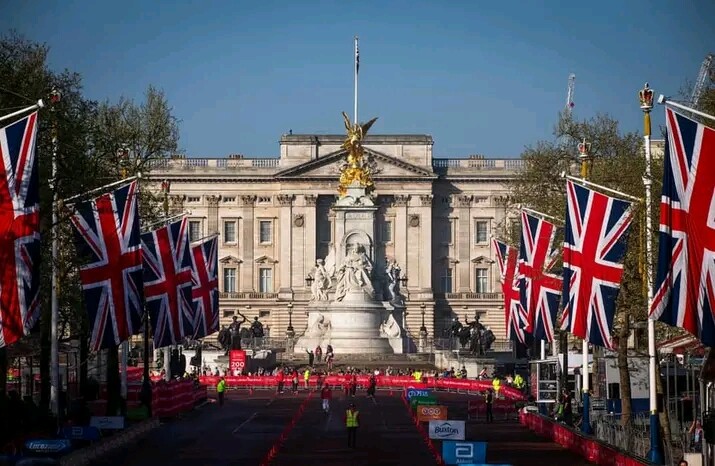
Yet Kejelcha crossed the finish line in second place.
Ahead of him was Kenya's rising marathon sensation, Sebastian Sawe, who delivered a performance for the ages, storming to victory in 1:59:30 and finishing eleven seconds clear of the Ethiopian. It was a race that elevated the standard of marathon running to unprecedented heights and left spectators struggling to comprehend what they had witnessed.
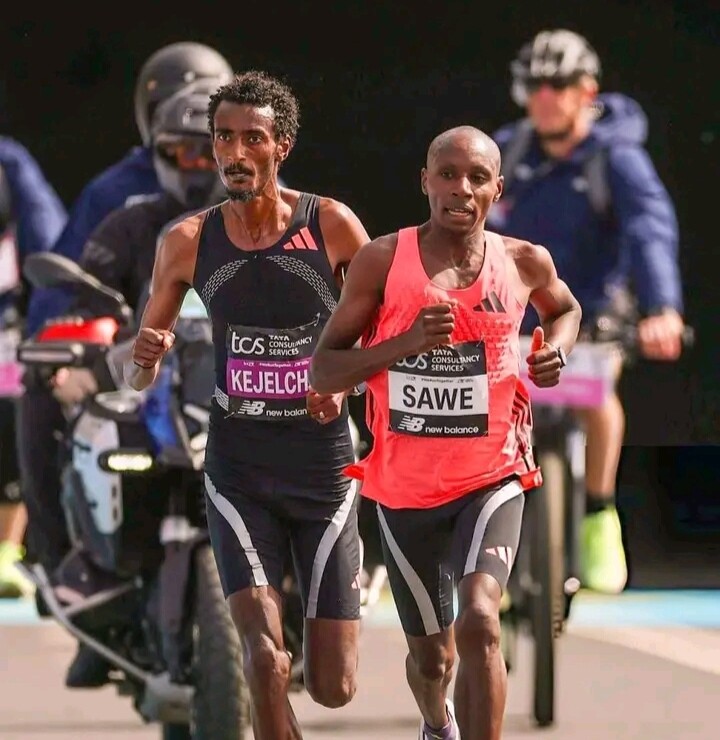
What makes Kejelcha's achievement even more remarkable is that he never expected such a result.
After the race, the Ethiopian admitted that his pre-race expectations were far more modest. He believed a finishing time somewhere between 2:02 and 2:03 was realistic. As the race entered its closing stages, fatigue began to take hold. Around the 25-mile mark, his legs felt increasingly heavy, and he was convinced his opportunity for something special had slipped away.
Then came the final stretch.
A glance at his watch revealed numbers that seemed almost impossible. Despite the pain and exhaustion, he was running at a pace few athletes in history had ever sustained. The finish line confirmed it: a sub-two-hour marathon and one of the fastest performances the sport has ever recorded.
Yet there was no world record celebration. No winner's trophy.
Only second place.
And perhaps that is what makes this story so compelling.
Elite sport often teaches us to measure success through victories, medals and records. But Kejelcha's run serves as a reminder that greatness cannot always be defined by finishing first. Sometimes an athlete produces the performance of a lifetime and still encounters someone capable of something even more extraordinary.
On paper, the result will forever show Kejelcha as the runner-up. History, however, is unlikely to remember it that way. His courageous front-running effort, his refusal to surrender when fatigue struck, and his astonishing finishing time ensured that his race became one of the defining moments of modern marathon running.
There are defeats that fade quickly from memory. Then there are performances so exceptional that they transcend the final standings.
Yomif Kejelcha did not leave London with a title or a world record. He left with something arguably more enduring: a place in one of the greatest marathon battles ever contested.
And when future generations look back on that unforgettable morning in London, they may ask a simple question:
If an athlete runs one of the fastest marathons in history, exceeds every expectation, and inspires millions along the way, can it really be called a defeat?
by Erick Cheruiyot for My Best Runs.
Login to leave a comment
One Month Since Marathon Running Witnessed Its Greatest Day Ever
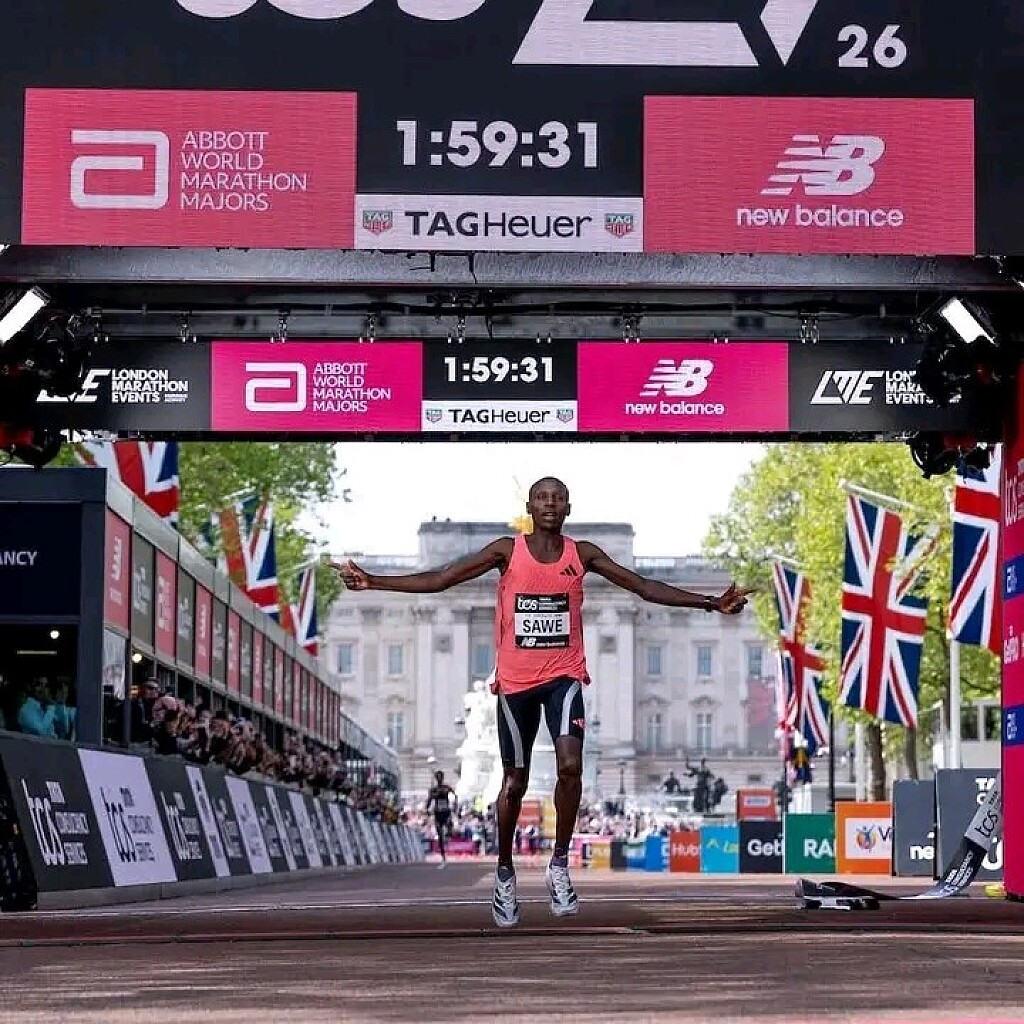
Exactly one month ago, at the TCS London Marathon the sport of marathon running experienced a moment so extraordinary that it permanently altered the limits of human endurance. What unfolded that historic day was not simply fast racing — it was the complete rewriting of what the athletics world believed was possible over 42.195 kilometers.

The headlines alone sounded almost fictional.
Kenya’s Sabastian Sawe delivered the performance of a lifetime, storming into history as the first athlete ever to break the two-hour barrier in an official marathon race. His astonishing 1:59:30 shattered one of the final frontiers in distance running and instantly became one of the greatest athletic achievements ever witnessed on the roads.
For decades, the sub-two-hour marathon had existed as an almost mythical benchmark — discussed by scientists, coaches and legends of the sport as the ultimate human endurance challenge. Sawe did not just cross that barrier; he obliterated the psychological wall surrounding it with fearless pacing, ruthless consistency and unmatched composure under pressure.
Yet the drama was only beginning.
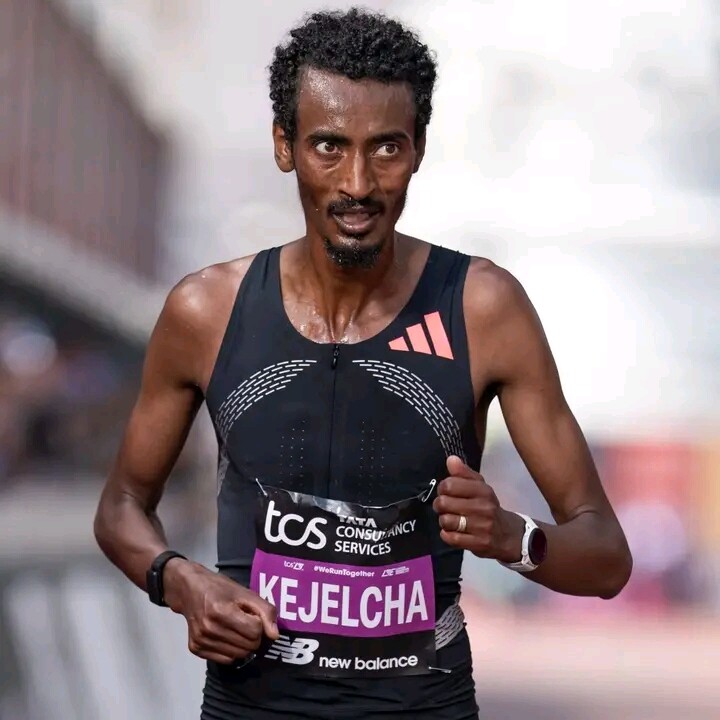
In one of the most remarkable marathon debuts the sport has ever seen, Ethiopia’s Yomif Kejelcha stunned the world by becoming the second man in history to run under two hours — clocking an extraordinary 1:59:41 in his very first marathon appearance. To achieve such a performance without prior marathon experience elevated the race from historic to almost surreal.
Kejelcha’s transition from track and half marathon brilliance to immediate marathon greatness showcased a rare combination of speed, efficiency and tactical intelligence. Most athletes spend years mastering the marathon. He conquered it on his first attempt.
And somehow, the race still had more history to offer.
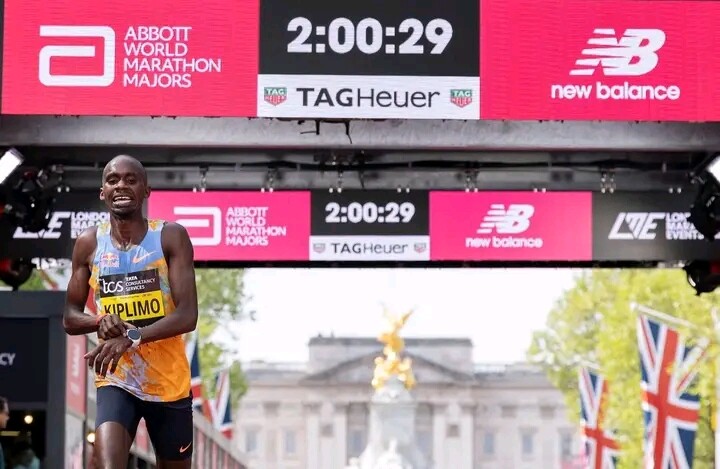
Uganda’s Jacob Kiplimo finished third in an astonishing 2:00:28 — a performance that, incredibly, was faster than the previous marathon world record of 2:00:35. On nearly any other day in athletics history, Kiplimo’s run would have dominated global headlines. Instead, it became part of a once-in-a-generation showcase of endurance greatness.
The depth of quality in the men’s race was unprecedented. Three athletes produced times once considered impossible within the same event, transforming the marathon from a race against rivals into a collective assault on history itself.

The women’s race was equally unforgettable.
Ethiopia’s Tigst Assefa once again proved why she remains one of the defining marathon athletes of this era. Defending her London crown in dominant fashion, Assefa surged to a sensational women’s-only world record of 2:15:41, combining elegance, strength and relentless rhythm from start to finish.
Her performance reinforced the rapid evolution of women’s marathon running, where barriers continue to fall and records are being pushed into territory previously unimaginable.
What made that day truly special was not only the records, but the feeling surrounding the races. Fans across the globe were witnessing history unfold in real time — a sporting spectacle where every split seemed impossible, every kilometer carried anticipation, and every finish line delivered another shock to the athletics world.
One month later, the echoes of that extraordinary day still resonate throughout global sport.
It was the day marathon running entered a new era. The day limits disappeared. The day history was rewritten kilometer after kilometer. And perhaps, the greatest single day the marathon has ever seen.
by Erick Cheruiyot for My Best Runs.
Login to leave a comment

TCS London Marathon
Since its inaugural edition on March 29, 1981, the TCS London Marathon has grown into one of the world's most prestigious road races, blending elite competition with an extraordinary charitable legacy. Founded by former Olympic champion and journalist Chris Brasher alongside Welsh athlete John Disley, the event has been staged every year and has been held in the spring annually...
more...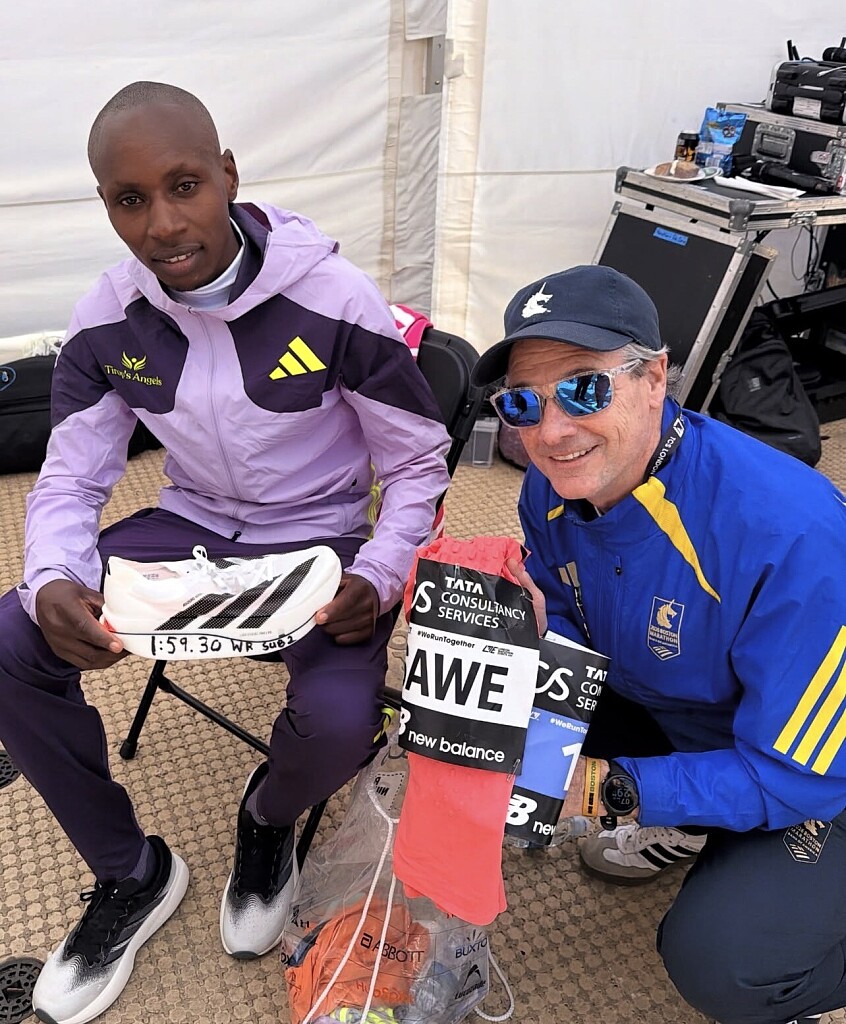
Berlin Marathon Lands the Fastest Marathoner in History as Sabastian Sawe Returns September 27
The 2026 Berlin Marathon already has its biggest headline. World record holder Sabastian Sawe has officially announced he will return to Berlin on September 27, setting the stage for another possible assault on marathon history.
Sawe stunned the running world in April when he won the London Marathon in a breathtaking 1:59:30, becoming the first athlete in history to officially run a marathon under two hours. Ethiopia’s Yomif Kejelcha followed closely behind in 1:59:41, making London the first marathon in history where two men officially broke the two-hour barrier. To date, Sawe and Kejelcha remain the only athletes ever to achieve the feat in official competition.
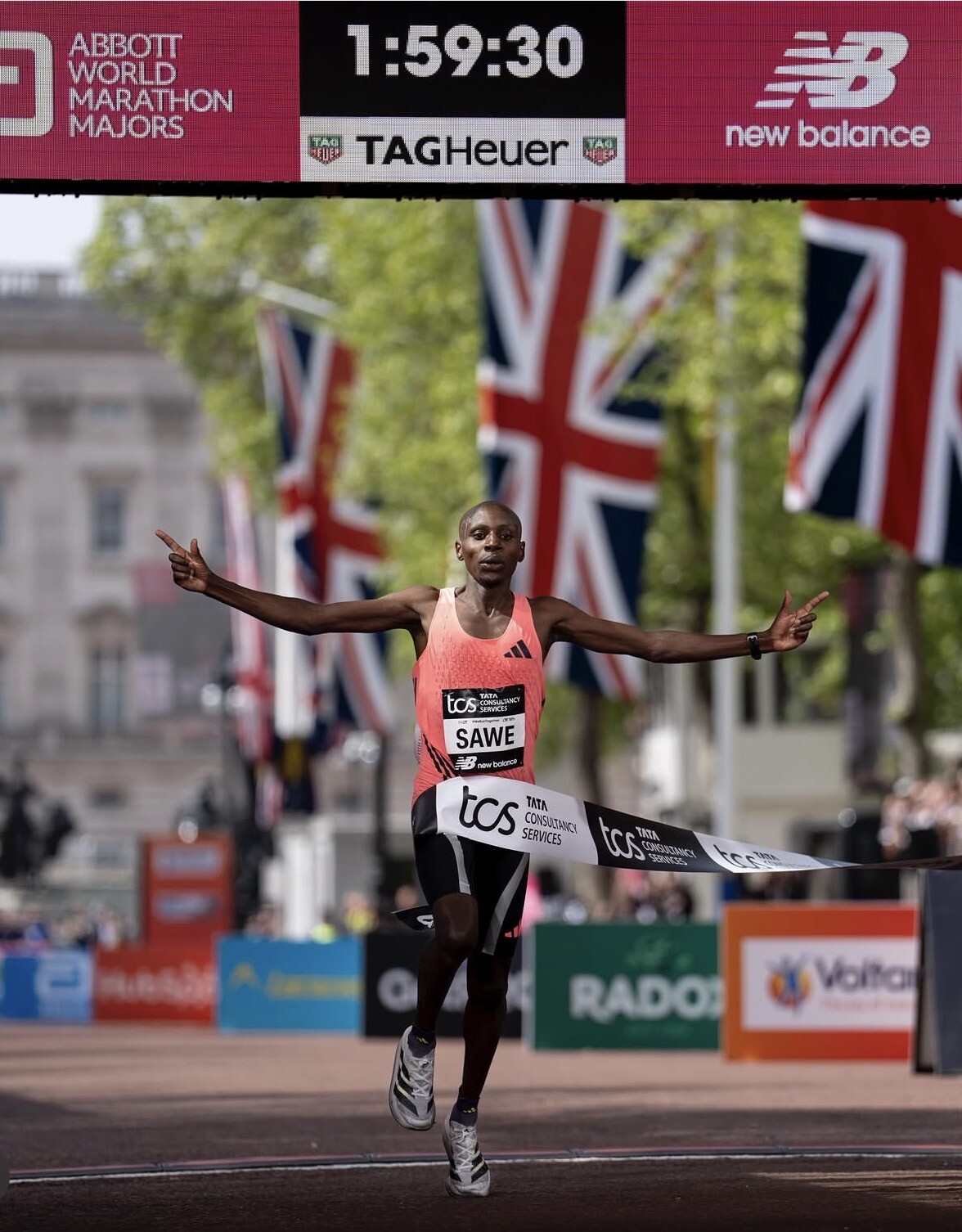
Now Sawe heads back to Berlin, widely regarded as the fastest marathon course in the world. The flat layout, cool September temperatures, and precision pacing have helped produce nine men’s marathon world records over the past quarter century. Legends including Eliud Kipchoge used Berlin as the stage for some of the greatest performances in distance running history.

“Berlin is a fast course with several world records set there. With perfect weather we could again see a sub-two-hour marathon,” says Bob Anderson, lifetime runner and editor of My Best RunsSawe is no stranger to success in Berlin. He captured the 2025 title in 2:02:16 despite unusually warm temperatures approaching 25C, a performance many viewed as one of the finest warm-weather marathons ever run. But after what happened in London, expectations are now on an entirely different level.

So far, Sawe is the only major elite men’s athlete officially confirmed for Berlin, though organizers are expected to announce additional top contenders in the coming weeks. The possibility of another historic showdown has already created enormous anticipation within the running world.
At the beginning of what could become one of the most remarkable marathon careers ever seen, Sawe has already changed the sport. Berlin may now offer the perfect stage for the next breakthrough.
by Boris Baron for My Best Runs
376
Login to leave a comment
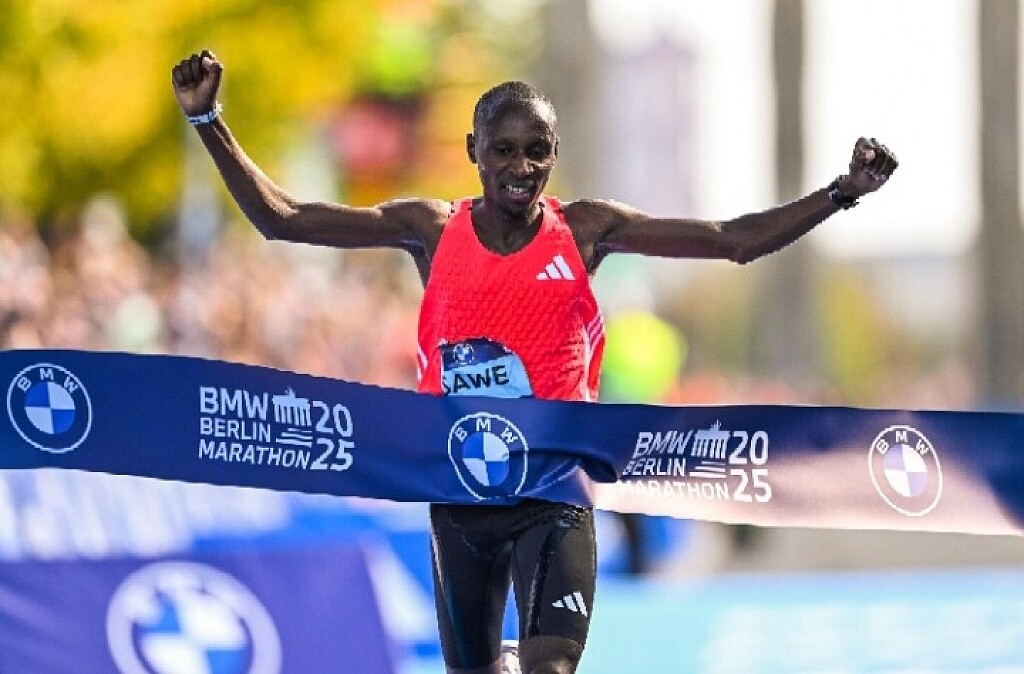
Sebastian Sawe Set for Berlin: The Marathon Revolution Continues
The marathon world is preparing for another historic chapter after Kenya’s sensation, Sebastian Sawe, officially confirmed his participation in the 2026 Berlin Marathon on 27 September.
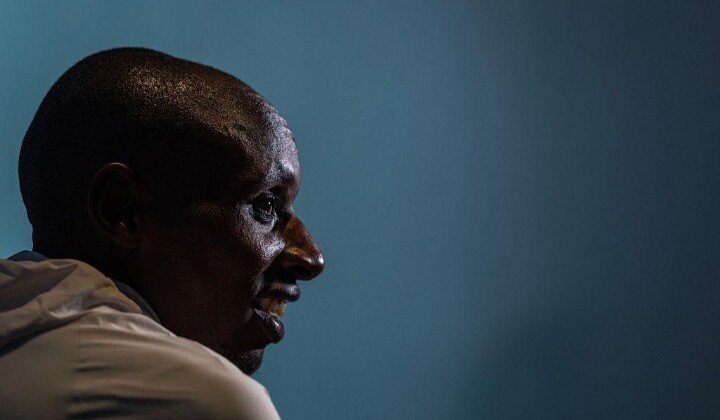
The announcement has instantly elevated anticipation for this year’s race, with Berlin once again becoming the centre of global distance running. Widely regarded as one of the fastest marathon courses ever designed, the German capital has witnessed numerous world records over the years — and now the man who shattered the sport’s final barrier is heading there.
Sawe arrives in Berlin carrying the weight of history and the momentum of a career-defining breakthrough. Last month in London, the Kenyan star stunned the athletics world by clocking an astonishing 1:59:30 marathon world record, becoming the first human being ever to run under two hours in an official competitive marathon. It was a performance that completely redefined what was thought possible over 42.195 kilometres. He is determined to defend his title while launching another attack on the marathon world record on Berlin’s famously fast course. The Kenyan superstar is expected to headline one of the most anticipated marathon races in recent memory, with fans and analysts anticipating yet another historic performance as he continues to push the boundaries of human endurance and strengthen his growing legacy in global distance running.
What made the achievement even more extraordinary was the manner in which he delivered it. Sawe did not merely break the previous world record — he demolished psychological boundaries that had stood untouched for generations. His run in London combined ruthless pace, tactical brilliance, and unmatched endurance, transforming the marathon into a new era of possibility.
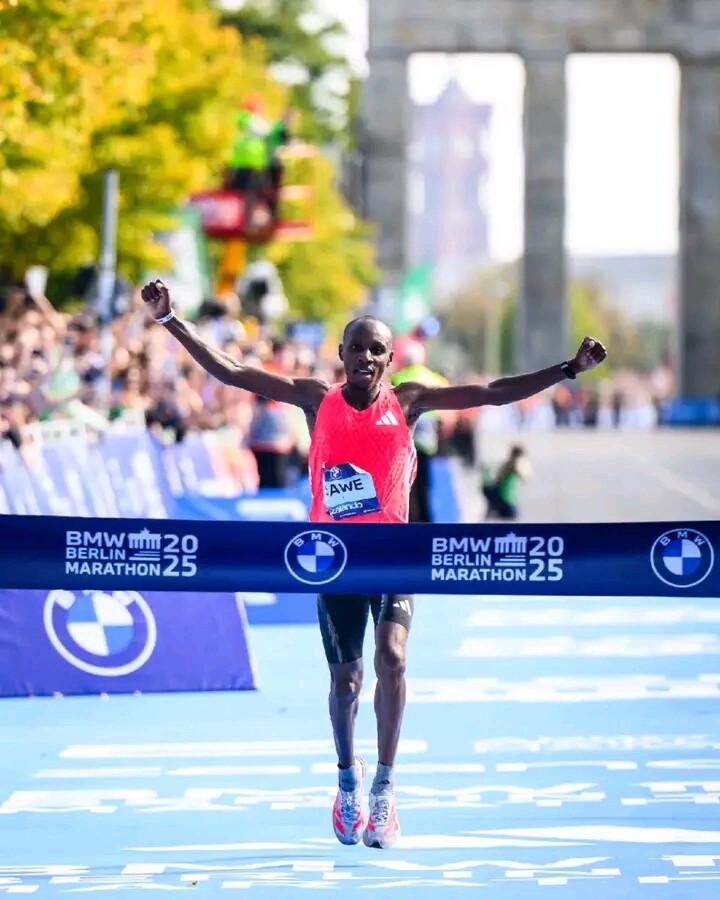
Now, attention shifts to Berlin.
For decades, the Berlin Marathon has been synonymous with speed. Its flat roads, cool weather, and perfectly engineered course have produced some of the greatest performances in distance-running history. Legends have built their reputations there, records have fallen there, and now Sawe has the opportunity to further cement his legacy on the same streets where marathon greatness has repeatedly been rewritten.
The prospect of the world’s fastest marathoner attacking Berlin’s rapid course is already sending excitement throughout the athletics community. Fans, analysts, and former champions are beginning to ask the same question: can Sebastian Sawe push the marathon even deeper into uncharted territory?
At just the right moment in his career, Sawe appears unstoppable. His rise has been built on discipline, fearless racing, and remarkable consistency, qualities that continue to position Kenya at the summit of global long-distance running. Every appearance now carries historic significance because each race feels capable of producing something never seen before.
Berlin 2026 is no longer just another marathon.
It is shaping into a global sporting spectacle — a collision between the fastest marathon course on earth and the fastest marathon runner in history.
by Erick Cheruiyot for My Best Runs.
Login to leave a comment
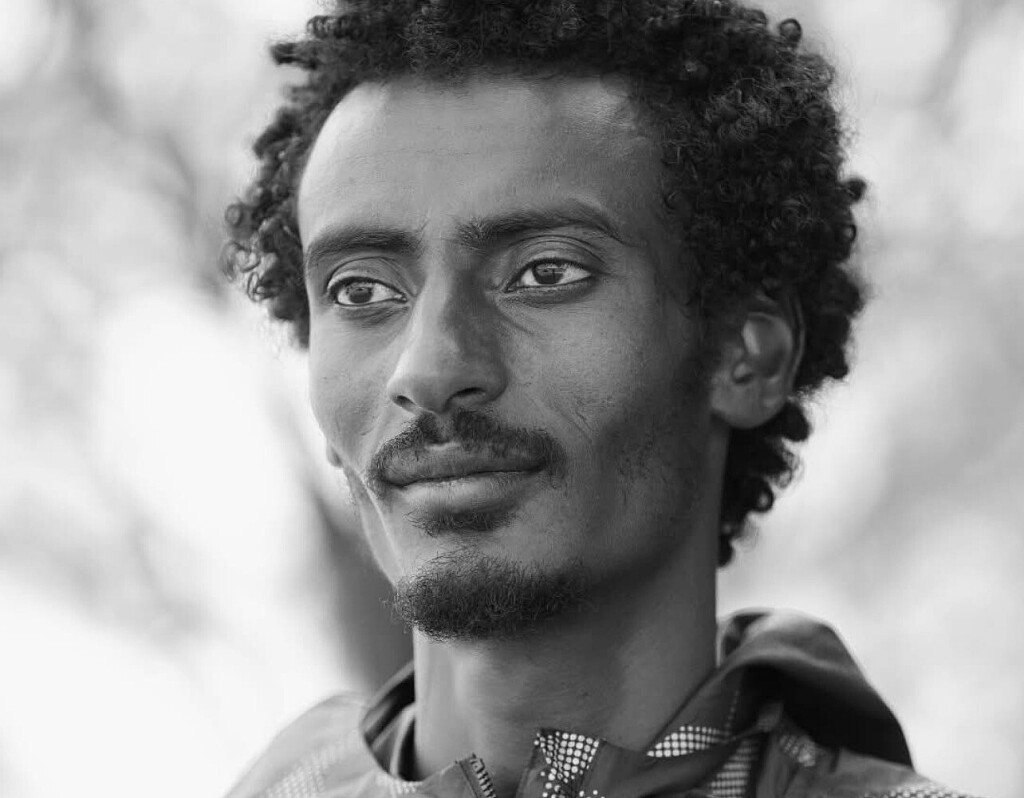
Where Should Yomif Kejelcha Run His Second Marathon — And Can He Break 1:59?
London changed marathon history forever as Sabastian Sawe and Yomif Kejelcha became the first two men ever to officially break the two-hour barrier for the marathon. Sawe won in 1:59:30, while Kejelcha stunned the world by running 1:59:41 in his marathon debut.
Now the focus shifts to the next question:
Where should Kejelcha run his second marathon?
And perhaps even more intriguing:
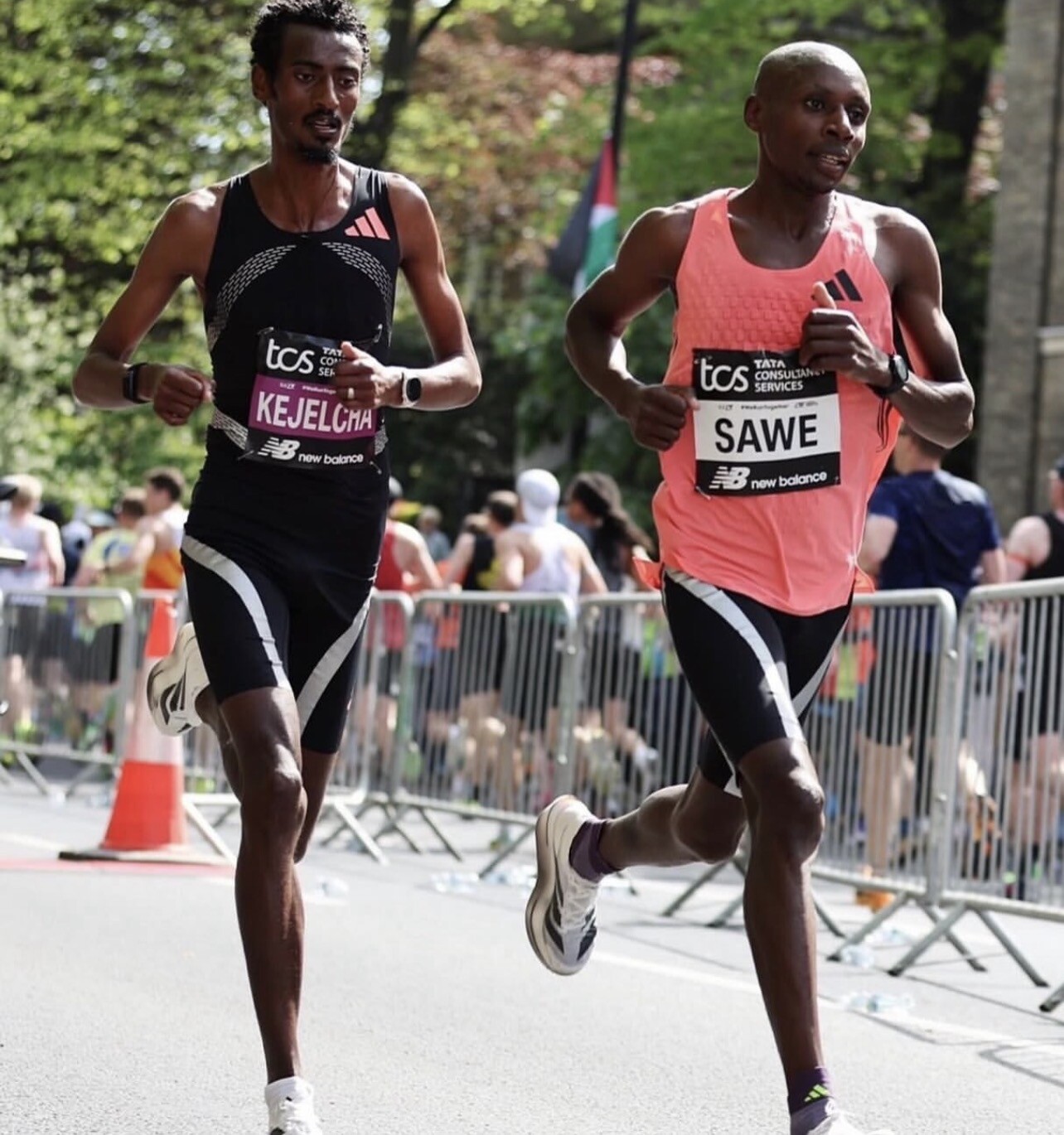
Can he become the first man to officially run under 1:59?
“Not to take away from Sawe’s amazing 1:59:30 marathon in winning London, but Kejelcha in second place clocked 1:59:41 in his first marathon ever. I think Yomif under perfect conditions can run under 1:59,” says Bob Anderson, lifetime runner and My Best Runs editor.
That possibility suddenly feels very real.

Kejelcha has long been considered one of the most naturally gifted distance runners in the sport. Before moving to the marathon, the Ethiopian star built a remarkable résumé that included world-class performances from 1500 meters through the half marathon. His 57:30 half marathon performance in Valencia confirmed that he possessed a rare combination of speed, efficiency, and endurance.
Those qualities are essential for what may become the next great frontier in distance running.
Breaking 1:59 would require sustaining approximately 4:32 per mile for the entire marathon distance. That demands not only endurance, but extraordinary efficiency and the ability to remain relaxed while running at near-impossible speeds.
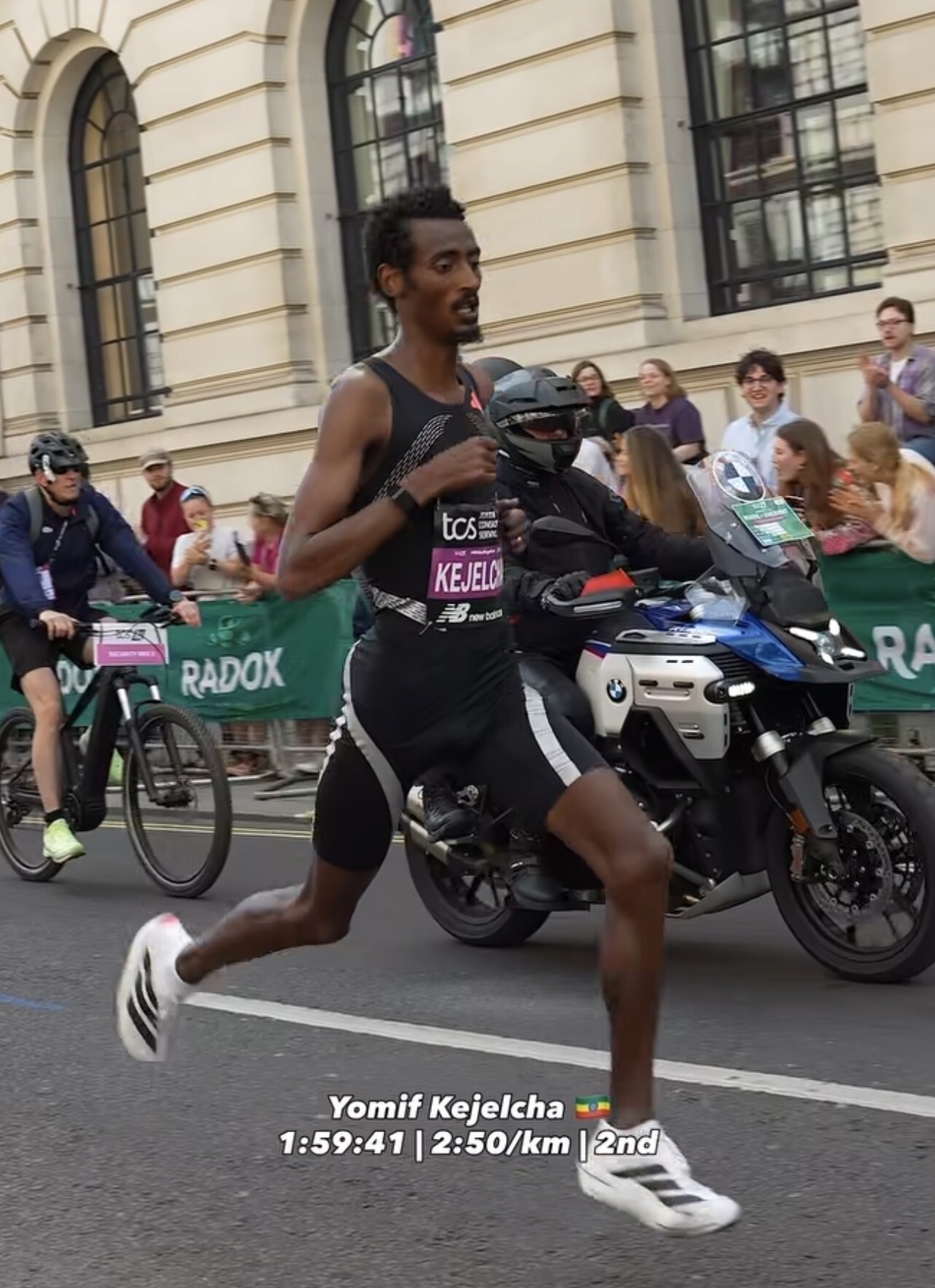
Very few athletes in history have appeared capable of that challenge.
Kejelcha now looks like one of them.
What makes his London performance even more extraordinary is that it came in his first attempt at the distance. Most elite marathoners require several races to learn the rhythm of fueling, pacing, and surviving the final 10 kilometers. Kejelcha immediately looked comfortable at a pace no one had ever officially sustained before.
That suggests there may still be room for improvement.
The question now becomes strategy.
Berlin immediately stands out as a logical option for his second marathon. No course in history has produced more marathon world records. Flat roads, cool temperatures, elite pacing, and ideal racing conditions have made Berlin the gold standard for fast marathoning.
If Kejelcha wants to make an immediate attack on history, Berlin would seem the obvious choice.
But there may be reasons to wait.
The Berlin Marathon comes only five months after London, and Kejelcha’s team may decide that patience is the smarter path. A debut marathon at world-record pace places enormous stress on the body, and carefully managing recovery could be critical to his long-term development.
Valencia may ultimately be the most intriguing possibility.
The Spanish race has rapidly become one of the fastest marathons in the world, producing countless personal bests and breakthrough performances. Kejelcha already has history there after running his half marathon world record, and the course appears perfectly suited to his smooth, efficient running style.
Chicago could also enter the conversation, though weather and wind conditions there can be less predictable.
Another option is Sevilla in early 2027, a race increasingly recognized for its fast course and ideal winter conditions.
Tokyo would provide prestige and global attention, but Berlin and Valencia are still generally viewed as superior venues for historic time attempts.
If Kejelcha’s goal is simply to win major marathons, he already has the ability to compete anywhere in the world.
But if the goal is to break 1:59, every detail matters:
weather,
pacing,
wind,
temperature,
fueling,
race timing,
and course design.
The difference between 1:59:41 and 1:58:59 may ultimately come down to only a few seconds per mile.
Still, London fundamentally changed how the running world views the limits of the marathon.
For years, an official sub-two-hour marathon felt impossible. Now the sport is already looking beyond that barrier.
At just 27 years old, Yomif Kejelcha may only be beginning his marathon career.
And after what happened in London, the possibility of a sub-1:59 marathon no longer feels unrealistic.
It feels possible.
by Boris Baron for My Best Runs
Login to leave a comment
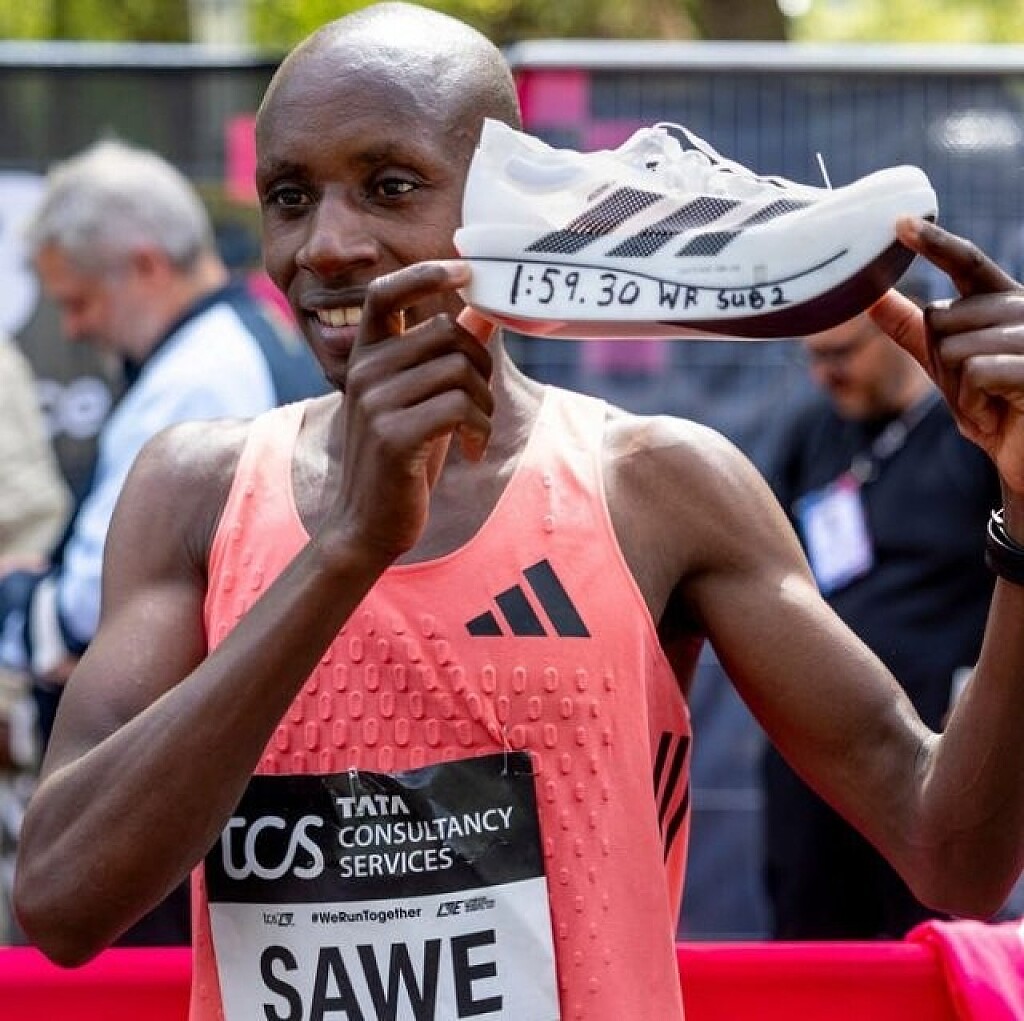
The Day Marathon Running Changed Forever: Sabastian Sawe Crowned April’s Best
Kenya’s Sabastian Sawe has been named the April Athlete of the Month by World Athletics following one of the most extraordinary performances ever witnessed in distance running.
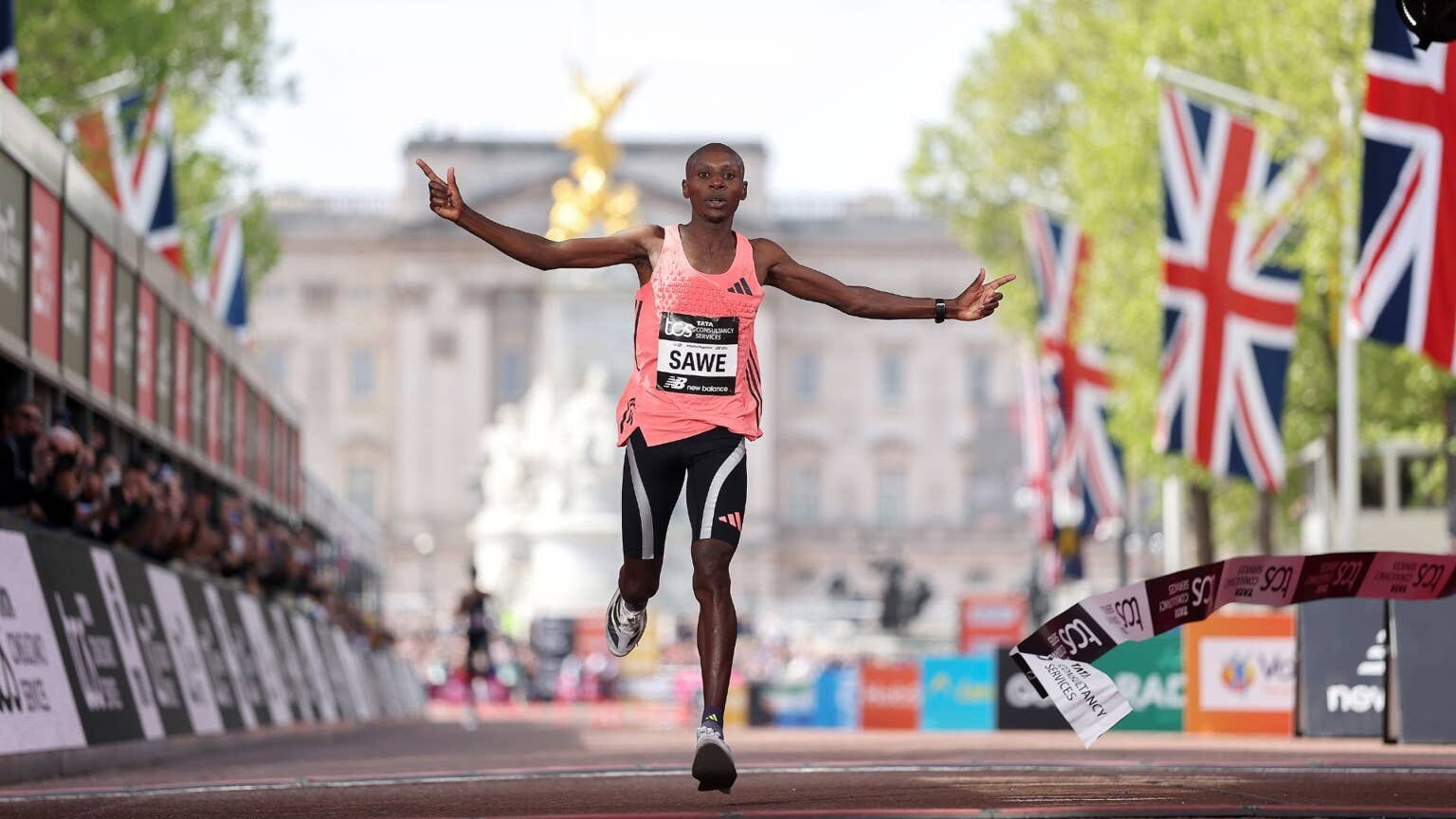
The Kenyan sensation captured global attention after delivering a breathtaking run at the London Marathon, where he shattered the limits of human endurance by clocking an astonishing 1:59:30 to become the first athlete in history to officially break the two-hour barrier in the marathon.
In a race that will forever be remembered as a defining moment in athletics, Sawe combined fearless pacing, remarkable composure and relentless strength across the 42.195km distance to rewrite the record books. The historic performance not only secured him victory on one of the world’s biggest marathon stages, but also elevated him into a new realm of sporting greatness.
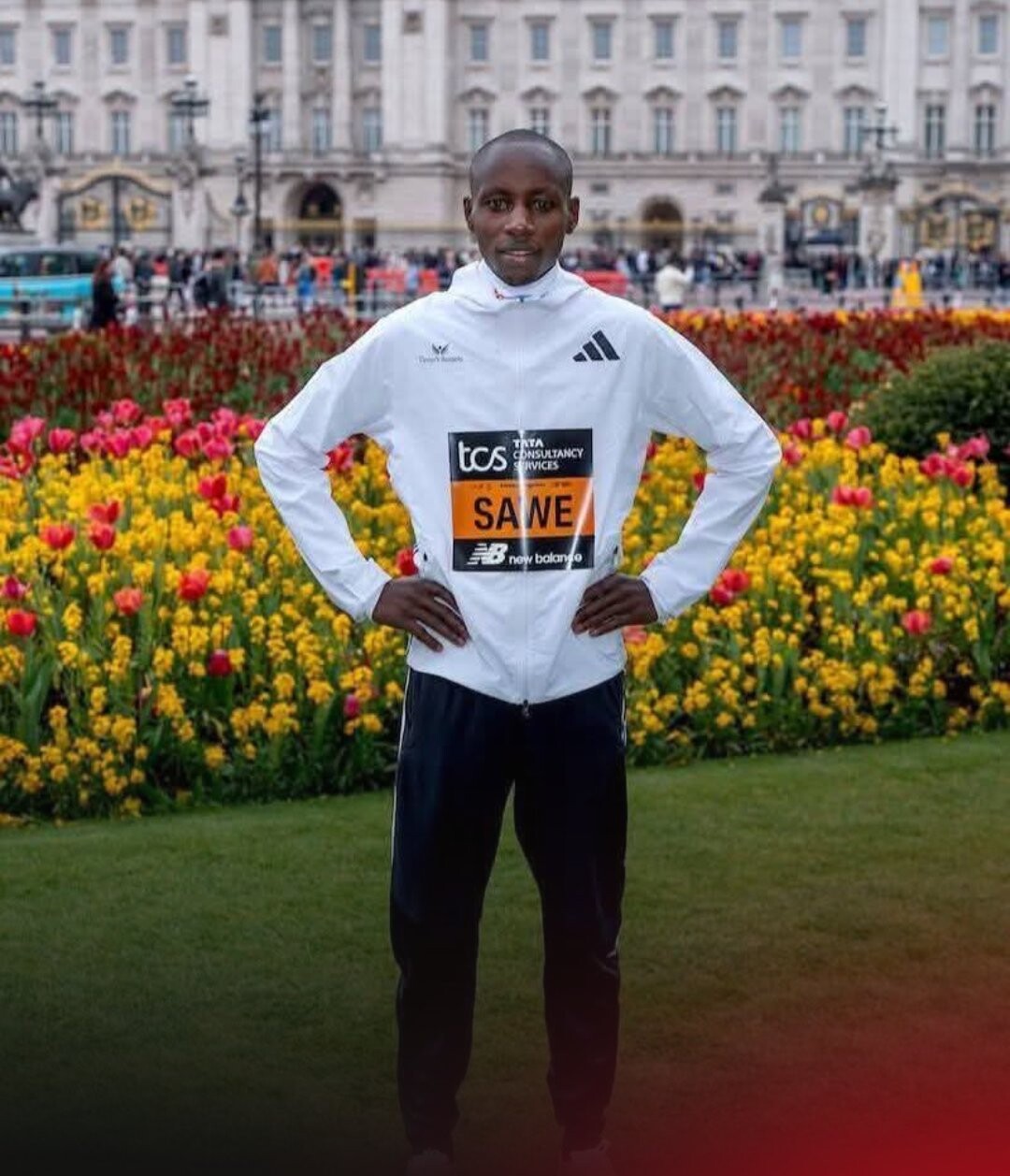
For decades, the sub-two-hour marathon was viewed as one of the final frontiers in athletics — a mark many believed would take years, perhaps generations, to conquer under official race conditions. Yet on the streets of London, Sawe turned what once seemed impossible into reality.
The achievement sparked celebrations across Kenya and throughout the global athletics community, with fans, athletes and analysts hailing the run as one of the greatest endurance performances of all time. His recognition as April Athlete of the Month reflects both the magnitude of the record and the inspiration it delivered to millions around the world.
Sawe’s rise continues to symbolize Kenya’s enduring dominance in long-distance running, adding another remarkable chapter to the nation’s rich marathon legacy. But beyond the medals and records, his performance represented something even greater — the power of ambition, belief and the courage to challenge human limits
At just the right moment, under the eyes of the world, Sabastian Sawe did not simply win a marathon. He changed the history of the sport forever.
by Erick Cheruiyot for My Best Runs.
Login to leave a comment
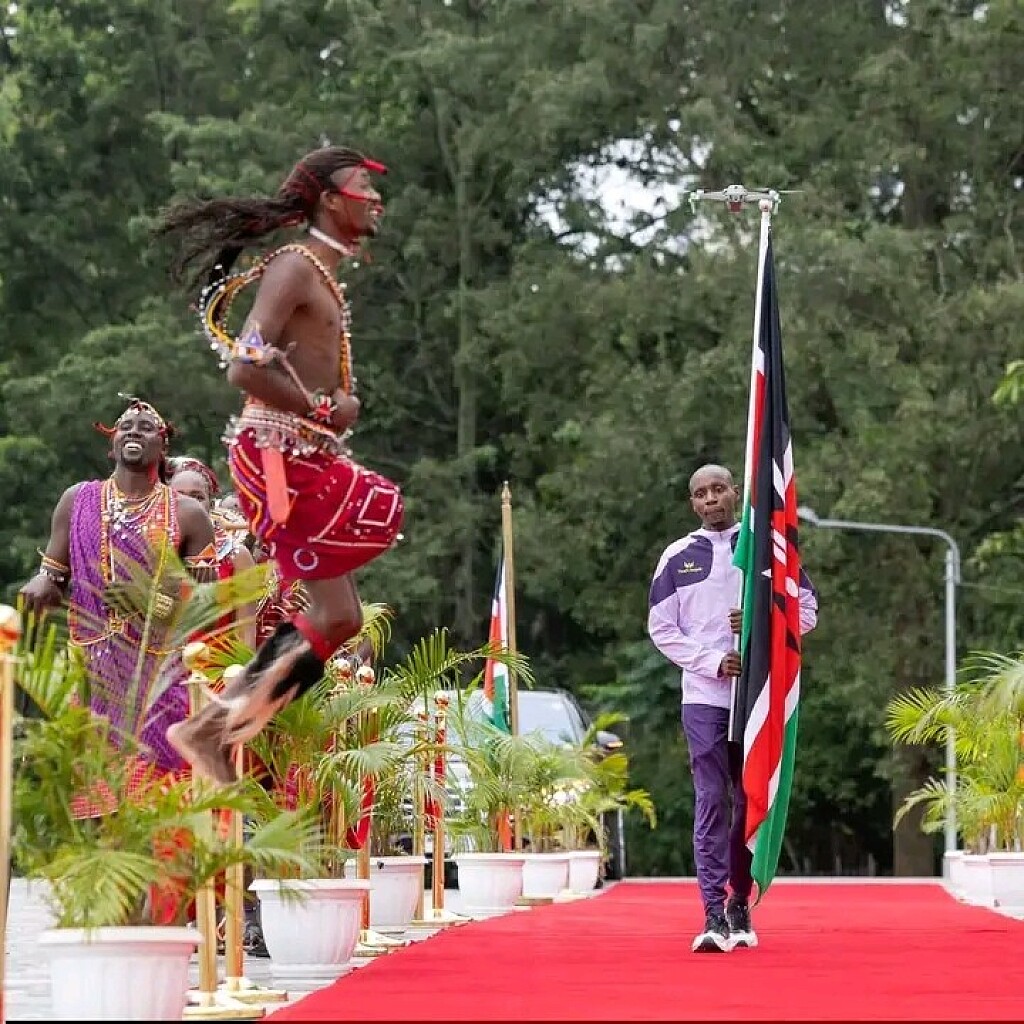
From London Glory to State Honour: Kenya Salutes Its Marathon Trailblazer
Under the proud banner of Magical Kenya — The Origin of Wonder, the country rose in unity to celebrate a moment that has redefined the boundaries of human endurance. This was more than a national celebration—it was history meeting gratitude, as Kenya welcomed home its newest global icon, Sebastian Sawe.
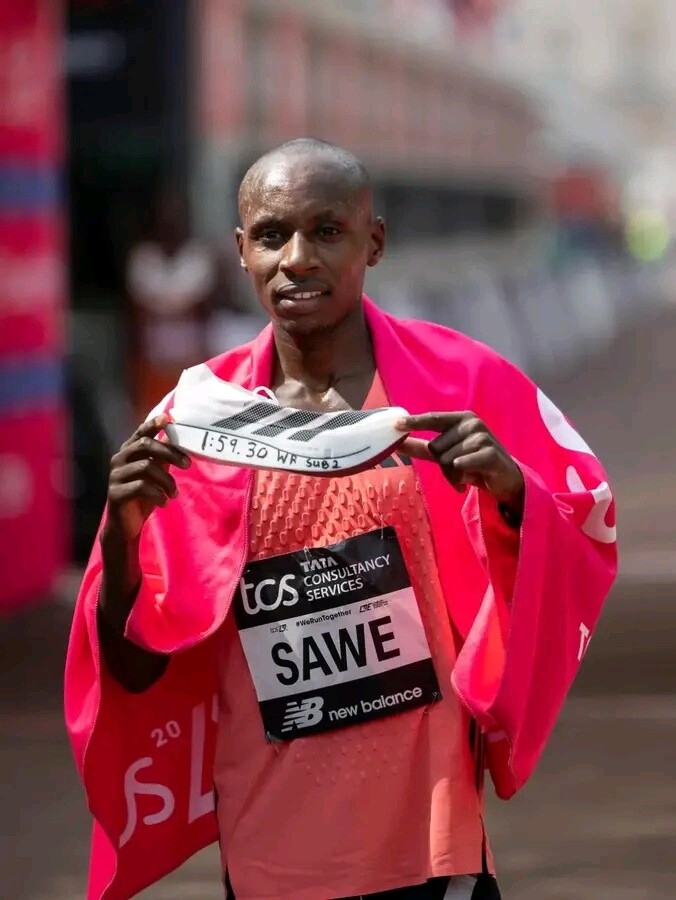
At the London Marathon 2026, Sawe delivered a performance that will echo through generations. On that unforgettable Sunday, he crossed the finish line in a breathtaking 1:59:30, shattering the marathon world record and becoming the first athlete in history to break the two-hour barrier in an official, record-eligible race. It was not merely a victory—it was a moment that altered the very perception of what the human body and mind can achieve.

Behind the brilliance of that run was a fusion of preparation, discipline, and innovation. Sawe’s performance was aided in part by the now-iconic Adidas Adizero Adios, celebrated for its lightweight construction, responsive energy-return technology, and minimalist design—qualities that continue to push elite athletes beyond previously accepted limits.

Upon his return, Kenya responded with unmatched pride and admiration. In the vibrant capital of Nairobi, celebrations erupted as citizens gathered to witness the homecoming of a man who had carried the nation’s dreams onto the global stage and returned with history in his stride.
The pinnacle of this state reception came at State House, where Sawe was formally received by Kenya's President William Ruto. In a gesture befitting the magnitude of the achievement, the President honored him with a reward of $61,000 and a car, describing the feat as “a defining moment in the history of human endurance.” It was a powerful acknowledgment of an accomplishment that transcends sport and enters the realm of national and global legacy.

Yet, even in the glow of such extraordinary success, Sawe remains driven by a hunger for more. Far from satisfied, he has already set his sights on lowering the record further—a mindset that perfectly captures the spirit of champions who refuse to see limits where others do.
Kenya’s legacy in distance running has long been unmatched, but this moment stands apart. It is a reminder that greatness is not static—it evolves, it challenges, and it inspires. And in Sebastian Sawe, the world has witnessed not just a record-breaker, but a pioneer of possibility.
As the celebrations ripple across the nation, one truth stands clear: this was not just a victory for Kenya—it was a victory for humanity.
by Erick Cheruiyot for My Best Runs.
Login to leave a comment

A Hero’s Return: Sabastian Sawe Comes Home to a Nation in Awe
There are moments in sport that transcend the finish line—moments that become part of a country’s identity. This was one of them. When Sabastian Sawe touched down on Kenyan soil after his historic triumph in London, he was not just returning home—he was arriving as a symbol of possibility redefined.

Fresh from rewriting the record books at the London Marathon, Sawe’s name now carries the weight of a new era in distance running. In a performance that will echo through generations, he clocked an astonishing 1:59:30—becoming the first man in history to break the sub-two-hour barrier in a world record-eligible race. With that single, extraordinary feat, he did not just shatter the marathon world record—he dismantled one of sport’s most elusive limits and elevated himself into rarefied air, where legends are not just remembered, but revered.

At the airport, the atmosphere was electric. Flags waved high, chants filled the air, and the pride of a nation was unmistakable. From young aspiring athletes to seasoned supporters, Kenyans turned out in numbers to celebrate one of their own. It was more than a welcome—it was a collective embrace of greatness.
Sawe’s journey to this moment has been built on discipline, resilience, and an unshakable belief in what once seemed impossible. In a country that has long been a powerhouse in long-distance running, his achievement stands out as a defining milestone—one that pushes the boundaries of human endurance and ambition.
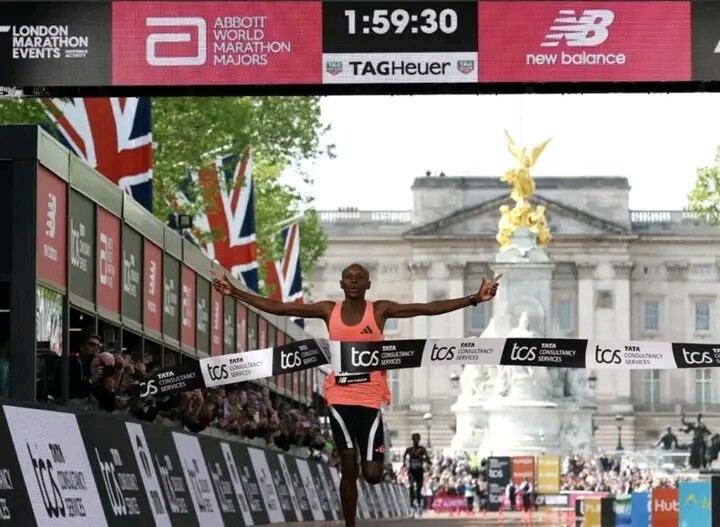
But beyond the record itself, what resonates most is the inspiration it ignites. His victory is not just a personal triumph; it is a reminder to a generation that limits are meant to be challenged. In every stride he took in London, there was a message carried back home: the future belongs to those willing to chase it relentlessly.
Now, as celebrations echo across Kenya, one truth remains clear—this is not just the return of a champion. It is the rise of a new icon, a torchbearer of excellence, and perhaps, the beginning of an even greater legacy.
by Erick Cheruiyot for My Best Runs.
Login to leave a comment
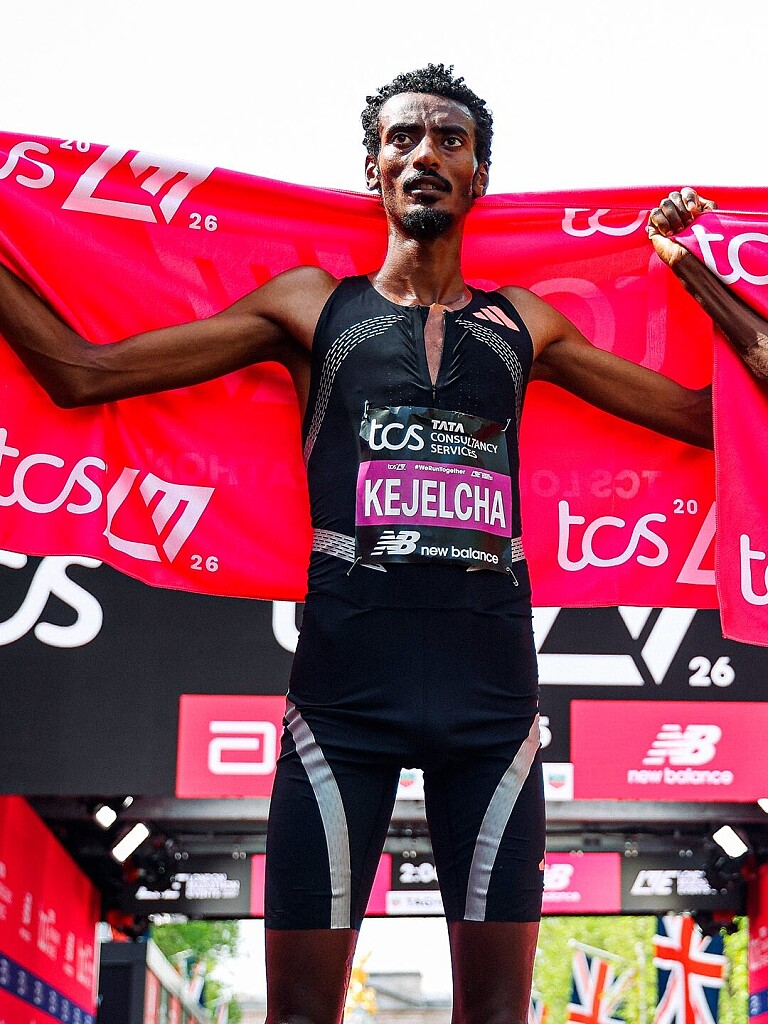
From Track Precision to Marathon Glory: Yomif Kejelcha’s Dream Debut in London
In the ever-evolving theatre of long-distance running, few transitions carry as much intrigue—and risk—as the leap from the track to the marathon. For Yomif Kejelcha, that leap was not just a test of endurance, but a bold reimagining of his athletic destiny.
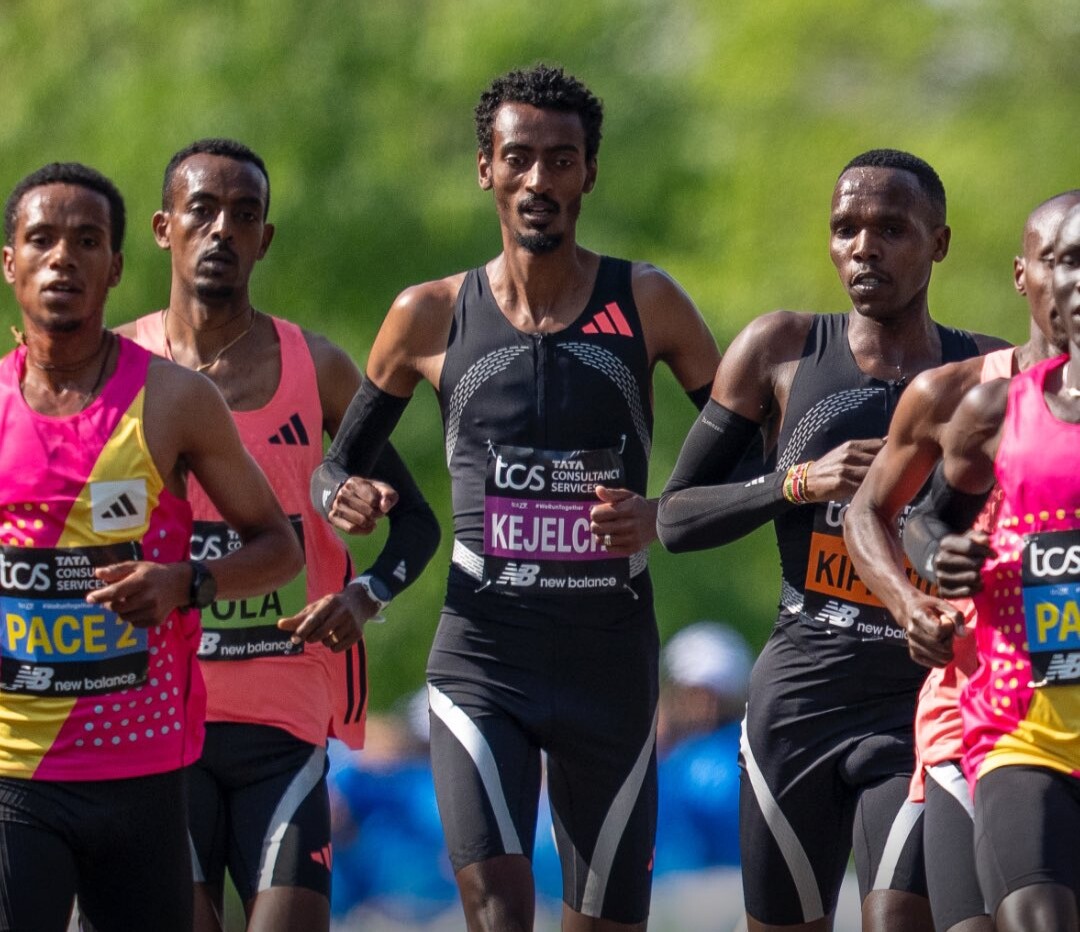
The Ethiopian star, long celebrated for his brilliance on the track, arrived at the London Marathon 2026 with quiet confidence and a daring ambition. He understood the magnitude of the shift: the marathon is not merely a longer race, but a different discipline entirely—one that demands patience, resilience, and a finely tuned sense of pace over punishing miles.
Yet what unfolded on the streets of London transcended even the highest expectations.
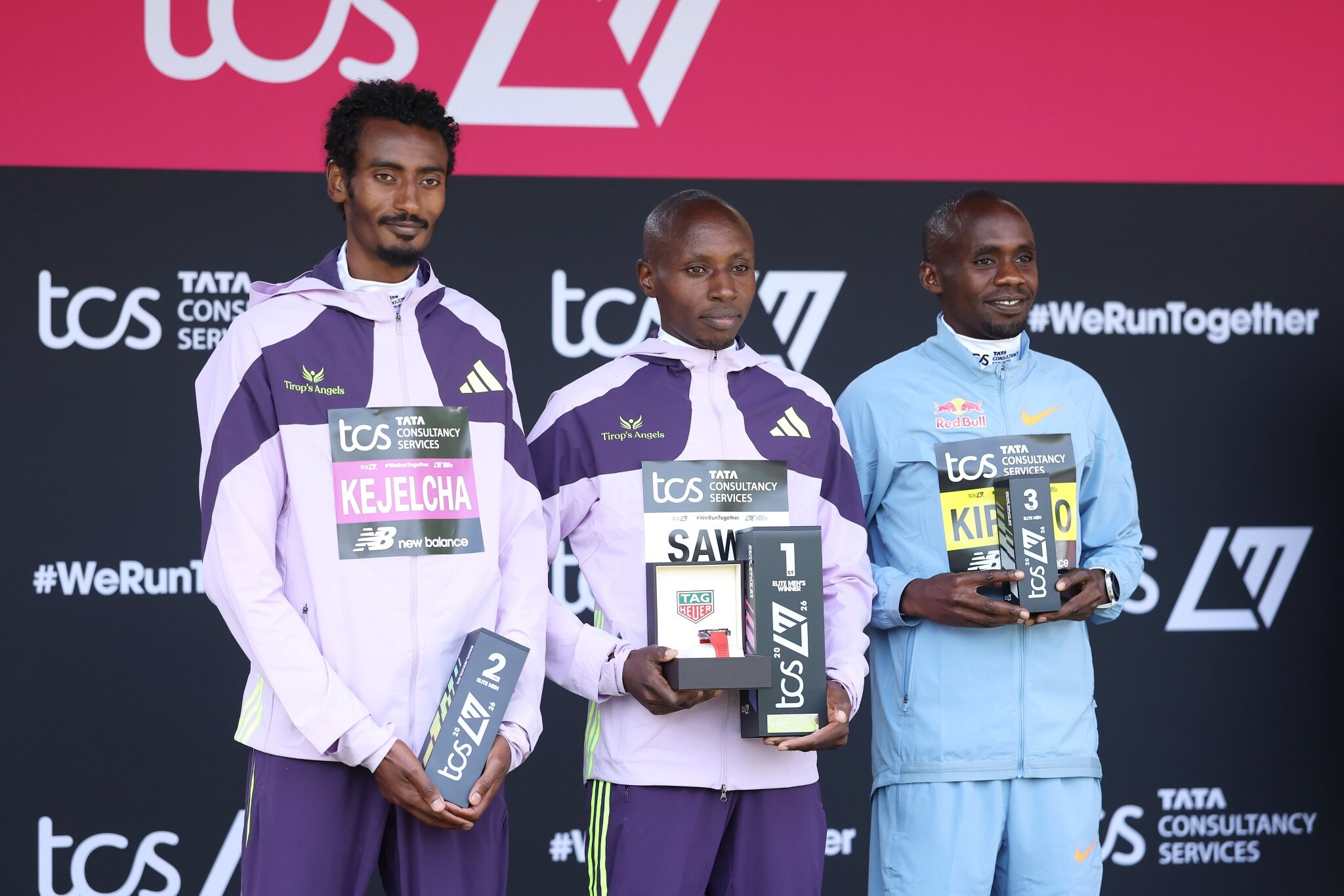
“I knew that shifting from track to the marathon would bring big changes in my career,” Kejelcha reflected afterward. “And I’m thrilled to say that the first debut lived up to the expectations.”
Clocking an astonishing 1:59:41, Kejelcha didn’t just complete his debut—he redefined it. Breaking the elusive two-hour barrier in a competitive race setting, he announced his arrival among the marathon elite in emphatic fashion. It was a performance that blended tactical intelligence with raw endurance, the hallmark of a runner who has mastered both speed and stamina.
Only one man finished ahead of him: Sabastian Sawe, whose world-record 1:59:30 added historic weight to an already unforgettable race. Together, their performances signaled a new era in marathon running—one where the once-mythical limits of human endurance are being rewritten in real time.
For Kejelcha, the moment carried a deeper significance. “Running sub-two hours in London felt unthinkable,” he admitted. “Yet that day arrived, and I fulfilled that dream.”
There is something profoundly poetic about that statement. For years, the sub-two-hour marathon existed as an almost mythical frontier—spoken of in hopeful tones, yet rarely touched in the crucible of open competition. And now, on debut, Kejelcha has etched his name into that rarefied narrative.
His journey from the track—where races are measured in seconds and surges—to the marathon’s vast, unforgiving landscape has begun not with hesitation, but with authority. It is a transition that suggests not just potential, but longevity at the highest level of the sport.
If this performance is any indication, Yomif Kejelcha’s marathon story is not merely starting—it is already accelerating toward greatness.
by Erick Cheruiyot for My Best Runs.
Login to leave a comment

When Legends Rise: Assefa and Sawe Claim Their Place in History
the grand theatre of distance running, where endurance meets audacity, two names have now been carved into the highest tier of human achievement. Tigist Assefa and Sabastian Sawe have transcended victory and stepped into immortality, their performances at the London Marathon 2026 earning them official recognition in the Guinness World Records.
It was not merely a race—it was a rewriting of limits.
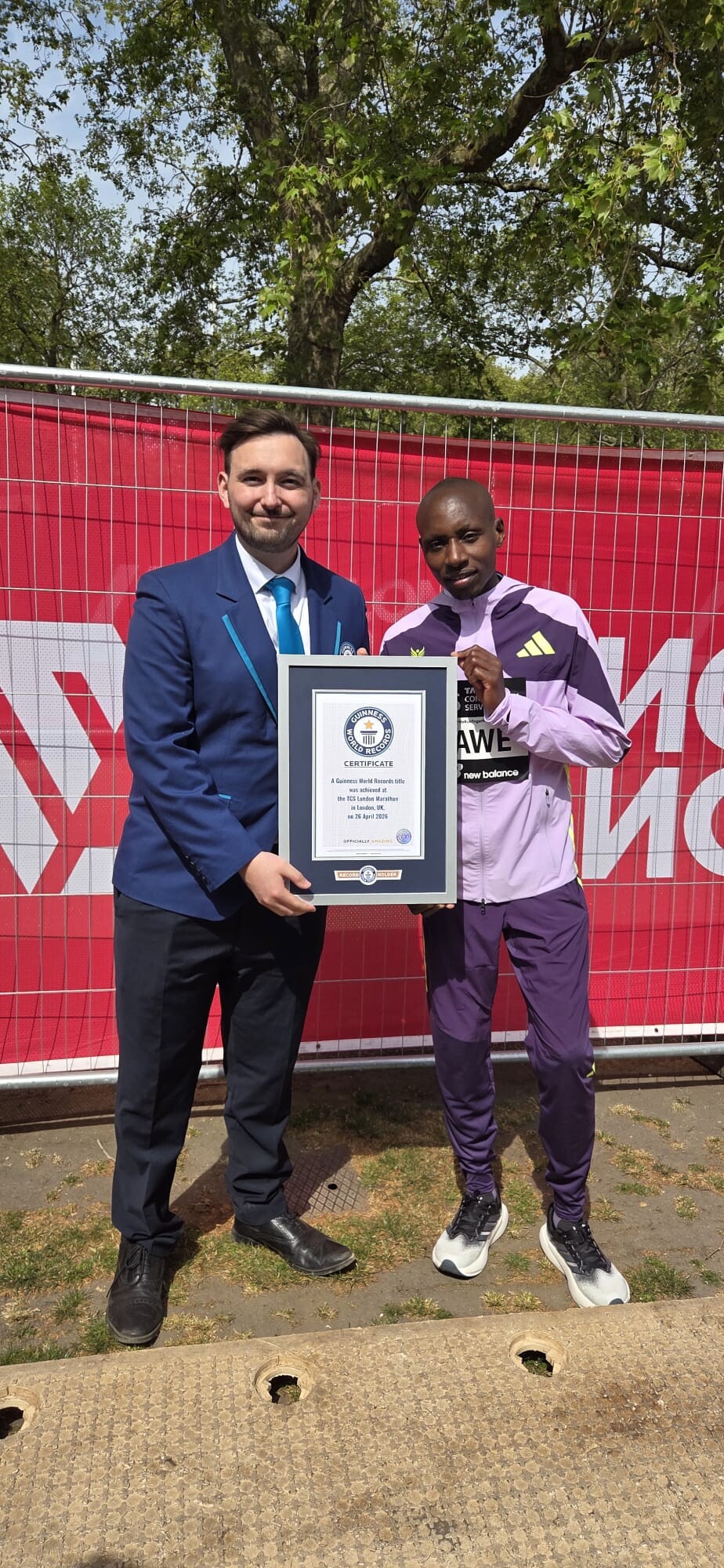
Sawe delivered a performance that defied decades of physiological assumptions. Clocking an astonishing 1:59:30, he shattered the long-standing perception of what the human body can sustain over 42.195 kilometers. The sub-two-hour marathon, once considered an almost mythical frontier, became a reality under race conditions—no pacing formations, no experimental setup—just raw, competitive brilliance. His run was not only fast; it was controlled, precise, and relentlessly efficient, a masterclass in modern marathon execution.
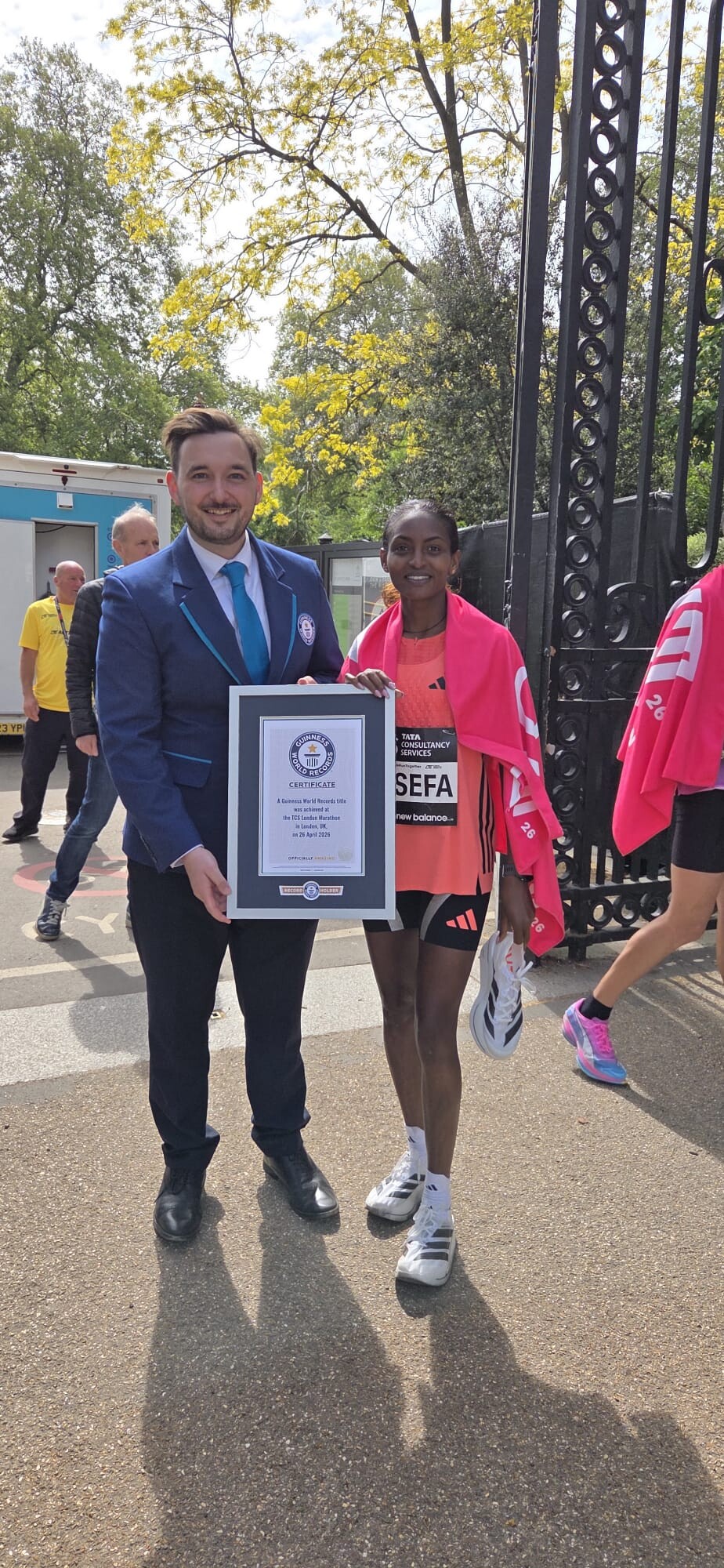
On the women’s side, Assefa produced a run of equal magnitude, though sculpted in a different context. Her 2:15:41 established a new women-only world record, a distinction that strips away the advantage of mixed pacing and places the spotlight squarely on individual strength and strategy. From the opening miles, she ran with authority, balancing aggression with composure, and by the closing stages, her dominance was undeniable. It was a performance defined by clarity of purpose and extraordinary resilience.
Together, these two athletes did more than win races—they expanded the boundaries of possibility. Their entries into the Guinness World Records serve as formal recognition of something deeper: a shift in the narrative of marathon running. Where once there were ceilings, there are now open skies.
What makes this moment particularly compelling is its duality. Kenya and Ethiopia, long-standing rivals and co-authors of distance running greatness, once again stand side by side at the summit. Sawe and Assefa, through different journeys and styles, have arrived at the same destination—global sporting immortality.
In years to come, their times will be chased, analyzed, and perhaps even surpassed. But the significance of this moment will endure. Because records, at their core, are not just numbers. They are declarations—bold statements of how far humanity can go when courage meets preparation.
And on that unforgettable day in London, Assefa and Sawe did not just run fast. They ran beyond history—and into it.
by Erick Cheruiyot for My Best Runs.
Login to leave a comment
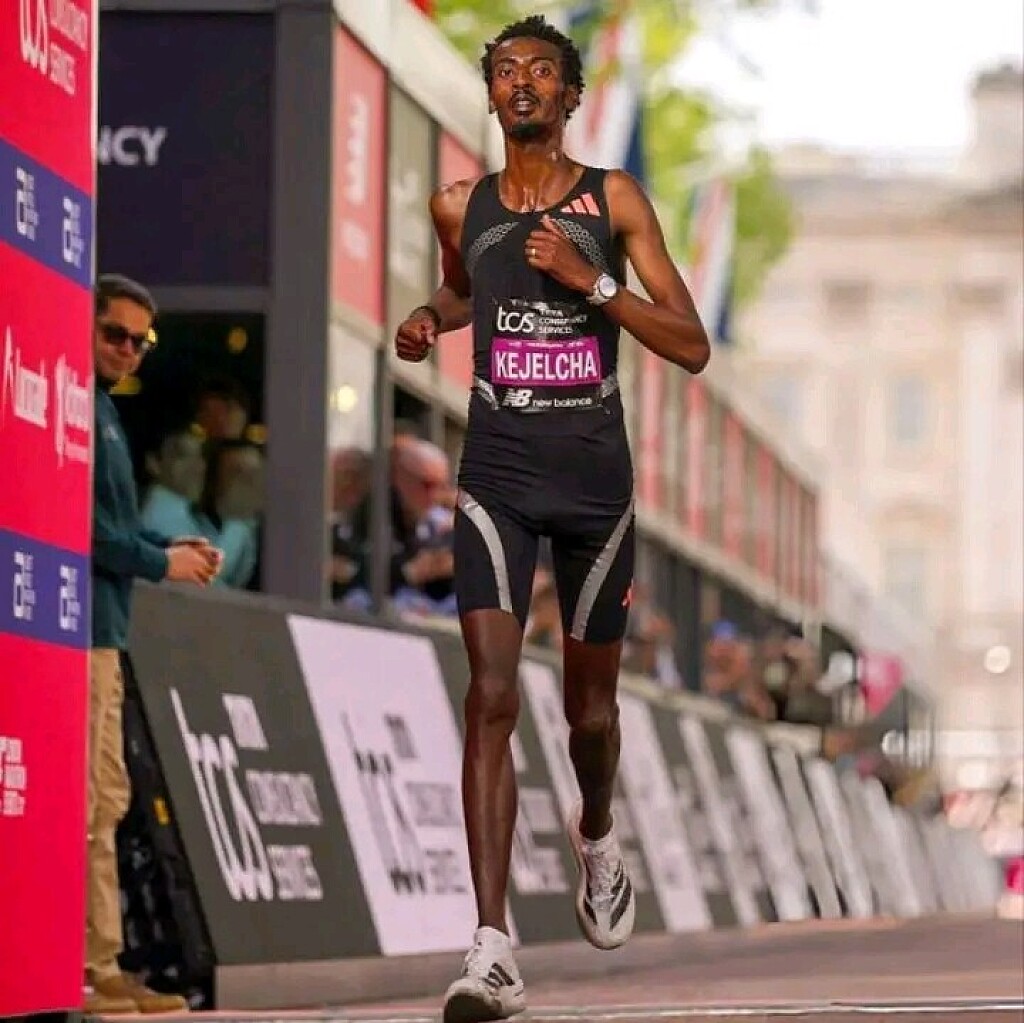
Fearless Debut: Yomif Kejelcha Turns Doubt into History with Stunning Sub-Two Marathon in London
The 2026 London Marathon delivered one of the greatest distance-running spectacles ever witnessed, and few stories were as captivating as the rise of Yomif Kejelcha. Just days before the race, even Kejelcha himself admitted that running 1:59 in his marathon debut sounded almost too good to be true. By Sunday afternoon, doubt had been replaced by destiny.
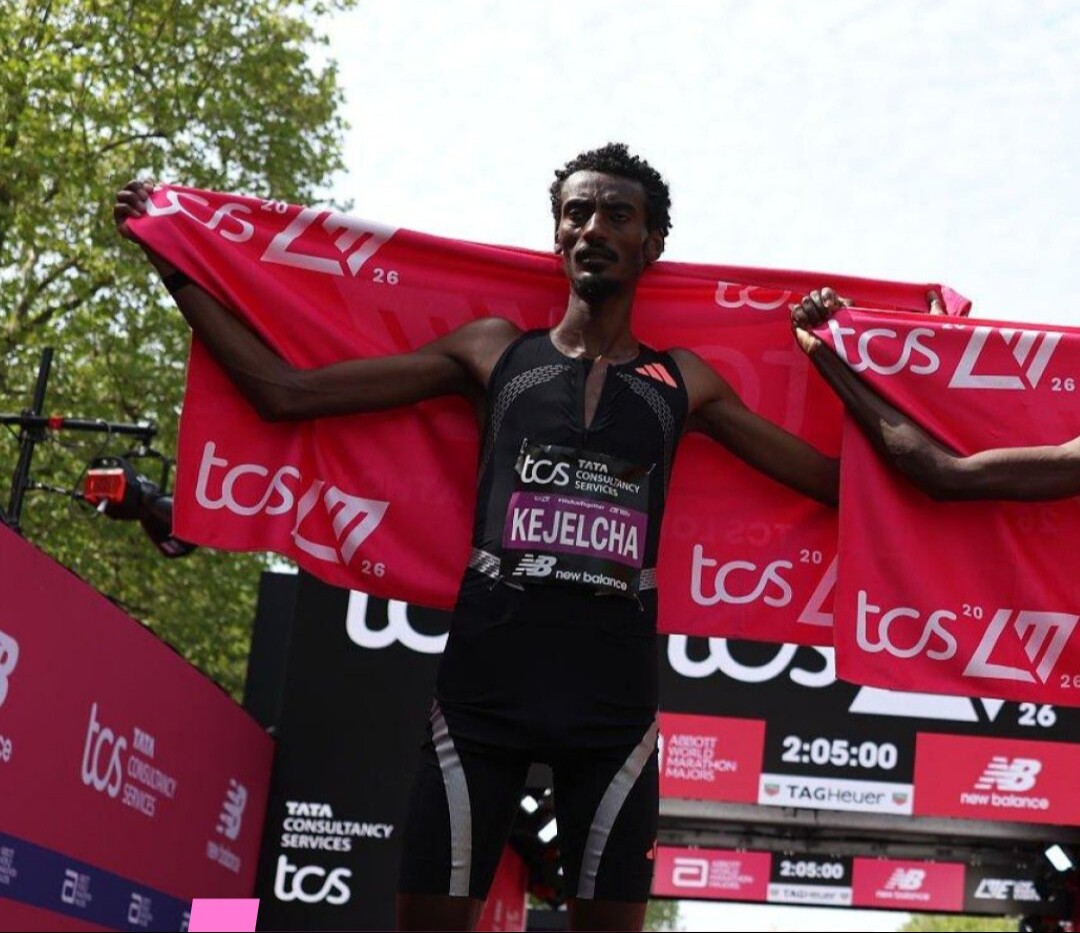
The 28-year-old Ethiopian produced a sensational 1:59:41 in his first-ever full marathon, becoming only the second man in history to officially break the two-hour barrier. It was a performance of courage, precision, and extraordinary natural talent — the kind of run that instantly becomes part of sporting folklore.
To achieve such a mark on debut makes the feat even more remarkable. The marathon is known for humbling even the finest athletes, demanding patience, strength, and experience over 42.195 kilometres. Yet Kejelcha ran with the poise of a seasoned champion, matching the pace of history stride for stride.
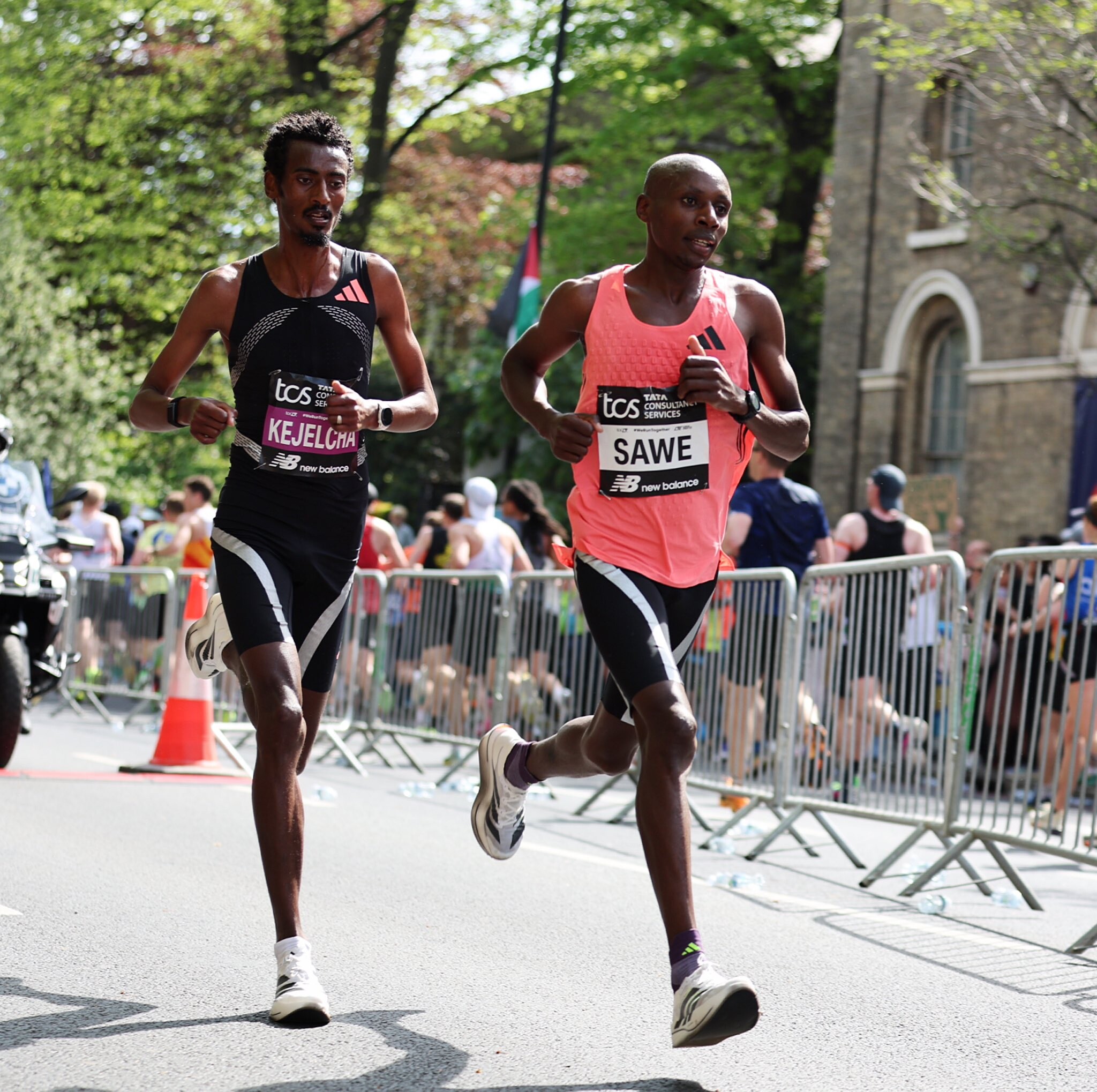
Only one athlete finished ahead of him — Sabastian Sawe, who stormed to victory in a world record 1:59:30. Together, the two men transformed London into the setting of an unforgettable breakthrough, becoming the first pair to go under two hours in the same official race.
For Kejelcha, second place carried the weight of triumph. He arrived with questions surrounding his transition to the marathon, but left with global admiration and a place among the sport’s immortals. What seemed impossible on Friday had become reality by Sunday.
London will celebrate Sawe’s world record, but it will also remember the fearless Ethiopian who trusted his legs, defied expectations, and discovered that the impossible was possible after all.
by Erick Cheruiyot for My Best Runs.
Login to leave a comment
TCS London Marathon
Since its inaugural edition on March 29, 1981, the TCS London Marathon has grown into one of the world's most prestigious road races, blending elite competition with an extraordinary charitable legacy. Founded by former Olympic champion and journalist Chris Brasher alongside Welsh athlete John Disley, the event has been staged every year and has been held in the spring annually...
more...
It has been achieved
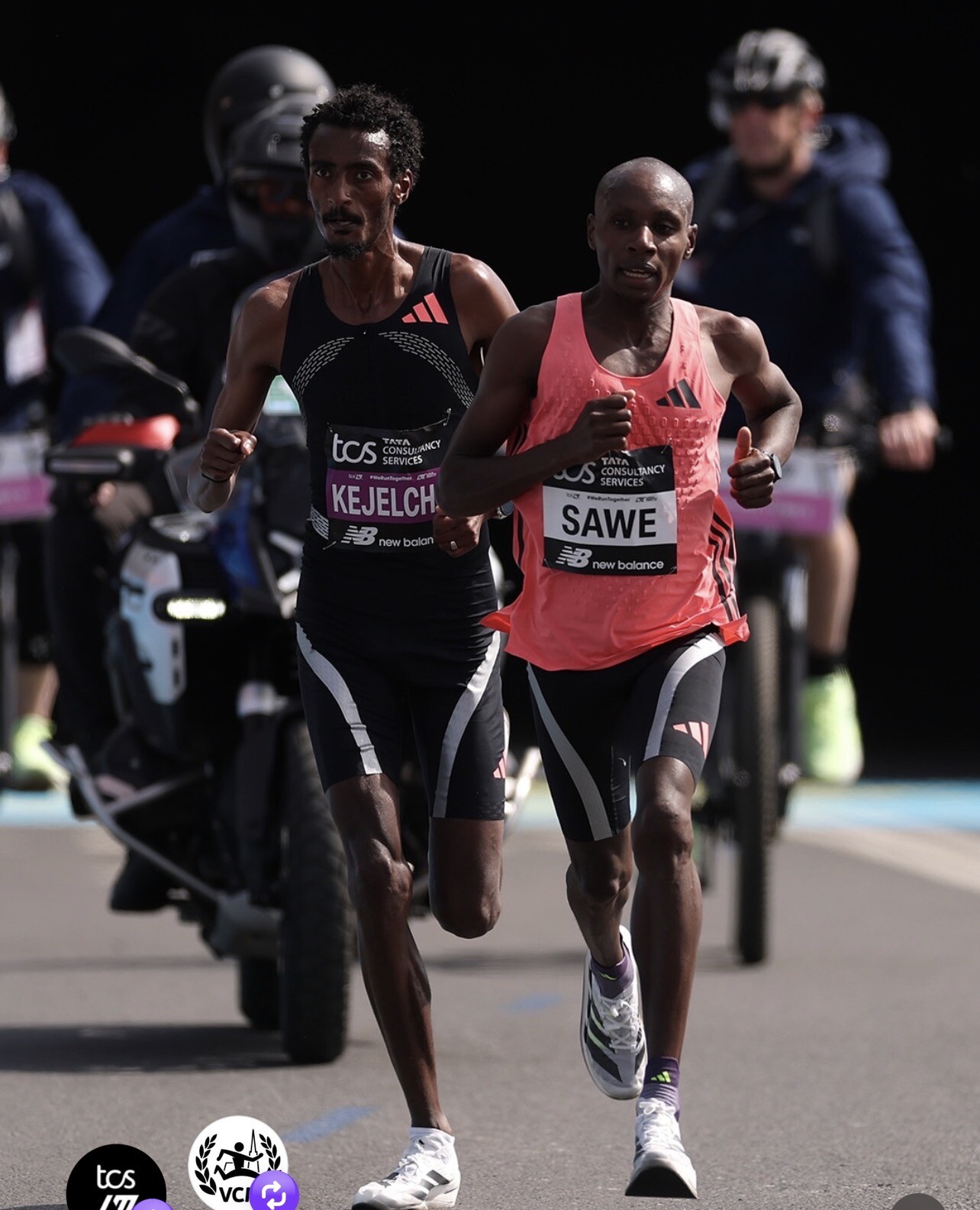
Today in London, Sabastian Sawe didn’t just win the marathon—he broke the barrier, clocking an incredible 1:59:30.
His splits tell the story of something truly special:
5K – 14:14
10K – 28:35
15K – 43:10
20K – 57:21
Half – 60:29
25K – 1:11:41
30K – 1:26:03
35K – 1:39:57
40K – 1:53:39
Finish – 1:59:30
And it wasn’t just one man today. Yomif Kejelcha finished second in 1:59:41—also under two hours in his marathon debut.
On the women’s side, Tigst Assefa delivered a performance of her own, setting a women-only world record of 2:15:41.
We’ve talked about moments like this for years. Today, it all came together.

— Bob Anderson
by Bob Anderson Publisher My Best Runs
Login to leave a comment
TCS London Marathon
Since its inaugural edition on March 29, 1981, the TCS London Marathon has grown into one of the world's most prestigious road races, blending elite competition with an extraordinary charitable legacy. Founded by former Olympic champion and journalist Chris Brasher alongside Welsh athlete John Disley, the event has been staged every year and has been held in the spring annually...
more...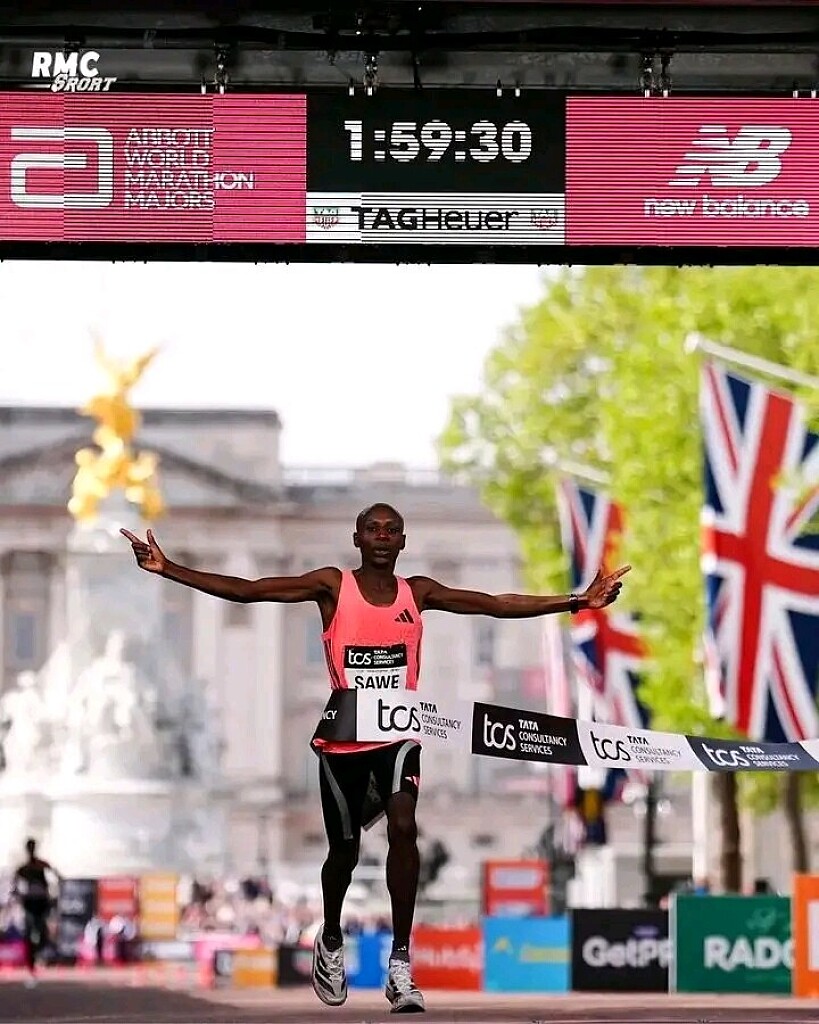
Golden Payday in London: Sebastian Sawe Turns Marathon Glory Into $330,000 Windfall
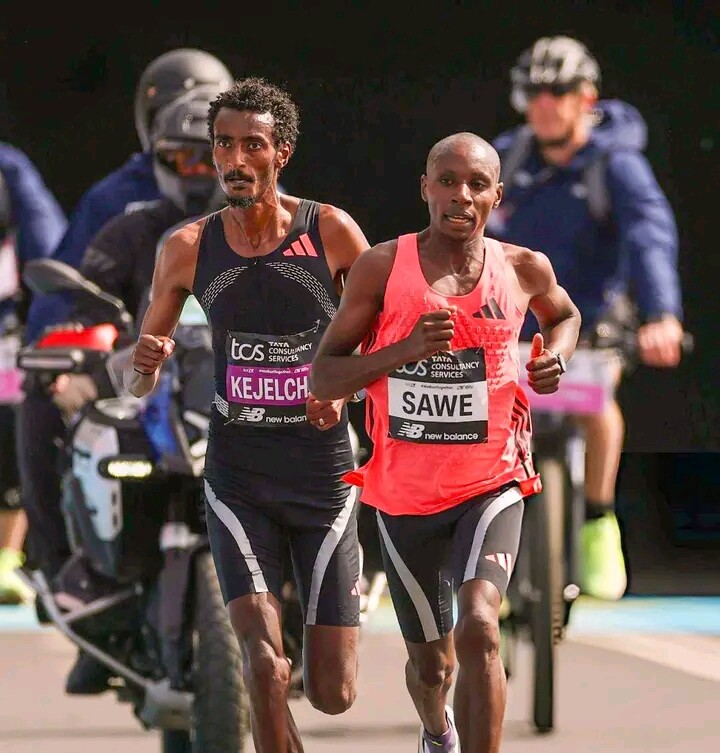
Sebastian Sawe delivered a performance of immense class and composure at the 2026 London Marathon, storming to victory in the men’s race and securing one of the richest rewards in road racing. With the winner’s purse, bonuses, and world-record incentives combined, the Kenyan star is set to leave the British capital with an astonishing $330,000.
It was not merely a race win—it was a statement. Sawe conquered one of the strongest marathon fields assembled this season, mastering the pace, pressure, and prestige that define London’s famous streets. From the early miles to the decisive closing stages, he ran with the confidence of a man fully aware that greatness was within reach.
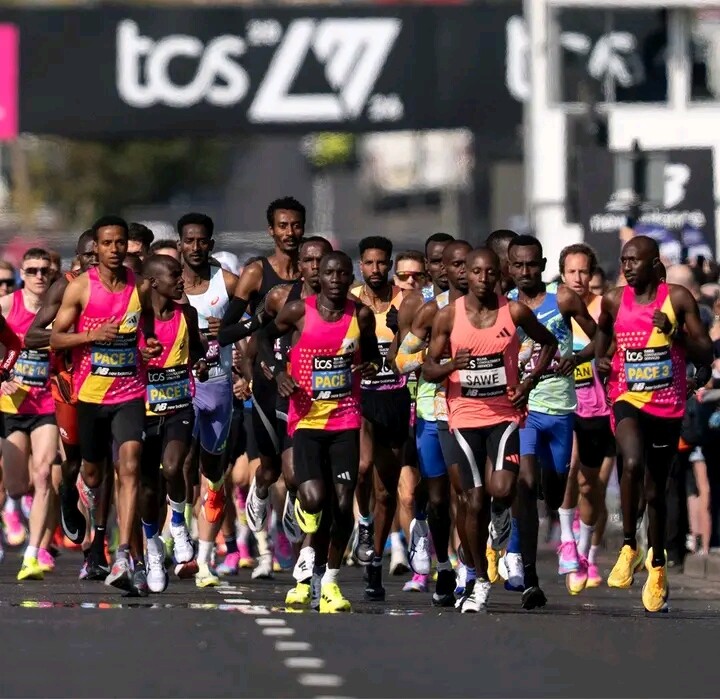
The financial reward only adds another layer to an unforgettable day. Spread across the 26.2-mile journey, Sawe’s earnings equate to roughly $7,857 per mile—a remarkable figure that underlines the scale of elite marathon success at the highest level.
Sebastian Sawe’s magnificent victory could prove just as rewarding financially as it was historically on the road. After delivering a sensational sub-two-hour performance, the Kenyan star is expected to pocket more than Ksh 40 million through a combination of prize money and performance bonuses. The champion’s purse is valued at $55,000, while an additional $150,000 incentive is attached to breaking the 2:02:00 barrier, turning his brilliance into an extraordinary payday.
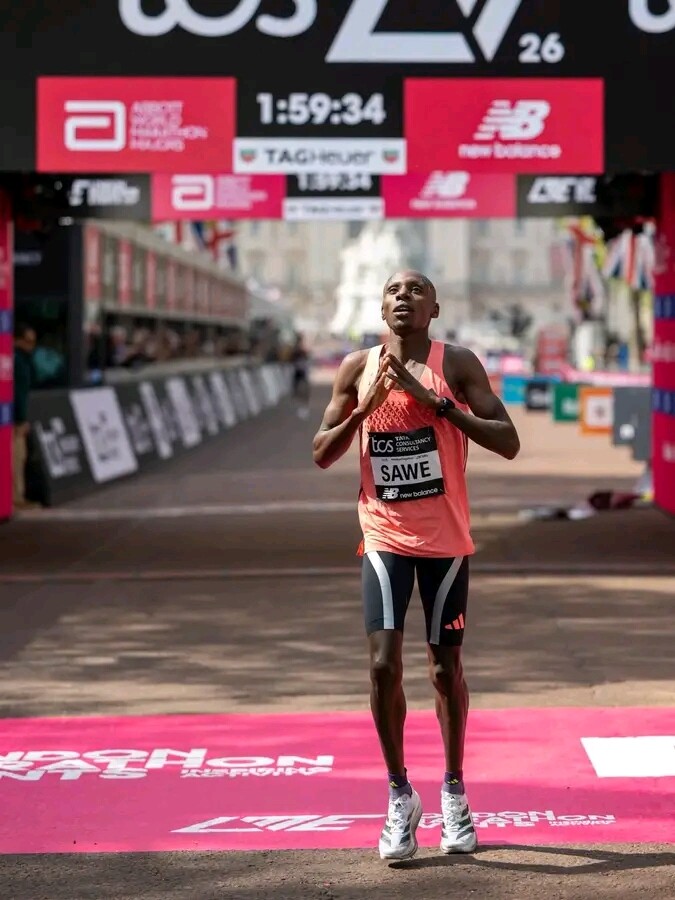
Should his stunning 1:59:30 also qualify for the world-record reward, a further $125,000 would be added to his total earnings. That would lift the combined package to approximately $330,000 — over Ksh 42 million based on 2026 exchange rates. The figure does not yet account for appearance fees or any course-record bonuses, meaning the final sum could be even greater, although taxes and other standard deductions would still apply.
Yet beyond the prize money lies the deeper significance of the moment. London has long been a theatre where legends are made, and Sawe’s triumph places his name firmly among the newest stars of the distance. To win there requires far more than speed; it demands courage, intelligence, and flawless execution.
For Kenyan athletics, it was another proud chapter in a rich distance-running tradition. For Sawe himself, it may prove the race that elevates him from contender to global marathon force.
One race. One unforgettable victory. One life-changing payday. Sebastian Sawe left London with far more than money—he left with history.
by Erick Cheruiyot for My Best Runs.
Login to leave a comment
TCS London Marathon
Since its inaugural edition on March 29, 1981, the TCS London Marathon has grown into one of the world's most prestigious road races, blending elite competition with an extraordinary charitable legacy. Founded by former Olympic champion and journalist Chris Brasher alongside Welsh athlete John Disley, the event has been staged every year and has been held in the spring annually...
more...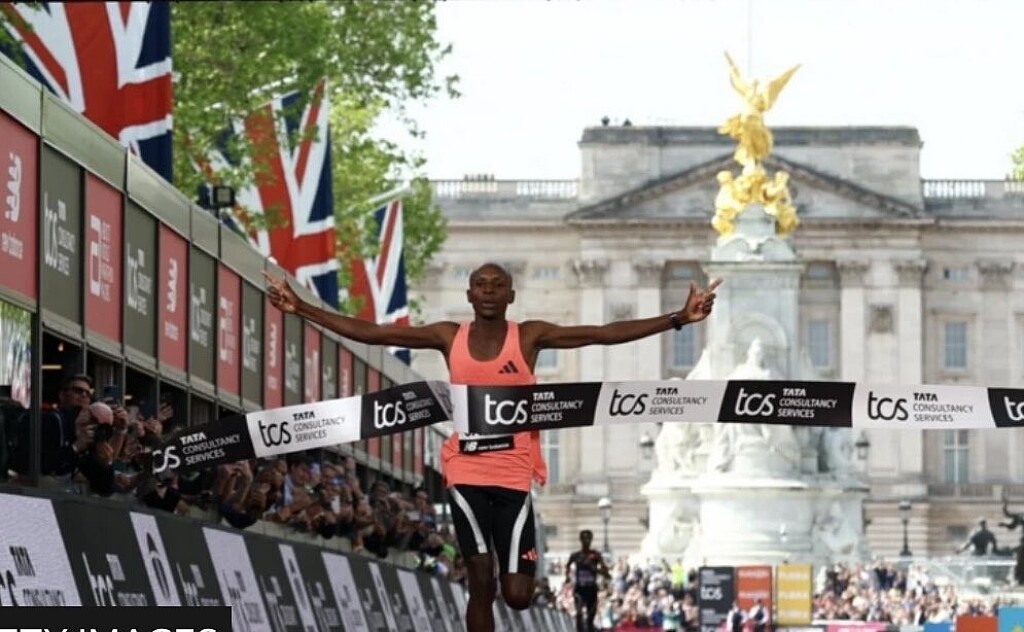
HISTORY REWRITTEN: Sawe Shatters the Two-Hour Barrier in a Marathon Masterpiece
In a moment that will echo through the annals of long-distance running, the defending champion Sebastian Sawe has achieved what generations once believed to be beyond human reach—breaking the two-hour barrier in an official marathon setting at the TCS London Marathon 2026.
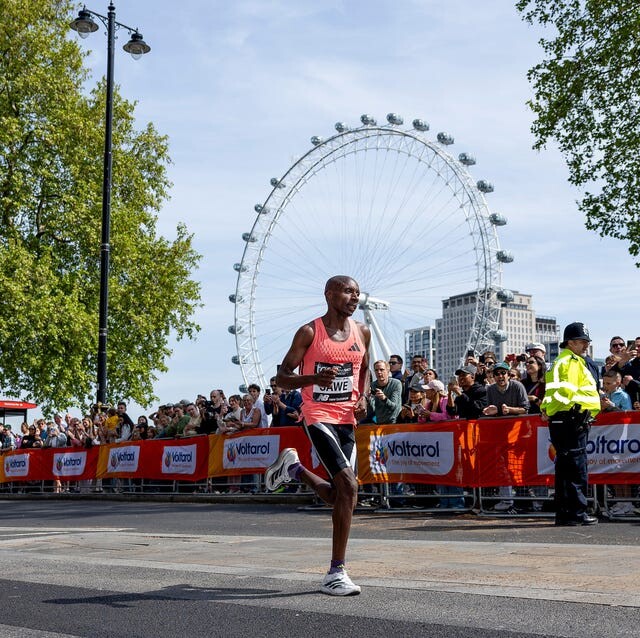
Clocking a breathtaking 1:59:30, the Kenyan star becomes the first man in history to run a sub-two-hour marathon under record-eligible conditions, delivering a performance of extraordinary precision, endurance, and courage. It was not just a race—it was a statement that the limits of human performance continue to be redefined.
The race unfolded at a relentless pace, with Sawe demonstrating remarkable composure and control from the very start. As the kilometers ticked away, it became increasingly evident that something historic was taking shape. Each stride carried the weight of expectation and possibility, and when he finally crossed the line, the stopwatch confirmed the unimaginable had become reality.
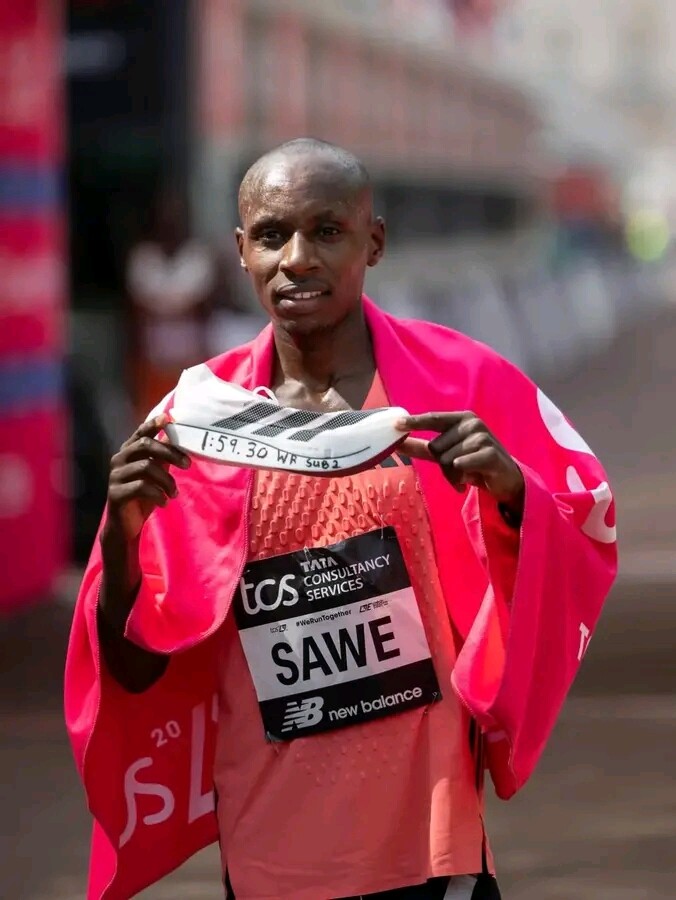
Hot on his heels was Ethiopia’s Yomif Kejelcha, who matched the historic time of 1:59:41, securing a personal best and national record in a performance that would have dominated headlines on any other occasion. Meanwhile, Uganda’s Jacob Kiplimo delivered a sensational 2:00:28, also a personal best and national record, further highlighting the extraordinary depth and quality of this unforgettable race.
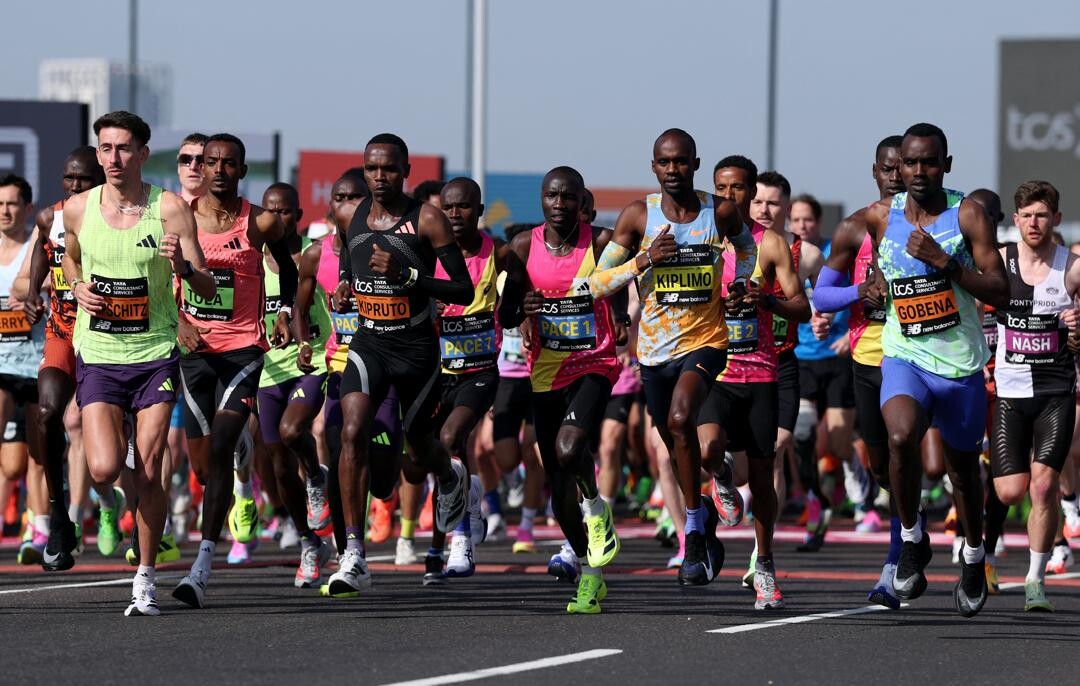
What made this performance even more remarkable was the manner in which it was achieved. The pace never wavered, the rhythm never broke, and the intensity never dropped. Every split reflected surgical precision, as the lead pack worked in perfect harmony before Sawe unleashed his decisive surge in the closing stages. It was a masterclass in controlled aggression—where endurance met absolute mental strength on the grandest stage.
Beyond the numbers and records, this race will be remembered for the statement it sends to the rest of the world: that marathon running has officially entered a new dimension. What was once considered untouchable is now history, rewritten in bold ink. Sawe’s triumph, alongside the extraordinary performances of Kejelcha and Kiplimo, has elevated the sport into a new era where limits are not just challenged—but completely erased.
Top 10 Finishers – 2026 TCS London Marathon (Elite Men)
1. Sebastian Sawe – 1:59:30 (World Record)
2. Yomif Kejelcha – 1:59:41 (PB, NR)
3. Jacob Kiplimo – 2:00:28 (PB, NR)
4. Amos Kipruto (Kenya) – 2:01:39 PB
5. Tamirat Tola (Ethiopia) – 2:02:59
6. Deresa Geleta (Ethiopia) – 2:03:23
7. Addisu Gobena (Ethiopia) – 2:05:23
8. Geoffrey Kamworor (Kenya) – 2:05:38
9. Peter Lynch (Ireland) – 2:06:08 NR
10. Mahamed Mahamed (Great Britain) – 2:06:14 PB
This extraordinary race will be remembered as one of the defining moments in the evolution of marathon running, where human endurance and scientific preparation converged to produce something once thought impossible. It was not only about breaking a barrier, but about completely redefining what the sport can deliver at its highest level, inspiring a new generation of athletes to dream beyond established limits.
As the dust settles on this historic achievement, the legacy of this day will endure far beyond the finishing times. Sebastian Sawe and his closest challengers have etched their names into athletics history, proving that greatness is not a destination but a continuous pursuit. The marathon world now stands transformed, with a new standard set and a new era unmistakably underway.
by Erick Cheruiyot for My Best Runs.
Login to leave a comment
TCS London Marathon
Since its inaugural edition on March 29, 1981, the TCS London Marathon has grown into one of the world's most prestigious road races, blending elite competition with an extraordinary charitable legacy. Founded by former Olympic champion and journalist Chris Brasher alongside Welsh athlete John Disley, the event has been staged every year and has been held in the spring annually...
more...