

Running News Daily
Running News Daily is edited by Bob Anderson and team. Send your news items to bob@mybestruns.com Advertising opportunities available.
Index to Daily Posts · Sign Up For Updates · Run The World Feed


Love At The Half Marathon Mark: Gowsic Thevendran Proposes To Girlfriend Shaaruujaa Nadarajah During Toronto Marathon
For most marathon runners, reaching the halfway point means taking stock of their pace, conserving energy and preparing for the challenging kilometres ahead. But for Ontario runners Gowsic Thevendran and Shaaruujaa Nadarajah, the 21.1-kilometre mark of the TCS Toronto Waterfront Marathon became the setting for a moment that would change their lives forever.
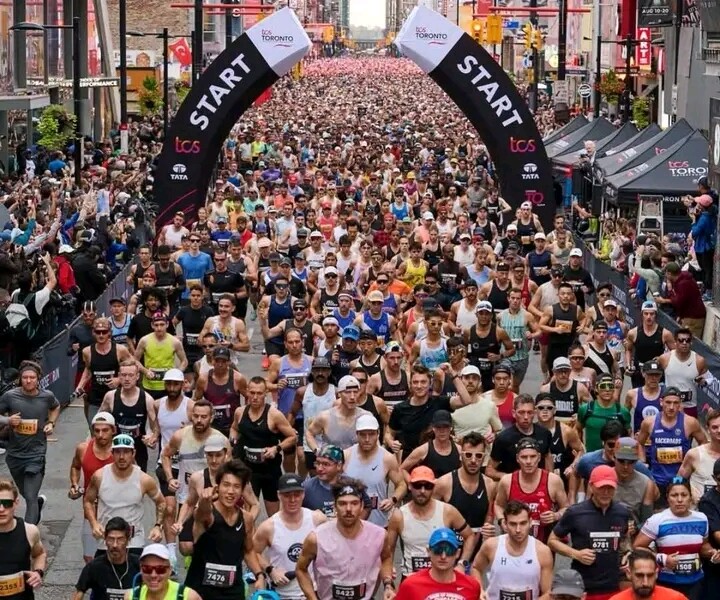
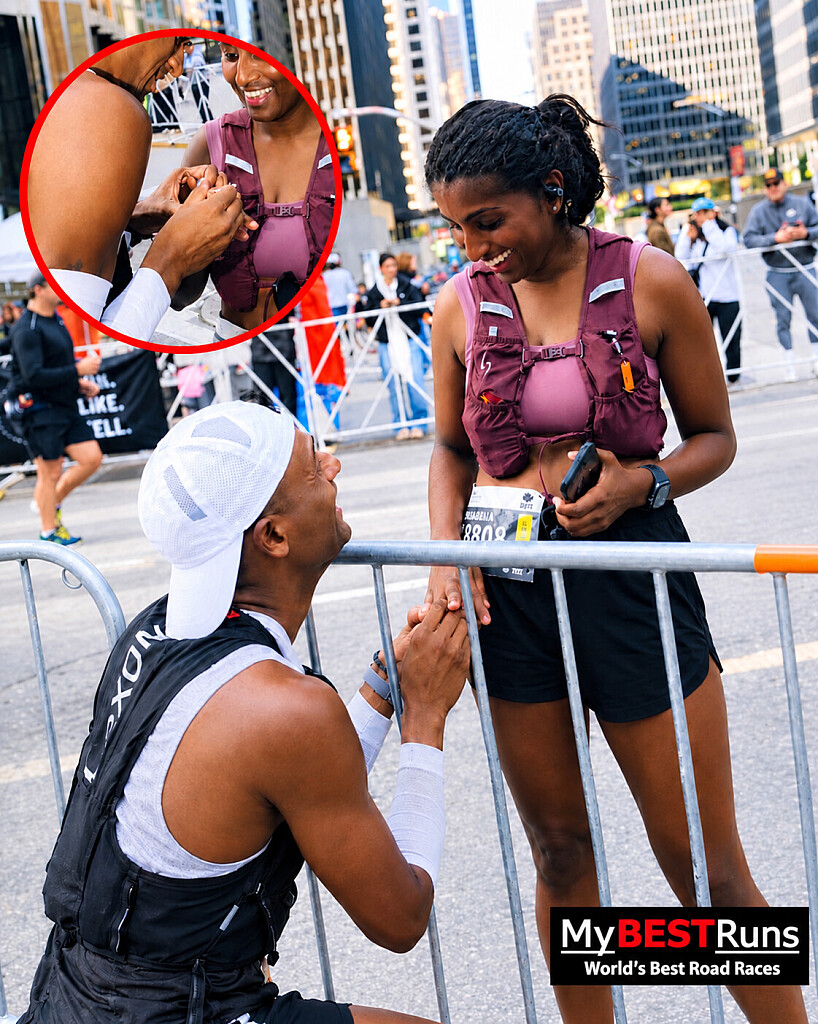
During Sunday's race, Gowsic turned an ordinary marathon checkpoint into an extraordinary romantic milestone by proposing to his girlfriend, Shaaruujaa, over the race barricade. The heartfelt moment transformed their shared running experience into a memory they will cherish long after the finish-line celebrations have ended.
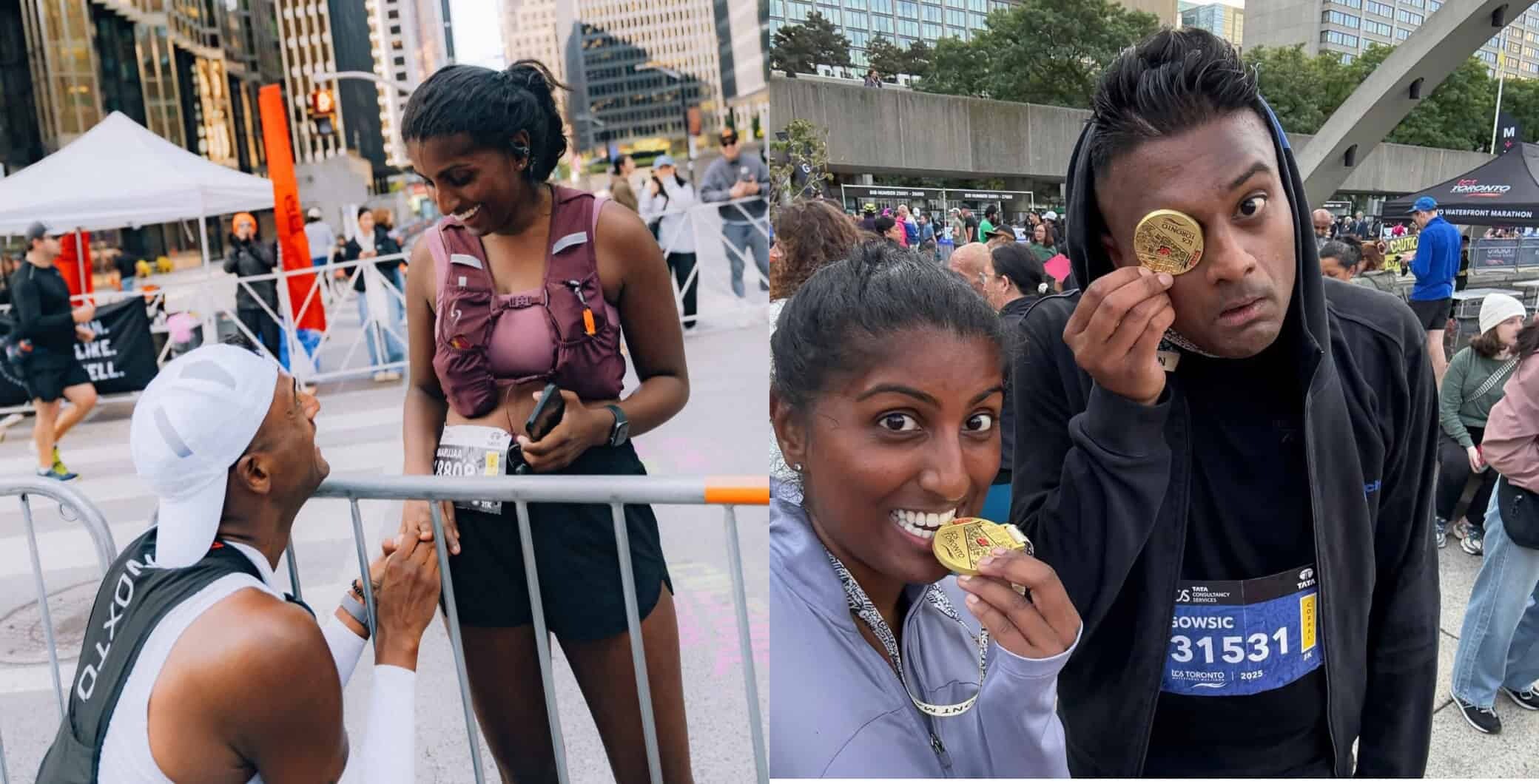
As Shaaruujaa stood on the other side of the barrier, Gowsic went down on one knee and asked the question that mattered far more than any finishing time or personal best. Her delighted reaction captured the emotion of the occasion, creating a memorable scene amid the excitement of one of Canada's major road-running events.
What made the moment even more remarkable was that the proposal came halfway through the marathon. With 21.1 kilometres already behind him, Gowsic still had another half marathon to complete after asking the biggest question of his life.
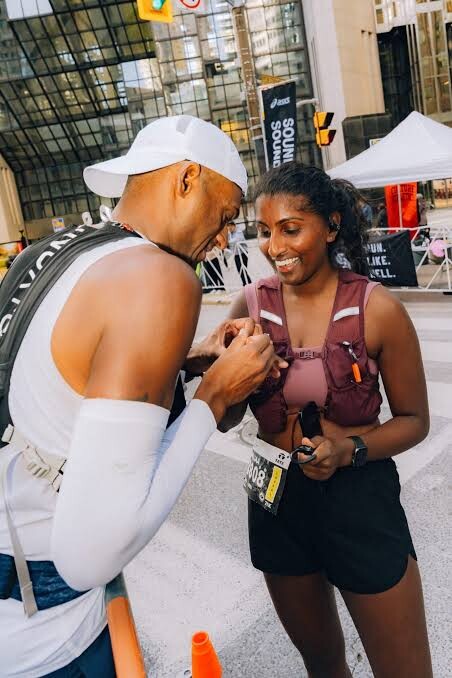
Rather than choosing a traditional setting for the proposal, he incorporated the couple's shared passion for running into a milestone they will forever associate with their relationship. Surrounded by fellow competitors, spectators and the energy of race day, the couple celebrated a moment that extended far beyond the sporting challenge unfolding around them.
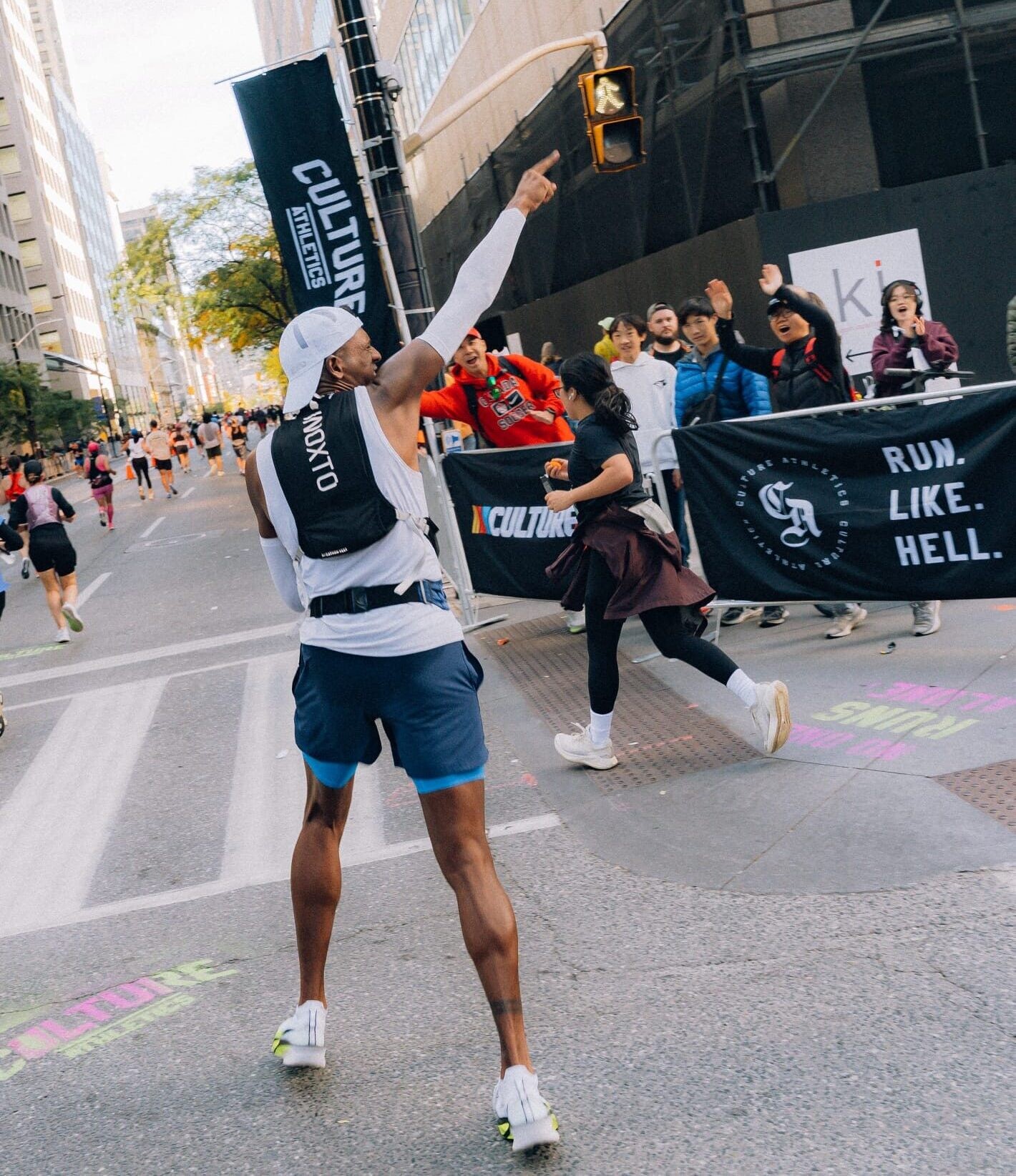
Marathon proposals can sometimes spark debate, particularly when they interrupt a runner's race or catch a partner off guard. However, this occasion brought a different perspective, with both Gowsic and Shaaruujaa participating in the event and sharing their love of running.
For thousands of athletes on the Toronto streets, Sunday was about chasing ambitious times, achieving personal goals and crossing the finish line. For Gowsic and Shaaruujaa, the race also became the backdrop for a deeply personal milestone.
Marathons test endurance, patience and determination, but they can also produce unexpected moments of happiness that have nothing to do with the clock.
And while Gowsic still had another 21.1 kilometres to run, he had already secured a moment that no finishing time could measure.
Some races are remembered for records. Others are remembered for the people who make every kilometre worthwhile. For Gowsic and Shaaruujaa, this was a marathon in which love took centre stage.
by Erick Cheruiyot for My Best Runs.
Login to leave a comment
TCS Toronto Waterfront Marathon
The Scotiabank Toronto Waterfront Marathon, Half-Marathon & 5k Run / Walk is organized by Canada Running Series Inc., organizers of the Canada Running Series, "A selection of Canada's best runs!" Canada Running Series annually organizes eight events in Montreal, Toronto and Vancouver that vary in distance from the 5k to the marathon. The Scotiabank Toronto Waterfront Marathon and Half-Marathon are...
more...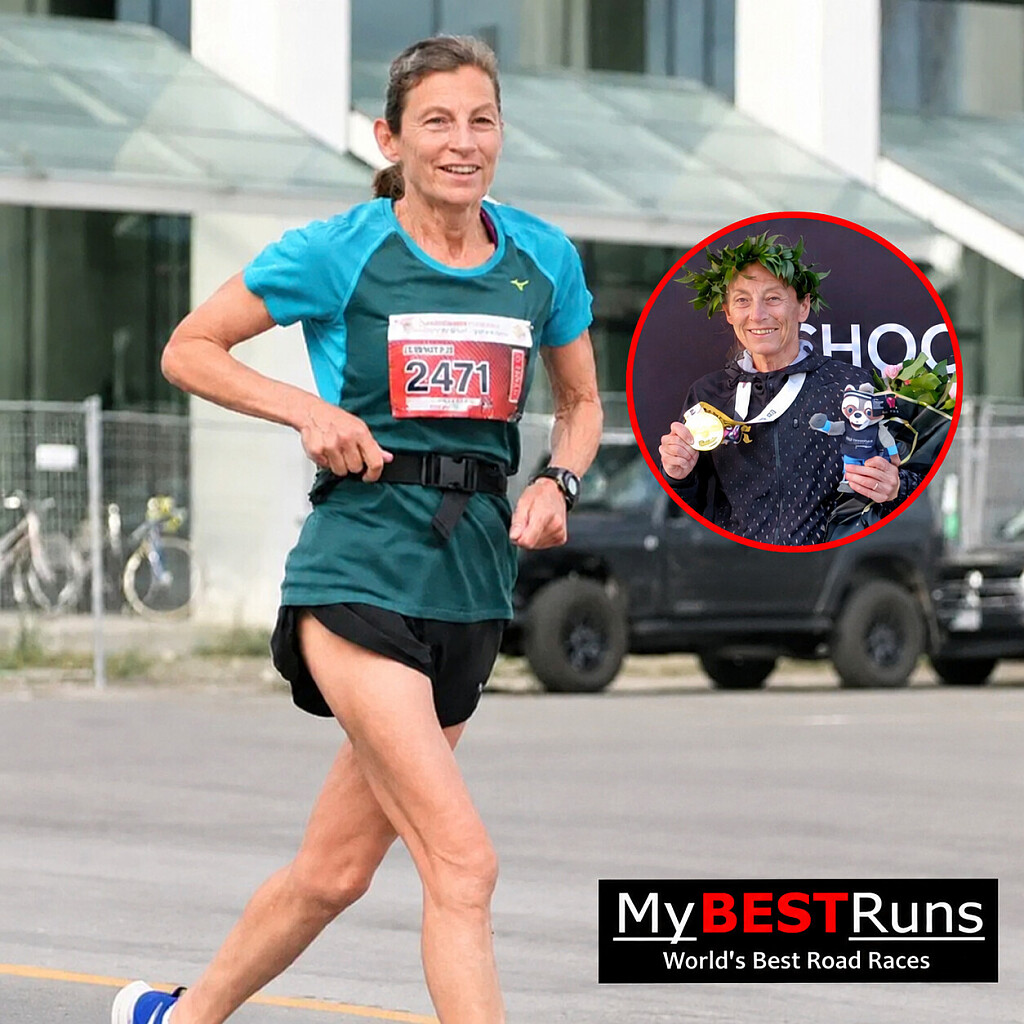
Jennifer MacDonell Runs 3:23:59 At 70 To Set Pending World Marathon Record In Toronto
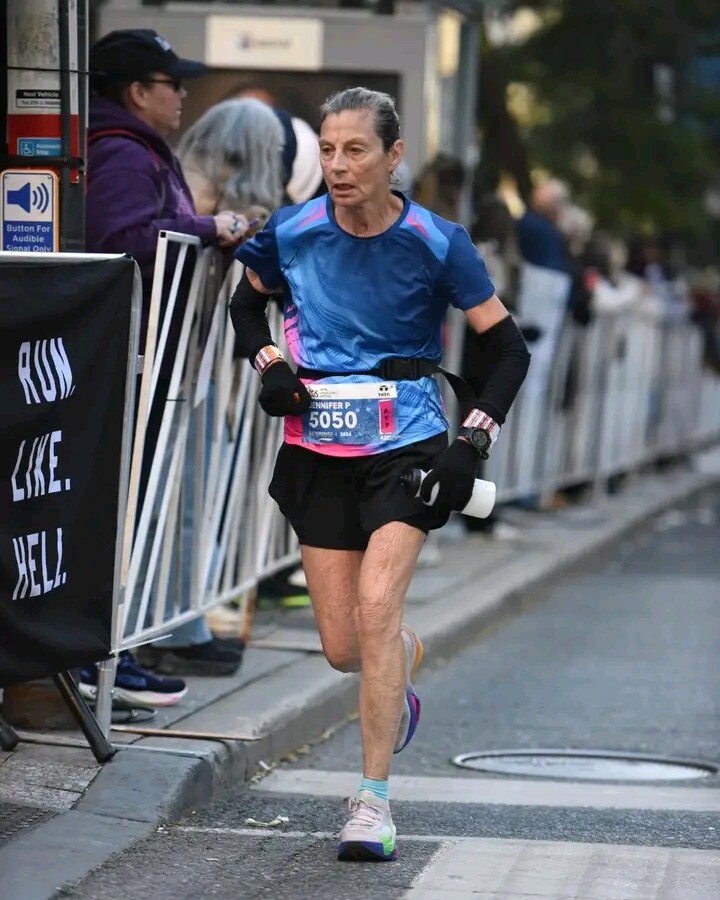
At 70 years old, Canadian distance runner Jennifer MacDonell is challenging conventional expectations of ageing after producing a remarkable marathon performance that could rewrite the record books in masters athletics.
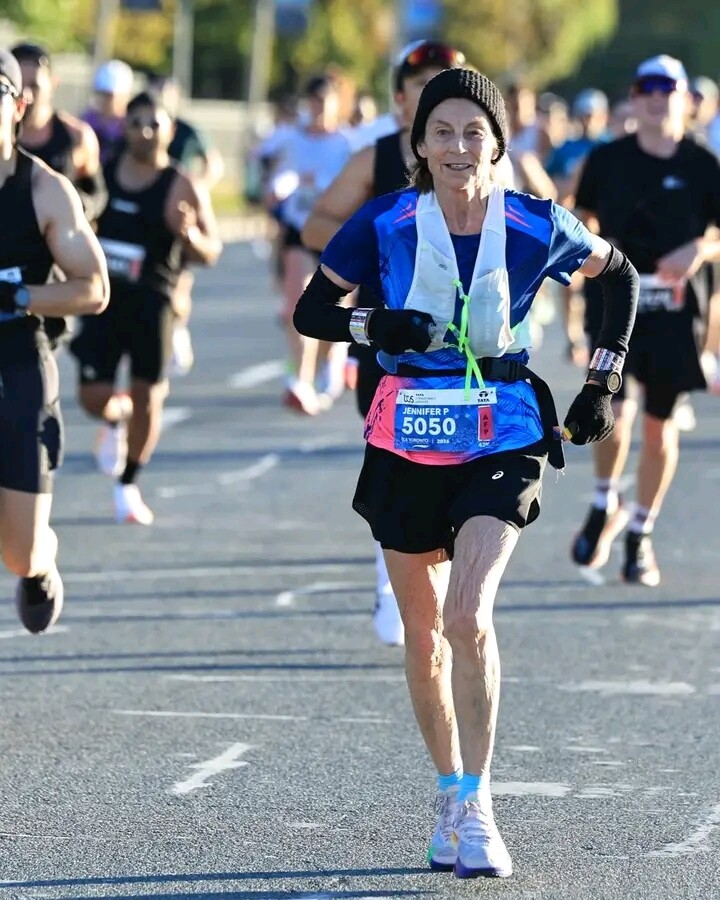
MacDonell, who hails from Ottawa, Canada, clocked an outstanding 3:23:59 at the TCS Toronto Waterfront Marathon, setting a pending world record in the women's 70–74 age category. Her performance eclipsed the previous mark of 3:27:00, set by France's Laurence Dupont Alnet in 2024, by more than three minutes.
Her extraordinary achievement stands as a powerful testament to the rewards of disciplined training, intelligent race preparation and a determination to continue competing at the highest possible level, regardless of age.
Completing the 42.195-kilometre distance in 3:23:59 required MacDonell to maintain an average pace of approximately 4:50 per kilometre, or 7:47 per mile, throughout the race. It was a phenomenal display of endurance from an athlete who continues to demonstrate that age alone does not define the boundaries of athletic performance.
However, her marathon breakthrough was only the highlight of an extraordinary period of racing.
Just nine days before her performance in Toronto, MacDonell travelled to Montreal, where she set a Canadian age-group mile record with a time of 6:51. The following morning, she returned to the track and roads to record another national age-group mark, clocking 21:40 over 5km.
Producing two Canadian records on consecutive days before delivering a potentially world-record marathon performance little more than a week later highlights the remarkable consistency and preparation behind her achievements.
According to reports by Canadian Running Magazine, MacDonell devoted an entire year to studying the Toronto marathon course, carefully analysing its hills, anticipating potential headwinds and tailoring her training to meet the demands of race day.
That preparation proved crucial as she navigated the challenging course in pursuit of her ambitious goal. Even when a calf cramp emerged during the final two kilometres, threatening to disrupt her rhythm, she continued towards the finish line and completed one of the most impressive performances of her running career.
MacDonell's achievement also offers a compelling reminder of the importance of masters athletics, a competitive arena in which experienced runners continue to challenge records and redefine what is possible later in life.
While marathon running demands tremendous physical endurance at every age, maintaining the ability to compete at such a high level at 70 requires years of commitment, careful preparation and an enduring passion for the sport.
Her approach was driven by a fundamental question: how fast can the human body go?
In Toronto, MacDonell delivered an extraordinary answer, demonstrating that the pursuit of excellence does not have to end when an athlete reaches a milestone birthday.
Although her 3:23:59 performance remains subject to official ratification as a world record, the time has already established an impressive benchmark for women competing in the 70–74 age category.
For runners around the world, her story is about much more than a time on the clock. It is about setting ambitious goals, embracing the discipline required to achieve them and refusing to let age alone dictate the limits of one's ambitions.
At 70, Jennifer MacDonell is still chasing faster times, breaking records and inspiring others through her performances. Her remarkable run in Toronto sends a powerful message to the running community: the finish line of one achievement can always become the starting point for another.
by Erick Cheruiyot for My Best Runs.
Login to leave a comment
TCS Toronto Waterfront Marathon
The Scotiabank Toronto Waterfront Marathon, Half-Marathon & 5k Run / Walk is organized by Canada Running Series Inc., organizers of the Canada Running Series, "A selection of Canada's best runs!" Canada Running Series annually organizes eight events in Montreal, Toronto and Vancouver that vary in distance from the 5k to the marathon. The Scotiabank Toronto Waterfront Marathon and Half-Marathon are...
more...
Femke Bol Returns To Training After Bold 800m Switch As Dutch Star Targets A Bigger 2027 Season
Dutch athletics superstar Femke Bol is back on the track and preparing for the 2027 season after a remarkable year that saw her explore a new challenge on the track while celebrating a major milestone in her personal life.
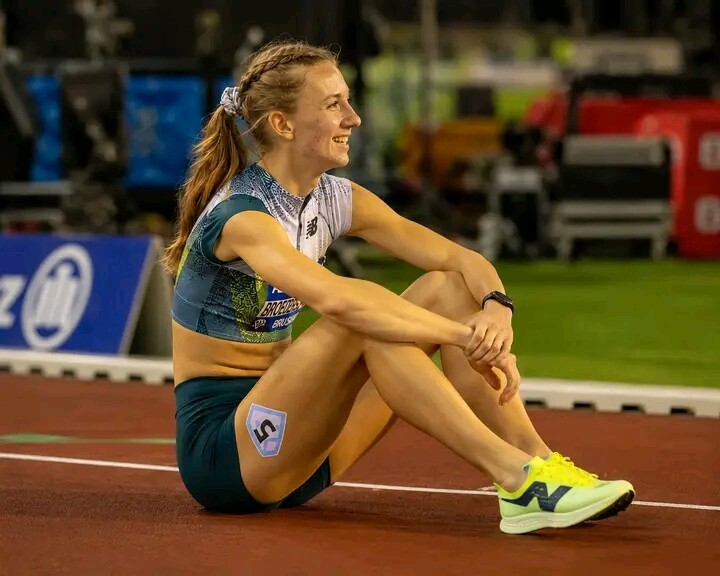
The 26-year-old, who established herself as one of the world's leading 400m hurdlers, made headlines in 2026 with an ambitious transition to the women's 800m. The move opened an exciting new chapter in her career, testing her speed, endurance and tactical abilities over the longer distance.
Bol quickly demonstrated that she could compete at an impressive level in her new event, setting a Dutch national record of 1:54.71 at the Zurich Diamond League. She also clocked 1:55.41 in Lausanne and secured victory in the 800m at the FBK Games in Hengelo, delivering performances that strengthened expectations surrounding her future in the discipline.
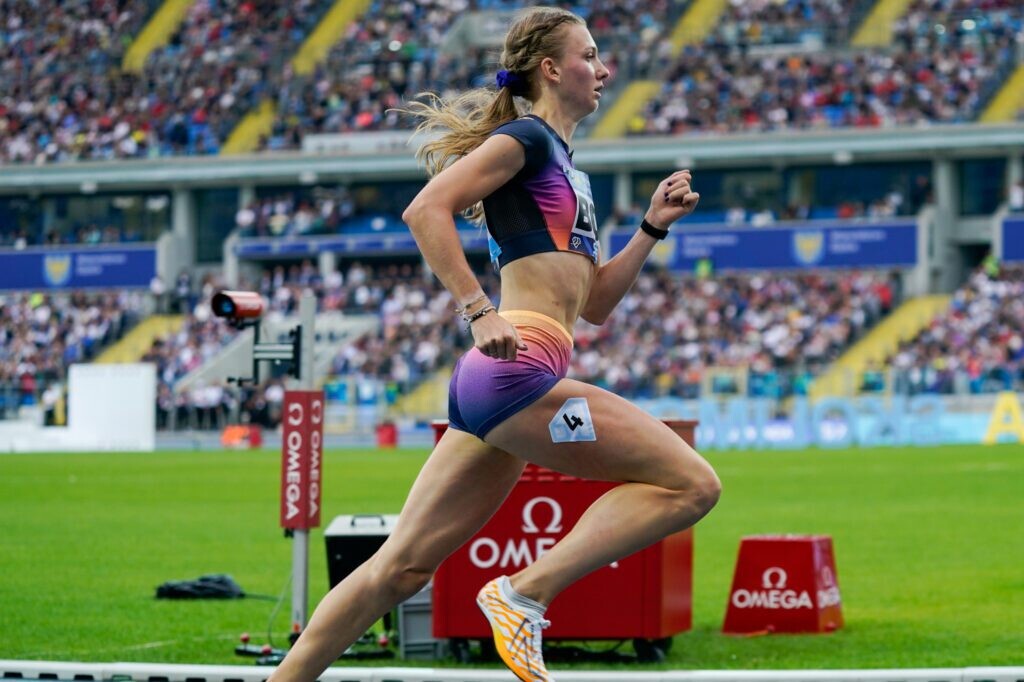
Her decision to move away from the 400m hurdles represented a significant change for an athlete who had dominated the event for several seasons. Renowned for her exceptional speed, powerful finishing ability and consistency on the international stage, Bol now faces the challenge of translating those qualities into success over two laps.
Beyond athletics, 2026 also brought a special moment in her personal life as Bol married Belgian pole vaulter Ben Broeders, marking another important milestone away from competition.
With the new season approaching, the Dutch star has returned to training, beginning the process of building her fitness and preparing for the demands of another year at the highest level. Her immediate focus will be on developing further in the 800m and determining how far she can push her performance in an event traditionally dominated by specialist middle-distance runners.
Bol's transition has already generated considerable interest, and her national record suggests that she has the potential to become an increasingly formidable competitor over the distance. However, establishing herself among the world's leading 800m runners will require continued development, consistency and the ability to deliver against an increasingly competitive international field.
As preparations for 2027 gather momentum, attention will turn to how much further she can progress after her promising first season over two laps.
Can Femke Bol transform her successful transition into a serious challenge for global honours in the women's 800m in 2027? The Dutch star's next chapter promises to be one of the most intriguing storylines in international athletics.
by Erick Cheruiyot for My Best Runs.
Login to leave a comment
Casablanca Half Marathon 2026: Regina Wambui Ndungu Leads Kenyan Charge Against Morocco’s Best
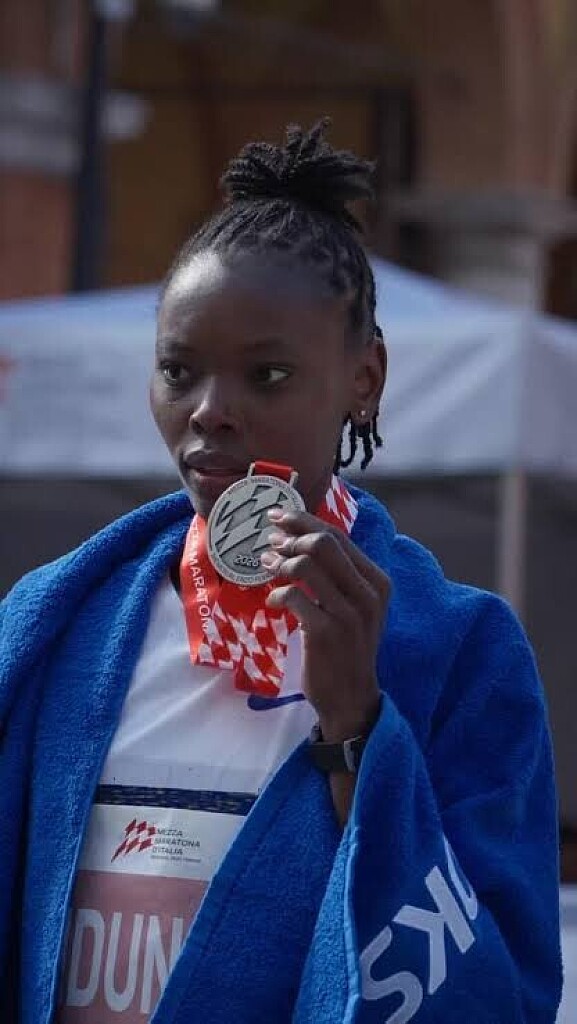
The women’s elite race at the 2026 Casablanca Half Marathon promises an exciting battle for supremacy on Sunday, October 25, as Kenya’s Regina Wambui Ndungu leads a competitive international field featuring Uganda’s Rispa Cherop and Morocco’s homegrown stars.
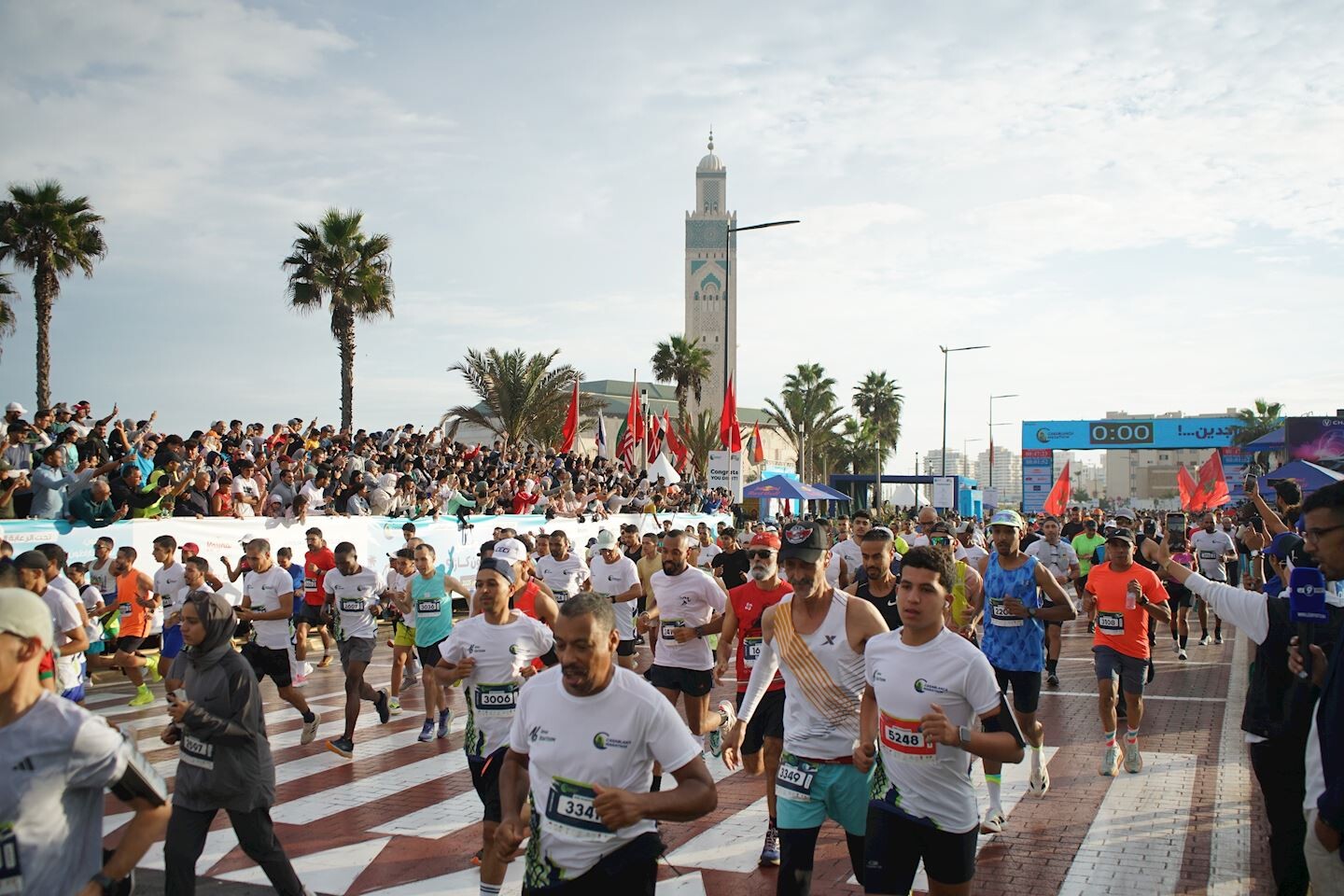
With a personal best of 1:07:10, Ndungu arrives as the fastest athlete listed in the women’s elite field, making her a leading contender for victory. However, the Kenyan will face a determined challenge from athletes eager to seize the spotlight on Moroccan soil, setting the stage for an intriguing contest over 21.0975 kilometres.
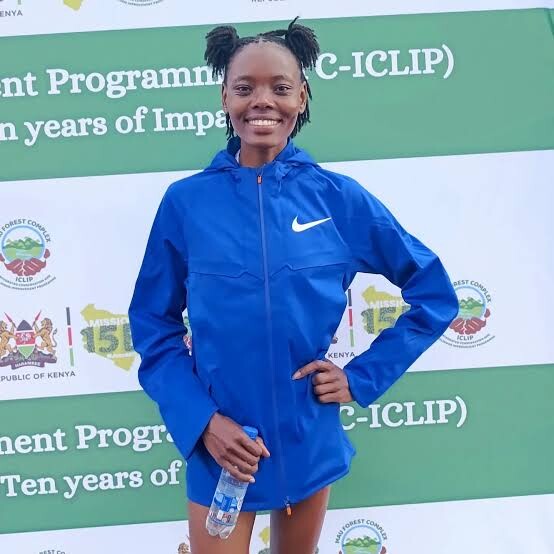
Ndungu’s credentials place her firmly among the favourites, but translating that status into victory will require a composed and tactically intelligent performance. The outcome could depend on how the leading contenders manage the pace, respond to changes in the race, and position themselves for the decisive kilometres.
Morocco’s Rahma Tahiri is expected to be among the principal challengers. With a personal best of 1:08:34, she possesses the speed to compete for the title and will have the added motivation of racing in front of the home crowd. A victory on familiar roads would be a significant achievement, and Tahiri will be eager to make the most of the opportunity.
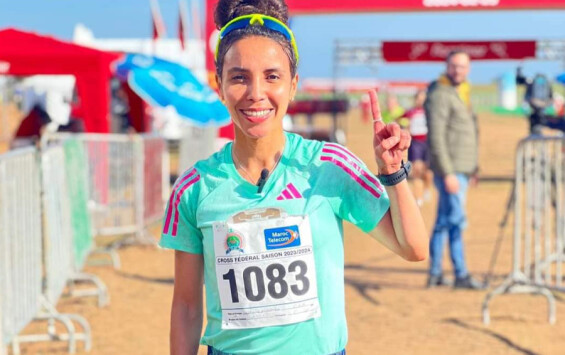
Uganda’s Rispa Cherop also enters the contest with a strong performance record. Her personal best of 1:08:53 places her among the leading contenders, within striking distance of Tahiri and close enough to Ndungu to make the contest unpredictable. If she can remain in contact with the front-runners through the early stages, Cherop could emerge as a serious threat in the closing kilometres.
Beyond the leading trio, the field features several Moroccan athletes seeking to challenge the established favourites. Meryeme Azrour, with a personal best of 1:09:46, and Kaoutar Farkoussi, who has run 1:09:58, are both capable of adding depth to the contest. Fatima Aafir, listed at 1:10:54, will also be among the athletes looking to produce a competitive performance.
Other names on the entry list include Soukaina Elhaji (1:12:49), Hanane El Bajjaoui (1:14:13), Rababe Arafi (1:14:20), Jamila Ayachi (1:15:12), Liz Romo (1:14:59), Sakina El Adel (1:16:51) and Fatima Zahra Erregui (1:17:44).
With several athletes boasting personal bests below 1:10, the leading group could produce an aggressive race from the outset. However, the fastest personal best does not guarantee victory, and the ability to execute the right strategy on race day will ultimately determine who comes out on top.
The Casablanca Half Marathon will provide an important opportunity for the elite women to test themselves against international opposition while showcasing the depth of distance-running talent from Morocco and beyond.
For Ndungu, the objective will be to convert her position as the fastest entrant into a winning performance. For Tahiri, the challenge is to turn home advantage into a memorable triumph. Cherop, meanwhile, will be looking to upset the leading contenders and take the title back to Uganda.
With Kenyan ambition, Ugandan determination and Moroccan home-crowd support converging on the same course, the women’s elite contest promises to be one of the key attractions of the 2026 Casablanca Half Marathon.
by Erick Cheruiyot for My Best Runs.
Login to leave a comment

Casablanca Half Marathon
A real sporting festival placed under the theme "The Casablanca half-marathon: Two races for the pleasure of the people of Casablanca: 21km97m, 10km", which will bring together a large audience of spectators all along the course and personalities, professionals but also technical assistance from several Olympic and world champions....
more...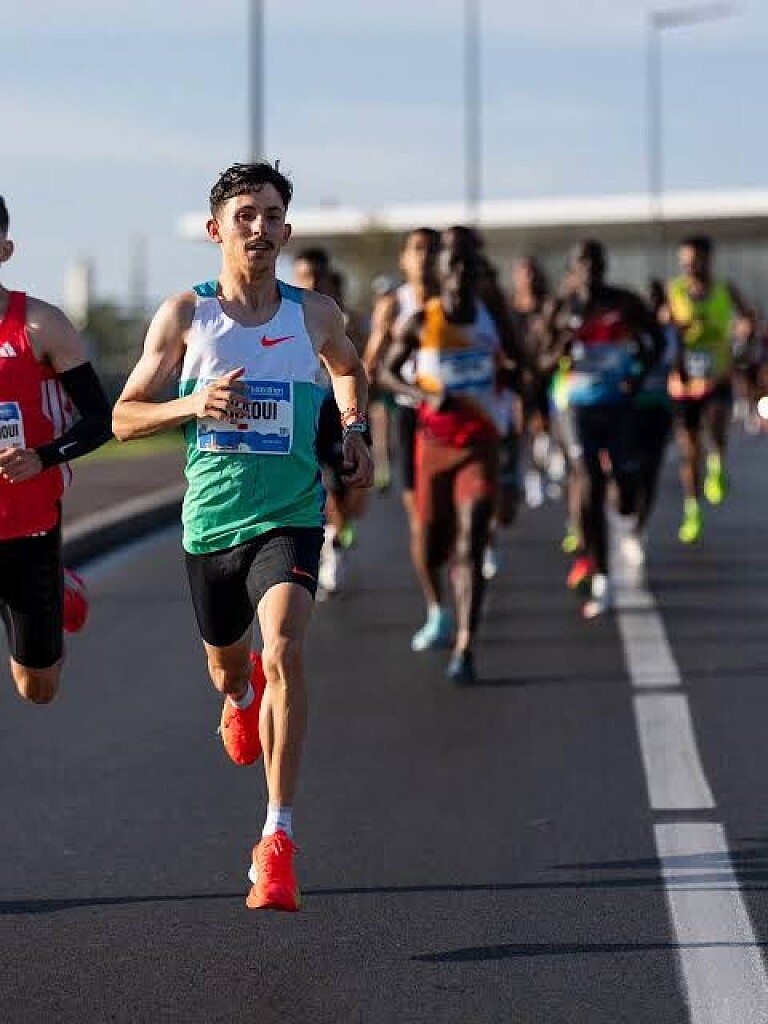
Casablanca Half Marathon 2026: Mustapha Akkaoui Leads The Home Charge As Kenyan Duo Threatens Moroccan Glory
The 2026 Casablanca Half Marathon is set to deliver an exciting contest on Sunday, October 25, with Morocco's leading distance runners preparing to defend home honours against a competitive international field featuring some of East Africa's finest athletes.
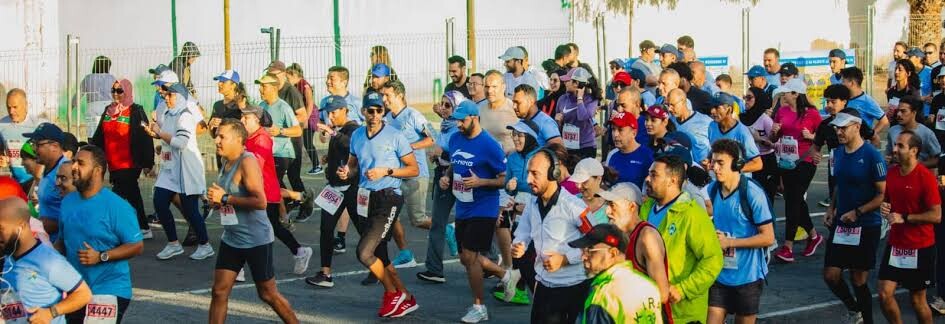
Moroccan standout Mustapha Akkaoui headlines the men's elite start list with an impressive personal best of 1:00:38, making him the fastest athlete entered on paper. With the support of the home crowd behind him, Akkaoui will be aiming to turn his credentials into a memorable performance on Moroccan soil.
However, the Moroccan favourite faces a serious challenge from Kenya, with Shadrack Korir Kipyegon and Joshua Munyoto Kithuku leading the international threat. Korir Kipyegon enters with a personal best of 1:01:19, while Kithuku has clocked 1:01:24. Both athletes possess the credentials to challenge for the podium and will be determined to disrupt Akkaoui's ambitions.
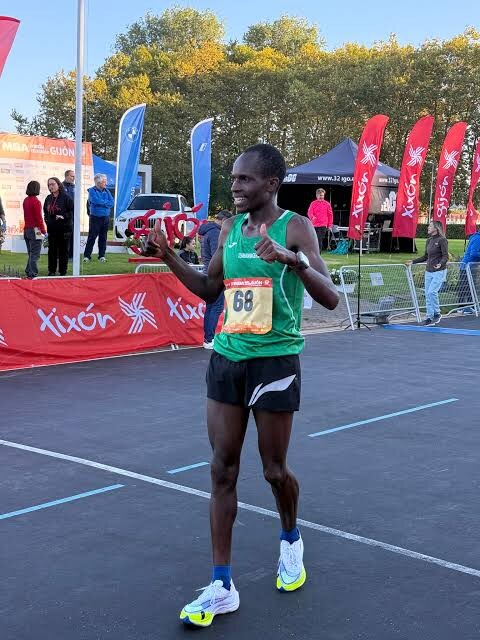
Uganda's Martin Kiprotich also adds considerable strength to the contest. With a personal best of 1:01:30, Kiprotich is another serious contender capable of making his presence felt in a race expected to feature an intense battle among the leading athletes.
The opening four names on the start list are separated by just 52 seconds in their respective personal bests, underlining the potential for a competitive race if the leading runners find favourable conditions and maintain a demanding pace. Although Akkaoui holds the fastest time, his advantage on paper offers no guarantee of victory against opponents eager to challenge the Moroccan favourite.
Beyond the leading international contenders, the men's field features a strong contingent of Moroccan athletes, including Allami Yassine, Fathi Abdenasir, El Hassouni Ahmed, Bybat Mohammed, Mounir Elouali and Ait Taghzant Mohammed. Their presence gives the host nation considerable depth and could produce an intriguing battle for the leading positions behind the principal contenders.
Ethiopia's Taha Adem Gudeto, listed with a personal best of 1:02:52, provides another international dimension to the race. Meanwhile, a host of Moroccan runners with personal bests ranging from the low 1:02s to the 1:04s will be looking to deliver strong performances and improve their standing against a competitive field.
With Akkaoui leading the entries, Kenya bringing two formidable challengers and Uganda represented by Kiprotich, the men's contest promises an engaging clash of national ambitions. The key question is whether the Moroccan favourite can capitalise on home advantage or whether the East African challenge will produce a different winner.
Men's Elite Start List — Leading Athletes
1. Mustapha Akkaoui (Morocco) — 1:00:38
2. Shadrack Korir Kipyegon (Kenya) — 1:01:19
3. Joshua Munyoto Kithuku (Kenya) — 1:01:24
4. Martin Kiprotich (Uganda) — 1:01:30
5. Allami Yassine (Morocco) — 1:01:30
6. Fathi Abdenasir (Morocco) — 1:01:32
7. El Hassouni Ahmed (Morocco) — 1:01:43
8. Bybat Mohammed (Morocco) — 1:01:47
9. Mounir Elouali (Morocco) — 1:02:08
10. Ait Taghzant Mohammed (Morocco) — 1:02:13
As race day approaches, attention will centre on whether Akkaoui can deliver a winning performance in front of his home supporters or whether Kenya's and Uganda's challenge will prove decisive. With several athletes possessing personal bests close to the leading mark, Casablanca is preparing for a compelling half-marathon showdown.
by Erick Cheruiyot for My Best Runs.
Login to leave a comment
Casablanca Half Marathon
A real sporting festival placed under the theme "The Casablanca half-marathon: Two races for the pleasure of the people of Casablanca: 21km97m, 10km", which will bring together a large audience of spectators all along the course and personalities, professionals but also technical assistance from several Olympic and world champions....
more...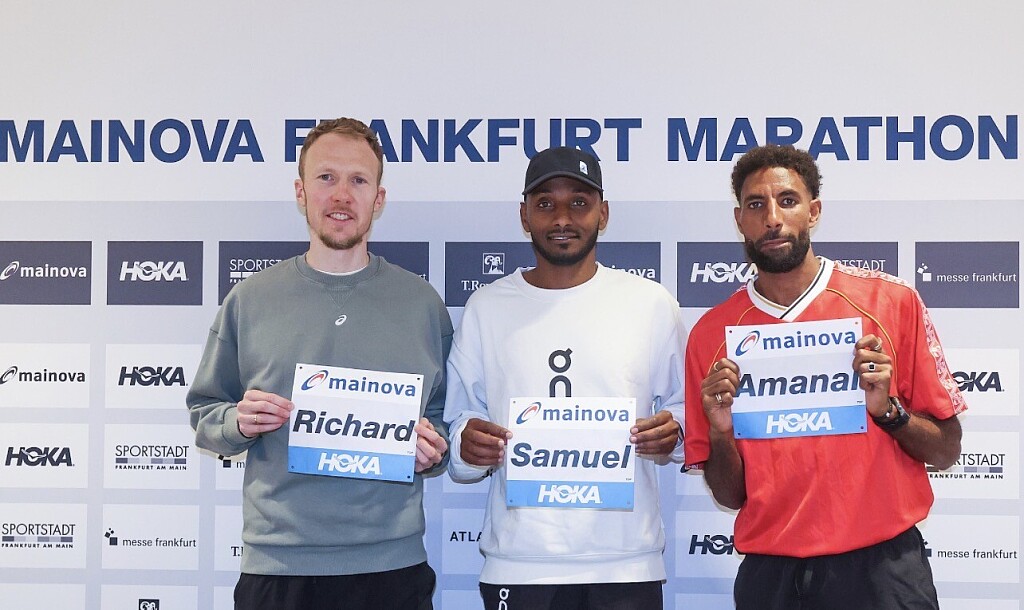
Records in Sight as Frankfurt Assembles Its Fastest Men’s Field
Petros leads Germany’s top marathoners, Zeineba Yimer targets the women’s course record, and Kenya’s Mark Kiptoo chases an age-group milestone at Sunday’s Mainova Frankfurt Marathon.
The Mainova Frankfurt Marathon could deliver a series of record performances on Sunday, October 25—if the weather cooperates.
The 43rd edition brings together the fastest men’s field in the event’s history, with German and European records potentially within reach. Both course records—2:03:42 for men and 2:17:25 for women—could come under pressure, while a promising German debut and an M50 world-best attempt add further interest.
Conditions will play a decisive role. Rain, cold and strong winds could derail ambitious pacing plans. If the weather settles, Frankfurt’s flat course could provide the setting for an exceptional day.
Organizers have reported a record 19,720 entries from 128 nations. The occasion also marks the final race for Jo Schindler as race director.
“We are absolutely delighted with this record number of entries. Over the past 25 years, we have taken the Mainova Frankfurt Marathon to a whole new level in every aspect,” Schindler said.
Germany’s Best Take Center Stage
Leading the men’s field is Amanal Petros, the German record-holder at 2:04:03, who won the European marathon title in Birmingham in August. He arrives with ambitions that could extend beyond his own national mark to the European record of 2:03:36.
“My training in Kenya went very well. If the weather is on my side, it could happen,” Petros said. “I have been dreaming of breaking the European record for several years now.”
A European record would also take him under Wilson Kipsang’s Frankfurt course record of 2:03:42, set in 2011.
Petros will face a strong domestic challenge from Samuel Fitwi, whose 2:04:45 runner-up finish in Hamburg in April is the fastest German performance this year.
“If the weather is good, the German record is within reach on the flat course in Frankfurt. I am well prepared and definitely want to beat my personal best,” Fitwi said.
Richard Ringer, the 2022 European marathon champion, completes the leading German trio. His record-eligible personal best is 2:05:46, although he ran 2:04:47 at Boston this spring on its non-record-eligible course.
Ringer plans a more measured approach after overcoming a muscle problem following the European Championships.
“I do not expect to be running right at the front on Sunday and will probably go with a second group,” he said.
Biwott Returns With Winning Ambition
The German contenders will have plenty of international competition.
Ethiopia’s Andualem Belay brings a personal best of 2:04:44, while Kenya’s Benard Biwottreturns to the scene of his breakthrough. Biwott won his marathon debut in Frankfurt in 2024 in 2:05:54, then improved to 2:05:25 while winning the 2025 Paris Marathon.
“My aim is to win on Sunday. I think I can achieve a time of around 2:04:00,” Biwott said.
Another Kenyan, Mark Kiptoo, could deliver one of the day’s most compelling performances. Now 50, the 2014 Frankfurt champion is targeting the M50 world best of 2:19:29, set by South Africa’s Titus Mamabolo in Durban in 1991.
Kiptoo has already made masters history in Frankfurt, running 2:07:50 here in 2018.
Yimer Targets the Women’s Course Record
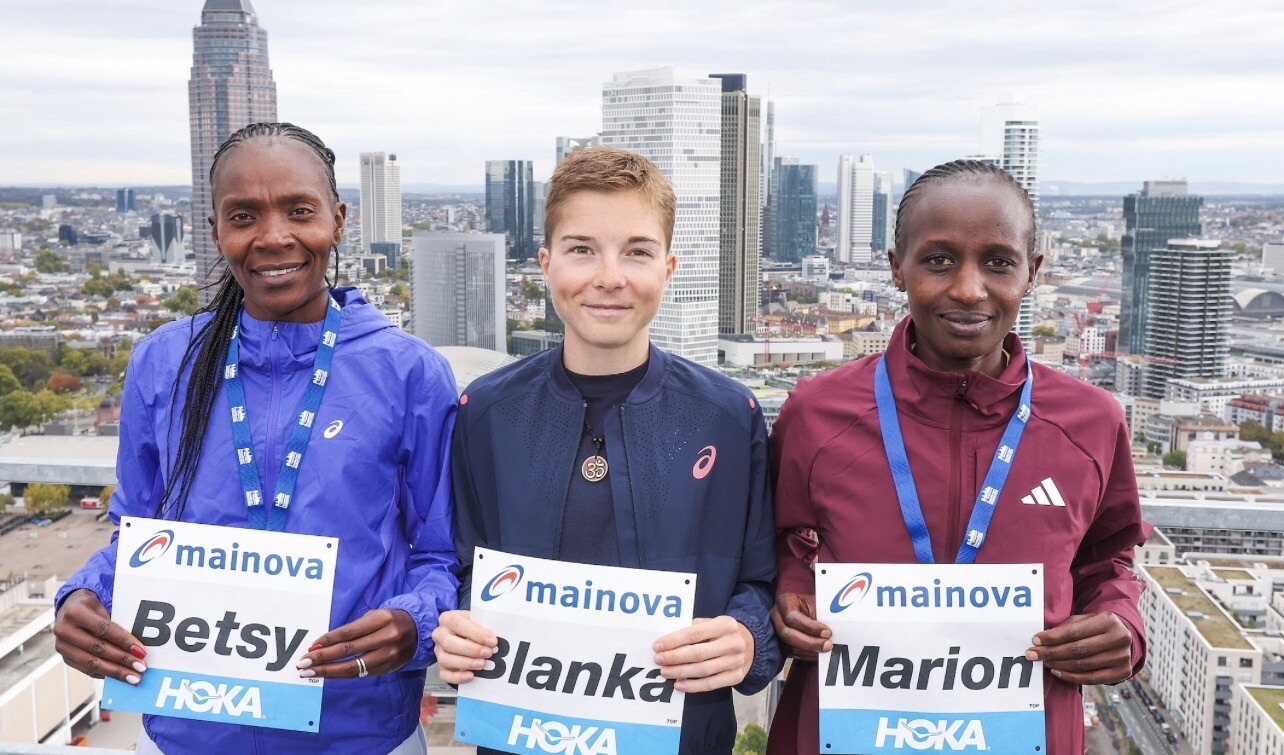
Ethiopia’s Zeineba Yimer leads the women’s field with a personal best of 2:18:47, set while finishing third in Barcelona this spring
The 28-year-old is seeking a turnaround after stomach problems forced her out of the Berlin Marathon four weeks ago. Her ambitions include challenging the Frankfurt course record of 2:17:25, set by Hawi Feysa in 2024.
“Now I want to make the most of the flat course in Frankfurt and set a personal best. I have also got my sights set on the course record and want to break that mark as well,” Yimer said.
American Betsy Saina, who has run 2:19:17, returns from a maternity break and is targeting a halfway split of 70:00.
Kenya’s Marion Kibor, who improved to 2:21:12 in Hamburg this spring, also hopes to break 2:20. Ethiopia’s Meskerem Assefa, the 2018 Frankfurt champion, returns with the 2:20:36 personal best she set during that victory.
Dörfel Runs on Instinct in Marathon Debut
Germany’s Blanka Dörfel adds an intriguing debut to the women’s race.
The 24-year-old ran a half-marathon personal best of 68:08 in Mainz this spring and intends to trust her feel for the pace as she moves up to the marathon.
“I will be running without a watch and will trust my instincts,” Dörfel said.
Her half-marathon performance suggests the potential for a strong debut. The German women’s debut benchmark is 2:23:57, set by Melat Kejeta in Berlin in 2019.
Elite Runners with Personal Bests
MEN
Amanal Petros GER 2:04:03
Andualem Belay ETH 2:04:44
Samuel Fitwi GER 2:04:45
Richard Ringer GER 2:04:47
Benard Biwott KEN 2:05:25
Haimro Alame ISR 2:06:04
Antenayehu Dagnachew ETH 2:06:55
Jiregna Geleta ETH 2:06:57
Derara Hurisa ETH 2:08:09
Jirata Dinki ETH 2:08:18
Abe Gashahun ETH 2:08:35
Lemawork Ketema AUT 2:10:44
WOMEN
Zeineba Yimer ETH 2:18:47
Betsy Saina USA 2:19:17
Meskerem Assefa ETH 2:20:36
Siranesh Yirga ETH 2:21:08
Marion Kibor KEN 2:21:12
Janet Ruguru KEN 2:23:00
Mehret Gemeda ETH 2:23:29
Milicent Jelimo KEN 2:24:19
Obse Abdeta ETH 2:27:14
Martina Strähl SUI 2:28:07
Selam Fente ETH 2:28:22
Aselef Amare ETH 2:28:47
Blanka Dörfel GER Debut
by Race News Service
Login to leave a comment

Mainova Frankfurt Marathon
Frankfurt is an unexpectedly traditional and charming city, with half-timbered buildings huddled in its quaint medieval Altstadt (old city), cosy apple wine taverns serving hearty regional food, village-like neighbourhoods filled with outdoor cafes, boutiques and street art, and beautiful parks, gardens and riverside paths. The city's cache of museums is second in Germany only to Berlin’s, and its nightlife...
more...
LA28 Olympic Marathon Qualification: Only 70 Runners Per Gender As World Athletics Tightens The Race To Los Angeles
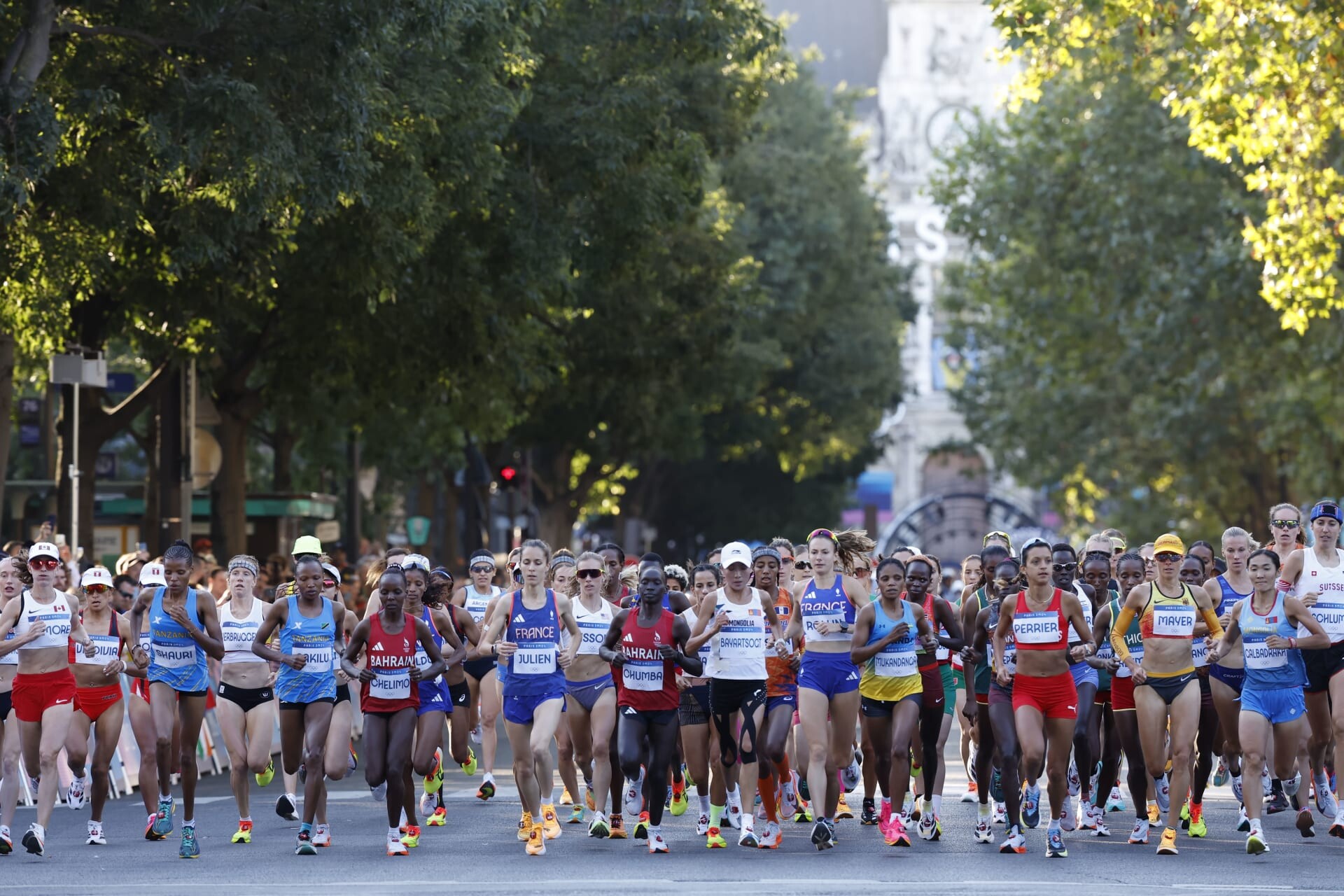
The road to the Los Angeles 2028 Olympic marathon is set to become even more competitive after World Athletics introduced a tighter qualification framework that reduces the number of available places in both the men's and women's races.

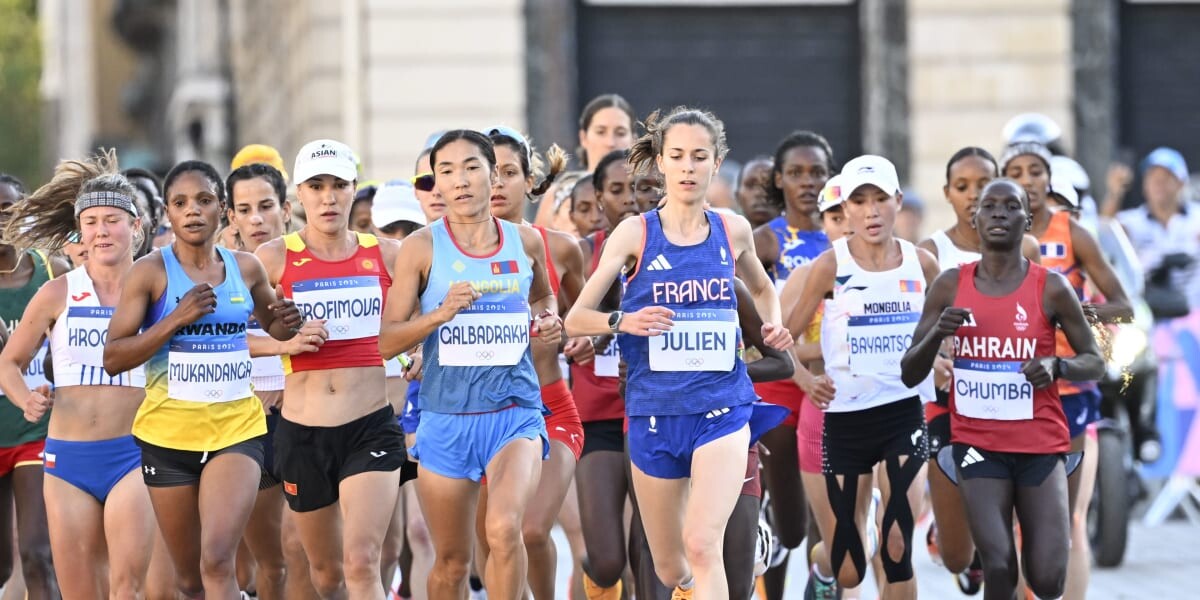
Each Olympic marathon field will be limited to 70 athletes, down from 80 at Paris 2024. The reduction means 20 fewer runners across the two races, raising the stakes for elite marathoners hoping to represent their countries on the world's biggest sporting stage.
With fewer places available, athletes will need to combine outstanding performances, strategic race selection and strong world rankings to secure their Olympic dreams.
The qualification window opens on November 1, 2026, and closes on April 30, 2028. World Athletics is expected to announce the official Olympic marathon entry standards in December 2026, giving athletes a clearer picture of the performances required to qualify directly.
Approximately 40 percent of the 70 places in each race will be allocated through the entry-standard pathway, while the remaining 60 percent will be determined through the World Athletics rankings system. However, achieving the qualifying time will not automatically guarantee an Olympic place. If more athletes meet the entry standard than there are available places through that pathway, selection will depend on the applicable qualification rules and the number of quota places available.
Athletes will also have an alternative route through designated Platinum Label marathons. Finishing among the top five at eligible races can count towards meeting the entry standard under the qualification regulations. These prestigious events include the Boston, London, Berlin, Chicago, New York City and Tokyo marathons, providing elite runners with opportunities to strengthen their Olympic qualification prospects against world-class competition.
The qualification campaign will reach a decisive milestone on March 19, 2028, when athletes occupying the top 55 positions on the filtered quota list are set to secure their places under the published rules. That would leave the remaining 15 places in each race to be determined by the end of the qualification window on April 30, 2028.
For athletes outside the leading positions, the final weeks could prove decisive. Strong performances at major marathons, improvements in ranking points and carefully planned racing schedules may determine who makes the Olympic starting line. The smaller fields leave less room for error, particularly for runners whose qualification hopes depend on the rankings rather than a direct entry standard.
The competitiveness of the qualification process is underscored by the extraordinary depth of international marathon running. For comparison, the entry standards for the 2027 World Athletics Championships are 2:06:00 for men and 2:23:20 for women. During 2026 alone, 89 men and 82 women ran faster than those respective marks.
Although the World Championships standards differ from the Olympic entry standards yet to be announced, these performances illustrate how many athletes are already competing at an exceptionally high level. With only 70 places available in each Olympic race, runners from countries with several elite marathoners could face particularly intense domestic competition before even considering the international qualification battle.
The framework also provides a potential opportunity for eligible athletes who have not secured a place through the usual qualification routes. National Olympic Committees may be able to allocate a quota place to an otherwise unqualified athlete who records a marathon performance of 2:11:00 for men or 2:29:00 for women during the qualification period, subject to the applicable eligibility requirements and allocation rules.
This provision offers an additional pathway for countries seeking representation in the Olympic marathon. However, meeting the performance threshold does not automatically guarantee selection, as the relevant committee must follow the official qualification regulations.
Reducing the Olympic marathon fields from 80 to 70 athletes per gender represents a significant change for the world's leading distance runners. The combination of entry standards, Platinum Label marathon performances, world rankings and potential quota places creates several pathways to Los Angeles, but the reduced number of available positions will make every qualifying opportunity more valuable.
With the qualification window opening on November 1, 2026, and the official entry standards expected in December, marathoners will have nearly 18 months to build their cases for selection before the deadline on April 30, 2028.
For athletes dreaming of Olympic glory in Los Angeles, running fast will remain essential. However, choosing the right races, accumulating ranking points and delivering performances at the right time could prove equally important in a qualification campaign where every place counts.
Does the new LA28 qualification system reward the world's best marathoners, or could it disadvantage athletes from countries where opportunities to compete in major international races are limited?
by Erick Cheruiyot for My Best Runs.
Login to leave a comment
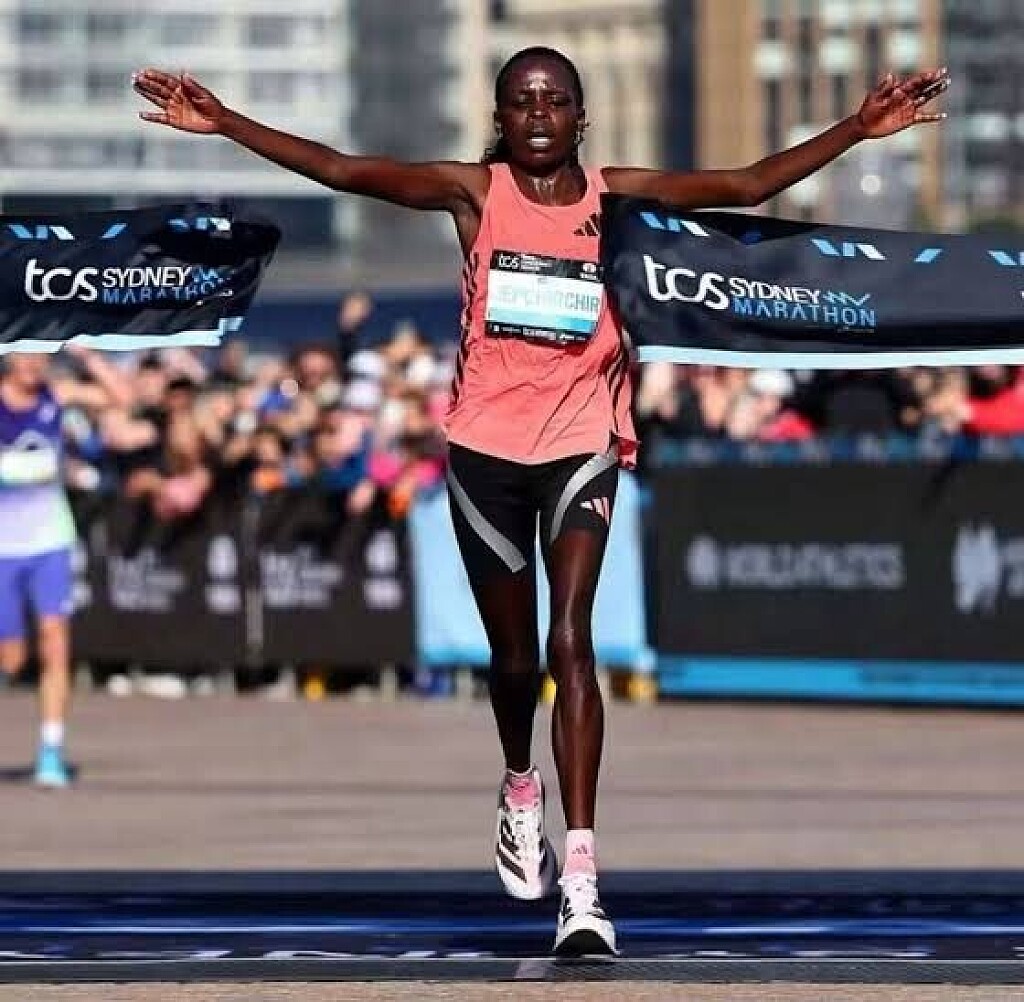
Shocking Development: Peres Jepchirchir Provisionally Suspended Over EPO Finding As Sydney Marathon Title Hangs In The Balance
Kenyan distance running has been rocked by a major development after Peres Jepchirchir, the reigning world marathon champion and 2021 Olympic gold medallist, was provisionally suspended by the Athletics Integrity Unit (AIU) following an adverse analytical finding for erythropoietin (EPO).
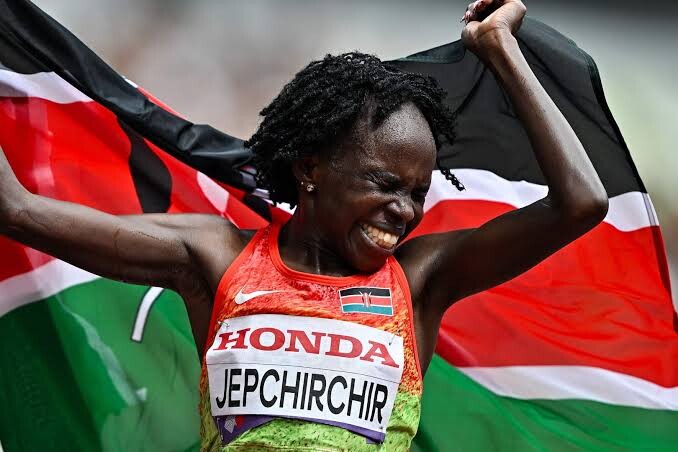
The 33-year-old reportedly tested positive for the prohibited substance in an out-of-competition sample collected in Kenya before the Sydney Marathon on August 30, 2026. The development has cast uncertainty over the future of one of the most accomplished female marathon runners of her generation, whose impressive career includes Olympic gold, a world championship title and victories at three of the sport's most prestigious marathons.
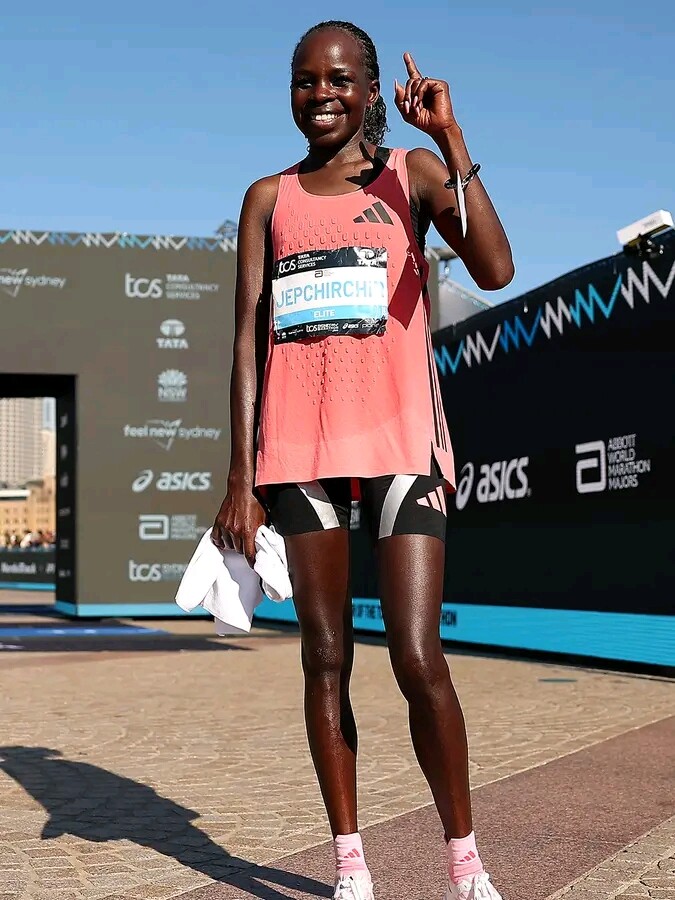
Jepchirchir returned to marathon competition in Sydney after a stress fracture forced her to withdraw from the London Marathon in April. Her comeback initially appeared to be another triumphant chapter in her career, as she stormed to victory in 2:18:31, finishing 3:40 ahead of compatriot Irine Cheptai.
However, the reported adverse analytical finding has placed that achievement under scrutiny, with the possibility that her Sydney victory could eventually be annulled depending on the outcome of the anti-doping proceedings.
Under anti-doping rules, results can be disqualified from the date of an adverse analytical finding or another applicable date determined under the regulations. If the relevant results are annulled, Jepchirchir could lose the Sydney Marathon title, which would have given her victories at four different World Marathon Majors, following her previous triumphs in New York, Boston and London.
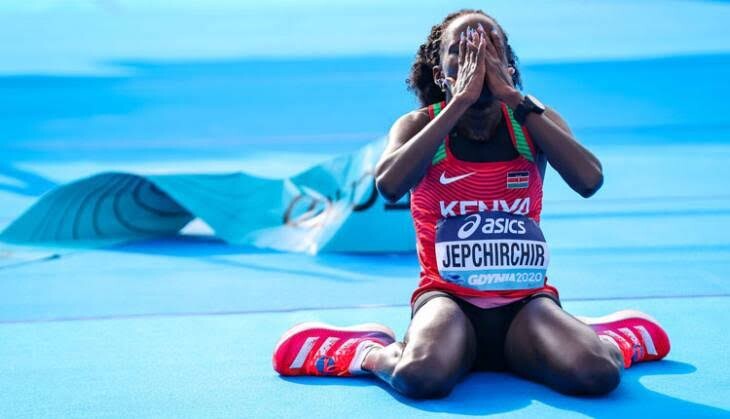
EPO is a prohibited substance that stimulates red blood cell production, increasing the blood's capacity to transport oxygen to working muscles. Its performance-enhancing potential makes it particularly significant in endurance sports, including marathon running.
The substance is prohibited under anti-doping regulations, and a confirmed violation can carry serious consequences. Under the World Anti-Doping Code, a first violation involving a non-specified substance such as EPO generally carries a four-year period of ineligibility when the applicable conditions are met, although the final sanction depends on the circumstances of the case.
Jepchirchir's provisional suspension, however, is not a final sanction and does not itself establish that an anti-doping rule violation has been conclusively proven. The case must proceed through the relevant process, during which the athlete has the opportunity to exercise her rights under the applicable rules.
As of the information available, Jepchirchir has not commented publicly on the matter.
The Sydney Marathon has also acknowledged the seriousness of the situation while emphasising the importance of a fair process. In a statement, the event said Jepchirchir “is entitled to due process, and we will make no further comment on the case until that process has concluded.”
The case has attracted considerable attention because of Jepchirchir's standing in international athletics. She won Olympic marathon gold at the Tokyo Games in 2021 before claiming victory at the New York City Marathon later that year. In 2022, she conquered the Boston Marathon, adding another prestigious title to her growing collection.
Her success continued in 2024 when she won the London Marathon, becoming one of the few women to capture victories at New York, Boston and London. She subsequently reached another career milestone at the 2025 World Athletics Championships in Tokyo, where she won the women's marathon title by just two seconds in a dramatic finish against Ethiopia's Tigst Assefa.
Jepchirchir has also established herself among the fastest women in marathon history. Her personal best of 2:14:43 places her ninth on the all-time women's marathon list, underscoring the level of performance that has defined her career.
Beyond the immediate implications for her Sydney victory, the case could have wider consequences if an anti-doping rule violation is ultimately established. The World Marathon Majors' rules provide for lifetime exclusion from the series for athletes who receive a doping-related ban of three months or longer, meaning a sufficiently lengthy sanction could jeopardise Jepchirchir's future participation in all eight events.
For an athlete who has built her reputation through success on the sport's biggest stages, such an outcome would represent a significant setback. Nevertheless, any consequences for her results, eligibility or future participation will depend on the applicable rules and the final outcome of the proceedings.
The development also renews attention on Kenya's ongoing efforts to protect the integrity of distance running. The country has produced generations of exceptional marathon runners, but high-profile anti-doping cases continue to raise difficult questions about clean competition and the responsibility of athletes, coaches and support personnel.
For now, the focus remains on the AIU's proceedings and the evidence surrounding the reported finding. Jepchirchir's provisional suspension marks a serious moment in her career, but the distinction between an adverse analytical finding and a final ruling remains essential as the case moves forward.
Once celebrated for her Olympic triumph, world championship glory and victories in the world's most prestigious marathons, the Kenyan star now faces an uncertain period as the anti-doping process unfolds. The eventual outcome will determine whether her latest Sydney success remains part of her remarkable record or becomes one of the most consequential episodes of her career.
by Erick Cheruiyot for My Best Runs.
Login to leave a comment
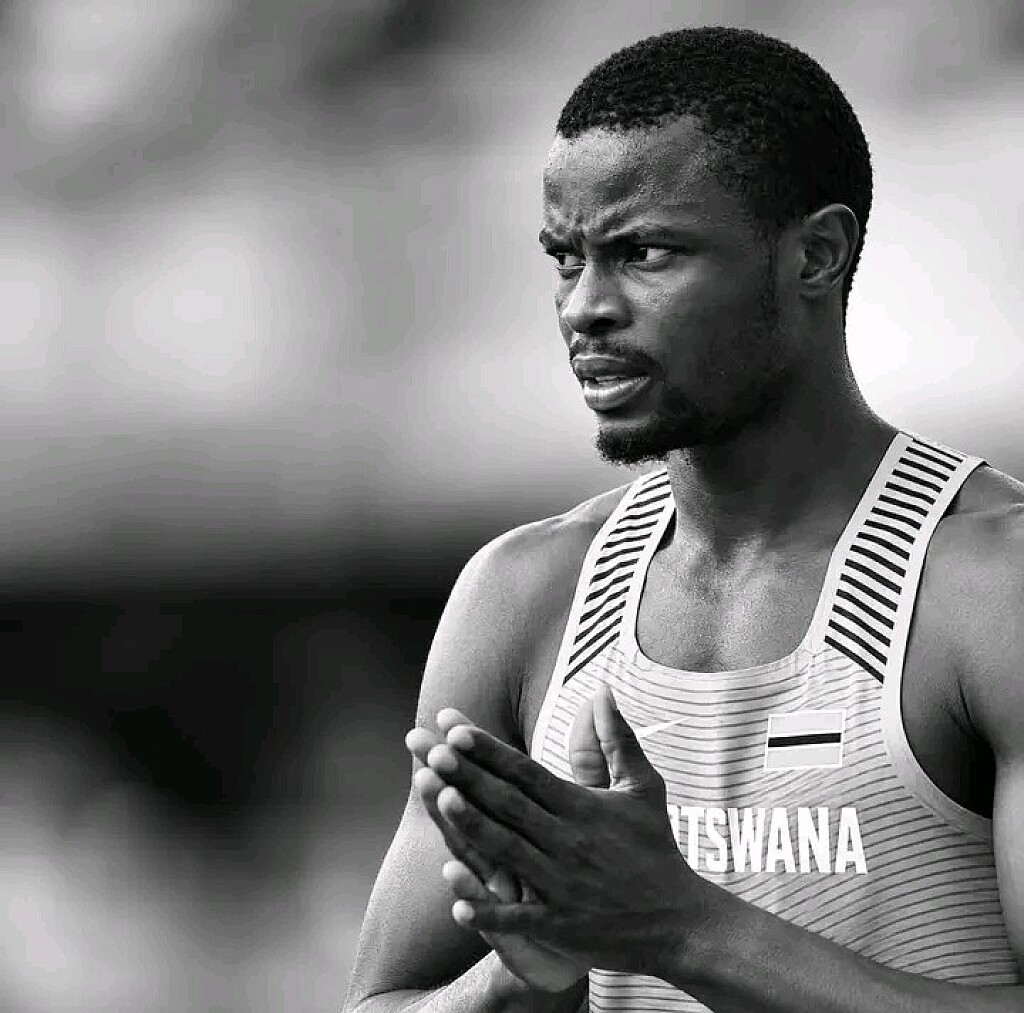
Botswana Athletics Mourns Gaone ‘Lux’ Maotoanong, Commonwealth Games Gold Medallist And Former National Team Sprinter
Botswana’s athletics community is mourning the sudden death of former national team sprinter Gaone Leaname Maotoanong, affectionately known as “Lux,” who represented his country at major international championships and played a significant role in its relay success.
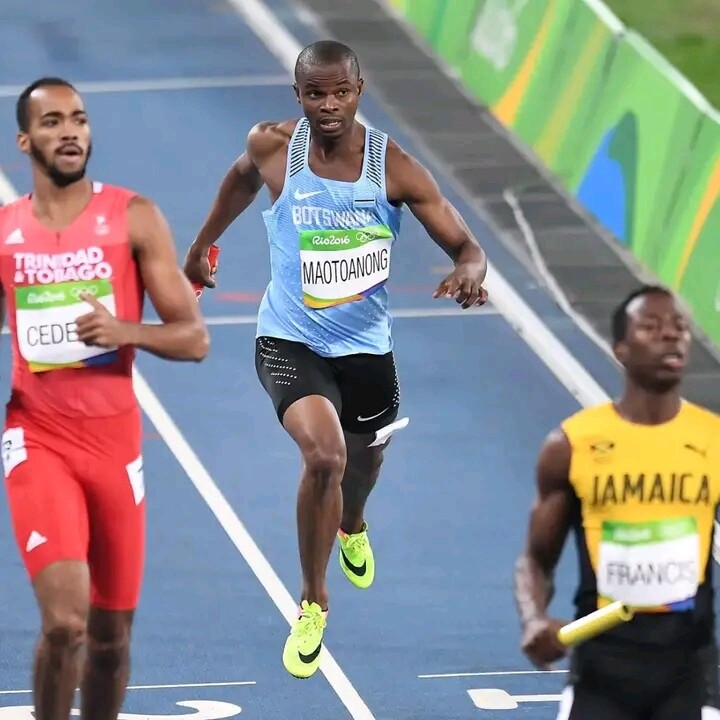
The Botswana Athletics Association (BAA) announced his passing in a bereavement notice issued on October 22, 2026, paying tribute to an athlete whose dedication, talent and commitment to excellence earned him respect across the athletics fraternity. Maotoanong was born in 1991 and died in 2026.
Throughout his career, Maotoanong proudly wore Botswana’s national colours on some of the biggest stages in athletics, contributing to the country’s growing reputation in the men’s 4x400m relay. His international achievements included competing at the Olympic Games, World Athletics Championships, Commonwealth Games, World Athletics Relays and continental championships.
One of the standout moments of his career came at the 2018 Commonwealth Games on the Gold Coast in Australia, where he was part of Botswana’s gold-medal-winning 4x400m relay team. The victory represented a major achievement for the southern African nation and reinforced its standing among the leading relay teams on the continent.
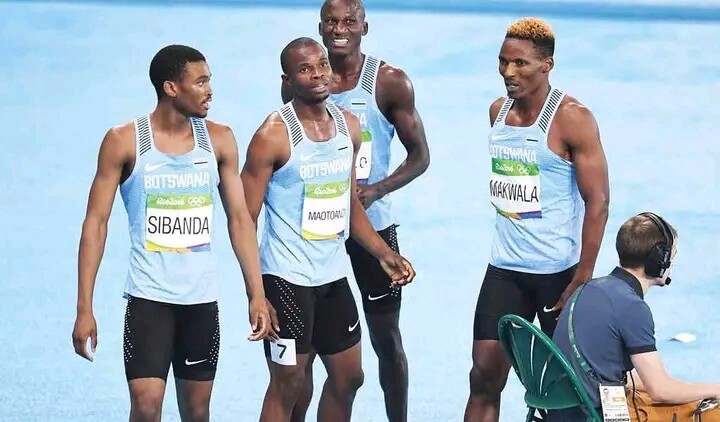
Maotoanong also represented Botswana at the 2016 Rio Olympic Games, where the national 4x400m relay team reached the final and finished fifth. He subsequently featured in the country’s relay squad at the 2019 World Athletics Championships in Doha, Qatar, having also competed at the 2015 edition in Beijing, China.
His experience on the global stage extended to the World Athletics Relays in the Bahamas in 2015 and 2017, where Botswana’s 4x400m relay teams reached the finals. These appearances reflected his place within a generation of athletes helping Botswana establish itself as a consistent presence in international relay competition.
At continental level, Maotoanong enjoyed further success, winning gold in the 4x400m relay at the African Championships in Marrakech, Morocco, in 2014 and again in Durban, South Africa, in 2016. He also helped Botswana secure silver in the relay at the 2015 African Games in Brazzaville, Republic of the Congo.
His achievements were not limited to relay racing. Maotoanong demonstrated his individual ability in the 400m by winning silver at the 2015 World University Games in Gwangju, South Korea, adding another significant accomplishment to his international career.
Beyond his appearances at major championships, he competed at the Commonwealth Games, African Games, African Championships, Diamond League meetings and numerous other international competitions, building a career defined by service to his country and commitment to athletics.
A Legacy Beyond The Track
Maotoanong’s contribution to Botswana athletics extended beyond competition. According to the BAA, he served as a member of the Botswana National Olympic Committee (BNOC) Athletes’ Commission from 2022 to 2025, where he contributed to efforts to advance athletes’ interests and welfare.
The role reflected another dimension of his involvement in sport, demonstrating a commitment to athlete representation and sports development beyond his own performances on the track.
In its tribute, the BAA remembered Maotoanong as an athlete, leader, mentor and friend whose contributions had left a lasting mark on Botswana athletics. The association also extended its condolences to his family, friends, teammates and everyone who had the privilege of knowing him.
His passing represents a profound loss for Botswana’s sporting community, particularly those who shared in the country’s relay achievements and witnessed his dedication to representing the national team. His legacy will remain part of the story of Botswana’s development as a force in African and international athletics.
As tributes emerge, Maotoanong will be remembered not only for the medals and championships he helped his country achieve, but also for his service to fellow athletes and his contribution to the wider sporting fraternity.
Funeral arrangements are expected to be communicated by the Botswana Athletics Association in due course.
Gaone “Lux” Maotoanong’s name will endure in Botswana athletics as a reminder of a career spent representing his country with pride, both on the track and in service to the athletes who followed.
by Erick Cheruiyot for My Best Runs.
Login to leave a comment
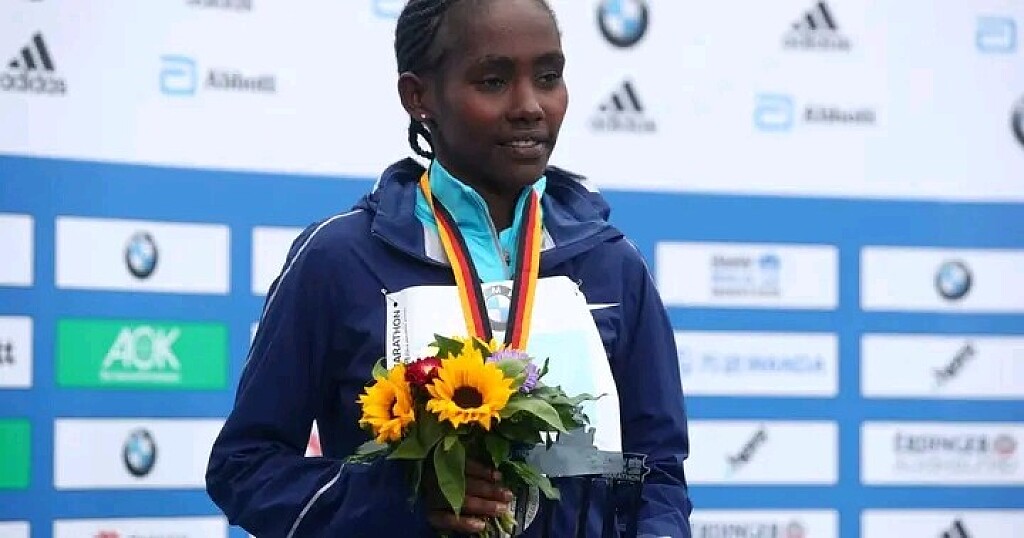
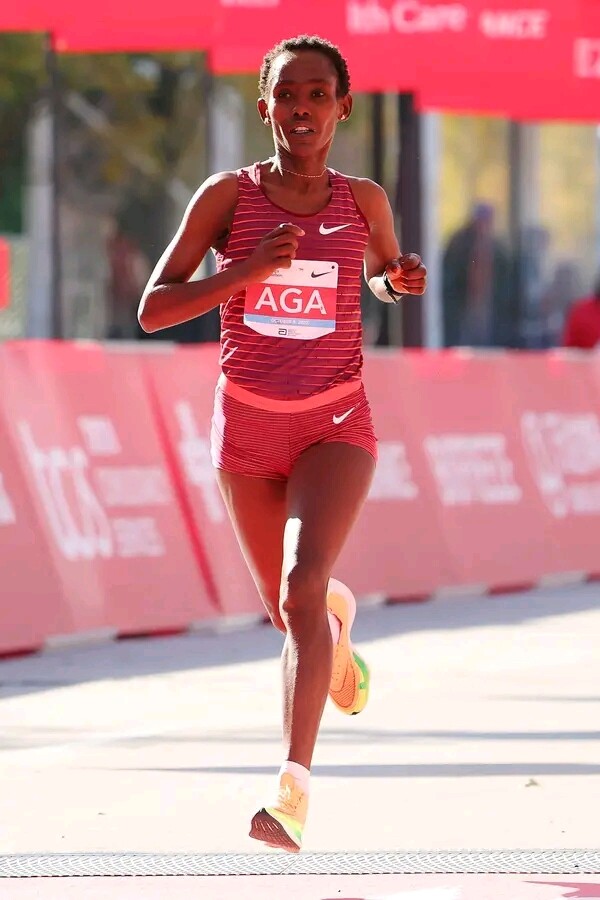
Ruti Aga Handed Six-Year Ban For Doping And Forged Medical Document In Tampering Case
Ethiopian marathon star Ruti Aga has been handed a six-year suspension by the Athletics Integrity Unit (AIU) after testing positive for methylprednisolone and being found guilty of tampering with an anti-doping investigation by submitting a forged medical document.
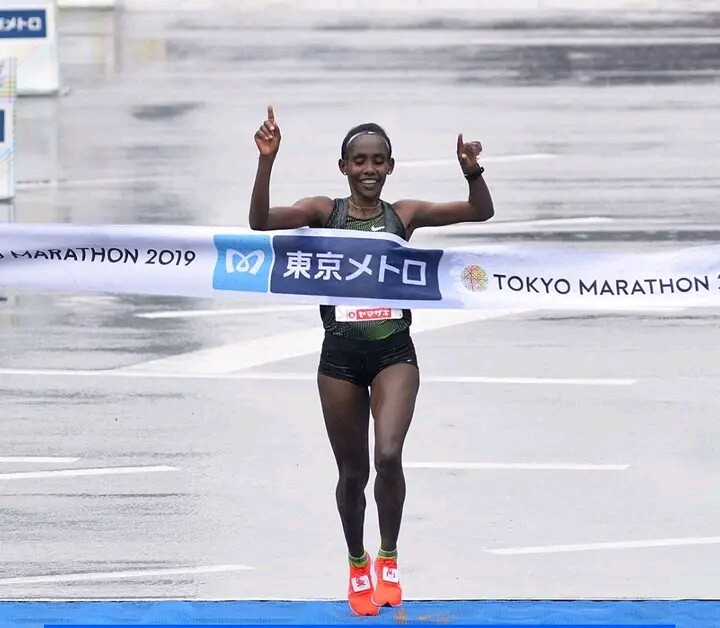
The former Tokyo Marathon champion tested positive for the prohibited substance after winning the Meishan Renshou Half Marathon in China on March 15, 2026, in a time of 1:08:04. At the time, Aga was ranked 11th in the world, reflecting her standing among the leading marathon runners internationally.
Methylprednisolone is a glucocorticoid classified under Class S9 of the World Anti-Doping Agency’s Prohibited List. It is prohibited in competition, and its detection prompted an investigation into the circumstances surrounding its use.
However, the case became considerably more serious when investigators examined Aga’s explanation for the substance’s presence in her sample. The Ethiopian athlete said she had taken the medication as part of treatment for a knee injury and submitted a prescription that she claimed had been issued by a medical clinic.
According to the AIU’s findings, the clinic named in the document did not exist. The individual identified as the prescribing doctor was a family member who was not registered to practise medicine. When questioned, the family member reportedly said they had used an old prescription pad from a former workplace.
That workplace subsequently confirmed that the individual had never worked there and that the prescription pad did not belong to the institution. The AIU, working with the Ethiopian Anti-Doping Authority, established that the medical document was forged.
The investigation also found that Aga had provided false information during an AIU interview on April 21, 2026, before submitting the disputed medical document on May 4. The findings resulted in a separate tampering charge in addition to the original anti-doping violation.
The AIU imposed a two-year suspension for the presence and use of a specified substance and a further four years for tampering with the investigation. The combined penalties resulted in a six-year ban, with Aga ineligible to compete until September 10, 2032, when she will be 38 years old.
The sanction marks a major setback for a runner whose career has included victories and podium finishes at some of the world's most prestigious road races.
Aga won the Tokyo Marathon in 2019, following a series of outstanding performances on the World Marathon Majors circuit. Between 2016 and 2019, she collected six podium finishes at the major marathons, including second-place finishes in Berlin in 2017 and 2018, second place in Tokyo in 2018, third place in Berlin in 2016 and third place in New York City in 2019.
She has not competed at a World Marathon Major since 2022, but continued to achieve success elsewhere on the international road-running circuit.
Between 2023 and 2026, Aga recorded five marathon victories across Dongying, Daegu, Xiamen and Hangzhou, including back-to-back wins at the Xiamen Marathon in 2025 and 2026. She also finished runner-up twice in Dubai and once in Sydney, maintaining a strong presence in elite marathon competition.
Her personal best of 2:18:09 further underlines the level at which she has competed throughout her career.
Despite those achievements, the six-year suspension places her future in the sport in serious doubt. If she returns when the ban expires in September 2032, Aga will be 38 and will have spent six years away from competition under the sanction.
The case also serves as a reminder that anti-doping proceedings extend beyond laboratory results. Athletes are expected to comply with anti-doping rules throughout an investigation, and attempts to mislead investigators or submit forged evidence can result in additional sanctions beyond those imposed for the original violation.
For Aga, the ruling brings a difficult chapter to a career that once saw her among the world's leading marathon runners, with her Tokyo victory and years of international success now overshadowed by one of the most consequential disciplinary cases of her career.
by Erick Cheruiyot for My Best Runs.
Login to leave a comment
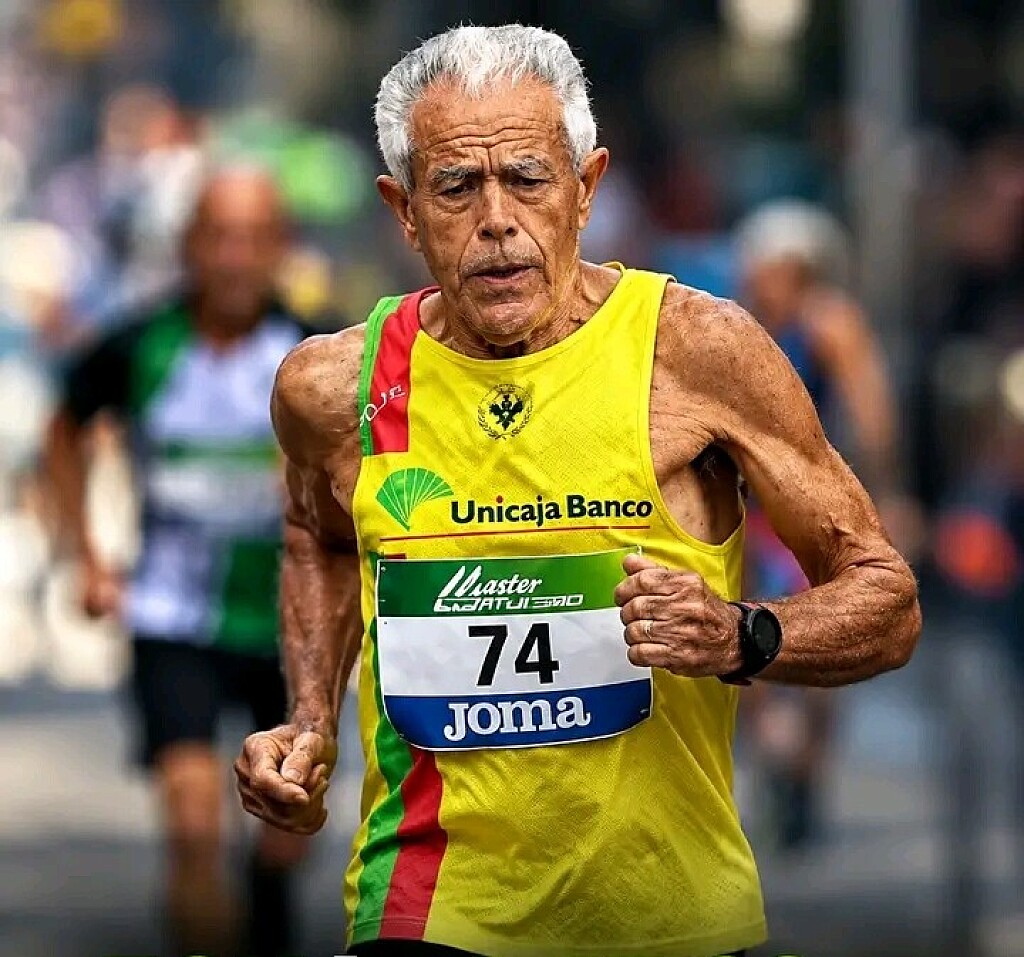
At 81, Juan López Smashes 50K Record After Starting Running at 66: Meet the Spanish Mechanic Defying Age
At 81, Spanish endurance runner Juan López García is challenging conventional ideas about ageing, proving that extraordinary athletic achievements can emerge long after most people believe their sporting years are behind them. In 2025, López clocked an astonishing 4:47:39 for 50 kilometres, reportedly shattering the men's 80-and-over world record by nearly 50 minutes.
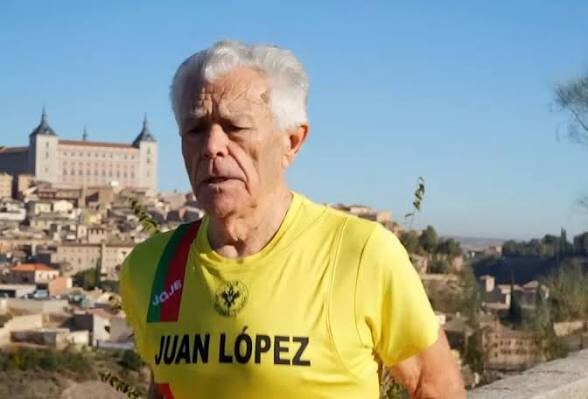
Known affectionately as “Super López,” the Spaniard has become an extraordinary example of late-life athletic development. His story is even more remarkable because he did not spend his youth chasing medals or building a career in competitive running. Instead, he spent decades working as a mechanic in Toledo, Spain, fixing engines and earning his living before discovering his own remarkable endurance potential in retirement.
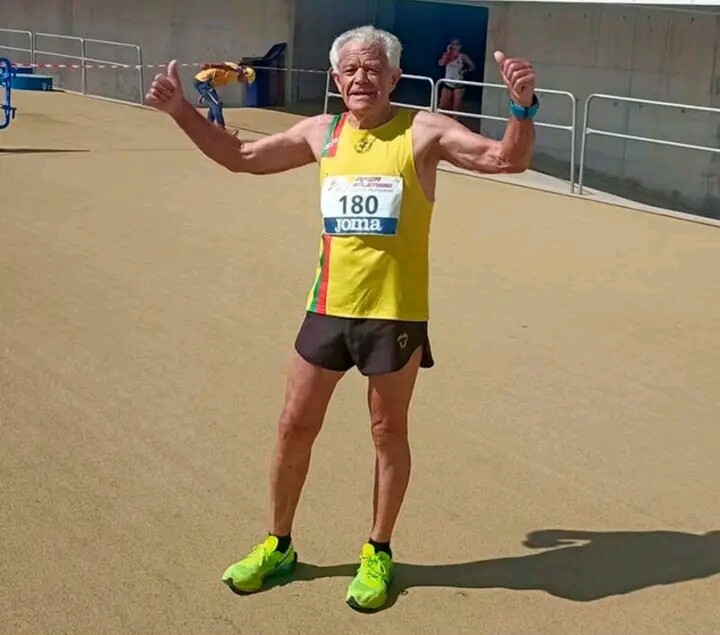
López did not begin running until he was 66, and he did not enter his first race until he was 70. What started as a simple way to stay active gradually developed into a passion that would transform his life. Rather than accepting the limitations commonly associated with advancing age, he continued training, racing and discovering what his body could achieve.
His journey offers a powerful reminder that sporting potential does not always emerge early. Sometimes, it takes decades of life experience before a person discovers an ability they never knew they possessed.
The scale of his achievement became even clearer when researchers examined his physiology. In a scientific study published in Frontiers in Physiology, López recorded a maximum oxygen uptake, or VO₂ max, of 52.8 millilitres per kilogram per minute. This measures the body's ability to take in and use oxygen during intense exercise and is a key indicator of aerobic fitness. Researchers described the value as the highest they knew of in an individual over 80, comparable to the 70th percentile among healthy men aged 20 to 30.

His other physiological measurements were equally remarkable. López reached his lactate threshold at 10.5 kilometres per hour, precisely the average speed he maintained during his record-breaking 50K. His maximum fat oxidation rate was measured at 0.55 grams per minute, achieved at 84 per cent of his VO₂ max. Researchers also found evidence of exceptionally well-preserved muscle oxygen utilisation, helping explain how he could sustain such a demanding effort for nearly five hours.
López's performance was no accident. Reports indicate that he runs between approximately 65 and 120 kilometres per week, training across six days and incorporating faster sessions alongside endurance work. His approach reflects the discipline of his former profession: consistency, attention to detail and a willingness to keep working towards a goal. Although genetics undoubtedly contribute to his extraordinary physiology, his training demonstrates the potential for endurance fitness to develop well into later life.
His achievements extend beyond ultrarunning. In 2024, López ran the marathon in 3:39:10, establishing a European record in the men's 80-and-over category. He has also claimed the world marathon title in his age group, further underlining his remarkable versatility across long-distance events.
What makes López's story so compelling is not simply the time he ran or the records he broke. It is the fact that his journey began when many people would consider their opportunity for competitive sport long gone. He did not grow up dreaming of world records, nor did he spend his younger years building an elite running career. He discovered the sport in retirement and gradually transformed a simple recreational activity into an extraordinary pursuit of endurance.
His case also offers valuable lessons for sports science. Ageing inevitably brings physiological changes, but regular physical activity can help preserve cardiovascular fitness, muscle function and the body's ability to use oxygen efficiently. López's results cannot be expected of every older athlete, and his individual genetics may play an important role. Nevertheless, his example provides researchers with a rare opportunity to understand how training and exceptional physiology can combine to support high-level endurance performance in advanced age.
At 81, Juan López García was not merely participating in sport to stay active. He was running 50 kilometres at an average pace of approximately 5:45 per kilometre, demonstrating a level of endurance that would challenge many younger runners. His story is a powerful reminder that age does not have to mark the end of ambition, discovery or physical achievement.
For anyone who believes they have waited too long to start running, the Spanish mechanic offers an extraordinary example. He began at 66, entered his first race at 70 and went on to produce one of the most remarkable age-group performances in endurance running.
Super López did not spend his life chasing youth. He discovered running late, committed himself to the process and continued to push his limits. At 81, his message is unmistakable: it is never too late to begin, and sometimes the most extraordinary chapter of an athletic life comes when nobody expects it.
by Erick Cheruiyot for My Best Runs.
Login to leave a comment
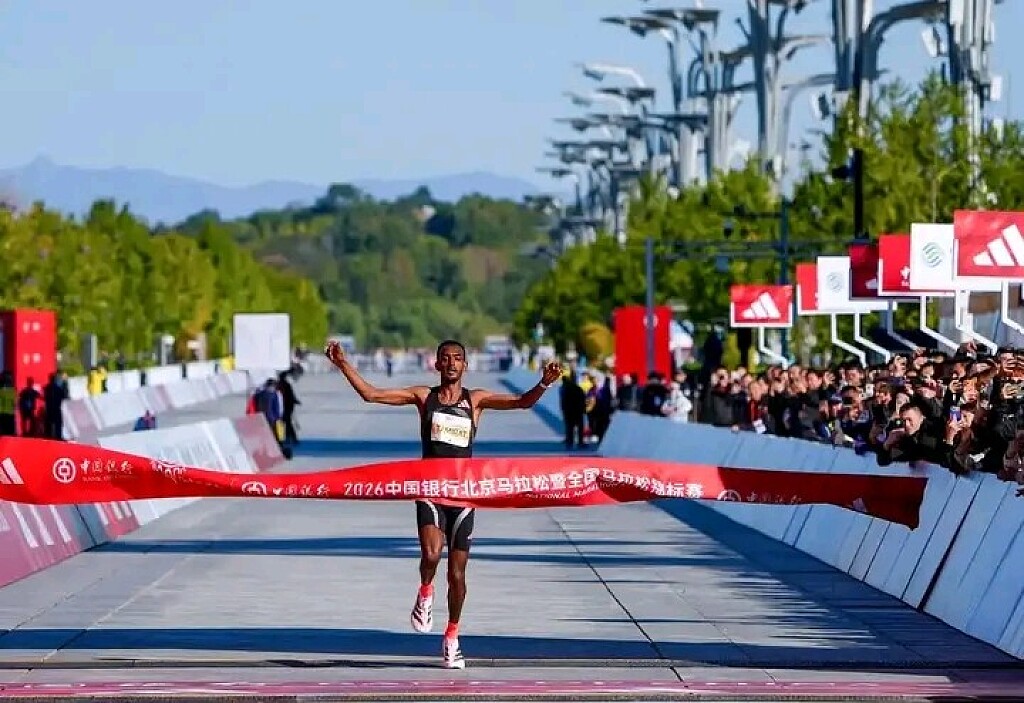
Tamirat Tola Shatters Beijing Marathon Record With 2:03:10 as Ethiopia Dominates in China
Ethiopia’s Olympic marathon champion Tamirat Tola delivered a sensational performance at the 2026 Bank of China Beijing Marathon, storming to victory in 2:03:10 on Sunday, October 18, to set a new course record and establish the fastest marathon time ever recorded on Chinese soil.
Tola produced a commanding display in the Chinese capital, becoming the first man to break 2:04 at the Beijing Marathon. His remarkable performance demolished the previous course record of 2:07:06 by almost four minutes, underlining his position among the world’s leading marathon runners.
The Ethiopian star also surpassed the previous reported best marathon time on Chinese soil of 2:05:34, set by a Kenyan runner in Shanghai in 2023, ushering in a new era for marathon running in China with his outstanding 2:03:10 performance.
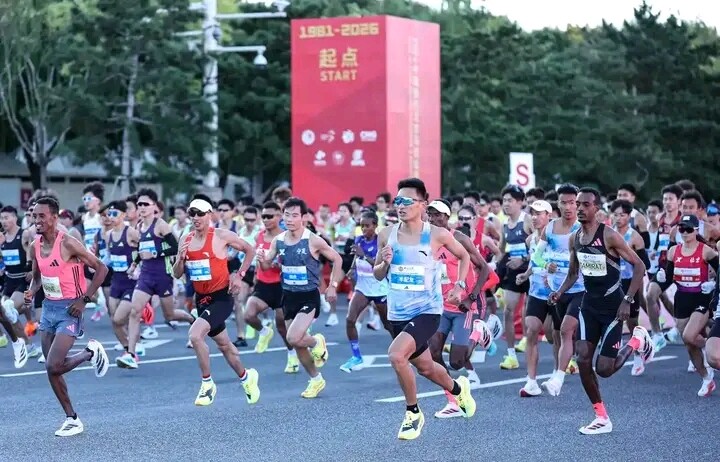
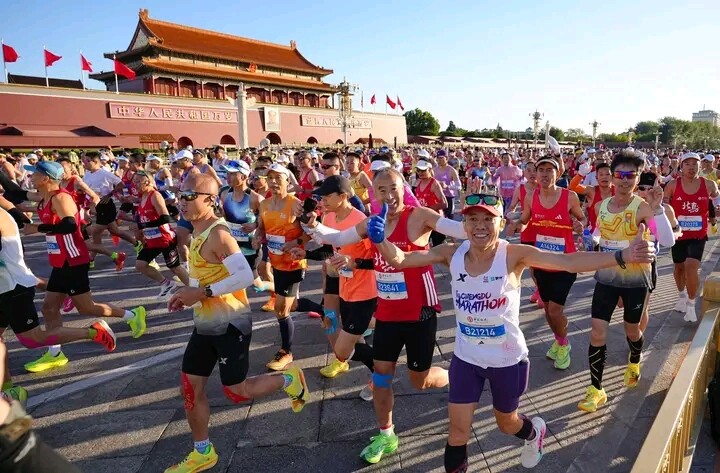
The 2026 Beijing Marathon and National Marathon Championships attracted approximately 32,000 runners, transforming the streets of the Chinese capital into a celebration of distance running. The race began near the iconic Tian’anmen Square before heading towards the Olympic Park, with elite athletes and amateur runners setting off together under the same starting gun on a beautiful autumn morning.

More than 23,000 participants, representing over 70 per cent of the field, travelled from outside Beijing, highlighting the event’s national appeal and its ability to bring together runners from across China and beyond. The combination of world-class competition and mass participation made the marathon a major sporting occasion, with Tola’s record-breaking run providing the standout performance of the day.
Over more than four decades, the Beijing Marathon has evolved through changing courses, growing participation and increasingly impressive performances. However, its connection to the Chinese capital’s distinctive identity remains unchanged. Known as the “Dual Olympic City” for hosting the 2008 Summer Olympics and the 2022 Winter Olympics, Beijing once again provided a memorable stage for an event that combined elite athletics, community participation and the beauty of the city in autumn.
Ethiopia completed a clean sweep of the men’s podium, demonstrating the country’s remarkable depth in marathon running. Muktar Edris finished second in 2:04:34, while Adane Kebede Gebre took third place in 2:05:10, giving Ethiopia all three top positions in a high-quality international field.
China’s Dalin Li led the home contingent in fourth place in 2:08:30, followed by compatriot Tianyu Chen in fifth in 2:09:09. Fakun Jiang finished sixth in 2:09:29, while Yunce Xie secured seventh in 2:09:47. Jinh u Mao placed eighth in 2:10:39, Shaohui Yang finished ninth in 2:10:42, and Ciren Zhaxi completed the men’s top 10 in 2:11:13, rounding off a competitive race dominated by Ethiopia at the front and featuring a strong Chinese presence among the leading finishers.
Tola, the Paris 2024 Olympic marathon champion, arrived in Beijing with high expectations and delivered emphatically. His performance not only rewrote the course record but also established a new benchmark for marathon racing in China, making the 2026 edition a landmark moment for the event.
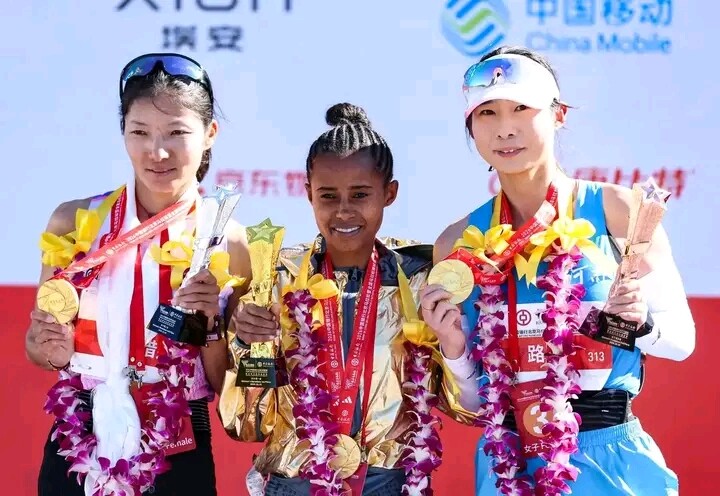
Anchinalu Dessie Leads Ethiopian Success in Women’s Race
Ethiopia also celebrated victory in the women’s race, with Anchinalu Dessie Genaneh taking the title in 2:20:36 after an impressive performance over the 42.195-kilometre distance.
Dessie’s victory gave Ethiopia a memorable double at the Beijing Marathon, with the East African nation claiming the top spot in both elite races. China’s Cuomu Ciren finished second in 2:23:48 to lead the home challenge, while compatriot Ying Lu secured third place in 2:24:24.
The women’s race also showcased considerable depth, with nine athletes finishing inside 2:30:00. Qing Zhu placed fourth in 2:27:26, followed by Yuyu Xia in 2:27:33. North Korea’s Hye-Song Kim finished sixth in 2:28:14, ahead of Shuangshuang Xu in 2:28:25 and Yiting Yang in 2:28:47. Hongmei Jiang took ninth in 2:29:56, while Yi Tian completed the top 10 in 2:30:31.
The 2026 Beijing Marathon will be remembered for Tola’s extraordinary course-record victory, Ethiopia’s dominance in the men’s race and the country’s success in the women’s contest. With tens of thousands of participants filling the streets, the event once again demonstrated the power of marathon running to unite elite athletes and everyday runners in one of the world’s most historic cities.
by Erick Cheruiyot for My Best Runs.
Login to leave a comment

Beijing Marathon
The Beijing Marathon is an annual marathon held in Beijing, People's Republic of China. The race was first held in 1981 and has been held every year since. The race begins at Tiananmen Square and finishes at the National Olympic SportsCenter stadium. Beijing Marathon is now a full marathon only marathon race. At the 2009 edition of the race, 4897...
more...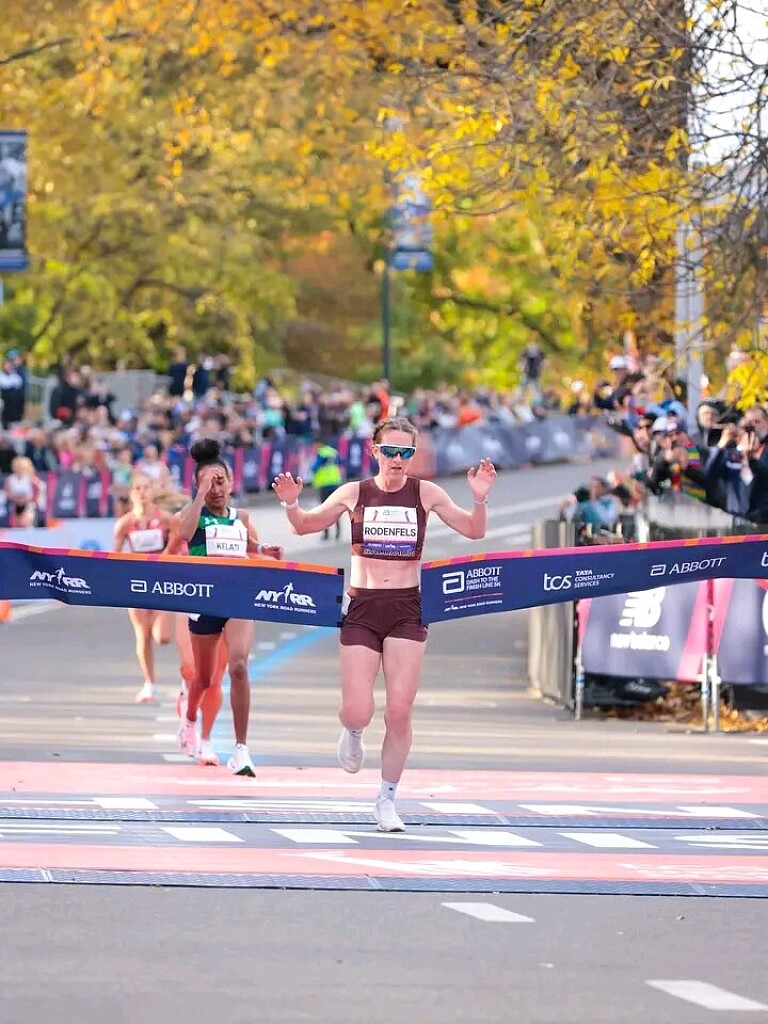
National Champions And Rising Stars Set To Light Up NYC Marathon Weekend 5K
The 2026 TCS New York City Marathon weekend will get an early burst of elite racing when a stacked field of national champions, established distance runners and emerging talents line up for the Abbott Dash to the Finish Line 5K on Saturday, October 31.

With the world’s biggest marathon taking place the following day, the popular Central Park race promises to deliver a thrilling showcase of speed and depth, bringing together elite athletes from the United States and several other countries ahead of Sunday’s main event.

The men’s field features a formidable international lineup, led by Kenya’s Edwin Kurgat, whose personal best of 12:57.52 places him among the fastest entrants. Fellow Kenyan Amon Kemboi, with a best of 12:58.51, adds further strength to the field, setting the stage for a potentially exciting contest over the five-kilometre distance.
Australia’s Morgan McDonald, boasting a personal best of 13:00.48, is another major contender, while American Anthony Camerieri enters with a best of 13:04.07. Other notable names include Jackson Sharp of Australia, American Bob Liking and Reid Buchanan, Latvia’s Arturs Medveds, H abtom Samuel of Eritrea, and American Luke Tewalt.
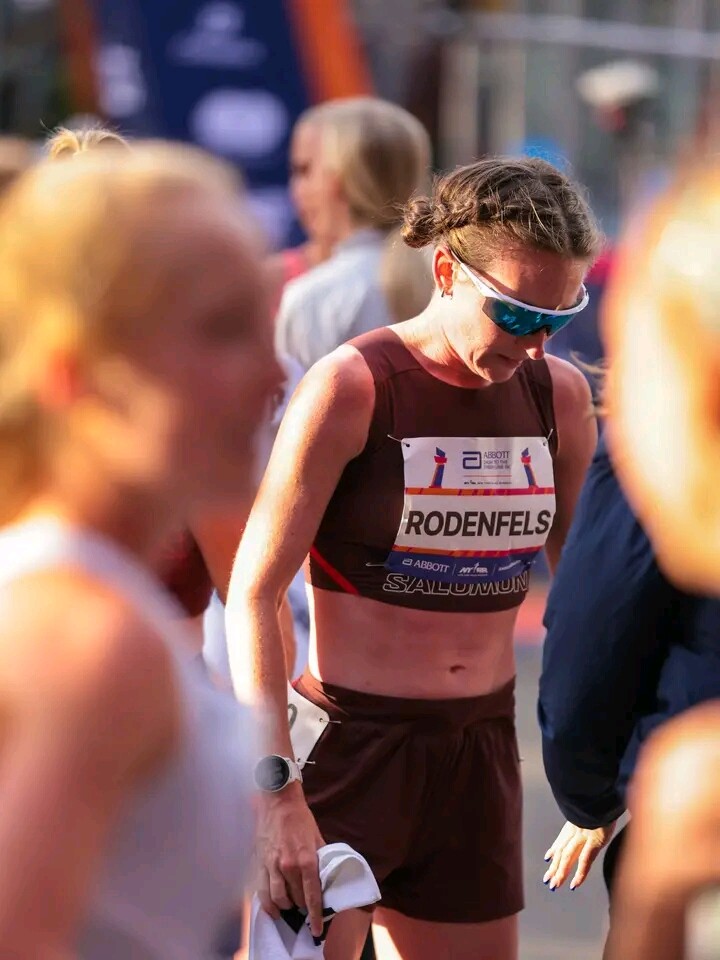
The women’s race is equally compelling, featuring a deep field packed with American talent and international challengers. Josette Andrews headlines the entries with an impressive personal best of 14:25.37, while Annie Rodenfels, whose best stands at 15:00.64, adds further quality to the American contingent.
Bailey Hertenstein and Elly Henes are also among the leading entrants, with personal bests of 14:48.91 and 14:47.15, respectively. Great Britain’s Alex Millard, with a best of 15:02.64, provides international competition, while Whittni Morgan, Ednah Kurgat, Katelyn Tuohy, Rachael R udel, Madie Boreman and Ella Donaghu strengthen an impressive domestic lineup.
Kenya will also be represented in the women’s race by Hilda Olemomoi, whose personal best of 14:52.84 makes her one of the athletes to watch. With several runners capable of producing a fast performance, the battle for the podium could be fiercely contested.
Beyond the individual names, the event offers a compelling opportunity for elite athletes to test their speed on one of the most prominent stages of New York’s running calendar. The short, fast-paced contest also provides fans with a chance to see some of the sport’s leading distance runners in action before marathon Sunday.
The Abbott Dash to the Finish Line 5K will take place through Central Park on Halloween, Saturday, October 31, one day before the 2026 TCS New York City Marathon on Sunday, November 1.
With national champions, international contenders and promising rising stars all in the mix, the race is shaping up to be a major highlight of an action-packed marathon weekend in New York City.
by Erick Cheruiyot for My Best Runs.
Login to leave a comment

Dash to the Finish Line
Be a part of the world-famous TCS New York City Marathon excitement, run through the streets of Manhattan, and finish at the famed Marathon finish line in Central Park—without running 26.2 miles! On TCS New York City Marathon Saturday, our NYRR Dash to the Finish Line 5K (3.1 miles) will take place for all runners who want to join in...
more...
Tragedy Strikes Detroit Marathon: Rising Running Star Grace Nolan, 25, Dies Before Anticipated Return
The running community is mourning the heartbreaking loss of Grace Nolan, a talented distance runner and medical student who died in a car accident over the weekend she was due to compete in the Detroit Free Press Marathon.
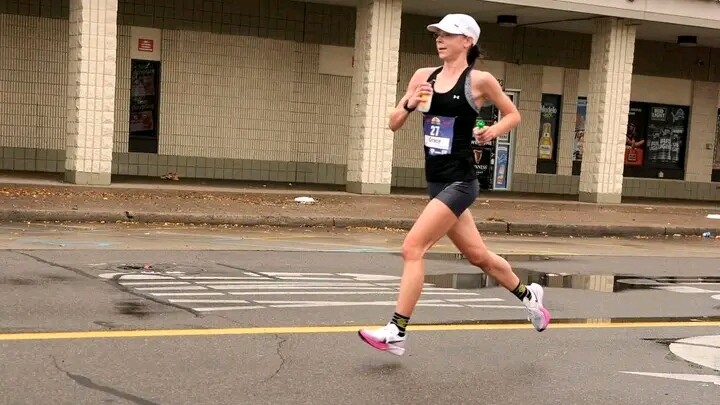
Nolan, 25, a native of Clarkston, Michigan, died early Saturday following a crash the previous night in Walled Lake. Her boyfriend, Matt, who was also in the vehicle and sustained injuries, is expected to recover.
The tragedy came just a day before Nolan was scheduled to return to Detroit as a member of the marathon's elite women's field, with expectations that she would be among the athletes leading the race. Organizers announced her death on Tuesday, leaving the local running community devastated by the loss of one of its brightest talents.
Her return to Detroit was meant to mark another important chapter in a promising running career. Instead, the race became an occasion for remembrance for an athlete whose ambition, kindness and dedication extended far beyond the finish line.

A year earlier, Nolan had made her marathon debut on the same course, delivering an impressive performance of 2:50:58 to finish fourth among the women. She achieved that result during her first semester of medical school, despite being stressed and severely sleep-deprived. Even under those demanding circumstances, she described the experience as the most fun she had ever had in a race, reflecting the genuine joy she found in running.
This year, she returned to training with Gazelle Elite, determined to improve on her debut performance. According to her parents, Nolan quietly hoped to run an Olympic Marathon Trials qualifying time, an ambition that reflected her growing confidence and determination to test herself against the best.
Her selection for the elite field was recognition of her ability and potential. At just 25, she was balancing demanding medical studies with competitive distance running while continuing to pursue goals that reached well beyond the marathon finish line.
Nolan had built a distinguished collegiate career with the Oakland Golden Grizzlies, representing Oakland University for six seasons. She earned three first-team All-Horizon League selections in cross country, establishing herself as one of the programme's leading distance runners.
Her final collegiate season brought another major achievement when she won the 2025 Horizon League 10,000-metre title in championship-record time. Her contributions to athletics and her broader accomplishments also earned her selection as the conference's nominee for the 2025 NCAA Woman of the Year award, recognition of the impact she had made both on and off the field of competition.

Running, however, was only one part of Nolan's story. She was a second-year student at Oakland University's William Beaumont School of Medicine, working towards her third degree from the university. She aspired to become a cardiologist, pursuing a career that would allow her to combine her academic strengths with a commitment to caring for others.
Her dedication to service was already evident in the time she devoted to helping people in her community. Nolan volunteered as a phlebotomist at free clinics and worked with Girls on the Run, helping introduce younger girls to the sport and encouraging them to discover the confidence, friendships and opportunities that running can provide.
Those who knew her will remember not only her achievements on the track and roads, but also her compassion, determination and the promise of a future dedicated to medicine and community service. She was pursuing excellence in multiple areas of her life, inspiring others while working towards ambitions that extended far beyond athletics.
The Detroit Free Press Marathon paid tribute to Nolan, acknowledging the lasting impression she had made on the event and the wider running community.
"Grace, thank you for the light you brought to every start line. You will always be part of this race," the event said in a moving tribute.
Her family has planned a celebration of life at Oakland University on October 31, offering an opportunity for relatives, friends, teammates, coaches and classmates to come together to honour her memory and reflect on the impact she had on their lives.
Nolan's death is a devastating reminder of how suddenly life can change. At just 25, she had already achieved so much while working towards even greater ambitions as an athlete and future physician. Her journey was tragically cut short, leaving behind a community grieving not only the life she lived, but also the many possibilities that lay ahead.
On Sunday, she was supposed to be back among the elite runners in Detroit, chasing another memorable performance on a course that had given her such a joyful marathon debut. Instead, those who shared her passion for running will carry her memory to the starting line.
Grace Nolan's running journey ended far too soon, but the light she brought to the sport and the people around her will not be forgotten.
by Erick Cheruiyot for My Best Runs.
Login to leave a comment
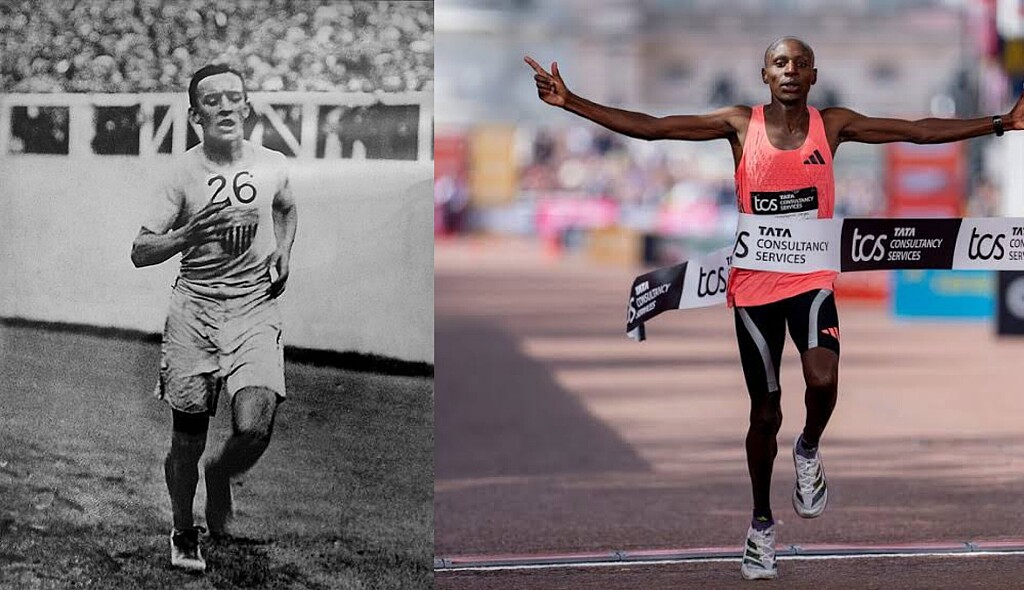
From 2:55:18 To 1:59:30: How 118 Years Transformed The Marathon
The marathon has undergone one of the most extraordinary transformations in sporting history, and two landmark performances separated by 118 years offer a remarkable illustration of just how far human endurance has advanced.
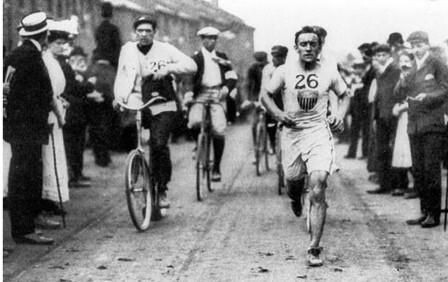
In 1908, American distance runner Johnny Hayes won the Olympic marathon in London in 2:55:18, producing one of the defining performances of the early modern era of distance running. On April 26, 2026, the same city witnessed another historic moment when Kenya’s Sabastian Sawe stormed to victory at the London Marathon in 1:59:30, becoming the first man to complete the marathon in under two hours in a record-eligible race.
Although their achievements belong to different eras, the contrast between the two performances captures more than a century of progress in athletics.
Hayes’s victory at the 1908 London Olympics came in a race that helped shape the modern marathon. His winning time of 2:55:18 was an Olympic milestone, although it was not an officially ratified marathon world record under the standards used today. Marathon world records were formally recognised much later.
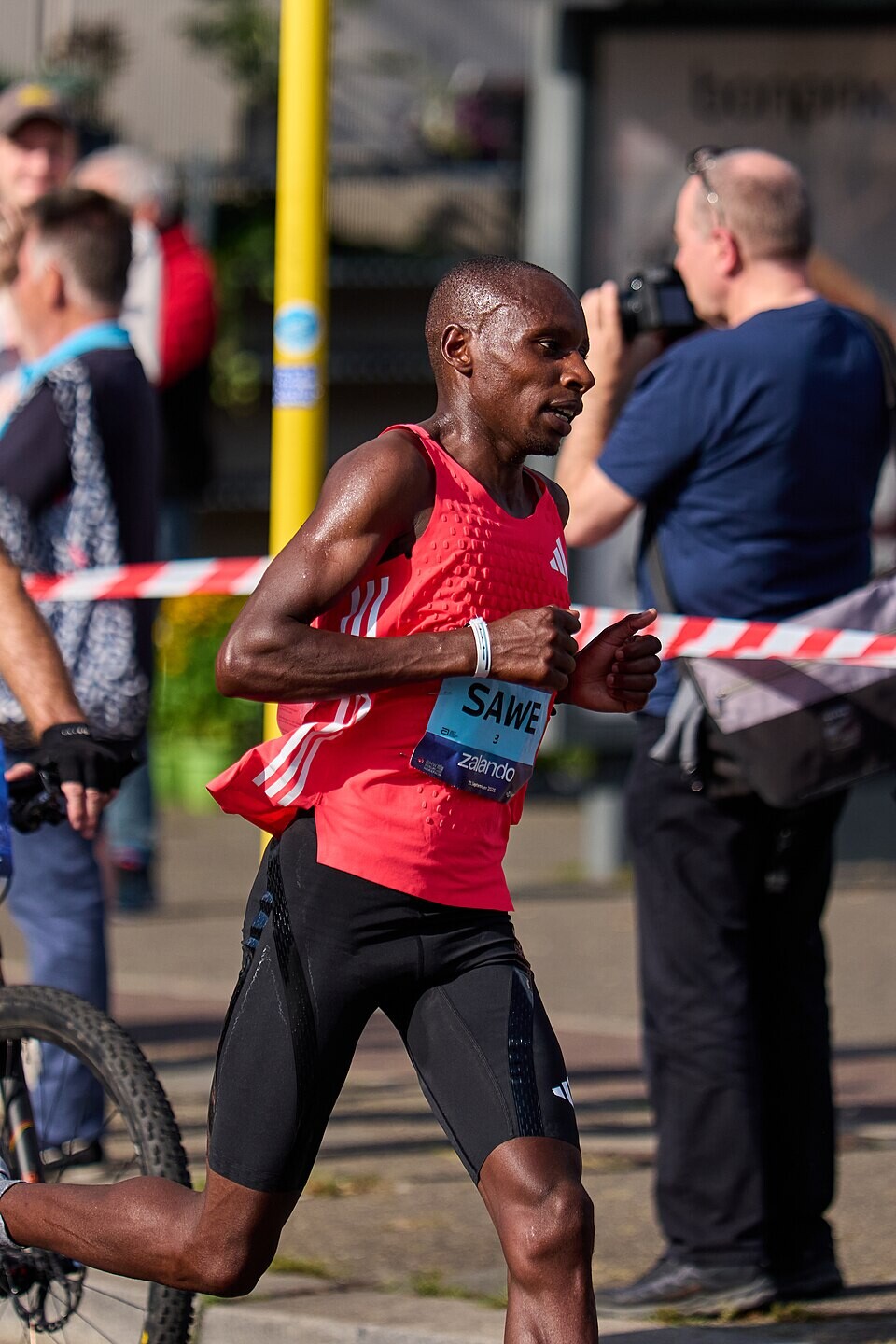
More than a century later, Sawe rewrote the limits of what was considered possible over the classic 42.195-kilometre distance. His sensational 1:59:30 performance at the 2026 London Marathon broke the recognised men’s world record by 65 seconds, becoming the first officially eligible sub-two-hour marathon in history.
The difference between Hayes’s finishing time and Sawe’s is a staggering 55 minutes and 48 seconds.
Put another way, Sawe completed the marathon almost an hour faster than Hayes, despite both athletes tackling the same fundamental challenge: covering 42.195 kilometres on foot.
The pace comparison makes the scale of that evolution even more striking. Hayes averaged approximately 4:09 per kilometre, while Sawe maintained an astonishing average of about 2:50 per kilometre.
That means Sawe ran each kilometre roughly 79 seconds faster than Hayes’s average pace. Sustaining that difference over the entire marathon adds up to an extraordinary gap between two generations of distance running.
Imagine placing the two performances side by side. At Hayes’s average pace, Sawe would already have crossed the finish line while Hayes still had approximately 13.4 kilometres left to cover.
Such a comparison would have been almost unimaginable in the early days of Olympic marathon running.
The evolution of the sport has been driven by numerous advances. Modern athletes benefit from more sophisticated training methods, scientific approaches to recovery, carefully planned race strategies and increasingly precise nutritional support. Advances in footwear, particularly lightweight racing shoes incorporating carbon-fibre plates and advanced foams, have also changed the landscape of elite marathon running.
Pacing strategies have become more refined, while sports science has helped athletes understand how to distribute their energy, maintain efficiency and sustain demanding speeds over longer periods.
Sawe’s performance demonstrated what can happen when exceptional natural ability, meticulous preparation, modern technology and near-perfect race execution come together. His achievement was not simply a victory over the clock; it was a breakthrough that pushed the perceived boundaries of human endurance into new territory.
Yet, amid all these changes, one essential element has remained constant.
The marathon is still 42.195 kilometres long.
From Hayes’s triumph in London in 1908 to Sawe’s historic sub-two-hour performance in the British capital in 2026, the distance has remained unchanged while the speed at which the world’s finest athletes cover it has evolved dramatically.
One performance belongs to the formative years of modern marathon running. The other represents a new frontier in a sport that continues to redefine its limits.
London has now witnessed both ends of this remarkable historical comparison: an Olympic champion completing the marathon in 2:55:18 and a Kenyan world-record holder conquering it in 1:59:30.
The distance stayed the same. The shoes, science, training and understanding of human performance changed. And the clock tells the story of just how far marathon running has come.
by Erick Cheruiyot for My Best Runs.
Login to leave a comment
Abebe Bikila’s Historic Double: The Ethiopian Legend Who Conquered The Olympic Marathon Twice
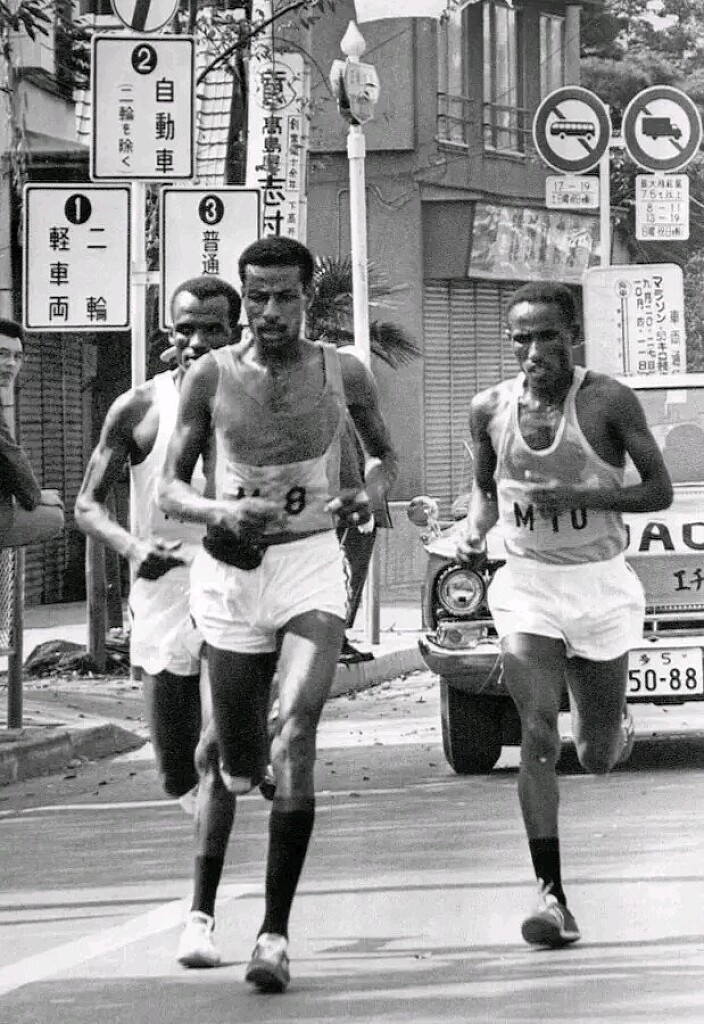
On This Day in 1964, Ethiopian distance-running legend Abebe Bikila cemented his place among the greatest marathon runners in history, winning his second consecutive Olympic marathon gold medal at the Tokyo Games with a sensational world-record performance.
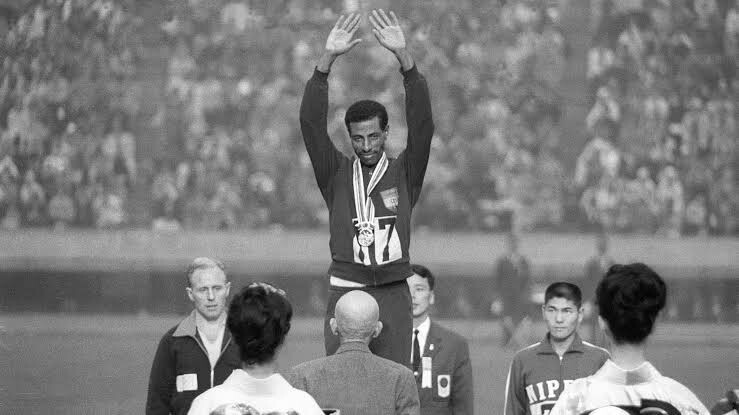
Four years after making history at the 1960 Rome Olympics, Bikila returned to the biggest stage in athletics and delivered another extraordinary display of endurance, determination and class. He crossed the finish line in 2:12:11.2, setting a new world record and Olympic record to become the first athlete to successfully defend the men’s Olympic marathon title.
His triumph in Tokyo was particularly remarkable because it came just weeks after he underwent an appendectomy. Despite the setback, the Ethiopian champion demonstrated exceptional resilience, proving once again that his greatness extended far beyond his remarkable physical abilities.
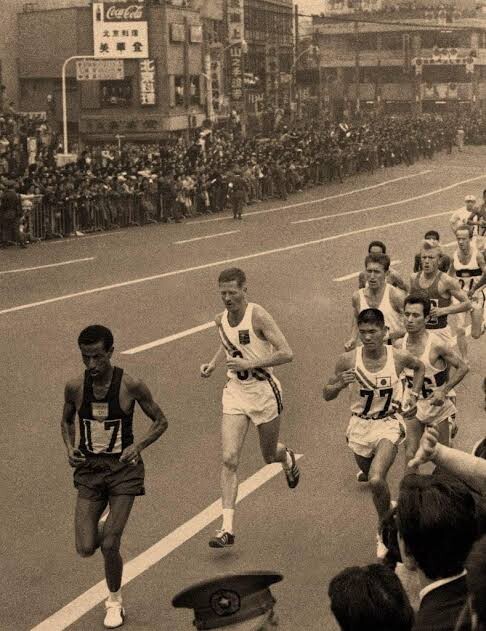
Bikila had first announced himself to the world in Rome in 1960, where he won the Olympic marathon in 2:15:16.2, establishing a world record. Running barefoot on the streets of the Italian capital, he became an international sensation and the first athlete from sub-Saharan Africa to win an Olympic gold medal.
His victory carried enormous historical significance, making him a symbol of African sporting excellence and inspiring generations of distance runners across Ethiopia and the wider continent.
At Tokyo 1964, Bikila returned in even more commanding fashion. This time, he wore running shoes as he navigated the Japanese capital’s streets, producing a masterful performance to finish more than four minutes ahead of his closest rival. His winning time of 2:12:11.2 lowered his own world record by 3 minutes and 5 seconds, an astonishing improvement at the highest level of marathon running.
Great Britain’s Basil Heatley claimed the silver medal in 2:16:19.2, while Japan’s Kōkichi Tsuburaya delighted the home crowd by securing bronze in 2:16:22.8.
The Tokyo podium reflected Bikila’s extraordinary superiority on the day, as he once again demonstrated his ability to rise to the occasion when Olympic glory was at stake.
Bikila’s back-to-back victories established a rare benchmark in Olympic marathon history. Only three men have successfully defended the Olympic marathon title: Bikila in 1960 and 1964, East Germany’s Waldemar Cierpinski in 1976 and 1980, and Kenya’s Eliud Kipchoge in 2016 and 2021.
Cierpinski and Kipchoge would later join the Ethiopian in this exclusive club, but Bikila remains the man who first achieved the feat, setting a standard that endured for more than half a century before Kipchoge became the third man to accomplish it.
Beyond his medals and records, Bikila’s legacy rests on the barriers he broke and the inspiration he provided. His performances helped establish Ethiopia as a global distance-running powerhouse and opened the door for generations of African athletes to excel on the international stage.
More than six decades after his Tokyo triumph, Abebe Bikila’s name remains synonymous with courage, endurance and Olympic greatness. His remarkable achievement in 1964 was not merely another marathon victory; it was a defining moment in the history of athletics, securing his place among the sport’s most enduring legends.
by Erick Cheruiyot for My Best Runs.
Login to leave a comment
Ann Packer’s Historic Olympic Triumph: The First British Woman To Win 800m Gold
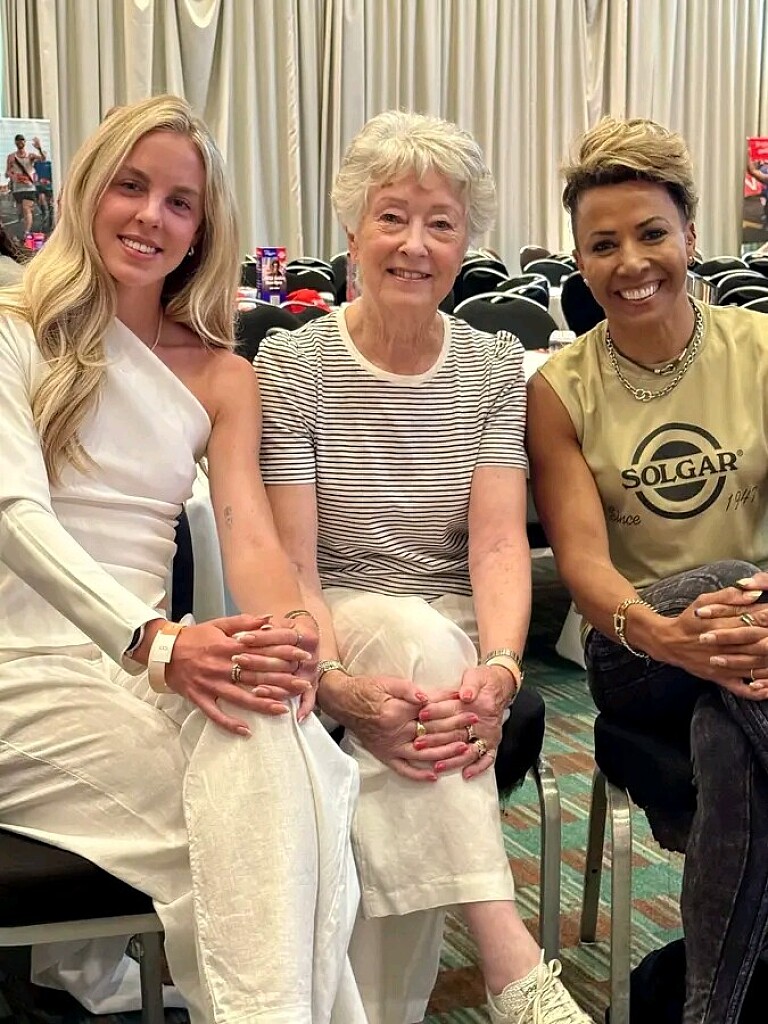
British middle-distance running has a proud Olympic legacy, but only three women from Great Britain have ever climbed to the top of the Olympic podium in the women’s 800 metres: Ann Packer, Kelly Holmes and Keely Hodgkinson. Each achieved the milestone in a different era, creating a remarkable connection between generations of British athletics.
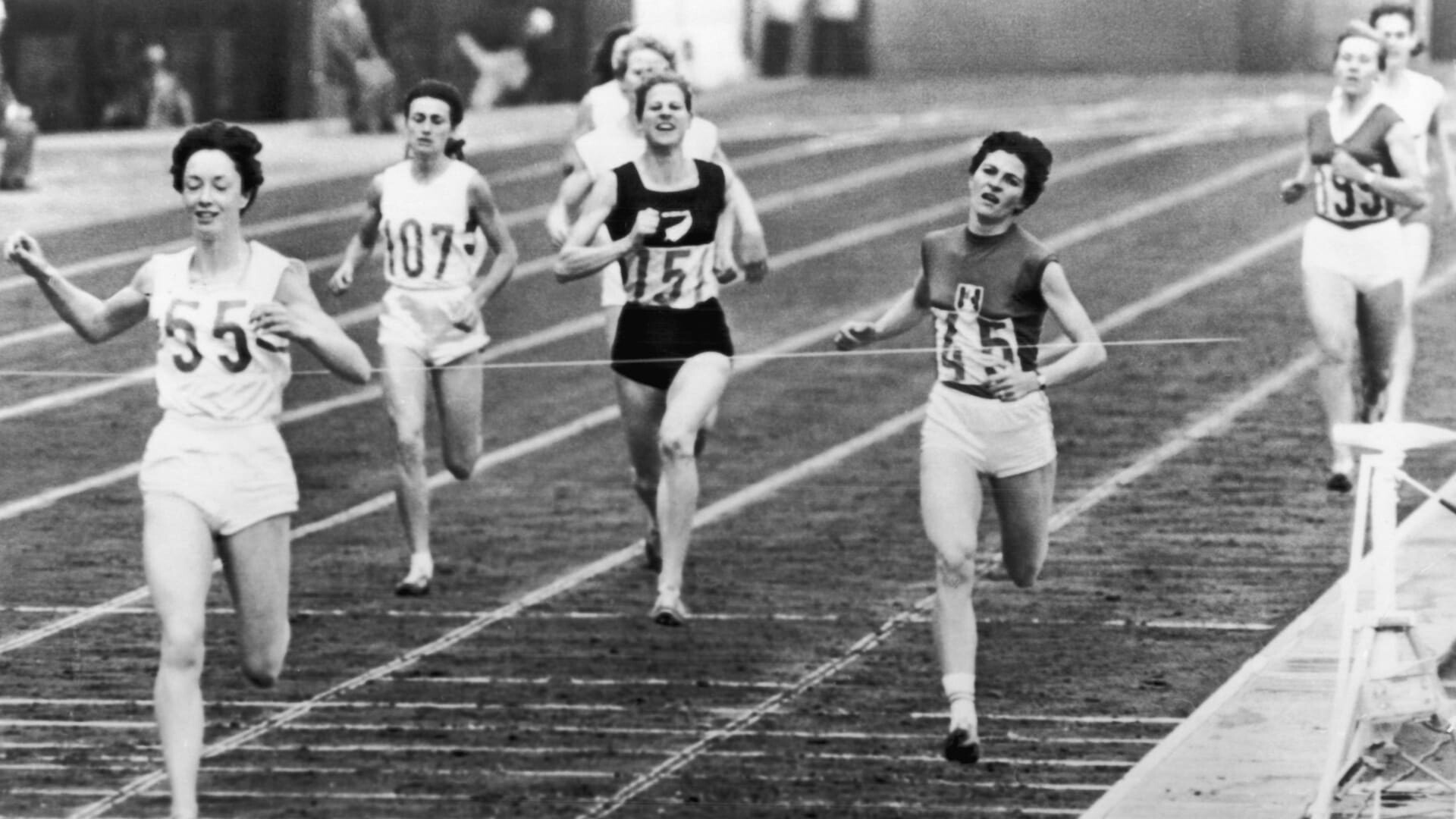
Packer made history at the Tokyo 1964 Olympic Games, becoming the first British woman to win Olympic gold in the 800m. Her triumph on October 20, 1964, remains one of the defining moments in the history of British women’s middle-distance running.
The British athlete delivered a memorable performance in Tokyo, winning in a world-record time of 2:01.01. Her victory was particularly significant because the women’s 800m had a complicated Olympic history. The event was first contested at the 1928 Amsterdam Games but was subsequently removed from the programme before returning at Rome 1960. Packer’s achievement four years later helped establish her place among the pioneers of British Olympic athletics.
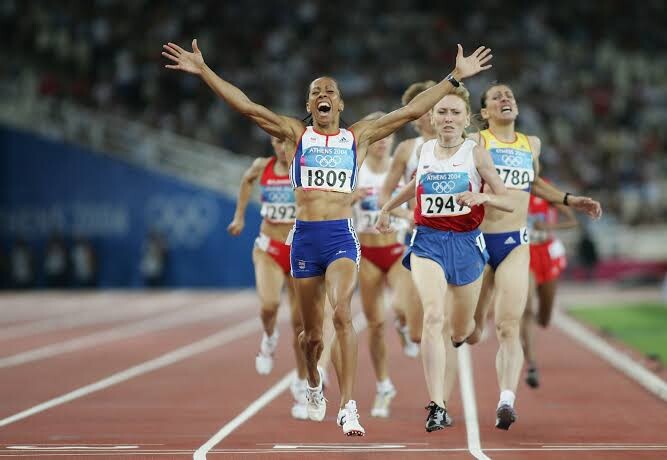
Nearly four decades after Packer’s breakthrough, Kelly Holmes carried the tradition forward at the Athens 2004 Olympics. Holmes produced an outstanding performance to win the women’s 800m in 1:56.38, adding Olympic gold to her growing collection of international honours. Her victory came during a remarkable championship in which she also won the 1500m, completing a historic middle-distance double.
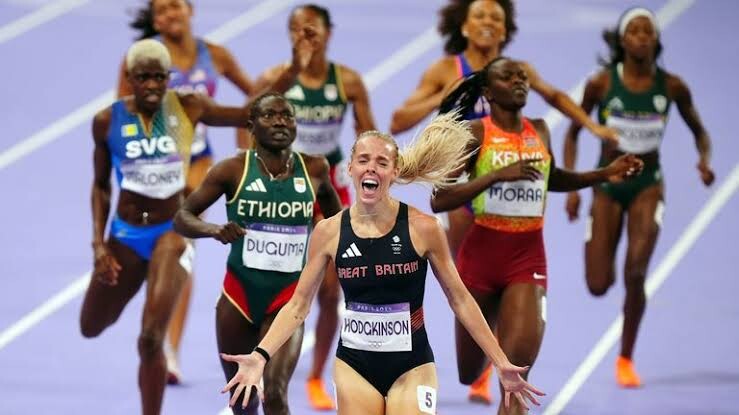
Holmes became one of Britain’s most celebrated track athletes, demonstrating the combination of endurance, tactical intelligence and finishing speed required to succeed at the highest level. Her double-gold achievement in Athens placed her among the defining figures of British Olympic sport.
At Paris 2024, Keely Hodgkinson became the third British woman to win Olympic 800m gold. The reigning middle-distance star delivered a composed and powerful race, crossing the finish line in 1:56.72 to secure the title and fulfil a long-held Olympic ambition.
Hodgkinson’s victory continued a legacy that had begun 60 years earlier with Packer in Tokyo. While the three champions competed in different eras and faced different generations of rivals, they share the distinction of having won the most prestigious prize in Olympic middle-distance running for Great Britain.
From Packer’s world-record breakthrough in 1964, through Holmes’s golden double in 2004, to Hodgkinson’s triumph in 2024, the story of British women’s Olympic 800m champions is one of extraordinary performances and lasting inspiration.
Three athletes. Three Olympic generations. One historic distinction: Olympic 800m gold for Great Britain.
by Erick Cheruiyot for My Best Runs.
Login to leave a comment
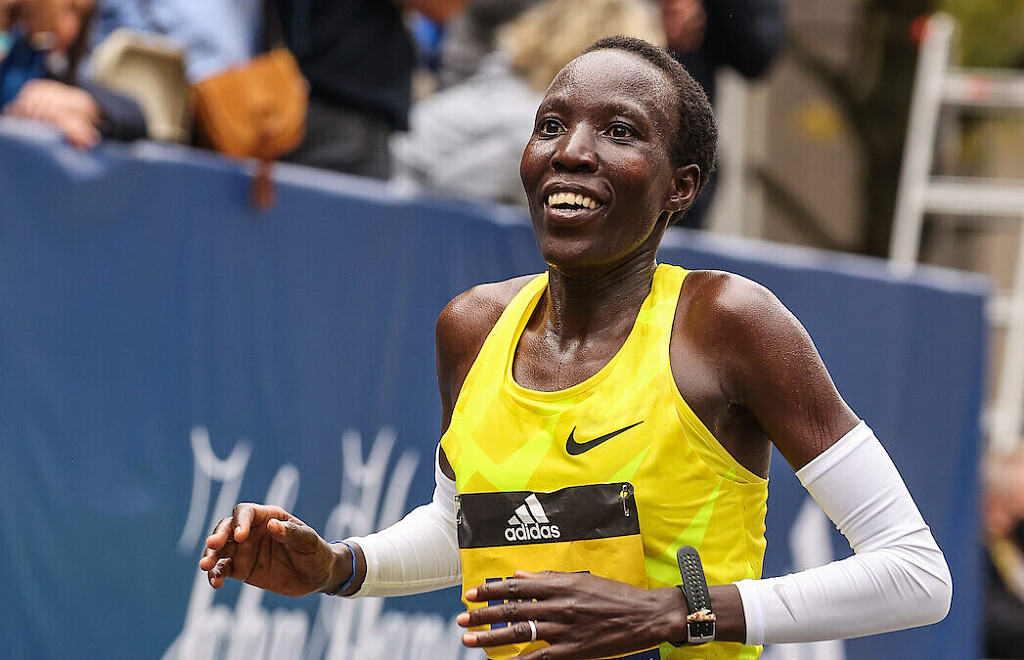
Age Is Just A Number: Edna Kiplagat, 46, Set For Inspiring Return To New York City Marathon
Kenyan marathon legend Edna Kiplagat is preparing to add another chapter to her remarkable career as she returns to the streets of New York for the 2026 TCS New York City Marathon on November 1, carrying the experience, resilience and competitive spirit that have defined her extraordinary journey in distance running.
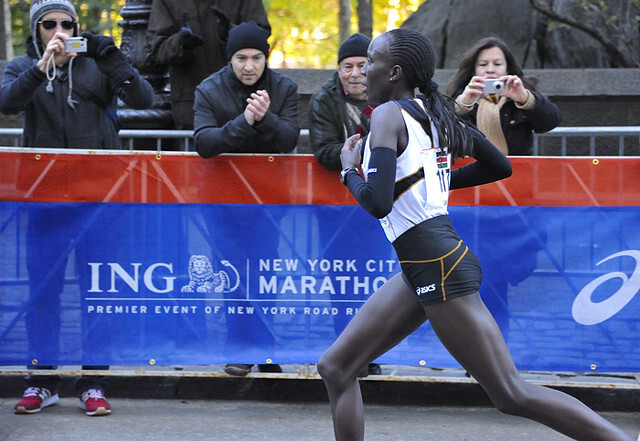
At 46, Kiplagat remains a formidable presence in elite marathon racing, continuing to compete against younger athletes on the world's biggest stages. Her return to the Big Apple is another testament to her remarkable longevity and determination to remain competitive at the highest level of the sport.
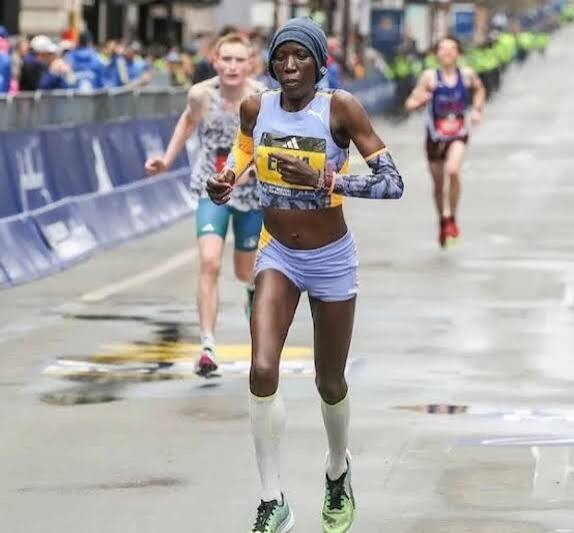
The two-time world marathon champion heads to New York following an impressive fifth-place finish at the Cape Town Marathon, where she clocked 2:25:44. The performance underlined her enduring ability to deliver competitive results in a discipline that demands exceptional endurance, consistency and years of experience.
Kiplagat's personal best of 2:19:50 places her among the outstanding marathoners of her generation, while her achievements across major international competitions have secured her a lasting place in the history of women's distance running.
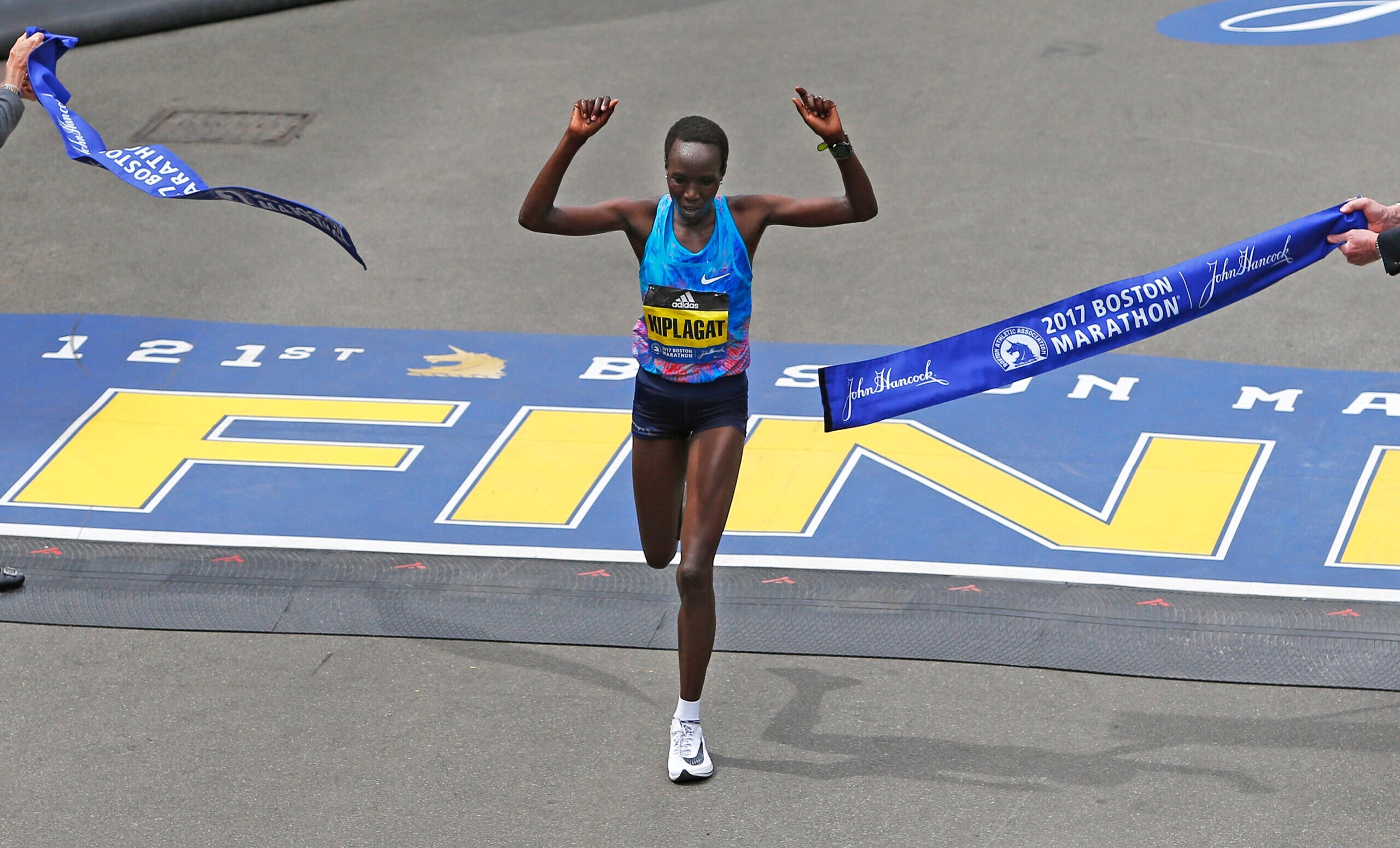
Her return to New York also brings her back to a course where she has previously enjoyed success, having won the women's title in 2010. That victory was one of the defining moments of a career built on patience, tactical intelligence and an ability to rise to the occasion when the stakes are highest.
Kiplagat's record in the World Marathon Majors is a story of sustained excellence. She won the New York City Marathon in 2010 before conquering London in 2014 and Boston in 2017 and 2021, establishing herself as one of the most accomplished marathon runners of her era.
Her second Boston triumph was particularly remarkable. Initially finishing second in 2021, she was subsequently declared the winner following the disqualification of the original champion for a doping violation. At 41, she became the oldest official winner of a World Marathon Major, adding another extraordinary milestone to an already distinguished career.
Beyond her major-marathon victories, Kiplagat has twice ruled the world marathon stage, winning gold at the World Athletics Championships in Daegu in 2011 and Moscow in 2013. She also claimed silver at the 2017 World Championships in London, further demonstrating her consistency across different competitive environments.
New York, however, remains a special destination in her career. After winning on her debut in 2010, she continued to return to the race, recording fourth-place finishes in 2017 and 2022 before placing seventh in 2024. Her latest appearance offers another opportunity to compete on familiar roads against a formidable international field.
The Kenyan veteran will line up alongside compatriots Hellen Obiri and Sheila Chepkirui, adding further depth to Kenya's challenge in the women's elite race. Obiri, a two-time New York City Marathon champion, and Chepkirui, the 2024 winner, bring formidable credentials of their own, setting the stage for an intriguing contest through the streets of the American metropolis.
For Kiplagat, the challenge will be about more than chasing another podium finish. It will be an opportunity to demonstrate once again that elite distance running can reward experience, discipline and resilience long after many athletes have stepped away from the highest level of competition.
At 46, she continues to carry the Kenyan flag with distinction, inspiring athletes across generations through a career that has spanned world titles, major-marathon victories and remarkable longevity.
As the world's leading marathoners prepare for the November 1 showdown, Kiplagat's presence adds a compelling story to the 2026 New York City Marathon. Whatever the final result, her return to the Big Apple is a reminder that greatness is not measured by age alone, but by the achievements, determination and enduring passion that define an athlete's journey.
by Erick Cheruiyot for My Best Runs.
Login to leave a comment

TCS New York City Marathon
The first New York City Marathon, organized in 1970 by Fred Lebow and Vince Chiappetta, was held entirely in Central Park. Of 127 entrants, only 55 men finished; the sole female entrant dropped out due to illness. Winners were given inexpensive wristwatches and recycled baseball and bowling trophies. The entry fee was $1 and the total event budget...
more...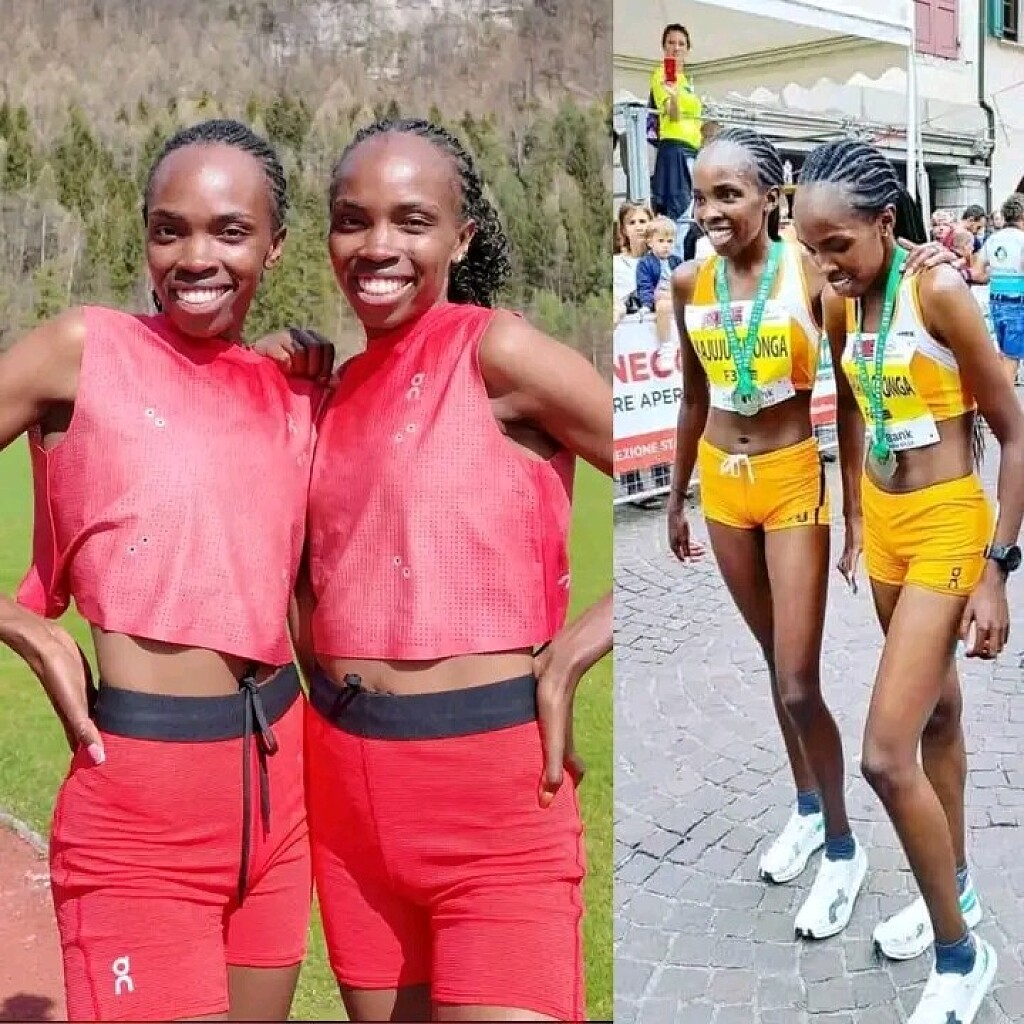
Gitonga Twins Caroline And Purity Set For Star-Studded Valencia Half Marathon Showdown
Kenyan twin sisters Caroline and Purity Gitonga are preparing to take on a formidable international field at the Valencia Half Marathon Trinidad Alfonso Zurich in Spain on Sunday, October 25, 2026, as they look to make their mark on one of the world's premier road-running stages.
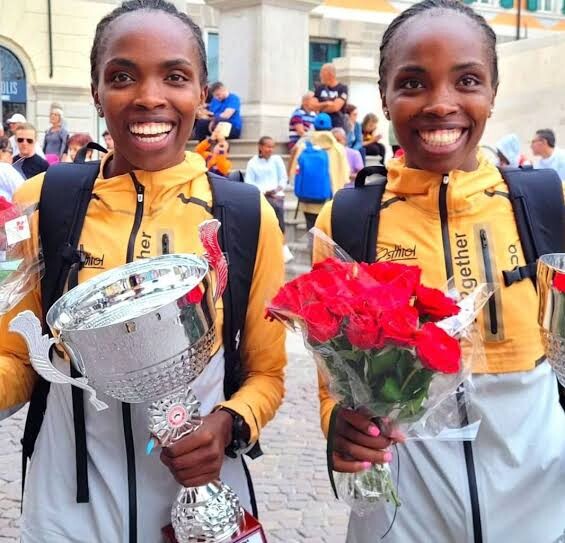
The sisters will carry Kenya's hopes into a highly competitive women's race featuring Ethiopian stars Yalemzerf Yehualaw and Tsigie Gebreselama, setting the stage for an exciting showdown over the 21.0975-kilometre distance.
Caroline heads to Valencia in impressive form following a breakthrough season that has elevated her profile on the international road-running circuit. She claimed silver in the women's 5km at the World Athletics Road Running Championships in Copenhagen before continuing her strong campaign with a commanding victory in the 10km race in Castellón, Spain, clocking 29:34.
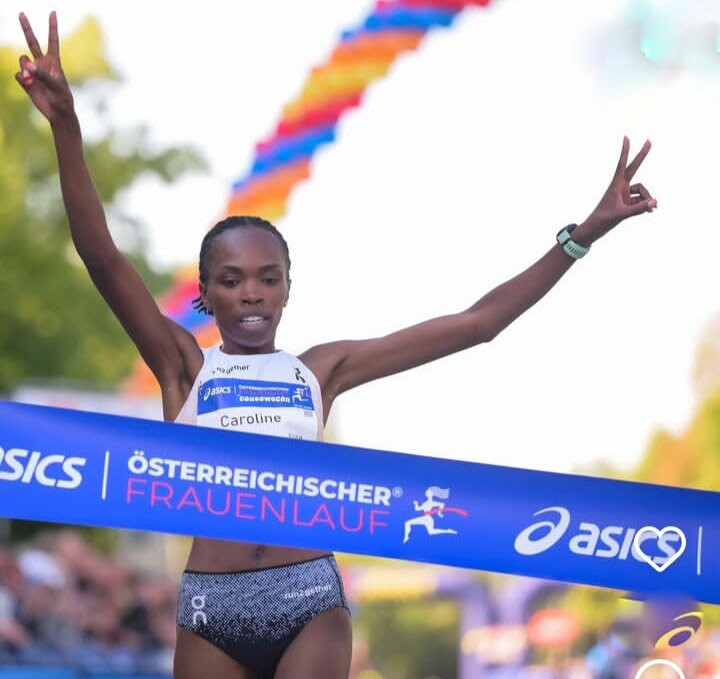
Her performances have underlined her speed, consistency and growing confidence on the roads. The Valencia Half Marathon, however, presents a different challenge, requiring greater endurance and tactical discipline against some of the world's most accomplished distance runners.
Caroline will be particularly keen to translate her success over shorter distances into a strong performance over the half-marathon distance. With a personal best of 1:06:16, she has already demonstrated considerable ability over 21.1 kilometres and will be looking to build on that foundation against a world-class field.
Purity will join her twin sister on the starting line, adding an intriguing family dimension to Kenya's challenge in Spain. The two athletes have demonstrated their quality on the roads, and their participation in such a competitive race offers another opportunity to showcase their talent on the international stage.
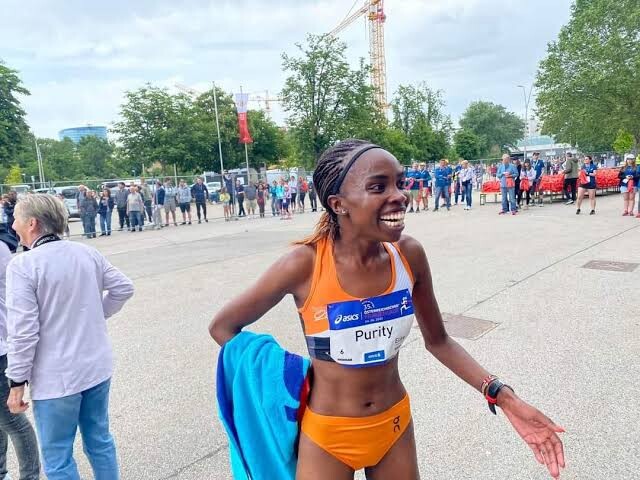
Purity also brings valuable experience to the contest, having recorded a half-marathon personal best of 1:06:50. Her presence alongside Caroline gives the Kenyan contingent two capable competitors, each with the potential to produce an impressive performance against the elite opposition.
Standing in their way will be a formidable Ethiopian challenge led by Yalemzerf Yehualaw and Tsigie Gebreselama. Both athletes bring considerable international pedigree, making them important names to watch as the race unfolds. Their presence raises the competitive stakes and ensures the Kenyan sisters will need to deliver their best performances to contend for the leading positions.
The Valencia Half Marathon has established itself as one of the most prestigious races on the international road-running calendar, attracting elite athletes seeking fast times and strong competition. Its reputation makes it an ideal stage for runners looking to test their fitness, challenge their personal bests and measure themselves against the world's leading distance-running talent.
For Caroline, Sunday's race represents an opportunity to build on the momentum generated by her world championship silver medal and impressive Castellón victory. A strong performance would further strengthen her standing among Kenya's emerging road-running stars while demonstrating her potential over the longer distance.
For Purity, the challenge offers an equally important opportunity to make her mark in a race packed with international quality. Competing alongside her twin sister may add a special dimension to the occasion, but both athletes will ultimately be focused on executing their individual race strategies and producing their strongest possible performances.
With Kenya and Ethiopia set to feature prominently in the women's contest, the Valencia Half Marathon promises a compelling battle of speed, endurance and tactical judgment. The quality of the field means that every kilometre could prove decisive as the contenders position themselves for a strong finish.
Kenyan athletics fans will be watching closely to see whether Caroline can carry her outstanding shorter-distance form into the half marathon and how Purity fares against the experienced international opposition. Their participation adds another exciting storyline to a race renowned for its fast pace and elite competition.
As the countdown to Sunday continues, the Gitonga twins will be aiming to turn their preparations into memorable performances on Spanish soil. With Caroline arriving on the back of major international success and Purity bringing her own credentials to the challenge, the sisters will have a valuable opportunity to showcase Kenyan distance-running talent against some of the strongest athletes in the world.
by Erick Cheruiyot for My Best Runs.
Login to leave a comment

Valencia Half Marathon
The Trinidad Alfonso Valencia Half Marathon has become one of the top running events in the world. Valencia is one of the fastest half marathon in the world. The race, organized by SD Correcaminos Athletics Club, celebrated its silver anniversary in style with record participation, record crowd numbers, Silver label IAAF accreditation and an atmosphere that you will not find...
more...
238 Medic Runners To Put Personal Bests Aside And Help Save Lives At Singapore Marathon
The race against the clock will take on a completely different meaning at the BYD Singapore International Marathon 2026, presented by Adidas, where 238 specially trained medic runners will enter the course not simply to compete, but to help save lives.
Instead of focusing solely on personal bests, podium places and finishing times, these dedicated volunteers will run among thousands of participants with another responsibility in mind — identifying athletes in distress and providing potentially life-saving assistance before professional medical teams can arrive.
It is an initiative that places humanity at the heart of competition.
The medic runners will be deployed across both the full marathon and half-marathon courses, where they will be prepared to respond to medical emergencies and provide immediate first aid to runners who suddenly become unwell.
Every medic runner must complete mandatory training in cardiopulmonary resuscitation (CPR) and the use of an automated external defibrillator (AED), giving them the essential skills needed to respond when every second matters.

They will also take part in group practice runs with the Lion City Road Runners, allowing them to become familiar with working together while running and responding to situations that could arise during the race.
Their equipment will include basic first-aid supplies such as bandages, ice packs and muscle sprays, along with gels and water. More importantly, however, they will carry the knowledge and training needed to recognise signs of serious medical distress and act quickly.

Their responsibilities could include responding to conditions such as heat-related illness, dehydration and cardiac arrest — helping to bridge the critical gap between the moment an emergency occurs and the arrival of professional medical responders.
For these runners, the stopwatch will not always be the priority.
A personal record can wait.
A fellow runner's life cannot.
The medic runner initiative will apply specifically to the marathon and half-marathon events. The 10km and 5km races will continue to rely on their existing medical tents and route-response teams, which organisers consider appropriate for those distances.
The programme has been inspired in part by similar initiatives overseas, including the Bangsaen21 Half Marathon in Thailand, where trained runners are positioned throughout the course to provide rapid assistance when athletes encounter medical difficulties.
The concept is particularly valuable in mass-participation races, where runners can be spread across many kilometres and fixed medical stations may not always be close enough to reach an emergency immediately.
The introduction of the programme also comes against a sobering backdrop for Singapore's running community.
In December 2024, a participant died after crossing the finish line at the Standard Chartered Singapore Marathon. Several months later, in April 2025, a 23-year-old runner collapsed and died while taking part in the 21.1km category of the 2XU Compression Run.
Yet there has also been a powerful reminder that immediate action can change an outcome.
During the previous year's half-marathon, a runner who collapsed survived after fellow participants stopped to administer CPR. The incident demonstrated one of the most important principles in responding to cardiac arrest: rapid intervention can be crucial, particularly when CPR and access to an AED are provided as quickly as possible.
Singapore's hot and humid conditions add another layer of challenge for endurance athletes, making awareness, early recognition of medical problems and rapid intervention particularly important during long-distance races.
That is why the 238 medic runners will have a role extending far beyond the traditional definition of a competitor.
They will still be runners. They will still experience the fatigue, heat and physical demands of the course. But they will also be watching for the runner beside them who may suddenly need help.
They may sacrifice a personal best.
They may lose minutes — or even much more — from their finishing time.
But if their intervention helps another athlete survive, their race will have achieved something far more important than a medal or a record.
The initiative sends a powerful message to the global running community: distance running is not only about how fast we can reach the finish line, but also about making sure everyone has the chance to reach it safely.
The 238 medic runners will therefore begin their Singapore Marathon with a mission greater than competition — to watch, respond, assist and, when necessary, help save a fellow runner's life.
And in a sport built around moving forward together, there may be no greater finish than helping someone else make it safely to the end.
by Erick Cheruiyot for My Best Runs.
Login to leave a comment

SINGAPORE MARATHON
The Singapore Marathon is an annual international marathon race which is held in December in the city of Singapore. It is an IAAF Gold Label Road Race. It has grown significantly since its inaugural race in 1982 – the 2013 event attracted a total of 60,000 entrants for all categories. There are four separate categories of competition: the full marathon,...
more...
From Paralysis To 26.2 Miles: Wyatt Anderson’s Extraordinary Journey Back To Running
At 17 years old, Wyatt Anderson has already experienced a journey that few could imagine — from being paralyzed from the neck down to completing one of the world’s most prestigious marathons.
His achievement at the 2026 Bank of America Chicago Marathon was not simply about running 26.2 miles. It was the culmination of nearly a year of courage, painful rehabilitation, determination and an unwavering refusal to give up.
On November 4, 2025, Wyatt’s life changed in a matter of seconds. While chasing a rebound during a basketball game, he collided headfirst with a wall and suffered a devastating C3 spinal cord injury.
The impact left the teenager paralyzed from the neck down, turning movements that once seemed effortless into seemingly impossible challenges. His future was suddenly uncertain, and the road ahead would demand extraordinary patience and resilience.

But Wyatt was not prepared to let the injury define the rest of his life.
After undergoing complex spinal fusion surgery, he began an intense rehabilitation journey at Frazier Rehab Institute in Louisville, Kentucky. For the next 11 months, progress came in small but meaningful victories — from moving a single finger to regaining the ability to stand, walk and, eventually, run.
Every step represented another battle won.
Then came Chicago.
With his brother, Jack, running by his side, Wyatt took on the 2026 Bank of America Chicago Marathon and completed the full 26.2-mile distance in an astonishing 3:56:28.
Less than a year after suffering an injury that had left him paralyzed from the neck down, the 17-year-old had crossed a marathon finish line on his own feet.
It was a moment that went far beyond a finishing time.
Wyatt and Jack also used their marathon journey to raise thousands of dollars for the Christopher & Dana Reeve Foundation, helping support spinal cord injury research and efforts to improve the lives of people living with paralysis.
For Wyatt, the marathon became another chapter in a recovery story that continues to inspire.
And perhaps his most powerful message is not about how quickly he returned to running, but about how he approached every difficult day along the way.
“Just take it day by day... you can do it. And most importantly, be positive and smile.”
Those words capture the heart of his journey.
Wyatt Anderson did not simply run 26.2 miles in Chicago. He showed what can happen when hope survives even the darkest moments, when setbacks are met with patience, and when progress — no matter how small — is celebrated as another step forward.
His story is a reminder that recovery does not always happen in giant leaps. Sometimes it begins with one finger moving. One step. One more attempt. One more day.
And eventually, those small victories can carry someone all the way to a marathon finish line.
For most runners, 26.2 miles is a test of endurance.
For Wyatt, it was a celebration of getting his life back.
Some finish lines are measured in miles. Others are measured in courage, resilience and the strength to begin again.
Wyatt’s finish line represents all of them.
by Erick Cheruiyot for My Best Runs.
Login to leave a comment

Two Champions. Two Nations. One Love For Athletics! Kipyegon And Hodgkinson Shared Moment Beyond The Track.
Faith Kipyegon of Kenya and Keely Hodgkinson of Great Britain represent two nations, two different middle-distance events and two extraordinary careers—but their journeys share one defining quality: an unwavering determination to reach the highest level of athletics.
Kipyegon has built an era of dominance in the 1500m and mile, establishing herself among the most decorated middle-distance athletes in history. Hodgkinson, meanwhile, has risen to become one of the defining figures of the 800m, combining exceptional speed, consistency and championship strength.
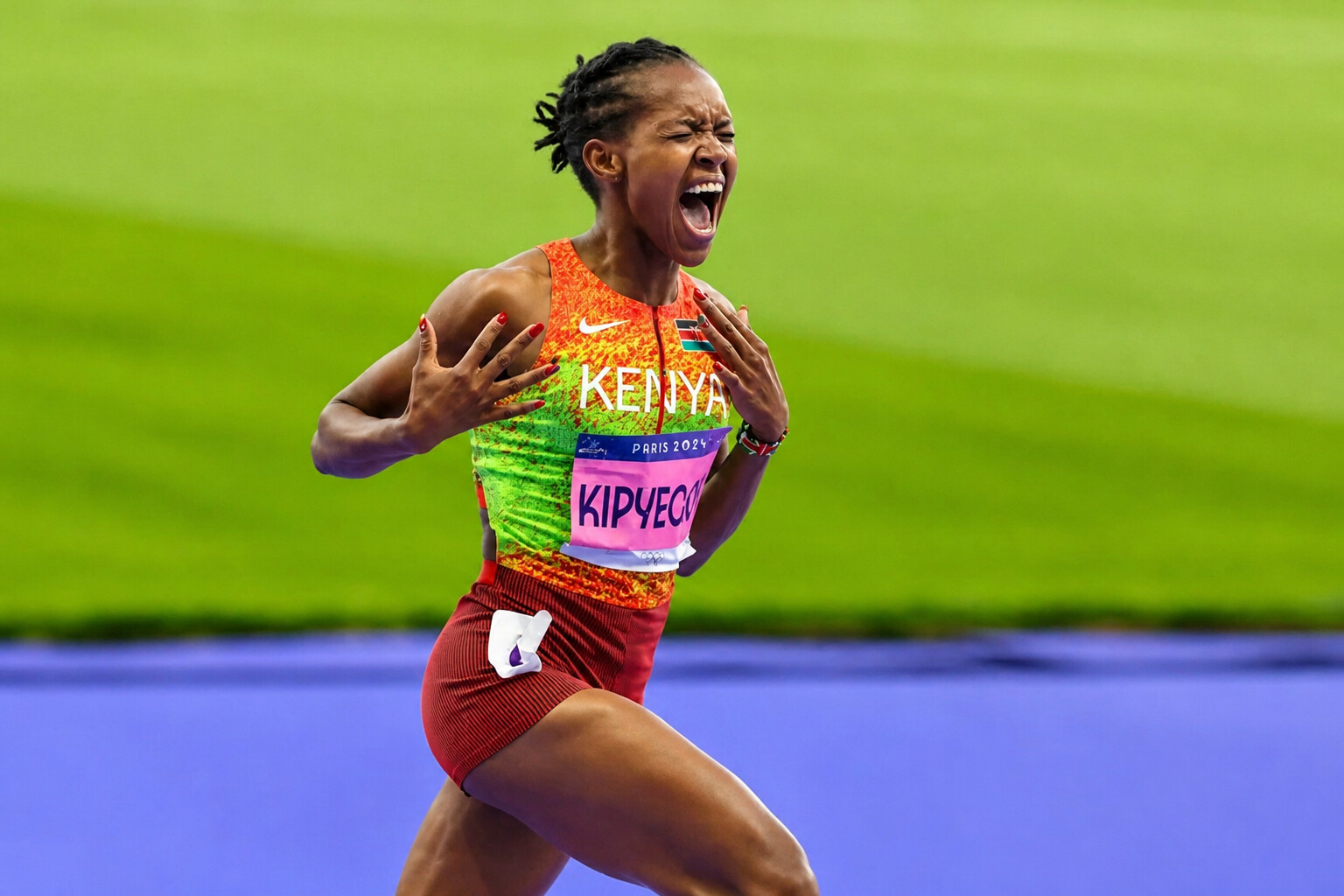
For Kipyegon, the Olympic 1500m has become almost synonymous with her name. The Kenyan became the first athlete to win three consecutive Olympic 1500m titles, triumphing at Rio 2016, Tokyo 2020 and Paris 2024. Her ability to deliver when the pressure is greatest has made her one of the most formidable championship racers of her generation.
Her brilliance extends far beyond the Olympic stage. Kipyegon is a five-time world champion over 1500m and has repeatedly rewritten the record books. She owns the world records for both the 1500m, with her astonishing 3:48.68, and the mile, where she has run 4:07.64—performances that underline her extraordinary range and speed.
Then there is Hodgkinson, Great Britain’s 800m powerhouse, whose rise has transformed her into one of the biggest stars in the event.

The Paris 2024 Olympic champion had already established herself as a major championship force by winning silver at Tokyo 2020. Four years later, she went one step higher in Paris, finally claiming the Olympic title that had narrowly eluded her.
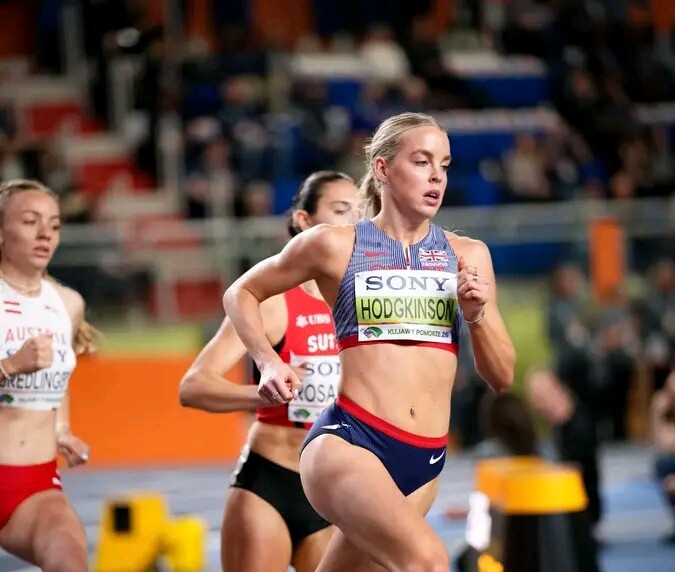
Her success continued on the global stage in 2026, when she captured the World Indoor 800m title. Hodgkinson has also pushed the boundaries of the event at breathtaking speed, setting the world indoor record at 1:54.87 and holding the British outdoor record at 1:54.33.
Yet the story of these two champions is not only about what happens when the starting gun fires.
Away from competition, Kipyegon and Hodgkinson recently shared the spotlight in London during a Nike engagement, offering a glimpse of the connection that exists between athletics stars beyond the intensity of championship racing.
Their meeting was a reminder that the sport can bring together athletes from different nations and different events, even when they rarely share the same competitive arena. In London, the Kenyan 1500m queen and the British 800m champion stood together not as rivals, but as two leading figures of a sport they continue to shape in their own remarkable ways.
The off-season often provides athletes with an opportunity to step away from the pressure of competition, connect with fellow stars and represent the wider culture of athletics. For Kipyegon and Hodgkinson, their London engagement highlighted that shared bond—different nations, different distances, but one sport and a common passion for excellence.
What makes their careers so compelling is not simply the medals, records or championships. It is the manner in which both athletes have continuously raised the standard of excellence in their respective events.
Kipyegon has made the 1500m and mile her territory, combining tactical intelligence with a devastating finishing speed that has repeatedly left the world’s best struggling to match her. Hodgkinson has brought a similar authority to the 800m, mastering the delicate balance between speed, endurance and tactical discipline required to succeed at the highest level.
They do not compete directly for the same titles, yet their achievements create a fascinating parallel. Kipyegon rules the longer middle-distance events, while Hodgkinson has established herself as one of the modern queens of the two-lap race.
Different distances. Different countries. Different journeys.
Yet the ambition is strikingly similar.
Faith Kipyegon and Keely Hodgkinson have become champions not merely because they possess exceptional talent, but because they have consistently transformed that talent into historic performances when the world is watching.
And now, even away from the track, their paths continue to cross.
Two middle-distance queens. Two extraordinary legacies. Two nations brought together by one sport—and a shared determination to keep pushing the limits of greatness.
by Erick Cheruiyot for My Best Runs.
Login to leave a comment
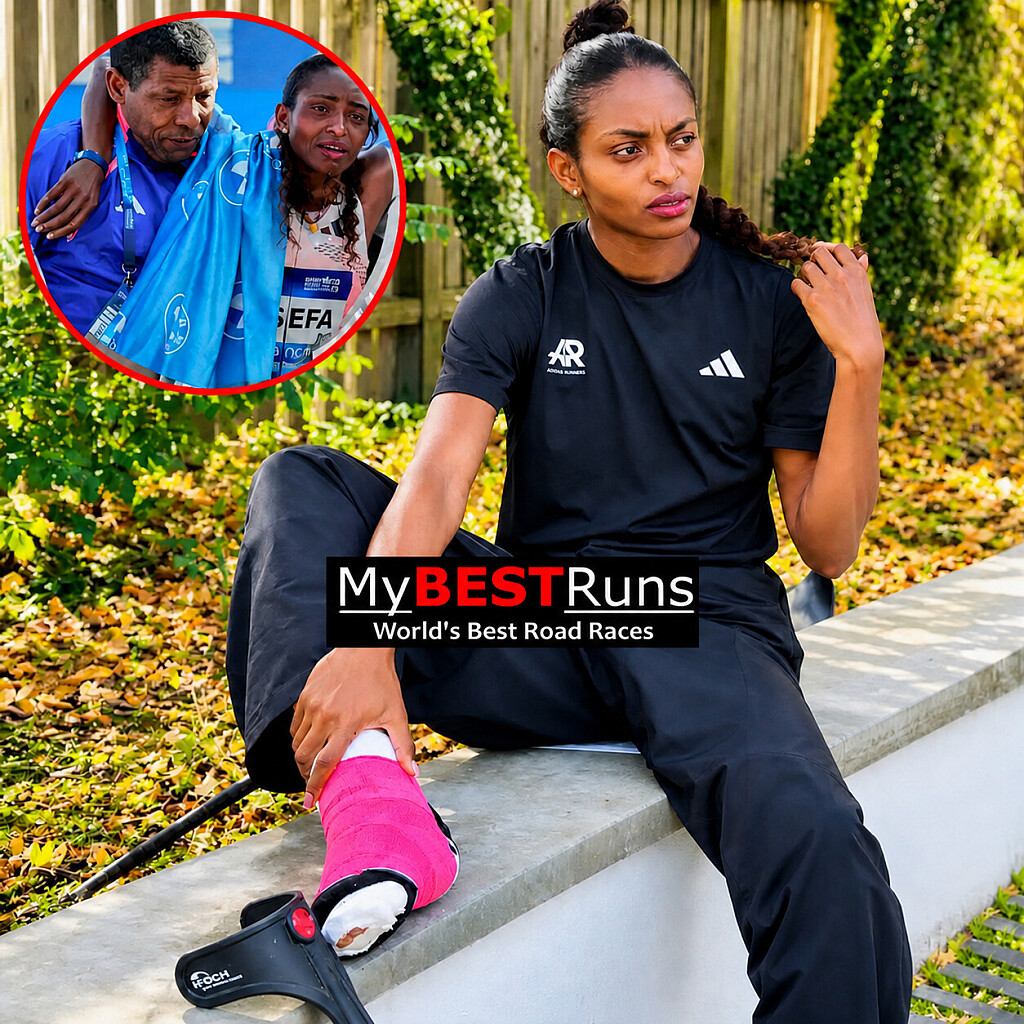
Tigst Assefa Set A Berlin Record Through Pain — Now The Real Fight Begins
Ethiopian marathon superstar Tigst Assefa has begun the long road to recovery after undergoing successful surgery to repair a ruptured right Achilles tendon sustained during the closing stages of the 2026 Berlin Marathon.
What made her performance in Berlin even more remarkable was not simply the record she broke, but the extraordinary circumstances under which she achieved it.
With just a few kilometres remaining, Assefa suffered the serious Achilles injury. Yet instead of stopping, the Ethiopian fought through the pain, hopping and running on her injured leg as she battled her way toward the finish.
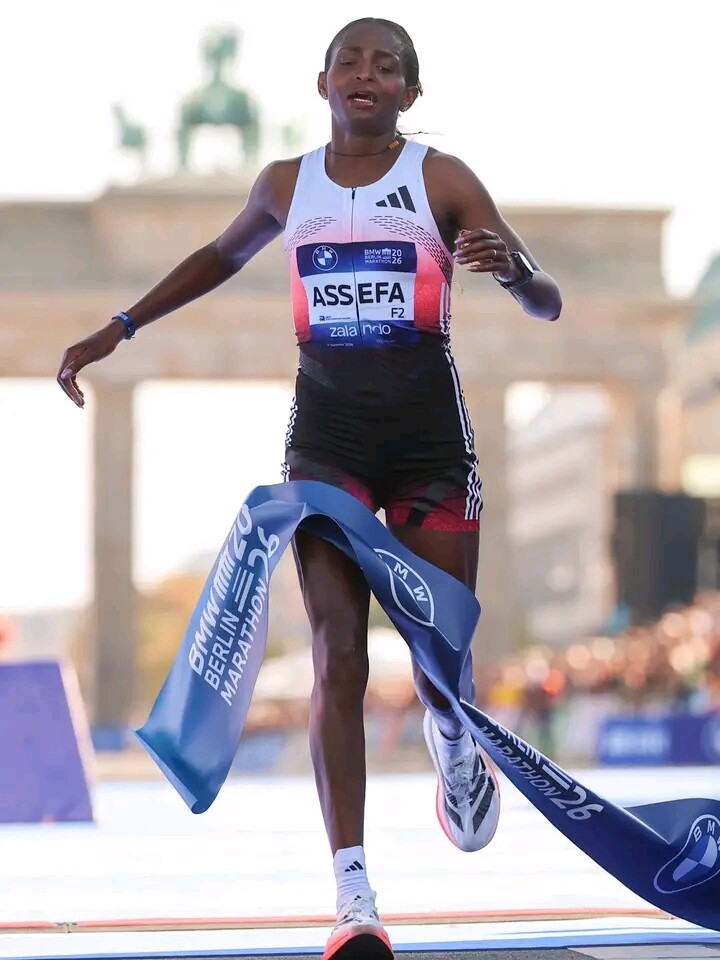
She eventually crossed the line in 2:11:04, producing a remarkable performance that secured a new Berlin Marathon course record despite the devastating injury.
It was a finish that revealed another side of a champion — one defined not only by speed and world-class talent, but also by extraordinary determination and an unwillingness to give up when the odds were suddenly stacked against her.
Following the race, Assefa underwent successful surgery in Munich, Germany, to repair the ruptured Achilles tendon. Her rehabilitation is now expected to keep her away from competitive running for at least six months as she begins the demanding process of healing, rebuilding strength and gradually working her way back toward full fitness.
Her medical care and recovery are being coordinated with the support of Demadonna Athletic Promotions.
For an athlete who has spent recent years redefining the limits of women’s marathon running, the coming months will require a very different kind of patience. There will be no starting lines, record attempts or final-kilometre battles. Instead, her progress will be measured through the quieter victories of rehabilitation — restoring strength, regaining confidence, rebuilding fitness and eventually returning to the training environment.
Assefa’s Berlin performance will forever be remembered for the course record, but the manner in which she reached the finish may prove just as unforgettable. She did not simply run through adversity; she fought her way through it.
Now, however, the record can wait.
The race has changed. The goal is no longer to chase seconds on the clock, but to give her body the time and care it needs to heal.
The road back may be long and challenging, but the athletics world will be watching, supporting and waiting for the day one of marathon running’s biggest stars is ready to lace up again.
by Erick Cheruiyot for My Best Runs.
Login to leave a comment
From Barefoot Dreams To The World Stage: Mercy Kosgei’s Remarkable Rise
From running barefoot on a school track in Kenya to competing on the international stage and signing a landmark deal with a global sportswear brand, Mercy Chepngeno Kosgei’s journey is a powerful story of determination, talent and unwavering belief.
In March 2024, then just 17 years old, Kosgei captured widespread attention when she won the 3,000m steeplechase at the Rift Valley Regional Secondary Schools Championships in Nandi — without a pair of racing shoes on her feet.
What could have been seen as a simple race became the beginning of something much bigger. Her barefoot victory quickly drew attention, shining a spotlight on a young athlete whose talent was already far greater than the resources available to her.
But the viral moment was only the opening chapter.

Kosgei continued to develop rapidly, proving that her success was not built on one extraordinary performance. In 2025, she claimed silver at the African U20 Championships in Nigeria, establishing herself among the continent’s promising young middle- and long-distance athletes.
She took another major step forward in 2026. At the Thika Weekend Meet, Kosgei produced a memorable double, winning both the 1,500m and 3,000m steeplechase.
Her progress continued at the African Championships in Accra, where she secured silver in the steeplechase and lowered her personal best to an impressive 9:30.47.
Later in the year, she reached an even bigger stage, representing Kenya at the World Athletics U20 Championships in Eugene, Oregon — another significant milestone in a career that has developed at remarkable speed.
Away from the track, February 2026 brought another defining moment. Kosgei signed a Name, Image and Likeness (NIL) agreement with Swiss sportswear company On, marking a major breakthrough for the young Kenyan and placing her among a new generation of athletes attracting international attention at an early stage of their careers.
Yet behind the medals, contracts and international appearances is a young woman who remains grounded in her ambitions beyond athletics.
Hailing from Lesirwo village in Kericho County, Kosgei continues to balance education with the demanding routine of training and competition. Her dream extends beyond becoming a champion athlete — she also hopes to become a medical doctor.
That combination of ambition makes her journey even more compelling.
Her story began without expensive equipment or the privileges often associated with elite sport. It began with bare feet, determination and a dream.
Today, those same dreams have carried Mercy Chepngeno Kosgei from the school fields of Kenya to the international stage.
And if her journey so far is anything to go by, the barefoot girl who once captured the imagination of Kenyan athletics fans may only be getting started.
by Erick Cheruiyot for My Best Runs.
Login to leave a comment
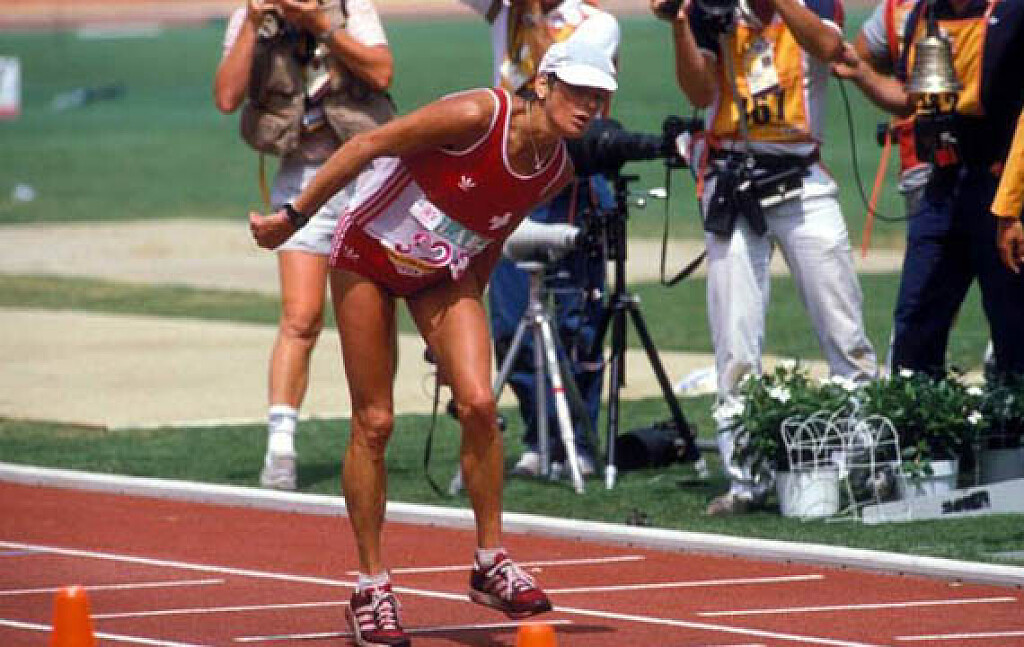
She Staggered, She Fell, But She Refused To Stop: The Olympic Finish That Became A Symbol Of Courage
At the 1984 Los Angeles Olympics, Gabriela Andersen-Schiess became part of Olympic history without winning a medal, setting a record, or standing on the podium.
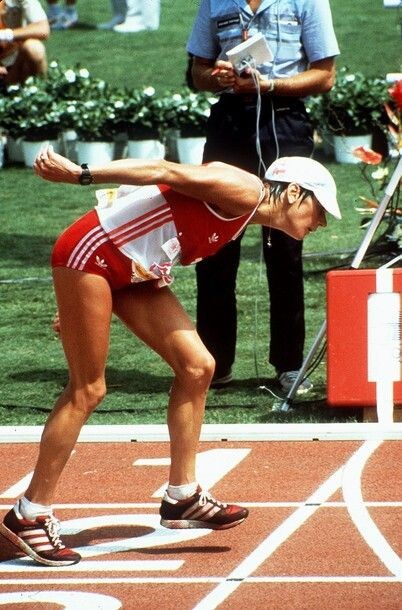
Instead, she gave the world something far more enduring: one of the most powerful displays of determination ever witnessed at the Olympic Games.
Andersen-Schiess, representing Switzerland, was competing in the inaugural women’s Olympic marathon when she entered the Los Angeles Memorial Coliseum after more than two hours of racing. What followed would become one of the most unforgettable moments in the history of distance running.
Severely exhausted and suffering from dehydration, the 39-year-old athlete could barely maintain her balance. Her body was visibly struggling. She staggered forward, her upper body leaning from side to side as she fought to keep moving.
Medical personnel immediately prepared to intervene.
But Andersen-Schiess knew that accepting assistance would mean being removed from the competition. She waved the medical staff away and continued, determined to reach the finish line under her own power.
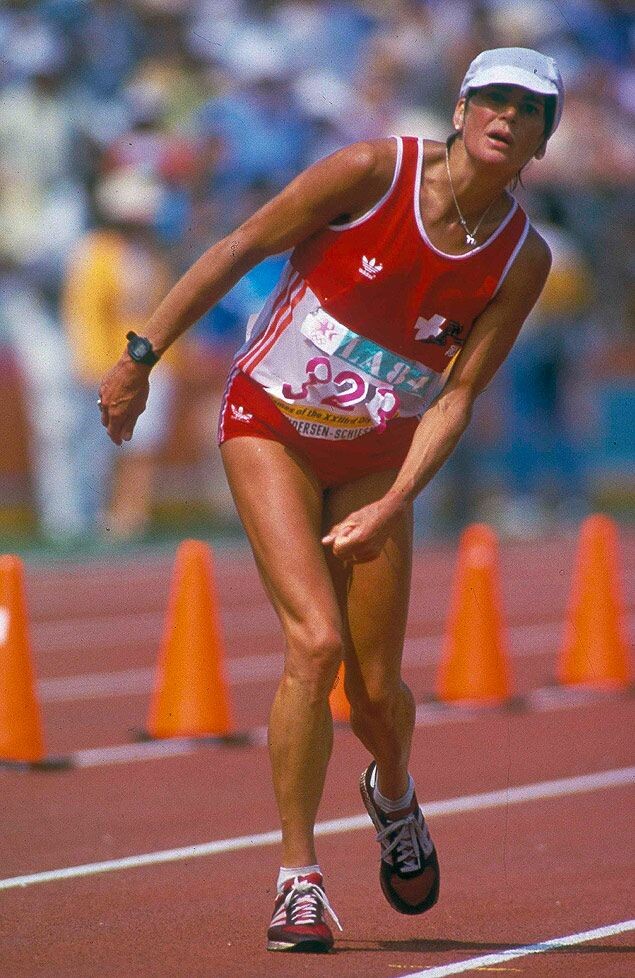
For the final stretch, every step appeared to require an enormous effort. She moved painfully around the stadium, stumbling and swaying as the crowd watched in stunned silence. The spectators could see that she was suffering, yet she refused to stop.
After an agonising final lap, Andersen-Schiess finally crossed the finish line in 37th place in 2:48:42.
The image of her struggling toward the finish quickly became one of the defining moments of the 1984 Olympics.
Earlier that day, American Joan Benoit had made history by winning the first women’s Olympic marathon in 2:24:52. Norway’s Grete Waitz took silver, while Portugal’s Rosa Mota claimed bronze.
Those athletes rightly received the medals and the headlines.
But Andersen-Schiess captured something different.
Her performance was not about victory over her rivals. It was about victory over exhaustion, pain and the overwhelming desire of the body to stop.
More than four decades later, her finish remains etched into the collective memory of Olympic sport. It stands as a reminder that courage is not always found in winning. Sometimes, it is found in taking one more step when every part of you is telling you that you cannot continue.
Gabriela Andersen-Schiess did not leave Los Angeles with an Olympic medal.
She left with something that has lasted far longer: a place in sporting history and a legacy of resilience that continues to inspire generations of runners.
That day, she did not simply finish a marathon.
She showed the world what it can mean to refuse to give up.
by Erick Cheruiyot for My Best Runs.
Login to leave a comment
Kadar Omar And Hannah Irwin Triumph In Thrilling Great South Run Finishes
The AJ Bell Great South Run delivered a thrilling day of road racing, with Kadar Omar and Hannah Irwin claiming impressive victories after two contrasting battles at the front of the field.
Omar produced a powerful display in the men’s race, breaking away early alongside twice Olympian Andy Butchart. The pair quickly established themselves at the head of the field and went through the 10-kilometre mark together in 29:34, setting the stage for a fascinating battle over the closing stages.
But while Butchart remained firmly in contention through the first part of the race, Omar began to turn the screw as the finish approached. The Birchfield Harriers athlete shifted through the gears and opened a 27-second advantage by 15 kilometres, putting himself firmly in control.
The 30-year-old continued to extend his advantage over the final kilometre before crossing the finish line in 47:27 to secure a convincing victory. His ability to maintain his pace and push clear in the closing stages ultimately proved decisive.
Butchart, making his Great South Run debut, finished strongly to take second in 47:49, while Alex Durant of Sheffield AC & Dearn secured third place. City of Portsmouth athlete Lachlan Wellington was sixth, completing the race in 50:27.
Omar’s victory was a testament to his ability to judge a race perfectly. After running conservatively alongside Butchart during the early stages, he found another level when it mattered most and produced the decisive move that separated him from his closest rival.
Speaking after his victory, Omar reflected on the demanding conditions and the effort required to secure the title.
“I pushed myself through the wind. And I gave it all I had,” Omar said. “I’m happy. It’s a great event, you know. Hopefully next year I can come back and race again.”
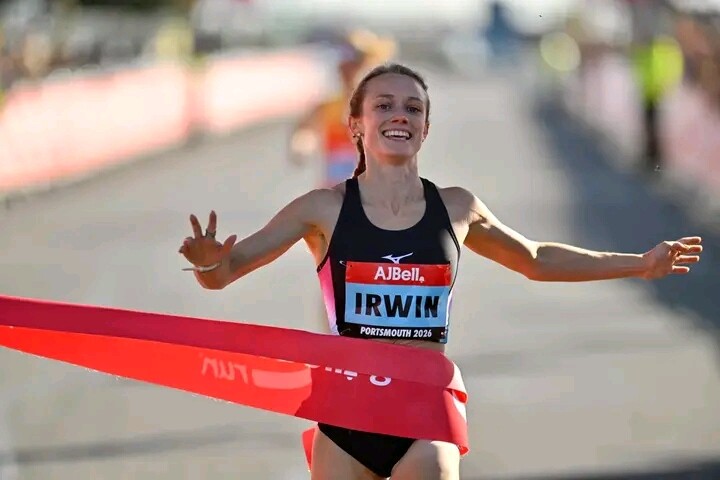
The women’s race was an entirely different story, with Hannah Irwin and defending champion Verity Ockenden locked in a remarkably close contest for almost the entire distance.
Irwin eventually prevailed in 53:34, with Ockenden finishing just three seconds behind in 53:37. Daisy Glover completed the women’s podium in 54:53 after another strong performance.
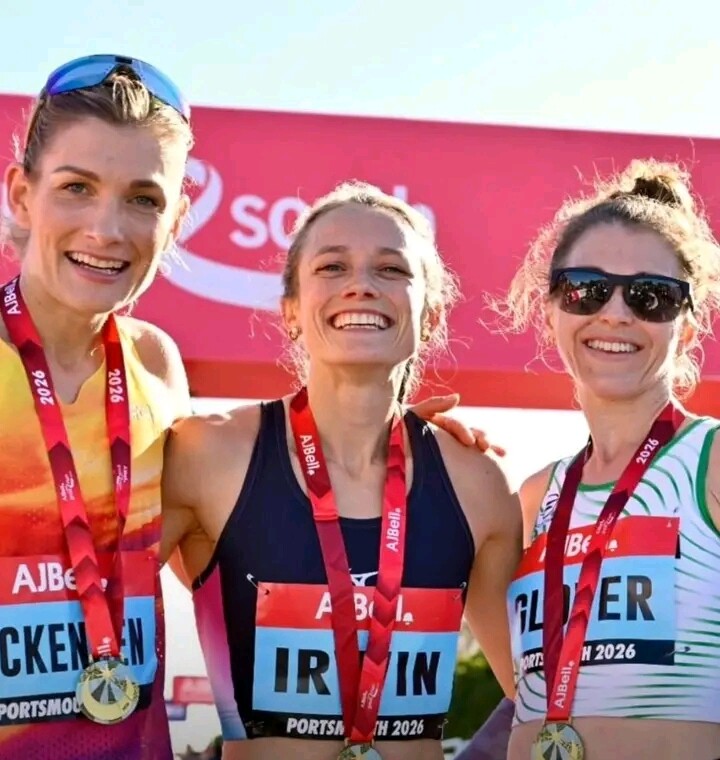
The closeness of the battle was reflected in Irwin’s comments after the finish. Rather than being a race dominated by one athlete, the two leaders remained virtually inseparable until the decisive moments.
“It was a really good fun race today. I really enjoyed having a battle with Verity,” Irwin said. “We were literally neck and neck the entire way, I think until like 200 to go.”
The weather added another challenge to the contest, with the athletes having to contend with strong winds for much of the race. Irwin explained that although the wind became a tailwind approaching the finish, that offered little relief after facing a headwind for much of the course.
“The wind was coming from the other direction, so it was a back wind coming into the finish. But that was no easier because it meant the majority of the rest of the race was a headwind,” she explained.
Irwin also revealed how she approached the tactical battle with Ockenden, recognising that the defending champion was having an exceptionally strong day and deciding that working together could benefit both athletes.
“I kind of thought, I think she (Ockenden) is having a really good day today, so we’re just going to have to work together,” Irwin said.
The decisive moment finally arrived in the closing stages, when Irwin found enough strength to hold off Ockenden and secure the victory by the narrowest of margins.
“I was pleased that my legs held on and I managed to come away with the win,” Irwin added.
The contrasting nature of the two elite races made for a memorable edition of the AJ Bell Great South Run. Omar gradually transformed an early breakaway into a commanding victory, while Irwin had to fight until the final moments to deny the defending champion.
With strong performances throughout both races, the event once again provided a compelling showcase of elite road racing, combining tactical battles, challenging conditions and dramatic finishes. For Omar and Irwin, however, the day belonged to them as they emerged victorious on a memorable day in Portsmouth.
by Erick Cheruiyot for My Best Runs.
Login to leave a comment

Great South Run
The Great South Run is an annual 10 miles (16.09 km) road running race which takes place in Portsmouth, United Kingdom providing an intermediate distance between the ten kilometre and the half marathon runs. Launched in 1990, it is part of the Great Run series created by former British athlete Brendan Foster. It was originally held in Southampton, but the...
more...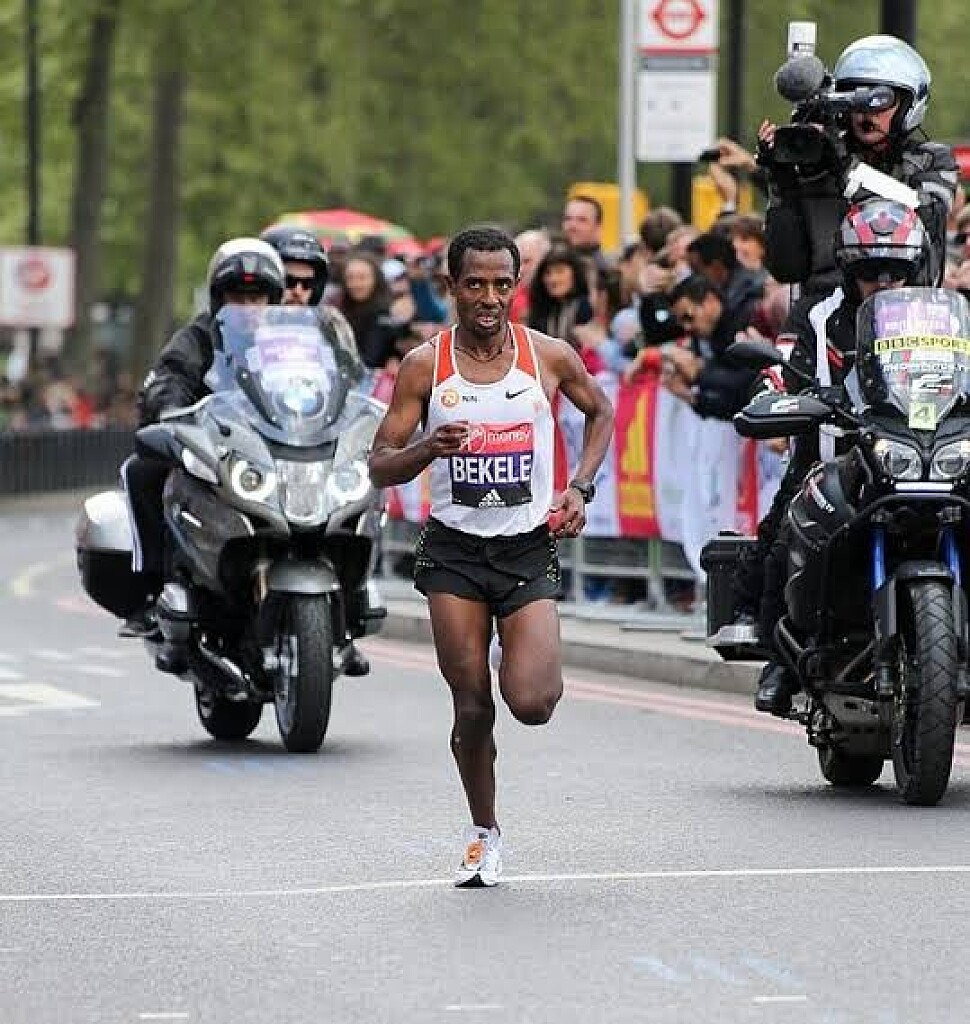
Kenenisa Bekele Targets Masters History In Valencia After Achilles Injury
Can The Legend Defy The Years? Kenenisa Bekele Is Chasing Another Piece Of History.
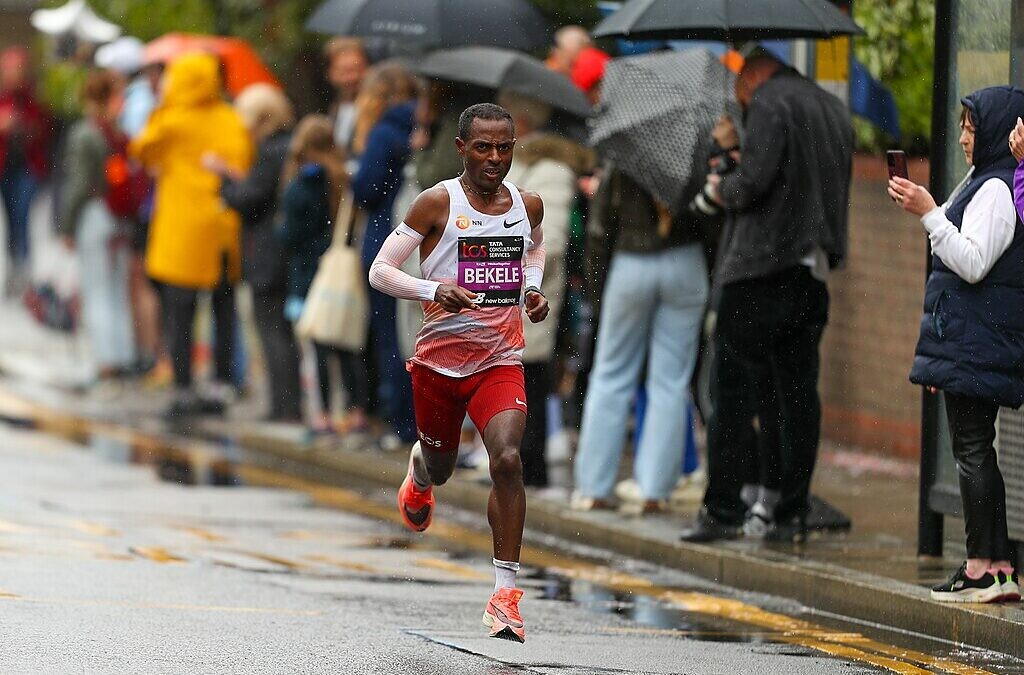
At 44, Ethiopian distance-running legend Kenenisa Bekele is preparing for another remarkable challenge as he returns to competition at the Valencia Half Marathon on October 25, 2026, only weeks after withdrawing from the Berlin Marathon because of a left Achilles tendon injury.
Rather than simply making a comeback, Bekele is targeting another piece of history. The three-time Olympic champion will have his sights set on the M40 world record of 59:53, held by Switzerland’s Tadesse Abraham.
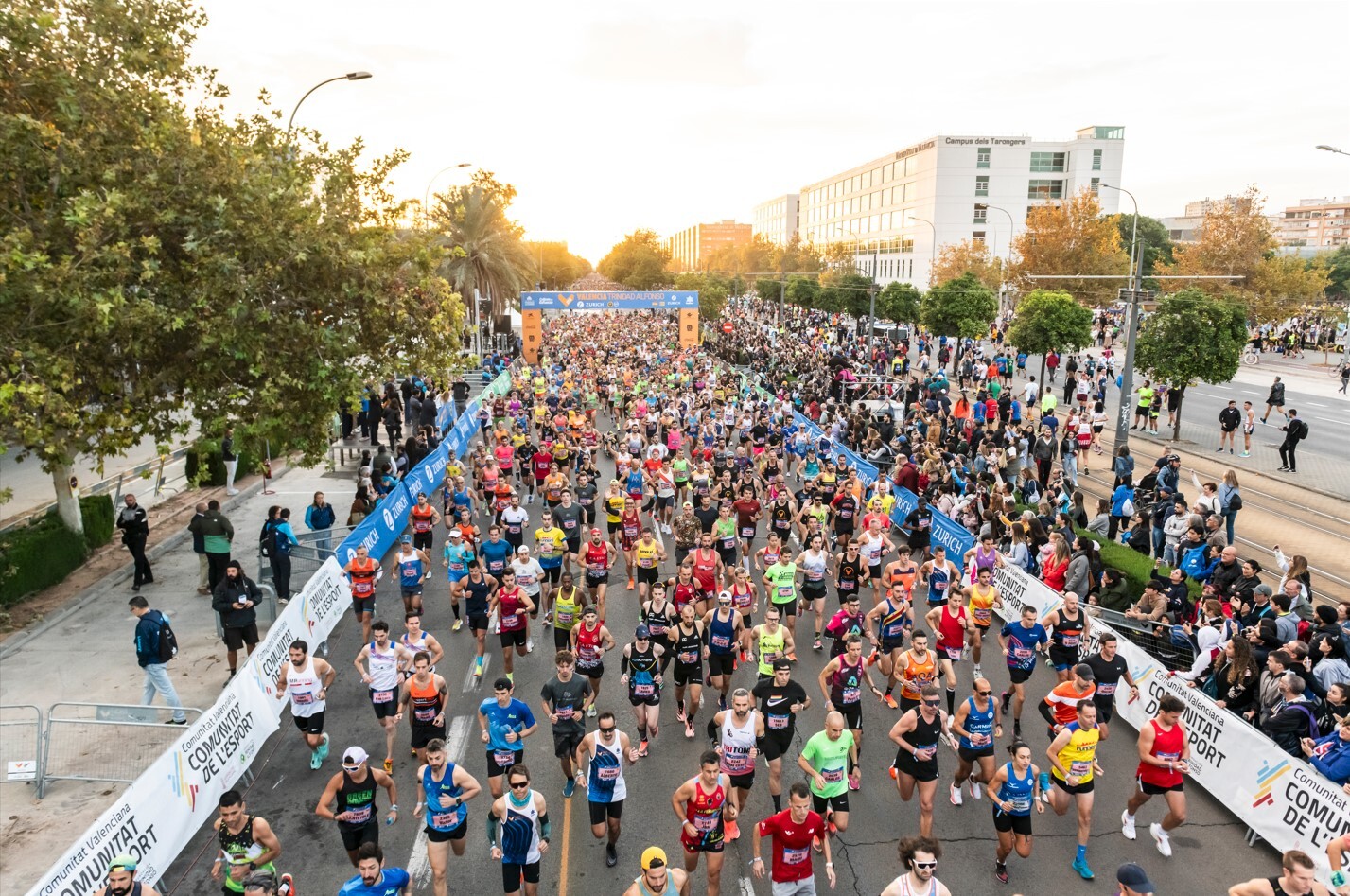
Bekele’s personal best stands at 1:00:22, set at the Big Half in London in 2020. To break Abraham’s mark, the Ethiopian will need to take almost 30 seconds off his best — a formidable challenge, particularly after an injury and a disrupted season.
But Bekele has never been a stranger to defying expectations. His return to Valencia comes at an age when most elite distance runners have long since retired, yet he continues to test himself against the best of a younger generation.
And the challenge awaiting him will be formidable. The men’s field includes Rodrigue Kwizera (58:16), Jemal Yimer (58:33), Tadese Worku (58:47) and Daniel Ebenyo (59:04), giving Bekele a formidable group of sub-one-hour performers to race alongside.
Bekele will wear bib number 18, adding another intriguing detail to a comeback that has already generated huge interest across the running world. Valencia’s famously fast course could provide the perfect setting for the Ethiopian to attack the clock if his body responds well on race day.
For Bekele, however, this is about more than a number on the clock. From his extraordinary track dominance to his longevity on the marathon and road-racing scene, he has repeatedly shown an ability to compete long after many expected his career to wind down.
Now, another chapter awaits in Valencia. Can the 44-year-old Ethiopian legend turn back the clock, overcome the effects of his Achilles injury and rewrite the masters record books? The answer will come on October 25.
by Erick Cheruiyot for My Best Runs.
Login to leave a comment
Valencia Half Marathon
The Trinidad Alfonso Valencia Half Marathon has become one of the top running events in the world. Valencia is one of the fastest half marathon in the world. The race, organized by SD Correcaminos Athletics Club, celebrated its silver anniversary in style with record participation, record crowd numbers, Silver label IAAF accreditation and an atmosphere that you will not find...
more...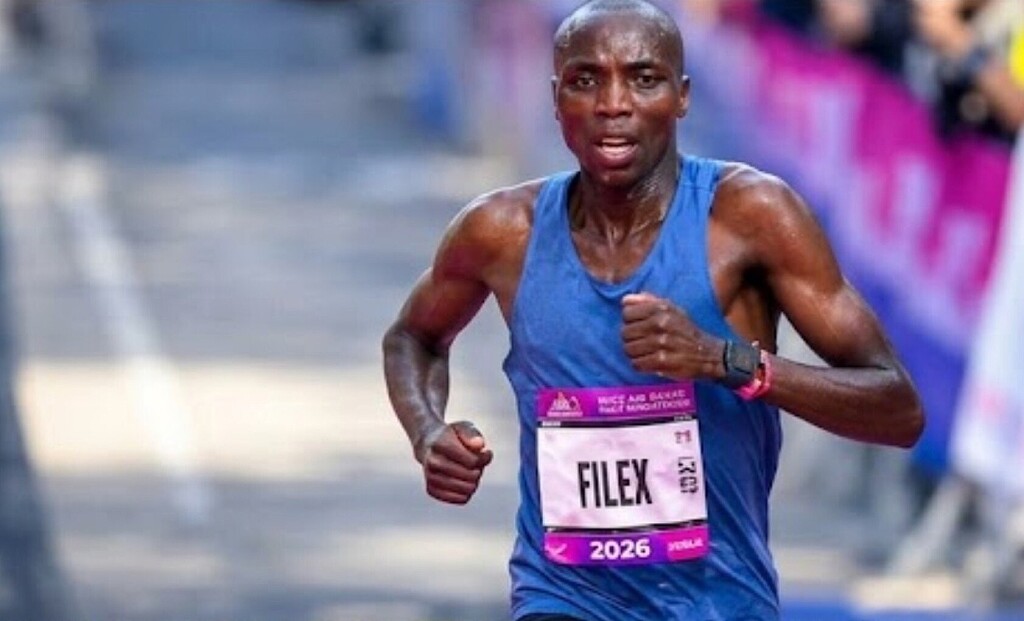
Filex Kibet Smashes Course Record as Netsanet Desta Claims Women’s Crown at Rome Half Marathon
Kenya’s Filex Kibet delivered a sensational performance at the 2026 Wizz Air Rome Half Marathon by Brooks, storming to victory in a remarkable 59:22 to establish a new men’s course record and headline an impressive display of distance running in the Italian capital.
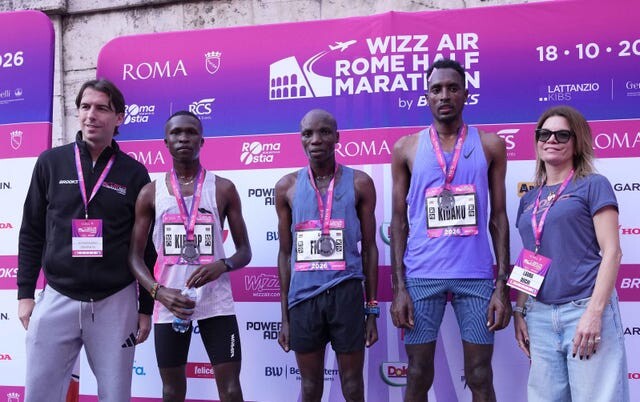
The Kenyan produced a commanding performance over the 21.0975km distance, combining speed, endurance and tactical discipline to secure the prestigious title. His record-breaking achievement was the defining moment of an exciting competition that brought together some of the finest road-running talents from East Africa.
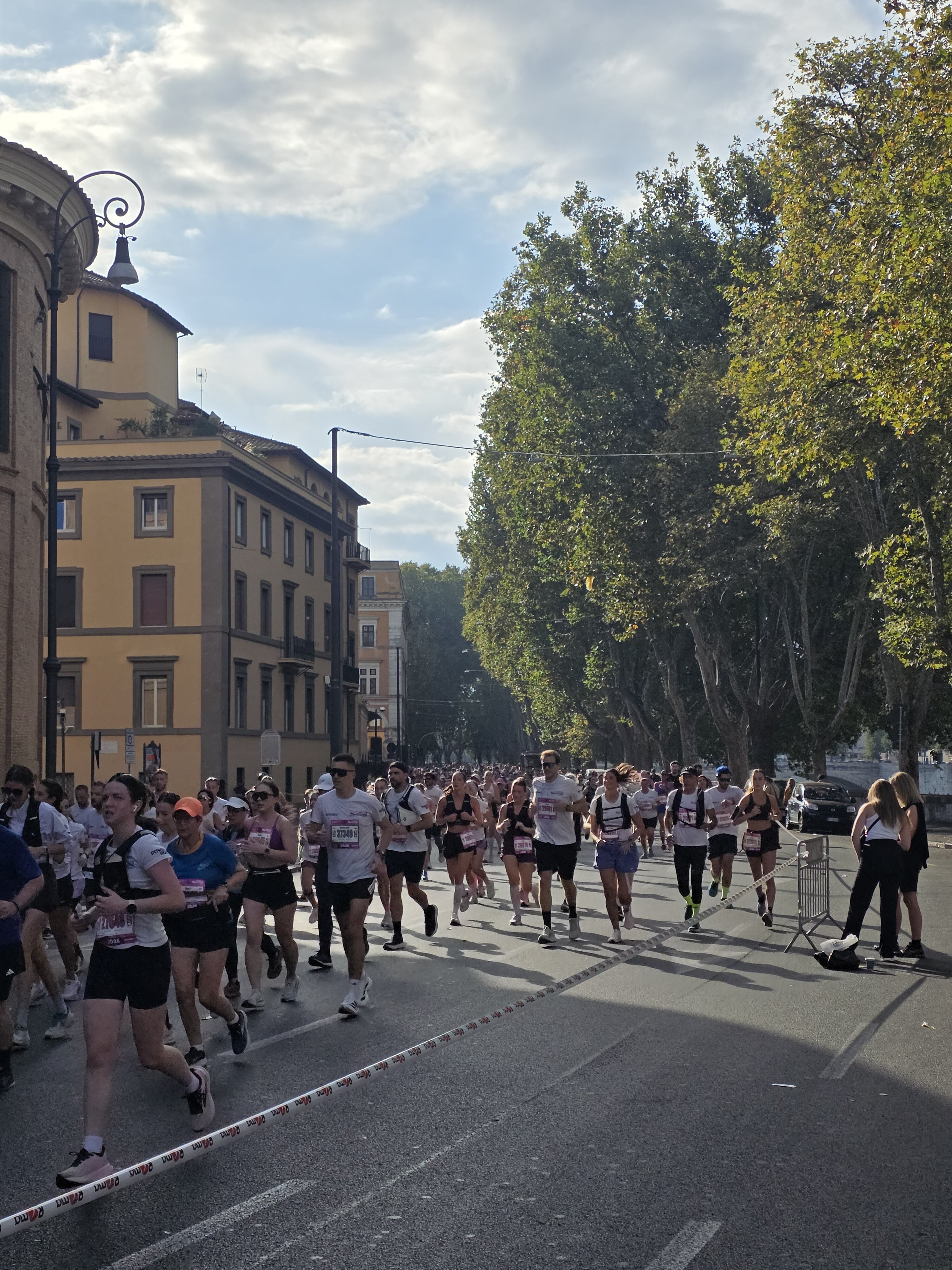
Kibet's winning time not only secured him a place in the event's history but also demonstrated his ability to compete at an exceptional level on the international road-running circuit. Breaking the one-hour barrier in a half marathon remains a significant benchmark in elite distance running, and his performance underlined the quality of the men's field.
Ethiopia's Selemon Atakiti Kidanu emerged as one of the standout performers of the day, producing an outstanding half-marathon debut to finish second in 59:38. Despite competing over the distance for the first time, the Ethiopian displayed remarkable composure and endurance, crossing the finish line just 16 seconds behind the eventual champion.
Kenya's Elisha Kiprop completed the men's podium after clocking 1:00:13, ensuring that two Kenyan athletes finished among the top three. His performance added further strength to Kenya's presence in a highly competitive race that saw the leading contenders produce impressive times on the streets of Rome.
While Kibet dominated the headlines in the men's competition, Ethiopia's Netsanet Desta delivered an equally impressive performance in the women's race, claiming victory in 1:07:26 to complete a memorable day of elite road racing.
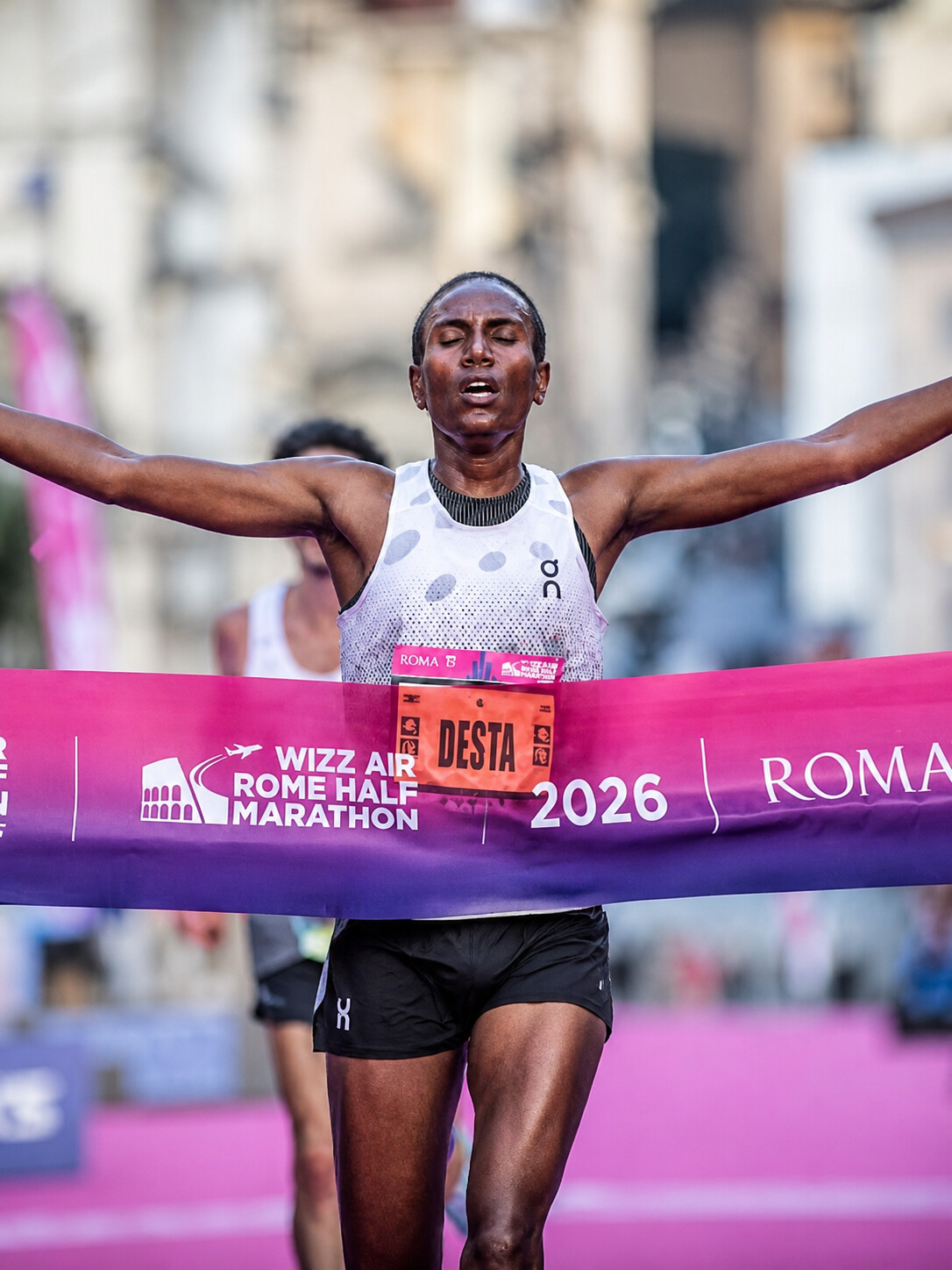
Desta demonstrated exceptional consistency throughout the demanding half-marathon distance, maintaining the pace necessary to overcome a competitive field and secure the women's title. Her victory highlighted Ethiopia's continued strength in international distance running.
Kenya's Regina Wambui Ndungu mounted a strong challenge but ultimately settled for second place in 1:07:48, finishing 22 seconds behind the Ethiopian champion. Ndungu's performance ensured Kenya was represented on both the men's and women's podiums.
Ethiopia's Yalemget Yaregal rounded out the women's top three, crossing the finish line in 1:08:22 to complete an impressive Ethiopian showing in the women's competition.
The contrasting victories of Kibet and Desta provided the perfect storyline for an event that continues to attract accomplished distance runners to one of Europe's most historic cities. With athletes competing against the clock and one another, the race delivered both a new course record and an impressive collection of performances.
For Kibet, the achievement represents another significant milestone, with his name now attached to the men's course record. His 59:22 performance establishes a new standard for future competitors seeking success at the Rome Half Marathon.
Kidanu's impressive debut also offered a glimpse of his potential over the distance, while the strong performances of Kiprop, Ndungu and Yaregal further demonstrated the depth of talent competing at the event.
The 2026 edition will be remembered particularly for Kibet's record-breaking triumph, as the Kenyan's exceptional run added a new chapter to the race's history and reinforced Rome's growing reputation as a destination for elite international road racing.
With the men's course record rewritten and two deserving champions crowned, the Italian capital once again provided a memorable stage for some of the world's most accomplished distance-running talents.
by Erick Cheruiyot for My Best Runs.
Login to leave a comment

Rome Half Marathon
An unforgettable race through the heart of Rome! The Rome Half Marathon will be an amazing opportunity to discover the city’s gems. The route, 21.0975 km long, will pass through the city center, crossing the city’s most iconic landmarks, including the Colosseum, the Circus Maximus, the Baths of Caracalla, Piazza Navona and many other historical sites. This incredible half marathon...
more...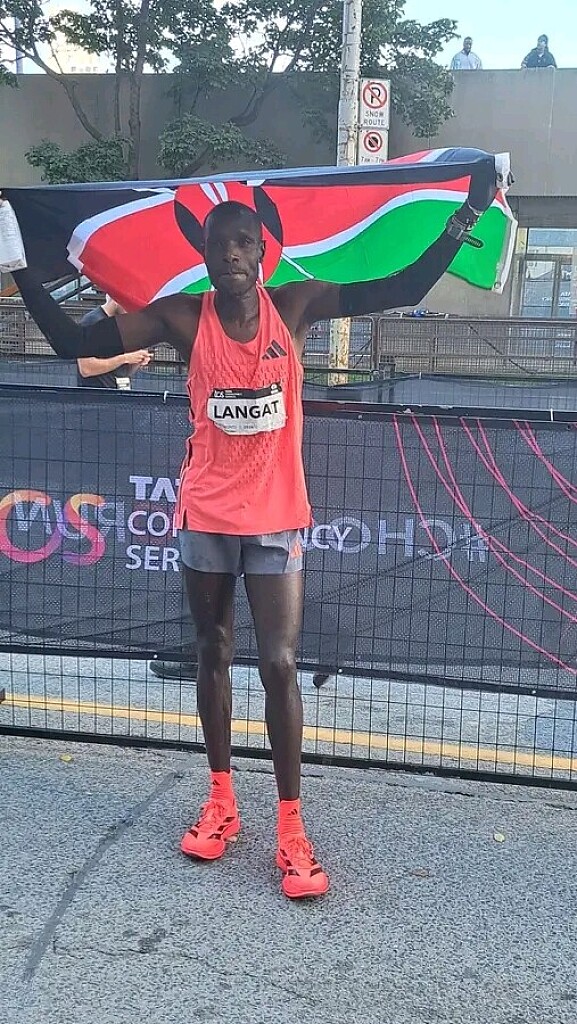
Leonard Langat Leads Kenyan Clean Sweep With Title Defence At Toronto Waterfront Marathon
Kenya delivered a commanding performance at the 2026 TCS Toronto Waterfront Marathon, as Leonard Langat successfully defended his title and led a remarkable Kenyan sweep of the men’s podium in Toronto, Canada.

Langat crossed the finish line in 2:06:51, confirming his dominance for a second consecutive year. The Kenyan distance runner once again demonstrated his strength and consistency over the 42.195-kilometre distance, retaining the crown he claimed in 2025.
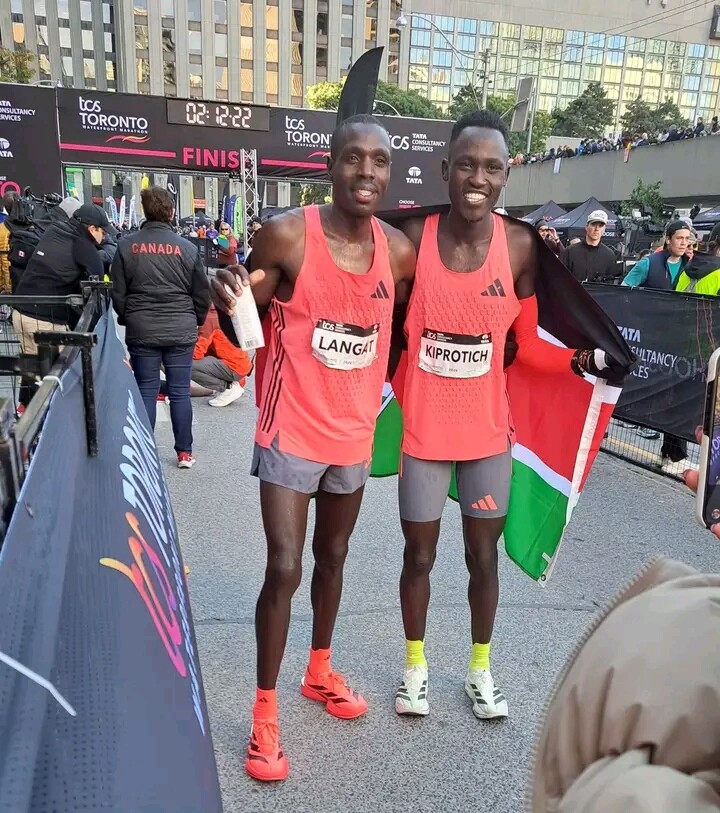
Fellow Kenyan Noah Kipkemboi secured second place in an impressive 2:07:21, while Fanny Kiprotich completed the all-Kenyan podium, finishing third in 2:07:25. The narrow four-second gap between Kipkemboi and Kiprotich added further intrigue to an outstanding Kenyan display.
Kenya’s dominance extended beyond the podium, with Absel Rutto finishing fourth in 2:07:32 and Elvis Cheboi taking fifth. The top five positions were occupied entirely by Kenyan athletes, underlining the country's remarkable depth and continued strength in international marathon running.
Langat's successful title defence was the highlight of a memorable day for Kenya, with three compatriots securing the podium places and five finishing among the top five. The performance reinforced Kenya's reputation as a powerhouse in long-distance running and demonstrated the country's ability to produce world-class marathoners.
The defending champion's victory was particularly significant given the competitive nature of the field, which featured accomplished marathon runners determined to challenge his supremacy. However, Langat rose to the occasion, producing another outstanding performance that demonstrated his ability to deliver under pressure on one of Canada's biggest road-running stages.
Meanwhile, Andrew Davies claimed the Canadian men's championship in 2:08:48. Davies delivered an impressive performance to become the leading Canadian finisher, earning national honours in a race that saw Kenyan athletes dominate the overall standings. His achievement provided a significant highlight for the home nation.
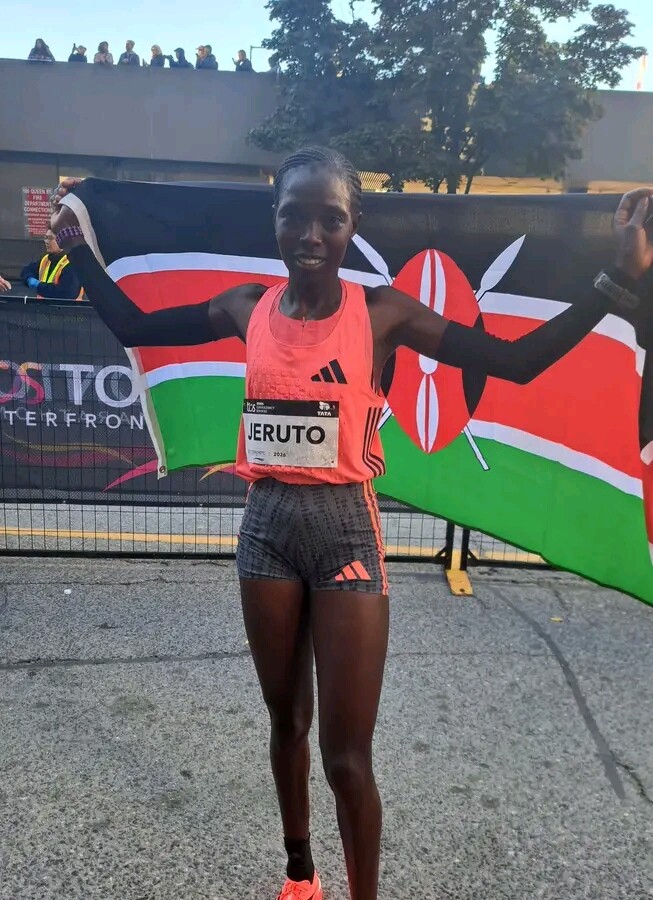
In the women's competition, Leah Jeruto emerged as the overall champion, crossing the finish line in 2:21:19 to secure victory at the 2026 TCS Toronto Waterfront Marathon. Her triumph added to Kenya's success at the event, making it another memorable outing for the country's distance-running contingent.
Jeruto faced strong competition from Ethiopia's Nigsti Haftu, who finished second in 2:21:34, just 15 seconds behind the winner. Fellow Ethiopian Ayinadis Teshome completed the women's podium in 2:22:51, while Biruktayit Degefa followed in fourth place with 2:24:07. Their performances highlighted the fierce rivalry between some of East Africa's leading marathon runners.
The women's race also demonstrated the remarkable depth of international marathon competition, with athletes from Kenya, Ethiopia and Canada producing impressive performances. Jeruto's victory, combined with Langat's successful title defence, ensured that Kenya celebrated a memorable double triumph in Toronto.
Canada also celebrated success in the women's national championship, with Dayna Pidhoresky taking the Canadian women's title in 2:26:02. Her performance highlighted the strength of the country's leading female distance runners and gave Canadian supporters another reason to celebrate at their home marathon.
Top 10 Men's Finishers – 2026 Toronto Waterfront Marathon
1. Leonard Langat (Kenya) – 2:06:51
2. Noah Kipkemboi (Kenya) – 2:07:21
3. Fanny Kiprotich (Kenya) – 2:07:25
4. Absel Rutto (Kenya) – 2:07:32
5. Elvis Cheboi (Kenya) – 2:07:37
6. Wesley Kiptoo (USA) – 2:08:08
7. Gizealew Ayana (Ethiopia) – 2:08:10
8. Yismaw Atinafu (Ethiopia) – 2:08:44
9. Andrew Davies (Canada) – 2:08:48
10. John Gay (Canada) – 2:13:01
Top 10 Women's Finishers – 2026 Toronto Waterfront Marathon
1. Leah Jeruto (Kenya) – 2:21:19
2. Nigsti Haftu (Ethiopia) – 2:21:34
3. Ayinadis Teshome (Ethiopia) – 2:22:51
4. Biruktayit Degefa (Ethiopia) – 2:24:07
5. Maritu Ketema (Kenya) – 2:24:45
6. Beatrice Cheserek (Kenya) – 2:24:54
7. Regina Cheptoo (Kenya) – 2:25:48
8. Dayna Pidhoresky (Canada) – 2:26:02
9. Betty Chepkorir (Canada) – 2:28:29
10. Florence Caron (Canada) – 2:29:37
Beyond the individual victories, the marathon once again demonstrated its importance as a major destination for elite distance runners seeking international recognition and competitive performances. The combination of established champions, emerging contenders and strong domestic representation contributed to another compelling edition of the prestigious Canadian road race.
With Langat defending his crown, Kenya sweeping the men's podium, Jeruto claiming the women's title, and Canadian champions Davies and Pidhoresky earning national honours, the 2026 TCS Toronto Waterfront Marathon delivered an impressive showcase of distance-running excellence. The event celebrated both international competition and domestic achievement, with Kenya's outstanding depth and Canada's leading runners sharing the spotlight.
by Erick Cheruiyot for My Best Runs.
Login to leave a comment
TCS Toronto Waterfront Marathon
The Scotiabank Toronto Waterfront Marathon, Half-Marathon & 5k Run / Walk is organized by Canada Running Series Inc., organizers of the Canada Running Series, "A selection of Canada's best runs!" Canada Running Series annually organizes eight events in Montreal, Toronto and Vancouver that vary in distance from the 5k to the marathon. The Scotiabank Toronto Waterfront Marathon and Half-Marathon are...
more...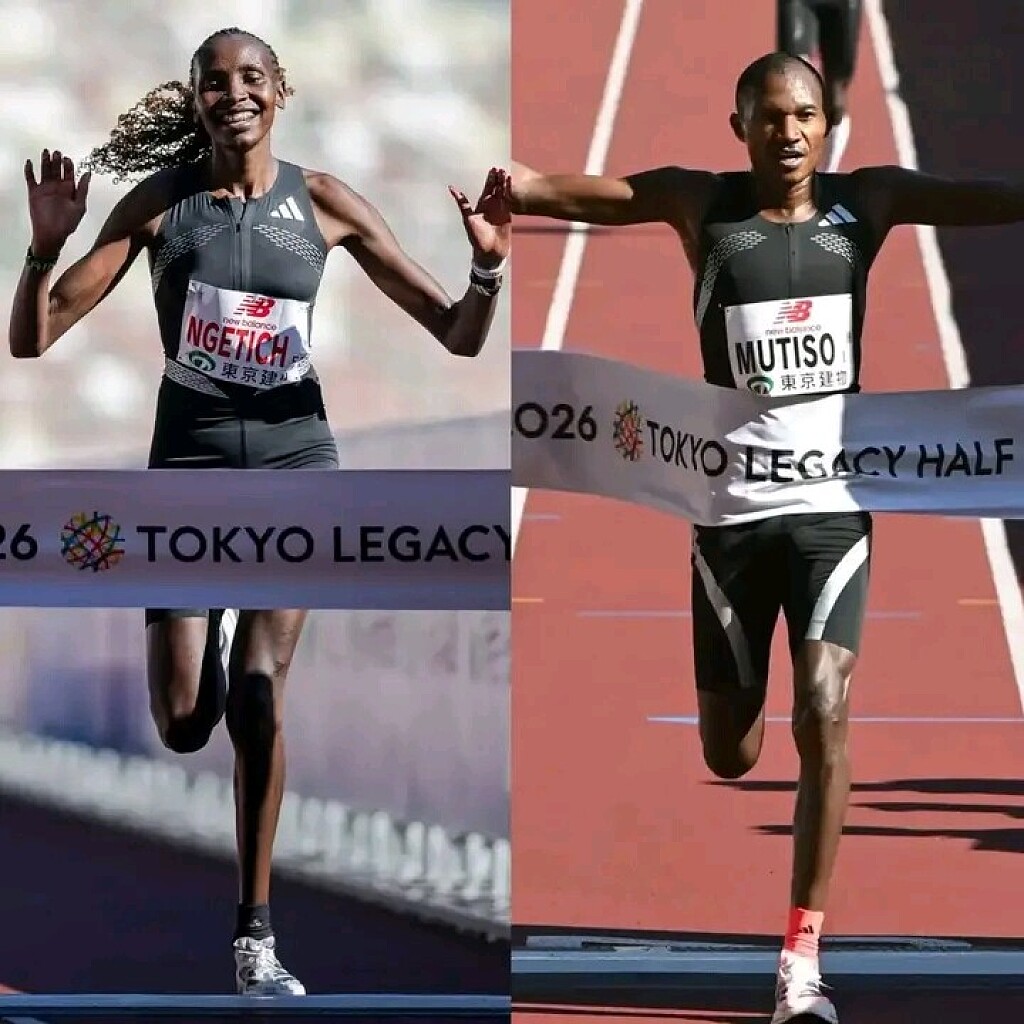
Alexander Mutiso Munyao and Agnes Ngetich Rewrite Tokyo Legacy Half Marathon Records With Kenyan Double Victory
Kenyan distance runners Alexander Mutiso Munyao and Agnes Jebet Ngetich delivered outstanding performances at the 2026 Tokyo Legacy Half Marathon, securing victories in the men's and women's races while setting new course records in a memorable display of Kenyan endurance and speed.
The two athletes produced impressive runs to underline Kenya's continued strength in international road racing, with Mutiso winning the men's race in 59:51 and Ngetich dominating the women's contest in 1:04:23.
Mutiso led the men's race with an impressive performance, crossing the finish line in 59 minutes and 51 seconds to claim the title and establish a new course record. His time improved the previous course record by one second, marking a significant achievement on the streets of Tokyo.
The Kenyan demonstrated the speed and endurance required to excel over the half-marathon distance, completing the 21.0975-kilometre race in under one hour. His performance further highlighted his ability to compete at the highest level of international road running and added another notable result to his racing career.
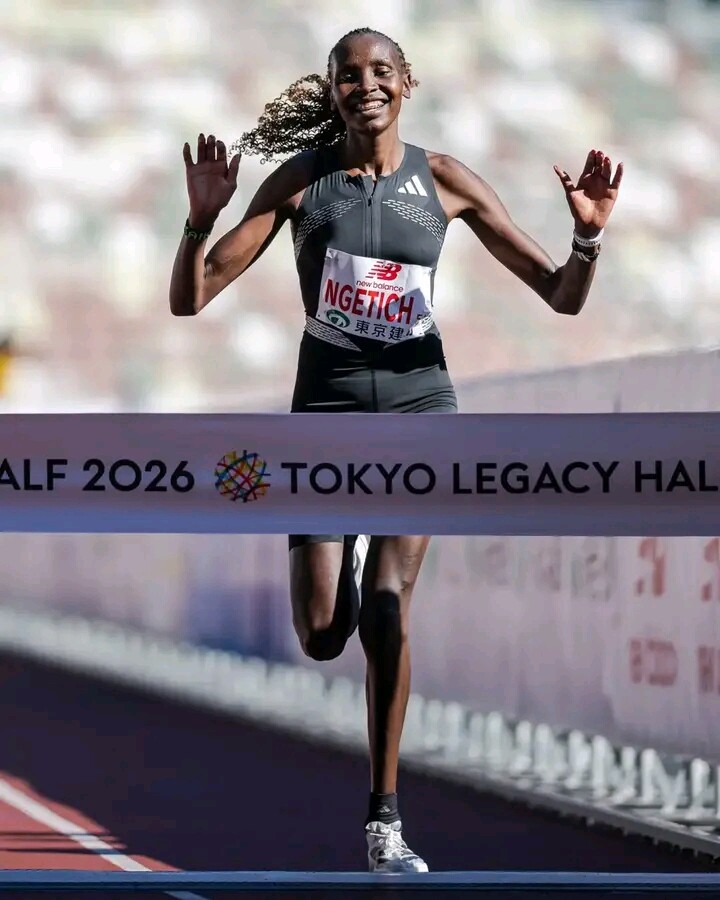
In the women's race, Ngetich delivered a commanding performance, stopping the clock at 1:04:23 to secure victory and lower the existing course record. The Kenyan star demonstrated remarkable strength and consistency, separating herself from the chasing pack as she powered towards the finish line.
Fellow Kenyan Tabita Jeli Kamau finished second in 1:08:28, more than four minutes behind Ngetich. The substantial margin underlined Ngetich's dominance on the day, as she produced an exceptional performance to secure the women's title and establish a new benchmark for the course.
Ngetich's time of 1:04:23 was an impressive achievement over the half-marathon distance, reflecting the exceptional pace and endurance that have made her one of Kenya's leading distance-running talents. Her victory further strengthened the country's reputation for producing athletes capable of delivering outstanding performances on the international road-running circuit.
The double victory gave Kenya plenty to celebrate in Tokyo, with both Mutiso and Ngetich combining individual success with new course records. Their performances highlighted the depth of Kenyan talent in road running and the country's continued presence among the leading forces in international distance athletics.
Beyond the two victories, the results demonstrated Kenya's ability to excel in both the men's and women's competitions on the same international stage. With Mutiso breaking the men's record and Ngetich producing a commanding women's victory, the Kenyan athletes turned the 2026 Tokyo Legacy Half Marathon into a memorable occasion for their country and another notable chapter in their respective careers.
by Erick Cheruiyot for My Best Runs.
Login to leave a comment

Tokyo Legacy Half Marathon
The Tokyo Legacy Half Marathon celebrates Tokyo's Olympic heritage, offering runners a scenic course through iconic landmarks, including start and finish at teh Olympic stadium. It attracts participants worldwide, promoting sportsmanship and cultural exchange. The event highlights Tokyo's vibrant atmosphere, combining athletic challenge with city exploration, making it a memorable experience for both local and international runners....
more...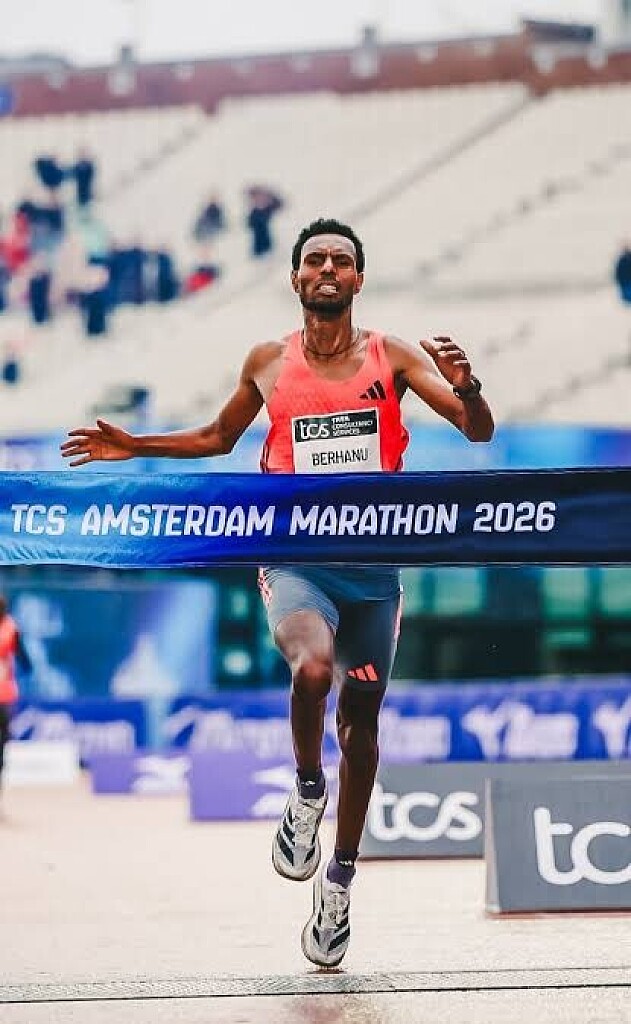
Lemi Berhanu Delivers Stunning 2:03:33 Victory After Thrilling Final-Kilometre Surge In Amsterdam
Ethiopian distance-running star Lemi Berhanu produced a sensational performance to win the 2026 TCS Amsterdam Marathon in a personal best of 2:03:33 on Sunday, overcoming fierce opposition from Kenya's Nicholas Kipkorir before unleashing a decisive finishing surge in the closing kilometre.
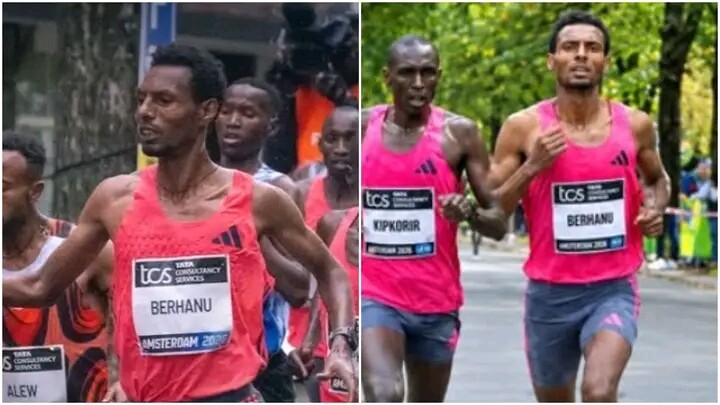
The 31-year-old's victory was a remarkable demonstration of endurance, tactical patience and determination. Having arrived in the Dutch capital with a previous personal best of 2:04:33, Berhanu improved his lifetime best by exactly one minute, delivering the fastest marathon of his career on one of the world's most renowned fast courses.
However, the victory was far from straightforward. Kenya's Kipkorir mounted a determined challenge in the closing stages, turning the contest into a gripping battle between two athletes determined to claim the Amsterdam crown.
With only a few kilometres remaining, Kipkorir surged towards the front, applying relentless pressure and forcing Berhanu to dig deep to remain in contention. The Kenyan's acceleration threatened to shift the balance of the race, creating an intense duel as the finish line drew closer.
Berhanu refused to surrender. Remaining composed under pressure, the Ethiopian stayed close to his rival, conserving enough energy to respond when the decisive moment arrived. Every stride carried enormous significance as the two leaders fought for supremacy in the closing kilometres.
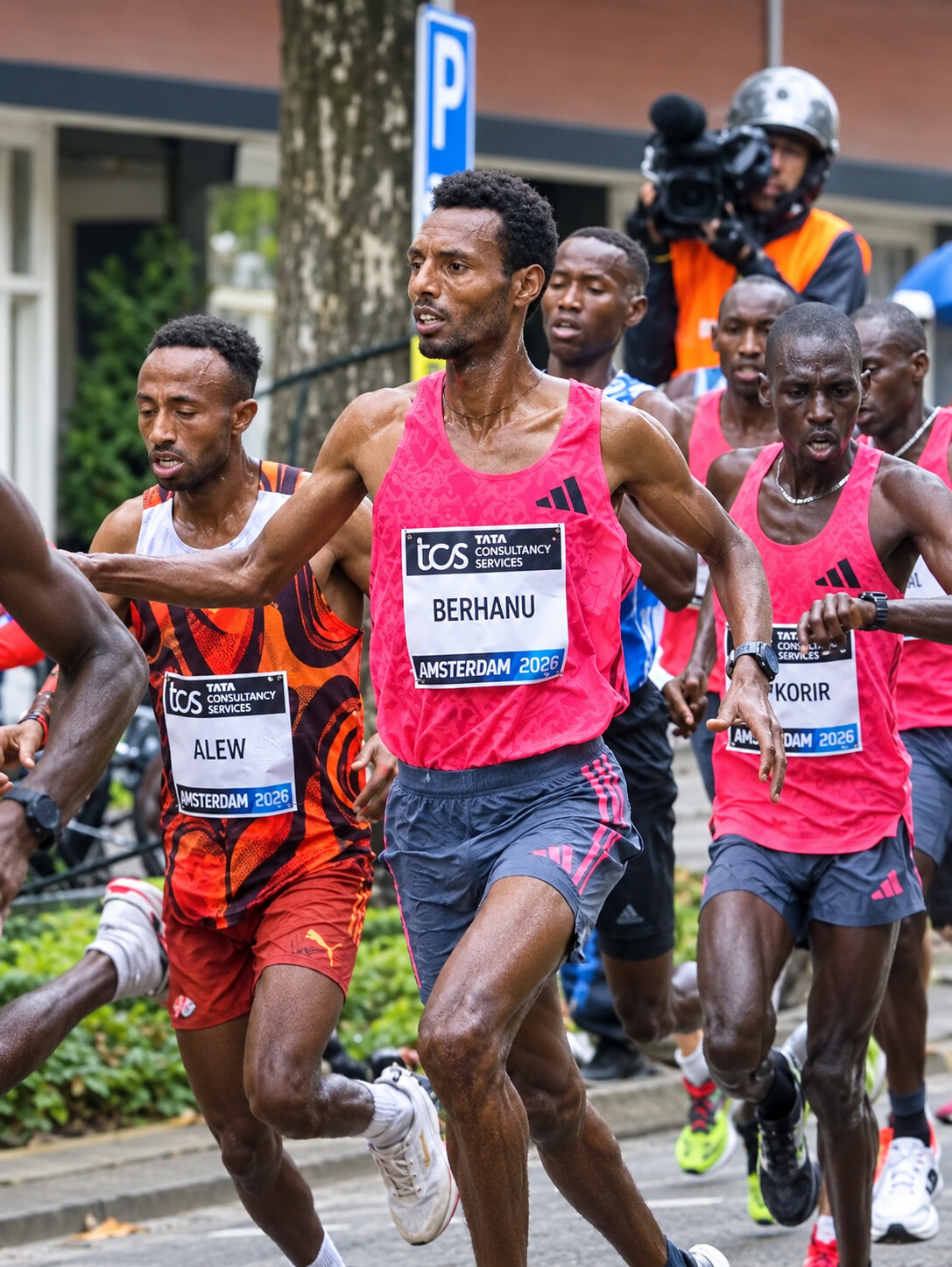
Then came the final kilometre.
With victory hanging in the balance, Berhanu unleashed a devastating finishing surge, finding another gear when it mattered most. His acceleration proved decisive, allowing him to edge away from Kipkorir and secure a memorable victory. The Kenyan fought bravely to the finish, but Berhanu's perfectly timed move ultimately made the difference.
Kipkorir crossed the line in 2:03:39, just six seconds behind the winner with a huge personal best, while compatriot Patrick Mosin completed the podium in 2:03:58. Their performances underlined the extraordinary quality of the men's field, which produced remarkable depth and speed throughout the race.
Berhanu's winning time was also just three seconds outside the Amsterdam Marathon course record of 2:03:30, established by Kenya's Geoffrey Kipchumba in 2025. Kipchumba returned to defend his title, but it was Berhanu who stole the spotlight with a performance that combined tactical intelligence with an exceptional finishing kick.
The Ethiopian's triumph carries additional significance given his long journey in elite distance running. In 2016, at just 21 years old, he announced himself on the international stage by winning the prestigious Boston Marathon. That breakthrough established him as one of Ethiopia's promising marathon talents and appeared to herald a career filled with major international victories.
Over the following decade, Berhanu continued building his career through international competitions, including races in Mumbai and Prague. Now, ten years after his Boston breakthrough, he has delivered another defining performance, demonstrating that experience and persistence can still produce extraordinary results at the highest level.
His Amsterdam victory also reinforces the race's reputation as a destination for world-class marathon performances. Known for its predominantly flat course and competitive elite fields, the Dutch capital continues to attract athletes looking to challenge their personal bests and produce exceptional times.
The 2026 men's race provided further evidence of that reputation, with all 10 leading finishers recording times of 2:05:16 or faster. Kenyan runners occupied five of the top six positions, highlighting the country's formidable depth in international marathon running.
2026 Amsterdam Marathon Men's Top 10 Results
1. Lemi Berhanu (Ethiopia) — 2:03:33
2. Nicholas Kipkorir (Kenya) — 2:03:39
3. Patrick Mosin (Kenya) — 2:03:58
4. Kalipus Lomwai (Kenya) — 2:04:09
5. Sila Kiptoo (Kenya) — 2:04:13
6. Justus Kangogo (Kenya) — 2:04:24
7. Jonathan Korir (Kenya) — 2:04:53
8. Isaia Lasoi (Kenya) — 2:04:57
9. Yihunilign Adane (Ethiopia) — 2:05:16
10. Yohei Ikeda (Japan) — 2:05:16
For Berhanu, however, the numbers tell only part of the story. His victory was built on patience under pressure, the courage to withstand Kipkorir's late challenge and the strength to produce a decisive acceleration when the race was on the line. A minute faster than his previous best, he has transformed a memorable win into a personal milestone.
Amsterdam has once again delivered a spectacular marathon, raising an increasingly compelling question for the global running community: does a race capable of producing such depth, speed and drama deserve a place among the Abbott World Marathon Majors?
With another outstanding edition now complete, Berhanu's triumph has given the Dutch capital a compelling new chapter in its marathon history.
by Erick Cheruiyot for My Best Runs.
Login to leave a comment
TCS Amsterdam Marathon
Do you want to enjoy Amsterdam in October and all that the city has to offer you? Want to feel a real athlete and start and finish in the historic Olympic stadium? Or run across the widely discussed passage under the beautiful National Museum? Then come to Amsterdam for the annual TCS Amsterdam Marathon in October! The TCS Amsterdam Marathon...
more...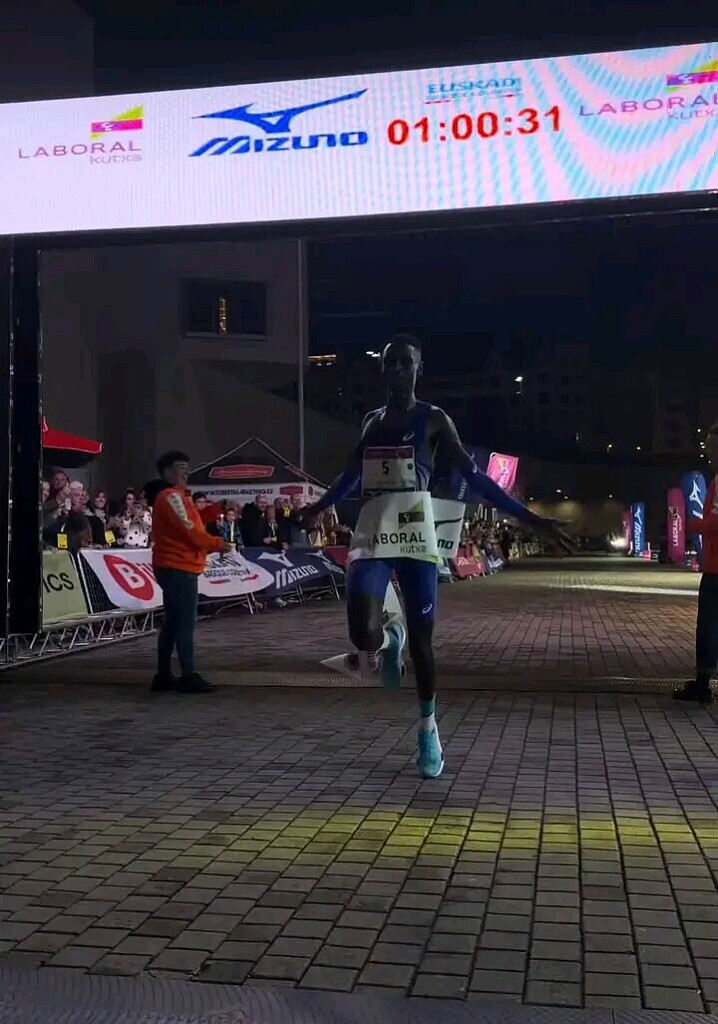
Deogratius Musobo Makes a Winning Statement in Bilbao with Course Record on Half Marathon Debut
Ugandan distance-running star Deogratius Musobo delivered an impressive performance in Spain, claiming victory at the Bilbao Half Marathon with a course record and a personal milestone that makes his achievement even more remarkable.
Musobo crossed the finish line in 1:00:34, producing a commanding performance on his half marathon debut to secure the title and establish a new course record. His breakthrough victory marks an exciting moment for Ugandan road running, as he demonstrated his ability to compete at a high level over the 21.1km distance.
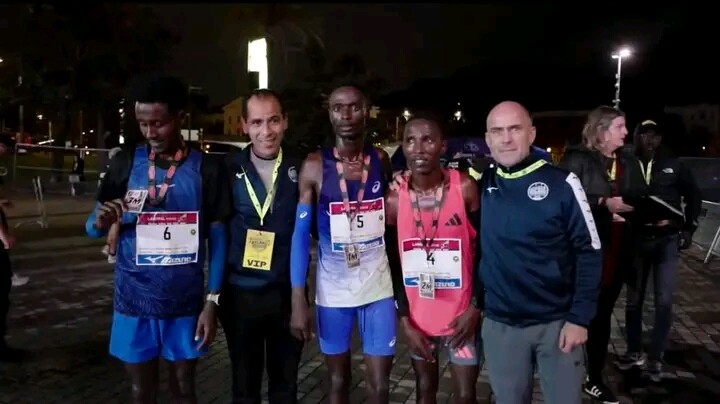
The race also produced a thrilling battle for the remaining podium positions, with Kenya’s Evans Kipkorir finishing just 11 seconds behind the winner. Kipkorir clocked 1:00:45, recording a personal best in an impressive display of consistency and determination.
Ethiopia’s Alemayehu Mulate Teshager completed the podium after crossing the line in 1:00:47, also achieving a personal best. The Ethiopian finished just two seconds behind Kipkorir, underlining how closely contested the fight for second place was.
The narrow margins between the three leading athletes highlighted the competitive quality of the race, with all three breaking the 61-minute barrier.
For Musobo, however, the day belonged to Uganda. To win a major road race on his debut over the half marathon distance while setting a course record is a significant achievement, offering an encouraging indication of what he could accomplish as he gains more experience over the distance.
His victory adds another memorable moment to Uganda’s growing presence in international distance running and provides fresh encouragement for the country’s athletes competing on the global road-running circuit.
With a course record already secured on his first attempt at the distance, Musobo has given himself a strong foundation for the next chapter of his career. His performance in Bilbao will be an important benchmark as he looks ahead to future challenges on the international road-running stage.
Musobo’s triumph was a proud moment for Ugandan athletics, while the personal-best performances from Kipkorir and Teshager added further quality to a memorable contest on the streets of Bilbao.
by Erick Cheruiyot for My Best Runs.
Login to leave a comment

Bilbao Night Half Marathon
The TotalEnergies Bilbao Night Marathon will celebrate its 14th edition on October 21, 2023, running through the most beautiful streets of the Biscayan capital together with 10,000 participants from 5 continents, to enjoy the quintessential night race on the Spanish calendar. This race has 3 distances (only the marathon distance is available at World’s Marathons at this moment), Marathon, Half...
more...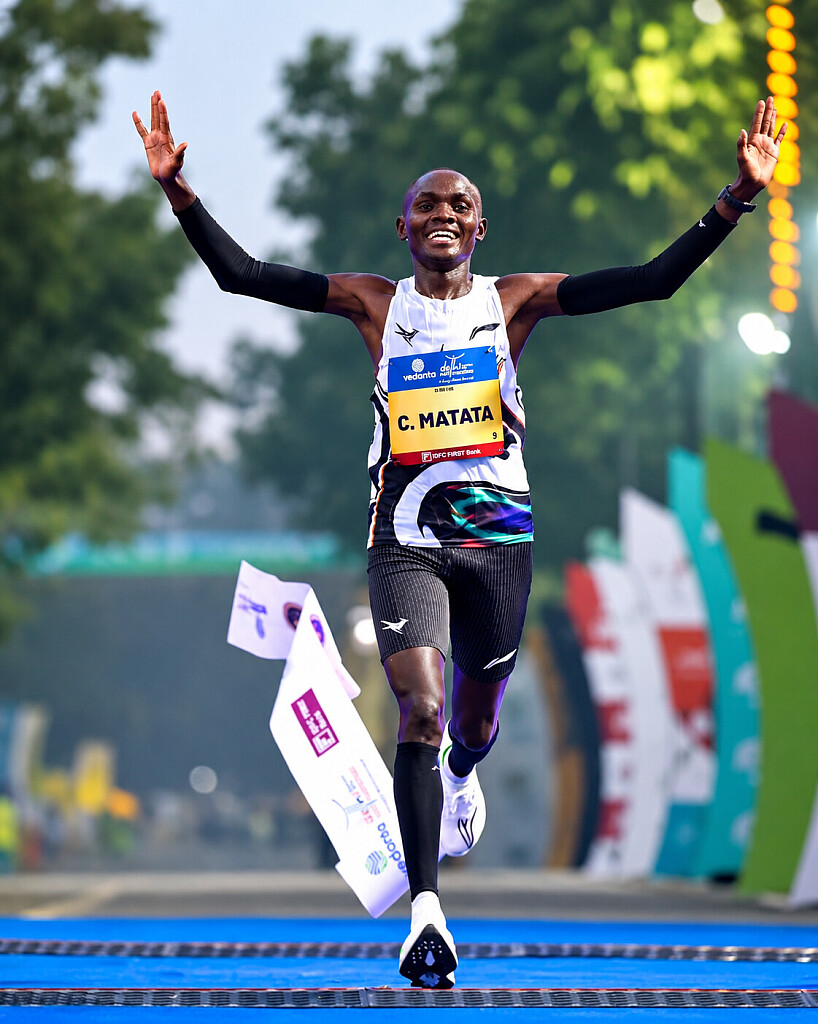
Charles Matata Breaks Course Record as Kenya Sweeps Men’s Podium While Ethiopia’s Wudinesh Alemu Shines in Delhi
The 2026 Vedanta Delhi Half Marathon delivered a spectacular celebration of international distance running on Sunday, October 18, with Kenya dominating the men’s race and Ethiopia claiming victory in the women’s contest.

Kenya’s Charles Mbatha Matata produced the standout performance of the day, storming to victory in a provisional course-record time of 58:52. Meanwhile, Ethiopia’s 19-year-old Wudinesh Alemu Keneni demonstrated remarkable composure to win the women’s race in 1:06:35, holding off a strong Kenyan challenge on the streets of New Delhi, India.
Matata’s triumph was particularly special because it continued a remarkable family story at the prestigious Indian road race. The Kenyan distance runner took control of the men’s contest and crossed the finish line in 58:52, lowering the previous course record of 58:53 set by Ethiopia’s Amedework Walelegn in 2020.
Beyond the record-breaking performance, Matata had another reason to celebrate. His twin brother, Alex Matata, won the same race in 2025, meaning the coveted Delhi title has remained in the family for two consecutive editions.
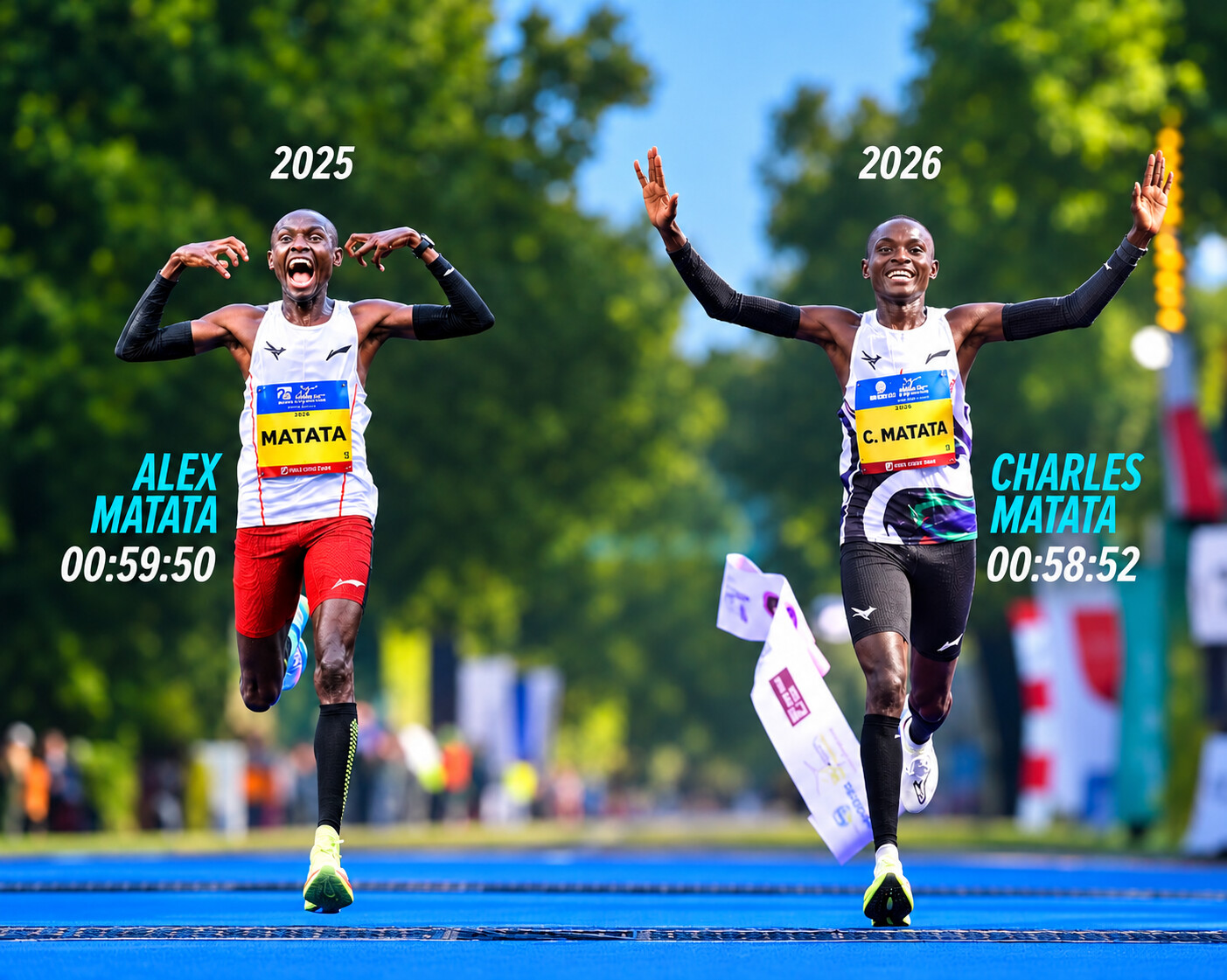
Different year, same family, and another moment of Kenyan glory. Charles has now joined his twin brother as a Delhi Half Marathon champion, creating a memorable chapter in the event’s history and highlighting the Matata family’s growing legacy in international road racing.
Charles’ achievement was complemented by a commanding Kenyan performance across the men’s field. Samwel Nyamai Mailu secured second place in 59:24, while Stanley Waithaka Mburu completed the podium in 59:33, giving Kenya a clean sweep of the top three positions.
Ethiopia’s Birhanu Legese Gurmesa was the leading non-Kenyan finisher, placing fourth in 1:00:33. He was followed closely by Kenya’s Samwel Chebolei Mosai, who clocked 1:00:34, while Ethiopia’s Negasa Dekeba Bikela completed the top six in 1:00:36.
The men’s race results underlined Kenya’s remarkable depth in distance running, with three athletes occupying the leading positions and Matata adding a course record to an already memorable victory.
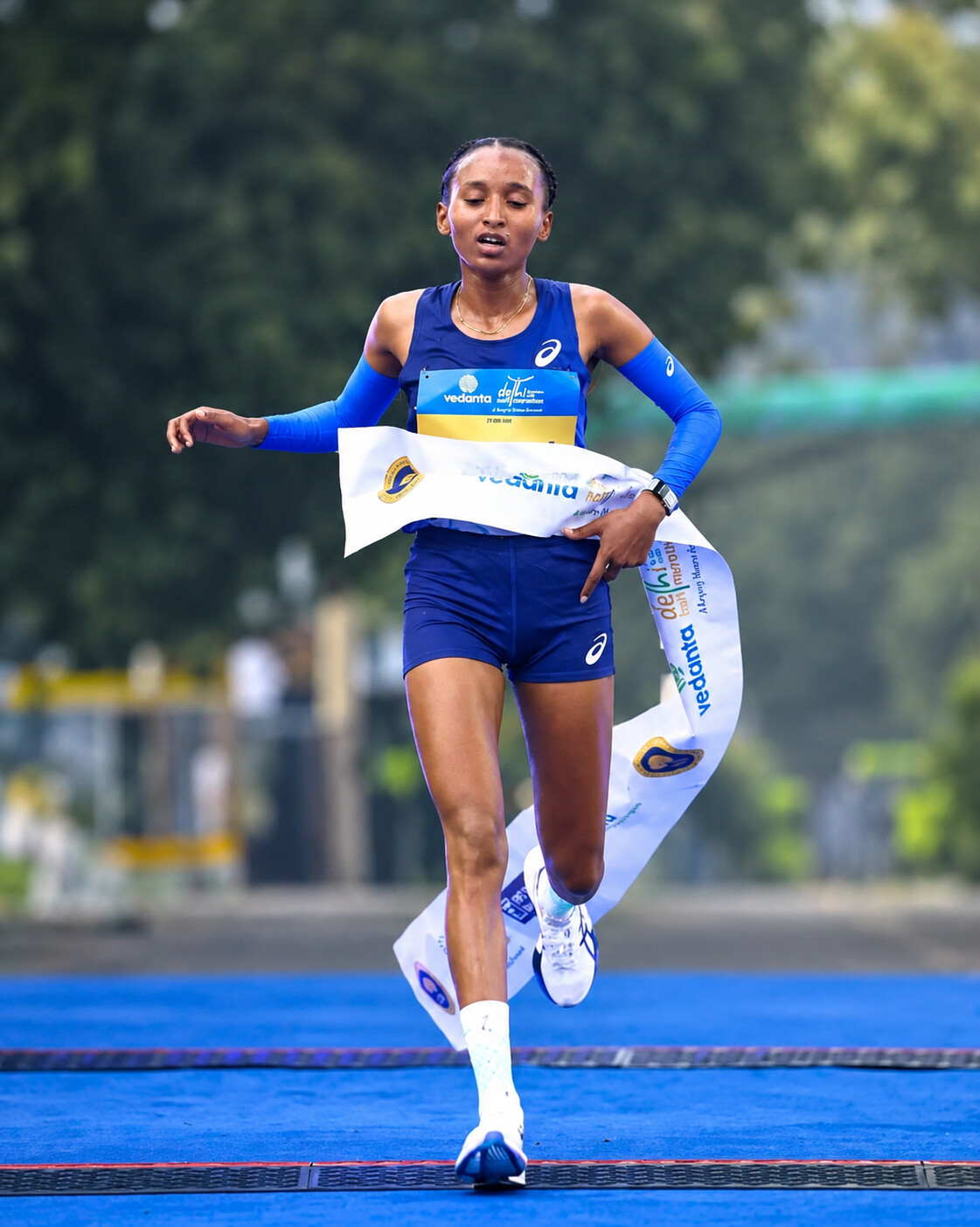
In the women’s competition, Ethiopia’s Wudinesh Alemu Keneni emerged as the day’s champion, delivering an impressive performance to win in 1:06:35 at just 19 years old.
Alemu’s victory was a significant achievement for the young Ethiopian, who faced a competitive international field featuring several accomplished Kenyan athletes. Her ability to maintain her advantage and secure the title highlighted her considerable promise as one of the emerging talents in women’s distance running.
Kenya’s Selah Jepleting Busienei finished second in 1:07:01, while compatriot Cynthia Chelangat Chepkwony claimed third place in 1:07:32. Their performances secured Kenya two places on the women’s podium, although Alemu proved strongest on the day.
The battle for the remaining positions was equally competitive. Irene Chepet Cheptai finished fourth in 1:07:33, just one second behind Chepkwony, while Maryam Lufti Njoki placed fifth in 1:08:12. Ethiopia’s Meselech Alemayehu Gedefaw completed the top six in 1:09:04.
The leading finishers in the men’s race were Charles Mbatha Matata of Kenya in 58:52, Samwel Nyamai Mailu of Kenya in 59:24, Stanley Waithaka Mburu of Kenya in 59:33, Birhanu Legese Gurmesa of Ethiopia in 1:00:33, Samwel Chebolei Mosai of Kenya in 1:00:34, and Negasa Dekeba Bikela of Ethiopia in 1:00:36.
In the women’s race, Wudinesh Alemu Keneni of Ethiopia won in 1:06:35, followed by Selah Jepleting Busienei of Kenya in 1:07:01, Cynthia Chelangat Chepkwony of Kenya in 1:07:32, Irene Chepet Cheptai of Kenya in 1:07:33, Maryam Lufti Njoki of Kenya in 1:08:12, and Meselech Alemayehu Gedefaw of Ethiopia in 1:09:04.
The Delhi Half Marathon once again demonstrated why it remains an important fixture on the international road-racing calendar, bringing together established performers and emerging talents for a compelling day of competition.
For Charles Matata, the victory was about more than individual success. By following in the footsteps of his twin brother Alex, he ensured that the Delhi crown remained in the family while delivering a provisional course record and leading Kenya to a complete sweep of the men’s podium.
For Alemu, winning at just 19 represents a promising milestone in what could become an exciting distance-running career. Her triumph showed that Ethiopia’s next generation continues to emerge strongly on the international stage.
Together, their performances made the 2026 edition a memorable occasion, celebrating Kenyan dominance, Ethiopian excellence, family achievement and the continuing appeal of elite half-marathon racing.
by Erick Cheruiyot for My Best Runs.
Login to leave a comment

Vedanta Delhi Half Marathon
The Airtel Delhi Half Marathon is a haven for runners, creating an experience, that our citizens had never envisaged. The streets of Delhi converted to a world-class running track. Clean, sanitized road for 21.09 kms, exhaustive medical support system on the route, timing chip for runners, qualified personnel to ensure smooth conduct of the event across departments. The race...
more...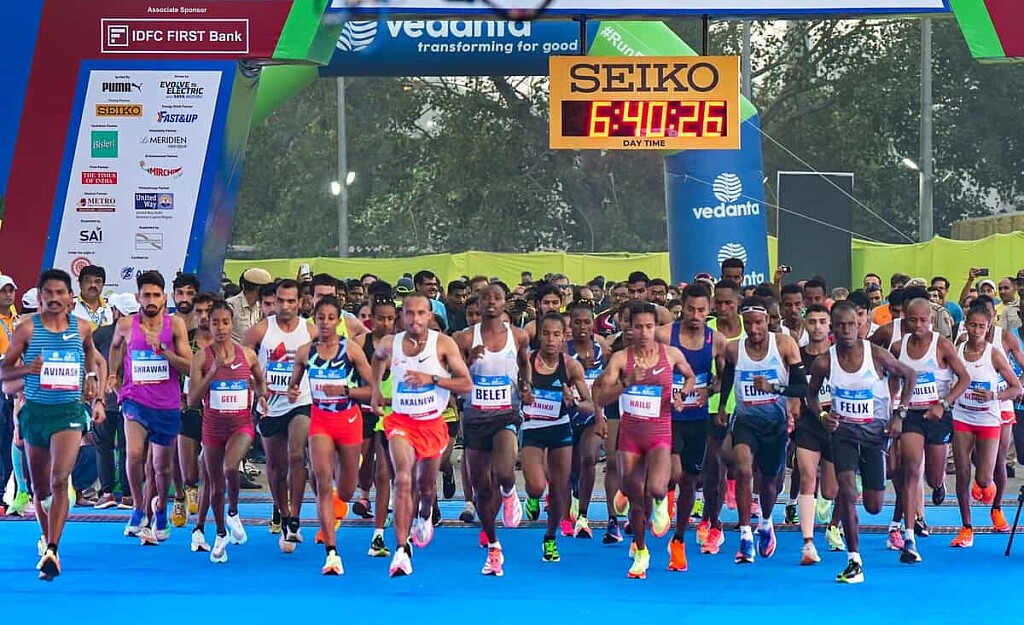
Elite Fields Unveiled For 2026 Vedanta Delhi Half Marathon As Kenyan And Ethiopian Stars Prepare For Battle
The elite start lists for the 2026 Vedanta Delhi Half Marathon have been unveiled, setting the stage for a compelling contest featuring some of the strongest distance runners from Kenya, Ethiopia and beyond.
Scheduled for October 18, the prestigious Indian road race has assembled a formidable international field, with established champions, proven half-marathon performers and ambitious debutants all preparing to take on the streets of New Delhi.
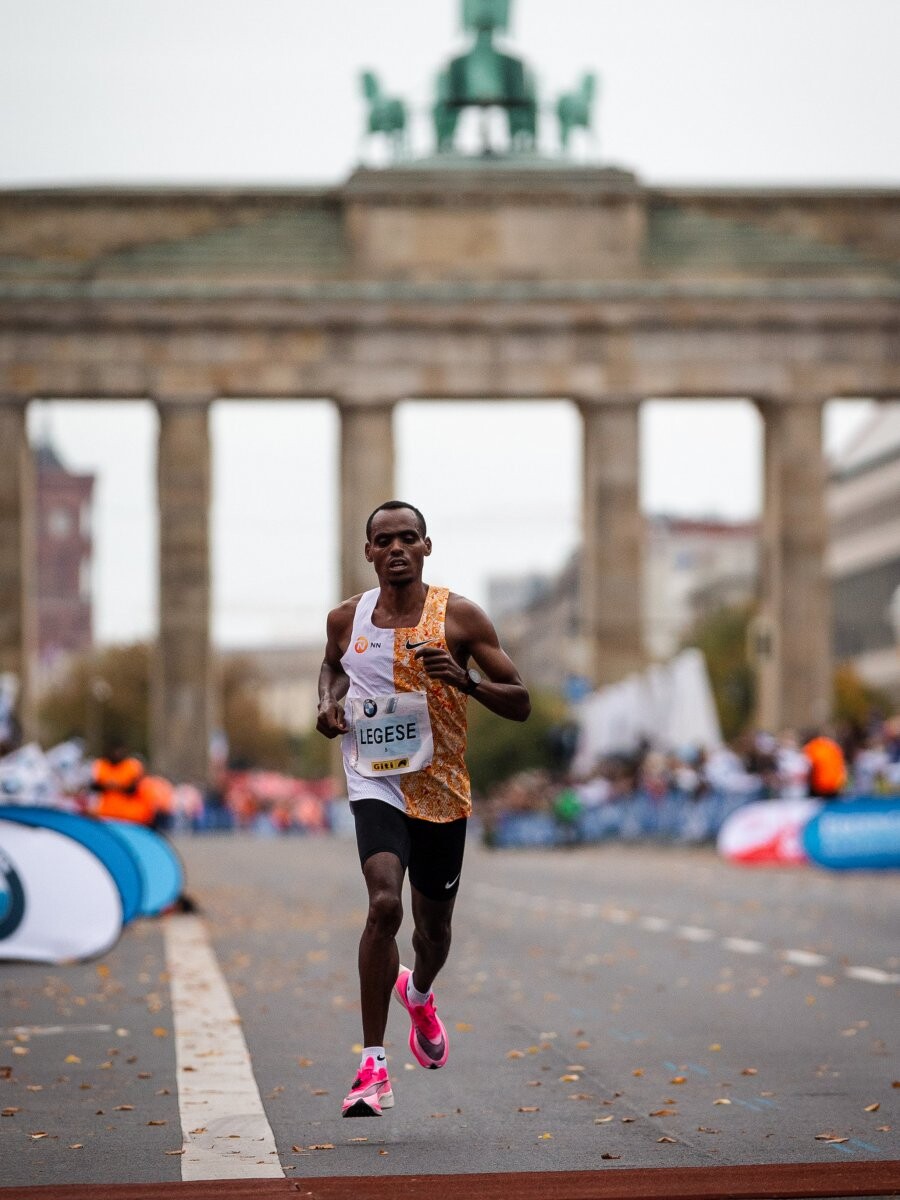
The men's race promises an intriguing showdown, led by Ethiopian star Birhanu Legese, whose personal best of 58:59 makes him one of the leading names on the entry list. Kenya's Samwel Chebolei Masai boasts an even faster personal best of 58:48, while compatriots Charles Mbatha Matata, Samwel Mailu and Robert Kiprop Koech bring impressive credentials, with personal bests of 59:15, 59:19 and 59:51 respectively.
The Kenyan challenge is particularly deep, with Samwel Chebolei Masai, Charles Mbatha Matata, Samwel Mailu, Robert Kiprop Koech, Jamal Kiprono, Peter Tuitoek and Stanley Waithaka among the athletes capable of making the contest highly competitive. Ethiopia will also be represented by Tesfaye Deriba, Melaku Belachew, Kasu Tsegaye and other experienced runners, while Tanzania's Daniel Sinda and Morocco's Abderrahmane Aferdi add further international depth to the men's field.
Attention will also be on Kenyan debutant Benson Kiplangat and Ethiopian newcomer Daniel Zewudu Bekele, both listed without a personal best. Their inclusion adds an element of uncertainty, as they prepare to test themselves against established performers on one of the world's prominent half-marathon stages.
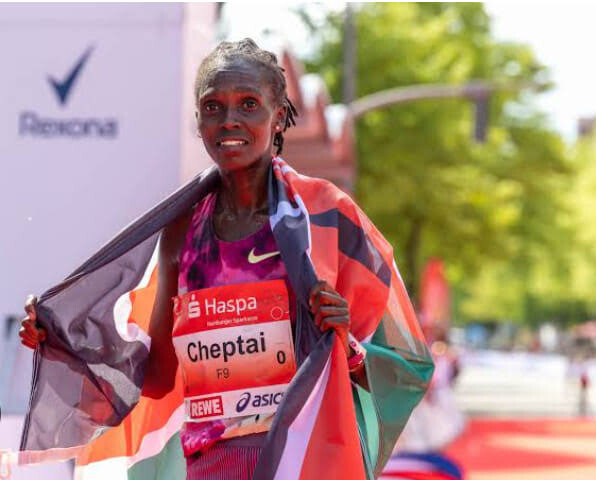
The women's race is equally compelling, with Kenya's Irine Chepet Cheptai heading the entry list by personal best, having clocked 1:04:53. Her compatriot Cynthia Jerotich Limo follows with 1:06:04, narrowly ahead of Israel's Lonah Chemtai Salpeter, whose personal best stands at 1:06:09.
Kenya's Cynthia Chepkwony, with a personal best of 1:06:49, further strengthens the country's challenge, while Ethiopia brings a formidable group led by Asmarech Anley, who has run 1:07:01. Melal Siyoum Biratu, Sewareg Haymanot, Wudinesh Alemu and Kiros Muaz are among the other Ethiopian athletes expected to contribute to the depth of the women's contest.
The Kenyan women's contingent also includes Orba Chemurgor, Caren Chebet and Selah Buseinei, while Christine Njoki Nalimo and Beatrice Chepkoech are listed for their half-marathon debuts. Ethiopia's debutants include Silnat Bitwe, Wubrist Aschal and Worknesh Yehualaw, creating further intrigue around how the newcomers will perform against more experienced opposition.
With established names boasting personal bests around the 59-minute mark in the men's race and the 64-minute range in the women's contest, the stage is set for a high-quality display of endurance and tactical racing. However, personal bests alone will not determine the outcome, with race-day conditions, pacing and tactical decisions likely to play crucial roles.
The Vedanta Delhi Half Marathon continues to attract leading international distance runners, bringing together athletes from different nations in a race where reputation must ultimately be matched by performance.
On October 18, the focus will shift from the names on the start lists to the athletes on the road, as Kenya and Ethiopia renew their rivalry in pursuit of victory in New Delhi.
by Erick Cheruiyot for My Best Runs.
Login to leave a comment
Vedanta Delhi Half Marathon
The Airtel Delhi Half Marathon is a haven for runners, creating an experience, that our citizens had never envisaged. The streets of Delhi converted to a world-class running track. Clean, sanitized road for 21.09 kms, exhaustive medical support system on the route, timing chip for runners, qualified personnel to ensure smooth conduct of the event across departments. The race...
more...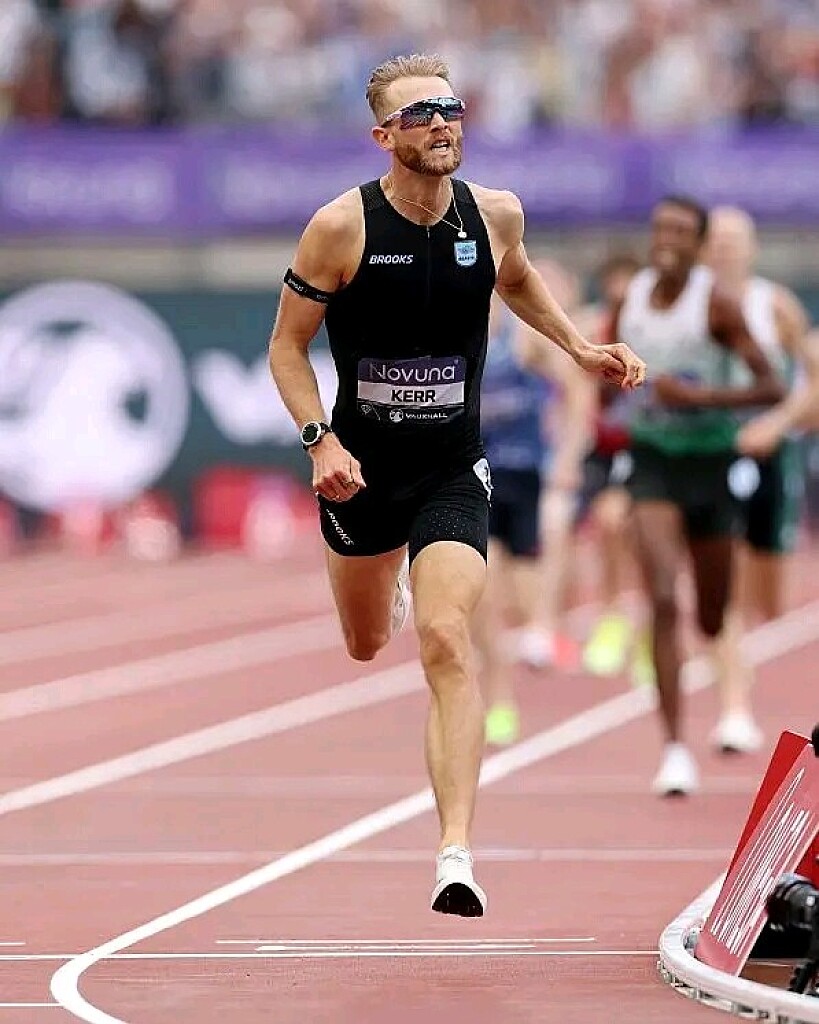
Josh Kerr Returns To Murrayfield As A World Champion To Deliver Scotland’s Match Ball Against New Zealand
Scottish athletics star Josh Kerr is preparing for a memorable return to his sporting roots when he delivers the match ball ahead of Scotland’s highly anticipated clash against New Zealand in the Nations Championship on November 7, 2026, at Murrayfield Stadium.

For the Edinburgh-born middle-distance runner, the occasion represents far more than a ceremonial appearance before an international rugby match. It brings him back to a stadium closely connected to his childhood dreams, his family’s sporting heritage and his lifelong admiration for Scottish rugby.
Kerr, 29, has established himself as one of the leading figures in world athletics, winning major championship titles and rewriting the record books. Yet, long before he became an internationally recognised runner, he grew up in a family where rugby occupied a special place.
His father, John Kerr, represented Scotland A, while his older brother, Jake Kerr, earned a senior Scotland cap in 2019. Growing up surrounded by the sport, Josh once dreamed of representing Scotland himself in front of a packed Murrayfield crowd.
Although his career ultimately took a different direction, his achievements on the track have now created an opportunity to return to the famous stadium in an extraordinary way.
Describing the occasion as a “huge honour,” Kerr will take centre stage before Scotland face the formidable challenge of the All Blacks, one of international rugby’s most celebrated teams.
The fixture carries considerable significance for the hosts, who will be seeking their first-ever victory over New Zealand. With Murrayfield expected to provide an electric atmosphere, Kerr’s involvement adds another personal story to an occasion steeped in sporting tradition.
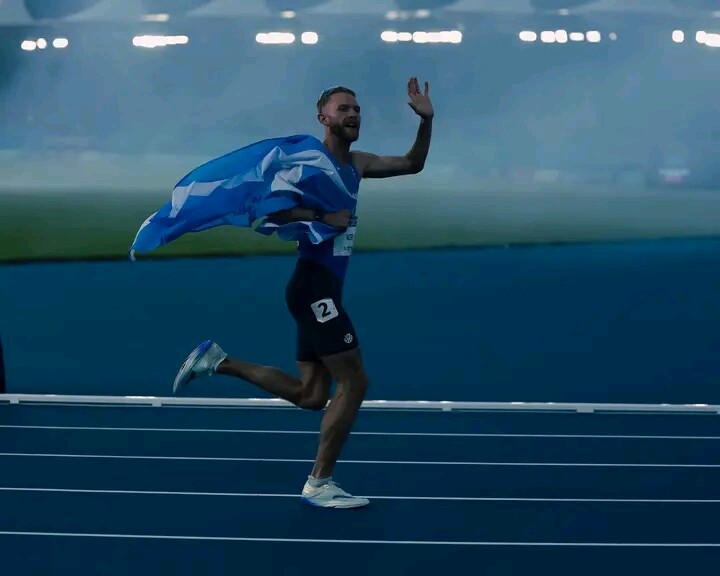
His appearance also comes after a remarkable season in which he has continued to demonstrate his versatility and competitive strength at the highest level of athletics.
Kerr won the men’s 3,000 metres at the World Athletics Indoor Championships in Poland before producing a historic performance in London, where he set a mile world record of 3:42.66. He later claimed victory in the 1,500 metres at the Ultimate Championship in Budapest, further underlining his status among the world’s elite middle-distance runners.
His world mile record carries a particularly interesting connection to New Zealand, the homeland of legendary runner John Walker, who held the previous world record for several years during the golden era of middle-distance running.
Walker’s achievements helped establish the mile as one of athletics’ most prestigious events, and Kerr’s ascent to the top of the same record books has created a remarkable link between two generations of champions.
Reflecting on that achievement, Kerr said: “To now hold that same record is something I’m incredibly proud of.”
The connection adds another layer of sporting significance to his appearance before Scotland take on the All Blacks. Although the two sports demand different skills, both celebrate the same qualities of determination, courage and the pursuit of excellence.
Murrayfield itself has witnessed numerous unforgettable occasions throughout its history. Among them is the emotional match-ball delivery by the late Doddie Weir in 2017, a moment recently voted the greatest in the stadium’s 100-year history. Weir, the former Scotland international who became a prominent campaigner for motor neurone disease awareness, left a lasting legacy that extended well beyond rugby.
Kerr’s appearance will provide another opportunity to celebrate the connection between sporting achievement and personal history, although his own story is distinct from Weir’s extraordinary legacy.
For the Edinburgh-born runner, the significance lies in returning to a place he once associated with a dream of representing his country in rugby. Instead, he will arrive as a world champion in another discipline, carrying the accomplishments of an exceptional athletics career.
From winning global titles to breaking the mile world record, Kerr has already created a lasting place for himself in Scottish sporting history. His visit to Murrayfield offers a different kind of milestone, bringing together his family’s rugby heritage and his own success on the international stage.
When Scotland welcome New Zealand on November 7, Kerr will not be lining up for a race or chasing another record. He will instead deliver the match ball before thousands of supporters, celebrating the sport that helped shape his childhood while representing a country whose colours he has carried to the summit of world athletics.
Sometimes, a sporting journey does not lead to the destination first imagined. For Josh Kerr, however, it has brought him back to Murrayfield with a world record, championship gold and a lifetime of memories behind him.
by Erick Cheruiyot for My Best Runs.
Login to leave a comment
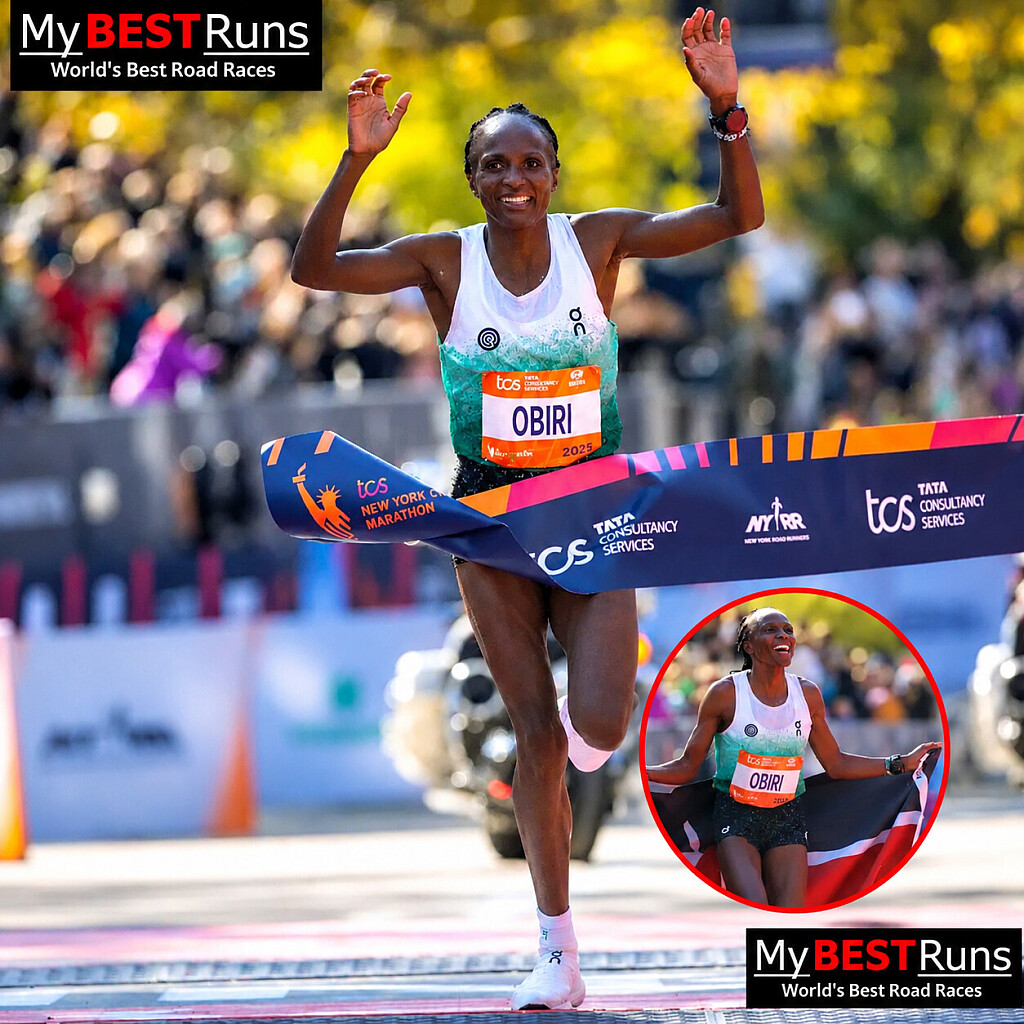
Hellen Obiri Returns To New York With History In Her Sights As Star-Studded Field Targets Marathon Glory
Kenyan marathon star Hellen Obiri is set to return to the streets of New York City on November 1, 2026, determined to defend her title at the TCS New York City Marathon and strengthen her place among the greatest women ever to grace the 26.2-mile distance.
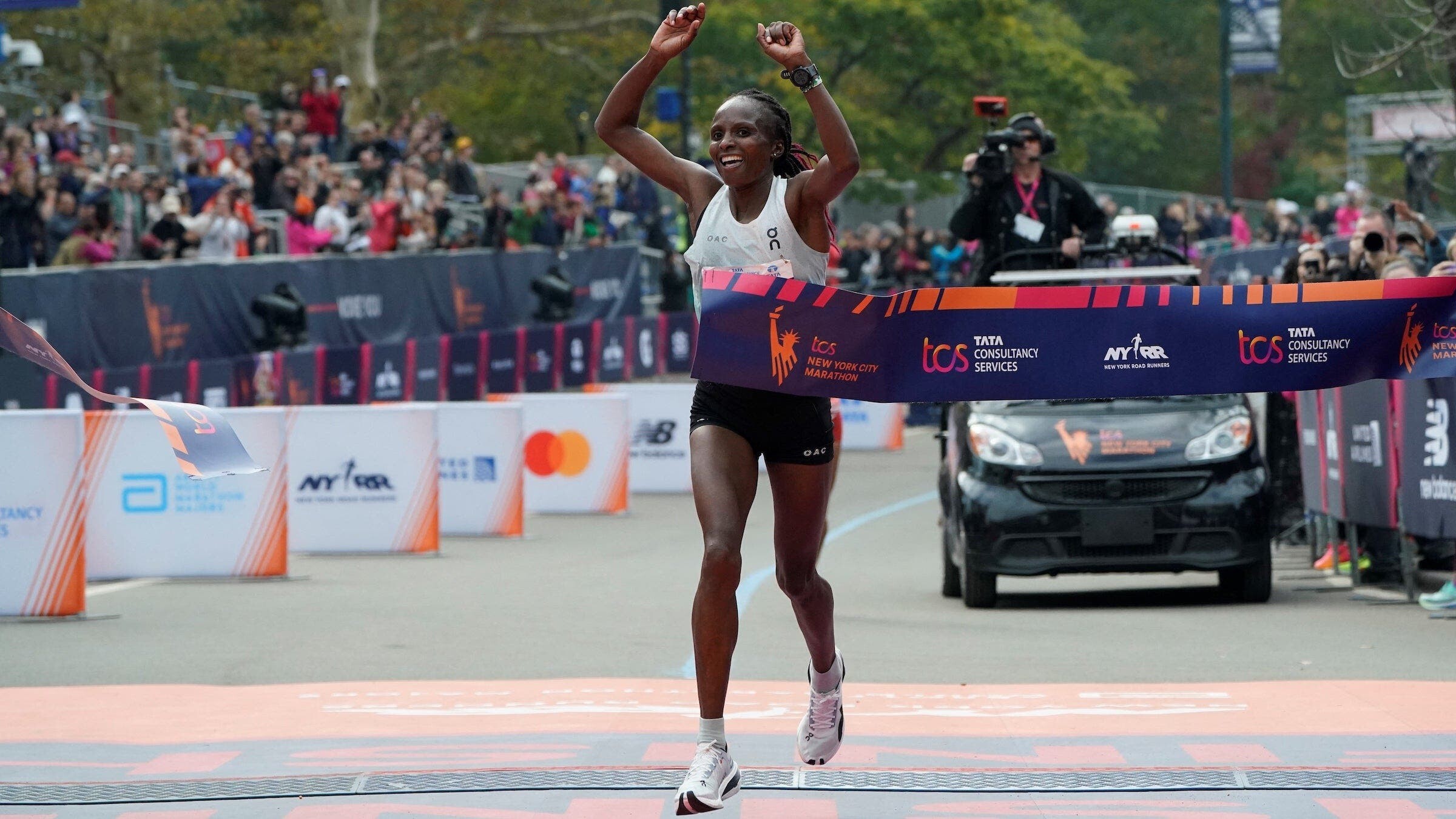
The two-time Olympic bronze medallist produced a remarkable performance in 2025, winning in 2:19:51 and breaking the women's course record that had stood for 22 years. Her victory underlined her exceptional ability to combine speed, strength and tactical intelligence on one of the world's most demanding marathon courses.
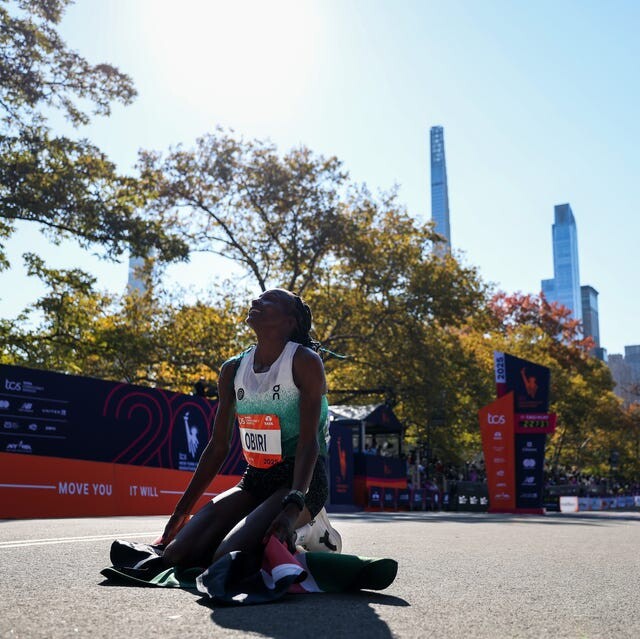
Now, Obiri returns to a city where she has already established herself as a formidable force, carrying the pressure that comes with being the defending champion and the opportunity to achieve another historic milestone.
A third New York City Marathon victory would place the Kenyan among an elite group of women who have won the prestigious race three times, alongside legendary champions Grete Waitz, Mary Keitany and Paula Radcliffe. Such an achievement would further enhance a career that has already brought her Olympic medals, world titles and major marathon victories.
However, another triumph will not come easily. The women's field features several accomplished international athletes, each bringing a different set of strengths and ambitions to the race.
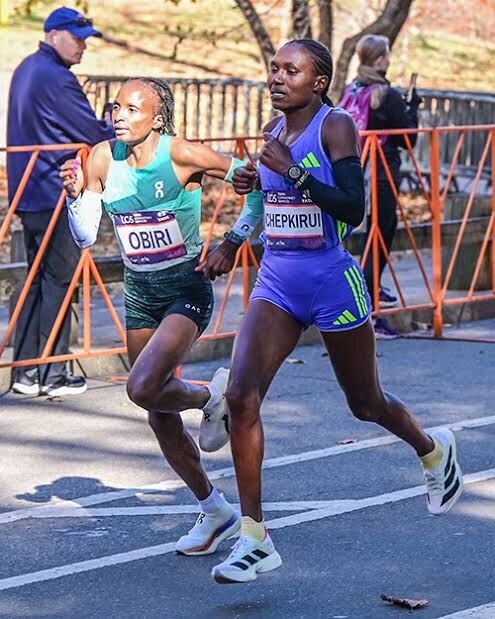
Fellow Kenyan Sheila Chepkirui will be among the leading challengers. The 2024 New York City Marathon champion returns with a personal best of 2:17:29, giving her the credentials to mount a serious challenge. Having already demonstrated that she can master the city's demanding course, Chepkirui will be eager to reclaim the title.
Ethiopian star Gotytom Gebreslase also adds considerable quality to the lineup. The 2022 world marathon champion owns a personal best of 2:18:11 and has the championship experience required to compete at the highest level. Her presence adds another layer of intrigue to a contest that could develop into a fierce battle among some of the world's leading marathon runners.
Kenya's Edna Kiplagat brings a wealth of experience to the field. A former world champion with an outstanding record on the international stage, the veteran remains a respected competitor whose patience and tactical awareness could prove valuable if the race develops into a closely contested affair.
Great Britain's Julia Paternain will also attract attention following her bronze-medal performance at the 2025 World Athletics Championships. Her championship credentials make her an interesting addition to a field in which experience, endurance and the ability to respond under pressure could determine the final outcome.
American hopes will be led by athletes including Weini Kelati and Jess McClain. Kelati is preparing to make her marathon debut after establishing herself among the leading American distance runners, while McClain will be looking to make her presence felt against a strong international opposition on home soil.
Beyond these prominent names, the depth of the women's lineup promises a competitive contest, with additional athletes hoping to upset the established favourites and seize their opportunity on one of marathon running's biggest stages.
The race will, however, proceed without two notable names. Dutch star Sifan Hassan and American Fiona O'Keeffe have withdrawn, removing two highly anticipated competitors from the women's contest.
Even with their absence, the defending champion faces a formidable challenge. New York's bridges, rolling terrain and late-race demands often reward runners who can manage their effort carefully and deliver when the decisive moments arrive.
For Obiri, the mission is clear: defend her crown, preserve her course record and move one victory closer to an exclusive place in the race's history. For Chepkirui, Gebreslase and the rest of the field, the objective is to prevent the Kenyan star from turning another appearance in New York into a celebration of her growing marathon legacy.
When the world's leading women line up on November 1, the spotlight will once again fall on Obiri. Yet the New York City Marathon rarely follows a predictable script, and the strength of this field suggests that the defending champion will have to earn every metre of her title defence.
One thing is certain: the battle for women's marathon supremacy in New York promises to deliver a compelling contest, with history within Obiri's reach and a determined group of challengers ready to stand in her way.
by Erick Cheruiyot for My Best Runs.
Login to leave a comment
TCS New York City Marathon
The first New York City Marathon, organized in 1970 by Fred Lebow and Vince Chiappetta, was held entirely in Central Park. Of 127 entrants, only 55 men finished; the sole female entrant dropped out due to illness. Winners were given inexpensive wristwatches and recycled baseball and bowling trophies. The entry fee was $1 and the total event budget...
more...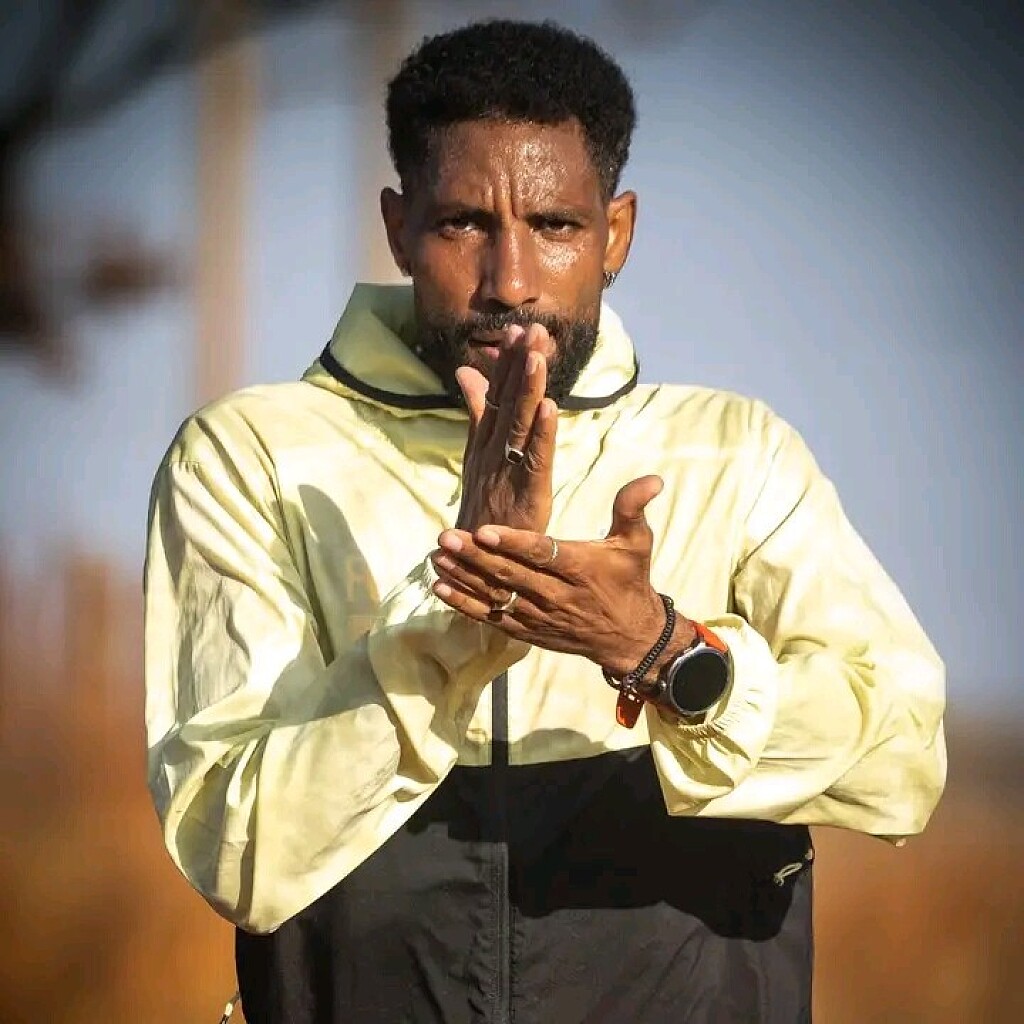
Amanal Petros Leads Frankfurt Marathon’s Fastest-Ever Men’s Field as European Record Comes Into View
The 2026 Mainova Frankfurt Marathon is shaping up to be one of the most compelling races of the autumn, with German distance-running star Amanal Petros leading an exceptionally strong men’s field assembled for the October 25 showdown.
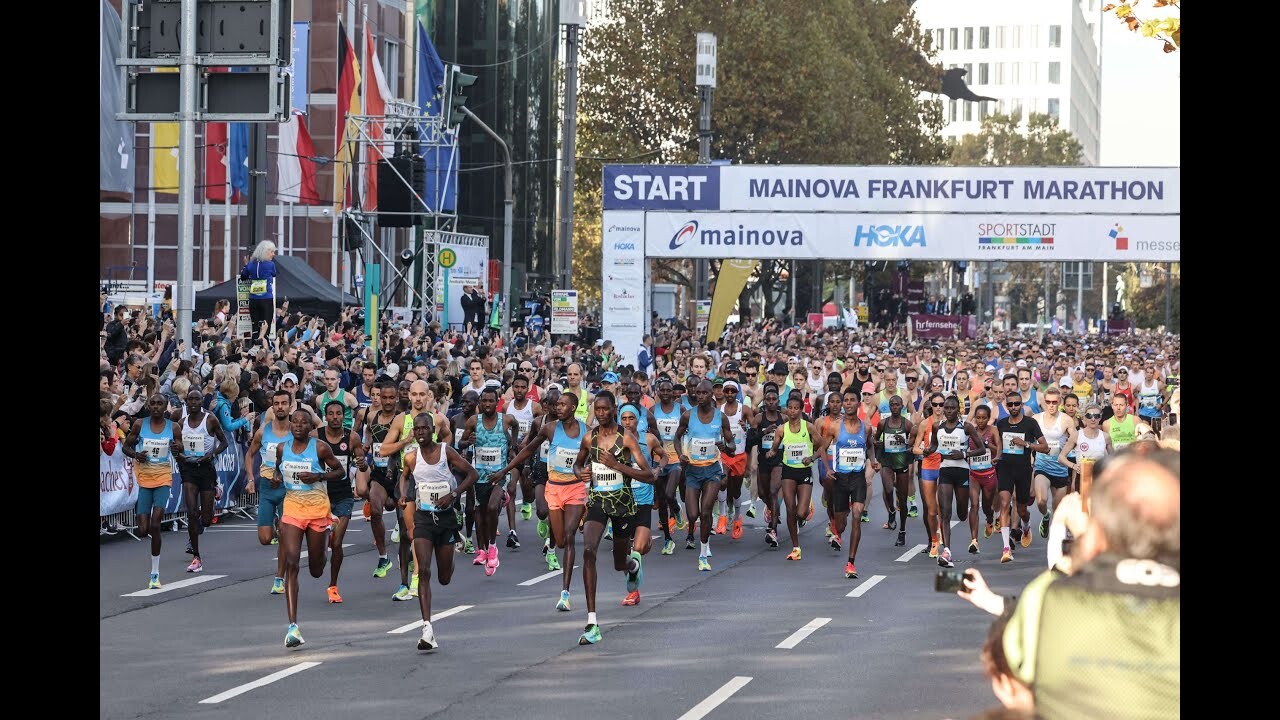
Organisers are preparing for what they describe as the fastest men’s elite field in the event’s 43-year history, raising expectations of an exciting contest on Frankfurt’s renowned fast course. At the centre of the attention is Petros, the reigning European marathon champion, whose pursuit of the continental record has become one of the major storylines surrounding this year’s race.
Petros enters the competition with a personal best of 2:04:03, placing him just 27 seconds outside Bashir Abdi’s European record of 2:03:36. The German star has made no secret of his ambition to challenge that mark, and Frankfurt offers him an opportunity to pursue it on familiar territory, backed by home support and a race environment designed for fast times.
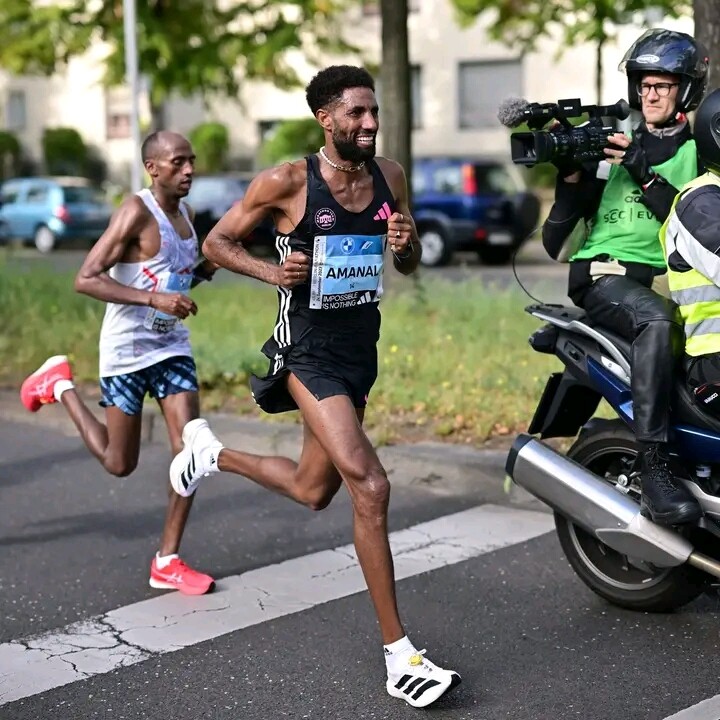
The course’s reputation for speed makes it an attractive setting for such an attempt. However, translating ambition into a record-breaking performance will require more than favourable conditions. Petros will need to maintain exceptional pace over all 42.195 kilometres, manage the demands of the race intelligently and find the strength to deliver when fatigue inevitably begins to take hold in the closing stages.
His challenge will be supported by a deep international field featuring elite runners from Kenya and Ethiopia, with pacemakers expected to help establish the demanding rhythm required for a serious assault on the clock. The depth of the lineup promises a race in which the leading athletes could push one another towards outstanding performances rather than allowing the contest to become a solitary pursuit of time.
For Petros, the significance of the occasion extends beyond winning another marathon. A successful attempt on the European record would strengthen his position among the continent’s leading distance runners and add another important chapter to German marathon history. Breaking the 2:04 barrier would also represent a major milestone, placing him among a select group of athletes capable of sustaining such extraordinary speed over the marathon distance.
Yet the presence of a formidable supporting cast means that Frankfurt’s men’s race should not be viewed exclusively through the lens of Petros’s record ambitions. The Kenyan and Ethiopian athletes arriving with ambitions of their own could turn the contest into a fiercely competitive battle, particularly if several runners remain together deep into the race. Their performances could prove decisive in determining whether the event produces not only a memorable winner but also a series of personal bests.
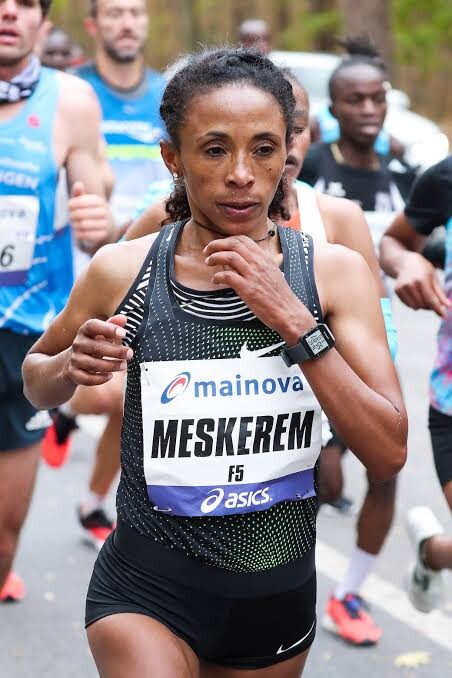
Meanwhile, the women’s race has received a welcome boost with the expected participation of Meskerem Assefa, the 2018 Frankfurt Marathon champion. After uncertainty surrounding a visa delay, the Ethiopian runner has reportedly resolved the issue and is set to return to a course on which she has already demonstrated her winning ability.
Assefa’s return adds valuable experience and familiarity to the women’s elite lineup. Former champions often approach a course with a different level of confidence, having already experienced its demands and discovered what it takes to succeed there. Her presence should therefore add another interesting dimension to a women’s race that organisers have been strengthening ahead of the event.
Although Frankfurt operates in the shadow of more globally celebrated marathons such as Berlin and London, its reputation as a venue for fast performances gives it a distinctive place on the international calendar. The combination of a record-focused men's field, experienced women’s contenders and a course suited to ambitious pacing has created a compelling narrative for this year’s edition.
Ultimately, the stopwatch will determine whether the pre-race expectations are justified. Petros must still negotiate the physical and tactical challenges of the marathon, while his rivals will be equally determined to seize their own opportunities. A fast field can create the conditions for history, but only exceptional execution can turn that potential into reality.
On October 25, Frankfurt will offer Petros the chance to transform a long-held ambition into a landmark achievement. Whether he reaches the European record or falls short, his pursuit of that standard will be one of the defining stories of the race—and a reminder of how relentlessly the world’s best marathoners continue to push the limits of human endurance.
by Erick Cheruiyot for My Best Runs.
Login to leave a comment
Mainova Frankfurt Marathon
Frankfurt is an unexpectedly traditional and charming city, with half-timbered buildings huddled in its quaint medieval Altstadt (old city), cosy apple wine taverns serving hearty regional food, village-like neighbourhoods filled with outdoor cafes, boutiques and street art, and beautiful parks, gardens and riverside paths. The city's cache of museums is second in Germany only to Berlin’s, and its nightlife...
more...
Athing Mu Announces First Pregnancy As Olympic Champion Prepares For A New Chapter Beyond The Track
Olympic glory has already secured Athing Mu a place among the finest middle-distance runners of her generation, but the American star is now preparing for a life-changing milestone beyond the athletics track — becoming a mother for the first time.
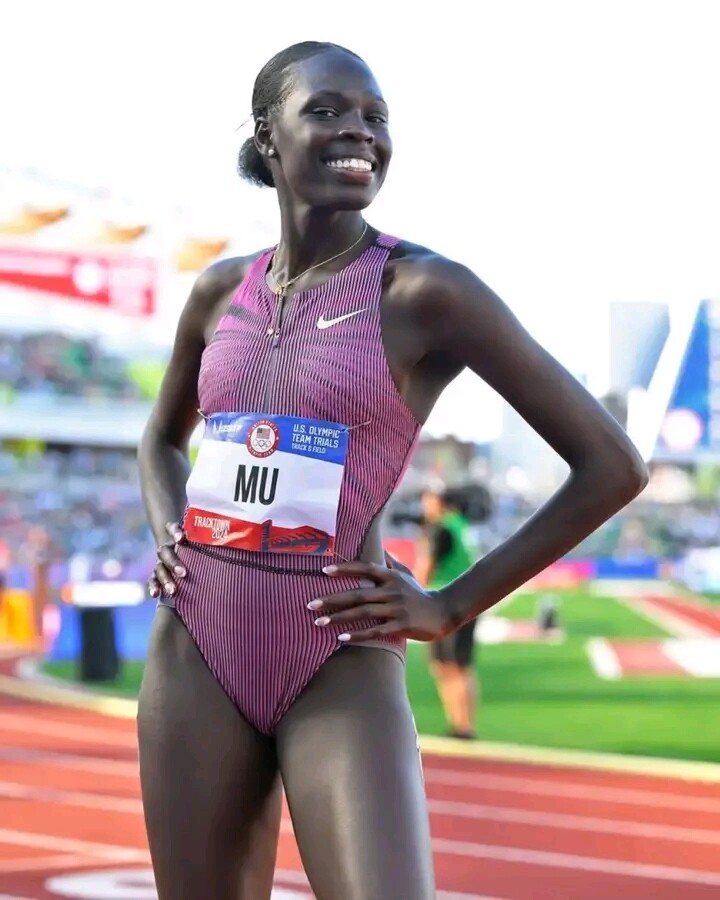
The Tokyo 2020 Olympic 800m champion and her husband, Yegor Nikolayev, announced that they are expecting their first child together, sharing news that marks the beginning of an exciting new chapter in their lives.
Mu revealed the joyful announcement on social media with a heartfelt message that captured the couple's excitement as they prepare to welcome their little one.

“Baby on board. Can't wait to meet our little Sunshine!” she wrote, sharing a glimpse of the happiness surrounding their growing family.
The announcement offers a more personal look into the life of an athlete whose career has been defined by remarkable talent, determination and success on the global stage. Having experienced the pressure of championship racing and the exhilaration of standing on the Olympic podium, Mu is now preparing for an entirely different journey, one that promises rewards no medal can measure.
Mu made history at the Tokyo Olympics, held in 2021 after being postponed because of the COVID-19 pandemic. She won the women's 800m gold medal in 1:55.21, becoming the second American woman to claim Olympic gold in the event after Madeline Manning-Mims first won in 1968 Mexico City Olympic Games. Her victory marked a defining moment in American middle-distance running and established her as one of the sport's brightest young stars.
She continued to demonstrate her class in 2022, winning the women's 800m title at the World Athletics Championships in Eugene, Oregon. That achievement further strengthened her reputation as a formidable championship competitor and added another major honour to her growing collection of accolades.
Away from the track, Mu's personal life has also been moving forward. She married Nikolayev in a private ceremony in March 2025, and the couple's pregnancy announcement now introduces another significant milestone in their relationship as they prepare to embrace parenthood.
The news comes after Mu remained absent from competition during the 2026 track season. Her future in athletics, including the possibility of a return ahead of the Los Angeles 2028 Olympic Games, remains uncertain, with no official comeback plans announced.
Her absence has left questions about what the next phase of her sporting career might look like. However, the arrival of her first child will undoubtedly bring new priorities and experiences as she balances her personal life with any future ambitions on the track.
For an athlete who has spent years chasing excellence against the clock, this moment represents a different kind of anticipation. There will be no starting gun, no finishing tape and no championship podium — only the extraordinary experience of welcoming a new life and discovering the joys and responsibilities of motherhood.
Mu's announcement also serves as a reminder that athletes have lives and dreams beyond competition. Their journeys do not begin and end with medals, and some of their most meaningful milestones unfold far away from stadiums and cheering crowds.
As she prepares for this new chapter alongside Nikolayev, the Olympic champion has every reason to look towards the future with excitement. Whether her path eventually leads back to elite competition or takes a different direction for a time, her achievements on the track will remain an important part of her legacy.
For now, the focus shifts from the demands of elite athletics to the quiet anticipation of a family waiting to meet its newest member. The woman who once raced towards Olympic history is preparing for a journey that will test and transform her in ways no race ever could.
And perhaps that is what makes this chapter so special: some of life's greatest moments cannot be timed, measured or celebrated with medals. They are experienced one heartbeat at a time, through the love that grows before a child arrives and the memories that begin when a new life enters the world. For Athing Mu, a remarkable journey beyond the track is about to begin — one in which the most precious finish line will be the moment she finally holds her little Sunshine in her arms.
by Erick Cheruiyot for My Best Runs.
Login to leave a comment

2027 Could Bring Unprecedented Heat, Raising New Concerns for Marathon Runners Worldwide
The global running community could face a formidable challenge in 2027, as forecasts of a potentially powerful El Niño raise concerns about rising temperatures and the impact of extreme heat on marathon performances.
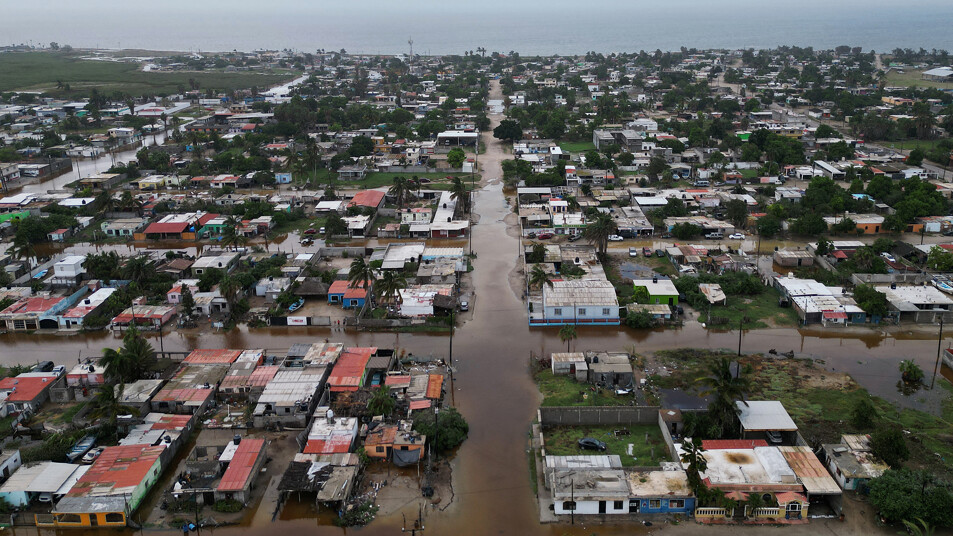
With long-distance runners increasingly chasing personal bests on the world's biggest stages, the prospect of another exceptionally warm year has placed race-day weather firmly in the spotlight. For marathoners, even a modest rise in temperature can make the difference between a record-breaking performance and a difficult battle to reach the finish line.
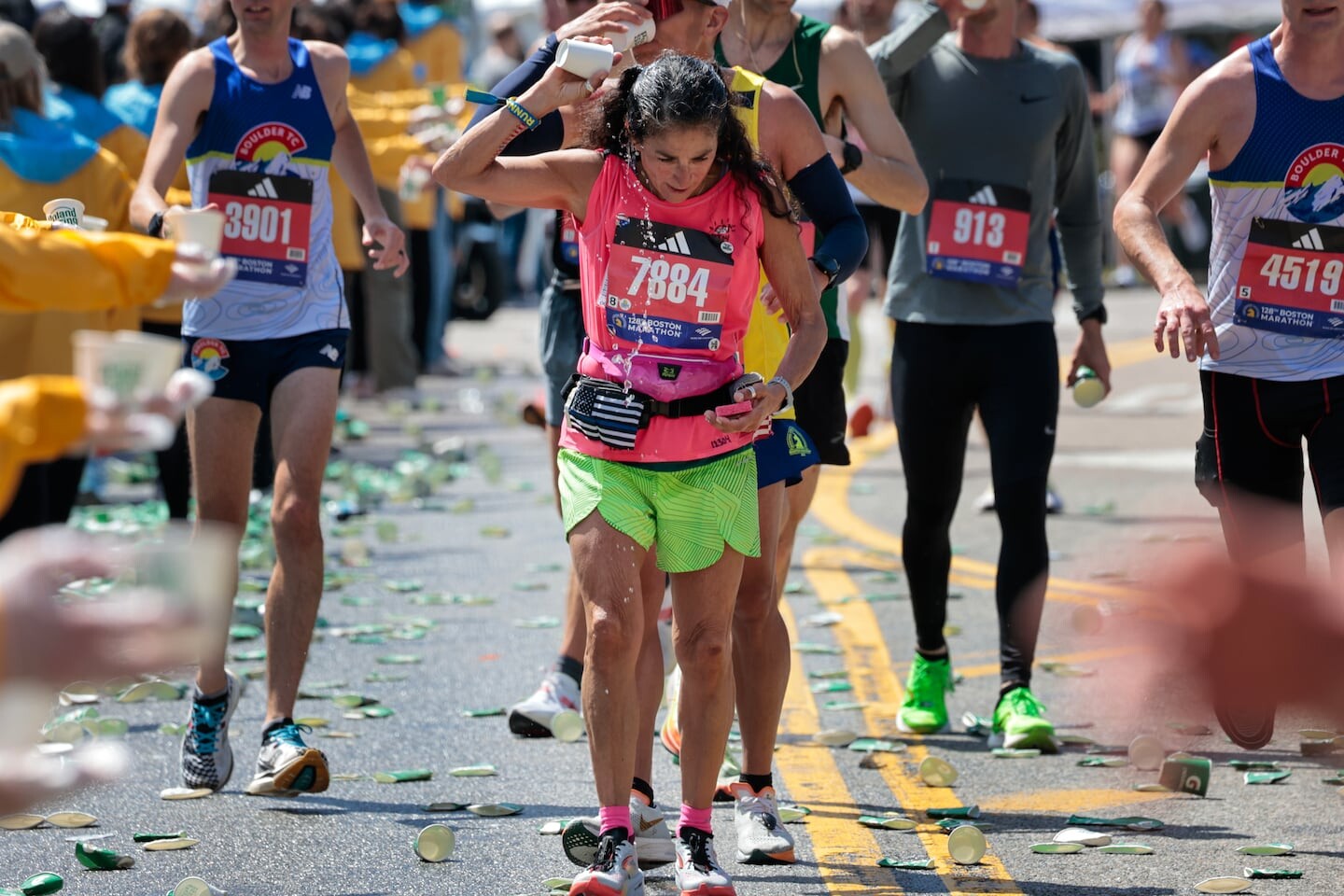
At the centre of the concern is the Pacific Ocean, where developing El Niño conditions could influence global temperatures. Forecasts have raised the possibility of an unusually strong event, although its eventual intensity and the precise effects on temperatures around the world remain uncertain.
El Niño is a natural climate phenomenon characterised by warmer-than-average sea surface temperatures across parts of the central and eastern equatorial Pacific. It can alter weather patterns across different regions, while its warming influence can contribute to higher global temperatures. The full impact depends on the strength of the event and how it interacts with other climate factors.

The timing is particularly important. Global temperatures have often responded strongly in the year following a major El Niño, meaning 2027 could face an increased risk of challenging heat. However, whether it ultimately surpasses the existing global temperature record will depend on evolving ocean conditions, atmospheric patterns and human-caused climate change.
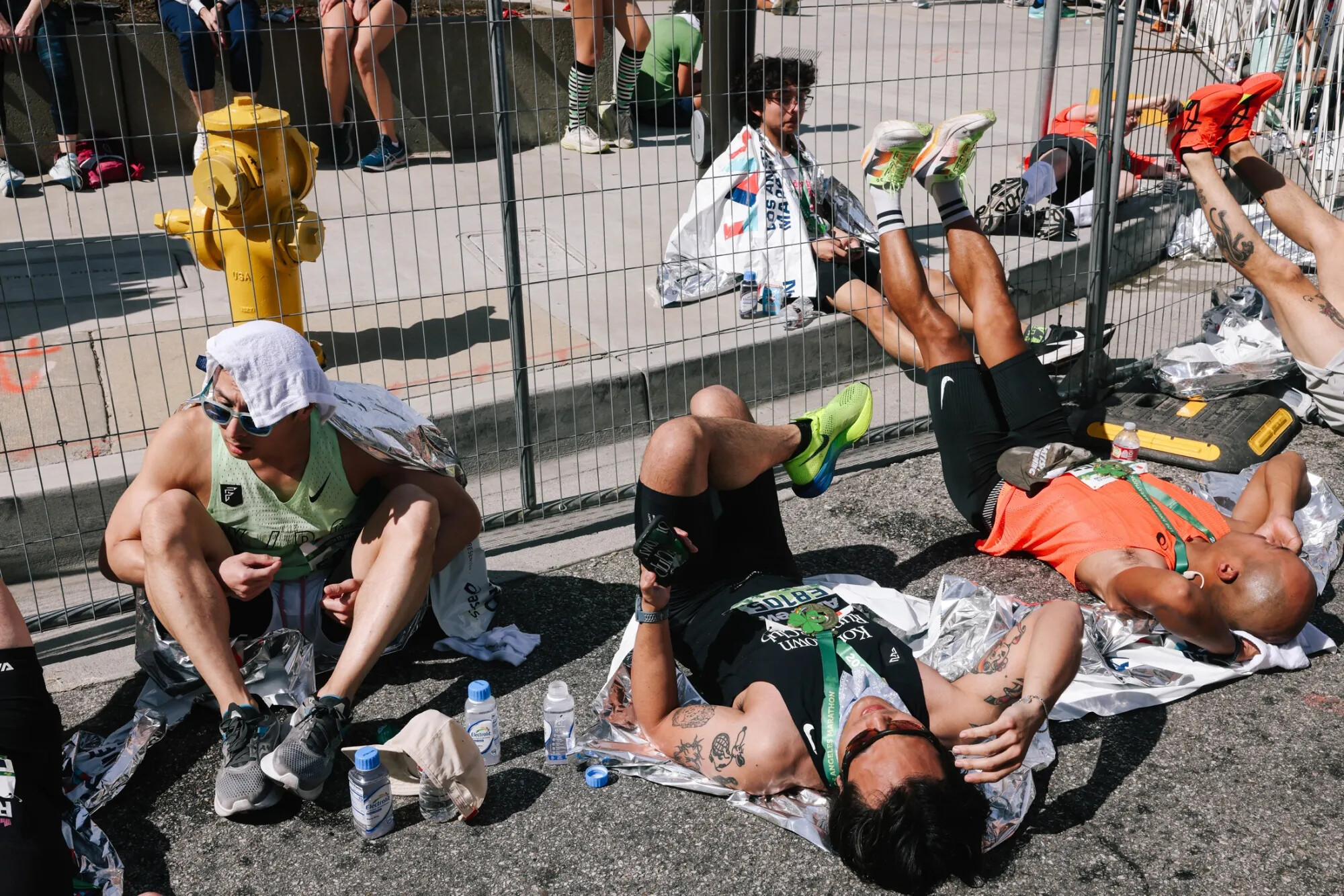
For marathon runners, the implications are significant. Scientific research has repeatedly shown that warmer conditions can reduce endurance performance, increase physiological strain and make it more difficult to maintain a planned race pace over 42.195 kilometres.
An analysis of seven North American marathons illustrates how substantially conditions can influence elite performances. Researchers found that leading male runners finished approximately 1.7 per cent slower relative to course records under the coolest conditions examined. In the warmest category, that difference increased to around 4.5 per cent.
For an athlete capable of running a marathon in 2:05:00, a slowdown of that magnitude could translate into several additional minutes on the clock. At the elite level, where races are frequently decided by seconds, such a difference can determine whether a runner achieves a personal best, secures a podium finish or misses a major performance target.
The consequences can be even more noticeable among recreational athletes, who often spend considerably longer exposed to the conditions.
A separate analysis by researchers at the University of Chicago, examining approximately 4.7 million marathon finishing times, highlighted the substantial effect of temperature on runners across different ability levels. The findings suggested that the typical participant could lose roughly 19 minutes when racing in temperatures in the 70s Fahrenheit, compared with conditions in the 40s. In the 80s Fahrenheit, the estimated time penalty rose to approximately 33 minutes.
These figures underline why marathon preparation involves much more than mileage, speed sessions and strength training. Temperature, humidity, direct sunlight and the body's ability to regulate heat can all influence how effectively a runner sustains an effort over the full distance.
Many marathon performances are achieved in cool conditions, with temperatures of approximately 4°C to 10°C often considered favourable for endurance running. As temperatures climb beyond that range, the body must devote more resources to cooling itself, potentially increasing cardiovascular strain and making a previously comfortable pace harder to maintain.
However, there is no universal temperature at which every marathon runner begins to slow down. Individual fitness, acclimatisation, humidity, wind, course exposure and race strategy all influence performance. A cool, overcast morning can produce very different outcomes from a sunny, humid day, even when the thermometer shows similar readings.
by Erick Cheruiyot for My Best Runs.
Login to leave a comment

Cancer Survivor Brandon Throop Returns To Toronto Marathon In Hospital Gown For Third World Record Bid
For Brandon Throop, running a marathon in a hospital gown is about far more than chasing a place in the Guinness World Records. It is a deeply personal tribute to the medical team that helped save his life, a celebration of survival, and an opportunity to give back to the institution that stood beside him during one of the darkest chapters of his life.

In 2022, Throop was 35 years old, a father of two, and facing a life-changing diagnosis of non-Hodgkin lymphoma. His journey soon led him to Princess Margaret Cancer Centre in Toronto, Canada, where he underwent chemotherapy and began a difficult battle against the disease.

The treatment that helped him fight cancer also left him physically weakened. For someone who had spent much of his life running, even the simplest movements became unexpectedly challenging. After completing treatment, climbing a single flight of stairs could leave him coughing and struggling to catch his breath.
However, rather than allowing the experience to define the limits of his future, Throop began rebuilding his strength one small step at a time. He started by running once around his neighbourhood block before gradually increasing the distance as his body recovered. What began as a modest attempt to regain his fitness eventually developed into an extraordinary mission with a purpose extending far beyond the finish line.
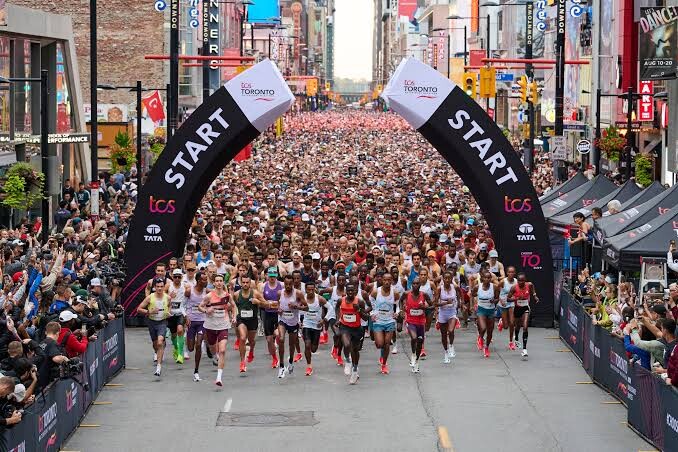
Now, more than three years after becoming cancer-free, Throop is preparing to return to the TCS Toronto Waterfront Marathon on Sunday, October 18, 2026, for another attempt at the Guinness World Record for the fastest marathon completed while wearing a hospital gown.
This will be his third attempt to claim the record, following two determined performances in previous editions of the Toronto race. In 2023, he completed the marathon in 2:55:59 before returning in 2024 to improve his time to 2:55:01. Despite his progress, the record remained just out of reach.
The current benchmark stands at 2:50:12, established by Evan Ubene at the same Toronto Waterfront Marathon in 2022. To make history this time, Throop will need to improve significantly on his previous performances and take more than five minutes off his best hospital-gown marathon.
Yet the significance of Sunday's race cannot be measured by finishing time alone.
Throop's larger objective is to raise funds for the Princess Margaret Cancer Foundation, supporting the cancer research and care that played such an important role in his own recovery. He has already raised more than $137,000 toward his $150,000 fundraising target, bringing him within reach of a goal that could help support further advances in cancer treatment.
Every kilometre he covers in the distinctive hospital gown carries a message of gratitude to the people who cared for him and hope for patients whose journeys are only beginning. His challenge transforms a gruelling 42.195-kilometre race into a public expression of appreciation for the doctors, nurses, researchers and other healthcare professionals working to improve the lives of people affected by cancer.
The timing of this year's marathon makes the occasion even more meaningful. The race falls just days from the anniversary of his first chemotherapy session in 2022, bringing him back to a period that profoundly changed his life. Returning to the streets of Toronto now, healthy enough to pursue another marathon, offers a powerful reminder of how far he has travelled since those difficult days.
For Throop, choosing Toronto has never been simply about finding the fastest course on which to break a record. Although other marathons might offer different racing conditions, the Toronto Waterfront Marathon holds a significance that no alternative venue could easily replace. The course takes him past Princess Margaret Cancer Centre, the institution where he received treatment, while family members and friends who supported him throughout his illness are there to witness his journey.
It is a route that connects his past to his present: the hospital where he fought for his health, the streets where he now tests his endurance, and the people who helped him keep moving forward when the road ahead was uncertain.
His hospital gown is therefore much more than an unusual racing outfit. It is a symbol of the vulnerability he experienced as a patient, the strength he rediscovered through running, and his determination to turn a deeply personal struggle into something that benefits others.
As he prepares for his third record attempt, the challenge remains considerable. The existing mark of 2:50:12 demands an average pace of approximately four minutes per kilometre, a formidable task even without the physical discomfort and practical challenges of racing in a hospital gown.
Nevertheless, Throop has already demonstrated that his mission can make a difference regardless of the result on the clock. His previous attempts brought attention to cancer care, while his ongoing fundraising efforts have generated substantial support for the foundation that represents an important part of his personal story.
On Sunday, he will once again take his place among thousands of runners, carrying a message that reaches well beyond the marathon course. Whether he finally breaks the world record or falls short for a third time, his presence will stand as a reminder that recovery can open doors to remarkable achievements and that gratitude can become a powerful force for helping others.
For Brandon Throop, the finish line represents more than a sporting ambition. It is an opportunity to honour the people who helped him survive, support the research that may give other families more time together, and show what can be possible after a life-altering diagnosis.
The record is still waiting. But with more than $137,000 already raised toward his fundraising goal, Throop has another reason to consider his mission a success before the starting gun even sounds.
On the streets of Toronto, the hospital gown is returning with a purpose: to celebrate survival, give back to the people who helped save a life, and turn every step into hope for someone else.
by Erick Cheruiyot for My Best Runs.
Login to leave a comment
TCS Toronto Waterfront Marathon
The Scotiabank Toronto Waterfront Marathon, Half-Marathon & 5k Run / Walk is organized by Canada Running Series Inc., organizers of the Canada Running Series, "A selection of Canada's best runs!" Canada Running Series annually organizes eight events in Montreal, Toronto and Vancouver that vary in distance from the 5k to the marathon. The Scotiabank Toronto Waterfront Marathon and Half-Marathon are...
more...
Geoffrey Kamworor: The Lawyer He Never Became, The Distance Running Legend He Was Born To Be
Long before he conquered world cross-country championships, dominated the half-marathon distance and lifted the New York City Marathon trophy, Geoffrey Kamworor was a young Kenyan student with an ambitious dream that had little to do with running: becoming a lawyer.
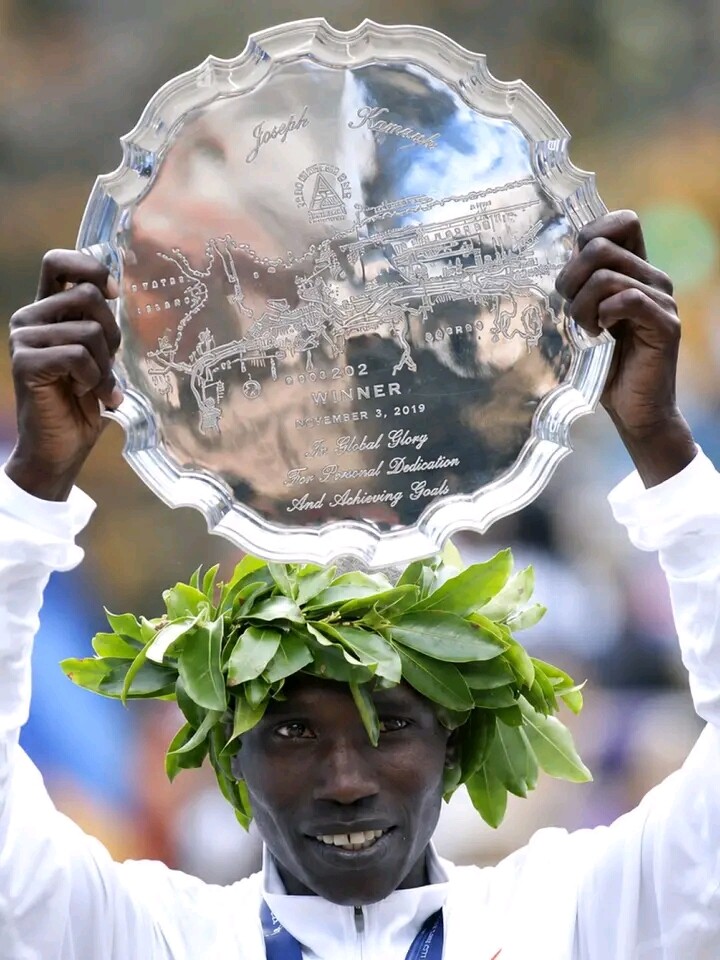
Growing up in Keiyo South, Kamworor developed the discipline that would later define his extraordinary athletic career. His daily routine involved running approximately five kilometres to school and another five kilometres back home. What might have seemed like an ordinary journey for a schoolboy was quietly laying the foundation for a future in international distance running.
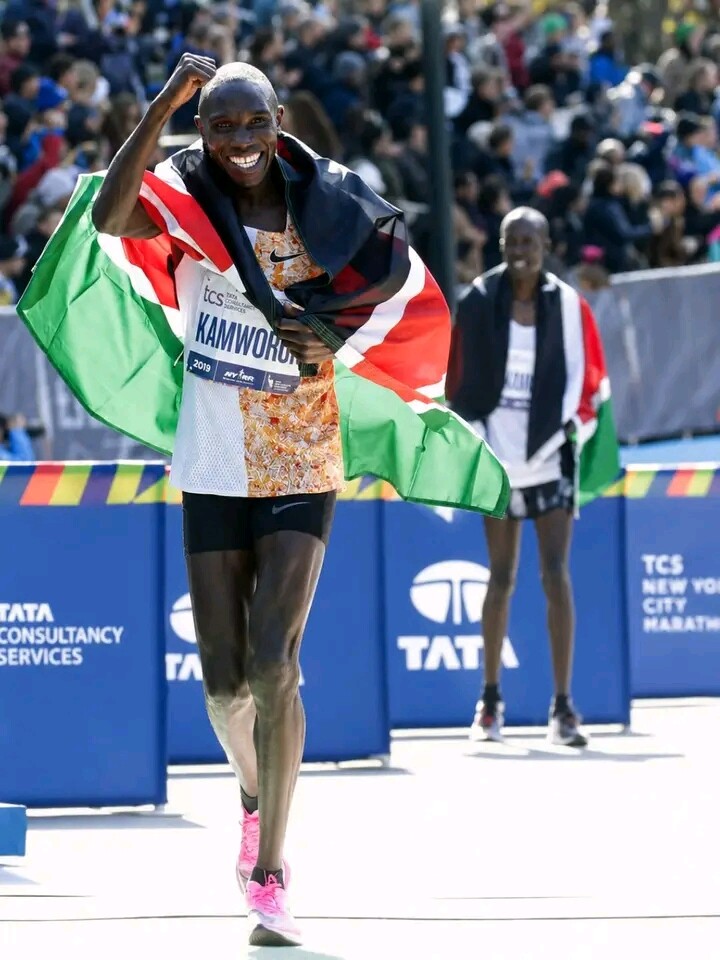
He attended Chepsamo Primary School before proceeding to Lelboinet Secondary School, where he combined his education with a growing passion for athletics. At the time, his ambitions extended beyond the track and roads. He wanted to pursue a career in law, and that dream eventually brought him an opportunity to study at a college in the United States.
However, the young Kenyan faced a defining decision: follow the academic path he had envisioned or commit himself fully to the sport that was beginning to reveal his remarkable potential. Kamworor chose athletics, a decision that would ultimately place his name among the most accomplished distance runners of his generation.
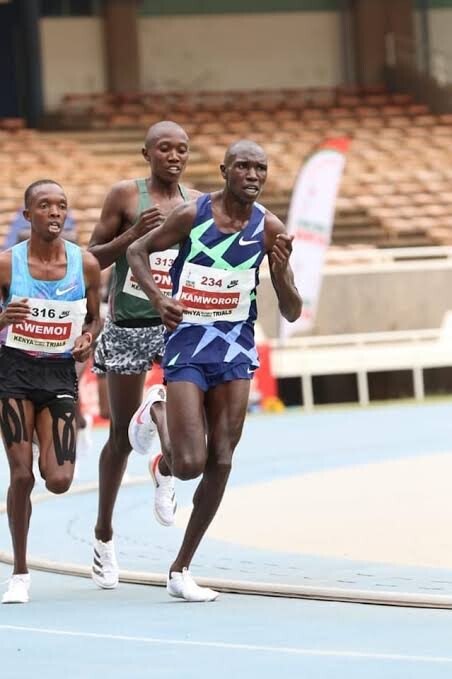
His transformation from a promising schoolboy into an international contender began gathering momentum in 2010, when he joined the GSC training camp in Kaptagat. His development accelerated rapidly, and within a short period, an opportunity to compete in Finland exposed him to a higher level of international competition.
Still only 17, he reportedly competed nine times during that trip, demonstrating an impressive ability to adapt to the demands of competitive racing. Breaking the eight-minute barrier for 3,000 metres was an early indication of the talent that would eventually carry him to the highest levels of distance running.
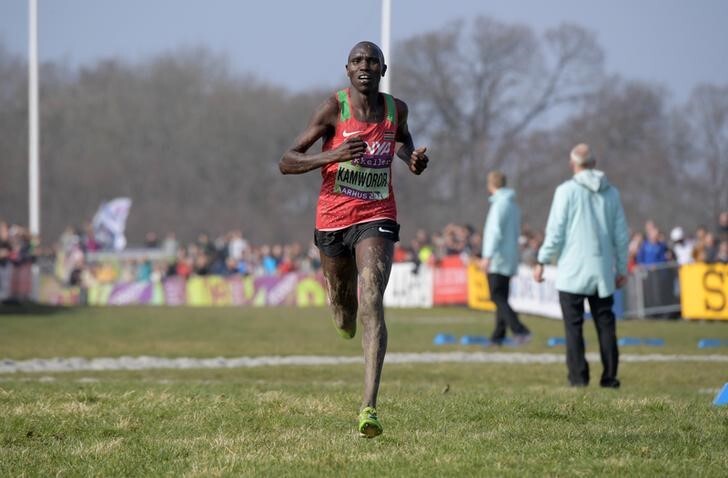
His breakthrough on the international stage followed in March 2011, when he captured the junior men's title at the World Cross Country Championships in Punta Umbría, Spain. That victory announced the arrival of a young athlete whose future would extend far beyond the junior ranks.
Kamworor was not simply a runner with speed. He possessed the endurance, tactical intelligence and competitive determination required to succeed across different distances and racing surfaces. As his career developed, those qualities became the hallmarks of an athlete capable of challenging the world's best.
Cross country became one of the foundations of Kamworor's international success. In 2015, he won the senior men's title at the World Cross Country Championships in Guiyang, China, confirming his status as one of the leading distance runners in the world. Two years later, he returned to the top of the podium in Kampala, Uganda, defending his senior world cross-country crown in front of a home crowd. Winning consecutive senior world titles placed him in an elite category and demonstrated his remarkable command of the demanding discipline.
On the roads, however, Kamworor established an equally impressive legacy. He won the World Half Marathon Championships in Copenhagen in 2014, Cardiff in 2016 and Valencia in 2018, becoming a three-time champion at the distance. His achievements reflected a rare combination of strength, speed and race management, enabling him to prevail against formidable international opposition.
The half marathon became one of his signature events, but Kamworor's ambitions were never confined to a single discipline. He continued to demonstrate his versatility on the track, winning silver in the men's 10,000 metres at the 2015 World Athletics Championships in Beijing, China. From the grass of cross-country courses to the roads of major international races and the track of a global championship, he repeatedly demonstrated that his talent could flourish wherever the competition took him.
Among Kamworor's most memorable achievements are his victories at the New York City Marathon in 2017 and 2019. Winning one of the world's most celebrated marathons requires exceptional endurance, but winning it twice demands much more: tactical patience, resilience and the ability to navigate a demanding course against a deep international field.
Kamworor demonstrated those qualities in both victories, establishing a special connection with the New York race and adding the marathon to an already remarkable collection of honours. His success in the American city also illustrated his ability to move successfully between distances. An athlete celebrated for his cross-country and half-marathon dominance had shown that he could also conquer the 42.195-kilometre marathon, one of the most demanding challenges in road racing.
Now, as he sets his sights on another New York campaign, the Kenyan star has an opportunity to strengthen his legacy further. A third men's open-division victory would place him among a very select group of athletes to have won the prestigious race three times. Such a milestone would be more than another addition to his trophy cabinet; it would reinforce the story of a runner whose competitive range has extended across nearly every major discipline in distance running.
Behind Kamworor's achievements lies a training environment built around discipline, consistency and high-level competition. Working under the guidance of renowned coach Patrick Sang, he has trained alongside some of Kenya's most celebrated athletes, including marathon great Eliud Kipchoge and middle- and long-distance superstar Faith Kipyegon.
Sharing a training environment with athletes of such calibre provides a demanding daily standard. Yet Kamworor has built his own identity through a career defined by major championship victories and sustained success across different racing distances. His journey has also included difficult periods and setbacks, reminding the running world that even the most accomplished champions must continually work to return to their best. His longevity at the elite level reflects the importance of patience, dedication and the willingness to keep pursuing new goals.
For aspiring athletes in Kenya, his story offers an important lesson: extraordinary achievements are often built through ordinary routines repeated consistently over many years. Those five-kilometre journeys to school and back were not glamorous. They did not come with cheering crowds, television cameras or medals. Yet they formed part of the foundation of a career that would eventually take him to the world's biggest running stages.
Kamworor's story is ultimately about a choice that changed the direction of his life. The young student who once imagined himself arguing cases in a courtroom instead built his reputation by answering the toughest questions on the running track and roads. His achievements speak for themselves: world cross-country titles, three world half-marathon crowns, a global 10,000-metre silver medal and two New York City Marathon victories.
He may never have pursued the legal career he once envisioned, but his athletic record tells a compelling story of ambition, sacrifice and extraordinary accomplishment. His pursuit of another New York triumph offers a fresh chapter in a career that has already crossed the boundaries between cross country, track and road racing.
For Geoffrey Kamworor, the courtroom was a dream he left behind. The world of distance running became the stage on which he built his name. And while the law lost a prospective lawyer, athletics gained a champion whose achievements have helped define an era of Kenyan distance running.
by Erick Cheruiyot for My Best Runs.
Login to leave a comment
TCS New York City Marathon
The first New York City Marathon, organized in 1970 by Fred Lebow and Vince Chiappetta, was held entirely in Central Park. Of 127 entrants, only 55 men finished; the sole female entrant dropped out due to illness. Winners were given inexpensive wristwatches and recycled baseball and bowling trophies. The entry fee was $1 and the total event budget...
more...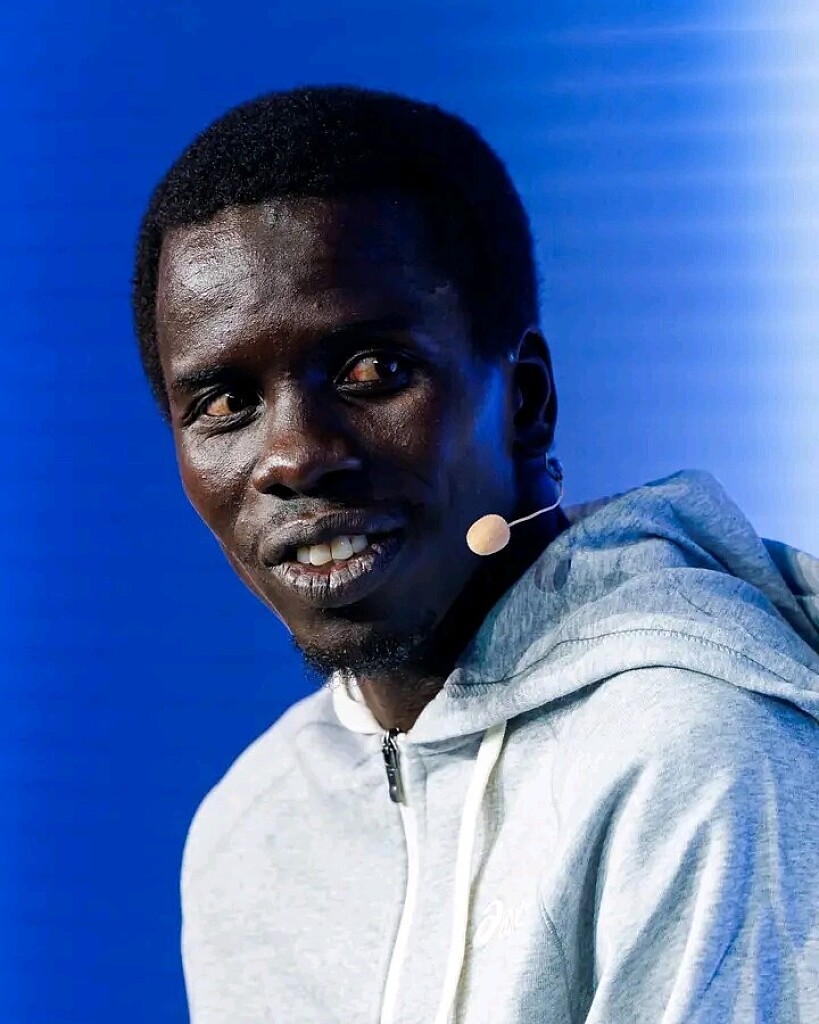
Geofry Kipchumba Returns To Defend Amsterdam Crown As World-Class Men’s And Women’s Fields Target History
The TCS Amsterdam Marathon is set for an exciting showdown on Sunday, 18 October, with an outstanding international field preparing to challenge the course records, pursue personal bests and compete for victory on one of Europe’s most prestigious marathon stages.
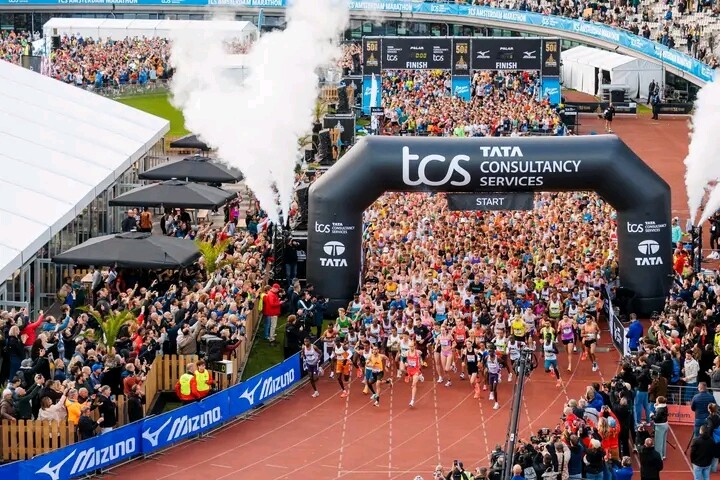
The 2026 edition promises compelling competition in both the men’s and women’s races. Kenya and Ethiopia will feature prominently among the leading contenders, with experienced champions, emerging talents and athletes making their marathon debuts all bringing ambitious targets to Amsterdam.
In the men’s race, defending champion Geofry Toroitich Kipchumba returns with the course record firmly in his sights after producing a remarkable performance last year.
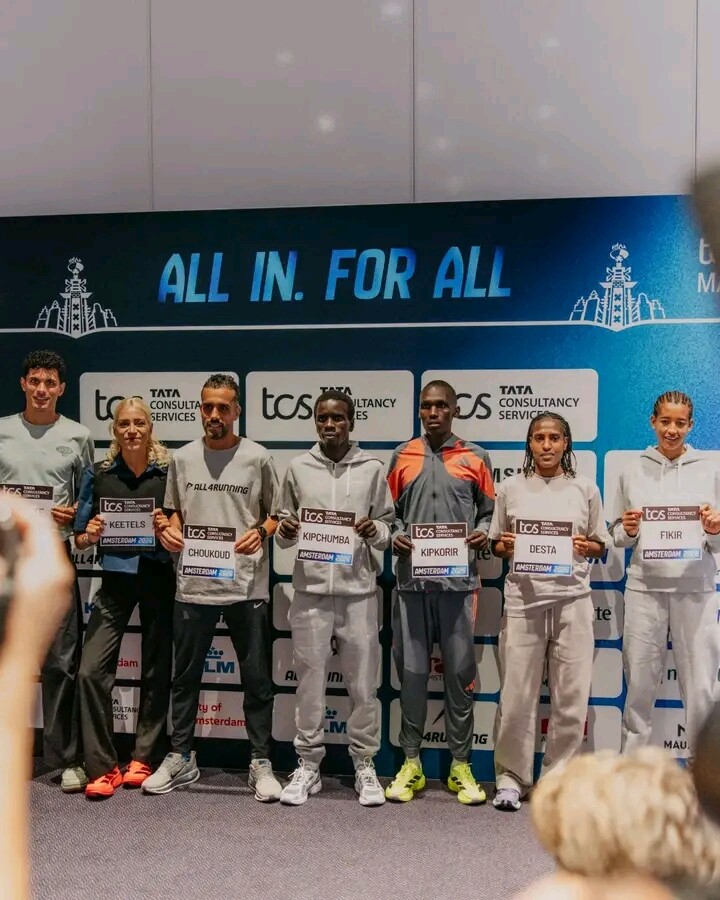
Kipchumba stormed to victory in 2:03:30 at the 50th edition of the race, establishing a new Amsterdam course record and the fastest marathon time ever recorded on Dutch soil. His return offers an opportunity to improve on that achievement, although a formidable field stands between him and another memorable victory.
The Kenyan is not the only athlete arriving with the potential to challenge the record. Ethiopia’s Haymanot Alew has a marathon personal best of 2:03:31, recorded in Berlin, leaving him just one second outside the existing course record. The 2026 Egmond Half Marathon winner will be among the athletes hoping to turn that narrow gap into history on Amsterdam’s streets.
Another major contender is Ethiopia’s Tsegaye Getachew, a two-time Amsterdam champion who won the race in 2022 and 2024 before finishing second in 2025 with a personal best of 2:04:18. His familiarity with the course and previous success make him an important presence in a race expected to feature an intense battle among the leading men.
The depth of the field is underlined by the presence of 10 athletes who have recorded marathon times below 2:05, according to the race organisers. With several runners capable of sustaining an exceptional pace, the contest could develop into a demanding tactical battle in which positioning, endurance and the ability to respond to late-race attacks will prove decisive.
Kenya’s Isaia Kipkoech Lasoi is another athlete attracting attention ahead of the race, although his challenge comes with a different question. The half-marathon specialist will make his marathon debut after establishing an impressive personal best of 58:10 over 21.0975 kilometres.
His speed over the half-marathon distance provides an intriguing indication of his potential, but the full marathon presents an entirely different test. How effectively he manages his energy beyond the halfway point and adapts to the demands of 42.195 kilometres will be among the most interesting aspects of his first appearance at the distance.
While the men prepare to attack the 2:03:30 course record, the women’s race has its own compelling storyline, with four Ethiopian athletes arriving with personal bests faster than 2:20.
Aynalem Desta, the defending champion, returns after winning last year’s 50th edition in a personal best of 2:17:37. Her familiarity with the course and experience of winning in Amsterdam place her among the leading contenders as she seeks to defend her title.
However, Desta faces a formidable challenge from compatriot Meseret Belete Tola, the 2023 Amsterdam champion, whose personal best stands at 2:18:21. Belete’s previous success in the Dutch capital adds another layer of intrigue to a race featuring multiple athletes with the credentials to contend for victory.
Ethiopia’s Mestawut Fikir Truneh also brings considerable experience and a strong personal best of 2:18:48, recorded when she finished second at the 2024 Berlin Marathon. Meanwhile, compatriot Buze Diriba arrives with a best of 2:19:34, ensuring that the Ethiopian challenge extends well beyond the two former Amsterdam champions.
The international depth continues with Bahrain’s Desi Jisa Mokonin, Ethiopia’s Yeshi Kalayu Chekole and Eritrea’s Nazret Weldu Gebrehiwet, all of whom have recorded performances close to the two-hour-and-20-minute barrier.
Sweden’s Abeba Aregawi, a former world champion over 1,500 metres, adds another fascinating dimension to the contest. Aregawi set a Swedish marathon record of 2:23:12 on her debut earlier this year and will now face another major test as she continues her transition from track running to the marathon.
With the women’s course record standing at 2:16:52, the question is whether the leading contenders can produce the performance required to challenge it. Desta’s personal best of 2:17:37 already places her within striking distance, while Belete, Fikir and Diriba will be looking to turn their own ambitions into competitive results.
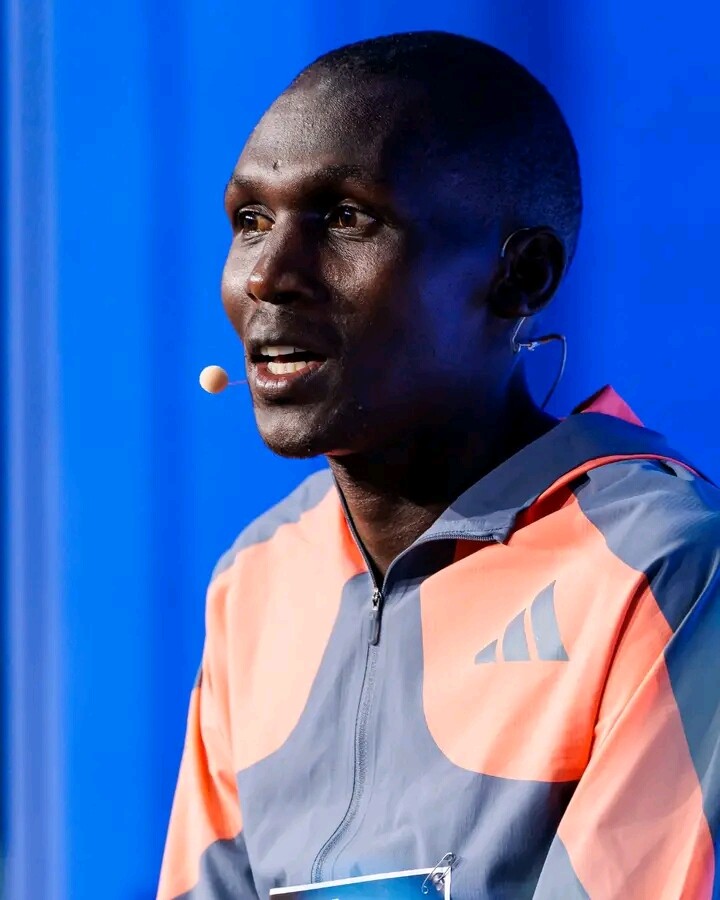
Beyond the elite fields, the athletes’ comments at the pre-race press conference have provided a glimpse into the different approaches they will bring to Sunday’s contest.
Kenya’s Nicholas Kipkorir expressed confidence in his return to Amsterdam, describing the city as a second home and believing that his familiarity with the environment could help him deliver his best performance.
“I love Amsterdam. It feels like my second home, and I know that will help me run my best time,” Kipkorir said.
His compatriot Geofry Kipchumba has set his sights on achieving another personal best while also fighting for victory. His ambition reflects the competitive spirit surrounding the men’s race, where the defending champion and several challengers are expected to target fast times.
“I’m going for another personal best and the win,” Kipchumba said.
Ethiopia’s Aynalem Desta is equally determined to build on her previous success in Amsterdam. Having won last year’s race in a personal best of 2:17:37, she will be aiming to deliver another strong performance against a deep women’s field.
“I love the TCS Amsterdam Marathon. I’m happy with the race I ran here last year, and I want to perform even better this year,” Desta explained.
Fellow Ethiopian Mestawut Fikir Truneh emphasised the importance of patience and perseverance, qualities that often determine the outcome of a marathon when fatigue begins to affect even the strongest runners.
“A marathon requires patience. You must not give up hope until the very last moment. Keep going and never give up,” Fikir said.
Among the Dutch athletes, Mikky Keetels has established a clear objective: breaking the two-hour-and-30-minute barrier, with hopes of going even faster if conditions allow.
“I really want to run under 2:30, and secretly maybe even a little faster,” Keetels revealed.
Fellow Dutch runner Noah Schutte is concentrating on the closing stages of the race, when maintaining pace and fighting through fatigue can make the difference between achieving a target and falling short.
“I especially want to give everything in the final kilometres and keep fighting,” Schutte said.
For Khalid Choukoud, the race presents an opportunity to improve his personal best while continuing to demonstrate his competitiveness at the age of 40. Breaking 2:10 would represent a particularly significant achievement for the experienced Dutch marathoner.
“It would be great to improve my personal best. But if I run under 2:10 at the age of 40, that would be a great achievement too,” Choukoud said.
All these ambitions will converge on Sunday, when the athletes take on the streets of Amsterdam before finishing inside the iconic Olympic Stadium.
The defending champions will be under pressure to retain their titles, record holders will be challenged by determined rivals, and debutants will have the opportunity to discover what they can achieve over the full marathon distance.
For Kipchumba, the immediate target is to defend his crown and potentially lower the 2:03:30 course record. For Alew, it is an opportunity to bridge the one-second gap separating his personal best from the mark. Getachew will be seeking another victory, while Lasoi faces the challenge of translating his exceptional half-marathon speed into marathon success.
In the women’s race, Desta will attempt to defend her title against a field featuring former champions, major-marathon performers and several athletes capable of producing personal bests. With the 2:16:52 course record in sight, the leading women could also make a serious attempt to rewrite the record books.
One start line will unite these athletes, but their objectives are different. Some are pursuing victory, others are targeting personal records, and a select few have their sights set on history.
When the gun fires on 18 October, the preparation will be over and the real test will begin. Amsterdam is ready for a day of world-class marathon racing, with the possibility of new records adding even greater anticipation to an already compelling contest.
by Erick Cheruiyot for My Best Runs.
Login to leave a comment
TCS Amsterdam Marathon
Do you want to enjoy Amsterdam in October and all that the city has to offer you? Want to feel a real athlete and start and finish in the historic Olympic stadium? Or run across the widely discussed passage under the beautiful National Museum? Then come to Amsterdam for the annual TCS Amsterdam Marathon in October! The TCS Amsterdam Marathon...
more...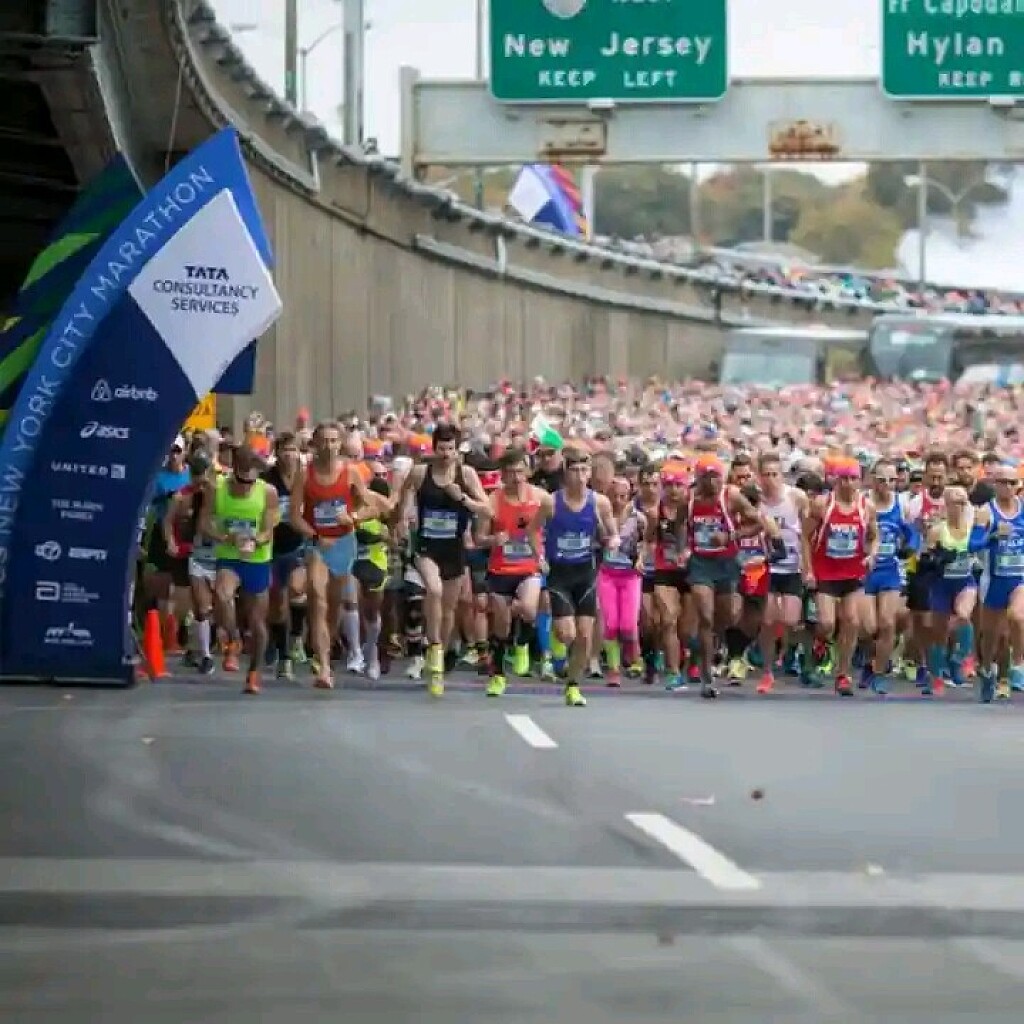
From $1 To $358: How The New York City Marathon Became A Global Running Phenomenon
What began as a modest race through Central Park, with a handful of determined runners and a budget of just $1,000, has evolved into one of the most prestigious and sought-after marathons in the world. More than five decades later, the New York City Marathon tells a remarkable story of how distance running has grown from a grassroots sporting event into a global spectacle.
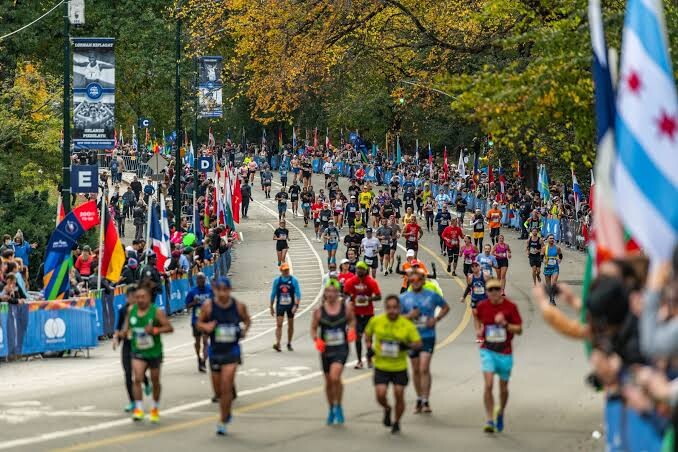
When the inaugural New York City Marathon took place in 1970, the entry fee was just $1. Organised by the New York Road Runners, the race was held entirely within Central Park, far removed from the enormous crowds, international attention and commercial scale that define the event today.
Of the 127 registered participants, only 55 completed the race. Yet, despite its modest beginnings, the event laid the foundation for a marathon that would eventually capture the imagination of runners from every corner of the world.
The first champion was Gary Muhrcke, a New York City firefighter whose victory remains one of the most memorable stories from the race's early years. According to accounts of the inaugural edition, Muhrcke had finished a night shift before entering the competition shortly before the start. He went on to win in approximately 2:31, securing his place in the marathon's history.
The inaugural race also featured Nina Kuscsik, the only woman in the field. She started the event but withdrew after becoming ill, meaning no woman finished that first edition. Kuscsik would later become an important figure in the campaign for women's inclusion in competitive distance running.
Over the years, the New York City Marathon expanded beyond Central Park, eventually developing into the iconic five-borough journey that takes runners through Staten Island, Brooklyn, Queens, the Bronx and Manhattan. Its transformation helped turn the race into a celebration of athletic achievement, community spirit and the extraordinary diversity of New York City.
Today, the marathon attracts elite athletes chasing victories and records, recreational runners pursuing personal milestones, charity participants raising funds for important causes, and thousands of international visitors eager to experience one of running's most celebrated events.
by Erick Cheruiyot for My Best Runs.
Login to leave a comment
TCS New York City Marathon
The first New York City Marathon, organized in 1970 by Fred Lebow and Vince Chiappetta, was held entirely in Central Park. Of 127 entrants, only 55 men finished; the sole female entrant dropped out due to illness. Winners were given inexpensive wristwatches and recycled baseball and bowling trophies. The entry fee was $1 and the total event budget...
more...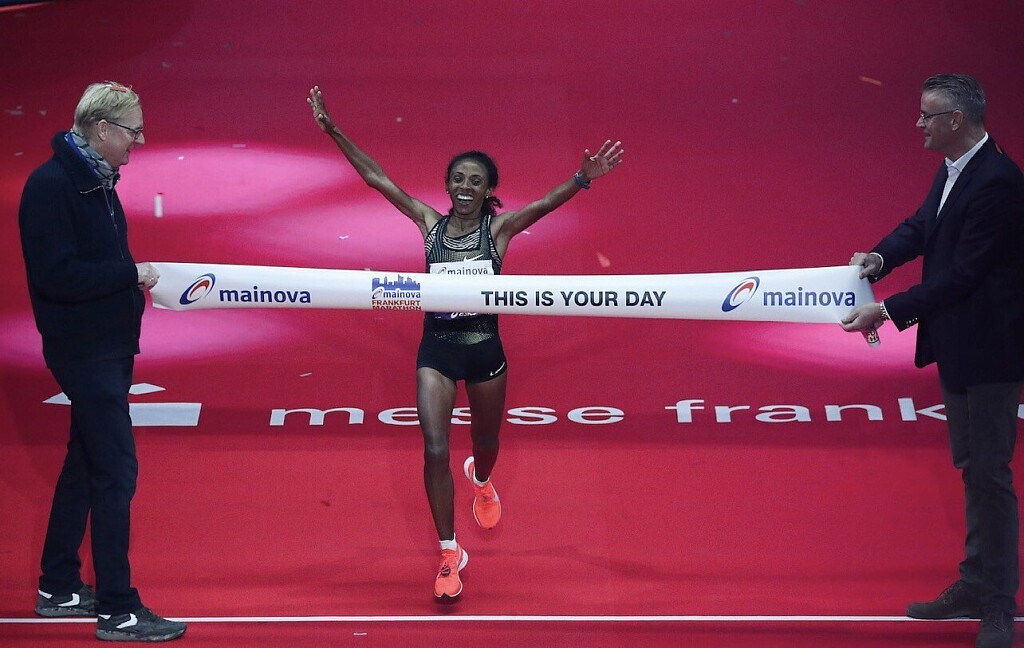
Frankfurt Assembles Fastest-Ever Men’s Field as Former Champion Meskerem Assefa Returns
The 43rd Mainova Frankfurt Marathon is set for a fast edition on October 25, with the deepest men’s field in race history and the return of 2018 women’s champion Meskerem Assefa.
For the first time, four men on the start list have personal bests under 2:05, with another four having broken 2:07. German record-holder Amanal Petros leads the field at 2:04:03, setting up a showdown featuring three of Germany’s leading marathoners.
The women’s race also promises strong competition. Five entrants have run under 2:22, making it the second-deepest women’s field in Frankfurt history by that measure, behind only the 2025 edition, which featured six.
“Overall this is surely the fastest elite field we have ever assembled for the Mainova Frankfurt Marathon. I am very pleased that the German men are playing a major role and I expect a thrilling top-class race,” said Jo Schindler, who is in his 25th year as race director.
German Stars Lead the Men’s Challenge
European champion Petros tops the entry list, but the competition is close. Ethiopia’s Andualem Belay brings a personal best of 2:04:44, followed by Germany’s Samuel Fitwi at 2:04:45 and Richard Ringer at 2:04:47.
With just 44 seconds separating the personal bests of the four fastest entrants, the race offers the prospect of a competitive battle at the front.
Kenya’s Benard Biwott, who has run 2:05:25, leads the next group of contenders. Israel’s Haimro Alame and Ethiopians Antenayehu Dagnachew and Jiregna Geleta round out the eight men with personal bests under 2:07.
Assefa Returns to Face Yimer and Saina
Meskerem Assefa’s return adds a former champion to an already strong women’s field. Her participation had been uncertain because of visa requirements, but organizers have now secured the visa needed for her trip to Germany.
The Ethiopian’s personal best of 2:20:36 makes her the third-fastest entrant, behind compatriot Zeineba Yimer at 2:18:47 and American Betsy Saina at 2:19:17.
Ethiopia’s Siranesh Yirga and Kenya’s Marion Kibor complete the group of five women who have broken 2:22.
There was disappointing news for another former champion: Ethiopia’s Buzunesh Getachew, the 2023 Frankfurt winner, has withdrawn because of injury.
German interest will also focus on Blanka Dörfel, who is scheduled to make her marathon debut.
Elite Runners with Personal Bests
MEN
Amanal Petros GER 2:04:03
Andualem Belay ETH 2:04:44
Samuel Fitwi GER 2:04:45
Richard Ringer GER 2:04:47
Benard Biwott KEN 2:05:25
Haimro Alame ISR 2:06:04
Antenayehu Dagnachew ETH 2:06:55
Jiregna Geleta ETH 2:06:57
Derara Hurisa ETH 2:08:09
Jirata Dinki ETH 2:08:18
Abe Gashahun ETH 2:08:35
Lemawork Ketema AUT 2:10:44
WOMEN
Zeineba Yimer ETH 2:18:47
Betsy Saina USA 2:19:17
Meskerem Assefa ETH 2:20:36
Siranesh Yirga ETH 2:21:08
Marion Kibor KEN 2:21:12
Janet Ruguru KEN 2:23:00
Mehret Gemeda ETH 2:23:29
Milicent Jelimo KEN 2:24:19
Obse Abdeta ETH 2:27:14
Martina Strähl SUI 2:28:07
Selam Fente ETH 2:28:22
Aselef Amare ETH 2:28:47
Blanka Dörfel GER Debut
by Race News service
Login to leave a comment

South Korean Running Influencer Yoo Ji-Won, 25, Dies After Collapsing Just 500 Metres From Seoul Half Marathon Finish
The running community is mourning the heartbreaking death of South Korean running influencer Yoo Ji-won, who passed away after collapsing during the half marathon at the 2026 Seoul Race on Sunday, October 11. The 25-year-old was approaching the final stretch of the race when tragedy struck, cutting short a life filled with ambition, talent and promise.

The Seoul Race, a major city-centre running event, brought approximately 12,000 participants onto the streets of downtown Seoul. For thousands of runners, the occasion was an opportunity to challenge themselves and celebrate their shared passion for the sport. However, the event ended in tragedy following the incident involving Ji-won, whose death has sent shockwaves through South Korea's running community.
According to reports, Ji-won collapsed shortly before 9 a.m. at the 20.6-kilometre mark along Cheonggyecheon-ro, approximately 500 metres from the finish line of the 21.1-kilometre race. She was reportedly running near the front of the women's half marathon field when she suddenly fell.

A race official discovered her and immediately contacted emergency services. Cardiopulmonary resuscitation (CPR) was administered at the scene before she was transported to hospital for further medical attention. Despite the emergency response, Ji-won never regained consciousness and was subsequently pronounced dead. The cause of her death has not been officially confirmed.
Her passing has left a profound sense of sorrow among runners, particularly those who admired her performances and followed her journey in the sport. The circumstances surrounding the incident have also prompted renewed reflection on athlete safety and the importance of emergency preparedness at mass-participation running events.

Within South Korea's running community, Ji-won was recognised as one of the country's fastest women competing at a purely amateur level. Despite not being a professional athlete, she had achieved impressive performances over the marathon and half marathon distances, establishing herself as a formidable recreational runner.
Her personal best in the marathon stood at an impressive 2:56, while she had recorded approximately 1:22 for the half marathon. Those performances reflected a high level of dedication, disciplined training and a strong commitment to improving her abilities on the road.
Ji-won was also known for sharing aspects of her running journey with a wider audience, helping bring attention to the ambitions and achievements of amateur athletes. Her story demonstrated that the pursuit of excellence in running extends far beyond the professional ranks, with dedicated recreational athletes continually pushing their limits and setting increasingly challenging goals.
Earlier this year, she appeared on a running-focused YouTube channel, where she discussed her ambitions for the future. Among the targets she hoped to achieve was a half marathon time of 1:19, a goal that would have represented a significant improvement on her previous performance.
That ambition makes her passing particularly heartbreaking. At just 25, she was still developing as a runner, with more milestones to pursue and new challenges ahead. Her journey reflected the determination of athletes who find fulfilment in testing their limits, celebrating progress and discovering how far their dedication can take them.
Away from running, Ji-won was pursuing a master's degree at the Korea Advanced Institute of Science and Technology (KAIST), one of South Korea's leading institutions for science and technology research. She was reportedly studying artificial intelligence semiconductors, balancing demanding academic work with her commitment to running.
Her achievements in both education and athletics painted the picture of a young woman with diverse interests and considerable potential. She had invested herself in a challenging field of research while continuing to pursue ambitious sporting goals, making her sudden death an especially painful loss for those who knew her.
The Seoul Race Organizing Committee has expressed its condolences to Ji-won's bereaved family, acknowledging the immense grief caused by the sudden tragedy.
Her death has also brought attention to the human stories behind major road races. While finish times, personal records and race-day achievements often dominate the conversation, every participant arrives at the starting line with personal ambitions, responsibilities and loved ones waiting for them. Ji-won's story is a painful reminder of the fragility of life and the importance of treating such tragedies with compassion and respect.
For those who shared the roads with her, followed her progress online or simply recognised her as an inspiration within the amateur running scene, the loss will be difficult to comprehend. The goals she had spoken about earlier this year will remain unfinished, but her dedication to running and the example she set through her achievements will not easily be forgotten.
As tributes and condolences continue to reach her loved ones, the thoughts of the wider running community remain with her family, friends, fellow students and everyone affected by this devastating loss.
by Erick Cheruiyot for My Best Runs.
Login to leave a comment
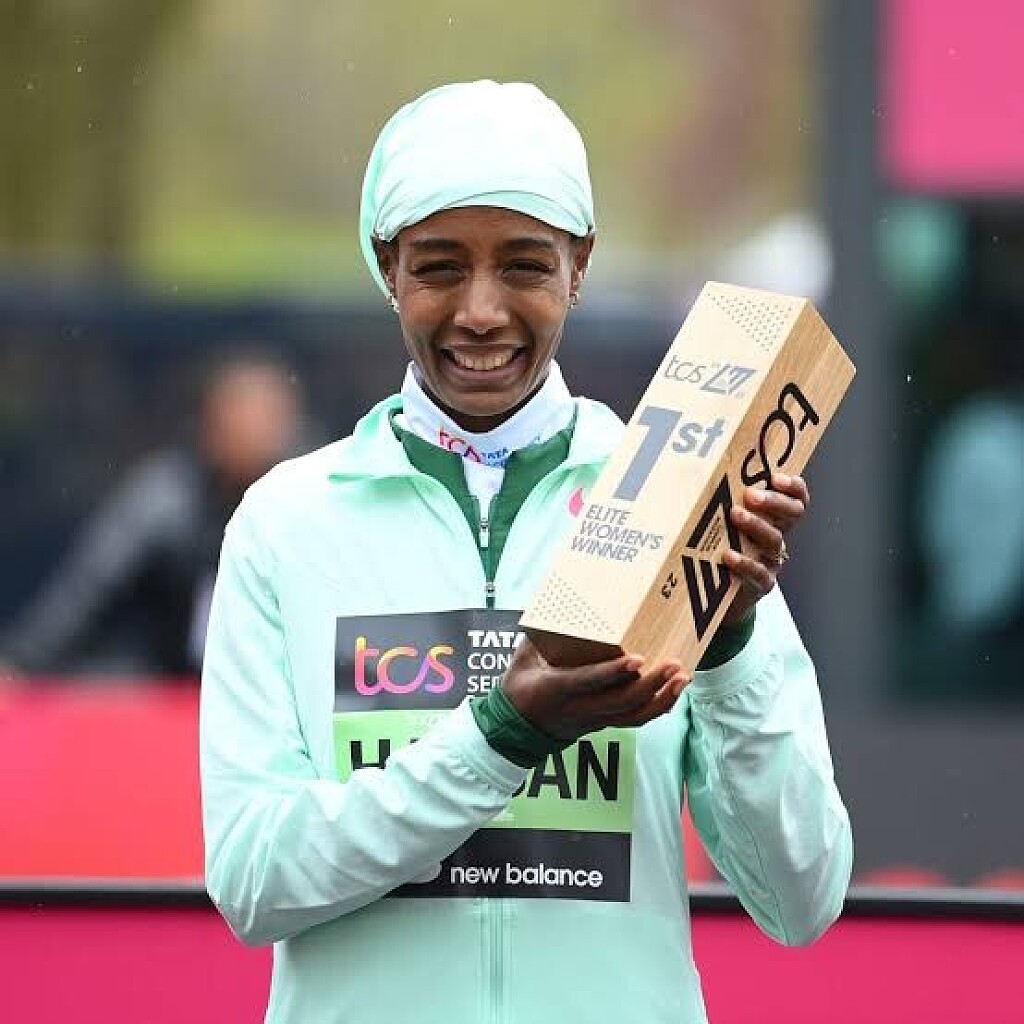
Sifan Hassan Withdraws From 2026 New York City Marathon As Illness Disrupts Her Preparation
Olympic marathon champion Sifan Hassan of the Netherlands has officially withdrawn from the 2026 TCS New York City Marathon after illness disrupted her preparations, ending hopes of seeing the versatile distance-running star return to one of the world’s most prestigious road races this autumn.
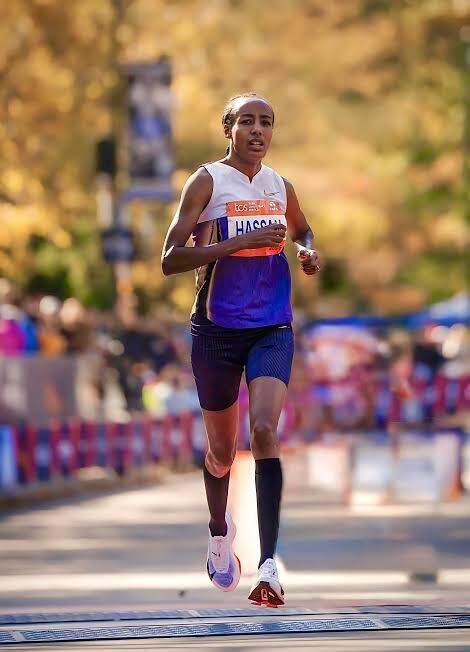
Hassan announced her decision on social media, explaining that sickness had slowed her training and left her short of the level of preparation she had hoped to achieve ahead of the November 1 race. The withdrawal is a setback for the Dutch star, who had been looking forward to returning stronger after her previous appearance in New York.
“I was so excited to come back stronger, but a sickness slowed down my training and I’m not where I wanted to be. Sometimes, things just don’t go as planned,” Hassan wrote.
Despite her disappointment, the Olympic champion also sent her best wishes to the athletes preparing to compete in New York, demonstrating her support for the wider running community even as she steps away from the competition.
Hassan, who holds a personal best of 2:13:44, ranks fifth on the women’s all-time marathon list. Her extraordinary range across track and road running has established her as one of the most versatile athletes of her generation, capable of competing at the highest level from shorter distances to the marathon.
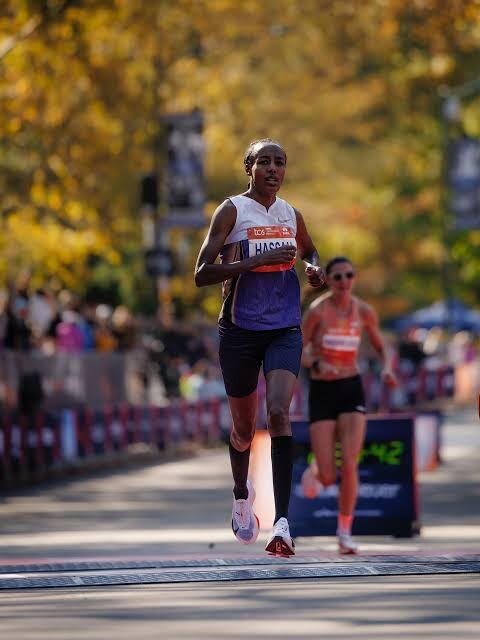
Her marathon career has already produced several memorable achievements. Hassan has won the London Marathon and Chicago Marathon, claimed victory at the Sydney Marathon, and secured Olympic marathon gold at the Paris 2024 Games. Those accomplishments underline her ability to adapt to different courses, race conditions and competitive challenges.
The withdrawal from New York follows another interruption to her 2026 campaign. Hassan previously pulled out of the London Marathon because of an Achilles injury, and the latest illness has further disrupted her plans for the season. With her training affected, stepping aside from New York allows her to prioritise her recovery rather than compete without the preparation she considers necessary.
Hassan’s absence will be a significant talking point in the build-up to the New York City Marathon, which takes runners through all five boroughs of the city before finishing in Central Park. The demanding course and deep international field regularly produce compelling racing, and her withdrawal creates an opportunity for other leading contenders to strengthen their ambitions.
Although the precise implications for the women’s elite field will depend on the final start list, the race remains an important opportunity for leading East African athletes and top American runners to challenge for victory. Without Hassan on the starting line, attention will turn to the athletes capable of taking advantage of the opportunity and delivering a memorable performance on the streets of New York.
For Hassan, however, the priority is no longer the immediate challenge of another marathon. The Dutch star has built her reputation through resilience, adaptability and a willingness to take on some of the toughest challenges in distance running. Recovering fully and returning to structured training will be essential as she considers her next competitive objectives.
At 33, Hassan already has an exceptional record that includes Olympic glory and victories at some of the world's most prestigious marathons. While her withdrawal is disappointing for fans who hoped to see her compete in New York again, it does not diminish the achievements that have made her one of the defining distance runners of her era.
The running world will now wait for news of her recovery and next racing plans. For the moment, Hassan’s message is clear: sometimes, even the best-laid preparations do not go according to plan, and knowing when to step back is part of an athlete’s journey.
The 2026 TCS New York City Marathon is scheduled for November 1. Hassan’s withdrawal removes one of the most accomplished names from the anticipated women’s field, but the race will continue to bring together elite athletes from around the world for another major contest over the five-borough course.
by Erick Cheruiyot for My Best Runs.
Login to leave a comment
TCS New York City Marathon
The first New York City Marathon, organized in 1970 by Fred Lebow and Vince Chiappetta, was held entirely in Central Park. Of 127 entrants, only 55 men finished; the sole female entrant dropped out due to illness. Winners were given inexpensive wristwatches and recycled baseball and bowling trophies. The entry fee was $1 and the total event budget...
more...
From Olympic Gold To National Icon: Letsile Tebogo’s Legacy Reaches Botswana’s Currency
Botswana’s sprint sensation Letsile Tebogo has achieved something few athletes can ever imagine: seeing his sporting legacy celebrated beyond the stadium and onto the nation’s currency.
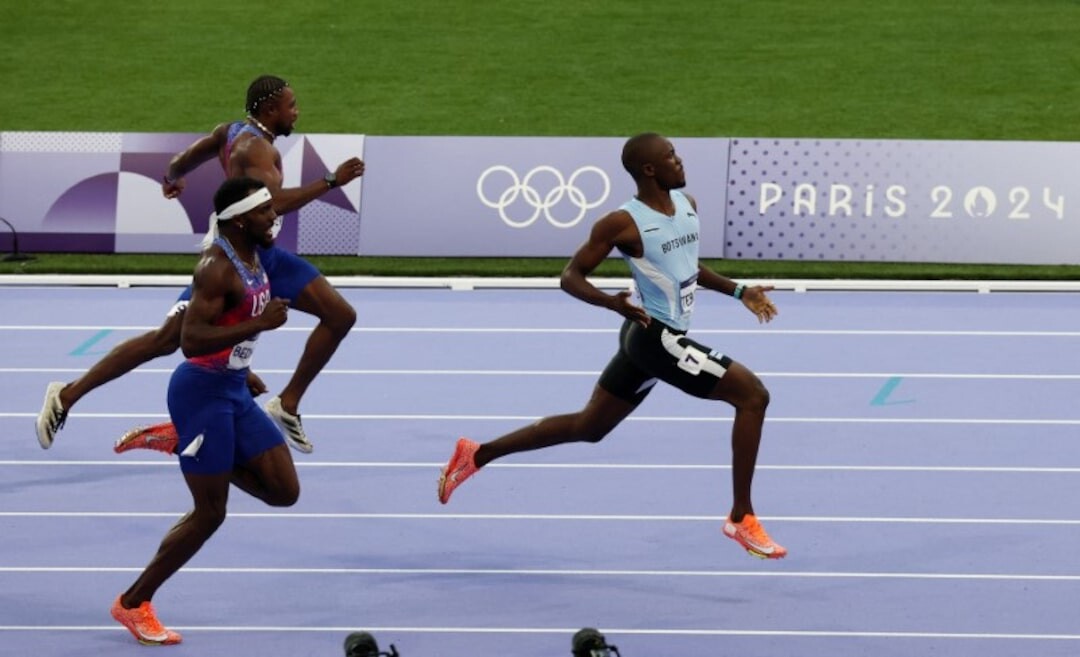
The Olympic 200m champion has been featured on Botswana’s commemorative 50-pula banknote, a powerful tribute to a young athlete whose remarkable achievements have elevated his country’s profile on the global athletics stage.
Tebogo made history at the Paris 2024 Olympic Games, storming to victory in the men’s 200 metres in an astonishing 19.46 seconds to claim Botswana’s first-ever Olympic gold medal. In doing so, he also became the first African man to win Olympic gold in the 200m, marking a landmark moment for African sprinting.
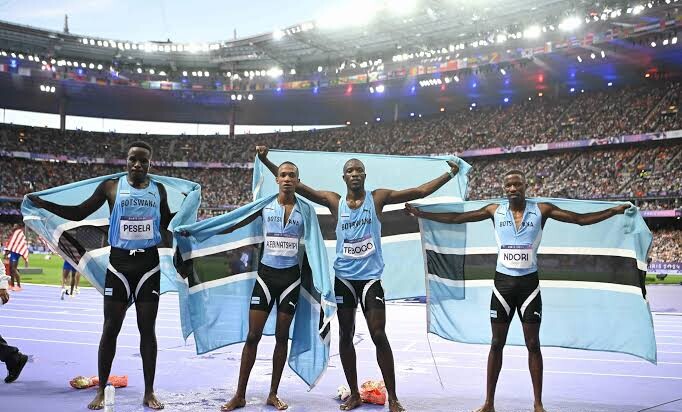
His triumph was more than a personal accomplishment. It represented a defining moment for Botswana, bringing immense national pride and demonstrating the country’s growing influence in international athletics. With his electrifying speed and composed performance on the biggest sporting stage, Tebogo established himself among the world’s leading sprinters and inspired a new generation of athletes across Africa.
The recognition of his achievements has now extended beyond the track. His appearance on Botswana’s commemorative 50-pula banknote, issued to mark the 50th anniversary of the Bank of Botswana, places his historic Olympic victory among the milestones being celebrated in the nation’s financial and cultural history. The note also recognises members of Botswana’s men’s 4×400m relay team, who secured silver at the Paris 2024 Olympics.
For a young athlete who has risen to the summit of world sprinting, the honour carries significance beyond its monetary value. It reflects the impact of sporting excellence on national identity and demonstrates how an extraordinary performance can unite a country around a shared moment of achievement.
Tebogo’s journey has also become a source of inspiration for aspiring athletes across the continent. His success shows that African sprinters can compete at the highest level and make history on the global stage. His Olympic gold medal has already secured his place in Botswana’s sporting history, while the recognition on the commemorative banknote further celebrates his contribution to the nation.
From the Olympic track to the nation’s currency, Letsile Tebogo has become a powerful symbol of Botswana’s ambition, pride and sporting progress. His remarkable 19.46-second performance in Paris will forever remain a landmark in Olympic history, while his growing legacy continues to inspire athletes and fans far beyond his homeland.
For Botswana, this is more than a tribute to a champion. It is a celebration of a historic achievement, a symbol of national pride and a reminder that one extraordinary performance can leave a lasting mark on an entire nation.
by Erick Cheruiyot for My Best Runs.
Login to leave a comment
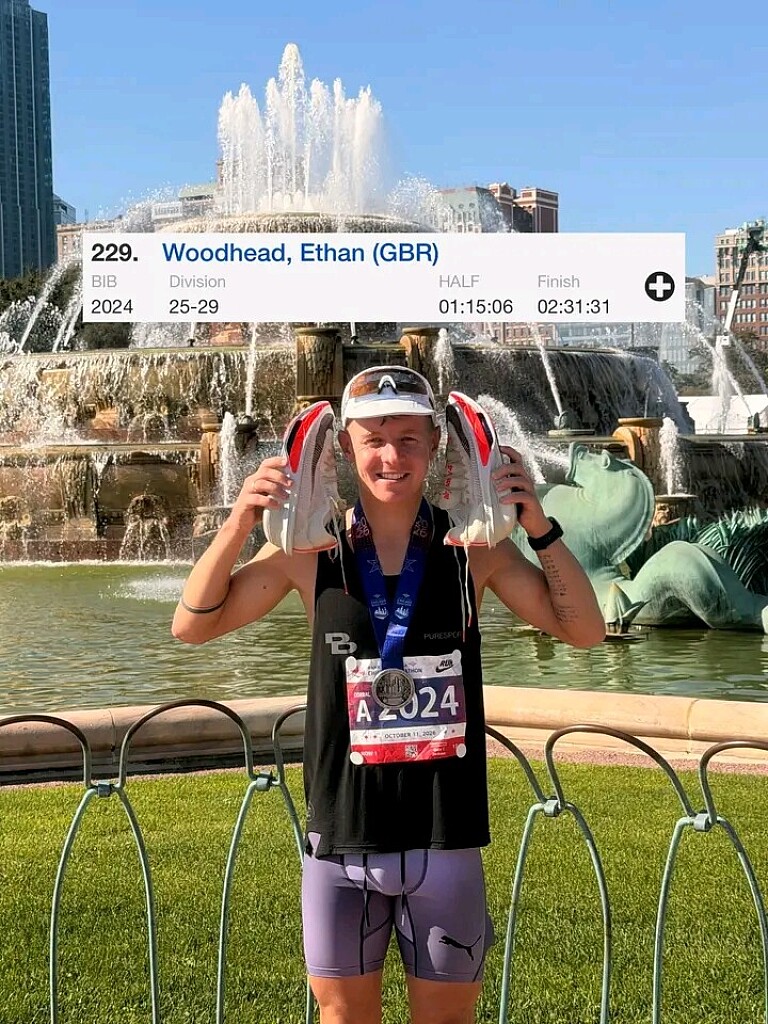
Chicago Strangers Turn Ethan Woodhead’s Marathon Into an Unforgettable Homecoming After 4,000-Mile Journey
For 24-year-old Ethan Woodhead, travelling from Guernsey in the United Kingdom to Chicago to run a marathon was already an adventure. What he did not anticipate was that thousands of kilometres from home, a city full of strangers would make him feel as though he had brought his entire support network with him.
Woodhead travelled more than 6,400 kilometres (approximately 4,000 miles) to compete in the Chicago Marathon, expecting to tackle the demanding 42.195-kilometre distance without friends or family members lining the streets to cheer him on. However, thanks to a thoughtful initiative from his uncle, Phil Woodhead, his race turned into an extraordinary story of community spirit and the power of running to bring people together.
Knowing that his nephew would be running far from home, Phil took to Facebook with a simple request to Chicago spectators: keep an eye out for Ethan, wearing bib number 2024, and give him some encouragement along the course.

What followed was far beyond what either of them could have imagined.
The appeal quickly gained momentum online, attracting thousands of likes and hundreds of comments and shares. Runners, spectators and other members of the public responded enthusiastically, with many deciding to make the young British runner feel welcome by preparing homemade signs bearing his name.

As Ethan made his way through the streets of Chicago, he was met by enthusiastic cheers from people who had never met him but had learned about his journey through his uncle's post. Instead of experiencing the relative anonymity he had expected, he found himself being encouraged by strangers who made a special effort to recognise him and lift his spirits.
Woodhead, who had hoped to finish the marathon in approximately 2 hours and 30 minutes, could hardly have anticipated the emotional impact of the reception awaiting him along the route.
The experience left him “lost for words,” as he described the overwhelming support as a truly special experience. Hearing so many people call out his name was something he had never expected when he set off from Guernsey for the American city.
Although marathon running is often associated with personal ambition, gruelling training schedules and the determination required to reach the finish line, Ethan's experience highlighted another side of the sport: the remarkable connections that can emerge between complete strangers.
His uncle's request transformed what might have been a solitary sporting adventure into a shared celebration, demonstrating how a small act of kindness can have an extraordinary impact on someone's experience.
Chicago's spectators had no personal connection to Ethan, yet they embraced the opportunity to become part of his marathon journey. Their handmade signs and enthusiastic encouragement served as a reminder that support does not always have to come from family and friends. Sometimes, it comes from people who simply want to make someone else's day a little more special.
For Ethan, the trip was about more than running 42.195 kilometres. It became a lasting memory of discovering warmth, encouragement and a sense of belonging thousands of kilometres away from home.
His story captures the spirit of marathon running at its finest. Every participant has a personal reason for taking on the distance, but along the way, the collective energy of spectators and the generosity of fellow human beings can make the challenge even more meaningful.
One runner travelled across the Atlantic expecting to race far from his support network. Instead, Chicago welcomed him with open arms, proving that even when you arrive alone, you do not necessarily have to feel alone.
One runner. One marathon. Hundreds of strangers united by a name on a race bib. Sometimes, the most unforgettable part of a marathon is not the time on the clock, but the people who help make the journey worthwhile.
by Erick Cheruiyot for My Best Runs.
Login to leave a comment
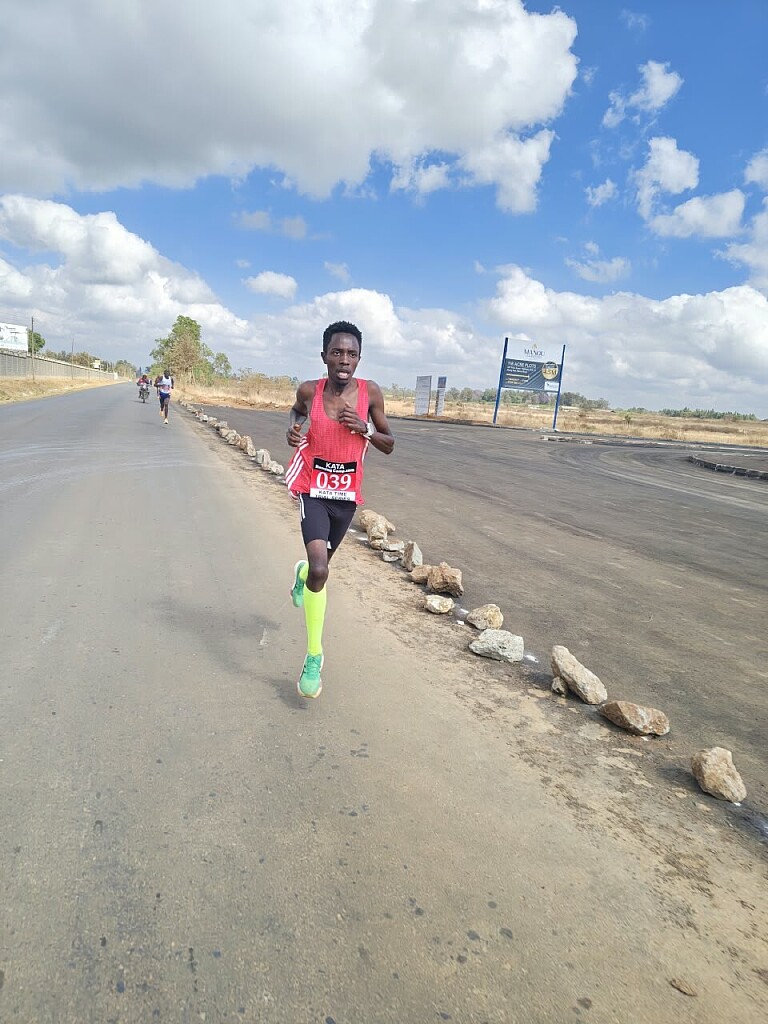
KATA Time Trial Series:Kelvin Ng'ang'a Leads Men’s 10km as Runners Battle Warm, Humid Conditions at 60th Edition
The Kenyan Athletics Training Academy (KATA) marked a significant milestone on Wednesday, October 14, 2026, with the successful staging of the 60th edition of its Time Trial Series in Thika, Kenya. Athletes took to the course across the 10km and 5km distances, testing their fitness and racing the clock in conditions characterised by relatively high temperatures and humidity.
Despite the challenging weather, the runners delivered competitive performances, with Kelvin Ng'ang'a leading the men's 10km in 30:48. Charles Wanjora finished second in 30:55, while Erick Cheruiyot completed the top three in 31:02, as the leading trio crossed the finish line within 14 seconds of one another.
The close contest highlighted the competitive nature of the series, where athletes have an opportunity to measure their progress, assess their race readiness and identify areas for improvement through timed competition.
Justus Nyamai finished fourth in 31:22, followed by Robert Ndegwa in 32:35. Francis Maina placed sixth in 32:51, while Ishmael Mburu took seventh in 33:22. Vincent Kiprotich finished eighth in 34:47, ahead of David Muriuki, who clocked 34:58. Ezekiel Kitorit completed the top 10 in 35:09.
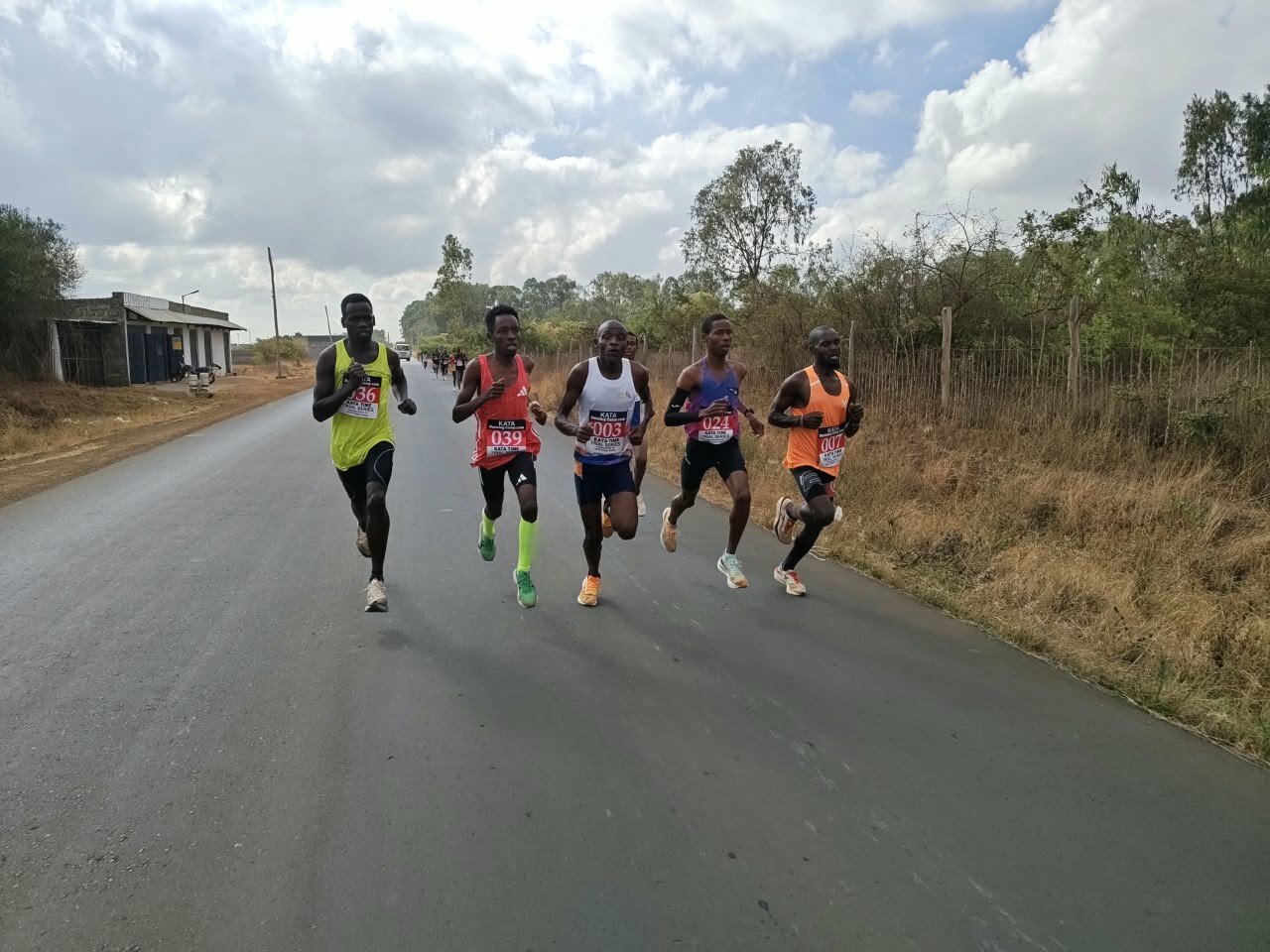
Bernard Gicheha followed in 35:14, with Eugene Wambua recording 35:28. Lewis Kamau finished in 36:28, Paul Ng'ang'a in 37:21, George Mwangi in 37:34 and Simon Ngereza in 37:41, rounding out the men's 10km results.
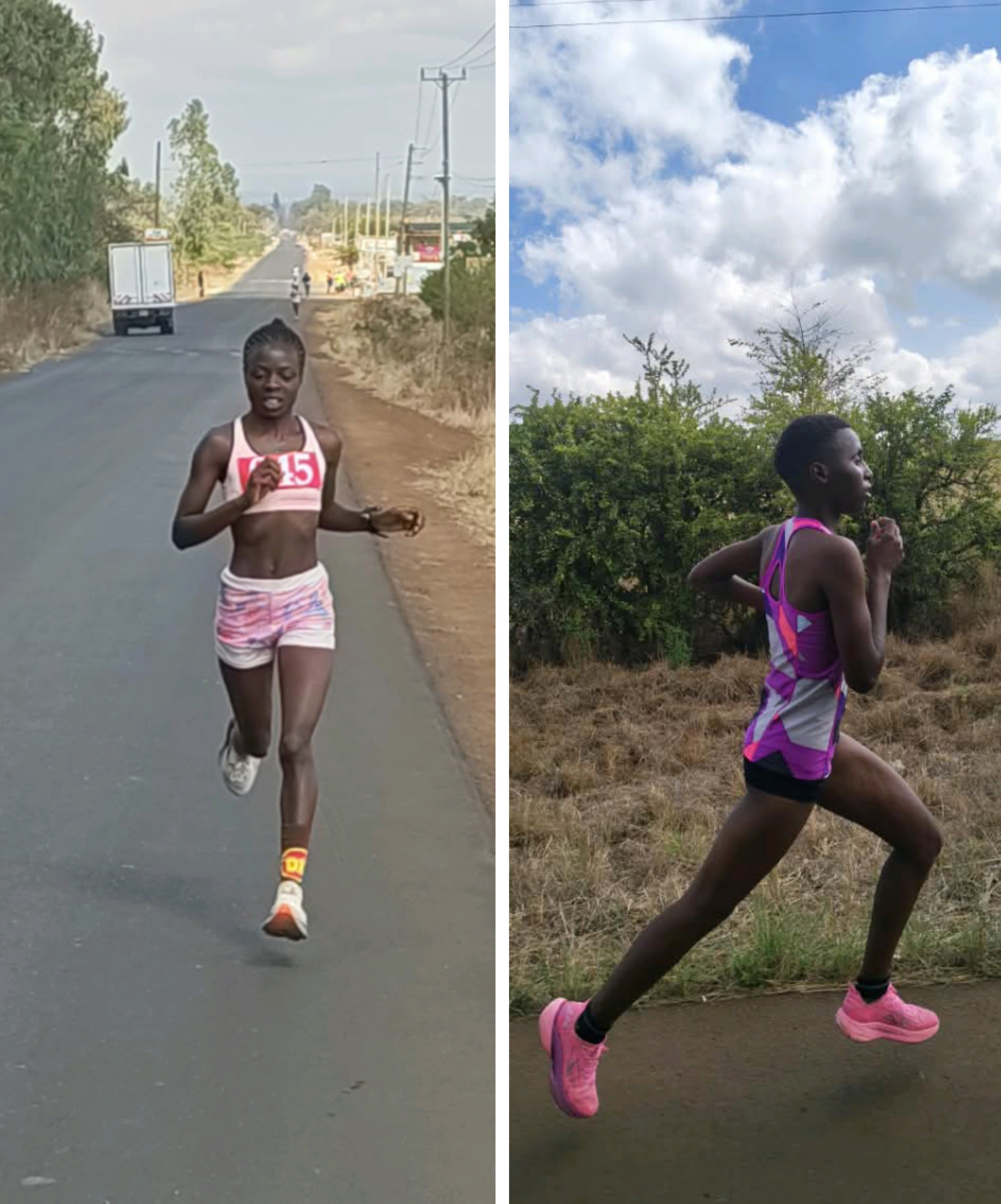
In the women's 10km, Ruth Maina emerged victorious in 36:31. Felister Maina followed in 37:08, while Regina Sandiki finished third in 38:56. Felister Mbatha completed the four-woman field in 44:38.
The performances came under conditions that demanded careful pacing and determination. With temperatures relatively high and humidity adding to the challenge, the time trial provided athletes with a practical opportunity to assess how their current fitness responds to less-than-ideal racing weather.
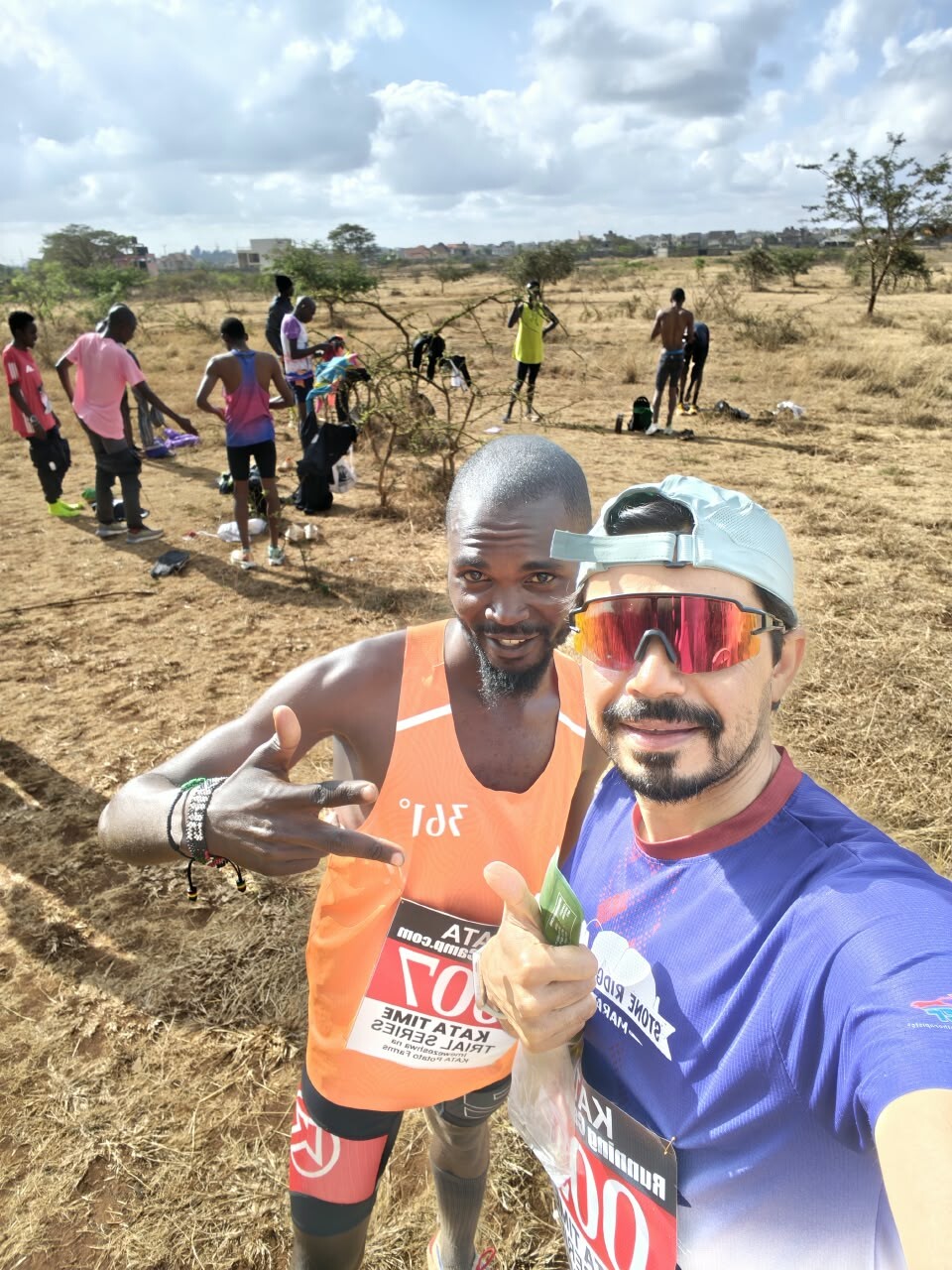
The 5km race added another highlight to the day's programme, with Elam Okato taking finishing with 25:46. Guest runner Rohan Kohli, visiting from India, also completed the distance in 25:46. The 5km race produced a dead heat, with a finish joint first in the race.
Kohli's participation added an international dimension to the milestone edition, bringing a guest runner from India into the KATA running environment. His appearance highlighted how athletics can bring together people from different backgrounds through a shared passion for running.
KATA 60TH TIME TRIAL SERIES RESULTS Wednesday, October 14, 2026 Thika, Kenya
MEN’S 10KM
- Kelvin Ng'ang'a – 30:48
- Charles Wanjora – 30:55
- Erick Cheruiyot – 31:02
- Justus Nyamai – 31:22
- Robert Ndegwa – 32:35
- Francis Maina – 32:51
- Ishmael Mburu – 33:22
- Vincent Kiprotich – 34:47
- David Muriuki – 34:58
- Ezekiel Kitorit – 35:09
- Bernard Gicheha – 35:14
- Eugene Wambua – 35:28
- Lewis Kamau – 36:28
- Paul Ng'ang'a – 37:21
- George Mwangi – 37:34
- Simon Ngereza – 37:41
WOMEN’S 10KM
- Ruth Maina – 36:31
- Felister Maina – 37:08
- Regina Sandiki – 38:56
- Felister Mbatitha – 44:38
5KM
- Elam Okato – 25:46
- Rohan Kohli (India) – 25:46
NOTE: Elam Okato and Rohan Kohli recorded identical times of 25:46.
Beyond the finishing positions, the 60th edition reinforced the purpose of the KATA Time Trial Series: providing athletes with a consistent platform to evaluate their preparation and monitor their development.
Unlike major championship races, where medals and titles dominate the conversation, time trials offer a different measure of success. Athletes can assess their pacing, endurance and ability to maintain their effort across a set distance. Coaches can also use the results to evaluate training progress and make adjustments ahead of future competitions.
Wednesday's warm, humid conditions added another variable to that assessment. Weather can influence how runners feel and perform, making it important to consider the conditions when interpreting times and comparing results across different editions.
For athletes working towards personal bests and improved performances in road races, track events and longer-distance competitions, these opportunities to test fitness remain an important part of the preparation process.
Reaching its 60th edition represents a notable milestone for the KATA Time Trial Series and its continuing role in the Thika running community. By bringing athletes together for regular, timed competition, the series offers a practical environment for tracking progress, building competitive experience and maintaining focus on long-term goals.
From Nganga's leading performance in the men's 10km to Ruth Maina's victory in the women's race and the shared finishing time in the 5km, the day's results provided another snapshot of athletes at different stages of their development.
As the runners return to training, the times recorded in this edition will serve as a reference point for their next phase of preparation. For some, the priority will be improving speed; for others, it will be strengthening endurance, refining pacing or preparing for upcoming races.
At KATA, the principle remains straightforward: show up, put in the work, test your fitness and let the stopwatch tell the story.
The 60th edition is now in the books, but for the athletes who took part, the next challenge has already begun.
by Erick Cheruiyot for My Best Runs.
Login to leave a comment

KATA Time Trial Series
Welcome to the KATA Monthly Time Trial Held at the Kenyan Athletics Training Academy in Thika, Kenya, the KATA Monthly Time Trial is a unique and inclusive event designed to support runners of all levels in achieving their goals and showcasing their fitness. This event offers both 10K and 5K distances on an accurate, certified course, providing participants with...
more...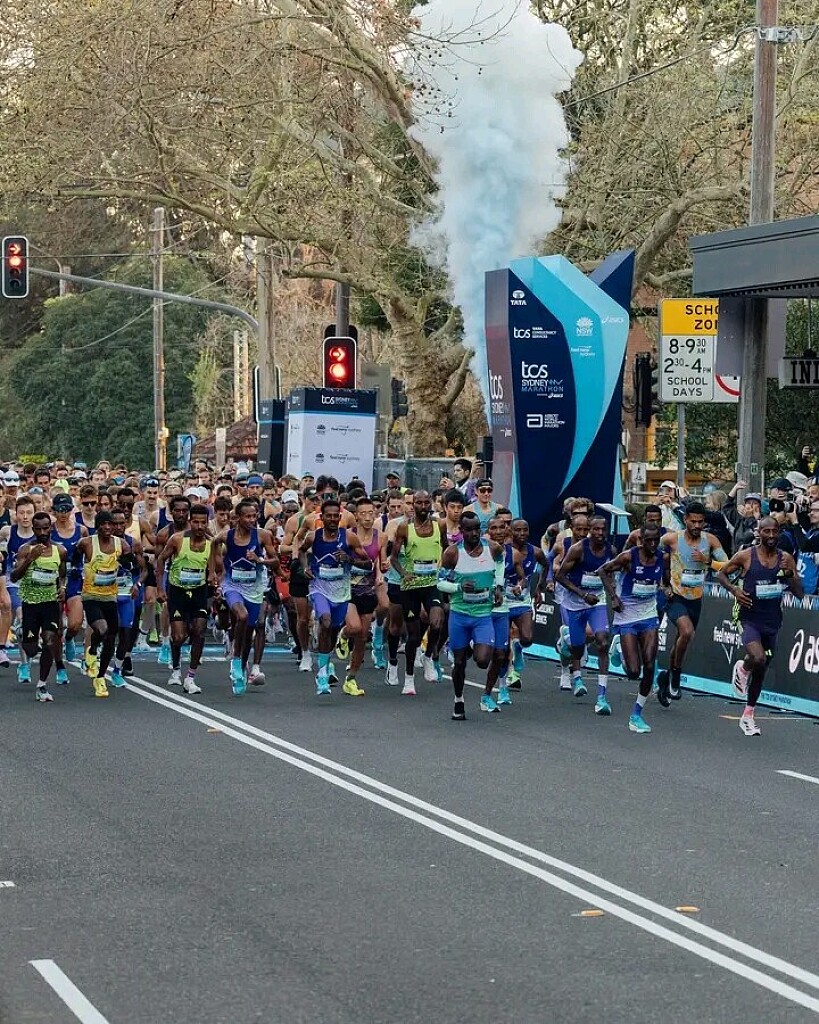
2027 Sydney Marathon Ballot Opens as Runners Worldwide Set Their Sights on Australia’s Iconic Race
The road to one of the world’s most spectacular marathon experiences has officially begun, with entries now open for the 2027 TCS Sydney Marathon presented by ASICS. Runners from across the globe can now submit their applications for a chance to participate in Australia’s largest marathon, an event that combines world-class distance running with the unforgettable scenery of Sydney.
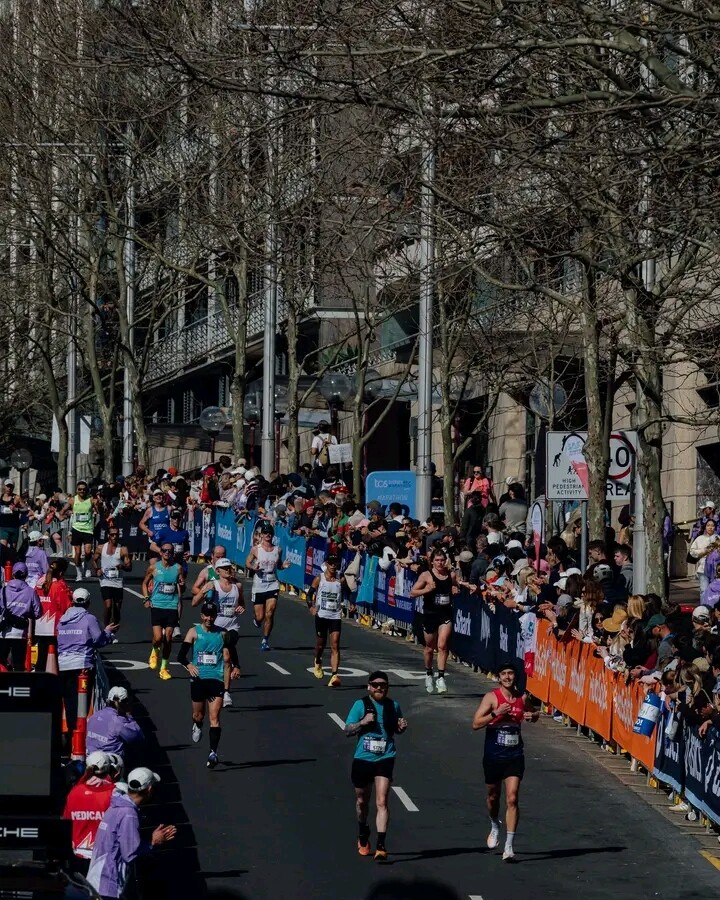
Scheduled for Sunday, August 29, 2027, the race promises to bring together thousands of runners, from passionate recreational athletes to experienced marathoners, for a memorable journey through one of Australia’s most celebrated cities.
More than a test of endurance, the Sydney Marathon offers participants an opportunity to experience the city’s distinctive atmosphere, vibrant culture and internationally recognised landmarks. The highlight for many runners will be the chance to cross the finish line beneath the iconic sails of the Sydney Opera House, creating a lasting memory at the end of months of preparation and training.
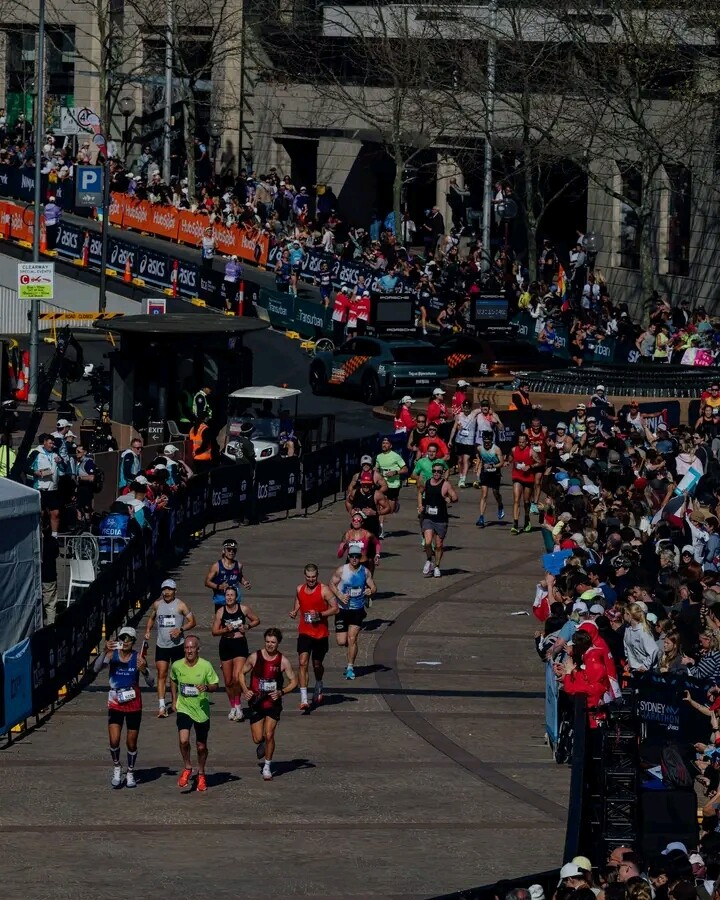
For international participants, the appeal extends well beyond race day. From exploring Sydney’s streets and waterfront to soaking up the atmosphere surrounding the event, the marathon offers an experience that combines sporting ambition with travel and cultural discovery.
Ballot Applications Open Until October 19
Runners hoping to secure a place in the 2027 edition must submit their applications before the ballot closes on Tuesday, October 19, 2026, at 10:00 a.m. Australian Eastern Daylight Time (AEDT).
Unlike a conventional first-come, first-served registration system, the marathon uses a random ballot to allocate places. This means applicants have an equal opportunity in the draw, regardless of when they submit their applications during the ballot period.
Athletes are therefore encouraged to complete their applications before the deadline, ensure that their contact details are accurate and familiarise themselves with the event's important dates.

Applicants will be notified of the outcome on November 3, 2026. Successful applicants will have their registered bank cards charged, with confirmation emails sent afterwards. Runners should ensure that the email addresses provided during registration are correct and check their junk or spam folders if they cannot find the notification.
The organisers have also clarified that they will not respond to individual enquiries about ballot application status between the opening of the ballot and the announcement of results. All ballot outcomes are final, and applicants are encouraged to consult the official frequently asked questions for further guidance.
Duo teams and participants competing in non-elite racing wheelchairs are subject to separate application procedures and should not apply through the general ballot.
An Opportunity to Be Part of Sydney’s Marathon Story
With the ballot now open, runners have the opportunity to begin planning for an event that brings together international participation, personal achievement and the excitement of marathon racing in a world-famous destination.
For those who secure a place, the journey will begin long before the starting gun sounds. Training schedules, long-distance runs and months of preparation will eventually lead to race day, when the streets of Sydney become the stage for thousands of individual stories of determination and achievement.
The 2027 TCS Sydney Marathon is scheduled for August 29, with ballot applicants expected to receive their results on November 3, 2026. Anyone who has not received a notification is advised to wait until after November 6 before contacting the organisers.
For athletes dreaming of racing in Australia, the opportunity to take part in Sydney’s celebrated marathon begins with a ballot application. The race may last only a few hours, but the journey to the starting line—and the memories created along the way—can last a lifetime.
by Erick Cheruiyot for My Best Runs.
Login to leave a comment

Sydney Marathon
The Sydney Marathon is a marathon held annually in Sydney, Australia. The event was first held in 2001 as a legacy of the 2000 Summer Olympics, which were held in Sydney. In addition to the marathon, a half marathon, 9 kilometres (5.6 mi) "Bridge Run", and a 3.5 kilometres (2.2 mi) "Family Fun Run" are also held under the banner...
more...