

Running News Daily
Running News Daily is edited by Bob Anderson and team. Send your news items to bob@mybestruns.com Advertising opportunities available.
Index to Daily Posts · Sign Up For Updates · Run The World Feed
Articles tagged #Cocodona 250
Today's Running News
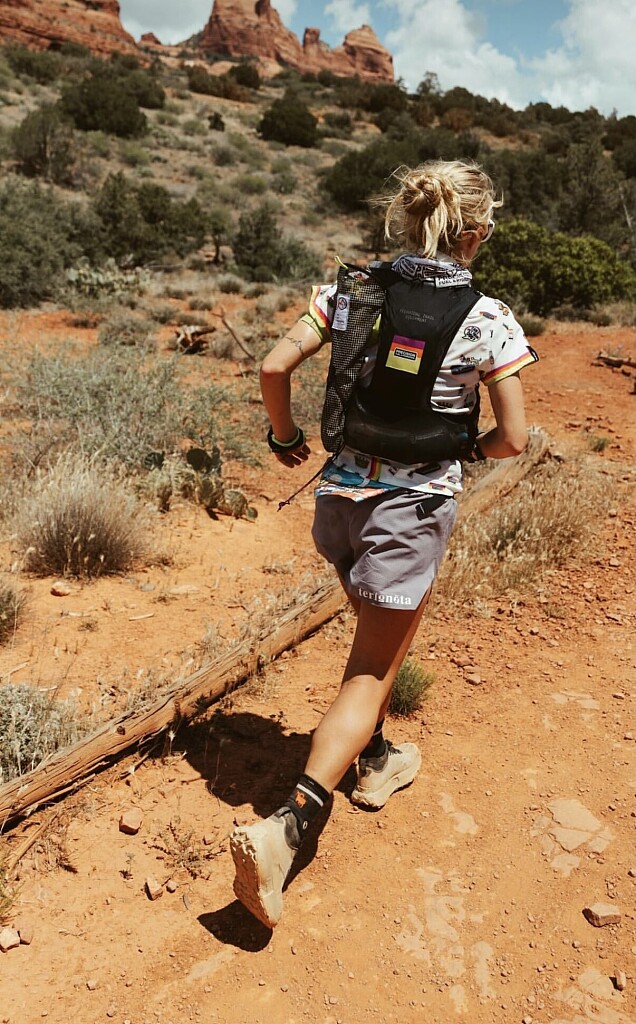


From Exclusion to Domination: Rachel Entrekin’s Historic Cocodona Triumph Redefines Women’s Endurance Running
For decades, women were pushed to the margins of competitive distance running, denied opportunities in races that today define the pinnacle of endurance sport. The idea of women conquering extreme distances was once dismissed entirely by sporting authorities who believed the female body was incapable of enduring such physical punishment.
The history is impossible to ignore.
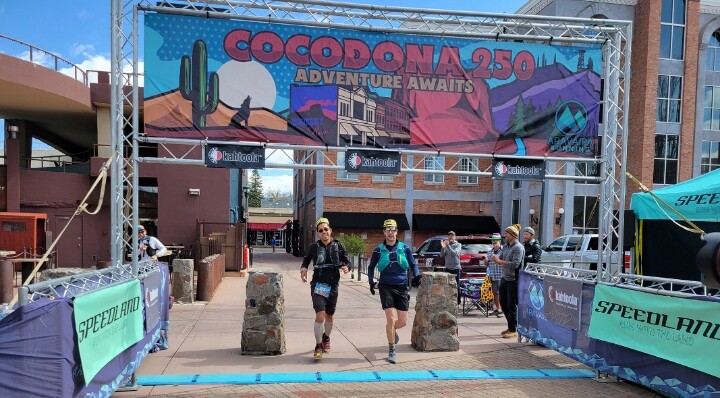
The legendary Boston Marathon did not officially allow female entrants until 1972, despite women proving for years that they could compete at the highest level. Even more striking, the Olympic marathon remained closed to women until the 1984 Games, a staggering reminder of how recently barriers still existed in elite running.
Now, decades later, the sport has witnessed another groundbreaking chapter — one that perfectly captures how dramatically the landscape has changed.
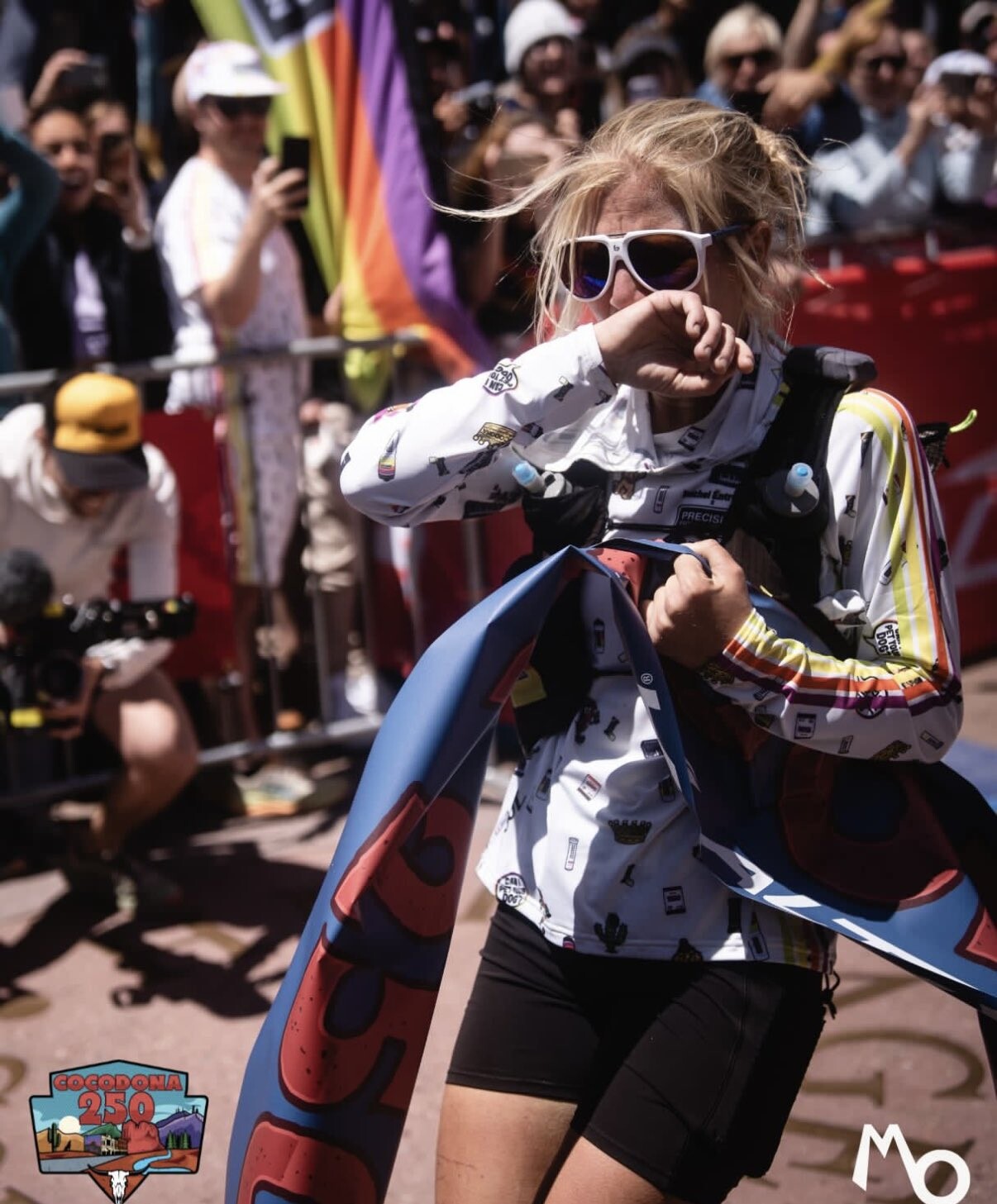
While men may generally possess advantages in raw speed and physical strength, endurance science has increasingly highlighted areas where women excel — particularly in prolonged fatigue resistance, energy efficiency, and the remarkable ability to tolerate physical suffering over extreme durations. Few performances in recent memory have illustrated that reality more powerfully than what unfolded this week in the Arizona wilderness.
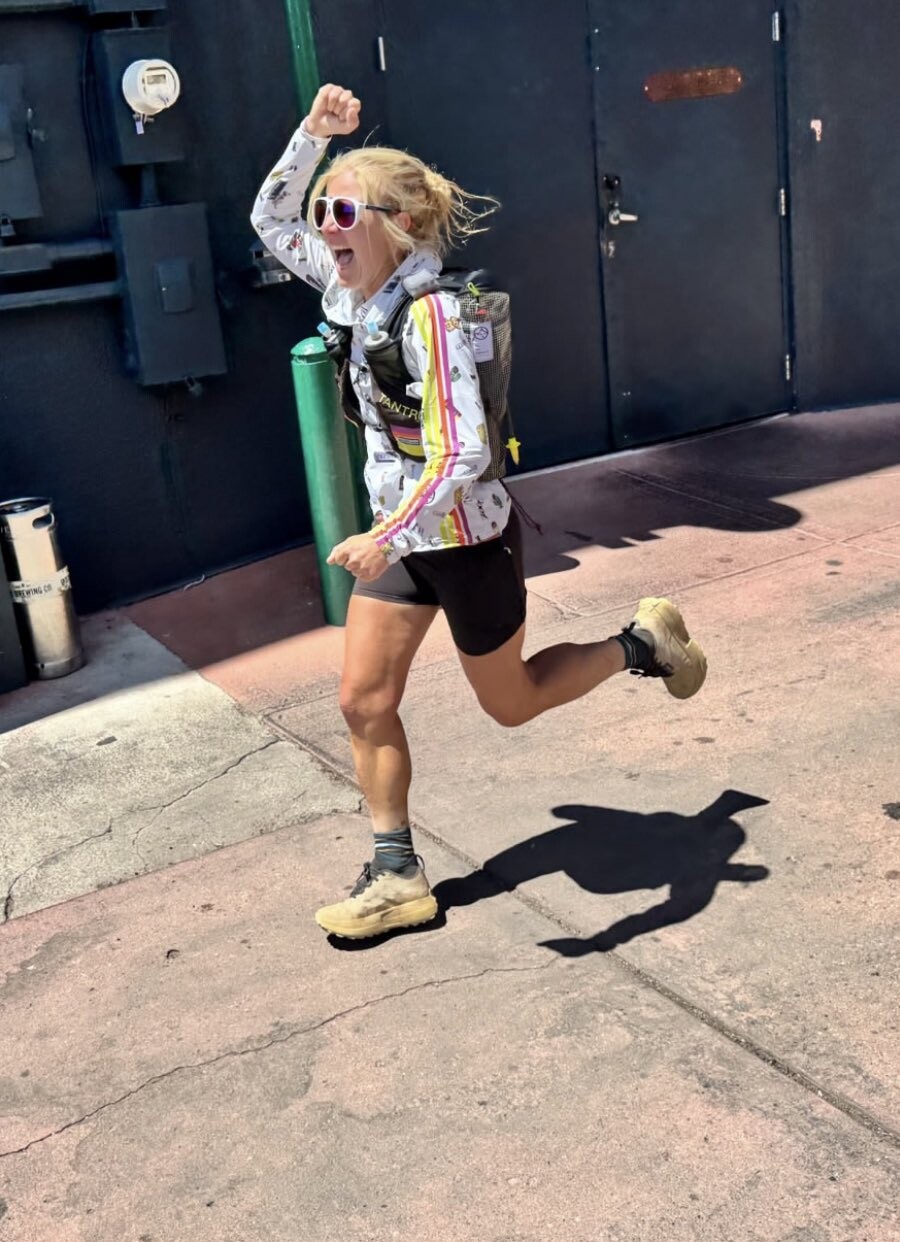
On the brutal and unforgiving trails of the Cocodona 250, Rachel Entrekin produced one of the greatest ultramarathon performances ever witnessed, defeating the entire field outright to claim her third consecutive title in spectacular fashion.
The American endurance star conquered the staggering 254-mile course in an astonishing 56 hours, 9 minutes, and 48 seconds — the fastest time ever recorded over the distance by any athlete.
Male or female.
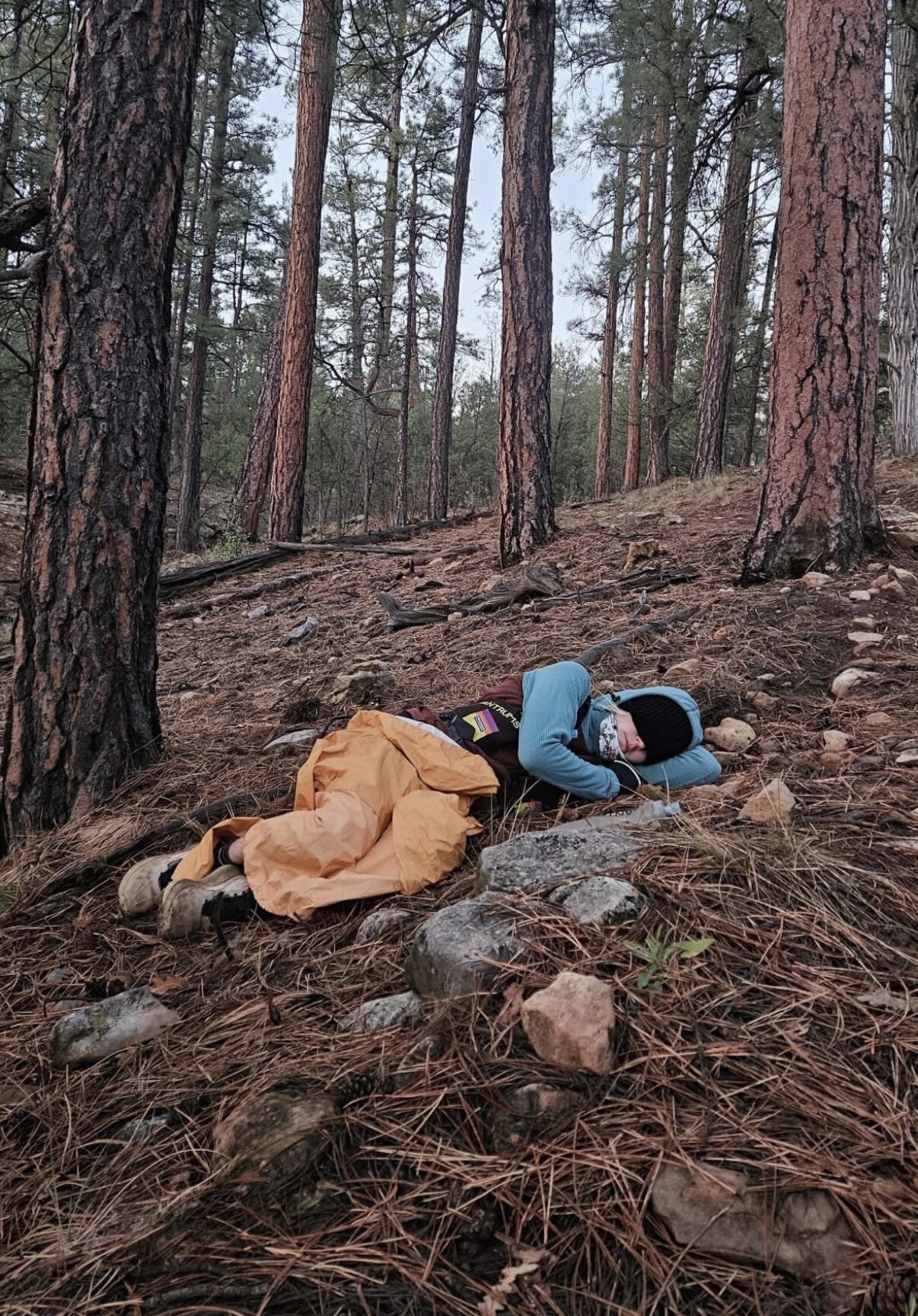
Across punishing mountain climbs, endless desert trails, technical terrain, and crushing exhaustion, Entrekin remained relentless from start to finish. Even more astonishing was the physical sacrifice behind the achievement: she reportedly completed the entire race on just 15 minutes of sleep.
In a contest where most athletes battle hallucinations, muscle failure, and severe mental fatigue, Entrekin somehow maintained elite-level pace and composure for more than two continuous days of running. The performance did not merely secure victory — it completely shattered assumptions about the limits of human endurance.
The Cocodona 250 is widely regarded as one of the most grueling ultramarathons on Earth. Stretching across Arizona’s harsh backcountry, the race tests athletes through sleep deprivation, brutal elevation gain, extreme temperatures, and relentless physical punishment that pushes even the world’s strongest runners to collapse.
Yet Entrekin appeared almost untouchable.
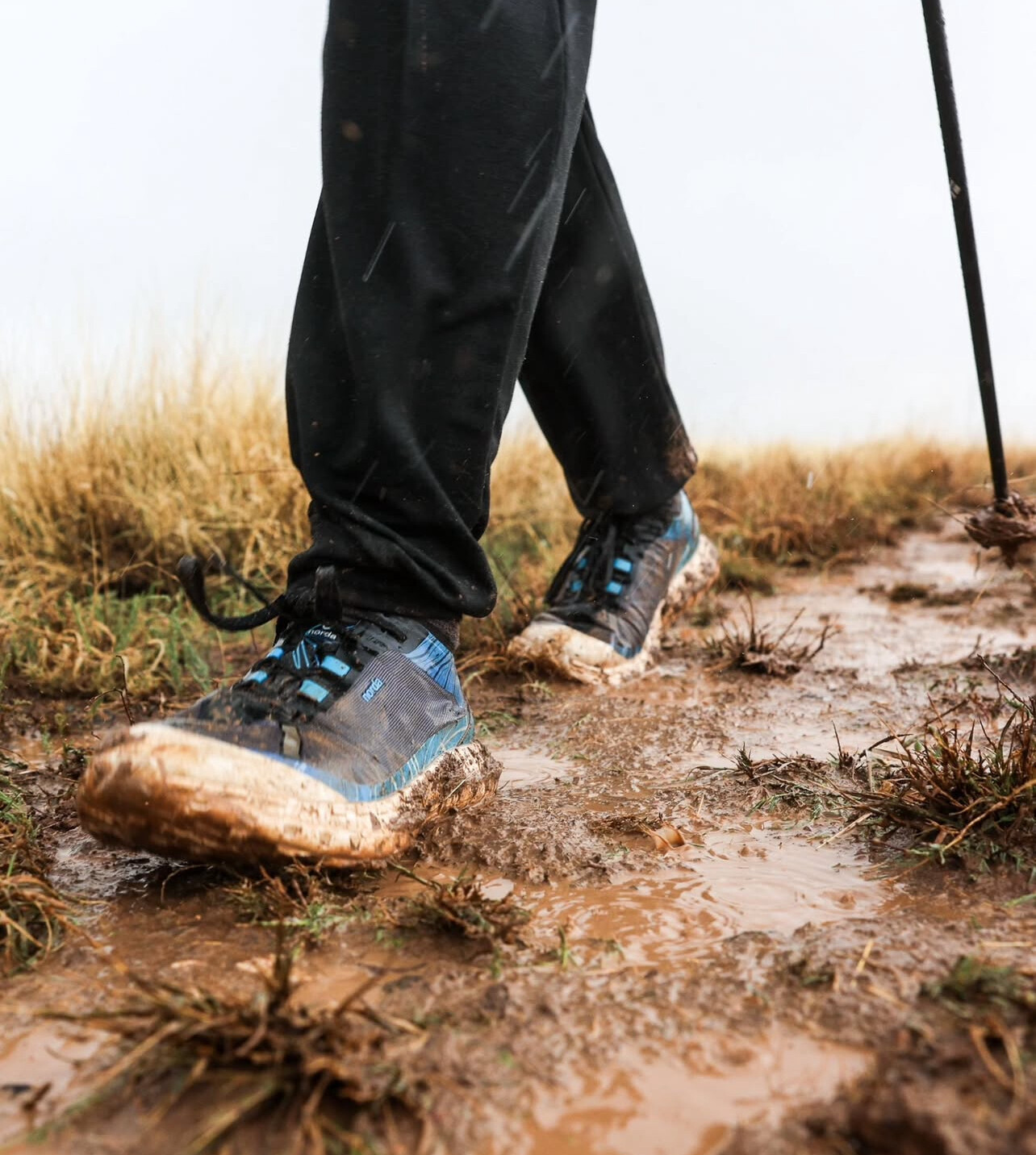
Adding another fascinating layer to the historic achievement was the footwear behind the run. Entrekin covered the entire course wearing the unreleased norda 055, a highly anticipated trail shoe expected to launch in the summer of 2026. Her extraordinary performance has already generated massive curiosity within the global running community, with many eager to learn more about the shoe that carried her through one of ultrarunning’s greatest displays of dominance.
More importantly, however, her victory symbolizes something far bigger than records, technology, or trophies.
It represents the evolution of women’s distance running itself — from exclusion and doubt to complete mastery on the sport’s most demanding stages. What was once considered impossible has now become undeniable reality.
And deep in the deserts and mountains of Arizona, Rachel Entrekin did more than simply win a race.
She delivered a performance that may forever redefine the boundaries of endurance sport.
by Erick Cheruiyot for My Best Runs.
Login to leave a comment
Arizona’s Monster — Why the Cocodona 250 Is One of the Toughest Races on Earth
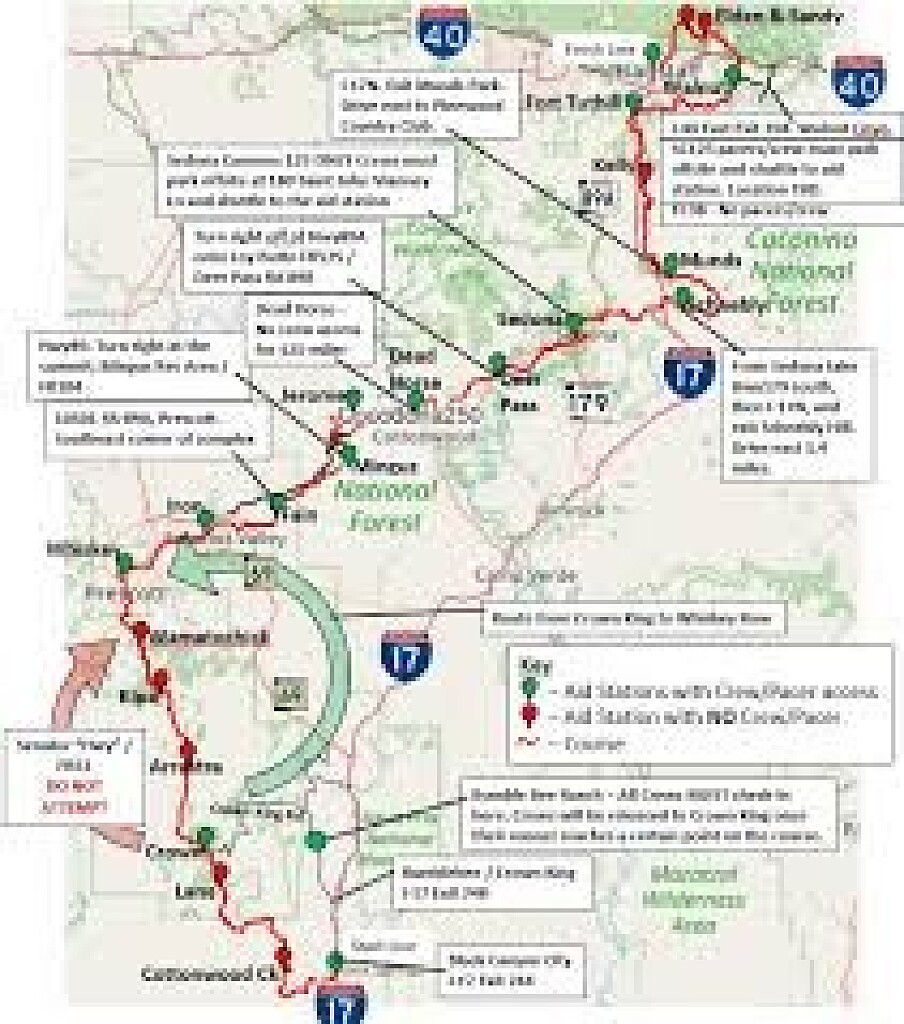
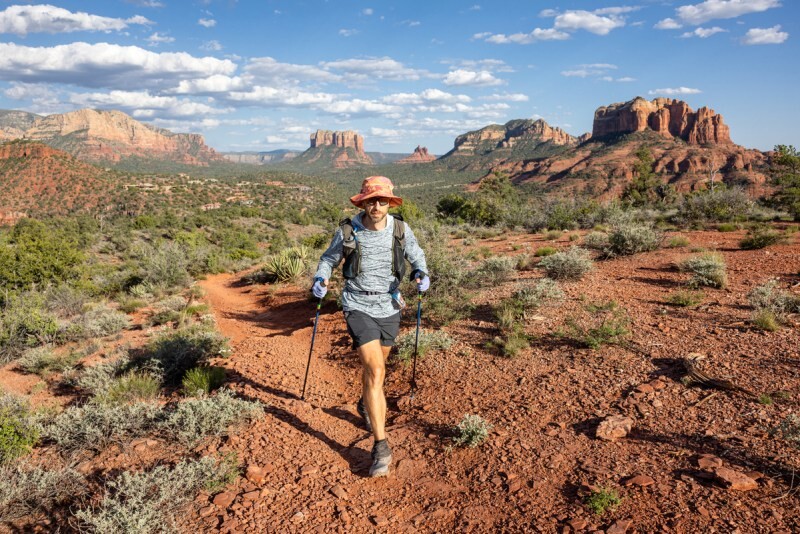
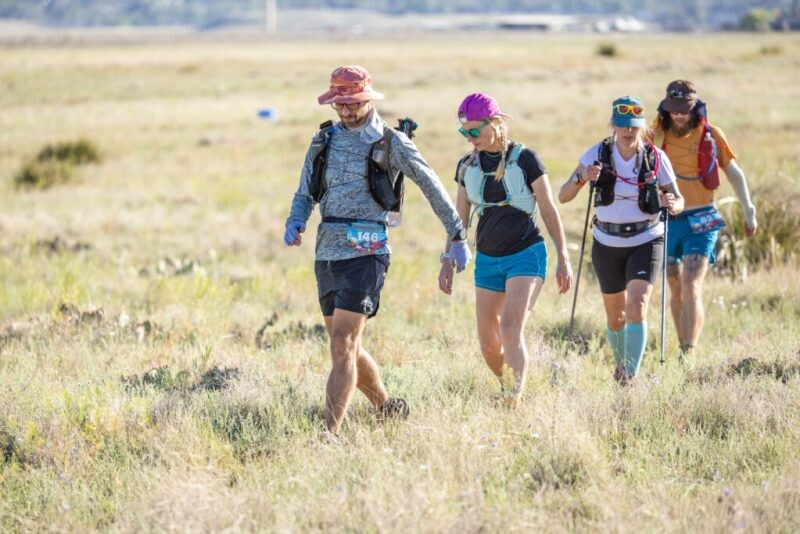
The Cocodona 250 isn’t just a race—it’s an odyssey through Arizona’s most rugged and awe-inspiring landscapes. Spanning 256.5 miles from Black Canyon City to Flagstaff, this ultramarathon demands everything a runner has—physically, mentally, and emotionally.
With over 40,000 feet of elevation gain, participants climb mountain passes, descend desert valleys, and navigate technical trails through towns rich in mining and frontier history—Crown King, Prescott, Jerome, Clarkdale, and Sedona—before reaching the final climb to Mount Elden and the finish in Flagstaff.
The terrain breakdown reflects the challenge:
• 45% single-track trails
• 46% jeep and double-track roads
• 9% pavement
Runners face a 125-hour cutoff to complete the course, pushing through heat, altitude shifts, and sleep deprivation. With elevations ranging from 1,996 feet to over 9,200 feet, it’s a test of true ultrarunning grit.
For those who dare to take it on, Cocodona is more than a race—it’s a journey across time, terrain, and personal limits.
by Pros Baron
Login to leave a comment
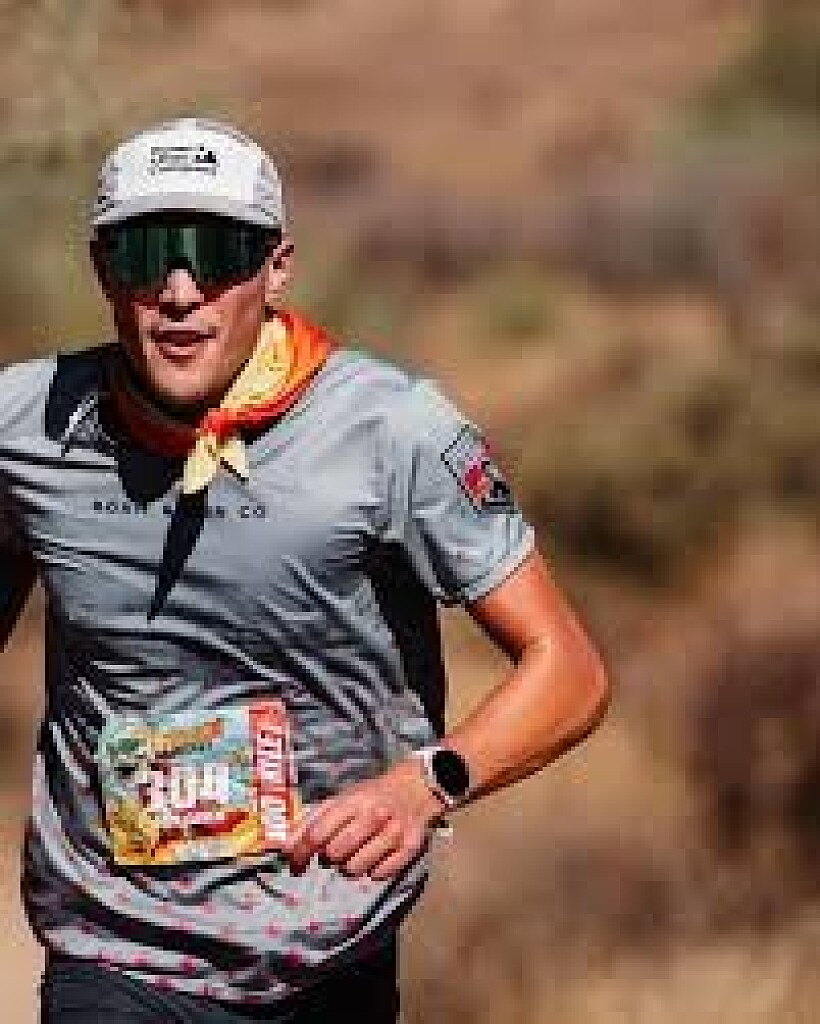
Dan Green Wins Cocodona 250 in Record Time Averaging 13:45 per mile
Dan Green, a seasoned endurance athlete from Huntington West Virginia, took on the grueling Cocodona 250ultramarathon across Arizona this week—and not only finished the race, he won it in spectacular fashion.
Green completed the 256.5-mile course in 58 hours, 47 minutes, and 18 seconds, setting a new course record and surpassing the previous best by over an hour. That’s an average pace of 13 minutes and 45 seconds per mile—an incredible feat considering the race includes nearly 40,000 feet of elevation gain.
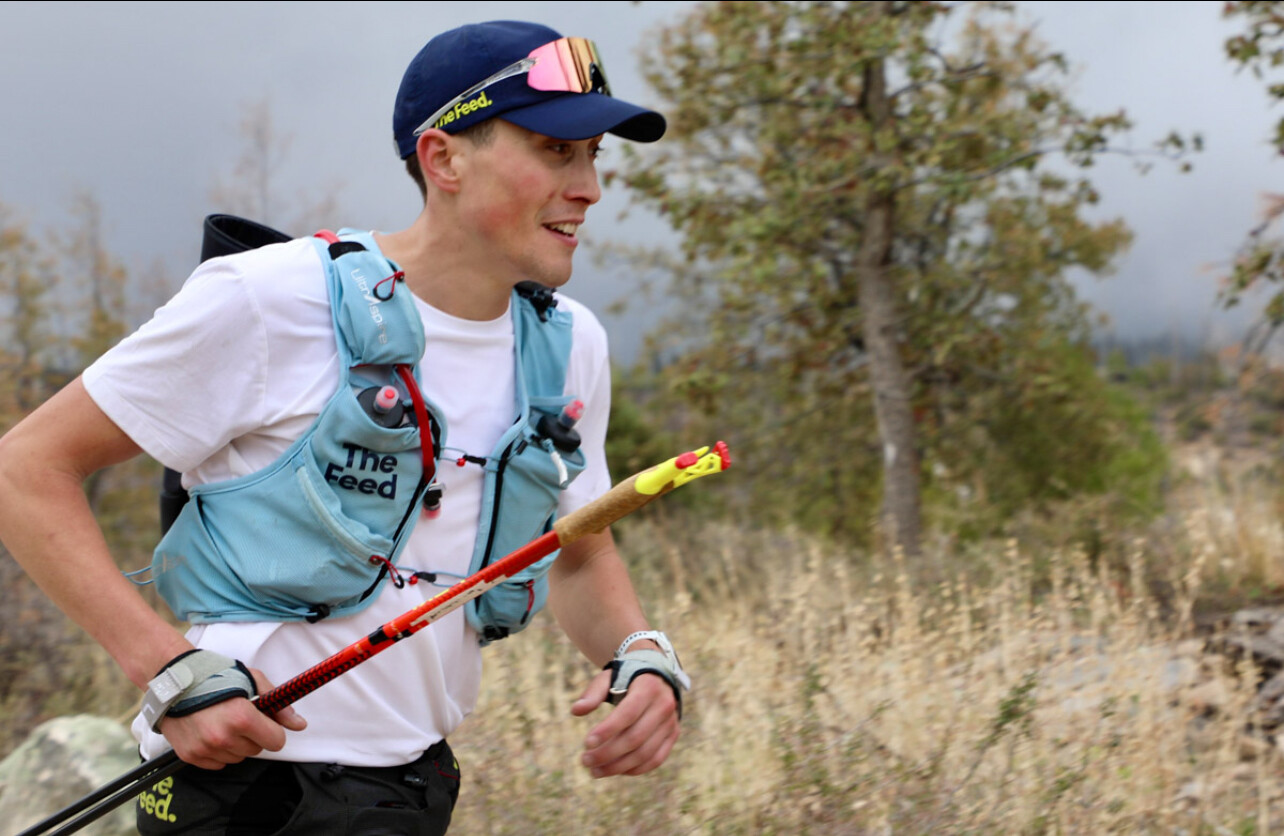
The Cocodona 250 is one of the most challenging ultramarathons in the world, stretching from Black Canyon City to Flagstaff, with runners navigating desert heat, rugged mountain trails, and rocky ascents through towns like Prescott, Jerome, and Sedona. The course is roughly 45% single-track trail, 46% jeep and dirt road, and just 9% paved.
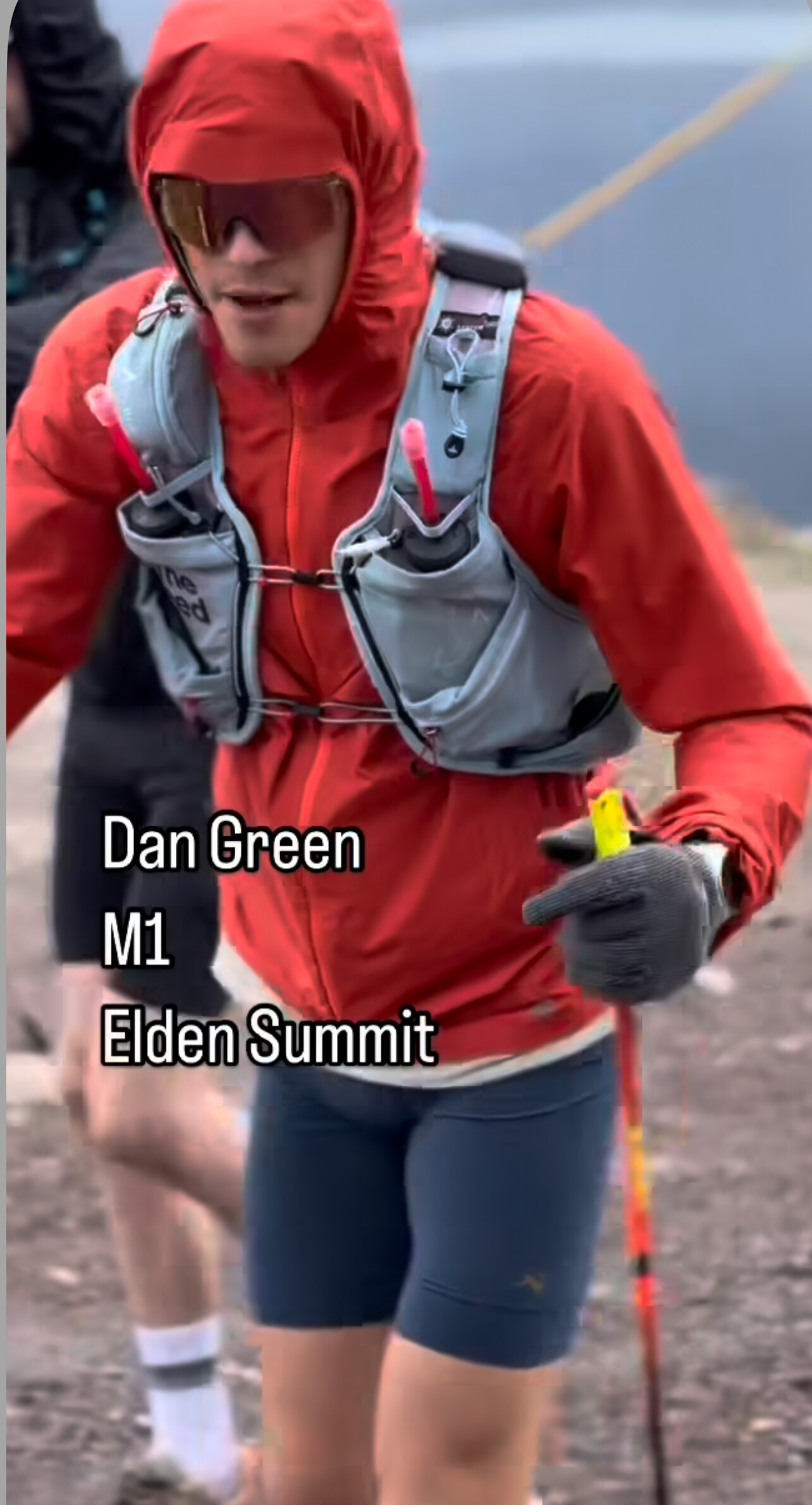
Top 5 Men’s Finishers
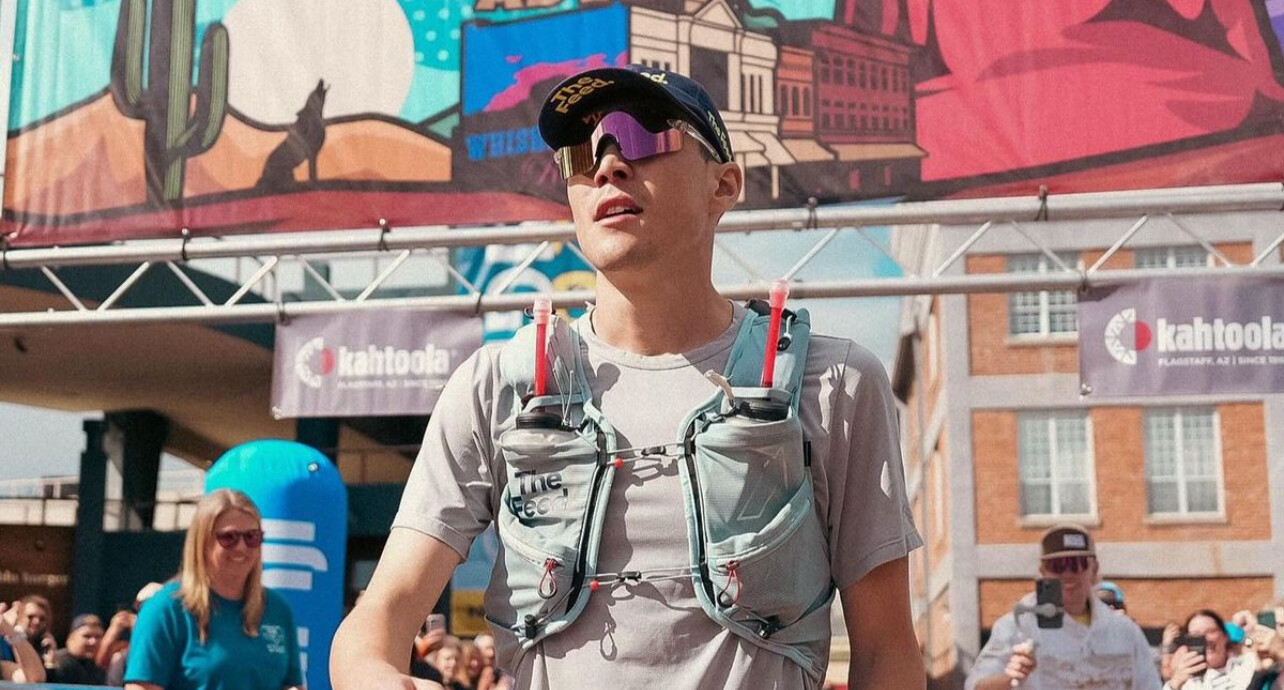
1. Dan Green (USA) – 58:47:18 (13:45/mi)
2. Ryan Sandes (South Africa) – 61:21:04
3. Edher Ramirez (Mexico) – 63:10:13
4. Harry Subertas – 65:28:53
5. Finn Melanson – 66:29:40
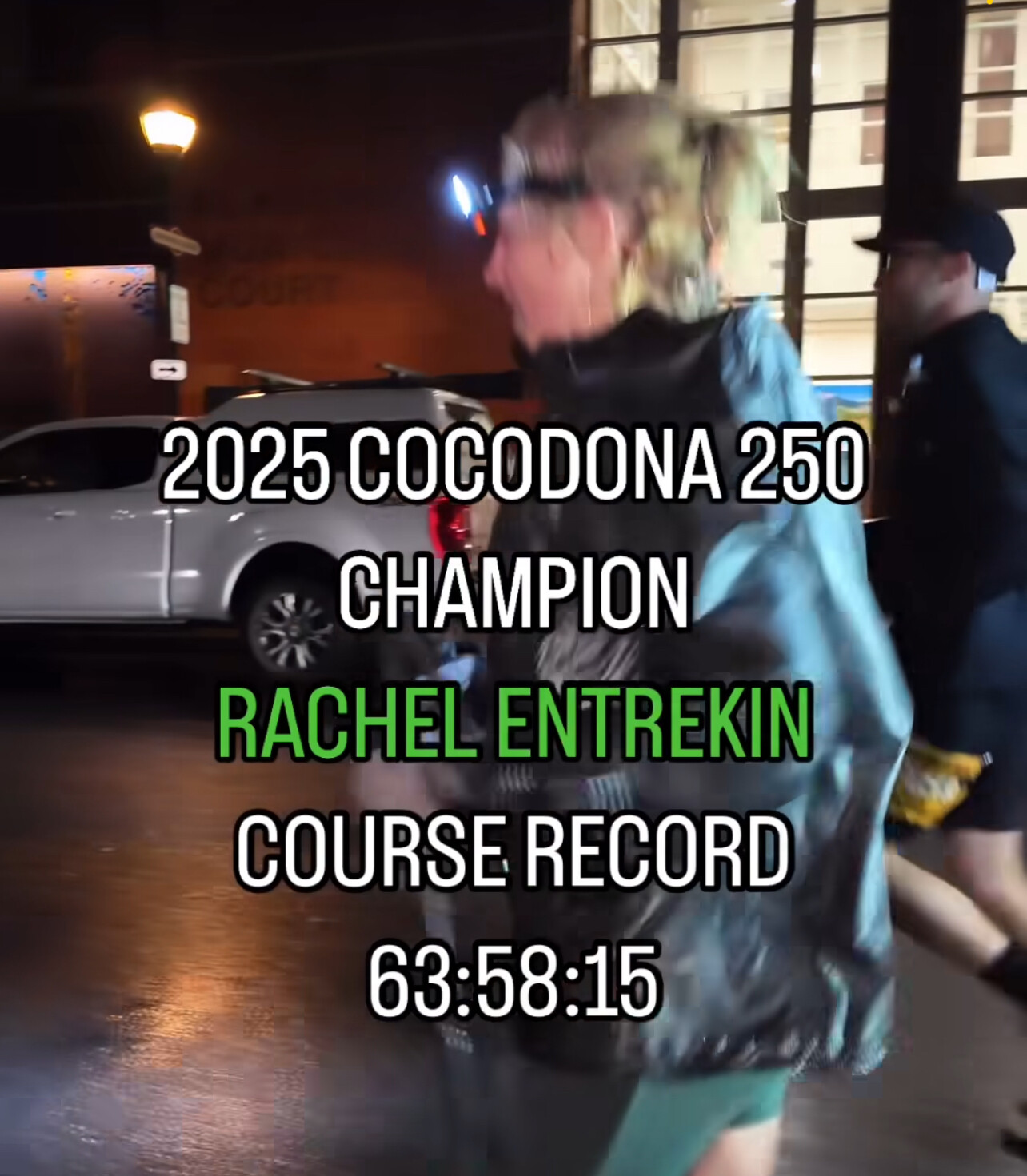
Women’s Champion
• Rachel Entrekin – 63:58:15
Set a new women’s course record by more than seven hours
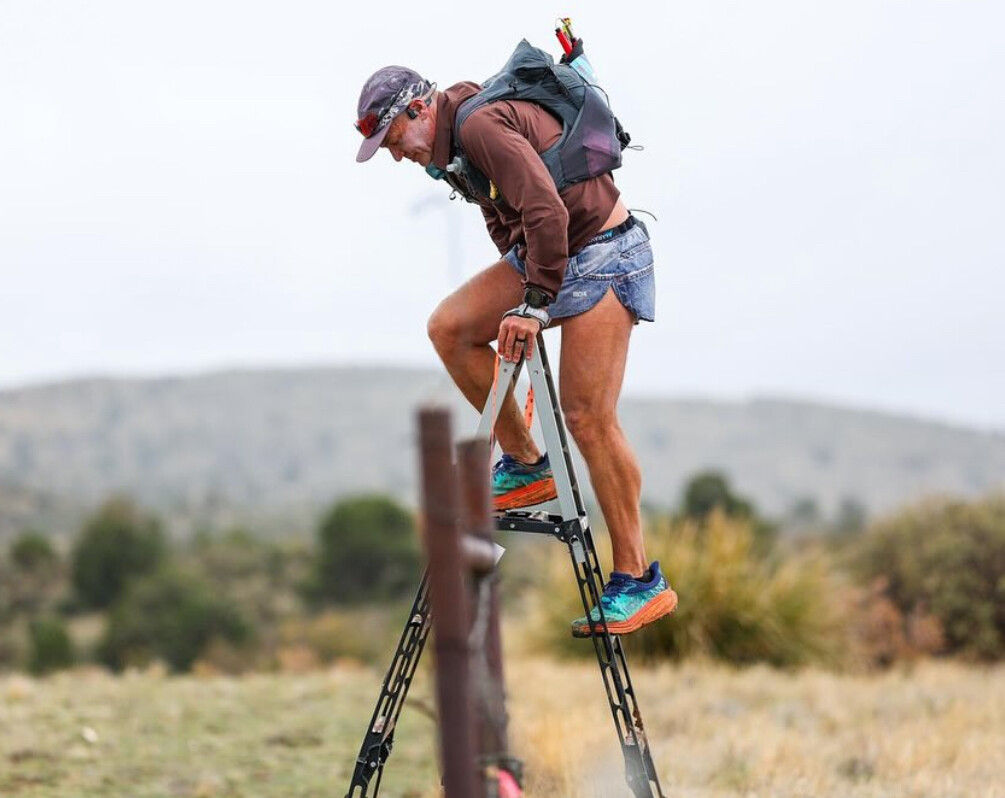
Green’s calm and steady demeanor helped him manage the distance. Speaking with a reporter mid-race via video call, he said:
“Some people take it too seriously. Like why? I mean, you can have fun, still do good, and you can brighten people’s day a little better too.”
This mix of positivity and performance is exactly what the ultrarunning world thrives on—and Dan delivered both in Flagstaff.
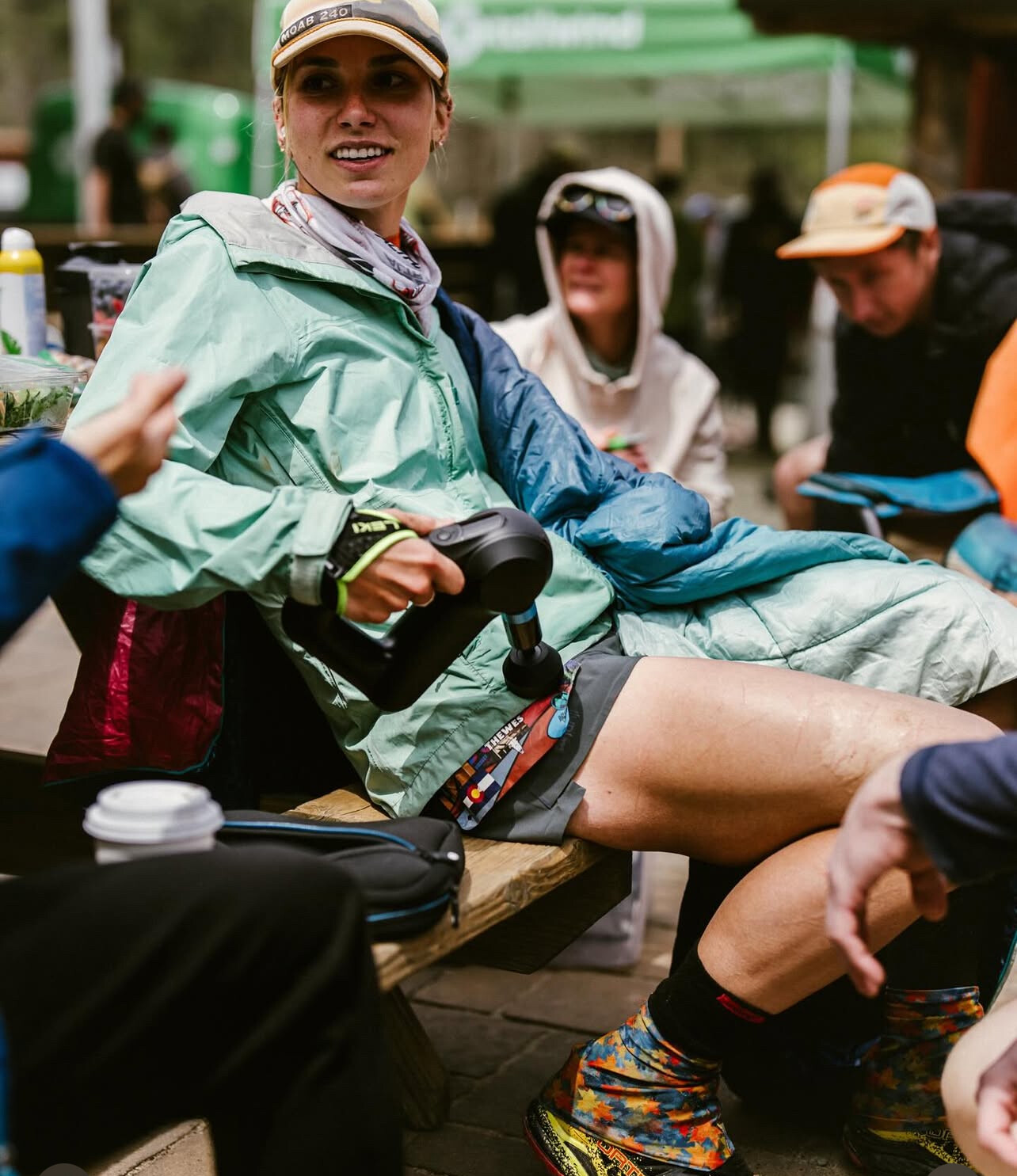
Cocodona 250 Quick Facts
• Distance: 256.5 miles
• Elevation Gain: ~40,000 ft
• Time Limit: 125 hours
• Cutting Through: Black Canyon, Crown King, Prescott, Jerome, Sedona, Flagstaff
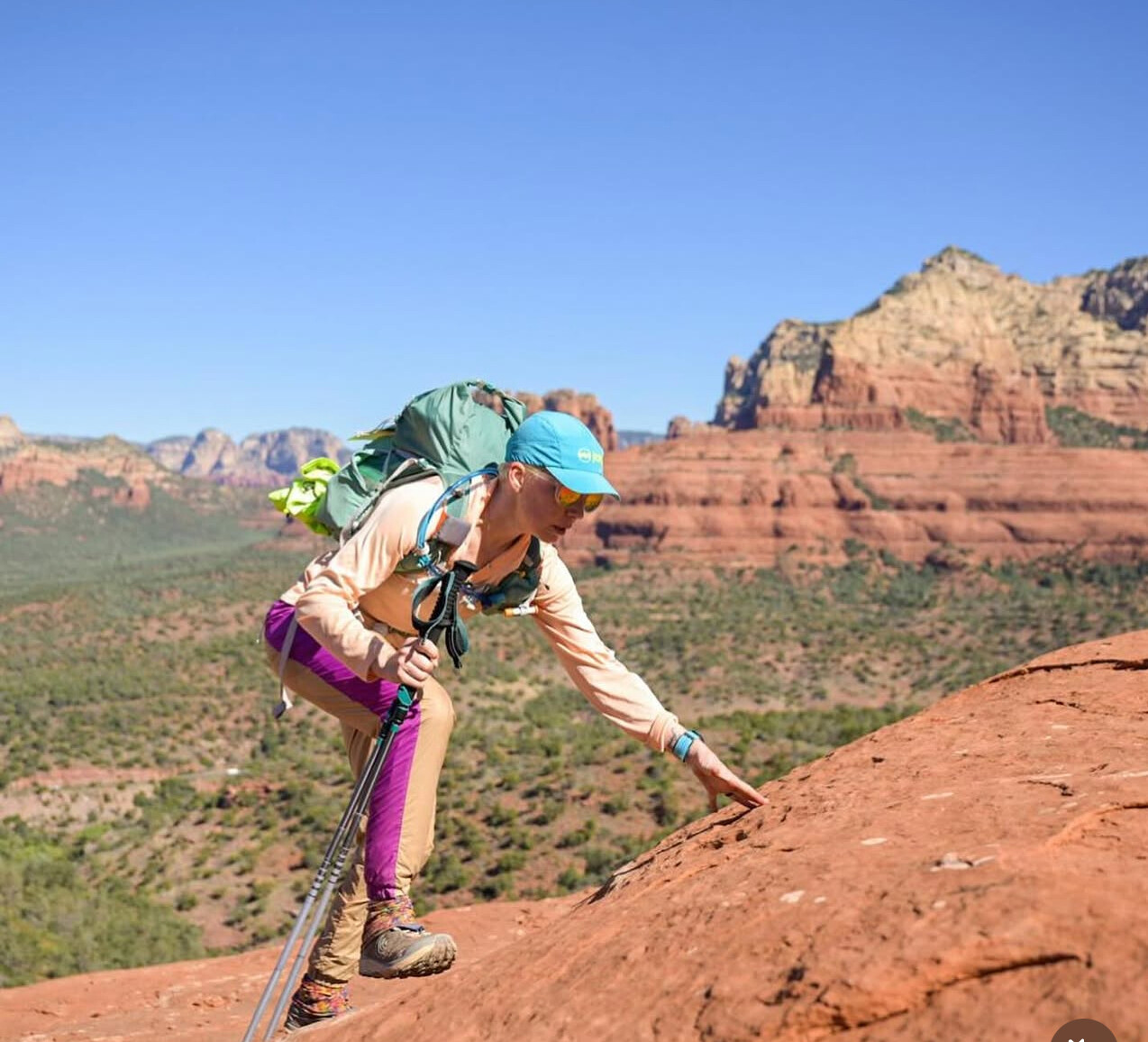
• Terrain Breakdown:
• 45% single-track trail
• 46% double-track/jeep road
• 9% pavement
"Congratulations to Dan Green—your new course record holder and a shining example of what grit, strategy, and a good attitude can achieve over 250+ miles," says MBR editor Bob Anderson
by Boris Baron
Login to leave a comment
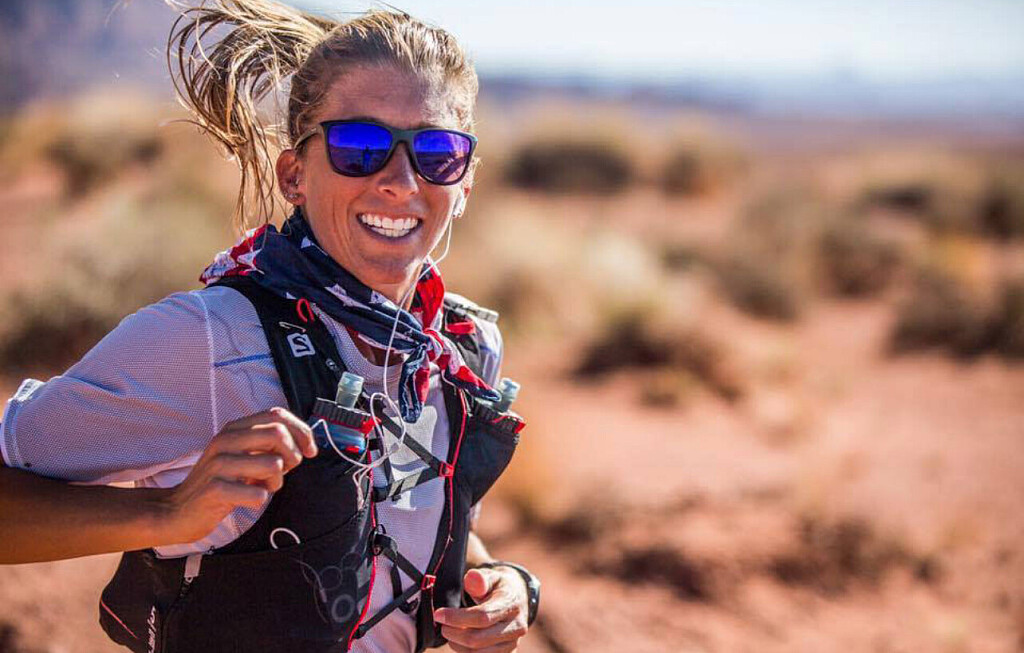
The GOAT Returns: Courtney Dauwalter Takes on the Cocodona 250 Mile Ultra
Courtney Dauwalter, widely regarded as one of the greatest ultrarunners of all time, is set to take on the formidable Cocodona 250—a 250-mile ultramarathon stretching from Phoenix to Flagstaff, Arizona. This grueling race, commencing at 5 a.m. PT on Monday, May 5, 2025, marks her first race over 200 miles since 2020 .
Born on February 13, 1985, in Hopkins, Minnesota, Dauwalter’s athletic journey began with cross-country skiing, where she became a four-time state champion during high school. She continued her athletic pursuits at the University of Denver on a cross-country skiing scholarship and later earned a master’s degree in teaching from the University of Mississippi in 2010 . Before turning professional in 2017, she taught middle and high school science in Denver.
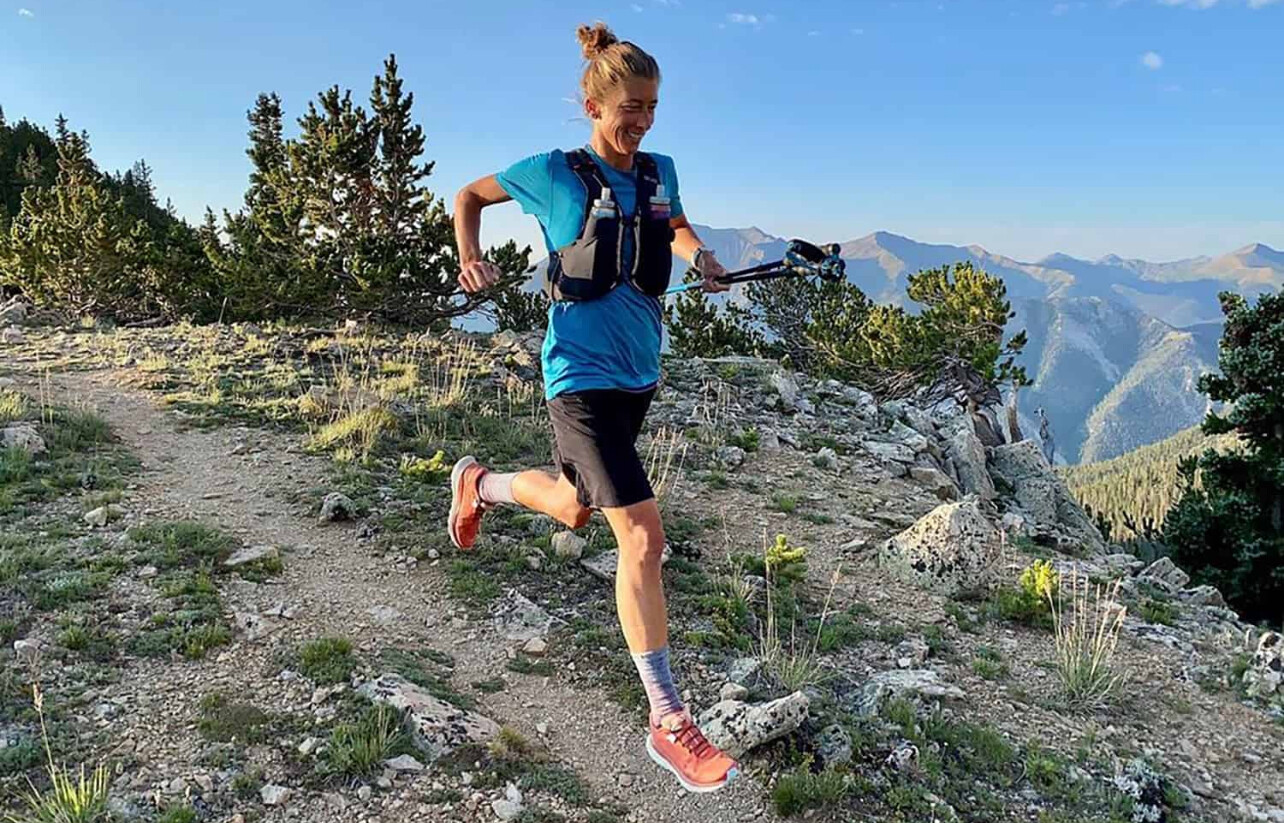
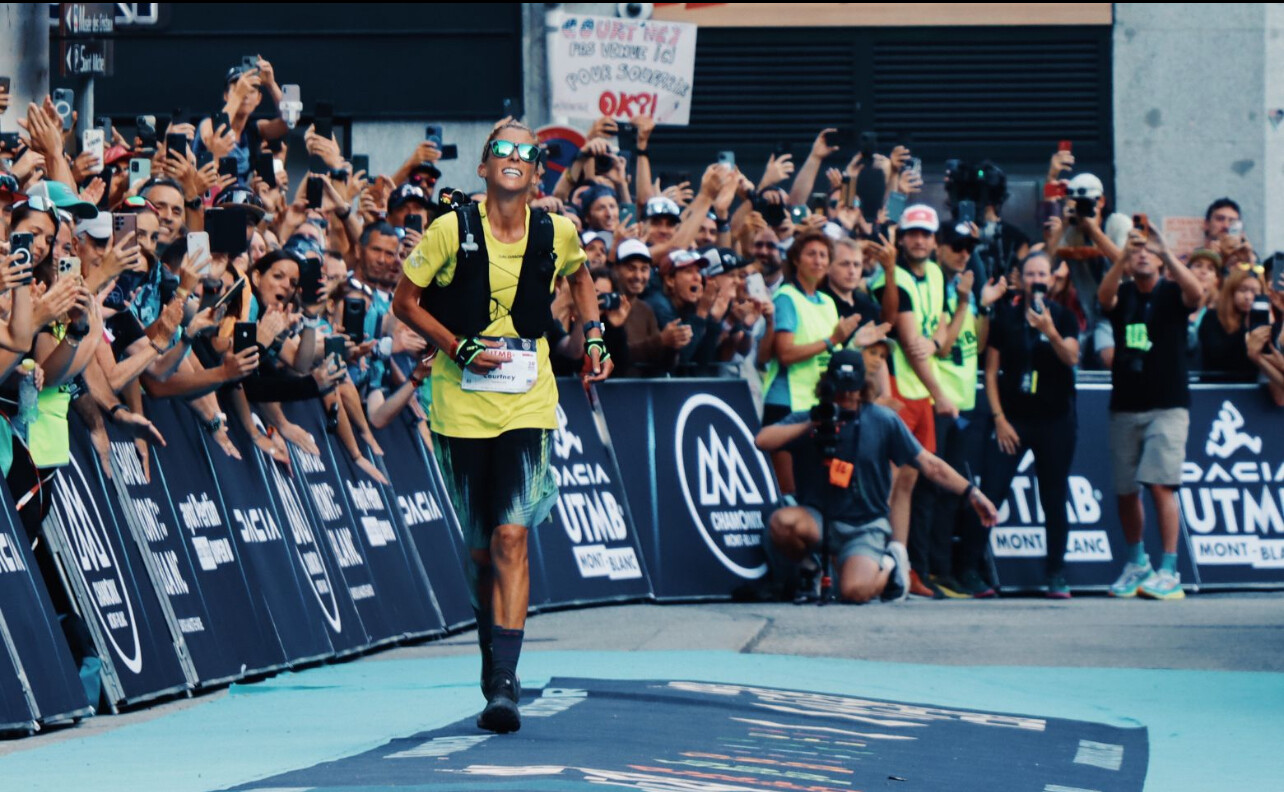
Dauwalter’s ultrarunning career is marked by remarkable achievements. In 2023, she became the first person to win the Western States 100, Hardrock 100, and the Ultra-Trail du Mont-Blanc (UTMB) in the same year . Her victories often come with record-breaking performances, showcasing her exceptional endurance and mental fortitude.
The Cocodona 250 is a point-to-point race that challenges runners with diverse terrains, including desert landscapes, mountainous trails, and significant elevation changes. For Dauwalter, this race presents an opportunity to explore new limits. “I haven’t run a race over 200 miles since 2020,” she noted, highlighting the significance of this endeavor .
Her preparation for Cocodona has been promising. She began her 2025 season with a victory at the Crown King Scramble 50K, indicating strong form leading into this ultramarathon .
A distinctive aspect of Dauwalter’s approach is her embrace of the “Pain Cave,” a term she uses to describe the mental space where she confronts and overcomes extreme physical challenges. She visualizes it as a place to “chip away” at her limits, finding growth through adversity.
Unlike many elite athletes, Dauwalter eschews strict training regimens and coaching, opting instead for an intuitive approach that prioritizes joy and curiosity. Her philosophy centers on listening to her body and finding happiness in the process, which she believes enhances performance.
Courtney Dauwalter’s journey from a science teacher to an ultrarunning icon serves as an inspiration to athletes and non-athletes alike. Her achievements demonstrate the power of resilience, mental strength, and a passion-driven approach to pursuing one’s goals.
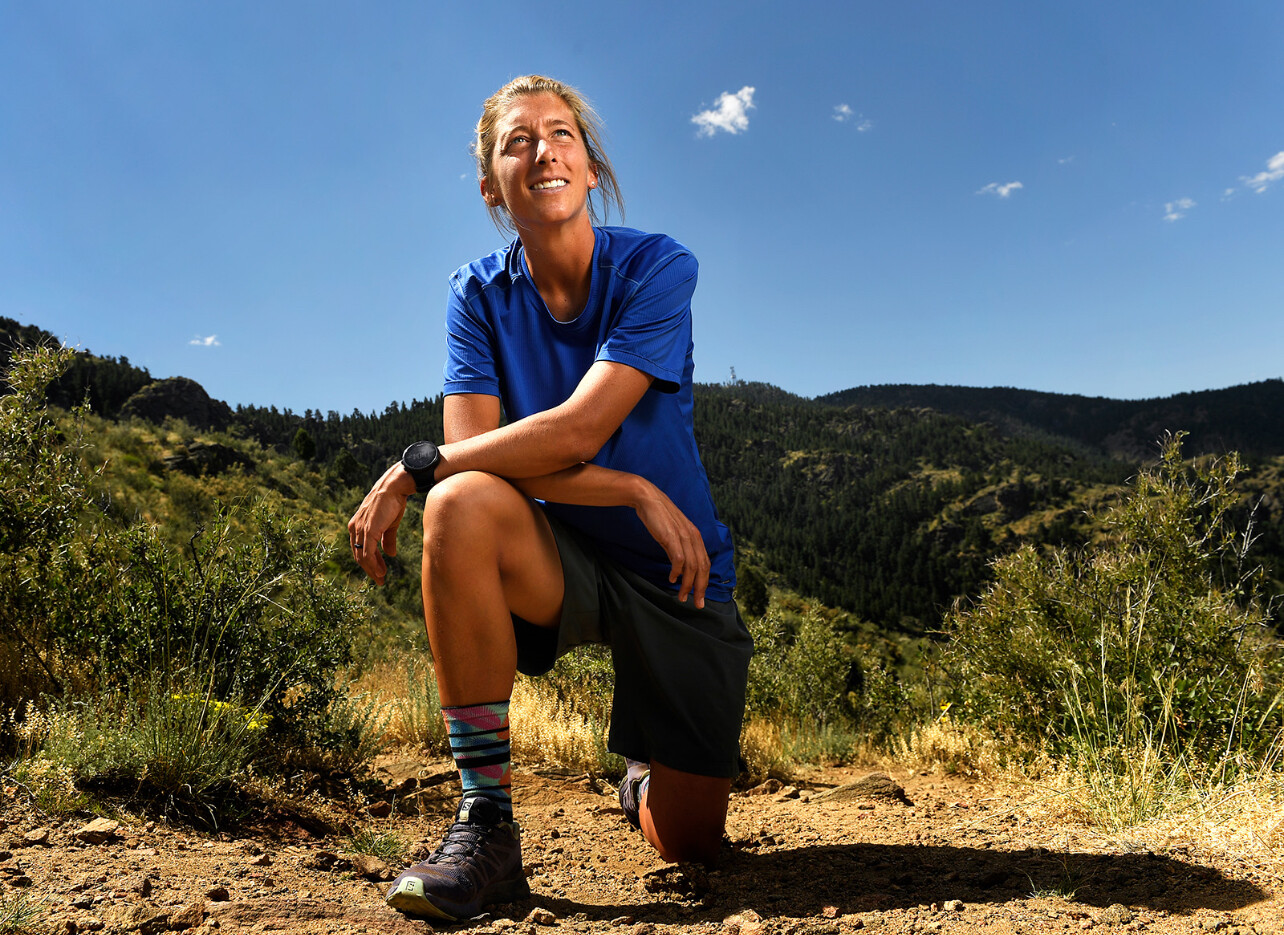
As she embarks on the Cocodona 250, the ultrarunning community watches with anticipation, eager to witness another chapter in the extraordinary career of this remarkable athlete.
by Boris Baron
Login to leave a comment
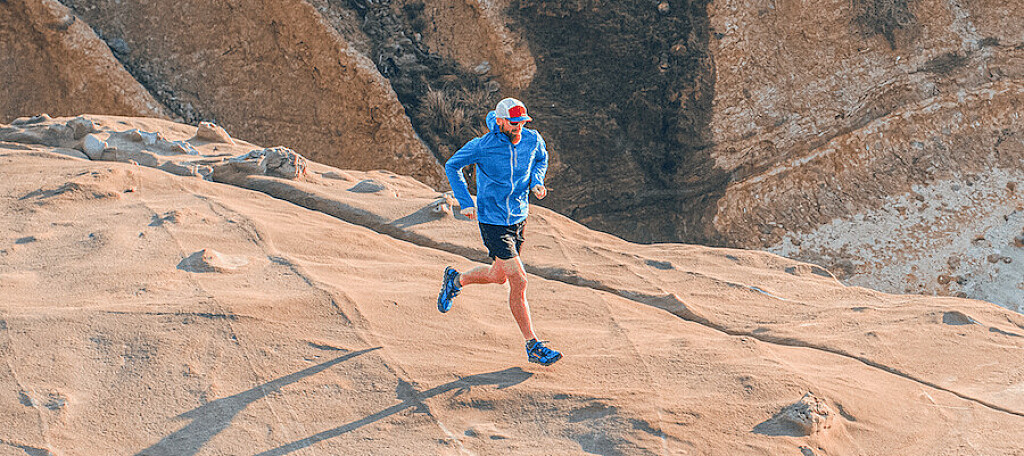
Why older runners are rocking the trails
Recent performances by Jeff Browning and Ludo Pommeret suggest that trail runners age like fine wine.
A fascinating trend has emerged in trail and ultrarunning: athletes in their 40s and 50s are not just competing—they’re thriving. Recent performances by American ultrarunner Jeff Browning (53) and France’s Ludovic Pommeret (49) are putting to rest the common belief that athletic performance declines with age. Instead, these trail runners are proving that experience, mental resilience and a well-honed training regimen can defy the clock. Why are trail runners getting better with age, and how are they doing it?
The power of experience
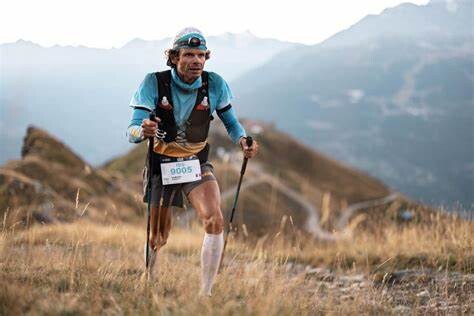
One of the key reasons trail runners are excelling later in life is the accumulation of experience and mental resilience built over time. Running on technical trails requires quick decision-making and the ability to stay calm under pressure, qualities that often improve with age. Pommeret won the UTMB 176K race at age 41 and placed fourth at this year’s edition, at the age of 49, after winning Hardrock 100 only six weeks earlier. Some of his success can be attributed to years of experience, which has taught him to manage his energy efficiently, pace himself wisely and navigate challenging terrain with confidence.
Research supports this idea, suggesting that older athletes possess greater mental resilience, allowing them to maintain focus and composure during long, grueling races. This psychological edge often compensates for any slight physical declines, enabling veteran runners to stay competitive.
Adapted training and smarter recovery
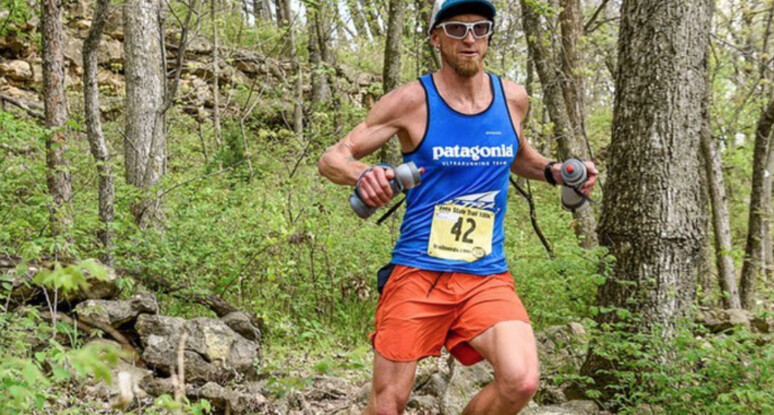
Older trail runners are also better able to adapt their training to suit their aging bodies. Browning has consistently performed at the top level through his 40s and early 50s, most recently setting a supported FKT on the Colorado Trail at age 52 and placing second at this year’s Cocodona 250 (402 km) in Arizona. Browning emphasizes the importance of strength training, flexibility and strategic recovery. Instead of pushing through pain or ignoring signs of overtraining, experienced runners like Browning adjust their routines to prevent injury and enhance their longevity in the sport.
Research shows that strength training becomes increasingly important as we age, helping to maintain muscle mass, bone density and joint stability. Older athletes are also often more attuned to the need for adequate recovery, which is vital for avoiding burnout and ensuring sustainable performance.
Wisdom of pacing and nutrition
As trail runners age, they also tend to develop a keen sense of pacing and nutrition, partially due to familiarity with their own body. Unlike younger runners, who might go out too fast and burn out, more experienced runners understand the importance of conserving energy for the later stages of a race. They also become more meticulous about nutrition, recognizing that fueling their bodies properly can make the difference between finishing strong and hitting the wall.
Pommeret’s victory at the 2016 UTMB is a perfect example. After falling behind early in the race, Pommeret strategically paced himself, gradually working his way up the field to take the lead in the final miles. This kind of tactical acumen is often honed over years of racing experience.
Trail running is increasingly proving that age is just a number. with athletes like Pommeret and Browning demonstrating that with the right mix of experience, training adaptations, mental resilience and smart pacing, older runners can continue to compete—and win—at the highest levels.
by Keeley Milne
Login to leave a comment
Leadville 100 sees long-standing course record fall
This year's edition of "the race across the sky" saw history-making performances on both the men's and women's sides
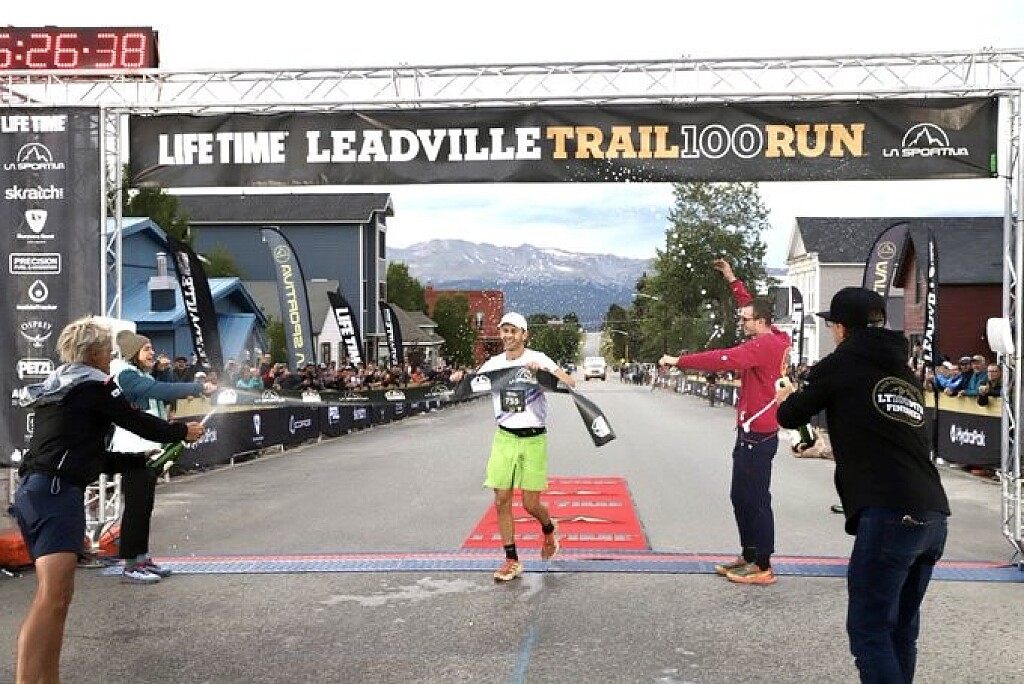
Leadville 100, known as the “race across the sky” for its stunning vistas as it traverses the Colorado Rockies, has been a staple in the ultrarunning community since its inception in 1983. This year’s event saw blistering performances in both the men’s and women’s races, with popular coach and author David Roche taking 16 minutes off the long-standing course record, and women’s race winner Mary Denholm recording the second-fastest time ever at the event.
The 100-mile race has runners climbing nearly 4,800 metres of elevation gain over rugged mountain trails, and runners begin and end in Leadville, Colo.
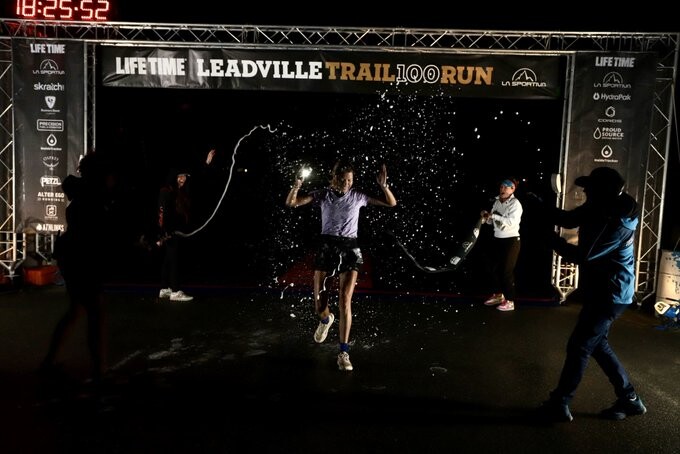
Women’s race
Denholm took off hot and dominated the competition from start to finish. By the halfway point, she had built an insurmountable 50-minute lead. She crossed the finish line in 18:23:51, securing the second-fastest time ever recorded for the women’s race, just short of legendary Ann Trason’s mark of 18:06:24, set in 1994. Denholm was followed by fellow American runners Zoe Rom in 21:27:41, and Julie Wright in 21:48:57.
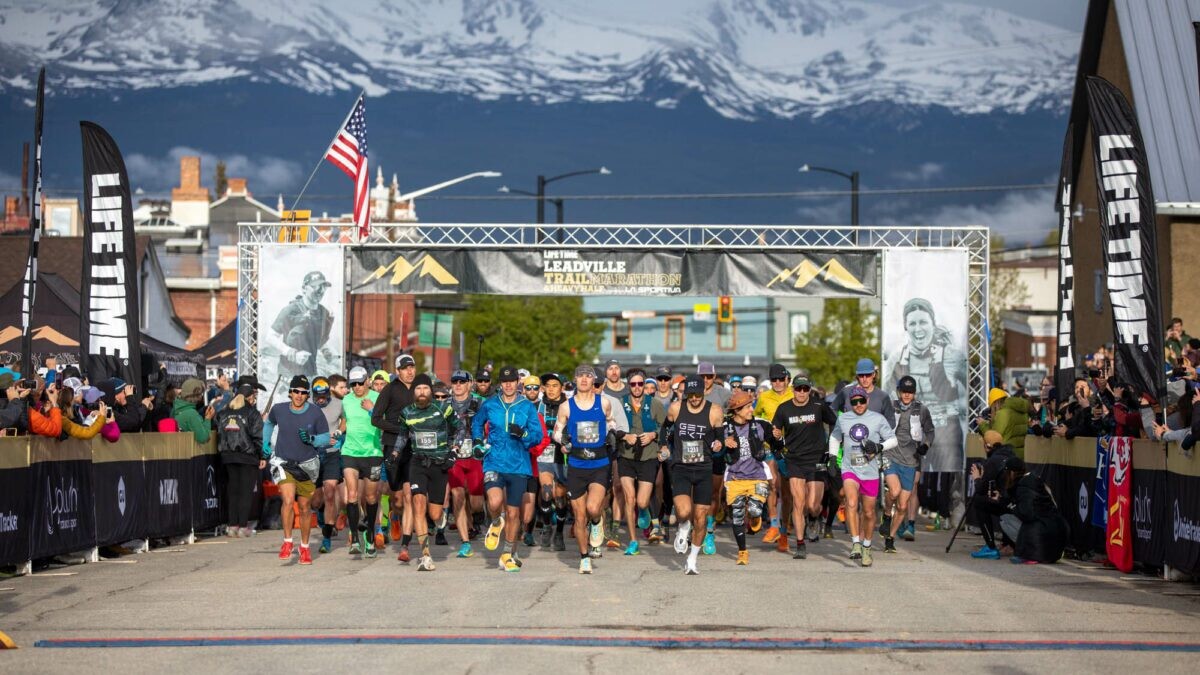
Alberta’s Ailsa MacDonald and Molly Hurford of Ontario were initially in contention for podium positions, but both faced challenges that saw them taking DNFs. Hurford left the race after suffering a badly sprained ankle, and MacDonald after dealing with unrelenting gut issues.
Men’s race
Like Denholm, Roche set a fast pace from the start and built on his lead throughout the race. His time of 15:26:34 took more than 16 minutes off the previous course record, set by Matt Carpenter in 2005. He was followed in by U.S. ultrarunners Adrian Macdonald in 15:56:34, and Ryan Montgomery in 16:09:40.
Pete Kostelnick, a well-known ultrarunner famous for completing the fastest transcon run of the U.S. in 2016 (42 days, six hours and 30 minutes), made a remarkable return to running earlier this year after recovering from a severe car accident that resulted in multiple pelvic fractures. In May, Kostelnick finished the Cocodona 250, followed by Badwater 135 only a few weeks ago; he finished Leadville 100 in 24:30:18.
Calgary’s Reiner Pauwwe took the 28th overall position (24th man) in 22:16:59.
by Keeley Milne
Login to leave a comment

Leadville Trail 100 Run
The legendary “Race Across The Sky” 100-mile run is where it all started back in 1983. This is it. The race where legends are created and limits are tested. One hundred miles of extreme Colorado Rockies terrain — from elevations of 9,200 to 12,600 feet. You will give the mountain respect, and earn respect from all. ...
more...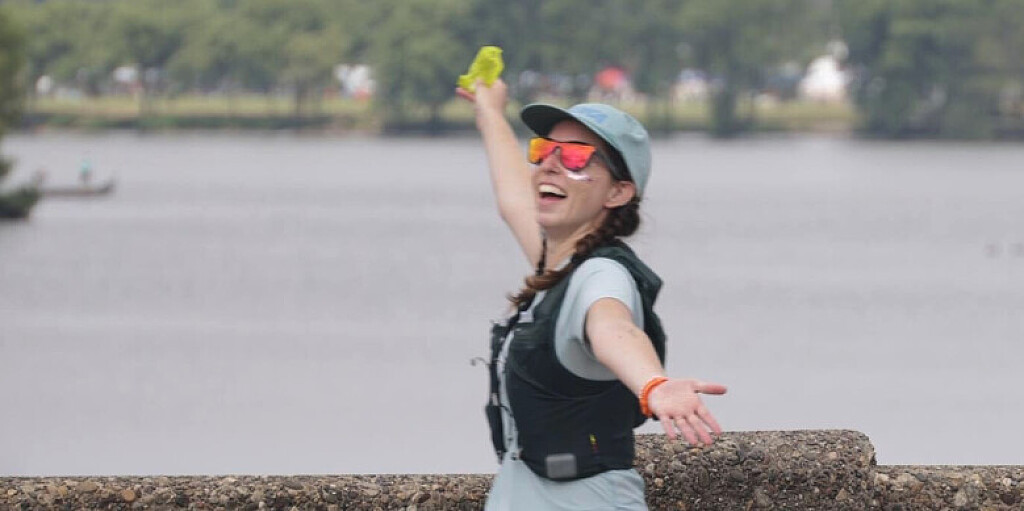
This Ultramarathoner Runs 100s of Miles to Build Inner Strength and Confidence
“Through ultrarunning, I’ve learned how tenacious and resilient I am.”
Name: Rachel Bambrick Age: 31 Hometown: Philadelphia Occupation: Occupational therapist, ultrarunning coach, founder of Women in Ultrarunning Time Running: 9 years Reason for Running: Running, and ultrarunning in particular, teaches me something new about myself every time I’m out on the trail.
When I moved to Philadelphia in 2016, I wanted to find an active community to meet new people and continue to challenge myself. I laced up my shoes, and started running with run clubs in the city.
In 2018, I watched a friend take part in the Run Across Haiti, a 200-mile run in eight days, organized as a fundraiser for WORK, a nonprofit which financially empowers families through employment.
I knew it would be difficult to push myself through the distance. I had never run an ultramarathon before, but I was determined to see how far I could go. I decided to take the leap and give ultrarunning a try through a worthwhile cause in Haiti.
Inspired by my friend, I completed Run Across Haiti in 2019, raising money for WORK. The adventure made me reflect on what drew me to ultra distances. While fighting sore muscles, scorching heat, and self doubt, I surprised myself that I still continued and succeeded. This journey of self-discovery empowered me to explore my limits.
I kept running ultramarathons following Run Across Haiti, and eventually set my sights on something longer: the epic Cocodona 250-mile race, which leads from Black Canyon City to Flagstaff, Arizona through the rugged and exposed trails of the backcountry.
In May 2023, I set off from Black Canyon City. For more than 119 hours, I wondered if I was strong enough to finish, and if I would make the cut-off time. When I could actually sleep, it was just for an hour or two at aid stations, or curled up in the dirt on the side of the trail.
But I kept moving, and telling myself “I am exactly where I need to be” and “It will get better.” I cried and smiled when I saw the finish line in Flagstaff. I was proud of how far I had come and of my inner strength in those many challenging moments.
I’ve been lucky to reach many starting lines these past few years and meet amazing people. But I felt like something was missing. I wanted to create a space for women to share experiences, knowledge, and support in ultrarunning.
So, I founded Women in Ultrarunning in January 2024 as a four-part program providing women in the Philadelphia area with a space to learn about ultrarunning. The group is a mix of seasoned ultramarathon runners and newer ultra runners who are looking to sign up to their first ultra race.
The first events began at local trailheads with an introduction to ultra running, mental strategy, nutrition, and how to navigate technical trails.
After discussions, we set off through the trails for a 90-minute run, maintaining an average 13-minute-per-mile pace to stay together. Our goal is to foster community and connection, not break speed records. We’re out there to enjoy the company, stay together, and learn from one another. A time-based group run allows us to be pace inclusive and welcome those who may be out on their first trail run.
Women in Ultrarunning is now a community across the United States, and an online community on Heylo to celebrate each other’s successes, help find training partners for runners, and chat about all things ultrarunning, like gear, nutrition, and strength and conditioning. It has been surreal to see an idea that lived in my head grow into fruition and take shape.
Through ultrarunning, I’ve learned how tenacious and resilient I am. I’ve also found a supportive community that I’m proud to be a part of. Because of the Women in Ultrarunning community, I’ve experienced a connection to ultrarunning in a way I never thought was possible.
I hope to be here for years to come with glitter on my cheeks and a smile on my face to continue to cheer on women as they achieve their toughest goals.
These three tips have made my running journey a success:
1. Be consistent and patient with nutrition on the run
Just like training your legs for races, you need to train your stomach for races. Don’t be disheartened if you have a string of discouraging runs. The process can be very rocky, and you may need to try a few brands before you find what works for you! It took me years to be comfortable with fueling on long runs.
2. Remember that trail pace is different than road pace
Getting used to running on rocky terrain, sand, or dirt takes time and practice. While it’s easy to get swept up in paces on the roads, try to run on trails based on effort. Some miles will be slow going! What matters is you are still moving forward.
3. Give yourself grace
Remember in running you’ll have low moments, but what is important is how you pull yourself out of the negativity. Feel the struggle and remind yourself it’s okay to feel down, then put yourself back into a mindset that allows you to continue positively. If you fall or fail, give yourself grace to get back up and continue on.
Rachel’s Must Have Gear:
→ WildSense Run Glitter: My approach to running and ultras is all about adding softness and sparkle wherever I can. Wild Sense’s glitter is all natural and biodegradable so I can feel good about the sparkly little trail I may leave behind.
→ HOKA Challengers: Living in the city of Philadelphia, being a trail/ultrarunner can be tough sometimes! Often my runs have one objective: How can I get to the trails? The Challengers are perfect because they’re designed as all-terrain shoes so I can easily take them from city streets to the trails of the Wissahickon.
→ Zensah Seamless Run Bra: As an ultrarunner, chafing can be a huge issue. Especially with sports bras. This bra from Zensah has been my go-to for all my long efforts and races for years. I used these bras for the entirety of the Cocodona 250 in 2023 and walked away without any bra hotspots.
by Runner’s World
Login to leave a comment
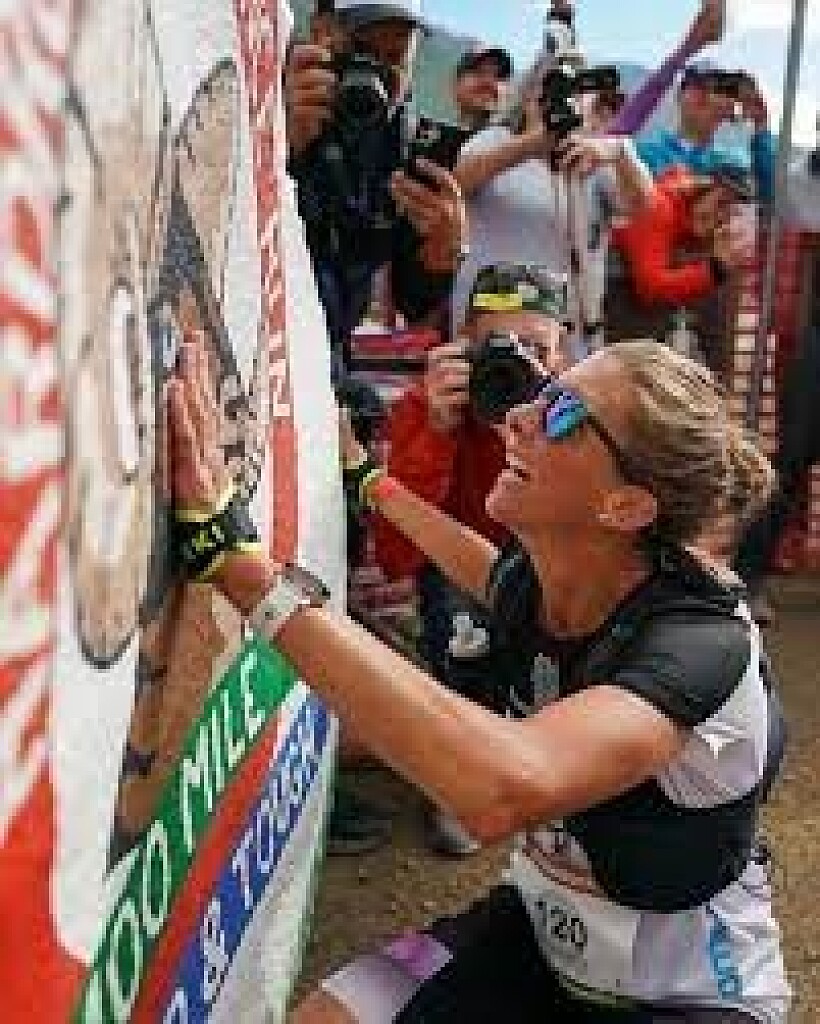
Hardrock 100 preview: will Courtney Dauwalter do it again?
The Hardrock Hundred Mile Endurance Run (HR100), known for its high altitude, deep elite field and challenging entry process, begins Friday at 8:00 a.m. E.T. This year’s event, the first ever to be live-streamed, promises to be a thriller. Runners will encounter over 10,000 metres of elevation gain while facing extreme weather conditions, navigating treacherous terrain and attempting to avoid altitude sickness.
Only 140 participants get to line up at Hardrock each year, and this year’s contenders include the remarkable Courtney Dauwalter, fresh off a jaw-dropping performance and course record at the Western States 100, and other well-known elites. The race will be live-streamed on the Run Steep Get High YouTube channel. Here’s what you need to know to follow along.
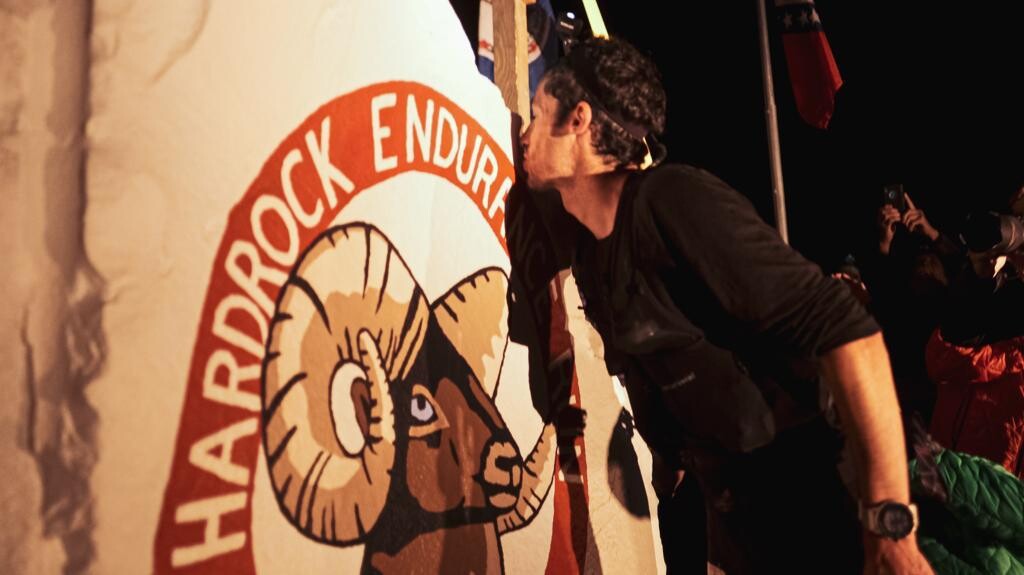
HR100 both begins and ends in Silverton, Co., and athletes are above 3,300 metres elevation for much of the race. It was founded in 1992 as a tribute to the miners who used to follow “their mules and instincts, prospecting the San Juans for gold, silver, and other metals,” the race website explains. With a finishing cutoff time of 48 hours, athletes know they are in for a long haul. The course switches directions every year, and this year runners are moving counter-clockwise around the looped course.
The women’s race
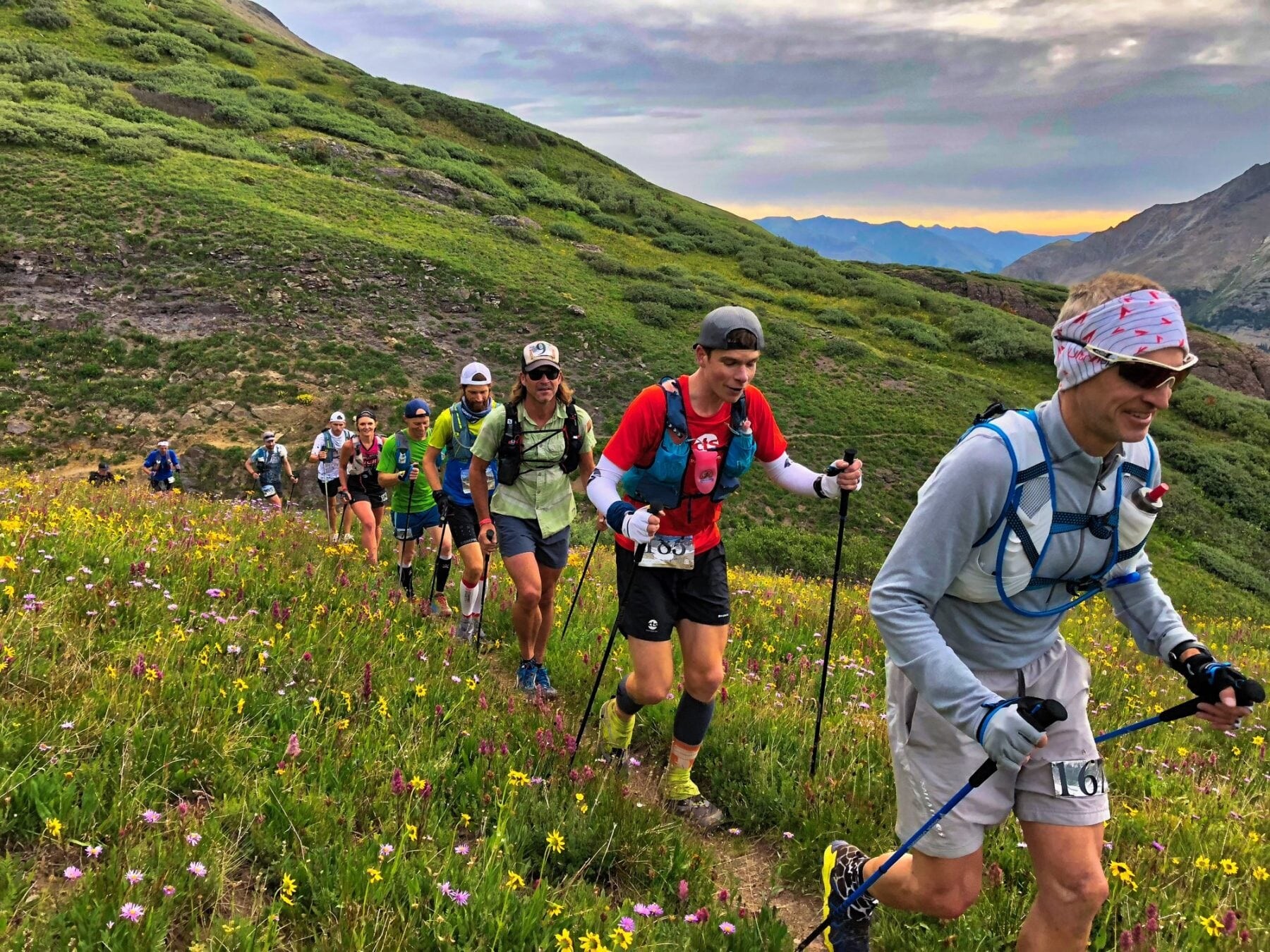
All eyes are on the phenomenal Dauwalter this year (but when are they not?) after a stunning performance three weeks ago at Western States, where she set a blistering new course record (78 minutes faster than Canadian Ellie Greenwood’s from 2012) and placed fifth overall. Canada’s Stephanie Case, who was second last year, has withdrawn from this year’s event. 60-year-old legendary ultra machine Pam Reed of Jackson Hole, Wyo., will be tackling the third part of her WSER/Badwater 135/HR100 triple this year.
Leadville, Colo.-based Dauwalter holds the course record for HR100 in the clockwise direction (26:44) from 2022; this year runners will move counter-clockwise, and that course record is 27:18 for women, set by Diana Finkel in 2009, and Dauwalter will most certainly be looking to challenge that time. Will her legs be tired? Will she win the entire thing? We can’t wait to find out.
Also from Leadville, 23-year-old trail phenom Annie Hughes won the Run Rabbit Run 100-Miler and High Lonesome 100 Mile in 2022, and the Leadville 100 Mile in 2021. She’s a high-altitude ultrarunning champ, and has also compiled some wins in really long races–she won the Cocodona 250 Mile in 2022 and Moab 240 in 2021.
If you haven’t heard of France’s Claire Bannwarth, it’s time to brush up: she was the first woman in the 432-kilometre 2022 Winter Spine Race (by more than 24 hours), and will be making her North American racing debut at HR100. Bannwarth races prolifically and runs long–she will be jumping into the Tahoe 200 Mile race a week after HR100.
Colorado’s Darcy Piceu, fresh off the waitlist, is a veteran of HR 100, with the 2023 edition being her 10th running. Piceu boasts three wins and five second-place finishes, and she was fourth in 2022.
The men’s race
With Kilian Jornet, last year’s winner (and course record holder in the clockwise direction) not returning this year, the podium seems up for grabs. None of the other top four men from 2022 will be headed to the San Juans, but a very accomplished group of athletes will be lining up and fans will be eager to see who holds up to the HR100 test.
Ohio’s Arlen Glick is a master of the 100-mile distance, running 12:57 to win the Umstead 100-miler in April and taking a speedy third at October’s Javelina 100. Like Dauwalter, Glick raced at WSER last month. He placed 14th, while he took third in 2022. Glick will be a hot contender and fascinating to watch at HR100.
California-based Dylan Bowman is a Hardrock veteran, placing second at the 2021 edition. Bowman has had a lower racing profile in the past year while working on Freetrail, a media business and trail running community. He’s been training in the San Juans pre-race and is eager to showcase his ability.
France’s Aurélien Dunand-Pallaz has over 10 years of ultrarunning success, but gained notoriety in 2021 when he took second at UTMB and won Spain’s Transgrancanaria. He missed the 2022 edition of HR100 for the birth of his child and is a favourite in his debut this year.
Oregon-based trail running legend Jeff Browning will be taking on his sixth Hardrock at age 51. Browning won in 2018, and finished fifth the past two years. In October, Browning won the Moab 240 in 57 hours, and more recently, he showcased his fitness by winning the Bighorn 100.
by Keeley Milne
Login to leave a comment

Hardrock 100
100-mile run with 33,050 feet of climb and 33,050 feet of descent for a total elevation change of 66,100 feet with an average elevation of 11,186 feet - low point 7,680 feet (Ouray) and high point 14,048 feet (Handies Peak). The run starts and ends in Silverton, Colorado and travels through the towns of Telluride, Ouray, and the ghost town...
more...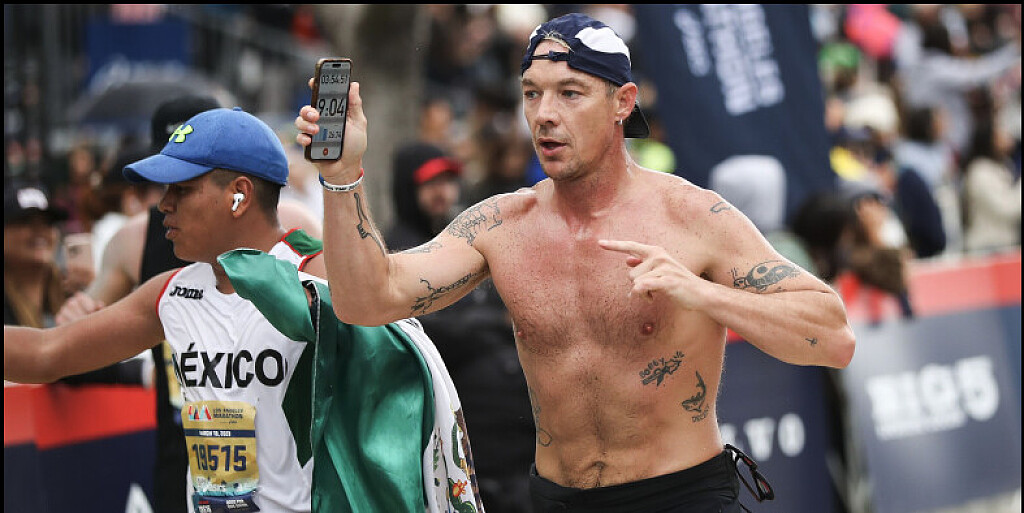
So It Turns Out Diplo Says He Ran the LA Marathon on LSD
Never try anything new on race day, unless you’re Diplo, I guess.
When Diplo ran the Los Angeles Marathon last weekend, breaking the four-hour mark with Olympian Alexi Pappas by his side, that was impressive enough. The 44-year-old DJ said he hadn’t done a proper marathon build in preparation; he was under-trained and pulled off a fantastic finishing time of 3:55:16 anyway. Now he claims the entire 26.2-mile footrace was one big acid trip.
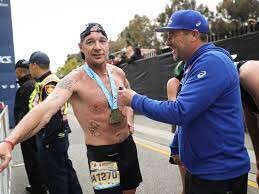
On Wednesday, he revealed in an Instagram post that, because the longest he’d ever run previously was 11 miles (technically untrue according to his previous half marathon results), “I did what any normal person would do and took LSD” (the psychedelic drug, not “long slow distance”). Before the marathon, he’d also shared his oddly specific goal—which he met—of beating Oprah’s 1994 PR, when she ran the Marine Corps Marathon in 4:29. Some folks call it “the Oprah effect.” Diplo brought some bravado to Instagram on that front as well, saying, “I ate that. Sorry Oprah.”
He went on to thank Pappas for pacing him, and said, “Shout out my knees which will never be the same, and my kids for waiting for me at the finish line. If anyone needs me I’ll be sitting down.”
It’s not unheard of to run under the influence of psychedelics. At the Burning Man Ultramarathon, a 31-mile run looping around Black Rock City four times, at least one runner has done the whole thing on LSD. Sarah Rose Siskind, told nonprofit media outlet Psymposia, “I did one training run where I ran 20 miles on LSD, and I found that the main problem was that I ran extraordinarily slowly — I was so distracted by everything. So, I figured it wasn’t a performance-enhancing drug, exactly. But, it certainly wasn’t increasing my risk profile.”
Another runner, Michael Versteeg, has spoken about incorporating psilocybin mushrooms into his experience running the Cocodona 250, a 250+ mile ultramarathon from Black Canyon City to Flagstaff, Arizona. Versteeg microdoses for his long runs and says while it’s not the same as full on tripping, “you’re experiencing colors, you’re experiencing the landscape in a much more vivid way.”
The trusted advice many runners abide by is “nothing new on race day,” but Diplo doesn’t exactly play by the rules.
by Runner’s World
Login to leave a comment

More Prize Money Is Flowing Into Trail Running. What Does That Mean for the Sport?
Annie Hughes, one of the top trail runners in the U.S. for the past two years, had another amazing season running ultra-distance races in 2022. On September 17, the 24-year-old Hoka-sponsored runner and part-time college student won the Run Rabbit Run 100 in Steamboat Springs, Colorado, her fourth win of 100 miles or longer since April. Earlier this year, she won the Coldwater Rumble 100 in January, Cocodona 250 in April and the High Lonesome 100 in July.
Those were all exceptional efforts in really challenging races, but the big difference she experienced after crossing the Run Rabbit Run finish line, 21 hours and 26 minutes later, was that she won $17,500. (And yes, she was handed one of those cartoonish, oversized checks at the awards ceremony.)
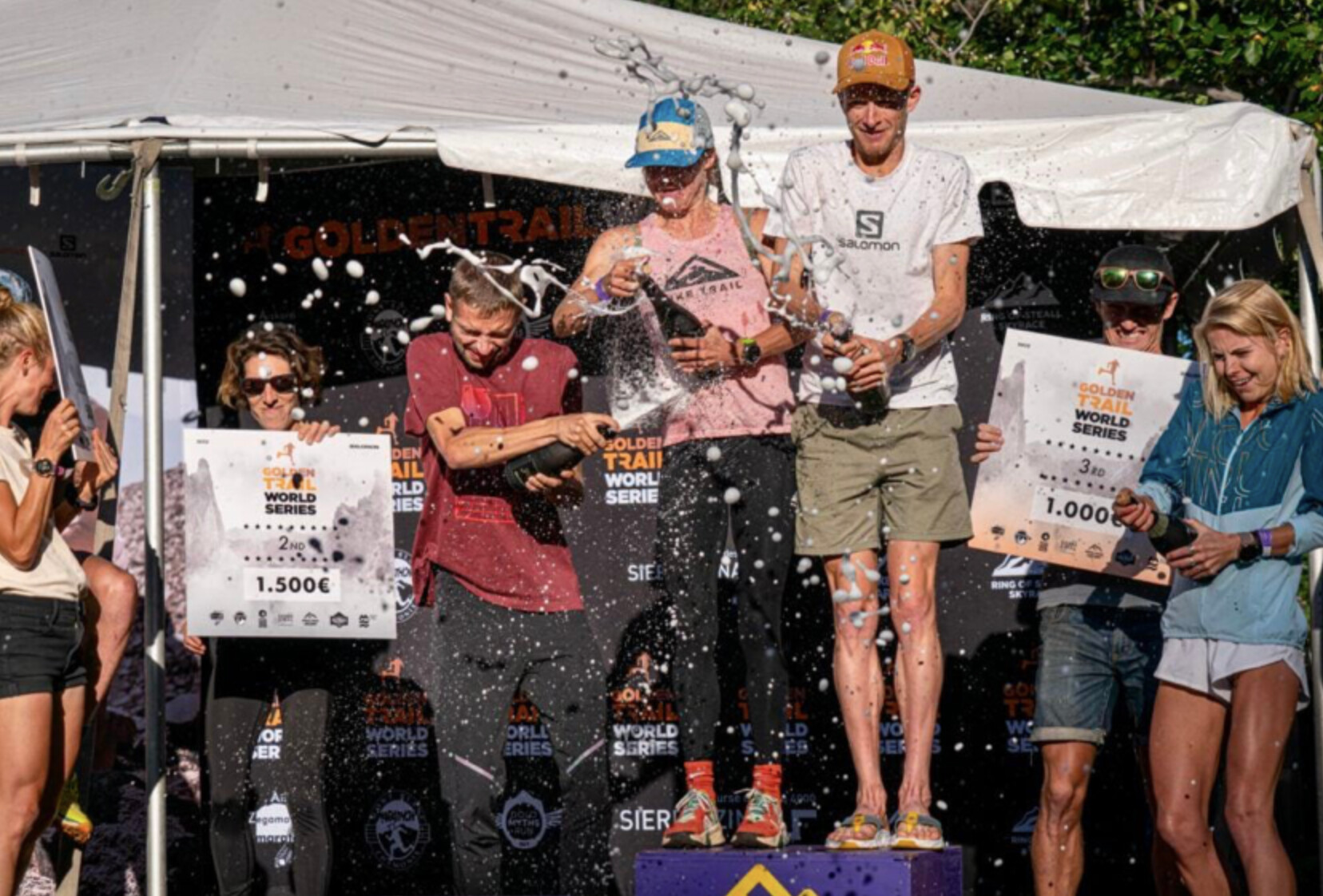
Run Rabbit Run is one of the rare American trail races that offers a relatively large prize purse, and for a decade, it's been the largest in the sport. Hughes earned $15,000 for winning the women's race and split another $5,000 with Arizona trail runner Peter Mortimer (who placed 12th overall) as part of the event's new team competition.
"That wasn't the reason I was drawn to the race, but it was definitely pretty cool to win that much money," Hughes said. "I'm glad I did it, because it wound up being a really great race with an amazing course on a beautiful day."
The origins of trail running were always more about the joy and freedom of ambling through the natural world, and less about the specific time and pace of any run or race, which is why winning big cash prizes is mostly uncommon in the sport, even for top-tier runners like Hughes. Over the past two years, Hughes has won 10 races of 50 miles or longer, yet her Run Rabbit Run victory was the first time she's ever earned money for her efforts.
More sponsorship money and bigger cash prizes are flowing into the sport, helping the top athletes earn a full-time living in the sport and become global stars. But that evolution has also created a desperate need for a unified governing body and more consistent drug-testing as doping becomes a more acute concern.
A Windfall of Prize Money
Historically, America's biggest and most notable trail running races haven't offered any prize money at all-Western States 100, Hardrock 100, Dipsea Trail Race, Leadville 100, Mount Marathon Race, Seven Sisters, Black Mountain Marathon/Mount Mitchell Challenge-partially because races simply couldn't afford to pay it, and also because, at the soul of the sport, that's not what the races were historically about or why most top runners were competing.
But with the continued growth of the sport-trail running has grown by 231 percent over the past 10 years, according to one report-and the dawn of a new level of professionalization over the past decade, there is a lot more money being injected into the sport. That includes more high-profile events and race series, more brands investing in the sport, more sponsored runners and trail running teams, as well as a growing expectation that prize money should be part of the equation as it is in road running, triathlon, and even obstacle course racing.
For many years, The North Face 50 near San Francisco was one of the only ultra trail races in the world to offer a significant prize purse. From its inception in 2006, until it disappeared after 2019, that race famously awarded $30,000 in prize money, which included $10,000 to the top finishers in the men's and women's races, plus $4,000 for second and $1,000 for third. It was a race to look forward to at the end of the calendar year, both for the cash awards and the prize-induced competition that drew top runners from around the world.
During that span, Run Rabbit Run, though a lower-profile race, quietly began dishing out some of the biggest payouts in the sport, in part because race organizers Fred Abramowitz and Paul Sachs believe in rewarding its top athletes for their efforts (as well as giving back to the community via even bigger charitable contributions). The race winnings come primarily from entry fees of the 600-runner event and sponsors, if and when the race has them. That wasn't possible back in the early days of the sport, when entry fees were minuscule and cash sponsors were mostly non-existent, but things have started to change.
Abramowitz and Sachs, who both earn their living as attorneys, are unique in that they want to give back to the elite athletes and the Steamboat Springs community, but they also want to help grow the sport. Abramowitz outlined what he calls "A Blueprint for Sponsors of Ultra Running," a three-page document that explains how and why trail ultrarunning-both as a sport and as individual races-can connect to more casual runners, sports fans, and the general public.
He points to the rampant growth of NASCAR, Professional Bull Riding, and professional poker over the past 20 years from their roots as fringe sports, relatively speaking, to mainstream spectacles with massive fan bases, TV contracts, and social media followings. Trail and ultrarunning aren't there yet, Abramowitz has noted, but they've certainly been growing rapidly.
"Today millions watch those events, though the actual number of participants is minuscule," Abramowitz wrote in his missive. "Ultrarunning can learn from these events: it needs new ideas, new ways of attracting the already committed runners and the casual sports fan to our terrific sport. Fields need to be competitive and races [need to be] dramatic; there are hundreds of 100-mile races, but those that offer competitive fields are a handful at most. Most ultra-races offer spectacular scenery in interesting venues."
Abramowitz said sponsors should support races such as Run Rabbit Run that offer prize money not merely because it's good for sport, but also because prize money can attract competitive fields, and competitive fields attract interest-from spectators, participants, potential sponsors, and the general public. He also points out that having prize money at more domestic races is a way to keep the sport from becoming entirely Euro-centric, which has been an increasing trend in the past several years.
The trend of cash purses seems to be increasing, and on the face of it, that's good for elite athletes capable of podium finishes. But it's a complex topic and one that certainly will simultaneously increase the competitiveness of the sport while, some argue, continue to pull the sport away from its organic, racing-in-nature roots that was mostly viewed as the antithesis of competitive road racing.
On the same day Run Rabbit Run paid out $75,000 in total prize money, the Pikes Peak Ascent awarded $18,000 in prize money for its top 10 finishers-including $3,000 apiece to the men's and women's winners-while the Pikes Peak Marathon, on September 18, had an additional $10,500 in total prize money for the top five runners. The races also offered $2,000 (Ascent) and $4,000 (Marathon), respectively, as course-record bonuses, and a $10,000 premium to any runner surpassing a pie-in-the-sky time well ahead of the course records. None of those records were broken, but the $28,500 in total prize money-partially backed by the Salomon-sponsored Golden Trail Series-was one of several large prize purses offered at U.S. races this year.
Other big American prize purses were also primarily tied to the Golden Trail Series events-the $50,000 spread over four races at the mid-June Broken Arrow Sky Races in Olympic Valley, California, and the September 25 Flagstaff Sky Peaks 26K race in Flagstaff, Arizona, where runners competed for $18,000 in prize money and a chance to compete at the Golden Trails World Series Final, and the $15,000 winner's earnings at the Madeira Ocean & Trails 5-Day Stage Race in October.
Also of note, the November 18-20 Golden Gate Trail Classic paid out $25,000 in total prize money to the top five finishers in both the 100K and half-marathon races, which were part of this year's nine-race $270,000 Spartan Trail World Championship Series.
Meanwhile, the Cirque Series, sponsored by On, paid out $3,600 in total prize money at each of its six sub-ultra mountain running races in the U.S., including $1,000 for the men's and women's winners. The Mt. Baldy Run-to-the-Top on September 5 in Southern California offered $3,000 to runners who broke the event's longstanding course records, and Joe Gray and Kim Dobson obliged by taking down each mark.
Most U.S. Trail and Mountain Running Championships have a minimum of $2,000 in prize money. Typically that comes from regional sponsors eager to support the local race organizations, such as the case with Northeast Delta Dental's contributions behind this year's Loon Mountain Race in Lincoln, New Hampshire, which hosted the U.S. Mountain Running Championships. That event had a $1,500 total prize purse that was paid out to the top three men and women in each race, but it also had an additional $1,500 for an Upper Walking Boss premium that was spread among the top three fastest times in each gender on the super-steep upper part of the course.
Meanwhile, the 2022 World Mountain and Trail Running Championships in Thailand paid out $66,000 to the top five finishers over four races, including $4,000 to the winners of each event.
"(The prize money) is way better than it's ever been, both for the athletes earning it and the number of sponsors who are contributing to it," says Nancy Hobbs, executive director of the American Trail Running Association and the chairperson of the USATF Mountain Ultra Trail Council that oversees national championship races and the U.S. Mountain Running Team.
From a longer view over the past decade or so, Joe Gray agrees there is more money coming into the sport than ever before. As a top-tier pro since 2008 and 21-time U.S. champion, he's regularly won more prize money at high-level races in Europe for more than a decade. But more than the growth of prize money, he has seen more brands interested in putting money behind athletes, races, and the sport in general.
"I think there has always been prize money there, and if you're successful you could make a lot more money really quickly," said Gray, a two-time World Mountain Running Champion. "I do think there is more money coming from the sponsors paying out better contracts and bigger bonuses, which I think will wind up being more beneficial to athletes overall."
Most elite trail runners get annual stipends from their sponsoring brands and bonus money for top performances. Gray is backed by Hoka, but he also has sponsorship deals with Fox River Socks, Kriva, Never Second, Knockdown, Tanri, Momentous, Casio, and GoSleeves. In addition to Hoka, Annie Hughes gets additional support from Ultraspire, Coros, and Tailwind Nutrition. But the life of professional trail runners-independent contractors who don't get healthcare and retirement program benefits-can get expensive with the growing cost of travel, regular bodywork/physio treatments, and private health insurance.
The sport's top-tier elite athletes-Joe Gray, Kilian Jornet, Courtney Dauwalter, Jim Walmsley, Maude Mathys, and Scott Jurek, among others-make a good living from their sponsorships. But there are really only a handful American trail runners making more than about $50,000 a year from shoe brand sponsorships. (Most "sponsored" trail runners are making somewhere between $10,000 to $30,000 per year.) The bottom line is that winning prize money, for those who are fast enough to consistently finish on the podium in big races, certainly helps make ends meet and is necessary to keep the sport's top athletes from having to work other jobs so they can focus entirely on training, recovery, and racing.
"This [2022] is the first year I've gone all-in on trail running," said Hughes, who worked as a waitress in Leadville the previous two years. "I'm able to live off what I make, but I'm not really saving anything. So it was really nice to win that money because then I can put some away in savings."
Higher European Standards
So far, Abramowitz appears to be right about the sport shifting to more of a European focus, and it's, at least in part, tied to the increased prize money that has attracted competitive athletes. While many top-tier European events have paid out modest prize purses for years, some of those races have also helped out visiting runners by way of travel stipends, hotel accommodations, or appearance fees. That's partially because European races are generally larger (500 to 1,000 participants or more) than U.S. races (typically fewer than 500 participants).
Unlike Hughes, who only raced in the U.S. this year, American runner Abby Hall, who runs for the Adidas-Terrex team, raced three times in Europe and earned prize money each time. She placed second in the Transgrancanaria 126K in the Canary Islands in March (which doubled as the Spartan Trail World Championship), finished third in the CCC 100K in Chamonix in August, and won the Transvulcania by UTMB 72K back in the Canary Islands in October.
Like Hughes, Hall receives an annual stipend and race bonuses from her sponsor, but admits it's been nice to have more opportunities to win money-both because it helps her make a living wage and because it's consistent with other professional endurance sports.
"In the past, it hadn't even been a consideration before, for how income would work out as an athlete," Hall said. "But this year it actually added up to be a decent amount. I'm grateful for the opportunities."
In 2022, American runner Hayden Hawks won an off-the-radar 100K a race in Krynica, Poland, and brought home the 100,000 zloty winner's prize ($26,000), one of the bigger individual purses ever awarded in trail running. In 2017, when Hawks won the CCC race, he didn't win anything because UTMB had refused until 2018 to offer prize money at its races, partly because race founders Catherine and Michel Poletti have believed that increased prize money will bring more incentive for some athletes to consider doping or that agents would take too big of a cut.
UTMB finally began offering prize money to podium finishers in 2018 with a total purse of about $34,000 (35,000) and continued that through 2021. But after forging a business relationship with Ironman and launching the new UTMB World Series, it has increased the prize money awarded in Chamonix. In 2022, UTMB said it paid out about $162,000 in total prize money (the approximate equivalent of its stated 156,000 prize purse) to the top 10 men and women finishers of the UTMB, CCC, and OCC races.
That includes $10,400 to the winners of each of those races, with approximately $5,200 going to second-place finishers and $3,125 for third. Fourth- and fifth-place finishers in each of those races earned about $1,500, while 6th through 10th took home $1,000.
While those more notable ultrarunning paydays can be big windfalls for a trail runner, they still pale in comparison to what elite-level road marathoners and triathletes earn at the biggest races that have a much larger audience, including live TV coverage. For example, the 2022 Boston Marathon awarded $876,500 in prize money and $150,000 to the winners, while New York City Marathon paid out $530,000 in total prize money at its November 6 race, including $100,000 to the men's and women's winners. The 2021 Ironman World Championships in St. George, Utah, had a $750,000 prize purse, including $125,000 to the winners, similar to what was awarded at the 2022 Ironman World Championships October 6-8 in Hawaii.
While only a few top trail runners could have opted to pursue a marathon or triathlon career instead of trail running, what's more relevant is the spike of growth trail running. Although it is not yet internationally televised as major marathons and triathlons are, the surge in participation and livestream viewing options is starting to bring in more media attention and sponsorship money than ever before. And more media attention begets more participation and professionalization.
"I think we'll definitely see ultra-trail running continue to grow for years to come," says Mike McManus, director of global sports marketing for Hoka. "I think it's at a point where it's just on the cusp of the real growth that's coming and all that will come with it, similar to where the marathon was in the 1980s and triathlon in the 1990s. It might never be as big as marathoning, but trail running will definitely get more built out as it continues to grow."
"It's nice to make some money for the sport we do. This is my job, and being able to support my family with a decent chunk of money is pretty nice," Hawks says. "I definitely don't go after races just for money, but if there is a gap in my schedule where I can win a little bit of money, I am definitely going to take advantage of that for sure. I want to continue to be in this sport and live this lifestyle as long as I can, so knowing that there are sponsors and races investing more in runners is something I am really grateful for."
The Ongoing Dilemma
While Abramowitz and Sachs have been eager to give out prize money at Run Rabbit Run, not all races are equipped to do so. Many U.S. races are garage-shop operations that barely break even, while some are just too small to make it happen. The Western States 100-Mile Endurance Run (WSER) is operated by a non-profit organization, and offering prize money goes against the mission of the race, says race director Craig Thornley.
The biggest concern that race directors have, including Thornley, is that prize money attracts athletes willing to use performance-enhancing drugs because the sport lacks a comprehensive anti-doping strategy that includes both post-race testing and out-of-competition testing.
"In general, I think the prize money is probably a good thing because professional athletes are able to make a living," Thornley said. "But I think, as a sport, we'll probably have to be more aware of people trying to use drugs or some other ways to get that prize money."
A few years ago, the Western States 100 famously announced its zero-tolerance policy regarding the use of performance-enhancing drugs (PEDs) that prohibits any athlete who has been determined to have violated anti-doping rules or policies-by World Athletics, World Anti-Doping Agency (WADA), U.S. Anti-Doping Agency (USADA), or any national sports federation-is ineligible for entry into the WSER. Although Western States has regularly drug-tested its top finishers, only a few other big trail or ultra-distance races test its finishers with a WADA-sanctioned program.
Thornley believes the incentive to cheat has probably increased as more brands have stepped up to sponsor athletes, but the increase in prize money probably makes it more tangible.
He's not the only one. Ultrarunning coach and podcaster Jason Koop, an outspoken proponent for authentic drug-testing in the sport, agrees, saying that it's time for the sport to collectively start developing mandatory drug-testing protocols, even on a small scale. While he doesn't believe doping is prevalent in trail running, he believes it's definitely already an issue.
"People would be fooling themselves if they thought that every trail running performance was clean. If you think that that's the case, then I have a bridge to sell you," Koop says. "Prize money or no prize money, I think the bigger thing is that the ecosystem is developed enough and there is enough financial reward at stake to where everyone kind of owes it to everybody else to get something done."
In other words, it's time for the sport to take some next steps-either by big governing bodies or small factions of people interested in the long-term health of the sport-to develop more structure and universal anti-doping policies.
by Trail Runner Magazine
Login to leave a comment
2022 Cocodona 250 Mile Women’s Race
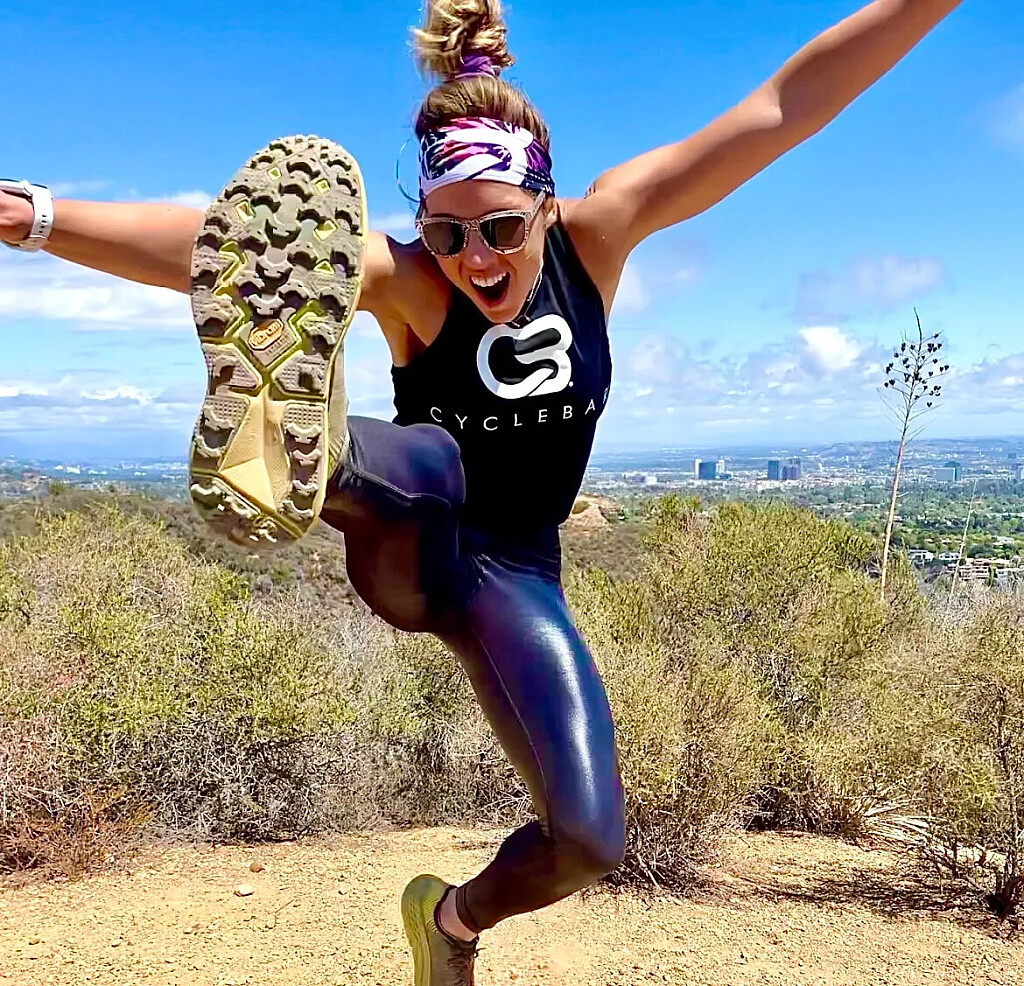
There’s just something about Leadville, Colorado, legend Annie Hughes. With just 71:10:22 down, the 24-year-old claimed first in the women’s race. She led the women all race, and did so with nearly no sleep — only a few catnaps along the way. This is Hughes’ second 200-plus-mile race in seven months, as she won the 2021 Moab 240 Mile last October.
Second in the women’s race belonged to Lauren Jones, whose steady pace throughout delivered her to the finish line at 78:34:16.
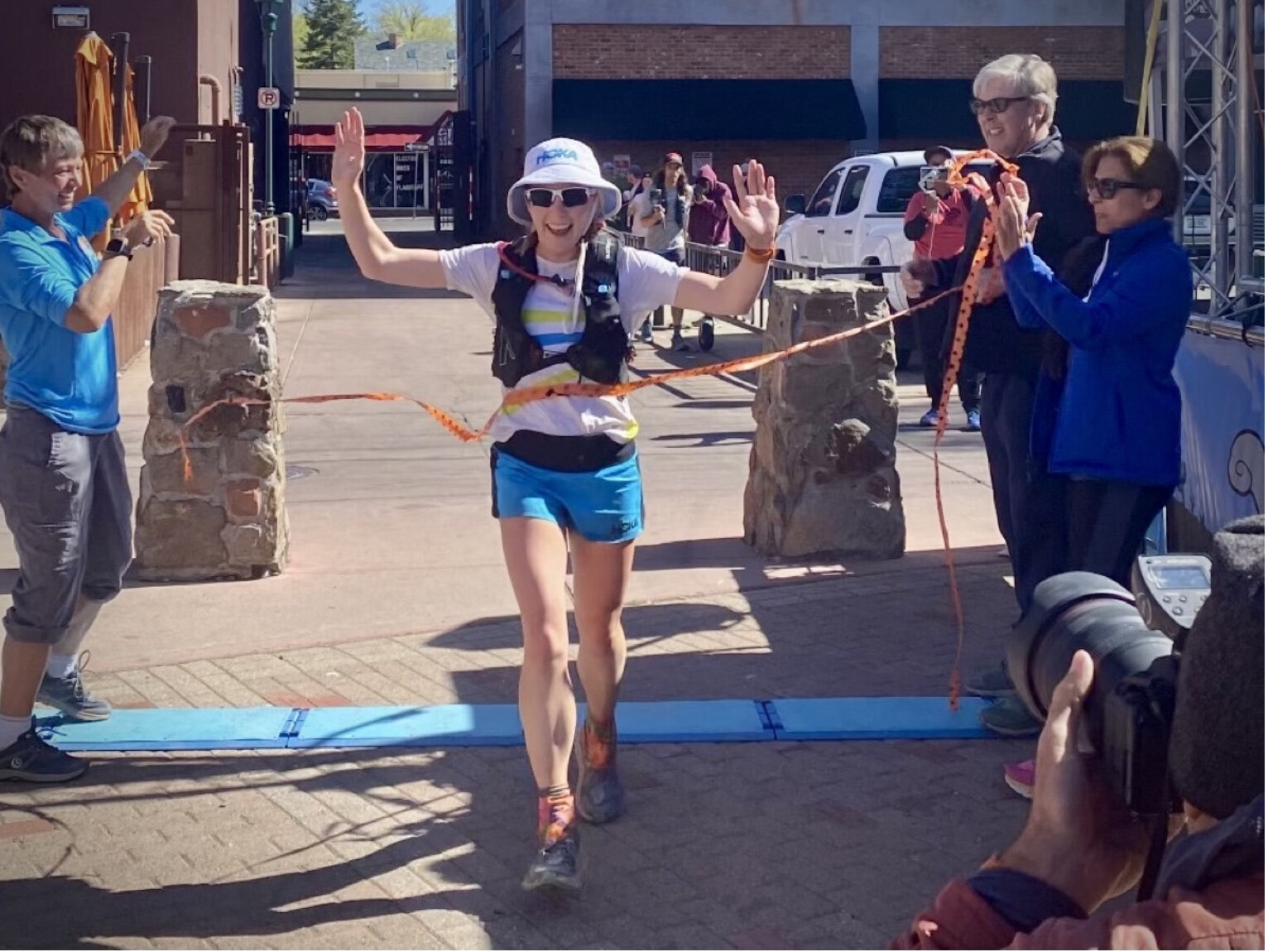
Some five hours later, Aravaipa’s own Sarah Ostaszewski landed the final podium spot, with an official time of 84:21:24. Notably, Ostaszewski finished fifth in last year’s Cocodona showdown and looked pleased to have bested her previous performance by two spots.
2022 Cocodona 250 Mile Women’s Results
Annie Hughes (Hoka) – 71:10:22
Lauren Jones – 78:34:16
Sarah Ostaszewski (Aravaipa Running) – 84:21:24
Rhoda Smoker – 89:06:50
Stephanie Simpson – 89:46:29
by I Run Far
Login to leave a comment
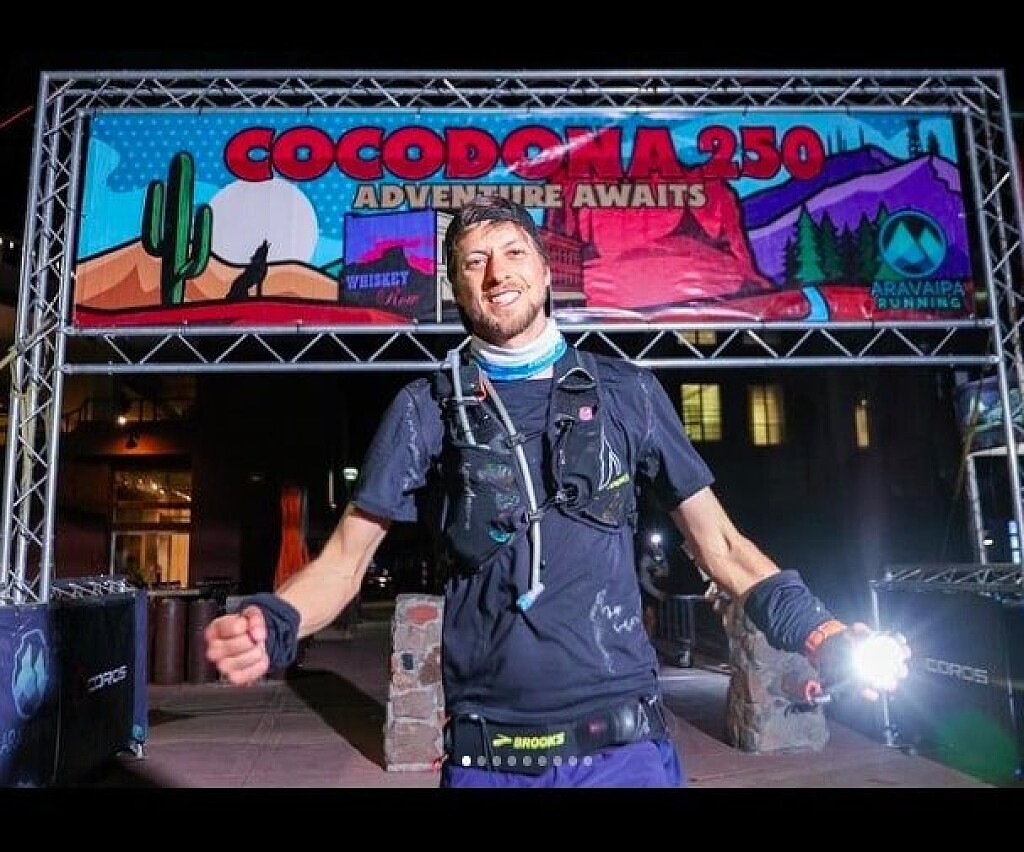
2022 Cocodona 250 Mile Men’s Race
The second annual Cocodona 250 Mile began at 10 a.m. U.S. Mountain Time on Tuesday, May 2, in Prescott, Arizona. Runners endured scenic but brutal terrain over the 254-mile course and climbed more than 30,000 feet to arrive in the northern city of Flagstaff.
This year’s course was heavily modified from its intended route due to wildfires. The official cutoff time for the race is 125 hours, and it ends on Saturday, May 7.
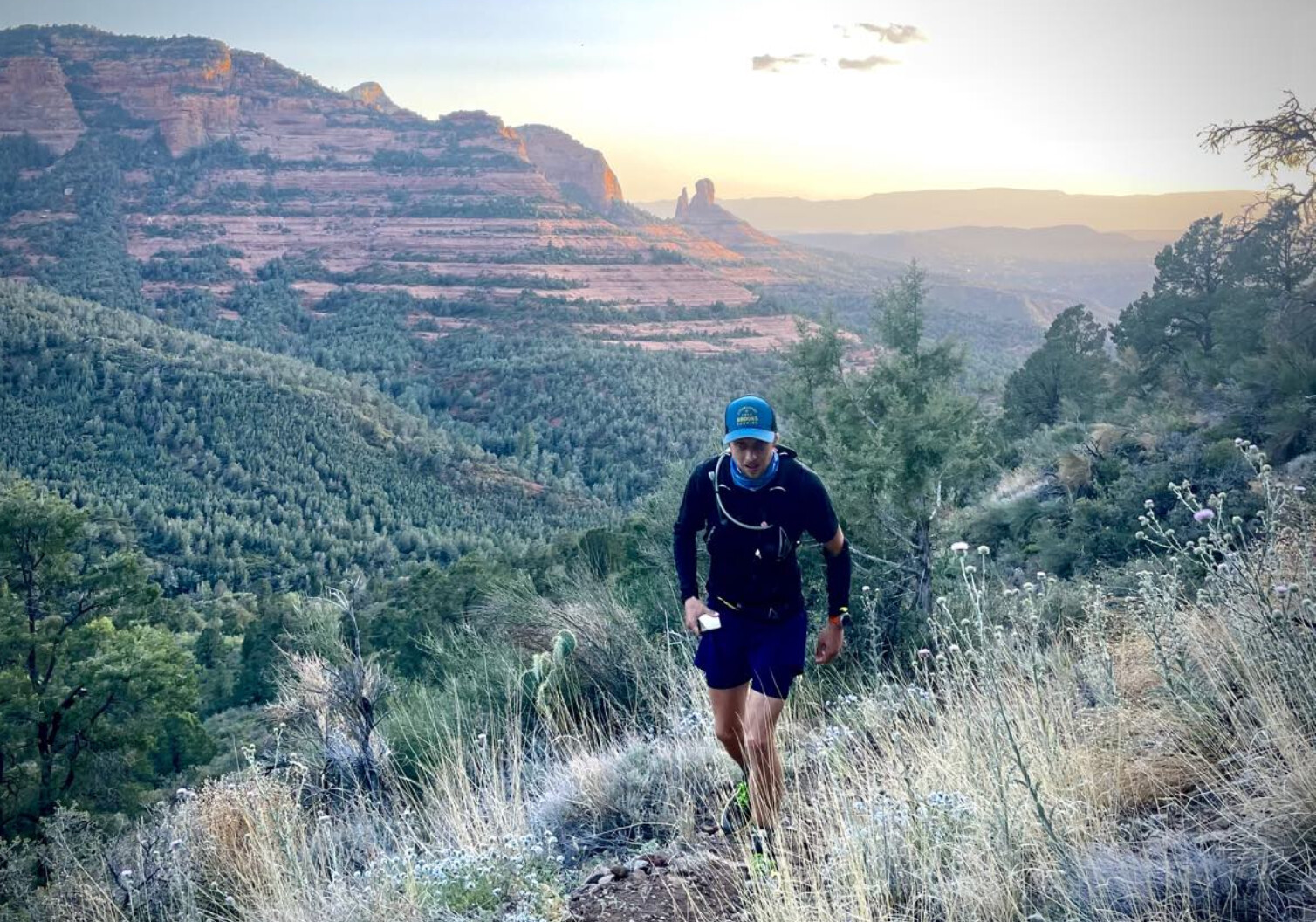
This year’s event, put on by Aravaipa Running, did not disappoint and saw some impressive times set by those earliest to the finish line.
Thru-hiker and ultrarunner Joe McConaughy and young phenom Annie Hughes clinched the men’s and women’s top spots on Wednesday night and Thursday morning, respectively. At the time of publication, runners continue to trickle across the finish line, totally worked but generally beaming.
2022 Cocodona 250 Mile Men’s Race
Joe McConaughy, aka Stringbean (his trail name in the thru-hiking community), ran the entirety of the race in absolutely stellar form and broke the tape in a diminutive 59:28:54. That signified a more than six-hour lead over the rest of the field.
Michael McKnight picked up the pace in the back half of the race to close that gap. At 65:39:16, McKnight crossed the threshold at Heritage Square, claiming second place in the men’s race.
United States Marine veteran Matt Smith gained steady momentum, moving from the middle of the pack to round out the men’s podium late in the race. He finished in 73:01:19.
2022 Cocodona 250 Mile Men’s Results
Joe McConaughy (Brooks) – 59:28:54
Michael McKnight (Salomon) – 65:39:16
Matt Smith – 73:01:19
Kevin Goldberg– 74:24:58
Jason Koop – 75:47:25
by I Run Far
Login to leave a comment
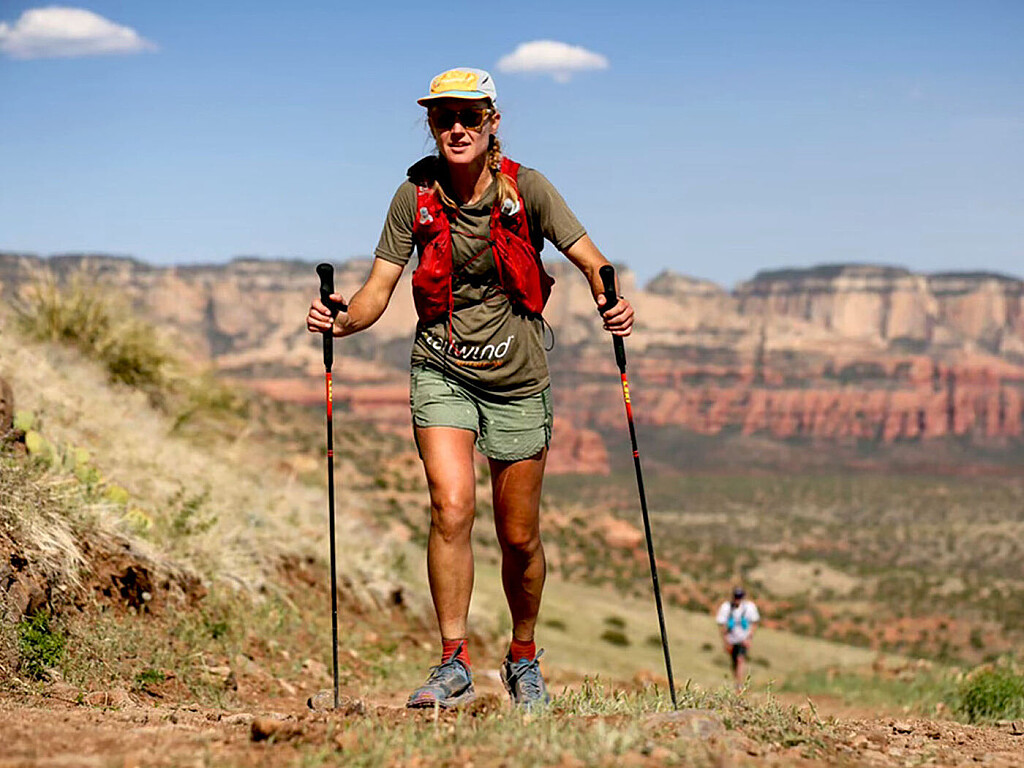
The second-ever Cocodona 250 will kick off on Monday, May 2nd, with an alternate course beginning in Prescott, Arizona, and ending in downtown Flagstaff
Over 200 runners will have roughly five days to cover over two hundred miles of some of the Southwest's most beautiful and challenging terrain.
The race takes place on the current and historic homelands of many Indigenous groups, including the Jumanos, Yagapaiv Apache, Hopitutskwa, Pueblo, Zuni, Hualapai, Hopitutskwa Hualapai, and Hohokam.

Here's what you need to know about the 2022 Cocodona 250, which athletes to watch for, and how to follow along.
Course Changes for 2022
Due to the Crooks Fire, which started on April 18, race officials rerouted nearly a quarter of the course after the Prescott National Forest was placed under an emergency closure through May 3, for ease of firefighting efforts. As of April 26, the Crooks Fire was 16% contained and burning around 6,400 acres south of Prescott in the Bradshaw mountains.
The new course will start in Prescott, Arizona, rather than Black Canyon City.
"[The fire] basically broke out less than a mile from the mile 63 aid station," said Jamil Coury, owner of Aravaipa Running and one of the Cocodona organizers. "We've been able to do a reroute of the first 70 miles of the race courseand we're going to be running about 60 miles and then we'll merge back with the course and we'll make up the rest of the miles later on in the race."
As a relatively new race, Coury says there are still some challenges to work through with an event as long as Cocodona. The last-minute course changes proved particularly challenging, but he hopes the event will continue to settle into a routine over the coming years.
"We're trying to work out the kinks for sure. You know, a lot can happen in this length of race," he says. "Everything else is mostly kind of like last year. We're looking to do a livestream of the event again on our YouTube channel until at least the top female podium comes in and we'll see from there, we might try and do some bonus broadcasts with some of our finishers in the last couple of days. It's more like we're trying to test a couple more ideas for the course. We'll get feedback from those and then maybe settle into a more long term route."
Runners to Watch
In its first-ever running last year, Cocodona featured 176 runners, 108 of whom finished. This year the field is considerably larger, with 234 registered runners. Twenty-one of those are finishers from last year's inaugural event: 17 men and four women.
Those 17 men include 2021 champion Michael Versteeg and three other top-10 finishers (Joshua Locke, Tod Bachman, and Mark Vogel). The women's field includes only two returners from last year's top 10, fifth place finisher Sarah Ostaszewski and ninth place finisher Jodi Semonell.
But alongside those returners comes a strong contingency of newcomers who will look to challenge both the men's and women's course records of 72:50:25 and 85:30:38, respectively.
"For the women, I think the biggest name on the list would be Annie Hughes from Leadville. She won the Moab 240 last year, Leadville 100 last year, and then Coldwater this January," says Coury. "Briana Grigsby from Tucson was fifth at the Black Canyon 100K this year and second at the Javelina 100K last year. And then Sarah Ostaszewski. She finished last year, and she'll be returning."
Hughes, at just 24, will seek to remain undefeated at the 200+ mile distance. She's been training for Cocodona with shorter ultras since winning the Moab 240 in October. She won the Coldwater Rumble 100 in January and the Staunton Rocks Running Up For Air 12-hour event in February. At that race, she racked up 56 miles in just under 11 hours and beat all the other competitors, regardless of gender. She then celebrated her 24th birthday on March 13 by running for 24 hours around her home in Leadville, Colorado, covering nearly 120 miles.
"I feel like with 200s, there's just so much time to go through highs and lows, and you just kind of have to ride the highs when you're feeling good and just go with it," said Hughes. "You can't really plan for these things, so I'm just kind of going into it looking at it as an adventure."
After Cocodona, she will continue a full racing schedule through the summer with three 100s: High Lonesome in July, Run Rabbit Run in September, and Javelina in October, back in Arizona. For Cocodona, she'll focus on carefully scheduling sleep and nutrition, seeing the experience as an opportunity for adventure.
"I think it's really cool that [200s] are becoming more popular and that a brand new race as amazing as this one is now available for runners," said Hughes. "I'm really excited to be a part of this race in one of the first years it's ever been run, because I think it's going to become really big."
On the men's side, Coury will be watching for 200+ veteran Michael McKnight, who DNF-ed last year's race due to heat struggles, and last year's winner Michael Versteeg, as well as backcountry guide, coach, and pro Brooks athlete Joe McConaughy, who will take his first crack at the 200+ mile distance. McConaughy currently holds the fastest known times (FKTs) for the Arizona Trail (supported), Long Trail in Vermont (self-supported), and Appalachian Trail (northbound, self-supported).
"[McConaughy has a] strong thru-hiking, kind of FKT background," says Coury. "Also really fast at short distance and then even at like the 100-mile distance, he's got some really fast times. He has this interesting mix of super long and short and fast."
McConaughy also brings recent experience with running fast in the area where Cocodona takes place.
"I'm stoked. It's an awesome route. [Aravaipa is] an awesome race organization. There's lots of great runners. So it's kind of like everything you want from an effort," says McConaughy. "I did the Arizona Trail last year and I did it right around the same timeSo it's really cool thinking I did the Arizona Trail and now coming back for another big section of trail. And adventuring in Arizona is really exciting. I just love the desert and the vibes and the whole area. It's just a very, very lovely, fun state."
MEN
Michael McKnight (32, Smithfield, UT): two-time champion of the Triple Crown of 200s (which includes the Moab 240, Tahoe 200, and Bigfoot 200), his record on those three combined races is the fastest ever by nearly 45 hours (162:00:51). He has multiple wins at both Bigfoot and Moab.
Michael Versteeg (Prescott, AZ): Last year's winner, also won the 2020 Fuego y Agua 100K and was fourth at the 2019 Run Rabbit Run 100 Mile
Chad Trumbo (39, Columbus, OH): Won the Fuzzy Fandango 50K in November, sixth at the Mohican 100 Miler in 2021.
Joe McConaughy (30, Seattle, WA): Third at Gorge Waterfalls 100K earlier this month, fourth at the 2021 Javelina Jundred, holds numerous thru-hiking FKTs.
Cole Crosby (33, Cranston, RI): Fifth at the USATF 50K championships in 2020, recent wins at the Manchester to Monadnock 55 Miler and MCW Westfield Ultra 9 Hour.
Eric Senseman (33, Flagstaff, AZ): 2017 JFK 50 Mile winner, with top-three finishes at the 2019 and 2021 Black Canyon 100K.
WOMEN
Annie Hughes (24, Leadville, CO): Recent wins at the Leadville 100, Coldwater Rumble 100, and Moab 240.
Rhoda Smoker (35, Elverson, PA): Recent wins at the Conquer the Wall Endurance Challenge 47 hour run, Dogwood Ultras 12 hour, and Green Monster Trail Challenge 50K.
Brianna Grigsby (34, Tucson, AZ): Recent wins at the Sinister Night Runs 54K and McDowell Mountain Frenzy 50K, plus top-five finishes at the Black Canyon 100K and Bandera 100K earlier this year.
Lee Conner (49, Cleveland, OH): Top-five finishes at the Forget the PR Mohican 50K, Run Lovit 100 Miler, Outlaw 100, and Cloudsplitter 100 - all in the last 8 months!
Jodi Semonell (49, Omaha, NE): Second at the 2020 Moab 240, ninth last year at the inaugural Cocodona 250, recent wins at the Dizzy GOAT 12 hour run and Hitchcock Experience Endurance Runs 100 Miler.
Sarah Ostaszewski (30, Beaverton, OR): Fifth at last year's Cocodona, with recent wins at the Bristow 24 hour run, Mogollon Monster 100 Miler, and Across the Years Marathon, plus a top-10 finish at the Javelina Jundred in October.
by Trail Runner Magazine
Login to leave a comment
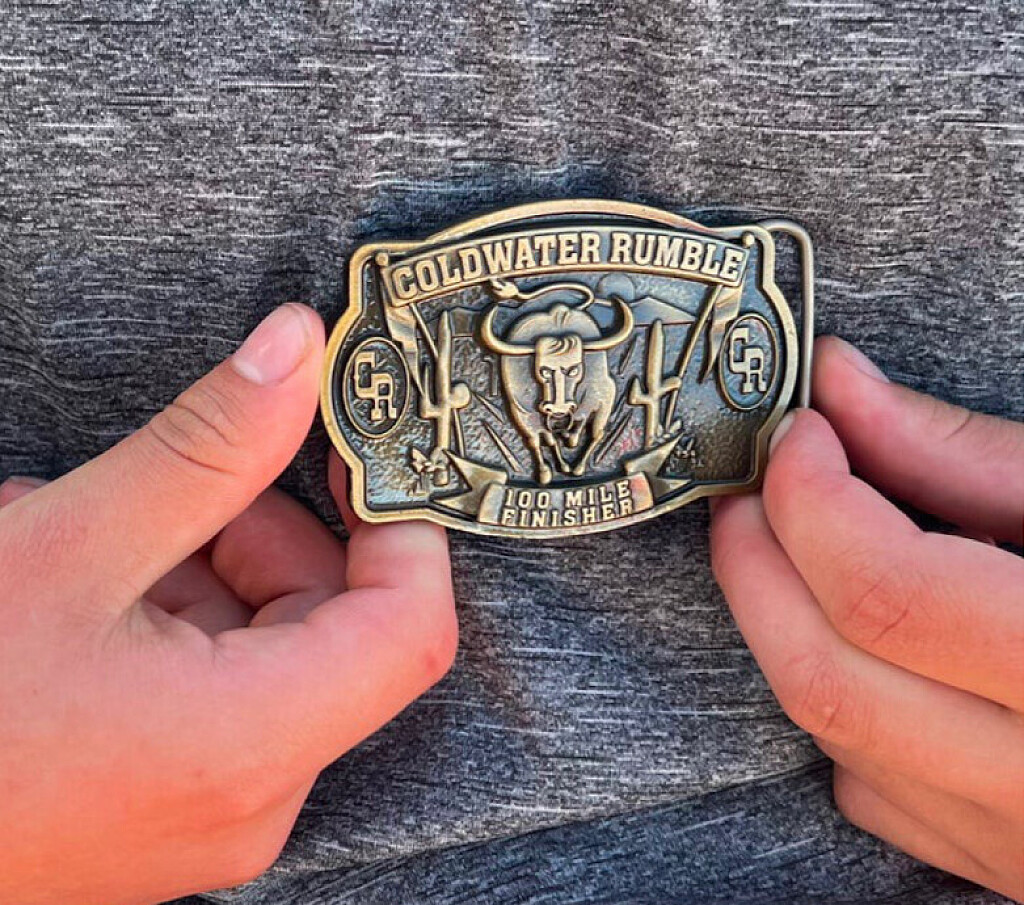
Zach Bates' 100 Mile Dream
Zach Bates loves statistics. Ever since he was a kid, he's scoured Guinness world records for longest, shortest, fastest, coldest or hottest. He could recite the Scoville rating for every hot pepper. Being autistic, that's how his mind has always worked. He loved to focus on specific topics, and the numbers called to him.
That might be why he fell for running. He joined the cross country and track teams his junior year of high school, memorizing his teammates' PRs and paces. Eventually, his sights turned to the pros. From Usain Bolt to Zach Bitter, he studied all of their career numbers. He also got the itch.
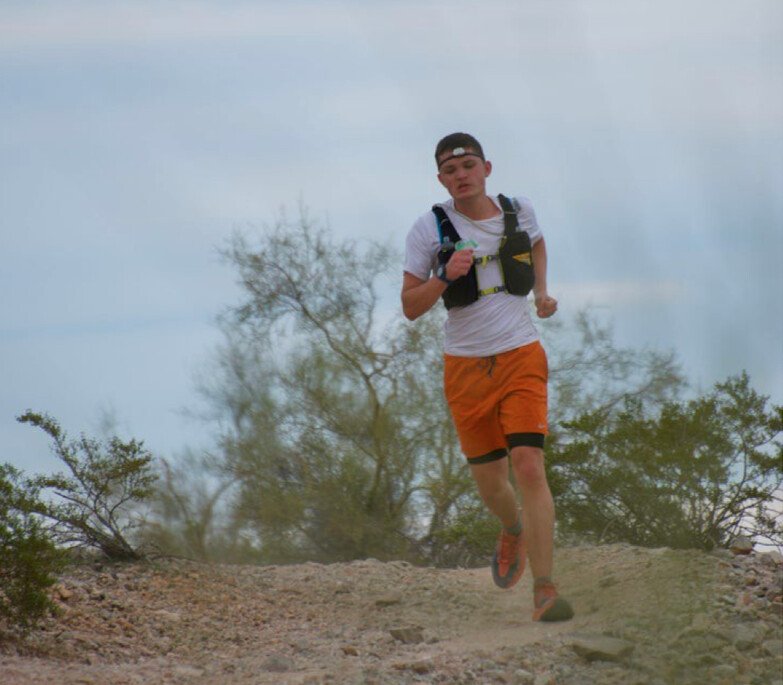
"He didn't want to just know these times, he wanted to do it, too," says Rana Bates, Zach's mother. "He begged me to sign him up for a marathon during his senior year. He was really interested in the longer stuff in track. He wanted to go even farther."
Because of the pandemic, most marathons during his senior year had been cancelled. So the 19-year-old waited patiently until graduation day in May 2021. That day, he turned to his mom and said, "I want to do a 100 miler before I turn 20."
Rana was thrown off by the request. No one in their family ran. Not his father, his mother, his sister or his twin brother. Now Zach wanted to run triple-digits in less than 10 months. She let the idea sit for a few days before Zach followed up. "Did you sign me up for a 100-mile race yet?"
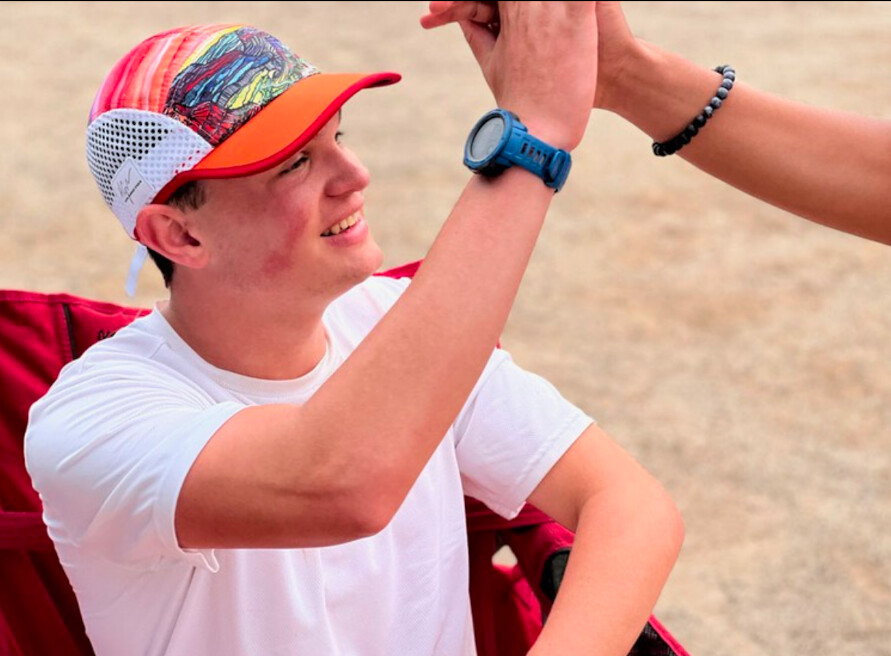
"He's really mild tempered and doesn't ask for much," Rana said. "When he does ask for something, he really means it and we take him seriously. So, I bought some books."
A Crash Course
Rana found herself whisked into the world of her son's dreams, researching and formulating a plan for Zach to be able to run 100 miles in a safe and healthy way. With Zach unable to plan himself, Rana had to take a broader approach, acting as his coach and instructing him on every logistical necessity for training.
"All of the thinking end stuff, I do," Rana said. "Zach does the running."
Rana's crash course worked smoothly for the first few months, but books only went so far. One of the first things she learned about distance running was the generosity of the community. The more she mentioned the goal to people, the more people came into Zach's life.
First, there was John Hendrix, a local ultrarunner. He offered knowledge about injury prevention, gear and nutrition for ultradistance running. But more than anything, he shared knowledge of the local trail systems and became an occasional running partner for Zach.
When it came to training, Zach and Rana had a process for each new trail. First, they had to hike it together so Zach could familiarize himself with the route and what landmarks to look for. Then, Rana would tag along in the car, driving between trailheads to meet Zach and field calls in case he got lost.
It's a lot of work, but Rana wants to live out the message she and Zach want to share.
"There's a list of things you do when you find out your child has autism," Rana said. "But we need to be careful not to let those things become the priority of what our children want. We need to listen to them, hear their dreams. Zach wanted to run so badly, he just didn't have the resources to find routes, sign up for a race, or things like that. You can't just say, it's too hard for us. We need to respect them as individuals and help them reach their dreams."
As Zach started to race, more and more people noticed him. By October, he'd finished the High Mountain Half, the Beaver Canyon Marathon, and the Do-Wacka-Do Trail Run 50 miler. He made friends everywhere he went, astonished at someone his age running the distances he was. At races, autism wasn't the defining feature of who he was.
The Rumble
There's an infinite number of variables in a 100-mile race; often, things simply go well until they don't. For Zach, the first roughly 80 miles went smoothly. He was far way ahead of the cutoff when he picked up de la Rosa as a pacer for the final 20 miles. But he started to get quiet, only occasionally breaking the silence.
"If my legs could talk, they would say, 'Whyyyyyyy!" de la Rosa recalls Zach saying.
Then a problem arose at mile 88. A hip flexor tweak forced Zach into a limp. They tried stretching, but that only worked momentarily. The limp lingered, but they pressed on.
De la Rosa could see the teenager doing calculations in his head, watching his time goals get further and further away. It was a place de la Rosa had been many times since he started running ultras in 2008. In that moment, captured on video, de la Rosa thought of what he would've wanted to hear if it were his teenage self.
In the next miles, Zach slowed to a painful trudge, about 45-minutes per half mile. Finally, a stroke of luck found them at mile 94: a runner with two Tylenol. The pain wasn't gone, but Zach started running again, dropping three straight 12-minute miles. With that, finishing under the 32-hour cutoff was assured.
"That's called a comeback!" de la Rosa hoots in the video. "That's called rallying! Woohoo!"
Runners treated him like anyone else. For one 40-mile training run, Zach was supposed to pace Hendrix for the Javelina Jundred. Hendrix dropped out at mile 60, but word got around in the crew area that Zach was willing to pace.
"There was such an openness and willingness from runners," Rana said. "He paced one guy from Boulder, Colorado, and the guy came back stoked, saying this was the most fun he had with a pacer. Another guy from California picked him at mile 80 and Zach paced him to a sub-24 finish. It's the coolest thing ever to have a support system like this. These runners have stayed in touch with us and offered help. It's amazing."
After finishing the 50, Zach signed up for the Coldwater Rumble 100 in January and started TikTok and Instagram accounts (@running.farther) to share his progress. That left three months to prepare, but Zach was feeling burned out. Rana was out of her depth for guiding him, so they sought a professional coach. With a reference from Run Flagstaff, they connected with Nickademus de la Rosa.
"You can always tell if there is a deep, intrinsic reason someone does a 100 miler, and that often proves if they will do whatever it takes," said de la Rosa. "Zach had a deep reason to be there. You see it in his eyes when he talks."
They dropped Zach's mileage down to get him healthy, mentally and physically, then began ramping it slowly back up. The biggest week came four weeks before race day: 10, 20, and 30 mile runs back to back to back.True to form, Zach hit all his splits on the dot.
At the finish line, the Bates family waited. Zach's watch had died in the night, leaving them reliant on texts from de la Rosa to track his progress. Finally, the final text came in. Zach was moving slower again, but they were a mile away.
Rana rallied a friend who rallied the entire 250-yard string of tents along the final stretch. When Zach arrived, a massive cheer tunnel awaited him. Zach looked at de la Rosa, as if to ask permission to run through it.
"You've got this," de la Rosa said.
Alone, beneath the roaring crowd, Zach ran. He stopped when he crossed the finish and embraced his family. His time was 28:06:36, good for 38th overall.
'I'll cherish that moment forever," Rana said. "Our family will never be the same."
Zach's royal entrance was completed with a camping-chair throne and a parade of well-wishers. Unable to stand when it was time to leave, Zach was lifted by his father and uncles over the crowd and carried like a king to the car.
The limited mobility lasted a few days. After a long postrace nap, Zach eventually made it to the bath, an endeavor so challenging he made a TikTok of himself easing up the stairs set to the "Mission Impossible" theme song.
By a week later, he was moving better, already eyeing what's next. He's got the Canyons 100K and Javelina Jundred on the calendar for 2022, but it doesn't stop there. He also wants to do the Cocodona 250, but that's for down the road. For now, he's back to running and chasing his dream.
"Even if Zach never ran again, the last eight months have changed us as a family," Rana said. "The outpouring of love from everyone, everywhere, for this kid chasing his dreams and making them come true. Not everyone is able to. Because of everyone, Zach did."
by Trail Runner Magazine
Login to leave a comment
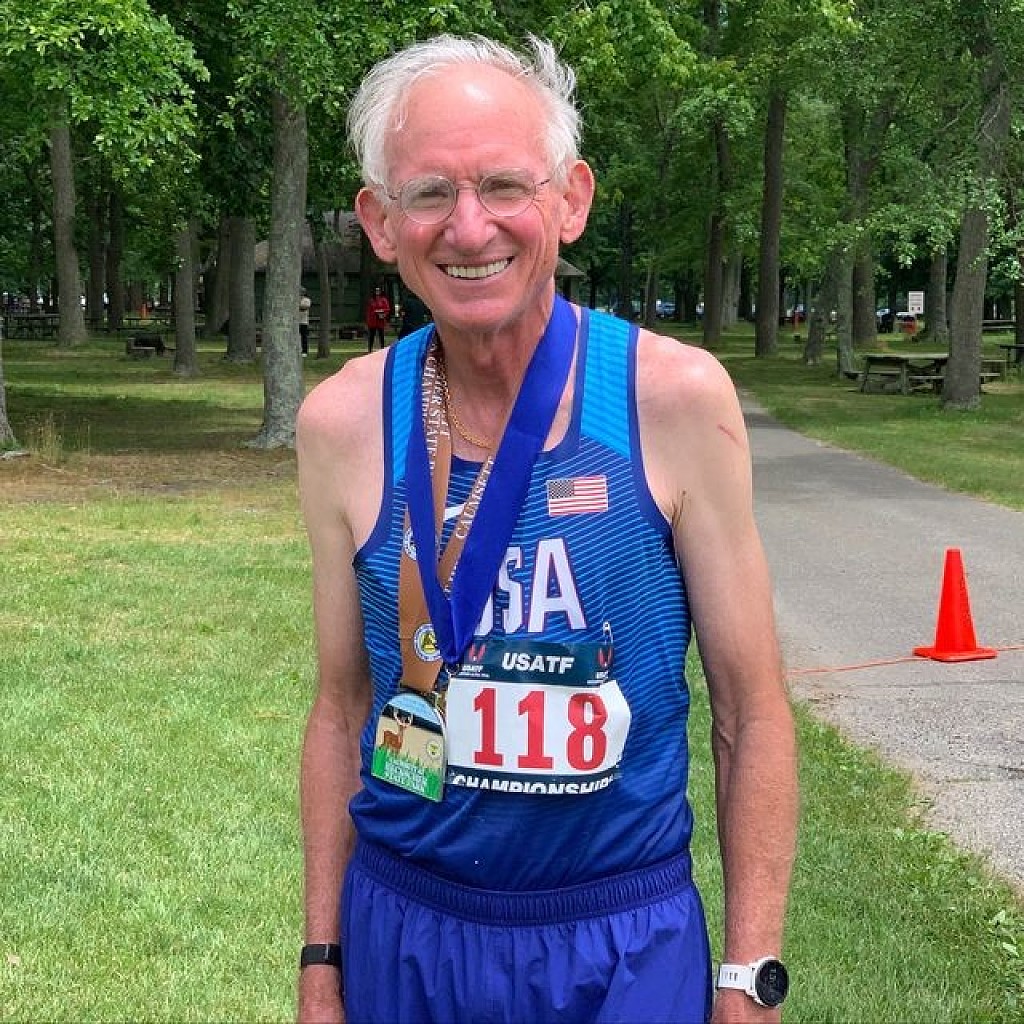
Gene Dykes breaks M70 50K world record clocking 3:56:43, breaking the previous record by nearly 19 minutes
On a sunny Sunday in East Islip, NY, Gene Dykes broke the M70 50K world record at the USATF national 50K road championships, crossing the finish line in 3:56:43. He beat the previous record of 4:15:55, set by Germany’s Wilhelm Hofmann in 1997, by nearly 19 minutes.
This is the third world record Dykes can add to his resume, along with his M70 100-mile and 24-hour records. While his time has yet to be ratified, this is an incredible accomplishment for the already-decorated ultrarunner. To make his run even more impressive, he completed another 50K trail race only two weeks prior to his record-breaking run, and it’s been barely one month since he ran 152 miles (245 kilometres) at the Cocodona 250 in Arizona.
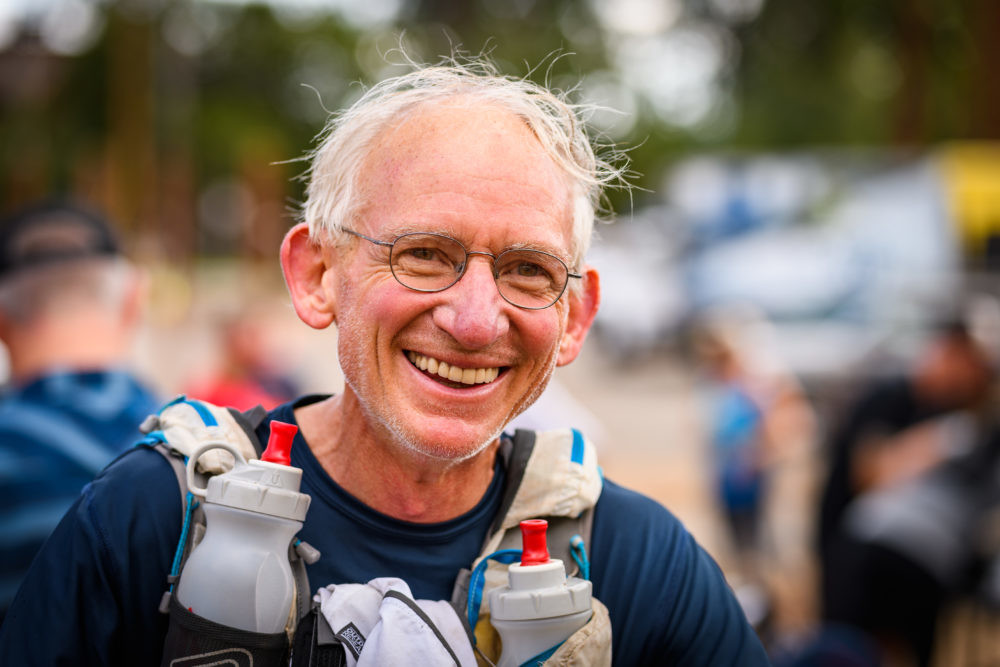
According to Dykes, the weather for Sunday’s race in Caumsett State Park was sunny, moderately windy, and not too hot, with temperatures hovering in the low 20s (Celsius) for most of the event. In a brief conversation with him after the race, he told Canadian Running (in a half-joking, half-serious manner) that he credits Canada’s late Ed Whitlock, one of the most decorated masters runners who ever lived, with his new 50K record.
“Thank you, Ed Whitlock, for never running a 50K,” he says.
Dykes is still aiming to take down Whitlock’s M70 marathon world record of 2:54:48, which he will attempt to do at this year’s London Marathon on October 3.
by Running Magazine
Login to leave a comment
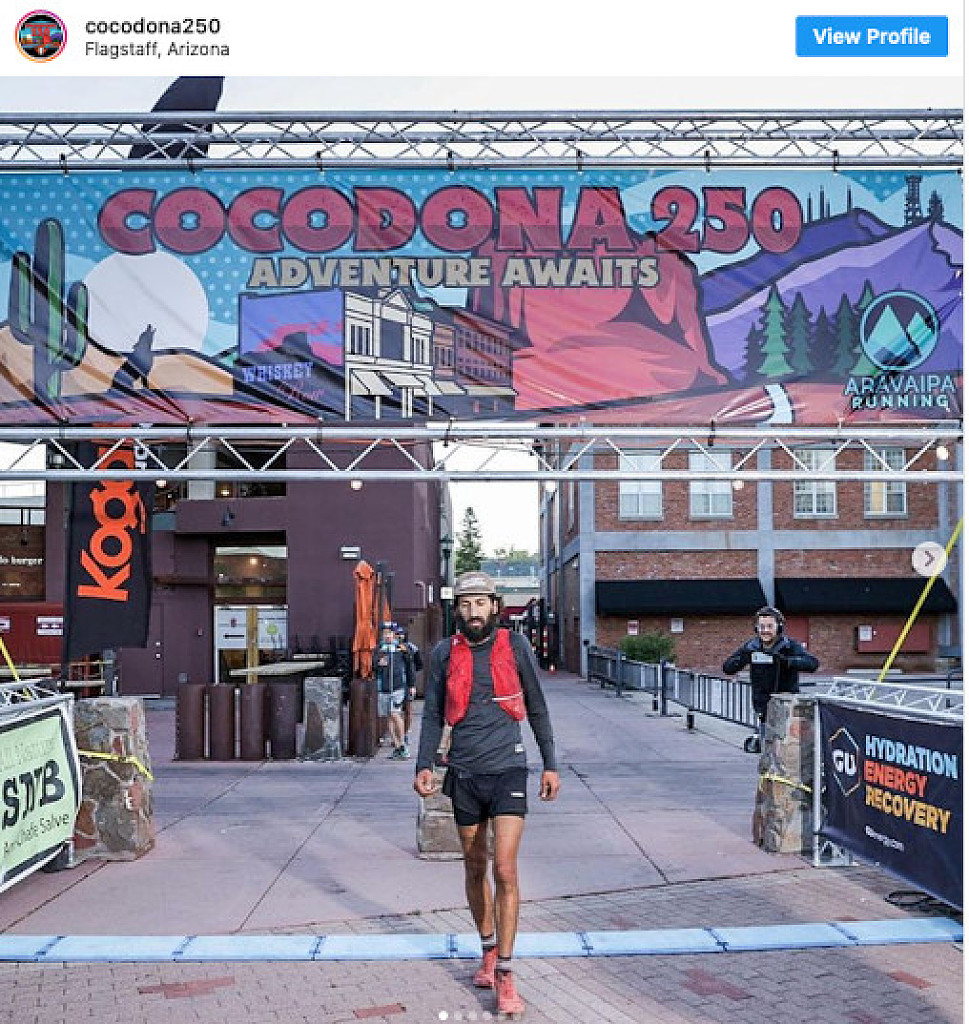
Michael Versteeg wins inaugural Cocodona 250-miler, Maggie Guterl still running in 7th overall
Ultrarunner Michael Versteeg of Prescott, Ariz., won the inaugural Cocodona 250-miler on Thursday morning, crossing the finish line in Flagstaff after 72 hours of racing. Versteeg finished ahead of Flagstaff local Peter Mortimer, who is still in the final miles of his run toward second place. Maggie Guterl is currently the top woman in the race, and at the time of writing, she completed 228 miles (366K) of what event organizers describe as a “250ish-mile footrace,” which works out to a total of about 400K. Guterl sits in seventh overall
Versteeg’s win
This is the inaugural running of the Cocodona 250, which was organized by the team at Aravaipa Running. The race started in Black Canyon City, about an hour north of Phoenix. From there, runners travelled north, passing through multiple towns (including Versteeg’s hometown of Prescott) before eventually making it to Flagstaff, 1,500m higher above sea level than where the race started. In total, the race features close to 13,000m of elevation gain, which is like running the height of one and a half Mount Everests.
The uphill battle, the heat of the desert and the sheer distance of the race didn’t stop Versteeg, who was at the front of the race throughout the 400K journey. This isn’t Versteeg’s first time stamping his name in the history books, as he won Aravaipa Running’s inaugural Whiskey Man Series in 2016 as well. On top of that, he has recorded many other ultramarathon race wins.
The chasers
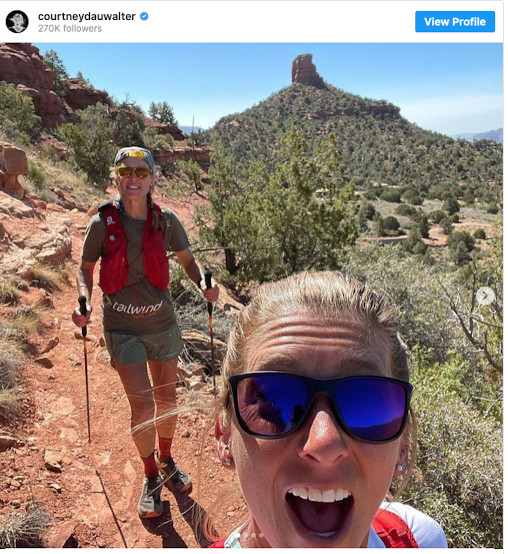
Among the chase group (which is the rest of the Cocodona field, as Versteeg is the only finisher so far) is Guterl, who is in seventh place and currently being paced to the finish by fellow American ultrarunning star Courtney Dauwalter. Guterl and Dauwalter know each other well, and earlier this year, they both competed at the Barkley Marathons (although, like everyone else at this year’s race, they registered DNFs).
Like Dauwalter, Guterl is well known in the world of ultrarunning, and she has several big race wins to her name, including Big’s Backyard Ultra in 2019. Now, Guterl is looking to add another win to her resume, and with a 16K lead on the second-place woman Jessi Morton-Langehaug, the Cocodona crown is hers to lose.
Also racing this week was Gene Dykes, a 73-year-old runner from Pennsylvania who owns multiple age group records, including the American 100-mile and 24-hour bests (21:06:07 and 179.98K). Unfortunately, Dykes didn’t make it to the finish line, and he (along with close to 60 other runners, so far) recorded a DNF.
The race is ongoing, and despite the many DNFs, there are still dozens of other runners on the course making their way to the finish. To track live results of the Cocodona 250, click here.
by Running Magazine
Login to leave a comment
