

Running News Daily
Running News Daily is edited by Bob Anderson and team. Send your news items to bob@mybestruns.com Advertising opportunities available.
Index to Daily Posts · Sign Up For Updates · Run The World Feed
Articles tagged #Boston Marathon 2026
Today's Running News
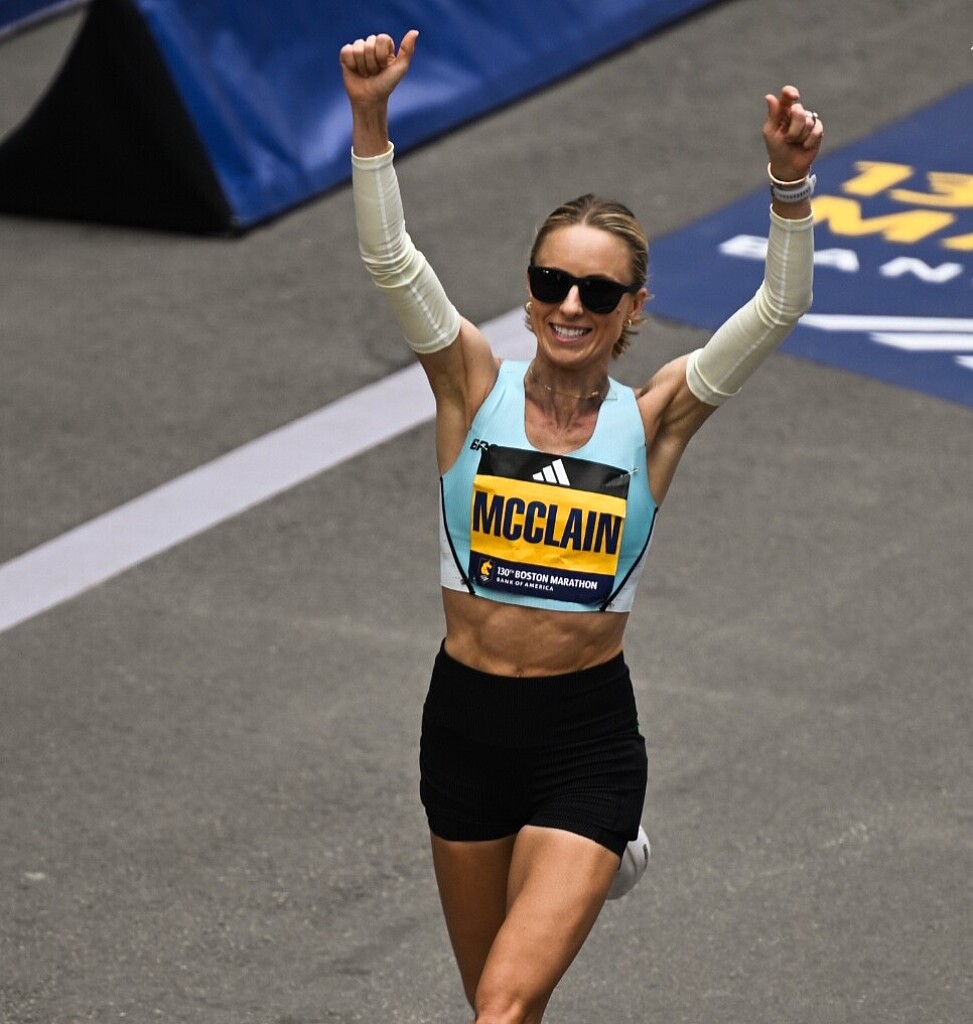


Jess McClain Rewrites the Script in Boston with Record-Breaking American Run
On a day steeped in history and relentless competition, Boston Marathon 2026 witnessed a performance that will echo across American distance running for years to come. Jess McClain delivered a race of rare precision and courage, surging to a remarkable fifth-place finish while carving her name into the record books as the fastest American woman ever on the iconic Boston course.
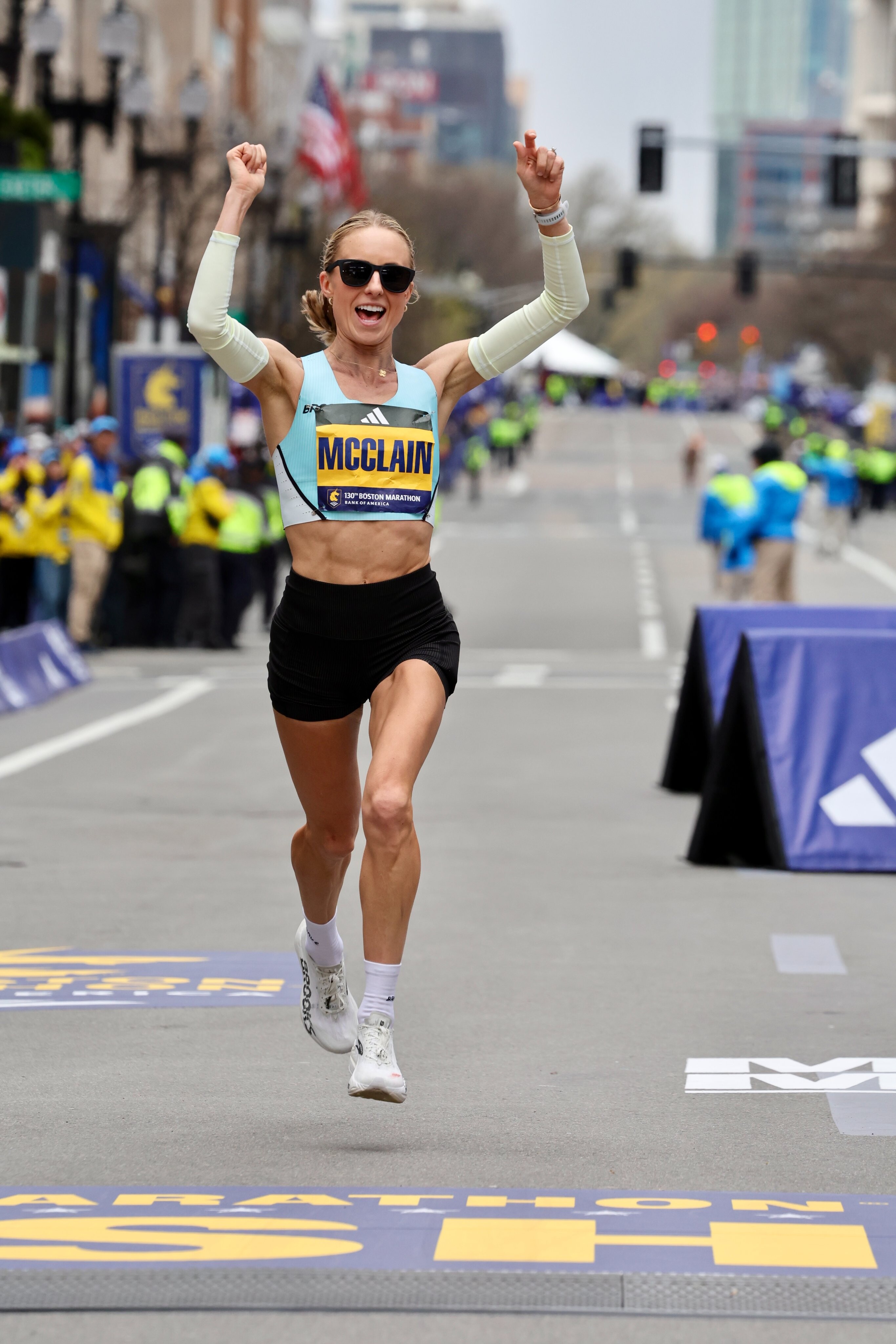
Clocking an extraordinary 2:20:49, McClain did more than simply lead her compatriots—she obliterated the long-standing American course record previously held by Shalane Flanagan, whose 2:22:02 from 2014 had stood as a benchmark of excellence for over a decade. By slicing more than a minute off that mark, McClain elevated the standard and signaled a new era of American competitiveness on one of the sport’s most demanding stages.
Her performance was not a solitary breakthrough but the continuation of a powerful upward trajectory. Having run 2:22:43 just a year prior, McClain’s near two-minute personal best reflects a runner evolving with intent—stronger, sharper, and increasingly fearless against elite global competition. The progression from seventh place in 2025 to fifth in 2026 underscores not just improvement, but a growing authority in the marathon ranks.
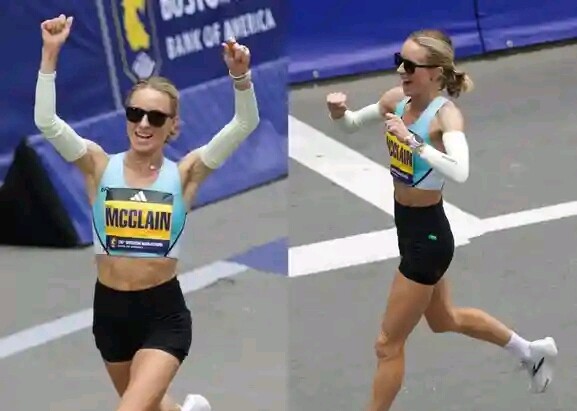
Beyond individual brilliance, McClain’s run spearheaded an impressive resurgence for American women. In a field stacked with international heavyweights, four U.S. athletes surged into the top ten—a collective statement of depth and ambition that has been years in the making. At the forefront stood McClain, composed and commanding, leading by example on the unforgiving Boston course.
What made the performance even more compelling was its context. The Boston Marathon is not a race that yields easily to records, with its rolling hills and tactical unpredictability. Yet McClain navigated it with remarkable efficiency, balancing aggression and control to produce a run that felt both calculated and fearless.
Back-to-back years as the top American finisher in Boston now cement her status as a cornerstone of U.S. marathoning. But more than titles or statistics, this was a statement—of arrival, of intent, and of possibility.
In Boston, where legends are forged mile by mile, Jess McClain didn’t just compete—she transformed expectation into achievement, and achievement into history.
by Erick Cheruiyot for My Best Runs.
Login to leave a comment
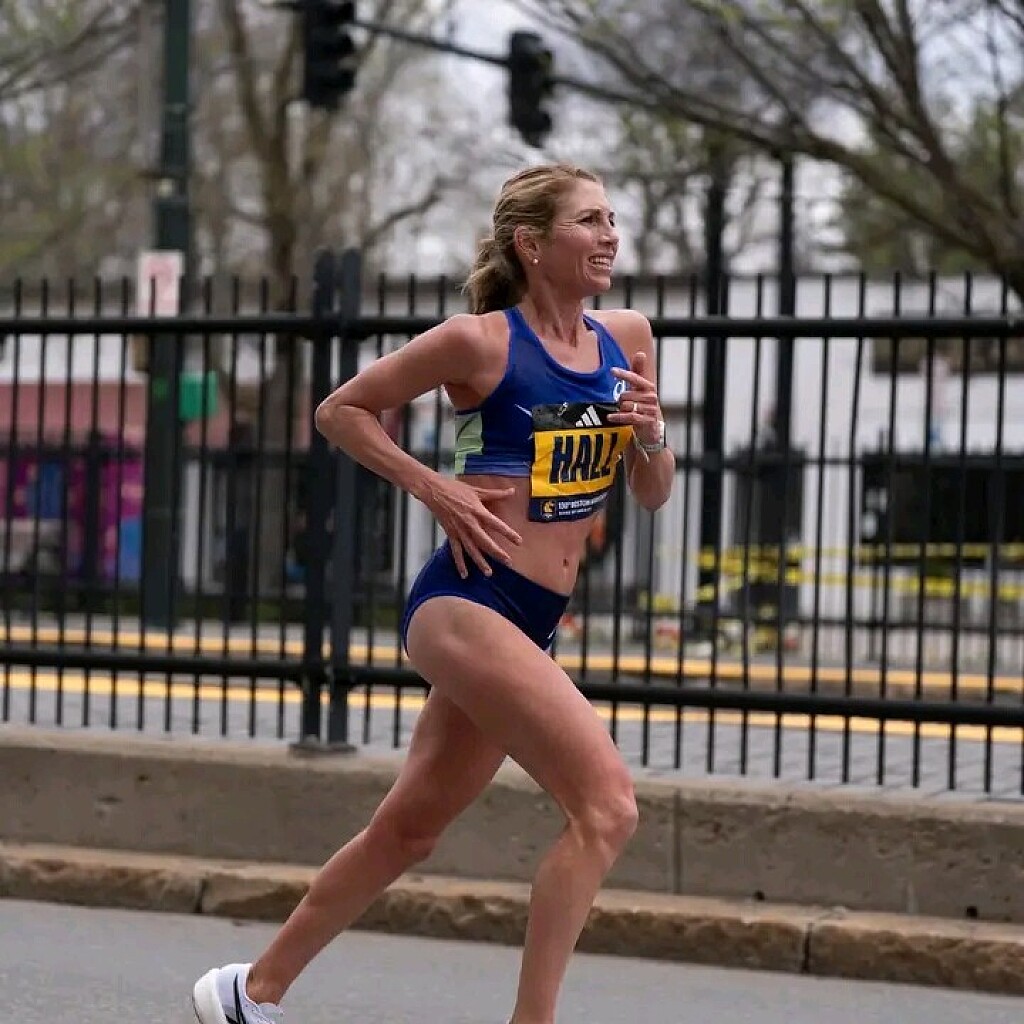
Ageless Excellence: Sara Hall Defies Time with Masterful Boston Triumph
Just two days after celebrating her 43rd birthday, Sara Hall delivered a performance that transcended age and expectation, seizing the spotlight at the Boston Marathon 2026 with a commanding victory in the women’s masters division.
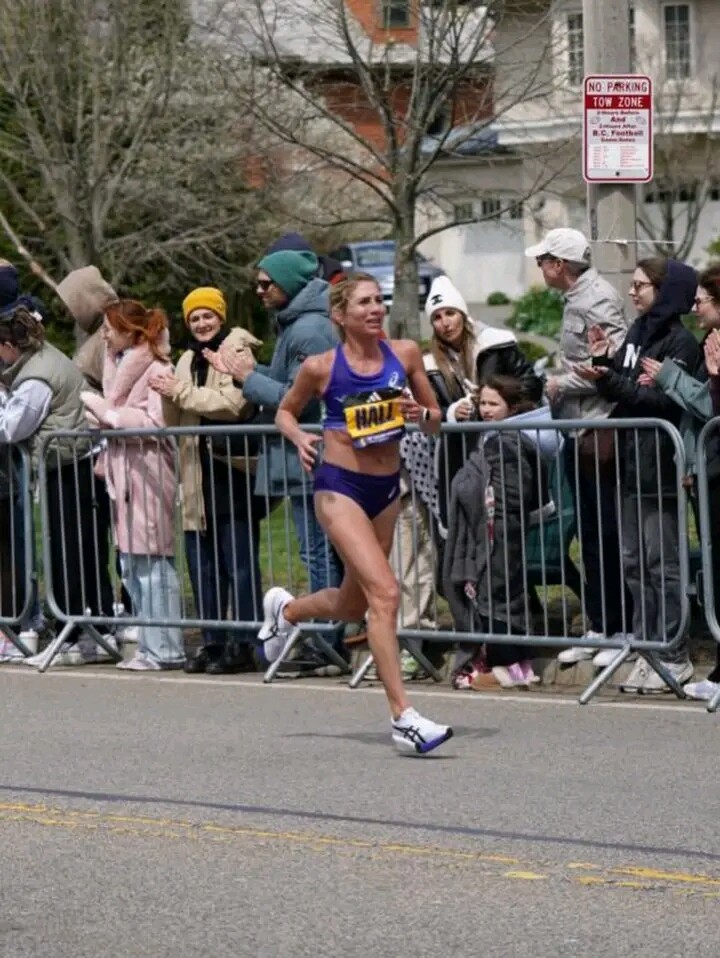
On a cool April morning in Boston, Hall demonstrated the rare blend of experience, tactical intelligence, and unyielding determination that has defined her career. Crossing the finish line in an impressive 2:31:55, she not only secured first place among athletes over 40 but also placed an outstanding 21st overall in a fiercely competitive elite women’s field—many of whom were decades younger.
From the early stages of the race, Hall asserted her authority. Setting a confident tempo, she distanced herself from her masters rivals with calculated precision, maintaining her rhythm across Boston’s demanding course. Her performance was not merely a victory; it was a statement—one that reaffirmed her status as a perennial force in American distance running.
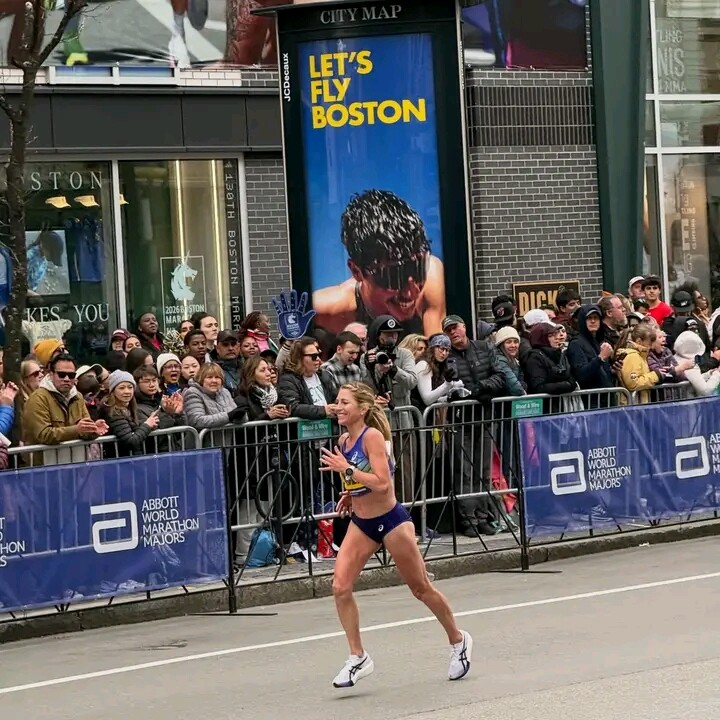
The achievement also carried tangible reward, as Hall finished as the fastest runner over 40, earning eligibility for the masters prize purse. Yet beyond accolades and financial incentives, it was the symbolism of the moment that resonated most deeply. Competing at such a high level in her forties, Hall continues to challenge conventional limits in endurance sport.
In an era often defined by youth, Hall’s run stands as a compelling reminder that excellence is not bound by age, but by commitment, resilience, and passion. Her 2:31:55 in Boston is more than a time on the clock—it is a testament to longevity at the highest level.
For Sara Hall, greatness is not a phase. It is a standard she continues to uphold, stride after remarkable stride.
by Erick Cheruiyot for My Best Runs.
Login to leave a comment
Elite Shake-Up in Boston—But the Firepower Remains Intact
With just three weeks remaining until the iconic Boston Marathon 2026 takes center stage on April 20, the race narrative has already been dramatically rewritten. What once appeared to be a deep and stable elite lineup is now shifting rapidly, as a wave of high-profile withdrawals reshapes both the men’s and women’s fields.
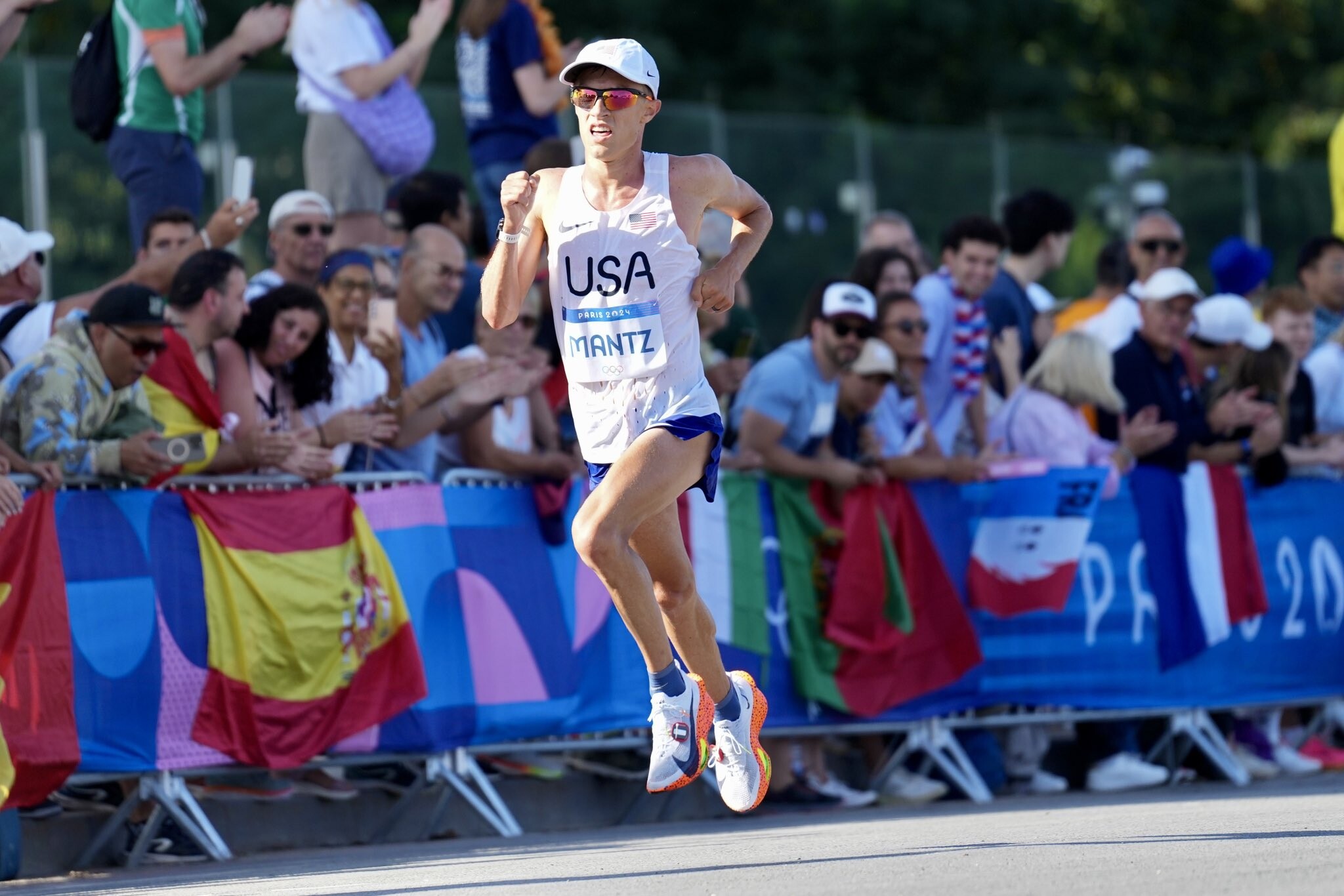
The most notable development is the withdrawal of American record holder Conner Mantz. Once considered a leading home contender, Mantz confirmed he will not compete after struggling to regain full fitness following a sacral stress fracture and other setbacks. His decision reflects a long-term focus—choosing patience over risking a return before peak condition.
The shake-up does not end there. Kenyan legend Vivian Cheruiyot has also officially pulled out, dealing a significant blow to the women’s race. She is joined on the withdrawal list by American marathon star Keira D'Amato, Tanzania’s Magdalena Shauri, and U.S. distance runner Biya Simbassa.
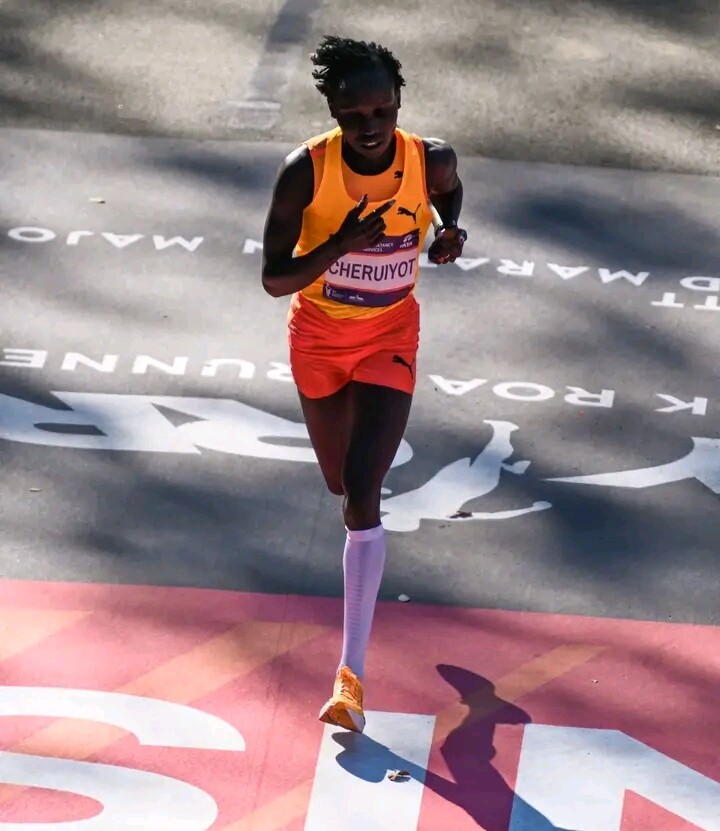
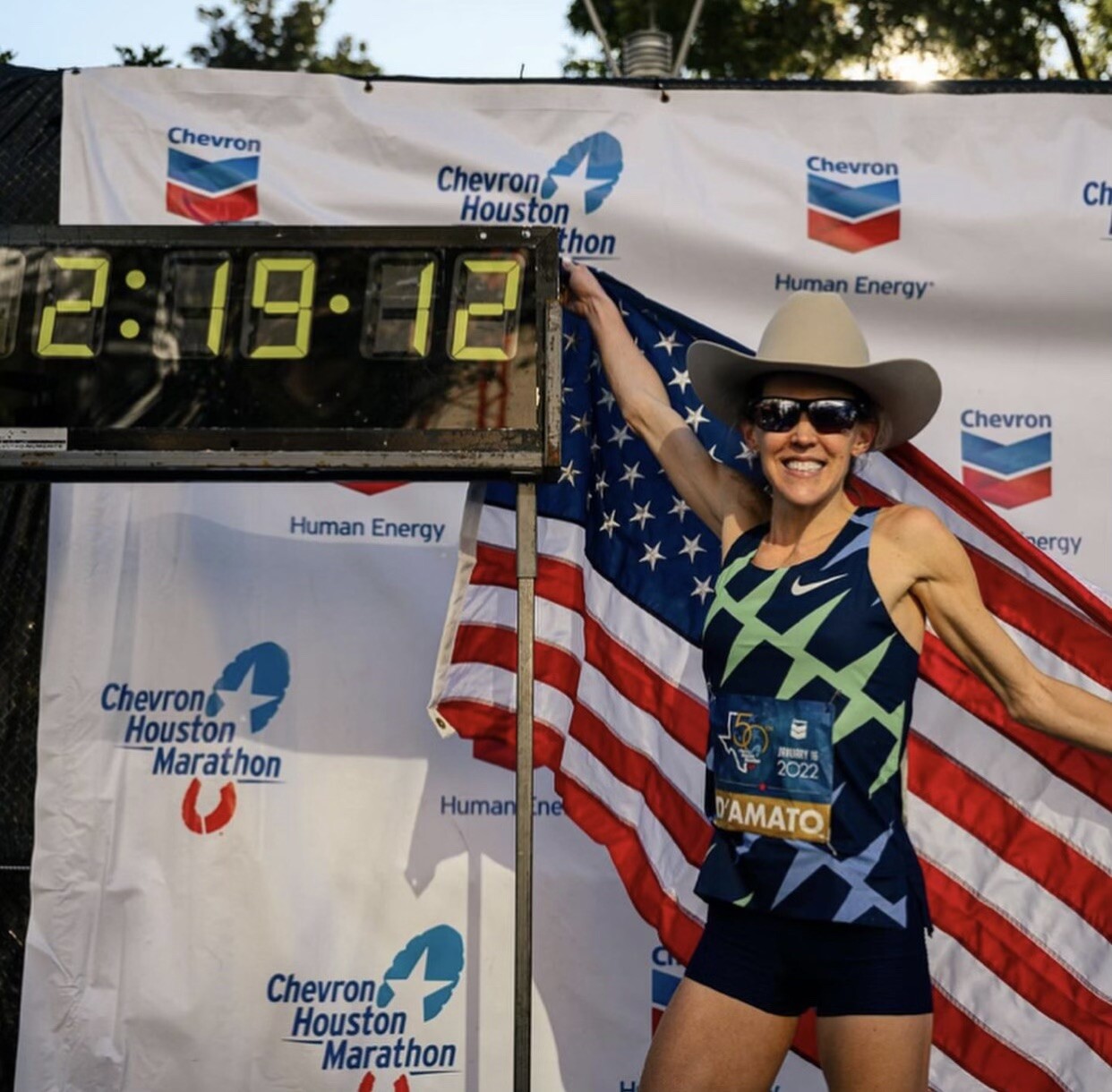
This cluster of late exits has thinned the field’s depth and removed several experienced contenders, leaving both races more open and tactically unpredictable.
Yet amid the withdrawals, a new force has emerged. Ethiopia’s Milkesa Mengesha has been added late to the men’s field, bringing with him a formidable personal best of 2:03:17. His inclusion injects fresh intensity into the race and positions him as a serious contender capable of disrupting the established order.
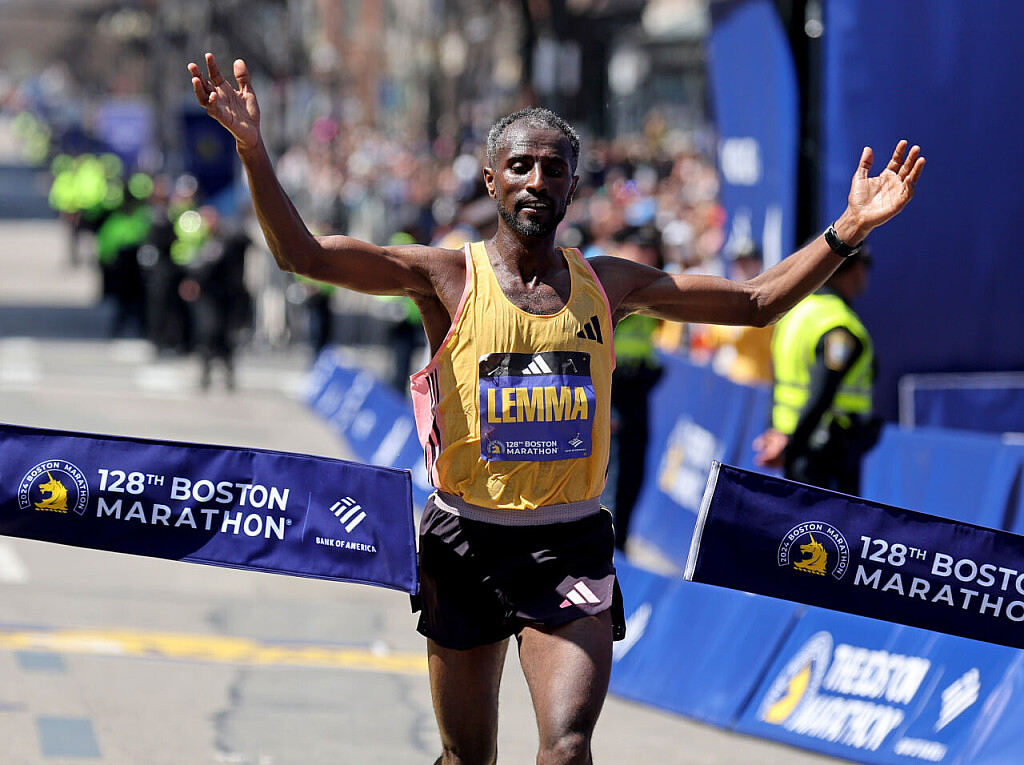
With Mantz no longer in the picture, the men’s race now leans heavily on proven champions. Kenya’s Benson Kipruto—the 2021 Boston winner and reigning New York City Marathon champion—returns with confidence and experience. Standing opposite him is Ethiopia’s Sisay Lemma, the defending champion determined to hold onto his title on Boston’s demanding course.
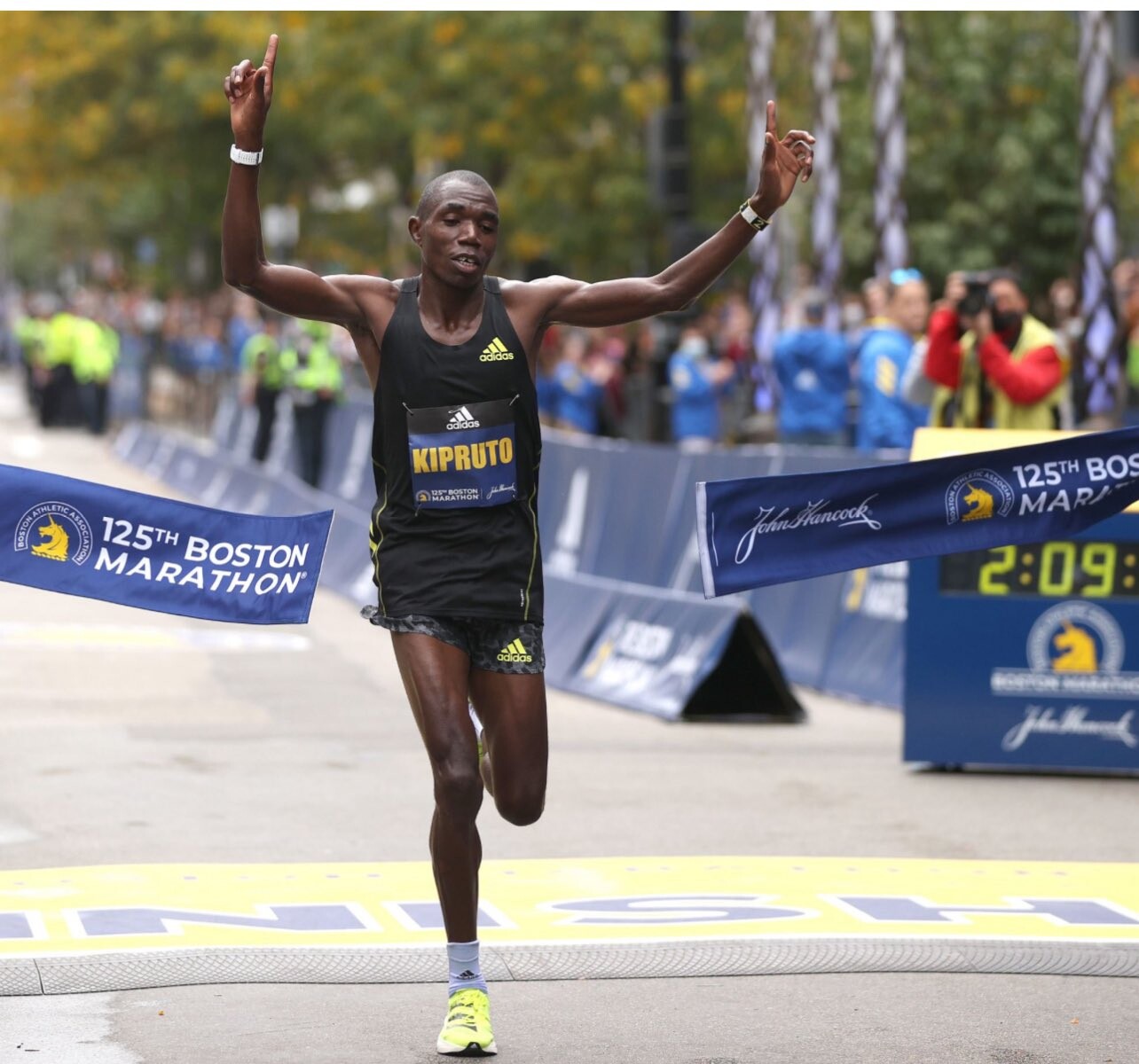
What once seemed like a straightforward clash of elite names has evolved into something far more compelling. The withdrawals have not diminished the race—they have transformed it. With gaps to fill and opportunities emerging, the 2026 edition now promises a battle defined by resilience, tactics, and the unexpected.
As Boston prepares for another unforgettable Patriots’ Day, anticipation continues to build. The script has changed—but the stakes may be higher than ever.
by Erick Cheruiyot for My Best Runs.
Login to leave a comment

Boston Marathon
Among the nation’s oldest athletic clubs, the B.A.A. was established in 1887, and, in 1896, more than half of the U.S. Olympic Team at the first modern games was composed of B.A.A. club members. The Olympic Games provided the inspiration for the first Boston Marathon, which culminated the B.A.A. Games on April 19, 1897. John J. McDermott emerged from a...
more...