

Running News Daily
Running News Daily is edited by Bob Anderson and team. Send your news items to bob@mybestruns.com Advertising opportunities available.
Index to Daily Posts · Sign Up For Updates · Run The World Feed
Articles tagged #London Marathon 2026
Today's Running News
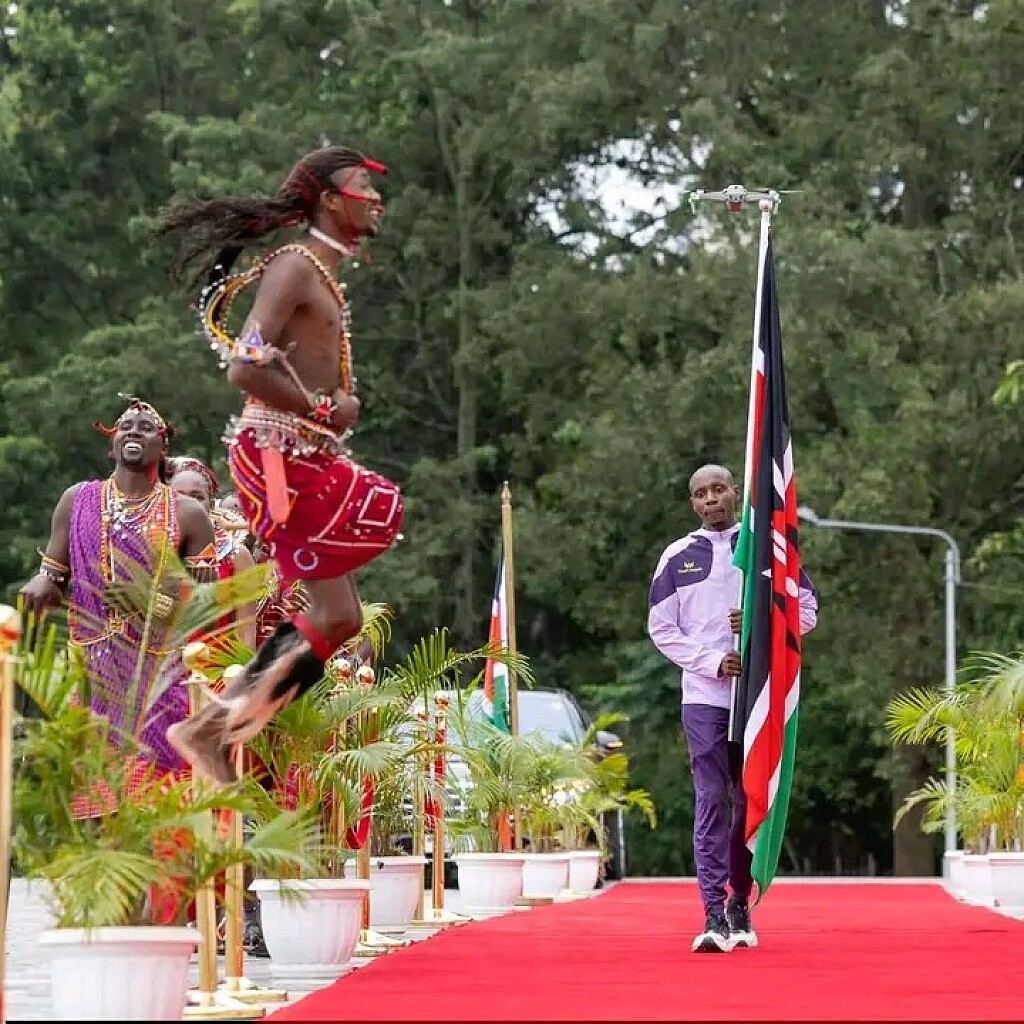


From London Glory to State Honour: Kenya Salutes Its Marathon Trailblazer
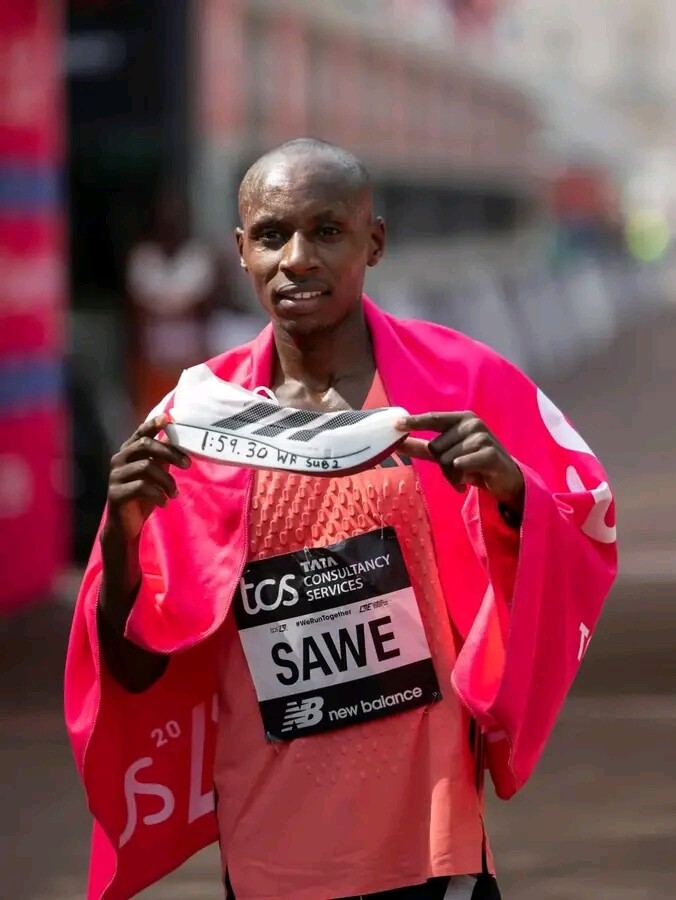
Under the proud banner of Magical Kenya — The Origin of Wonder, the country rose in unity to celebrate a moment that has redefined the boundaries of human endurance. This was more than a national celebration—it was history meeting gratitude, as Kenya welcomed home its newest global icon, Sebastian Sawe.
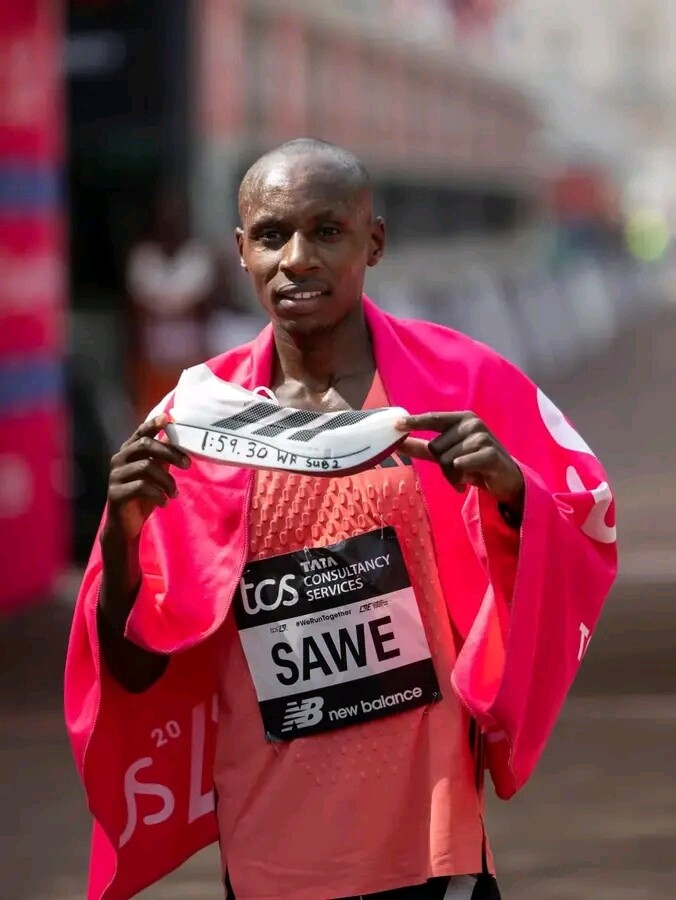
At the London Marathon 2026, Sawe delivered a performance that will echo through generations. On that unforgettable Sunday, he crossed the finish line in a breathtaking 1:59:30, shattering the marathon world record and becoming the first athlete in history to break the two-hour barrier in an official, record-eligible race. It was not merely a victory—it was a moment that altered the very perception of what the human body and mind can achieve.

Behind the brilliance of that run was a fusion of preparation, discipline, and innovation. Sawe’s performance was aided in part by the now-iconic Adidas Adizero Adios, celebrated for its lightweight construction, responsive energy-return technology, and minimalist design—qualities that continue to push elite athletes beyond previously accepted limits.

Upon his return, Kenya responded with unmatched pride and admiration. In the vibrant capital of Nairobi, celebrations erupted as citizens gathered to witness the homecoming of a man who had carried the nation’s dreams onto the global stage and returned with history in his stride.
The pinnacle of this state reception came at State House, where Sawe was formally received by Kenya's President William Ruto. In a gesture befitting the magnitude of the achievement, the President honored him with a reward of $61,000 and a car, describing the feat as “a defining moment in the history of human endurance.” It was a powerful acknowledgment of an accomplishment that transcends sport and enters the realm of national and global legacy.

Yet, even in the glow of such extraordinary success, Sawe remains driven by a hunger for more. Far from satisfied, he has already set his sights on lowering the record further—a mindset that perfectly captures the spirit of champions who refuse to see limits where others do.
Kenya’s legacy in distance running has long been unmatched, but this moment stands apart. It is a reminder that greatness is not static—it evolves, it challenges, and it inspires. And in Sebastian Sawe, the world has witnessed not just a record-breaker, but a pioneer of possibility.
As the celebrations ripple across the nation, one truth stands clear: this was not just a victory for Kenya—it was a victory for humanity.
by Erick Cheruiyot for My Best Runs.
Login to leave a comment
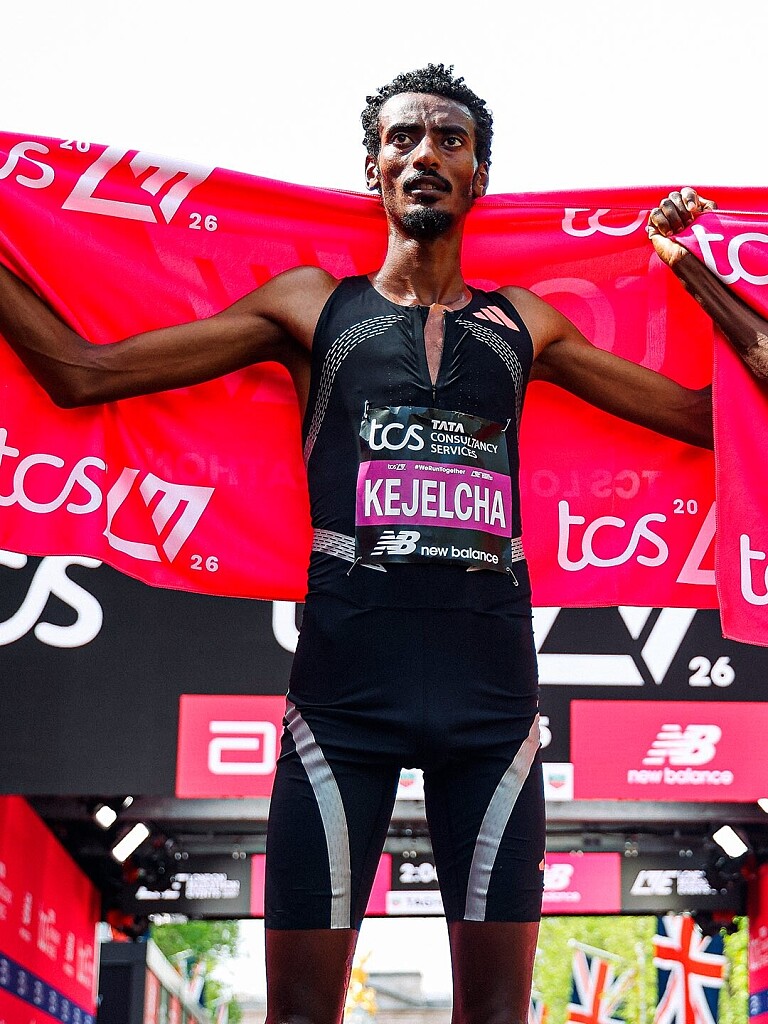
From Track Precision to Marathon Glory: Yomif Kejelcha’s Dream Debut in London
In the ever-evolving theatre of long-distance running, few transitions carry as much intrigue—and risk—as the leap from the track to the marathon. For Yomif Kejelcha, that leap was not just a test of endurance, but a bold reimagining of his athletic destiny.
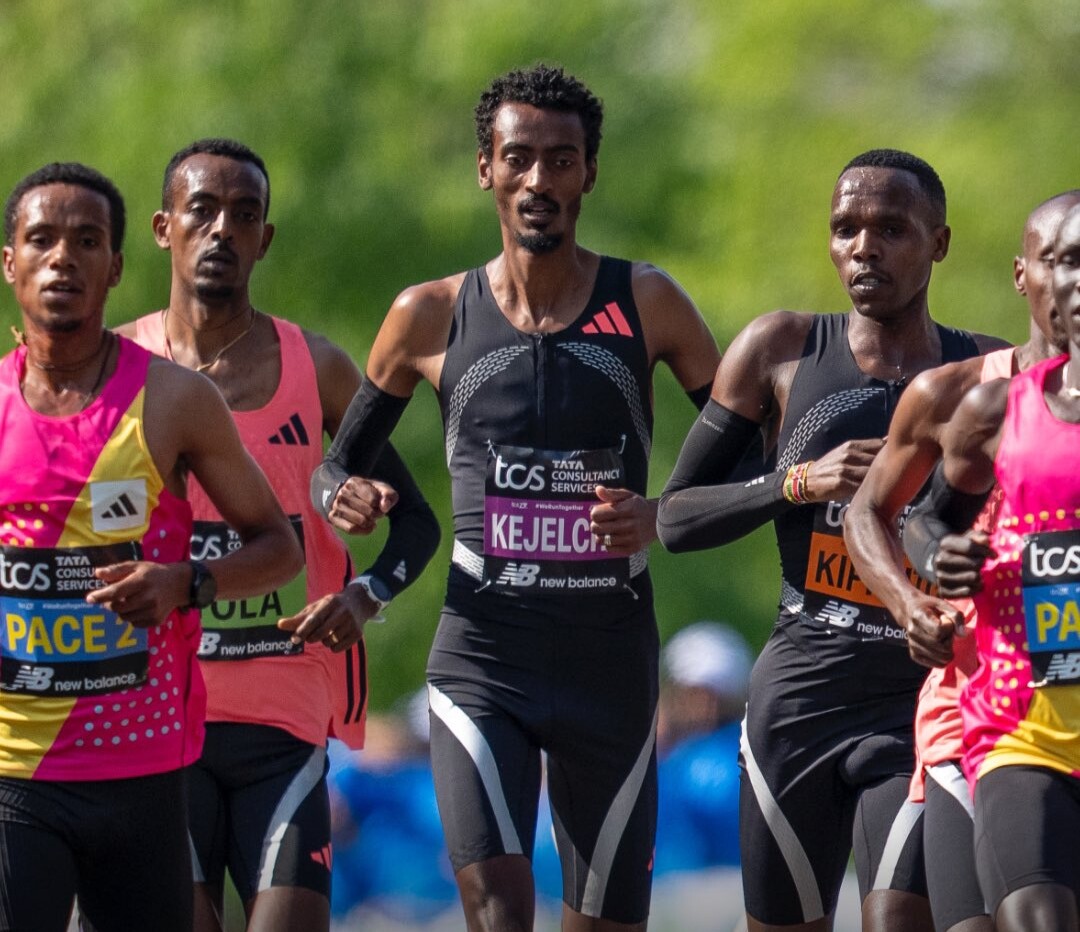
The Ethiopian star, long celebrated for his brilliance on the track, arrived at the London Marathon 2026 with quiet confidence and a daring ambition. He understood the magnitude of the shift: the marathon is not merely a longer race, but a different discipline entirely—one that demands patience, resilience, and a finely tuned sense of pace over punishing miles.
Yet what unfolded on the streets of London transcended even the highest expectations.
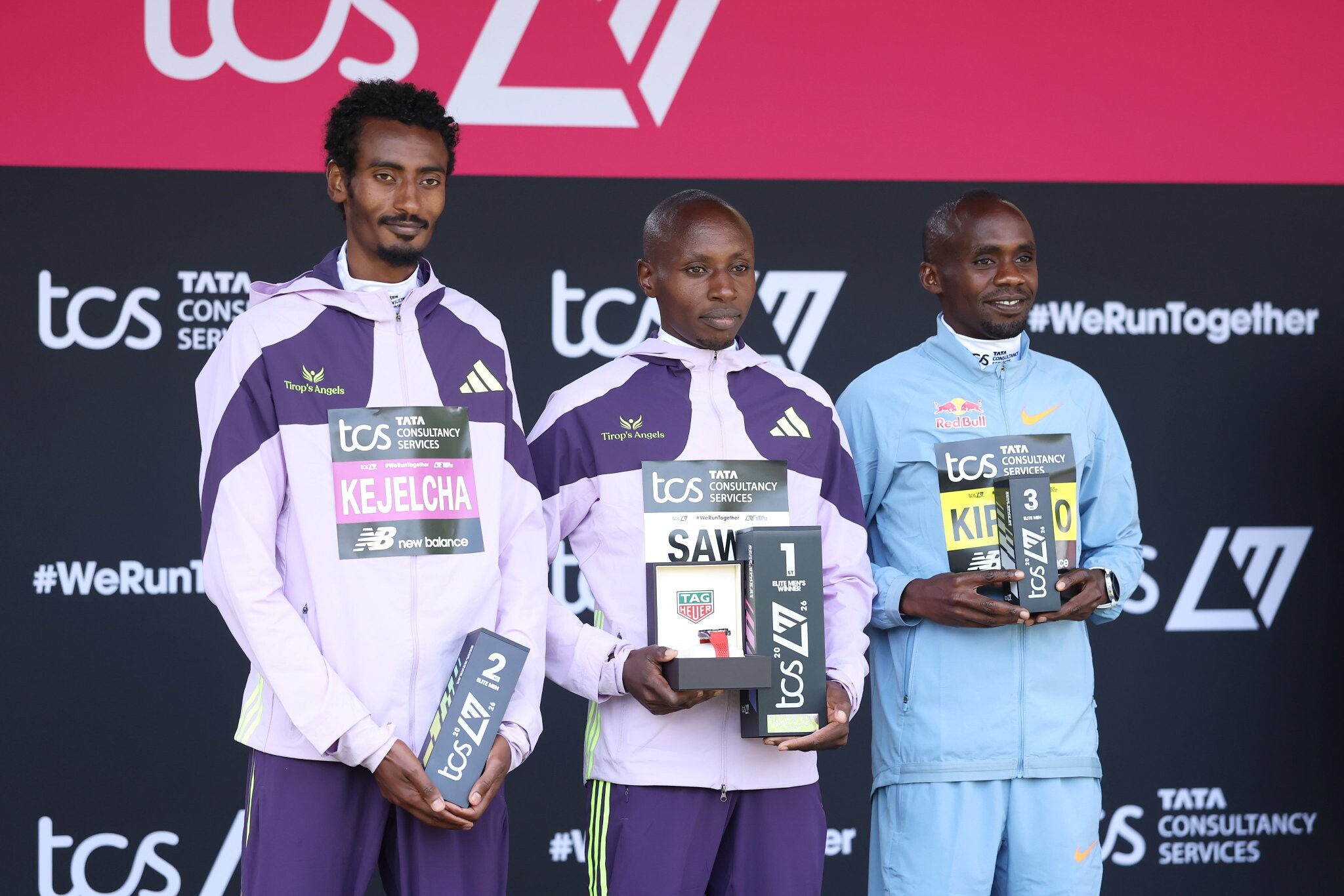
“I knew that shifting from track to the marathon would bring big changes in my career,” Kejelcha reflected afterward. “And I’m thrilled to say that the first debut lived up to the expectations.”
Clocking an astonishing 1:59:41, Kejelcha didn’t just complete his debut—he redefined it. Breaking the elusive two-hour barrier in a competitive race setting, he announced his arrival among the marathon elite in emphatic fashion. It was a performance that blended tactical intelligence with raw endurance, the hallmark of a runner who has mastered both speed and stamina.
Only one man finished ahead of him: Sabastian Sawe, whose world-record 1:59:30 added historic weight to an already unforgettable race. Together, their performances signaled a new era in marathon running—one where the once-mythical limits of human endurance are being rewritten in real time.
For Kejelcha, the moment carried a deeper significance. “Running sub-two hours in London felt unthinkable,” he admitted. “Yet that day arrived, and I fulfilled that dream.”
There is something profoundly poetic about that statement. For years, the sub-two-hour marathon existed as an almost mythical frontier—spoken of in hopeful tones, yet rarely touched in the crucible of open competition. And now, on debut, Kejelcha has etched his name into that rarefied narrative.
His journey from the track—where races are measured in seconds and surges—to the marathon’s vast, unforgiving landscape has begun not with hesitation, but with authority. It is a transition that suggests not just potential, but longevity at the highest level of the sport.
If this performance is any indication, Yomif Kejelcha’s marathon story is not merely starting—it is already accelerating toward greatness.
by Erick Cheruiyot for My Best Runs.
Login to leave a comment

When Legends Rise: Assefa and Sawe Claim Their Place in History
the grand theatre of distance running, where endurance meets audacity, two names have now been carved into the highest tier of human achievement. Tigist Assefa and Sabastian Sawe have transcended victory and stepped into immortality, their performances at the London Marathon 2026 earning them official recognition in the Guinness World Records.
It was not merely a race—it was a rewriting of limits.
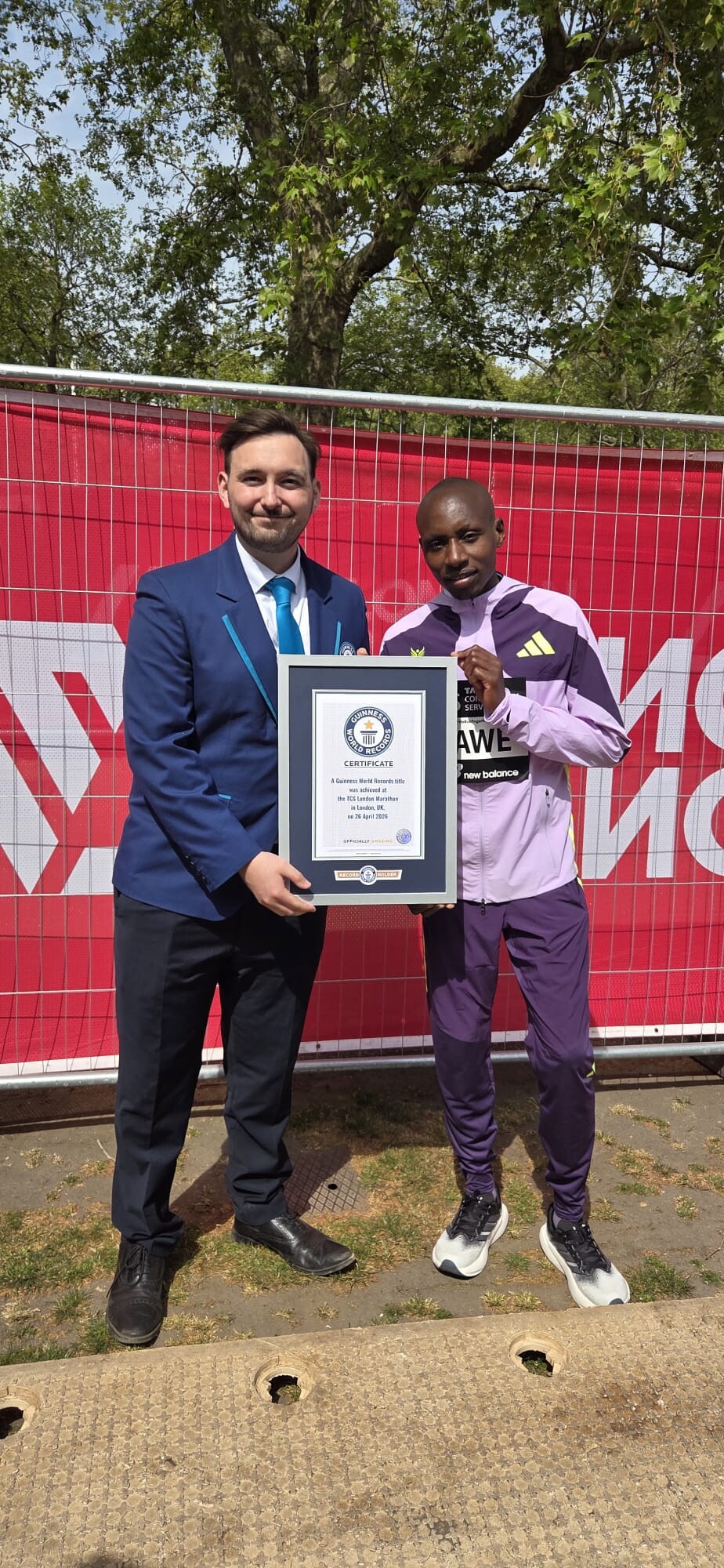
Sawe delivered a performance that defied decades of physiological assumptions. Clocking an astonishing 1:59:30, he shattered the long-standing perception of what the human body can sustain over 42.195 kilometers. The sub-two-hour marathon, once considered an almost mythical frontier, became a reality under race conditions—no pacing formations, no experimental setup—just raw, competitive brilliance. His run was not only fast; it was controlled, precise, and relentlessly efficient, a masterclass in modern marathon execution.
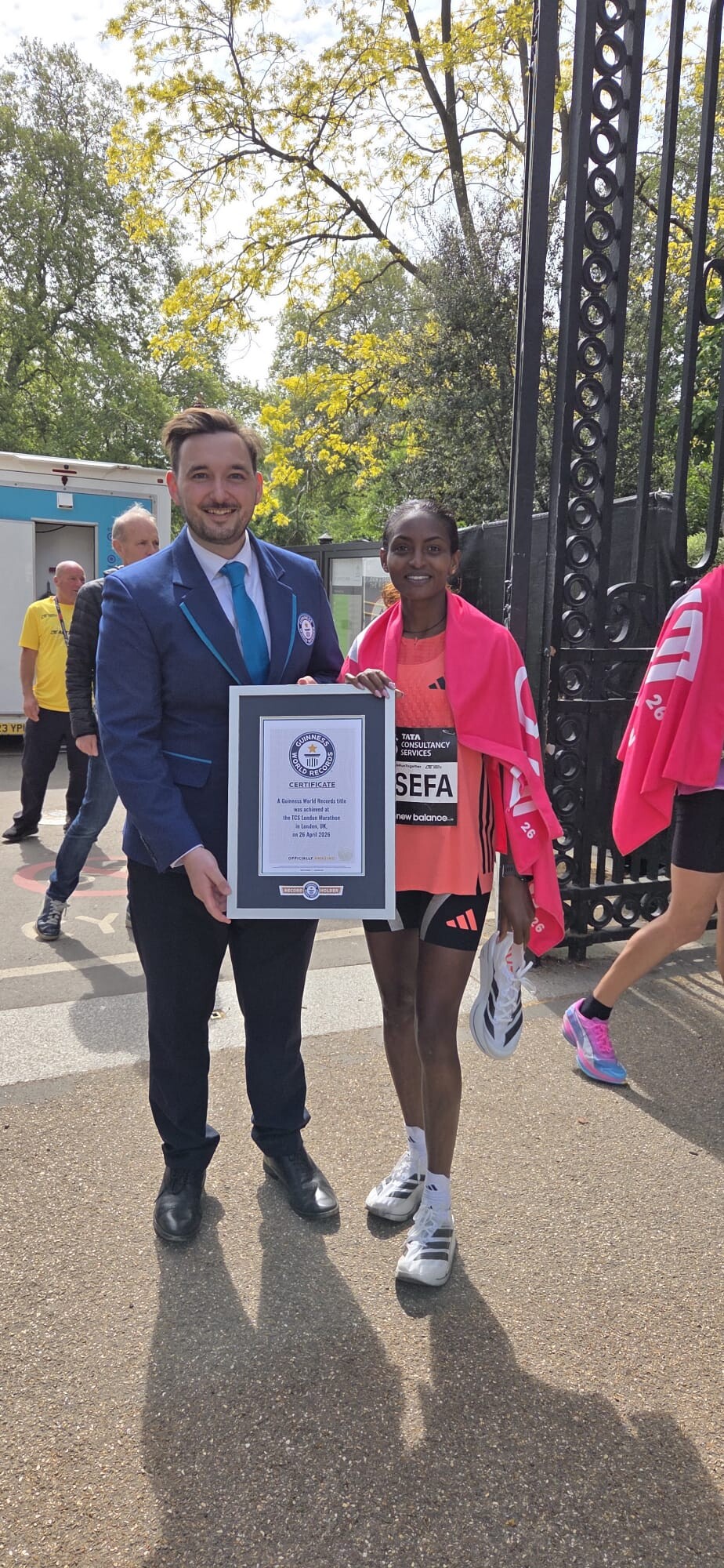
On the women’s side, Assefa produced a run of equal magnitude, though sculpted in a different context. Her 2:15:41 established a new women-only world record, a distinction that strips away the advantage of mixed pacing and places the spotlight squarely on individual strength and strategy. From the opening miles, she ran with authority, balancing aggression with composure, and by the closing stages, her dominance was undeniable. It was a performance defined by clarity of purpose and extraordinary resilience.
Together, these two athletes did more than win races—they expanded the boundaries of possibility. Their entries into the Guinness World Records serve as formal recognition of something deeper: a shift in the narrative of marathon running. Where once there were ceilings, there are now open skies.
What makes this moment particularly compelling is its duality. Kenya and Ethiopia, long-standing rivals and co-authors of distance running greatness, once again stand side by side at the summit. Sawe and Assefa, through different journeys and styles, have arrived at the same destination—global sporting immortality.
In years to come, their times will be chased, analyzed, and perhaps even surpassed. But the significance of this moment will endure. Because records, at their core, are not just numbers. They are declarations—bold statements of how far humanity can go when courage meets preparation.
And on that unforgettable day in London, Assefa and Sawe did not just run fast. They ran beyond history—and into it.
by Erick Cheruiyot for My Best Runs.
Login to leave a comment
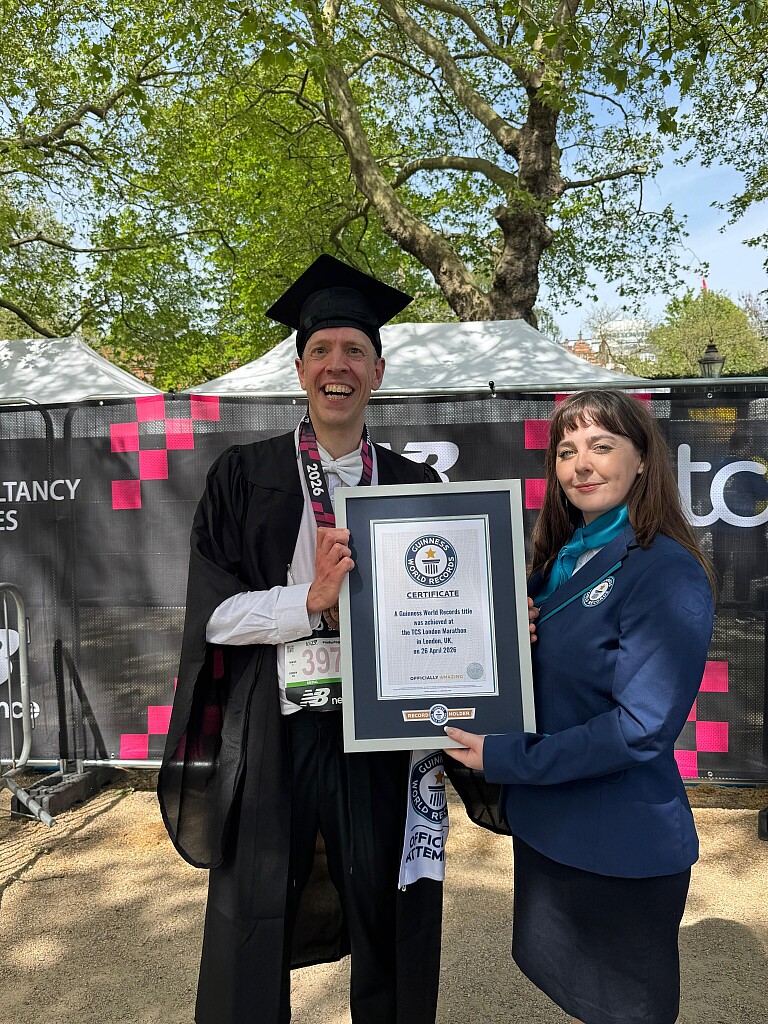
Scholar on the Run: How Alexander Betts Turned the London Marathon into a Record-Breaking Mission
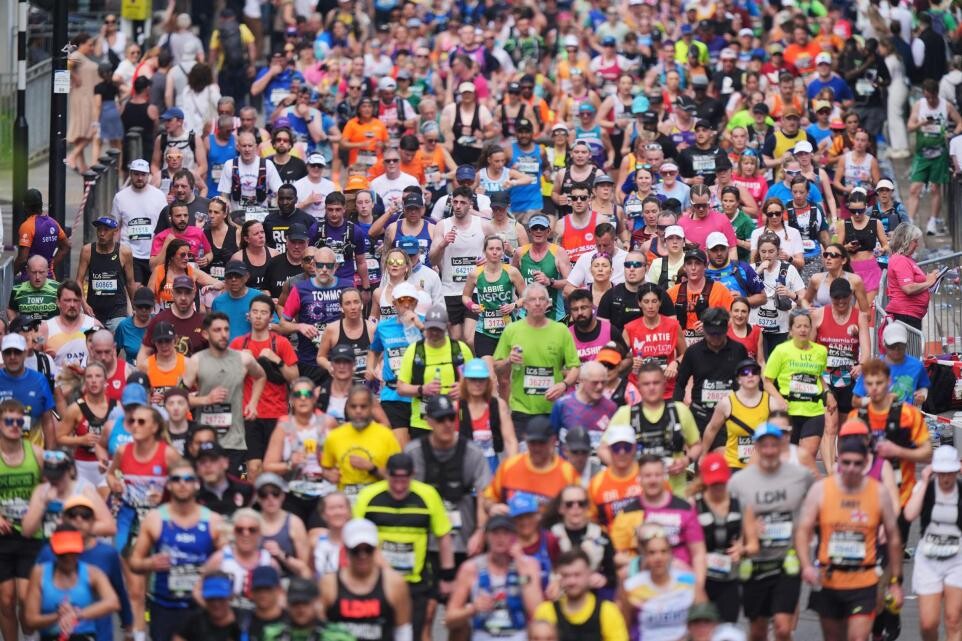
At the 2026 London Marathon 2026, spectators witnessed a performance that went far beyond athletic excellence — it was a fusion of intellect, endurance, and purpose. Among the thousands of runners was Alexander Betts, a respected professor at University of Oxford, who lined up for his 23rd marathon with an ambition as bold as it was unconventional.
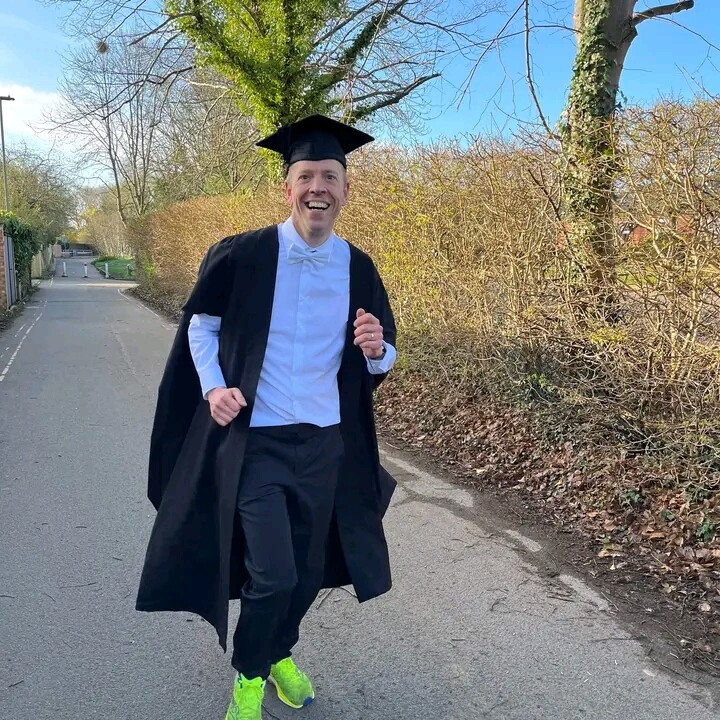
Unlike the typical elite athlete, Betts chose to take on the 42.195-kilometre challenge dressed not in lightweight racing gear, but in full academic regalia — a flowing gown, white bow tie, and mortarboard. His goal was clear: to break the Guinness World Record for the fastest marathon run in academic dress, a mark that previously stood at 3 hours and 31 minutes, set at the Berlin Marathon the year before.
What unfolded on the streets of London was nothing short of extraordinary. Battling heat, discomfort, and the constant struggle to keep his mortarboard in place, Betts pushed forward with determination and composure. He crossed the finish line in an astonishing 2 hours, 55 minutes and 26 seconds shattering the previous record and etching his name into the record books in emphatic fashion.
Yet, this achievement was never solely about time or titles. Behind every stride lay a deeper motivation. Betts is a passionate advocate for the transformative power of university sport within local communities. Through this remarkable effort, he sought to raise funds and awareness for Helen & Douglas House, a charity dedicated to supporting terminally ill children and their families.
Reflecting on his mission, Betts spoke with heartfelt conviction about the cause. He highlighted the profound impact hospice care has on families, while also drawing attention to the chronic underfunding such vital services often face. For him, this marathon was a way to give back — to channel personal endurance into collective hope.
His efforts have already inspired generosity, raising over £1,700 through his campaign, with support continuing to grow. But perhaps even more powerful than the funds raised is the message carried by his run: that excellence is not confined to a single field, and that true achievement often lies in using one’s platform to uplift others.
In blending academia with athleticism, Betts delivered more than a record-breaking performance — he offered a compelling reminder that knowledge and action, intellect and compassion, can move in perfect stride.
by Erick Cheruiyot for My Best Runs.
Login to leave a comment
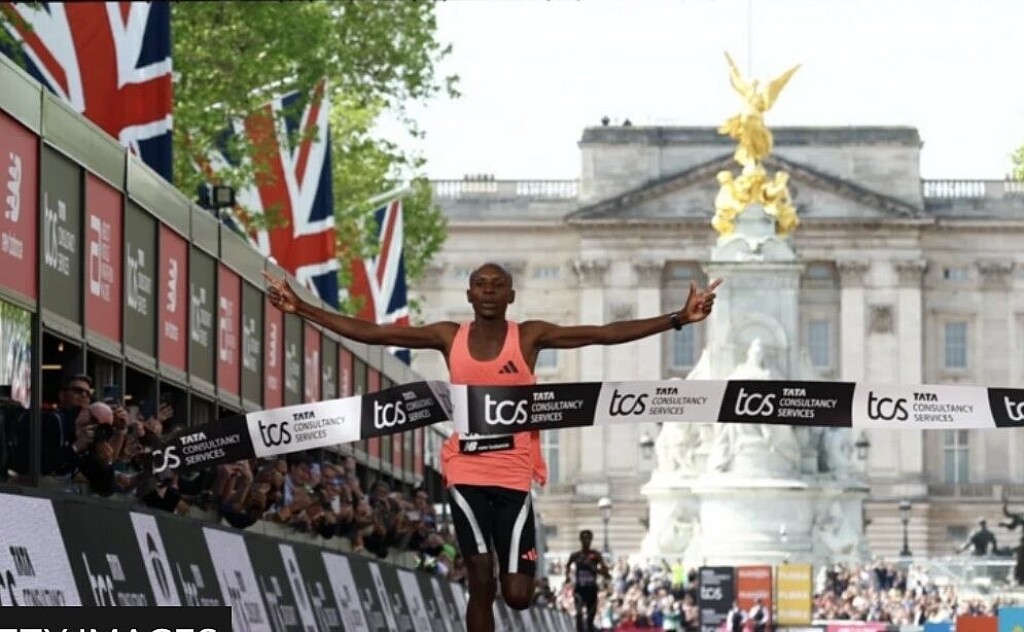
HISTORY REWRITTEN: Sawe Shatters the Two-Hour Barrier in a Marathon Masterpiece
In a moment that will echo through the annals of long-distance running, the defending champion Sebastian Sawe has achieved what generations once believed to be beyond human reach—breaking the two-hour barrier in an official marathon setting at the TCS London Marathon 2026.
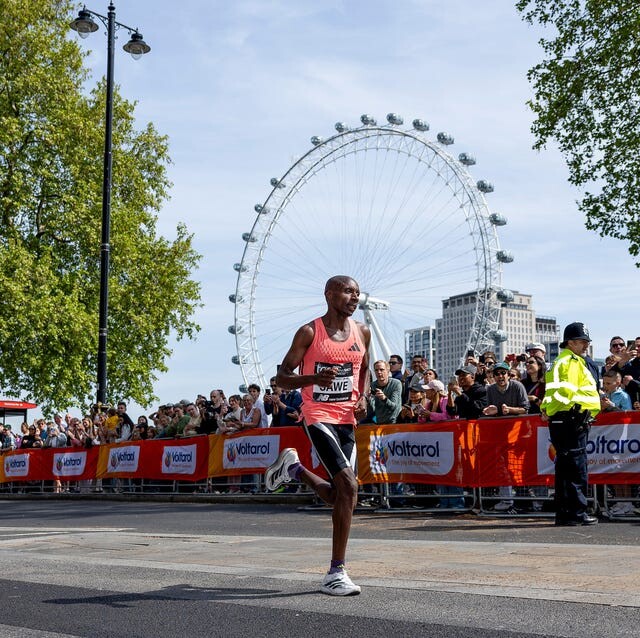
Clocking a breathtaking 1:59:30, the Kenyan star becomes the first man in history to run a sub-two-hour marathon under record-eligible conditions, delivering a performance of extraordinary precision, endurance, and courage. It was not just a race—it was a statement that the limits of human performance continue to be redefined.
The race unfolded at a relentless pace, with Sawe demonstrating remarkable composure and control from the very start. As the kilometers ticked away, it became increasingly evident that something historic was taking shape. Each stride carried the weight of expectation and possibility, and when he finally crossed the line, the stopwatch confirmed the unimaginable had become reality.
Hot on his heels was Ethiopia’s Yomif Kejelcha, who matched the historic time of 1:59:41, securing a personal best and national record in a performance that would have dominated headlines on any other occasion. Meanwhile, Uganda’s Jacob Kiplimo delivered a sensational 2:00:28, also a personal best and national record, further highlighting the extraordinary depth and quality of this unforgettable race.
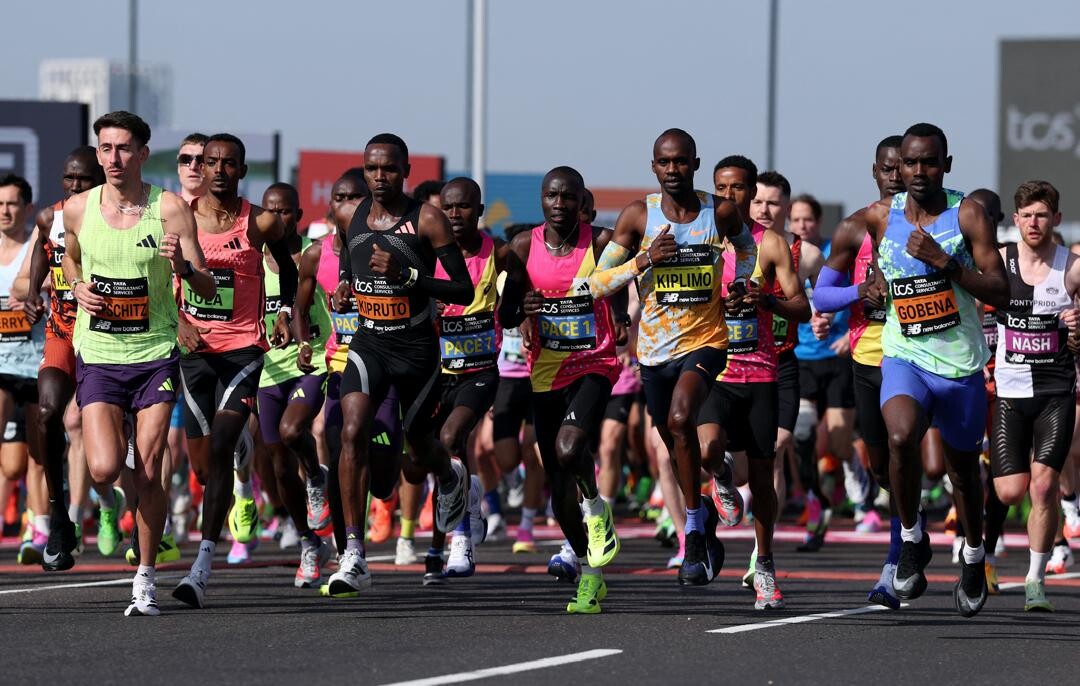
What made this performance even more remarkable was the manner in which it was achieved. The pace never wavered, the rhythm never broke, and the intensity never dropped. Every split reflected surgical precision, as the lead pack worked in perfect harmony before Sawe unleashed his decisive surge in the closing stages. It was a masterclass in controlled aggression—where endurance met absolute mental strength on the grandest stage.
Beyond the numbers and records, this race will be remembered for the statement it sends to the rest of the world: that marathon running has officially entered a new dimension. What was once considered untouchable is now history, rewritten in bold ink. Sawe’s triumph, alongside the extraordinary performances of Kejelcha and Kiplimo, has elevated the sport into a new era where limits are not just challenged—but completely erased.
Top 10 Finishers – 2026 TCS London Marathon (Elite Men)
1. Sebastian Sawe – 1:59:30 (World Record)
2. Yomif Kejelcha – 1:59:41 (PB, NR)
3. Jacob Kiplimo – 2:00:28 (PB, NR)
4. Amos Kipruto (Kenya) – 2:01:39 PB
5. Tamirat Tola (Ethiopia) – 2:02:59
6. Deresa Geleta (Ethiopia) – 2:03:23
7. Addisu Gobena (Ethiopia) – 2:05:23
8. Geoffrey Kamworor (Kenya) – 2:05:38
9. Peter Lynch (Ireland) – 2:06:08 NR
10. Mahamed Mahamed (Great Britain) – 2:06:14 PB
This extraordinary race will be remembered as one of the defining moments in the evolution of marathon running, where human endurance and scientific preparation converged to produce something once thought impossible. It was not only about breaking a barrier, but about completely redefining what the sport can deliver at its highest level, inspiring a new generation of athletes to dream beyond established limits.
As the dust settles on this historic achievement, the legacy of this day will endure far beyond the finishing times. Sebastian Sawe and his closest challengers have etched their names into athletics history, proving that greatness is not a destination but a continuous pursuit. The marathon world now stands transformed, with a new standard set and a new era unmistakably underway.
by Erick Cheruiyot for My Best Runs.
Login to leave a comment

TCS London Marathon
Since its inaugural edition on March 29, 1981, the TCS London Marathon has grown into one of the world's most prestigious road races, blending elite competition with an extraordinary charitable legacy. Founded by former Olympic champion and journalist Chris Brasher alongside Welsh athlete John Disley, the event has been staged every year and has been held in the spring annually...
more...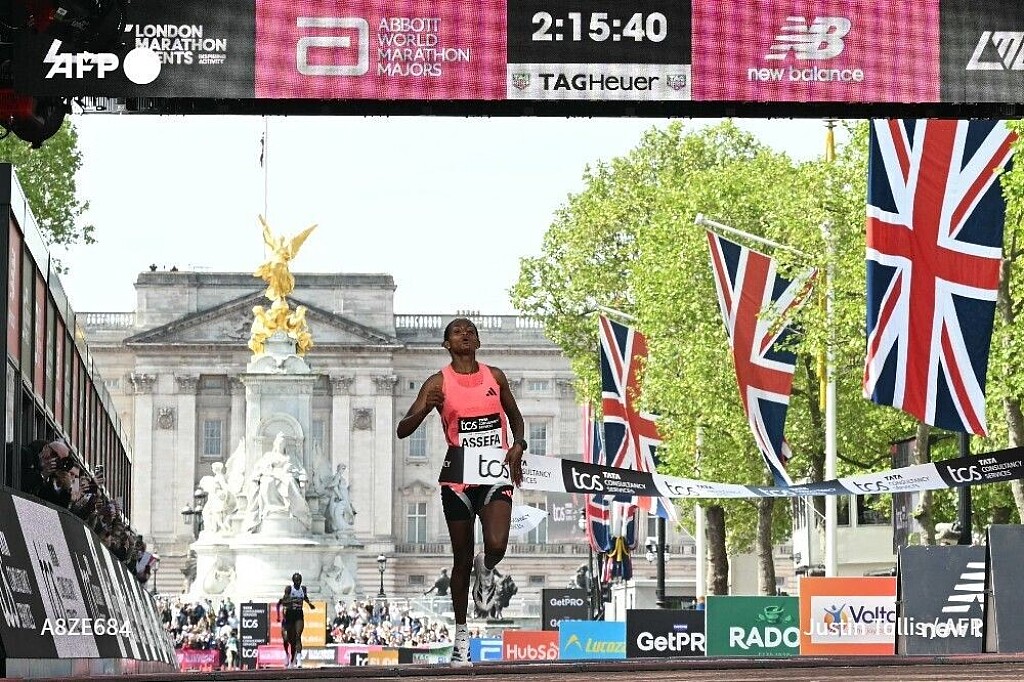
Assefa’s Historic Surge Headlines East African Masterclass in London
The 2026 edition of the London Marathon 2026 delivered a race for the ages, as East Africa once again stamped its authority on one of the sport’s grandest stages. At the center of it all was Ethiopia’s Tigst Assefa, who produced a breathtaking performance to win the women’s race in 2:15:41, breaking her own women-only world record in emphatic fashion.
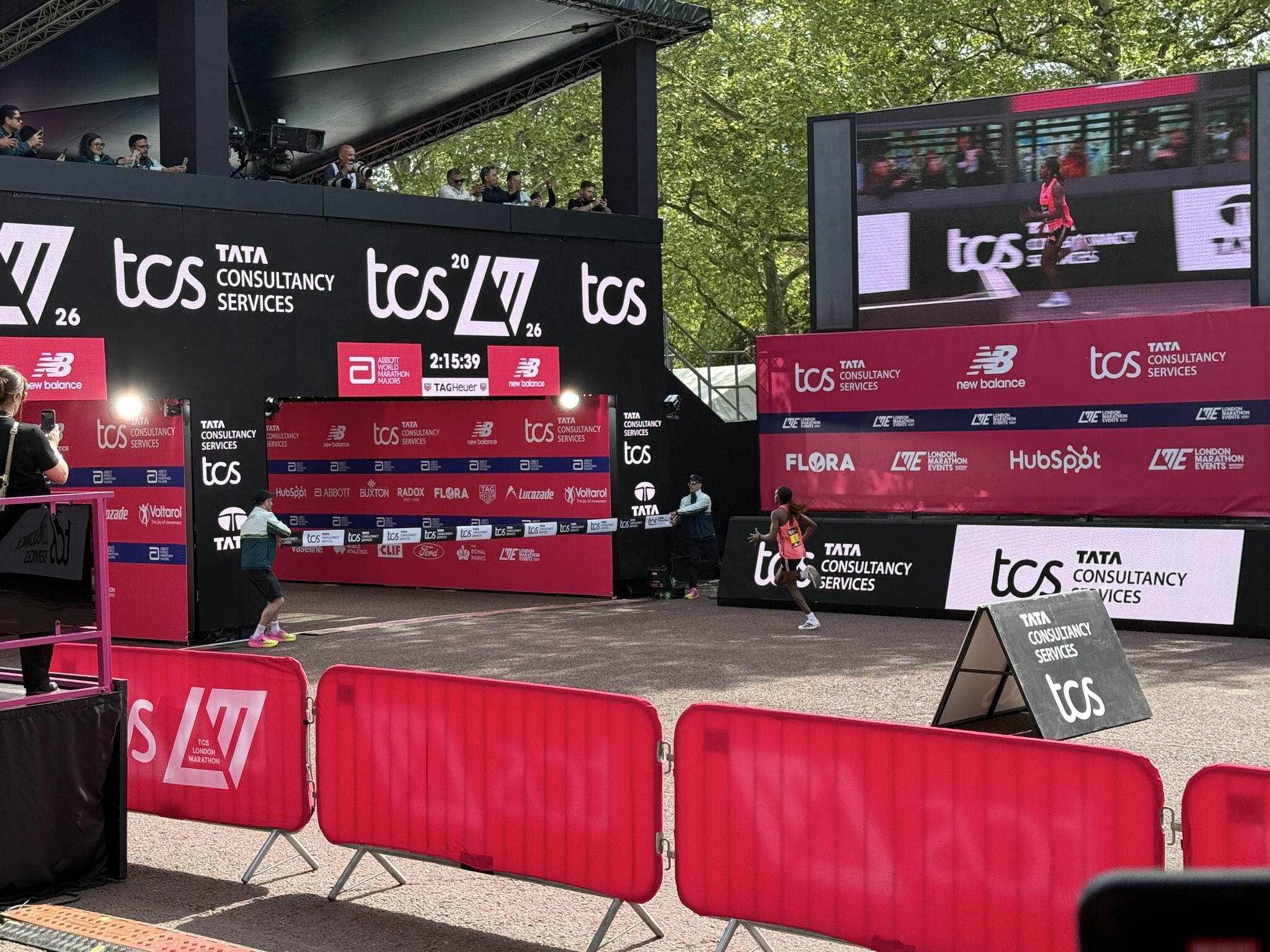
From the gun, the pace was unrelenting. The lead group, dominated by Ethiopian and Kenyan contenders, surged through the early checkpoints with intent, setting the tone for what would become a historically fast contest. Assefa, calm yet decisive, positioned herself perfectly before gradually turning the race into a test of pure strength and precision.
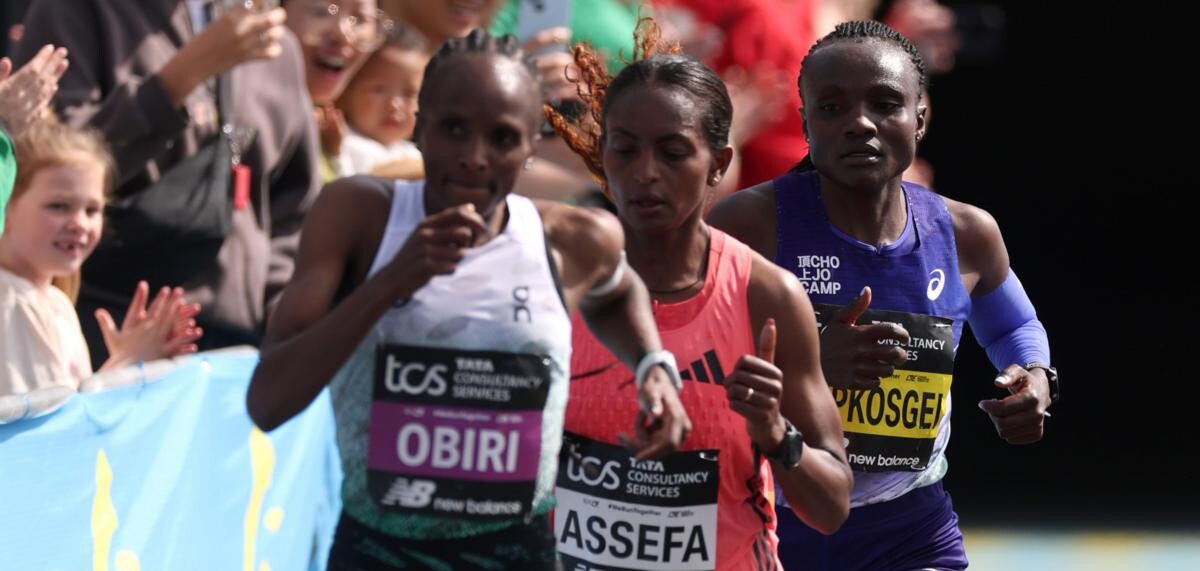
By the latter stages, the Ethiopian star had shifted gears, her stride smooth and efficient as she pulled away under the weight of expectation and the pressure of elite competition. When she crossed the finish line along the iconic streets of London, the clock confirmed what the racing world had begun to suspect—history had been rewritten once more.
Hot on her heels was Kenya’s Hellen Obiri, who clocked an outstanding 2:15:53 to finish second, just 12 seconds adrift in one of the closest high-caliber finishes in recent marathon memory. Fellow Kenyan Joyciline Jepkosgei completed the podium in 2:15:55, only two seconds behind Obiri, underlining the fierce competitiveness at the very top.

The narrow margins separating the top three told a deeper story—this was not merely a race, but a battle of resilience, tactics, and extraordinary endurance. All three athletes dipped well into elite territory, showcasing a level of depth that continues to define women’s marathon running today.
Top 10 Finishers – Women’s Marathon Final Results
1. Tigst Assefa (ETH) – 2:15:41 WR
2. Hellen Obiri (KEN) – 2:15:53 PB
3. Joyciline Jepkosgei (KEN) – 2:15:55
4. Degitu Azimeraw (ETH) – 2:19:13
5. Catherine Reline Amanang'ole (KEN) – 2:21:20
6. Eunice Chebichii Chumba (BRN) – 2:23:44
7. Eilish McColgan (GBR) – 2:24:51
8. Jucia Paternain (URU) – 2:25:47 NR
9. Rose Harvey (GBR) – 2:26:14
10. Marta Galimany (ESP) – 2:27:38
Beyond the times and records, the race served as a powerful reminder of East Africa’s enduring dominance in long-distance running. With discipline forged at altitude and an unmatched competitive culture, athletes from Ethiopia and Kenya once again transformed London into a theatre of excellence.
As the crowds roared and the finish line drama unfolded, one narrative stood clear: this was a day where greatness met opportunity—and Tigst Assefa seized it to perfection, delivering a performance that will echo through marathon history.
by Erick Cheruiyot for My Best Runs.
Login to leave a comment
TCS London Marathon
Since its inaugural edition on March 29, 1981, the TCS London Marathon has grown into one of the world's most prestigious road races, blending elite competition with an extraordinary charitable legacy. Founded by former Olympic champion and journalist Chris Brasher alongside Welsh athlete John Disley, the event has been staged every year and has been held in the spring annually...
more...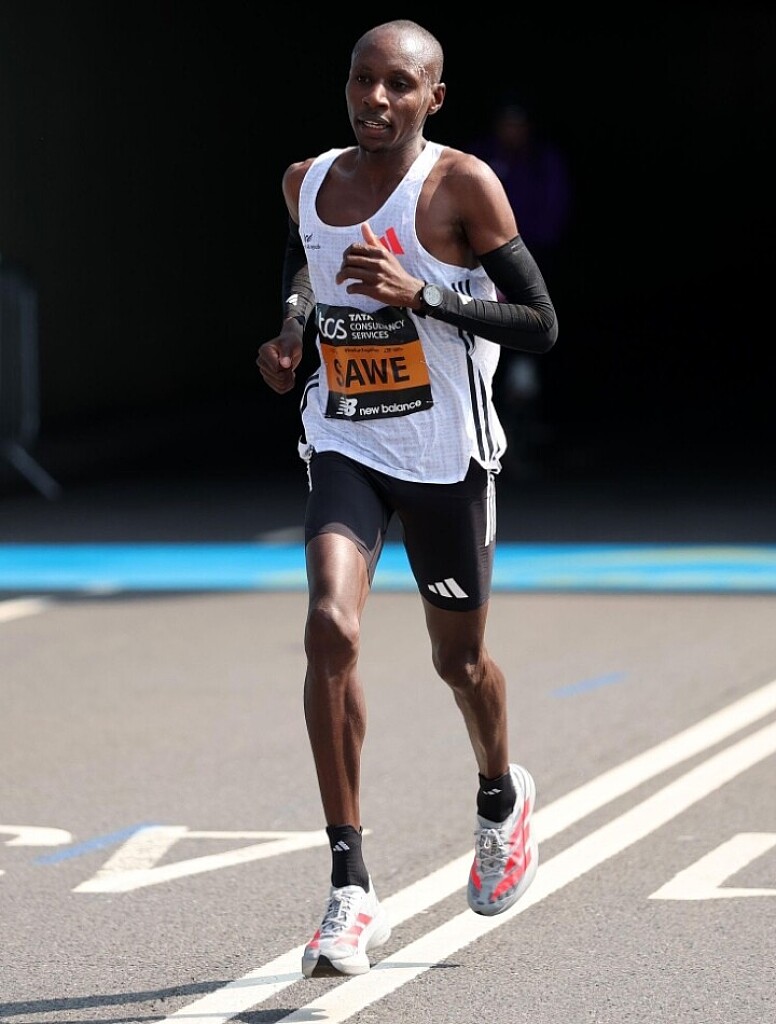
London Beckons: A Marathon of Giants Set to Ignite the Capital
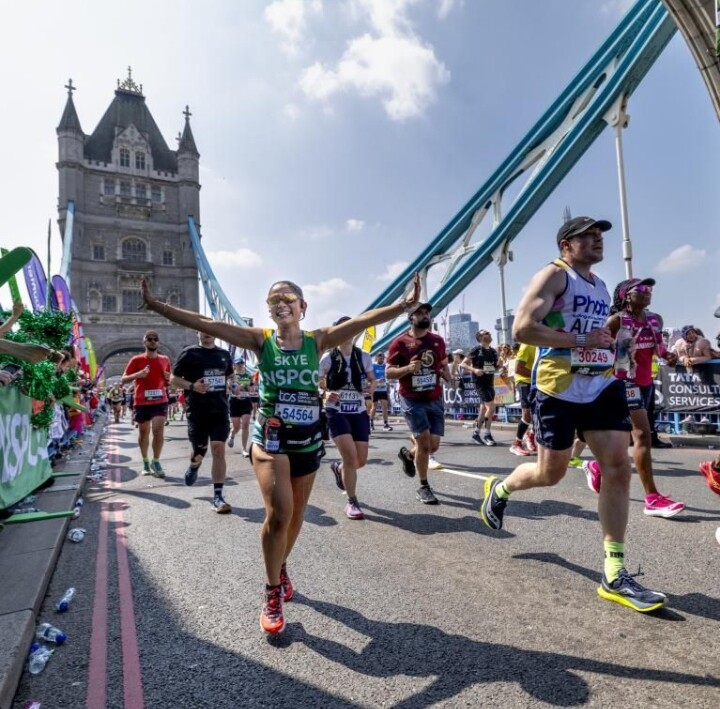
The roads of London are once again preparing to host one of the most anticipated races on the global calendar, as the London Marathon 2026 assembles a men’s elite field of rare depth and quality. On Sunday, April 26, the world’s finest distance runners will converge on the British capital, chasing not only victory but a place in marathon history.
At the center of attention stands Sebastian Sawe, the defending champion whose commanding 2:02:05 personal best marks him as the man to beat. Sawe’s blend of composure and finishing power has already proven decisive on these streets, but this year’s contest promises to push him deeper than ever before.
Lining up against him is a formidable cast. Jacob Kiplimo, better known for his dominance over shorter road distances and cross country, brings a dangerous mix of speed and endurance. His 2:02:23 credentials suggest he is more than ready to challenge for the win if the race turns tactical—or brutally fast.
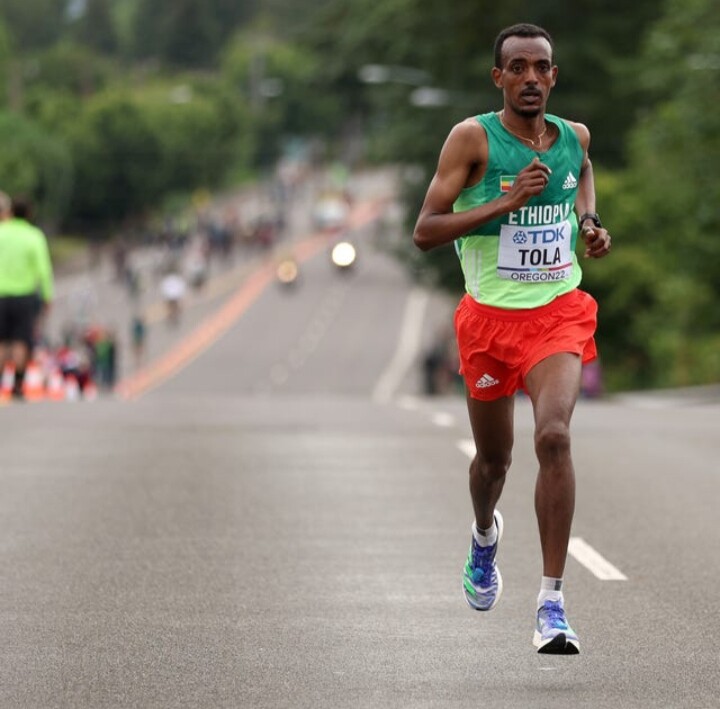
Ethiopia’s charge is equally imposing. Deresa Geleta and Olympic champion Tamirat Tola headline a contingent rich in pedigree, while Yomif Kejelcha adds intrigue with his much-anticipated marathon debut—an unknown factor capable of reshaping the race entirely.
Kenya’s depth remains undeniable. Alongside Sawe are seasoned names like Amos Kipruto and the ever-consistent Geoffrey Kamworor, both of whom possess the experience and resilience required to thrive over 42.195 kilometers. Meanwhile, Uganda’s Joshua Cheptegei continues his transition to the marathon stage, carrying the weight of his track legacy into the ultimate endurance test.
The international flavor extends further, with Japan’s Shunya Kikuchi, France’s Hassan Chahdi, and South Africa’s Adam Lipschitz all aiming to disrupt the established order.
However, the home crowd has been dealt a blow. British hopeful Emile Cairess has been forced to withdraw due to a calf injury, removing a key figure who many believed could spearhead a domestic challenge. His absence shifts the spotlight away from local contention and further intensifies the East African dominance expected at the front.
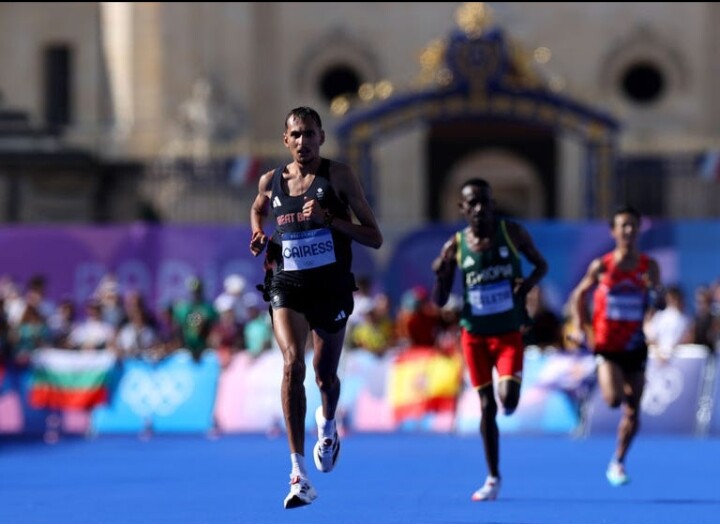
Yet marathons are rarely predictable. The rhythm of the race, the pacing strategies, and the unforgiving demands of the distance often rewrite expectations. What appears stacked on paper can unravel over the final miles along the Thames.
With the race set to begin in the morning hours, anticipation continues to build. Records may be threatened, debuts could dazzle, and champions will be tested to their limits.
In a field this deep, victory will not simply be earned—it will be wrestled from one of the most competitive line-ups the marathon world has seen in recent years.
by Erick Cheruiyot for My Best Runs.
Login to leave a comment
TCS London Marathon
Since its inaugural edition on March 29, 1981, the TCS London Marathon has grown into one of the world's most prestigious road races, blending elite competition with an extraordinary charitable legacy. Founded by former Olympic champion and journalist Chris Brasher alongside Welsh athlete John Disley, the event has been staged every year and has been held in the spring annually...
more...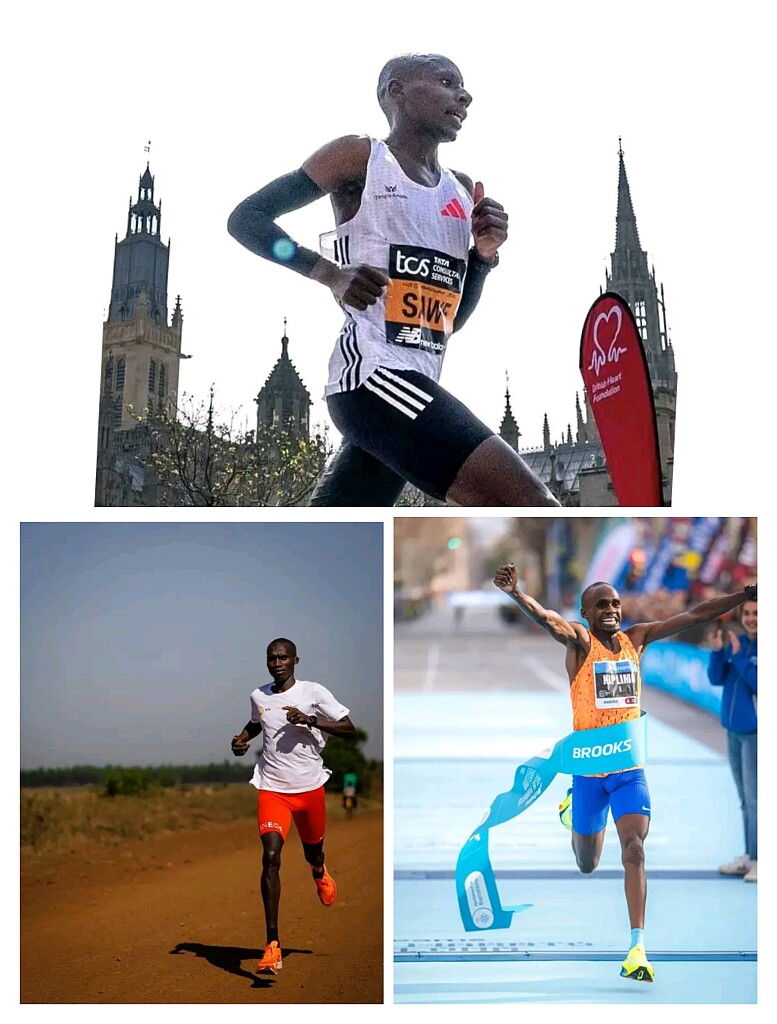
London Marathon 2026: Record Pace, Relentless Rivals, and a Race on the Brink of History
The countdown to the London Marathon on April 26, 2026, carries a rare sense of anticipation—one built not just on elite competition, but on the genuine possibility of history being rewritten. At the heart of it all stands the late Kelvin Kiptum’s extraordinary course record of 2:01:25, a mark that redefined the limits of marathon running and now faces a formidable, collective assault.
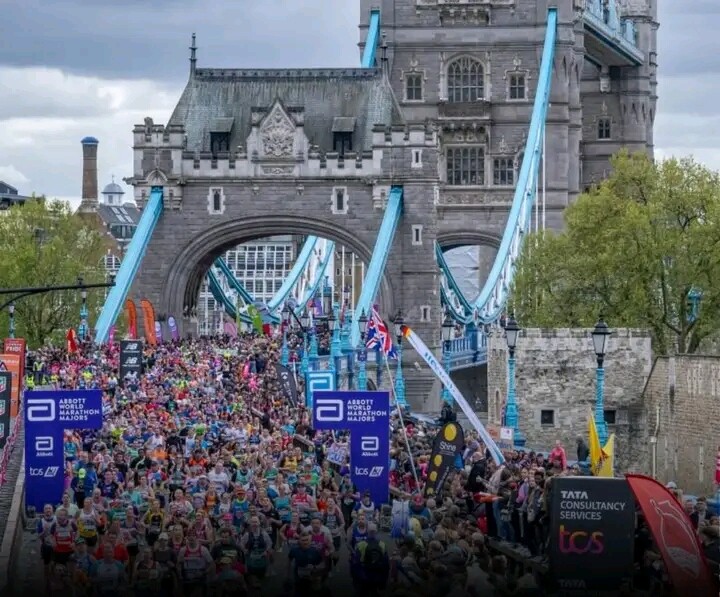
This year’s race brings together a field of exceptional depth and ambition, where three of the sport’s most dynamic figures—Sabastian Sawe, Jacob Kiplimo, and Joshua Cheptegei—headline a cast capable of turning pace into legend.
Sawe returns as the defending champion and the man everyone is chasing. His dominant victory in 2025, delivered in 2:02:27—the second-fastest time in London Marathon history—announced his arrival as a true force over 42.195 kilometres. Yet, even he recognises the scale of the challenge ahead. Against such a stacked field, victory alone may not suffice; it could take something far greater, perhaps even a course record, to secure back-to-back triumphs.

Pushing him every step of the way will be Kiplimo, whose evolution into the marathon continues to gather momentum. After an outstanding runner-up finish on his London debut, he has since refined his endurance and sharpened his edge, lowering his personal best to 2:02:23. Now, he returns not merely as a contender, but as an athlete with unfinished business—one determined to convert promise into dominance.
Then there is Cheptegei, the world record holder over 5,000m and 10,000m, whose transition to the marathon is steadily taking shape. With a personal best of 2:04:52 recorded in Amsterdam, the Ugandan star arrives in London with growing confidence and a clear objective: to translate his track supremacy into marathon greatness on one of the sport’s grandest stages.
Beyond this leading trio, the race is further elevated by the presence of Olympic champion Tamirat Tola and the immensely talented Yomif Kejelcha, ensuring that the pace will be honest, the pressure unrelenting, and the margin for error almost nonexistent.

What makes this edition truly compelling, however, is the delicate alignment of conditions required for greatness. London’s flat and fast course has long been a theatre for remarkable performances, but records are never guaranteed. Weather, pacing, and race dynamics must converge perfectly. Go out too aggressively, and the final miles can unravel even the strongest; hesitate, and the opportunity for history slips away.
Yet, if the rhythm is right and the courage to push the limits prevails, Kiptum’s towering mark may finally come under serious threat. The ingredients are all in place: a world-class field, fearless competitors, and a shared understanding that this is more than a race—it is a moment.
As the streets of London prepare to host another spectacle, one question echoes louder than ever:
Will April 26 deliver a champion—or a performance that redefines what is humanly possible?
by Erick Cheruiyot for My Best Runs.
Login to leave a comment
TCS London Marathon
Since its inaugural edition on March 29, 1981, the TCS London Marathon has grown into one of the world's most prestigious road races, blending elite competition with an extraordinary charitable legacy. Founded by former Olympic champion and journalist Chris Brasher alongside Welsh athlete John Disley, the event has been staged every year and has been held in the spring annually...
more...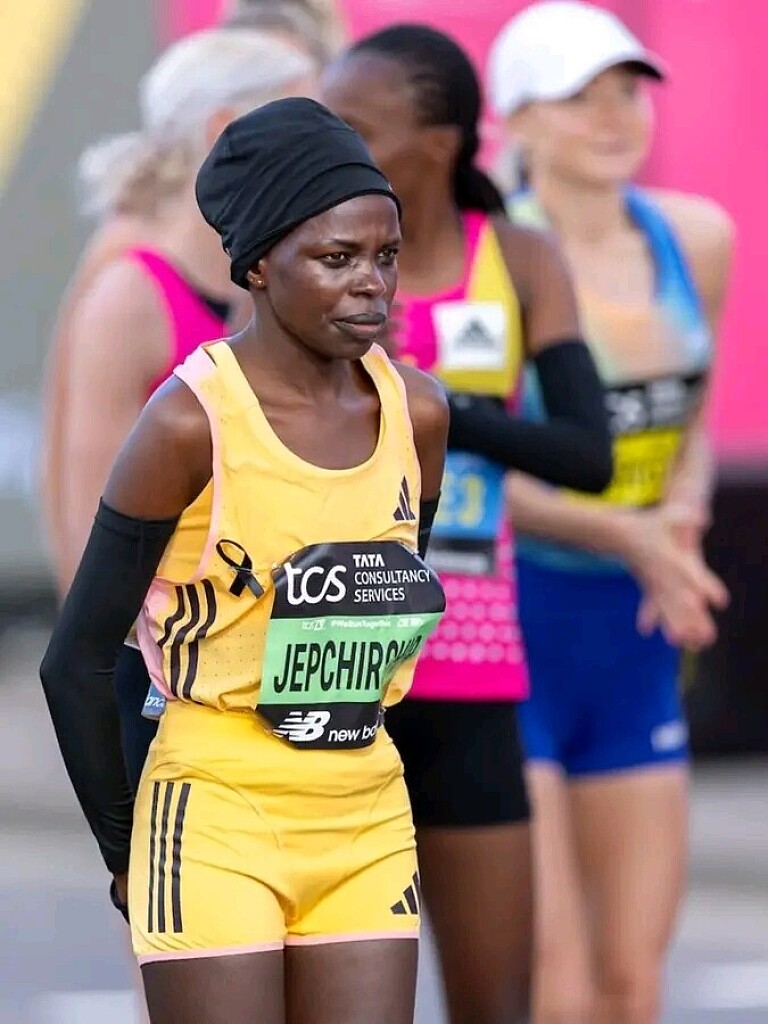
Peres Jepchirchir Ruled Out of London Marathon 2026
The women’s field for the 2026 London Marathon has suffered a major blow after Peres Jepchirchir was forced to withdraw following an injury setback linked to last year’s Valencia Marathon.
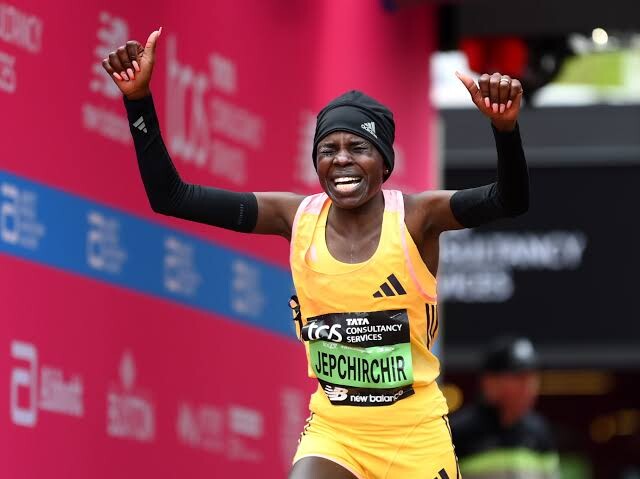
The Kenyan star, widely admired for her championship brilliance and tactical strength, has been sidelined by a stress fracture sustained during the December race in Valencia. Although the injury did not immediately end her season, it significantly interrupted the preparation required for an event as demanding as London.

With crucial weeks of training lost, Jepchirchir and her team have chosen caution over risk, deciding that full recovery must take priority over rushing back to competition. For an athlete of her calibre, arriving underprepared for one of the world’s most prestigious marathons was never going to be the preferred path.
This year’s edition of the TCS London Marathon is scheduled for Sunday, April 26th, 2026, when thousands of runners from across the globe will take to the famous streets of London for one of the sport’s most celebrated road races. As always, the event is expected to deliver world-class competition, electric atmosphere, and unforgettable moments.
Her absence removes one of the headline names from the women’s contest and reshapes the complexion of the race. Known for thriving on the biggest stages, Jepchirchir has built her reputation through resilience, smart racing, and the ability to deliver when titles are on the line. That is why her withdrawal will be felt not only among competitors, but also among fans who were eager to see another elite showdown.
While the disappointment is undeniable, the long-term decision reflects the mindset of a champion. Rather than gamble with fitness, Jepchirchir is focusing on healing properly and rebuilding for the remainder of the season.
For now, London moves on without one of its biggest stars—but few would bet against Peres Jepchirchir returning stronger when the roads call again.
by Erick Cheruiyot for My Best Runs.
Login to leave a comment
TCS London Marathon
Since its inaugural edition on March 29, 1981, the TCS London Marathon has grown into one of the world's most prestigious road races, blending elite competition with an extraordinary charitable legacy. Founded by former Olympic champion and journalist Chris Brasher alongside Welsh athlete John Disley, the event has been staged every year and has been held in the spring annually...
more...