

Running News Daily
Running News Daily is edited by Bob Anderson and team. Send your news items to bob@mybestruns.com Advertising opportunities available.
Index to Daily Posts · Sign Up For Updates · Run The World Feed
Articles tagged #Australia
Today's Running News


World-Class Distance Stars Set for 2026 Kalakaua Merrie Mile in Hawaii
An impressive international field of middle- and long-distance running stars will descend on Honolulu, Hawaii, on December 12 for the 2026 Kalakaua Merrie Mile, promising an exciting contest along the scenic Waikiki Beach as part of Honolulu Marathon Weekend.
The elite fields have been confirmed for the one-mile race, featuring 23 athletes across the women's and men's competitions. The event will bring together world championship medallists, national champions and established international stars in a unique format designed to deliver an exciting battle for the overall victory.
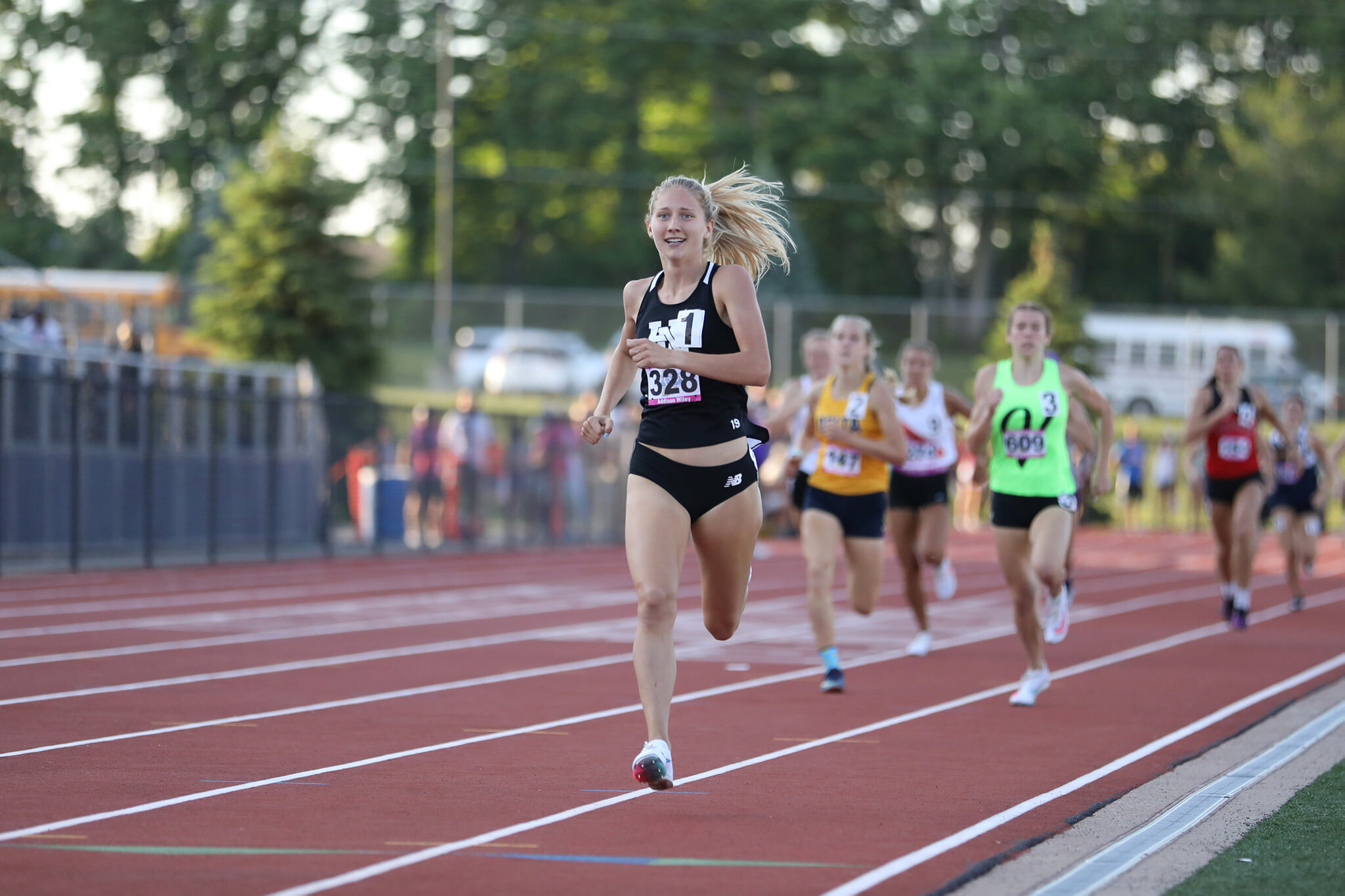
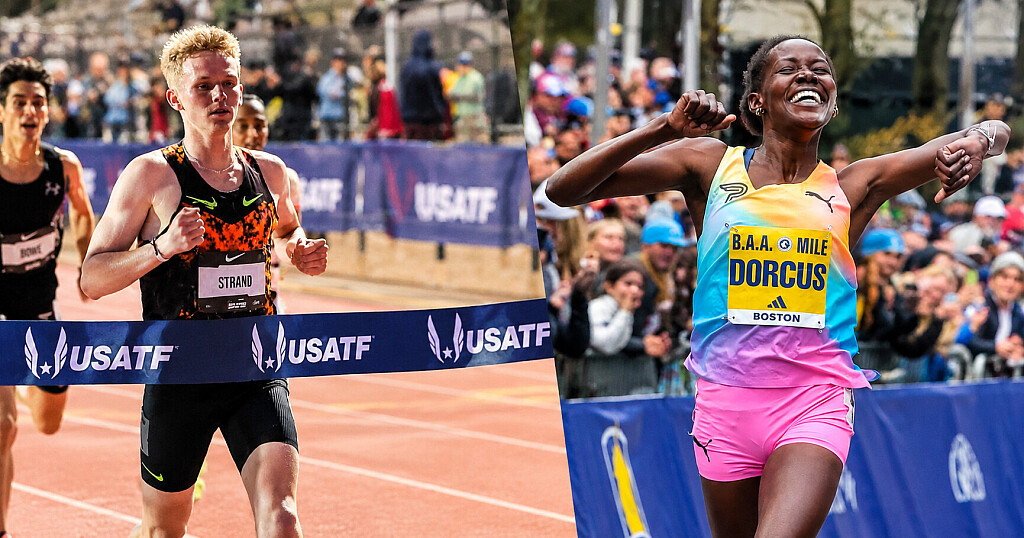
Kenya's Dorcus Ewoi, the World Championships 1500m silver medallist, headlines the women's field. She will face a competitive lineup that includes American Addy Wiley, the World Indoor Championships 800m bronze medallist, and Japanese record holder Nozomi Tanaka.
Other notable contenders include American middle-distance runners Josette Andrews, Abbey Caldwell, Kayley DeLay, Susan Ejore-Sanders, Angelina Ellis, Garbija Galvydyte, Taryn Parks, Annika Reiss and Addy Wiley, alongside Tanaka and Ewoi. The field combines international experience with athletes capable of making the mile a fiercely contested race.
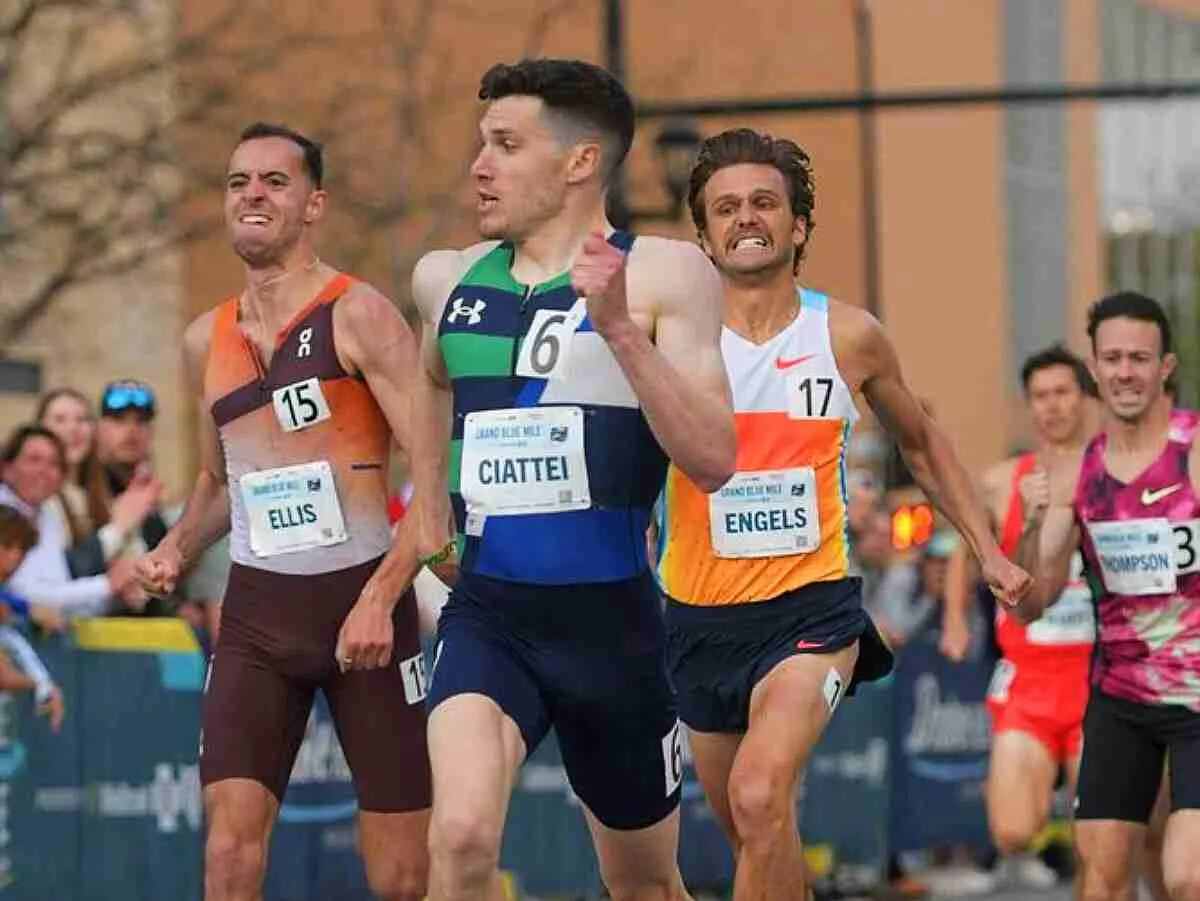
The men's competition is equally compelling, with several accomplished distance runners expected to challenge for the top honours. American Ethan Strand, the U.S. 1500m champion, will line up against compatriot Vince Ciattei, the U.S. 5000m champion, in a field packed with championship pedigree.
Australia's Oliver Hoare and Ky Robinson, both Commonwealth Games champions, add further international quality to the contest. American Nico Young, the U.S. 10,000m champion, will also be among the athletes to watch, while Kenya's Festus Lagat and other leading competitors will be looking to make their mark.
The men's field also includes Davis Bove, Allon Clay, Foster Malleck, Gary Martin, Trent McFarland, Ethan Strand, Matt Wilkinson and Nico Young, setting up an intriguing contest among athletes with different strengths and racing backgrounds.
One of the event's biggest attractions is its battle-of-the-sexes chase format. The women will receive a head start before the men begin their pursuit, with athletes from both fields competing for the same overall finishing order. The format adds a tactical dimension to the race, creating the possibility of a dramatic fight for the line as the leading runners converge in the closing stages.
With $39,000 in guaranteed prize money and $15,000 awarded to the overall winner, the race offers a significant financial incentive alongside the opportunity to compete against an elite international lineup. The shared finishing order also means the overall title will be determined by performance across both fields rather than by the men's and women's races being treated as entirely separate contests.
The Kalakaua Merrie Mile has become an attractive feature of Honolulu's running calendar, combining elite competition with the atmosphere of one of the world's most recognisable coastal destinations. Its December 12 staging will provide another opportunity for fans to see accomplished athletes compete over the mile in an unconventional and spectator-friendly format.
The 2026 edition will take place on Saturday, December 12, along Waikiki Beach in Honolulu, Hawaii, during Honolulu Marathon Weekend.
With world championship medallists, national champions and international record holders among the confirmed entrants, the Kalakaua Merrie Mile is shaping up to be one of the standout attractions of Honolulu Marathon Weekend.
by Erick Cheruiyot for My Best Runs.
Login to leave a comment
67-Year-Old Pete Benson Takes On Seven Marathons Across Seven Continents In Seven Days For A Worthy Cause
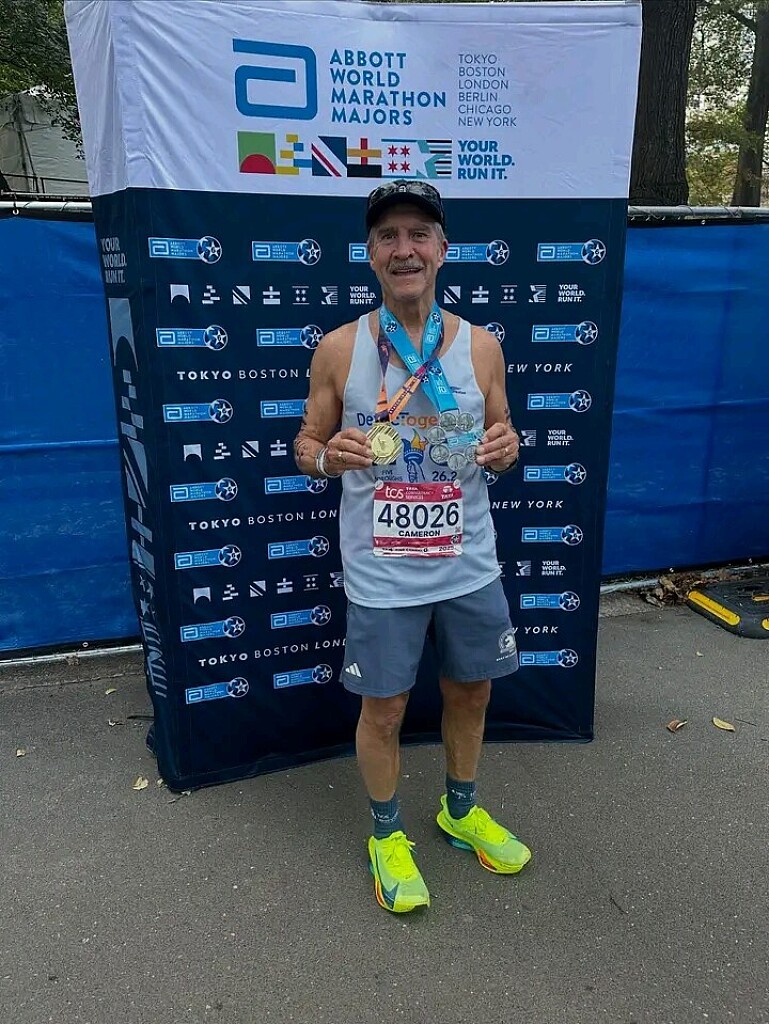
At 67, Canadian runner Pete Benson is preparing to take on one of the most extraordinary endurance challenges in marathon running: completing seven marathons across seven continents in just seven days while raising money for a cause that reaches far beyond the finish line.

Hailing from Grand Manan, New Brunswick, Benson is set to participate in the Great World Race, an ambitious event that combines the physical demands of marathon running with a demanding journey around the globe. The challenge will require him to complete seven full marathons, each covering 42.195 kilometres, while travelling between continents on a tightly scheduled itinerary.
The challenge is scheduled to begin on November 15, 2026, with pre-event activities expected to start around November 12. Benson's adventure will begin in Antarctica, where the icy terrain and harsh conditions will provide a formidable introduction to the week ahead.
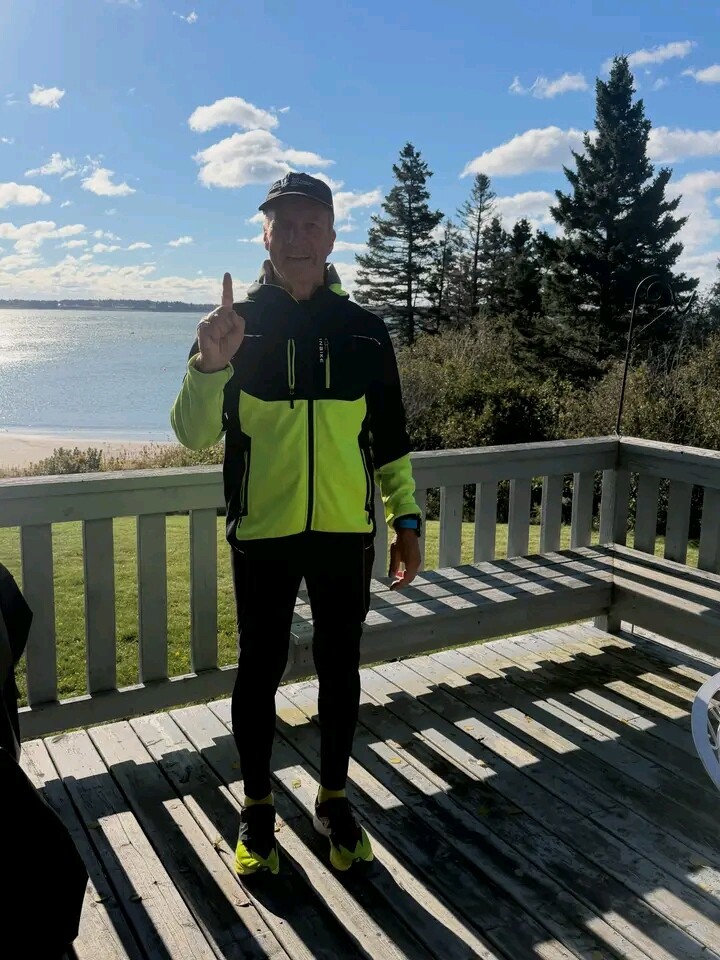
The opening marathon is scheduled for Wolf's Fang in Antarctica, where Benson will face the unfamiliar and potentially unforgiving conditions of the frozen landscape. Reflecting on the prospect of running through the ice and snow, he admitted that the experience is intimidating.
"That's pretty, pretty scary in itself," he said. "Through the ice and snow."
From Antarctica, Benson will travel to Cape Town, South Africa, for his second marathon on November 16. The journey will then continue to Perth, Australia, on November 17, followed by Singapore on November 18. On November 19, he is scheduled to race in the Algarve, Portugal, before heading to Cartagena, Colombia, on November 20. The challenge will conclude in Miami, United States, on November 21.
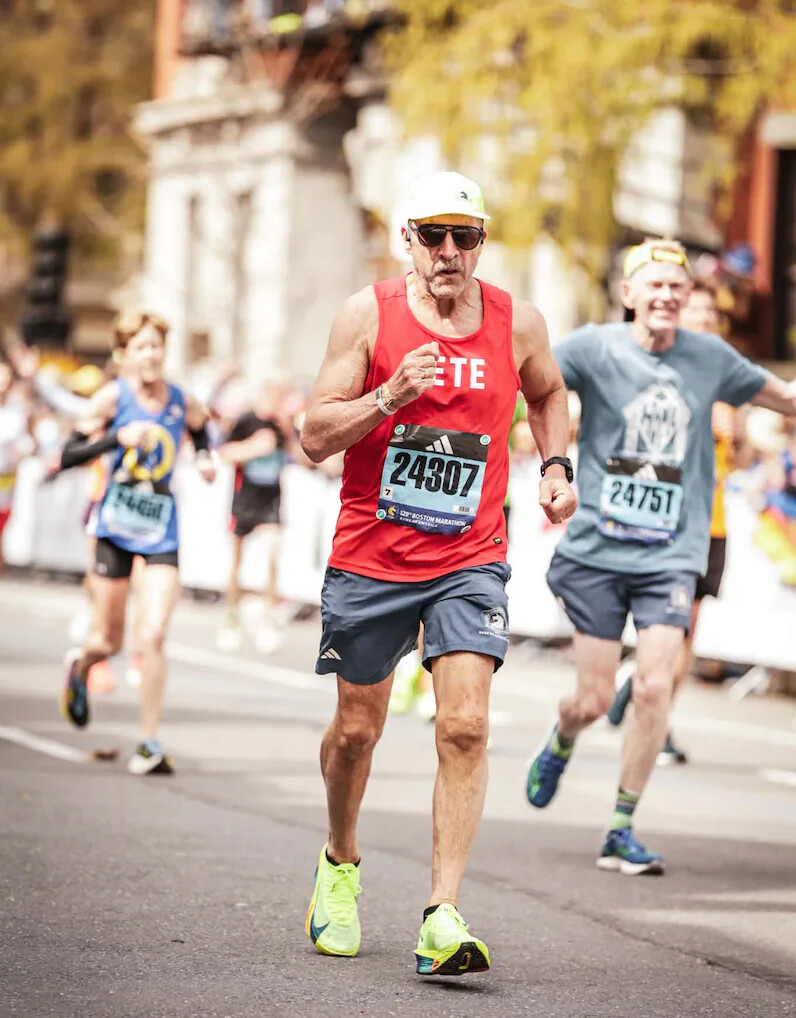
The demanding itinerary will leave little time for conventional recovery. After each marathon, Benson will need to travel to the next destination, navigate changing time zones and prepare for another 42.195 kilometres. Managing fatigue, nutrition, hydration and sleep will be essential as he attempts to complete the seven races within a single week.
Benson described the unusual routine that awaits him, highlighting the relentless cycle of running and travelling that defines the challenge.
"We run the race, get back on the bus, back on the plane, head to the next one and away we go around the world," Benson said. "That plane becomes our hotel and restaurant for the week, pretty much."
Beyond the physical demands, Benson recognises that taking part in such an ambitious international adventure comes at a considerable financial cost. He describes running as a personal investment, one that has provided him with valuable experiences and opportunities to discover more about himself.
"It's certainly a want, not a need," he said. "Some people go on river cruises and other things that they spend their money on and I spend my money on running and I've learned a lot from it."
Despite the expense, Benson believes the experience is worth the investment.
"So I think the investment is worth it, but it is extravagant," he said.
However, his motivation extends beyond personal achievement. Benson is also using the challenge to raise money for a nonprofit organisation that funds clean-water projects in countries around the world. The fundraising initiative is voluntary and is not a requirement for participating in the event.
By connecting his running adventure to a cause with a tangible impact on communities, Benson hopes to give every kilometre a greater purpose. His effort demonstrates how an individual sporting challenge can also become an opportunity to support work that improves lives.
"I'm happy that there's a purpose behind every mile that I run," he said.
That purpose adds another dimension to Benson's ambitious undertaking. While the seven marathons will test his physical strength, mental resilience and ability to recover between races, his fundraising mission will allow him to contribute to efforts aimed at improving access to clean water around the world.
As November 15 approaches, Benson is preparing for a demanding week that will take him from the ice and snow of Antarctica to the streets of Miami, with five other destinations in between. Each marathon will bring a new test, requiring careful preparation, determination and the ability to keep moving forward despite accumulating fatigue.
At 67, Benson is setting out to complete an extraordinary endurance challenge while supporting a cause beyond himself. Seven marathons, seven continents and seven days will test his limits, but his journey will carry a purpose that extends far beyond the finish line.
by Erick Cheruiyot for My Best Runs.
Login to leave a comment
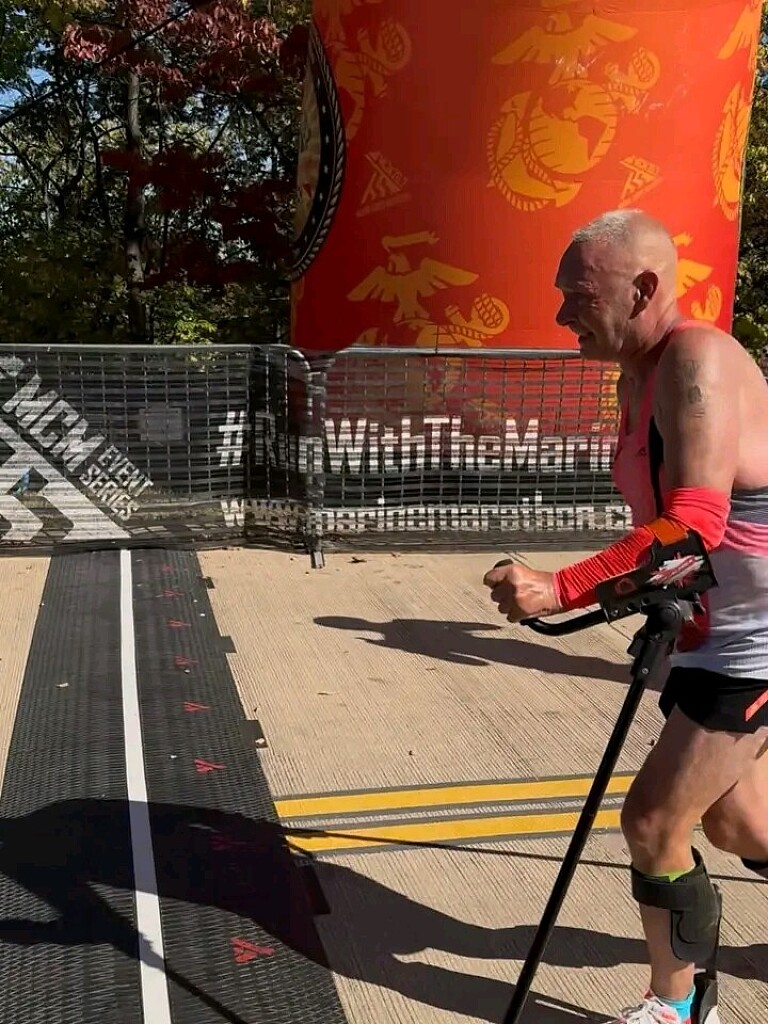
Mick Marshall Makes History With World Record For Fastest Marathon Completed On Crutches In Washington, D.C.
Australian endurance athlete Mick Marshall has achieved an extraordinary milestone at the 2026 Marine Corps Marathon in Washington, D.C., setting a world record for the fastest marathon completed on crutches after crossing the finish line in an incredible 5:35:50.
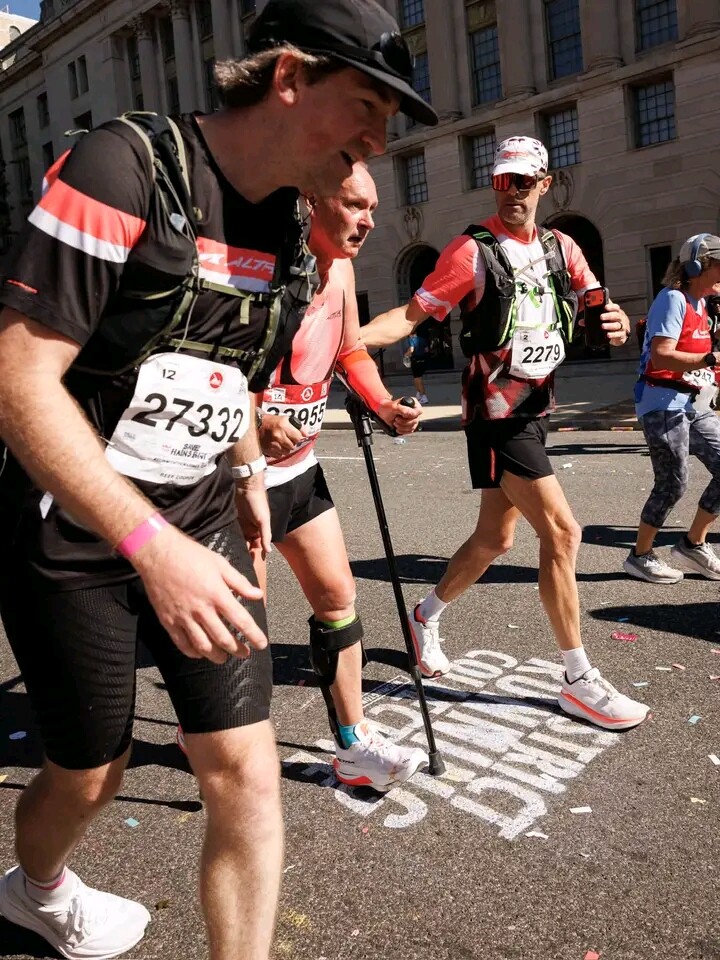
Representing Altra as an elite athlete, Marshall demonstrated remarkable determination and perseverance throughout the 26.2-mile (42.195-kilometre) race, turning one of the world's most celebrated marathon events into a stage for an inspiring display of human resilience.
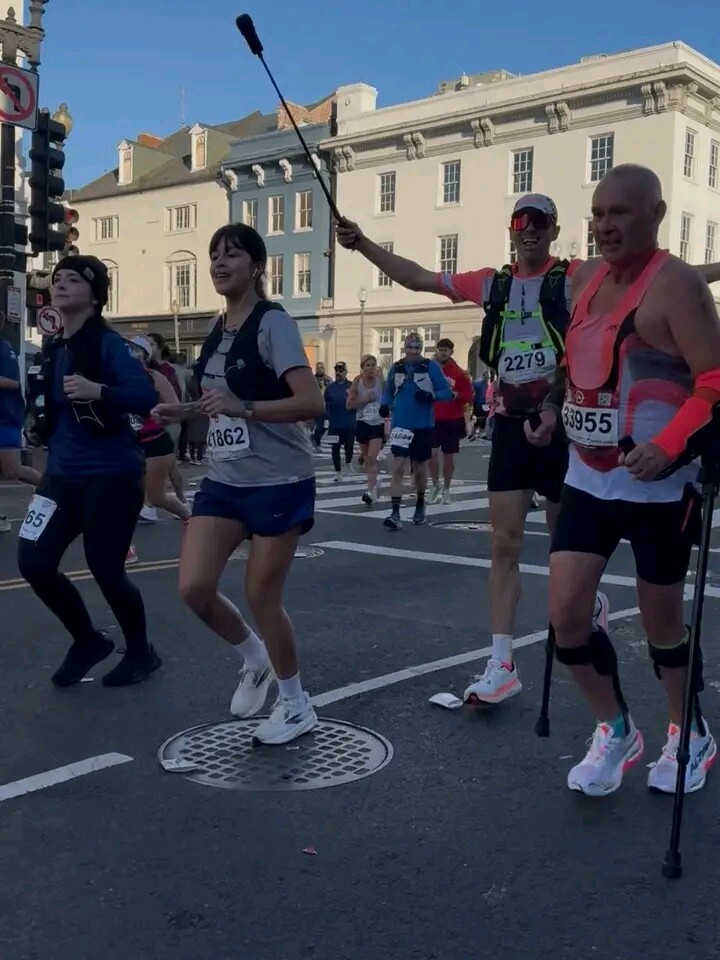
Completing a marathon is a demanding physical challenge for any athlete, requiring months of preparation, mental strength and the ability to push through fatigue. Covering the same distance on crutches presents a different set of challenges, placing considerable demands on the upper body, coordination and endurance. Marshall's achievement highlights the dedication required to overcome obstacles and pursue goals that many might consider beyond reach.
The Marine Corps Marathon, renowned for its patriotic atmosphere, enthusiastic spectators and scenic course through the nation's capital, provided a memorable setting for the record-breaking performance. As thousands of runners pursued their own finish-line goals, Marshall carved out a special place in the event's history with his remarkable effort.
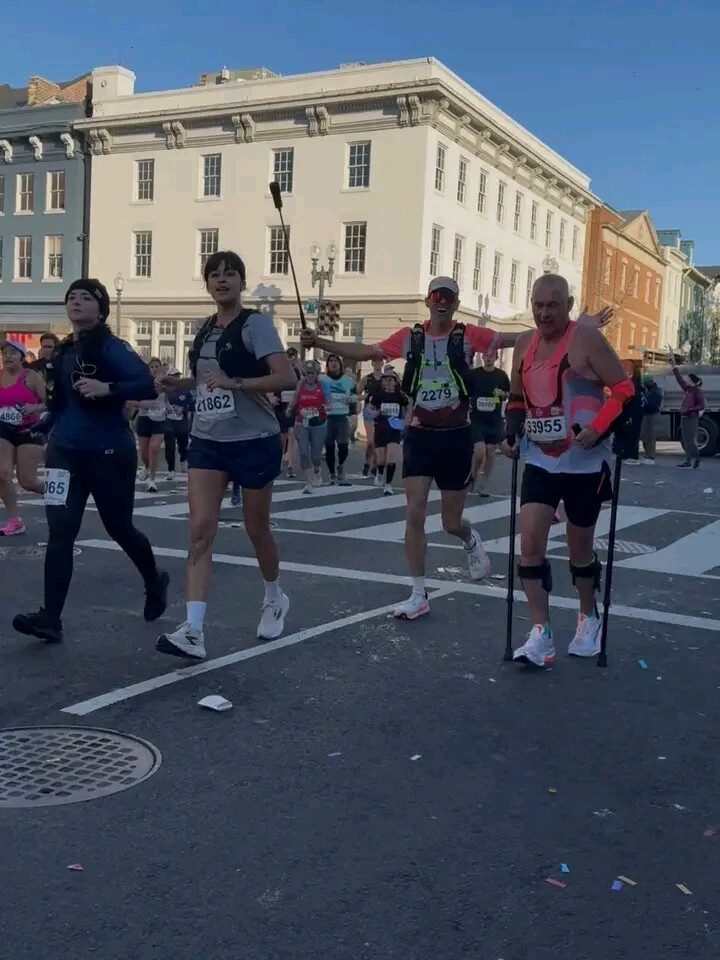
Beyond the record itself, Marshall's achievement carries a message that resonates far beyond the running community. Every movement toward the finish line required determination, patience and an unwavering commitment to the challenge before him. His performance is a reminder that greatness is not measured solely by how quickly someone reaches a destination, but also by the courage it takes to pursue a goal despite the difficulties along the way. For aspiring athletes and anyone facing personal challenges, his accomplishment offers a powerful lesson in perseverance, self-belief and the importance of refusing to give up when the journey becomes difficult.
His performance also serves as a reminder that marathon running is about far more than finishing times and podium positions. It is a test of courage, commitment and the willingness to redefine personal limits. Marshall's accomplishment demonstrates that the spirit of distance running extends beyond conventional expectations, inspiring athletes and spectators alike to reconsider what is possible through determination and hard work.
Marshall's remarkable run also reinforces the inclusive spirit of distance running, where the finish line belongs to everyone willing to take on the challenge. Whether competing for a championship, chasing a personal best or simply striving to complete the distance, every runner has a story worth celebrating. By setting a world record on crutches at one of America's prominent marathon events, Marshall has added an unforgettable chapter to that story, encouraging others to look beyond perceived limitations and pursue their ambitions with renewed confidence.
For Marshall, the 5:35:50 finish represents more than a time on the clock. It marks an extraordinary personal achievement and a moment that celebrates perseverance, resilience and the determination to keep moving forward. His performance has brought renewed attention to the remarkable possibilities within endurance sport and the many different ways athletes can challenge expectations.
Marshall's achievement at the Marine Corps Marathon stands as a powerful testament to the human spirit, demonstrating that success is not always about having the easiest path, but about finding the strength to keep going. His 5:35:50 performance is a reminder that the finish line can represent much more than the completion of a race: it can symbolise courage, possibility and the extraordinary things people can accomplish when they refuse to give up.
by Erick Cheruiyot for My Best Runs.
Login to leave a comment

Marine Corps Marathon
Recognized for impeccable organization on a scenic course managed by the US Marines in Arlington, VA and the nation's capital, the Marine Corps Marathon is one of the largest marathons in the US and the world. Known as 'the best marathon for beginners,' the MCM is largest marathon in the world that doesn't offer prize money, earning its nickname, “The...
more...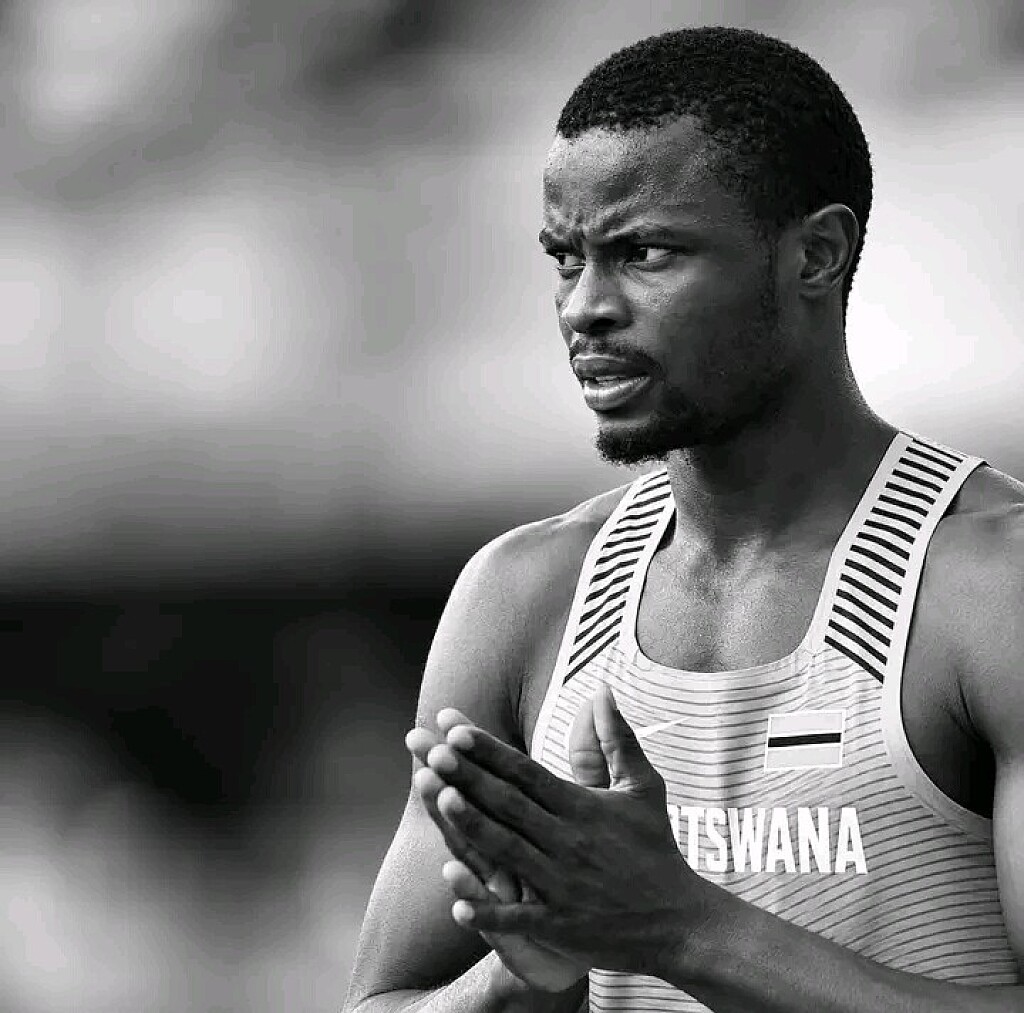
Botswana Athletics Mourns Gaone ‘Lux’ Maotoanong, Commonwealth Games Gold Medallist And Former National Team Sprinter
Botswana’s athletics community is mourning the sudden death of former national team sprinter Gaone Leaname Maotoanong, affectionately known as “Lux,” who represented his country at major international championships and played a significant role in its relay success.
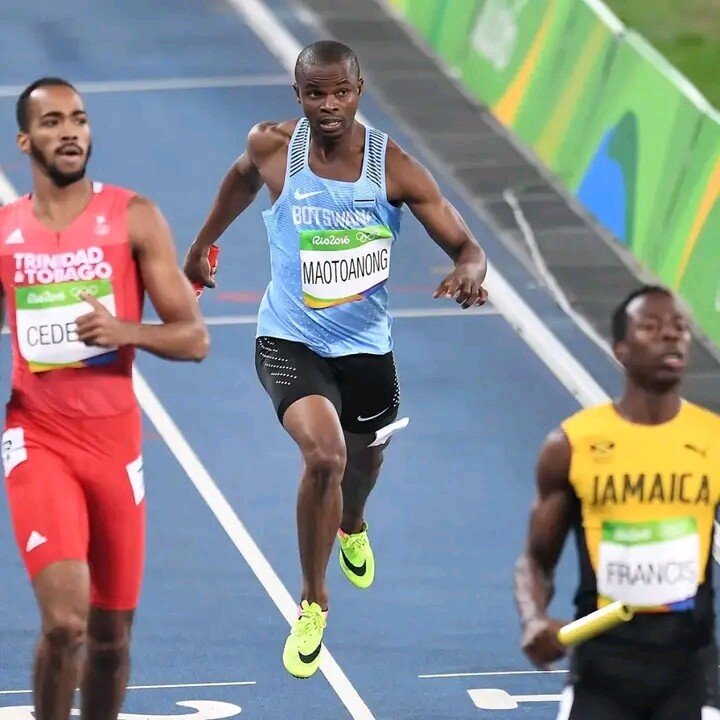
The Botswana Athletics Association (BAA) announced his passing in a bereavement notice issued on October 22, 2026, paying tribute to an athlete whose dedication, talent and commitment to excellence earned him respect across the athletics fraternity. Maotoanong was born in 1991 and died in 2026.
Throughout his career, Maotoanong proudly wore Botswana’s national colours on some of the biggest stages in athletics, contributing to the country’s growing reputation in the men’s 4x400m relay. His international achievements included competing at the Olympic Games, World Athletics Championships, Commonwealth Games, World Athletics Relays and continental championships.
One of the standout moments of his career came at the 2018 Commonwealth Games on the Gold Coast in Australia, where he was part of Botswana’s gold-medal-winning 4x400m relay team. The victory represented a major achievement for the southern African nation and reinforced its standing among the leading relay teams on the continent.
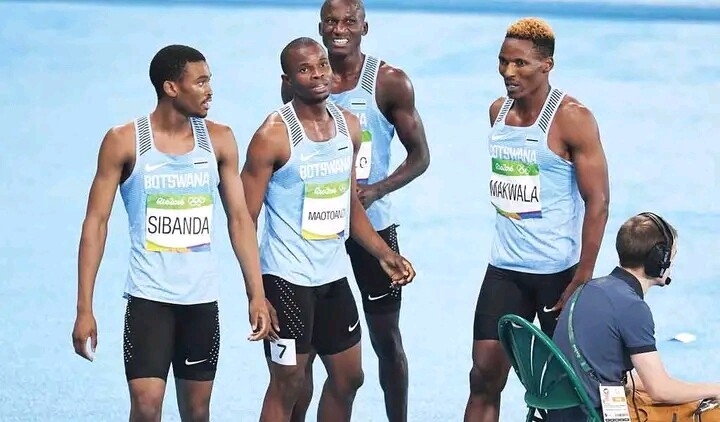
Maotoanong also represented Botswana at the 2016 Rio Olympic Games, where the national 4x400m relay team reached the final and finished fifth. He subsequently featured in the country’s relay squad at the 2019 World Athletics Championships in Doha, Qatar, having also competed at the 2015 edition in Beijing, China.
His experience on the global stage extended to the World Athletics Relays in the Bahamas in 2015 and 2017, where Botswana’s 4x400m relay teams reached the finals. These appearances reflected his place within a generation of athletes helping Botswana establish itself as a consistent presence in international relay competition.
At continental level, Maotoanong enjoyed further success, winning gold in the 4x400m relay at the African Championships in Marrakech, Morocco, in 2014 and again in Durban, South Africa, in 2016. He also helped Botswana secure silver in the relay at the 2015 African Games in Brazzaville, Republic of the Congo.
His achievements were not limited to relay racing. Maotoanong demonstrated his individual ability in the 400m by winning silver at the 2015 World University Games in Gwangju, South Korea, adding another significant accomplishment to his international career.
Beyond his appearances at major championships, he competed at the Commonwealth Games, African Games, African Championships, Diamond League meetings and numerous other international competitions, building a career defined by service to his country and commitment to athletics.
A Legacy Beyond The Track
Maotoanong’s contribution to Botswana athletics extended beyond competition. According to the BAA, he served as a member of the Botswana National Olympic Committee (BNOC) Athletes’ Commission from 2022 to 2025, where he contributed to efforts to advance athletes’ interests and welfare.
The role reflected another dimension of his involvement in sport, demonstrating a commitment to athlete representation and sports development beyond his own performances on the track.
In its tribute, the BAA remembered Maotoanong as an athlete, leader, mentor and friend whose contributions had left a lasting mark on Botswana athletics. The association also extended its condolences to his family, friends, teammates and everyone who had the privilege of knowing him.
His passing represents a profound loss for Botswana’s sporting community, particularly those who shared in the country’s relay achievements and witnessed his dedication to representing the national team. His legacy will remain part of the story of Botswana’s development as a force in African and international athletics.
As tributes emerge, Maotoanong will be remembered not only for the medals and championships he helped his country achieve, but also for his service to fellow athletes and his contribution to the wider sporting fraternity.
Funeral arrangements are expected to be communicated by the Botswana Athletics Association in due course.
Gaone “Lux” Maotoanong’s name will endure in Botswana athletics as a reminder of a career spent representing his country with pride, both on the track and in service to the athletes who followed.
by Erick Cheruiyot for My Best Runs.
Login to leave a comment
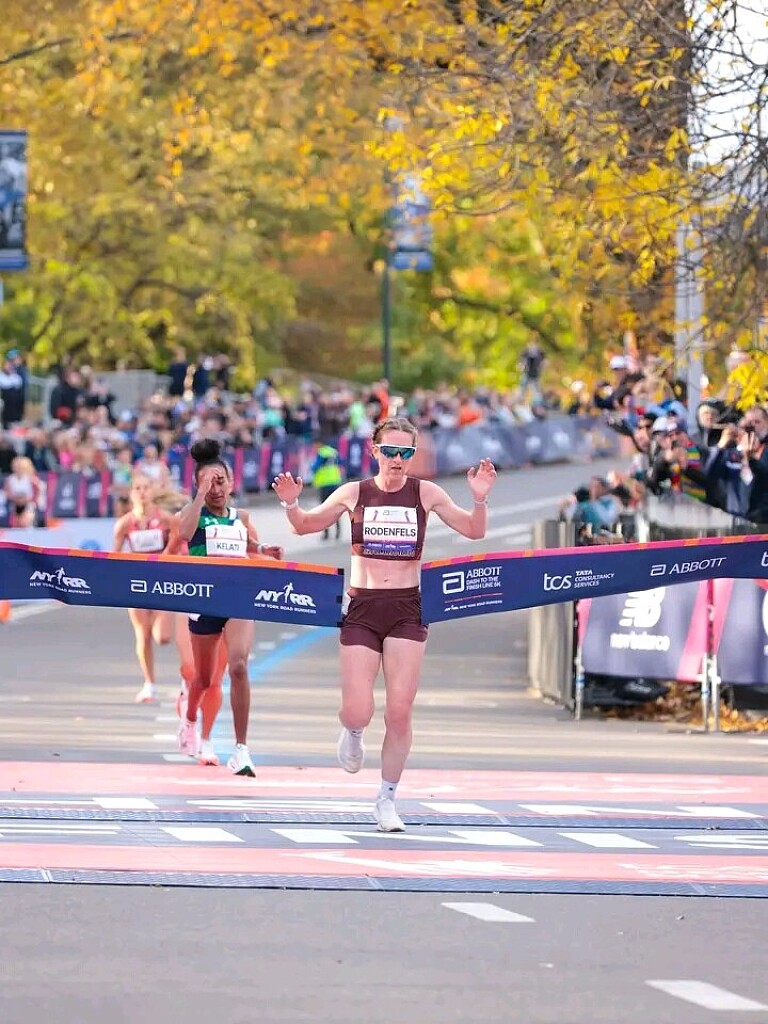
National Champions And Rising Stars Set To Light Up NYC Marathon Weekend 5K
The 2026 TCS New York City Marathon weekend will get an early burst of elite racing when a stacked field of national champions, established distance runners and emerging talents line up for the Abbott Dash to the Finish Line 5K on Saturday, October 31.
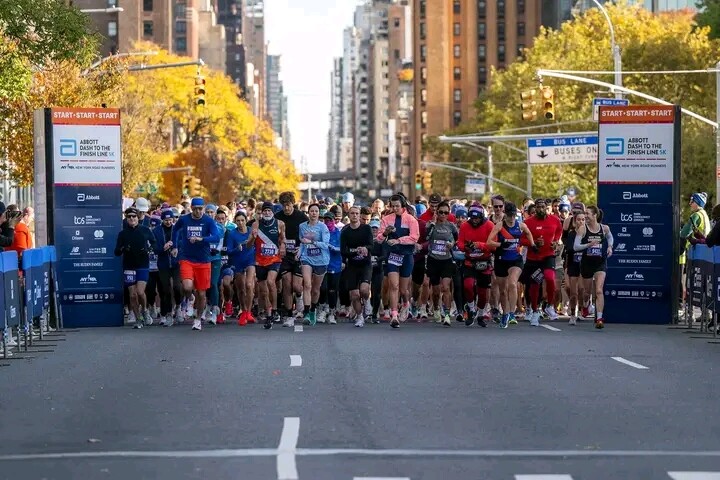
With the world’s biggest marathon taking place the following day, the popular Central Park race promises to deliver a thrilling showcase of speed and depth, bringing together elite athletes from the United States and several other countries ahead of Sunday’s main event.

The men’s field features a formidable international lineup, led by Kenya’s Edwin Kurgat, whose personal best of 12:57.52 places him among the fastest entrants. Fellow Kenyan Amon Kemboi, with a best of 12:58.51, adds further strength to the field, setting the stage for a potentially exciting contest over the five-kilometre distance.
Australia’s Morgan McDonald, boasting a personal best of 13:00.48, is another major contender, while American Anthony Camerieri enters with a best of 13:04.07. Other notable names include Jackson Sharp of Australia, American Bob Liking and Reid Buchanan, Latvia’s Arturs Medveds, H abtom Samuel of Eritrea, and American Luke Tewalt.
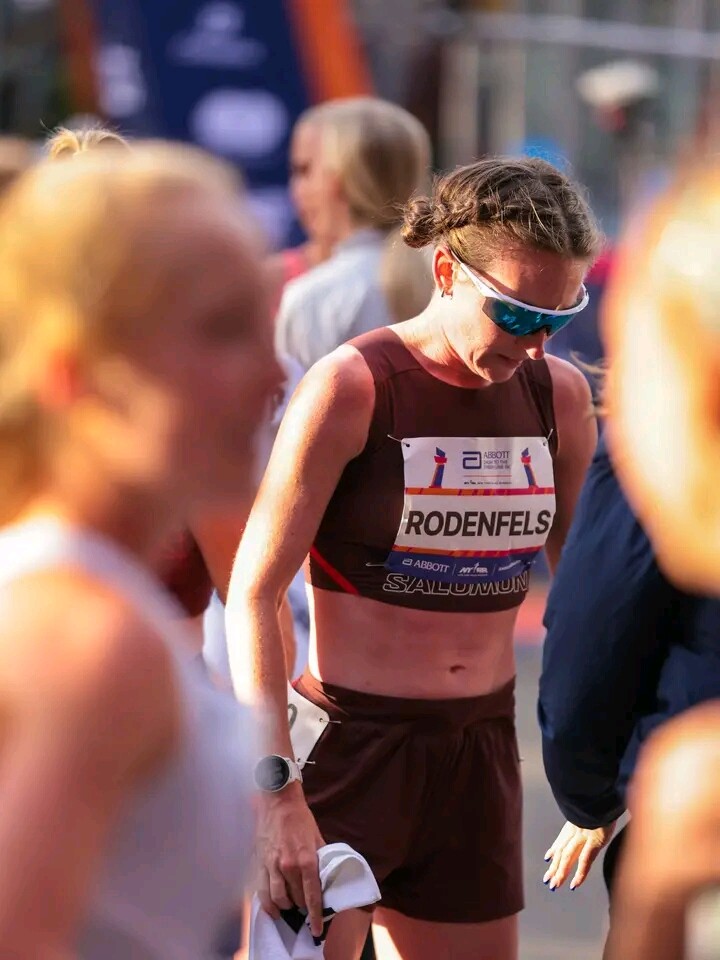
The women’s race is equally compelling, featuring a deep field packed with American talent and international challengers. Josette Andrews headlines the entries with an impressive personal best of 14:25.37, while Annie Rodenfels, whose best stands at 15:00.64, adds further quality to the American contingent.
Bailey Hertenstein and Elly Henes are also among the leading entrants, with personal bests of 14:48.91 and 14:47.15, respectively. Great Britain’s Alex Millard, with a best of 15:02.64, provides international competition, while Whittni Morgan, Ednah Kurgat, Katelyn Tuohy, Rachael R udel, Madie Boreman and Ella Donaghu strengthen an impressive domestic lineup.
Kenya will also be represented in the women’s race by Hilda Olemomoi, whose personal best of 14:52.84 makes her one of the athletes to watch. With several runners capable of producing a fast performance, the battle for the podium could be fiercely contested.
Beyond the individual names, the event offers a compelling opportunity for elite athletes to test their speed on one of the most prominent stages of New York’s running calendar. The short, fast-paced contest also provides fans with a chance to see some of the sport’s leading distance runners in action before marathon Sunday.
The Abbott Dash to the Finish Line 5K will take place through Central Park on Halloween, Saturday, October 31, one day before the 2026 TCS New York City Marathon on Sunday, November 1.
With national champions, international contenders and promising rising stars all in the mix, the race is shaping up to be a major highlight of an action-packed marathon weekend in New York City.
by Erick Cheruiyot for My Best Runs.
Login to leave a comment

Dash to the Finish Line
Be a part of the world-famous TCS New York City Marathon excitement, run through the streets of Manhattan, and finish at the famed Marathon finish line in Central Park—without running 26.2 miles! On TCS New York City Marathon Saturday, our NYRR Dash to the Finish Line 5K (3.1 miles) will take place for all runners who want to join in...
more...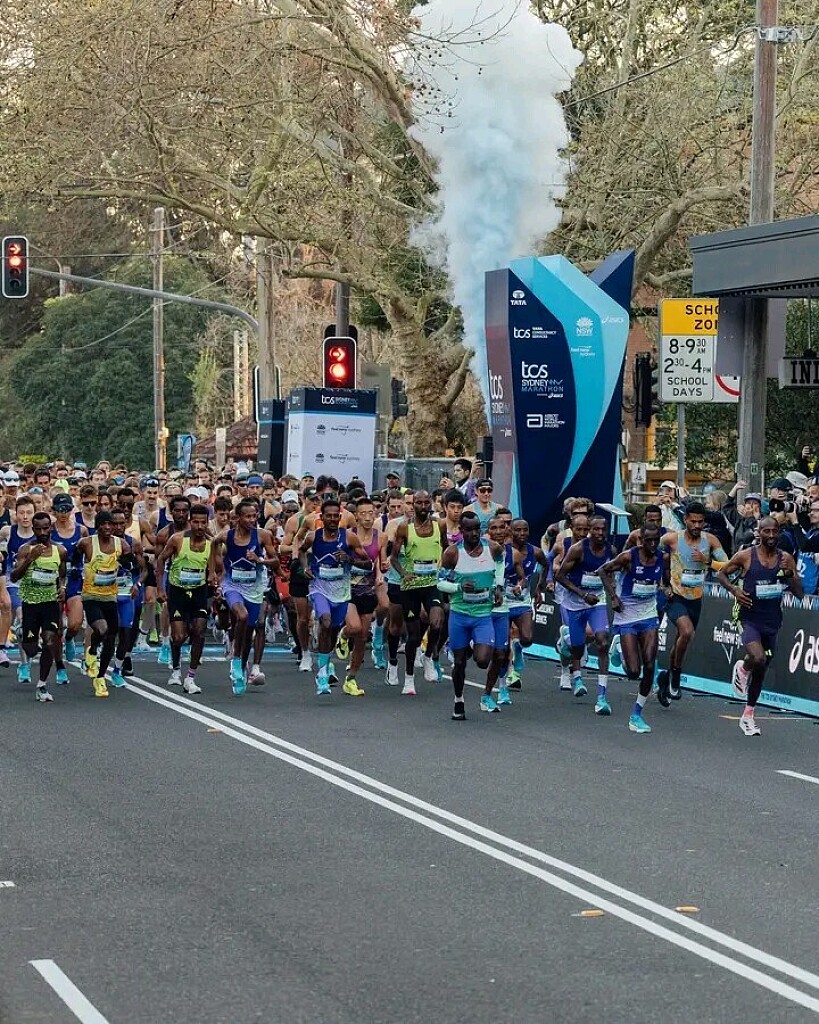
2027 Sydney Marathon Ballot Opens as Runners Worldwide Set Their Sights on Australia’s Iconic Race
The road to one of the world’s most spectacular marathon experiences has officially begun, with entries now open for the 2027 TCS Sydney Marathon presented by ASICS. Runners from across the globe can now submit their applications for a chance to participate in Australia’s largest marathon, an event that combines world-class distance running with the unforgettable scenery of Sydney.
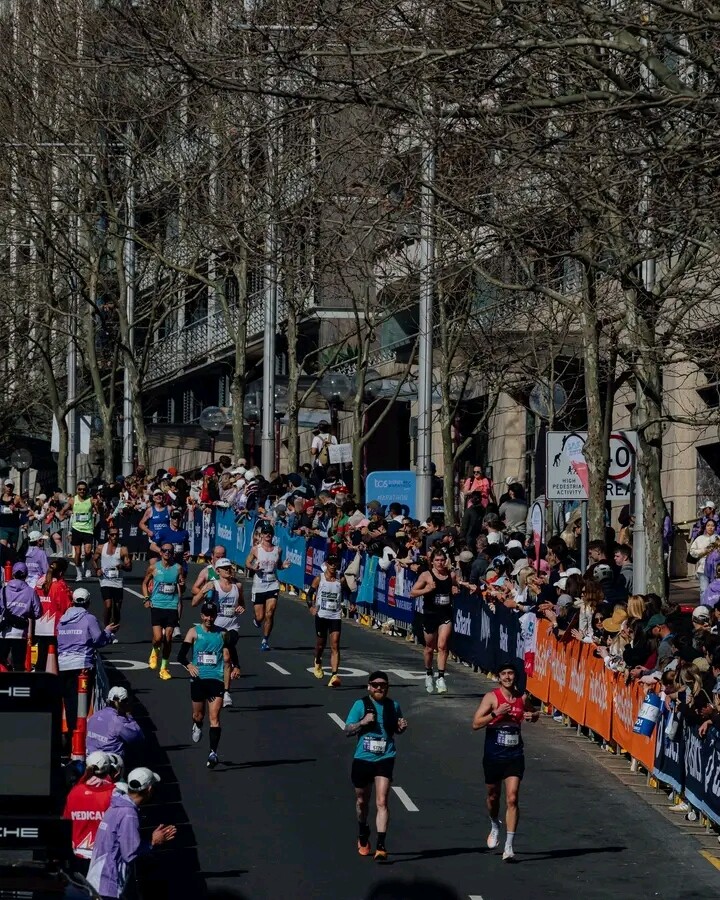
Scheduled for Sunday, August 29, 2027, the race promises to bring together thousands of runners, from passionate recreational athletes to experienced marathoners, for a memorable journey through one of Australia’s most celebrated cities.
More than a test of endurance, the Sydney Marathon offers participants an opportunity to experience the city’s distinctive atmosphere, vibrant culture and internationally recognised landmarks. The highlight for many runners will be the chance to cross the finish line beneath the iconic sails of the Sydney Opera House, creating a lasting memory at the end of months of preparation and training.
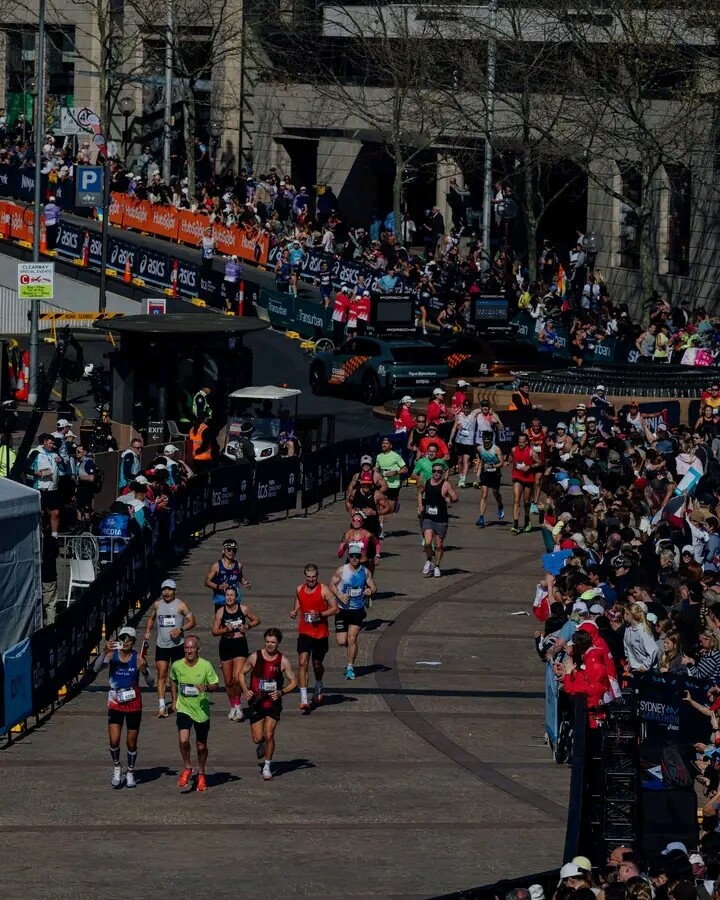
For international participants, the appeal extends well beyond race day. From exploring Sydney’s streets and waterfront to soaking up the atmosphere surrounding the event, the marathon offers an experience that combines sporting ambition with travel and cultural discovery.
Ballot Applications Open Until October 19
Runners hoping to secure a place in the 2027 edition must submit their applications before the ballot closes on Tuesday, October 19, 2026, at 10:00 a.m. Australian Eastern Daylight Time (AEDT).
Unlike a conventional first-come, first-served registration system, the marathon uses a random ballot to allocate places. This means applicants have an equal opportunity in the draw, regardless of when they submit their applications during the ballot period.
Athletes are therefore encouraged to complete their applications before the deadline, ensure that their contact details are accurate and familiarise themselves with the event's important dates.
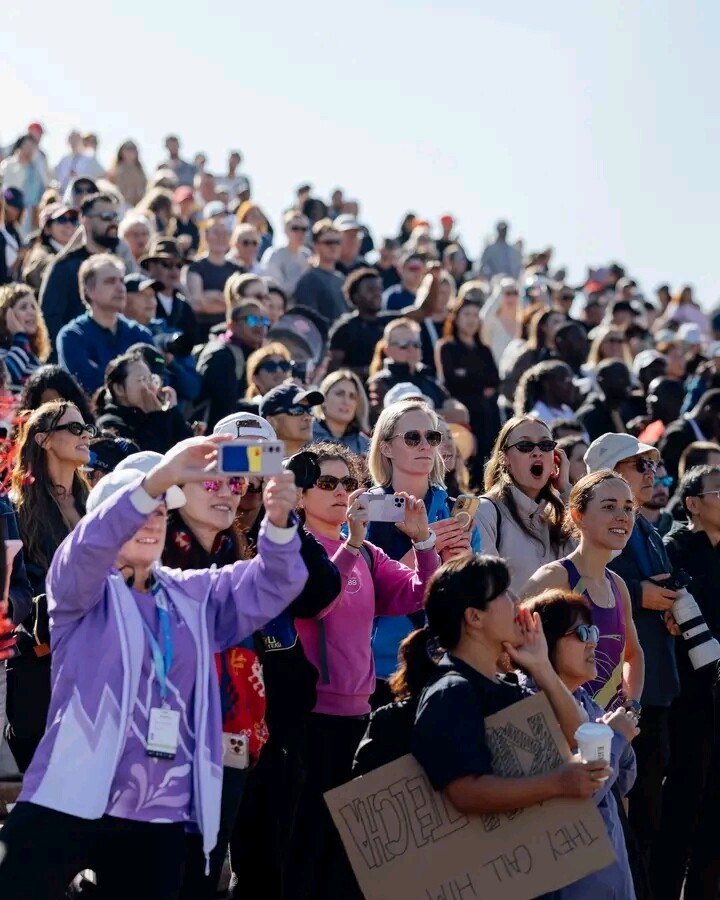
Applicants will be notified of the outcome on November 3, 2026. Successful applicants will have their registered bank cards charged, with confirmation emails sent afterwards. Runners should ensure that the email addresses provided during registration are correct and check their junk or spam folders if they cannot find the notification.
The organisers have also clarified that they will not respond to individual enquiries about ballot application status between the opening of the ballot and the announcement of results. All ballot outcomes are final, and applicants are encouraged to consult the official frequently asked questions for further guidance.
Duo teams and participants competing in non-elite racing wheelchairs are subject to separate application procedures and should not apply through the general ballot.
An Opportunity to Be Part of Sydney’s Marathon Story
With the ballot now open, runners have the opportunity to begin planning for an event that brings together international participation, personal achievement and the excitement of marathon racing in a world-famous destination.
For those who secure a place, the journey will begin long before the starting gun sounds. Training schedules, long-distance runs and months of preparation will eventually lead to race day, when the streets of Sydney become the stage for thousands of individual stories of determination and achievement.
The 2027 TCS Sydney Marathon is scheduled for August 29, with ballot applicants expected to receive their results on November 3, 2026. Anyone who has not received a notification is advised to wait until after November 6 before contacting the organisers.
For athletes dreaming of racing in Australia, the opportunity to take part in Sydney’s celebrated marathon begins with a ballot application. The race may last only a few hours, but the journey to the starting line—and the memories created along the way—can last a lifetime.
by Erick Cheruiyot for My Best Runs.
Login to leave a comment
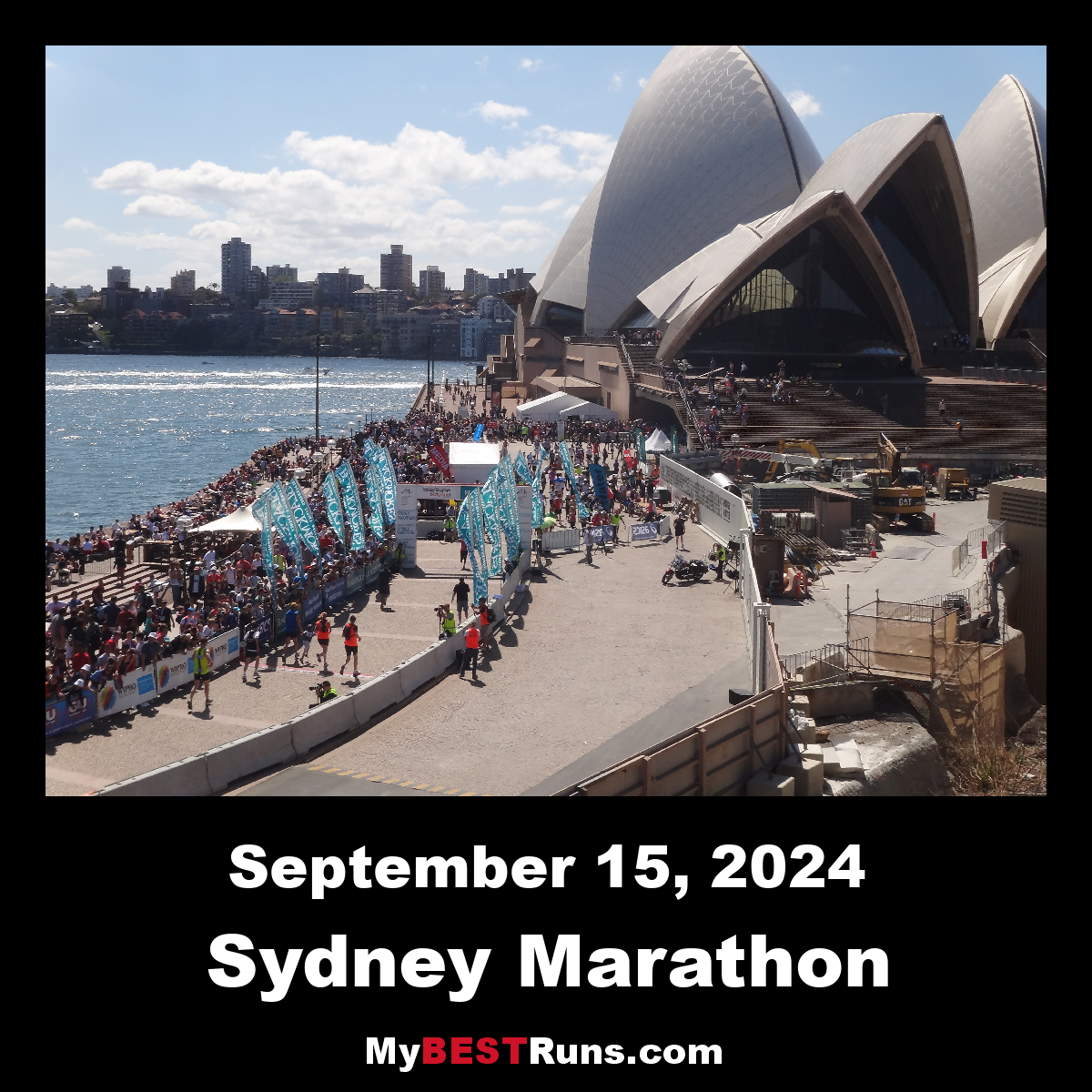
Sydney Marathon
The Sydney Marathon is a marathon held annually in Sydney, Australia. The event was first held in 2001 as a legacy of the 2000 Summer Olympics, which were held in Sydney. In addition to the marathon, a half marathon, 9 kilometres (5.6 mi) "Bridge Run", and a 3.5 kilometres (2.2 mi) "Family Fun Run" are also held under the banner...
more...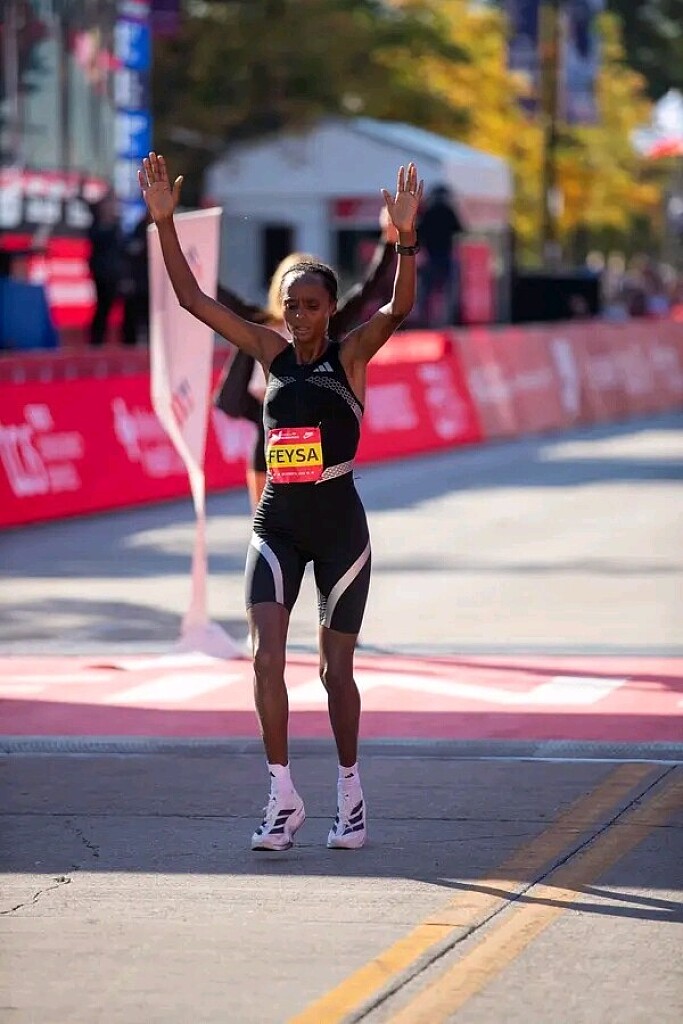
Hawi Feysa Goes Back-To-Back In Chicago With A Personal Best Of 2:13:33
Ethiopia’s Hawi Feysa produced a magnificent performance to defend her women’s title at the 2026 Chicago Marathon, crossing the finish line in 2:13:33 to secure her second consecutive victory in one of the world’s most prestigious marathon races.
Feysa delivered an outstanding performance to overcome a highly competitive international field, demonstrating the endurance, composure and determination required to triumph on the global stage. Her victory further strengthened Ethiopia’s reputation as one of the leading nations in long-distance running and confirmed her status as one of the most formidable athletes in women’s marathon racing.
The Ethiopian star’s winning time of 2:13:33 was a personal best, marking a significant improvement on her previous performances. The result also elevated her to fifth on the women’s marathon all-time list, underlining the exceptional quality of her run and placing her among the fastest women ever to compete over the classic 42.195-kilometre distance.
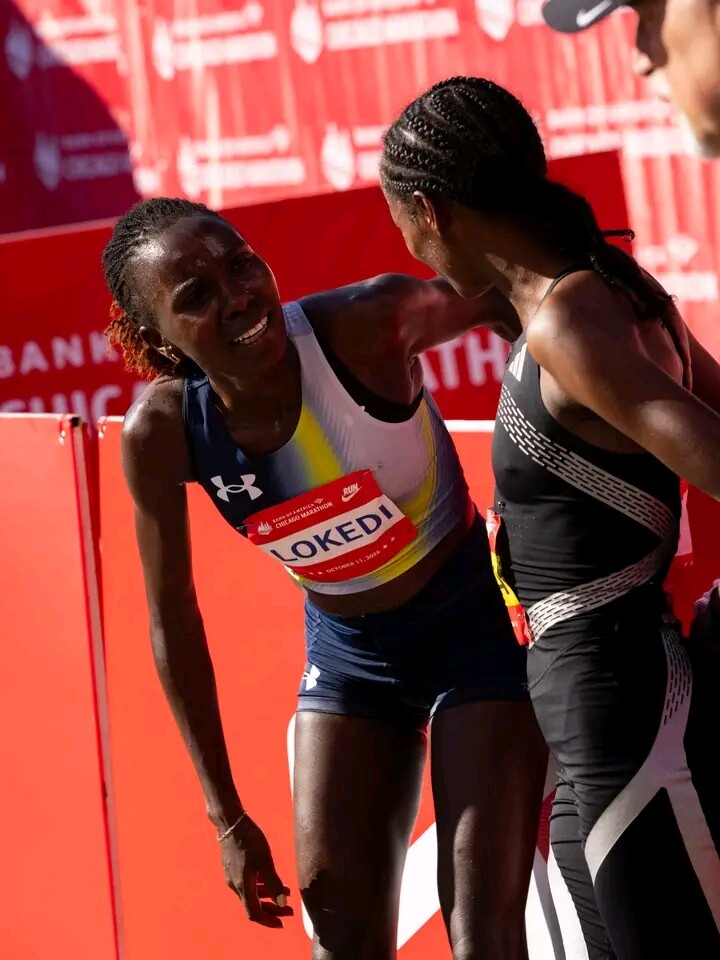
Returning to Chicago as the defending champion brought additional expectations, but Feysa once again rose to the occasion. Successfully retaining a major marathon title requires more than physical strength; it demands tactical awareness, consistency and the ability to handle pressure against some of the world’s best competitors. Feysa demonstrated those qualities to secure another memorable victory on Chicago’s streets.
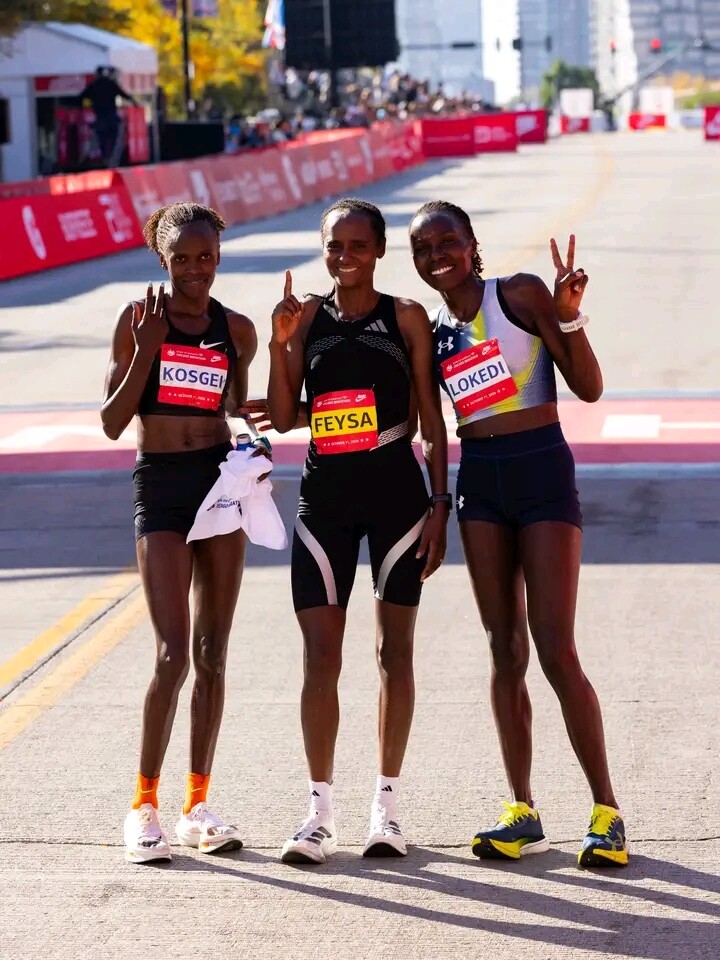
Kenya’s Sharon Lokedi delivered a strong performance to finish second in 2:14:07, continuing her impressive presence among the world’s elite marathon runners. Lokedi mounted a determined challenge but ultimately had to settle for the runner-up position behind the defending champion.
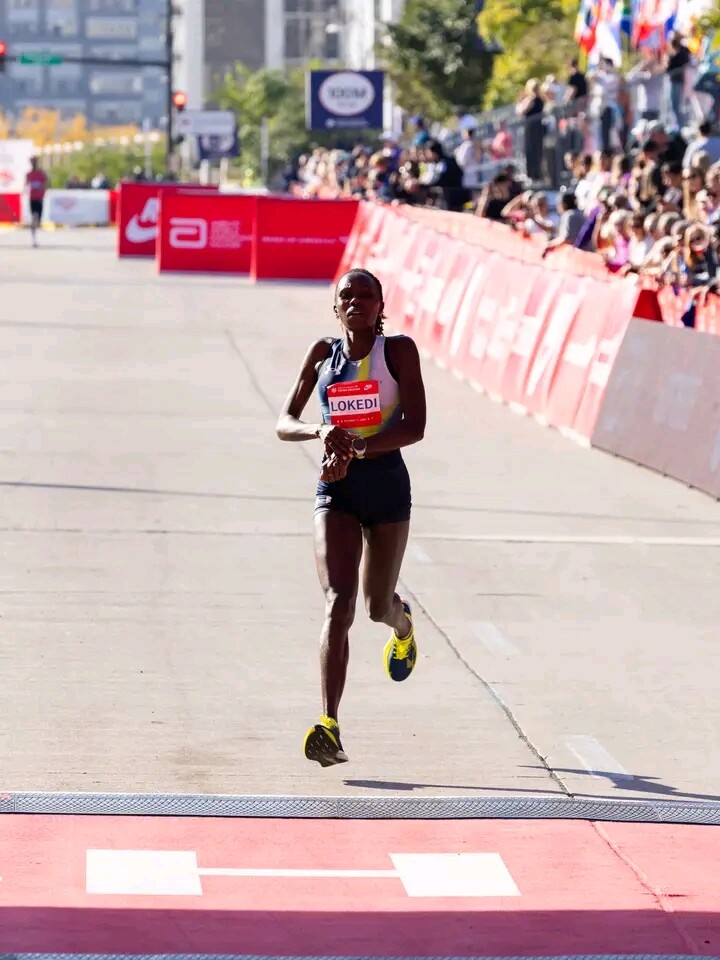
Former women’s marathon world-record holder Brigid Kosgei completed the podium in 2:14:54, giving Kenya two athletes among the top three. Her performance further highlighted the country’s remarkable depth in women’s distance running, even as Ethiopia celebrated another major international marathon victory.
Feysa’s latest triumph marks a significant improvement on her 2025 winning performance of 2:14:57, as she returned to Chicago with greater determination and delivered a personal best of 2:13:33. The 27-year-old Ethiopian showcased her remarkable endurance and consistency, proving that her previous victory was no fluke. By successfully defending her crown, she has further strengthened her position among the world’s leading female marathon runners.
Her winning margin of 34 seconds over Kenya’s Sharon Lokedi, who finished second in 2:14:07, underlined the quality of Feysa’s performance. The result also propelled her to fourth on the women’s marathon all-time list, according to the supplied race information, placing her among the fastest women ever over the 42.195km distance. With consecutive Chicago Marathon titles to her name, Feysa has delivered a statement performance that further elevates Ethiopia’s proud tradition of distance-running excellence.
Kenya’s Mary Ngugi Cooper secured fourth place in 2:17:23, followed by compatriot Joan Kilimo, who finished fifth in 2:18:38. The strong Kenyan representation among the leading finishers underlined the country’s continued influence in elite marathon competition and ensured that the battle for the top positions remained highly competitive.
Australia’s Isobel Batt-Doyle finished sixth in 2:20:38, narrowly ahead of American Emma Grace Hurley, who recorded 2:20:47 for seventh place. Ethiopia’s Degitu Azimeraw finished eighth in 2:20:59, while Kenya’s Magdalayne Masai took ninth in 2:21:11. Fellow Kenyan Loice Chemnung completed the top 10 in 2:21:18.
TOP 10 WOMEN’S RESULTS — 2026 CHICAGO MARATHON
1. Hawi Feysa (Ethiopia) — 2:13:33
2. Sharon Lokedi (Kenya) — 2:14:07
3. Brigid Kosgei (Kenya) — 2:14:54
4. Mary Ngugi Cooper (Kenya) — 2:17:23
5. Joan Kilimo (Kenya) — 2:18:38
6. Isobel Batt-Doyle (Australia) — 2:20:38
7. Emma Grace Hurley (United States) — 2:20:47
8. Degitu Azimeraw (Ethiopia) — 2:20:59
9. Magdalayne Masai (Kenya) — 2:21:11
10. Loice Chemnung (Kenya) — 2:21:18
Feysa’s consecutive Chicago victories represent a significant achievement in her career and add another chapter to Ethiopia’s rich history of marathon excellence. Her latest triumph demonstrates that her previous success was no isolated achievement, as she returned to the same course and delivered an even faster performance to retain her crown.
The 2026 Chicago Marathon also attracted considerable international attention, with viewers in Australia, Britain, Ireland and Canada able to watch the race live through FloTrack. Presented by Saucony, the broadcast brought the excitement of the competition to audiences across several countries as the world’s leading marathon runners battled for honours.
With a personal best of 2:13:33, a second consecutive Chicago Marathon title and a place among the five fastest women in marathon history, Feysa has delivered one of the standout performances of the season. Her victory further establishes her as a major force in women’s marathon running, while Lokedi and Kosgei ensured a strong Kenyan presence on the podium.
by Erick Cheruiyot for My Best Runs.
Login to leave a comment

Bank of America Chicago
Running the Bank of America Chicago Marathon is the pinnacle of achievement for elite athletes and everyday runners alike. On race day, runners from all 50 states and more than 100 countries will set out to accomplish a personal dream by reaching the finish line in Grant Park. The Bank of America Chicago Marathon is known for its flat and...
more...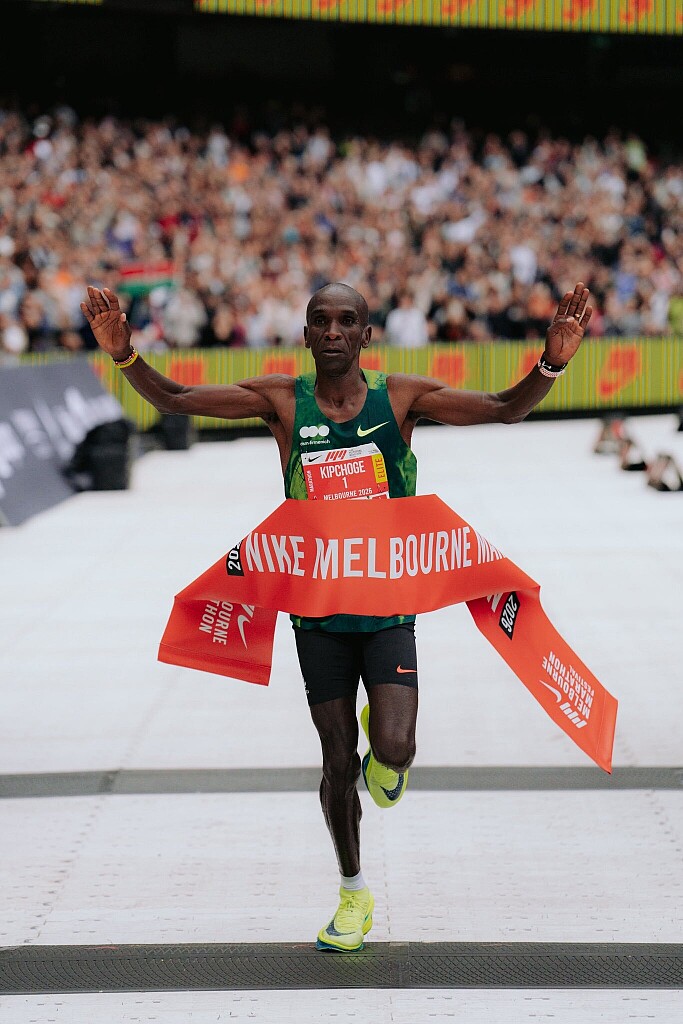
Eliud Kipchoge Conquers Melbourne With Course-Record 2:09:10 Victory
MELBOURNE, Australia — Kenyan marathon great Eliud Kipchoge added another memorable chapter to his illustrious career on Sunday, October 11, 2026, winning the Nike Melbourne Marathon Festival in a course-record time of 2:09:10
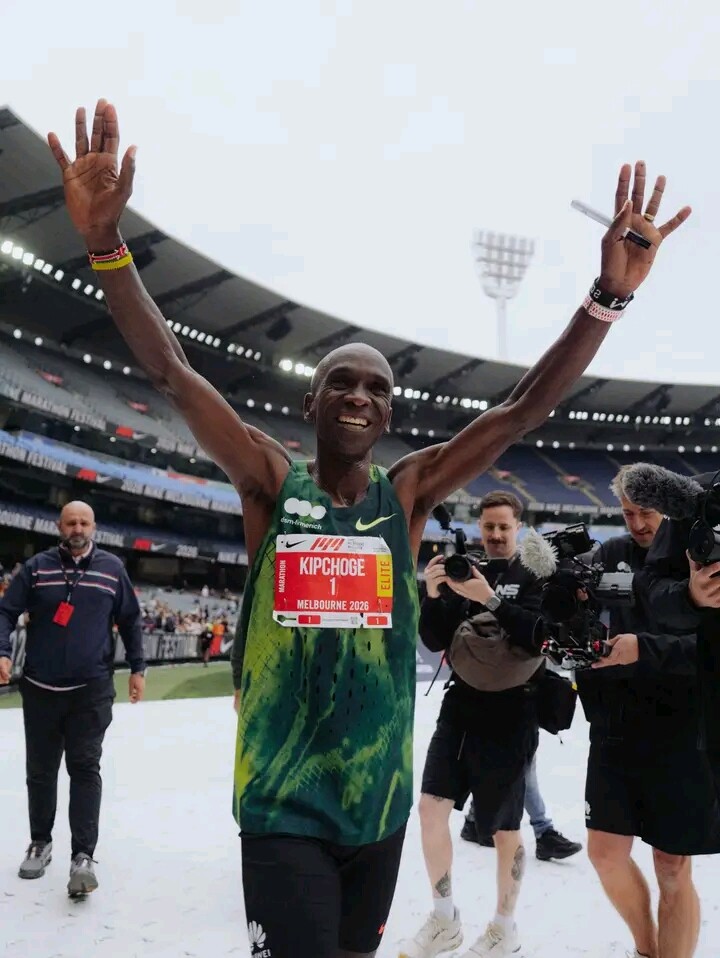
The victory further underlined the 41-year-old's enduring class and competitive spirit as he continues his ambitious global project, Eliud’s Running World, a three-year journey aimed at completing a marathon on every continent.
Kipchoge's performance delivered another milestone in a career defined by extraordinary consistency, historic achievements and an unwavering commitment to pushing the boundaries of distance running. His Melbourne triumph marked the 17th marathon victory of his career, adding another prestigious result to a remarkable record on the roads.
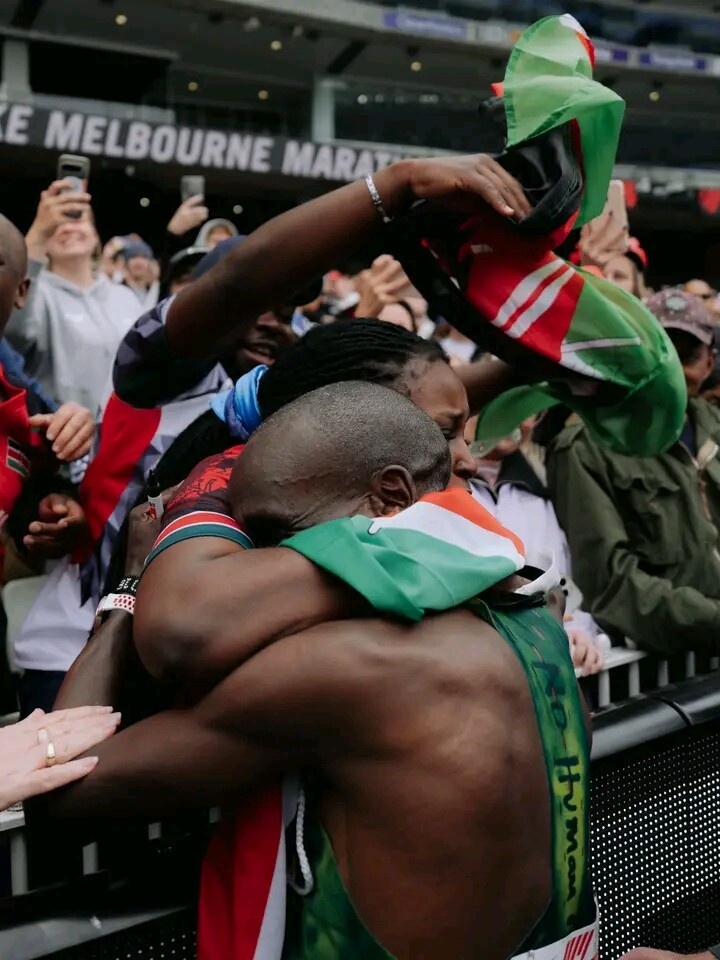
Kipchoge's Melbourne triumph was particularly significant as it marked his return to the top of the marathon podium three years after his previous marathon victory in Berlin in 2023. At 41, the Kenyan legend demonstrated that experience, discipline and an enduring passion for running can continue to produce exceptional performances at the highest level. His course-record time of 2:09:10 was a powerful reminder of his remarkable longevity in a sport that demands extraordinary physical and mental strength.
Australia's Thomas Do Canto finished second in 2:10:35, while compatriot Reece Edwards took third in 2:14:33, completing an all-Australian finish behind the Kenyan champion. For Kipchoge, the victory represented more than another achievement in his decorated career; it was another opportunity to inspire runners of all ages and reinforce his belief in the unifying power of the sport. His Melbourne success added fresh momentum to his global running tour and reaffirmed his status as one of the most influential marathon runners in history.
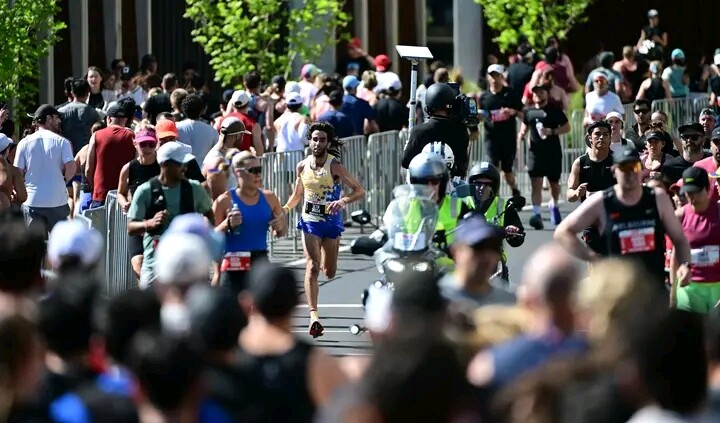
The Kenyan star broke away from his rivals in the closing stages of the 42.195-kilometre race before crossing the finish line inside the iconic Melbourne Cricket Ground (MCG). His official finishing time of 2:09:10 set a new course record, improving the previous mark of 2:09:12 established by Timothy Ronoh in 2022.
Melbourne represented the third stop on Kipchoge's ambitious Eliud's Running World journey. The project began with the Sanlam Cape Town Marathon in South Africa in May, followed by the NB42K Porto Alegre Marathon in Brazil in July. His latest appearance took the initiative to Oceania, bringing one of the greatest figures in distance-running history to Melbourne's passionate running community.
Kipchoge's Melbourne appearance was about much more than chasing another victory. The Kenyan legend embraced the city's running culture, sharing the course with runners of different abilities and inspiring the next generation through his presence. His course-record performance provided a fitting highlight to a day that celebrated the power of running to bring people together, with enthusiastic spectators lining the route and the spectacular finish at the Melbourne Cricket Ground adding to the occasion.
Reflecting on the experience, Kipchoge expressed his pride in winning a new race record while continuing his global mission to inspire runners and communities around the world. He also praised the tremendous support he received throughout the race, describing the atmosphere in Melbourne as an unforgettable experience that went beyond the competition itself.
“Today was such a special day, not only running my third World Tour, but also winning in a new race record. It makes me proud to run with the younger generation and inspire the running community in Melbourne. Today was about more than sport. It was about the energy of the city, the huge support along the race route, running alongside so many other runners, and a stunning finish at the MCG. No words can describe that feeling. Thank you, Melbourne.”
The two-time Olympic marathon champion has built a legacy through his remarkable achievements, including becoming the first man to complete a marathon in under two hours during the INEOS 1:59 Challenge in 2019, although that performance was not eligible for an official world record.
At 41, Kipchoge continues to demonstrate his love for the sport, using his global journey to promote running as a force for unity, inspiration and positive change across communities and continents.
His Melbourne victory was therefore more than another addition to his impressive collection of marathon wins. It was a statement of continued competitiveness and a celebration of a career that has helped shape modern marathon running.
With four continental stops remaining on his seven-continent mission, Kipchoge's journey is far from over. His latest triumph in Australia has provided another compelling chapter in the story of a champion whose influence extends well beyond the finish line.
by Erick Cheruiyot for My Best Runs.
Login to leave a comment

Melbourne Marathon
Be a part of Australia’s largest marathon and race alongside marathon legends. Circle around Albert Park Lake, Flinders Street Station, pass the St Kilda beach foreshore and cross the finish line at the MCG to cheers from supporters, family and friends. The Nike Melbourne Marathon is a competitive, adrenaline-filled race for those experienced in marathon running who want to set...
more...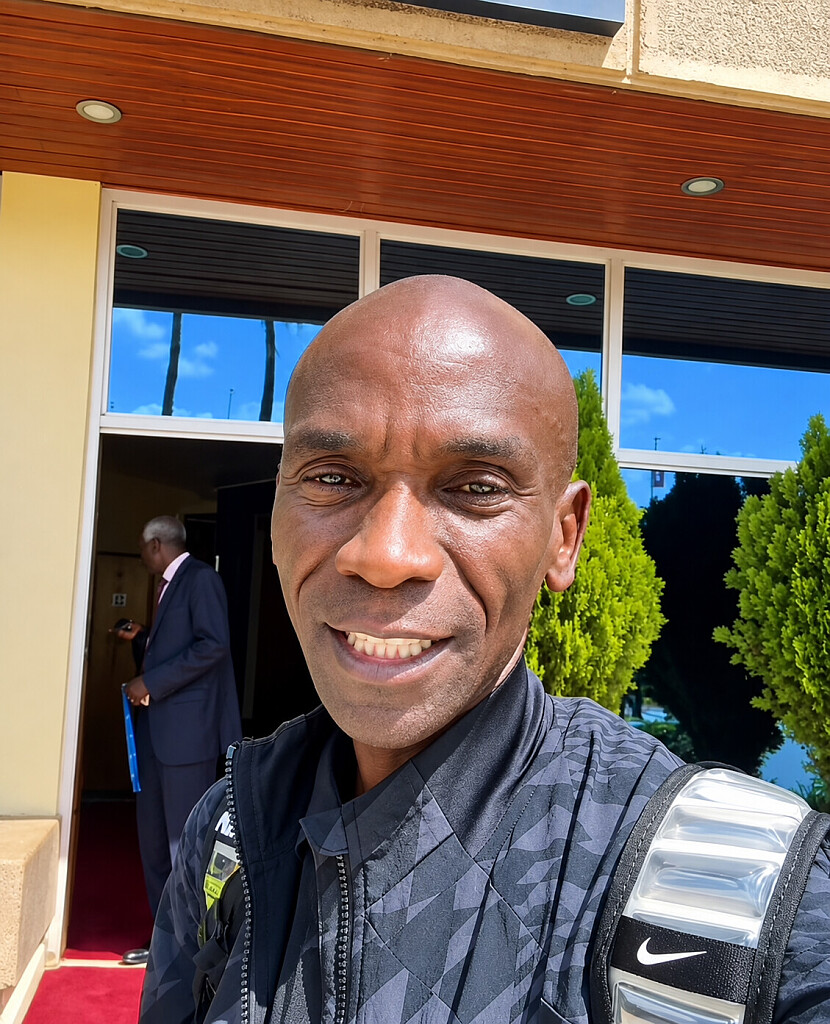
Eliud Kipchoge Brings His Seven-Continent Journey To Melbourne
MELBOURNE, AUSTRALIA — The countdown is almost over. On Sunday, October 11, Eliud Kipchoge will return to marathon racing in Australia as the legendary Kenyan takes the next step in his extraordinary seven-continent world tour.
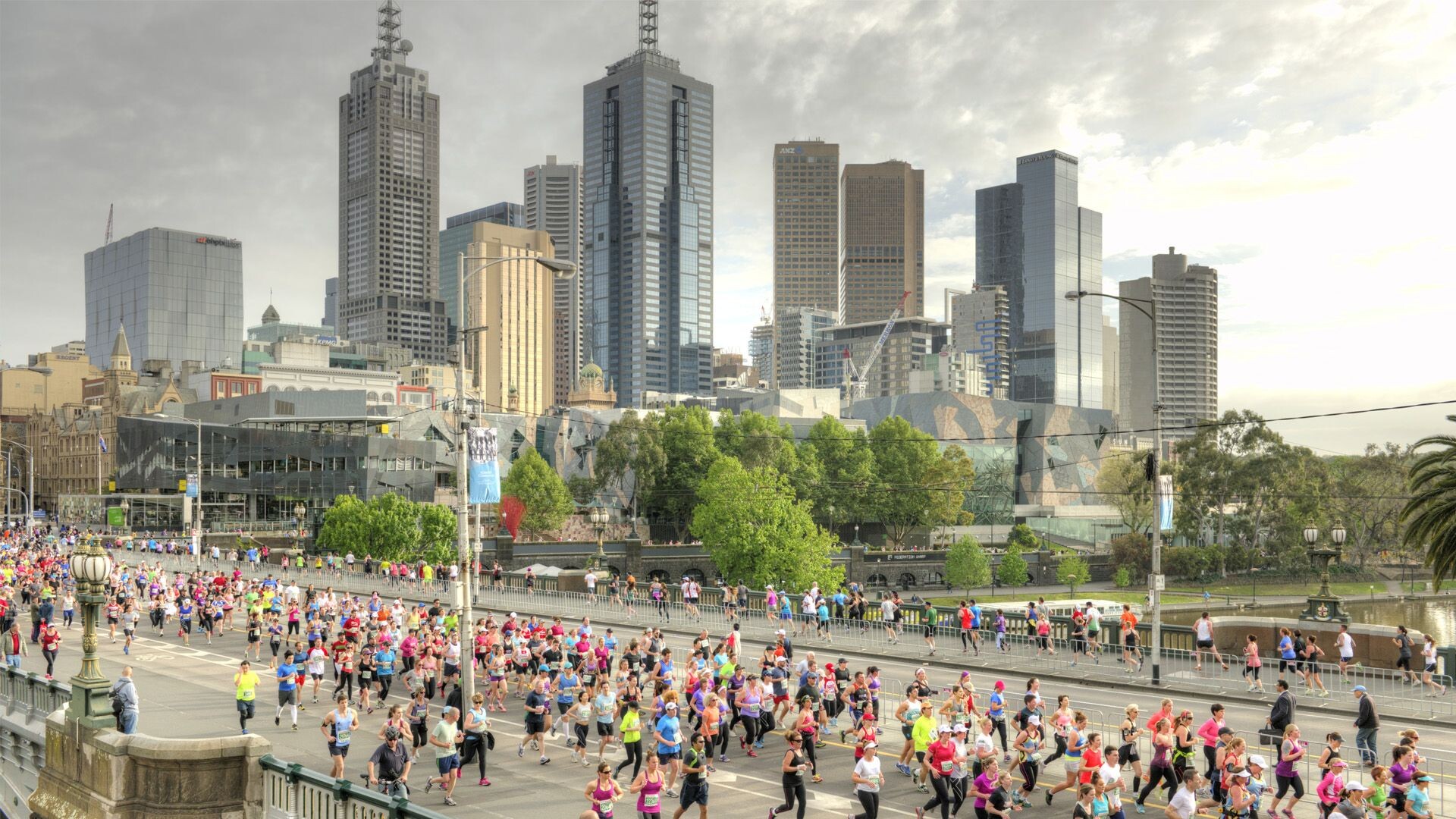
The two-time Olympic marathon champion will headline the 2026 Nike Melbourne Marathon, marking the third stop of his global journey after opening the project in Cape Town in May before travelling to Porto Alegre, Brazil, in July. Melbourne now becomes the next chapter in a remarkable mission designed to take one of the greatest marathoners in history across all seven continents.
And for Kipchoge, the Melbourne visit carries a message that reaches beyond the marathon itself.
Reflecting on the history of the Olympic city, Kipchoge drew inspiration from an extraordinary moment in 1956, when a 17-year-old boy named Ian (John Wing) encouraged Melbourne to come together and walk during the Olympic Games.
“In 1956, a 17-year-old kid called Ian (John Wing) told Melbourne to walk together during the Olympic Games. Seventy years down the line, I am going to tell the people of Melbourne, let us run together,” Kipchoge said.
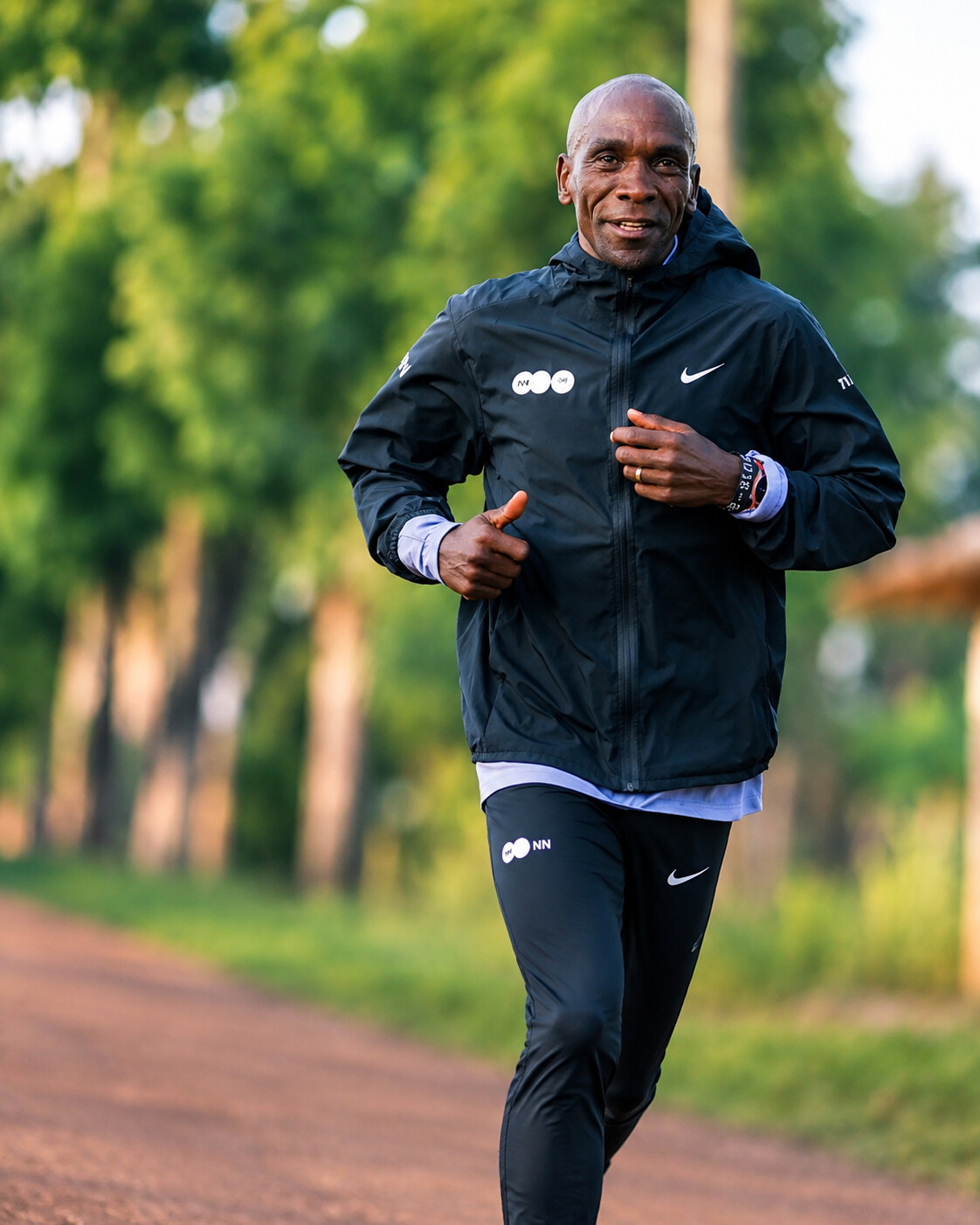
The message perfectly captures the spirit behind his latest global adventure — using running not simply as competition, but as a way of bringing people together, inspiring communities and connecting different parts of the world through the sport he has devoted his life to.
And Melbourne has prepared for the occasion.
The 2026 Nike Melbourne Marathon has undergone one of the most significant course transformations in its history. Organisers have created a faster and flatter route, reducing elevation gain by up to 20 per cent and cutting the number of turns by around 30 per cent. The demanding climb between Birdwood Avenue and Domain Road has also been removed, while the race will once again culminate with the iconic finish inside the Melbourne Cricket Ground.
For Kipchoge, however, this journey is about far more than chasing another fast marathon time.
At 41, the Kenyan legend is at a different stage of his career. The days of relentlessly pursuing world records may be behind him, but his ambition remains unmistakable. This time, the challenge is to take his message of running, unity and inspiration to every corner of the world while sharing the road with runners and communities across seven continents.
The Melbourne appearance also carries a special significance. Kipchoge has never previously raced the Nike Melbourne Marathon, and his arrival has added another layer of excitement to an event already entering a new era. More than 60,000 participants are expected across the festival, while the marathon itself has a capacity of 20,000 runners.
The race will begin at 6:15 a.m. local time on Sunday, with runners setting off from Batman Avenue before making their way through some of Melbourne's most recognisable landmarks. The finish inside the MCG promises to provide a spectacular backdrop for what could become one of the most memorable moments of Kipchoge's global tour.
Kipchoge arrives in Melbourne with a formidable legacy that few athletes in any sport can match. He is a two-time Olympic champion, a former marathon world-record holder and the first man to run a marathon under two hours in a controlled, non-record-eligible event.
Yet his latest challenge is not about adding another number to an already extraordinary list of achievements.
It is about the journey.
From Africa to South America and now Oceania, Kipchoge's seven-continent adventure is allowing fans around the world to see the marathon icon in places where he has never raced before. Each race represents another opportunity to connect with runners, inspire younger generations and celebrate the power of the sport that has defined his life.
And in Melbourne, his message is simple: let us run together.
On Sunday morning, the streets will fill with thousands of runners, spectators will line the course, and one of the most celebrated athletes in the history of distance running will once again stand on a marathon start line.
Seventy years after a teenager encouraged Melbourne to walk together during the 1956 Olympic Games, Kipchoge will return to the city with a new invitation — to run together.
Eliud Kipchoge is coming to Melbourne, and the world will be watching.
by Erick Cheruiyot for My Best Runs.
Login to leave a comment
Melbourne Marathon
Be a part of Australia’s largest marathon and race alongside marathon legends. Circle around Albert Park Lake, Flinders Street Station, pass the St Kilda beach foreshore and cross the finish line at the MCG to cheers from supporters, family and friends. The Nike Melbourne Marathon is a competitive, adrenaline-filled race for those experienced in marathon running who want to set...
more...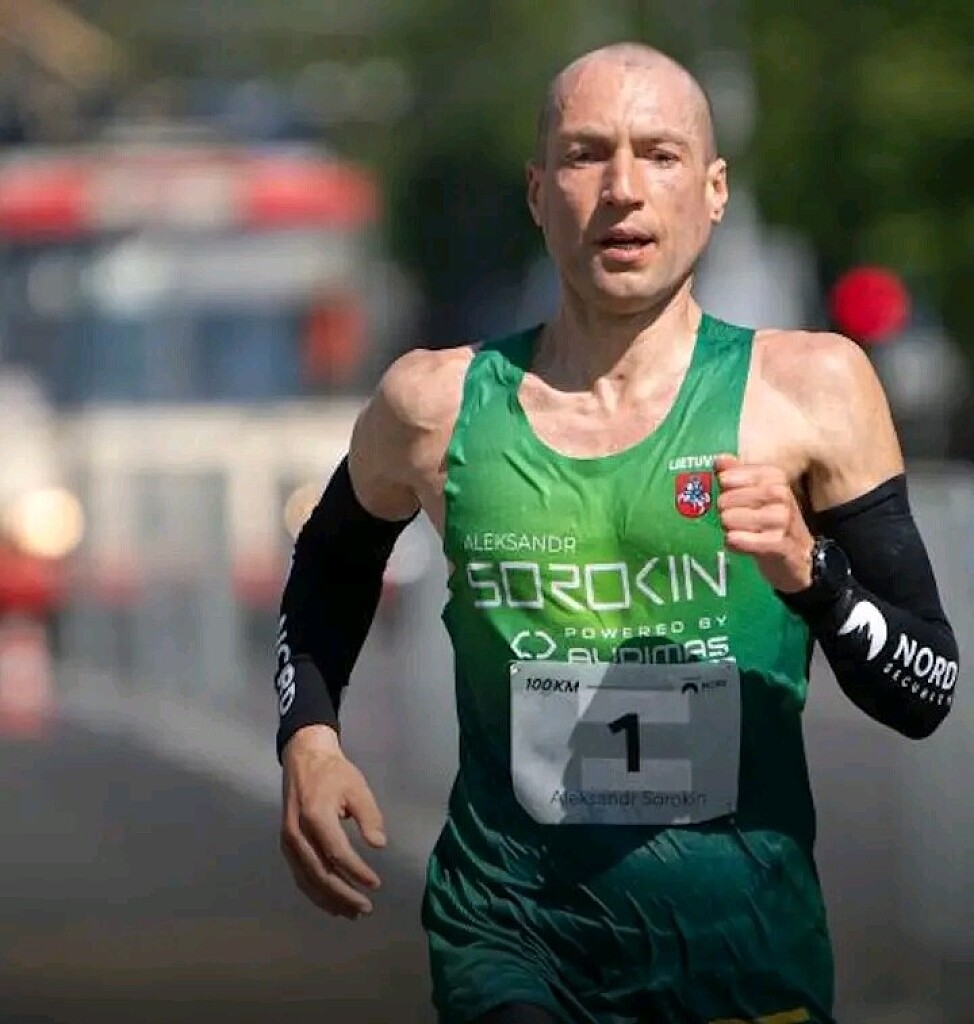
Aleksandr Sorokin’s Five Ultra-Running World Records Show Just How Far Human Endurance Can Be Pushed
Ultra-running is a sport where the finish line keeps moving farther away. While most runners measure their limits in kilometres and hours, the world’s greatest ultrarunners are competing on an entirely different scale—pushing their bodies across distances and durations that are difficult to comprehend.
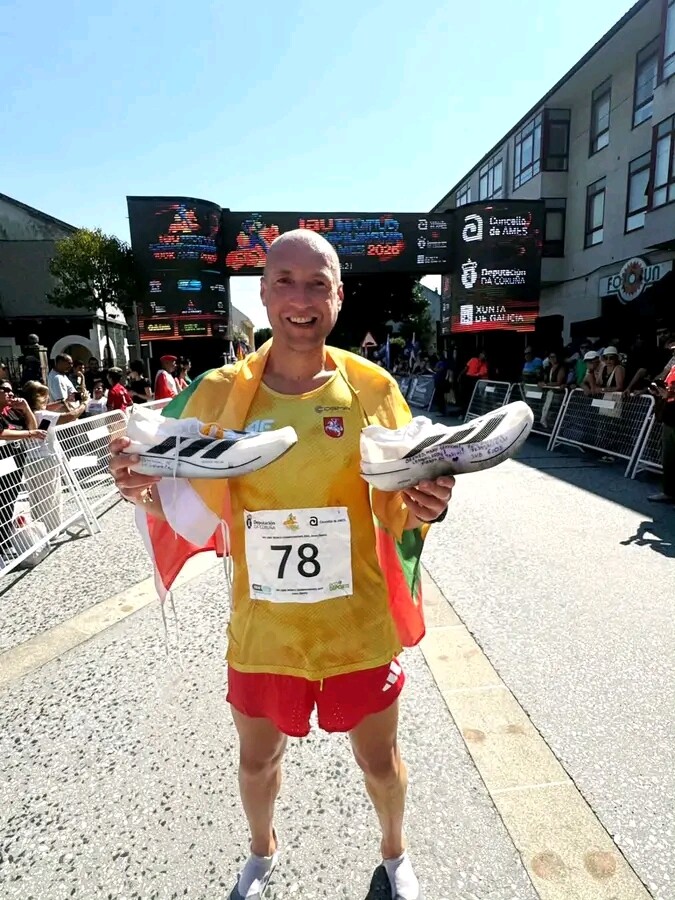
At the centre of that extraordinary world is Lithuania’s Aleksandr Sorokin, who holds five of the records featured in the graphic: the 100km, 100-mile, six-hour, 12-hour and 24-hour world records.
His 100km world record of 6:05:35, set in Vilnius in May 2023, is perhaps the easiest place to appreciate the magnitude of his achievement. Sorokin averaged roughly 3:39 per kilometre for more than six hours, covering the marathon distance in approximately 2:32:30 before maintaining his remarkable rhythm deep into the race. The performance was later ratified as the official world record.
Then comes the 100-mile world record of 10:51:39, making Sorokin the first man to break the 11-hour barrier over the distance. He also holds the six-hour record with 98.496 kilometres and the 12-hour record with 177.410 kilometres.
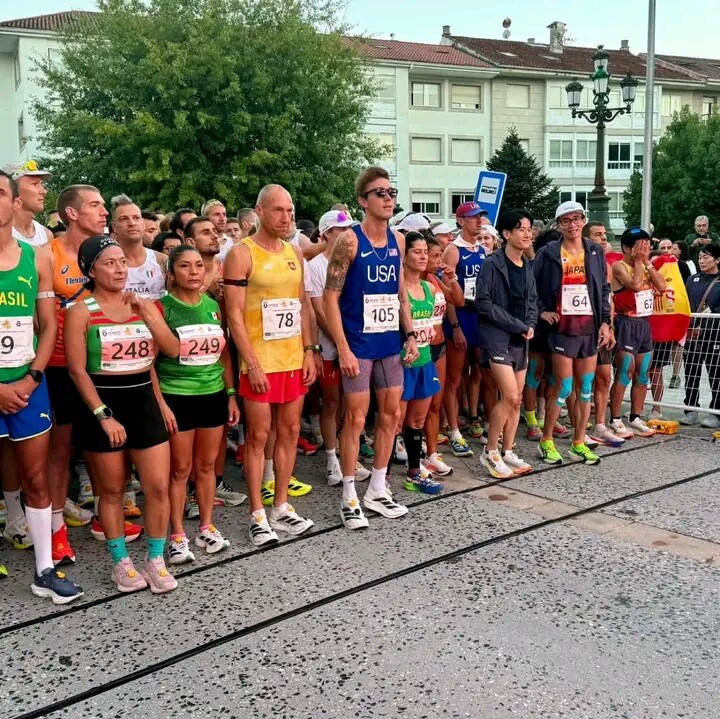
His 24-hour record takes the numbers into another dimension. In Verona, Italy, in 2022, Sorokin covered 319.614 kilometres in 24 hours—an average pace of approximately 4:30 per kilometre. That is equivalent to more than 15 marathons in a single day, a distance that illustrates the extraordinary combination of speed, endurance, nutrition, pacing and resilience required at the highest level of ultrarunning.
But Sorokin is not alone in rewriting the boundaries of endurance. Belgium’s Matthieu Bonne covered 1,045.519 kilometres in six days in Balatonfüred, Hungary, in September 2024. His performance surpassed Yiannis Kouros’ long-standing mark of 1,036.800 kilometres, with Bonne averaging more than 174 kilometres per day across the six-day event.
The challenge becomes even more unusual in the backyard ultra, where runners complete a 6.706-kilometre loop every hour, with a new loop beginning at the start of each hour. Australia’s Phil Gore has pushed that format to an extraordinary level, reaching 119 loops, equivalent to roughly 798 kilometres, at Dead Cow Gully in Queensland in 2025.
These performances reveal a side of running that exists far beyond the traditional marathon. The marathon may represent the ultimate endurance challenge for many athletes, but ultrarunning asks a different question: how long can the human body continue moving when the distance, fatigue and time seem to have no obvious end?
From Sorokin’s six-hour rhythm to Bonne’s six-day battle and Gore’s relentless backyard loops, these athletes continue to redefine the boundaries of distance running—and turn numbers that seem impossible on paper into world records on the road, track and trail.
by Erick Cheruiyot for My Best Runs.
Login to leave a comment
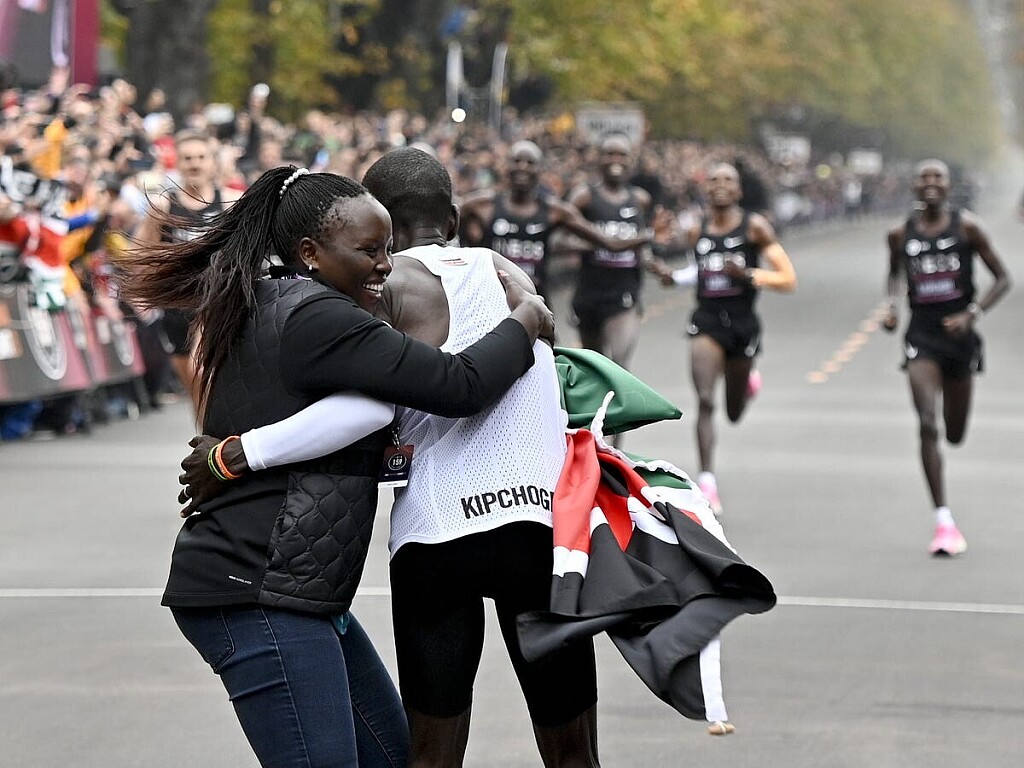
From Supporting Eliud Kipchoge To Chasing Her Own Marathon Dreams — Grace Sugut’s Journey Continues In Melbourne
For years, Grace Sugut has been a familiar presence alongside one of the greatest marathon runners in history, Eliud Kipchoge. Now, her own running story is beginning to take shape.

Sugut is preparing for the third marathon of her career when she lines up at the Nike Melbourne Marathon on Sunday, October 11, 2026, sharing the start line with her husband once again as Kipchoge continues his ambitious global marathon journey in Australia.
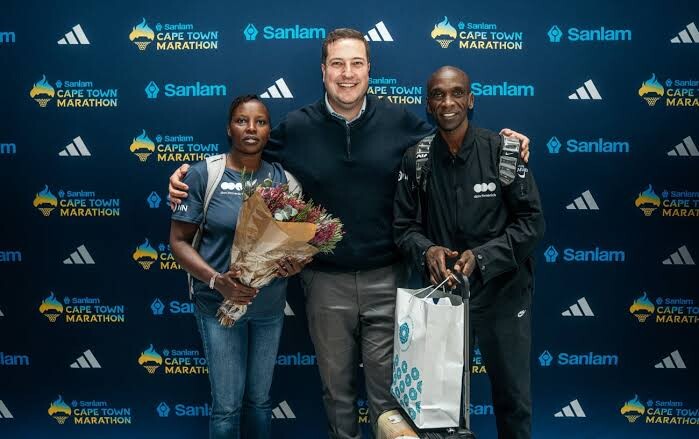
What makes Grace’s story particularly fascinating is the speed at which her marathon journey has developed. Rather than spending years building towards the distance, she has embraced the challenge in a relatively short period, travelling across continents and gradually establishing her own identity as a marathon runner.
Her journey began in Cape Town on May 24, 2026, where she completed her marathon debut in 4:29:59. That first race marked the beginning of a new chapter for a woman who had long been closely connected to marathon running through Kipchoge.
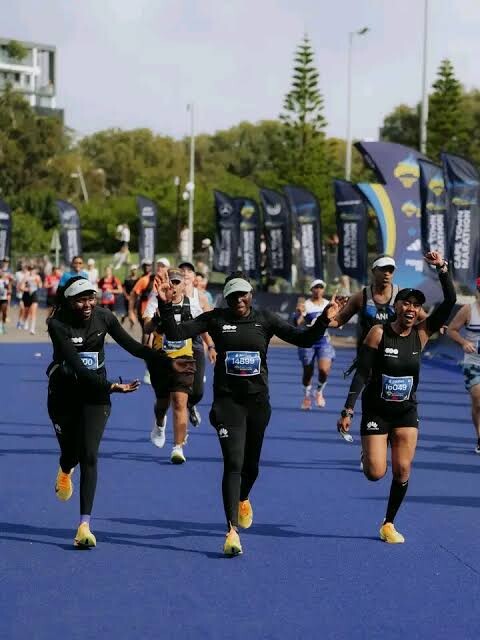
Just weeks later, she continued that adventure in South America, taking on the NB42K Porto Alegre Marathon in Brazil on July 12. The race provided another opportunity to gain experience over the demanding 42.195-kilometre distance and add another international marathon to her growing journey.
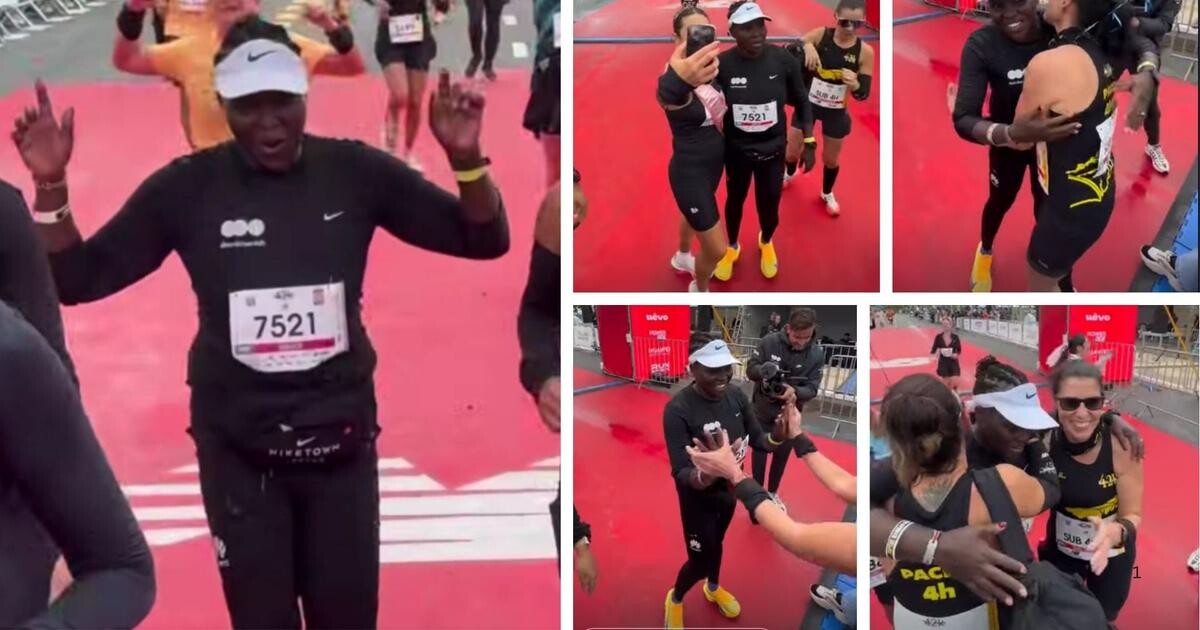
Now, Melbourne awaits.

The Nike Melbourne Marathon will give Grace another chance to test herself over the full marathon distance, this time on a redesigned course that organisers have made faster and flatter. The 2026 route features up to 20 per cent less elevation gain and 30 per cent fewer turns, while the race will once again finish inside the iconic Melbourne Cricket Ground.
The marathon starts at 6:15 a.m. from Batman Avenue before taking runners through some of Melbourne’s most recognisable areas and ultimately into the MCG for a memorable stadium finish.
For Grace, however, Melbourne represents more than another race on the calendar.
It places her directly inside the extraordinary global adventure being undertaken by her husband.
Kipchoge’s Eliud’s Running World project is taking him to seven marathons across all seven continents over a two-year period, combining marathon racing with a wider mission to bring communities together through running and support education and environmental initiatives through the Eliud Kipchoge Foundation.
Melbourne is the third stop of that journey, following Cape Town in South Africa and Porto Alegre in Brazil.
And this time, Grace is not simply accompanying the journey from the sidelines.
She is running it.
From Cape Town to Porto Alegre and now Melbourne, her progression reflects a personal transformation from being closely associated with marathon running through Eliud to taking on the distance herself.
There is something deeply compelling about that journey. While Kipchoge has spent more than a decade building one of the most celebrated marathon careers in history, Grace is beginning her own story from a very different starting point — learning the marathon one race, one continent and one kilometre at a time.
On October 11, thousands of runners will fill Melbourne’s streets, while the spectacular finish inside the MCG will provide the backdrop for another memorable day of marathon running.
Kipchoge will continue his seven-continent mission.
Grace Sugut will have a simpler but equally personal objective: to keep moving forward and complete another 42.195 kilometres.
From supporting a marathon legend to becoming a marathon runner herself, Grace’s journey is only beginning — and Melbourne could become another important chapter in a story that is already taking her around the world.
by Erick Cheruiyot for My Best Runs.
Login to leave a comment
Dawit Seare Stuns Ingebrigtsen In Thrilling Finish To Win World 5km Title In Copenhagen
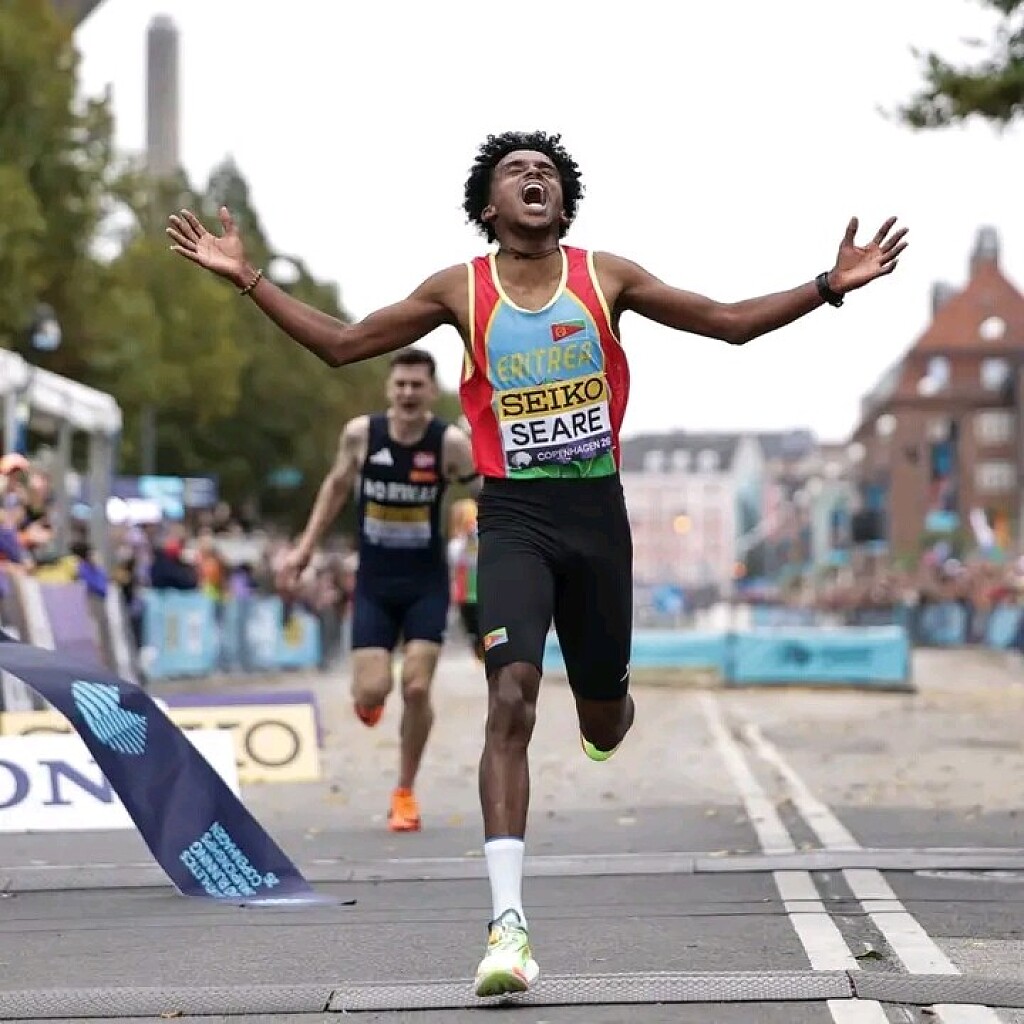
Eritrea’s Dawit Seare produced a sensational performance on Saturday, September 19, 2026, to claim the men’s 5km world title at the World Athletics Road Running Championships in Copenhagen, defeating Norway’s Olympic champion Jakob Ingebrigtsen in a dramatic battle that went down to the final metres.
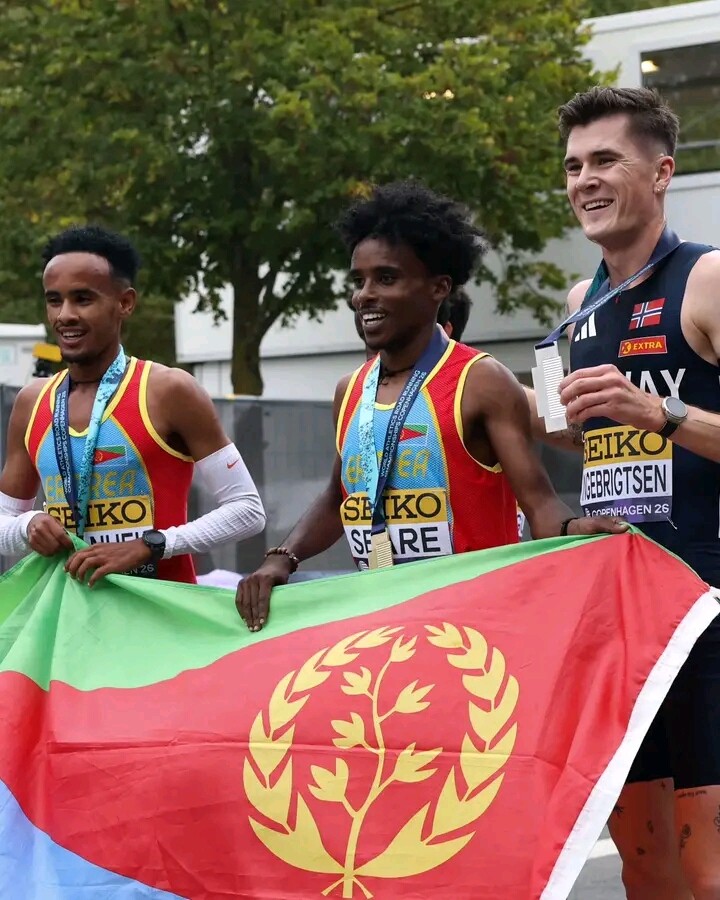
Seare crossed the finish line in a national record of 12:56, with Ingebrigtsen taking silver in a Norwegian record of 12:59. Eritrea completed a remarkable double podium as Saymon Amanuel secured bronze in a personal best of 13:00.
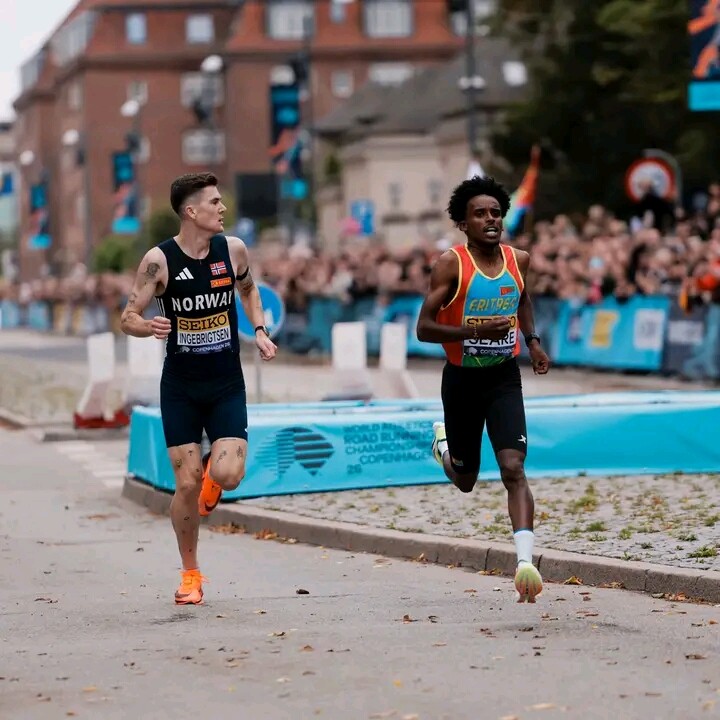
The closing stages produced an extraordinary finish as Seare and Ingebrigtsen engaged in a fierce battle for the world title. With just 150 metres remaining, the lead changed hands three times, underlining the intensity of the contest. Ingebrigtsen briefly surged ahead and appeared to have taken control, but Seare responded with another gear, powering past the Norwegian before the finish line.
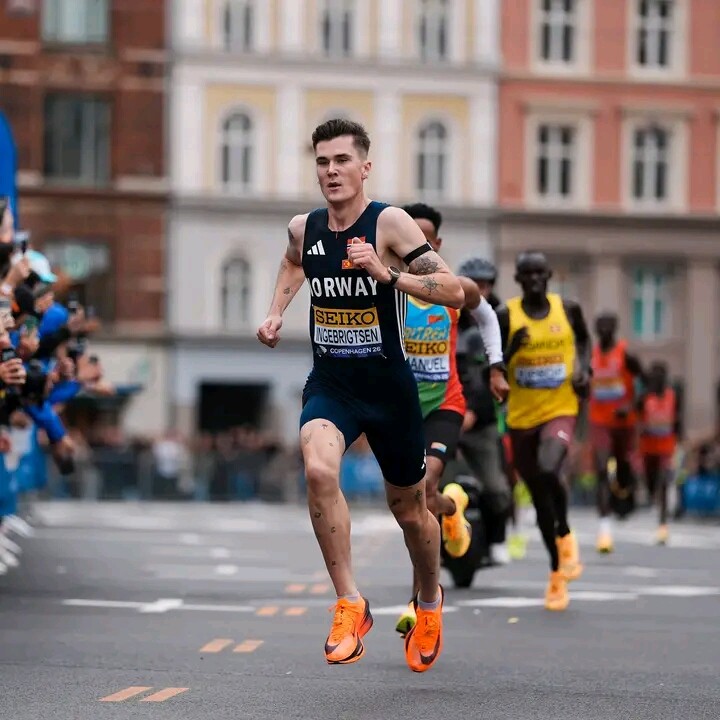
The Eritrean’s decisive acceleration carried him to victory by three seconds, turning what had been a tightly contested race into a remarkable championship triumph. Seare held his composure under immense pressure and produced the strongest finish when it mattered most.
The race had featured a large leading group through much of the early stages before the pace intensified approaching the final kilometres. As the runners entered the decisive phase, Seare remained firmly in contention, positioning himself perfectly for the battle that would ultimately determine the world champion.
For Seare, the victory adds another major achievement to an impressive 2026 season. Having already established himself as the African 5,000m champion, he has now transferred that success to the roads by securing a world title in Copenhagen.
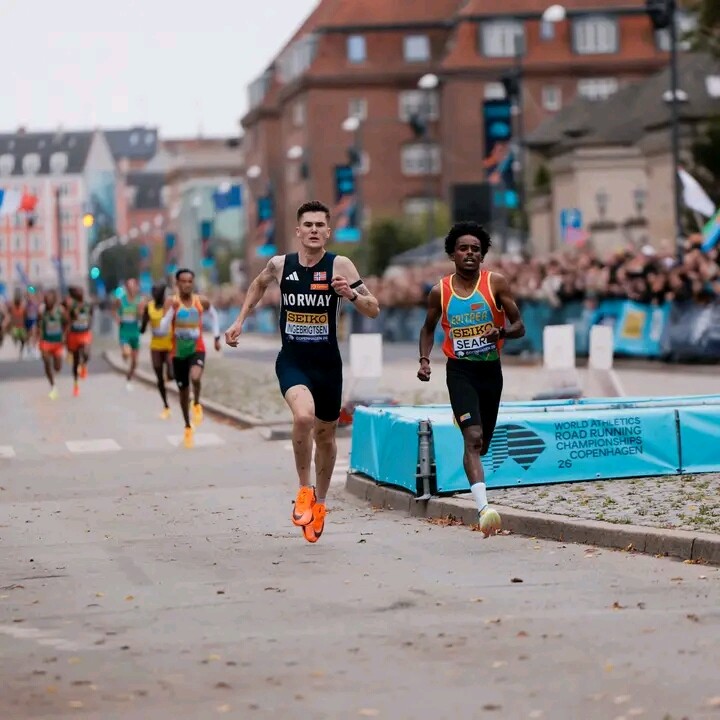
Ingebrigtsen was forced to settle for silver despite producing a national record of his own. The Norwegian’s late surge demonstrated his determination to control the race, but Seare’s response in the final metres proved decisive in one of the closest and most dramatic finishes of the championships.
Eritrea’s success was made even more remarkable by Amanuel’s bronze medal. His 13:00 personal best ensured that two Eritrean athletes stood on the podium, giving the country both gold and bronze in a memorable men’s 5km championship race.
Australia’s Ky Robinson also delivered an outstanding performance, finishing fourth in 13:04 to set an Oceanian record. Uganda’s Keneth Kiprop matched the time in fifth, while Ethiopia placed two athletes inside the top seven through Addisu Yihune and Mezgebu Sime.
Kenya’s Mathew Kipchumba Kipsang finished eighth in 13:11, followed by Burundi’s Egide Ntakarutimana in ninth and South Africa’s Maxime Chaumeton in 10th.
Men’s 5km Top 10 Results
1. Dawit Seare — Eritrea — 12:56 NR
2. Jakob Ingebrigtsen — Norway — 12:59 NR
3. Saymon Amanuel — Eritrea — 13:00 PB
4. Ky Robinson — Australia — 13:04 AR
5. Keneth Kiprop — Uganda — 13:04 PB
6. Addisu Yihune — Ethiopia — 13:07
7. Mezgebu Sime — Ethiopia — 13:08 SB
8. Mathew Kipchumba Kipsang — Kenya — 13:11 SB
9. Egide Ntakarutimana — Burundi — 13:12 PB
10. Maxime Chaumeton — South Africa — 13:13
Seare’s victory capped an unforgettable finish in Copenhagen, where three changes of the lead in the final 150 metres set up a dramatic showdown. In the end, the Eritrean produced the crucial final surge to deny Ingebrigtsen and claim a historic world 5km title in a national-record 12:56.
by Erick Cheruiyot for My Best Runs.
Login to leave a comment
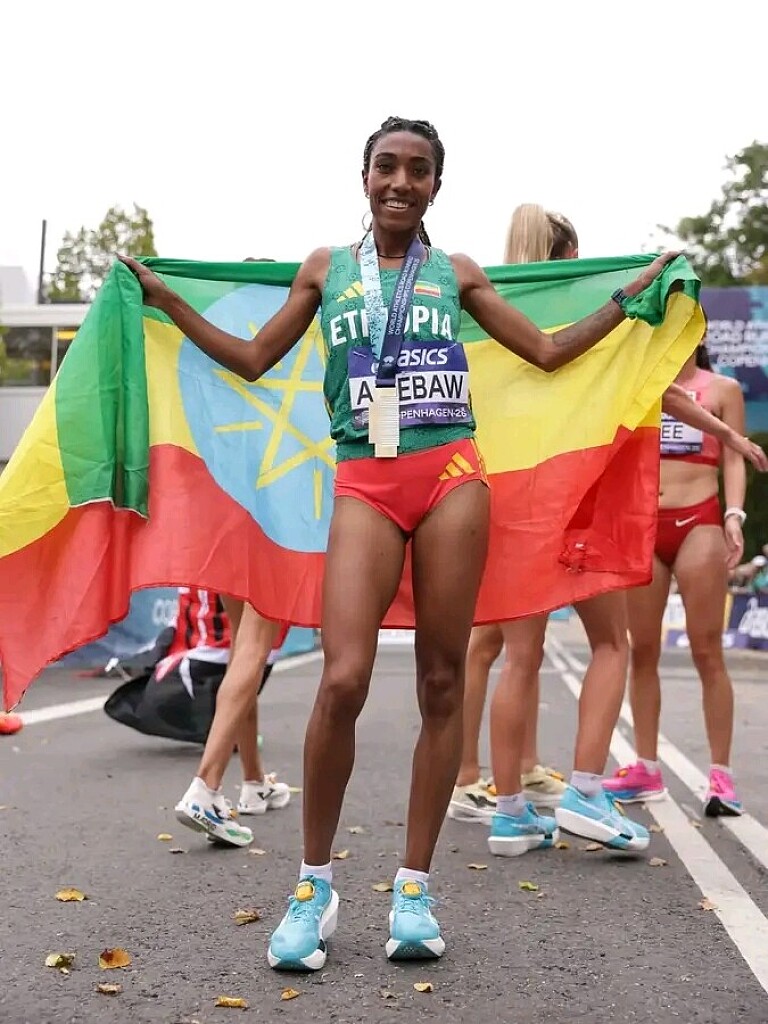
Likina Amebaw Completes Remarkable Six-Day Double With World 5km Road Title In Copenhagen
Ethiopia’s Likina Amebaw produced another outstanding performance on the global stage on Saturday, September 19, 2026, winning the women’s 5km title at the World Athletics Road Running Championships in Copenhagen, Denmark.
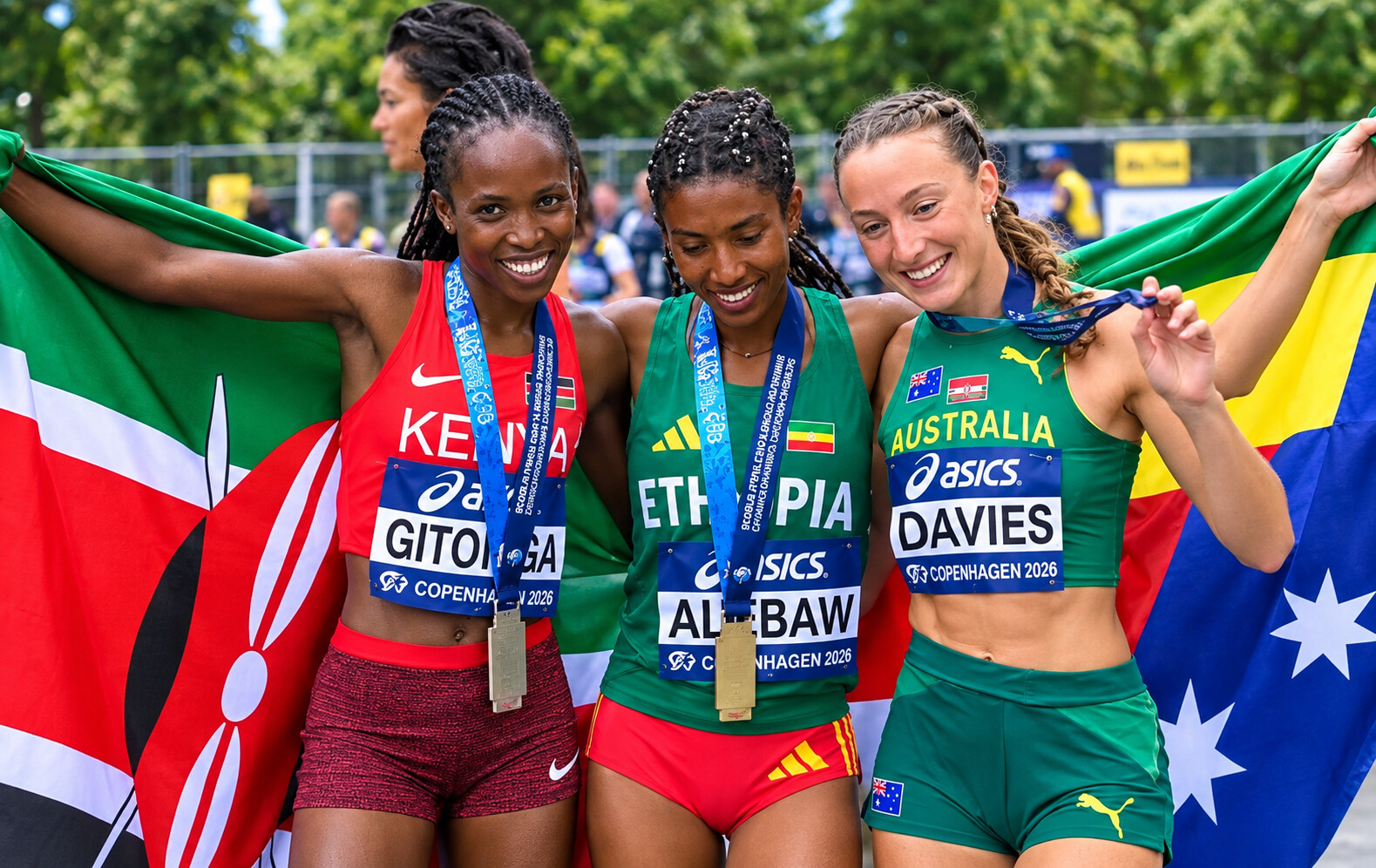
Amebaw stormed to gold in 14:41, adding another global title to her remarkable season just six days after winning the women’s 5000m at the inaugural World Athletics Ultimate Championships in Budapest.
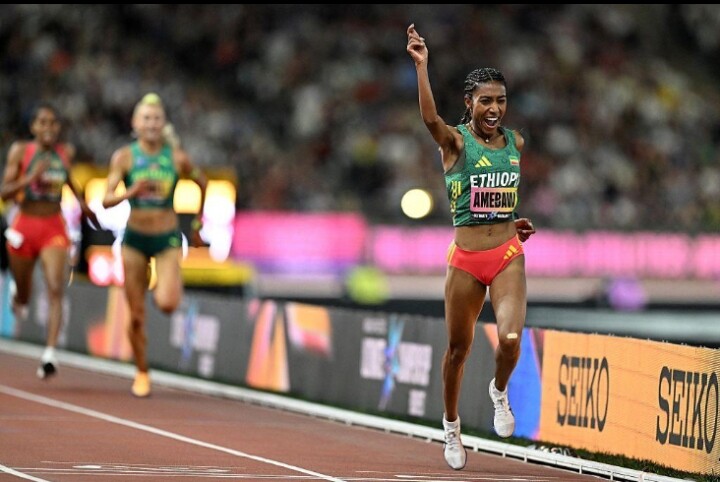
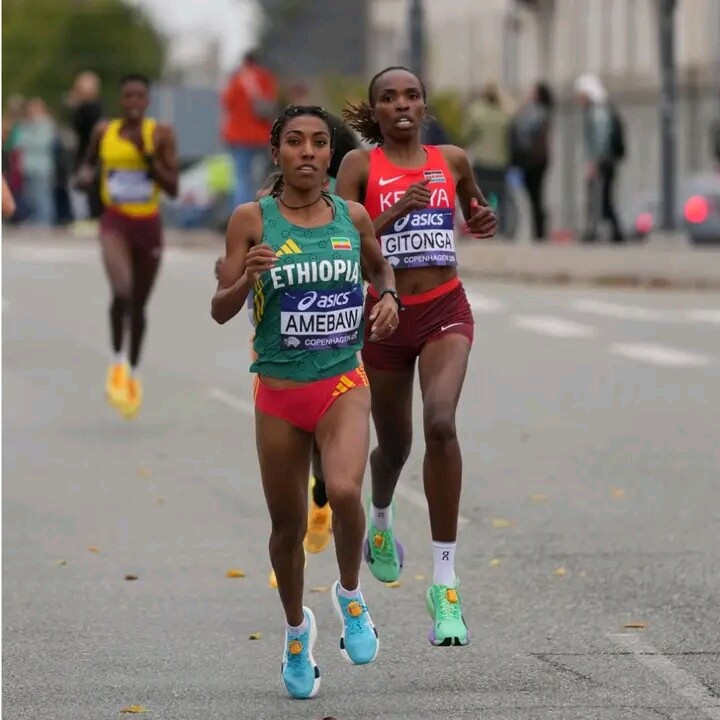
The Ethiopian distance star once again demonstrated her ability to deliver when it matters most, producing a commanding performance over the fast Copenhagen course to claim the world 5km road title.
Kenya’s Caroline Makandi Gitonga delivered a brilliant performance to secure the silver medal in 14:48, giving Kenya a place on the global podium. Gitonga stayed firmly in contention throughout the race before crossing the finish line just seven seconds behind the newly crowned champion.
Australia’s Rose Davies completed the podium in 14:50, taking bronze and setting an Australian area record in an impressive display of front-running and determination.
The result also saw several athletes produce notable performances behind the leading trio, with Marta Garcia recording 14:59, Georgia Griffith running 15:01, Samiya Hassan Nour finishing in 15:04, Hannah Gapes clocking 15:06 and Hannah Nuttall stopping the clock at 15:08, while Mirriam Cherop followed in 15:09 and Allie Ostrander in 15:10.
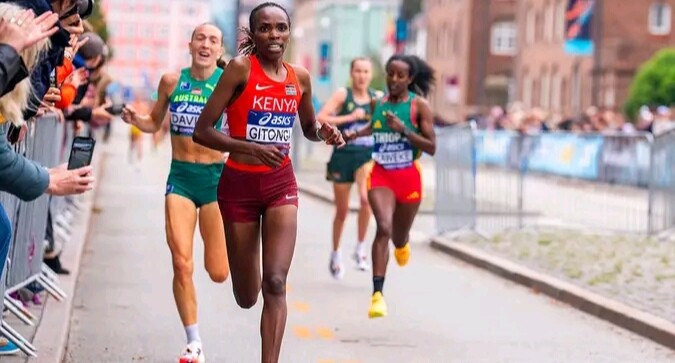
With two global titles secured within just six days, Likina Amebaw has turned an extraordinary week into a defining chapter of her 2026 season.
Women’s 5km Top 10 Results — Copenhagen 2026
1. Likina Amebaw — Ethiopia — 14:41
2. Caroline Makandi Gitonga — Kenya — 14:48
3. Rose Davies — Australia — 14:50 — Area Record
4. Marta Garcia — Spain — 14:59 — PB
5. Georgia Griffith — Australia — 15:01 — PB
6. Samiya Hassan Nour — Djibouti — 15:04
7. Hannah Gapes — Australia — 15:06 — PB
8. Hannah Nuttall — Great Britain — 15:08 — PB
9. Mirriam Cherop — Kenya — 15:09 — PB
10. Allie Ostrander — USA — 15:10 — PB
The Copenhagen race was fiercely contested, with the leading athletes pushing the pace over the flat and fast 5km course. Amebaw, however, had the strength to separate herself from her rivals and hold on for another major championship victory.
What makes her achievement even more remarkable is the short turnaround between her two titles. Winning a world 5000m championship in Budapest and returning only six days later to triumph over 5km on the roads of Copenhagen is a remarkable demonstration of endurance, recovery and championship racing ability.
For Ethiopia, Amebaw’s victory adds another major international success to a season already filled with impressive performances. For Kenya, Gitonga’s silver medal provides another strong result on the world stage and confirms her ability to compete among the best road runners in the world.
With two global titles secured within just six days, Likina Amebaw has turned an extraordinary week into a defining chapter of her 2026 season.
by Erick Cheruiyot for My Best Runs.
Login to leave a comment
Cameron Myers Takes A Bold Step Into The 1500m Future With Josh Kerr As His Benchmark
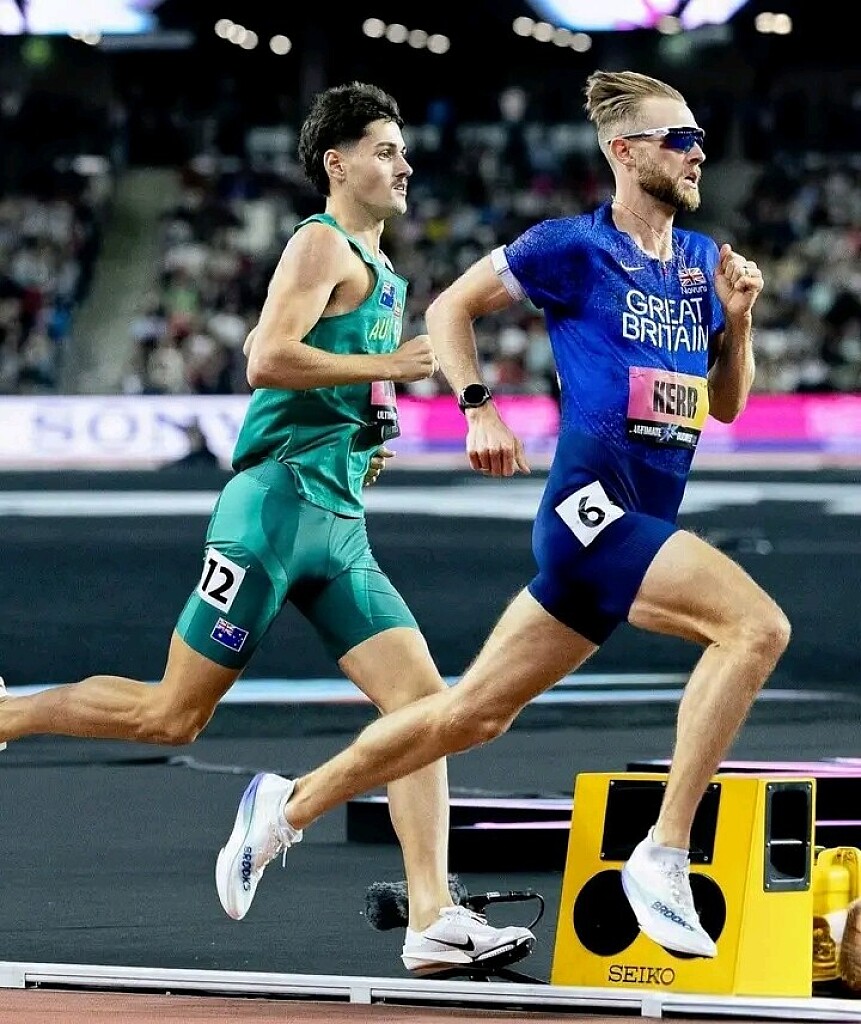
Australian youngster Cameron Myers may have taken an important step toward establishing himself among the next generation of 1500m stars after sharing the track with world-record holder Josh Kerr at the World Athletics Ultimate Championship in Budapest.
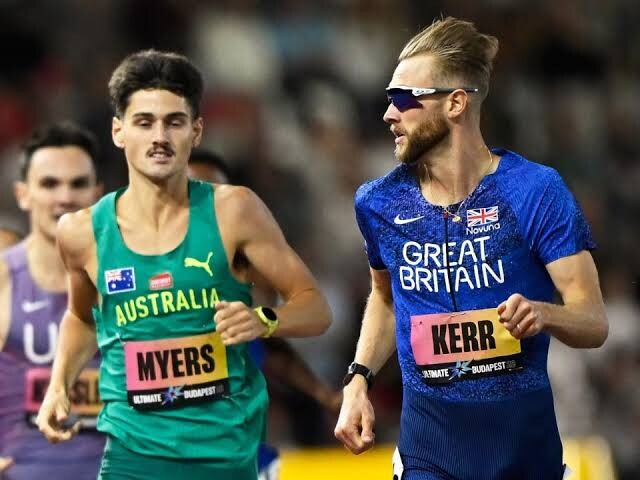
Myers arrived at the high-profile race with plenty of promise already surrounding his name, but competing directly against one of the world's leading middle-distance runners offered him a different kind of test. Rather than being intimidated by the occasion, the young Australian embraced the challenge and showed that he is willing to measure himself against the very best.
As the race entered its decisive stages, Myers remained firmly in contention. With 200 metres remaining, he believed he had a genuine opportunity to challenge Kerr, setting the stage for a dramatic finish between experience and emerging talent.
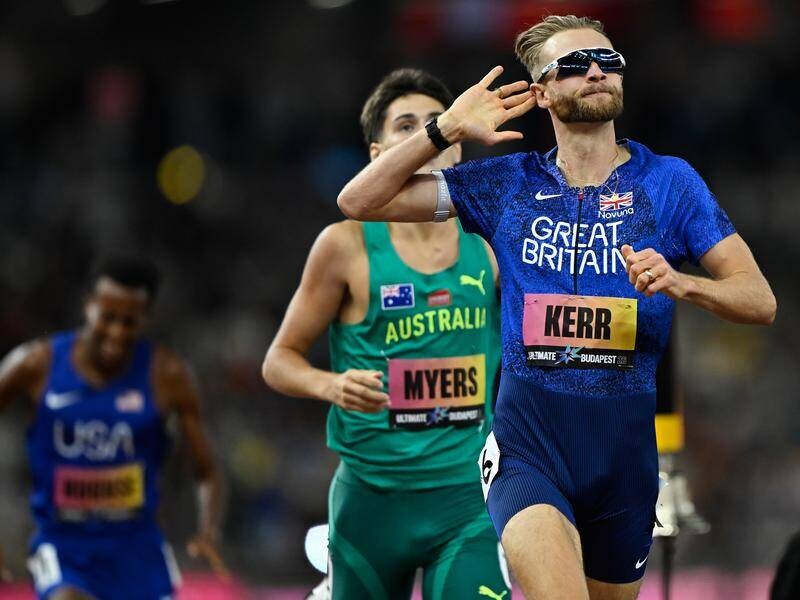
However, Kerr demonstrated exactly why he has established himself at the top of the event. When the race reached its final 60 metres, the British star unleashed his trademark finishing speed and began to pull away, ultimately denying Myers the chance to fight for victory all the way to the line.
For Myers, though, the significance of the race went beyond the final result. The experience gave him a valuable glimpse of the level he hopes to reach in the coming years and, perhaps more importantly, strengthened his belief that he can eventually compete with athletes of Kerr's calibre.
“It was exciting to race him. He was just too strong and that shows why he is a world record holder. I think that's where I want to go in the future,” Myers said.
Those words underline the ambition of an athlete who is still at the beginning of his senior journey. Instead of viewing Kerr's late surge simply as a defeat, Myers appeared to see it as a lesson — a first-hand demonstration of the strength, confidence and finishing ability required to succeed at the highest level.
The Australian now knows exactly what separates him from one of the world's elite 1500m runners. That knowledge could prove invaluable as he continues to develop, gain experience and sharpen his own finishing speed.
Myers' journey is therefore one worth watching closely. He has already shown that he is prepared to line up alongside established champions, and his willingness to learn from those encounters could become one of the defining features of his progression.
For now, Josh Kerr remains the benchmark Myers wants to reach. But if the young Australian continues developing at his current trajectory, today's challenger could eventually become tomorrow's target for the rest of the 1500m field.
Cameron Myers has already seen the level he wants to reach. The next chapter will be about closing the gap.
by Erick Cheruiyot for My Best Runs.
Login to leave a comment
Nicholas Kipkorir Leads Star-Studded Men’s Half Marathon Field At World Road Running Championships
The stage is set for a spectacular men’s half marathon at the World Athletics Road Running Championships Copenhagen 26, with some of the world’s leading distance runners preparing to battle for global honours on Sunday, September 20.
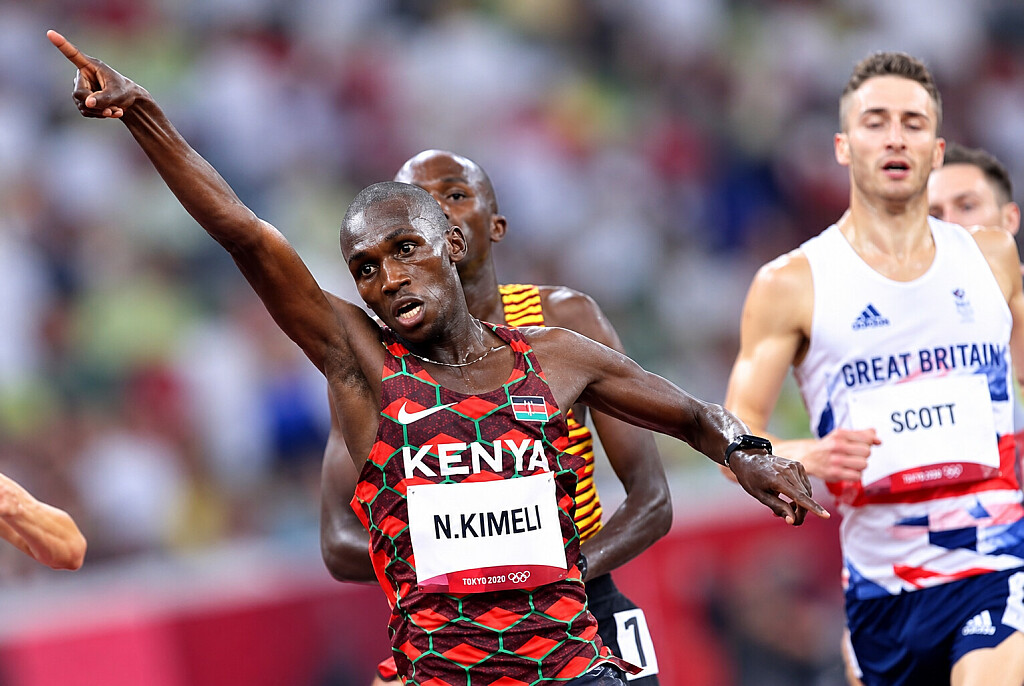
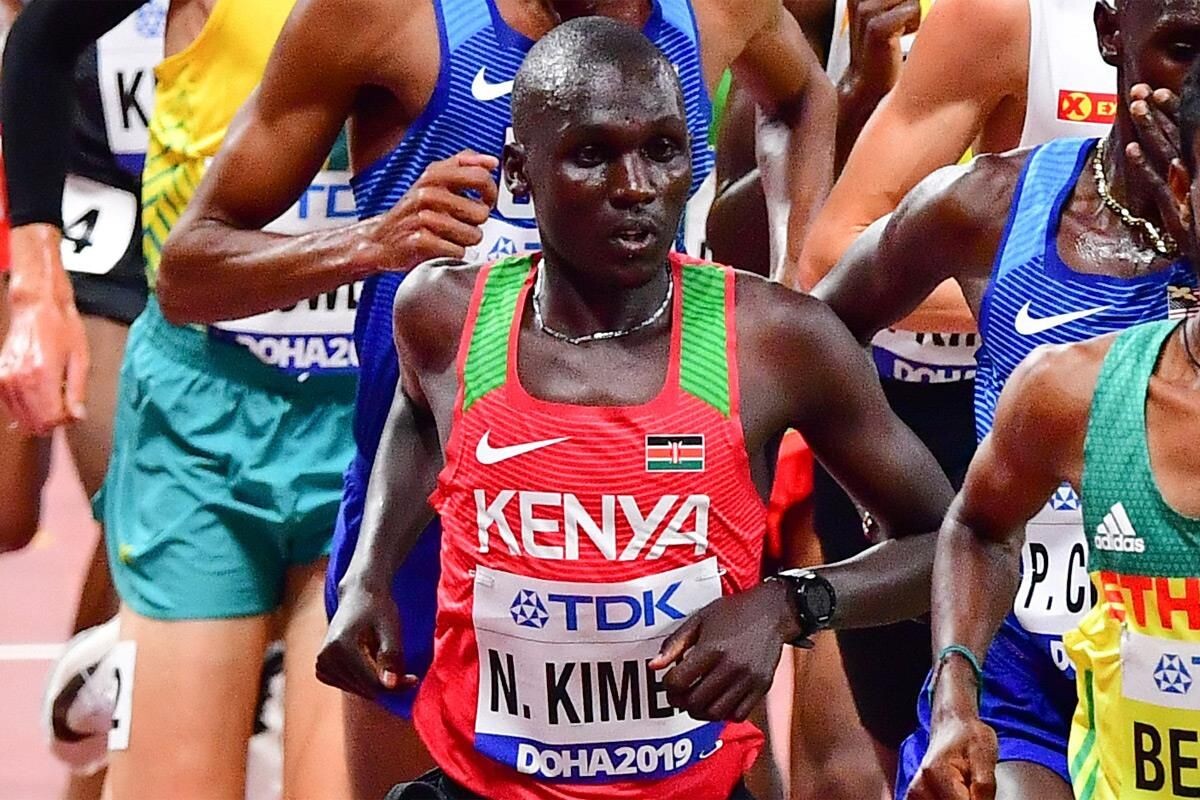
Kenya’s Nicholas Kipkorir headlines the field with a remarkable personal best of 58:08, the fastest mark among the athletes entered.
Kipkorir will face a formidable challenge from compatriot Gideon Kipkertich Rono, who owns a 58:38 personal best. Sweden’s Andreas Almgren also brings an exceptional 58:41 to the start line, while Ethiopia’s Tadese Worku has a 58:59 personal best.
Italy’s Yemaneberhan Crippa adds another major name to the field with a national record of 59:01, while Kenya’s Daniel Simiu Ebenyo enters with a 59:04 personal best and valuable championship experience.
Ebenyo won silver at the 2023 World Road Running Championships in Riga and will be looking to challenge for another medal in Copenhagen.
Uganda’s Joshua Cheptegei will bring enormous championship pedigree to the race. The Olympic and multiple world champion has a half marathon best of 59:21, making him another athlete capable of featuring prominently in the battle for the medals.
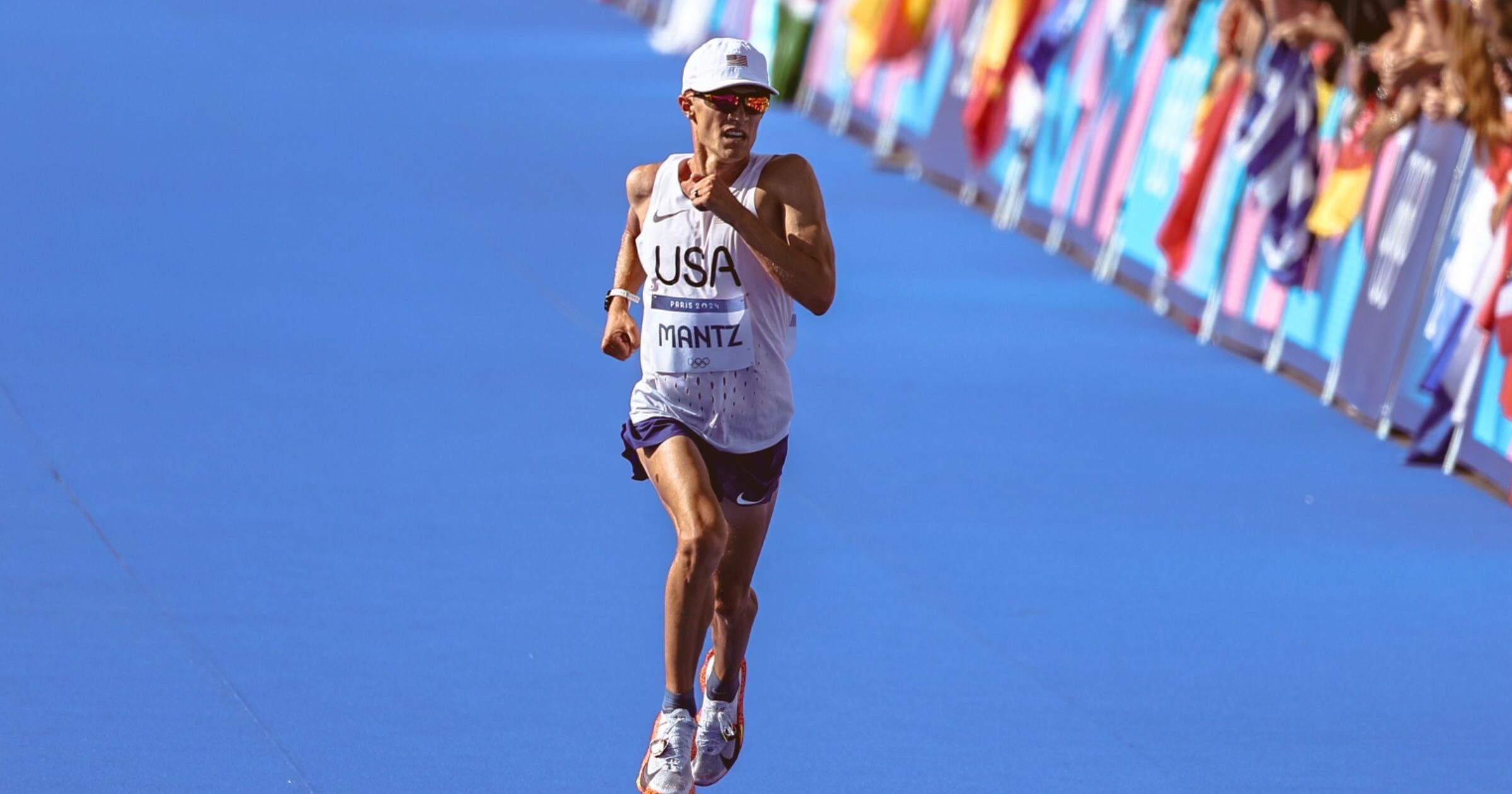
The American challenge will be led by Conner Mantz, who owns a 59:15 personal best. France’s Etienne Daguinos, Portugal’s Samuel Barata, Ethiopia’s Bereket Nega, France’s Jimmy Gressier, Canada’s Rory Linkletter, Australia’s Jack Rayner and Morocco’s Mohamed Reda El Aaraby further strengthen an already formidable international field.
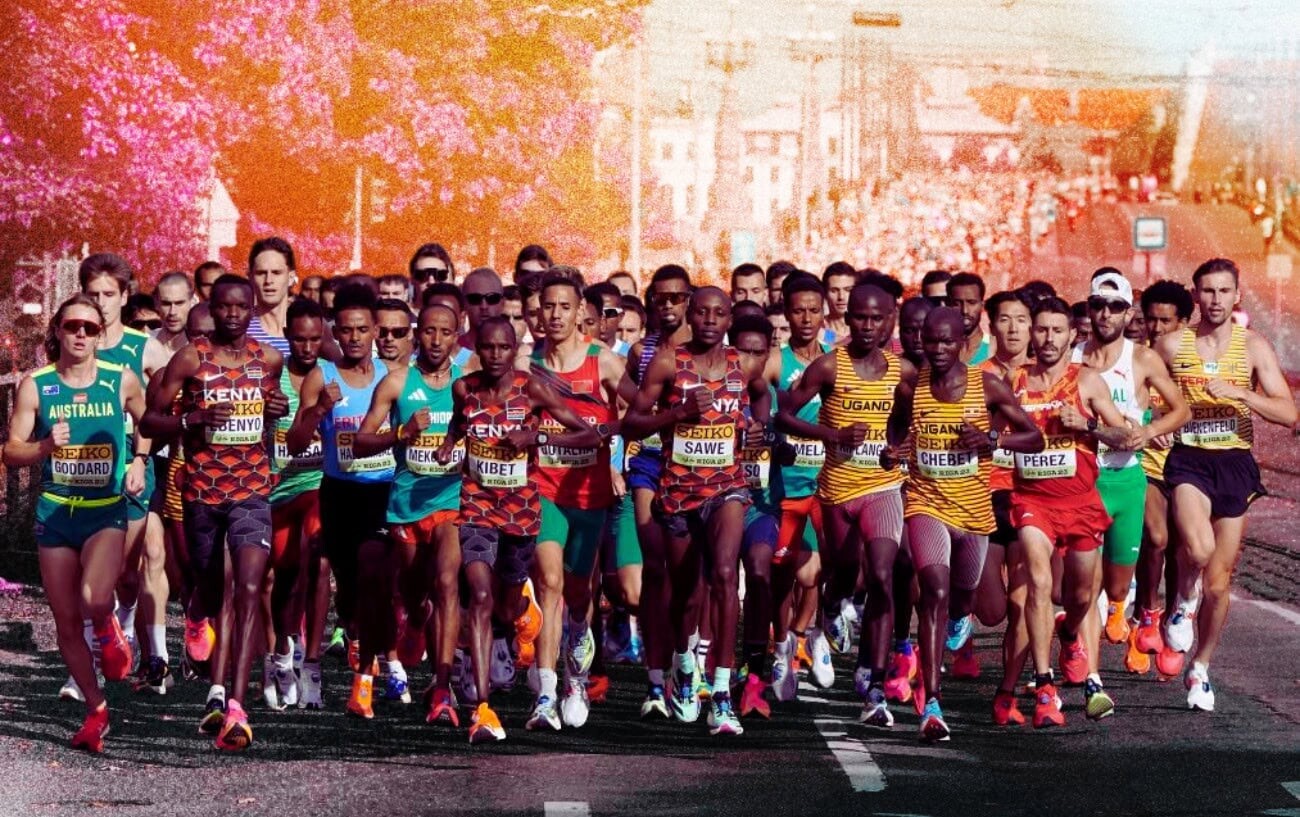
Kenya will have particular interest in the championship, with several of its leading road runners lining up against some of the best athletes from Europe, Africa, North America, Asia and Oceania.
The race will be contested over the traditional 21.0975-kilometre distance, with the elite men scheduled to start at 9:45 a.m. local time on Sunday, September 20.
Leading Athletes And Personal Bests
1. Nicholas Kipkorir (Kenya) — 58:08
2. Gideon Kipkertich Rono (Kenya) — 58:38
3. Andreas Almgren (Sweden) — 58:41
4. Tadese Worku (Ethiopia) — 58:59
5. Yemaneberhan Crippa (Italy) — 59:01
6. Daniel Simiu Ebenyo (Kenya) — 59:04
7. Alex Nzioka Matata (Kenya) — 59:11
8. Conner Mantz (USA) — 59:15
9. Joshua Cheptegei (Uganda) — 59:21
10. Etienne Daguinos (France) — 59:27
11. Samuel Barata (Portugal) — 59:40
12. Bereket Nega (Ethiopia) — 59:43
13. Jimmy Gressier (France) — 59:45
14. Rory Linkletter (Canada) — 59:49
15. Peter Lynch (Ireland) — 59:52
16. Jack Rayner (Australia) — 59:53
17. Mohamed Reda El Aaraby (Morocco) — 59:54
18. Hillary Bor (USA) — 59:55
19. Zerei Kbrom Mezngi (Norway) — 1:00:01
20. Bastien Augusto (France) — 1:00:09
21. Mande Bushendich (Uganda) — 1:00:14
22. Jack Rowe (Great Britain) — 1:00:17
23. Cameron Levins (Canada) — 1:00:18
24. Ogikubo Tomoya (Japan) — 1:00:22
25. Bayelign Teshager (Ethiopia) — 1:00:22
26. Elroy Gelant (South Africa) — 1:00:22
27. Célestin Ndikumana (Burundi) — 1:00:23
28. Said Mechaal (Spain) — 1:00:24
29. Nishizawa Yuma (Japan) — 1:00:26
30. Namiki Neo (Japan) — 1:00:29
31. Othmane El Goumri (Morocco) — 1:00:30
32. Inyasi Nicodemus Sulley (Tanzania) — 1:00:31
33. Wesley Kiptoo (USA) — 1:00:34
34. Haftu Strintzos (Australia) — 1:00:36
35. Filmon Tesfu (Netherlands) — 1:00:38
36. Mustapha Akkaoui (Morocco) — 1:00:38
With such remarkable depth, the championship could remain finely poised until the closing stages. The presence of multiple sub-59-minute runners, experienced championship performers and strong finishers sets the scene for a race in which positioning, tactics and the ability to respond to late surges could prove decisive.
For Kipkorir, Ebenyo and their Kenyan teammates, Copenhagen provides an opportunity to turn impressive personal credentials into championship medals. But with a world-class field assembled behind them, the final outcome will only be determined when the leading runners reach the finish line.
by Erick Cheruiyot for My Best Runs.
Login to leave a comment
Jakob Ingebrigtsen And Jimmy Gressier Set For First-Ever Road Showdown In Copenhagen
COPENHAGEN — Two of the biggest names in modern distance running are about to take their rivalry onto unfamiliar territory.
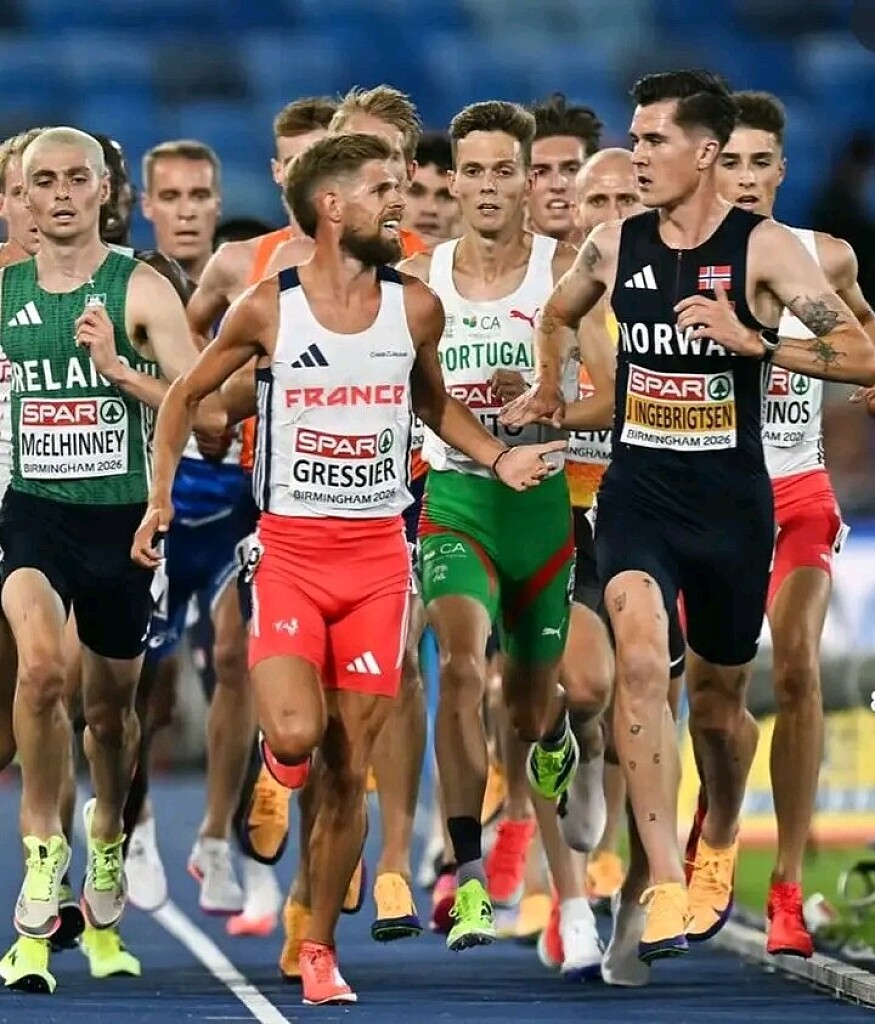
Norway’s Jakob Ingebrigtsen and France’s Jimmy Gressier are set to meet for the first time on the roads when the men’s 5km at the World Athletics Road Running Championships gets underway in Copenhagen on Saturday, September 19.
The highly anticipated clash brings together two athletes with very different paths to the start line, but an equally strong appetite for another global title.
Ingebrigtsen arrives in Denmark as the reigning Olympic 5000m champion and a four-time European 5000m champion. He has also just added the inaugural World Athletics Ultimate Championship 5000m title to his collection, producing a powerful 12:59.24 performance in Budapest only days ago.
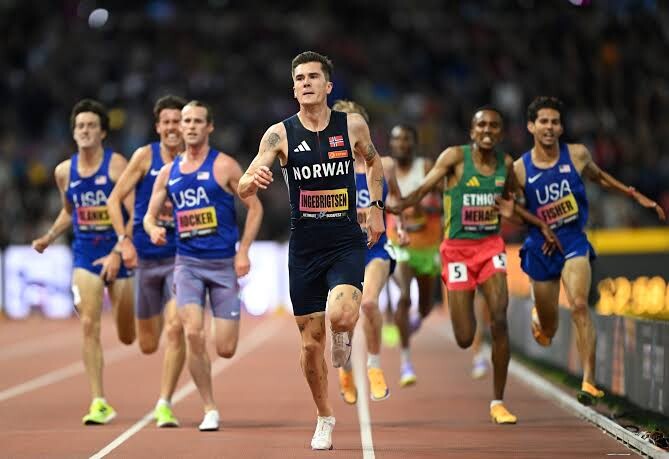
The Norwegian has already conquered some of the biggest stages in track and field. Now, Copenhagen presents a new challenge: winning a global title on the roads.
His road-racing experience over 5km is limited, however. World Athletics notes that Ingebrigtsen has raced the distance only once before, clocking 13:28 in Stavanger in 2020. He also raced his first and, so far, only half marathon in Copenhagen in 2024.
Standing in his way is a man who has already proved that he belongs among the very best road racers in the world.
Gressier enters Copenhagen as the reigning world 10,000m champion and the fastest man on the 5km entry list. In April, the Frenchman stormed to a European record of 12:51 in Lille, moving within just two seconds of the world record. Only Ethiopia’s Berihu Aregawi and Yomif Kejelcha have ever run faster over the distance.
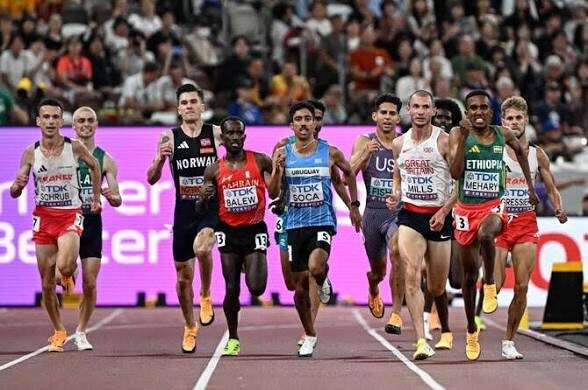
That performance also came with a warning for the rest of the field.
Ethiopia’s Addisu Yihune finished second behind Gressier in Lille in 12:54, a mark that places him fifth on the world all-time list. The two will meet again in Copenhagen, adding another major storyline to an already loaded championship race.
And Gressier is not stopping after one race.
The French star is entered for both the 5km on Saturday afternoon and the men’s half marathon on Sunday morning. With the 5km scheduled for 2:40 p.m. and the half marathon at 9:45 a.m. the following day, he will have only around 19 hours between the two championship races.
It is an extraordinary test of versatility. First comes a five-kilometre battle likely to demand close to all-out speed from the opening stages. Then, before a full day has passed, Gressier will have to return to the start line for 21.1 kilometres against a field packed with established road specialists.
Yet the 29-year-old is no stranger to the half marathon. He won the European half marathon title in 2025 in 59:45 and finished fifth at the 2023 World Road Running Championships in Riga in 59:46.
The 5km field, meanwhile, extends well beyond the headline names.
Kenya’s Mathew Kipsang arrives as the reigning Commonwealth 5000m champion, while Australia’s Ky Robinson, Burundi’s Egide Ntakarutimana, Norway’s Narve Gilje Nordås and Portugal’s José Carlos Pinto are among the other athletes capable of making the race highly competitive.
Copenhagen is therefore preparing for much more than a simple Ingebrigtsen-Gressier duel.
It is a meeting between a track superstar testing himself on the roads and a world champion who has already demonstrated extraordinary speed over the distance. Add Yihune’s 12:54, Kipsang’s championship pedigree and a deep international field, and the ingredients are there for a fiercely contested world title.
For Ingebrigtsen, the question is whether his world-class track speed and devastating finishing ability can translate seamlessly onto the roads.
For Gressier, the challenge is whether he can turn his remarkable 12:51 into a world championship crown — while keeping enough in reserve for the half marathon less than 24 hours later.
One thing is certain: when the gun fires in Copenhagen, the roads will provide a completely new chapter in the careers of two athletes who have already conquered some of the biggest stages in the sport.
And this time, there will be nowhere to hide.
Jakob Ingebrigtsen versus Jimmy Gressier.
Track royalty meets road-running firepower.
Copenhagen is ready.
by Erick Cheruiyot for My Best Runs.
Login to leave a comment
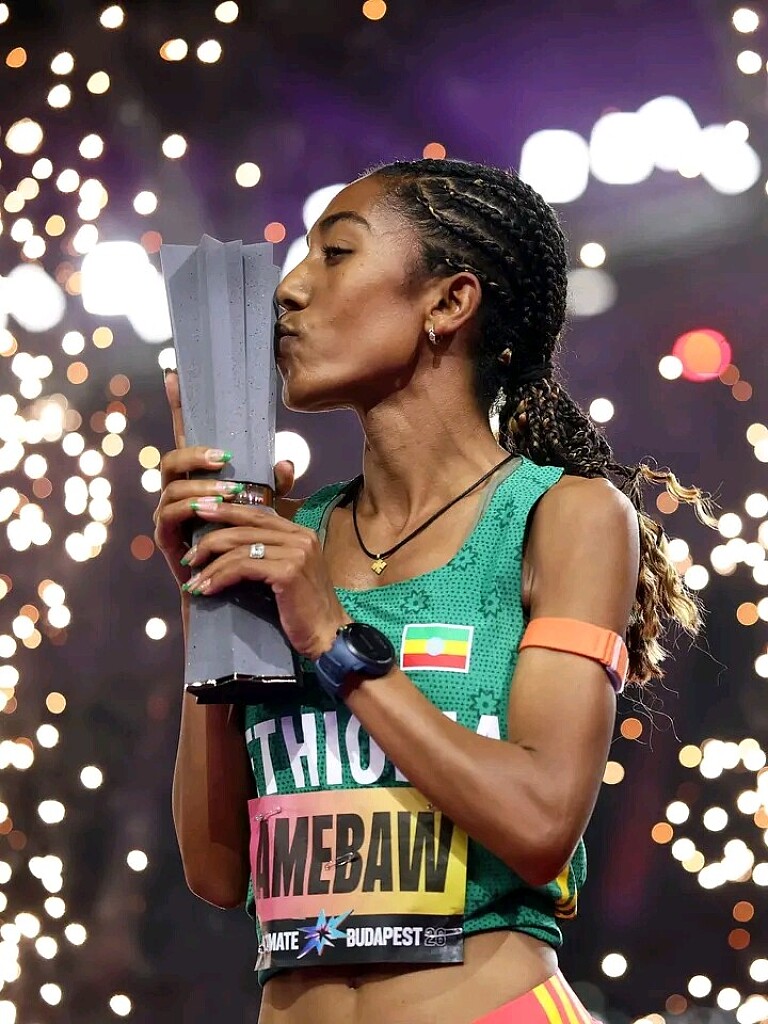
Likina Amebaw Completes Ethiopian Masterclass With First Global Title In Budapest
Likina Amebaw has written her name into the history books in Budapest, producing a commanding performance to win the women’s 5000m at the inaugural World Athletics Ultimate Championship and claim the first global title of her career.
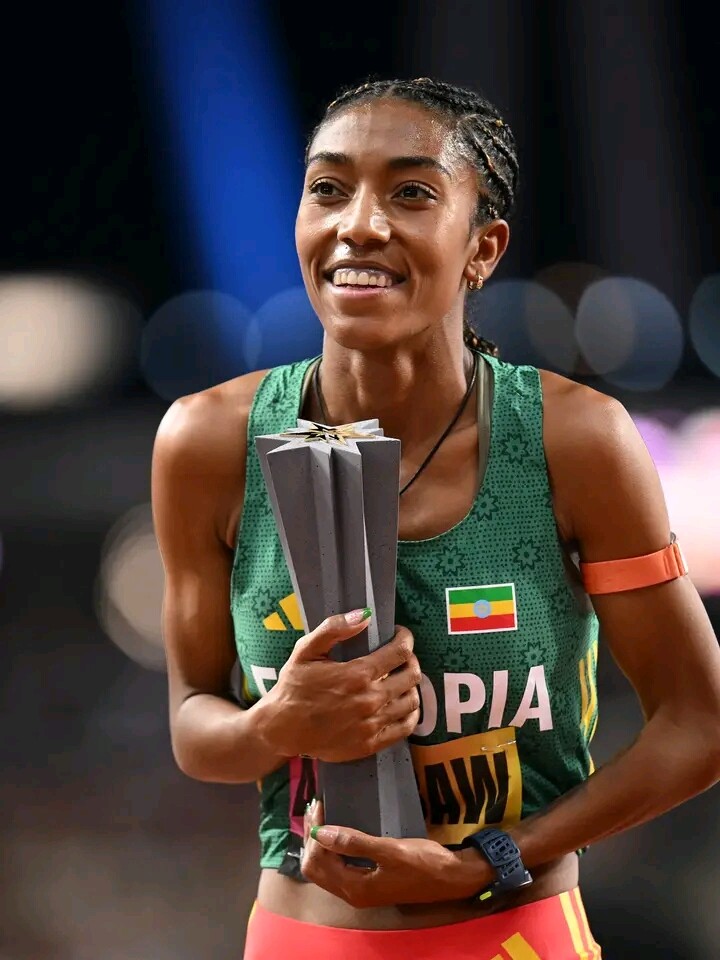
The Ethiopian world leader delivered when it mattered most, stopping the clock at 14:30.36 to secure the Ultimate Championship crown and cap a remarkable breakthrough season with a major international triumph.
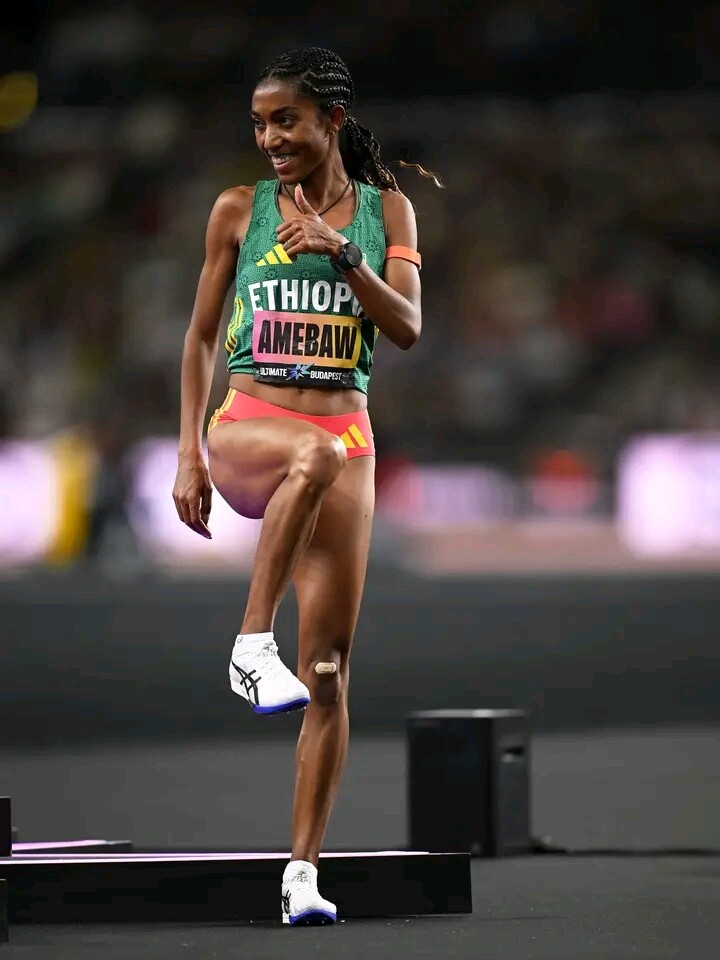
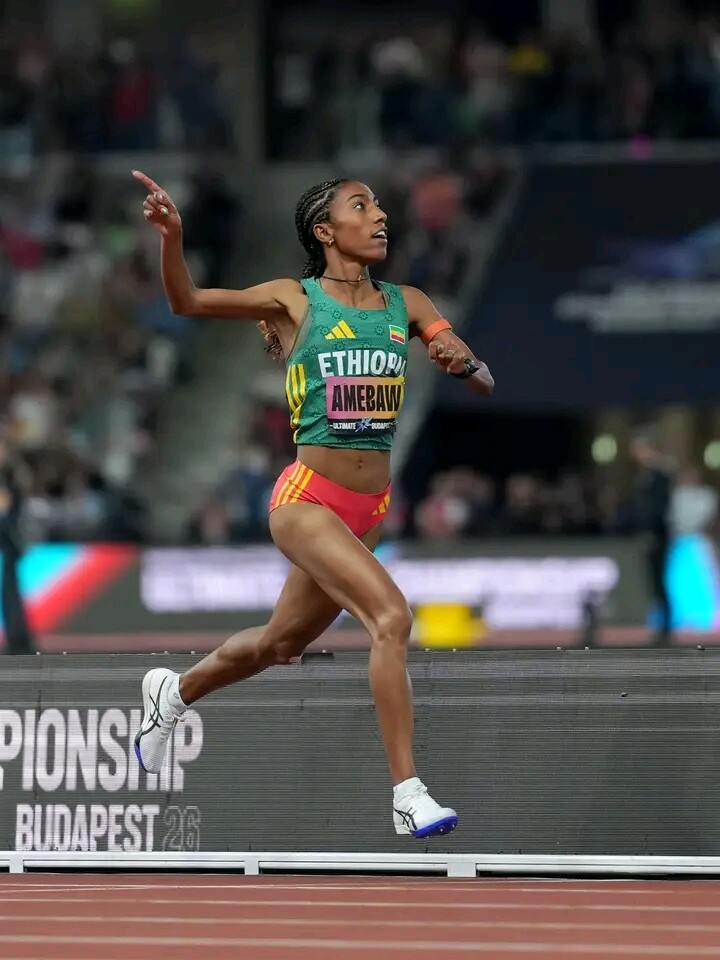
Amebaw did not leave the title to a final-lap sprint. As the race entered its decisive stages, the Ethiopian gradually separated herself from the chasing pack, moving clear at the front before steadily stretching her advantage with every lap.
Once she established daylight between herself and her rivals, Amebaw ran with increasing authority. Her rhythm remained relentless as the pressure shifted entirely onto the chasing group, while the world leader continued to extend her advantage and effectively turned the championship final into a solo pursuit of the finish line.
Behind her, Australia’s Jessica Hull produced a superb performance to secure second place in 14:32.39, a personal best. Hull fought all the way through the closing stages and produced a gutsy final surge toward the line, but Amebaw had already created too much separation for the Australian to challenge for the title.
Hull’s performance nevertheless earned her a deserved second positon and prevented what could have been an Ethiopian clean sweep of the leading positions.
The depth of Ethiopia’s women’s 5000m strength was on full display in Budapest, with four Ethiopian athletes finishing inside the top five. Amebaw led the way, while Fantaye Belayneh finished third in 14:32.62, Freweyni Hailu took fourth in 14:32.76, and Aleshign Baweke completed the Ethiopian presence in the top five with 14:32.86.
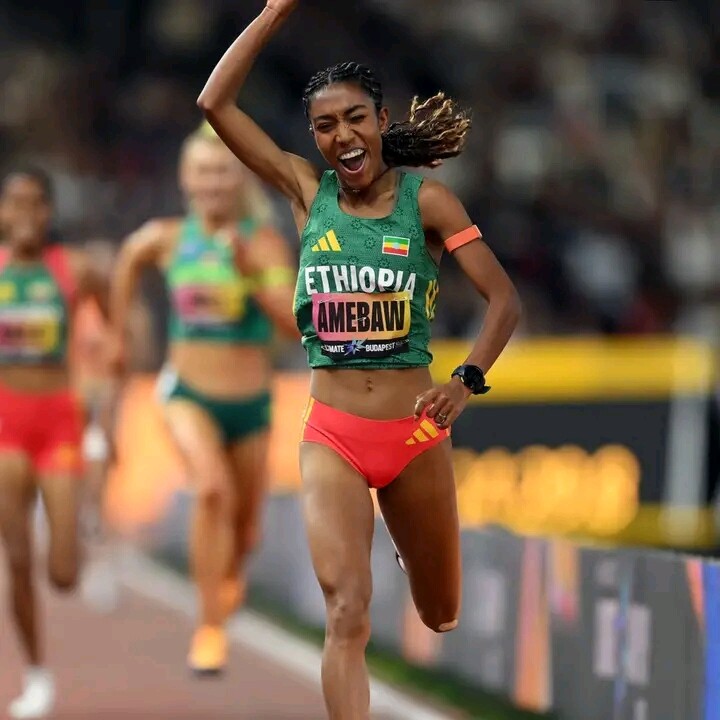
The Ethiopian contingent remained heavily represented near the front throughout the race, producing another powerful demonstration of the country’s extraordinary strength over 5000m.
But the night belonged to Amebaw.
After establishing herself as the world leader, she arrived in Budapest carrying the expectations that come with being the athlete to beat. Rather than allowing the pressure to dictate her race, she remained composed, waited for the decisive moment and then made a move that completely changed the complexion of the contest.
Her 14:30.36 was enough to crown her the women’s 5000m Ultimate Champion and transform a season of outstanding performances into a breakthrough global triumph.
For Ethiopia, the result was another emphatic statement of its depth and enduring influence in women’s distance running. Four athletes inside the top five underlined the extraordinary talent available in the country and its ability to dominate the sharp end of championship racing.
For Amebaw, however, the significance is deeply personal. She came to Budapest as the world leader and leaves as a global champion.
The first global title is now in the books. The first major crown has been secured.
Likina Amebaw is the Ultimate Champion.
by Erick Cheruiyot for My Best Runs.
Login to leave a comment
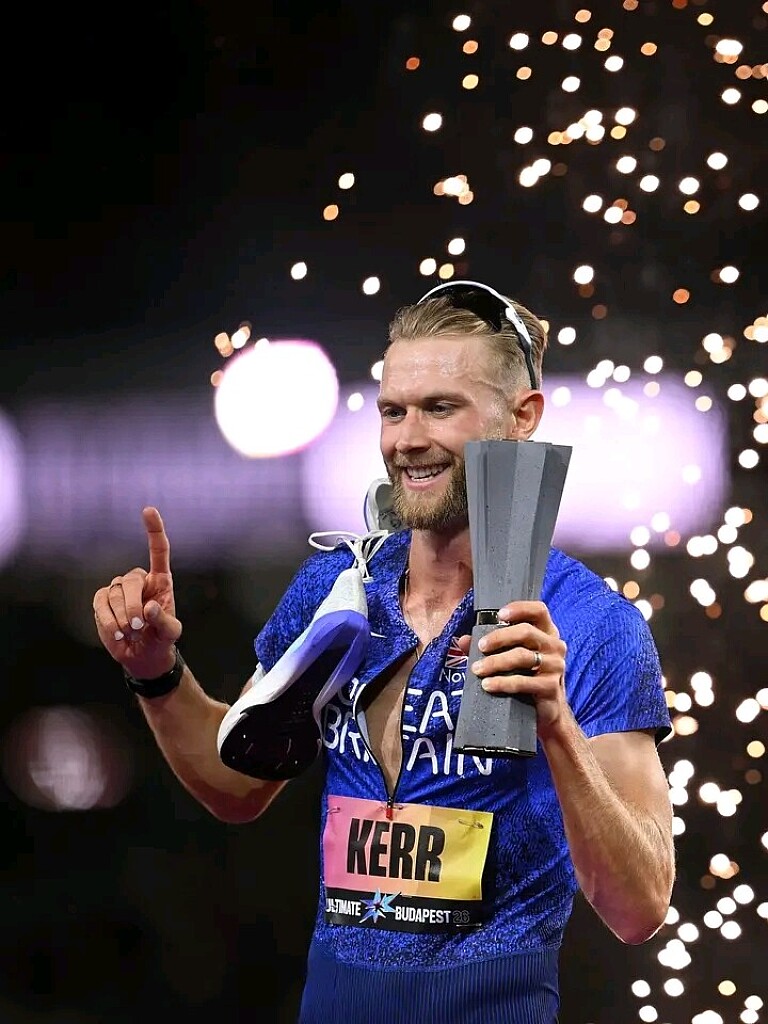
Josh Kerr Does It Again In Budapest As British Star Claims Ultimate 1500m Crown
“I’m not going to lose.” He said it. Then he delivered.
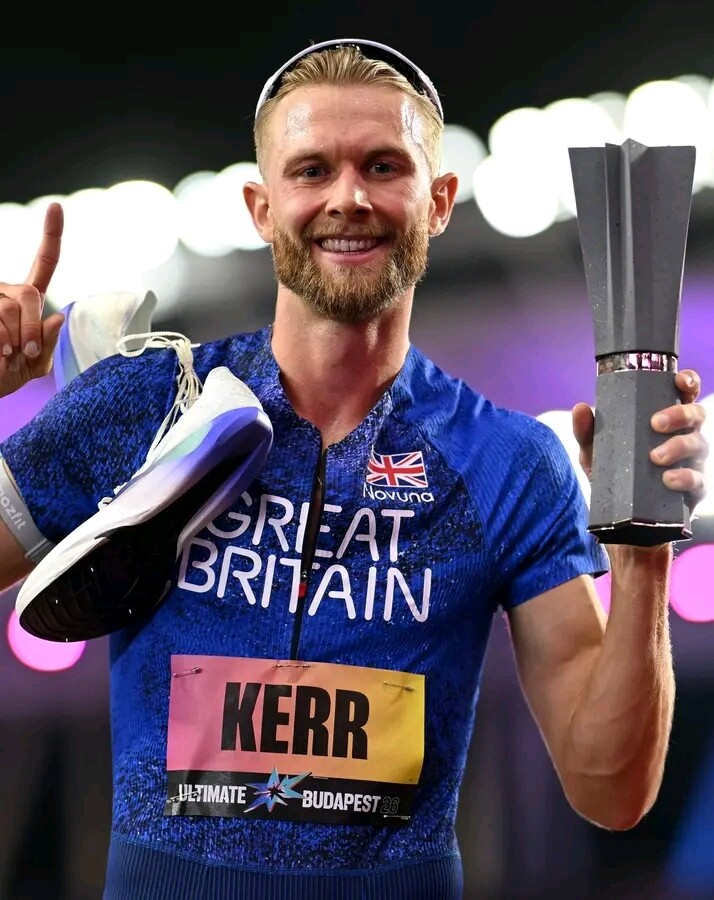
Josh Kerr has conquered Budapest once again, adding another huge title to an extraordinary 2026 season by winning the men’s 1500m at the inaugural World Athletics Ultimate Championship.
The British world mile record-holder produced a superb 3:29.35 to take the Ultimate Championship crown, using a devastating final kick to hold off Australia’s rising star Cameron Myers in the closing stages.
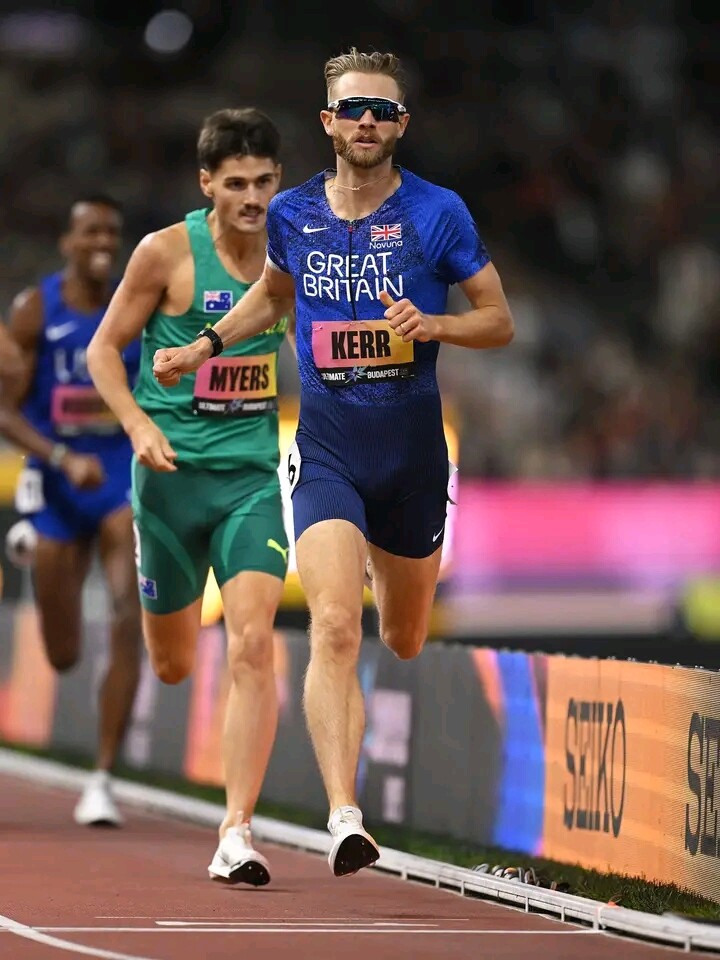
Myers pushed Kerr all the way to the finish, but the British star remained composed under pressure before finding another gear when it mattered most. The Australian crossed the line in 3:29.68 to secure second place, just 0.33 seconds behind the champion.
American Hobbs Kessler completed the podium in 3:30.73, while Olympic champion Cole Hocker finished fourth in 3:30.74, narrowly missing out on a medal by just one hundredth of a second.
For Kerr, the victory carries an added layer of significance because Budapest has already played a defining role in his career.
It was here in 2023 that Kerr produced one of the biggest shocks of that year’s World Championships, stunning Jakob Ingebrigtsen to become the world champion over 1500m. Three years later, he has returned to the same city and conquered it again.
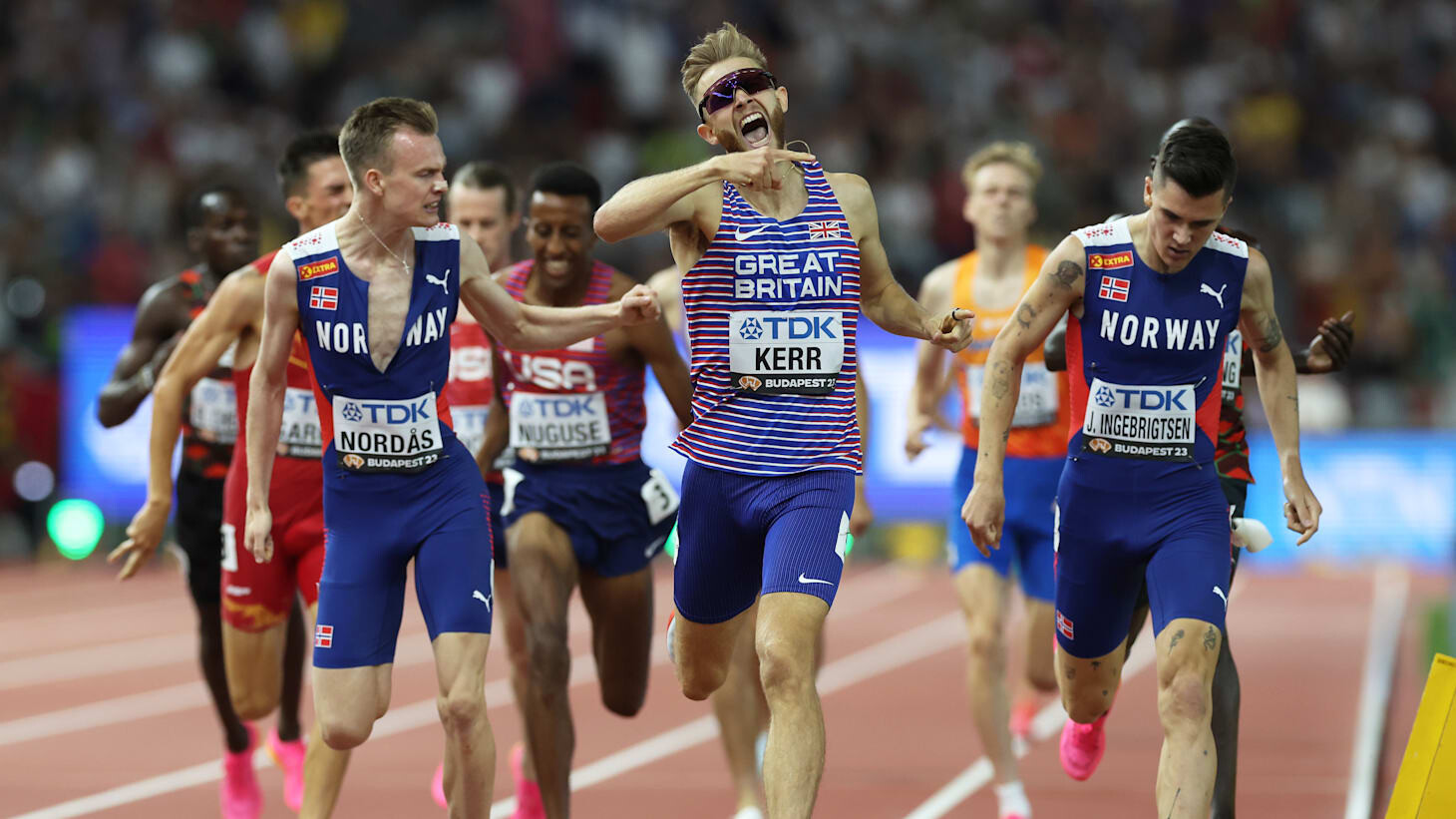
Budapest belongs to Kerr once more.
The British star arrived at the Ultimate Championship after putting together a remarkable 2026 campaign. Among the highlights was his sensational 3:42.66 mile world record in London, where he finally broke a mark that had stood for 27 years.
Kerr also added Commonwealth Games gold to his growing collection of major honours, further establishing himself as one of the dominant middle-distance athletes of his generation.
The Budapest final was expected to provide another chapter in the growing rivalry between Kerr and Ingebrigtsen. However, Ingebrigtsen’s late withdrawal meant the much-anticipated rematch never materialised.
Even without the Norwegian superstar, Kerr had no shortage of formidable opposition. The field featured Olympic champion Cole Hocker, world champion Isaac Nader and Yared Nuguse, while Myers arrived as one of the most exciting young talents in international middle-distance running.
The unique Ultimate Championship format also raised the stakes. With no heats and no second chances, every athlete had only one opportunity to deliver on the biggest stage.
Kerr appeared to embrace that pressure.
Rather than allowing the quality of the field to dictate the race, he stayed patient and waited for the decisive moment. As the final metres approached, the British star unleashed the finishing speed that has become one of his greatest weapons.
Myers fought desperately to stay with him, but Kerr had done enough.
The 3:29.35 winning time was not simply another fast performance. It was another demonstration of Kerr’s championship instincts and his ability to produce when everything is on the line.
For Myers, the silver medal represents another major breakthrough and a strong statement from the young Australian. His 3:29.68 shows that he is increasingly capable of challenging the established stars of the 1500m.
Kessler’s bronze added another impressive result to his career, while Hocker’s fourth-place finish underlined just how competitive the final was, with less than a second separating him from the champion.
Yet the night ultimately belonged to one man.
From the streets of Budapest in 2023 to the Ultimate Championship final three years later, Kerr has once again made the Hungarian capital his stage.
Another big race. Another Josh Kerr victory.
He arrived saying, “I’m not going to lose.”
Then he delivered.
Josh Kerr is the inaugural World Athletics Ultimate Championship 1500m champion — and Budapest belongs to him again.
by Erick Cheruiyot for My Best Runs.
Login to leave a comment
Jakob Ingebrigtsen Withdraws From Budapest 1500m After Stunning 5000m Victory: “Fitness Cannot Be Faked”
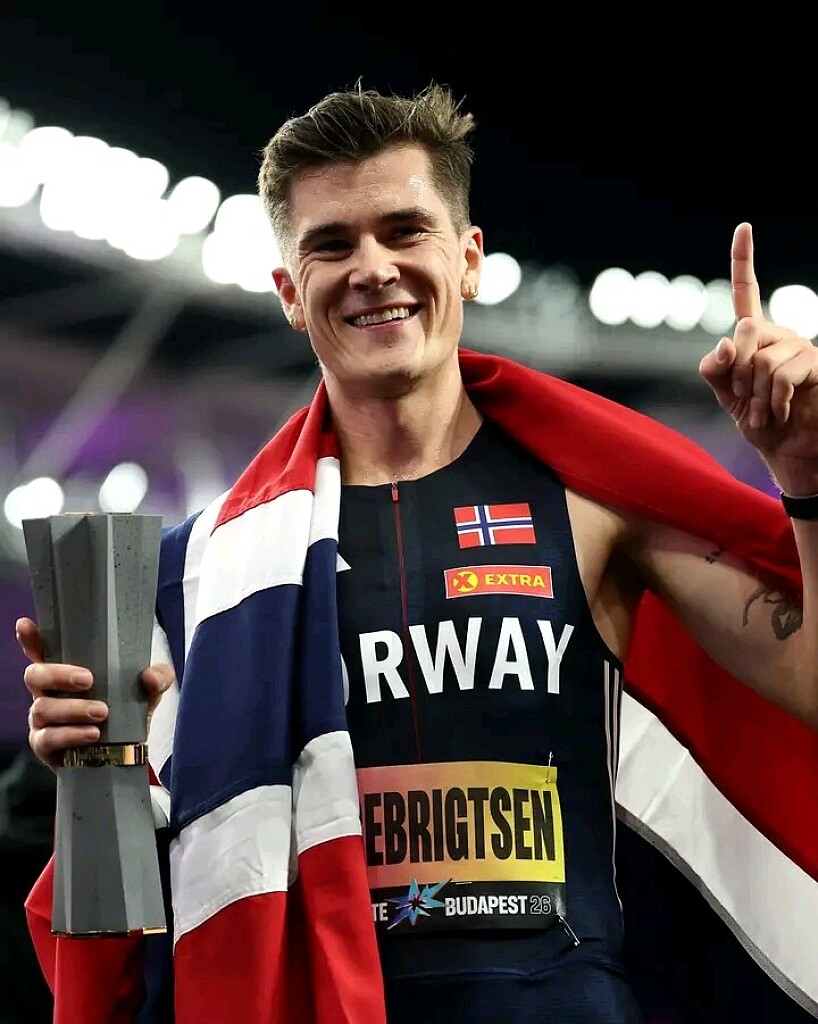
Jakob Ingebrigtsen has made a major decision regarding the remainder of his World Athletics Ultimate Championship campaign, confirming that he will withdraw from the men’s 1500m in Budapest despite producing a sensational performance to win the 5,000m title.
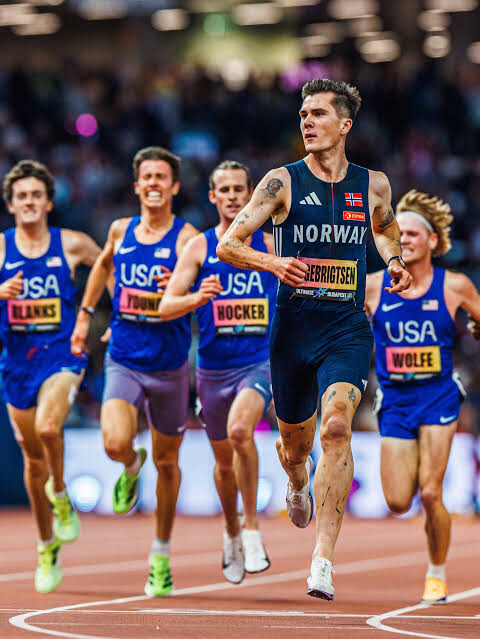
The Norwegian superstar stormed to victory in the inaugural Ultimate Championship 5,000m on Friday night, clocking a season-best 12:59.24 and delivering a devastating finishing kick to defeat Olympic 5,000m champion Cole Hocker and American Parker Wolfe.
Ingebrigtsen’s final 100 metres was arguably the defining moment of the race. The Olympic champion produced a remarkable 12.60-second closing 100m, powering away from the field to secure the $150,000 winner’s prize and underline just how far his fitness has progressed since returning from Achilles surgery.
The victory was particularly significant after what has been an extremely difficult period for the 25-year-old. Earlier in the season, Ingebrigtsen faced serious uncertainty over whether he would even be able to compete at the highest level again. His return has gradually gathered momentum, and his performance in Budapest offered perhaps the clearest indication yet that the Norwegian is rediscovering his formidable racing ability.
But rather than risk pushing his recovering body further, Ingebrigtsen has now opted to step away from the 1500m.
The decision means the highly anticipated showdown with British rival Josh Kerr will not take place in Budapest after all. The two stars had been expected to renew one of the biggest rivalries in modern middle-distance running in the 1500m final.
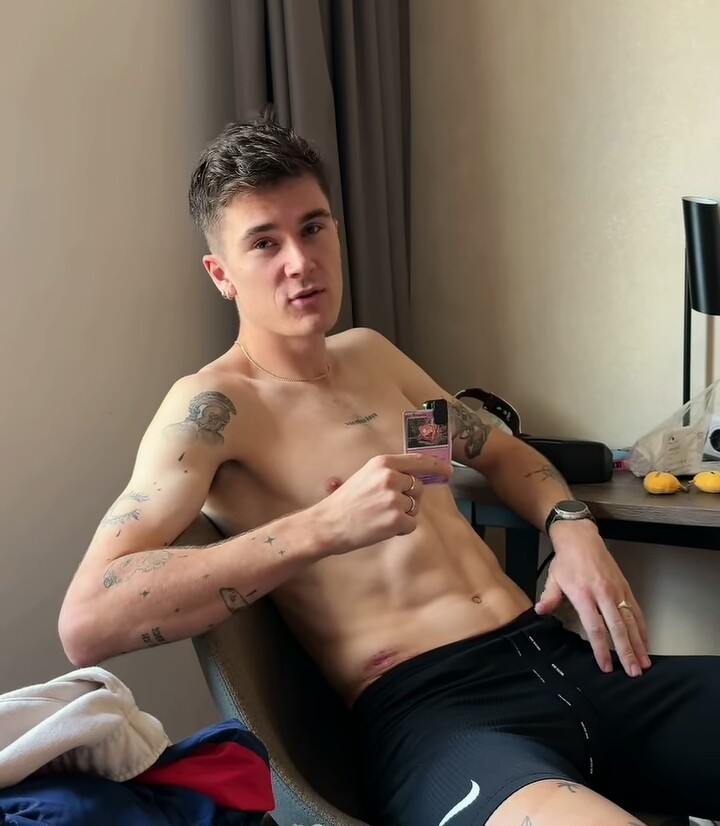
Instead, Ingebrigtsen is looking beyond the immediate opportunity and towards the bigger picture.
“I’m thinking about 2027… Fitness cannot be faked,” the Norwegian said, signalling that protecting his long-term condition has become more important than chasing another major victory only days after his return to peak-level competition.
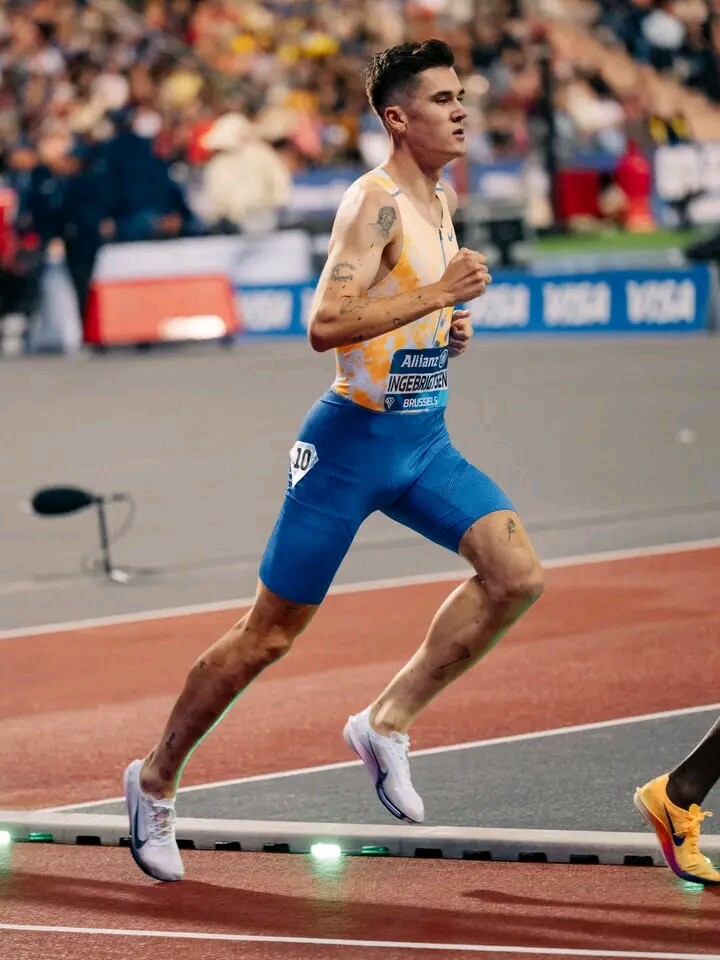
The decision comes just one week after an emotionally charged Diamond League Final in Brussels, where Ingebrigtsen finished fourth in the 1500m behind Australia’s Cameron Myers, Kenya’s Phanuel Kipkosgei Koech and American Ethan Strand.
After that race, Ingebrigtsen delivered a fiery assessment of his rivals and questioned the tactics surrounding the pacemaking, particularly involving Hocker. He later acknowledged that there had been “a little too much adrenaline and emotion” when microphones were placed in front of him immediately after the race.
Yet his latest decision shows that beneath the emotion and competitive intensity lies a longer-term strategy.
Ingebrigtsen has already demonstrated that he can compete at an elite level again. His 12:59.24 in Budapest was not simply a victory — it was a statement that the Norwegian remains capable of producing a world-class finish even after months of injury rehabilitation.
Now, however, he is choosing not to gamble with that progress.
For a runner who has spent much of the year fighting his way back from injury, another 1500m race could have offered enormous rewards but also carried unnecessary risk. By withdrawing, Ingebrigtsen is effectively prioritising longevity over one more opportunity for immediate glory.
His message is clear: the comeback is underway, but it will not be rushed.
The 5,000m victory has given Ingebrigtsen confidence, momentum and perhaps, most importantly, proof that his body can once again handle elite competition.
Now comes the harder part — knowing when to stop.
With 2027 already firmly in his sights, the Norwegian has chosen recovery over risk. And after everything he has endured, that could ultimately prove to be one of the most important decisions of his comeback.
Jakob Ingebrigtsen is not walking away from the sport. He is protecting his future in it.
by Erick Cheruiyot for My Best Runs.
Login to leave a comment
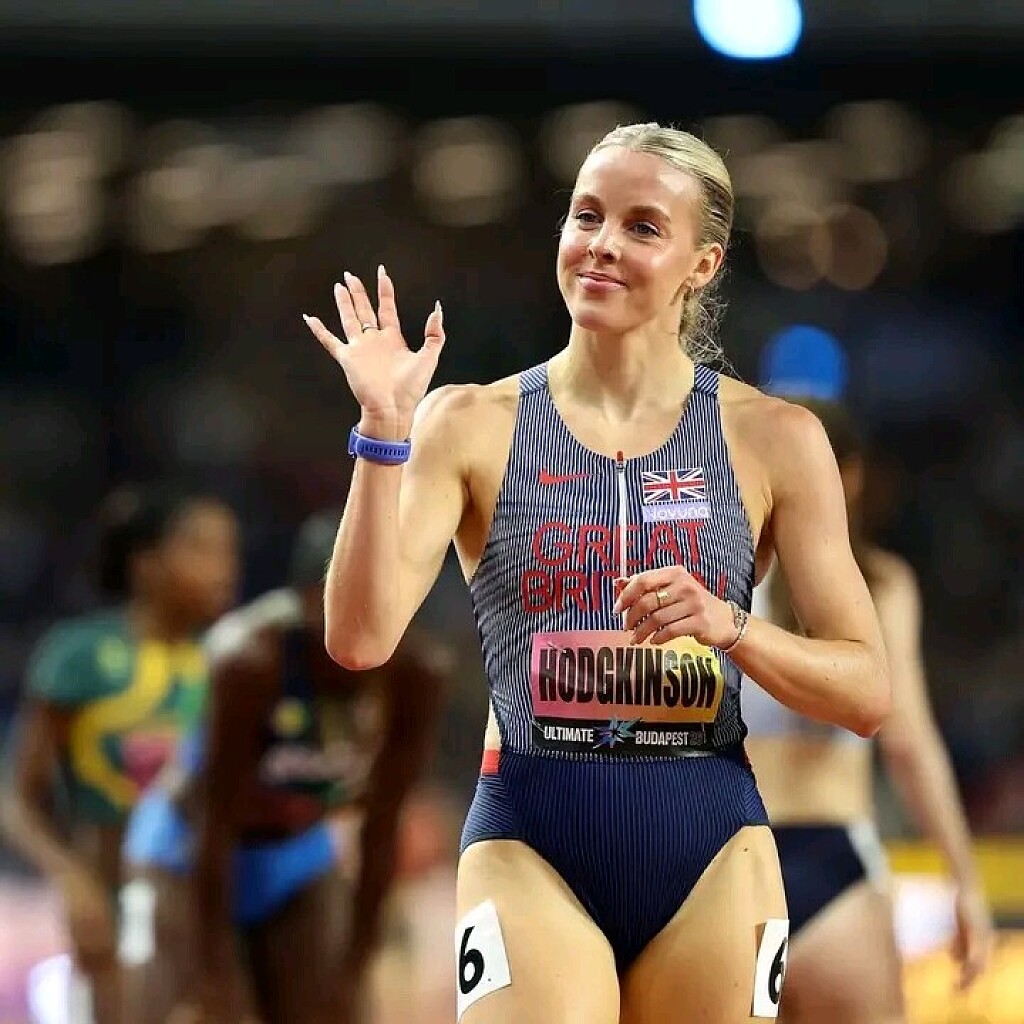
Keely Hodgkinson Strikes First In Budapest As Olympic Champion Leads 800m Finalists
Keely Hodgkinson made a powerful return to the track at the World Athletics Ultimate Championship in Budapest on September 11, storming to victory in the opening women’s 800m semifinal in 1:57.57 to record the fastest time across both semifinals and immediately establish herself as the athlete to beat in the final.
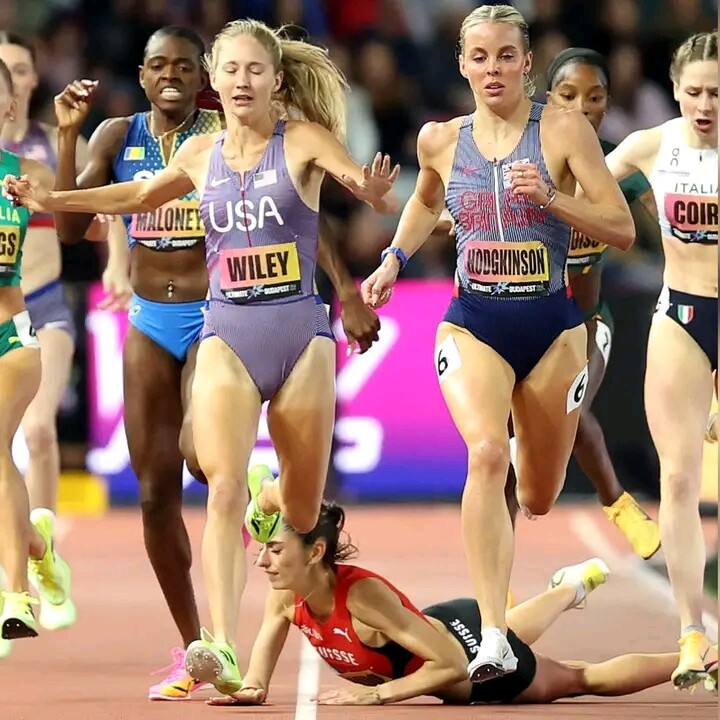
The British Olympic champion looked composed from the opening metres, taking control of the race before gradually increasing the pressure as the finish approached. Hodgkinson produced a decisive surge over the final 200 metres, pulling clear of her rivals and crossing the line comfortably in 1:57.57.
Addison Wiley of the United States followed in 1:58.14, while Australia’s Sarah Billings secured third in 1:58.37. Italy’s Eloisa Coiro also produced a strong performance to finish fourth in 1:58.48, ensuring that the opening semifinal was packed with sub-two-minute performances.
For Hodgkinson, the performance was particularly significant given the circumstances surrounding her return. She had not raced since winning silver at last month’s European Championships and subsequently missed the closing Diamond League meetings, including the Brussels Final, because of hamstring discomfort.
There was little evidence of any lingering problem in Budapest. Hodgkinson appeared relaxed and confident throughout the race, before shifting gears when it mattered most and delivering a performance that immediately put the rest of the field on notice.
The race also contained a dramatic twist in the closing stages when Switzerland’s Veronica Vancardo suffered a heavy fall following contact with Coiro. Despite the setback, Vancardo recovered and eventually crossed the finish line in 2:16.75.
Officials subsequently reviewed the incident and advanced Vancardo to the final, giving her a place in the championship race despite finishing well outside the automatic qualifying positions. Her advancement added another layer of drama to an already eventful night in Budapest.
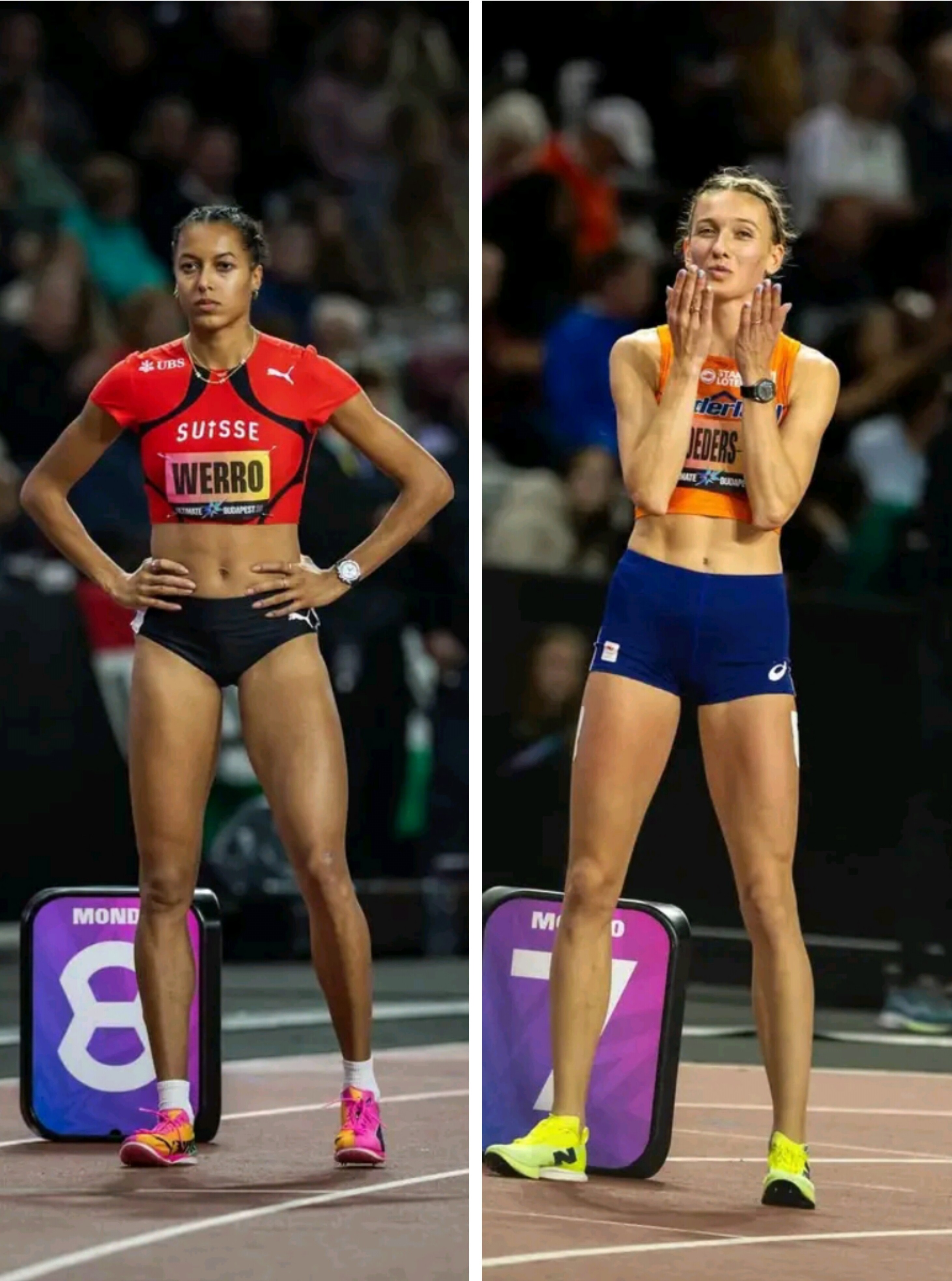
The second semifinal produced another impressive performance as Switzerland’s Audrey Werro controlled the race and delivered a strong finish to win in 1:59.05. Femke Broeders-Bol of the Netherlands followed closely in 1:59.19 after leading much of the contest.
The qualification picture then became clear, with nine athletes securing places in the women’s 800m final. Hodgkinson leads the field with 1:57.57, followed by Wiley at 1:58.14 and Billings at 1:58.37.
Coiro qualified in 1:58.48, while Werro and Broeders-Bol advanced with 1:59.05 and 1:59.19 respectively. Ethiopia’s Nigist Getachew clocked 1:59.69, Switzerland’s Valentina Rosamilia ran 1:59.78, and Vancardo completed the finalists after her advancement in 2:16.75.
Wiley’s qualification is also notable because she is the only American to advance to the Budapest final, adding further significance to her impressive 1:58.14 performance.
With Hodgkinson producing the fastest semifinal time, Werro looking increasingly dangerous and Broeders-Bol once again proving her ability to remain in contention, the final is shaping up to be one of the most anticipated 800m races of the championship.
Hodgkinson has already struck the first blow in Budapest. But with the medals now at stake, Werro, Broeders-Bol and the rest of the finalists will have the opportunity to turn the tables when it matters most.
The Olympic champion has made her intentions clear: she is back, she is healthy enough to race at championship pace, and she wants the Budapest crown.
The stage is now set for a thrilling women’s 800m final, where Hodgkinson will attempt to turn her semifinal dominance into gold. Who will be crown the Ultimate Champion in Budapest — Hodgkinson, Werro or Broeders-Bol? Or the table will turn?
by Erick Cheruiyot for My Best Runs.
Login to leave a comment
Daniel Komen and Cameron Myers: Two Generations, One Extraordinary Gift for Speed
Athletics has a remarkable way of connecting generations.
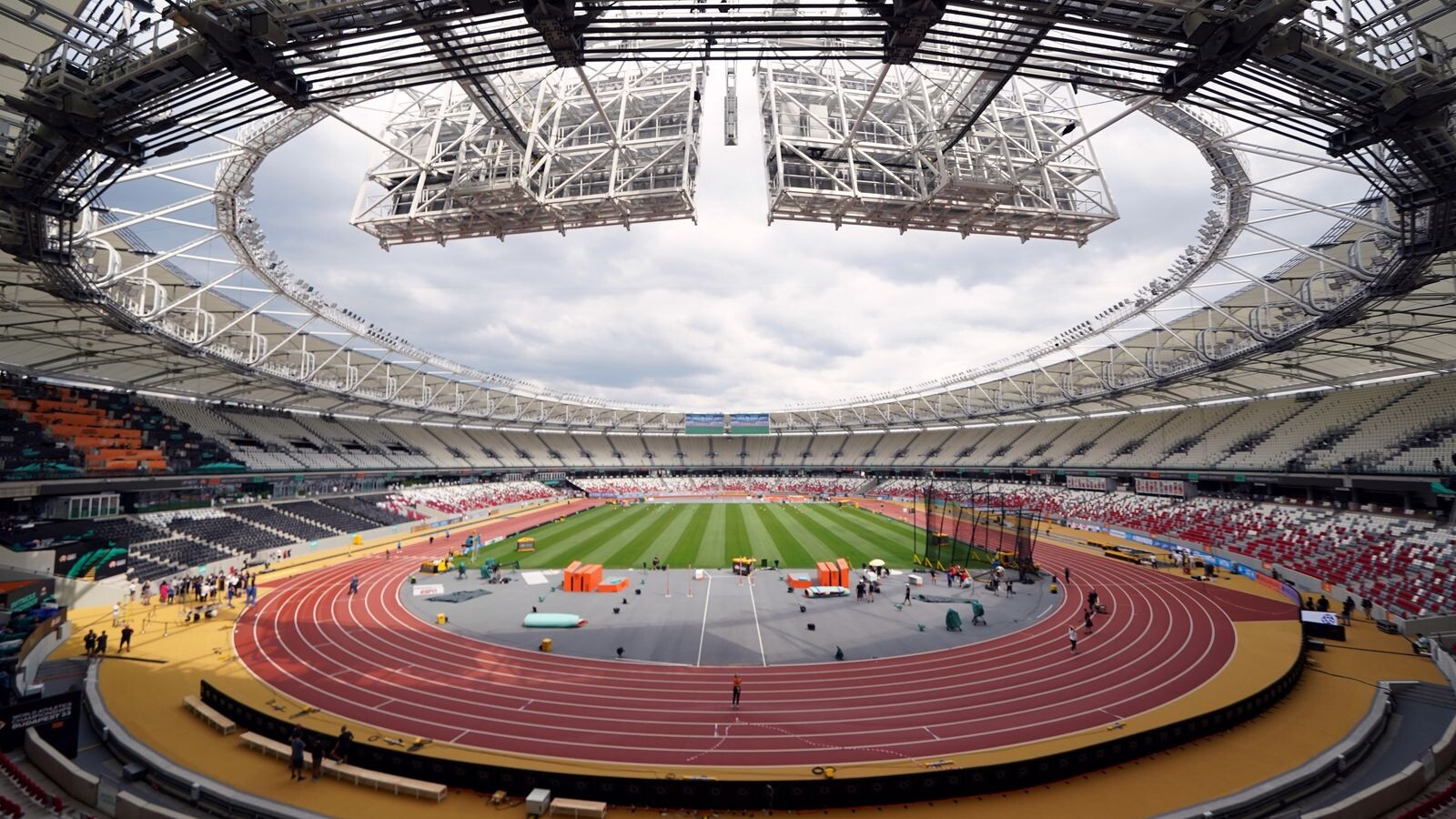
Sometimes, decades apart, two athletes emerge with a rare combination of speed, endurance and fearlessness that makes the extraordinary appear almost effortless. Kenya’s Daniel Komen and Australia’s Cameron Myers are separated by an era and a continent, but their careers share one fascinating thread — an exceptional ability to run incredibly fast over middle and long distances.
Daniel Komen — the Kenyan phenomenon
During the 1990s, Daniel Komen was one of the most feared distance runners on the planet.
At just 20 years old, Komen produced a performance that would become one of the defining moments of his career, running 7:20.67 for 3000m in Rieti, Italy, in 1996. The world record remained untouched for nearly 28 years before Jakob Ingebrigtsen finally broke it in 2024.
Komen followed that achievement with another performance that remains etched in distance-running history. In 1997, he ran 7:58.61 for two miles in Hengelo, becoming the first man to break the eight-minute barrier over the distance.
His brilliance was not limited to one event.
Komen possessed an extraordinary range, becoming only the second man after Algeria’s Saïd Aouita to break 3:30 for 1500m, 7:30 for 3000m and 13 minutes for 5000m.
Those performances established Komen as one of the most versatile and naturally gifted distance runners of his generation.
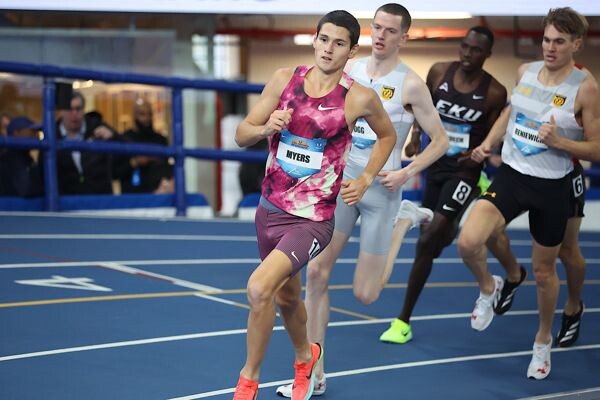
Cameron Myers — Australia's rising star
Almost three decades later, another young runner is beginning to capture the imagination of the athletics world.
Cameron Myers first made headlines as a teenager when, at 16, he ran 3:55.44 for the mile. The performance made him the second-youngest athlete ever to break four minutes for the distance and confirmed that Australia had a remarkable middle-distance talent on its hands.
But Myers has not allowed the hype surrounding his teenage achievements to define him.
Now 20, he is increasingly proving himself against the world's best senior athletes.
His breakthrough continued in 2026 when he produced a spectacular 3:28.00 personal best for 1500m in Paris, firmly establishing himself among the world's elite over the distance.
Then came Brussels.
At the Diamond League Final on September 4, Myers delivered perhaps the biggest statement of his young career, winning the 1500m in 3:30.14 against a world-class field. The victory came in a race featuring some of the biggest names in the event, including Jakob Ingebrigtsen and Olympic champion Cole Hocker.
For Myers, it was another important step from promising prodigy to established senior star.
He is no longer simply the talented teenager everyone was waiting to see develop.
Cameron Myers has arrived.
Different eras, remarkable similarities
Comparing athletes from different generations is always difficult. The competition, training methods, technology and circumstances change, and every great athlete deserves to be judged within the context of their own era.
But the similarities between Komen and Myers are still fascinating.
Komen showed the world in the 1990s that extraordinary speed could be combined with exceptional endurance. Myers is now demonstrating that same fearless approach as he takes on the strongest 1500m fields in the world.
Komen has already secured his place in athletics history.
Myers is only beginning to write his.
The Australian still has many years ahead of him, and whether he can eventually build a legacy comparable to Komen's remains impossible to predict. What is certain, however, is that his progression has already been remarkable.
From a teenager breaking four minutes for the mile to a 20-year-old running 3:28.00 and winning a Diamond League Final, Myers has moved through the ranks at extraordinary speed.
Daniel Komen was one of the athletes who made the impossible look normal. Cameron Myers now has an opportunity to create his own version of that magic.
Different generations. Different countries. Different journeys.
But one extraordinary gift — the ability to run very, very fast.
by Erick Cheruiyot for My Best Runs.
Login to leave a comment
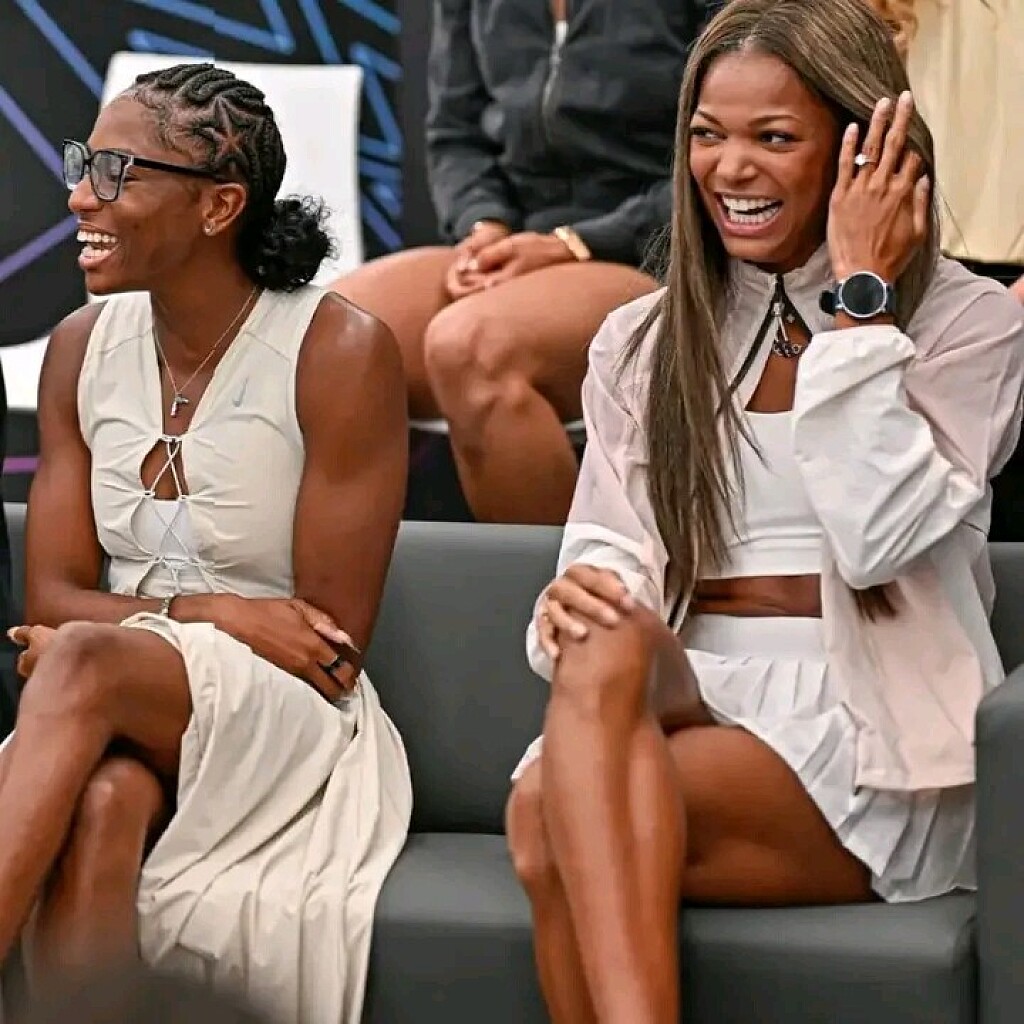
Thomas vs Jefferson-Wooden: Olympic Champion and World Champion Set for Budapest Showdown
The stage is set for one of the most anticipated clashes of the inaugural World Athletics Ultimate Championship in Budapest, with Olympic champion Gabby Thomas and reigning world champion Melissa Jefferson-Wooden drawn into the same women’s 200m semifinal.
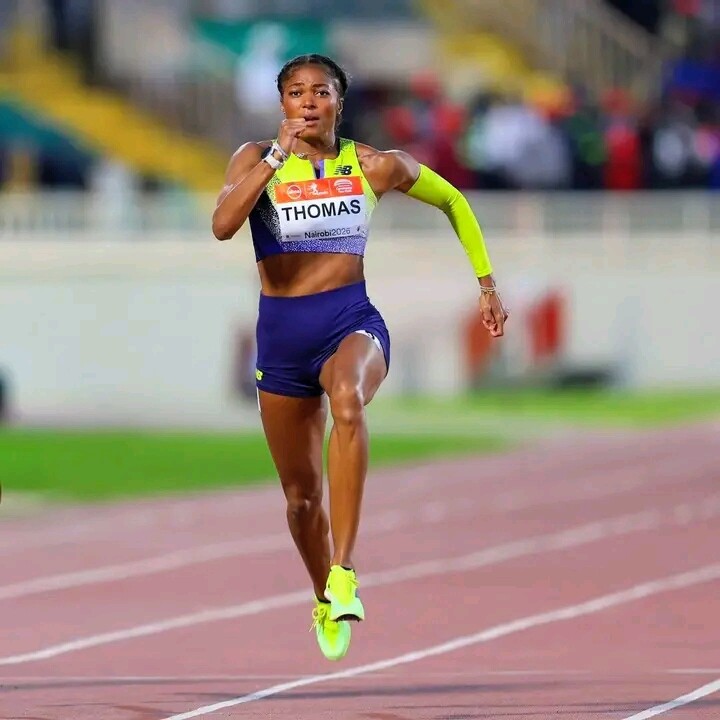
The American stars will go head-to-head in Semifinal 2 after the lane draw placed Jefferson-Wooden in Lane 6 and Thomas directly alongside her in Lane 7, setting up a mouthwatering encounter between two of the biggest names in the event.
The semifinal will also feature Ireland’s Rhasidat Adeleke in Lane 3, while Jenna Prandini occupies Lane 4. Hungary’s Boglárka Takács will start in Lane 1, with Lavanya Williams in Lane 2, Fabienne Hoenke in Lane 5, Kayla White in Lane 8 and Australia’s Torrie Lewis in Lane 9.
All eyes, however, will be on the two Americans.
Thomas arrives with an Olympic title to her name and a reputation for delivering on the biggest stages, while Jefferson-Wooden carries the confidence of a reigning world champion. With both athletes lining up shoulder-to-shoulder, there will be little room for error when the gun goes.
The Budapest showdown adds another chapter to an increasingly compelling rivalry in the women’s 200m. Thomas has consistently established herself among the event’s elite, while Jefferson-Wooden has emerged as one of the sport’s most dangerous championship performers.
Now, they will have to share the same straight.
With a place in the final at stake, the semifinal promises to be one of the standout races of the championship. The Olympic champion and world champion are on a collision course—and Budapest is ready to find out who will blink first.
by Erick Cheruiyot for My Best Runs.
Login to leave a comment
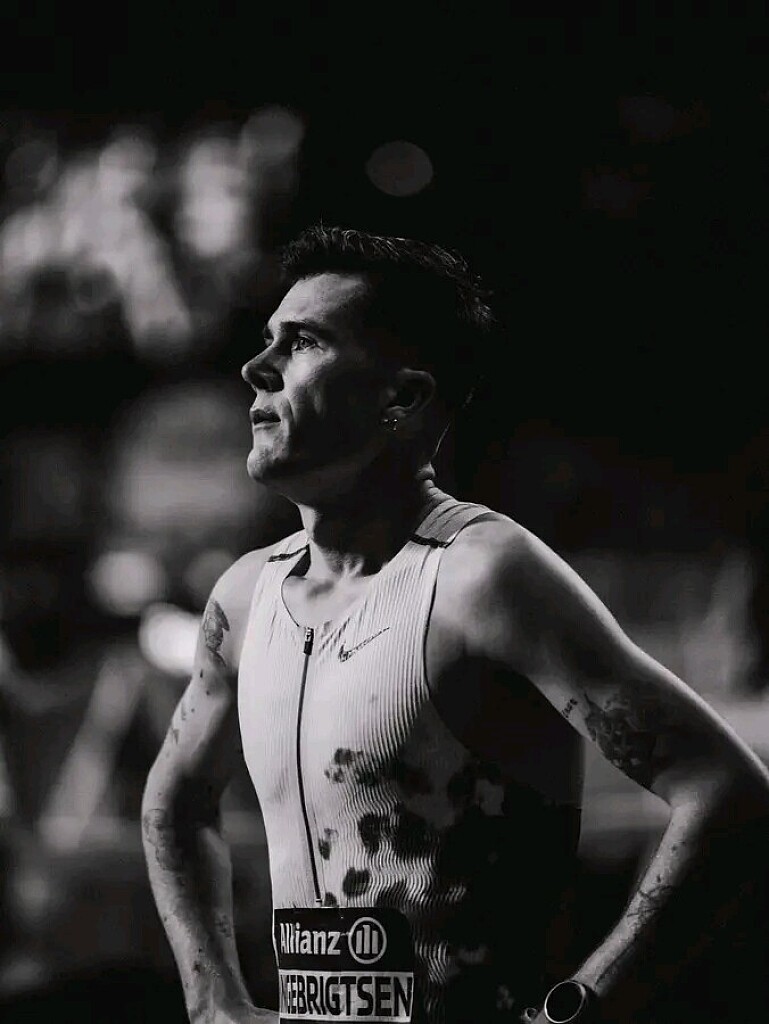
Ingebrigtsen Clarifies Fiery Brussels Outburst After 1500m Defeat: “I Will Always Call Things as I See It
Jakob Ingebrigtsen has offered a measured reflection on his explosive post-race comments following a dramatic men’s 1500m Diamond League Final in Brussels, acknowledging that adrenaline and emotion may have played a role while making it clear that his competitive fire remains as strong as ever.
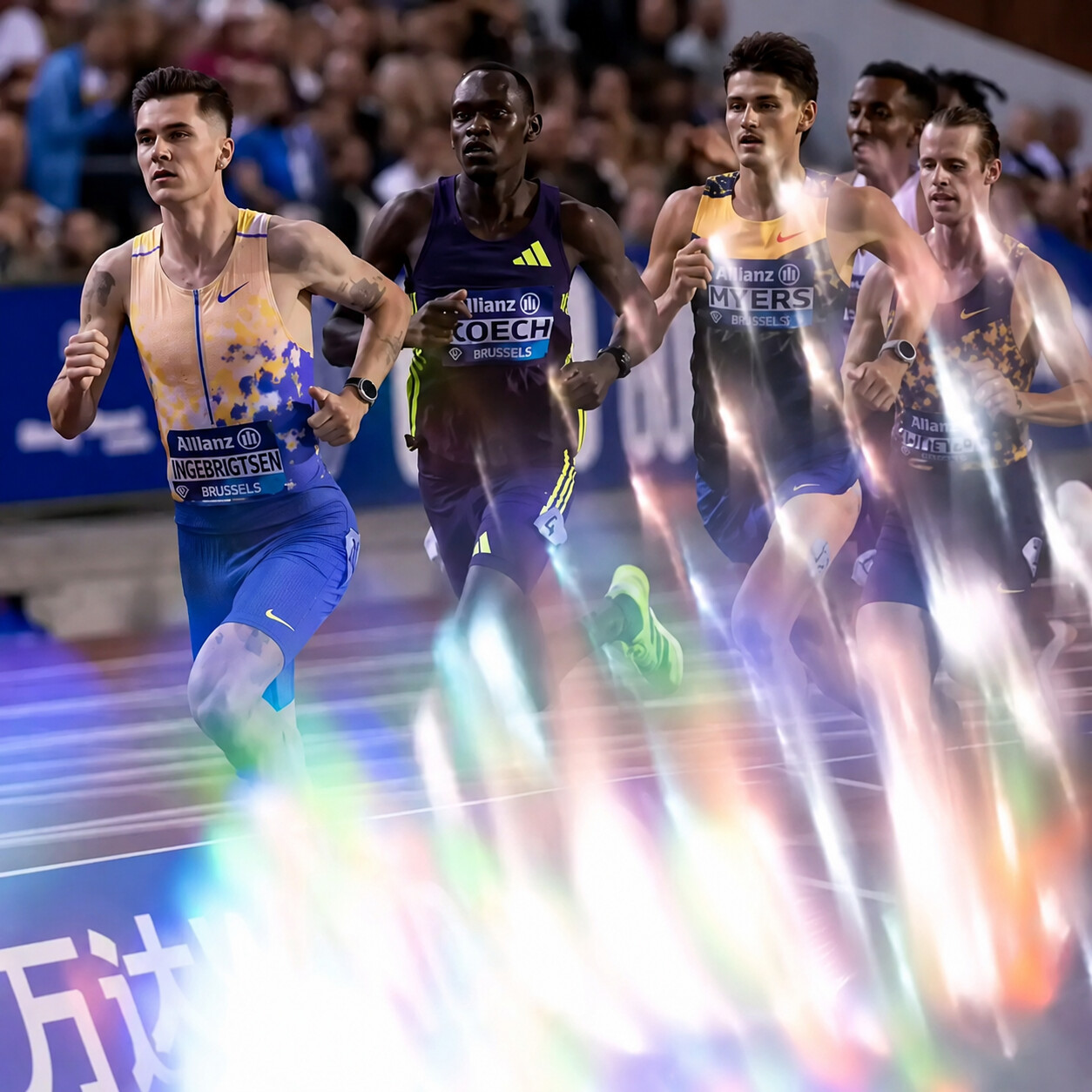
The Norwegian Olympic champion endured a frustrating night at the King Baudouin Stadium, finishing fourth in a season’s best 3:30.52 after taking responsibility for much of the race from the front. Australia’s Cameron Myers produced a perfectly timed late surge to claim the Diamond League title in 3:30.14, edging Kenya’s Phanuel Kipkosgei Koech by just 0.04 seconds, with American Ethan Strand completing the podium in 3:30.50.
Ingebrigtsen had looked capable of converting his aggressive front-running strategy into victory, but the race changed dramatically in the final stages. Myers found a narrow opening and accelerated past the Norwegian, while Koech and Strand also came through strongly as Ingebrigtsen faded over the closing metres.
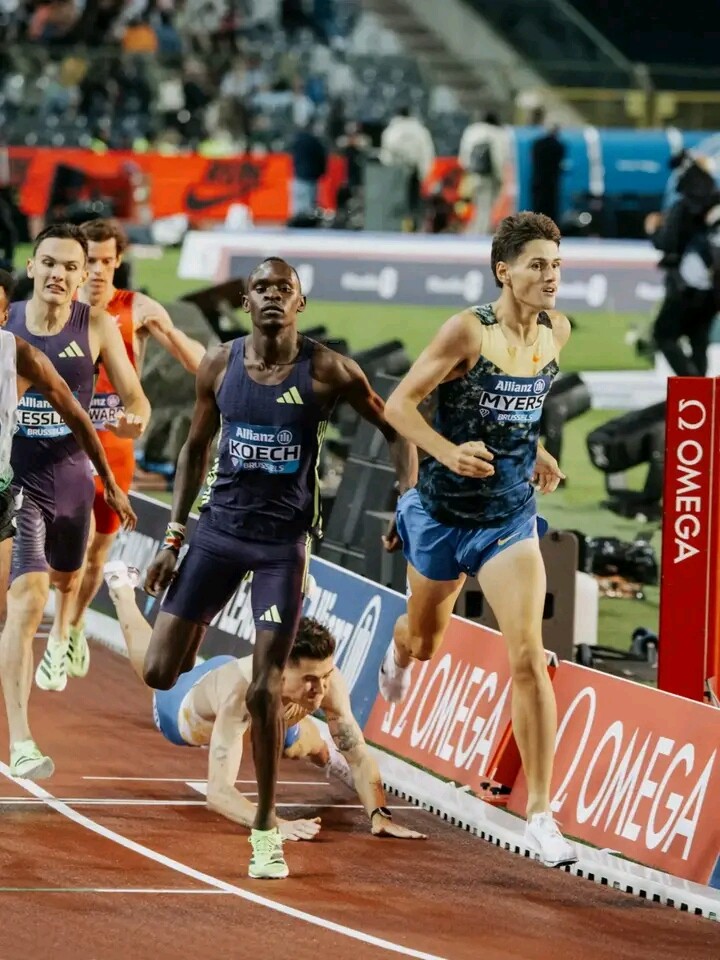
The defeat triggered an unusually fiery reaction from the 25-year-old, who criticised the tactical approach of his rivals and described himself as having raced against “a bunch of cowards”. He was particularly frustrated by what he perceived as competitors sitting back before unleashing their finishing speed when the race reached its decisive phase.
Ingebrigtsen also directed criticism towards Olympic champion Cole Hocker, questioning the way the pacing situation had unfolded and arguing that the American had influenced the pacemaking strategy to his own advantage.
However, after the emotions of the night had settled, Ingebrigtsen returned to social media with a noticeably more reflective message.
“My love for this sport can never be questioned,” he wrote, making it clear that his passionate reaction should not be interpreted as a lack of respect for athletics.
“There was maybe a little too much adrenaline and emotion when the microphones were thrown in front of me last night but I will always call things as I see it.”
The message offered an important qualification to his earlier remarks. Rather than retracting his competitive assessment, Ingebrigtsen appeared to acknowledge that the intensity of the moment had amplified his words.
He also chose to focus on the positives from his performance.
“Pushing from the front, a seasons best and feeling a little more like myself every race,” he added.
That statement is particularly significant given his difficult return to the 1500m after Achilles problems. His 3:30.52 in Brussels was his fastest performance since returning from the injury, providing evidence that his race sharpness is gradually returning despite the disappointment of missing out on the Diamond League crown.
And despite the frustration, Ingebrigtsen made it clear that the defeat has not diminished his hunger.
“Positives to take and lots of fuel for the fire.”
That final line perhaps captures the Norwegian better than anything he said immediately after the race. The fourth-place finish may have frustrated him, but it has also provided another source of motivation as he continues rebuilding his form.
He concluded his message by thanking supporters for standing behind him throughout his comeback.
“Thanks for all the support as always, it feels so good to be back!”
For Ingebrigtsen, Brussels was therefore a night of contrasting emotions: disappointment at surrendering a race he had helped control, frustration with the tactics around him, but also encouragement from a season’s best performance and the feeling that he is gradually returning to his best.
For Myers, it was a breakthrough evening and one of the biggest victories of his young career. For Ingebrigtsen, however, the story may not end with fourth place.
If his latest message is anything to go by, the defeat has simply added more fuel to an already fiercely burning competitive fire.
by Erick Cheruiyot for My Best Runs.
Login to leave a comment
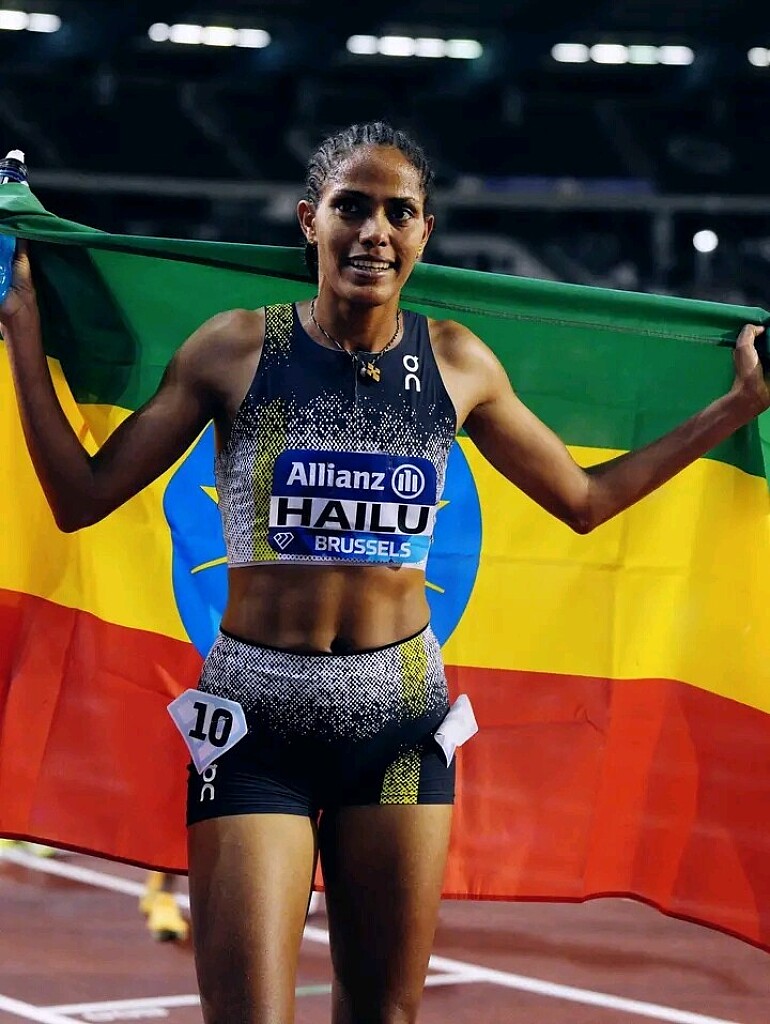
Freweyni Hailu Unleashes A Devastating Final Kick To Rule The Diamond League 5000m In Brussels
Freweyni Hailu produced a magnificent display of tactical intelligence and raw finishing speed in Brussels, unleashing a devastating late kick to win the women’s 5000m Diamond League title in 14:35.20.
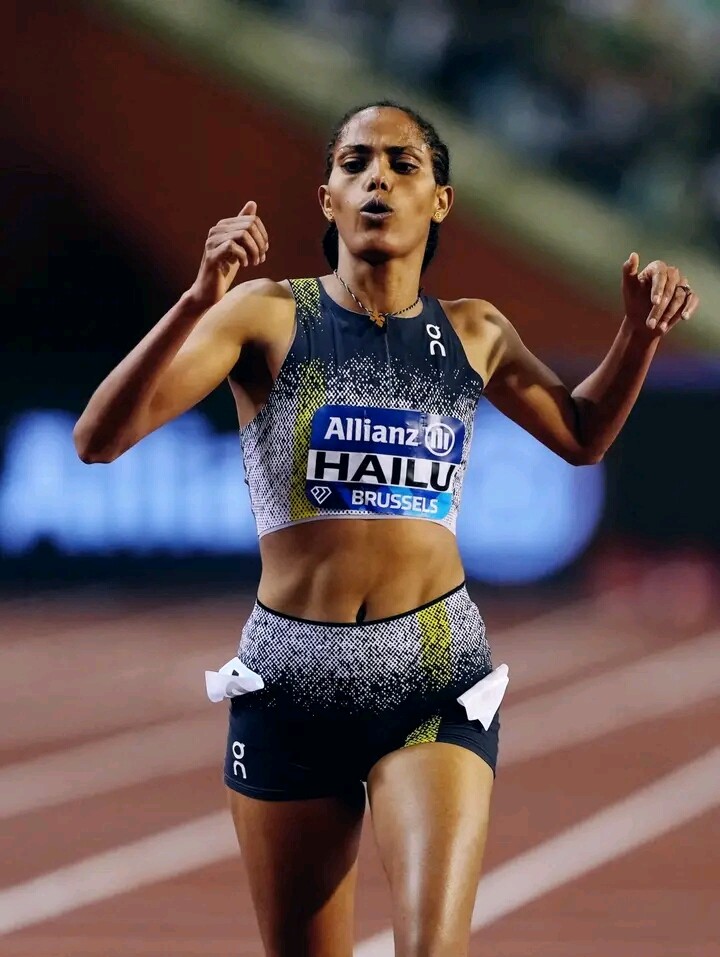
The Ethiopian star executed the perfect sit-and-kick strategy. Rather than committing herself to the pace early, Hailu remained patiently positioned among the leading group, conserving her energy while waiting for the race to reach its decisive stages.
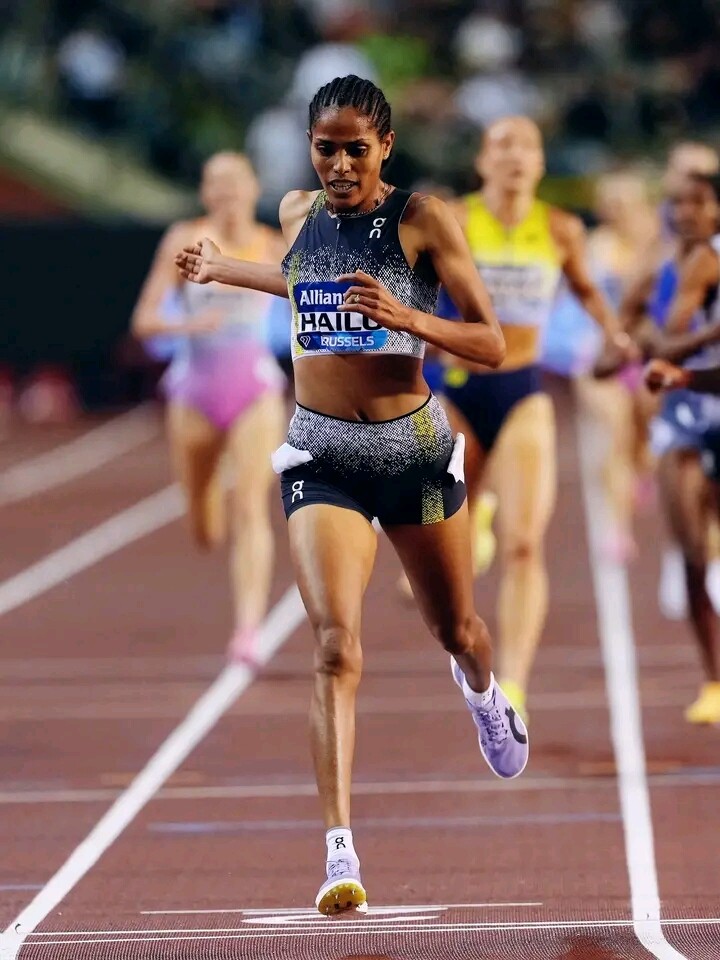
When the moment finally arrived, she was ready.
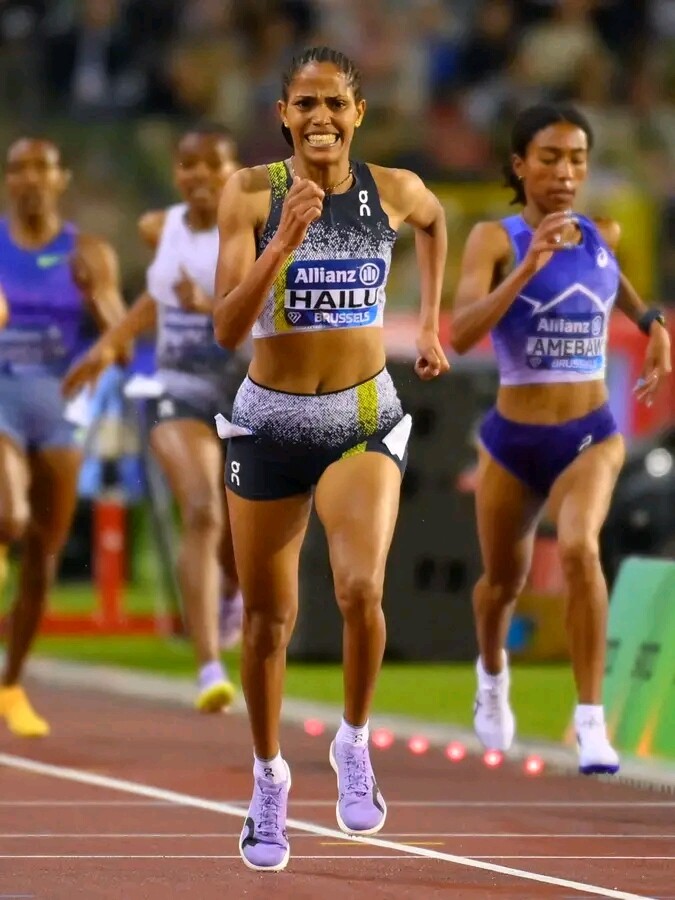
Hailu accelerated ferociously over the closing 200 metres, suddenly opening a gap on the field and turning a tightly contested race into a commanding victory. Her rivals simply could not match the change of pace as she powered relentlessly toward the finish line.
Her 14:35.20 was enough to secure the Diamond Trophy and headline an extraordinary Ethiopian clean sweep of the podium. Hailu was followed home by compatriots Amedework Amebaw, who ran 14:36.31, and Freweyni Getachew, who clocked 14:37.09.
The strength of the Ethiopian contingent was further demonstrated by Hirut Meshesha, who finished fifth in 14:37.84. Meshesha narrowly finished ahead of Australia’s Georgia Griffith, who stopped the clock at 14:38.69, with both athletes producing strong performances in a fiercely competitive field.
Meshesha’s fifth-place finish carried an additional reward. She secured the final qualifying spot for the World Ultimate Championships, having been the highest individual in the field who had not already qualified through the World Ranking Quota.
Australia’s Sarah Davies finished fourth in 14:37.47, a season’s best, while the Netherlands’ Maureen Koster was seventh in 14:39.38. Ethiopia’s Tsige Eisa followed in eighth with 14:39.40, while compatriot Frehiwot Alemayo placed ninth in 14:40.27. Australia’s Rose Davies Hall completed the top 10 in 14:40.62, a personal best.
For Hailu, the victory added another impressive chapter to an already distinguished career. The two-time World Indoor Champion has established herself as one of Ethiopia’s leading middle- and long-distance runners, possessing the rare combination of endurance, tactical awareness and explosive finishing speed.
She arrived in Brussels with a formidable 14:18.94 personal best, the second-fastest mark among the competitors. But she did not need to rely on chasing that standard. Instead, she trusted her race instincts, stayed composed and waited until the final moments to unleash the weapon that ultimately decided the contest.
The final 200 metres belonged entirely to Hailu. What had been a battle of patience and positioning suddenly became a demonstration of pure speed, with the Ethiopian pulling away decisively as the finish approached.
Brussels therefore witnessed more than another Diamond League victory. It was a statement from Hailu and a powerful showcase of Ethiopia’s extraordinary depth in women’s distance running.
She sat, she waited, and then she struck. Nobody could live with that kick.
by Erick Cheruiyot for My Best Runs.
Login to leave a comment
Oblique Seville Rules Brussels With A Blistering 9.90 To Claim The Diamond Trophy
Oblique Seville produced a statement performance in Brussels, powering to a superb 9.90 seconds to capture the men’s 100m Diamond League title and secure the coveted Diamond Trophy for Jamaica.
The Jamaican sprinter rose to the occasion in a fiercely contested final, exploding from the blocks and maintaining his composure as the field charged towards the finish. Seville held off a remarkable challenge from Cameroon’s Emmanuel Eseme, who pushed him all the way before crossing the line in an outstanding 9.93 seconds.
Nigeria’s Kayinsola Ajayi also delivered a superb performance, breaking the 10-second barrier to take third in 9.97 seconds and complete a remarkably fast podium.
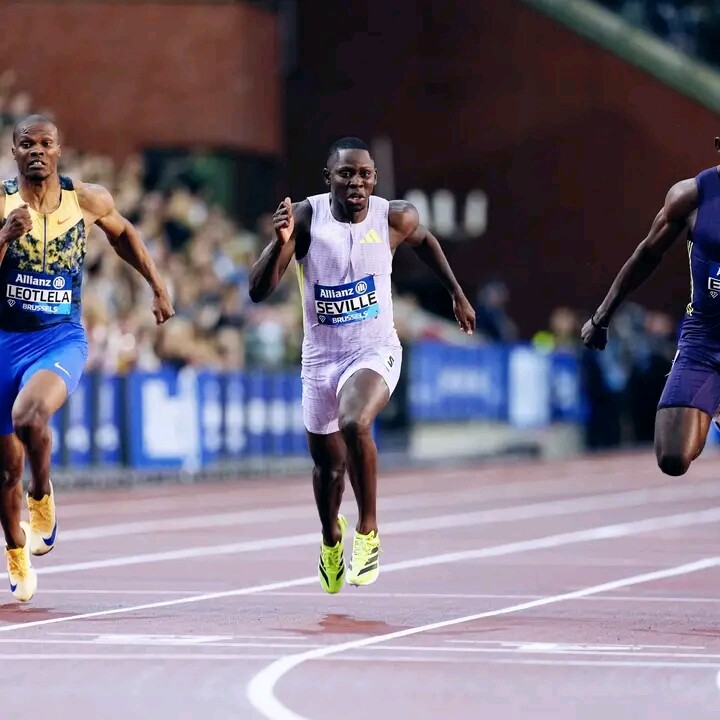
Behind the leading trio, Australia’s Lachlan Kennedy narrowly missed the podium in 9.99, while South Africa’s Gift Leotlela and American Christian Coleman both stopped the clock at 10.01. South Africa’s Akani Simbine followed in 10.03, with American Trayvon Bromell recording 10.07.
For Seville, the victory represents another significant milestone in a rapidly developing career. The Jamaican has established himself as one of the leading sprinters of his generation, and his ability to deliver under the pressure of a Diamond League final once again demonstrated his competitive strength.
The Brussels final was particularly impressive for its depth, with seven athletes breaking or matching the 10-second barrier. Yet when the decisive moment arrived, Seville had the extra gear required to separate himself from the pack.
His 9.90 was not merely enough to win the race—it was enough to put his name on the Diamond League trophy and cap his campaign with another major victory.
1. Oblique Seville — 9.90
2. Emmanuel Eseme — 9.93
3. Kayinsola Ajayi — 9.97
Jamaica celebrates another Diamond League champion, while Seville leaves Brussels with the biggest prize of the night and yet another reminder that he belongs among the very best in the world.
A brilliant finish to the Diamond League season—and another golden moment for Oblique Seville.
by Erick Cheruiyot for My Best Runs.
Login to leave a comment
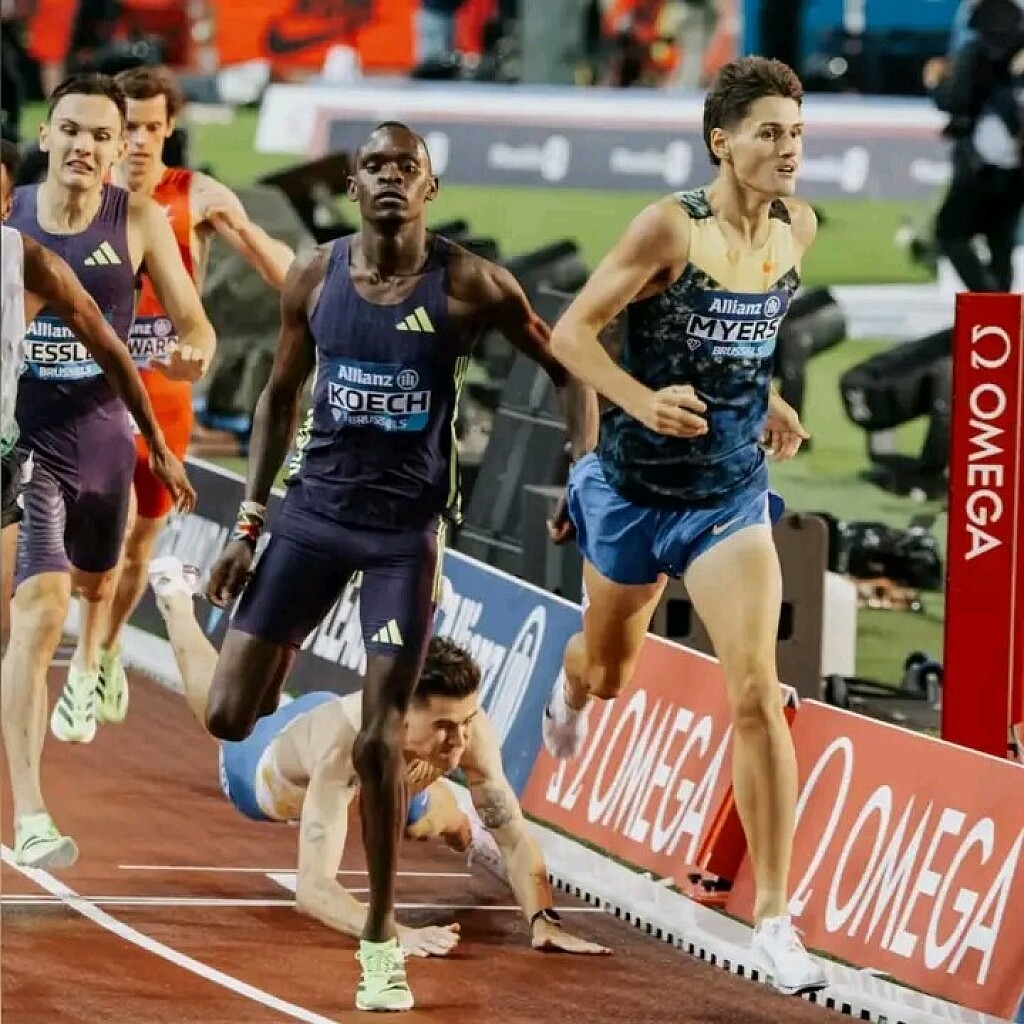
Cameron Myers Produces A Champion’s Kick To Win Thrilling Brussels 1500m Final
Cameron Myers delivered a breathtaking finish in Brussels to capture the men’s 1500m Diamond League Final title, producing a decisive late surge before dipping for the line in 3:30.14 to claim the coveted Diamond Trophy.
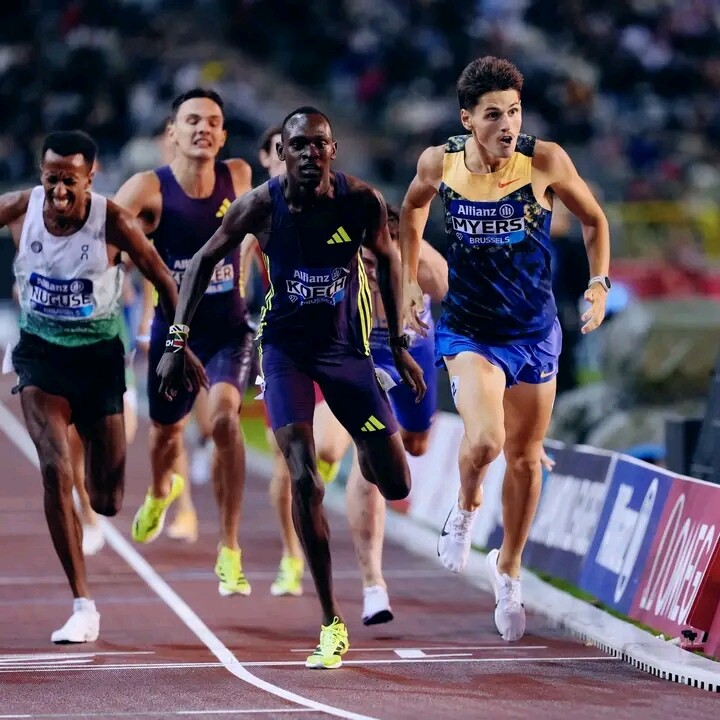
The Australian was moving with remarkable speed when it mattered most, unleashing the finishing kick of a champion in the closing metres. With the race finely poised, Myers held his composure and found the extra strength needed to edge ahead at the line in a dramatic conclusion to the final.
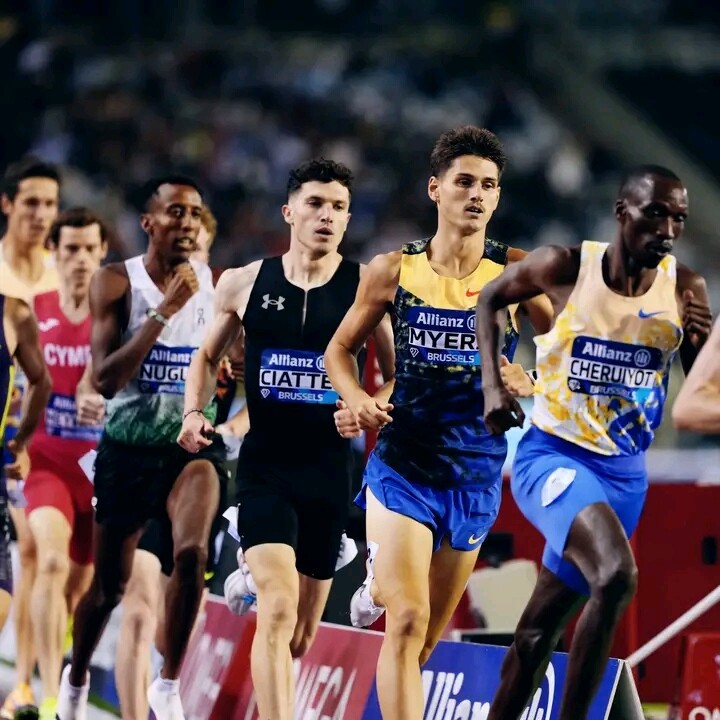
Kenya’s Phanuel Kipkosgei Koech came agonisingly close to taking the title, crossing the finish in 3:30.18—just 0.04 seconds behind Myers. Koech produced a brilliant closing effort and pushed the Australian all the way, narrowly missing out on what would have been a stunning Diamond League triumph.
American Ethan Strand completed the podium in 3:30.50, adding another layer to an extraordinary finish. The first three athletes were separated by just 0.36 seconds, underlining just how fiercely contested the race was from start to finish.
For Myers, the victory was a powerful statement on one of the biggest stages of the Diamond League season. When the pressure reached its peak, the Australian responded with speed, determination and the composure required to deliver when victory was decided by the smallest of margins.
Koech, meanwhile, leaves Brussels with plenty of credit after pushing Myers to the absolute limit. His silver-medal performance demonstrated both his strength and his ability to compete fearlessly against elite opposition, even though the Diamond Trophy slipped away by the narrowest of margins.
It was a finish worthy of a Diamond League Final—three athletes charging for the line, separated by fractions of a second, with Myers ultimately producing the decisive move. Four hundredths of a second made the difference between gold and silver in one of Brussels’ most thrilling showdowns
by Erick Cheruiyot for My Best Runs.
Login to leave a comment
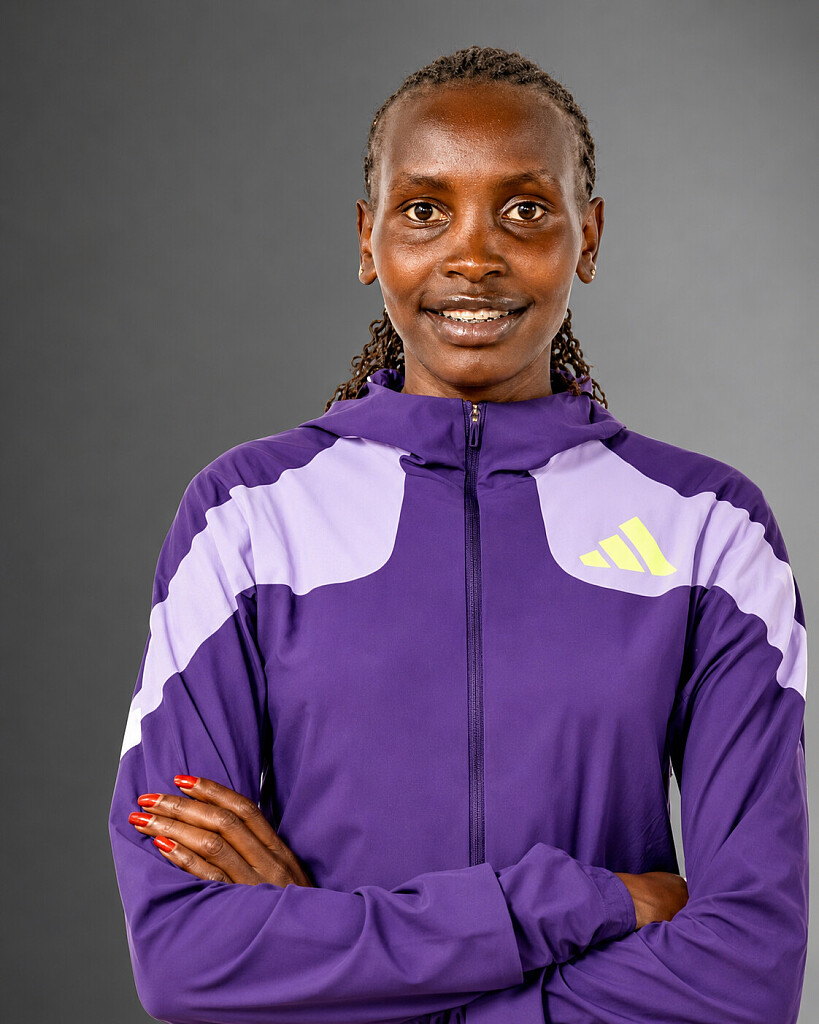
Agnes Ngetich Faces An Ethiopian Wall In Brussels: One Kenyan Against Eight
One Kenyan. Eight Ethiopians. One enormous challenge.
Agnes Jebet Ngetich is set for one of the most intriguing tests of her 2026 season when she lines up in the women’s 5000m at the Brussels Diamond League Final, facing an Ethiopian contingent that has dominated the qualification standings.
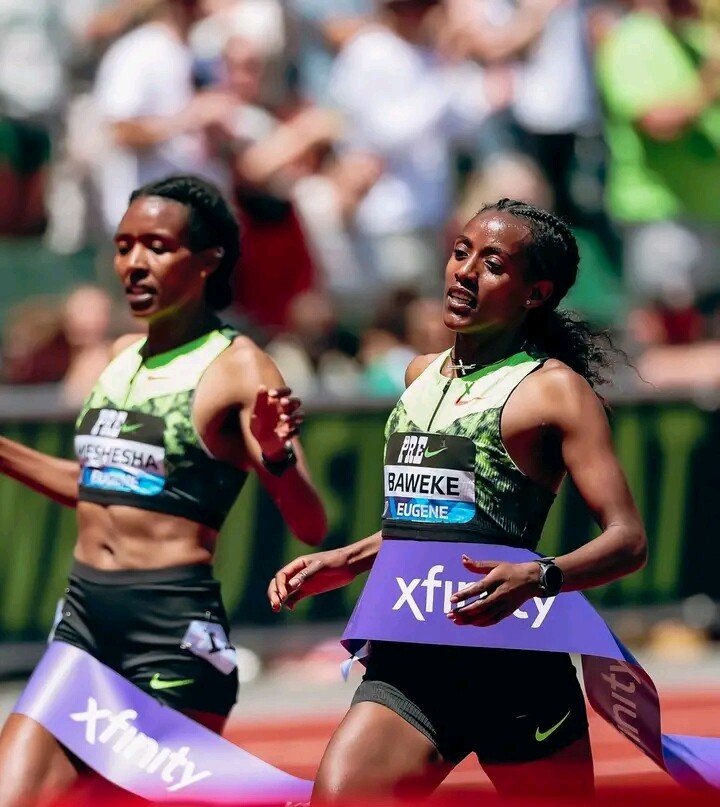
Ngetich has earned her place in the prestigious final with 8 points, placing 10th among the automatic qualifiers. But when the gun fires at Brussels’ King Baudouin Stadium, she will find herself surrounded by an extraordinary Ethiopian presence — eight Ethiopians among the 10 automatic qualifiers.
One against eight.
That is the kind of matchup that makes distance running impossible to ignore.
Ethiopia has controlled the qualification battle from the top of the standings, led by Aleshign Baweke, who enters the final with 26 points. Freweyni Hailu follows closely on 25, while Likina Amebaw has 23. Senayet Getachew has 20, with Marta Alemayo completing the top five on 16 points.
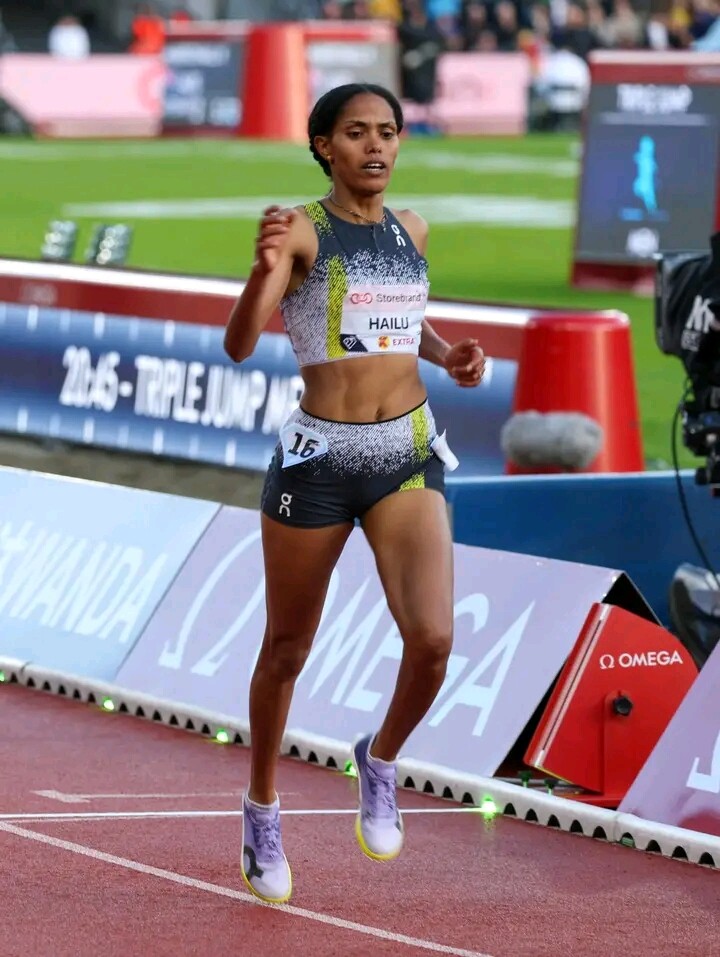
Australia’s Rose Davies, on 14 points, is the only non-Ethiopian athlete inside the top six before the Ethiopian charge resumes with Medina Eisa on 13, Hirut Meshesha on 10 and Hawi Abera on nine.
Then comes Ngetich.
The Kenyan arrives with eight points, but her position on the qualification table does not tell the whole story. She has established herself as a formidable force over the longer track distances, and she will have no intention of allowing the Ethiopian numbers to dictate the outcome before the race even begins.
For Ngetich, Brussels is not simply another Diamond League appearance. It is an opportunity to stand alone against overwhelming opposition and attempt to disrupt an Ethiopian celebration.
The field will also feature Belgian wildcard Jana Van Lent, giving the home crowd an additional reason to get behind the race. But the central storyline is unmistakable: Kenya versus Ethiopia, with Ngetich carrying the Kenyan challenge almost single-handedly.
The 2026 Brussels Diamond League Final will take place on September 4–5 at King Baudouin Stadium in Brussels, Belgium, bringing together some of the finest athletes from across the season.
Women’s 5000m Qualified Runners
1. Aleshign Baweke — Ethiopia — 26 points
2. Freweyni Hailu — Ethiopia — 25 points
3. Likina Amebaw — Ethiopia — 23 points
4. Senayet Getachew — Ethiopia — 20 points
5. Marta Alemayo — Ethiopia — 16 points
6. Rose Davies — Australia — 14 points
7. Medina Eisa — Ethiopia — 13 points
8. Hirut Meshesha — Ethiopia — 10 points
9. Hawi Abera — Ethiopia — 9 points
10. Agnes Jebet Ngetich — Kenya — 8 points
11. Jana Van Lent — Belgium — Wild Card
The numbers make the challenge look almost impossible: eight Ethiopians against one Kenyan. But championship races are not won on qualification tables. They are decided when the athletes step onto the track, the pace rises and every tactical decision begins to matter.
Ngetich will therefore enter Brussels with a simple mission — break through the Ethiopian wall and spoil the party on Kenyan terms.
Can she turn the loneliest lane into the most unforgettable one?
One against eight. Kenya against Ethiopia. Brussels awaits.
by Erick Cheruiyot for My Best Runs.
Login to leave a comment
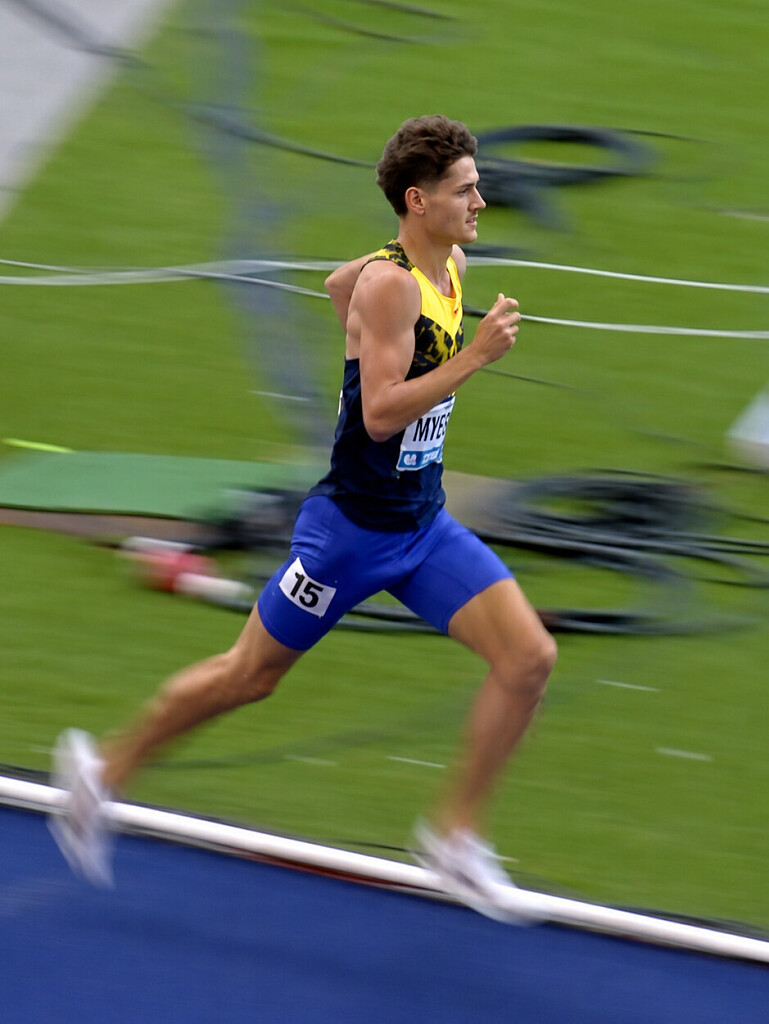
Cameron Myers Reigns in Berlin with Brilliant 3:30.96 1500m Victory
Australia’s Cameron Myers delivered another outstanding performance, producing a commanding run to win the men’s 1500 metres at ISTAF Berlin in 3:30.96.
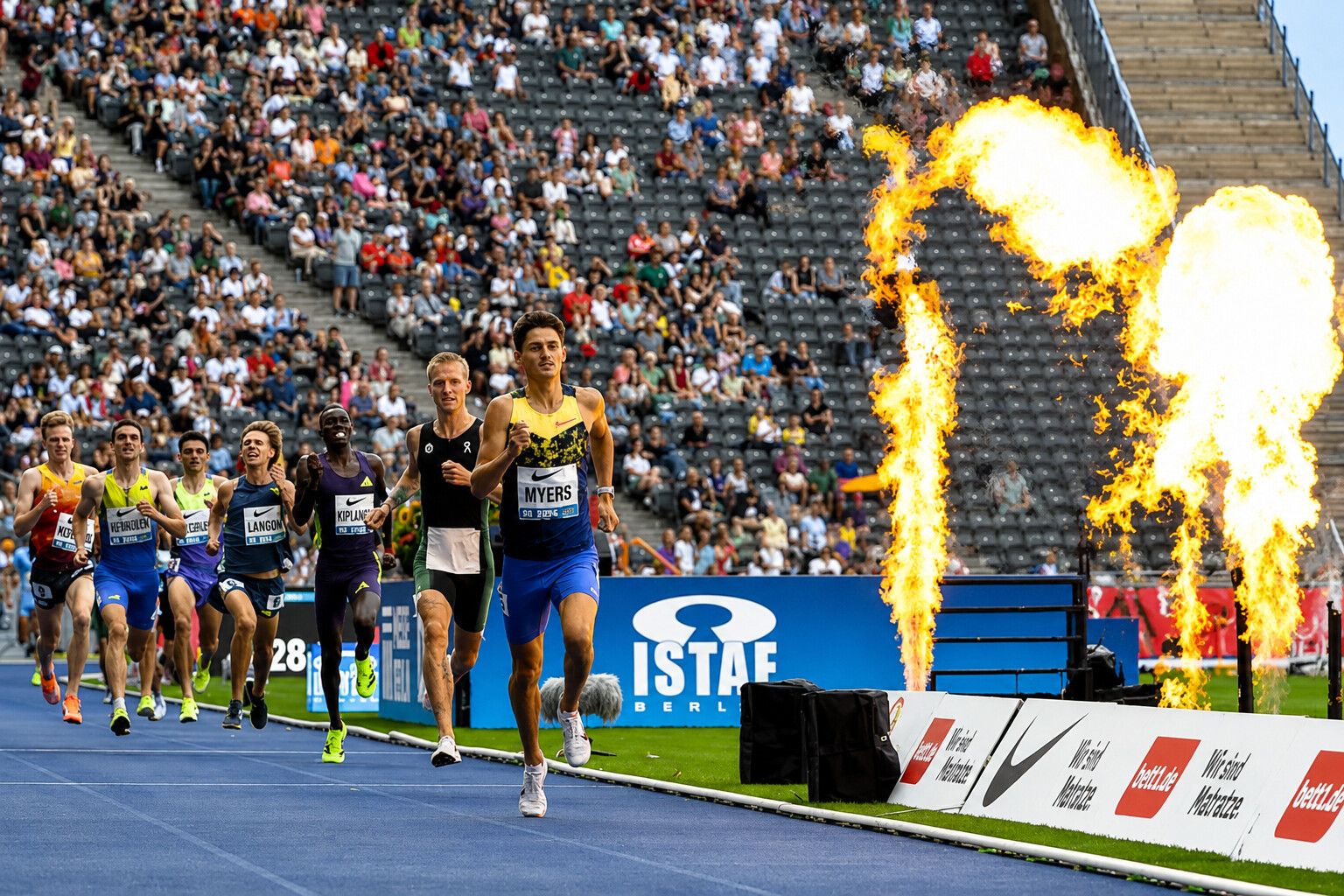
The Australian middle-distance star once again demonstrated why he is regarded as one of the most exciting athletes in the event, emerging victorious from a high-quality race ahead of Germany’s Robert Farken, who finished second in 3:31.73.
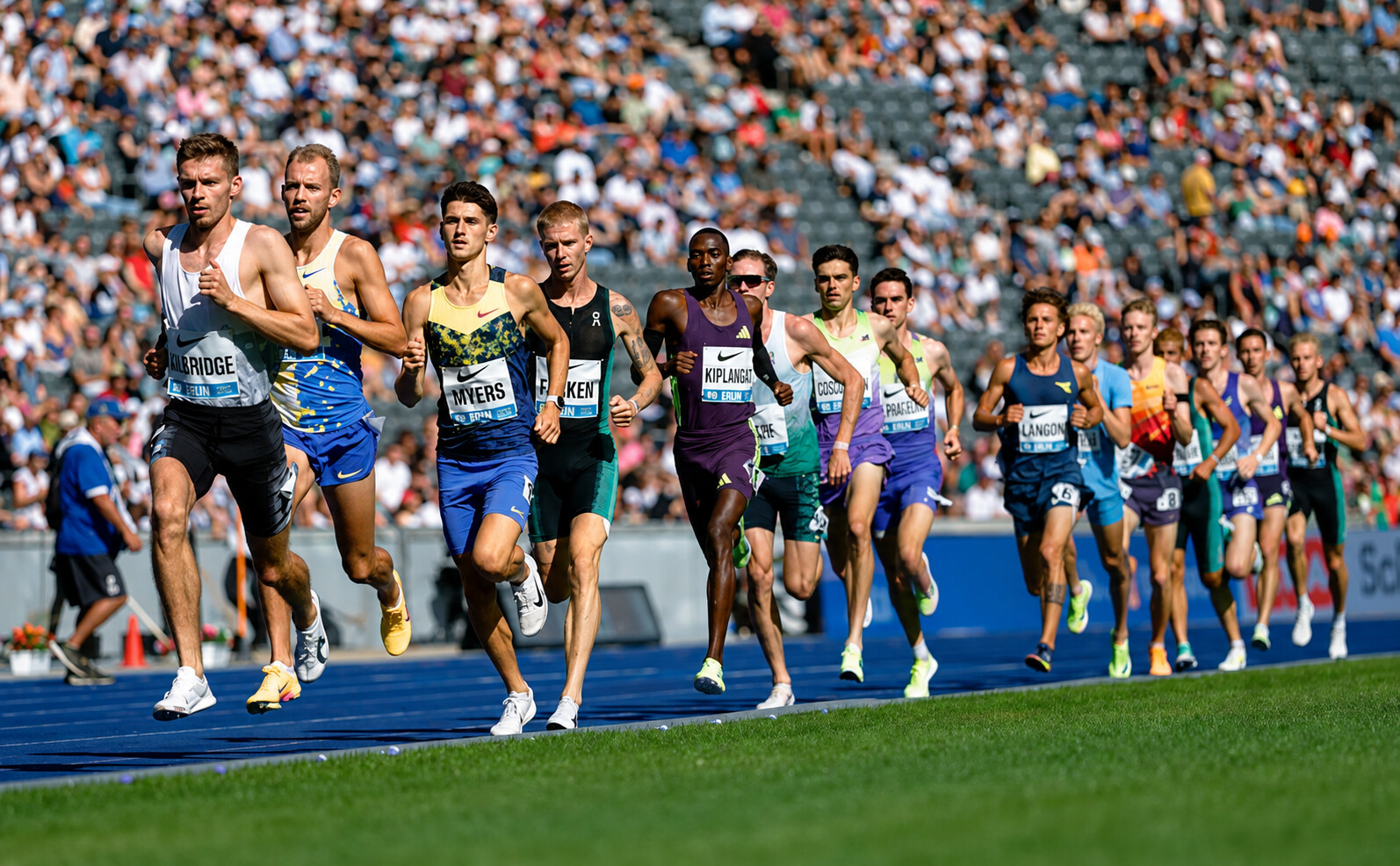
Farken, the German record holder, had the advantage of competing in front of his home crowd in Berlin, but Myers proved too strong when it mattered most. The Australian showed impressive composure and strength in the closing stages, producing the decisive finish needed to secure another important victory.
The race featured a deep international field, with Kenya’s Danson Kiplangat taking third place in 3:33.01. Belgium’s Jochem Vermeulen followed in fourth with 3:33.13, while Norway’s Narve Gilje Nordås rounded out the top five in 3:33.32.
Still only 20 years old, Myers continues to show remarkable maturity and consistency against world-class opposition. His victory in Berlin was not simply about the fast time, but also about the confidence and racing intelligence he displayed against an experienced field. With each major performance, the Australian is strengthening his reputation as one of the most exciting young forces in global middle-distance running.
Myers arrived in Berlin in excellent form and once again proved his ability to deliver against some of the strongest competitors in the world. His performance was particularly impressive given the quality and depth of the field, with several accomplished international runners unable to match the Australian’s strength when the race reached its decisive stages.
The victory adds another significant chapter to Myers’ rapidly developing career and further underlines his growing status in the men’s 1500 metres. For Farken, second place represented another strong performance on home soil, but on this occasion, the night belonged to Myers, whose brilliant 3:30.96 run earned him another memorable triumph and added further momentum to his impressive season.
by Erick Cheruiyot for My Best Runs.
Login to leave a comment
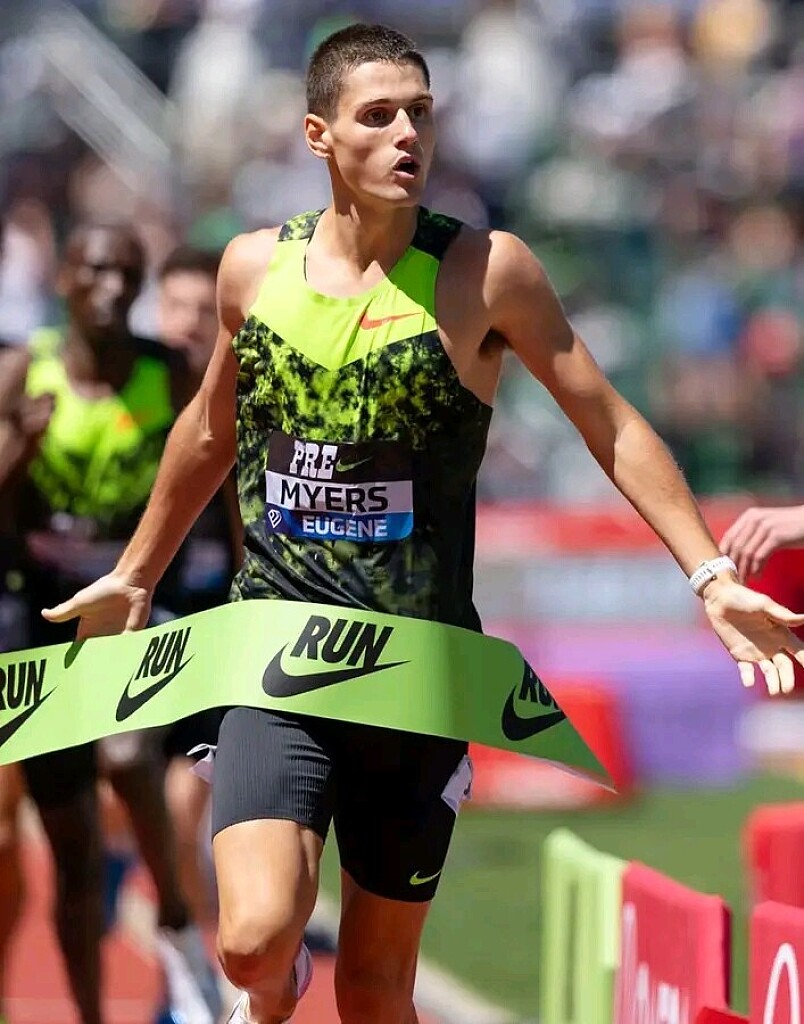
Cameron Myers Leads Star-Studded 1500m Field as Berlin Promises Another Spectacular Battle
The 1500m action is far from over.
After a thrilling showdown at the Zurich Diamond League, attention now shifts to Berlin, where another fascinating middle-distance contest is set to take centre stage at the 2026 ISTAF Berlin meeting on August 30.
Leading the field is Australian sensation Cameron Myers, who returns to the 1500m as the current world leader and one of the most exciting young talents in global middle-distance running. Myers will once again have the opportunity to test himself against a deep and highly competitive international field as he continues his remarkable rise on the world stage.
However, the Australian will face no shortage of formidable opposition.
Germany's Robert Farken will be determined to deliver a strong performance in front of his home crowd, while Spain's Mohamed Attaoui brings his own impressive credentials to a race filled with athletes capable of challenging for victory. The stacked lineup also includes Marco Langon, Samuel Prakel, Oliver Hoare, Danson Kiplangat, Andrew Coscoran, Narve Gilje Nordås, Jochem Vermeulen and several other accomplished middle-distance runners.
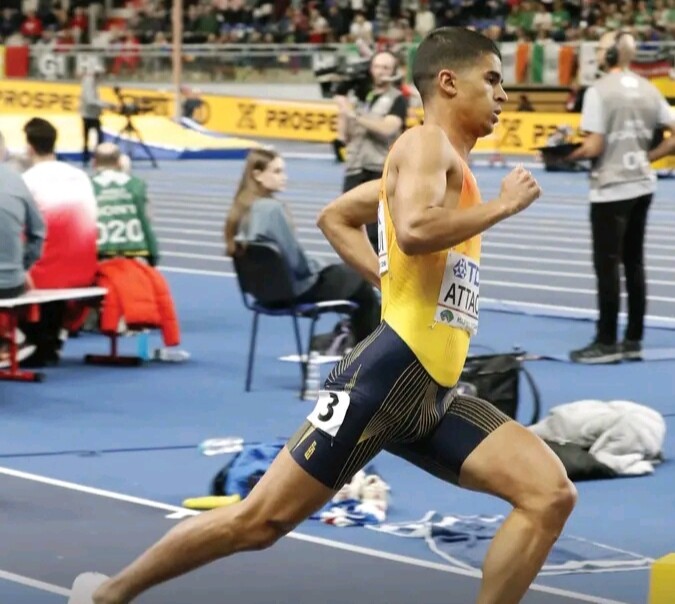
The depth of the field could make the race tactically unpredictable. With athletes capable of forcing a fast pace and others renowned for their devastating finishing kicks, positioning and patience will be crucial as the race builds toward its decisive final lap. In a contest of this quality, even the smallest tactical mistake could prove costly.
For Myers, Berlin represents another important opportunity to demonstrate that his remarkable rise is no temporary phenomenon. Yet, with experienced international rivals lining up alongside him, the young Australian will have to fight for every metre and every position against a field packed with quality.
After the fireworks in Zurich, the spotlight now moves to the German capital. The 1500m season still has unfinished business, and with Cameron Myers leading such a loaded field into Berlin, fans could be treated to another unforgettable battle filled with speed, drama and a fierce fight for supremacy.
August 30 promises another spectacular chapter in what has already been a thrilling 1500m season.
by Erick Cheruiyot for My Best Runs.
Login to leave a comment
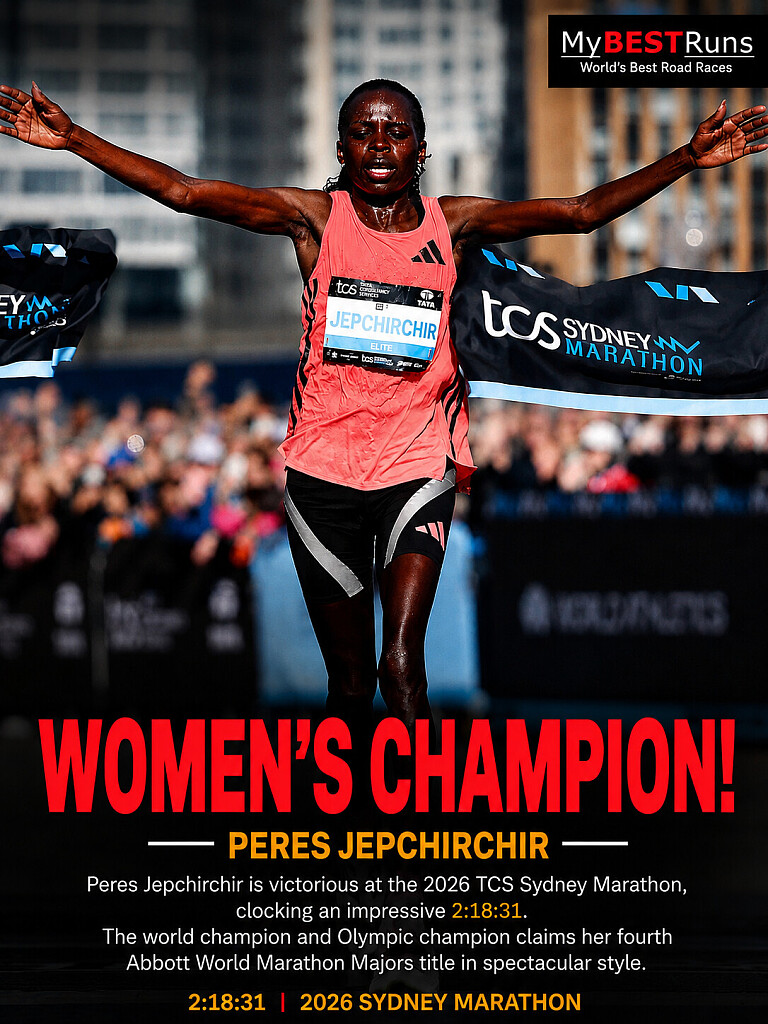
Peres Jepchirchir Conquers Sydney As World Champion Claims Fourth Major Marathon Crown
Kenya’s Peres Jepchirchir has added another prestigious chapter to her remarkable marathon career, claiming victory at the TCS Sydney Marathon presented by ASICS in an impressive 2:18:31.
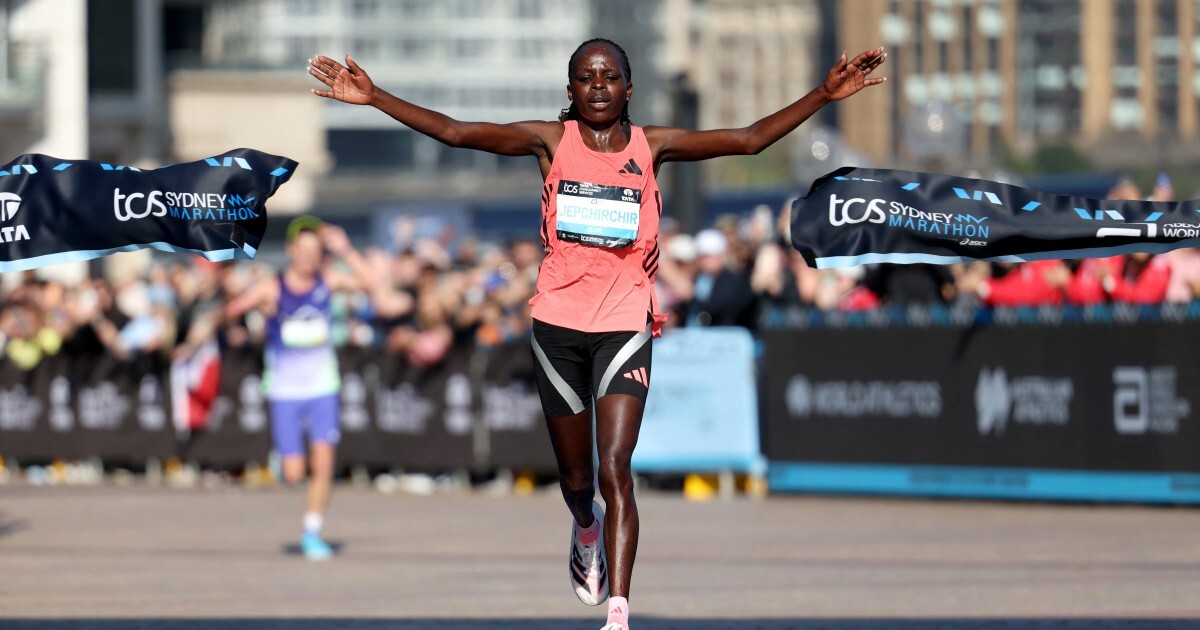
The reigning world champion and former Olympic champion produced a commanding performance on the streets of Sydney, securing another major victory and further strengthening her reputation as one of the most accomplished marathoners of her generation.
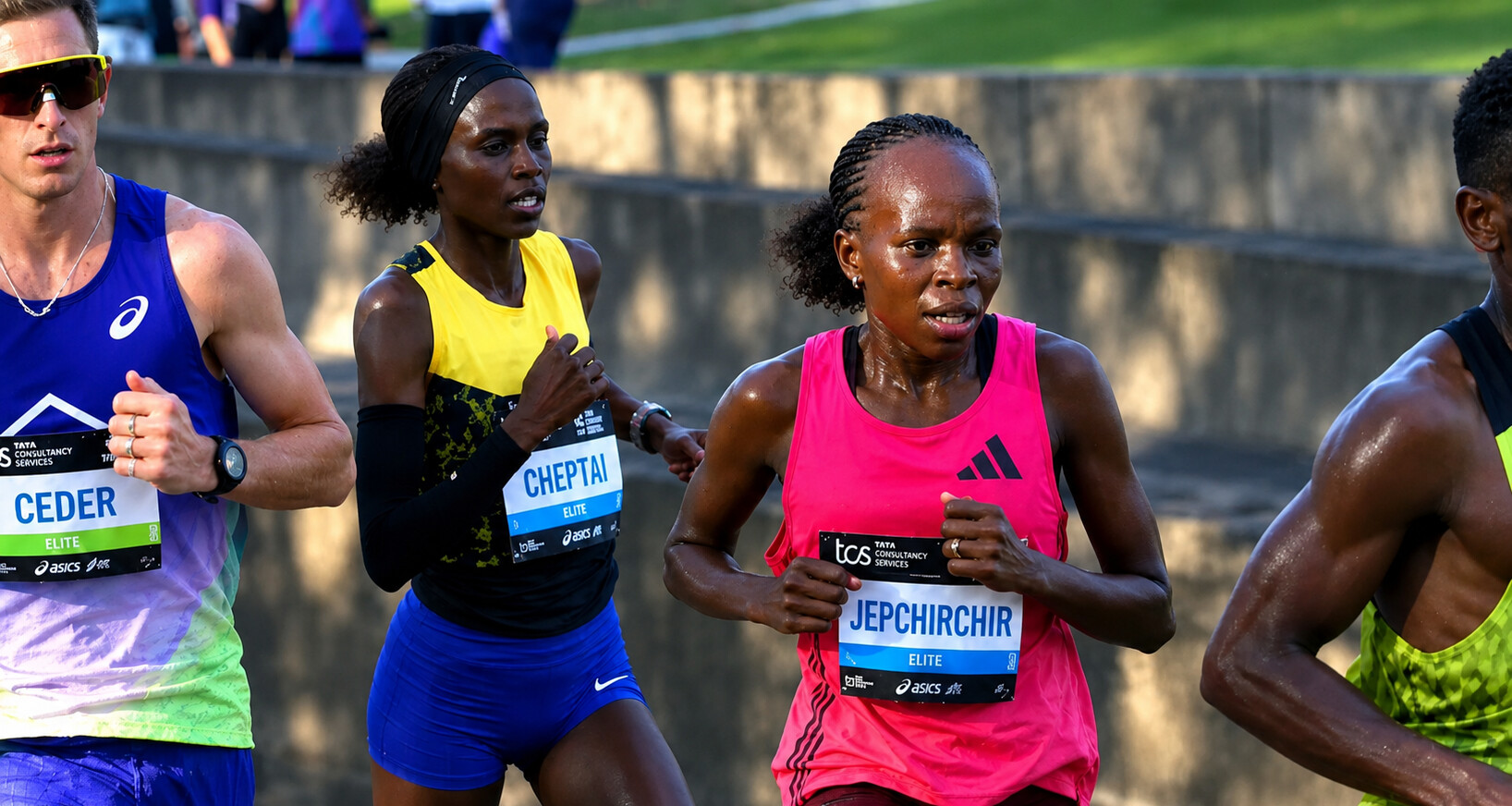
Jepchirchir’s winning time was just nine seconds shy of Sifan Hassan’s Sydney course record of 2:18:22, set at the 2025 edition. Although the record remained intact, the Kenyan once again demonstrated her ability to perform with precision and confidence on one of the sport’s biggest stages.
She won the race with a performance defined by patience, poise and remarkable composure. Rather than being drawn into unnecessary battles in the early stages, Jepchirchir appeared to run with confidence, gradually asserting her authority as the kilometres passed. Her rhythm remained smooth and controlled, her focus unwavering, and when the decisive moments arrived, she had the strength and composure to take command. It was a victory crafted with intelligence, executed with elegance and finished with the unmistakable authority of a true champion.
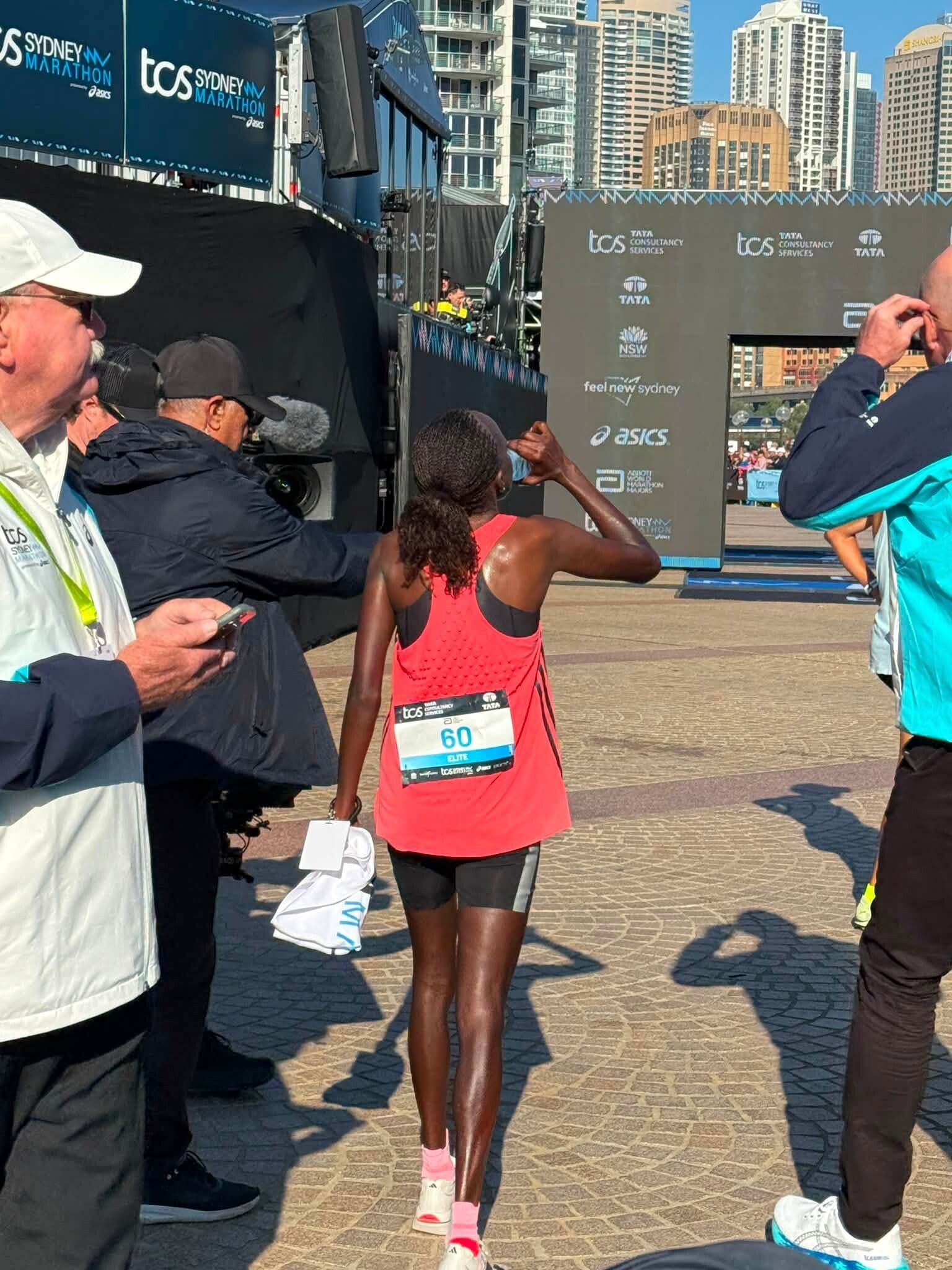
More significantly, the triumph marks Jepchirchir’s fourth Abbott World Marathon Majors victory. She had previously conquered New York, Boston and London, and her Sydney success now adds another prestigious Major title to an already extraordinary résumé.
Behind the champion, compatriot Irine Cheptai completed an impressive Kenyan one-two, crossing the finish line in 2:22:11. Ethiopia's Shure Demise secured the final place on the podium with a strong run of 2:22:32, as Kenya and Ethiopia once again demonstrated their extraordinary depth in elite women's marathon running.
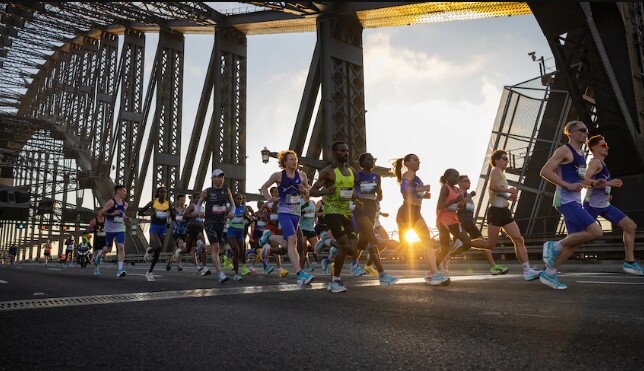
Ethiopia's Haven Hailu finished fourth in 2:22:56, followed by compatriot Meseret Abebayehu in fifth with 2:23:40. Kenya's Priscah Cherono took sixth place in 2:23:49, narrowly ahead of Uganda's Stella Chesang, who clocked 2:23:51 for seventh.
The race also featured a notable performance from home favourite Ellie Pashley, who battled her way into the top 10. The Australian finished ninth in 2:28:27, giving the home crowd a strong athlete to celebrate in an elite field dominated by East African runners.
2026 Sydney Marathon – Top 10 Women's Results
1. Peres Jepchirchir (Kenya) – 2:18:31
2. Irine Cheptai (Kenya) – 2:22:11
3. Shure Demise (Ethiopia) – 2:22:32
4. Haven Hailu (Ethiopia) – 2:22:56
5. Meseret Abebayehu (Ethiopia) – 2:23:40
6. Priscah Cherono (Kenya) – 2:23:49
7. Stella Chesang (Uganda) – 2:23:51
8. Fikrte Wereta (Ethiopia) – 2:25:18
9. Ellie Pashley (Australia) – 2:28:27
10. Aberu Ayana (Ethiopia) – 2:28:29
For Jepchirchir, Sydney represents far more than another race victory. It is another demonstration of the consistency, resilience and championship mentality that have defined her career. From Olympic glory to world championship success and now another Major triumph, she continues to strengthen her place among the most accomplished marathoners of her era.
The Sydney Marathon has rapidly established itself as one of the most significant races on the global marathon calendar, and Jepchirchir’s victory adds another memorable chapter to its growing history.
As the champion crossed the finish line beneath Sydney’s iconic skyline, she celebrated another remarkable achievement in a career that continues to evolve with every major challenge.
From Olympic champion to world champion, from New York and Boston to London and now Sydney, Peres Jepchirchir continues to turn the world’s greatest marathons into stages for her brilliance. Sydney has a new champion, and another extraordinary chapter has been added to the story of one of marathon running’s finest competitors.
Four Abbott World Marathon Majors conquered. One extraordinary legacy still being written.
From Jepchirchir's dominant victory to another fiercely competitive East African showdown and Pashley's determined top-10 finish on home soil, the 2026 Sydney Marathon delivered a memorable showcase of world-class women's distance running. And at the centre of it all stood Peres Jepchirchir—once again wearing the crown.
by Erick Cheruiyot for My Best Runs.
Login to leave a comment
Sydney Marathon
The Sydney Marathon is a marathon held annually in Sydney, Australia. The event was first held in 2001 as a legacy of the 2000 Summer Olympics, which were held in Sydney. In addition to the marathon, a half marathon, 9 kilometres (5.6 mi) "Bridge Run", and a 3.5 kilometres (2.2 mi) "Family Fun Run" are also held under the banner...
more...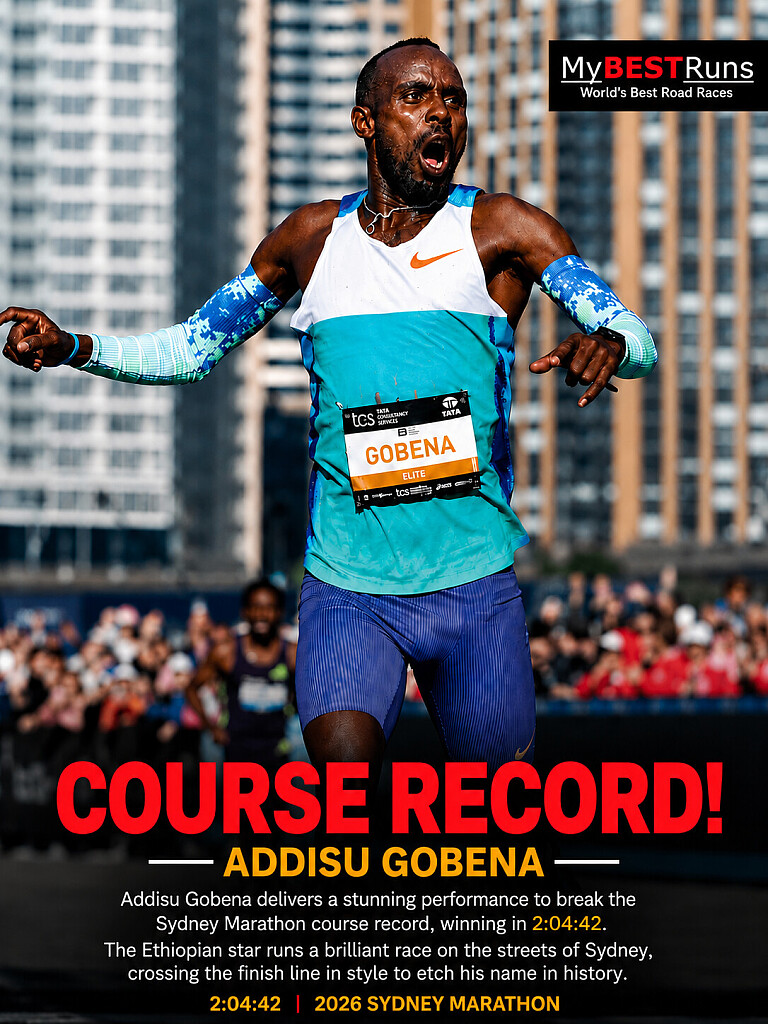
Addisu Gobena Edges Epic Sydney Marathon Thriller as Course Record Falls and Ramakongoana Makes History
Addisu Gobena has completed a remarkable transformation from javelin thrower to marathon champion, returning to Sydney one year after finishing runner-up and this time producing a spectacular victory in a new course-record time of 2:04:42.
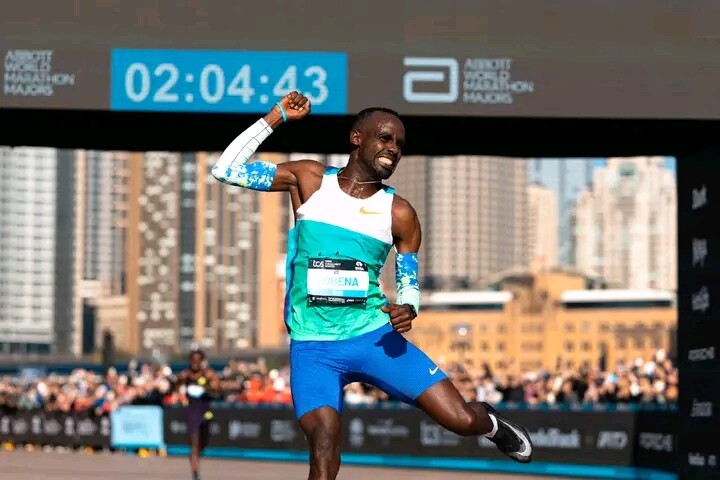
The 21-year-old Ethiopian delivered a performance to remember at the 2026 Sydney Marathon, breaking away from a fiercely competitive field and crossing the finish line in 2:04:42 to claim the men's title.
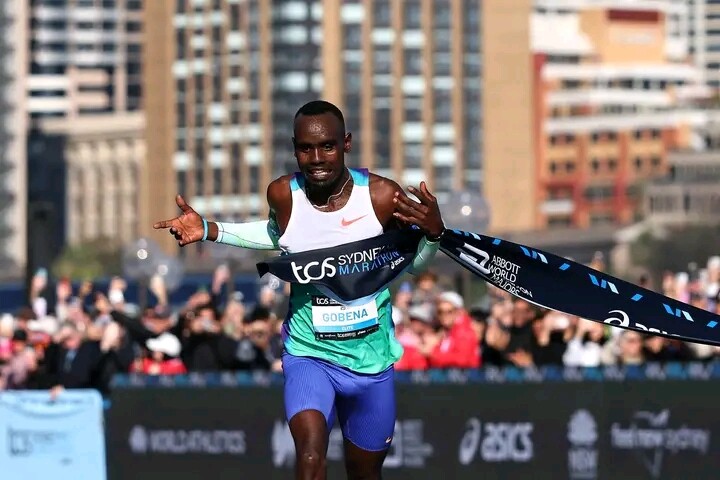
In the process, Gobena obliterated the previous course record of 2:06:06, improving it by 1 minute and 24 seconds. The result represents another extraordinary step in the rapid rise of an athlete whose path to marathon success is anything but conventional.
Gobena was still competing as a javelin thrower until 2023 before turning his attention fully towards distance running. What followed has been an astonishing transformation. Within a remarkably short period, the young Ethiopian progressed from the field-event sector to the highest level of road racing, developing into a formidable marathoner.
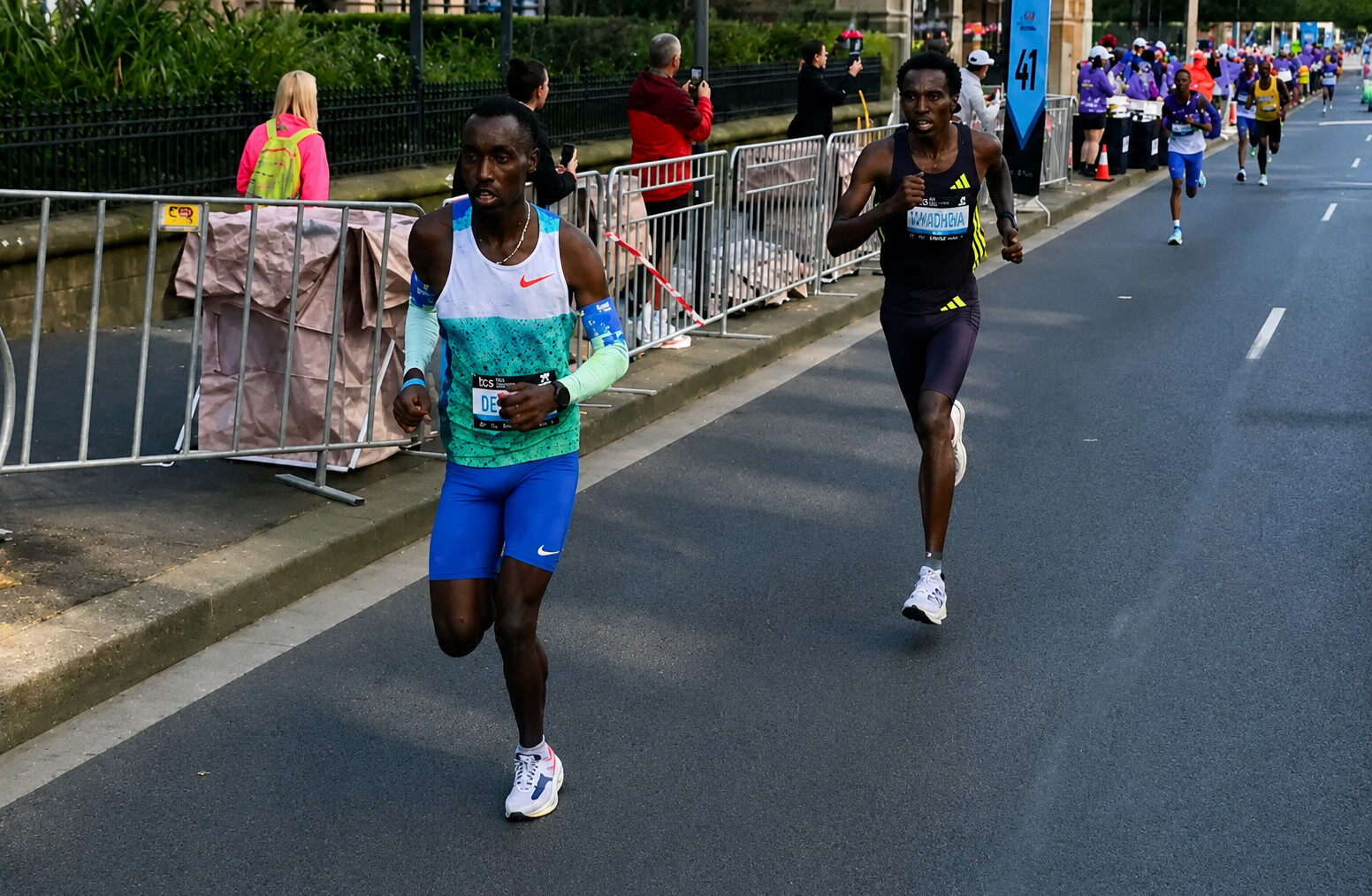
His breakthrough came at the 2024 Dubai Marathon, where he won on his marathon debut in 2:05:01. He then continued to establish himself among Ethiopia's promising young distance runners, eventually returning to Sydney in 2025, where he finished second behind compatriot Hailemaryam Kiros.
That runner-up finish clearly left unfinished business.
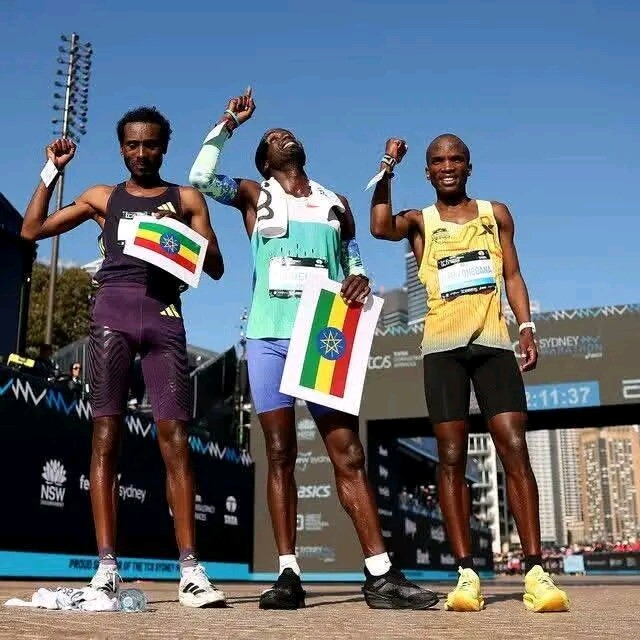
One year later, Gobena returned to the streets of Sydney with a different objective — and this time, he finished the job. His 2:04:42 not only secured the victory but also rewrote the course record in emphatic fashion.
The battle behind him was equally extraordinary.
Fellow Ethiopian Chimdessa Debele Gudeta produced a phenomenal run to finish second in 2:04:46, just four seconds behind Gobena. Behind them, Tebello Ramakongoana of Lesotho delivered another outstanding performance, taking third place in 2:04:57 and setting a new national record. His achievement was particularly remarkable as he finished on the same time as fourth-placed Alphonce Simbu of Tanzania, underlining just how extraordinary the battle for the podium had become.
The depth of the elite field was evident throughout the race, with the top five athletes all breaking 2:05. Ethiopia's Jemal Mekonnen took fifth in 2:04:59, while compatriot Hailemaryam Kiros followed in sixth with 2:05:16.
Kenya's Vincent Ngetich produced a strong performance to finish seventh in 2:05:27, while Ethiopia continued its impressive presence in the leading positions. Kenyan athletes Kennedy Kimutai and Gilbert Kibet also finished inside the top 10.
Australian hopes were led by Andrew Buchanan, who delivered a commendable home performance to finish 16th in 2:10:14.
2026 Sydney Marathon – Top 10 Men's Results
1. Addisu Gobena (Ethiopia) – 2:04:42 – Event Record
2. Chimdessa Debele Gudeta (Ethiopia) – 2:04:45
3. Tebello Ramakongoana (Lesotho) – 2:04:57 – National Record
4. Alphonce Simbu (Tanzania) – 2:04:57
5. Jemal Mekonnen (Ethiopia) – 2:04:59
6. Hailemaryam Kiros (Ethiopia) – 2:05:16
7. Vincent Ngetich (Kenya) – 2:05:27
8. Dawit Wolde (Ethiopia) – 2:06:41
9. Kennedy Kimutai (Kenya) – 2:06:50
10. Gilbert Kibet (Kenya) – 2:07:13
For Gobena, the significance of the victory goes far beyond a medal and a course record. Just a few years ago, his athletic ambitions were centred on throwing the javelin. Today, he stands at the top of one of the world's major marathon stages, having produced a performance that places his name firmly among the sport's emerging stars.
His Sydney story has also come full circle. Last year, he had to settle for second. This time, he returned stronger, faster and determined to seize the moment.
From the javelin runway to 42.195 kilometres of marathon glory, Addisu Gobena has written one of the most remarkable chapters of his young career — and at only 21, his best may still be ahead of him.
Sydney witnessed marathon racing of the very highest quality, with records falling, national pride soaring and the podium decided by the narrowest of margins. Gobena ultimately claimed the biggest prize, but the 2026 Sydney Marathon will be remembered for the extraordinary depth and intensity of a race that delivered one of the most thrilling finishes in the event's history.
by Erick Cheruiyot for My Best Runs.
Login to leave a comment
Sydney Marathon
The Sydney Marathon is a marathon held annually in Sydney, Australia. The event was first held in 2001 as a legacy of the 2000 Summer Olympics, which were held in Sydney. In addition to the marathon, a half marathon, 9 kilometres (5.6 mi) "Bridge Run", and a 3.5 kilometres (2.2 mi) "Family Fun Run" are also held under the banner...
more...
26 Years Later, Vivian Cheruiyot Returns To Sydney As A Kenyan Distance-Racing Legend
Twenty-six years ago, a 17-year-old Vivian Cheruiyot arrived in Sydney carrying the dreams of a young Kenyan athlete and the promise of a remarkable future.
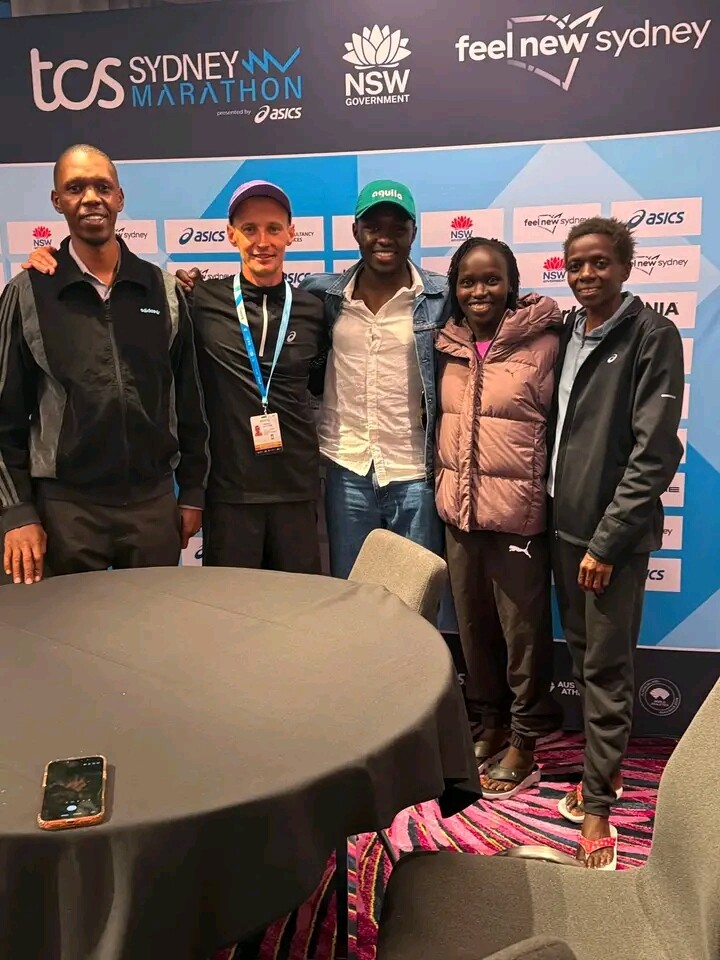
Today, she returns to the same Australian city as something far greater — an Olympic champion, four-time world champion, world cross-country champion, London Marathon winner, Laureus Sportswoman of the Year and one of Kenya’s most accomplished distance runners.
At 42, Cheruiyot will line up for the TCS Sydney Marathon on Sunday, August 30, completing an extraordinary full circle in a career that has stretched across more than two decades and transformed her from a teenage Olympian into one of the defining figures of her generation.
When Cheruiyot first competed in Sydney at the 2000 Olympic Games, few could have imagined the heights she would eventually reach. Still only 17, she advanced to the 5000m final and finished 14th — an experience that became the first chapter of an Olympic journey that would eventually span four Games.
The years that followed brought an extraordinary collection of victories.
Cheruiyot became world 5000m champion in 2009, then produced one of the greatest championship performances of her career in Daegu in 2011, winning both the 5000m and 10,000m titles while also claiming World Cross Country gold earlier that year. She added another world 10,000m title in Beijing in 2015, taking her tally to four senior world championships.
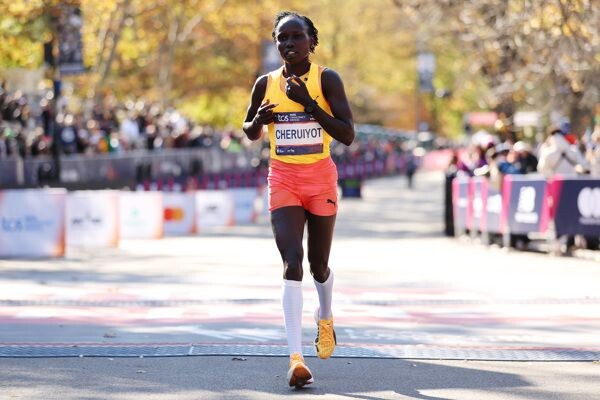
But the Olympic gold medal remained the one prize missing from her collection.
That changed dramatically in Rio in 2016.
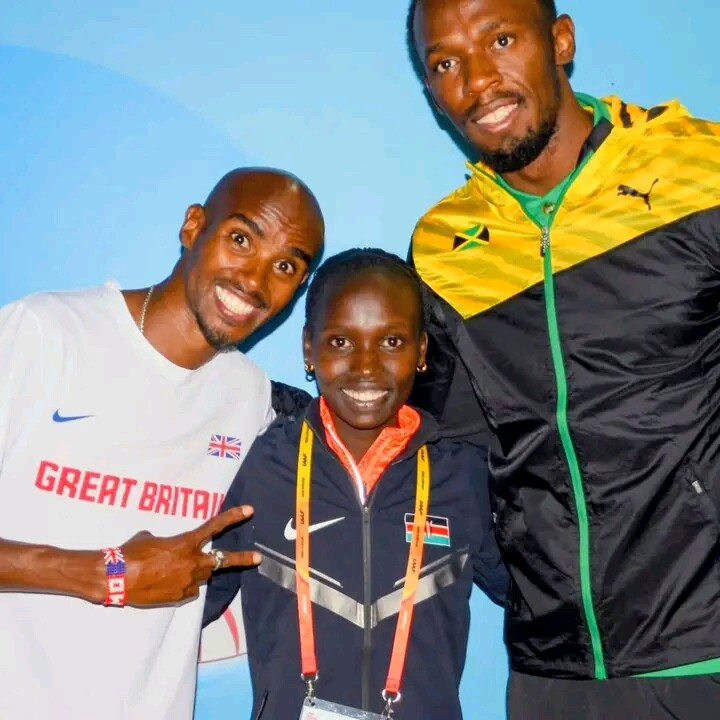
After winning silver in the 10,000m, Cheruiyot returned to the track for the 5000m final and delivered a masterclass in championship racing. She surged away from Ethiopia’s Almaz Ayana in the closing stages to win Olympic gold in 14:26.17, finally completing the collection of major titles she had chased for so many years.
“I said I want to win,” Cheruiyot recalled after that historic victory. “This was my fourth Olympics and I’ve been dreaming about this since the very start.”
Her brilliance was not confined to the track.
After moving into marathon running, Cheruiyot established herself among the world’s best over 42.195km. She finished fourth in her London Marathon debut in 2017 before returning the following year to produce a stunning victory in 2:18:31 — a performance that placed her fourth on the world all-time list at the time and remains her marathon personal best.
She also finished runner-up in the New York City Marathon in 2018 and second in London in 2019, further demonstrating that her extraordinary competitive instinct had successfully followed her from the track to the roads.
Away from competition, Cheruiyot’s story has also evolved with her life. She became a mother, welcomed her daughter Arielle in 2021 and returned to competitive racing in 2023. In 2024, she claimed third place at the New York City Marathon, followed by fifth at the 2025 London Marathon.
Now Sydney offers her another opportunity to write her name into the city’s sporting history.
“I look back on my career with pride. I was able to win almost everything and have been at the top for a long time,” Cheruiyot said ahead of her return.
She also remembers the extraordinary generation in which she competed — an era that included global icons such as Usain Bolt, Tirunesh Dibaba and Meseret Defar.
“I was running in a great era and had a close-up view of athletes like Usain Bolt setting the world alight,” she reflected.
Yet perhaps the most remarkable aspect of Cheruiyot’s return is not simply the passage of time, but her willingness to keep challenging herself.
She arrives in Sydney having put considerable work into rebuilding her fitness, knowing that the marathon demands something entirely different from the explosive championship races that defined her track career.
“I am very excited to go back to Sydney,” she said. “It has been 26 years since I was there, and a lot has changed in my life since then. I hope to have a good run — I have put in a lot of work to regain fitness and hope my body will stand up to the 42km.”
Twenty-six years ago, Sydney introduced the world to a fearless Kenyan teenager chasing an Olympic dream.
Now, the same city welcomes back a woman who went on to conquer the track, cross country and marathon — and to leave an indelible mark on Kenyan athletics.
From teenage Olympian to Olympic champion. From world champion to marathon winner. From rising talent to mother and enduring icon.
Vivian Cheruiyot has come full circle — and Sydney is once again the stage.
by Erick Cheruiyot for My Best Runs.
Login to leave a comment
Sydney Marathon
The Sydney Marathon is a marathon held annually in Sydney, Australia. The event was first held in 2001 as a legacy of the 2000 Summer Olympics, which were held in Sydney. In addition to the marathon, a half marathon, 9 kilometres (5.6 mi) "Bridge Run", and a 3.5 kilometres (2.2 mi) "Family Fun Run" are also held under the banner...
more...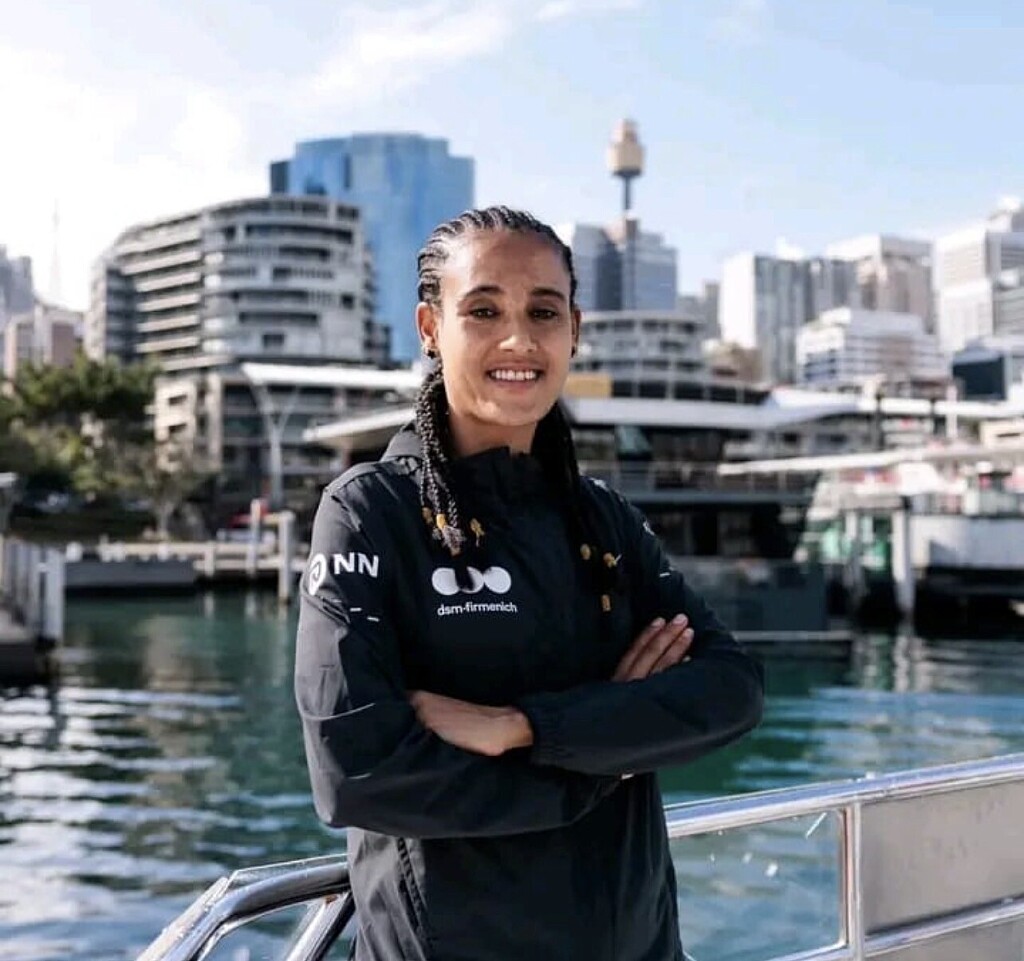
Sydney Marathon 2026: World Champions, Record Hunters And A Star-Studded Showdown
SYDNEY, AUSTRALIA — August 30, 2026
Sydney is preparing for a spectacular morning of marathon racing as reigning world champions Peres Jepchirchir of Kenya and Alphonce Simbu of Tanzania headline a world-class elite field at the TCS Sydney Marathon on Sunday, August 30.
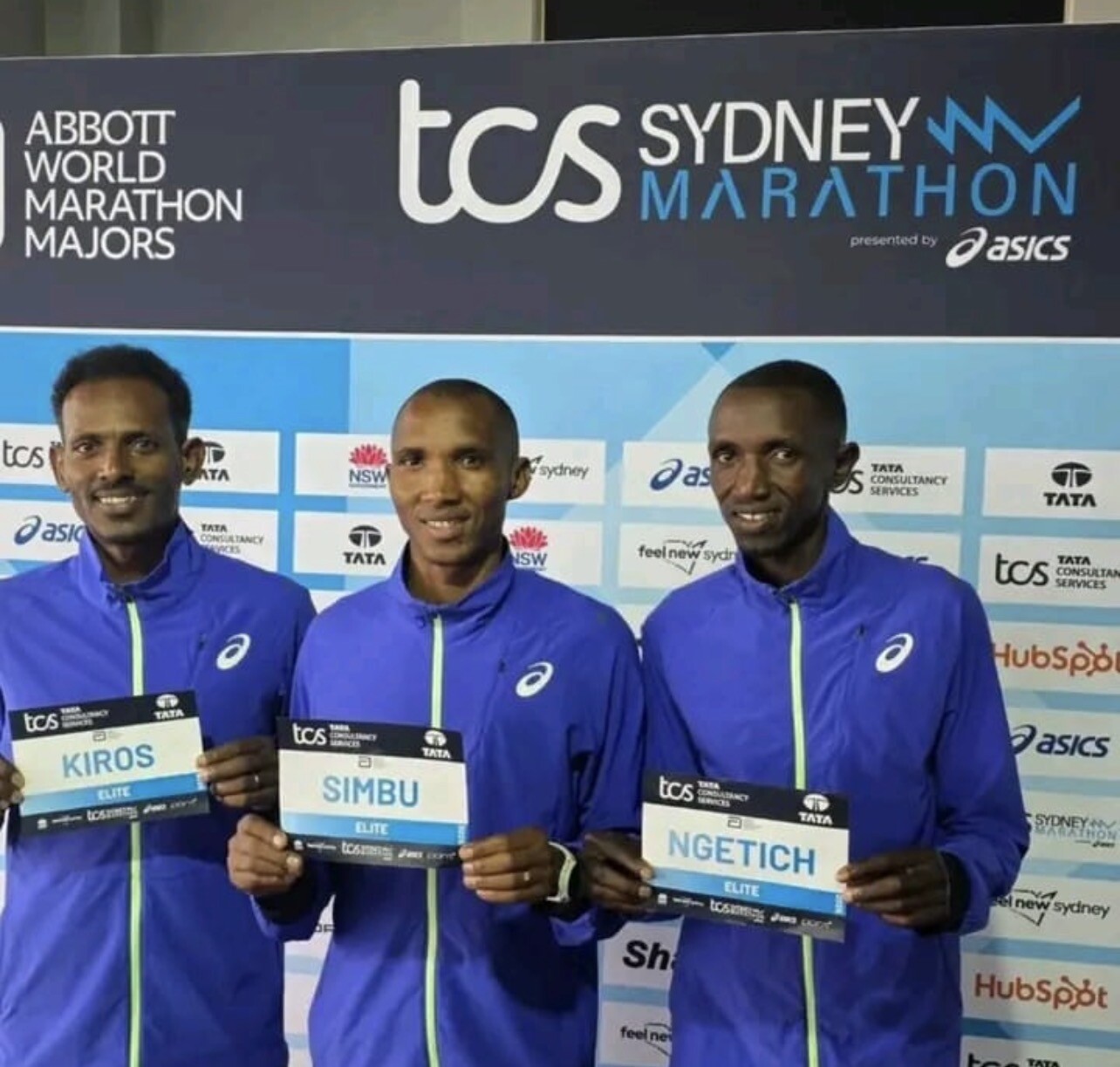
The race is set to provide another defining moment for Australian distance running, with more than 40,000 participants expected to take on the streets of Sydney and a remarkable collection of elite athletes competing for victory on one of the world's newest Abbott World Marathon Majors.
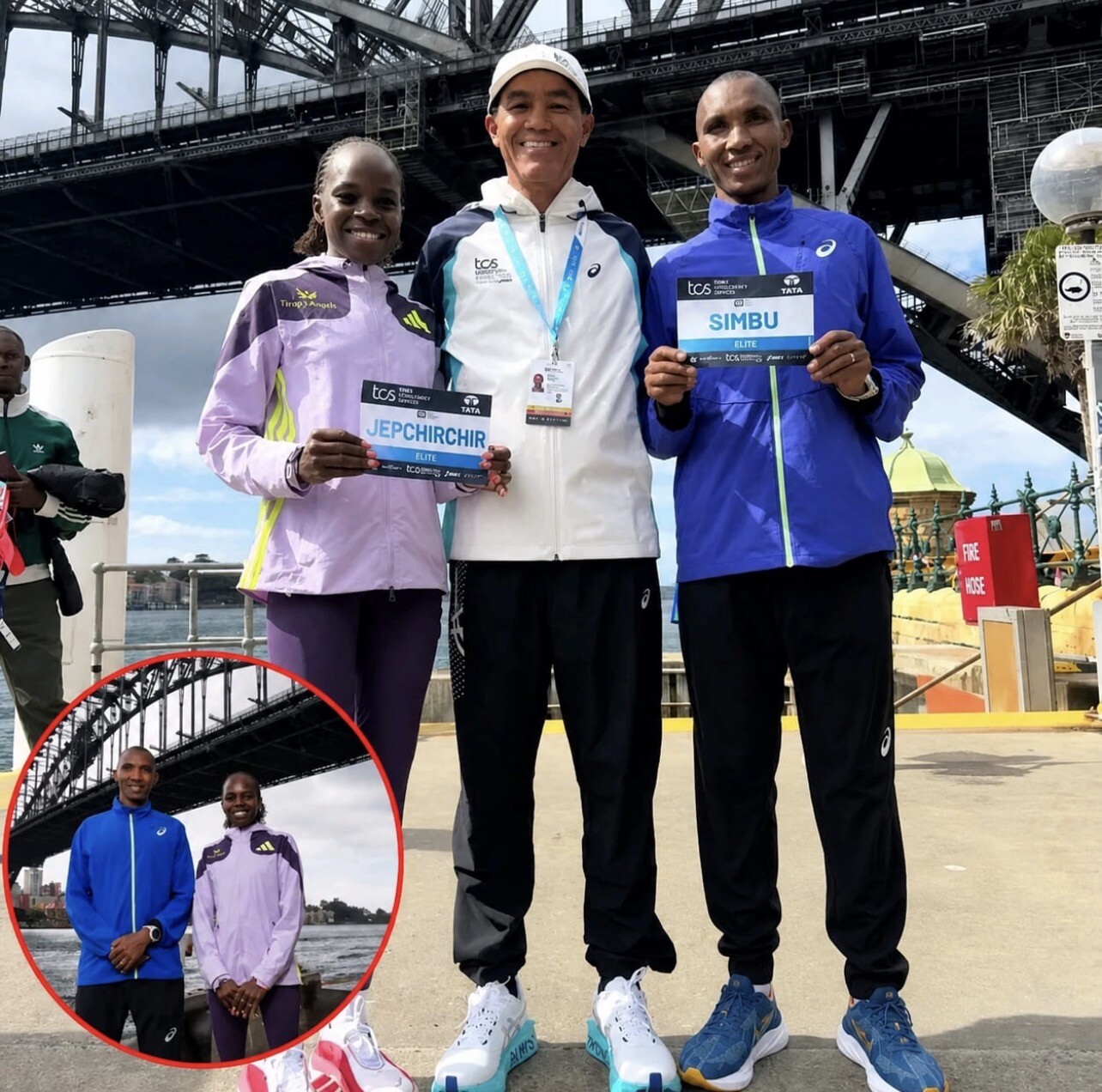
Jepchirchir and Simbu will bring an added layer of prestige to the occasion as the reigning women's and men's world marathon champions. Their presence ensures that the spotlight will be firmly fixed on Sydney as some of the world's finest distance runners battle for one of the most coveted titles on the international marathon calendar.
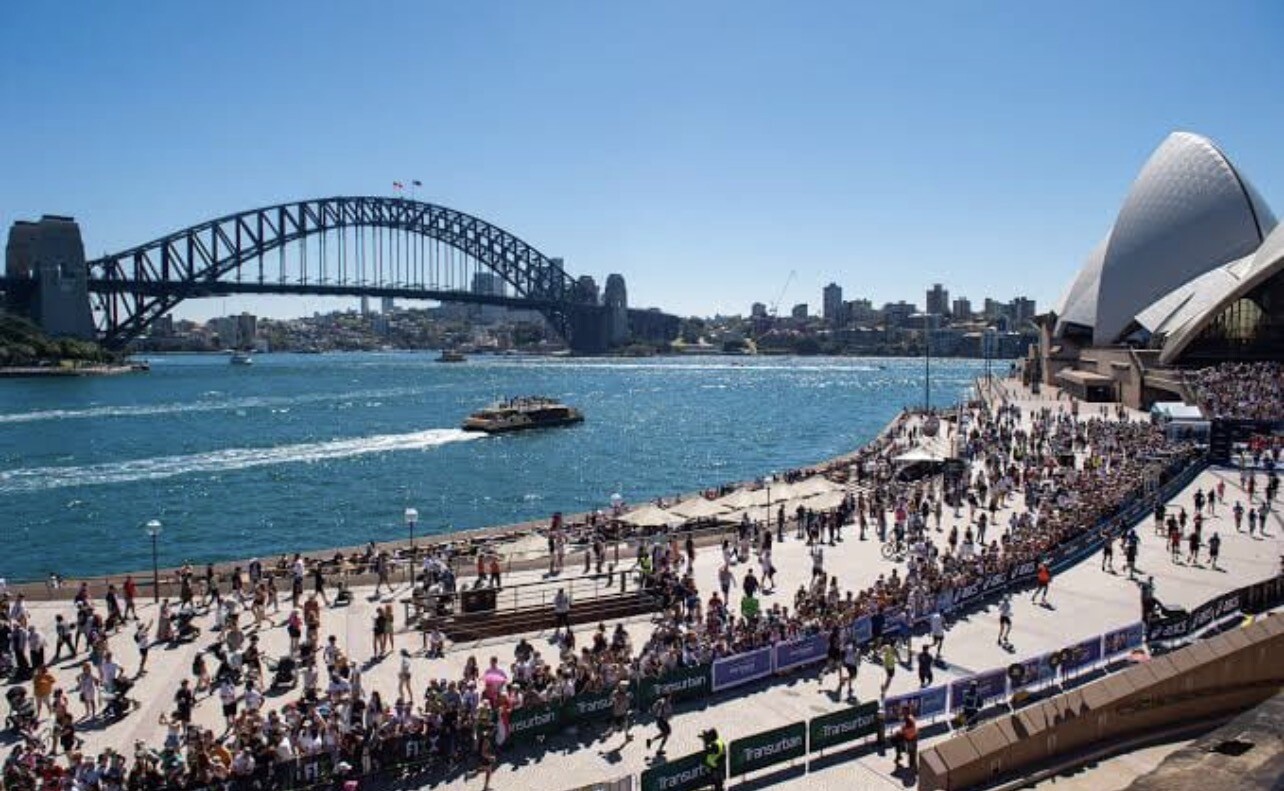
There will also be records in the crosshairs. The men's course record stands at 2:06:06, while the women's benchmark is 2:18:22, meaning the quality of the field has created genuine anticipation that both marks could come under threat.
In the men's race, Simbu arrives with considerable confidence and an ambitious target. The Tanzanian produced one of the most dramatic finishes of the 2025 World Athletics Championships in Tokyo, holding off Germany's Amanal Petros to claim the world title. With a personal best of 2:02:47, Simbu has the speed, championship experience and belief to challenge the very best, and he has made no secret of his desire to attack Sydney's course record.
However, standing in his way is an elite group led by Ethiopia's Sisay Lemma, whose outstanding 2:01:48 personal best makes him the fastest entrant in the field. A former London and Boston Marathon champion, Lemma brings a wealth of experience at the highest level and will be one of the principal threats to Simbu's ambitions.
Kenya will also have a strong presence, with Timothy Kiplagat and Vincent Ngetich adding further firepower to an already formidable men's lineup.
Perhaps the most intriguing storyline, however, belongs to Ethiopian track star Hagos Gebrhiwet, who is set to make his highly anticipated marathon debut. A former Olympic 5,000m medallist and one of the world's fastest track distance runners, Gebrhiwet has already shown extraordinary endurance over shorter distances, including a 57:41 half-marathon personal best. His transition to the marathon will be closely watched, with fans eager to discover whether his world-class track speed can be converted into success over 42.195 kilometres.
The depth of the men's field is remarkable. No fewer than 25 athletes have broken 2:10, while 19 have already recorded times faster than Sydney's existing course record, setting the stage for a race that could develop into a battle of extraordinary pace and tactics.
The women's contest promises just as much drama, with Jepchirchir leading the way. The Kenyan superstar arrives in Sydney as the reigning world champion and Olympic champion, carrying a 2:14:43 personal best, the fastest among the women entered.
Yet victory will not come easily. Jepchirchir faces a powerful Kenyan challenge from Irine Cheptai, who owns a 2:17:51 personal best and has already established herself as a major force on the international marathon circuit.
Tanzania's Magdalena Shauri, the country's national record holder with a personal best of 2:18:03, will provide another serious threat, while the experienced Vivian Cheruiyot of Kenya adds further championship pedigree to an already impressive women's field.
Ethiopian stars Shure Demise and Haven Hailu, alongside Uganda's Stella Chesang, will also be looking to make their mark as the race unfolds through Sydney's iconic streets.
The setting could hardly be more spectacular. Starting in North Sydney, the marathon takes runners across the famous Sydney Harbour Bridge before heading towards the unforgettable finish at the Sydney Opera House. With the city providing a breathtaking backdrop, the race has all the ingredients for another historic chapter in its rapid rise on the global marathon scene.
For the elite athletes, however, the beauty of Sydney will quickly become secondary once the gun goes off.
The champions will be chasing victory. The record hunters will be chasing history. And for Gebrhiwet, an entirely new chapter of his career will begin.
Two reigning world champions. Multiple sub-2:05 contenders. A world-class women's field. A highly anticipated marathon debut. And course records that could be under serious threat.
Everything is in place for an unforgettable Sunday in Sydney.
Will Alphonce Simbu turn his ambition into a new course record?
Can Sisay Lemma's 2:01:48 experience carry him to victory?
Will Hagos Gebrhiwet announce himself as a future marathon superstar?
And can Peres Jepchirchir add the Sydney Marathon crown to her already extraordinary list of achievements?
Sydney is ready.
The champions have arrived. The records are waiting. The stage is set for a spectacular showdown.
by Erick Cheruiyot for My Best Runs
Login to leave a comment
Sydney Marathon
The Sydney Marathon is a marathon held annually in Sydney, Australia. The event was first held in 2001 as a legacy of the 2000 Summer Olympics, which were held in Sydney. In addition to the marathon, a half marathon, 9 kilometres (5.6 mi) "Bridge Run", and a 3.5 kilometres (2.2 mi) "Family Fun Run" are also held under the banner...
more...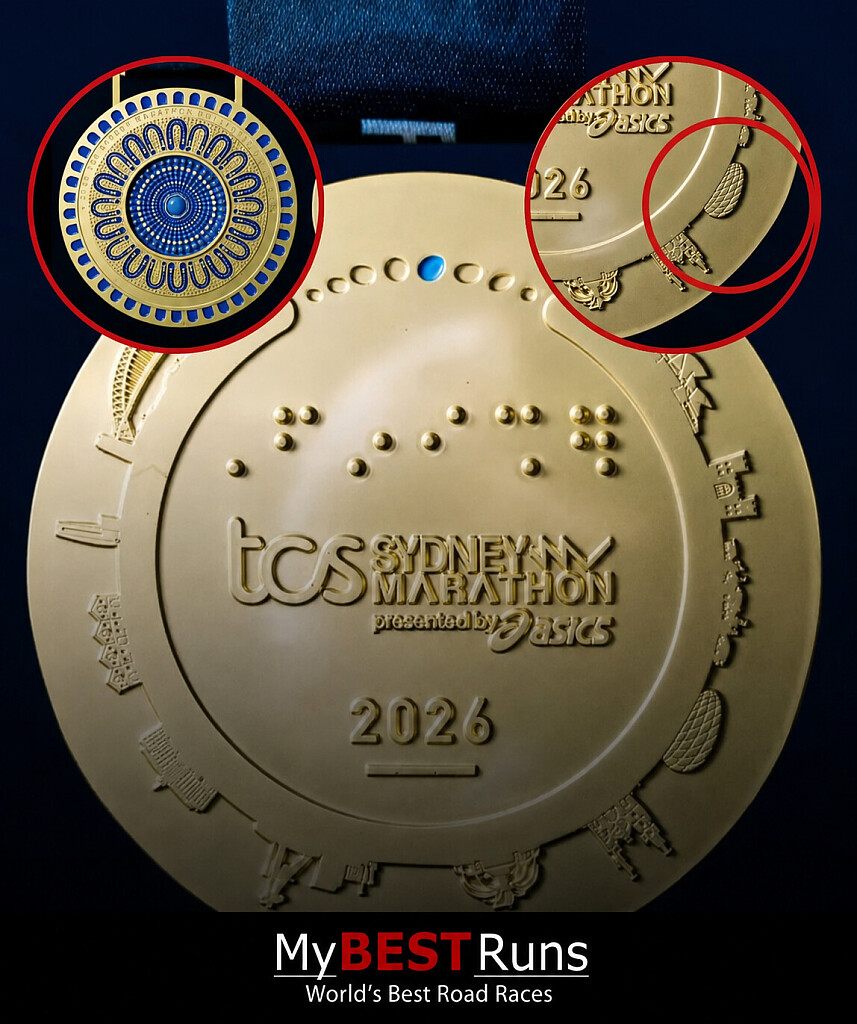
Sydney Marathon’s Medal Blunder: How Munich’s Allianz Arena Ended Up in a Sydney Souvenir
The Sydney Marathon was meant to celebrate one of Australia’s most iconic cities. Instead, its 2026 finisher’s medal has unexpectedly brought a little piece of Munich into the spotlight.
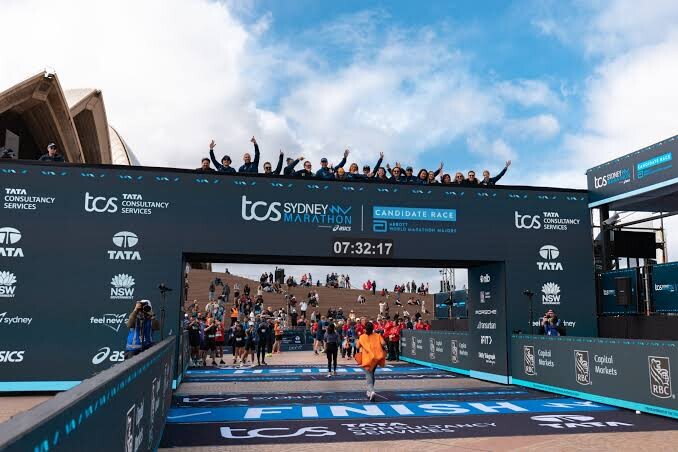
The back of the medal features a collection of landmarks designed to represent Sydney and the 42.2-kilometre journey runners will take through the city, including the Sydney Opera House and Sydney Harbour Bridge. But alongside those unmistakably Australian symbols is a rather surprising addition: Munich’s Allianz Arena.
The stadium was supposed to represent Sydney’s Allianz Stadium in Moore Park. Instead, the medal designers somehow used the distinctive home of Bayern Munich in Germany.
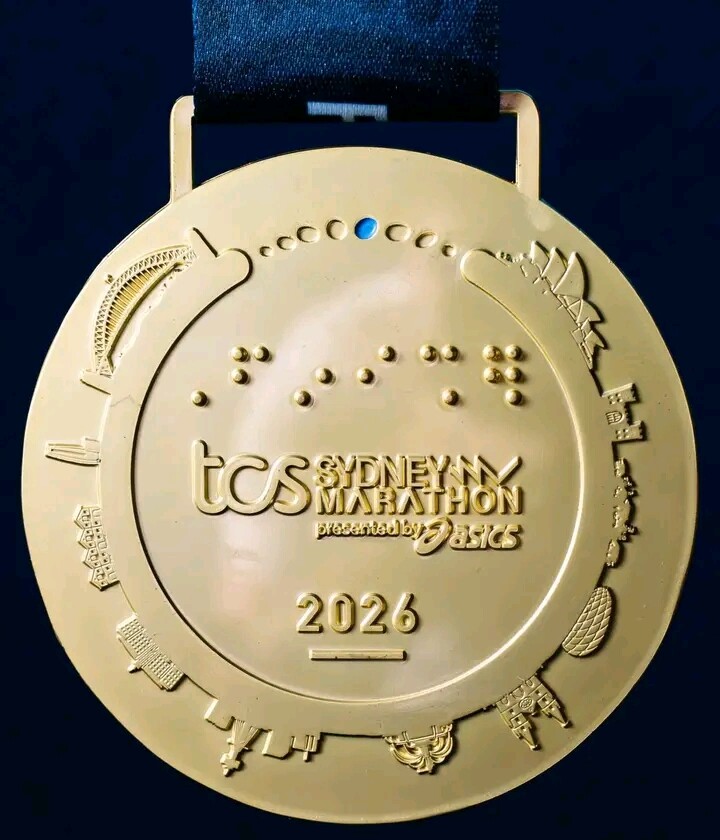
The mistake was spotted shortly after the medal was unveiled and quickly spread across social media before attracting international media attention. With the race now just days away, there is no time to redesign and replace the medals already produced for the event.
Organisers have acknowledged the mistake, describing it as an “unfortunate error” and making clear that the medals will still be presented to runners on race day.
Rather than attempting to hide the blunder, Sydney Marathon has chosen to embrace the unexpected twist, saying the medal is now “a little more unique.” Their response ended on a light-hearted note: “You noticed. We noticed. We’re human.”
And while the incorrect stadium may have created an embarrassing moment for the organisers, it has also given the 2026 medal something no previous Sydney Marathon medal has had — a story of its own.
That story will be carried around the necks of approximately 40,000 runners when the Sydney Marathon takes place on Sunday, August 30.
The timing could hardly be more significant for the race. Sydney is only in its second year as an Abbott World Marathon Major, having joined the prestigious series in 2024 alongside Tokyo, Boston, London, Berlin, Chicago and New York. The event has rapidly established itself as one of the world’s most sought-after marathons, with more than 123,000 runners entering the ballot for the 2026 race, a 56 percent increase from the previous year.
For those 40,000 successful entrants, the medal will ultimately represent something far more important than a design mistake. Behind every medal is months of preparation, early mornings, long training runs, sacrifices and the determination required to cover 42.2 kilometres.
And when the runners finally reach the finish line at the Sydney Opera House, they will receive a medal that was intended to tell the story of Sydney — but accidentally tells a small story about Munich too.
What began as an embarrassing design error may now become one of the most memorable quirks in Sydney Marathon history. Years from now, runners may look back at their 2026 medals not simply as souvenirs of finishing one of the world’s major marathons, but as unusual collector’s pieces from the year Sydney accidentally put Munich on its medal.
A Sydney marathon. A Munich stadium. One unforgettable medal.
by Erick Cheruiyot for My Best Runs.
Login to leave a comment
Sydney Marathon
The Sydney Marathon is a marathon held annually in Sydney, Australia. The event was first held in 2001 as a legacy of the 2000 Summer Olympics, which were held in Sydney. In addition to the marathon, a half marathon, 9 kilometres (5.6 mi) "Bridge Run", and a 3.5 kilometres (2.2 mi) "Family Fun Run" are also held under the banner...
more...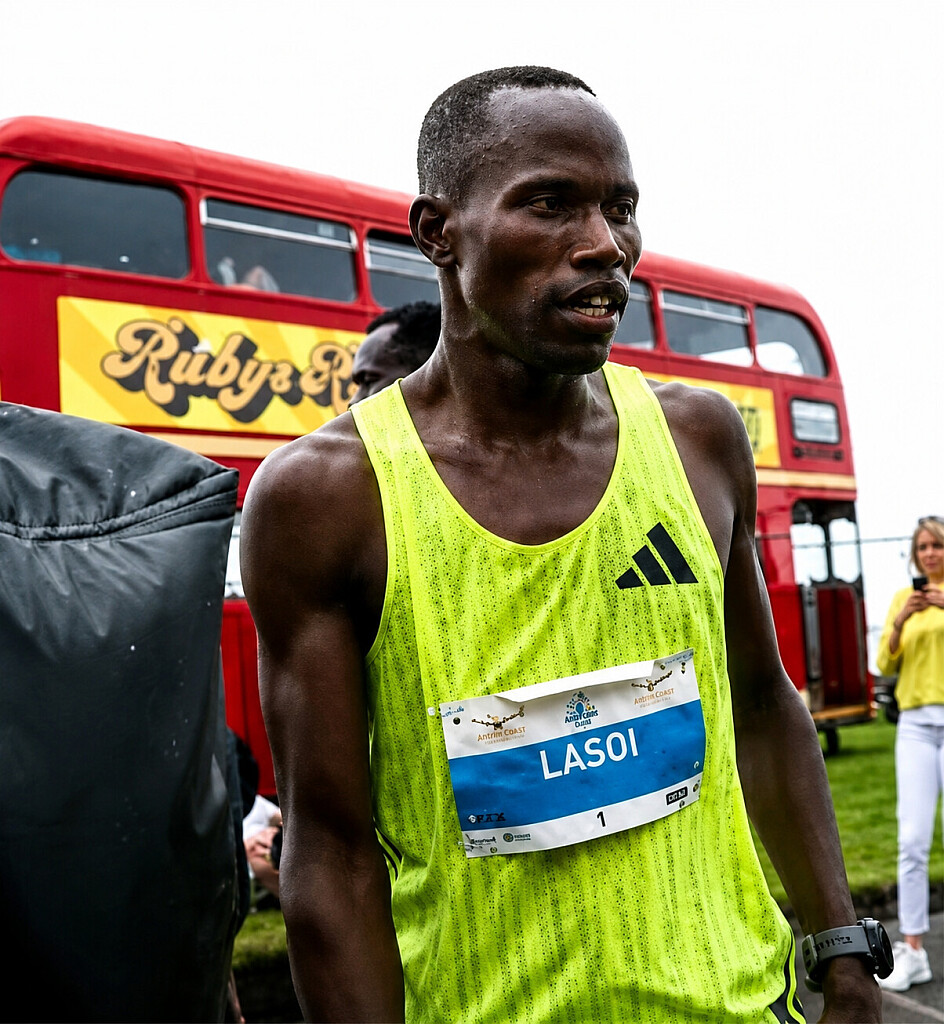
Isaia Lasoi Leads Kenyan Podium Sweep at Antrim Coast Half Marathon
Kenya delivered another commanding display of distance-running excellence at the Antrim Coast Half Marathon, with Isaia Lasoi leading a memorable Kenyan clean sweep of the men's podium in a race packed with world-class performances.
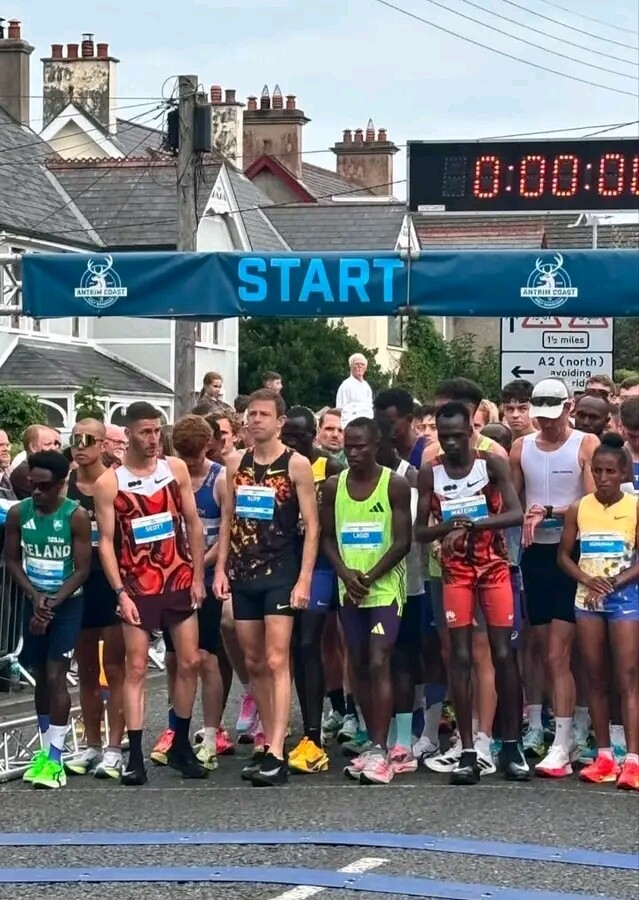
Lasoi emerged victorious after a thrilling battle at the front, crossing the finish line in a superb 58:26 setting a new course record. His winning performance underlined his strength and speed over the half-marathon distance, but he was made to work all the way by fellow Kenyan Daniel Mateiko, who finished just three seconds behind in 58:29 after an electrifying duel for the title.
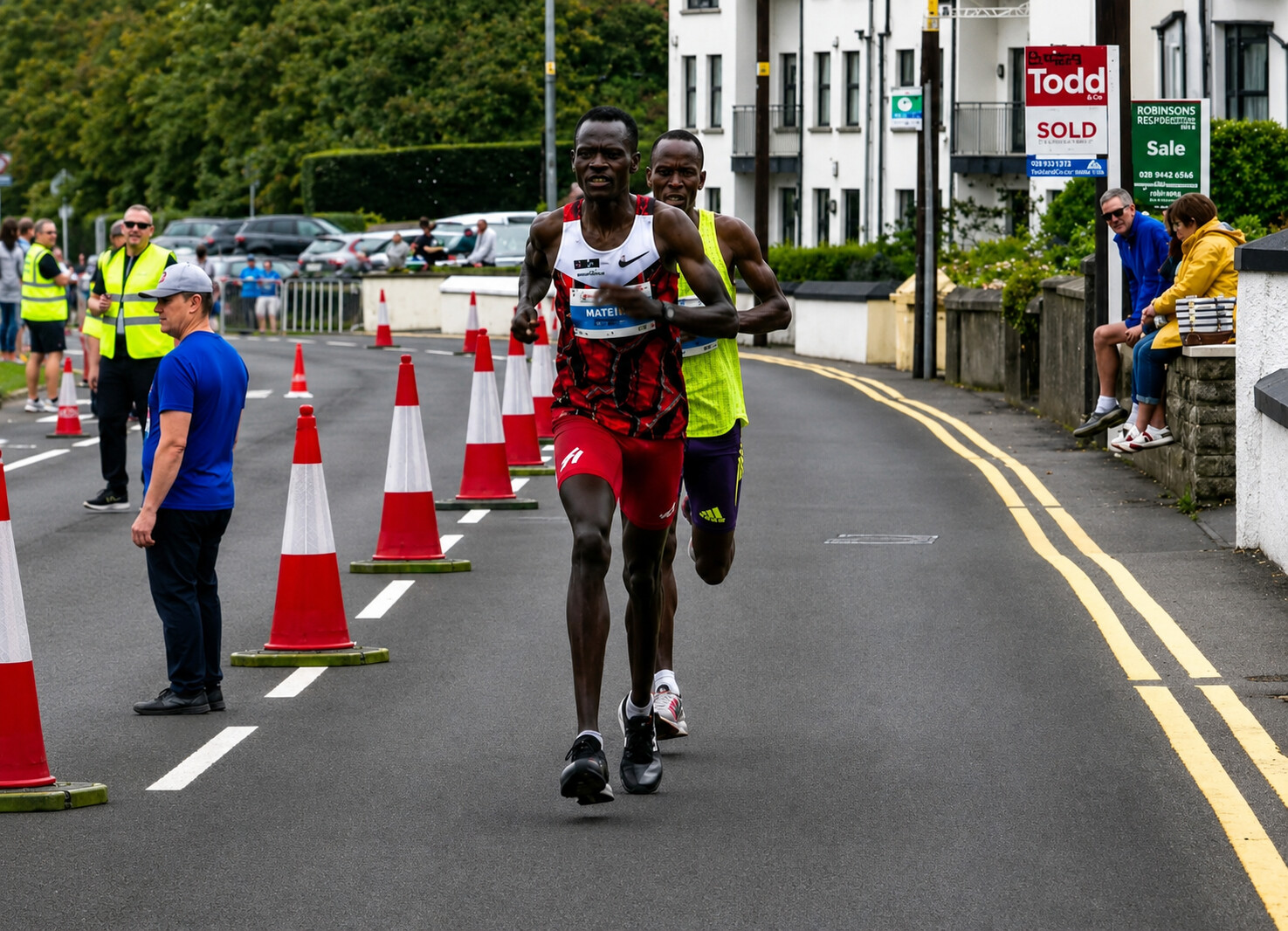
The contest between the two leaders produced one of the standout moments of the race, with both athletes pushing deep into elite territory as they fought for victory. In the end, Lasoi found just enough to secure the win, while Mateiko's narrow defeat highlighted the remarkable depth and quality of Kenya's leading distance runners.
Vincent Kipkorir completed the Kenyan sweep, taking third place in 1:00:38 to ensure that all three places on the podium belonged to Kenyan athletes. Samwel Chebolei added further Kenyan strength to the results, finishing fourth in 1:01:01, while Amos Langat was also among the leading finishers.
The international field featured several prominent names. Australia's Jimmy Whelan produced a strong run, while Ethiopia's Yismaw Dillu featured among the front group. American marathon star Galen Rupp also delivered a notable performance, clocking 1:01:29 in another competitive outing for the experienced distance runner. Former world-class track and road athlete Edward Cheserek was also among the top finishers.
Lasoi's 58:26 victory, however, was the defining performance of the day. Together with Mateiko and Kipkorir, he gave Kenya a perfect podium and another emphatic reminder of the country's extraordinary strength in elite road running.
The Antrim Coast Half Marathon once again provided a fast, competitive stage for some of the world's finest distance runners, but when the decisive moments arrived, it was Kenya that owned the podium.
by Erick Cheruiyot for My Best Runs.
Login to leave a comment
MEA ANTRIM COAST HALF MARATHON
The MEA Antrim Coast Half Marathon 2022 has been approved by World Athletics as an Elite Event. The World Athletics certified course takes in some of the most stunning scenery in Europe, combined with some famous landmarks along the route. With it's flat and fast course, the race is one of the fastest half marathons in the world. Starting...
more...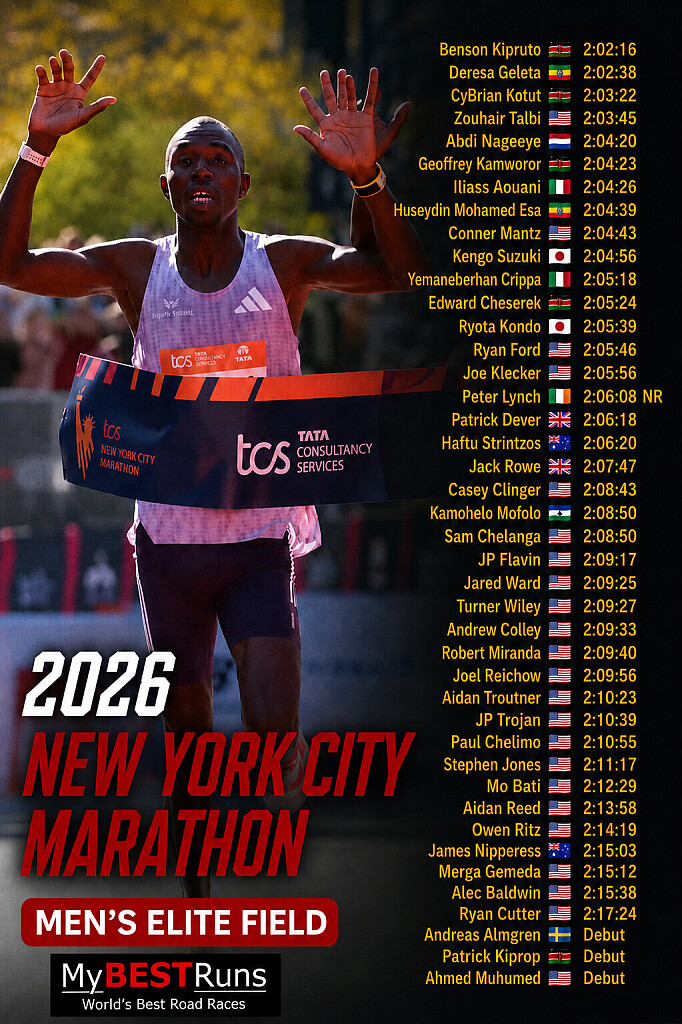
New York Marathon Set For Blockbuster Showdown As America’s Two Fastest Men Collide
The 2026 TCS New York City Marathon is shaping up to be one of the most anticipated editions in recent history, with New York Road Runners unveiling a remarkable men’s professional field that brings together the two fastest American marathoners ever on the same starting line.
The race, scheduled for November 1, will feature American record-holder Conner Mantz (2:04:43) and Zouhair Talbi (2:03:45), whose performance at the 2026 Boston Marathon is the fastest marathon ever run by an American by clock time. However, because Boston is not a record-eligible course, Talbi’s mark does not replace Mantz’s official American record.
Mantz established the American record with his 2:04:43 fourth-place finish at the 2025 Chicago Marathon, breaking a national record that had stood since 2002. Talbi went even faster in Boston in April, crossing the line fifth in 2:03:45 and adding another extraordinary chapter to the rapid evolution of American marathon running.
That makes New York particularly intriguing. For the first time, the two men who occupy the top two positions on the all-time American marathon performance list will have the opportunity to race each other over a record-eligible course, with the streets of New York providing the stage.
And the American showdown will be only one part of a much bigger battle.
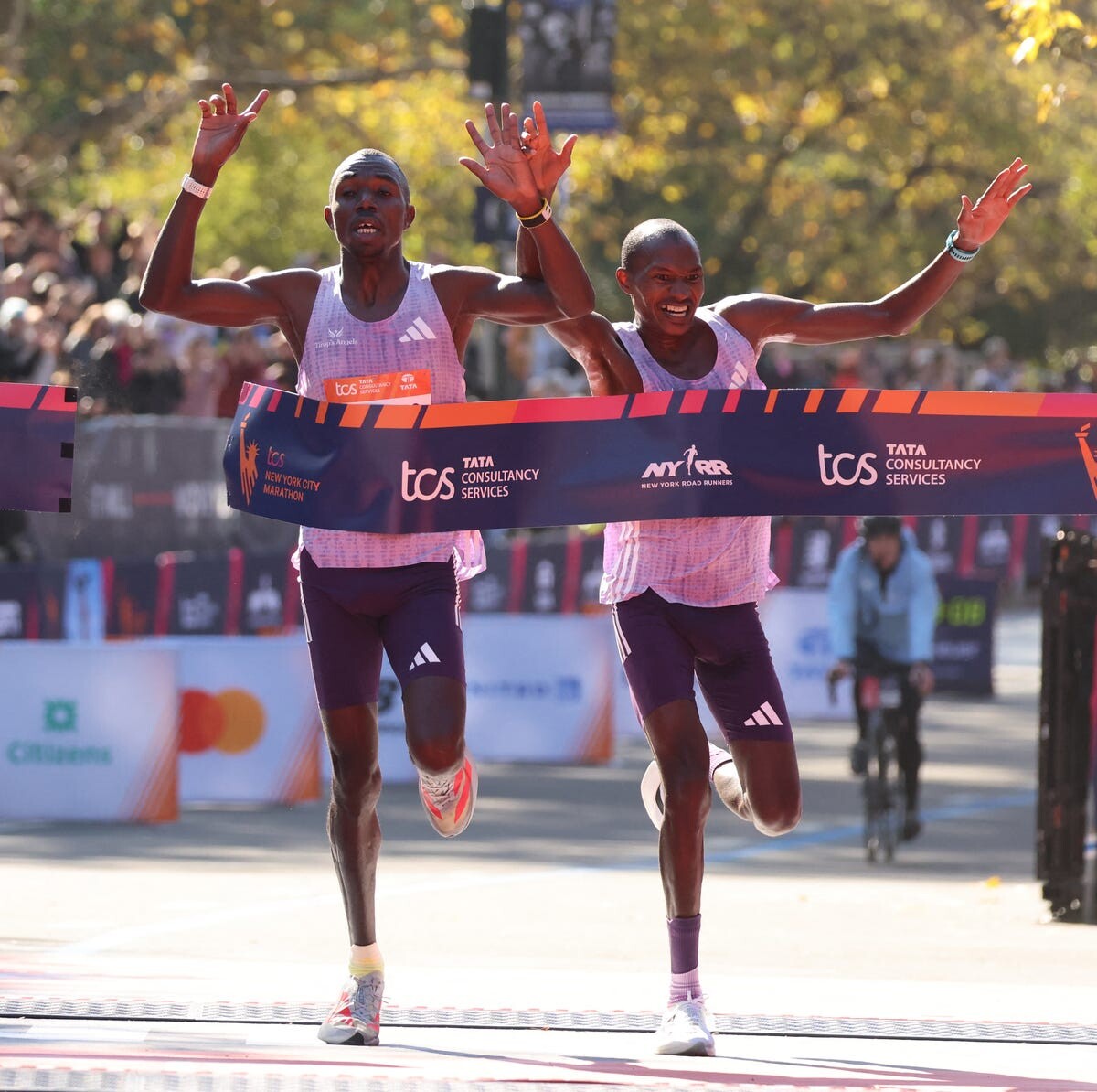
The international challenge is formidable. Defending champion Benson Kipruto (2:02:16) leads the field, followed by Ethiopia’s Deresa Geleta (2:02:38) and Kenya’s CyBrian Kotut (2:03:22). The lineup also includes the Netherlands’ Abdi Nageeye (2:04:20), Kenya’s Geoffrey Kamworor (2:04:23), Italy’s Iliass Aouani (2:04:26) and Ethiopia’s Huseydin Mohamed Esa (2:04:39).
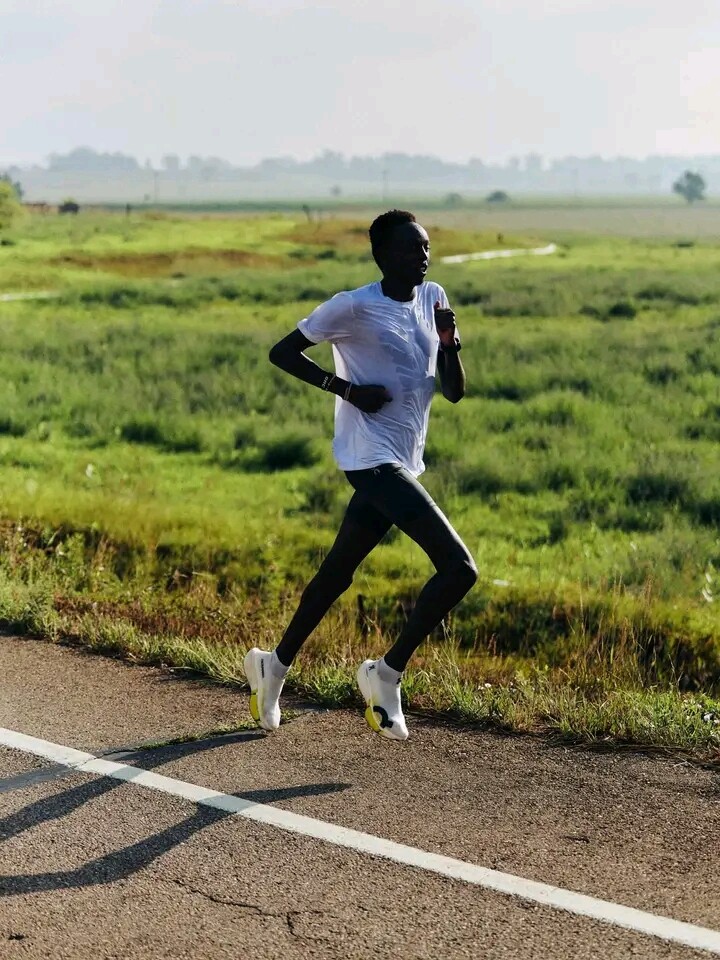
Just behind that group is Japan’s Kengo Suzuki (2:04:56), Italy’s Yemaneberhan Crippa (2:05:18), Kenya’s Edward Cheserek (2:05:24) and Japan’s Ryota Kondo (2:05:39). Ireland’s Peter Lynch (2:06:08), Great Britain’s Patrick Dever (2:06:18), Australia’s Haftu Strintzos (2:06:20) and Britain’s Jack Rowe (2:07:47) further strengthen a field that possesses extraordinary depth.
The American contingent is just as fascinating. Alongside Mantz and Talbi are Ryan Ford (2:05:46), Joe Klecker (2:05:56), Casey Clinger (2:08:43), Sam Chelanga (2:08:50), JP Flavin (2:09:17), Jared Ward (2:09:25), Turner Wiley (2:09:27), Andrew Colley (2:09:33), Robert Miranda (2:09:40) and Joel Reichow (2:09:56).
The depth continues with Aidan Troutner (2:10:23), JP Trojan (2:10:39), Paul Chelimo (2:10:55), Stephen Jones (2:11:17), Mo Bati (2:12:29), Aidan Reed (2:13:58), Owen Ritz (2:14:19), Merga Gemeda (2:15:12), Alec Baldwin (2:15:38) and Ryan Cutter (2:17:24). Australia’s James Nipperess (2:15:03) and Lesotho’s Kamohelo Mofolo (2:08:50) are also on the start list.
Three athletes will make their marathon debuts in New York: Sweden’s Andreas Almgren, Kenya’s Patrick Kiprop and American Ahmed Muhumed. Almgren, in particular, brings tremendous track credentials into his first attempt at 26.2 miles after winning the European 10,000m title in Birmingham in a championship-record 27:23.44.
The numbers tell the story of just how deep this field is. Ten men have personal bests faster than the existing New York City Marathon course record of 2:04:58, set by Tamirat Tola in 2023. Remarkably, Tola himself is not entered, nor is Alexander Mutiso, who finished runner-up to Kipruto in last year’s dramatic race.
For Mantz and Talbi, however, the stakes extend beyond the American record books. No American man has won the New York City Marathon since Meb Keflezighi in 2009, meaning the American contingent will arrive carrying a 17-year wait for another homegrown champion. Mantz and Talbi will have to overcome a formidable international field if either is to end that drought.
New York’s course will add another layer of difficulty. The bridges, sharp turns, rolling sections and notoriously demanding final miles toward Central Park have humbled some of the world’s fastest marathoners. Raw personal-best times will matter, but so will patience, positioning, tactical intelligence and the ability to produce a decisive move when the race reaches its most unforgiving stages.
With the official American record-holder, the fastest American by clock time, a defending champion, multiple 2:04 marathoners and a host of world-class contenders all converging on the Big Apple, the 2026 New York City Marathon has the ingredients of a classic.
On November 1, the streets of New York could become the setting for another extraordinary chapter in marathon history.
by Erick Cheruiyot for My Best Runs.
Login to leave a comment

TCS New York City Marathon
The first New York City Marathon, organized in 1970 by Fred Lebow and Vince Chiappetta, was held entirely in Central Park. Of 127 entrants, only 55 men finished; the sole female entrant dropped out due to illness. Winners were given inexpensive wristwatches and recycled baseball and bowling trophies. The entry fee was $1 and the total event budget...
more...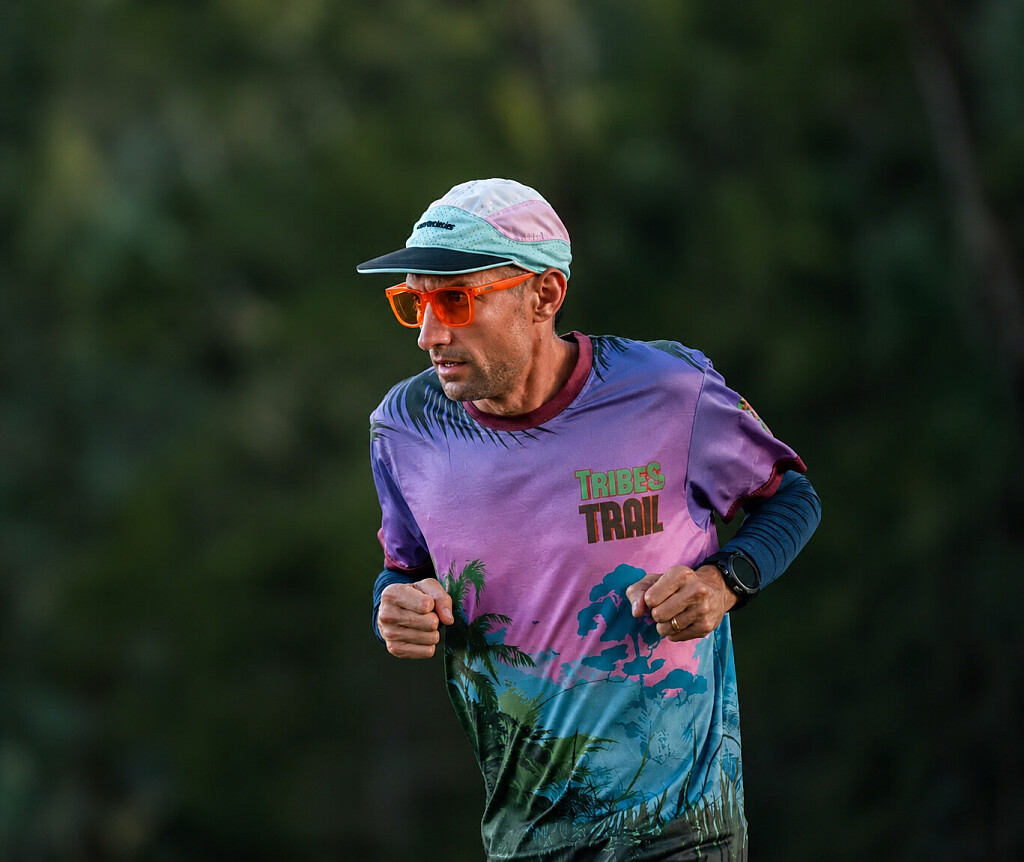
Phil Gore Takes On Project 168: Seven Days, 700 Miles And An Uncharted Endurance Challenge
Phil Gore already knows what it takes to push backyard ultra running beyond conventional limits. Now, later this month, the Australian ultrarunner is preparing to chase a number so extreme that his sport has no official category for it.
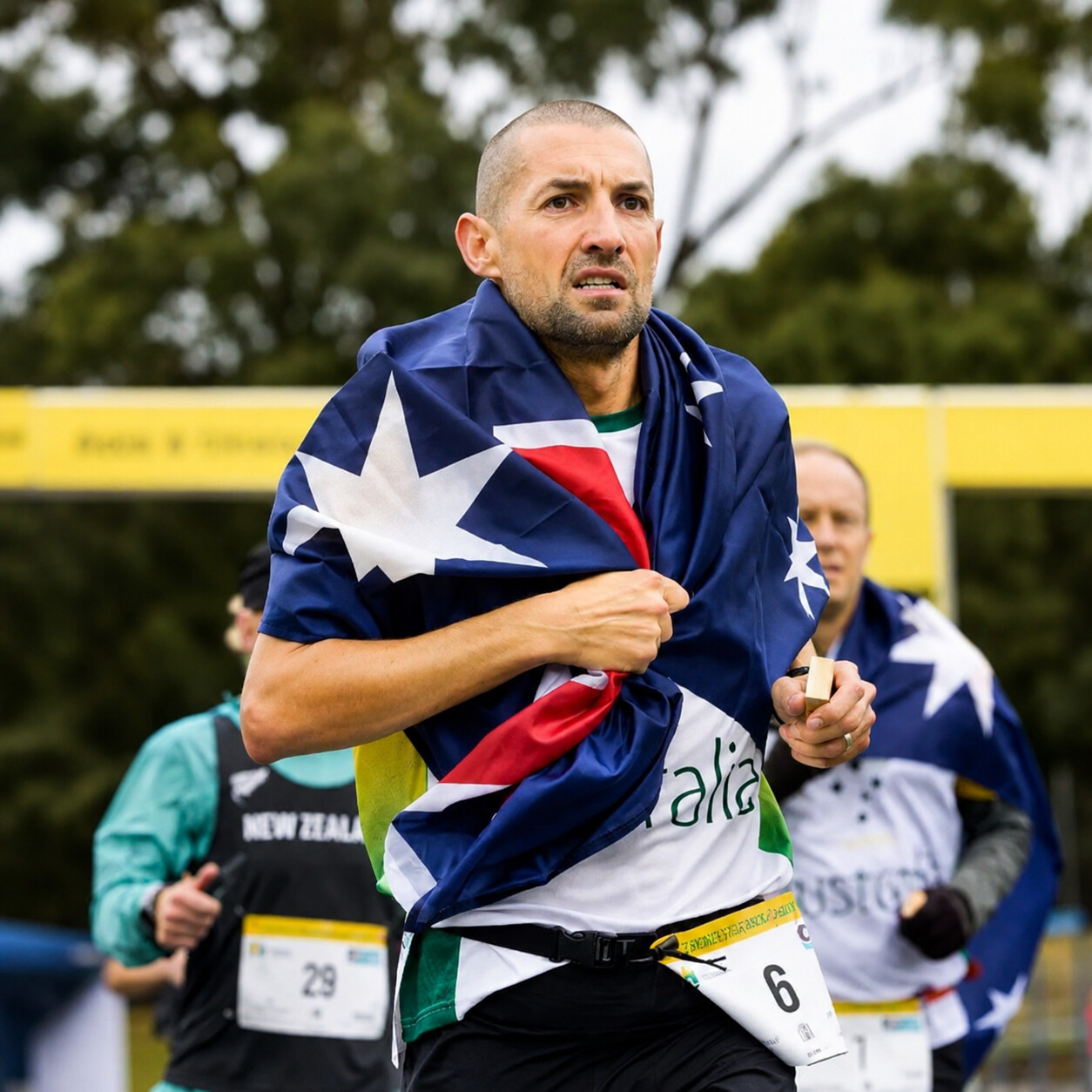
From August 23 to 30, Gore will attempt Project 168 at Alfred Skeet Reserve in Forrestdale, Western Australia, running one 6.71-kilometre loop every hour, on the hour, for seven consecutive days.
The name says almost everything about the challenge. There are 168 hours in a week, and Gore's plan is simple in concept but extraordinary in execution: complete one loop every hour until the seven days are over.
If he manages to complete all 168 loops, he will have covered approximately 1,127 kilometres, or 700 miles, across a single week.
But the distance is only part of what makes Project 168 so remarkable. This time, Gore will be alone.
Backyard ultras traditionally revolve around competition. Runners must complete a set loop every hour, with the race continuing until only one athlete remains. Gore's previous 119-lap world-record performance was built within that format, with Sam Harvey pushing him through five days of relentless running.
Project 168 removes that element entirely. There will be no rival waiting on the course, no athlete to chase and no opponent forcing the pace. Instead, Gore will face the same loop, the same hourly deadline and the growing physical and mental fatigue that comes with repeating the process for an entire week.
Every hour brings another decision: get back out there and complete another 6.71 kilometres.
Then do it again.
And again.
For 168 hours.
The challenge will test far more than Gore's ability to run long distances. Sleep deprivation, nutrition, hydration, recovery and the psychological pressure of knowing another loop is always approaching will become part of the battle. What might seem like a manageable 6.71-kilometre run at the beginning could become a formidable test after dozens of consecutive hours.
Yet Project 168 is not being undertaken solely as a personal endurance experiment. Every lap will help raise money for Telethon 7, giving the extraordinary challenge a purpose beyond the numbers on the course.
Gore, a firefighter and father of four, is attempting to build a benchmark for a challenge that has never before been pursued in this exact format. There is no official record waiting at the finish line, no rival to beat and no conventional race clock to stop.
There will simply be 168 hours, 168 loops and approximately 1,127 kilometres standing between Phil Gore and a completely new measure of endurance.
On August 23, the first hour begins. From there, the question will remain the same every 60 minutes:
Can he go again?
by Erick Cheruiyot for My Best Runs.
Login to leave a comment

Michael Roeger’s Long Road Back to the Marathon World Record — and Now Sydney Awaits
On August 30, approximately 35,000 runners will line up at Miller Street in North Sydney for the 2026 TCS Sydney Marathon. Among them will be an athlete who already owns a piece of marathon history: Michael Roeger, the Australian T46 marathon world-record holder and one of the most remarkable endurance athletes of his generation.
At 38, Roeger returns to the marathon with a career shaped by persistence, reinvention and an extraordinary ability to keep moving forward whenever circumstances have threatened to derail him.
Sydney is a fitting stage for the next chapter. The marathon, now part of the Abbott World Marathon Majors, takes runners through some of the city's most recognisable landmarks, beginning in North Sydney, crossing the Harbour Bridge and eventually finishing near the Opera House. For Roeger, however, this is about far more than another marathon.
He is returning to the distance in the city where he set the fastest T46 marathon ever recorded.
Roeger grew up in Langhorne Creek, a small South Australian community about 55 kilometres south of Adelaide. Born without the lower half of his right arm, he discovered Para athletics after Paralympian Neil Fuller visited his school when Roeger was 12.
What began as an introduction to sport eventually developed into a career spanning five Paralympic Games, world championships, major medals and multiple world records.
His T46 classification covers athletes with an arm amputation or comparable upper-limb difference. Yet describing Roeger's performances simply through his classification fails to capture the complexity of what he has achieved.
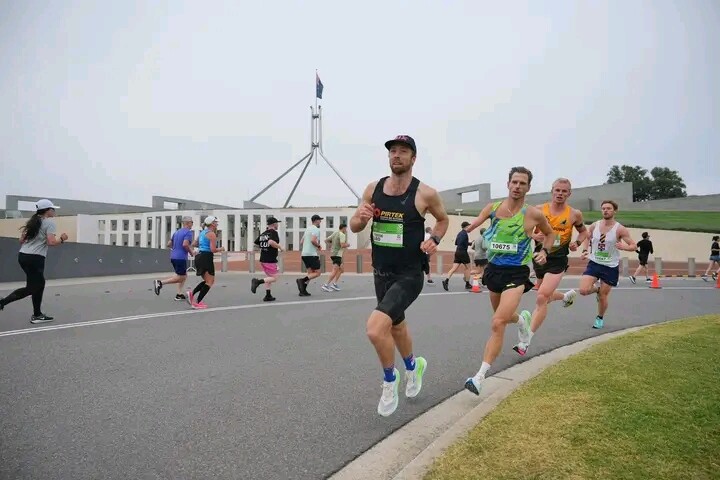
Running is an intricate coordination of the entire body. The arms contribute to balance, rhythm and control, helping the torso manage the rotational forces created by every stride. Over 42.195 kilometres, maintaining efficient movement is an enormous physical and technical challenge.
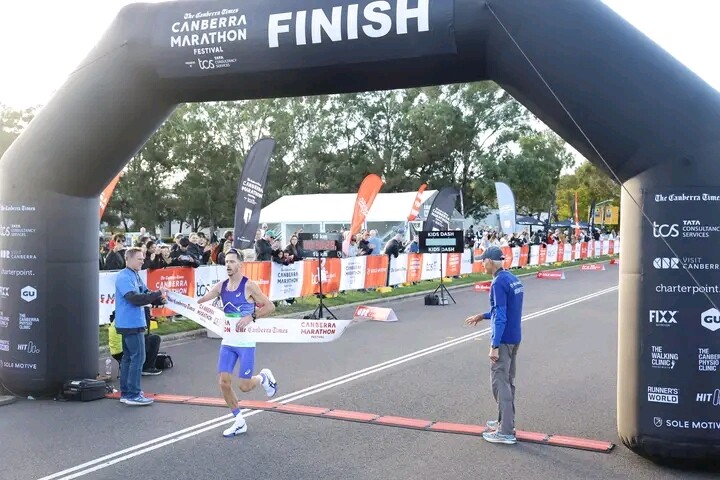
Roeger's marathon performances therefore represent much more than a number attached to a classification. They are elite endurance performances in their own right.
His transition to the marathon was remarkably rapid. Roeger made his marathon debut at the Melbourne Marathon in October 2018, running 2:23:31. The performance was faster than the existing T46 world record at the time, although it was not ratified as a world record because the race did not have the necessary status.
Six months later, he returned to the distance at the 2019 London Marathon, where the World Para Athletics Marathon Championships were staged within the race.
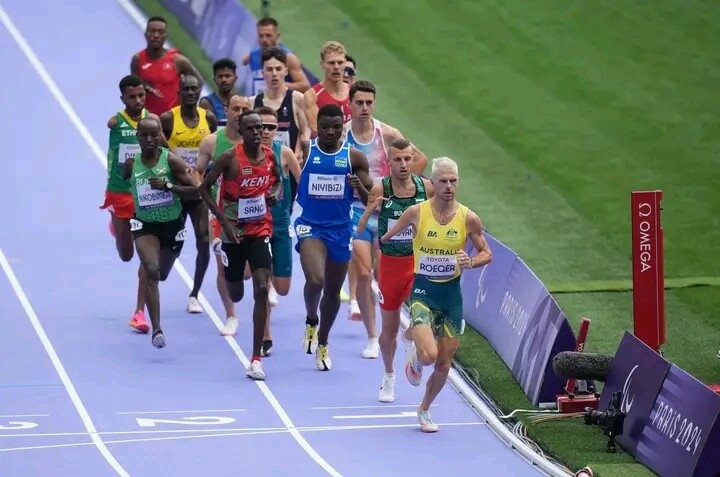
This time, everything came together.
Roeger won the T46 world title in 2:22:51, lowering the ratified world record and establishing himself as the world's leading marathoner in the classification. Even when cramp began to trouble him during the closing stages, he held on to become a world champion.
The progression continued.
At the 2020 Chevron Houston Marathon, Roeger ran 2:19:33, becoming the first ambulant Para athlete to break the 2:20 barrier and once again lowering his own world record.
But his most significant breakthrough came back in Australia.
On April 25, 2021, Roeger lined up in Sydney for the Athletics Australia Tokyo Qualifying Marathon. He produced the fastest marathon of his career, crossing the finish line in 2:18:53.
That performance remains the T46 marathon world record.
The progression is remarkable. From 2:23:31 in Melbourne to 2:22:51 in London, 2:19:33 in Houston and finally 2:18:53 in Sydney, Roeger repeatedly moved the benchmark forward.
It was almost five minutes of improvement across four marathon performances.
But the record is only one part of the story.
Roeger's career has never followed a smooth upward trajectory. At the 2008 Beijing Paralympic Games, aged only 20, he contested the 800m, 1500m and 5000m T46 events, with seventh place in the 1500m his best finish.
Four years later in London, he arrived with genuine medal ambitions. Instead, gastrointestinal bleeding struck on the eve of the T46 800m. He still started the race but was forced to withdraw after one lap.
Rio 2016 finally delivered a Paralympic medal, with Roeger winning bronze in the 1500m. That success helped convince him to move towards the longer distances and eventually make the marathon his primary focus.
Then came another major setback.
Six weeks before the Tokyo 2020 Paralympic Games, Roeger suffered a stress fracture in his lower leg, destroying much of his preparation for the marathon. Despite the injury, he travelled to Tokyo and made the start line.
He finished sixth in 2:34:45, a time far outside the level he had demonstrated before the Games.
For most athletes, such a setback could have marked the end of the road. For Roeger, it became another chapter in a career defined by adaptation.
Before the Paris 2024 Paralympic Games, another obstacle emerged when the T46 marathon was removed from the programme. The event in which Roeger had become a world-record holder was no longer available at the Games.
His only remaining distance was the 1500m.
So he adapted once again.
Roeger returned to the track and competed in Paris, ultimately adding another Paralympic medal to his collection with silver in the T46 1500m.
Now the marathon is calling again.
The 2026 TCS Sydney Marathon will provide a very different challenge from the flat courses on which many of the world's fastest marathon times are produced. The route begins in North Sydney, crosses the Sydney Harbour Bridge and winds through the city before finishing at the Opera House.
The course features substantial elevation changes, with approximately 313 metres of climbing across the 42.195 kilometres. It is a course that rewards strength, patience and the ability to maintain efficient form when the legs are already carrying the fatigue of a long marathon.
For Roeger, that challenge will be amplified by the quality of the field around him.
The Australian elite field includes a strong collection of domestic marathoners, while the international men's race features considerable depth, with numerous athletes holding personal bests below 2:10.
Roeger will therefore not be lining up in isolation as a Para athlete. He will be part of a major international marathon field, surrounded by runners pursuing national titles, personal bests and elite honours.
That is also central to the way he has approached his career.
Roeger has long resisted the idea that Para athletes should be viewed as fundamentally separate from their able-bodied counterparts. His philosophy has been simple: once the starting gun goes, the competition is about running.
That attitude has helped him move comfortably between Para athletics and open elite competition, and Sydney 2026 offers another opportunity to do exactly that.
His partnership with coach Dr Philo Saunders has been particularly important throughout his career, helping him develop into a world-class athlete across multiple distances.
Yet perhaps the most impressive part of Roeger's story is not any individual medal or record.
It is the number of times he has had to begin again.
From a small South Australian town to five Paralympic Games. From disappointment in Beijing and London to a medal in Rio. From the track to the marathon. From a devastating injury before Tokyo to a world-record performance. From losing his marathon event before Paris to returning to the 1500m and winning another Paralympic medal.
Every time the route has changed, Roeger has found another way forward.
Now, at 38, he is returning to the marathon once more.
And there could hardly be a more fitting destination than Sydney.
It is the city where he produced his 2:18:53 world record in 2021. Five years later, he will return to the same city carrying the experience of a career that has tested his resilience at almost every turn.
The world record is already in his name.
On August 30, Michael Roeger will have another chance to show the world what remains in the legs of the man who refused to let setbacks define the limits of his career.
by Erick Cheruiyot for My Best Runs.
Login to leave a comment
Sydney Marathon
The Sydney Marathon is a marathon held annually in Sydney, Australia. The event was first held in 2001 as a legacy of the 2000 Summer Olympics, which were held in Sydney. In addition to the marathon, a half marathon, 9 kilometres (5.6 mi) "Bridge Run", and a 3.5 kilometres (2.2 mi) "Family Fun Run" are also held under the banner...
more...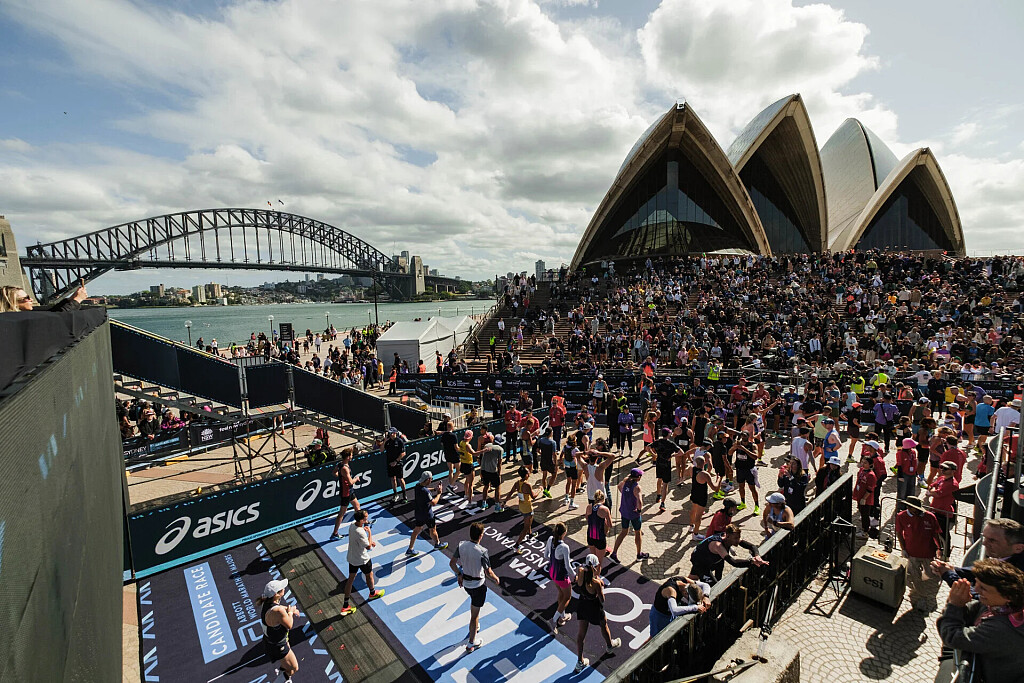
Sydney Marathon Turns Race Week Into a Citywide Celebration as Run Perks Opens the Event to Everyone
The TCS Sydney Marathon is no longer content to be a one-day spectacle reserved for those wearing race bibs. In 2026, the event is extending its reach across the Harbour City, turning marathon week into a citywide celebration that runners, spectators, residents and visitors can all enjoy.
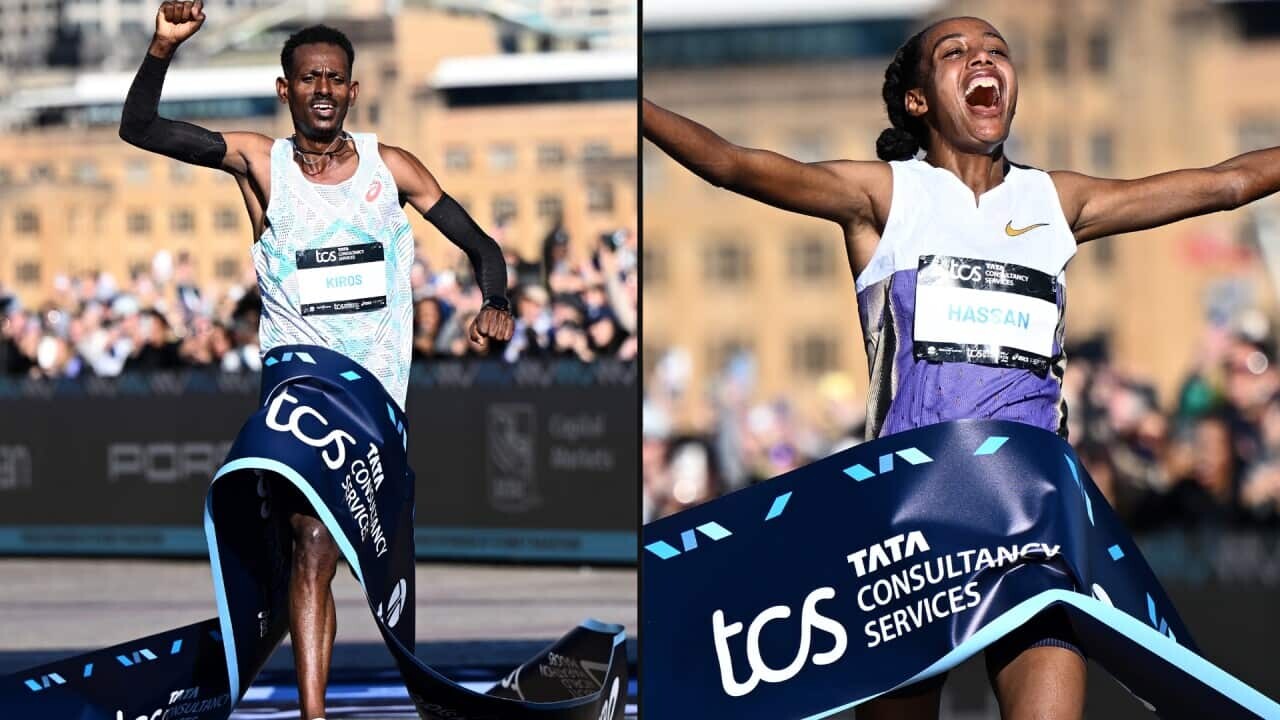
The fourth edition of the marathon’s Run Perks program will run from Tuesday, August 25, through Monday, August 31, surrounding race day on Sunday, August 30, with Medal Monday following on August 31.
The initiative brings restaurants, pubs, cafés and tourism operators into the marathon experience, offering a wide range of special deals designed to encourage people to explore Sydney while supporting local businesses. Offers are listed through the official TCS Sydney Marathon app, with location-aware features helping users discover participating venues closest to them.
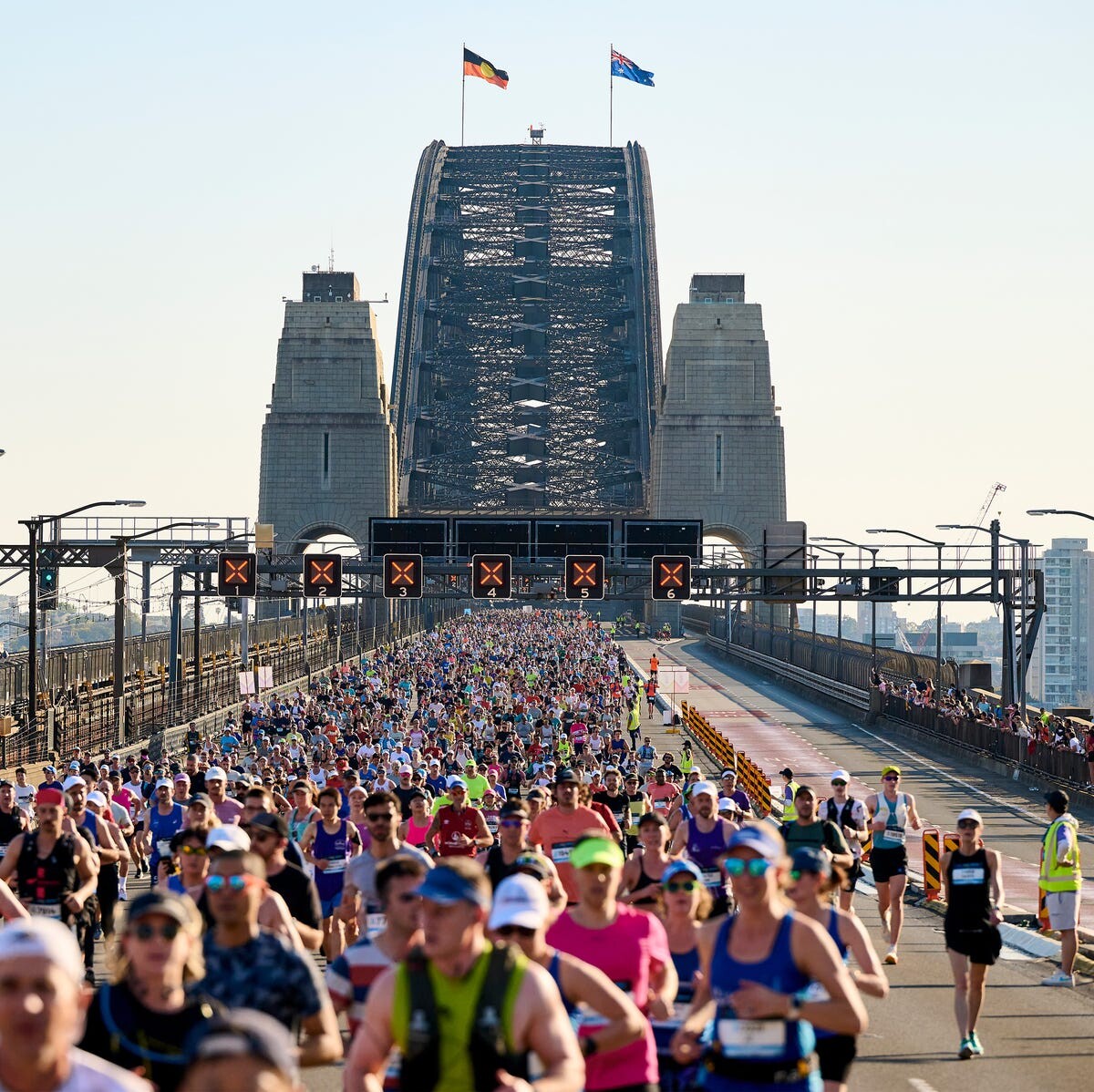
What makes Run Perks particularly appealing is that the benefits are not exclusively reserved for competitors. While some individual offers are specifically aimed at marathon participants, many are available to the wider marathon community, meaning you do not necessarily need a race bib or finisher’s medal to take part in the broader race-week experience.
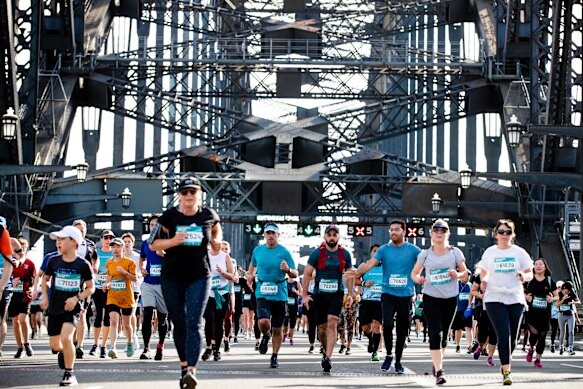
The deals range from straightforward food and drink specials to experiences designed to help visitors discover more of Sydney. Among the offerings are $20 schnitzels at The Glenmore Hotel, a $25 pizza-and-beer deal at The Australian Heritage Hotel, and a $19 lunch special at 4 Doors Down. Other venues are offering coffee deals, discounts on meals, tours and attractions across the city.
There are also race-specific opportunities for those taking part in the marathon. Some businesses are offering post-race incentives for finishers who present their medals or proof of participation, while others are extending discounts to spectators, support crews and the wider marathon community.
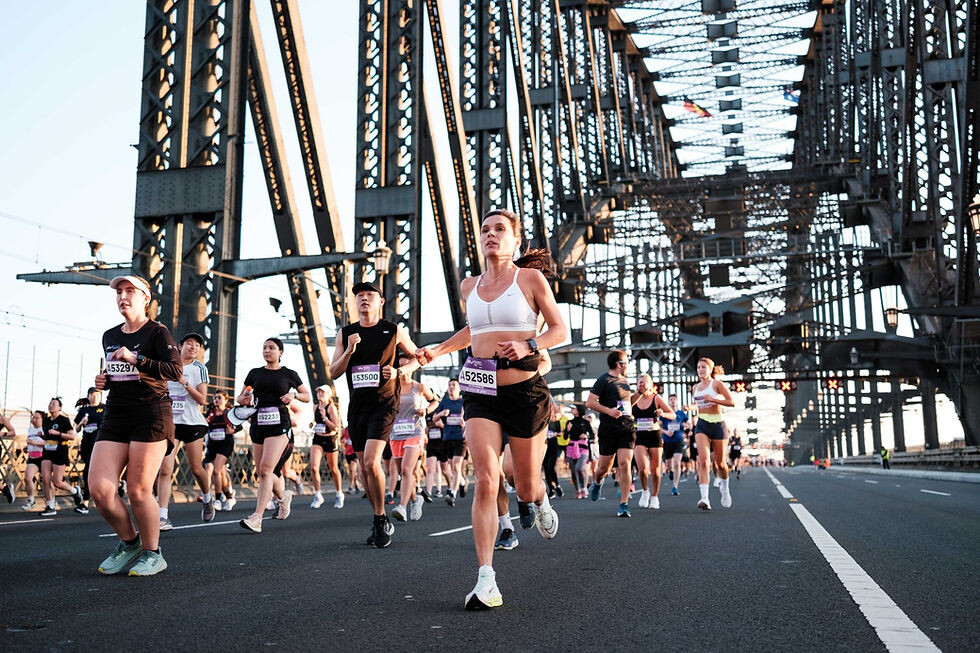
The concept reflects a broader shift in how Sydney is embracing its marathon. After making history as the seventh Abbott World Marathon Major, the TCS Sydney Marathon is becoming increasingly intertwined with the identity, tourism and business life of the city itself. The 2026 edition is expected to attract more than 40,000 participants, building on the 32,963 finishers recorded in 2025.
That scale gives Run Perks significance beyond a collection of discounts. Thousands of runners and their families will spend several days in Sydney, while spectators and residents will encounter the event throughout the city. By encouraging people to eat locally, visit attractions and experience different parts of Sydney, the marathon is helping turn the economic and social impact of race week into something that extends well beyond the course.
The timing is also important. Sydney is still establishing itself as one of the world’s major marathon destinations, having entered the Abbott World Marathon Majors in 2025. The 2026 event represents its second year as a Major and comes with ambitions for an even larger field and an even greater international profile.
And that is perhaps the most interesting part of Run Perks: the marathon is becoming less about what happens between the start and finish lines and more about what happens throughout the entire city.
From a coffee before sunrise to a post-race meal, an afternoon exploring The Rocks or an evening enjoying one of Sydney’s many restaurants and pubs, race week is being woven into the everyday rhythm of the city.
The official marathon app remains the best source for the latest participating venues, opening hours, redemption requirements and individual offer conditions, as these vary from business to business.
With more than 40,000 participants expected on August 30, Sydney is preparing for much more than another marathon. It is preparing for a week in which the entire city gets a chance to move, celebrate, explore and benefit from the energy of one of the world’s fastest-growing major marathons.
Sydney Marathon may have a start line and a finish line, but in 2026, its footprint stretches far beyond both.
by Erick Cheruiyot for My Best Runs.
Login to leave a comment
Sydney Marathon
The Sydney Marathon is a marathon held annually in Sydney, Australia. The event was first held in 2001 as a legacy of the 2000 Summer Olympics, which were held in Sydney. In addition to the marathon, a half marathon, 9 kilometres (5.6 mi) "Bridge Run", and a 3.5 kilometres (2.2 mi) "Family Fun Run" are also held under the banner...
more...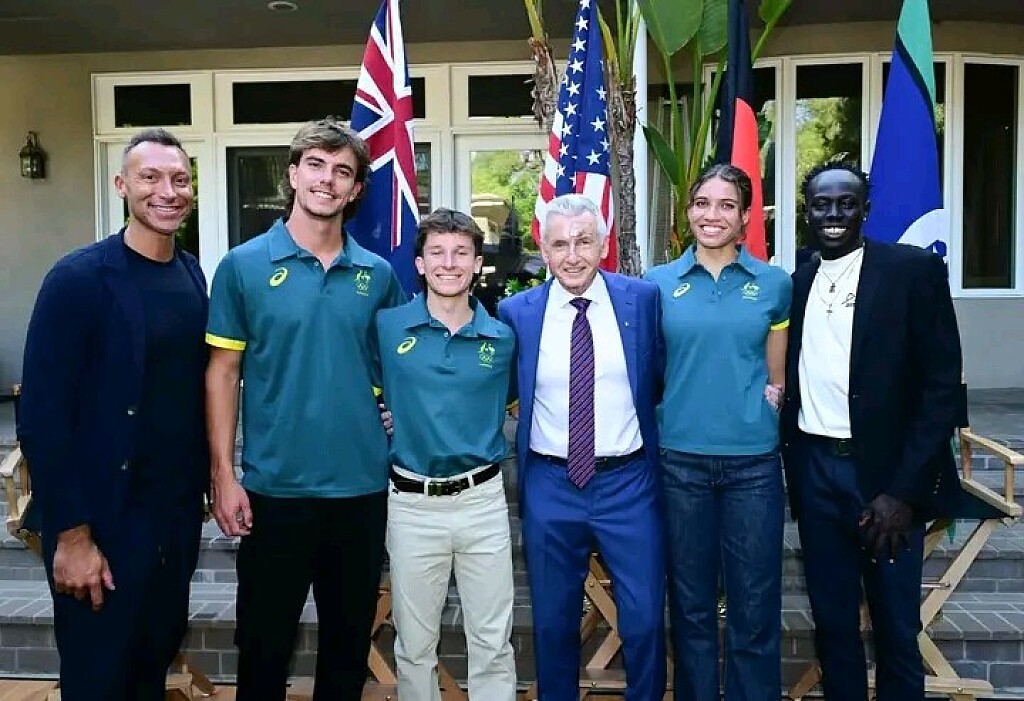
Gout Gout, Ian Thorpe and Australian Athletics’ Rising Stars Celebrate Olympic Dreams in Los Angeles
Australian athletics’ next generation received a memorable welcome in Los Angeles as rising sprint sensation Gout Gout joined Olympic great Ian Thorpe and a host of high-profile guests at a special Olympic Club of Australia gathering.
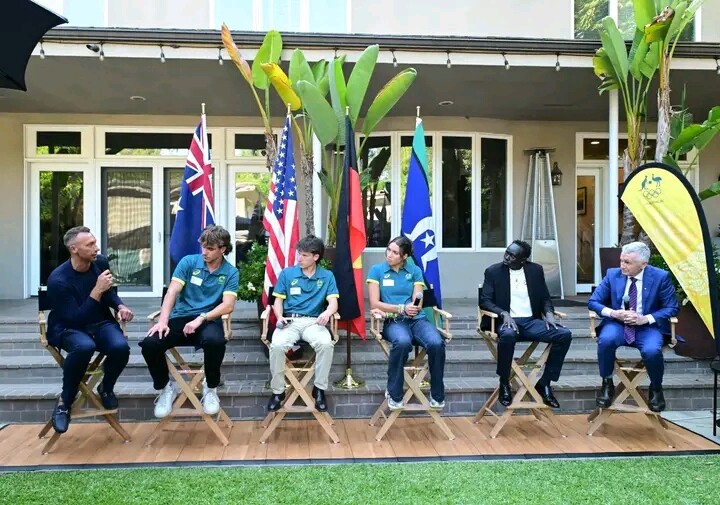
The event, hosted by Australia’s Consul-General to Los Angeles, Tanya Bennett, brought together members of the Australian Athletics U20 team on their return journey from Oregon, where they had been competing on the international stage.
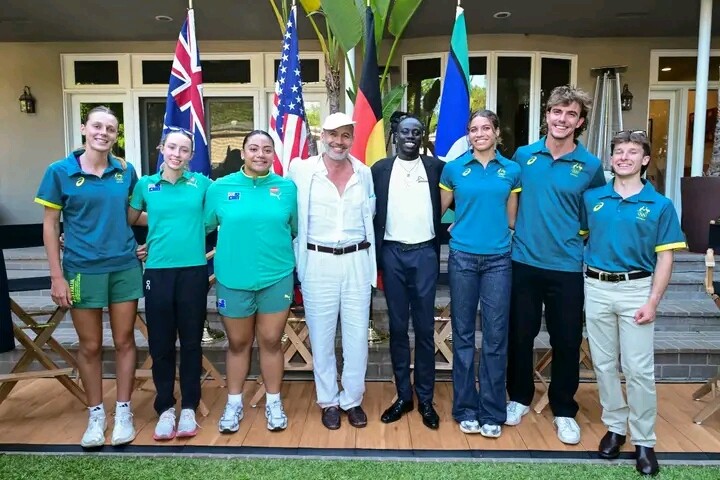
Gout, one of the most closely watched young talents in Australian athletics, was among the athletes at the gathering alongside Thorpe, the legendary five-time Olympic gold medallist. Broadcaster Bruce McAvaney and actor Billy Zane were also part of the star-studded occasion, creating an unusual but fitting meeting of Australian sporting excellence, media and entertainment.
The celebration came at an important moment for Australia’s young athletes, with the Los Angeles 2028 Olympic Games increasingly becoming a realistic target for many of the emerging stars. Beyond LA28, the prospect of competing at a home Olympics in Brisbane in 2032 offers an even bigger incentive for this generation to continue developing and dreaming on the world stage.
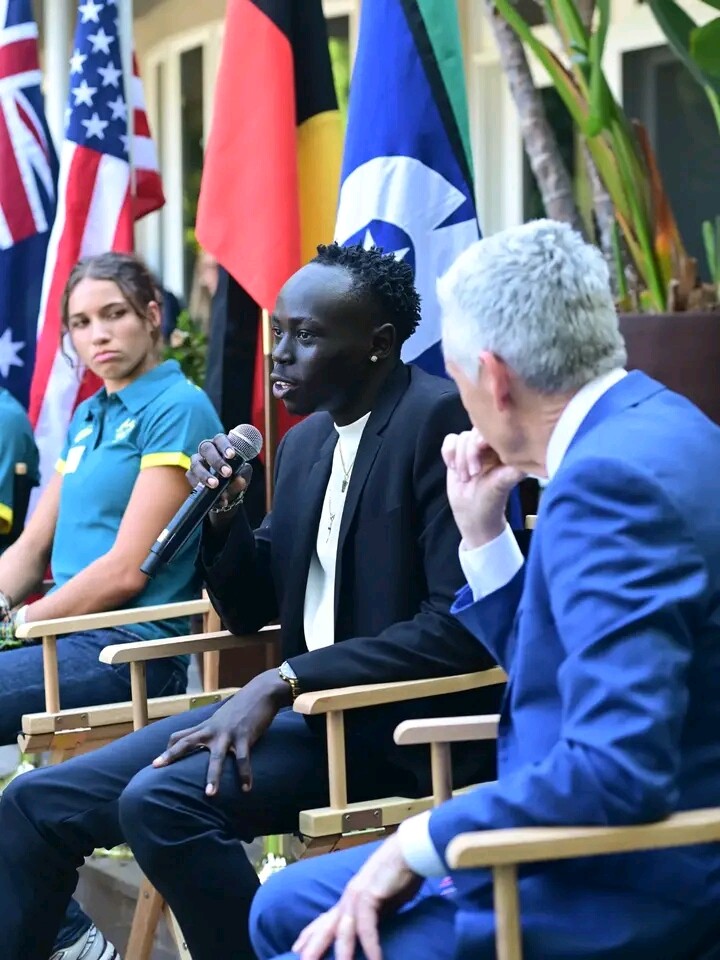
The occasion also highlighted the newly launched Olympic Club of Australia, an initiative of the Australian Olympic Committee designed to help raise funds in support of Olympians and coaches.
For Australia’s emerging athletes, the significance goes well beyond financial support. Olympic sport can provide young people with role models and demonstrate what can be achieved through ambition, commitment and perseverance.
With Gout and his fellow U20 athletes now beginning to look towards the next stage of their careers, the road to Los Angeles could mark the beginning of an exciting new chapter for Australian athletics.
And with Brisbane 2032 waiting beyond LA28, the athletes being celebrated today could ultimately become some of the biggest names carrying Australia’s hopes on home soil.
by Erick Cheruiyot for My Best Runs.
Login to leave a comment
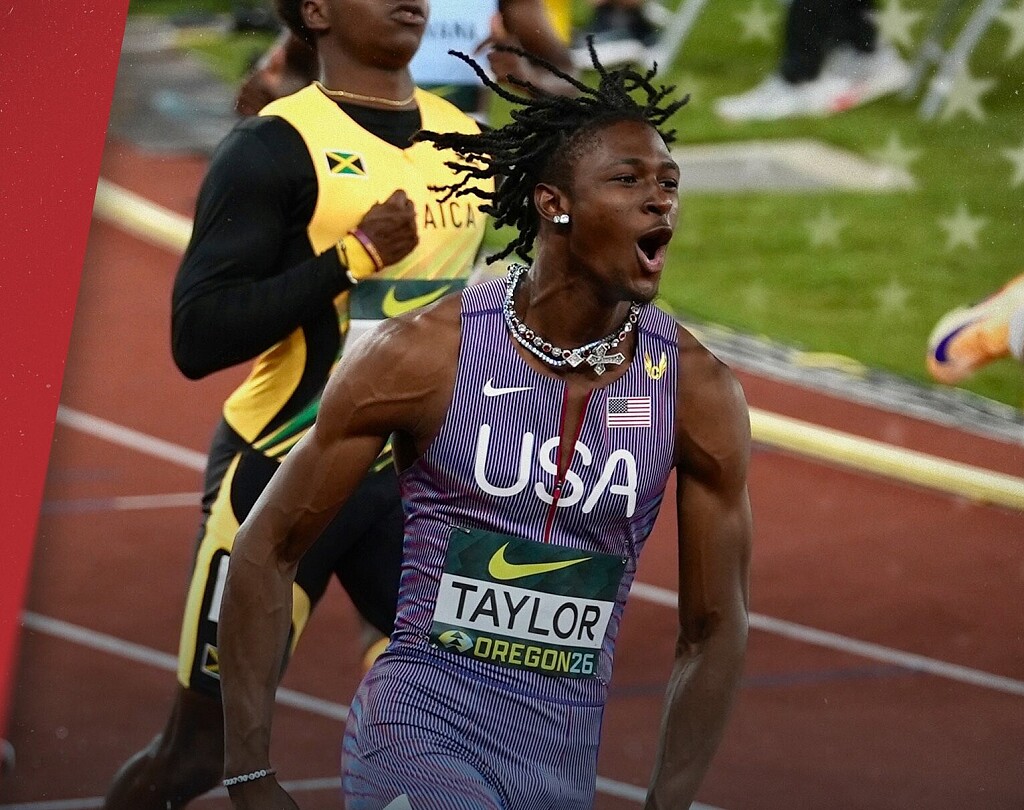
Tate Taylor Makes History With Three Gold Medals At World U20 Championships
At just 18 years old, Tate Taylor has transformed the World Athletics U20 Championships in Eugene into the stage for one of the most extraordinary sprint performances in the history of the competition.
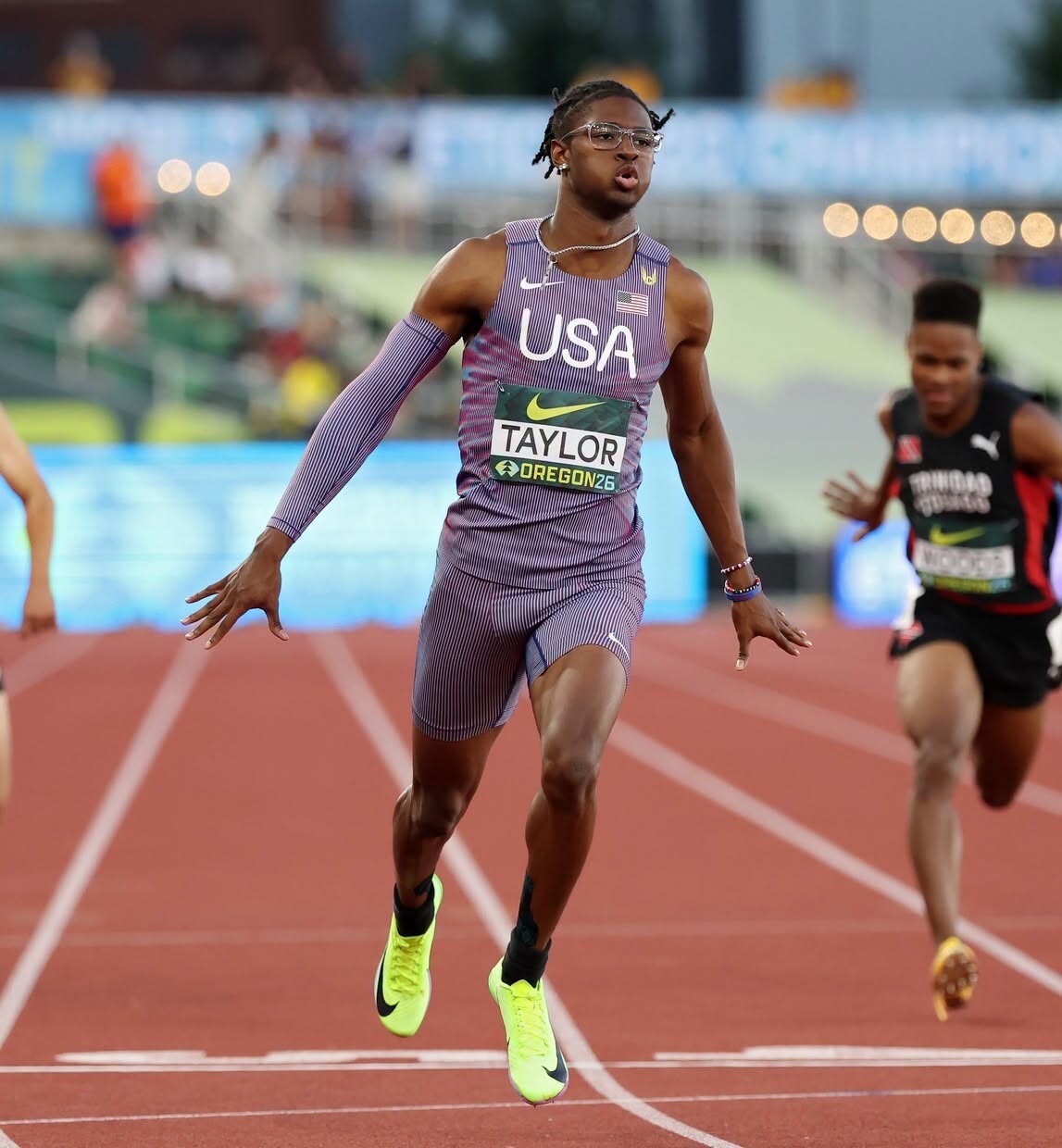
The American speedster completed a remarkable championship treble, winning gold in the men’s 100m, 200m and 4x100m relay as Team USA closed the championships in spectacular fashion.
Taylor began his assault on the sprint titles with victory in the 100m, producing a superb 9.94 seconds to establish himself as the fastest man in the field and add a World U20 title to his rapidly growing list of achievements.
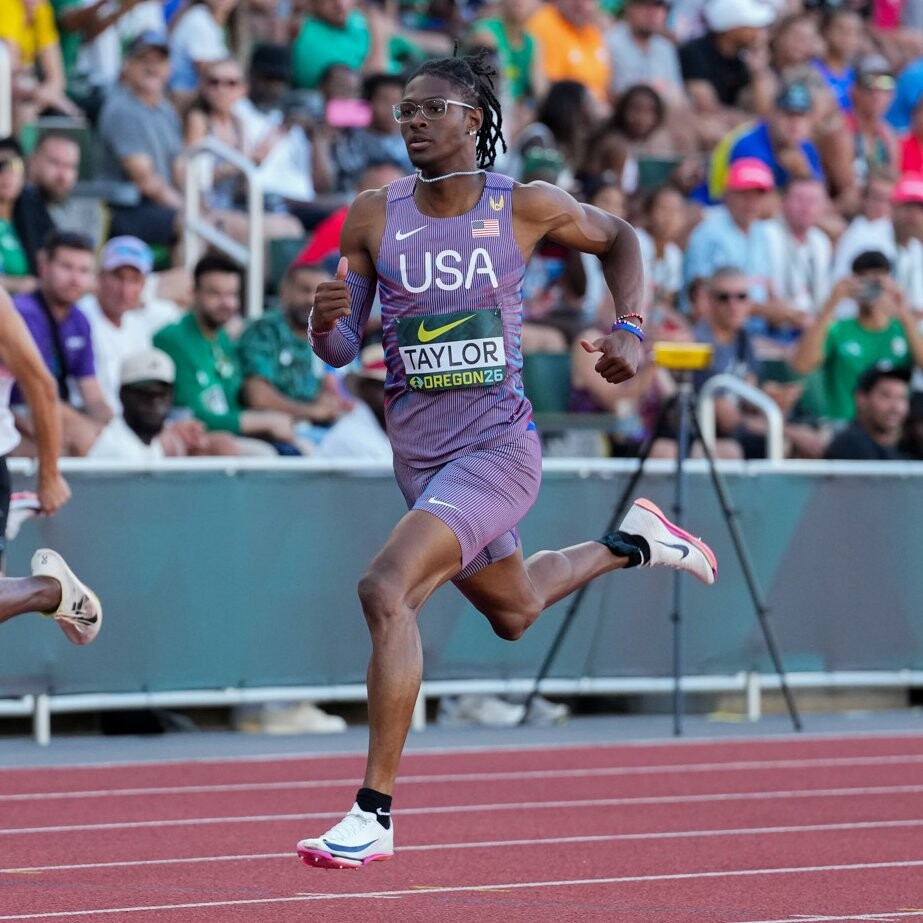
He then returned to Hayward Field for the 200m, where he delivered an even more emphatic statement. Taylor stormed to gold in 19.83 seconds, setting a new World Athletics U20 Championships record.
The performance placed him just 0.16 seconds behind the world U20 record of 19.67 set by Australia’s Gout Gout earlier this year. It also completed Taylor’s historic 100m-200m double, making him the first American man to achieve the feat at the World U20 Championships.
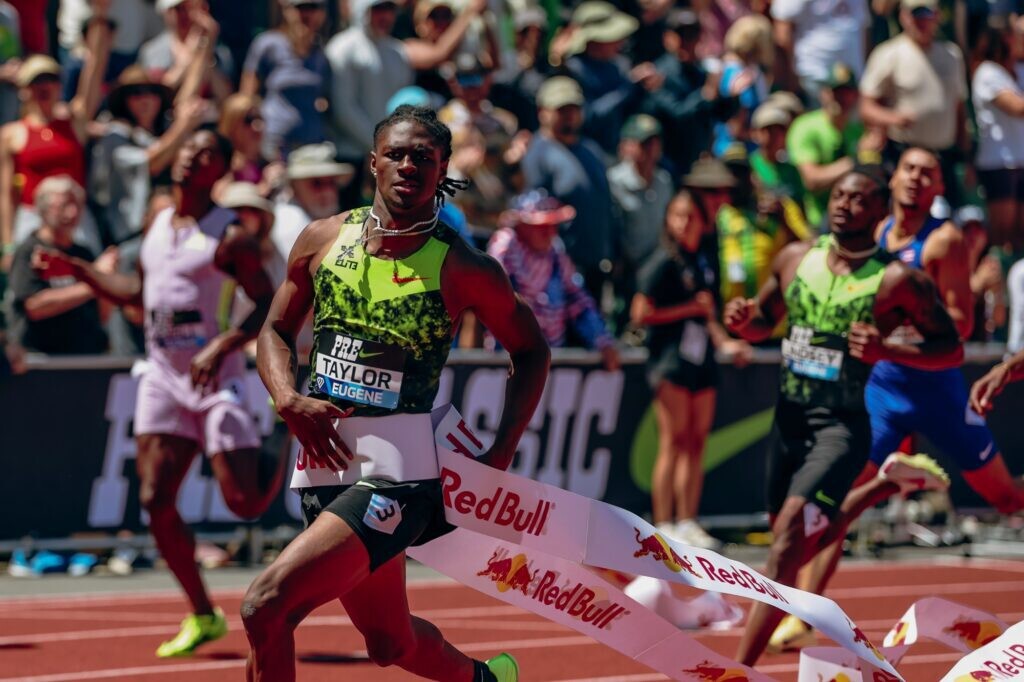
But Taylor was not finished.
In the men’s 4x100m relay, he was handed the baton for the anchor leg with another piece of history within reach. The American quartet delivered a sensational performance, crossing the finish line in 38.16 seconds to set a new world U20 record.
Taylor produced a powerful closing leg to bring the United States home, adding a third gold medal to his collection and helping cap a championship that had already established him as one of the brightest young sprinting talents in the world.
His three victories have now placed him in a rare category in World U20 Championships history. At only 18, Taylor leaves Eugene not simply as a triple champion, but as the central figure in one of the defining performances of the 2026 championships.
The significance of his achievement is even greater when viewed alongside the progression he has made throughout the season. Before arriving at the U20 championships, Taylor had already announced himself on the senior international stage by winning the 200m at the Prefontaine Classic in Eugene in a personal best of 19.75 seconds.
Now, after three races, three gold medals and two championship/world U20 records, Taylor has written his name into the history of the competition.
Eugene was supposed to be a championship for the next generation.
Tate Taylor made it his own.
by Erick Cheruiyot for My Best Runs.
Login to leave a comment
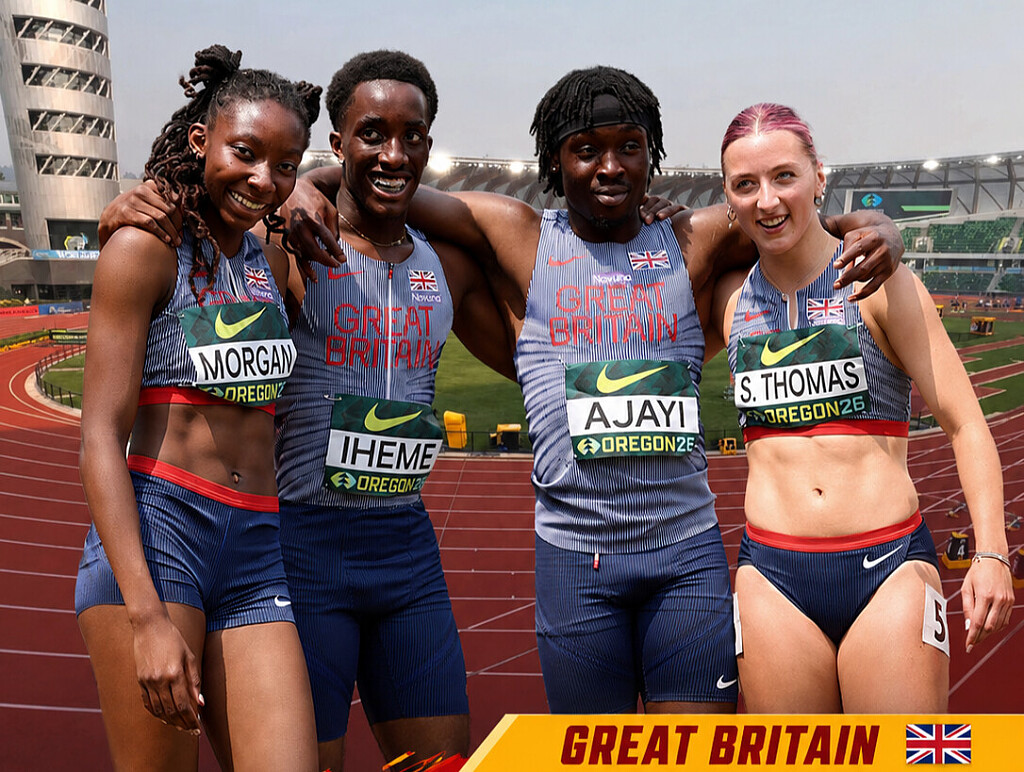
World U20 Relay History Rewritten As Great Britain Breaks Fresh Record After Australia's Brief Reign
Records were rewritten twice within the space of a few unforgettable minutes as the inaugural World Athletics U20 Mixed 4x100m relay produced one of the most dramatic sessions of the World Athletics U20 Championships in Eugene, Oregon.
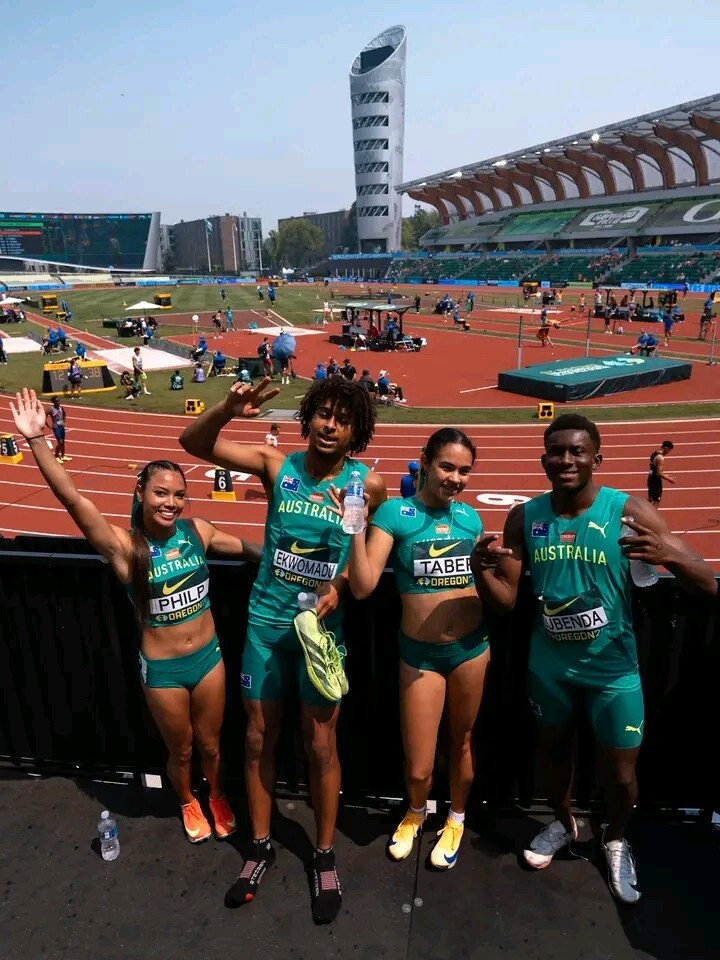
Australia ignited the excitement in the opening heat by storming to a world U20 record of 41.64 seconds, becoming the first team ever to reach that mark and briefly claiming a place in history. For five memorable minutes, the Australian quartet of Uwezo Lebenda, Maya Taber, Kelechi Ekwomadu and Thewbelle Philp stood as world record holders after a sensational performance that also secured their place in Saturday's final.
Their celebration, however, proved to be short-lived.
Moments later, Great Britain delivered an even more electrifying display in the second heat, clocking 41.60 to erase Australia's newly established mark and set a fresh World U20 record. It was a masterclass in speed, precision and flawless baton exchanges that propelled the British team into the history books.
The record-breaking quartet of Divine Iheme, Savannah McKenzie Morgan, Mathew Ajayi and Sophie Thomas combined brilliantly from start to finish to produce the fastest mixed U20 4x100m relay ever recorded. Sophie Thomas, who is set to compete for the University of Connecticut (UConn) this year, produced a composed anchor leg to seal the landmark performance.
The extraordinary back-to-back world records underlined the remarkable depth of sprint talent on display, with several other nations also producing outstanding performances to qualify for the final.
Italy impressed with a personal best of 41.74, while the United States advanced comfortably in 41.82. Nigeria also produced a personal best of 41.91 to secure qualification.
Jamaica (42.08 PB), Germany (42.12 PB), France (42.16 PB) and Poland (42.18 PB) completed the eight-team final after delivering strong performances in one of the fastest mixed relay qualifying rounds ever witnessed at the U20 Championships.
With two world records already falling in rapid succession, anticipation is now soaring ahead of Saturday's final. If the qualifying heats are any indication, the newly established global mark of 41.60 may once again come under serious threat as the world's best young sprinters chase another piece of athletics history.
by Erick Cheruiyot for My Best Runs.
Login to leave a comment
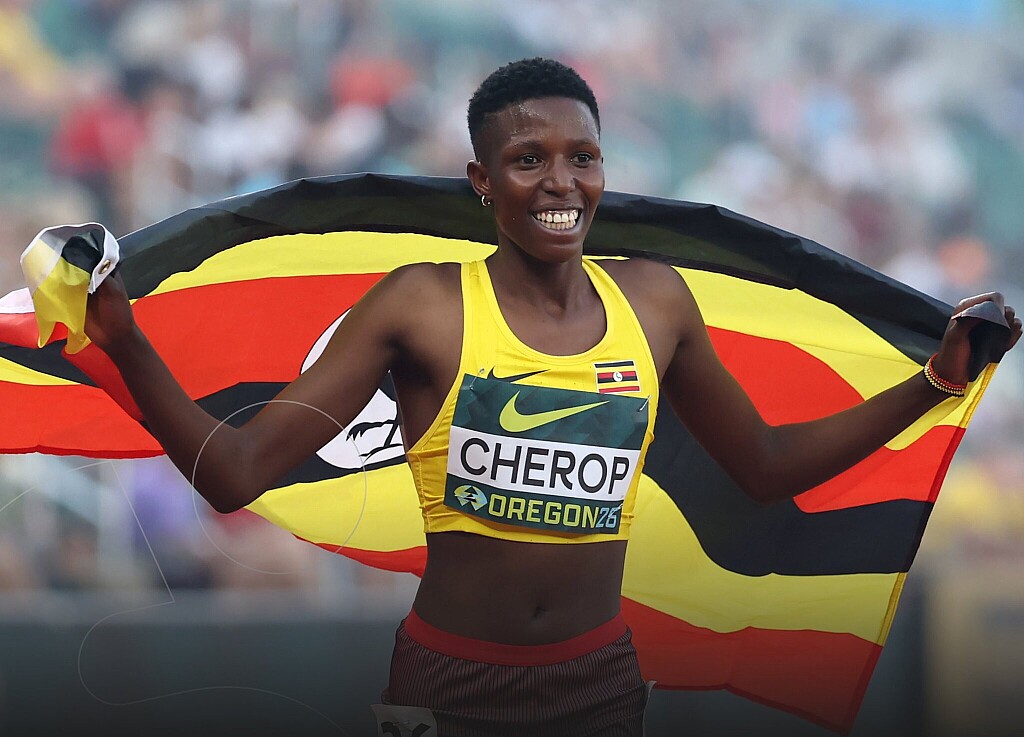
From Silver to Gold: Charity Cherop Storms to World U20 5000m Crown with Tactical Masterclass
Uganda's 19-year-old long-distance sensation Charity Cherop delivered the performance of her young career, producing a championship masterclass to capture the women's 5000m title at the 2026 World Athletics U20 Championships at Hayward Field in Eugene, Oregon.
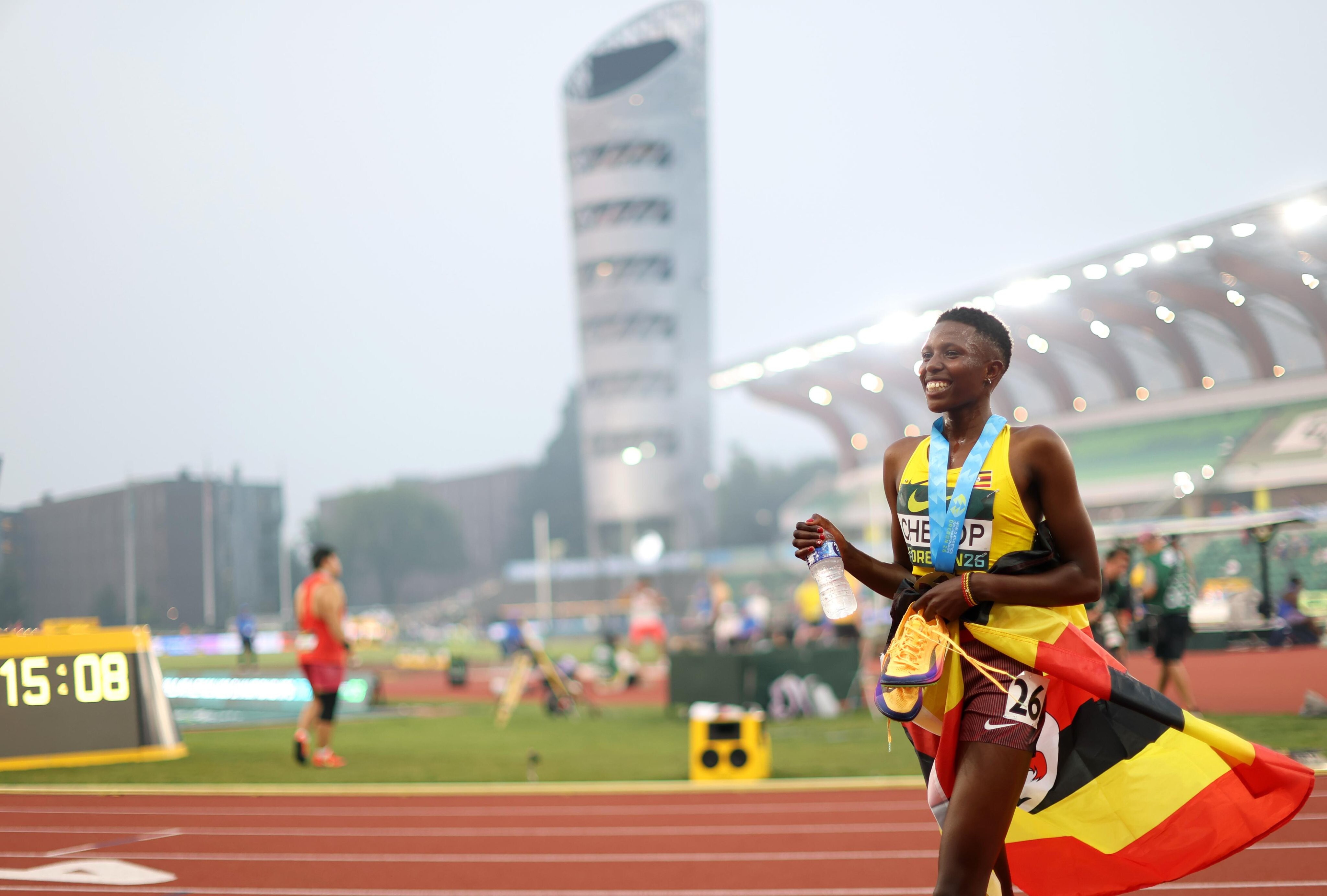
Born on July 4, 2007, Cherop executed a tactically brilliant race, remaining patient throughout the early stages before unleashing a devastating surge over the final kilometre. Her perfectly timed move proved decisive as she crossed the finish line in 15:03.88, becoming the new World U20 champion.
The victory was more than just a world title—it completed a remarkable journey from silver to gold. After finishing runner-up at the previous World Athletics U20 Championships in Lima, Cherop returned to the global stage stronger and more determined, upgrading her silver medal to gold and confirming herself as one of the brightest young stars in international distance running.
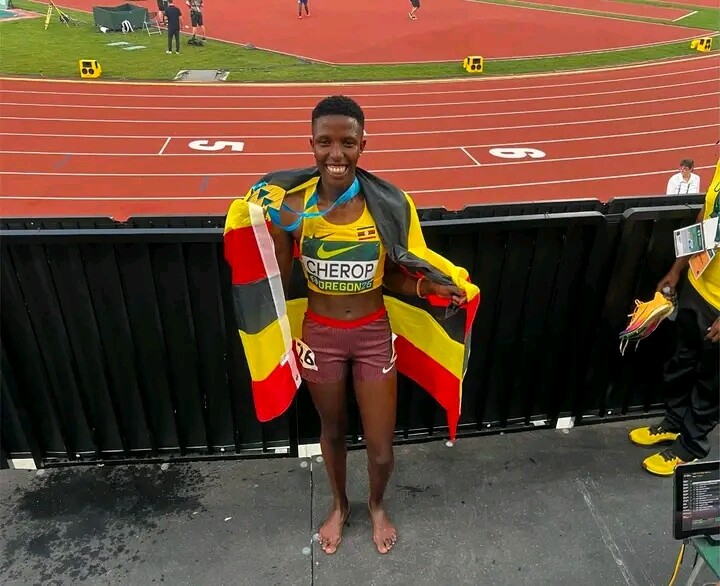
Behind the Ugandan star, Ethiopia's Shito Gumi fought bravely to secure the silver medal in 15:07.91, while Kenya's Joyline Chepkemoi delivered an outstanding performance to claim bronze in 15:09.08, setting a new personal best in the process. The battle for the podium remained fiercely contested until the closing stages, with every medal decided through courage, tactical awareness, and a powerful finishing kick.
Kenya narrowly missed placing two athletes on the podium as Cynthia Chepkirui finished a strong fourth in 15:14.86, while Sweden's Carmen Cernjul rounded out the top five in 15:22.18.
Ethiopia's Emebet Tilahun placed sixth in 15:32.51, followed by Japan's Yui Onotora in seventh with 15:37.33. Uganda celebrated another top-10 finish through Bentalin Yeko, who finished eighth in 15:48.35, underlining the nation's impressive depth in women's distance running.
Germany's Julia Ehrle claimed ninth in 16:09.53, with France's Lamia Mourabit completing the top ten in 16:10.80.
Further down the field, Portugal's Carolina Correia impressed with an 11th-place finish in a personal best 16:11.47, while Norway's Venus Teffera also celebrated a lifetime best of 16:12.07 in 12th. Germany's Gloria Herold added another personal best, clocking 16:13.75 for 15th place.
France's Laly Porentru, Japan's Ayami Yoshida, the Netherlands' Rosalie Ten Bruggencate, Italy's Sofia Ferrari and Mimosa Miari Fulcis, Spain's Fatima Hernandez, Switzerland's Anina Hirzel, Great Britain's Eliza Nicholson, Canada's Airlie Downie-Back and Athena Andrecyk, Mexico's Kenya Cuahutle, and Australia's Libby Mantay and Imogen Baker all battled courageously to the finish, highlighting the exceptional depth and global talent assembled for the championship final.
The only athlete unable to start the race was the United States' Emily Wisniewski, who was listed as DNS.
The women's 5000m final showcased the very best of championship distance running—patience, tactical intelligence, and a thrilling finish. On the biggest stage of her junior career, Charity Cherop produced a race worthy of a world champion, transforming silver in Lima into gold in Eugene and writing another unforgettable chapter in Uganda's rich distance-running legacy.
by Erick Cheruiyot for My Best Runs.
Login to leave a comment

Eugene Welcomes the Future of Athletics as the 2026 World U20 Championships Get Underway
The global spotlight turns to Eugene, Oregon, today as the 2026 World Athletics U20 Championships officially get underway at the iconic Hayward Field, launching five days of elite competition that will showcase the sport's brightest young talents.
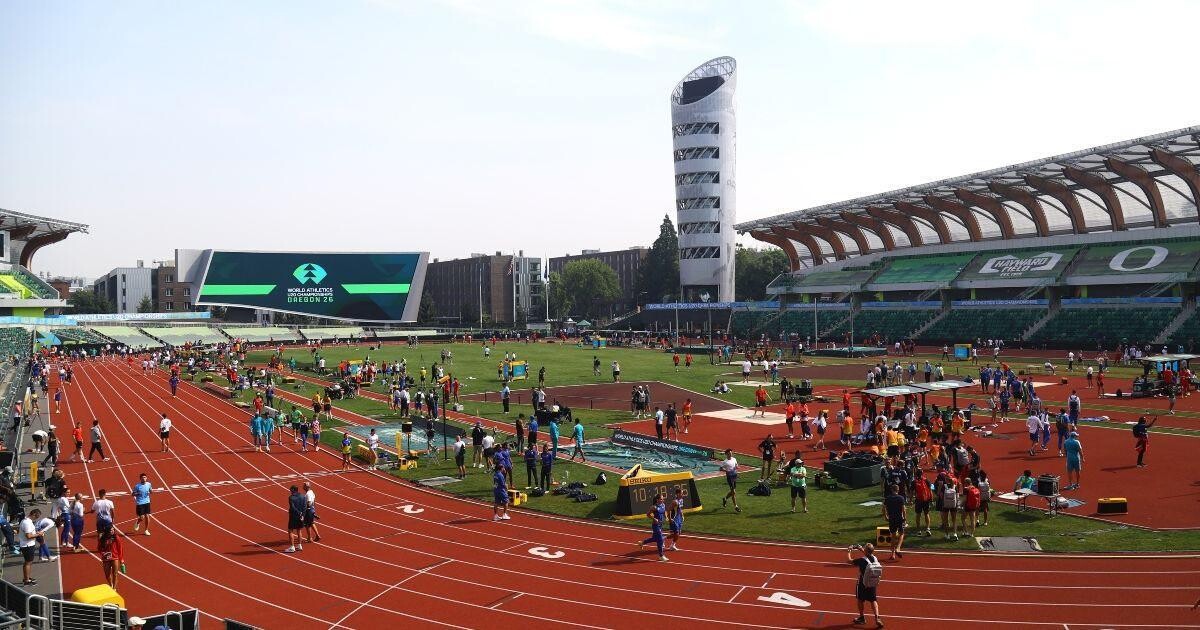
Running from August 5 to August 9, the 40th edition of the championships is the biggest in the event's history, bringing together more than 1,800 athletes representing 147 nations. For many of these rising stars, the championships mark the first major step toward future Olympic, World Championship, and Diamond League success.
The opening day immediately promises world-class action with three gold medals on the line. The women's 5,000m and men's 5,000m finals will test the endurance of the world's finest young distance runners, while the mixed 4×400m relay is expected to provide a thrilling conclusion to the day's competition as teams battle for the first relay title of the championships.
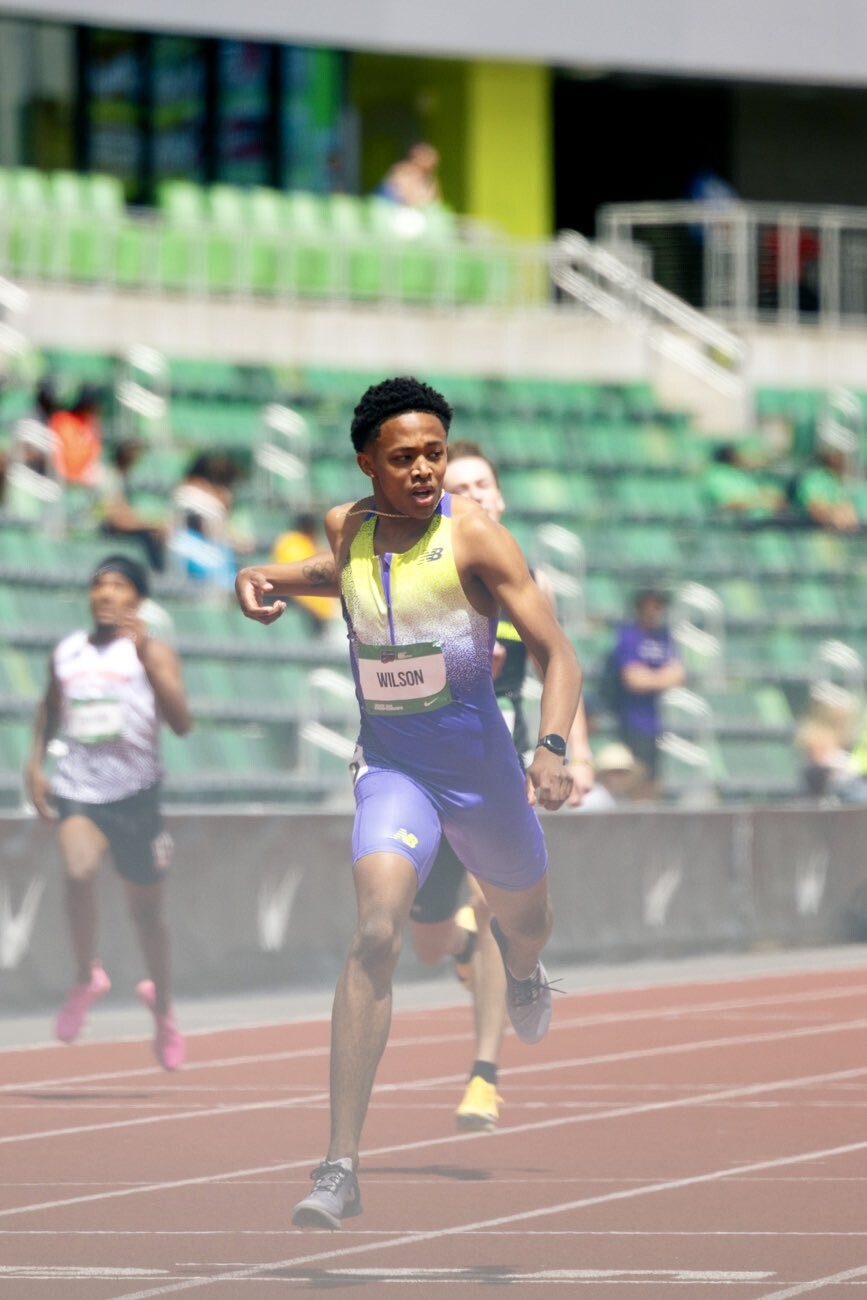
Several exciting athletes arrive in Eugene carrying high expectations. American sprint sensation Quincy Wilson will be one of the biggest attractions on home soil after establishing himself as one of the fastest young quarter-milers in the world. Fellow American Tate Taylor, the high school national record holder, will also be aiming to translate his remarkable speed into championship gold.
Jamaica's emerging sprint talent Shanoya Douglas enters the competition determined to challenge for the women's 200m title, while Kenya's Frankline Kibet will spearhead his country's pursuit of more distance-running success, continuing a tradition that has produced some of the greatest champions in athletics history.
Beyond the medals, the World U20 Championships have long served as the launching pad for future legends of the sport. Numerous Olympic and world champions first announced themselves on this very stage, making Eugene the perfect setting for another generation of athletes eager to leave their mark on the global scene.
Fans around the world will be able to follow every moment of the action through a range of broadcast partners, including Peacock in the United States, SuperSport across Sub-Saharan Africa, Eurovision Sport throughout Europe, CBC Gem in Canada, Seven Network in Australia, and World Athletics+ in eligible territories.
With national pride, championship titles, and the chance to announce themselves to the world at stake, the stage is set for five unforgettable days of athletics. As competition begins at the historic Hayward Field, the next generation of global stars is ready to write the opening chapter of what could become remarkable careers.
by Erick Cheruiyot for My Best Runs.
Login to leave a comment
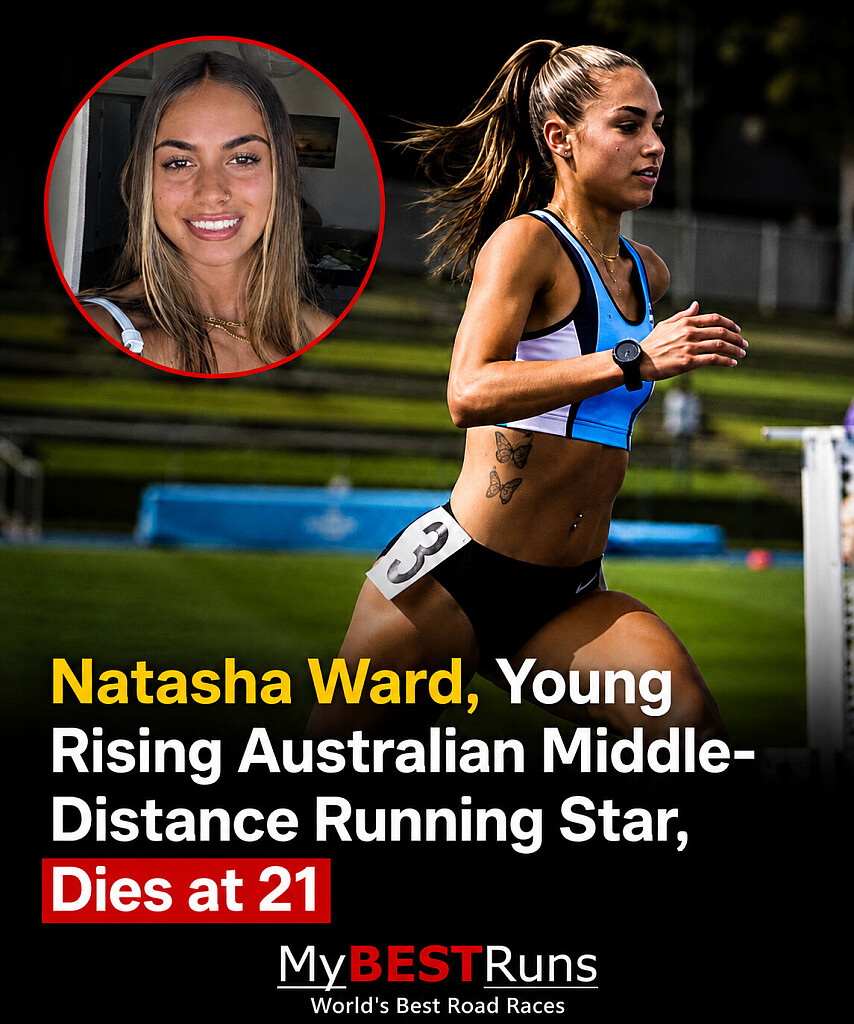
Australian Athletics Mourns Rising Middle-Distance Talent Natasha Ward, Dead at 21
Australian athletics is mourning the heartbreaking loss of promising middle-distance runner Natasha Ward, who has died at the age of 21, bringing an abrupt end to a career that had shown remarkable promise on both the track and in academia.

The news was confirmed on Thursday in a joint statement released by NSW Athletics and the Sutherland District Athletics Club in Sydney. No cause of death was disclosed.
Ward had established herself as one of the emerging talents in Australian middle-distance running, competing primarily in the 400m, 800m and 1,500m. Her journey began with impressive performances as a junior athlete, including a medal-winning run in the 1,500m at the New South Wales All Schools Championships.
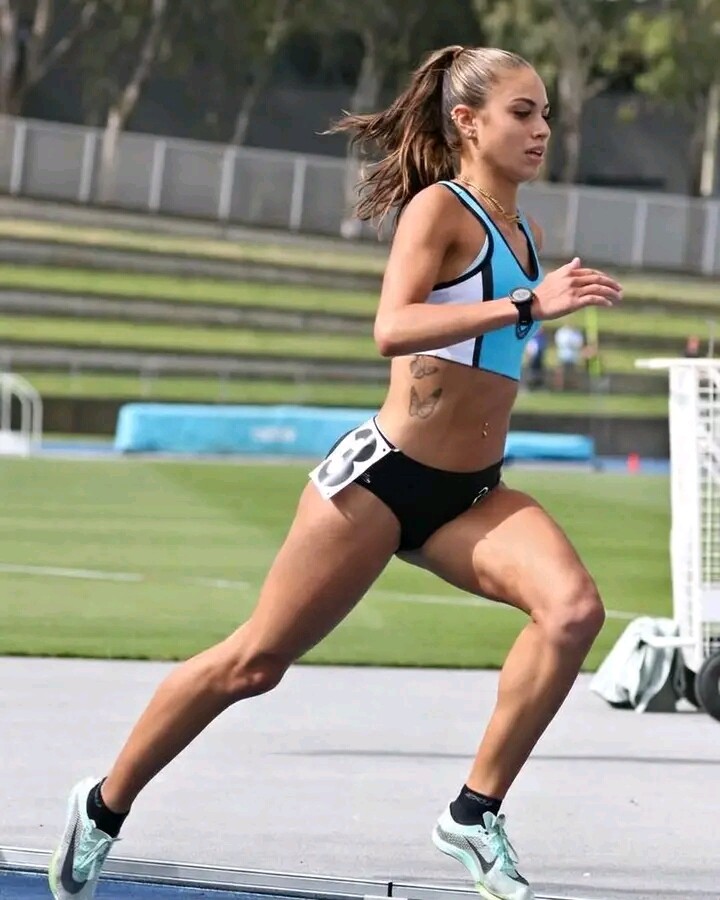
She continued to build on that success at university level, claiming a medal in the 1,500m at the 2023 UniSport Nationals before returning this year to earn bronze in the 800m. Her steady progression also saw her compete at the 2024 Australian Athletics Championships, lining up against some of the nation's leading middle-distance stars, including Morgan Mitchell and Claudia Hollingsworth.
Away from competition, Ward was equally dedicated to her future beyond athletics. She was studying Exercise and Sports Science at Macquarie University in Sydney, combining her academic ambitions with an unwavering commitment to the sport she loved.
Her club remembered her not only as a gifted athlete but also as a teammate who always put others first. Whether representing the club in its summer and winter relay competitions or volunteering to fill in when teams were short of runners, Ward earned admiration for her generosity, reliability and infectious enthusiasm.
In a heartfelt tribute, NSW Athletics and the Sutherland District Athletics Club described her as a cherished member of the athletics community.
"Beyond her achievements on the track, Natasha was a greatly loved member of our community. Her kindness and joy touched everyone fortunate enough to know her, and her magnetic smile and warm personality have left a permanent mark on Australian athletics. Our thoughts are with Natasha's family, friends, and everyone who had the privilege of knowing her."
Ward's passing comes only weeks after Australian sprint athlete Jemma Stapleton, 25, died in a road accident while on holiday in Thailand. Authorities have indicated there is no connection between the two tragedies.
As tributes continue to pour in from across Australia's athletics community, Natasha Ward will be remembered not only for the medals she won and the races she ran, but also for the warmth, humility and positivity she brought to everyone around her. Her loss leaves a profound void in Australian athletics, with many believing she had only begun to reveal the full extent of her potential.
by Erick Cheruiyot for My Best Runs.
Login to leave a comment
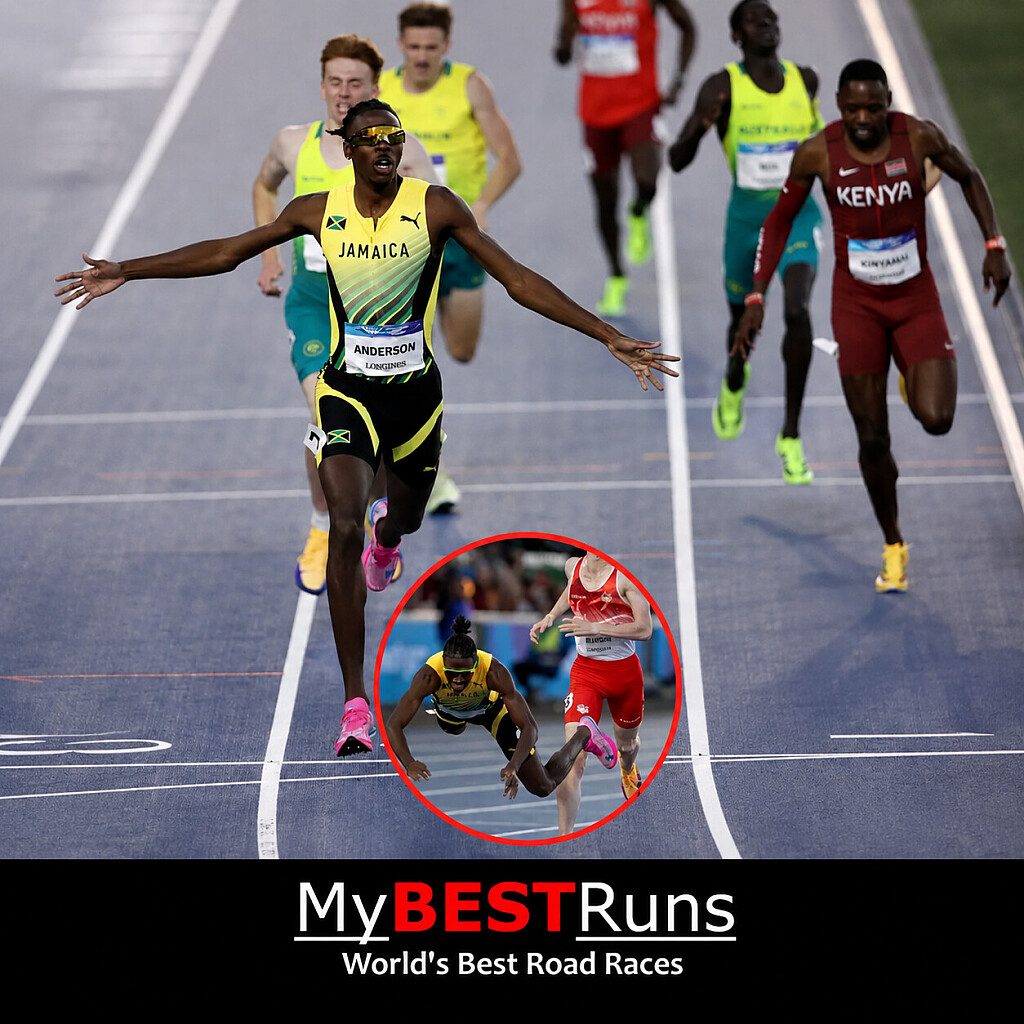
From Last Qualifier to Commonwealth Glory: Navasky Anderson Completes Remarkable 800m Triumph in Glasgow
Sometimes the smallest opportunity creates the greatest triumph, and Jamaica's Navasky Anderson proved exactly that with a stunning performance to capture the men's 800m title at the 2026 Commonwealth Games in Glasgow.
Less than 24 hours after scraping into the final by the slimmest of margins, Anderson produced the race of his life, surging to victory in 1:45.33 to complete one of the most remarkable comeback stories of the championships. His gold medal was not only a reward for exceptional talent but also for courage, determination, and unwavering belief when everything was on the line.
The journey to the top nearly ended in the semifinals. Locked in an intense battle with England's Max Burgin for the final qualification place, Anderson threw himself across the finish line in a dramatic dive, stopping the clock at 1:45.38. That desperate effort earned him the last available place in the final as the fastest non-automatic qualifier, keeping his Commonwealth dream alive by the narrowest of margins.
With another chance in his hands, the Jamaican made sure it counted.
In a fiercely contested final, Anderson displayed outstanding tactical awareness and patience throughout the opening stages before unleashing a devastating finishing kick down the home straight. His perfectly timed acceleration left the rest of the field with no answer as he crossed the finish line first, securing a memorable Commonwealth crown and one of Jamaica's standout victories of the Games.
Australia's Luke Boyes delivered an impressive performance to claim the silver medal in 1:45.93, while Kenya's Wyclife Kinyamal battled strongly to take bronze in 1:46.12 after another highly competitive championship race.
Anderson's unforgettable triumph will be remembered as one of the defining moments of Glasgow 2026—a powerful reminder that championships are not always won by the fastest qualifier, but often by the athlete who refuses to surrender. From a fearless dive that kept his hopes alive to a brilliant gold-medal performance less than a day later, the Jamaican wrote one of the most inspiring chapters of these Commonwealth Games.
Men's 800m Final Results
1. Navasky Anderson (Jamaica) — 1:45.33
2. Luke Boyes (Australia) — 1:45.93
3. Wyclife Kinyamal (Kenya) — 1:46.12
Navasky Anderson arrived in the final as the last man to qualify, but he left Glasgow as the Commonwealth champion—a remarkable transformation that perfectly captures the unpredictable beauty of championship athletics.
by Erick Cheruiyot for My Best Runs.
Login to leave a comment
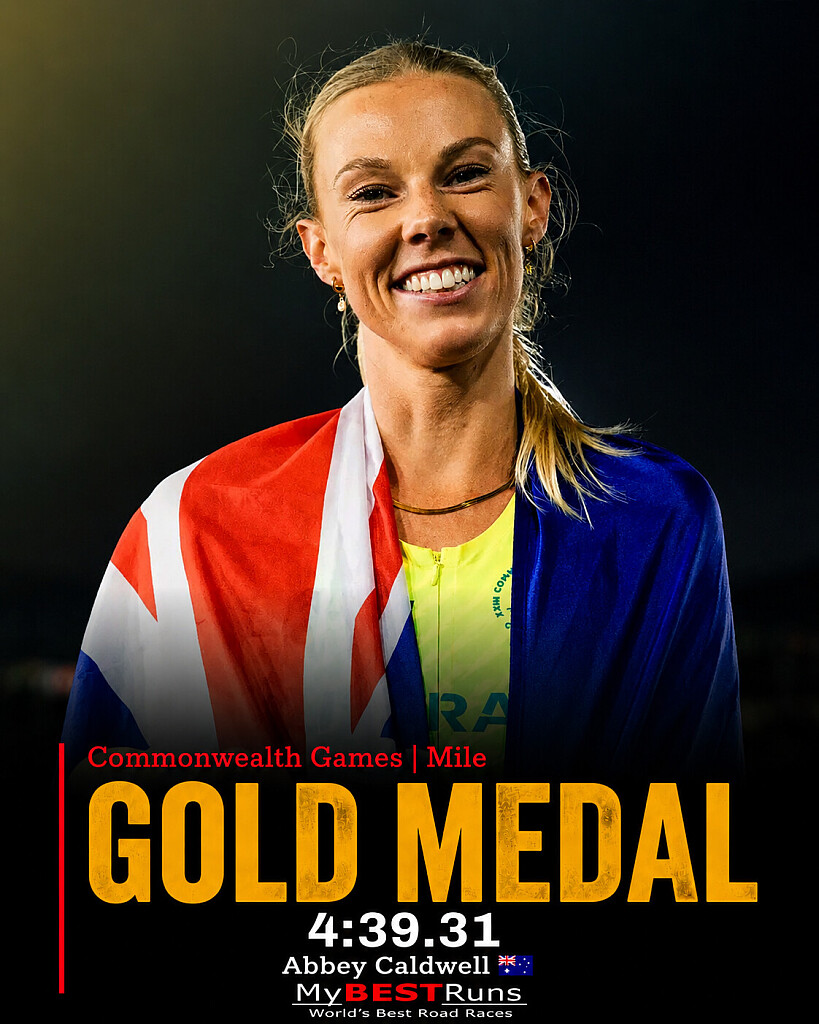
Australia Dominates Commonwealth Games Women's Mile With Historic Podium Sweep as Abbey Caldwell Strikes Gold
Australia produced one of the most memorable moments of the Glasgow 2026 Commonwealth Games, completing a sensational clean sweep of the women's mile as Abbey Caldwell led teammates Jessica Hull and Claudia Hollingsworth across the finish line in a remarkable display of national dominance.
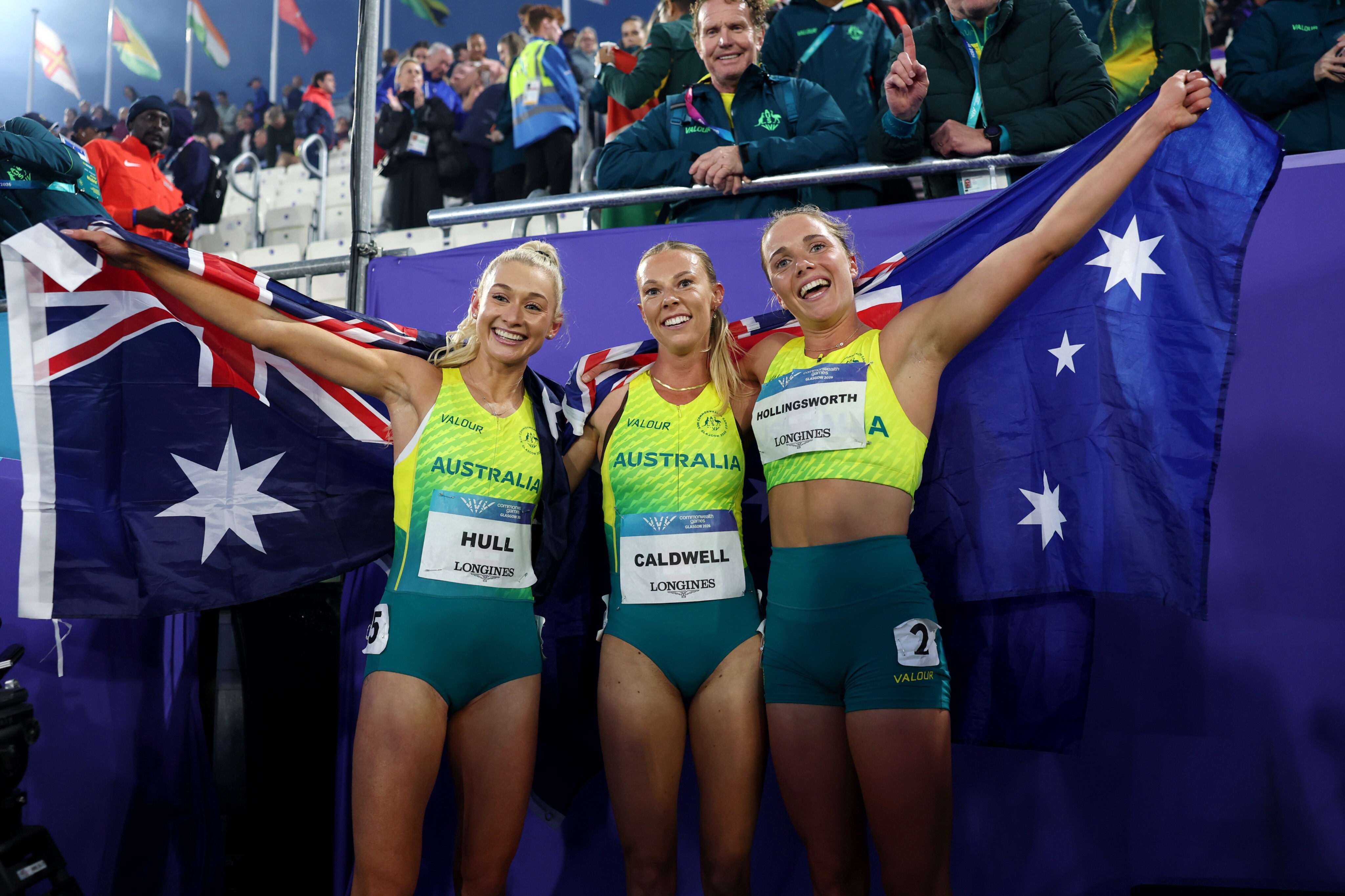
In a race that showcased Australia's incredible middle-distance depth, Caldwell timed her finish to perfection, surging to victory in 4:39.31 to claim the Commonwealth title. Behind her, Jessica Hull continued her outstanding championship campaign by securing the silver medal in 4:39.86, while rising star Claudia Hollingsworth completed the historic podium sweep with bronze in 4:40.20.
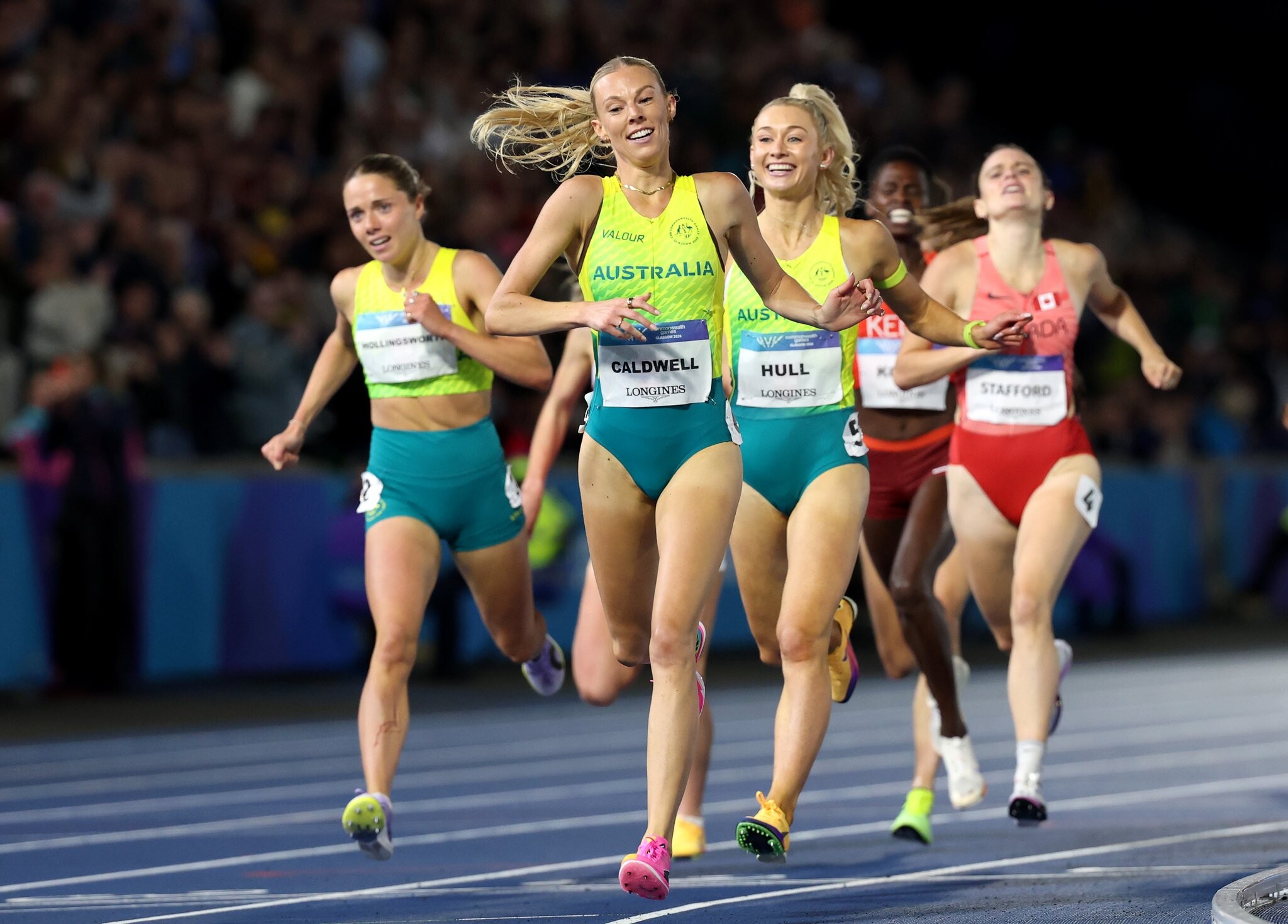
The 1-2-3 finish marked one of Australia's finest achievements in Commonwealth Games middle-distance history, underlining the nation's growing strength on the global stage. With all three medals belonging to Australia, the celebration became a picture-perfect moment that will be remembered for years to come.
For Hull, the silver medal represented another impressive chapter in an already exceptional Games. After earlier standing on the podium in another event, she added a second silver medal to her collection with another composed and determined performance. The Olympic medallist once again demonstrated her consistency at the highest level, remaining firmly among the world's elite middle-distance runners.
Caldwell, however, proved unstoppable on the day. She controlled the decisive stages of the race with confidence before producing a powerful finishing kick that her teammates and the rest of the field could not match. Hollingsworth also delivered under pressure, completing Australia's unforgettable clean sweep with a well-earned bronze medal.
The historic result highlighted the remarkable depth Australia has developed in women's middle-distance running. Rather than relying on a single standout athlete, the nation showcased a trio capable of dominating one of the Games' most competitive events.
As the Australian flags were raised together during the medal ceremony, the moment perfectly captured the team's unity, preparation, and excellence. It was more than just a race victory—it was a statement that Australia has established itself as one of the leading forces in women's middle-distance athletics, with a generation of athletes capable of rewriting history together.
by Erick Cheruiyot for My Best Runs.
Login to leave a comment

The Commonwealth Games
The Commonwealth Games are coming to Victoria - bringing an action packed sports program to our regional cities and delivering a long-term legacy for our future. From 17 to 29 March 2026, Geelong, Bendigo, Ballarat, Gippsland and Shepparton will be on the world stage, attracting millions of viewers and creating thousands of jobs. The multi-city model will...
more...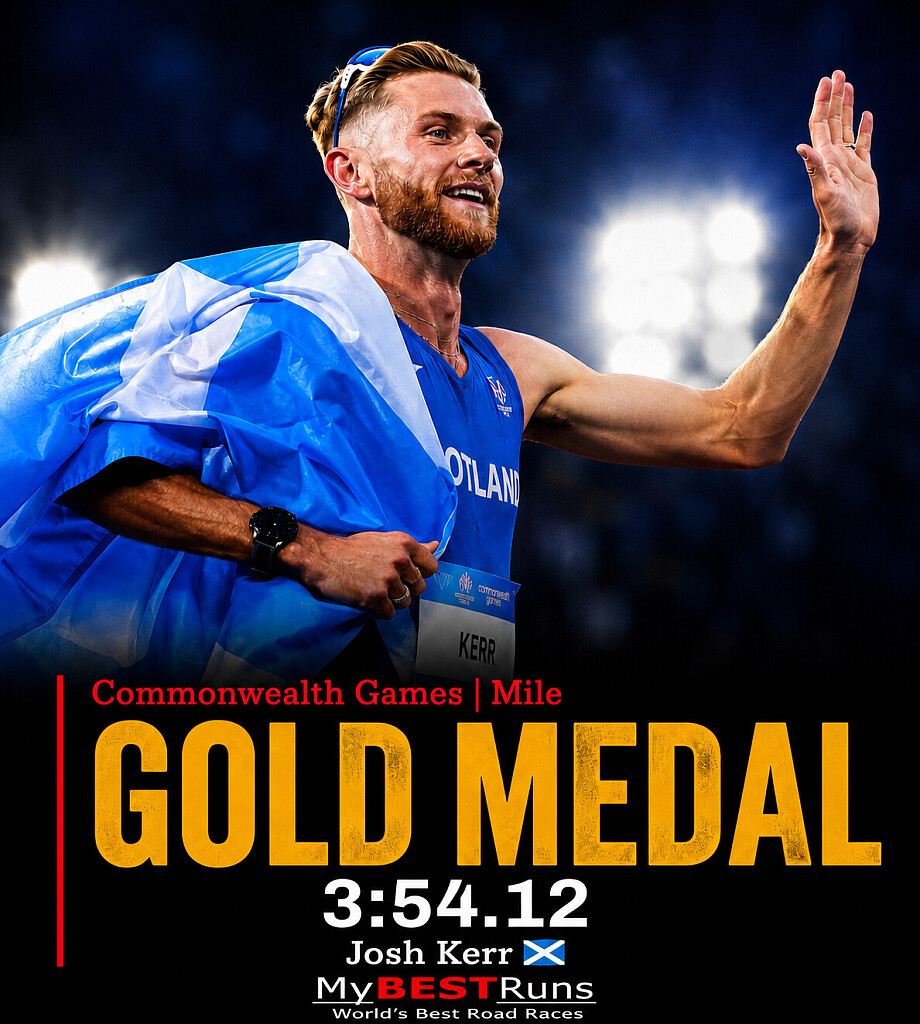
Josh Kerr Delivers Historic Commonwealth Mile Gold On Home Soil
Josh Kerr produced a performance worthy of the occasion as he etched his name into Commonwealth Games history, storming to victory in the men's mile final in front of an ecstatic home crowd in Glasgow.
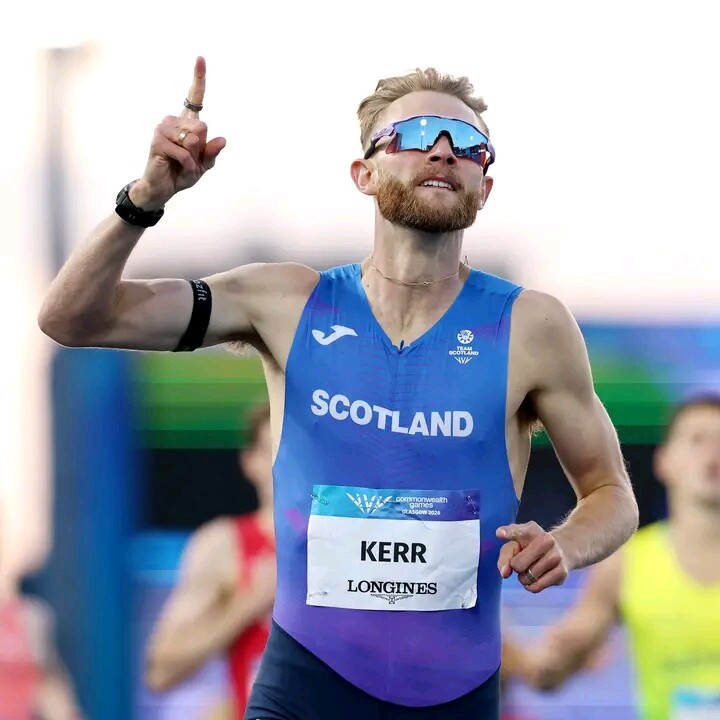
The race marked the long-awaited return of the mile to the Commonwealth Games programme for the first time in 60 years, and there could hardly have been a more fitting champion than the reigning world record holder. Just two weeks after rewriting the record books by breaking the world mile record, Kerr added another remarkable chapter to his career by capturing Commonwealth gold in front of his home supporters. The timing could not have been more perfect—Scotland's king of the mile reigning supreme in his own colosseum as the stadium erupted in celebration.
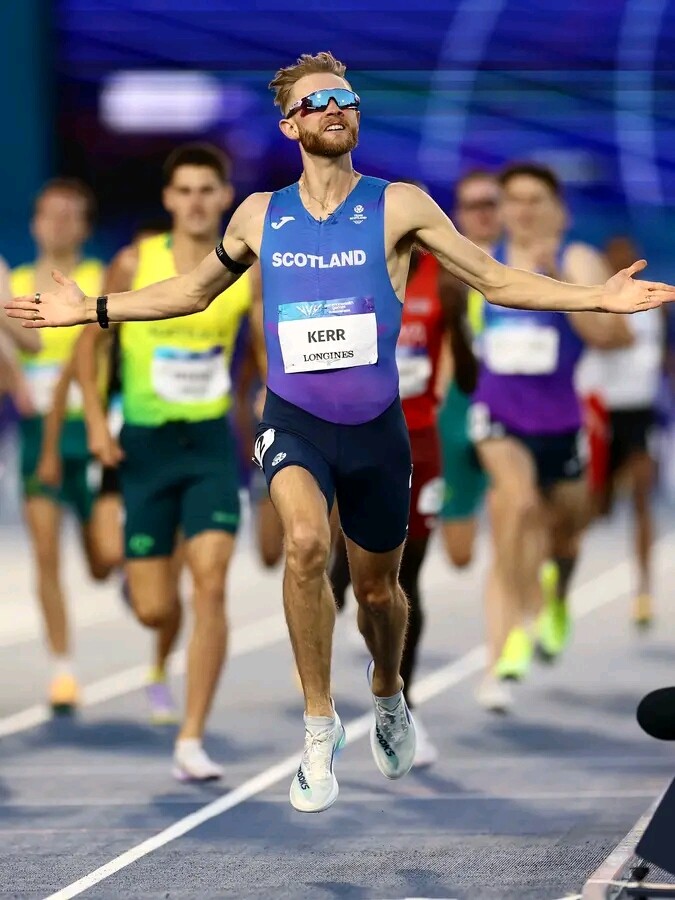
Yet the victory was anything but straightforward. For much of the race, Kerr found himself boxed in and engaged in a physical battle for position as the tightly packed field jostled for control. With precious metres slipping away, it appeared his path to gold might be closing. However, displaying the composure and race intelligence that have made him the world's fastest miler, the Scottish star finally found an opening as the bell rang for the final lap. Once in clear running, he unleashed a devastating finishing kick that no one in the field could match, surging away to claim a memorable victory on home soil.
Kerr crossed the finish line in 3:54.12, raising his arms in triumph as the Glasgow crowd erupted into deafening cheers. It was a performance that perfectly reflected his status as the world's premier miler and one that will be remembered as one of the defining moments of the Glasgow 2026 Commonwealth Games.
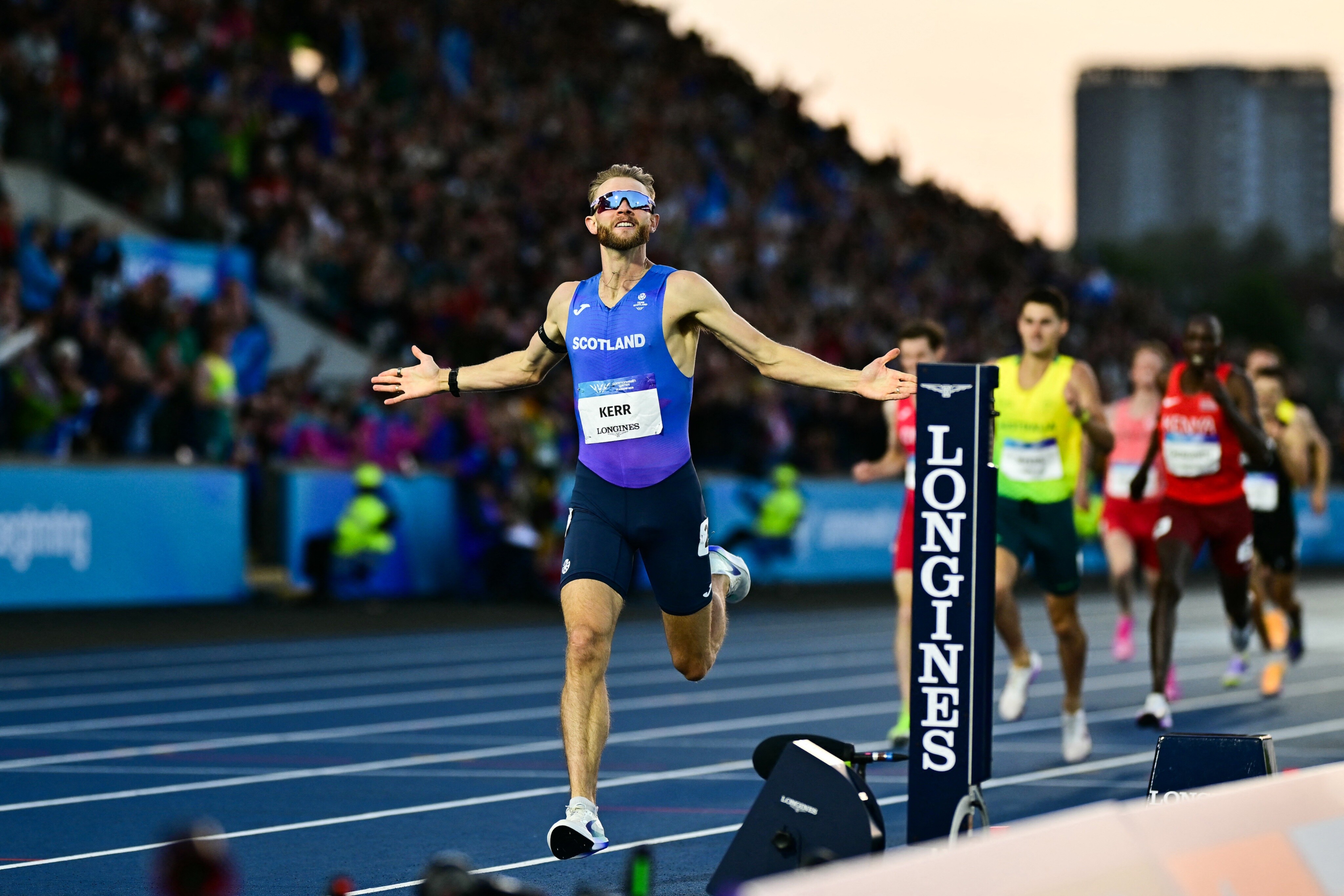
Australia's teenage sensation Cameron Meyers produced a superb closing lap to secure the silver medal in 3:55.26, continuing his rapid rise on the international stage. Kenya's former world champion Timothy Cheruiyot battled courageously throughout the race to earn the bronze medal in 3:55.41, adding another major championship podium finish to his distinguished career.
The battle for the remaining places was equally fierce. Wales' Jake Heyward narrowly missed the podium after clocking 3:55.54, while Australia's Oliver Hoare finished fifth in 3:56.28. Scotland's Jake Wightman delighted the home supporters with sixth place in 3:56.36, and Canada's Foster Malleck finished seventh in 3:56.46.
For Kerr, however, this triumph meant far more than another championship title. Winning the first Commonwealth Games mile in six decades in front of a passionate Scottish crowd created a storybook moment that will live long in the nation's sporting history. Coming just weeks after setting the world record, overcoming adversity during the race, and then producing a breathtaking final-lap surge made the achievement even more extraordinary.
As the Scottish flag waved proudly around the stadium and celebrations swept across Glasgow, one message rang true: who else? The world record holder had once again delivered when it mattered most. On a historic night for Scottish athletics and the Commonwealth Games, Josh Kerr proved that champions are defined not only by records but by their ability to rise to the biggest occasions. On home soil, before his own people, the King of Scotland ruled once again.
by Erick Cheruiyot for My Best Runs.
Login to leave a comment
The Commonwealth Games
The Commonwealth Games are coming to Victoria - bringing an action packed sports program to our regional cities and delivering a long-term legacy for our future. From 17 to 29 March 2026, Geelong, Bendigo, Ballarat, Gippsland and Shepparton will be on the world stage, attracting millions of viewers and creating thousands of jobs. The multi-city model will...
more...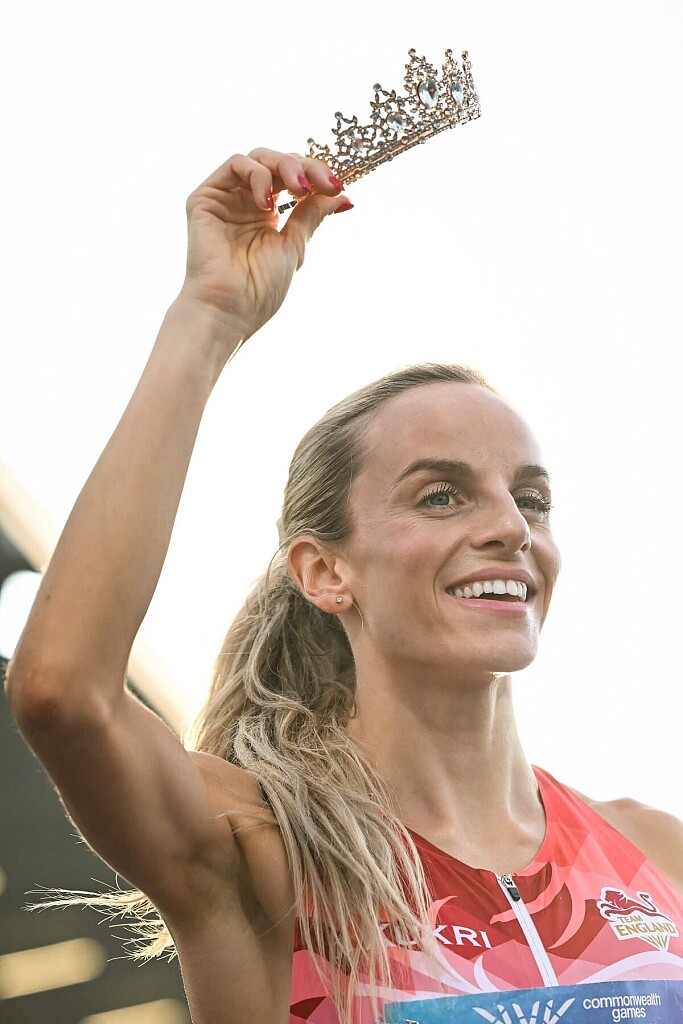
Georgia Hunter Bell Produces A Tactical Masterclass To Win Commonwealth Games 800m Gold
Georgia Hunter Bell delivered a performance of exceptional composure and precision to capture the women's 800m title at the 2026 Commonwealth Games in Glasgow, producing a perfectly judged race to secure gold for England in 1:59.51.
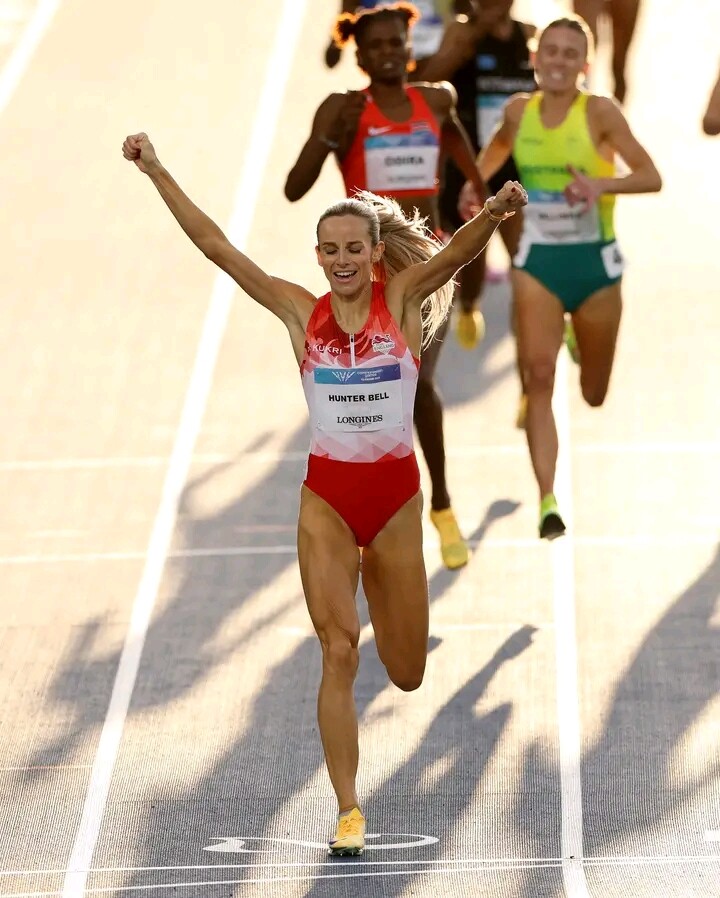
In a final featuring some of the Commonwealth's strongest middle-distance athletes, Hunter Bell refused to be drawn into an early battle for position. Instead, she dictated the rhythm from the front, maintaining complete control before unleashing a devastating surge over the final 250 metres that none of her rivals could match.
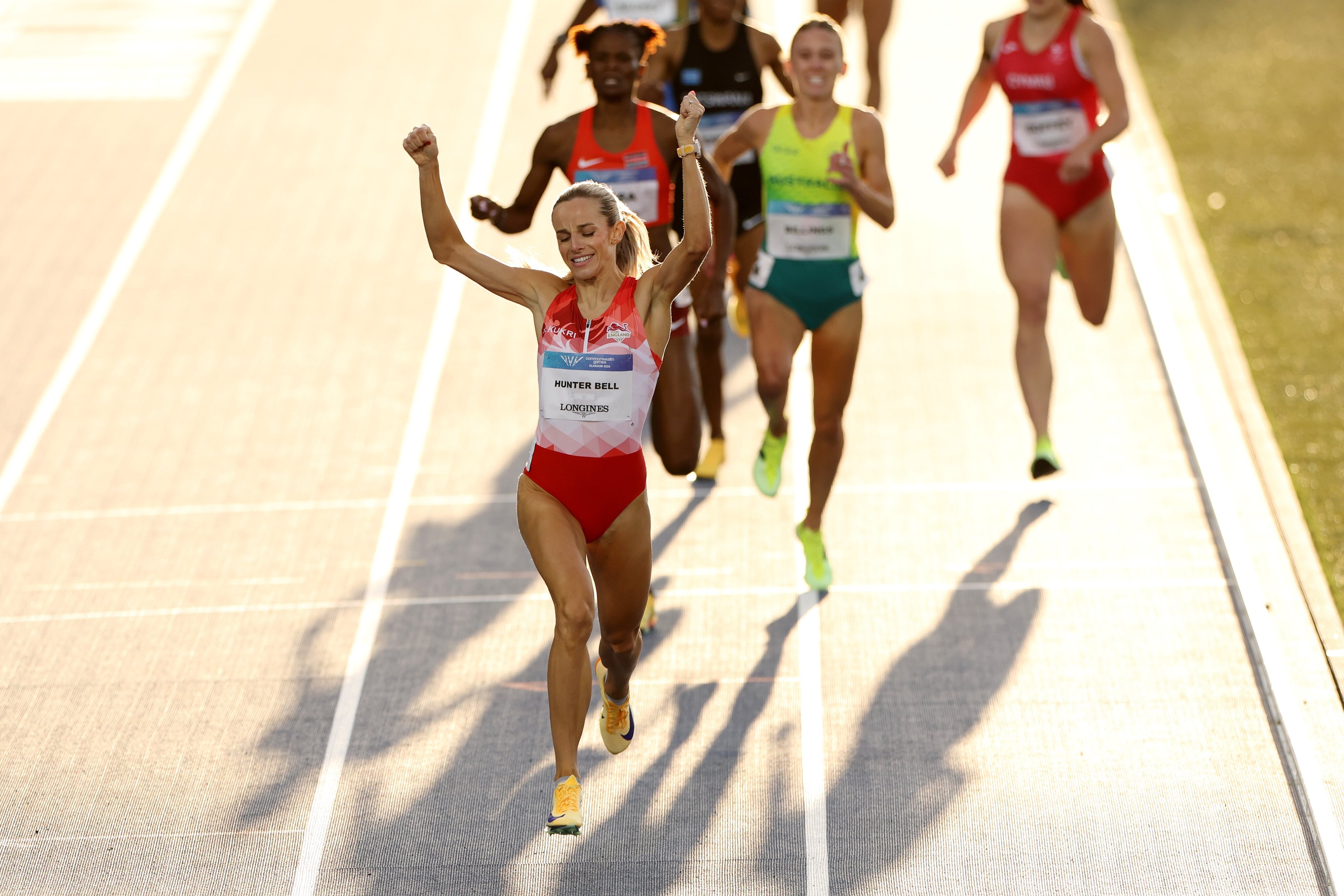
Her decisive finishing kick proved too much for Kenya's Lilian Odira, the reigning world champion, who chased hard over the closing stages but had to settle for the silver medal in 2:00.58. Australia's Sarah Billings completed the podium after edging a thrilling battle for bronze, crossing the line in 2:00.61, just three hundredths of a second behind Odira.
The race was a showcase of tactical intelligence rather than outright speed. Hunter Bell's confidence in setting the pace and her ability to produce a powerful finish at precisely the right moment highlighted why she has become one of the world's leading 800m runners.
Behind the medal winners, Botswana's Oratile Nowe finished fourth in 2:01.29, followed by Wales' Isabelle Boffey in fifth with 2:01.44. Saint Vincent and the Grenadines' Shafiqua Maloney claimed sixth in 2:02.17, Jamaica's Kelly-Ann Beckford was seventh in 2:02.77, while Mauritius' Rachel Klopfenstein rounded out the finalists in eighth with 2:03.81.
Official Women's 800m Final Results
1. Georgia Hunter Bell (England) – 1:59.51
2. Lilian Odira (Kenya) – 2:00.58
3. Sarah Billings (Australia) – 2:00.61
4. Oratile Nowe (Botswana) – 2:01.29
5. Isabelle Boffey (Wales) – 2:01.44
6. Shafiqua Maloney (Saint Vincent and the Grenadines) – 2:02.17
7. Kelly-Ann Beckford (Jamaica) – 2:02.77
8. Rachel Klopfenstein (Mauritius) – 2:03.81
The victory adds another major championship title to Hunter Bell's growing résumé and underlines England's continued strength in middle-distance running. Her calm race management, combined with an explosive finishing burst, ensured she was in complete command when the medals were decided.
The women's 800m final proved to be one of the most captivating races of the Glasgow Games, blending tactical brilliance with fierce competition and producing a memorable finish that kept spectators on the edge of their seats until the final metres.
by Erick Cheruiyot for My Best Runs.
Login to leave a comment
The Commonwealth Games
The Commonwealth Games are coming to Victoria - bringing an action packed sports program to our regional cities and delivering a long-term legacy for our future. From 17 to 29 March 2026, Geelong, Bendigo, Ballarat, Gippsland and Shepparton will be on the world stage, attracting millions of viewers and creating thousands of jobs. The multi-city model will...
more...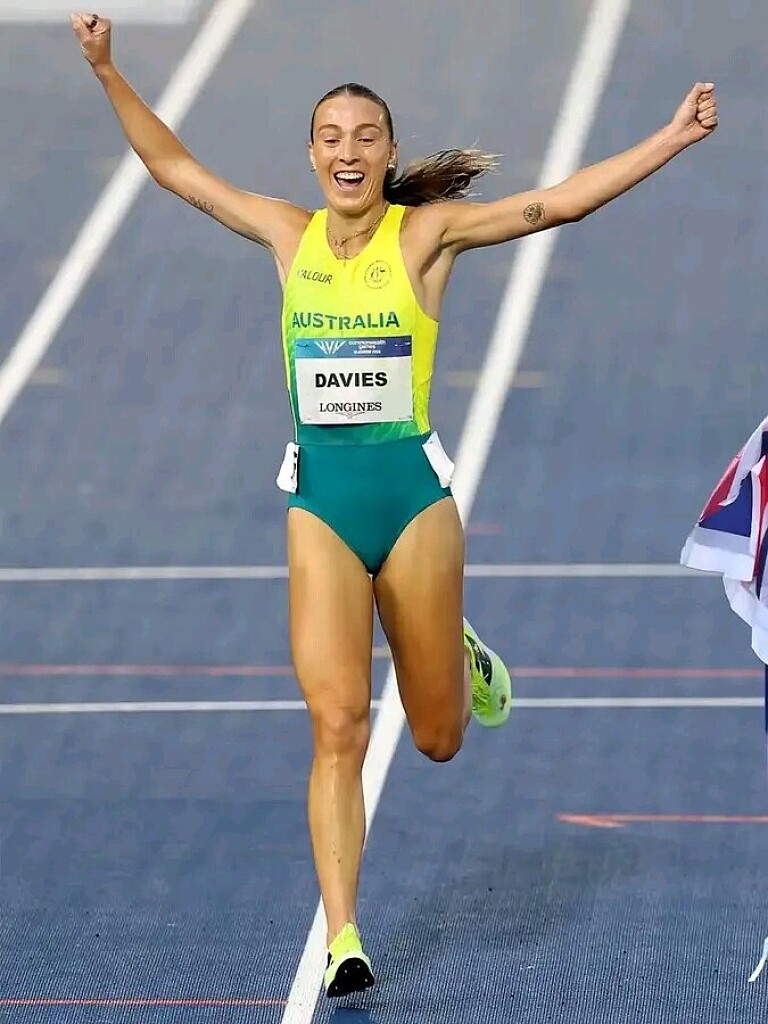
Rose Davies Completes Golden Double as Australia Delivers Historic One-Two in Thrilling Commonwealth Games 5,000m Final
Australia produced one of the most memorable distance-running performances of the Glasgow 2026 Commonwealth Games on Thursday night, claiming a remarkable one-two finish in the women's 5,000 metres as Rose Davies sprinted to her second gold medal of the championships.
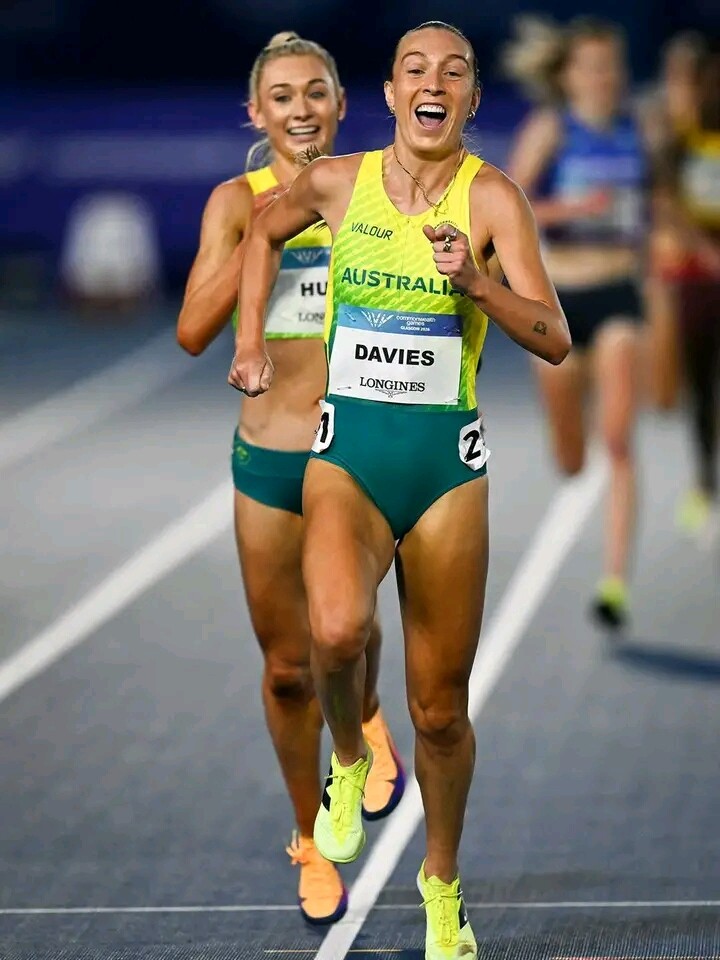
Just days after conquering the 10,000m, Davies completed a sensational distance double by clocking a season's best 14:44.53 to edge fellow Australian Jessica Hull, who crossed the line just 0.48 seconds later in 14:45.01. The historic finish marked a dominant night for Australian athletics, with the nation's two leading distance stars proving untouchable when the race reached its decisive stages.
The women's 5,000m unfolded as a tactical contest for much of the race before exploding into life with 1,200 metres remaining. Davies, Hull and Scotland's Megan Keith launched a sustained surge that immediately stretched the field and shattered the hopes of the chasing pack. Their relentless acceleration proved too much for the African contenders, who were unable to respond as the medals slipped away.
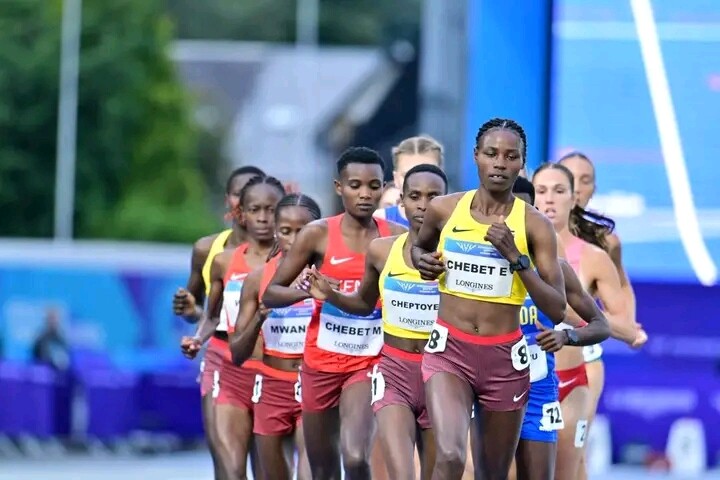
Davies remained composed over the closing lap despite fierce pressure from Hull, holding her form all the way to the finish to secure another Commonwealth crown and cement her place among the standout performers of the Games. Her victory completed a rare golden double in the 5,000m and 10,000m, underlining her exceptional endurance and championship racing instincts.
Hull's silver medal completed Australia's historic one-two finish, rewarding another world-class performance from one of the sport's premier middle- and long-distance runners. Meanwhile, the home crowd erupted as Scotland's Megan Keith produced a season's best 14:49.10 to claim bronze, giving the hosts a memorable podium finish in front of a packed Glasgow stadium.
Uganda's Esther Chebet battled bravely to finish fourth in a personal best 14:50.70 after leading the pursuit of the front trio, while England's Hannah Nuttall placed fifth in a season's best 14:51.34. Kenya's Caroline Nyaga crossed the line sixth in 14:54.00, with Australia's Linden Hall adding further depth to her country's outstanding evening by finishing seventh.
The race also featured several outstanding individual performances further down the field. South Africa's Tayla Kavanagh recorded a personal best, Rwanda's Emeline Imanizabayo celebrated a new national record with ninth place, while Uganda's Joy Cheptoyek, England's Innes Fitzgerald, Canada's Gabriela Debues-Stafford and several others produced season or lifetime bests in one of the deepest women's 5,000m finals of the Games.
Women's 5,000m Top 10 Final Results
1. Rose Davies (Australia) – 14:44.53 (Season Best)
2. Jessica Hull (Australia) – 14:45.01 (Season Best)
3. Megan Keith (Scotland) – 14:49.10 (Season Best)
4. Esther Chebet (Uganda) – 14:50.70 (Personal Best)
5. Hannah Nuttall (England) – 14:51.34 (Season Best)
6. Caroline Nyaga (Kenya) – 14:54.00
7. Linden Hall (Australia) – 14:55.28
8. Tayla Kavanagh (South Africa) – 14:58.49 (Personal Best)
9. Emeline Imanizabayo (Rwanda) – 14:59.92 (National Record)
10. Joy Cheptoyek (Uganda) – 15:00.97 (Season Best)
With two gold medals around her neck and Australia's first-ever Commonwealth Games one-two finish in the women's 5,000m, Rose Davies leaves Glasgow having delivered one of the defining performances of the championships. Her unforgettable triumph, backed by Jessica Hull's silver medal, showcased Australia's growing strength in global distance running and ensured the event will be remembered as one of the highlights of the 2026 Commonwealth Games.
by Erick Cheruiyot for My Best Runs.
Login to leave a comment
The Commonwealth Games
The Commonwealth Games are coming to Victoria - bringing an action packed sports program to our regional cities and delivering a long-term legacy for our future. From 17 to 29 March 2026, Geelong, Bendigo, Ballarat, Gippsland and Shepparton will be on the world stage, attracting millions of viewers and creating thousands of jobs. The multi-city model will...
more...