

Running News Daily
Running News Daily is edited by Bob Anderson and team. Send your news items to bob@mybestruns.com Advertising opportunities available.
Index to Daily Posts · Sign Up For Updates · Run The World Feed
Articles tagged #Phil Gore
Today's Running News
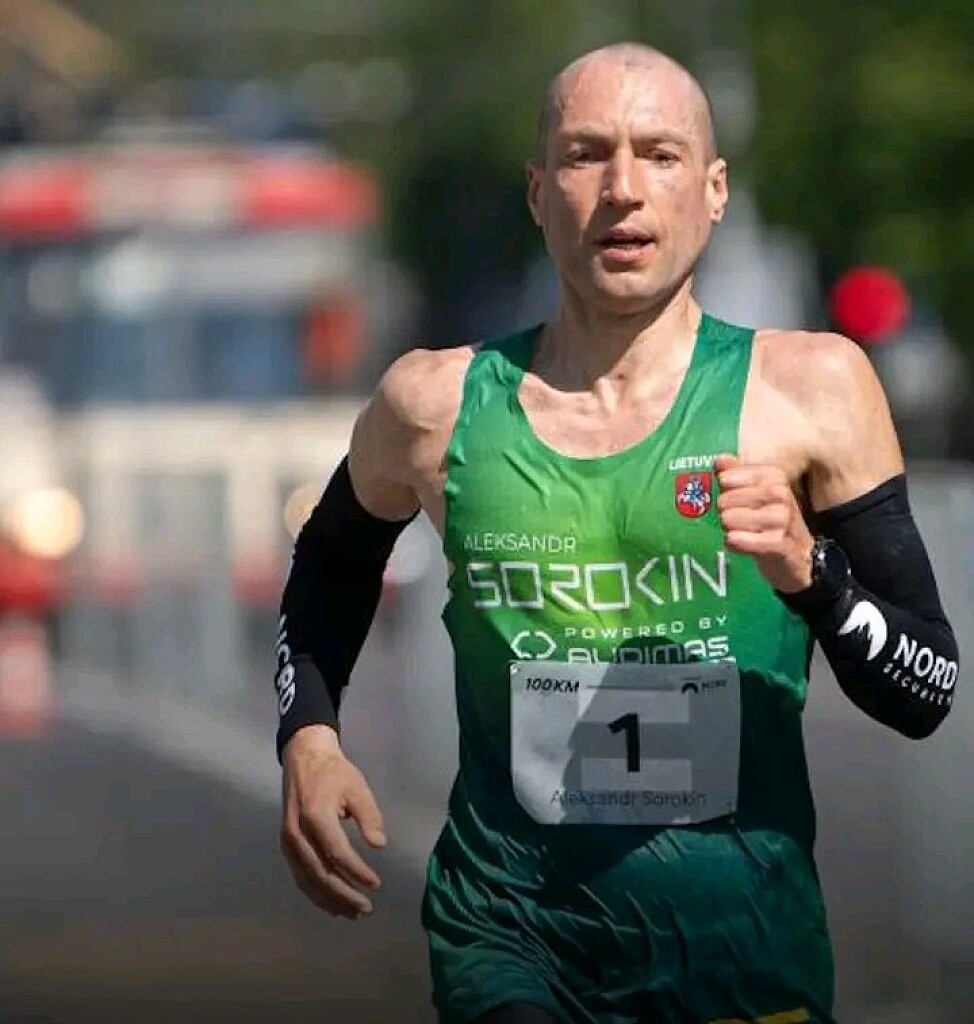


Aleksandr Sorokin’s Five Ultra-Running World Records Show Just How Far Human Endurance Can Be Pushed
Ultra-running is a sport where the finish line keeps moving farther away. While most runners measure their limits in kilometres and hours, the world’s greatest ultrarunners are competing on an entirely different scale—pushing their bodies across distances and durations that are difficult to comprehend.
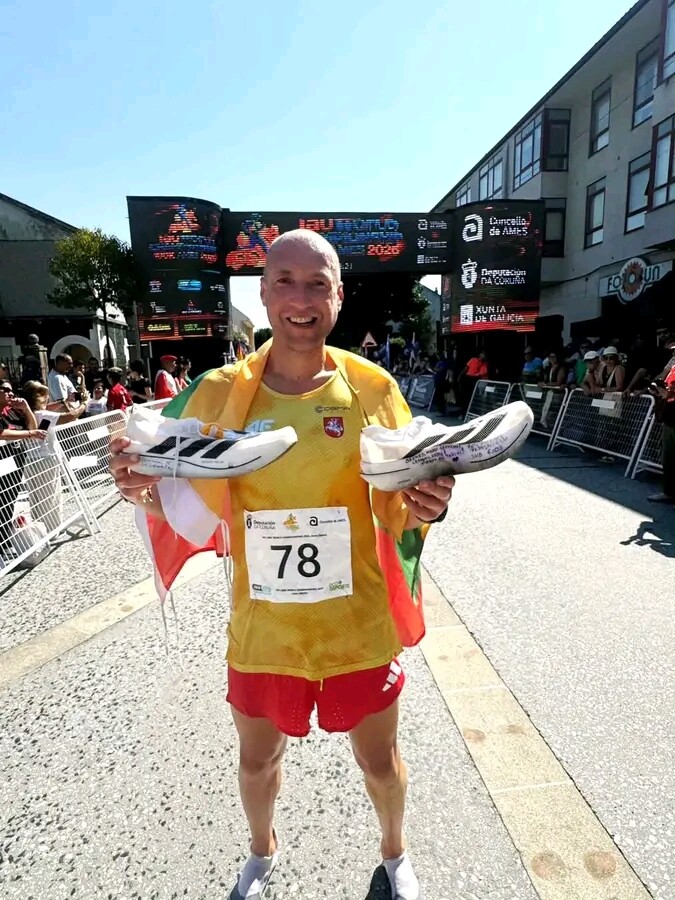
At the centre of that extraordinary world is Lithuania’s Aleksandr Sorokin, who holds five of the records featured in the graphic: the 100km, 100-mile, six-hour, 12-hour and 24-hour world records.
His 100km world record of 6:05:35, set in Vilnius in May 2023, is perhaps the easiest place to appreciate the magnitude of his achievement. Sorokin averaged roughly 3:39 per kilometre for more than six hours, covering the marathon distance in approximately 2:32:30 before maintaining his remarkable rhythm deep into the race. The performance was later ratified as the official world record.
Then comes the 100-mile world record of 10:51:39, making Sorokin the first man to break the 11-hour barrier over the distance. He also holds the six-hour record with 98.496 kilometres and the 12-hour record with 177.410 kilometres.
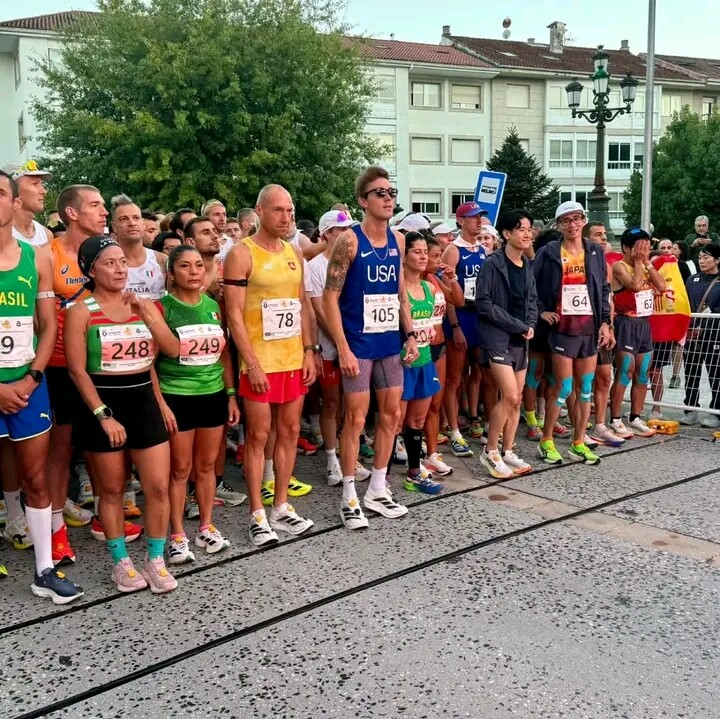
His 24-hour record takes the numbers into another dimension. In Verona, Italy, in 2022, Sorokin covered 319.614 kilometres in 24 hours—an average pace of approximately 4:30 per kilometre. That is equivalent to more than 15 marathons in a single day, a distance that illustrates the extraordinary combination of speed, endurance, nutrition, pacing and resilience required at the highest level of ultrarunning.
But Sorokin is not alone in rewriting the boundaries of endurance. Belgium’s Matthieu Bonne covered 1,045.519 kilometres in six days in Balatonfüred, Hungary, in September 2024. His performance surpassed Yiannis Kouros’ long-standing mark of 1,036.800 kilometres, with Bonne averaging more than 174 kilometres per day across the six-day event.
The challenge becomes even more unusual in the backyard ultra, where runners complete a 6.706-kilometre loop every hour, with a new loop beginning at the start of each hour. Australia’s Phil Gore has pushed that format to an extraordinary level, reaching 119 loops, equivalent to roughly 798 kilometres, at Dead Cow Gully in Queensland in 2025.
These performances reveal a side of running that exists far beyond the traditional marathon. The marathon may represent the ultimate endurance challenge for many athletes, but ultrarunning asks a different question: how long can the human body continue moving when the distance, fatigue and time seem to have no obvious end?
From Sorokin’s six-hour rhythm to Bonne’s six-day battle and Gore’s relentless backyard loops, these athletes continue to redefine the boundaries of distance running—and turn numbers that seem impossible on paper into world records on the road, track and trail.
by Erick Cheruiyot for My Best Runs.
Login to leave a comment
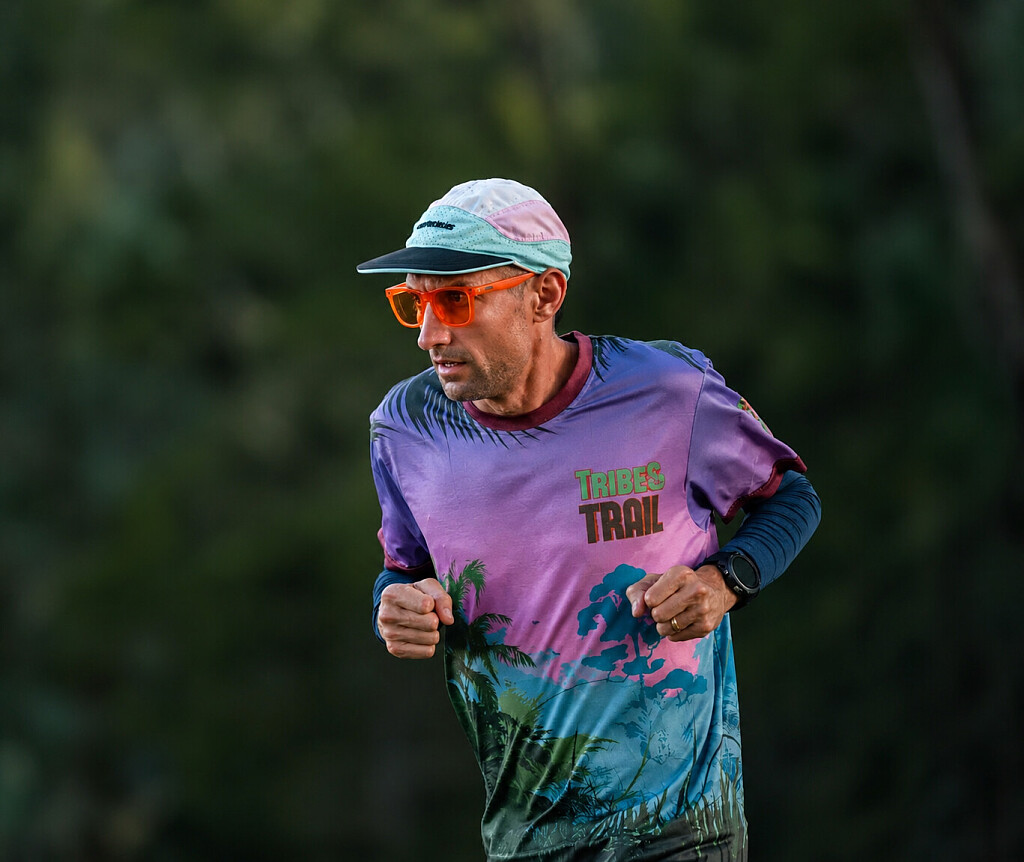
Phil Gore Takes On Project 168: Seven Days, 700 Miles And An Uncharted Endurance Challenge
Phil Gore already knows what it takes to push backyard ultra running beyond conventional limits. Now, later this month, the Australian ultrarunner is preparing to chase a number so extreme that his sport has no official category for it.
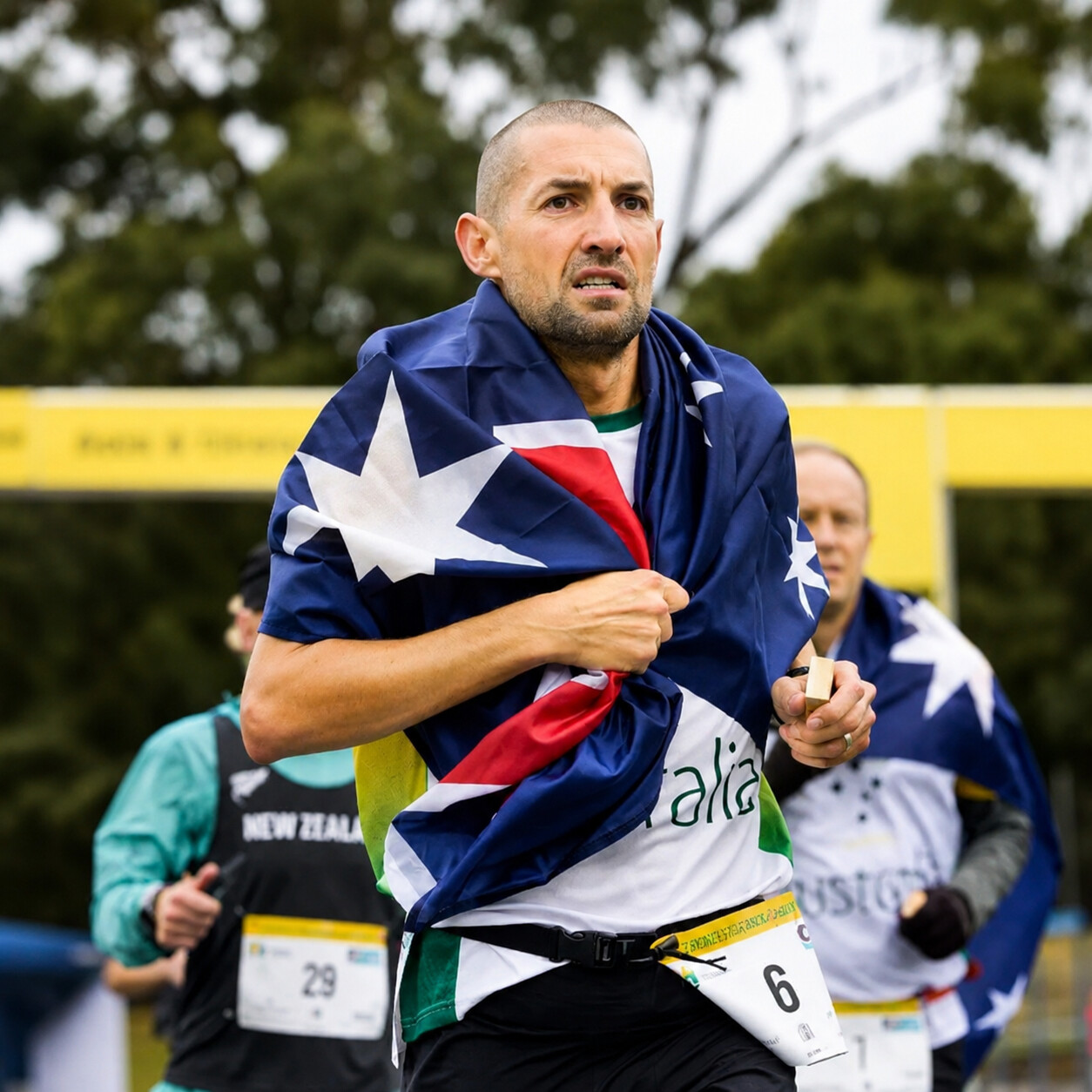
From August 23 to 30, Gore will attempt Project 168 at Alfred Skeet Reserve in Forrestdale, Western Australia, running one 6.71-kilometre loop every hour, on the hour, for seven consecutive days.
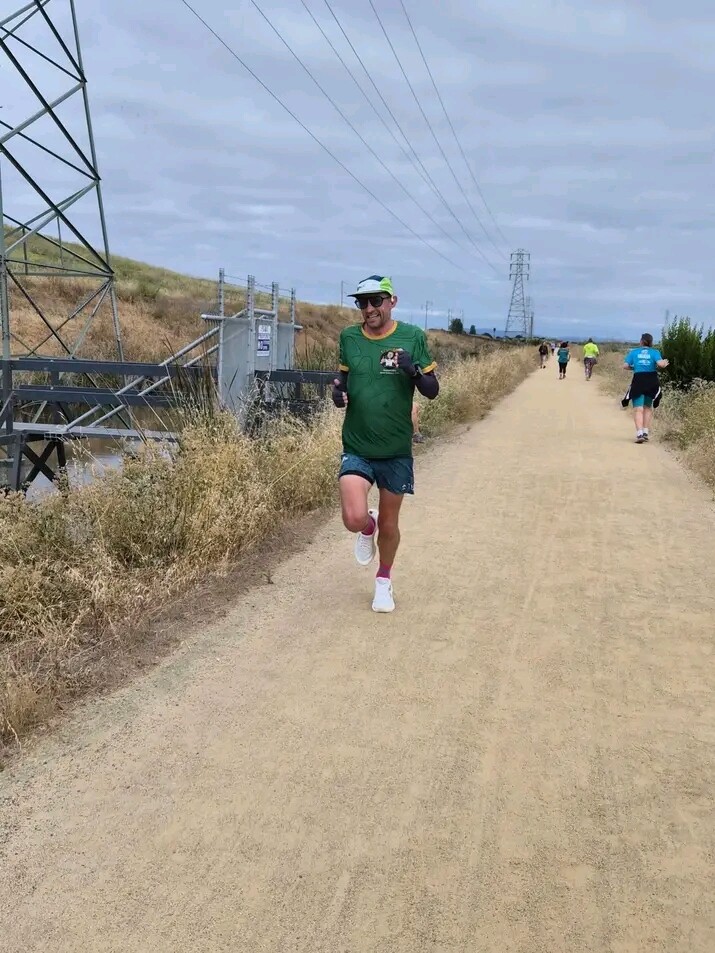
The name says almost everything about the challenge. There are 168 hours in a week, and Gore's plan is simple in concept but extraordinary in execution: complete one loop every hour until the seven days are over.
If he manages to complete all 168 loops, he will have covered approximately 1,127 kilometres, or 700 miles, across a single week.
But the distance is only part of what makes Project 168 so remarkable. This time, Gore will be alone.
Backyard ultras traditionally revolve around competition. Runners must complete a set loop every hour, with the race continuing until only one athlete remains. Gore's previous 119-lap world-record performance was built within that format, with Sam Harvey pushing him through five days of relentless running.
Project 168 removes that element entirely. There will be no rival waiting on the course, no athlete to chase and no opponent forcing the pace. Instead, Gore will face the same loop, the same hourly deadline and the growing physical and mental fatigue that comes with repeating the process for an entire week.
Every hour brings another decision: get back out there and complete another 6.71 kilometres.
Then do it again.
And again.
For 168 hours.
The challenge will test far more than Gore's ability to run long distances. Sleep deprivation, nutrition, hydration, recovery and the psychological pressure of knowing another loop is always approaching will become part of the battle. What might seem like a manageable 6.71-kilometre run at the beginning could become a formidable test after dozens of consecutive hours.
Yet Project 168 is not being undertaken solely as a personal endurance experiment. Every lap will help raise money for Telethon 7, giving the extraordinary challenge a purpose beyond the numbers on the course.
Gore, a firefighter and father of four, is attempting to build a benchmark for a challenge that has never before been pursued in this exact format. There is no official record waiting at the finish line, no rival to beat and no conventional race clock to stop.
There will simply be 168 hours, 168 loops and approximately 1,127 kilometres standing between Phil Gore and a completely new measure of endurance.
On August 23, the first hour begins. From there, the question will remain the same every 60 minutes:
Can he go again?
by Erick Cheruiyot for My Best Runs.
Login to leave a comment
Backyard Ultra World Records Erased: Lazarus Lake Declares Historic Russian Performances Invalid
What appeared to be the greatest Backyard Ultra ever staged has officially been wiped from the record books.
Just weeks after athletes in Russia delivered performances that seemed to redefine the limits of endurance, Backyard Ultra founder Lazarus Lake has ruled that every world-record mark achieved at the event is void and will not be recognized due to violations of the competition's strict rules.
The decision overturns what initially looked like one of the most remarkable chapters in the sport's history.
At the Biotropika Backyard Ultra in Russia's Leningrad Region, Dmitry Klimov stunned the ultra-running world by completing 123 consecutive loops—covering 512.5 miles (824.8 km) over five relentless days. His effort surpassed the existing men's world record, while fellow competitors Dmitry Sheremet and Ivan Zaborsky also ran beyond the previous global mark before eventually dropping out.
In the women's race, Vera Chekalina completed 96 loops, improving the existing women's world record by one loop and seemingly securing her place in Backyard Ultra history.
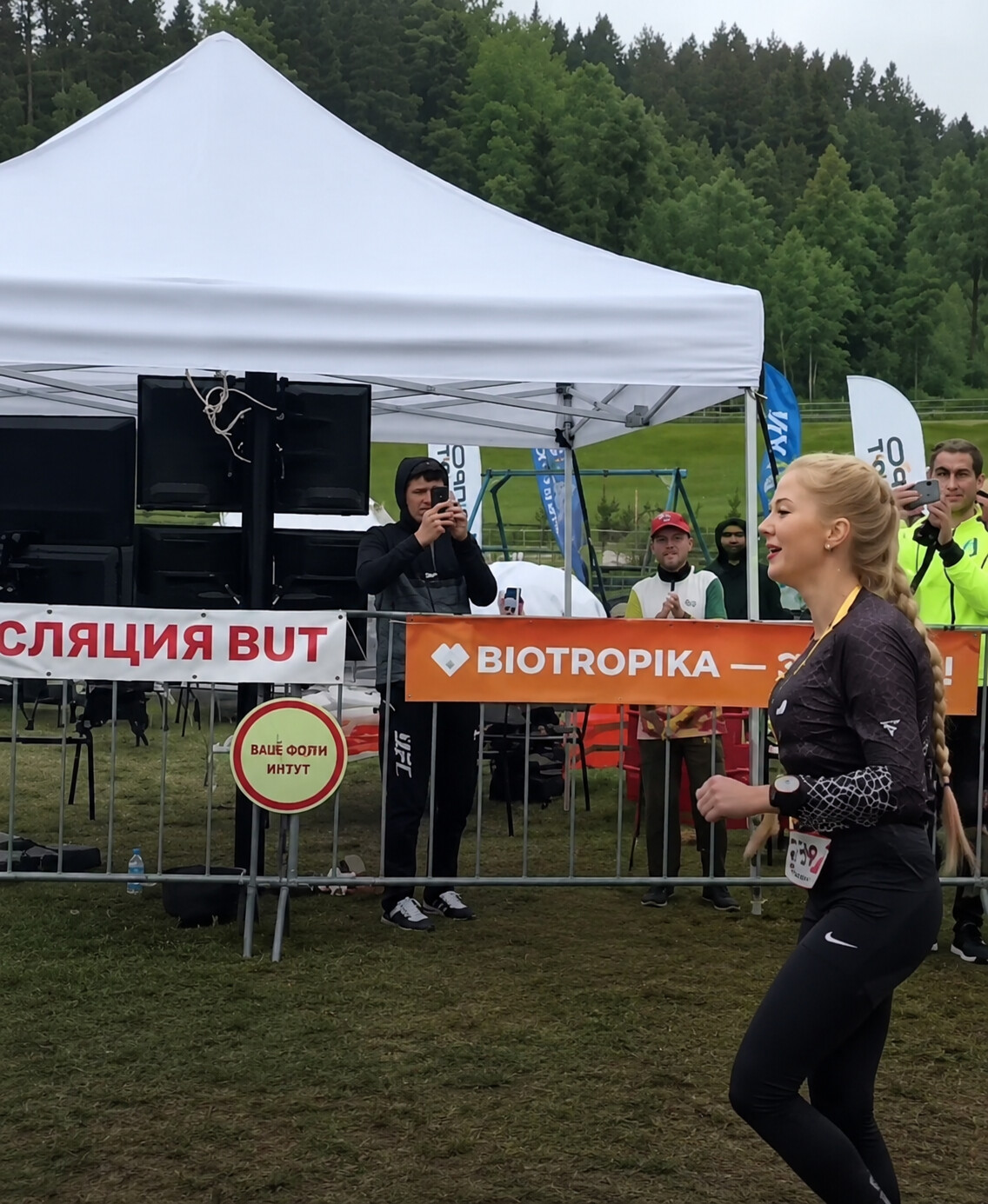
For a brief moment, the event appeared to have rewritten the sport's record books.
Instead, it has become one of its most controversial.
According to Lazarus Lake, the issue was not the athletes' performances but the race's failure to comply with the Backyard Ultra's fundamental regulations. Video evidence reportedly showed non-competitors—including members of the media, race officials, volunteers, organizers, and support personnel—accompanying runners on the course during active loops.
Under Backyard Ultra rules, competitors must complete every loop without anyone else sharing the course. Any presence of non-runners is considered outside assistance, making the performances ineligible for official recognition.
Questions surrounding the event had already surfaced before the ruling. The record-breaking performances were announced only as "subject to ratification," while some participants and observers also debated whether the event's halfway water station violated the competition's strict limitations on personal aid.
Following the review, Lake confirmed that none of the results would be ratified.
As a result, the official world records remain unchanged.
Australian ultrarunner Phil Gore retains the men's Backyard Ultra world record with 119 loops, set at Dead Cow Gully in 2025, while Sarah Perry's 95-loop performance at Big's Backyard Ultra in Tennessee continues to stand as the women's world record.
Although the Russian performances will never appear in the official record books, they remain an extraordinary display of human endurance. Three men covered more distance than anyone had ever managed in a Backyard Ultra, while Chekalina pushed beyond the previous women's benchmark.
Yet the Backyard Ultra has always been defined as much by its rules as by its distance. Every hour begins the same way, every loop follows the same principles, and every runner competes under identical conditions.
This ruling serves as a reminder that in one of endurance sport's most demanding disciplines, exceptional performances alone are not enough. To become part of Backyard Ultra history, athletes must not only outlast every competitor—they must also do so within the uncompromising rules that define the event.
by Erick Cheruiyot for My Best Runs.
Login to leave a comment
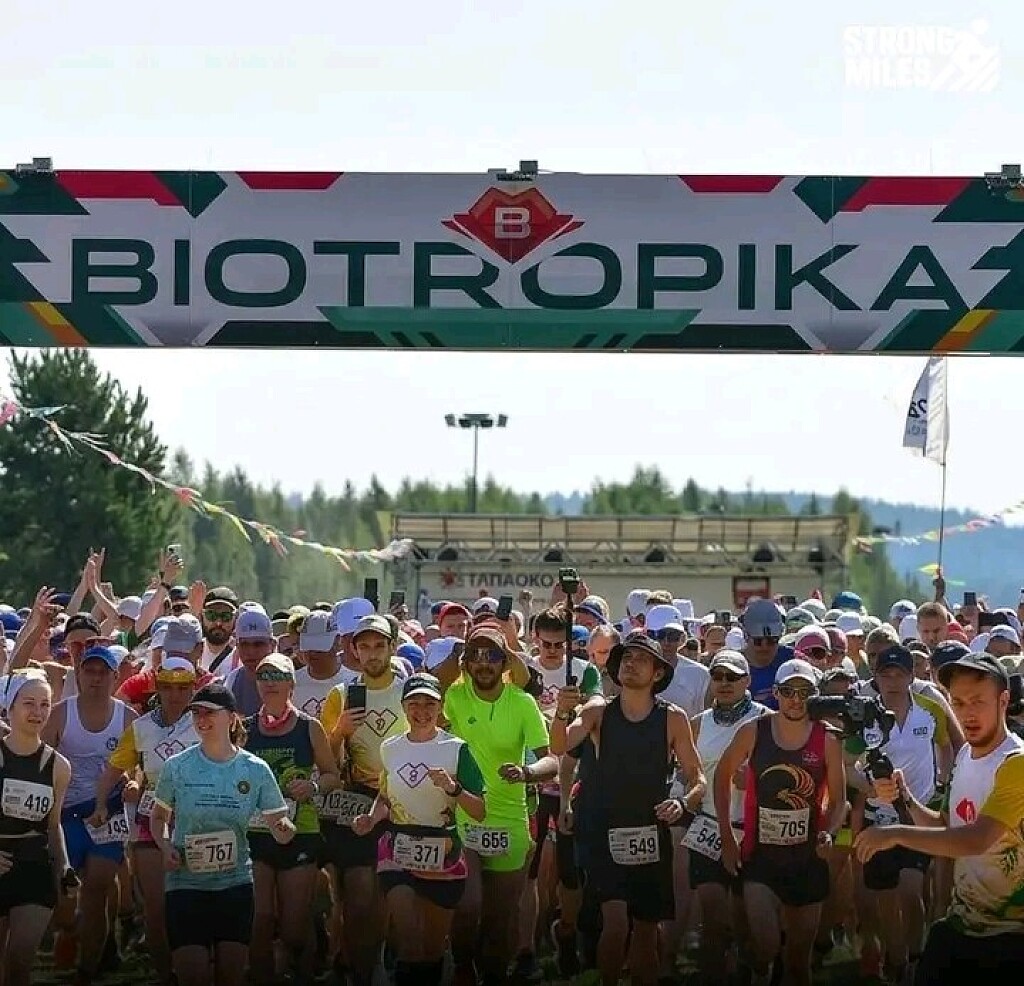
Two World Records Fall as Russian Backyard Ultra Rewrites Endurance History
The world of ultrarunning witnessed an extraordinary chapter this week as both the men's and women's Backyard Ultra world records were shattered at the Biotropika Ultra Trail in Russia's Leningrad Region, in a display of endurance that pushed the limits of human resilience.
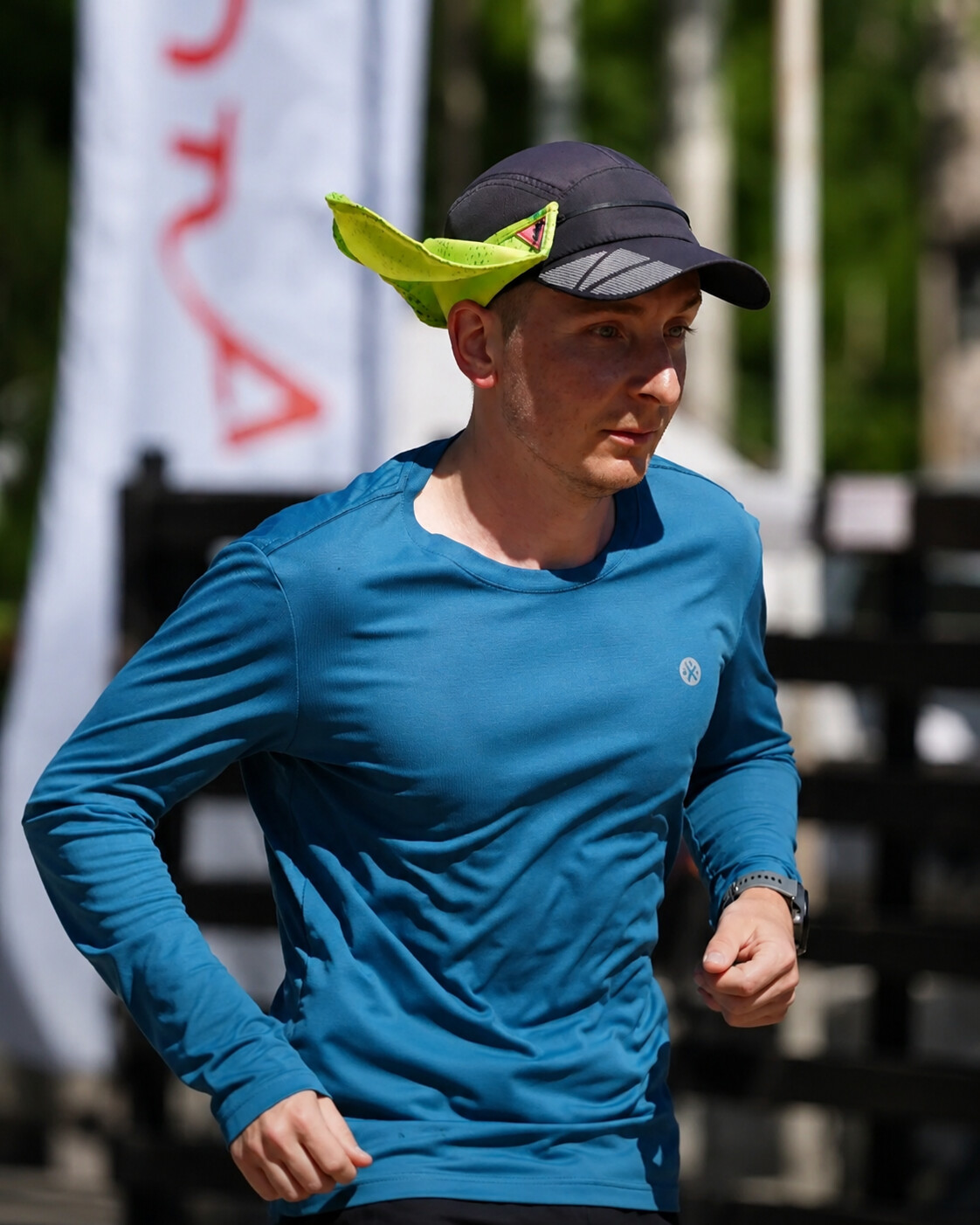
The men's race delivered an unforgettable battle, with Dmitry Klimov emerging as the last runner standing after an astonishing 123 consecutive hourly loops. Covering 824.8 kilometres (512.5 miles) over more than 123 hours, Klimov eclipsed the previous world record of 119 laps, set by Australia's Phil Gore almost exactly one year earlier.
What made the achievement even more remarkable was the incredible depth of the competition. Fellow Russians Ivan Zaborsky and Dmitry Sheremet also surpassed Gore's previous benchmark, completing 121 and 122 laps respectively before bowing out. With his rivals unable to continue, Klimov completed the decisive final lap alone, sealing a historic new world record.
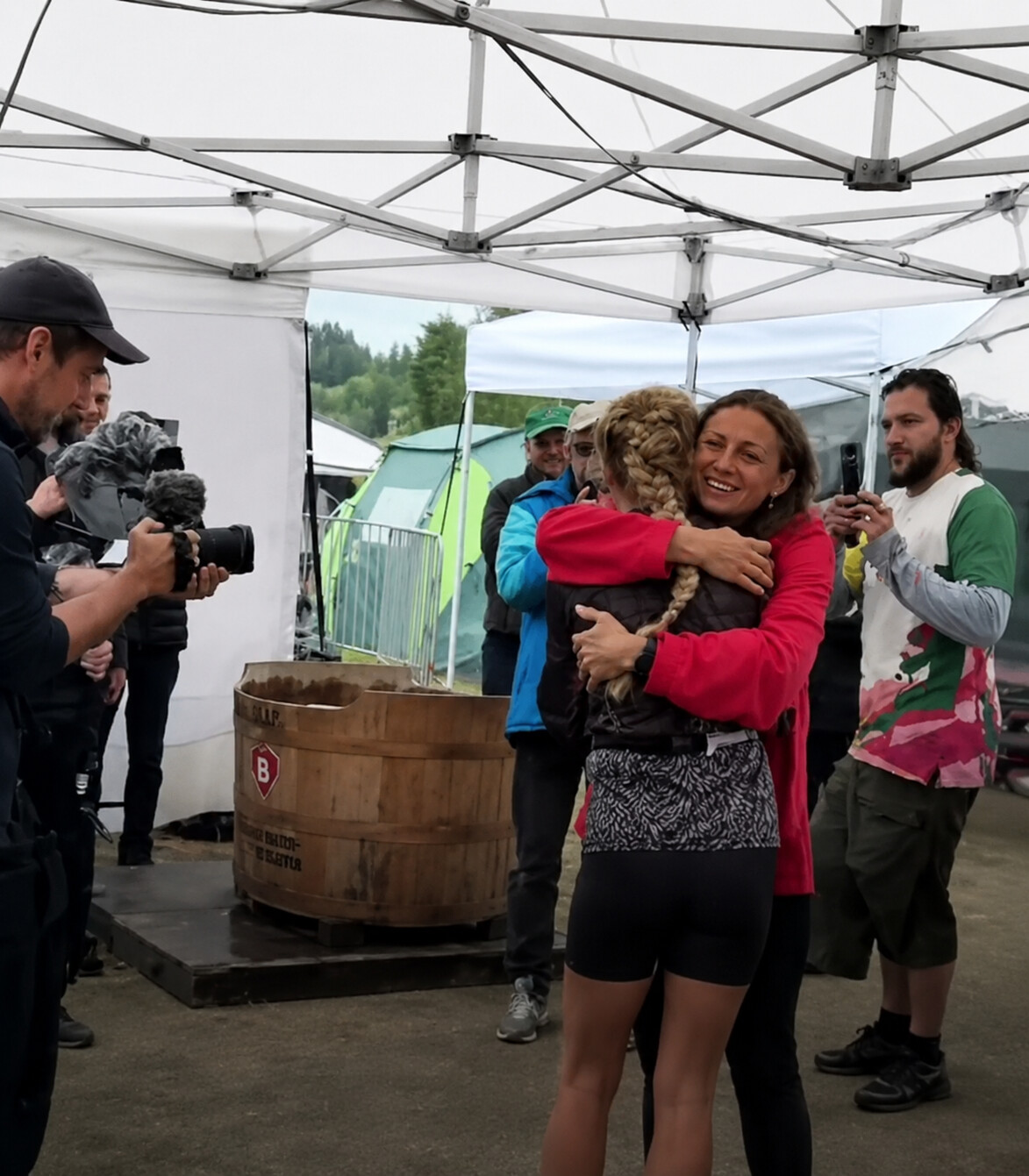
The women's competition was equally inspiring. Vera Chekalina, 49, produced a remarkable performance by completing 96 laps, covering 643.2 kilometres (399.7 miles) to establish a new women's Backyard Ultra world record. Her achievement highlighted not only exceptional physical endurance but also the mental toughness required to excel in one of the sport's most demanding formats.
Unlike traditional ultramarathons, the Backyard Ultra follows a deceptively simple concept. Athletes must complete a 6.706-kilometre (4.167-mile) loop within one hour. At the start of every new hour, every remaining runner must begin another lap. There are no finish lines or predetermined distances—the race continues until only one competitor remains capable of completing another lap.
In this relentless format, raw speed offers little advantage. Success depends on meticulous pacing, effective recovery, disciplined nutrition, careful foot management, and the ability to resist the temptation to push too hard while watching competitors gradually drop out. Klimov, Sheremet, Zaborsky, and Chekalina demonstrated those qualities at the highest level, sustaining their efforts for more than five days.
The Biotropika Ultra Trail will now be remembered as one of the most significant events in Backyard Ultra history, producing two world records and redefining what is possible in one of endurance sport's most unforgiving disciplines. As the global ultrarunning community reflects on these remarkable performances, one thing is clear: the boundaries of human endurance have been pushed further than ever before.
by Erick Cheruiyot for My Best Runs.
Login to leave a comment

Harvey Lewis Is the Last-Man Standing and World Record Holder at Big Dog’s Backyard Ultra
The 47-year-old completed 450 miles in 108 hours.Two years after breaking the backyard ultra world record at the Big Dog’s Backyard Ultra record—354.169 miles in 85 hours—Harvey Lewis has done it again. Last weekend he broke the world record with an astounding 450 miles in 108 hours.
The backyard ultra requires runners to run a 4.167-mile loop at the top of every hour until one runner has done at least one more loop than the second-to-last runner. In the process of nabbing the victory and the world record, Lewis, 47, a high school history teacher, raised nearly $30,00 of a $100,000 goal for the Brighton Center. The Kentucky-based non-profit helps families with services ranging from homelessness to homeownership.
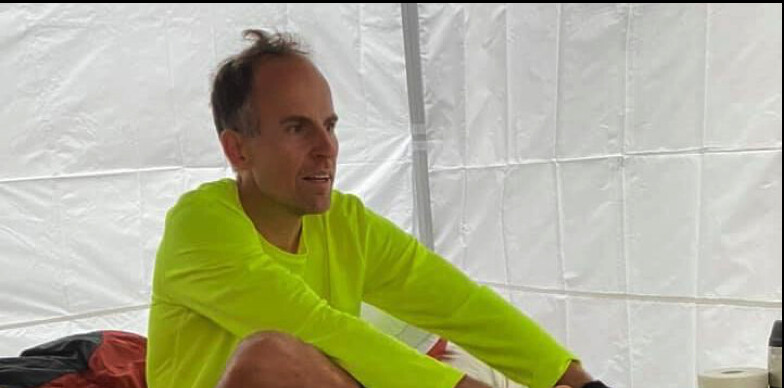
iRunFar reported that on Wednesday, six runners passed 100 hours, calling the feat "remarkable." The runners included Lewis, former joint backyard ultra world record older, Merjin Geerts, and the most recent backyard ultra world record holder, Phil Gore.
Terumichi Morishita and Gore finished the 100th lap but did not start at the next one. Geerts failed to finish in the required hour.
Three runners remained after 101 hours, per iRunFar: Lewis, Ihor Verys, and Bartosz Fudali. And there was just one hour to meet Gore’s 102 hours. Fudali did not start the 104st hour, leaving Lewis and Verys. Although Verys finished about give minutes than Lewis, according to iRunFar, but just a few loops of the course later, Lewis finished ahead. On the next, 108, loop, Verys chose not to start, making Lewis the winner.
“I have to pinch myself,” Lewis told WLTV5 in his hometown of Cincinnati, Ohio, whose show hosts were also incredulous.
One told viewers, “It's a head-scratcher.”
by Runner’s World
Login to leave a comment
