

Running News Daily
Running News Daily is edited by Bob Anderson and team. Send your news items to bob@mybestruns.com Advertising opportunities available.
Index to Daily Posts · Sign Up For Updates · Run The World Feed
Articles tagged #Cameron Myers
Today's Running News
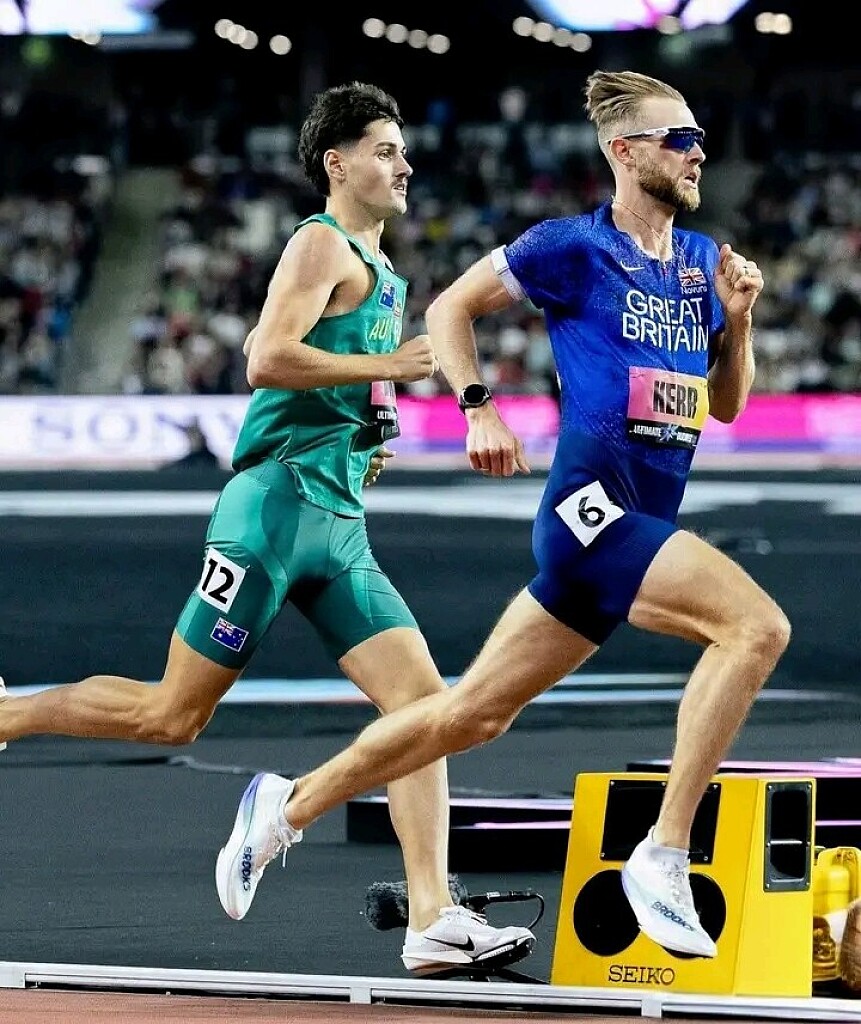


Cameron Myers Takes A Bold Step Into The 1500m Future With Josh Kerr As His Benchmark
Australian youngster Cameron Myers may have taken an important step toward establishing himself among the next generation of 1500m stars after sharing the track with world-record holder Josh Kerr at the World Athletics Ultimate Championship in Budapest.
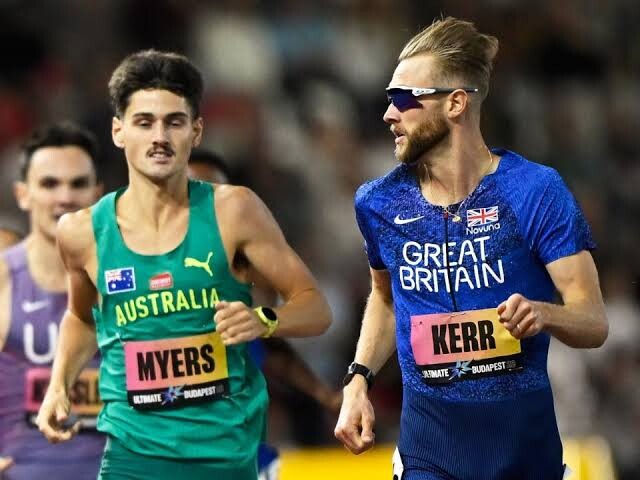
Myers arrived at the high-profile race with plenty of promise already surrounding his name, but competing directly against one of the world's leading middle-distance runners offered him a different kind of test. Rather than being intimidated by the occasion, the young Australian embraced the challenge and showed that he is willing to measure himself against the very best.
As the race entered its decisive stages, Myers remained firmly in contention. With 200 metres remaining, he believed he had a genuine opportunity to challenge Kerr, setting the stage for a dramatic finish between experience and emerging talent.
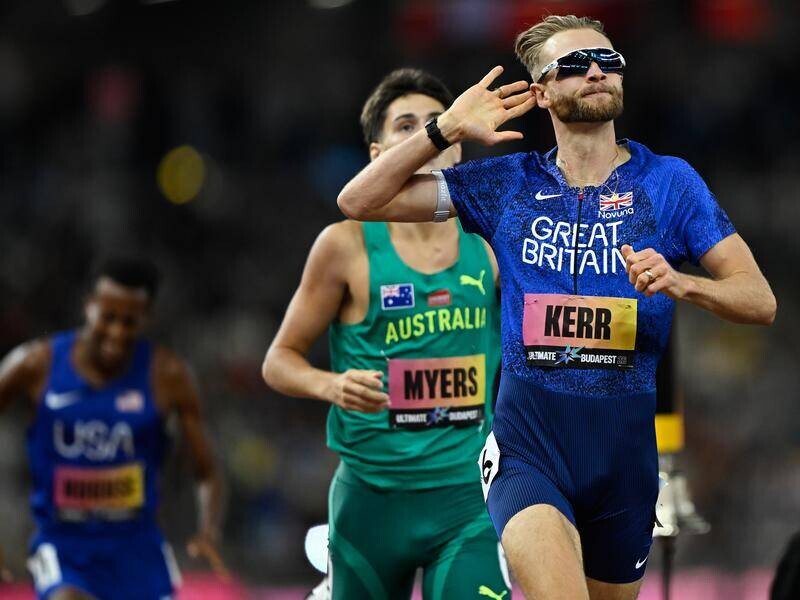
However, Kerr demonstrated exactly why he has established himself at the top of the event. When the race reached its final 60 metres, the British star unleashed his trademark finishing speed and began to pull away, ultimately denying Myers the chance to fight for victory all the way to the line.
For Myers, though, the significance of the race went beyond the final result. The experience gave him a valuable glimpse of the level he hopes to reach in the coming years and, perhaps more importantly, strengthened his belief that he can eventually compete with athletes of Kerr's calibre.
“It was exciting to race him. He was just too strong and that shows why he is a world record holder. I think that's where I want to go in the future,” Myers said.
Those words underline the ambition of an athlete who is still at the beginning of his senior journey. Instead of viewing Kerr's late surge simply as a defeat, Myers appeared to see it as a lesson — a first-hand demonstration of the strength, confidence and finishing ability required to succeed at the highest level.
The Australian now knows exactly what separates him from one of the world's elite 1500m runners. That knowledge could prove invaluable as he continues to develop, gain experience and sharpen his own finishing speed.
Myers' journey is therefore one worth watching closely. He has already shown that he is prepared to line up alongside established champions, and his willingness to learn from those encounters could become one of the defining features of his progression.
For now, Josh Kerr remains the benchmark Myers wants to reach. But if the young Australian continues developing at his current trajectory, today's challenger could eventually become tomorrow's target for the rest of the 1500m field.
Cameron Myers has already seen the level he wants to reach. The next chapter will be about closing the gap.
by Erick Cheruiyot for My Best Runs.
Login to leave a comment
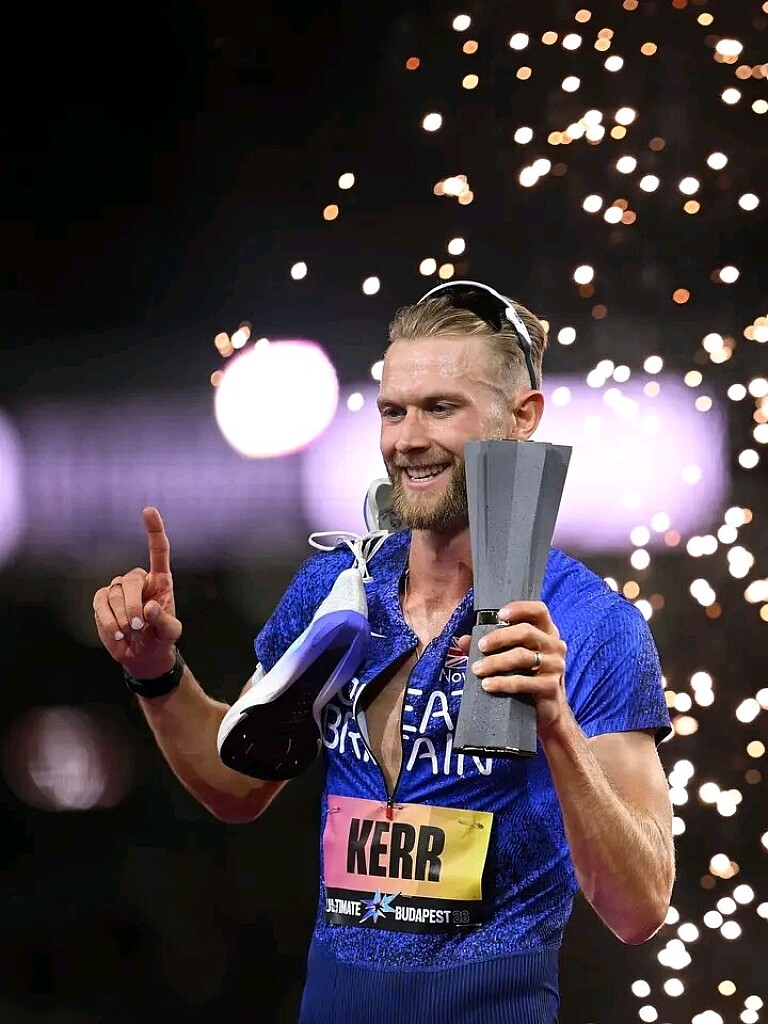
Josh Kerr Does It Again In Budapest As British Star Claims Ultimate 1500m Crown
“I’m not going to lose.” He said it. Then he delivered.
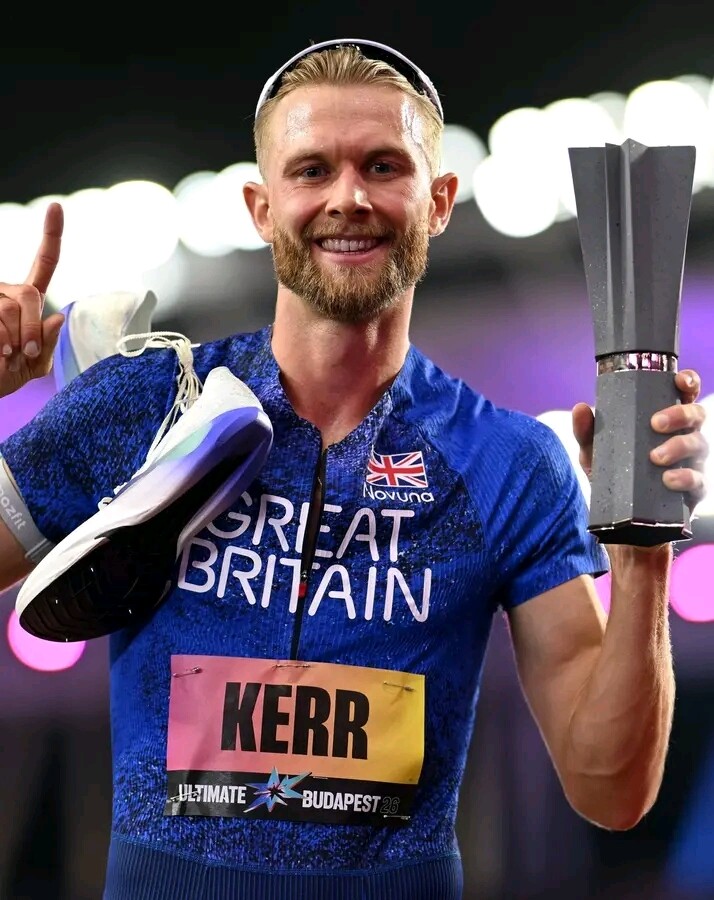
Josh Kerr has conquered Budapest once again, adding another huge title to an extraordinary 2026 season by winning the men’s 1500m at the inaugural World Athletics Ultimate Championship.
The British world mile record-holder produced a superb 3:29.35 to take the Ultimate Championship crown, using a devastating final kick to hold off Australia’s rising star Cameron Myers in the closing stages.
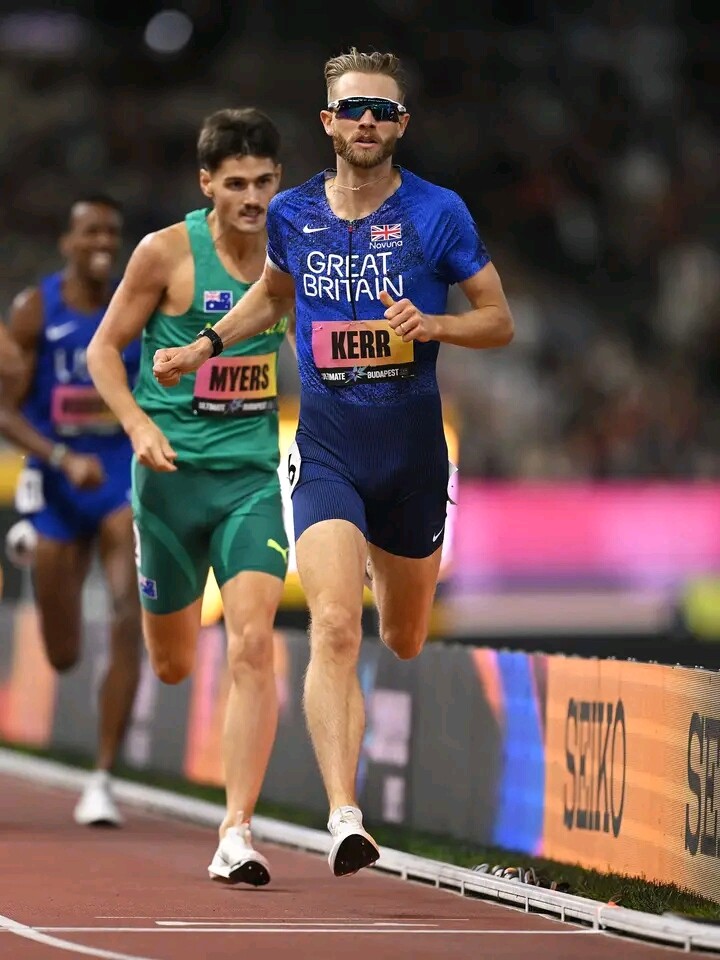
Myers pushed Kerr all the way to the finish, but the British star remained composed under pressure before finding another gear when it mattered most. The Australian crossed the line in 3:29.68 to secure second place, just 0.33 seconds behind the champion.
American Hobbs Kessler completed the podium in 3:30.73, while Olympic champion Cole Hocker finished fourth in 3:30.74, narrowly missing out on a medal by just one hundredth of a second.
For Kerr, the victory carries an added layer of significance because Budapest has already played a defining role in his career.
It was here in 2023 that Kerr produced one of the biggest shocks of that year’s World Championships, stunning Jakob Ingebrigtsen to become the world champion over 1500m. Three years later, he has returned to the same city and conquered it again.
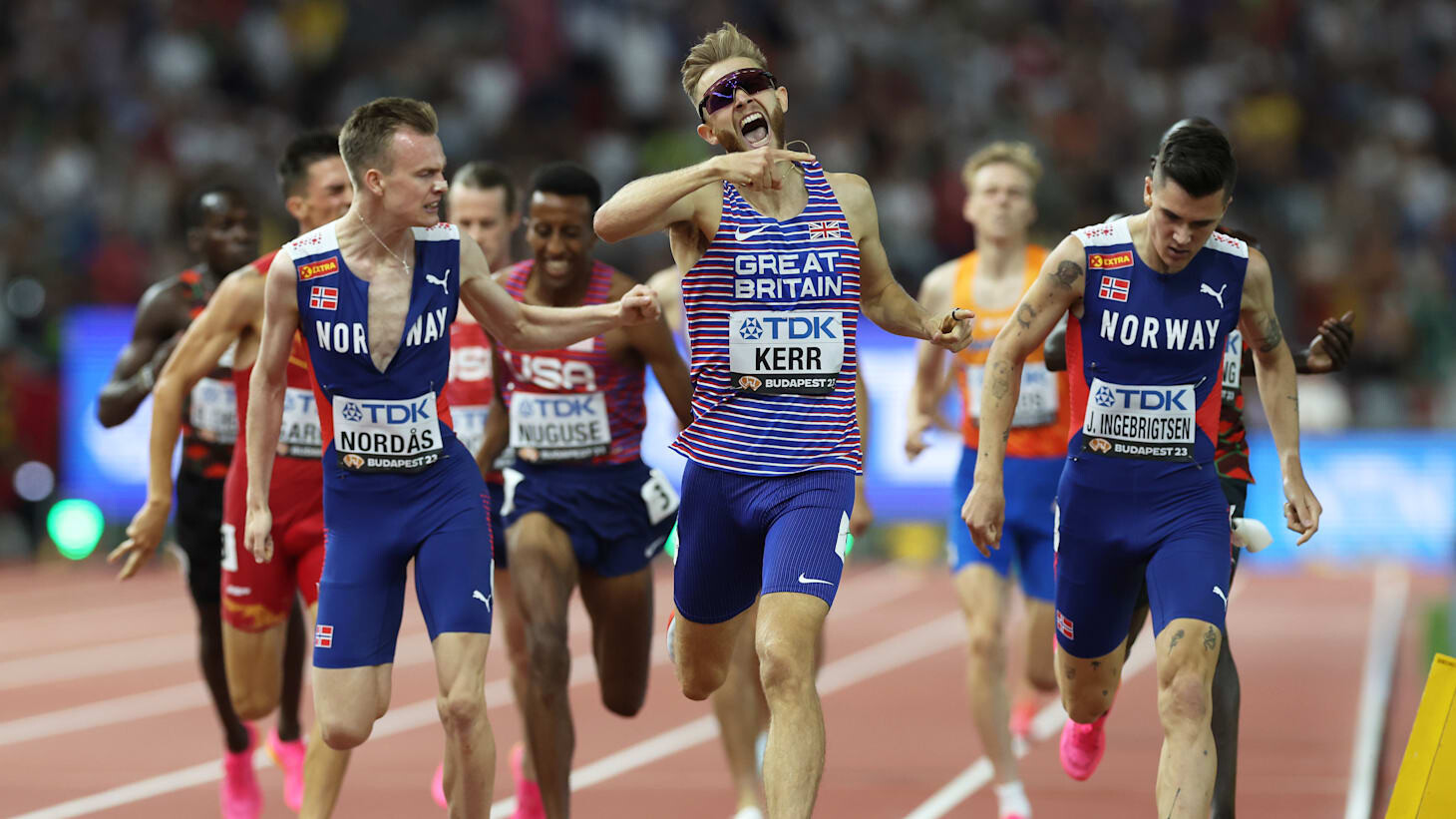
Budapest belongs to Kerr once more.
The British star arrived at the Ultimate Championship after putting together a remarkable 2026 campaign. Among the highlights was his sensational 3:42.66 mile world record in London, where he finally broke a mark that had stood for 27 years.
Kerr also added Commonwealth Games gold to his growing collection of major honours, further establishing himself as one of the dominant middle-distance athletes of his generation.
The Budapest final was expected to provide another chapter in the growing rivalry between Kerr and Ingebrigtsen. However, Ingebrigtsen’s late withdrawal meant the much-anticipated rematch never materialised.
Even without the Norwegian superstar, Kerr had no shortage of formidable opposition. The field featured Olympic champion Cole Hocker, world champion Isaac Nader and Yared Nuguse, while Myers arrived as one of the most exciting young talents in international middle-distance running.
The unique Ultimate Championship format also raised the stakes. With no heats and no second chances, every athlete had only one opportunity to deliver on the biggest stage.
Kerr appeared to embrace that pressure.
Rather than allowing the quality of the field to dictate the race, he stayed patient and waited for the decisive moment. As the final metres approached, the British star unleashed the finishing speed that has become one of his greatest weapons.
Myers fought desperately to stay with him, but Kerr had done enough.
The 3:29.35 winning time was not simply another fast performance. It was another demonstration of Kerr’s championship instincts and his ability to produce when everything is on the line.
For Myers, the silver medal represents another major breakthrough and a strong statement from the young Australian. His 3:29.68 shows that he is increasingly capable of challenging the established stars of the 1500m.
Kessler’s bronze added another impressive result to his career, while Hocker’s fourth-place finish underlined just how competitive the final was, with less than a second separating him from the champion.
Yet the night ultimately belonged to one man.
From the streets of Budapest in 2023 to the Ultimate Championship final three years later, Kerr has once again made the Hungarian capital his stage.
Another big race. Another Josh Kerr victory.
He arrived saying, “I’m not going to lose.”
Then he delivered.
Josh Kerr is the inaugural World Athletics Ultimate Championship 1500m champion — and Budapest belongs to him again.
by Erick Cheruiyot for My Best Runs.
Login to leave a comment
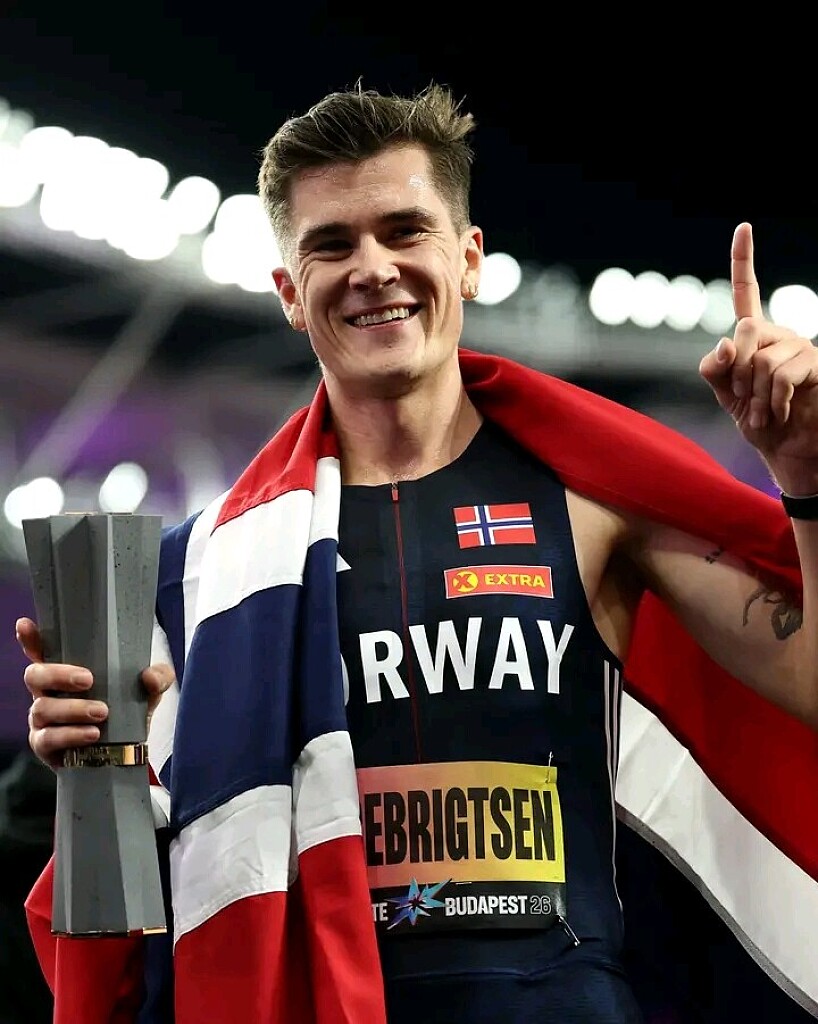
Jakob Ingebrigtsen Withdraws From Budapest 1500m After Stunning 5000m Victory: “Fitness Cannot Be Faked”
Jakob Ingebrigtsen has made a major decision regarding the remainder of his World Athletics Ultimate Championship campaign, confirming that he will withdraw from the men’s 1500m in Budapest despite producing a sensational performance to win the 5,000m title.
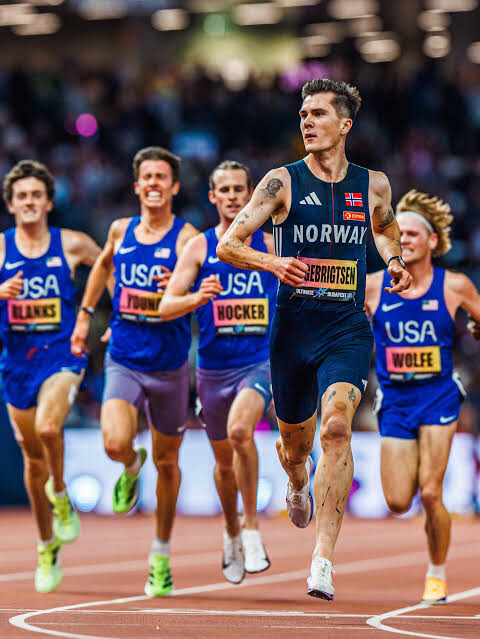
The Norwegian superstar stormed to victory in the inaugural Ultimate Championship 5,000m on Friday night, clocking a season-best 12:59.24 and delivering a devastating finishing kick to defeat Olympic 5,000m champion Cole Hocker and American Parker Wolfe.
Ingebrigtsen’s final 100 metres was arguably the defining moment of the race. The Olympic champion produced a remarkable 12.60-second closing 100m, powering away from the field to secure the $150,000 winner’s prize and underline just how far his fitness has progressed since returning from Achilles surgery.
The victory was particularly significant after what has been an extremely difficult period for the 25-year-old. Earlier in the season, Ingebrigtsen faced serious uncertainty over whether he would even be able to compete at the highest level again. His return has gradually gathered momentum, and his performance in Budapest offered perhaps the clearest indication yet that the Norwegian is rediscovering his formidable racing ability.
But rather than risk pushing his recovering body further, Ingebrigtsen has now opted to step away from the 1500m.
The decision means the highly anticipated showdown with British rival Josh Kerr will not take place in Budapest after all. The two stars had been expected to renew one of the biggest rivalries in modern middle-distance running in the 1500m final.

Instead, Ingebrigtsen is looking beyond the immediate opportunity and towards the bigger picture.
“I’m thinking about 2027… Fitness cannot be faked,” the Norwegian said, signalling that protecting his long-term condition has become more important than chasing another major victory only days after his return to peak-level competition.
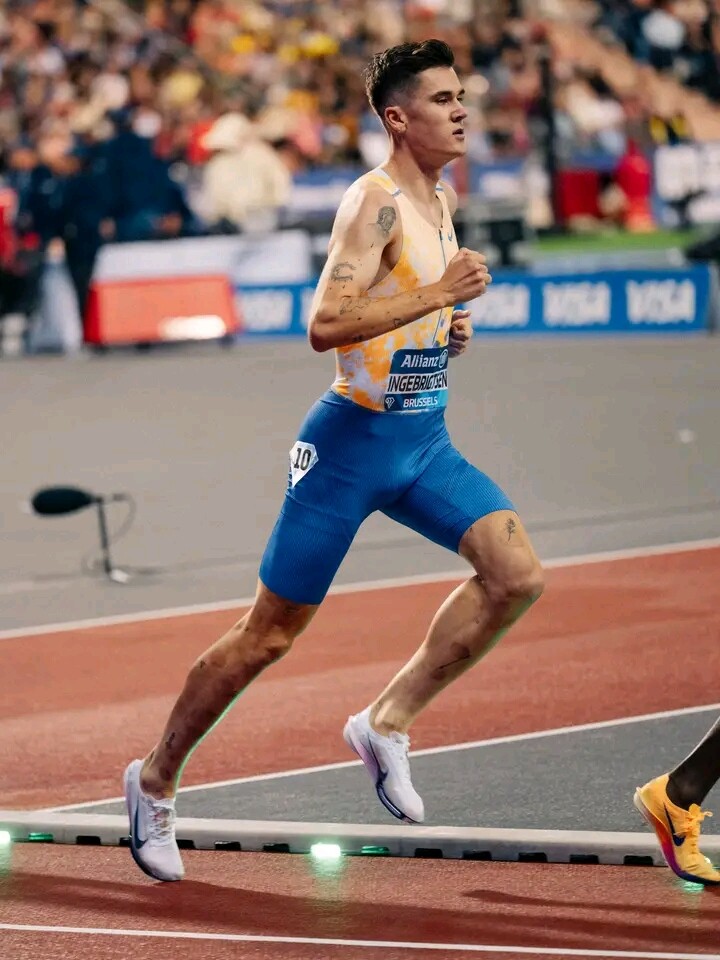
The decision comes just one week after an emotionally charged Diamond League Final in Brussels, where Ingebrigtsen finished fourth in the 1500m behind Australia’s Cameron Myers, Kenya’s Phanuel Kipkosgei Koech and American Ethan Strand.
After that race, Ingebrigtsen delivered a fiery assessment of his rivals and questioned the tactics surrounding the pacemaking, particularly involving Hocker. He later acknowledged that there had been “a little too much adrenaline and emotion” when microphones were placed in front of him immediately after the race.
Yet his latest decision shows that beneath the emotion and competitive intensity lies a longer-term strategy.
Ingebrigtsen has already demonstrated that he can compete at an elite level again. His 12:59.24 in Budapest was not simply a victory — it was a statement that the Norwegian remains capable of producing a world-class finish even after months of injury rehabilitation.
Now, however, he is choosing not to gamble with that progress.
For a runner who has spent much of the year fighting his way back from injury, another 1500m race could have offered enormous rewards but also carried unnecessary risk. By withdrawing, Ingebrigtsen is effectively prioritising longevity over one more opportunity for immediate glory.
His message is clear: the comeback is underway, but it will not be rushed.
The 5,000m victory has given Ingebrigtsen confidence, momentum and perhaps, most importantly, proof that his body can once again handle elite competition.
Now comes the harder part — knowing when to stop.
With 2027 already firmly in his sights, the Norwegian has chosen recovery over risk. And after everything he has endured, that could ultimately prove to be one of the most important decisions of his comeback.
Jakob Ingebrigtsen is not walking away from the sport. He is protecting his future in it.
by Erick Cheruiyot for My Best Runs.
Login to leave a comment

Daniel Komen and Cameron Myers: Two Generations, One Extraordinary Gift for Speed
Athletics has a remarkable way of connecting generations.
Sometimes, decades apart, two athletes emerge with a rare combination of speed, endurance and fearlessness that makes the extraordinary appear almost effortless. Kenya’s Daniel Komen and Australia’s Cameron Myers are separated by an era and a continent, but their careers share one fascinating thread — an exceptional ability to run incredibly fast over middle and long distances.
Daniel Komen — the Kenyan phenomenon
During the 1990s, Daniel Komen was one of the most feared distance runners on the planet.
At just 20 years old, Komen produced a performance that would become one of the defining moments of his career, running 7:20.67 for 3000m in Rieti, Italy, in 1996. The world record remained untouched for nearly 28 years before Jakob Ingebrigtsen finally broke it in 2024.
Komen followed that achievement with another performance that remains etched in distance-running history. In 1997, he ran 7:58.61 for two miles in Hengelo, becoming the first man to break the eight-minute barrier over the distance.
His brilliance was not limited to one event.
Komen possessed an extraordinary range, becoming only the second man after Algeria’s Saïd Aouita to break 3:30 for 1500m, 7:30 for 3000m and 13 minutes for 5000m.
Those performances established Komen as one of the most versatile and naturally gifted distance runners of his generation.
Cameron Myers — Australia's rising star
Almost three decades later, another young runner is beginning to capture the imagination of the athletics world.
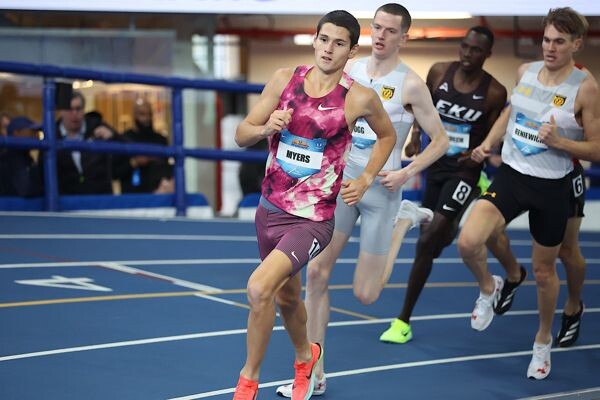
Cameron Myers first made headlines as a teenager when, at 16, he ran 3:55.44 for the mile. The performance made him the second-youngest athlete ever to break four minutes for the distance and confirmed that Australia had a remarkable middle-distance talent on its hands.
But Myers has not allowed the hype surrounding his teenage achievements to define him.
Now 20, he is increasingly proving himself against the world's best senior athletes.
His breakthrough continued in 2026 when he produced a spectacular 3:28.00 personal best for 1500m in Paris, firmly establishing himself among the world's elite over the distance.
Then came Brussels.
At the Diamond League Final on September 4, Myers delivered perhaps the biggest statement of his young career, winning the 1500m in 3:30.14 against a world-class field. The victory came in a race featuring some of the biggest names in the event, including Jakob Ingebrigtsen and Olympic champion Cole Hocker.
For Myers, it was another important step from promising prodigy to established senior star.
He is no longer simply the talented teenager everyone was waiting to see develop.
Cameron Myers has arrived.
Different eras, remarkable similarities
Comparing athletes from different generations is always difficult. The competition, training methods, technology and circumstances change, and every great athlete deserves to be judged within the context of their own era.
But the similarities between Komen and Myers are still fascinating.
Komen showed the world in the 1990s that extraordinary speed could be combined with exceptional endurance. Myers is now demonstrating that same fearless approach as he takes on the strongest 1500m fields in the world.
Komen has already secured his place in athletics history.
Myers is only beginning to write his.
The Australian still has many years ahead of him, and whether he can eventually build a legacy comparable to Komen's remains impossible to predict. What is certain, however, is that his progression has already been remarkable.
From a teenager breaking four minutes for the mile to a 20-year-old running 3:28.00 and winning a Diamond League Final, Myers has moved through the ranks at extraordinary speed.
Daniel Komen was one of the athletes who made the impossible look normal. Cameron Myers now has an opportunity to create his own version of that magic.
Different generations. Different countries. Different journeys.
But one extraordinary gift — the ability to run very, very fast.
by Erick Cheruiyot for My Best Runs.
Login to leave a comment
Ingebrigtsen Clarifies Fiery Brussels Outburst After 1500m Defeat: “I Will Always Call Things as I See It
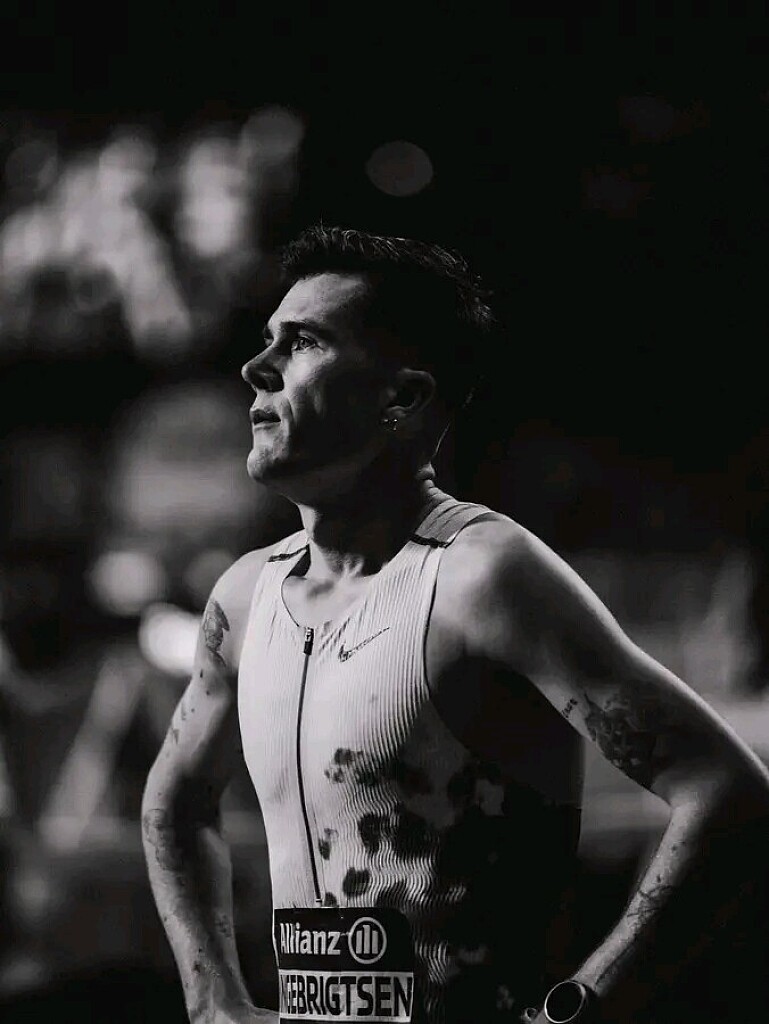
Jakob Ingebrigtsen has offered a measured reflection on his explosive post-race comments following a dramatic men’s 1500m Diamond League Final in Brussels, acknowledging that adrenaline and emotion may have played a role while making it clear that his competitive fire remains as strong as ever.
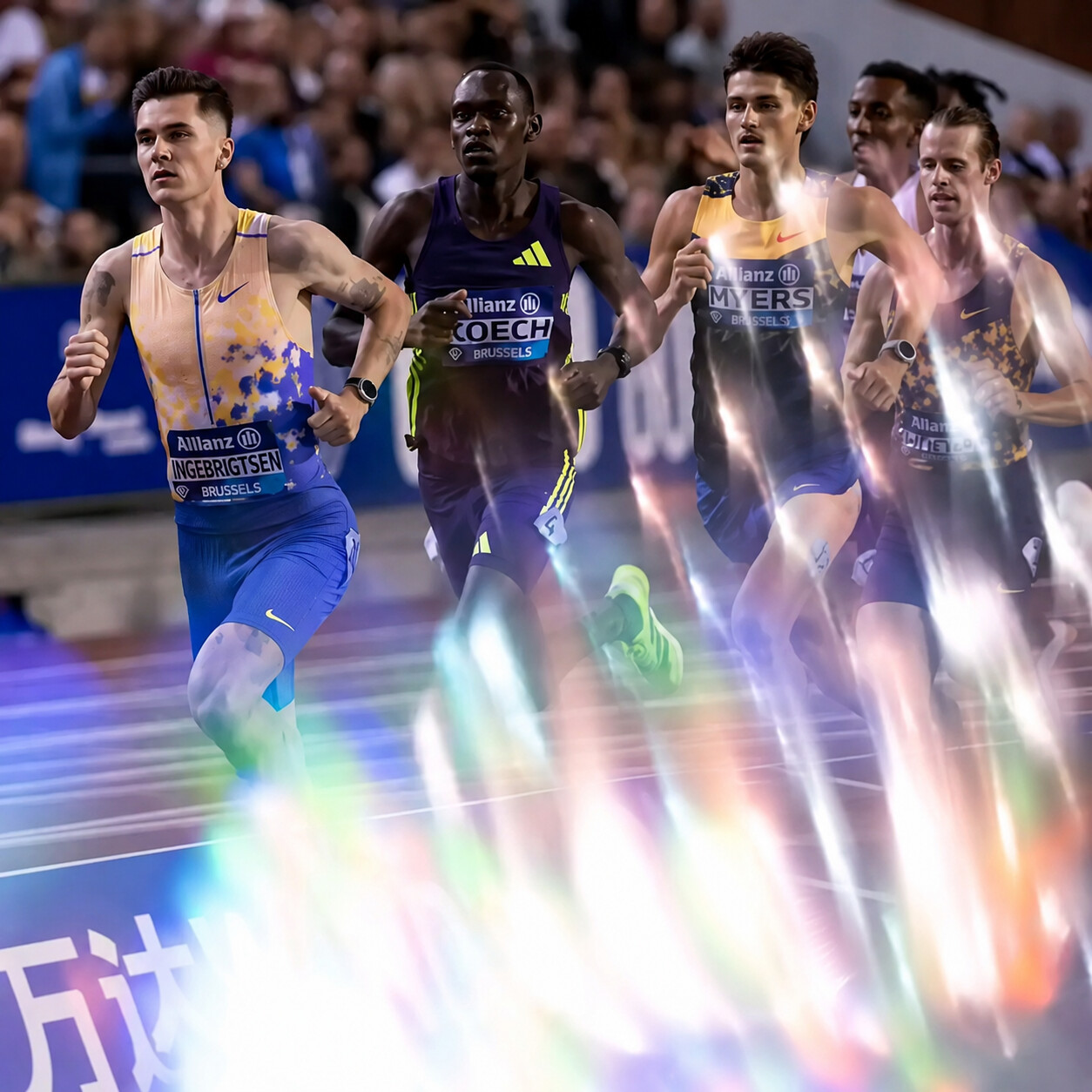
The Norwegian Olympic champion endured a frustrating night at the King Baudouin Stadium, finishing fourth in a season’s best 3:30.52 after taking responsibility for much of the race from the front. Australia’s Cameron Myers produced a perfectly timed late surge to claim the Diamond League title in 3:30.14, edging Kenya’s Phanuel Kipkosgei Koech by just 0.04 seconds, with American Ethan Strand completing the podium in 3:30.50.
Ingebrigtsen had looked capable of converting his aggressive front-running strategy into victory, but the race changed dramatically in the final stages. Myers found a narrow opening and accelerated past the Norwegian, while Koech and Strand also came through strongly as Ingebrigtsen faded over the closing metres.
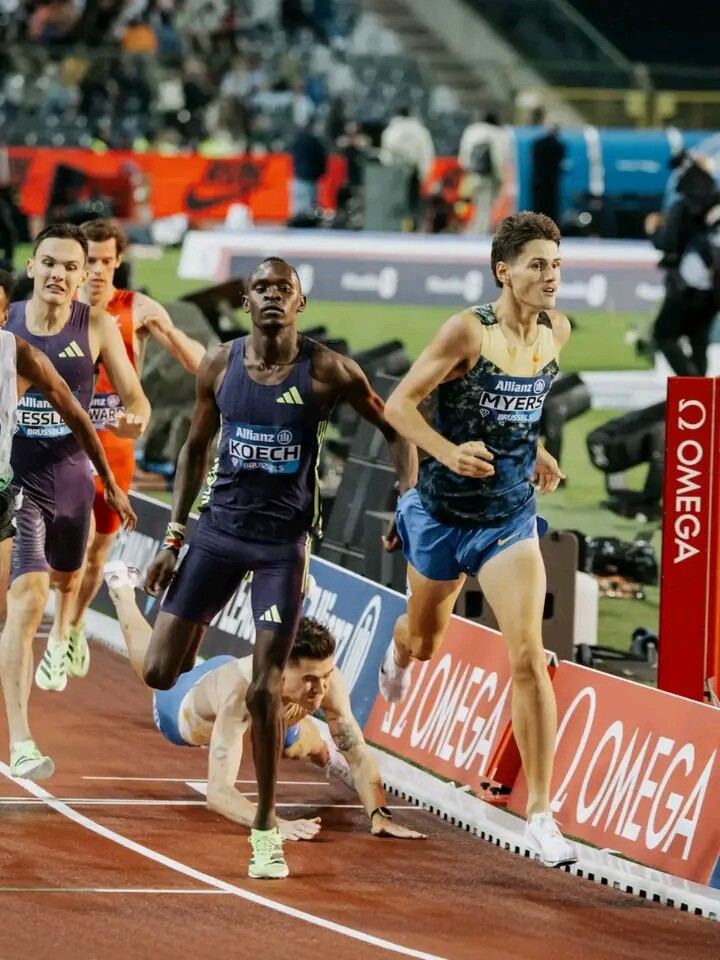
The defeat triggered an unusually fiery reaction from the 25-year-old, who criticised the tactical approach of his rivals and described himself as having raced against “a bunch of cowards”. He was particularly frustrated by what he perceived as competitors sitting back before unleashing their finishing speed when the race reached its decisive phase.
Ingebrigtsen also directed criticism towards Olympic champion Cole Hocker, questioning the way the pacing situation had unfolded and arguing that the American had influenced the pacemaking strategy to his own advantage.
However, after the emotions of the night had settled, Ingebrigtsen returned to social media with a noticeably more reflective message.
“My love for this sport can never be questioned,” he wrote, making it clear that his passionate reaction should not be interpreted as a lack of respect for athletics.
“There was maybe a little too much adrenaline and emotion when the microphones were thrown in front of me last night but I will always call things as I see it.”
The message offered an important qualification to his earlier remarks. Rather than retracting his competitive assessment, Ingebrigtsen appeared to acknowledge that the intensity of the moment had amplified his words.
He also chose to focus on the positives from his performance.
“Pushing from the front, a seasons best and feeling a little more like myself every race,” he added.
That statement is particularly significant given his difficult return to the 1500m after Achilles problems. His 3:30.52 in Brussels was his fastest performance since returning from the injury, providing evidence that his race sharpness is gradually returning despite the disappointment of missing out on the Diamond League crown.
And despite the frustration, Ingebrigtsen made it clear that the defeat has not diminished his hunger.
“Positives to take and lots of fuel for the fire.”
That final line perhaps captures the Norwegian better than anything he said immediately after the race. The fourth-place finish may have frustrated him, but it has also provided another source of motivation as he continues rebuilding his form.
He concluded his message by thanking supporters for standing behind him throughout his comeback.
“Thanks for all the support as always, it feels so good to be back!”
For Ingebrigtsen, Brussels was therefore a night of contrasting emotions: disappointment at surrendering a race he had helped control, frustration with the tactics around him, but also encouragement from a season’s best performance and the feeling that he is gradually returning to his best.
For Myers, it was a breakthrough evening and one of the biggest victories of his young career. For Ingebrigtsen, however, the story may not end with fourth place.
If his latest message is anything to go by, the defeat has simply added more fuel to an already fiercely burning competitive fire.
by Erick Cheruiyot for My Best Runs.
Login to leave a comment
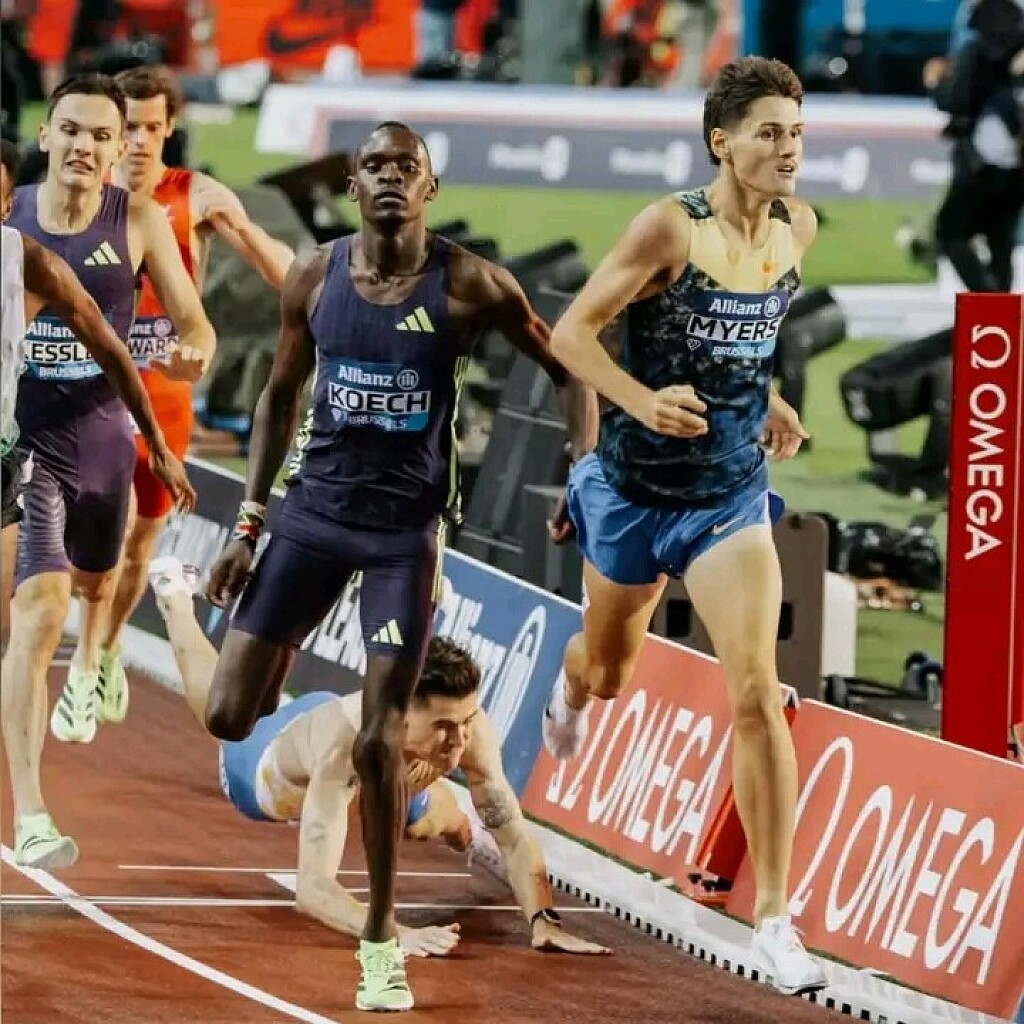
Cameron Myers Produces A Champion’s Kick To Win Thrilling Brussels 1500m Final
Cameron Myers delivered a breathtaking finish in Brussels to capture the men’s 1500m Diamond League Final title, producing a decisive late surge before dipping for the line in 3:30.14 to claim the coveted Diamond Trophy.
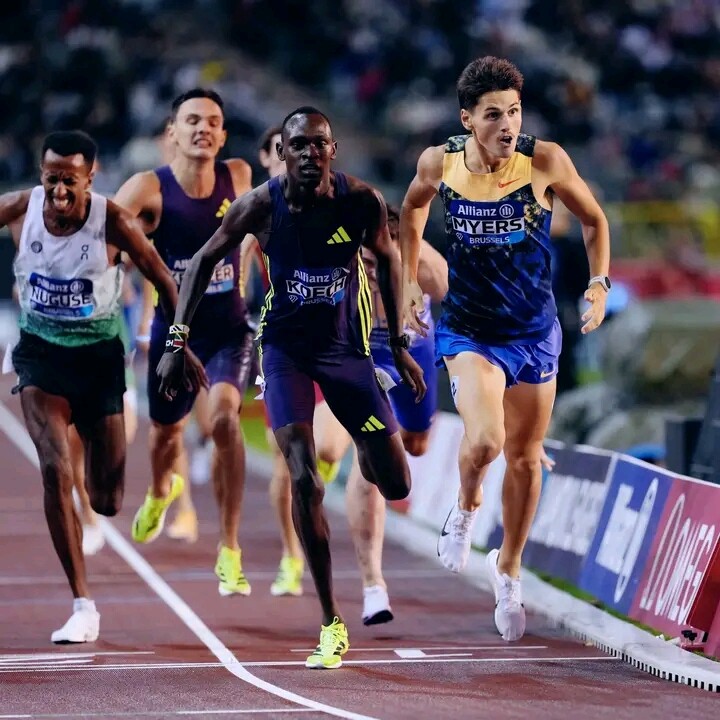
The Australian was moving with remarkable speed when it mattered most, unleashing the finishing kick of a champion in the closing metres. With the race finely poised, Myers held his composure and found the extra strength needed to edge ahead at the line in a dramatic conclusion to the final.
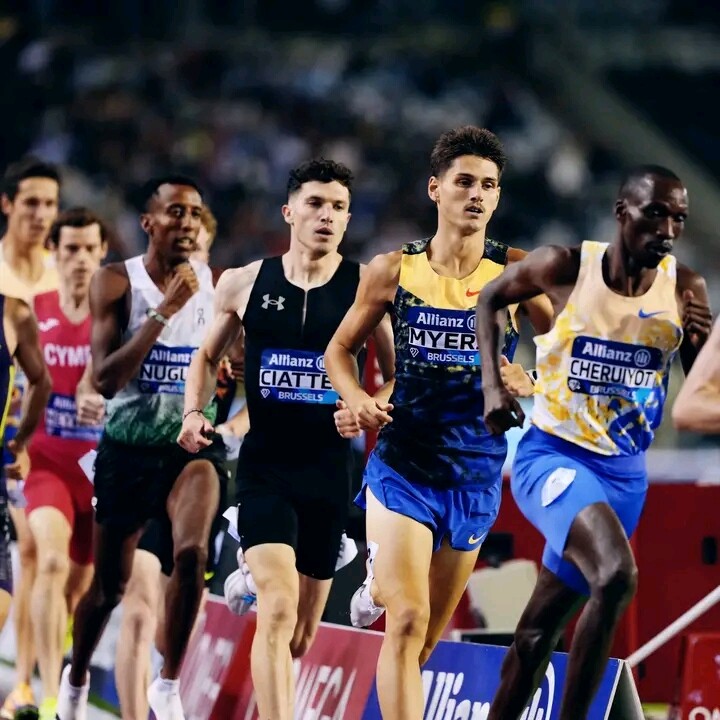
Kenya’s Phanuel Kipkosgei Koech came agonisingly close to taking the title, crossing the finish in 3:30.18—just 0.04 seconds behind Myers. Koech produced a brilliant closing effort and pushed the Australian all the way, narrowly missing out on what would have been a stunning Diamond League triumph.
American Ethan Strand completed the podium in 3:30.50, adding another layer to an extraordinary finish. The first three athletes were separated by just 0.36 seconds, underlining just how fiercely contested the race was from start to finish.
For Myers, the victory was a powerful statement on one of the biggest stages of the Diamond League season. When the pressure reached its peak, the Australian responded with speed, determination and the composure required to deliver when victory was decided by the smallest of margins.
Koech, meanwhile, leaves Brussels with plenty of credit after pushing Myers to the absolute limit. His silver-medal performance demonstrated both his strength and his ability to compete fearlessly against elite opposition, even though the Diamond Trophy slipped away by the narrowest of margins.
It was a finish worthy of a Diamond League Final—three athletes charging for the line, separated by fractions of a second, with Myers ultimately producing the decisive move. Four hundredths of a second made the difference between gold and silver in one of Brussels’ most thrilling showdowns
by Erick Cheruiyot for My Best Runs.
Login to leave a comment
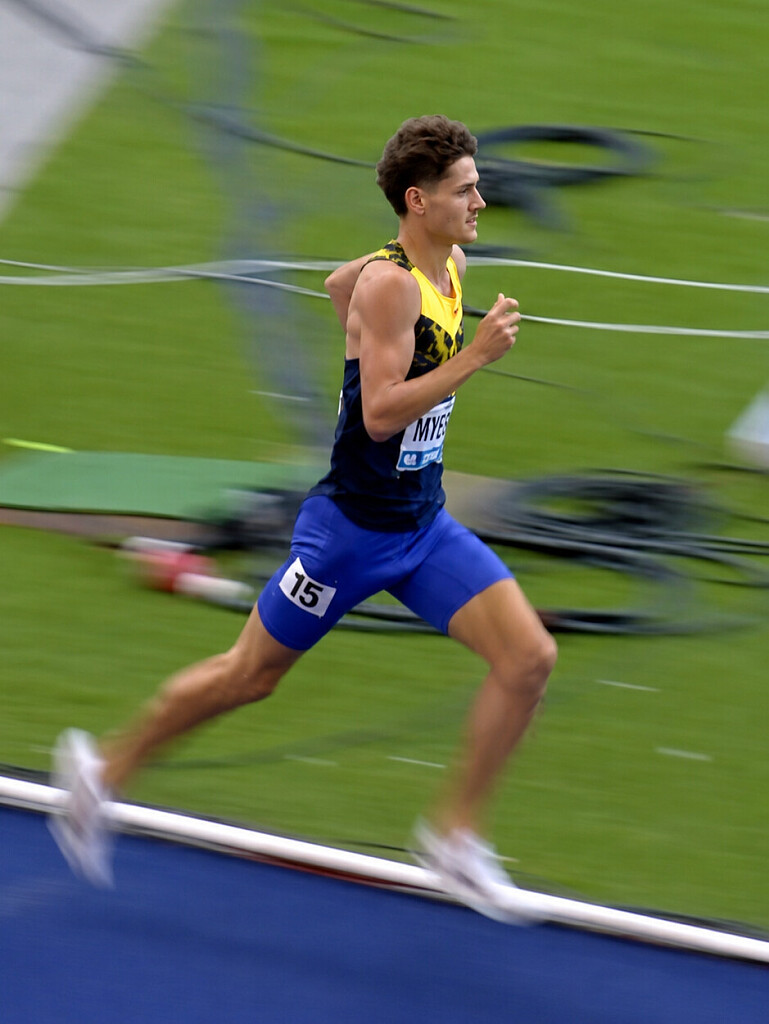
Cameron Myers Reigns in Berlin with Brilliant 3:30.96 1500m Victory
Australia’s Cameron Myers delivered another outstanding performance, producing a commanding run to win the men’s 1500 metres at ISTAF Berlin in 3:30.96.
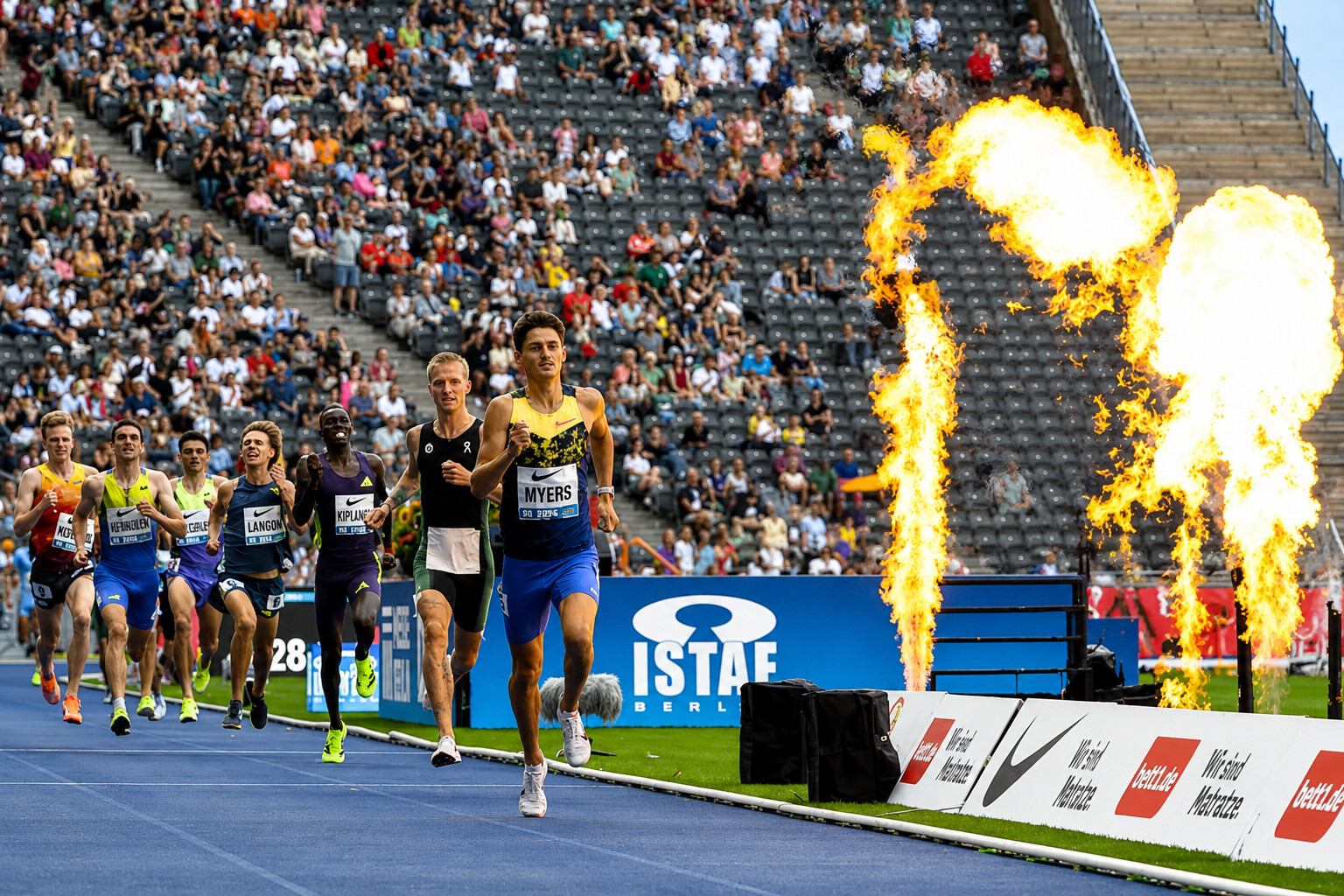
The Australian middle-distance star once again demonstrated why he is regarded as one of the most exciting athletes in the event, emerging victorious from a high-quality race ahead of Germany’s Robert Farken, who finished second in 3:31.73.
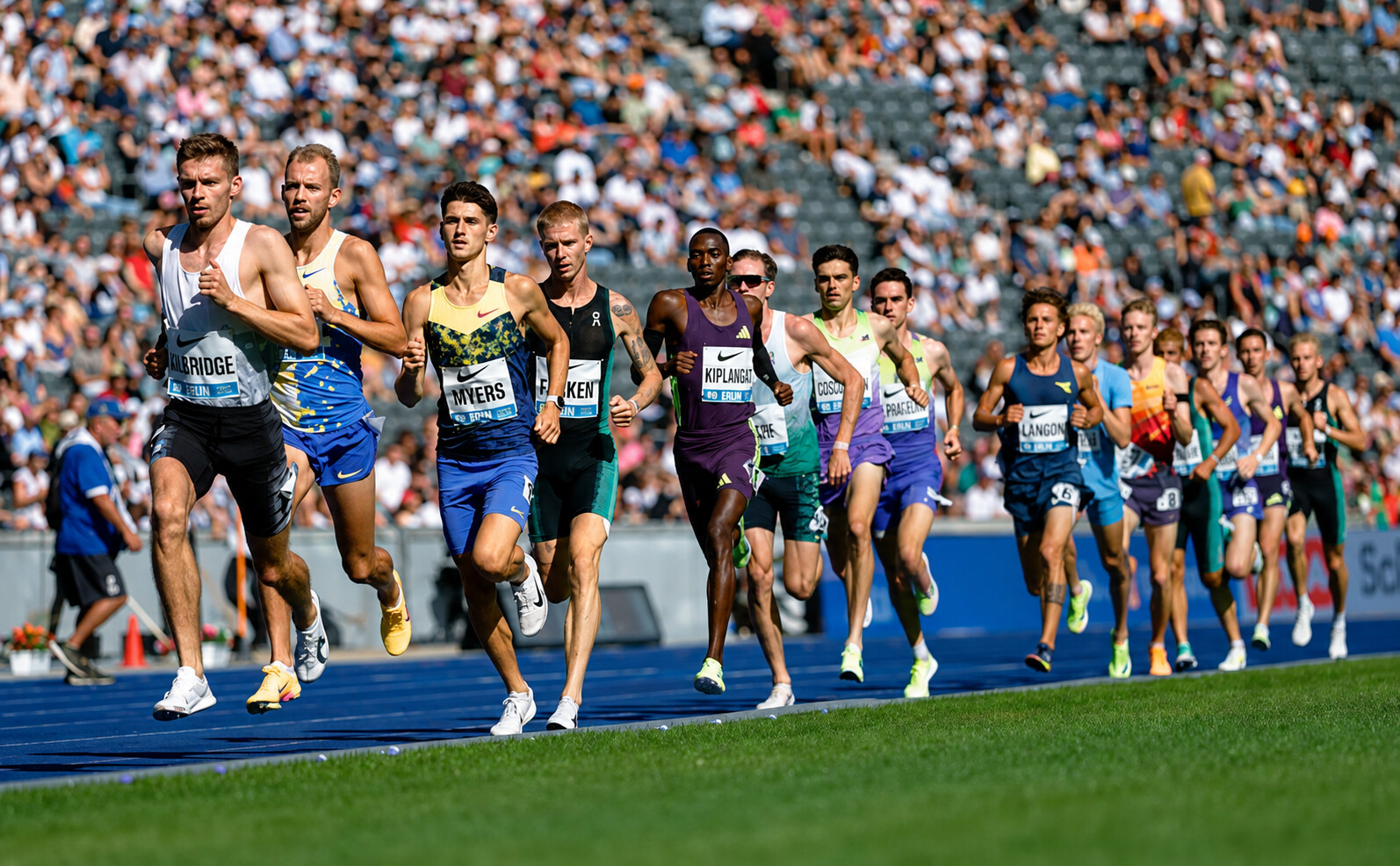
Farken, the German record holder, had the advantage of competing in front of his home crowd in Berlin, but Myers proved too strong when it mattered most. The Australian showed impressive composure and strength in the closing stages, producing the decisive finish needed to secure another important victory.
The race featured a deep international field, with Kenya’s Danson Kiplangat taking third place in 3:33.01. Belgium’s Jochem Vermeulen followed in fourth with 3:33.13, while Norway’s Narve Gilje Nordås rounded out the top five in 3:33.32.
Still only 20 years old, Myers continues to show remarkable maturity and consistency against world-class opposition. His victory in Berlin was not simply about the fast time, but also about the confidence and racing intelligence he displayed against an experienced field. With each major performance, the Australian is strengthening his reputation as one of the most exciting young forces in global middle-distance running.
Myers arrived in Berlin in excellent form and once again proved his ability to deliver against some of the strongest competitors in the world. His performance was particularly impressive given the quality and depth of the field, with several accomplished international runners unable to match the Australian’s strength when the race reached its decisive stages.
The victory adds another significant chapter to Myers’ rapidly developing career and further underlines his growing status in the men’s 1500 metres. For Farken, second place represented another strong performance on home soil, but on this occasion, the night belonged to Myers, whose brilliant 3:30.96 run earned him another memorable triumph and added further momentum to his impressive season.
by Erick Cheruiyot for My Best Runs.
Login to leave a comment
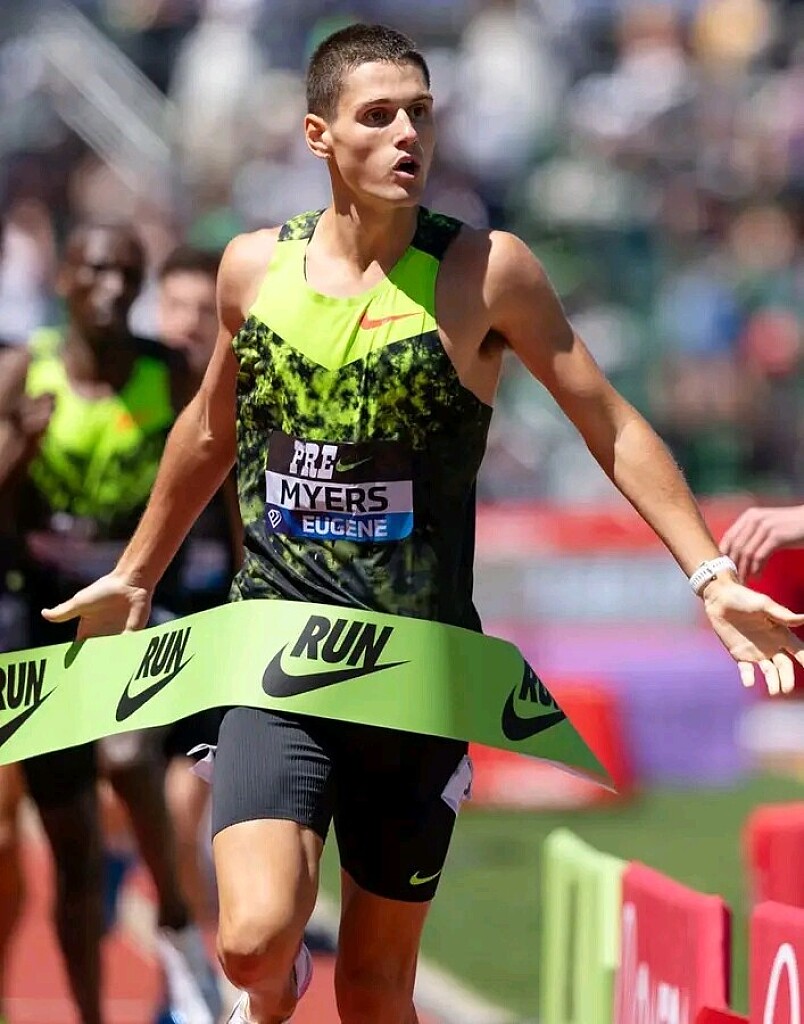
Cameron Myers Leads Star-Studded 1500m Field as Berlin Promises Another Spectacular Battle
The 1500m action is far from over.
After a thrilling showdown at the Zurich Diamond League, attention now shifts to Berlin, where another fascinating middle-distance contest is set to take centre stage at the 2026 ISTAF Berlin meeting on August 30.
Leading the field is Australian sensation Cameron Myers, who returns to the 1500m as the current world leader and one of the most exciting young talents in global middle-distance running. Myers will once again have the opportunity to test himself against a deep and highly competitive international field as he continues his remarkable rise on the world stage.
However, the Australian will face no shortage of formidable opposition.
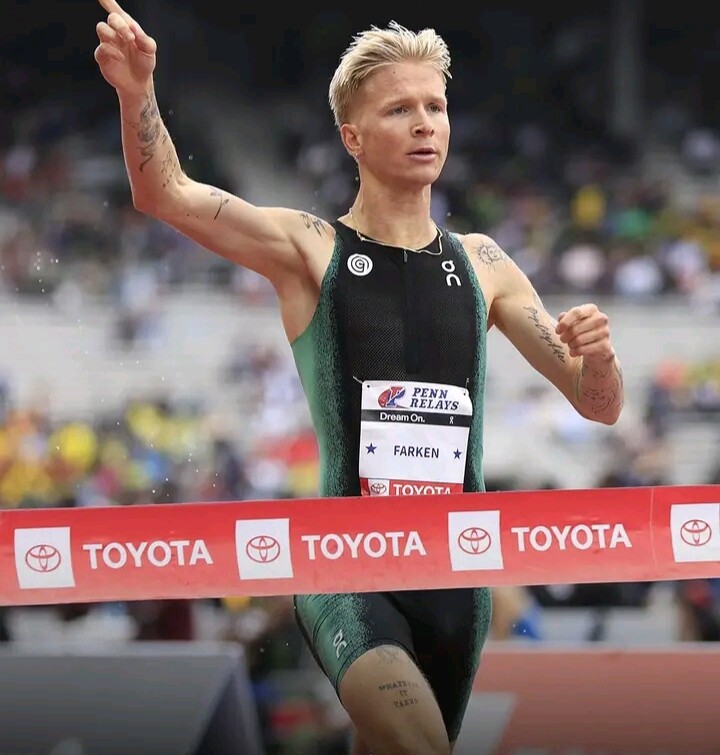
Germany's Robert Farken will be determined to deliver a strong performance in front of his home crowd, while Spain's Mohamed Attaoui brings his own impressive credentials to a race filled with athletes capable of challenging for victory. The stacked lineup also includes Marco Langon, Samuel Prakel, Oliver Hoare, Danson Kiplangat, Andrew Coscoran, Narve Gilje Nordås, Jochem Vermeulen and several other accomplished middle-distance runners.
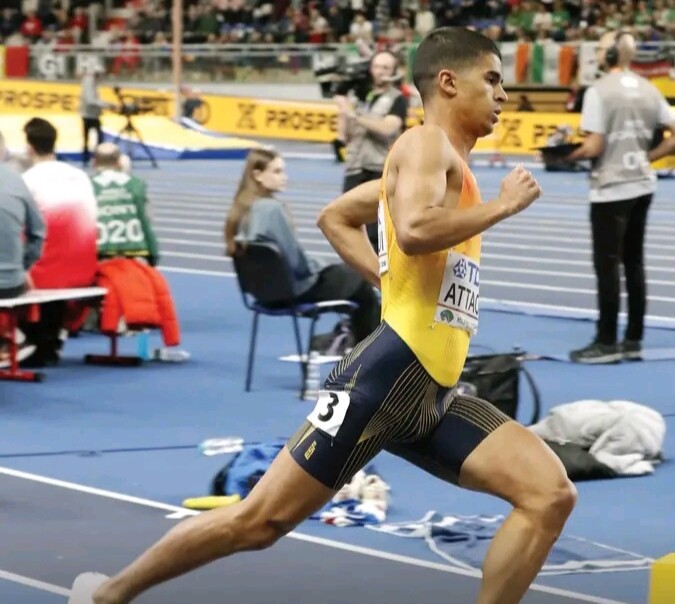
The depth of the field could make the race tactically unpredictable. With athletes capable of forcing a fast pace and others renowned for their devastating finishing kicks, positioning and patience will be crucial as the race builds toward its decisive final lap. In a contest of this quality, even the smallest tactical mistake could prove costly.
For Myers, Berlin represents another important opportunity to demonstrate that his remarkable rise is no temporary phenomenon. Yet, with experienced international rivals lining up alongside him, the young Australian will have to fight for every metre and every position against a field packed with quality.
After the fireworks in Zurich, the spotlight now moves to the German capital. The 1500m season still has unfinished business, and with Cameron Myers leading such a loaded field into Berlin, fans could be treated to another unforgettable battle filled with speed, drama and a fierce fight for supremacy.
August 30 promises another spectacular chapter in what has already been a thrilling 1500m season.
by Erick Cheruiyot for My Best Runs.
Login to leave a comment
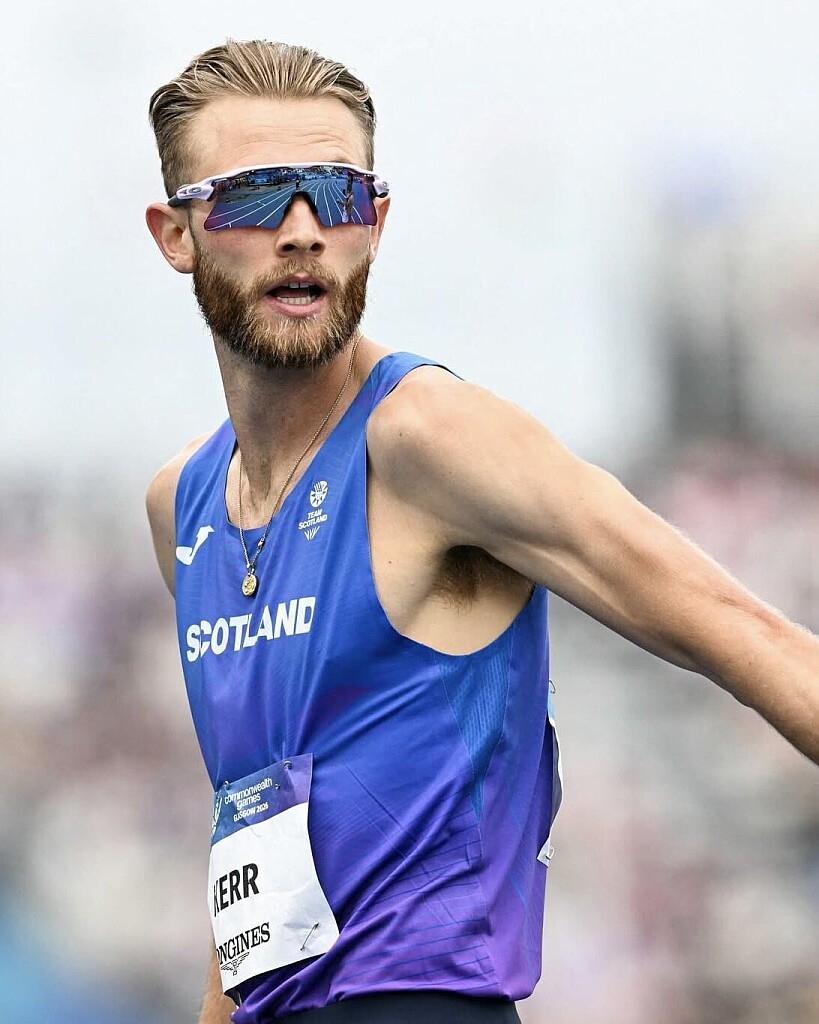
"It's Going to Be a War": Josh Kerr Sets the Stage for a Blockbuster Commonwealth Games Mile Final
The stage is set for one of the most eagerly anticipated races of the 2026 Commonwealth Games after Scottish star Josh Kerr delivered both a commanding performance and a powerful warning to his rivals.
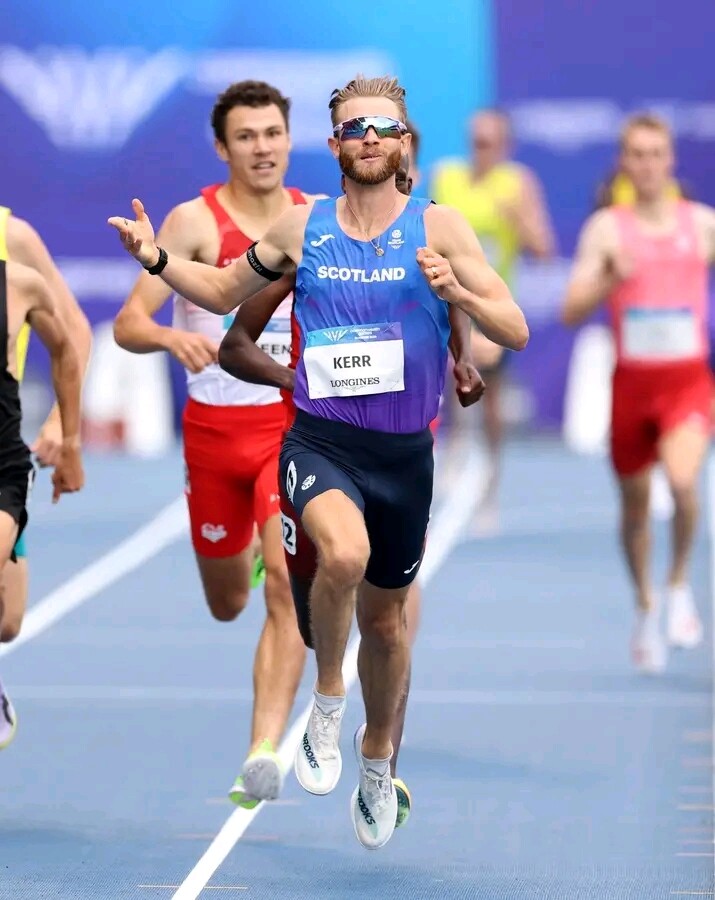
Moments after comfortably booking his place in Saturday night's men's mile final, Kerr summed up what everyone can expect with just five words: "It's going to be a war."
The reigning world-class miler looked relaxed and in complete control as he claimed victory in Heat 1 of the Men's One Mile Round 1, crossing the line in 3:58.57 to secure automatic qualification for the final. While the winning time was well within his capabilities, Kerr's composed display sent a strong message to the rest of the field that he is ready to fight for Commonwealth gold.
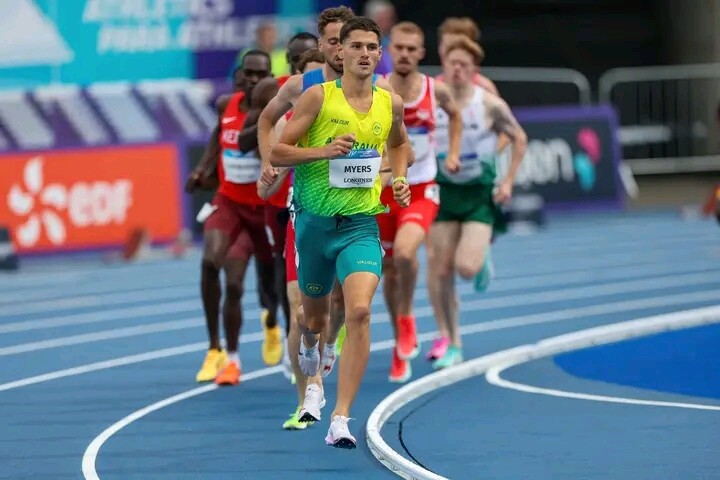
However, the fastest performance of the opening round belonged to Australia's Cameron Myers, who produced an impressive 3:53.85 to win Heat 2 and top the qualifying times. Myers' blistering run underlined the exceptional quality of the field and added another major contender to what is already shaping up to be a thrilling championship final.
Kenya's Timothy Cheruiyot, a former world champion and one of the most accomplished middle-distance runners of his generation, stayed close throughout Heat 1 before finishing second in 3:58.98, comfortably sealing his own place in the final. New Zealand's Samuel Tanner completed the top three in 3:59.31, also advancing to Saturday night's showdown.
Competing in front of a passionate home crowd at Scotstoun Stadium, Kerr soaked in every moment. Over the closing stages, he acknowledged the roaring Scottish supporters, urging them to raise the volume even higher as he surged down the home straight. It was a fitting celebration between athlete and fans, with the biggest challenge still lying ahead.
Saturday night's final promises to be a spectacular occasion, and Scotland will have twice the firepower in the battle for gold. Joining Kerr on the start line will be fellow Scot Jake Wightman, giving the host nation two genuine medal contenders capable of producing an unforgettable performance on home soil.
The men's mile final is already shaping up to be one of the standout events of the Glasgow 2026 Commonwealth Games. With Myers entering as the fastest qualifier, Kerr carrying the hopes of the home nation, Cheruiyot bringing his championship experience, Wightman adding another formidable Scottish challenge, and a field packed with world-class talent, the race promises tactical brilliance, relentless pace, and a dramatic fight all the way to the finish.
If Kerr's prediction is anything to go by, spectators are about to witness a true middle-distance classic.
by Erick Cheruiyot for My Best Runs.
Login to leave a comment
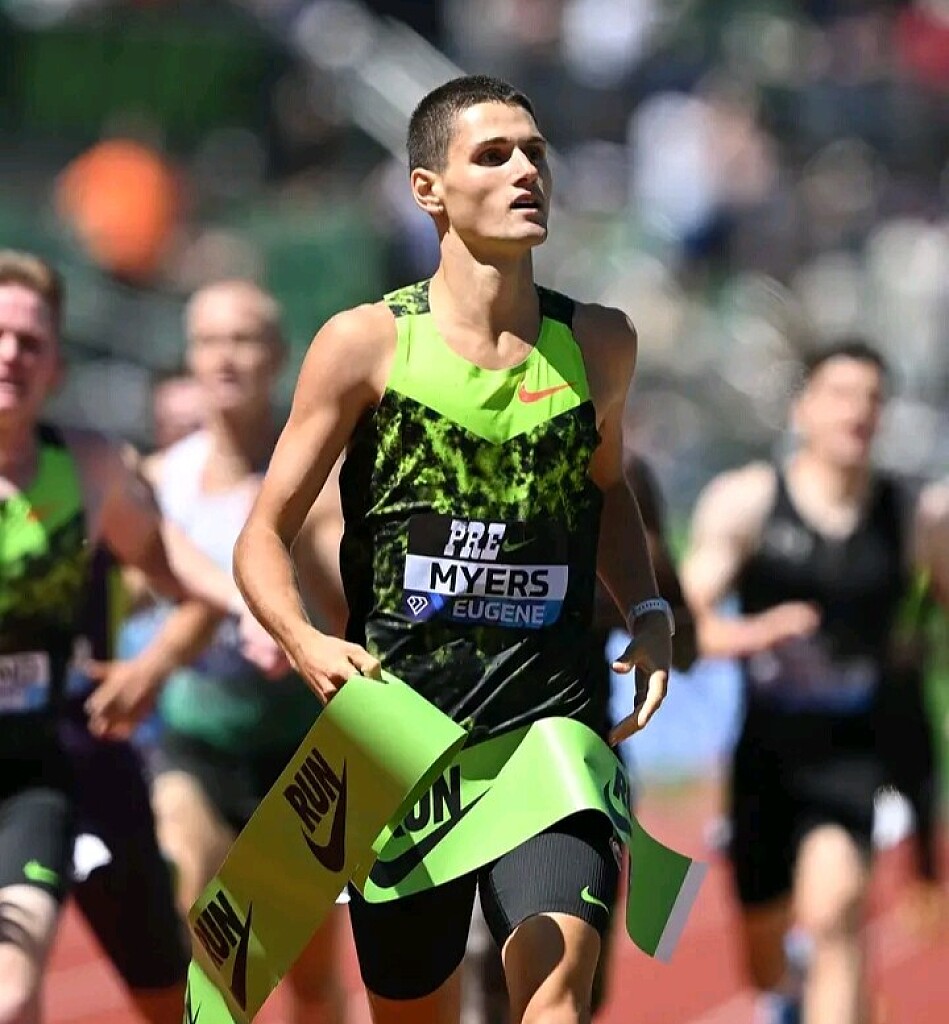
Cameron Myers Rewrote Australian History with Record-Breaking Bowerman Mile Victory
At just 20 years old, Cameron Myers is rapidly becoming one of the brightest stars in global middle-distance running.
The young Australian delivered the performance of his career at the prestigious Bowerman Mile in Eugene, Oregon, producing a fearless front-running display to clock a sensational 3:46.06—the fastest mile in the world this year. The remarkable run not only earned him victory but also shattered the Australian national record, set a new Oceania record, and firmly established him among the sport's elite.
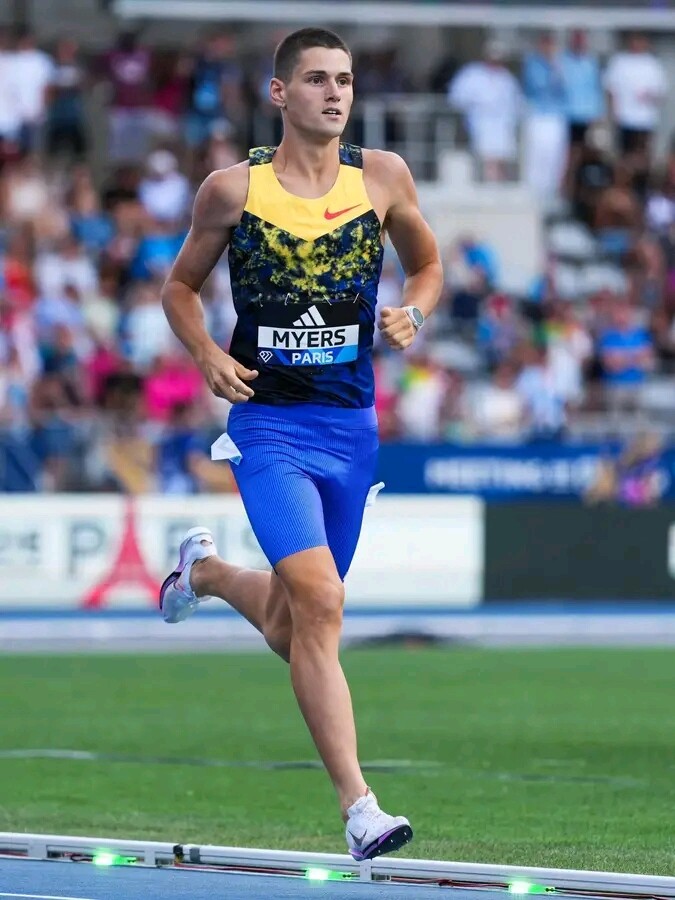
In a race packed with world-class talent, Myers showed maturity well beyond his years. As the pacemaker stepped aside during the third quarter of the race, the Australian immediately seized control. Rather than waiting for others to dictate the pace, he confidently moved to the front, maintained his rhythm through the bell lap, and unleashed a composed finishing kick that none of his rivals could answer.
American star Yared Nuguse crossed the line second in a season's best 3:46.61, while Ethan Strand claimed third in 3:46.97. Despite racing on home soil, the North American record holder and the rest of the field were unable to reel in the determined Australian, who never relinquished the lead once he took command.
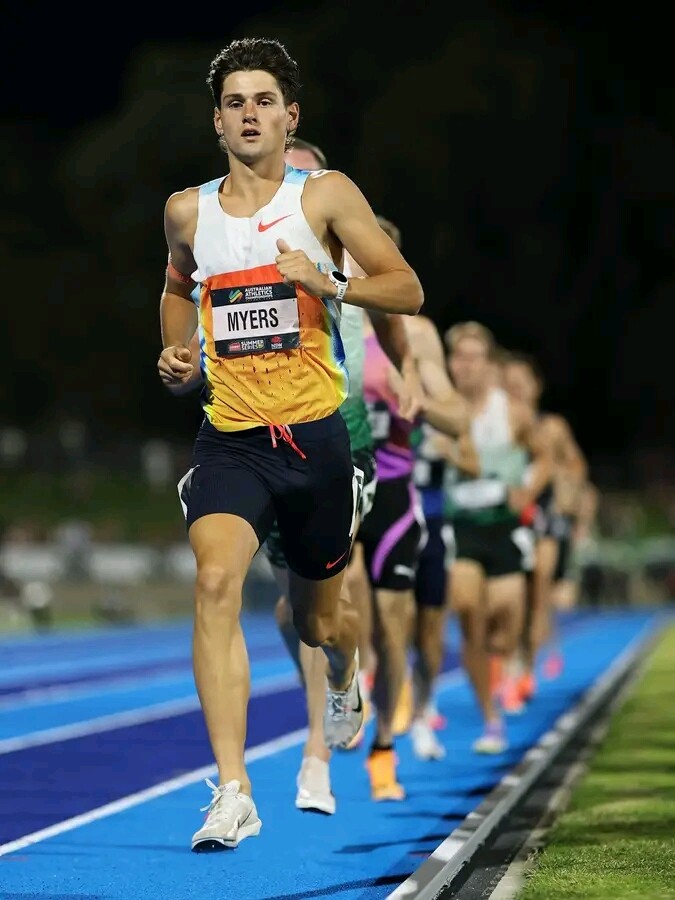
The victory crowns an extraordinary fortnight for Myers.
Only 13 days earlier, he had stormed to 3:28.00 at the Paris Diamond League, breaking the Australian 1500-metre record. Now, with the national mile record also under his name, Myers has become the holder of Australia's two most prestigious middle-distance records before celebrating his 21st birthday.
His latest performance also secured another piece of history. Myers is now the youngest man ever to run under 3:47 for the mile, a milestone that highlights both his exceptional talent and remarkable composure under pressure.
The Bowerman Mile has long been regarded as one of the sport's most iconic races, producing countless unforgettable performances over the past five decades. Many of the greatest milers in history have left their mark on Hayward Field, and Cameron Myers has now added his name to that distinguished legacy.
What makes his rise even more remarkable is not simply the records themselves, but the speed at which they are arriving. Achievements that often take athletes years—sometimes an entire career—to accumulate are coming to Myers within weeks.
At only 20 years old, Cameron Myers is no longer just one of Australia's most promising prospects. He has become a genuine global contender, and if his current trajectory is any indication, the best chapters of his remarkable journey are still to come.
by Erick Cheruiyot for My Best Runs.
Login to leave a comment
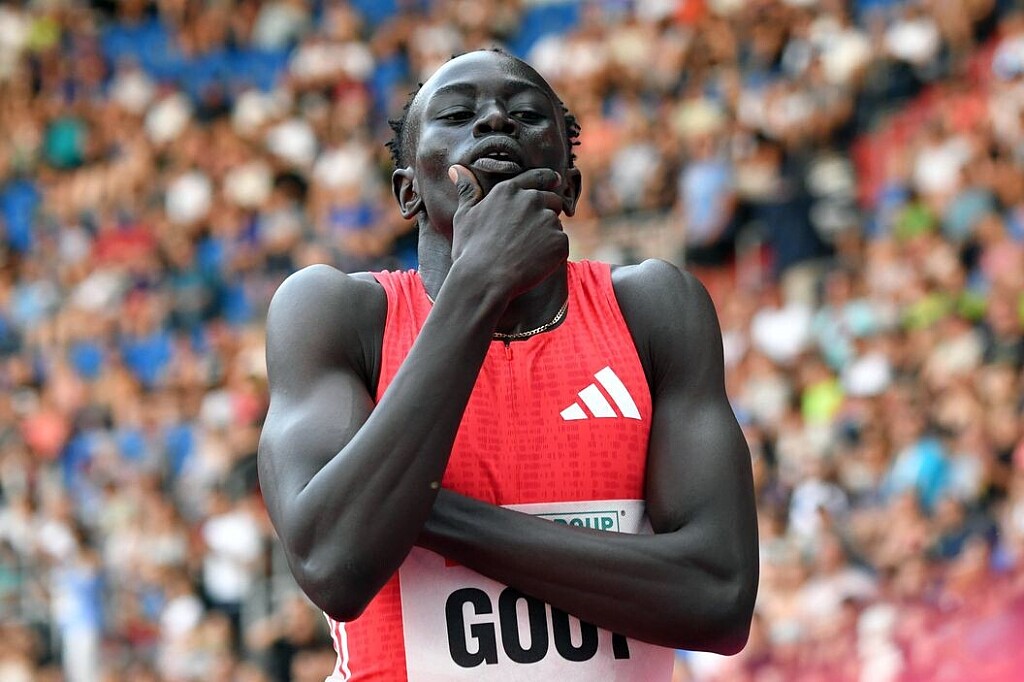
Australian Stars Set to Shine as Diamond League Lands in Oslo
The Diamond League caravan rolls into Norway this week, and a strong Australian contingent is ready for another major test on one of athletics' most prestigious stages. With the European season gathering pace and championship ambitions beginning to take shape, Thursday's meeting in Oslo promises high-quality competition and several compelling Australian storylines.
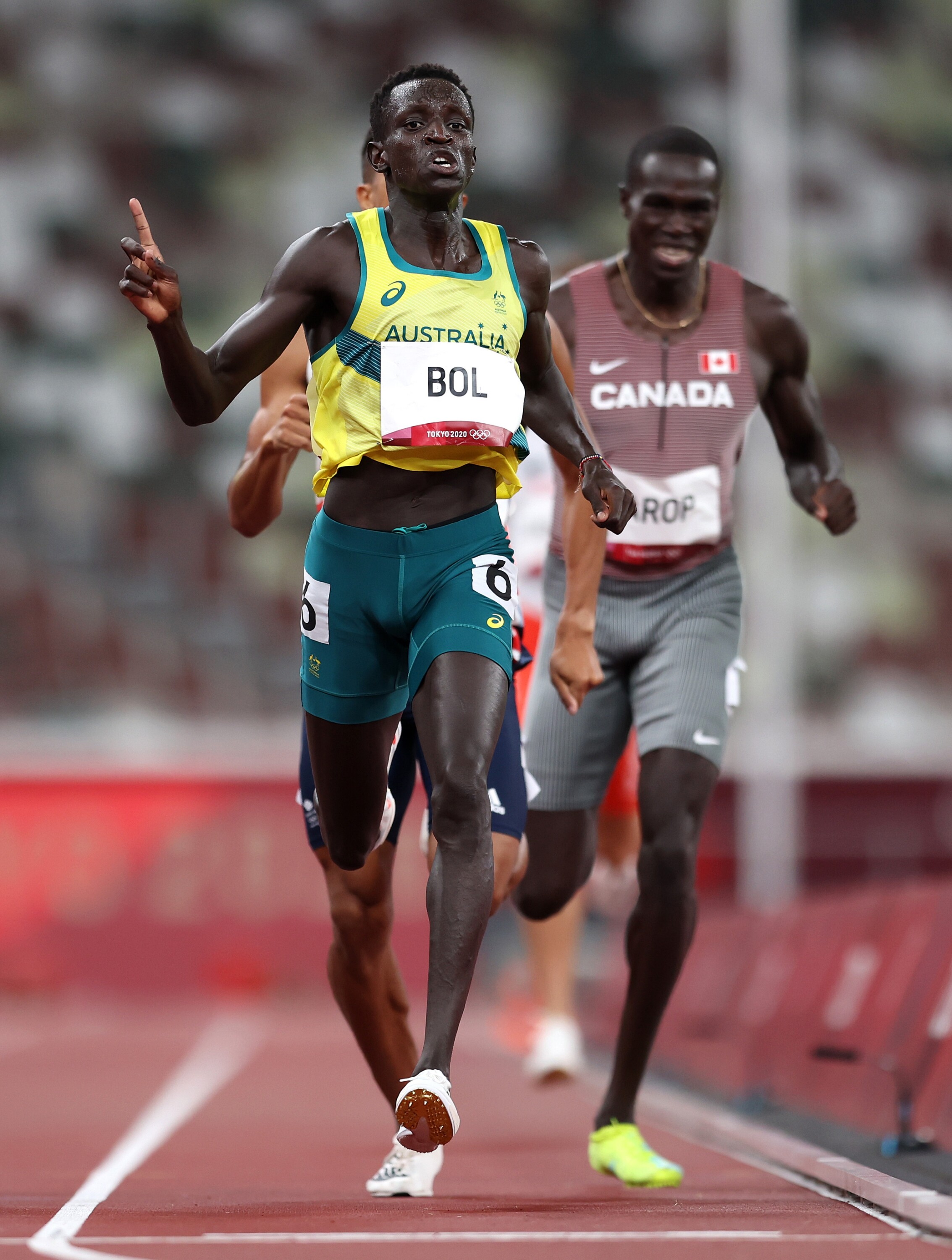
Leading the charge is Peter Bol in the men's 800 metres. The Australian star continues his return to elite racing and faces another opportunity to measure himself against some of the world's best middle-distance runners. With every Diamond League appearance carrying added significance, Bol will be looking to build further confidence and rhythm as the season progresses.
Australia's depth in distance running will be on full display in the women's 3000 metres, where Lauren Ryan, Rose Davies, Georgia Griffith, and Linden Hall are all set to take the start line. The quartet represents a new era of Australian endurance running, with each athlete bringing proven international credentials and the ability to challenge in fast-paced championship-style races.
Attention will also turn to the men's 200 metres, where teenage sensation Gout Gout continues his remarkable rise. The young sprinter has become one of the most talked-about prospects in world athletics, and another appearance on the Diamond League stage offers a valuable opportunity to gain experience against established international stars while continuing his rapid development.
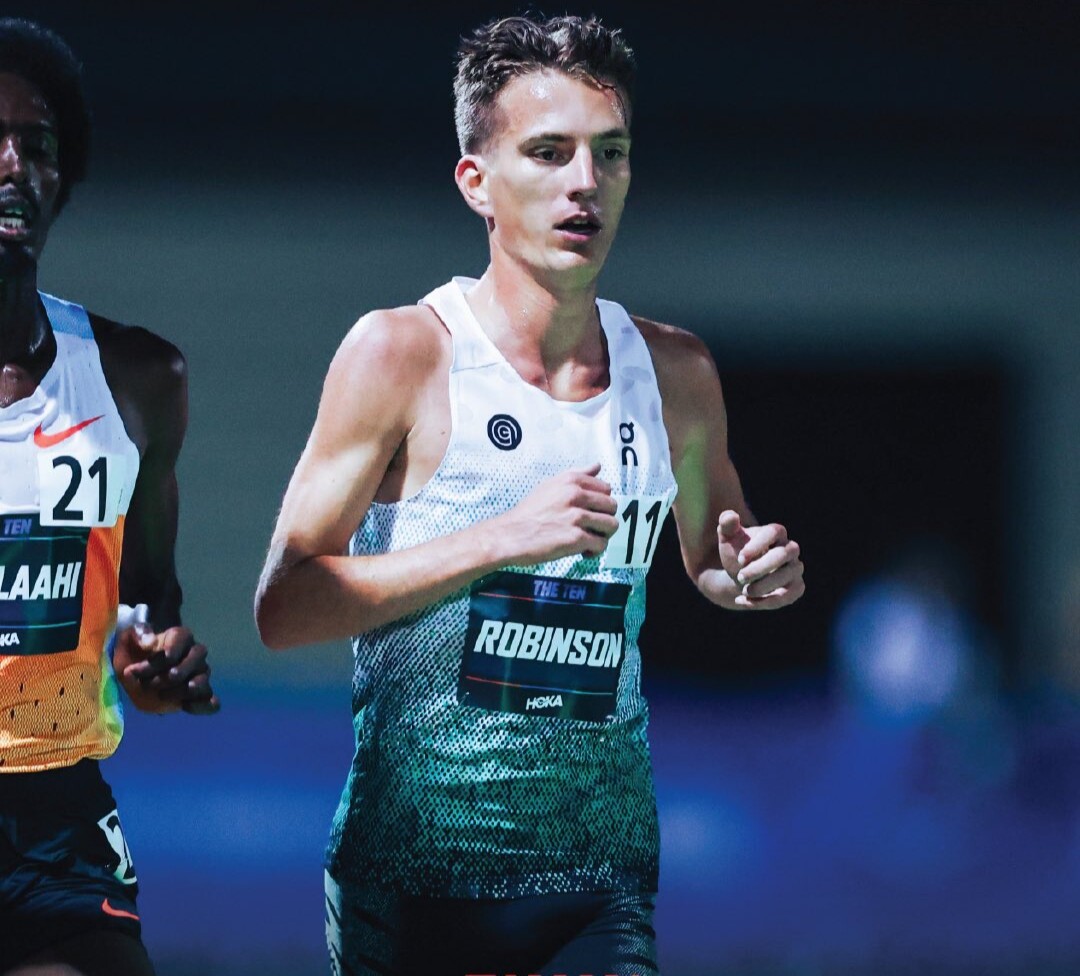
In the men's 5000 metres, Ky Robinson will look to continue his impressive progression against a world-class field. Robinson has emerged as one of Australia's most consistent distance performers, and the Oslo meeting presents another chance to test himself in what is expected to be a fiercely competitive race.
The Australian challenge concludes in the men's mile, where Cameron Myers returns to one of the sport's most iconic events. Still in the early stages of his career, Myers has already demonstrated exceptional talent and composure against elite opposition. Another strong performance in Oslo would further strengthen his growing reputation as one of the brightest young middle-distance athletes in the world.
As the Diamond League season continues its journey through Europe, Australia's presence on the international circuit remains stronger than ever. From emerging stars to established contenders, the Oslo meeting offers another opportunity for the green and gold to make an impact on one of athletics' biggest stages.
Norway is next, and Australia's Diamond League campaign shows no signs of slowing down.
by Erick Cheruiyot for My Best Runs.
Login to leave a comment
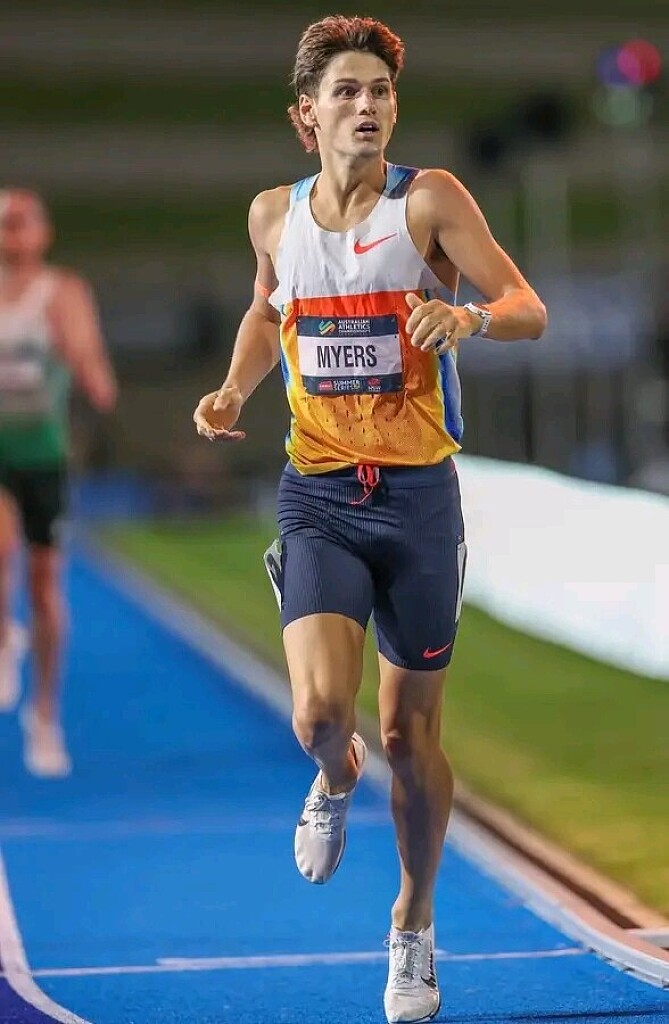
Cameron Myers: The Relentless Rise of Australia’s Middle-Distance Prodigy
At just 19, Cameron Myers is redefining what it means to be a teenage force in global athletics. In an era brimming with emerging talent, the Australian prodigy has quietly—but emphatically—established himself as one of the most formidable middle-distance runners on the planet.
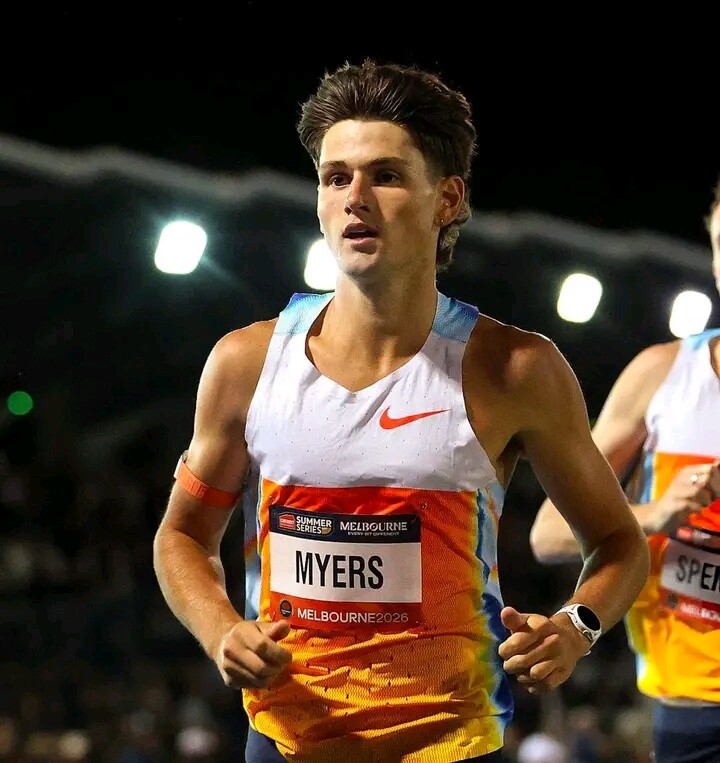
While headlines may drift toward other rising stars, Myers remains unfazed by the noise. His focus is unwavering, rooted not in publicity but in performance. Those closest to him describe an athlete driven by execution rather than attention—a competitor who thrives beyond the spotlight.
That mindset was on full display at the Australian National Championships in Sydney, where Myers delivered a masterclass across two demanding disciplines. In the 1500 metres, he dismantled a world-class field with astonishing authority. Facing a lineup in which half the competitors had already dipped below 3:36, Myers surged to the front early and never relinquished control. By the final lap, the race was effectively over.
He crossed the line in a blistering 3:29.85—an extraordinary mark that not only placed him within touching distance of Ollie Hoare’s national record, but also etched his name into history as the first athlete ever to break the 3:30 barrier on Australian soil. Remarkably, this feat surpasses even the achievements of legends such as Hicham El Guerrouj, the world record holder, who never achieved such a time in Australia.
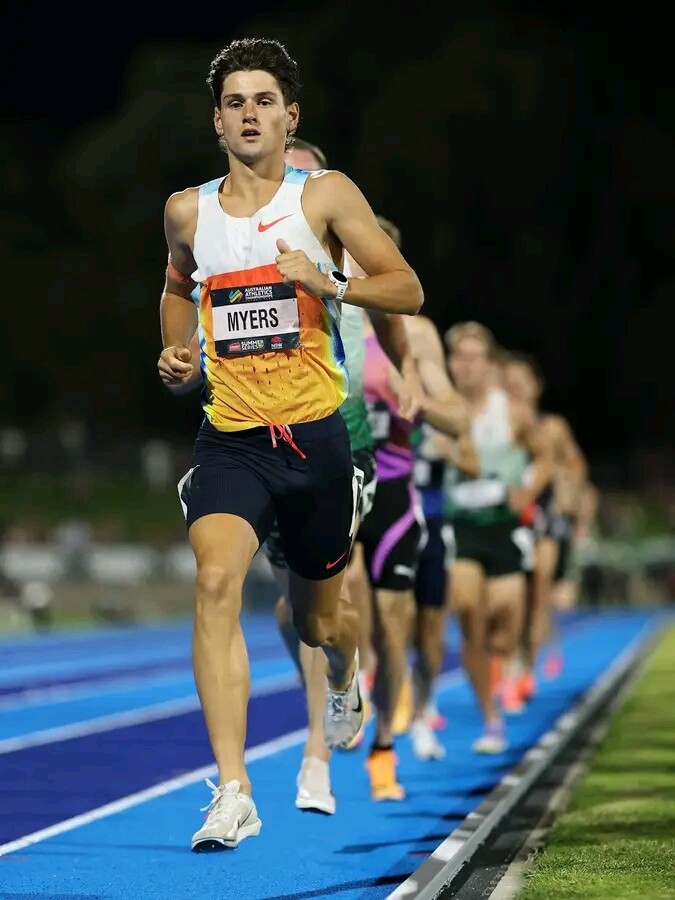
What made the performance even more compelling was the context: no pacemakers, no tactical shelter—just raw, front-running brilliance. Analysts have since suggested it may stand as one of the fastest 1500m races run outside a major championship this century, particularly given the absence of pacing assistance.
Yet Myers was far from finished.
Less than 24 hours later, he returned to the track and delivered another statement—this time over 5000 metres. Demonstrating remarkable endurance and recovery, he surged to victory while obliterating his personal best by an astonishing 20 seconds. It was a performance that underlined not just versatility, but an elite capacity to dominate across distances.
Though Sydney’s modern track surface may have offered marginal gains, it does little to explain the consistency Myers has shown across continents. Earlier in the year, he produced the fastest indoor mile ever recorded by a teenager in Seattle, further reinforcing his rapid progression. He also clocked an impressive 3:30.42 to win the 1500m at the prestigious Maurie Plant Meet—a performance that hinted at what was to come.
Speaking after his historic 1500m run, Myers revealed that even greater performances may lie ahead. He acknowledged that without pacers, he was unable to fully express his current form—a striking admission considering the magnitude of what he had just achieved.
In a sport where hype often precedes substance, Cameron Myers represents the inverse: a rare talent whose results speak louder than any narrative. As he continues to sharpen his craft, the global athletics stage may soon have no choice but to centre its attention firmly on him.
by Erick Cheruiyot for My Best Runs.
Login to leave a comment
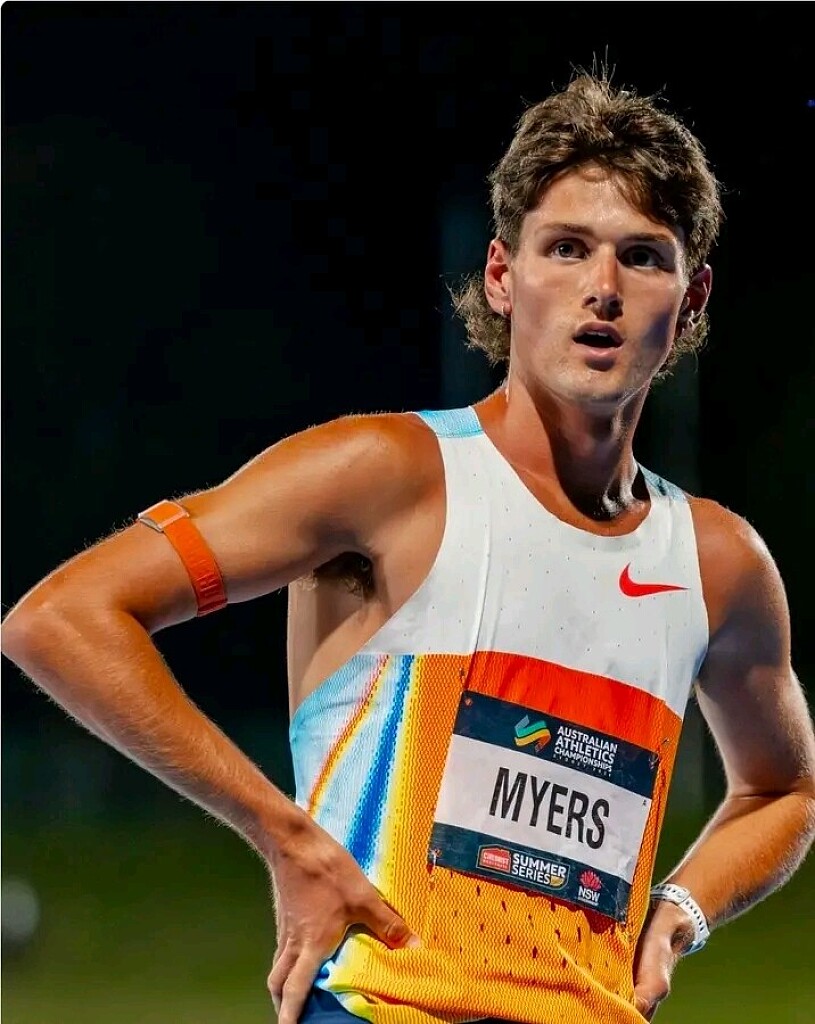
Cameron Myers Ignites Sydney with a Stunning 1500m Masterclass
There appears to be no ceiling to the rise of Cameron Myers. The Australian teenage prodigy once again exceeded expectations, delivering a breathtaking performance to successfully defend his national title at the Australian Athletics Championships in Sydney.
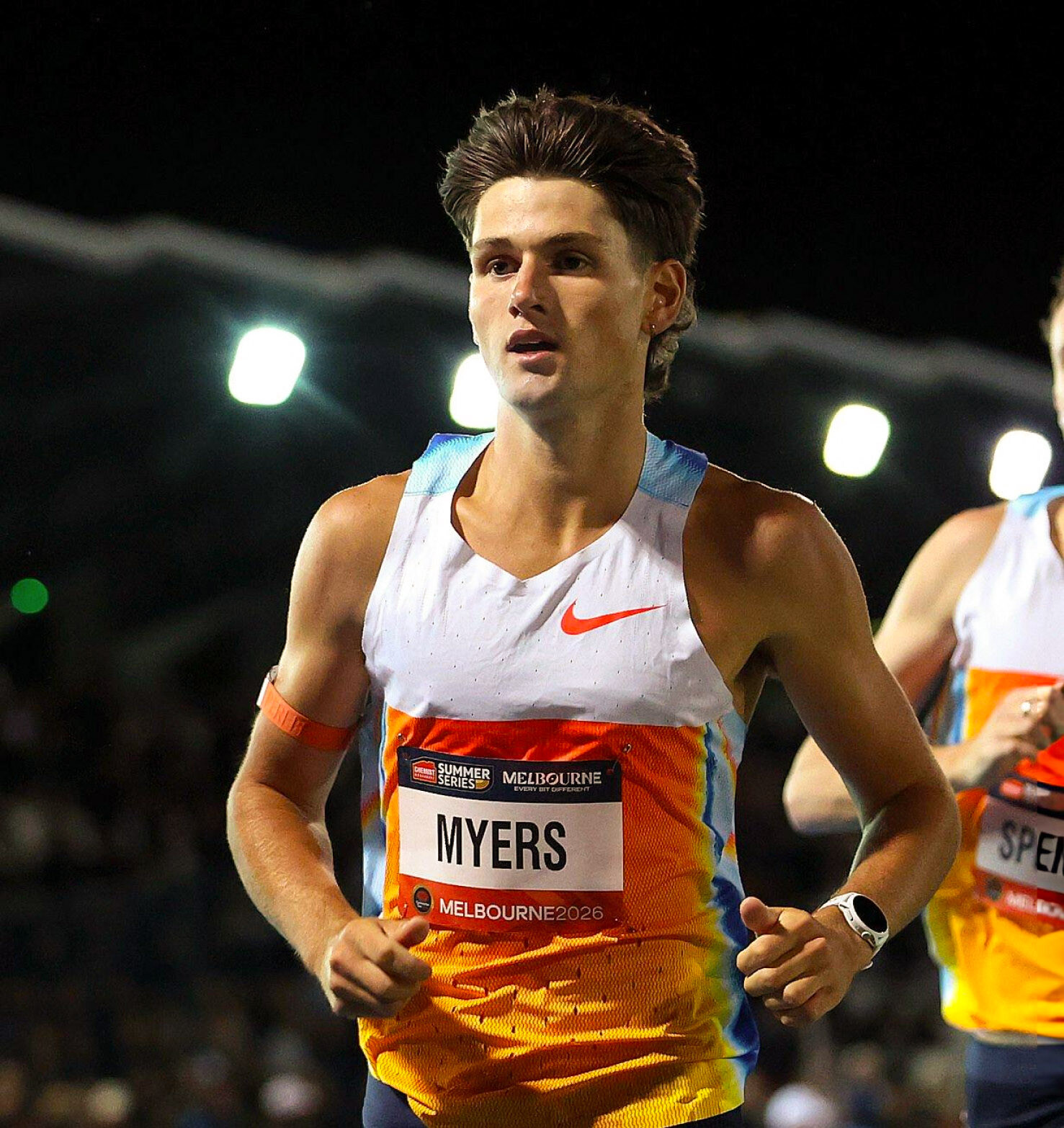
At just 19 years old, Myers produced a performance of rare quality and composure, surging to victory in a blistering 3:29.85—a time that stands among the fastest recorded globally this season. In doing so, he not only retained his 1500m crown but further cemented his growing reputation as one of the most formidable young middle-distance runners in the world.
The race itself unfolded as a demonstration of tactical precision and supreme confidence. Up against a competitive field, Myers dictated the tempo with authority before unleashing a decisive finishing kick that left his rivals trailing. Oliver Hoare secured second place in 3:32.66, while Adam Spencer followed in 3:34.23. Both athletes delivered commendable season’s best performances, yet neither could come close to matching Myers’ brilliance on the day.
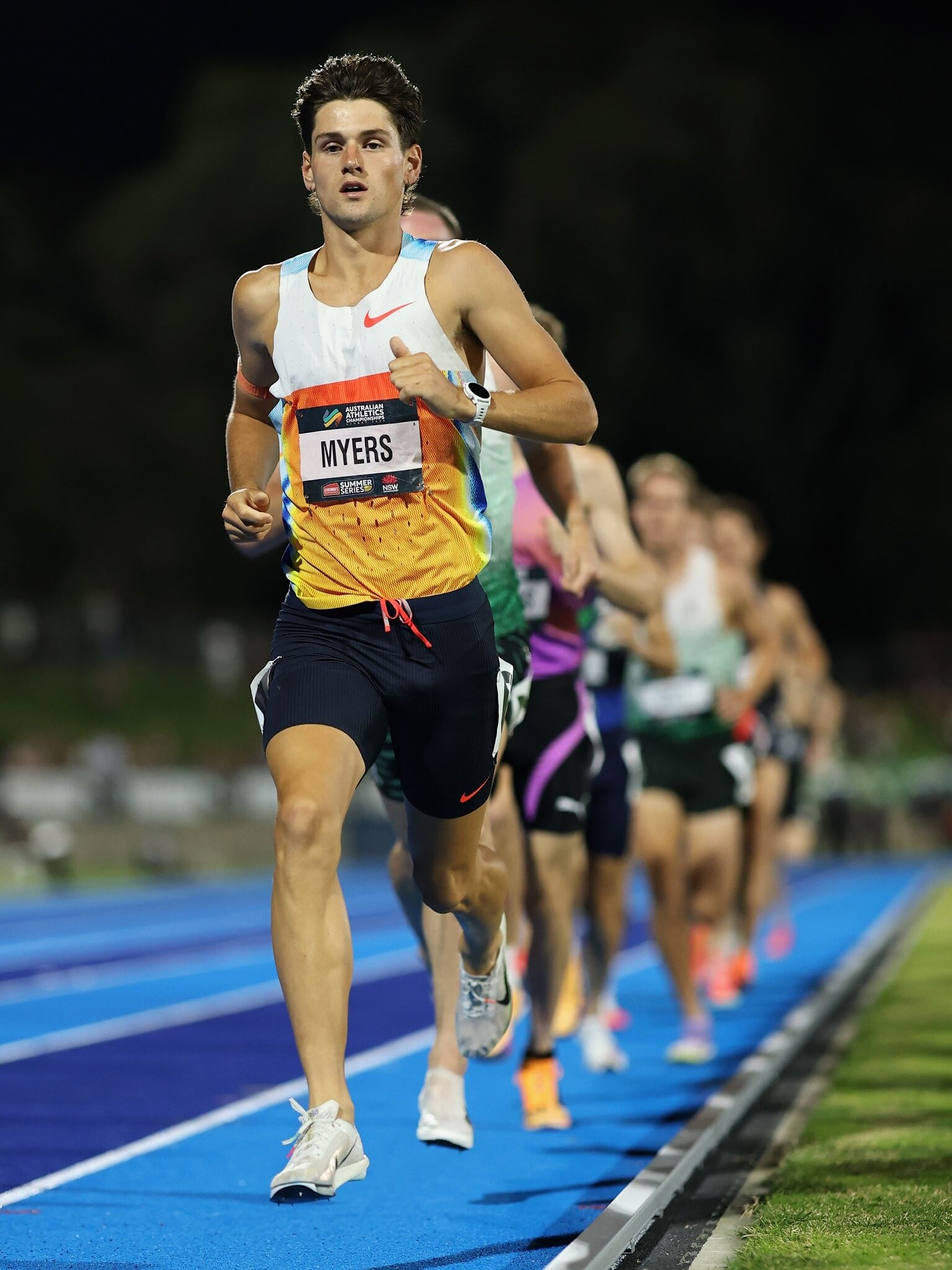
What makes the performance even more striking is its proximity to his personal best of 3:29.80, set in Ostrava last year. He now edges ever closer to the Australian national record of 3:29.41, also held by Hoare since 2023. With such fine margins separating him from history, it is clear that Myers is rapidly closing in on a landmark breakthrough.
This was more than a routine title defence—it felt like a statement of intent. Myers is no longer a promising talent on the rise; he is establishing himself firmly among the sport’s elite. Blending tactical intelligence with explosive speed and remarkable maturity, he is forging a path that few at his age have managed to tread.
As the global season gathers pace, attention will inevitably turn toward the young Australian. If his current trajectory is anything to go by, it is no longer a matter of whether Cameron Myers will reach the summit of middle-distance running—but when.
by Erick Cheruiyot for My Best Runs.
Login to leave a comment

Bowerman Mile Showdown Set for 2026 Prefontaine Classic: Hocker, Myers, and Ruthe Bring Generational Clash to Hayward Field
One of the most anticipated mile races of the decade is taking shape as Olympic champion Cole Hocker prepares to face two of the fastest young milers in history—Australia’s Cameron Myers and New Zealand’s Sam Ruthe—at the Bowerman Mile during the 2026 Nike Prefontaine Classic at Hayward Field in Eugene, Oregon.
The Bowerman Mile, widely regarded as the most prestigious mile race in the world, has long served as the stage where legends are made. In 2026, it will bring together a reigning Olympic champion at the peak of his powers and two teenage sensations who are redefining what is possible for young athletes.
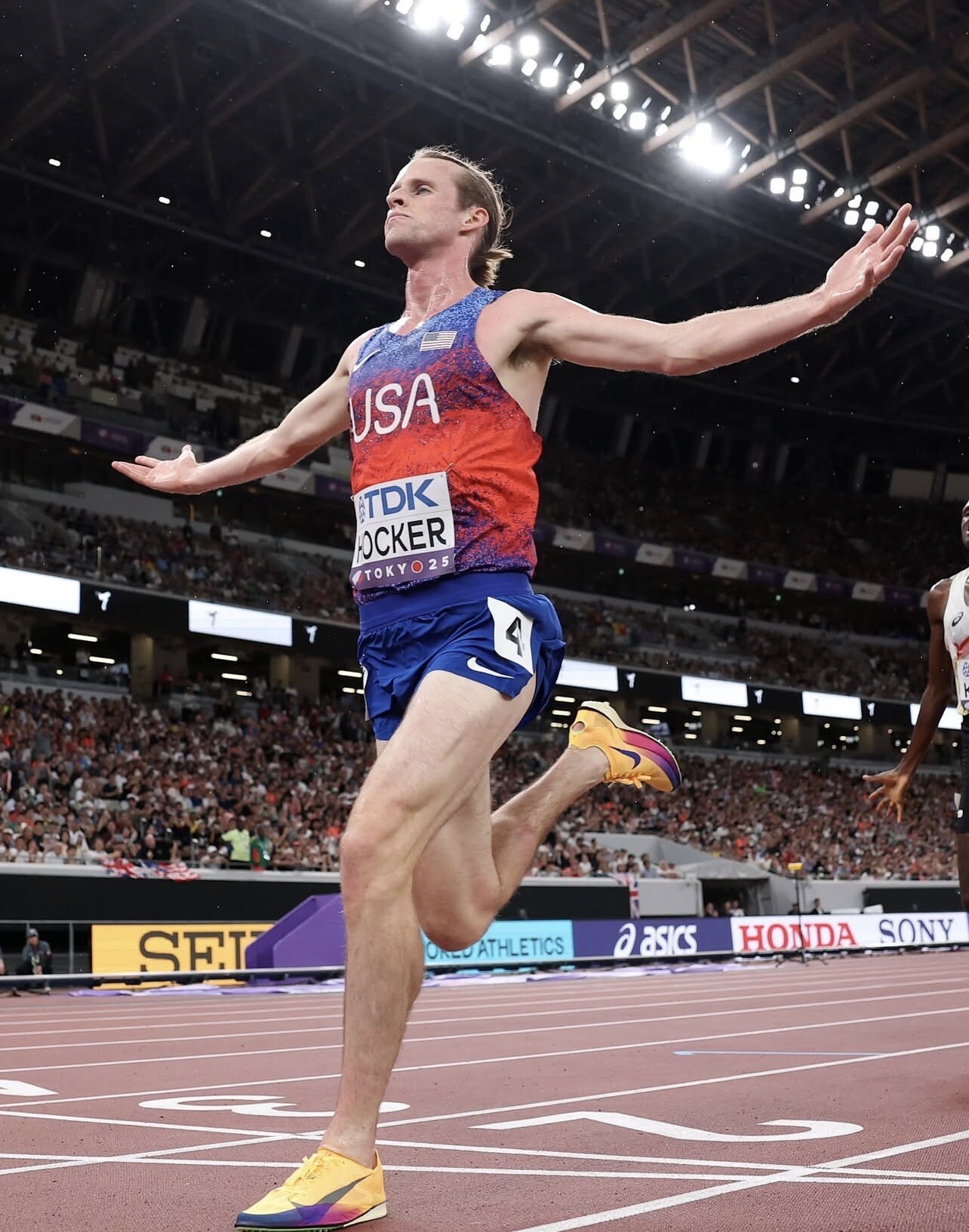
The Olympic Champion: Cole Hocker’s Next Mission
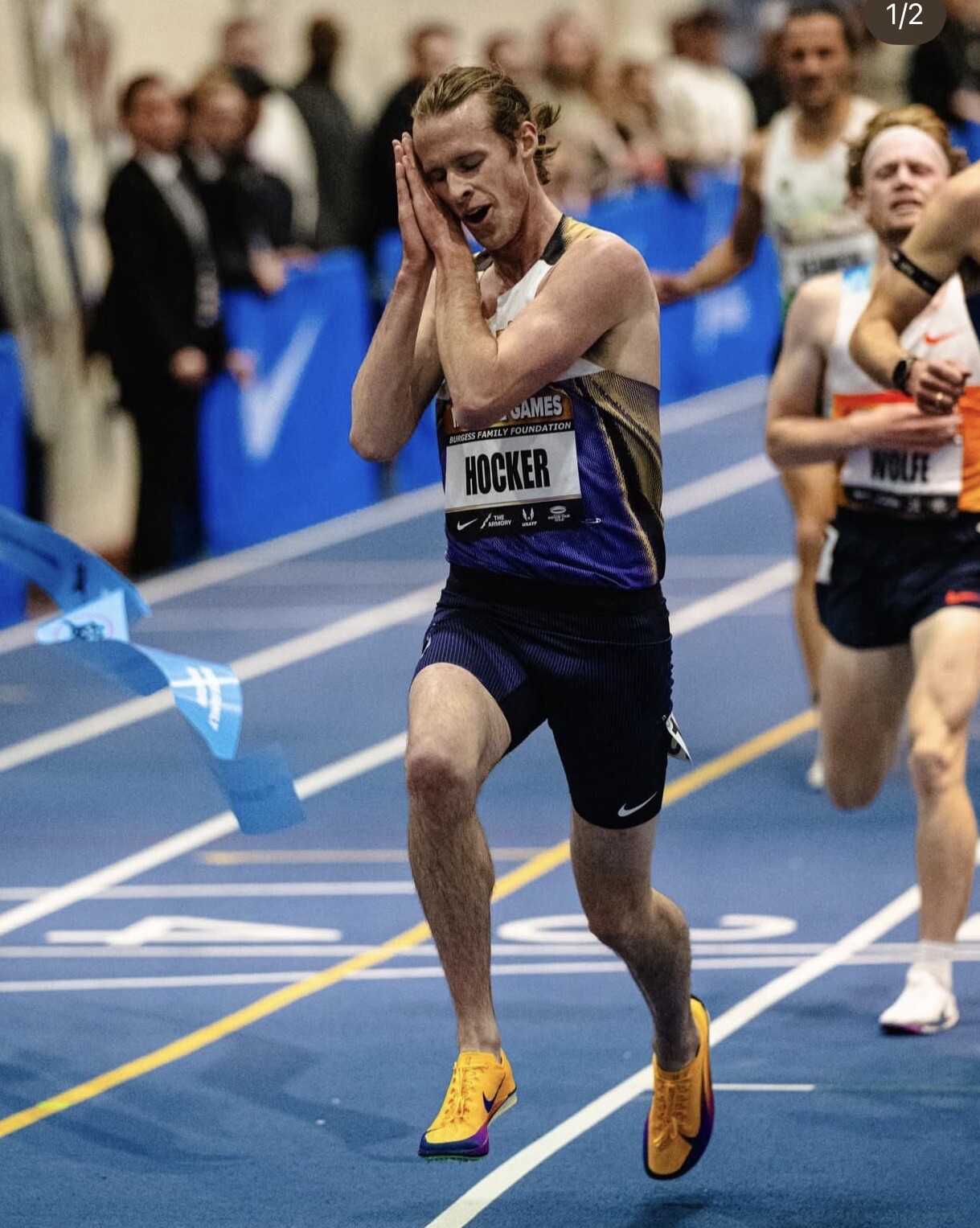
Cole Hocker enters the race as one of the most accomplished middle-distance runners in the world. The American captured the gold medal in the 1500 meters at the 2024 Olympic Games, confirming his position among the sport’s elite. He followed that performance by winning the 2025 World Championship title over 5000 meters, demonstrating both speed and endurance at the highest level.
Hocker’s personal best of 3:47.43 for the mile, set at the 2025 Prefontaine Classic, ranks him among the fastest milers in American history. Despite his success, one major prize has eluded him—the Bowerman Mile title. His best finish so far has been fifth place, but with his experience and championship pedigree, he arrives in Eugene determined to change that.
Cameron Myers: Australia’s Rising Star
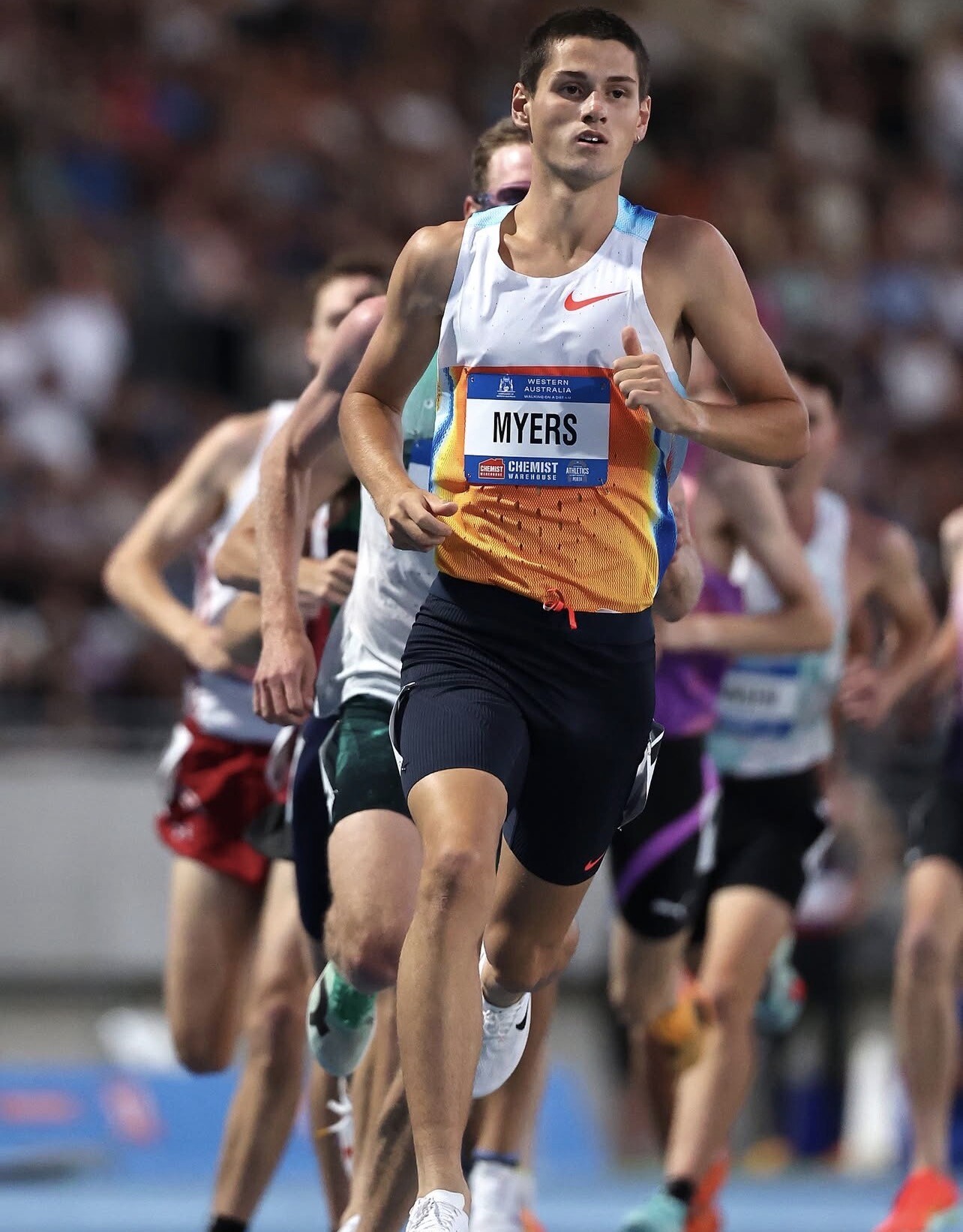
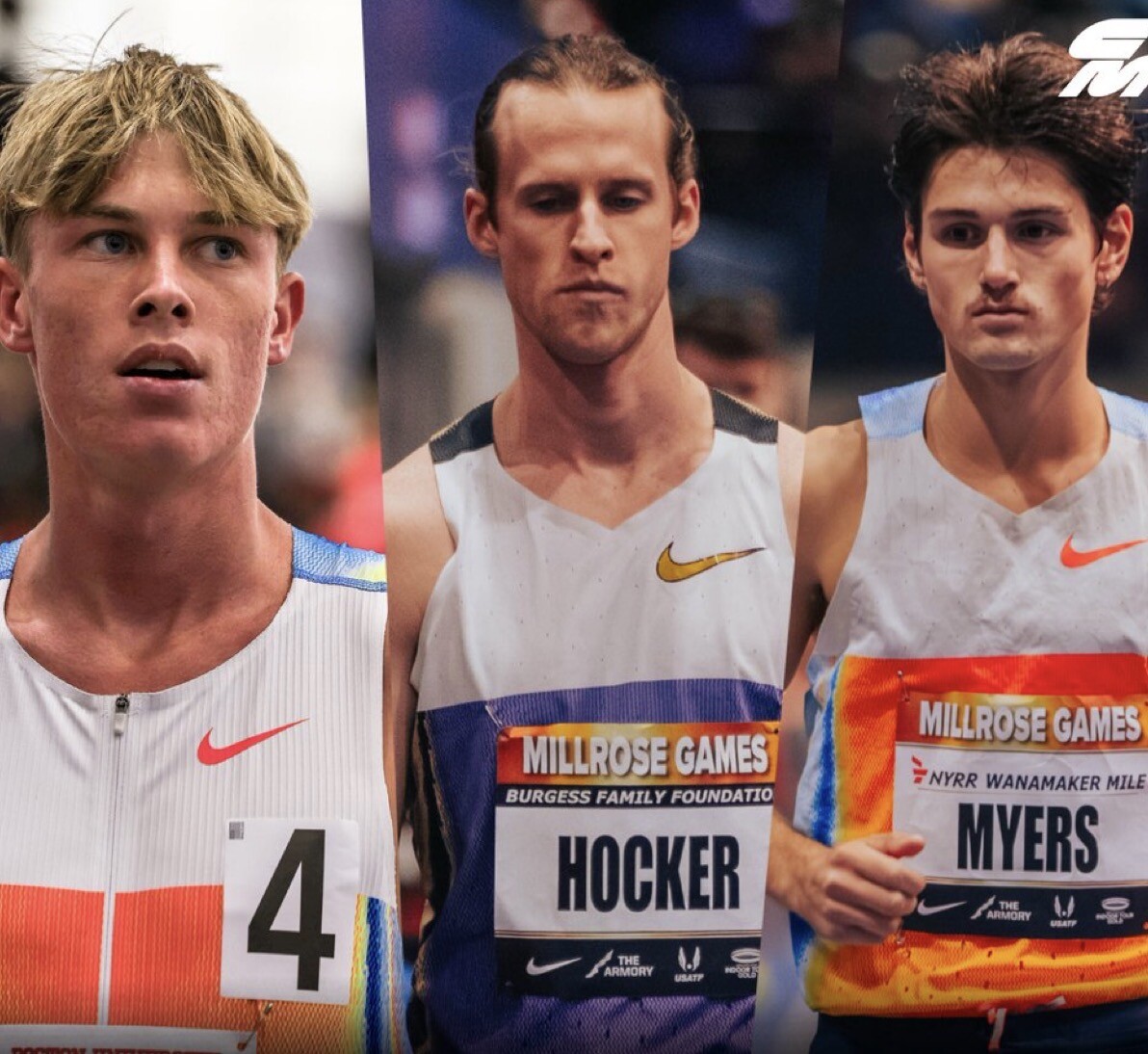
At just 19 years old, Cameron Myers has already established himself as one of the most exciting talents in global middle-distance running. He became the youngest-ever winner of the Wanamaker Mile and holds the world U20 record of 3:47.48, placing him within striking distance of the best senior athletes in history.
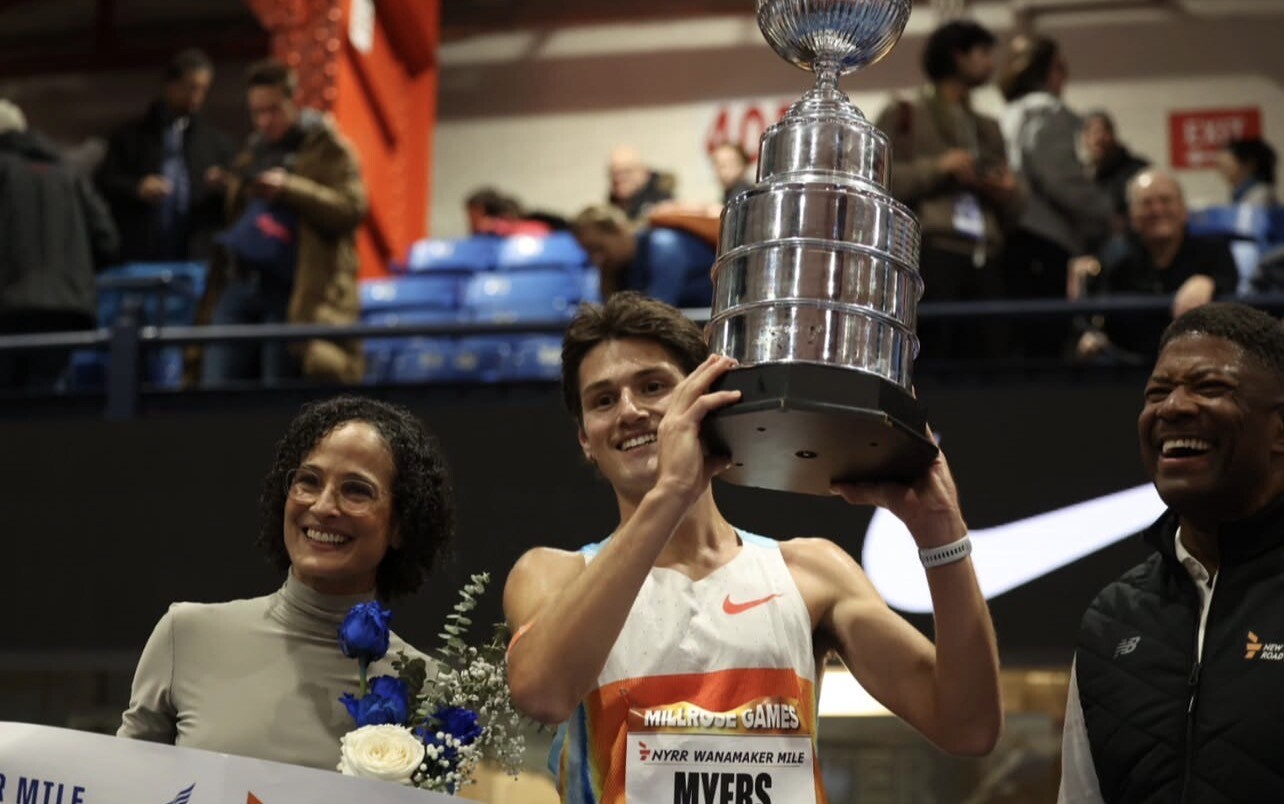
Myers has already faced Hocker three times in his career, with each meeting coming in the Bowerman Mile. Although Hocker finished ahead on those occasions, Myers continues to close the gap and arrives in 2026 with greater strength, confidence, and experience.
His aggressive racing style and fearless approach make him a serious contender—not just for a personal best, but for victory.
Sam Ruthe: Breaking Barriers at an Unprecedented Age

New Zealand’s Sam Ruthe represents the future of the mile. At just 15 years old, he broke the legendary four-minute barrier, an achievement that had once seemed impossible for an athlete so young. He now holds the world U18 best of 3:48.88, placing him among the fastest teenagers ever.
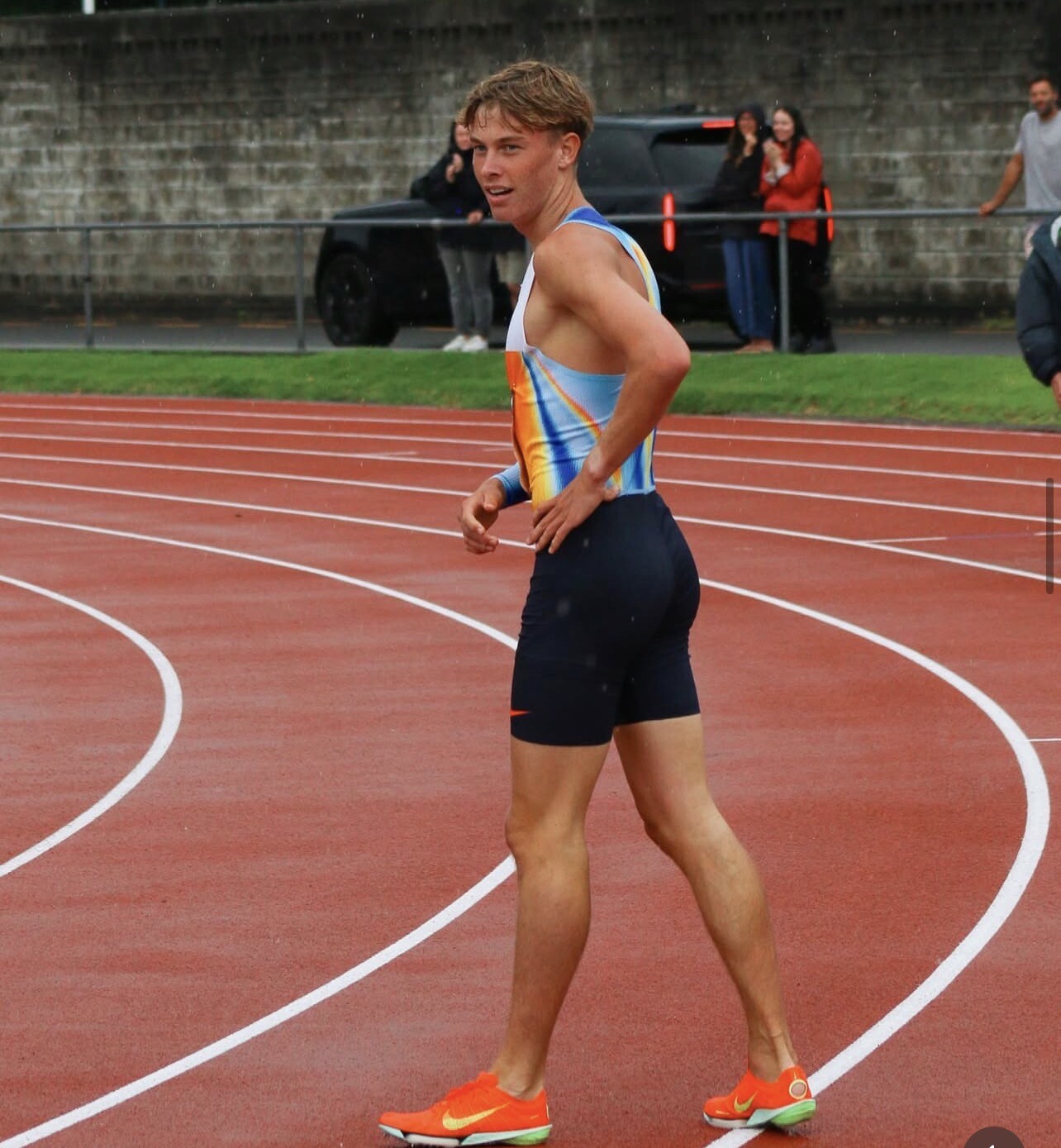
While Ruthe has not yet faced Hocker in direct competition, he has raced Myers twice, with Myers holding a 2–0 advantage. However, those encounters were not contested over the mile, leaving the Bowerman Mile as the stage for their first true test at the full distance.
Ruthe’s rapid progression suggests he is not merely participating—he is arriving as a legitimate competitor
Hayward Field: The Perfect Stage for History
There is no better venue for this generational clash than Hayward Field. Known globally as “TrackTown USA,” Eugene’s iconic stadium has witnessed countless historic performances. The Bowerman Mile has produced some of the fastest times ever recorded, including multiple sub-3:45 performances and dramatic finishes that have defined careers.
The combination of elite pacemaking, perfect conditions, and an electrified crowd creates an environment where barriers fall and legends emerge.
A Race That Represents the Future of the Mile
The 2026 Bowerman Mile represents more than a single race—it symbolizes a passing of the torch between generations. Hocker stands as the established champion, proven on the Olympic stage. Myers represents the new wave of elite global talent already knocking on the door of greatness. Ruthe embodies the sport’s future, a teenager already performing at a level once reserved for seasoned professionals.
The convergence of these three athletes ensures that the Bowerman Mile at the 2026 Prefontaine Classic will be one of the defining races of the year—and perhaps one of the most significant mile races of the modern era.
At Hayward Field, where history has been written time and again, the mile’s next great chapter is ready to unfold.
by Boris Baron
Login to leave a comment
Age-16 World Record: Sam Ruthe Rewrites Mile History
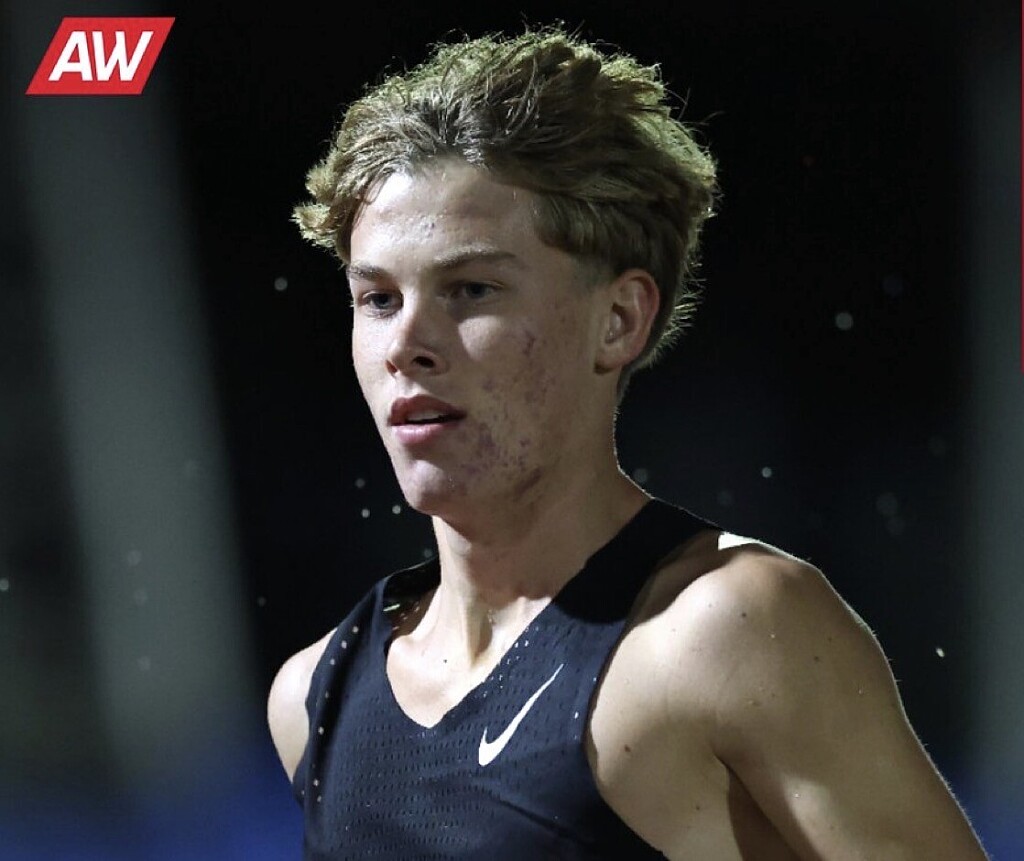
Sixteen-year-old Sam Ruthe of New Zealand has delivered one of the most remarkable middle-distance performances in recent memory, clocking 3:53.83 for the mile — the fastest mile ever run by a 16-year-old.
Ruthe’s time eclipses the previous age-16 best of 3:55.44, set by Australian standout Cameron Myers in 2023, and firmly establishes the young Kiwi as one of the most exciting prospects in global athletics.
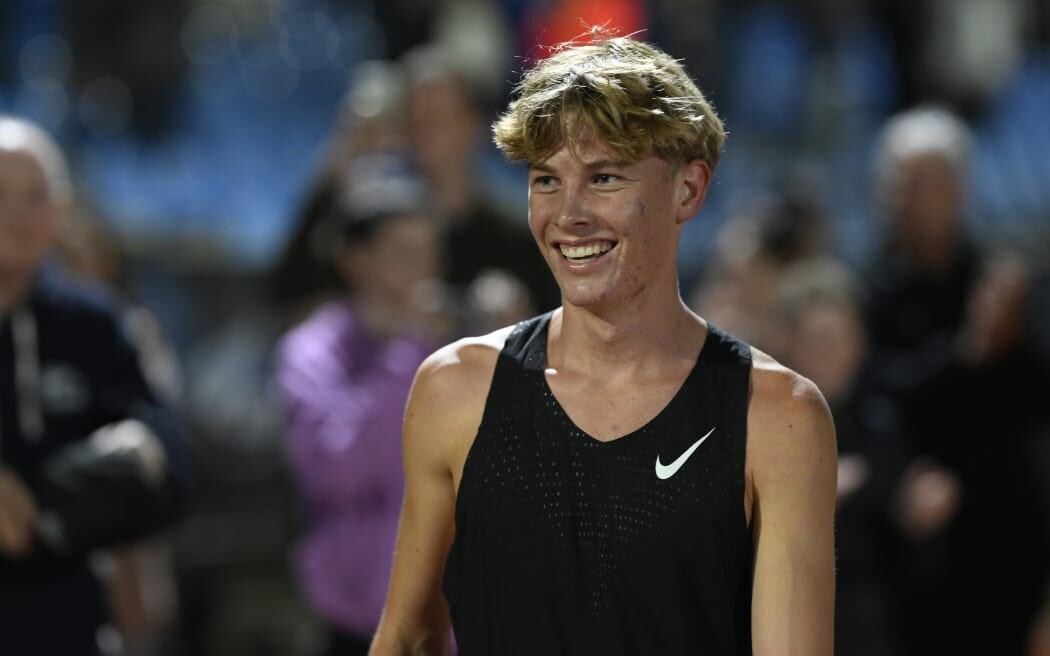
Beyond the age-group significance, Ruthe’s performance carries even greater weight. His 3:53.83 places him inside the top 20 on the world U20 all-time mile list, a benchmark typically reserved for athletes several years older and far more physically mature.
Running under control and with impressive composure, Ruthe showed a blend of speed, efficiency, and tactical awareness rarely seen at such a young age. The time signals not just raw talent, but a level of development that suggests long-term potential on the international stage.
New Zealand has a rich middle-distance tradition, and Ruthe’s breakthrough adds another chapter to that legacy. While patience and careful progression will be key, performances like this inevitably draw comparisons with the sport’s great teenage prodigies — athletes who went on to shape the future of distance running.
For now, the numbers speak loudly:
3:53.83. Age 16. World best.
The running world will be watching closely to see what comes next.
by Boris Baron
Login to leave a comment

Faith Kipyegon and Jakob Ingebrigtsen Headline Historic 2025 Pre Classic
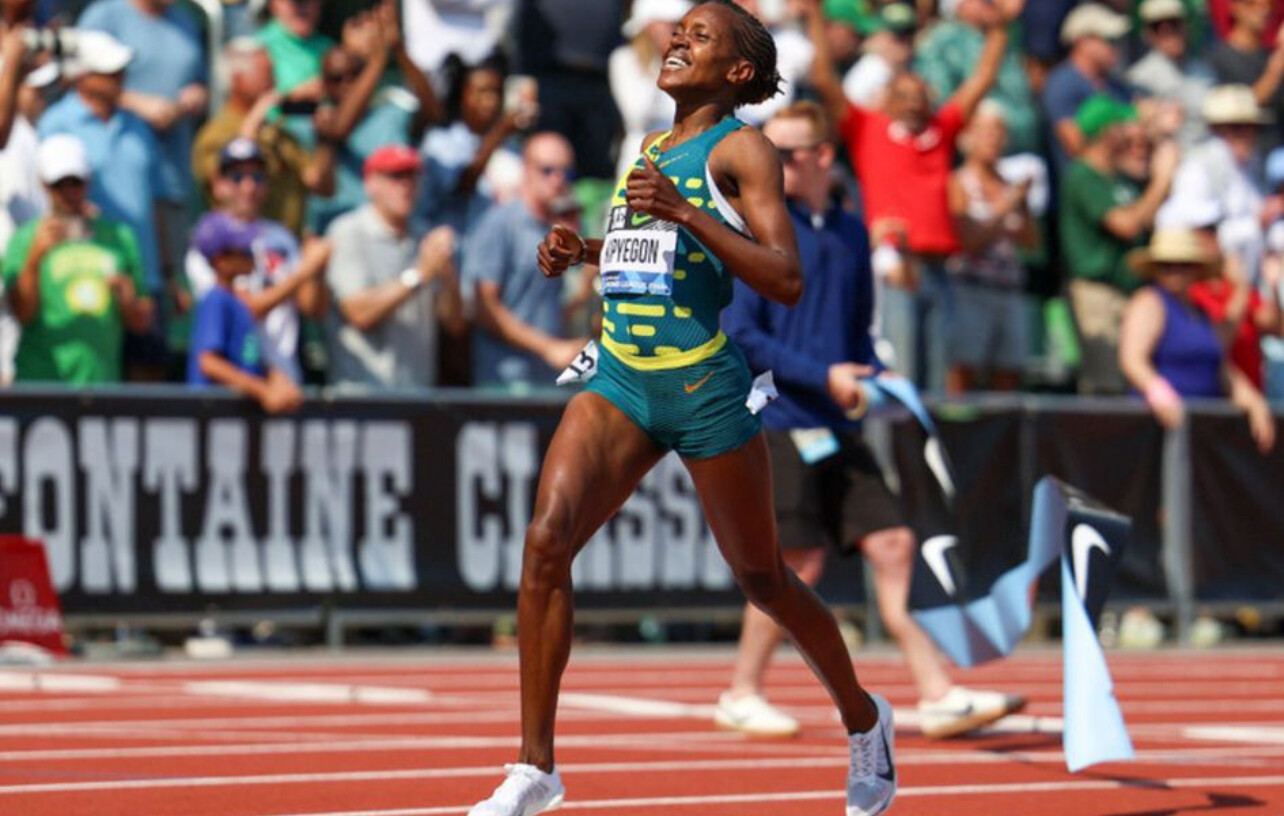
The 50th edition of the Prefontaine Classic, set for July 5 at Hayward Field in Eugene, Oregon, promises to be one of the most exciting track meets of the year. Headlining the event is three-time Olympic gold medalist Faith Kipyegon, who returns to the Pre Classic in search of her seventh career victory in the women’s 1500m.
Kipyegon, the world record holder in both the 1500m (3:49.04) and the mile (4:07.64), shattered the 1500m mark in Paris on July 7, 2024. Now, nearly a year later, she’ll look to reassert her dominance in front of a packed crowd at one of the sport’s most prestigious meets.
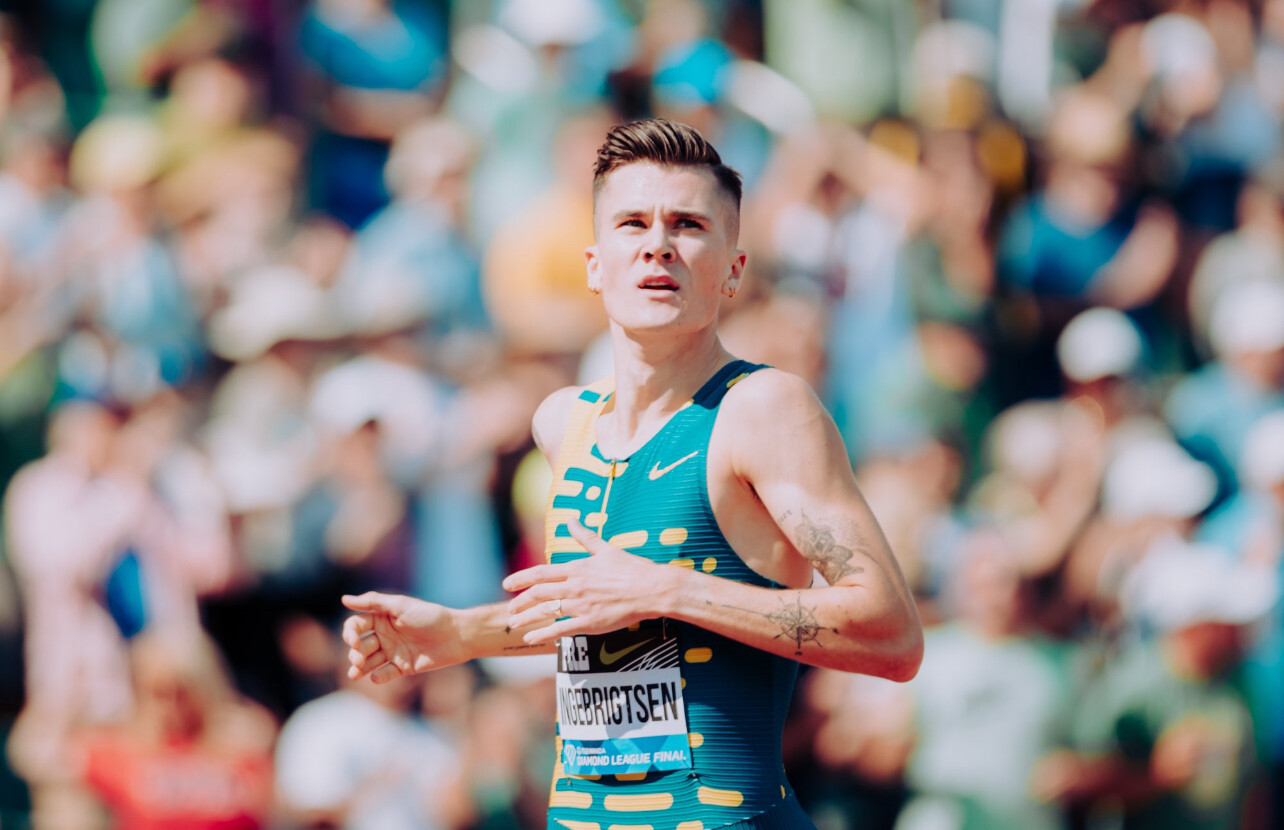
Joining Kipyegon in the 1500m are her fellow 2024 Olympic medalists—silver medalist Jessica Hull of Australia and bronze medalist Georgia Bell of Great Britain. Hull, a former University of Oregon standout, also holds the current world record in the 2000m.
But Kipyegon isn’t the only big name set to thrill fans in Eugene. The men’s Bowerman Mile will feature a stacked lineup that includes:
• Jakob Ingebrigtsen (Norway) – Olympic gold medalist and multiple-time Bowerman Mile champion

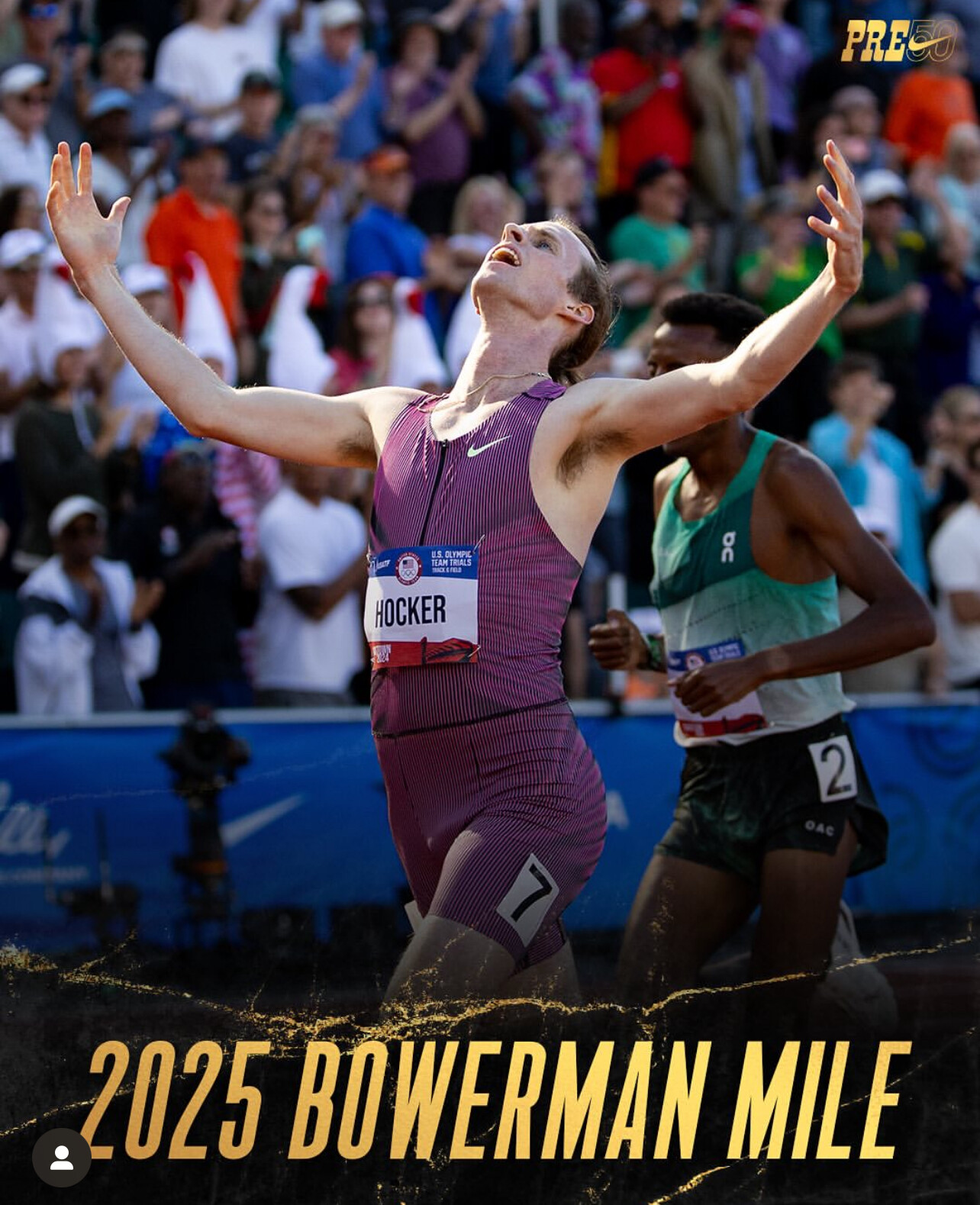
• Cole Hocker (USA) – 2024 Olympic 1500m champion
• Yared Nuguse (USA) – Olympic bronze medalist and former indoor mile world record holder
• Timothy Cheruiyot (Li Kenya) – Former world champion
• Jake Wightman (Great Britain) – 2022 world champion
• Grant Fisher (USA) – Olympic bronze medalist in both the 5000m and 10,000m
• Plus rising stars including Oliver Hoare, Neil Gourley, Azeddine Habz, Hobbs Kessler, Niels Laros, Cameron Myers, Stefan Nillessen, and Reynold Cheruiyot
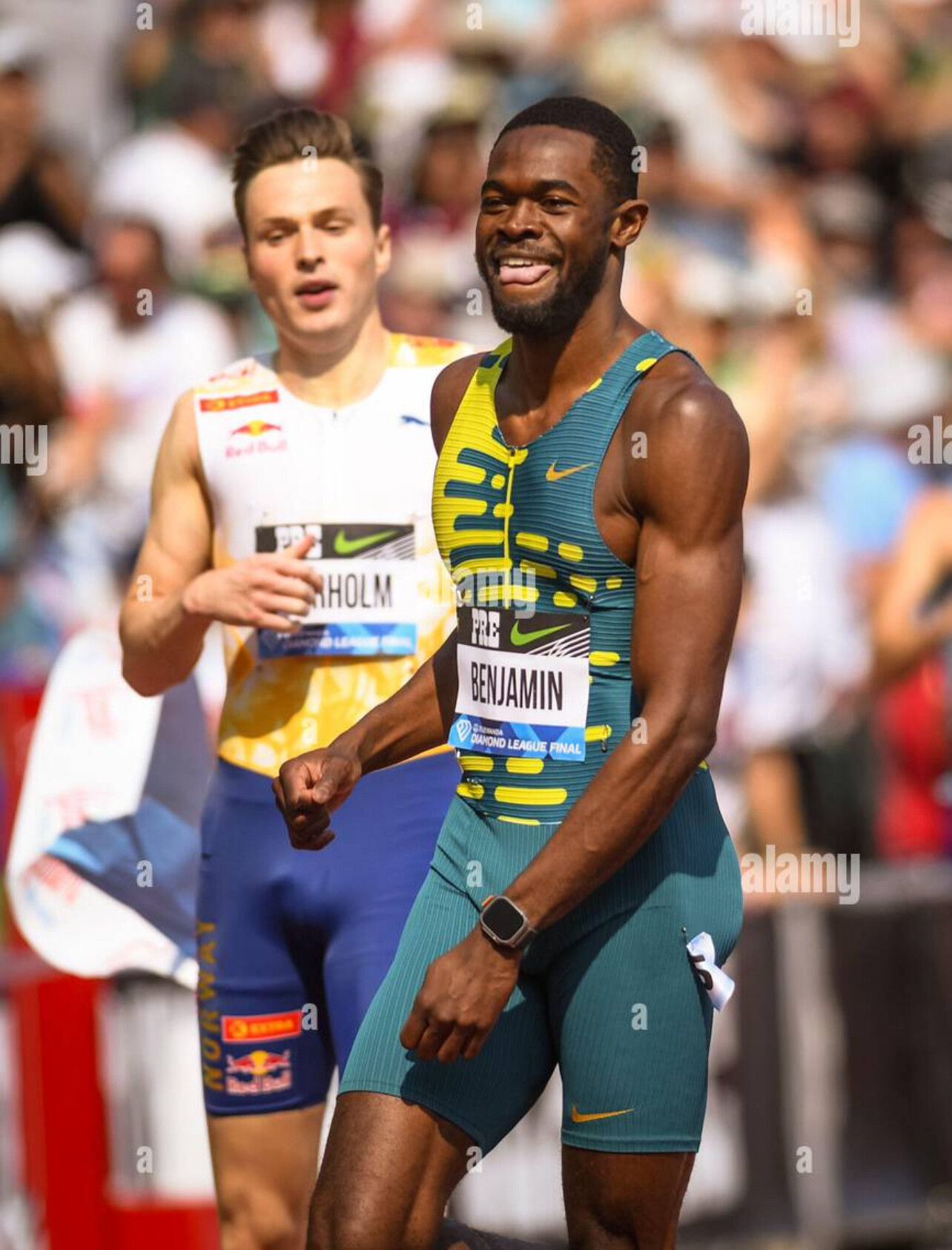
In the men’s 400m hurdles, Olympic silver medalist Rai Benjamin will headline a competitive field that also includes CJ Allen, Trevor Bassitt, Clement Ducos, Malik James-King, Abderrahman Samba, and Assinie Wilson.
The 2025 Prefontaine Classic will feature 14 Diamond League disciplines, including the women’s 800m, 5000m, and 3000m steeplechase—each with world-class fields expected to be announced soon.
As the sport celebrates this milestone edition of the Pre Classic, the meet is shaping up to be not just a tune-up for global championships, but a showcase of track and field at its absolute best.
by Boris Baron
Login to leave a comment

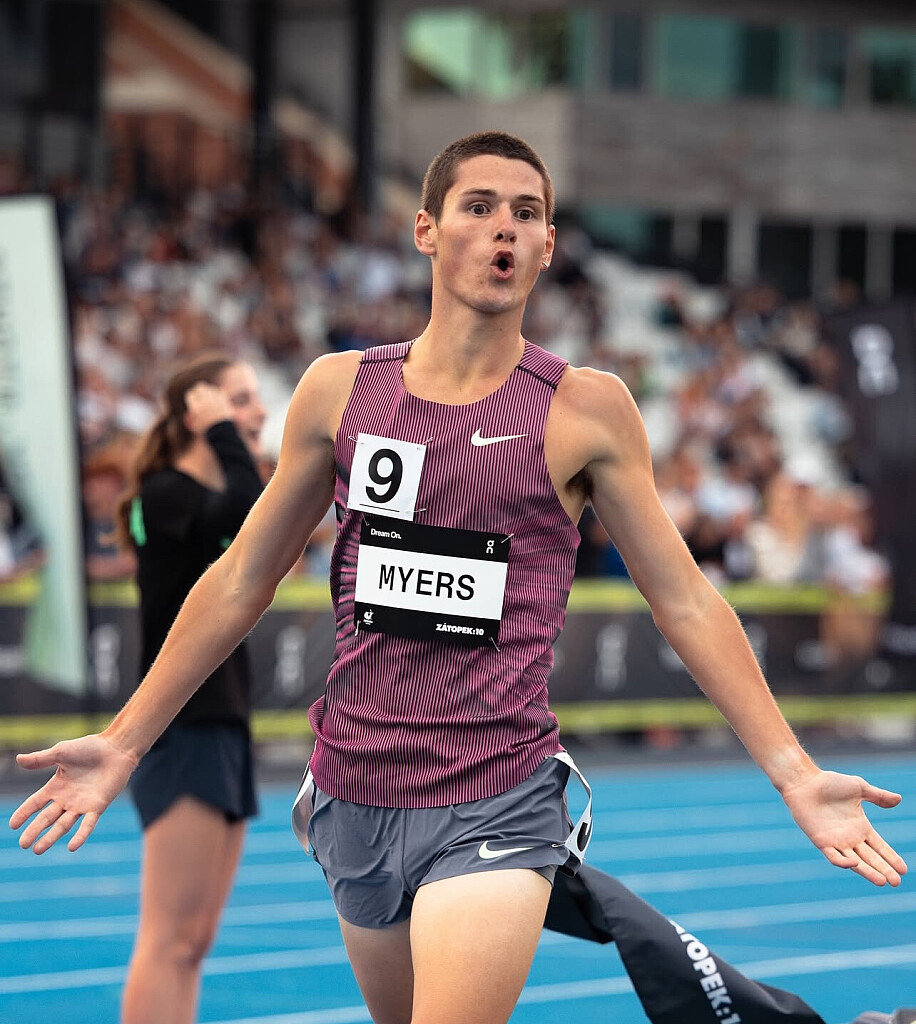
Cameron Myers - Australia’s Middle-Distance Prodigy Breaking Records
Cameron Myers, an 18-year-old Australian middle-distance runner from Canberra, has rapidly ascended in the athletics world, setting multiple records and showcasing exceptional talent on the international stage.
Early Life and Training
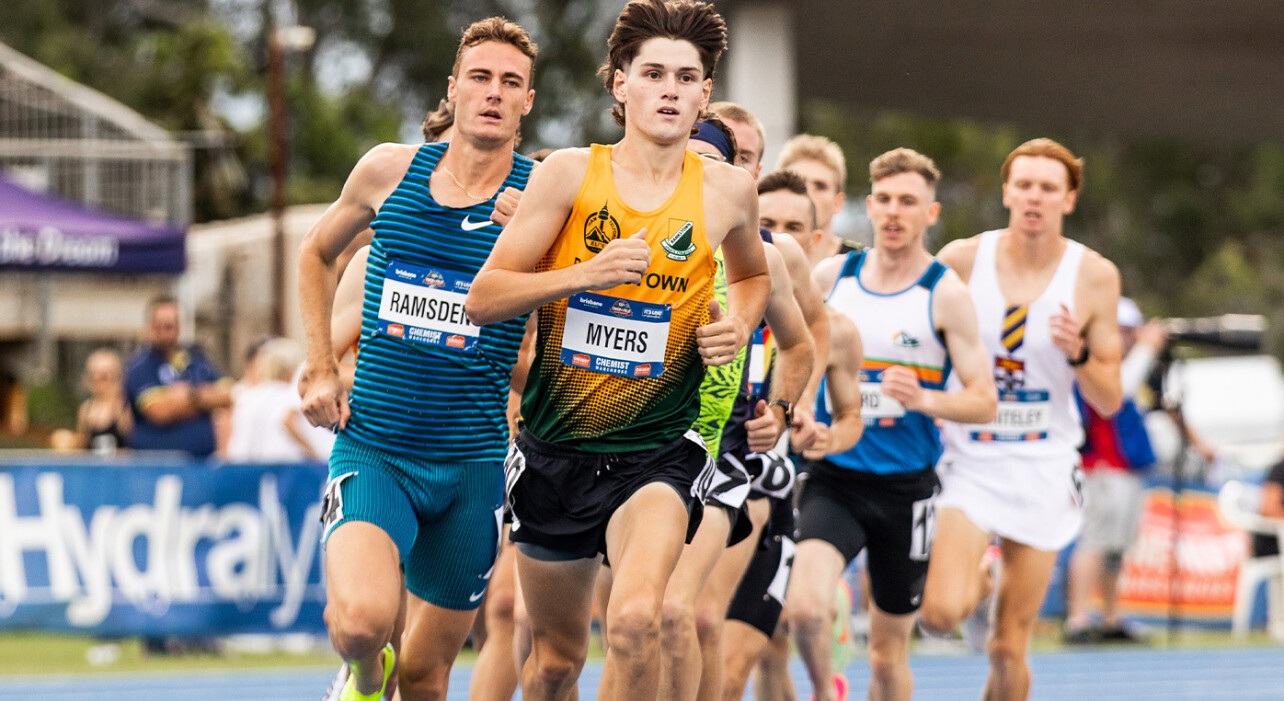
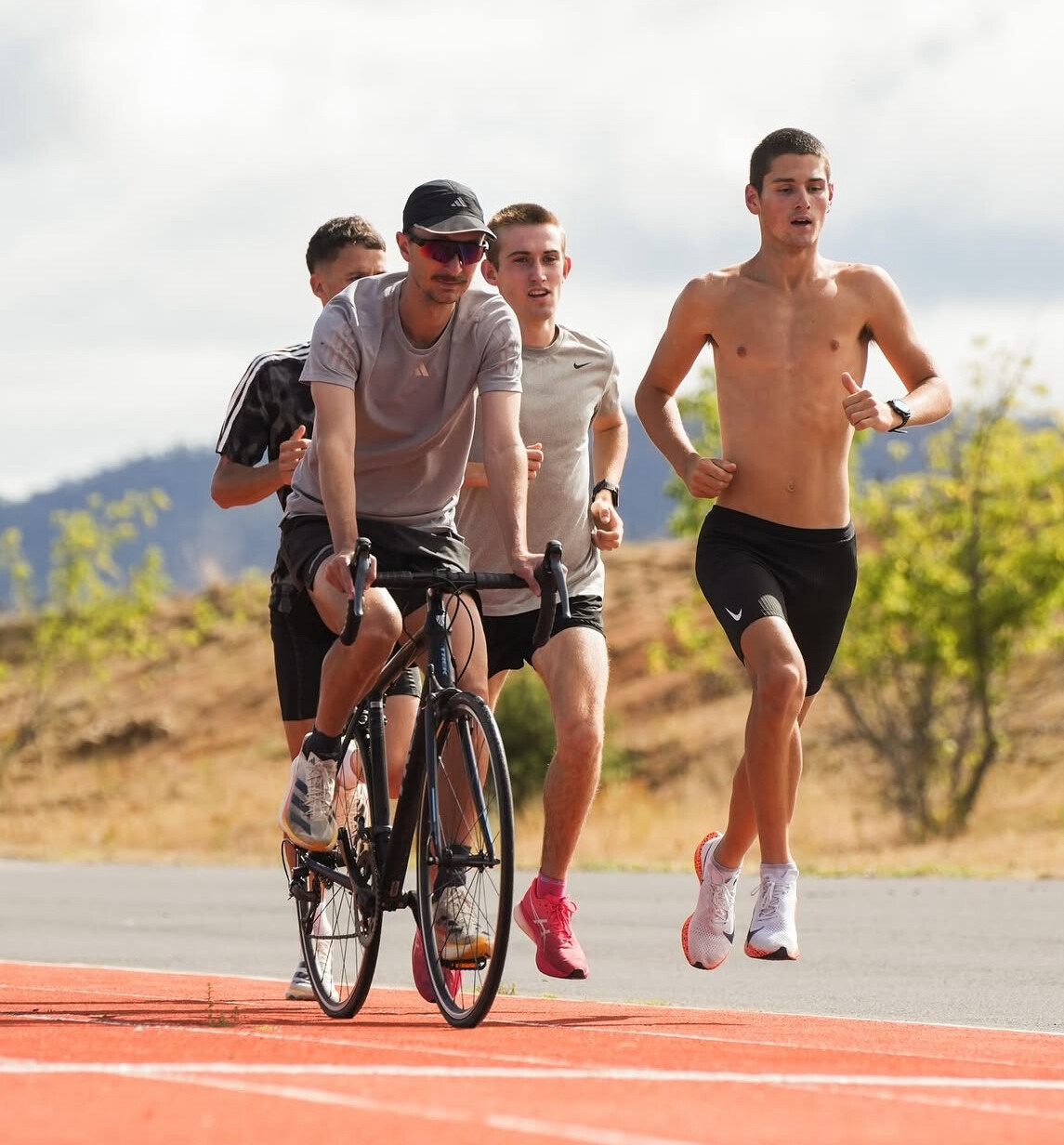
Myers began his athletic journey at the age of 10 under the guidance of coach Lee Bobbin. By 14, he transitioned to training with renowned coach Dick Telford, integrating into a group that included Olympian Jye Edwards. This foundational period was crucial in developing the skills that would later define his career.
Record-Breaking Performances
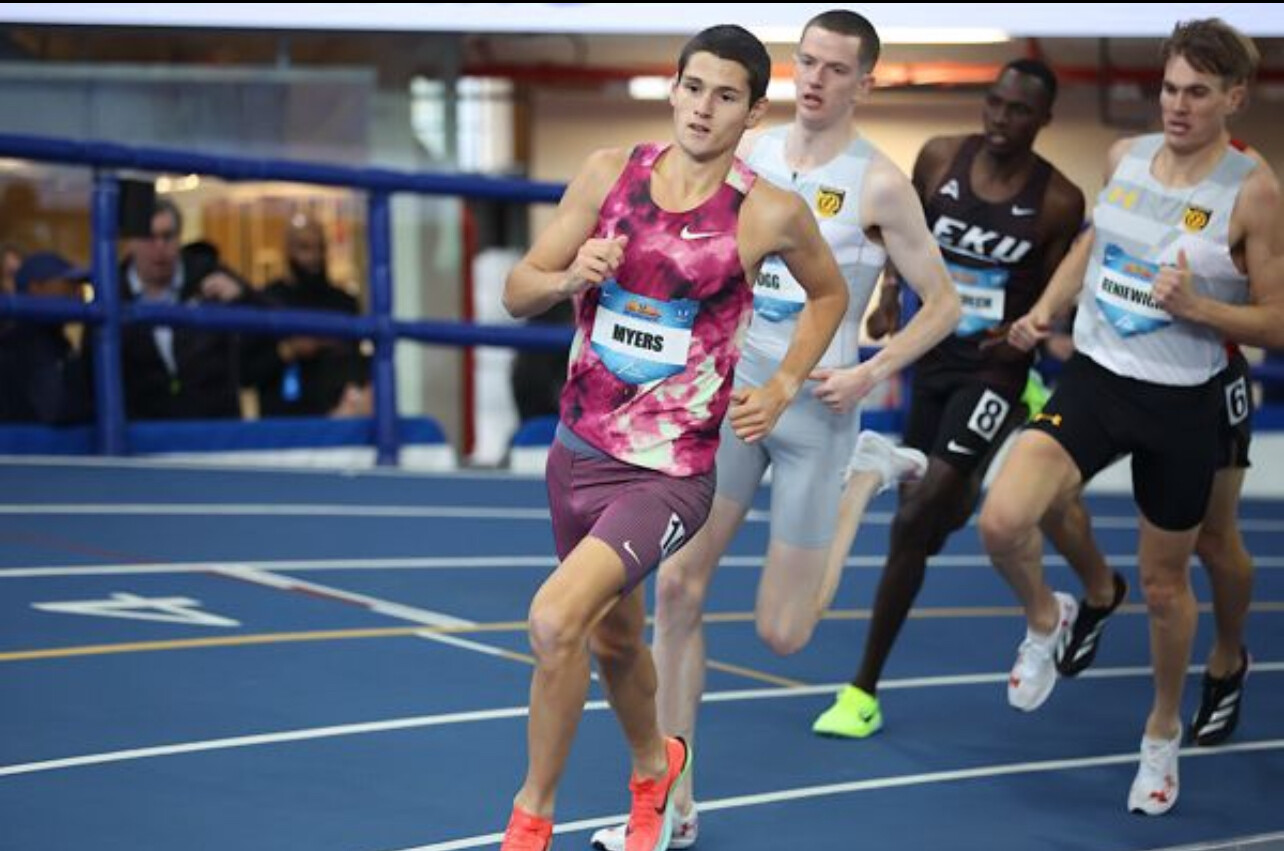
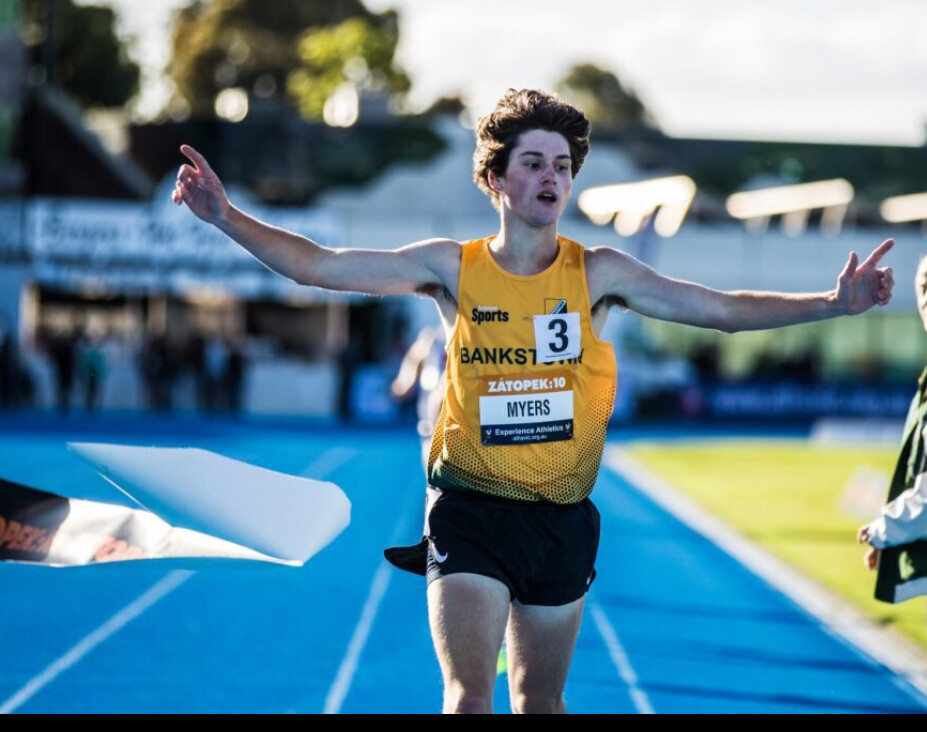
In February 2023, at just 16 years and 259 days old, Myers became the second-youngest person ever to run a sub-four-minute mile, clocking 3:55.44 at the Maurie Plant Meet in Melbourne. This performance surpassed Jakob Ingebrigtsen’s age-group record by over two seconds. Later that year, he set a world U18 best in the 1500m with a time of 3:33.26 at the Diamond League event in Chorzów, Poland.
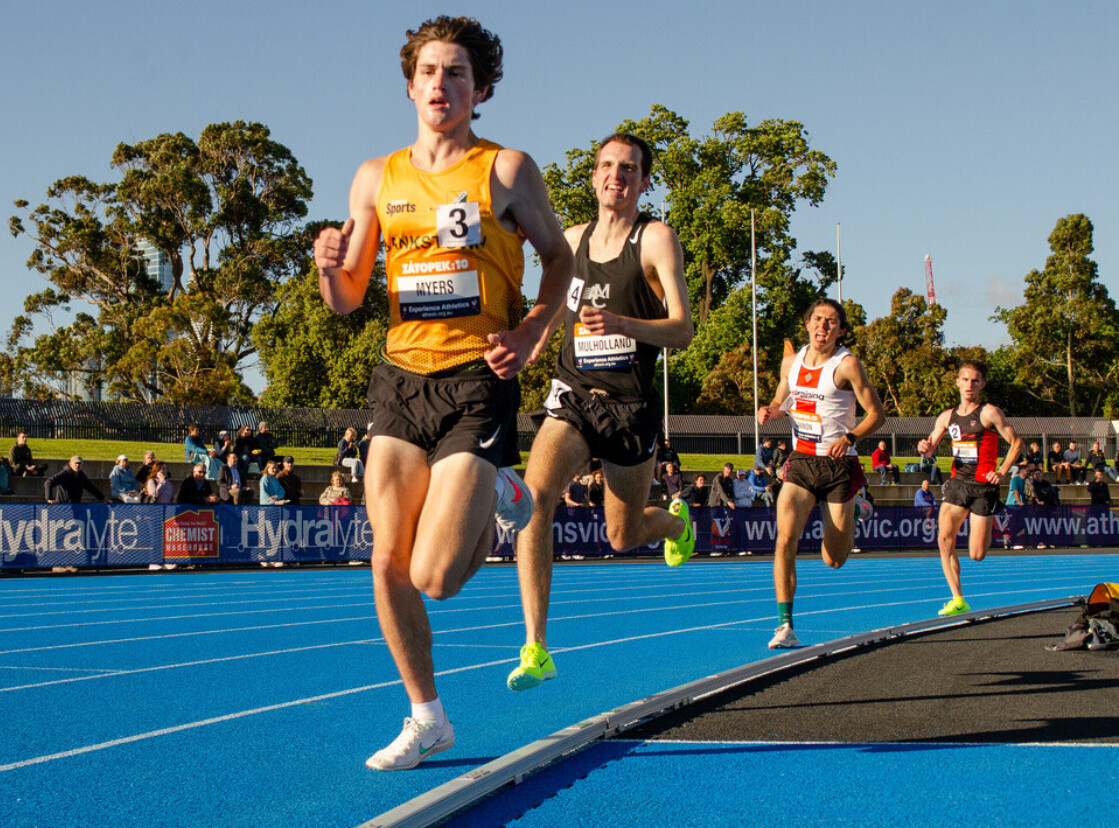
Continuing his upward trajectory, Myers began 2025 with a series of remarkable achievements. On January 25, he shattered the world U20 indoor mile record at the Dr. Sander Invitational in New York, posting a time of 3:53.12. This feat eclipsed the previous record held since 2009. A week later, at the New Balance Indoor Grand Prix in Boston, he set a national record in the 3000m, finishing in 7:33.12.
Recent Competitions
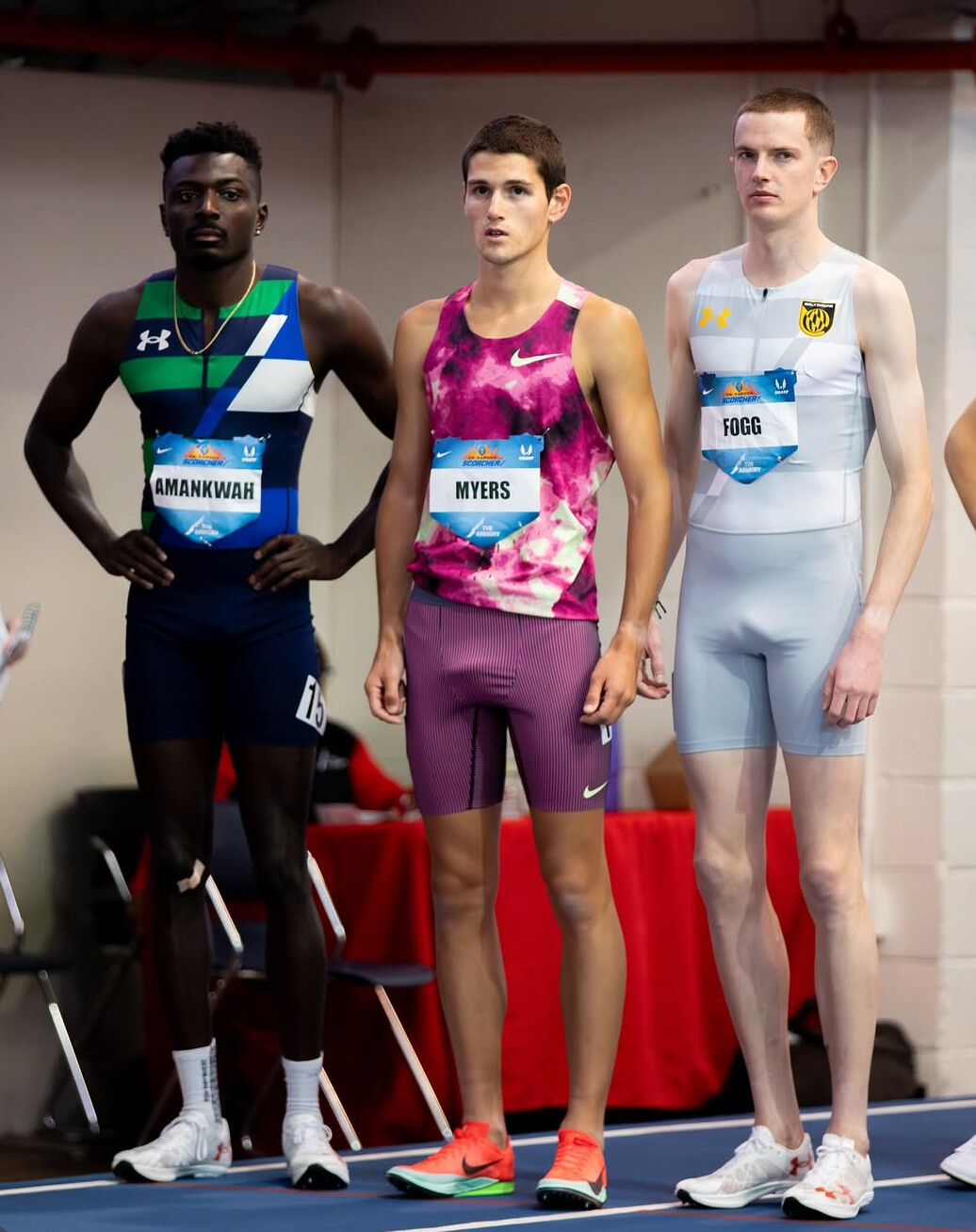
In February 2025, Myers competed in the prestigious Wanamaker Mile at the Millrose Games in New York. Facing a field that included Olympic medalists, he secured third place with a time of 3:47.48, breaking his own world U20 mile record and equaling the Australian national record set by Oliver Hoare in 2022. This performance also marked the first time an under-20 athlete ran the mile in under 3:48.
Most recently, on March 29, 2025, Myers led the 1500m from start to finish at the Maurie Plant Meet in Melbourne, winning with a time of 3:34.98. His commanding performance against a competitive field further solidified his status as a rising star in middle-distance running.
Training and Future Aspirations
Under Telford’s mentorship, Myers has intensified his training regimen, incorporating strength training, altitude sessions, and rigorous threshold workouts to address areas of improvement. Despite narrowly missing qualification for the Paris Olympics, these experiences have fueled his determination to excel in future competitions. With his current trajectory, Myers is poised to make significant contributions to Australian athletics on the global stage.
by Boris Baron
Login to leave a comment

Sprint Showdowns and Distance Battles to Take Center Stage at the New Balance Indoor Grand Prix
The New Balance Indoor Grand Prix, a World Athletics Indoor Tour Gold meeting, is set to deliver thrilling track action in Boston on Sunday (Feb 2), with an elite lineup of global gold medalists ready to ignite the indoor season. The competition will serve as a crucial stepping stone towards the World Athletics Indoor Championships Nanjing 25 in March.
Sprints and Hurdles: Lyles and Alfred Lead the Charge

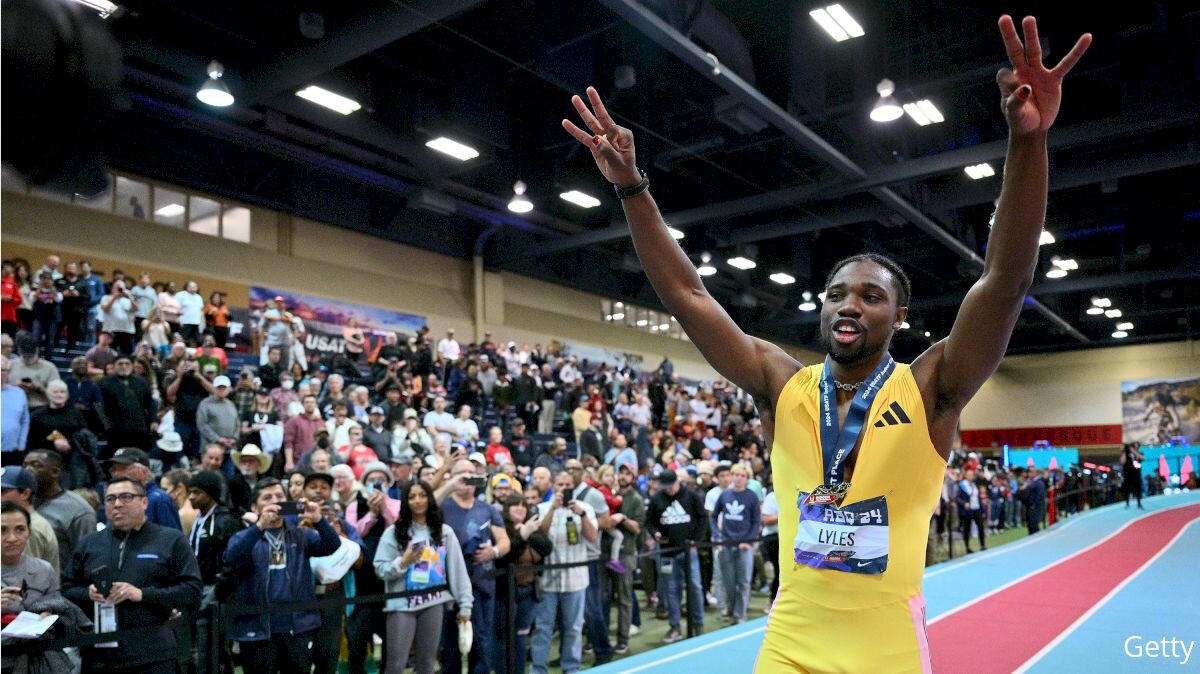
Olympic and world sprint sensation Noah Lyles returns to defend his 60m title, after setting a meeting record of 6.44 last year. Lyles, who claimed 100m gold and 200m bronze at the Olympics, kicked off his season with a 6.62 win in Gainesville last weekend. He will face Trayvon Bromell (USA), Zharnel Hughes (GBR), and 2022 world indoor champion Marcell Jacobs (ITA), who is making his North American indoor debut.
In the women’s 300m, Olympic 100m champion Julien Alfred steps up in distance for her New Balance Indoor Grand Prix debut. After winning world indoor 60m gold in Glasgow, Alfred took 100m gold and 200m silver at the Olympics and ended last season with a Diamond League Final victory. She faces a competitive field including 2019 world 200m champion Dina Asher-Smith (GBR) and USA’s Lynna Irby-Jackson.
The men’s 300m features Olympic 400m hurdles gold medalist Rai Benjamin. A past winner in Boston, Benjamin is set to battle 4x400m relay star Vernon Norwood and Matthew Boling.
The 60m hurdles events promise fireworks, with world record-holder Devynne Charlton (7.65) and Olympic champion Masai Russell renewing their rivalry. Russell edged Charlton in their recent clash in Lubbock, but the Bahamian sprinter leads their head-to-head series 8-2. Joining them are Olympic finalists Ackera Nugent, Grace Stark, and 2018 world indoor silver medallist Christina Clemons.
For the men, world record-holder Grant Holloway (7.27) looks to extend his 10-year unbeaten streak in the 60m hurdles. The Olympic and world champion headlines the field alongside Olympic finalist Freddie Crittenden and 2022 world silver medallist Trey Cunningham.
Middle and Long Distance Races: Olympic Medalists Face Off
The women’s 3000m sees Olympic 1500m silver medalist Jessica Hull (AUS) take on Great Britain’s Olympic bronze medalist Georgia Bell. Hull, the defending champion, set an Oceanian indoor record of 8:24.93 in this event last year. They are joined by USA’s Parker Valby, Emily Mackay, Elise Cranny, Ethiopia’s Melknat Wudu, Italy’s Sintayehu Vissa, and Olympic steeplechase medalist Emma Coburn.
In the men’s 1500m, USA’s Grant Fisher (Olympic 5000m and 10,000m bronze medalist) takes on 2022 world champion Jake Wightman (GBR), Oliver Hoare (AUS), and Josh Hoey, who recently broke the North American 1000m record.
Bryce Hoppel, the reigning world indoor 800m champion, leads the men’s 800m field, while Hobbs Kessler, Cameron Myers, Neil Gourley, and Andrew Coscoran battle in the 3000m.
Other Key Events
Women’s 60m: Mikiah Brisco (USA) and Zoe Hobbs (NZL) lead the field.
Men’s 400m: 2022 world indoor champion Jereem Richards (TTO) races USA’s Quincy Wilson.
Women’s 500m: Dutch 4x400m Olympic champion Lisanne de Witte takes on USA’s Olympic 800m medallist Raevyn Rogers.
Women’s Mile: Heather MacLean (2023 winner) faces Olympic finalist Susan Ejore, Maia Ramsden, and Sage Hurta-Klecker.
With an electrifying lineup of Olympic and world champions, the New Balance Indoor Grand Prix promises high-stakes racing and a preview of the talent heading to Nanjing 25.
by Boris Baron
Login to leave a comment
Cameron Myers Shatters World U20 Indoor Mile Record with 3:53.12 Victory in New York
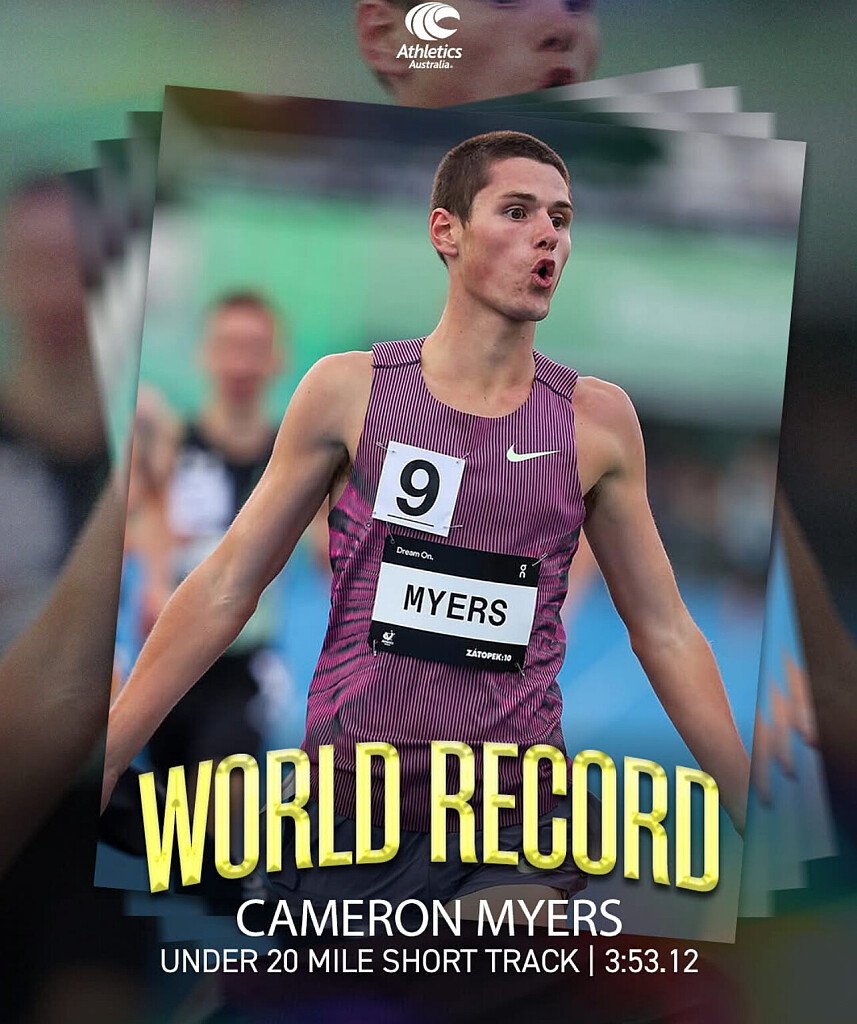
Eighteen-year-old Australian sensation Cameron Myers has rewritten history books, taking nearly two seconds off the world U20 indoor mile record with a stunning 3:53.12 victory at the Dr. Sander Invitational in New York on Saturday Jan 25.
Competing in his first-ever indoor race, Myers showcased exceptional poise and talent, holding off fierce competition from Kenya’s Festus Lagat and Britain’s Adam Fogg to secure the win at the World Athletics Indoor Tour Bronze meeting.

The race was a test of both speed and strategy. Myers maintained a calculated pace through the early laps before unleashing his signature finishing kick, edging Lagat by 0.37 seconds. Lagat crossed the line in 3:53.49, while Fogg took third with 3:53.86.
Myers’ groundbreaking performance obliterated the previous world U20 indoor mile record of 3:55.02, set by USA’s German Fernandez in 2009. Moreover, his 1500m split of 3:37.89 set a new Oceanian U20 indoor record, adding another accolade to his already glittering resume. The milestone places him eighth on the Oceanian senior all-time indoor list, trailing only legendary figures like 1976 Olympic 1500m champion John Walker.
A Rising Star of Middle-Distance Running
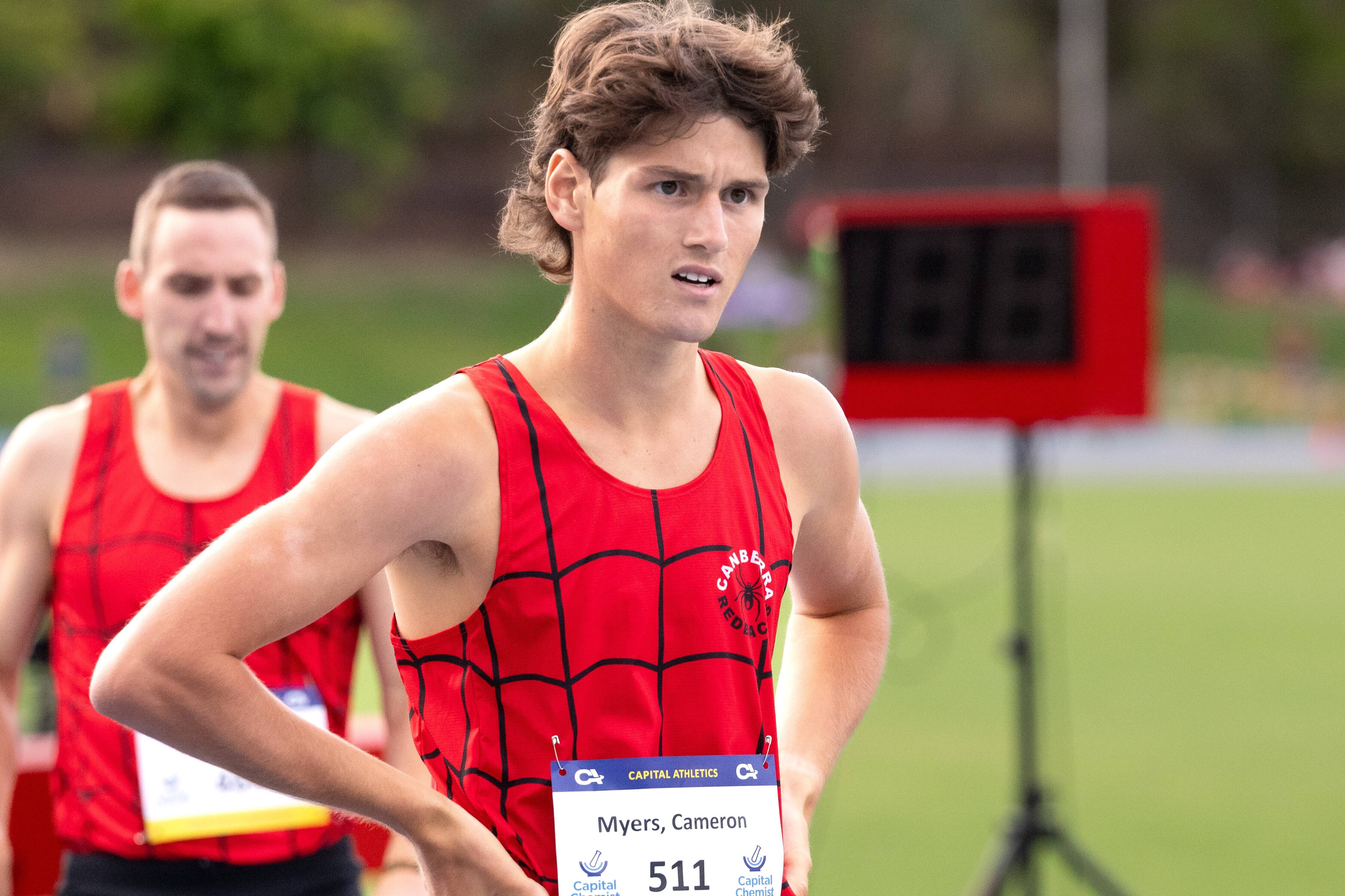
This latest achievement adds to an impressive string of records for Myers, who has consistently demonstrated his dominance on the track. Outdoors, he has set numerous continental age-group records, including a jaw-dropping 3:33.26 for 1500m, a 3:50.15 mile, and a 7:41.11 over 3000m achieved just last month. These feats have established him as one of the brightest young talents in global athletics.
Myers’ victory in New York marks a significant step forward in his career and hints at even greater potential in the years to come. Speaking after the race, the young star reflected on his achievement: "This was my first indoor race, so I wanted to approach it with focus and determination. Breaking the record is surreal, but it’s just the beginning."
A Glimpse into the Future
With his eyes set on continued success, Myers has proven he can compete with the best in the world. His ability to excel across different distances and surfaces underscores his versatility and determination to reach the top of the sport. At just 18 years old, Myers has not only etched his name in the record books but also inspired a new generation of athletes to dream big.
As the track and field world celebrates this remarkable milestone, all eyes will be on Cameron Myers as he continues to push boundaries and set new standards in middle-distance running.
by Boris Baron
Login to leave a comment
Australian teen beats Jakob Ingebrigtsen’s U16 1,500m record
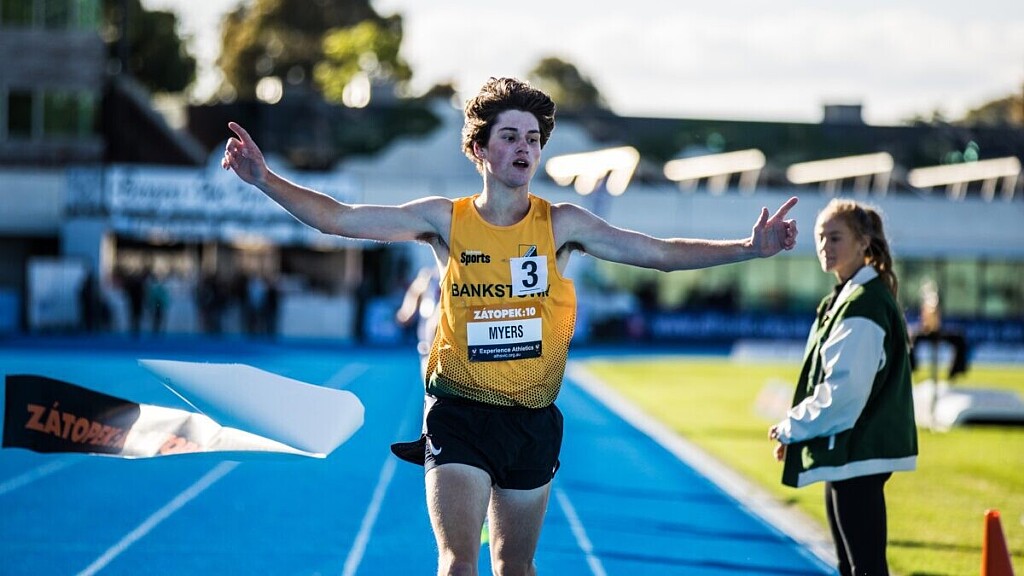
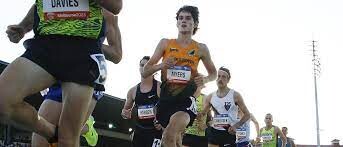
At the 2023 Australian Track and Field Championships in Brisbane on the weekend, 16-year-old running phenom Cameron Myers continued his record-setting season with a second-place finish in the senior men’s 1,500m final in 3:38.02, beating Jakob Ingebrigtsen’s U16 world record of 3:39.92 by nearly two seconds.
Myers, who is still in high school, became the second-youngest Australian to reach a podium at the national track championships, winning silver and lowering his Australian U18 record. Myers had a share of the lead alongside Matthew Ramsden into the final 100m, but was overtaken by Callum Davies in a race to the line, winning in 3:37.92. (Davies is seven years older than Myers.)
There have been a few East African athletes who have run faster than 3:38 for 1,500m at 16, but their ages are not verifiable.
This is the second time this season that the young Australian has made headlines. In January, Myers became the second-youngest person to break the four-minute mile barrier, at 16 years and 259 days, setting a new U16 world record of 3:55.44. The only other athlete younger than Myers to go sub-four was the Olympic champion, Ingebrigtsen.
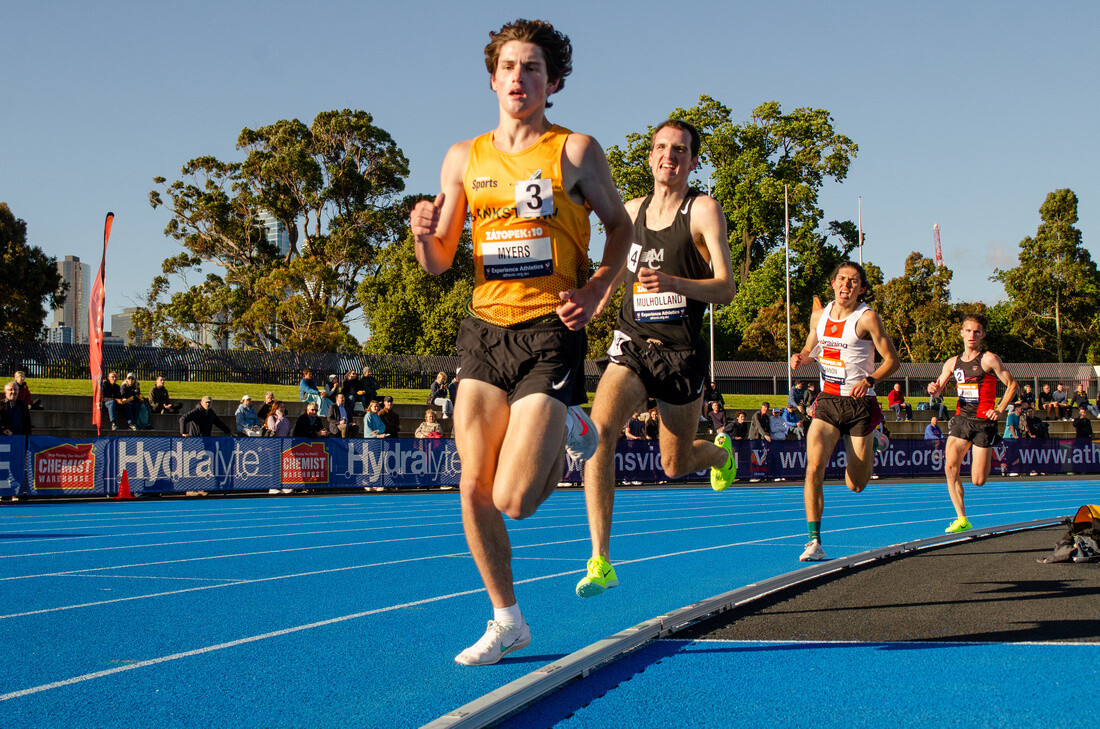
16-year-old phenom Cameron Myers places second in record time at the 2023 Australian Track and Field Championships.
His record-setting 1,500m time is only three and a half seconds off the 2023 World Championship standard of 3:34.20.
In this 2023 track season, Myers has achieved personal bests in the 1,500m, mile and 3,000m. He is in his final year of high school at Lake Ginnindera College in Canberra, training with Australian distance coach Dick Telford. According to the Sydney Morning Herald, Myers does not exceed training volumes of 80 kilometres a week and has a plan appropriate for an athlete of his age.
by Running Magazine
Login to leave a comment
Australian high schooler runs 3:55 mile, beating pros
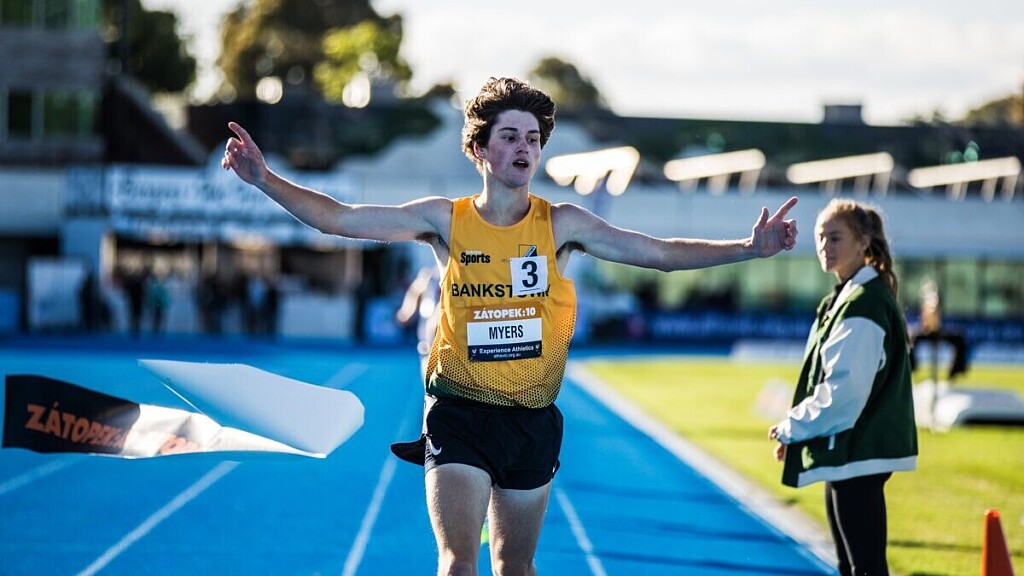
At the first World Athletics Continental Tour Gold meet of the 2023 season in Melbourne on Thursday, a Grade 11 student from Canberra, Cameron Myers, became the second-youngest person in history to break the four-minute mile barrier, at 16 years and 259 days, setting a new U16 world record of 3:55.44.
Myers placed third in the men’s mile at the Maurie Plant Classic, behind 2022 Commonwealth Games 1,500m champion Olli Hoare and New Zealand’s Sam Tanner, and beating a lengthy list of pros, including 2016 Olympic 1,500m champion Matt Centrowitz.
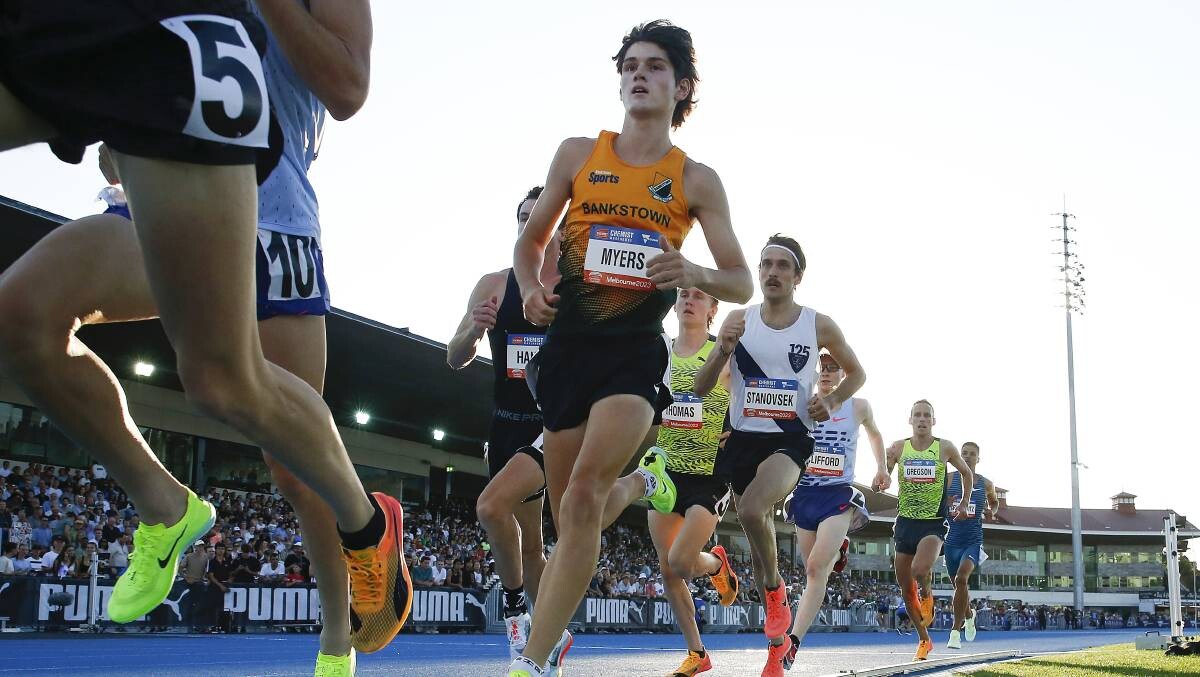
The 16-year-old is the second youngest runner in history to break four minutes in the mile; the youngest was Norway’s Jakob Ingebrigtsen. Ingebrigtsen first went sub-four at age 16 years and 250 days, when he ran 3:58.04 at the 2017 Prefontaine Classic in Oregon. Myers, who is only nine days older than Ingebrigtsen was then, produced a quicker time than Ingebrigtsen when he first went sub-4.
Myers’s run stripped an incredible 12 seconds off his previous mile personal best of 4:07.04. His time also broke Ingebrigtsen’s U16 world record of 3:56.29 from the 2017 Bislett Games in Oslo.
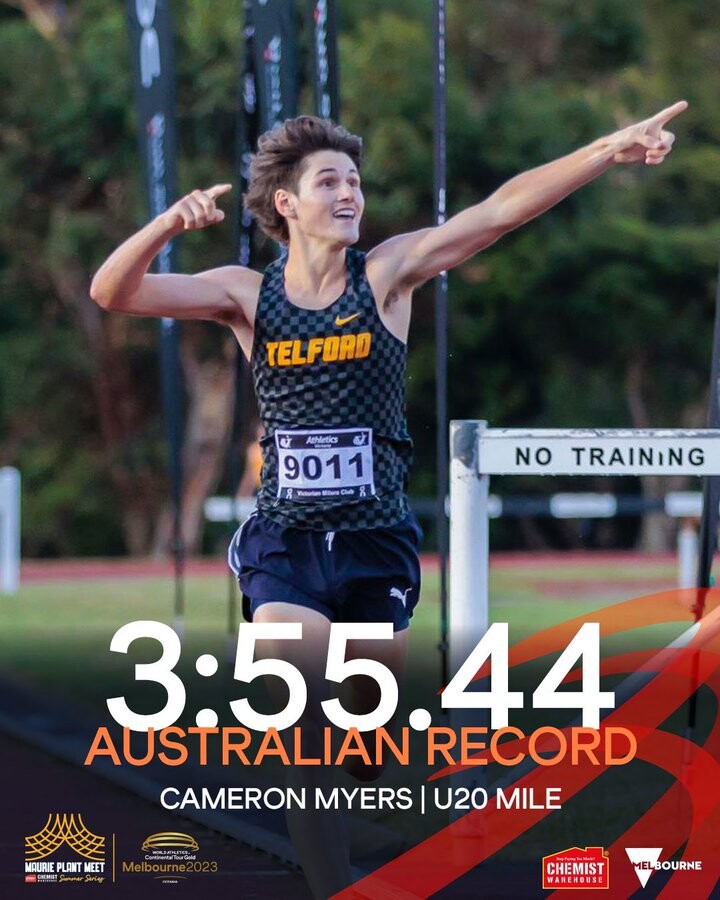
“At 16, it’s impressive to see Myers running better than most college athletes in the U.S.,” said Hoare to reporters post-race. “He’s an amazing talent for Australia moving forward, and I’m excited for him.”
Hoare won the mile in 3:52.24, coming off a bronze-medal performance in the mixed relay team event at the World Cross Country Championships in Bathurst last weekend. Hoare’s time was the third-fastest mile time in history by an Australian.
Two Canadian athletes also competed in Melbourne–John Gay placed 10th in the men’s 3,000m in 8:03.91, while Erin Teschuk was 13th in the women’s 1,500m. Both athletes represented Canada at the 2023 World XC Championships five days ago.
by Marley Dickinson
Login to leave a comment
