

Running News Daily
Running News Daily is edited by Bob Anderson and team. Send your news items to bob@mybestruns.com Advertising opportunities available.
Index to Daily Posts · Sign Up For Updates · Run The World Feed
Articles tagged #Washington
Today's Running News
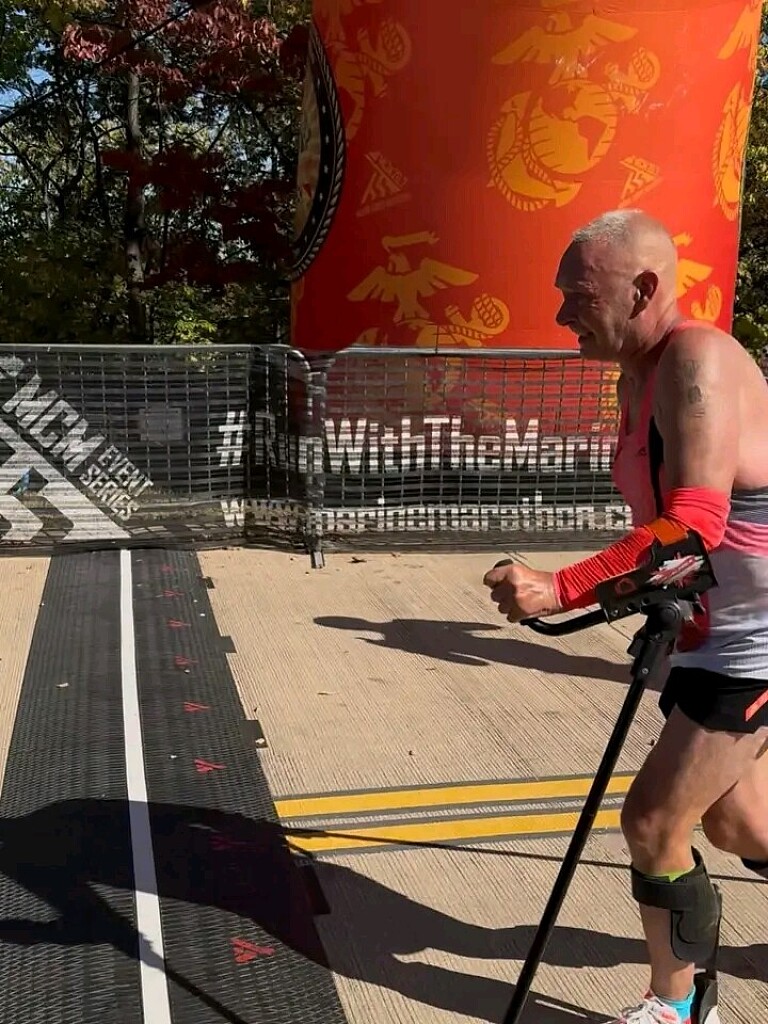


Mick Marshall Makes History With World Record For Fastest Marathon Completed On Crutches In Washington, D.C.
Australian endurance athlete Mick Marshall has achieved an extraordinary milestone at the 2026 Marine Corps Marathon in Washington, D.C., setting a world record for the fastest marathon completed on crutches after crossing the finish line in an incredible 5:35:50.
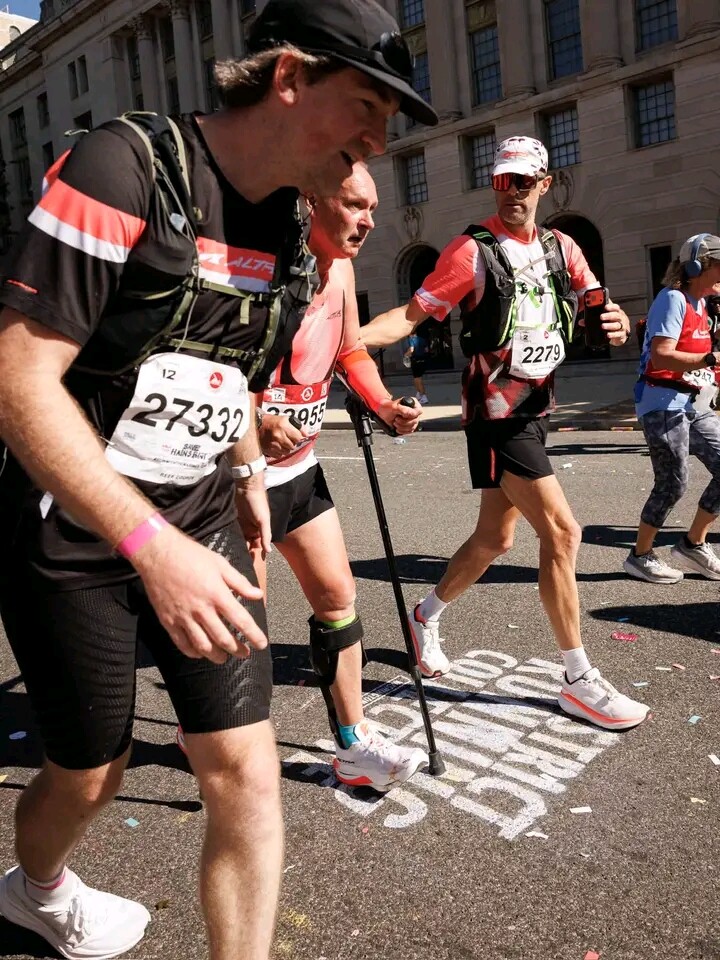
Representing Altra as an elite athlete, Marshall demonstrated remarkable determination and perseverance throughout the 26.2-mile (42.195-kilometre) race, turning one of the world's most celebrated marathon events into a stage for an inspiring display of human resilience.
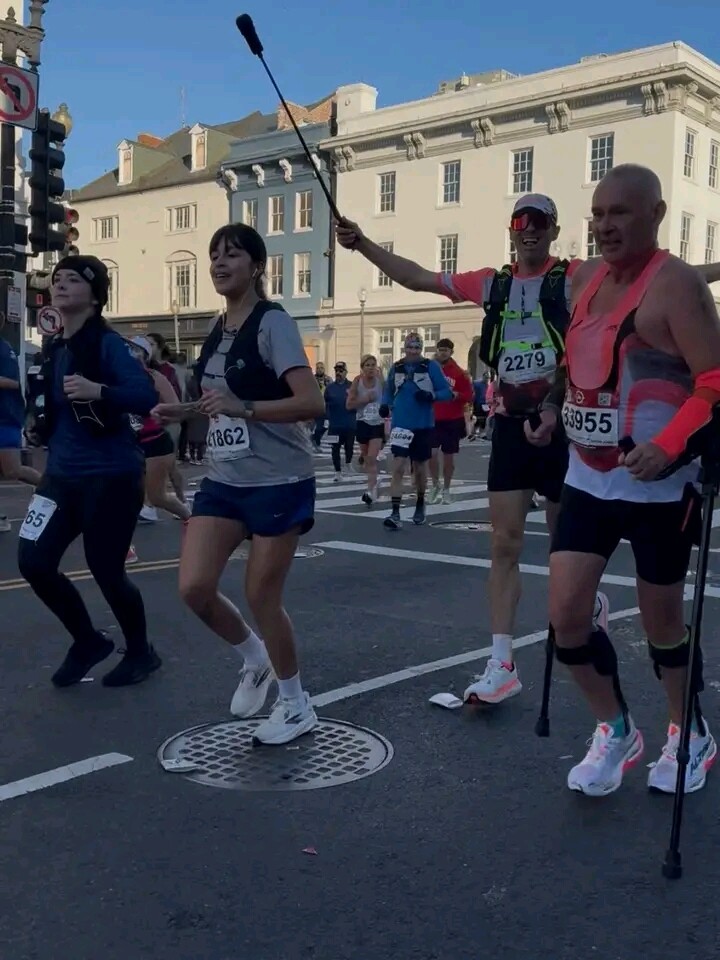
Completing a marathon is a demanding physical challenge for any athlete, requiring months of preparation, mental strength and the ability to push through fatigue. Covering the same distance on crutches presents a different set of challenges, placing considerable demands on the upper body, coordination and endurance. Marshall's achievement highlights the dedication required to overcome obstacles and pursue goals that many might consider beyond reach.
The Marine Corps Marathon, renowned for its patriotic atmosphere, enthusiastic spectators and scenic course through the nation's capital, provided a memorable setting for the record-breaking performance. As thousands of runners pursued their own finish-line goals, Marshall carved out a special place in the event's history with his remarkable effort.
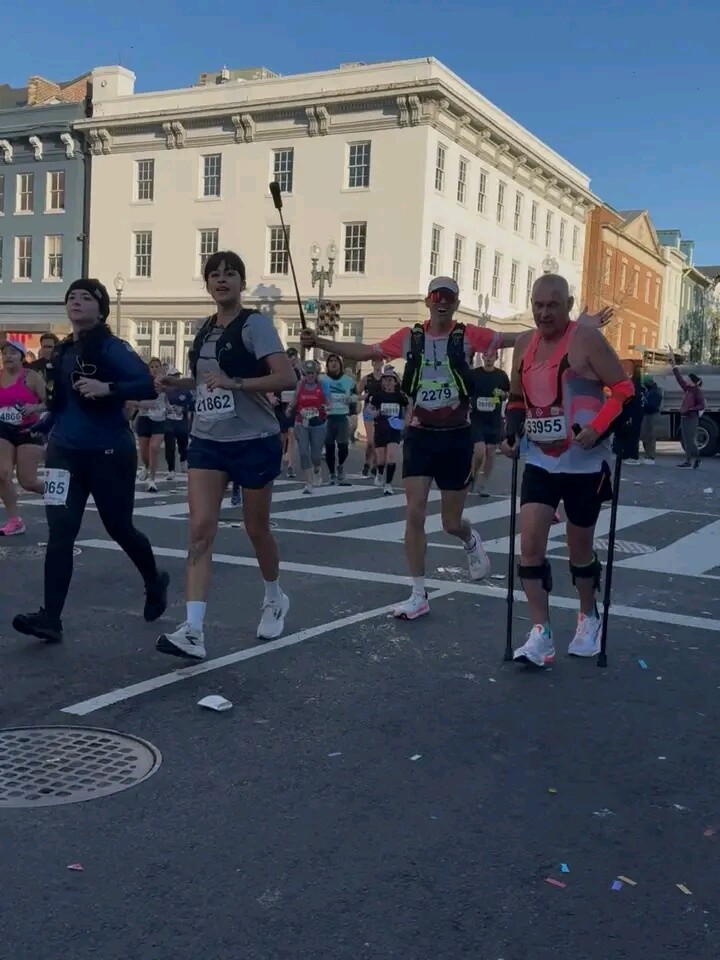
Beyond the record itself, Marshall's achievement carries a message that resonates far beyond the running community. Every movement toward the finish line required determination, patience and an unwavering commitment to the challenge before him. His performance is a reminder that greatness is not measured solely by how quickly someone reaches a destination, but also by the courage it takes to pursue a goal despite the difficulties along the way. For aspiring athletes and anyone facing personal challenges, his accomplishment offers a powerful lesson in perseverance, self-belief and the importance of refusing to give up when the journey becomes difficult.
His performance also serves as a reminder that marathon running is about far more than finishing times and podium positions. It is a test of courage, commitment and the willingness to redefine personal limits. Marshall's accomplishment demonstrates that the spirit of distance running extends beyond conventional expectations, inspiring athletes and spectators alike to reconsider what is possible through determination and hard work.
Marshall's remarkable run also reinforces the inclusive spirit of distance running, where the finish line belongs to everyone willing to take on the challenge. Whether competing for a championship, chasing a personal best or simply striving to complete the distance, every runner has a story worth celebrating. By setting a world record on crutches at one of America's prominent marathon events, Marshall has added an unforgettable chapter to that story, encouraging others to look beyond perceived limitations and pursue their ambitions with renewed confidence.
For Marshall, the 5:35:50 finish represents more than a time on the clock. It marks an extraordinary personal achievement and a moment that celebrates perseverance, resilience and the determination to keep moving forward. His performance has brought renewed attention to the remarkable possibilities within endurance sport and the many different ways athletes can challenge expectations.
Marshall's achievement at the Marine Corps Marathon stands as a powerful testament to the human spirit, demonstrating that success is not always about having the easiest path, but about finding the strength to keep going. His 5:35:50 performance is a reminder that the finish line can represent much more than the completion of a race: it can symbolise courage, possibility and the extraordinary things people can accomplish when they refuse to give up.
by Erick Cheruiyot for My Best Runs.
Login to leave a comment

Marine Corps Marathon
Recognized for impeccable organization on a scenic course managed by the US Marines in Arlington, VA and the nation's capital, the Marine Corps Marathon is one of the largest marathons in the US and the world. Known as 'the best marathon for beginners,' the MCM is largest marathon in the world that doesn't offer prize money, earning its nickname, “The...
more...
Habtom Samuel Delivers a Masterclass to Claim NCAA 5,000m Crown in Thrilling Championship Battle
The NCAA Men’s 5,000m final delivered everything fans love about distance racing — patience, tactical brilliance, relentless pressure, and a dramatic finish that came down to pure speed.
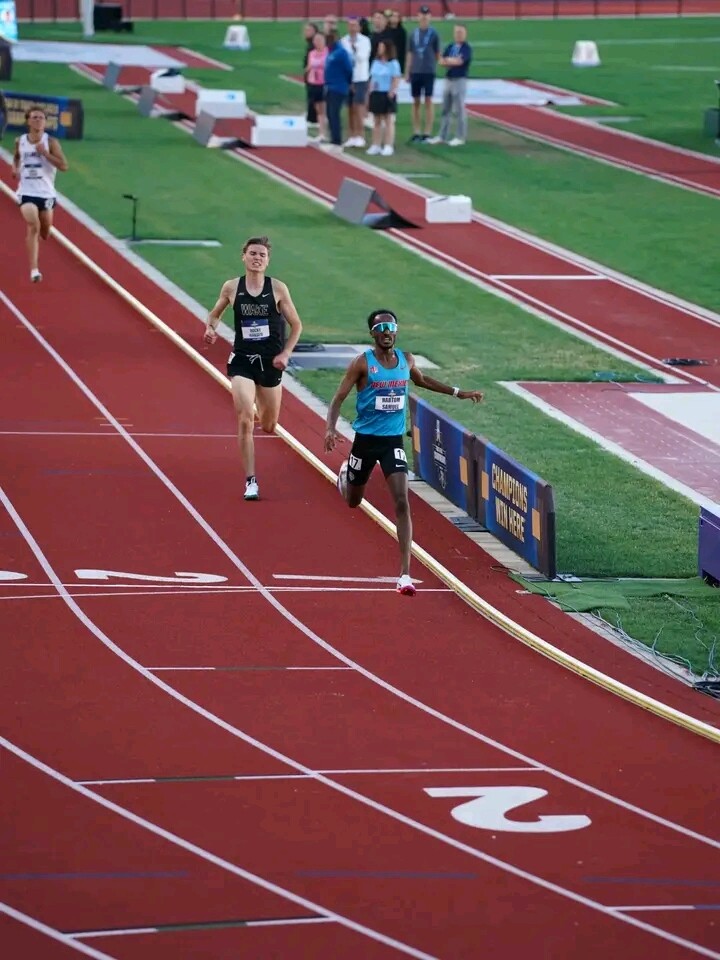
Eritrean sensation Habtom Samuel of New Mexico produced a memorable performance to capture the national title, crossing the finish line in 13:38.93 to claim the gold medal. His victory added another remarkable chapter to his collegiate career as he completed a historic championship double, proving once again that he belongs among the elite names in NCAA distance running.
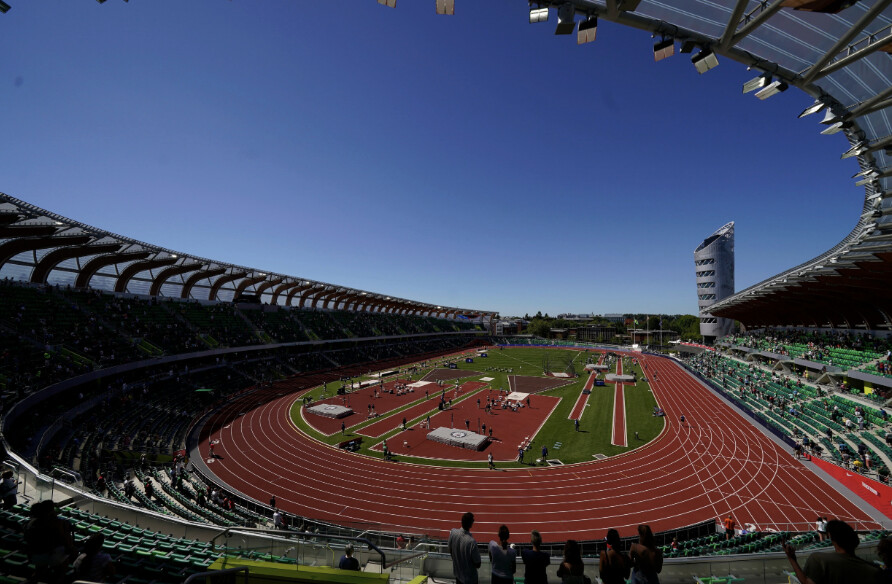
The race unfolded as a battle of endurance and strategy, with the leading pack staying tightly grouped before the decisive moments arrived. As the pace intensified and the final lap approached, Samuel showed incredible composure, saving his strongest move for the closing stages.
In the final 200 meters, Samuel unleashed a powerful finishing kick that separated him from the field and secured the championship victory. Rocky Hansen of Wake Forest fought bravely until the end, producing an impressive sprint finish to earn the silver medal in 13:39.91, just behind the champion.
Kenya’s Elsingi Kipruto of Louisville completed the podium with a strong performance, finishing third in 13:42.58 after staying among the contenders throughout the race.
The final also highlighted the strength of international talent in NCAA distance running, with several Kenyan athletes making their mark. Ernest Cheruiyot (Arkansas) finished fifth in 13:44.52, while Brian Musau (Oklahoma State) placed sixth in 13:47.18. Other Kenyan athletes, including Evans Kurui, Robin Kwemoi Bera, and Denis Kipngetich, also battled strongly against one of the deepest fields in collegiate athletics.
Top 10 Finishers — NCAA Men’s 5,000m Final
1. Habtom Samuel — New Mexico, Eritrea — 13:38.93
2. Rocky Hansen — Wake Forest, United States — 13:39.91
3. Elsingi Kipruto — Louisville, Kenya — 13:42.58
4. Marco Langon — Villanova, United States — 13:42.77
5. Ernest Cheruiyot — Arkansas, Kenya — 13:44.52
6. Brian Musau — Oklahoma State, Kenya — 13:47.18
7. Pierre Attiogbe — Cornell, United States — 13:47.43
8. Isaac Hedengren — BYU, United States — 13:48.84
9. Evans Kurui — Washington State, Kenya — 13:51.49
10 Robin Kwemoi Bera — Iowa State, Kenya — 13:51.83
From the opening strides to the explosive finish, the NCAA Men’s 5,000m final was a true showcase of championship racing — where every decision mattered and the final moments created a race to remember.
by Erick Cheruiyot for My Best Runs.
Login to leave a comment

Gateway to the Olympics: St. Louis Awarded 2028 U.S. Marathon Trials
The road to the Los Angeles 2028 Olympic Games will officially begin in St. Louis after USA Track & Field (USATF) and the U.S. Olympic & Paralympic Committee announced the Missouri city as the host of the 2028 U.S. Olympic Team Trials Marathon.

Scheduled for March 25, 2028, the event will serve as the first Olympic team selection competition for Team USA ahead of the LA28 Games. The top three male and female finishers will be in position to secure Olympic berths, provided they meet the required qualifying standards set for the Games.
The selection marks a significant victory for St. Louis, which beat out Phoenix in the bidding process and will now stage one of the most prestigious events on the American distance-running calendar.
The decision also carries historic significance. St. Louis hosted the 1904 Olympic Games, including the first Olympic marathon ever contested on U.S. soil. More than a century later, the city will once again take center stage in American marathon history.

Organizers have unveiled an ambitious course that blends tradition with innovation. The race is expected to begin near Washington University, the site of the 1904 Olympic Stadium, before winding toward downtown St. Louis. Along the route, athletes will pass some of the city's most recognizable landmarks, including the Gateway Arch and Busch Stadium, before making a dramatic finish inside Energizer Park, home of Major League Soccer club St. Louis CITY SC.
The stadium finish is expected to create a unique atmosphere unlike anything previously seen at a U.S. Olympic Marathon Trials. Organizers project a crowd of approximately 20,000 spectators inside the venue, potentially making it one of the most memorable finishes in the event's history.
The St. Louis Sports Commission will lead the local organizing effort, working alongside Go! St. Louis and other community partners to deliver the championship.
Weather conditions could also play a favorable role for competitors. Historical climate data suggests temperatures in St. Louis typically range between 48°F and 62°F around late morning in March, offering potentially ideal racing conditions for elite marathoners chasing Olympic dreams.
Fans across the country will be able to follow the action live, with NBC set to broadcast the event beginning at 11 a.m. CDT.
While excitement surrounding the venue announcement is high, questions remain regarding Olympic team qualification procedures. For the third consecutive Olympic Marathon Trials, uncertainty exists over whether the first three finishers across the line will automatically earn spots on Team USA. The current World Championships qualifying standards of 2:06:00 for men and 2:23:20 for women are substantially faster than previous Olympic benchmarks, creating an additional challenge for athletes seeking selection.
USATF officials, however, remain optimistic that the rapid progression of American marathon performances will allow athletes to meet the demanding standards. The federation also continues discussions with World Athletics in support of maintaining a straightforward first-three-across-the-line selection system.
With its rich Olympic heritage, iconic landmarks, and a groundbreaking stadium finish, St. Louis is poised to deliver one of the most anticipated and memorable U.S. Olympic Marathon Trials in history as America's best distance runners battle for their place on the road to Los Angeles 2028.
by Erick Cheruiyot for My Best Runs.
Login to leave a comment
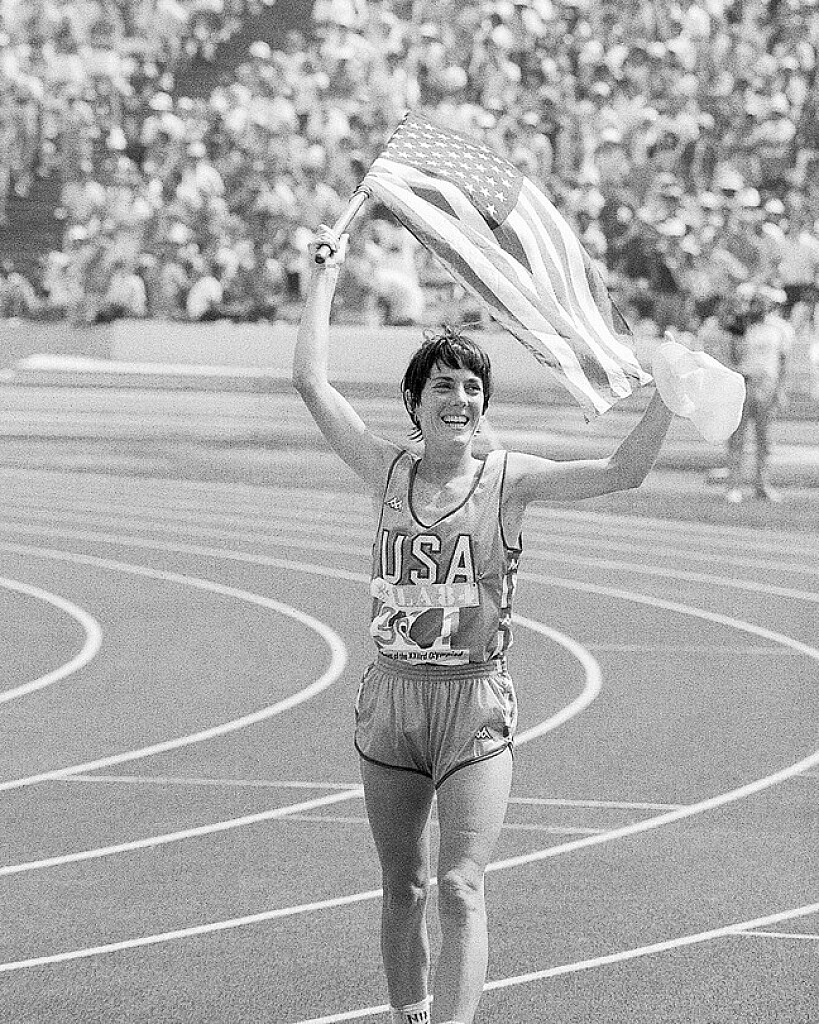
Seventeen Days After Surgery, Joan Benoit Changed Women’s Marathon History Forever
Forty-two years ago today, the landscape of distance running shifted forever in Olympia, Washington, when the United States staged its first-ever Women’s Olympic Marathon Trials — a race that would become one of the most courageous performances in athletics history.
At the center of it all stood Joan Benoit, carrying not only the pressure of expectation, but also the uncertainty of a knee that had undergone arthroscopic surgery just 17 days earlier.
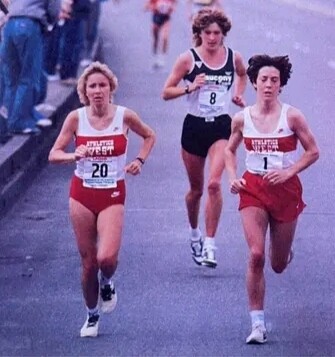
To most athletes, simply reaching the starting line would have been impossible. Winning was unimaginable.
Yet Benoit turned pain into one of the defining triumphs of marathon running.
From the opening miles, the race unfolded with tension and restraint as a field of America’s finest women battled for a place in history. But once Benoit found her rhythm, the race changed completely. She surged away with fearless authority, separating herself from the field and silencing every doubt surrounding her fitness and recovery.
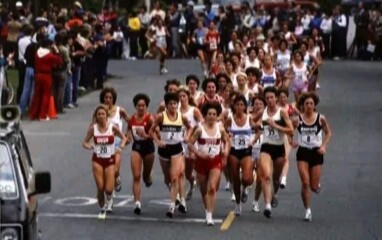
When she crossed the finish line in 2:31:04, she had done far more than win a race. She had announced the arrival of women’s marathon running on the Olympic stage with a performance built on courage, resilience, and extraordinary belief.
Behind her came a remarkable group of athletes who would shape American distance running for years to come. Julie Brown finished second in 2:31:41, while Julie Isphording secured third in 2:32:26 to complete the historic Olympic team.
The depth of the race was equally remarkable. Lisa Rainsberger placed fourth in 2:33:10 and would later finish fourth again at both the 1988 and 1992 Olympic Marathon Trials — one of the most consistent records in American marathoning. Margaret Groos crossed fifth in 2:33:38 before eventually winning the 1988 Olympic Marathon Trials herself.
Further down the results came more future stars. Nancy Ditz finished seventh in 2:33:58 and later earned a place on the 1988 Olympic team. Then there was the astonishing run from Cathy Schiro, only 16 years old at the time, who clocked 2:34:24 to finish ninth and set a high school record that stunned the running world. She would later return to place third at the 1988 Olympic Trials.
But the day ultimately belonged to Benoit.
Her victory became more than a qualification race; it became a symbol of defiance and possibility at a pivotal moment for women’s athletics. Just one year later, she would go on to win the inaugural women’s Olympic marathon at the 1984 Los Angeles Games, cementing her place among the sport’s immortals.
More than four decades later, the Olympia trials remain one of the most inspirational chapters in marathon history — a reminder that greatness is often born not under perfect conditions, but in moments when the odds appear overwhelmingly impossible.
by Erick Cheruiyot for My Best Runs.
Login to leave a comment
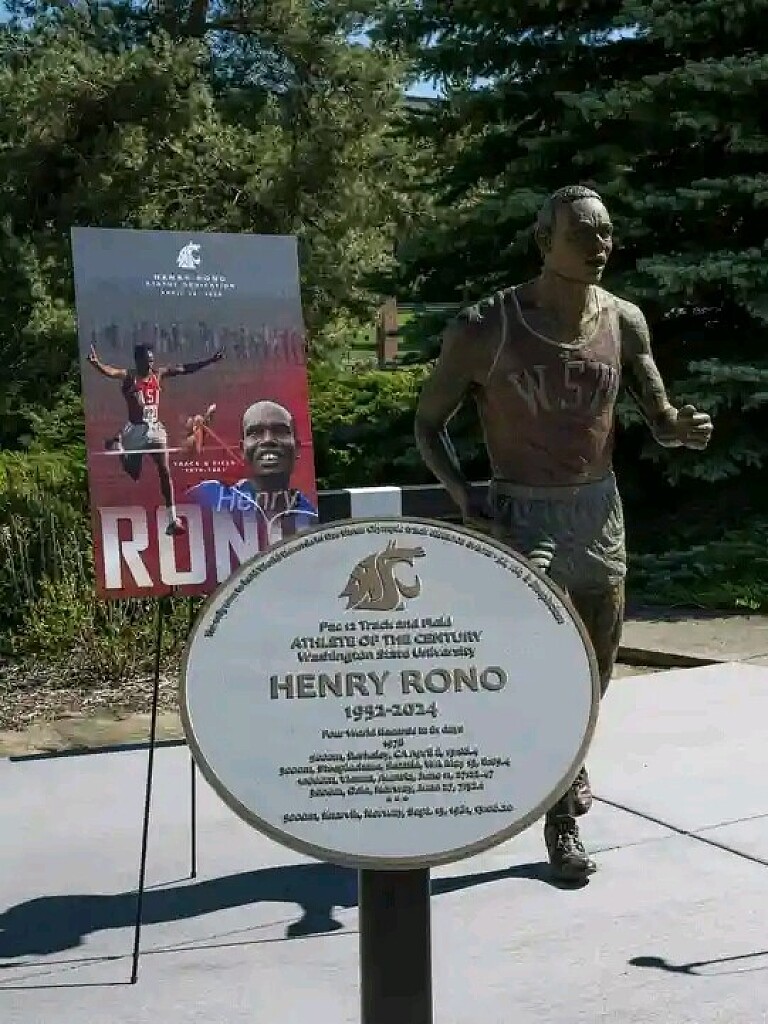
A Monument to Greatness: Washington State University Immortalizes Henry Rono
In a gesture both historic and deeply symbolic, Washington State University unveiled a statue honoring one of distance running’s most extraordinary figures, Henry Rono. It is a tribute not merely cast in bronze, but in legacy — a permanent reminder of a man whose feats redefined the limits of human endurance.
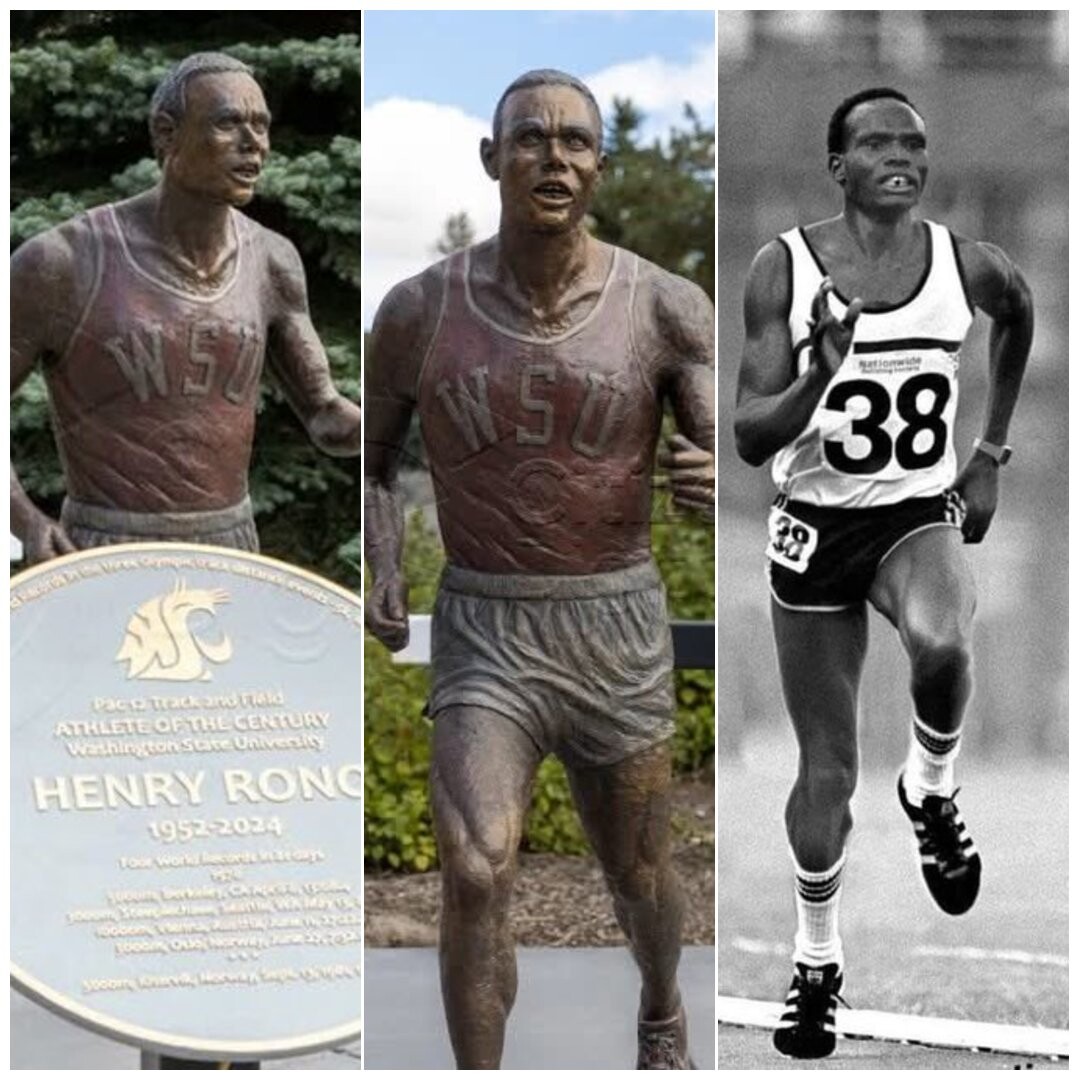
Rono’s name is etched indelibly into the annals of athletics, most notably for his astonishing run in 1978 — a season that remains unmatched in the sport’s history. In a span of just 81 days, he achieved what many would deem impossible: breaking four world records across four demanding distances. From the grueling 10,000 meters to the tactical precision of the 3,000-meter steeplechase, Rono conquered them all with a dominance that stunned the global athletics community.
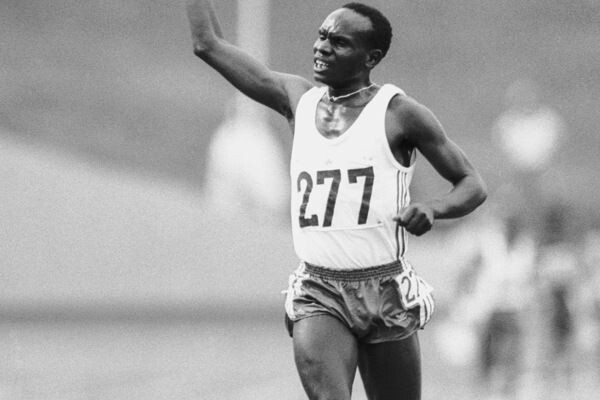
His times were not just record-breaking; they were transformative. He clocked 27:22.5 in the 10,000 meters, slicing nearly eight seconds off the previous mark. In the 5,000 meters, his 13:08.4 shaved off an impressive 4.5 seconds. The 3,000-meter steeplechase saw him set 8:05.4, lowering the standard by 2.6 seconds, while his 7:32.1 in the 3,000 meters carved out a full three-second improvement. Each performance was a statement — not incremental progress, but a bold leap into a new era of distance running.
What makes Rono’s achievement even more remarkable is the compressed timeline in which it occurred. To dominate across multiple disciplines in such a short period demands not only physical brilliance but an extraordinary mental resolve. It was a convergence of talent, discipline, and timing that the sport has rarely, if ever, witnessed again.
Now, decades later, that brilliance finds a new form of expression. The statue at Washington State University stands as both a homecoming and a celebration. It honors Rono’s collegiate roots while ensuring that future generations — students, athletes, and admirers alike — encounter the story of a man who once bent time and distance to his will.
Though he is no longer here, Henry Rono’s spirit endures — in every stride taken by aspiring runners, in every barrier challenged, and in every dream that dares to stretch beyond perceived limits. His legacy is not confined to records or history books; it lives on, vibrant and unyielding, inspiring a new generation to believe that greatness is not only possible, but attainable.
by Erick Cheruiyot for My Best Runs.
Login to leave a comment
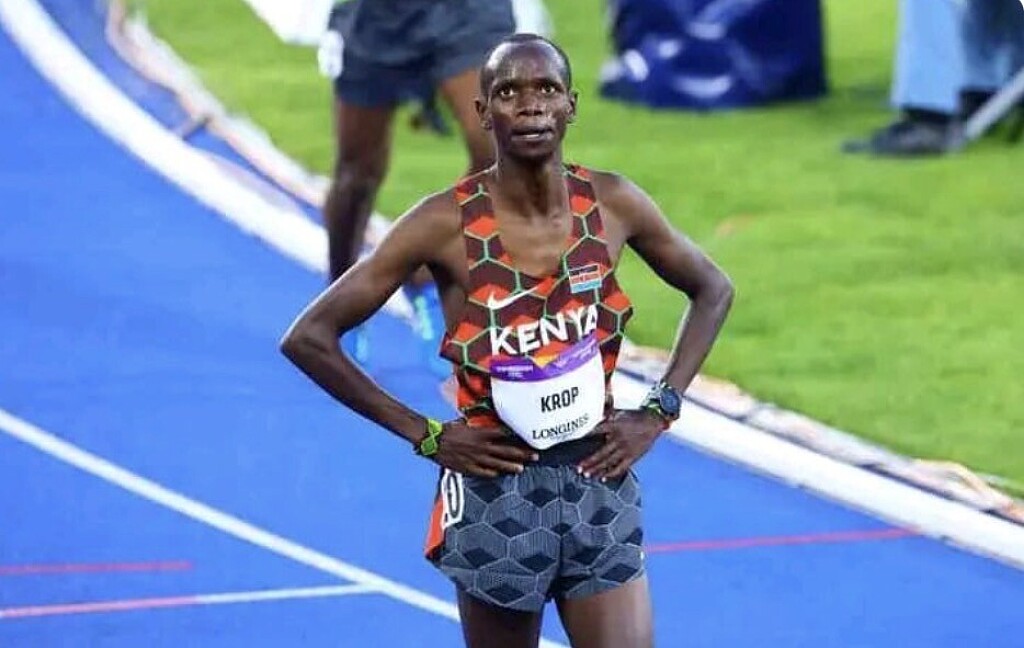
Kenya Sends Fearless Indoor Squad to World Championships Despite Having No Indoor Tracks
Kenya, a country synonymous with world-beating runners, is sending a small but formidable squad to the 2026 World Athletics Indoor Championships in Kujawy Pomorze, Poland, from March 20–22, despite having no indoor track facilities at home. For these athletes, the absence of dedicated indoor arenas makes their achievements—and ambitions—all the more remarkable.
Trailblazers and Record Holder
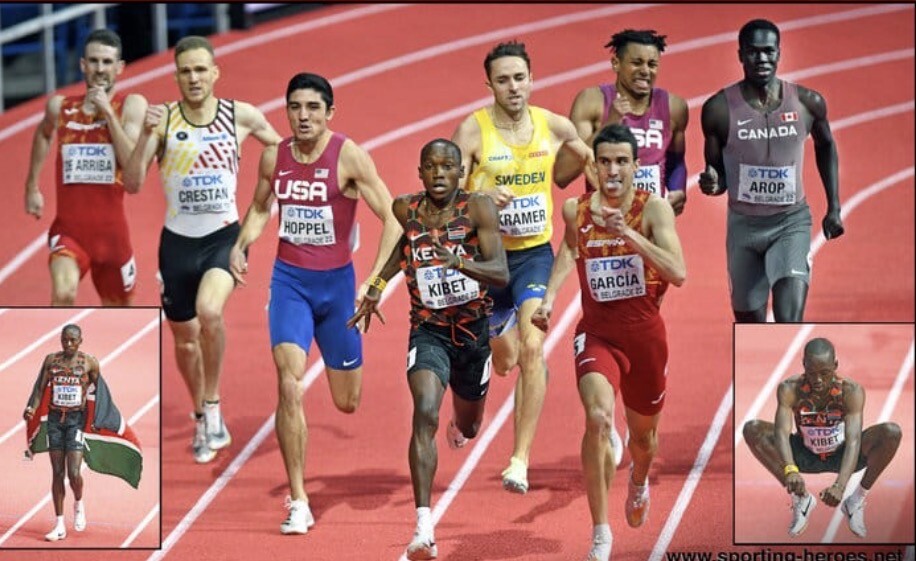
Leading the charge is Brian Omari Tinega, Kenya’s national indoor record holder in the 400 meters with a blistering 45.68. Tinega, who trains within the U.S. collegiate system, has had to adapt much of his preparation to outdoor tracks in Kenya—braving wind, rain, and uneven surfaces while preparing for the tight curves and fast rhythm of indoor competition.
His goal in Poland’s Arena Toruń is clear: improve both his personal best and the Kenyan national record while competing against the world’s top quarter-milers.
In the middle-distance events, Noah Kibet, the 2022 World Indoor 800m silver medalist, returns hoping to climb one step higher on the podium. Training entirely outdoors presents challenges when preparing for the tactical, high-speed racing typical of indoor championships, but Kibet’s experience makes him a serious contender.
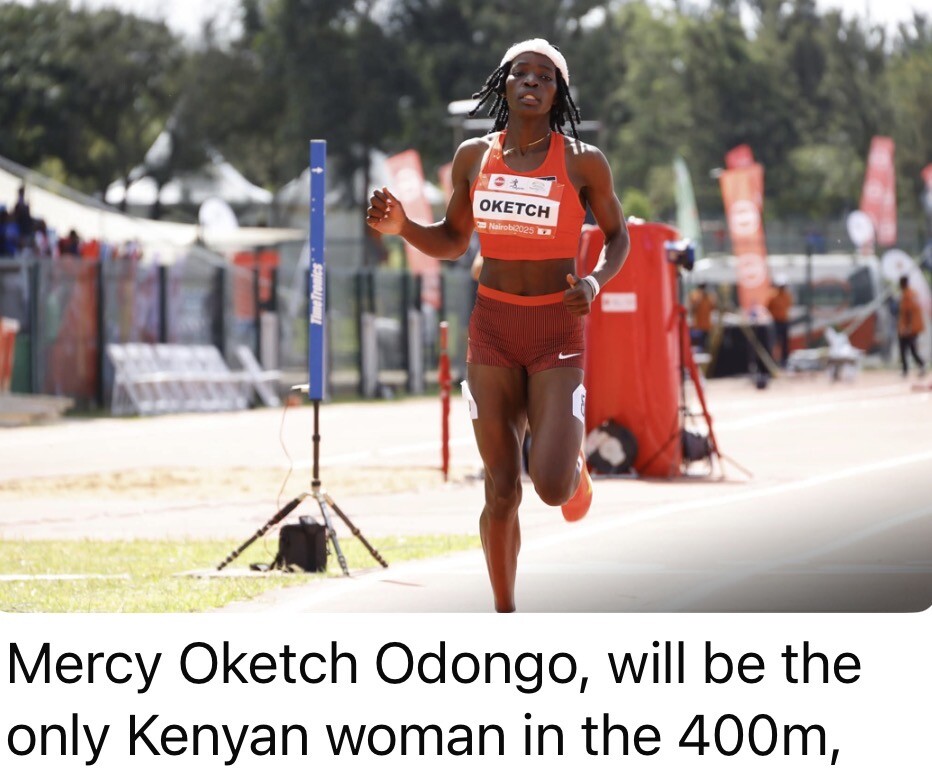
Joining him is Jacob Krop, a 3000-meter specialist who won silver in the 5000 meters at the World Championships. Krop will be aiming to translate his outdoor success to the indoor arena while improving on his fifth-place finish at the 2022 World Indoor Championships.
Women Breaking New Ground
On the women’s side, Mercy Adongo Oketch is making history as only the second Kenyan woman ever to compete in the indoor 400 meters, following Esther Kavaya’s appearance in 1987. Oketch, the Kenyan indoor record holder, carries both national expectations and the symbolic role of blazing a trail for future Kenyan women in an event historically dominated by athletes from Europe and North America.
In the 800 meters, Rosemary Longisa continues her rapid rise. A freshman at Washington State University, she has adapted quickly to the U.S. collegiate system and recorded an impressive 1:59.71 indoors this season.
Meanwhile, experienced 1500-meter runner Susan Lokayo Ejore adds depth and stability to the squad with her international racing experience.
Training Against the Odds
Kenya’s athletes face a stark contrast compared with competitors from countries such as Poland, the United States, and Germany, where dedicated indoor arenas, climate-controlled facilities, and banked tracks allow year-round preparation.
These nations often employ advanced training technology—from motion sensors to video analytics—to refine stride mechanics, pacing, and recovery specifically for indoor racing.
In Kenya, preparation requires creativity and resilience. Athletes train on outdoor tracks at varying altitudes, simulate indoor curves where possible, and adjust sprinting and pacing strategies to prepare for the tighter indoor lanes.
The result is a team shaped not by cutting-edge infrastructure but by adaptability, determination, and natural talent.
Kenya’s Growing Indoor Legacy
Few African countries regularly produce elite indoor competitors, making Kenya’s presence at the World Athletics Indoor Championships particularly notable.
The squad includes record holders in both the men’s and women’s 400 meters, a World Indoor silver medalist, and emerging middle-distance talent. For Oketch especially, this championship represents more than a personal milestone—it symbolizes growing opportunities for Kenyan women in indoor track events.
Chasing Medals in Poland
Beyond personal bests, Kenya’s athletes are targeting podium finishes.
Tinega and Oketch aim to push their national records even further, while Kibet and Krop will look to build on their previous championship performances. Longisa and Ejore represent the next generation of Kenyan middle-distance talent ready to challenge the global elite.
As Arena Toruń welcomes athletes from across the world from March 20–22, Kenya’s runners will once again remind the global track community that elite performance is not defined by facilities alone.
For this small but determined team, the mission is clear: compete with the best, chase medals, and prove that the Kenyan running tradition can thrive indoors just as it has outdoors for decades.
by Robert Kibet for My Best Runs
Login to leave a comment
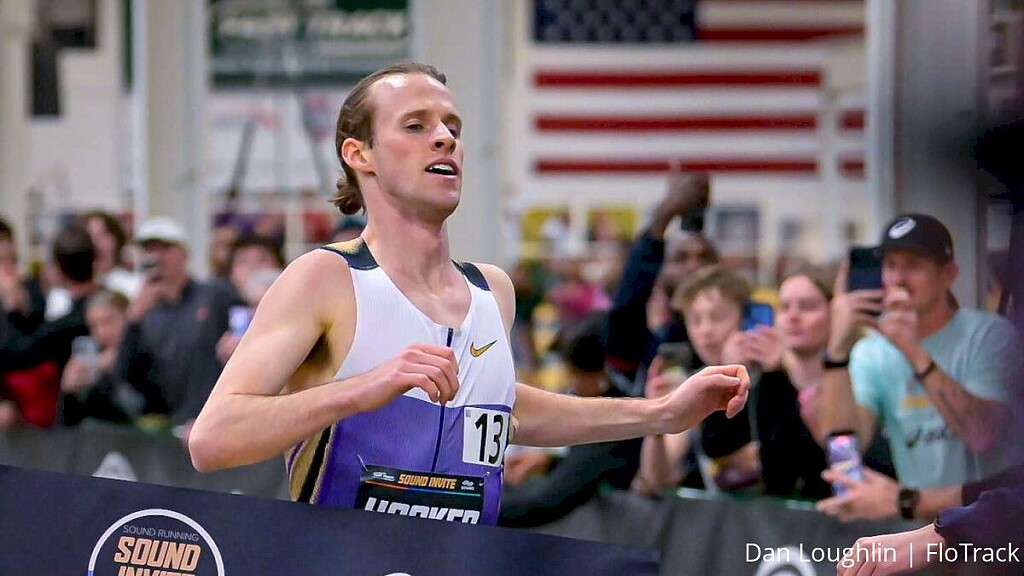
Cole Hocker Smashes American Indoor Mile Record, Runs Second Fastest Time in History
Cole Hocker delivered one of the greatest indoor mile performances ever recorded, rewriting American history and placing himself firmly among the legends of the event at the 2026 Sound Running Invite Feb 14 held at the Dempsey Indoor facility at the University of Washington in Seattle, Washington, USA.
The reigning Olympic 5000m champion from Tokyo unleashed a breathtaking 3:45.94, breaking the American indoor mile record and moving to No. 2 on the all-time world indoor list. Only Norway’s Jakob Ingebrigtsen, who ran 3:45.14 in 2025, has ever run faster indoors.
Hocker’s performance erased the previous American indoor record of 3:46.63, set by his longtime rival Yared Nuguse. Even more impressively, the time ranks as the second-fastest mile ever run by an American in any conditions—indoors or outdoors. Only Nuguse’s 3:43.97 outdoor performance stands ahead of Hocker on the all-conditions American list.
A Race Defined by Precision and Power
From the moment the pacemakers established the tempo, Hocker positioned himself perfectly, running with calm efficiency and total control. He passed the 1000-meter mark in a blistering 2:22.81, already moving deep into historic territory.
As the pacemakers stepped aside, the responsibility shifted entirely to Hocker. Vincent Ciattei stayed close, hoping to capitalize on any hesitation. But hesitation never came.
With 400 meters remaining, Hocker made his decisive move.
His final lap, covered in approximately 57 seconds, demonstrated both strength and speed. Over the final 200 meters, he accelerated even further, closing in 27.34 seconds to pull decisively away from the field. What had been a competitive race became a solo run into history.
The performance showcased Hocker’s complete mastery of the mile—combining tactical intelligence, aerobic strength, and devastating finishing speed.
A New Era for American Miling
Hocker’s record continues a remarkable resurgence in American middle-distance running. The rivalry between Hocker and Nuguse has elevated the event to unprecedented levels, pushing both athletes into territory once thought unreachable for American runners.
At just 24 years old, Hocker has already captured Olympic gold and now holds one of the most prestigious records in American track and field. His 3:45.94 signals that even faster performances may still lie ahead.
The indoor mile, once considered secondary to its outdoor counterpart, has now become a proving ground for historic achievement.
On this night, Cole Hocker proved he belongs among the greatest milers in history.
MEN’S MILE — SOUND RUNNING INVITE 2026 RESULTS
1. Cole Hocker (USA) – 3:45.94 (American Indoor Record, #2 All-Time World Indoor)
2. Cooper Teare (USA) – 3:50.49
3. Vincent Ciattei (USA) – 3:51.70
4. Titouan Le Grix (FRA) – 3:51.90
5. George Couttie (GBR) – 3:52.02
6. Jack Anstey (NZL) – 3:52.09
7. Sam Ruthe (NZL) – 3:52.46
8. Eduardo Herrera (MEX) – 3:54.12
9. Ronan McMahon (IRL) – 3:57.23
by Elam Wangwero for my best runs
Login to leave a comment
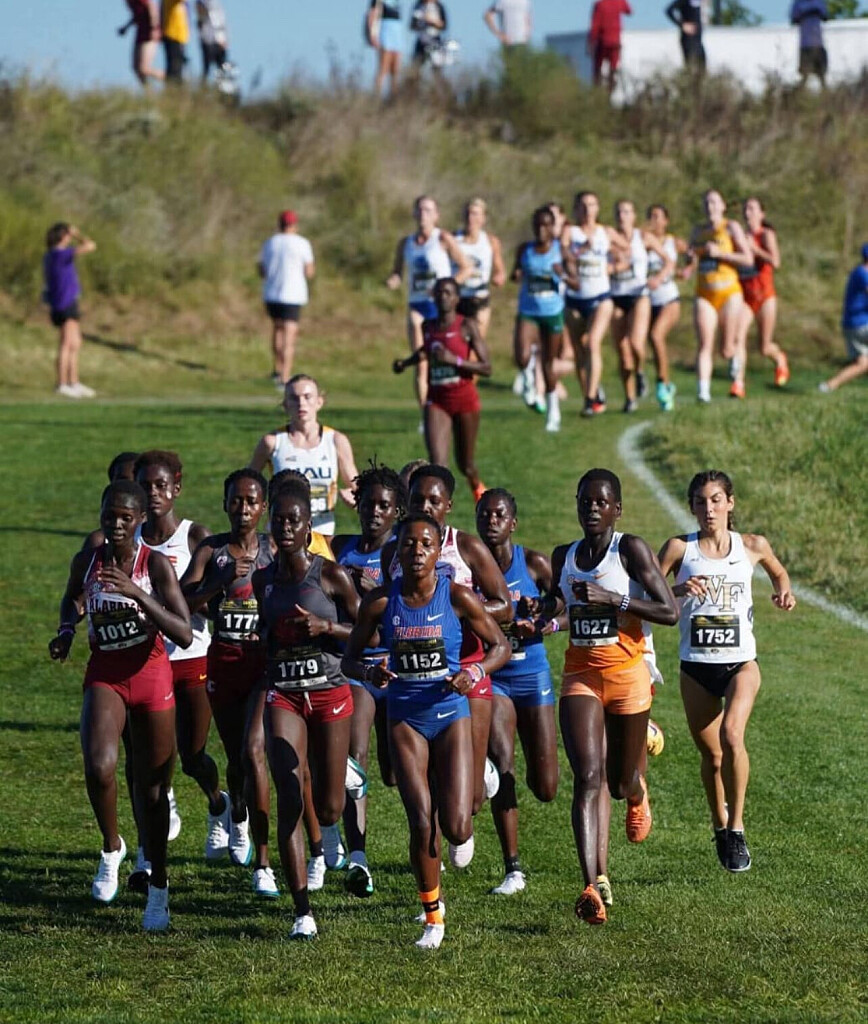
A Record-Breaking Journey: 60 Townhall Athletes Set for NCAA Nationals
For young runners in Kenya, the dream has always extended far beyond the finish line. It is about opportunity, education, and building a future through running. On November 22, sixty alumni of Townhall Athletics will stand on the starting line at the Gans Creek Cross Country Course in Columbia, Missouri—not only as competitors, but as student-athletes whose journeys blend world-class talent with academic ambition.
Their road to the NCAA National Cross Country Championships was forged through nine regional qualifiers, where Townhall athletes earned advancement both individually and through team berths. Each qualifier represents a story that began on rugged high-altitude trails in Kenya and continued in American classrooms—balancing mileage with lectures, workouts with research projects.
A Pipeline for Talent and Learning
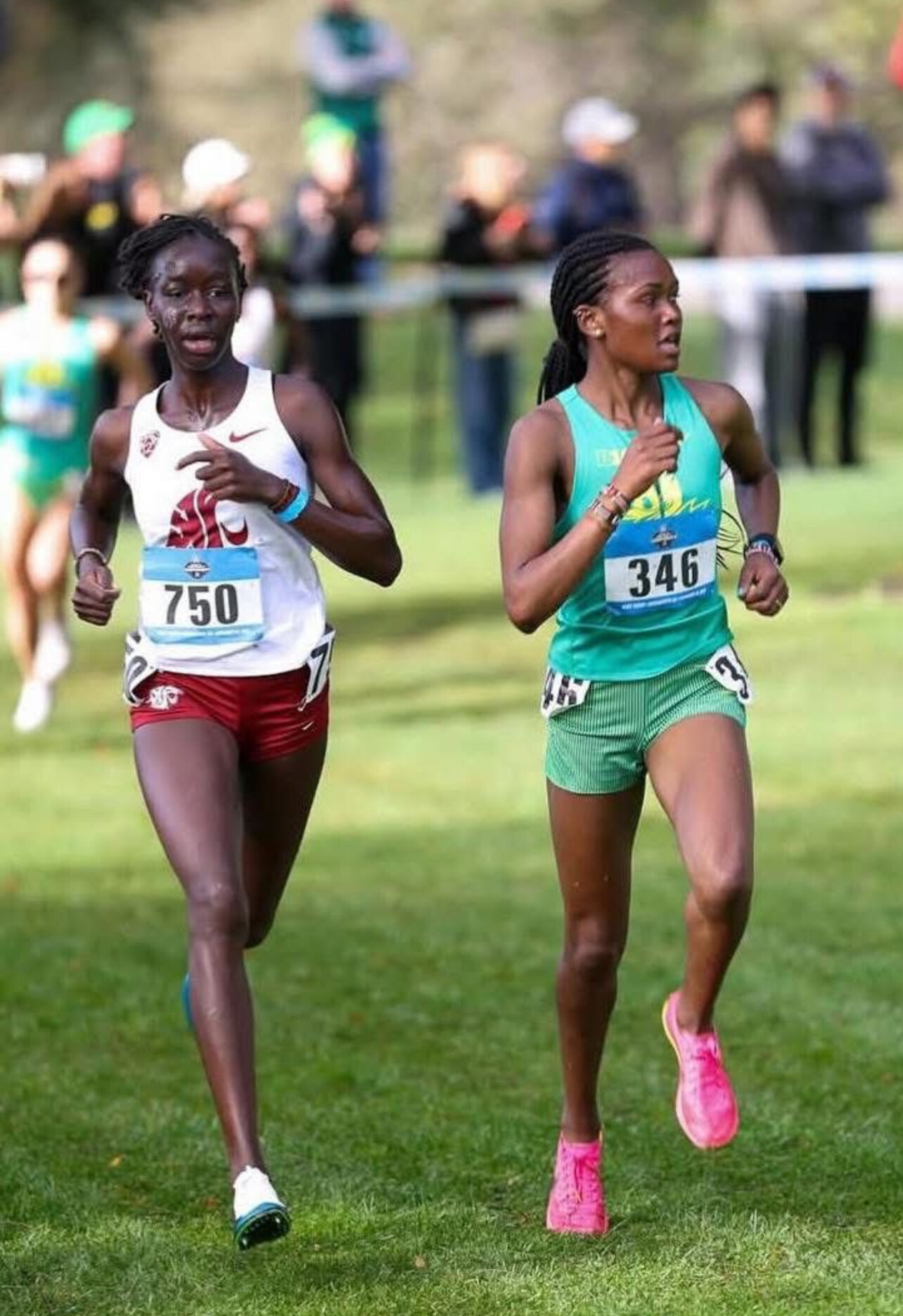
Many of these athletes grew up with limited access to formal training facilities—sometimes even without proper running shoes. Through Townhall Athletics, runners such as Brian Musau, Dennis Kipngetich, and Laban Kipkemboi at Oklahoma State University received structured coaching and the mentorship needed to secure life-changing scholarships.
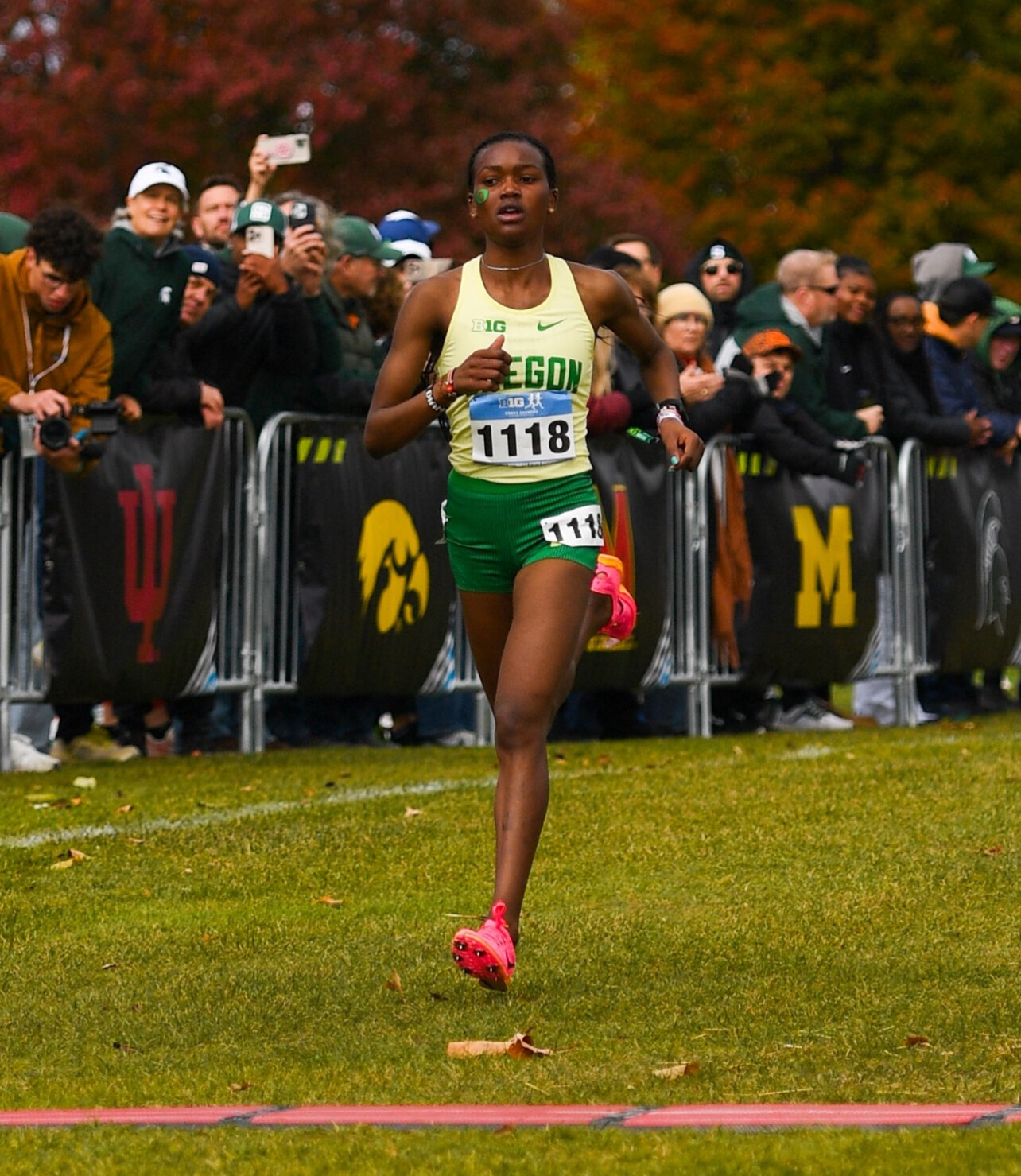
In Florida, Kelvin Cheruiyot, Desma Chepkoech, and Judy Chepkoech have combined tactical racing with strong academic records, while Debora Cherono at Texas A&M has emerged as a respected leader both on campus and on the track.
In the Mountain West Conference, New Mexico’s Evans Kiplagat and Vincent Chirchir continue to show how academic and athletic development go hand in hand. At Iowa State, Joash Rutto and Mercylin Kirwa have built reputations for consistency and endurance, exemplifying the discipline long associated with Kenyan distance running.
Other Townhall standouts, including Meshack Kuiyo at Boise State and Gilbert Rono at Tulane, carry the hopes of their programs while pursuing degrees and competing at the top level of collegiate sport.
Gans Creek: Where Experience Meets Ambition
Gans Creek is known for its rolling hills, long grass straights, and technical curves—terrain that demands smart pacing and a strong finish. For Kenyan athletes who grew up training at altitude, the course offers a blend of familiarity and challenge, providing a perfect stage to showcase endurance, resilience, and race intelligence.
Lining up against top collegiate athletes from across the United States and around the world, Townhall runners bring not only speed but also the mental fortitude and tactical awareness refined through years of structured training back home.
Voices of Support
Kenyan sports leaders continue to stress that athletic success must be paired with education to secure a long-term future.
Barnaba Korir, AK Youth Development Director and NOC-K First Vice President, emphasizes:
“These scholarships are more than athletic opportunities—they are life-changing. Education ensures our youth can thrive long after the final lap.”
Ibrahim Hussein Kipkemboi, Director of the Africa Athletics Development Centre, adds:
“Blending study with sport protects athletes from early burnout and equips them for the future.”
Athletics Kenya President Lt. Gen. (Rtd) Jackson Tuwei reinforces the message:
“The goal is not just fast runners, but well-rounded individuals. Education and athletics go hand in hand for global success.”
Impact Beyond the Course
These sixty qualifiers demonstrate how structured development and academic pathways can open doors for rural youth across Kenya. Their progress validates youth programs, inspires younger athletes, and shows how scholarships allow talent to flourish both on the track and in the classroom.
The Journey and the Finish Line
On race day, athletes such as Rosemary Longisa and Caroline Jepkorir of Washington State University, Evans Tanui of Arizona, and Diana Cherotich of Oregon will carry far more than personal ambition. They will carry the dreams of families, coaches, and communities who believed in them from the start.
Every stride over Missouri’s rolling terrain reflects years of discipline, sacrifice, and the pursuit of excellence—both academic and athletic.
When the final lap is run, results will matter. But so will the journey that brought them here. From dusty Kenyan tracks to the championship stage at Gans Creek, Townhall athletes have shown that with vision, support, and resilience, success in running and life can grow together.
As they race for NCAA glory, they continue to inspire a generation to see that the finish line is not an end—it is, in fact, the beginning.
by Robert Kibet
Login to leave a comment
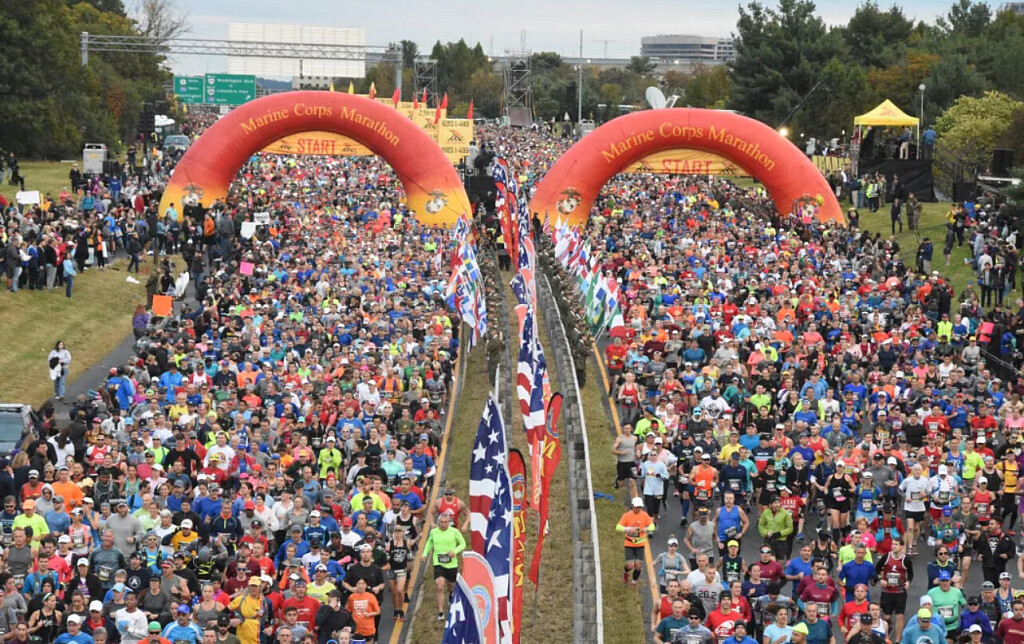
The 50th Marine Corps Marathon Celebrates 50 Years of Pride and Perseverance
This Sunday, October 26, 2025, the Marine Corps Marathon will celebrate its 50th anniversary, marking half a century of inspiring runners to “run with purpose and finish with pride.”
Affectionately known as “The People’s Marathon,” the Marine Corps Marathon (MCM) stands apart from the world’s other great races. It offers no prize money, focusing instead on participation, community, and service. For fifty years, it has united civilians, service members, and runners from around the world in one of the most patriotic and emotionally charged marathons on the planet.
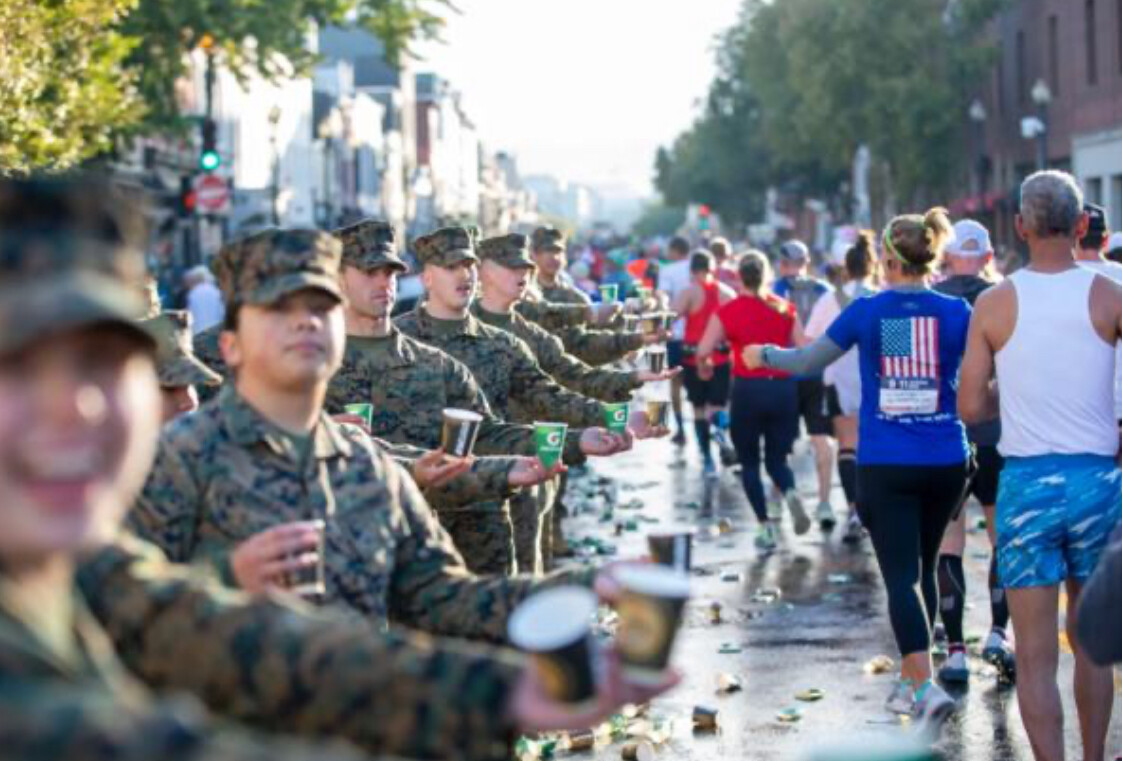
A Legacy Born in 1976
The first Marine Corps Marathon was held in 1976, founded by the U.S. Marine Corps to promote physical fitness, community goodwill, and the Marine tradition of excellence. Over time, it grew into one of America’s largest marathons, famous for its inclusivity and purpose-driven mission.
Unlike most major races, the MCM awards no cash prizes to top finishers. Instead, it honors every participant who crosses the line, from first to last. This spirit of equality earned it the nickname “The People’s Marathon.”
This year’s event is completely sold out, with more than 40,000 registered runners from all 50 states and dozens of countries. Despite uncertainty surrounding the ongoing government shutdown, organizers confirmed the race will go on as planned.
The Course: A Run Through History
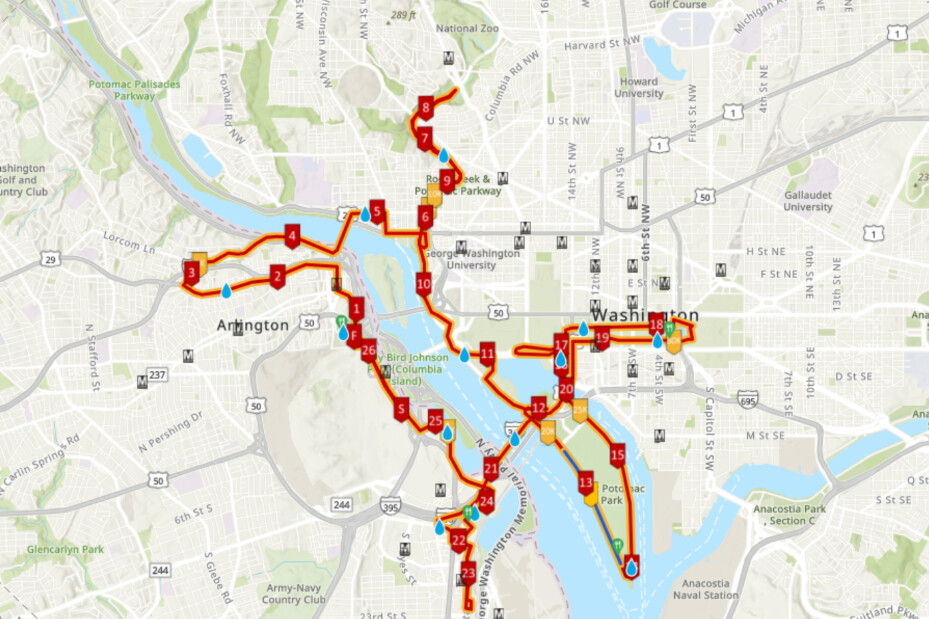
The Marine Corps Marathon offers one of the most scenic and symbolic marathon routes in the world. The race begins in Arlington, Virginia, just steps from the Pentagon, before leading runners into the heart of Washington, D.C.
Participants cross the Key Bridge into Georgetown, pass through Rock Creek Park, and continue along the Potomac River, circling the Jefferson and Lincoln Memorials. They run past the Washington Monument, the U.S. Capitol, and the National Mall before heading back into Arlington.
The final miles take runners alongside Arlington National Cemetery before the course finishes at the Marine Corps War Memorial — the iconic Iwo Jima statue. The short but steep “Victory Hill” leading to the finish line has become legendary, offering one of the most emotional finishes in the sport.
Course Records and Champions
Over five decades, the Marine Corps Marathon has witnessed remarkable performances. The men’s course record of 2 hours, 14 minutes, and 1 second was set in 1987 by Jeffrey Scuffins of the United States. The women’s record of 2 hours, 37 minutes, was set in 1990 by Olga Markova of Russia.
Notable champions over the years include two-time winner Darrell General in the 1990s and Augustus Maiyo, representing the U.S. Army World Class Athlete Program, who won in 2012. In 2024, Marine officer Kyle King claimed victory in 2 hours, 25 minutes, and 6 seconds.
Though these times stand out, the marathon’s true spirit lies not in record books but in its participants — from elite athletes to first-time marathoners, from active-duty Marines to civilians running in honor of loved ones.
The 50th Anniversary Edition
This year’s golden anniversary promises to be the largest and most memorable in race history. More than 40,000 participants will line up at dawn, cheered on by tens of thousands of spectators. Security will be heightened, and logistics finely tuned to handle the largest field ever.
The Marine Corps Marathon remains a race about pride, not paychecks. Each runner earns a medal from a uniformed Marine at the finish line — a simple, powerful gesture that captures the spirit of the event.
Why It’s One of the World’s Best Runs
Few marathons can match the Marine Corps Marathon for emotion and meaning. The course passes the monuments of American history, but its greatest monument is the collective spirit of the runners themselves.
It’s a race that demands effort — the rolling hills early on and the final climb to Iwo Jima test every runner — but it rewards every step with purpose. To finish here is to be part of something larger than sport.
The Marine Corps Marathon is more than a race. It’s a salute — to endurance, to courage, and to the shared belief that running can unite people in pride and purpose.
Final Word
As the Marine Corps Marathon celebrates 50 years, it reminds us why we run. We run to test our limits. We run to honor service and sacrifice. We run to connect — with others, with history, and with something greater than ourselves.
This Sunday, tens of thousands will run those 26.2 miles through the capital of freedom, cheered on by Marines and crowds waving flags. And when they reach the finish line beneath the shadow of Iwo Jima, every runner will know: they didn’t just finish a marathon — they became part of history.
by Boris Baron
Login to leave a comment
Marine Corps Marathon
Recognized for impeccable organization on a scenic course managed by the US Marines in Arlington, VA and the nation's capital, the Marine Corps Marathon is one of the largest marathons in the US and the world. Known as 'the best marathon for beginners,' the MCM is largest marathon in the world that doesn't offer prize money, earning its nickname, “The...
more...
“This program should never have been phased out in the first place,” says Bob Anderson — a look at the return of the Presidential Fitness Test
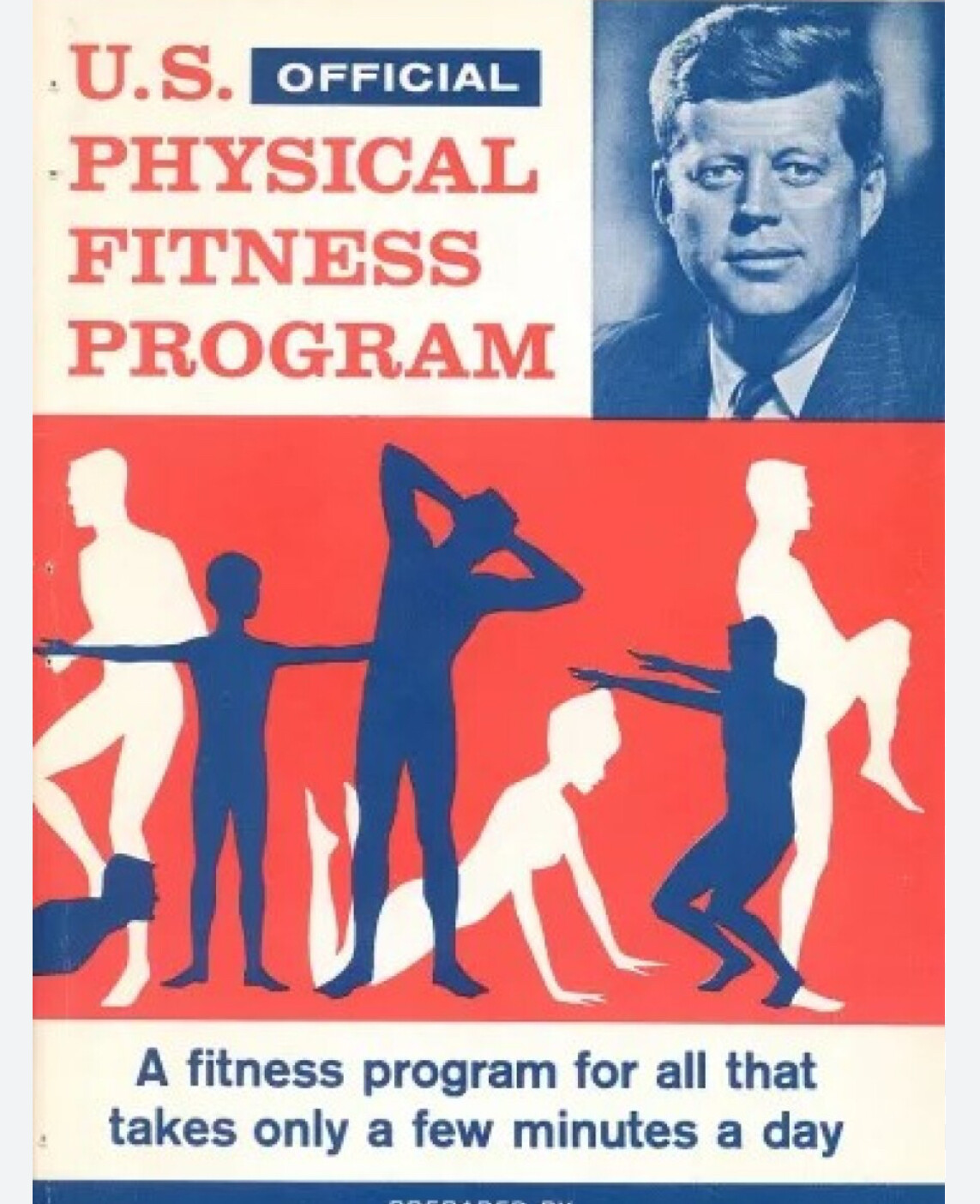
For generations, the Presidential Fitness Test was more than just a schoolyard routine—it was a nationwide measure of athletic prowess, a call to personal excellence that challenged millions of youth to run a mile, do push-ups, and outperform their own expectations.
Former President Dwight D. Eisenhower launched the testing program in the late 1950s, framing physical fitness as an issue of national security and civic pride amid Cold War anxieties. Over the following decades, it grew into a rite of passage in American public schools known for its badges, awards, and medals .

Why Was It Discontinued?
In 2012–2013, under the Obama administration, the program was officially phased out and replaced by the Presidential Youth Fitness Program. This shift came in response to growing concerns that the traditional test — which emphasized athletic performance and ranking students — risked discouraging less athletic children and fueling body‑image issues. The new program instead focused on personal progress and holistic health, encouraging lifelong fitness over competition .
And Now, It’s Back
On July 31, 2025, President Donald Trump signed an executive order reviving the Presidential Fitness Test, reinstating not only the physical challenges but also the competitive spirit that came with them. The initiative was framed as a key part of the “Make America Fit Again” campaign and included the re-establishment of the President’s Council on Sports, Fitness and Nutrition, staffed by high-profile athletes .
Critics argue that this nostalgic swing back to rigorous testing fails to address today’s youth health challenges more comprehensively. A recent opinion piece in The Washington Post characterizes the revival as reminiscent of outdated masculine ideals that may neglect broader wellness and emotional impacts .
Still, supporters see it differently. As Bob Anderson puts it: “This program should never have been phased out in the first place.” For him, the Test symbolizes a lost opportunity for youth to learn discipline, resilience, and competitive spirit at an early age.
by Boris Baron
Login to leave a comment
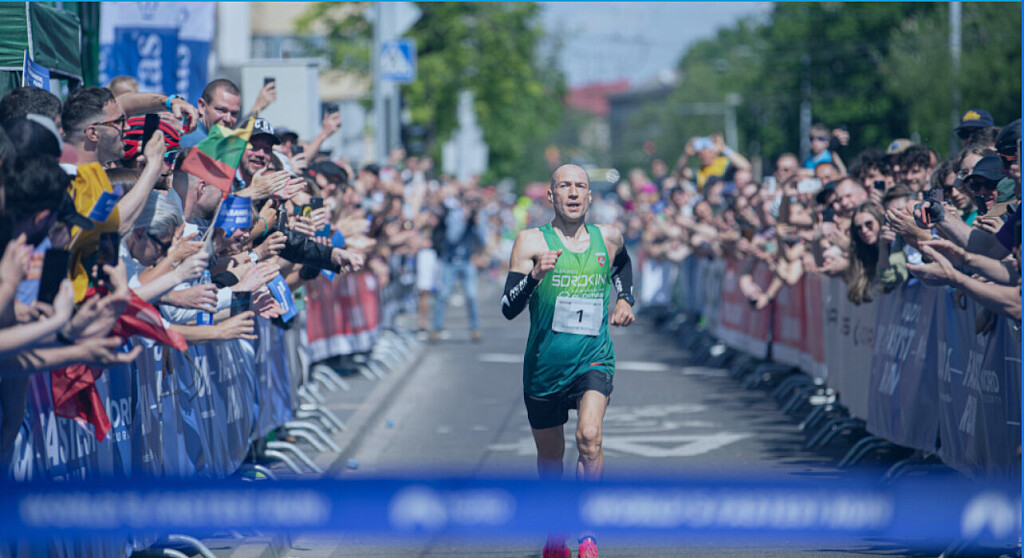
Did You Know? No One Has Come Close to Sorokin’s 24-Hour Record Since 2022
Did you know that Aleksandr Sorokin’s legendary 24-hour world record—set in 2022—is still untouched, and no one has even come particularly close?
At the 2022 IAU 24-Hour European Championships in Verona, Italy, Lithuanian ultrarunner Aleksandr Sorokin ran a staggering 198.598 miles (319.614 kilometers) in a single day. That’s the equivalent of running from New York City to Washington, D.C.—and then some—all in just 24 hours.
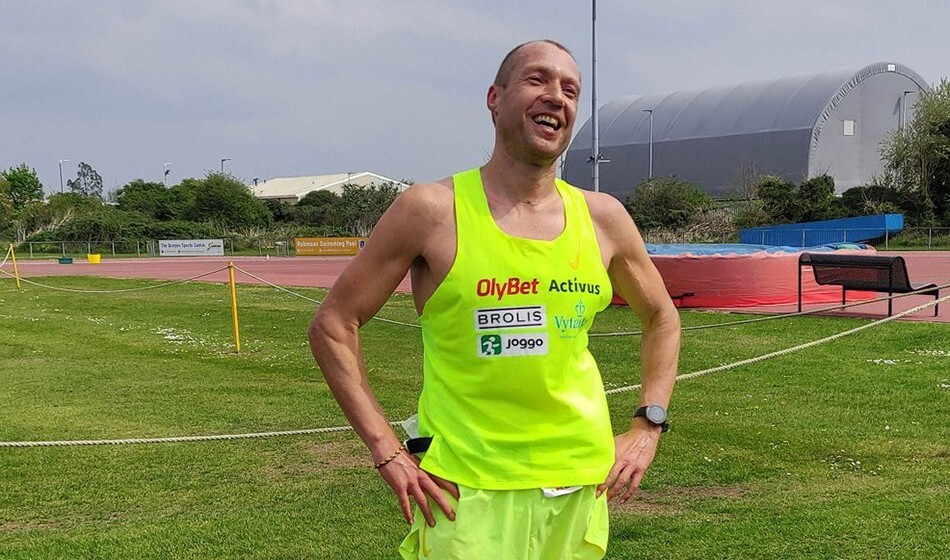
Even more impressive: Sorokin averaged a 7:15-per-mile (4:30/km) pace the entire time. That’s a tempo most runners struggle to hold for a 10K—let alone for nearly 200 miles.
What’s Happened Since?
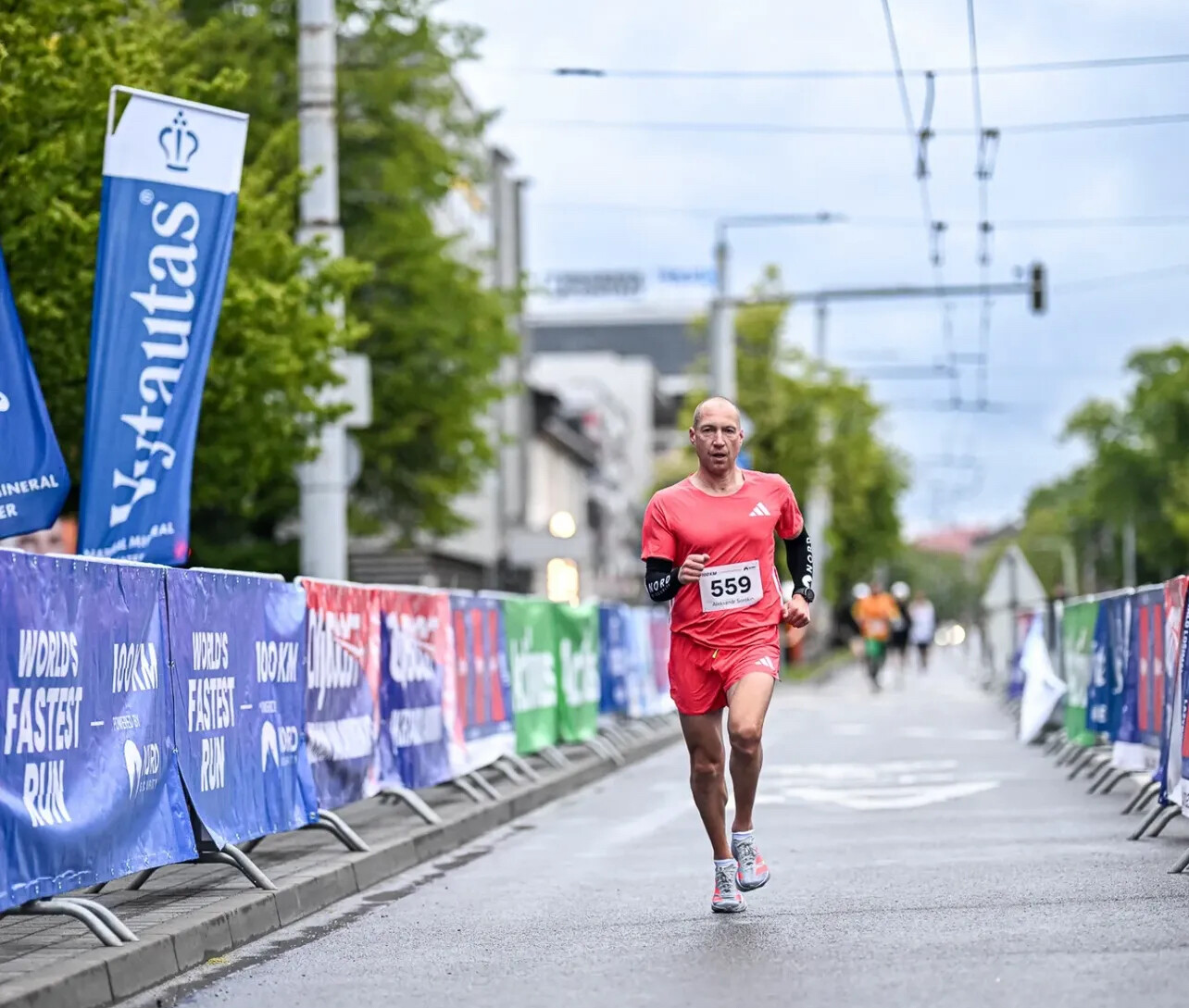
At the 2023 IAU 24-Hour World Championships, Sorokin competed again and covered 301.790 kilometers—an outstanding performance, but still nearly 18 kilometers short of his own world record.
No other male athlete has even broken the 300 km barrier since.
Meanwhile, on the women’s side, Japan’s Miho Nakata set a new world record in 2023, covering 270.363 km, which is phenomenal—but still nearly 50 km less than Sorokin’s historic run.
Top 24-Hour Running Performances (All-Time)
|
Runner |
Gender |
Year |
Distance (km) |
Gap to Sorokin (km) |
|
Aleksandr Sorokin |
Male |
2022 |
319.614 |
0.00 |
|
Yiannis Kouros |
Male |
1997 |
303.506 |
16.11 |
|
Aleksandr Sorokin |
Male |
2023 |
301.790 |
17.82 |
|
Tamas Bodis |
Male |
2023 |
295.290 |
24.32 |
|
Haruki Okayama |
Male |
2023 |
289.420 |
30.19 |
|
John Stocker |
Male |
2021 |
285.300 |
34.31 |
|
Miho Nakata |
Female |
2023 |
270.363 |
49.25 |
|
Camille Herron |
Female |
2019 |
270.116 |
49.50 |
|
Patrycja Bereznowska |
Female |
2022 |
263.660 |
55.95 |
The Legacy
More than two years later, Sorokin’s record remains the gold standard in ultrarunning. His 2022 performance wasn’t just a world record—it redefined what humans can do in a single day.
Whether you’re a weekend warrior or an elite endurance athlete, one thing is clear: nobody’s chasing Sorokin. He’s still out in front—by miles.
by Boris Baron
Login to leave a comment
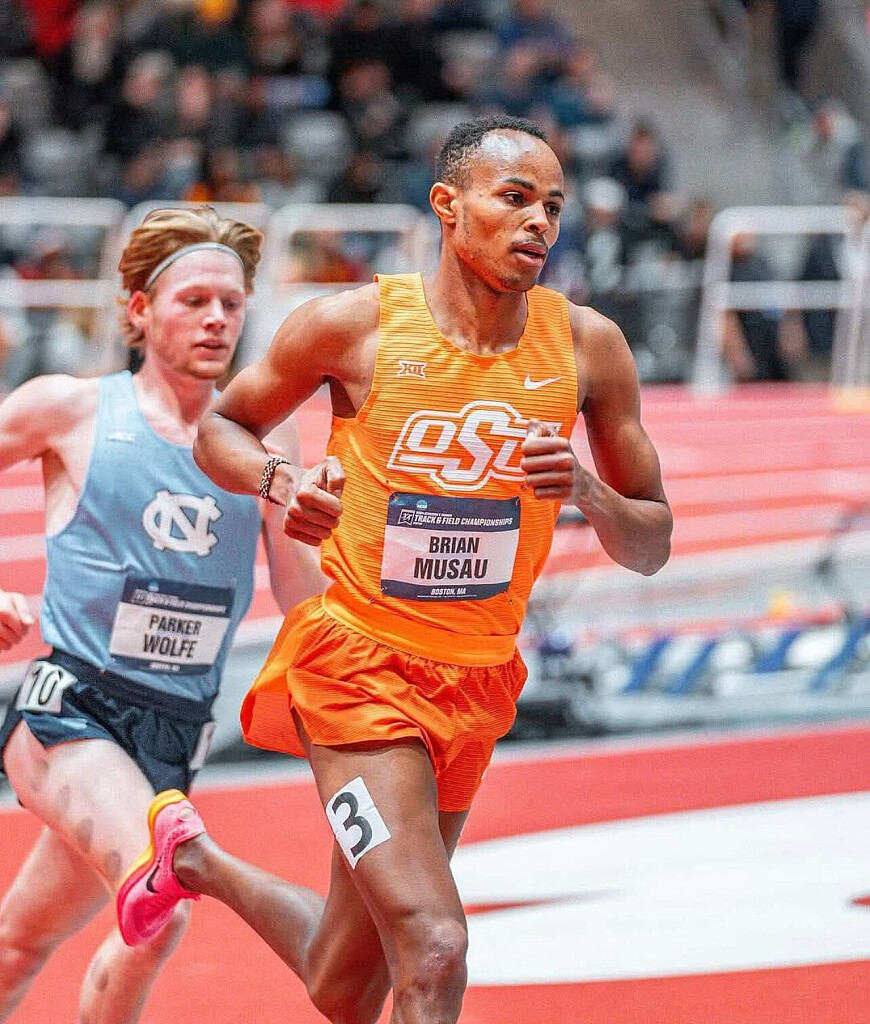
Brian Musau Breaks 13-Minute Barrier in the 5,000m—Becomes Third Collegian Ever to Do So
In a performance that sent shockwaves through collegiate distance running, Brian Musau of Oklahoma State University clocked a stunning 12:59.82 at the 2025 Sunset Tour in Los Angeles on July 12, becoming only the third college athlete in history to dip under the 13-minute barrier for 5,000 meters.
The 22-year-old Kenyan star, who is also the 2025 NCAA 5,000m champion, executed a perfectly timed race against a world-class field, showcasing both tactical savvy and extraordinary finishing strength. His mark makes him the fastest collegian in the world this year and moves him into rarefied territory alongside two legendary names: Henry Rono of Washington State (13:08.4 in 1978) and Salah Hissou of Morocco (12:58.13 in 1996, while studying in France), both of whom were collegians when breaking 13 minutes.
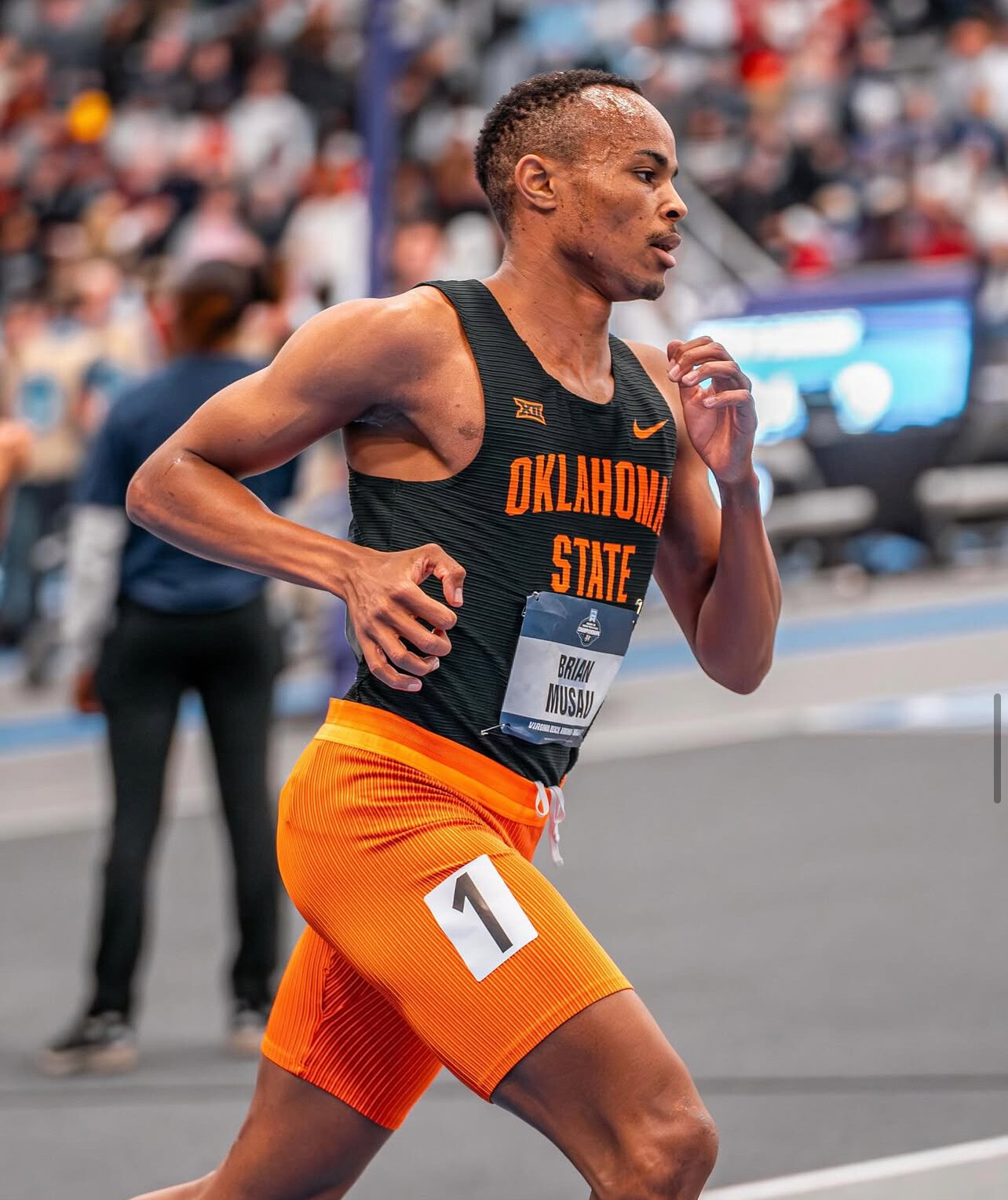
Musau’s performance also makes him just the third Kenyan to go sub-13 in the 5,000m this season, joining elite countrymen Jacob Krop and Nicholas Kimeli, both ranked among the top 10 in the world. It’s a statement not just about Musau’s individual brilliance but also about Kenya’s enduring depth in distance running.
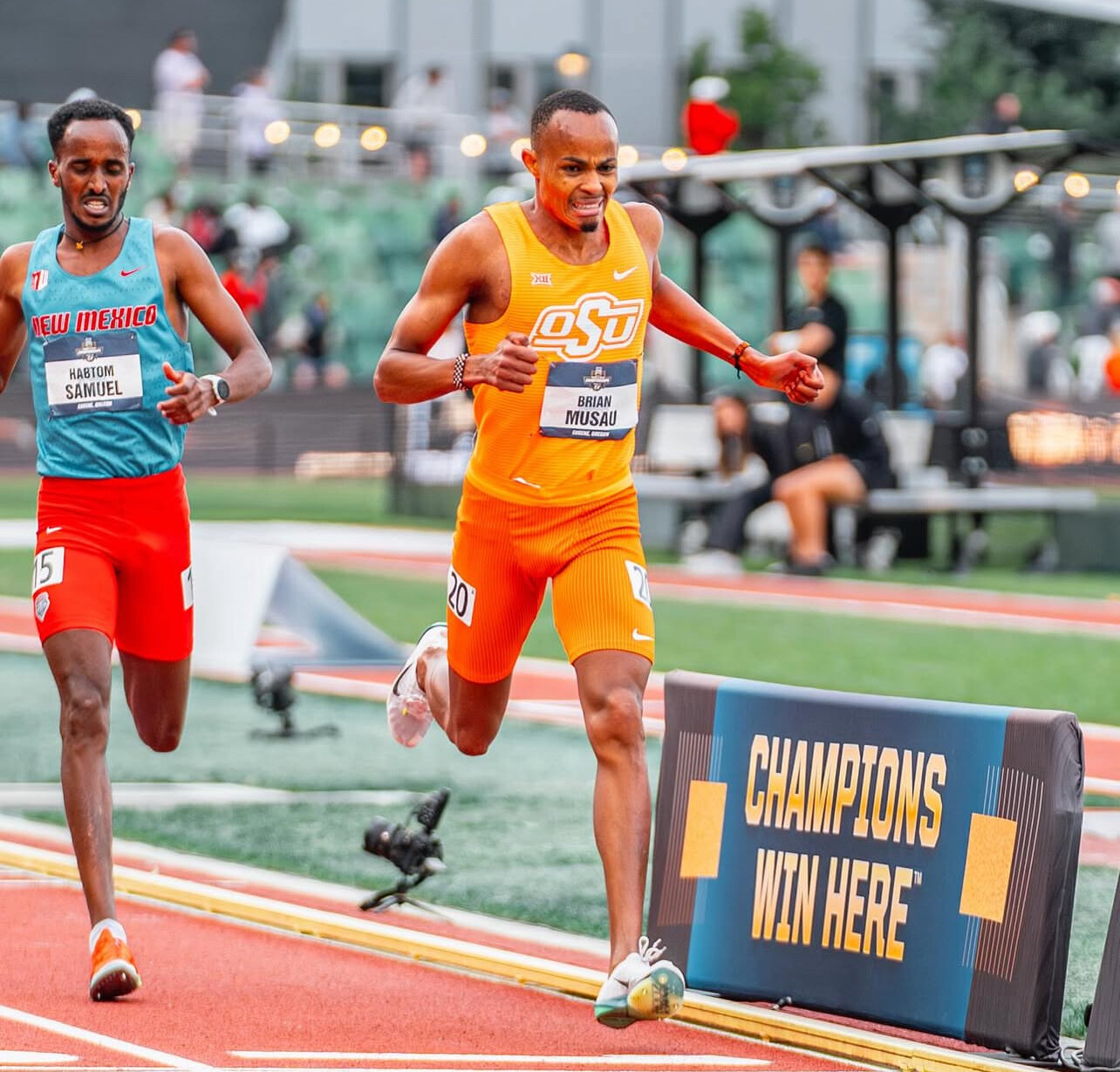
His coach at Oklahoma State, Dave Smith, called the race “a culmination of three years of hard work, patience, and belief.”
As a result of his historic run, Musau has now been invited to the 2025 Kenyan World Championships Trials, to be held July 22 at Nairobi’s Ulinzi Sports Complex—a high-stakes meet where Kenya’s team for the World Athletics Championships will be selected.
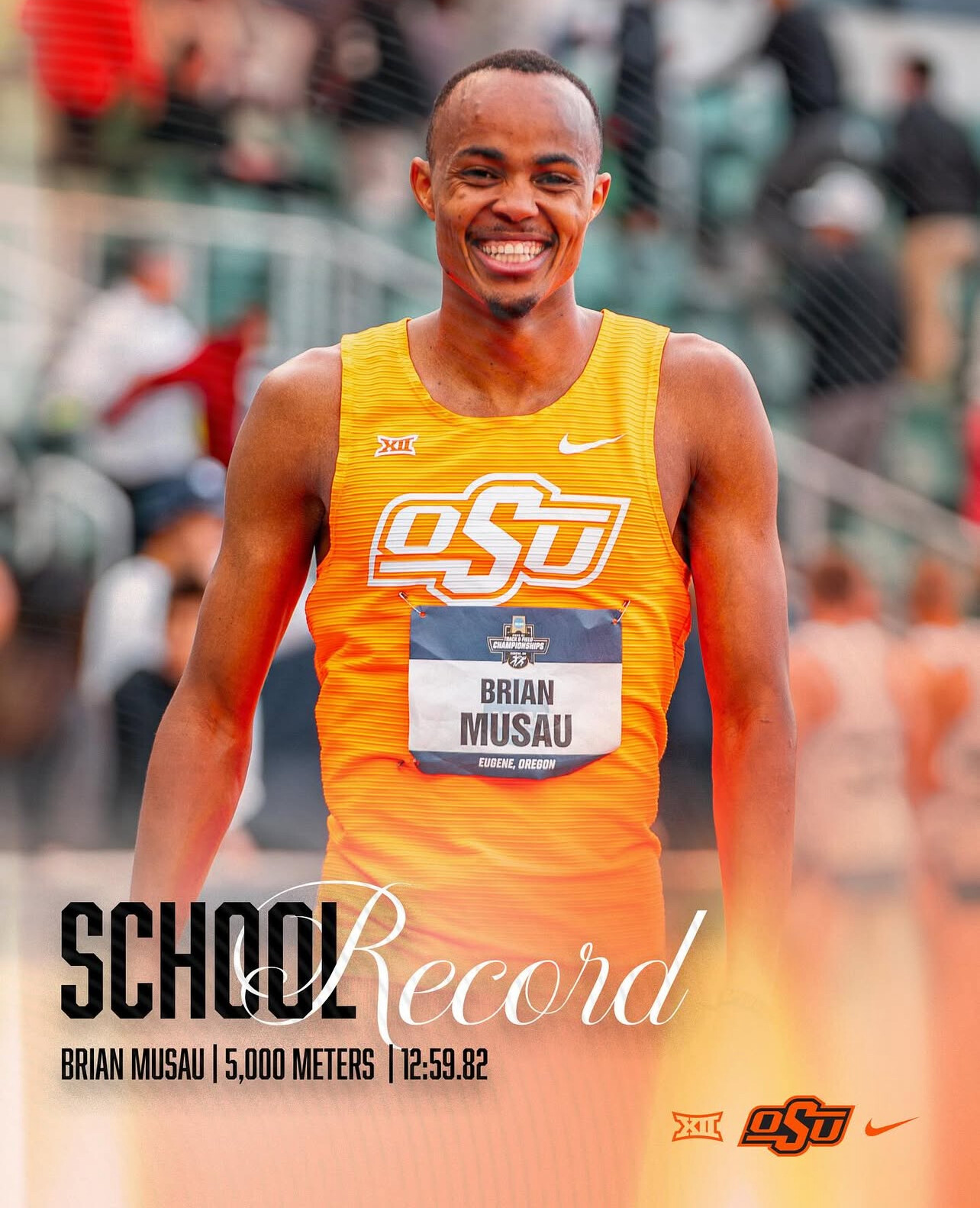
Musau is also a proud member of Townhall Athletics, the growing development and management group guiding several top Kenyan talents.
“This is only the beginning,” Musau told reporters after the race. “My dream is to represent Kenya on the world stage—and now I have that opportunity.”
by Boris Baron
Login to leave a comment
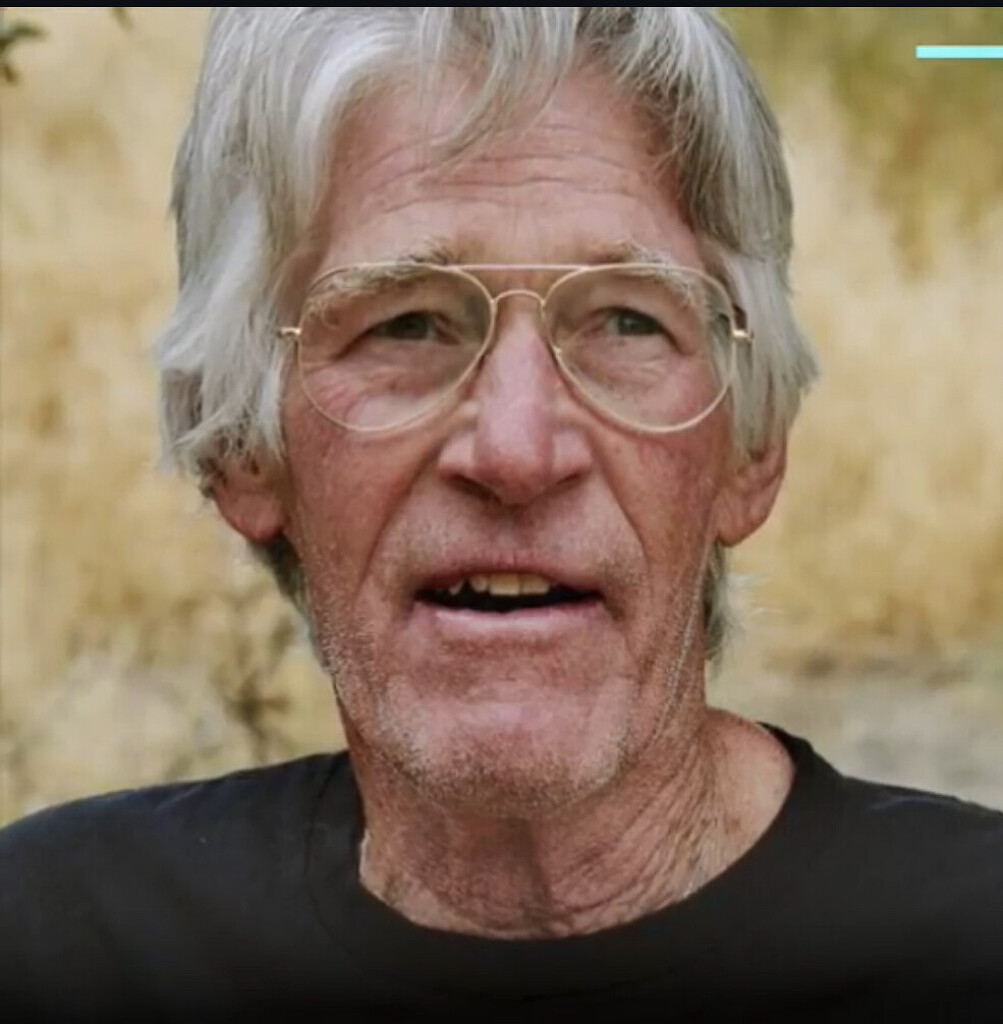
Jon Sutherland’s 55 Year World Record Running Streak is being challenged
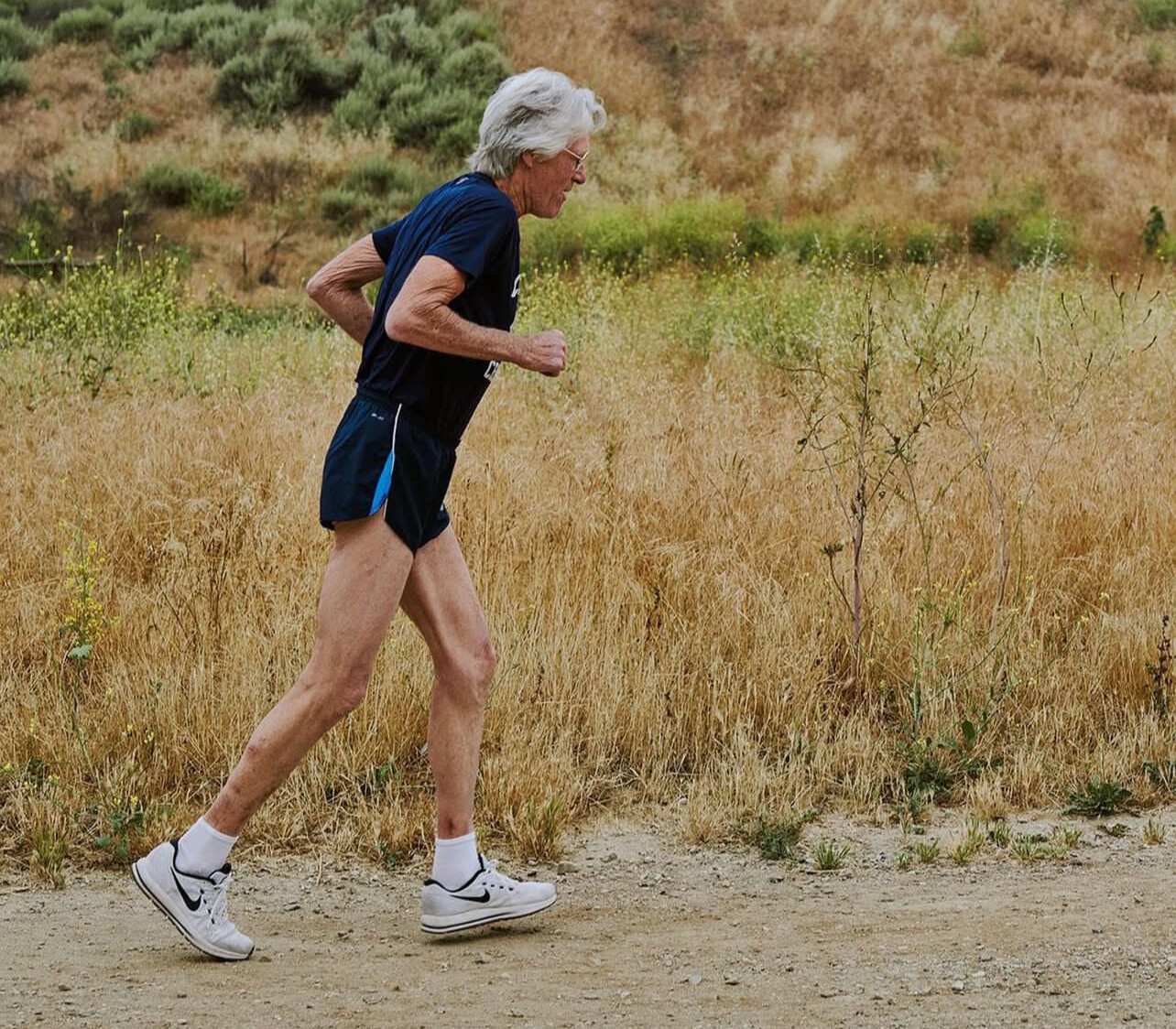
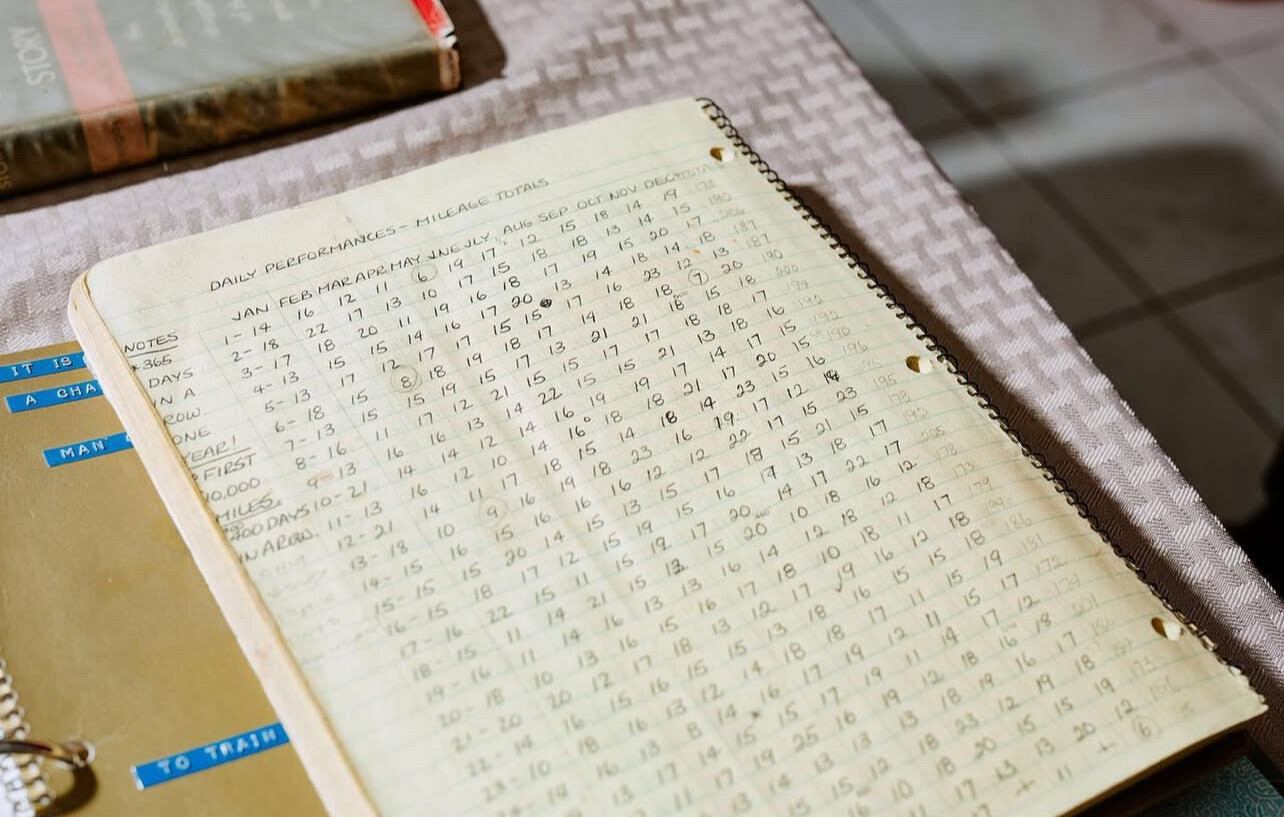
Jon Sutherland of Washington, Utah, officially ended the longest consecutive daily running streak in history on December 31, 2024. He ran every single day for 55 years, 7 months, and 6 days, totaling 20,309 consecutive days—a record of unmatched consistency, discipline, and passion for the sport.
Sutherland began his streak on May 29, 1969, at just 19 years old. Over five and a half decades later, now 74, he finally decided to hang up the streak—but not before cementing himself in the annals of running history.
For perspective, that’s nearly two-thirds of a century without missing a single day. Rain, injury, illness—none of it stopped him from getting in at least one mile daily. Though not all of those runs were fast or long, the sheer volume of uninterrupted effort is unparalleled.
Interestingly, just behind Sutherland on the all-time list is Jim G. Pearson, who began his still-active streak on February 16, 1970, in Marysville, Washington. Pearson, now 81, has logged 20,236 consecutive days (55.4 years) as of today—meaning he could soon surpass Sutherland’s final total if he keeps going.
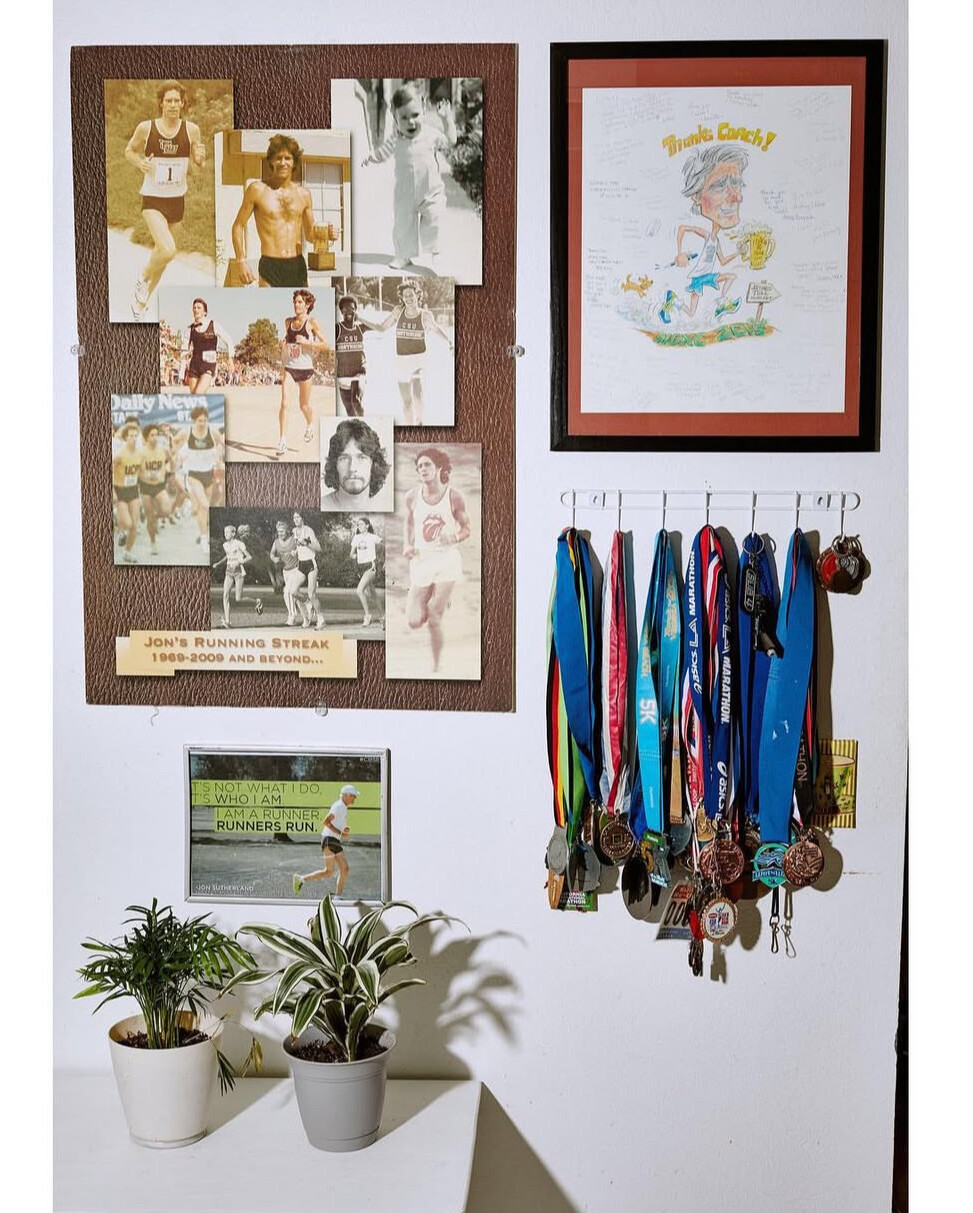
As of now, Jon Sutherland holds the record for the longest running streak ever completed.
If you’ve ever skipped a run because of bad weather or a sore ankle, let Jon’s example remind you what commitment really looks like.
by Boris Baron
Login to leave a comment
Ottawa Runners Victorious at the 2025 Under Armour Toronto 10K
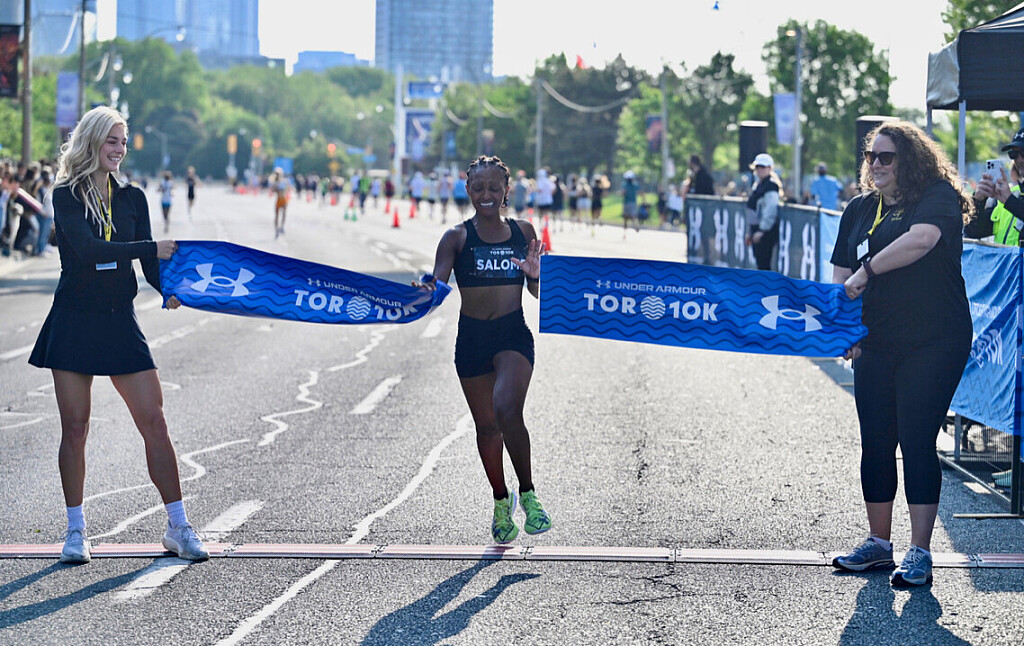
It was a case of “third time’s a charm” for Rwanda’s Salome Nyirarukundo, as the 27-year-old claimed the women’s crown at the 2025 Under Armour Toronto 10K.
Her winning time of 34:05 bettered her performances from the past two years, when she finished second on both occasions. Given the record 8,500 runners faced a stiff headwind along the shores of Lake Ontario, her result was all the more impressive.
Nyirarukundo, who has lived in Ottawa for the past five years, didn’t have an easy time. Rachel Hannah, the 2015 Pan Am Games marathon bronze medalist, tried to close the gap over the final two kilometers but settled for second in 34:17. Fellow Ottawa runner Teagan Robertson finished third in 34:52.
A two-time Olympian for Rwanda (2016 Olympics, 2018 Commonwealth Games), Nyirarukundo still holds the national records in the 5,000m and 10,000m for her native country.
“I feel so amazing. I’m very emotional because I’ve come here three times and finished second twice,” Nyirarukundo said with a broad smile. “After 3K, I started pushing because I know Rachel is very strong. I was really worried I made a bad decision, but I caught up to a couple of guys and used them to stay ahead.”
At 38, Hannah remains a formidable competitor. After finishing 11th at the Houston Marathon in January and 29th at the Boston Marathon, she placed fifth at the Canadian 10K Championships in Ottawa. She admits the shorter distances keep things exciting.
“She wasn’t far ahead,” Hannah said. “It helps to have someone to chase. This was my best run here. I’ve been third a couple of times. It was windy, but I live by Lake Huron—I’m used to wind,” she laughed.
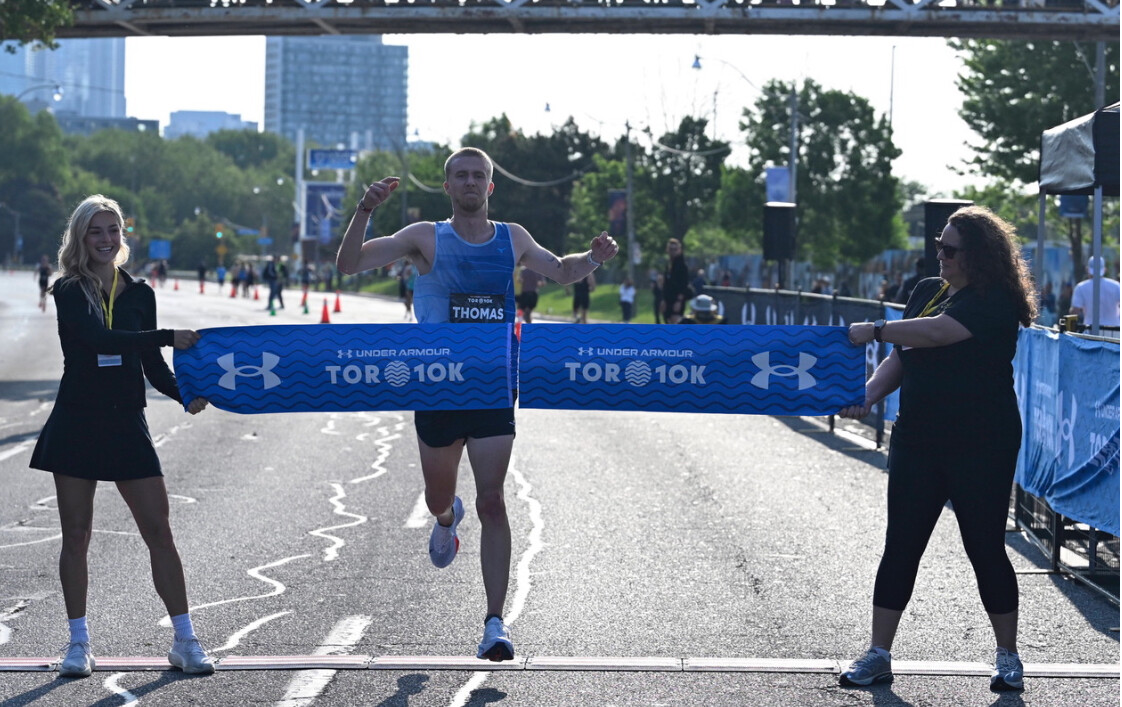
The men’s race also went Ottawa’s way as Thomas Nobbs, 25, coached by Brant Stachel, surged over the final kilometer to hold off Lee Wesselius, winning in 29:35.
Nobbs, who recently ran 28:58 at the Canadian 10K Championships (6th place), had hoped to improve on that time but adapted to race-day challenges.
“My coach said not to lead, but there I was,” Nobbs said, laughing. “I had a terrible sleep and ripped my shoelaces just before the start. But I know I’m fit, and even on a bad day I can come through.”
Originally from Vancouver, Nobbs ran two years at the University of Washington before finishing his degree at UBC. He now trains mostly solo under Stachel’s guidance.
Much of the race was shared up front with Wesselius, 31, a full-time large animal veterinarian, who finished just five seconds back.
“It was a good step forward from Ottawa,” Wesselius said. “I tried to make a move into the wind and opened a bit of a gap. But Thomas responded well and made his move at the turnaround.”
Alex Cyr of Toronto rounded out the podium in 29:45, earning respect from Nobbs for his season-long progression.
“Alex is strong in the lead. He’s probably made the biggest leap out of all of us this year,” Nobbs added.
Both Nobbs and Nyirarukundo were quick to thank Canada Running Series for organizing the event and inviting them to compete against some of the country’s best.
by Paul Gains
Login to leave a comment
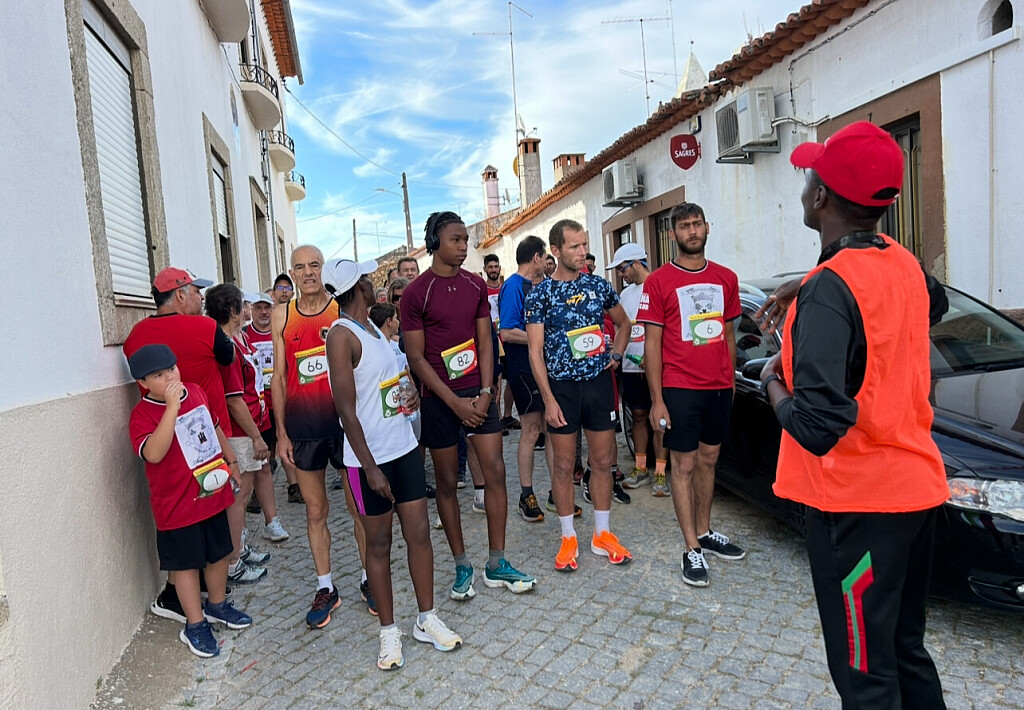
The Global Comeback of Small Town Road Races
As the world’s largest marathons continue to draw tens of thousands of runners and charge hefty entry fees, many athletes—both seasoned and new—are turning their attention to something more intimate: small town road races.
Once considered only for local fun-runners or age-groupers, these events are experiencing a global resurgence, offering runners everything the mega-marathons can’t—less stress, lower costs, a tight-knit community, and often, surprisingly fast competition.
A More Personal Experience
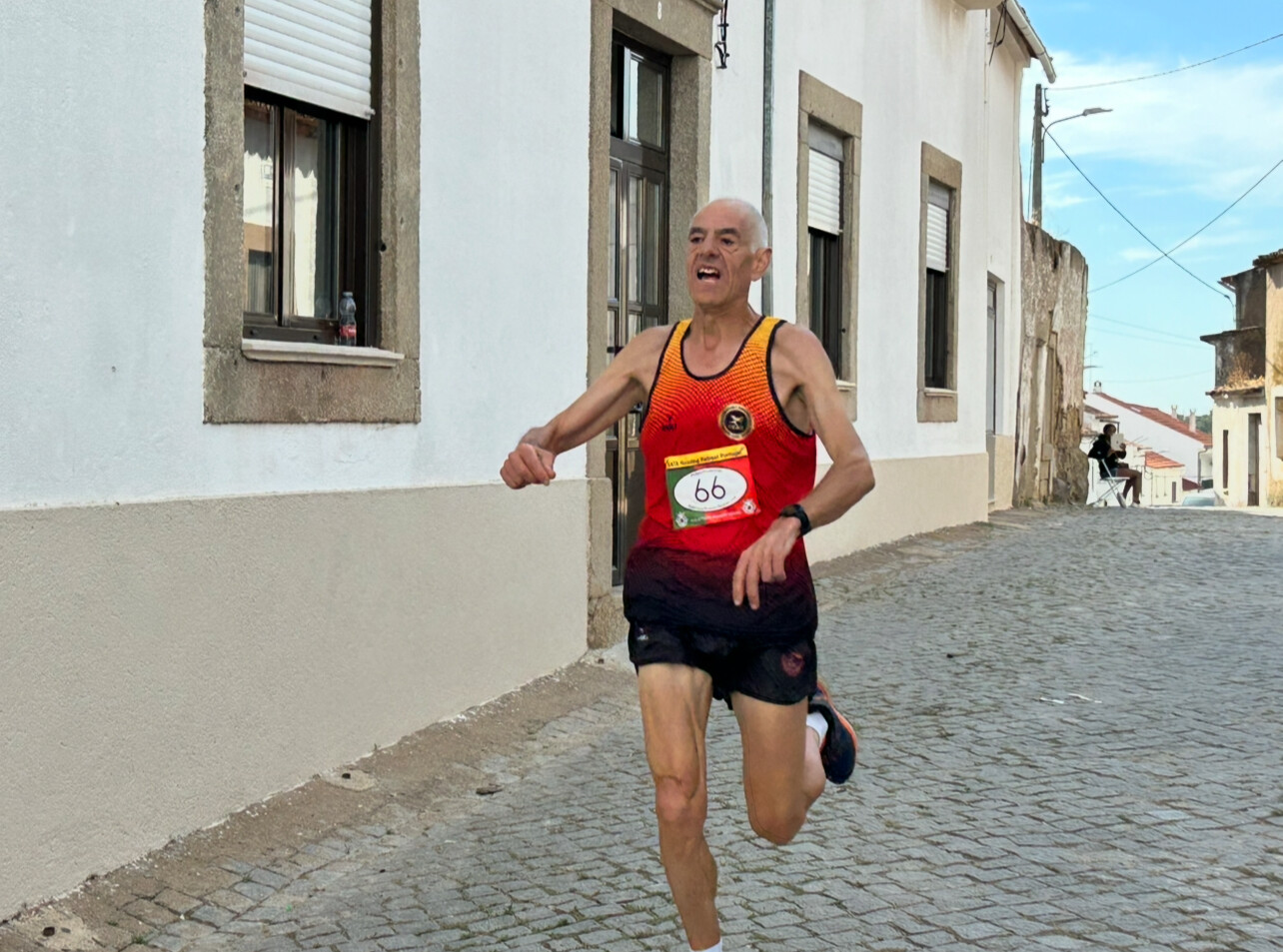
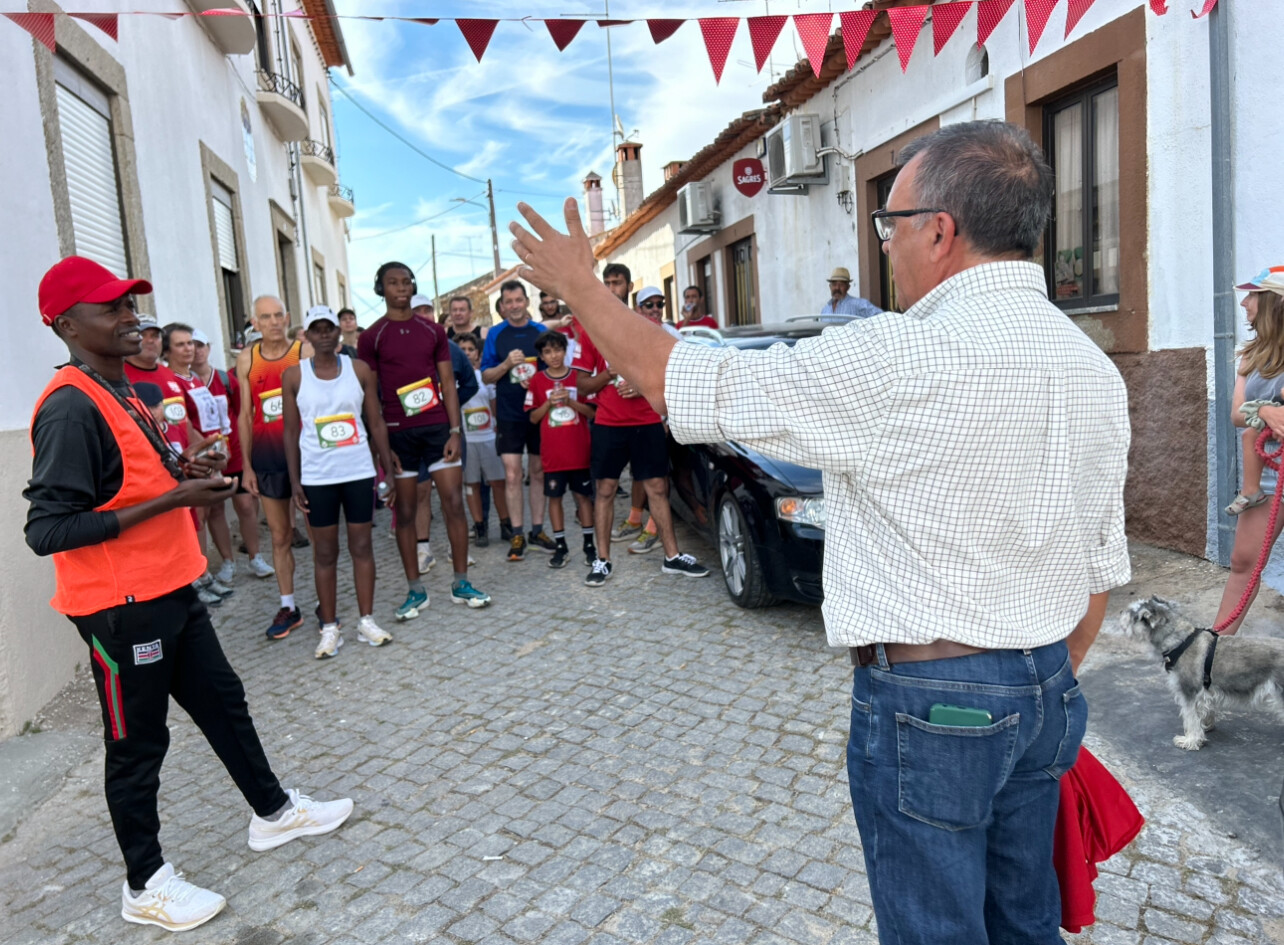
Big-city races like the New York City and Berlin Marathons may offer world-class crowds and fanfare, but the scale can feel overwhelming. In contrast, races in small towns like Monforte da Beira (Portugal), Charlevoix (Michigan), or Iten (Kenya) are drawing runners looking for a different experience.
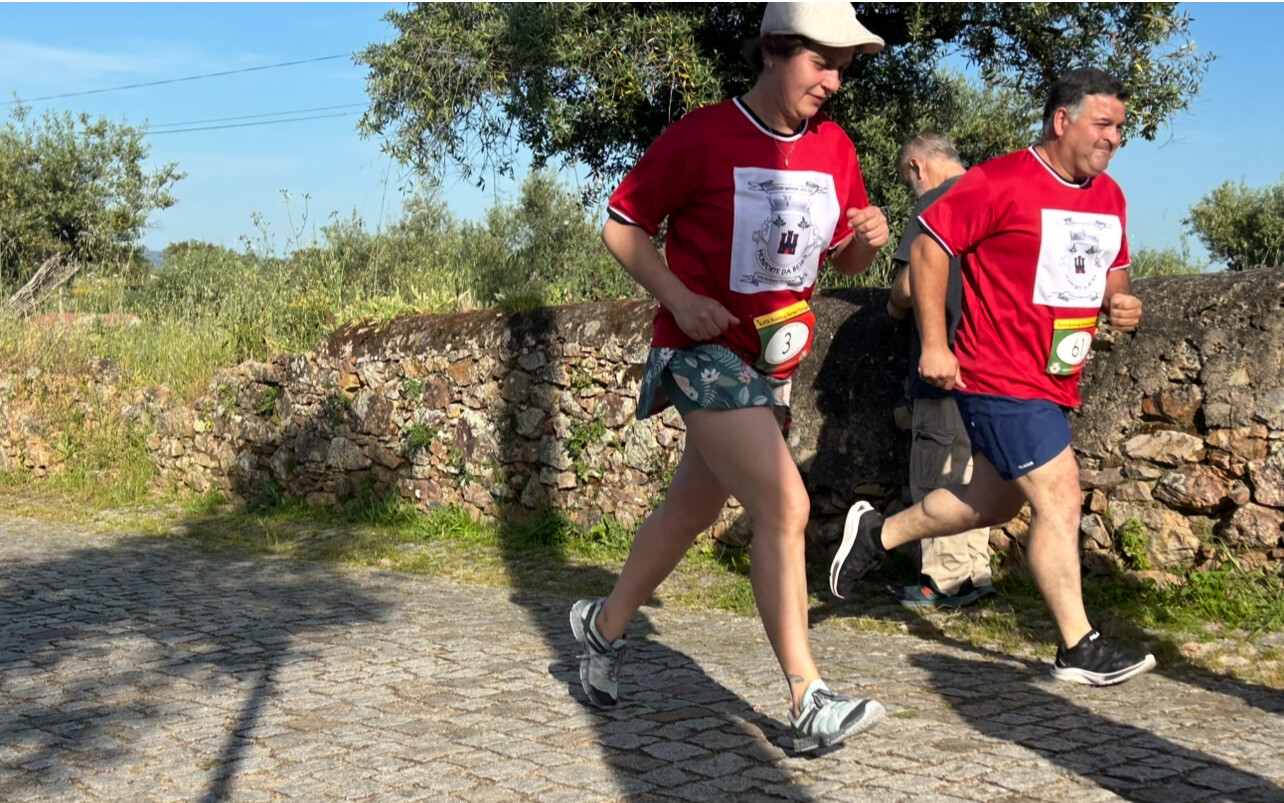
“After years of chasing majors, I ran a 10K in a village with 300 people,” says Linda Greene, a 2:58 marathoner from Chicago. “No lines, no chaos, and I ran my fastest time in two years.”
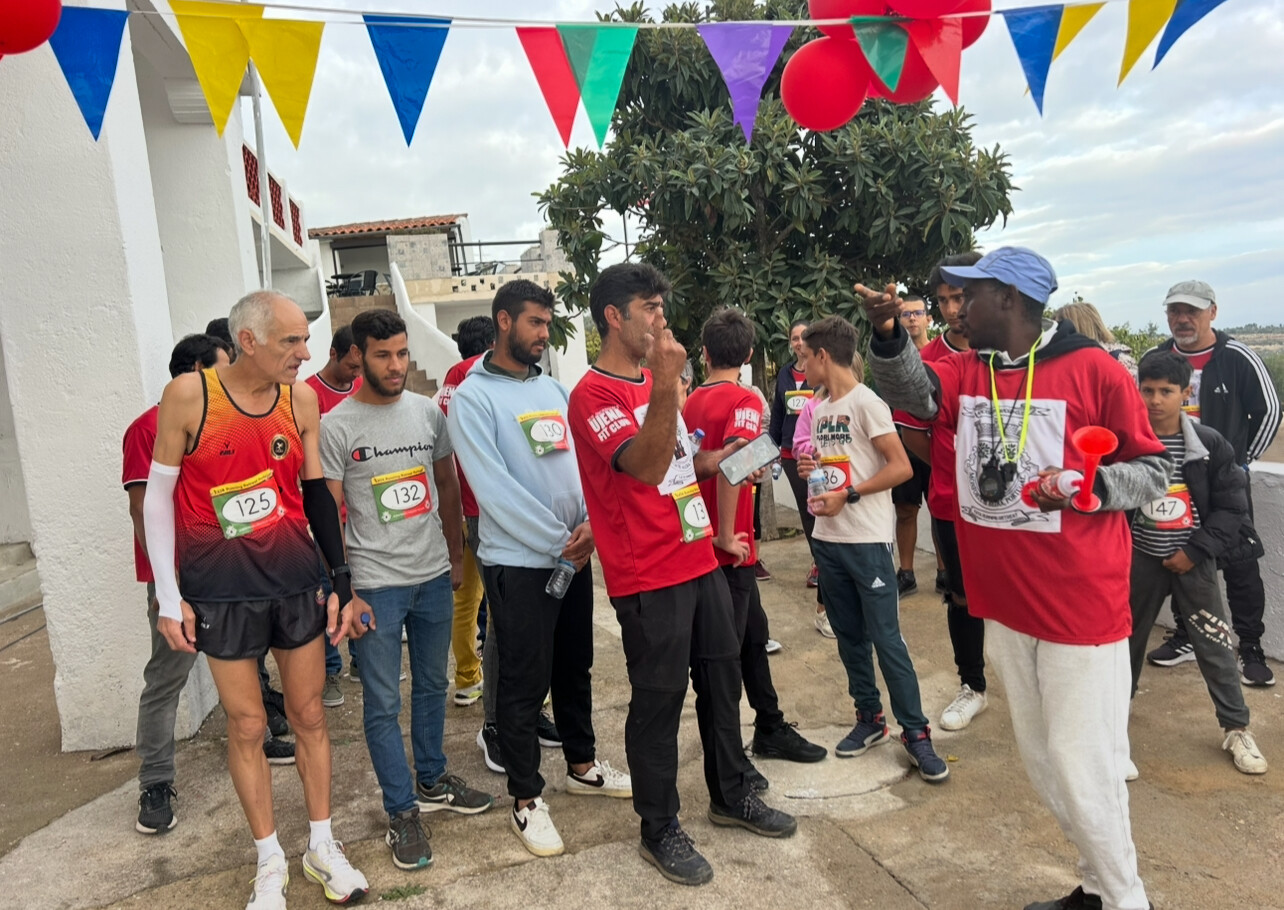
Competitive Fields, Surprisingly Fast Courses
Don’t assume these races are only about charm. Many feature flat or downhill courses, and some attract elite talent. In the Pacific Northwest, for example, the Capital City 5K in Olympia, Washington, saw a 14:12 finish this spring from a local collegiate athlete training for the Olympic Trials.
Organizers often design courses for speed and simplicity—something increasingly rare in major urban races where logistics can dictate less-than-ideal routes.
Lower Costs, Higher Value
With registration fees as low as $10–$30, small town races often include perks like free post-race meals, local wine or produce giveaways, and handmade medals or shirts.
“Running the Golden Gate 10K in August cost me less than dinner in San Francisco,” said one Bay Area runner. “And I didn’t even have to wake up at 4 a.m. to get to the start.”
Building Community
In towns where everyone knows your name—or at least cheers you by bib number—these races build true connections. Organizers are often runners themselves, and volunteers may include the local mayor or schoolchildren.
“You can actually talk to the race director. You can warm up on the course. You feel seen,” said Daniel Okoth, a Kenyan athlete who trains in Kapcherop. “It reminds you why we run.”
Not Just for Locals Anymore
With the rise of digital registration and online coverage, many small town races are welcoming international runners looking for something special. My Best Runs now features a growing list of these hidden gems, and more athletes are flying into tiny airports to chase PRs and peaceful scenery.
Looking for your next great race?
Skip the mega-expo. Skip the corrals. Skip the parking issues. Go back to where it is just about racing.
by Boris Baron
Login to leave a comment
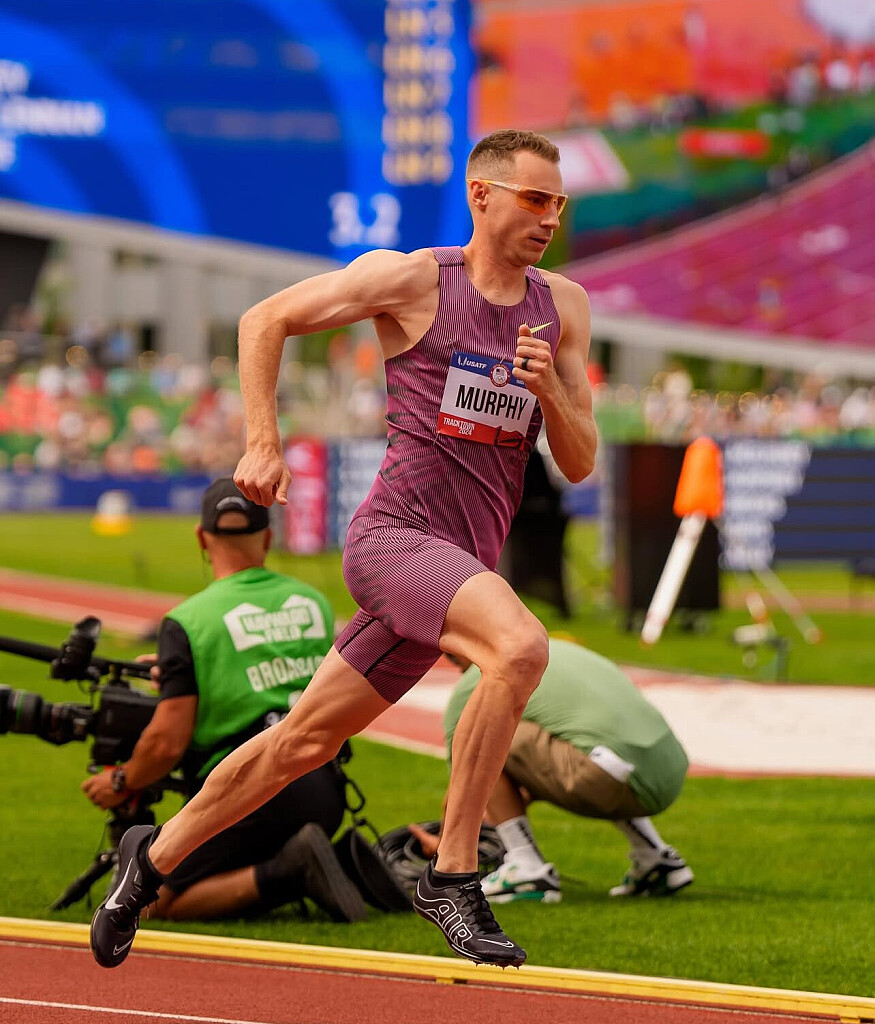
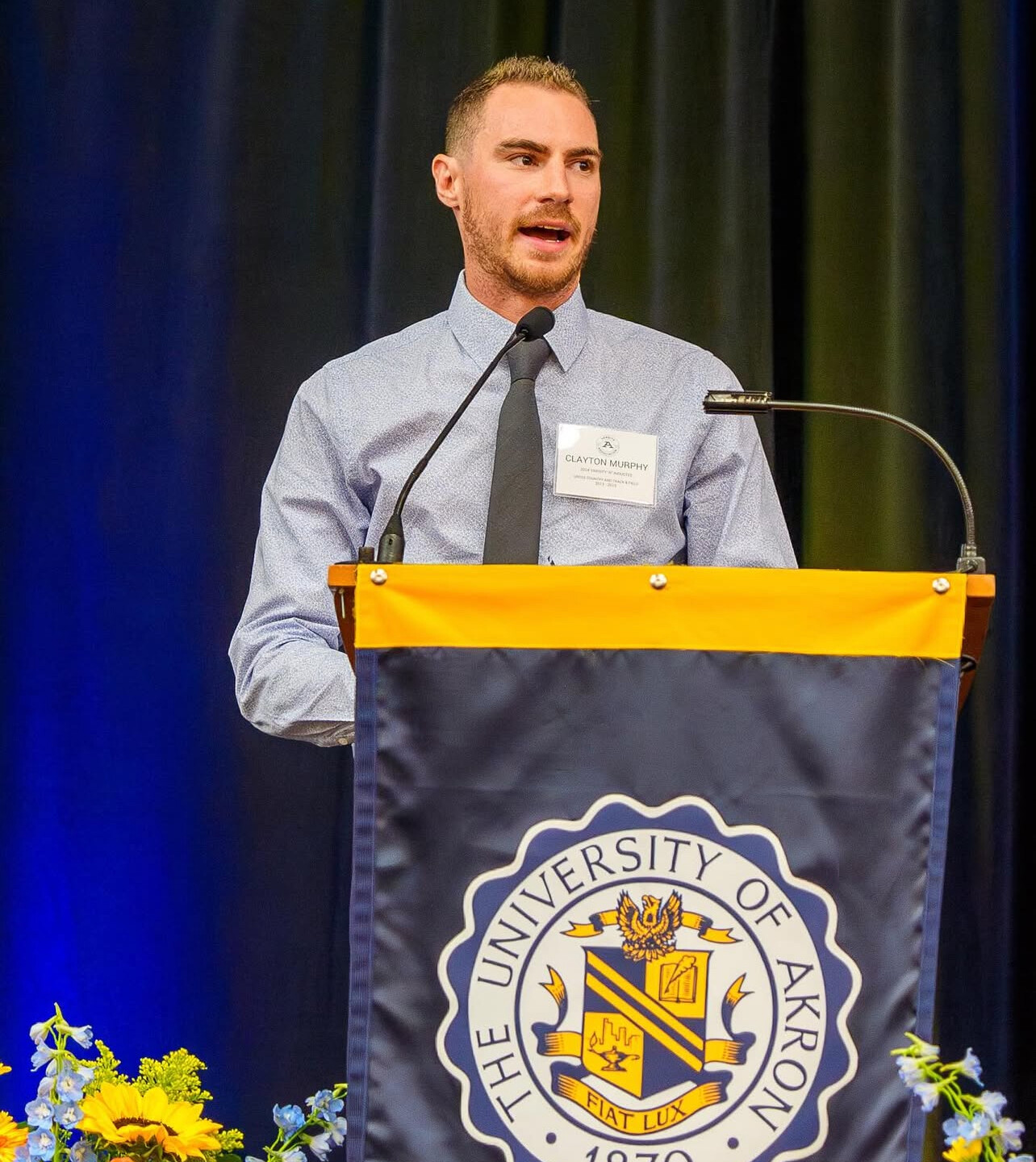
Clayton Murphy Shocks Fans with Early Retirement After Stellar Olympic Career
Olympic bronze medalist Clayton Murphy stunned the track and field world by announcing his retirement at just 30 years old on May 7, 2025. Known for his gritty racing style and breakthrough performances, Murphy exits the sport with a legacy that inspired a generation of American middle-distance runners.
A Decade at the Top
Murphy’s journey began in New Madison, Ohio, and quickly accelerated during his collegiate years at the University of Akron, where he captured the 2016 NCAA 1500m title. Just months later, he stunned the world by winning bronze in the 800 meters at the Rio Olympics, clocking a personal best of 1:42.93—the fifth-fastest time ever by an American. It marked the first U.S. medal in the Olympic 800m since 1992.
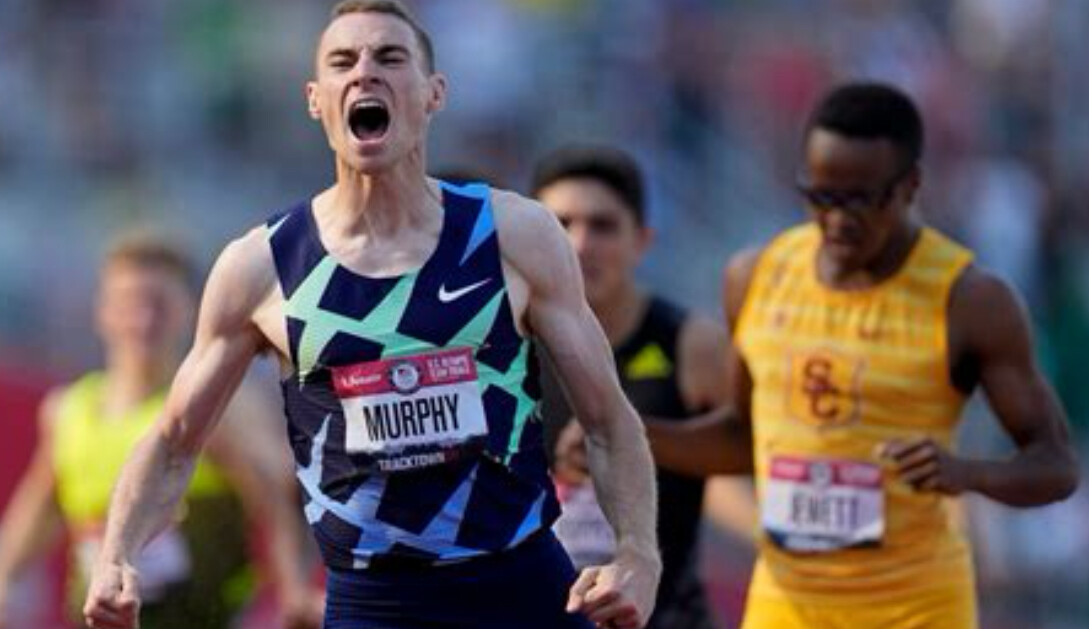
Over the next decade, Murphy consistently represented the United States on the world stage, including appearances at the Tokyo 2021 Olympics and multiple World Championships. His smooth stride, tactical awareness, and fierce closing speed earned him fans worldwide.
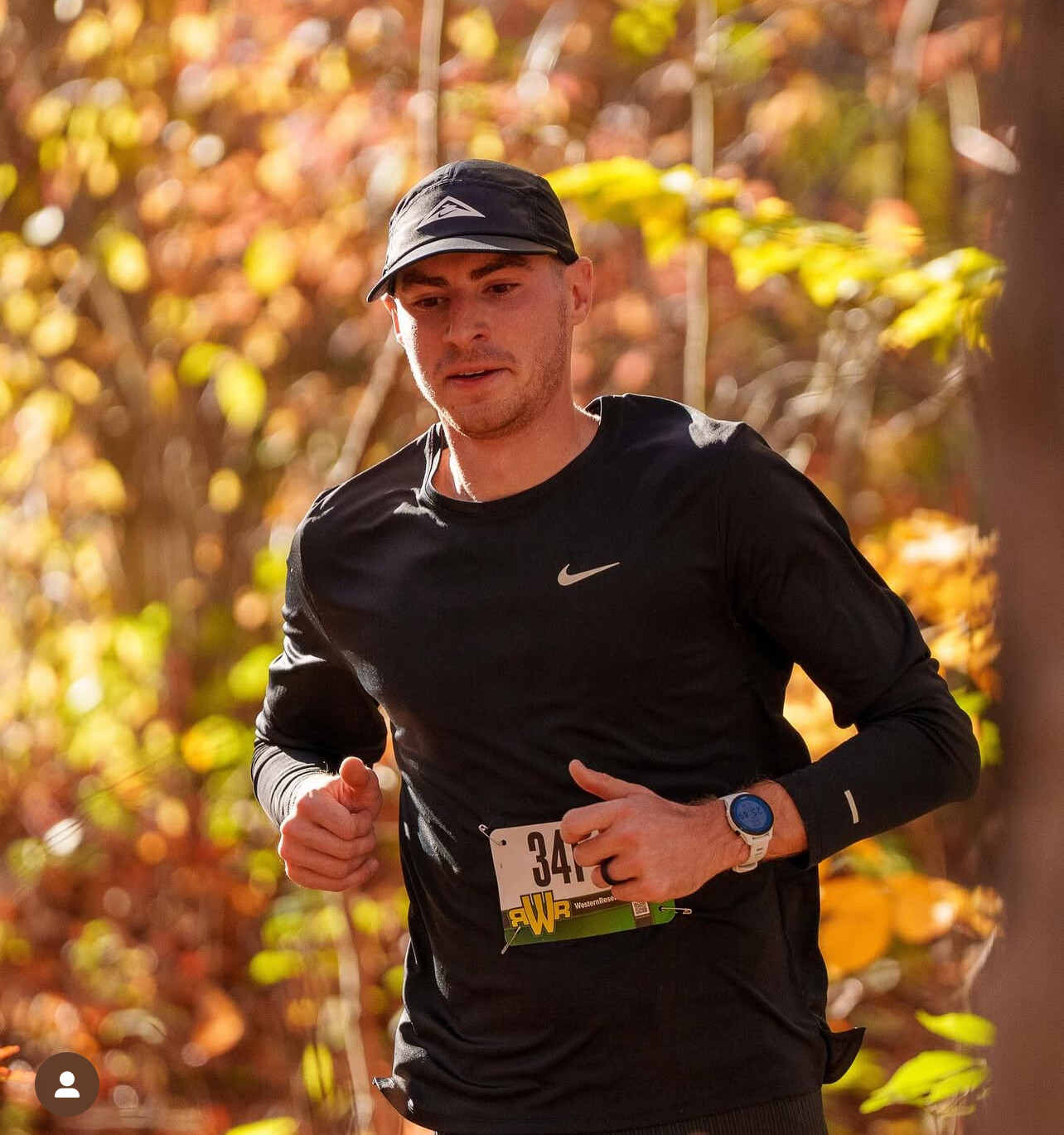
Why Retire Now?
In an emotional Instagram post, Murphy reflected on his decision:
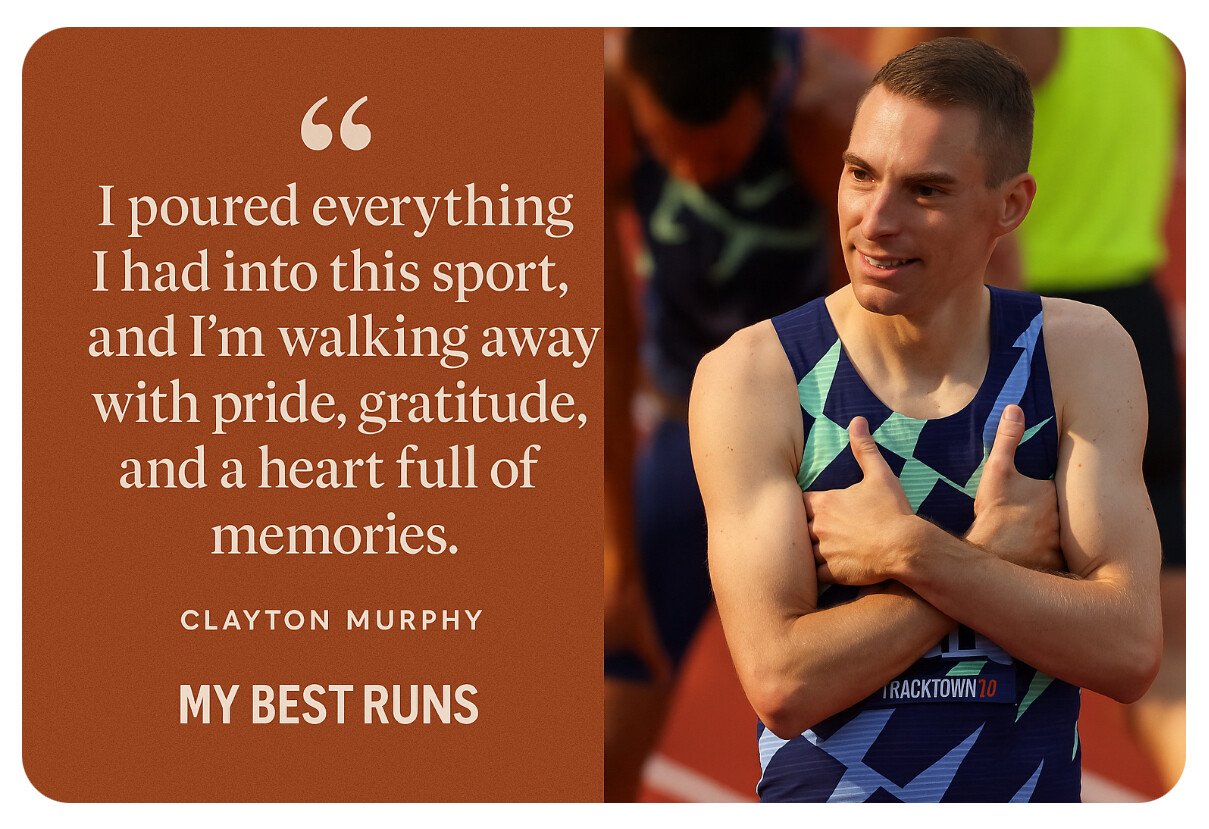
“I poured everything I had into this sport, and I’m walking away with pride, gratitude, and a heart full of memories. A decade on the global stage is more than most pros will ever get to experience, and I’m so grateful for what every year has taught me.”
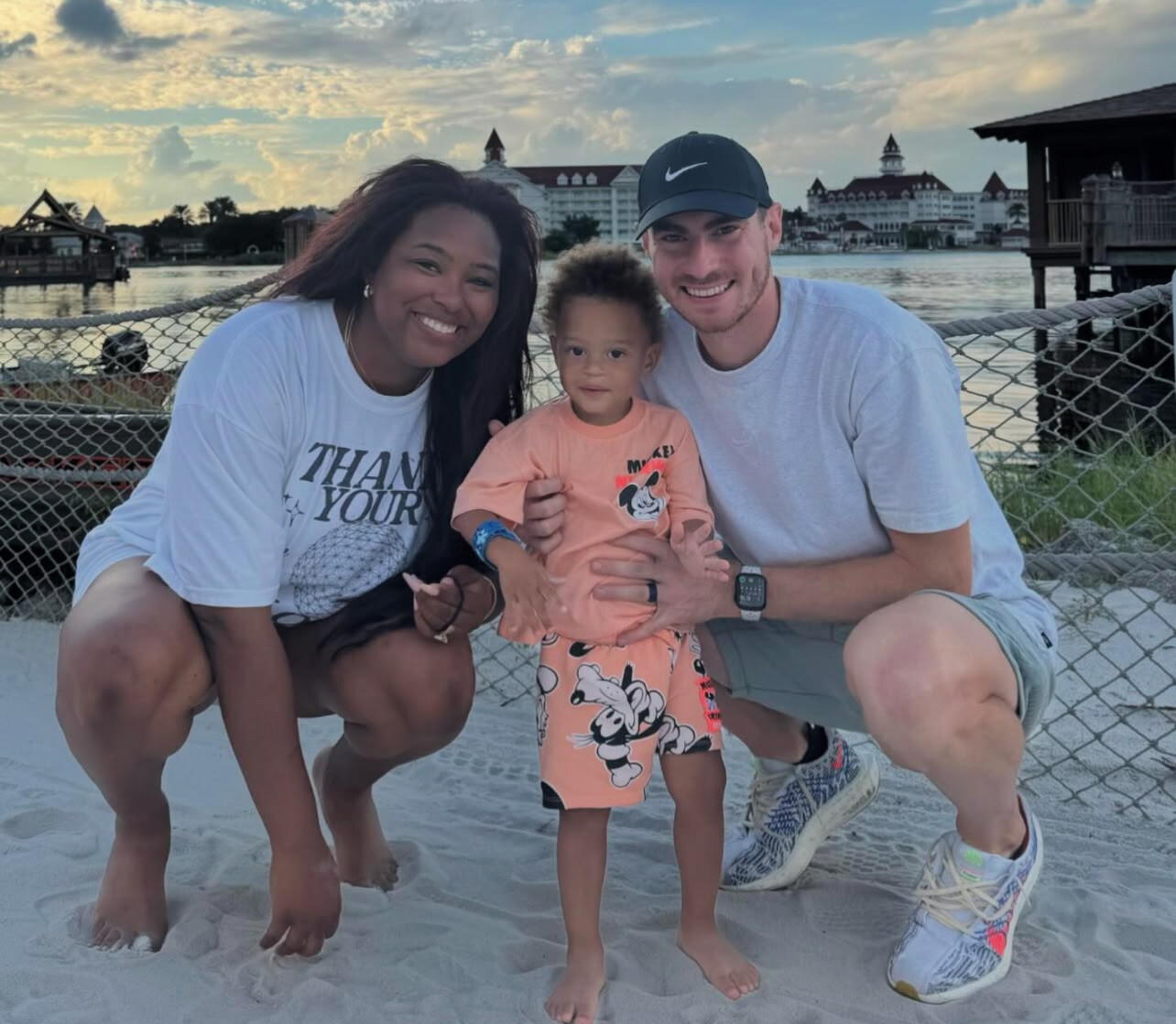
While Murphy did not point to a single reason for stepping away, his message hinted at a desire for growth and new opportunities beyond the oval. He thanked his longtime coaches Lee LaBadie and Alberto Salazar, as well as his wife and fellow Olympian Ariana Washington, for their unwavering support.
What’s Next?
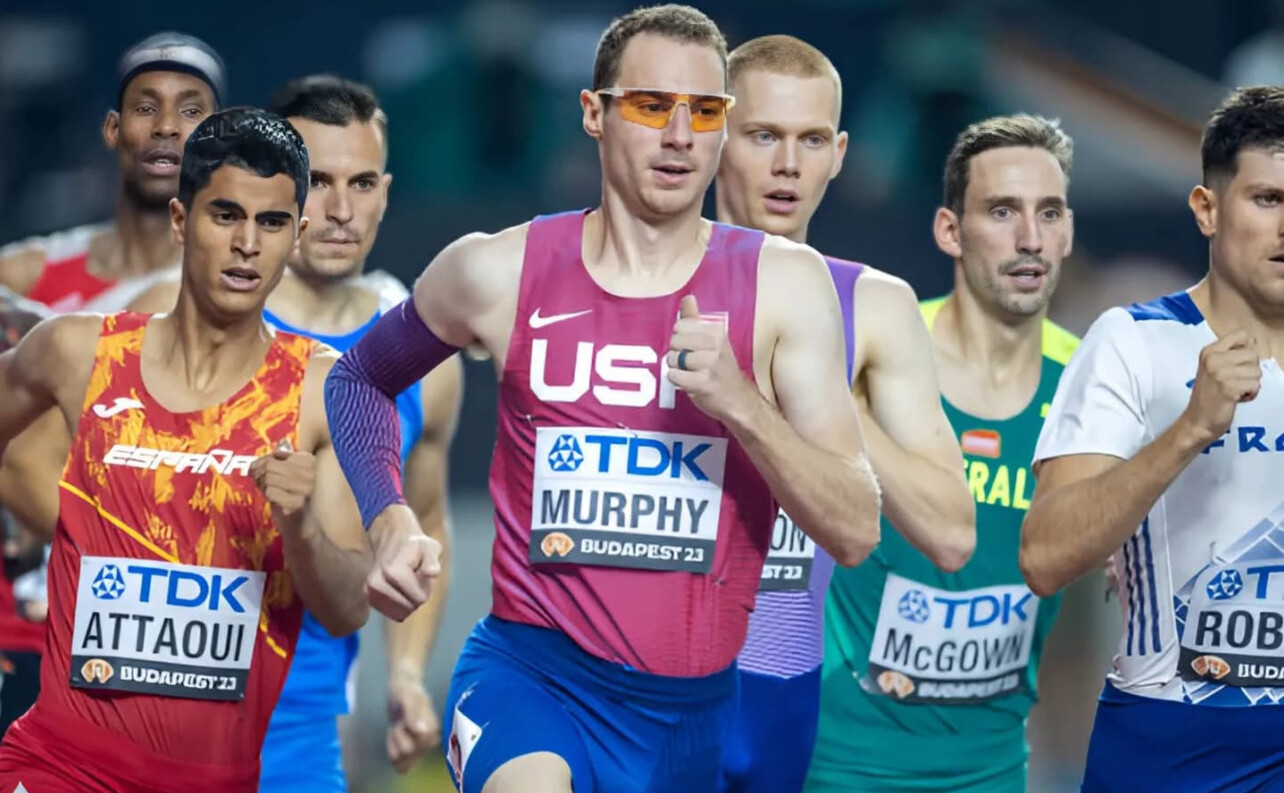
Though he’s stepping off the track, Murphy made it clear he won’t be far from the sport:
“I might be done running 50s around the track, but I know I’ll always be a part of this sport one way or another. Can’t wait to share with you what’s next!”
A Lasting Legacy
Fans and athletes alike flooded social media with tributes. One wrote, “You’ll always be one of the best!” while fellow 800m standout Bryce Hoppel commented, “Congrats on the career!”
Murphy’s retirement may have come earlier than expected, but his impact on American middle-distance running is undeniable. As he enters his next chapter, the sport says goodbye to a competitor who always gave his all—every lap, every race, every time.
by Boris Baron
Login to leave a comment
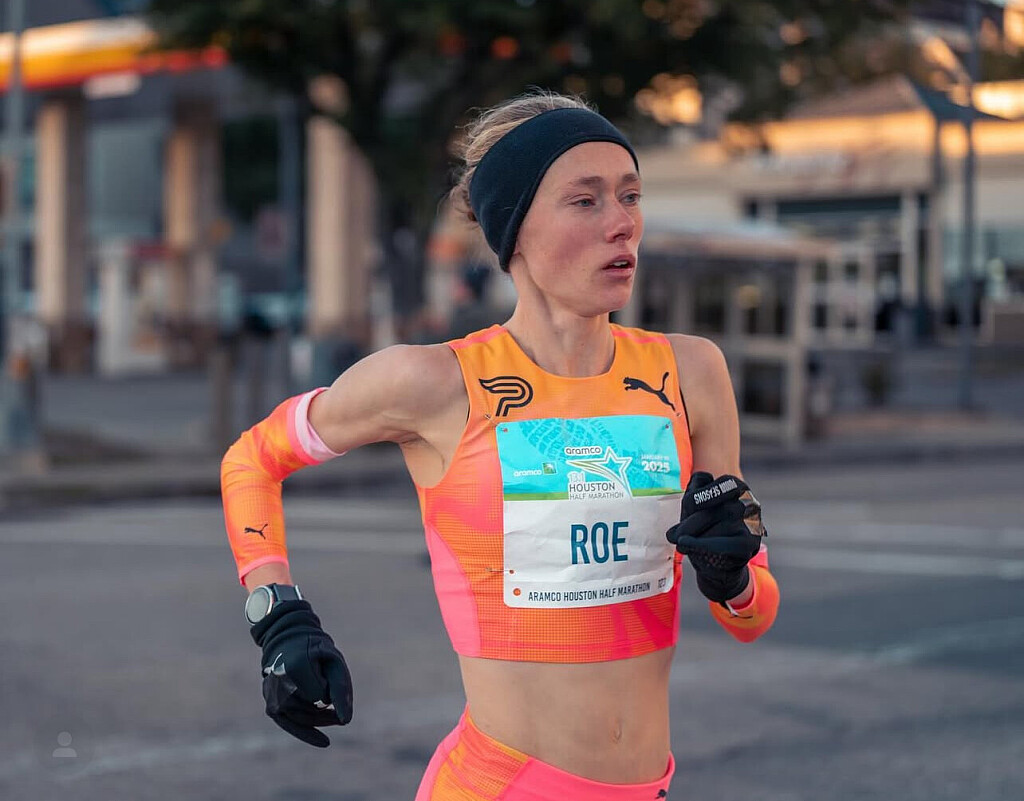
Taylor Roe’s Record Breaking Rise from NCAA Star to American Road Racing Powerhouse
In just over a year, Taylor Roe has gone from a promising collegiate standout to one of the brightest stars in American distance running. Her 2025 campaign has been nothing short of historic—national titles, American records, and international recognition are stacking up fast for the 24-year-old from Lake Stevens, Washington.
From Washington to the NCAA Podium
Roe began her running journey in Lake Stevens, where she collected nine individual state titles in cross country and track. At Oklahoma State University, she continued to shine, winning the NCAA Indoor 3000m title in 2022 and placing second at the 2020 NCAA Cross Country Championships. Her final collegiate season in 2024 saw her finish third in the 10,000m and sixth in the 5,000m at the NCAA Outdoor Championships.
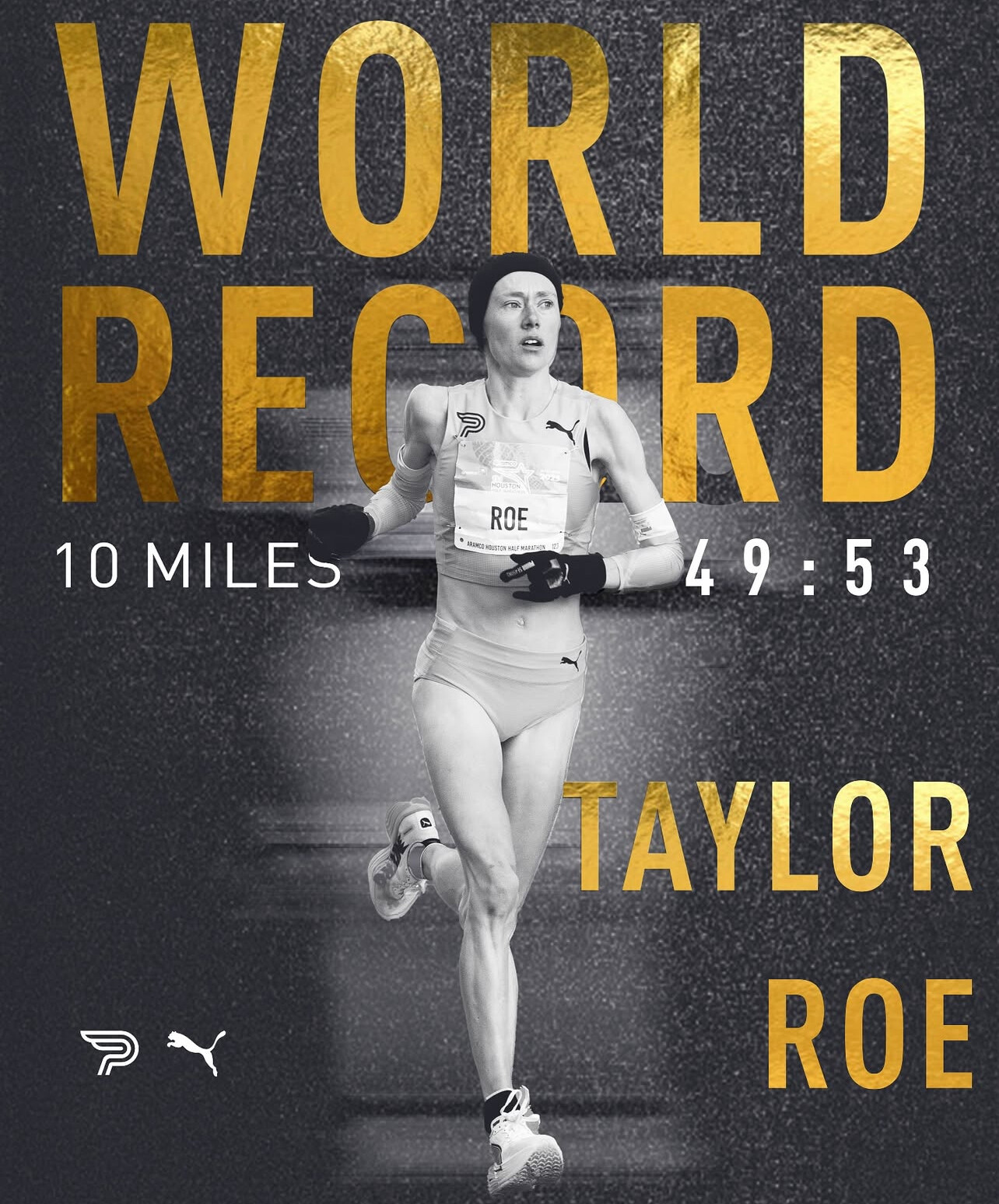
Breakout Year on the Roads
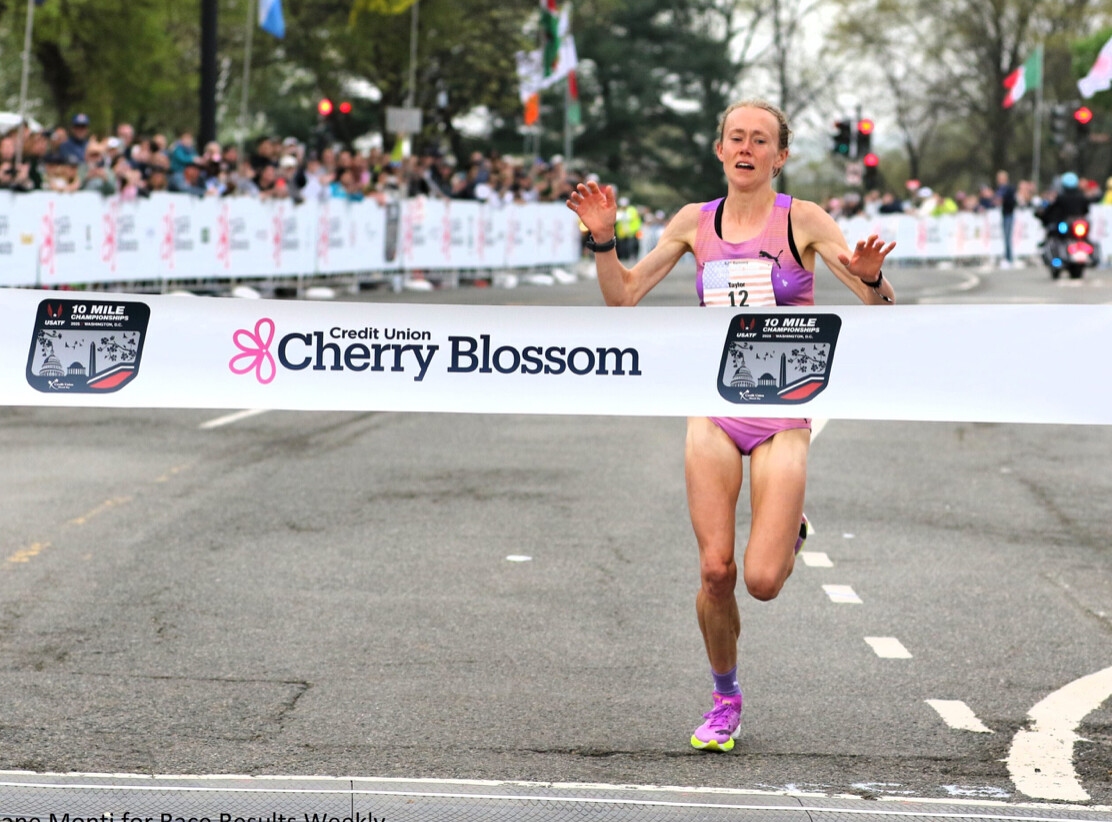
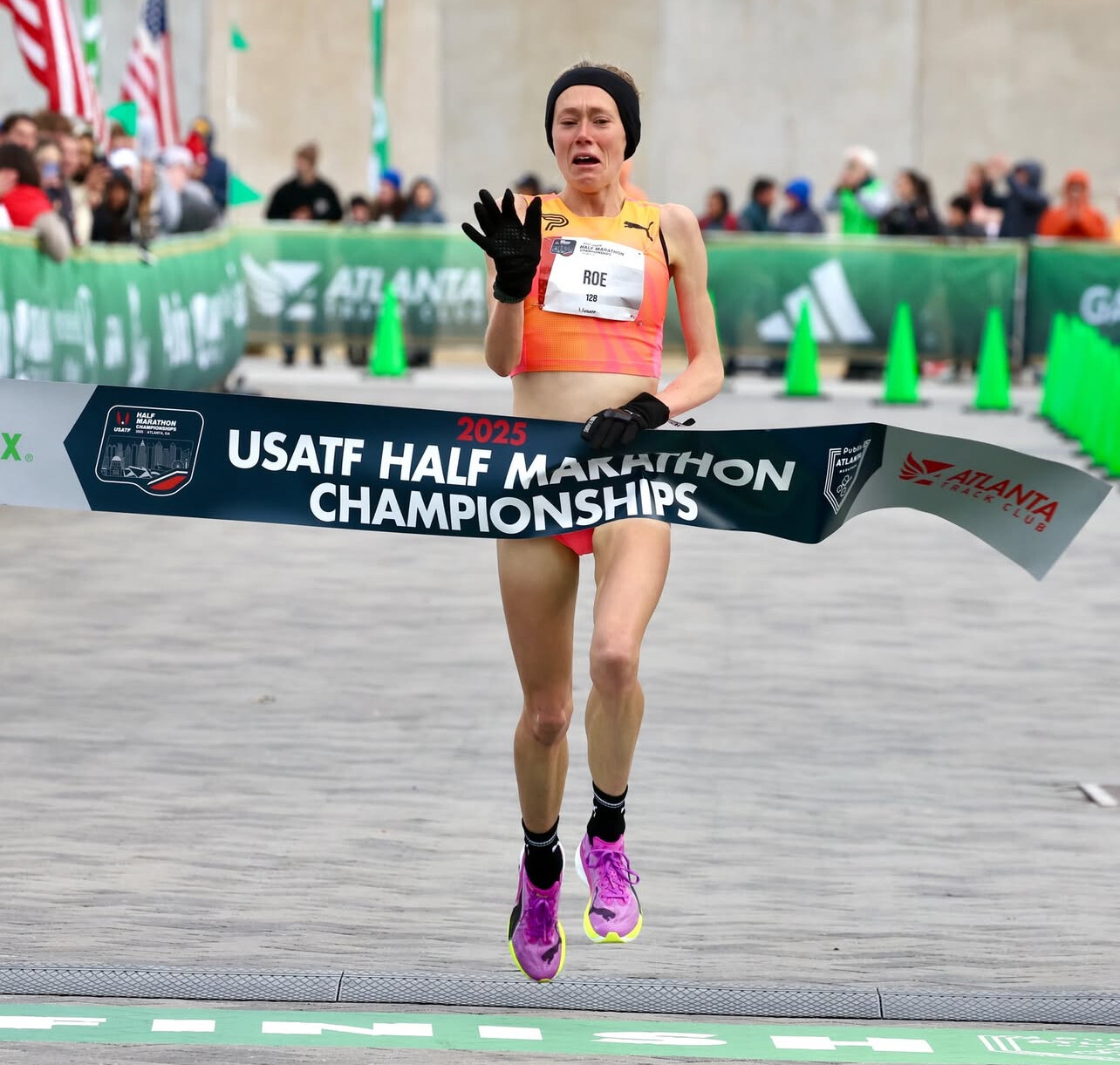
Turning pro in mid-2024 with Puma, Roe wasted no time making her mark. She won the USATF Half Marathon Championships in March 2025 in a personal best of 1:07:22. The win not only earned her a national title but also secured her a spot on Team USA for the World Athletics Road Running Championships.
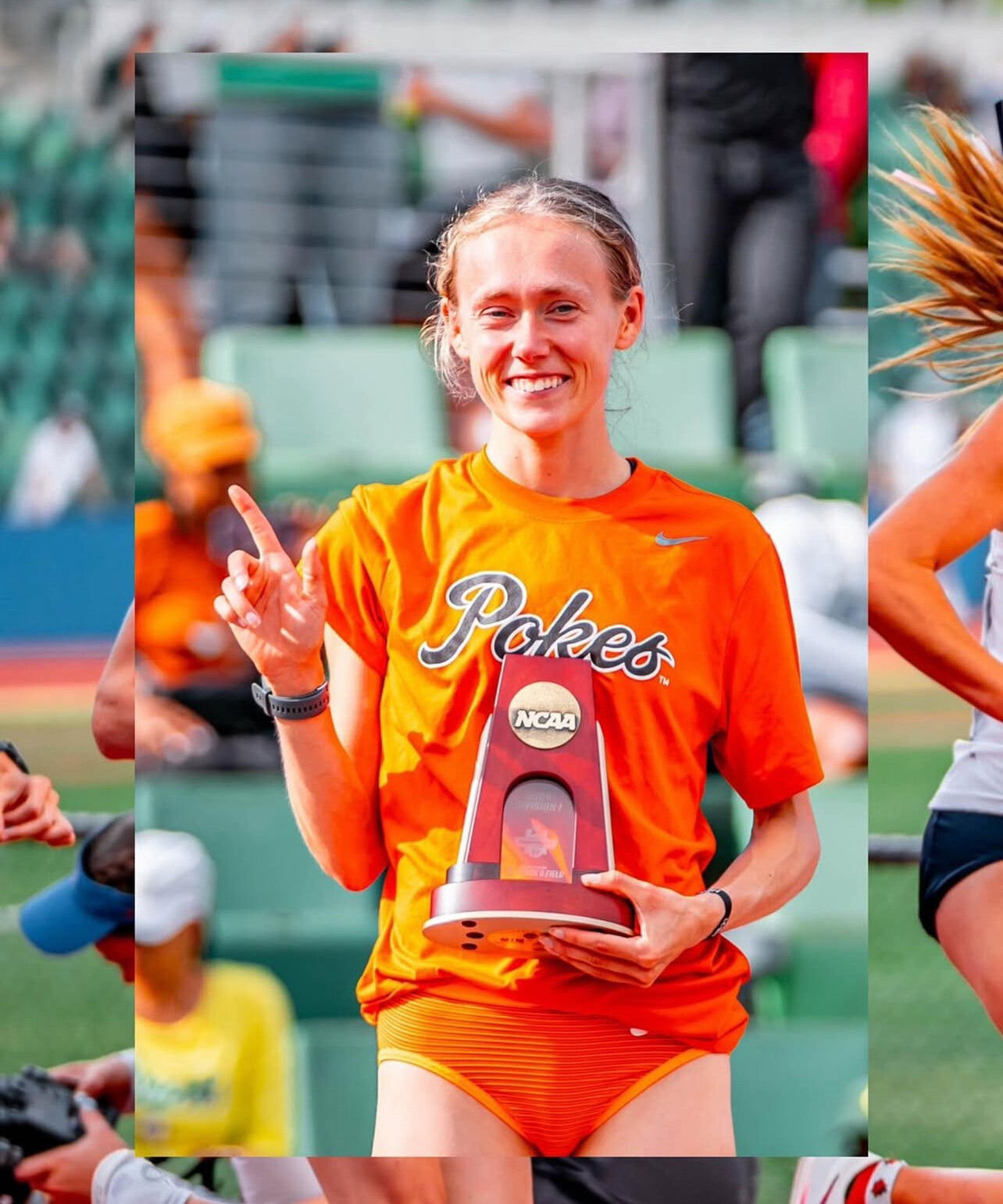
Rewriting the Record Books
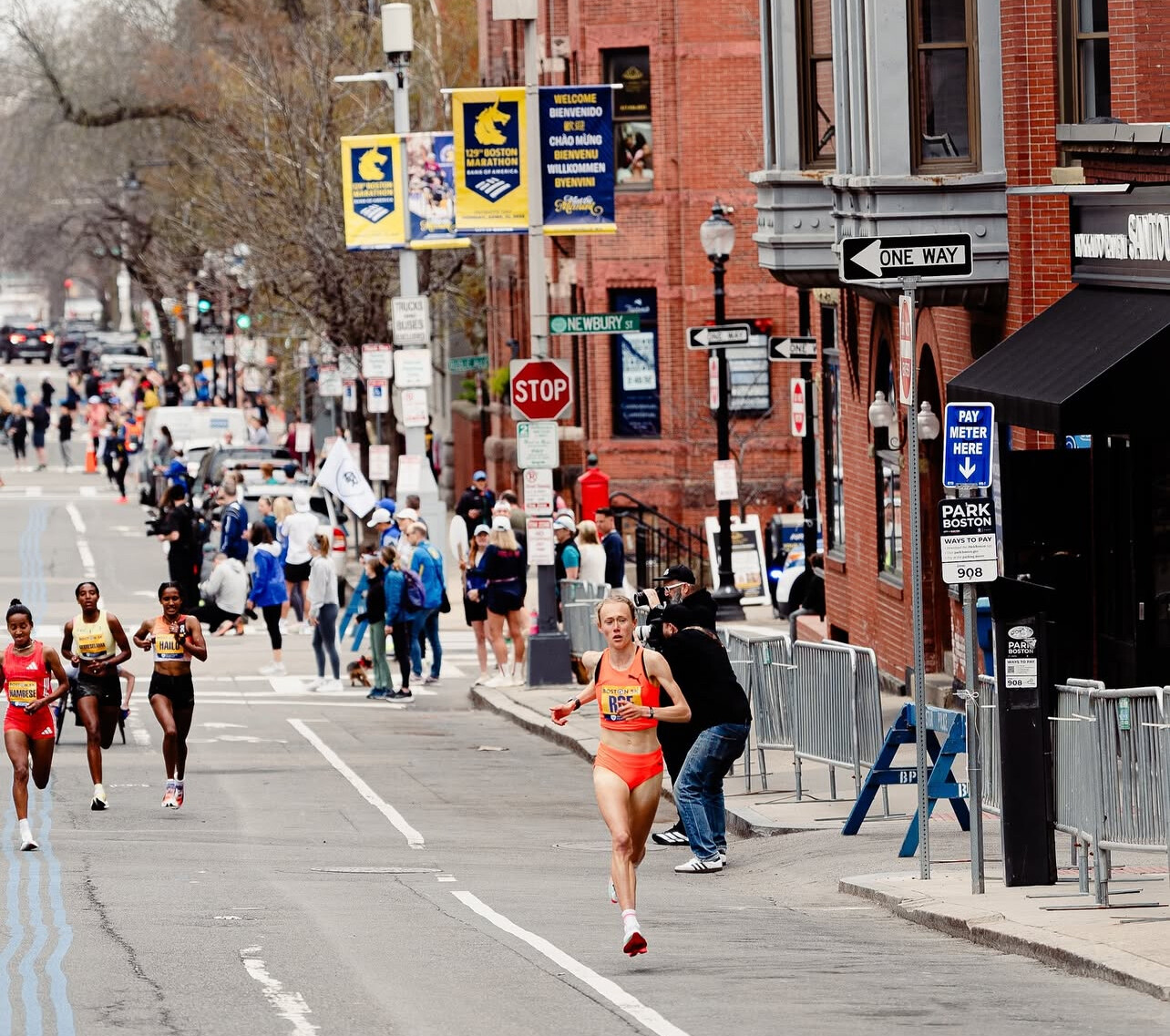
Just a month later, Roe delivered one of the most impressive road racing performances in recent memory. At the USATF 10 Mile Championships in Washington, D.C., she became the first American woman to break 50 minutes for the distance, finishing in 49:53 which is the world best for in an all woman race. On her way to the win, she also set new American records for the 10K (30:56) and 15K (46:24), earning her USATF Athlete of the Week honors.
Breaking down the world best time ever for ten miles in an all woman's race: Looking Ahead
Taylor Roe’s rise has been fast, fierce, and inspiring. As she builds on this foundation, fans of American distance running have plenty to be excited about. With her blend of speed, endurance, and race-day poise, Roe is now firmly on the radar for global championships and Olympic teams. At just 24, she’s entering her prime years with the momentum of a seasoned veteran. If 2025 is any indication, she could soon be the face of American distance running.
Taylor Roe’s 2025 Highlights
• USATF Half Marathon Champion – 1:07:22 (March 2025)
• USATF 10 Mile Champion – 49:53 (April 2025)
• American Records:
• 10K – 30:56
• 15K – 46:24
• 10 Miles – 49:53
• Selected for Team USA – World Athletics Road Running Championships
Taylor Roe’s rise has been fast, fierce, and inspiring. As she builds on this foundation, fans of American distance running have plenty to be excited about.
by Boris Baron
Login to leave a comment
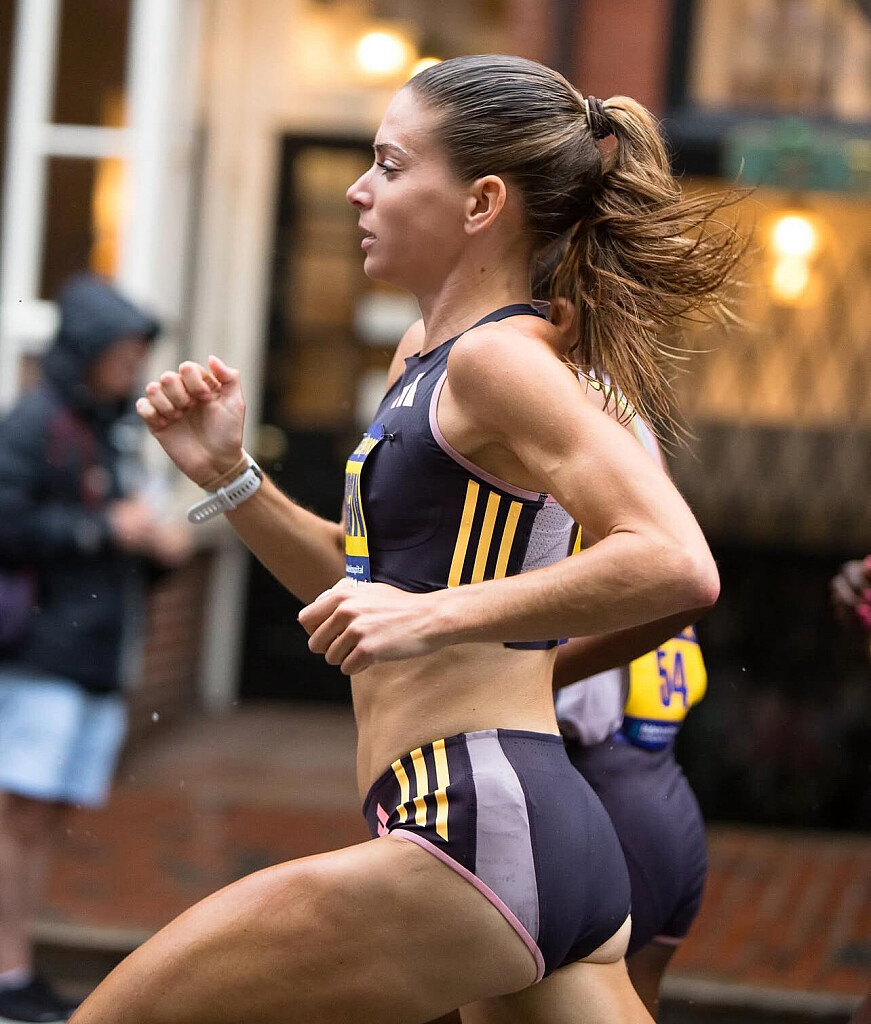
Emily Durgin Has the Tools to Be a Force in Distance Running
A Profile of Grit, Versatility, and Untapped Potential
Emily Durgin’s name may not yet be a household one in global distance running, but among those who follow American road racing closely, she has earned deep respect for her steady rise, racing range, and professionalism. With standout performances in the 10K, half marathon, and marathon, Durgin has shown she possesses the tools to become a lasting force in the sport.
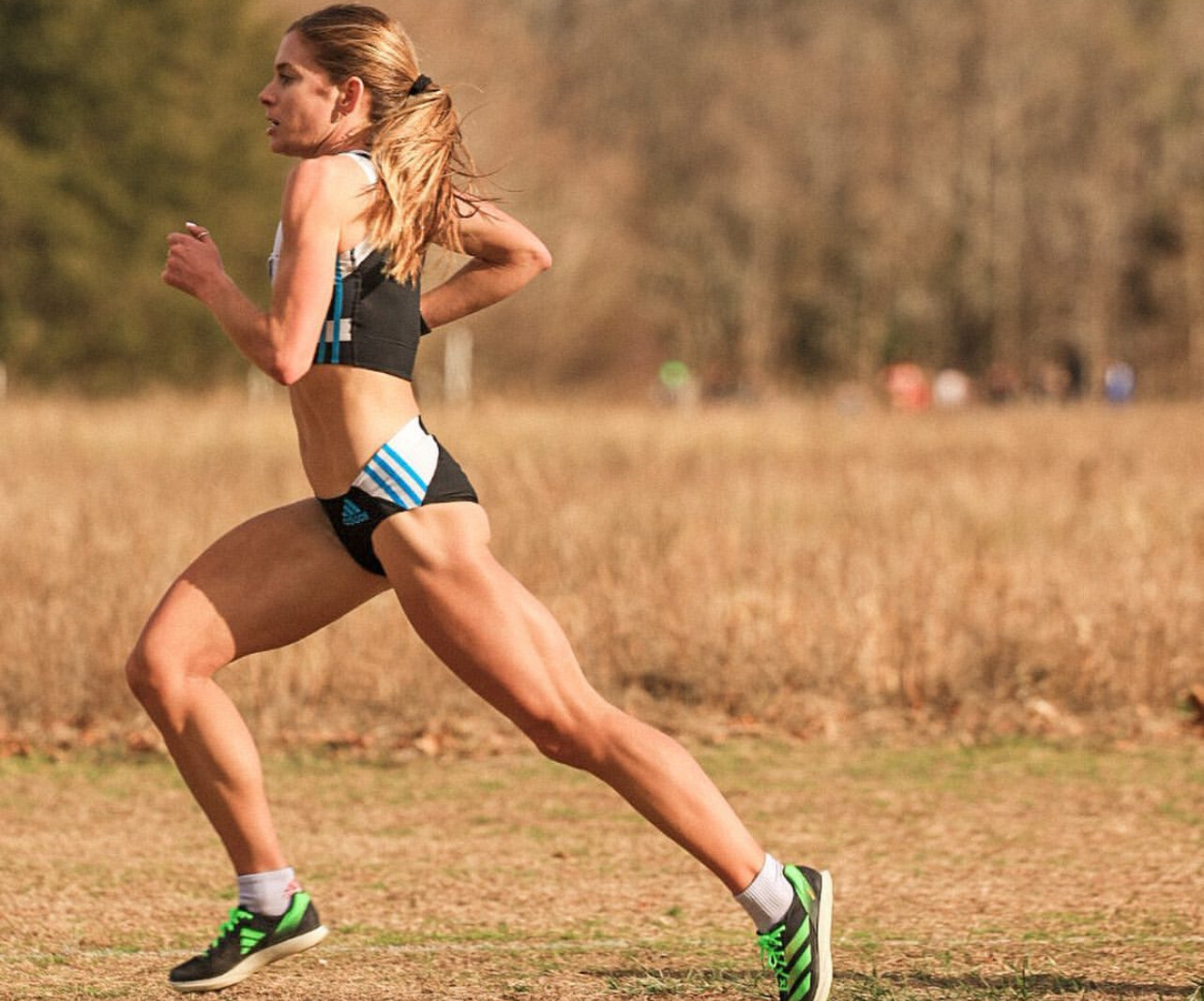
Originally from Maine, Durgin was a nine-time conference champion at the University of Connecticut before making a name for herself on the professional circuit. Her breakout year came in 2022, when she ran 1:07:54 for the half marathon in Houston — one of the fastest times ever by an American woman. She followed that up with a marathon personal best of 2:26:46 at the Toronto Waterfront Marathon in 2023, finishing as the top American.
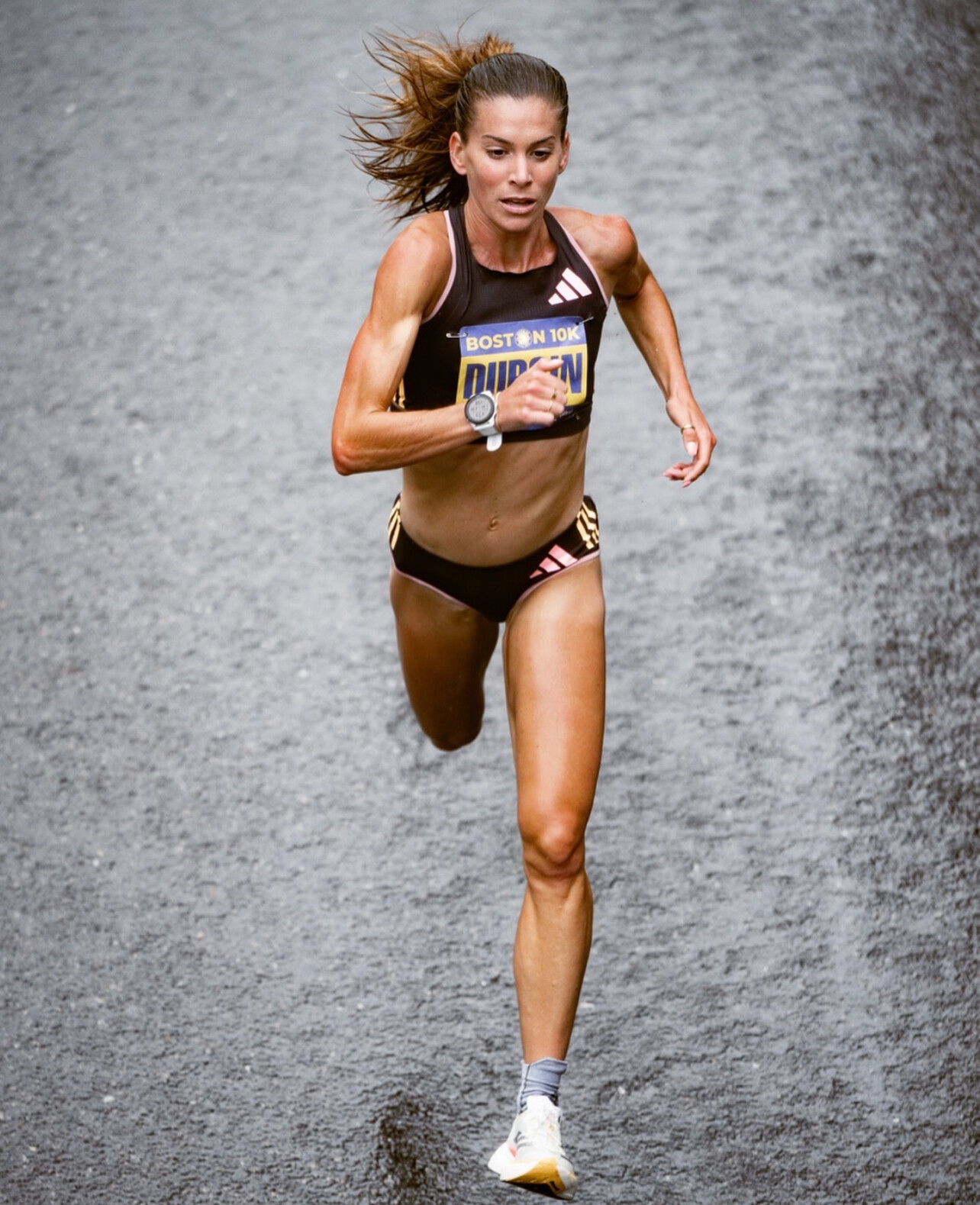
In early 2024, she placed ninth at the U.S. Olympic Marathon Trials and went on to win the USATF 10-Mile Championship in Washington, D.C., with a blazing 51:26 — the fastest time ever by an American in a women-only race at that distance.
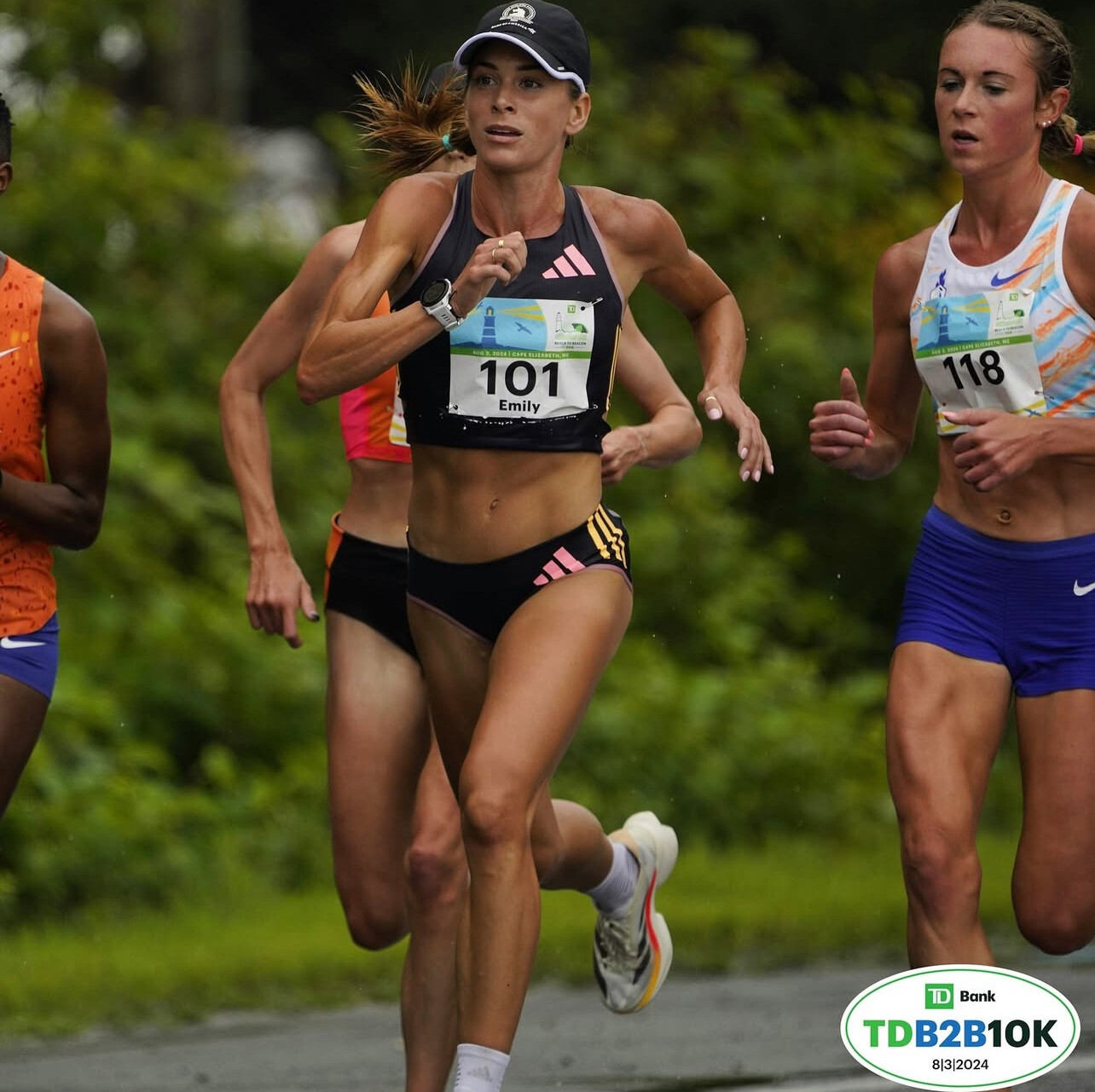
While she had planned to run the Valencia Marathon in December 2024, Durgin did not start the race due to a hamstring issue and a problem sleeping. In a recent social media post she feels she is putting these issues behind her and plan on racing again soon. But she says she is listening to her body and do not want to come back until her body is ready to race at the elite level.
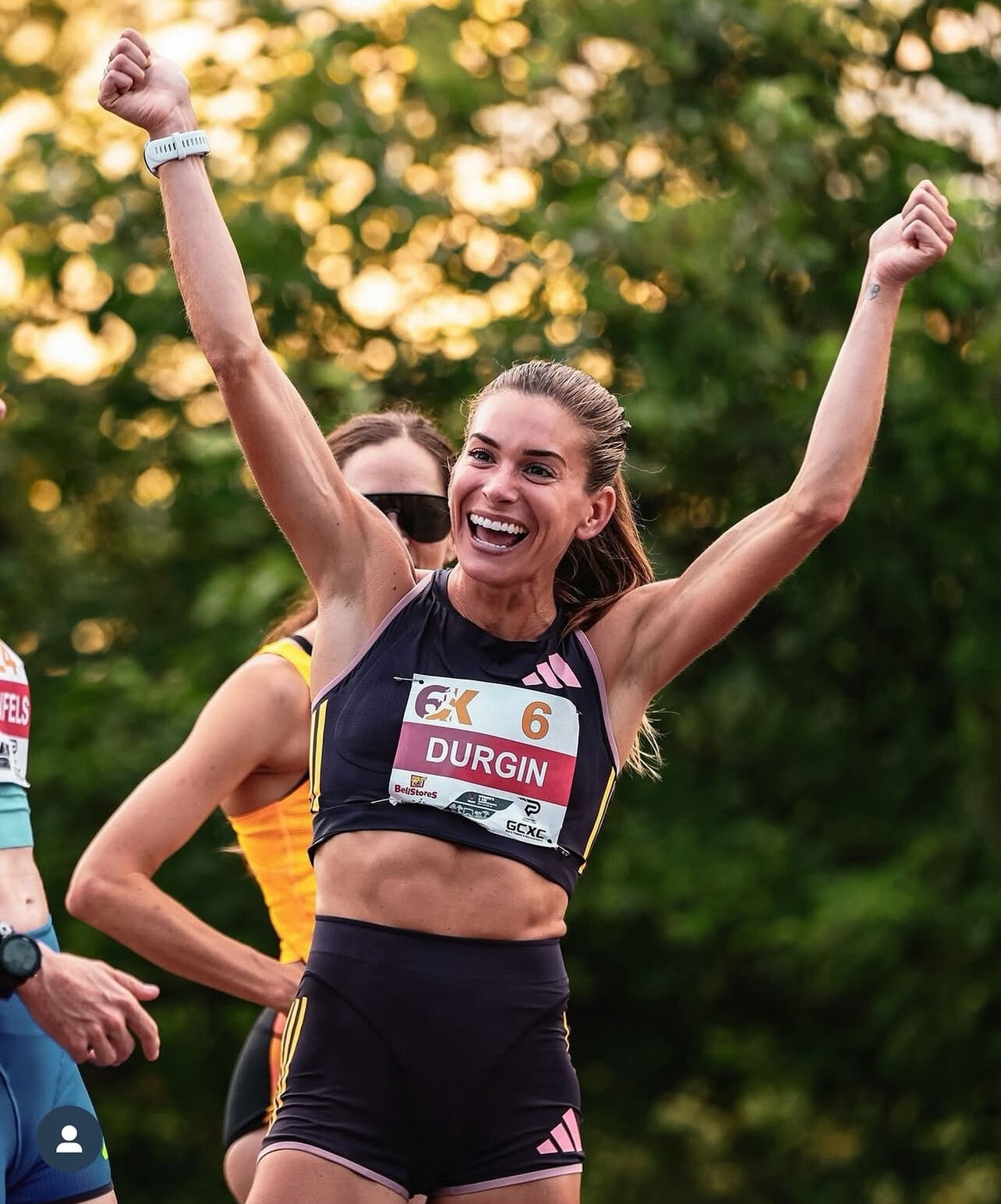
At age 30, she’s in the prime years for a distance runner — and with her ability across distances and proven toughness on the roads, Emily Durgin remains a name to watch.
by Boris Baron
Login to leave a comment
Spokane’s Iconic Lilac Bloomsday Run Set for Another Memorable Edition This Weekend
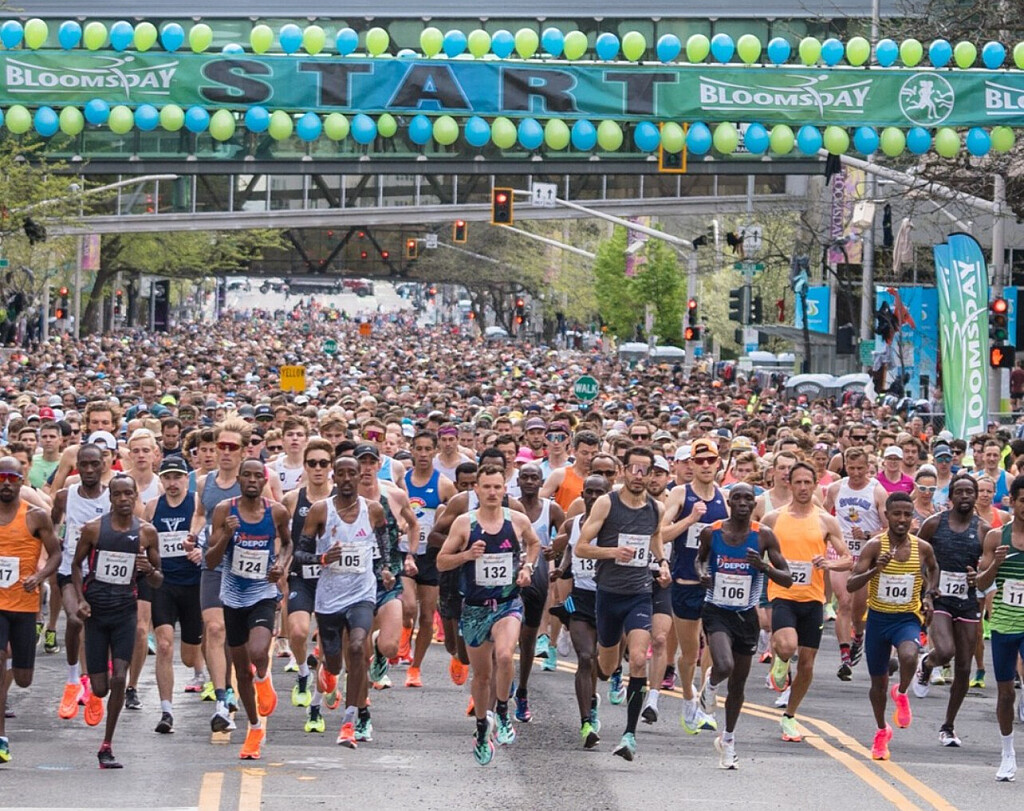
The Lilac Bloomsday Run, one of America’s most cherished road races, is ready to welcome thousands of runners, walkers, and wheelchair athletes to the streets of Spokane, Washington this weekend. Known for its festive atmosphere, scenic course, and rich history, Bloomsday remains a signature event in the running world nearly five decades after its humble beginnings.
The idea for Bloomsday was born during the running boom of the late 1970s. Don Kardong, a local runner who had moved to Spokane in 1974, helped spark the movement. Kardong, fresh off his impressive fourth-place finish in the marathon at the 1976 Montreal Olympics, had been competing in national-class road races and saw the potential for Spokane to host its own major event. In the fall of 1976, he casually mentioned the idea of a downtown run to a local reporter. That simple suggestion quickly captured the city’s imagination and made headlines, laying the foundation for what would become a legendary race.
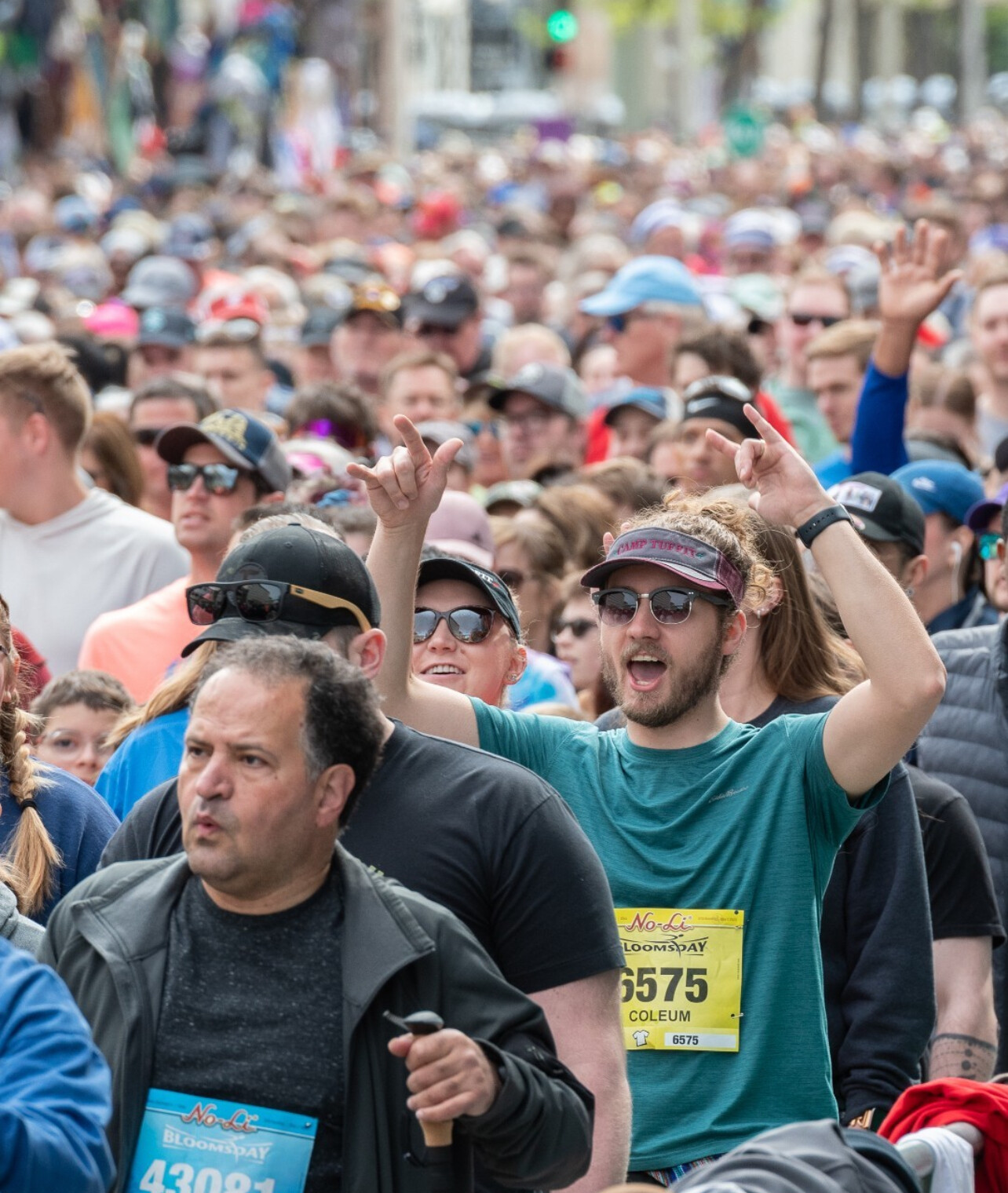
The first Lilac Bloomsday Run was held in May 1977, drawing about 1,200 participants—a remarkable turnout for an inaugural event. Since then, Bloomsday has grown into one of the largest timed road races in the world, attracting more than 40,000 entrants in its peak years. The race has also hosted elite athletes from around the globe, many of whom appreciate Bloomsday’s challenging course and the enthusiastic support from the local community.
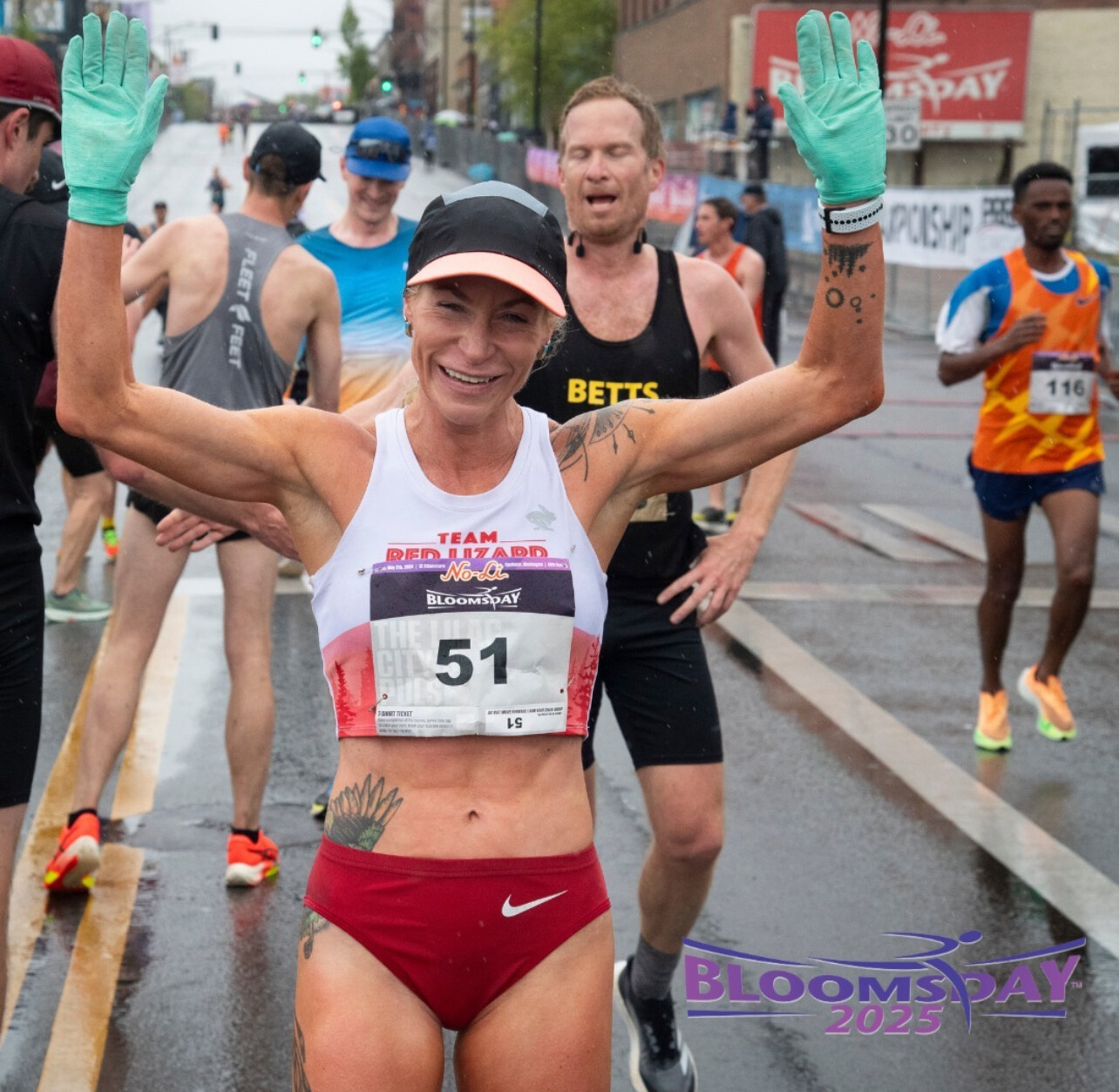
The 12-kilometer (7.46-mile) course weaves through the heart of Spokane, featuring a mix of downtown streets, park trails, and residential neighborhoods. One of the course’s most famous features is “Doomsday Hill,” a grueling climb near mile five that tests the endurance and spirit of every participant. At the top of the hill, runners are cheered on by the race’s beloved mascot, the “Bloomsday Vulture,” a humorous reminder that making it to the summit is a victory in itself.
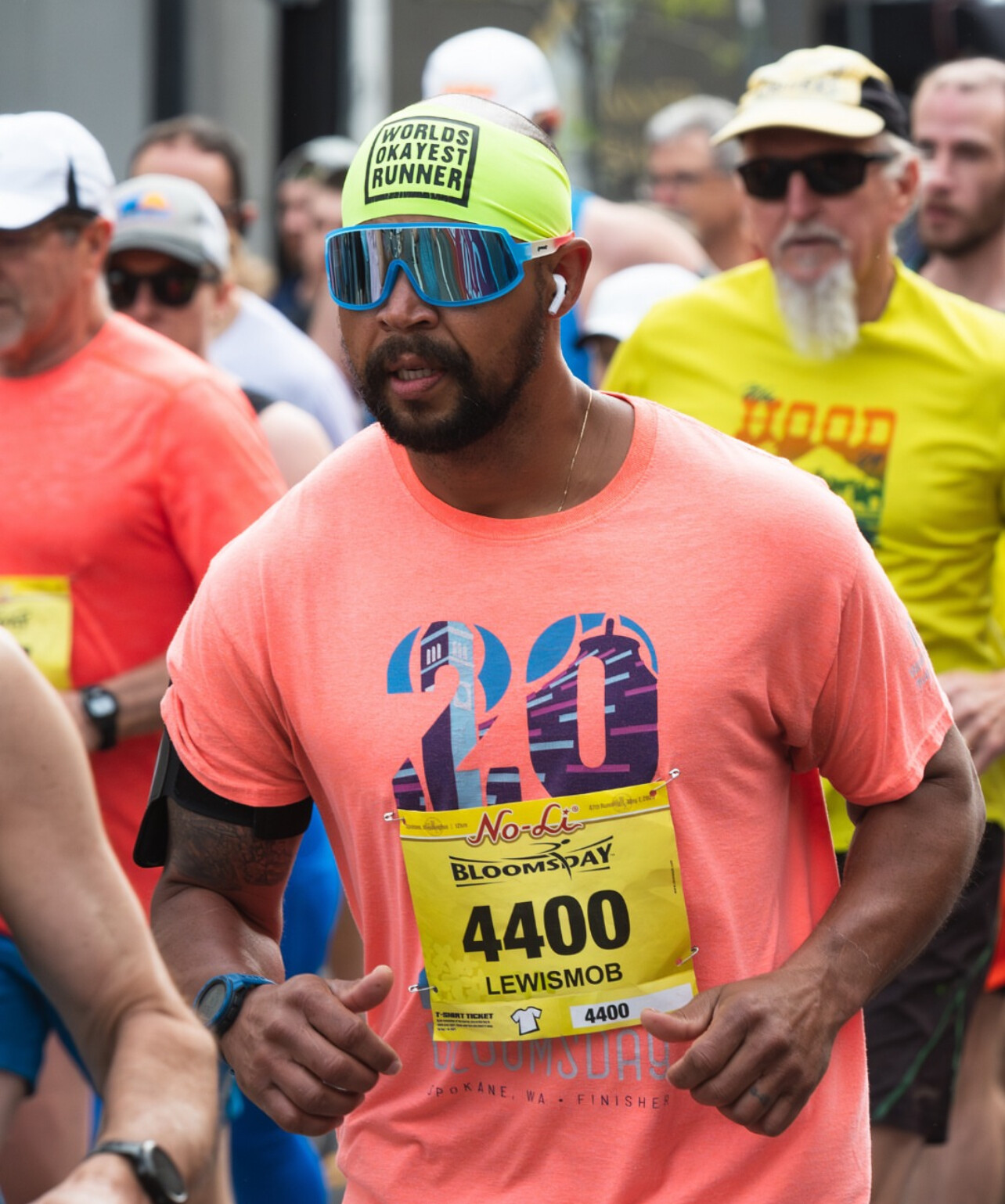
Course Records and Notable Performances
The Bloomsday course has seen some truly world-class performances over the years. The men’s course record was set by Micah Kogo of Kenya, who blazed through the 12K in 33:51 in 2008. On the women’s side, Tegla Loroupe, also from Kenya, holds the women’s course record with her time of 38:29, set back in 1995.
Over the years, Bloomsday has crowned many notable champions. Bloomsday legend Jon Sinclairwon the race three times during the 1980s, helping to establish its national prominence. Tegla Loroupe, a multiple-time winner, used Bloomsday as a springboard to international stardom, later setting a marathon world record. More recently, Leonard Korir and Emily Chebet have continued the strong tradition of elite competition, pushing the pace and maintaining Bloomsday’s reputation for excellence.
Bloomsday also played a role in the careers of American stars like Meb Keflezighi and Deena Kastor, both of whom have competed in Spokane on their way to Olympic and World Championship success.
More Than a Race
Bloomsday is more than just a race—it’s a celebration of fitness, community, and perseverance. The event embraces runners and walkers of all abilities, offering divisions for competitive racers, recreational participants, and wheelchair athletes. It also maintains a commitment to innovation and fun, with live music, costumes, and spirited crowd support lining the route.
As Spokane prepares to host the 2025 edition of Bloomsday this weekend, excitement is building once again. Whether chasing a personal best, tackling Doomsday Hill for the first time, or simply enjoying the festive atmosphere, participants can look forward to an unforgettable experience that embodies the spirit of community and the enduring joy of running.
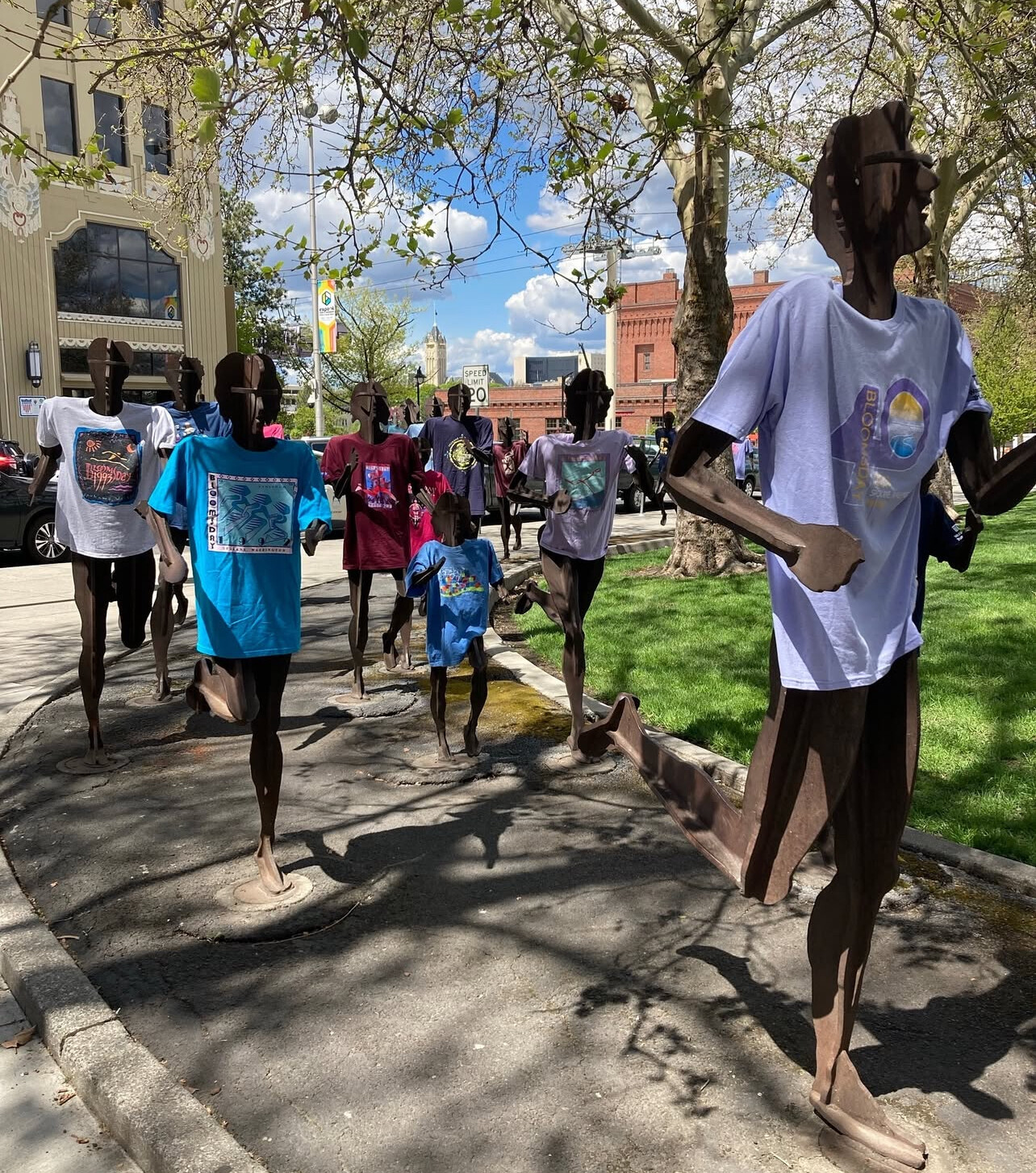
by Boris Baron
Login to leave a comment

Lilac Bloomsday 12K
The Lilac Bloomsday Run was born during the running boom that swept the nation in the late 1970s. Local runner Don Kardong, who moved to Spokane in 1974, competed in several national class road races before and after his participation in the 1976 Olympic Marathon, and in the fall of 1976 he suggested to a local reporter that Spokane should...
more...
The Last Push Before Summer: How Runners Are Peaking This Spring
As the calendar turns toward May, runners across the globe are entering a crucial phase in their annual training cycles: the final opportunity to race hard and fast before summer heat shifts the strategy.
While many spring races are just wrapping up—or happening this weekend—runners are still chasing personal bests and season goals. The London Marathon, Madrid Marathon, and Big Sur International Marathon are all set for this Sunday, capping off one of the most exciting stretches of the global racing calendar.
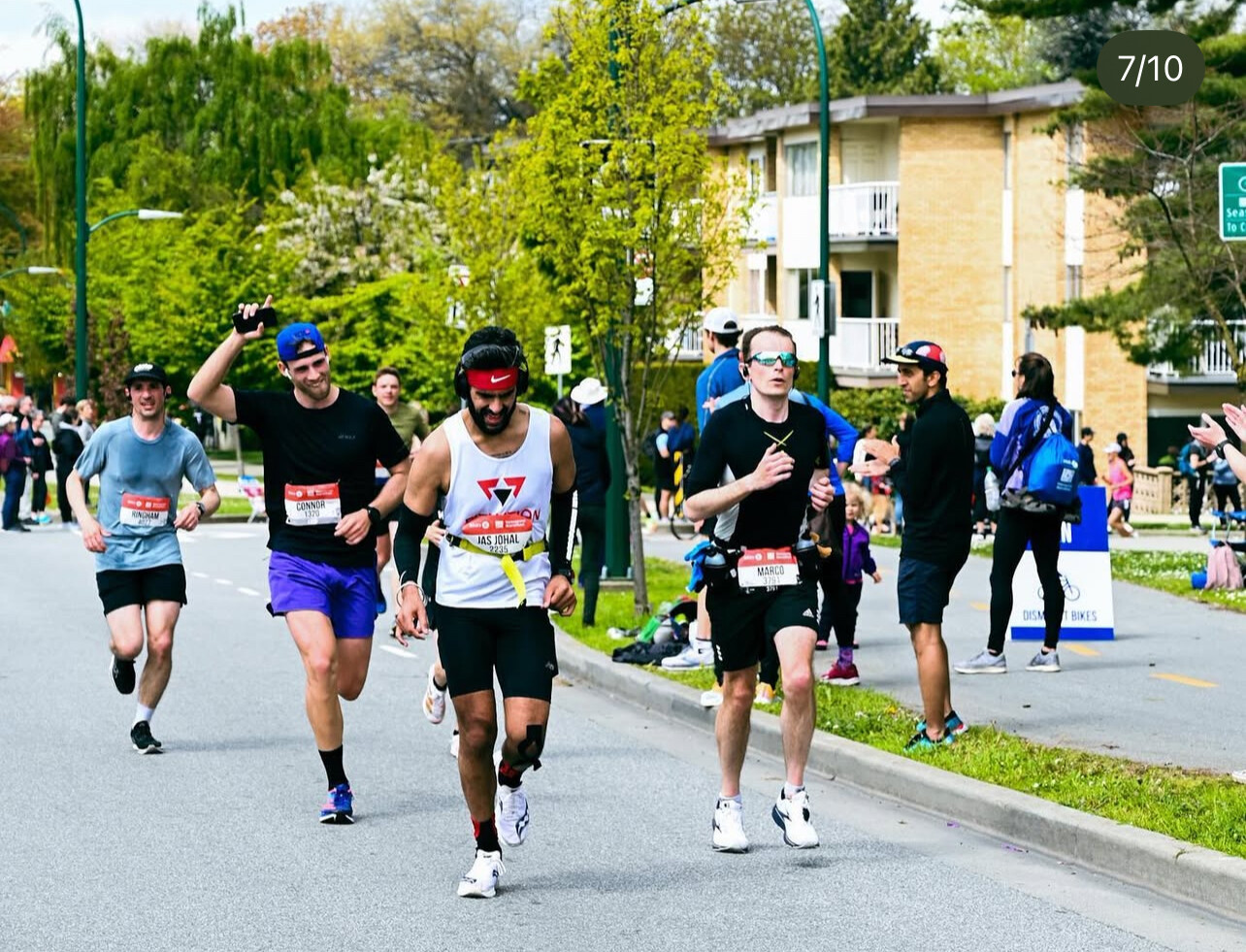
But the season isn’t quite over yet. The Eugene Marathon, Vancouver Marathon, Pittsburgh Marathon, and other early May events are giving runners one more shot to test their fitness—and many are taking full advantage.
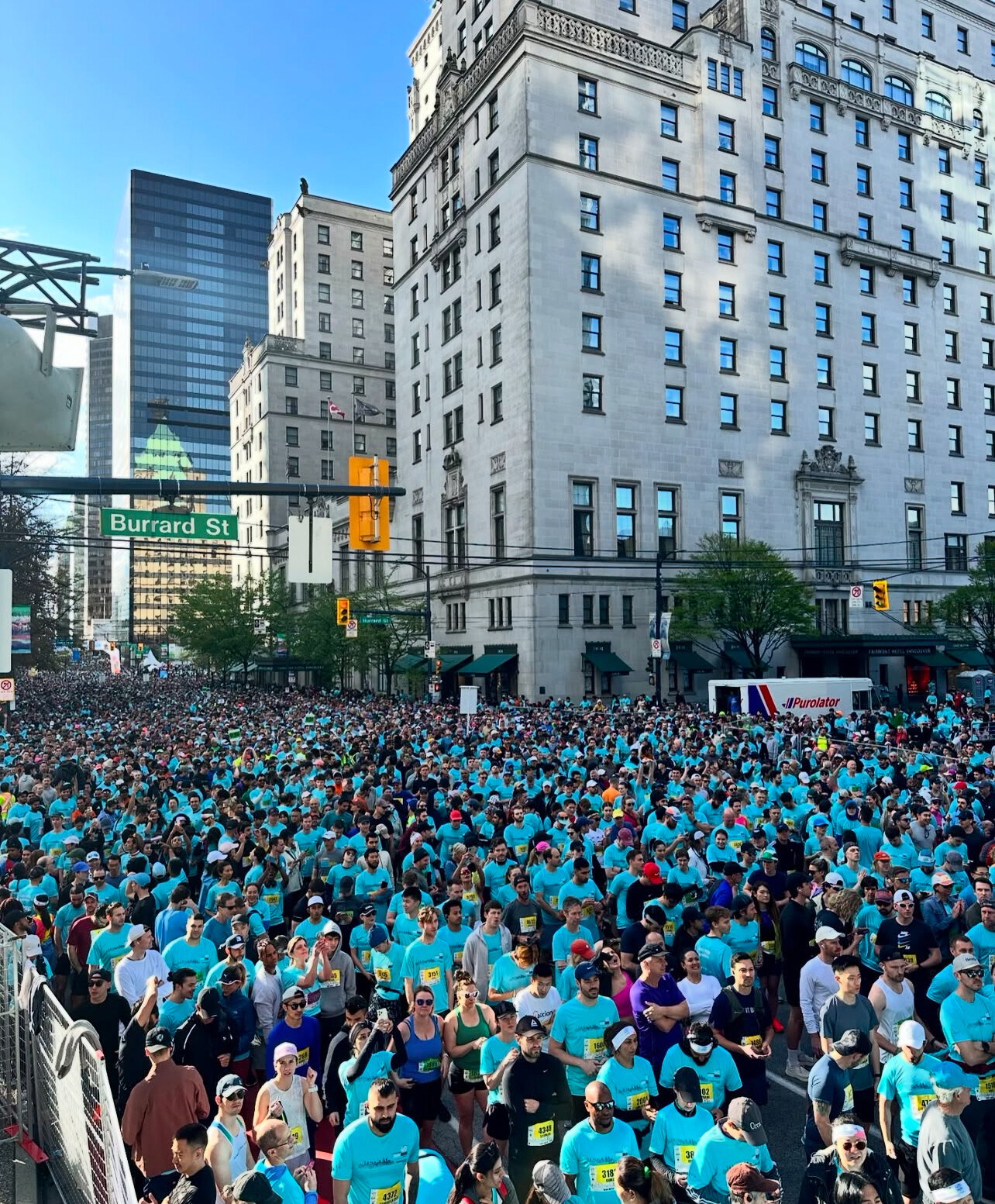
A Critical Window for Speed and Strategy
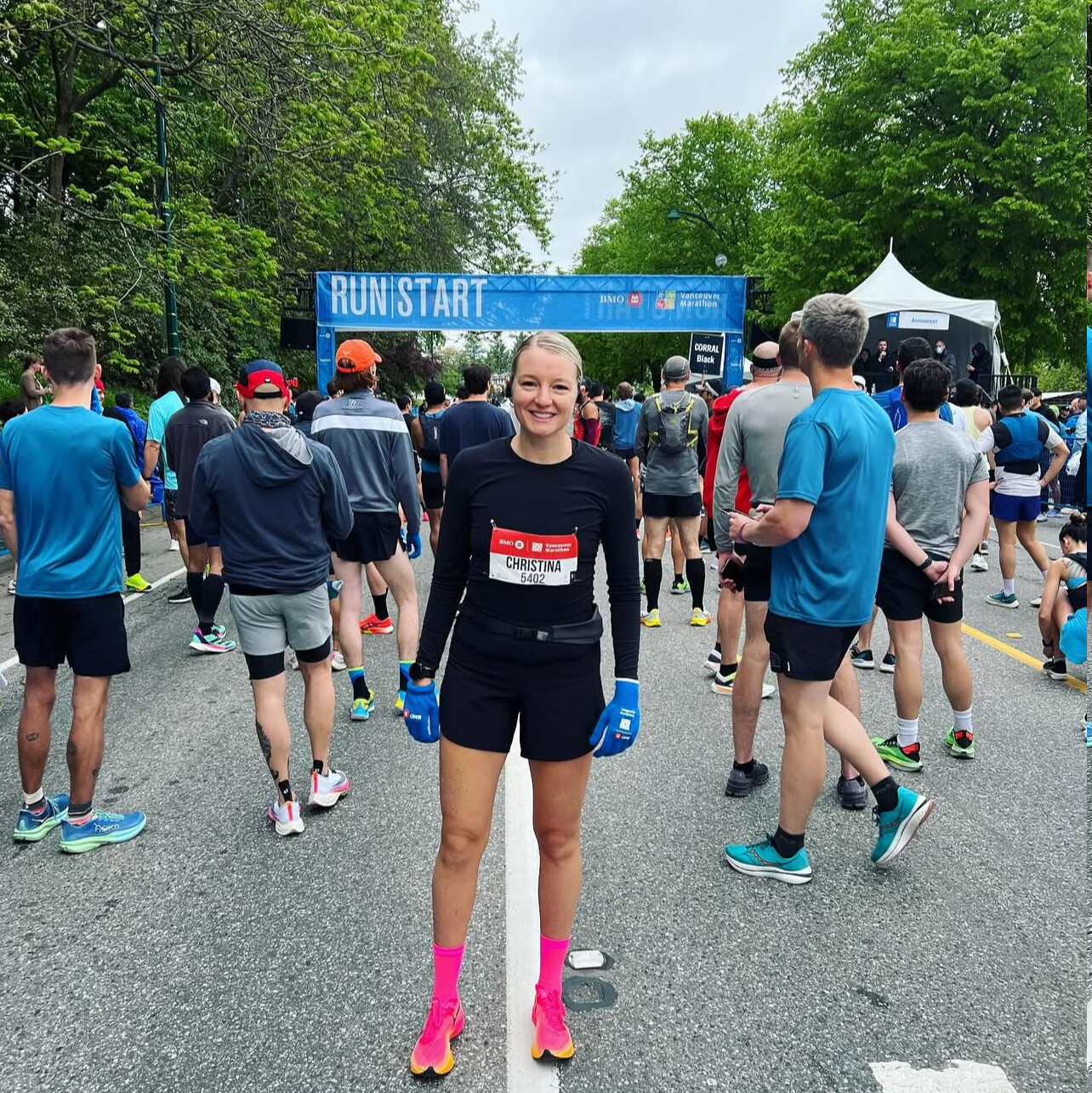
“This is one of the best times of year to be fit,” says Coach Dennis from KATA Portugal. “Runners who stayed healthy through the winter and peaked for April races are now sharper than ever. If you can handle one more race effort, this is the time to go for it.”
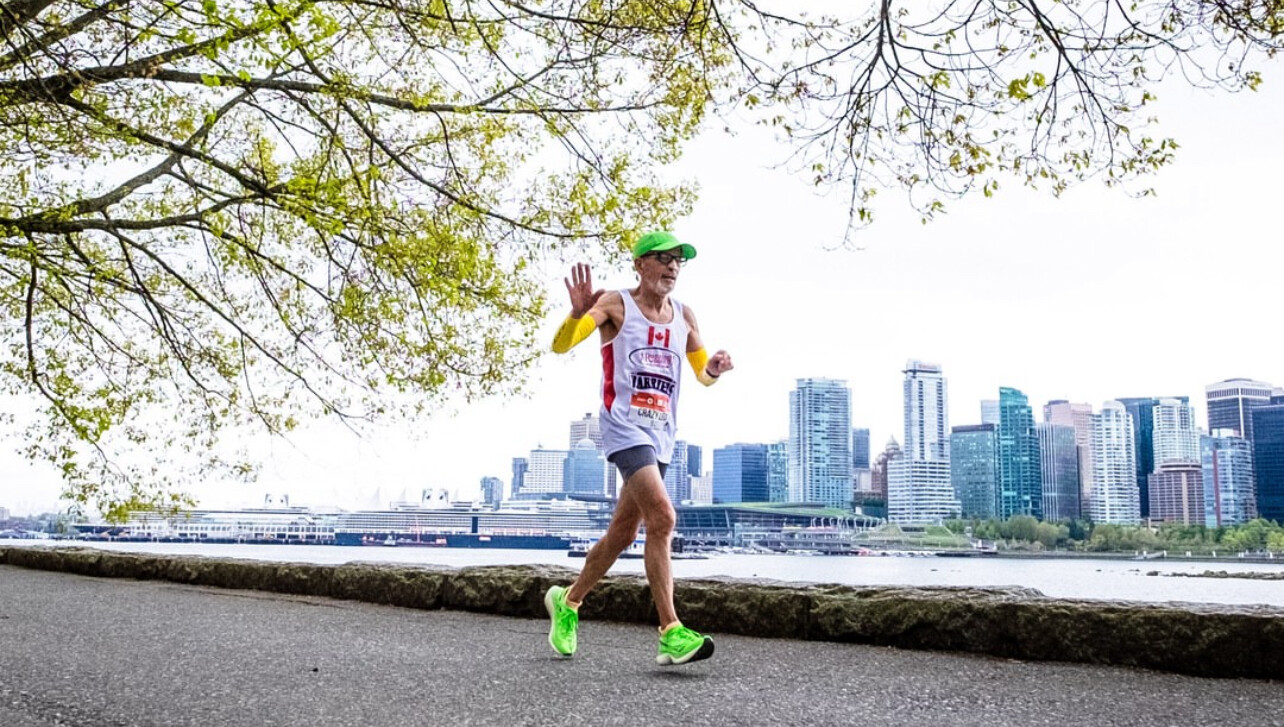
Late April and early May offer ideal racing weather in much of the Northern Hemisphere. Cool mornings and calm conditions are perfect for PRs, BQ attempts, or one last tune-up before switching into base-building mode.
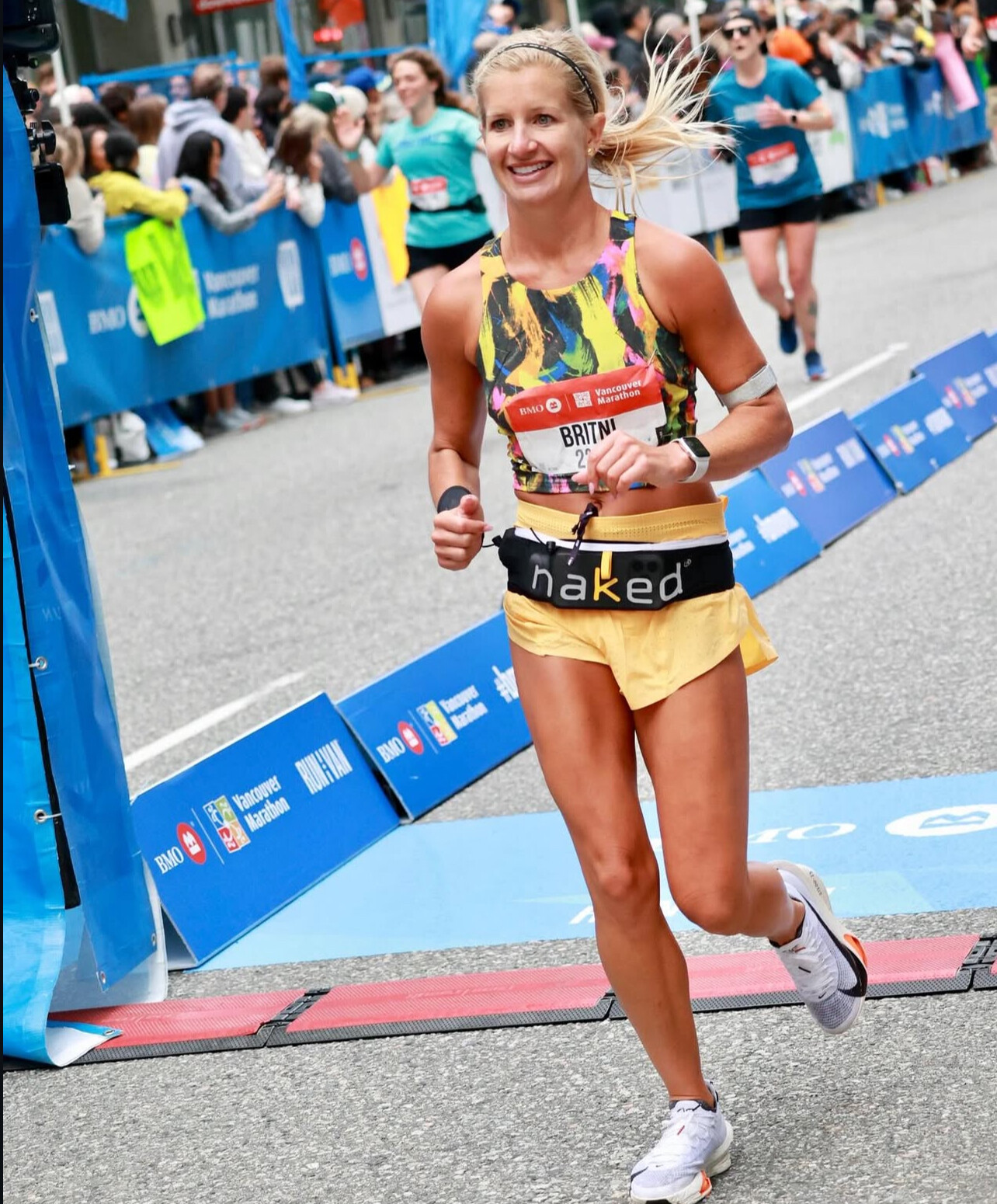
The Spring Surge Continues
The Eugene Marathon (April 27) and BMO Vancouver Marathon (May 4) are both known for fast, scenic courses and well-organized race weekends. They attract everyone from local club runners to elites trying to salvage a qualifying time or simply end the spring on a high note.
“My goal race is Berlin this fall, but Eugene gives me a mid-year checkpoint,” says California-based runner Mallory James. “If I’m not racing now, I’m falling behind.”
Time to Recover—or to Launch
Some runners will use May for recovery after a hard season. Others—especially those gearing up for summer trail and mountain races—are just now hitting their peak mileage. Events like the Dipsea, Mt. Washington Road Race, and Western States 100 are fast approaching.
Coach’s Tip: Plan Your Summer Wisely
According to KATA coach and 2:07 marathoner Jimmy Muindi, spring is where momentum is built—but summer is where runners evolve. “If you raced well this spring, great. Now shift the focus to long-term strength. Summer is for building, not burning out.”
Whether you’re racing this weekend or logging miles toward your fall marathon, this is your moment to finish strong—and set the tone for everything that comes next. As the calendar turns toward May, runners across the globe are entering a crucial phase in their annual training cycles: the final opportunity to race hard and fast before summer heat shifts the strategy.
by Boris Baron
Login to leave a comment
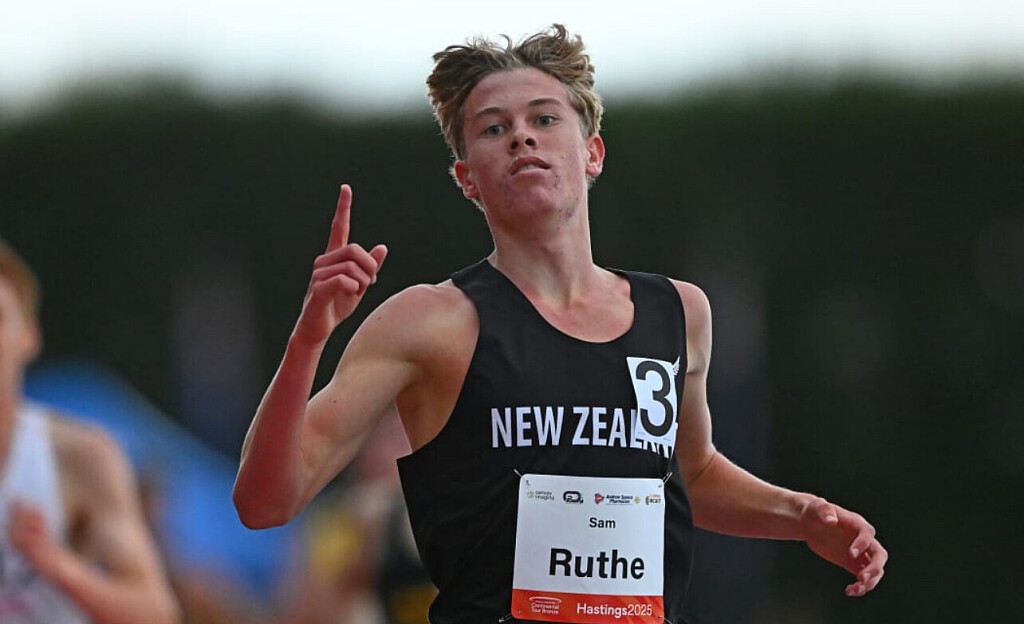
Sam Ruthe Impresses in 3200m Debut at Arcadia Invitational on 16th Birthday
On April 12, 2025, New Zealand’s Sam Ruthe marked his 16th birthday with a commendable performance at the Arcadia Invitational in California. Competing in the boys’ invitational 3200-meter race, Ruthe secured third place with a time of 8:43.57. The race was won by Owen Powell of Mercer Island, Washington, in 8:39.86, followed by Josiah Tostenson of Crater High School, Oregon, in 8:40.95.
Ruthe’s time is particularly notable considering his age and the fact that it was his debut at this distance. Earlier in the year, he set a personal best in the 3000 meters with a time of 7:56.18 at the New Zealand senior championships in Hastings, a world best for his age group. Using a standard conversion factor, this 3000m time approximates to an 8:34.08 over 3200 meters, indicating that his Arcadia performance was competitive, albeit slightly slower.

The Arcadia Invitational’s 3200m race featured a deep field, with 37 athletes breaking the 9-minute barrier, underscoring the event’s high caliber. While the race was highly anticipated, it unfolded tactically, with a slower first half that may have tempered expectations for record-breaking times.
Ruthe’s performance at Arcadia adds to his growing reputation as a rising star in middle-distance running. His international experience at such a young age bodes well for his athletic future.
by Boris Baron
Login to leave a comment
Thrilling Showdown Awaits at the 2025 United Airlines NYC Half Marathon
The 2025 United Airlines NYC Half Marathon is set to captivate runners and spectators alike on Sunday, March 16, 5, starting at 7:30 a.m. This year's race introduces a historic course alteration, featuring the Brooklyn Bridge for the first time, replacing the Manhattan Bridge due to ongoing construction on South Street.
Participants will embark on a 13.1-mile journey beginning on Washington Avenue near the Brooklyn Botanic Garden. The route traverses through Prospect Park, crosses the East River via the Brooklyn Bridge, and continues along the FDR Drive. Runners will experience the vibrant streets of the Lower East Side, the bustling energy of Midtown Manhattan, and the rare opportunity to race through a traffic-free Times Square, culminating in a finish at Central Park.
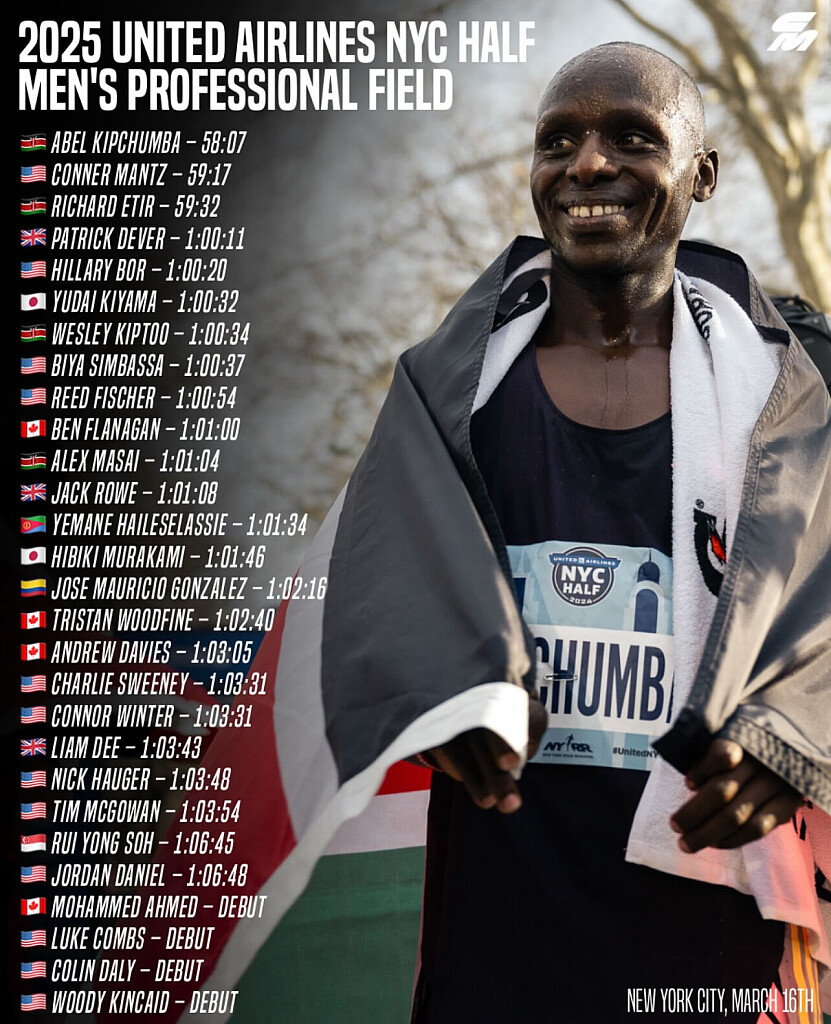
Elite Field Highlights:
The 2025 race boasts a stellar lineup of professional athletes:
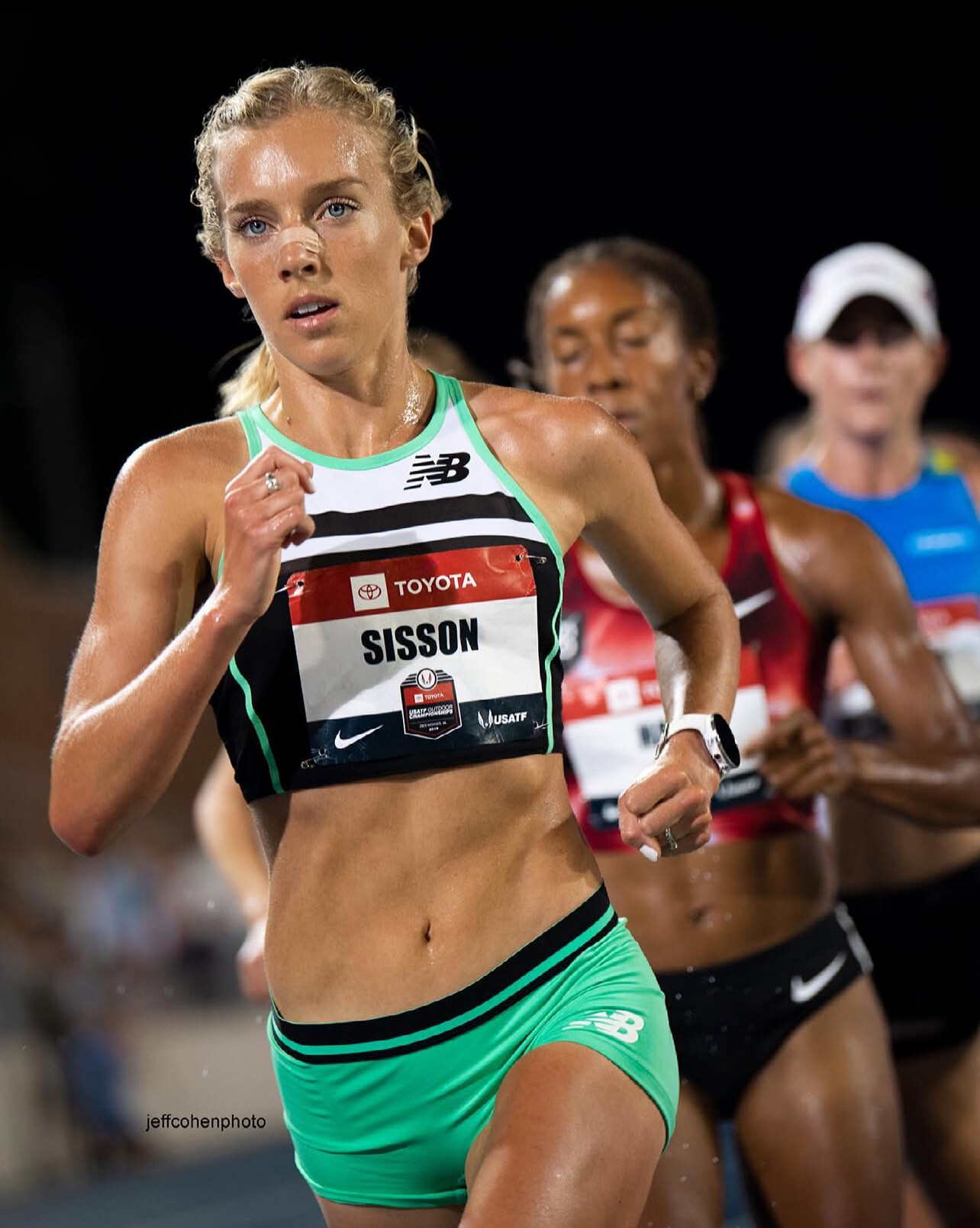
Men's Division:
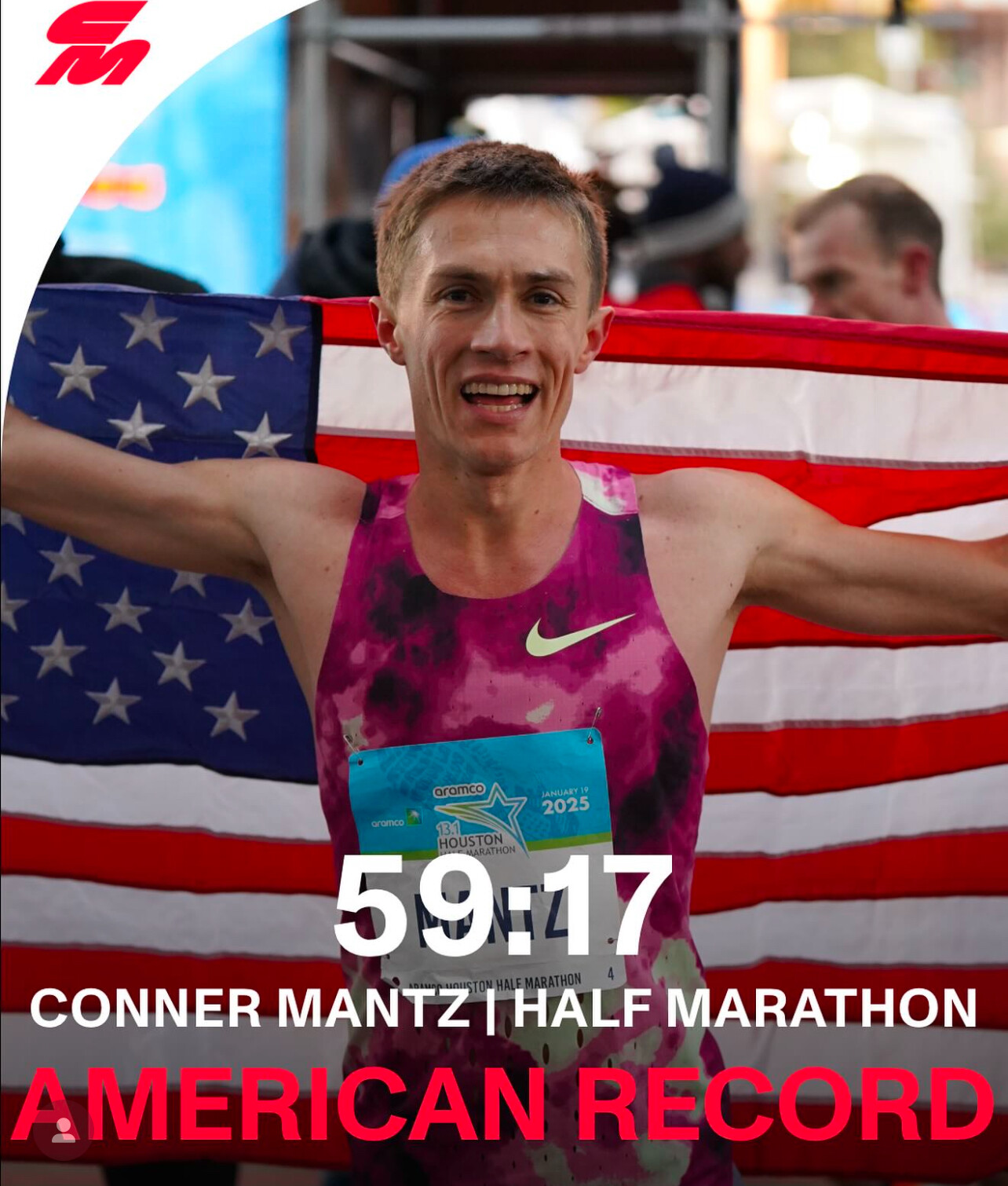
Conner Mantz (USA): Olympian and American half marathon record holder, having set a new record of 59:17 at the 2025 Houston Half Marathon.
Abel Kipchumba (Kenya): Defending champion with a personal best of 58:07, aiming to retain his title.
Richard Etir (Kenya): Making his New York debut with a personal best of 59:32.
Women's Division:
Karoline Bjerkeli Grøvdal (Norway): Defending champion, returning after her 2024 victory in 1:09:09.
Emily Sisson (USA): American marathon record holder, returning to the NYC Half after a strong debut in 2017.
Fiona O'Keeffe (USA): Winner of the 2024 U.S. Olympic Marathon Trials with a time of 2:22:10, representing the U.S. in the Paris Olympics.
Dakotah Lindwurm (USA): Secured her spot on the 2024 U.S. Olympic team by finishing third in the trials with a time of 2:25:31 and led American women at the Paris Olympics with a 12th-place finish in 2:26:44.
In the previous year's event, Abel Kipchumba clinched the men's title with a time of 1:00:25, while Karoline Bjerkeli Grøvdal secured the women's title in 1:09:09.
With an expected participation of approximately 25,000 runners from around the globe, the 2025 United Airlines NYC Half Marathon promises to be a memorable event, blending elite competition with the vibrant spirit of New York City.
by Boris Baron
Login to leave a comment
United Airlines NYC Half-Marathon
The United Airlines NYC Half takes runners from around the city and the globe on a 13.1-mile tour of NYC. Led by a talent-packed roster of American and international elites, runners will stop traffic in the Big Apple this March! Runners will begin their journey on Prospect Park’s Center Drive before taking the race onto Brooklyn’s streets. For the third...
more...
The Evolution of the High School Sub-4 Mile Club
On May 6, 1954, Roger Bannister made history by running the first sub-4-minute mile, clocking 3:59.4 in Oxford, England. His groundbreaking achievement redefined what was possible in middle-distance running, inspiring generations of athletes to chase the elusive mark.
For decades, breaking the 4-minute barrier remained an extraordinary feat, but in recent years, more high school runners in the United States have joined this exclusive club. As of February 2025, 23 American high school boys have accomplished this milestone, with notable additions in 2024 and 2025.
The Latest High School Runners to Break Four Minutes
The most recent athletes to achieve the sub-4-minute mile in high school competition are:
- Drew Griffith – 3:57.72 (May 30, 2024, Festival of Miles, St. Louis, Missouri)
- JoJo Jourdon – 3:59.87 (February 3, 2024, New Balance Indoor Grand Prix, Boston, Massachusetts)
- Zachary Hillhouse – 3:59.62 (June 16, 2024, New Balance Nationals Outdoor, Philadelphia, Pennsylvania)
- Owen Powell – 3:57.74 (February 15, 2025, UW Husky Classic, Seattle, Washington)
These runners continue to prove that the sub-4-minute mile, once thought to be nearly impossible for young athletes, is an achievable milestone with the right combination of talent, training, and opportunity.
Jim Ryun and Alan Webb: The Legends of the High School Mile
Jim Ryun: A Historic Career
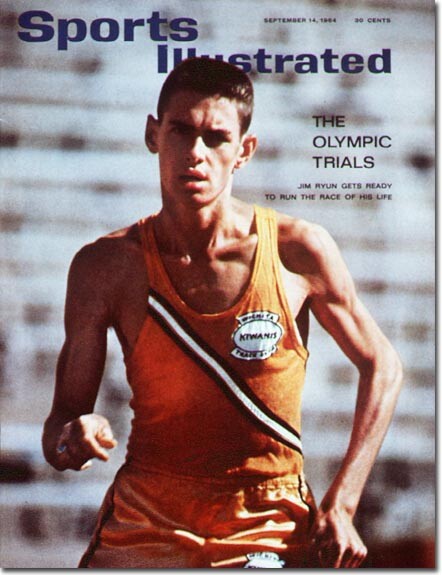
Jim Ryun was the first high school runner to break the 4-minute mile, running 3:59.0 in 1964 as a junior. He later set the national high school record of 3:55.3 in 1965, a time that stood for 36 years.
After his historic high school career, Ryun went on to break the world record in the mile twice—first in 1966, and then again in 1967 when he ran 3:51.1. At 19 years old, he remains the youngest world record holder in the mile to date. His record stood for nine years before being broken in 1975.
Ryun represented the United States in three Olympic Games (1964, 1968, and 1972), winning a silver medal in the men’s 1500m at the 1968 Olympics. His dominance in middle-distance running made him one of the greatest milers in history.
Alan Webb: The New Generation's Record-Breaker
In 2001, Alan Webb broke Ryun’s long-standing high school mile record by running 3:53.43 at the Prefontaine Classic. Webb’s performance redefined expectations for young milers and set a new benchmark for high school runners.
Webb continued his success post-high school and later set the American record in the mile, running 3:46.91 in 2007. This remains one of the fastest mile performances ever by an American.
Despite his success, Webb’s professional career was marked by injuries, including Achilles tendonitis and stress fractures, which affected his consistency. However, his high school and professional achievements cemented his place as one of the greatest milers in U.S. history.
The Complete List of High School Sub-4 Milers
Below is the full list of American high school runners who have broken the 4-minute mile, ranked by their fastest time achieved during high school competition:
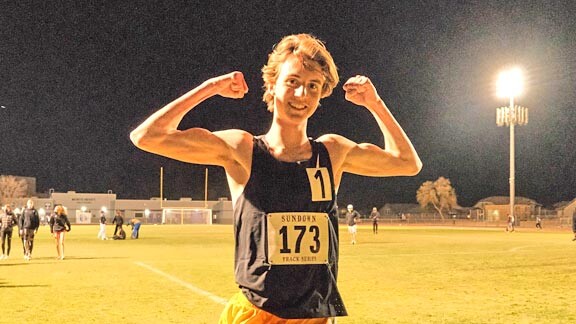
- Alan Webb (first photo) – 3:53.43 (May 27, 2001, Prefontaine Classic, Eugene, Oregon)
- Jim Ryun (second photo) – 3:55.3 (June 27, 1965, AAU Championships, San Diego, California)
- Colin Sahlman (third photo) – 3:56.24 (May 28, 2022, Prefontaine Classic, Eugene, Oregon)
- Drew Griffith – 3:57.72 (May 30, 2024, Festival of Miles, St. Louis, Missouri)
- Hobbs Kessler – 3:57.66 (February 7, 2021, American Track League Invitational, Fayetteville, Arkansas)
- Drew Hunter – 3:57.81 (February 20, 2016, NYRR Millrose Games, New York City, New York)
- Gary Martin – 3:57.89 (June 2, 2022, Festival of Miles, St. Louis, Missouri)
- Connor Burns – 3:58.83 (June 2, 2022, Festival of Miles, St. Louis, Missouri)
- Tim Danielson – 3:59.4 (June 11, 1966, San Diego Invitational, San Diego, California)
- Reed Brown – 3:59.30 (June 1, 2017, Festival of Miles, St. Louis, Missouri)
- Matthew Maton – 3:59.38 (May 8, 2015, Oregon Twilight Meet, Eugene, Oregon)
- Grant Fisher – 3:59.38 (June 4, 2015, Festival of Miles, St. Louis, Missouri)
- Michael Slagowski – 3:59.53 (April 29, 2016, Jesuit Twilight Invitational, Portland, Oregon)
- Leo Daschbach – 3:59.54 (May 23, 2020, The Quarantine Clasico, El Dorado Hills, California)
- Simeon Birnbaum – 3:57.53 (June 1, 2023, Festival of Miles, St. Louis, Missouri)
- Rheinhardt Harrison – 3:59.33 (June 3, 2022, Golden South Series #2, Tarpon Springs, Florida)
- Marty Liquori – 3:59.8 (June 23, 1967, AAU Championships, Bakersfield, California)
- Lukas Verzbicas – 3:59.71 (June 11, 2011, Adidas Grand Prix, New York City, New York)
- JoJo Jourdon – 3:59.87 (February 3, 2024, New Balance Indoor Grand Prix, Boston, Massachusetts)
- Zachary Hillhouse – 3:59.62 (June 16, 2024, New Balance Nationals Outdoor, Philadelphia, Pennsylvania)
- Owen Powell – 3:57.74 (February 15, 2025, UW Husky Classic, Seattle, Washington)
- Tinoda Matsatsa – 3:58.70 (June 1, 2023, Festival of Miles, St. Louis, Missouri)
- Jackson Heidesch – 3:59.08 (June 1, 2023, Festival of Miles, St. Louis, Missouri)
The Sub-4 Mile Remains an Iconic Benchmark
Roger Bannister’s 1954 breakthrough redefined human potential in distance running, and the high school sub-4-mile club continues to grow. As competition and knowledge improve, the question isn’t whether more young runners will join the club, but just how fast the next generation can go
Login to leave a comment


Historic Course Change for 2025 United Airlines NYC Half: Runners to Cross Brooklyn Bridge for the First Time
The 2025 United Airlines NYC Half Marathon is set to captivate runners with a historic course alteration and a lineup of elite athletes. Scheduled for Sunday, March 16, 2025, this year's race introduces a significant change: participants will traverse the iconic Brooklyn Bridge for the first time in the event's history.
Course Modification: Crossing the Brooklyn Bridge
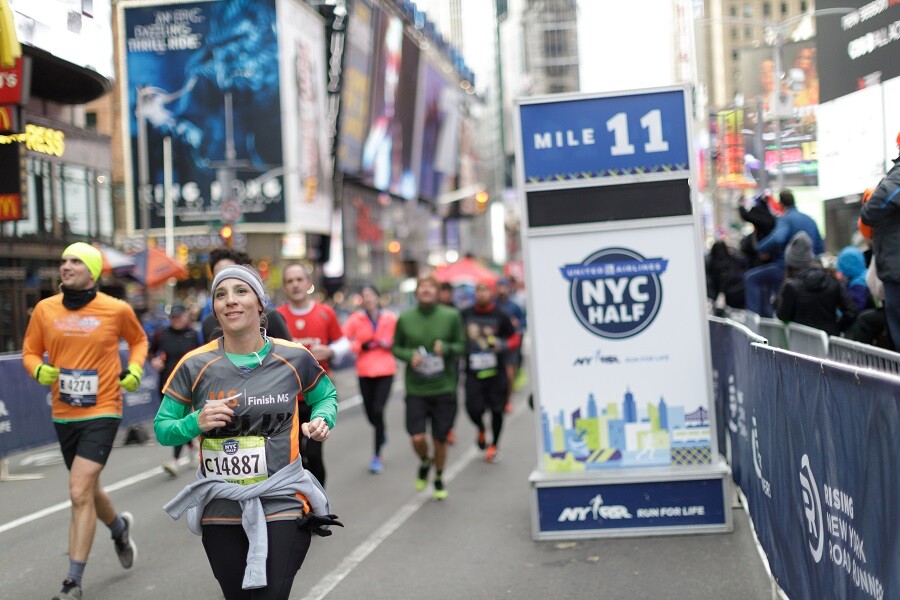
Due to ongoing construction on South Street in Manhattan, the New York Road Runners (NYRR) have rerouted the course to cross the Brooklyn Bridge instead of the Manhattan Bridge, which had been part of the race since 2018. This adjustment not only offers runners a fresh perspective of the city but also marks the inaugural inclusion of the Brooklyn Bridge in an NYRR race.
The revised course begins on Washington Avenue near the Brooklyn Botanic Garden, leading runners through Prospect Park. Upon reaching the junction of Flatbush Avenue and Tillary Street, participants will turn left onto Tillary Street, then right onto Brooklyn Bridge Boulevard to cross the Brooklyn Bridge.
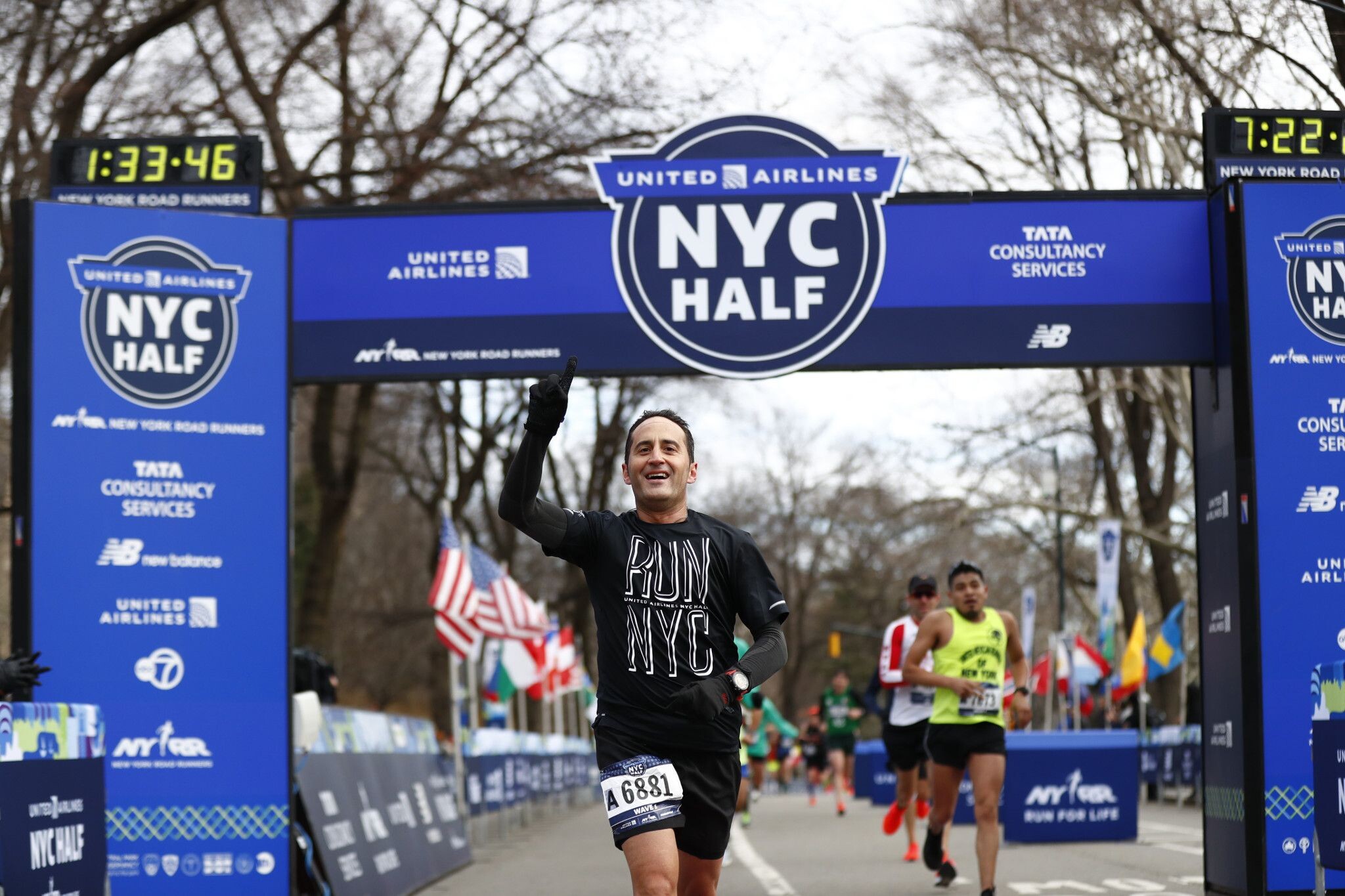
After descending the bridge’s exit ramp, runners will join the FDR Drive in Manhattan, continue through the Lower East Side, proceed into Midtown, experience the rare opportunity to run through Times Square, and ultimately finish in Central Park.
The 2025 United Airlines NYC Half Marathon promises to be a landmark event, blending a historic course update with the anticipation of elite athletic performances, all set against the vibrant backdrop of New York City.
by Boris Baron
Login to leave a comment
Florida man reaches 50-year run streak
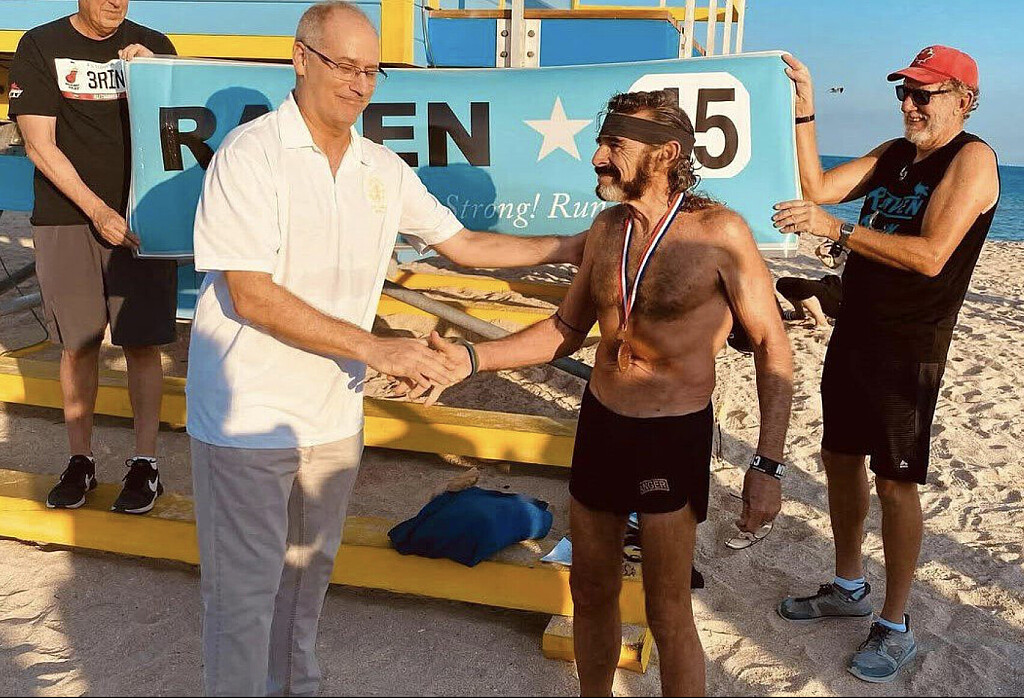
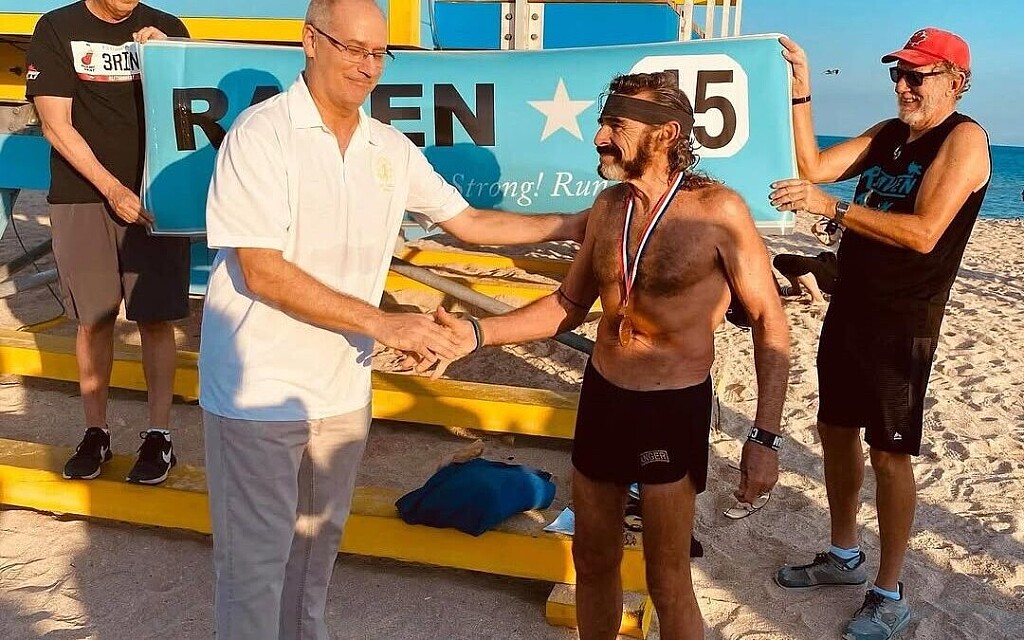
Miami’s Robert “Raven” Kraft was streaking long before it was cool, and not in the way that gets you arrested. On Tuesday afternoon at 5th Street Lifeguard Station in Miami’s South Beach neighbourhood, Kraft completed his 18,263rd run, marking an impressive 50-year streak of daily running.
Kraft began his prolific streak on January 1, 1975, when he was 24, and over half a century later, he’s amassed 18,263 total runs and over 234,000 kilometres. That’s roughly equivalent to walking around the world more than five and a half times—quite a feat!
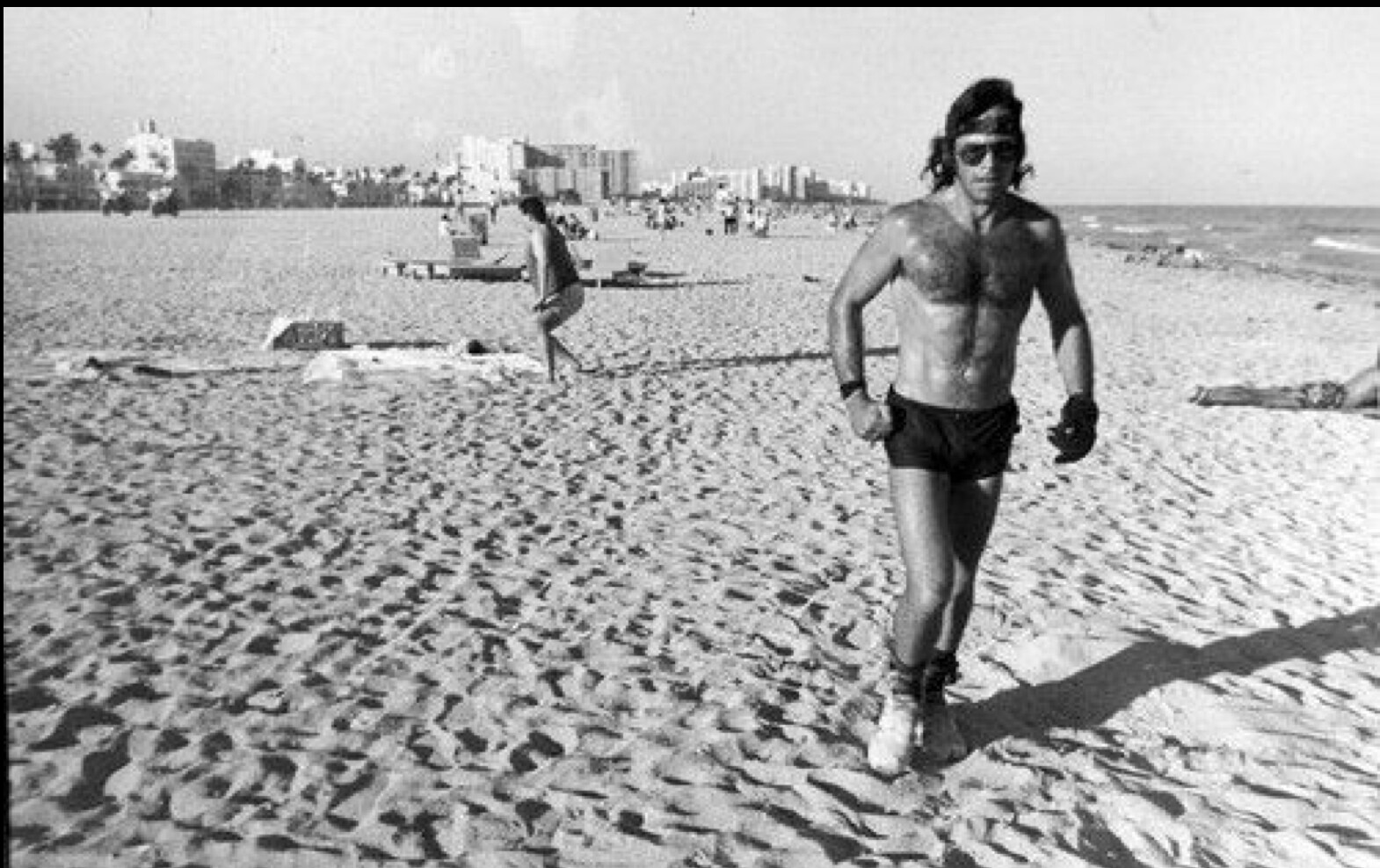
The 74-year-old was joined on Tuesday by hundreds of runners for his daily tradition of running eight miles (12.87 km) along the sands of South Beach. Kraft, who has also been a singer and songwriter for just as long, played a few songs after his anniversary run alongside the Dark Shadows band.
Beyond the streak, Kraft has built a community around his daily runs, called the “Raven Runners.” Unlike most, Kraft’s eight-mile route has never changed. He has reportedly run the exact same route in almost every single run. In an interview with Sports Illustrated, Kraft said he has a list of more than 3,700 runners from around the globe who have joined him for a run over the past 50 years. “The Raven List” reflects that he has been joined by runners from all 50 states, as well as runners from more than 60 countries.
Kraft’s legacy will soon be etched into Miami Beach’s history. On Jan 1, Third Street and Ocean Drive will reportedly be renamed “Robert ‘Raven’ Kraft Way.”
According to the United States Running Streak Association, Kraft has the sixth-longest active run streak. Jon Sutherland of Washington, Utah, holds the world’s longest-running streak with over 55 years (20,000+ days). Toronto’s Rick Rayman has the longest active run streak in Canada, with a total of 16,824 days (46+ years).
Login to leave a comment
Try this pro runner’s rust-busting workout for 2025
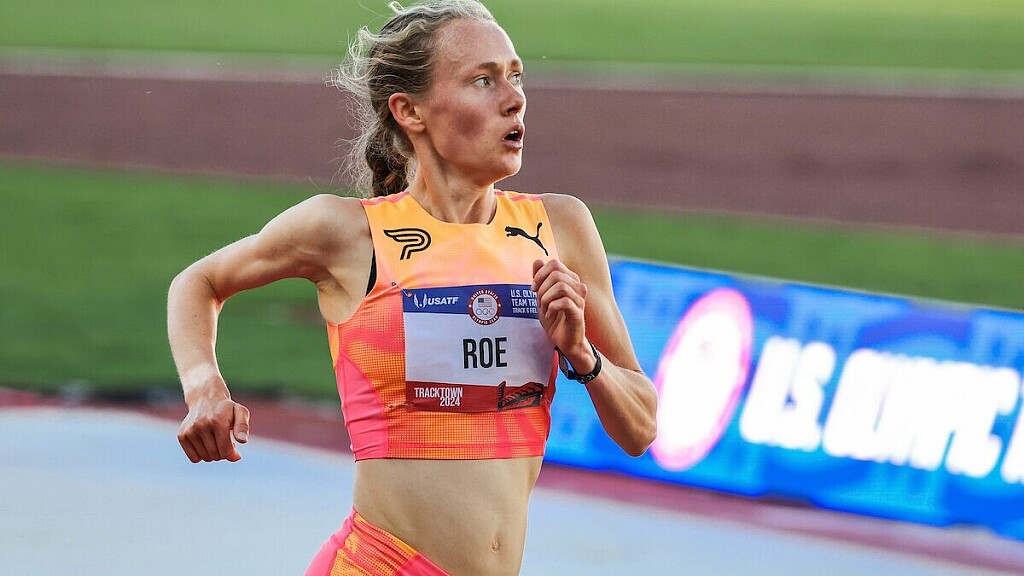
What better way to hit the ground running in 2025 than with an elite-level workout? A YouTube video posted by Track: All-Access on Tuesday revealed professional Puma runner Taylor Roe‘s first workout of the track season–a hefty session filled with fartlek intervals and mile repeats. Give the workout a go if you’re looking for a speedy way to start off a new year of running.
The workout
Set 1: 1,600m. Rest: 90 seconds
Set 2: 1,200m fartlek (4 x 200m, 100m jog)
Set 3: 1,600m. Rest: 2 mins
Set 4: 1,200m fartlek (4 x 200m, 100m jog)
Set 5: 1,600m
Total volume on track: 8,800m
Remember to take the session easier than a mid-season workout–be extra gentle while busting off the rust! Complete the mile repeats at around 5K pace, and take on the 200m portion of the fartlek at a solid effort–faster than the mile pace, but much slower than an all-out attempt. Since it’s the only rest portion of this set, take the 100m jog very easy.
“It’s too early to blow people up,” Puma Elite head coach Alistair Cragg said. “We want to keep everyone in it, working together.”
Roe completed the mile intervals in 5:24, 5:22 and 5:20. Her fartlek sets were around 4:08 (34 seconds for 200m, 28 seconds for easy 100m). “I’m clearly not doing well at pacing,” Roe said to the camera mid-workout. “But it’s not as bad as I thought it would be.”
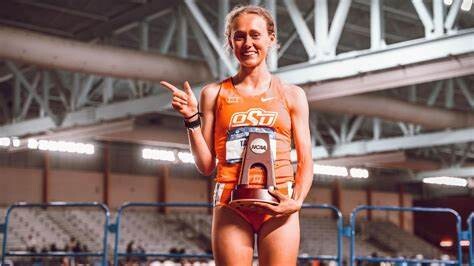
Representing Oklahoma State University, the Washington state native won the NCAA 3,000m title in 2022 with a time of 8:58.95. She took silver in the 2024 NCAA 5,000m in March, finishing runner-up to Olympian Parker Valby. Roe holds 12 NCAA All-American honours from her five-year collegiate career and holds a 5,000m personal best of 15:15.01. The 24-year-old signed with the Puma Elite Running Team in July.
It’s not yet known when the athlete is set to open up her indoor season, but Cragg hinted that it will be won’t be until February. “You’ll blow yourself up,” he said to Roe. “We’re not going anywhere near blowing you up for the next–at least–four weeks.”
by Cameron Ormond
Login to leave a comment
Florida man reaches 50-year run streak
Miami’s Robert “Raven” Kraft was streaking long before it was cool, and not in the way that gets you arrested. On Tuesday afternoon at 5th Street Lifeguard Station in Miami’s South Beach neighbourhood, Kraft completed his 18,263rd run, marking an impressive 50-year streak of daily running.
Kraft began his prolific streak on January 1, 1975, when he was 24, and over half a century later, he’s amassed 18,263 total runs and over 234,000 kilometres. That’s roughly equivalent to walking around the world more than five and a half times—quite a feat!
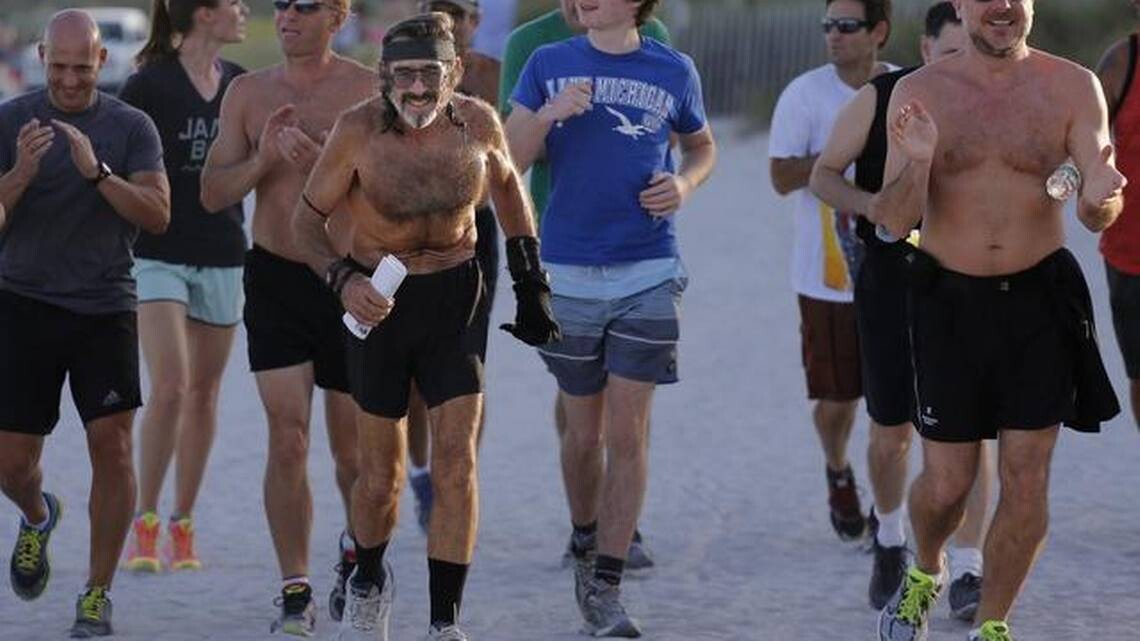
The 74-year-old was joined on Tuesday by hundreds of runners for his daily tradition of running eight miles (12.87 km) along the sands of South Beach. Kraft, who has also been a singer and songwriter for just as long, played a few songs after his anniversary run alongside the Dark Shadows band.
Beyond the streak, Kraft has built a community around his daily runs, called the “Raven Runners.” Unlike most, Kraft’s eight-mile route has never changed. He has reportedly run the exact same route in almost every single run. In an interview with Sports Illustrated, Kraft said he has a list of more than 3,700 runners from around the globe who have joined him for a run over the past 50 years. “The Raven List” reflects that he has been joined by runners from all 50 states, as well as runners from more than 60 countries.
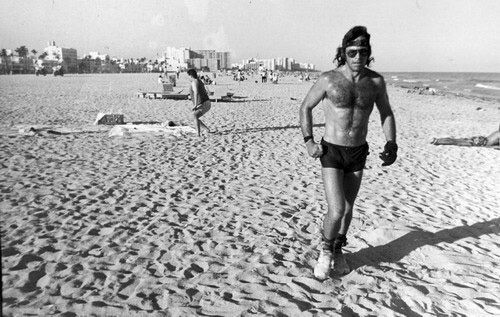
Kraft’s legacy will soon be etched into Miami Beach’s history. On Jan 1, Third Street and Ocean Drive will reportedly be renamed “Robert ‘Raven’ Kraft Way.”
According to the United States Running Streak Association, Kraft has the sixth-longest active run streak. Jon Sutherland of Washington, Utah, holds the world’s longest-running streak with over 55 years (20,000+ days). Toronto’s Rick Rayman has the longest active run streak in Canada, with a total of 16,824 days (46+ years).
by Marley Dickinson
Login to leave a comment
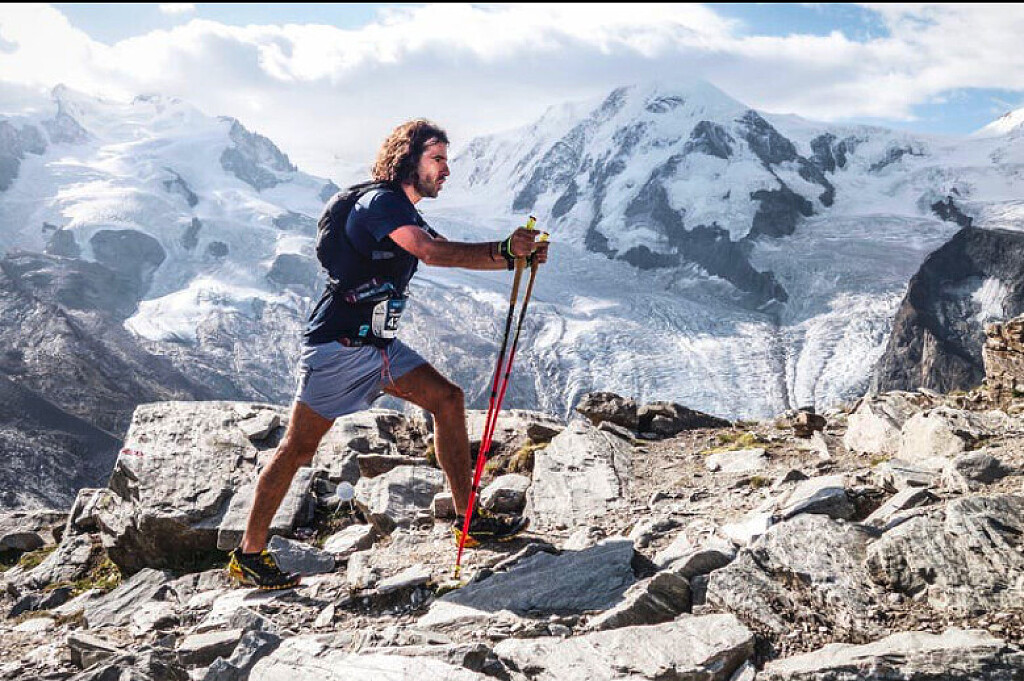
Singer Charles Costa Needed a Reset, So He Ran the Entire Pacific Crest Trail
Charles Costa spent three months running along the Pacific Crest Trail this summer and fall as an act of holistic rejuvenation.
The 39-year-old from London, England, set out with a bold goal of averaging 90 marathons in 90 days as a means to help reset his life-both to revive his stalled music career and to find a more balanced state of mind-but the multi-genre electronic British folk artist with 1 million streams and more than 120,000 monthly Spotify listeners says it turned out to be so much more than that.
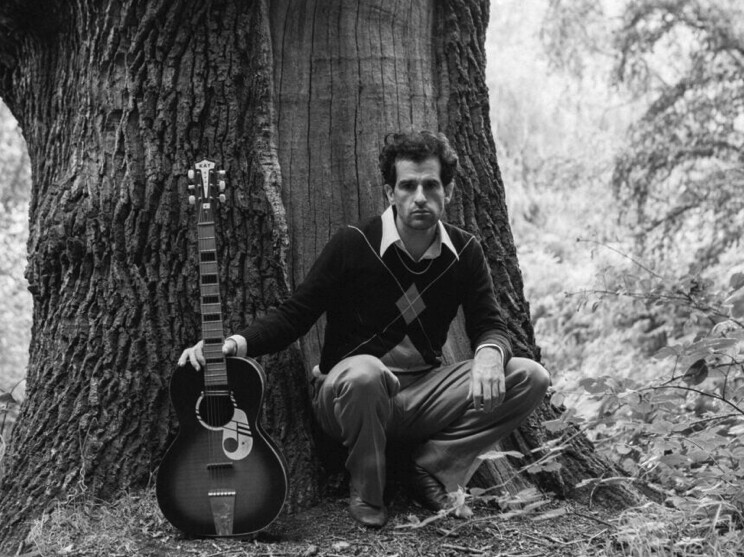
Because of lingering physical and psychological challenges from a brain injury suffered in a catastrophic skiing accident in Austria in 2010, Costa found himself in a delicate position that forced him at times to pause his music career while managing his mental health. Until he found trail running, he routinely battled a variety of mental, emotional and logistical ailments, ranging from uncontrollable anxiety to comprehensive darkness.
After averaging close to 30 challenging miles of running on the PCT per day starting on July 20, Costa admitted he was ready to finish the route, get off the trail, and get back to living a more stabilized
Recovering a Sense of Charles Costa
After the ski accident, Costa had been through numerous types of therapy and was taking what he characterized as "mind-monitoring, mind-maintaining drugs" that wound up consuming his life. In his long rehabilitative process, he eventually discovered that running-and specifically ultra-distance trail running-offered more of a physical, mental, and emotional panacea from lingering pain and mental discontinuity than anything else, and it also gave him a space to process what was going on in his life. It allowed him to get away from it all while being more connected to himself.
Costa said the more he immersed himself in running, the more he wanted to do something special to reinvigorate his life, relaunch his music career while also giving back. He's run numerous trail races in Europe in recent years, including the Montreux Trail Festival 70K last summer and the Swiss Canyon Trail 81K in Switzerland in June. (He placed 54th out of 225 runners in 11 hours, 23 minutes and 7 seconds.) He's also run the 813-mile length of Great Britain from the northern tip of Scotland down to the southwestern tip of England.
Seeking to challenge himself on a long and very difficult task that he hoped would be a transformative life experience, he settled on running the length of the PCT- a three-month, 2,650-mile trail running journey with 489,000 feet of elevation change. But he hasn't been doing it just for himself. Along the way, he's been raising money (about $170,000 so far) and stirring up attention for The Jed Foundation, a nonprofit that protects emotional health and prevents suicide for our nation's teens and young adults, and James' Place, a UK-based charity that provides free therapy and is dedicated to suicide prevention for men.
At the completion of the route, which has taken him from the U.S.-Canadian border and through parts of Washington, Oregon, and California, the British singer-songwriter officially released his first new song in several years and the first under his own name. (He originally performed and recorded under the moniker of "King Charles," a false front of a stage persona that he never really liked and that also contributed to his inability to fully express himself the way he wanted.)
The song is called "Nothing at the Most" and will be included on
Costa, who plays piano, guitar, and cello, has found his run to be a curing activity that has helped untangle his heart and mind and put him back in position to work as a professional musician.
"One thing I love about running is the rhythm of it," he said. "It's the effect that rhythm has on your mind. Days like I'm doing at the moment, it's dawn to dusk. It's up to 12 hours of just pounding the ground. And there are so many different rhythms that you get into. And I think once you're in a rhythm, your mind gets into a different place. You start thinking less. You let more in, especially when you're in beautiful places. You let more in in terms of inspiration. So, I find running very inspiring, especially in the wilderness and in some of these incredibly beautiful places."
The song "Nothing at the Most" is part of a collection of songs filled with the sounds and lyrics he says are meant to represent his journey between longing and lament. It's an intimate, cello-infused chamber-pop ballad with his soulful voice. Costa recorded several songs in the spring with producer Jesse Quin at
Enduring the Trail
As he was nearing the end of the route last week, Costa said his body was tired and a bit broken down but his soul felt re-energized. While he's remained injury-free, he's battled fatigue, blisters, muscle strains, all sorts of weather conditions, and insomnia-all common maladies to multi-day running adventures. He's worn through several pairs of On and La Sportiva trail running shoes and has relied heavily on his lightweight trekking poles, as well as his small but diligent crew that's managed his meals, gear, logistics and more.
Costa says he's listened to a lot of music out on the trail and has occasionally sang out loud to help the miles go by, but he's also made it a point to soak in the peaceful aura of the wilderness. He says it's been a devilishly hard endeavor and is amazed how "there isn't a single flat section" in the entire route.
"I'm holding it together. My muscles and limbs are all still working as they should, but I guess what starts falling apart is the mind," Costa said. "Even though I've been looking forward to the last 20 days and the last 10
Login to leave a comment
Jamaican Olympic gold medallist to try out for NFL
In recent years, we’ve seen several National Football League (NFL) stars step into the world of track and field, but it’s rare for a prominent track and field athlete to make the jump to football. The reigning Olympic champion in the men’s discus, Jamaica’s Roje Stona, will reportedly switch sports and try out for the NFL through its International Player Pathway (IPP) program.
According to an interview with ESPN, the 25-year-old feels he’s accomplished everything he wanted to in the discus, and will be trying out as a defensive end and tight end in the IPP camp, which starts in January 2025 in Florida.

“After the Olympics, [the IPP] reached out again. I was like, ‘Yo, the door’s open again,'” Stona told ESPN. “Of course, I was going to take it.”
Stona arrived at the Paris Olympics as an underdog in the men’s discus throw, as, earlier in the season, Lithuania’s Mykolas Alekna had broken the long-standing men’s world record with a throw of 74.35m. In the final, Stona ousted Alekna by three centimetres for gold, setting a new Olympic record of 70.00m. He won Jamaica’s only gold medal in athletics at Paris 2024.
Stona’s love for football started when he attended Clemson University, where he began his collegiate track and field career before transferring to the University of Arkansas. Stona will look to become the second currently active track and field athlete to join the NFL, following in the footsteps of American sprint hurdler Devon Allen, a member of the Philadelphia Eagles practice squad for two seasons.
If Stona is successful in the IPP program, he will earn a spot on an NFL roster. There are currently five IPP players on active rosters: Jordan Mailata (Philadelphia Eagles/Australia), Efe Obada (Washington Commanders/U.K.), Sammis Reyes (Minnesota Vikings/Chile), Thomas Odukoya (Tennessee Titans/Netherlands) and David Bada (Detroit Lions/Germany).
The discus thrower will be joined by 14 other international athletes trying out for the NFL from Australia, Fiji, France, Germany, Ireland, New Zealand, South Africa, the U.K. and Zimbabwe.
Login to leave a comment
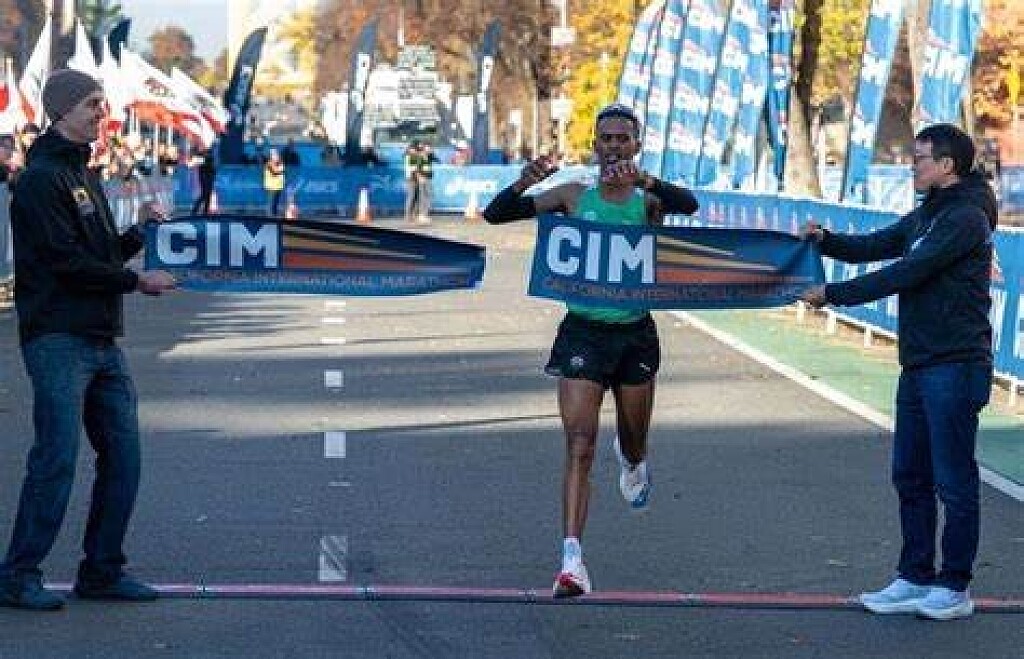
Records fall again as world’s best runners shine at California International Marathon
Tsegay Weldlibanos demolished a men’s course record that stood for more than 30 years en route to victory in his first-ever California International Marathon. British Olympian Callie Hauger-Thackery’s record-smashing pace was just enough to edge Jacqueline Gaughan and take home the women’s CIM title Sunday in Sacramento.
It was a day to celebrate, as is so often the case on one of the fastest marathon courses in the country. Sunny, dry conditions, temperatures a crisp but comfortable high 40s, and a world-class field in peak form led to another record-setting Sunday in the state capital.
Weldlibanos, of Eritrea, who lives and trains in high country Flagstaff, Arizona, turned the notoriously fast Folsom-to-Capitol course into a personal playground Sunday, crossing the finish line at two hours, seven minutes and 35 seconds — three seconds faster than the previous course best set by Jerry Lawlor in 1993.
CJ Albertson, the “Fresno Kid” and come-from-behind men’s winner in 2023, missed out on back-to-back wins, taking home a second-place finish and a trip to the podium.
Hauger-Thackery set a blistering pace and needed every bit, her 2:24:28 beating Gaughan’s 2:24:40 by .12 of a second. Stephanie Bruce finished third. One of the fastest British marathoners ever, Haugher-Thackery burst onto the scene in 2023 and earned a spot to represent Great Britain in the 2024 Paris Olympics.
Husband and coach Nick Hauger, who finished third on the men’s side moments earlier, met the women’s winner at the finish in an emotional moment. Hauger was draped in the Stars and Stripes; the Union Jack adorned Haugher-Thackery’s shoulders as the couple embraced in victory.
Fifth-place women’s finisher Brittney Feivor’s cheering section hugged the rail at the finish. Susan Kessler, Feivor’s mother-in-law, traveled from Kenosha, Wisconsin, to watch the former Marquette University standout’s run Sunday.
“It’s exhilarating. We know how much work she puts in,” said Kessler. Feivor logs 50 to 90 miles or more a week in training. “It’s cheering and giving her the support she needs.”
The day didn’t just belong to the elites. As many as 10,000 runners and another 1,000 relay runners were expected to cross the finish line on race day, traveling from across the country and Northern California for the chance to notch a personal best or qualify for marathons on the 2025 calendar.
The California International Marathon is a qualifying race for the Boston Marathon. The 129th running is April 21. It’s a short walk — or jog — from the finish line at Ninth Street and Capitol Mall to a bell at the state Capitol’s west steps. Runners here know what the bell’s peal means: Someone’s going to Boston next year.
On Sunday, that someone was Alex Mills, 23, of Tacoma, Washington, shaking the bell nearly off its moorings as proud family — 10 in all — watched on from the Capitol steps.
Mills, who graduated this year from George Fox College in Oregon, wasted no time. Sacramento was the first marathon for the collegiate cross-country runner.
Mills’ mother, Shelly, and entourage planned their vacation around the Sacramento trip. Now, she said, they’ll have to schedule a second in Boston.
“I’m just happy to get it over with,” said Mills, still draped in his warming blanket.
Sometimes the run is about redemption. Andy Holstrom came down to Sacramento from Portland for this year’s marathon. Holstrom, bib 115, was on the course, wife Rebecca and parents Bob and Marla Mion of Newcastle cheering on from the mall. Andy and Rebecca, expecting a child in April, ran Boston last year, but after a disappointing run in the Bay State, Andy was looking for a personal best in California.
Rebecca, who recently ran an ultramarathon, carried a placard with its own bit of cheeky motivation: “Don’t embarrass our unborn son,” it read. “Run fast.”
Dad-to-be Andy delivered, cracking the 2:40 barrier with a 2:39:12.
Brandon Moran of Boston took the trip west, breaking into the coveted 2:30s, relishing the CIM’s fast downhill after running on Boston’s grueling hills. “It’s been two years since I ran this fast. I’m very, very happy with the result. It’s just the smoothest course I’ve ever run.”
by Darrell Smith
Login to leave a comment

California International Marathon
The California International Marathon (CIM) is a marathon organized by runners, for runners! CIM was founded in 1983 by the Sacramento Running Association (SRA), a 501(c)(3) non-profit organization. The SRA Board of Directors is comprised of runners with a combined total of 150+ years of service to the CIM. The same route SRA management created for the 1983 inaugural CIM...
more...
Katie Florio, William Loevner win 2024 Philadelphia Marathon elite races
William Loevner, 27, of Pittsburgh, won the Philadelphia Marathon men's race in 2:16:12 on Sunday.
Mulgeta Birhanu Feyissa, of Washington, Alabama, was second in the 26.2-mile race in 2:16:38, and Rahal Bouchfar was third in 2:16:55, according to unofficial results.
In the women's race, Katie Florio, 31, of Philadelphia, won in 2:32:42. Aberu Mekuria Zennebe, of Washington, D.C., was second in 2:33:26, and Elizabeth Chikotas was third in 2:35:28.
Florio runs for Liberty Track Club, a Philadelphia-based elite running team sponsored by Oiselle, an apparel brand.

"It feels amazing, I'm honestly still in shock," Loevner said after the race. "I can't believe it, but I'm just proud of all the hard work I put in, and I ran to the best of my ability, and that was the win today, so I couldn't be happier."
The top Philadelphian on the men's side was David Troy, who finished in 2:22:58.
by Laura Fay
Login to leave a comment

Philadelphia Marathon and Half
Have the time of your life in 2022 completing 13.11 miles! Runners will start along the Benjamin Franklin Parkway in the cultural Museum District and wind through Philadelphia’s most scenic and historic neighborhoods. From the history-steeped streets of Old City, through one of the liveliest stretches of Center City, across the Schuylkill River...
more...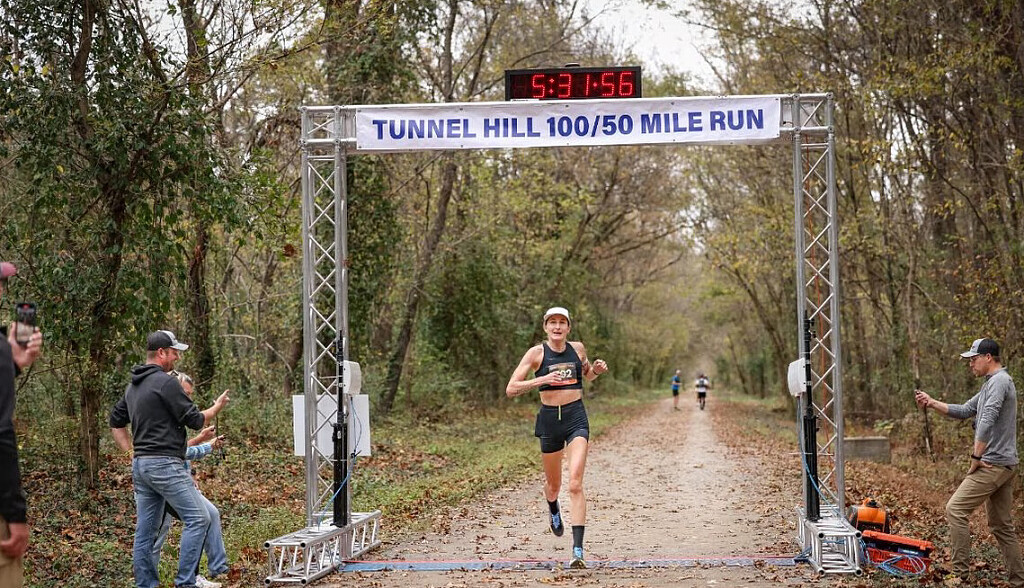
Courtney Olsen Sets 50-Mile World Record of 5:31:56 at 2024 Tunnel Hill 50 Mile
American Courtney Olsen continues to make her mark on ultrarunning history, this time provisionally setting a women’s 50-mile world record of 5:31:56 at the Tunnel Hill 50 Mile in Vienna, Illinois, on November 9, 2024.
The previous record of 5:40:18 was set in 1991 by the iconic American ultrarunner Ann Trason. Olsen’s effort resets the world record by 8 minutes and 22 seconds.
Her performance represents an average pace of 6:39 per mile (4:08 per kilometer) over 50 miles (80.47 kilometers). Wow!
The Tunnel Hill 50 Mile is run as a double out-and-back on the Tunnel Hill State Trail, a rails-to-trails trail composed mostly of dirt. The event and trail are named after the tunnel through which the trail passes and was the location of a new men’s 50-mile world record in 2023. It is a USA Track & Field-certified course, and the event has an International Association of Ultrarunners (IAU) Gold Label. The IAU governs the 50-mile distance for world records, and will be responsible for ratifying the record.
The 37-year-old hails from Bellingham, Washington, and appears to be amidst a big year in racing. Earlier in 2024, she took third at the Comrades Marathon. She’s also on Team USA, set to compete at the IAU 100-Kilometer World Championships in December, 2024. In 2022, the last time the 100k world champs took place, Olsen finished fourth and ran 7 hours and 15 minutes. Her marathon PR appears to be 2:36:21.
Login to leave a comment
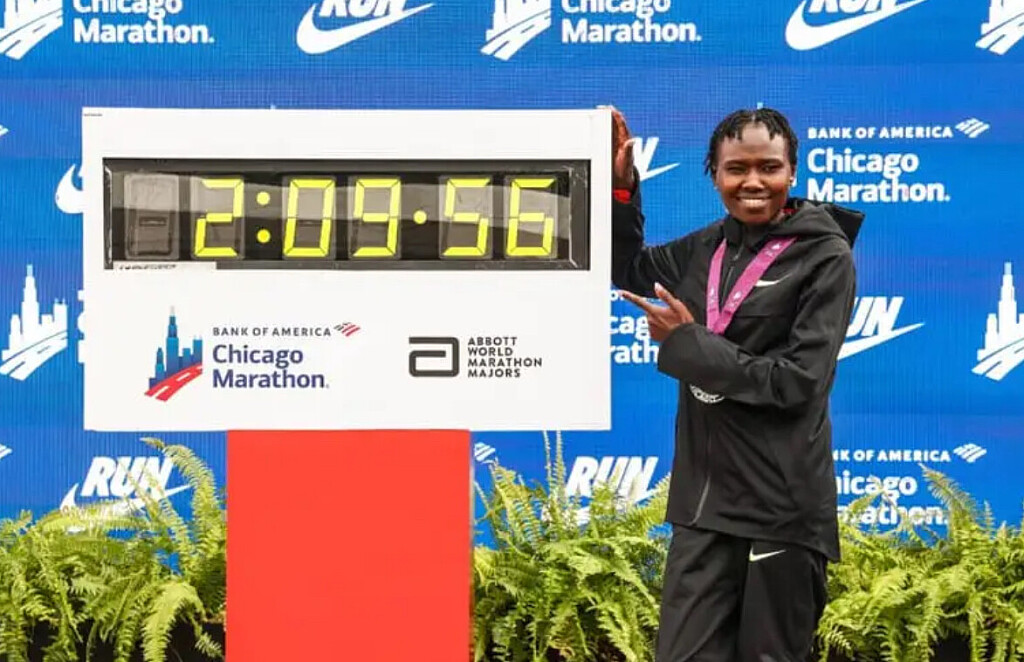
WHAT THE NUMBERS SAY (ABOUT WOMEN’S MARATHOING)
I am a numbers’ guy. I’ve always been a numbers’ guy. I always want to see what the numbers tell me before I opine from an emotional standpoint.
Accordingly, I did a deep dive into the last five women to hold the marathon world record going back to Kenyan Catherine “The Great” Ndereba, in 2001. What I found was a changing world order.
Catherine Ndereba was the last of the old school road racers who then progressed to the marathon. Catherine came to compete on the U.S. road tour beginning in 1995, but really began winning convincingly in 1996 at age 24, winning four times in New York City; Spokane, Washington; Utica, NY; Flint, Michigan; and Philadelphia, Pa.
In 1999, she made her marathon debut in Boston, running to eighth place in 2:28:26. Later that fall, she finished second in New York City in 2:27:34. But she also had eight wins on the road circuit when you could still make money there and the marathon wasn’t yet as lucrative as it is today.
The following year, 2000, Catherine won her first Boston and Chicago Marathons, with another eight wins on the road circuit. She won Boston again in 2001 in 2:22:53, then set her world record in Chicago in the fall in her sixth career marathon, running 2:18:47, with another eight wins on the roads. Catherine was 29 when she ran her record and set her personal best by 2:46 seconds.
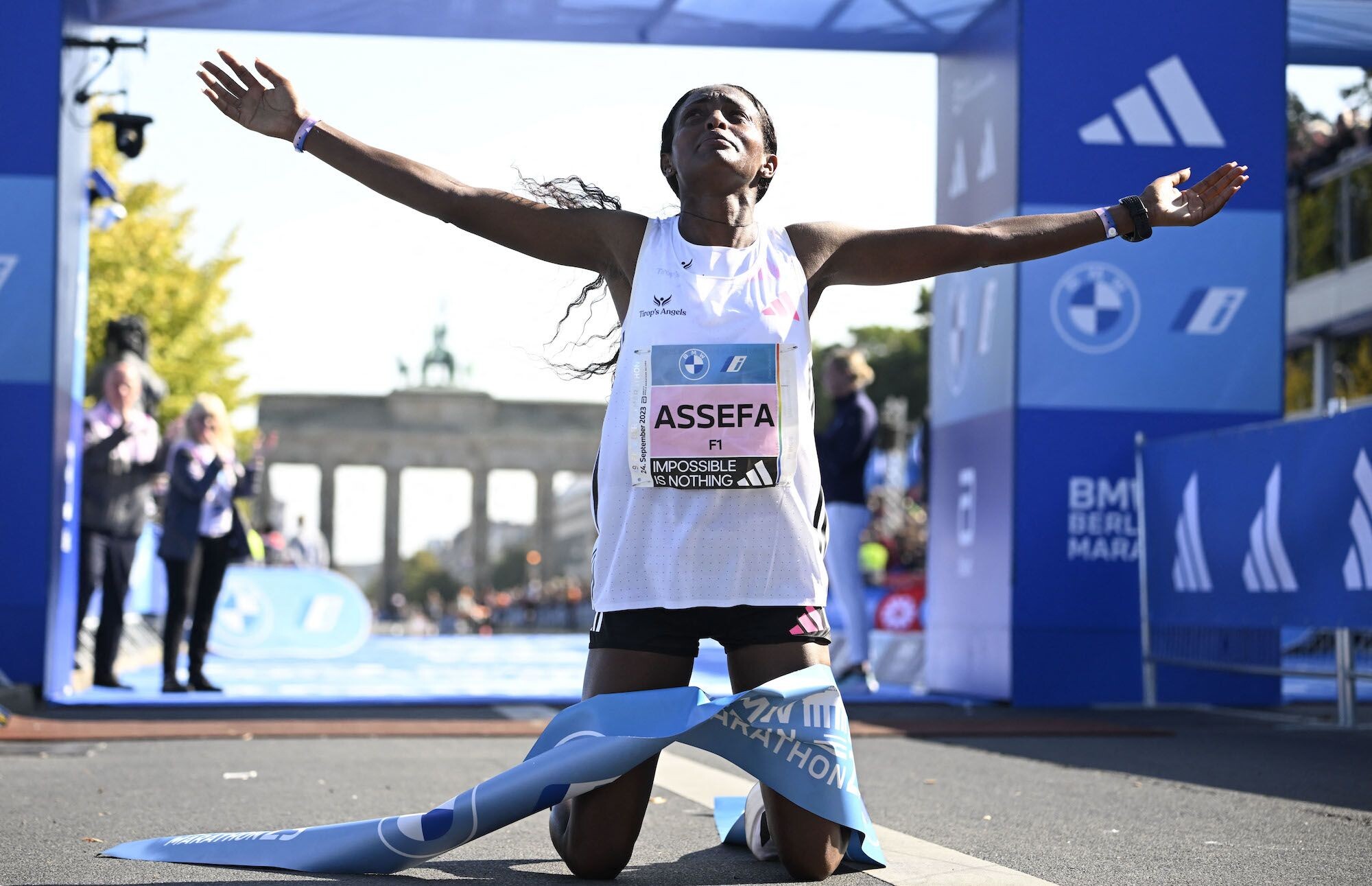
In all, she ran 23 marathons, finished 23, won 8.
Great Britain’s Paul Radcliffe broke Catherine‘s world record one year later in Chicago 2002 (2:17:18) then smashed her own record one year later in London (2:15:25), a record that would last 16 years, by far the longest standing women’s marathon world record in history. Before that, Paula had run her debut in the spring of 2002 in London, at age 28, winnng in 2:18:56, a debut record.
In all, Paula started 13 marathons, finished 12, won 8. She, like Catherine, was age 29 when she set her final record at 2:15:25.
But Paula had a long, distinguished career in cross country and track going all the way back to 1992 when won the IAAF World Cross Country U20 championship in snowy Boston before finishing fourth in the World Junior Championships in the 3000m, a circumstance that would repeat itself over the years until she moved up in distance.
Paula ran fifth at the 1996 Olympic 5000m final in Atlanta. Then fourth in the 1997 World Championships 5000 in Athens; second in the WC 10,000m in Seville; and fourth again in the 2000 Olympic 10,000 in Sydney. She just couldn’t finish the last 200-300m with the East Africans like Derartu Tulu and Gete Wami to nab gold.
She entered her first marathon in London 2002 after showing her ability at the half marathon, winning at the Great North Run and the World Half Marathon Championships in Vera Cruz in 2000, and again in Bristol in 2001 – though she still ran on the track at 3k, 5k and 10k. From there, it was clear sailing, as the world came to expect Paula’s 2:15:25 to last for a long, long time.
It wasn’t until Brigid Kosgei came along in Chicago 2019, running 2:14:04, that Paula’s mighty record fell. But that was a bit of a stunner, as people didn’t see it coming. That gave even more gravity to the super-shoe era, because Brigid was 25 years old running the ninth of her 17 career marathons when she set her record. It was a personal best by 4:16, very similar to what we saw with Ruth Chepngetich last Sunday in Chicago. Both were deep into their marathon careers before producing their other worldly record performances.
Between Brigid and Ruth came Ethiopia’s Tigst Assefa. She ran her world record of 2:11:53 at age 26 in Berlin in the third of only five career marathons. And that WR was a personal best by 3:44 at age 26.
And now, of course, we have Ruth Chepngetich, whose 2:09:56 in Chicago last Sunday has had heads spinning faster than Linda Blair in the Exorcist.
Ruth has run 15 marathons, finished 13, won 9, while running her world record in her 15th marathon, seven years into her career, setting a PB by 4:22. That last stat is the one people have trouble getting their heads around. You don’t improve that much so late in your career; they say.
But Brigid Kosgei ran her world record in the ninth of 17 career marathons with a personal best by 4:16. So what Ruth did was not unprecedented, though taken from a tiny sample.
The ages when they produced their world records:
Catherine, age 29; Paula, age 28 and 29;Brigid, age 25; Tigst, age 26; Ruth, age 30.
The world is constantly spinning, changing. Catherine Ndereba and Paula Radcliffe came from an old world, not just pre-super shoes, but pre-only focusing on marathons and half marathons.
And with the super shoes and super nutrition and super coaching and super God knows what else, there has been a great stir in the running community. Some refuse to even consider the possibility of these record times. Others say “wait and see if any positive testing follows down the line”, as we have seen many times before. And very few say, “everything‘s on the up and up. There’s nothing here to see other than a great performance.”
That doesn’t leave the sport in a very good place. But guess what? We are kidding ourselves if we think 2:09:56 is going to last very long. Look at Chicago’s women’s splits: 15:00 at 5K = 2:06:46 pace; 45:32 at 15k = 2:08:16 pace; and 64:16 at halfway = 2:08:32 pace. You even out that effort just a little, and you’re looking at sub-2:09! It’s coming. You can count on it. Plus, once one-person shows what’s possible, it inspires many more to try.
Remember, we are still in the first two generations of world-class women’s distance running. We have no idea what their limits may be, notwithstanding all nefariousness that attends the sport these days.
And so the debate continues, even as the sport searches for leadership, which seems to be missing in action. It’s one hell of a Wild West show, isn’t it?
by Tony Reavis
Login to leave a comment
How Recreational Runners Get Through UTMB: 'It's All About Digging Deep into Yourself'
Wearing purple shorts, a blue and white tie-dyed T-shirt, a bright pink hat, a light blue Salomon hydration pack, fluorescent yellow-rimmed Oakley sunglasses, and a pair of Hoka Speedgoat 5 shoes, Chaiwen Chou was a vibe as she crossed the finish line of Ultra-Trail du Mont-Blanc (UTMB) on Sunday afternoon in Chamonix, France.
Chou, who had also freshened up the pink and purple tint of her hair before the race, stood out among the numerous other dusty and weary runners clad in more traditionally colored trail garb as they took their final strides in the epic 106-mile race around the Mont Blanc massif.
But what was most remarkable about the 41-year-old software developer from New York City was the huge smile on her face and expression of pure joy that emanated from her. When she arrived at the finish line after 45 hours and 15 minutes of running-about 75 minutes before the cutoff-she was beaming ear to ear and greeted with big hugs from her mom, brother, partner, and a good friend who helped crew her on her journey.
While her interest in running started on a bit of a whim a decade ago, her continued passion and progression have led her to run more than 30 trail running races, including the biggest and most celebrated one in the world. On Sunday, she was one of 95 American runners to complete the grueling UTMB course.
"So when I turned 30, I had this typical New Year's resolution, like, I want to get fit, I want to learn how to run," said Chou, who grew up in Massachusetts. "And then I met a friend who ran, and I started running with him and doing group runs. And then we started running trails, and we specifically entered The North Face Endurance Challenge, and that's where I ran my first marathon, and fell in love with trail running and then learned about ultrarunning and this whole world that I never even knew existed."For many recreational ultrarunners from around the world like Chou, UTMB sits at the top of their lifelong bucket list. It means starting at the same time as the elite professional runners on Friday evening in Chamonix, and maneuvering through the same rugged and aesthetic 106-mile loop with a daunting 32,000-feet plus of climbing and descending. It's historic, and the crowds and the energy around it are unparalleled.
It's also a monumental challenge to complete.
Trail Running's Infectious Buzz
Ultra-trail running is having a moment right now-especially since the end of the Covid pandemic-but it probably started a decade ago as the urge to run beyond the marathon gained mainstream traction and destination races around the world started to become desirable goal races for recreational runners.The North Face Endurance Challenge began as a singular 50-mile championship-style trail race near San Francisco in 2006 with a $30,000 prize purse, but it evolved into a multi-distance race weekend (from 10K to 50 miles) aimed at encouraging runners of all abilities to immerse themselves in the sport. After a few successful years of the event in Mill Valley, California, it expanded to several locations across the U.S.-upstate New York, Madison, Wisconsin, and Washington D.C., among others-and around the world.
Although The North Face pulled the plug on the series in late 2019 with a suggestion that it was going to reimagine the event format, nothing ever materialized after the Covid-19 pandemic temporarily disrupted the world-and specifically running events-in 2020. But those events played a big role in introducing runners and non-runners alike to the unique aspects of trail running, and many of those who caught the bug-like Chou-have continued to chase their passion in global events like the UTMB World Series.
Chou and her friends returned to The North Face Endurance Challenge four years in a row and she upped the ante each time, going from the marathon to the 50K and finally to consecutive finishes in the 50-miler. She competed in the 50-mile race in San Francisco in 2017 and 2019 and then started traveling to other races around the U.S. and eventually around the world. By 2020, she had completed the Madeira Island 115K race in Portugal and the Tarawera Ultramarathon 100-miler in New Zealand.
Once Covid subsided, Chou set her sights on trying to get into UTMB, which she did by collecting running stones and finishing seventh at the Grindstone 100 amid torrential rain storms last September in northwest Virginia. Her training for UTMB was interrupted in February when, just a week after she found out she secured an entry into UTMB through the lottery, she broke her ankle. Then once she got to Chamonix a week before the race, she smashed her left knee on a shakeout run and it swelled up pretty badly.
As such, her UTMB experience was rougher than she had hoped-the 80-degree heat and the 32,000 feet of vertical gain and descent pushed her to her limits-as she had challenges fueling consistently and also got sick several times. But she persevered and reached her primary goal of finishing.
Officially, she was the 1,542nd finisher out of 1,760 runners who completed the full loop. (A total of 1,001 runners started but did not finish.) She did whatever it took and she crossed the finish line.
"So this is the first time I've been in the Alps, and I'm just blown away by how beautiful it is," she said. "Even though I was in pain pretty much the whole race because the climbing and the elevation gain here are insane compared to the East Coast! But it was just so beautiful everywhere. It's pretty crazy. But you get to be out there all day though, so that's fun."Every Runner Has a Story
Becky Convery only started running four years ago in the middle of the Covid lockdown. What started as short, occasional runs turned into a passion for trail running that was fueled, in part, by doing group runs with the Virginia Happy Trails Running Club.
Like Chou, Convery also qualified for UTMB through the Grindstone 100. The 58-year-old Washington D.C. attorney almost quit that race, but she dug deep to finish. During UTMB, Convery dealt with GI issues from early on in the race and couldn't keep any food down. It was so bad, she almost dropped out at the 51.5-mile aid station in Courmayeur, Italy. But then she thought of Wayne Chang, a running buddy from Virginia, who did just that last year and immediately regretted it. With her friend's experience top of mind as she struggled, Convery persevered and finished in 45:27 with an hour to spare."I wanted to quit at Grindtone last fall. I was miserable and just wanted to go to bed, but he wouldn't let me quit," Convery said. "He's like, 'Look, I quit UTMB and I woke up a couple hours later, and I was like, 'Oh my God, what have I done?' So when it got hard out there (during UTMB), I thought of Wayne, and even though I couldn't keep food down, I said to myself, 'What would Wayne do?' He'll kill me if I quit, so I knew I couldn't quit. So I just kept going."
As much as UTMB gets considerable international notoriety for the livestream and media coverage around the elites-and understandably so, it draws many of the world's best runners-at the heart, UTMB is a personal journey of courage, commitment, and hope for most of the 2,800 runners who toe the starting line.
And really, that's what the entire sport of ultra-trail running is all about and what differentiates it from road racing. For many, it's not about racing at all-competing against other runners or even the clock-it's about challenging yourself and the natural terrain in pursuit of a dream that might seem like it's on the realistic edge of your abilities.
"It's all about digging deep into yourself," Convery said. "With this race, it's so international and there are so many nations represented, it's just an amazing time up there. Even though most people don't speak each other's language, everybody gets it. Everyone is pulling for each other. It's a great environment out there. I'm glad I made it."
Going the Distance
That's always been the case for 67-year-old Mike Smith, a retired resident of Santa Fe, New Mexico, who reached the finish line 15 minutes after Convery. It was Smith's second year in a row finishing UTMB, and because he won his age group at the Canyons 100K in April, he'll likely be back next year.
"The best part about it is always the people," Smith says. "But, oh gosh, chasing the time cutoff at that last aid station, that hike up to the La Flegere ski area, that's always a challenge."Smith relishes in those kinds of ultra-trail challenges. By reaching the finish line in Chamonix, he recorded the 224th 100-mile trail race finish of his career dating back to the mid-1990s. According to an ultrarunning history site, he ranks No. 2 in the world in all-time 100-mile finishes and first among 100-mile trail races. (Last year's UTMB was his 205th finish, which means he completed 18 100-mile ultra-trail races in the interim.
"This is always a spectacular finish," said his wife, Sandra, who wrote a book about what it's like to crew her husband at races. "This is one of the most exciting finish lines there is. The finish lines at smaller races are exciting because there's such a close community of people, but here, there are so many people from around the world, and that's just wonderful."
In all, 2,761 runners started this year's UTMB and 1,760 finished, including 95 U.S. runners who reached the finish line (out of 152 American starters) under the cutoff. Frenchman Vincent Bouillard was the overall winner in 19:54:23 on Saturday afternoon, but 20 hours later there were still about 1,000 runners moving toward the finish line and trying to beat the 46.5-hour cutoff on Sunday afternoon. Among the 95 U.S. finishers, 41 completed the course after the 40-hour mark.
Lamont King, 51, a runner from Roseville, California, has watched and been inspired by runners finishing in the golden hour of the Western States 100 as a fan and as a board member of the race for years. So finishing UTMB on his first try in 45:59-about 30 minutes before the cutoff-was a special moment for him.
"The race was very, very tough. We just don't have that kind of vertical in California where I'm from," said King, who has been trail running for 20 years. "But it's just amazing to be in this scenery in the mountains. It's just fantastic, and it makes up for a little bit of pain. I did have to push a little bit more than I probably would've liked, but I got it done. Coming in with all those people cheering for you in that final finish is almost overwhelming. It's just beautiful."
by Trail Runner Magazine
Login to leave a comment
This 31-Year-Old Runner Is a Mom and an Olympian
Buoyed by her faith, motherhood, and family, Marisa Howard never relinquished her dream of becoming an Olympian
As a young girl, Marisa Howard dreamed about becoming an Olympian one day. But her focus was on another Olympic sport, gymnastics. She had no idea what the 3,000-meter steeplechase even was.
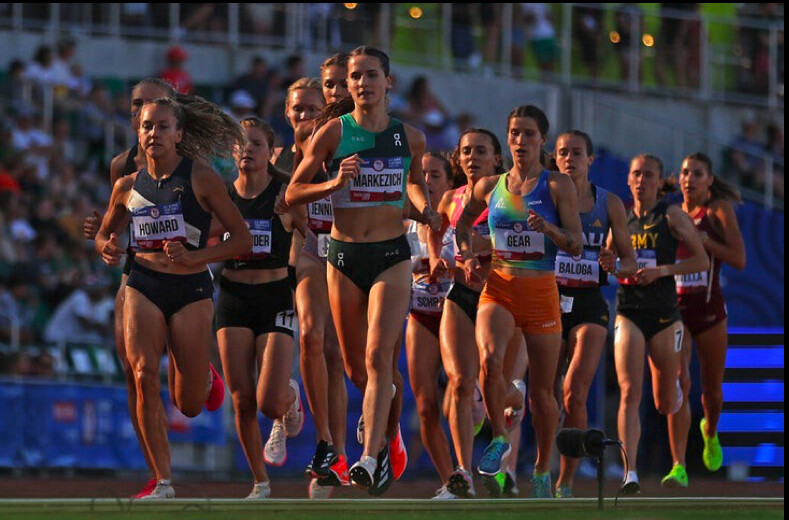
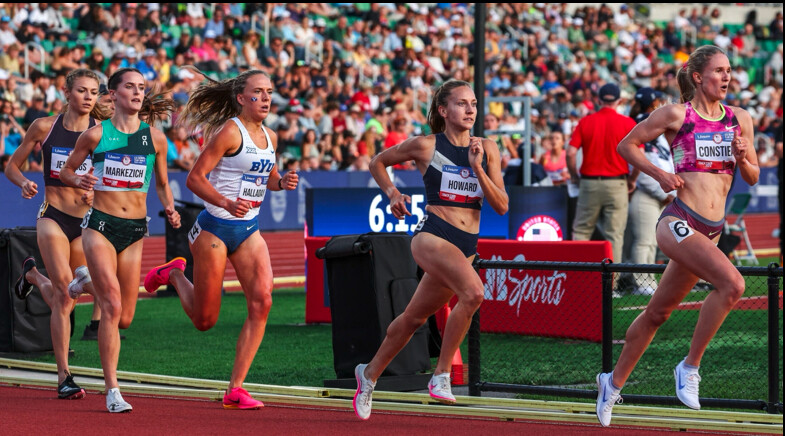
She also had no idea she’d be a mom when the dream actually came true.
Over the last two decades, Marisa, 31, has gone through numerous highs and lows, near-misses, injuries, a lack of sponsor support, and joyful life changes—most notably giving birth to son, Kai, in 2022. But the steeplechaser from Boise, Idaho, never let go of the dream. Relying on her faith, a strong family support system, and the frugal but full life she shares with her husband, Jeff, the dream came true on June 27 with a third-place finish in the steeplechase at the U.S. Olympic Trials in Eugene, Oregon.
After chipping away at her craft for three Olympic cycles, Marisa ran the race of her life—finishing with a 15-second personal best of 9 minutes and 7.14 seconds—to earn a spot on Team USA.
Her dream of running for Team USA in the Olympics officially materialized on August 4 when she lined up to race in the prelims of the 3,000-meter steeplechase in Paris. She ran with the lead pack in her heat as long as she could, but with two laps to go she slid to seventh and finished in that position in 9:24.78, missing the chance to advance to the August 6 final by two places and about seven seconds.
“I think it just becomes a lot more real when you see people that have been kind of knocking on the door for years and finally break through. It’s like, ‘Wow, we’re human and we can do it.’ Dreams do come true,” Marisa said. “I was six or seven or eight years old when this Olympic dream was born, and I plan on competing until he’s that age, hopefully, to show him what it’s like to do hard things and chase your dreams. I think it’ll be cool in 10 years when I show Kai these videos and be able to tell him, “Look at what Mommy did when you were two.”
In between making the team in late June and arriving in Paris in late July, Marisa’s life returned to normal—as if being a mom with a 2-year-old is ever normal, or at least consistent, on a day-to-day basis. That month included rough bouts of stomach flu for her and her son, the continued day-to-day management of Kai with Jeff, juggling workouts with childcare help from family and friends, reestablishing normal sleep patterns for everyone, and of course, finalizing travel plans to get the family to Paris.
It all came with a humbling reminder of the perspective that has been the bedrock of Marisa’s postpartum revival as an athlete.
“The day after I qualified, we were driving back home to Idaho and we were all tired. Kai was exhausted and screaming in the car, and I told my husband, ‘He doesn’t care that I’m an Olympian, he just wants food and sleep and, really, I’m just mom,’” she said. “It’s humbling—there’s nothing more humbling than taking care of your sick baby—and I think as a parent, we’re humbled every single day, and we come up short sometimes despite doing the best we can, but I’m thankful that there’s grace and forgiveness. I think it makes those high moments so much sweeter.”
Marisa is part of a new wave of elite runners that aren’t putting their family plans on hold due to their career, and one of several moms who competed at the U.S. Olympic Trials. Stephanie Bruce raced the 10,000 meters just nine months postpartum after giving birth to her daughter, Sophia, in September 2023, while Kate Grace ran strong preliminary and semifinal 800-meter races to advance to the final of that event just 15 months after giving birth to son, River, in March 2023.
Elle St. Pierre gave birth to her son, Ivan, at about the same time, and returned to racing six months postpartum, finishing seventh in a speedy 4:24 at the Fifth Avenue Mile in New York City. That was just the beginning for St. Pierre, who broke the American indoor record in the mile (4:16.41) in January then won the gold medal in the 3,000 meters at the indoor world championships in Glasgow in March. At the Olympic Trials, Pierre won the 5,000 meters and placed third in the 1500, qualifying for Team USA in both events, even though she declined the Olympic entry for the 5,000.
After Howard gave birth to Kai in late May 2022, she began doing pelvic floor therapy along with general strength training and some easy jogging. By the time she started running in earnest that fall, she was surprised at how quickly her aerobic fitness came back to her.
“What’s really surprised me is that I’m able to run paces that I never hit before pregnancy with the same amount or less effort,” she says. “My aerobic engine has just gotten so strong. You do see women come back stronger, but it’s a wide range of how long it takes them to come back. ”
When she returned to the track, she was aiming for a top-three finish at the 2023 U.S. championships to qualify for the world championships in Budapest. She made it to the final and was in third place with two laps to go, but just didn’t have the closing speed. However, she did get the Olympic Trials standard by clocking a near-PR of 9:22.73, demonstrating she was just as fast as her pre-pregnancy self despite limited training and two years away from racing.
By late 2023 and early 2024, Pat McCurry, Marisa’s coach since college, was able to add more volume and intensity to her training, setting up what he thought would be her best season yet. And while Marisa admittedly didn’t race as well as hoped in her races before the Olympic Trials, McCurry knew she was capable of great things.
“She was on a different level once we got back to that base fitness post-pregnancy, and I think that’s what’s paid off in massive fitness dividends,” said McCurry, who has coached Marisa on Idaho Afoot training group since 2015. “The racing didn’t look amazing from the outside. The training was spectacular. We were doing things in training since January that we’ve never done before—just the level of intensity and volume we were sustaining was stellar.”
Marisa picked up running at Pasco High School in Washington, and carried on with the dream at Boise State University. There, she also met Jeff Howard, a Boise State runner who held the school record in the 10,000 meters. But more important than their common athletic passion, they shared the same Christian values that were the foundation of her life. They married in the summer of 2013 just after he graduated. He eventually took a job as a high school teacher at a nearby school, while she blossomed into a three-time NCAA Division I All-American for the Broncos, notching a runner-up finish at the 2014 NCAA championships and fourth-place finish the following year as a senior.
After she graduated, she picked up a small sponsorship deal with women’s apparel brand Oiselle and set her sights on the 2016 U.S. Olympic Trials . She got injured and missed the trials that year. But Howard and her husband bought a house in Boise and started their family life in earnest. That added stability, along with the guidance of McCurry, who she began working with in 2016, allowed her to dig deeper into training and continue to make progress in the steeplechase, lowering her personal best to 9:30.92 at a race in Lapinlahti, Finland.
The Oiselle sponsorship evaporated after about three years but that didn’t seem to matter. She and Jeff were living frugally and loving life, especially because, by then, most of their family had moved to Boise. Marisa had two aunts who had lived in the area before she went to college, and Jeff’s parents moved to town shortly after they were married. Marisa’s parents, and later her best friend, Marianne Green, also picked up their roots and relocated to town.
The ensuing years brought a variety of highs and lows—several near-miss fifth place finishes at U.S. championships, a silver medal at the 2019 Pan American Games, a few injuries that delayed her progress, a breakthrough eight-second PR in the semifinals of the 2020 Olympic Trials, and, of course, welcoming Kai into the world in 2022.
What makes Marisa’s situation especially challenging is that she’s run competitively without a traditional sponsor since 2017, more or less collectively bootstrapping the dream on her husband’s high school teacher’s salary and working part-time as a schol nurse and as a coach. (She will officially join the Boise State staff as an assistant coach after the Olympics.) She often stays with friends when she travels to races and says she’s grateful to the meet directors who have flown her out to race, put her up in hotels, and also paid her to pace races.
She also earned USATF Foundation grants and in 2022 was the recipient of a $10,000 grant to offset child care expenses from a program sprinting legend Allyson Felix organized through Athleta’s Power of She Fund and the Women’s Sports Foundation. Marisa competed at the 2024 Olympic Trials as part of the Tracksmith Amateur Support Program, which provides a small quarterly stipend, running apparel, and shoes to about 40 athletes in all disciplines of track and field.
“We’ve found ways to make it work. We drive used cars, and we refinanced in 2020, so thankfully our mortgage is very low,” she says. “So really a lot of my expenses are just shoes, a little bit of travel, coaching fees, gym fees, and things like that. But it does add up. But thankfully we live well within our means and are able to do it. As I’ve said before, the Lord always provides.”
But even with that support and her continued progress, Marisa entered the Olympic Trials as a dark horse contender to make Team USA. And that’s despite knowing that Emma Coburn and Courtney Frerichs, the top stars of the event for the past 10 years, were sidelined with injuries. She hadn’t run great in her races leading up to the trials, and her confidence was waning, McCurry says.
“I felt like not having a full contract [from a shoe sponsorship] had kind of eroded away at some of her confidence, and she was starting to have a little bit of imposter syndrome at races,” says McCurry. “We just had a really firm talk where I was like, damn it, you’re better than this,” he says. “Not we, not the training, you, Marissa Howard, are better than this.”
That pep talk was just what she needed. It helped remind Marisa about her bigger purpose, just as much as packing diapers, toys, and pajamas for Kai did before she and Jeff made the eight-hour drive to Eugene for the Olympic Trials.
In her semi-final heat at the trials on June 24, Marisa ran aggressively and finished second behind Gabbi Jennings in 9:26.38. After the race, she said she was looking forward to the final, but, for the moment, was most interested in making sure Kai got to bed on time.
Running with purpose and caring for her son emboldened her for the final, where she ran with conviction among the top five before moving into the lead briefly with a lap to go. In what was a thrilling final lap, Val Constien retook the lead and sprinted to victory down the homestretch in an Olympic Trials-record 9:03.22, followed by a surging Courtney Wayment (9:06.50) and a determined Marisa (9:07.14) as the top nine finishers all set new personal bests.
“My husband and I talk about competitive greatness: You want to rise to the occasion when everyone else is at their best. So it’s like, gosh, I was able to do it! I think a lot of it for me has always been about having my priorities in place. I’m a Christian first, and then a wife, and then a mom, and then a runner. And I think if I keep those in that line, that’s where I see success,” Marisa says.
“I’ve sat next to gold medalists and other high-level athletes in chapels before U.S. championship races and they’ve told me, ‘I’ve won that gold medal and it doesn’t fill that void in my heart.’ And just knowing that a medal or success isn’t going to change you, ultimately, you have to be secure in who you are. So just remembering where my priorities lie helps to kind of keep me grounded.”
Login to leave a comment

There Are Going to Be People Walking:’ A Look at the Grueling Olympic Marathon Course
Getting to run by all those historic spots requires some epic climbs and descents.The final weekend of the 2024 Paris Olympics will host back-to-back days of thrilling marathons. These prestigious races, set against the backdrop of two of France’s most iconic landscapes—Paris and Versailles—will weave through a tapestry of history, culture, and breathtaking scenery. They begin on August 10 with the men’s race, and then, in a nod to the 40th anniversary of the first women’s Olympic Marathon in Los Angeles, the Paris Olympics will conclude on August 11 with the women’s race for the first time in history.
Here are some of the key details you’ll want to know:
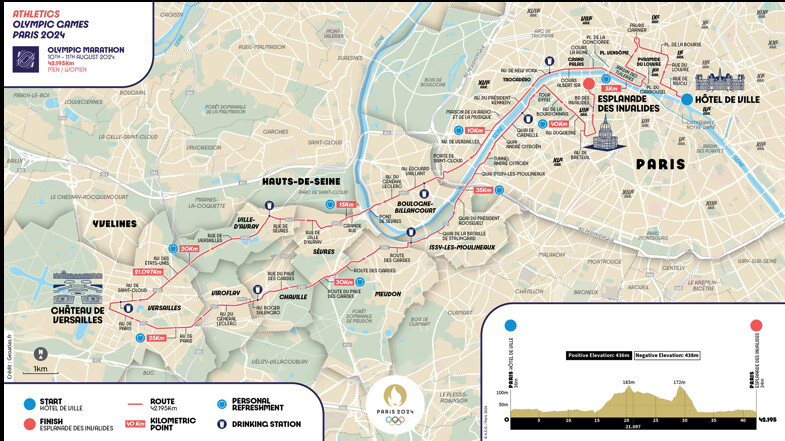
What sites will the runners pass?
It’s not a bad way to tour the area, and it’s quite different than the Paris Marathon that is held each April. Athletes will find themselves tracing a route that dances through nine arrondissements (neighborhoods) of Paris along the banks of the Seine. The runners will begin at the Hôtel de Ville, or city hall, and then pass landmarks such as the Palais Garnier opera house, Place Vendôme, the Louvre museum, and past the Trocadéro.
Next, they will leave the city to run through historic French towns, including Sevres, on their way to Versailles. The return to the city is a different route and will take them through the Forêt Domaniale de Meudon, a forest. When back in the city, they will be on the Left Bank and run past the Eiffel Tower as well as Parisian neighborhoods. The race ends at the Esplanade des Invalides, in which Napoleon is buried.
This route is based on significant French history. In October 1789, between 6,000 and 7,000 Parisian women, joined by men, marched from the Hôtel de Ville through the city to Versailles. It was because of that march that Louis XVI agreed to ratify the Universal Declaration of the Rights of Man and Citizens. The marathoners are symbolically running in their footsteps.
How tough is the course?
Unlike some more recent Olympics and U.S. Marathon Trials races, this course isn’t a circuit of repeated loops. Instead, it’s a full loop starting in Paris and loops down to Versailles outside of the city.
While the elevation profile for the first nine miles looks fairly tame, once the runners are past the halfway mark the landscape changes. The most notable course feature is the three uphill stretches—they’re incredibly steep and very long.
The first big hill comes just before the 10-mile mark, and it climbs at a 4 percent grade, which is roughly the same as Boston’s famed Newton hills. The difference with the Paris version is that it ascends for about 1.25 miles before it levels off for a bit. (Boston’s longest hill is less than half a mile, according to Sean Hartnett, emeritus professor of geography at the University of Wisconsin-Eau Claire, who specializes in marathon routes and other running competitions.)
The next hill at the 12-mile mark is at 5 percent, steeper than anything on the Boston course and 900 meters long. But those two are just appetizers for the real challenge. That hits just after the 18-mile mark.
Runners will have to climb for 600 meters, at an average grade of 10.5 percent. Yes, picture putting your treadmill at 10 percent and trying to run up it at marathon pace. Hartnett calls it a “doozy” and struggles to find courses to compare it to. The Bix 7 in Davenport, Iowa, perhaps? Then he gives up. “It’s unlike anything in any competitive road marathon,” he said. (You can view a detailed description of the 15K-33K section as mapped by Hartnett here.)
In total, the route will include 1,430 feet of elevation gain. Possibly more challenging is the 1,437 feet of descent. The make-or-break point for the route might be just after that final brutal uphill, when they are bombing downhill—at some points at a gradient of 13.5 percent. Runners will have to be efficient going down, without pounding so much they trash their quads before the final flat stretch before the finish. To put the course into some more perspective, the World Marathon Majors that are considered the hilliest—Boston and New York City—each have an elevation gain of a little over 800 total feet. And for one final nugget, the average grade of the Mount Washington Auto Road Race is 12 percent. The course record for that 7.4-miler is at around 8:00 pace.
This course will make the fastest marathoners in the world look almost human at times.
How do the marathoners feel about the course?
Pat Tiernan, an Olympian for Australia who is running the marathon, made two trips to Paris from his training base with Puma in North Carolina to examine the course. His first trip, in early April, was just to get a feel for the course. The second, in late May, was to train on it.
“The first thing you notice,” Tiernan said in a phone call with Runner’s World, “is that it’s going to be a brutal course. There are going to be people walking.”
If you look closely at the official Strava route, you can spot some U.S. Olympic marathoners on the leaderboards of the course’s toughest segments.
On April 10, U.S. team member Clayton Young did a 12.80-mile run on the hilliest section of the course, where he “pushed the uphills, chilled the downhills.” During the steepest climb—right before the mile 18 split—Young tackled a .44-mile segment in 3:09, giving him a modest average pace (for a world-class marathoner) of 7:01 per mile. But if you look at Strava’s “grade adjusted pace,” which factors in elevation, that 7:01 converts to 5:03 mile pace. His average heart rate was 179 beats per minute.
Dakotah Lindwurm, a U.S. team member for the women, also previewed the course in April in a run she called, “Tour de La Olympic hills ?].” She racked up an impressive 16 “course records” during her 10.87-mile workout, and on the same steep segment that Young ran, she averaged 7:43 pace with a grade-adjusted pace of 5:21 per mile.
Emily Sisson, the U.S. record holder in the marathon, has been training for both the hills and the flats. “We’ve been doing a lot of stuff on hills, because [we] want to come out of the hills into the last 10K feeling good,” she says. “That’s also why you don’t want to slack on 10K work, because it could be quite fast at the end. So kind of trying to do it all.”
Tiernan agreed with Sisson on the unique challenge. If marathoners go too hard through the hills, they could struggle at the end, he said. If they go too easy through the hills and subsequent descents, they might be out of touch by the final 10K. He said the Paris course is as “if you were to do a 10K road race, then go and run a hard 10K hill cross country course, then a 10K road race.”
If nothing else, it could make for some surprises on the podium.
When exactly are the races?
The men’s event happens on Saturday, August 10. If you want to watch live, get your favorite espresso ready. The event begins at 2 a.m. ET/11 p.m. PT in the U.S. The following day for the women’s race, the 2024 Paris Olympics fully conclude in honor of the 40th anniversary of the first women’s Olympic marathon event, won by Joan Benoit-Samuelson. The start time is also at 2 a.m. ET/11 p.m. PT.
Who are the major names in each race?
Both races are packed with star power in the form of returning Olympic champions, world record holders, and World Marathon Majors winners. The biggest storyline in the men’s race is whether Eliud Kipchoge, the two-time Olympic marathon gold medalist who many consider to be the greatest of all time, will be able to retain his crown in what may be his final Olympics at age 39.
The women’s event is even more stacked and should make for quite the event to cap off the 2024 Olympics. Newly ratified world record holder Tigist Assefa of Ethiopia will have to match speed and strategy against the likes of Hellen Obiri and Peres Jepchirchir of Kenya and the Netherlands’s Sifan Hassan, who is running the marathon after racing in the 5,000 and 10,000 meters on the track.
Men’s Marathon Contenders
Eliud Kipchoge, Kenya (2:01:09)
Kenenisa Bekele, Ethiopia (2:01:41)
Benson Kipruto, Kenya (2:02:16)
Tamirat Tola, Ethiopia (2:03:39)
Conner Mantz, USA (2:07:47)
Clayton Young, USA (2:08:00)
Women’s Marathon Contenders
Tigist Assefa, Ethiopia (2:11:53)
Sifan Hassan, Netherlands (2:13:44)
Peres Jepchirchir, Kenya (2:16:16)
Emily Sisson, USA (2:18:29)
Hellen Obiri, Kenya (2:21:38)
Rose Chelimo, Bahrain (2:22:51)
Fiona O’Keeffe, USA (2:22:10)
Sharon Lokedi, Kenya (2:22:45)
Did you know there is a mass participation race?
If not, now you do. It’s called the Marathon Pour Tous, and we’re pretty jealous we can’t run this one. There will be a full marathon and a 10K on the same route as the Olympic marathon on the evening of August 10. Yes, a night race in the City of Lights. More than 20,000 participants are expected for each event.
by Runner’s World
Login to leave a comment

How Many Carbs Are in Spring Energy, Really?
This fruit-based energy gel, once touted for its high-carb intake and low volume, contains about a third of calories than advertised, multiple independent nutritional analyses suggest
For the past 10 years, Spring Energy has provided endurance athletes with energy gels, and more recently drink mixes, made from “real” foods. Athletes looking for wholesome alternatives to more traditional sugar-based gels made in a lab have flocked to Spring’s smoothie-like gels made with fruit and basmati rice.
While Spring products are more expensive than many gels, many athletes have found the tradeoff for high-quality, real food fuel that goes down easily on the run to be worth it. Until now.
After skepticism about the actual contents of Spring’s gels began brewing late last year, it turned into a full-blown controversy this week.
In January 2021, Spring Energy released a game-changing gel, Awesome Sauce. In collaboration with coaches and runners Megan and David Roche (who taste-tested and named the flavor), the applesauce, basmati rice, and sweet potato-based gel was designed to provide endurance athletes with a whopping 180 calories per 54 gram packet.
This high-carb alternative became especially enticing when a study was published in April 2022 reporting that ultrarunners should consume 240 to 360 calories (60-90 grams of carbohydrates) per hour. It’s no surprise that Awesome Sauce (sold at $5 a gel), with its small but surprisingly mighty nutritional content, initially flew off the shelves. It seemed too good to be true.
After several third-party lab tests, that appears to be the case.
In late 2023, runners took to Reddit to discuss their doubts in Awesome Sauce’s nutritional facts, which were printed on the packaging and stated on Spring Energy’s website. Though it’s unclear who first performed a concrete test on the gel, two months ago, Liza Ershova, a Reddit user who uses the username “sriirachamayo”, posted in a thread called “False nutritional info on Spring Energy gels.” Ershova allegedly performed a test “in an environmental chemistry lab” and found that the dry weight of Awesome Sauce is 16g instead of the stated 45. She hypothesized that, “If all of those grams are carbs, that corresponds to about 60 calories, not 180.”
On May 17, German endurance sport speciality shop Sports Hunger released a video stating that they, too, had Awesome Sauce gels tested by a third party, and allegedly found that each packet contains 16g of carbs instead of the 45g that Spring Energy claimed.
“The maker of Spring Energy assures us that they will rework their manufacturing process to ensure that they will again reliably achieve their high numbers that they declare to have,” a Sports Hunger representative says in the video. “We hope that this is really going to happen because we believe that natural food for many of our customers is a great alternative to the regular gels.”
On May 28, ultrarunning coach Jason Koop, who coaches elite athletes sponsored by Spring Energy, posted an Instagram Reel saying that he’d paid for Spring Energy Awesome Sauce to be tested by a third party, RL Food Laboratory Testing in Ferndale, Washington. The results showed that the gels tested contained 76 calories and 18g of carbs. The lab results can be found on Koop’s website. Koop declined to be interviewed for this article.
Other runners have also come forward after attempting to replicate the gels with varying degrees of Awesome Sauce’s ingredients: organic basmati rice, organic apple sauce, apple juice, yams, maple syrup, lemon juice, vanilla, sea salt, and cinnamon—and could not achieve the gel’s original volume of 54g. Their experiments suggest that it’s impossible to fit all of those ingredients into the small Awesome Sauce package while achieving the stated nutritional content.
On May 22, the Ershova shared Spring Energy’s response to their experiment on Reddit: “Our analysis supports the accuracy of our product labeling. However, we will reevaluate to make sure our data is accurate. Although we hoped your experience with our products would have been wholly satisfactory, we recognize that individual needs can vary. Given the wide variety of options available across different brands, we are confident you will find the right product that suits your specific requirements.”
Four days later, on the Sunday of Memorial Day weekend, Spring Energy sent out an email to newsletter subscribers stating:
“In early May we submitted Awesome Sauce for third-party caloric and biomolecular analysis. Although the results indicated that on average our products deliver the designed nutrition value, we have recognized weaknesses in our processes and ingredients which can introduce unwanted variations in some batches.To mitigate those variations in our small batch production, we decided to modify some of the formulations, revise and innovate processes, and re-evaluate ingredient sources. These changes will bring higher quality and more consistency to our products. Enhancements of our products aimed to stabilize their nutrition values are on the horizon, and within the next few weeks, you’ll see the results of our efforts. A new and improved version of Awesome Sauce will soon be available.”
The internet outrage ballooned swiftly.
“‘On average’ – if someone has a beat on where I can grab packets of Awesome Sauce at 75g of carb per pack to allow for the average of their product to be 45g overall, hit my inbox,” @aidstationfireball posted on X. “Excited to taste the new, re-formulated, $7 gels they’ll replace these with.”
David and Megan Roche, the Boulder, Colorado-based running coach couple who collaborated with Spring Energy on Awesome Sauce, discussed the backlash on their podcast. They weren’t involved in the chemical composition and makeup of the gel, they claimed. Rather, they simply proposed the concept of a high-carb gel to their friend Rafal Nazarewicz, the founder and CEO of Spring Energy. They stated they understand the public’s outrage, and Megan added that they “didn’t really use it” during their runs because she didn’t feel that her body was responding to the energy it was supposed to provide.
In addition, the Roches stated on their podcast that they have quietly harbored concerns about Awesome Sauce for years, and while they did not explicitly tell their athletes not to use it, they made a point of promoting other gels instead. (The Roches currently have a financial partnership with The Feed, the online warehouse that sells a wide variety of sports fuel, including Spring Energy.)
David elaborated in a lengthy Instagram post on May 29: “It’s sad and infuriating that the nutrition was wrong, and we are thankful to the really smart people who figured it out on Reddit (including an athlete we coach who started the initial thread). When we described concerns to Spring, we were assured that the nutrition was correct and they followed all FDA regulations. We left the Spring sponsorship years ago, and we never received compensation for proposing the name/doing taste testing (outside of the $200 per month that we both received during the sponsorship). Since then, we have publicly directed athletes to other options for high-carb fueling, while hoping to be a source of love and support in the community. Our podcast covered our concerns as soon as the German lab testing indicated that we wouldn’t be risking making defamatory statements about a business without substantial evidence.”
While concerns around Awesome Sauce instigated this investigation, it’s not the only flavor under scrutiny. Koop sent additional Spring Energy gels, Canaberry (named after professional ultrarunner Sage Canaday) and Hill Aid, to the lab for testing. The results indicated that both of these flavors also contain fewer calories than stated on their nutrition labels.
The lab results showed that the batch of Canaberry that was tested contains 10g of carbs (versus the stated 17g), and the Hill Aid sample contains 10g of carbs (versus the stated 20g).
Koop also paid for Gu Chocolate Outrage to be tested. The results were consistent with the nutrition facts. All three of these reports can also be found on Koop’s website.
These vast discrepancies between Spring Energy’s reported nutrition facts and the lab results raise the question: which gels can be trusted?
According to the U.S. Food and Drug Association (FDA), most running gels fall under the category of “dietary supplements”, which don’t have to be approved before being sold. However, the FDA requires that all dietary supplements have nutrition information clearly marked on a product’s packaging (including serving size, number of servings, and ingredients) and periodically inspects manufacturing facilities to confirm that products meet the labeling requirements. The FDA also reviews product labels for accuracy.
“Dietary supplements are regulated by the FDA, but much of our role begins after products enter the marketplace. In fact, in many cases, companies can produce and sell dietary supplements without even notifying the FDA,” the FDA states on their website.
The FDA allows nutrition labels to have an inaccuracy margin of up to 20 percent—for reference, based on multiple lab results, Awesome Sauce’s caloric content is about 57 percent less than what the label says.
Sports psychologist and ultrarunning coach Krista Austin works with some of the top endurance athletes in the world, and is best known for training Meb Keflezighi to his 2009 New York City Marathon win. She recommends several products out on the market to her ultrarunner athletes, as well as suggestions that might work with a person’s individual plan. Typically, she suggests that athletes rotate gel flavors to avoid flavor fatigue, which can impact an athlete mentally and derail performance. So if a certain brand is proven to work well for an athlete, she says, use a variety of flavors.
“I usually use high molecular weight carbohydrates, but the thing is, they’re not as sweet as other sports nutrition products out there,” says Austin, who owns a consulting business providing sport performance services to Olympic and professional athletes as well as military and industry personnel. “So what we’ll do is we might throw in another gel like the Awesome Sauce to help give them that sweet component. It’s just in their arsenal.”
She says, in general, her athletes who have consumed Awesome Sauce have had positive experiences, but that because these gels were just one part of the fuel plan, that muddies the waters a bit. In addition, the potential lower calorie count of this gel may make it easier to digest. However, Austin recalls that one of her clients was taking in one Spring Energy gel (multiple flavors) every hour in her ultra, but found herself so hungry that she needed to eat a lot of the food provided at aid stations on the course, too.
“She was a smaller ultrarunner, and I thought it was interesting that she was taking in all these calories,” Austin says. “She was using Spring Energy gels, and I now I’m thinking, ‘Maybe this is why she needed all the additional food on the course, too, because she wasn’t getting what we thought she was.’”
Ultramarathon dietician Julie Shobe is surprised and disappointed in the news about Awesome Sauce. “My clients and myself bank on the efficiency of the gel being easy and light to carry,” she says. “Underfueling within a long run can create acute symptoms like low energy, nausea, or brain fog. Ultrarunners find themselves in dangerous situations on long runs and races, and are often in remote areas, so unintentionally underfueling could have negative consequences.”
Austin says runners can still rely on information they’re receiving about endurance fuel, but that it’s always possible there are, as Spring Energy suggests, bad batches. She’s leaning toward this being the reason for the nutritional inaccuracies (keeping an open mind that more information can come out) because she’s had experiences with bad batches of gels in the past, where the product tasted off and she brought it to the attention of the brand, who confirmed it was an error on their part.
By May 30, Spring Energy had removed Awesome Sauce from its website, although it can still be purchased in the All Inclusive and Vegan Spring sampler packs. There, Awesome Sauce is described as, “our best-seller, has been created for all carb lovers who want to fuel in a healthy way, with wholesome products free of added sugars!”
Nashville Running Company owner Lee Wilson has made the decision to take Awesome Sauce, Canaberry, and Hill Aid off store shelves. “It came down to the integrity of it,” Wilson says. “After the other flavors came out with the test results, we decided we can’t sell it.”
Nashville Running Company crew member Eric May added that this whole ordeal is disappointing, especially because the gel was so popular in the community.
“We used to have people come in when we got shipments and walk out with boxes of them,” May says. “It’s a bummer.”
He adds that a few customers have remarked that they still really enjoy Awesome Sauce and will keep using it.
“How a company reacts to the issue tells you a lot about them, and the fact that they’ve taken down their product, it means they’re probably doing their homework to see what’s going on,” Austin says. “I would say, give them a chance to rectify the situation.”
Sabrina Stanley, a pro ultrarunner from Silverton, Colorado, has used Awesome Sauce frequently in the past, but says she stopped eating it when she felt she was taking in three times what she should be consuming to keep hunger at bay. She adds that though it’s a huge disappointment that athletes thought they were buying a gel under the impression it was a different product, the company is the only party at fault.
“Professional athletes aren’t responsible for making sure the nutrition label is correct,” Stanley says. “They are often sub-contracted to give opinions and help promote a product in hopes of making a few extra dollar to continue doing what they love. They aren’t in the lab developing the product and writing the nutrition label, like the consumers, they are trusting the hired them to do their due diligence.”
On May 29, Spring Energy released an official statement on its Instagram, with Nazarewicz saying they’ve identified weaknesses in the manufacturing process, and that only some batches were accidentally made with varying nutritional values. Nazarewicz apologized and stated Spring Energy is introducing changes to its process and hopes to continue its mission toward making real food performance products.
“Spring Energy has admitted to inconsistencies in their product and also said in a recent IG post this was not intentional or malicious,” Shobe says. “However, to be this far off from your stated nutrition label deserves some major inspection. The whole thing made me question not only the integrity of their products but the nutritional labels of other products. Why, as a dietician, didn’t I become more suspicious of Awesome Sauce in the first place?”
by Outside Online
Login to leave a comment
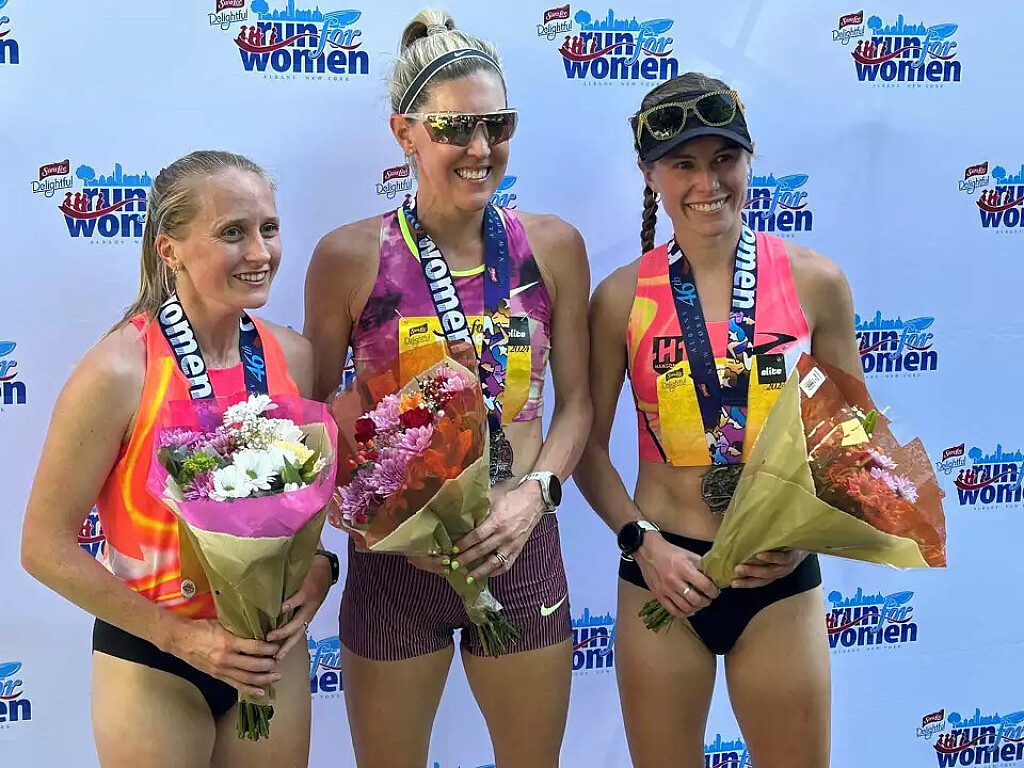
Keira D'Amato wins Run for Women
Keira D'Amato of Richmond, Va. led from start to finish to win the 46th Delightful Run for Women on Saturday morning in Albany.
D'Amato, former American record-holder in the marathon and half-marathon, prevailed in a time of 15 minutes, 41 seconds on the 5-kilometer course that begins and ends on Washington Avenue next to the state Capitol.
D'Amato held off a late challenge from Amy Davis-Green of Madison, Wis., who came in second in 15:45, followed by Jessie Cardin of Sutton, Mass. in third at 15:51. Davis-Green and Cardin are teammates with the Hansons-Brooks Original Distance Project.
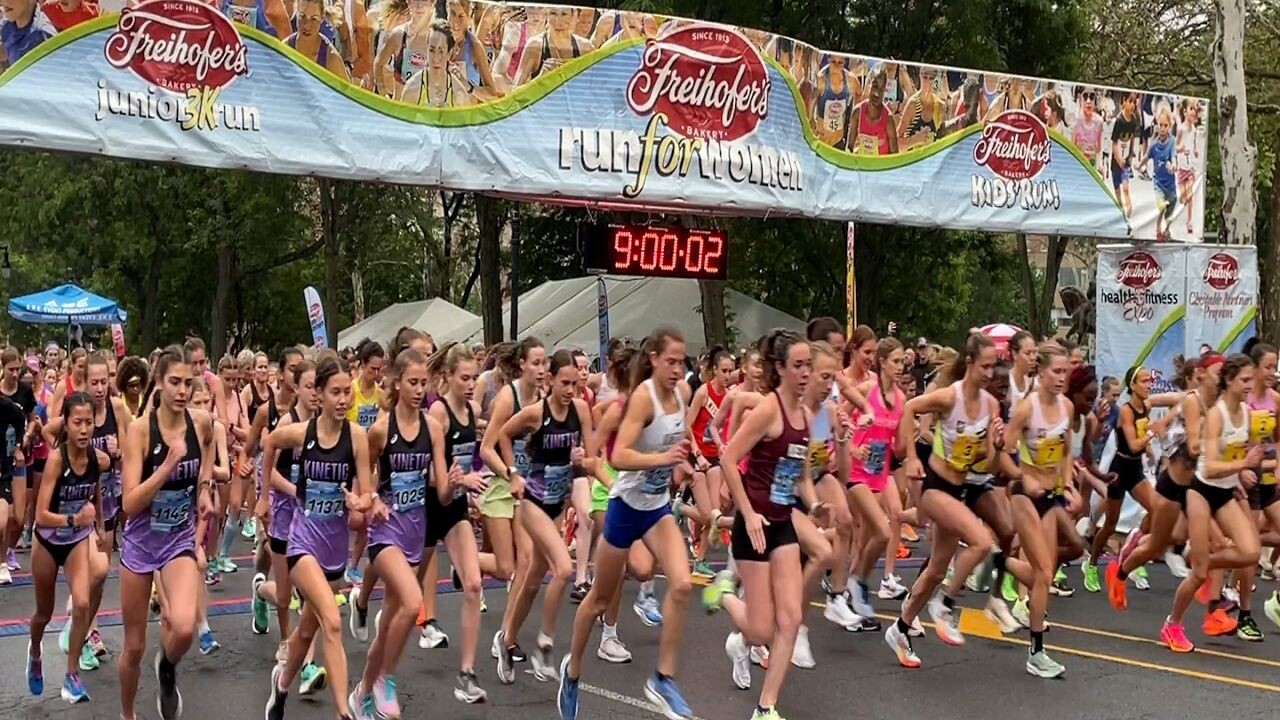
Freihofer’s Run for WomenTop finishers
1. Keira D’Amato, 15:41
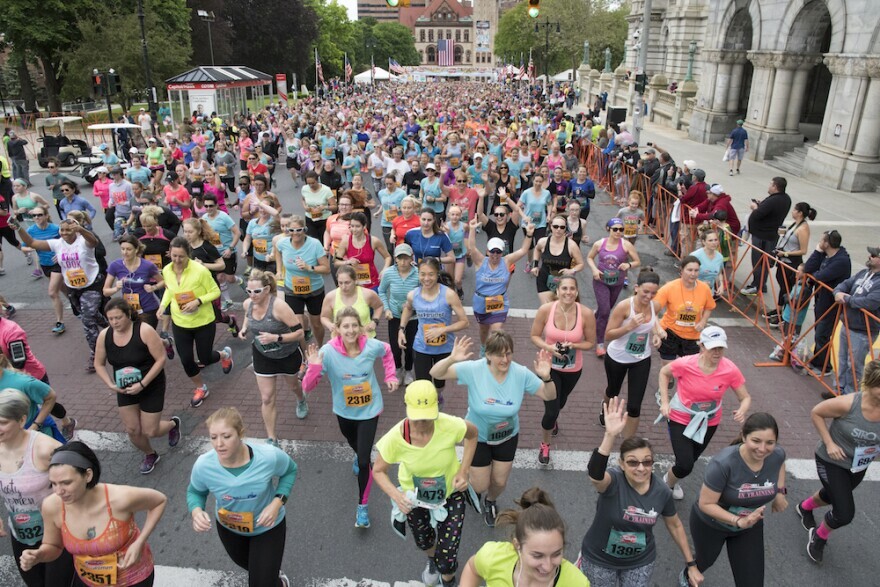
2. Amy Davis-Green, 15:45
3. Jessie Cardin, 15:51
4. Anne-Marie Blaney, 15:57
5. Regan Rome, 16:39
6. Whitney Macon, 16:47
7. Emma Eastman, 16:54
8. Annmarie Tuxbury, 17:00
9. Kathryn Munks, 17:02
10. Amanda Chambers, 17:30
Masters division (40 & over)
1. Sascha Scott, 19:04
2. Meg Versteegen, 19:13
3. Margaret McMahon, 19:38
by Mark Singelais
Login to leave a comment

Freihofer's Run For Women
Freihofer's, a leading baker of wholesome products, is committed to fostering the growth and recognition of women in sports and inspiring all generations of women to experience the benefits of exercise and good nutrition. That's why we're proud to sponsor the annual Freihofer's Run for Women 5K -- one of the world's largest and most prestigious all-female road races. TheRace...
more...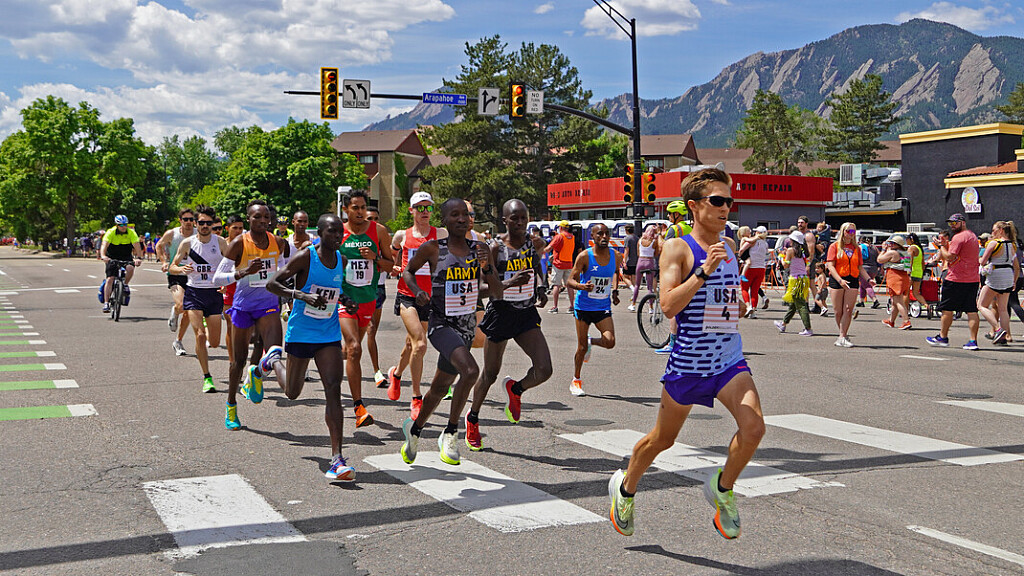
U.S. Olympic Marathoners Will Race the Bolder Boulder 10K as a Pre-Paris Tune-Up
Conner Mantz, Clayton Young, and Leonard Korir will run in the International Pro Team Challenge on May 27.
Memorial Day is always an exceptional celebration for runners in Boulder, Colorado, but this year, it will have some extra special Olympic flair.
On Monday, May 27, more than 40,000 runners will run through the city that’s known for the iconic Flatirons rock formations, the Pearl Street pedestrian mall, and an exceptionally active population in the annual Bolder Boulder 10K. Now in its 44th year, it’s been one of the top road running races in the U.S. since its inception, and this year will serve as one of the final tune-ups for the men’s U.S. Olympic marathon squad before racing in the Paris Olympics later this summer.
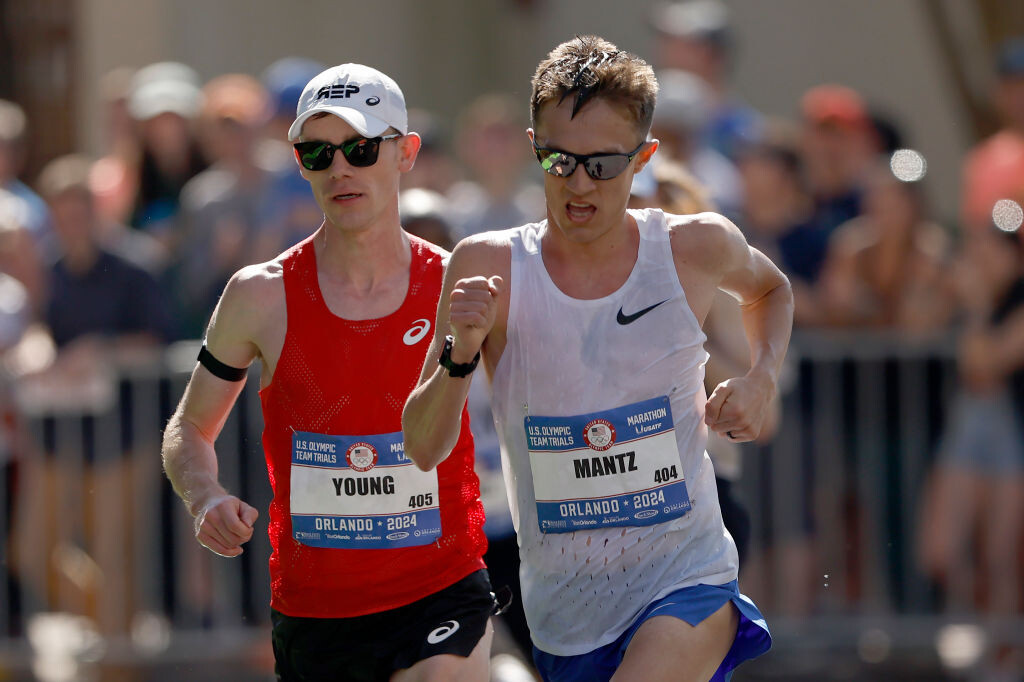
Conner Mantz, Clayton Young, and Leonard Korir, the top three finishers in the 2024 U.S. Olympic Trials who will be racing the marathon in the Paris Olympics on August 10, will be competing as Team USA Red in the Bolder Boulder’s International Pro Team Challenge that follows the citizen’s races. (Korir is expected to officially be named to the U.S. team in early May based on final pre-Olympic international rankings.)
The pro race, which has a prize purse of $83,700 before potential bonuses, is one of the things that makes the Bolder Boulder so unique. After all the runners in 98 citizen waves have completed the race, professional men’s and women’s international teams from more than a dozen countries compete on the same course for team and individual titles. The races feature a staggered start, with women beginning 15 minutes before the men so the winners of each race will finish about 10 minutes apart inside the University of Colorado’s Folsom Field football stadium.
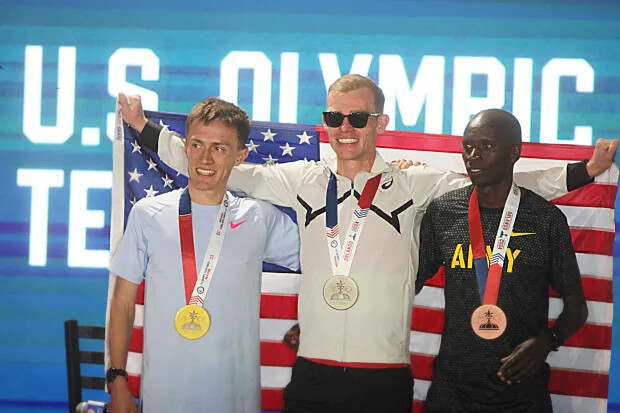
The finishing moments are among the thrilling spectacles in American running. By that point, the stadium is filled with a near-capacity crowd of roaring runners, family, and friends who have been watching the action play out on the massive video screens.
“The finish in the full stadium is like nothing else in the sport,” says Mantz, 27, who won the men’s race last year in 29:08 with a thrilling late-race surge to pass Kenya’s Alex Masai in the final 200 meters before the finish. “It was pretty electric. It took away all the pain you’re feeling mid-race. I was like, ‘Just race as hard as you can.’”
Team USA Red will have plenty of competition, from Team USA White, the secondary American team of Jared Ward, Futsum Zienasellassie, and Sam Chelanga, as well as teams from Kenya, Ethiopia, Mexico, and Rwanda. Teams are scored like a cross country race, with points awarded on the basis of finishing place, which means the team with the lowest combined score for all three runners is the winner. Ties are decided by the positions of the third-place finishers.
The women’s Team USA Red team will be led by defending champion Emily Durgin, along with Sara Hall and Boulder native Nell Rojas. Durgin finished ninth at the U.S. Olympic Trials in February and won the USATF 10 Mile Championships on April 7 in Washington D.C. At last year’s Bolder Boulder, she stormed to victory in 33:24, winning by 24 seconds over Kenya’s Daisy Kimeli.
Hall placed fifth in the U.S. Olympic Trials Marathon on February 3 in a U.S. master’s record (2:26:06) and 15th in the Boston Marathon on April 15. The women’s Team USA White roster will be composed of an all-University of Colorado alumnae squad—Makena Morley, Sara Vaughn, and Carrie Verdon.
“I can’t wait to be back in Boulder for the best day of the year,” says Durgin, 29, who will compete in the U.S. Olympic Trials 10,000 meters on the track in late June with the hopes of making the U.S. Olympic team. “Competing with Nell and Sara will make the experience even better.”
The women’s U.S. Olympic marathon team of Fionna O’Keefe, Emily Sisson, and Dakotah Lindwurm were invited to race in the Bolder Boulder but each runner declined, citing scheduling timing conflicts or a disinterest in racing at Boulder’s lofty altitude (5,430 feet). All of the runners who are racing for the U.S. teams in Boulder live at 4,500 feet or higher.
An Olympic Legacy
Boulder is known as one of the top running meccas in the U.S., in part because elite-level American and international runners have made it their training base since Olympic gold medalist Frank Shorter arrived in the early 1970s. Emma Coburn, Jenny Simpson, Yared Nuguse, Joe Klecker, Jake Riley, Hellen Obiri, and Edna Kiplagat are among the many top-level runners who are currently training in Boulder. Shorter, the 1972 marathon gold medalist, was a co-founder of Bolder Boulder 10K in 1979, and helped it grow into one of the country’s largest races.
Since then, numerous U.S. Olympians have raced in the Bolder Boulder, including Deena Kastor (a three-time women’s champion), Aliphine Tuliamuk (the 2022 women’s winner), Alan Culpepper, Elva Dyer, Ryan Hall, Abdi Abdirahman, Jorge Torres, Shalane Flanagan, Amy Cragg, Magdalena Boulet, and Libby Hickman, as well as Korir (who won it in 2022), and Ward (who was fourth in 2022).
Thanks to Boulder’s robust running community and the prestige of the race, the Bolder Boulder has also always featured fast sub-elite runners competing in the early citizen waves. Yet, the race has also celebrated dedicated middle-of-the-pack runners, as well as the first-time runners and walkers in the later waves. It was one of the first races to have bands playing along the course (as well as belly dancers and other entertainers), runners dressed up in costumes, elite wheelchair races, and in recent years, it has been known for a mid-race slip-and-slide and unofficial bacon aid station.
For the past 25 years, the Bolder Boulder has organized a special Memorial Day tribute—one of the largest in the country—that honors military veterans and new cadets.
The U.S. men’s Olympic marathon team competing in this year’s Bolder Boulder will be a legacy moment for the race, says Bolder Boulder race director Cliff Bosley.
“Having the three men that will represent our country in the marathon at this summer’s Paris Olympic Games is something we are extremely proud of,” Bosley says. “All three ran here last year, and to have them back is just incredible for the race, the city of Boulder, and the sport of running.”
by Brian Metzler
Login to leave a comment
NHL legend Zdeno Chara crushes 50K ultra-trail race
Three weeks after finishing the Boston Marathon, the former 6'9" foot defencemen took on a 50K ultra-trail race, finishing eighth overall
Former NHL defenceman Zdeno Chara may have found his new hobby: ultrarunning. On May 13, the 46-year-old completed his first ultra-trail race at the Watuppa Trail 50K in Fall River, Mass., and performed admirably.
“I tried a new distance today,” Chara wrote on his Instagram. “I can’t thank my team enough for their incredible help and support for my first ultra trail race.”
Despite lacking ultra experience, the former 6’9 foot defencemen finished the 50K in eighth overall, in 5:07:29, and even took second place in his 40-54 age category.
Since retiring from the NHL in 2022, Chara has found an interest in distance running. He completed the 2023 Boston Marathon in a very respectable time of 3:38:23; he also raised USD $33,333 for The Hoyt Foundation during his campaign.
Chara holds the all-time NHL record for most games played by a defenceman, with 1,680. He played for four teams over his 20+ year career, starting with the New York Islanders, Ottawa Senators, Boston Bruins and Washington Capitals.Chara entered the race with his friend and training partner Becca Pizzi,who won the 50K outright in 3:59:11. Pizzi also helped pace Chara for his first marathon last month.We think it’s only a matter of time until we see the big man take on a 100-miler.
by Running Magazine
Login to leave a comment
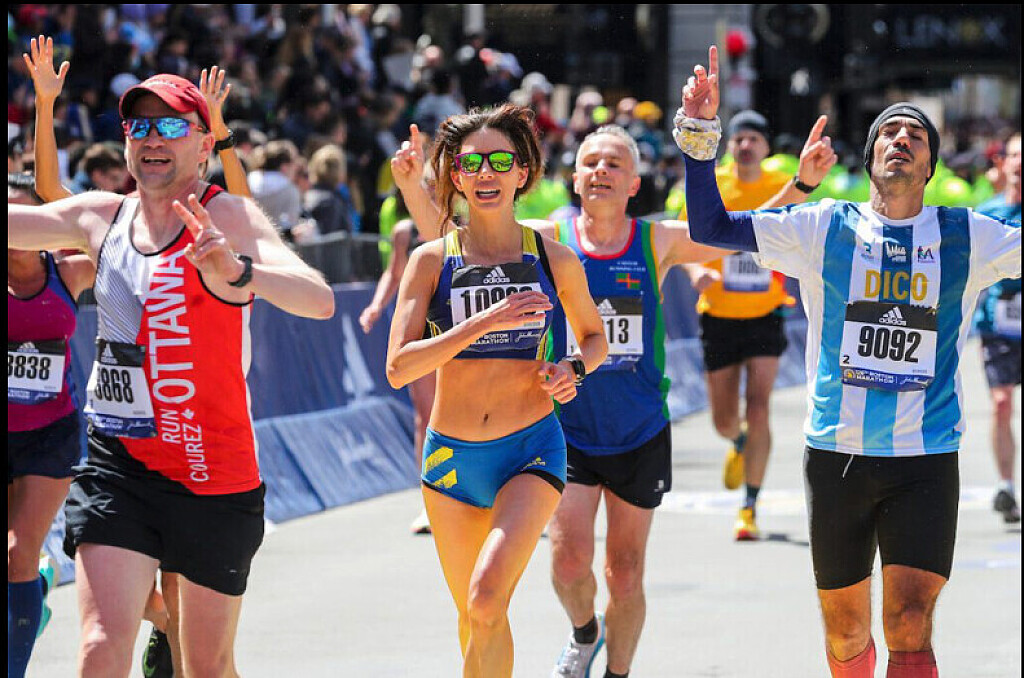
October the biggest month for marathons: Apple Heart and Movement Study
Apple has released an update on users’ walking and running workouts from the Apple Heart and Movement Study, which is based at Brigham and Women’s Hospital in Boston.
The study found October to be, by far, the most popular month for marathons in the U.S.; more marathon-length workouts were run by Apple Watch users in October than any other month–but, surprisingly, every month of the study yielded at least five marathon workouts, even during the pandemic. November was the next most popular month, followed by April.
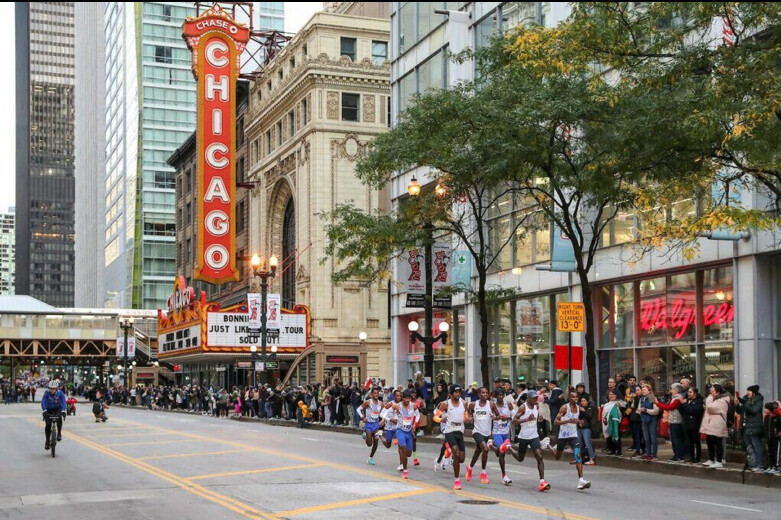
This makes sense, when you consider that three of the U.S.’s biggest marathons (Chicago, the Marine Corps Marathon in Washington, D.C. and the Portland Marathon) are all in October, November has the country’s biggest (New York City), as well as the Philadelphia Marathon and April has Boston (the third largest U.S. marathon).
More on the study
Between November 2019 and Jan. 1, 2024, almost 200,000 U.S. Apple Watch users recorded at least one walking workout and almost 100,000 users recorded at least one running workout. One workout in five years may not sound like much, but it’s enough for researchers to identify people who exercise (as distinct from the general population who either do not exercise, or who don’t record their exercise on their Apple Watch) and to use their data for research purposes. All users in the study gave permission for their data to be collected and analyzed.
More than half of those almost 300,000 users did at least one 5K walking or running session during the study period. The study notes that the 5K distance is popular with those who are new to running, because it can be accomplished over a relatively short period and does not require the same time commitment or fitness as longer endurance events, such as the marathon.
As one might expect, for the highest percentage of people, their longest logged workout was 5K, and the percentage decreased steadily for the 10K, half-marathon and marathon; for less than two per cent of runners (defined as people who logged at least one running workout during the study period), the marathon was their longest logged workout. The study found that 1,507 participants ran a total of 2,623 marathons during the five years of the study.
Login to leave a comment
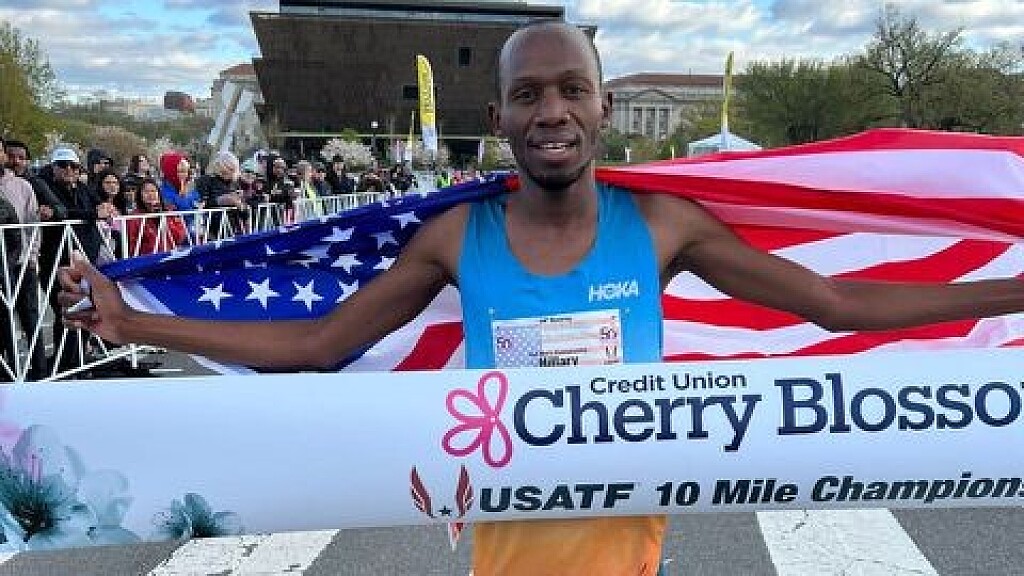
Hillary Bor Smashes His American Record at Cherry Blossom 10-Miler
Ugantda's Sarah Chelangat (51:14) broke the women's course record as American Emily Durgin (51:26) ran fast to finish second.
Two-time Olympic steeplechaser Hillary Bor enjoyed a triumphant return to the nation’s capital, winning his second consecutive USATF 10-mile championship title this morning at the Credit Union Cherry Blossom 10-Miler and lowering his own national record by a healthy 15 seconds in the process. Bor, 34, who was coming off of a strong half-marathon debut in New York City three weeks ago, finished third overall behind Kenyans Wesley Kiptoo (45:54) and Raymond Magut (45:55), clocking 45:56. Another American, Nathan Martin, also ran under Bor’s previous record of 46:11, stopping the clock at 46:00.
“Last year when I ran this race I ran 46:11 and it shows the fitness,” Bor told Race Results Weekly while wrapped in an American flag. “I went to Rabat for my steeplechase. I broke my foot and still ran 8:11. Last summer I was really, really struggling with the injury; I was just rehabbing from June to September.”
But today Bor –who represents Hoka, and like last year wore bib 13– felt healthy mile after mile. In cool and sunny conditions he was in the lead pack of seven at 5-K (14:14), and was the race leader at 10-K (28:36) where eight men remained in contention for the overall title including Kiptoo, Magut, Kenya’s Shadrack Kimining, and Americans Teshome Mekonen and Biya Simbassa. The leaders were averaging 4:38 per mile, but Bor felt the pace slow a little bit past the 10-K mark.
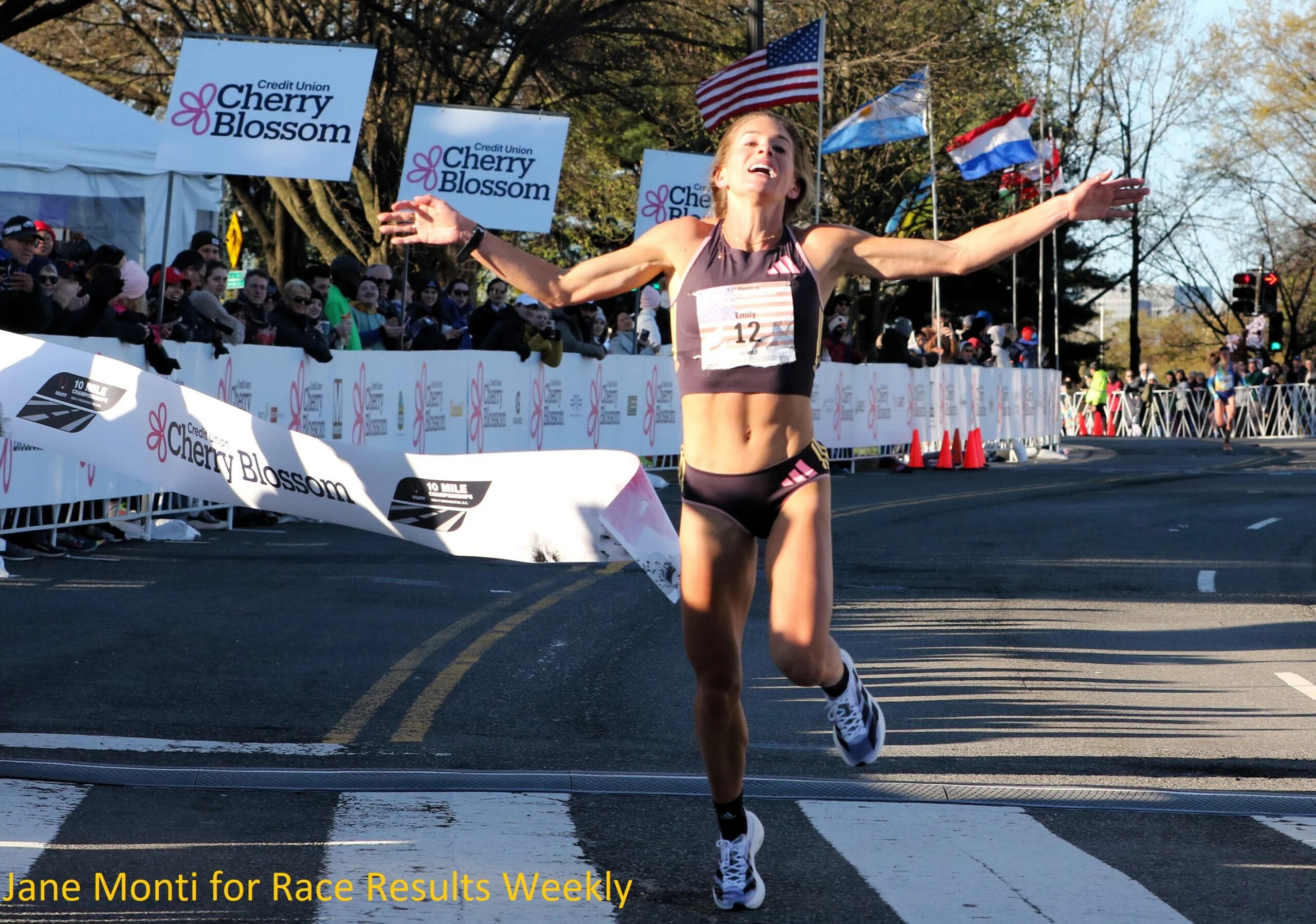
“Between 10-K and 15-K, we slowed down,” Bor continued. “We kind of wait and look at each other.”
With less than a mile to go, four men still had a chance for the win: Bor, Kiptoo, Magut and Martin. The race wouldn’t sort itself out until the final 800 meters where the course goes uphill, turns left, then goes back downhill for the finish line adjacent to the Washington Monument. Bor thought he could take the overall win, but Kiptoo had other ideas.
“The last 800 I was just kind of waiting,” said Kiptoo, who runs for Hoka Northern Arizona Elite. “I was like, everybody is making a move and I was like just good to wait until that last 600, and that’s where I knew I was going to win.”
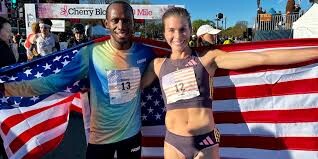
Kiptoo streaked to the finish line to take the overall title, but only had a second on Magut and two seconds on Bor in the end. On the financial front Bor was the big winner, earning $10,000 for the USATF title and another $2,000 for finishing third overall. Kiptoo earned $6,000 for the overall win plus a $1,000 bonus for running sub-46:00. Magut won $3,750 for finishing second overall and running sub-46:00 (time bonuses were only available for the first and second place finishers).
“The fitness is there,” said Bor, who will move back to the track where he hopes to make his third consecutive Olympic team in the steeplechase. “Ten miles has been good to me.”
Today’s race was bittersweet for Martin. The 34-year-old, who finished seventh at the Olympic Trials Marathon in February, ran an excellent race, breaking the national record, but still ended up second in the national championships.
“I was going for the win,” Martin told Race Results Weekly. “A mile to go I tried to take off and gap people and it didn’t work out. But, it was an awesome time.”
In the separate early-start elite women’s race, Uganda’s Sarah Chelangat repeated as overall champion in a new course record of 51:14. The 22-year-old led from gun to tape, and her time was a whopping 50 seconds faster than last year. She earned a total of $7,000: $6,000 for the win and $1,000 for breaking 52 minutes. She said that she had come to win.
“I’m happy,” said Chelangat, who represents Nike. “It is hard when you are running alone, but I’m happy because I won the race.”
Behind her, American Emily Durgin was running the race of her life. Durgin, 29, who represents adidas, moved from a chase pack of three at 10-K (31:45), where she ran with Ethiopians Kasanesh Ayenew and Tegest Ymer, to running alone by the final mile. She was too far behind Chelangat at 15-K to try for the overall win, but she kept pushing because she wasn’t sure if Rachel Smith (Hoka), the recently crowned USA 15-K champion, was catching up.
“The last mile I was more like, I hope Rachel doesn’t come from behind again,” Durgin said, referring to the USA 15-K Championships on March 2 where Durgin finished third. “At that point I was still trying to maintain a good time, and coming into this race I was like, I really want to win a national title, but I also wanted to run a fast time.”
Indeed she did. Durgin’s time of 51:26 was only three seconds slower than Keira D’Amato’s USATF record for an all-women’s race set in 2020 at a special event here in Washington during the pandemic.
“If I ended up second here today and still ran fast I was going to be happy with it,” Durgin continued. “Thankfully, I think I gapped Rachel enough so she wasn’t able to out-kick me this time.”
by David Monti
Login to leave a comment

Cherry Blossom Ten Mile Run
The Credit Union Cherry Blossom is known as "The Runner's Rite of Spring" in the Nation's Capital. The staging area for the event is on the Washington Monument Grounds, and the course passes in sight of all of the major Washington, DC Memorials. The event serves as a fundraiser for the Children's Miracle Network Hospitals, a consortium of 170 premier...
more...
High School Cross-Country Runner Mistaken for Bigfoot
“It moved so fluently with little arm movement, unlike a human running,” a passing motorcyclist said. “It easily was 10 feet tall.”
Recently, the Bigfoot Field Researchers Organization (BFRO) investigated a sighting of the eponymous cryptid near Ground Mound in Washington state. The sighting, by a group of motorcyclists passing through South Thurston County, involved spotting a figure running on a ridge half a mile ahead of them.

According to the report given to the BFRO, “It was very large and human-shaped. It was one color, tan/brown, moving across very rugged terrain, making a beeline for the tree line.”
The group watched the figure run for 30 seconds before it left their vision.
“It moved so fluently with little arm movement, unlike a human running,” the motorcyclist said. “It easily was 10 feet tall for us to be able to see it from so far away.”
After the story of the biped’s sighting was reported in The Chronicle and shared thousands of times via social media, the paper received an email from a Rochester High School student.
Gunnar Morgan, a cross-country runner, self-identified himself as the creature. “That Sasquatch running was me,” Morgan said in an email to the paper.
In the email, Morgan, who is not 10 feet tall, explained his case of mistaken identity. “My cousin and I are adept cross-country runners and live in the area and run often in that exact wilderness area,” he said. “The reason we appeared larger than usual is because we were running side-by-side, and we run extremely fluidly compared to most people.”
Morgan’s Garmin GPS watch provided data that showed he and his cousin were running along the same ride at the same time the sighting occurred.
“We were running fast and headed for a tree line,” Morgan said. “I can pinpoint exactly where the motorcyclists must’ve spotted us and where we must’ve been … I stand 6-foot-1, and from a distance, we could be mistaken for a larger creature.”
While Washington State tops the nation in what the BFRO deems “credible” bigfoot sightings, with 708, Morgan himself says he has never seen the mythical creature while running in the area but loves the attention it has brought.
“I think this story is all very funny,” Morgan added.
by Runner’s World
Login to leave a comment
Organizers cancel 2024 Providence Marathon
The Providence Marathon & Half Marathon, scheduled for May 5, has been canceled "due to unforeseen challenges, including the Washington Bridge closure," according to a Providence Marathon spokesperson.
Organizers informed Providence Mayor Brett Smiley's office of the cancellation Thursday morning. The marathon is sponsored by The Providence Journal.
“Despite our best efforts working with local leaders, the 2024 Providence Marathon & Half Marathon has been canceled due to unforeseen challenges, including the Washington Bridge closure," a marathon spokesperson said in a statement. "The safety and security of participants is our priority, and while we were unable to secure an adequate route this year, we hope to see everyone in 2025.”
Smiley spokesman Josh Estrella issued the following statement: "While the City is disappointed that there will not be a full or half marathon this year, we look forward to working with organizers in future years to develop a route that responds to the new challenges presented by the Washington Bridge closure to ensure a safe race for runners, neighbors and businesses."
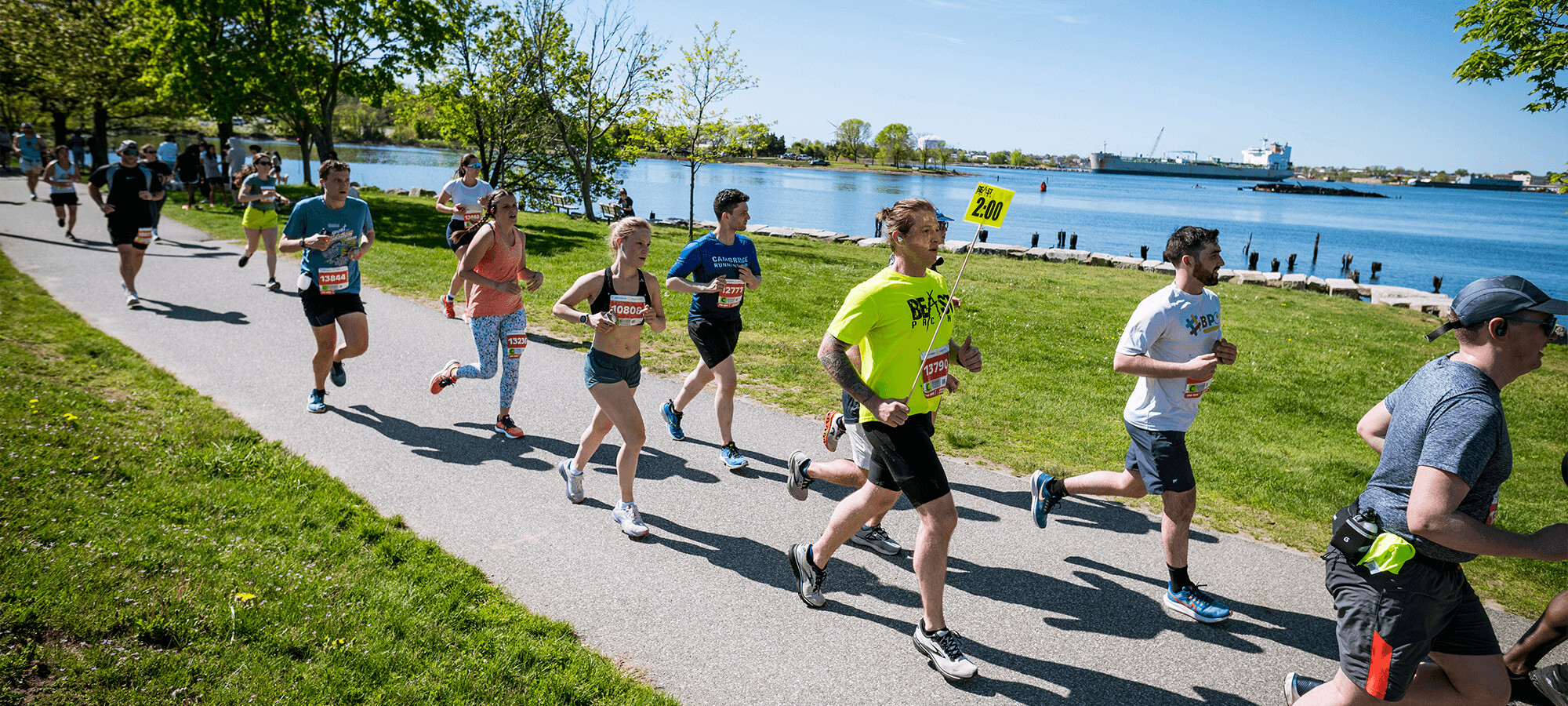
How many ran the race last year?
The race drew nearly 6,000 runners last year and is a qualifier for the Boston Marathon. It raised more than $56,000 for the charity Make-A-Wish Massachusetts and Rhode Island, according to its website.
Runners who have already signed up for the race were notified of the cancellation via email and offered several options, including deferring their registration until next year, transferring their registration to another Ventures Endurance event or getting a refund.
by Jack Perry
Login to leave a comment

Providence Marathon
This exciting race day in Down City will host a marathon, half marathon, 5k and kids fun run. The Marathon will start at 7:30 a.m. Sunday in Downtown Providence, Rhode Island. The Half Marathon will start at 8:00 a.m. from the same location. The 5k will follow at 8:15 am and the kids race with take off at 8:20 all...
more...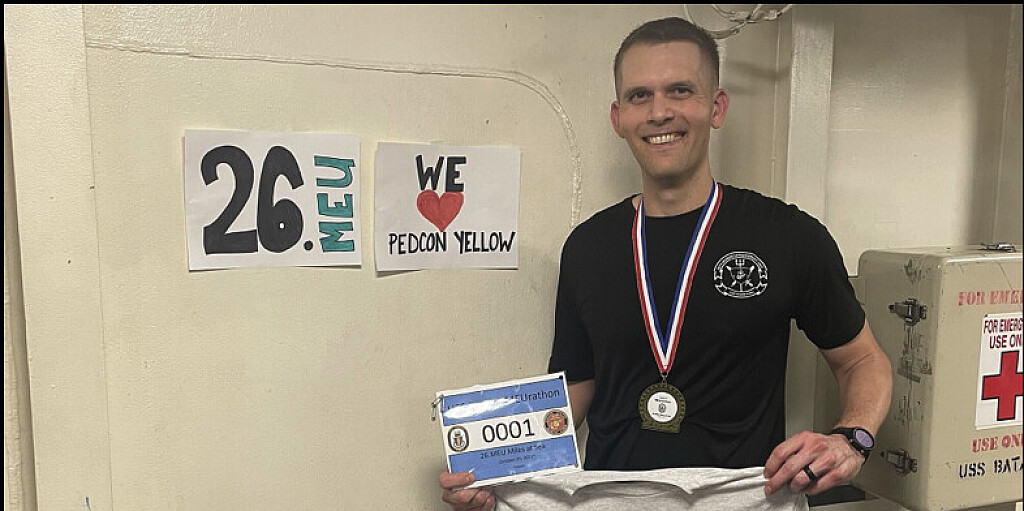
A Navy Dentist Trained for and Ran a Marathon While Out at Sea—All on a Treadmill
For 16 weeks, he followed Runner’s World’s training plan while deployed and ending up breaking four hours.
I always despised the treadmill. I was never able to run on it, partially because I was afraid that if my foot slipped too far off left or right, I would end up face-planted. Plus, what I love about running is being out in the wilderness and not having to run in a perfectly straight line, which is everything the treadmill isn’t: It’s confined and claustrophobic.

But I didn’t always love running the way I do now. As a kid, I played baseball and golf, so when I pivoted to running in high school, it was quite demanding physically and mentally at first. I ran both cross-country and track, and because I was part of a successful team—we won the state championship in track in 2003, and cross country in 2004 and 2005—it was challenging and took a lot of hard work. But even then, I enjoyed the mental challenge of pushing myself hard: No one can make you run, no one can force you, it’s all on you.
And for that reason—because I love to challenge myself—part of me always wanted to conquer my fear of the treadmill. Plus, when my buddy said I could not possibly train for and run a marathon on a treadmill during our back-then-upcoming deployment out at sea, it just made me want to do it all the more. But above all, there was one special person who motivated me to train: My wife, Jessee, and her recent BQ.
Jessee and I were both runners long before we met in college. We take the sport with us wherever we move with the Navy, joining group runs, and even racing together. But while Jessee has been getting faster, in late 2022, I was diagnosed with osteoarthritis, followed by months of rehab and uncertainty about whether I’d ever run another marathon again. However, I was determined to fully recover, following my physical therapist’s recommendations to a T.
While I was healing, Jessee was training for the Wilmington Marathon in February 2023, following the Runner’s World break 3:30 plan, hoping to beat the 3:35:00 cutoff for her age group and make it her Boston qualifier. Her final time was 3:31:33. I was there for the race, spectating, and the whole experience—from training to the race—awakened new determination in me. Could I qualify for Boston as well?
By then, I already knew I would be deployed in July 2023. As I slowly started to feel better, getting back to some easy runs, a plan formed in my head: I would commit to the same training plan Jessee had followed for her BQ—except my training would be solely on a treadmill on the Navy ship.
To qualify for Boston in 3:05:00 for my age group, I knew I’d have to gradually improve my time from my existing PR of 3:58:17. I started training on the first day of our deployment, which set my treadmill marathon date for October 28, 2023.
It was not an easy training block for sure. There had been a handful of days where the ship was rocking and pitching, which brought some surprising, unintentional hill workouts to my treadmill runs. There are no windows, so you just have to be aware and try to anticipate the next move.
In the end, running in a straight line was the least of my worries—the toughest stage was handling the hot days while we were in the Persian Gulf. The heat index was 120 to 130 Fahrenheit outside, and the ship was very hot as well. But one of my favorite quotes is: “Smooth seas don’t make skilled sailors.” I knew that come marathon day, I’d be able to look back on those runs for motivation, knowing that I can do hard things.
In general, I don’t listen to music while running; I like to know what’s going on around me. But the treadmill doesn’t provide much excitement, so I came up with a plan. I read some Runner’s World articles that mentioned the physiological benefits of listening to music while running. I thought if I get through about 16 miles without music and then run the last 10 miles with music on, that should give me a good boost. I practiced it first for a few miles at the end of each long training run, figuring out what songs I wanted on my marathon playlist.
On the day of the marathon, the gym was 76 degrees, about 20 degrees more than all my previous marathons, so I expected the temperature to be a factor going into it. Around mile 18, I started to feel that heat seep in. And then, at mile 22, I felt a sharp pinch in my left groin, so I backed off a little bit. I was hoping for 3:30, but in the end, I finished at 3:43:58 (pure run time, as I had to restart the treadmill every 60 minutes). I ran almost 15 minutes faster than my previous PR though, and was now 15 minutes closer to Boston.
Overall I discovered this marathon training block supported my mental health. Out at sea, it can feel like Groundhog Day—every day is the same. Having a goal helped bring structure to my days. Having a plan gave me a focus and direction. The Runner’s World training plan included a description of what to do each day, running tips, nutrition, and sometimes a little pep talk. I didn’t have to think about it; I was just following what it prescribed.
Since the marathon, I’ve been running three or four times a week, focusing more on strength training, and figuring out what could be next.
Besides Boston, Jessee and I also hope to eventually run a marathon on every continent. We will be moving to Washington D.C. soon, so for now, I hope to run the Marine Corps Marathon this fall and keep shaving time off my PR.
While I’m glad I conquered the treadmill, I doubt I’ll do another treadmill marathon—I’m very much looking forward to running outdoors again, as soon as I return from my deployment.
These tips have made my running journey a success:
1. Work foam rolling into your routine
After my injury following the London Marathon, my physical therapist showed me some foam-rolling techniques for my quads and calves. Before and after every run, I get things loose and warmed up, and it really made a huge difference. By the time I did the treadmill training block, the injury was essentially nonexistent. It’s definitely changed the way I approach running.
2. Make yourself a playlist to boost your mood
Music is quite personal so I’d recommend checking out RW playlists and Spotify playlists, then make your own based on your taste. All genres—rock, rap, pop—can give you a boost in a different way.
3. Find a training plan
Even if you have never run competitively or are brand new to running, Runner’s World can help you figure out the smartest and safest way to start so you don’t do too much too soon and help avoid injury.
4. Find your running people
Googling “local running club” can help you find a community of like-minded people near you. This is a great way to make friends and learn more about running. My wife and I always find a running community every time we move with the Navy. We have made some lifelong friends and look forward to meeting more runners wherever the Navy takes us!
Mike's Must-Have Gear
→ Garmin Forerunner 55: I try to keep my running minimalistic, so I only use the watch for pace, time, and heart rate. There are probably a million other things the watch can do, but that’s enough for me.
→ Brooks Sherpa 2-in-1 running shorts: The boxer brief lining makes these the most comfortable running shorts I’ve ever worn. It’s kinda pricey, so I have only one pair that I wear on my long runs (maybe I'll invest in a second pair one day). The waistband is also very comfortable and the pockets are a perfect storage for my needs.
→ Balega socks: My wife got me a couple of pairs for this deployment, and I absolutely love them. They are a little pricey but so worth it.
Login to leave a comment
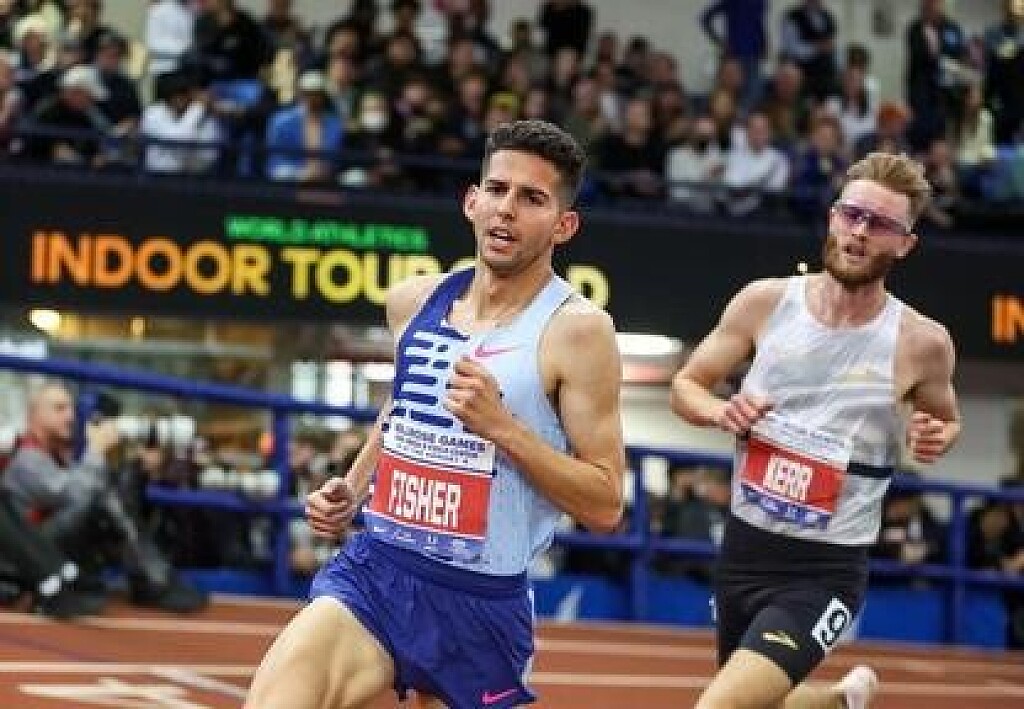
The TEN Preview: Nico Young Debuts, Alicia Monson Chases AR, and Karissa Schweizer Returns
Saturday night’s races at The TEN in San Juan Capistrano, Calif., will play a significant role in determining who gets to represent the United States in the 10,000 meters at this summer’s Olympics in Paris. The 2024 Olympic auto standards are incredibly tough — only three Americans have ever run under the 27:00.00 men’s standard and only five Americans have hit the 30:40.00 women’s standard — and you can count the number of world-class track 10,000-meter races each year on one hand. That’s why Grant Fisher, Nico Young, Woody Kincaid, Joe Klecker, Abdihamid Nur, Alicia Monson, Karissa Schweizer, Emily Infeld, Weini Kelati, and many more will be heading to SoCal Saturday night.
Since its first edition in 2021, The TEN has become the place for Americans to run a fast 10,000. Fisher set the men’s American record here in 2022 while Monson set the women’s American record here in 2023 and will be looking to repeat the feat in 2024.
To watch the main events, you’ll have to stay up late — the top heat of the women’s 10,000 does not start until 11:58 p.m. ET with the men to follow at 12:35 a.m. ET. Before then, we’ll get appetizer with the men’s 1500 (10:05 p.m. ET), which features Olympic medalists Matthew Centrowitz and Evan Jager kicking off their 2024 seasons.
Matthew Centrowitz and Evan Jager have seen it all in running. They both graduated from high school in 2007 and made their first US teams as young guns — Jager as a 20-year-old in 2009, Centro at 21 in 2011. For much of the 2010s, they were among the very best in the world in their events, with Centro bringing home a gold medal from the 2016 Olympics and Jager a silver. Now Centro (34) and Jager (35) are the elder statesmen, trying to fend off a host of younger rivals and make one last Olympic team in Paris.
Both men will run their 2024 outdoor openers in the 1500 on Saturday (Centro did run a 3:59 indoor mile on January 27 while Jager ran the first 4k of a 5k in Boston on February 16 before dropping out). Which means it’s time for one of our favorite games: how fast (or slow) will Centro run?
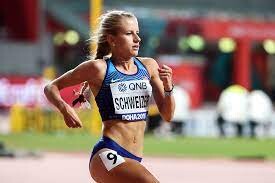
Throughout his career, Centrowitz has established himself as one of America’s greatest ever milers by delivering when it counts. He made every US team from 2011 through 2021 and won three outdoor medals as well as the 2016 World Indoor title. Yet in the latter years of his career, Centro thrown out some stinkers to begin his seasons before working his way into shape. In 2021, he opened with a 3:40 1500 on March 6 followed by a 1:50 800 on April 10 but ended the year running a 3:49 mile and making the Olympic team. Last year, he went to Australia and ran 1:56 for 800 on February 11 and 4:06 for the mile on February 23 but was running 3:36 for 1500 by May and eventually made the US final (though he only finished 10th).
So if Centro runs poorly here, it’s not cause for total panic. Heck, the fact that both he and Jager — who missed most of the 2023 campaign with a foot injury — are healthy enough to be racing is a promising sign. But the American 1500 scene is also more competitive than when Centro last made a team in 2021. Tactically, there is no better US racer than Centro, but he’s up against a group of young studs that includes three medalists from this year’s World Indoors (Yared Nuguse, Cole Hocker, Hobbs Kessler) and a trio of NCAA champions from the University of Washington (Luke Houser, Joe Waskom, Nathan Green). Nuguse is the oldest of that group at 24 — a full decade younger than Centro. Centrowitz is facing an uphill battle to make Olympic team #4 but if he can run 3:36 or 3:37 here and stay healthy for the next three months, he could still have a shot.
As far as the man most likely to win here, Sweden’s Samuel Pihlström ran 3:35 in February and just finished 8th at World Indoors.
Women’s 10,000 (11:58 p.m. ET): Alicia Monson tries to become the first US woman under 30:00 as Karissa Schweizer returns.
Unlike almost every other athlete in this meet, Alicia Monson already has the Olympic standard thanks to the 30:03 American record she ran here last year. So why is she back for another crack?
Monson laid it all out in an interview with LetsRun.com back in December:
Basically, it was just what can we do that would make me feel the most ready for the Olympics? And I feel like that’s running a sub-30:00 10k. I guess the plan would be to break the American record again, but really it’s how fast can I run to feel the most prepared? Because obviously I’m running against people who can run very fast and [I need to] be prepared to run at a pace that feels easy to them and then kick off of it.
Monson was still with the leaders at the bell at last year’s World Championships and her 5th-place finish was the best of her career in a global final. But she finished nearly four seconds out of the medals and the competition will be fierce in Paris. The last three global 10k champions — Sifan Hassan (29:06 pb), Letesenbet Gidey (29:01 pb), and Gudaf Tsegay (29:29 pb) — occupy three of the top four spots on the all-time 10,000m list. The slowest of them, Tsegay, still has a pb 34 seconds faster than Monson’s.
by Jonathan Gault
Login to leave a comment

The Ten
The world's fastest 10,000m races each year have taken place in a sleepy little coastal town in southern California. More national records were broken in 2022 than any other race on the planet as the best in the western hemisphere launched into rarified zones of time and space. The best return to San Juan Capistrano this year to cap off...
more...
14 Tips to Make the Most of Your Treadmill Workouts
Improve performance with your indoor workouts, thanks to this expert-backed advice.
We’re going to go out on a limb here and guess that if given the choice between an outdoor run and a treadmill session, most athletes would pick option A, no hesitation. And while there’s a lot of stigma surrounding the dreadmill—er, treadmill—there are also a lot of legit perks to relying on this tool every now and then.

The obvious: Treadmills can help you complete scheduled workouts when weather or safety concerns kibosh outside runs, T.J. Garlatz, cross country and track and field coach at Western Washington University, and certified run coach with RunDoyen, tells Runner’s World.
They also allow busy runners to train more consistently. For example, folks with a treadmill and kids at home can hop on the machine and bust out a workout without having to arrange childcare, Garlatz adds. Another plus: You can control key variables—namely, pace and incline—making it easy to accomplish specific workouts, like hill repeats and threshold runs. This can be especially helpful for runners who don’t live in hilly places but want to train that skill, as well as those who struggle to pace themselves.
To boot, treadmills provide a flat, soft surface, which can make running more comfortable for people with joint pain or injuries, Kai Ng, USATF- and RRCA-certified run coach in New Jersey and New York, tells Runner’s World.
Of course, to reap the benefits of treadmills, you need to be willing to use them in the first place, which for many runners involves overcoming the negative association they have with this oft-loathed machine. To help facilitate a more positive mindset, we tapped Garlatz and Ng for their tips for how to run on a treadmill. From beating boredom to setting paces to specific workouts to try, here’s the advice that may just tempt you to hop on the belt today.
1. Toggle With Speed and Incline
The biggest mental block people have with the treadmill is “the monotony and boredom associated with it,” Garlatz says. And if you’re running at the same exact speed and incline for your entire treadmill workout, of course it’s going to be a mind-numbing experience.
One easy way to shake things up? Change the pace and/or grade often throughout your workout. For example, do two minutes at a 3 percent grade, then two minutes flat, then two minutes at a 5 percent grade, then two minutes flat, then two minutes at a 7 percent grade, then two minutes flat, and repeat that pattern until you’ve completed your mileage for the day. Or, embrace the concept of Fartleks and alternate between easy, moderate, and hard paces. (Of course, there are nearly infinite ways to vary your pace and incline in one workout, these are just two examples.)
However you choose to splice things up, expect your workout to feel a whole lot quicker. “As you’re rotating through either pace zones or incline zones, after a while, you don't realize it and 25 minutes have passed,” Garlatz says.
2. Give Yourself Time to Find a Flow
Treadmill running (and really, any type of running) is not going to feel awesome for the first mile or two. “I don’t think anybody really enjoys the first 20 minutes,” Ng says. “No one starts running and says that this is amazing. Not even elite athletes.”
Instead, “it takes some time to get into a flow state where everything locks in and you feel good,” he explains. Remind yourself of this fact before you start your treadmill workout so that you can better embrace the initial discomfort instead of being tempted to quit three minutes in when your legs still feel like lead.
3. Focus on Form
Logging an easy run on the treadmill is “a great opportunity to work on good running form,” Ng says. That’s because the surface is soft and even, and there are fewer distractions compared to outdoor running, he explains. To do this, complete a body scan every five minutes.
Here’s how: First, check your posture. Are you standing up tall? If not, imagine a balloon gently pulling the top of your head, straightening your spine, Ng says. Next, think about relaxing your shoulders, arms, and hands. Then, make sure you’re leaning slightly forward from your ankles (not your hips) and focus on pushing the belt backwards with every step, he says.
Finally, note where on the belt you’re running. “‘The ideal place is probably the middle,” Ng says. “You don’t want to be too far back where you have to worry about falling off or you don’t want to be too far forward where it intrudes on arm swing.”
4. Combine Outdoor Runs With Treadmill Time
The treadmill doesn’t have to be an all or nothing tool. “You can make treadmill running part of your run—it doesn’t have to be the run,” Ng says.
What he means by this: Weather and location permitting, instead of committing to a full workout on the treadmill, which in itself can be daunting and loathsome, warm up by jogging outdoors to the gym. Once you get there, hop on the belt and run a little faster for a brief period of time (for example, go for 20 minutes at marathon pace). Then, get off and jog home at an easy pace, Ng suggests. This hybrid approach can reduce the intimidating factor of treadmill running by bookending your run with fresh air and sunshine.
5. Recruit a Friend–or Five
Fact: “All running is better when you’ve got friends or workout buddies,” Garlatz says. Though most social runs happen outdoors, cajoling a pal or group to join you for a treadmill session (so long as you have access to a space with multiple machines in a row) can be a great way to make an otherwise loathsome workout more appealing.
Don’t know any local people who run? Reach out to an area run club to get connected with possible treadmill buddies or sign up for Peloton to join a virtual community.
6. Pair It With Something Positive
One surefire way to make the ‘mill more palatable is to cue up a favorite movie or TV show to watch it while you stride, Garlatz says. Consider it a treadmill-specific treat (after all, you can’t safely stream Netflix while running outdoors) and save up your most-anticipated episodes for the days when you’ll be hopping on the belt. A side benefit of this approach: By combining exercise and screen time, you can free up your schedule late in your day when you may otherwise be parked on the couch watching the tube.
Just be sure to save this for an easy or long treadmill run where you can just zone out instead of a speed or interval-focused workout that requires more concentration.
Oh, and speaking of concentration, if you’re streaming and striding, make sure to stay aware of your surroundings. Obviously you need to pay attention enough so you don’t fall off the treadmill, Ng says.
Not a TV or movie buff? Lean on your go-to podcast or favorite Spotify playlist to help pass treadmill minutes.
7. Try a Threshold Run
Outdoor threshold workouts can be a tough skill to master, considering people tend to either over or undershoot their goal pace, Garlatz explains. But on the treadmill, pacing is guaranteed: Simply input your desired speed and then resist the urge to toggle with the numbers until you’ve completed your workout. You can also pay attention to your heart rate as you go to make sure you stay within that zone.
8. Conquer Hills
Like we mentioned, treadmills can be a great way to incorporate hill-specific training, and playing with the incline can be a surefire hack for making your workout more interesting.
For a no-brainer hill workout, simply use the machine’s “hill run mode” (many treadmills have this) and you’ll get a workout that automatically cycles through varying incline levels, Garlatz says.
If your treadmill doesn’t have this feature, simply adjust the incline manually. Garlatz recommends alternating between a 2, 3, and 4 percent grade. If you’re looking for a little more challenge, increase the grade to 6, 7, or 8 percent for brief bursts, though keep in mind “once you get past 6 or 7 percent, it’s honestly pretty darn steep and it makes it a little bit less enjoyable,” Garlatz warns.
Another option: If you’re training for a specific race with known hills, look up the course elevation profile and simulate some of the climbs during your treadmill runs, Ng says.
9. Run Intervals for Time vs Distance
The treadmill can be a great place for speed workouts, but instead of going for distance, run for time. That’s because the former can involve doing a lot of math—wait, how many tenths of a mile equals one 200-meter repeat?—which can be distracting and tedious, Ng says. Plus, if the treadmill is running continuously, sometimes it’s hard to remember exactly what distance you started a sprint at (and thus when it’s time to pump the brakes), Garlatz adds.
For a fuss-free workout, crunch the numbers ahead of time to figure out how to translate your sprint workout from distance into time. For example, if you typically run 400-meter sprints at an 8-minute mile pace, aim to run hard for 2 minutes on the treadmill at 7.5 mph.
10. Embrace 0% Grade
You may have heard the common advice to always set the treadmill to a 1 percent incline if you want to simulate running on flat ground outdoors. “The theory behind it is that because there’s no wind resistance or air resistance that you’re encountering when you’re running on a treadmill,” Garlatz explains. So, by bumping up the treadmill incline, you level the playing field, so to speak.
But a 1 percent grade isn’t always necessary, Gartlaz caveats. In fact, he sometimes encourages athletes to leave the grade at 0 and instead run at a slightly faster pace—say, 7:50 per mile versus 8 minutes. “If you put the treadmill at 1 percent and theoretically, the effort is a little bit harder, our legs aren’t turning over as fast,” he explains. “And so if you keep the incline flat, then sometimes you’re getting a little bit more practice just turning your legs over more quickly.” This can help train your neuromuscular system to be able to maintain faster paces, which can become helpful in a race day scenario, he explains.
11. Stay Hydrated and Cool
Unless it’s the heat of the summer, chances are you’ll sweat more during a treadmill workout compared to an outdoor session. That’s because on a treadmill, the room tends to be hotter than outside and the heat your body generates from exercise hangs around you, sort of like a hot fog, Garlatz explains. Compare that to outdoor running, where the naturally cooler temps and wind resistance help cool you as you stride, and it’s no surprise you may overheat on a treadmill.
Combat the effects of that—namely, discomfort and diminished performance—by bringing ample hydration. Also consider propping a fan on the treadmill for mid-workout cooling. Even a little tiny fan can “go a long way,” Ng says.
12. Don’t Trust Your Watch
PSA for all runners who use a fitness smartwatch: You can’t trust the distance and pacing data for treadmill runs. “At least for now, the GPS and indoor running mode for Garmin, for any other running watches, is just so inaccurate,” Ng says. So instead of tracking your workouts via a wrist-worn device, simply rely on what the treadmill itself reports for your distance and pace, he advises.
13. Work on Cadence
Another way to rev up your excitement for the treadmill—plus practice your cadence—is to line-up a beats-per-minute (bpm)-specific playlist. Ng recommends striding at 150 bpm or faster, he explains.
On Spotify or most any other music provider, search for playlists tagged under a certain bpm. A bunch of options should show up; pick one that jives with your musical tastes. Then, once you’re adequately warmed up, hit play and do your best to stride to the rhythm.
14. Maintain Paces You’d Run Outside
Need to move a scheduled outdoor run to the treadmill? You don’t have to reinvent the wheel. “A lot of the components are really easy to mimic,” Gartlaz explains. A well-rounded run will start and end with easy running, two components Gartlaz recommends also doing on the treadmill.
In terms of the workout itself, whatever target pace you planned for your outdoor run will likely suffice for a treadmill session, Gartlatz says. For example, if you were aiming to hold a 9-minute-per-mile pace outside, then that should be your target for the treadmill—most machines will tell you how a mile-per-hour pace corresponds to a minutes-per-mile pace, but if not, here’s a quick cheat sheet you can reference.
For interval and threshold running, just make sure you know ahead of time which pace zones you’re targeting so you can set the treadmill accordingly. Also, don’t feel beholden to the numbers. “You definitely can run by feel and just adjust the paces up and down accordingly,” Gartlaz says.
by Runner’s World
Login to leave a comment

Former world record holder Henry Rono has passed away at the age of 72
Kenyan track legend Henry Rono, famed for setting four world records, has passed away at 72 in Nairobi, leaving a lasting legacy.
Kenya’s athletics fraternity is in a state of mourning following the death of track legend Henry Rono who passed away on Thursday morning in Nairobi.
Rono, who was 72 at the time of his death, had been admitted to Nairobi South Hospital for the past ten days.
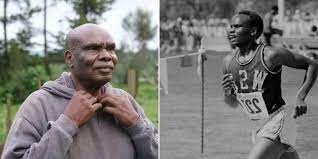
His illustrious career in the 70s and 80s saw him dominate the track, setting an astounding four world records within just 81 days.
"Athletics Kenya is saddened to announce and notify the public of the demise of former Athlete Mr. Henry Rono which occurred today at 10.30am," a statement from the organization read.
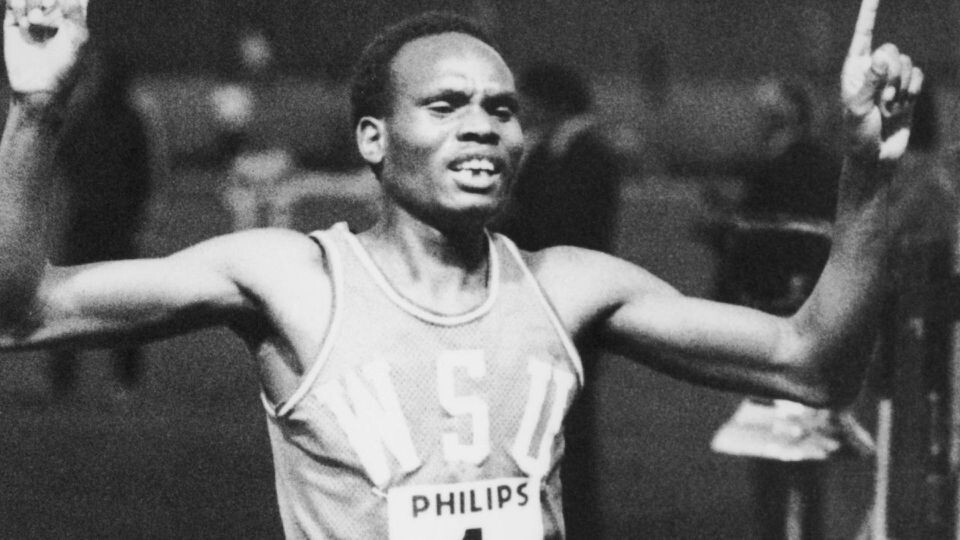
Rono's achievements on the track have cemented his legacy as one of the greatest runners of his time, particularly as the former record holder of the 3000 meters steeplechase, a record he held for over a decade.
Rono also twice set the world record for the 5000 meters, first in 1978 and then again in 1981.
The athletics community, both in Kenya and globally, has been pouring in tributes for the late Rono.
"On behalf of Athletics Kenya Executive Committee and athletics fraternity, we wish to convey our sincere heartfelt condolence to his family, friends, and the entire athletics fraternity during this trying moment. May his soul rest in eternal peace," the statement added, reflecting the deep sense of loss felt across the athletics world.
Rono's journey in athletics was marked by remarkable achievements, including gold medals in the 10,000m and 3,000m steeplechase at the Commonwealth and African Games in Edmonton and Algiers, respectively.
His tenure at Washington State University was historic, as he became only the third person, after Gerry Lindgren and Steve Prefontaine, to win the National Collegiate Athletic Association (NCAA) Men’s Cross Country Championship three times, in 1976, 1977, and 1979.
His winning time of 28:07 in 1976 still stands as the fastest 10,000m cross country mark in NCAA history.
Despite his global acclaim, Rono never competed at the Olympics, a consequence of Kenya's boycotts of the 1976 and 1980 Games.
By the time of the 1984 Olympics, Rono had retired from competition.
Born in Kiptaragon, Kabsabet in Nandi County, Rono returned to Kenya in 2019 after spending 33 years living in the USA.
by Festus Chuma
Login to leave a comment
Lindsay Flanagan And Her Younger Sister Kaylee Are Both Racing The Marathon Trials
In the past 20 months, veteran marathoner Lindsay Flanagan has cut her personal best by 2 minutes, twice. She won the 2022 Gold Coast Marathon in Australia in a course record of 2:24:43. In August, her 2:27:47 run placed her ninth overall, and first American, at the World Championships marathon in Budapest.
But one of her proudest moments came in the wee hours of December 3. Huddled over her phone in Adelaide, Australia—where she’d traveled for a few months to prepare for the upcoming Olympic Marathon Trials—Flanagan repeatedly refreshed the results of the California International Marathon.
Not long after 4 a.m. Lindsay’s time, her younger sister, Kaylee, crossed the finish line in 2:35:24—a nearly five-minute PR and her first Trials qualifying time. “I did not sleep at all that night,” Lindsay said. As both Kaylee’s sibling and her coach, “I was so invested.”
After promising high school running careers in Illinois, both Flanagans (no relation to Shalane) ran at the University of Washington, overlapping for a year. Now, they live across the street from each other in Boulder, Colorado, where they typically share miles at least once if not twice daily. Kaylee cheered Lindsay on in Budapest; afterward, they vacationed in Croatia.
They’ve spent the past few months, uncharacteristically, half a world apart, though Kaylee frequently pops by Lindsay’s house to water plants and make sure the pipes don’t freeze. But they’re reuniting in Florida, lining up together at the Trials.
The Flanagans aren’t the only siblings competing in Orlando on February 3; the field also includes brother and sister Kaylee and Austin Bogina and twins Isabel and Monica Hebner. But they’re unique in also being athlete and coach—Lindsay has guided Kaylee’s training for about two years.
And in her third Trials, Lindsay stands out as a top, if under-the-radar, pick to make the U.S. Team.
The Asics-sponsored runner, 33, does most of her workouts alone. Her coach is remote, and she has no training group or partner capturing evidence for Instagram. Yet out of the limelight, Lindsay has spent nearly a decade preparing for a moment just like this one. “Every workout, every season, every race cycle has been meticulously chosen,” Kaylee, 28, said of her sister. “Trust me, she will be one to watch out for in Orlando.”
A steady ascent
As close as they are, the two sisters forged different paths from college to the Trials. Lindsay made her marathon debut the January after graduating. At the 2015 Houston Marathon, she ran 2:33:12, good for ninth place and a slot in the 2016 Trials. On a hot day in Los Angeles the following February, she paused to vomit around the 21-mile mark, then finished 14th in 2:39:42.
Through 20-some marathons since—so many she’s lost count—she’s gradually, if quietly, established herself. Her next breakthrough came at the 2016 Frankfurt Marathon, where she finished fourth in 2:29:28. She notched top-10 finishes in Boston and Chicago in 2019, and headed into the 2020 Trials ranked 12th. That’s exactly where she finished, running 2:32:05.
Post-pandemic, she was coaching herself but seeking mentorship. Her agent connected her with Benita Willis, a four-time Olympian for Australia and gold medalist at the 2004 World Cross Country Championships. After an hour-long conversation, Lindsay realized she wanted Willis to fully take the reins of her training.
The pair became fast friends, and under Willis’s guidance, Lindsay is now even faster. She first lowered her personal best to 2:26:54 in April 2022 at the Paris Marathon. Next, Willis suggested Lindsay make her first Australian trip to run Gold Coast in July.
The race would give the pair the chance to meet in person for the first time, and with her victory, Lindsay had an opportunity that her coach, a 2:22:36 marathoner, had missed. “I ran big races, but I never won a marathon or broke a course record,” Willis said. “I wanted Lindsay to have that sort of experience well before the Olympic Trials.”
by Cindy Kuzma
Login to leave a comment

2028 US Olympic Trials Marathon
Most countries around the world use a selection committee to choose their Olympic Team Members, but not the USA. Prior to 1968, a series of races were used to select the USA Olympic Marathon team, but beginning in 1968 the format was changed to a single race on a single day with the top three finishers selected to be part...
more...
For Betsy Saina, the U.S. Olympic Trials Marathon Presents a Chance to Represent Her Son
For much of last year, Betsy Saina had a plan. She would race the Chicago Marathon in October, eager to run alongside Emma Bates (who placed fifth at last year’s Boston Marathon in a new personal best of 2:22:10) in pursuit of breaking Emily Sisson’s American record of 2:18:29, set the previous year at that same race.
Saina, 35, a naturalized U.S. citizen who represented Kenya in the 2016 Olympics in Rio de Janeiro—she placed fifth in the 10,000 meters 30:07.78—had reason to be confident. Last spring, she set a new personal best of 2:21:40 with her fifth-place finish at the Tokyo Marathon, which wound up being the fastest marathon by an American woman in 2023 and made her the eighth-fastest U.S. female marathoner of all-time, solidifying her position as a top U.S. Olympic marathon team contender.
The Chicago Marathon had assured Saina’s agent, Tom Broadbent, that she was in for the race. But when the elite field was announced in August, Saina learned she had not been accepted, which not only threw a wrench in her fall training plans, but made for a lot of stress as she was planning her U.S. Olympic Marathon Team Trials buildup.
“I was shocked and spent three days looking at myself and trying to find any mistakes I made to not make the field, especially after running 2:21 in Tokyo,” Saina says. “I had never been rejected from a race before, and never got a response or an explanation as to why I didn’t make it. Being denied to run in Chicago honestly was one of the most disappointing things I’ve experienced in my career.”
Saina looked into entering the Berlin Marathon the following month, but had no such luck getting in with it being so late in the game. She was ultimately accepted into the Sydney Marathon (which shares its sponsor, ASICS, with Saina) on September 16. Unlike Chicago—with its fast, flat course that ended up having ideal racing conditions with temperatures in the 40s—Sydney has a hilly course and race-day weather was on the hotter side, with a starting temperature of 68 degrees.
Despite the conditions, Saina proved herself once again, winning the race in 2:26:47. This sealed her confidence as she began to look ahead to the Olympic Trials in Orlando on February 3. If she’s one of the top three finishers in the women’s race in Florida, she’ll earn a spot on the U.S. team that will compete in the marathon at the Paris Olympics on August 11.
“Challenges make people strong, and running a good marathon on a harder course made me come back feeling motivated,” she says. “[Even though it wasn’t the faster time I originally wanted], it didn’t stop me from being a better version of myself.”
Transcendent Transplant
Despite her impressive performances in 2023, Saina has remained largely under the radar in terms of media coverage and fan predictions leading up to the Trials in Orlando, similarly to what fellow Kenyan-born marathoners Aliphine Tuliamuk and Sally Kipyego (both of whom made the last Olympic marathon team) experienced in 2020. The lack of attention relative to her competitors hasn’t fazed Saina, however.
“I know how to deal with pressure, having been in the sport since 2013, so as long as my training is going well, I don’t pay too much attention to what people say,” Saina says. “I’m just more excited to see many of the U.S. women [who are also] my friends, like Emily Sisson, Sara Hall, and Keira D’Amato, and to be racing so many amazing U.S. athletes for the first time.”
Saina’s result in Tokyo was only about a minute faster than her debut at the distance at the 2018 Paris Marathon, which she won in 2:22:56 (after dropping out of the 2017 Tokyo and New York City Marathons). It was also a confidence boost for Saina because it was also her first marathon since giving birth to her son, Kalya, now two, in December 2021, after previously running 2:22:43 and 2:31:51 at the 2019 Toronto Waterfront and Honolulu Marathons, respectively.
Saina—who originally came to the U.S. to attend Iowa State University where she trained alongside Tuliamuk and was a three-time individual NCAA champion and 11-time NCAA All-American—has remained in her hometown of Iten, Kenya, for the majority of the time since having her son, as her husband, Meshack Korir, is a doctor completing his postgraduate education there.
Although Saina became a U.S. citizen in late 2020 and has a home base in Colorado Springs, she made the decision to return to Kenya to have additional family support and childcare as she worked to come back from pregnancy and childbirth to prepare for the Olympic Trials, which she’ll return for just a few days before the race. Saina also keeps busy managing a couple of guesthouses, which she regularly rents out to visiting athletes and tourists. She also works with Cross World Africa, a nonprofit that sponsors underprivileged children in pursuing secondary and higher education.
“Before I came from Kenya, my family was struggling and we had to fundraise for my flight ticket to come to the U.S. Being here has changed my family in a different way—I have two sisters who are now nurses in the U.S., and my parents can now more easily fly to visit us, and while it is not where I began running, the U.S. where I began competing at such a high level,” she says. “My son also gives me so much motivation and is my inspiration. When I see him, I see beauty in myself and see myself getting better when I’m running. So I am excited both to compete and represent my son, and to hopefully wear the U.S. uniform because it has so much meaning for me.”
Back in Iten, Saina has been training in a group with personal pacemakers alongside 2019 New York City Marathon champion Joyciline Jepkosgei, which she describes as game-changing for her progress in the marathon. Both Saina and Jepkosgei, who is also the former world-record holder in the half marathon and Saina’s best friend from high school, are coached by Jepkosgei’s husband, Nicholas Koech.
“Sometimes you will train with people who don’t want to help someone else get better, but [Jepkosgei], who has run 1:04 [in the half marathon] and 2:17 [in the marathon] is unique in that she has sacrificed a lot, which I don’t think a lot of women will ever do for each other, and I don’t think I would either,” Saina says. “But she has been pushing me a lot since the first day I joined her, and I think that’s the reason I came back and I’ve had better races. I have someone to chase and it’s like competition in training, but in a good way.”
American Original
Saina returned to the U.S. twice last year, to race the USATF 25K Championships in Grand Rapids, Michigan, (where she took the win in 1:24:32 for her first U.S. title, narrowly beating D’Amato) and to be inducted into Iowa State’s Athletics Hall of Fame in September. Saina had planned to do some shorter U.S. races, including the Bolder Boulder 10K in May and the NYRR Mini 10K in June, following her national championship title in the 25K. However, she ultimately decided she couldn’t bear to be away from her son any longer.
“As a mom, when you’re away, you are so worried because you’re like, ‘How is he doing right now? How can I handle the pressure, being away from him?’” Saina says. “This year, it’s really different for me because the only race I want to travel to without Kalya is the Olympic Trials. He is growing now and getting better, so I want to travel with him afterward to compete in the USATF circuit. That’s the biggest goal for 2024, to travel with my son.”
Later this year, Saina hopes to also run the April 7 Cherry Blossom 10-Miler in Washington, D.C., the Mini 10K on June 8 in New York City, and a fast spring half marathon to pursue the current American record (which was broken yet again by Weini Kelati on January 14 in Houston), before running another marathon in the fall. In the meantime, she noted that she is especially eager to compete in one of the deepest fields ever assembled for the Trials.
Although Bates withdrew from the Trials, Saina figures to be one of the favorites in Orlando along with Sisson, Hall, Tuliamuk, D’Amato, and Seidel. However, Lindsay Flanagan (ninth in last summer’s world championships), Sara Vaughn, Susanna Sullivan, Gabriella Rooker, Dakotah Lindwurm, and Nell Rojas are all sub-2:25 marathoners, and thus top contenders, too.
“The U.S. is no longer small and non-competitive. Look at Molly Seidel. She got bronze at the Tokyo Olympics, and I remember when Amy [Cragg] was a bronze medalist at the 2017 World Championships. If you put that in perspective, it has changed even more right now compared to that time,” she says. “The competition [to make the U.S. team] is no longer as easy as the way some people [thought], and I’m super excited to be competing with a lot of solid women. There is no difference between the U.S. and other countries right now—it’s not just to go compete at the Olympics; they’re going to compete for the medals, just like other countries.”
by Emilia Benton
Login to leave a comment
2028 US Olympic Trials Marathon
Most countries around the world use a selection committee to choose their Olympic Team Members, but not the USA. Prior to 1968, a series of races were used to select the USA Olympic Marathon team, but beginning in 1968 the format was changed to a single race on a single day with the top three finishers selected to be part...
more...