

Running News Daily
Running News Daily is edited by Bob Anderson and team. Send your news items to bob@mybestruns.com Advertising opportunities available.
Index to Daily Posts · Sign Up For Updates · Run The World Feed
Articles tagged #Ethan Strand
Today's Running News
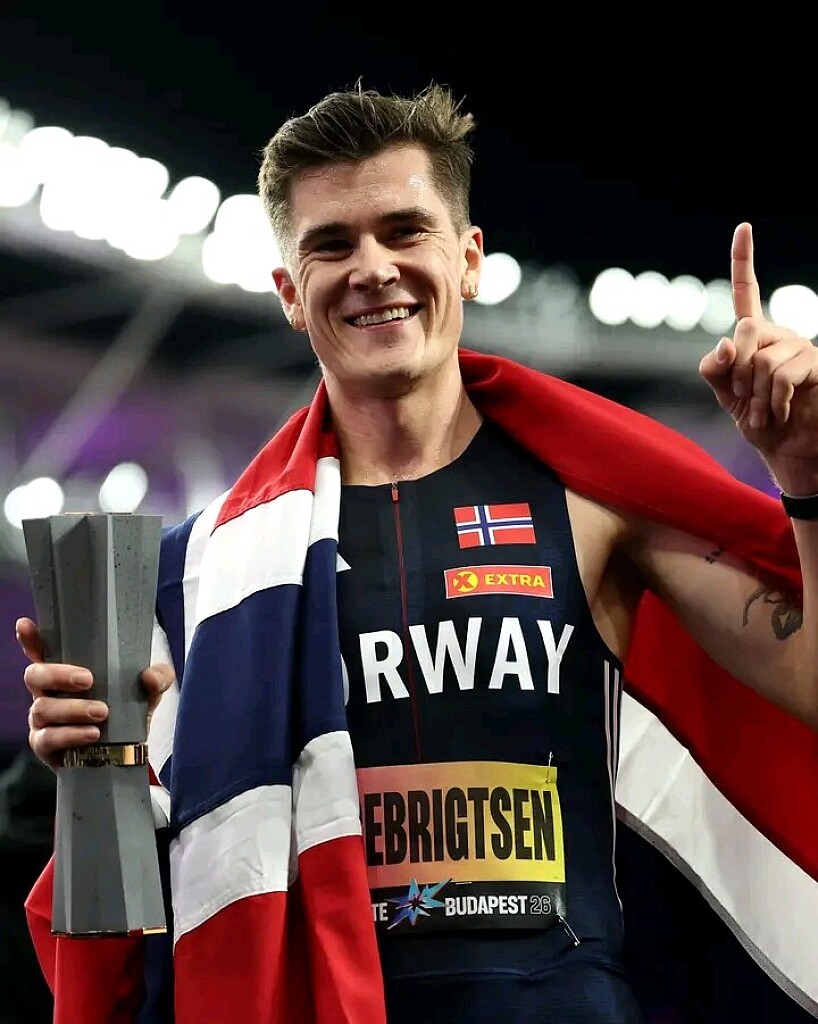


Jakob Ingebrigtsen Withdraws From Budapest 1500m After Stunning 5000m Victory: “Fitness Cannot Be Faked”
Jakob Ingebrigtsen has made a major decision regarding the remainder of his World Athletics Ultimate Championship campaign, confirming that he will withdraw from the men’s 1500m in Budapest despite producing a sensational performance to win the 5,000m title.
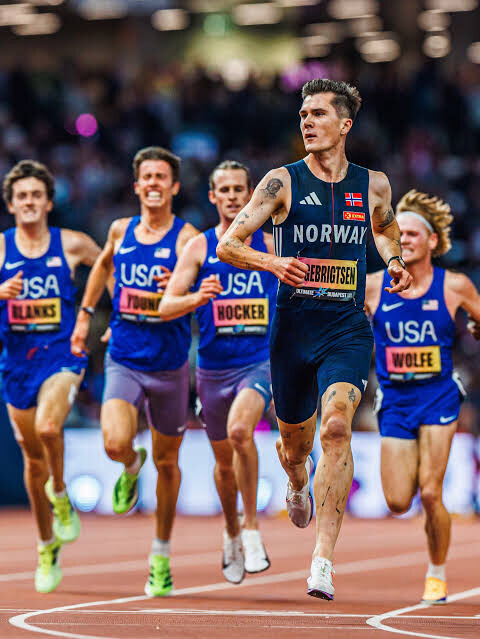
The Norwegian superstar stormed to victory in the inaugural Ultimate Championship 5,000m on Friday night, clocking a season-best 12:59.24 and delivering a devastating finishing kick to defeat Olympic 5,000m champion Cole Hocker and American Parker Wolfe.
Ingebrigtsen’s final 100 metres was arguably the defining moment of the race. The Olympic champion produced a remarkable 12.60-second closing 100m, powering away from the field to secure the $150,000 winner’s prize and underline just how far his fitness has progressed since returning from Achilles surgery.
The victory was particularly significant after what has been an extremely difficult period for the 25-year-old. Earlier in the season, Ingebrigtsen faced serious uncertainty over whether he would even be able to compete at the highest level again. His return has gradually gathered momentum, and his performance in Budapest offered perhaps the clearest indication yet that the Norwegian is rediscovering his formidable racing ability.
But rather than risk pushing his recovering body further, Ingebrigtsen has now opted to step away from the 1500m.
The decision means the highly anticipated showdown with British rival Josh Kerr will not take place in Budapest after all. The two stars had been expected to renew one of the biggest rivalries in modern middle-distance running in the 1500m final.
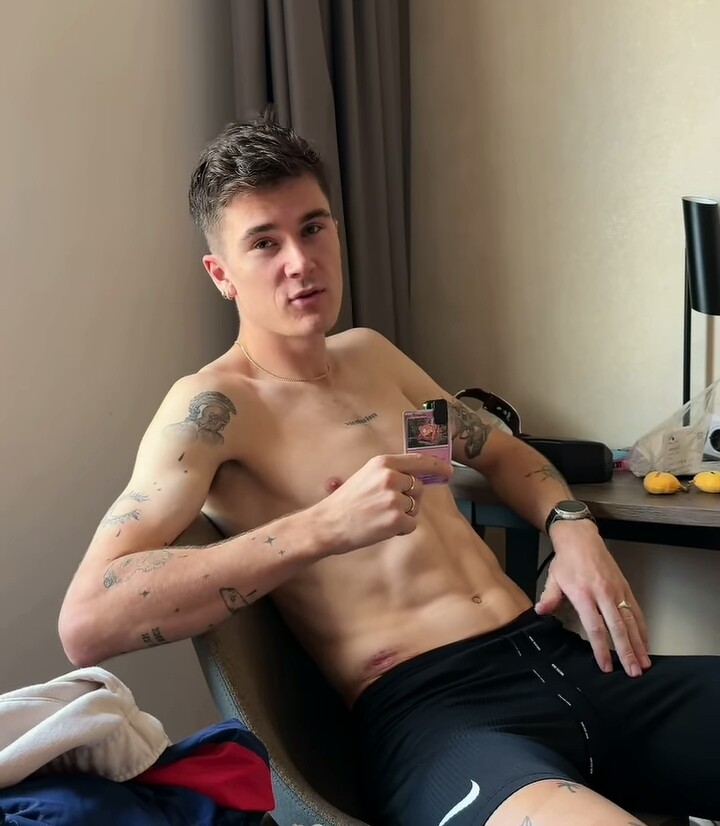
Instead, Ingebrigtsen is looking beyond the immediate opportunity and towards the bigger picture.
“I’m thinking about 2027… Fitness cannot be faked,” the Norwegian said, signalling that protecting his long-term condition has become more important than chasing another major victory only days after his return to peak-level competition.
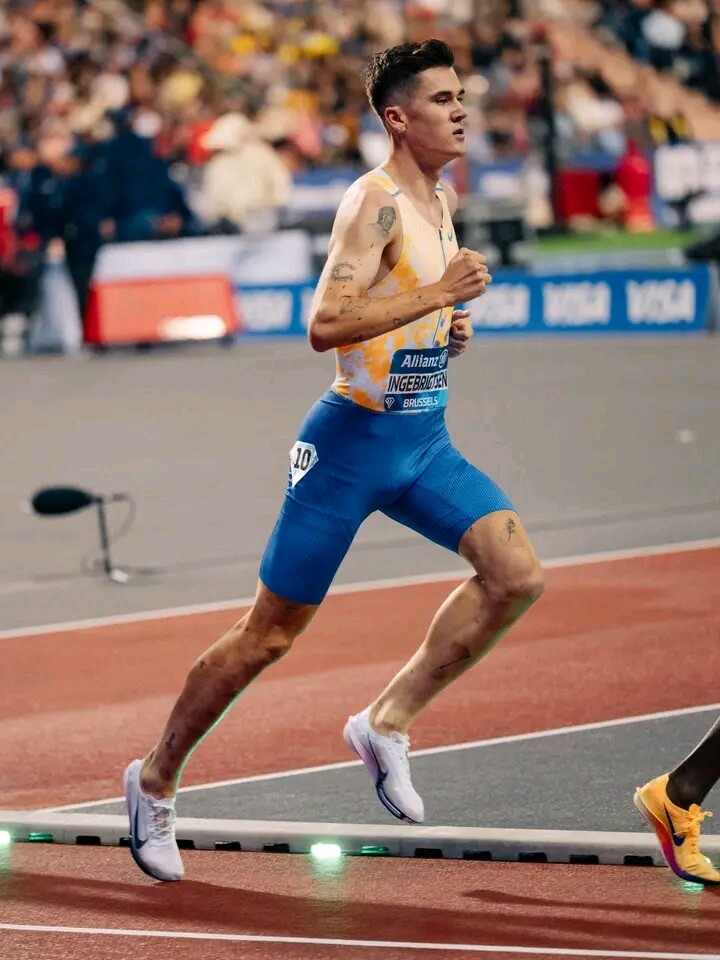
The decision comes just one week after an emotionally charged Diamond League Final in Brussels, where Ingebrigtsen finished fourth in the 1500m behind Australia’s Cameron Myers, Kenya’s Phanuel Kipkosgei Koech and American Ethan Strand.
After that race, Ingebrigtsen delivered a fiery assessment of his rivals and questioned the tactics surrounding the pacemaking, particularly involving Hocker. He later acknowledged that there had been “a little too much adrenaline and emotion” when microphones were placed in front of him immediately after the race.
Yet his latest decision shows that beneath the emotion and competitive intensity lies a longer-term strategy.
Ingebrigtsen has already demonstrated that he can compete at an elite level again. His 12:59.24 in Budapest was not simply a victory — it was a statement that the Norwegian remains capable of producing a world-class finish even after months of injury rehabilitation.
Now, however, he is choosing not to gamble with that progress.
For a runner who has spent much of the year fighting his way back from injury, another 1500m race could have offered enormous rewards but also carried unnecessary risk. By withdrawing, Ingebrigtsen is effectively prioritising longevity over one more opportunity for immediate glory.
His message is clear: the comeback is underway, but it will not be rushed.
The 5,000m victory has given Ingebrigtsen confidence, momentum and perhaps, most importantly, proof that his body can once again handle elite competition.
Now comes the harder part — knowing when to stop.
With 2027 already firmly in his sights, the Norwegian has chosen recovery over risk. And after everything he has endured, that could ultimately prove to be one of the most important decisions of his comeback.
Jakob Ingebrigtsen is not walking away from the sport. He is protecting his future in it.
by Erick Cheruiyot for My Best Runs.
Login to leave a comment
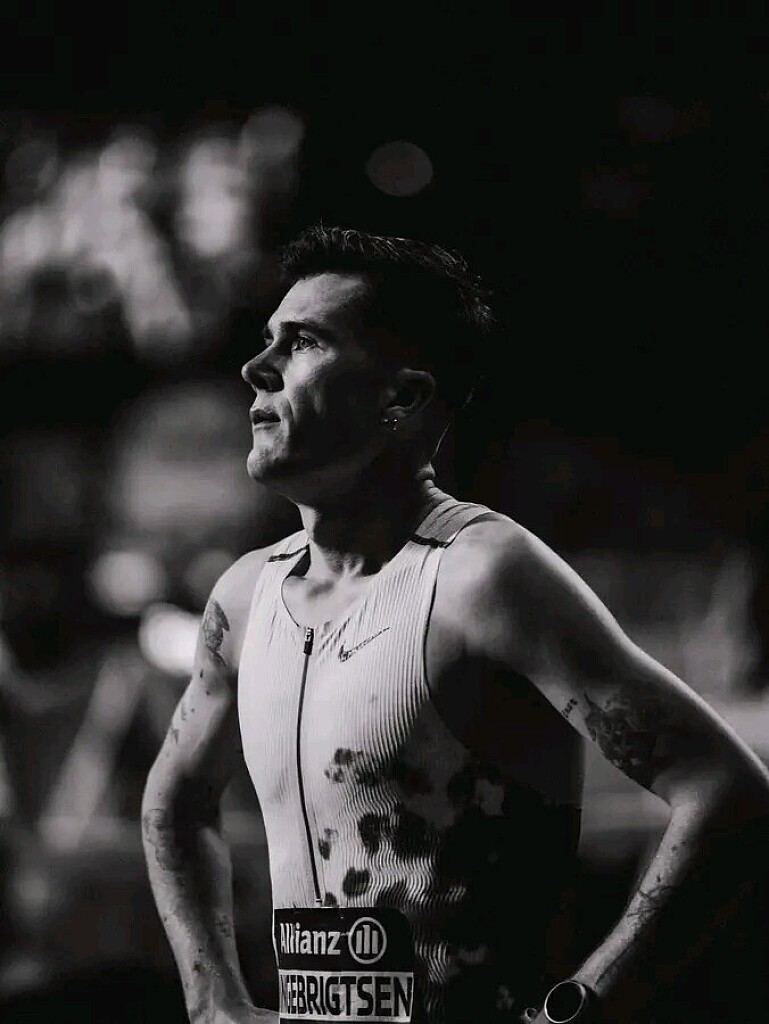
Ingebrigtsen Clarifies Fiery Brussels Outburst After 1500m Defeat: “I Will Always Call Things as I See It
Jakob Ingebrigtsen has offered a measured reflection on his explosive post-race comments following a dramatic men’s 1500m Diamond League Final in Brussels, acknowledging that adrenaline and emotion may have played a role while making it clear that his competitive fire remains as strong as ever.
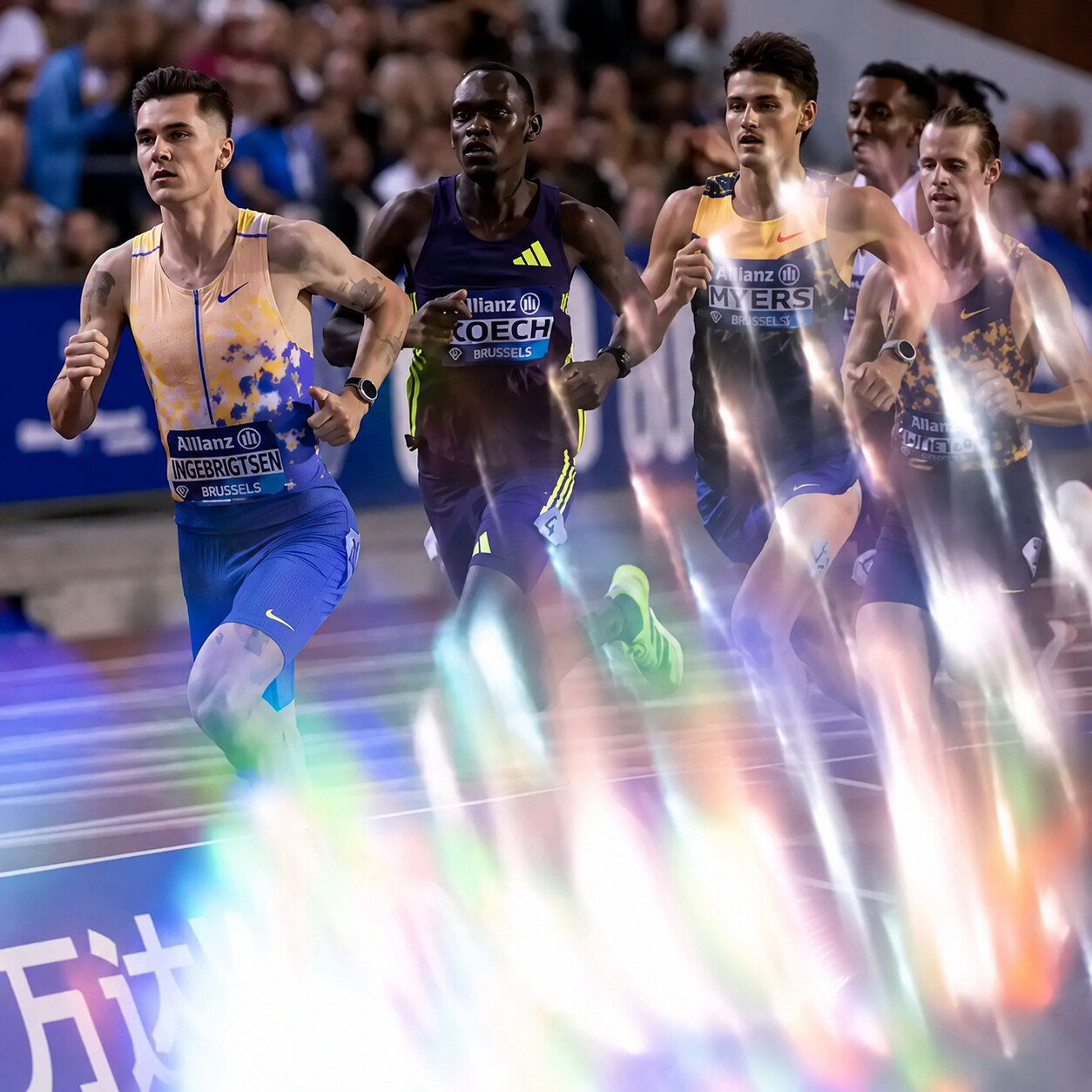
The Norwegian Olympic champion endured a frustrating night at the King Baudouin Stadium, finishing fourth in a season’s best 3:30.52 after taking responsibility for much of the race from the front. Australia’s Cameron Myers produced a perfectly timed late surge to claim the Diamond League title in 3:30.14, edging Kenya’s Phanuel Kipkosgei Koech by just 0.04 seconds, with American Ethan Strand completing the podium in 3:30.50.
Ingebrigtsen had looked capable of converting his aggressive front-running strategy into victory, but the race changed dramatically in the final stages. Myers found a narrow opening and accelerated past the Norwegian, while Koech and Strand also came through strongly as Ingebrigtsen faded over the closing metres.
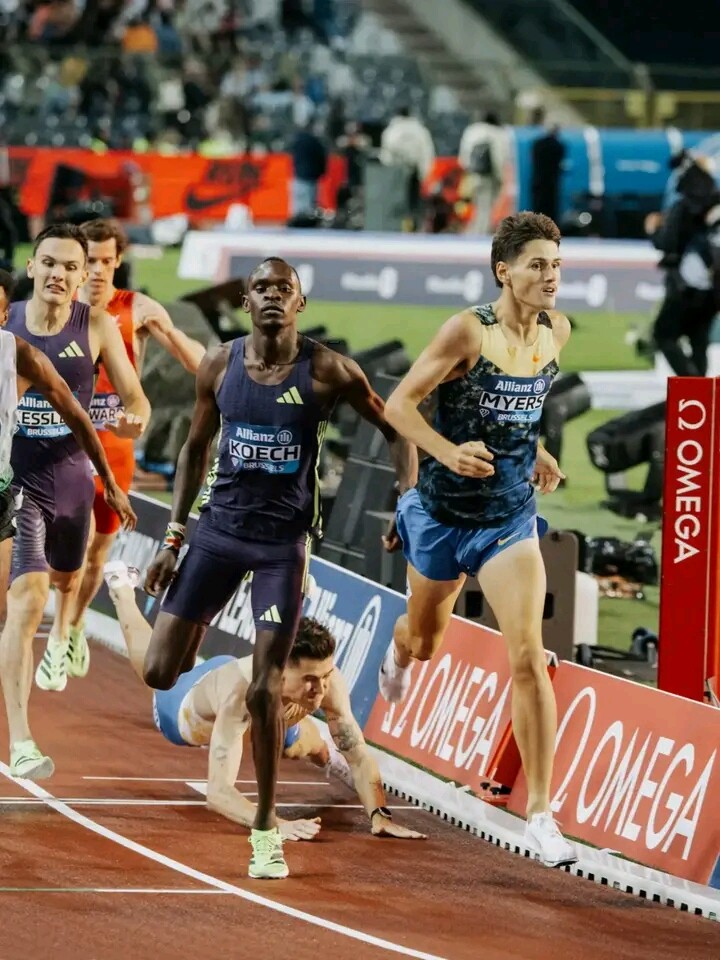
The defeat triggered an unusually fiery reaction from the 25-year-old, who criticised the tactical approach of his rivals and described himself as having raced against “a bunch of cowards”. He was particularly frustrated by what he perceived as competitors sitting back before unleashing their finishing speed when the race reached its decisive phase.
Ingebrigtsen also directed criticism towards Olympic champion Cole Hocker, questioning the way the pacing situation had unfolded and arguing that the American had influenced the pacemaking strategy to his own advantage.
However, after the emotions of the night had settled, Ingebrigtsen returned to social media with a noticeably more reflective message.
“My love for this sport can never be questioned,” he wrote, making it clear that his passionate reaction should not be interpreted as a lack of respect for athletics.
“There was maybe a little too much adrenaline and emotion when the microphones were thrown in front of me last night but I will always call things as I see it.”
The message offered an important qualification to his earlier remarks. Rather than retracting his competitive assessment, Ingebrigtsen appeared to acknowledge that the intensity of the moment had amplified his words.
He also chose to focus on the positives from his performance.
“Pushing from the front, a seasons best and feeling a little more like myself every race,” he added.
That statement is particularly significant given his difficult return to the 1500m after Achilles problems. His 3:30.52 in Brussels was his fastest performance since returning from the injury, providing evidence that his race sharpness is gradually returning despite the disappointment of missing out on the Diamond League crown.
And despite the frustration, Ingebrigtsen made it clear that the defeat has not diminished his hunger.
“Positives to take and lots of fuel for the fire.”
That final line perhaps captures the Norwegian better than anything he said immediately after the race. The fourth-place finish may have frustrated him, but it has also provided another source of motivation as he continues rebuilding his form.
He concluded his message by thanking supporters for standing behind him throughout his comeback.
“Thanks for all the support as always, it feels so good to be back!”
For Ingebrigtsen, Brussels was therefore a night of contrasting emotions: disappointment at surrendering a race he had helped control, frustration with the tactics around him, but also encouragement from a season’s best performance and the feeling that he is gradually returning to his best.
For Myers, it was a breakthrough evening and one of the biggest victories of his young career. For Ingebrigtsen, however, the story may not end with fourth place.
If his latest message is anything to go by, the defeat has simply added more fuel to an already fiercely burning competitive fire.
by Erick Cheruiyot for My Best Runs.
Login to leave a comment
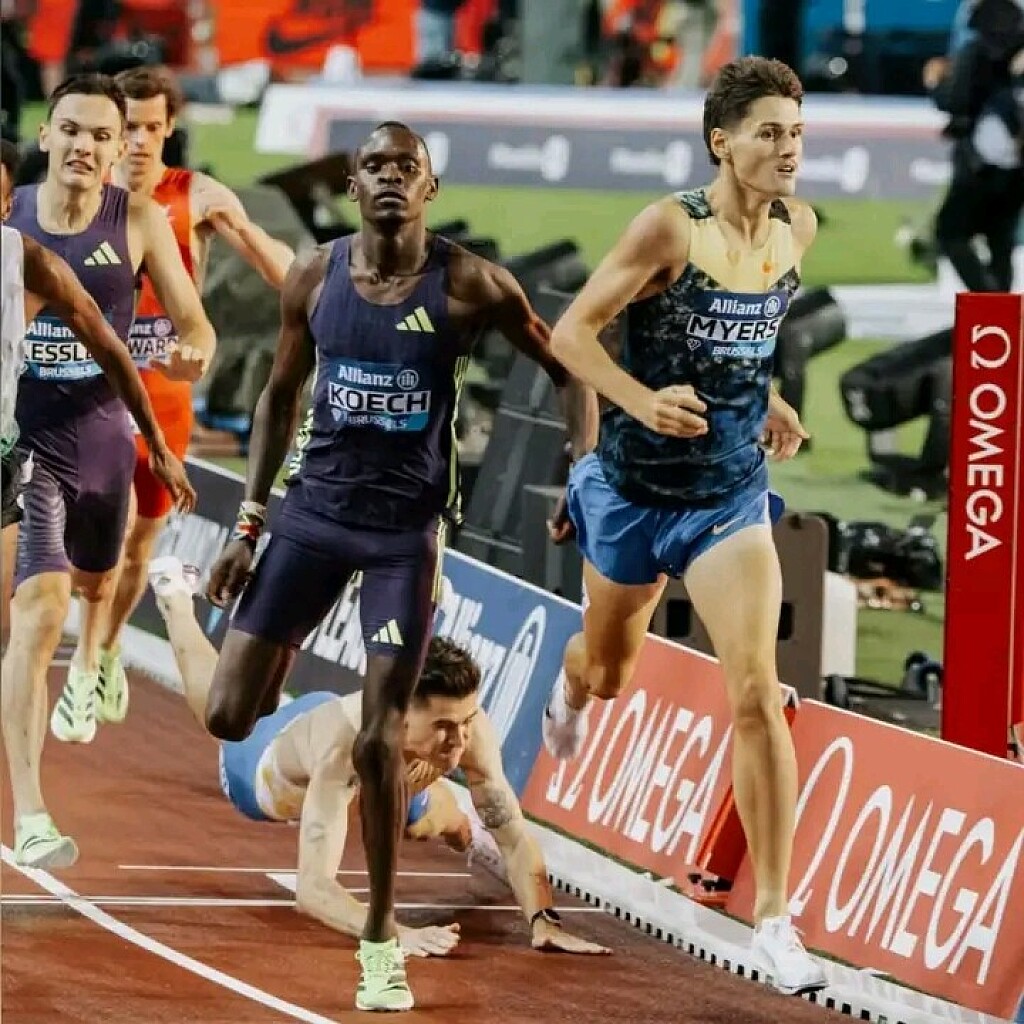
Cameron Myers Produces A Champion’s Kick To Win Thrilling Brussels 1500m Final
Cameron Myers delivered a breathtaking finish in Brussels to capture the men’s 1500m Diamond League Final title, producing a decisive late surge before dipping for the line in 3:30.14 to claim the coveted Diamond Trophy.
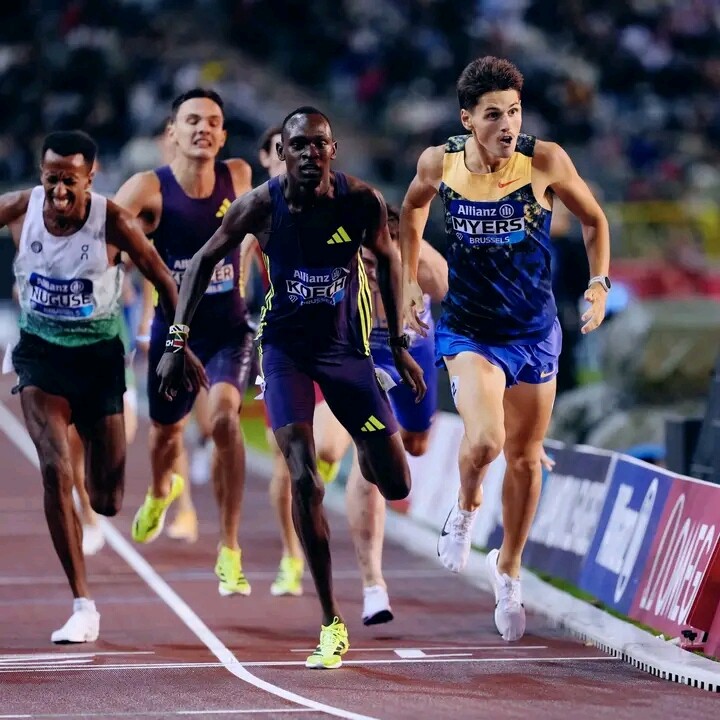
The Australian was moving with remarkable speed when it mattered most, unleashing the finishing kick of a champion in the closing metres. With the race finely poised, Myers held his composure and found the extra strength needed to edge ahead at the line in a dramatic conclusion to the final.
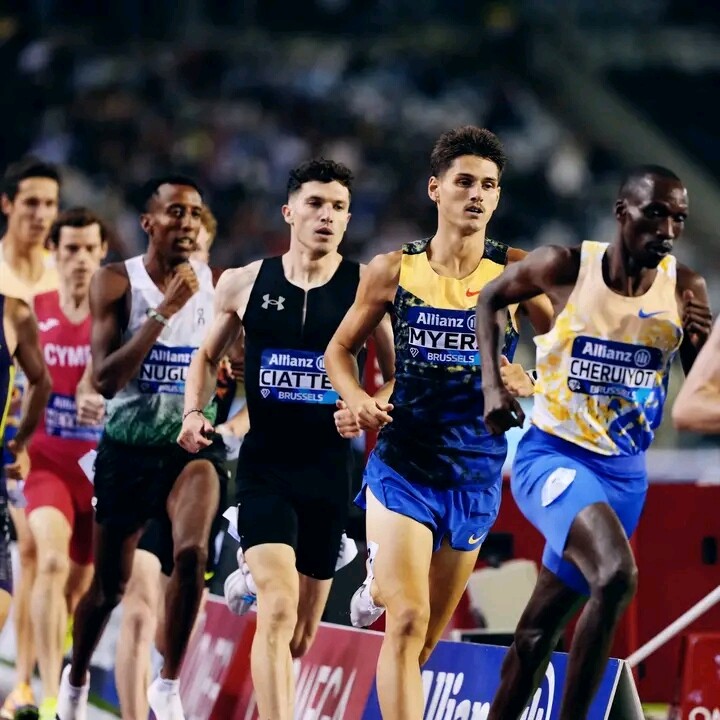
Kenya’s Phanuel Kipkosgei Koech came agonisingly close to taking the title, crossing the finish in 3:30.18—just 0.04 seconds behind Myers. Koech produced a brilliant closing effort and pushed the Australian all the way, narrowly missing out on what would have been a stunning Diamond League triumph.
American Ethan Strand completed the podium in 3:30.50, adding another layer to an extraordinary finish. The first three athletes were separated by just 0.36 seconds, underlining just how fiercely contested the race was from start to finish.
For Myers, the victory was a powerful statement on one of the biggest stages of the Diamond League season. When the pressure reached its peak, the Australian responded with speed, determination and the composure required to deliver when victory was decided by the smallest of margins.
Koech, meanwhile, leaves Brussels with plenty of credit after pushing Myers to the absolute limit. His silver-medal performance demonstrated both his strength and his ability to compete fearlessly against elite opposition, even though the Diamond Trophy slipped away by the narrowest of margins.
It was a finish worthy of a Diamond League Final—three athletes charging for the line, separated by fractions of a second, with Myers ultimately producing the decisive move. Four hundredths of a second made the difference between gold and silver in one of Brussels’ most thrilling showdowns
by Erick Cheruiyot for My Best Runs.
Login to leave a comment
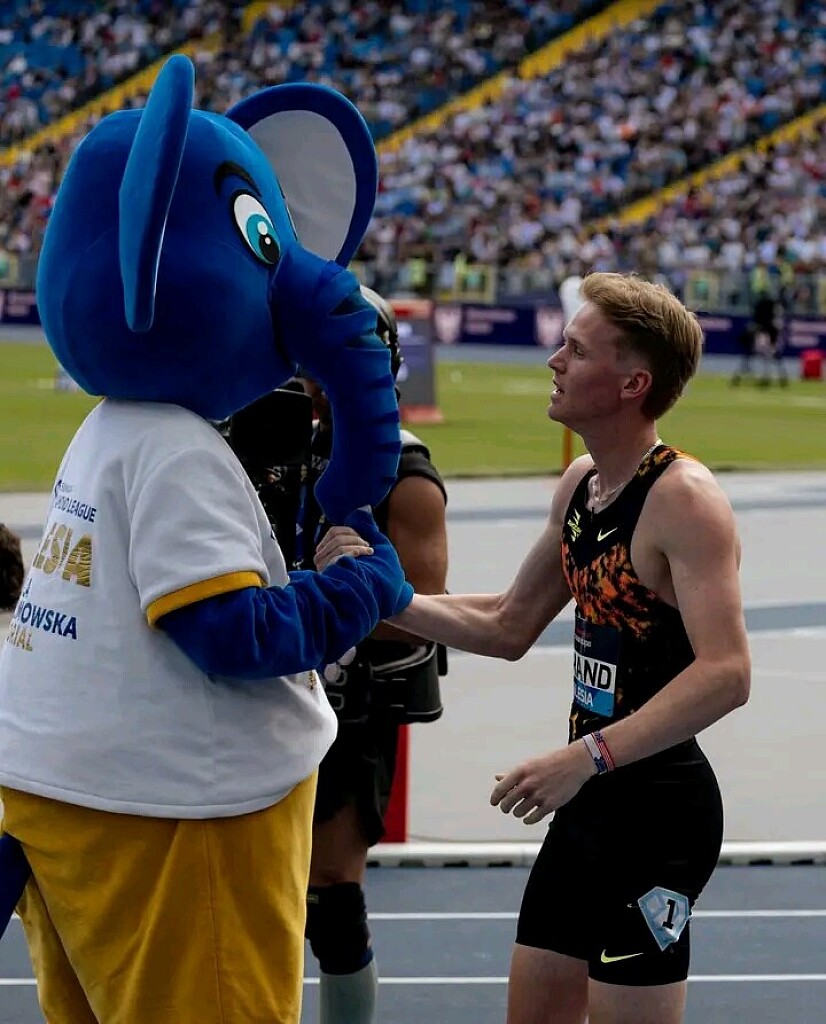
Ethan Strand’s Stunning Silesia Surge: “I Had Enough Left”
Ethan Strand delivered one of the most impressive finishes of the Silesia Diamond League meeting, producing a spectacular final lap to storm to victory in the men’s 1500m in a season-best 3:30.77.
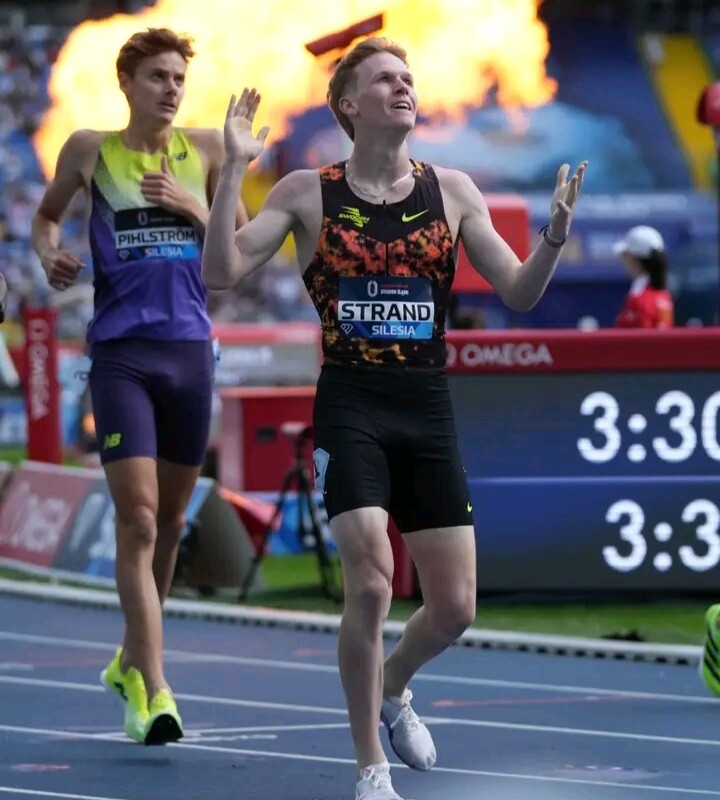
The American’s triumph was not simply about speed—it was a carefully executed comeback built on patience, belief and a powerful reserve of energy saved for the closing stages.
Strand admitted afterwards that he had found himself well back in the field during the race, but remained confident that he had enough left to make his move.
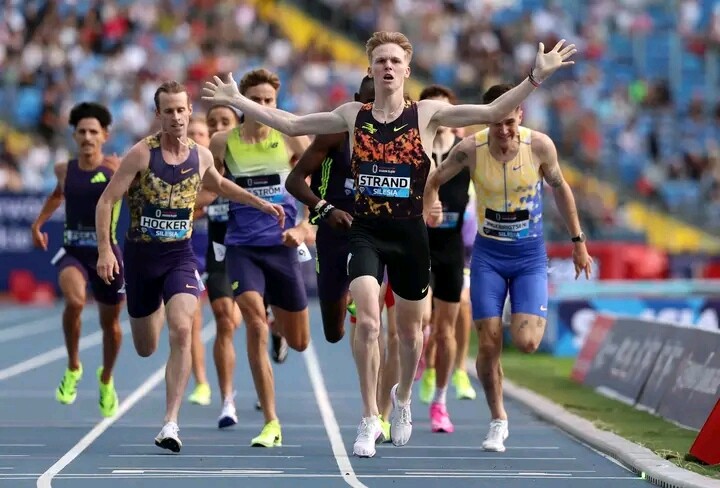
“I was pretty far back and had a lot left, and I had to do a lot of work up through the third lap, and I had enough left,” Strand said after his winning performance.
That reserve proved decisive.
As the race entered its final lap, Strand began to close the gap with increasing urgency. He continued to pick off his rivals before unleashing his biggest acceleration down the home straight, powering away from the chasing pack and crossing the line in style.
His emphatic celebration reflected the significance of the performance—a season's best time and a major victory over a field packed with elite 1500m talent.
Phanuel Koech produced a superb performance of his own to finish second in 3:31.14, narrowly holding off reigning Olympic champion Cole Hocker, who crossed the line third in 3:31.16.
Just behind them was Norwegian superstar Jakob Ingebrigtsen, who made his first 1500m appearance since Tokyo last September. Ingebrigtsen clocked 3:31.19 to finish fourth in a race where less than half a second separated the top four athletes.
The result made Strand the man of the moment in Silesia. While others battled for position throughout the race, the American trusted his strength, stayed composed despite being deep in the field and unleashed his decisive move when it mattered most.
His victory was a powerful reminder that a race can change dramatically in its final 400 metres. Strand may have been “pretty far back,” but he knew he had something left—and when the moment arrived, he produced exactly the kind of finishing speed required to defeat an Olympic champion and some of the world's finest middle-distance runners.
From being buried in the pack to flying down the home straight, Ethan Strand turned patience into victory—and finished the night with a celebration that said it all.
3:30.77. Season’s best. Silesia champion.
by Erick Cheruiyot for My Best Runs.
Login to leave a comment
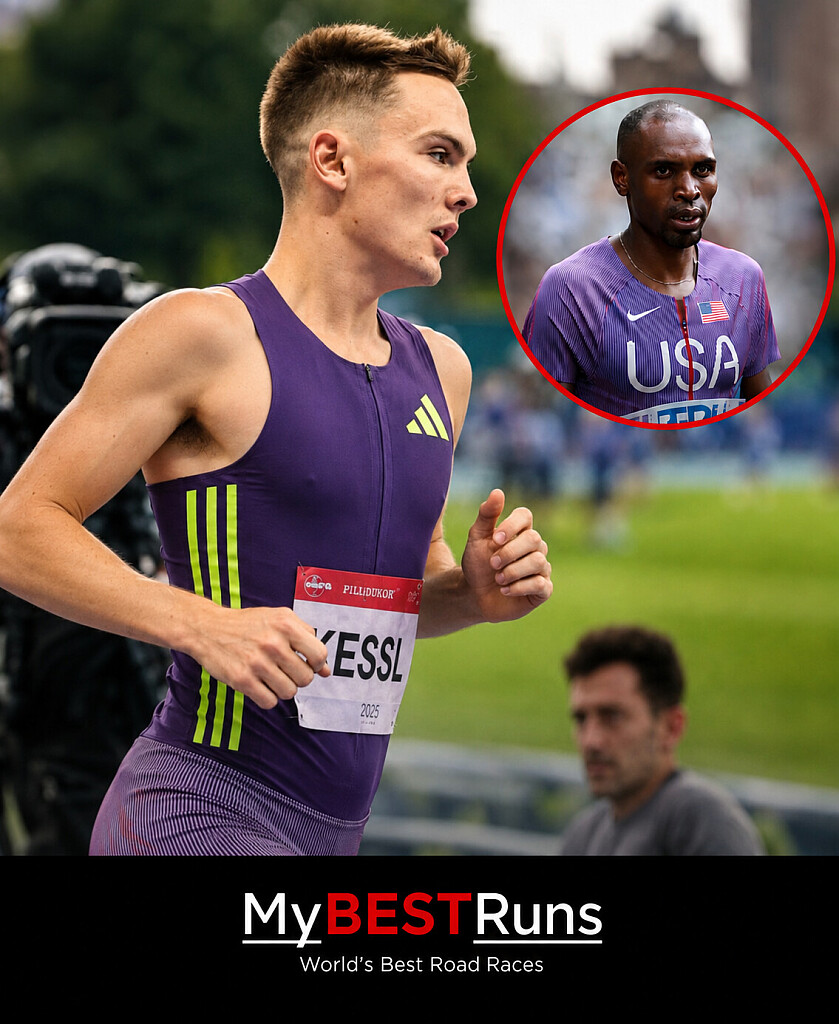
From Fourth to Bronze: Hobbs Kessler Elevated After Koech’s Disqualification
Hobbs Kessler has been officially elevated to third place in the men’s 1,500m from the 2025 U.S. Outdoor Championships, nearly a year after finishing fourth in the original final.
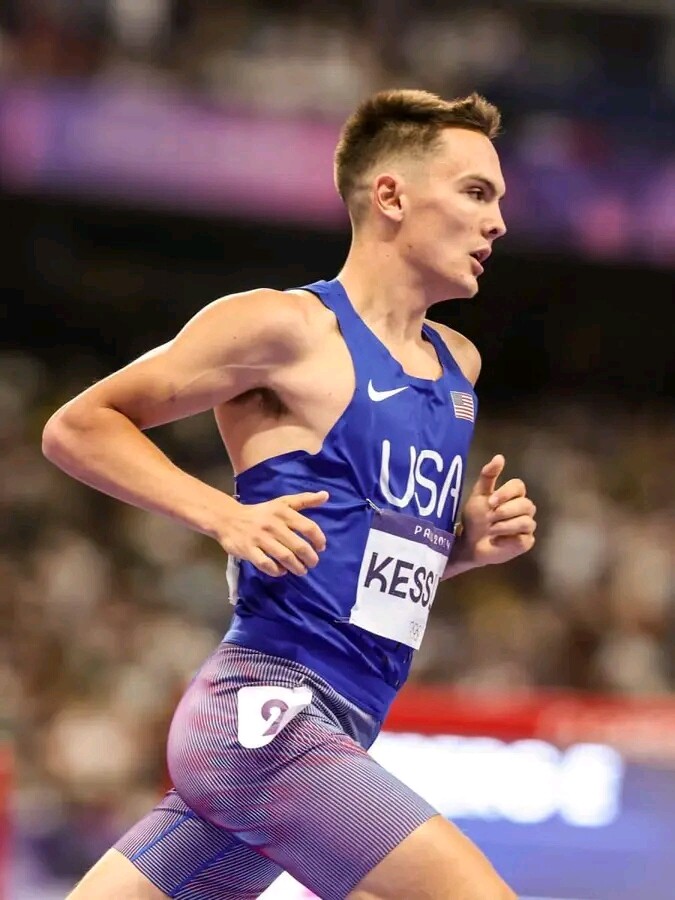
Kessler crossed the line fourth in a tightly contested race won by Jonah Koech. Ethan Strand finished second and Cole Hocker third, with the top three earning places on the U.S. team for the 2025 World Athletics Championships in Tokyo.
The standings have now been revised following USADA’s three-year sanction against Koech. His Athlete Biological Passport showed abnormalities consistent with blood doping, and his results from the specified period were disqualified. Koech did not challenge the case.
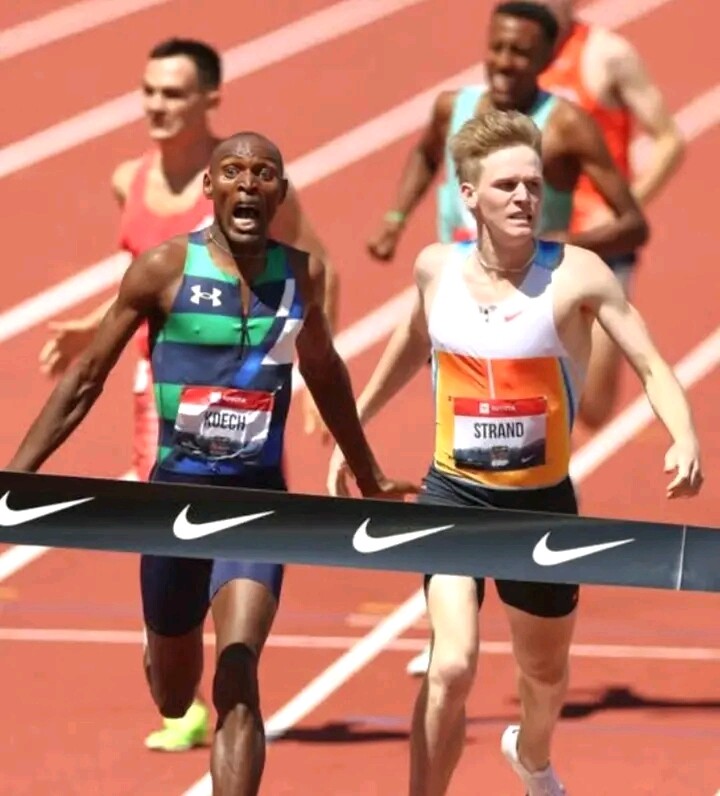
With Koech’s result removed, Strand moves into first place, Hocker rises to second and Kessler is promoted to third.
For Kessler, the revised classification brings an official U.S. championship bronze medal almost eleven months after the race.
However, the change comes long after the 2025 World Championships had already taken place. Kessler was not part of the three-athlete U.S. 1,500m team in Tokyo, and the later adjustment to the results cannot recreate that competition or the circumstances surrounding it.
That is one of the complexities of anti-doping enforcement: results can be corrected and championship records updated after a sanction, but those changes occur after the original competition has passed.
Kessler’s record now reflects a third-place finish, while Koech’s disqualification reshapes the final standings of one of the most closely contested races at the 2025 U.S. Championships.
Koech’s three-year period of ineligibility runs until July 2029.
Nearly a year later, the results have changed — and Hobbs Kessler officially moves from fourth to bronze.
by Erick Cheruiyot for My Best Runs.
Login to leave a comment
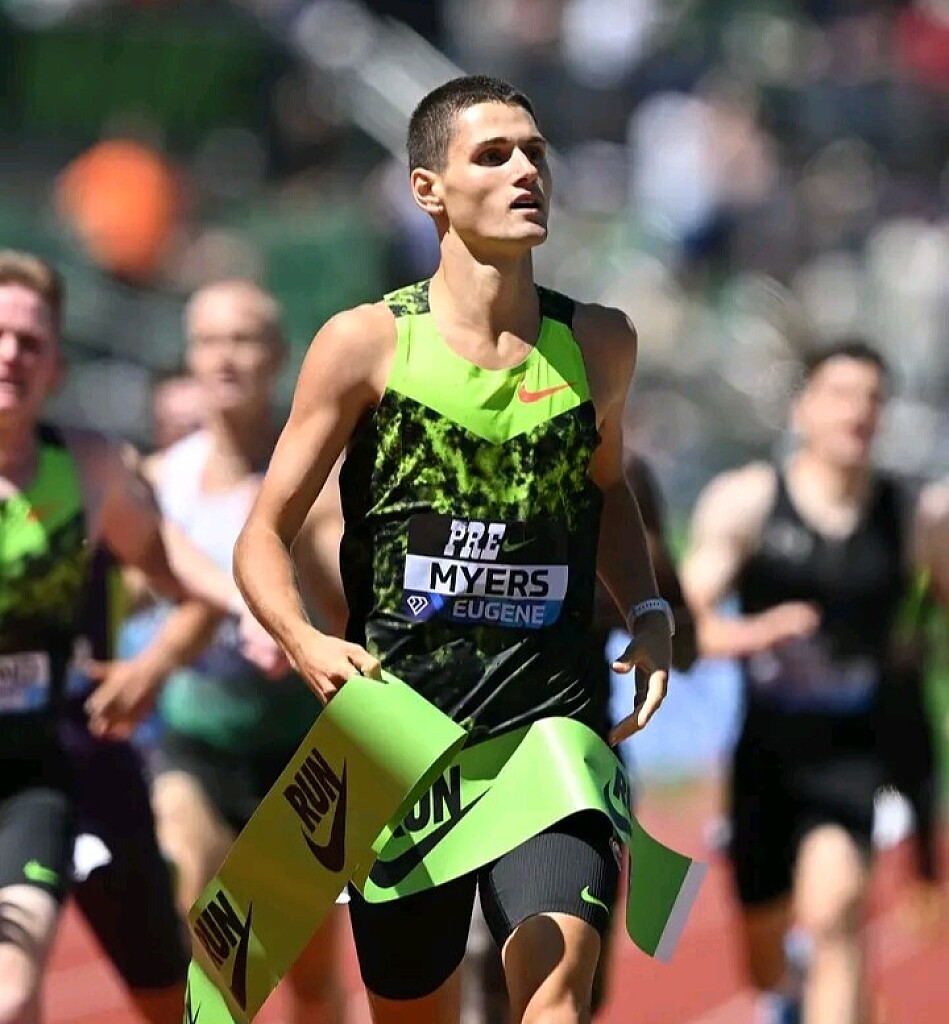
Cameron Myers Rewrote Australian History with Record-Breaking Bowerman Mile Victory
At just 20 years old, Cameron Myers is rapidly becoming one of the brightest stars in global middle-distance running.
The young Australian delivered the performance of his career at the prestigious Bowerman Mile in Eugene, Oregon, producing a fearless front-running display to clock a sensational 3:46.06—the fastest mile in the world this year. The remarkable run not only earned him victory but also shattered the Australian national record, set a new Oceania record, and firmly established him among the sport's elite.
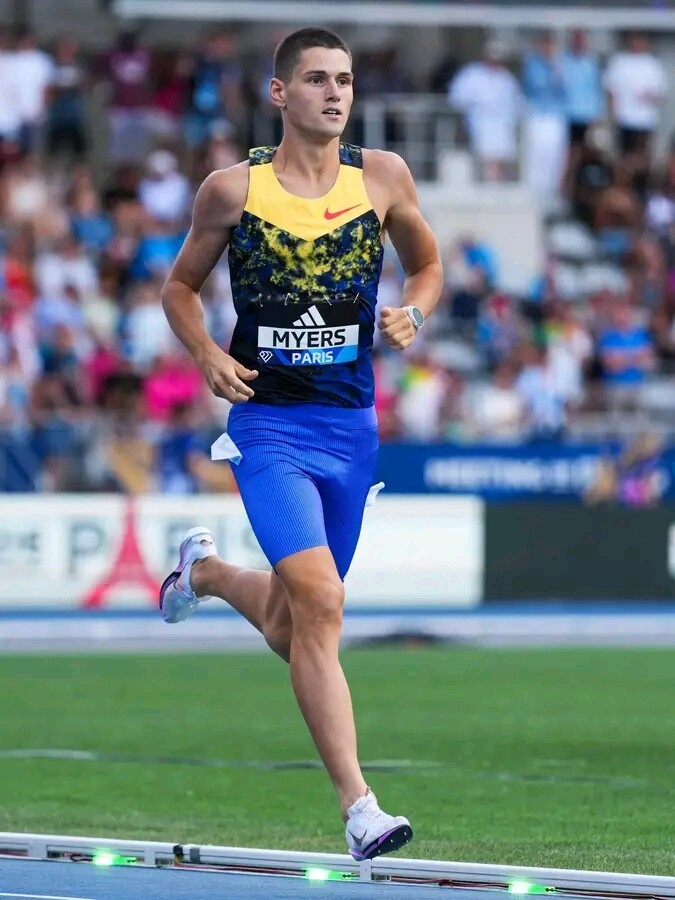
In a race packed with world-class talent, Myers showed maturity well beyond his years. As the pacemaker stepped aside during the third quarter of the race, the Australian immediately seized control. Rather than waiting for others to dictate the pace, he confidently moved to the front, maintained his rhythm through the bell lap, and unleashed a composed finishing kick that none of his rivals could answer.
American star Yared Nuguse crossed the line second in a season's best 3:46.61, while Ethan Strand claimed third in 3:46.97. Despite racing on home soil, the North American record holder and the rest of the field were unable to reel in the determined Australian, who never relinquished the lead once he took command.
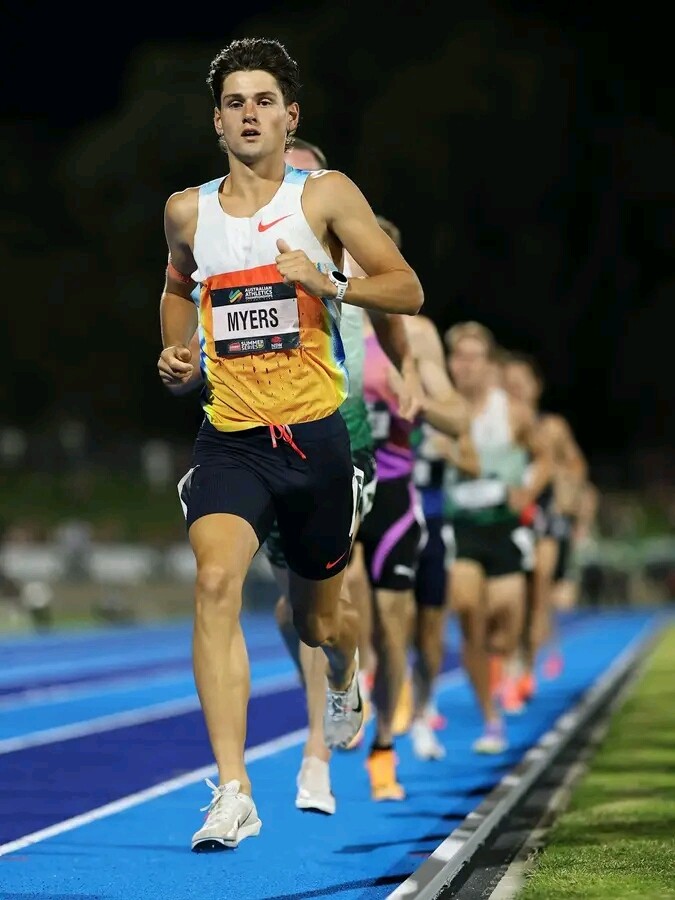
The victory crowns an extraordinary fortnight for Myers.
Only 13 days earlier, he had stormed to 3:28.00 at the Paris Diamond League, breaking the Australian 1500-metre record. Now, with the national mile record also under his name, Myers has become the holder of Australia's two most prestigious middle-distance records before celebrating his 21st birthday.
His latest performance also secured another piece of history. Myers is now the youngest man ever to run under 3:47 for the mile, a milestone that highlights both his exceptional talent and remarkable composure under pressure.
The Bowerman Mile has long been regarded as one of the sport's most iconic races, producing countless unforgettable performances over the past five decades. Many of the greatest milers in history have left their mark on Hayward Field, and Cameron Myers has now added his name to that distinguished legacy.
What makes his rise even more remarkable is not simply the records themselves, but the speed at which they are arriving. Achievements that often take athletes years—sometimes an entire career—to accumulate are coming to Myers within weeks.
At only 20 years old, Cameron Myers is no longer just one of Australia's most promising prospects. He has become a genuine global contender, and if his current trajectory is any indication, the best chapters of his remarkable journey are still to come.
by Erick Cheruiyot for My Best Runs.
Login to leave a comment
