

Running News Daily
Running News Daily is edited by Bob Anderson and team. Send your news items to bob@mybestruns.com Advertising opportunities available.
Index to Daily Posts · Sign Up For Updates · Run The World Feed
Articles tagged #Honolulu
Today's Running News
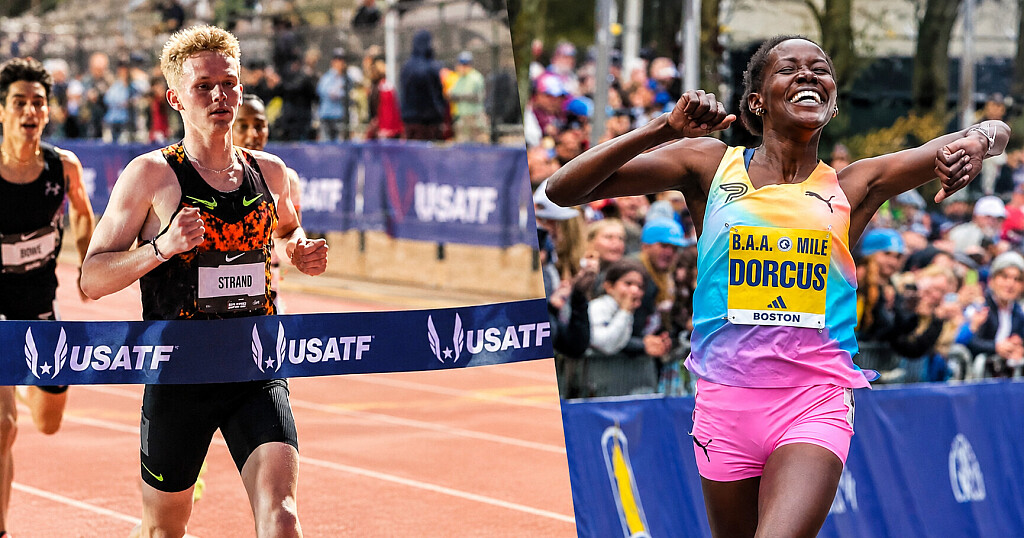


World-Class Distance Stars Set for 2026 Kalakaua Merrie Mile in Hawaii
An impressive international field of middle- and long-distance running stars will descend on Honolulu, Hawaii, on December 12 for the 2026 Kalakaua Merrie Mile, promising an exciting contest along the scenic Waikiki Beach as part of Honolulu Marathon Weekend.
The elite fields have been confirmed for the one-mile race, featuring 23 athletes across the women's and men's competitions. The event will bring together world championship medallists, national champions and established international stars in a unique format designed to deliver an exciting battle for the overall victory.

Kenya's Dorcus Ewoi, the World Championships 1500m silver medallist, headlines the women's field. She will face a competitive lineup that includes American Addy Wiley, the World Indoor Championships 800m bronze medallist, and Japanese record holder Nozomi Tanaka.
Other notable contenders include American middle-distance runners Josette Andrews, Abbey Caldwell, Kayley DeLay, Susan Ejore-Sanders, Angelina Ellis, Garbija Galvydyte, Taryn Parks, Annika Reiss and Addy Wiley, alongside Tanaka and Ewoi. The field combines international experience with athletes capable of making the mile a fiercely contested race.
The men's competition is equally compelling, with several accomplished distance runners expected to challenge for the top honours. American Ethan Strand, the U.S. 1500m champion, will line up against compatriot Vince Ciattei, the U.S. 5000m champion, in a field packed with championship pedigree.
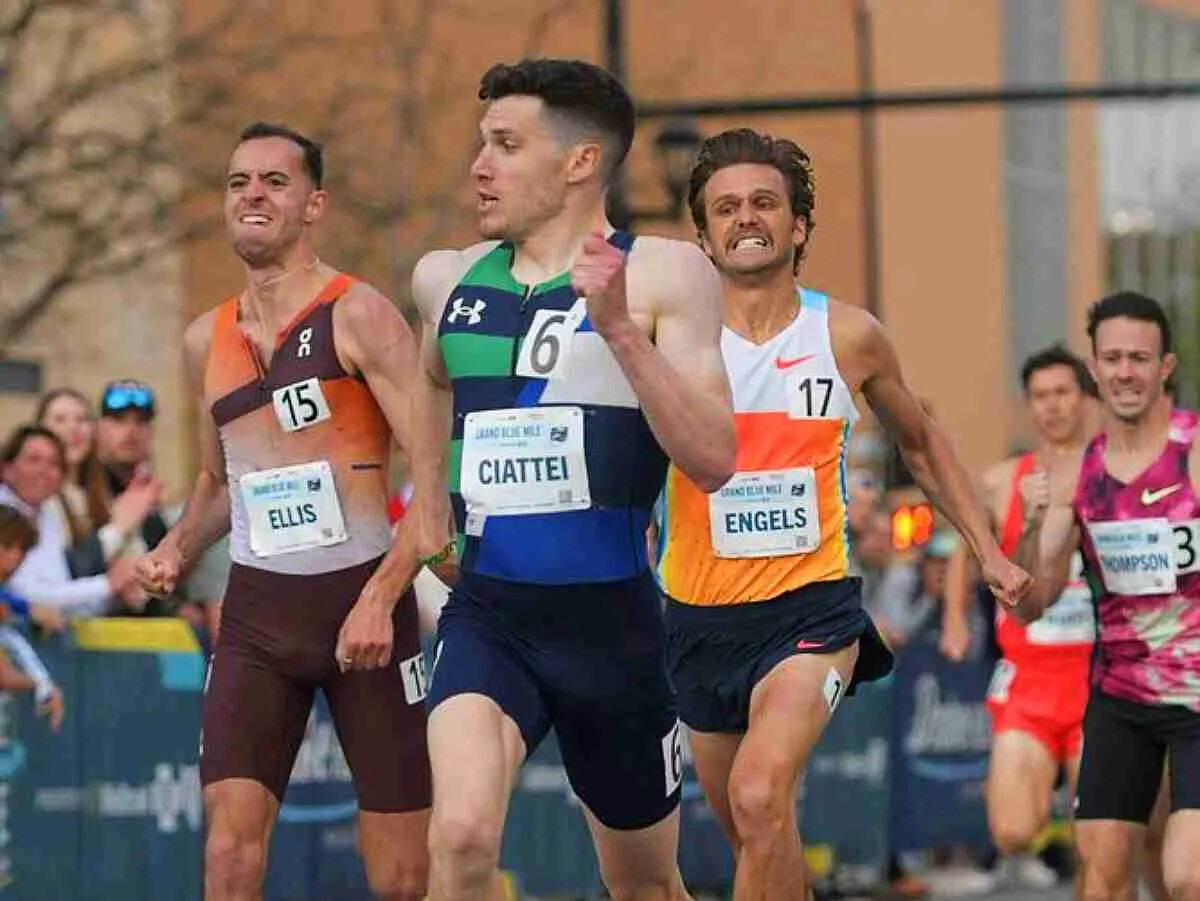
Australia's Oliver Hoare and Ky Robinson, both Commonwealth Games champions, add further international quality to the contest. American Nico Young, the U.S. 10,000m champion, will also be among the athletes to watch, while Kenya's Festus Lagat and other leading competitors will be looking to make their mark.
The men's field also includes Davis Bove, Allon Clay, Foster Malleck, Gary Martin, Trent McFarland, Ethan Strand, Matt Wilkinson and Nico Young, setting up an intriguing contest among athletes with different strengths and racing backgrounds.
One of the event's biggest attractions is its battle-of-the-sexes chase format. The women will receive a head start before the men begin their pursuit, with athletes from both fields competing for the same overall finishing order. The format adds a tactical dimension to the race, creating the possibility of a dramatic fight for the line as the leading runners converge in the closing stages.
With $39,000 in guaranteed prize money and $15,000 awarded to the overall winner, the race offers a significant financial incentive alongside the opportunity to compete against an elite international lineup. The shared finishing order also means the overall title will be determined by performance across both fields rather than by the men's and women's races being treated as entirely separate contests.
The Kalakaua Merrie Mile has become an attractive feature of Honolulu's running calendar, combining elite competition with the atmosphere of one of the world's most recognisable coastal destinations. Its December 12 staging will provide another opportunity for fans to see accomplished athletes compete over the mile in an unconventional and spectator-friendly format.
The 2026 edition will take place on Saturday, December 12, along Waikiki Beach in Honolulu, Hawaii, during Honolulu Marathon Weekend.
With world championship medallists, national champions and international record holders among the confirmed entrants, the Kalakaua Merrie Mile is shaping up to be one of the standout attractions of Honolulu Marathon Weekend.
by Erick Cheruiyot for My Best Runs.
Login to leave a comment
Calli Hauger-Thackery Joins UCAN as Pregnancy Sponsorship Sparks Fresh Conversation
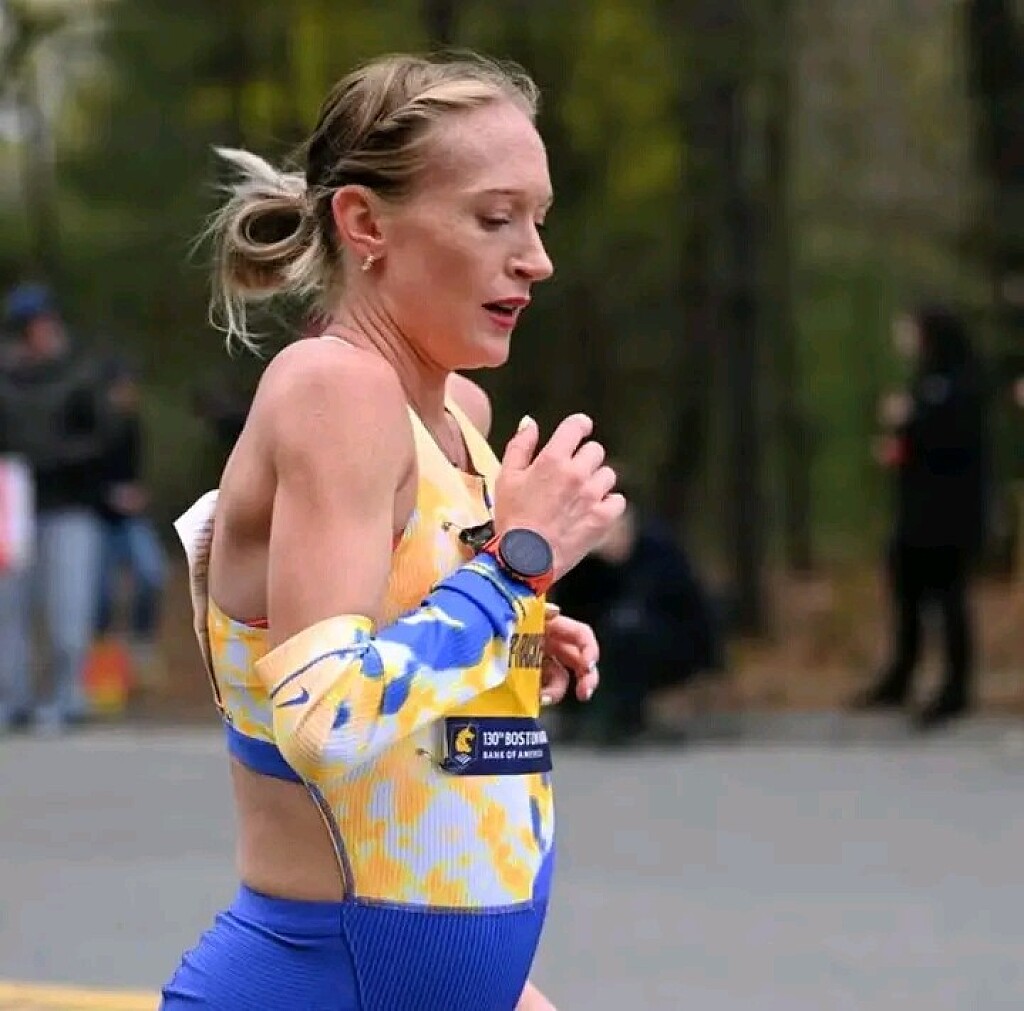
British marathon star Calli Hauger-Thackery has become the latest elite athlete to join UCAN, announcing a new sponsorship agreement while navigating one of the most significant chapters of her life — pregnancy.
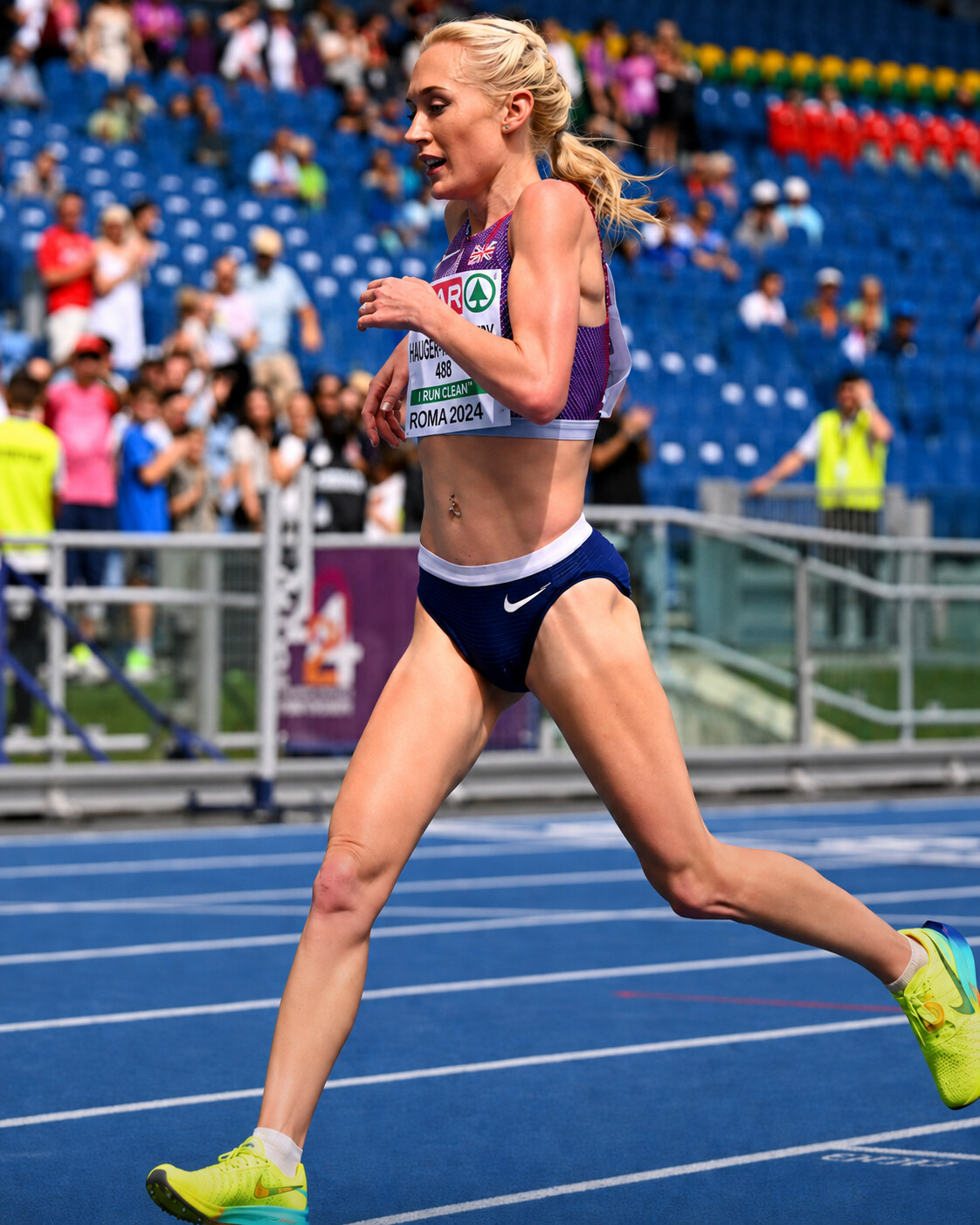
The 33-year-old Olympian revealed the partnership on Instagram this week, describing the nutrition brand as a key part of her recent training and racing success. Hauger-Thackery said she relied on UCAN's slow-release carbohydrate products throughout her preparation for the Boston Marathon and during the race itself, crediting the brand for helping her manage the demands of elite competition.
“UCAN has literally been a saviour during this time for me,” she wrote, sharing the news with her followers.
The announcement comes at a remarkable stage in Hauger-Thackery's career. Despite being pregnant, she remains one of Britain's most accomplished distance runners. Her personal best of 2:21:24 makes her the second-fastest British woman in marathon history, trailing only legendary marathon world-record holder Paula Radcliffe.
Recent months have highlighted her outstanding form. Hauger-Thackery claimed victory at the JAL Honolulu Marathon in December before following it up with another impressive win at the Chevron Houston Marathon in January, cementing her place among the world's leading marathoners.

Yet the sponsorship news arrives against a backdrop that has already placed UCAN under public scrutiny.
Earlier this year, American marathon star Emma Bates publicly alleged that the company ended their three-year partnership shortly after she informed them she was pregnant. The claim sparked widespread discussion across the running community about athlete sponsorship, maternity protections, and the challenges female athletes often face when starting families while pursuing professional careers.
UCAN disputed Bates' account and rejected suggestions that her pregnancy influenced the decision. Bates has since moved on, signing a sponsorship agreement with sports nutrition company NeverSecond.
Neither Hauger-Thackery nor UCAN referenced the controversy when announcing their new partnership. Instead, the focus remained on performance, trust, and the athlete's positive experience with the products.
Still, the timing of the announcement inevitably draws attention. In a sport that continues to examine how pregnancy and motherhood intersect with professional athletics, the signing of a pregnant elite marathoner by a company recently involved in a high-profile maternity-related dispute is likely to generate discussion.
For Hauger-Thackery, however, the story is currently about a new partnership and the next phase of an already remarkable journey. As one of Britain's greatest marathon talents balances elite competition with impending motherhood, her latest sponsorship deal adds another compelling chapter to a career that continues to break barriers both on and off the road.
by Erick Cheruiyot for My Best Runs.
Login to leave a comment
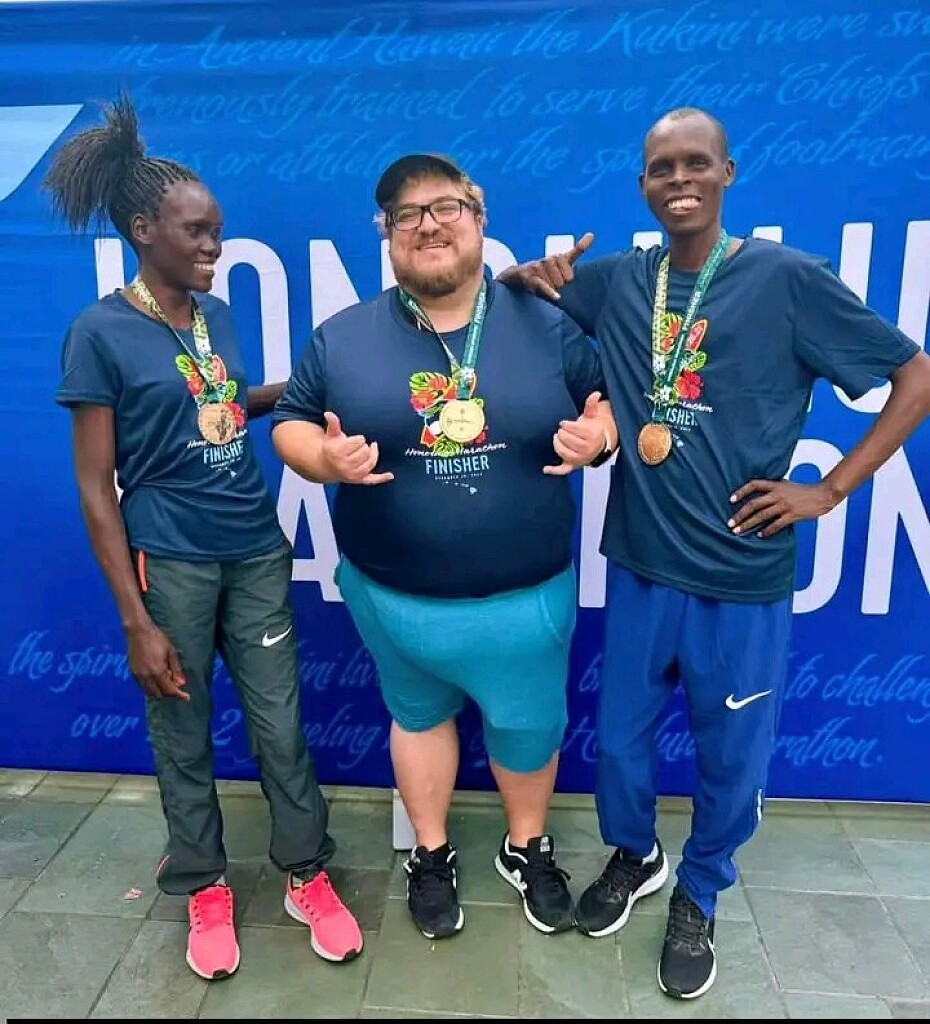
One Finish Line. Three Victories. One Powerful Photo.
The 2023 Honolulu Marathon delivered a moment that perfectly captures what running—and life—is truly about.
In one frame stood the fastest and the last, the elite and the everyday hero.
Kenyan Paul Lonyangata stormed to victory in the men’s race, stopping the clock at 2:15:41.
Kenyan Cynthia Limo followed with an equally commanding performance, winning the women’s title in 2:33:01.
Fast. Elite. Impressive.
But the most unforgettable story of the day unfolded long after the champions had celebrated.
Nearly 17 hours after the starting gun, Andy Sloan crossed the same finish line in 16:56:39—exhausted, emotional, and triumphant in a way no stopwatch can define. It was his first marathon ever.
Step by step.
Mile by mile.
One very long, very brave day.
Andy finished last—but he did not lose.
He conquered 26.2 miles, years of self-doubt, and every voice that ever whispered, “You can’t.” On this day, he proved that he could—and he did.
Andy’s journey began in 2017, when he weighed 463 pounds. Today, he is down to about 300 pounds, fueled by determination, grit, and an unbreakable support system of parents, family, and friends who refused to let him quit—especially on the moments he wanted to most.
At the Honolulu Marathon, where there is no cutoff, every runner is given the same gift: a chance to finish. And in doing so, every dream is honored.
This single photo tells three stories:
The pursuit of excellence
The reward of discipline
And the quiet courage of never giving up
Because the biggest victories aren’t measured by time—but by heart.
by Erick Cheruiyot for My Bestruns.
Login to leave a comment
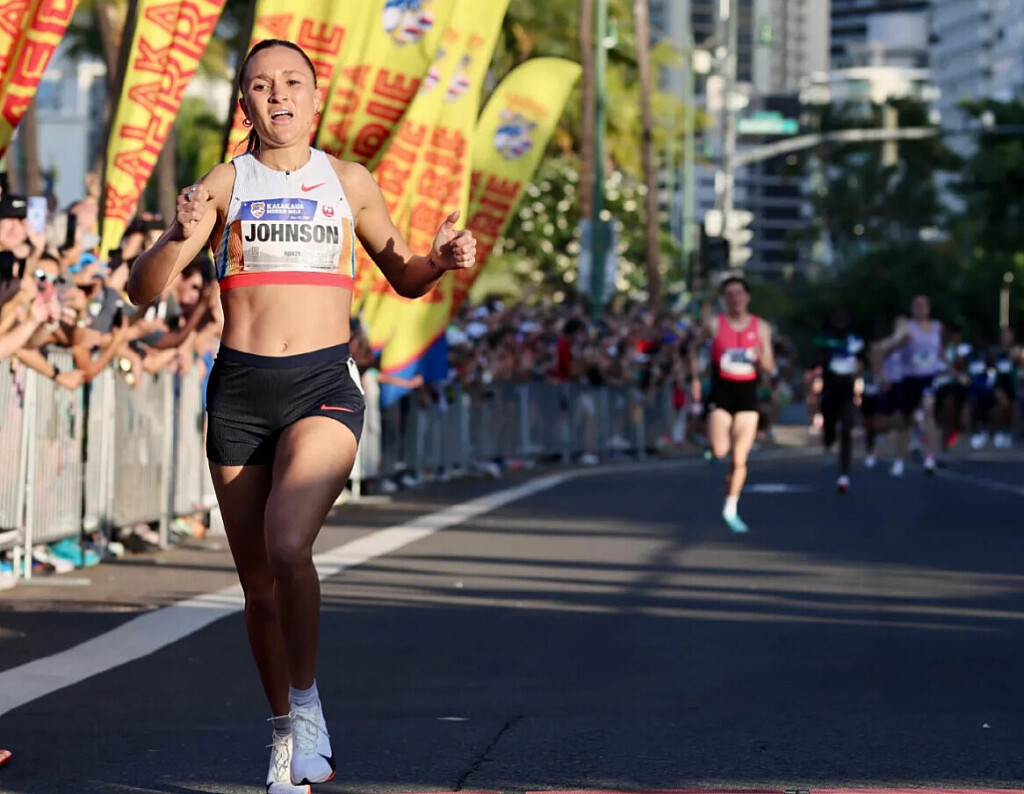
Sinclaire Johnson Breaks American Road Mile Record at Kalakaua Merrie Mile
Thousands of runners lined Kalakaua Avenue on Saturday morning as Waikiki hosted the annual Kalakaua Merrie Mile, the traditional appetizer ahead of Sunday’s Honolulu Marathon.
The one-mile dash delivered a historic moment when American middle-distance standout Sinclaire Johnson surged to a winning time of 4:21, breaking the American road mile record in the heart of Waikiki.

“It’s really special—I think I shocked myself today,” Johnson said after the race. “I thought maybe I could run in the 4:24 range, but to run 4:21 and get the American record is a testament to believing in myself and the work I’ve put in.”
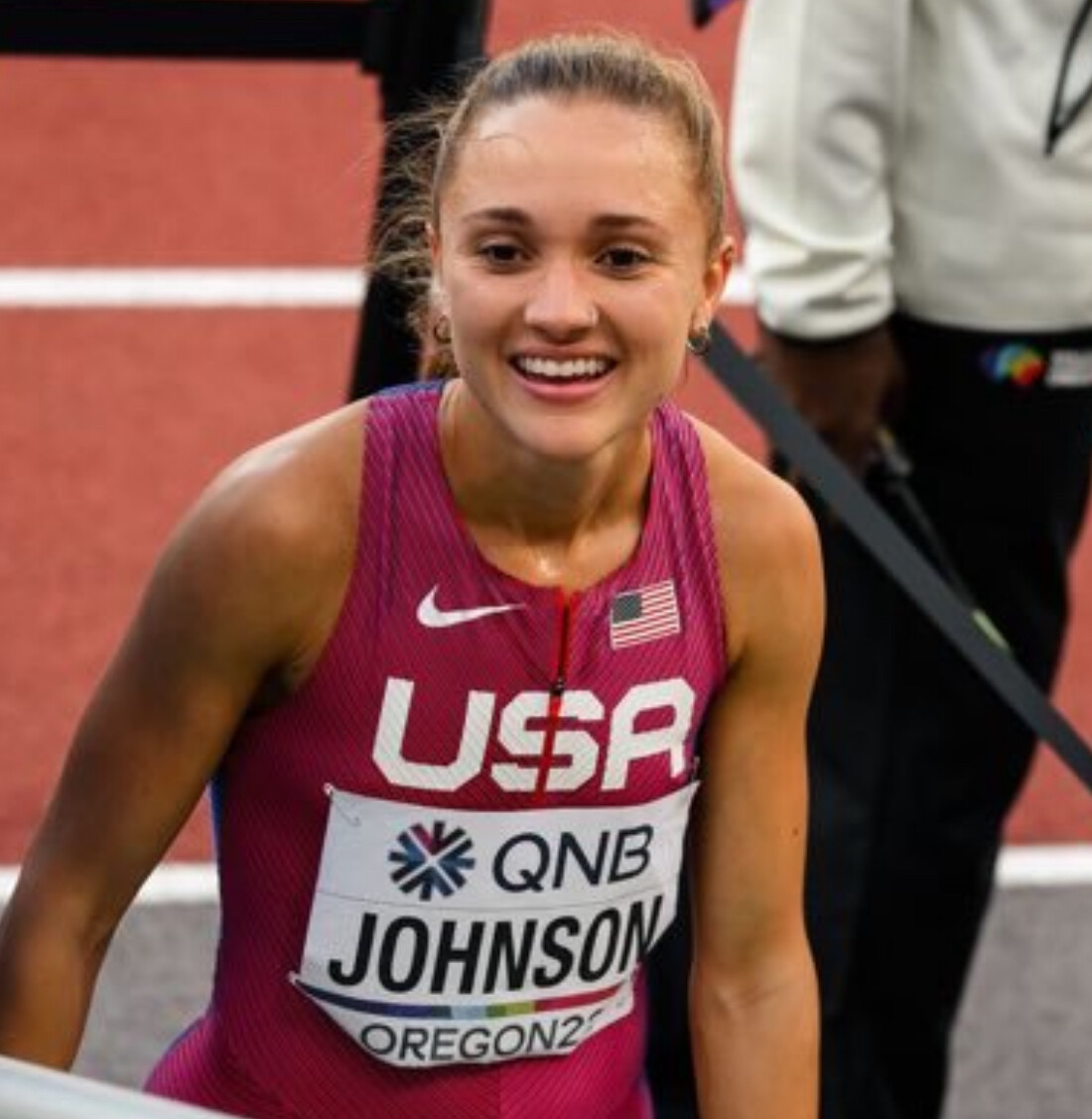
A former NCAA 1,500-meter champion at Oklahoma State, Johnson has competed on some of the sport’s biggest stages, yet she said this race stands out.

“The conditions are great—it’s sunny, there’s a little breeze, and something about the Hawaiian air just feels different,” she said. “This race is one of my favorites.”
Finishing just behind Johnson was Nikki Hiltz, last year’s winner, as part of a strong elite field that included 12 Olympians competing in Saturday’s race.
For many participants, the opportunity to share the course—and later watch world-class athletes up close—was part of the magic.
“That would be really cool if we could see them,” said Kenai Nacapui. “They just either won or came from the Olympics.”
Oliver Cheng added, “It’s really fun to see Olympians because compared to us, they run way faster.”
Maui resident Mary Trotto said the elite race never fails to amaze her. “You have to see them—it’s unbelievable. In like two minutes, they’re already at the turnaround. It just blows your mind.”
Trotto says the Merrie Mile has become a tradition worth traveling for. “Ever since they added the mile as part of the marathon weekend, I’ve done every one,” she said. “I’ll keep flying over from Maui.”
With record-setting speed, a festive crowd, and Honolulu Marathon weekend officially underway, the Kalakaua Merrie Mile once again delivered a memorable start to one of running’s most iconic race weekends.
by Boris Baron
Login to leave a comment
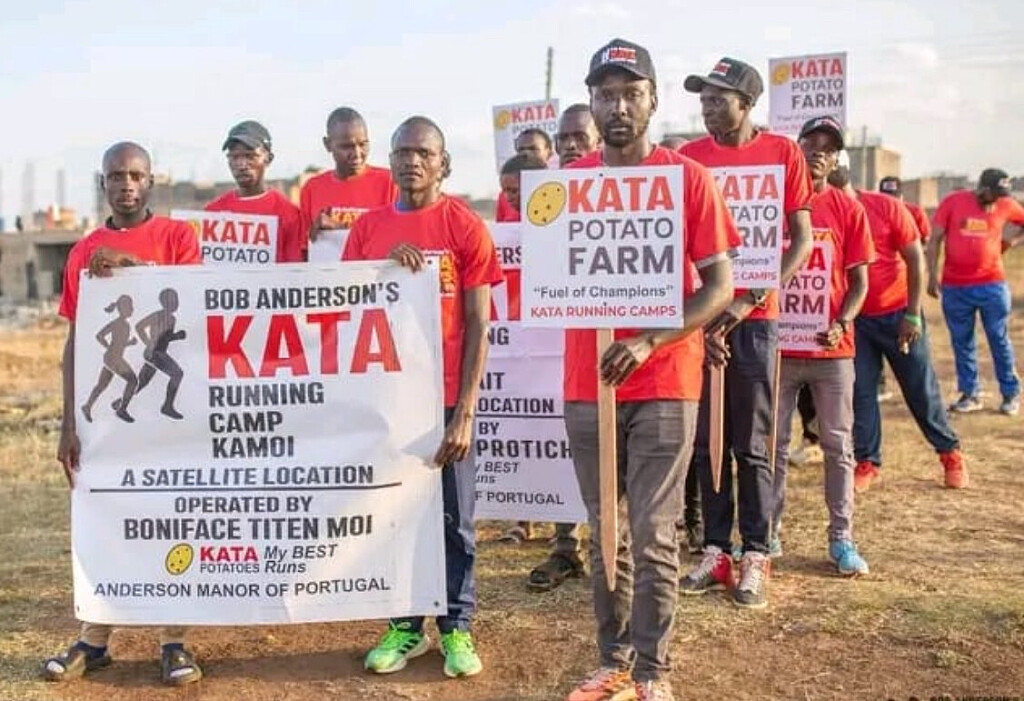
Building Champions, One Race and One Harvest at a Time: The KATA Story
With 31 training camps across Kenya’s altitude zones and 65 thriving potato farms, the Kenya Athletics Training Academy (KATA) is shaping not only resilient athletes but also sustainable livelihoods. Each KATA camp is not just a training base but also cultivates several acres of KATA potatoes, linking athletics directly with farming and ensuring that athletes’ futures are rooted in more than competition alone.
A Morning of Anticipation in Thika
The sun had barely risen over Thika when athletes began streaming into the venue for the 5th Annual KATA Double Road Race. The crisp morning air carried both anticipation and nerves as runners stretched, laced up, and tested the course that would soon bear witness to their grit.
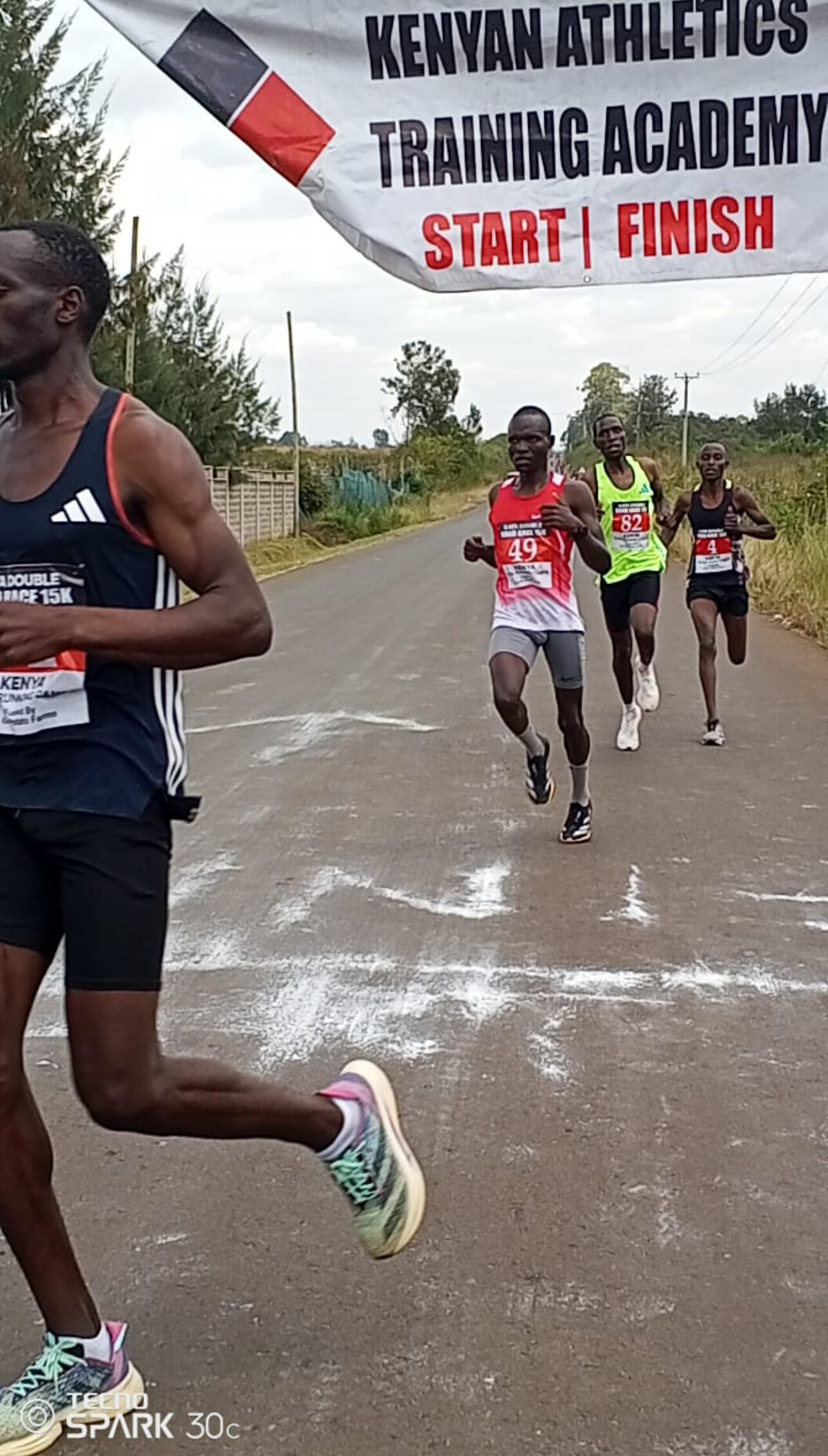
By the time the gun sounded, 97 elite athletes—74 men and 23 women—lined up. For John Matheri, head coach at KATA Thika, the event was more than a competition. It was a lesson in discipline, a test of mental endurance, and a reflection of how far the central region has come in embracing competitive running.
Olympic 5000m medalist and KATA camp operator Edwin Soi emerged as the overall winner, clocking 29:38 for the opening 10K and 14:22 for the final 5K. His combined time of 43:50 was the fifth-fastest ever run for the Double, an event first contested in 2010. On the women’s side, Betty Chesang from the KATA Iten camp was the first across the line in 51:32, marking the sixth-fastest women’s time in Double history.
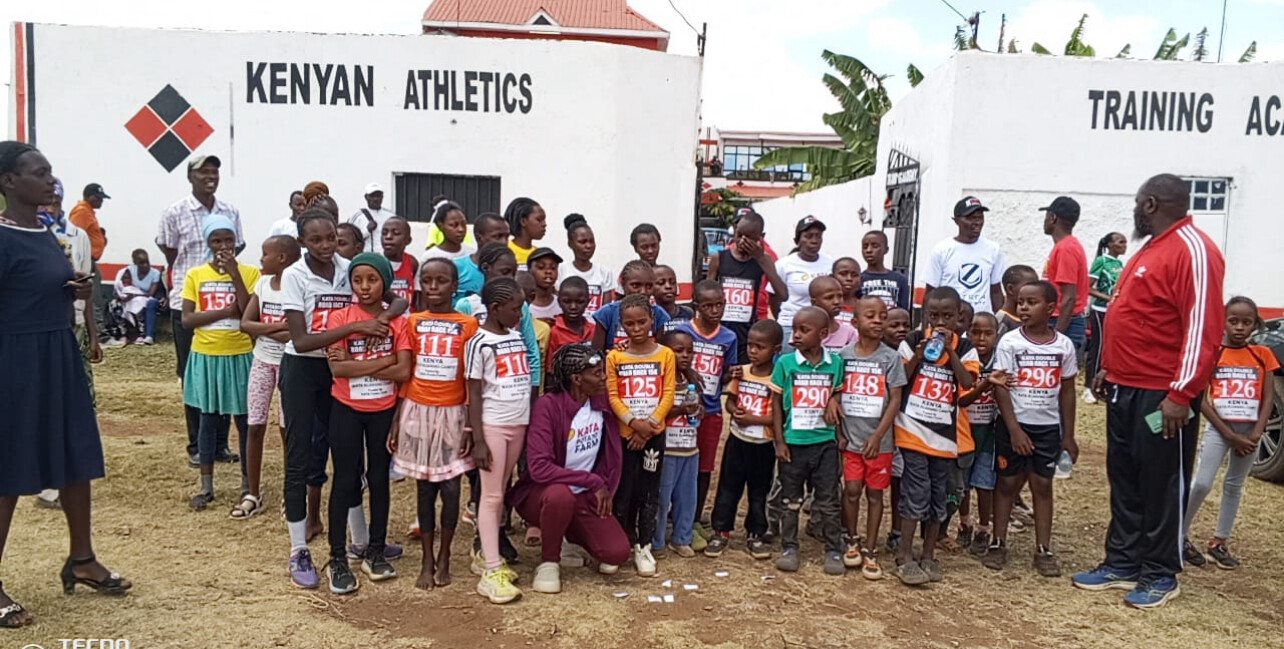
“We concluded the race well, and it was a good one,” Matheri said proudly, watching the exhausted but smiling athletes cross the line. “The turnout was impressive. I want to extend a special thanks to our sponsor, Bob Anderson, for putting together a team of this magnitude. There is no doubt that within the region, KATA has become an icon.”
A Nationwide Network of Camps and Farms
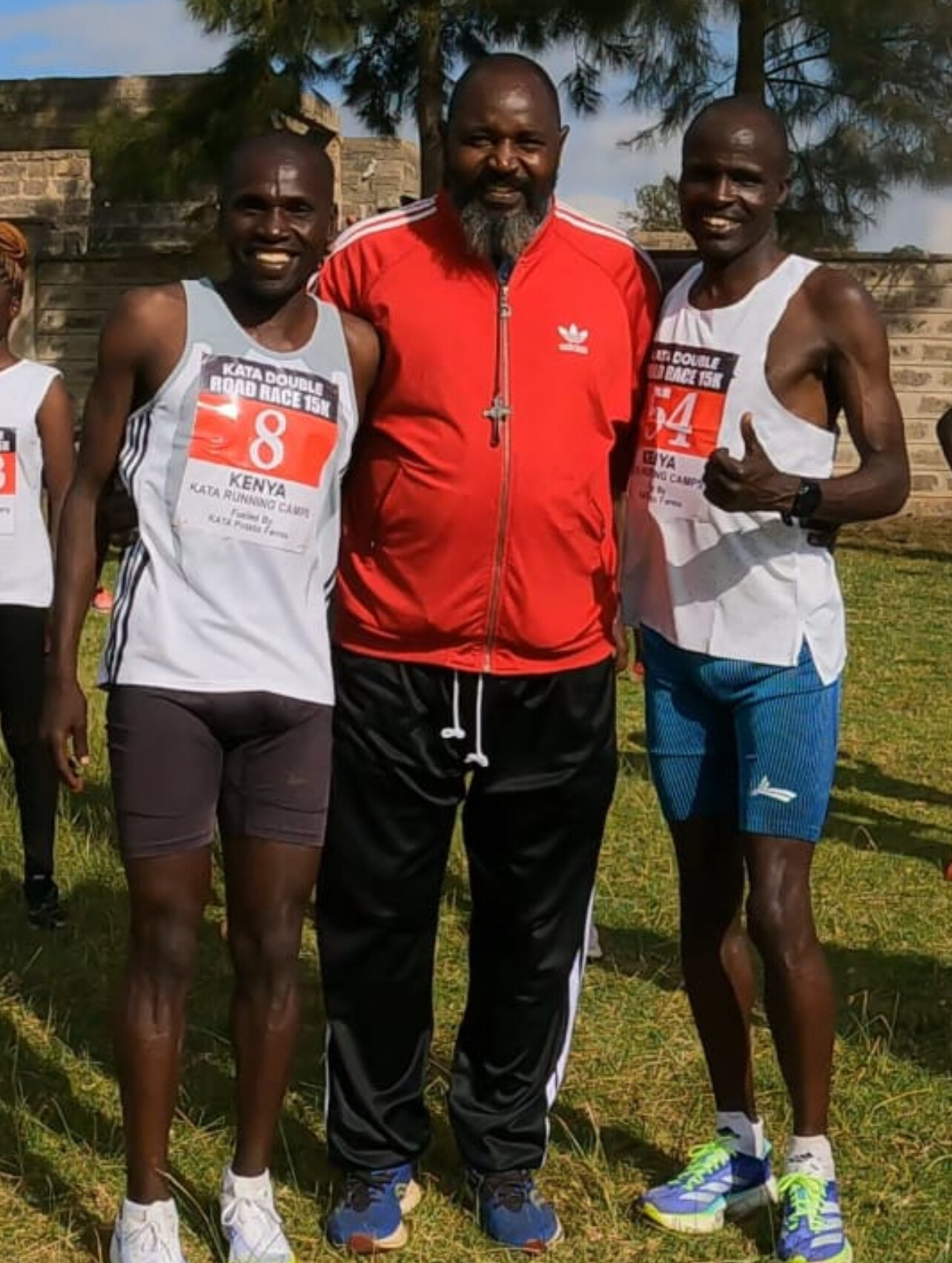
What sets KATA apart is not just its races but the ecosystem it is steadily building for Kenyan athletes. Across the country, 31 KATA-affiliated training camps operate at varying altitudes—from the highlands of the Rift Valley to the mid-altitude base in Thika and lower regions closer to Nairobi. Each camp provides unique conditions that strengthen endurance, adaptability, and competitive edge.
These dual-purpose camps are more than facilities; they are lifelines for athletes dreaming of breaking into the elite ranks. Training at altitude builds strength, while mid-altitude camps prepare runners for race conditions. Together with potato farming, they create a sustainable structure for the future.
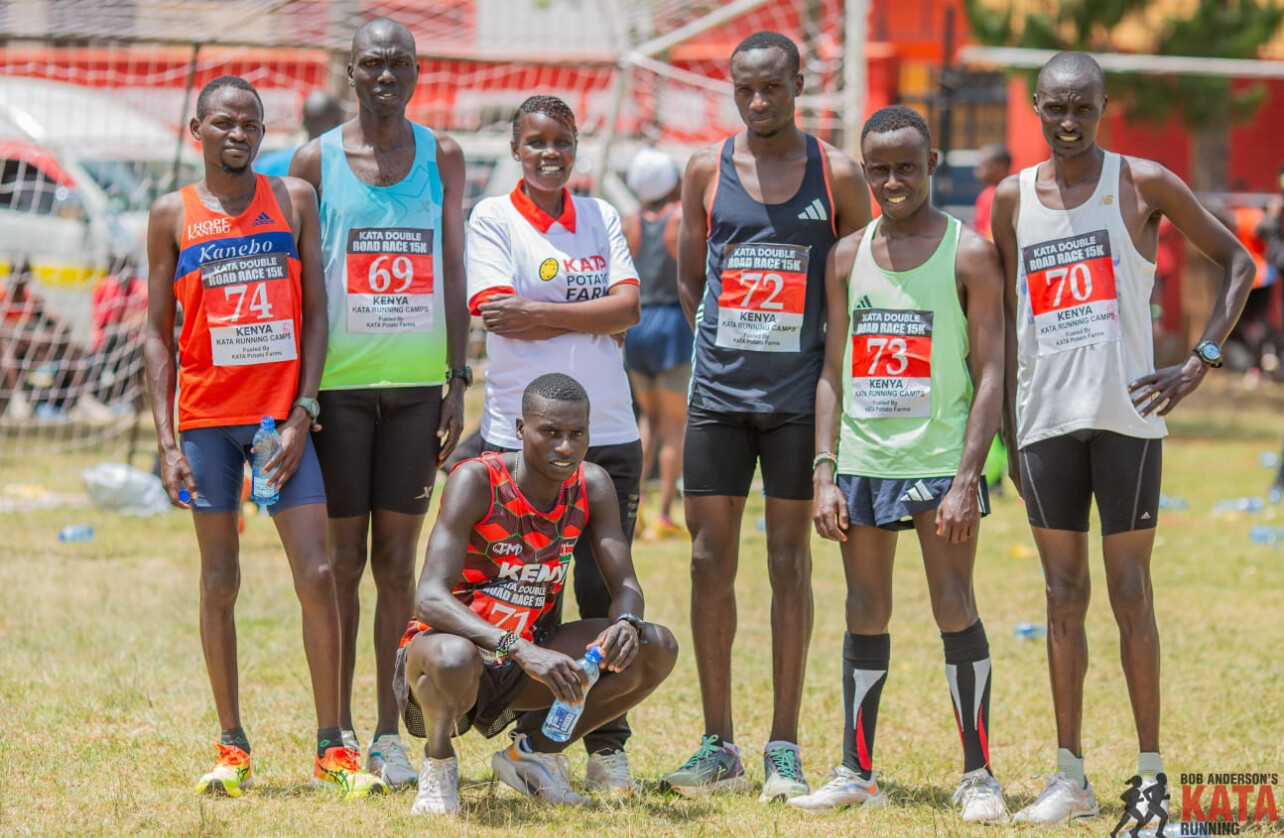
This vision is also embodied in Jimmy Mwangangi Muindi, a five-time Honolulu Marathon champion who famously coached Patrick Makau to the world marathon record in 2011. Having worked at Anderson’s Manor in Portugal, Muindi now leads a KATA satellite camp in Machakos County. For him, KATA is about much more than training.
“KATA is building more than runners,” Muindi reflected. “It is building a family—giving young talents not just training, but exposure, support, and hope. That is how future champions are born.”

Beyond Running: The Potato Farming Project
KATA’s sustainability model is as innovative as its racing format. Each camp is supported by several acres of potato farming, tying athletes’ success to both training and cultivation. The revenue from potato sales funds the future of the running camps.

The model is simple but effective. Bob and Catherine Anderson provide an interest-free loan to establish both the camp and its potato farm. From there, the operator and athletes are responsible for managing their acres and securing their own future. KATA continues to provide exposure and guidance, but the responsibility of growth rests with those on the ground.
“The potato project has given us a chance to think beyond running,” Matheri said. “Athletes train hard, but they also need food security and stability. Farming allows them to eat well, earn a little, and stay grounded.”

KATA Chief Technical Officer Denis Musau, who recently returned from Anderson’s Manor House in Portugal, underscored this vision. “KATA is about creating a legacy. By building projects like potato farming, we empower athletes and their camps to sustain themselves financially. That secures their future both on and off the track. I see a very bright future for the KATA family.”
The Spirit of Participation
What stood out most on race day in Thika was the diversity of the field. Athletes from every discipline showed up, while children and enthusiastic spectators cheered from the sidelines. The energy of the crowd became part of the race’s rhythm, fueling the runners through every stride.
Yet the event also highlighted areas for growth. “Our athletes are very strong athletically, but many are missing mental strength,” Matheri observed. Muindi agreed: “Mental resilience is just as vital as physical training. When athletes panic at the sight of big names, they lose focus. Learning to respect the distance is what unleashes true potential.”
For both coaches, raw talent is not enough. Young athletes are like fabric, Muindi often says—materials that must be carefully tailored to become masterpieces.
Inspiration from the Veterans
One of the most inspiring aspects of the Thika Double was the turnout of established athletes—Olympians and medalists—who lined up alongside the next generation. Their presence was not only symbolic but also a powerful motivator for younger runners.
“It is so encouraging, especially here in the central region, to see our elite and professional athletes turning up in big numbers,” Matheri said. “For the young ones, lining up beside Olympians and medalists gives them a sense of what is possible. It gives them hope.”
Building the Future
For the KATA family, the vision remains crystal clear: to prepare a new generation of Kenyan champions while ensuring they have livelihoods beyond running.
“As a family, we are in good hands. We are looking forward to doing great things,” Matheri said with conviction. His final message was one of determination and gratitude: “We promise to use every ounce of our strength to bring change and positivity to the world of sport. We thank our sponsor, Bob Anderson, for the continued support, and we promise to do everything we can to grow this industry. The journey has just begun, but the future is bright.”
Anderson’s Manor in Portugal serves as KATA’s international headquarters, with Bob and Catherine Anderson based there about 50% of the time. It is from this hub that global strategy and support are coordinated, while Kenya remains the main operational location where athletes train, camps thrive, and races like the Double continue to inspire.
As the last athletes packed up and the crowd dispersed, one thing was clear: KATA is more than an academy. It is a movement—blending sport, sustainability, and community to nurture not just athletes, but Kenya’s enduring legacy of running excellence.
by Robert Kibet
Login to leave a comment
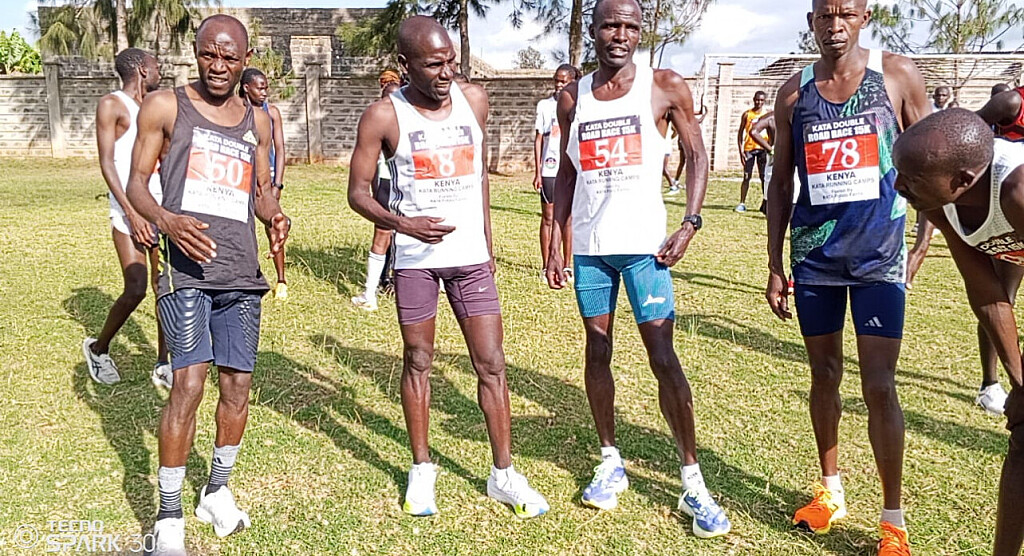
The fifth annual KATA Double Road Race in the making
The small town of Thika is alive with excitement today. Athletes, coaches, families, and even farmers have gathered at the Kenya Athletics Training Academy (KATA) grounds for the 5th edition of the Double Road Race—a unique competition that, in just five years, has become a symbol of innovation in Kenya’s running culture.
Unlike conventional races, the Double Road Race challenges athletes to complete two segments with a rest break in between. Final standings are determined by combined times. It’s a test of speed, endurance, and resilience that forces runners to rethink race strategy and dig deeper than ever before.
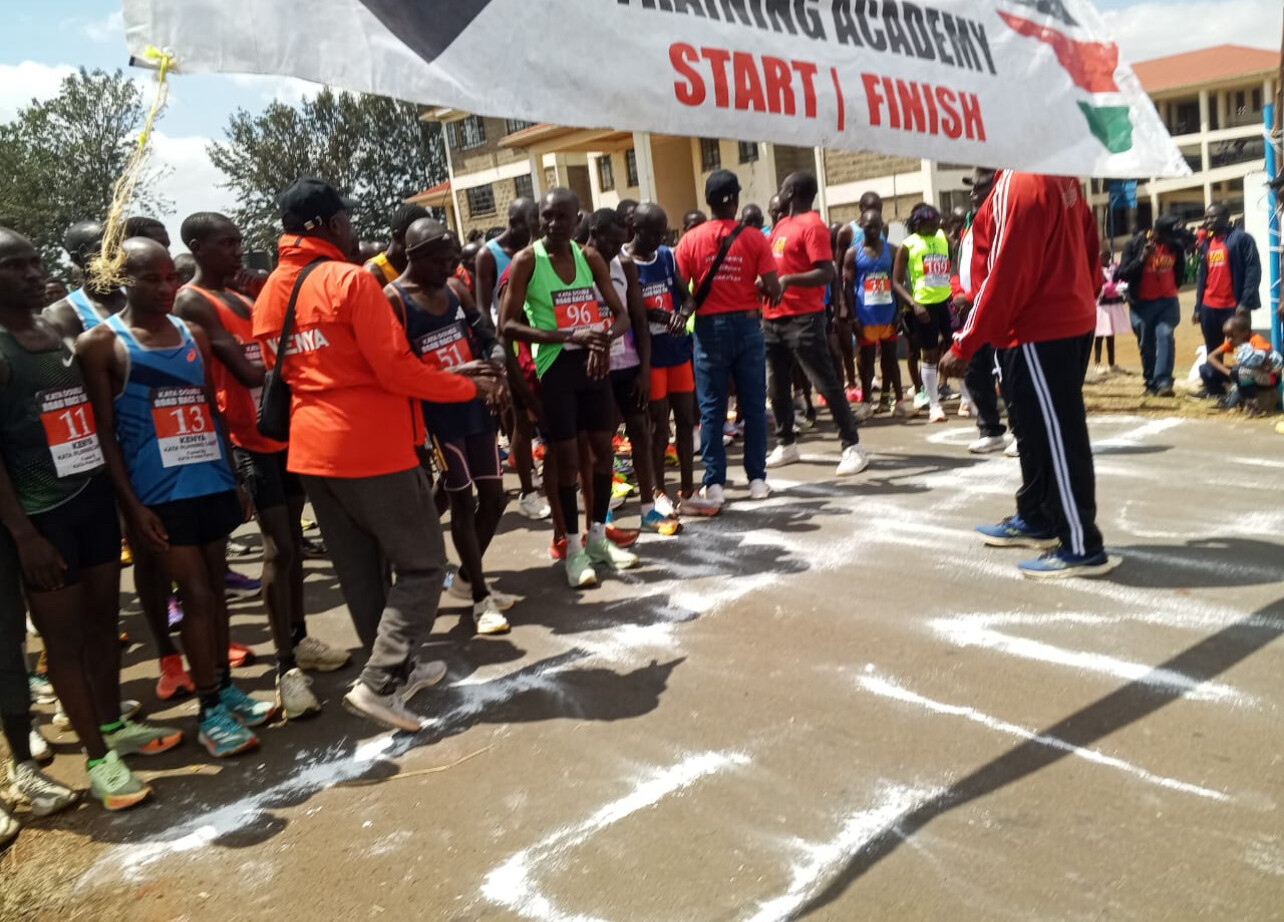
The Birth of a Vision
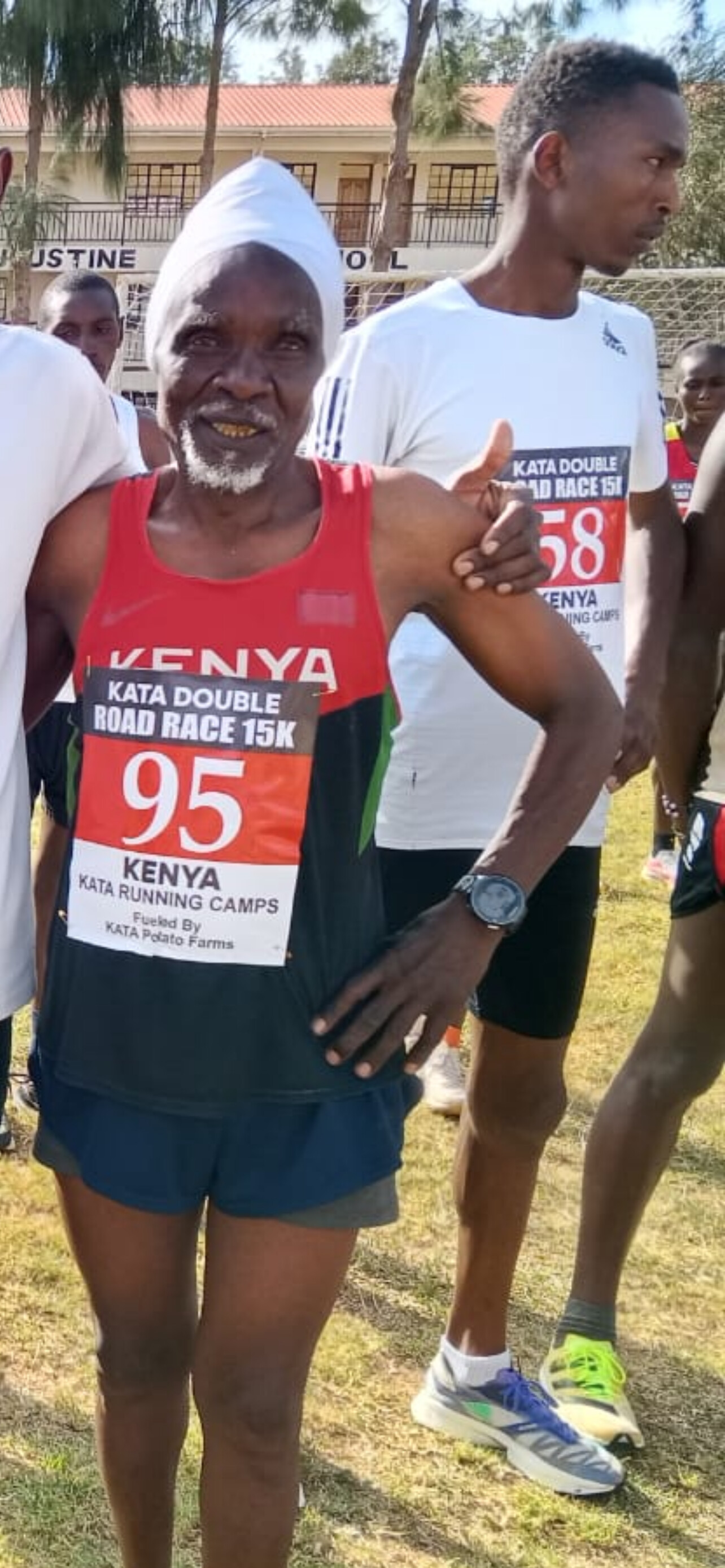
The idea for KATA was born thousands of miles away. Bob Anderson, American publisher and lifelong runner best known as the founder of Runner’s World magazine, was inspired by the immense talent in Kenya but also saw structural gaps that held many athletes back.
Anderson’s vision was radical: create a training academy in Kenya that produced champions while also empowering communities. From this dream, KATA was founded in Thika—and one of its cornerstones was introducing the Double Road Race format to Kenyan soil.
Enter Jimmy Muindi: From Star to Mentor
No story of KATA is complete without Jimmy Muindi. The six-time Houston Marathon champion and former coach of world record holder Patrick Makau embodies the blend of experience and inspiration KATA thrives on.
From steeplechase junior champion at the 1992 World Juniors in Seoul to victories in Rotterdam and Honolulu, Muindi’s career reads like a running epic. As a coach, his highest moment came when Makau broke the marathon world record.
“The double tests body, mind, and spirit,” Muindi says. “It forces athletes to dig deep in ways they are not used to. That is how champions are made.”
Coach John Matheri’s Guiding Hand
While Muindi brought international pedigree, respected Kenyan coach John Matheri rooted the project locally. Known for discovering village talent and molding disciplined athletes, Matheri has helped weave community runners into the Double Road Race fabric.
“Returning for the second run after your body is tired teaches resilience,” Matheri explains. “That is what separates ordinary runners from great champions.”
His philosophy has given countless young runners not only a chance to compete, but also recognition and hope.
The Power of Exposure
One of the Double Road Race’s most innovative features is its commitment to visibility. Every runner’s time—first or last—is posted on the official website. For Kenyan athletes who rarely enjoy digital exposure, this is game-changing.
“Even if you are the last, your time is posted,” Muindi emphasizes. “Managers and sponsors around the world can see it. That exposure is priceless.”
In an age where social media visibility can launch careers, Anderson’s decision to democratize exposure has made the Double Road Race a vital platform.
A Vibrant Turnout in Thika
This year’s participation proves the format’s momentum. Squads from across the region have confirmed attendance, including Kata 1, 3, 4, 7, 9, 10, 13, 14, 15, 16 (with an impressive 16 runners), 17, 18, 20, 23, 24, 25, 29, 30, 31, and 32.
Adding further depth, farmers’ groups F20, F24, and F31 are also present—evidence of KATA’s reach beyond athletics and into the heart of Kenyan communities.
As one organizer shared in a WhatsApp update: “What an amazing turnout we are going to have.”
Beyond Competition: Building a Culture
For runners, today is more than a race. It’s a chance to test themselves, mark progress, and belong to something larger. For KATA, it’s proof of concept: grassroots blending with elite, communities meeting global culture, and tradition reimagined through innovation.
The Double Road Race, once a bold experiment by an American visionary, has now become part of Kenya’s running story.
Looking Ahead
Five editions in, the Double Road Race is no longer a novelty—it’s becoming an institution. Under the Thika sun, young runners, seasoned coaches, and cheering farmers weave together a tapestry of resilience and hope.
Anderson’s ambition, supported by Kenyan mentors like Muindi and Matheri, is for KATA to nurture athletes from primary schools to the world stage. With support from federations, sponsors, and government, the academy could become a model far beyond Kenya.
For now, as the second leg unfolds, Thika celebrates not just a race but the journey of an idea that dared to be different. Kenya’s running legacy isn’t only about medals—it’s about reimagining what running can be, and building a future where every stride counts.
Photo Gallery: https://kata.ke/gallery.php?g=1
by Robert kibet
Login to leave a comment

Brock Hinzmann Partners with KATA Running Camp in Eldoret
KATA Running Camp 10 in Eldoret, operated by Ruth Chumo, has a new partner—Brock Hinzmann, a lifelong runner and visionary thinker.
“I told Brock about our KATA Running Camp and Potato Farm project in Kenya,” says Bob Anderson. “He liked that the program is sustainable and wanted to get involved. Not only did his contribution establish a new KATA Running Camp, but he will also share in the sales of KATA potatoes.”

Brock Hinzmann is chairperson for the Silicon Valley Node of The Millennium Project, an international think tank that monitors global trends and helps plan for sustainable alternative futures.
Brock began running in the late 1960s in Oregon’s Willamette Valley—then a hub of U.S. distance running—just as Kenyan athletes were emerging on the world stage. At 16, he ran his first marathon in 2:44:52. His career highlights include a 6th-place finish at the 1983 Honolulu Marathon and his fastest time of 2:19:15 at the Boston Marathon in 1984 (21st place). He continued to run competitively throughout his career, representing his company’s track team and running wherever his international travels took him.
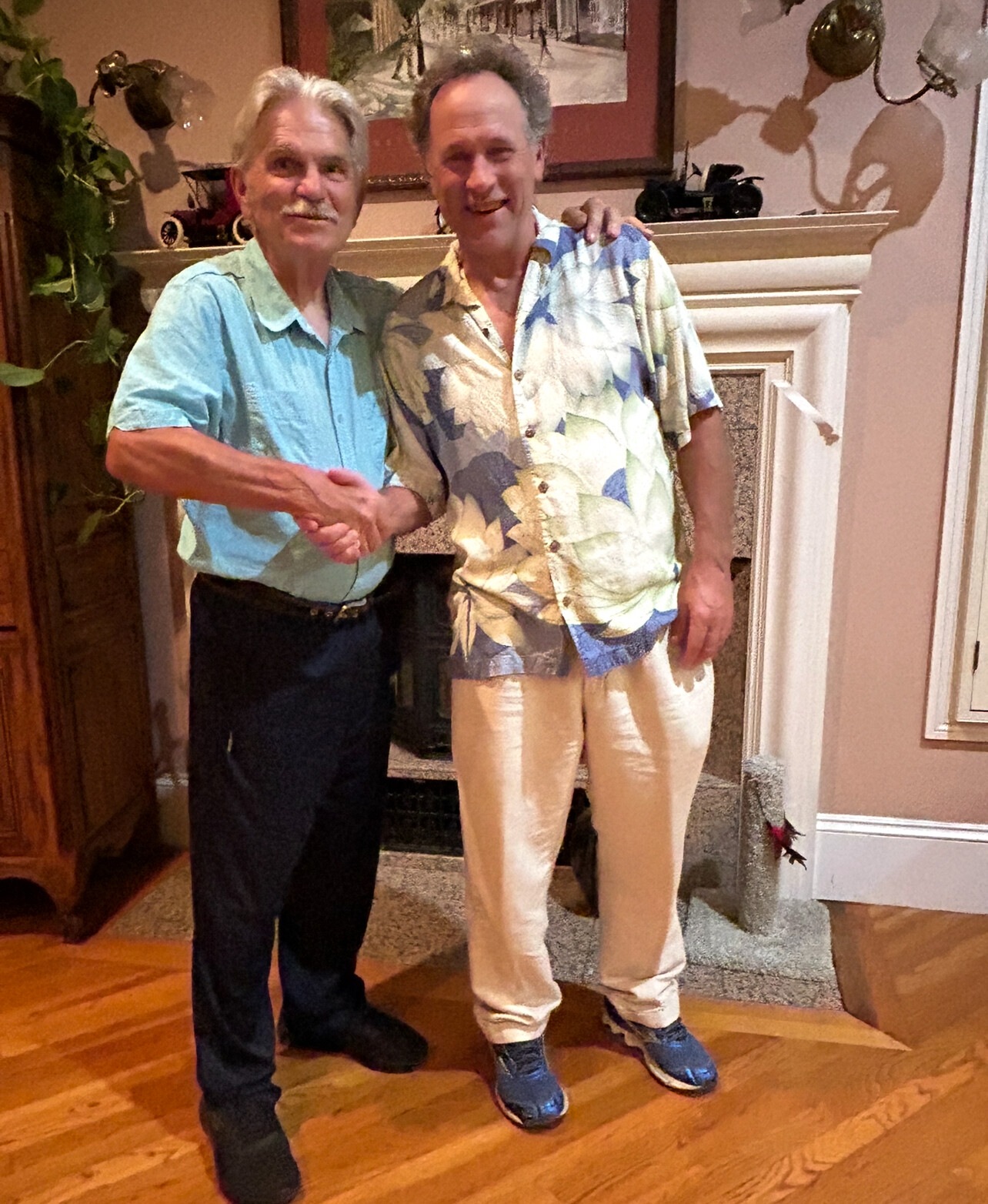
He completed his last marathon in 2018 at age 65, but at 71, running is still part of his life. “I’ve always found runners around the world to be like a tribe—accepting and supportive of each other,” Brock reflects.
For Brock, investing in KATA is more than financial. It is a way of giving back to the running community that inspired him. He encourages everyone to keep running and to travel widely—two passions that continue to guide his life.

by Boris Baron
Login to leave a comment
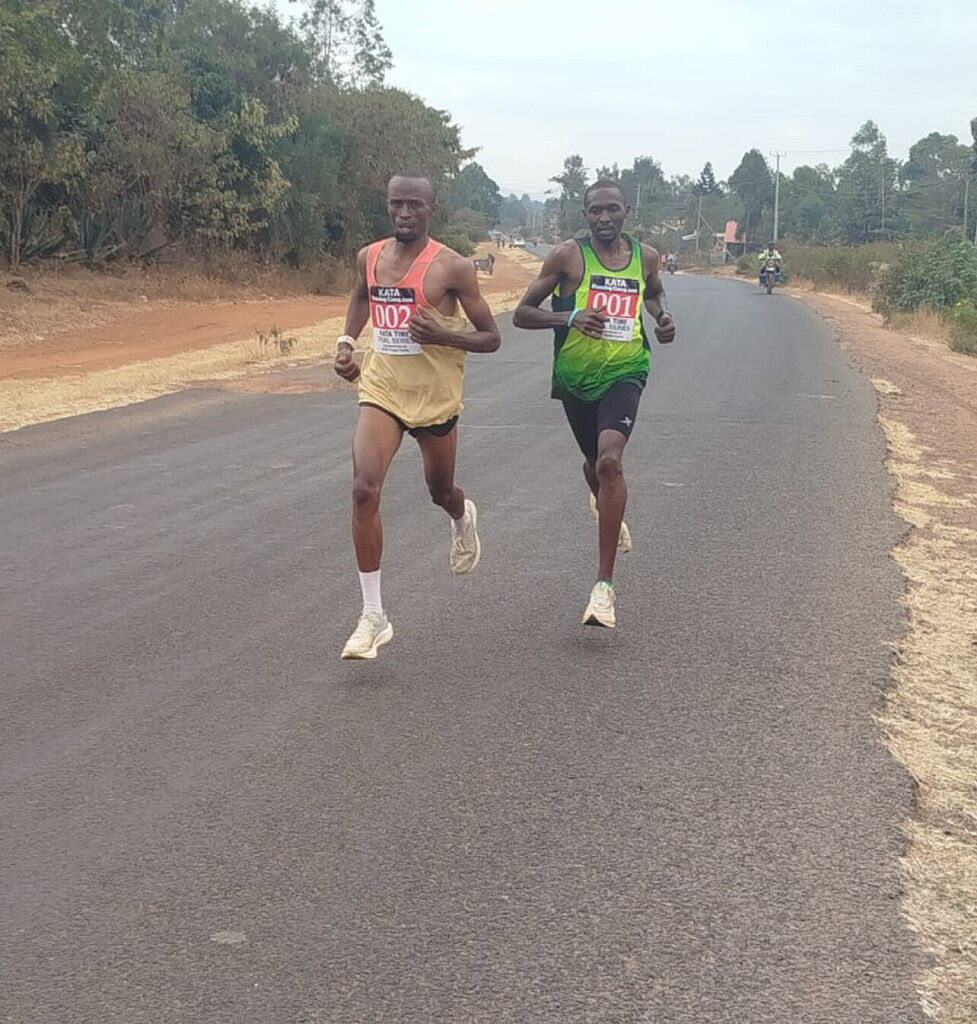
KATA Time Trial at Kangundo Camp 17 Showcases Rising Talent
Kangundo, Kenya – August 2025 – The KATA Running Camp 17, operated by legendary marathoner Jimmy Muindi, hosted a competitive 10km time trial that highlighted both established runners and emerging young talent.
The event saw Thomas Mutua take command of the race, finishing first in a sharp 30:35, closely followed by Francis Kioko, who crossed the line just ten seconds later in 30:45. The battle for third was claimed by Joshua Maingi in 31:40, holding off Daniel Kilonzo (32:30).
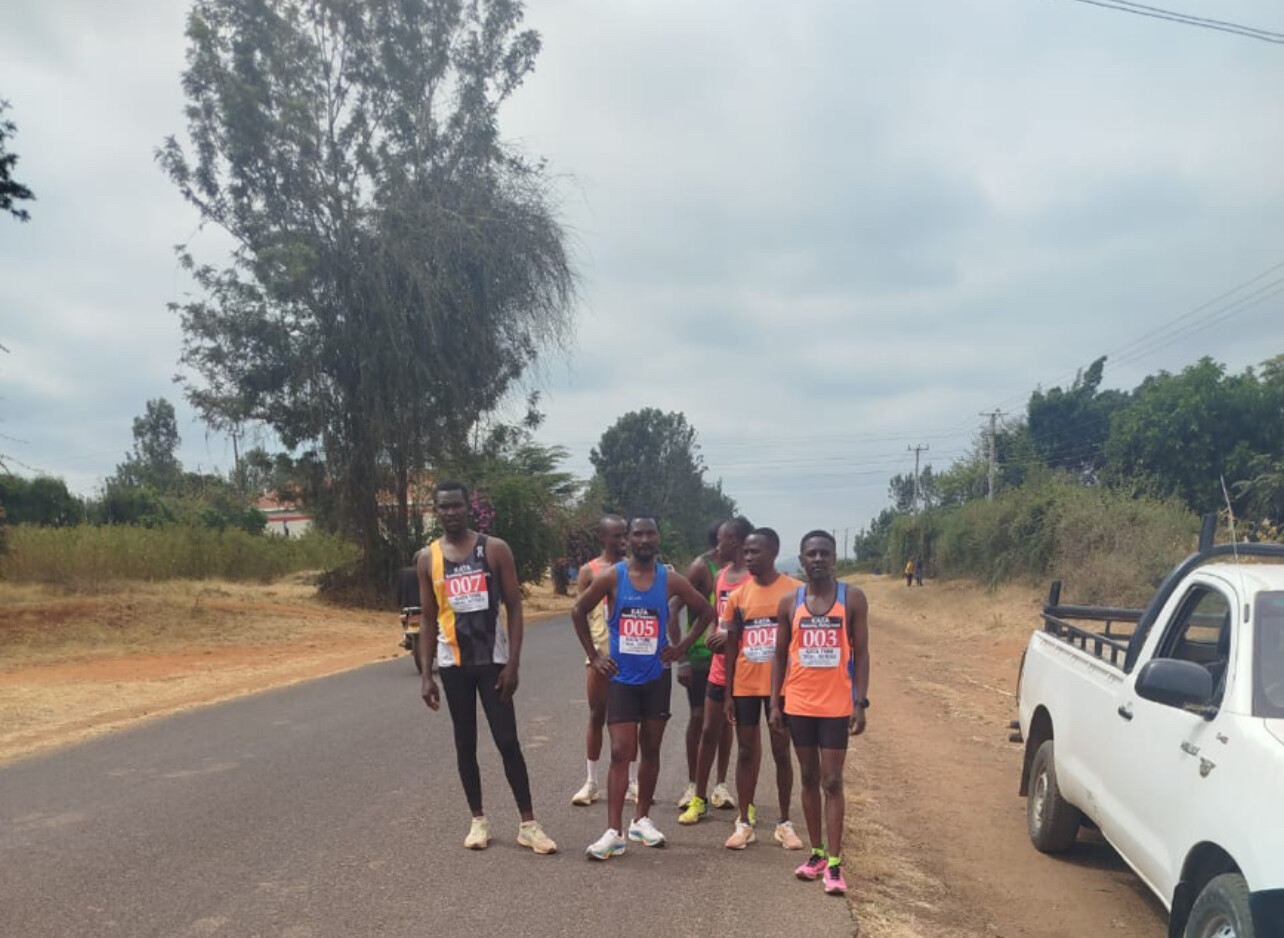
Further down the field, Charles Ndunda clocked 35:25, while the standout performance of the day came from 14-year-old Stephen Kioko, who impressed the camp with a determined 37:20 over the challenging 10km distance. Maingi Mutisya rounded out the results with 37:40.
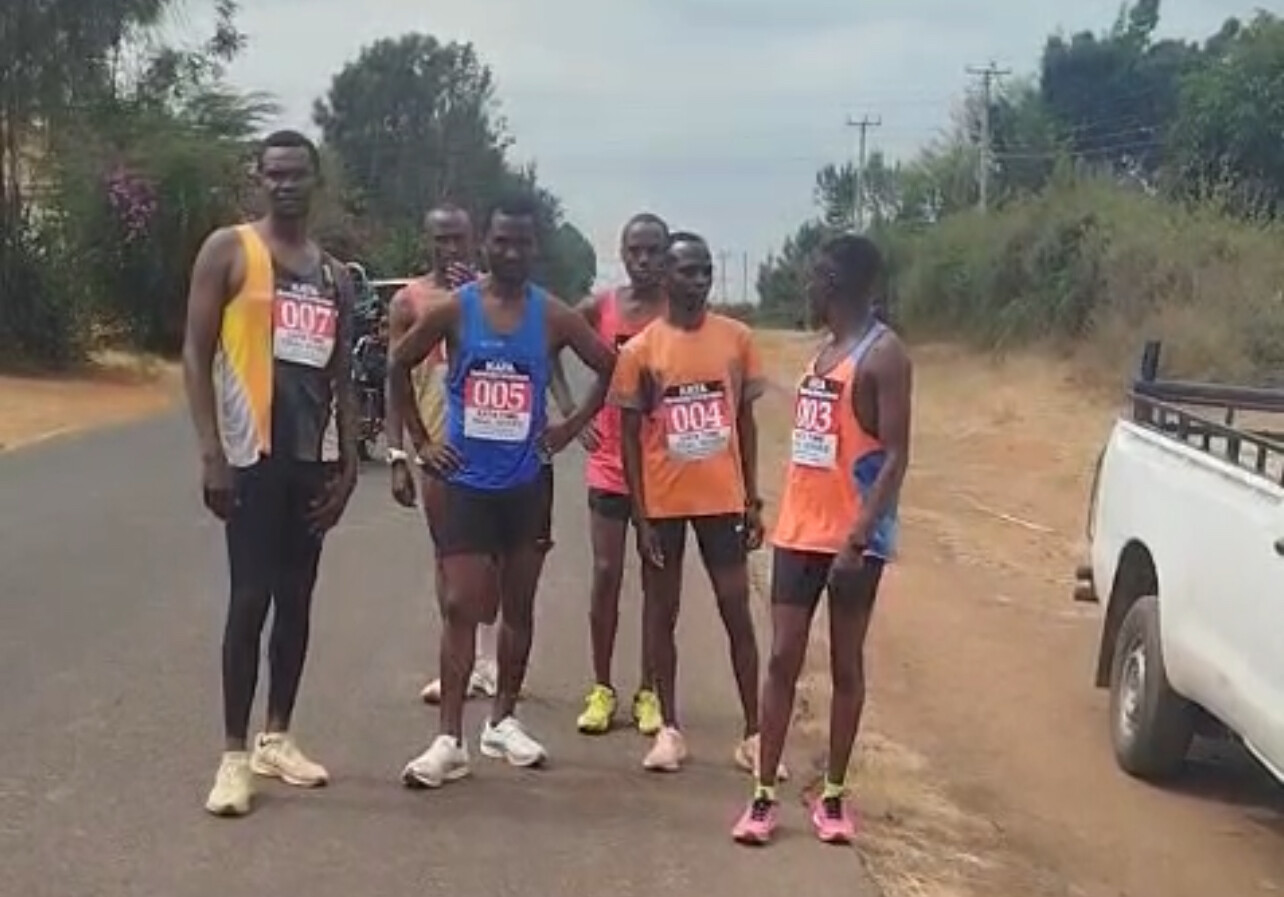
Results – KATA Kangundo Camp 17, 10km
1. Thomas Mutua – 30:35
2. Francis Kioko – 30:45
3. Joshua Maingi – 31:40
4. Daniel Kilonzo – 32:30
5. Charles Ndunda – 35:25
6. Stephen Kioko (14 yrs) – 37:20
7. Maingi Mutisya – 37:40
Camp 17 continues to build momentum under the guidance of Muindi, a six-time Honolulu Marathon champion and one of Kenya’s most respected road runners. The Kangundo group is part of the expanding KATA program, founded by Bob Anderson, which has now established 30 KATA Running Camps across Kenya. Each camp pairs elite-level training with a sustainable farming model, creating opportunities for athletes to chase their running dreams while supporting local communities.
by Boris Baron
Login to leave a comment
Marathon Legend Patrick Ivuti Joins KATA as Operator of New Running Camp and Potato Farm project in Kenya
KATA (Kenyan Athletics Training Academy) continues its rapid expansion with the launch of its 22nd KATA Running Camp and Potato Farm, and the newest addition brings serious star power. Marathon great Patrick Mutuku Ivuti—a former Chicago, Honolulu, and Prague Marathon champion—has officially joined the KATA team as the operator of the new Tala-based camp/farm.
“We are excited to have Patrick Ivuti join our KATA team of operators for our KATA Running Camp and KATA Potato Farm project,” said Bob Anderson, KATA founder and managing director. “This is our 22nd camp and after a 30-minute video call and many text messages, it was clear we needed to add Patrick to our team. He brings spirit, experience, and heart. His camp/farm will be based in Tala.”
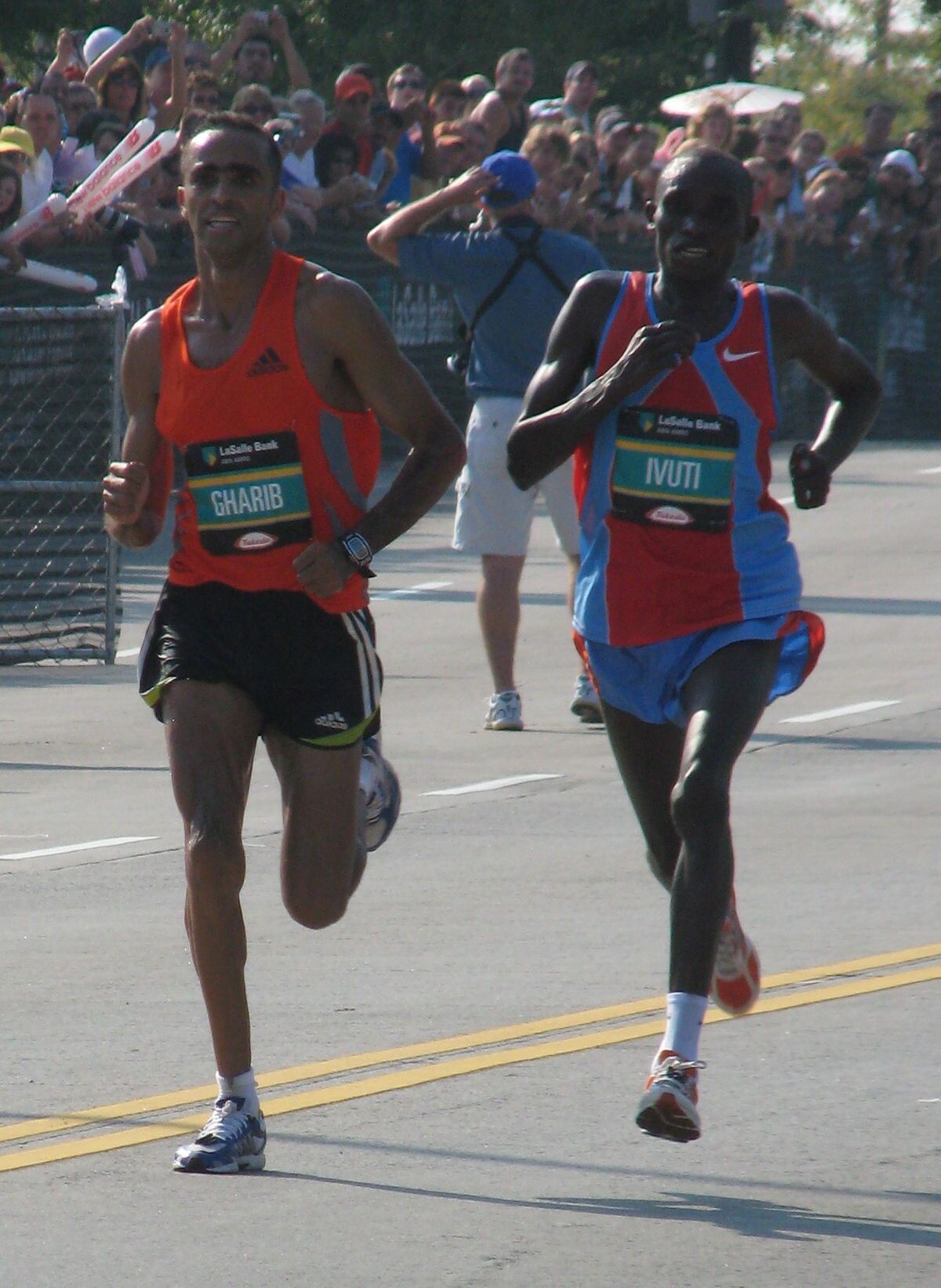
Ivuti’s love for the sport and passion for nurturing talent was evident from the first conversation. “Patrick just loved the idea of this unique project,” said Anderson. “He told me he had to join the KATA movement—not just to help athletes reach their potential, but to be part of something bigger.”
From World-Class Athlete to Ground-Level Mentor
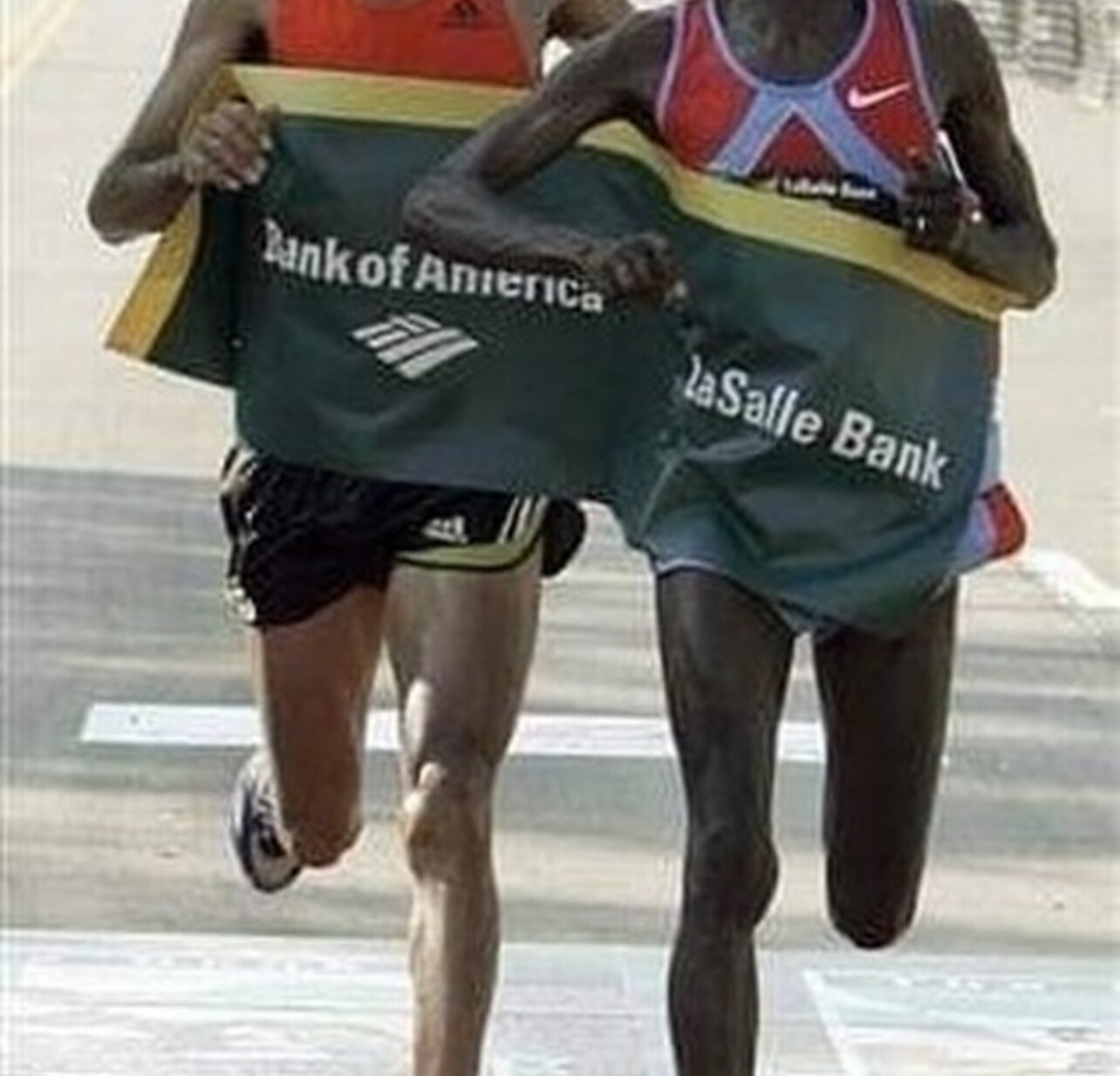
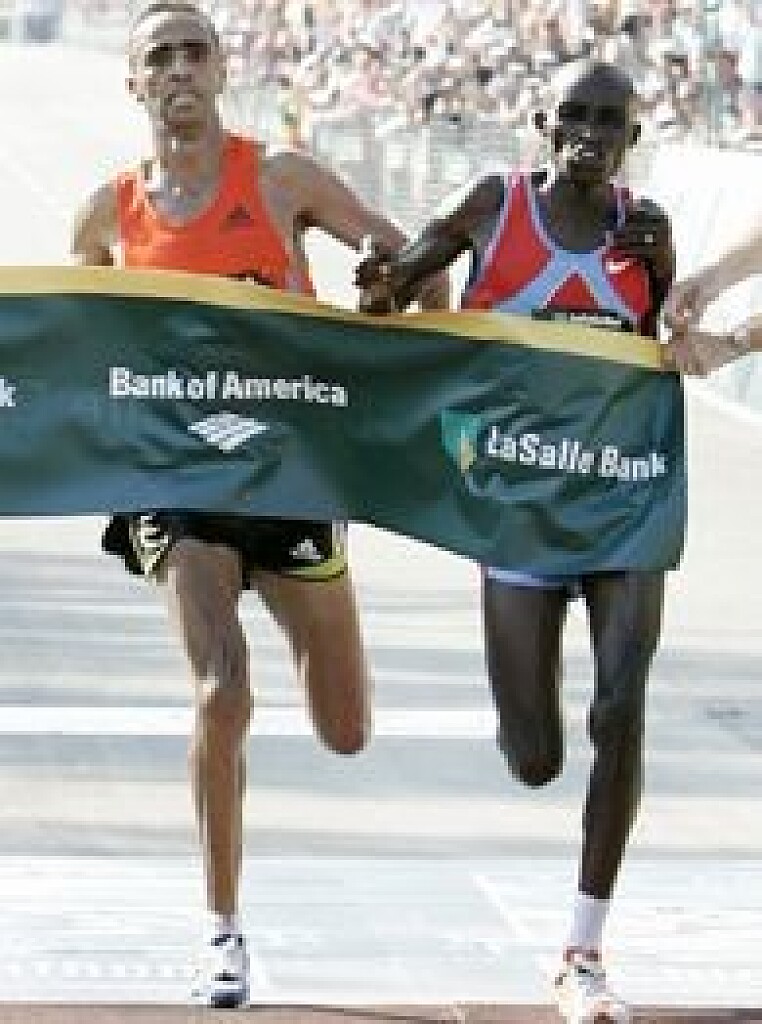
Ivuti, born June 30, 1978, is one of Kenya’s most decorated distance runners. A two-time silver medalist at the IAAF World Cross Country Championships, he made his marathon debut in 2005 and claimed his first major win at the 2007 Chicago Marathon—a race he won by just 0.05 seconds in one of the closest finishes in marathon history.
He went on to win the Honolulu Marathon in both 2008 and 2009, and also took top honors at the 2009 Prague Marathon. With a personal best of 2:07:46, Ivuti competed at the highest level of global marathoning for over a decade.
Now, he’s bringing that same competitive spirit and wisdom to Tala, where his role goes far beyond coaching.
The KATA Model: Running + Farming = Sustainable Impact
Each KATA camp follows a sustainable model: athletes train daily and also work 25 hours per week on three acres of potato farmland, creating a source of income and life skills beyond sport.
Ivuti immediately connected with the KATA vision. “It’s a beautiful concept,” he shared. “This project gives young athletes the tools to succeed in racing and in life. That’s why I had to be part of it.”
A Growing Movement with Global Vision
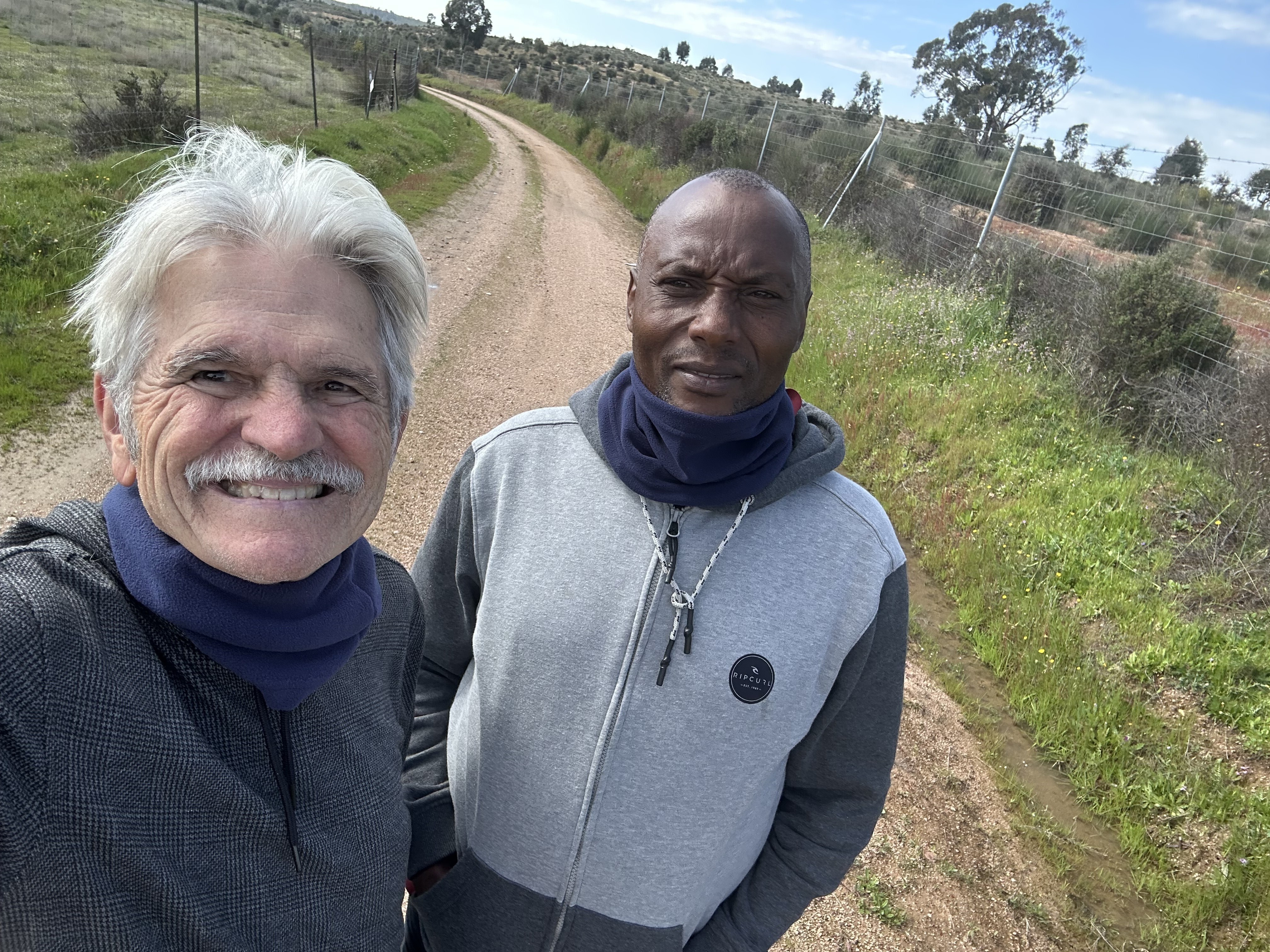
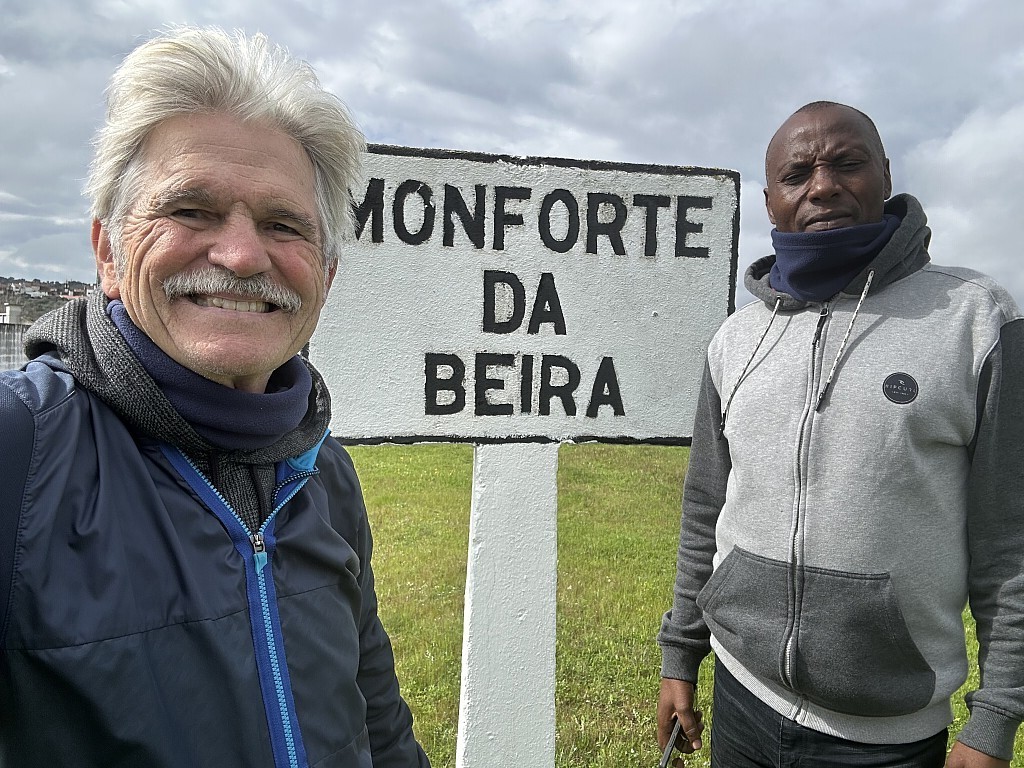
The KATA program, launched by Bob Anderson—founder of Runner’s World magazine and My Best Runs—has grown quickly, with 22 running camps across Kenya, plus two international retreats in Thika, Kenya, and Monforte da Beira, Portugal.
“This is more than just athletics,” Anderson said. “It’s about creating long-term solutions and opportunities and not just for our athletes but for the communities. Patrick is the perfect person to help lead that mission in Tala.”
Stay tuned to My Best Runs for updates on KATA’s progress, new camp openings, and the inspiring athletes rising through this one-of-a-kind program.
by Boris Baron
Patrick Ivuti
Login to leave a comment


Blistered During a Race? Here’s What You Should Do to Keep Going Without Long-Term Damage
It’s one of the worst things that can happen mid-race: that sudden, sharp sting in your shoe signaling a blister is forming. And you’re only a few miles in.
My Best Runs editor and lifetime runner Bob Anderson knows the feeling all too well.

“I blistered up just two miles into the Honolulu Marathon,” he recalls. “It was raining, and my feet were sliding around inside my shoes. I should have stopped and done something right then—but I didn’t. I kept going and paid the price. By the end, my feet were destroyed. It took four weeks to fully recover.”
Despite the pain, Bob still managed to finish in 3:19.
“But I was in shape to run under three hours,” he says. “Had I taken a minute to fix the issue early, maybe I could have still gone sub-3. But by doing nothing and just toughing it out, that mistake probably cost me at least 19 minutes.”
Blisters can derail a race and impact your training for weeks. But there are smart steps runners can take—both during the race and in the aftermath—to minimize damage and keep moving safely.
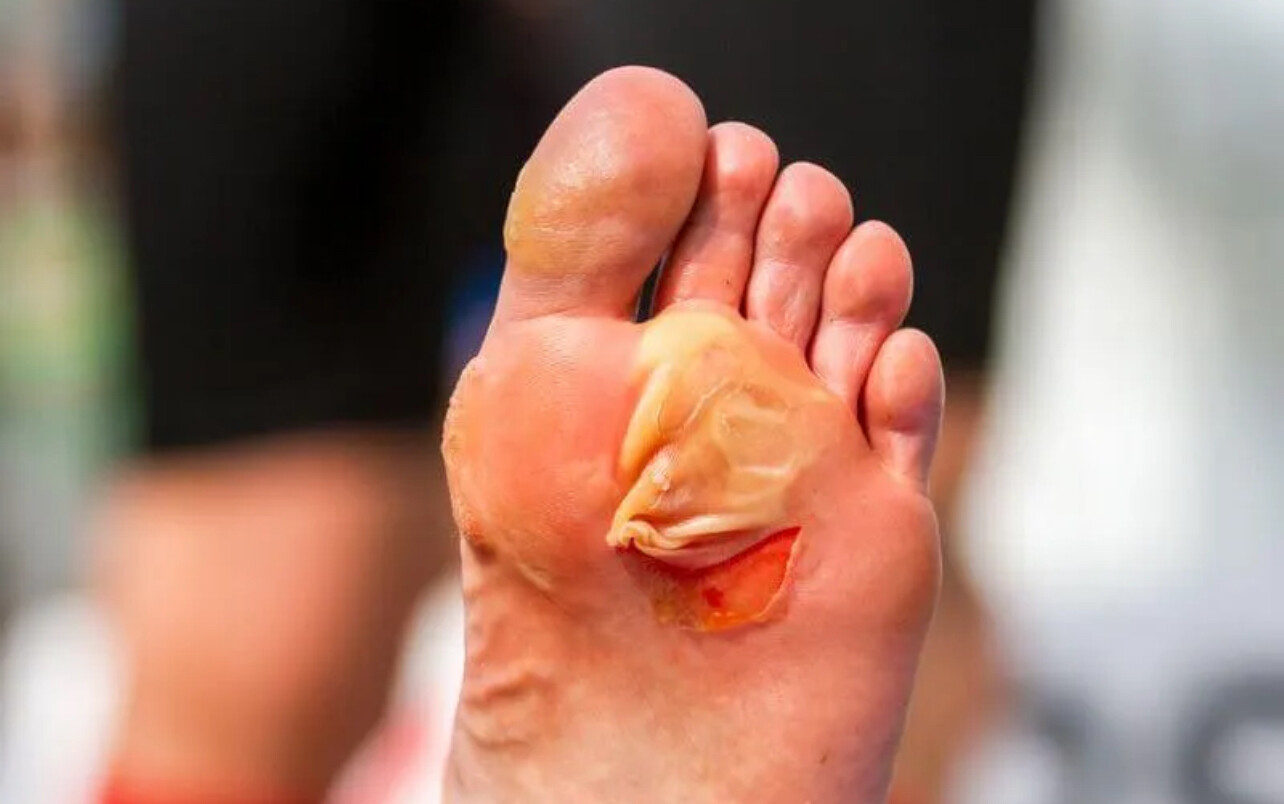
1. Catch It Early
Blisters typically begin as a “hot spot”—a warm, irritated area of skin caused by friction. If you act quickly, you can stop it from getting worse.
What to do:
At the first sign of discomfort, stop at the next aid station if possible.
Apply a lubricant, bandage, or blister pad (carry a small kit if you’re prone to them).
Adjust your shoelaces to reduce foot movement inside the shoe.
2. If the Blister Bursts Mid-Race
Once a blister bursts, the exposed skin becomes vulnerable. Continuing without protection can lead to serious tearing and infection.
What to do:
Rinse the area with water if available.
Apply gauze, moleskin, or medical tape to reduce further friction.
Use a lubricant or balm to prevent sticking or tearing.
3. Don’t Tough It Out Blindly
Trying to grit your way through blister pain without addressing it can lead to altered mechanics, more injuries, or even a DNF.
What Bob could have done differently:
Worn water-resistant or anti-blister socks.
Applied anti-chafe balm or blister prevention tape before the race.
Carried a small emergency blister kit.
Visited a medical tent early for assistance.
4. Post-Race: Treat It Right Away
Finishing a race with open or torn blisters demands proper care—don’t delay.
Post-race recovery tips:
Clean the area with warm water and antiseptic.
Drain large blisters with a sterile needle (never remove the overlying skin).
Apply antibiotic ointment and loosely cover with gauze.
Take time off to let it fully heal before returning to training.
5. The Best Fix Is Prevention
Preventing blisters begins before the starting gun ever goes off.
Break in shoes well ahead of race day.
Use moisture-wicking or toe socks.
Apply Body Glide or petroleum jelly to known hot spots.
Keep toenails trimmed and feet dry.
Practice in the same shoes and socks you’ll race in—especially in wet weather.
Bottom Line:
If you feel a blister forming mid-race, don’t ignore it. A quick stop to address the issue could save your race—and your recovery. It’s better to lose a minute than weeks of training—or, in Bob’s case, 19 minutes and a shot at a sub-3.
by Boris Baron
Login to leave a comment

What Happens When the Finish Line Feels 100 Miles Away
We’ve all seen the footage: a runner, sometimes even an elite, staggering or crawling across the marathon finish line. It’s a powerful image—equal parts dramatic and heartbreaking. But what causes those jelly legs, and can it be prevented?
The Science of “Jelly Legs”
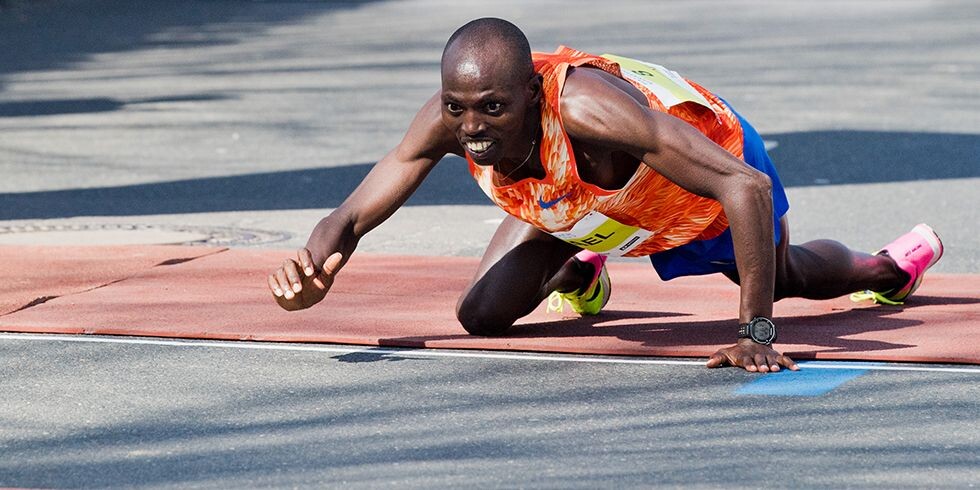
The feeling of wobbly or unresponsive legs at the end of a marathon is often the result of neuromuscular fatigue and metabolic depletion. After 26.2 miles, the body’s ability to send signals from the brain to the muscles can falter.
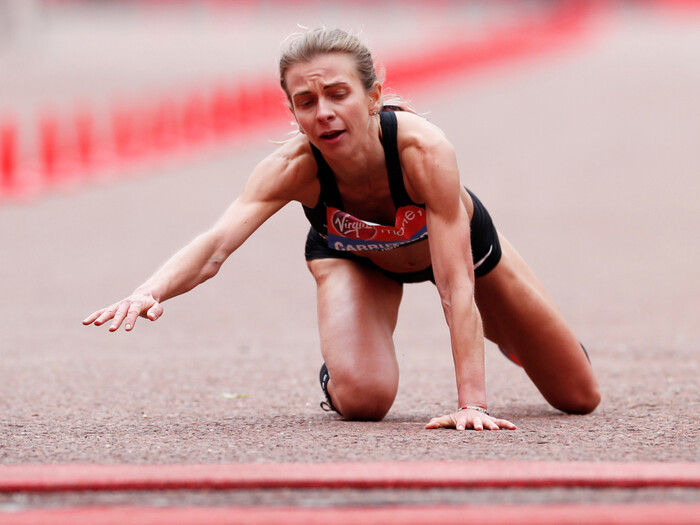
“You’re not just tired,” says Coach Jimmy Muindi, seven-time Honolulu Marathon champion. “Your legs stop responding to what your brain is telling them to do.”
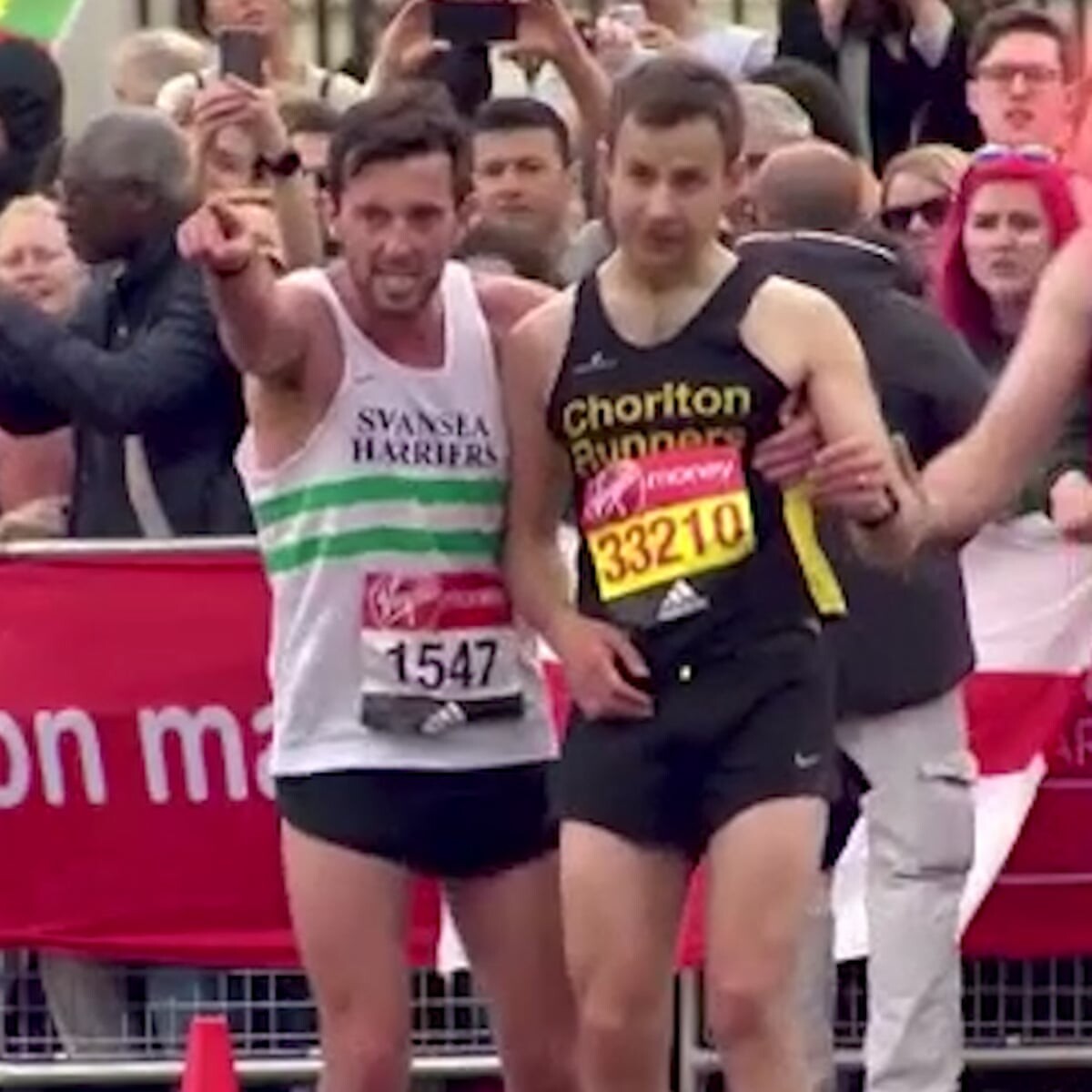
Key Causes
1. Glycogen Depletion
Muscles run on glycogen, and after two to three hours of running, those stores run dry—especially if fueling is inadequate.
2. Dehydration and Electrolyte Imbalance
Even a small loss in body fluid affects muscle function. Electrolyte imbalances (particularly low sodium or potassium) can trigger cramps and weakness.
3. Central Nervous System Fatigue
Your brain gets tired, too. Prolonged effort reduces the brain’s ability to send strong, coordinated signals to the muscles.
4. Improper Pacing
Going out too fast early in the race can lead to full-system shutdown in the final miles. Your body simply can’t hold that pace.
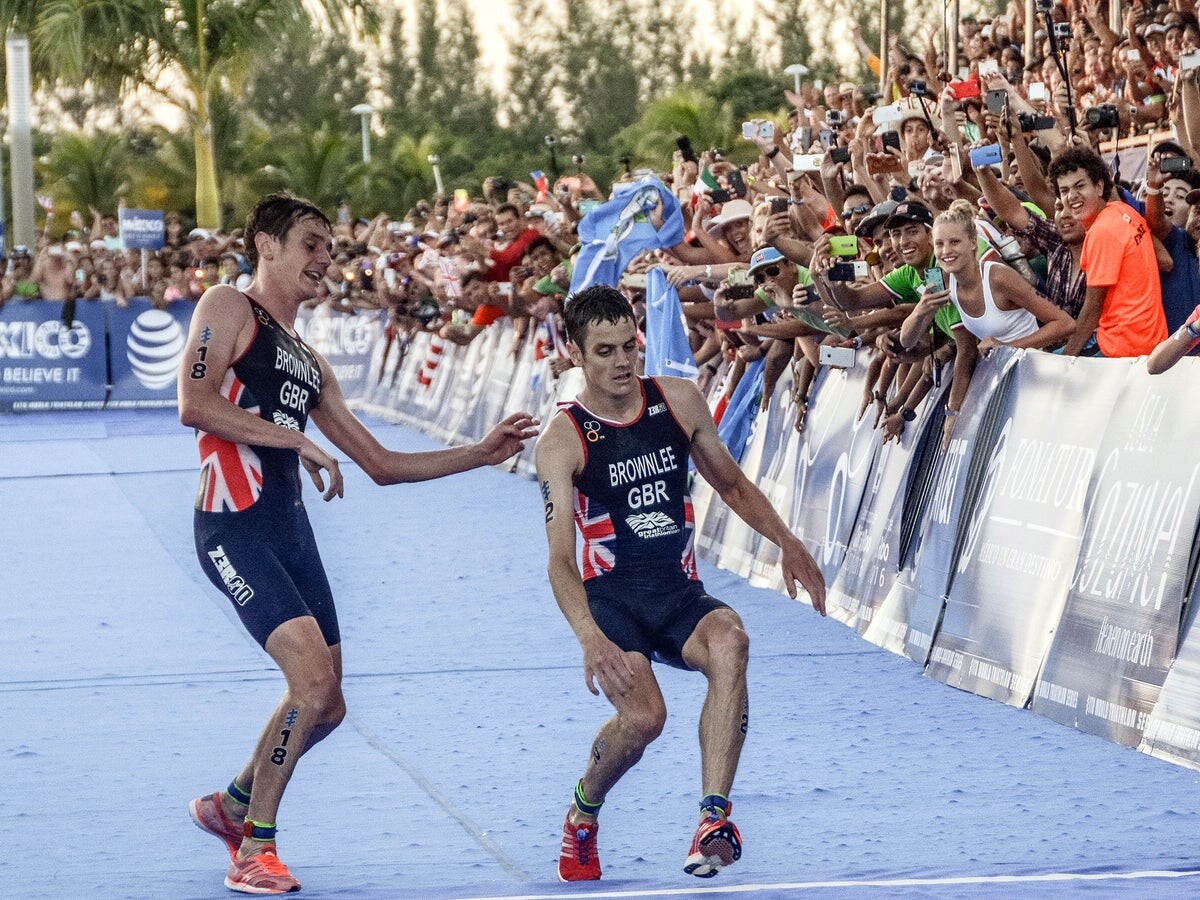
5. Heat and Humidity
Hot races amplify all of the above. Core temperature rises, making it harder for muscles to function efficiently.
Why It Even Happens to Elites
Elite runners push their bodies to the limit. Sometimes a miscalculation in pace, nutrition, or weather adjustment can bring even the strongest athlete to their knees—literally. And because they’re aiming for peak performance, they’re often operating on a knife’s edge.
In 2018, American runner Sarah Sellers nearly collapsed after finishing second at the Boston Marathon, a race defined by brutal weather. Others, like Gabriela Andersen-Schiess in the 1984 Olympics, became iconic for their final, staggering strides.
Prevention Strategies
• Dial in race-day nutrition. Practice fueling with gels, fluids, and electrolytes during training.
• Train your brain. Long runs, heat training, and race simulations help develop mental toughness and delay central fatigue.
• Know your pace. Use race predictors and experience to avoid going out too fast.
• Hydrate smart. Don’t just drink water—replace lost electrolytes.
Final Thought
Marathon running pushes the human body to its limits. Jelly legs and crawl finishes are not signs of weakness—they’re the body’s emergency brake. With smarter training and fueling, most runners can avoid it. But when it does happen, it reminds us how far people will go to finish what they started.
by Boris Baron
Login to leave a comment

Why Hot Weather Running Can Make You Stronger
As temperatures rise, many runners retreat indoors. But embracing the heat can be a game-changer. Training in hot conditions isn’t just about endurance—it’s about building resilience, optimizing performance, and gaining a competitive edge.
The Science Behind Heat Training
Running in the heat prompts your body to adapt in remarkable ways:
• Enhanced Blood Plasma Volume – aids in better cardiovascular stability and thermoregulation
• Earlier Onset of Sweating – helps your body cool more efficiently
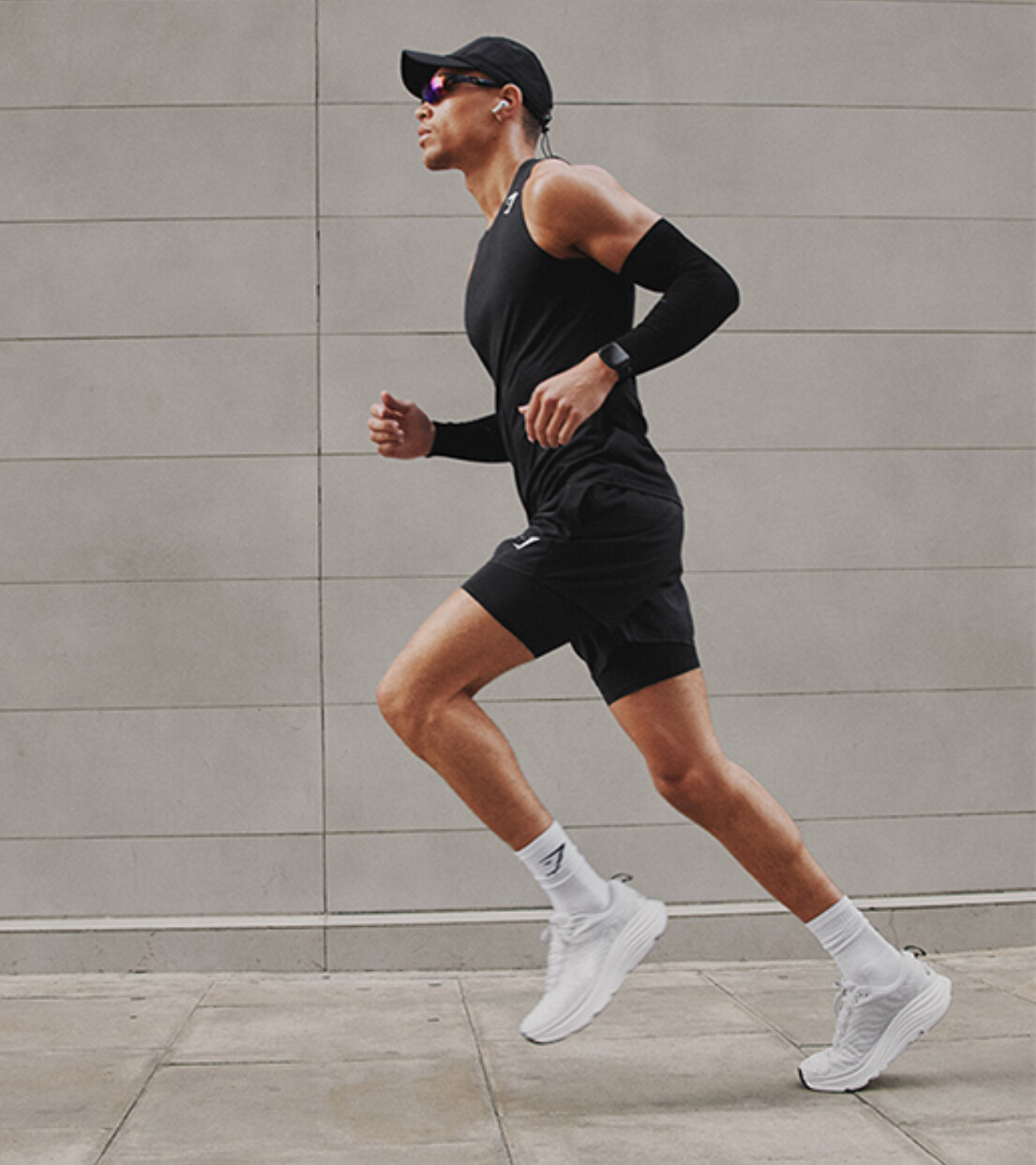
• Reduced Core Temperature – teaches your system to handle stress more effectively
These adaptations can lead to improved performance, especially when racing in cooler conditions after heat training.
Training Tips for the Heat
1. Gradual Acclimatization

Start with shorter sessions during cooler parts of the day, then increase time and intensity over 10–14 days.
2. Hydration is Crucial
Drink before, during, and after your runs. Add electrolytes, especially for longer workouts.
3. Dress Smart
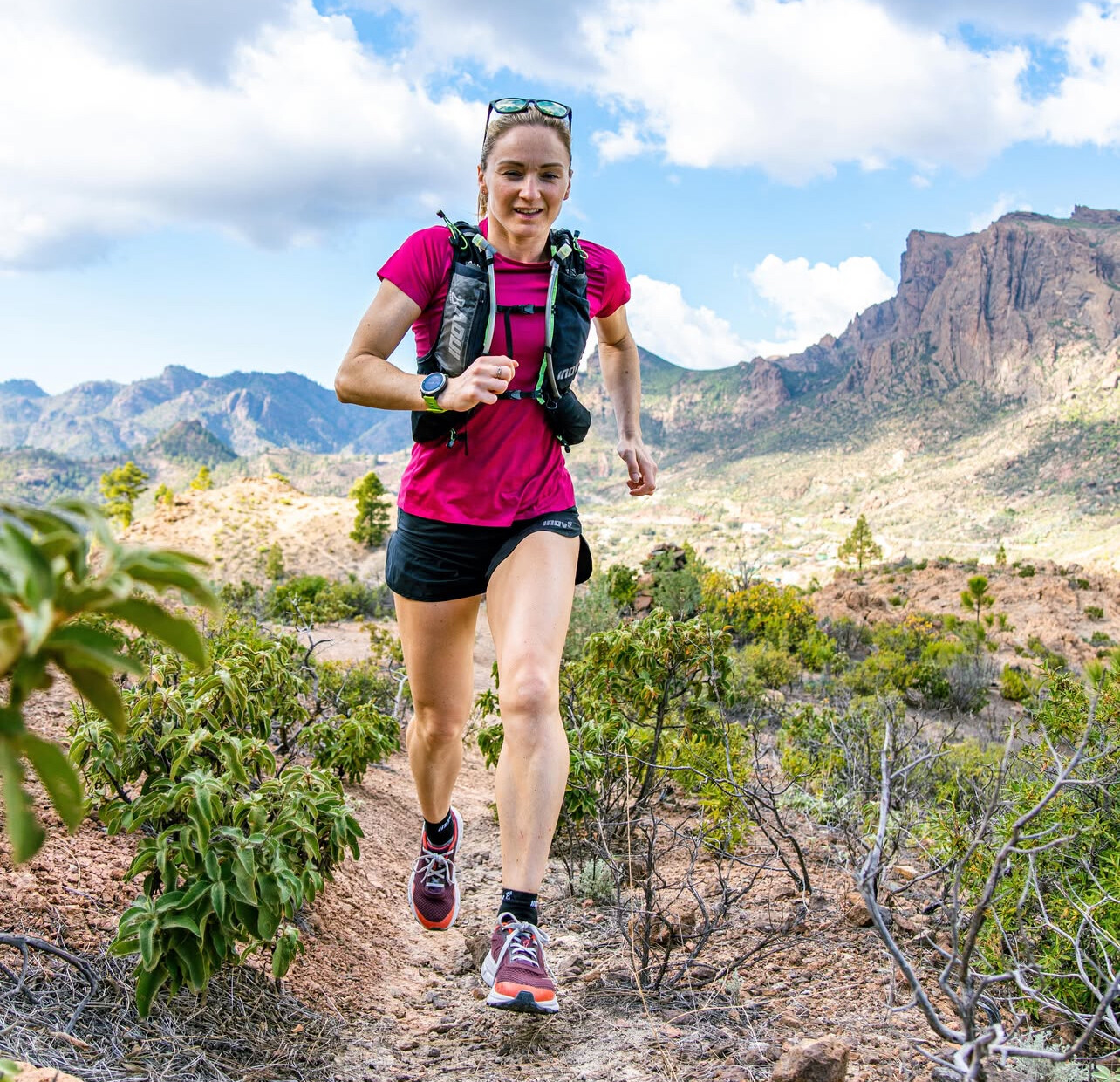
Wear light-colored, moisture-wicking fabrics. A visor is better than a hat for heat management.
4. Listen to Your Body
Know the signs of heat exhaustion—dizziness, nausea, or chills—and stop immediately if needed.
Insights from the Pros
At the KATA Running Retreat in Portugal, heat training is part of the process. Coach Jimmy Muindi, who won the Honolulu Marathon seven times, brings firsthand experience to the table.
“Running in the heat challenges your body and your mind,” he says. “But if you train for it, the heat can become your strength.”
KATA founder Bob Anderson agrees: “When we train in Kenya, we don't complain about the sun. You learned to respect it—and to push through. That makes race day feel easier.”
Embrace the Heat
Instead of avoiding the summer sun, use it. Heat builds grit, sharpens mental focus, and prepares you to perform at your best when race day arrives. Used wisely, heat is not a barrier—it’s a training tool.
by Boris Baron
Login to leave a comment

The Rise of the “Mini Marathon”: Why More Runners Are Embracing the 10K Challenge
In a running world where the marathon gets all the glory, a quieter revolution is happening at 6.2 miles. The 10K — a classic but often underappreciated race distance — is now gaining real momentum. Whether you’re a beginner, a competitive age-grouper, or a marathoner in maintenance mode, the 10K is becoming the go-to challenge for modern runners looking to push themselves without burning out.
Rethinking the “Mini Marathon”
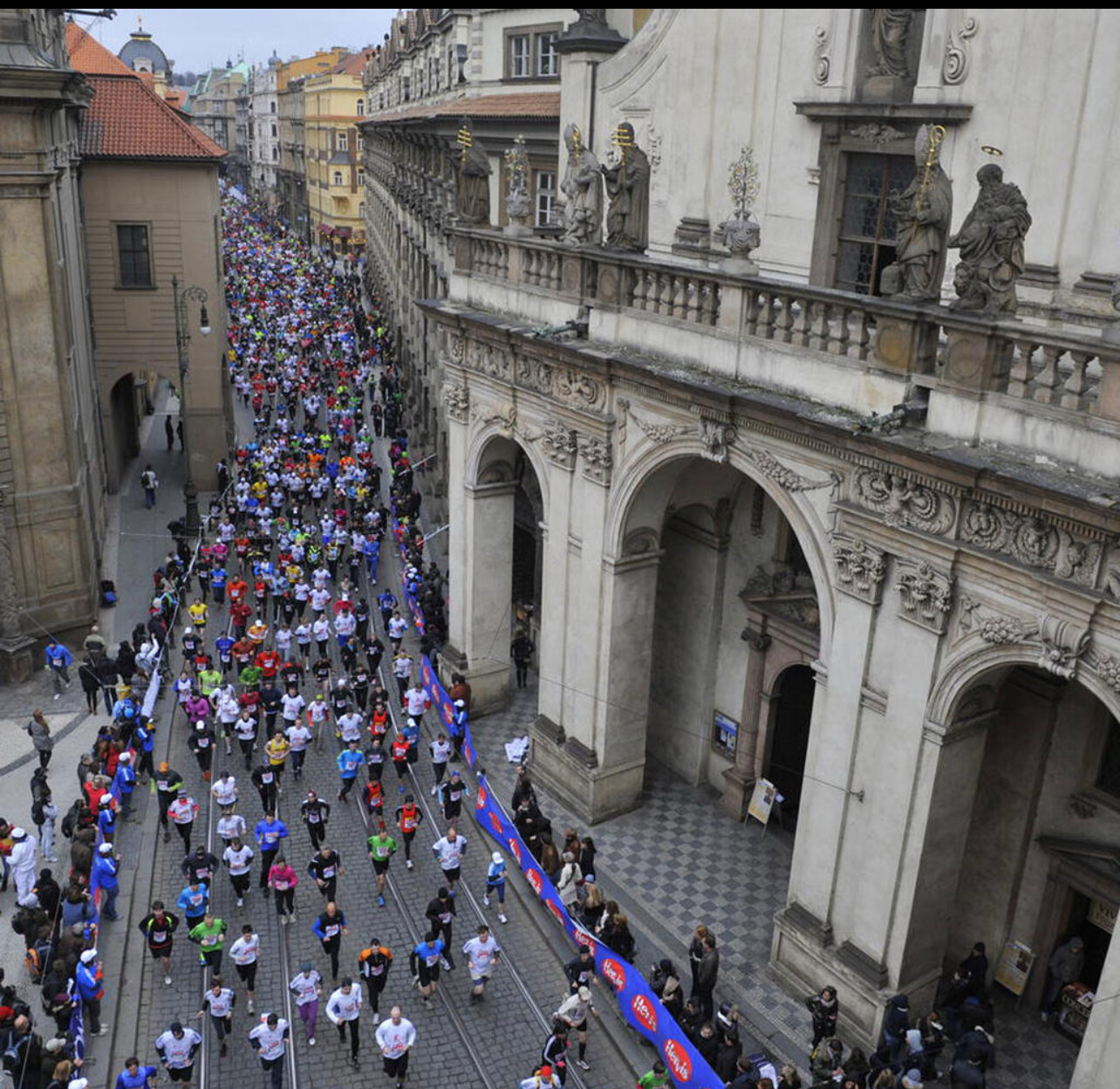
For years, the term mini marathon has been used to describe the half marathon. And sure, 13.1 miles is a major accomplishment. But in today’s running climate — where time is tight, training windows are short, and recovery matters — why not redefine the term and give the 10K its due?
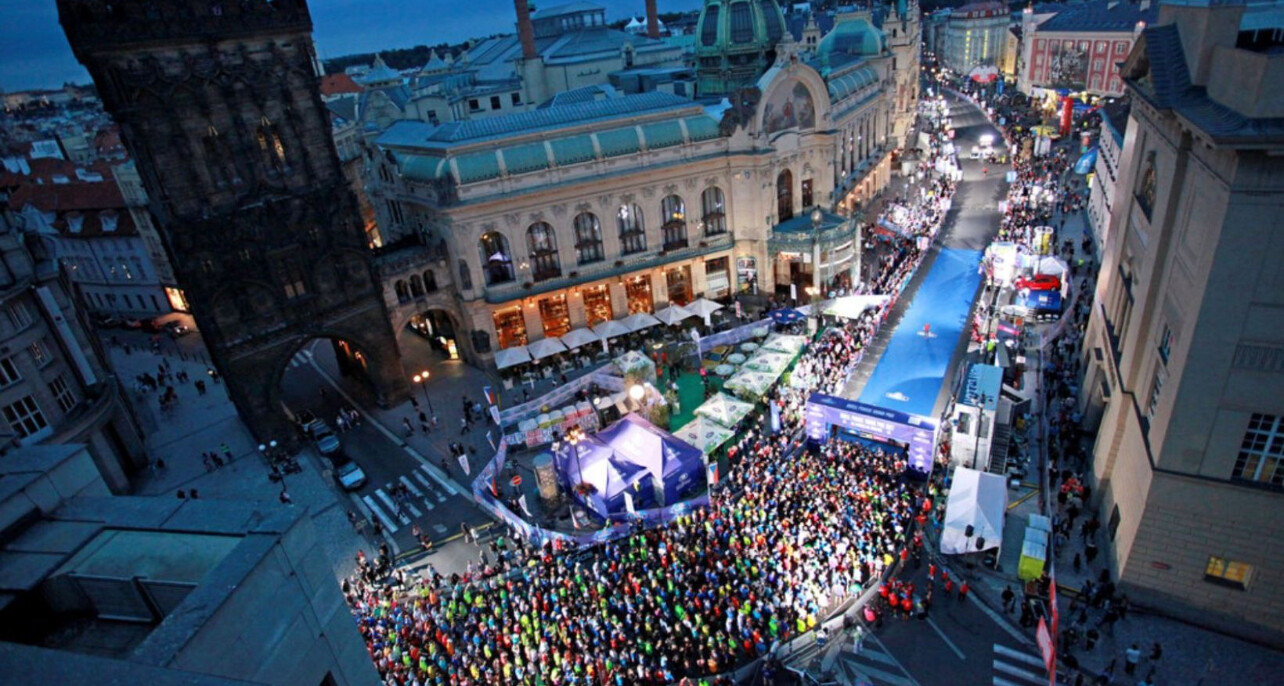
At 6.2 miles, the 10K is long enough to demand real endurance and strategy, yet short enough to train for consistently and recover from quickly. It sits at the sweet spot between the speed of a 5K and the grind of a half marathon. It’s a race where pacing, power, and mental toughness intersect.
Let’s be clear — nothing shorter than a 10K deserves to be called a “mini marathon.” The 10K is the starting point of true endurance racing — and it just might be the smartest distance of them all.
The Perfect Balance
For today’s runners, balance is everything. The 10K allows athletes to stay competitive without the risks that come with higher mileage. Many runners who shifted away from long races during the pandemic have returned to racing — but with a different mindset. Rather than chasing medals for marathon finishes, they’re chasing PRs, consistency, and longevity.
“It’s a thinking person’s race,” says Coach Jimmy Muindi, six-time Honolulu Marathon champion and now a key coach at KATA Portugal. “You can run it all-out, use it for speedwork, or fit it into a bigger training block. It fits almost any plan.”
Fast, Fun, and Growing
Race directors around the world are seeing this shift. While many events still offer marathons and half marathons, it’s often the 10K that fills up first. It appeals to first-timers, comeback runners, and seasoned competitors alike.
Here are a few 10K events making a major impact:
BOLDERBoulder 10K (USA): A Memorial Day tradition drawing over 50,000 runners, complete with costumes, slip-and-slides, and a stadium finish.
Prague 10K Grand Prix (Czech Republic): Fast, flat, and lit by city lights — one of Europe’s most scenic and electric night races.
Palo Alto 10K (USA): A runner’s favorite in Silicon Valley — fast, friendly, and focused on the joy of racing.
Smarter Training, Safer Recovery
Many runners in their 40s, 50s, and beyond are embracing the 10K as their new sweet spot. The lower training volume reduces injury risk, and recovery is swift. In a time when people are running not just for medals, but for health and happiness, the 10K makes sense.
“I like the 10K because it is still long enough for a challenge and short enough where the recovery only takes a day or so,” says lifetime runner Bob Anderson, founder of My Best Runs and Runner’s World magazine. “It fits perfectly into a balanced, healthy running lifestyle.”
It’s not just about going long — it’s about going strong.
Final Stride
The 10K is no longer just a warm-up for a half or a fitness test before a marathon. It’s standing tall as a race in its own right — a distance that respects your time, challenges your limits, and fits into real life.
So maybe it’s time to redefine what a mini marathon really means. For a growing number of runners, 6.2 miles is just right.
by Boris Baron
Login to leave a comment
Part Two: Training the Kenyan Way—Jimmy Muindi’s Coaching Success and Impact at KATA Portugal
In Part One, we explored Jimmy Muindi’s remarkable journey from a young barefoot runner to an elite marathoner, winning the Honolulu Marathon six times and running a personal best of 2:05:24. Now, in Part Two, we dive into his success as a coach, both in Kenya and now at KATA Portugal.
Muindi has been deeply involved in training athletes back home for many years. After his own marathon wins, he set up a youth training camp in Ngong, on the outskirts of Nairobi, where he began mentoring promising runners. One of his most famous protégés is Patrick Makau.
Around 2005, Muindi—then fresh off his Rotterdam Marathon victory—heard about a talented young runner from his home area. He sought out Makau, offered guidance and encouragement, and after Makau finished high school, Muindi brought him into his camp in Ngong and trained him for two years.
Under Muindi’s tutelage, Makau developed from a schoolboy star into a world-class road racer, even winning a 25K race in Berlin as his first international competition. The pinnacle of their mentor-student relationship came in 2011, when Patrick Makau broke the marathon world record in Berlin, a testament to the solid foundation and focus Muindi helped instill early on. This example highlights Muindi’s overall impact—he has a keen eye for talent and the ability to nurture it to the highest level.
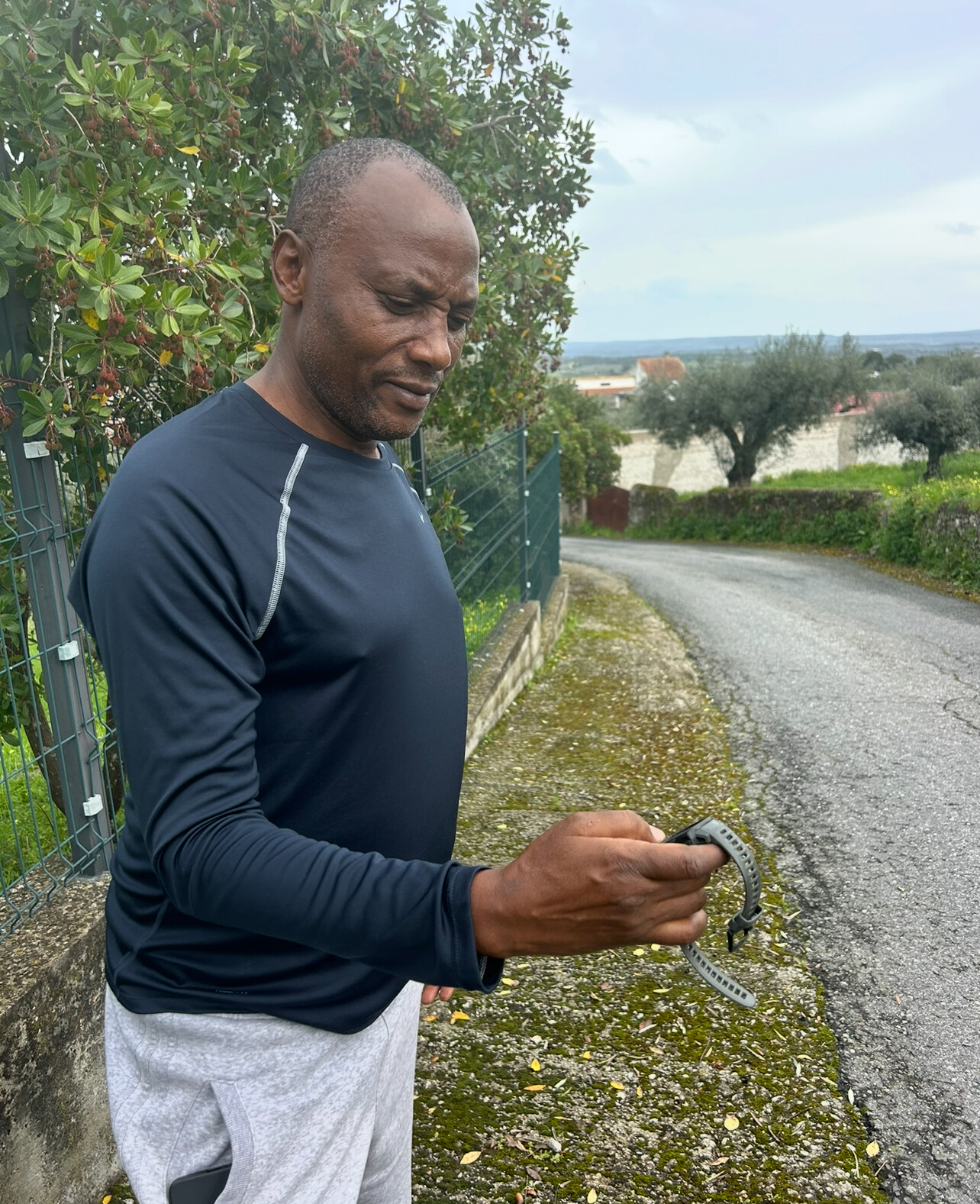
Muindi’s coaching reach doesn’t stop with Makau. Over the years, he has worked with and inspired many Kenyan athletes, as well as athletes from South Africa and Zimbabwe. He even coached and paced his younger brother, Nicholas Muindi, who himself became a 2:15 marathon runner. Training side by side with Jimmy, Nicholas and others like teammate Eric Nzioki benefited from Jimmy’s experience and training methods.
In Kenya’s running culture, group training and mentorship are key, and Muindi has been at the heart of such groups—whether informally bringing up younger runners in his home region or mentoring elite athletes at training camps. Dozens of runners have shown marked improvement under his guidance.
It’s common to hear of a runner joining a group with modest personal bests and, after months of hard training, cutting down their times significantly. This kind of progress speaks to Muindi’s effective coaching style and the training environment he helps cultivate. His approach is very much about training the Kenyan way, a philosophy he exemplifies.
The Muindi Coaching Method: Training the Kenyan Way
What is Muindi’s coaching philosophy and method? In large part, it mirrors the proven Kenyan training principles that brought him success in his own career.
Muindi emphasizes high-mileage, high-quality training weeks. His athletes run twice a day, six days a week—a harder workout in the morning and an easy run in the evening—allowing for both intensity and active recovery.
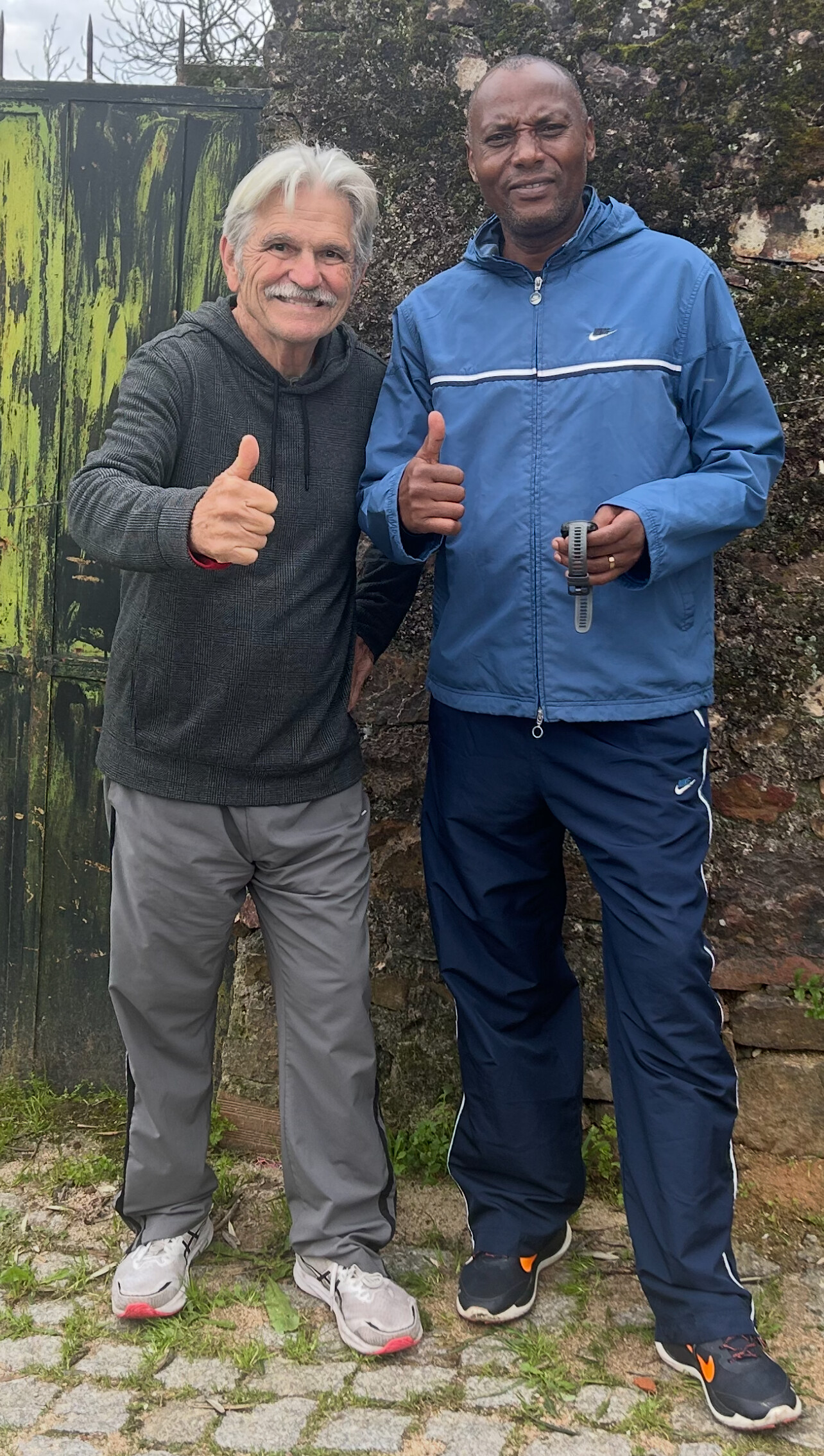
His training follows a simple but effective structure: one hard day followed by an easy day. The hard days vary and can include:
• Fartlek training—alternating between hard efforts and recovery paces over various distances
• Interval training on the track—structured repetitions such as 6 × 1,000m, 10 × 400m, or 4 × 2K at race pace
• Hill work—shorter, explosive hill sprints or longer sustained uphill efforts
• Tempo runs—steady-state efforts at or slightly above lactate threshold
On easy days, Muindi ensures that his runners focus on recovery, maintaining a relaxed effort to allow the body to adapt and rebuild.

He also incorporates a mix of workouts that have long been secrets of Kenyan distance running, including:
• Strength and form drills to improve efficiency and prevent injuries
• Diagonal runs—a drill that involves running across a grass field or from one corner of a track to the opposite corner. The effort is 100 to 120 meters, followed by a jog, then repeated ten times or more. This is often done after a long run or a few days before a major race to reinforce good form and maintain leg turnover without overstressing the body.
This structured approach has allowed many of his athletes to break through to the next level.
Bringing Kenyan Training to Portugal
Now, Muindi is bringing this train the Kenyan way experience to international guests at KATA Portugal, the academy’s new European location. Opened in 2024 at the historic Anderson Manor Retreat in central Portugal, KATA Portugal offers runners from around the world a chance to train under Kenyan coaches like Muindi without traveling all the way to East Africa.
As one of the lead coaches for KATA Portugal, Muindi provides the same level of world-class guidance that he has applied in his previous coaching experiences. Visitors can expect an immersive training week that closely models a Kenyan training camp—right down to the daily schedule and philosophy.
Runners joining KATA Portugal can look forward to personalized coaching from Muindi. He begins by evaluating each guest’s fitness and goals, then tailors the training accordingly. A day might start at dawn with an endurance run through the scenic trails around Monforte de Beira, where the retreat is located. Muindi will lead or cycle alongside, monitoring paces and offering tips on form. The morning session could be a long run or a hard workout, depending on the plan—for example, interval repeats on a nearby all-weather track or a fartlek on the rolling country roads.
His approach to guests is hands-on and encouraging. He runs some easy miles with less experienced runners, challenges the faster ones with appropriate paces, and creates an atmosphere where everyone, regardless of level, feels like part of the team.
In the afternoons, he conducts a second, lighter session—this could be an easy shakeout jog, mobility drills, or even a fun group run to explore the area.
Muindi also integrates supplemental training into the program:
• Core strength exercises
• Stretching routines
• Yoga sessions (the Portugal retreat has yoga and massage amenities on site)
All of this mirrors the components of training he used as an elite.
The Kenyan Approach to Recovery and Nutrition
Guests at KATA Portugal will quickly notice Muindi’s attention to recovery. Between runs, he stresses rest, proper hydration, and nutrition. In line with the Kenyan tradition, the meals at KATA Portugal are inspired by the Kenyan runner’s diet—simple, hearty, and rich in carbohydrates. Muindi often dines with the participants, informally sharing stories from his racing days and advice on topics like race strategy or injury prevention.
This personal touch is a huge part of what he brings to the table: you’re not just following a training schedule—you’re learning directly from someone who competed at the highest level.
Why Train with Muindi? A Champion’s Perspective
What truly sets Muindi apart as a coach at KATA Portugal is how his professional background shapes his philosophy in training others.
Having been a world-class marathoner, Muindi understands the dedication required to reach one’s potential. He approaches each runner as an individual, cognizant that everyone has their own journey.
Because he’s been through the highs and lows of competitive running—from winning major races to the grind of daily training—he can relate to the struggles his trainees face. This empathy makes him a patient and motivating coach.
Muindi’s own career was marked by consistency and longevity (he remained competitive for over two decades), and he emphasizes the same long-term approach to his trainees, preaching that improvement comes through gradual progress and consistent effort.
Under his guidance, runners at KATA Portugal gain a rare window into the mindset of a champion. Muindi teaches them to plan their races, listen to their bodies, and cultivate the confidence that comes from thorough preparation.
Coming Next in Part Three
Training is only part of the equation when it comes to running success. Nutrition and strategic race fueling play a major role in performance.
In Part Three, we will explore Muindi’s approach to diet, emphasizing why the most important meal happens two nights before a big race. His personal experience and insights will reveal how proper fueling can make or break a performance.
Stay tuned for the next installment as we dive into the nutrition strategies of elite Kenyan runners and how Muindi applies them to his coaching at KATA Portugal.
by Boris Baron
Login to leave a comment
 Besides being a world class runner and now coach Coach Jimmy is a great guy with lots to say. We are happy to have him as part of our KATA team. - Bob Anderson 3/8 8:20 am |
From Barefoot Champion to Marathon Legend: The Journey of KATA Coach Jimmy Muindi
Jimmy Muindi’s journey from a young barefoot runner in Kenya to an elite marathoner is a testament to perseverance, adaptability, and the drive to push beyond limitations. His incredible career includes winning the Honolulu Marathon six times, running a 2:05:24 marathon, and playing a key role in pacing Paul Tergat to a world record 2:04:55 at the 2003 Berlin Marathon.
Now, Muindi is bringing his experience to KATA Portugal as a coach, offering training, insights, and mentorship to runners of all levels. His coaching philosophy is deeply rooted in his own experience as a professional runner, ensuring that guests at KATA Portugal will learn from someone who has lived the life of a world-class athlete.
This three-part series will explore Muindi’s remarkable career and his transition to coaching:
• Part One: His journey from humble beginnings to becoming an elite marathoner and record-setting athlete.
• Part Two: His coaching success in Kenya and what he brings to guests at KATA Portugal.
• Part Three: Nutrition and race preparation—why the most important meal for a big race happens two nights before and how Muindi’s personal approach to fueling has helped him perform at the highest level.
Humble Beginnings and Early Inspiration
Born into a family of eight children, Muindi was the firstborn and grew up in modest conditions. Food was scarce, and life was challenging, but his mother, was a runner who competed only in school-level races, became his first source of inspiration. At age 15, his mother encouraged him to start running, recognizing his potential.
Then, in 1988, Muindi’s cousin qualified for the World Junior Cross Country Championships. Seeing someone from his own family reach the international stage ignited his dream. Despite his family’s simple way of life, Muindi was determined to see what he could achieve.
High School Breakthrough and First Steps to Elite Running
Even without structured coaching, Muindi trained on his own and quickly became the best runner in his school. He performed exceptionally well in long-distance events, often lapping other runners in the 10,000 meters. His talent caught the attention of a national coach, who invited him to a training camp—a turning point that would take his career to the next level.
The training camp was six kilometers from Muindi’s home, and without access to transportation or proper gear, he ran there barefoot to train with the coach who recognized his talent. The camp had about 15 to 20 athletes, and when he joined, he could beat everyone except for two runners—both of whom had running shoes and proper training gear.
Determined to improve, Muindi trained at the camp twice per week under the coach’s guidance. On the other days, he trained on his own four times per week, but because he lacked proper training knowledge, he simply ran miles and miles barefoot, unknowingly building his endurance and toughness.
Rapid Improvement and a Life-Changing Connection
The training at the camp was intense. After running six kilometers as a warm-up just to get there, Muindi and the group would do a 6K to 10K hard effort, often running at a 4:00 to 4:30 per kilometer pace at 2,400 feet elevation.
In addition to tempo efforts, they incorporated hill training and track workouts on alternate days. A typical track session included: 4x800 followed by 6x400 and finishing with 4x200.
Muindi made rapid progress. Within two months, he became the best runner in the group, surpassing even those who had more experience and better gear. Recognizing his potential, his coach reached out to Cosmas Ndeti, a rising Kenyan marathoner who was competing internationally, particularly in Japan.
Breakthrough on the World Stage
After meeting Cosmas Ndeti, Muindi’s career took off. Within two months, he became the top junior athlete in Kenya for the 3000m steeplechase and qualified for the World Junior Athletics Championship in South Korea. His rapid rise earned him his first pair of training shoes, a reward that symbolized his status as an emerging talent.
However, when Muindi arrived in South Korea for the World Junior Championships, he faced an unexpected challenge. He was given racing spikes for the first time in his life, but having never worn them before, he struggled to run in them. Instead of risking discomfort or injury, he made the bold decision to compete barefoot, just as he had trained back home.
Against all odds, Muindi won the gold medal, officially launching his international running career.
"So here I was—my first time on an airplane, traveling to South Korea, and winning the gold,” Muindi recalls. “But as a junior, there was no financial benefit. I arrived back home to the same place I left.”
Unlike today, where young athletes receive government incentives for international success, Muindi returned home without financial support. “In today’s world, the government would have given me 1 million KES ($7,700 USD) for that gold medal,” he says. But back then, he had to continue training, hoping his talent would eventually open doors.
A New Opportunity in Yugoslavia
Because of his gold medal, Muindi received a lot of exposure, and just six months later, he was invited to run a half marathon in Yugoslavia. He made the most of the opportunity, finishing second with a time of 1:02:42.
This was not just a breakthrough in racing—it was also Muindi’s first real financial reward from running. “I won $800 USD. Wow, I was excited and had never seen that much money before!” he remembers. This prize money gave him a glimpse of what running could do for his future, motivating him to keep pushing forward.
Honolulu Domination and Marathon Success
Muindi launched his marathon career with a runner-up finish at the 1997 Honolulu Marathon. He quickly made the Honolulu race his race in the years to follow. In an era when Kenyan athletes were dominating distance running, Muindi became a legend in Honolulu – he went on to win the Honolulu Marathon an astonishing six times (1999, 2000, 2003, 2004, 2005, 2007) . In 2004, he set a course record of 2:11:12, a mark that remained unbroken for four years . This string of victories, including three straight from 2003 to 2005, made him inseparable from Honolulu’s running lore. "The course has challenging hills and the weather is hot and humid," he remembers "but the race became part of my life and my family."
His success wasn’t confined to one event, either. Muindi proved his prowess on the global stage by capturing the Rotterdam Marathon title in 2005 with a personal best time of 2:07:50 . He also earned podium and top-five finishes at other major marathons – for instance, placing 3rd at the 2006 Chicago Marathon and 5th at Berlin in 2002 . These achievements against world-class fields reaffirmed his status among the elite marathoners of his era.
Such professional success afforded Muindi not only international experience but also a platform for the next phase of his life. After years of training alongside and against some of the world’s best, Muindi had accumulated a wealth of knowledge about endurance training, strategy, and the “Kenyan way” of running.
Now in his fifties, he has transitioned into coaching, eager to share that hard-earned expertise. He joined KATA in Thika, Kenya – a running academy founded in 2019 by Runner’s World founder Bob Anderson – as one of its expert coaches. In this role, Muindi’s daily lifestyle still revolves around running, from sunrise training runs to mentoring athletes, very much a continuation of the regimen he followed as a pro.
The difference is that today he channels his energy into developing others. His success as a professional runner paved the way for this career: it gave him credibility and a passion he now imparts to up-and-coming runners. In essence, Muindi has parlayed his storied racing career into a thriving vocation as a coach – and his identity as an athlete-turned-coach is a direct product of the triumphs and lessons of his competitive years.
Giving Back: Family and Coaching
Muindi always believed in taking care of his family first. In 1996, using prize money, he bought 10 acres of farmland for his father. Two years later, he built a house for his parents, ensuring their long-term stability. With his family secure, he focused on his own future, purchasing five acres of prime land and building his own house. Today, he uses his land to grow green vegetables, avocados, and raise chickens.
Now, Muindi is giving back to the next generation of runners. He has joined KATA Portugal as a KATA coach, where he shares his expertise and experience, helping others chase their own dreams. His lifestyle today is a direct result of his success as a professional runner, and now he is using that knowledge to guide others.
Coming Next in Part Two
Jimmy Muindi’s success as a professional runner has shaped his coaching philosophy, and now, as a KATA Portugal coach, he is offering world-class training to runners from all backgrounds.
In Part Two, we will explore his coaching success in Kenya and what he brings to guests at KATA Portugal. We’ll take a closer look at the training programs he has developed, the athletes he has worked with, and what runners can expect when training under his guidance.
Stay tuned for the next installment as we dive into Muindi’s transition from elite marathoner to an elite coach and how he is bringing the Kenyan way of training to Portugal.
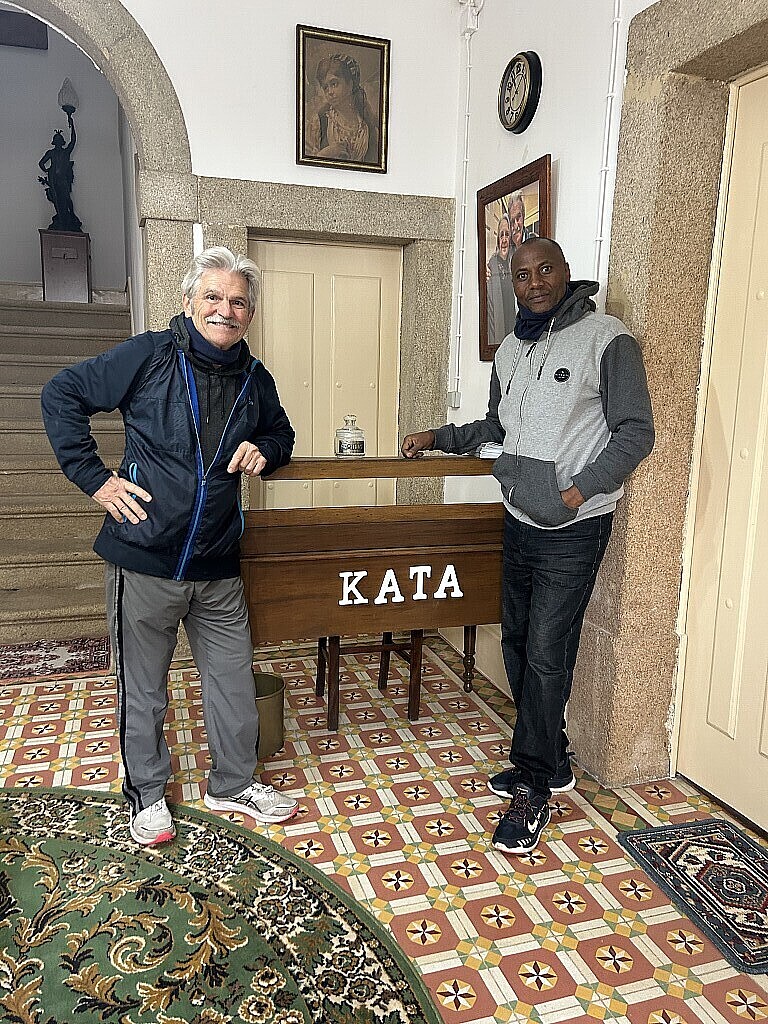
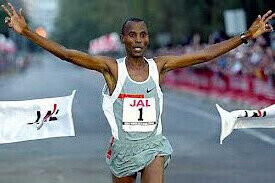
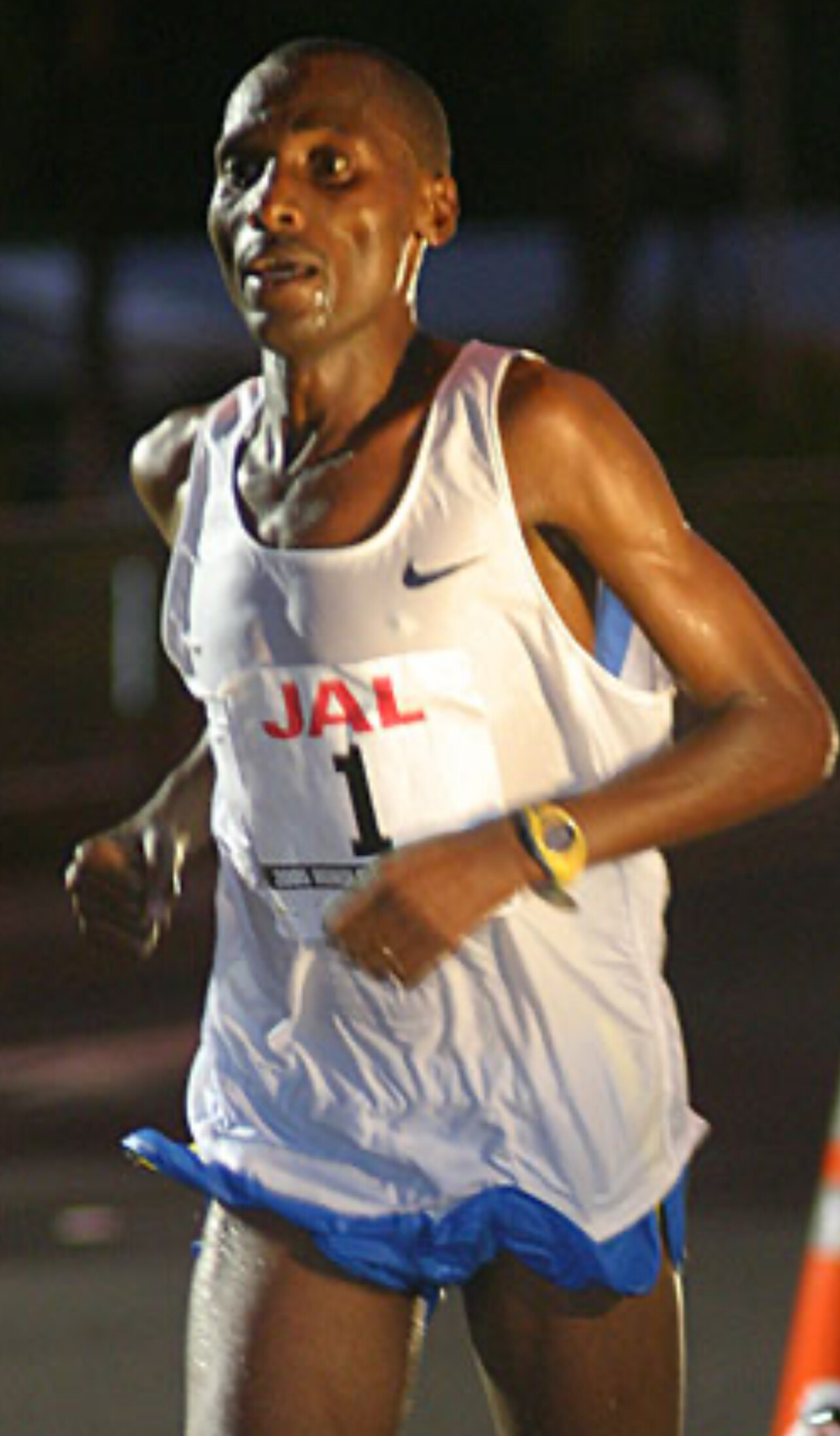
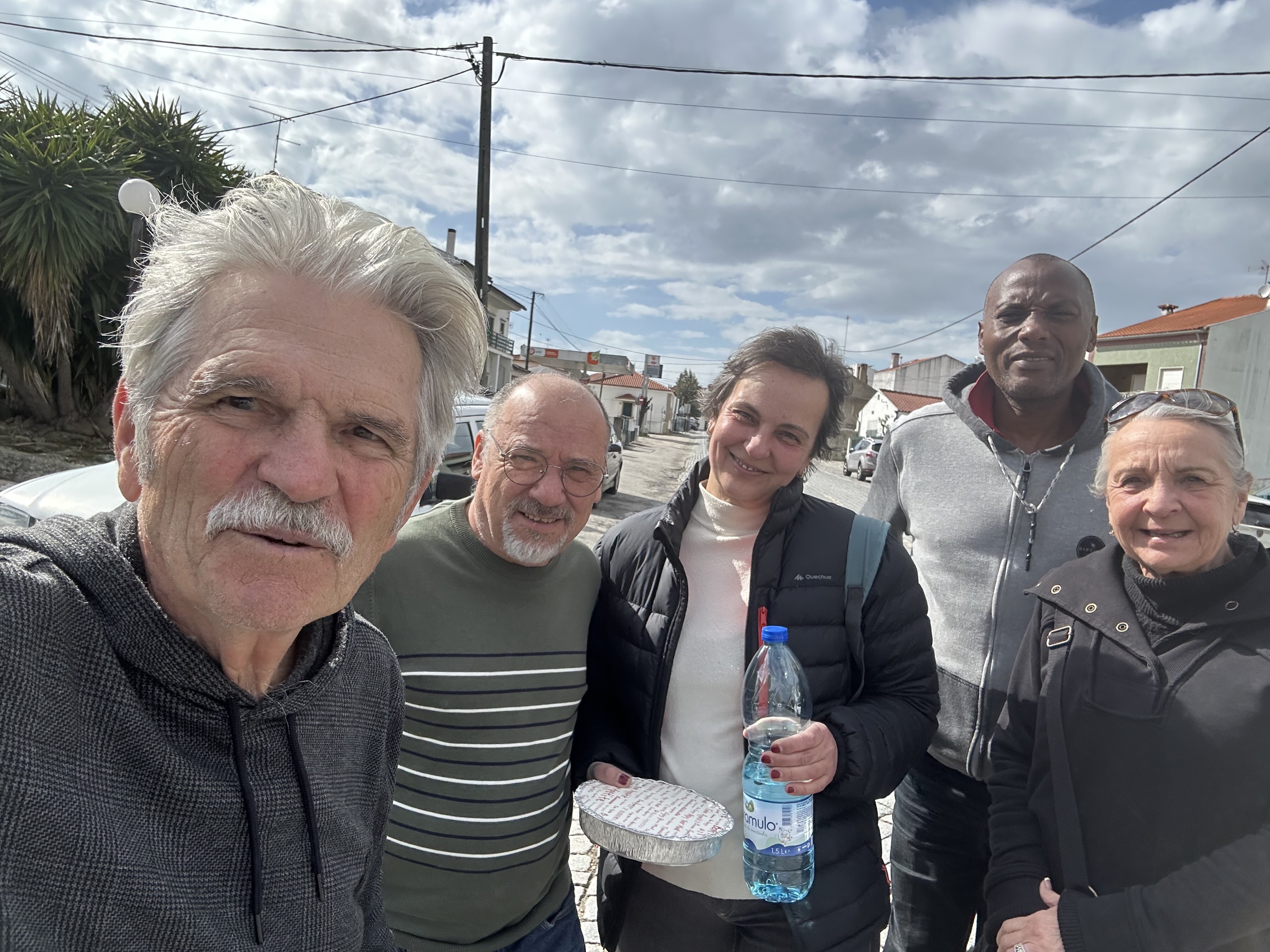
(photos: 1. Muindi setting the course record in 2004. 2. At KATA with Bob Anderson. 3. Racing in Honolulu 4. Muindi with some of KATA Portugal staff with Bob and Catherine Anderson.
Login to leave a comment
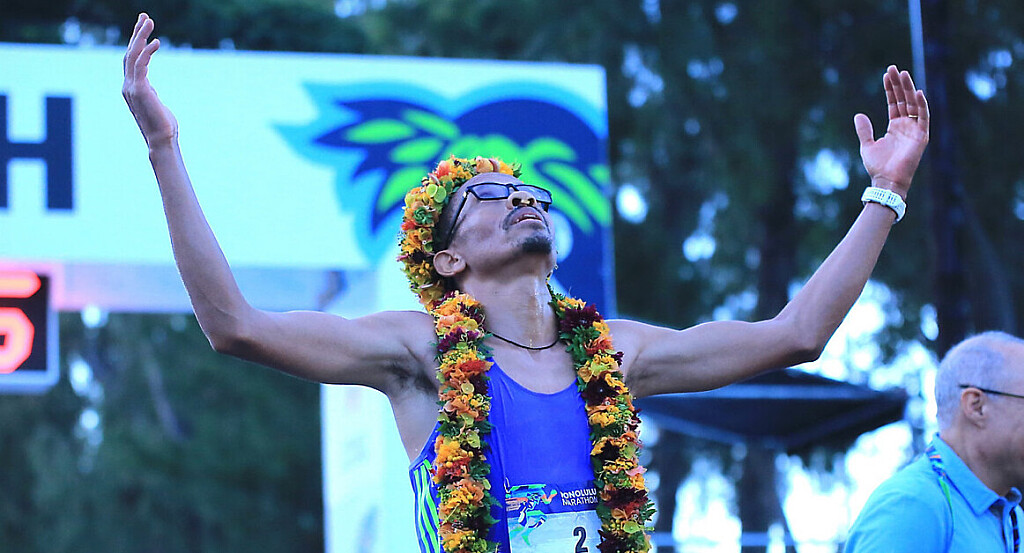
The 52nd Honolulu marathon was another fun and spirited event
Nearly 25,000 runners started the 52nd Honolulu Marathon under 72°F temperatures, 88% humidity and very calm winds. Due to the increased competition that has grown during a second running boom in recent years, Honolulu’s pro marathon field was not as deep as in the past.
“It’s getting harder to get the top runners here,” admitted marathon president Dr. Jim Barahal. “There are other races now, like Valencia, that have faster so they come back they come back courses, no heat or hills. But I’m happy with the field we got and the races they produced.”
Both defending champions returned, heading up small, but strong lead packs.
Kenya’s Paul Lonyagata came down with a small injury two months ago back home in Kenya, and wasn’t prepared to defend his title with any strength. He dropped out just before the 10K mark.
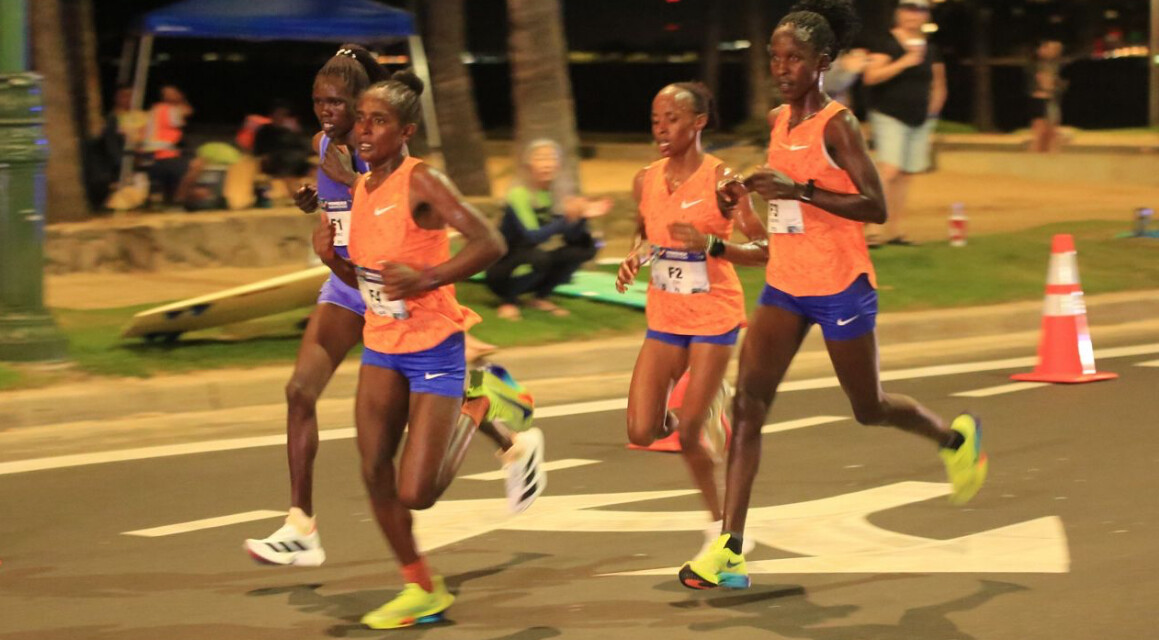
But women’s defender, Cynthia Limo, who debuted with her victory in Honolulu last year in 2:33:01, saw herself in a tight four woman battle that lasted from the 1st mile until 30 km.
Last year’s third place men’s finisher, Reuben Kerio, 30, of Kenya, for some reason, downloaded a 4:38 11th mile as the race headed out Kalanianaʻole Highway for the 4 mile stretch out to Hawaii Kai and the turnaround.
What had been a four man pack was instantly reduced to two as Eritrean Olympian Yamane Haileselassie, 26, who debuted in Boston in April, answered the call a few steps behind the rushing Kenyan.
Super shoes not withstanding, a 4:38 is more like a breakaway mile after 30 km not a how-do-you-do mile not even halfway through the race. Pundits on the scene questioned Kerio‘s decision.
At 15 miles, Yamane HaileSelassie made a move of his own, and within a mile had 10 seconds on Kerio. The lead grew to 30 seconds by 20 miles and the race seemed all but over.
HaileSelassie defected to the United States after the world championships in Eugene, Oregon in 2022. He moved to Flagstaff, Arizona, where he drives an Uber making food deliveries 40 hours a week to supplement is racing income.
He recently won the BAA Half Marathon in Boston on November 10th, running 1:01:46. He was third in that race last year and in seventh the year before. So you knew he was on form. He was also the fifth place finisher at the 2021 Olympic steeplechase final in Tokyo. When you can run top five in the Olympic steeplechase, you know this could be a great marathon runner.
According to his coach, James McKirdy, this is the first season that Yamane has worn super shoes. But he didn’t seem to be dialed in to the new technology quite yet as his feet came out full of blisters at the end of the competition. Still, he held off a never-say-die Reuben Kerio to win the race in 2:11:59
Kerio, who closed within 12 seconds going up Diamondhead at 40 km, finished 17 seconds back with Japan’s Kensuke Horio taking third place in 2:15:30.
Women leaders through Waikiki in mile 6 (33:10)
The women staged a four-person battle from mile one to mile 19. Defending champion Cynthia Limo ran alongside country woman F3 Judith Korir, silver medalist at the 2022 World Championships marathon in Eugene, Oregon. Along with them was F2 Sandrafelis Tuei, also of Kenya, who is has personal best of 2:22:22 from a fourth place finish in Shanghai, China in 2023. The fourth woman in the group was F4 Fanta Gelasa of Ethiopia, runner up at the 2024 Milan Marathon in Italy.
The tall striding Judith Korir controlled the pace for much of the first half, but at 19 miles the Ethiopian Gelasa finally let go and Cynthia Limo began to show signs of trying to take the race over.
In mile 20 Judith Korir finally fell away, leaving just Cynthia and Sandrafelis.
Those two stay together until Diamond Head when, at the 39 km mark, at the aid station Tuei seemed indecisive, unsure how to go to the table and almost ran into it before coming around the table to get her drink. But then she failed to grab it, whereas Cynthia easily snatched her bottle and kept on trucking’.
Suddenly, a side-by-side battle was a two stride advantage. And that seemed to be enough to break Tuei. From there, Limo loped home uncontested to finish in 2:31:13 to take her second straight, Honolulu Marathon title. Tuei finishing 2:31:47, with Judith Korir taking third in 2:36:17.
In this modern area of super shoes, when winning times are faster than ever, sometimes an old-fashioned foot race can be more fun to watch than a solo run against the clock.
Honolulu never had, nor never will have, a reputation for being a fast marathon. But pro racing is just as important to the Honolulu Marathon Association as tens of thousands of average runners. Though In 2019, Honolulu had both the fastest marathon in the America (2:07:59) and the slowest, as they never close their finish line and some finishers take up to 17 hours to complete their journey.
But that’s what makes Honolulu special. And with more people than ever coming to enjoy sun and sand and swaying palm trees while the snow flies back home, it seems the aloha spirit will never go out of style.
by Toni Reavis
Login to leave a comment

Honolulu Marathon
The Honolulu Marathon’s scenic course includes spectacular ocean views alongside world-famous Waikiki Beach, and Diamond Head and Koko Head volcanic craters.The terrain is level except for short uphill grades around Diamond Head. ...
more...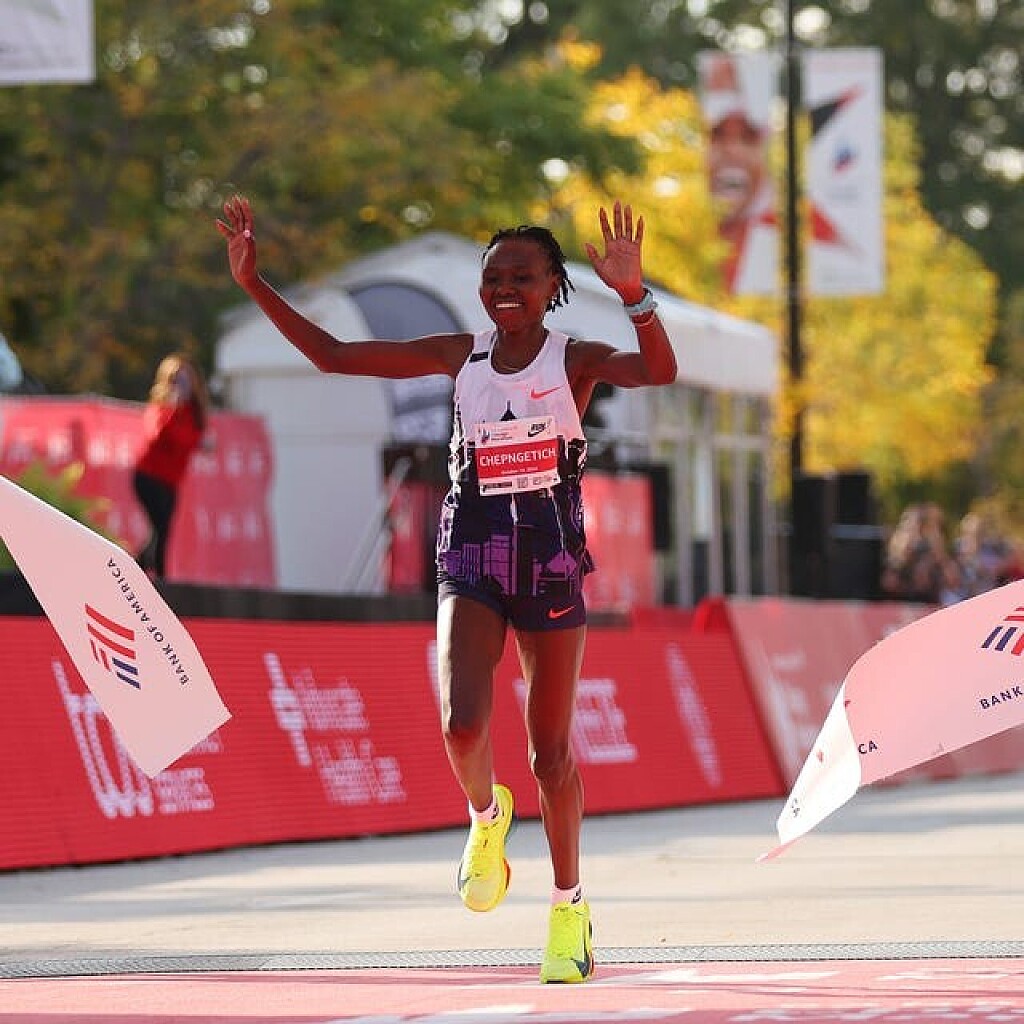
MARATHON GROUNDBREAKERS
Since Australia’s Derek Clayton ran history’s first sub—2:10 marathon in Fukuoka, Japan, on 3 December 1967, there have been a total of 4538 sub—2:10 marathons (as of 30 October 2024), 4537 by men, one by a woman.
As with any new ground-breaking performance, Ruth Chepngetich’s 2:09:56 in Chicago on 13 October has forced us to reassess all our past assumptions, or, like many, to doubt the validity of the performance itself. But no matter how we got here, to whatever you want to ascribe it, this is where we are now, 2:09:56 by a woman.
In this new reality, until proven otherwise, Ruth Chepngetich is the new Paula Radcliffe, just as Paula was the new Grete Waitz, one ground-breaker to the next, 1978 to 2003 to 2024.
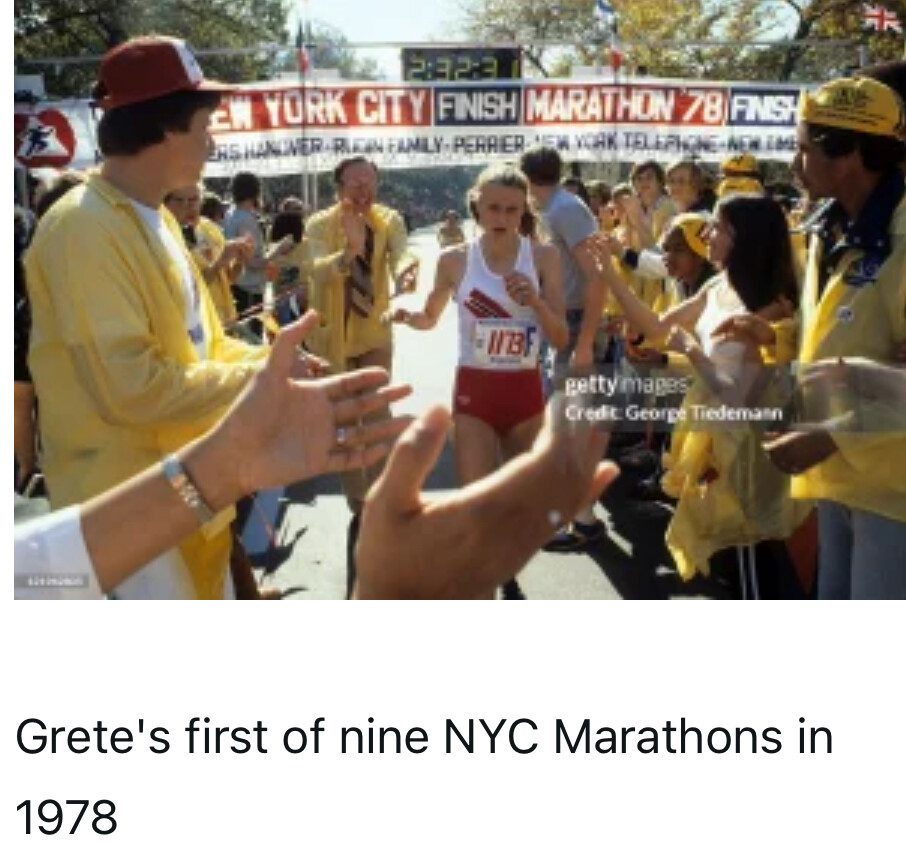
There have been many talented women champions through the years besides those three, including all the pioneers who had to overcome centuries of gender bias that restricted women from even showing their stuff.
But in terms of pure ground-breaking, the 1978 New York City Marathon drew a bright line between what once was and what would be.
On 22 October 1978, Norway’s track and cross-country star Grete Waitz participated in the marathon for the first time, almost on a whim, as the trip was more of a honeymoon for her and husband Jack after the long track season.
The 2:32:30 world record Grete ran that day was totally unexpected by both the public and Grete herself. She wore bib #1173, wasn’t included on the list of elite women, and came with no specific marathon preparation (not a single run over 13 miles). In fact, she was so upset with husband, Jack, for suggesting she come run the marathon that she threw her shoes at him in the hotel room following her victory.
Still, like almost all debuting marathoners, after a short period of recovery and reflection, Grete concluded she could probably improve next time.
Thus, in New York 1979, following a more careful preparation, Grete ripped nearly five full minutes off her 1978 mark to record history’s first sub—2:30 by a woman at 2:27:33. Her margin of victory over England’s Gillian Adams was 11 minutes (2:38:33). The combination of the mild-mannered former geography teacher from Oslo and the raucous New York City crowds proved transformative, elevating women’s running to heights previously unimagined.
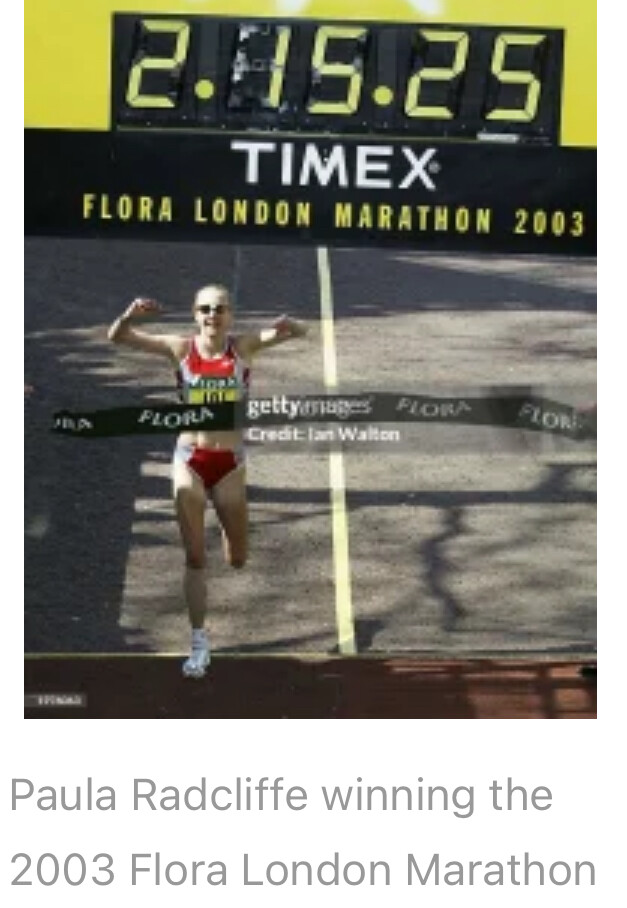
Though Japan’s Naoko Takahashi broke the 2:20 barrier for women in Berlin 2001, after Norway’s Ingrid Kristiansen (2:21:15, London ‘85), America’s Joan Benoit Samuelson (2:21:21, Chicago’85), and Kenyan Tegla Loroupe (2:20:43, Berlin ‘99) all challenged the barrier in the 1980s and ‘90s, it was England’s Paula Radcliffe who established new headlands in the marathon in London 2003 with her 2:15:25.
Nearly two minutes faster than her own 2:17:18 record from Chicago the year before, her 2:15 arced away from Catherine Ndereba’s 2:18:47 from Chicago 2001, completed just one week after Takahashi’s first sub-2:20 in Berlin.
The quality of Paula’s 2:15 can be seen in the 16 years and an entire shoe technology revolution that developed before Kenya’s Brigid Kosgei did Paula one better in Chicago 2019 at 2:14:04. That performance plowed new ground again. And now we have Ruth Chepngetich in Chicago 2024 with history’s first sub-2:10, just a year after Ethiopia’s Tigst Assefa’s first sub—2:12 in Berlin `23 (2:11:53).
Twice before, Chepngetich had come to Chicago with world record intentions. In 2022, she won the race in 2:14:18, just 14 seconds off Kosgei’s record. In 2023 she finished second in 2:15:37. On both occasions she flew through halfway under 66 minutes, only to falter in the second half. Perhaps she was a close reader of Malcolm X.
“There is no better teacher than adversity. Every defeat, every heartbreak, every loss, contains its own seed, its own lesson on how to improve your performance the next time.” – Malcolm x
In simple terms, making innovative strides in athletics requires time, experimentation, and reviewing, similar to how new scientific theories are examined before full acceptance. But women just haven’t been at the marathon game long enough to produce a large enough sample size to define their outer limits with any accuracy. They are barely two generations in since 1978.
Men have been competing for a much longer time with a much larger sample size.
Though Eliud Kipchoge surpassed the two-hour barrier in Vienna in 2019, that was accomplished as an exhibition, not a sanctioned race. In that sense, we are still awaiting the next barrier breaker on the men’s side in the Marathon.
Looking back, England’s Jim Peters stands as the first modern barrier breaker with his 2:18:40 win at the 1953 Polytechnic Marathon between Windsor and Chiswick in West London, England, history’s first sub—2:20.
Next was Ethiopia’s Abebe Bikila, the legendary double Olympic victor in Rome 1960 and Tokyo 1964. His 2:15:17 in Rome still stands as the barefoot marathon world record.
Next came Australia’s Derek Clayton, the first man under both 2:10 and 2:09. His 2:08:34 from Antwerp 1969 lasted for 12 years, holding off challenges throughout the entire Running Boom era headed by Americans Frank Shorter and Bill Rodgers.
Though never world record holders, the two Americans dominated the 1970s boom era, Shorter through the first half, Rodgers the second.
The Eighties were the last decade of international marathon champions: American (Al Salazar, Greg Meyer); European (Steve Jones, Carlos Lopes); Japanese (Toshihiko Seko and the Soh brothers); and Australian (Rob de Castella). Kenya’s Joe Nzau won Chicago in 1983 in a thrilling duel with England’s Hugh Jones when Chi-town was still developing its reputation as a world class event.
Ibrahim Hussein set new records in Honolulu and kick-started the Kenyan marathon revolution
The full East African deluge didn’t begin until 1987 and ‘88 when Kenya’s Ibrahim Hussein (already a two-time and soon to be three-time Honolulu Marathon champion) became Africa’s first New York City and Boston Marathon winner and Ethiopia’s Belayneh Dinsamo set the world record, 2:06:50, in Rotterdam 1988 that lasted over a decade.
The list of marathon stars from other nations scaled back markedly in the 1990s. Mexico had its turn at the top via greats like Dionicio Cerón (1994-`96 London champion), and back-to-back New York Ciy winner German Silva (1994 & 1995).
Moroccan-born American Khalid Khannouchi twice ran a world marathon record, first in Chicago 1999 (2:05:42), then three years later in London 2002 (2:05:38). And who could forget the personable Brazilian, Marílson Gomes dos Santos, who won New York City twice in 2006 & 2008, or Meb in NYC `09 and Boston 2014??
But the United Nations pickings get rather meager after that as East African athletes have had a stranglehold on the sport of marathoning, most dominatingly by Kenya’s Eliud Kipchoge. His run of sustained excellence over 42.2 kilometers was, and is, unprecedented in its longevity, including double gold in Rio 2016 and London 2020. And his last world record of 2:01:09 in Berlin 2022.
Sadly, the current record holder, Kelvin Kiptum, died in a car accident in February 2024 after establishing the 2:00:35 world record in Chicago 2023.
With the 2024 TCS New York City Marathon scheduled this weekend, we don’t expect to see any record performances. Yet, all the above is why we follow the game, isn’t it, to witness the arc of improvement over time, while hoping to discover a new name to remember? It’s as valid a focus as any other in this life.
And despite its many flaws and corruptions, the sport of marathoning retains an innate dignity that many endeavors do not. People may have bruised, battered, and tarnished it in the name of glory and money. But it survives, nonetheless, as a simple reflection of the human drive to achieve more in the quest to discover our best.
Doesn’t always turn out that way, but I don’t think we are done with it quite yet. Onward!
by Toni Reavis
Login to leave a comment
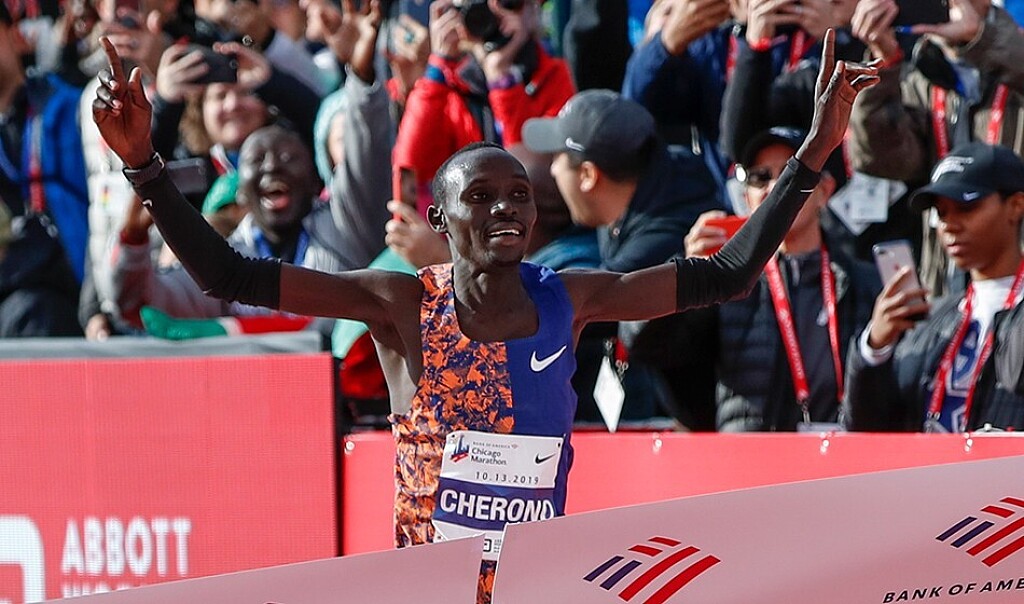
Lawrence Cherono banned for seven years for doping and tampering
The 2019 Boston and Chicago Marathon winner admitted to three anti-doping rule violations
Lawrence Cherono, a two-time major marathon champion and the former world No.1 over 26.2 miles, has been banned for seven years for doping and tampering.
The 35-year-old admitted to three anti-doping rule violations, including tampering for attempting to mislead the investigation.
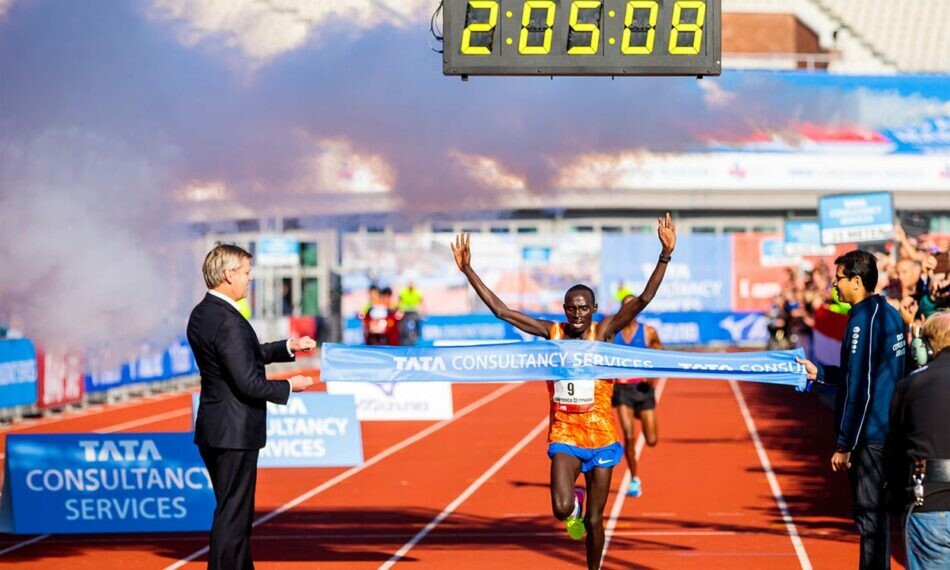
Cherono, who has a personal best of 2:03:04 in the marathon and is 12th on the world all-time list, was suspended by the Athletics Integrity Unit (AIU) in 2022 after testing positive for the banned substance trimetazidine, in an out-of-competition test.
He has now received a four-year ban for the positive test and was given another four years by the AIU for the tampering offence. However, as Cherono admitted to the violations, he has been given a one-year reduction to his ban.
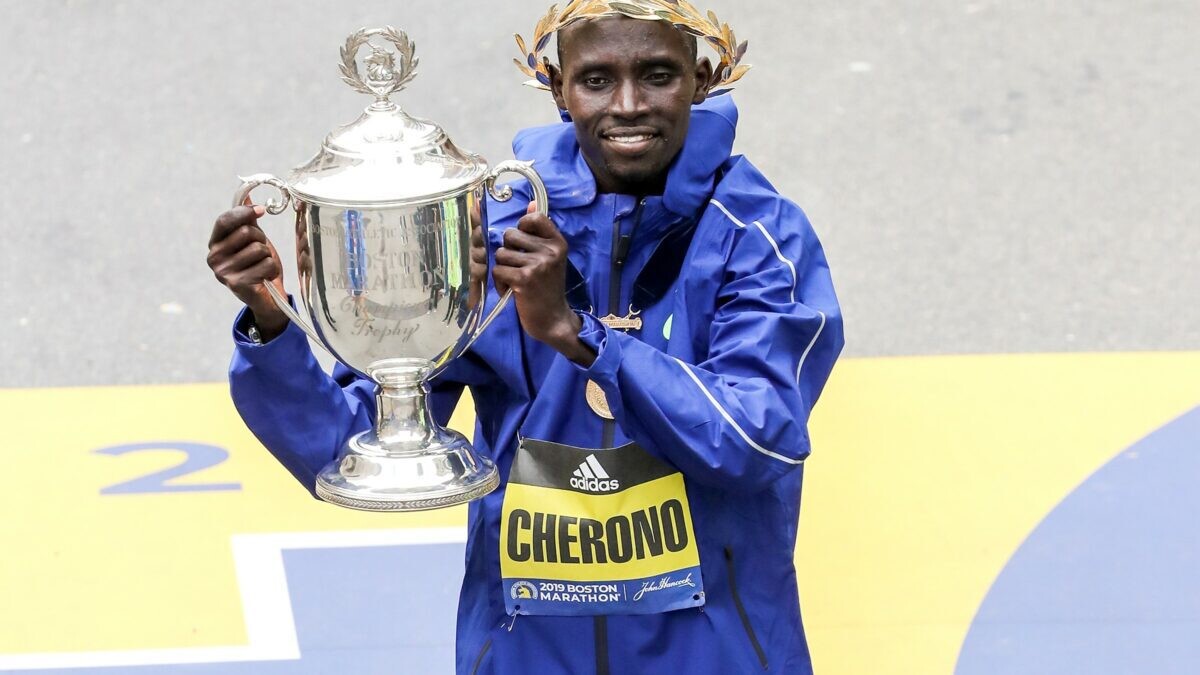
In addition to Boston and Chicago, Cherono has won marathons in Seville, Valencia, Prague, Honolulu and Amsterdam.
The AIU said: “In attempting to explain the positive test, Cherono initially said he had been given the antibiotic Erythromycin and was also injected with an unknown substance by a doctor to treat stomach problems, but then also attempted to implicate his training colleagues for the failed test, claiming they were ‘jealous of his success’.
“However, in a subsequent written statement, Cherono said he had been inadvertently given Trimetazidine in the form of Carvidon tablets by his wife – instead of the painkillers he had requested – to treat muscle pain following training on 22 May 2022. According to the runner, his wife had been prescribed the Trimetazidine four days earlier at a medical centre.
“To support his explanation, Cherono provided a laboratory request from the medical centre, including hand-written details of medications prescribed for his wife, along with a photograph of the underside of tablets enclosed in their blister packaging. In collaboration with the Anti-Doping Agency of Kenya (ADAK), further investigations into the laboratory request and additional medical documents provided by Cherono as proof of his wife’s treatment at the medical centre, revealed “several inconsistencies”.
“Following a request from ADAK to the medical centre in November 2022 for additional information to verify the documents independently, the clinic director confirmed in December 2022 that they ‘were not genuine/official documents from the clinic and that the information they contained was not true and accurate’.
“Following this development, the AIU said its investigation into Cherono’s explanation and the submitted documents ‘was materially obstructed and substantially undermined’, with repeated attempts to obtain copies of medical records to corroborate the runner’s wife’s alleged medical treatment proving unsuccessful. After its attempts to secure the wife’s medical records were repeatedly impeded, the AIU – through ADAK – gained a court order in Kenya compelling the medical centre to surrender the documents. In response, the medical centre said there were no records available for any treatment to the athlete’s wife since May 1, 2022.”
On June 26, 2024, Cherono admitted to the violations in a signed letter to the AIU, marking the end of the two-year investigation.
“This decision is testament to the tireless and persistent efforts of the AIU in investigating doping and the explanations provided for positive tests,” said AIU Head, Brett Clothier.
“Since its inception, the AIU has remained steadfast in its commitment to clean sport, and this decision sends a strong signal to drug cheats that the AIU will leave no stone unturned in carrying out its mandate.”
by Tim Adams
Login to leave a comment
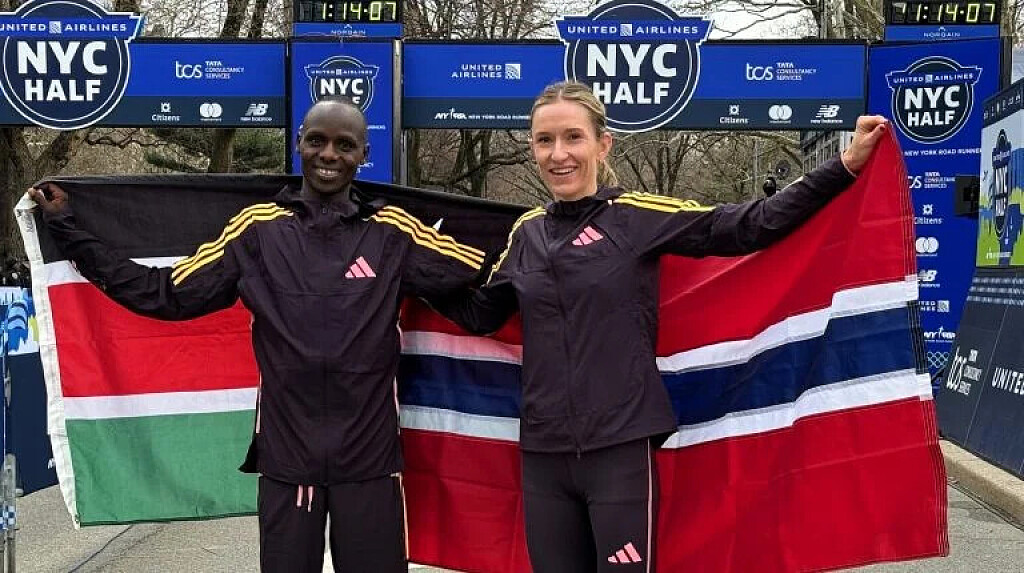
Grovdal, Kipchumba Take Victories At United Airlines NYC Half
Norway’s Karoline Bjerkeli Grøvdal and Kenya’s Abel Kipchumba won this morning’s hilly and chilly United Airlines NYC Half in 1:09:09 and 1:00:25, respectively. Grøvdal, 33, a three-time European Athletics cross country champion, became the first European woman to win the race since Britain’s Mara Yamauchi in 2010.
Kipchumba, 30, last November’s B.A.A. Half-Marathon champion in Boston, was the race’s ninth Kenyan male champion over its 17-year history. Both athletes won $20,000 in prize money.
The two dozen women in the elite field were in no hurry to establish a fast pace when the race set off from Prospect Park in Brooklyn just after sunrise. Calli Thackery of Great Britain, recently named to her country’s Olympic Marathon team, was the early leader and a pack of seven went through the 5-K checkpoint in a gentle 17:07. Grøvdal was in that pack along with Kenya’s Gladys Chepkurui, Edna Kiplagat and Cynthia Limo; the Netherlands’ Diane Van Es; and Switzerland’s Fabienne Schlumpf. The two top Americans, Des Linden and Jenny Simpson, were five seconds back.
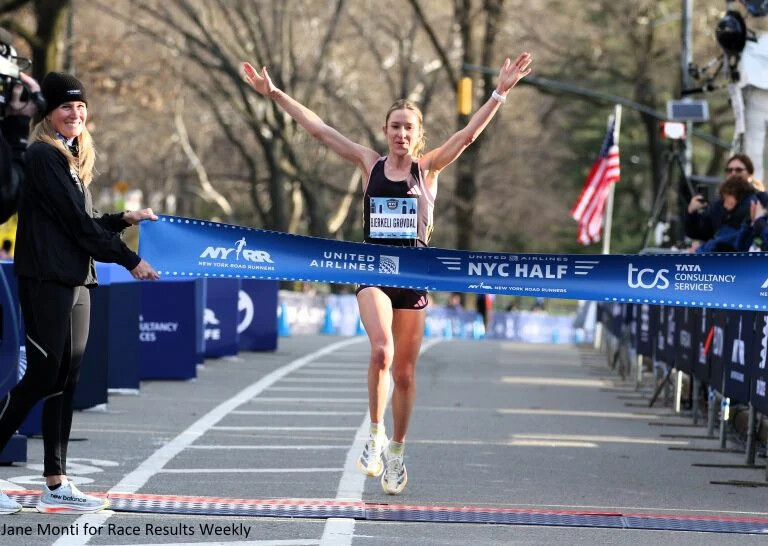
The next five kilometers would be critical. As the leaders ascended the Manhattan Bridge to cross the East River, the pace became too difficult for Thackery, Van Es and Schlumpf who all slid back. At the 10-K mark on the Manhattan side (33:26) the race was down to four: Grøvdal, Chepkurui, Kiplagat, and Limo.
Limo, the reigning Honolulu Marathon champion, was next to lose contact after Chepkurui pushed the pace up the FDR Drive along the East River. By 15-K, Limo was nearly 20 seconds behind and would finish a distant fourth in 1:11:54.
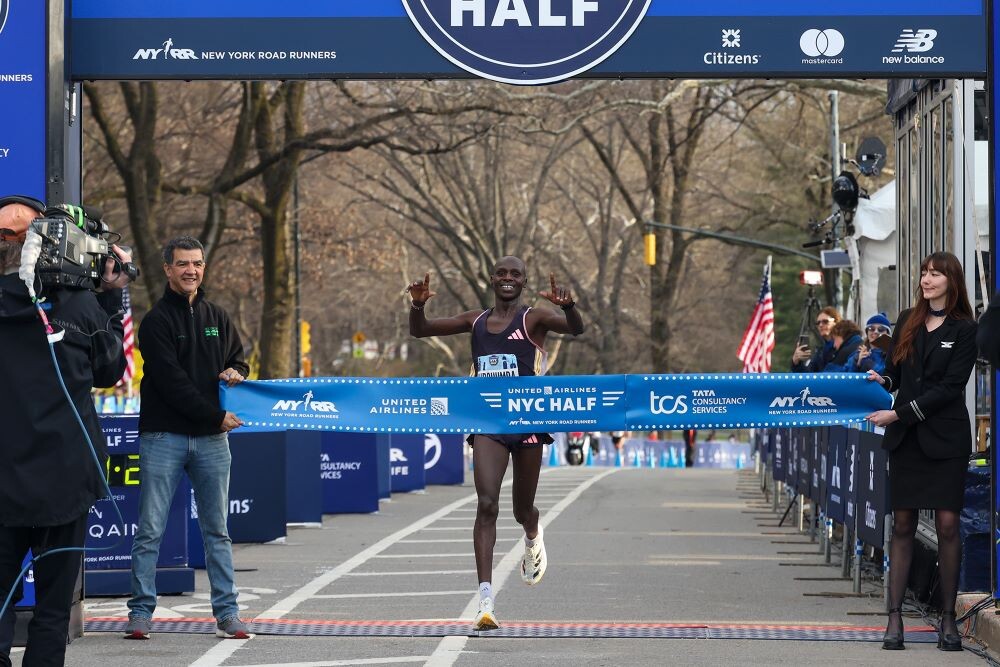
Grøvdal Comes Back
But Grøvdal was also hurting. In the tenth mile (17th kilometer) as the race went up Seventh Avenue past Times Square, Grøvdal began to lose contact with Chepkurui and Kiplagat. It looked like she would finish third for the third year in a row.
“I was so tired then,” Grøvdal told reporters. “Just thinking, it’s third this year also. But then, I don’t know. I just tried to don’t get the gap too big. Suddenly, I was just behind them again.”
The final seven kilometers of this race are particularly tough. The race climbs about 30 meters from 15-K to the finish, and the finish straight itself is uphill. Grøvdal knew the course well and was ready.
“Then something in me just, OK, now it’s the finish,” Grøvdal explained. “It’s 3-K left, so I was planning to have a strong finish the last 2-K and I did that.” She added: “I just went for it.”
The men’s race began much more aggressively than the women’s. By the 5-K mark (14:23) Kipchumba and Morocco’s Zouhair Talbi had already reduced the lead pack to four. Along for the ride were two Olympic steeplechasers, American Hillary Bor and Eritrean Yemane Haileselassie. The four stayed together through 10-K (28:38), but then Kipchumba and Talbi began to trade surges. That kind of racing was too punishing for Haileselassie, who drifted off the pace. Bor, running in just his first half-marathon, hung on.
“I wanted a fast race and I think the same for him,” said Talbi, who is observing Ramadan and had to fast in the days leading up to today’s race. “He (Kipchumba) wanted to push… so both of us keep pushing from the start. I pushed until the end, basically.”
By 15-K (42:54) Bor was 12 seconds back and Haileselassie was 32 seconds in arrears. It would be either the Kenyan or the Moroccan who would take the victory today. Kipchumba was determined and recognized Talbi as a formidable opponent.
“Today was not easy,” Kipchumba told Race Results Weekly. “The guy was strong.”
Kipchumba finally shook off Talbi in the race’s final stages, leading by 10 seconds at 20-K (57:18) and, ultimately, 17 seconds at the finish. His time of 1:00:25 was the fastest since 2017 when the race was held on a different –and much easier– course from Central Park to lower Manhattan.
“I tried my best; I won the race,” Kipchumba said. “(With) three kilometers remaining I said it’s time to win.”
Talbi was second in 1:00:41, and Haileselassie passed Bor in the final kilometer to take third in 1:01:37 to Bor’s 1:01:47. Another American, Reed Fischer, rounded out the top 5 in 1:03:06.
by David Monti
Login to leave a comment

United Airlines NYC Half-Marathon
The United Airlines NYC Half takes runners from around the city and the globe on a 13.1-mile tour of NYC. Led by a talent-packed roster of American and international elites, runners will stop traffic in the Big Apple this March! Runners will begin their journey on Prospect Park’s Center Drive before taking the race onto Brooklyn’s streets. For the third...
more...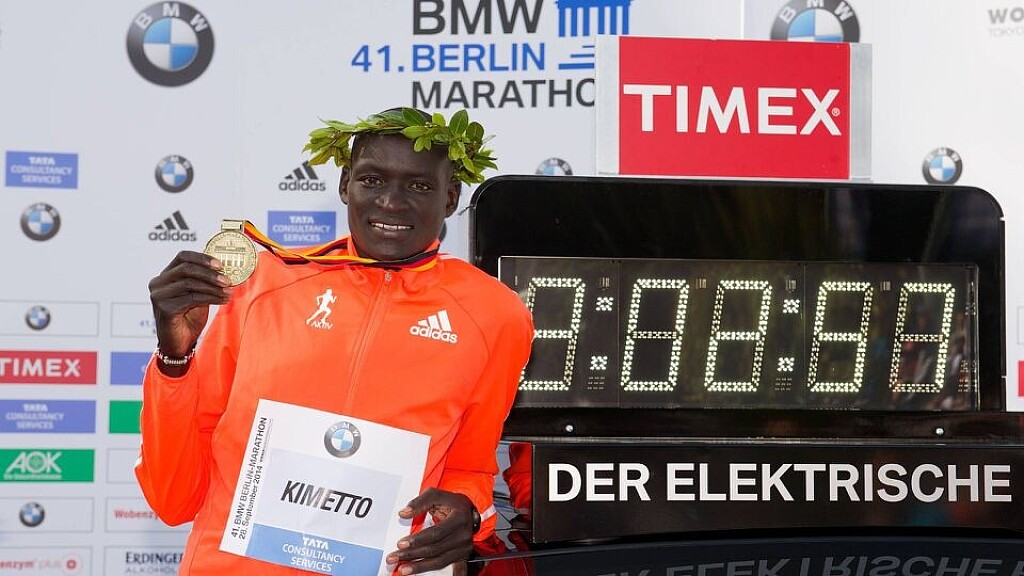
Former world record holder Dennis Kimetto will race for 1st time since 2019 this weekend at Lagos Marathon
2013 Tokyo and Chicago Marathon champion Dennis Kimetto has confirmed where he will be competing after a five-year hiatus due to injuries.
The excitement is building for the 9th Access Bank Lagos City Marathon, scheduled for Saturday 10 February with the confirmation of over 81 world-class, Gold Label elite runners ready to descend on the course.
One notable name is Dennis Kimetto, a former world record holder over the marathon distance. The 2013 Tokyo and Chicago Marathon champion returns to competitive running since 2019 and he will hope to impress one more time.
Kimetto has suffered a series of injuries which started back in 2015. At the time he was not at his best as he only completed the London Marathon, finishing third, and failing to complete the IAAF World Championships marathon in Beijing.
Kimetto also failed to finish the Fukuoka Marathon in December of the same year where he stopped at the 5-kilometer mark after dropping off the pace at 2 kilometers due to an injury.
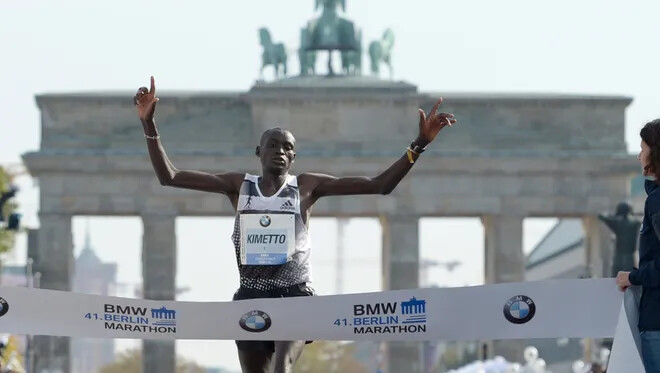
After finishing ninth at the 2016 London Marathon, Kimetto opted to run in the Chicago Marathon where he unfortunately pulled out ahead of the race, citing a stress fracture in his left leg.
His injury problems continued in 2017, with a knee injury forcing him to withdraw from the Boston Marathon field. The 2014 Berlin Marathon champion failed to finish both the Chicago Marathon in October and the Honolulu Marathon in December.
At the Vienna City Marathon in April 2018, Kimetto dropped out before the 25-kilometer mark. He then went to compete at the Shanghai Marathon where he finished 10th in 2:14:54.
In 2019, he tried making a comeback at the Daegu Marathon where he did not finish the race. He now returns with the hope of making waves like he did during his prime days.
Meanwhile, the field also includes 29 female runners and promises a highly competitive and potentially record-breaking event.
“The confirmation of over 81 Gold Label runners is a positive development for the 9th edition. As we prepare for the 10th edition, our goal is to elevate the race from Gold Label to Platinum Label status,” Yusuf Ali, the Race General Manager and former African record holder in the Long Jump said in an official statement issued.
by Abigael Wuafula
Login to leave a comment

Access Bank Lagos City Marathon
“The IAAF and AIMS have a special interest in the Access Bank Lagos City Marathon so if you see their top officials at the third edition, don’t be surprised. Lagos is one of the few marathons in the world that got an IAAF Label after just two editions. This is a rare feat. The event had over 50,000 runners at...
more...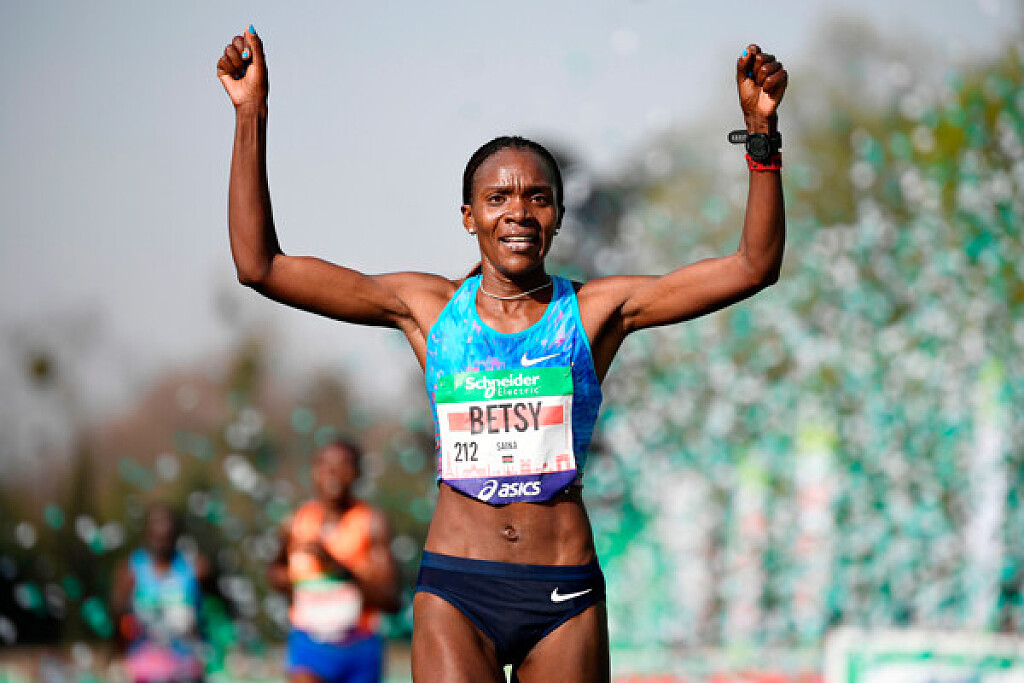
For Betsy Saina, the U.S. Olympic Trials Marathon Presents a Chance to Represent Her Son
For much of last year, Betsy Saina had a plan. She would race the Chicago Marathon in October, eager to run alongside Emma Bates (who placed fifth at last year’s Boston Marathon in a new personal best of 2:22:10) in pursuit of breaking Emily Sisson’s American record of 2:18:29, set the previous year at that same race.
Saina, 35, a naturalized U.S. citizen who represented Kenya in the 2016 Olympics in Rio de Janeiro—she placed fifth in the 10,000 meters 30:07.78—had reason to be confident. Last spring, she set a new personal best of 2:21:40 with her fifth-place finish at the Tokyo Marathon, which wound up being the fastest marathon by an American woman in 2023 and made her the eighth-fastest U.S. female marathoner of all-time, solidifying her position as a top U.S. Olympic marathon team contender.
The Chicago Marathon had assured Saina’s agent, Tom Broadbent, that she was in for the race. But when the elite field was announced in August, Saina learned she had not been accepted, which not only threw a wrench in her fall training plans, but made for a lot of stress as she was planning her U.S. Olympic Marathon Team Trials buildup.

“I was shocked and spent three days looking at myself and trying to find any mistakes I made to not make the field, especially after running 2:21 in Tokyo,” Saina says. “I had never been rejected from a race before, and never got a response or an explanation as to why I didn’t make it. Being denied to run in Chicago honestly was one of the most disappointing things I’ve experienced in my career.”
Saina looked into entering the Berlin Marathon the following month, but had no such luck getting in with it being so late in the game. She was ultimately accepted into the Sydney Marathon (which shares its sponsor, ASICS, with Saina) on September 16. Unlike Chicago—with its fast, flat course that ended up having ideal racing conditions with temperatures in the 40s—Sydney has a hilly course and race-day weather was on the hotter side, with a starting temperature of 68 degrees.
Despite the conditions, Saina proved herself once again, winning the race in 2:26:47. This sealed her confidence as she began to look ahead to the Olympic Trials in Orlando on February 3. If she’s one of the top three finishers in the women’s race in Florida, she’ll earn a spot on the U.S. team that will compete in the marathon at the Paris Olympics on August 11.
“Challenges make people strong, and running a good marathon on a harder course made me come back feeling motivated,” she says. “[Even though it wasn’t the faster time I originally wanted], it didn’t stop me from being a better version of myself.”
Transcendent Transplant
Despite her impressive performances in 2023, Saina has remained largely under the radar in terms of media coverage and fan predictions leading up to the Trials in Orlando, similarly to what fellow Kenyan-born marathoners Aliphine Tuliamuk and Sally Kipyego (both of whom made the last Olympic marathon team) experienced in 2020. The lack of attention relative to her competitors hasn’t fazed Saina, however.
“I know how to deal with pressure, having been in the sport since 2013, so as long as my training is going well, I don’t pay too much attention to what people say,” Saina says. “I’m just more excited to see many of the U.S. women [who are also] my friends, like Emily Sisson, Sara Hall, and Keira D’Amato, and to be racing so many amazing U.S. athletes for the first time.”
Saina’s result in Tokyo was only about a minute faster than her debut at the distance at the 2018 Paris Marathon, which she won in 2:22:56 (after dropping out of the 2017 Tokyo and New York City Marathons). It was also a confidence boost for Saina because it was also her first marathon since giving birth to her son, Kalya, now two, in December 2021, after previously running 2:22:43 and 2:31:51 at the 2019 Toronto Waterfront and Honolulu Marathons, respectively.
Saina—who originally came to the U.S. to attend Iowa State University where she trained alongside Tuliamuk and was a three-time individual NCAA champion and 11-time NCAA All-American—has remained in her hometown of Iten, Kenya, for the majority of the time since having her son, as her husband, Meshack Korir, is a doctor completing his postgraduate education there.
Although Saina became a U.S. citizen in late 2020 and has a home base in Colorado Springs, she made the decision to return to Kenya to have additional family support and childcare as she worked to come back from pregnancy and childbirth to prepare for the Olympic Trials, which she’ll return for just a few days before the race. Saina also keeps busy managing a couple of guesthouses, which she regularly rents out to visiting athletes and tourists. She also works with Cross World Africa, a nonprofit that sponsors underprivileged children in pursuing secondary and higher education.
“Before I came from Kenya, my family was struggling and we had to fundraise for my flight ticket to come to the U.S. Being here has changed my family in a different way—I have two sisters who are now nurses in the U.S., and my parents can now more easily fly to visit us, and while it is not where I began running, the U.S. where I began competing at such a high level,” she says. “My son also gives me so much motivation and is my inspiration. When I see him, I see beauty in myself and see myself getting better when I’m running. So I am excited both to compete and represent my son, and to hopefully wear the U.S. uniform because it has so much meaning for me.”
Back in Iten, Saina has been training in a group with personal pacemakers alongside 2019 New York City Marathon champion Joyciline Jepkosgei, which she describes as game-changing for her progress in the marathon. Both Saina and Jepkosgei, who is also the former world-record holder in the half marathon and Saina’s best friend from high school, are coached by Jepkosgei’s husband, Nicholas Koech.
“Sometimes you will train with people who don’t want to help someone else get better, but [Jepkosgei], who has run 1:04 [in the half marathon] and 2:17 [in the marathon] is unique in that she has sacrificed a lot, which I don’t think a lot of women will ever do for each other, and I don’t think I would either,” Saina says. “But she has been pushing me a lot since the first day I joined her, and I think that’s the reason I came back and I’ve had better races. I have someone to chase and it’s like competition in training, but in a good way.”
American Original
Saina returned to the U.S. twice last year, to race the USATF 25K Championships in Grand Rapids, Michigan, (where she took the win in 1:24:32 for her first U.S. title, narrowly beating D’Amato) and to be inducted into Iowa State’s Athletics Hall of Fame in September. Saina had planned to do some shorter U.S. races, including the Bolder Boulder 10K in May and the NYRR Mini 10K in June, following her national championship title in the 25K. However, she ultimately decided she couldn’t bear to be away from her son any longer.
“As a mom, when you’re away, you are so worried because you’re like, ‘How is he doing right now? How can I handle the pressure, being away from him?’” Saina says. “This year, it’s really different for me because the only race I want to travel to without Kalya is the Olympic Trials. He is growing now and getting better, so I want to travel with him afterward to compete in the USATF circuit. That’s the biggest goal for 2024, to travel with my son.”
Later this year, Saina hopes to also run the April 7 Cherry Blossom 10-Miler in Washington, D.C., the Mini 10K on June 8 in New York City, and a fast spring half marathon to pursue the current American record (which was broken yet again by Weini Kelati on January 14 in Houston), before running another marathon in the fall. In the meantime, she noted that she is especially eager to compete in one of the deepest fields ever assembled for the Trials.
Although Bates withdrew from the Trials, Saina figures to be one of the favorites in Orlando along with Sisson, Hall, Tuliamuk, D’Amato, and Seidel. However, Lindsay Flanagan (ninth in last summer’s world championships), Sara Vaughn, Susanna Sullivan, Gabriella Rooker, Dakotah Lindwurm, and Nell Rojas are all sub-2:25 marathoners, and thus top contenders, too.
“The U.S. is no longer small and non-competitive. Look at Molly Seidel. She got bronze at the Tokyo Olympics, and I remember when Amy [Cragg] was a bronze medalist at the 2017 World Championships. If you put that in perspective, it has changed even more right now compared to that time,” she says. “The competition [to make the U.S. team] is no longer as easy as the way some people [thought], and I’m super excited to be competing with a lot of solid women. There is no difference between the U.S. and other countries right now—it’s not just to go compete at the Olympics; they’re going to compete for the medals, just like other countries.”
by Emilia Benton
Login to leave a comment

2028 US Olympic Trials Marathon
Most countries around the world use a selection committee to choose their Olympic Team Members, but not the USA. Prior to 1968, a series of races were used to select the USA Olympic Marathon team, but beginning in 1968 the format was changed to a single race on a single day with the top three finishers selected to be part...
more...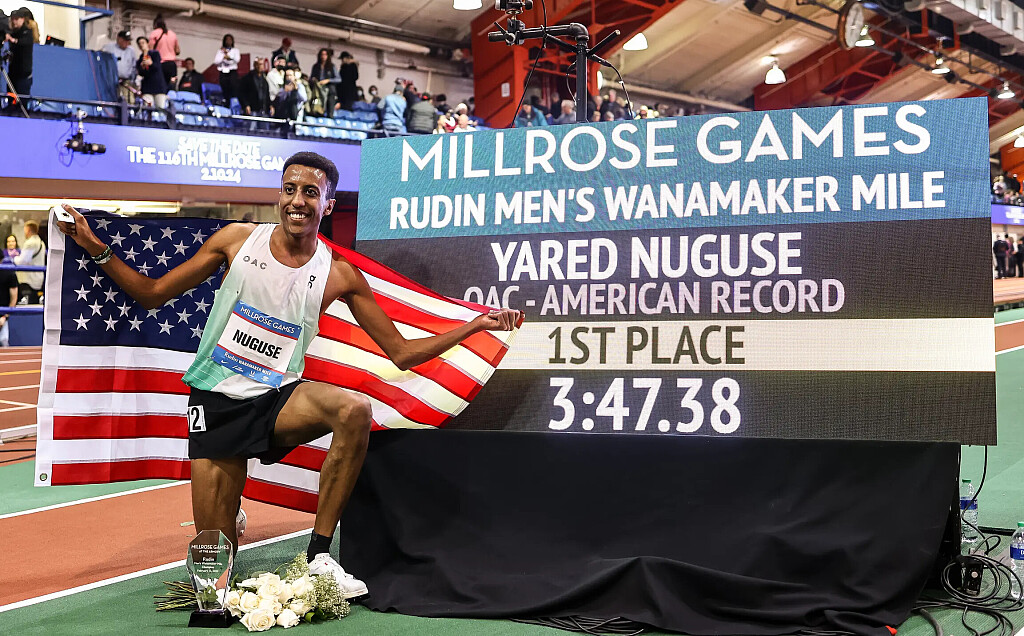
Yared Nuguse will run 2024 Millrose Games and says mile World Record is a very real possibility
U.S. outdoor mile record holder Yared Nuguse will return to the Armory Track and Field Center in New York City for the 116th Millrose Games as he looks to defend his men’s Wanamaker Mile title.
Here’s what you need to know:
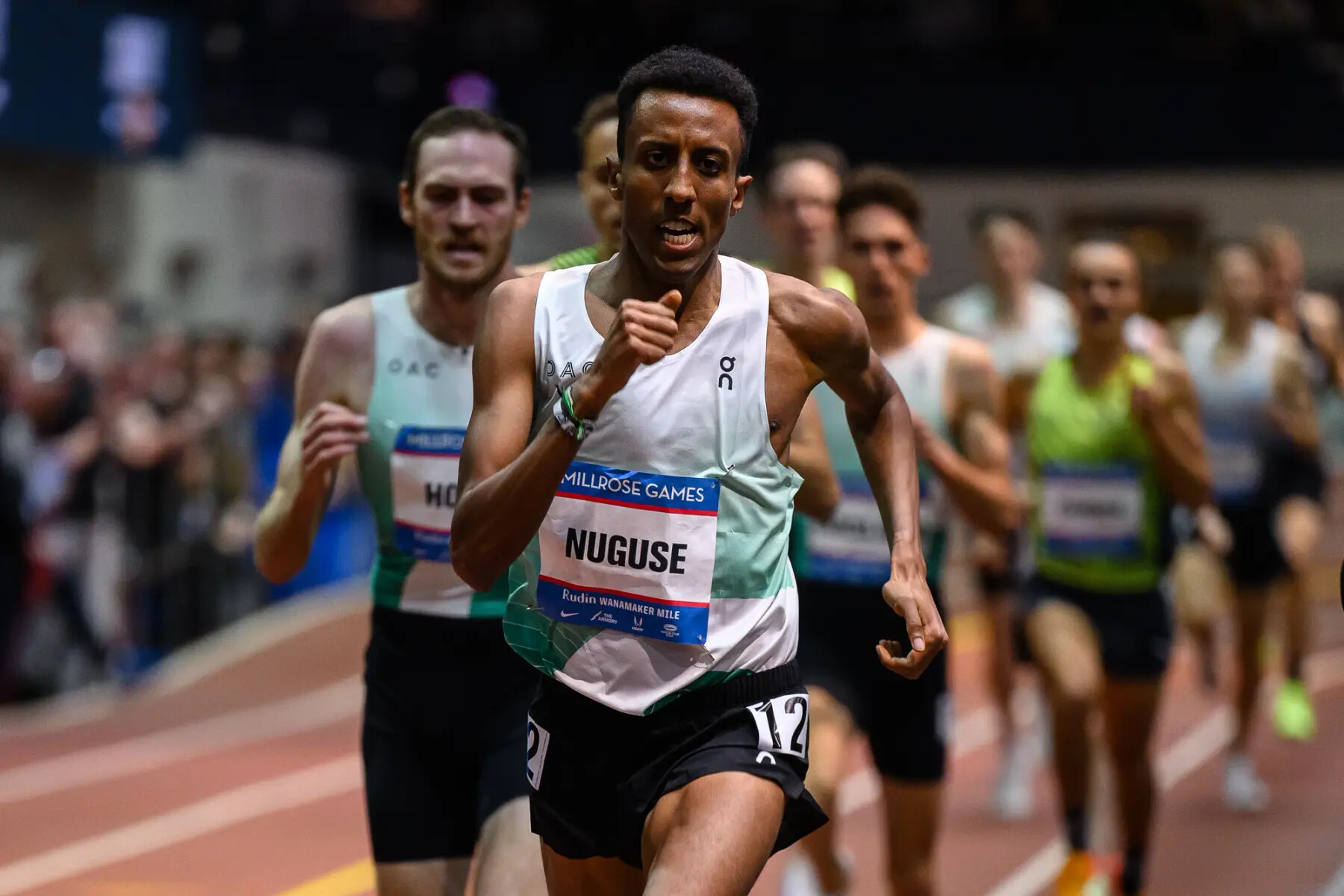
– The Wanamaker Mile has been contested at the Millrose Games since 1926.
– Last year, Nuguse made his Millrose Games debut and won and set a U.S. indoor mile record of 3:47.38. He barely missed the world record of 3:47.01 set by Yomif Kejelcha in 2019.
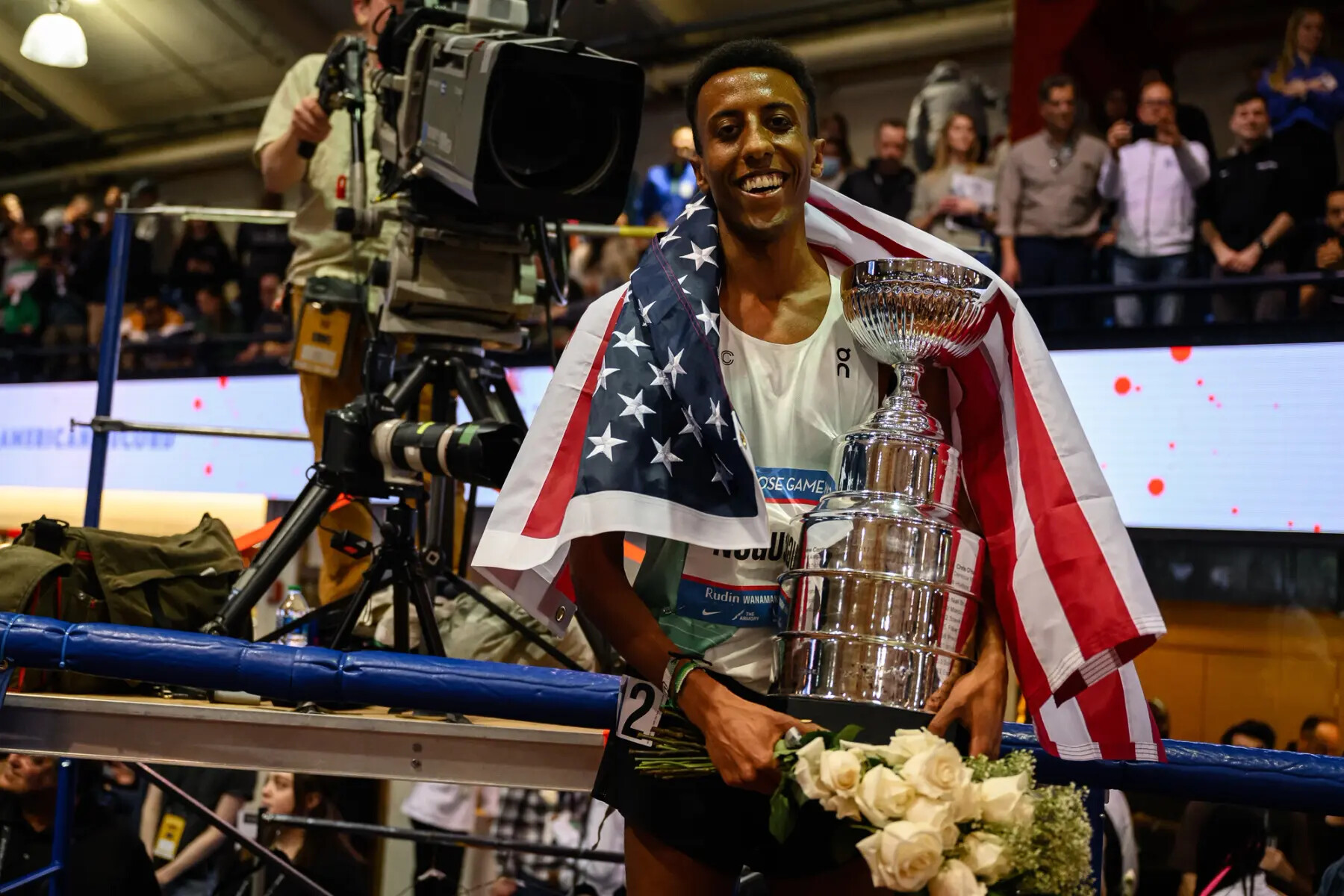
– Nuguse put together a career year in 2023 with: a 7:28.23 for 3000m indoors (American record); a personal best of 3:29.02 for 1500m (the fastest performance by an American-born runner); 3:43.97 outdoor mile (an American record and the fourth-fastest performance in history; a victory at the London Diamond League 1500m and a fifth place finish in the 1500m final at the World Championships. Most recently, he ran 3:56.58 at the Merrie Mile in Honolulu to come just .45 seconds shy of breaking the road mile world record.
– Nuguse was the first American to win since Eric Jenkins’ 2017 victory. Nuguse will look to become the first man to win back-to-back Wanamaker Mile titles since Matthew Centrowitz’s 2016 and 2015 victories.
The Millrose Games is the sixth stop on the 2024 World Athletics Indoor Tour Gold calendar.
Livestream and television broadcast details will be announced in the coming weeks. Stay tuned for more Millrose Games athlete announcements as the pro fields come together.
Tickets to the 116th Millrose Games can be purchased online at millrosegames.org. For more information on all Armory Track events, visit armorytrack.com.
by Chris Chavez
Login to leave a comment

NYRR Millrose Games
The Pinnacle of Indoor Track & Field The NYRR Millrose Games, first held in 1908, remains the premier indoor track and field competition in the United States. The 2025 edition will once again bring the world’s top professional, collegiate, and high school athletes to New York City for a day of thrilling competition. Hosted at the New Balance Track &...
more...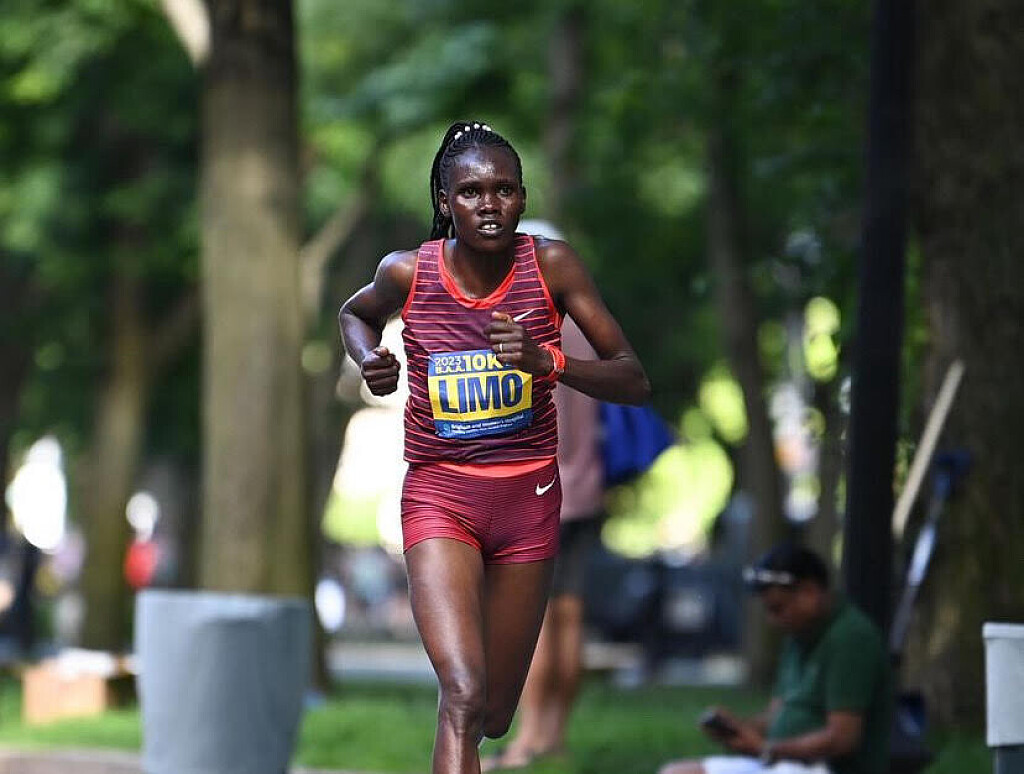
Cynthia Limo wins marathon debut after seven-year break plagued by depression and grief
Resilience defines Cynthia Limo's marathon debut win, overcoming loss and adversity with a powerful performance that inspires and uplifts.
The 2016 World Athletics Half Marathon Championships silver medalist Cynthia Jerotich Limo added another extraordinary chapter to her remarkable journey as she clinched victory in her marathon debut at the Honolulu Marathon on Sunday.
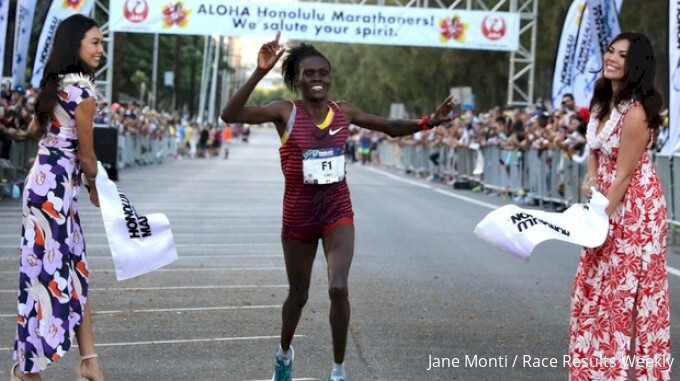
Limo's marathon journey began with a strategic approach that showcased her discipline and meticulous planning.
Running alongside Ethiopians Sintayehu Tilahun Getahun and Kasu Bitew Lemeneh, she patiently waited through the early stages of the race, hitting the 5km mark in 18:17 and slightly picking up the pace through the 10 km mark in 35:59.
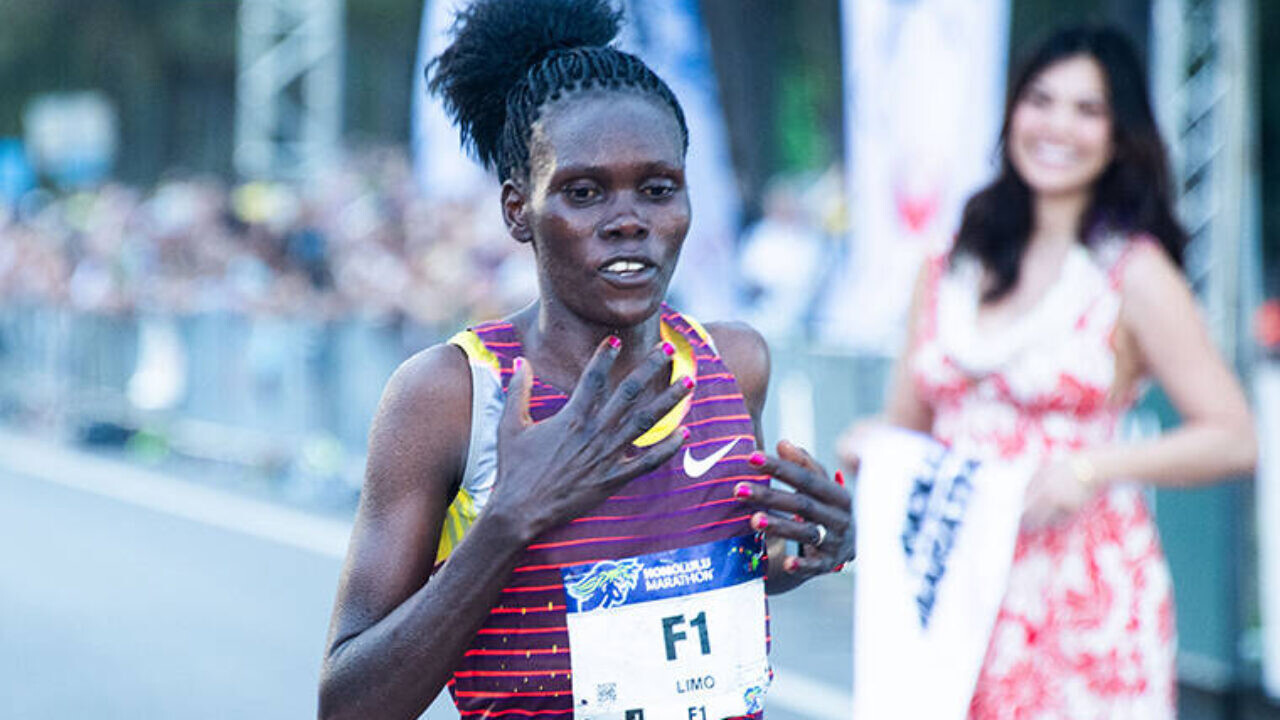
The halfway point came and went with no significant changes (1:16:43), and the 30 km mark passed in 1:50:05.
It was after the 30km aid station that Limo began to pull away, leaving Lemeneh behind.
Limo and Getahun then ran together for the next 5km segment, showcasing the incredible endurance they had built over time.
At 35km Limo made her move, steadily increasing her lead. By the time she reached the 40km mark, her lead had ballooned to a commanding one minute and 38 seconds.
Limo finished strong in 2:33:01, running the second half of the race slightly faster than the first and leaving Tilahun in her wake, who finished in 2:35:16.
In her own words, Limo described the decisive moment, saying, "When we got to 35 kilometers, I felt that I was still strong and I knew it was only seven kilometers that remained, so I had to do it by myself. I tried to push and push. I am so pleased."
Limo's impressive marathon debut can be attributed not only to the high mileage she logged during her training in Kenya but also to the speed she honed while competing in various American road races throughout the year.
These included notable wins at the Cooper River Bridge Run 10km in Charleston, South Carolina, the Carmel Half-Marathon in Indiana, the Toledo Half-Marathon in Ohio, and Philadelphia's Broad Street Run 10 Mile.
Reflecting on her marathon success, Limo emphasized the importance of mental fortitude, stating, "I can say that it was not really so hard to do the marathon. It is a matter of making up your mind that you can do the training. And I am so happy that I did that."
What makes Limo's victory even more remarkable is the adversity she has overcome to reach this point.
She took a seven-year hiatus from competitive running, during which she faced the unimaginable loss of a child and battled depression.
It seemed like a comeback was out of reach, but her determination to support her family and her unwavering spirit kept her pushing forward.
From 2012 through 2016, Limo dominated the racing circuit, finishing first or second in an astonishing 43 out of 51 races.
Her list of accomplishments includes numerous victories in races ranging from four miles to 20 kilometers, with 2014 standing out as a year of exceptional success when she won 12 out of 13 races.
Limo's roots are firmly planted in Iten, Kenya, where she resides with her husband, who is a teacher, and their daughters Ann, four, and Rebekah, two.
Tragically, their eldest daughter, Blessed, was born with a spinal birth defect and passed away before her second birthday.
In 2023, Cynthia Jerotich Limo returned to the world of competitive running, putting in the hard work and dedication to regain her form in Kenya.
by Festus Chuma
Login to leave a comment
Honolulu Marathon
The Honolulu Marathon’s scenic course includes spectacular ocean views alongside world-famous Waikiki Beach, and Diamond Head and Koko Head volcanic craters.The terrain is level except for short uphill grades around Diamond Head. ...
more...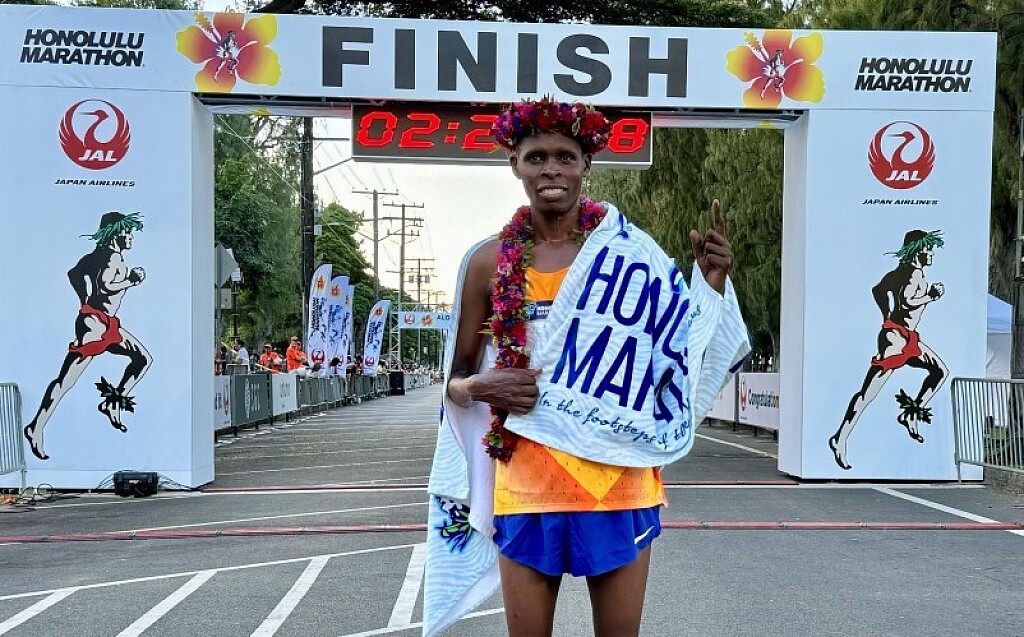
Kenyans Paul Lonyangata and Cynthia Limo win Honolulu Marathon
Kenyans Paul Lonyangata and Cynthia Limo patiently waited before making decisive moves to earn convincing wins at today’s Honolulu Marathon in challenging conditions. High humidity and long stretches of strong winds, combined with the course’s notorious hills, led to slow finish times in the 51st running of this race, the fourth largest marathon in the United States.
The race began in the darkness at 5:00 am local time with a fireworks display. Dickson Chumba of Kenya, the designated pacer, set an aggressive early pace for men’s leaders, coming through 5-K in 15:17, which projects to a sub-2:09 time. (The course record is 2:08:00.) In his wake were Lonyangata, fellow Kenyan Reuben Kiprop Kerio, Ethiopian Abayneh Degu and a pair of U.S.-based Eritreans, Filmon Ande and Tsegay Weldlibanos.
Through 10-K, the pace was picking up, with Chumba –a three-time winner of World Marathon Majors races– in front at 30:25. Kerio had drifted back and was 19 seconds behind. But the pace started to lag on an uphill section between 13-K and 14-K and Kerio quickly regained contact with the pack. Meanwhile, Weldlibanos, who had been fighting the flu in the week leading up to the race, was the first casualty, dropping out around 15-K.
During a long stretch along Kalaniana’ole Highway the pace was lagging in the 5:20 per mile range and it was clear that this would be a tactical battle. “This is the graveyard of fast times,” Honolulu Marathon Association president Dr. Jim Barahal, riding in the lead vehicle, lamented of this notoriously windy stretch. “But it means we’re going to have a great finish.”
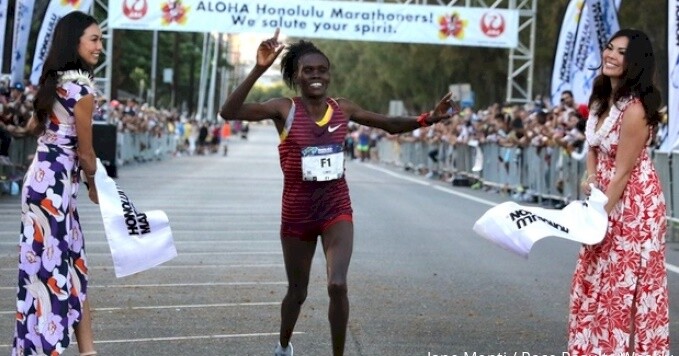
Indeed, the halfway point was reached in a modest 1:07:19. Chumba stepped off just before 25-K and moments later Lonyangata briefly surged ahead. The field came back to him within minutes, but as the course entered a less windy section, he made what would be the day’s decisive move. His pace quickened dramatically as he covered the 18th mile in 4:49. By 30-K (1:35:51) he had built a five-second lead over Kerio, with Ande another five seconds back. (Degu had dropped out some time after halfway, leaving only three men in the elite field.)
Lonyangata –who had finished second in his previous appearance in Honolulu in 2014, and owns a personal best of 2:06:10 from the 2017 Paris Marathon– continued to press the pace. Ande and Kerio were waging a back-and-forth duel for second place, and by 35-K, they were 21 seconds behind Lonyangata (1:52:14).
Lonyangata continued to look back for signs of danger, but a strong uphill surge as the course passed the Diamond Head volcanic crater for the second time kept him out of reach of his pursuers. “The hills you must run as hard as you can, you push uphill even if it’s hard,” he said.
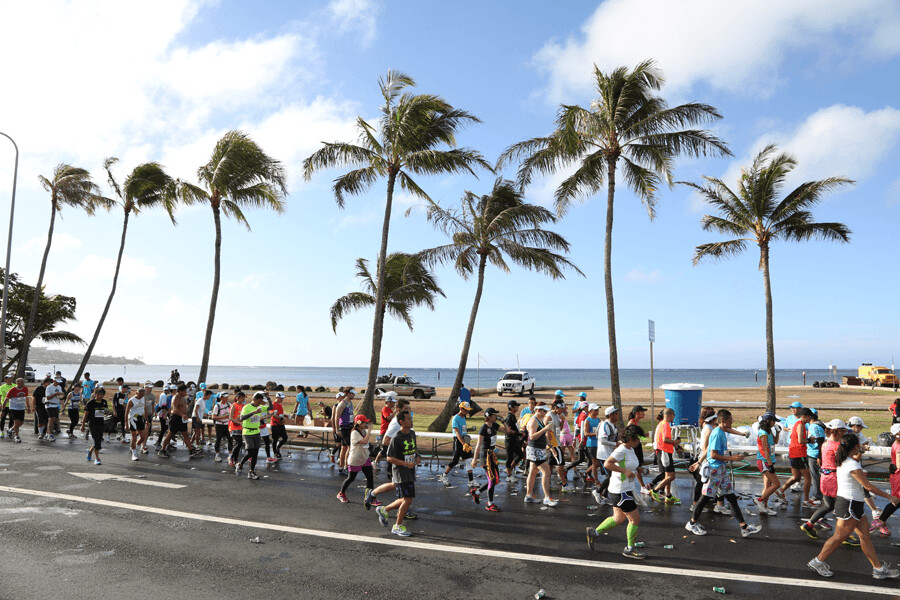
He crossed the finish line in Kapiolani Park in 2:15:42. “When you prepare for everything you know you are ready,” said Lonyangata, who was cleared to compete again on May 25 after serving a 19-month suspension for using a banned diuretic (the Honolulu Marathon has drug testing). “And when you decide when to make the move, you have to go hard.”
Ande made up some ground in the final miles, despite dealing with pain in his foot, and finished 19 seconds back in 2:16:01.
Kerio, who finished second here in 2018 and has served as the pacer four other times (including last year), came home third in 2:17:32.
In the women’s race, Limo was making her marathon debut, and decided to wait slightly longer to make her move. For the early going she ran alongside Ethiopians Sintayehu Tilahun Getahun and Kasu Bitew Lemeneh, who was running her fourth marathon of the year. They hit 5-K in 18:17, then picked up the pace slightly through 10-K (35:59). There was no change at halfway (1:16:43) and 30-K (1:50:05).
Finally, after the 30-K aid station, Lemeneh began to slip behind. Limo and Getahun forged ahead, running together for the next 5-K segment. Finally, at 35-K Limo started to pull away. By 40-K her lead ballooned to a minute and 38 seconds. She cruised home in 2:33:01, running the second half slightly faster than the first and finishing more than two minutes ahead of Tilahun (2:35:16).
“When we got to 35 kilometers, I felt that I was still strong and I knew it was only seven kilometers that remained, so I had to do it by myself,” said Limo, the 2016 World Athletics Half Marathon Championships silver medalist. “I tried to push and push. I am so pleased.”
In addition to the high mileage she logged in Kenya during her build-up to this race, she credited the speed she sharpened while competing in numerous American road races this year, including wins at the Cooper River Bridge Run 10-K in Charleston, South Carolina, the Carmel (Indiana) Half-Marathon, the Toledo (Ohio) Half-Marathon and Philadelphia’s Broad Street Run 10 Mile. “I can say that it was not really so hard to do the marathon,” she said. “It is a matter of making up your mind that you can do the training. And I am so happy that I did that.”
Bitew (2:36:04) held on for third, and Japan’s Yukari Abe, who finished tenth in her country’s Olympic trials in October, took fourth (2:47:32).
Lonyangata and Limo earned $25,000 for their victories, along with a flashy gold medal worth nearly $15,000. They both credited hearty support from fans along the course as well as the throngs of mass-race runners, who were going in the opposite direction on the out-and-back course. (One enthusiastic participant encouraged Lonyangata with an enthusiastic cheer of “Go get that money!”)
“The other runners were so good,” a smiling Limo noted. “They were cheering, they were making us move faster.”
There were 15,594 starters this year, up from 14,645 in 2022.
The companion Start to Park 10-K was run contemporaneously with the marathon, with 6,976 starters and 6961 finishers. Joshua Williams was the fastest athlete in 32:02, but not far behind him was Molly Seidel, the 2021 Olympic bronze medalist in the marathon. Seidel clocked 32:25 and was the fastest woman on the day. She, and training partner Jessa Hanson, were using the race as part of their humidity training for February’s U.S. Olympic Team Trials Marathon in Orlando, Florida.
“It’s so cool to come out and have the whole energy of the marathon around you,” said Seidel, who finished eighth at the Chicago Marathon two months ago. “This is such a fun vibe. I love to come out and race in Hawaii. Honestly, we wanted to get some good humidity racing, get a nice quicker tempo and then settle in. Coming out today was exactly what we needed. I love racing in humidity.”
by Steve Soprano
Login to leave a comment
Honolulu Marathon
The Honolulu Marathon’s scenic course includes spectacular ocean views alongside world-famous Waikiki Beach, and Diamond Head and Koko Head volcanic craters.The terrain is level except for short uphill grades around Diamond Head. ...
more...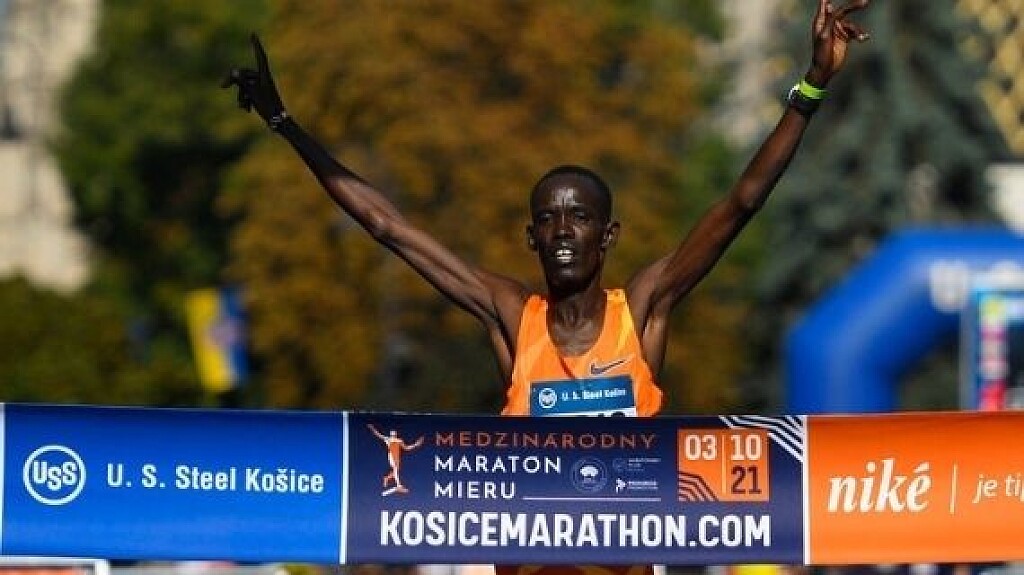
Honolulu Marathon will feature stacked fields
The last big marathon in the United States for 2023, the Honolulu Marathon, returns on Sunday with a robust elite field, race organizers said today. Ten elite athletes from four different nations will compete for the $25,000 first prize for men and women and special one-of-a-kind solid gold medals worth nearly $15,000 each.
“Although we pride ourselves on our no-time-limit policy and welcoming people of all abilities and goals, we feel fast running at the front is also important,” explained Dr. Jim Barahal, president of the Honolulu Marathon Association. “We expect exciting competition in both men’s and women’s as well as wheelchair races.”
Leading the men’s race will be a pair of Eritreans, Filmon Ande (2:06:38 personal best) and Tsegay Weldlibanos (2:09:07). Both men are based in Flagstaff, Arizona, and are coached by James McKirdy of McKirdy Trained. Both will be making their first appearances at the Honolulu Marathon.
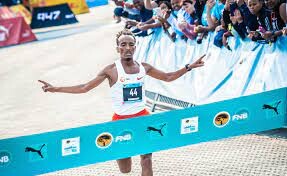
“They’ve been training well and they’re ready,” Coach McKirdy told Race Results Weekly in a telephone interview last week.
The Eritreans will be up against two Kenyans, Reuben Kiprop Kerio (2:07:00 PB) and Paul Lonyangata (2:06:10). Kerio has made five previous appearances at the Honolulu Marathon (three times as a pacemaker) with a best finish of second place in 2018 in 2:12:59. Kerio has won the Kosice Peace Marathon in the Slovak Republic three times, and Lonyangata was twice the Paris Marathon champion in 2017 and 2018.
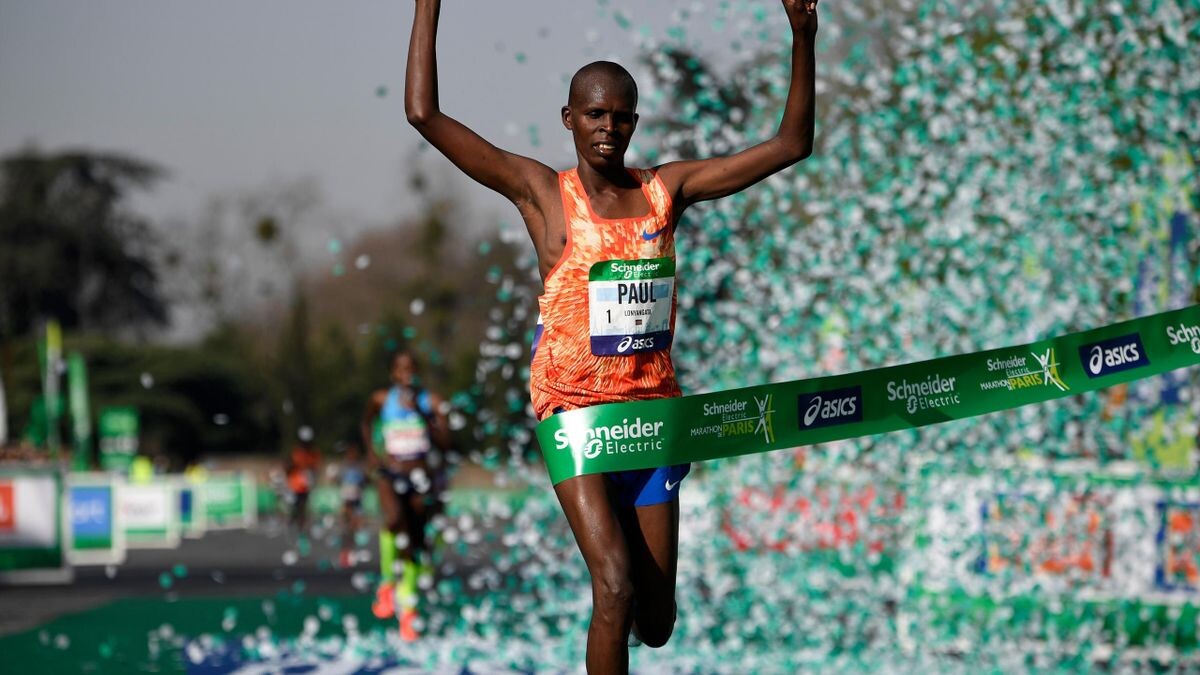
There is one Ethiopian challenger on the men’s side, Abayneh Degu, who has the fastest personal best in the field, 2:04:53, a time he ran in Paris in 2021. He will also be a first-time competitor in Honolulu.
Kenyan veteran Dickson Chumba, twice the Tokyo Marathon champion in 2014 and 2018, will act as a pacemaker.
Four elite athletes will compete on the women’s side. The most prominent, Cynthia Limo of Kenya, will be making her marathon debut. The 2016 World Athletics Half-Marathon Championships silver medalist is coming off of a very good USA road racing season where she competed in 11 events from 10-K through the half-marathon and recorded four victories and eight top-5 finishes. She went home to Kenya for altitude training before Honolulu. Her half-marathon personal best is 1:06:04, equivalent to a 2:18:42 marathon.
A pair of 24 year-old Ethiopians, Sintayehu Tilahun Getahun and Kasu Bitew Lemeneh, will challenge the 33 year-old Limo. Tilahun has a career best time of 2:22:19, set in Milan in 2022, and Bitew ran 2:26:18 in Madrid last year. Both women are running the Honolulu Marathon for the first time.
Finally, there is an elite entrant from Japan. Thirty-four year-old Yukari Abe competes for the Kyocera corporate team and has a personal best of 2:24:02 set in the Osaka Women’s Marathon in 2022. Most recently she finished tenth in the Japanese Olympic trials marathon, called the Marathon Grand Championships, on October 14. Like the other three elite women, she’ll be competing in Honolulu for the first time, much to the delight of the approximately 9,000 Japanese runners who will compete in the mass race behind her.
“Due to the out-and-back nature of several points along our course, the average runner gets to see the professionals go right by them and it is always an exciting thing,” observed Barahal.
Like all big marathons, the Honolulu organizers had to cancel their in-person race in 2020 due to the COVID-19 pandemic and the race was only held virtually. Barahal brought the in-person race back on a very tight budget in 2021, and even with almost no Japanese participation due to pandemic travel restrictions they still recorded 6236 finishers. However, it was not possible to have a regular elite field.
In 2022 the number of finishers more than doubled to 14,271 and the race’s elite athlete program was restored with three-deep prize money of $25,000-10,000-5,000 and an elite wheelchair program. Barahal’s team expects more finishers this year, with a significant uptick in Japanese participation in both the marathon and the companion Start to Park 10-K.
“We’ve done a slow build-back since COVID and both our men’s and women’s fields are deeper and faster,” Barahal observed. “We’re also pleased to offer $25,000 for first place as well as the gold medal for the winner worth about $15,000.”
The special winners’ medals, manufactured by new race sponsor SGC of Japan, have a mass of 202.3 grams (to celebrate 2023). At the current market price of $2038.30 per ounce, those medals are worth $14,545. The mass race finishers will also receive medals designed and produced by SGC (minus the real gold, of course).
“Our marathon family is honored to welcome SGC,” said Barahal. Their dedication to excellence mirrors the spirit of our event. These medals aren’t just rewards; they’re a celebration of every runner’s journey.”
by David Monti
Login to leave a comment
Honolulu Marathon
The Honolulu Marathon’s scenic course includes spectacular ocean views alongside world-famous Waikiki Beach, and Diamond Head and Koko Head volcanic craters.The terrain is level except for short uphill grades around Diamond Head. ...
more...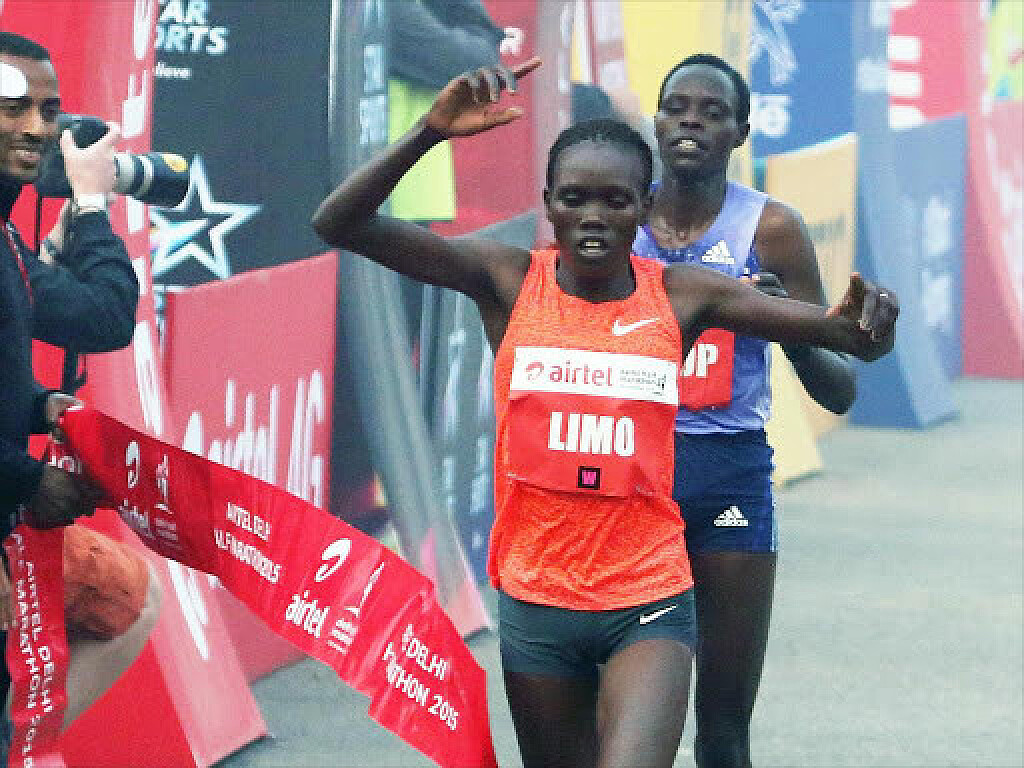
Cynthia Jerotich Limo set to make her marathon debut in Honolulu
The 2016 World Half Marathon Championships silver medalist, Cynthia Jerotich Limo will make her marathon debut at the 50th edition of the Honolulu Marathon slated for this Sunday 10, 2023 in Honolulu, Hawaii, USA.
The 33 year-old who holds a life time best of 1:06.04 in half marathon, has also set two course records this season at the Carmel and Toledo Half Marathons.
Limo will have to get past the experienced Kasu Bitew Lemeneh of Ethiopia who has already participated in three marathons this season and also holds the second fastest time in the entry list of 2:26.18 that she got last year at the Madrid Marathon where she took the bronze medal.
The two will have to battle Ethiopia’s Sintayehu Tilahun Getahun who is poised as the race favorite as she holds the fastest time on paper of 2:22.19 that she got last year at the Milan Marathon, where she finished in second place. Getahun has already participated in two marathons, Sydney and Hamburg where she finished in ninth and twelfth respectively.
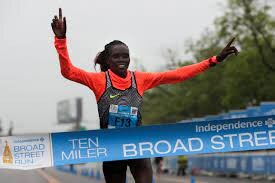
The race organizers have assembled a strong elite field to try and lower the race course record of 2:22.15 set five years ago by Kenya’s Brigid Kosgei.
The winner will pocket $25,000 as prize money and $10,000 for breaking the course record.
by James Koech
Login to leave a comment
Honolulu Marathon
The Honolulu Marathon’s scenic course includes spectacular ocean views alongside world-famous Waikiki Beach, and Diamond Head and Koko Head volcanic craters.The terrain is level except for short uphill grades around Diamond Head. ...
more...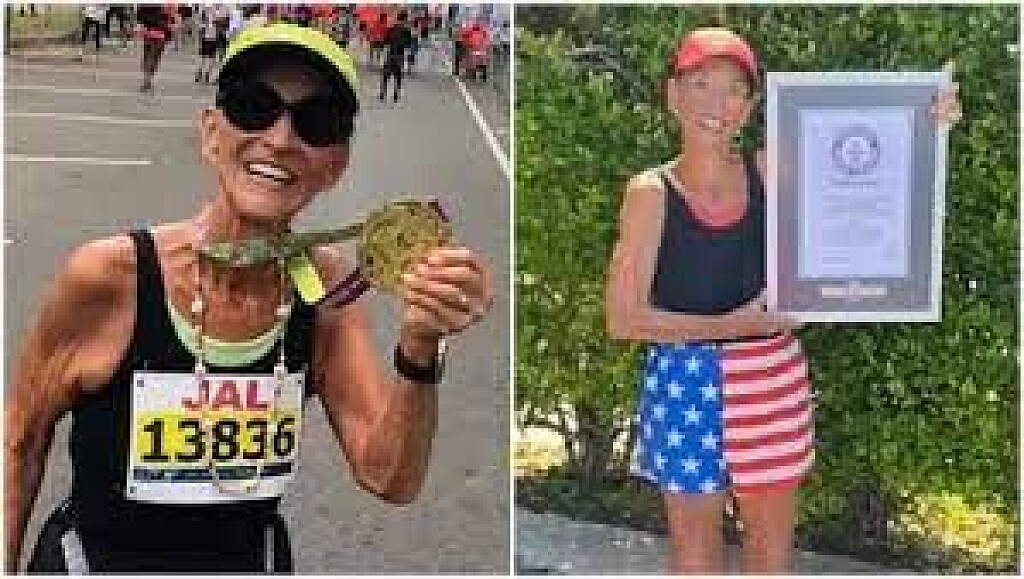
It’s Official! 92-Year-Old’s Marathon World Record Finally Approved
Mathea Allansmith now holds the Guinness World Record as the oldest woman to have completed a marathon.
In December 2022, 92-year-old Mathea Allansmith crossed the Honolulu Marathon finish line, becoming the oldest woman to have ever completed a 26.2-mile race. She surpassed the former record holder, Harriette Thompson, by over three months. Half a year later, after a thorough ratification process, Guinness World Records has given their nod of approval, making the record official.
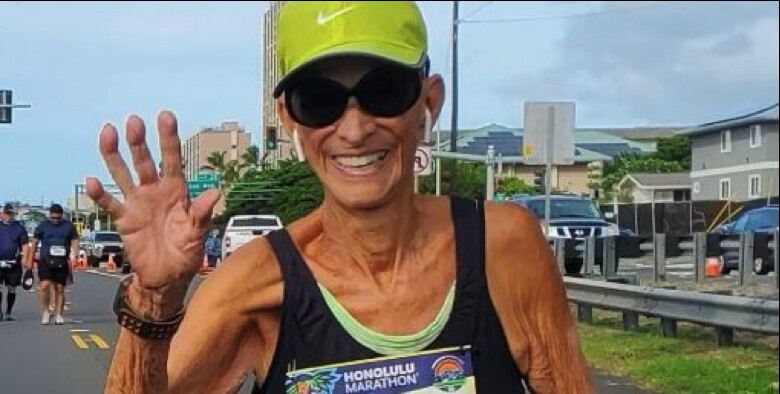
Rain or shine, Allansmith, now 93, runs six days per week all throughout the year, maintaining a training volume of about 36 weekly miles, even on vacation, and steadily increasing her mileage about 18 weeks prior to a marathon.
The retired doctor lives in Koloa, Hawaii, and didn’t start her running journey until she was 46 years old, after a colleague suggested running two miles per day. “I took up running in 1977 and fell in love with the feeling of exercising outside,” she told GuinnessWorldRecords.com. She credits her healthy running lifestyle with her high quality of life, and while her stamina has decreased over time, she’s making the most of what she’s got at any given moment. “I see the direct connection between moving and health,” she said.
The 1982 Boston Marathon was her first experience racing 26.2 miles, but the Honolulu Marathon is her favorite, partly because the race organizers don’t have a time cutoff, so even slower runners have an opportunity to complete the course.
“It’s one of the best-executed races,” she said to Guinness. “Fantastic registration, set up and management makes it a joy to participate in.”
On the day of her world record, Allansmith’s six children surprised her by wearing matching T-shirts denoting their mother’s achievement. “I felt an enormous sense of accomplishment and joy,” she told Guinness.
Allansmith plans to continue running marathons for as long as possible, and hopes to nab some other world records along the way, for other distances like the 10K and half marathon.
by Runner’s World
Login to leave a comment
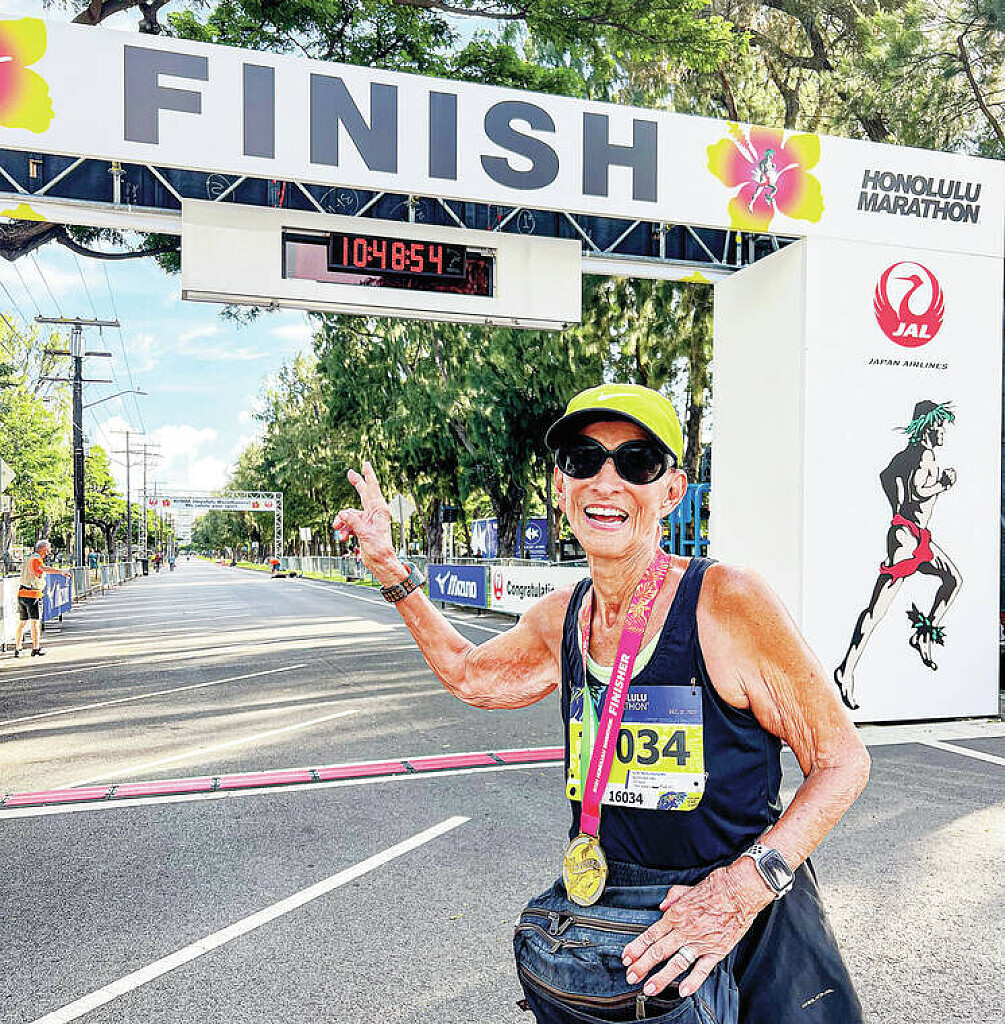
92-year-old grandmother becomes oldest woman to finish a marathon
A grandmother has officially run her way into the Guinness World Records as the oldest woman to complete a marathon. Mathea Allansmith of Koloa, Hawaii, has had her record-breaking run at December’s Honolulu Marathon ratified, an effort that saw her complete the 42.2-km distance in 11 hours, 19 minutes and 49 seconds minutes at the age of 92 years and 194 days. She completed the course in 10 hours and 48 minutes at age 91 the previous year.
Allansmith, who has since turned 93, told Guinness World Records this week that she hasn’t slowed down since her record-breaking run in Hawaii. “I train year-round but increase the mileage starting 18 weeks before a marathon,” she said. “
The pace and number of miles per training day are going to shift around but no matter what, I’ve got my running shoes on and I’m out the door six days per week. These days, on average, I run 36 miles per week.”
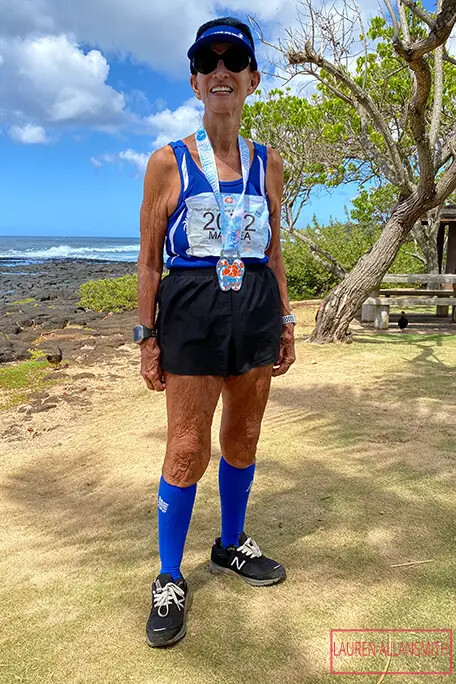
The retired doctor, who began running at age 46, noted her career as a physician drove home the benefits of a healthy diet and an active lifestyle on body and mind. “I see the direct connection between moving and health. … I’d say that my healthy lifestyle has allowed me to maintain a very high quality of life,” she said.
Adding to the thrill of breaking the world record, she said, was being able to do it on a course she so enjoys. “The Honolulu Marathon is my favourite marathon, partly because they don’t close the gate at a certain time, which allows even the slowest runners to finish the race. It’s one of the best-executed races. Fantastic registration, set up and management makes it a joy to participate in,” said Allansmith.
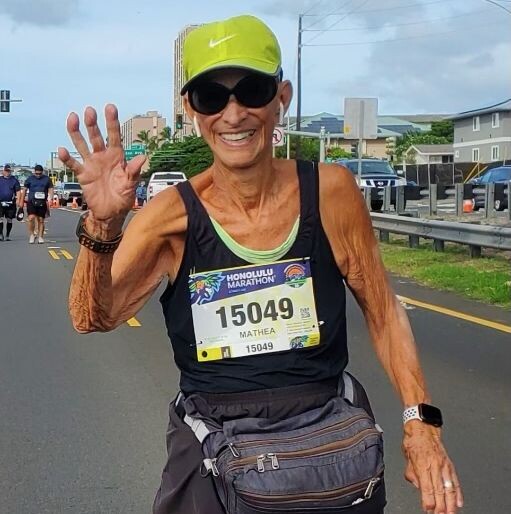
“There were several groups of people filming and cheering me on, even though I crossed the finish line some 11 hours after the start of the race. I felt an enormous sense of accomplishment and joy.”
Allansmith said she plans on running marathons for as long as possible. She added she hopes her recent world record won’t be her last, noting she plans on attempting to break the records for the oldest person to complete a 10K (female) and the oldest person to complete a half-marathon (female) within the year.
by Paul Baswick
Login to leave a comment
Honolulu Marathon
The Honolulu Marathon’s scenic course includes spectacular ocean views alongside world-famous Waikiki Beach, and Diamond Head and Koko Head volcanic craters.The terrain is level except for short uphill grades around Diamond Head. ...
more...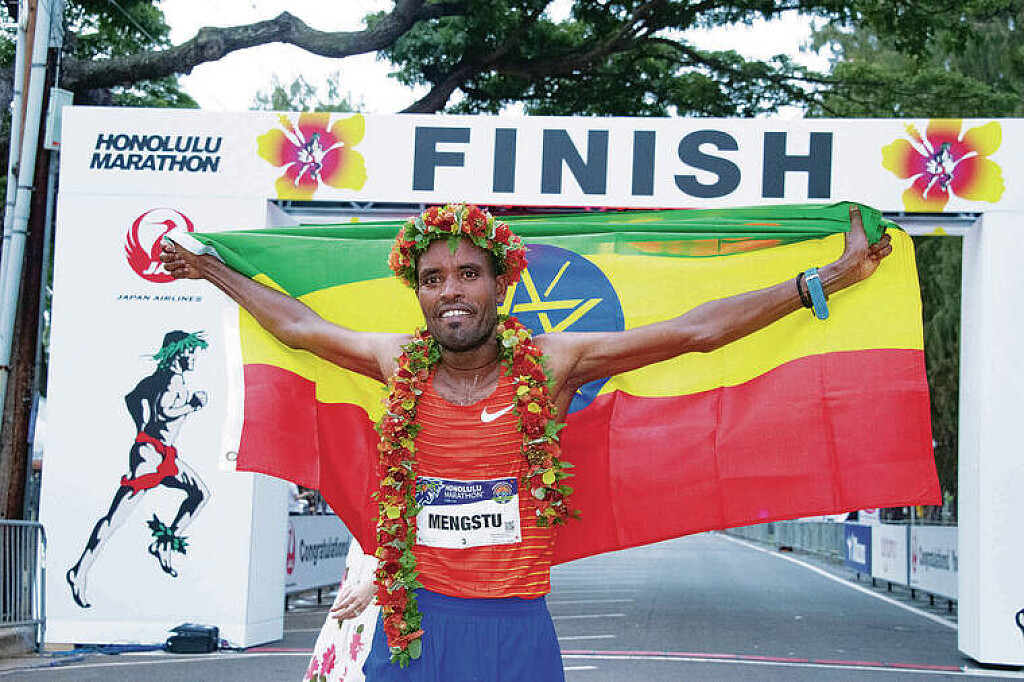
Ethiopia’s Asefa Mengstu breaks Kenya’s Honolulu Marathon dominance
After sparring toe-to-toe for over half the race, Ethiopia’s Asefa Mengstu outpaced his cross-border Kenyan rival Barnabas Kiptum to cruise into Kapiolani Park and win the 50th anniversary Honolulu Marathon, breaking a long-standing Kenyan stranglehold of Hawaii’s flagship race.
Mengstu won in two hours, 14 minutes and 40 seconds with Kiptum second in 2:17:45, some 10 minutes ahead of third-placed Japanese Yuhi Yamashita (2:27:45) in the race run under brutally windy conditions.
Ethiopia’s Asayech Bere made it an Addis Ababa sweep taking the women’s title in 2:30:58 with her compatriot Abebech Afework Bekele (2:34:39) second and Japan’s Yuhi Yamashita third in 2:27:45.
Kenyan men had been unbeaten here since 2007, Ethiopia’s Ambesse Tolossa having interrupted the clean run by winning the 2006 edition.
Prior to that, Kenyans were unbeaten since Eric Kimaiyo took over as champion from South Africa’s Josiah Thugwane in 1996.
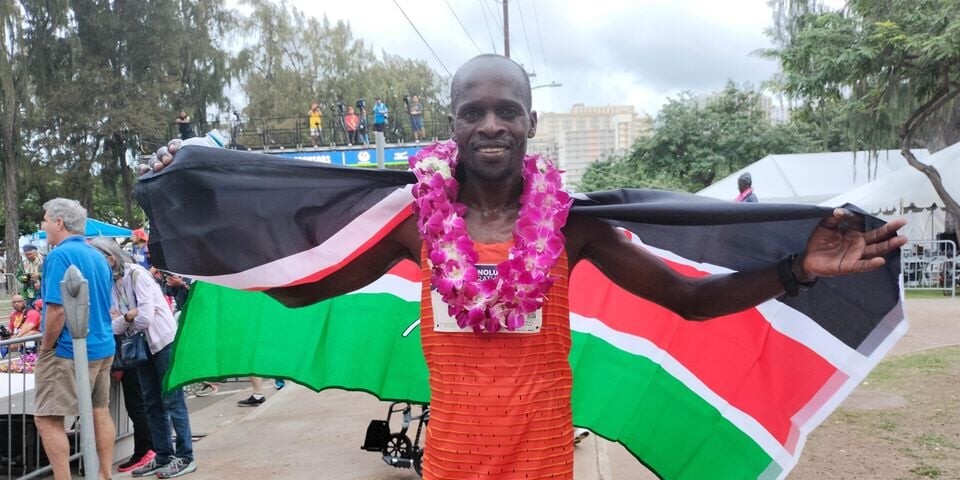
But it was Ibrahim Hussein, the legend, who made the breakthrough as the first African winner on this island city of O’ahu - birthplace of former US President Barack Obama - clinching a back-to-back hat-trick of victories from 1985 to 1987.
Sunday’s golden jubilee race started in it’s traditional night settings at 5am, local time, with spectacular fireworks and, as expected, it was the two Ethiopians, Mengstu and Shifera Tamru, who broke away together with Kiptum, crossing the 10-kilometre mark in 30 minutes and 30 seconds, paced by Kenya’s Reuben Kerio who is also preparing for next month’s Mumbai Marathon.
They then crossed the halfway mark in 1:06:38 under a slight drizzle at the Aina Haina sector after which pacemaker Kerio dropped off at the 30km mark (1:21:00).
There was drama shortly after when Kiptum and Mengstu dropped Tamru, racing on shoulder-to-shoulder as the sunrise launched in spectacular fashion at East O’ahu.
But at 33km, Mengstu broke away and ran a solo race all the way to the finish.
“It was a tough race… I’ve never competed under such tough conditions,” Mengstu said, referring to the furious headwind.
“My strategy was to attack at 35km and I was determined to win,” added Mengstu who trains under the Rosa Associati stable in Addis.
Kiptum was happy with his race, saying the atrocious winds slowed him down, but he remained confident of fighting for a place in Team Kenya to next year’s World Championships in Budapest.
“I ran in conditions similar to these in Hong Kong in 2018, but today’s wind was just too crazy,” he said.
“My body feels fine and I will now fight for a place in the team to the World Championships so that I can represent my country…
“I have what it takes, and I just have to throw in a race in spring and confirm my place in Kenya’s team to Budapest.”
Sunday’s golden Jubilee Honolulu Marathon celebrated the return of full racing and public events after two years of uncertainty occasioned by the coronavirus pandemic, much to the satisfaction of its long-standing President and CEO Jim Barahal.
After Kenya’s Titus Ekiru won back-to-back races here in 2018 and 2019, including setting a course record 2:07:59 in 2019, the race was held as a non-competitive event in 2020 due to the pandemic with Kenya’s Emmanuel Saina winning the title last year in 2:14:32.
by Elias Makori
Login to leave a comment
Honolulu Marathon
The Honolulu Marathon’s scenic course includes spectacular ocean views alongside world-famous Waikiki Beach, and Diamond Head and Koko Head volcanic craters.The terrain is level except for short uphill grades around Diamond Head. ...
more...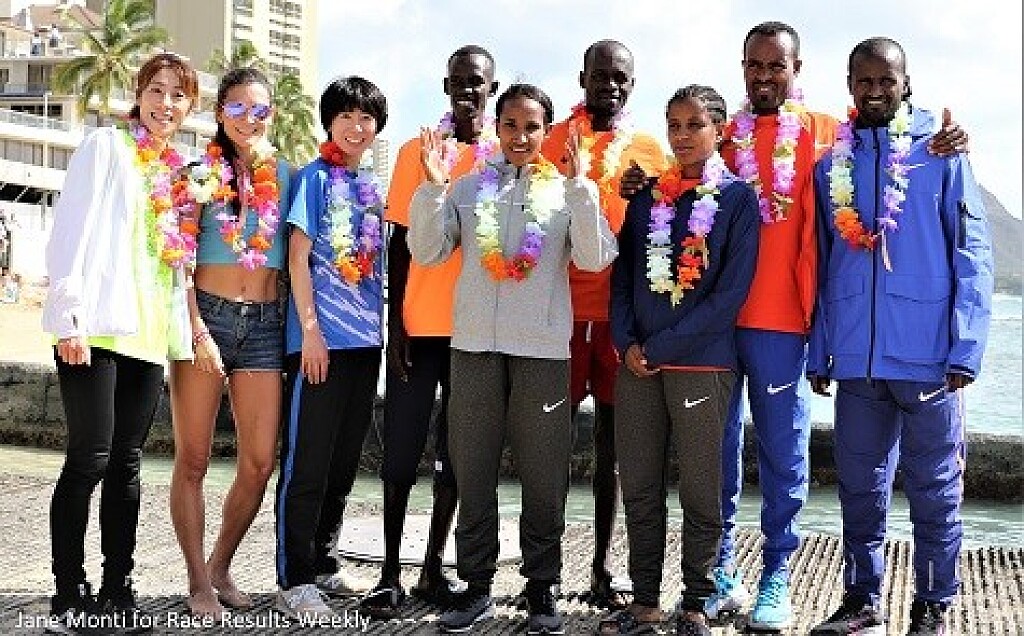
Expect an Ethiopian Flavor For Sunday's 50th Honolulu Marathon
After a marathon journey to get to Hawaii, a quartet of Ethiopian runners are looking forward to making the most of their first visit to the Aloha State. The group of athletes, coached by Yirefew Birhanu Derb, will line up Sunday before dawn for the 50th running of the Honolulu Marathon, America's fourth-largest marathon. The race features a more robust elite athlete roster following last year's slimmed down line-up coming off the pandemic.
Shifera Tamru and Asefa Mengstu lead the men's elite field, while Abebech Afework and Bere Ayalew are the top entrants in the women's division. After a trip that required more than 21 hours of air travel across multiple flights --from their home base in Addis Ababa to Frankfurt, then Los Angeles before reaching Honolulu-- they arrived late Wednesday. They immediately popped into a McDonald's for dinner, and have been getting acclimated to the local time zone, 13 hours behind Ethiopia.
They were all very happy to be invited to this race because they know it's a very good marathon," Coach Derb told Race Results Weekly during a photo shoot for the athletes on Waikiki Beach. "They are looking forward to racing and happy to have the chance to visit Hawaii."
Tamru, 24, is coming off October Chicago Marathon, where he clocked 2:07:53 to finish fifth for the second consecutive year. He says that he has recovered well and is ready to go for Sunday. He has won three marathons in his career, all in South Korea: Chunchon in 2018, Seoul in 2019 and Daegu this past April. His personal best of 2:05:18 came at the Dubai Marathon in 2019.
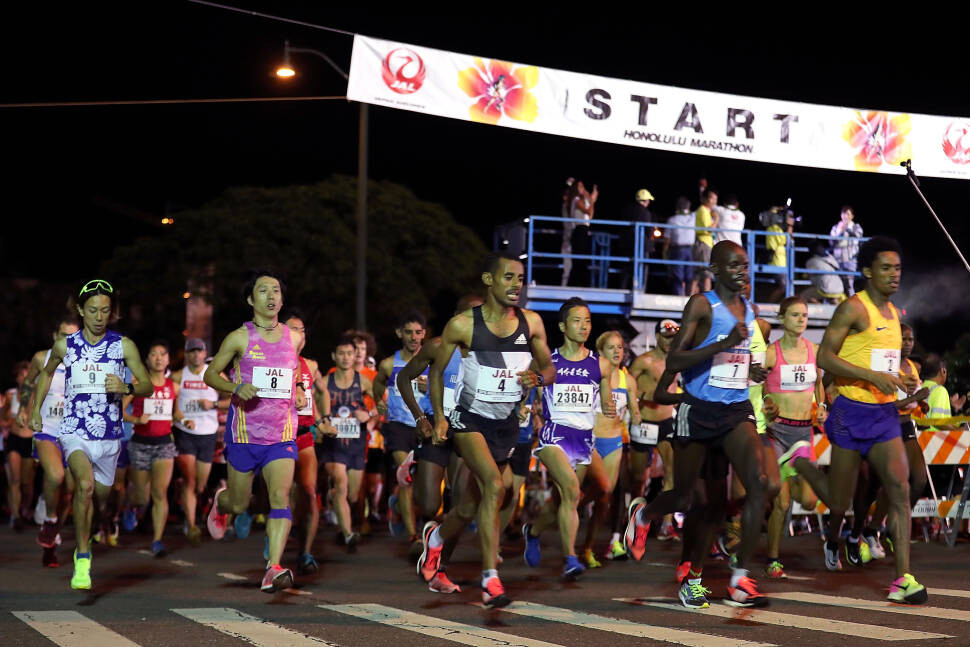
The more experienced Mengstu --who represented Ethiopia as far back as the 2010 IAAF Half Marathon Championships-- has a resume with 13 marathon finishes, including the 2018 Dubai Marathon, where ran his lifetime best of 2:04:06. His most recent race was eight months ago, so he should be well rested. "I'm happy to be here and I'm expecting to win the race on Sunday," he said with a quiet smile as the athletes posed for photographs and chatted with the media.
The two men work well together in training, Derb says. But on Sunday, he points out, "it must be a competition." In addition to each other, they will have to watch out for a strong Kenyan, 36-year-old Barnabas Kiptum, who has a personal best of 2:04:17 (Milan, 2021). He dropped out of the Chicago Marathon this fall, but in July he proved he is still a contender by placing 15th at the World Athletics Championships in Oregon. Stanley Biwott, the 2015 New York City Marathon champion with a 2:03:51 personal best, had planned to run here but scratched.
The women race is likely to come down to a duel between Afework and Ayalew. Like their male teammates, they also have a strong friendship and symbiotic relationship. "They are happy when they are training together, and they can help each other when they compete," Derb said.
Afework, 31, is by far the more seasoned of the two. Her international racing career dates back to the 2010 IAAF World Cross Country Championships, where she placed 18th. She has 20 marathon finishes to her name, and a personal best of 2:23:33 from Dubai in 2015. "I have a lot of experiences from other races and I'm expecting to use that previous experience to run well on Sunday," said Afework, who is coming off a DNF in October's Lisbon Marathon.
The 23-year-old Ayalew is a comparative novice, with four marathons in the books, but each one has been progressively faster. The most recent, in Eindhoven, Netherlands, in October, resulted in her quickest time yet (2:22:52). "My training has been good and I expect to show that on Sunday," she said.
The women's field also includes Canadian Olympian Lanni Marchant, who won this race a year ago on a short recovery from the New York City Marathon, and Japanese veteran Mai Ito (2:24:42 PB).
Should weather conditions cooperate --it's been very windy the last several days-- both the men's and women's course records could be in play. Titus Ekiru of Kenya holds the men's standard of 2:08:00 from 2019, while his compatriot Brigid Kosgei clocked 2:22:15 in 2017. (Kosgei set the current world record of 2:14:04 two years later.) Prize money will be paid three deep: $25,000-10,000-5,000.
The forecast for Sunday morning calls for a temperature of 74F/23C when the gun goes off at 5 a.m. Most of the race will be run in the dark, as the sun will rise just before 7 a.m. on race day.
by Runners Web
Login to leave a comment
Honolulu Marathon
The Honolulu Marathon’s scenic course includes spectacular ocean views alongside world-famous Waikiki Beach, and Diamond Head and Koko Head volcanic craters.The terrain is level except for short uphill grades around Diamond Head. ...
more...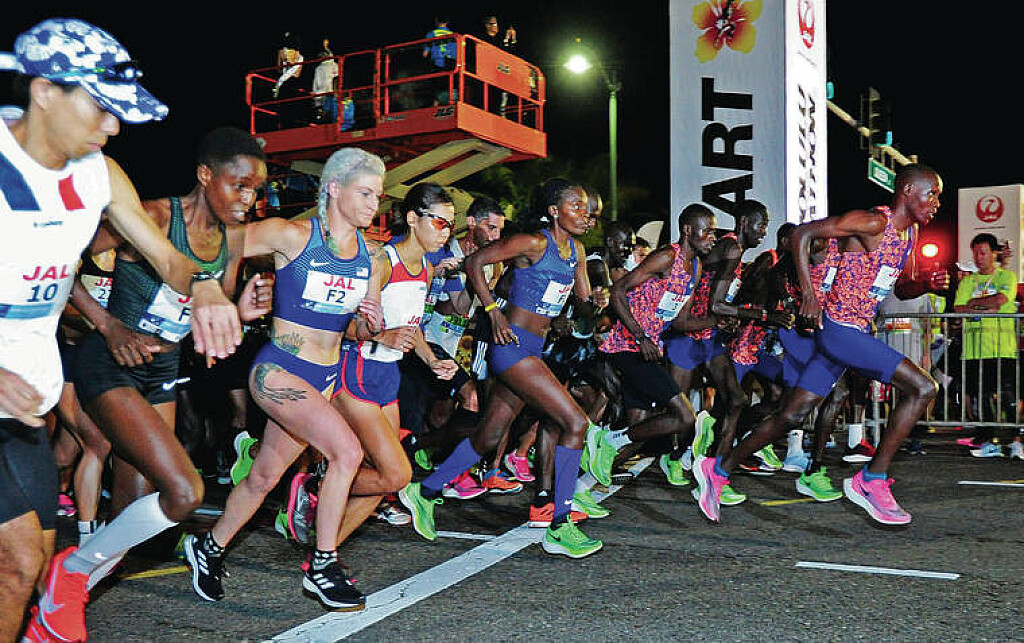
Ethiopians And Kenyans Lead Elite Field at Historic 50th Honolulu Marathon
Athletes from Ethiopia and Kenya lead the elite field for the historic 50th edition of the Honolulu Marathon, scheduled for Sunday, December 11. Founded in 1973, and historically one of the five largest marathons in the United States based on finishers, this year's race will have its first full elite athletes program since 2019, paying prize money three-deep for both men and women: $25,000-10,000-5,000. The race will be run on its traditional course starting at Ala Moana Beach Park, making a loop through Downtown, wrapping around Diamond Head, going out along the Kalanianaole Highway to Hawaii Kai, then returning to Waikiki to finish in Kapiolani Park just after sunrise.
The race was held virtually in 2020 because of the pandemic, and had only a limited elite athlete program in 2021. Organizers are excited to have athletes this year who are strong enough to challenge the course records which were both set by Kenyans: 2:08:00 (2:07:59.02) by Titus Ekiru in 2019 and 2:22:15 by now world record holder Brigid Kosgei in 2017.
"We are excited to welcome top professional athletes to attack our incredible course records for the 50th anniversary race," said Honolulu Marathon Association President Dr. Jim Barahal. "At its core the Honolulu Marathon is an athletic competition, whether against others or against oneself, and we are excited to see what transpires on December 11."
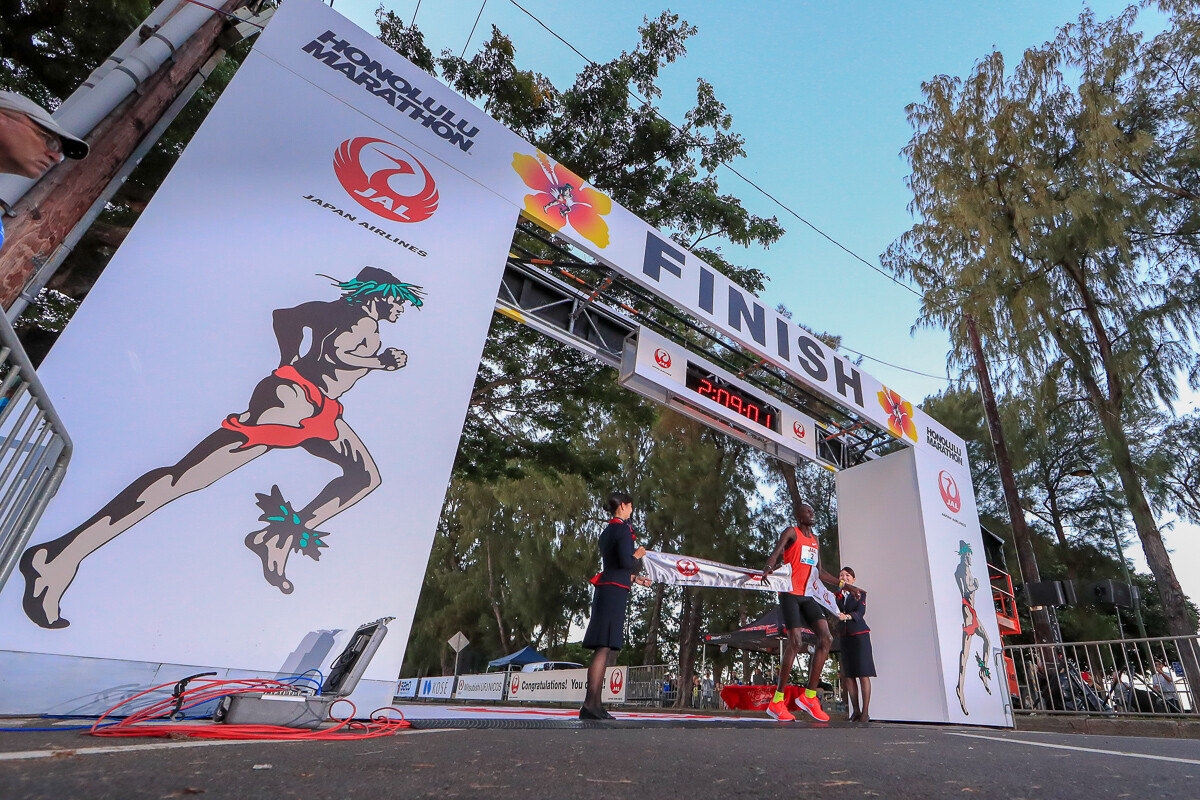
Shifera Tamru is the leading entrant from Ethiopia. The 24 year-old has a personal best of 2:05:18 (Dubai, 2019) and has three marathon wins and five podium finishes in eight starts. He won the 2022 Daegu Marathon in Korea last April in 2:06:31, and was most recently fifth at the Bank of America Chicago Marathon in October in 2:07:53. He'll be running the Honolulu Marathon for the first time.
His top rival is likely to be the Kenyan veteran Stanley Biwott, the 2015 TCS New York City Marathon champion who has a personal best of 2:03:51 (London 2016). Biwott, 36, has not completed a marathon since 2018 when he was fourth at the Abu Dhabi Marathon. He returned to racing after a long layoff earlier this year, clocking a 1:01:57 half-marathon in Padova, Italy. He has completed a total of 13 career marathons with four wins and eight podium finishes. Like Tamru, this will be his first run in Honolulu.
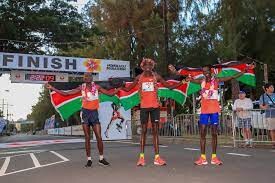
The other top contenders on the men's side are Asefa Mengstu of Ethiopia (2:04:06 personal best, Dubai, 2018) and Barnabas Kiptum of Kenya (2:04:17, Milano, 2021). Both men are veterans. Mengstu has completed 13 career marathons with 4 wins and 7 podium finishes. Kiptum has completed 18 marathons in 20 starts with 3 wins and 13 podium finishes. Neither man has ever run the Honolulu Marathon.
Two strong Ethiopian athletes lead the women's field. Abebech Afework (2:23:33 personal best, Dubai, 2015) and Bere Ayalew (2:22:52, Eindhoven, 2022) will both be making their Honolulu Marathon debuts. Afework, 31, is the more experienced athlete. She has completed 20 marathons in 21 starts, and has racked up three wins and seven podium finishes. She is coming back from a DNF at the Lisbon Marathon in October. Ayalew, 23, has only run four marathons. However, she's made the podium at all four including a second place finish at the Eindhoven Marathon in October of this year where she ran her personal best. Both athletes will be making their Honolulu Marathon debuts.
Reigning Honolulu Marathon champion, Lanni Marchant of Canada, is also in the field. The 38 year-old, who ran both the 10,000m and the marathon at the 2016 Rio Olympics, won last year's race in 2:41:25 on very limited training after finishing 11th at the TCS New York City Marathon a month before In her long marathon career, which began in 2011, Marchant has completed 15 marathons and made the podium three times. A criminal appeal lawyer based in Denver, she is the former Canadian record holder with a 2:28:00 personal best.
"It was a struggle out there," Marchant said after last year's race. "I dehydrated quick. Those last few miles I really had to find my purpose for running. I just got myself across the finish line."
Rounding out the elite field is Mai Ito of Japan. The 38 year-old --who competed in the 2016 Olympic Marathon and both the 2011 and 2015 World Championships Marathons-- has completed all 15 marathons she has started. Her personal best of 2:24:42 was set in Nagoya in 2015. This will be her first run ever at the Honolulu Marathon.
by David Monti
Login to leave a comment
Honolulu Marathon
The Honolulu Marathon’s scenic course includes spectacular ocean views alongside world-famous Waikiki Beach, and Diamond Head and Koko Head volcanic craters.The terrain is level except for short uphill grades around Diamond Head. ...
more...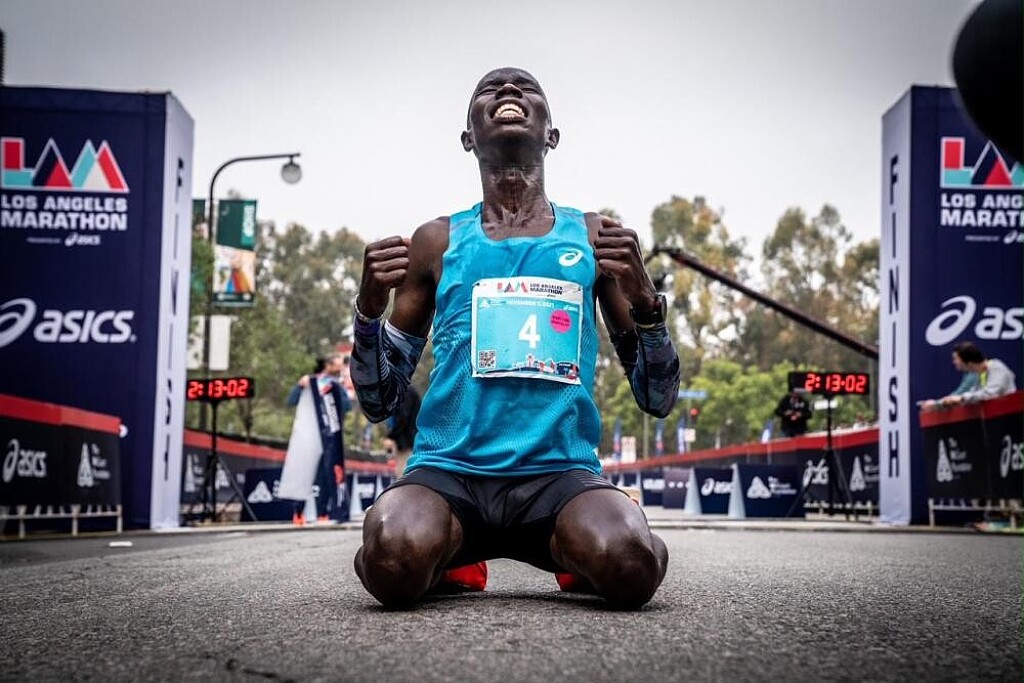
Twice LA Marathon champ John Korir aims for a Majors title
Two-time Los Angeles Marathon champion John Korir now wants a bigger title.
Korir will make his Marathon Majors debut at Chicago in the USA on Sunday confident of launching a serious assault on the crown.
He enjoyed an encouraging outing at the Los Angeles Marathon in March where he retained his title in a personal best time of 2:09:08.
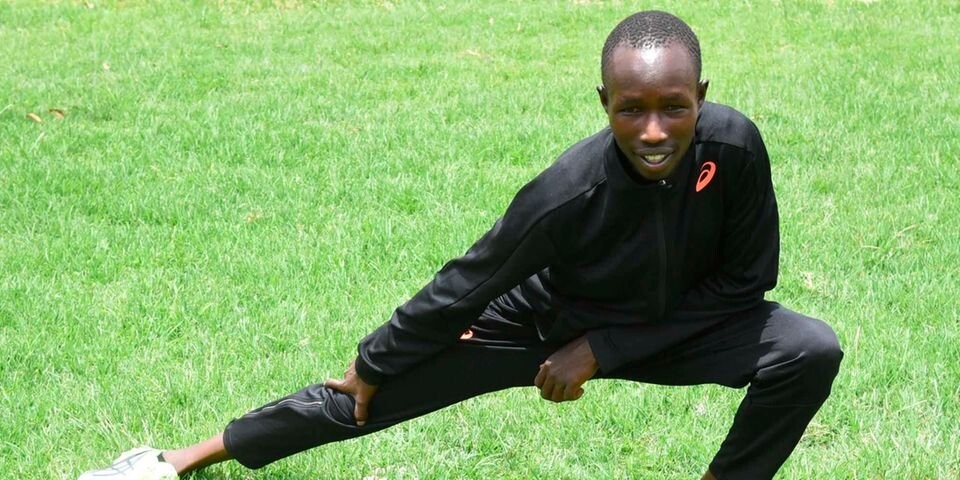
In Chicago on Sunday, Korir will come up against compatriots Amsterdam Marathon champion Bernard Koech who has a personal best of 2:04:09 and is the second fastest man in the field, Paris Marathon champion Elisha Rotich (2:04:21), Eric Kiptanui (2:05:47) and the Boston Marathon champion Benson Kipruto (2:05:13).
The Kenyan athletes will be seeking to wrest back the title from Ethiopians after Seifu Tura won last year with USA’s Galen Rupp coming in second while Kenya’s Eric Kiptanui finished third.
Korir told Nation Sport he was ready for the task and he will be eyeing a top-three finish.
“I started with build up at Kamoi in Elgeyo Marakwet which is known for its hilly terrain before shifting to Eldoret. I can say that I’m in good shape,” said Korir.
He added that since his elder brother Wesley Korir, a retired athlete, competed in the race before, he has given him tips about the course and he believes he will perform well.
“I’m lucky because my brother ran the Chicago Marathon when he was an active athlete and he has been guiding me on how to race on this course. He will personally be there to give me support during the race and I just want to run well and make him proud,” he said.
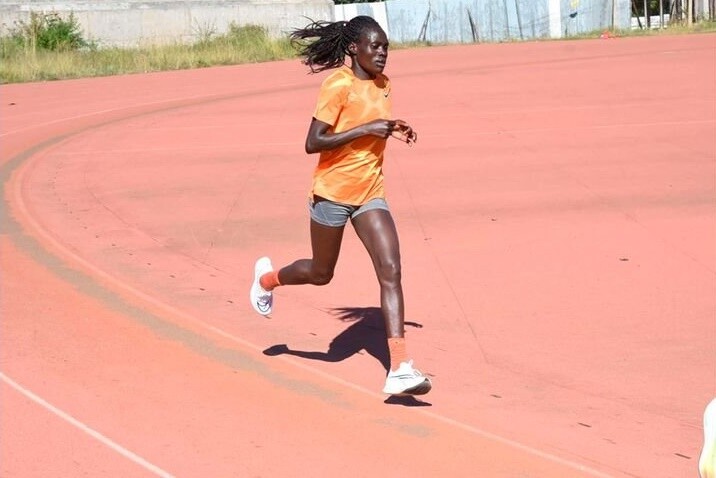
In the women category, three-time Milano Marathon Vivian Kiplagat, who trains at Kapsait Athletics Training Club in Elgeyo-Marakwet County will also be seeking the big prize as he comes face-to-face with defending champion Ruth Chepng’etich.
Incidentally, the two are under Rosa Associati management.
Also in the mix as another Kenyan, Celestine Chepchirchir.
Kiplagat said that after winning Milano Marathon in April in a personal best time of 2:20:18 she was in great shape physically and mentally.
“I’m focused on the race which I know will be fast and if the weather conditions are favorable, I want to run a personal best,” said Kiplagat.
Kiplagat won the 2018 Honolulu Marathon in Hawaii in 2:36:22, and the 2019 Abu Dhabi Marathon with a personal best time of 2:21:11. This was a massive minute inside her winning time in the Milano Marathon that year.
by Bernard Rotich
Login to leave a comment

Bank of America Chicago
Running the Bank of America Chicago Marathon is the pinnacle of achievement for elite athletes and everyday runners alike. On race day, runners from all 50 states and more than 100 countries will set out to accomplish a personal dream by reaching the finish line in Grant Park. The Bank of America Chicago Marathon is known for its flat and...
more...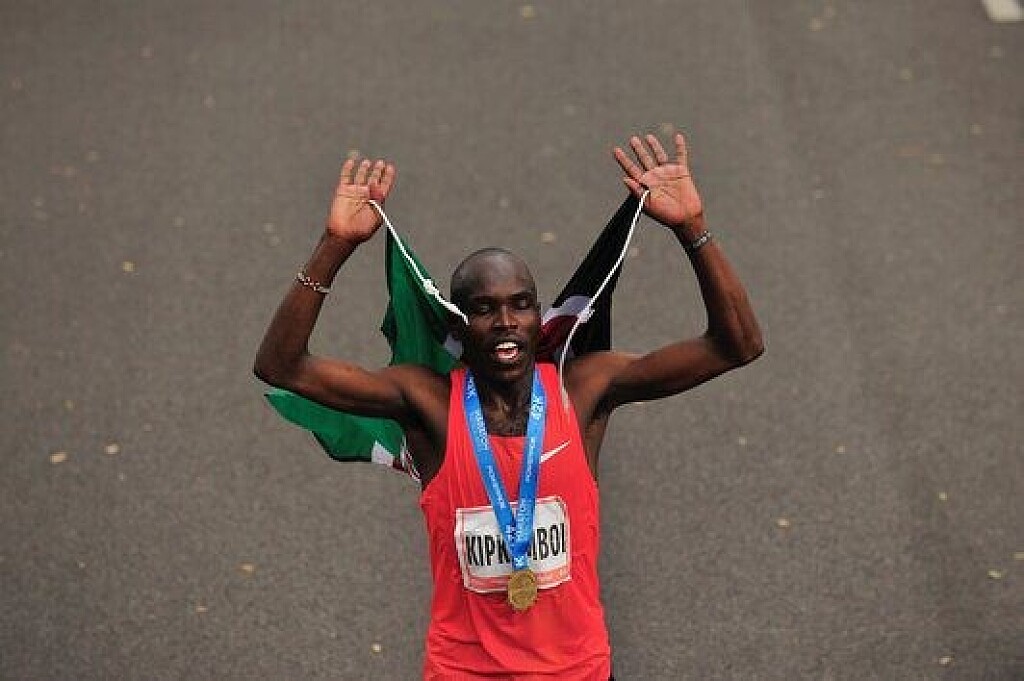
Kenyan marathoner Emmanuel Saina faces three-year doping ban
One of Kenya’s top marathon-distance athletes, Emmanuel Saina, has been sanctioned with a three-year ban from competition for doping, the Athletics Integrity Unit (AIU) announced Monday.
With a marathon PB of 2:05:21 from the 2018 Buenos Aires International Marathon (where he also set the South American all-comers record), Saina was the 16th fastest marathon runner in the world that year, and when he last ran officially at the 2021 Rotterdam Marathon his 2:05:51 finish placed him 40th in the world. Saina won the 2021 Honolulu Marathon in 2:14:30, in race that featured Canadian Olympian Lanni Marchant taking the win on the women’s side.
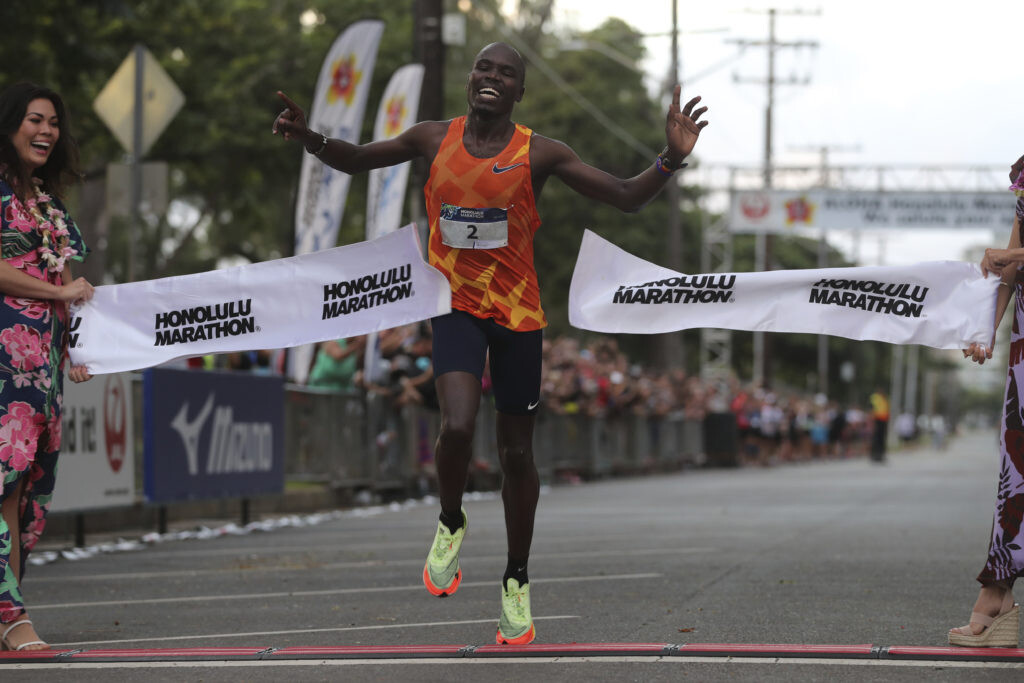
The AIU requested an out-of-competition sample from the athlete in late August, resulting in a positive test for 19-norandrosterone (19-NA), a metabolite contained in nandrolone.
In early September, the AIU notified Saina of the findings of his sample and his violation of the World Anti-Doping Agency’s rules. Saina was also informed of his rights in this situation, which includes the option of admitting to the violation and benefiting from a one-year reduction to his automatic four-year sentence. The AIU received a form of admission and acceptance of consequences signed by Saina on Sept. 17.
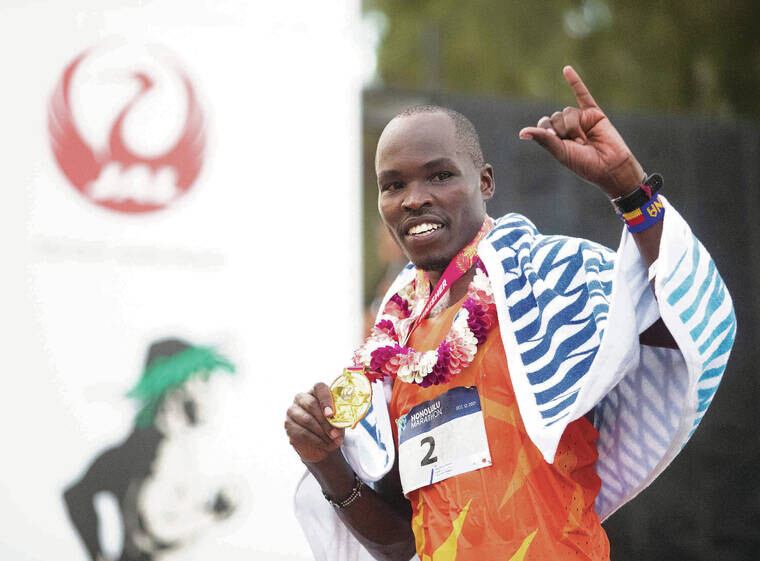
Because of Saina’s early admission, his sentence will receive a one-year reduction, resulting in a period of ineligibility of three years beginning Sept. 9, 2022, and the disqualification of his results since Aug. 17, 2022, including the forfeiture of any titles, awards, medals, points prizes and appearance money. Saina waived his right to have a tribunal or to appeal.
The performance-enhancing nandrolone is also what former American Olympian Shelby Houlihan was sanctioned for in 2021. Houlihan contested her ban, arguing that the substance came from pig offal contained in a burrito she ate the day before her out-of-competition test.
The CAS did not accept her explanation and upheld the AIU’s charge. Houlihan also submitted a hair test and a lie detector test, both supporting her innocence, but these were found to be inadequate.
by Keeley Milne
Login to leave a comment
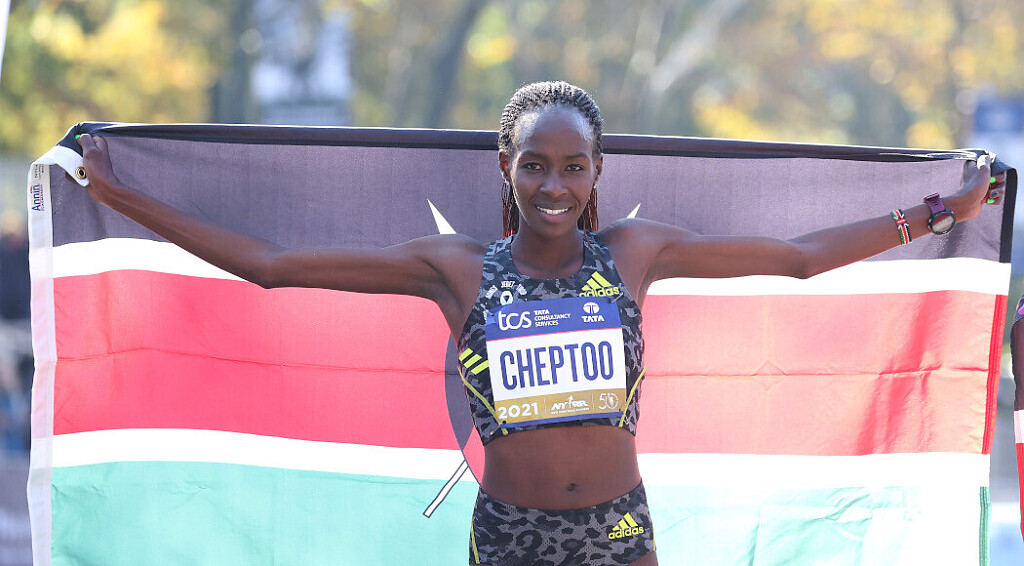
Fast Fields Set For The Publix Atlanta Half-Marathon
After a special pandemic edition in 2021 at Atlanta Motor Speedway, the Publix Atlanta Half-Marathon returns to city streets for the 2022 edition on Sunday, February 27. The race, part of the Publix Atlanta Marathon Weekend organized by the Atlanta Track Club (ATC), will feature an elite field, a $17,000 prize money purse, and a $5,000 bonus pool for exceeding the fastest times ever run in the state of Georgia (1:08:29 for women and 1:03:59 for men).
Leading the women’s elite field will be Kenya’s Viola Cheptoo who, when she competed as a middle distance runner for Florida State University in the NCAA system, went by “Viola Lagat.” The younger sister of two-time Olympic medalist Bernard Lagat will be running her first race since her dramatic marathon debut at the TCS New York City Marathon last November where she finished a close second to compatriot and Olympic champion Peres Jepchirchir. Her time of 2:22:44 was the third-fastest time in race history. She’ll be incorporating the Publix Atlanta Half-Marathon into her Boston Marathon training.
“I am looking forward to it,” said Cheptoo who has never been to Atlanta before. “I want to do well and build a relationship with the community, as I am aware of all the good work done by Atlanta Track Club.”
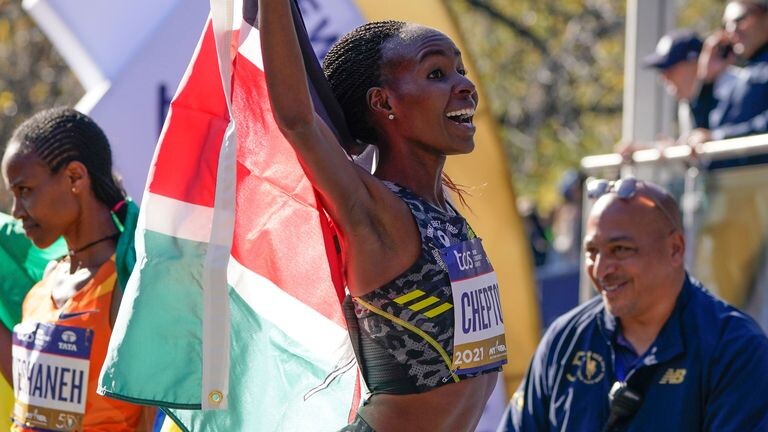
Cheptoo, who has a half-marathon best of 1:06:47, will face another strong Kenyan, Dorcas Tuitoek, who has run similarly fast: 1:06:33. These two woman have an excellent chance of bettering the state record which was set by 2021 Olympic Marathon bronze medalist Molly Seidel at last year’s race.
North American athletes will also be represented on the women’s side, including Dakotah Lindwurm of Minnesota Distance Elite (1:09:36 PB), Maegan Krifchin of the Atlanta Track Club (1:09:51), and Canadian Lanni Marchant (1:10:47) a 2016 Olympian and the 2021 Honolulu Marathon champion.
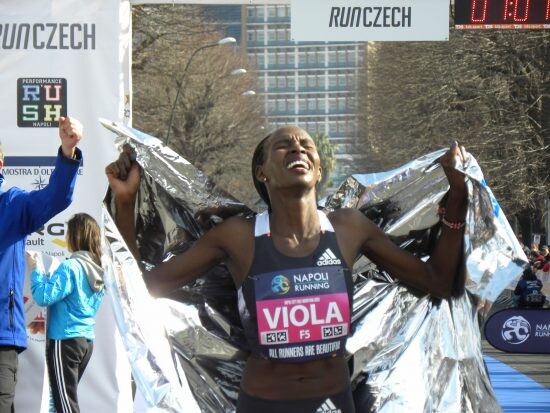
The top entrants on the men’s side are also from Kenya, and both have broken 60 minutes for the half-marathon. Benard Ngeno (59:07 PB) and Geoffrey Koech (59:36) are the fastest men in the field. The top North Americans will be Canadian record holder Rory Linkletter (1:01:08 PB), Jonas Hampton of Newtonville, Mass. (1:03:57), and Matthew McDonald of the Boston Athletic Association High Performance team (1:04:48). McDonald, the tenth place finisher at the 2020 USA Olympic Trials Marathon, formerly trained with the ATC at Georgia Tech. He now works at MIT in Cambridge, Mass.
The complete elite fields are below with personal best times:
Dorcas Tuitoek, KEN, 1:06:41Viola Cheptoo, KEN, 1:06:47Mary Munanu, KEN, 1:07:54Tsige Haileslase, ETH, 1:08:30Daisy Kimeli, KEN, 1:08:34Dakotah Lindwurm, USA, 1:09:36Maegan Krifchin, USA, 1:09:51Ludwina Chepngetich, KEN, 1:10:34Lanni Marchant, CAN, 1:10:47Leslie Sexton, CAN, 1:11:21Bridget Lyons Belyeu, USA, 1:12:24Grace Kahura, KEN, 1:12:49Janel Blanchett, USA, 1:13:43Anne-Marie Comeau, CAN, 1:14:09Joanna Stephens, USA, 1:14:23
Benard Ngeno, KEN, 59:07Geoffrey Koech, KEN, 59:36Raymond Magut, KEN, 1:00:00Bayelign Teshager, ETH, 1:00:30Bethwell Yegon, KEN, 1:00:57Rory Linkletter, CAN, 1:01:08Mike Cheshire, KEN, 1:03:45Jonas Hampton, USA, 1:03:57Matt McDonald, USA, 1:04:48Chris May, USA, 1:04:50Paul Hogan, USA, 2:15:51 (Marathon)
by David Monti
Login to leave a comment

Publix Atlanta Half-Marathon & 5K
The course starts and finishes just outside of Turner Field. The 13.1 mile course gives participants a taste of Atlanta, running past sites such as Centennial Olympic Park, Atlantic Station, Piedmont Park, Oakland Cemetery and of course the Olympic Rings. The Atlanta Halloween Half Marathon & 5K features 13.1 & 3.1 miles of costume fun! This event is more about...
more...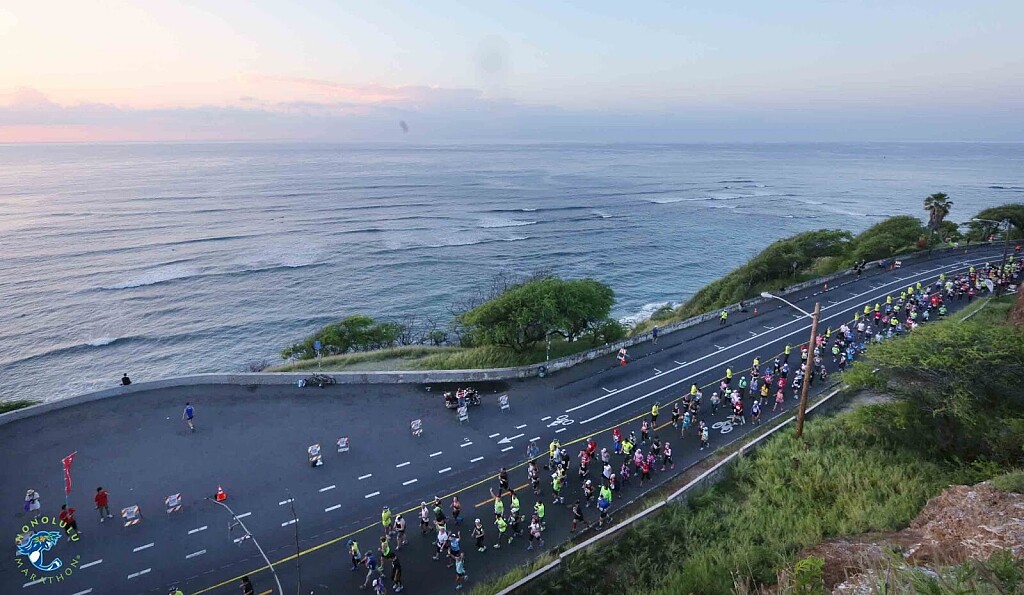
Honolulu Marathon is ready to host 14,000 runners this weekend
Rain or shine, the Honolulu Marathon is on at 5 a.m. sharp Sunday with no capacity limits.
Dr. Jim Barahal, chief executive officer of the Honolulu Marathon Association, has dealt with more than a year of much uncertainty due to the COVID-19 pandemic — but took a leap of faith that the race could be staged this month.
Despite the detection of the omicron variant in Hawaii, plus financial loss due to a drastic drop in runners from Japan, Barahal is determined to move ahead, pointing to the overall event as a symbol of triumph over adversity.
Barahal said he feels confident that outdoor activities are safe, based on guidelines from the U.S. Centers for Disease Control and Prevention, and that the marathon, which has about 14,000 registered participants across three events over the weekend — down from about 35,000 in 2019 — also will be safe.
“We’re excited,” he said. “We think a lot of people in the community are going to celebrate with us. When the gun goes off and fireworks go up in the sky, we’re going to send a signal that Hawaii is back.”
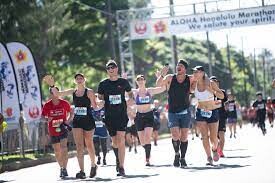
Dozens of marathons around the world have been staged this year, he noted, including major races in Boston, London and New York City. Last year’s Honolulu Marathon, along with scores of other races, was staged virtually, with participants submitting images from completed runs.
Some 10,000 participants are signed up for the 26.2-mile race, which starts on Ala Moana Boulevard and ends at Kapiolani Park. Most are local runners, while only a few hundred will be coming in from Japan. The rest are signed up for the Kalakaua Merrie Mile on Saturday and the Start to Park 10K on Sunday.
Historically, according to Barahal, half of early registrants do not show up, so organizers are expecting about 7,000 participants. “This is going to be primarily a local event,” he said, adding that he believes it will be the largest since the pandemic started.
There is going to be a financial hit, he admitted, with at least an 80% decline in revenue. The marathon gets no funding from the city, state or visitor industry.
There was no significant boost in registrations after Hawaii opened up to international travelers last month, according to Barahal, who did not expect one with the short window of time. There will be about 400 runners from Japan this year compared to 17,000 in past years. Mizuno and Japan Airlines have stayed on as sponsors.
“We’re ready to go. We have budgeted the event, we have cut where we need to, but nothing that compromises safety,” he said, adding, “To not do it two years in a row would threaten the existence of it.”
The marathon’s largest fixed costs, which include securing the course with special duty officers, barricades and the use of timing chips, will still be covered, he said, but some bells and whistles such as the video screen and photo bridge at the finish line have been dropped.
There will still be malasadas for finishers, but no live entertainment along the route or at Kapiolani Park.
The marathon is now open to fully vaccinated participants and those who show proof of a negative COVID-19 test taken within 48 hours of the event. Barahal estimates about 90% of registered runners are fully vaccinated.
Participants older than age 12 need to bring photo ID and proof of COVID-19 vaccination or negative test when picking up race packets at the Honolulu Marathon Expo at the Hawai‘i Convention Center on Friday and Saturday.
Masks will not be required while running, and under the most recent easing of restrictions, staggered starts are no longer limited to 200 participants at a time. Runners will be separated based on projected times, but the goal is to get as many on the course as quickly as possible, Barahal said.
by Nina Wu
Login to leave a comment
Honolulu Marathon
The Honolulu Marathon’s scenic course includes spectacular ocean views alongside world-famous Waikiki Beach, and Diamond Head and Koko Head volcanic craters.The terrain is level except for short uphill grades around Diamond Head. ...
more...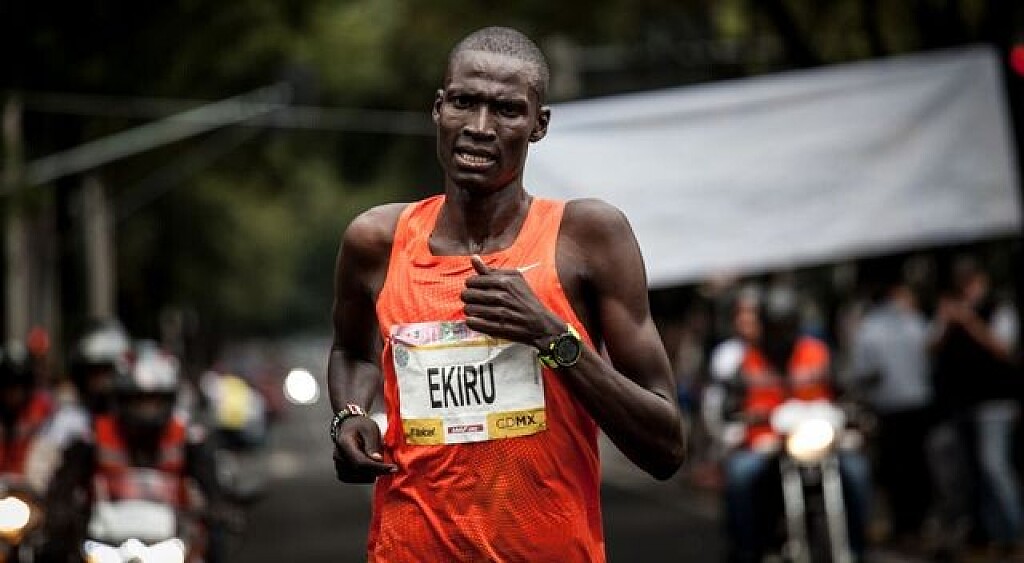
Kenya´s Titus Ekiru joins stellar cast for Adnoc Abu Dabhi Marathon
Abu Dhabi Sports Council (ADSC) and ADNOC have announced the addition of another top athlete to the elite category to join the exceptional line-up of world-class athletes in the third edition of the Abu Dhabi Marathon.
With a personal best time of 2.02.57, Kenyan-born Titus Ekiru, is currently ranked as the world’s fifth best in the men’s marathon history.
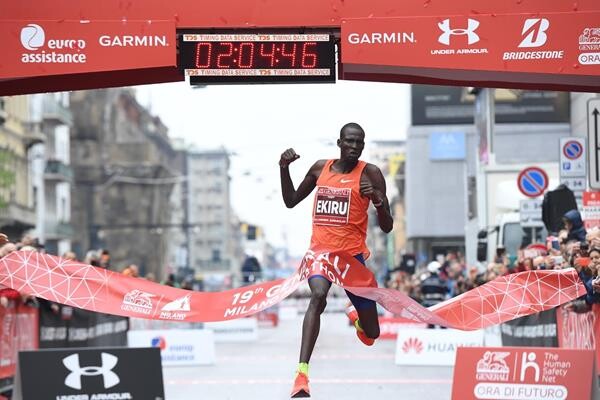
His career highlights include first place in the 2021 Milano Marathon, 2019 Honolulu Marathon, 2018 Mexico City Marathon and 2017 Seville Marathon.
The upcoming Bronze Label race will see eight additional elite athletes vying for the top spot at the ADNOC Abu Dhabi Marathon.
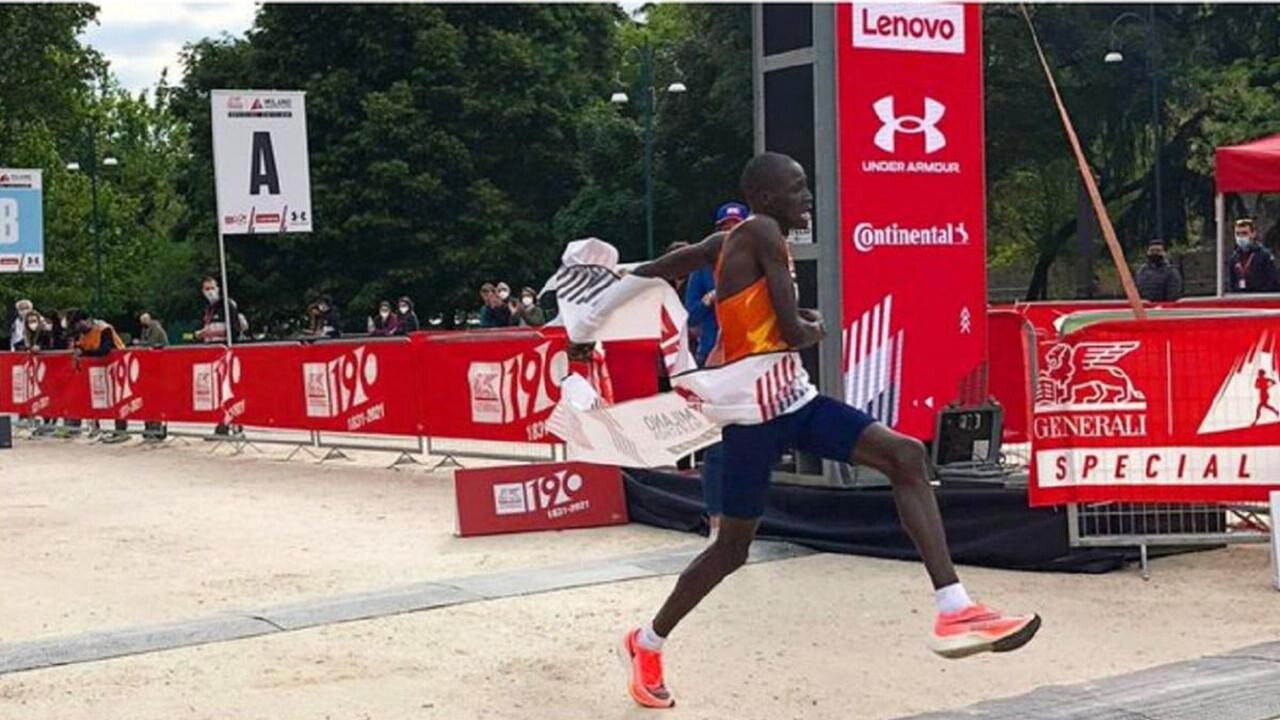
The line-up includes some of the world’s top-ranking athletes such as Reuben Kiprop Kipyego, Abel Kirui, Barnabas Kiptum, Philemon Rono, Eunice Chumba, Betelhem Moges, Vivian Kiplagat and Alemu Megertu.
Leading up to the race, from November 22-25, a race village will be hosted at the ADNOC HQ Campus, welcoming participants and supporters with photo opportunities, family entertainment and a dedicated race pack collection area.
The race is open from six to 70-year-olds and runners of all fitness levels.
Login to leave a comment

ADNOC Abu Dhabi Marathon
The Abu Dhabi Marathon is shaping up to being first class marathon for both elite runners and average runners as well. Take in the finest aspects of Abu Dhabi's heritage, modern landmarks and the waters of the Arabian Gulf, at this world-class athletics event, set against the backdrop of the Capital's stunning architecture.The race offered runners of all abilities the...
more...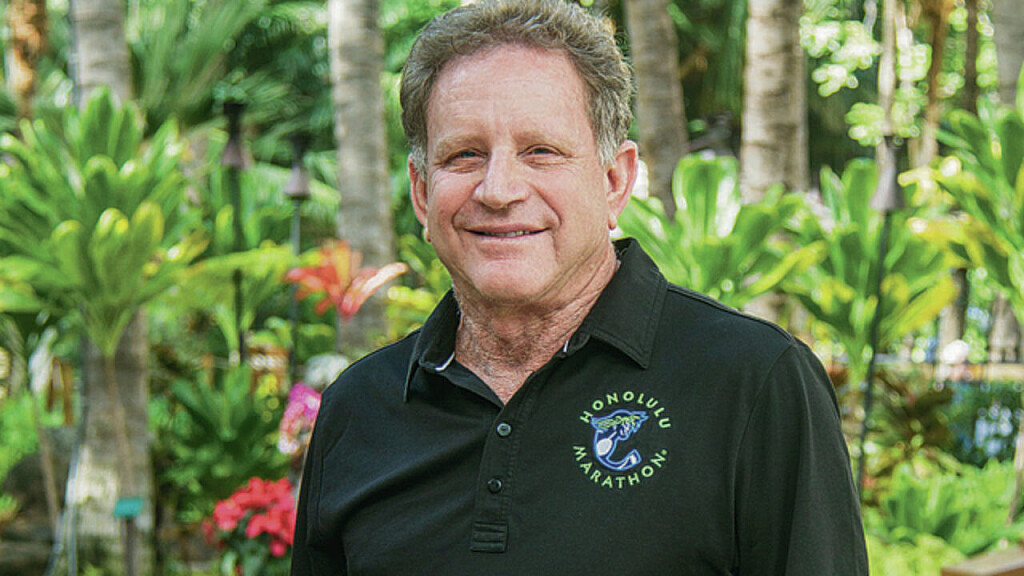
Honolulu Marathon President Jim Barahal frustrated at Hawaii Government's COVID-19 stance
Organizers are forging ahead with plans to stage the Honolulu Marathon in December despite Hawaiian Government officials' uncertainty on whether it will be allowed due to ongoing COVID-19 concerns.
While the city is easing pandemic-related restrictions on large events, organisers are reportedly frustrated that neither Hawaii Governor David Ige nor Honolulu Mayor Rick Blangiardi have given clear messages about the future of the race.
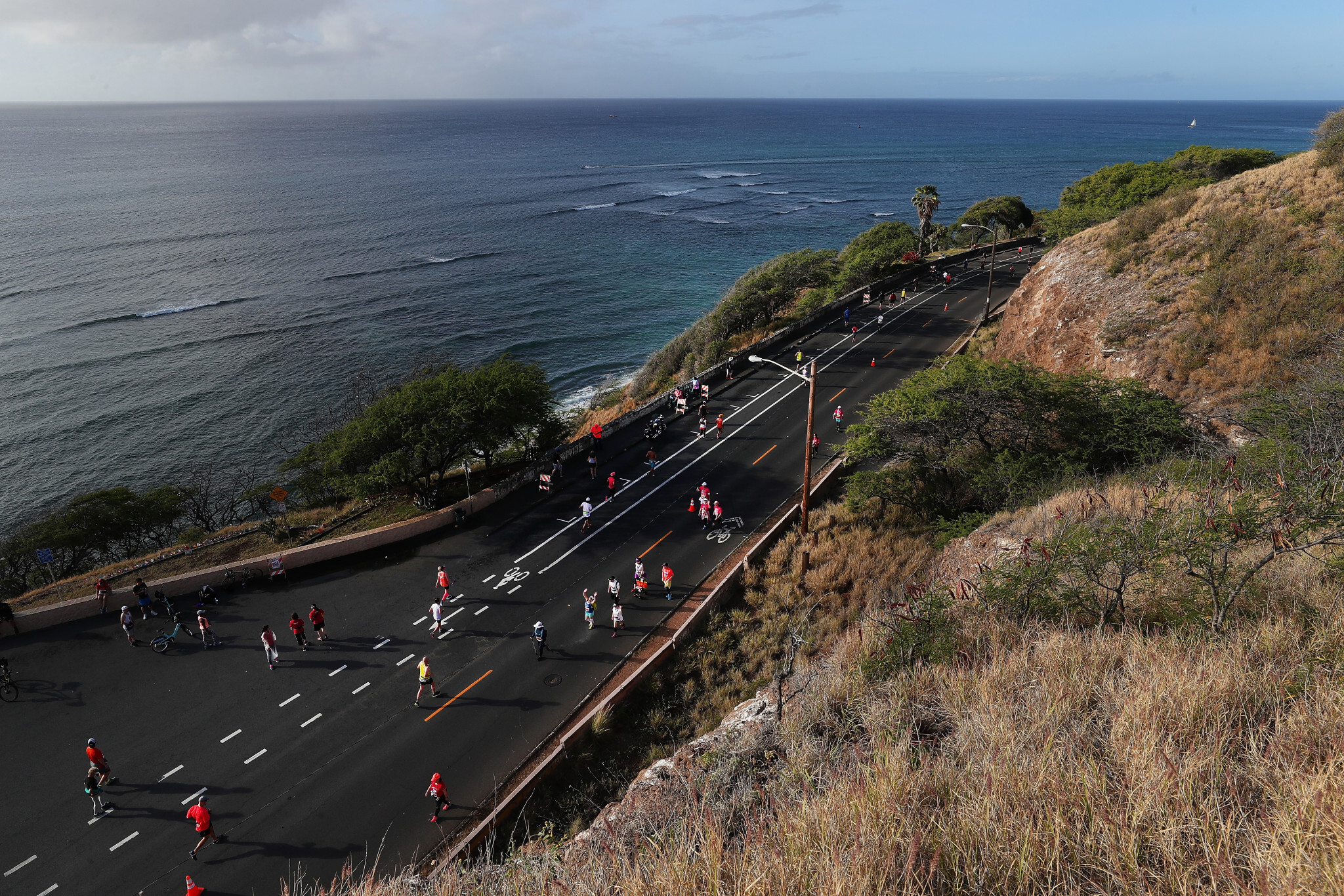
It is one of the biggest sporting events in the state and normally draws thousands of participants.
Ige and Blangiardi announced last week that, starting yesterday, restrictions will be eased for road races, outdoor weddings and other events.
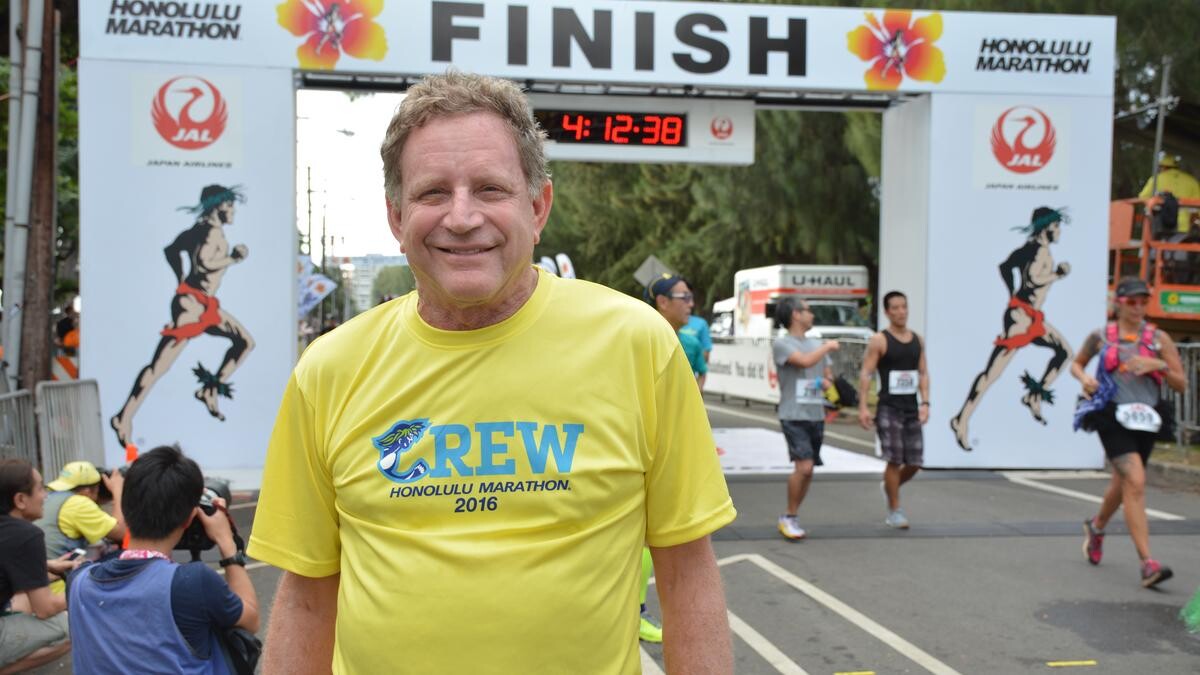
This is because of rising vaccination rates and declining coronavirus case numbers.
The 2020 Honolulu Marathon was cancelled due to COVID-19.
In 2019 there were more than 33,000 participants.
Current guidelines allow for road races of up to 500 vaccinated participants, as long as there are staggered starts of groups of 25 runners.
"We are working with the State on plans for expanding capacity for the Honolulu Marathon, which is scheduled for December 12," Blangiardi said, per the Associated Press.
"It has not been officially approved, but if conditions continue to improve I believe the Marathon could operate in a safe manner.
"It would also go a long way in helping with the psychological wellbeing and our resiliency as a community."
Honolulu Marathon President Jim Barahal is disappointed that Ige and Blangiardi have not clearly stated if the event can go ahead or not.
"We have a lot of planning to do to put on a major marathon and I thought it made it more difficult for us," Barahal told Hawaii Public Radio.
The Ironman World Championship triathlon event, usually held in Kailua-Kona, recently announced it is moving the competition from Hawaii to Utah this year because of concerns about COVID-19 restrictions.
That event, along with the Honolulu Marathon, are claimed to usually bring millions of dollars into the state economy.
by Owen Lloyd
Login to leave a comment
Honolulu Marathon
The Honolulu Marathon’s scenic course includes spectacular ocean views alongside world-famous Waikiki Beach, and Diamond Head and Koko Head volcanic craters.The terrain is level except for short uphill grades around Diamond Head. ...
more...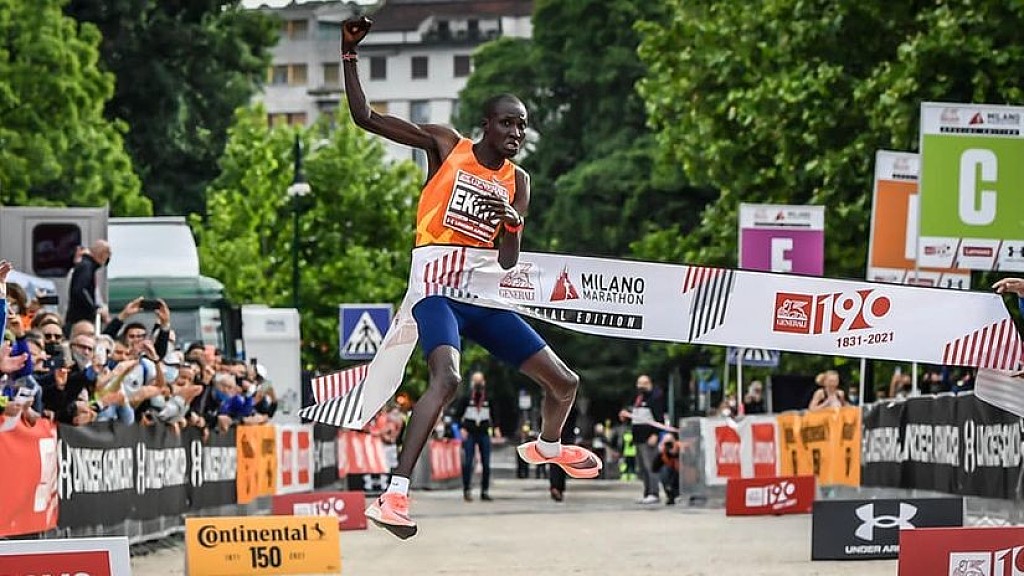
Kenyan Titus Ekiru is eager to make grand entry to big stage
Milano Marathon champion Titus Ekiru is among athletes to watch on Sunday during this years’ edition of the London Marathon.
Ekiru has been training in Kapsabet, Nandi County at the Stanley Biwott Nike camp and wants to lower his personal best time of 2 hours, 02 minutes and 57 seconds.
In May this year, Ekiru posted one of the fastest times this season after winning Milano Marathon in 2:02:57 improving his own course record he set in 2019 of 2:04:46.
But he wants to lower it further if the weather conditions allow on Sunday in his World Marathon Majors debut in London.
Ekiru improved the Milano course record he set in 2019 of 2:04:46 by one minute and 49 seconds, becoming the fifth fastest marathoner of all time alongside compatriot Denis Kimetto. His time went into the records as the fastest marathon ever run on Italian soil.
He will be the third fastest in the elite field on Sunday behind Ethiopia’s Birhanu Legese who has a personal best time of 2:02:48 and Mosinet Geremew whose personal best time is 2:02:55.
He will be teaming up with compatriots Valencia Marathon champion Evans Chebet and Vincent Kipchumba who was second last year in London.
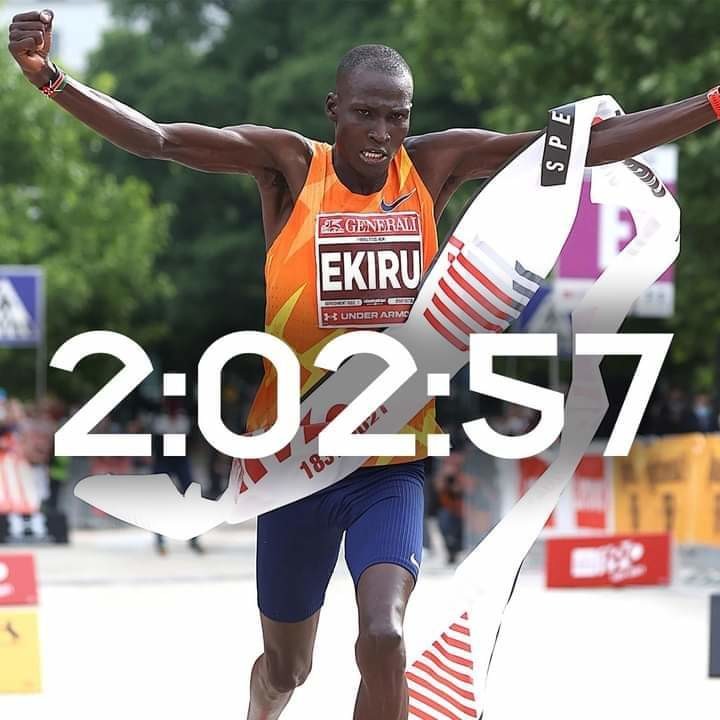
“After my good performance in Milano, I went straight to camp to continue with my training programme because I knew there were many upcoming races I could participate in. It has been four months of vigorous preparations and I just want to run a good race,” said Ekiru who is under Rosa Associati Company.
Ekiru said that he had high hopes of participating in the Olympic Games but a nagging knee injury locked him out.
"It’s sad the knee injury I was nursing in 2020 locked me out of many events and thus missing out on the Olympics slot but I’m happy my season has begun well. My focus now is to do well in the race as I look forward to next year's World Championships in Eugene, USA,” said the 29-year-old Ekiru.
Ekiru’s career took shape in 2016 when he finished second at Casablanca Marathon in Morocco clocking 2:15:43 before winning the 2017 Seville Marathon in Seville, Spain in 2:07:42. He later emerged fourth in the Honolulu Marathon that year.
In 2018, he won the Honolulu Marathon in a time of 2:09:01 and the half marathon event of the Rock 'n' Roll San Diego Half Marathon clocking 1:01:02. He also won Mexico City Marathon in a new course record of 2:10:38.
In 2019, Ekiru won the Milano City Marathon and set a new course record of 2:04:46.
He also won the Portugal Half Marathon in 2019 and set a new course record of 1:00:12.
Later in December that year, he defended his Honolulu Marathon title in a new course record of 2:07:59.
In 2021, he won the Milano City Marathon in a new course record of 2:02:57 and is now looking forward to improving it as he focuses on running the fastest time in the world.
The world record is currently held by Eliud Kipchoge after clocking 2:01:39 in 2018 Berlin Marathon.
by Bernard Rotich
Login to leave a comment

TCS London Marathon
Since its inaugural edition on March 29, 1981, the TCS London Marathon has grown into one of the world's most prestigious road races, blending elite competition with an extraordinary charitable legacy. Founded by former Olympic champion and journalist Chris Brasher alongside Welsh athlete John Disley, the event has been staged every year and has been held in the spring annually...
more...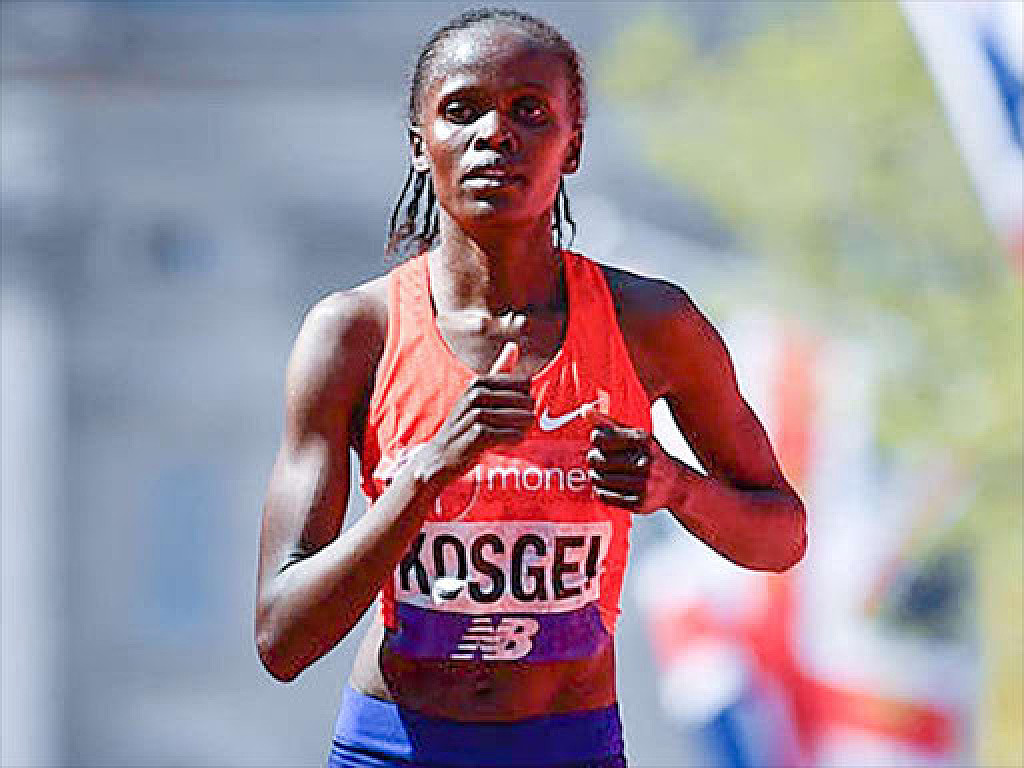
Brigid Kosgei seeks Kenyan Olympic marathon redemption
World record holder Brigid Kosgei has the unenviable task at the Tokyo Olympics of restoring Kenya's image in the marathon, which suffered a huge dent after the 2016 Rio Games.
Compatriot Jemima Sumgong became the first Kenyan woman to win an Olympic marathon gold in Brazil, but she subsequently tested positive for the endurance booster EPO and was banned for eight years.
Kosgei, who ran the fastest women's marathon of all time, clocking 2hr 14min 04sec in Chicago in October 2019, is eyeing a medal on Saturday in Sapporo to spare Kenyan blushes.
Organizers moved the marathons from the capital to avoid Tokyo's punishing summer heat but temperatures in Sapporo are currently in the 30s, which will make the race a tough challenge for the entire field.
"I know it wouldn't be easy winning the gold medal... but I will go out there and take my chances since this is my first Olympics," Kosgei told AFP.
Like so many athletes, Kosgei traveled to the Olympics after 18 disrupted months due to the coronavirus crisis.
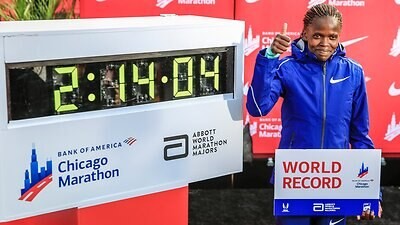
"It is unfortunate that we didn't have many competitions to help us prepare us for the Games since the Covid pandemic led to many race cancellations," she said.
A late starter in the sport, Kosgei -- a mother of eight-year-old twins -- had a difficult time growing up in a large family of seven children to a single peasant mother in Elgeyo Marakwet in Kenya's Rift Valley.
Like many of the girls in her village, Kosgei saw athletics as a vehicle to help her escape a life of destitution.
Her first marathon was in Porto, Portugal, in 2015 when the 27-year-old made a dream debut, winning the event in 2:47.59.
- 'Sharing the limelight' -
Kosgei credits her coach Erick Kimaiyo, a former winner of the Honolulu marathon and a runner-up in the 1997 Berlin marathon, for believing in her and helping to nurture her raw talent at his Kapsait training camp situated outside Nairobi at over 9,600 feet (2,900 meters) above sea level.
"I had grown up listening about the great marathon achievements of Catherine Ndereba and Tegla Loroupe, but I didn't expect that I could one day be sharing the same limelight with them," Kosgei said.
"But it was Kimaiyo’s belief in me that helped to propel me and see myself succeeding as a champion marathon runner."
The mentorship resulted in two contrasting victories at the 2016 and 2017 Honolulu marathons, with the difference in winning times between the two events -- 2:31:10 and then 2:22:15 -- further illustrating the power of the forged partnership.
She has won the London marathon twice and set a half-marathon course record of 64min 28sec at the Great North Run in northeast England in September 2019.
However, having missed the 2019 Doha world championships, Kosgei is hoping the Covid-affected Olympics will provide the big stage for her -- and redemption for Kenya.
Login to leave a comment
Women’s world marathon record holder Brigid Kosgei says she is fit and healthy again as she eyes Olympics
Brigid Kosgei says she is firmly focused on adding Olympic gold to her medal collection after fully recovering from a slight leg injury.
The 26-year old tested herself at last month’s Istanbul Half Marathon where she clocked 1:16:01 to finish a disappointing fifth, in a race won by compatriot and fellow Olympics-bound, world marathon champion Ruth Chepng’etich in a world record time of 1:04:02.
"I had some minor injury when I competed in Istanbul but now I’m back fully fit and I will concentrate all my training at Kapsait until departure to Olympics,” she said.
The marathoner said an Olympic gold would be a dream-come-true for her having spent most of her childhood and teenage years wishing for an opportunity to represent Kenya at the quadrennial event.
“While I was in Standard Eight, I watched the Olympic Games on television and I told myself ‘one day I’d also like to represent Kenya too. My home (Kapsowar) was quite a distance from school (10 kilometers) and I never wanted to be late that’s why I used to run quite a bit,’” she said in an earlier interview.
Kosgei has been hard at work in training, going through her paces at her Kapsait Training Camp in Elgeyo Marakwet under the watchful eye of her coach, former Honolulu Marathon champion Eric Kimaiyo.
Hers is a holistic training regime, which must take into account Kosgei's diet that hasn't changed much even in the build-up to Tokyo.
“My diet is the same and I haven’t changed anything. My body feels good and I want to push it to the limits and see how it responds on race day. We are mixing endurance and speed work with long runs," she said.
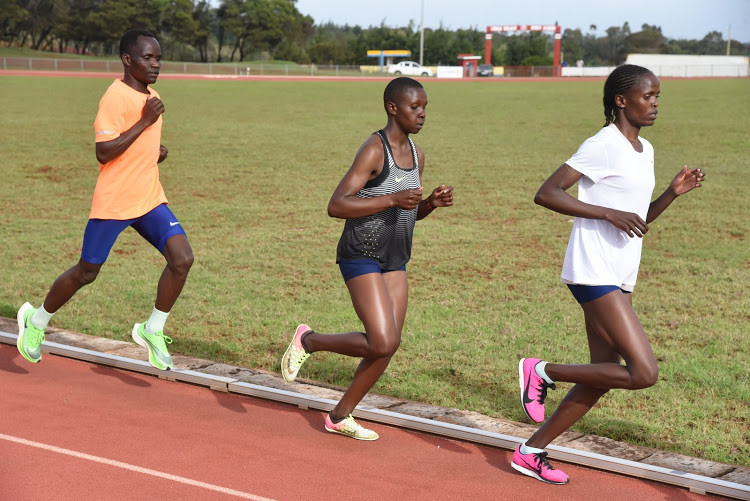
Kosgei, who is managed by the Italy-based Rosa Associati stable, has also been training in sunny conditions to ensure she acclimatises to the hot Japanese weather when she graces the Olympics.
She has responded perfectly to a recovery regimen that included sessions with Italian physiotherapist Sebastiano Erbi who spent some time monitoring her progress.
"The weather in Kapsait is good. Even when it rains, we still train, and even when it's cold, we also train; we are used to any weather condition here. We are also aware of the heat in Japan and that’s why we have some sessions at 4 pm when the sun is still out", Kosgei explains.
At times, the training group — which includes pacemakers — drive for close to two hours to Iten to access quality track sessions at the Lornah Kiplagat Academy and Stadium.
Kosgei has signed up with Stanbic Bank Kenya as ambassador in the bank’s new brand campaign dubbed "It Can Be."
The “It Can Be” campaign seeks to empower young men and women to achieve their big dreams with the world marathon record holder being used as an ambassador to motivate them.
by Omondi Onyatta
Login to leave a comment

Tokyo 2020 Olympic Games
Fifty-six years after having organized the Olympic Games, the Japanese capital will be hosting a Summer edition for the second time, originally scheduled from July 24 to August 9, 2020, the games were postponed due to coronavirus outbreak, the postponed Tokyo Olympics will be held from July 23 to August 8 in 2021, according to the International Olympic Committee decision. ...
more...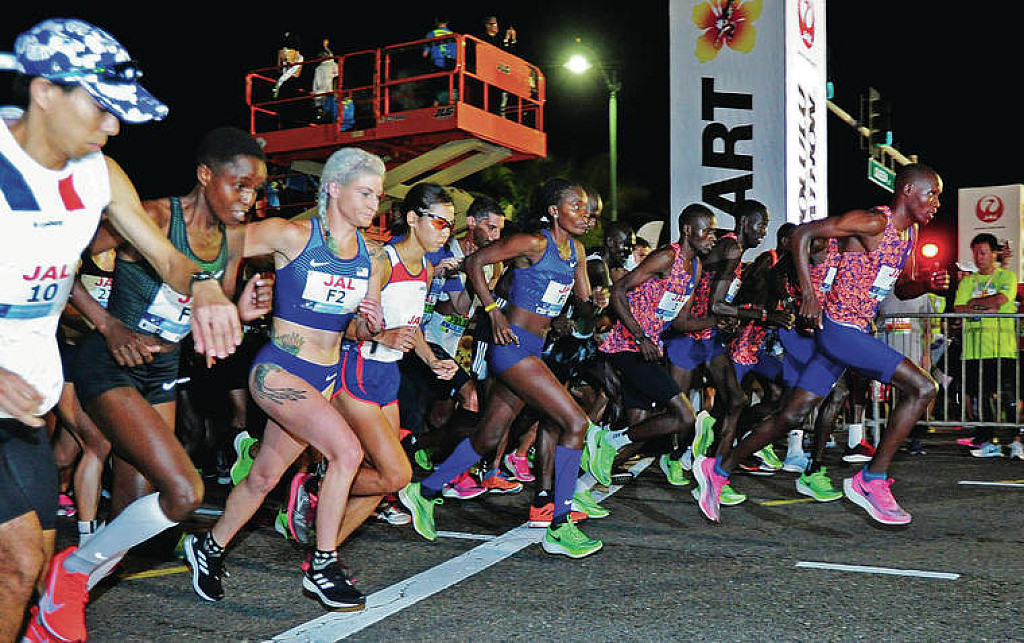
Registration for 2021 Honolulu Marathon opens in June
The Honolulu Marathon will be held in 2021 after being canceled in 2020 due to the COVID-19 pandemic.
Early registration for Hawaii residents will be open from Tuesday, June 1, through Monday, June 14.
Get Hawaii’s latest news sent to your inbox, click here to subscribe to News 2 You, a daily newsletter.
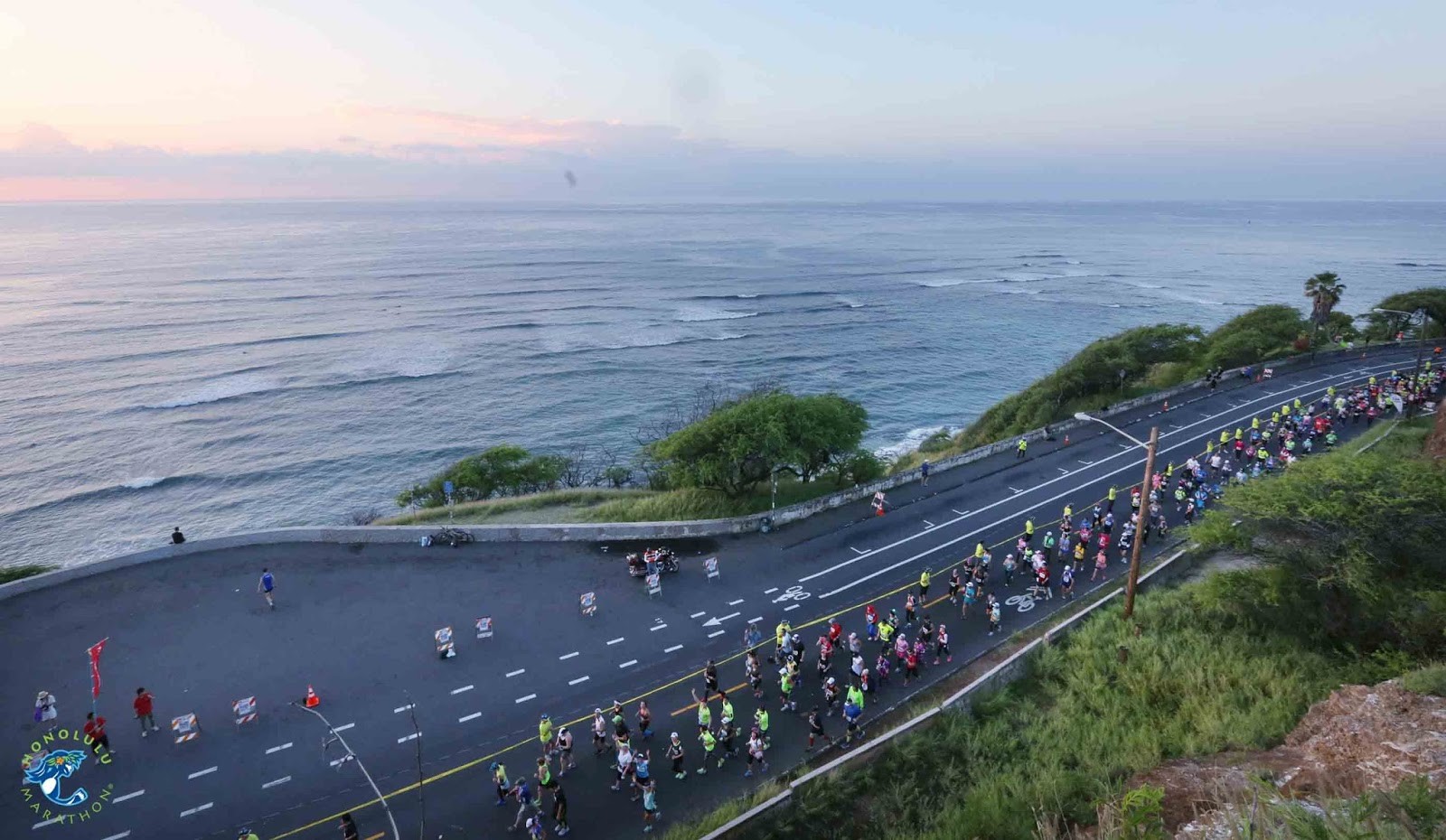
Mainland resident registration will be open Tuesday, June 15, through Wednesday, June 30, and general registration for everywhere else — excluding Japan — will open on Thursday, July 1.
The event draws tens of thousands of people from all over the world and the Department of Health believes it can be held safely.
Those who were registered for 2020s Honolulu Marathon will be allowed to register for 2021s Honolulu Marathon for free and should receive an email with a unique transfer code.
The 2021 Honolulu Marathon will be held on Sunday, Dec. 12.
Login to leave a comment
Honolulu Marathon
The Honolulu Marathon’s scenic course includes spectacular ocean views alongside world-famous Waikiki Beach, and Diamond Head and Koko Head volcanic craters.The terrain is level except for short uphill grades around Diamond Head. ...
more...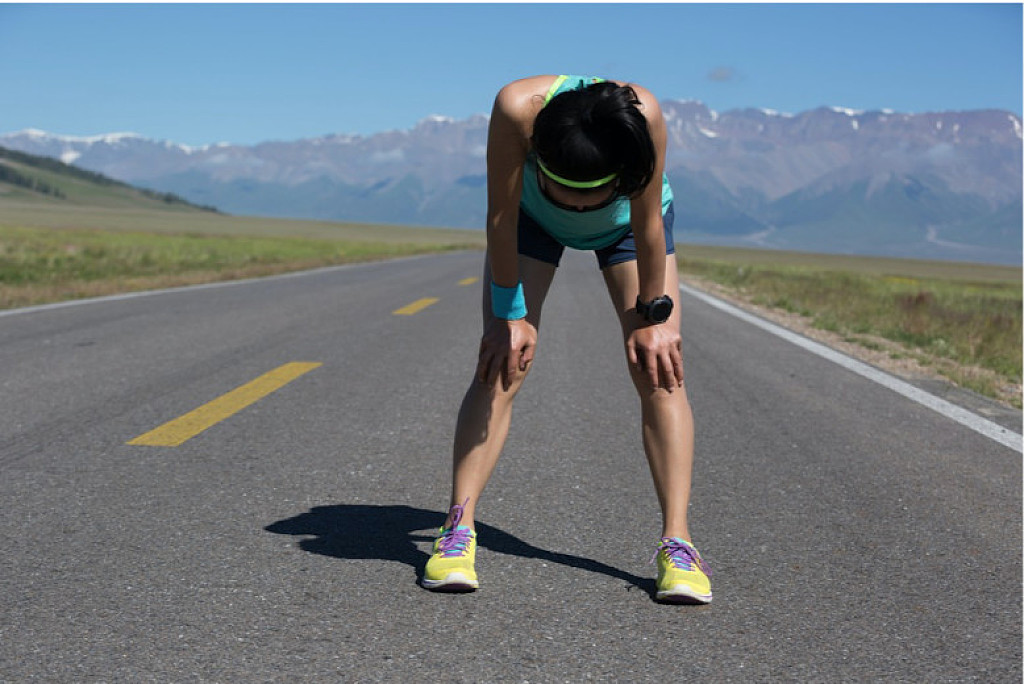
We studied mental toughness in ultra-marathon runners. Mind over matter is real — but won’t take you all the way
For most people, running a marathon sounds like a lot of work — and they probably wouldn’t even consider completing more than one within 24 hours.
The will to go the extra mile is what lies at the very heart of ultra-endurance events (and that’s exactly why they’re called “ultra”).

These events are for athletes who go beyond the typical marathon distance of about 42km, or engage in physical exertion for more than six hours. They’re generally performed via biking, swimming or running, but can also be held in activities such as kayaking.
Our new research published in the journal PLOS One looks at the role of “mental toughness” in the performance of ultra-endurance runners. Our findings suggest mind over matter is a real phenomenon — but can only get you so far.
The nitty-gritty of ultra-endurance events
On-foot ultra-marathons are notoriously challenging, with distances starting around 56km and going upwards of 150km. They’re often held in remote mountainous settings and almost always involve unpredictable course conditions and massive shifts in altitude.
Unsurprisingly, research on ultra-marathon runners has found this unique population experiences a range of difficult circumstances during these events.
The most common physical reasons for withdrawal include nausea, vomiting, blisters and/or muscle pain. Alongside extreme physical pain and discomfort, it’s also common to experience intense fatigue, unpleasant emotions and negative thoughts.
Is it really mind over matter?
“Mental toughness” is usually associated with the ability to either remain consistent in the face of challenges, or to quickly recover from setbacks and adversity.
We wanted to investigate what motivates ultra-endurance athletes to keep going despite obvious physical and mental challenges. To do this, we focused on a group of 56 ultra-marathon runners who competed in the Hawaiian Ultra Running Trail 100, or HURT100.
This 160.1km endurance run is a difficult five-lap course in the mountains above the city of Honolulu, Hawaii. The track has little clear running space and runners spend most of the course navigating through tree roots and crossing streams. Topping it off is about 7,500m of cumulative elevation gain and loss over the course.
The elite athletes in our study completed two questionnaires, from which we found mental toughness didn’t seem to predict performance within the group.
Thus, we conclude there may be a “threshold” level of mental toughness one must overcome to even be able to prepare for, and compete in, such an event. But beyond this, other psychological, physical and logistical factors appear to have a greater impact on performance.
We also compared our group of ultra-marathon runners to athletes in other sports including hockey, tennis, professional football, high performance male athletics and mixed martial arts. We discovered the runners had significantly higher levels of mental toughness.
In terms of which specific characteristics led to greater mental toughness, such as confidence, commitment, personal responsibility or control over one’s thoughts — “self-efficacy” scored high.
This refers to an athlete’s belief in their ability to execute a task. For example, whether they believed they could complete the HURT100 distance within the 36-hour cut off time.
Traversing the human mind
Our research has practical implications for athletes, whether they want to increase their own mental toughness, or know what it takes to run in an ultra-marathon event.
Having advanced knowledge of the mechanisms underpinning mental toughness (such as self-efficacy) could also help sport psychologists and coaches create more effective and targeted training programs.
That said, our findings do open doors to more questions. What other factors could predict performance in ultra-marathon runners? How wide is the range of characteristics that can be linked to mental toughness? And can these be learned by anyone?
Some may argue people are just born with greater levels of mental toughness and it’s in their genes. Others claim this can be developed over time as a result of individual experiences. It seems the age-old nature versus nurture debate persists.
by The Conversation
Login to leave a comment
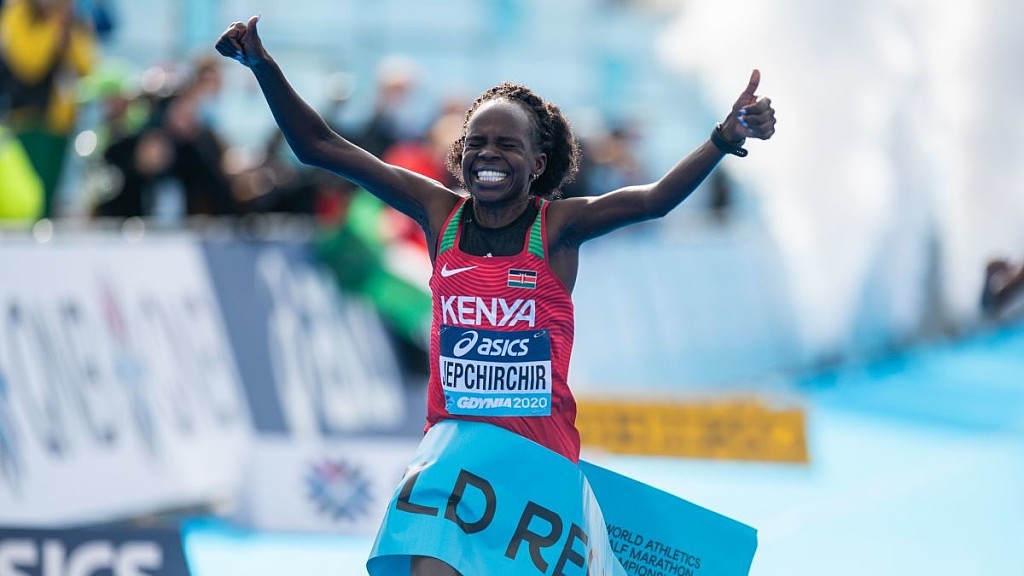
World half marathon record holder Peres Chepchirchir seeks inclusion in Kenya's Olympic marathon team
World women's half marathon record holder Peres Chepchirchir harbors an Olympic dream after her successful but COVID-19 pandemic upended year which saw her claim three successive marathon podiums.
The 27-year-old Kenyan broke her own world record in the women's half marathon by crossing the line in 1:05:16 at the 2020 World Half Marathon championships in Gdynia, Poland, before ending the year with victory at the Valencia Marathon timing 2:17:16, a time that saw her move up to positive five on the all-time world women list.
"I had a very successful year in 2020 despite all the challenges brought about by COVID-19 pandemic, I'm glad I was able to compete. My new year wish is to see if Athletics Kenya can consider my performance and make an amendment on the 2020 Tokyo Olympics marathon team by including me in the squad," Chepchirir told Xinhua on Wednesday.
"I will love to compete at the Olympics; it will really make me a complete runner," she added.
Earlier in 2020, Athletics Kenya (AK) named world marathon record holder Brigid Kosgei, world marathon champion Ruth Chepngetich, Vivian Cheruiyot, a winner of the Olympic 5,000m title in 2016 to the Olympic team.
The 2019 Frankfurt Marathon champion Valary Aiyabei and 2014 world half marathon bronze medallist Sally Chepyego were named as reserves.
The 37-year-old, Cheruiyot aims to compete at her fifth Olympic Games, a record tally for a Kenyan athlete.
However, Paul Mutwii, Athletics Kenya senior vice president and director of competitions told Xinhua that the federation will make some adjustments to the marathon team in order to send a strong squad to the Games which is scheduled for July 23 to Aug. 8.
"Definitely, there will be some changes to the marathon squad depending on the athletes' current form. In fact, in the coming weeks, I will be chairing the technique committee that will determine who will be drafted into the team then make the announcement," Mutwii said on Wednesday.
The world men's marathon record holder Eliud Kipchoge, Lawrence Cherono, a two-time Amsterdam Marathon champion who also won in Boston and Chicago in 2019, and world bronze medalist Amos Kipruto, who has a best of 2:05:43 were named in the men's team.
Two-time Honolulu Marathon winner Titus Ekiru and 2016 world half marathon silver medalist Bedan Karoki were drafted reserves.
by Xinhua News
Login to leave a comment
Tokyo 2020 Olympic Games
Fifty-six years after having organized the Olympic Games, the Japanese capital will be hosting a Summer edition for the second time, originally scheduled from July 24 to August 9, 2020, the games were postponed due to coronavirus outbreak, the postponed Tokyo Olympics will be held from July 23 to August 8 in 2021, according to the International Olympic Committee decision. ...
more...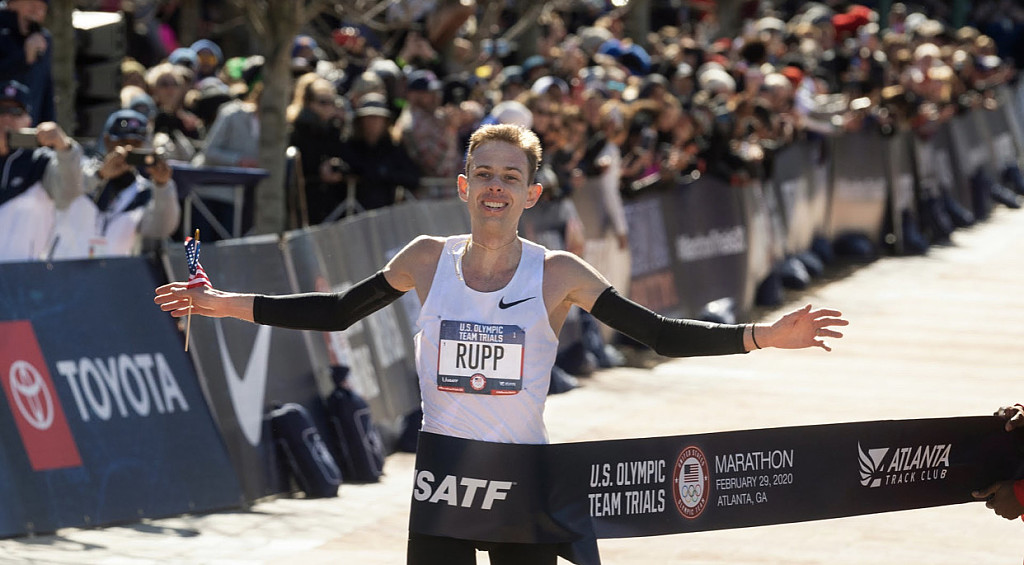
Galen Rupp and Suguru Osako are aiming for a fast half marathon on Friday near Eugene
Olympians Galen Rupp and Suguru Osako have signed on for what is expected to be a blazingly fast half marathon Friday at an undisclosed location in Lane County.
Eugene Marathon has set up the course and ensured it is certified. Organizers are declining to reveal the course’s location or time in deference to the coronavirus pandemic. All participants have been tested for the virus.
Rupp won the men’s race at 2020 U.S. Olympic Marathon Trials last February in Atlanta. The former University of Oregon star is the 2012 Olympic silver medalist in the 10,000 meters and the 2016 Olympic bronze medalist in the marathon. He holds the U.S. record for the 10,000.
Osako is the Japanese record-holder in the marathon, as well as the 3,000 and 5,000 meters.
The two runners are former teammates with the now defunct Nike Oregon Project. Both are based in Portland, although Osako has been training in Flagstaff, Arizona.
“Galen called me maybe a month ago,” said Pete Julian, Osako’s coach. "He asked if Suguru would be interested in throwing down somewhere in Oregon in this time frame.
“I was like, ‘Galen, you called at the perfect time. That’s exactly what we want to do.'”
Rupp has not raced since winning in Atlanta. Osako was active with Julian’s group in track races over the summer. He had begun training for December’s Honolulu Marathon before that was canceled because of the coronavirus pandemic.
“I think they’re pretty lined up,” Julian said of the two runners. “Galen hasn’t raced in a long time. But he is old enough and wise enough now that if he says wants to run a good, hard, fast half marathon, you have to believe he is ready to go. I know Suguru is ready to go. It will be cool.”
The course is said to be flat. And if the race is fast, well, the U.S. record for a half marathon of 59 minutes, 43 seconds has been held by Ryan Hall since 2007. The Japanese half-marathon record is of 1:00.00 was set earlier this year by Yusuke Ogura.
Julian wouldn’t call Friday’s race a record attempt.
“Hey, man, 13.1 miles is a long way to go,” Julian said. “It’s almost foolish to say we’re targeting something because I know nothing about the course. My assumption is if the weather is nice, it’s warm enough and it’s not windy, and you have two guys like that, running around an hour for a half marathon is certainly within their capabilities.”
Eugene Marathon will be posting more details on its Twitter and Instagram accounts as the race nears. On Friday, organizers will use those platforms to provide updates on the progress of the competition.
by Ken Goe
Login to leave a comment
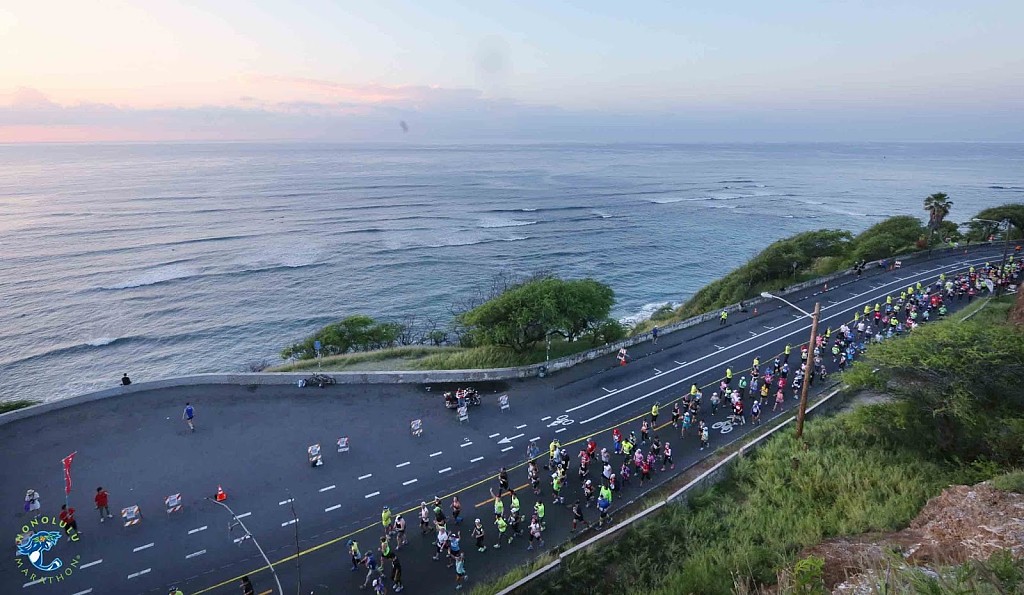
Organizers pivot focus to virtual race at 2020 Honolulu Marathon cancelled due to the coronavirus
Citing the ongoing coronavirus pandemic, the 2020 Honolulu Marathon has been cancelled, organizers announced.
“We are of course very disappointed to have to cancel the race due to the ongoing Covid situation,” Honolulu Marathon CEO and President Jim Barahal wrote in a statement.
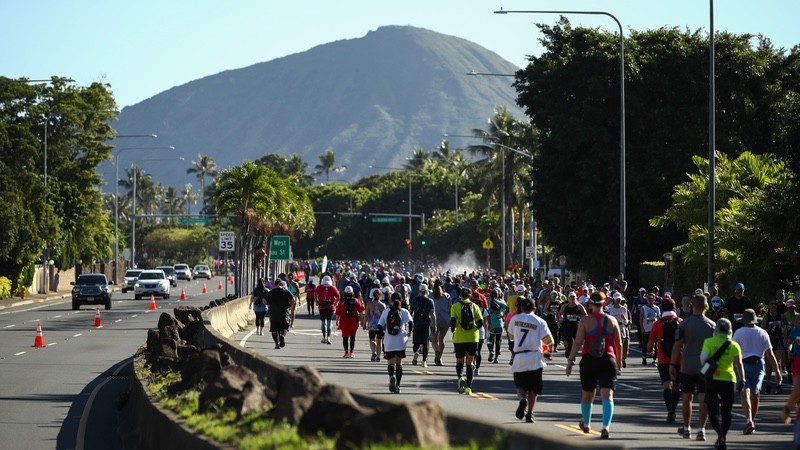
This is the first time that the marathon will not be held since the inaugural race in 1973.
Organizers said that before they made the decision to cancel the event, they were in discussion with the City and County of Honolulu.
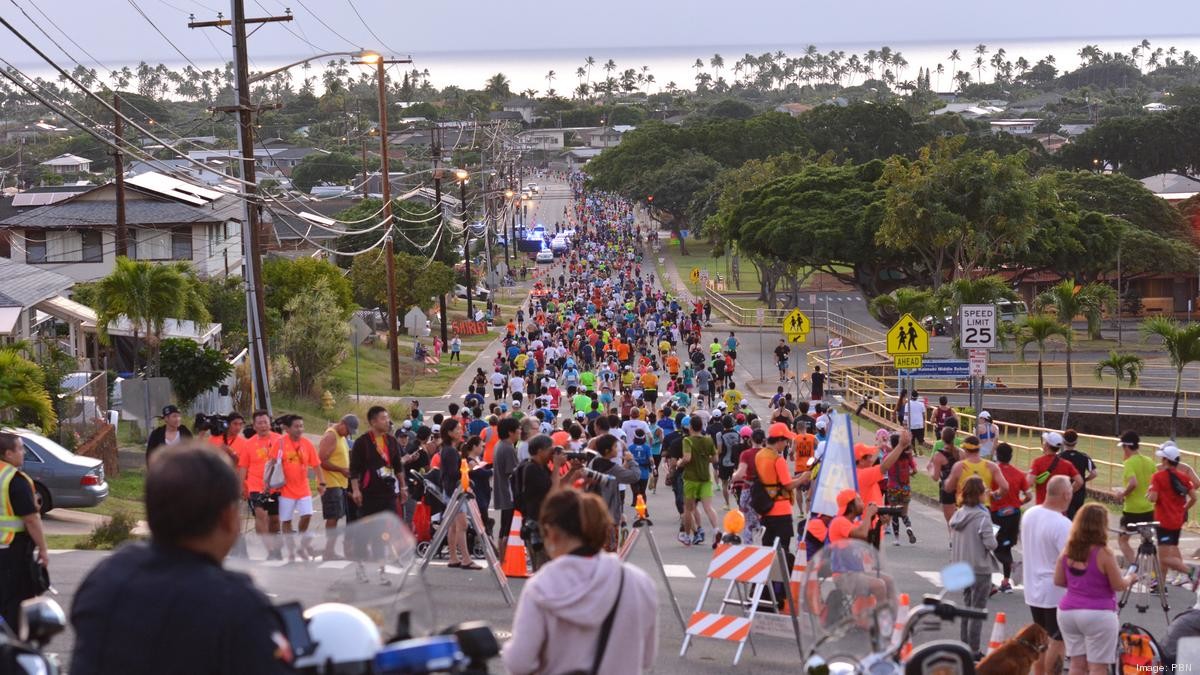
“The team has worked hard to find ways to conduct a safe and socially distanced event, but all stakeholders agree that the appropriate and safest course of action is not to conduct the 2020 Honolulu Marathon, Start to Park 10 and Kalakaua Merrie Mile in December,” Barahal wrote.
Instead, organizers will pivot their focus to a safer venture: the Honolulu Marathon Virtual Beachfest.
Officials said that the virtual race will allow anyone in the world to complete the race from their own home. There will be a virtual festival that will feature training videos, cooking demos and even music from Hawaii.
But for those who are hoping for an in-person event, organizers said that they would consider rescheduling the marathon in the first half of 2021.
“In the case that we are able to reschedule, entrants can defer to either the rescheduled date or the December 2021 Honolulu Marathon,” organizers wrote.
Login to leave a comment
Honolulu Marathon
The Honolulu Marathon’s scenic course includes spectacular ocean views alongside world-famous Waikiki Beach, and Diamond Head and Koko Head volcanic craters.The terrain is level except for short uphill grades around Diamond Head. ...
more...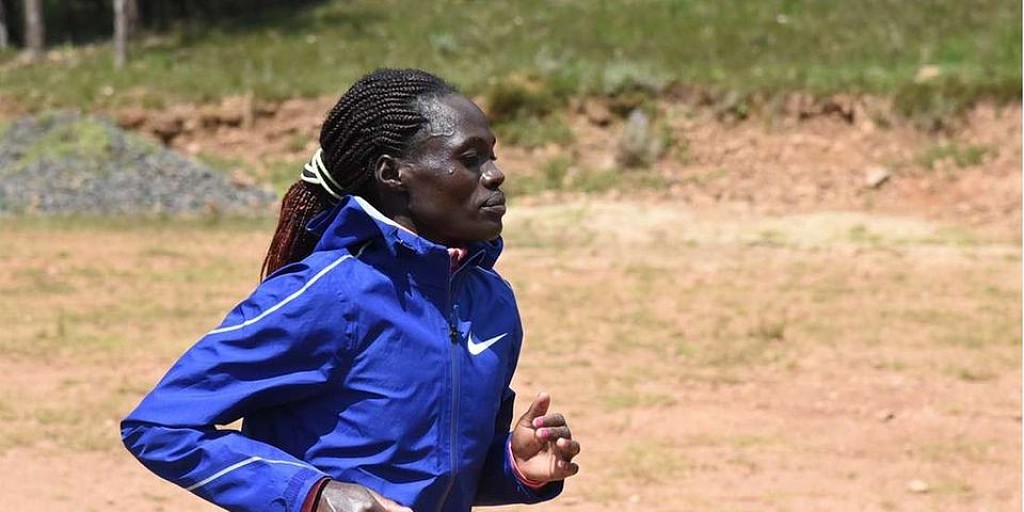
Abu Dhabi Marathon champion Vivian Kiplagat is among the athletes enlisted late to lay the groundwork for the women’s elite London Marathon field
So stellar is the London Marathon cast that they have an Abu Dhabi and Honolulu Marathon champion as pacemaker.
Never mind the fact that multiple world and Olympic champion Mo Farah is also a “rabbit” for the October 4 race that will be televised live on NTV.
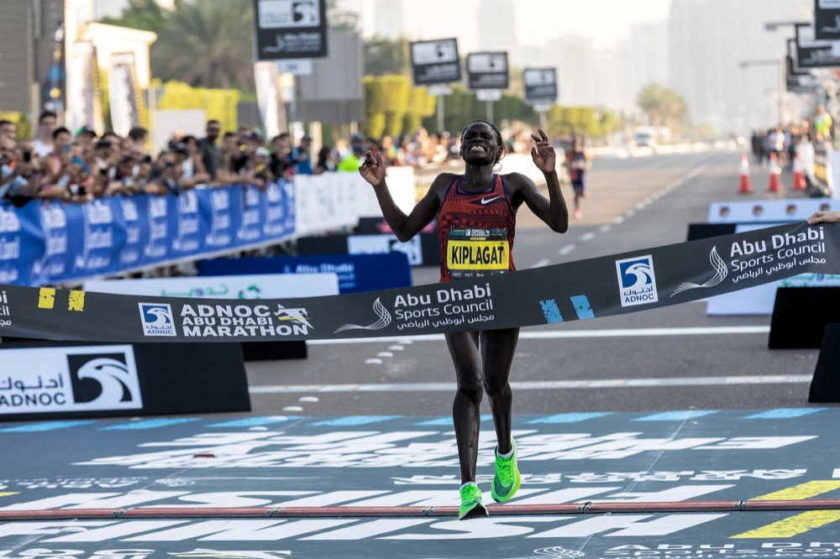
Abu Dhabi Marathon champion Vivian Jerono Kiplagat is among the athletes enlisted late to lay the groundwork for the women’s elite field.
The London Marathon is the only World Marathon Majors race scheduled post-coronavirus after Berlin, Boston, New York and Chicago marathons were cancelled.
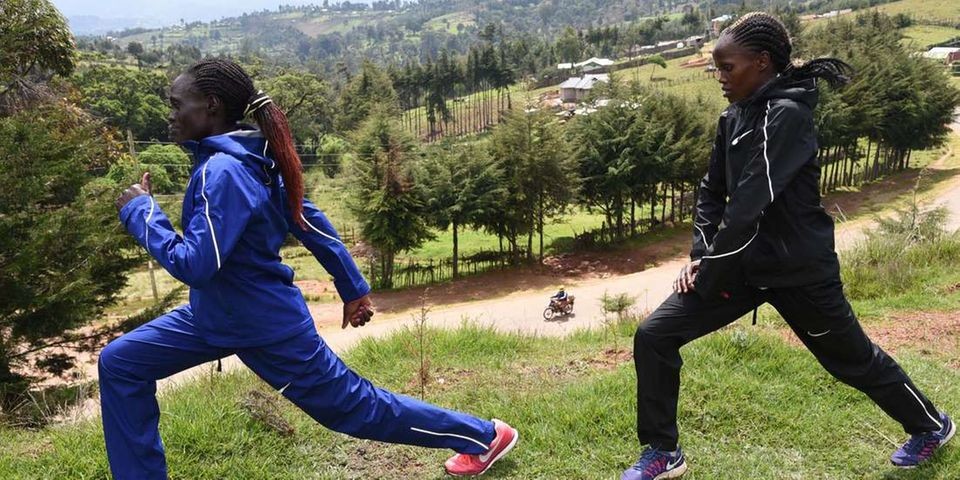
Tokyo managed to sneak in an elite-only race in March before all hell broke lose, coronavirus-wise.
Kiplagat, who has been training with the world record holder Brigid Kosgei in Kapsait, Elgeyo Marakwet County, is optimistic that her training mate will retain her title and if possible run a course record.
Pacing for the first time in history, the soft-spoken athlete said that she has done adequate training and will be looking forward to a good race on October 4.
“I have done good training and I believe I will be able to finish the required distance but the most important thing is to help my friend and training mate Brigid to retain her title. She has done well in training and I trust her when she lines for the race,” she said.
Kiplagat was preparing for the Paris Marathon and was looking forward to be on the podium, but, just like many other athletes, she was rudely interrupted by coronavirus.
This made her reduce her work load aiming to just to keep fit as she waits for another season but she is happy she will be racing anyway.
“I was supposed to compete in Paris and I was in good shape… I knew I would be on the podium there, but the virus stopped my plans. It affected everybody and I’m happy I have been tasked to pace for London athletes. I will be doing my best despite the fact that it’s my first time,” said Kiplagat.
She noted that despite the huge expectations having been training with the world record holder, and coupled with the fact that she will be competing with the best in the world, she is confident that she’s up to the task.
“I was called upon to come back to the camp which is still closed for the other athletes and we had to prepare for the last three months. We are now finalising on our programme as we look forward to a good race,” she said.
Kiplagat also said that Brigid has been her mentor and she wants to run in future like her as she looks forward to taking the sport to another level.
“Athletics will always change, and I want to be in history as one of the athletes who took the sport to another level. My fans should watch this space!” she declared.
Kiplagat then stormed to victory in Abu Dhabi Marathon last year after she clocked 2:21:11, setting another new personal best, shaving over a minute off the time set in her victory at the Milano Marathon in 2019.
Login to leave a comment
TCS London Marathon
Since its inaugural edition on March 29, 1981, the TCS London Marathon has grown into one of the world's most prestigious road races, blending elite competition with an extraordinary charitable legacy. Founded by former Olympic champion and journalist Chris Brasher alongside Welsh athlete John Disley, the event has been staged every year and has been held in the spring annually...
more...
Mizuno has been announced as the new clothing sponsor of the Honolulu Marathon, still scheduled for December 13, 2020
Mizuno has been announced as the new clothing sponsor of the Honolulu Marathon for the 2020 event – still scheduled for 13 December 2020.
The Japanese apparel specialist will provide all finisher, commemorative and volunteer shirts and sell official merchandise at the Honolulu Marathon Expo.
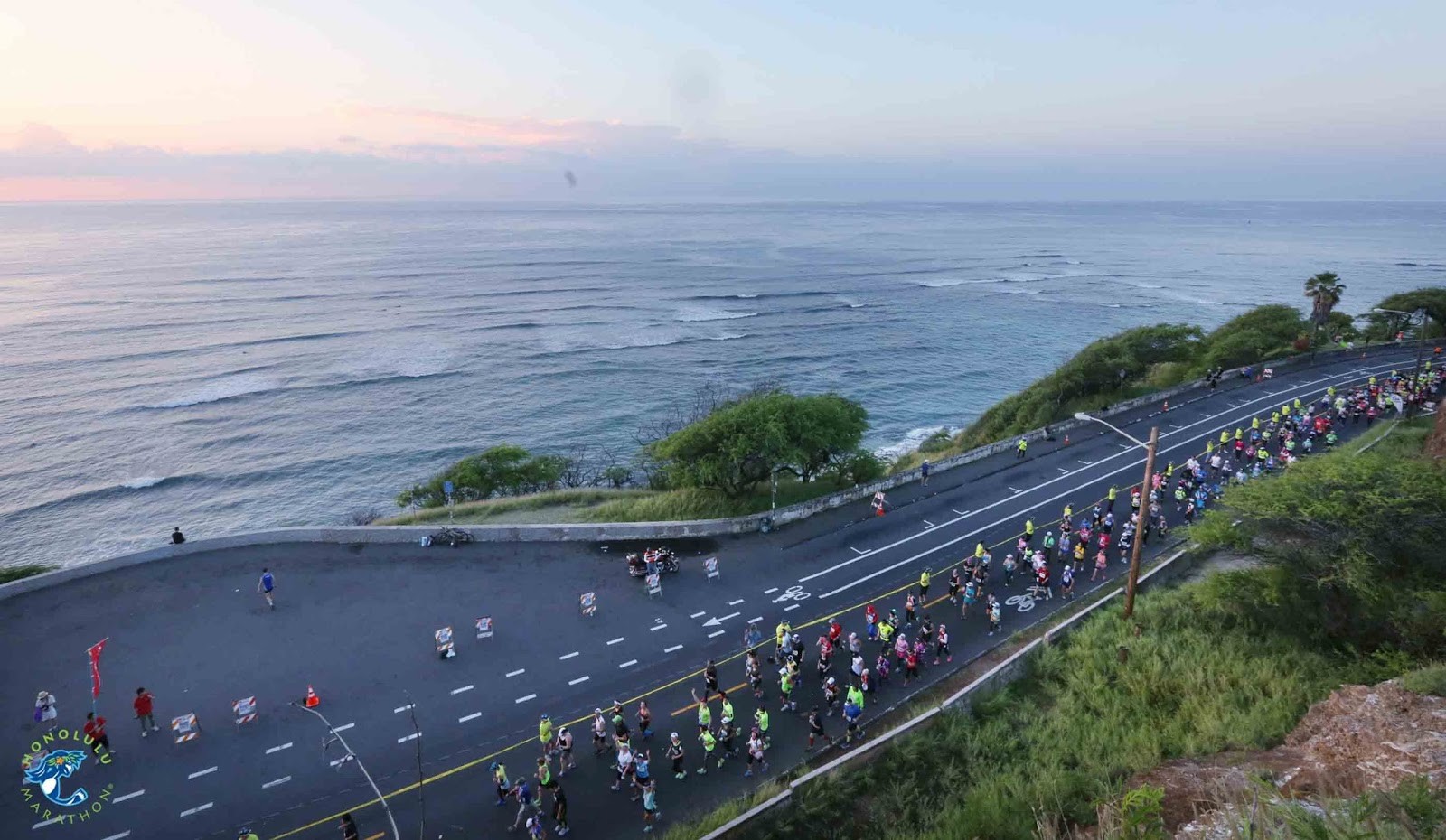
The announcement comes at a time when nearly all Japanese marathons previously scheduled for 2020 have been postponed to 2021 and some events in the first two months of 2021 are already being cancelled, most recently the Ubusuki Nanohara Marathon, planned for 10 January. There are no prospects for Japanese marathon runners below elite level to compete domestically for the rest of the year.
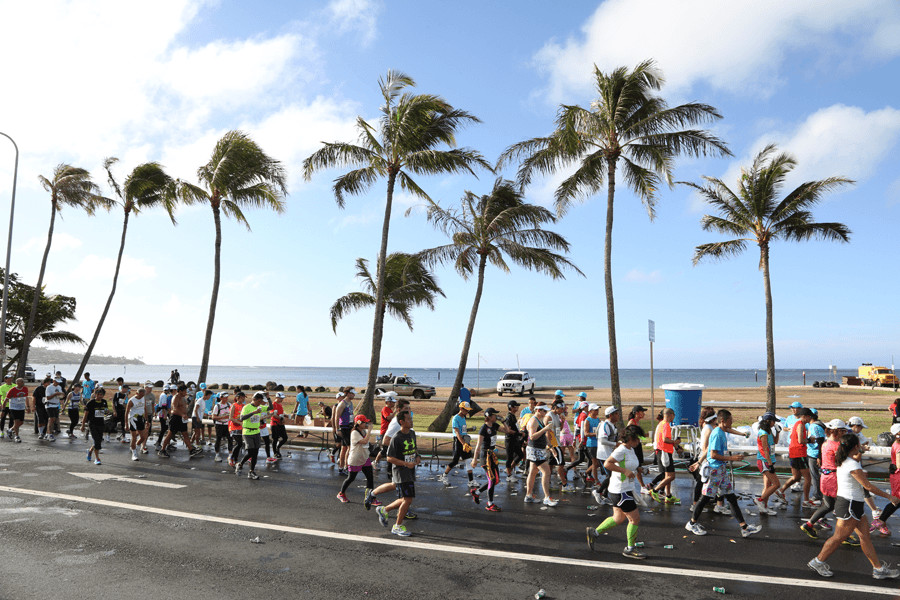
The Honolulu Marathon was first held in 1973 and is the fourth largest marathon in the United States. From inception it was hugely popular in Japan as it was the most available marathon for non-elite Japanese Marathon runners before the advent of mass marathons in Japan only 13 years ago. To date about 470,000 Japanese runners have raced at the Honolulu Marathon. The size of the Honolulu Marathon field dropped from 24,500 in 2006 to 20,000 in 2007 after the first mass marathon in Japan was held in Tokyo that year.
For this year at least Honolulu Marathon may again stand out as the best chance for Japanese Marathon runners to race. Hawaii to date has had 1400 cases and 25 deaths. Although it has not yet waived its 14-day quarantine requirement such an announcement is anticipated.
“We are particularly proud to welcome such a premier athletic company at this difficult time,” said Jim Barahal, CEO & President of the Honolulu Marathon Association. “This demonstrates Mizuno’s long-term commitment to the people of Hawaii and Japan.”
Login to leave a comment
Honolulu Marathon
The Honolulu Marathon’s scenic course includes spectacular ocean views alongside world-famous Waikiki Beach, and Diamond Head and Koko Head volcanic craters.The terrain is level except for short uphill grades around Diamond Head. ...
more...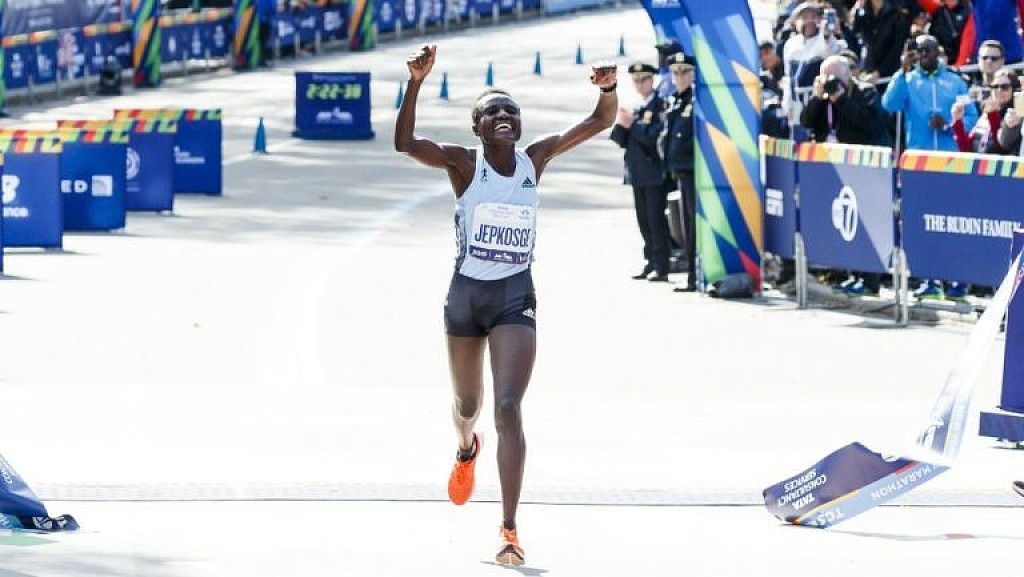
New York marathon champion Joyciline Jepkosgei dreams to rule the roost in marathon despite cancellations
New York marathon champion Joyciline Jepkosgei had not planned to venture into the ultimate distance late in 2019.
For her, the graduation from road races to the marathon was penciled for 2018 after meticulous planning.
However, illness, poor form and injury delayed her promotion to the new challenge until late in 2019.
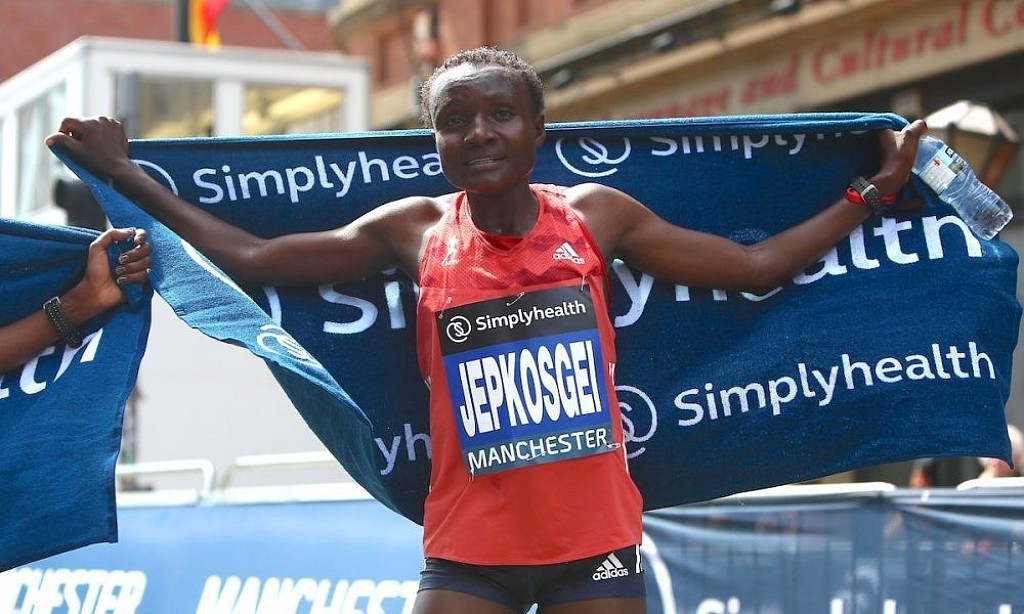
Jepkosgei had plans to answer her critics by running at the Honolulu marathon and later in the London marathon in 2018 but failed to get the chance due to injury and sickness.
However in 2019, after a lot of self-evaluation, she took a leap of faith and ventured into the marathon and was handsomely rewarded with a win in New York on first asking, powering to cut the tape in 2:22:38, which was seven seconds off the course record of Margaret Okayo (2:22:31) set in 2003.
"I was not expecting to win in New York, based on the high profile athletes that I was running against, especially my village mate Mary Keitany," Jepkosgei told Xinhua on Monday from Iten, her training base.
However, the 26-year-old never anticipated her development in the marathon would be stalled by COVID-19. She had planned to compete at the Africa Cross Country Championships in Lome, Togo in March as part of her preparations for the London marathon in April. But the event was postponed to 2021.
Earlier Jepkosgei had let the chance to compete at the World Half Marathon in Gdynia, Poland slip past her to focus on running in London.
However, the sports calendar was wrecked by the global pandemic and all the three events were either postponed or canceled.
"At first, I thought it was going to be a short time and we would return to action by June. Then we saw governments closing down, movement within and outside the country was restricted and all hope was dashed and we had to isolate even in training at home. Our training camps were shut down and we had to retreat back to our homes to avoid catching the COVID-19 pandemic," said Jepkosgei.
While all this was happening, Jepkosgei, who is also the world marathon record holder (64:51) hinged her hopes on defending her title in New York in November.
However, even that has been taken away from her, throwing the season into uncertainty.
That cancellation of the 2020 New York City marathon was no surprise to Jepkosgei.
"I was preparing for another good run to defend my title in New York. I had turned down my chance to compete at the World Half Marathon so as to focus on London and New York marathons, but both will not be held as planned in 2020," Jepkosgei added.
She, however, has not given up on her hope and dreams to lead Kenya to one day win the Olympic gold in the 2024 Paris Games.
"For me, I take the cancellations of marathon races positively knowing that there will always be another chance to excel, to showcase my talent and to work on my career performances. A chance will always come when we will return to competition post-COVID-19 and that is why I keep on training. To be ready when called upon to compete again," she said.
Jepkosgei, however, believes though 2019 was her best season, so far, better performances are in cue for her starting in 2021.
"Past records are just that, they lay in the past. I look forward to the future and want to do well," she said.
Indeed last year, Jepkosgei excelled better than predicted. For an athlete who held world records in the half marathon and road 10K, the year saw her clinch the New York City Half Marathon in March and go on to overcome her fears and compete in her first full marathon.
In addition, Jepkosgei is the youngest women's marathon champion in New York since 2001. She is the first woman to win in her debut since Tegla Loroupe of Kenya in 1994 and posted the fastest debut finish by a woman in New York City Marathon history.
"I have scaled down my training because I love running. I always want to be in my best shape. For now, there is no inspiration to train hard for a competition venture, but for the love of sport, I have to continue doing what I love, running," Jepkosgei added.
For now, she is at peace with organizers' projection to host the next New York City Marathon in 2021 with a set date being Nov. 7.
Hopefully, for Jepkosgei, she prays to remain injury-free and fit to defend her title. Time will tell.
Login to leave a comment

TCS New York City Marathon
The first New York City Marathon, organized in 1970 by Fred Lebow and Vince Chiappetta, was held entirely in Central Park. Of 127 entrants, only 55 men finished; the sole female entrant dropped out due to illness. Winners were given inexpensive wristwatches and recycled baseball and bowling trophies. The entry fee was $1 and the total event budget...
more...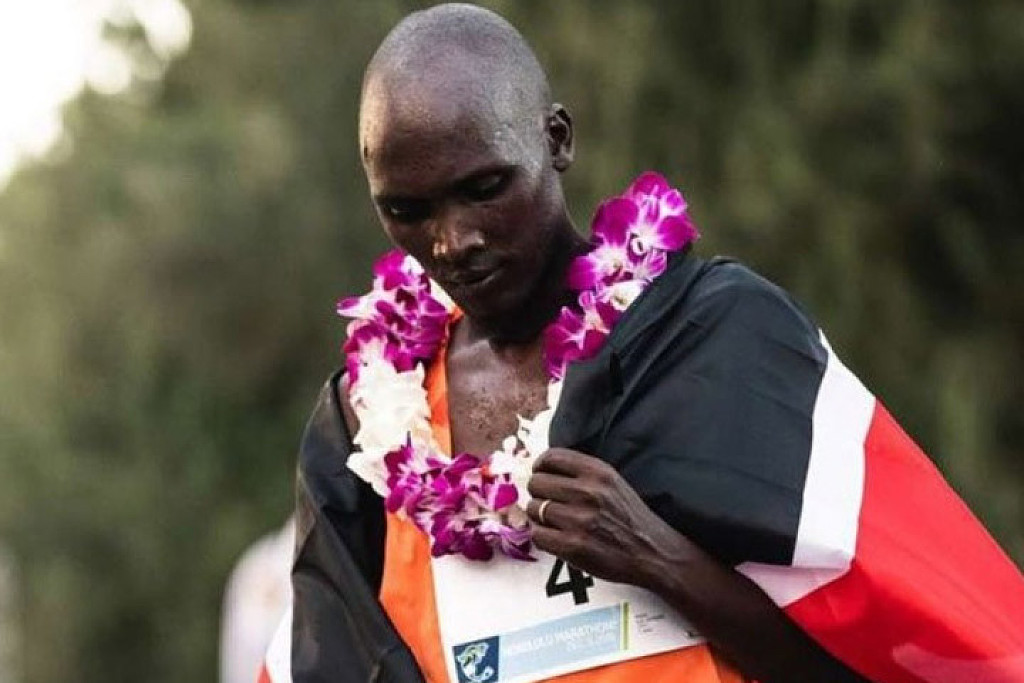
Kenyan marathon runner Vincent Kipsegechi Yator, handed four-year doping ban
Another Kenyan athlete has been handed a doping ban after marathon runner Vincent Kipsegechi Yator was suspended for four years following positive tests for a number of banned substances.
Yator, who represented his nation at the Commonwealth Games and African Championships in 2010, was given a four-year-ban, having provisionally been suspended after testing positive in October.
The Athletics Integrity Unit announced the sanction after the 30-year-old was hit with two charges.
The first charge was related to the admitted presence of metabolites of testosterone after a test was taken on July 7 of last year, while the second was related to the alleged use of several banned substances including exogenous testosterone, trimetazidine, prednisone, prednisolone and clomiphene.
The Kenyan argued that the presence of prednisone and prednisolone came from medication he was taking after he was allegedly in a road accident in 2018.
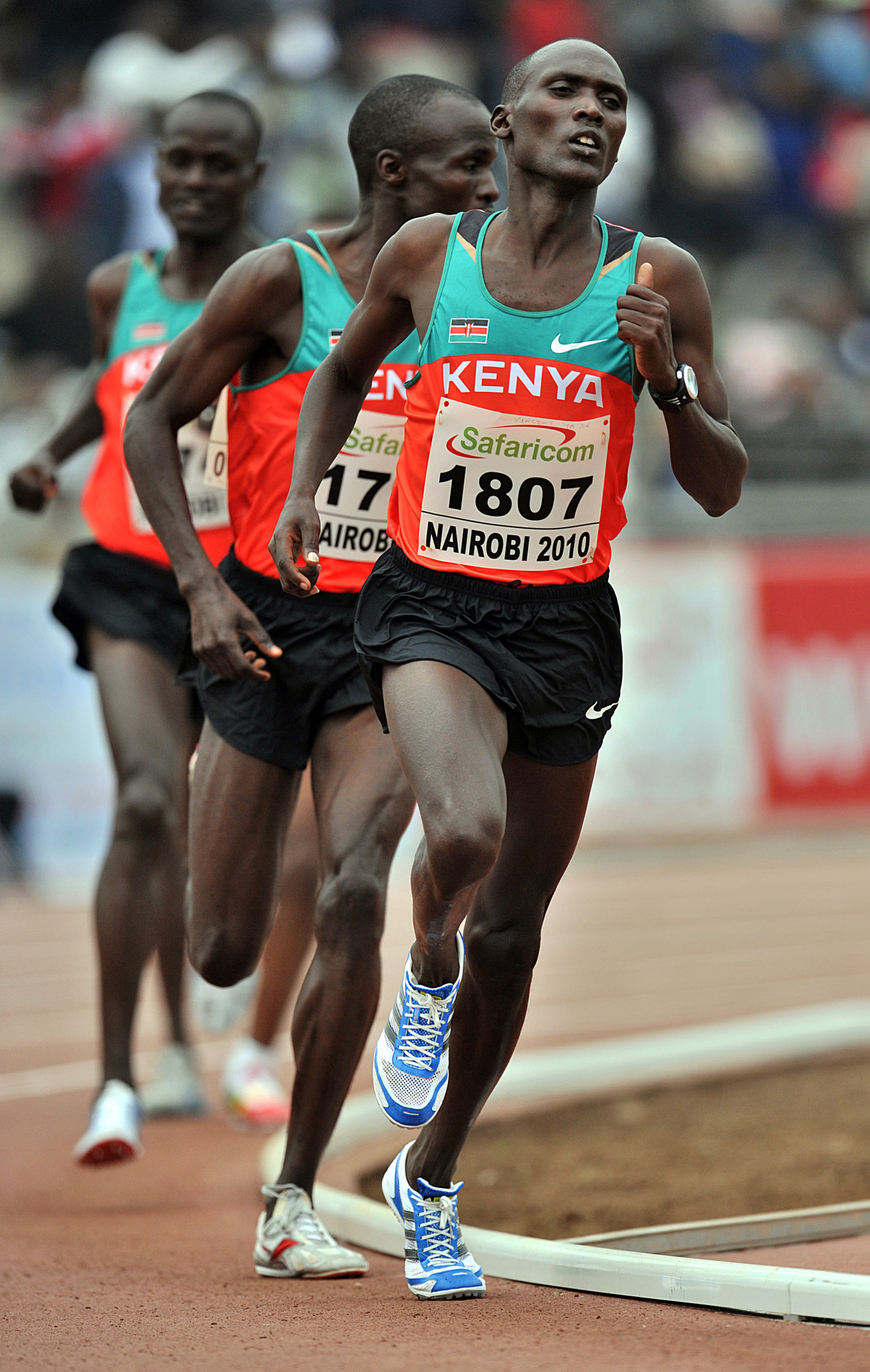
Yator's positive test came immediately after he broke his marathon personal best at the Gold Coast Marathon in Australia with a time of 2 hours 9min 59sec.
At the Delhi 2010 Commonwealth Games, Yator finished fourth in the men's 5,000 metres behind team-mate Eliud Kipchoge - future holder of the marathon world record - who came second.
He also finished third at the Honolulu Marathon in Hawaii in December 2018.
Yator will not be eligible to compete again until October 1 2023 and has had all results from April 10 to October 1 in 2019 expunged.
He follows a string of high-profile Kenyans to test positive recently, with the most famous name of them all being Beijing 2008 Olympic 1,500m champion Asbel Kiprop.
by Michael Houston
Login to leave a comment
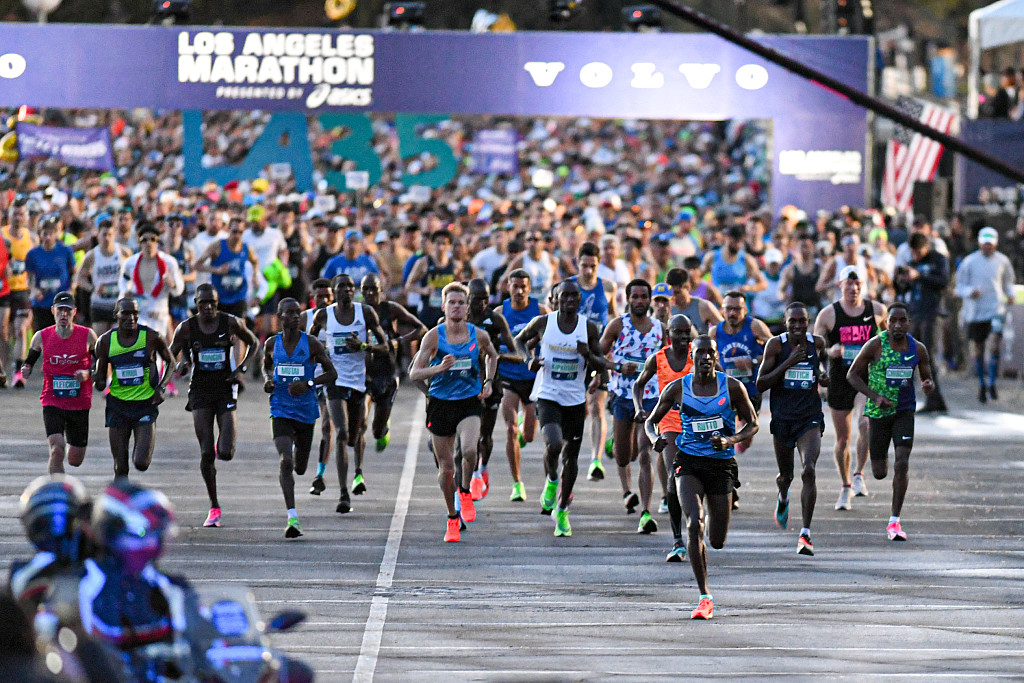
Bayelign Teshager of Ethiopia, Margaret Muriuki of Kenya win 2020 L.A. Marathon
Ethiopia’s Bayelign Teshager won the Los Angeles Marathon on Sunday after finishing in 2:08:26.57, while Kenya’s Margaret Muriuki topped the elite women’s field with a time of 2:29:27.68, according to the marathon’s leaderboard.
John Langat of Kenya had the lead until Teshager made his move down the stretch to win by 40 seconds.
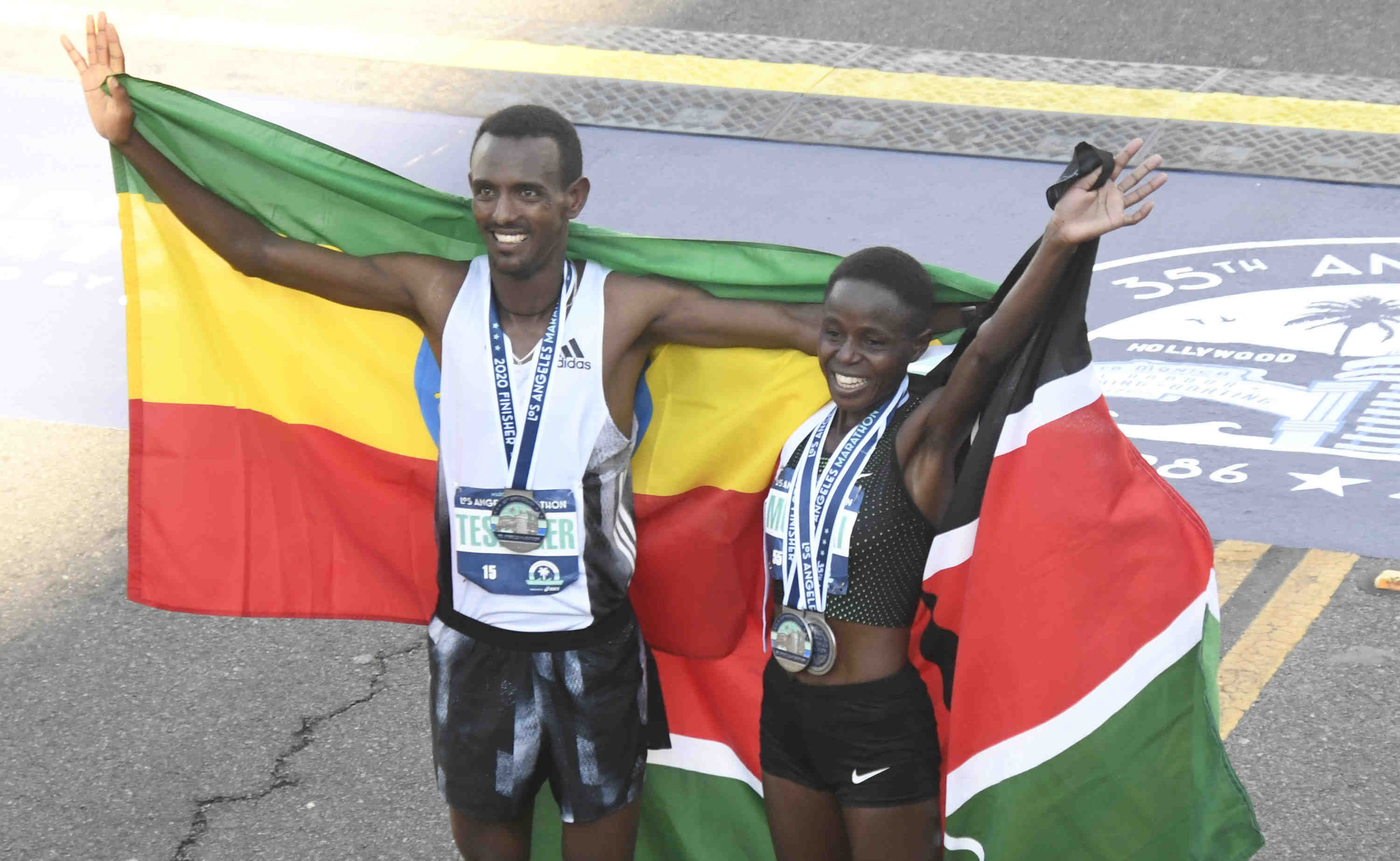
Teshager turns 20 years old on Monday. (The L.A. Marathon listed his age Sunday as 20.)
Wilson Kwambai Chebet, 34, also from Kenya, placed in third, L.A. Marathon’s website said.
Last year’s winner Elisha Barno, 34, came in ninth place.
In the women’s field, Muriuki won with her personal best time. It’s her second marathon victory in three months after the 33-year-old won at Honolulu in December.
She was in control of the women’s race throughout and kept a strong pace, eventually pulling away from 23-year-old Almaz Negede of Ethiopia with seven miles remaining to win by 3:01.
Jane Kibii, a 34-year-old runner from Kenya, placed in third.
Login to leave a comment

Los Angeles Marathon
The LA Marathon is an annual running event held each spring in Los Angeles, Calif. The 26.219 mile (42.195 km) footrace, inspired by the success of the 1984 Summer Olympic Games, has been contested every year since 1986. While there are no qualifying standards to participate in the Skechers Performnce LA Marathon, runners wishing to receive an official time must...
more...