

Running News Daily
Running News Daily is edited by Bob Anderson and team. Send your news items to bob@mybestruns.com Advertising opportunities available.
Index to Daily Posts · Sign Up For Updates · Run The World Feed
Articles tagged #800m
Today's Running News



Athing Mu Announces First Pregnancy As Olympic Champion Prepares For A New Chapter Beyond The Track
Olympic glory has already secured Athing Mu a place among the finest middle-distance runners of her generation, but the American star is now preparing for a life-changing milestone beyond the athletics track — becoming a mother for the first time.
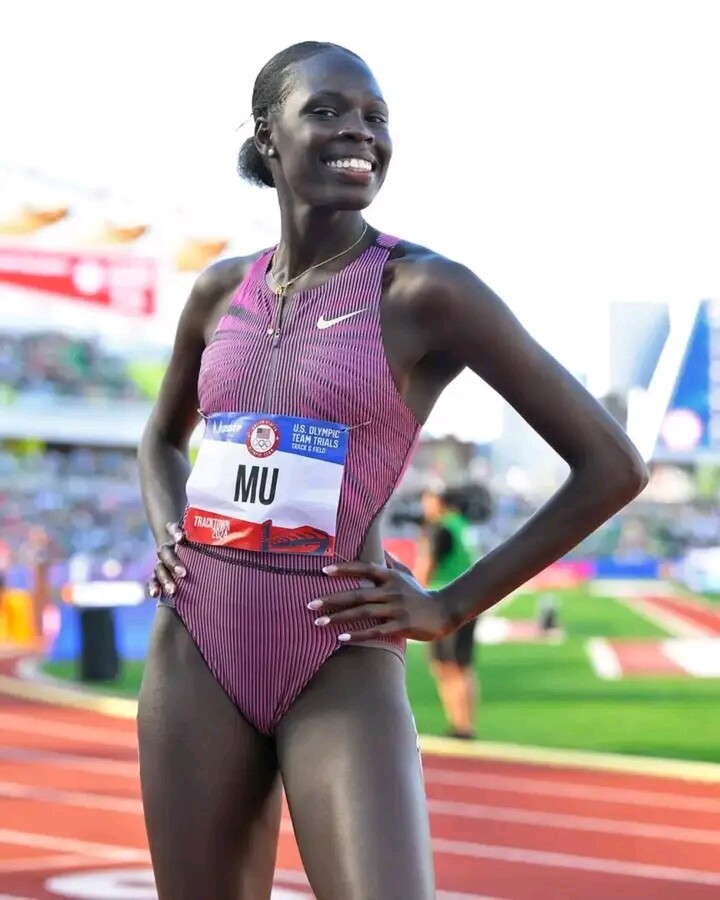
The Tokyo 2020 Olympic 800m champion and her husband, Yegor Nikolayev, announced that they are expecting their first child together, sharing news that marks the beginning of an exciting new chapter in their lives.
Mu revealed the joyful announcement on social media with a heartfelt message that captured the couple's excitement as they prepare to welcome their little one.

“Baby on board. Can't wait to meet our little Sunshine!” she wrote, sharing a glimpse of the happiness surrounding their growing family.
The announcement offers a more personal look into the life of an athlete whose career has been defined by remarkable talent, determination and success on the global stage. Having experienced the pressure of championship racing and the exhilaration of standing on the Olympic podium, Mu is now preparing for an entirely different journey, one that promises rewards no medal can measure.
Mu made history at the Tokyo Olympics, held in 2021 after being postponed because of the COVID-19 pandemic. She won the women's 800m gold medal in 1:55.21, becoming the second American woman to claim Olympic gold in the event after Madeline Manning-Mims first won in 1968 Mexico City Olympic Games. Her victory marked a defining moment in American middle-distance running and established her as one of the sport's brightest young stars.
She continued to demonstrate her class in 2022, winning the women's 800m title at the World Athletics Championships in Eugene, Oregon. That achievement further strengthened her reputation as a formidable championship competitor and added another major honour to her growing collection of accolades.
Away from the track, Mu's personal life has also been moving forward. She married Nikolayev in a private ceremony in March 2025, and the couple's pregnancy announcement now introduces another significant milestone in their relationship as they prepare to embrace parenthood.
The news comes after Mu remained absent from competition during the 2026 track season. Her future in athletics, including the possibility of a return ahead of the Los Angeles 2028 Olympic Games, remains uncertain, with no official comeback plans announced.
Her absence has left questions about what the next phase of her sporting career might look like. However, the arrival of her first child will undoubtedly bring new priorities and experiences as she balances her personal life with any future ambitions on the track.
For an athlete who has spent years chasing excellence against the clock, this moment represents a different kind of anticipation. There will be no starting gun, no finishing tape and no championship podium — only the extraordinary experience of welcoming a new life and discovering the joys and responsibilities of motherhood.
Mu's announcement also serves as a reminder that athletes have lives and dreams beyond competition. Their journeys do not begin and end with medals, and some of their most meaningful milestones unfold far away from stadiums and cheering crowds.
As she prepares for this new chapter alongside Nikolayev, the Olympic champion has every reason to look towards the future with excitement. Whether her path eventually leads back to elite competition or takes a different direction for a time, her achievements on the track will remain an important part of her legacy.
For now, the focus shifts from the demands of elite athletics to the quiet anticipation of a family waiting to meet its newest member. The woman who once raced towards Olympic history is preparing for a journey that will test and transform her in ways no race ever could.
And perhaps that is what makes this chapter so special: some of life's greatest moments cannot be timed, measured or celebrated with medals. They are experienced one heartbeat at a time, through the love that grows before a child arrives and the memories that begin when a new life enters the world. For Athing Mu, a remarkable journey beyond the track is about to begin — one in which the most precious finish line will be the moment she finally holds her little Sunshine in her arms.
by Erick Cheruiyot for My Best Runs.
Login to leave a comment
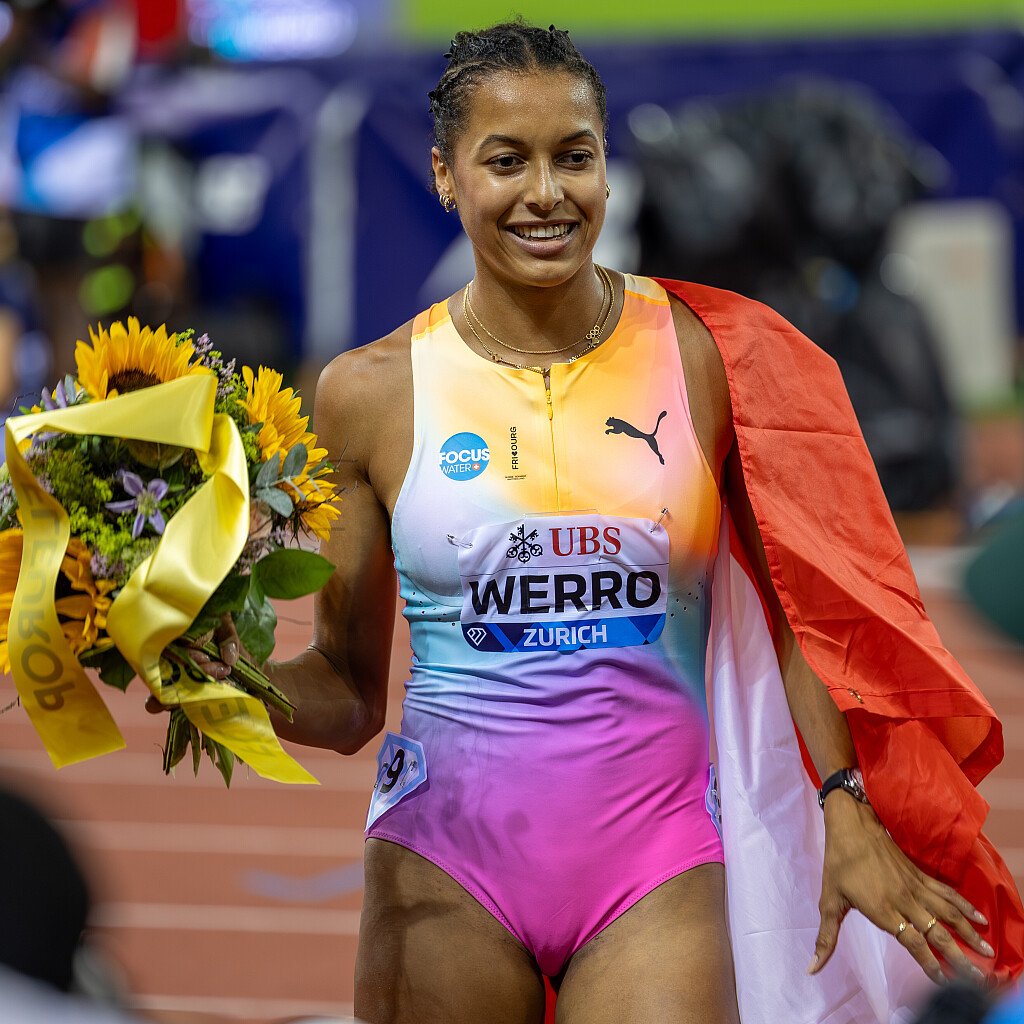
Audrey Werro Earns Double Athlete of the Year Nominations After Record-Breaking 2026 Season
Swiss middle-distance star Audrey Werro has strengthened her reputation as one of the world’s leading 800m runners after earning nominations for both the World Athletics Athlete of the Year and European Athletics Athlete of the Year awards following an outstanding 2026 campaign.
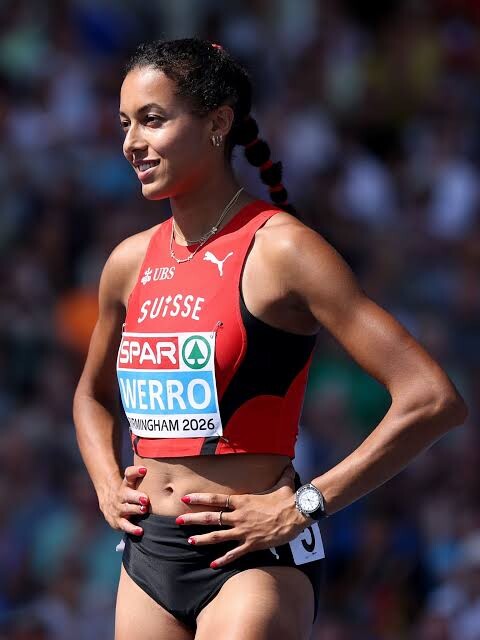
The 22-year-old has enjoyed a remarkable season, combining major championship victories with exceptional performances that have elevated her standing among the sport’s elite. Her achievements have made her a strong contender for international recognition as she continues to establish herself on the global stage.
Werro’s 2026 campaign has been defined by three major victories: the European Athletics Championships 800m title, the Diamond League Final crown and the inaugural World Athletics Ultimate Championship 800m title. Winning across these prestigious competitions has underlined her ability to deliver when the stakes are highest.
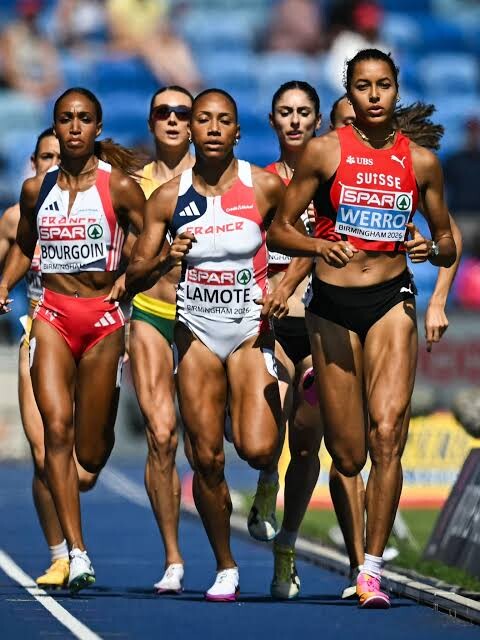
Her performances have been particularly impressive over two laps, where she has demonstrated a powerful combination of speed, endurance and tactical maturity. Against some of the strongest competitors in the world, the Swiss star has repeatedly shown that she belongs among the leading figures in women’s middle-distance running.
One of the defining moments of her season came in Zürich, where Werro thrilled the home crowd with an extraordinary 1:53.70 performance in the 800m. The time was reported as the fastest women’s 800m performance in 43 years and the third-fastest in the event’s history, placing her among a select group of athletes to have reached such an exceptional level.
Werro’s season has also been notable for her sustained assault on the record books. She reportedly broke the Diamond League record three times during the campaign and produced three of the five fastest women’s 800m performances ever recorded, highlighting the remarkable consistency behind her breakthrough year.
Rather than relying on a single standout result, Werro has built her case for the sport’s highest individual honours through a series of performances at the highest level. Her success across European and international competitions has demonstrated both her competitive versatility and her capacity to thrive under pressure.
The dual nominations now offer recognition of a season in which Werro has moved beyond emerging-talent status to become one of the most compelling names in women’s athletics. A victory in either award would represent another major milestone in a career that continues to gather momentum.
With three major titles, a historic performance on home soil and a series of record-breaking displays, Werro has given herself a compelling case for year-end honours. Whether she ultimately claims the title of the world’s best female athlete remains to be seen, but her 2026 season has already established her as one of the outstanding performers of the year.
by Erick Cheruiyot for My Best Runs.
Login to leave a comment
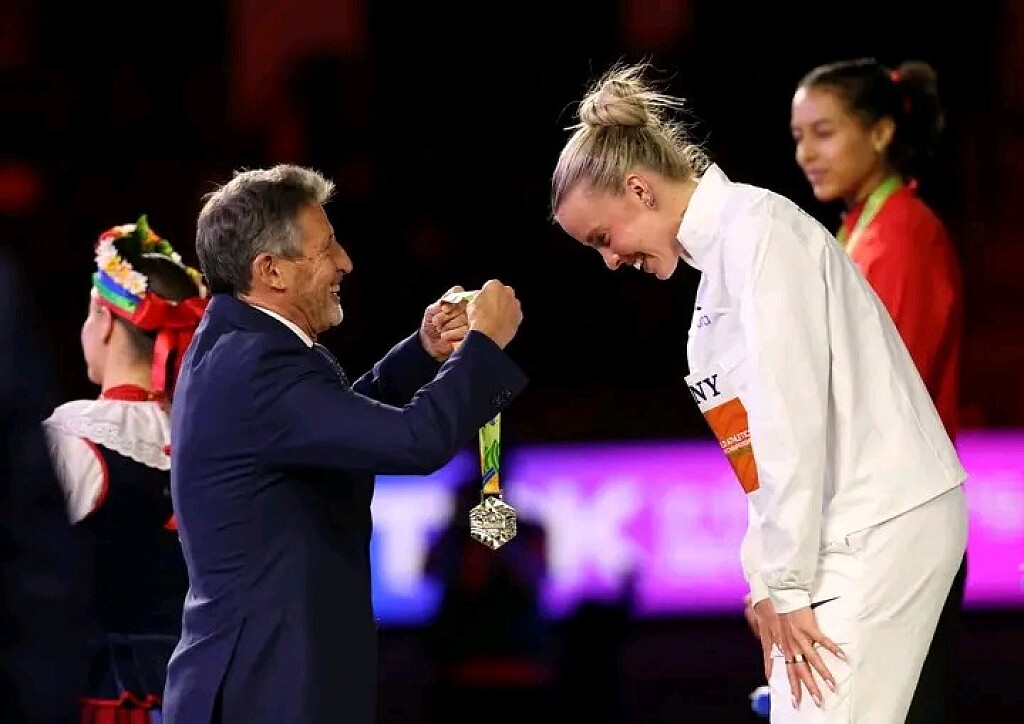
Sebastian Coe At 70: From Yorkshire Prodigy To Olympic Great And World Athletics President
Sebastian Coe turns 70 today, marking seven remarkable decades for a man whose name has become inseparable from some of the greatest moments in middle-distance running.
Born on September 29, 1956, Coe grew from a talented youngster in Yorkshire into one of the most influential figures athletics has ever produced — first as an extraordinary competitor on the track and later as a leader at the highest level of the sport.
His journey began long before the Olympic medals and world records. As a teenager, Coe was already attracting attention, and his early appearances in Athletics Weekly offered a glimpse of the remarkable career that was beginning to unfold.
By the late 1970s, he had established himself as one of Britain's brightest middle-distance prospects. His rivalry with Steve Ovett became one of the defining storylines of the era, while Coe's extraordinary combination of speed, tactical intelligence and finishing power allowed him to compete successfully across the 800m, 1500m and mile.
In 1979, Coe announced himself to the world in spectacular fashion. In Oslo, he smashed the 800m world record with 1:42.33, becoming the first man to break 1:43. Just weeks later, he added a world record in the mile with 3:48.53 before ending the season as one of the sport's dominant figures.
The following years produced even more extraordinary performances.
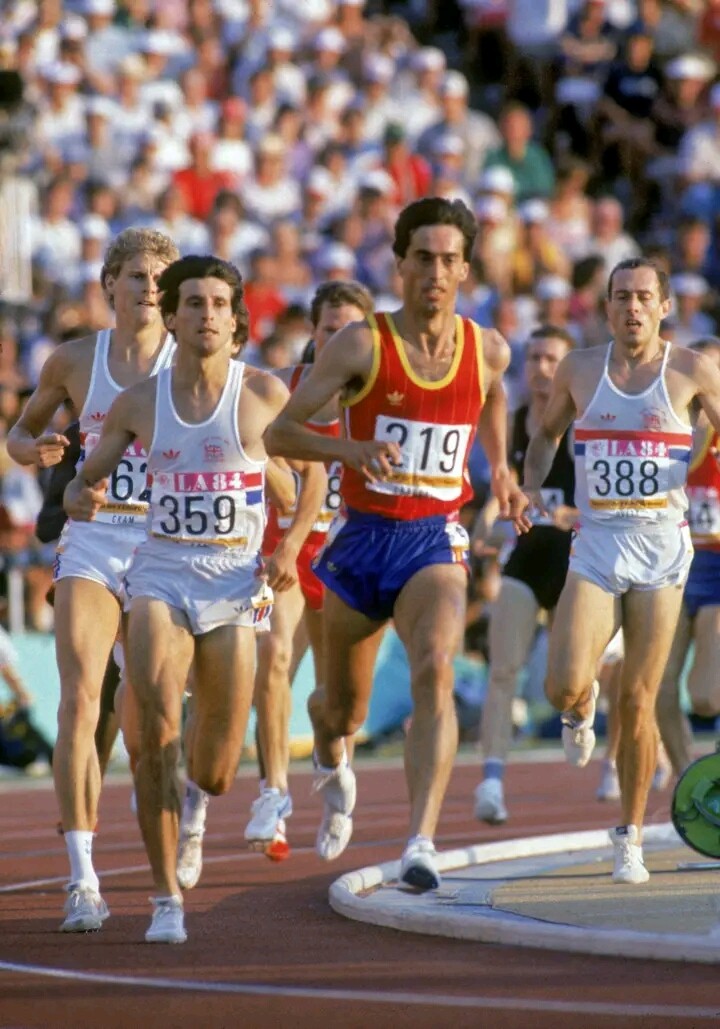
On June 10, 1981, in Florence, Coe lowered his own 800m world record to 1:41.73. The performance was historic. The mark remained untouched for 16 years before Wilson Kipketer equalled it in 1997. It remains one of the most iconic performances in 800m history.
Coe's Olympic career was equally remarkable.
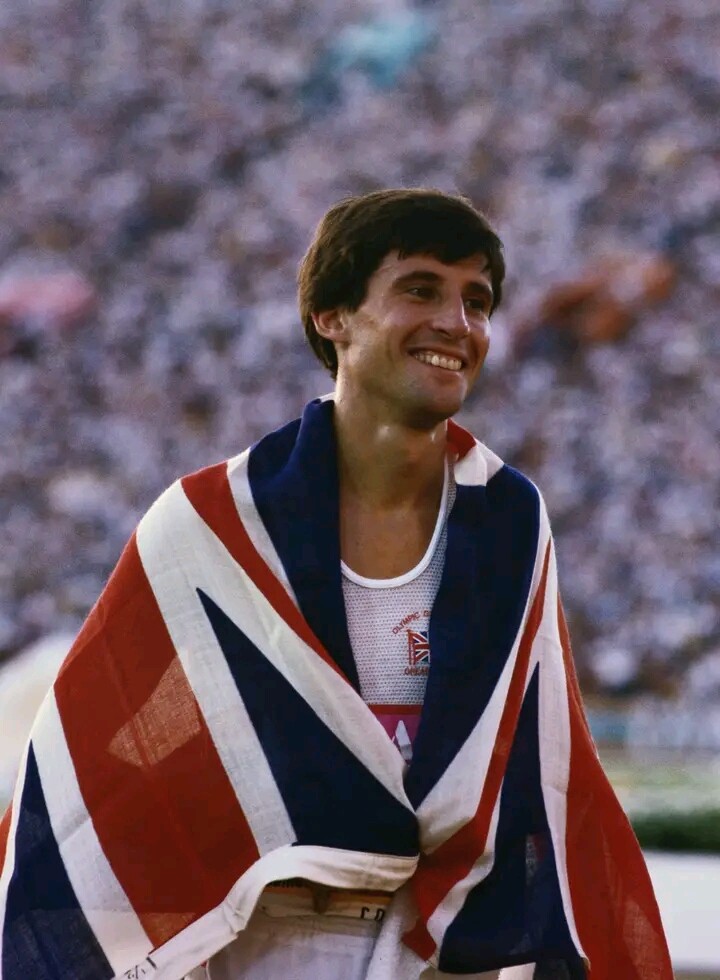
At the 1980 Moscow Olympics, he won gold in the 1500m and silver in the 800m. Four years later in Los Angeles, he repeated that extraordinary combination, again taking 1500m gold and 800m silver.
His second Olympic 1500m victory in 1984 cemented his place among the greats of the event. His personal best of 3:29.77, set in 1986, remains one of the fastest marks of his era. World Athletics lists Coe as a two-time Olympic champion and two-time Olympic silver medallist, with 12 world records accumulated during his career.
His record-breaking career extended beyond the 800m and 1500m. Coe set world records over 800m, 1000m, 1500m and the mile, demonstrating an extraordinary range that was rare even among elite middle-distance specialists.
He also collected major European honours, including the European 800m title in 1986 and the European Indoor 800m crown earlier in his career.
Yet Coe's story did not end when he left competitive athletics.
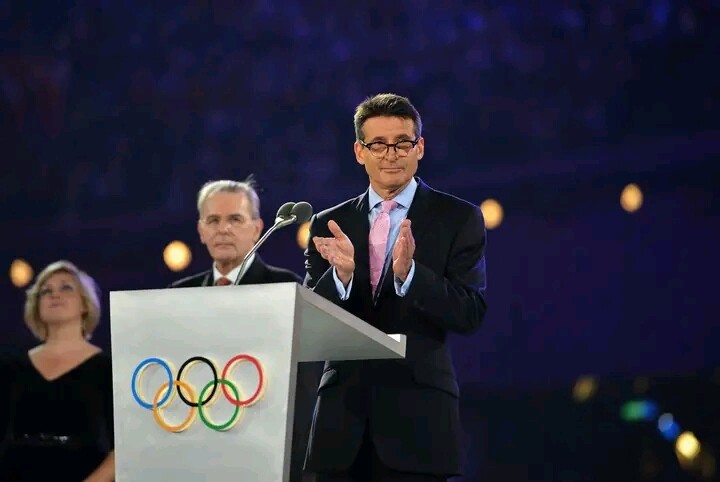
After retiring from the track in 1990, he moved into public life and sports administration. His leadership role in London's successful bid for the 2012 Olympic and Paralympic Games became one of the most significant chapters of his post-athletics career. He later served as chairman of the London 2012 Organising Committee, helping oversee the preparation and delivery of the Games.
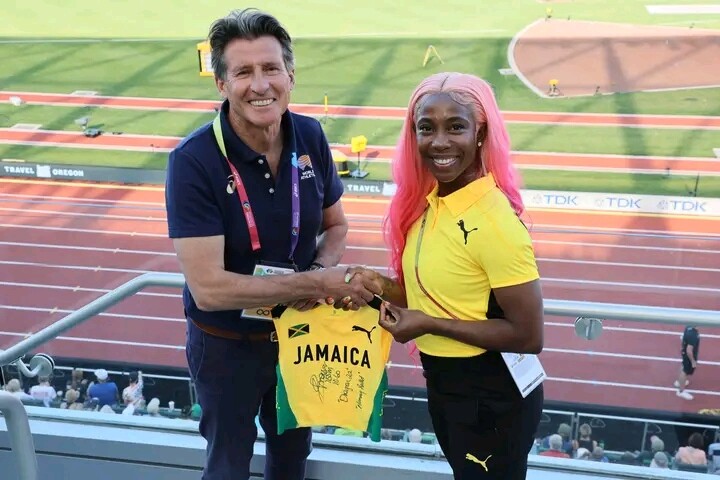
In August 2015, Coe took on perhaps his most influential role yet when he became president of World Athletics. He has since remained at the centre of global athletics, helping guide the sport through changes in competition, governance, commercialisation and athlete-focused initiatives. World Athletics currently lists him as president of the organisation.
Even at 70, Coe's connection with competition remains clear. His comments surrounding the inaugural World Athletics Ultimate Championship in Budapest in 2026 showed the same fascination with head-to-head racing that defined him as an athlete decades earlier.
From a young Yorkshire runner to an Olympic champion, world-record setter, London 2012 leader and now president of World Athletics, Coe's career has crossed almost every level of the sport.
His 1:41.73 may no longer be the world record, but the performance remains a permanent part of 800m history. His Olympic double-double remains extraordinary. And his transition from athlete to administrator has ensured that his influence extends far beyond the races he once dominated.
Seventy years on, Sebastian Coe's legacy is therefore not confined to medals, records or statistics. It is the story of a middle-distance pioneer whose impact has continued long after his final competitive race — and whose name remains firmly woven into the history of athletics.
by Erick Cheruiyot for My Best Runs.
Login to leave a comment
Oldest Running World Records: The Historic Marks That Refuse To Fall
Some world records are broken within months or even weeks. Others survive for years, becoming part of athletics history and turning every new generation of challengers into another chapter in their remarkable story.
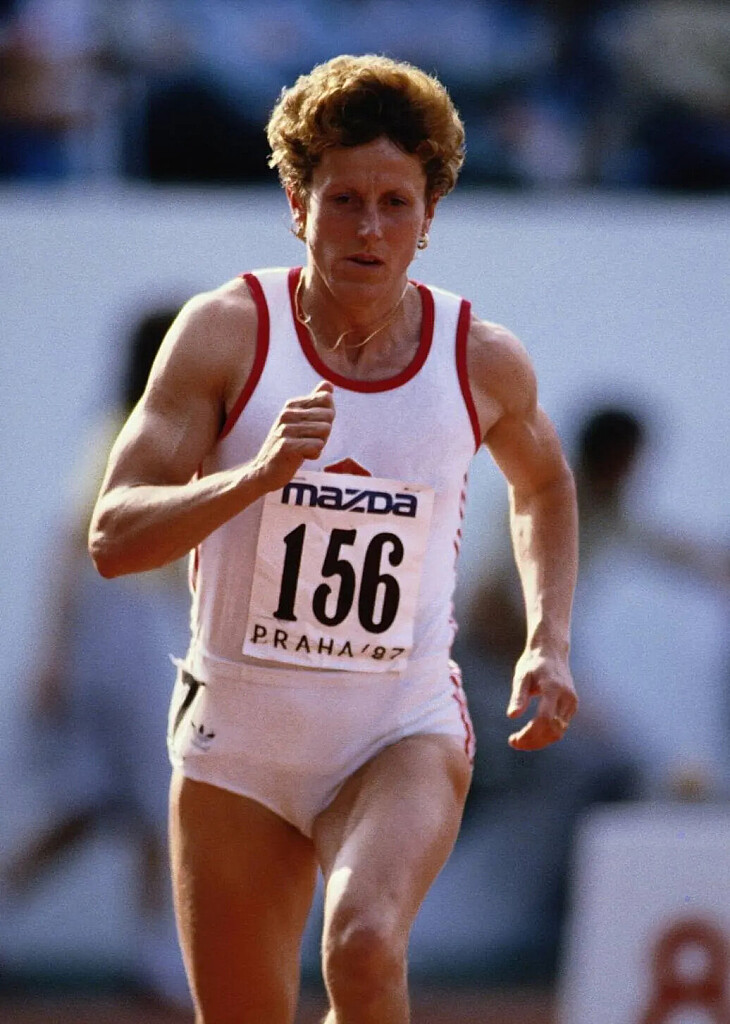
As of September 25, 2026, a remarkable collection of long-standing running world records continues to stand across the track. At the top of that list is one of the most enduring marks in modern athletics: Jarmila Kratochvílová’s women’s 800m world record of 1:53.28, set in Munich in 1983. The record has now stood for 43 years, making it the oldest current outdoor track world record in athletics.
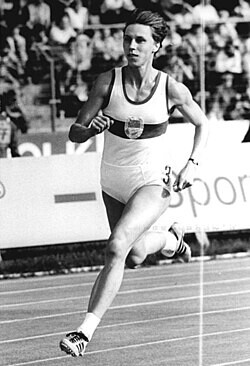
Kratochvílová’s performance remains extraordinary not only because of its longevity, but also because of how rarely athletes have come close to it. Decades after it was established, the 1:53 barrier remains one of the most formidable standards in women’s middle-distance running.
The next-oldest record on the board belongs to Marita Koch, whose 47.60 for the women’s 400m has remained untouched since 1985. Koch’s mark is now 40 years old, while Florence Griffith-Joyner’s extraordinary world records of 10.49 for 100m and 21.34 for 200m, both established in 1988, have survived for 38 and 37 years respectively.
Those records from the 1980s and early 1990s form one of the most intriguing chapters in athletics history. They belong to an era that produced performances still sitting at the very top of the all-time lists, with modern generations repeatedly attempting to reach standards that have resisted decades of competition.
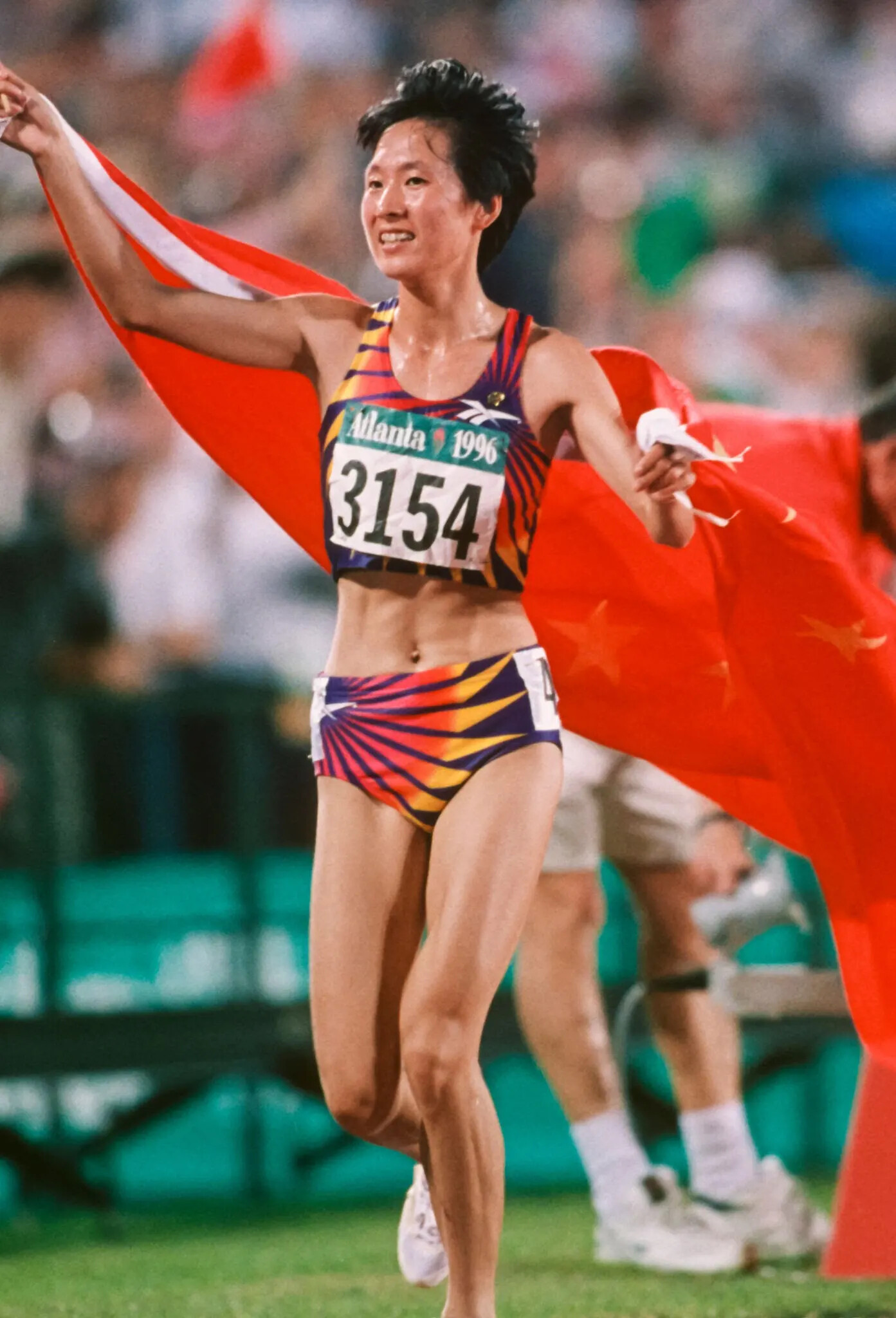
China’s Wang Junxia added another remarkable mark to that era when she ran 8:06.11 for 3000m in 1993. That record has now stood for 32 years, while Morocco’s Hicham El Guerrouj set the men’s 1500m world record of 3:26.00 in 1998, giving the list another mark that has survived for more than a quarter of a century.
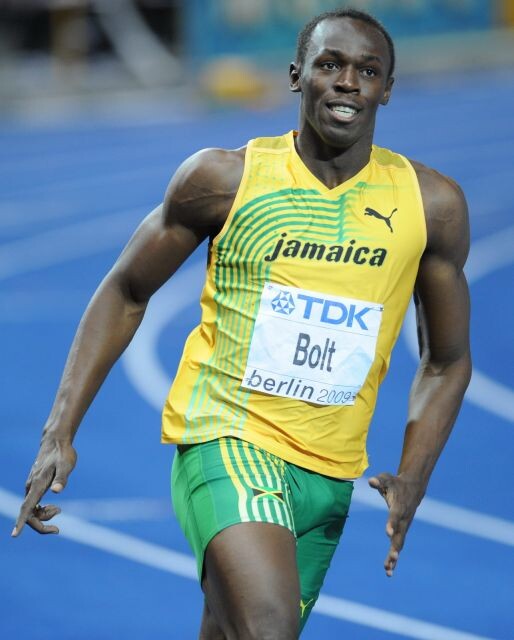
Then comes a different kind of longevity: the extraordinary sprint records of Usain Bolt.
Bolt’s 9.58-second 100m world record, set in Berlin in 2009, and his 19.19-second 200m record, established at the same championships, are now both 17 years old.
When Bolt produced those performances, many of today’s elite sprinters were still children. Yet despite enormous advances in training, sports science, track technology and competition, his two marks remain the standards that every new generation must chase.
The list also highlights the remarkable staying power of more recent records. Kenya’s David Rudisha set the men’s 800m world record of 1:40.91 at the London 2012 Olympics, while South Africa’s Wayde van Niekerk stunned the world with 43.03 in the 400m at the Rio 2016 Olympics.
Kenya’s Beatrice Chepkoech followed with her historic 8:44.32 world record in the women’s 3000m steeplechase in 2018. Uganda’s Joshua Cheptegei then established the men’s 5000m and 10,000m records in 2020, running 12:35.36 and 26:11.00 respectively.
More recently, Ethiopia’s Lamecha Girma set the men’s 3000m steeplechase world record at 7:52.11 in 2023, while Kenya’s Faith Kipyegon produced another landmark performance that year, running 4:07.64 for the women’s mile.
Together, these records create a fascinating timeline of athletics—from the pioneering performances of the 1980s to the spectacular achievements of the modern era. Some have survived for more than four decades, while others are still in the early stages of what could become an equally remarkable reign.
And that is what makes world records so captivating: every generation arrives believing that today’s impossible can become tomorrow’s target, yet some numbers continue to stand as enduring reminders of performances that changed the sport forever.
by Erick Cheruiyot for My Best Runs.
Login to leave a comment
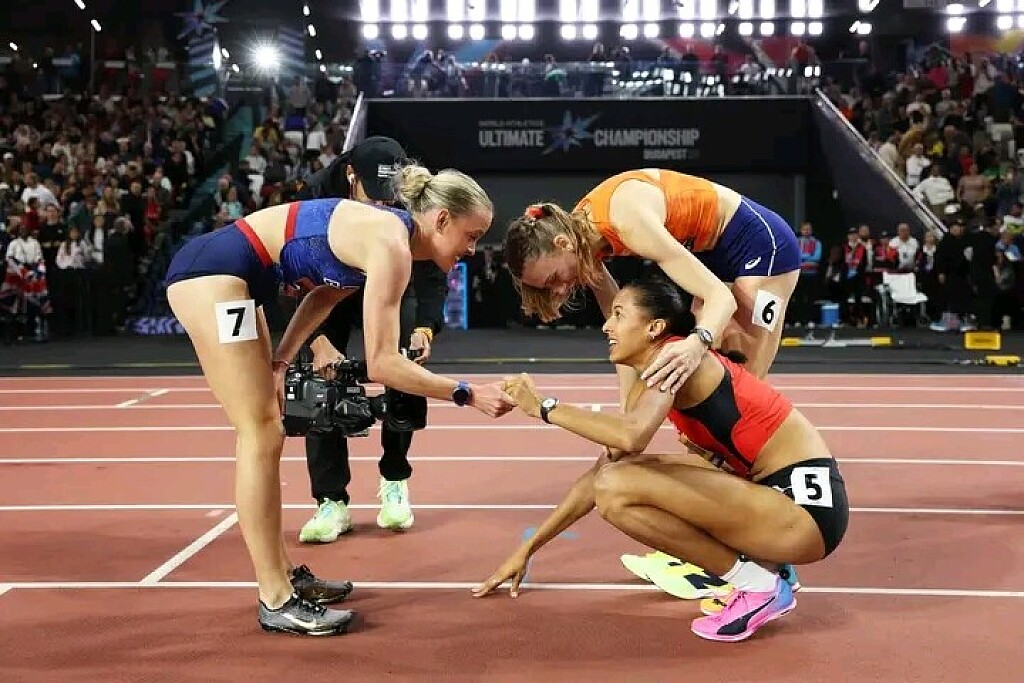
Women’s 800m Delivers A Season For The Ages In 2026
The women’s 800 metres has produced one of the most compelling storylines of the 2026 athletics season, with extraordinary times, fierce rivalries and a remarkable emergence that has transformed the event into one of the most closely followed races on the track.
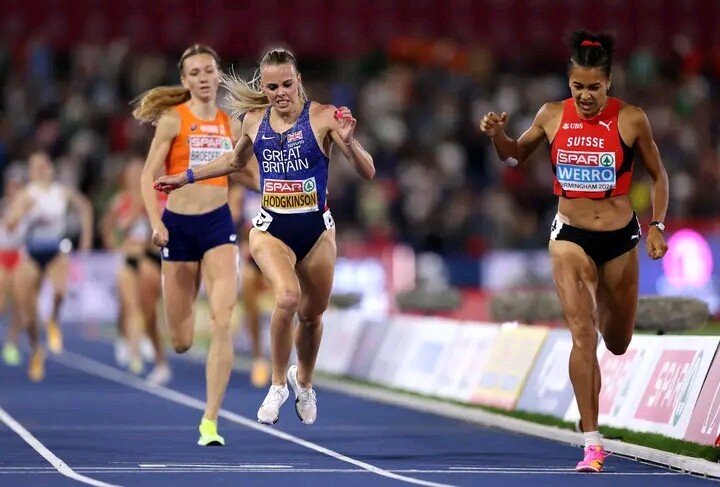
At the centre of it all has been Switzerland’s Audrey Werro, who turned an already competitive event into a breathtaking display of speed and consistency. Werro finished the outdoor season unbeaten and established herself as one of the leading forces over two laps.
Her breakthrough reached another level in Stockholm in June, when she ran 1:53.98 to become only the third woman in history to break 1:54. She later improved to 1:53.80 in Paris before producing an astonishing 1:53.70 in Zurich in August. That performance moved her to third on the all-time list, behind only Jarmila Kratochvilova and Nadezhda Olizarenko.
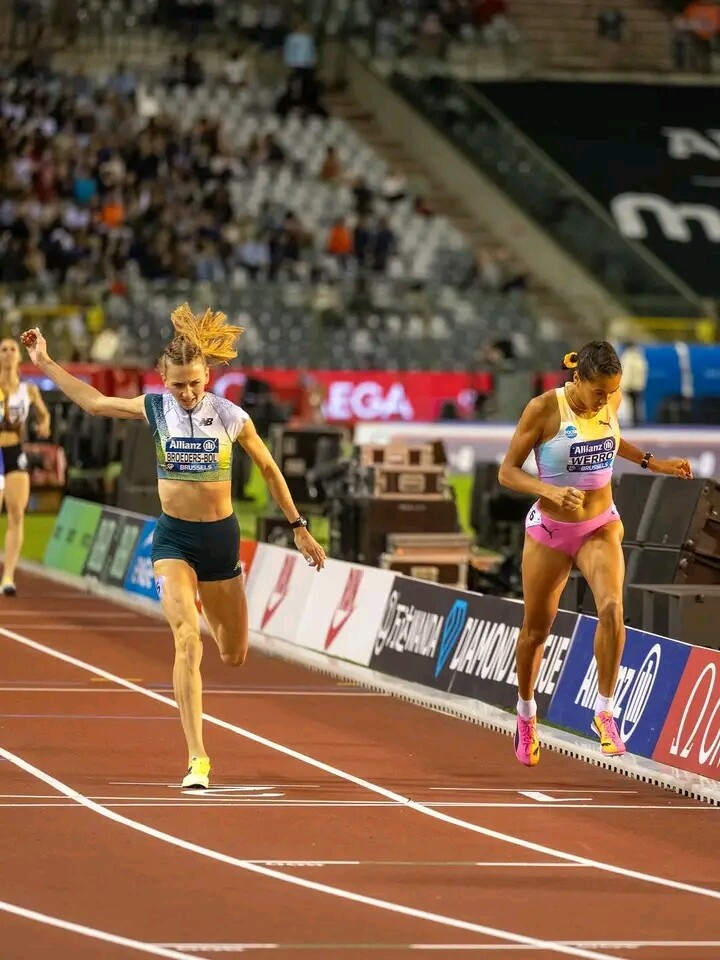
Yet Werro was not the only athlete rewriting the story of the event.
Britain’s Keely Hodgkinson began the year in spectacular fashion by breaking the world indoor 800m record with 1:54.87 in Liévin. She followed that with victory at the World Indoor Championships, winning the title in a championship record of 1:55.30.
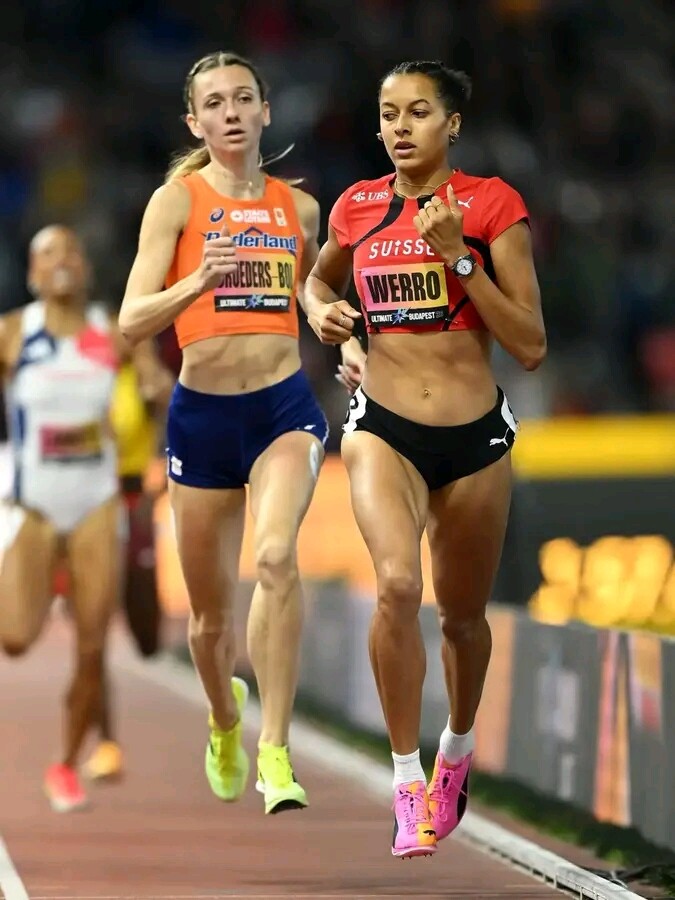
Hodgkinson also produced one of the season’s most memorable outdoor races when she ran 1:54.33 in Stockholm, finishing behind Werro but setting a British record and recording one of the fastest 800m performances ever run by a non-winner. The two athletes pushed each other deep into territory rarely seen in the event.
Then came one of the most unexpected developments of the season: Femke Broeders-Bol’s transformation.
The Dutch star, already a two-time world champion in the 400m hurdles, made the switch to the 800m in 2026 and rapidly established herself among the world’s best. What initially looked like an ambitious experiment quickly became a genuine championship challenge.
Broeders-Bol ran 1:55.54 to take bronze behind Werro and Hodgkinson at the European Championships in Birmingham, matching the Dutch record. She later improved to 1:54.71 in Zurich, becoming one of the fastest women in history at the distance.
The European final provided another glimpse of just how deep the event had become. Werro won in a championship-record 1:54.81, Hodgkinson followed in 1:55.01, while Broeders-Bol took third in 1:55.54.
Their rivalry continued into the inaugural World Athletics Ultimate Championship in Budapest, where the three again shared the spotlight. Werro produced another controlled performance to win the final in 1:55.88, ahead of Hodgkinson in 1:56.26 and Broeders-Bol in 1:56.74.
What made the 2026 women’s 800m particularly remarkable was not simply the number of fast times, but the different storylines unfolding at the same time. Werro’s explosive rise, Hodgkinson’s record-breaking indoor campaign and championship pedigree, and Broeders-Bol’s extraordinary transition from the 400m hurdles created a three-way battle that repeatedly produced world-class racing.
And behind them was an increasingly deep field, making the event far more than a contest between three athletes. With multiple runners capable of breaking two minutes and pushing the leaders, every major championship race carried the possibility of another breakthrough.
For Werro, 2026 became the year she moved from emerging talent to a dominant outdoor force. For Hodgkinson, it was another season of record-breaking performances and championship experience. And for Broeders-Bol, it was the beginning of an entirely new chapter.
Together, they made the women’s 800m one of the defining events of the 2026 season — a year in which records fell, rivalries intensified and the two-lap race produced drama almost every time the gun went off.
by Erick Cheruiyot for My Best Runs.
Login to leave a comment
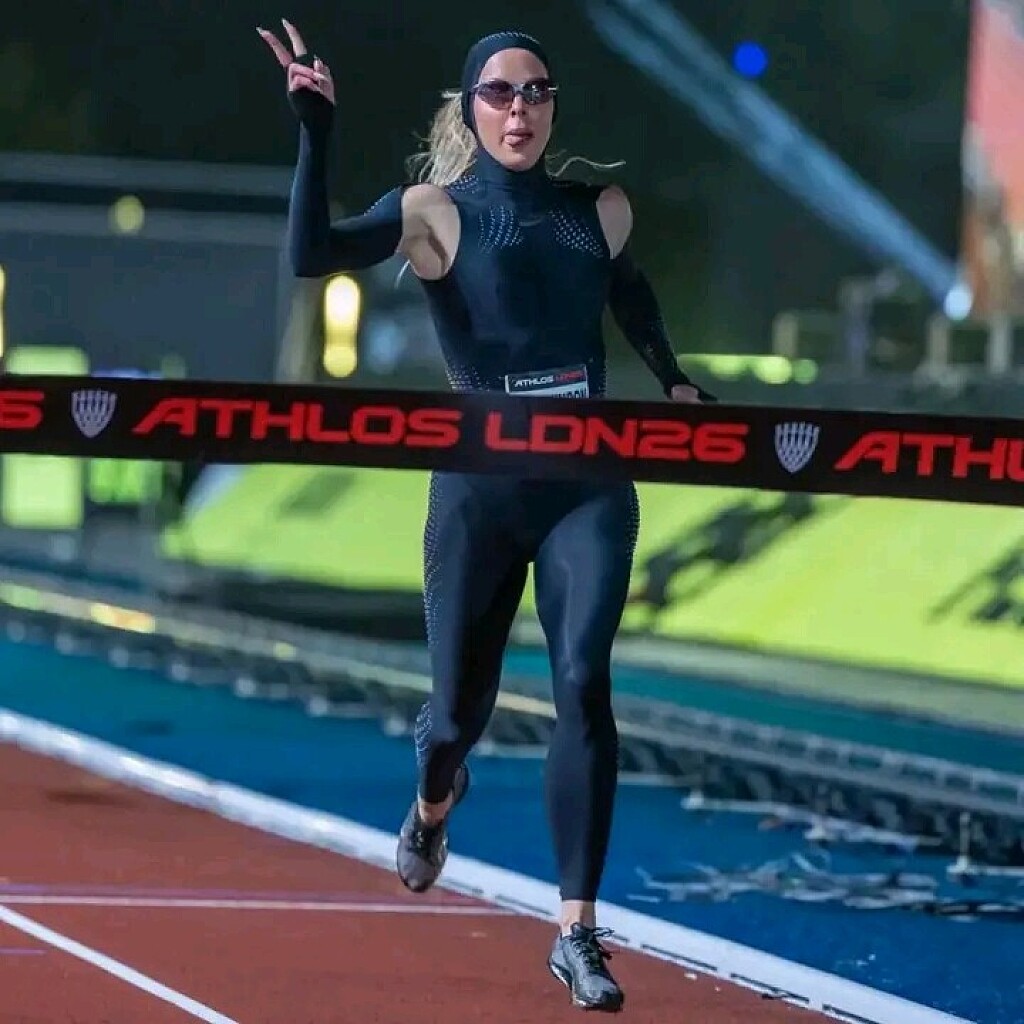
Richardson, Thomas, Hodgkinson And Kazimierska Shine At ATHLOS London
ATHLOS London brought the 2026 athletics season to a spectacular conclusion at StoneX Stadium, with a collection of global stars delivering standout performances across the sprints and middle-distance events.
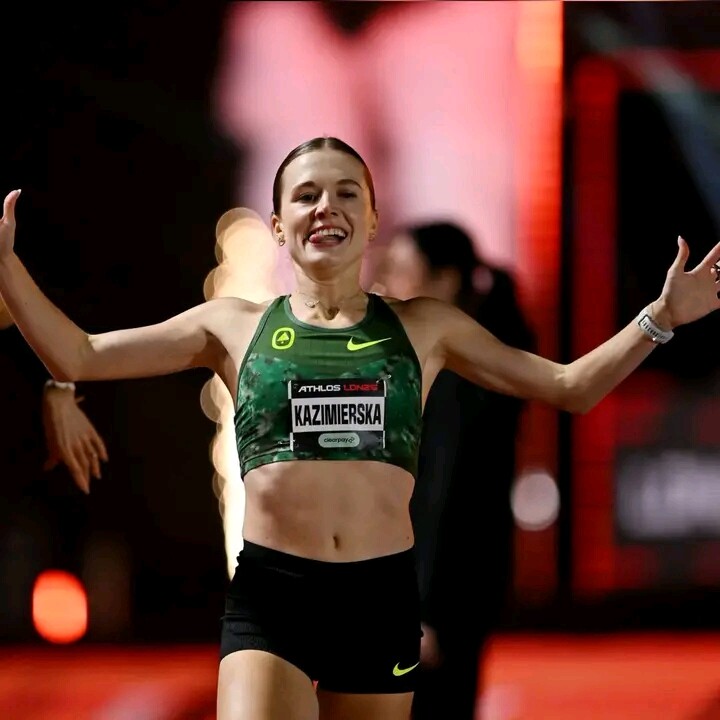
Among the biggest winners was Klaudia Kazimierska, who continued her extraordinary late-season run by claiming the women’s mile title in 4:19.43.
The Polish middle-distance star produced a powerful finishing kick to edge Britain’s Georgia Hunter Bell, who finished second in 4:19.54, while Kenya’s Dorcus Ewoi secured third in 4:19.84.
The victory completed a remarkable sequence for Kazimierska, who has now captured three major titles in succession. Her ATHLOS London triumph followed victories at the Diamond League Final and the inaugural World Athletics Ultimate Championship, giving her a remarkable finish to the 2026 season.
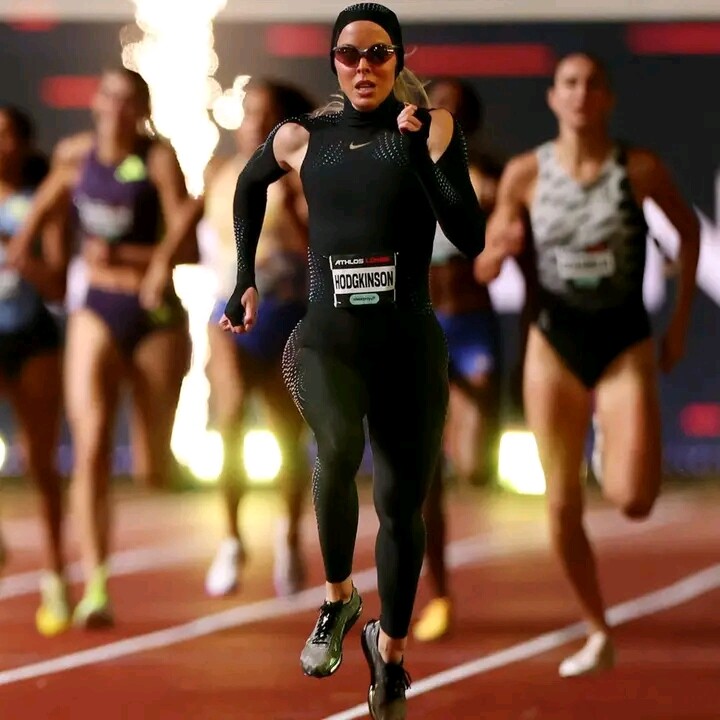
Kazimierska was not the only athlete to leave London with a major title, however, as Keely Hodgkinson produced a dominant performance to successfully defend her ATHLOS London 800m crown.
The British star took command from the opening stages and controlled the race from the front, building a substantial advantage before powering across the line in 1:56.40.
Her performance established a new ATHLOS London meeting record, with Hodgkinson finishing more than two seconds ahead of Switzerland’s Valentina Rosamilia, who ran 1:58.75. France’s Rénelle Lamote was third in 2:00.15.
American Juliette Whittaker finished fourth in 2:00.46, Ireland’s Sophie O’Sullivan was fifth in 2:00.53, and American Raevyn Rogers completed the field in 2:01.12.
The victory provided Hodgkinson with a powerful ending to a turbulent outdoor campaign that had included a canal accident and a hamstring injury, alongside silver-medal finishes at the European Championships and the World Athletics Ultimate Championship.
She also attracted attention with her specially designed Nike racing suit, a futuristic full-length black hooded design with an open back, created with mobility and aerodynamics in mind, complemented by Nike sunglasses.
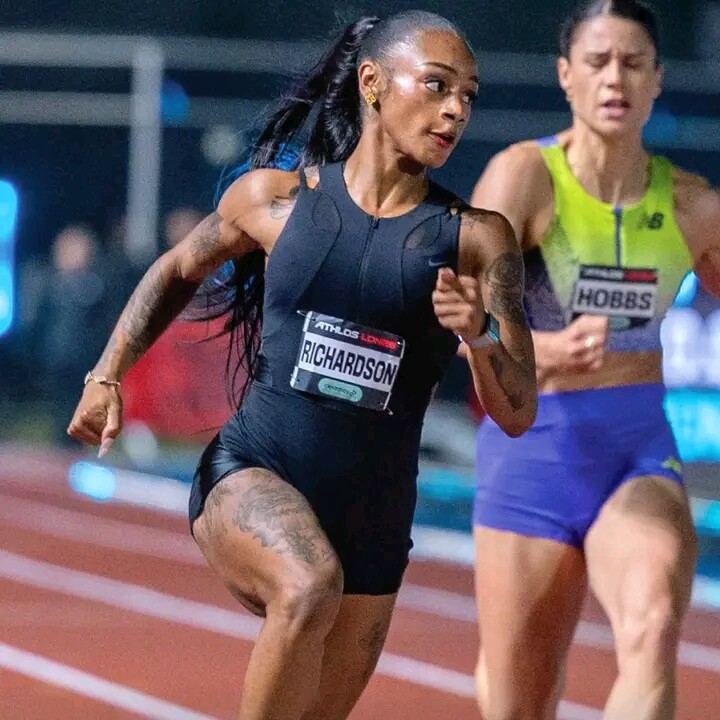
The sprint programme added even more star power to the night with Sha’Carri Richardson producing a meeting-record performance of her own in the women’s 100m.
Richardson stormed to victory in 10.80 seconds, with no wind assistance, to take the ATHLOS London title. New Zealand’s Zoe Hobbs finished second in 11.19, while American Anavia Battle claimed third in 11.25.
Britain’s Imani Lansiquot crossed fourth in 11.35, narrowly ahead of compatriot Daryll Neita, who clocked 11.36, while Canada’s Sade McCreath finished sixth in 11.47.
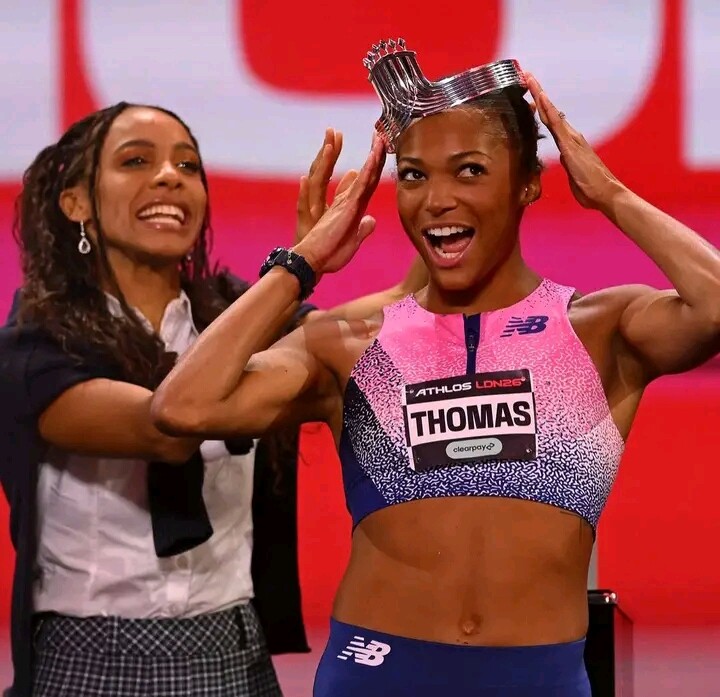
The American sprint success continued in the women’s 200m, where Gabby Thomas added another major title to her collection with a composed victory in 22.13 seconds.
Thomas held off fellow Americans Kayla White and Anavia Battle in a tightly contested final. White finished second in 22.40, while Battle, who had already secured third in the 100m, completed another podium appearance by taking bronze in 22.43.
Thomas’s victory further highlighted the depth of American sprinting at ATHLOS London, as the Olympic and world-level star produced another big-stage performance to close out her season with the 200m crown.
With Richardson and Thomas dominating the sprint headlines, Hodgkinson controlling the 800m and Kazimierska producing another decisive victory over the mile, ATHLOS London delivered an evening packed with major champions and fast performances.
For Kazimierska, the night completed an extraordinary run of three consecutive major titles. For Hodgkinson, it was a statement finish in front of her home crowd. Richardson and Thomas, meanwhile, ensured the American sprint contingent also left London with major victories.
ATHLOS London therefore closed the 2026 season in emphatic fashion, with several of the sport’s biggest names providing performances that will stand among the memorable moments of the year.
Login to leave a comment
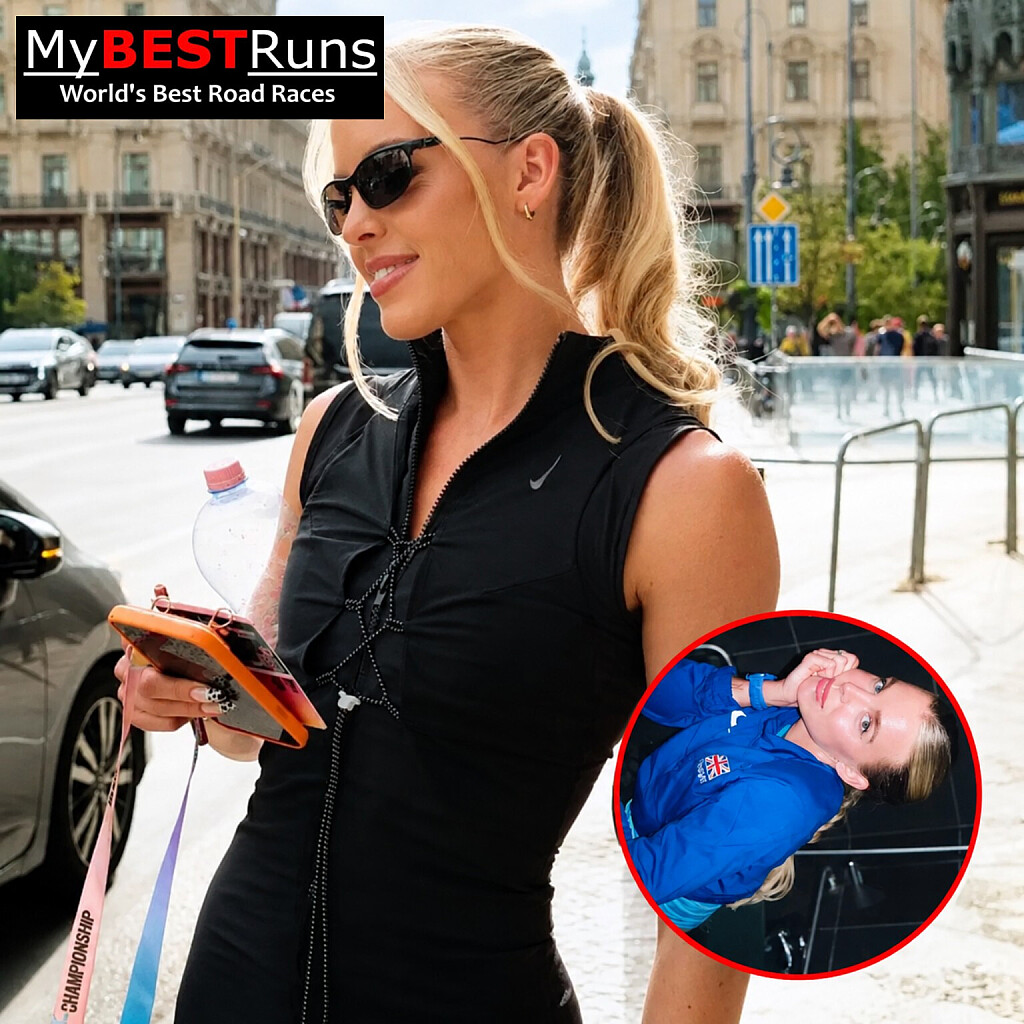
No Rest for Keely Hodgkinson! Olympic Champion Set for Homecoming Showdown at ATHLOS London
Keely Hodgkinson is wasting no time putting the finishing touches to her long and demanding 2026 season.
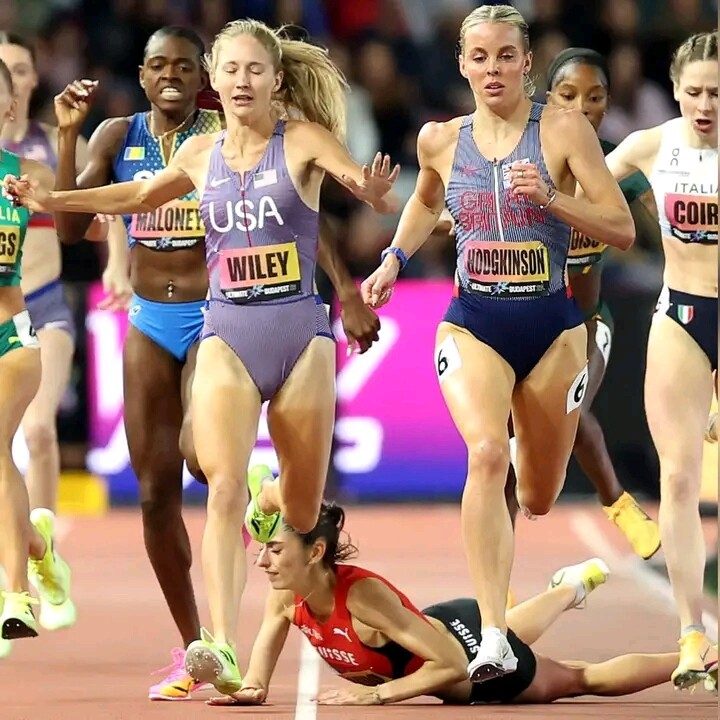
Just days after battling to a runner-up finish behind Audrey Werro in the women’s 800m at the inaugural World Athletics Ultimate Championship in Budapest, the British Olympic champion is preparing to lace up once again — this time in front of her home crowd.
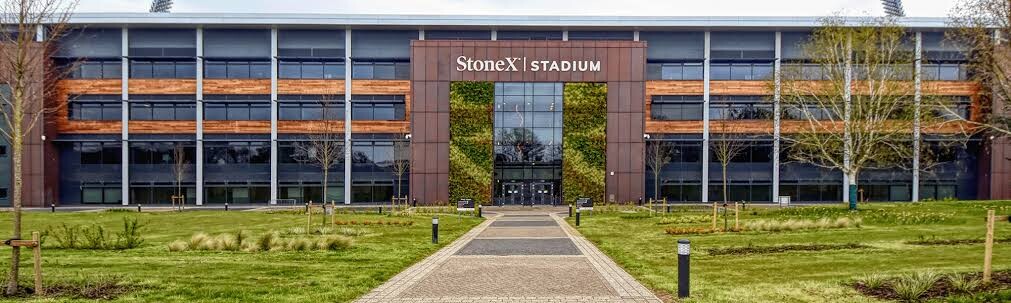
Hodgkinson is set to return to the 800m at ATHLOS London on Friday, September 18, 2026, at StoneX Stadium, where she will defend the title she won at the event last year.
The quick turnaround underlines just how relentless Hodgkinson’s season has been. After months of elite competition, travel and intense racing, the 24-year-old now faces one final assignment before bringing her 2026 campaign to a close.
Budapest provided another fiercely contested race for Hodgkinson. She was unable to finish the season’s Ultimate Championship with victory, as Switzerland’s Werro produced a superb performance to claim the 800m crown, leaving Hodgkinson to settle for second.
But there will be little time to dwell on the result.
The homecoming at StoneX Stadium offers Hodgkinson an opportunity to respond immediately and potentially end her season on a high. With the British fans expected to turn out in force, the atmosphere should provide an extra source of motivation for one of the country’s biggest athletics stars.
Hodgkinson has already established herself as one of the defining 800m runners of her generation, and another victory in London would add a fitting final chapter to a season that has demanded enormous consistency and resilience.
The question now is whether she can summon one last burst of brilliance after such a gruelling campaign.
With the Olympic champion back on British soil, all eyes will be on Hodgkinson as she takes on the 800m one more time in 2026.
No rest. No easy finish. Just one final race — and a home crowd waiting to see Keely Hodgkinson deliver one more unforgettable performance.
by Erick Cheruiyot for My Best Runs.
Login to leave a comment
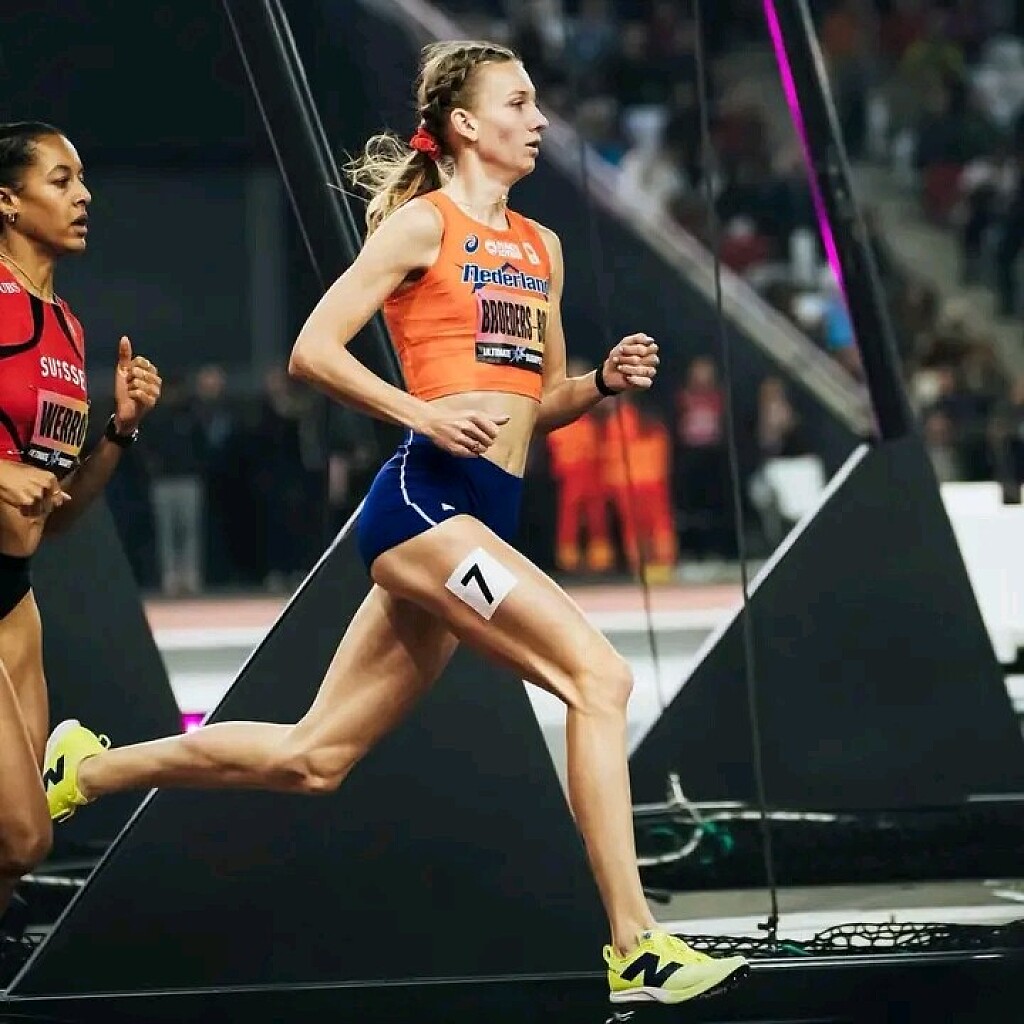
Femke Bol’s 800m Learning Curve Continues With Budapest Podium
Femke Bol may have walked away from Budapest with a third positon, but the Dutch star left the inaugural World Athletics Ultimate Championship with something potentially even more valuable — another lesson in mastering the tactical demands of the 800m.
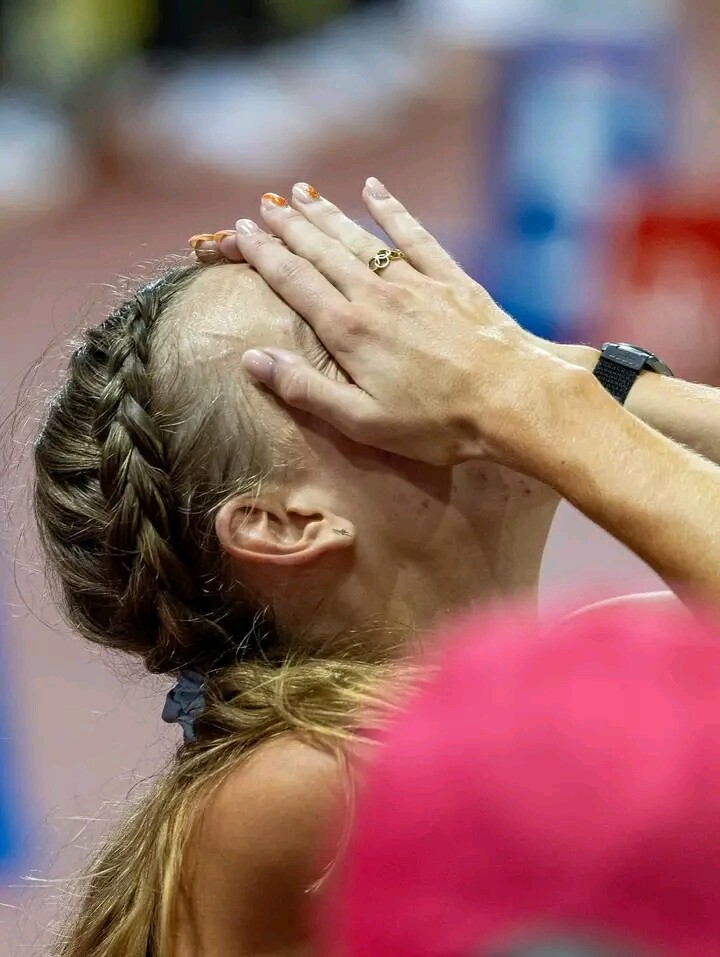
Bol, who only made the permanent transition to the two-lap event earlier this year after building her reputation as one of the world’s finest 400m hurdlers, finished third in a fiercely contested women’s final in 1:56.74.
Switzerland’s Audrey Werro claimed the title in 1:55.88, holding off Britain’s Keely Hodgkinson, who finished just 0.12 seconds behind in 1:56.00, while Bol completed the podium.
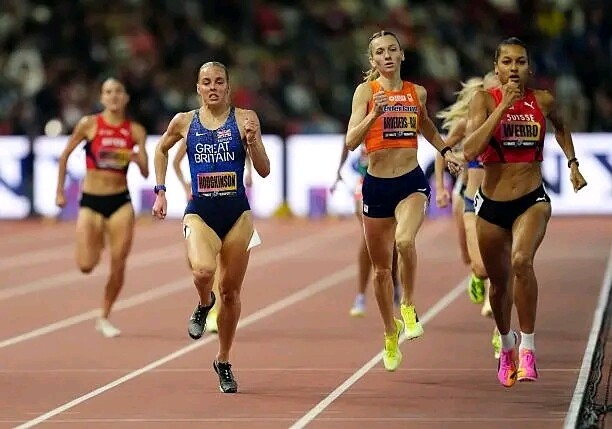
For Bol, however, the result was less about disappointment and more about understanding what she still needs to develop as an 800m runner.
The Dutchwoman has already demonstrated that she possesses the speed and endurance required for the event. What she is discovering now is that racing two laps at the highest level is not simply about running fast — sometimes, it is about knowing when not to run fast.
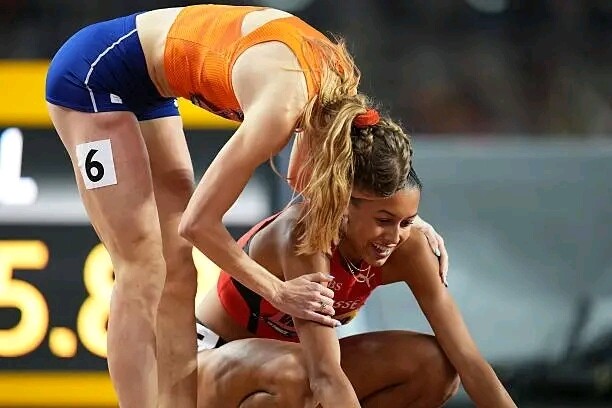
That was particularly evident in Budapest.
Werro controlled the early stages of the final intelligently, reaching the halfway point in 57.74 seconds. The relatively measured opening forced the athletes into a tactical battle, where positioning, patience and the ability to accelerate sharply over the closing stages became just as important as raw fitness.
Bol admitted that this type of race remains a learning experience for her.
“When we go fast, I finish with the same strength as when we go slow,” she explained, highlighting the confidence she has in her ability to handle a fast pace.
But she also recognised the challenge created by a slower opening.
“When we go slow, I don't have enough acceleration,” Bol acknowledged, while describing the Budapest final as an important opportunity to learn.
That difference is understandable given her background.
As a former 400m hurdles specialist, Bol has spent much of her career developing rhythm, strength and speed endurance over a demanding one-lap event. She is accustomed to establishing her race pattern early and relying on her powerful stride and finishing strength.
The 800m requires another layer of racing intelligence.
Athletes must constantly judge pace, protect their position, respond to moves and remain prepared for a sudden change of speed. A runner can be physically ready for a fast finish but still find themselves boxed in or too far from the front when the decisive move comes.
For Bol, that tactical education is happening at remarkable speed.
Despite only fully embracing the 800m this season, she has already produced consecutive performances in the 1:54 range, established herself among the world’s leading two-lap runners and reached major championship finals.
Her Budapest bronze therefore represents another significant step in a rapidly developing chapter of her career.
Rather than exposing a weakness that could hold her back, the final revealed an area where Bol still has room to grow.
And that could be an ominous prospect for her future rivals.
If Bol can combine the formidable strength and speed that made her a dominant force in the 400m hurdles with the tactical awareness required for championship-style 800m racing, she could become an even more dangerous competitor over two laps.
The Budapest final may have belonged to Werro, with Hodgkinson narrowly taking second positon and Bol settling for third place but the Dutch star's transition is clearly far from complete.
At 800m, Bol is still learning.
And if this season is any indication, she may be learning very quickly.
by Erick Cheruiyot for My Best Runs.
Login to leave a comment
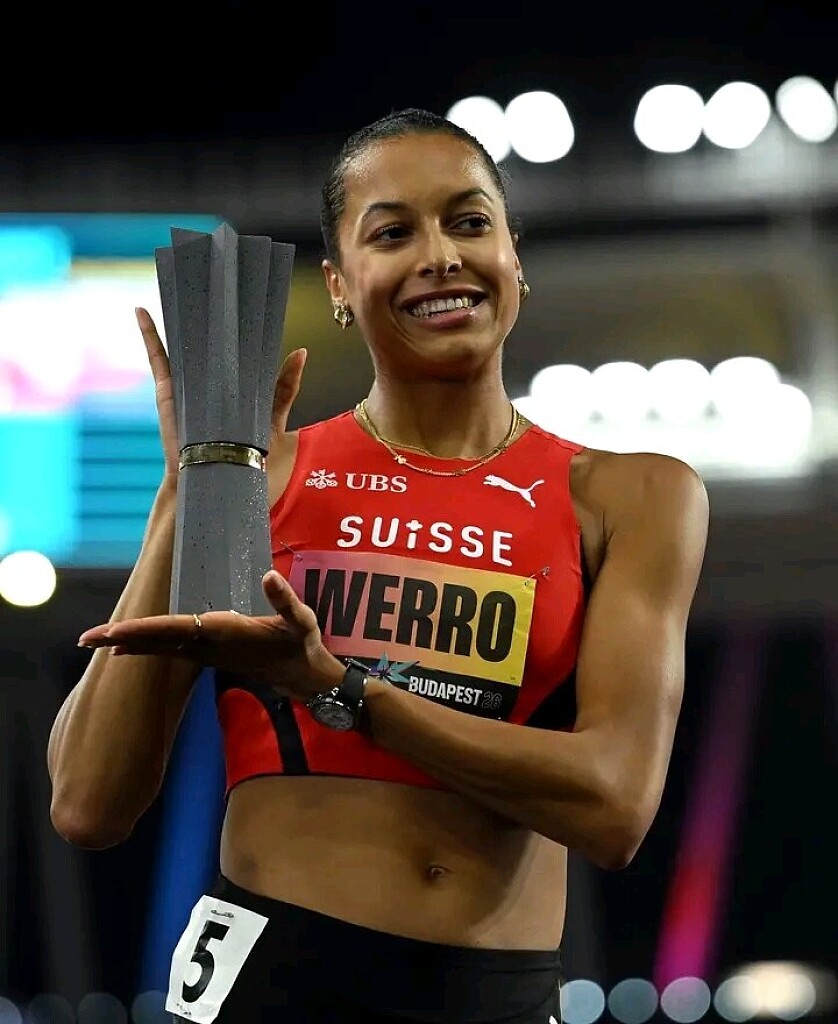
Audrey Werro Rules The 800m As Swiss Star Claims Ultimate Championships Crown
Audrey Werro has added another major title to her extraordinary season, storming to victory in the women’s 800m at the inaugural World Athletics Ultimate Championships in Budapest.
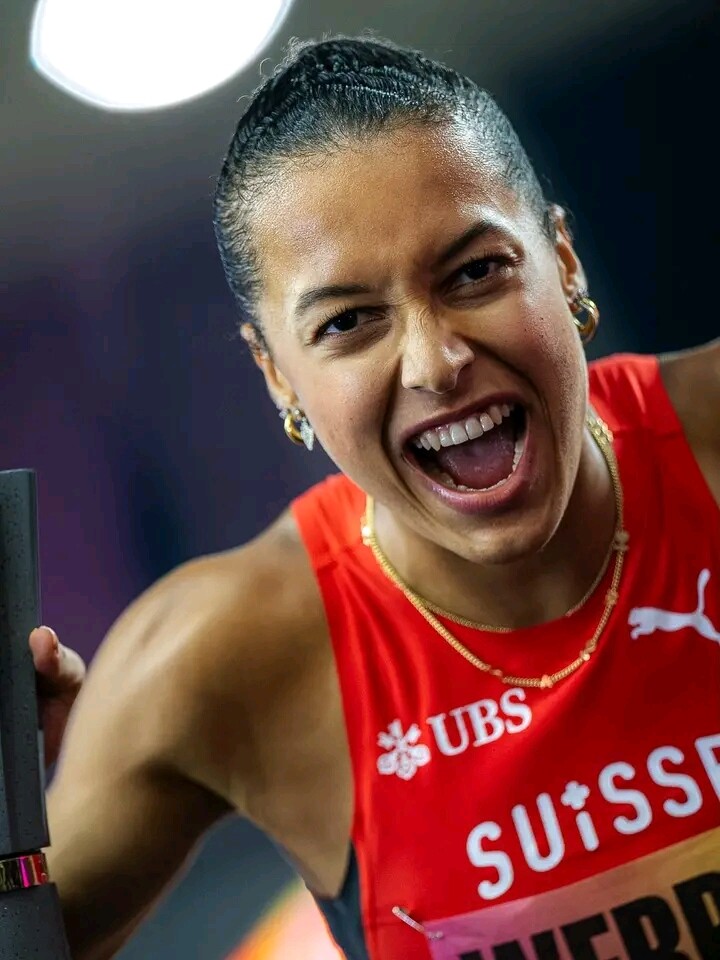
The Swiss star delivered a commanding performance, taking control from the opening gun and refusing to surrender the lead as she powered through an absorbing battle against two of the biggest names in the event.
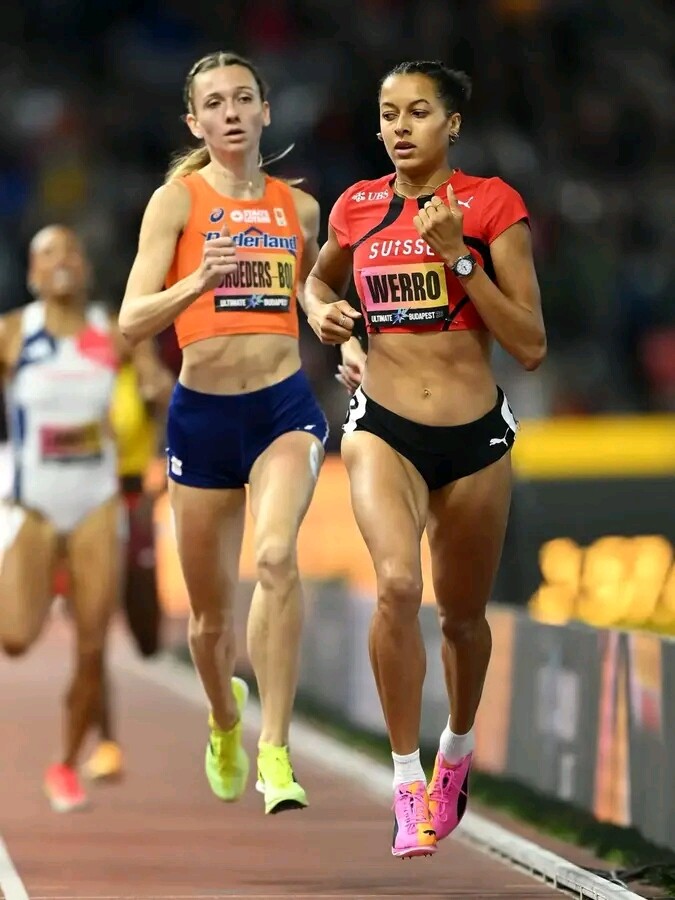
Werro stopped the clock at 1:55.88 to become the Ultimate Championships 800m champion, producing another statement performance on one of the sport’s newest and most prestigious stages.
Behind her, Great Britain’s Keely Hodgkinson fought her way to second in 1:56.26, while the Netherlands’ Femke Broeders-Bol completed the podium in 1:56.74.
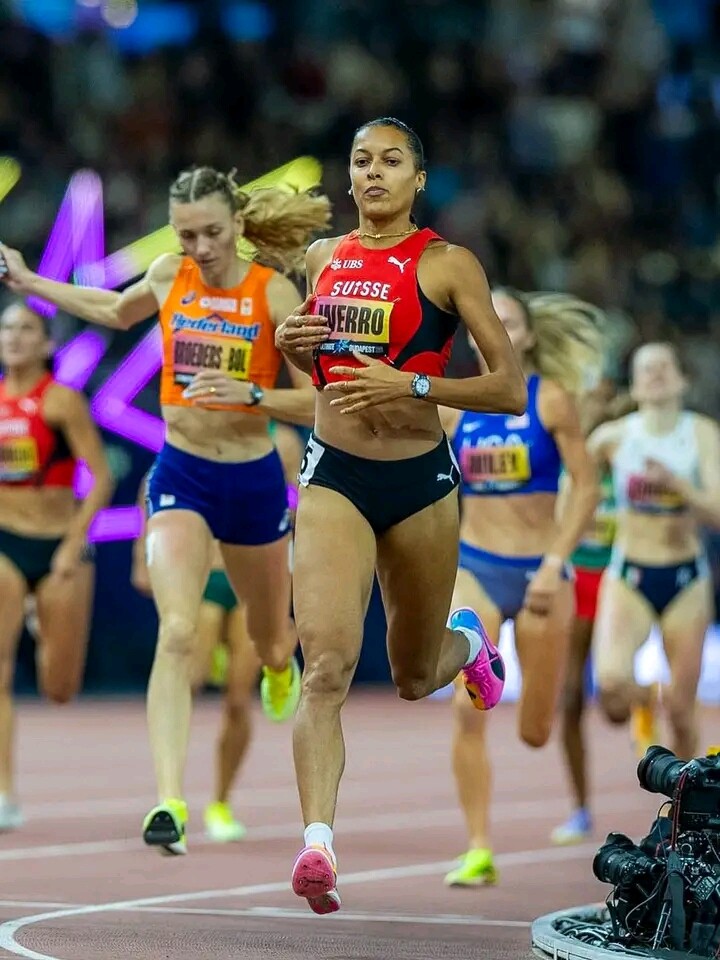
The result once again brought together the same formidable trio that featured on the podium at the European Championships, but Werro again proved to be the athlete who could rise above the challenge when it mattered most.
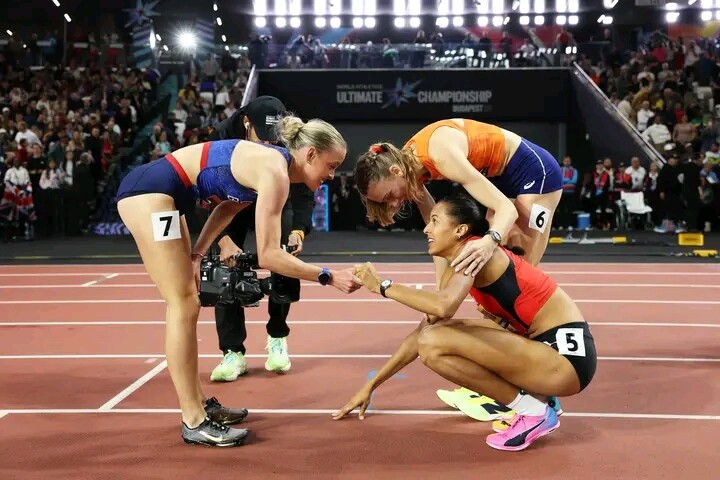
Her Budapest triumph is the latest chapter in a season that has already included records, a successful Diamond League Trophy defence and European Championship gold. Now, she can add the Ultimate Championships crown to a growing list of accomplishments.
Werro’s consistency has been particularly impressive in an 800m event packed with elite talent. Rather than simply relying on a fast finish, the Swiss athlete showed her authority by taking the initiative from the beginning and maintaining enough strength and composure to hold off Hodgkinson and Broeders-Bol all the way to the line.
The victory also underlined the remarkable depth of the women’s 800m, with three athletes separated by less than a second at the finish. Hodgkinson’s 1:56.26 and Broeders-Bol’s 1:56.74 showed just how fiercely contested the race was, but Werro’s decision to dictate the pace ultimately gave her the decisive advantage.
For Werro, this was more than another medal. It was another opportunity to demonstrate that her rise is no passing moment. On a stage featuring established champions and elite rivals, she once again produced the performance required to claim the biggest prize.
For Hodgkinson, the silver medal adds another major podium finish, while Broeders-Bol once again demonstrated her ability to compete with the very best over two laps.
But the spotlight in Budapest belonged unmistakably to Werro.
With another championship crown secured, the Swiss star has strengthened her claim as the athlete setting the standard in women’s 800m running. This is Audrey Werro’s era — and the rest of the field is chasing.
by Erick Cheruiyot for My Best Runs.
Login to leave a comment
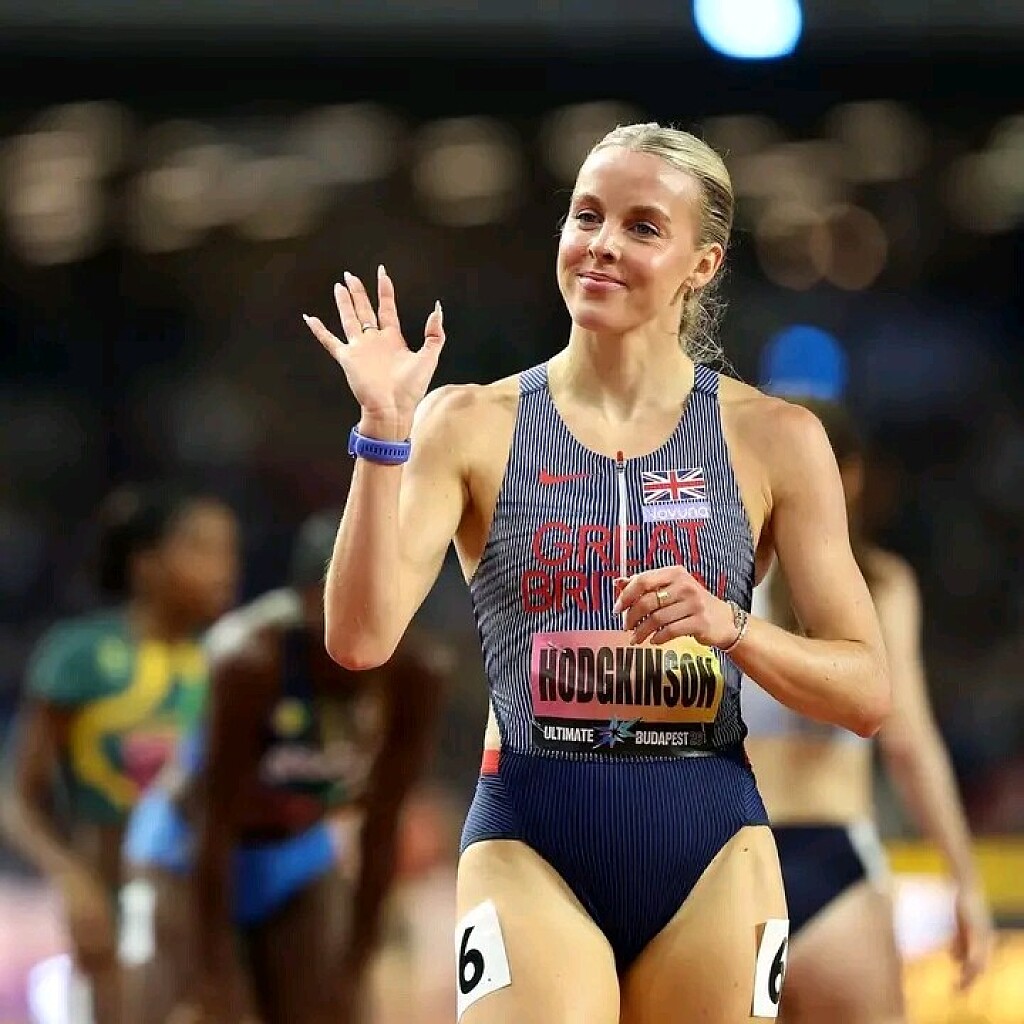
Keely Hodgkinson Strikes First In Budapest As Olympic Champion Leads 800m Finalists
Keely Hodgkinson made a powerful return to the track at the World Athletics Ultimate Championship in Budapest on September 11, storming to victory in the opening women’s 800m semifinal in 1:57.57 to record the fastest time across both semifinals and immediately establish herself as the athlete to beat in the final.
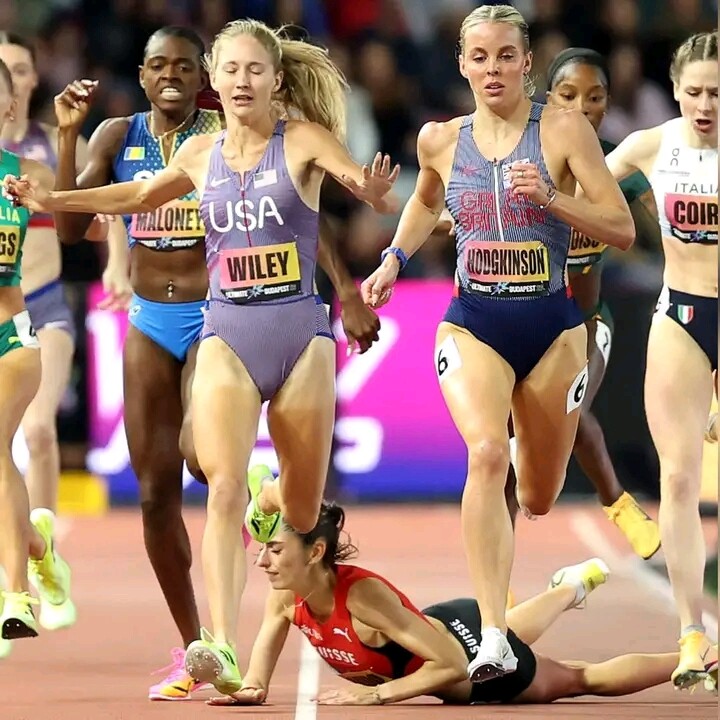
The British Olympic champion looked composed from the opening metres, taking control of the race before gradually increasing the pressure as the finish approached. Hodgkinson produced a decisive surge over the final 200 metres, pulling clear of her rivals and crossing the line comfortably in 1:57.57.
Addison Wiley of the United States followed in 1:58.14, while Australia’s Sarah Billings secured third in 1:58.37. Italy’s Eloisa Coiro also produced a strong performance to finish fourth in 1:58.48, ensuring that the opening semifinal was packed with sub-two-minute performances.
For Hodgkinson, the performance was particularly significant given the circumstances surrounding her return. She had not raced since winning silver at last month’s European Championships and subsequently missed the closing Diamond League meetings, including the Brussels Final, because of hamstring discomfort.
There was little evidence of any lingering problem in Budapest. Hodgkinson appeared relaxed and confident throughout the race, before shifting gears when it mattered most and delivering a performance that immediately put the rest of the field on notice.
The race also contained a dramatic twist in the closing stages when Switzerland’s Veronica Vancardo suffered a heavy fall following contact with Coiro. Despite the setback, Vancardo recovered and eventually crossed the finish line in 2:16.75.
Officials subsequently reviewed the incident and advanced Vancardo to the final, giving her a place in the championship race despite finishing well outside the automatic qualifying positions. Her advancement added another layer of drama to an already eventful night in Budapest.
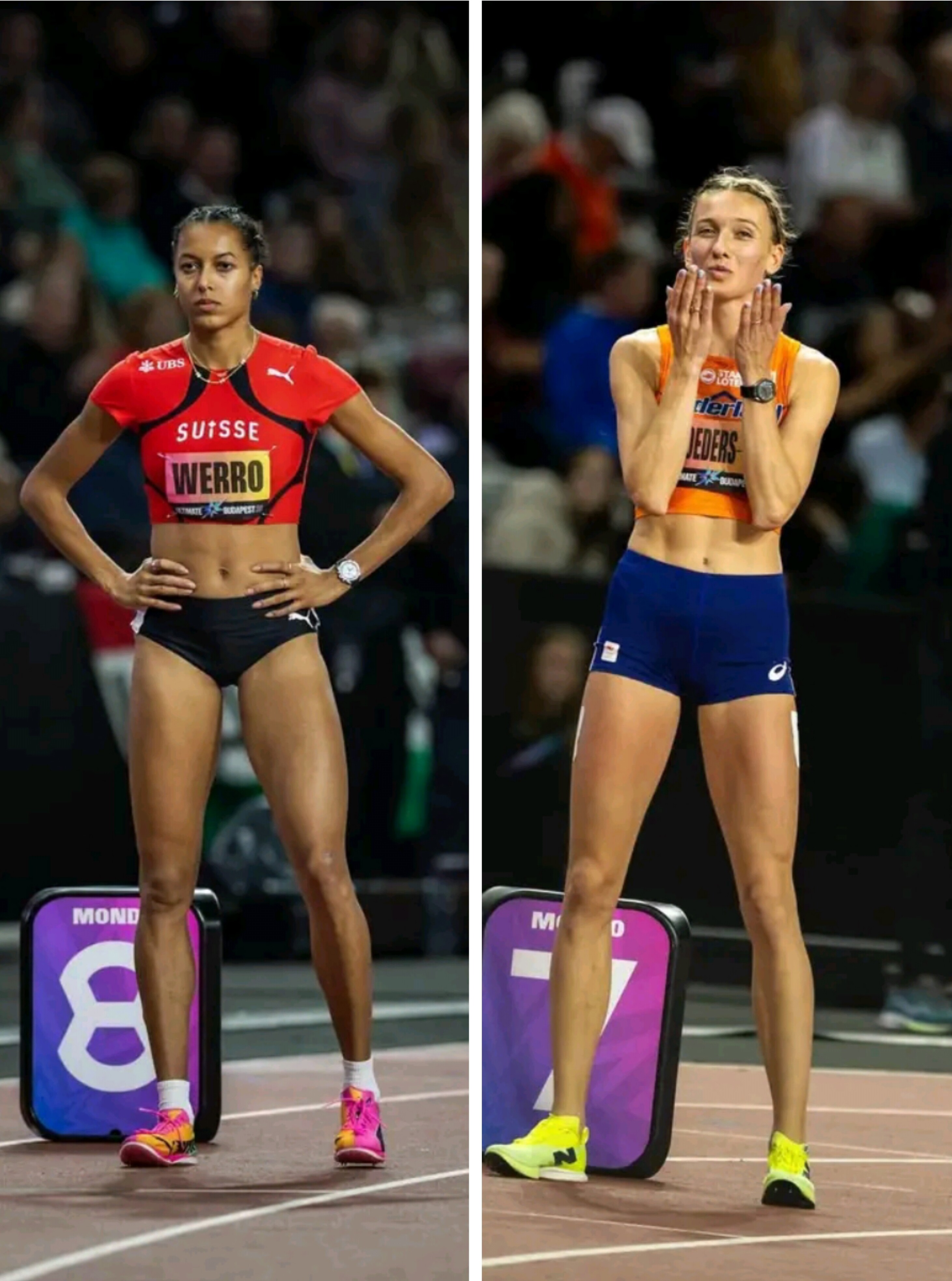
The second semifinal produced another impressive performance as Switzerland’s Audrey Werro controlled the race and delivered a strong finish to win in 1:59.05. Femke Broeders-Bol of the Netherlands followed closely in 1:59.19 after leading much of the contest.
The qualification picture then became clear, with nine athletes securing places in the women’s 800m final. Hodgkinson leads the field with 1:57.57, followed by Wiley at 1:58.14 and Billings at 1:58.37.
Coiro qualified in 1:58.48, while Werro and Broeders-Bol advanced with 1:59.05 and 1:59.19 respectively. Ethiopia’s Nigist Getachew clocked 1:59.69, Switzerland’s Valentina Rosamilia ran 1:59.78, and Vancardo completed the finalists after her advancement in 2:16.75.
Wiley’s qualification is also notable because she is the only American to advance to the Budapest final, adding further significance to her impressive 1:58.14 performance.
With Hodgkinson producing the fastest semifinal time, Werro looking increasingly dangerous and Broeders-Bol once again proving her ability to remain in contention, the final is shaping up to be one of the most anticipated 800m races of the championship.
Hodgkinson has already struck the first blow in Budapest. But with the medals now at stake, Werro, Broeders-Bol and the rest of the finalists will have the opportunity to turn the tables when it matters most.
The Olympic champion has made her intentions clear: she is back, she is healthy enough to race at championship pace, and she wants the Budapest crown.
The stage is now set for a thrilling women’s 800m final, where Hodgkinson will attempt to turn her semifinal dominance into gold. Who will be crown the Ultimate Champion in Budapest — Hodgkinson, Werro or Broeders-Bol? Or the table will turn?
by Erick Cheruiyot for My Best Runs.
Login to leave a comment
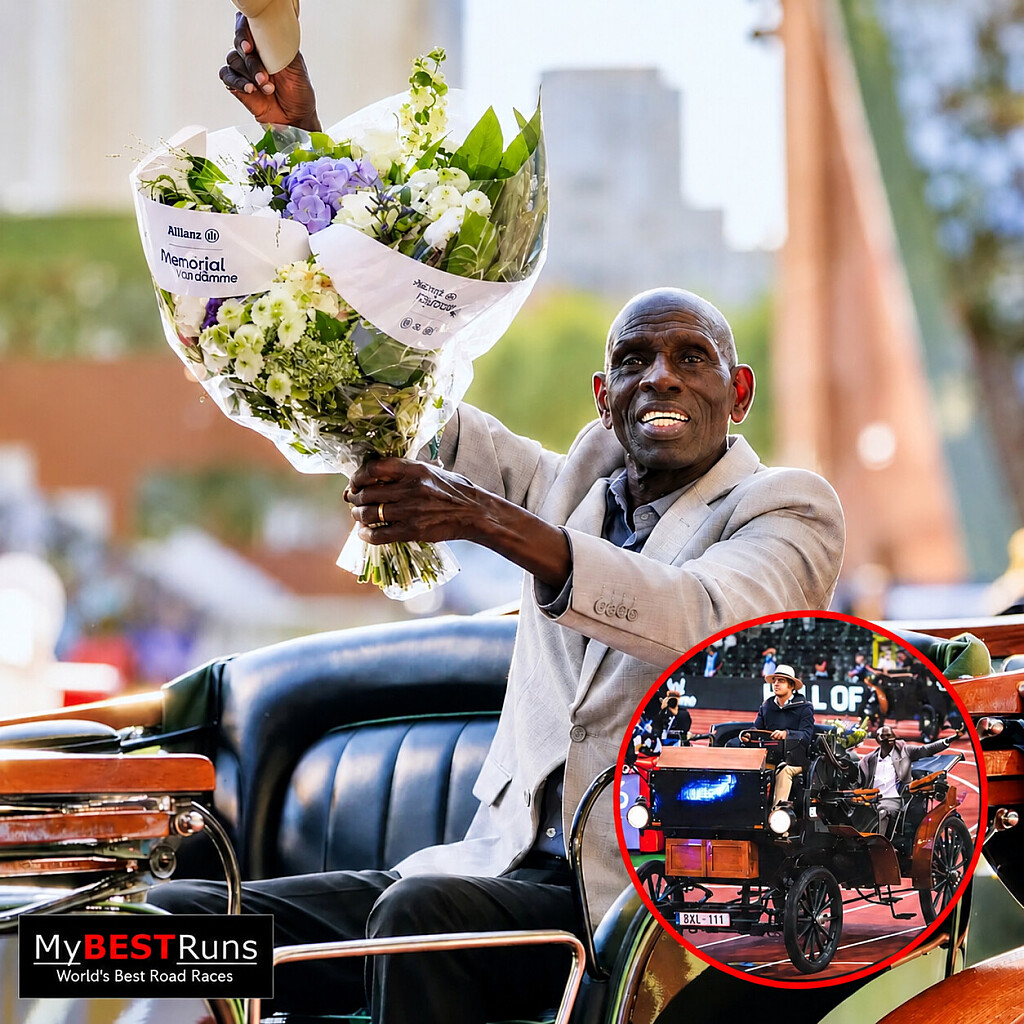
Mike Boit Honoured In Brussels As Kenyan Athletics Pioneer Enters Memorial Van Damme Hall Of Fame
Kenyan athletics legend Professor Mike Boit has received another prestigious recognition, nearly five decades after he etched his name into the history of the Memorial Van Damme in Brussels.
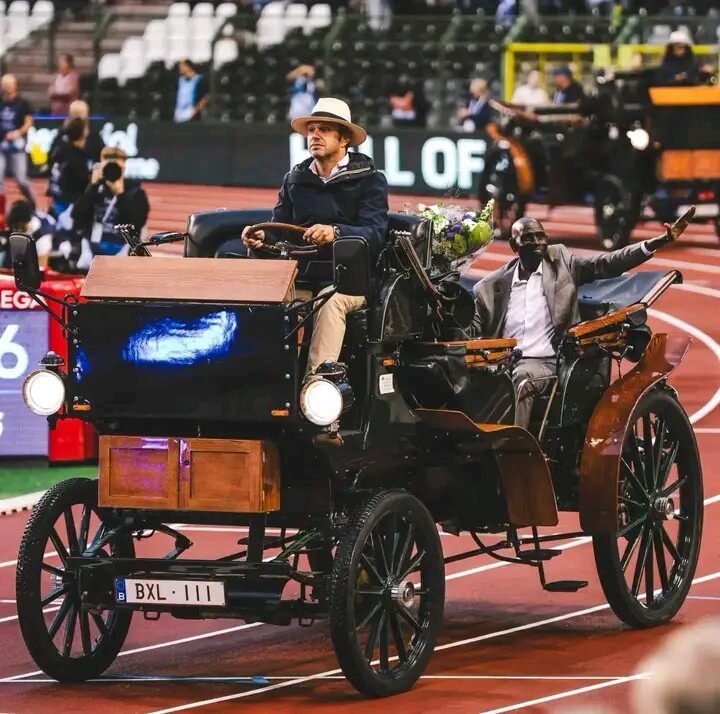
Boit was inducted into the Memorial Van Damme Hall of Fame during the 2026 Diamond League Final in Brussels, joining two global athletics icons, American sprint and long-jump legend Carl Lewis and former high-jump world-record holder Dwight Stones, in the 2026 class of honourees.
The occasion brought Boit back to the scene of one of the defining victories of his illustrious career. In 1977, he won the inaugural Memorial Van Damme 800 metres, becoming part of the meeting's history from its very first edition.
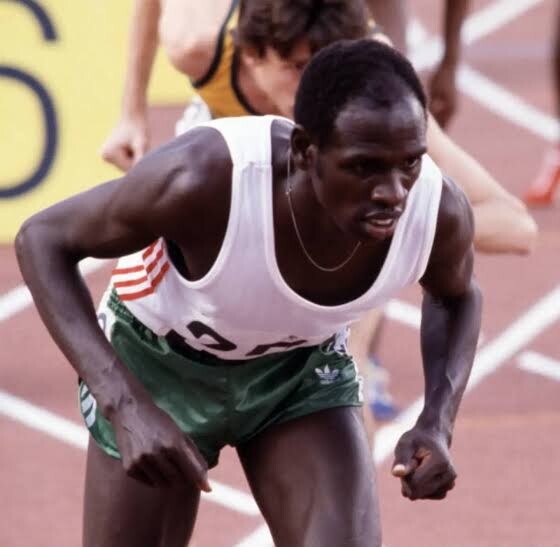
His victory in Brussels was another chapter in a career that had already established him as one of Kenya's pioneering international track stars.
Boit had announced himself on the biggest stage five years earlier at the 1972 Munich Olympic Games, where he won bronze in the 800m. At a time when Kenya was still establishing itself as a major force in international athletics, Boit was among the athletes who helped open the door for the generations that followed.
His influence, however, stretches far beyond his achievements on the track.
After his competitive career, Boit built an impressive academic and professional career in sports science. He earned two master's degrees and a PhD, using his expertise to contribute to the development of sport and the education of future generations of athletes.
That combination of athletic achievement and academic excellence has made him an exceptional figure in Kenyan sport. His journey is one that moves seamlessly from the Olympic podium to the university lecture hall, while his pioneering achievements continue to form part of Kenya's rich athletics heritage.
His induction was marked by a special lap of honour at the King Baudouin Stadium, giving spectators an opportunity to celebrate a man whose name has been intertwined with the history of the prestigious Brussels meeting for almost half a century.
For Boit, the honour represents more than recognition for a single race or medal. It is a celebration of a lifetime of contribution to athletics and sports science, as well as the impact of a pioneer whose achievements helped shape Kenya's growing presence on the international stage.
Nearly 50 years after winning the first Memorial Van Damme 800m, Boit returned to Brussels in a very different role. This time, there was no starting line, no finishing tape and no medal to chase.
Instead, there was a standing ovation and a place among the legends.
From Olympic bronze medallist to pioneering international athlete, from Memorial Van Damme champion to distinguished professor, Mike Boit's remarkable journey continues to inspire.
His name is now permanently associated with the history of one of Europe's most prestigious athletics meetings — a fitting tribute to a Kenyan icon whose influence has extended far beyond the track.
by Erick Cheruiyot for My Best Runs.
Login to leave a comment
Femke Bol Returns To Budapest: From One Of Her Darkest Moments To A New 800m Challenge
For Femke Bol, Budapest is more than just another stop on the athletics calendar. It is a place where heartbreak once threatened to define her championship campaign — only for the Dutch star to respond with one of the most memorable comebacks of her career.
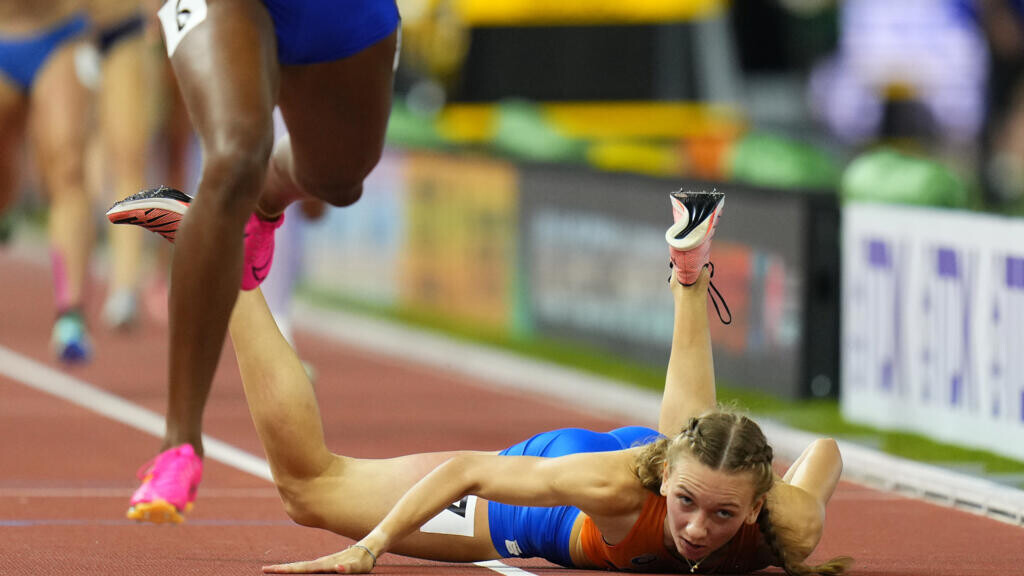
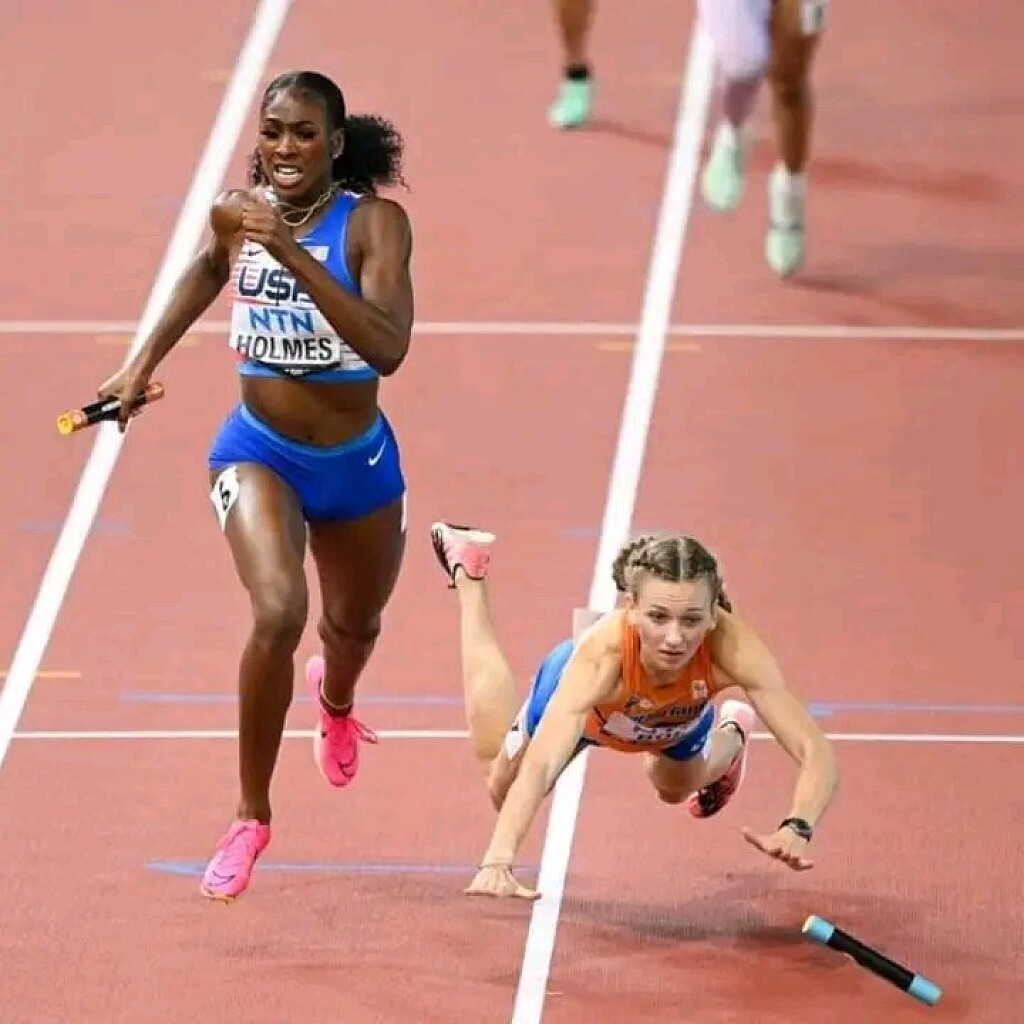
Three years ago, at the 2023 World Athletics Championships, Bol arrived in Budapest as one of the biggest names in the 400m hurdles. Yet her championships began with a painful collapse.
Anchoring the Netherlands in the mixed 4x400m relay on the opening night, Bol was within sight of victory when she fell just metres before the finish line. The Netherlands were disqualified, and what had looked like a near-certain gold medal disappeared in one devastating moment.
But Bol did not allow the disappointment to consume her.
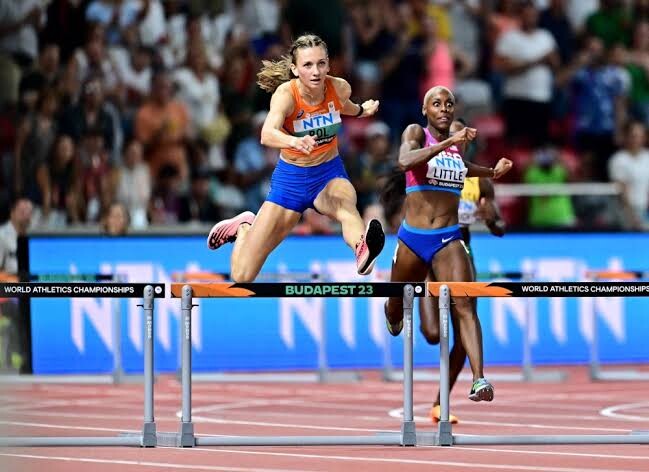
Six days later, she returned to the track for the 400m hurdles final and delivered an emphatic response. Running with remarkable composure, she stormed to victory in 51.70 seconds, finishing more than a second clear of American Shamier Little to claim her first individual global title.
Then came the final track race of those championships — and another extraordinary chapter.
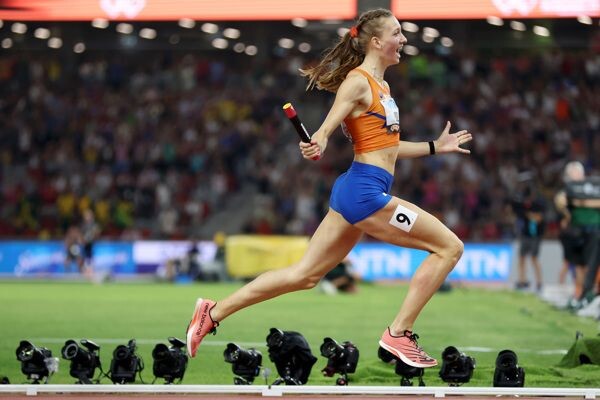
In the women’s 4x400m relay, Bol received the baton for the Netherlands with the Jamaican and British teams ahead. The deficit grew to roughly 10 metres down the back straight, but instead of surrendering, she began to hunt.
By the home straight, Bol had transformed the race.
She swept past Great Britain and then Jamaica to bring the Netherlands home in 3:20.72, securing a second world title in Budapest and completing one of the most remarkable redemption stories of the championships.
Now, Bol is heading back to the same city — but this time, her challenge is completely different.
There will be no hurdles standing in her way.
Instead, she will line up for the women’s 800m at the inaugural World Athletics Ultimate Championship in Budapest, where she will face two of the strongest middle-distance runners in the world: Olympic champion Keely Hodgkinson of Great Britain and Swiss sensation Audrey Werro. The three are among the headline names in a formidable 800m field for the September 11–13 championship.
And this is no longer the same Bol who first experimented with the event.
The Dutch star has made a significant transition to the 800m this season, steadily improving as she has gained experience over the two-lap distance. Her 2026 best stands at 1:55.41, placing her among the leading contenders heading into Budapest.
Yet the challenge could hardly be tougher.
Werro has been the revelation of the 2026 season. The Swiss star leads the world with 1:53.80, a mark that ranks among the fastest performances ever recorded. She also defeated Hodgkinson and Bol at the European Championships in Birmingham, winning in 1:54.81 as Hodgkinson took silver in 1:55.01 and Bol finished third in 1:55.54.
Hodgkinson, meanwhile, remains one of the defining figures of the event. The Paris Olympic champion has already run 1:54.33 this season and will arrive in Budapest determined to reclaim the winning momentum against a rival who has repeatedly pushed her to the limit.
The latest meeting between Werro and Bol only adds more intrigue. At the Diamond League Final in Brussels, Werro prevailed in 1:54.75, but Bol pushed her all the way to the line, finishing just 0.06 seconds behind in 1:54.81.
That makes Budapest particularly fascinating.
Bol is no longer returning simply as the hurdler who once conquered the Hungarian capital. She is coming back as an ambitious 800m runner, testing herself against an Olympic champion and the world leader in an event that demands speed, tactical intelligence and endurance in equal measure.
For Bol, Budapest carries memories of a fall, a first global individual title and an unforgettable relay victory.
Now she has the opportunity to create another memory.
This time, there are no barriers to clear and no baton to chase.
There is only 800 metres — two laps in which Bol will have to match the pace, strength and finishing speed of Werro and Hodgkinson.
She has already shown what she can do when Budapest gives her a second chance.
The question now is whether she can turn that history into another triumph.
by Erick Cheruiyot for My Best Runs.
Login to leave a comment
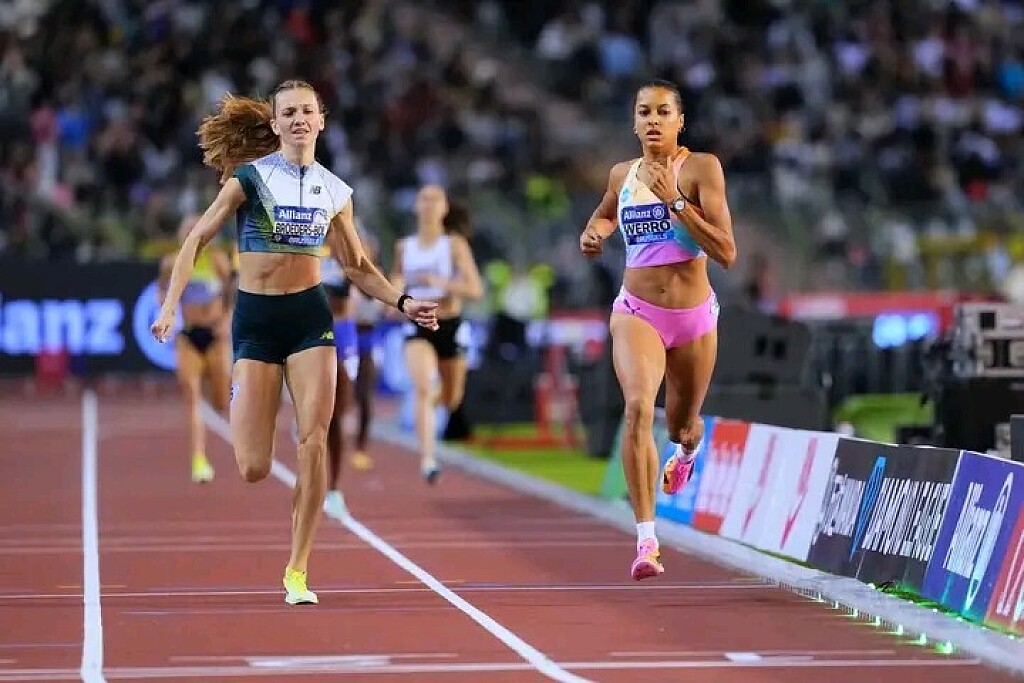
Werro Edges Broeders-Bol By 0.06 Seconds In A Thrilling Brussels 800m Classic
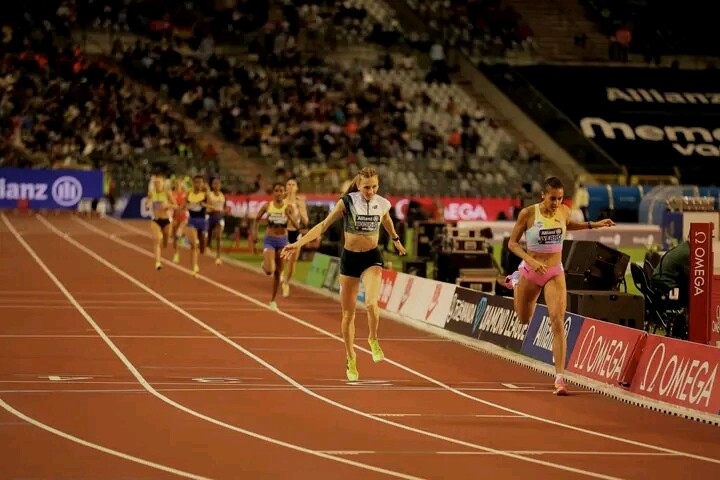
Audrey Werro of Switzerland held her nerve in a breathtaking finish to the women’s 800m at the Diamond League Final in Brussels, edging Femke Broeders-Bol of the Netherlands by just six hundredths of a second to claim the Diamond Trophy.
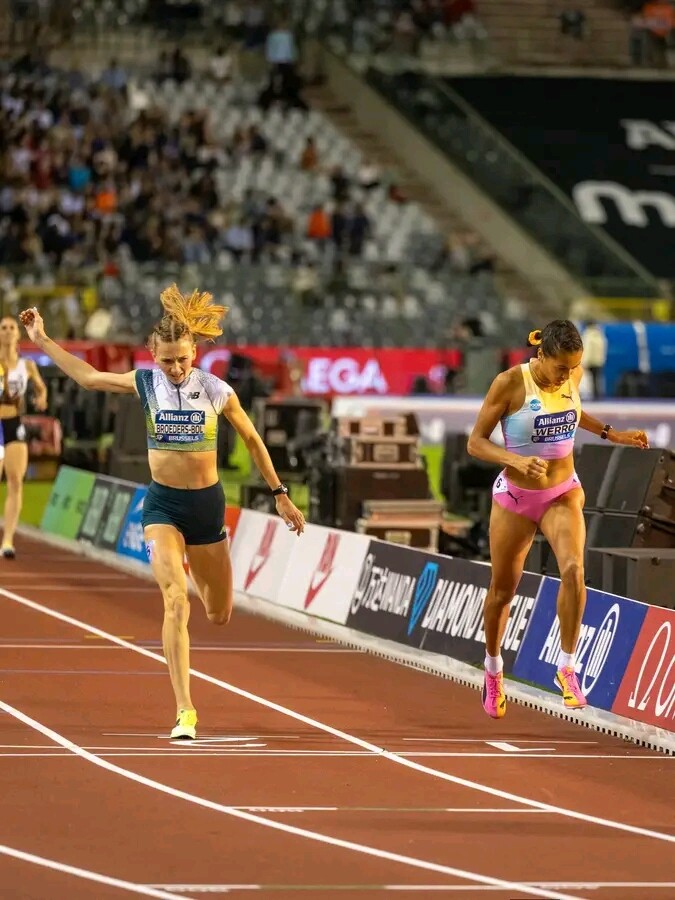
Werro stopped the clock at a sensational 1:54.75, with Broeders-Bol charging across the line in 1:54.81. The margin was almost impossibly small — just 0.06 seconds — after two laps of relentless racing.
For Broeders-Bol, it was a finish that carried both pride and frustration.
“I’m very happy, but a little bit frustrated running in that close.”
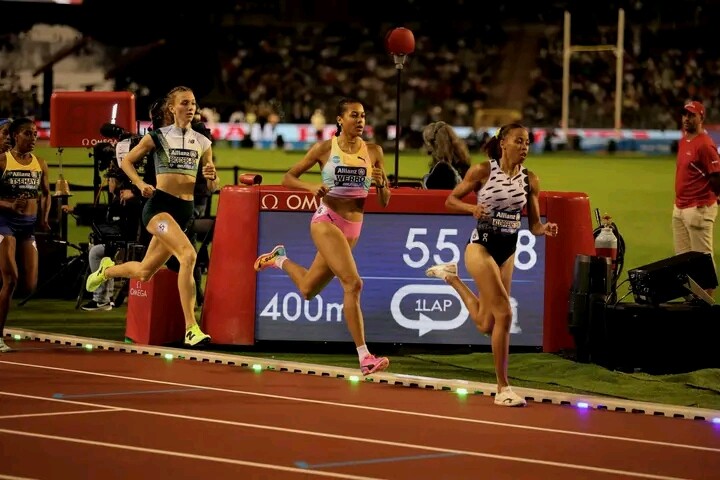
The Dutchwoman produced a spectacular surge over the final 100 metres, rapidly closing the gap on Werro and throwing everything into the final straight. For a moment, it appeared she might steal victory at the line, but Werro resisted the late assault to secure another major Diamond League triumph.
The result underlined just how remarkable Broeders-Bol’s breakthrough season has been. Competing over 800m for the first time, she has already established herself among the event’s most formidable contenders — and delivering two consecutive sub-1:55 performances in her debut campaign is a remarkable statement of intent.
Yet Werro had the final answer.
The Swiss star once again demonstrated the front-running strength and composure that have become hallmarks of her racing. Her 1:54.75 not only secured victory but also set a meeting record, adding another impressive chapter to her Diamond League season.
For Broeders-Bol, however, the narrow defeat may prove less a setback than a warning to the rest of the 800m field.
She has arrived.
And if Brussels was any indication, the battle between Werro and Broeders-Bol could become one of the most compelling rivalries in women’s middle-distance running.
The story may not have to wait long for its next chapter.
Budapest could be next.
And should the field expand to include Olympic champion Keely Hodgkinson of Great Britain and world champion Lilian Odira of Kenya at the Ultimate Championships, the women’s 800m could become one of the most fiercely contested events on the track.
One thing is already clear: the 800m is heating up — and this rivalry is only beginning.
by Erick Cheruiyot for My Best Runs.
Login to leave a comment
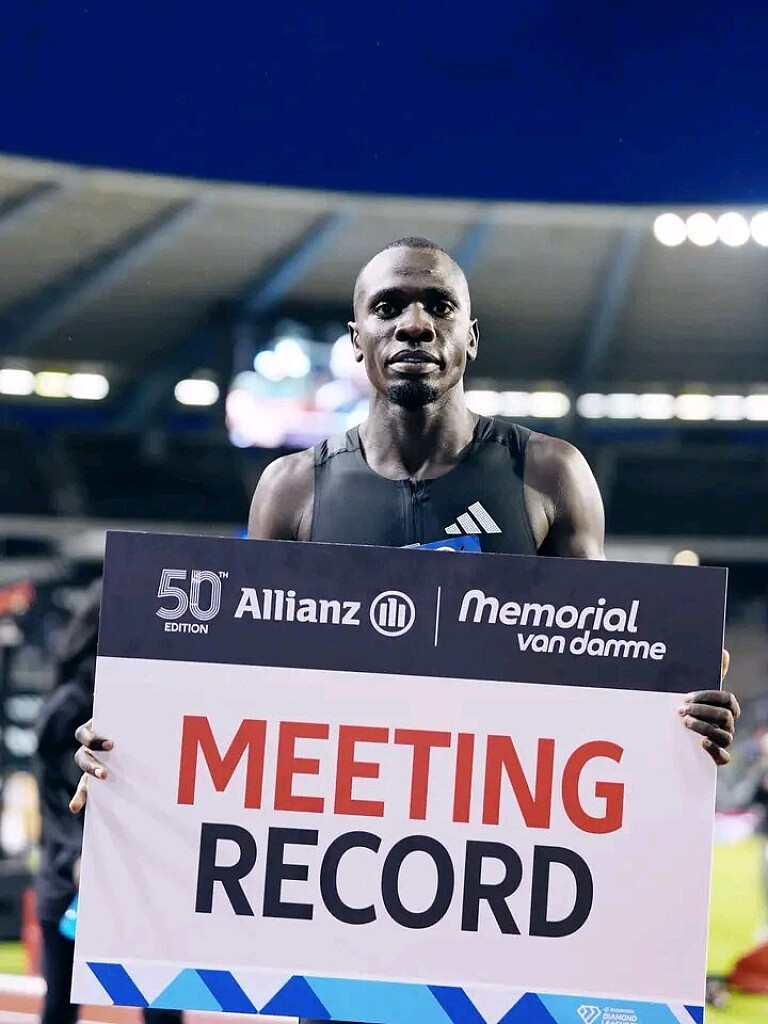
Emmanuel Wanyonyi Makes History With Four Straight Diamond League Final Triumphs In Brussels
Kenya’s Emmanuel Wanyonyi has once again stamped his authority on the men’s 800m, producing a commanding performance in Brussels to claim his fourth consecutive Diamond League Final title in spectacular fashion.
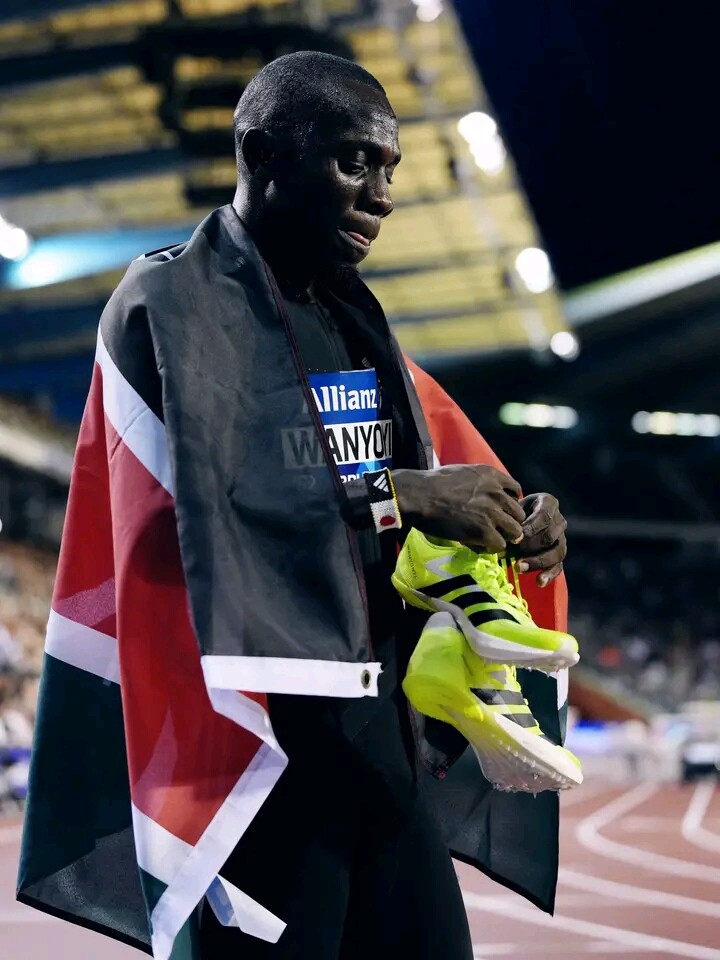
The Olympic champion delivered when it mattered most, surging clear of a fiercely competitive field and crossing the finish line in a brilliant 1:41.80. The performance not only secured another Diamond Trophy for the Kenyan star but also established a new meeting record, further underlining his remarkable consistency at the highest level of the sport.
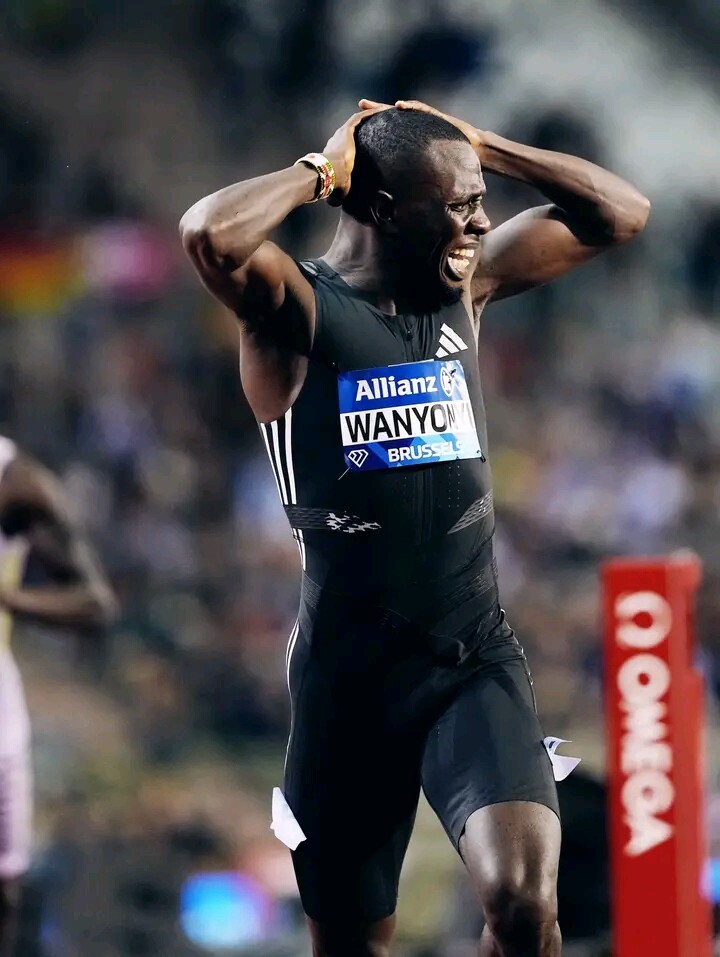
Wanyonyi controlled the race with characteristic confidence before unleashing his decisive move in the closing stages. Once he found another gear, his rivals could only watch as the Kenyan pulled away, transforming a tightly contested final into another memorable victory for one of the world's most formidable 800m runners.
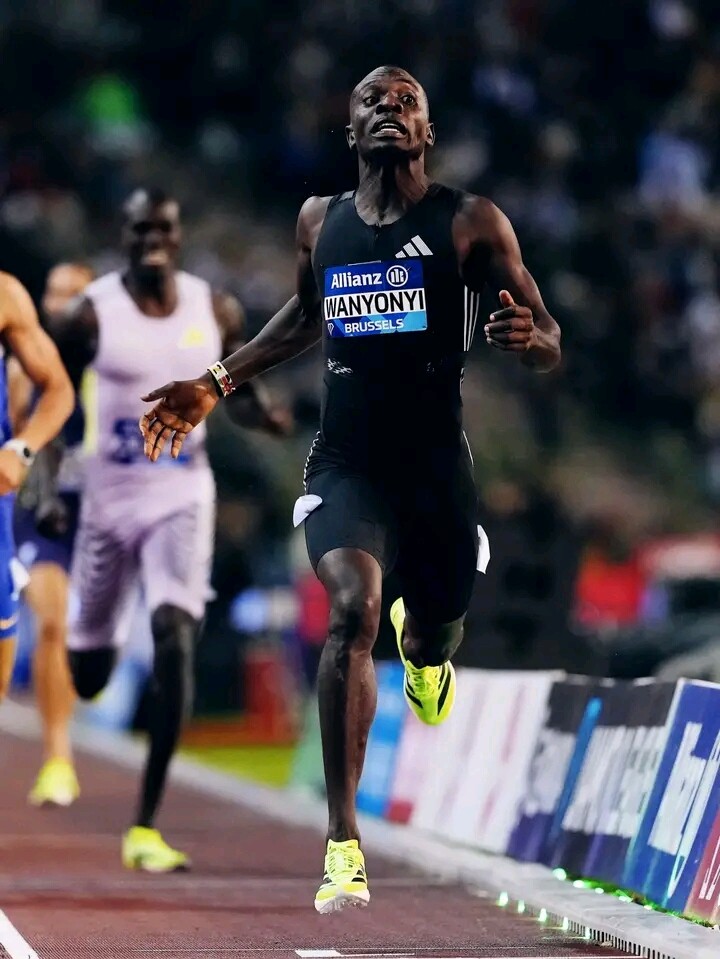
Algeria’s Djamel Sedjati produced an impressive run to finish second in 1:42.71, while France’s Yanis Meziane completed the podium in 1:42.87, smashing his personal best in a breakthrough performance on one of athletics’ biggest stages.
Meziane’s outstanding run carried an additional reward. As the highest finisher in the field who had not already secured qualification, his personal-best performance earned him a place at the World Ultimate Championships, adding another significant milestone to an already memorable night.
For Wanyonyi, however, the spotlight belonged entirely to his extraordinary achievement. Four Diamond League Finals, four victories and four Diamond Trophies — a level of dominance that places him in truly elite company.
His latest triumph is more than another title. It is another statement from a 22-year-old Kenyan who continues to combine speed, tactical intelligence, courage and an extraordinary competitive mentality. Year after year, Wanyonyi has shown that he thrives when the pressure is greatest, and Brussels provided yet another example of his championship pedigree.
Four finals. Four trophies. Four consecutive victories.
Emmanuel Wanyonyi has once again reminded the world why he is one of Kenya’s brightest athletics stars and one of the most feared 800m runners on the planet.
by Erick Cheruiyot for My Best Runs.
Login to leave a comment

Three Historic World Records Ratified As Kiplimo, Tharp And Wanyonyi Enter The Record Books
Three extraordinary performances that captivated the athletics world have now been officially ratified by World Athletics, with Jacob Kiplimo, Ja’Kobe Tharp and Emmanuel Wanyonyi securing their places in the history books with remarkable world-record performances.
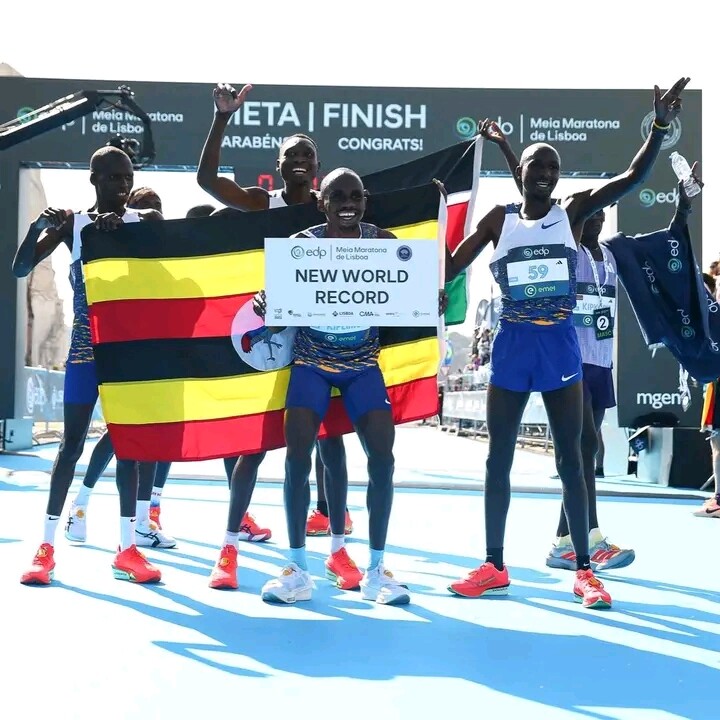
Uganda’s Jacob Kiplimo delivered a breathtaking 57:20 at the EDP Lisbon Half Marathon on 8 March 2026, producing what was then a spectacular world record. His performance underlined his exceptional ability over the half-marathon distance and further strengthened his status as one of the finest road runners of his generation.
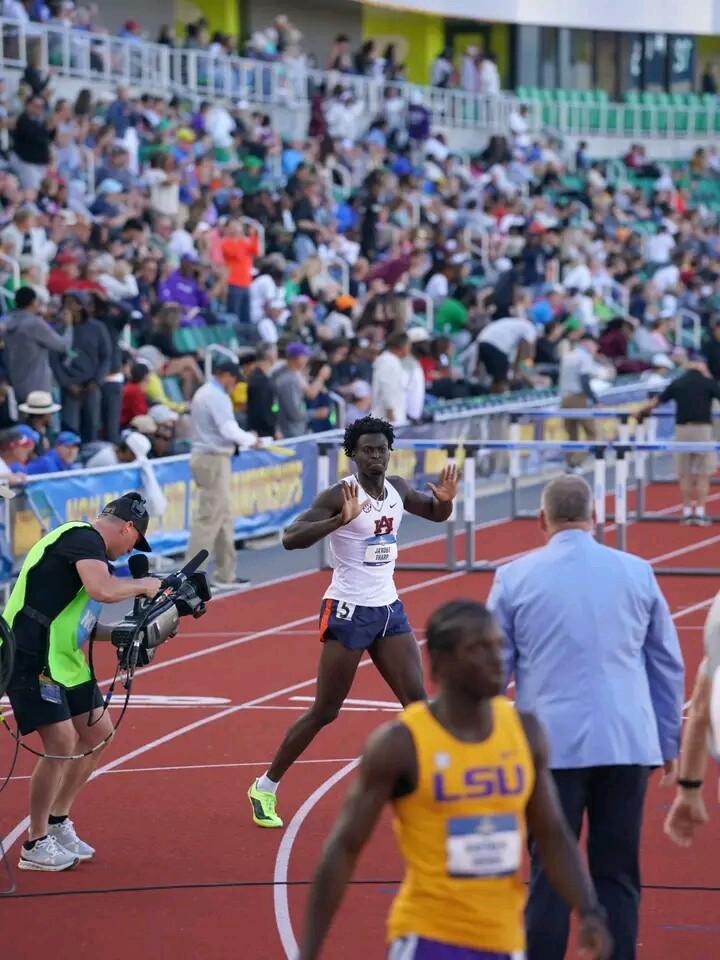
American hurdler Ja’Kobe Tharp created his own piece of history in Eugene on 10 June 2026, storming to 12.75 seconds in the 110m hurdles. The sensational performance came with a legal +1.0m/s following wind and established Tharp as the new world record-holder, marking a remarkable breakthrough on the global stage.
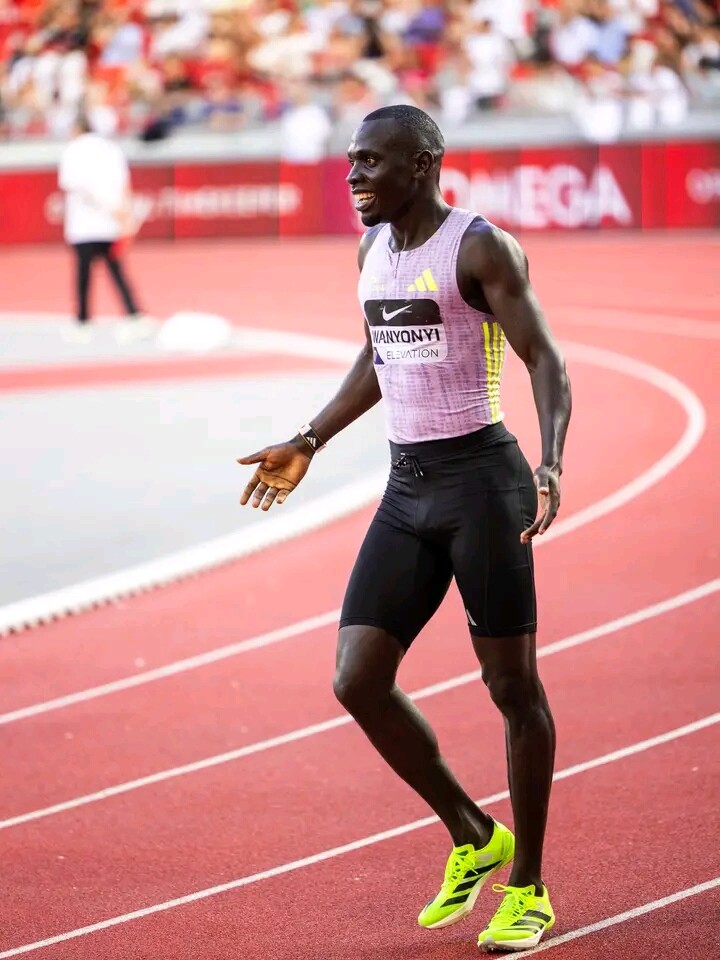
Kenya’s Emmanuel Wanyonyi completed the trio with a sensational 2:11.83 world record in the 1000m. The Olympic champion produced the performance in Monaco, lowering Noah Ngeny’s long-standing 2:11.96 world record from 1999. It was another extraordinary demonstration of Wanyonyi’s speed, strength and versatility beyond his specialist 800m distance.
What makes the three records particularly special is the variety of disciplines involved. Kiplimo conquered the demanding half marathon, Tharp mastered the technical challenge of sprint hurdling, while Wanyonyi extended his middle-distance brilliance over 1000m. Each performance showcased a different form of athletic excellence, yet all three athletes reached the same extraordinary destination: the world-record books.
Accuracy Note: Kiplimo’s 57:20 has since been surpassed by Ethiopia’s Yomif Kejelcha, who ran 56:51 at the Media Maratón Ciudad de Buenos Aires on 23 August 2026, taking 29 seconds off Kiplimo’s mark. The newer performance was still listed as pending ratification, meaning Kiplimo’s mark had been overtaken on the clock even as his record was among those formally ratified.
The ratification of the Kiplimo, Tharp and Wanyonyi performances nevertheless gives official recognition to three spectacular moments that will remain significant chapters in the 2026 athletics season.
Three athletes. Three extraordinary performances. Three officially ratified world records. From Lisbon to Eugene and Monaco, Kiplimo, Tharp and Wanyonyi have added another unforgettable chapter to the story of athletics
by Erick Cheruiyot for My Best Runs.
Login to leave a comment

Georgia Hunter Bell Chasing History: Four Major Titles and an Olympic Double Dream
Georgia Hunter Bell’s remarkable rise in middle-distance running has been built on far more than physical strength and natural speed. Behind every perfectly timed move, every decisive surge and every devastating finishing kick is a sharp, composed and increasingly confident racing mind.
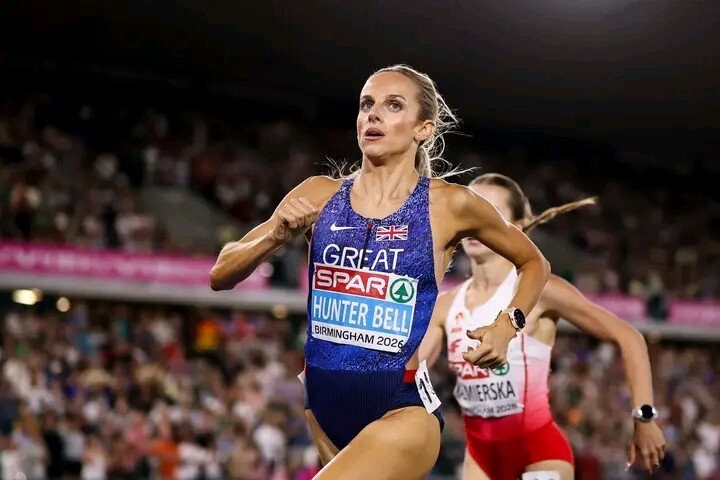
Now, after producing one of the most successful seasons of her career, the British middle-distance star is preparing for another major challenge. Hunter Bell heads to Budapest with the opportunity to complete a remarkable four-from-four sweep of major titles in 2026, having already collected three prestigious gold medals across two disciplines.
Her extraordinary campaign began with global success in the 1500 metres, where she claimed the World Indoor title. She then demonstrated her exceptional versatility by stepping down to the 800 metres to secure Commonwealth Games gold before returning to the 1500m and triumphing at the European Athletics Championships.
Winning major titles in both the 800m and 1500m underlines the extraordinary range Hunter Bell has developed. The two events demand different qualities: the 800m requires raw speed, strength and endurance, while the 1500m demands patience, tactical awareness and the ability to make the right decisions when the race reaches its decisive moments.
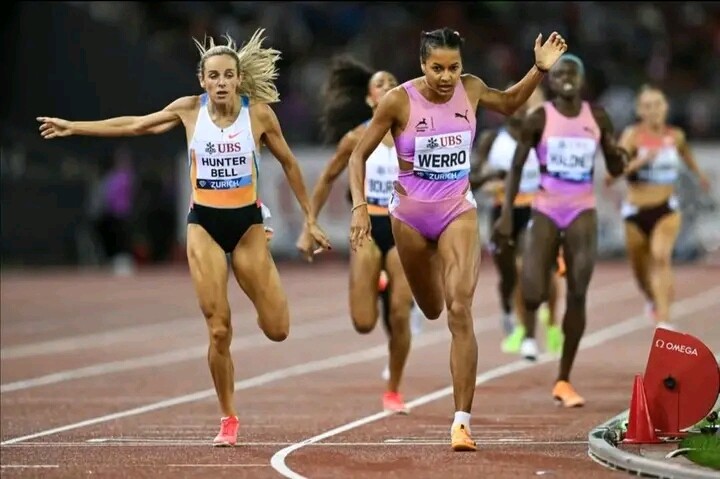
Hunter Bell has shown that she possesses the qualities needed for both.
One of the most impressive aspects of her racing is her ability to remain composed when the pressure intensifies. While championship races can become unpredictable and chaotic, Hunter Bell has developed a reputation for staying patient, reading the situation around her and positioning herself for a powerful finish.
Her finishing speed has become one of the defining weapons of her success. When the pace begins to rise and rivals start fighting for position, Hunter Bell has repeatedly demonstrated the ability to find another gear. Her strength over the closing stages allows her to transform patience into attack, making her an increasingly difficult athlete to beat in a tactical race.
But her performances are not simply the product of physical preparation.
Behind the medals and the powerful finishing kicks is an athlete who thinks deeply about the races she is about to run. Hunter Bell and her team carefully consider different race scenarios ahead of major championships, preparing for the possibility of fast races, slow tactical contests and everything in between. That preparation has helped her arrive on the start line with the confidence to react rather than panic.
It is this combination of intelligence and instinct that makes her such a compelling championship athlete.
Looking beyond Budapest, Hunter Bell’s ambitions are becoming even more exciting. One of the biggest questions surrounding her future is whether she could eventually attempt the demanding 800m and 1500m double at the Los Angeles 2028 Olympic Games.
It is one of the most difficult challenges in middle-distance running, particularly in an era filled with extraordinary depth in both events. Yet Hunter Bell has already begun seeking advice from one of Britain's greatest middle-distance champions, Dame Kelly Holmes, whose historic Olympic double remains one of the defining achievements in British athletics.
The possibility of following a similar path is undoubtedly ambitious, but Hunter Bell's 2026 season has shown why the conversation is becoming increasingly realistic. Her success across both distances has demonstrated that she possesses a rare combination of speed, endurance and championship intelligence.
Her journey to this point has also made her rise even more remarkable.
Hunter Bell’s path back to the highest level of athletics was far from conventional. After stepping away from elite competition and building a career outside the sport, she eventually returned to running and began an extraordinary transformation into one of Britain's leading middle-distance athletes.
Now, she stands at the centre of one of the most impressive seasons in international athletics.
With three major titles already secured, Budapest offers Hunter Bell the chance to add another golden chapter to her extraordinary year. Victory there would complete a remarkable clean sweep and further establish her as one of the most versatile and tactically intelligent middle-distance runners in the world.
For Hunter Bell, however, the story is clearly still being written.
Budapest is the next target, but Los Angeles is already on the horizon. And as her ambitions continue to grow, so too does the belief that her best years may still lie ahead.
Georgia Hunter Bell has the speed to win, the endurance to compete across two demanding distances and the finishing kick to punish any hesitation from her rivals. But perhaps her greatest advantage is the one that cannot be measured on a stopwatch: the calm, intelligent and competitive mind behind the athlete.
That mind has already helped shape a golden 2026 season. The question now is just how far it can take her.
by Erick Cheruiyot for My Best Runs.
Login to leave a comment
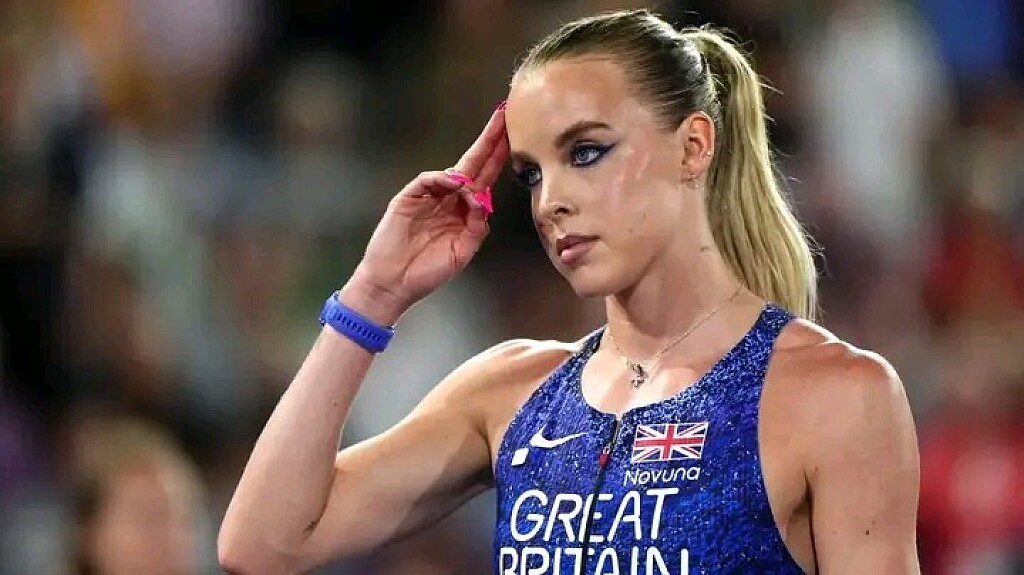
Keely Hodgkinson Set For Brussels Return As 800m Showdown Reaches Fever Pitch
Keely Hodgkinson is ready to step back onto the track in Brussels, and her return could add another explosive chapter to one of the most compelling women’s 800m rivalries of the 2026 season.
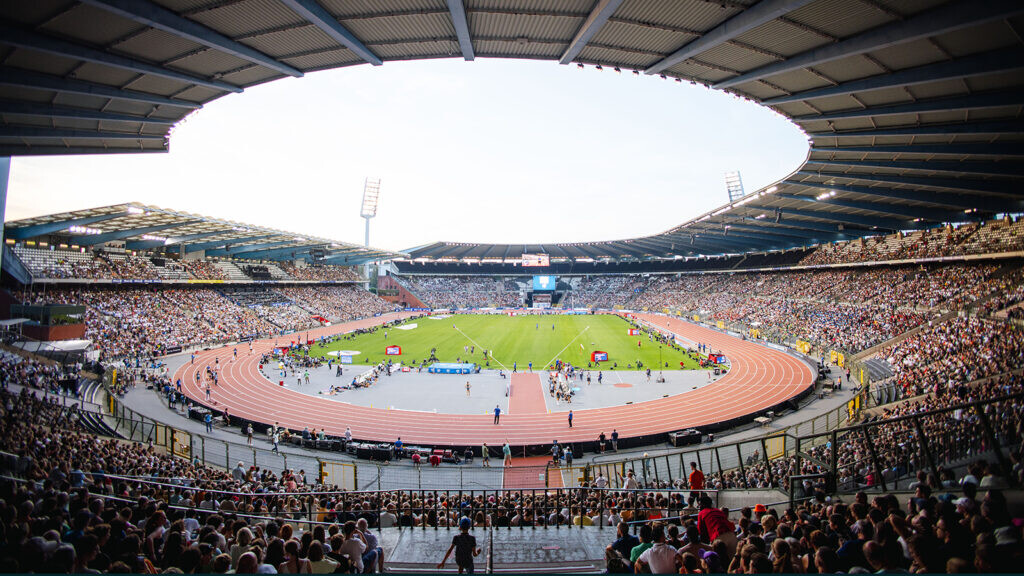
The British Olympic champion is scheduled to line up in the women’s 800m at the Wanda Diamond League Final at the Allianz Memorial Van Damme on Saturday, September 5, after deliberately sitting out the Zurich Diamond League meeting to give her body more time to recover. Hodgkinson had been due to face Audrey Werro in Zurich but withdrew, explaining that she was not yet ready to race.
That decision underlined just how carefully the 24-year-old has been managing her season. After a demanding European Championships campaign in Birmingham, where she was beaten to the 800m title by Werro, Hodgkinson chose recovery rather than forcing another race before she was fully prepared.
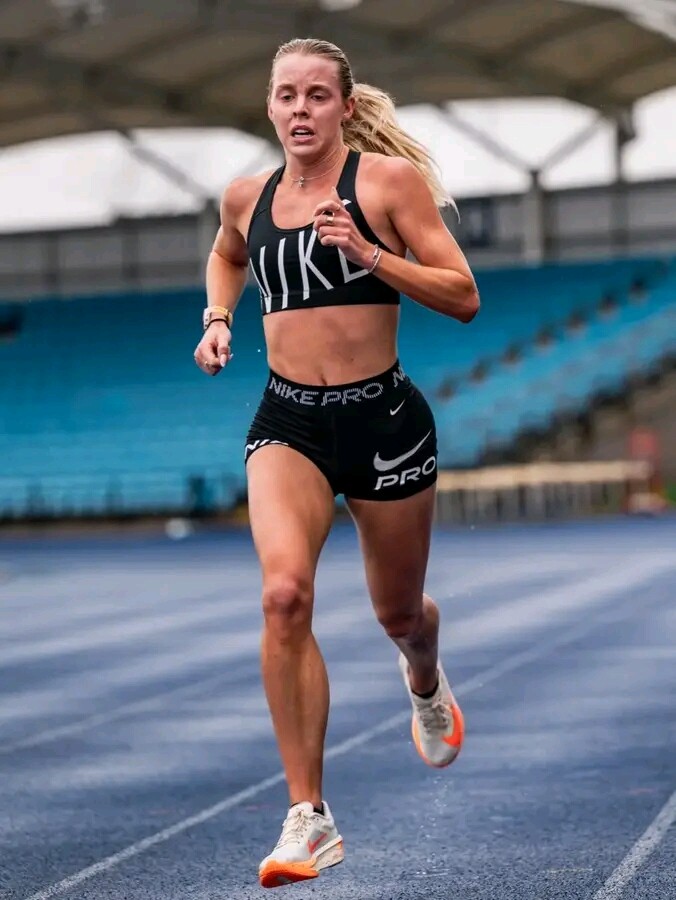
Now, Brussels presents an entirely different proposition.
The stage is set for a spectacular clash featuring some of the biggest names in the event. Hodgkinson will have to contend with Werro, the Swiss sensation who has transformed herself into one of the most formidable 800m runners in the world, while Femke Bol brings another dimension to the field following her remarkable transition from the 400m hurdles to the two-lap event. Reigning world champion Lilian Odira of Kenya is also confirmed for the Brussels showdown.
And there is plenty of unfinished business.
Werro has been operating at an extraordinary level this season. In Zurich, while Hodgkinson watched from the sidelines, the Swiss star produced a stunning 1:53.70 personal best and national record — one of the fastest performances ever recorded over 800m. Bol followed her home in a personal best, making the gap between the leading contenders even narrower.
Hodgkinson, however, has already demonstrated that she belongs in that conversation. Earlier this season in Stockholm, she ran 1:54.33, placing herself sixth on the all-time 800m list. Her championship pedigree is equally formidable: she is the reigning Olympic champion and a former Diamond League champion, with years of experience performing when the pressure is highest.
That makes Brussels far more than another race.
For Hodgkinson, it is an opportunity to answer questions raised by her European Championships defeat and prove that a carefully managed return can put her back at the centre of the 800m battle. For Werro, it is another chance to confirm that she has moved from rising star to genuine global force. For Bol and Odira, it is an opportunity to disrupt the established order.
With four elite names bringing different strengths to the same two-lap battlefield, the slightest tactical mistake could decide everything.
The King Baudouin Stadium is therefore set for an 800m final loaded with speed, rivalry and unfinished business. Hodgkinson has taken the patient route back. Now comes the moment when she must show what that patience has prepared her for.
Brussels is waiting — and the women’s 800m could deliver one of the defining races of the 2026 Diamond League season
by Erick Cheruiyot for My Best Runs.
Login to leave a comment
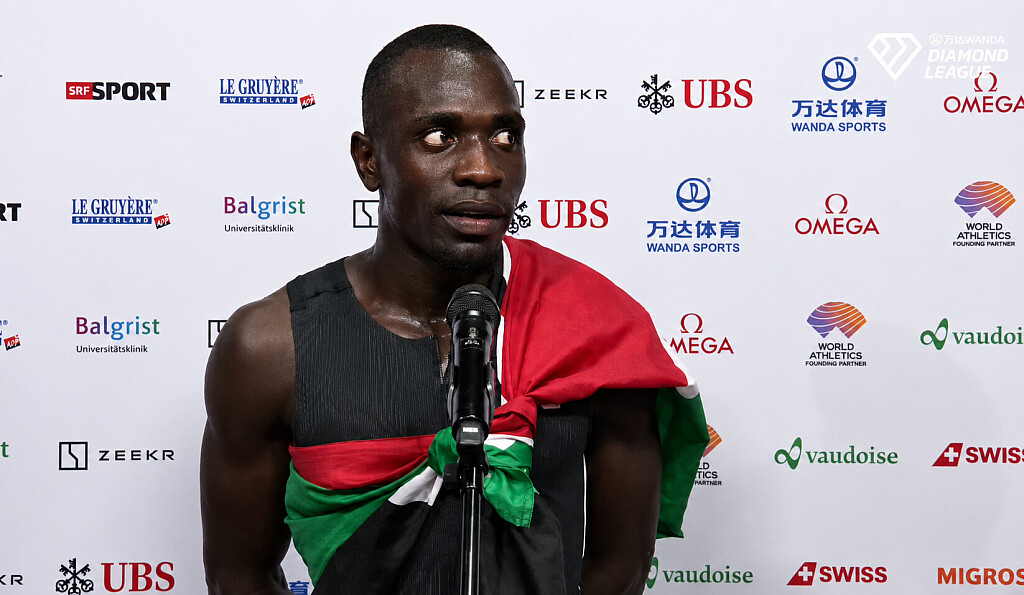
Wanyonyi’s Message To The World: “My Time Will Come” After Brilliant Zürich Victory
Olympic champion Emmanuel Wanyonyi delivered another statement of intent at the 2026 Weltklasse Zürich – Wanda Diamond League meeting on Thursday, producing a world-leading 1:41.76 to claim a commanding victory in one of the most anticipated 800m showdowns of the season.
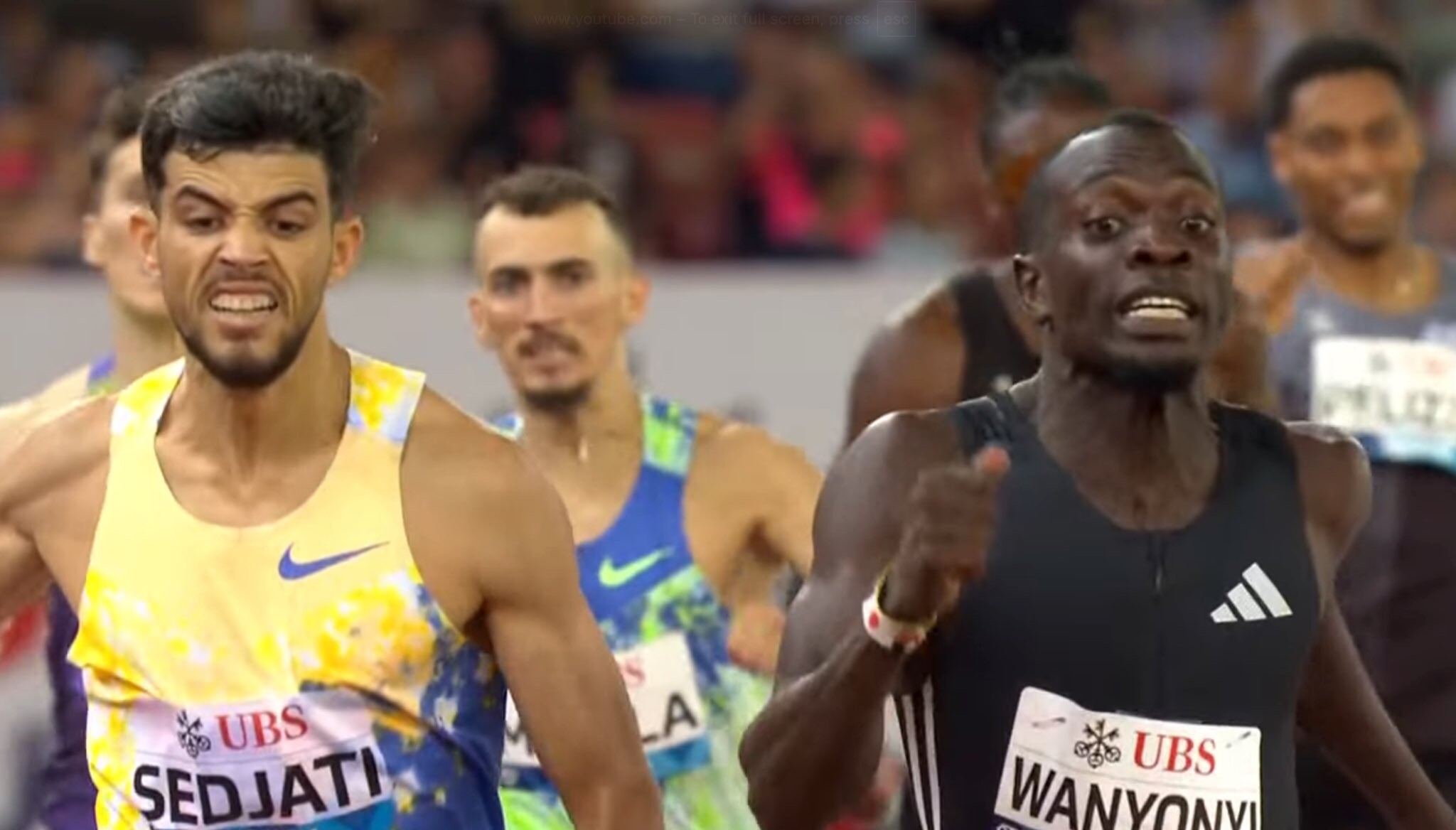
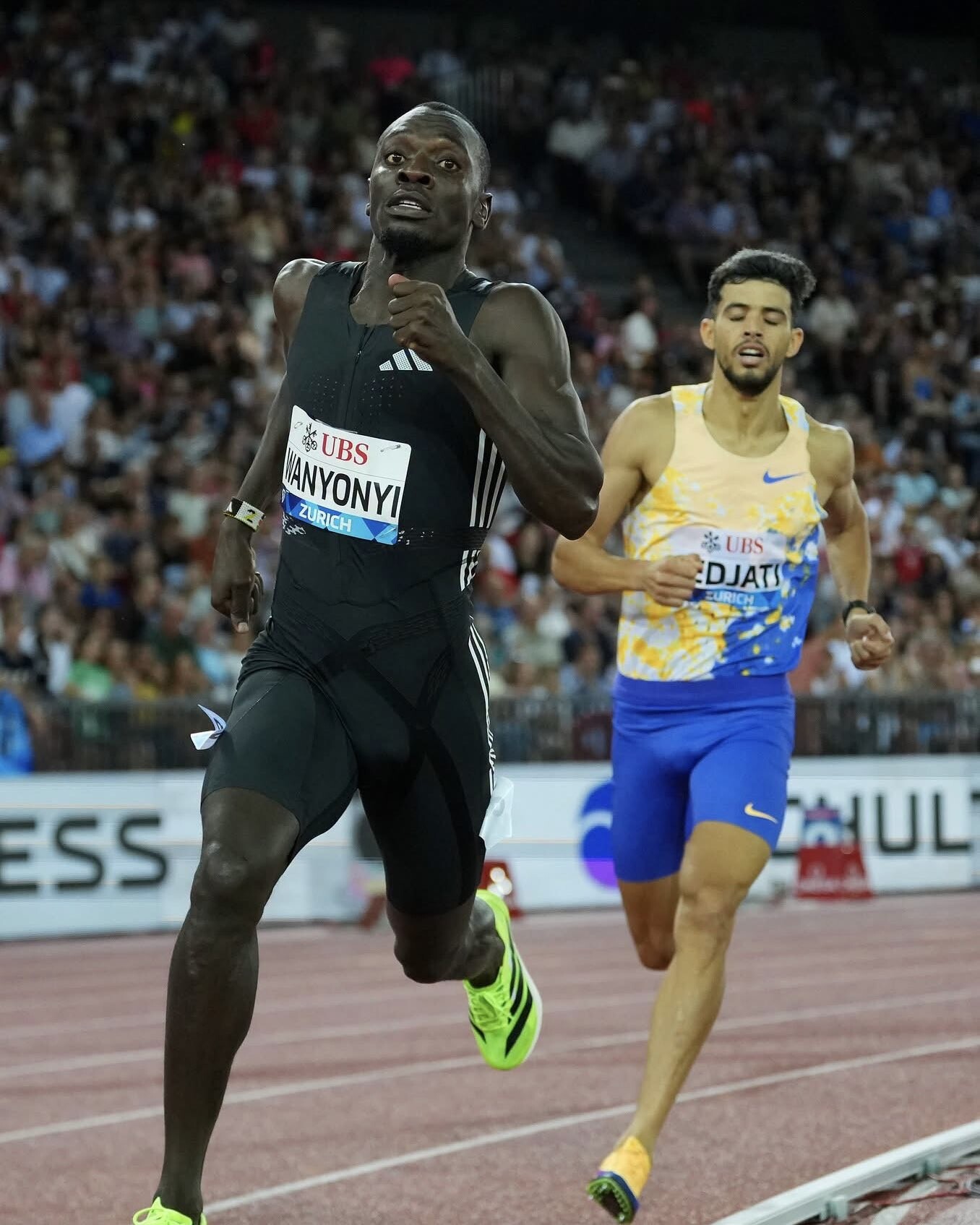
Wanyonyi faced a formidable challenge from Algeria’s Djamel Sedjati, but the Kenyan remained composed when it mattered most, holding off his rival in a thrilling battle down the home straight. Sedjati pushed Wanyonyi all the way to the finish, clocking a season’s best 1:41.83, just seven hundredths of a second behind the Olympic champion.
For Wanyonyi, however, the victory was about more than simply adding another Diamond League triumph to his growing résumé. It was a powerful indication that his body is responding positively as he builds towards the biggest challenges of the season.
“The time was amazing. The race was good. The weather conditions were good too. I could go out and compete, and my body was responding well to running fast,” Wanyonyi said after the race.
The Kenyan revealed that his preparations had been far from perfect. Shortly before the start, he experienced stomach problems and briefly feared that he might struggle to complete the race at the level he wanted.
“Before the start of the race, I had a big problem with my stomach. I thought maybe I could not finish the race well. But I just came here to win, to try to run fast and run my own race,” he explained.
Despite the discomfort, Wanyonyi trusted his preparation and racing instincts. Once the gun sounded, the Olympic champion settled into his rhythm and produced the kind of fearless finishing speed that has established him among the world’s leading 800m runners.
The 1:41.76 performance not only secured victory but also underlined his growing form at a crucial stage of the season. With Sedjati breathing down his neck, Wanyonyi maintained his composure and found enough strength to keep the Algerian at bay.
For the Kenyan star, the result was further evidence that his best is still to come.
“This result shows that my body is coming up, and I am so happy to be here with these great crowds. I give the atmosphere 200 per cent,” Wanyonyi said, praising the electric Zürich crowd.
The atmosphere became even more memorable as world records fell elsewhere on the night, providing Wanyonyi with additional motivation and reinforcing his belief that he, too, can produce something extraordinary when the right moment arrives.
“When I see the world records being broken, I know my time will come. There is time for everything,” he added.
That statement could prove to be a warning to the rest of the 800m field. Wanyonyi is already an Olympic champion, but his latest performance suggests that the 22-year-old Kenyan remains hungry for faster times and bigger victories.
In Zürich, he combined resilience, confidence and raw speed to defeat one of his strongest rivals. With his body responding, his confidence rising and his season gathering momentum, Wanyonyi has once again reminded the world that he remains a formidable force over two laps.
And if his words are anything to go by, the Olympic champion believes the biggest chapter of his story is still waiting to be written.
by Erick Cheruiyot for My Best Runs.
Login to leave a comment
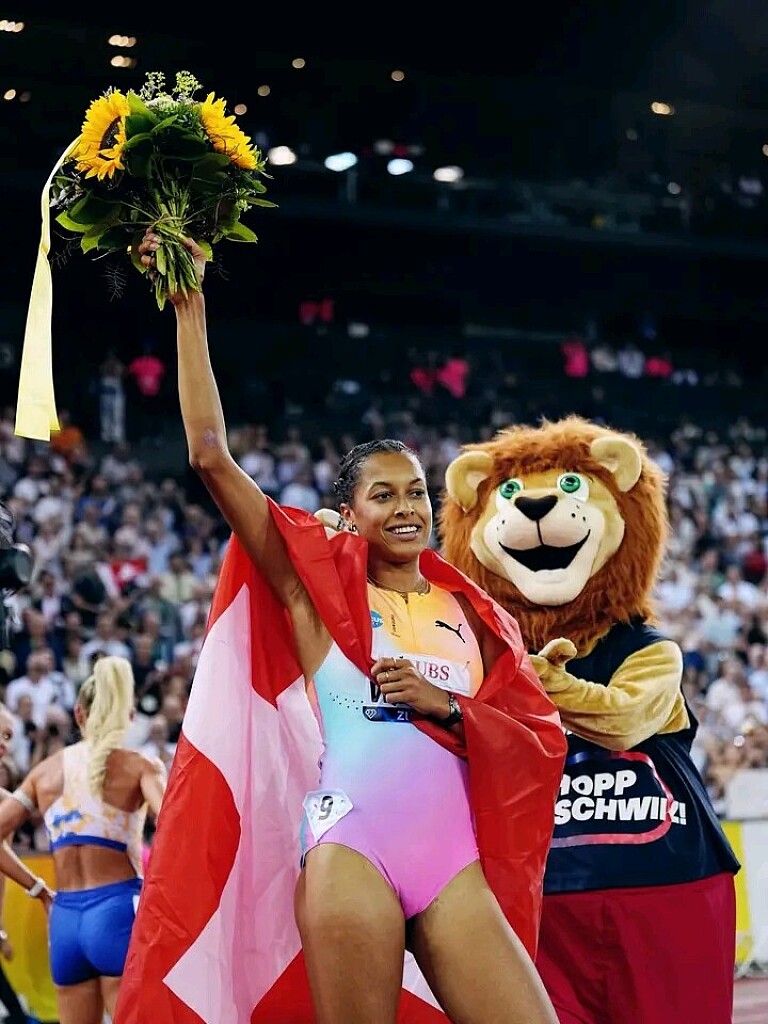
Audrey Werro Chases History In Bellinzona After Moving Within 0.42 Seconds Of The 800m World Record
Audrey Werro’s extraordinary 2026 season has entered another fascinating chapter, with the Swiss middle-distance star now within striking distance of one of athletics’ most enduring world records.
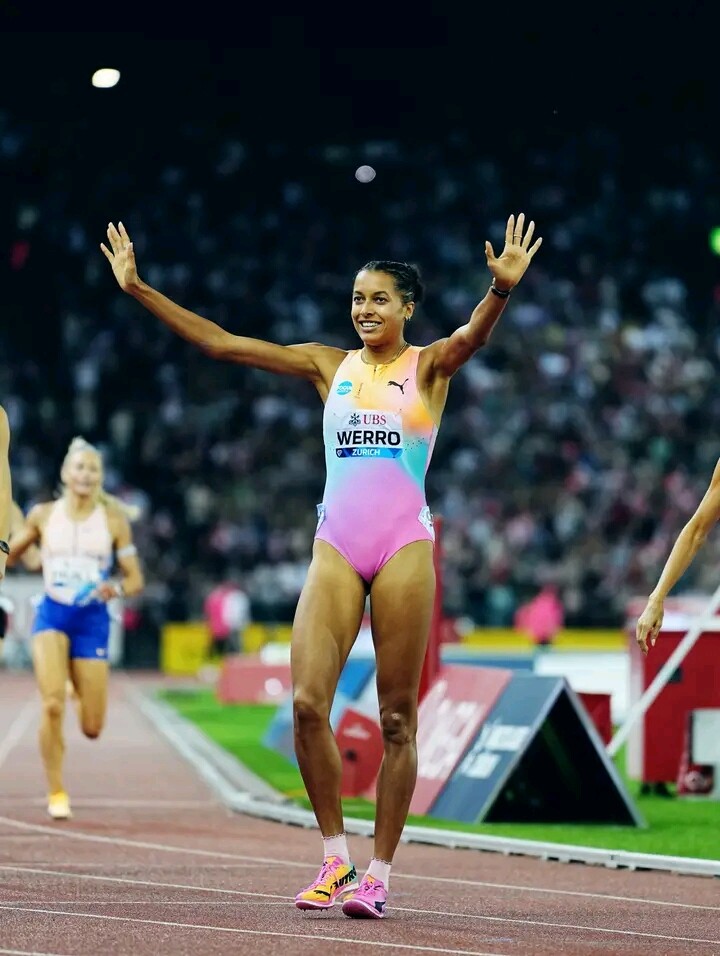
Just two days after producing a sensational 1:53.70 Swiss record at the Zürich Diamond League, Werro is set to return to action at the Gala dei Castelli in Bellinzona, where anticipation is building around the possibility of another historic performance.
Her display in Zürich was a statement of intent. Werro delivered one of the fastest 800m races ever recorded, lowering her Swiss record and moving to third on the all-time world list, behind only Jarmila Kratochvílová’s legendary 1:53.28 world record set in 1983 and Nadezhda Olizarenko’s 1:53.43 recorded in 1980.
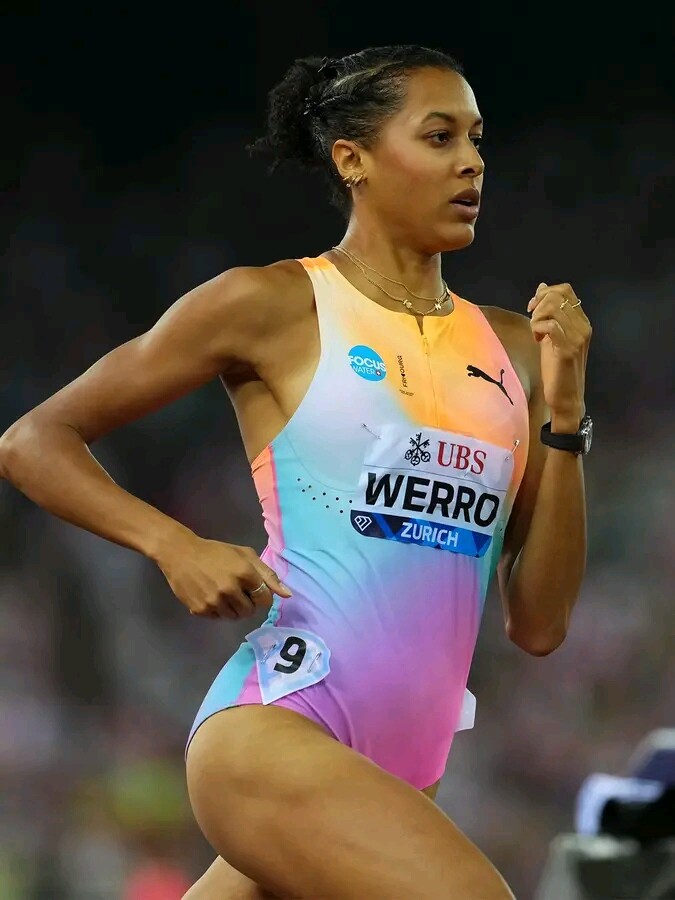
What makes Werro’s rise even more remarkable is the consistency of her performances at an extraordinary level. Earlier this season, she ran 1:53.98 in Stockholm, becoming only the third woman in history to break the 1:54 barrier. She then improved to 1:53.80 in Paris before producing her latest masterpiece of 1:53.70 in Zürich.
In the space of just a few months, Werro has transformed herself from an emerging European star into one of the fastest 800m runners the world has ever seen.
Her current progression is remarkable: 1:53.98 in Stockholm, 1:53.80 in Paris and 1:53.70 in Zürich. Each performance has brought her closer to a record that has survived for more than four decades.
Werro’s confidence is also being fuelled by her championship success. The Swiss star recently captured the European 800m title in Birmingham in 1:54.81, demonstrating that her spectacular form is not limited to Diamond League competition.
Now, all eyes turn to Bellinzona.
The target is unmistakable — 1:53.28.
Werro needs to improve by just 0.42 seconds on her Zürich performance to erase Kratochvílová’s 43-year-old world record. While 0.42 seconds may appear to be a small margin, breaking a record of such longevity requires an exceptional combination of speed, endurance, tactics and perfect execution.
A pacemaker is expected to help establish a demanding tempo, potentially giving Werro the conditions required to launch another assault on the record.
The 22-year-old has already demonstrated that she can repeatedly run at speeds that have historically been reserved for the very greatest 800m athletes. Her progression from 1:53.98 to 1:53.80 and then 1:53.70 suggests that another breakthrough may not be beyond her reach.
Bellinzona therefore promises to be more than another race on Werro’s schedule. It could become another defining moment in the rapid rise of a young athlete who is now challenging one of the oldest records in the sport.
The world record stands at 1:53.28.
Audrey Werro is 0.42 seconds away.
History is no longer a distant possibility. It is beginning to look increasingly within reach.
by Erick Cheruiyot for My Best Runs.
Login to leave a comment
Athlos Nyc 2026 Cancelled As Series Sets Its Sights On A New Global Calendar
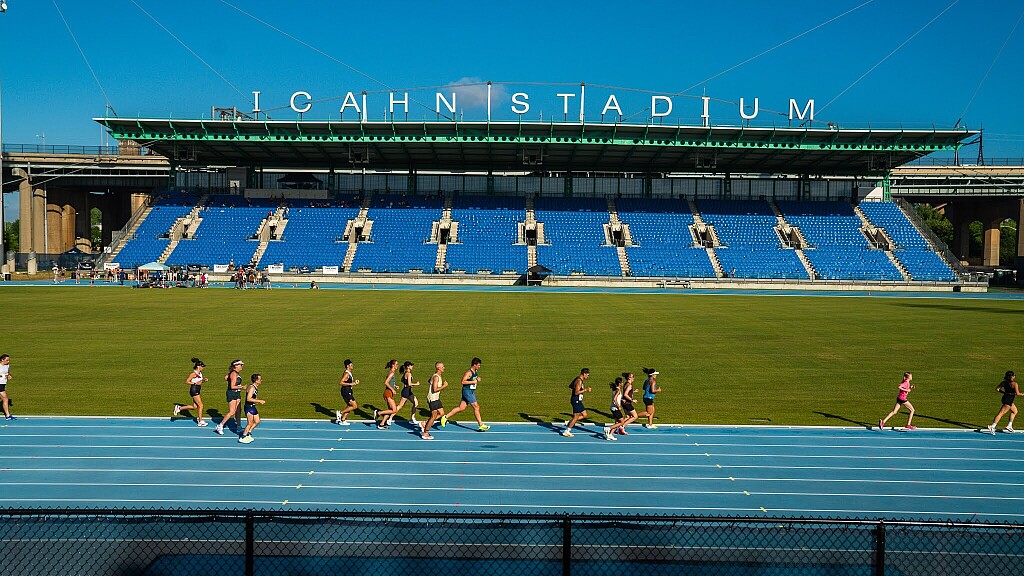
ATHLOS has announced a major change to its 2026 plans, confirming that the third edition of ATHLOS NYC will not take place as originally scheduled on October 2 at Icahn Stadium in New York City.
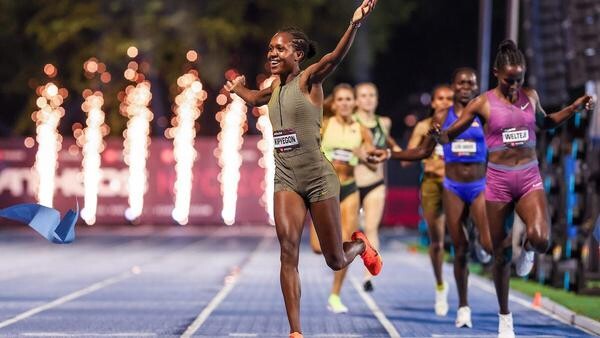
The decision marks a significant change for the rapidly growing women’s track and field series, which had been preparing to return to New York for another high-profile edition. ATHLOS said the move is part of a broader strategy to align its future events more closely with the global athletics calendar.
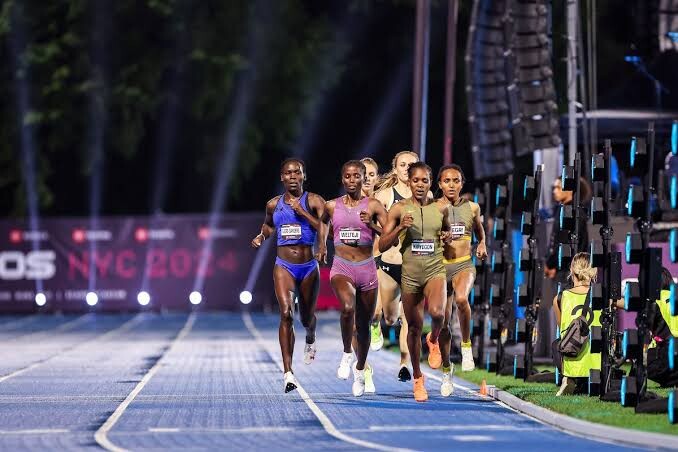
The organisation explained that it will not stage ATHLOS NYC in October 2026, with the goal of restructuring its schedule from the 2027 season onward. The new approach is intended to give the world’s best female athletes greater opportunities to compete in a healthier and more sustainable schedule while allowing them to perform at their peak.
When ATHLOS was launched, the series deliberately created a new competition window at the end of the traditional athletics season. However, as the event has grown, ATHLOS says it has become increasingly clear that its long-term home should be within the main international athletics calendar.
The cancellation of ATHLOS NYC, however, does not signal a retreat from the organisation’s global ambitions.
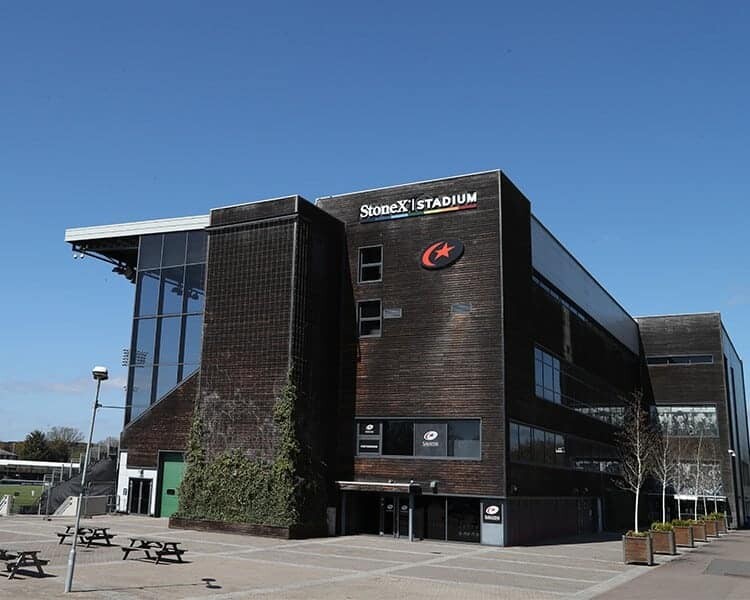
ATHLOS London remains firmly on the calendar for September 18, 2026, at StoneX Stadium in London, marking the series’ highly anticipated first event outside the United States. The London meeting is expected to bring together some of the biggest names in women’s athletics for what promises to be a spectacular night of elite competition.
ATHLOS has built its reputation around putting female athletes at the centre of the experience, combining world-class competition with significant prize money and an energetic event atmosphere. Its programme features several of the sport’s most exciting disciplines, including the 100m hurdles, 100m, 200m, 400m, 800m, mile and long jump.
While the decision to cancel the New York edition will come as a disappointment to fans who were expecting another major night at Icahn Stadium, ATHLOS insists that its commitment to women’s track and field remains stronger than ever.
The organisation is now turning its attention to London and to building a more sustainable international calendar from 2027. The latest decision could therefore prove to be less an ending than a strategic reset as ATHLOS looks to strengthen its position on the global athletics stage.
ATHLOS NYC may be absent from the 2026 calendar, but the series’ international ambitions are only getting bigger.
by Erick Cheruiyot for My Best Runs.
Login to leave a comment
Georgia Hunter Bell Shines In Zürich With 1:55.03 Season’s Best As 800m Era Reaches New Heights
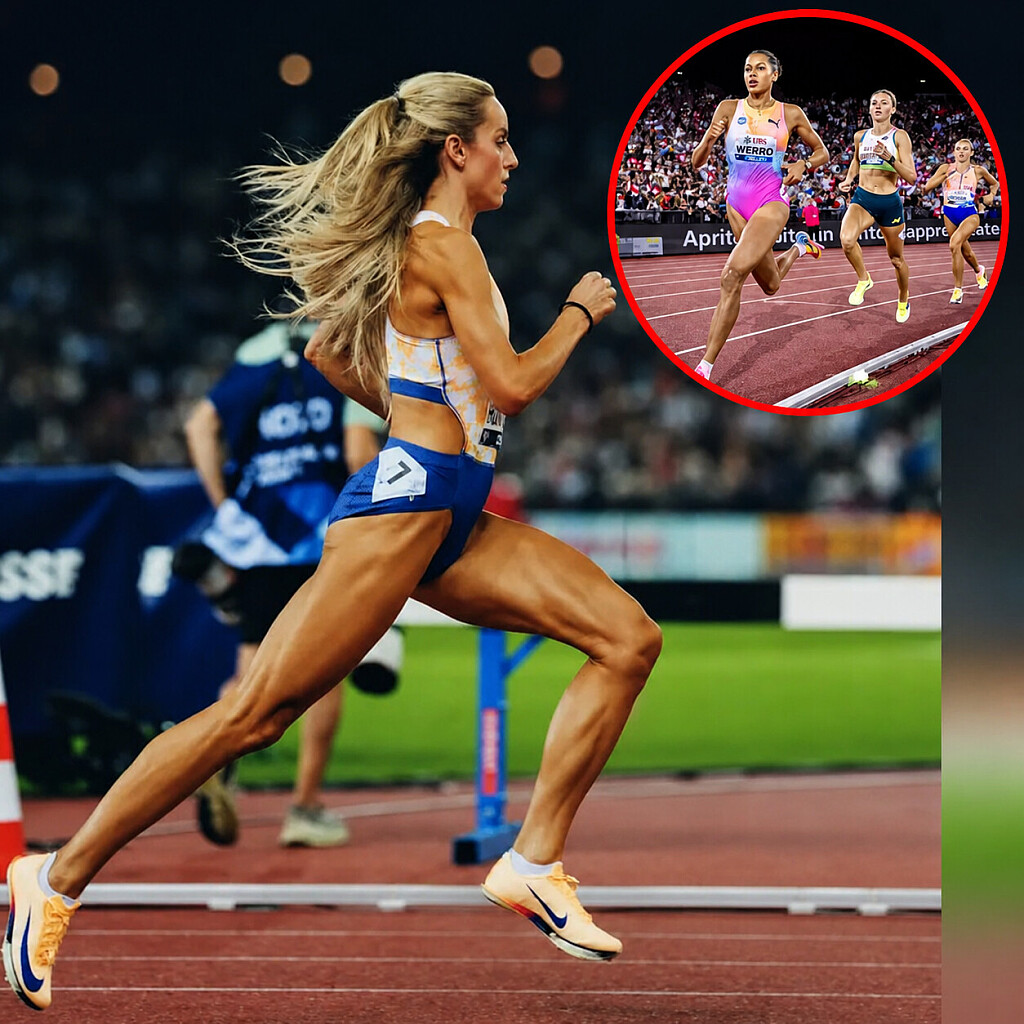
Georgia Hunter Bell produced another statement performance in Zürich, storming to a superb third-place finish in the women’s 800m at the Diamond League meeting while underlining once again her remarkable versatility across the middle-distance events.
The British star stopped the clock at 1:55.03, a season’s best and the second-fastest 800m of her career, finishing behind Audrey Werro and Femke Broeders-Bol in a race that ranks among the fastest women’s 800m contests seen in more than four decades.
For Hunter Bell, however, the result represented more than simply another podium finish. It was a performance that demonstrated just how dangerous she has become over two laps, despite her continued status as one of the world’s leading 1500m specialists.
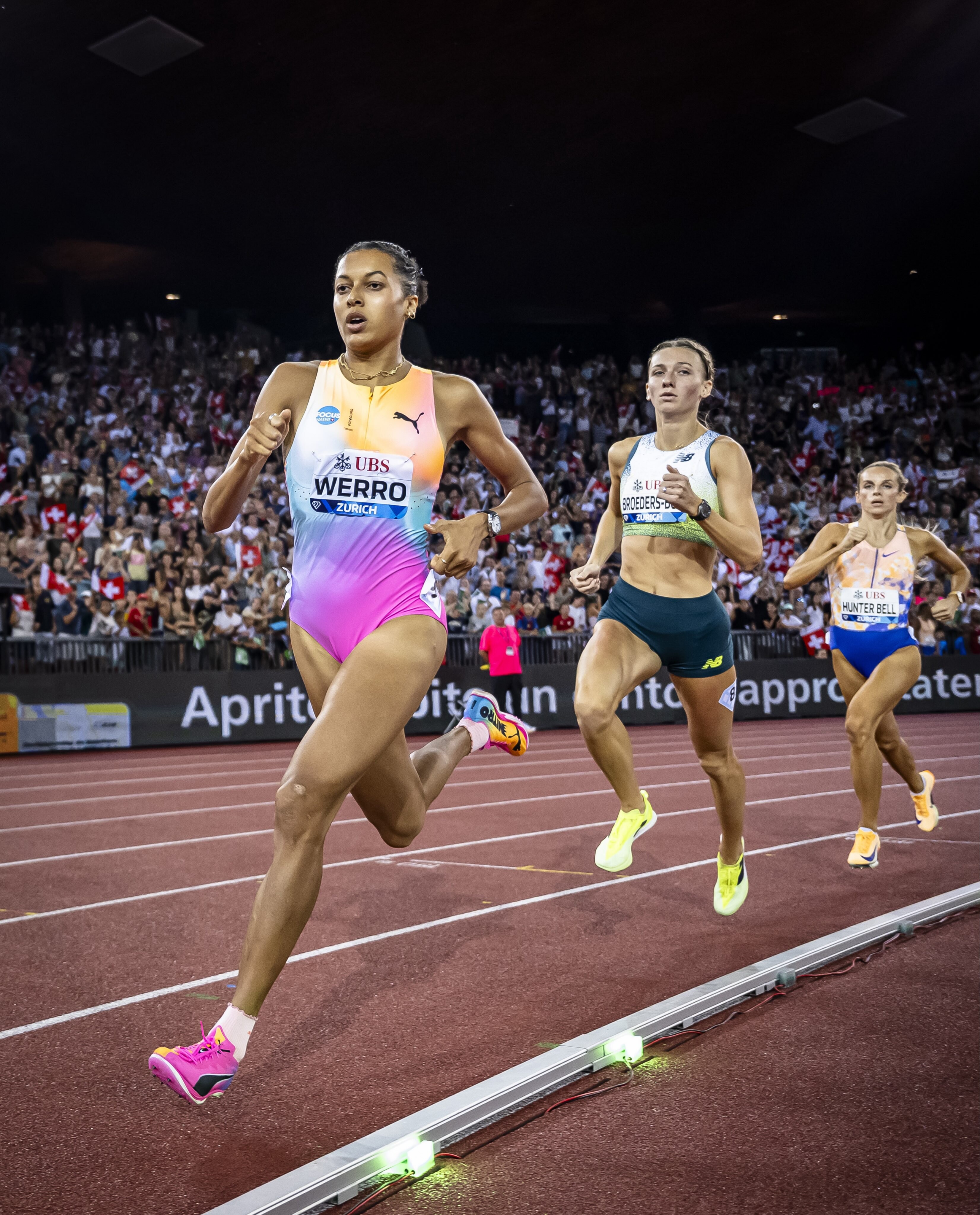
Reflecting on the race, Hunter Bell admitted that her competitive instincts over 800m still demand more, but she was equally proud of the performance and excited by the quality of the race.
Her season’s best of 1:55.03 moved her closer to her personal best of 1:54.90 and confirmed that her 800m speed remains a formidable weapon. She also welcomed the opportunity to compete alongside Werro and Broeders-Bol in a race that showcased the extraordinary depth and quality currently emerging in the women’s 800m.
Yet what makes Hunter Bell particularly fascinating is her ability to excel at both 800m and 1500m — two events requiring very different combinations of speed, endurance and tactical intelligence.
Over 800m, she is a Commonwealth champion and a World Championship silver medallist, with a personal best of 1:54.90. In the 1500m, her credentials are equally impressive. She owns a personal best of 3:52.61, has produced a season’s best of 3:55.63 and has captured both European and World Indoor titles.
That combination places Hunter Bell among the most versatile middle-distance athletes of her generation.
Her Zürich performance was therefore another reminder that she cannot be defined by a single event. She possesses the raw speed required to challenge the best over 800m, while her strength, endurance and championship experience make her equally formidable over 1500m.
With Brussels next on her schedule, Hunter Bell will be looking to carry the confidence from Zürich into the next stage of her season.
Her 800m alter ego may still believe there is more to unlock, but her 1500m instincts can certainly take satisfaction from what she produced in Zürich.
Speed over two laps. Strength over four. And a championship résumé that continues to grow.
Georgia Hunter Bell is proving that versatility is not merely an advantage — it can be a defining weapon at the highest level of middle-distance running.
by Erick Cheruiyot for My Best Runs.
Login to leave a comment
Femke Broeders-Bol’s Stunning 800m Transformation: From Hurdles Star to Dutch Record Breaker
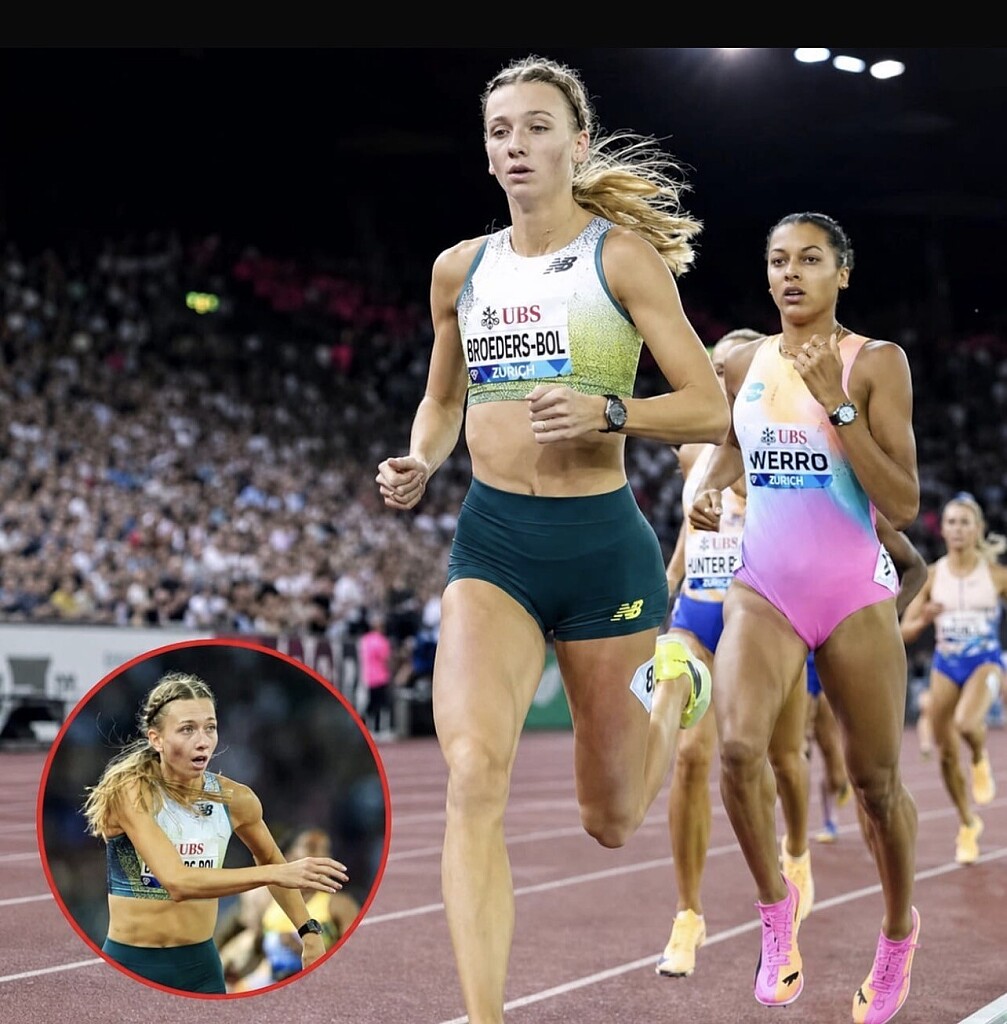
Femke Broeders-Bol has spent much of her career dominating the 400m hurdles, but in 2026 the Dutch star has opened an entirely new chapter — and her transformation into a world-class 800m runner is becoming one of the most fascinating stories in athletics.
What initially looked like an intriguing experiment has rapidly developed into something far more serious.
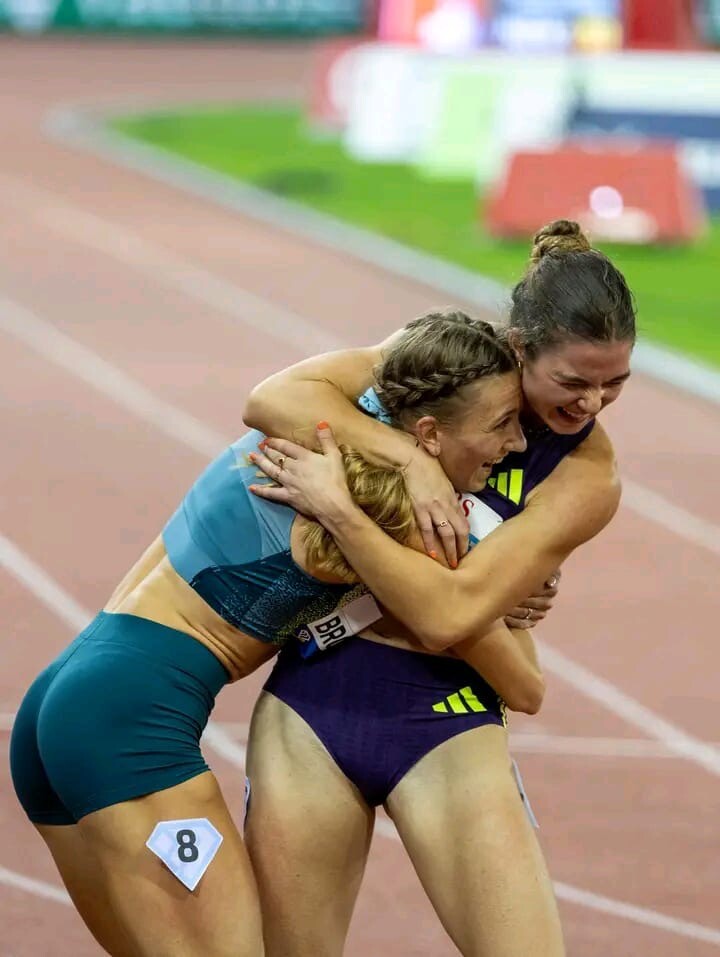
Broeders-Bol is now running times that place her firmly among the elite of the women’s 800m.
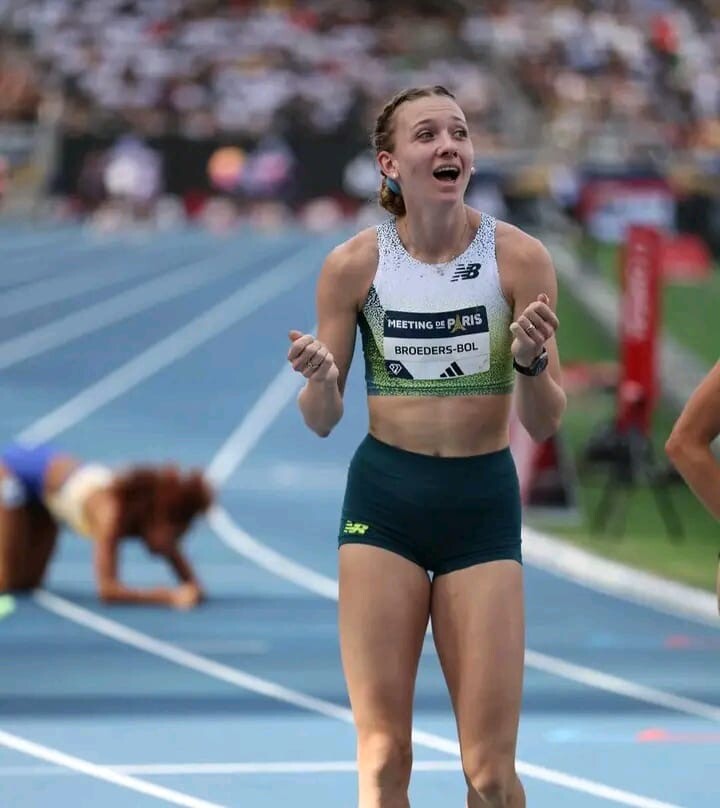
Her breakthrough has been remarkable in both its speed and scale. After making the transition to the two-lap event, she quickly demonstrated that the qualities that made her one of the world’s best 400m hurdlers could be transferred to the longer distance.
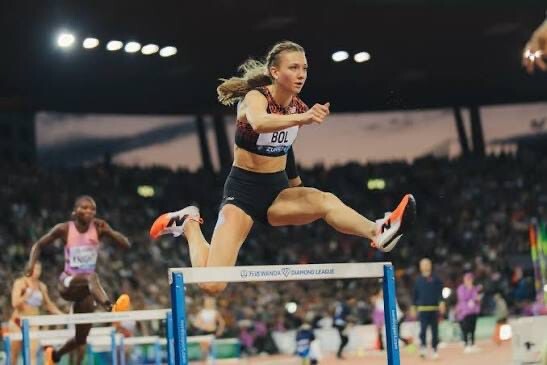
Her 2026 progression tells the story.
She clocked 1:55.60 in Paris on June 28, followed by 1:57.13 in Ostrava, before producing 1:55.54 at the European Championships in Birmingham. That performance equalled Ellen van Langen’s long-standing Dutch record of 1:55.54, a mark that had stood since the 1992 Olympic Games.
Just days later, Broeders-Bol went even faster.
At the Lausanne Diamond League on August 21, she ran 1:55.41, lowering the Dutch record outright and finishing second behind Switzerland’s Audrey Werro.
Then came Zürich.
On August 27, Broeders-Bol produced another extraordinary performance, stopping the clock at 1:54.71 to break her own national record by 0.70 seconds in less than a week. She finished second to Werro, who ran a spectacular 1:53.70 — the third-fastest time ever recorded in the women’s 800m.
For Broeders-Bol, however, the biggest headline was her own transformation.
Her 400m hurdles background has provided an exceptional foundation for the 800m. Years of racing over barriers have developed her speed, strength, rhythm, speed endurance and ability to maintain efficient mechanics when fatigue sets in. Those qualities are particularly valuable over two laps, where the ability to combine raw pace with endurance can separate the very best from the rest.
The challenge has been converting that 400m speed into sustained 800m pace.
And she is doing exactly that.
A 1:54.71 performance is no longer the result of an athlete simply testing herself in another event. It is the mark of a genuine 800m contender.
What makes the development even more intriguing is that Broeders-Bol herself has appeared surprised by just how quickly she has adapted to the distance.
In Zürich, she showed once again that her ceiling over 800m may be considerably higher than anyone initially expected.
At just 26, the Dutch star now finds herself at the beginning of a potentially extraordinary second chapter in her career. Her established reputation as a 400m hurdles powerhouse has already been transformed by a new national record over 800m — and she is continuing to improve at a breathtaking rate. World Athletics lists her 1:54.71 as her current personal best and ranks her among the leading women over the distance.
The question now is no longer whether Broeders-Bol can run the 800m.
It is how fast she can ultimately go.
If this remarkable progression continues, the road towards the Los Angeles 2028 Olympics could become one of the most intriguing storylines in women’s middle-distance running.
Femke Broeders-Bol has already proven that she can conquer the hurdles.
Now, she is showing that two laps of the track may belong to her too.
by Erick Cheruiyot for My Best Runs
Login to leave a comment
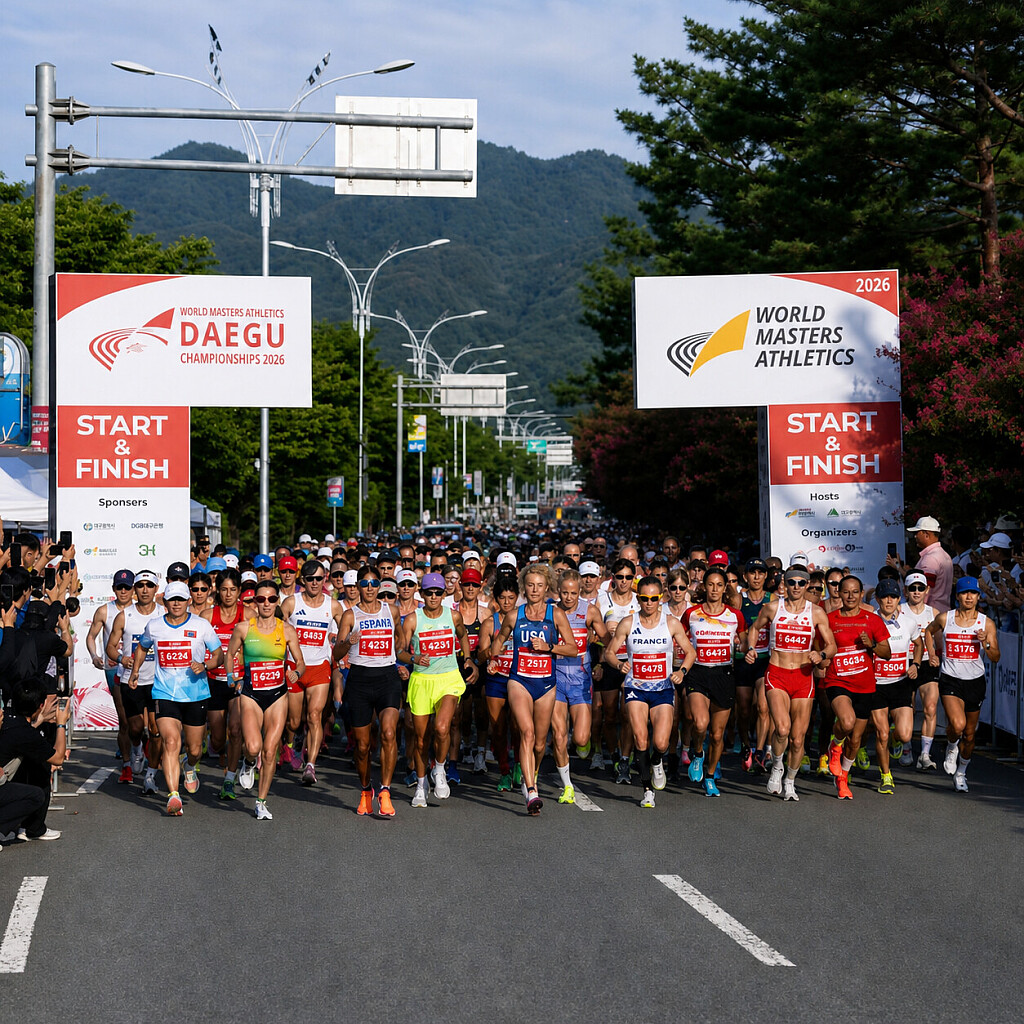
Four World Records Fall as Daegu Masters Championships Explode Into Life
The World Masters Athletics Championships in Daegu, South Korea, are only three days old, but the competition has already produced a remarkable display of speed, endurance and longevity, with four world records shattered and another 10 championship records rewritten.
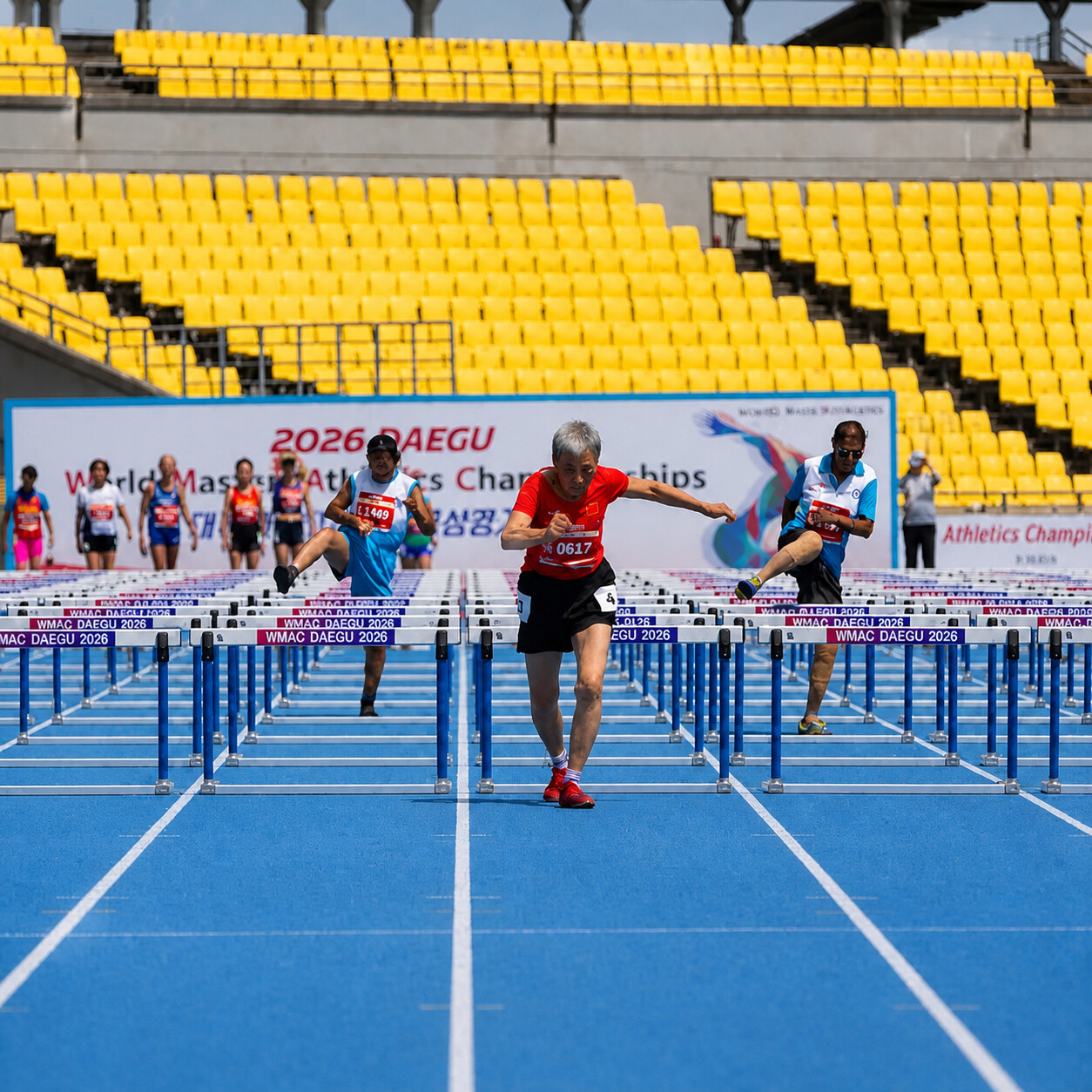
The record-breaking action began on the opening day when the United States’ Richard Lee produced a stunning performance in the M65 2,000m steeplechase. Lee stopped the clock at 7:09.29, winning gold while lowering the existing world record in the age group.
Day two proved even more dramatic, delivering three world records in quick succession.
Great Britain’s John Wright was first to strike, clocking 12.03 seconds to win the M65 100m. In doing so, the veteran sprinter improved his own world record of 12.15, set in 2024, underlining his remarkable consistency at the highest level of masters competition.
Only minutes later, the United States’ Kenton Brown produced another record-breaking run in the M80 100m. Brown crossed the line in 14.16, taking 0.05 seconds off his own previous world record of 14.21, which he established last year.
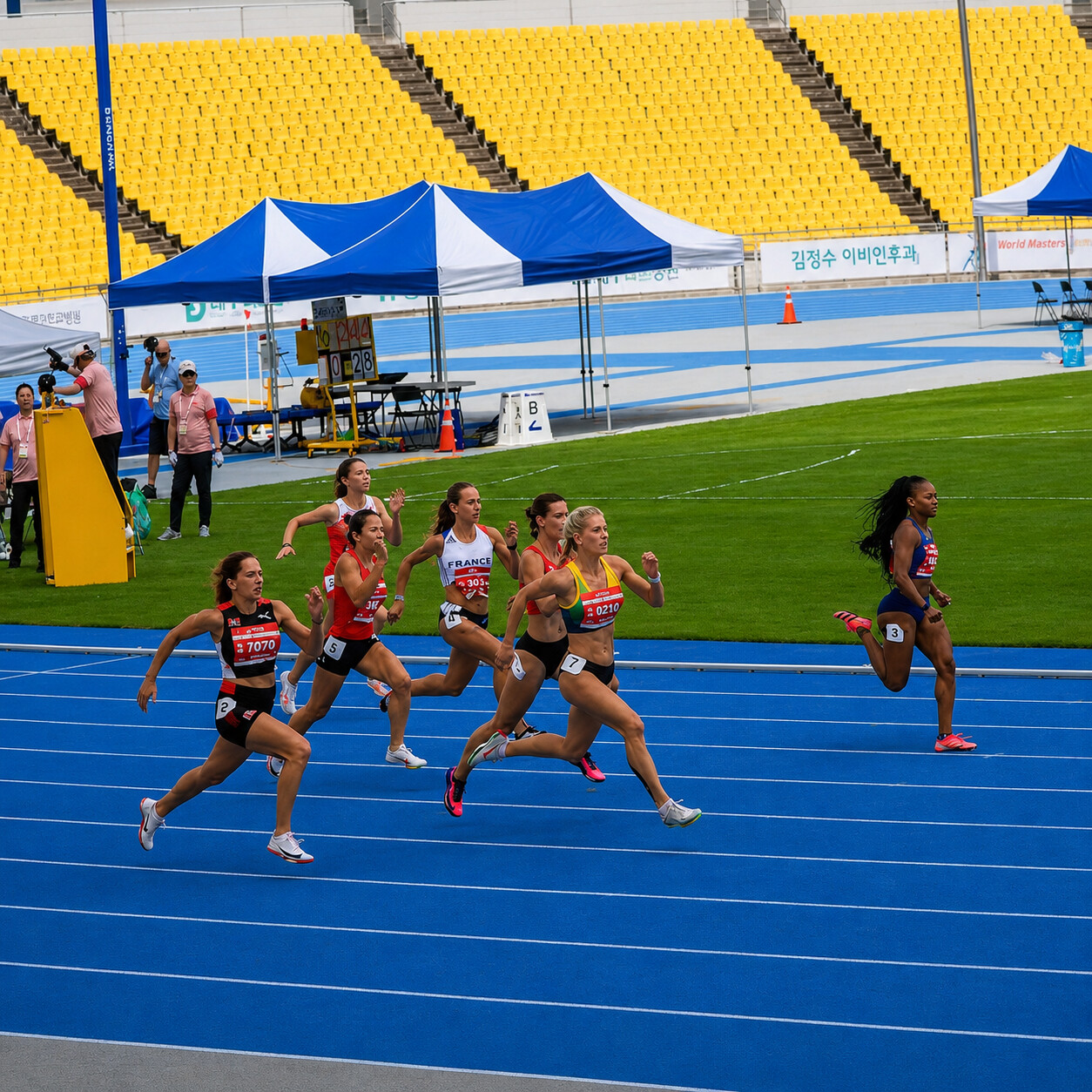
Thailand then added another name to the growing list of Daegu record-breakers. Somsanga Boonnok won the W70 80m hurdles in 15.61, breaking a world record that had belonged to Austria’s Marianne Maier since 2016.
Four world records in just three days tell only part of the story. Across the championships, 10 championship records have already fallen, highlighting the extraordinary standard being produced by athletes competing across the masters age groups.
Canada has also made its presence felt on the medal podium. Johana Flipsen captured W70 10K race walk gold in 1:04:18, while Vern Christensen won the M85 2,000m steeplechase in 14:48.25.
Canadian athletes have continued to add to the medal tally, with Lynne Wawryk Epp taking bronze in the W70 800m in 3:21.04, while Vanessa Johnson secured silver in the W40 race walk after finishing in 1:05:52.
But one of the most intriguing storylines to watch as the championships continue belongs to Canada’s Wendy Alexis.
At 71 years old, Alexis has arrived in Daegu with a world record firmly within reach. She is just 0.04 seconds away from the W70 100m world record of 14.37 seconds, and after targeting the championship throughout the season, she now has the opportunity to turn that ambition into history.
Alexis will contest her semifinal on Tuesday morning, with the final scheduled for later that evening.
With four world records already gone, 10 championship records broken and some of the world’s finest masters athletes still waiting to take to the track, Daegu is proving that age is no barrier to extraordinary performance.
And if the opening three days are anything to go by, the record books may have plenty more rewriting to come.
by Erick Cheruiyot for My Best Runs.
Login to leave a comment
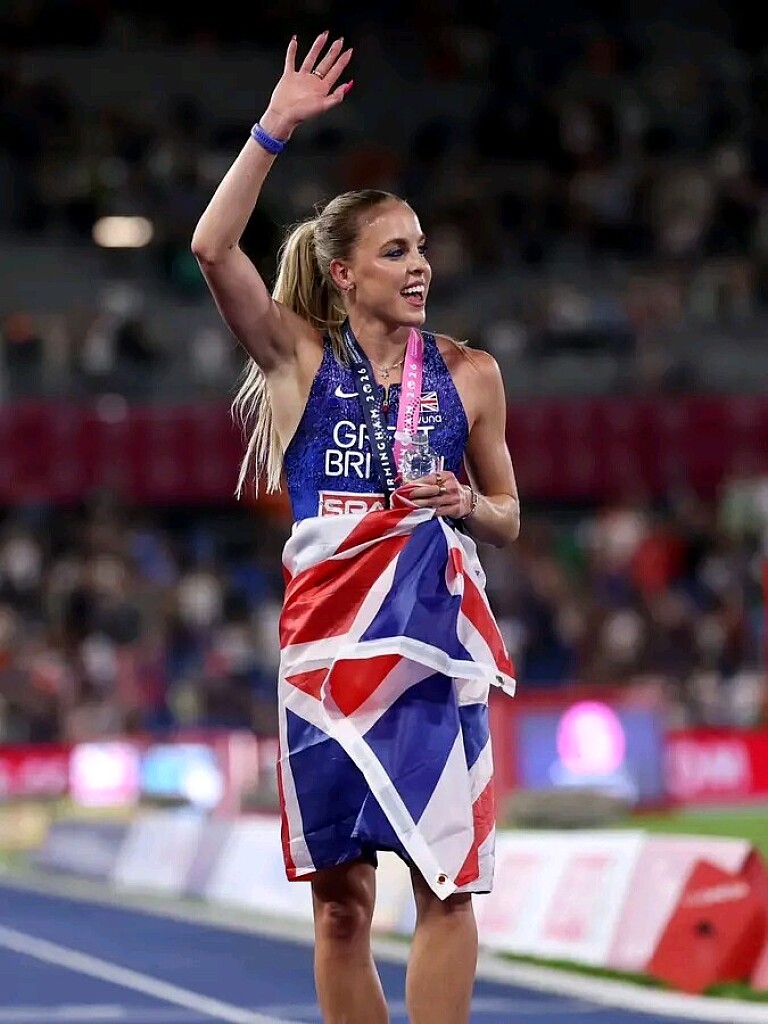
Keely Hodgkinson Withdraws From Zurich Diamond League 800m as Olympic Champion Prioritises Recovery
Olympic champion Keely Hodgkinson has withdrawn from this week’s Diamond League meeting in Zurich, where she was scheduled to headline a star-studded women’s 800m field.
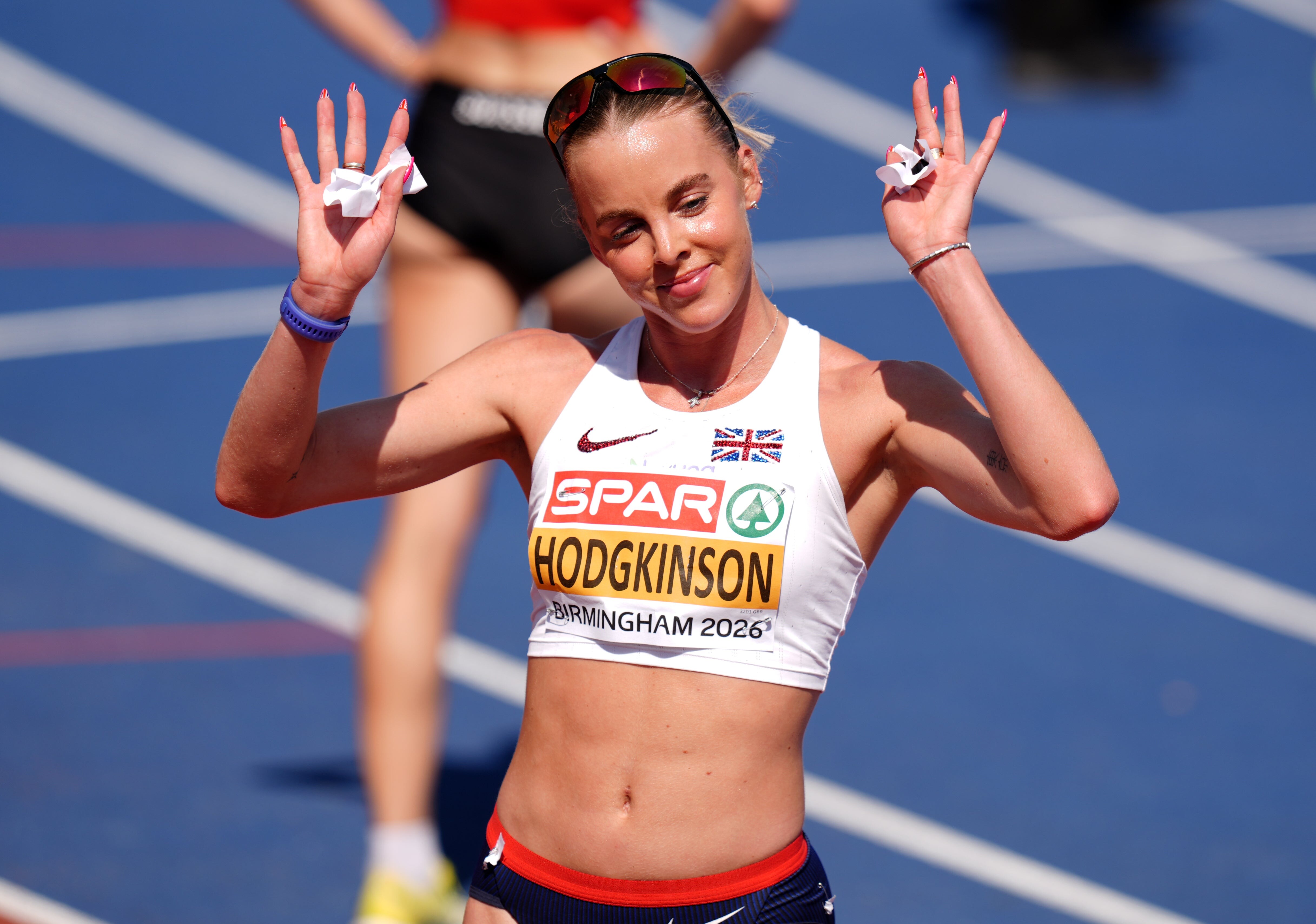
The British middle-distance star confirmed that her body is not yet ready for another race following the European Championships, prompting her and her team to make the decision to skip Thursday’s August 27 meeting and focus on a full recovery ahead of her next outing.
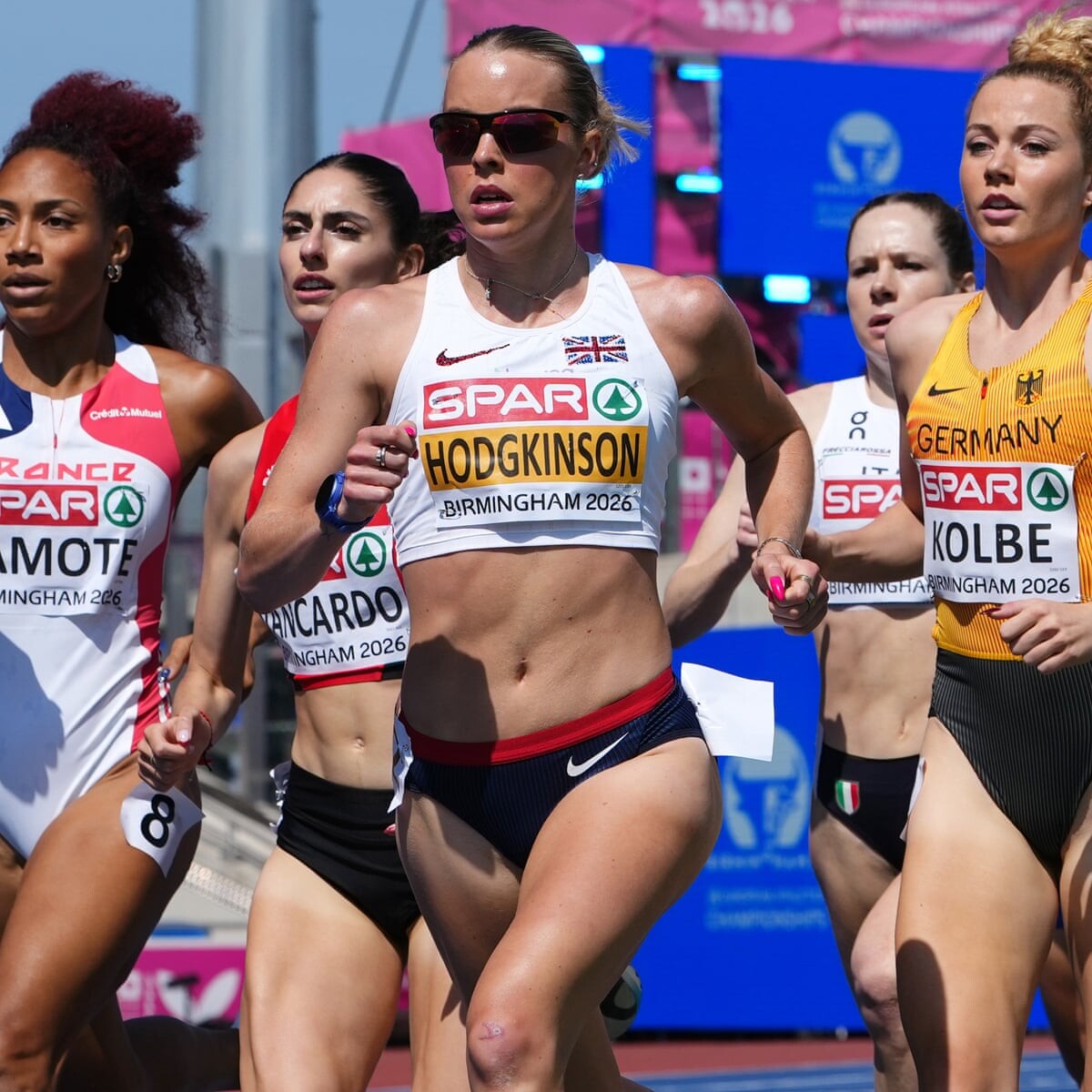
“The body isn't quite ready to race again after the European Championships, so we've made the decision to skip this race and get ready for the next one,” Hodgkinson said.
The decision comes as a disappointment for fans who had been eagerly anticipating Hodgkinson’s return to the track in Zurich, particularly because the race was set to feature a formidable line-up of international 800m talent.
Hodgkinson had been due to face unbeaten European champion Audrey Werro of Switzerland, Commonwealth champion Georgia Hunter Bell of Great Britain, reigning world champion Lilian Odira of Kenya and European bronze medallist Femke Broeders-Bol of the Netherlands.
The meeting had also promised a highly anticipated rematch between Hodgkinson and Werro following the dramatic European Championships in Birmingham, where the Swiss star produced a stunning performance to upset the field and claim the European title.
That result added even more intrigue to their scheduled Zurich showdown, with Hodgkinson expected to have another opportunity to respond on the Diamond League stage. Her withdrawal, however, means that much-awaited battle will have to wait.
Despite missing one of the season’s biggest meetings, Hodgkinson is choosing caution over a rushed return. After the physical demands of championship racing, the Olympic champion believes the right approach is to allow her body sufficient time to recover before stepping back onto the track.
“I’m sad to miss it, hopefully see you next year!” Hodgkinson added.
Her absence will undoubtedly take some of the spotlight away from the Zurich 800m, but the race remains packed with quality. Werro, Hunter Bell, Odira and Broeders-Bol will still provide a compelling contest, with each athlete carrying an impressive championship pedigree into the race.
For Hodgkinson, meanwhile, the focus now shifts away from Zurich and towards making sure she is fully prepared for her next appearance.
The Olympic champion may be missing from Thursday’s start line, but her decision reflects a bigger priority: returning to competition healthy, sharp and ready to perform at her best rather than risking a premature comeback.
And when Hodgkinson does return, the prospect of another clash with Werro—and a renewed battle among the world’s leading 800m runners—will undoubtedly be one of the most anticipated moments of the season.
by Erick Cheruiyot for My Best Runs.
Login to leave a comment
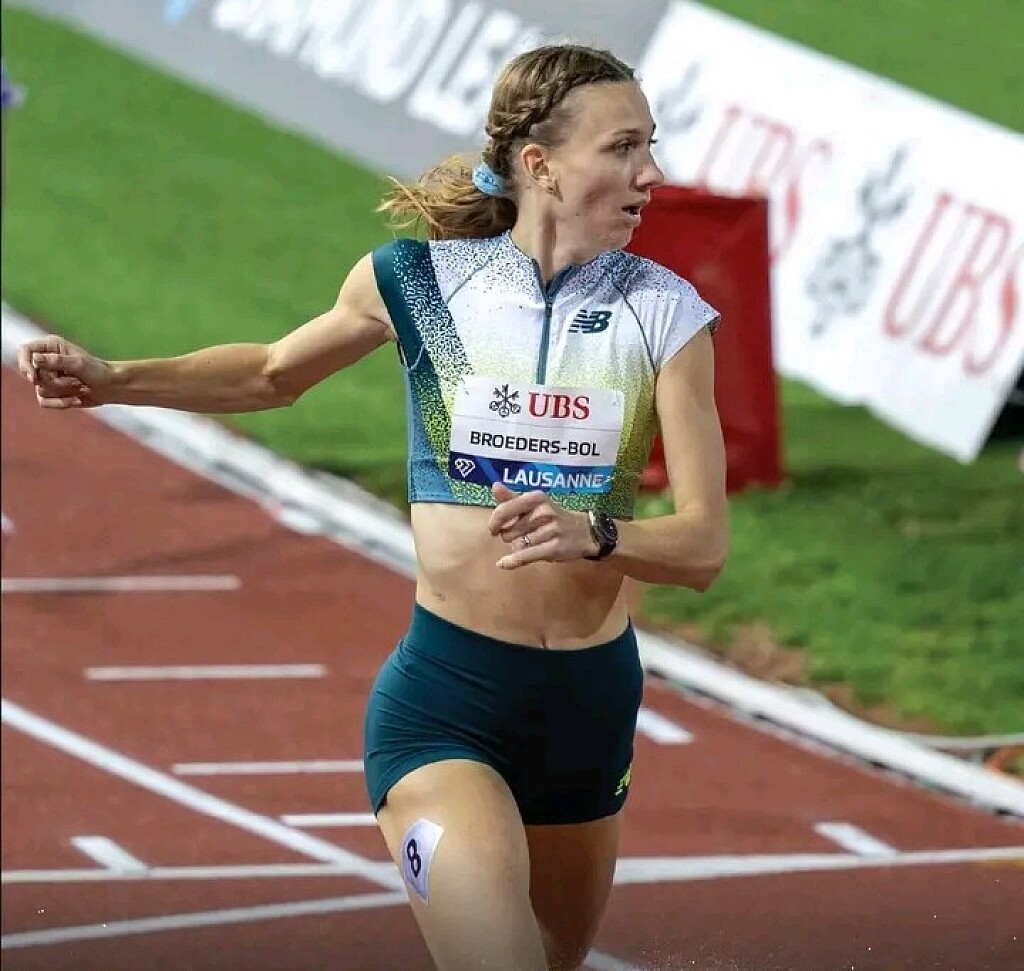
Femke Broeders-Bol’s Stunning Rise Continues with Dutch 800m Record in Lausanne
Femke Broeders-Bol’s remarkable transformation into a genuine 800m force continued in spectacular fashion at the Lausanne Diamond League, where the Dutch star smashed the national record with a breathtaking 1:55.41 and came within a fraction of victory.
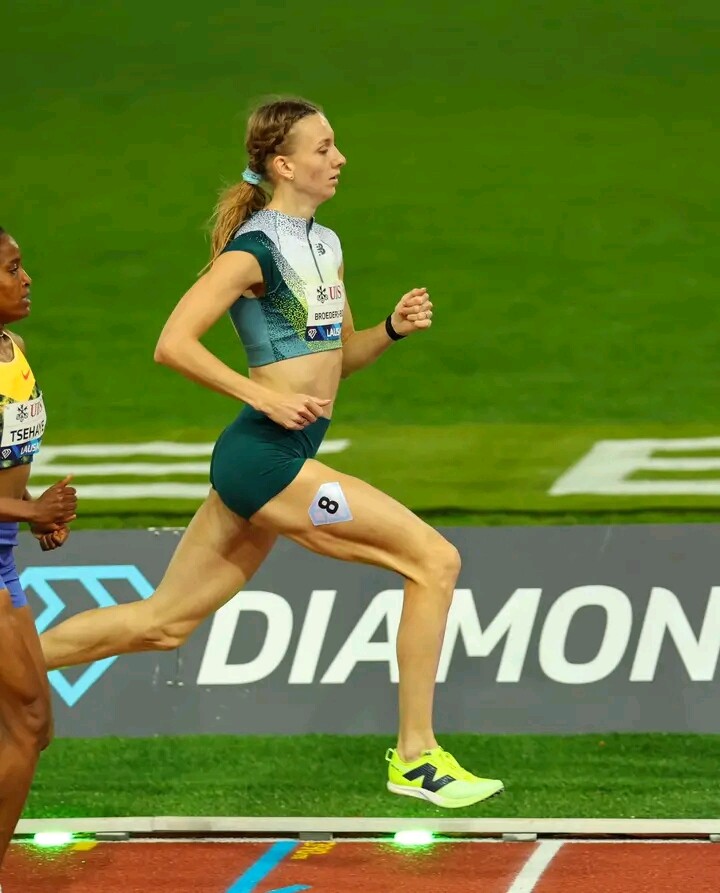
In one of the most thrilling races of the evening, Bol pushed Switzerland’s European champion Audrey Werro all the way to the finish line, with just 0.08 seconds separating the two athletes. Werro claimed victory in a meeting record of 1:55.33, while Bol crossed the line second in 1:55.41, rewriting the Dutch record books with the fastest 800m performance of her career.
Audrey Werro of Switzerland — 1:55.33, Meeting Record
Femke Broeders-Bol of the Netherlands — 1:55.41, National Record
For Bol, the performance marked another extraordinary step in what has become a sensational 2026 campaign. Her progression over two laps has been nothing short of remarkable. After running 1:59.07 in February, she improved to 1:57.13 in June, then 1:57.41 just days later, before breaking through with 1:55.60 in June. She continued her rapid rise with 1:55.54 in August before lowering the Dutch national record even further to 1:55.41 in Lausanne.
The latest breakthrough is especially significant because it came against one of the world's fastest 800m runners. Werro entered the race as the European champion and delivered a sensational performance of her own, but Bol refused to let her escape and stayed within striking distance all the way to the line.
Long recognised as one of the world's outstanding talents in the 400m hurdles, Bol is now showing just how formidable she can be over the flat 800m. Her ability to move from hurdles dominance into elite middle-distance competition has added another fascinating dimension to her career, and her rapid improvement suggests there could still be more to come.
From 1:59.07 to 1:55.41 in a single season, Bol has made one of the most dramatic improvements in women's middle-distance running this year. More importantly, she is no longer simply experimenting with the event—she is proving that she can challenge the very best.
The Dutch star may have narrowly missed victory in Lausanne, but her national-record performance sent a powerful message.
Femke Broeders-Bol is getting faster, the margins are getting smaller, and the women's 800m is becoming even more fascinating.
by Erick Cheruiyot for My Best Runs.
Login to leave a comment
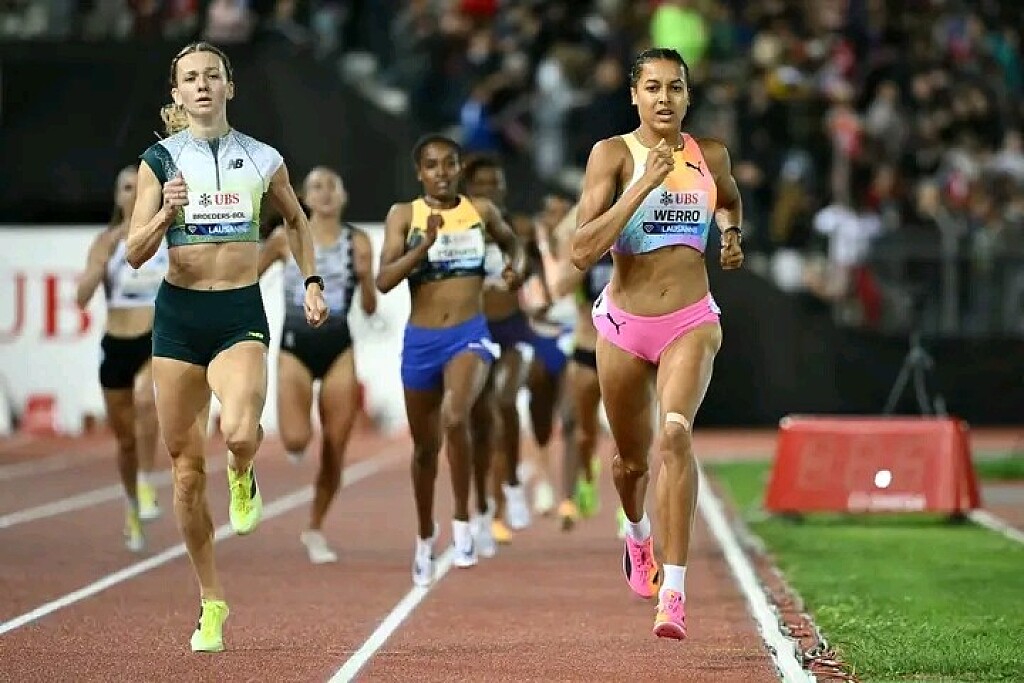
Werro Survives Stunning Broeders-Bol Charge in Record-Breaking Lausanne 800m
Audrey Werro produced another extraordinary performance on home soil, holding off a fierce late charge from Femke Broeders-Bol to win a breathtaking women's 800m at the Lausanne Diamond League in a new meeting record of 1:55.33.
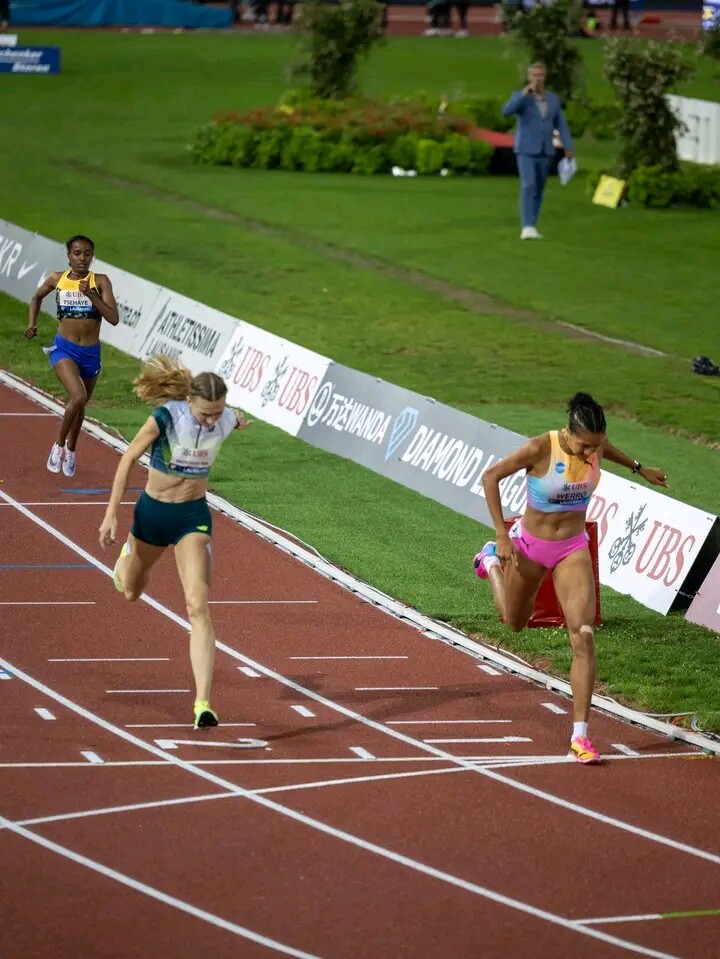
Fresh from becoming European 800m champion, Werro looked to be on course for a comfortable victory as she entered the final straight with a clear advantage. But the race exploded into a dramatic battle over the closing metres when Broeders-Bol unleashed a sensational finishing kick, clocking a remarkable 14.8 seconds for the final 100 metres compared with Werro's 15.4.
The Dutch star closed rapidly and came within touching distance of Werro, but the Swiss favourite had done enough to hold on, crossing the line just eight hundredths of a second ahead. Werro's winning time of 1:55.33 established a new meeting record and further strengthened her remarkable run of form.
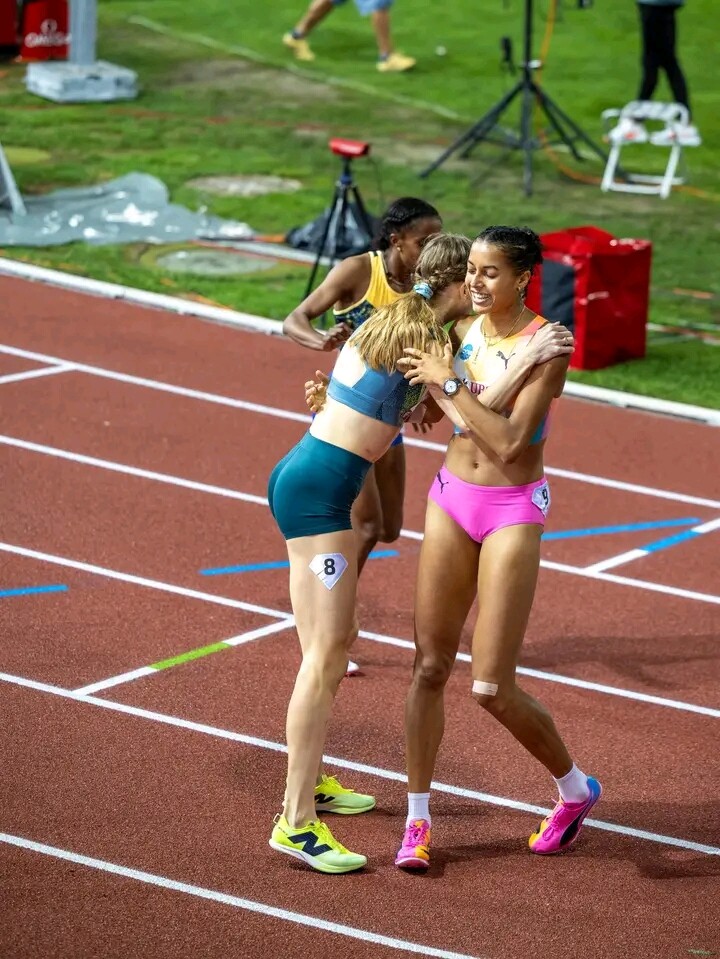
Broeders-Bol finished second in a superb 1:55.41, and although she narrowly missed victory, she left Lausanne with a historic achievement of her own. Her performance shattered the Dutch women's 800m national record previously held by Ellen van Langen, marking one of the finest races of her career.
Eighteen-year-old Ethiopian talent Saida Tsehaye completed an outstanding podium, running a huge personal best of 1:56.92 to finish third. Her breakthrough performance underlined the extraordinary depth of the race and announced another exciting young force in women's middle-distance running.
Behind the leading trio, Switzerland's Veronica Vancardo finished fourth in 1:58.68, with compatriot Valentina Rosamilia fifth in 1:58.93. American Addison Wiley placed sixth in 1:59.22, while Kenya's Lilian Odira was seventh in 1:59.25.
For Werro, it was another unforgettable night in front of her home crowd. The European champion combined strength, confidence and composure to withstand one of the most explosive finishing charges of the season, while Broeders-Bol produced a national-record performance that came agonisingly close to victory.
In the end, Lausanne witnessed a race in which history was made at both ends of the finish line: Werro claimed the meeting record and another major victory, Broeders-Bol rewrote the Dutch record books, and teenage sensation Tsehaye announced herself on the world stage with a huge personal best.
The women's 800m is delivering exceptional racing in 2026—and this electrifying showdown in Lausanne was further proof that the event is hotter than ever.
by Erick Cheruiyot for My Best Runs.
Login to leave a comment

Can Keely Answer Back? Hodgkinson And Werro Set For Explosive Zurich Rematch
The rivalry between Keely Hodgkinson and Audrey Werro is developing into one of the most compelling stories in the women’s 800m — and it gets another chapter next week.
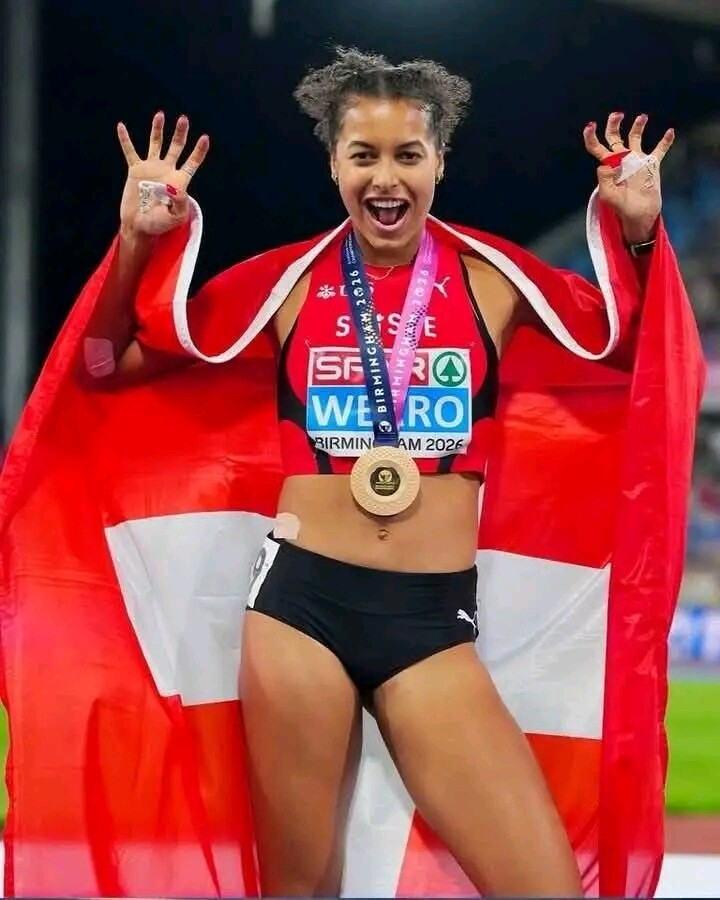
Just days after their dramatic European Championship final in Birmingham, the Olympic champion and the newly crowned European champion will meet again at Weltklasse Zürich on August 27, with the sold-out Letzigrund Stadium ready for another spectacular showdown.
In Birmingham, it was Werro who produced the decisive moment. The Swiss star delivered a sensational front-running performance to win European gold in a championship-record 1:54.81, holding off Hodgkinson, who finished second in 1:55.01. Femke Broeders-Bol completed the podium in 1:55.54, setting a Dutch national record in the process.
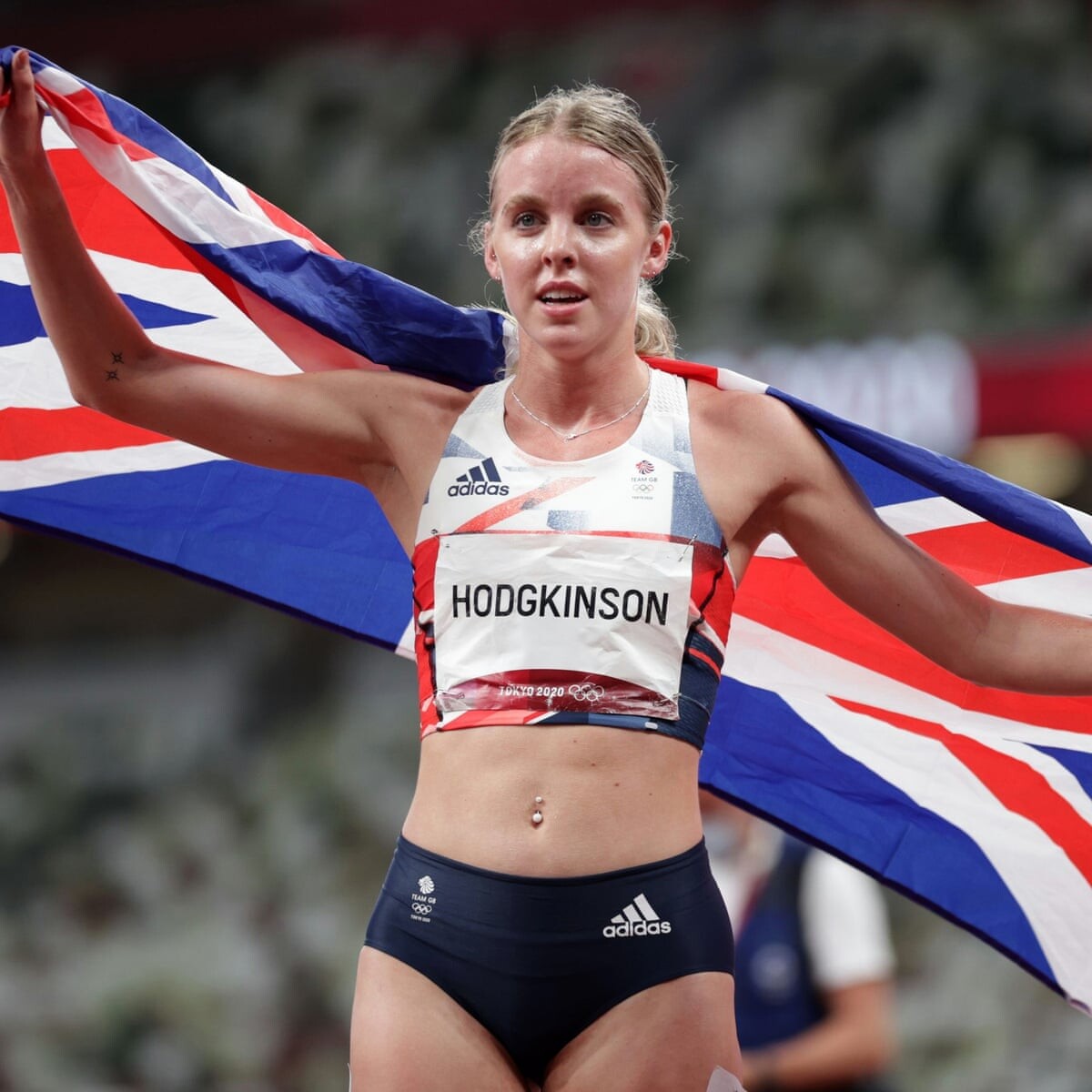
For Hodgkinson, the defeat was a rare setback in an event she has dominated at the highest level. But Zurich offers the perfect opportunity to respond.
And this time, the stage belongs to Werro.
The 22-year-old Swiss star will race in front of her home crowd at the Letzigrund Stadium, where she will arrive with enormous confidence after an extraordinary 2026 campaign. Earlier this season, Werro stormed to 1:53.98 in Stockholm, becoming only the third woman in history to break 1:54 at the time, while Hodgkinson followed her home in a British record 1:54.33.
Werro then went even faster in Paris, producing 1:53.80 — the third-fastest performance in history — further establishing herself as a genuine threat to the event’s all-time hierarchy.
But Hodgkinson knows exactly what it takes to win on the biggest stages. The reigning Olympic champion and former world champion has repeatedly demonstrated her ability to respond when challenged, and Zurich could provide another opportunity to remind the world why she remains one of the most formidable 800m runners of her generation.
Yet this will be far more than a two-woman battle.
Kenya’s Lilian Odira, the reigning world champion, adds another layer of danger to an already stacked field. Odira, Hodgkinson and Georgia Hunter Bell were the gold, silver and bronze medallists in the 800m at the 2025 World Championships in Tokyo, and their rivalry has continued into 2026.
Then there is Georgia Hunter Bell, who arrives in Zurich as the newly crowned European 1500m champion and one of the most versatile middle-distance athletes in the world. Her presence over 800m gives the race another serious contender capable of changing the complexion of the contest.
Femke Broeders-Bol will also be looking to build on her breakthrough European Championship bronze. The Dutch star has made an impressive transition from the 400m hurdles to the 800m this season, and her 1:55.54 national record in Birmingham showed that she is now capable of challenging the very best over two laps.
With Werro’s extraordinary speed, Hodgkinson’s championship pedigree, Odira’s world title credentials, Hunter Bell’s tactical intelligence and Broeders-Bol’s rapidly improving 800m form, Zurich could produce one of the deepest and most anticipated women’s 800m races of the season.
The question is simple:
Can Keely answer back?
Or will Audrey Werro once again prove too strong — this time with the roar of the Swiss crowd behind her?
The answer comes on August 27 at the sold-out Letzigrund Stadium in Zurich.
by Erick Cheruiyot for My Best Runs.
Login to leave a comment
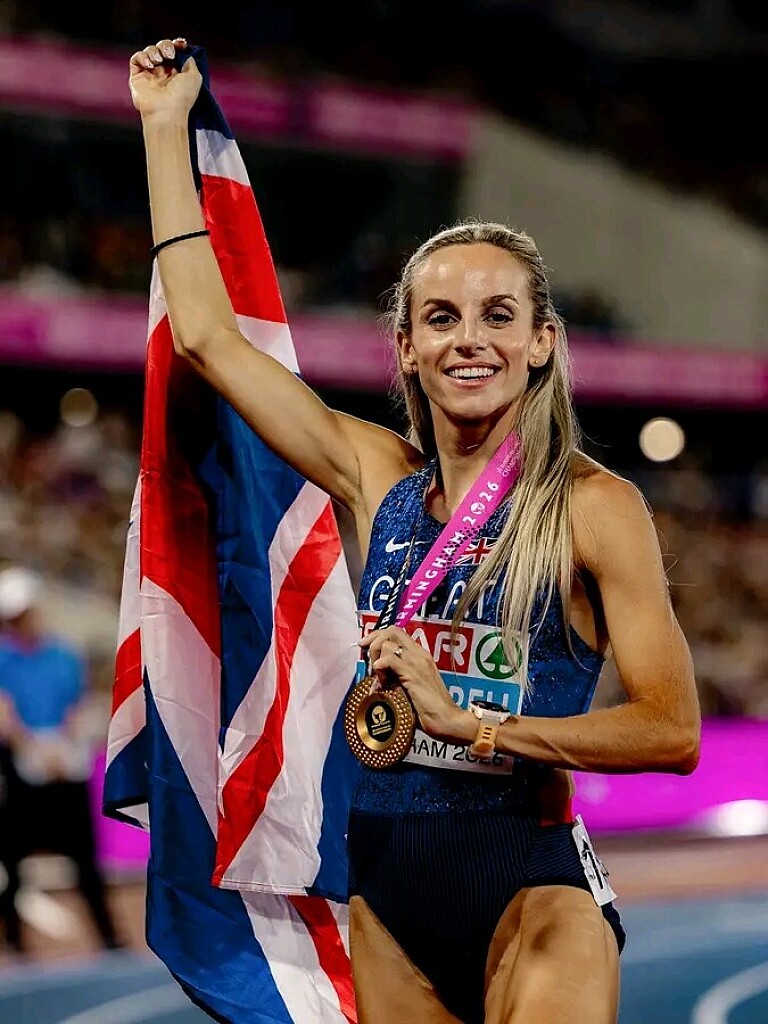
Georgia Hunter Bell Completes a Golden Hat-Trick in Birmingham
Georgia Hunter Bell is turning the 2026 season into a remarkable display of consistency, composure and championship brilliance.
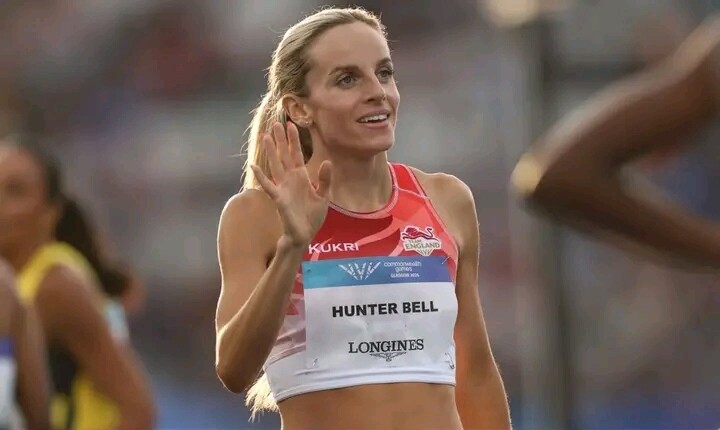
The British middle-distance star added another major title to her growing collection in Birmingham, producing a perfectly judged tactical performance to win the women’s 1500m at the European Athletics Championships in 4:07.78.
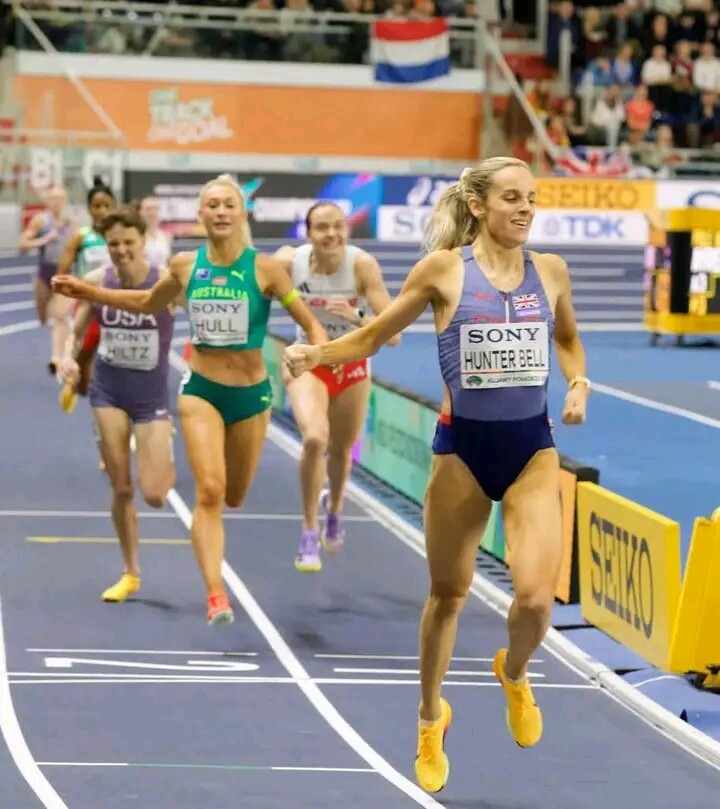
It was her third major championship gold of the season, underlining just how exceptional her campaign has become. Rather than relying on a blistering early pace, Hunter Bell remained patient through the tactical opening stages before making her decisive move when the race began to unfold.
Her latest triumph follows her victory in the 1500m at the World Athletics Indoor Championships in Toruń, Poland, and her Commonwealth Games success over 800m in Glasgow. Three major championships, three gold medals — across two different distances — is a remarkable achievement.
The European title also highlighted Hunter Bell’s versatility. She has repeatedly demonstrated that she can adapt to different race scenarios, whether the pace is aggressive from the gun or the championship demands patience, positioning and a perfectly timed finish.
Now, with three major titles already secured, attention turns to the final piece of what could become an extraordinary championship clean sweep: the World Athletics Ultimate Championship in Budapest, Hungary.
If Hunter Bell can add another victory there, she would complete one of the most impressive major-championship campaigns of the season — a golden run built not only on speed, but on intelligence, resilience and an ability to deliver when the stakes are highest.
Georgia Hunter Bell has already made 2026 a season to remember. One more major title could make it truly unforgettable.
by Erick Cheruiyot for My Best Runs.
Login to leave a comment

Michael Roeger’s Long Road Back to the Marathon World Record — and Now Sydney Awaits
On August 30, approximately 35,000 runners will line up at Miller Street in North Sydney for the 2026 TCS Sydney Marathon. Among them will be an athlete who already owns a piece of marathon history: Michael Roeger, the Australian T46 marathon world-record holder and one of the most remarkable endurance athletes of his generation.
At 38, Roeger returns to the marathon with a career shaped by persistence, reinvention and an extraordinary ability to keep moving forward whenever circumstances have threatened to derail him.
Sydney is a fitting stage for the next chapter. The marathon, now part of the Abbott World Marathon Majors, takes runners through some of the city's most recognisable landmarks, beginning in North Sydney, crossing the Harbour Bridge and eventually finishing near the Opera House. For Roeger, however, this is about far more than another marathon.
He is returning to the distance in the city where he set the fastest T46 marathon ever recorded.
Roeger grew up in Langhorne Creek, a small South Australian community about 55 kilometres south of Adelaide. Born without the lower half of his right arm, he discovered Para athletics after Paralympian Neil Fuller visited his school when Roeger was 12.
What began as an introduction to sport eventually developed into a career spanning five Paralympic Games, world championships, major medals and multiple world records.
His T46 classification covers athletes with an arm amputation or comparable upper-limb difference. Yet describing Roeger's performances simply through his classification fails to capture the complexity of what he has achieved.
Running is an intricate coordination of the entire body. The arms contribute to balance, rhythm and control, helping the torso manage the rotational forces created by every stride. Over 42.195 kilometres, maintaining efficient movement is an enormous physical and technical challenge.
Roeger's marathon performances therefore represent much more than a number attached to a classification. They are elite endurance performances in their own right.
His transition to the marathon was remarkably rapid. Roeger made his marathon debut at the Melbourne Marathon in October 2018, running 2:23:31. The performance was faster than the existing T46 world record at the time, although it was not ratified as a world record because the race did not have the necessary status.
Six months later, he returned to the distance at the 2019 London Marathon, where the World Para Athletics Marathon Championships were staged within the race.
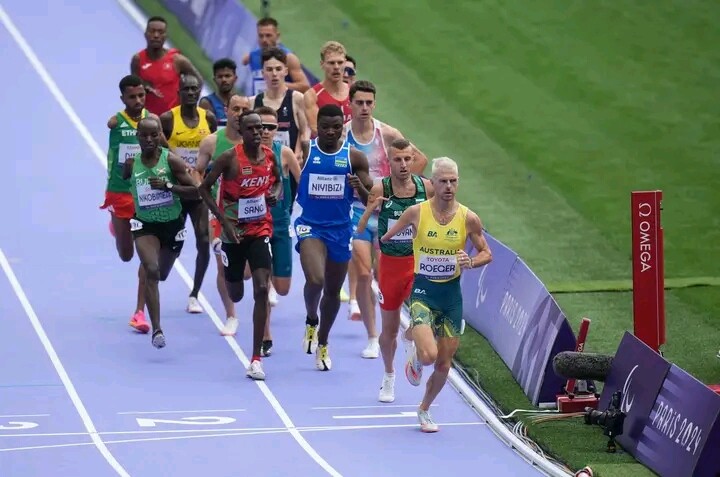
This time, everything came together.
Roeger won the T46 world title in 2:22:51, lowering the ratified world record and establishing himself as the world's leading marathoner in the classification. Even when cramp began to trouble him during the closing stages, he held on to become a world champion.
The progression continued.
At the 2020 Chevron Houston Marathon, Roeger ran 2:19:33, becoming the first ambulant Para athlete to break the 2:20 barrier and once again lowering his own world record.
But his most significant breakthrough came back in Australia.
On April 25, 2021, Roeger lined up in Sydney for the Athletics Australia Tokyo Qualifying Marathon. He produced the fastest marathon of his career, crossing the finish line in 2:18:53.
That performance remains the T46 marathon world record.
The progression is remarkable. From 2:23:31 in Melbourne to 2:22:51 in London, 2:19:33 in Houston and finally 2:18:53 in Sydney, Roeger repeatedly moved the benchmark forward.
It was almost five minutes of improvement across four marathon performances.
But the record is only one part of the story.
Roeger's career has never followed a smooth upward trajectory. At the 2008 Beijing Paralympic Games, aged only 20, he contested the 800m, 1500m and 5000m T46 events, with seventh place in the 1500m his best finish.
Four years later in London, he arrived with genuine medal ambitions. Instead, gastrointestinal bleeding struck on the eve of the T46 800m. He still started the race but was forced to withdraw after one lap.
Rio 2016 finally delivered a Paralympic medal, with Roeger winning bronze in the 1500m. That success helped convince him to move towards the longer distances and eventually make the marathon his primary focus.
Then came another major setback.
Six weeks before the Tokyo 2020 Paralympic Games, Roeger suffered a stress fracture in his lower leg, destroying much of his preparation for the marathon. Despite the injury, he travelled to Tokyo and made the start line.
He finished sixth in 2:34:45, a time far outside the level he had demonstrated before the Games.
For most athletes, such a setback could have marked the end of the road. For Roeger, it became another chapter in a career defined by adaptation.
Before the Paris 2024 Paralympic Games, another obstacle emerged when the T46 marathon was removed from the programme. The event in which Roeger had become a world-record holder was no longer available at the Games.
His only remaining distance was the 1500m.
So he adapted once again.
Roeger returned to the track and competed in Paris, ultimately adding another Paralympic medal to his collection with silver in the T46 1500m.
Now the marathon is calling again.
The 2026 TCS Sydney Marathon will provide a very different challenge from the flat courses on which many of the world's fastest marathon times are produced. The route begins in North Sydney, crosses the Sydney Harbour Bridge and winds through the city before finishing at the Opera House.
The course features substantial elevation changes, with approximately 313 metres of climbing across the 42.195 kilometres. It is a course that rewards strength, patience and the ability to maintain efficient form when the legs are already carrying the fatigue of a long marathon.
For Roeger, that challenge will be amplified by the quality of the field around him.
The Australian elite field includes a strong collection of domestic marathoners, while the international men's race features considerable depth, with numerous athletes holding personal bests below 2:10.
Roeger will therefore not be lining up in isolation as a Para athlete. He will be part of a major international marathon field, surrounded by runners pursuing national titles, personal bests and elite honours.
That is also central to the way he has approached his career.
Roeger has long resisted the idea that Para athletes should be viewed as fundamentally separate from their able-bodied counterparts. His philosophy has been simple: once the starting gun goes, the competition is about running.
That attitude has helped him move comfortably between Para athletics and open elite competition, and Sydney 2026 offers another opportunity to do exactly that.
His partnership with coach Dr Philo Saunders has been particularly important throughout his career, helping him develop into a world-class athlete across multiple distances.
Yet perhaps the most impressive part of Roeger's story is not any individual medal or record.
It is the number of times he has had to begin again.
From a small South Australian town to five Paralympic Games. From disappointment in Beijing and London to a medal in Rio. From the track to the marathon. From a devastating injury before Tokyo to a world-record performance. From losing his marathon event before Paris to returning to the 1500m and winning another Paralympic medal.
Every time the route has changed, Roeger has found another way forward.
Now, at 38, he is returning to the marathon once more.
And there could hardly be a more fitting destination than Sydney.
It is the city where he produced his 2:18:53 world record in 2021. Five years later, he will return to the same city carrying the experience of a career that has tested his resilience at almost every turn.
The world record is already in his name.
On August 30, Michael Roeger will have another chance to show the world what remains in the legs of the man who refused to let setbacks define the limits of his career.
by Erick Cheruiyot for My Best Runs.
Login to leave a comment

Sydney Marathon
The Sydney Marathon is a marathon held annually in Sydney, Australia. The event was first held in 2001 as a legacy of the 2000 Summer Olympics, which were held in Sydney. In addition to the marathon, a half marathon, 9 kilometres (5.6 mi) "Bridge Run", and a 3.5 kilometres (2.2 mi) "Family Fun Run" are also held under the banner...
more...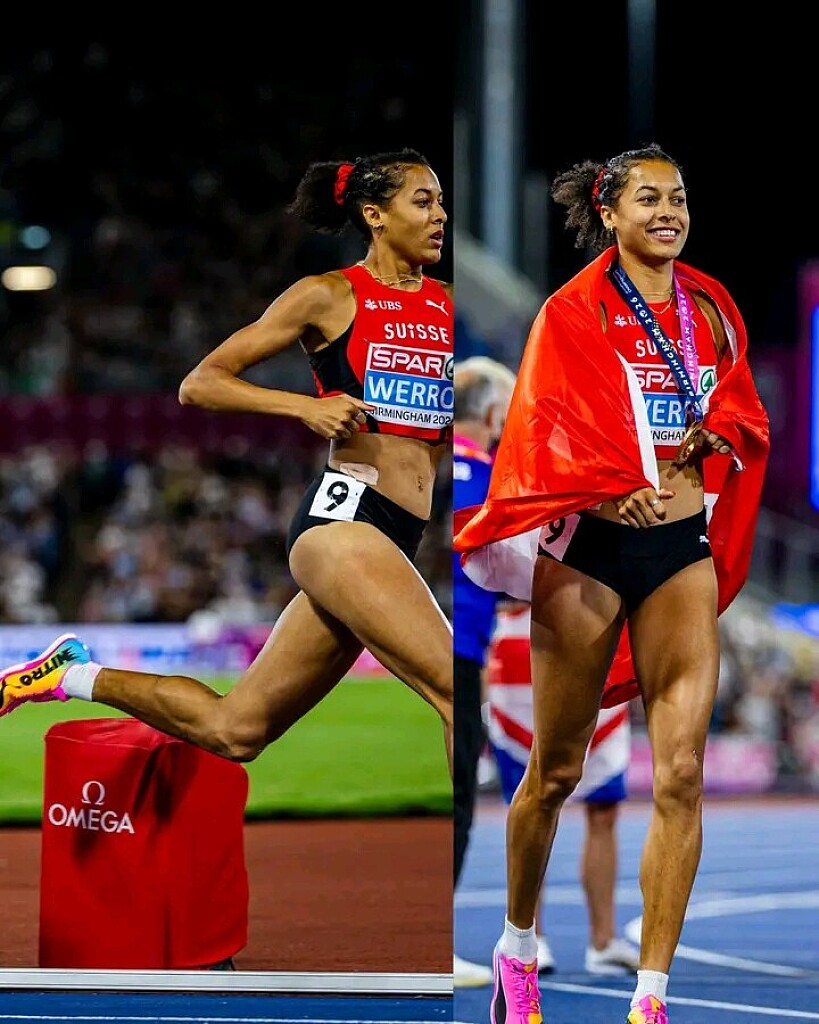
Audrey Werro Rules the European 800m as the Big Three Deliver a Birmingham Classic
Audrey Werro has firmly established herself among the world's leading 800m runners after producing a breathtaking performance to claim European Championship gold in Birmingham, winning one of the most eagerly anticipated finals in recent middle-distance history.
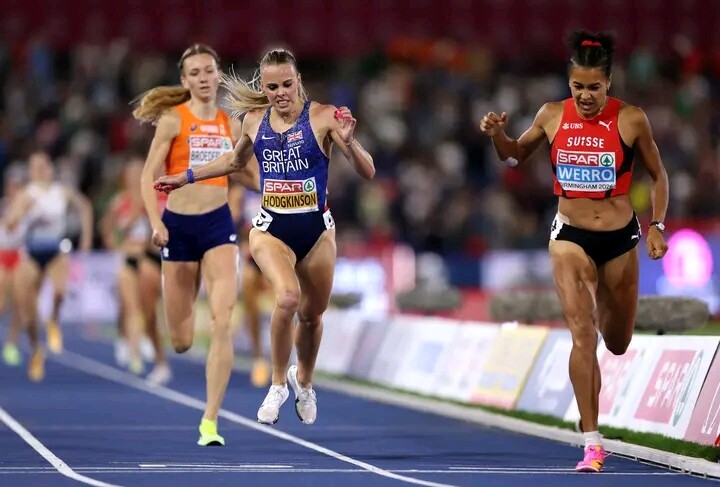
The Swiss star delivered when it mattered most, stopping the clock at a sensational 1:54.81 to set a new European Championships record and hold off Britain's Olympic champion and defending European champion, Keely Hodgkinson, who took silver in 1:55.01.
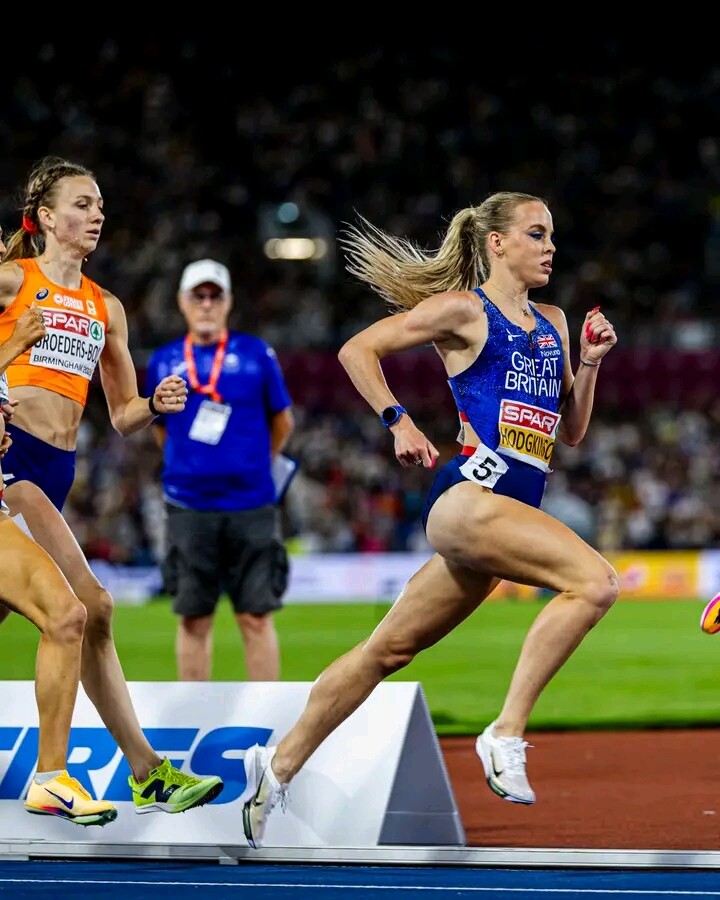
The Netherlands' Femke Broeders-Bol completed an extraordinary podium, charging home to secure bronze in 1:55.54, a time that equalled the Dutch national record.
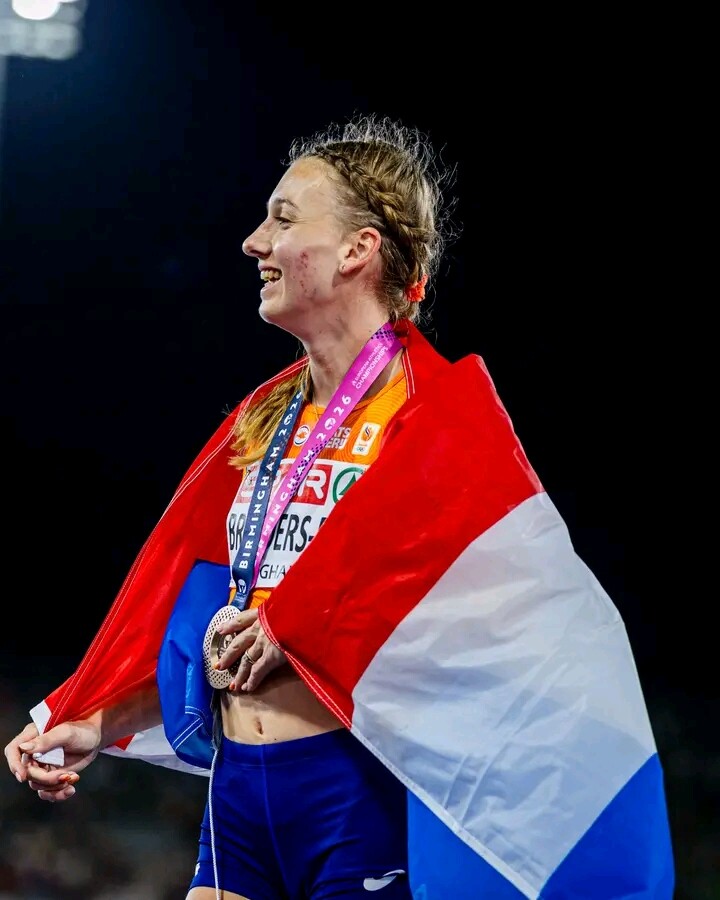
It was everything the build-up had promised.
For months, anticipation had surrounded the possibility of seeing Werro, Hodgkinson and Broeders-Bol finally line up together in the same major championship final. In Birmingham, the "Big Three" finally came together—and the track wrote its own remarkable story.
Werro won gold. Hodgkinson held onto silver. Broeders-Bol brought home bronze.
The quality of the performances was extraordinary. Werro seized control of the race and displayed remarkable strength and composure through the closing stages. Hodgkinson, propelled by the energy of her home crowd, refused to surrender and fought desperately down the finishing straight, but the Swiss athlete had just enough in reserve to stay clear.
The margin was only 0.20 seconds, underlining just how fiercely contested the final was.
Behind the leading pair, Broeders-Bol produced another outstanding performance to cross the line in 1:55.54, matching the Dutch national record and becoming part of an exceptional three-way battle at the front.
The top three were in a different class from the rest of the field, with all three breaking the 1:56 barrier and finishing almost four seconds ahead of the remainder of the finalists.
For Werro, the victory represents far more than another medal. It is a statement of intent.
The Swiss athlete arrived in Birmingham as one of the fastest 800m runners in the world and leaves the championships as European champion and championship-record holder.
Her triumph is even more remarkable considering the drama that preceded the final. Werro fell during her semi-final after contact with France's Anaïs Bourgoin and initially failed to qualify, before a successful Swiss appeal reinstated her in the final.
Less than 24 hours later, she transformed that setback into one of the defining performances of the championships.
Werro's season has already been extraordinary. She had previously run 1:53.80 in Paris, placing her among the fastest women ever over 800m. Now she has added a European title and championship record to her growing résumé.
For Hodgkinson, the result was undoubtedly a disappointment after arriving in Birmingham with hopes of completing a hat-trick of consecutive European 800m titles. The British star had won European gold in Munich in 2022 and Rome in 2024, but her quest for a third successive title ended with silver on home soil.
Nevertheless, Hodgkinson's 1:55.01 was itself a world-class performance, and she pushed Werro all the way to the line in a race that demanded extraordinary speed, strength and composure.
While the spotlight naturally fell on Werro and Hodgkinson, Broeders-Bol produced a performance worthy of its own headline. Her 1:55.54 secured the bronze medal while simultaneously equalling the Dutch national record, adding another remarkable dimension to an already historic final.
The official results placed Gabija Galvydytė fourth in 1:59.12, followed by Britain's Jemma Reekie in 1:59.15 and Italy's Eloisa Coiro in 1:59.35. Switzerland's Valentina Rosamilia finished seventh in 1:59.42, with compatriot Veronica Vancardo eighth in 2:00.17. France's Anaïs Bourgoin was ninth in 2:00.65, while Clara Liberman completed the field in 2:01.84.
But the night belonged overwhelmingly to the three women at the front.
Three athletes under 1:56. A championship record. A national record. A reigning champion forced to settle for silver. And a new European champion standing proudly at the top of the podium.
The Big Three finally came together in the final, and the story was written—Werro wins gold, Hodgkinson holds onto silver and Broeders-Bol brings it home in bronze.
Who needs fairytales when the track is writing stories like this?
The women's 800m final at the Birmingham 2026 European Championships delivered everything a championship race should: drama, speed, history, heartbreak and a thrilling battle between three exceptional athletes.
And when the story was finally written, Audrey Werro was the woman wearing the crown.
Gold for Werro. Silver for Hodgkinson. Bronze for Broeders-Bol.
A spectacular night for the 800m—and potentially the beginning of one of the most compelling rivalries in women's middle-distance running.
by Erick Cheruiyot for My Best Runs.
Login to leave a comment

European Athletics Champioships
The27thEuropean Athletics Championshipswill be held from 10 to 16 August 2026 at theAlexander StadiuminBirmingham, United Kingdom.[1] This is the first time that a British city will have staged the European Athletics Championships although Birmingham has hosted many high-profile events, including the2007 European Athletics Indoor Championships, the2003and2018 IAAF World Indoor Championshipsand the2022 Commonwealth Games. Alexander Stadium was renovated between 2019 and...
more...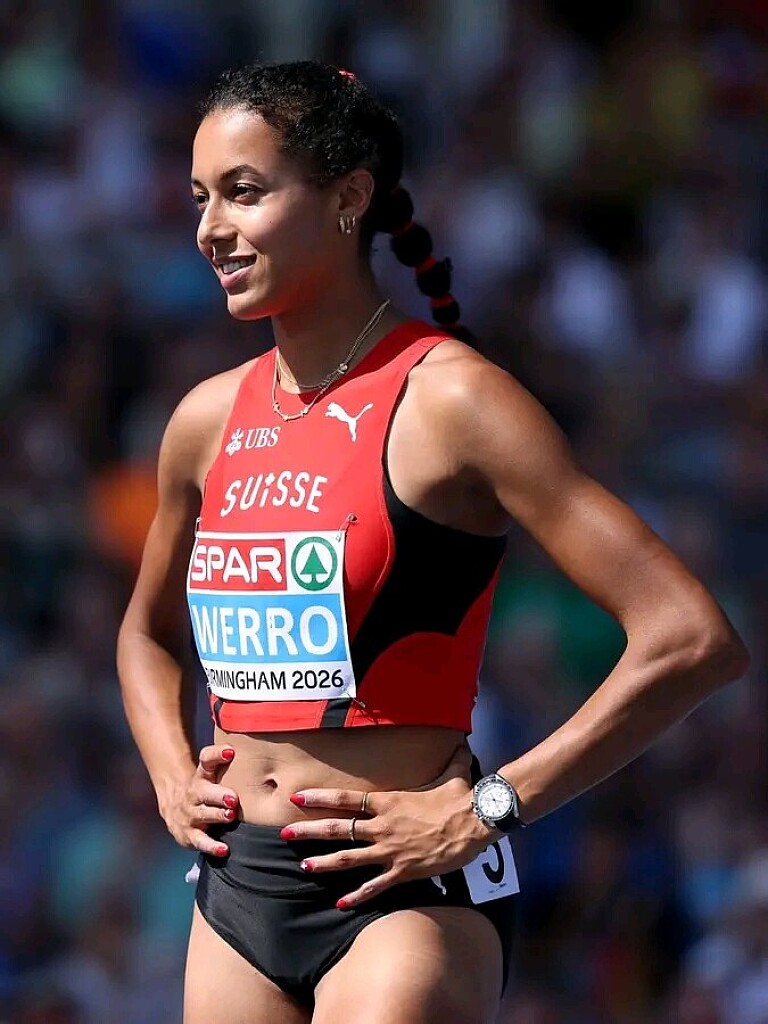
Dramatic Fall, Dramatic Reprieve: Werro Advances to 800m Final as Hodgkinson Leads the Way
The women’s 800m semifinals at the 2026 European Athletics Championships in Birmingham produced a dramatic sequence of events, with Keely Hodgkinson strengthening her title credentials and Audrey Werro receiving a remarkable reprieve after a late-race fall.
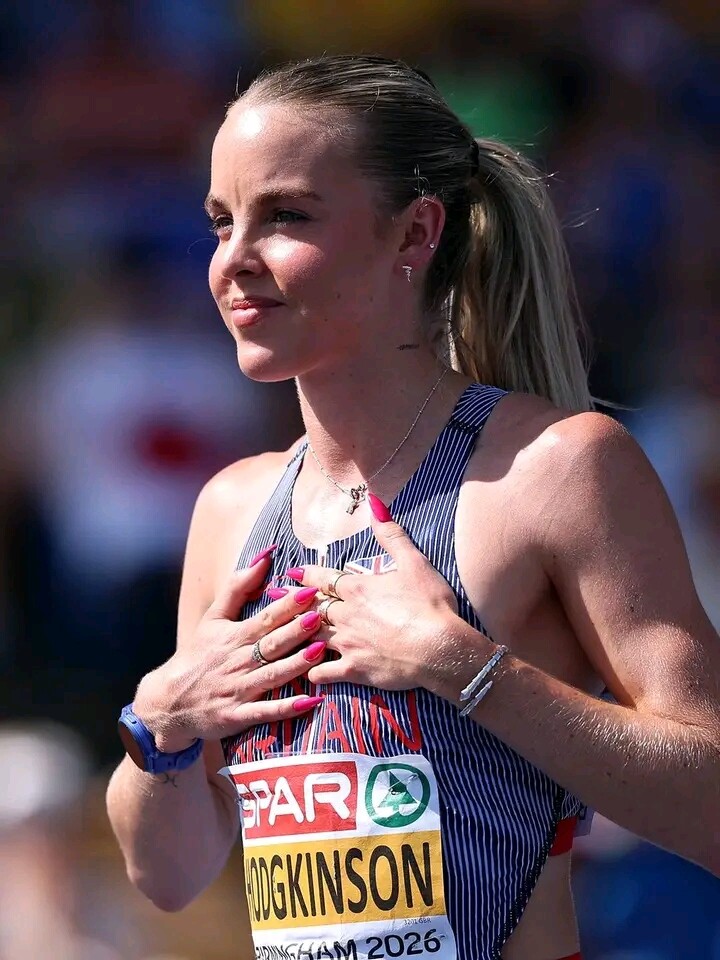
Hodgkinson delivered a composed and powerful performance in the second semifinal, winning in 1:57.38 to book her place in the final. The British favorite was pushed hard by the Netherlands’ Femke Broeders-Bol, who finished just 0.08 seconds behind in 1:57.46.
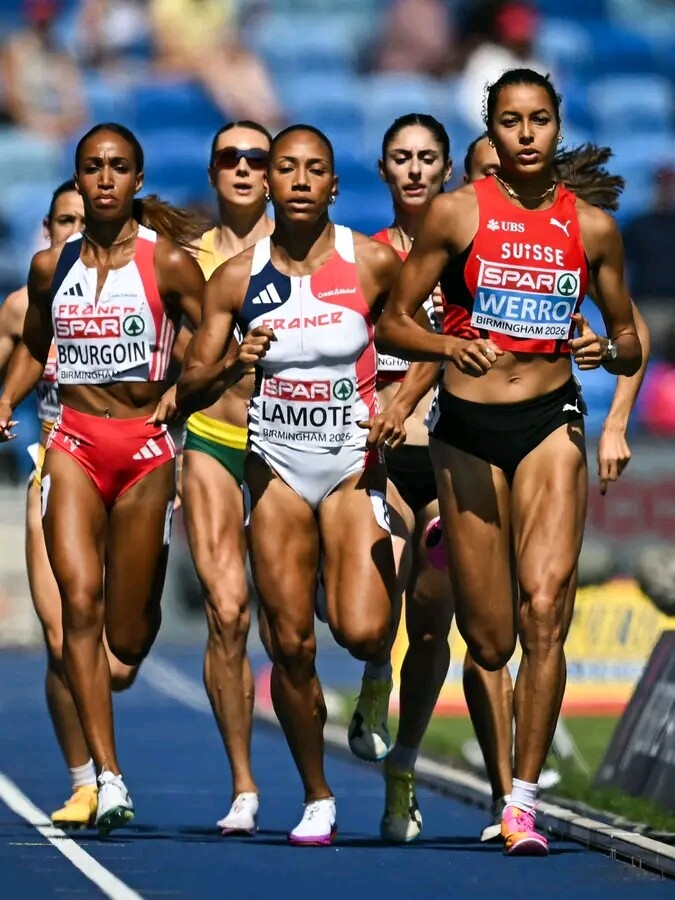
Italy’s Eloisa Coiro followed in 1:57.74, while Switzerland’s Valentina Rosamilia and France’s Clara Liberman advanced as time qualifiers after clocking 1:58.16 and 1:58.19, respectively.
Jemma Reekie also looked strong, securing automatic qualification in 1:58.61, with France’s Anaïs Bourgoin and Switzerland’s Veronica Vancardo joining her after finishing in 1:58.84 and 1:59.14.
But it was the opening semifinal that produced the most extraordinary moment of the night.
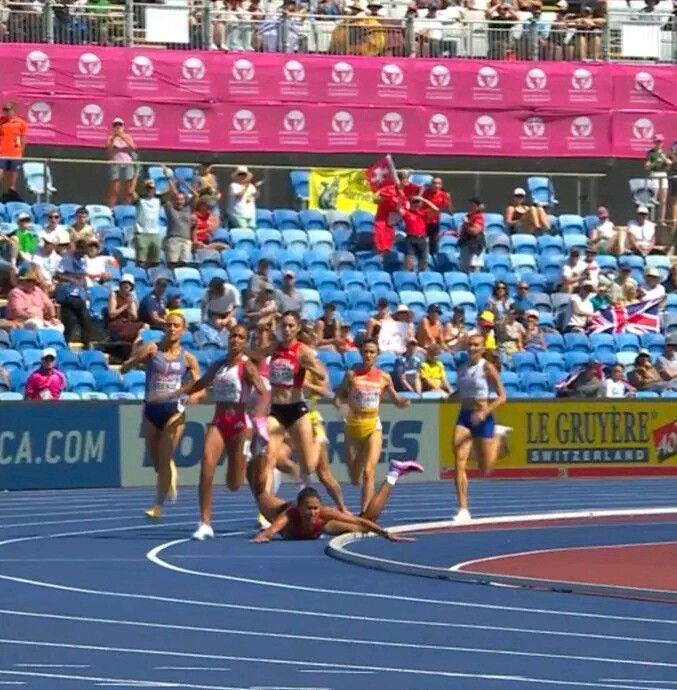
With just 150 metres remaining, Switzerland’s Audrey Werro was suddenly involved in a dramatic incident that appeared to end her race and potentially her championship.
As the runners entered the closing stages, Werro’s right foot made contact with the left hand of France’s Anaïs Bourgoin. The contact disrupted Werro’s stride at a crucial moment, causing the Swiss athlete to lose her balance and tumble heavily.
For several tense moments, it appeared that Werro’s hopes of reaching the final had disappeared. She eventually crossed the finish line in 2:35.35, far outside the qualifying times, after the fall had cost her significant ground.
But the drama did not end at the finish line.
Following a review of the incident, the referees determined that Werro had been impeded and advanced her to the women’s 800m final.
The decision gives the Swiss star a remarkable second chance. What initially looked like a devastating end to her semifinal has instead turned into one of the most dramatic qualification stories of the championships.
Lithuania’s Gabija Galvydyte was also advanced by referee decision after finishing in 2:03.59, meaning the final will feature an unusual 10-athlete field.
Women’s 800m Final Qualifiers
1. Keely Hodgkinson (Great Britain) — 1:57.38 Q
2. Femke Broeders-Bol (Netherlands) — 1:57.46 Q
3. Eloisa Coiro (Italy) — 1:57.74 Q
4. Valentina Rosamilia (Switzerland) — 1:58.16 q
5. Clara Liberman (France) — 1:58.19 q
6. Jemma Reekie (Great Britain) — 1:58.61 Q
7. Anaïs Bourgoin (France) — 1:58.84 Q
8. Veronica Vancardo (Switzerland) — 1:59.14 Q
9. Gabija Galvydyte (Lithuania) — 2:03.59 qR
10. Audrey Werro (Switzerland) — 2:35.35 qR
Q = qualified automatically
q = qualified by time
qR= advanced by referee decision
Werro’s reinstatement has completely changed the complexion of the final. Instead of watching the championship from the sidelines after a heartbreaking fall, the Swiss athlete will return to the track with another opportunity to fight for a place on the podium.
Hodgkinson, meanwhile, heads into the final with the fastest semifinal time and renewed confidence. But with Broeders-Bol, Reekie, Coiro and the rest of the field ready to challenge, the European 800m title is still firmly up for grabs.
After one of the most dramatic semifinals of the championships, 10 athletes will now line up for the final — and Werro will be among them.
by Erick Cheruiyot for My Best Runs.
Login to leave a comment
European Athletics Champioships
The27thEuropean Athletics Championshipswill be held from 10 to 16 August 2026 at theAlexander StadiuminBirmingham, United Kingdom.[1] This is the first time that a British city will have staged the European Athletics Championships although Birmingham has hosted many high-profile events, including the2007 European Athletics Indoor Championships, the2003and2018 IAAF World Indoor Championshipsand the2022 Commonwealth Games. Alexander Stadium was renovated between 2019 and...
more...
Hodgkinson and Broeders-Bol Set for a Mouthwatering Birmingham 800m Showdown
The women’s 800m at the 2026 European Athletics Championships is reaching a thrilling stage, with Keely Hodgkinson of Great Britain and Femke Broeders-Bol of the Netherlands set to meet in the second semi-final in Birmingham today. With a place in Friday’s final at stake, the pressure is rising—and the quality of the field promises a fascinating two-lap battle.
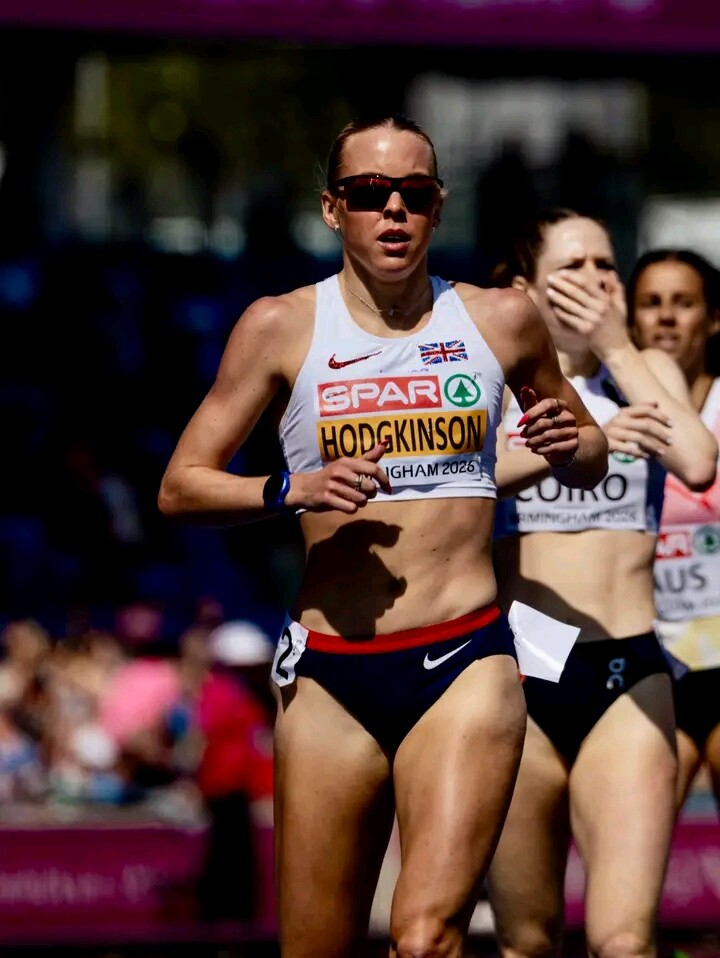
Hodgkinson laid down an early marker in the heats, producing a commanding 1:57.28 to become the fastest qualifier. The British Olympic champion looked comfortable throughout her race, underlining both her sharpness and confidence as she continues her bid for another European 800m title on home soil.
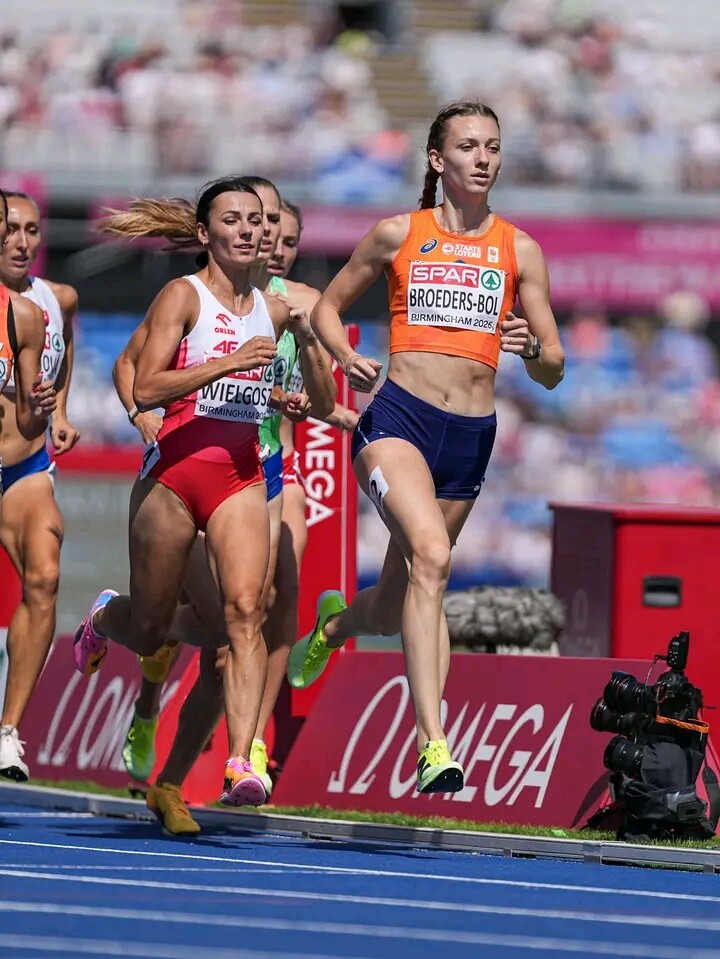
Broeders-Bol also progressed with little difficulty, stopping the clock at 1:59.96. Best known for her achievements over the 400m hurdles, the Dutch star has developed into an increasingly intriguing presence over 800m, bringing speed and versatility to a race packed with established middle-distance talent.
The semi-final will also feature Audrey Werro of Switzerland, whose presence adds another layer of danger to an already compelling contest. The Swiss star has enjoyed a remarkable season and recently produced 1:53.98, the third-fastest time in history, before also progressing safely through the Birmingham heats in 1:57.83.
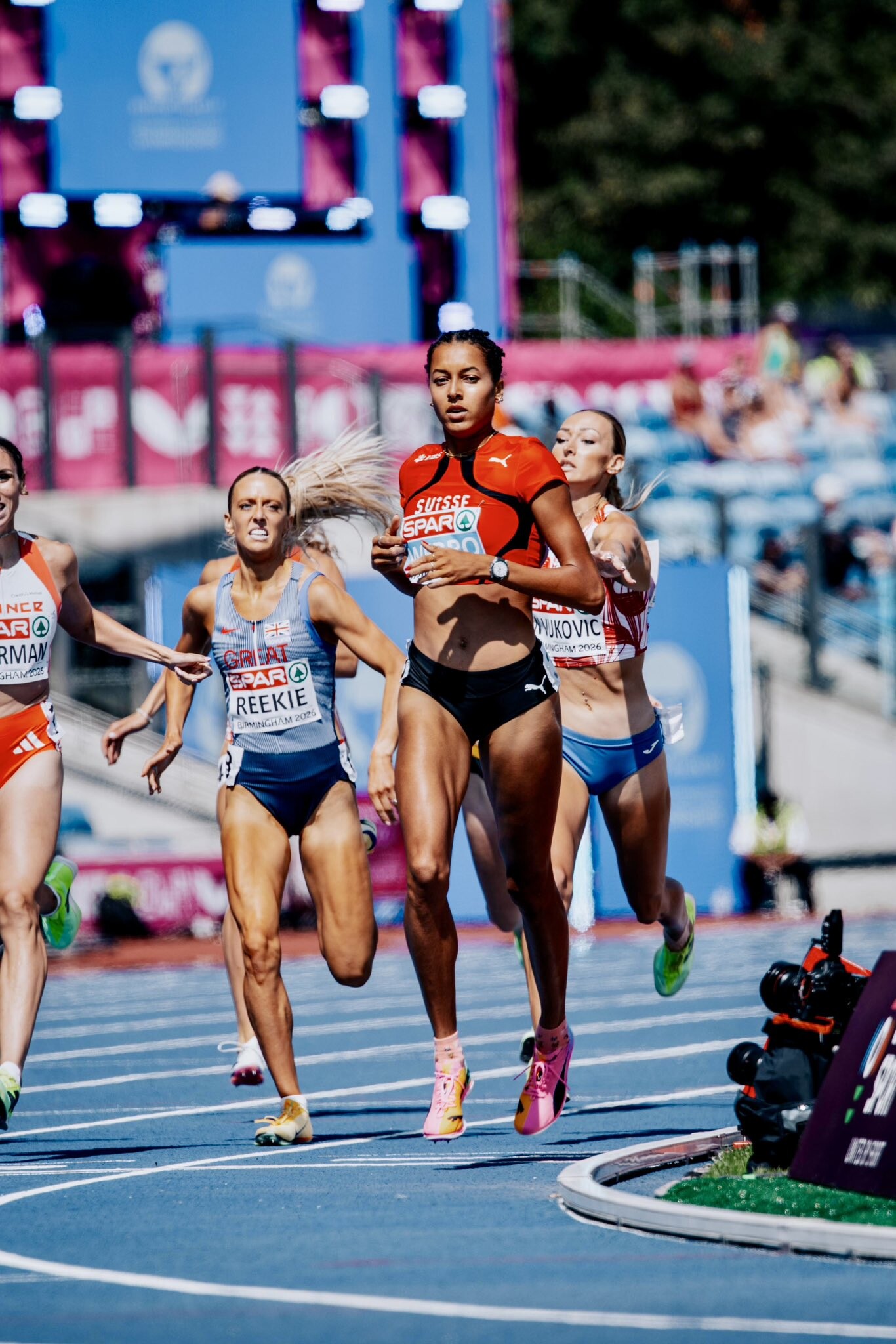
What makes this showdown particularly fascinating is the contrasting strengths of the leading contenders. Hodgkinson possesses immense championship experience and has repeatedly shown that she thrives when the pressure is at its highest. Werro brings extraordinary speed and the confidence of having recently defeated Hodgkinson in Stockholm, while Broeders-Bol’s transition from the 400m hurdles to the two-lap event gives her a distinctive blend of speed, strength and tactical versatility.
With the final only one day away, there is little room for error. The opening lap, positioning and the ability to unleash a decisive surge in the closing metres could determine who advances. Every stride will matter as the contenders fight not only for qualification, but also for momentum heading into the championship showdown.
For Hodgkinson, the Birmingham stage offers another opportunity to turn home support into a memorable performance. For Broeders-Bol and Werro, it is a chance to challenge one of the event’s most decorated figures and prove that the European 800m crown is anything but predictable.
The ingredients are perfect: speed, experience, ambition and a place in the final on the line. Birmingham is ready for another spectacular 800m battle.
by Erick Cheruiyot for My Best Runs.
Login to leave a comment
European Athletics Champioships
The27thEuropean Athletics Championshipswill be held from 10 to 16 August 2026 at theAlexander StadiuminBirmingham, United Kingdom.[1] This is the first time that a British city will have staged the European Athletics Championships although Birmingham has hosted many high-profile events, including the2007 European Athletics Indoor Championships, the2003and2018 IAAF World Indoor Championshipsand the2022 Commonwealth Games. Alexander Stadium was renovated between 2019 and...
more...
Mark English Shatters 48-Year-Old Championship Record as Birmingham 800m Final Promises Fireworks
Ireland’s Mark English produced one of the defining performances of the 2026 European Athletics Championships in Birmingham, storming to a breathtaking 1:43.49 to win his men’s 800m semi-final and rewrite the championship record books.
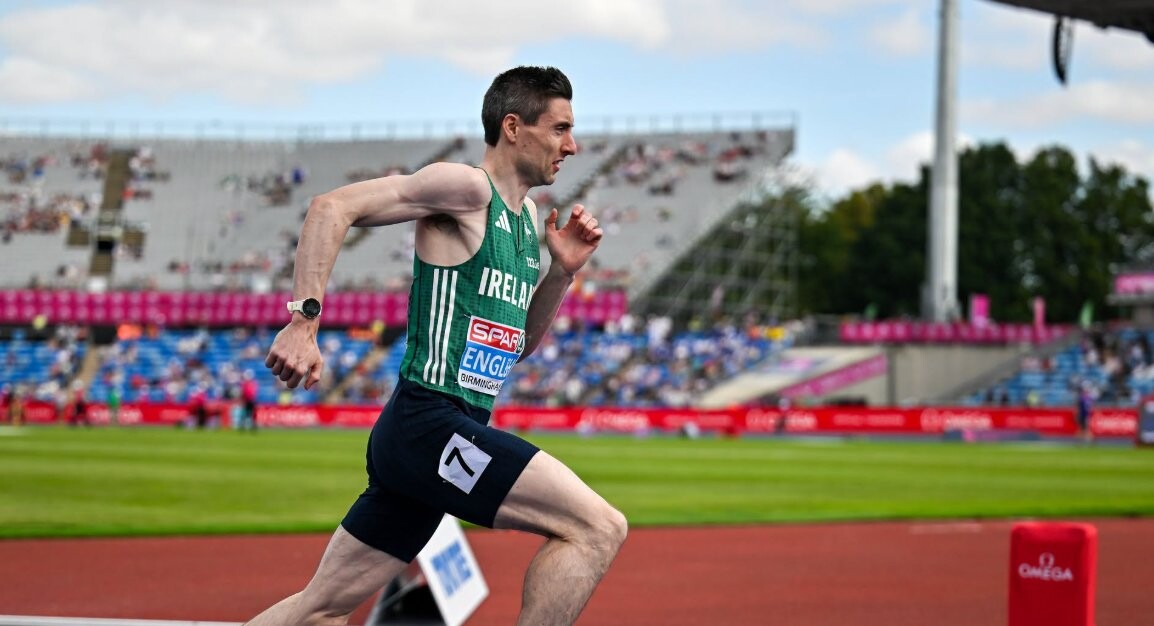
The 33-year-old Donegal native delivered a perfectly judged display of speed, strength and composure, attacking the race with confidence before unleashing a powerful finish that carried him through the line in a sensational time.
English passed the bell in 51.36 before maintaining his relentless rhythm over the second lap. As the race entered its decisive stages, he found another gear and powered away from his challengers, stopping the clock at 1:43.49 to become the fastest qualifier for the final.
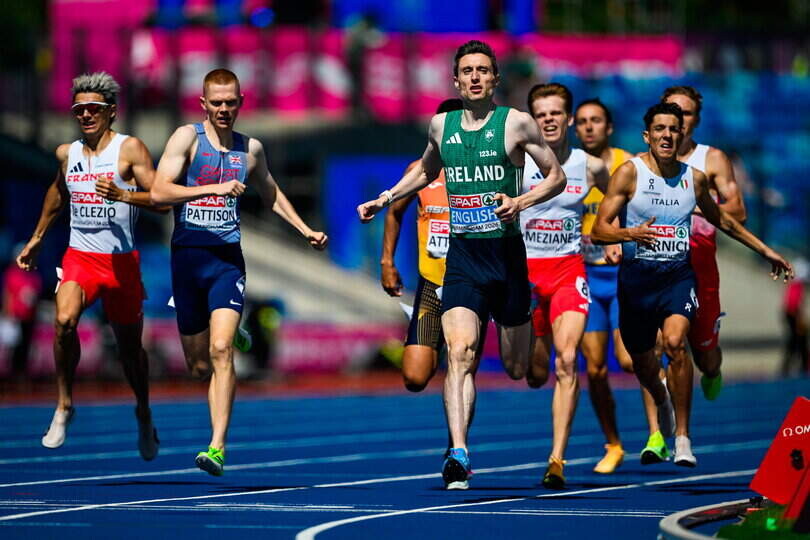
More significantly, his performance erased a record that had stood for nearly half a century. English lowered Olaf Beyer’s 1:43.84 championship record by 0.35 seconds, bringing an extraordinary 48-year chapter of European 800m history to a close.
The performance also underlined just how fiercely competitive the Birmingham final will be. Five athletes broke the 1:44 barrier in the semi-finals, setting the stage for what promises to be one of the most explosive 800m finals of the championships.
Great Britain’s Ben Pattison emerged as the second-fastest finalist in 1:43.72, while France’s Corentin Le Clezio ran a personal best of 1:43.80 to secure the third-fastest qualifying time. Spain’s Mohamed Attaoui followed with a season’s best of 1:43.82, while Italy’s Francesco Pernici completed the group of athletes under 1:44 with 1:43.84.
Great Britain’s Max Burgin advanced in 1:44.73, Croatia’s Marino Bloudek clocked 1:44.96, and Spain’s David Barroso also stopped the clock at 1:44.96 to complete the eight-man final field.
But all eyes will inevitably turn to English.
Having already dismantled a record that survived generations of European 800m runners, the Irishman now enters the final as the man everyone will be chasing. His 1:43.49 has not only established him as the championship’s fastest qualifier but has also raised the tantalising question of how much faster he can go when the medals are on the line.
With five finalists already under 1:44, Birmingham is ready for another spectacular battle.
And after making history in the semi-final, Mark English has given himself the perfect opportunity to write an even bigger chapter in the final.
by Erick Cheruiyot for My Best Runs.
Login to leave a comment
European Athletics Champioships
The27thEuropean Athletics Championshipswill be held from 10 to 16 August 2026 at theAlexander StadiuminBirmingham, United Kingdom.[1] This is the first time that a British city will have staged the European Athletics Championships although Birmingham has hosted many high-profile events, including the2007 European Athletics Indoor Championships, the2003and2018 IAAF World Indoor Championshipsand the2022 Commonwealth Games. Alexander Stadium was renovated between 2019 and...
more...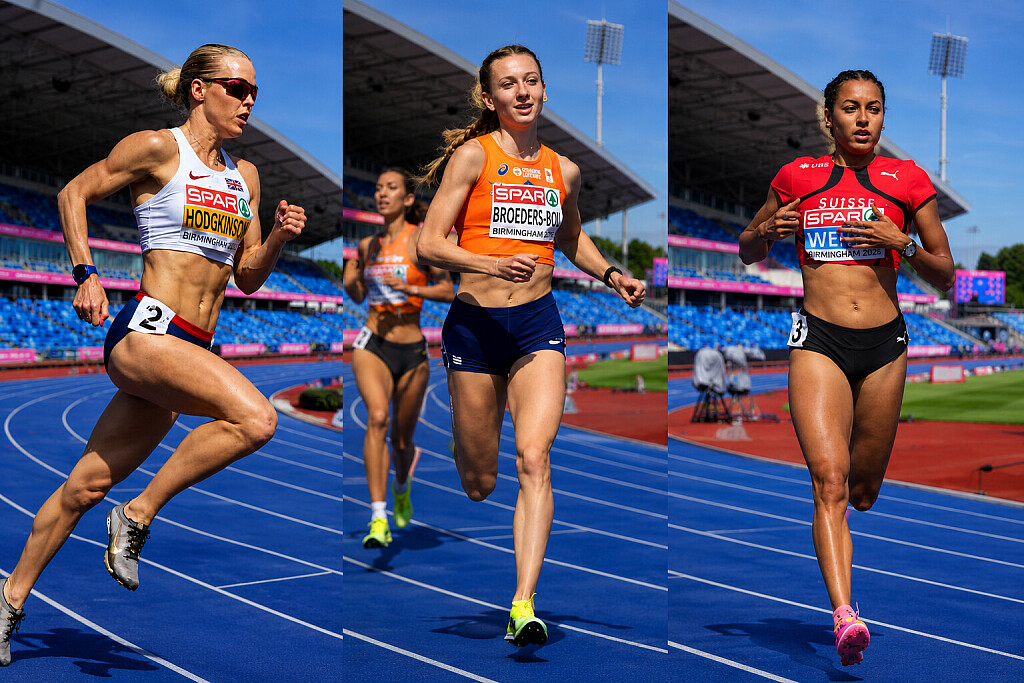
Hodgkinson Leads European 800m Charge as Coiro Smashes Italian Record in Birmingham
Keely Hodgkinson made an emphatic start to her European Athletics Championships campaign in Birmingham, delivering the fastest performance of the women’s 800m opening rounds as the defending champion immediately underlined her ambitions for another continental title.
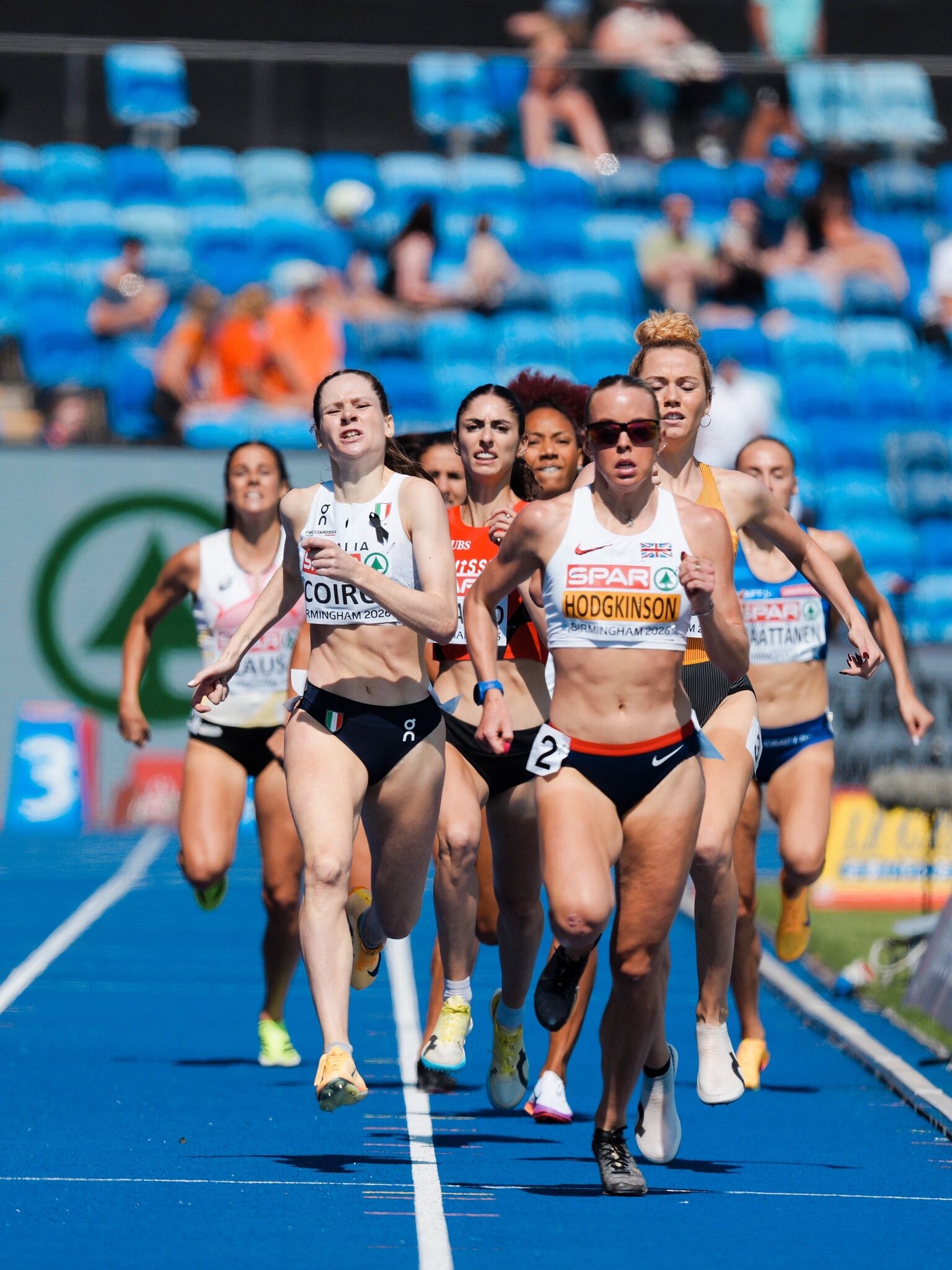
The British star looked relaxed yet authoritative throughout her heat, producing a controlled 1:57.28 to qualify fastest for the semifinals. Hodgkinson, who has established herself as one of Europe’s leading middle-distance athletes, never appeared troubled as she secured her progression with plenty of confidence.
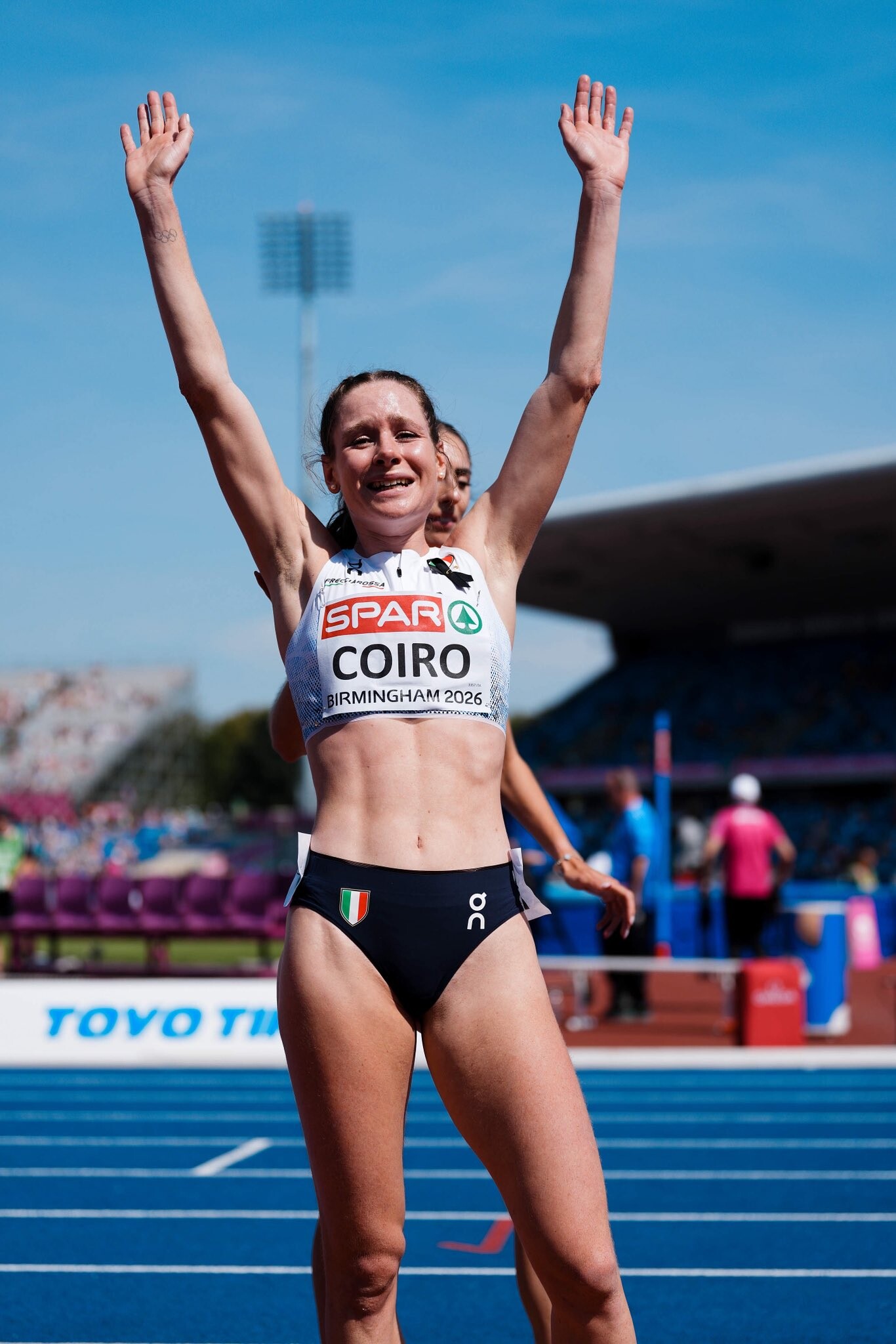
Behind her, Italy’s Eloisa Coiro produced one of the standout performances of the opening round. The Italian clocked 1:57.56, setting a new national record and advancing with a performance that immediately placed her among the leading contenders for the medals.
Germany’s Majtie Kolberg also impressed with 1:57.80, while Switzerland’s Audrey Werro followed closely in 1:57.83. Both athletes advanced automatically, adding further depth to an already formidable semifinal field.
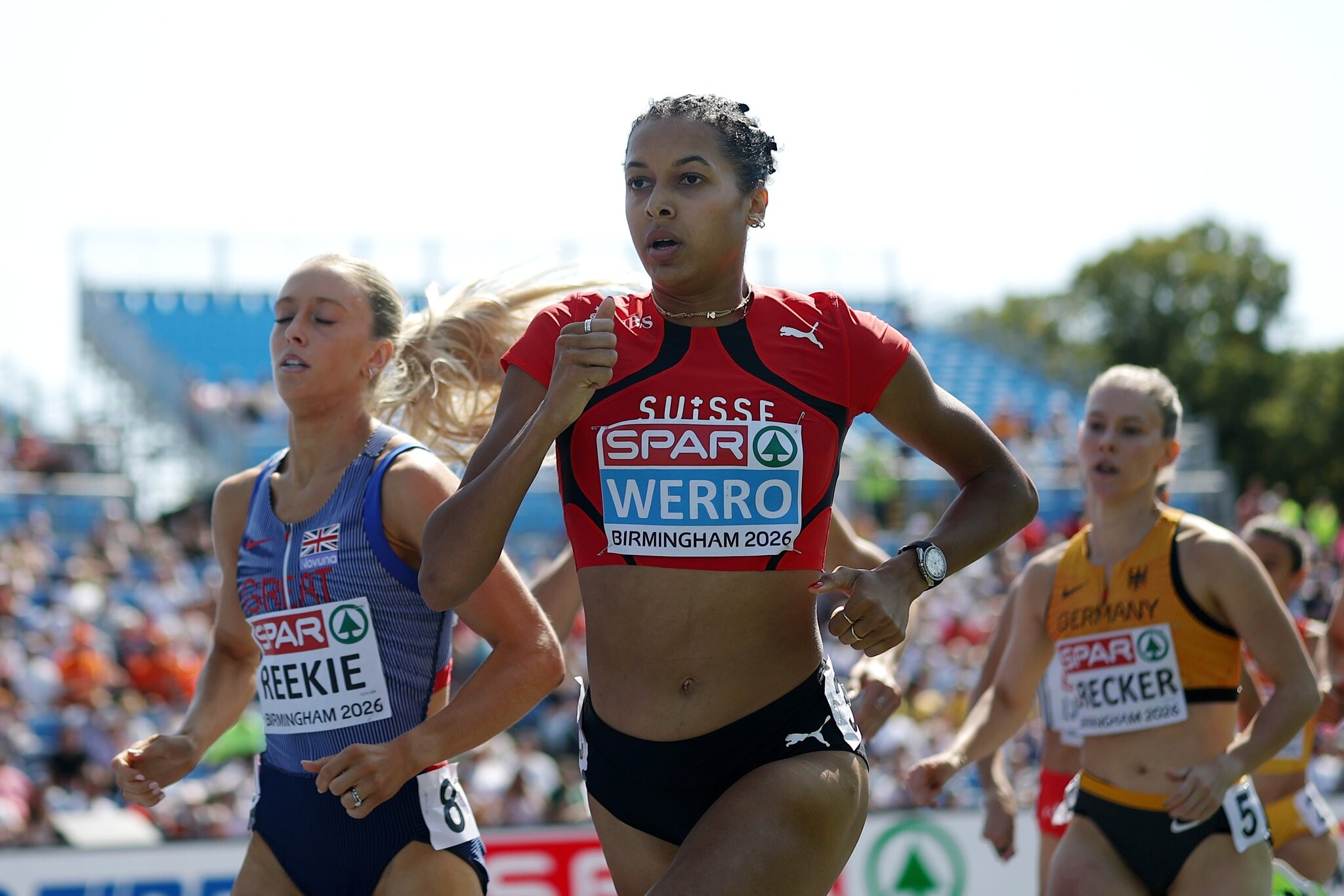
The battle for the remaining places was equally competitive. Italy’s Elena Bellò Vancardo ran 1:58.20, while France’s Clara Liberman stopped the clock at 1:58.23. Croatia’s Elena Vuković followed in 1:58.38, with Britain’s Jemma Reekie qualifying in 1:58.45.
Spain’s Lorea Mitjans and France’s Anaïs Lamotte also broke 1:59, recording 1:58.52 and 1:58.65 respectively. Lithuania’s Gabrielė Galvydytė, Switzerland’s Valentina Rosamilia and France’s Anaïs Bourgoin all advanced after running under 2:00.
The Netherlands’ Femke Broeders-Bol completed her heat in 1:59.96, while Slovakia’s Gabriela Gajanová and Spain’s Lorena Martín Royo secured the final automatic qualification places in 2:00.27 and 2:00.62.
With Hodgkinson, Werro, Reekie and Broeders-Bol safely through, and Coiro arriving in the semifinals with a new Italian record, the women’s 800m is already shaping up as one of the most fiercely contested events of the Birmingham championships.
Hodgkinson has made her intentions clear: the European crown remains hers to defend. But with Coiro producing a national-record performance and several of Europe’s strongest 800m runners advancing in impressive fashion, the road to another title is unlikely to be straightforward.
The semifinals now await — and the real fight for European supremacy is only beginning.
by Erick Cheruiyot for My Best Runs.
Login to leave a comment
European Athletics Champioships
The27thEuropean Athletics Championshipswill be held from 10 to 16 August 2026 at theAlexander StadiuminBirmingham, United Kingdom.[1] This is the first time that a British city will have staged the European Athletics Championships although Birmingham has hosted many high-profile events, including the2007 European Athletics Indoor Championships, the2003and2018 IAAF World Indoor Championshipsand the2022 Commonwealth Games. Alexander Stadium was renovated between 2019 and...
more...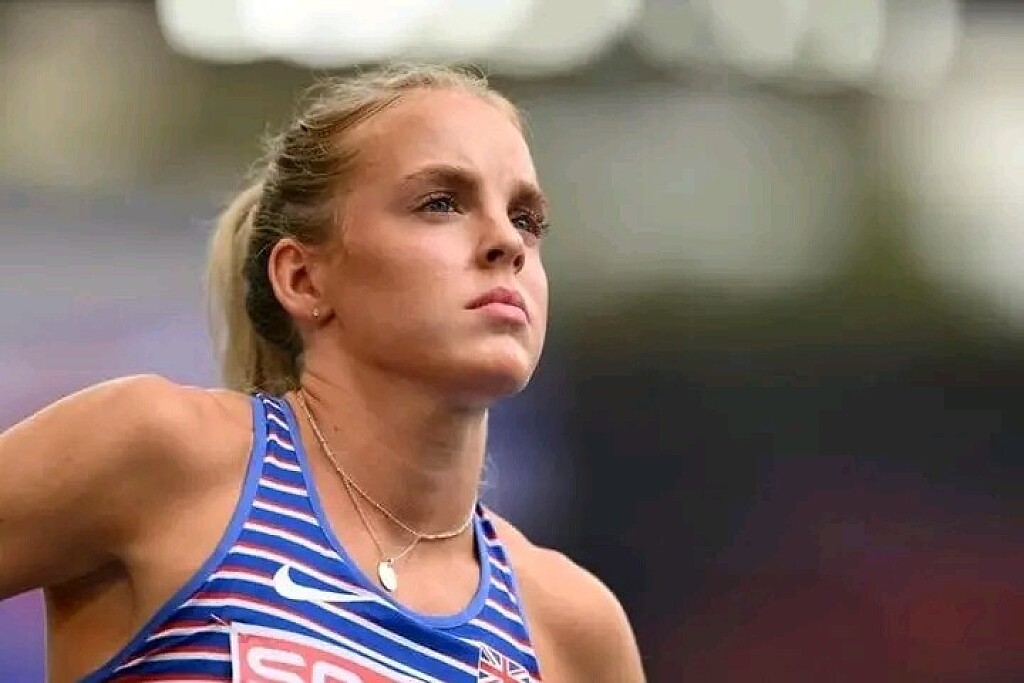
Keely Hodgkinson Embraces Fierce 800m Challenge In Bid For Third European Crown
Keely Hodgkinson is relishing the quality of competition awaiting her in Birmingham as she prepares to defend her European 800m title and pursue an unprecedented hat-trick on home soil.
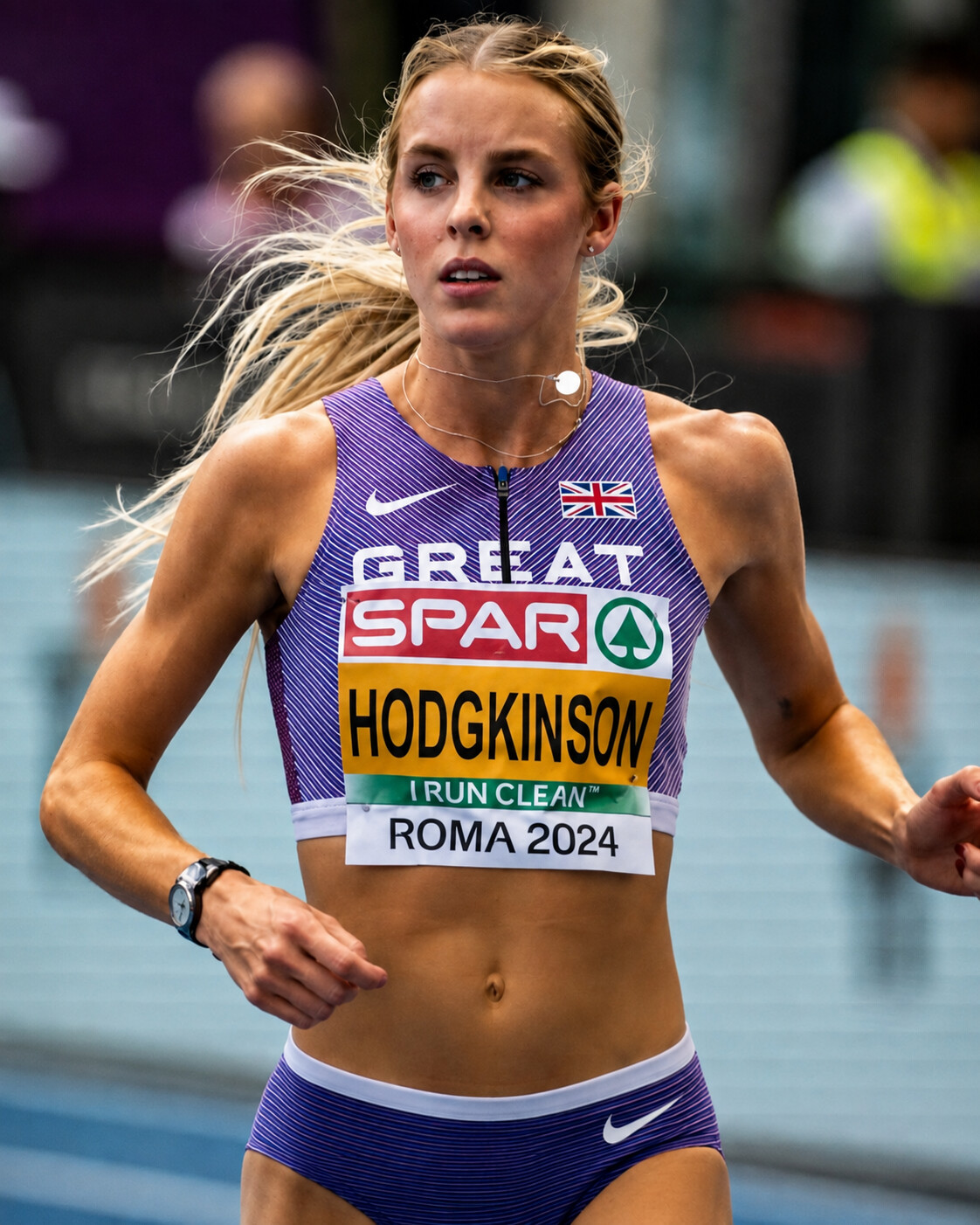
The Olympic champion arrives at the European Athletics Championships as the reigning two-time European champion over two laps, having successfully defended the title in Rome in 2024 after first winning European gold in Munich in 2022. Now, with a home crowd expected to rally behind her, Hodgkinson has another opportunity to underline her place among the leading 800m runners of her generation.
Her credentials are formidable. Hodgkinson produced the fastest race of her career at the Stockholm Diamond League, clocking 1:54.33 to break the British record and move to second on the world list for 2026. Only Austria’s Audrey Werro has gone faster this year, with her 1:53.80 placing her at the top of the rankings.
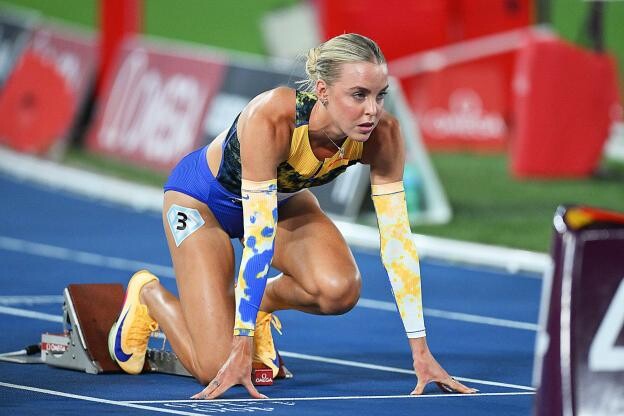
The Birmingham field also includes formidable opposition, with Femke Broeders-Bol at 1:55.60 and France’s Anaïs Bourgoin at 1:55.65, ensuring Hodgkinson will have little room for error if she is to extend her European reign.
Yet the 24-year-old Briton is not allowing the weight of expectation to overshadow what she has already achieved. Reflecting on her British-record performance in Stockholm, Hodgkinson emphasised that the mark represents the fastest she has ever run and something she wants to appreciate rather than take for granted.
“It was my fastest time ever and I’m going to remind myself of that because I’m proud of that,” Hodgkinson said.
Her perspective on the European Championships has also evolved as the standard of women’s 800m running across the continent has risen dramatically.
Looking back to the 2024 European Championships in Rome, Hodgkinson pointed to how much the event has progressed since then. She noted that the improvement in the European standard means winning a continental title now carries a significance comparable to a global championship.
“It means that a European title is just as important and just as fun as a world title at this point,” she said.
That transformation has added another layer to Hodgkinson’s challenge in Birmingham. She is not simply defending a title; she is entering an 800m environment that has become increasingly competitive, with several athletes now capable of producing times that would previously have been considered exceptional.
For Hodgkinson, however, the pressure of a home championship appears to be part of the attraction. With two European titles already secured, an Olympic gold medal in her collection and a new British record to her name, she arrives in Birmingham with both experience and ambition.
The target is clear: another European crown, another chapter in her remarkable 800m career and, potentially, a third consecutive continental title in front of a home crowd.
by Erick Cheruiyot for My Best Runs.
Login to leave a comment
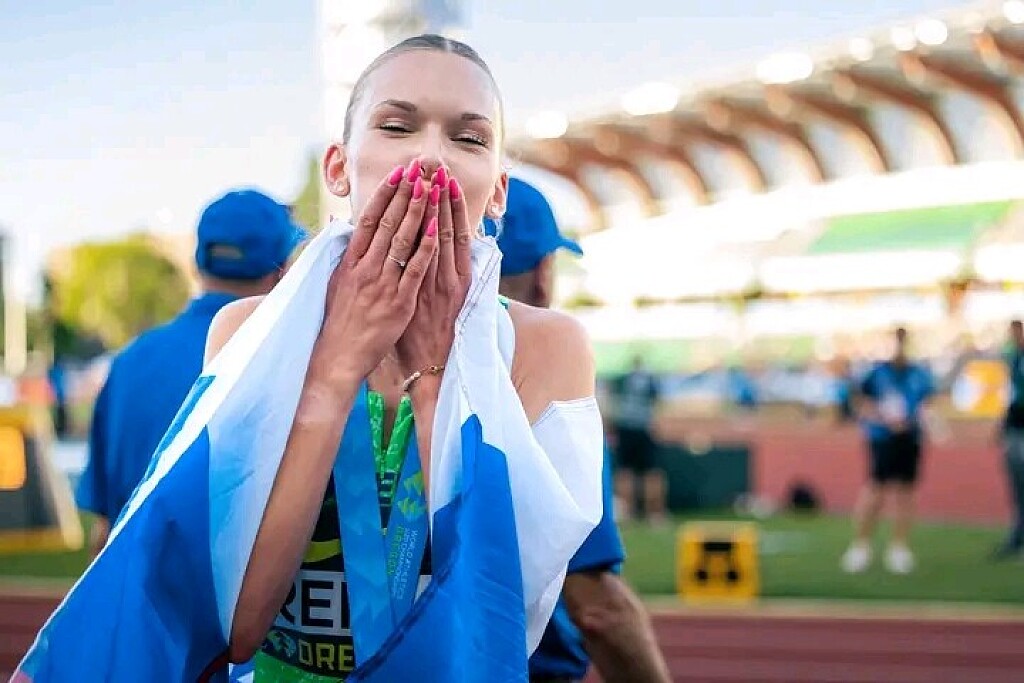
Živa Remic, 16, Stuns The World With Dramatic U20 800m Triumph
Sixteen years old and already a world champion. Slovenia’s Živa Remic produced a sensational performance in the women’s 800m final at the World Athletics U20 Championships, delivering a perfectly timed finishing surge to capture the gold medal in one of the closest races of the championships.
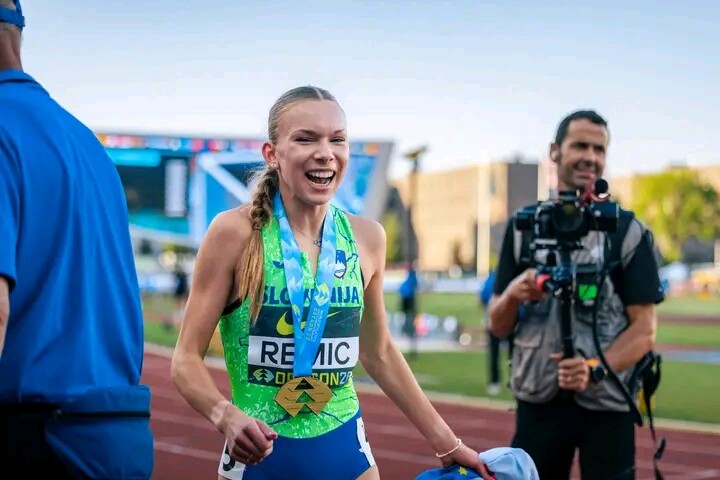
Remic remained firmly in contention throughout the race before unleashing her decisive move in the closing metres. With the medals still up for grabs, the young Slovenian found another gear approaching the line and edged clear at precisely the right moment, stopping the clock at 2:03.03.
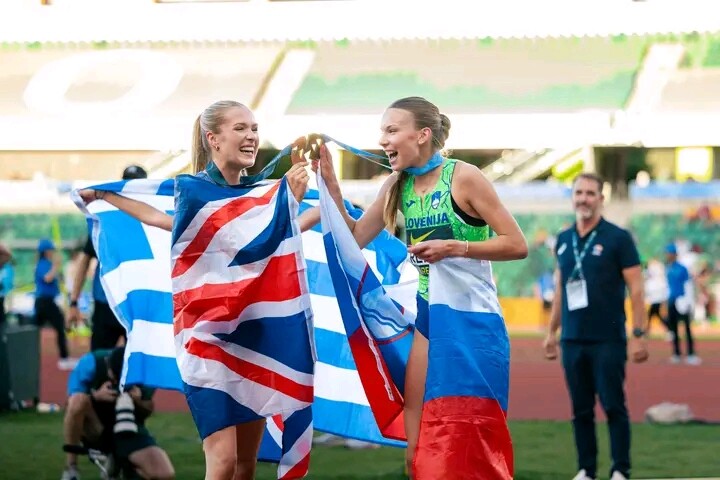
Greece’s Ioulianna Roussou refused to surrender and pushed Remic all the way to the finish. Roussou crossed the line in 2:03.08, just 0.05 seconds behind the champion, turning the final into an extraordinary battle decided by the smallest of margins.
Great Britain’s Shaikira King also produced an impressive performance to secure the bronze medal in 2:03.52, completing a podium separated by less than half a second.
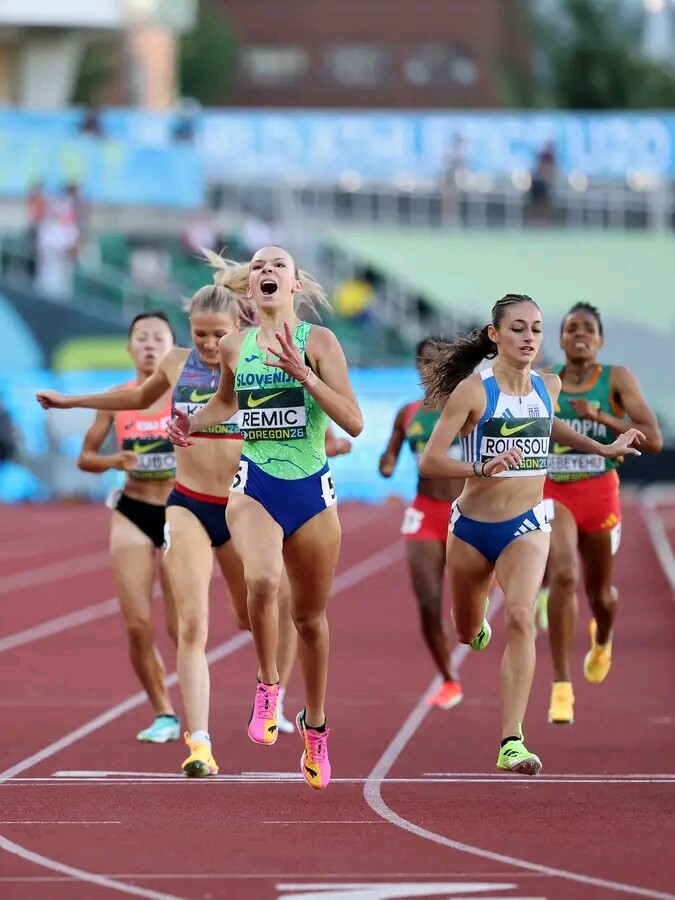
For Remic, the victory represents a major breakthrough on the global stage. At an age when many athletes are still gaining experience at major championships, she has already demonstrated the composure and finishing speed required to win a world title against some of the strongest young 800m runners in the world.
The Slovenian’s victory is even more remarkable considering the depth of talent in the final. Ethiopia’s Habtam Gebeyehu led the African challenge, finishing fourth in 2:03.99, while Japan’s Rin Kubo followed closely in fifth with 2:04.00. Canada’s Chloe Symon was sixth in 2:04.24, with Ethiopia’s Derartu Shibiru seventh in 2:04.81.
American Paige Sheppard finished eighth in 2:06.94, while Poland’s Róża Olchawa completed the final in 2:10.64.
Remic’s triumph also adds another chapter to what is becoming an extraordinary rise in the 800m. The teenager has already shown that she possesses the speed and competitive confidence to challenge at the highest level of junior athletics, and her ability to produce such a composed finish under championship pressure suggests there could be much more to come.
The defining image of the final was Remic surging toward the line while her closest rivals battled desperately behind her. When the clock stopped at 2:03.03, Slovenia had its newest world champion.
At just 16, Živa Remic has already reached the top of the world in her age category. Her golden finish was not only a victory—it was a powerful introduction to a young athlete whose name could become increasingly familiar in international middle-distance running.
by Erick Cheruiyot for My Best Runs.
Login to leave a comment
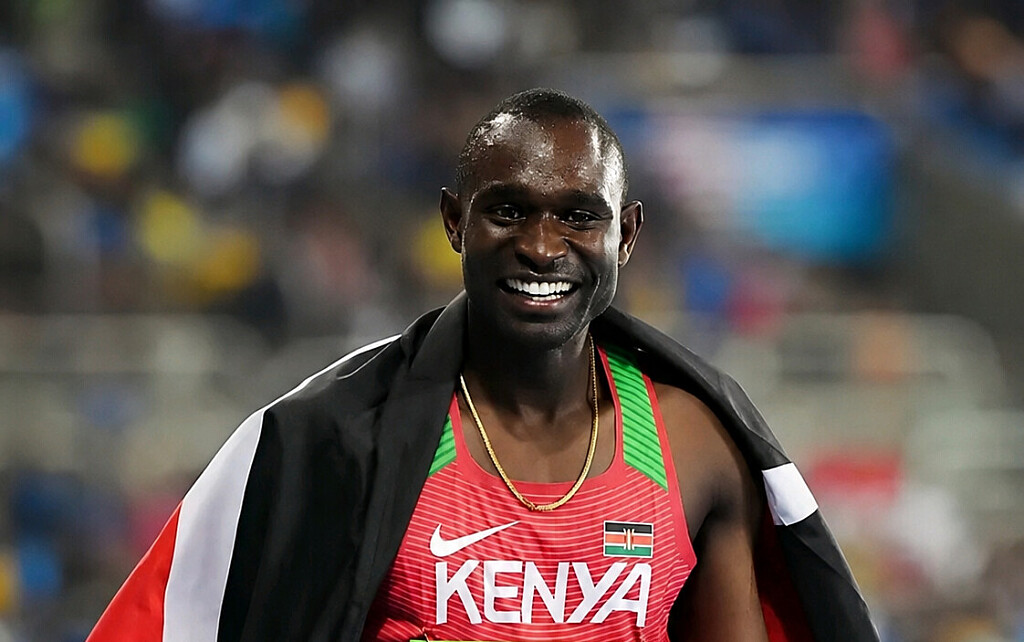
David Rudisha’s 1:40.91: Fourteen Years Later, The 800m Still Has A Mountain To Climb
Fourteen years ago this weekend, David Rudisha delivered one of the most extraordinary performances ever witnessed on an athletics track — and remarkably, his world record still stands.
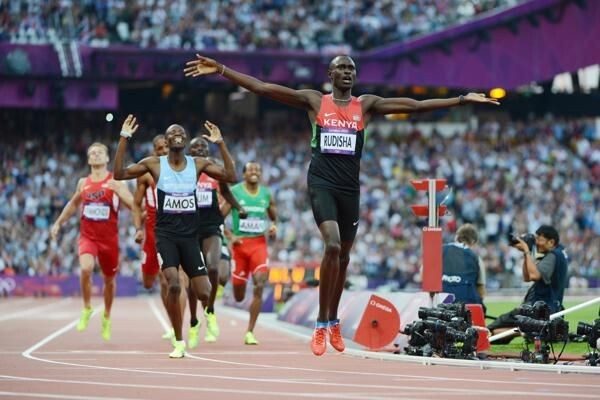
On August 9, 2012, the Kenyan lined up for the Olympic 800m final at London’s Olympic Stadium alongside seven of the world’s finest half-milers. What followed was a race that would forever redefine the limits of the event.
Rudisha did not wait for the final straight. From the gun, he went straight to the front and imposed a relentless pace on the field. He reached the 400m mark in a blistering 49.28 seconds, but instead of paying the price for such an aggressive opening lap, he continued to drive forward.
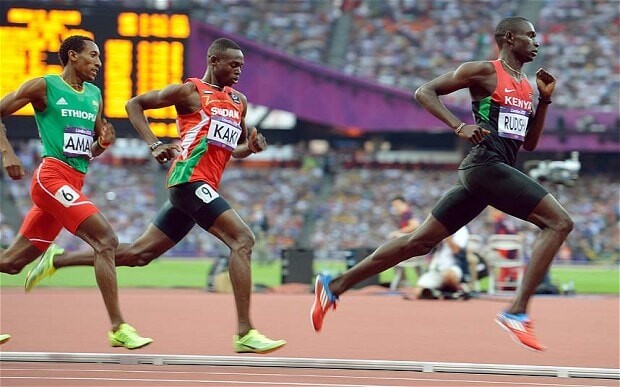
He passed 600m in 1:14.30 before producing a remarkable final 200 metres to cross the finish line in 1:40.91.
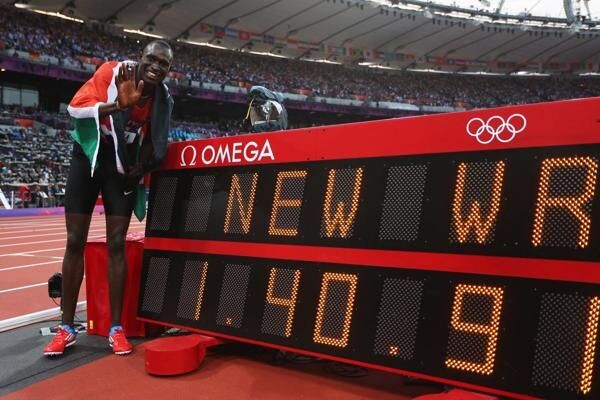
The stadium erupted.
Rudisha had broken his own world record and, for the first time in history, an athlete had broken the 1:41 barrier in the 800 metres. Even more remarkably, he had done it in an Olympic final, without a pacemaker and under the immense pressure of competing for the sport’s ultimate prize.
The runners behind him were dragged into history by his pace.
Botswana’s Nijel Amos finished second in 1:41.73, a world junior record at the time. Kenya’s 17-year-old Timothy Kitum produced a stunning 1:42.53 to take bronze, while American Duane Solomon ran 1:42.82 and Nick Symmonds clocked 1:42.95, both personal bests.
Ethiopia’s Mohammed Aman ran 1:43.20 for a national record, Abubaker Kaki finished in 1:43.32, and Great Britain’s Andrew Osagie completed the field in 1:43.77, also a personal best.
It was an extraordinary final in which all eight athletes finished inside 1:44, a testament to the astonishing pace set by the Kenyan.
Yet Rudisha was operating on another level.
His London performance was not a sudden flash of brilliance. It was the culmination of an era in which he had transformed the 800m through his fearless front-running style. Two years earlier, he had lowered the world record to 1:41.01 in Rieti, Italy. In London, he found another tenth of a second when the pressure was at its greatest.
That is what has made the record so difficult to approach.
For fourteen years, some of the greatest 800m runners of their generations have come and gone, but none has managed to take the final steps toward Rudisha’s mark. Nijel Amos remains the closest, his 1:41.73 from that same Olympic final leaving him 0.82 seconds short.
Then came Emmanuel Wanyonyi.
The young Kenyan has emerged as one of the most exciting 800m runners of his generation. In Lausanne in 2024, Wanyonyi produced a stunning 1:41.11, moving level with Wilson Kipketer as the second-fastest man in history and coming within just 0.20 seconds of Rudisha’s world record.
Twenty hundredths of a second may look insignificant on paper, but at the very top of the 800m, they represent a formidable barrier.
Wanyonyi has shown that Rudisha’s record is not beyond imagination. But reaching it requires something extraordinary — the perfect combination of speed, endurance, courage and execution over two unforgiving laps.
And perhaps that is what makes Rudisha’s achievement so enduring.
There was no pacemaker guiding him through the race. There was no carefully constructed invitational designed solely around producing a fast time. There was simply an Olympic final, eight athletes, two laps and a Kenyan determined to run faster than anyone had ever run before.
Rudisha went from the gun, controlled the race from the front and somehow maintained the speed required to produce a time that has remained beyond the reach of every challenger for fourteen years.
The next generation is getting closer, and Wanyonyi has shown that the record can at least be approached.
But 1:40.91 remains David Rudisha’s masterpiece — a world record forged under the brightest lights and on the biggest stage, and one that continues to define greatness in the 800 metres.
Fourteen years later, the challengers are getting closer, but Rudisha’s 1:40.91 remains the mountain every 800m runner dreams of climbing.
by Erick Cheruiyot for My Best Runs.
Login to leave a comment
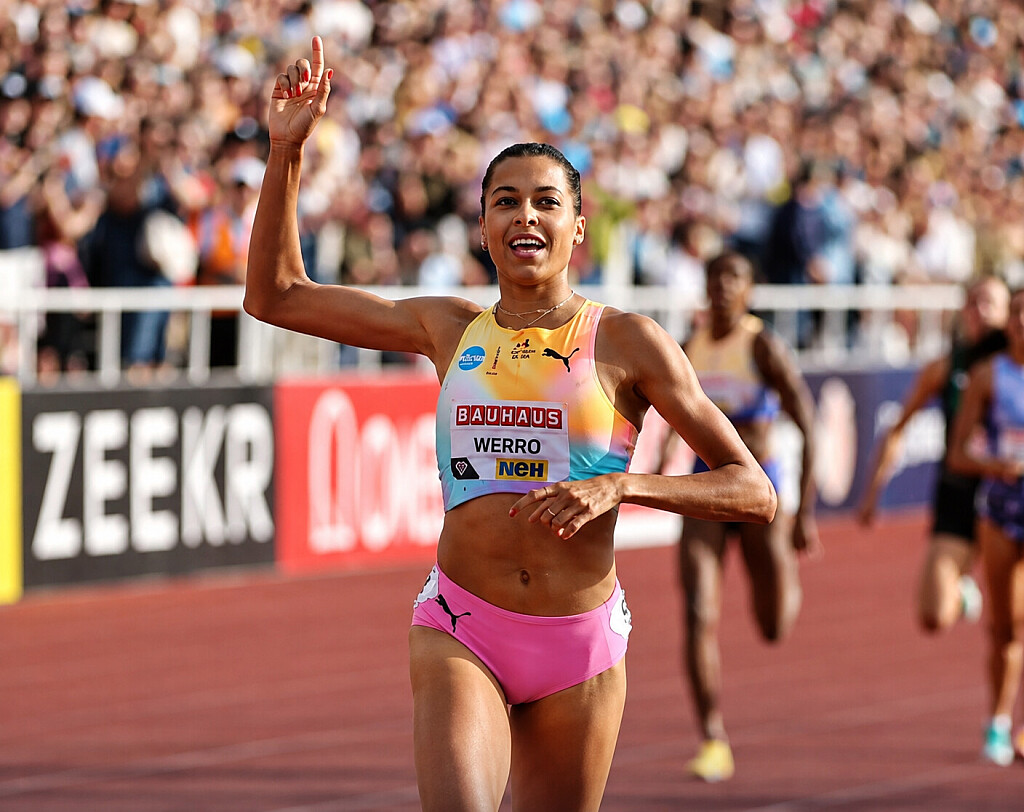
Audrey Werro Heads to Birmingham With History in Her Sights as Europe’s 800m Elite Prepare for a Blockbuster Showdown
Audrey Werro will arrive at the 2026 European Athletics Championships in Birmingham carrying more than just the hopes of Switzerland. The 22-year-old middle-distance star has established herself as the woman to beat in the women’s 800m, and she will enter Alexander Stadium with a world-leading time, extraordinary momentum and a realistic opportunity to chase one of athletics’ longest-standing records.
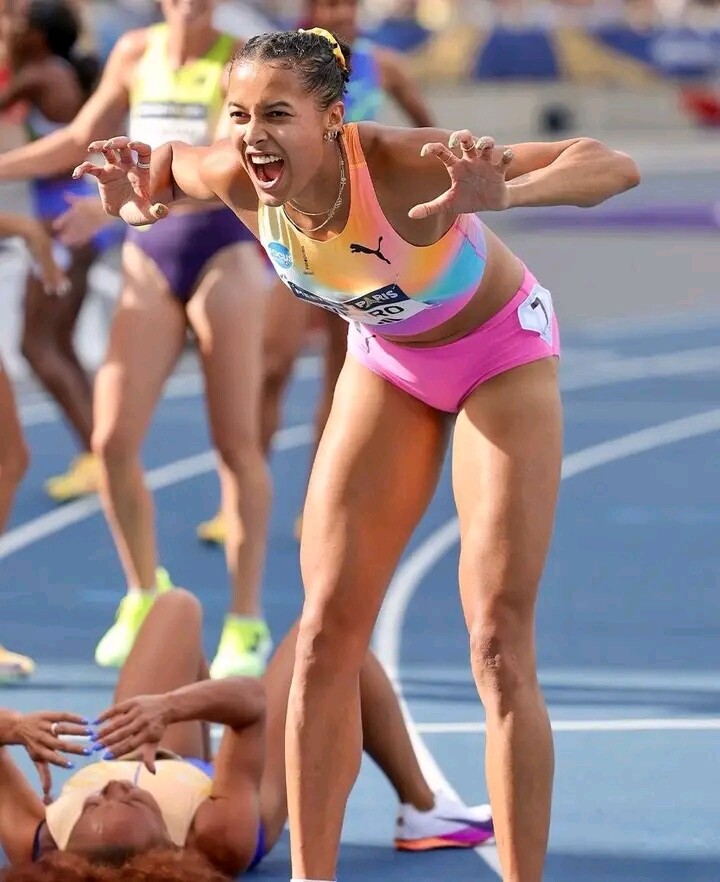
The European Championships will be held in Birmingham from August 10 to 16, with the women’s 800m among the events expected to command enormous attention.
Werro has already produced one of the defining performances of the 2026 season. At the Paris Diamond League on June 28, she stormed to 1:53.80, becoming only the third-fastest woman in history over 800m and moving within 0.52 seconds of Jarmila Kratochvílová’s world record of 1:53.28, which has stood since 1983.
Even more remarkable is that Paris was not an isolated performance.
Earlier in June, Werro stunned Olympic champion Keely Hodgkinson in Stockholm, producing 1:53.98 to claim another Diamond League victory. Hodgkinson followed in a personal best of 1:54.33, setting the stage for what could become one of the defining rivalries of the championship.
The numbers underline just how extraordinary the 2026 women’s 800m season has become.
Werro leads the world with 1:53.80, followed by Hodgkinson at 1:54.33. Femke Broeders-Bol has made a spectacular transition to the two-lap event, running 1:55.60 in Paris, while France’s Anaïs Bourgoin followed with a national record of 1:55.65. Britain’s Georgia Hunter Bell has also broken 1:56, clocking 1:55.93 in Birmingham earlier in the season.
That depth makes Birmingham particularly intriguing. Werro may be the fastest woman in the world this year, but she will not be racing in isolation. Hodgkinson brings Olympic and European championship pedigree, Broeders-Bol possesses exceptional finishing speed after moving across from the 400m hurdles, while Bourgoin and Hunter Bell have demonstrated that they are capable of staying in the conversation when the pace becomes ferocious.
Werro’s remarkable form has extended beyond the 800m. On June 23 in Biel, she ran 1:22.85 for 600m, the fastest mark on the 2026 world list for the event.
Her development has been equally impressive over the longer sprint distance. Werro owns a 400m personal best of 51.03, highlighting the speed reserve behind her increasingly dominant 800m performances.
The Swiss star has therefore arrived at a fascinating point in her career. She is no longer simply a promising young athlete. After being named European Athletics’ 2025 Women’s Rising Star and winning the European U23 title, Werro has now moved firmly into the senior elite.
And Birmingham could provide the biggest stage yet for her growing reputation.
The question is no longer whether Werro can run under 1:54. She has already done it twice this season. The question now is whether she can find the fractions required to move from an extraordinary performance to something historic.
The world record of 1:53.28 is only 0.52 seconds away.
With the European title on the line, Hodgkinson seeking another major championship triumph and a rapidly improving field ready to challenge for the podium, the women’s 800m could become one of the races of the entire Birmingham championships.
For Werro, however, the objective is simple: arrive ready, execute the perfect two laps and see just how close she can get to history.
Birmingham awaits. And Audrey Werro has already shown that she is ready.
by Erick Cheruiyot for My Best Runs.
Login to leave a comment
European Athletics Champioships
The27thEuropean Athletics Championshipswill be held from 10 to 16 August 2026 at theAlexander StadiuminBirmingham, United Kingdom.[1] This is the first time that a British city will have staged the European Athletics Championships although Birmingham has hosted many high-profile events, including the2007 European Athletics Indoor Championships, the2003and2018 IAAF World Indoor Championshipsand the2022 Commonwealth Games. Alexander Stadium was renovated between 2019 and...
more...
Rin Kubo Sets the Pace, But Women's 800m Gold Race Remains Wide Open at World U20 Championships
The women's 800m at the World Athletics U20 Championships is shaping up to be one of the most unpredictable events of the competition, with nothing settled after an enthralling opening round.
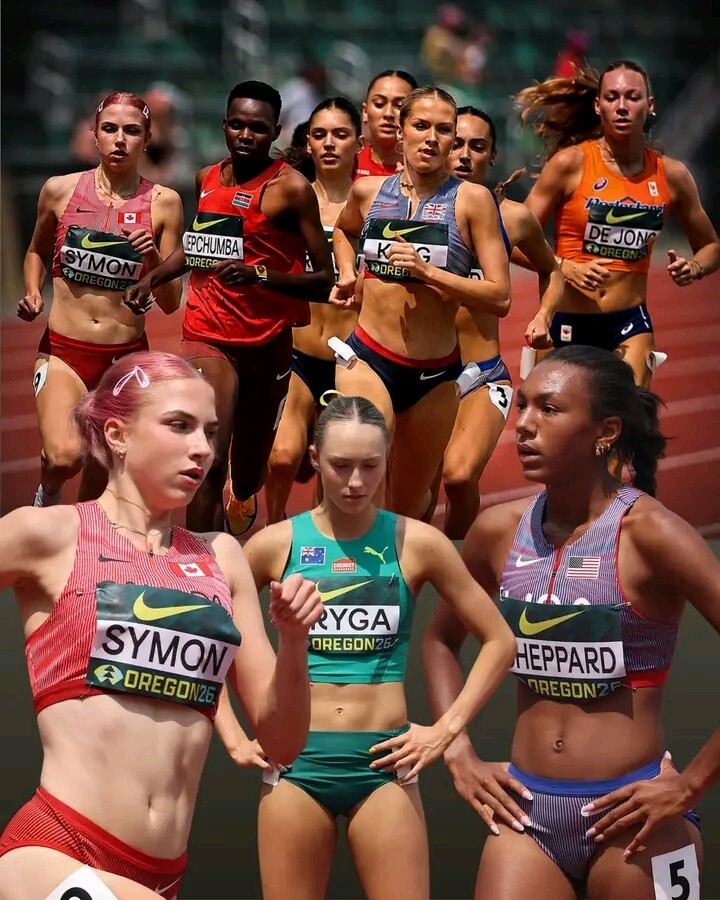
Japan's Rin Kubo took the first step in style, producing the fastest performance of the heats to qualify for the next round in 2:03.27. Calm, composed, and tactically brilliant, Kubo controlled her race from start to finish, underlining why she is among the leading contenders for the world U20 title.
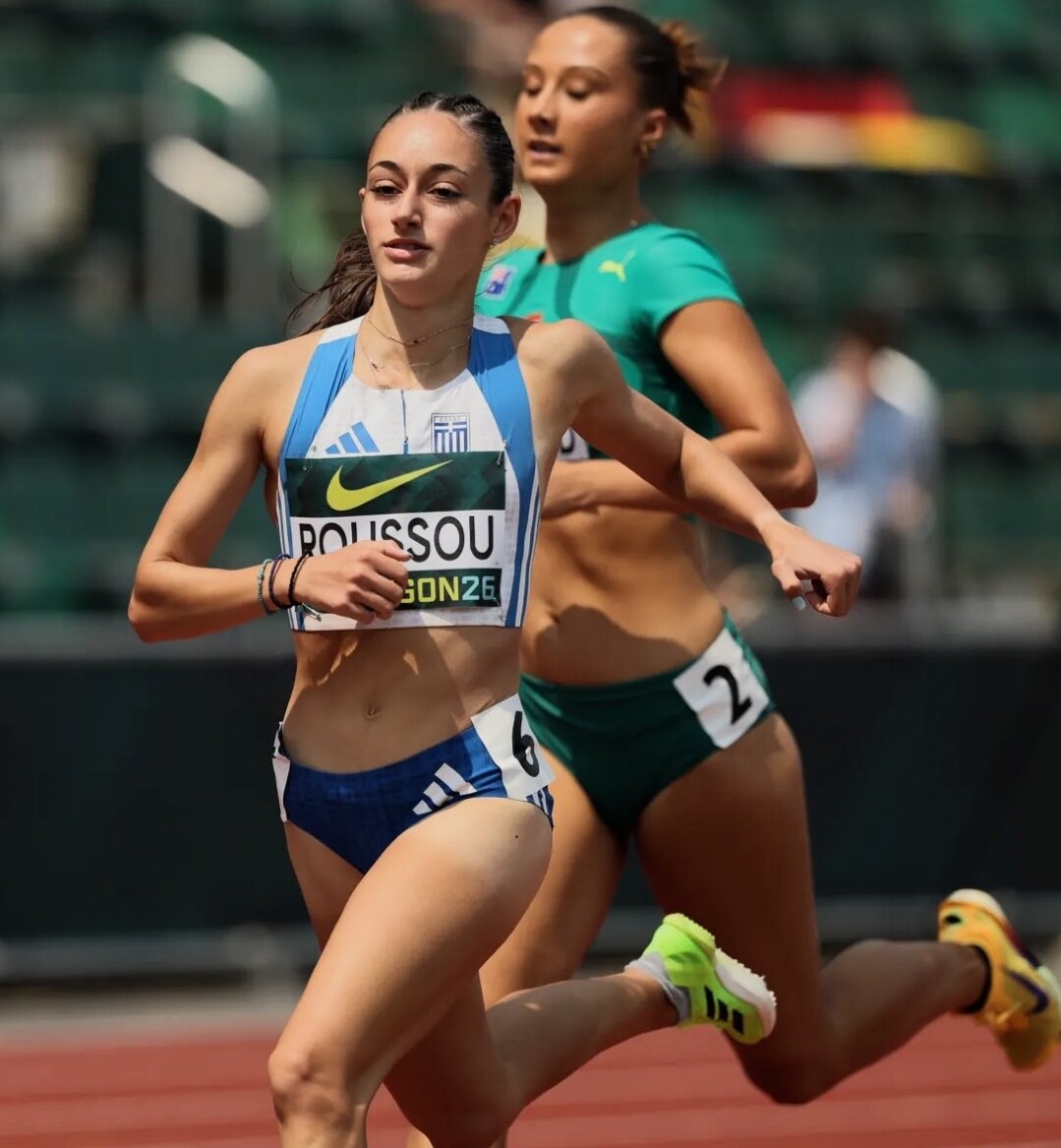
Her performance may have earned her the psychological advantage heading into the next stage, but the battle for gold is only just beginning. With a stacked field of talented athletes still in contention, the women's 800m remains wide open, and every qualifier will believe they have a genuine chance of reaching the podium.
The heats highlighted the remarkable depth of this year's championship, with several strong contenders advancing comfortably while conserving energy for the tougher rounds ahead. As the competition intensifies, tactics, positioning, and a perfectly timed finishing kick could prove just as important as raw speed.
Among those safely through to the semi-finals are Paige Sheppard, who qualified in 2:06.40, Shakira King in 2:06.02, Ioulianna Roussou with an impressive 2:04.47, and fastest qualifier Rin Kubo, whose 2:03.27 remains the benchmark heading into the next round. Their progression adds even more quality to an already fiercely competitive field.
With the semi-final lineup now locked in, attention turns to what promises to be a captivating contest. Every remaining athlete has earned the right to dream of a place in the final, and with the standard so evenly matched, the next round could produce the fastest and most dramatic racing of the championships so far. The battle for the world U20 crown is only gathering momentum.
by Erick Cheruiyot for My Best Runs.
Login to leave a comment
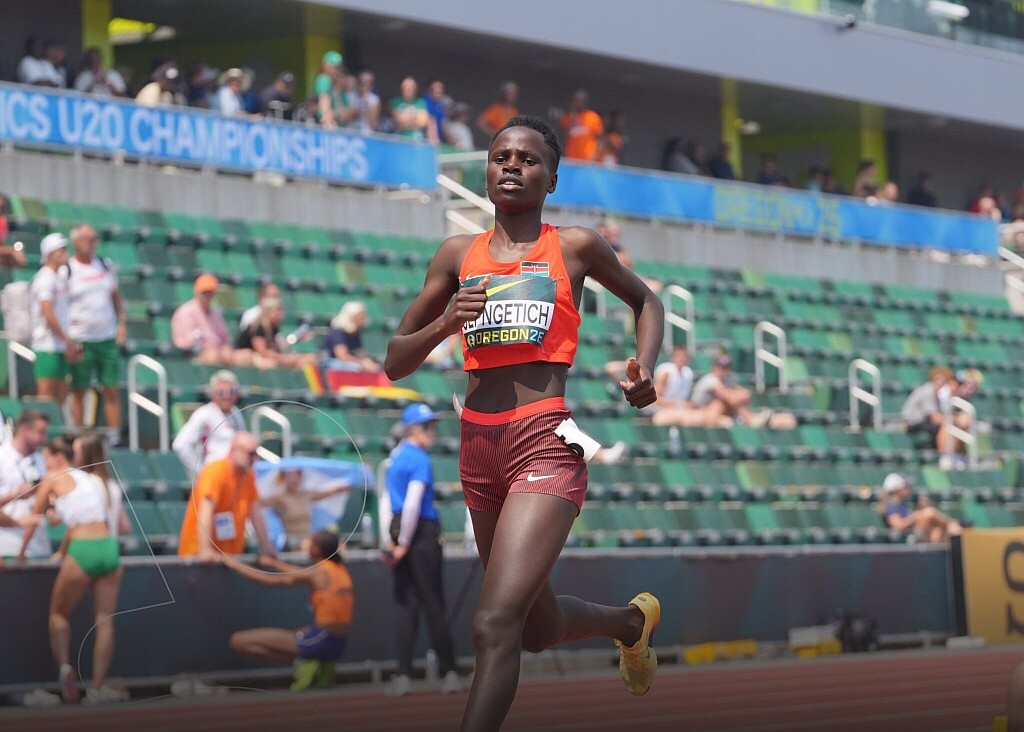
Heartbreak for Kenya as Nancy Jepngetich's Brilliant World U20 800m Victory Ends in Devastating Disqualification
What should have been one of the standout performances of the morning session at the World Athletics U20 Championships instead became one of the most heartbreaking moments for Team Kenya.
Nancy Jepngetich produced a breathtaking display in Heat Two of the women's 800 metres, storming away from the field to win in a remarkable 2:01.25. The young Kenyan looked in complete control from the opening stages, powering to the finish nearly 10 metres clear of her nearest rival and recording the fastest time of all the qualifying heats. It was a commanding performance that instantly established her as one of the leading contenders for the world junior title.
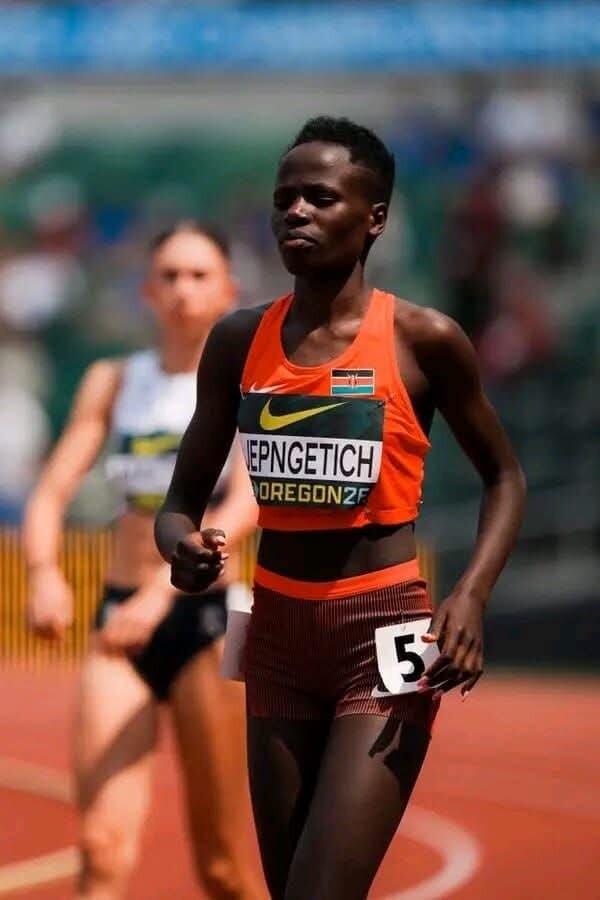
However, the celebrations were short-lived.
Moments after the race, officials disqualified Jepngetich for a lane infringement under World Athletics Rule 17.5.1, which requires athletes to remain in their assigned lane until reaching the designated break line. The ruling overshadowed what had been a sensational run and dramatically altered the outcome of the women's 800m competition.
Kenyan team officials immediately lodged an appeal, arguing that Jepngetich had gained no unfair advantage from the infringement and that it had no impact on the result of the race. After reviewing the race footage, the jury upheld the original decision, confirming the disqualification and ending her championship campaign before the semifinals.
The verdict transformed what had appeared to be one of the finest performances of the morning into one of the biggest talking points of the championships. In a matter of minutes, the fastest qualifier in the women's 800m was officially ruled out of the competition.
Jepngetich's disqualification means Kenya loses one of its strongest medal prospects in the event, with the official result standing despite the team's appeal. The decision brings a dramatic and heartbreaking end to her World Athletics U20 Championships campaign, ensuring that one of the fastest performances of the qualifying round will not feature in the semifinals.
by Erick Cheruiyot for My Best Runs.
Login to leave a comment
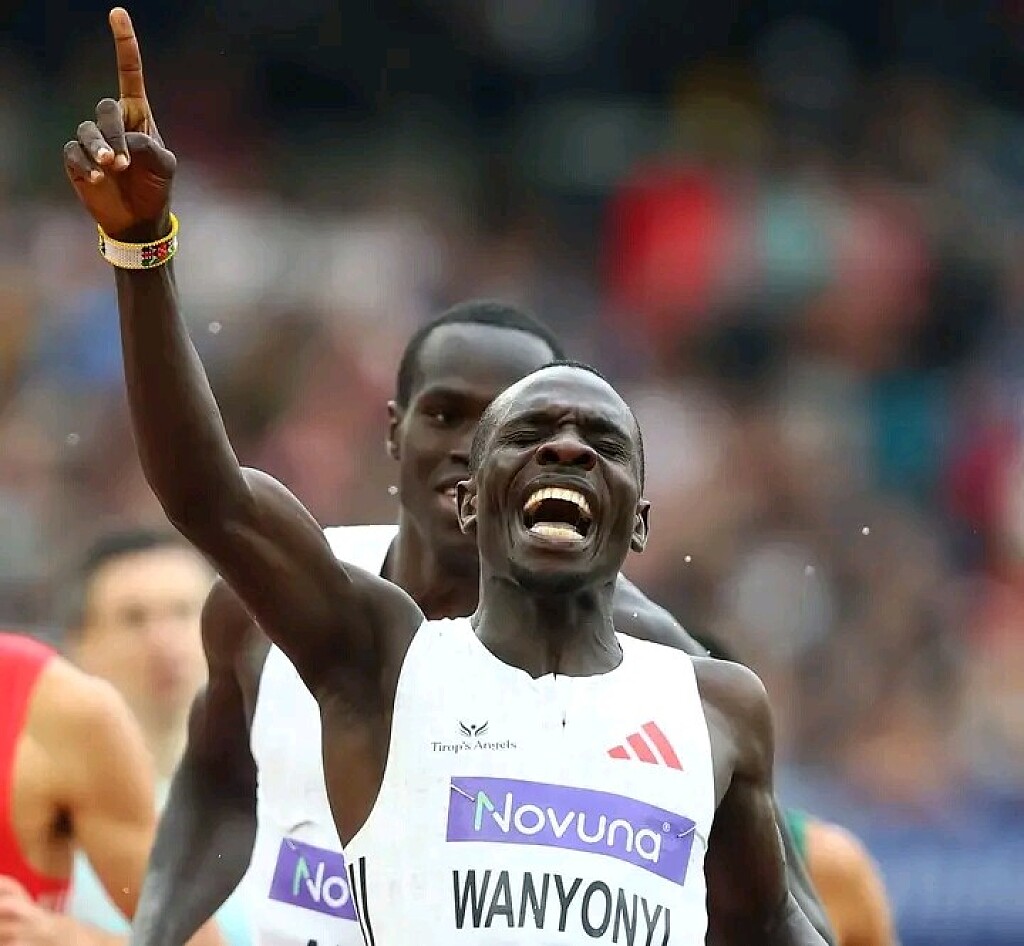
Lausanne Set for Another 800m Classic as Emmanuel Wanyonyi and Marco Arop Prepare to Renew Their Fierce Rivalry
The countdown has begun for what promises to be one of the most captivating races of the 2026 Wanda Diamond League season, with Kenya's Emmanuel Wanyonyi and Canada's Marco Arop confirmed to face each other once again at Athletissima in Lausanne on Friday, August 21.
Whenever the world's two premier 800m runners line up together, expectations soar. Their recent meetings have produced some of the fastest and most dramatic two-lap battles in modern middle-distance running, with neither athlete willing to surrender an inch from the opening gun to the finish line.
Wanyonyi has continued to establish himself as one of the sport's brightest stars, combining tactical intelligence with devastating finishing speed. The Kenyan has consistently delivered on the biggest stages, making him the man many of his rivals are eager to defeat.
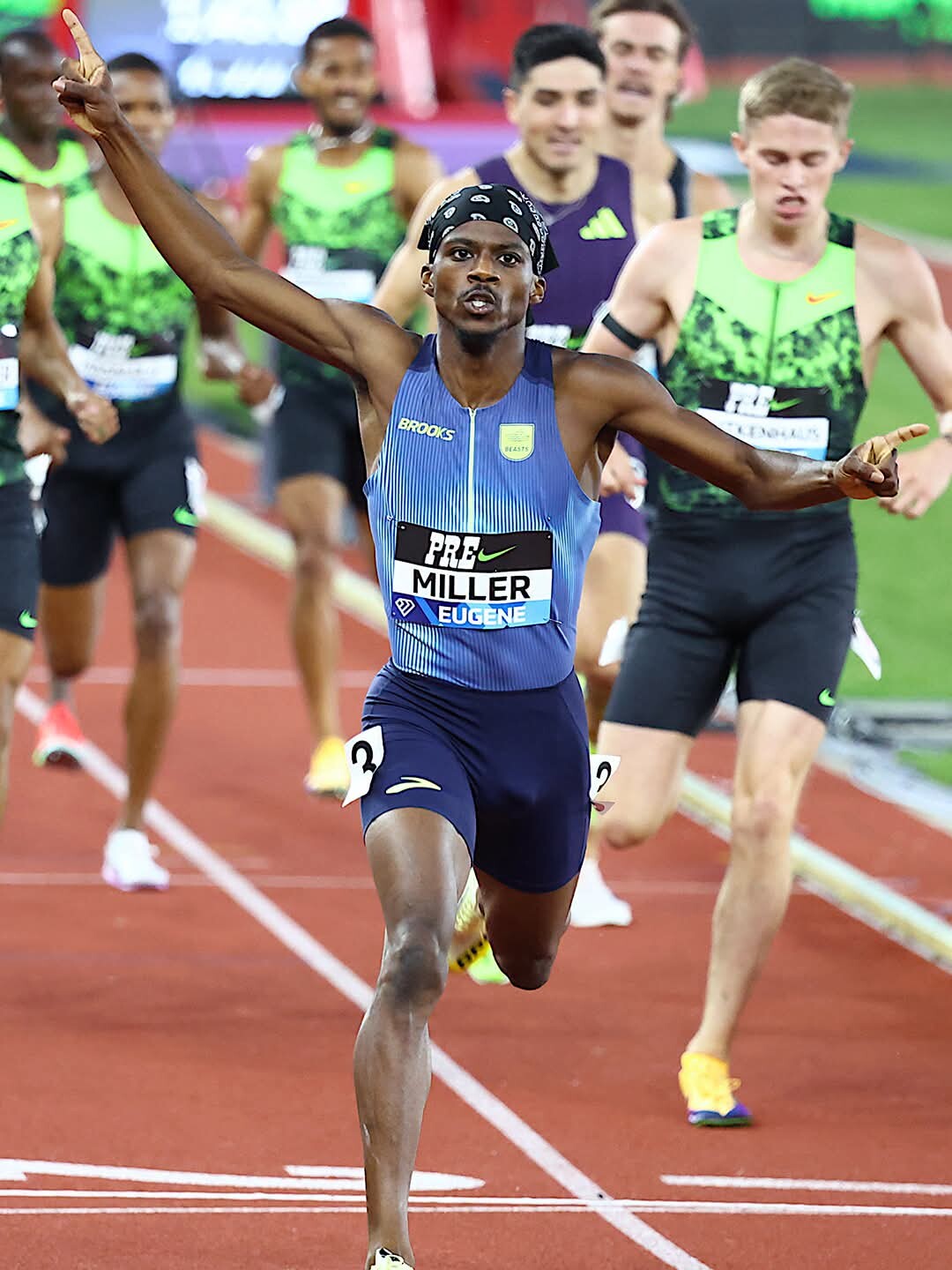
Standing in his way is Marco Arop, the powerful Canadian whose fearless front-running style has turned every meeting between the pair into must-watch athletics. Arop's relentless pace and determination have repeatedly pushed Wanyonyi to his limits, creating a rivalry that has become one of the defining stories of the men's 800m.
Adding another fascinating dimension to the race is American Brandon Miller. After collecting several impressive victories during this year's Diamond League campaign, Miller arrives in Lausanne with growing confidence and the belief that he can challenge the established stars. Rather than simply filling the lanes, he has the form and momentum to influence the outcome of what is expected to be a high-quality contest.
With three of the event's most dangerous competitors sharing the same start line, the Lausanne crowd can expect an unforgettable spectacle. Every tactical decision, every surge, and every stride could determine the winner in an event where the smallest margins often separate victory from defeat.
Athletissima has earned a reputation for producing world-class middle-distance racing, and this year's men's 800m appears destined to uphold that tradition. As Wanyonyi and Arop prepare to write another chapter in their remarkable rivalry, fans around the world will be watching to see who emerges on top—and whether another athlete can disrupt what has become one of athletics' greatest head-to-head battles.
by Erick Cheruiyot for My Best Runs.
Login to leave a comment
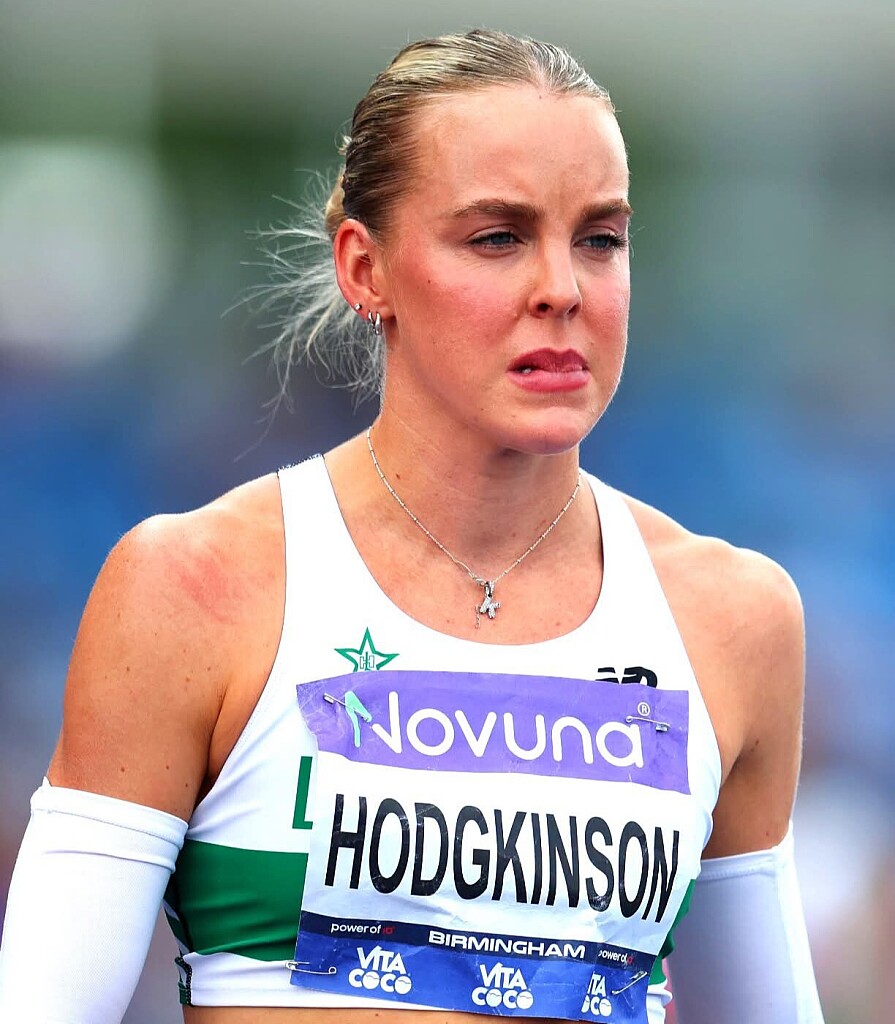
Keely Hodgkinson Maps Out Defining Three-Race Campaign as European Title Defence Takes Center Stage
Olympic champion Keely Hodgkinson is preparing for the most important phase of her 2026 season, with the British middle-distance star targeting success across three of the year's biggest competitions in what promises to be a defining championship campaign.
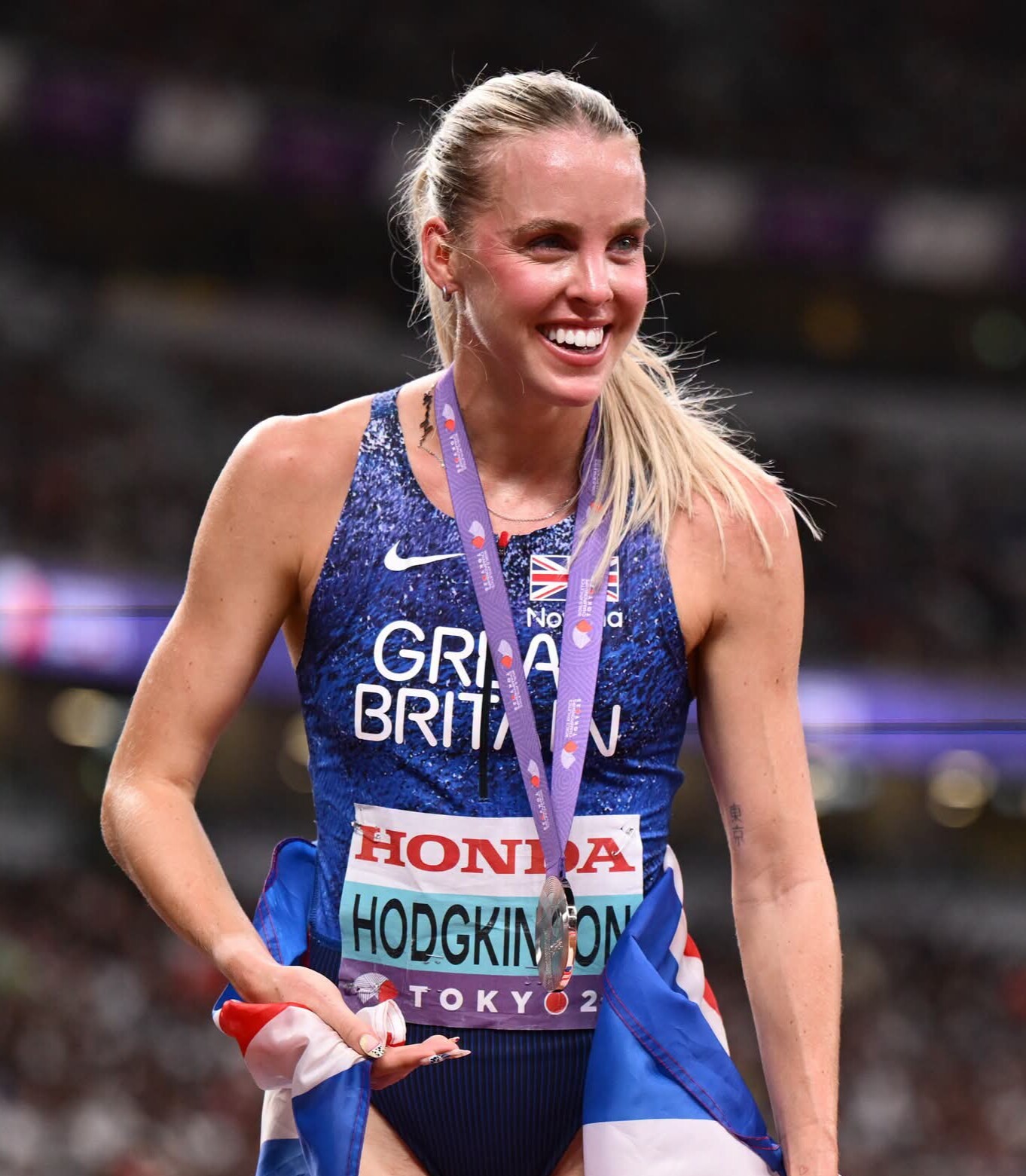
After making the strategic decision to skip the Glasgow 2026 Commonwealth Games, Hodgkinson has prioritized recovery and careful preparation to ensure she reaches peak form for the major championships that lie ahead. The move underlines her long-term ambition of adding more international titles to an already remarkable career.
Her first objective is the European Athletics Championships, which will be held from August 10–16 at Birmingham's Alexander Stadium. Competing in front of a home crowd, Hodgkinson will aim to successfully defend her women's 800 metres crown against one of the strongest fields assembled this season.
Among the leading challengers expected to contest the title are Switzerland's rising star Audrey Werro and Dutch world-class athlete Femke Bol, setting the stage for what could become one of the championship's most anticipated middle-distance races. With several of the world's elite lining up, the battle for European gold is expected to deliver a thrilling spectacle.
The focus will then shift to the Ultimate World Athletics Championships in Budapest, Hungary, from September 11–13. There, Hodgkinson will once again face the world's finest 800m specialists as she pursues another major international triumph on one of athletics' biggest stages. The championship represents another opportunity for the Olympic champion to reinforce her status as one of the dominant forces in women's middle-distance running.
Her season will conclude just days later at ATHLOS London on September 18, where she is set to headline the inaugural ATHLOS event outside the United States. The competition will bring together many of the world's top female athletes, with a lucrative $65,000 winner's prize adding further significance to an already prestigious meeting.
For Hodgkinson, the closing weeks of the season represent far more than a series of races. They are an opportunity to defend her European title, challenge for global glory in Budapest, and cap off an outstanding campaign with another memorable performance on home soil in London.
With three major events in little more than a month, all eyes will be on the British star as she embarks on a championship journey that could define her 2026 season and further cement her legacy among the world's greatest 800m runners.
by Erick Cheruiyot for My Best Runs.
Login to leave a comment
European Athletics Champioships
The27thEuropean Athletics Championshipswill be held from 10 to 16 August 2026 at theAlexander StadiuminBirmingham, United Kingdom.[1] This is the first time that a British city will have staged the European Athletics Championships although Birmingham has hosted many high-profile events, including the2007 European Athletics Indoor Championships, the2003and2018 IAAF World Indoor Championshipsand the2022 Commonwealth Games. Alexander Stadium was renovated between 2019 and...
more...
Werro Braces for a Star-Studded 800m Showdown as Zürich Welcomes the Season's Biggest Middle-Distance Clash
The women's 800m at the 2026 Weltklasse Zürich is shaping up to be one of the defining races of the Diamond League season, with four of the sport's biggest names set to collide under the lights of the iconic Letzigrund Stadium on Thursday, August 27.
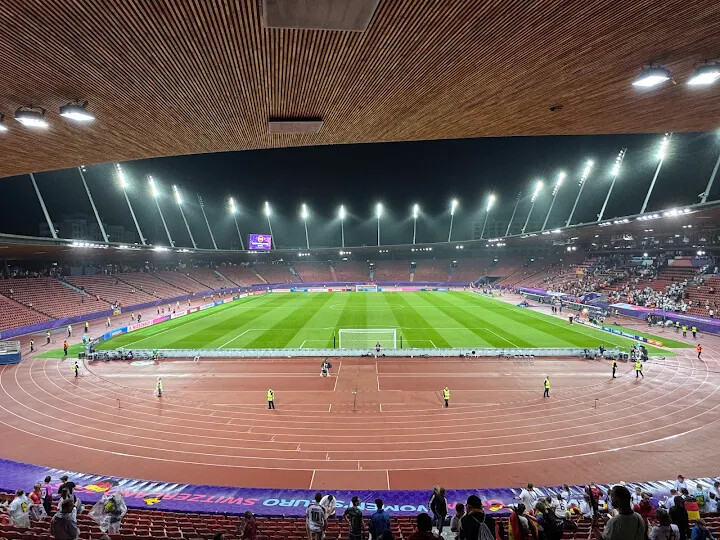
All eyes will be on Swiss sensation Audrey Werro, who returns to her home meeting carrying both the weight of expectation and the confidence of a remarkable season. The reigning Diamond League champion and Swiss record holder has elevated herself into one of the world's premier two-lap specialists after a series of outstanding performances that have captivated athletics fans throughout the year. Competing in front of a passionate home crowd, Werro will be determined to defend her Zürich crown with another memorable display.
Standing between Werro and another home triumph, however, is an exceptional field packed with championship pedigree and international experience.
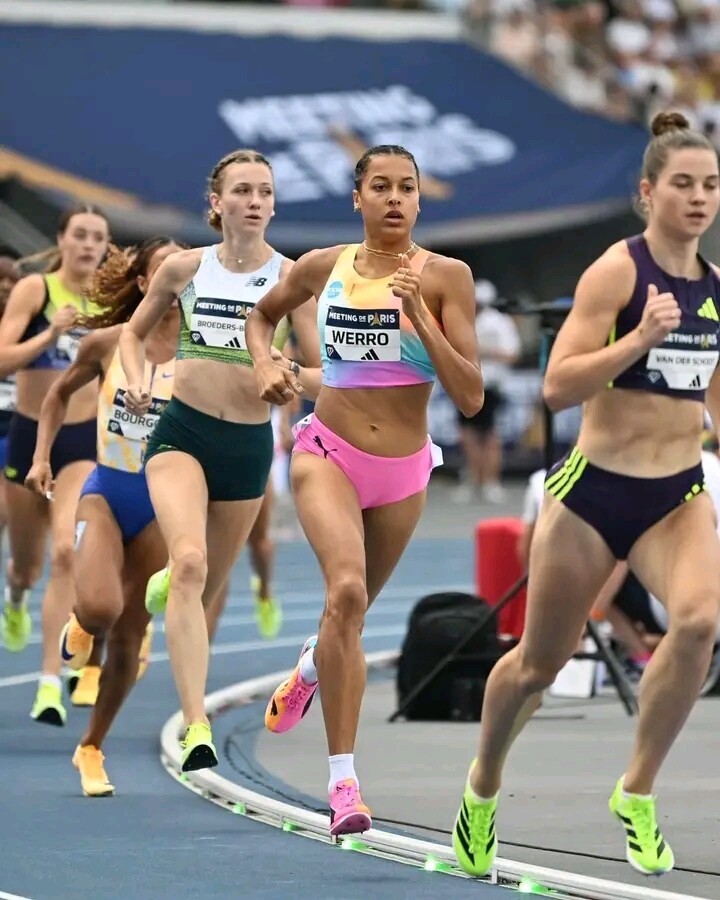
Kenya's Lilian Odira arrives as the reigning world champion, bringing the confidence and tactical strength that have established her among the sport's elite. Known for her composure under pressure and devastating finishing speed, the Kenyan will be aiming to extend her dominance on one of athletics' biggest stages.
Adding another fascinating dimension to the race is Dutch star Femke Bol, who ventures into the 800m after building her reputation as one of the world's greatest one-lap athletes. Her remarkable speed and competitive instincts make her an intriguing contender, with many eager to see how her talents translate over the demanding two-lap distance.
Also in the hunt is Great Britain's Georgia Hunter Bell, the Commonwealth champion whose fearless racing style and explosive finishing kick have made her one of the most dangerous competitors in global middle-distance running. If the pace remains tactical, few athletes possess a stronger closing sprint.
With a Diamond League champion, a reigning world champion, a Commonwealth champion and one of track and field's biggest global stars all sharing the same start line, the ingredients are in place for an unforgettable contest.
The race is expected to deliver blistering early pace, relentless tactical battles and a thrilling finish as four world-class athletes chase victory in one of the most prestigious meetings on the athletics calendar.
For the Zürich faithful, the dream is another magical home victory from Werro. For her rivals, it is the perfect opportunity to spoil the celebration and make a powerful statement ahead of the season's biggest championships.
One thing is certain: when the gun fires at Letzigrund Stadium, the women's 800m promises to be one of the standout spectacles of the 2026 Diamond League season, with pride, prestige and momentum all on the line.
by Erick Cheruiyot for My Best Runs.
Login to leave a comment
Australian Athletics Mourns Rising Middle-Distance Talent Natasha Ward, Dead at 21
Australian athletics is mourning the heartbreaking loss of promising middle-distance runner Natasha Ward, who has died at the age of 21, bringing an abrupt end to a career that had shown remarkable promise on both the track and in academia.

The news was confirmed on Thursday in a joint statement released by NSW Athletics and the Sutherland District Athletics Club in Sydney. No cause of death was disclosed.
Ward had established herself as one of the emerging talents in Australian middle-distance running, competing primarily in the 400m, 800m and 1,500m. Her journey began with impressive performances as a junior athlete, including a medal-winning run in the 1,500m at the New South Wales All Schools Championships.
She continued to build on that success at university level, claiming a medal in the 1,500m at the 2023 UniSport Nationals before returning this year to earn bronze in the 800m. Her steady progression also saw her compete at the 2024 Australian Athletics Championships, lining up against some of the nation's leading middle-distance stars, including Morgan Mitchell and Claudia Hollingsworth.
Away from competition, Ward was equally dedicated to her future beyond athletics. She was studying Exercise and Sports Science at Macquarie University in Sydney, combining her academic ambitions with an unwavering commitment to the sport she loved.
Her club remembered her not only as a gifted athlete but also as a teammate who always put others first. Whether representing the club in its summer and winter relay competitions or volunteering to fill in when teams were short of runners, Ward earned admiration for her generosity, reliability and infectious enthusiasm.
In a heartfelt tribute, NSW Athletics and the Sutherland District Athletics Club described her as a cherished member of the athletics community.
"Beyond her achievements on the track, Natasha was a greatly loved member of our community. Her kindness and joy touched everyone fortunate enough to know her, and her magnetic smile and warm personality have left a permanent mark on Australian athletics. Our thoughts are with Natasha's family, friends, and everyone who had the privilege of knowing her."
Ward's passing comes only weeks after Australian sprint athlete Jemma Stapleton, 25, died in a road accident while on holiday in Thailand. Authorities have indicated there is no connection between the two tragedies.
As tributes continue to pour in from across Australia's athletics community, Natasha Ward will be remembered not only for the medals she won and the races she ran, but also for the warmth, humility and positivity she brought to everyone around her. Her loss leaves a profound void in Australian athletics, with many believing she had only begun to reveal the full extent of her potential.
by Erick Cheruiyot for My Best Runs.
Login to leave a comment

From Last Qualifier to Commonwealth Glory: Navasky Anderson Completes Remarkable 800m Triumph in Glasgow
Sometimes the smallest opportunity creates the greatest triumph, and Jamaica's Navasky Anderson proved exactly that with a stunning performance to capture the men's 800m title at the 2026 Commonwealth Games in Glasgow.
Less than 24 hours after scraping into the final by the slimmest of margins, Anderson produced the race of his life, surging to victory in 1:45.33 to complete one of the most remarkable comeback stories of the championships. His gold medal was not only a reward for exceptional talent but also for courage, determination, and unwavering belief when everything was on the line.
The journey to the top nearly ended in the semifinals. Locked in an intense battle with England's Max Burgin for the final qualification place, Anderson threw himself across the finish line in a dramatic dive, stopping the clock at 1:45.38. That desperate effort earned him the last available place in the final as the fastest non-automatic qualifier, keeping his Commonwealth dream alive by the narrowest of margins.
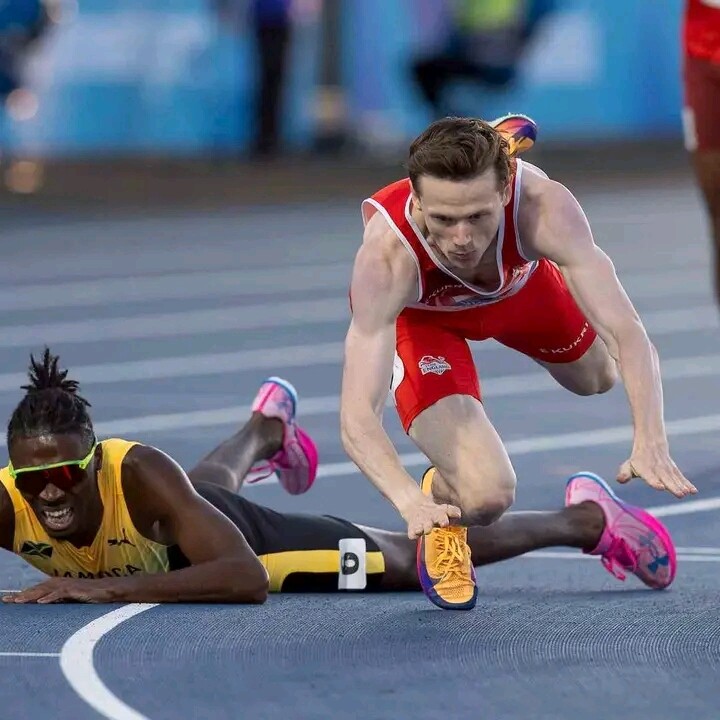
With another chance in his hands, the Jamaican made sure it counted.
In a fiercely contested final, Anderson displayed outstanding tactical awareness and patience throughout the opening stages before unleashing a devastating finishing kick down the home straight. His perfectly timed acceleration left the rest of the field with no answer as he crossed the finish line first, securing a memorable Commonwealth crown and one of Jamaica's standout victories of the Games.
Australia's Luke Boyes delivered an impressive performance to claim the silver medal in 1:45.93, while Kenya's Wyclife Kinyamal battled strongly to take bronze in 1:46.12 after another highly competitive championship race.
Anderson's unforgettable triumph will be remembered as one of the defining moments of Glasgow 2026—a powerful reminder that championships are not always won by the fastest qualifier, but often by the athlete who refuses to surrender. From a fearless dive that kept his hopes alive to a brilliant gold-medal performance less than a day later, the Jamaican wrote one of the most inspiring chapters of these Commonwealth Games.
Men's 800m Final Results
1. Navasky Anderson (Jamaica) — 1:45.33
2. Luke Boyes (Australia) — 1:45.93
3. Wyclife Kinyamal (Kenya) — 1:46.12
Navasky Anderson arrived in the final as the last man to qualify, but he left Glasgow as the Commonwealth champion—a remarkable transformation that perfectly captures the unpredictable beauty of championship athletics.
by Erick Cheruiyot for My Best Runs.
Login to leave a comment
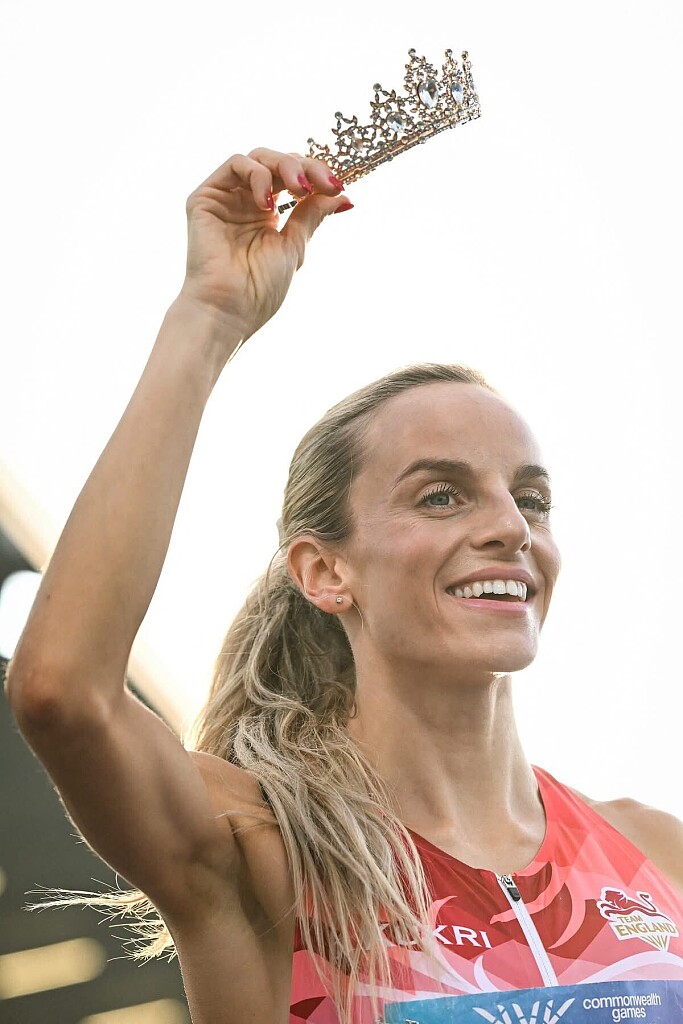
Georgia Hunter Bell Produces A Tactical Masterclass To Win Commonwealth Games 800m Gold
Georgia Hunter Bell delivered a performance of exceptional composure and precision to capture the women's 800m title at the 2026 Commonwealth Games in Glasgow, producing a perfectly judged race to secure gold for England in 1:59.51.
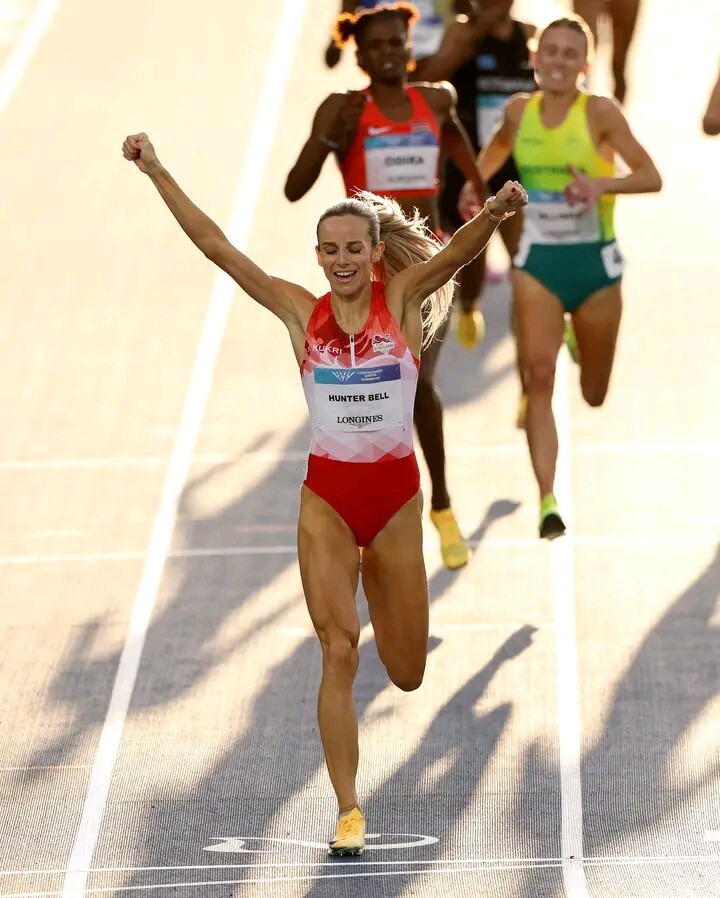
In a final featuring some of the Commonwealth's strongest middle-distance athletes, Hunter Bell refused to be drawn into an early battle for position. Instead, she dictated the rhythm from the front, maintaining complete control before unleashing a devastating surge over the final 250 metres that none of her rivals could match.
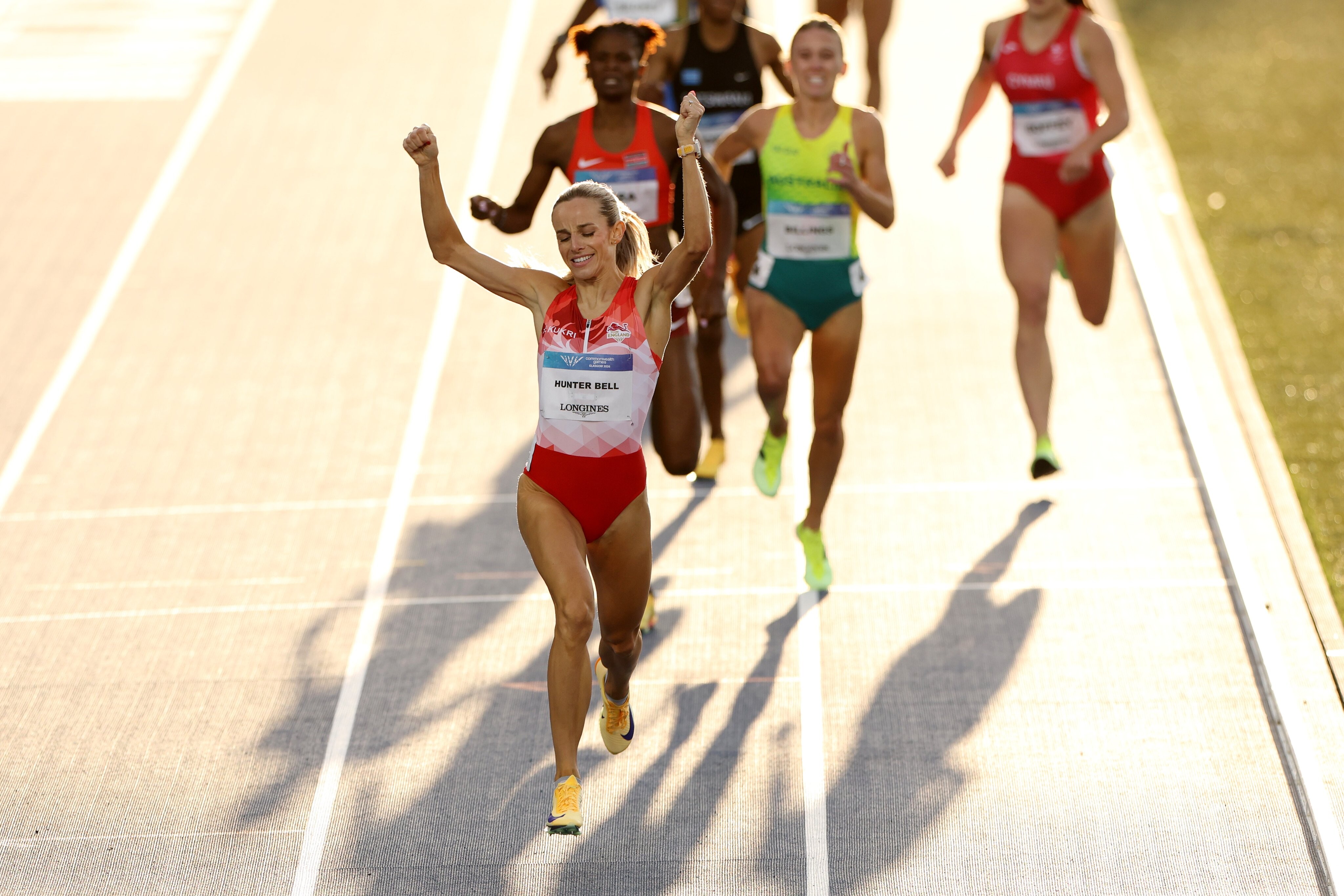
Her decisive finishing kick proved too much for Kenya's Lilian Odira, the reigning world champion, who chased hard over the closing stages but had to settle for the silver medal in 2:00.58. Australia's Sarah Billings completed the podium after edging a thrilling battle for bronze, crossing the line in 2:00.61, just three hundredths of a second behind Odira.
The race was a showcase of tactical intelligence rather than outright speed. Hunter Bell's confidence in setting the pace and her ability to produce a powerful finish at precisely the right moment highlighted why she has become one of the world's leading 800m runners.
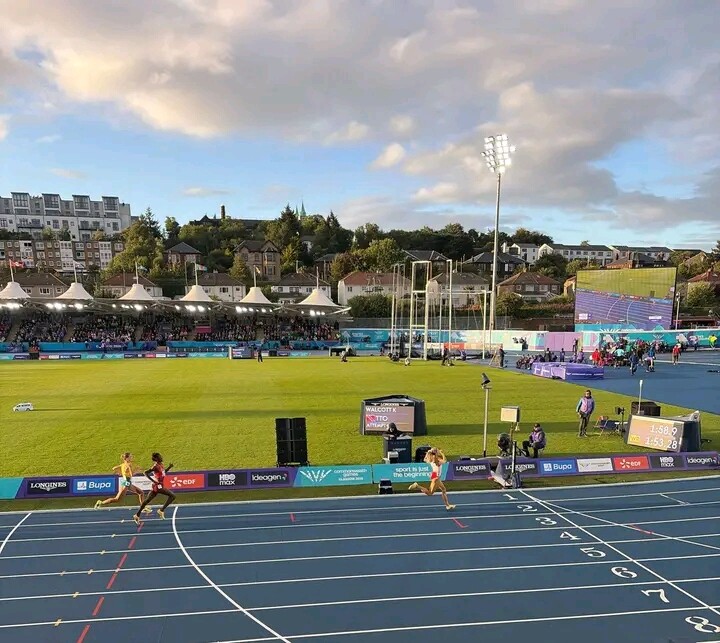
Behind the medal winners, Botswana's Oratile Nowe finished fourth in 2:01.29, followed by Wales' Isabelle Boffey in fifth with 2:01.44. Saint Vincent and the Grenadines' Shafiqua Maloney claimed sixth in 2:02.17, Jamaica's Kelly-Ann Beckford was seventh in 2:02.77, while Mauritius' Rachel Klopfenstein rounded out the finalists in eighth with 2:03.81.
Official Women's 800m Final Results
1. Georgia Hunter Bell (England) – 1:59.51
2. Lilian Odira (Kenya) – 2:00.58
3. Sarah Billings (Australia) – 2:00.61
4. Oratile Nowe (Botswana) – 2:01.29
5. Isabelle Boffey (Wales) – 2:01.44
6. Shafiqua Maloney (Saint Vincent and the Grenadines) – 2:02.17
7. Kelly-Ann Beckford (Jamaica) – 2:02.77
8. Rachel Klopfenstein (Mauritius) – 2:03.81
The victory adds another major championship title to Hunter Bell's growing résumé and underlines England's continued strength in middle-distance running. Her calm race management, combined with an explosive finishing burst, ensured she was in complete command when the medals were decided.
The women's 800m final proved to be one of the most captivating races of the Glasgow Games, blending tactical brilliance with fierce competition and producing a memorable finish that kept spectators on the edge of their seats until the final metres.
by Erick Cheruiyot for My Best Runs.
Login to leave a comment

The Commonwealth Games
The Commonwealth Games are coming to Victoria - bringing an action packed sports program to our regional cities and delivering a long-term legacy for our future. From 17 to 29 March 2026, Geelong, Bendigo, Ballarat, Gippsland and Shepparton will be on the world stage, attracting millions of viewers and creating thousands of jobs. The multi-city model will...
more...
Georgia Hunter Bell Sets Up Blockbuster Commonwealth 800m Final Rematch with Lilian Odira
Georgia Hunter Bell produced another composed and commanding performance to book her place in the women's 800m final at the 2026 Commonwealth Games, setting the stage for what promises to be one of the most captivating races of the championships.
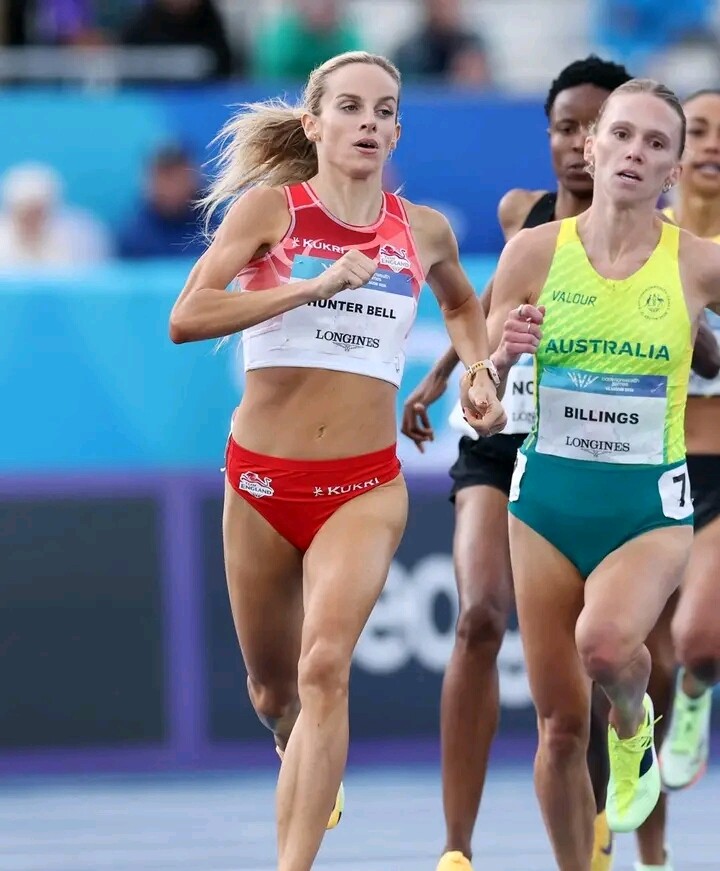
Representing England, Hunter Bell controlled her semi-final with confidence before crossing the line in a superb 1:59.88, comfortably securing automatic qualification for Friday night's title race in Glasgow. Her performance underlined both her consistency and championship experience, sending a clear message to the rest of the field that she is ready to challenge for Commonwealth gold.
The excitement surrounding the final intensified even further after reigning world champion Lilian Odira of Kenya also produced a masterclass in her semi-final. Running with complete confidence and remarkable composure, Odira cruised to victory in 1:59.39, ensuring that the two biggest stars of the event will once again share the starting line in what is shaping up to be a blockbuster rematch.
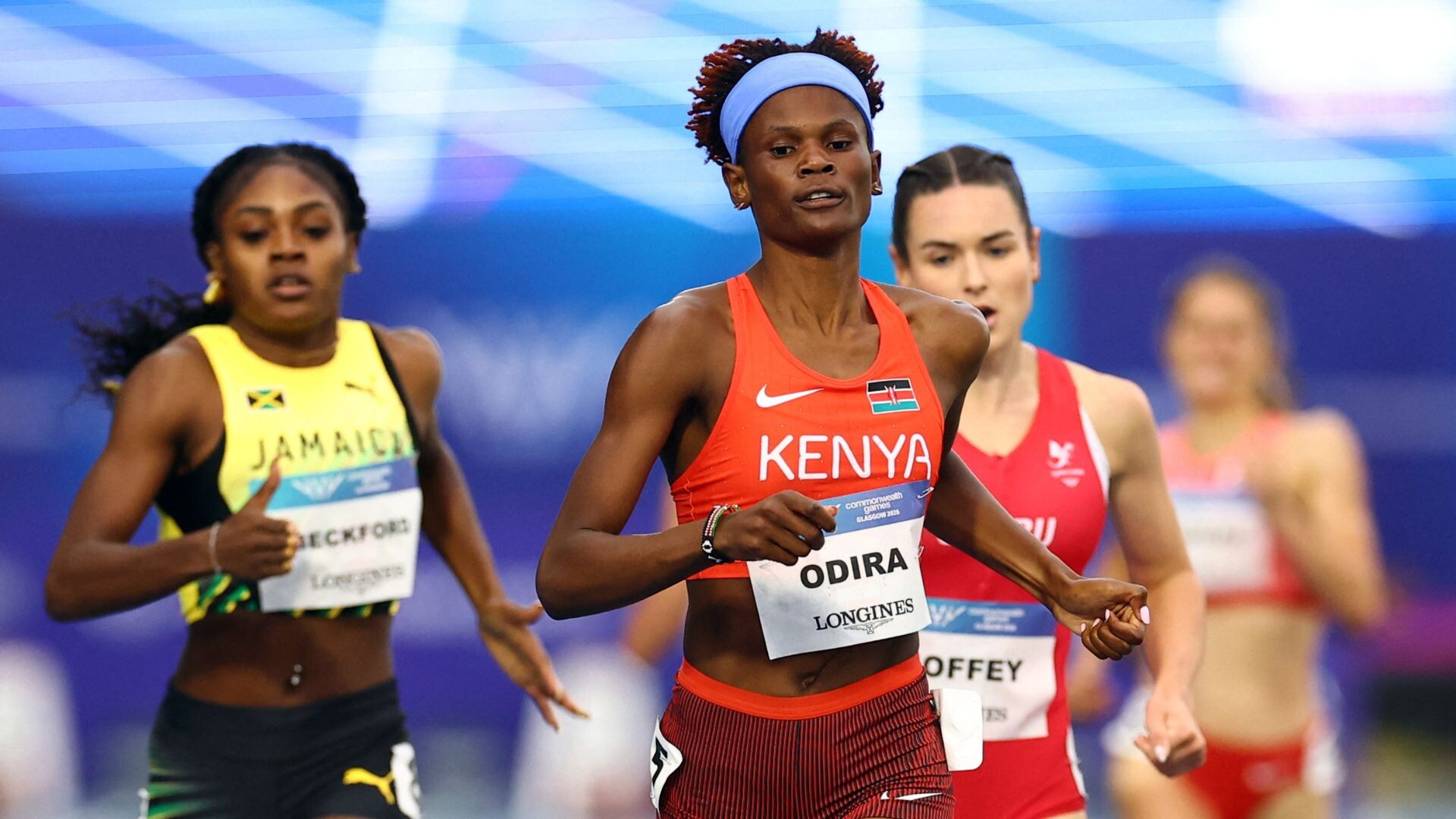
Their latest meeting rekindles one of the most compelling rivalries in women's middle-distance running. The pair last met on the sport's biggest stage at the 2025 World Athletics Championships in Tokyo, where Odira held off a relentless challenge from Hunter Bell to win the world title in a championship-record 1:54.62, while the English star claimed the silver medal after an unforgettable race that had fans around the world on the edge of their seats.
Now, with Commonwealth glory at stake, another fascinating chapter is about to be written. Odira will be aiming to reinforce her status as the world's premier 800m runner, while Hunter Bell will be determined to reverse the result and capture one of the biggest titles of her career. Their contrasting styles—Odira's fearless front-running strength against Hunter Bell's tactical brilliance and devastating finishing kick—could produce yet another modern classic.
Athletics fans can expect an electric atmosphere inside the Glasgow stadium as two of the world's finest 800m athletes battle for gold. With the field packed with quality and the leading contenders separated by only fractions of a second, the final has all the ingredients of a championship masterpiece that could be remembered for years to come.
The women's 800m final is scheduled for Friday night, July 31, with thousands expected inside the Glasgow stadium and millions more around the world eagerly awaiting what promises to be one of the most thrilling races of the 2026 Commonwealth Games.
Women's 800m Final Start List
1. Rachel Klopfenstein (Canada)
2. Kelly-Ann Beckford (Jamaica)
3. Shafiqua Maloney (Saint Vincent and the Grenadines)
4. Sarah Billings (Australia)
5. Georgia Hunter Bell (England)
6. Oratile Nowe (Botswana)
7. Lilian Odira (Kenya)
8. Isabelle Boffey (England)
With both Odira and Hunter Bell arriving in the final after emphatic semi-final victories, anticipation has reached fever pitch. The reigning world champion will look to extend her dominance, while the world silver medallist has the perfect opportunity to rewrite the script and claim Commonwealth glory. If their previous encounters are any indication, Glasgow is about to witness a spectacular race filled with tactical brilliance, relentless determination and a breathtaking finish that could become one of the defining moments of these Commonwealth Games.
by Erick Cheruiyot for My Best Runs.
Login to leave a comment
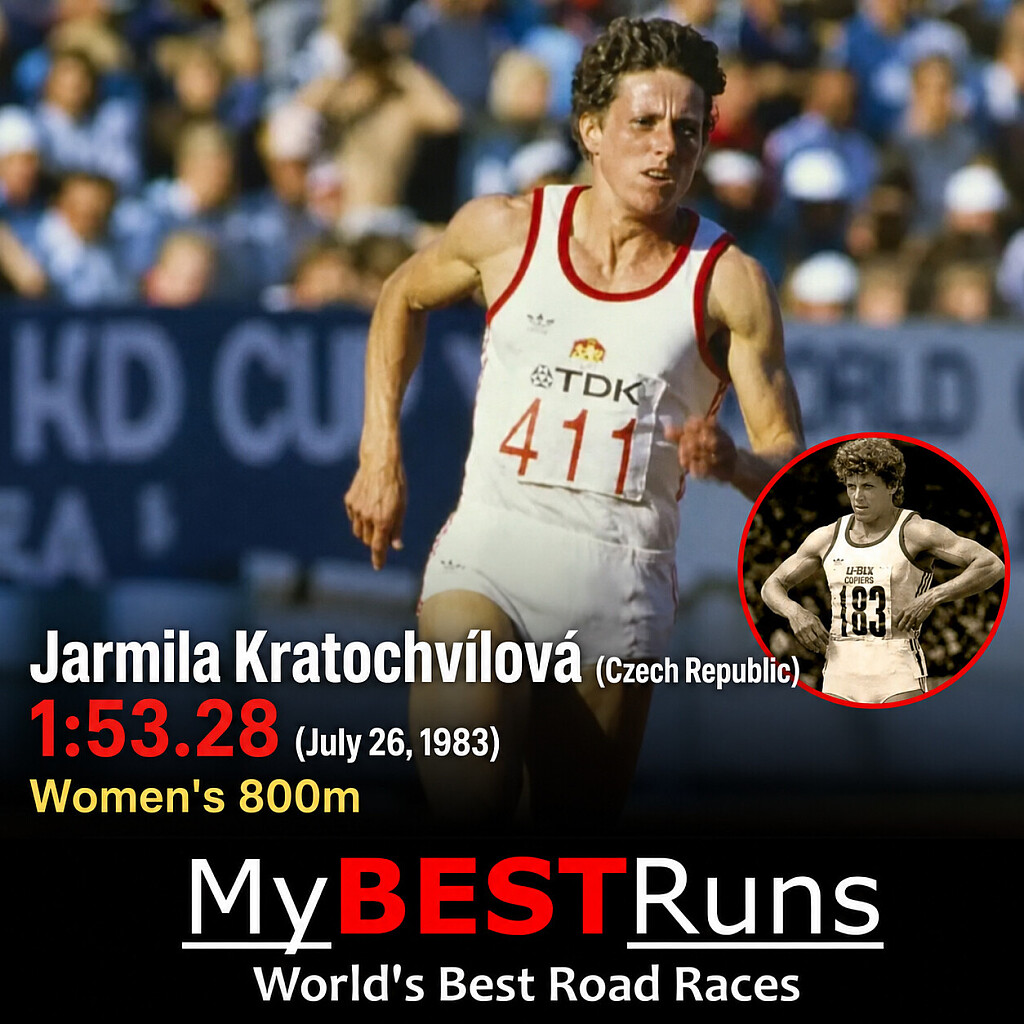
Forty-Three Years of Greatness: Is Jarmila Kratochvílová's Legendary 800m World Record Finally Ready to Fall?
Some world records define an era. Others transcend generations. Jarmila Kratochvílová's astonishing 1:53.28 in the women's 800 meters belongs firmly in the latter category.
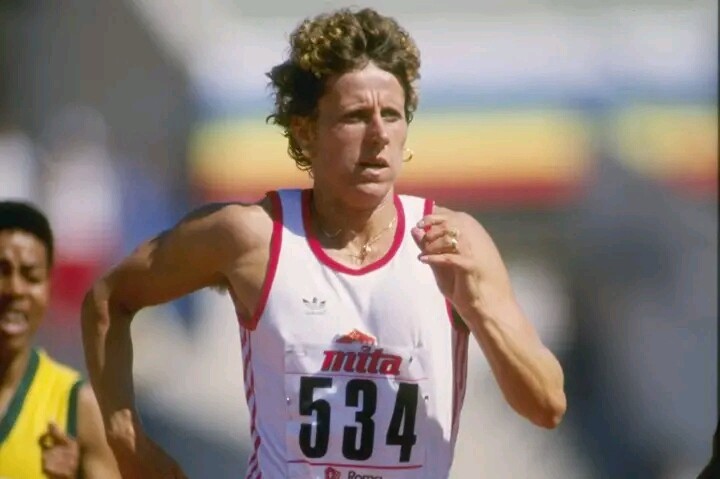
On July 26, 1983, in Munich, the Czech star delivered one of the most extraordinary performances the sport has ever witnessed, setting a world record that has now survived for an incredible 43 years. It remains the longest-standing individual track world record in athletics, a remarkable achievement in an era when advances in training, sports science, nutrition, and competition have seen countless other records disappear.
What makes Kratochvílová's feat even more extraordinary is that she was not primarily an 800-meter runner. She built her reputation as a dominant 400-meter specialist and only entered the two-lap race as a fitness test after recovering from leg cramps. What began as an experiment quickly turned into history.
After charging through an aggressive opening lap, Kratochvílová maintained her relentless pace all the way to the finish, crossing the line in an astonishing 1:53.28. It was a performance so far ahead of its time that generations of elite middle-distance runners have spent more than four decades trying—and failing—to erase it from the record books.
The longevity of the mark is no accident. Running 800 meters at world-record pace demands one of the rarest combinations in athletics: the explosive speed of a world-class 400-meter runner blended with the endurance, strength, and tactical intelligence of an elite middle-distance athlete. Few athletes in history have possessed that unique balance.
Even today, Kratochvílová sits comfortably atop one of the strongest all-time rankings in athletics history:
1. Jarmila Kratochvílová (Czech Republic) – 1:53.28 (July 26, 1983)
2. Nadezhda Olizarenko (Soviet Union) – 1:53.43 (July 27, 1980)
3. Audrey Werro (Switzerland) – 1:53.80 (June 28, 2026)
4. Pamela Jelimo (Kenya) – 1:54.01 (August 29, 2008)
5. Caster Semenya (South Africa) – 1:54.25 (June 30, 2018)
For many years, Kratochvílová's record was widely viewed as virtually untouchable. That perception, however, is beginning to change.
Swiss sensation Audrey Werro has reignited the conversation after producing a breathtaking 1:53.80 in Paris, moving into third place on the all-time list. Her performance was not only one of the fastest ever recorded but also the closest anyone has come to the world record in decades. At just the beginning of what promises to be a long career, Werro has demonstrated that the impossible may finally be within reach.
Great Britain's Keely Hodgkinson also remains one of the most compelling candidates. Already an Olympic champion and one of the most consistent performers of her generation, Hodgkinson reinforced her credentials by setting the world indoor short-track record of 1:54.87. Her combination of speed, racing intelligence, and consistency suggests that an outdoor assault on the world record cannot be ruled out.
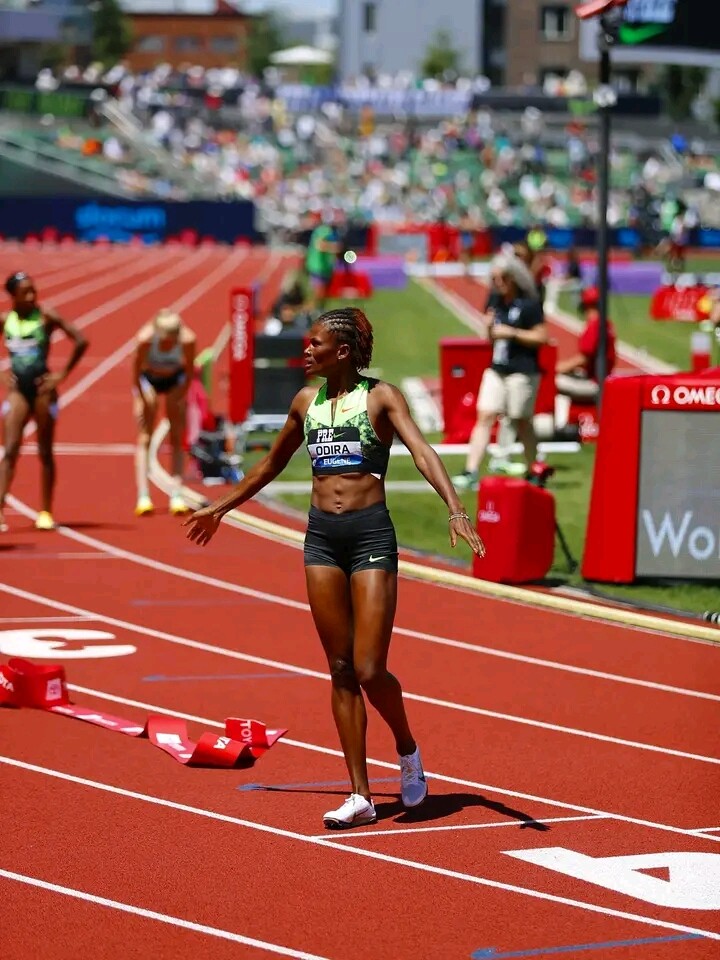
Kenya's Lilian Odira has also emerged as a genuine threat. The reigning world champion owns a personal best of 1:54.62, ranking her among the fastest women in history. She has already eclipsed Kratochvílová's long-standing championship record and continues to showcase an exceptional finishing kick that makes her dangerous in any race. If the pace is right, few athletes possess a stronger blend of championship experience and raw talent.
For 43 years, the athletics world has watched wave after wave of exceptional runners attempt to chase down one of sport's most iconic performances. Olympic champions, world champions, and record holders have all fallen short.
Yet the landscape feels different today. A new generation led by Audrey Werro, Keely Hodgkinson, and Lilian Odira is pushing the women's 800 meters to unprecedented depths. Their performances suggest that one of athletics' oldest and most celebrated records is no longer beyond imagination.
Whether Kratochvílová's 1:53.28 survives another season or another decade remains one of the sport's most fascinating questions. What is certain is that a record once considered untouchable is finally facing its most serious challenge in more than four decades.
The countdown may have already begun.
by Erick Cheruiyot for My Best Runs.
Login to leave a comment

Audrey Werro Fine-Tunes for European Glory with Ambitious Swiss Championships Double
Switzerland's rising middle-distance sensation Audrey Werro is set for one final competitive tune-up before turning her attention to the biggest championship of her season. The 21-year-old will take on an ambitious double at this weekend's Swiss Championships in Zurich, racing both the 400m and her favored 800m as she sharpens her form ahead of the European Athletics Championships.
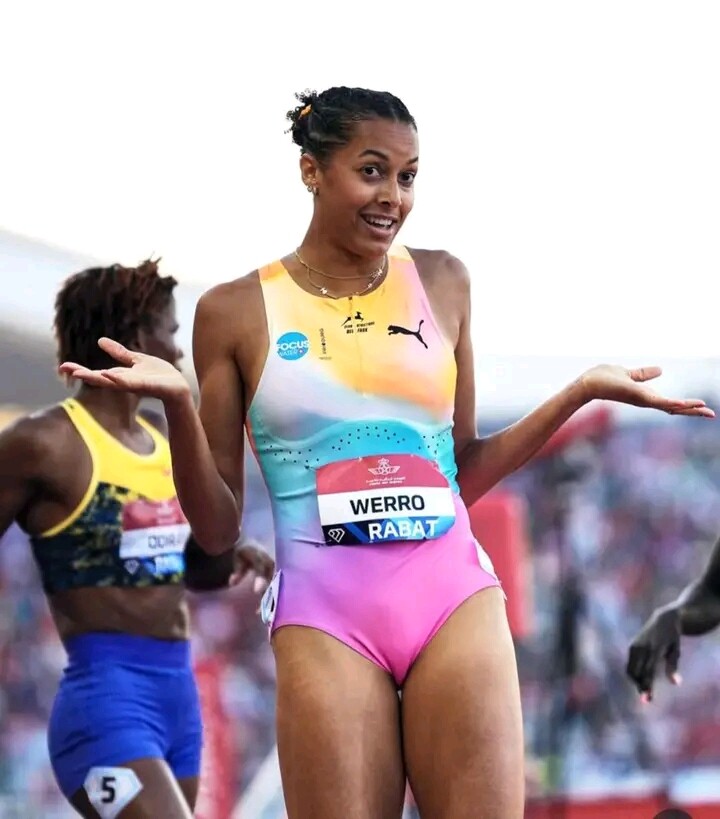
Werro's schedule will begin with the 400m heats on Saturday, a race designed to sharpen her speed and race rhythm before she shifts focus to the two-lap event that has transformed her into one of the world's most exciting middle-distance athletes.
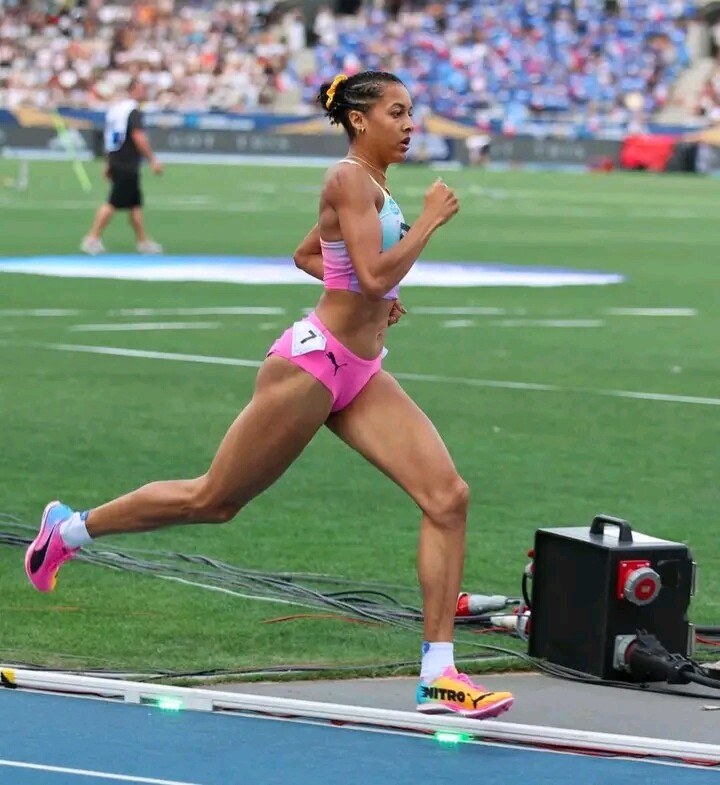
The Swiss star arrives in Zurich carrying exceptional momentum after producing the finest season of her career. Earlier this year, she stormed to a personal best of 51.33 seconds over 400m in Fribourg, making her the fastest Swiss woman at the distance in 2026. The performance highlighted not only her raw speed but also the strength that has elevated her 800m running to another level.
Her last appearance over 800m came on June 30, capping off a remarkable month that rewrote Swiss athletics history. Werro became the first woman ever to run multiple sub-1:54 performances, a breakthrough that firmly established her among the world's elite and confirmed that her rise is no longer a promise—it is a reality.
Now, with the national championships serving as her final dress rehearsal, every stride will be aimed at arriving in peak condition for the European Athletics Championships. Confidence is high, but so are the expectations surrounding the Swiss star, whose blend of speed, tactical awareness, and finishing power has made her one of the standout performers of the season.
The European stage could deliver one of the year's most captivating middle-distance battles. Werro is widely expected to challenge reigning Olympic champion Keely Hodgkinson of Great Britain and Dutch superstar Femke Bol, whose versatility and championship pedigree make her a formidable rival if she contests the event.
For Werro, the Swiss Championships are about far more than national titles. They represent the final opportunity to perfect her race sharpness, build confidence, and send a statement before Europe's best assemble for championship glory.
With history already made, confidence soaring, and her career reaching new heights, Audrey Werro now stands on the brink of another defining chapter. If her recent performances are any indication, the battle for the European 800m crown could become one of the highlights of the championship, and the Swiss star appears ready to seize the moment.
by Erick Cheruiyot for My Best Runs.
Login to leave a comment
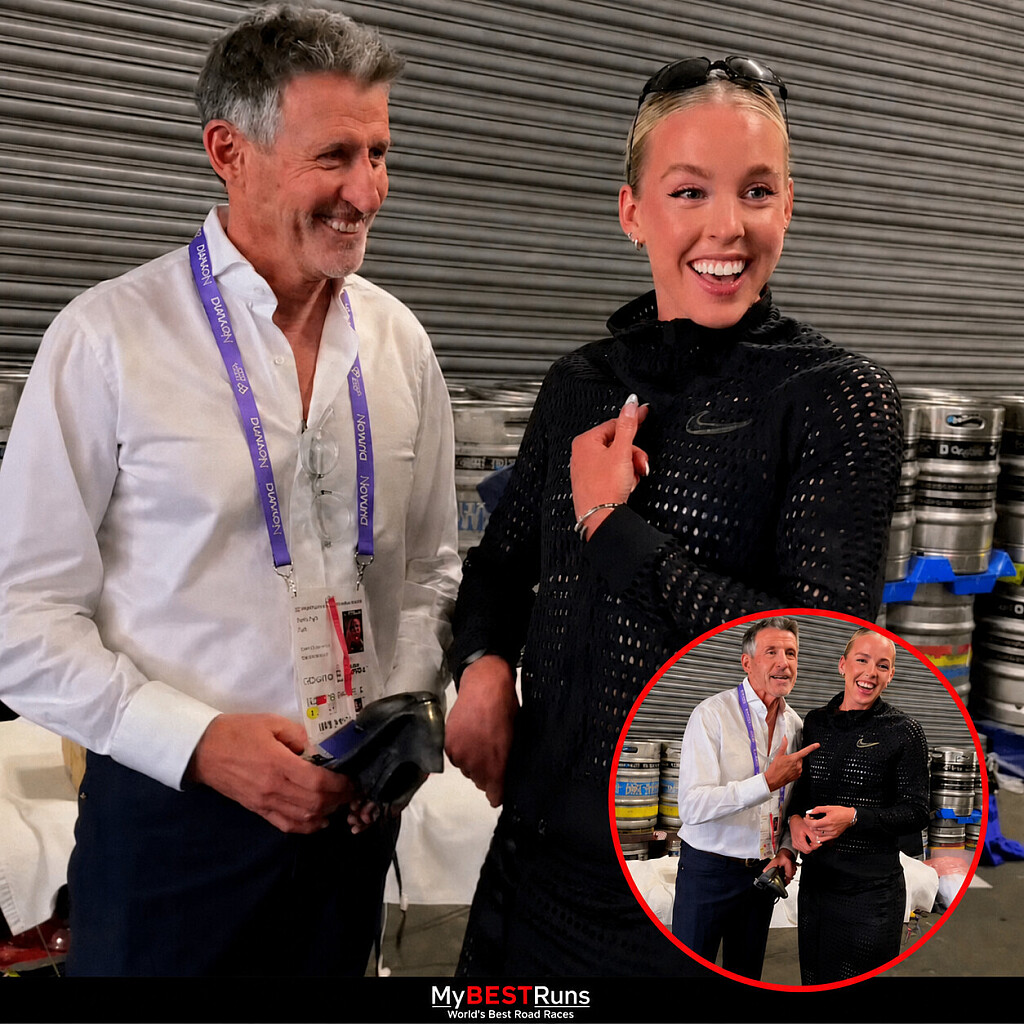
When Greatness Recognises Greatness: Sebastian Coe Bows to Keely Hodgkinson and Calls Her His Hero
There are victories that earn medals, and then there are victories that earn the admiration of legends.
On a memorable evening at the London Diamond League, Olympic 800m champion Keely Hodgkinson produced another masterclass on home soil, but it was what happened after the finish line that left an even deeper impression.
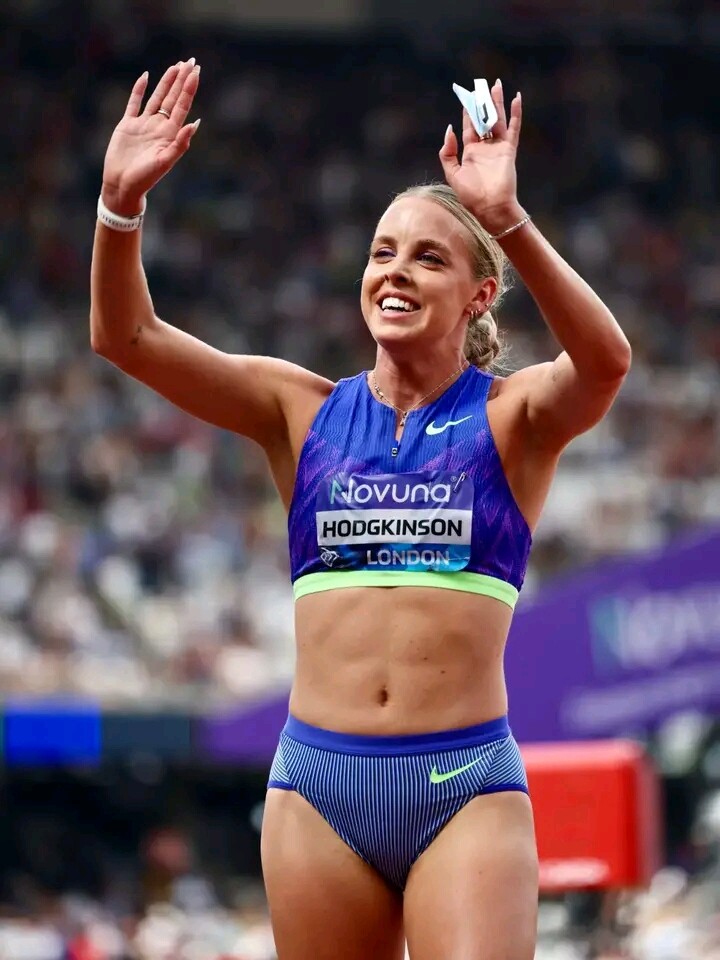
As the celebrations unfolded, World Athletics President Sebastian Coe delivered one of the most heartfelt tributes an athlete could ever receive. The two-time Olympic 1500m champion bowed before Hodgkinson and declared, "This is my hero."
It was a remarkable gesture from one of Britain's greatest middle-distance runners, a man whose own career inspired generations. Yet, in that moment, Coe made it clear that Hodgkinson's character and achievements had earned his highest respect.
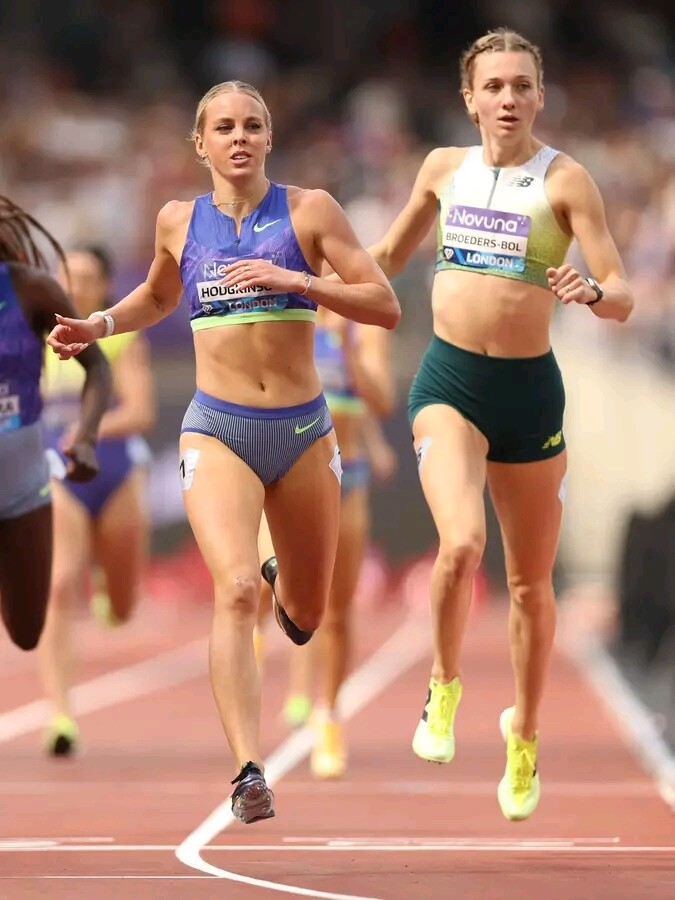
The 24-year-old thrilled the packed London Stadium by winning the women's 800m in a commanding 1:56.21. Despite relentless pressure from Dutch star Femke Bol in the closing stages, Hodgkinson remained composed, powering through the finish to secure a statement victory in front of an ecstatic home crowd.
The performance carried even greater significance because it came after an outdoor season that had been disrupted by injury. Questions surrounded her return, but Hodgkinson answered them in the most convincing way possible—by defeating one of the world's strongest fields with authority and reminding everyone why she remains one of the premier middle-distance runners of her generation.
For Coe, the performance was about far more than the stopwatch.
He has repeatedly praised Hodgkinson's humility, determination and authenticity, previously describing her on the UNTAPPED podcast as one of the most genuine and dedicated athletes in the sport. His emotional honor in London reflected not only admiration for an Olympic champion, but also respect for the resilience, professionalism and character she continues to display on and off the track.
Moments like these transcend medals and records. They remind the sporting world that greatness is measured not only by victories but by the example an athlete sets.
Hodgkinson left London with another Diamond League triumph. More importantly, she left with something few athletes ever receive—the public admiration of a sporting icon who simply bowed his head and acknowledged excellence.
Sometimes, the loudest applause comes without a single word. Sebastian Coe's bow said everything.
by Erick Cheruiyot for My Best Runs.
Login to leave a comment
