

Running News Daily
Running News Daily is edited by Bob Anderson and team. Send your news items to bob@mybestruns.com Advertising opportunities available.
Index to Daily Posts · Sign Up For Updates · Run The World Feed
Articles tagged #800 metres
Today's Running News
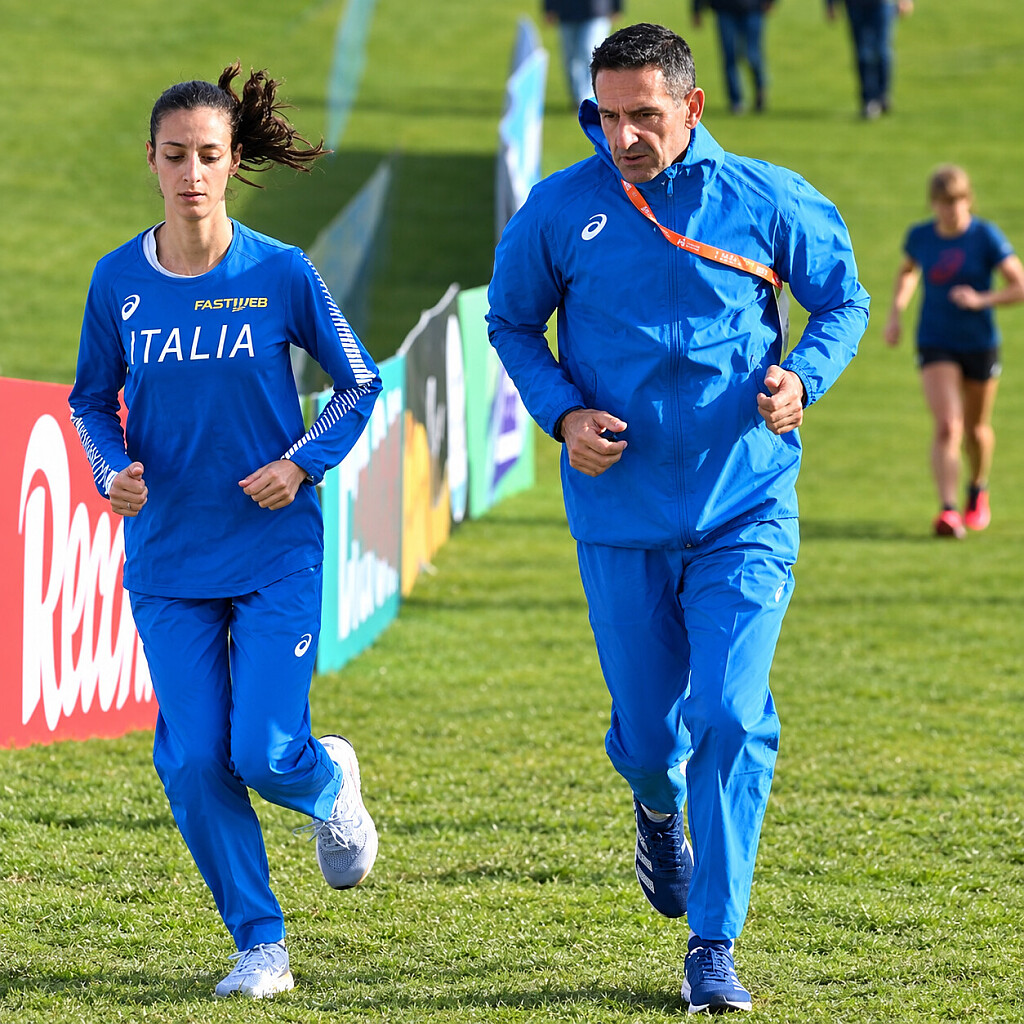


When Your Coach Is Your Dad: The Extraordinary Partnership Behind Nadia Battocletti’s Rise
For most athletes, a coach is someone they meet along the way. For Italian distance-running star Nadia Battocletti, that role has always belonged to someone who has been there from the very beginning — her father, Giuliano Battocletti.
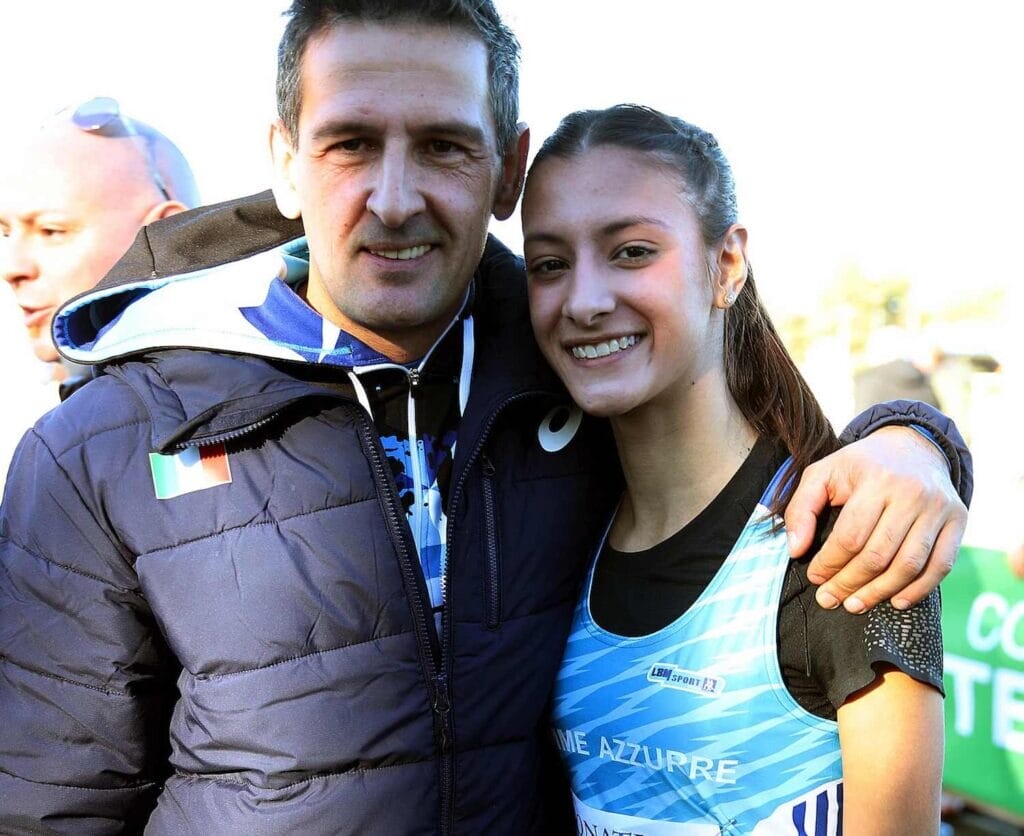
The relationship between the two goes far beyond the traditional athlete-coach partnership. Giuliano, a former Italian middle- and long-distance runner, has guided his daughter throughout her career, helping her develop from a promising young talent into one of the leading figures in international distance running.
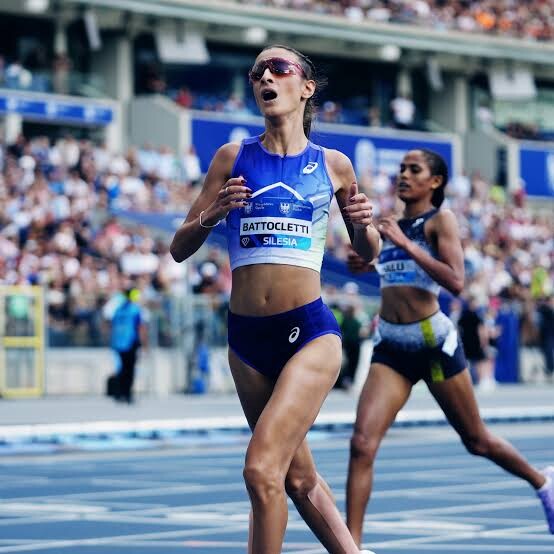
Under his guidance, Nadia has risen to the biggest stages in the sport, becoming an Olympic and World Championships silver medallist while establishing herself as a formidable presence over both track and road distances.
What makes their partnership particularly special is the understanding that comes from spending a lifetime together. Giuliano knows his daughter not simply as an athlete chasing faster times and bigger victories, but as a person — understanding her character, emotions and the demands that come with competing at the highest level.
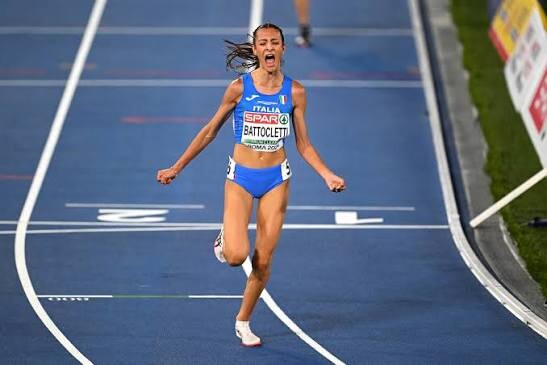
Nadia has previously made it clear that she cannot imagine her career without her father in the coaching role.
“Dad has been my coach all the way. I don't know what it would be like to have another coach, and I wouldn't see another figure in his place.”
That connection is visible in the everyday details of her training. Giuliano remains closely involved in her preparation, often riding a bicycle alongside Nadia during demanding sessions and sharing the long, difficult kilometres that form the foundation of her success.
Their story is also deeply rooted in a family sporting tradition. Nadia's mother, Jawhara Saddougui, was an accomplished middle-distance runner who represented Morocco in the 800 metres. Running, therefore, was not simply introduced into Nadia's life as a career choice — it was part of the environment in which she grew up.
But the success Nadia enjoys today has been built through years of patience, sacrifice and trust. Long before the Olympic stadiums and World Championships, there were ordinary training days, difficult workouts and countless kilometres shared between a father and his daughter.
That makes their partnership one of the more compelling stories in modern athletics. The same person who helped Nadia take her first steps in the sport has remained beside her as she has progressed onto the world's biggest stages.
In elite sport, where athletes often change coaches as their careers evolve, the Battocletti partnership stands apart. It is built on something that cannot easily be replicated: decades of knowing, understanding and believing in one another.
For Nadia Battocletti, the journey to the top has never been a solo effort. Through every demanding session, breakthrough performance and major championship, her father has been there — not only as her coach, but as the person who has known her longer than anyone else.
Sometimes, the most important person in an athlete's corner is also the one who has been there since the beginning.
by Erick Cheruiyot for My Best Runs.
Login to leave a comment
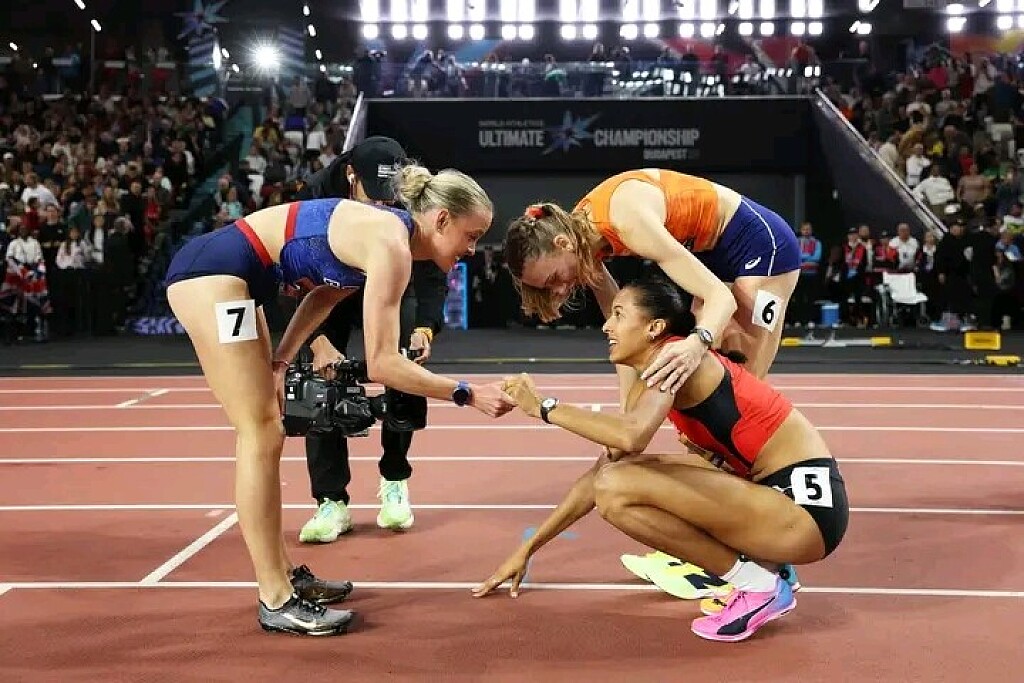
Women’s 800m Delivers A Season For The Ages In 2026
The women’s 800 metres has produced one of the most compelling storylines of the 2026 athletics season, with extraordinary times, fierce rivalries and a remarkable emergence that has transformed the event into one of the most closely followed races on the track.
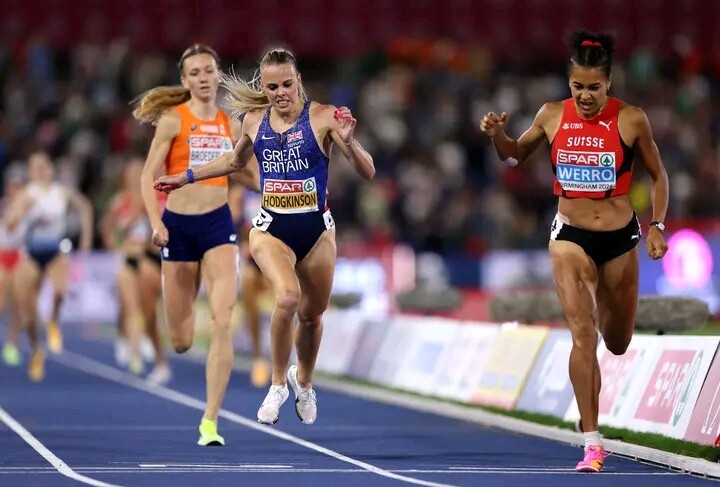
At the centre of it all has been Switzerland’s Audrey Werro, who turned an already competitive event into a breathtaking display of speed and consistency. Werro finished the outdoor season unbeaten and established herself as one of the leading forces over two laps.
Her breakthrough reached another level in Stockholm in June, when she ran 1:53.98 to become only the third woman in history to break 1:54. She later improved to 1:53.80 in Paris before producing an astonishing 1:53.70 in Zurich in August. That performance moved her to third on the all-time list, behind only Jarmila Kratochvilova and Nadezhda Olizarenko.
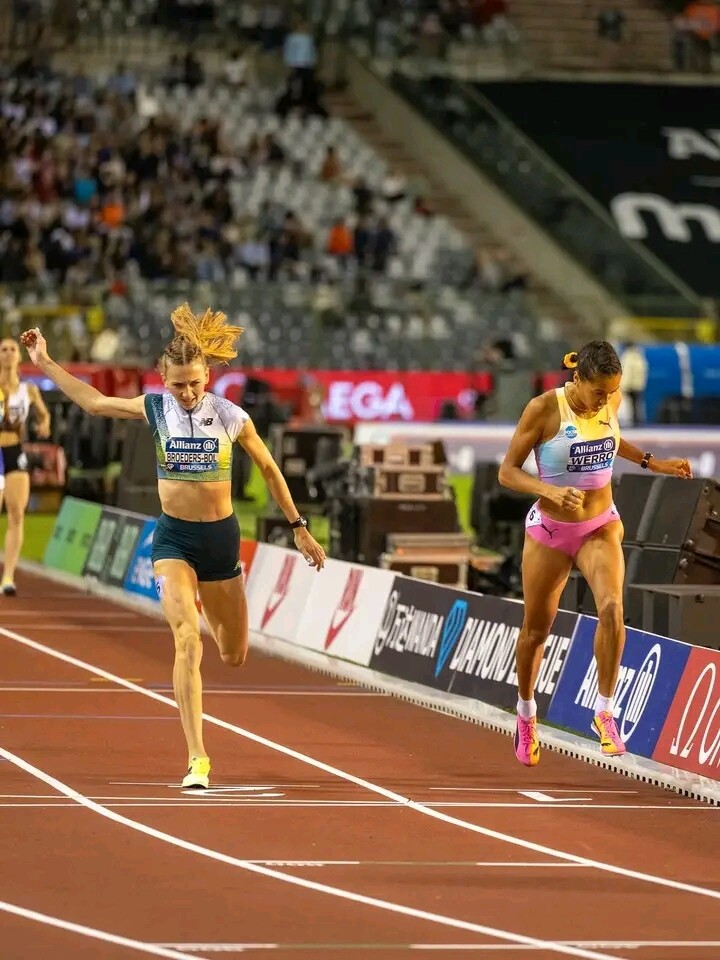
Yet Werro was not the only athlete rewriting the story of the event.
Britain’s Keely Hodgkinson began the year in spectacular fashion by breaking the world indoor 800m record with 1:54.87 in Liévin. She followed that with victory at the World Indoor Championships, winning the title in a championship record of 1:55.30.
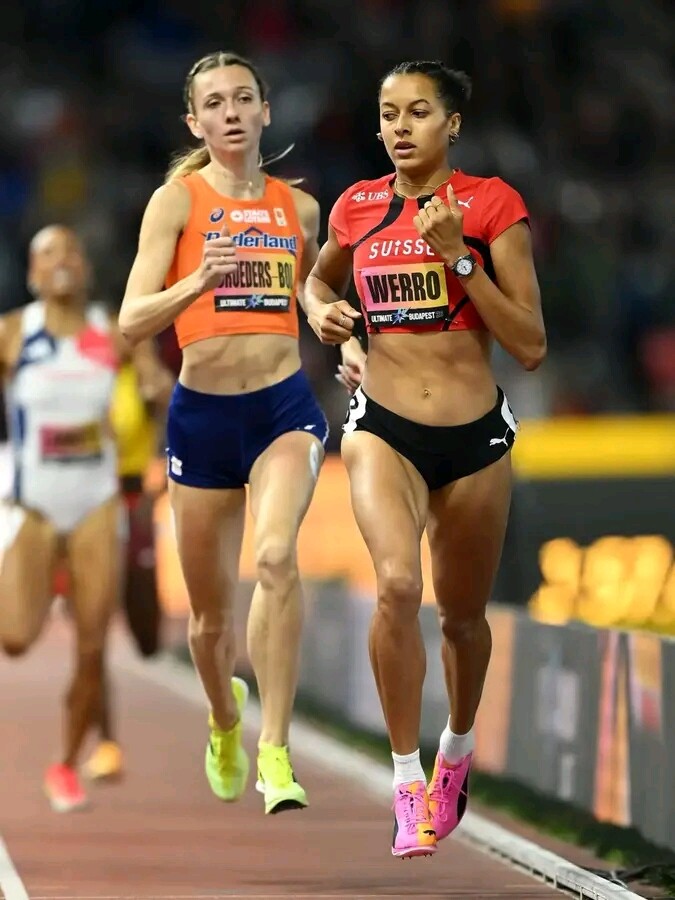
Hodgkinson also produced one of the season’s most memorable outdoor races when she ran 1:54.33 in Stockholm, finishing behind Werro but setting a British record and recording one of the fastest 800m performances ever run by a non-winner. The two athletes pushed each other deep into territory rarely seen in the event.
Then came one of the most unexpected developments of the season: Femke Broeders-Bol’s transformation.
The Dutch star, already a two-time world champion in the 400m hurdles, made the switch to the 800m in 2026 and rapidly established herself among the world’s best. What initially looked like an ambitious experiment quickly became a genuine championship challenge.
Broeders-Bol ran 1:55.54 to take bronze behind Werro and Hodgkinson at the European Championships in Birmingham, matching the Dutch record. She later improved to 1:54.71 in Zurich, becoming one of the fastest women in history at the distance.
The European final provided another glimpse of just how deep the event had become. Werro won in a championship-record 1:54.81, Hodgkinson followed in 1:55.01, while Broeders-Bol took third in 1:55.54.
Their rivalry continued into the inaugural World Athletics Ultimate Championship in Budapest, where the three again shared the spotlight. Werro produced another controlled performance to win the final in 1:55.88, ahead of Hodgkinson in 1:56.26 and Broeders-Bol in 1:56.74.
What made the 2026 women’s 800m particularly remarkable was not simply the number of fast times, but the different storylines unfolding at the same time. Werro’s explosive rise, Hodgkinson’s record-breaking indoor campaign and championship pedigree, and Broeders-Bol’s extraordinary transition from the 400m hurdles created a three-way battle that repeatedly produced world-class racing.
And behind them was an increasingly deep field, making the event far more than a contest between three athletes. With multiple runners capable of breaking two minutes and pushing the leaders, every major championship race carried the possibility of another breakthrough.
For Werro, 2026 became the year she moved from emerging talent to a dominant outdoor force. For Hodgkinson, it was another season of record-breaking performances and championship experience. And for Broeders-Bol, it was the beginning of an entirely new chapter.
Together, they made the women’s 800m one of the defining events of the 2026 season — a year in which records fell, rivalries intensified and the two-lap race produced drama almost every time the gun went off.
by Erick Cheruiyot for My Best Runs.
Login to leave a comment
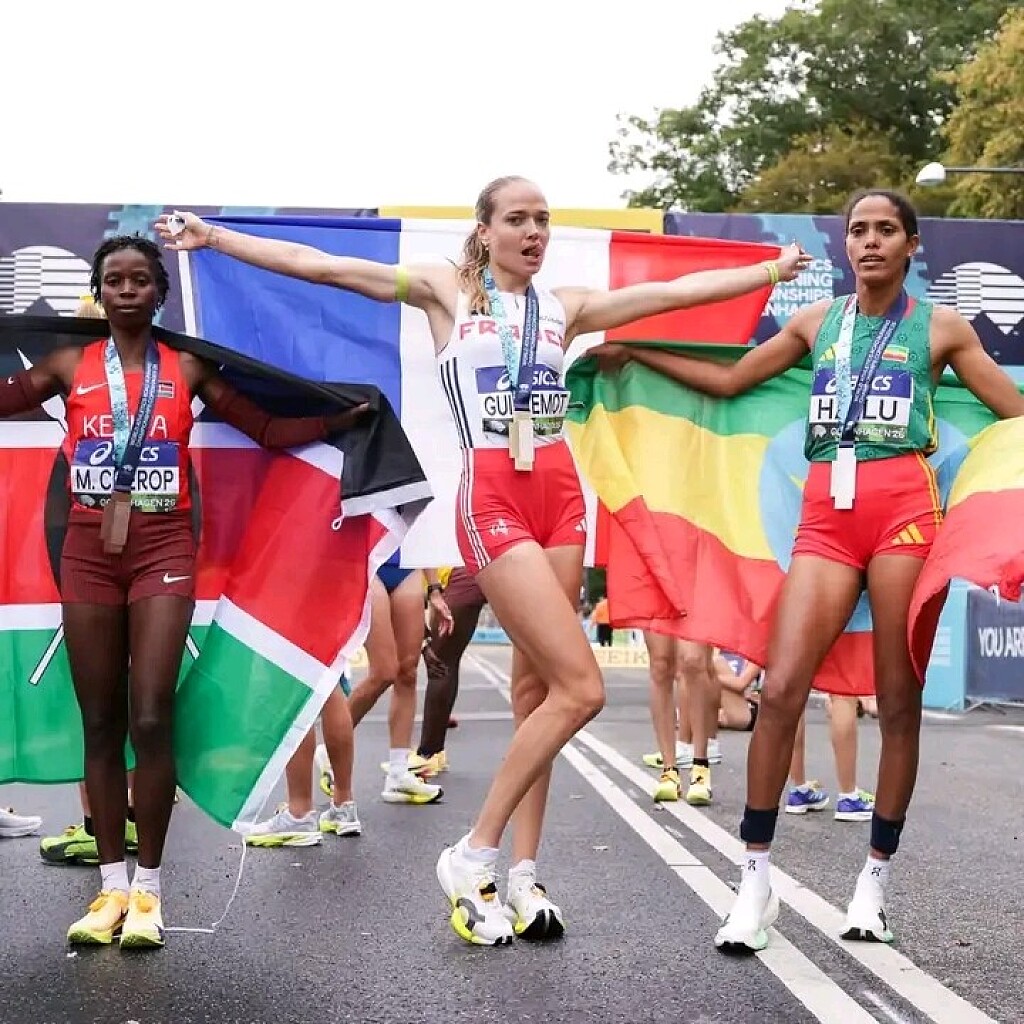
Agathe Guillemot Strikes Gold In Copenhagen As Mirriam Cherop Returns To The Global Podium
France’s Agathe Guillemot produced a breathtaking final surge to claim the women’s mile title at the 2026 World Athletics Road Running Championships in Copenhagen, securing the first individual global championship gold medal of her career.
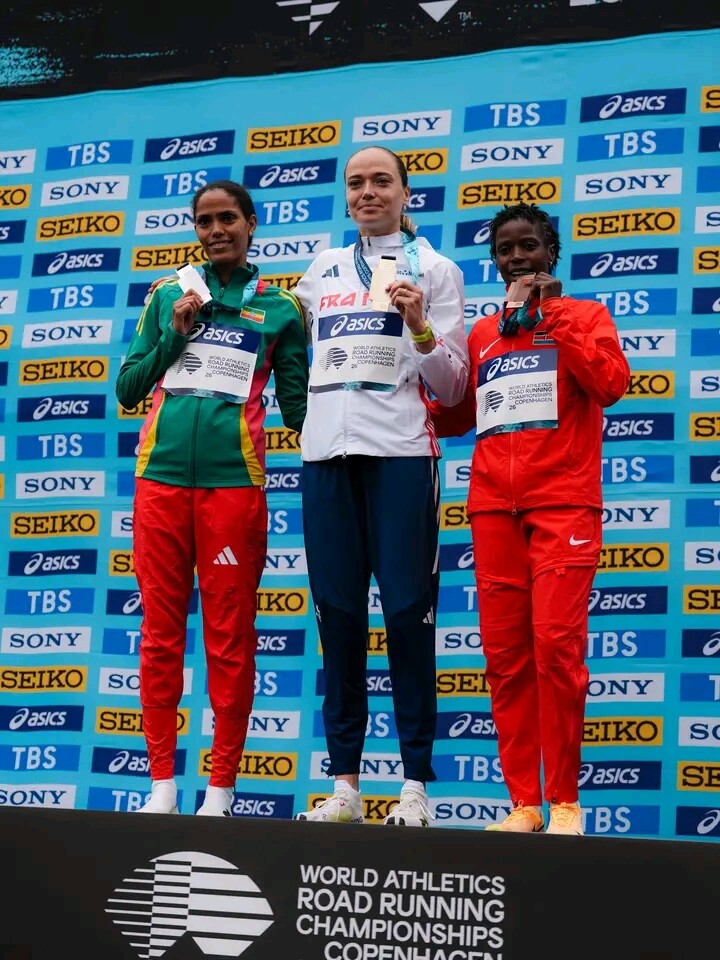
Guillemot remained composed through the early stages of a tightly contested race, staying within the leading group as the athletes patiently waited for the decisive moments. Rather than committing too early, the Frenchwoman conserved her energy and positioned herself perfectly for the closing stages.
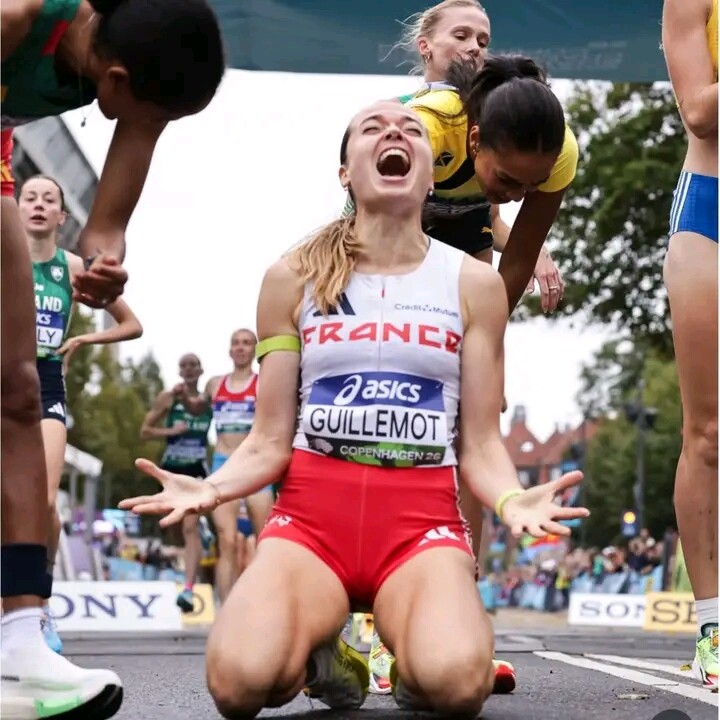
As the race entered its dramatic final phase, Guillemot unleashed a powerful acceleration that immediately changed the complexion of the contest. Her devastating finishing speed carried her away from her rivals, allowing her to cross the line in 4:22.74 and celebrate a memorable world championship triumph.
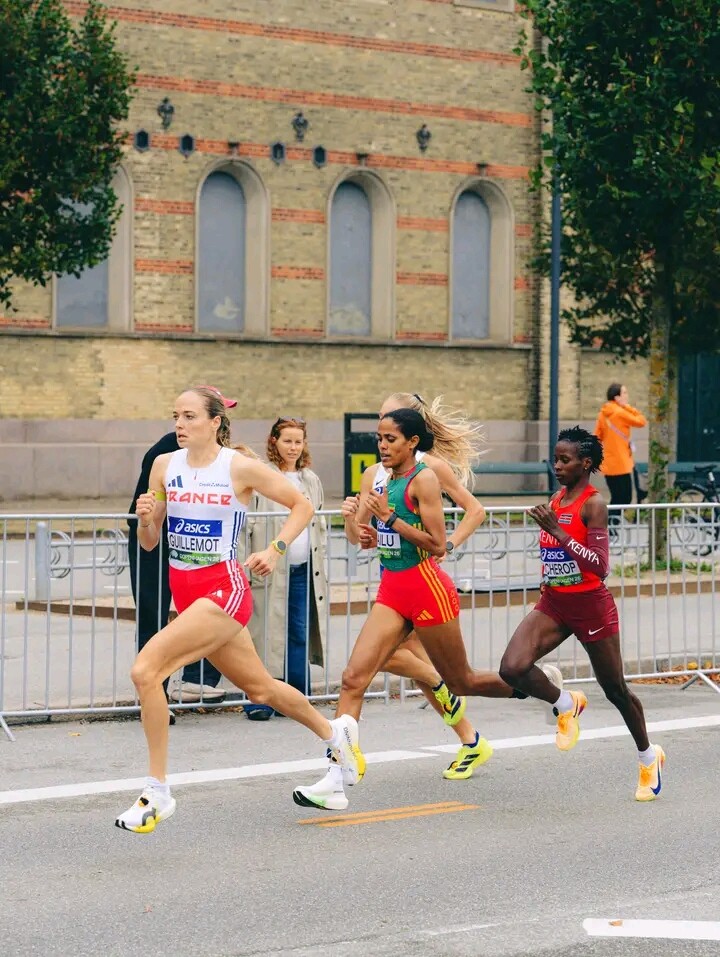
The victory was made even more remarkable by the quality of the performance. Guillemot’s winning time was a world-leading mark and a European record, taking almost half a second off the previous European record and moving her to fourth on the world all-time list.
Ethiopia’s Freweyni Hailu delivered another strong championship performance to secure the silver medal in 4:24.35. Hailu remained firmly in contention throughout the race, but she was unable to respond to Guillemot’s explosive finishing burst. It was Hailu’s second consecutive silver medal at the World Road Running Championships after also finishing runner-up in the inaugural edition in Riga in 2023.
For Kenya, Mirriam Cherop produced a performance full of determination and patience to capture the bronze medal in 4:25.71, returning to the global podium eight years after her breakthrough on the world junior stage.
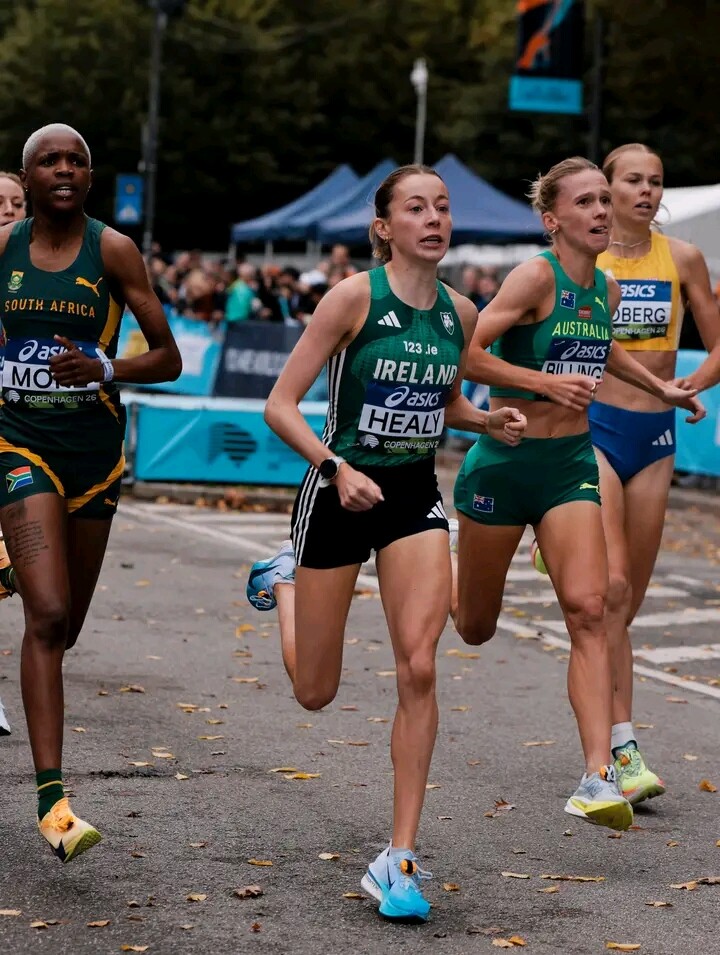
Cherop first announced herself as a major international talent at the 2018 World U20 Championships in Tampere, Finland, where she won silver in the women’s 1500m in 4:10.73. She finished behind Ethiopia’s Alemaz Samuel, with Switzerland’s Delia Sclabas taking bronze.
Now, eight years later, Cherop has added a senior global medal to that junior silver, completing a remarkable journey from the junior podium in Tampere to the senior podium in Copenhagen.
Her bronze in Copenhagen was also a season’s best, underlining the quality of her performance against a world-class field. Cherop remained in medal contention deep into the race before holding her position through the decisive final stages.
The Copenhagen race was a tactical battle for much of the distance, with the leading athletes refusing to make a decisive move too early. The pack stayed closely bunched through 800 metres before the race began to unravel in the closing stages.
Guillemot’s patience ultimately proved decisive. With little more than 20 seconds of racing remaining, the Frenchwoman moved to the front and accelerated hard, quickly creating daylight between herself and the chasing group.
Behind her, Hailu secured silver while Cherop fought her way to bronze, giving Kenya another moment to celebrate on the world stage.
The result represents another important chapter in Cherop’s career. From a World U20 silver medal in Tampere in 2018 to a senior World Road Running Championships bronze in Copenhagen in 2026, eight years have separated two global podium appearances — but the determination to remain among the best has endured.
For Guillemot, meanwhile, Copenhagen provided the perfect ending to a demanding season. The Frenchwoman had already competed at major championships and international meetings across track, cross country and road racing before producing her biggest moment of the year on the streets of Copenhagen.
The home crowd also had reason to celebrate as Denmark’s Annemarie Nissen finished fourth in a personal best of 4:26.78, while Kenya’s Naomi Korir followed in fifth with another personal best of 4:29.15.
In the end, Guillemot’s perfectly timed attack delivered France a world champion, Hailu claimed another global silver, and Cherop completed a remarkable eight-year journey back to the world podium.
From junior silver in Tampere to senior bronze in Copenhagen, Mirriam Cherop’s story has entered another memorable chapter — and Kenya once again has a global medal to celebrate.
Women’s Road Mile Top 5 — Copenhagen 2026
1. Agathe Guillemot (France) — 4:22.74 — World Lead, European Record
2. Freweyni Hailu (Ethiopia) — 4:24.35 — Season Best
3. Mirriam Cherop (Kenya) — 4:25.71 — Season Best
4. Annemarie Nissen (Denmark) — 4:26.78 — Personal Best
5. Naomi Korir (Kenya) — 4:29.15 — Personal Best
The women’s mile in Copenhagen delivered a compelling championship race, combining tactical patience, a dramatic late surge and a closely contested battle for the medals. Agathe Guillemot’s decisive finish secured the world title, Freweyni Hailu added another global silver to her résumé, while Mirriam Cherop completed the podium after a determined performance. With a world-leading time, a European record and a tightly fought medal battle, the race provided a memorable highlight of the World Athletics Road Running Championships.
by Erick Cheruiyot for My Best Runs.
Login to leave a comment
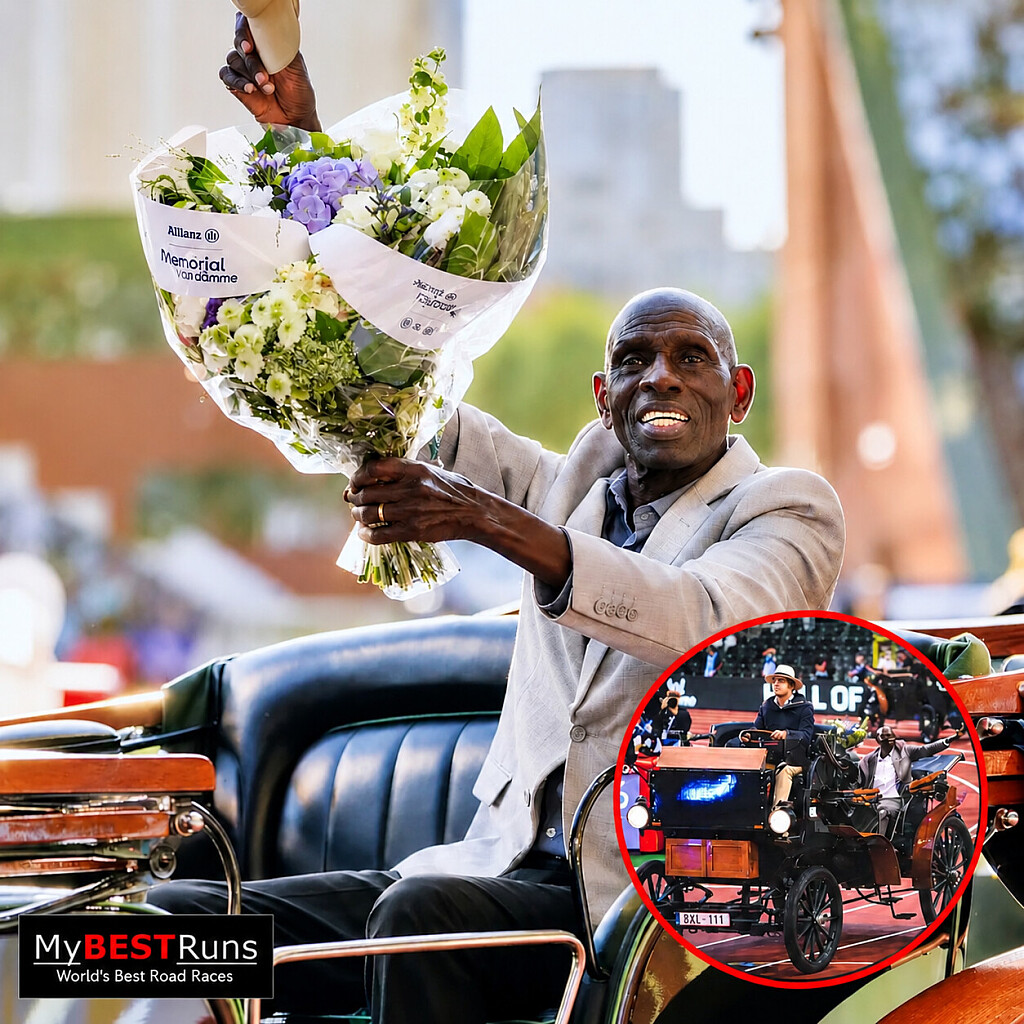
Mike Boit Honoured In Brussels As Kenyan Athletics Pioneer Enters Memorial Van Damme Hall Of Fame
Kenyan athletics legend Professor Mike Boit has received another prestigious recognition, nearly five decades after he etched his name into the history of the Memorial Van Damme in Brussels.
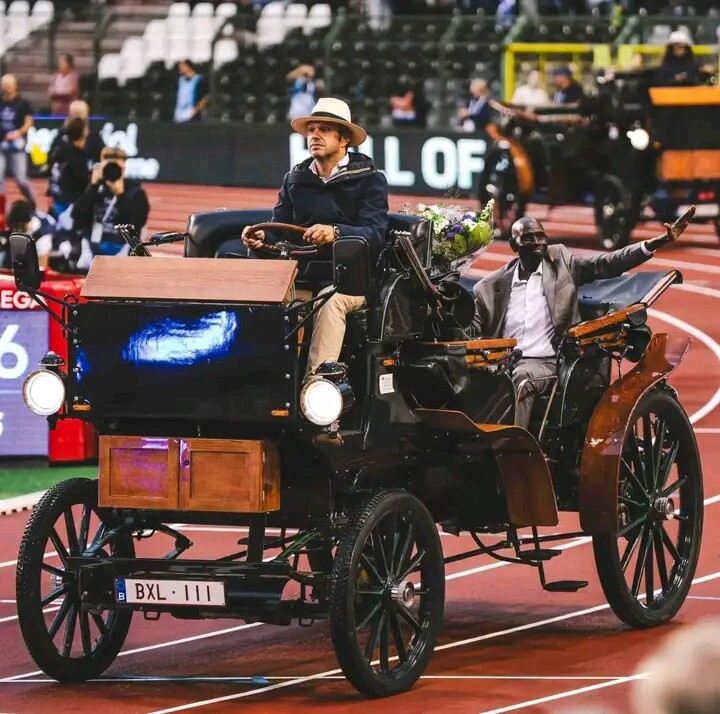
Boit was inducted into the Memorial Van Damme Hall of Fame during the 2026 Diamond League Final in Brussels, joining two global athletics icons, American sprint and long-jump legend Carl Lewis and former high-jump world-record holder Dwight Stones, in the 2026 class of honourees.
The occasion brought Boit back to the scene of one of the defining victories of his illustrious career. In 1977, he won the inaugural Memorial Van Damme 800 metres, becoming part of the meeting's history from its very first edition.
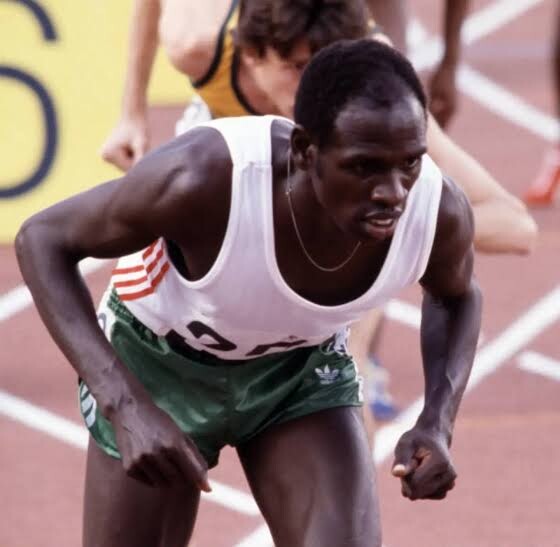
His victory in Brussels was another chapter in a career that had already established him as one of Kenya's pioneering international track stars.
Boit had announced himself on the biggest stage five years earlier at the 1972 Munich Olympic Games, where he won bronze in the 800m. At a time when Kenya was still establishing itself as a major force in international athletics, Boit was among the athletes who helped open the door for the generations that followed.
His influence, however, stretches far beyond his achievements on the track.
After his competitive career, Boit built an impressive academic and professional career in sports science. He earned two master's degrees and a PhD, using his expertise to contribute to the development of sport and the education of future generations of athletes.
That combination of athletic achievement and academic excellence has made him an exceptional figure in Kenyan sport. His journey is one that moves seamlessly from the Olympic podium to the university lecture hall, while his pioneering achievements continue to form part of Kenya's rich athletics heritage.
His induction was marked by a special lap of honour at the King Baudouin Stadium, giving spectators an opportunity to celebrate a man whose name has been intertwined with the history of the prestigious Brussels meeting for almost half a century.
For Boit, the honour represents more than recognition for a single race or medal. It is a celebration of a lifetime of contribution to athletics and sports science, as well as the impact of a pioneer whose achievements helped shape Kenya's growing presence on the international stage.
Nearly 50 years after winning the first Memorial Van Damme 800m, Boit returned to Brussels in a very different role. This time, there was no starting line, no finishing tape and no medal to chase.
Instead, there was a standing ovation and a place among the legends.
From Olympic bronze medallist to pioneering international athlete, from Memorial Van Damme champion to distinguished professor, Mike Boit's remarkable journey continues to inspire.
His name is now permanently associated with the history of one of Europe's most prestigious athletics meetings — a fitting tribute to a Kenyan icon whose influence has extended far beyond the track.
by Erick Cheruiyot for My Best Runs.
Login to leave a comment
Femke Bol Returns To Budapest: From One Of Her Darkest Moments To A New 800m Challenge
For Femke Bol, Budapest is more than just another stop on the athletics calendar. It is a place where heartbreak once threatened to define her championship campaign — only for the Dutch star to respond with one of the most memorable comebacks of her career.
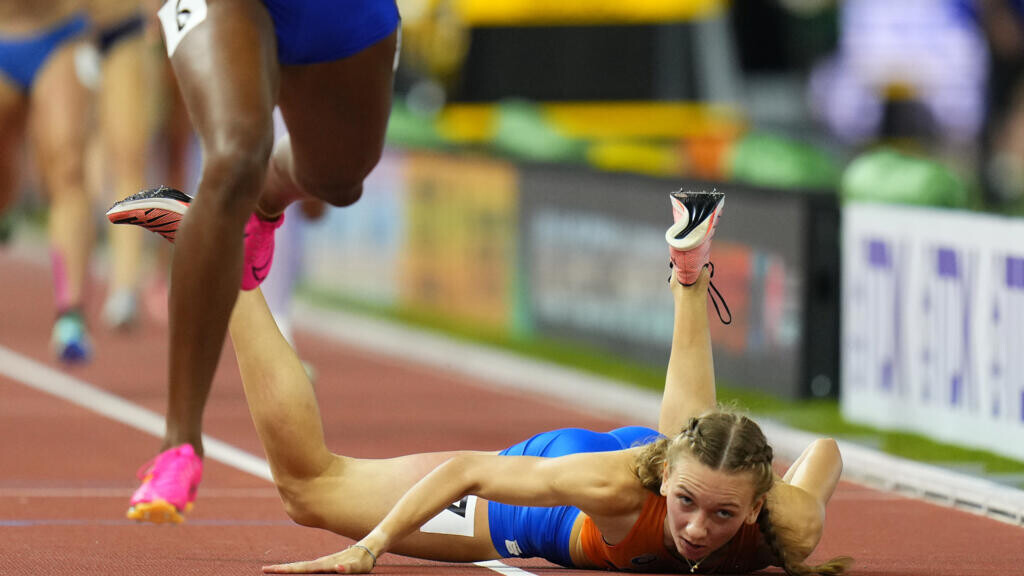
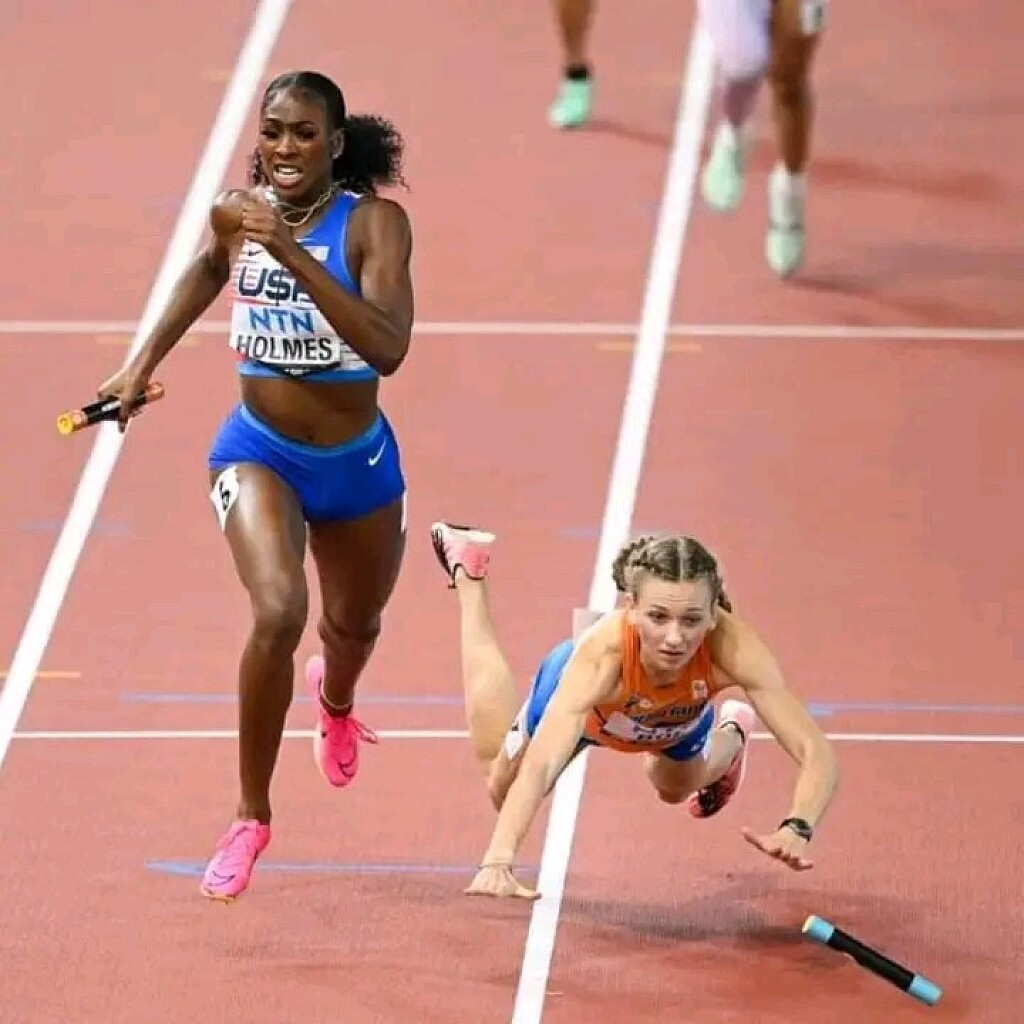
Three years ago, at the 2023 World Athletics Championships, Bol arrived in Budapest as one of the biggest names in the 400m hurdles. Yet her championships began with a painful collapse.
Anchoring the Netherlands in the mixed 4x400m relay on the opening night, Bol was within sight of victory when she fell just metres before the finish line. The Netherlands were disqualified, and what had looked like a near-certain gold medal disappeared in one devastating moment.
But Bol did not allow the disappointment to consume her.
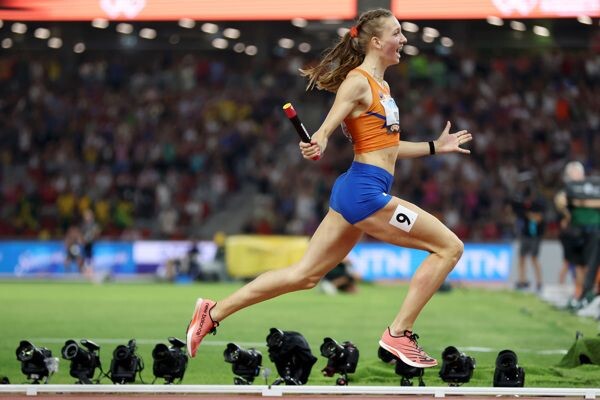
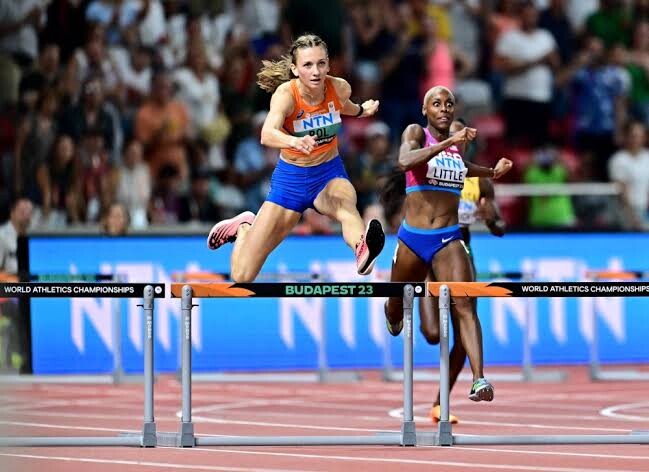
Six days later, she returned to the track for the 400m hurdles final and delivered an emphatic response. Running with remarkable composure, she stormed to victory in 51.70 seconds, finishing more than a second clear of American Shamier Little to claim her first individual global title.
Then came the final track race of those championships — and another extraordinary chapter.
In the women’s 4x400m relay, Bol received the baton for the Netherlands with the Jamaican and British teams ahead. The deficit grew to roughly 10 metres down the back straight, but instead of surrendering, she began to hunt.
By the home straight, Bol had transformed the race.
She swept past Great Britain and then Jamaica to bring the Netherlands home in 3:20.72, securing a second world title in Budapest and completing one of the most remarkable redemption stories of the championships.
Now, Bol is heading back to the same city — but this time, her challenge is completely different.
There will be no hurdles standing in her way.
Instead, she will line up for the women’s 800m at the inaugural World Athletics Ultimate Championship in Budapest, where she will face two of the strongest middle-distance runners in the world: Olympic champion Keely Hodgkinson of Great Britain and Swiss sensation Audrey Werro. The three are among the headline names in a formidable 800m field for the September 11–13 championship.
And this is no longer the same Bol who first experimented with the event.
The Dutch star has made a significant transition to the 800m this season, steadily improving as she has gained experience over the two-lap distance. Her 2026 best stands at 1:55.41, placing her among the leading contenders heading into Budapest.
Yet the challenge could hardly be tougher.
Werro has been the revelation of the 2026 season. The Swiss star leads the world with 1:53.80, a mark that ranks among the fastest performances ever recorded. She also defeated Hodgkinson and Bol at the European Championships in Birmingham, winning in 1:54.81 as Hodgkinson took silver in 1:55.01 and Bol finished third in 1:55.54.
Hodgkinson, meanwhile, remains one of the defining figures of the event. The Paris Olympic champion has already run 1:54.33 this season and will arrive in Budapest determined to reclaim the winning momentum against a rival who has repeatedly pushed her to the limit.
The latest meeting between Werro and Bol only adds more intrigue. At the Diamond League Final in Brussels, Werro prevailed in 1:54.75, but Bol pushed her all the way to the line, finishing just 0.06 seconds behind in 1:54.81.
That makes Budapest particularly fascinating.
Bol is no longer returning simply as the hurdler who once conquered the Hungarian capital. She is coming back as an ambitious 800m runner, testing herself against an Olympic champion and the world leader in an event that demands speed, tactical intelligence and endurance in equal measure.
For Bol, Budapest carries memories of a fall, a first global individual title and an unforgettable relay victory.
Now she has the opportunity to create another memory.
This time, there are no barriers to clear and no baton to chase.
There is only 800 metres — two laps in which Bol will have to match the pace, strength and finishing speed of Werro and Hodgkinson.
She has already shown what she can do when Budapest gives her a second chance.
The question now is whether she can turn that history into another triumph.
by Erick Cheruiyot for My Best Runs.
Login to leave a comment

Georgia Hunter Bell Chasing History: Four Major Titles and an Olympic Double Dream
Georgia Hunter Bell’s remarkable rise in middle-distance running has been built on far more than physical strength and natural speed. Behind every perfectly timed move, every decisive surge and every devastating finishing kick is a sharp, composed and increasingly confident racing mind.
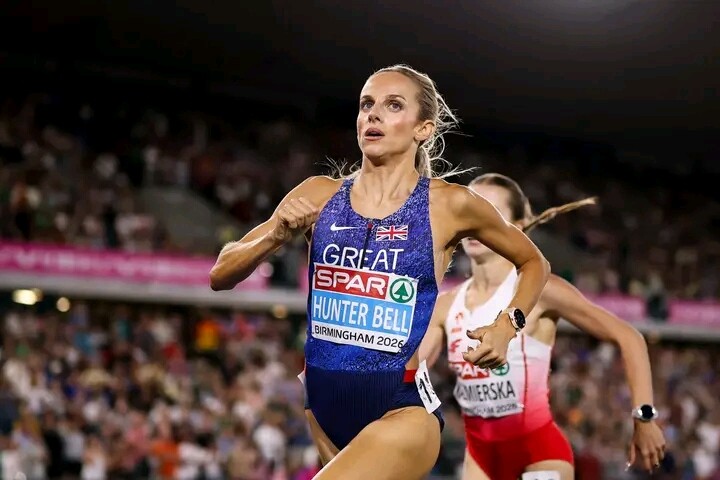
Now, after producing one of the most successful seasons of her career, the British middle-distance star is preparing for another major challenge. Hunter Bell heads to Budapest with the opportunity to complete a remarkable four-from-four sweep of major titles in 2026, having already collected three prestigious gold medals across two disciplines.
Her extraordinary campaign began with global success in the 1500 metres, where she claimed the World Indoor title. She then demonstrated her exceptional versatility by stepping down to the 800 metres to secure Commonwealth Games gold before returning to the 1500m and triumphing at the European Athletics Championships.
Winning major titles in both the 800m and 1500m underlines the extraordinary range Hunter Bell has developed. The two events demand different qualities: the 800m requires raw speed, strength and endurance, while the 1500m demands patience, tactical awareness and the ability to make the right decisions when the race reaches its decisive moments.
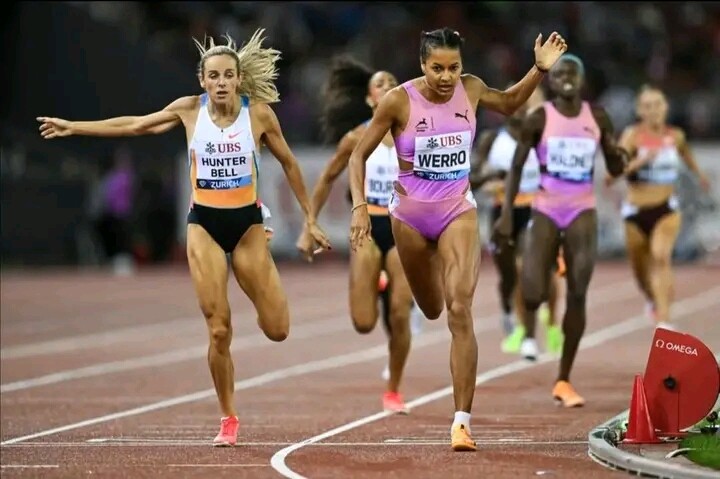
Hunter Bell has shown that she possesses the qualities needed for both.
One of the most impressive aspects of her racing is her ability to remain composed when the pressure intensifies. While championship races can become unpredictable and chaotic, Hunter Bell has developed a reputation for staying patient, reading the situation around her and positioning herself for a powerful finish.
Her finishing speed has become one of the defining weapons of her success. When the pace begins to rise and rivals start fighting for position, Hunter Bell has repeatedly demonstrated the ability to find another gear. Her strength over the closing stages allows her to transform patience into attack, making her an increasingly difficult athlete to beat in a tactical race.
But her performances are not simply the product of physical preparation.
Behind the medals and the powerful finishing kicks is an athlete who thinks deeply about the races she is about to run. Hunter Bell and her team carefully consider different race scenarios ahead of major championships, preparing for the possibility of fast races, slow tactical contests and everything in between. That preparation has helped her arrive on the start line with the confidence to react rather than panic.
It is this combination of intelligence and instinct that makes her such a compelling championship athlete.
Looking beyond Budapest, Hunter Bell’s ambitions are becoming even more exciting. One of the biggest questions surrounding her future is whether she could eventually attempt the demanding 800m and 1500m double at the Los Angeles 2028 Olympic Games.
It is one of the most difficult challenges in middle-distance running, particularly in an era filled with extraordinary depth in both events. Yet Hunter Bell has already begun seeking advice from one of Britain's greatest middle-distance champions, Dame Kelly Holmes, whose historic Olympic double remains one of the defining achievements in British athletics.
The possibility of following a similar path is undoubtedly ambitious, but Hunter Bell's 2026 season has shown why the conversation is becoming increasingly realistic. Her success across both distances has demonstrated that she possesses a rare combination of speed, endurance and championship intelligence.
Her journey to this point has also made her rise even more remarkable.
Hunter Bell’s path back to the highest level of athletics was far from conventional. After stepping away from elite competition and building a career outside the sport, she eventually returned to running and began an extraordinary transformation into one of Britain's leading middle-distance athletes.
Now, she stands at the centre of one of the most impressive seasons in international athletics.
With three major titles already secured, Budapest offers Hunter Bell the chance to add another golden chapter to her extraordinary year. Victory there would complete a remarkable clean sweep and further establish her as one of the most versatile and tactically intelligent middle-distance runners in the world.
For Hunter Bell, however, the story is clearly still being written.
Budapest is the next target, but Los Angeles is already on the horizon. And as her ambitions continue to grow, so too does the belief that her best years may still lie ahead.
Georgia Hunter Bell has the speed to win, the endurance to compete across two demanding distances and the finishing kick to punish any hesitation from her rivals. But perhaps her greatest advantage is the one that cannot be measured on a stopwatch: the calm, intelligent and competitive mind behind the athlete.
That mind has already helped shape a golden 2026 season. The question now is just how far it can take her.
by Erick Cheruiyot for My Best Runs.
Login to leave a comment

Nairobi Makes History the Prize as Kenya Bids to Bring 2029 World Athletics Championships to Africa
Nairobi has formally entered the race to host the 2029 World Athletics Championships, placing Kenya at the centre of a historic contest that could bring the sport’s premier global track and field event to African soil for the first time.
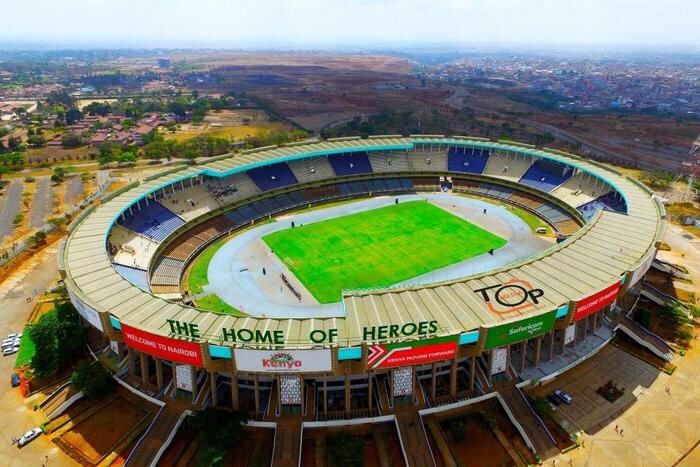
Nairobi has formally submitted its bid to host the 2029 World Athletics Championships, with the Kenyan capital facing competition from London, Rome and Munich. Four cities are now in contention for one historic decision, with World Athletics expected to announce the successful host after the inaugural World Athletics Ultimate Championships conclude in Budapest next month.
For Nairobi, however, this is about far more than securing another major sporting event. A successful bid would break a decades-long geographical barrier: despite Africa’s enormous influence on global athletics, the World Athletics Championships have never been staged on the continent.
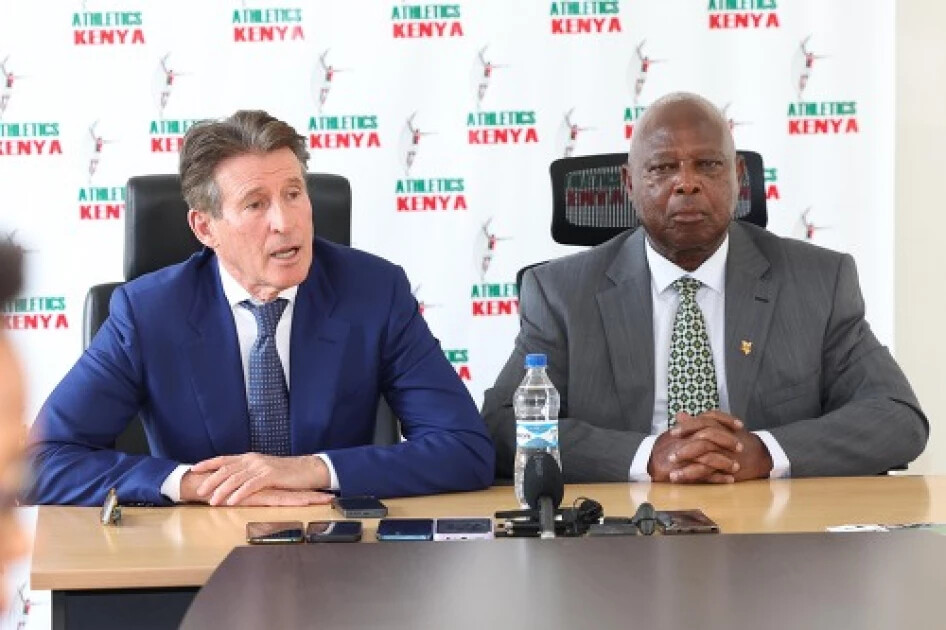
A Nairobi victory would bring the World Athletics Championships to Africa for the first time in the event’s 50-year history and stage the global showpiece at an altitude of approximately 1,800 metres. The proposed venue is Moi International Sports Center Kasarani Stadium, which has a capacity of 48,063, while the Kenyan government has committed full backing for infrastructure, security and event delivery. Kenya’s athletics credentials are equally compelling, with 17 current world records and 72 World Championships gold medals, making it the second-most successful nation in championship history.
The significance of Nairobi’s bid is amplified by Kenya’s extraordinary place in the history of the sport. The country has produced generations of world-class distance runners and currently holds 17 recognised world records across middle- and long-distance events.

Kenya is also the second-most successful nation in World Athletics Championships history by gold medals, with 72 titles after the 2025 edition. At the Tokyo 2025 championships, Kenya claimed five gold medals, including victories by Beatrice Chebet in the 5,000m and 10,000m.
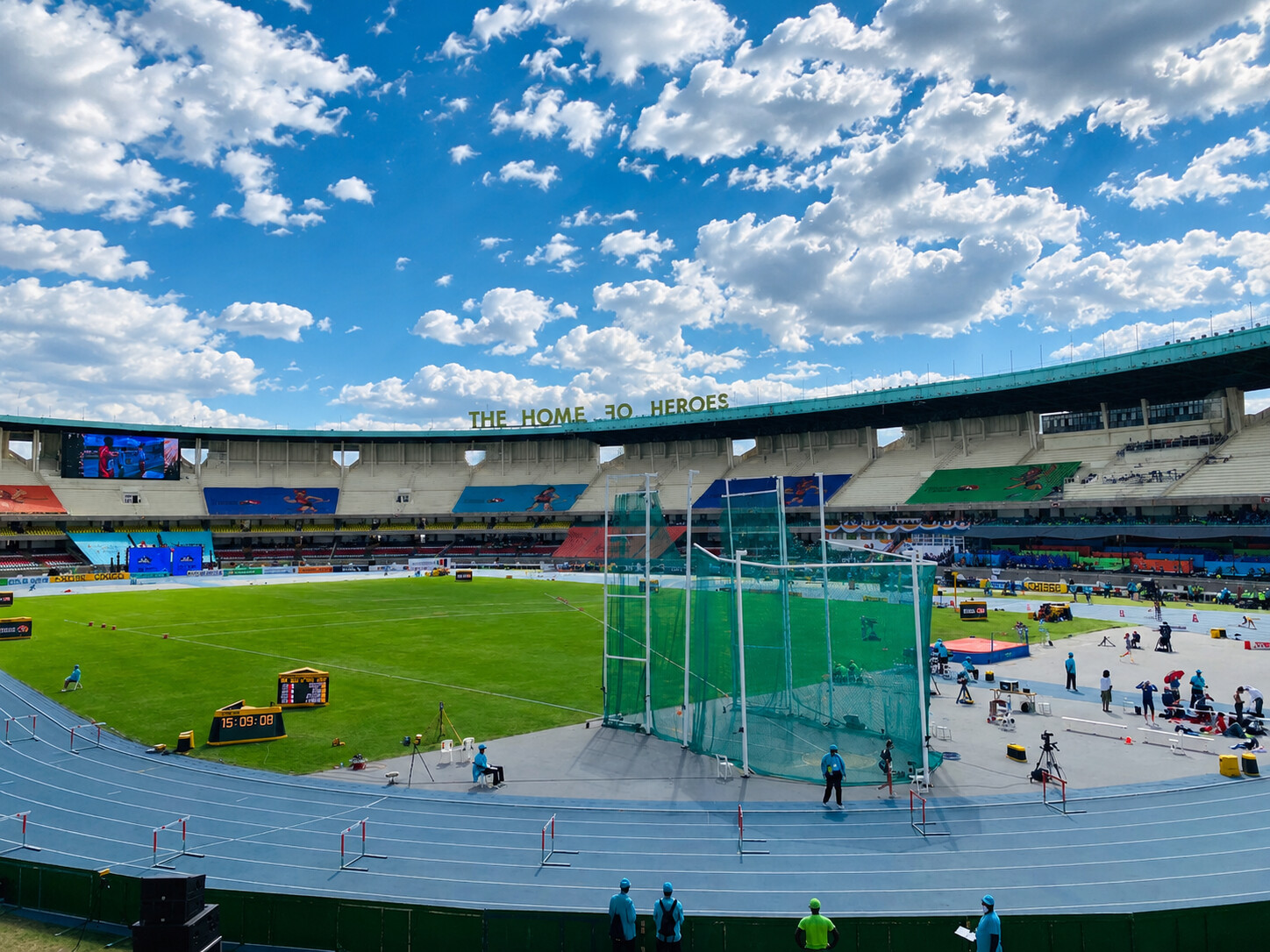
The country also has recent experience staging major international athletics competitions. Nairobi hosted the 2017 World U18 Championships and the 2021 World U20 Championships, while Kenya previously staged the 2007 World Cross Country Championships in Mombasa and the 2010 African Athletics Championships in Nairobi.
A Nairobi victory would therefore carry a powerful symbolism: the athletes who have helped define modern distance running on African soil could finally compete for world titles at home, in front of a Kenyan crowd.
The competition, however, will be formidable. London is seeking a return to the city that hosted the highly successful 2017 World Championships, while Rome and Munich bring their own strong European sporting traditions and established event infrastructure.
Yet Nairobi offers something none of its rivals can match — the opportunity to open an entirely new chapter in the history of the championships.
The World Athletics Championships have travelled across Europe, Asia, North America and the Middle East, but Africa has remained the missing continent on the event’s hosting map. Kenya’s bid seeks to change that.
With the formal bid now submitted and the final presentation and defence completed, Nairobi’s campaign enters its decisive phase. September will determine whether the championships finally make their long-awaited debut on African soil.
Four cities. One host. One potentially historic decision.
In September, World Athletics will decide whether the world’s greatest track and field athletes will converge on Nairobi in 2029 — and whether Africa will finally get its moment on the biggest stage of all.
by Erick Cheruiyot for My Best Runs.
Login to leave a comment
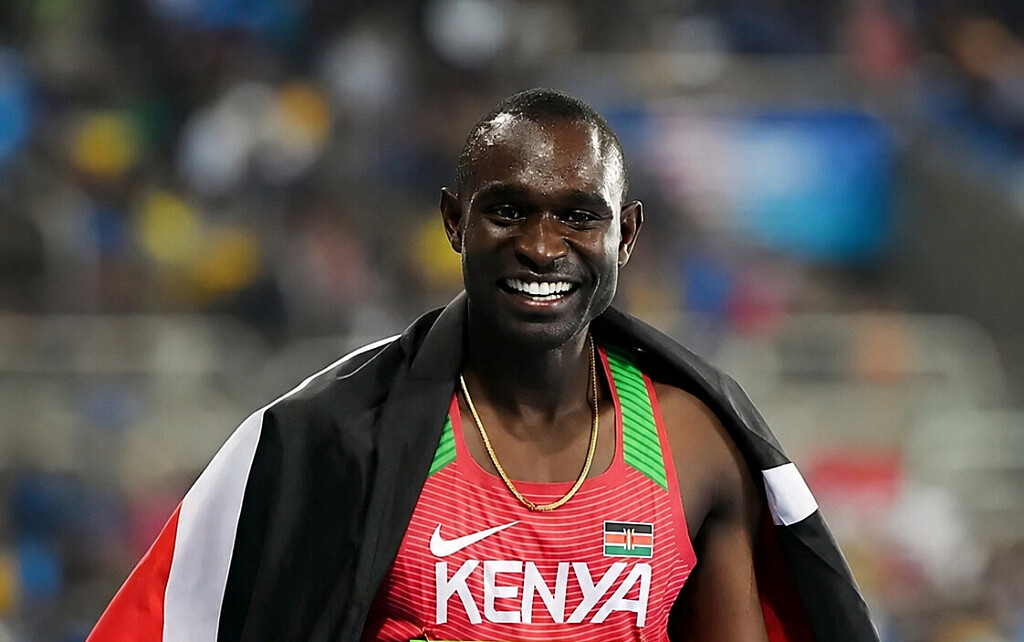
David Rudisha’s 1:40.91: Fourteen Years Later, The 800m Still Has A Mountain To Climb
Fourteen years ago this weekend, David Rudisha delivered one of the most extraordinary performances ever witnessed on an athletics track — and remarkably, his world record still stands.
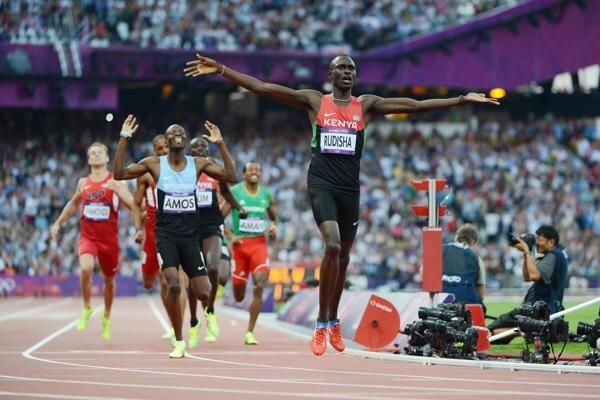
On August 9, 2012, the Kenyan lined up for the Olympic 800m final at London’s Olympic Stadium alongside seven of the world’s finest half-milers. What followed was a race that would forever redefine the limits of the event.
Rudisha did not wait for the final straight. From the gun, he went straight to the front and imposed a relentless pace on the field. He reached the 400m mark in a blistering 49.28 seconds, but instead of paying the price for such an aggressive opening lap, he continued to drive forward.
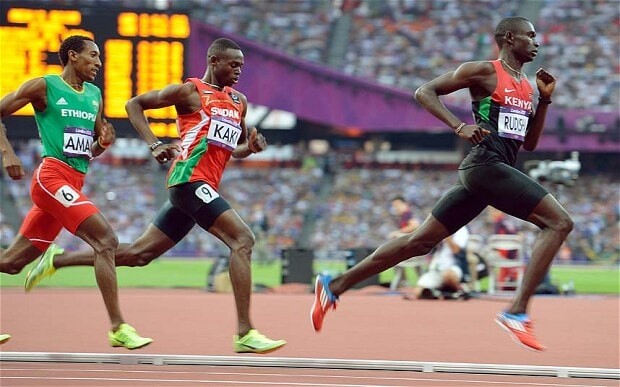
He passed 600m in 1:14.30 before producing a remarkable final 200 metres to cross the finish line in 1:40.91.
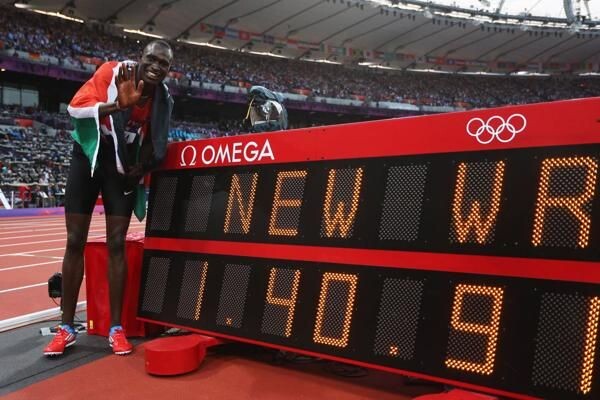
The stadium erupted.
Rudisha had broken his own world record and, for the first time in history, an athlete had broken the 1:41 barrier in the 800 metres. Even more remarkably, he had done it in an Olympic final, without a pacemaker and under the immense pressure of competing for the sport’s ultimate prize.
The runners behind him were dragged into history by his pace.
Botswana’s Nijel Amos finished second in 1:41.73, a world junior record at the time. Kenya’s 17-year-old Timothy Kitum produced a stunning 1:42.53 to take bronze, while American Duane Solomon ran 1:42.82 and Nick Symmonds clocked 1:42.95, both personal bests.
Ethiopia’s Mohammed Aman ran 1:43.20 for a national record, Abubaker Kaki finished in 1:43.32, and Great Britain’s Andrew Osagie completed the field in 1:43.77, also a personal best.
It was an extraordinary final in which all eight athletes finished inside 1:44, a testament to the astonishing pace set by the Kenyan.
Yet Rudisha was operating on another level.
His London performance was not a sudden flash of brilliance. It was the culmination of an era in which he had transformed the 800m through his fearless front-running style. Two years earlier, he had lowered the world record to 1:41.01 in Rieti, Italy. In London, he found another tenth of a second when the pressure was at its greatest.
That is what has made the record so difficult to approach.
For fourteen years, some of the greatest 800m runners of their generations have come and gone, but none has managed to take the final steps toward Rudisha’s mark. Nijel Amos remains the closest, his 1:41.73 from that same Olympic final leaving him 0.82 seconds short.
Then came Emmanuel Wanyonyi.
The young Kenyan has emerged as one of the most exciting 800m runners of his generation. In Lausanne in 2024, Wanyonyi produced a stunning 1:41.11, moving level with Wilson Kipketer as the second-fastest man in history and coming within just 0.20 seconds of Rudisha’s world record.
Twenty hundredths of a second may look insignificant on paper, but at the very top of the 800m, they represent a formidable barrier.
Wanyonyi has shown that Rudisha’s record is not beyond imagination. But reaching it requires something extraordinary — the perfect combination of speed, endurance, courage and execution over two unforgiving laps.
And perhaps that is what makes Rudisha’s achievement so enduring.
There was no pacemaker guiding him through the race. There was no carefully constructed invitational designed solely around producing a fast time. There was simply an Olympic final, eight athletes, two laps and a Kenyan determined to run faster than anyone had ever run before.
Rudisha went from the gun, controlled the race from the front and somehow maintained the speed required to produce a time that has remained beyond the reach of every challenger for fourteen years.
The next generation is getting closer, and Wanyonyi has shown that the record can at least be approached.
But 1:40.91 remains David Rudisha’s masterpiece — a world record forged under the brightest lights and on the biggest stage, and one that continues to define greatness in the 800 metres.
Fourteen years later, the challengers are getting closer, but Rudisha’s 1:40.91 remains the mountain every 800m runner dreams of climbing.
by Erick Cheruiyot for My Best Runs.
Login to leave a comment
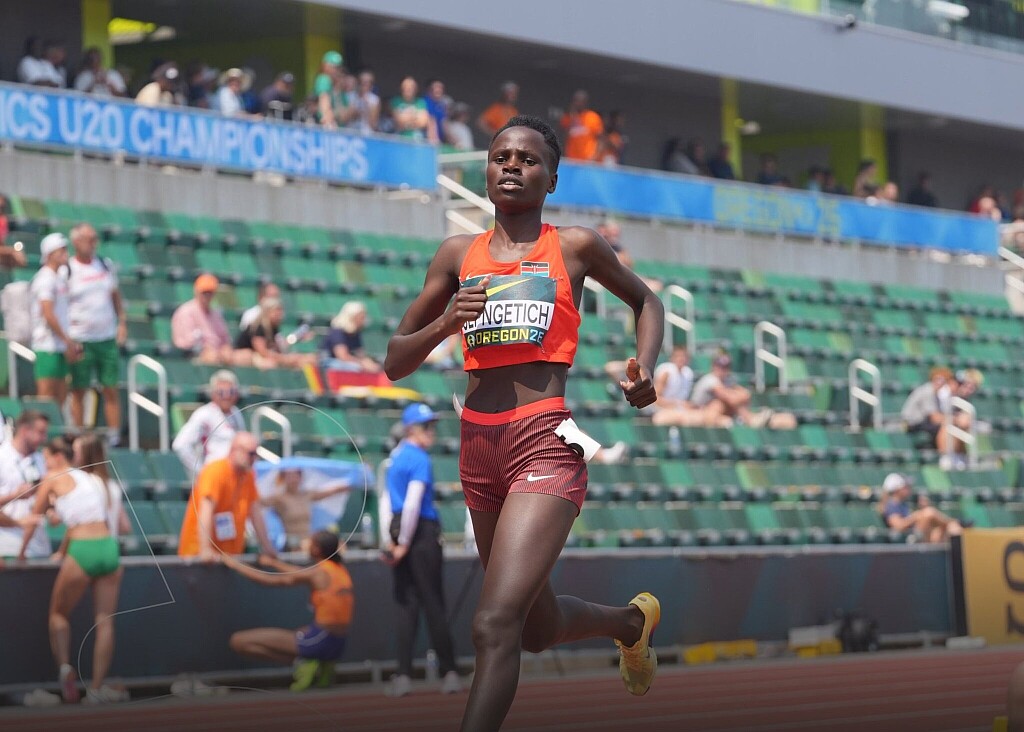
Heartbreak for Kenya as Nancy Jepngetich's Brilliant World U20 800m Victory Ends in Devastating Disqualification
What should have been one of the standout performances of the morning session at the World Athletics U20 Championships instead became one of the most heartbreaking moments for Team Kenya.

Nancy Jepngetich produced a breathtaking display in Heat Two of the women's 800 metres, storming away from the field to win in a remarkable 2:01.25. The young Kenyan looked in complete control from the opening stages, powering to the finish nearly 10 metres clear of her nearest rival and recording the fastest time of all the qualifying heats. It was a commanding performance that instantly established her as one of the leading contenders for the world junior title.
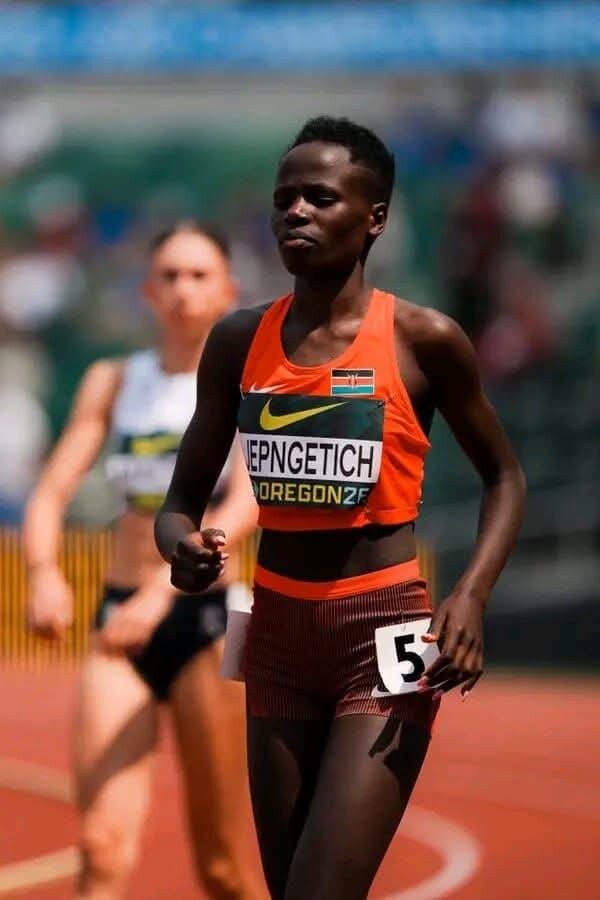
However, the celebrations were short-lived.
Moments after the race, officials disqualified Jepngetich for a lane infringement under World Athletics Rule 17.5.1, which requires athletes to remain in their assigned lane until reaching the designated break line. The ruling overshadowed what had been a sensational run and dramatically altered the outcome of the women's 800m competition.
Kenyan team officials immediately lodged an appeal, arguing that Jepngetich had gained no unfair advantage from the infringement and that it had no impact on the result of the race. After reviewing the race footage, the jury upheld the original decision, confirming the disqualification and ending her championship campaign before the semifinals.
The verdict transformed what had appeared to be one of the finest performances of the morning into one of the biggest talking points of the championships. In a matter of minutes, the fastest qualifier in the women's 800m was officially ruled out of the competition.
Jepngetich's disqualification means Kenya loses one of its strongest medal prospects in the event, with the official result standing despite the team's appeal. The decision brings a dramatic and heartbreaking end to her World Athletics U20 Championships campaign, ensuring that one of the fastest performances of the qualifying round will not feature in the semifinals.
by Erick Cheruiyot for My Best Runs.
Login to leave a comment
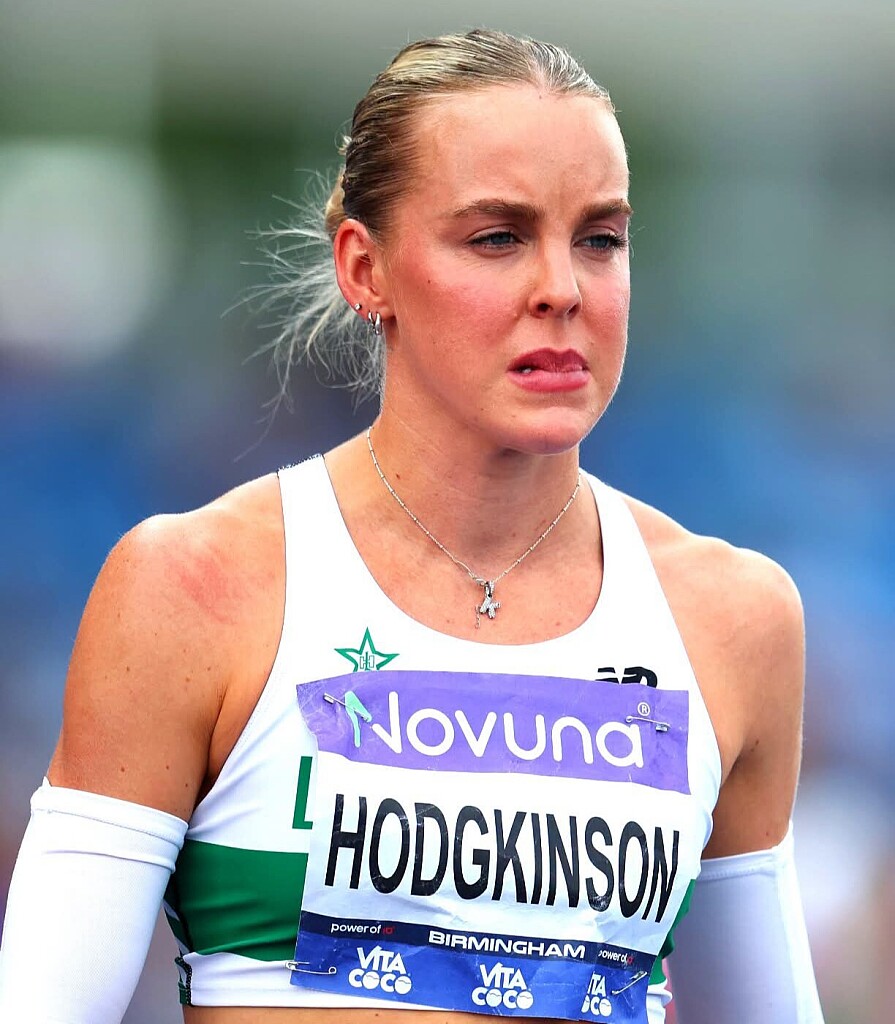
Keely Hodgkinson Maps Out Defining Three-Race Campaign as European Title Defence Takes Center Stage
Olympic champion Keely Hodgkinson is preparing for the most important phase of her 2026 season, with the British middle-distance star targeting success across three of the year's biggest competitions in what promises to be a defining championship campaign.
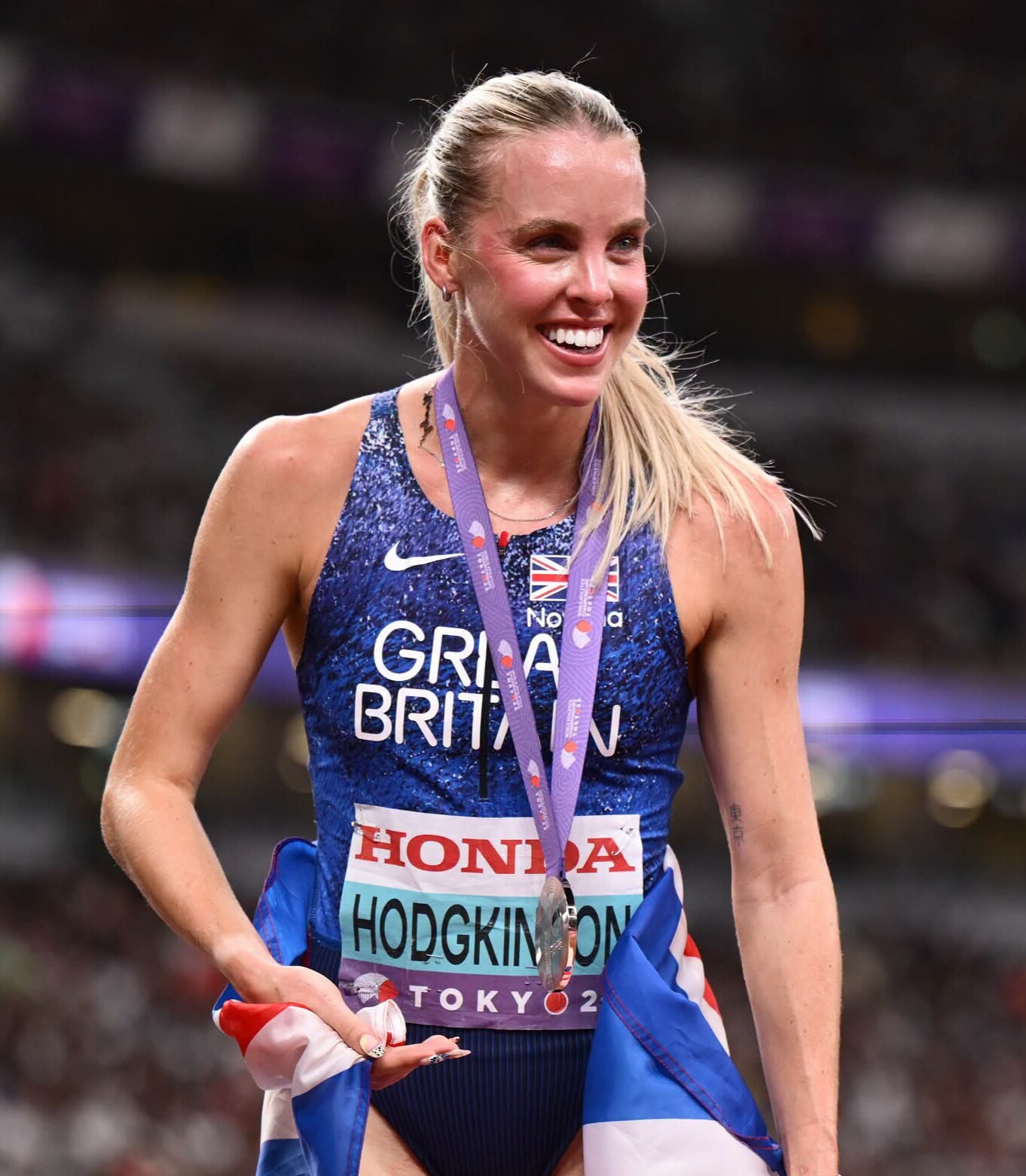
After making the strategic decision to skip the Glasgow 2026 Commonwealth Games, Hodgkinson has prioritized recovery and careful preparation to ensure she reaches peak form for the major championships that lie ahead. The move underlines her long-term ambition of adding more international titles to an already remarkable career.
Her first objective is the European Athletics Championships, which will be held from August 10–16 at Birmingham's Alexander Stadium. Competing in front of a home crowd, Hodgkinson will aim to successfully defend her women's 800 metres crown against one of the strongest fields assembled this season.
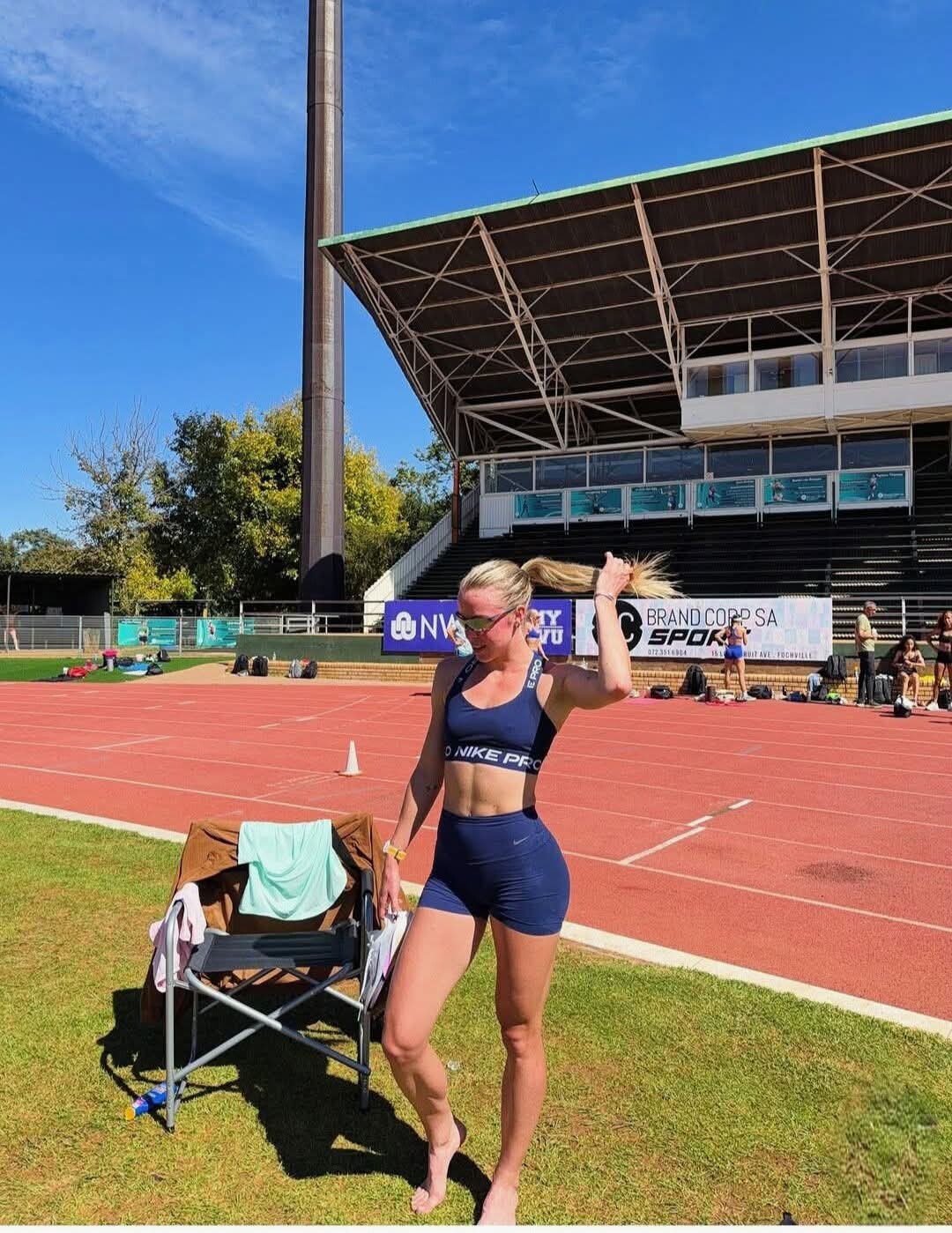
Among the leading challengers expected to contest the title are Switzerland's rising star Audrey Werro and Dutch world-class athlete Femke Bol, setting the stage for what could become one of the championship's most anticipated middle-distance races. With several of the world's elite lining up, the battle for European gold is expected to deliver a thrilling spectacle.
The focus will then shift to the Ultimate World Athletics Championships in Budapest, Hungary, from September 11–13. There, Hodgkinson will once again face the world's finest 800m specialists as she pursues another major international triumph on one of athletics' biggest stages. The championship represents another opportunity for the Olympic champion to reinforce her status as one of the dominant forces in women's middle-distance running.
Her season will conclude just days later at ATHLOS London on September 18, where she is set to headline the inaugural ATHLOS event outside the United States. The competition will bring together many of the world's top female athletes, with a lucrative $65,000 winner's prize adding further significance to an already prestigious meeting.
For Hodgkinson, the closing weeks of the season represent far more than a series of races. They are an opportunity to defend her European title, challenge for global glory in Budapest, and cap off an outstanding campaign with another memorable performance on home soil in London.
With three major events in little more than a month, all eyes will be on the British star as she embarks on a championship journey that could define her 2026 season and further cement her legacy among the world's greatest 800m runners.
by Erick Cheruiyot for My Best Runs.
Login to leave a comment

European Athletics Champioships
The27thEuropean Athletics Championshipswill be held from 10 to 16 August 2026 at theAlexander StadiuminBirmingham, United Kingdom.[1] This is the first time that a British city will have staged the European Athletics Championships although Birmingham has hosted many high-profile events, including the2007 European Athletics Indoor Championships, the2003and2018 IAAF World Indoor Championshipsand the2022 Commonwealth Games. Alexander Stadium was renovated between 2019 and...
more...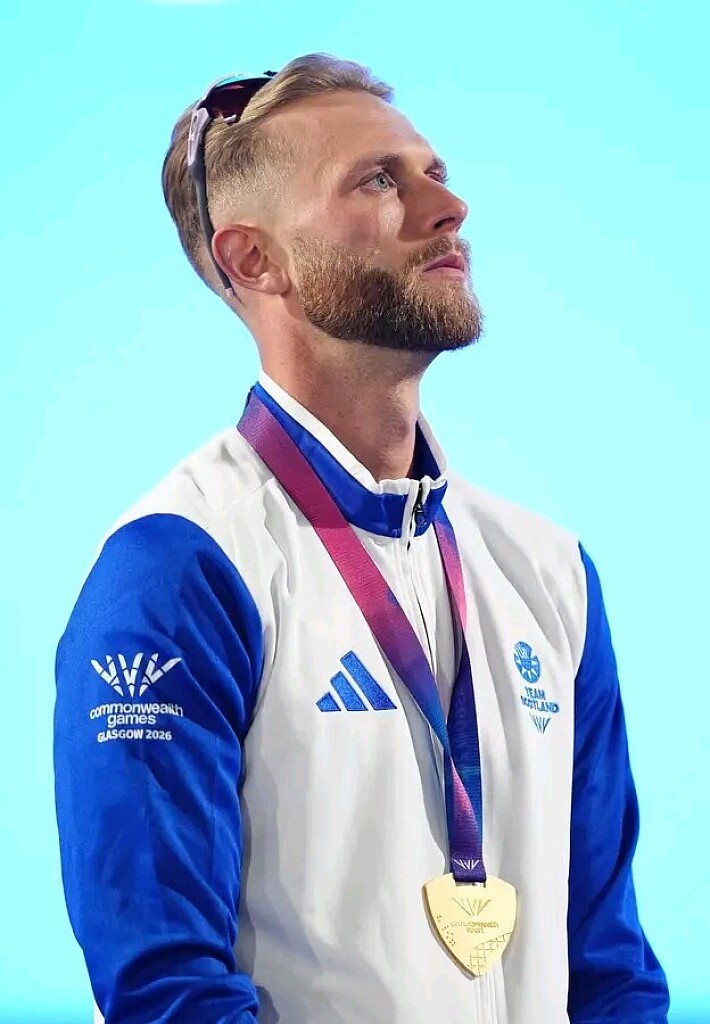
How Josh Kerr Built a Commonwealth Masterpiece: The Splits That Tell the Story of a Golden Mile
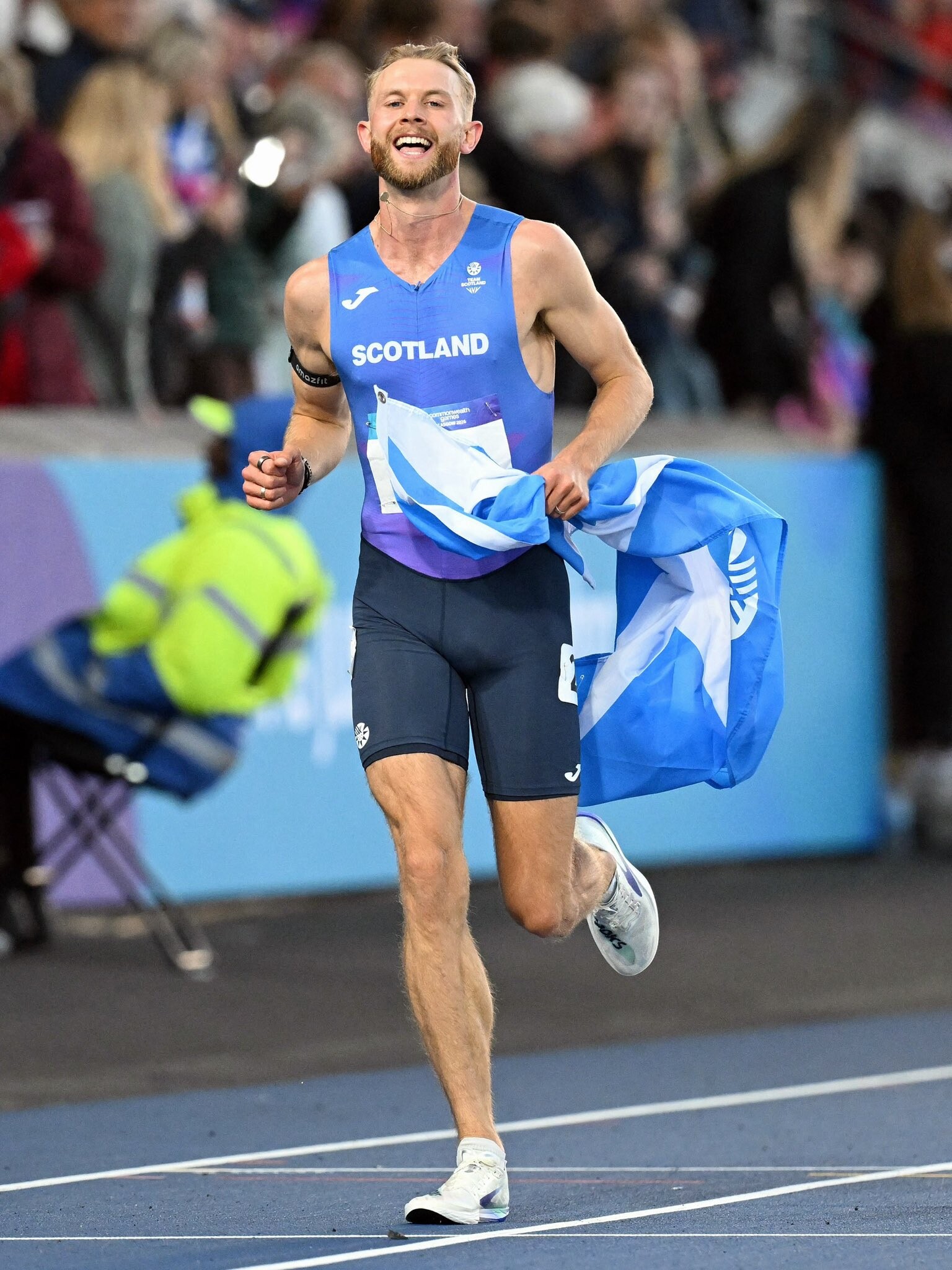
Winning a major championship is never just about crossing the finish line first. Behind every gold medal lies a carefully crafted race plan, and Josh Kerr's unforgettable Commonwealth Games triumph in Glasgow was a perfect example of tactical brilliance meeting extraordinary finishing speed.
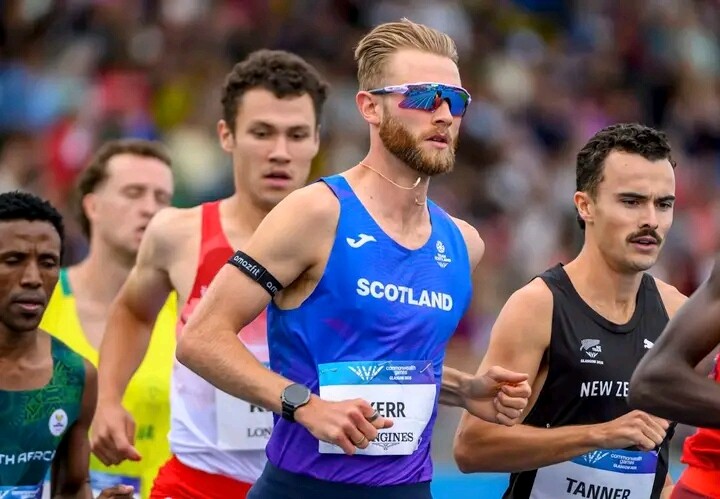
While the final time of 3:54.12 for the mile will be remembered as the official result, the split times reveal a much deeper story—one of patience, precision, and devastating acceleration when it mattered most.
Kerr resisted any temptation to force the pace from the gun. Instead, he settled into a controlled rhythm, allowing the opening stages to unfold naturally. His first four 100-metre segments—14.9, 15.1, 15.3 and 15.1 seconds—brought him through 400 metres in 60.4 seconds, a measured opening that conserved valuable energy while keeping him firmly in contention.
The second lap remained equally composed. Passing 500 metres in 15.3 seconds before recording splits of 15.7, 16.2 and 15.4, Kerr reached 800 metres in 2:03.0. The pace had eased, but that was exactly where the Scottish star wanted to be. Rather than chasing early speed, he was setting the stage for a decisive finish.
Everything changed after halfway.
Kerr gradually increased the tempo with smooth, controlled acceleration. His 900-metre and 1,000-metre splits of 15.2 and 14.9 seconds signalled that the race was beginning to stretch. He then surged through 1,100 metres in 14.3 seconds before covering the next 100 metres in just 13.4 seconds to reach 1,200 metres in 3:00.8.
From there, the home crowd witnessed championship running at its finest.
Instead of fading, Kerr became even stronger. He reeled off three consecutive 100-metre splits of 13.4, 13.4 and 12.8 seconds, dismantling the field with every stride. His final 100 metres were covered in a stunning 12.5 seconds, sealing an emphatic victory and sending the Glasgow crowd into celebration.
The progression of his race was remarkable. After opening with relaxed 15-second splits, Kerr transformed the closing stages into a demonstration of world-class speed endurance. His ability to accelerate continuously over the final 600 metres highlighted not only exceptional fitness but also supreme confidence in his race plan.
Championship middle-distance racing is rarely about producing the fastest possible time from the start. More often, it rewards athletes who understand when to conserve energy and when to unleash everything they have left. Kerr executed that philosophy to perfection.
His split chart paints the picture of a runner who never panicked, never wasted effort, and saved his greatest weapon for the closing stages. It was a textbook display of patience followed by relentless aggression—a combination that turned a tactical race into a memorable Commonwealth gold medal performance.
For aspiring middle-distance runners, Kerr's Glasgow masterpiece offers an important lesson: the strongest finish often belongs not to the athlete who runs hardest from the gun, but to the one who knows exactly when to make their move. On home soil, Josh Kerr timed that move to perfection, producing a performance that will stand as one of the defining moments of the championships.
by Erick Cheruiyot for My Best Runs.
Login to leave a comment

Blood, Grit and Determination: Li Meizhen’s Remarkable Marathon Finish Captivates the Running World
Marathon running is a sport built on endurance, discipline, and the ability to overcome adversity. At the 2024 Hengshui Lake Marathon in China, Li Meizhen delivered a powerful reminder of those qualities when she refused to let an unexpected challenge derail her race.
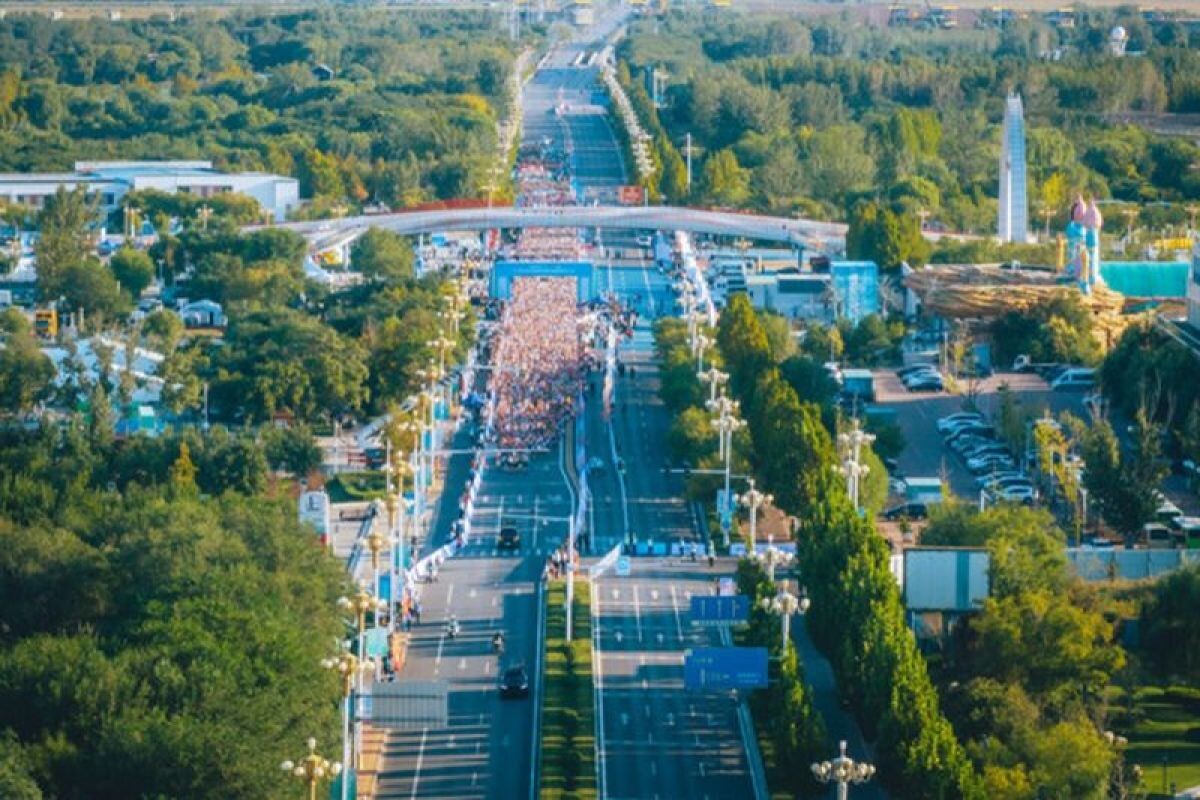
The 25-year-old runner from Fujian was already 34 kilometres into the marathon when her period suddenly started. With roughly eight kilometres still remaining, Li could see blood running down her legs. For many athletes, the situation would have been distressing enough to consider stopping. Li chose a different path.
She kept running.
Determined to reach the finish line, Li maintained her focus through the final stages of the race, pushing through both the physical demands of the marathon and an unforeseen personal challenge. When she finally crossed the line, the clock showed 2 hours, 35 minutes, a performance that placed her among the fastest women in a race featuring more than 20,000 runners from 26 countries and regions.
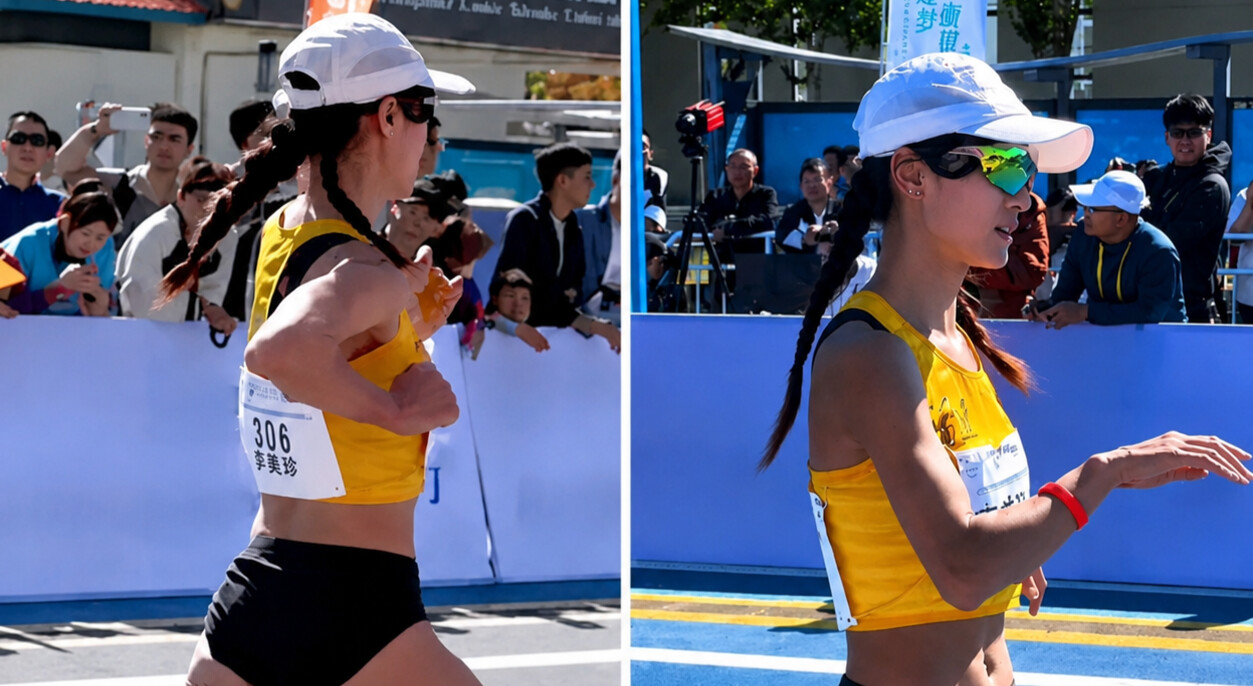
What happened during those closing kilometres quickly became a talking point across China. Videos of Li's finish spread rapidly on social media, drawing widespread admiration from runners and sports fans alike. Rather than focusing on the blood visible on her legs, many celebrated her determination and the message her performance sent about women's health in sport.
After the race, Li explained her decision in simple terms. She was chasing a qualifying standard for two upcoming championship marathons. Stopping would have meant abandoning months of preparation and starting the qualification process all over again at another race.
So she finished the one she was in.
The reaction online was overwhelmingly positive. Many women praised her for treating menstruation as what it is—a normal part of life rather than something that should prevent an athlete from competing, training, or pursuing ambitious goals.
For Li, resilience has been a defining characteristic throughout her running journey. She has been competing for approximately a decade, ever since she was recruited from a fifth-grade sports interest group after winning the 800 metres at her first county-level competition. Since then, she has steadily developed into a high-level distance runner capable of competing among the best.
Her experience at Hengshui Lake has resonated far beyond the marathon community because it highlights an often-overlooked reality of women's sport. Athletes frequently face challenges that are visible to everyone, such as injuries, weather conditions, or fatigue. Others are far more personal and rarely discussed publicly.
On this occasion, Li Meizhen confronted both.
Some obstacles in running can be anticipated and managed through preparation. Others arrive without warning. Faced with one of those unexpected moments deep into a marathon, Li chose perseverance over surrender.
Her 2:35 finish will be remembered not only as a qualifying performance, but as a powerful demonstration of courage, professionalism, and the unbreakable determination that lies at the heart of distance running.
by Erick Cheruiyot for My Best Runs.
Login to leave a comment
Four Legends Who Defined Kenya's Golden Era of the 800 Metres
Kenya's rich history in the 800 metres has produced some of the finest middle-distance athletes the world has ever witnessed. Across different generations, extraordinary talent, resilience and excellence have transformed the nation into a global powerhouse in the two-lap event. From world records and Olympic triumphs to groundbreaking achievements and inspirational coaching, four remarkable athletes stand out as enduring symbols of Kenya's golden era.
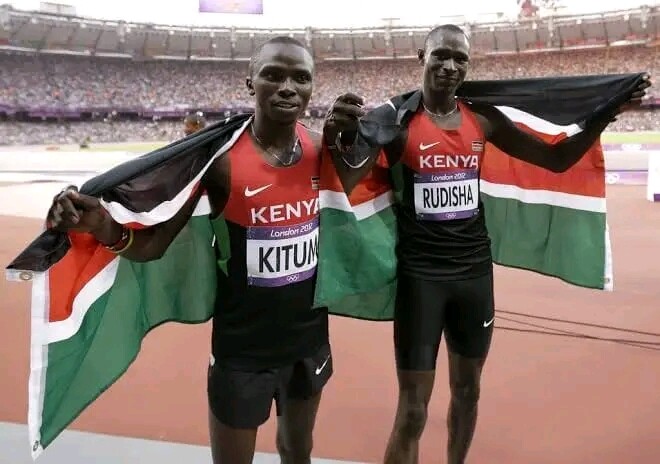
Leading the list is David Rudisha, the undisputed king of the men's 800 metres. His name is synonymous with greatness after redefining what was thought possible over two laps. A two-time Olympic champion and two-time world champion, Rudisha reached the pinnacle of the sport at the London 2012 Olympic Games, where he produced one of the greatest performances in athletics history. His breathtaking world record of 1:40.91, set from the front without the aid of a pacemaker, remains unbeaten and continues to inspire generations of middle-distance runners around the world.
Sharing that unforgettable London final was Timothy Kitum, whose remarkable breakthrough captivated the athletics world. At just 18 years old, he delivered a sensational performance to claim the Olympic bronze medal in a personal best of 1:42.53, a time that still stands as Kenya's national under-20 record. Although he later stepped away from elite competition, Kitum has remained closely connected to the sport, proudly supporting his wife, multiple Olympic champion Faith Kipyegon, as she continues to build one of the greatest careers in middle-distance running history.
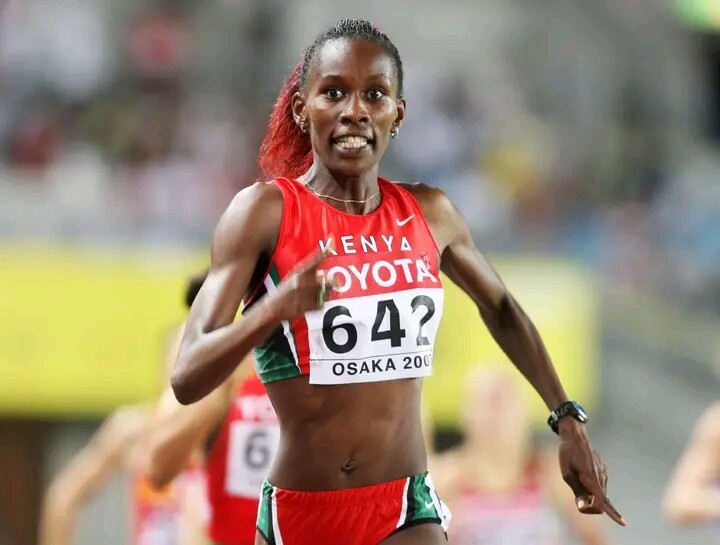
On the women's side, Janeth Jepkosgei broke new ground for Kenyan athletics by becoming the country's first female World Champion in the 800 metres. Affectionately known as the "Eldoret Express," she captured the world title in Osaka in 2007 before adding an Olympic silver medal at the Beijing Games in 2008. Her influence, however, extends well beyond the medals she won. After retiring from competition, Jepkosgei dedicated herself to coaching, helping nurture a new generation of Kenyan middle-distance stars.
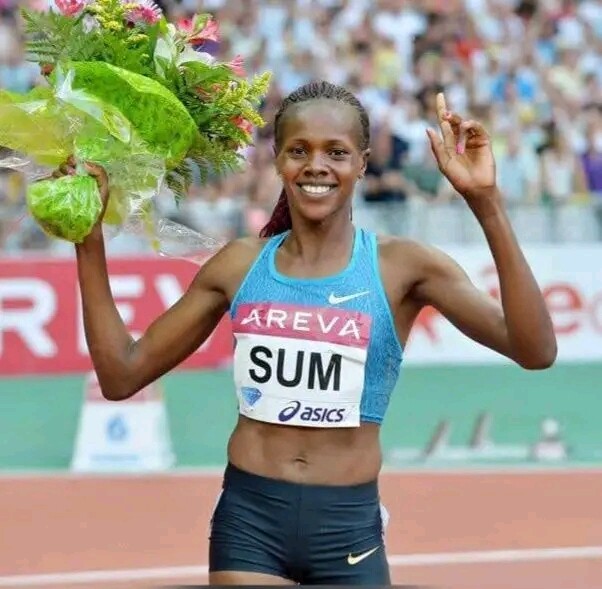
Among those who benefited most from her guidance was Eunice Sum. Under Jepkosgei's mentorship, Sum blossomed into one of the world's finest 800-metre athletes, winning the World Championship title in Moscow in 2013 before adding a bronze medal at the 2015 World Championships. Her rise from promising youngster to global champion stands as a powerful testament to the value of mentorship and the enduring strength of Kenya's middle-distance tradition.
Together, these four icons represent far more than medals and records. They embody the passion, discipline and relentless pursuit of excellence that have made Kenya the benchmark in the 800 metres. Their achievements have inspired generations of athletes, while their legacy continues to shape the future of Kenyan middle-distance running. From world records and Olympic glory to championship titles and coaching excellence, they remain enduring symbols of one of the greatest eras in the history of the 800 metres.
by Erick Cheruiyot for My Best Runs.
Login to leave a comment

A Titanic Women's 800m Showdown Awaits As Budapest Prepares For A Race To Remember
The countdown to the inaugural World Athletics Ultimate Championship has already ignited excitement across the athletics world, but few events promise as much drama as the women's 800 metres. With a field packed full of world-class talent, Budapest is set to host what could become one of the most memorable two-lap races of the 2026 season.
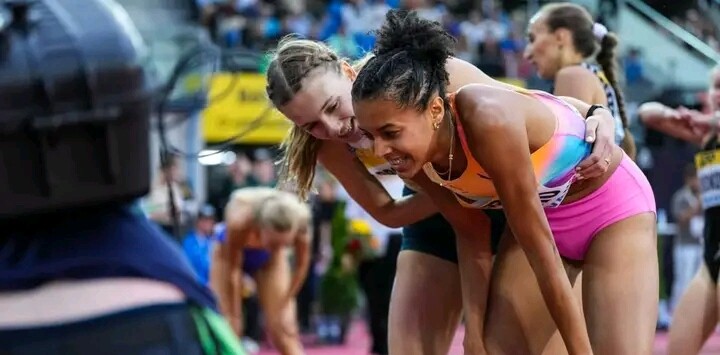
Scheduled for September 11–13 at the National Athletics Centre in Budapest, Hungary, the championship will bring together the sport's finest athletes while offering a record-breaking prize fund of US$10 million. Among the headline attractions is an extraordinary women's 800m lineup that blends raw speed, championship experience, fearless racing and tactical brilliance.
Leading the conversation is Switzerland's Audrey Werro, whose remarkable rise has established her among the world's elite. Producing sensational performances throughout the season, Werro has continued to rewrite expectations with her aggressive racing style and exceptional finishing strength, making her one of the favourites heading into Budapest.
Standing in her way is Great Britain's Olympic champion Keely Hodgkinson, one of the most accomplished 800m runners of her generation. Renowned for her flawless race management, devastating finishing kick and ability to thrive under pressure, Hodgkinson remains a formidable championship competitor capable of delivering when the stakes are highest.
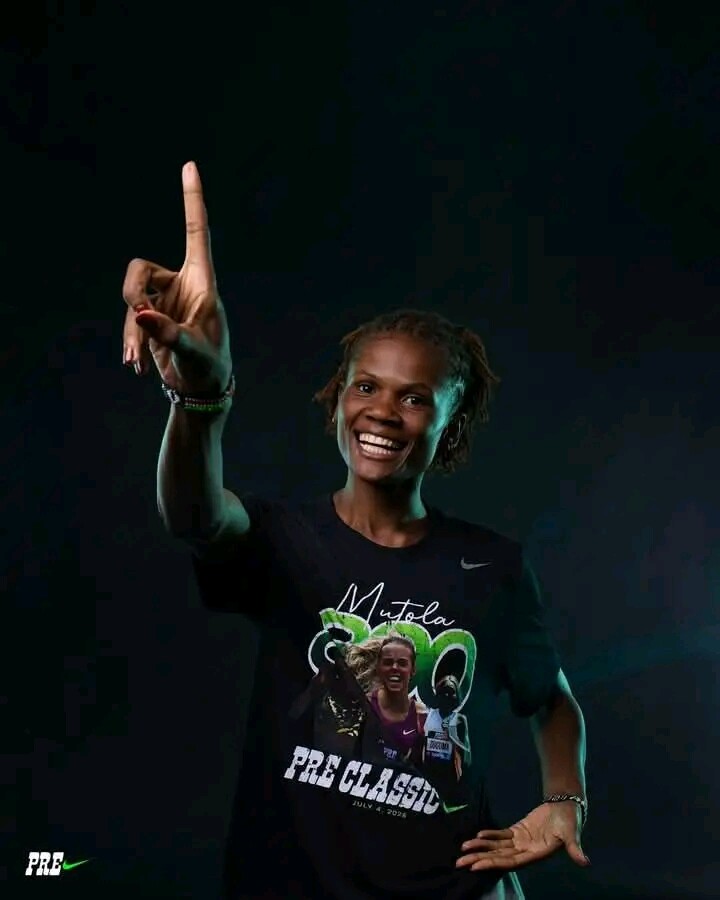
Kenya's Lilian Odira also enters the championship carrying enormous confidence as the reigning world champion. Having already demonstrated her ability to conquer major finals against elite opposition, Odira possesses the composure and resilience needed to challenge for another global title on one of athletics' biggest stages.
Adding even greater intrigue is Dutch superstar Femke Bol, whose transition from the 400m hurdles to the 800m has captured global attention. Already one of the sport's biggest names, Bol has shown remarkable adaptability and endurance, emerging as a genuine contender capable of upsetting the established specialists.
Completing this exceptional lineup is Great Britain's Georgia Bell Hunter, whose consistency throughout the season has firmly established her among the world's best. Her string of impressive sub-1:55 performances has demonstrated both speed and maturity, ensuring she will be a serious threat in any tactical or fast-paced final.
With every major contender arriving in outstanding form, the women's 800 metres promises far more than a battle for gold. It represents a clash of contrasting racing philosophies—fearless front-running, calculated tactics, explosive finishing speed and championship experience—all converging in one unforgettable contest.
As the inaugural World Athletics Ultimate Championship approaches, anticipation continues to build for what could become one of the defining races of the year. When the athletes take their places on the start line in Budapest, only one will leave wearing the crown, but the journey to that finish line promises a spectacle worthy of the global stage.
by Erick Cheruiyot for My Best Runs.
Login to leave a comment

WORLD RECORD FORM MEETS WORLD-LEADING SPEED IN LONDON
The stage is set for one of the most eagerly anticipated middle-distance races of the season as three of the world's fastest 800m stars prepare to collide at the London Diamond League on Saturday, 18 July 2026. With Olympic glory, world-leading performances, national records and personal pride all on the line, the British capital is ready for a race that could redefine the event this season.
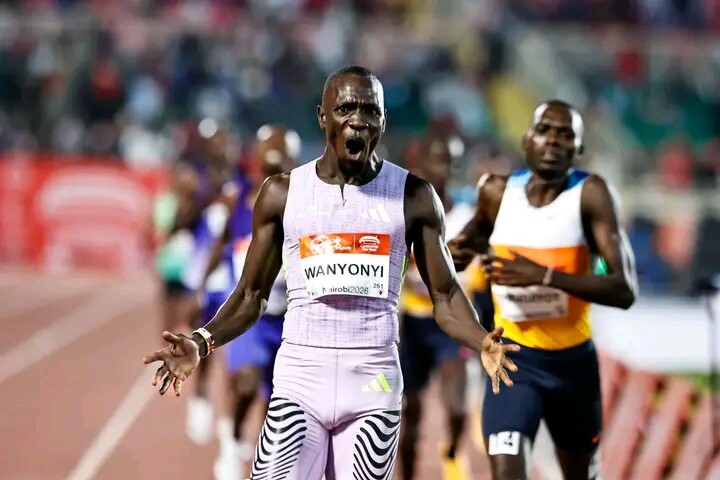
Leading the charge is Kenya's Emmanuel Wanyonyi, the reigning Olympic champion, who arrives in London riding an extraordinary wave of confidence. The 21-year-old has been virtually unstoppable in recent weeks and reminded the world of his exceptional talent when he produced a sensational 2:11.83 over 1,000m at the Monaco Diamond League on 10 July, smashing a world record that had stood for nearly three decades.
Now Wanyonyi returns to a track where he created unforgettable memories a year ago, storming to victory in a meeting-record 1:42.00. His mission this weekend is straightforward but far from easy—defend his London crown against the strongest field assembled this year.
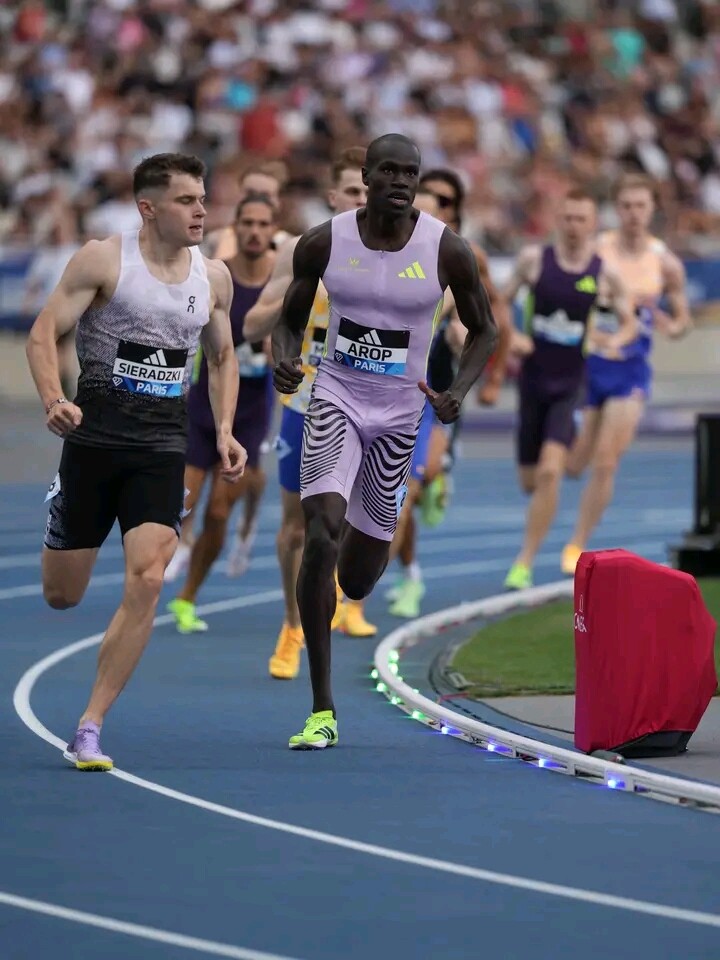
Standing in his way is Canada's Marco Arop, who has looked every bit the athlete capable of dominating the global 800m scene. The Olympic silver medallist currently owns the fastest two-lap performance in the world this season after an emphatic 1:41.84 victory at the Paris Diamond League in late June. Combining blistering speed with remarkable strength over the closing stages, Arop has established himself as one of Wanyonyi's greatest rivals.
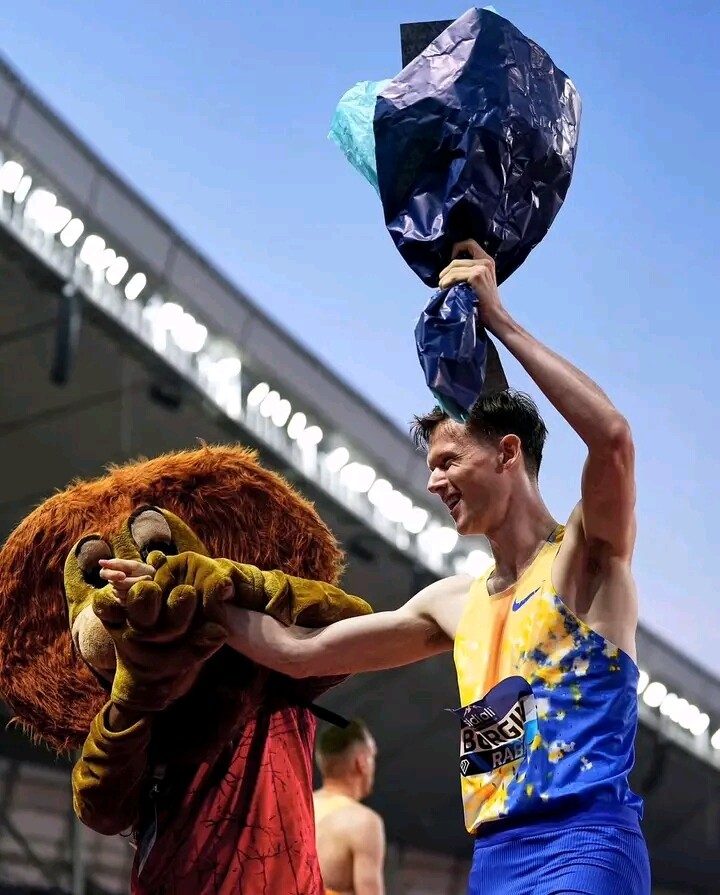
Adding another fascinating dimension is Great Britain's Max Burgin, who will enjoy the full backing of a passionate home crowd. Burgin already proved earlier this season that Wanyonyi can be beaten, producing a stunning upset in Rabat where he claimed victory in 1:42.98. Returning to compete on home soil, he now has an even greater target in sight—Sebastian Coe's British record of 1:41.73, a mark that has stood as one of the nation's most iconic athletics achievements for decades.
But the battle extends well beyond the headline trio.
The race features one of the deepest fields of the Diamond League season, with American star Bryce Hoppel, former world champion Jake Wightman, Australian standout Peter Bol, Ireland's experienced Mark English, Britain's Ben Pattison, Norway's Tobias Grønstad, Ireland's rising talent Cian McPhillips, and Poland's Patryk Sieradzki all capable of influencing the outcome.
With so much quality assembled on one start line, there will be little room for hesitation. Every tactical decision, every move through the bell lap and every stride over the final 200 metres could determine who emerges victorious.
London has witnessed countless unforgettable 800m battles over the years, but this edition promises something truly special. A reigning Olympic champion chasing another statement victory. The world's fastest man of the season determined to confirm his dominance. A home favourite inspired by the roar of the crowd and chasing history.
When the starter's gun fires, reputations will matter little. For two laps, only courage, speed and perfectly judged tactics will decide the champion.
The countdown is over. London is ready for another classic, and the men's 800 metres promises to be nothing short of spectacular.
by Erick Cheruiyot for My Best Runs.
Login to leave a comment
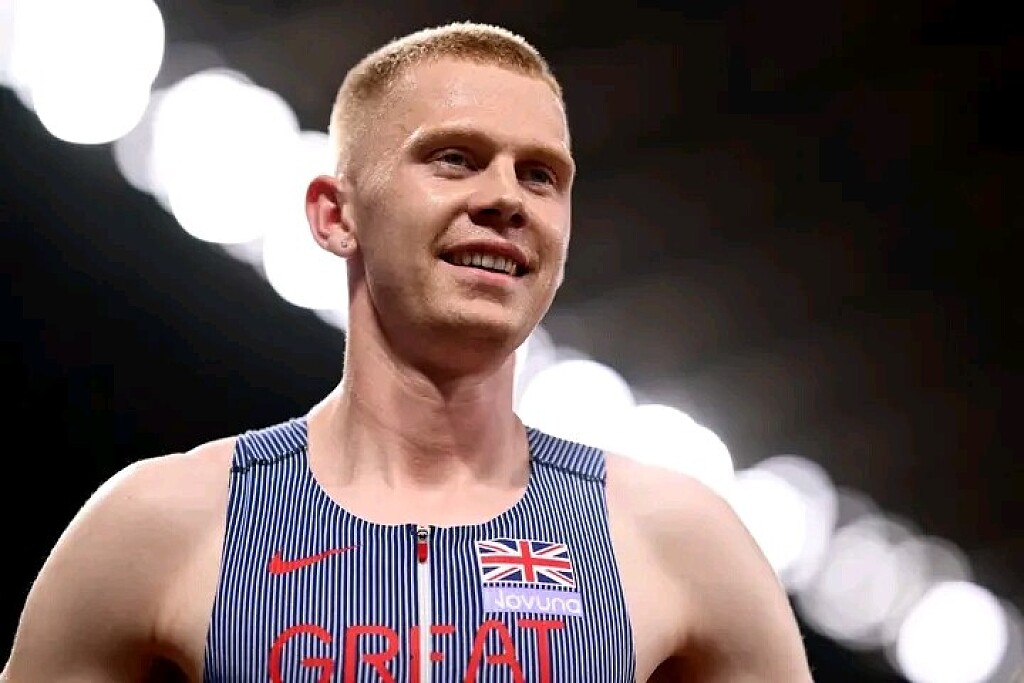
Ben Pattison's Fresh Start: British 800m Star Turns Setbacks Into Fuel for a Defining 2026
Every elite athlete faces moments that test both their talent and their character. For Britain's Ben Pattison, the disappointments of 2024 have become the foundation for a smarter, more measured comeback as he builds towards what could be the most significant season of his career.
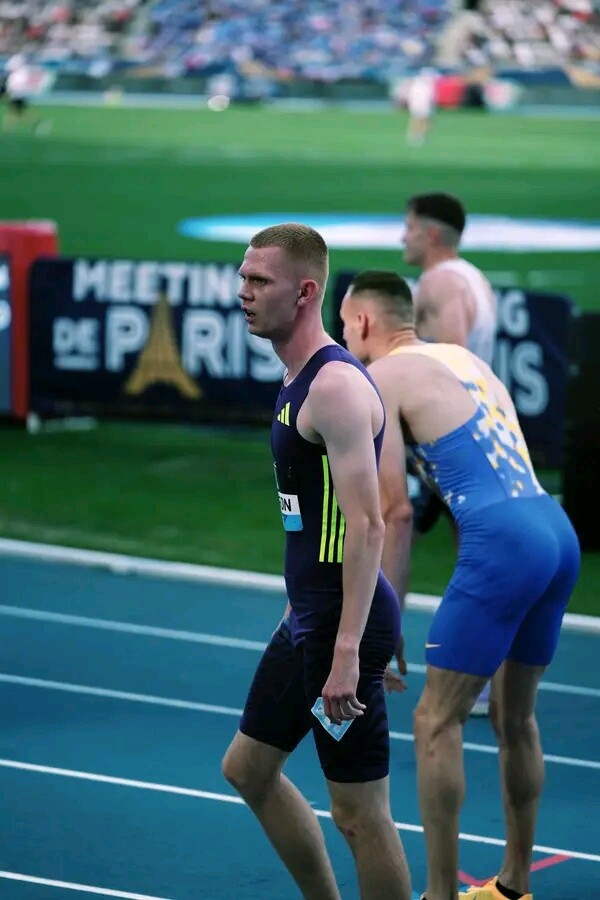
Rather than allowing frustration to dictate his preparation, the 24-year-old has embraced a new philosophy—prioritising long-term health over chasing peak fitness too early. Reflecting on the lessons learned, Pattison admitted that the frustrations of last season influenced some of his decisions, but this winter has been about exercising patience, staying composed, and ensuring he reaches the summer healthy enough to perform at his absolute best.
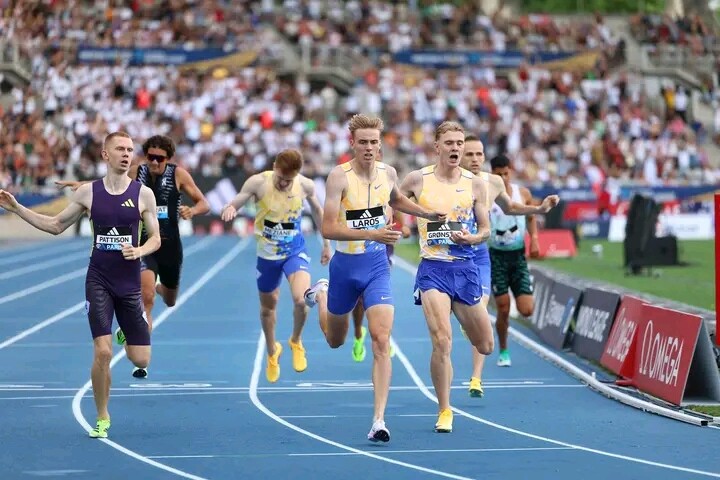
That change in mindset is already producing encouraging results. Pattison delivered an impressive performance at the UK Athletics Championships, where he pushed Jake Wightman all the way in a fiercely contested 800 metres, proving he is once again among Britain's leading middle-distance runners.
He backed up that performance on the Diamond League stage in Paris, clocking 1:43.71—the third-fastest 800m of his career. The time not only reaffirmed his return to top form but also demonstrated that his revised approach is beginning to pay dividends against world-class opposition.
With the 2026 Commonwealth Games and the European Championships firmly in his sights, Pattison appears to be building at exactly the right pace. Instead of rushing the process, he is laying the foundations for sustained success, determined to arrive at the major championships stronger, healthier and mentally sharper than ever before.
Sometimes the biggest breakthroughs are born from the hardest lessons. If Pattison's upward trajectory continues, his difficult 2024 season may ultimately be remembered not as a setback, but as the turning point that reignited one of Britain's brightest 800-metre talents.
by Erick Cheruiyot for My Best Runs.
Login to leave a comment
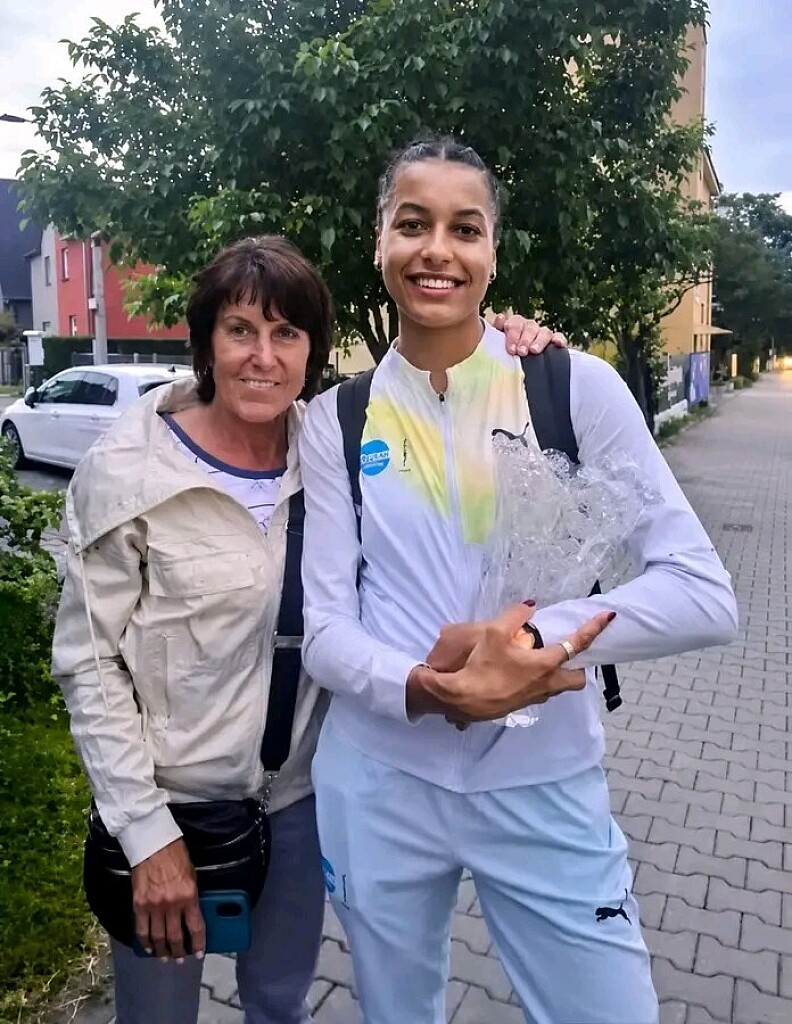
Audrey Werro's Rapid Rise Brings Jarmila Kratochvílová's Historic 800m World Record Into Focus
The women's 800 metres has entered one of its most fascinating chapters in years as rising Swiss sensation Audrey Werro edges ever closer to one of athletics' most enduring records.
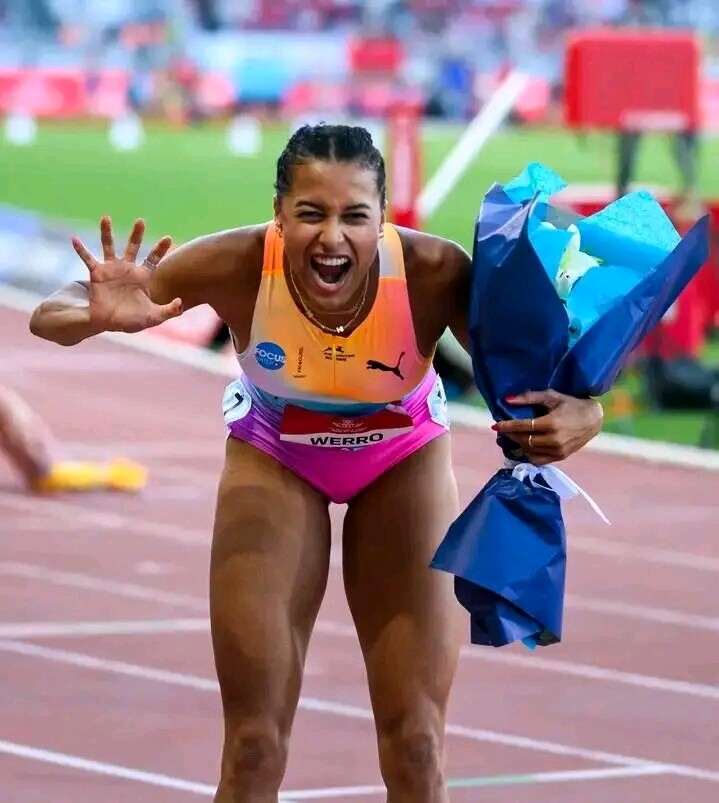
Standing between Werro and history is the remarkable mark of 1:53.28, set by Jarmila Kratochvílová in 1983—a performance that has remained untouched for more than four decades and continues to rank among the oldest world records in track and field.
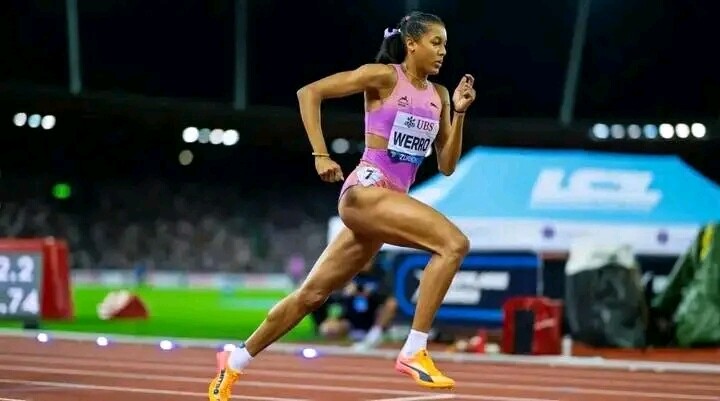
Werro's charge toward history gathered even greater momentum with a breathtaking victory at the Paris Diamond League, where she stormed to a sensational 1:53.80. The performance not only secured the win but also shattered the Diamond League record and meeting record, while establishing a new world-leading time and a Swiss national record. It was a statement performance that confirmed her status as one of the most exciting middle-distance athletes of her generation.
The talented Swiss runner has combined exceptional speed with tactical maturity and remarkable consistency, transforming what once seemed an untouchable world record into a genuine subject of discussion. Every race further strengthens the belief that she possesses the talent and confidence to challenge one of athletics' most enduring marks.
Although Kratochvílová's legendary record still stands, Werro's remarkable progression has reignited anticipation around the women's 800m. Her fearless racing style and relentless improvement have breathed new life into an event that has waited decades for an athlete capable of threatening history.
Whether the historic 1:53.28 falls this season or in the years ahead remains uncertain. What is undeniable, however, is that Audrey Werro has placed herself firmly on the doorstep of greatness, ensuring that every appearance on the track will be watched with growing excitement as the athletics world waits to see whether one of its oldest records can finally be rewritten.
by Erick Cheruiyot for My Best Runs.
Login to leave a comment
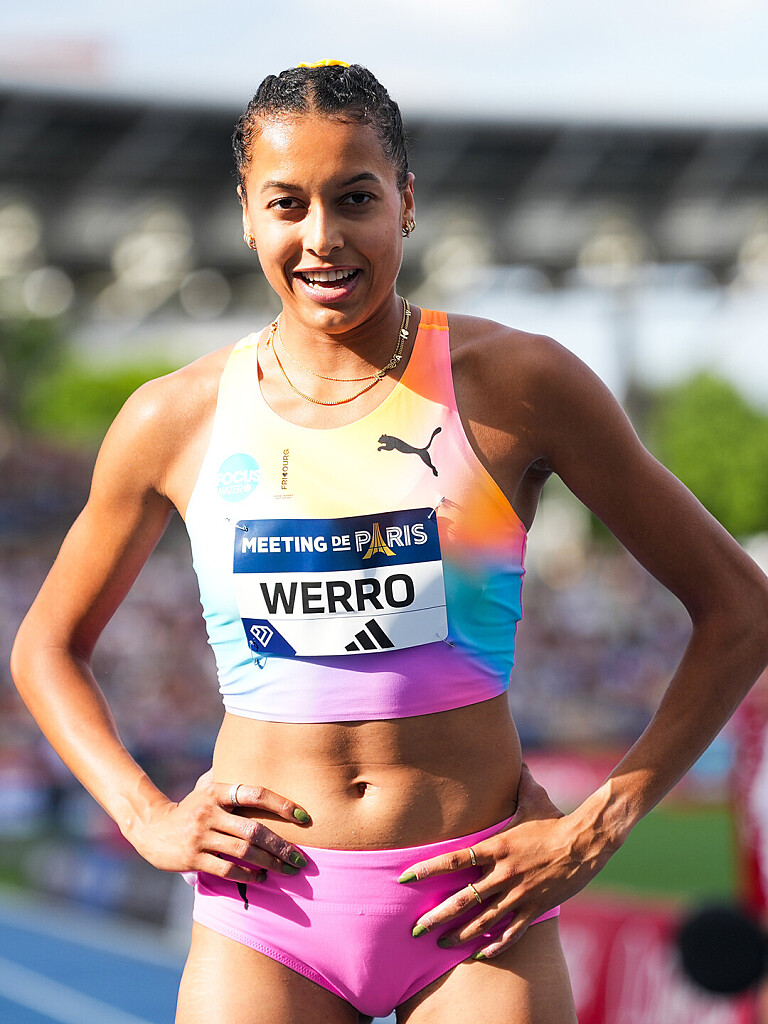
Audrey Werro Shifts Focus to 400m Ahead of European Championships
Swiss middle-distance sensation Audrey Werro is set for an intriguing change of pace as she lines up in the women's 400 metres tomorrow evening at the Fribourg meeting in Switzerland, using the race as the final step in her preparations for the upcoming European Athletics Championships.
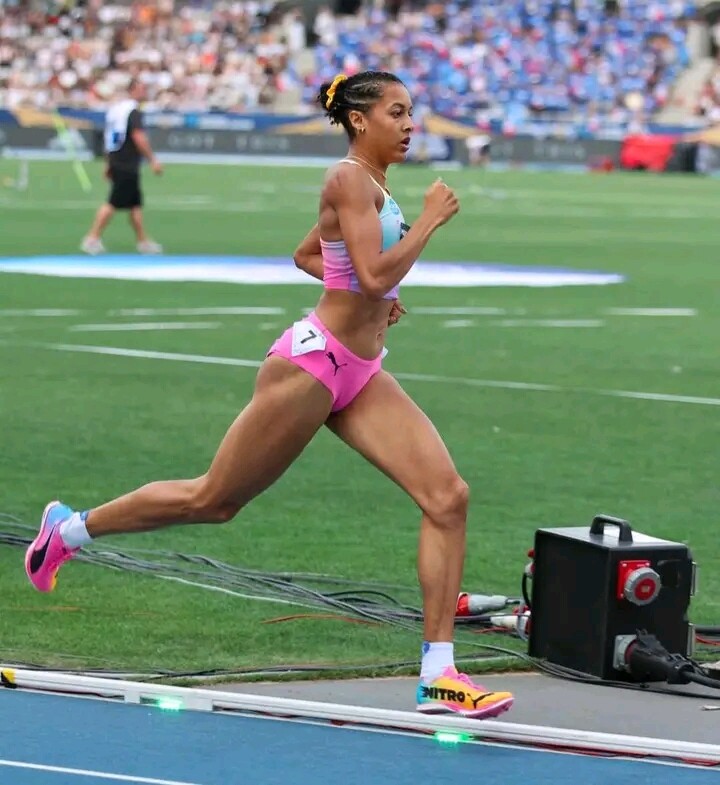
The appearance comes just days after Werro produced one of the finest performances of her career at the Paris Diamond League, where she stormed to a remarkable 1:53.80 in the 800 metres. Following that breakthrough run, the Swiss star confirmed that the Fribourg meeting would be her final competitive outing before turning her full attention to the continental championships.
Although best known for her exploits over 800 metres, Werro has also demonstrated impressive speed over one lap. She owns a personal best of 51.03 seconds in the 400 metres, a mark she achieved at this very meeting last year, making her return to Fribourg particularly significant.
The race offers more than just another opportunity to compete. It provides Werro with a valuable chance to sharpen her raw speed, improve race rhythm, and fine-tune her form before one of the biggest championships of the season.
With confidence soaring after her career-defining performance in Paris and a return to a venue where she has previously excelled, all eyes will be on Audrey Werro as she takes on the 400 metres in what promises to be an important final test before she begins her quest for European glory.
by Erick Cheruiyot for My Best Runs.
Login to leave a comment
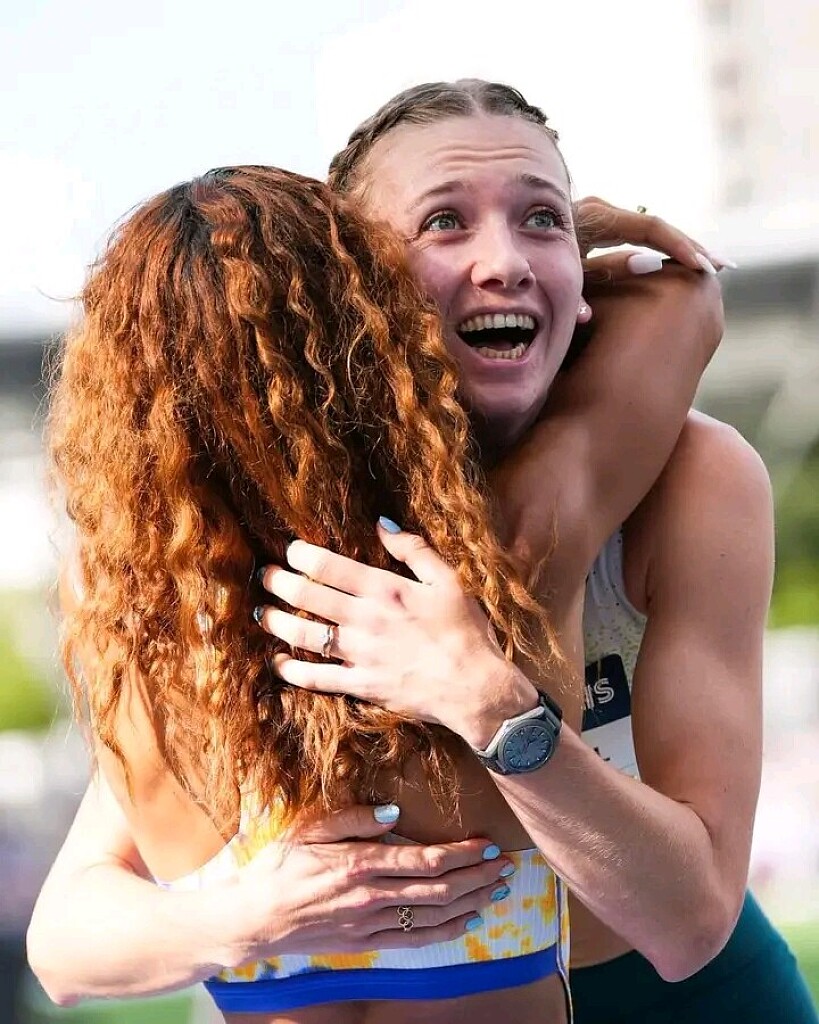
A New Era of Women's 800m Running: Why 2026 Is Producing Extraordinary Performances
Women's 800m running is experiencing one of its most remarkable seasons in recent memory, with elite athletes consistently delivering performances once considered almost unimaginable. As the 2026 campaign unfolds, a growing question echoes across the athletics world: what has changed to produce such exceptional times?
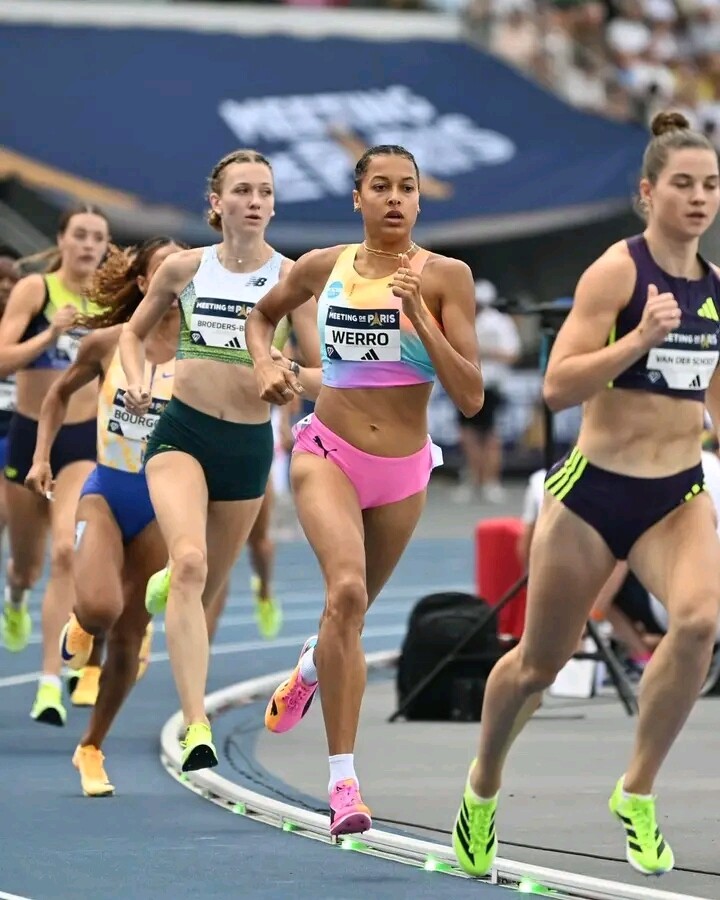
Leading this extraordinary surge is Audrey Werro, whose breathtaking consistency has rewritten expectations. The Swiss star has already clocked 1:53 on two separate occasions this season, becoming the first woman in history to break the 1:54 barrier more than once. Her repeated brilliance has transformed what was once regarded as a once-in-a-career performance into a new benchmark for excellence.
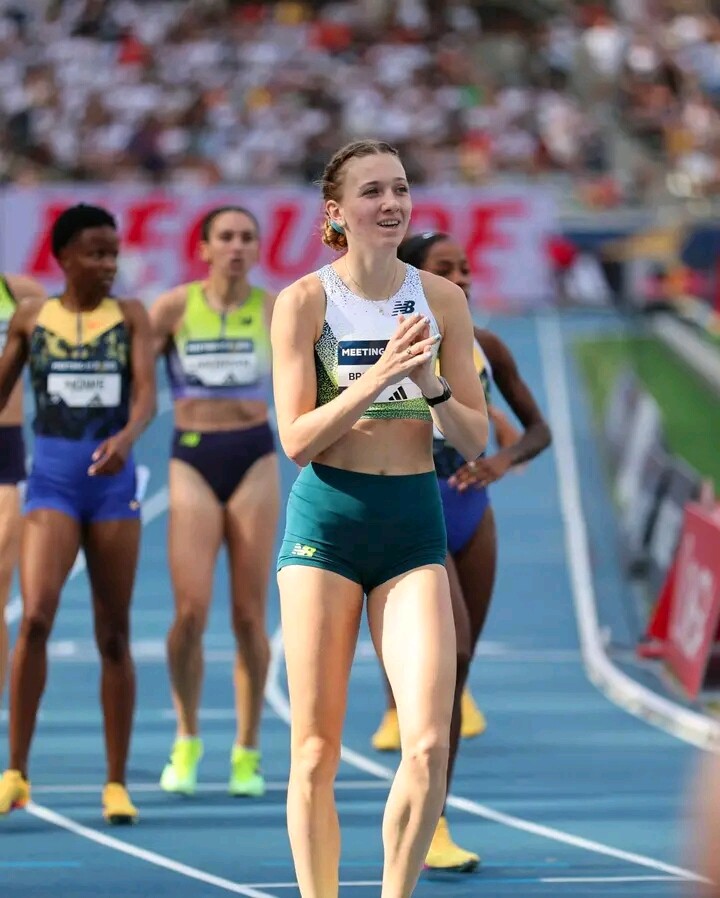
The momentum extends far beyond Werro. Dutch sensation Femke Bol, renowned globally for her dominance in the 400m hurdles, launched her Diamond League campaign with an outstanding 1:55 over two laps. Her impressive transition highlights not only her remarkable versatility but also the increasingly competitive standard now defining the women's 800m.
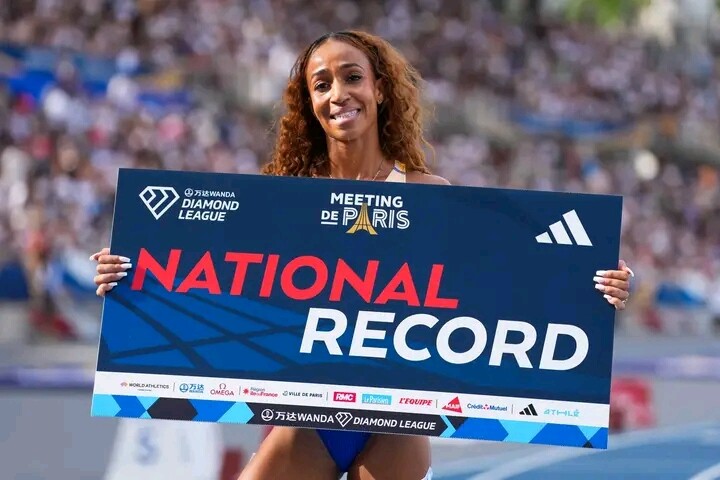
Meanwhile, France's Anaïs Bourgoin delivered one of the season's most inspiring breakthroughs. At the age of 29, Bourgoin produced the performance of her career by breaking the 1:56 barrier for the first time, proving that significant improvement remains possible even after years at the highest level of the sport.
The wave of fast times has prompted widespread discussion throughout the athletics community. Improved training methodologies, advances in sports science, enhanced race pacing, deeper international competition and growing confidence among athletes appear to be combining to elevate the event to unprecedented heights. With multiple women now capable of challenging world-class marks in the same race, the competitive landscape has become stronger than ever.
What once seemed extraordinary is rapidly becoming the new standard. Every major meeting now carries the possibility of another historic performance, and the women's 800m has emerged as one of the most captivating disciplines in global athletics.
If the first half of the season is any indication, the biggest performances may still lie ahead. As the world's finest middle-distance runners continue to push each other beyond previous limits, 2026 is shaping up as a defining year that could permanently reshape the history of the women's 800 metres.
by Erick Cheruiyot for My Best Runs.
Login to leave a comment

Audrey Werro and Femke Broeders-Bol Set for Another 800m Showdown at Paris Diamond League
The women's 800 metres is shaping up to be one of the standout events at the Paris Diamond League as two of Europe's most exciting middle-distance talents, Audrey Werro and Femke Broeders-Bol, prepare to renew their growing rivalry.
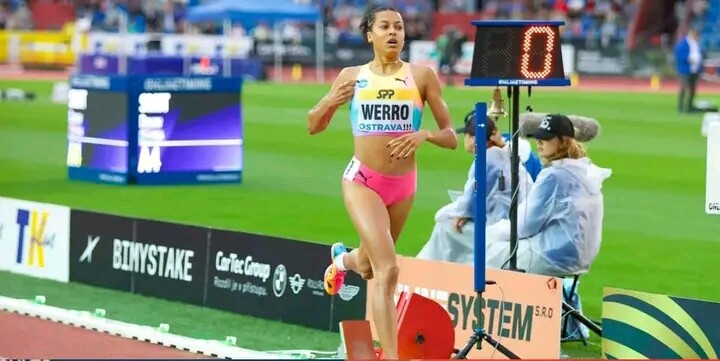
Their latest meeting comes just weeks after an entertaining battle at the Ostrava Golden Spike on June 16, where Switzerland's Werro produced a sensational performance to storm to victory in 1:54.45. Broeders-Bol crossed the finish line in 1:57.13 after another competitive outing, setting the stage for another fascinating duel in the French capital.
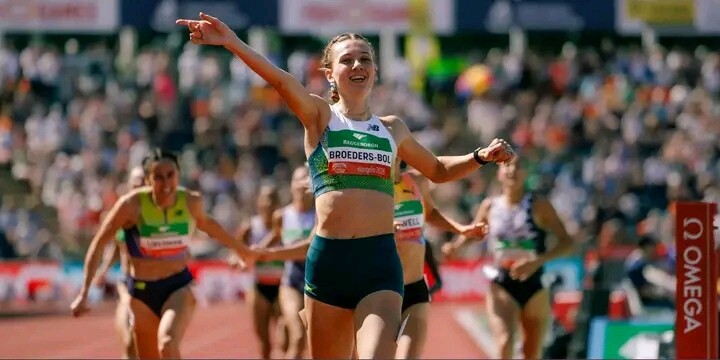
Werro arrives in Paris carrying outstanding form and growing confidence. The Swiss sensation has continued to lower her personal best this season, raising eyebrows once again by clocking a blistering 1:53.98 in Stockholm. The performance further established her as one of the fastest women in the world this year and underlined her emergence as a genuine medal contender on the international stage.
Broeders-Bol, meanwhile, has also enjoyed an impressive campaign. The Dutch star showcased her consistency by claiming victory at the FBK Games in Hengelo, where she stopped the clock at 1:57.41. While her season's best trails Werro's remarkable times, her championship experience and tactical racing make her a dangerous competitor capable of upsetting any field.
With both athletes enjoying strong seasons, Paris offers another opportunity to test themselves against elite opposition in one of the Diamond League's most anticipated middle-distance races. Werro will be aiming to continue her remarkable run of form and strengthen her status among the world's leading 800m runners, while Broeders-Bol will be eager to close the gap and reverse the outcome from Ostrava.
As the world's best assemble in Paris, all eyes will once again be on Werro and Broeders-Bol. Their contrasting strengths, recent performances, and competitive spirit promise another thrilling chapter in what is quickly becoming one of the most intriguing rivalries in women's middle-distance running.
by Erick Cheruiyot for My Best Runs.
Login to leave a comment
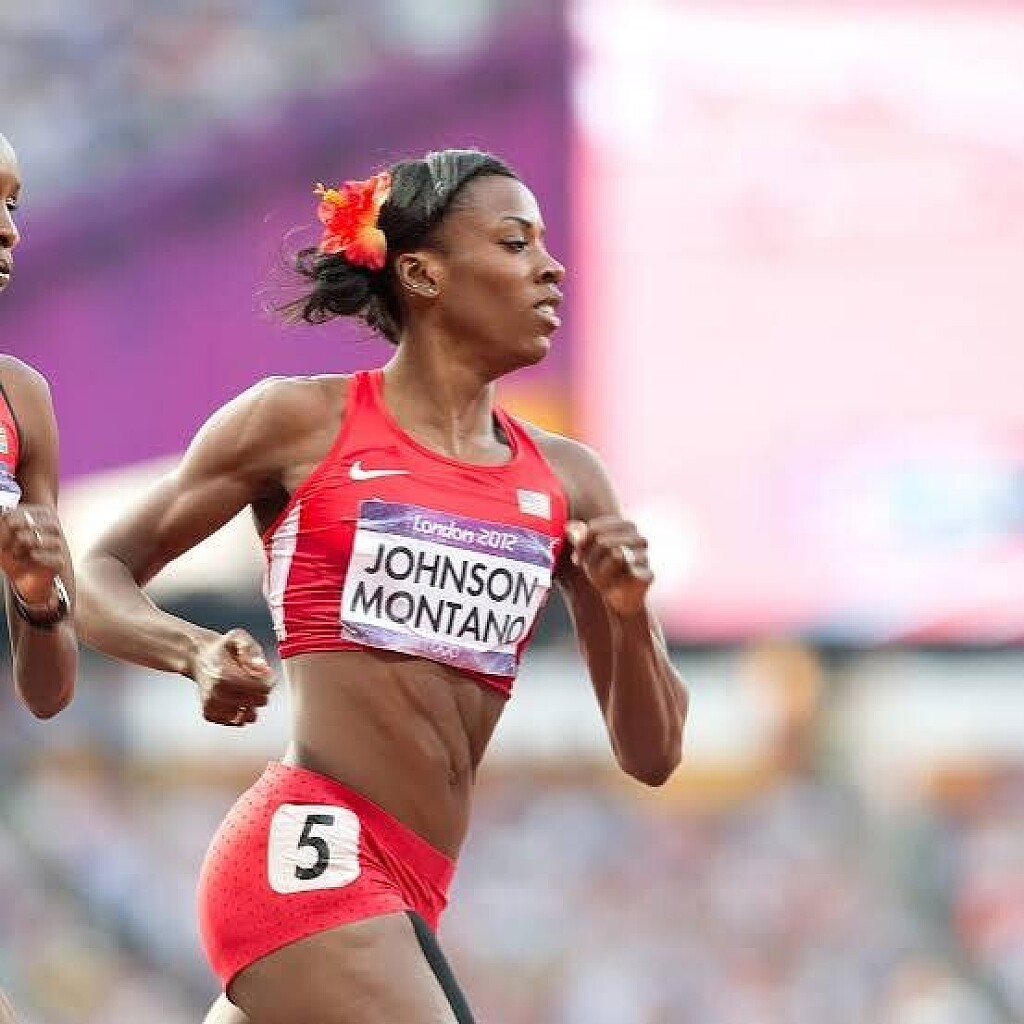
Olympic Justice Delayed: Alysia Montaño Finally Earns London 2012 Bronze After 14-Year Wait
Justice has finally caught up with one of the most controversial Olympic races in modern history.
Fourteen years after crossing the finish line in fifth place at the London 2012 Olympic Games, American middle-distance star Alysia Montaño has officially been awarded the Olympic bronze medal following the International Olympic Committee's latest medal reallocation.
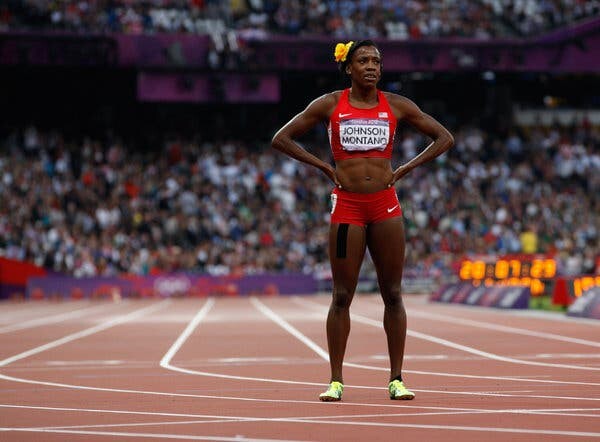
This week, the IOC Executive Board approved a revised set of results for the women's 800 metres, bringing another chapter of the event's long-running doping scandal to a close. South Africa's Caster Semenya remains the Olympic champion, while Kenya's Pamela Jelimo is elevated to the silver medal position. Montaño now claims the bronze medal she earned through clean competition.
The decision follows the disqualification of Yekaterina Guliyev, who represented Russia at the London Games under her maiden name, Yekaterina Poistogova. In 2024, the Court of Arbitration for Sport (CAS) ruled that Guliyev had committed anti-doping violations involving banned anabolic steroids. After her appeal was dismissed in May 2025, the IOC officially ratified the revised medal standings this week, making the changes final.
Guliyev's removal means three Russian athletes from the same Olympic women's 800m final have now been stripped of their results for doping offences. Mariya Savinova, the original gold medalist, was disqualified years earlier, while Elena Arzhakova also lost her result following anti-doping sanctions. The race has become one of the clearest examples of how widespread doping robbed clean athletes of their rightful Olympic moments.
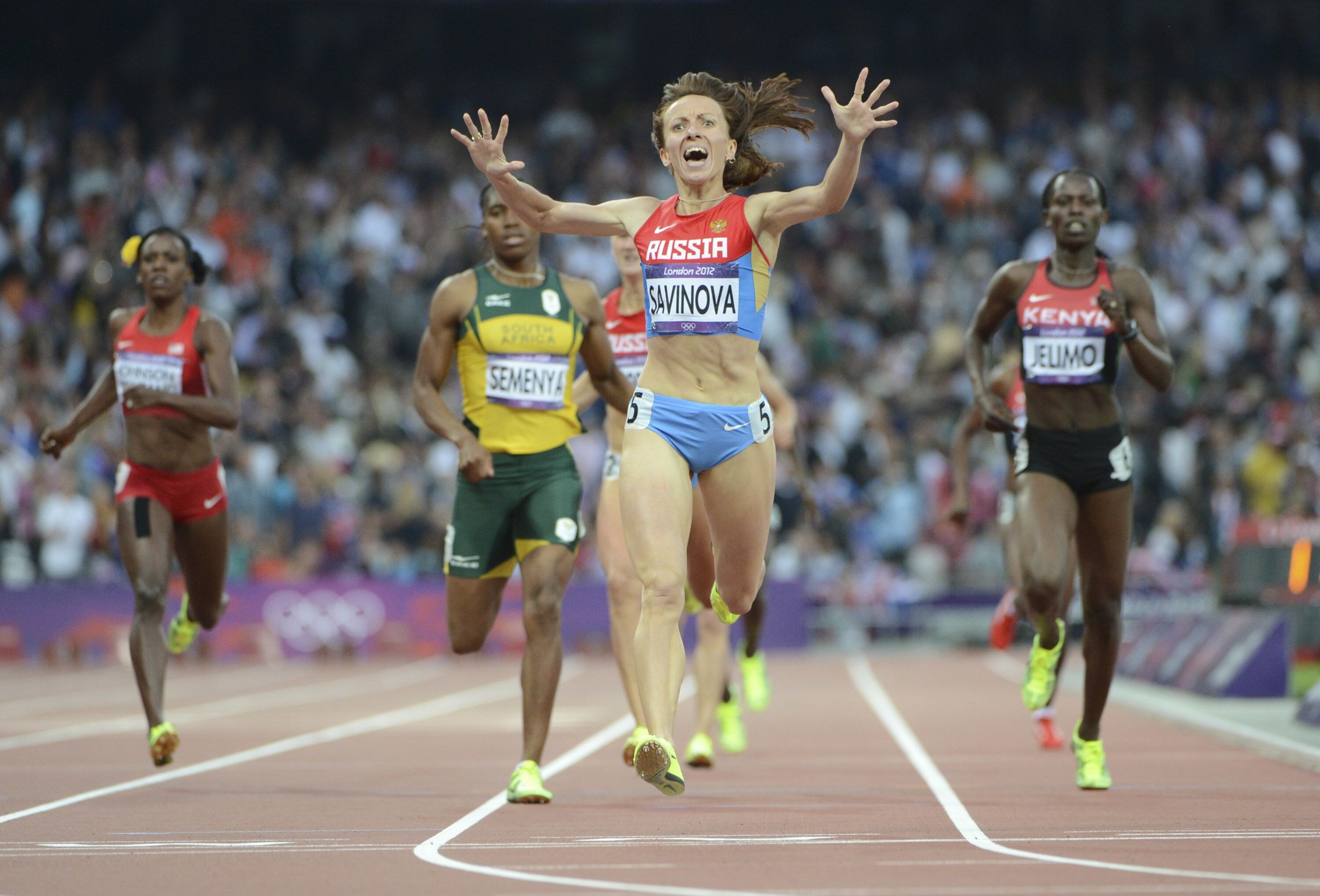
For Montaño, the medal is the reward for a courageous race. She boldly led the field through the opening 400 metres in 56.31 seconds before eventually finishing fifth as four athletes crossed the line ahead of her. Today, only two of those performances still stand.
Her promotion is also historically significant. Montaño becomes the first American woman to win an Olympic medal in the 800 metres since Kim Gallagher claimed bronze at the 1988 Seoul Olympics, ending a wait of more than three decades for the United States in the event.
Although the medal is finally hers, the years that have passed cannot restore the emotions of standing on the Olympic podium before a packed stadium and millions watching around the world. Montaño has often described the delayed recognition as both gratifying and heartbreaking—a victory that arrives without the unforgettable Olympic celebration every athlete dreams of.
Following the IOC's announcement, Montaño shared an emotional message on social media, celebrating the victory while acknowledging the long journey that still lies ahead before she finally receives her medal.
"Integrity and Truth always wins out. The IOC approved the medal reallocation ceremony at LA2028. More work to be done to ensure it's done right, but for now we celebrate one victory at a time. Swipe to see me patiently waiting till LA2028 to get my medal!"
Her message also revealed that the IOC has approved the medal reallocation ceremony to take place during the Los Angeles 2028 Olympic Games, giving Montaño the opportunity to finally receive her Olympic medal on one of sport's biggest stages. While nothing can replace the moment that was taken from her in London, the ceremony will provide long-overdue recognition of her achievement in front of the Olympic community.
Montaño's story serves as another powerful reminder that while anti-doping efforts can eventually correct the record books, justice delayed can never fully replace the memories, opportunities and emotions stolen from clean athletes.
Fourteen years after London 2012, the official results have finally been rewritten. Alysia Montaño is an Olympic bronze medalist at last—not because history changed, but because the truth finally caught up with it.
by Erick Cheruiyot for My Best Runs.
Login to leave a comment
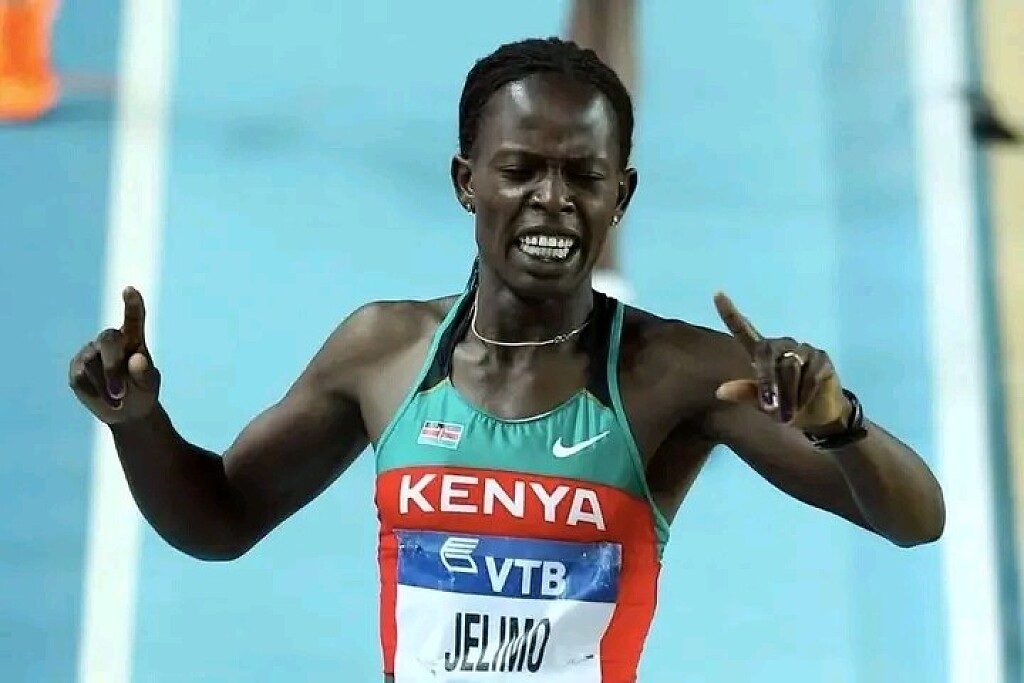
A Silver Worth the Wait: Pamela Jelimo Officially Recognized as London 2012 Olympic Runner-Up
More than a decade after competing on athletics' grandest stage, Kenyan middle-distance star Pamela Jelimo has officially been confirmed as the silver medalist in the women's 800 metres at the London 2012 Olympic Games following a medal reallocation approved by the International Olympic Committee (IOC).
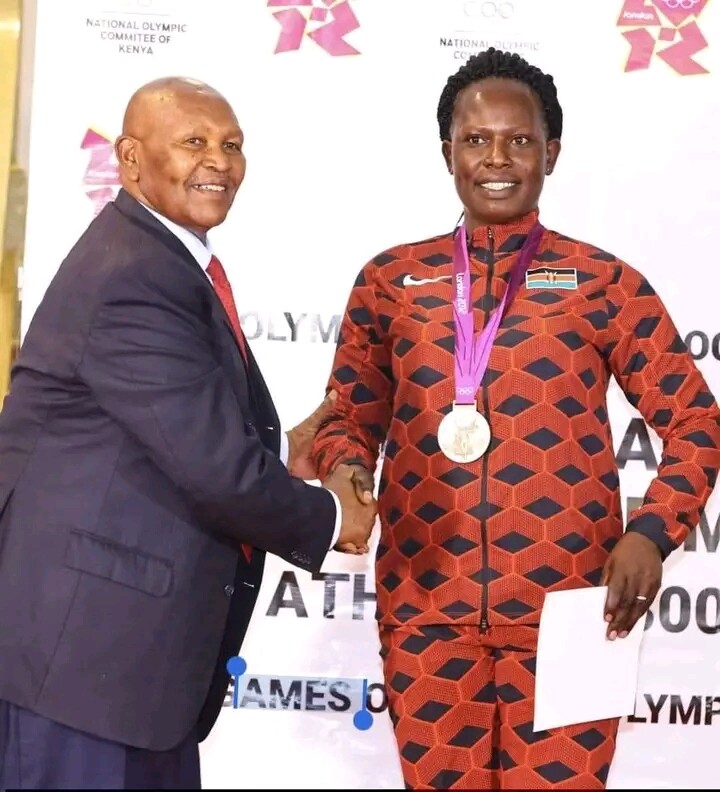
The IOC Executive Board ratified the revised results after the disqualification of Russian athlete Yekaterina Poistogova for an anti-doping rule violation. With all legal processes now concluded, the final standings have been formally updated, bringing long-awaited recognition to athletes who competed cleanly.
The decision elevates Jelimo from third place to the Olympic silver medal position, adding another prestigious chapter to the career of one of Kenya's most accomplished middle-distance runners. While the moment comes years after the race was run, it reinforces the enduring principle that integrity in sport ultimately prevails.
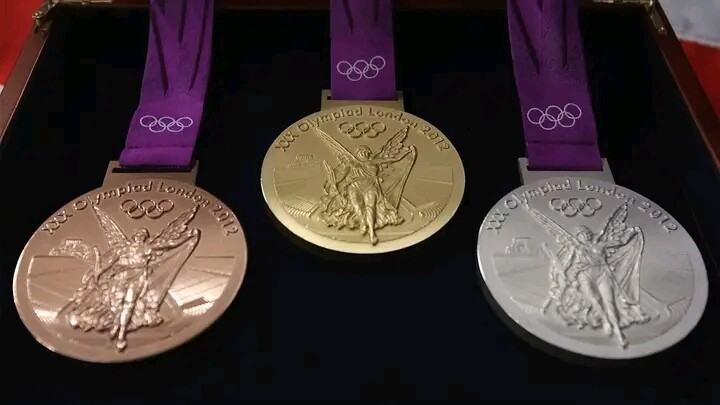
The revised podium now sees American athlete Alysia Montaño promoted to the bronze medal position. Meanwhile, Francine Niyonsaba moves into fourth place, with fellow Kenyan Janeth Jepkosgei Busienei officially ranked fifth.
For Kenya, Jelimo's promotion represents more than a statistical adjustment. It is a belated reward for an athlete whose remarkable talent helped shape a golden era of Kenyan women's middle-distance running. Although the medal upgrade arrives years after the celebrations that followed the London Olympics, its significance remains undiminished.
Jelimo burst onto the international scene as a teenage sensation, capturing global attention with her fearless racing style and dominant performances. Her newly confirmed Olympic silver medal further cements her legacy among Kenya's finest athletes and adds another distinguished achievement to an already impressive career.
The reallocation also serves as a powerful reminder of the ongoing fight for clean sport. While athletes affected by doping violations often endure years of waiting before receiving rightful recognition, the updated results demonstrate the commitment of sporting authorities to preserving fairness and protecting the integrity of competition.
Fourteen years after the London Games captivated the world, justice has finally caught up with the women's 800 metres final. For Pamela Jelimo, the silver medal may have arrived late, but its value and meaning remain as powerful as ever.
by Erick Cheruiyot for My Best Runs.
Login to leave a comment
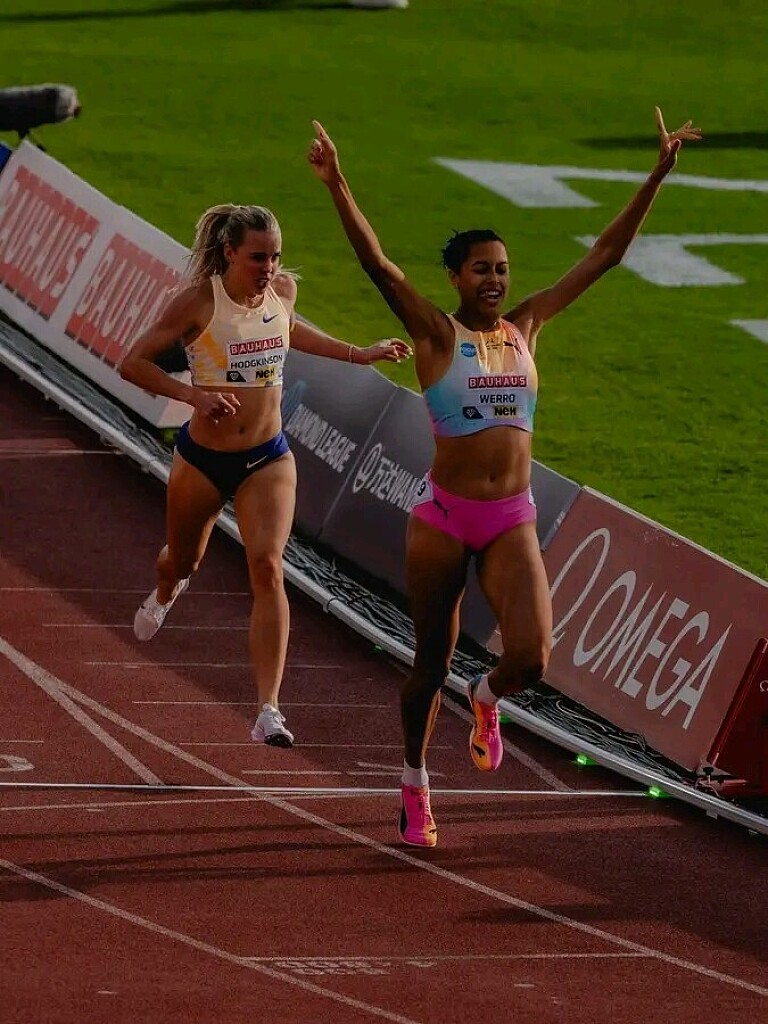
The Summer of the Women’s 800m: A Golden Era Gathering Pace
For decades, breaking the two-minute barrier in the women’s 800 metres was considered a benchmark of elite middle-distance running. Today, that standard is evolving at a remarkable rate as the event experiences one of the most significant growth periods in its history.
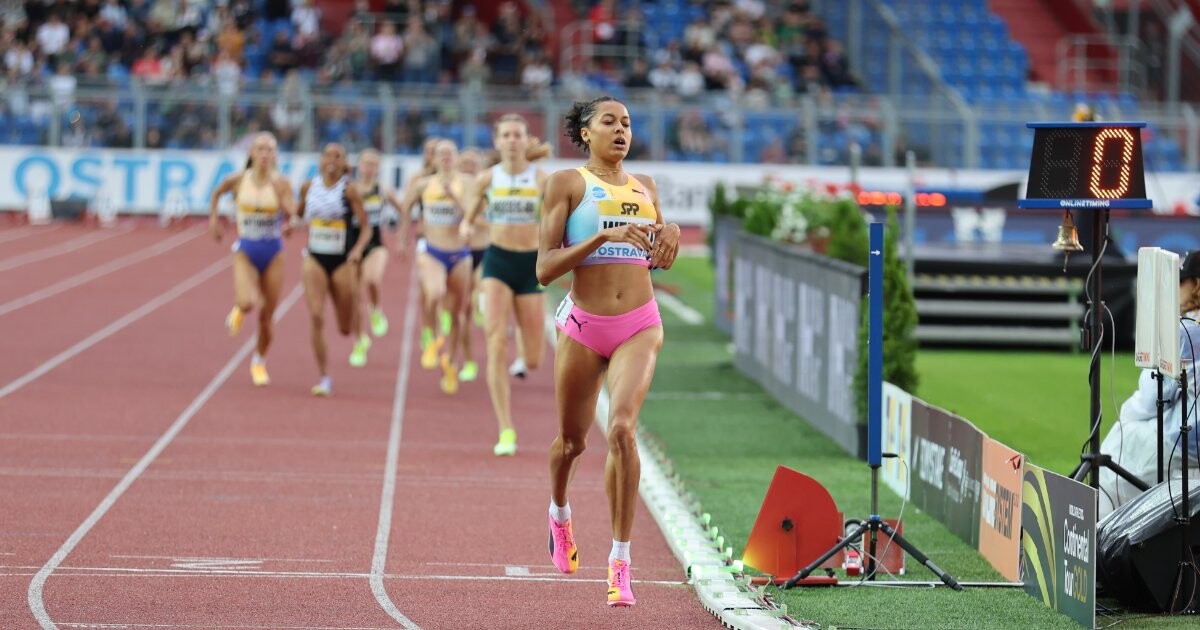
The numbers tell a compelling story.
In 2023, a total of 59 women dipped under the coveted two-minute mark. A year later, that figure surged to 78 athletes, highlighting the increasing depth of talent across the global middle-distance scene. By 2025, the total had climbed again to 88, reinforcing the notion that the event was entering a new era.
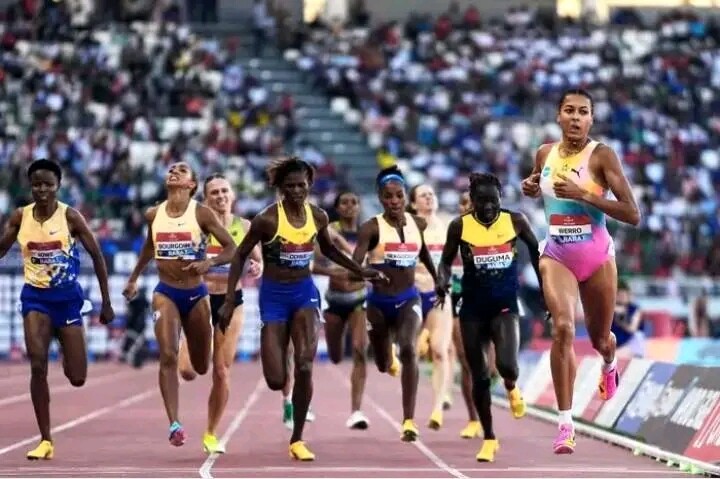
Now, with several months still remaining in the 2026 season, an astonishing 69 women have already broken two minutes. If the current trajectory continues, the event could shatter previous records for depth before the year is over.
This is more than a statistical trend—it is a transformation.
Across continents, athletes are running faster than ever. National records are falling, championship qualifying standards are becoming increasingly demanding, and races that once produced a handful of elite performers are now featuring entire fields capable of challenging the two-minute barrier.
The modern women's 800m has become a showcase of extraordinary depth. Emerging talents are no longer waiting years to establish themselves on the international stage, while experienced competitors continue pushing the limits of what is possible. The result is a fiercely competitive environment where every race carries the potential for personal bests, national records, and world-leading performances.
Advancements in sports science, professional training environments, competition opportunities, and athlete development pathways have all contributed to the event's rapid progression. Combined with a new generation of fearless racers willing to push the pace from the gun, the women's 800m has evolved into one of track and field's most exciting disciplines.
What once defined world-class performance is now becoming the baseline for international competitiveness. The two-minute barrier remains prestigious, but it is no longer reserved for a select few. Instead, it has become the gateway to an increasingly crowded and exceptionally talented elite level.
As the summer season unfolds, the momentum shows no signs of slowing. Every major meeting is producing fast times, and every championship race promises a battle among athletes capable of delivering something special.
The women's 800m is not simply enjoying a strong season—it is experiencing a renaissance. And if the first half of 2026 is any indication, the best chapters of this remarkable story are still to come.
by Erick Cheruiyot for My Best Runs.
Login to leave a comment
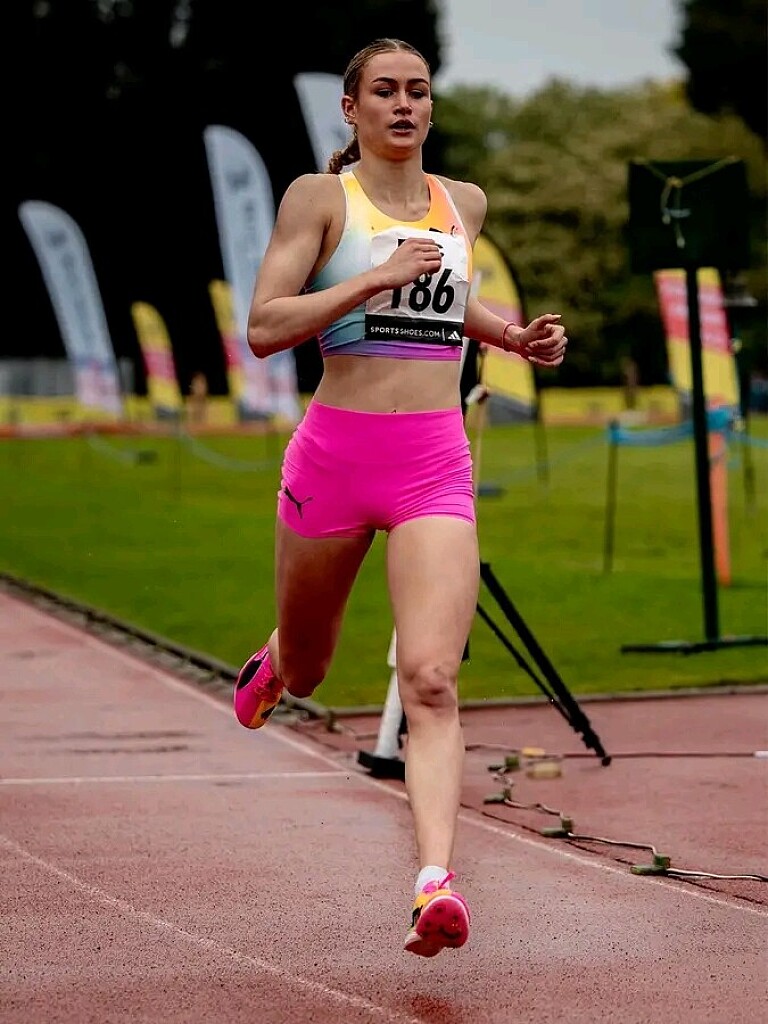
Gill Continues Encouraging Comeback with Marseille 800m Victory
British middle-distance talent Phoebe Gill took another significant step forward in her return to top form, producing a determined victory over 800 metres at the Meeting de Marseille in France on Wednesday.
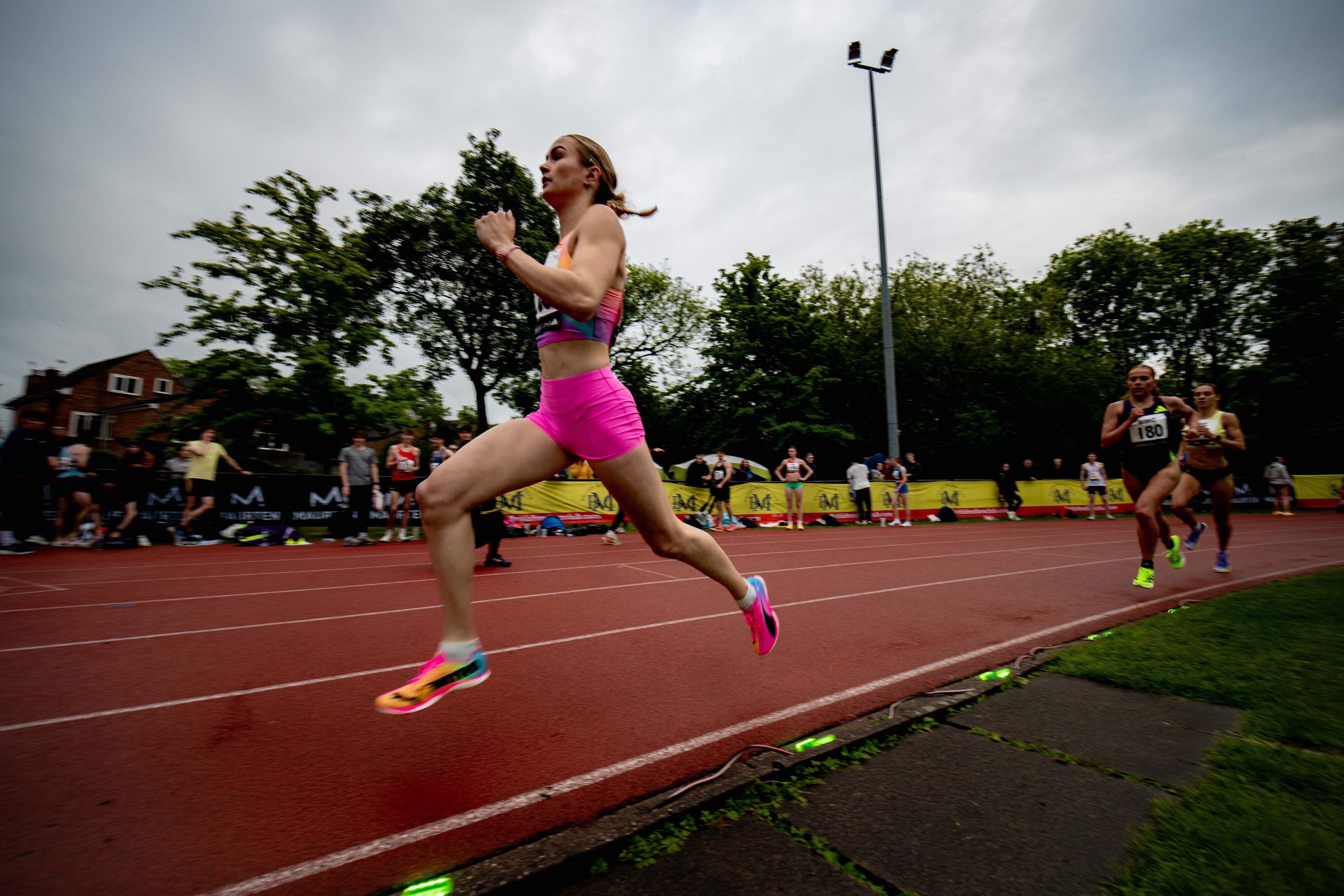
Competing in challenging, wind-affected conditions, the 19-year-old demonstrated both resilience and composure as she held off a late charge from Switzerland's Veronica Vancardo to secure the win in 2:00.81. Vancardo finished just three hundredths of a second behind in 2:00.84, underlining the fiercely contested nature of the race.
While the margin of victory was narrow, the result represented another encouraging milestone for Gill as she continues to rebuild momentum following her injury setback. The young Briton showed impressive race awareness and strength in the closing stages, maintaining her advantage despite the difficult conditions that made fast running a challenge throughout the evening.
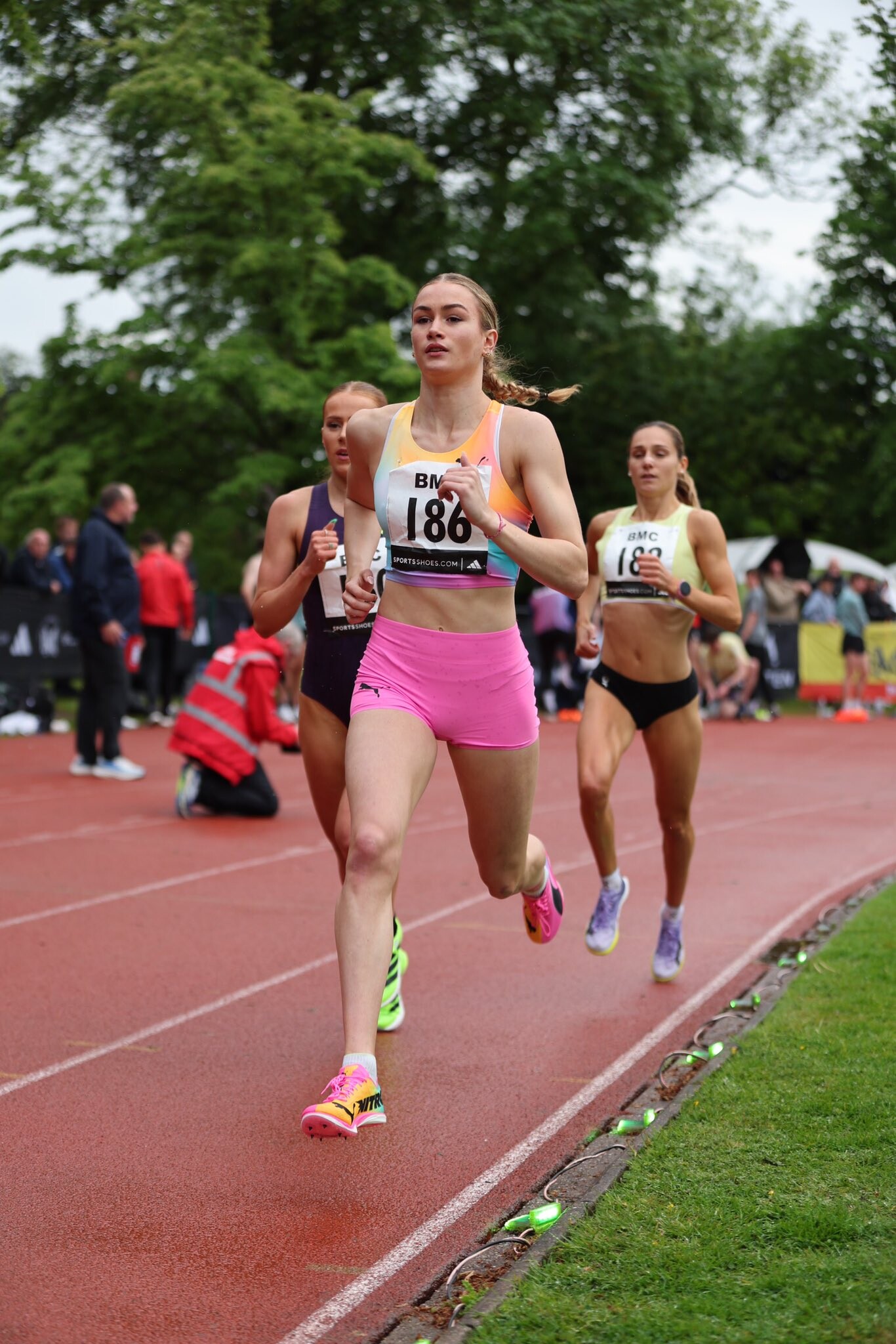
The Marseille triumph adds to a growing body of evidence that Gill is steadily progressing toward her best form. Earlier in her comeback campaign, she clocked 2:01.50 for 800m in Bydgoszcz before demonstrating her versatility with a strong 4:05.53 performance over 1500 metres at the BMC Grand Prix meeting in Trafford.
Those performances have highlighted not only her improving fitness but also her ability to compete across multiple distances as she carefully builds her season. The Marseille victory now provides further confirmation that the European junior star is moving in the right direction.
Gill emerged as one of Britain's most exciting middle-distance prospects through a series of breakthrough performances as a teenager, earning widespread recognition for her fearless racing style and remarkable maturity. Injury temporarily interrupted that upward trajectory, but her recent results suggest she is steadily rediscovering the form that made her one of the sport's brightest young talents.
With each race, the signs of progress become increasingly evident. Winning in difficult conditions and under pressure from a quality field is often a stronger indicator than a fast time alone, and Gill's latest success demonstrated exactly those qualities.
As the summer season gathers pace, the Marseille victory offers another confidence boost for the British teenager, whose return continues to gain momentum. If her recent progression is any indication, Gill could soon find herself back among the leading names on the European middle-distance circuit.
by Erick Cheruiyot for My Best Runs.
Login to leave a comment

Oslo Showdown: Can Teenage Sensation Cooper Lutkenhaus Challenge Emmanuel Wanyonyi’s Reign?
The men’s 800 metres at the Oslo Diamond League is shaping up to be one of the most anticipated middle-distance races of the season, bringing together a rising teenage sensation and the athlete widely regarded as the king of the event.
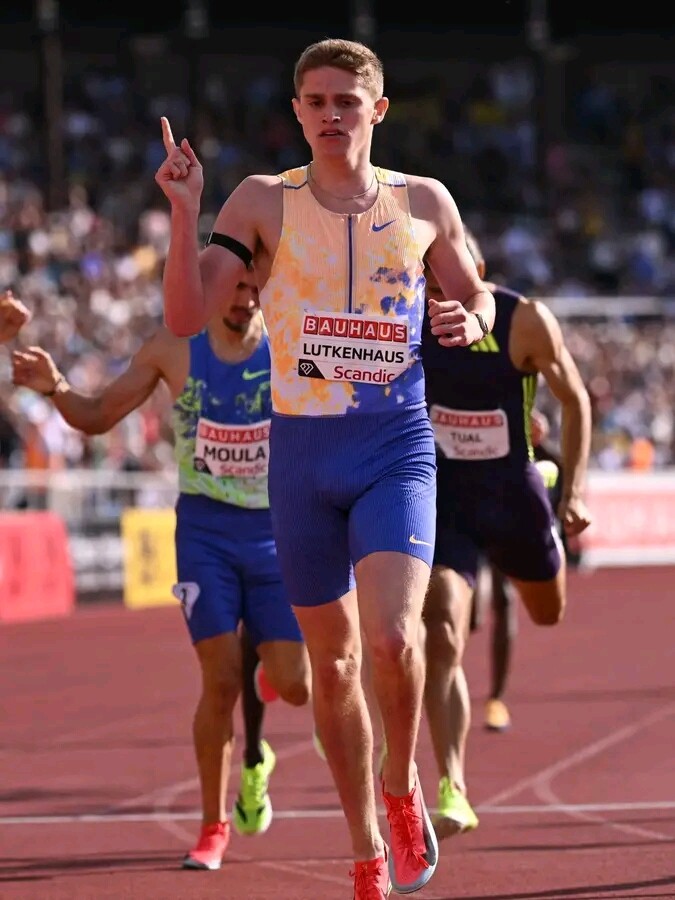
American prodigy Cooper Lutkenhaus arrives in Oslo riding an extraordinary wave of momentum. The 17-year-old has enjoyed a flawless campaign so far, remaining unbeaten over 800 metres while collecting major victories that have elevated his status from promising youngster to genuine international contender. His recent triumph in Stockholm further demonstrated that he possesses not only talent but also the composure required to deliver on the biggest stages.
Yet Oslo presents a challenge unlike any he has faced before.
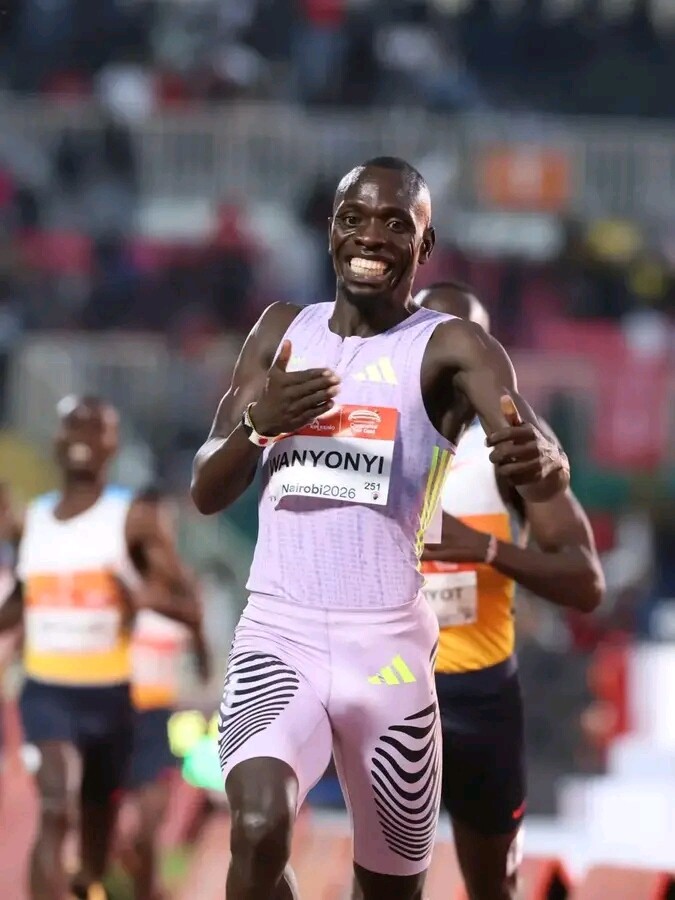
Standing in his way is Kenya’s Emmanuel Wanyonyi, the reigning Olympic and world champion whose dominance has made him the benchmark in global 800-metre running. Wanyonyi has spent the past few seasons establishing himself as the man to beat, combining tactical intelligence, blistering speed and championship experience to consistently outclass some of the world's finest athletes.
For Lutkenhaus, Wednesday’s race offers a rare opportunity to measure himself against the sport’s established elite. While his unbeaten record has captured headlines, facing a champion of Wanyonyi’s calibre is an entirely different test. The Kenyan has repeatedly proven his ability to control races under pressure and produce decisive finishes when titles and victories are on the line.
Adding even more intrigue to the contest is the presence of Marco Arop, one of the strongest 800-metre runners of his generation. Arop’s aggressive racing style and championship pedigree ensure that this will be far more than a two-man battle. With several world-class competitors lining up, the race promises to be a tactical and physical examination from the gun to the finish line.
The matchup symbolizes more than a race for victory. It represents a fascinating clash between youth and experience, ambition and accomplishment. Lutkenhaus carries the excitement of a new generation eager to challenge the established order, while Wanyonyi enters as the proven champion determined to protect his throne.
As the athletes take their marks in Oslo, one question will dominate conversations across the athletics world: can the fearless teenager continue his remarkable rise, or will the reigning king of the 800 metres remind everyone why he remains the standard by which greatness is measured?
Whatever the outcome, fans can expect a spectacular contest worthy of the Diamond League stage, with the possibility of witnessing the next chapter in one of athletics' most compelling emerging rivalries.
by Erick Cheruiyot for My Best Runs.
Login to leave a comment
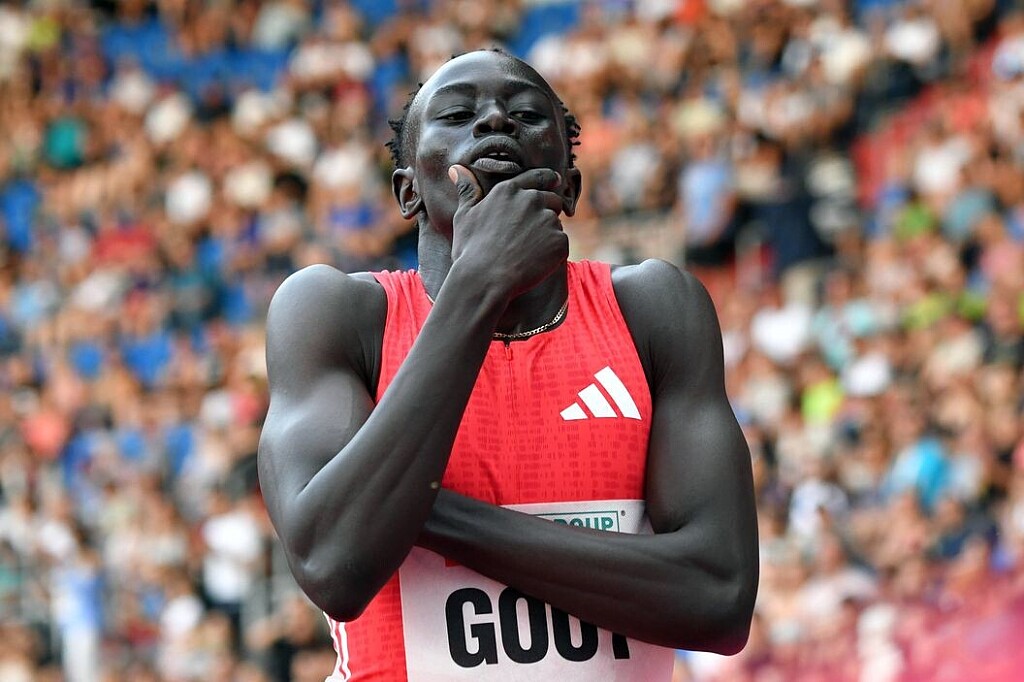
Australian Stars Set to Shine as Diamond League Lands in Oslo
The Diamond League caravan rolls into Norway this week, and a strong Australian contingent is ready for another major test on one of athletics' most prestigious stages. With the European season gathering pace and championship ambitions beginning to take shape, Thursday's meeting in Oslo promises high-quality competition and several compelling Australian storylines.
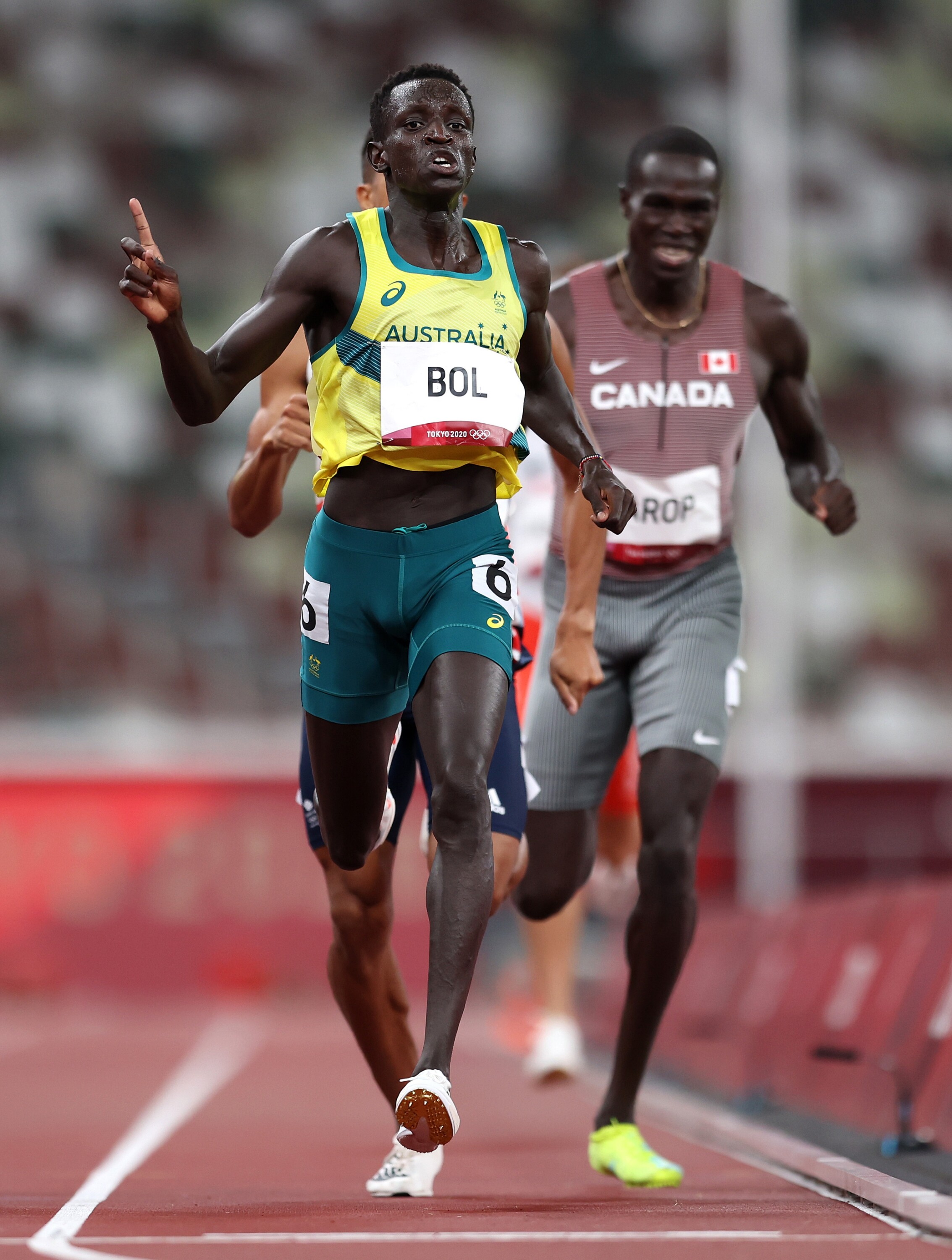
Leading the charge is Peter Bol in the men's 800 metres. The Australian star continues his return to elite racing and faces another opportunity to measure himself against some of the world's best middle-distance runners. With every Diamond League appearance carrying added significance, Bol will be looking to build further confidence and rhythm as the season progresses.
Australia's depth in distance running will be on full display in the women's 3000 metres, where Lauren Ryan, Rose Davies, Georgia Griffith, and Linden Hall are all set to take the start line. The quartet represents a new era of Australian endurance running, with each athlete bringing proven international credentials and the ability to challenge in fast-paced championship-style races.
Attention will also turn to the men's 200 metres, where teenage sensation Gout Gout continues his remarkable rise. The young sprinter has become one of the most talked-about prospects in world athletics, and another appearance on the Diamond League stage offers a valuable opportunity to gain experience against established international stars while continuing his rapid development.
In the men's 5000 metres, Ky Robinson will look to continue his impressive progression against a world-class field. Robinson has emerged as one of Australia's most consistent distance performers, and the Oslo meeting presents another chance to test himself in what is expected to be a fiercely competitive race.
The Australian challenge concludes in the men's mile, where Cameron Myers returns to one of the sport's most iconic events. Still in the early stages of his career, Myers has already demonstrated exceptional talent and composure against elite opposition. Another strong performance in Oslo would further strengthen his growing reputation as one of the brightest young middle-distance athletes in the world.
As the Diamond League season continues its journey through Europe, Australia's presence on the international circuit remains stronger than ever. From emerging stars to established contenders, the Oslo meeting offers another opportunity for the green and gold to make an impact on one of athletics' biggest stages.
Norway is next, and Australia's Diamond League campaign shows no signs of slowing down.
by Erick Cheruiyot for My Best Runs.
Login to leave a comment
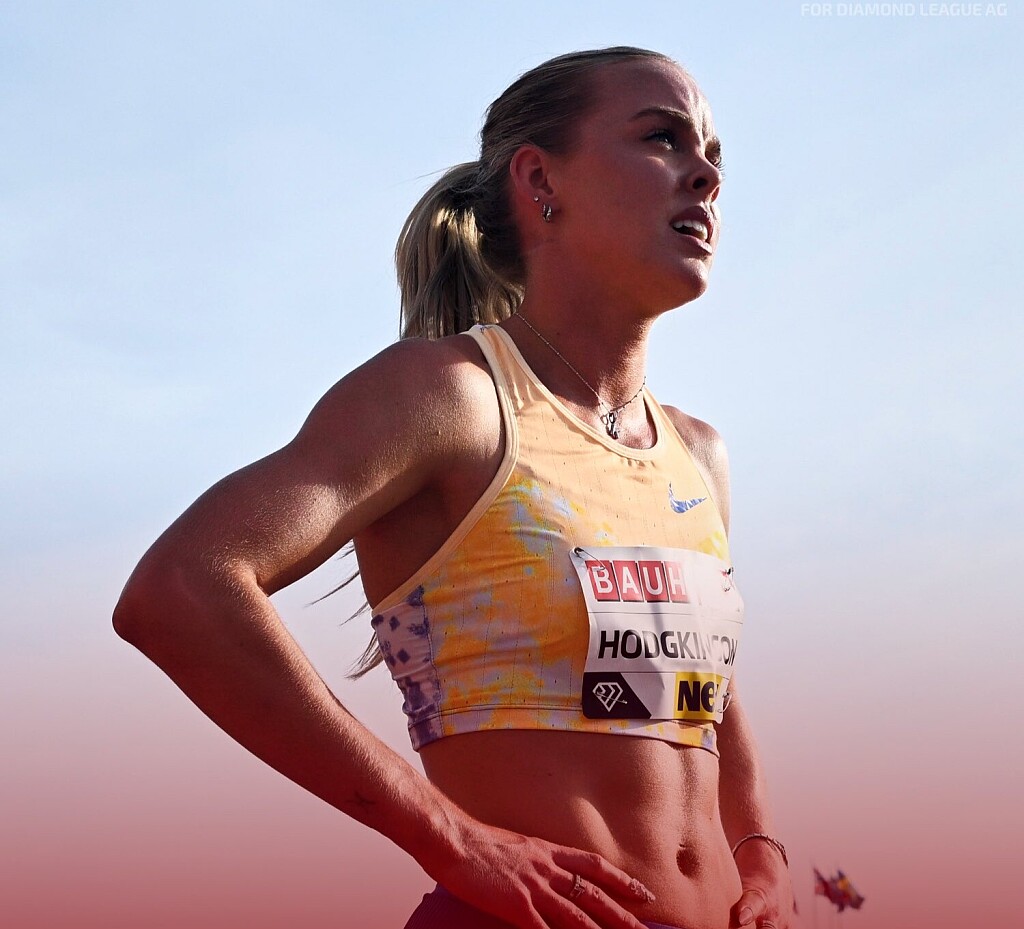
Keely Hodgkinson’s Historic Defeat: The Fastest Losing Time Ever Run
Sometimes a loss says more than a victory ever could.
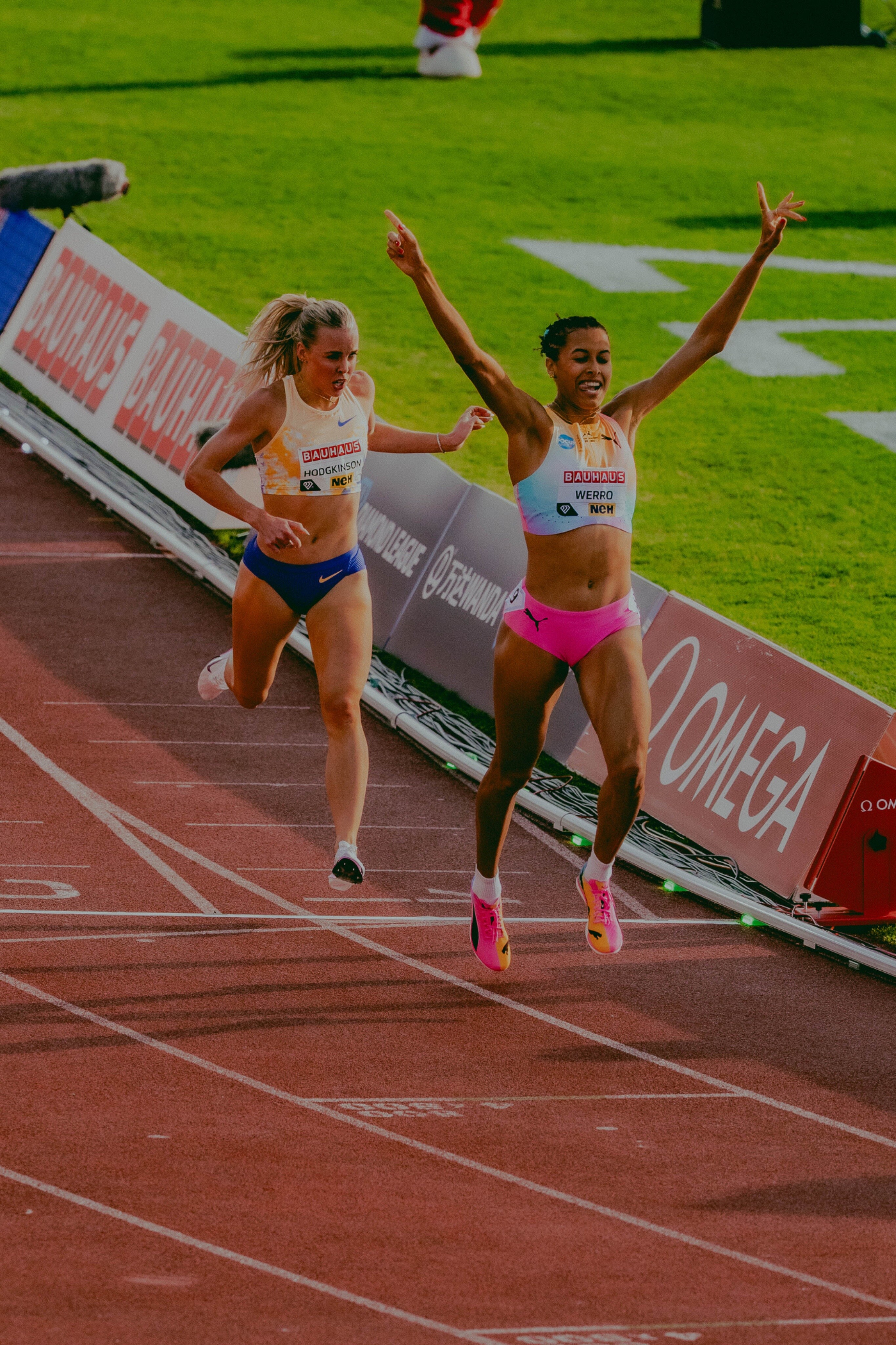
At the Bauhaus-Galan Diamond League meeting in Stockholm, Olympic champion Keely Hodgkinson delivered one of the finest performances of her career—and one of the greatest 800m races ever witnessed. Yet when she crossed the finish line, she was not the winner.
The British star opened her 2026 season in spectacular fashion, clocking a stunning 1:54.33, a new British record and a personal best. In almost any race in history, that performance would have guaranteed victory. Instead, it became the fastest non-winning time ever recorded in the women's 800 metres.
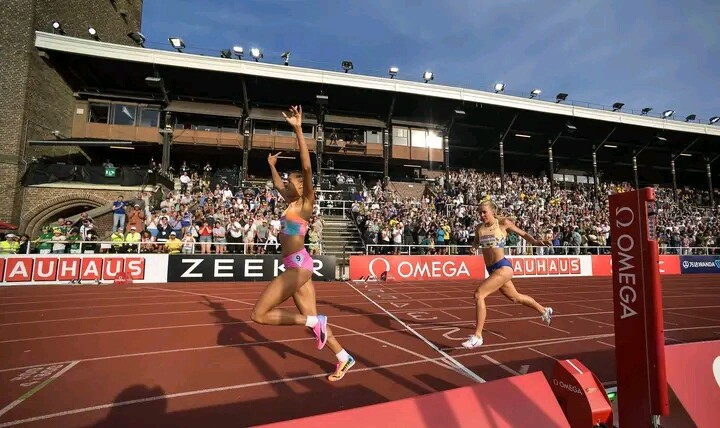
What unfolded in Stockholm was a race of extraordinary quality.
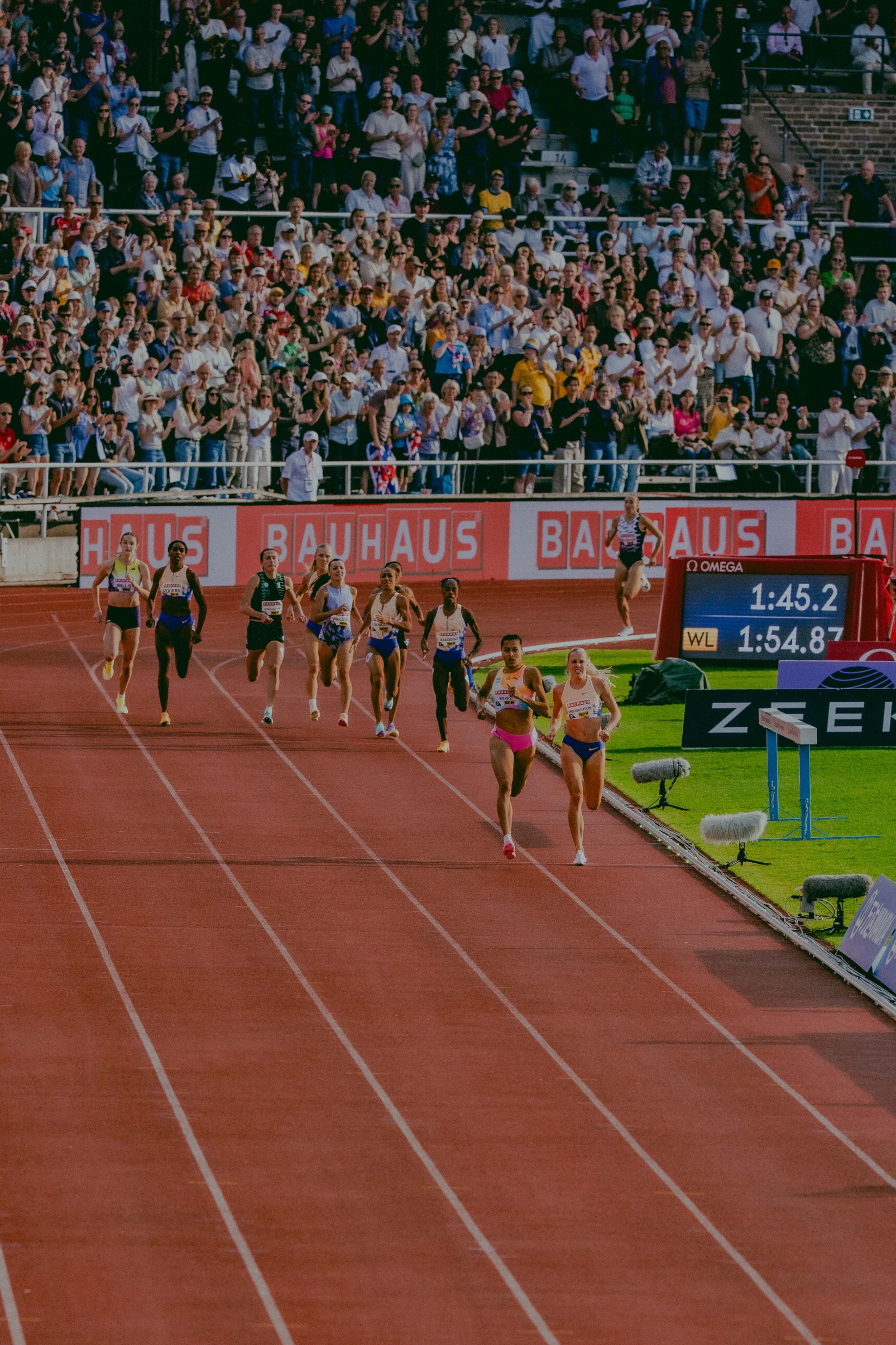
For much of the contest, Hodgkinson and Switzerland’s Audrey Werro separated themselves from the rest of the field, turning the race into a relentless head-to-head battle. Hodgkinson looked in control as she surged off the final bend and powered into the home straight, appearing ready to begin her season with a statement victory.
But Werro had one final answer.
The Swiss athlete produced a breathtaking late charge, drawing alongside Hodgkinson in the closing metres before edging ahead to win in a sensational 1:53.98. The performance made Werro the third-fastest woman in history over the distance, while Hodgkinson's 1:54.33 immediately became one of the fastest times ever run.
The statistics underline just how remarkable the race was. Two of the six fastest women's 800m performances in history were produced in the same event, elevating the Stockholm showdown into the sport's record books.
For Hodgkinson, the result may officially go down as a defeat, but it felt more like a declaration. After battling injury setbacks earlier in the year, the Olympic champion returned with the fastest race of her life, proving she remains at the very centre of one of athletics' most exciting eras.
History will remember Werro as the winner. It will also remember Hodgkinson as the athlete who ran faster than any woman ever had in defeat.
And if Stockholm was merely the opening chapter of her season, the months ahead could produce something even more extraordinary. The stopwatch suggests Hodgkinson is not chasing history anymore—she is helping redefine it.
by Erick Cheruiyot for My Best Runs.
Login to leave a comment
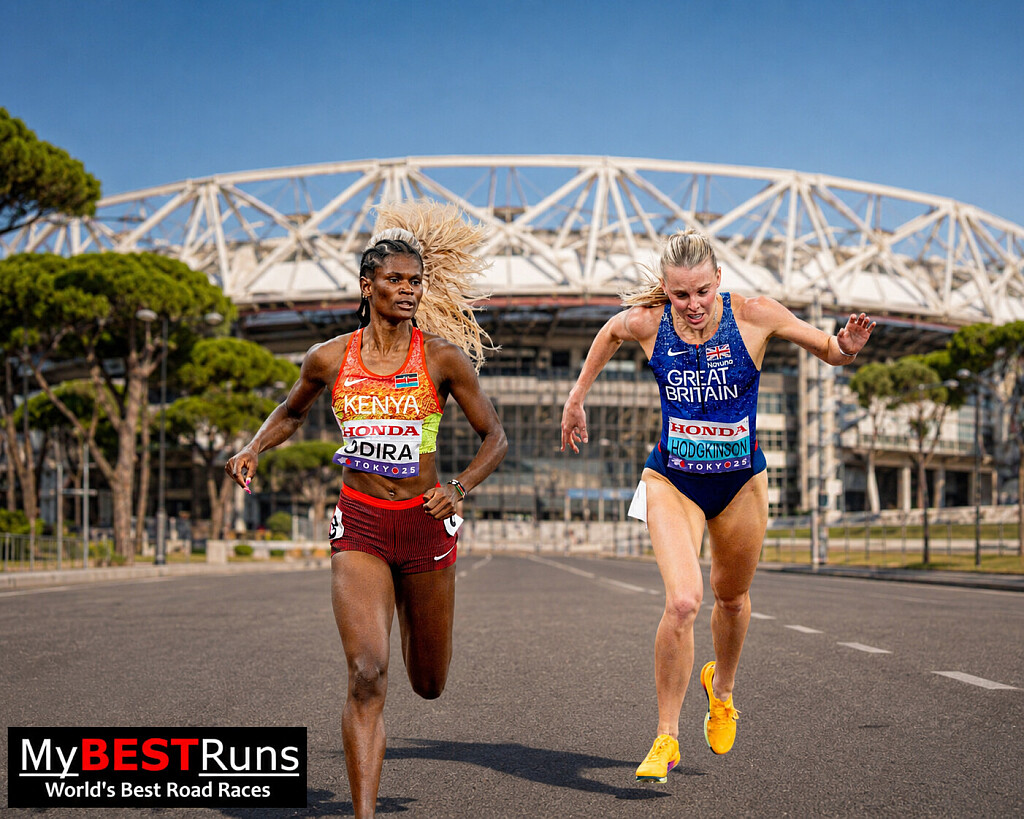
Budapest Braces for an 800m Blockbuster: Odira and Hodgkinson Set for Potential Showdown
The inaugural World Ultimate Championship in Budapest, Hungary, is shaping up to deliver some of the most compelling clashes in athletics, and few matchups generate more excitement than a potential women's 800m duel between Kenya's Lilian Odira and Great Britain's Keely Hodgkinson.
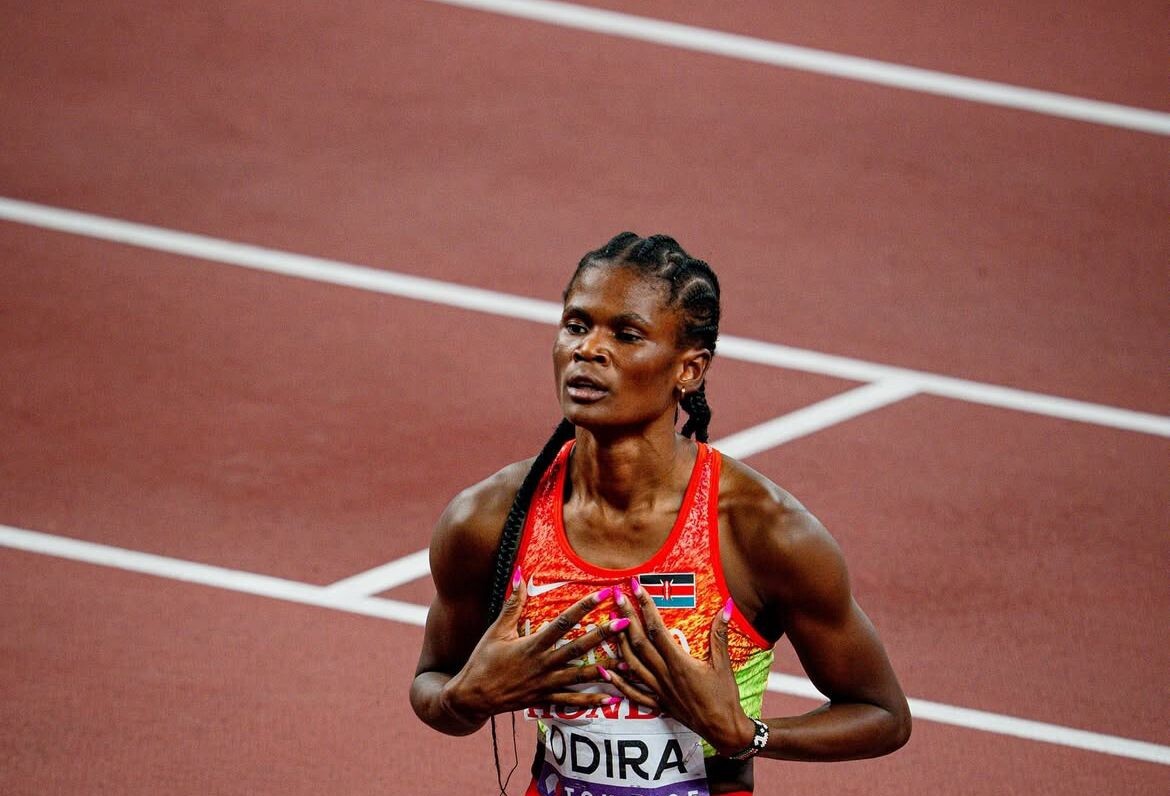
Scheduled for September 11–13, the championship promises a gathering of the sport's biggest stars, with Odira and Hodgkinson emerging as two of the standout names capable of producing a race for the ages. If both line up in peak form, fans could witness a battle between two athletes who have redefined middle-distance running through remarkable consistency, championship pedigree, and world-class speed.
Odira arrives in Budapest carrying the confidence of a world champion and one of the fastest women in history over two laps. The Kenyan star elevated her status on the global stage with a stunning championship-winning performance and further cemented her legacy when she clocked a Kenyan record of 1:54.62 in Tokyo. That performance propelled her to seventh on the all-time world rankings, underlining her place among the sport's elite. She also boasts an African silver medal from the 2024 continental championships, adding further depth to an already impressive résumé.
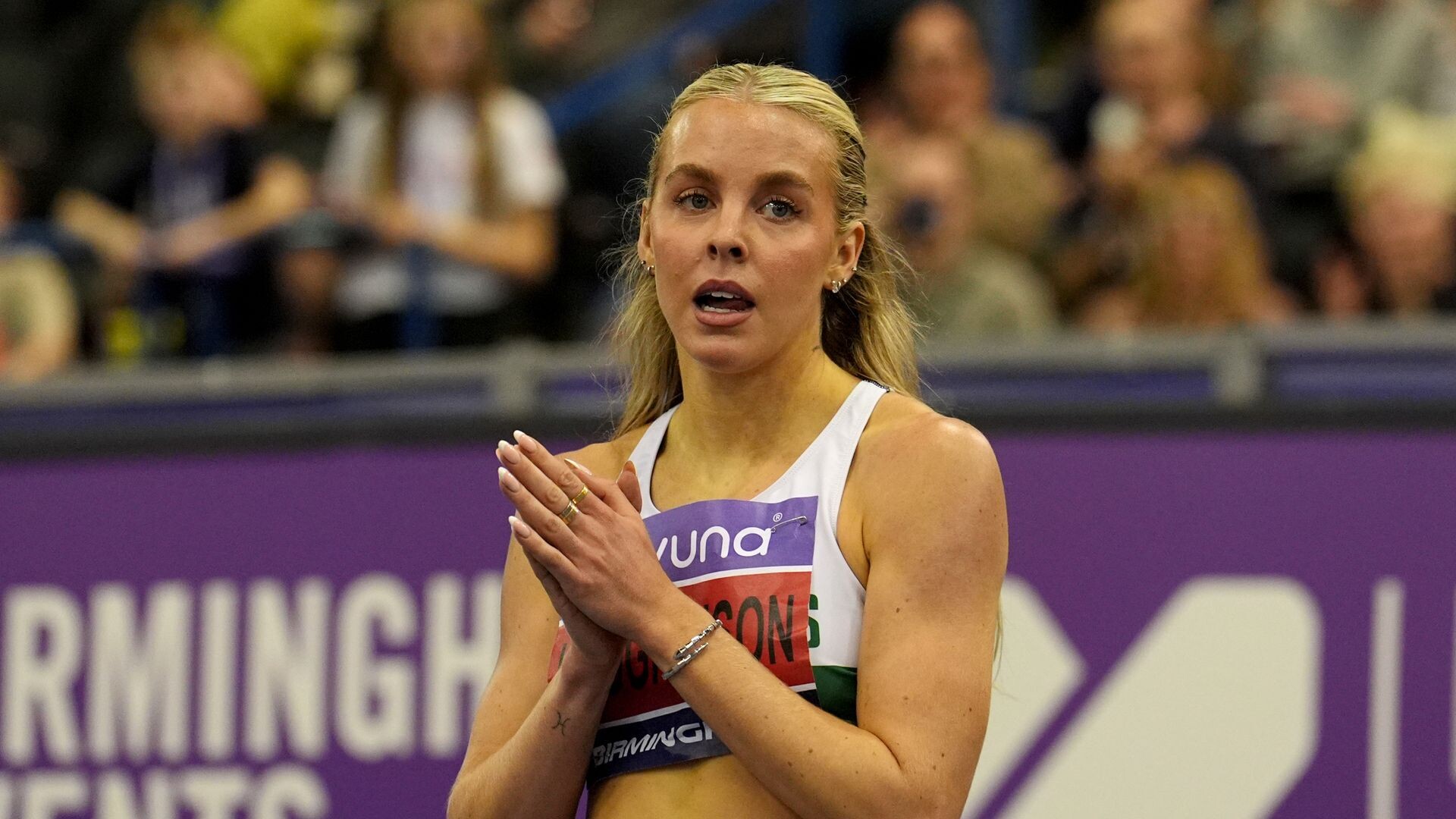
Standing across from her could be Hodgkinson, the British sensation whose rise has been marked by exceptional consistency at the highest level. The Olympic champion and Olympic silver medallist has collected medals on every major stage, including three world championship podium finishes. Her dominance extends indoors, where she captured the world indoor title and established herself as the event's record-holder. Hodgkinson's personal best of 1:54.61 places her sixth on the all-time list—just one hundredth of a second faster than Odira—highlighting how little separates the two stars.
The statistics alone make for fascinating reading. Both women occupy neighbouring positions on the all-time rankings, both own championship-winning credentials, and both have repeatedly delivered under the intense pressure of global competition. Their contrasting strengths and proven ability to perform when titles are on the line could create one of the defining moments of the championship.
With Budapest preparing to host athletics' newest global spectacle, the prospect of Odira and Hodgkinson going head-to-head over 800 metres adds another layer of anticipation. Should the showdown materialize, it would not simply be a race for victory—it would be a meeting of two of the finest middle-distance athletes of their generation, each determined to reinforce her place at the top of the sport.
For athletics fans, this is one potential showdown that deserves a place firmly on the watchlist.
by Erick Cheruiyot for My Best Runs.
Login to leave a comment
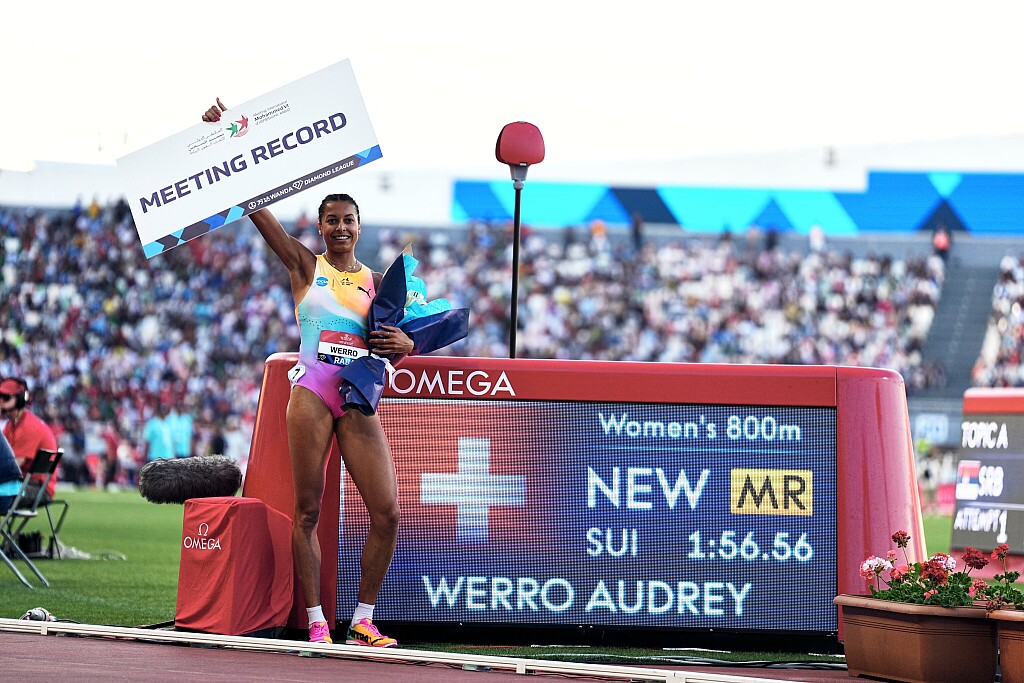
Werro Sent a Strong Message to Rivals with Record-Breaking Run in Rabat
Audrey Werro announced her arrival as one of the early stars of the 2026 outdoor season with a commanding victory in the women’s 800 metres at the Rabat Diamond League, producing a performance that exceeded even her own expectations.
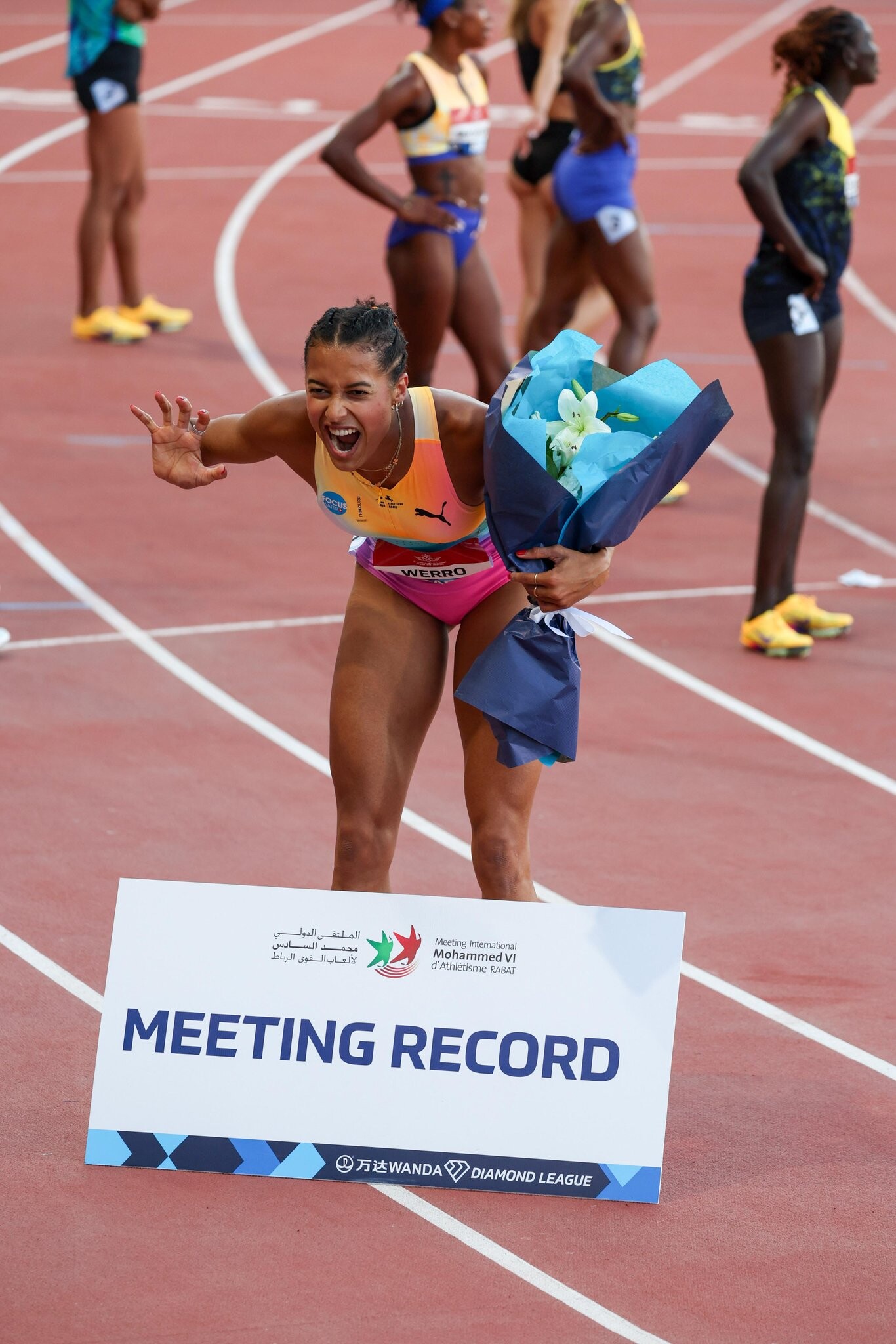
The Swiss middle-distance talent surged to victory in a brilliant 1:56.56, breaking the meeting record and delivering one of the fastest times recorded worldwide this season. In a race packed with quality, Werro displayed exceptional composure, confidence, and finishing strength to separate herself from the field and stamp her authority on the event.
What made the performance even more remarkable was the athlete's surprise at the level she had already reached so early in the campaign.
"I was not expecting such a strong start to the season," Werro admitted after the race.
The race unfolded at a relentless pace, but Werro remained perfectly positioned throughout. As the athletes approached the bell lap, she glanced at the clock and immediately sensed something special was within reach.
"When I saw the time at the bell, I felt really confident," she said. "I'm really happy with the Meeting Record and looking forward to the rest of the season."
Her confidence proved justified. Maintaining her rhythm over the final 400 metres, Werro powered down the home straight to secure the victory and rewrite the Rabat meeting record books in the process.
The performance sends an early warning to her rivals ahead of a season that promises major championships and high-profile Diamond League battles. Beyond the record-breaking time, Werro's display highlighted her growing maturity as a racer, combining tactical awareness with impressive speed and endurance.
With the outdoor season only beginning, the 1:56.56 clocking suggests that even faster times could be on the horizon. If Rabat is any indication, Audrey Werro may be poised for the biggest season of her career.
Her emphatic victory in Morocco was more than just another Diamond League win—it was a statement of intent from an athlete determined to challenge the world's best throughout 2026.
by Erick Cheruiyot for My Best Runs.
Login to leave a comment
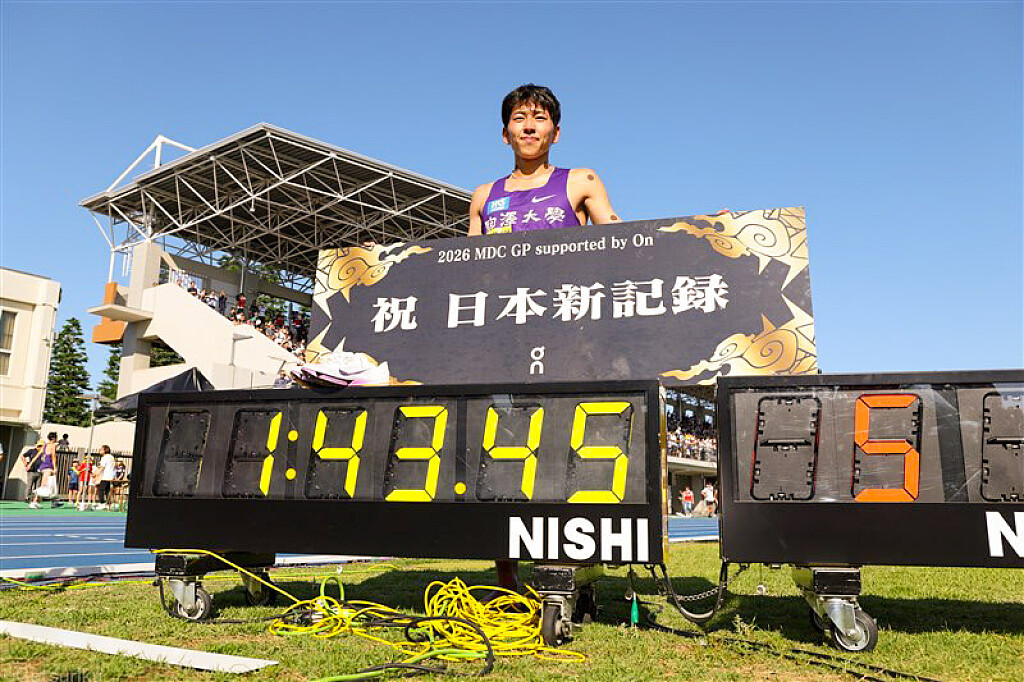
Teen Sensation Ko Ochiai Rewrites Japanese History with Stunning National Record in Tokyo
Japanese middle-distance prodigy Ko Ochiai continues to redefine what is possible at just 19 years old.
Competing at the Twolaps MDC Meet in Tokyo, Ochiai delivered the race of his life, storming to a remarkable personal best of 1:43.45 in the men's 800 metres to break his own Japanese national record and further cement his status as one of the brightest young talents in world athletics.
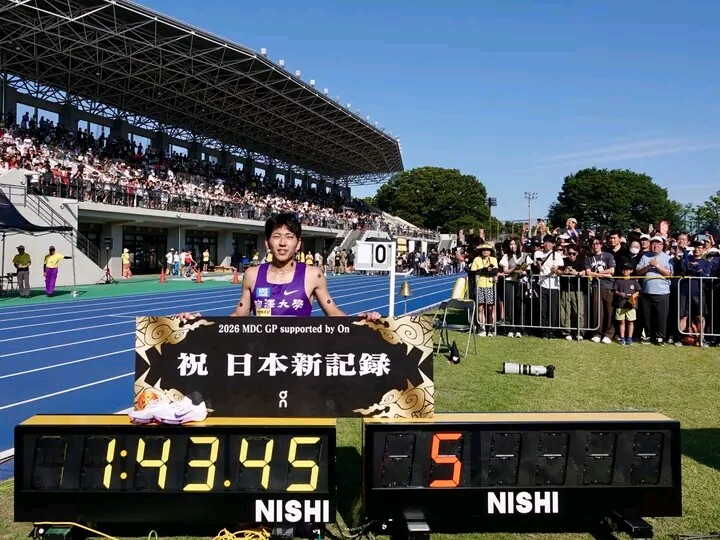
The performance was historic on multiple levels. Not only did Ochiai lower the national mark he already held, but the time also elevated him to second place on the all-time Asian 800m rankings, trailing only former world champion Yusuf Saad Kamel, whose continental record of 1:42.79 remains the benchmark.
In a discipline traditionally dominated by athletes from Africa and Europe, Ochiai's rapid rise is capturing attention far beyond Japan. His latest breakthrough highlights both his exceptional talent and the growing strength of Asian middle-distance running on the global stage.
The Tokyo crowd witnessed a race of extraordinary quality as Ochiai pushed the pace from the gun and held firm through the closing stages, producing a performance that suggests even faster times may lie ahead. With years of development still ahead of him, the teenager is already establishing himself among the elite 800m runners in the world.
Behind the record-breaking run, fellow Japanese athlete Yugo Shikata also enjoyed a memorable evening. Shikata crossed the line in second place with a personal best of 1:44.94, becoming another major beneficiary of the fast-paced contest and underlining the depth emerging in Japan's middle-distance ranks.
For Ochiai, however, the night belonged entirely to him. Breaking a national record is a rare achievement; breaking your own national record at 19 years old while climbing to second on Asia's all-time list is something truly exceptional.
As the global athletics season gathers momentum, Ko Ochiai's latest masterpiece sends a clear message: Japan's teenage star is no longer simply a promising prospect—he is rapidly becoming one of the most exciting 800m athletes in the world.
by Erick Cheruiyot for My Best Runs.
Login to leave a comment
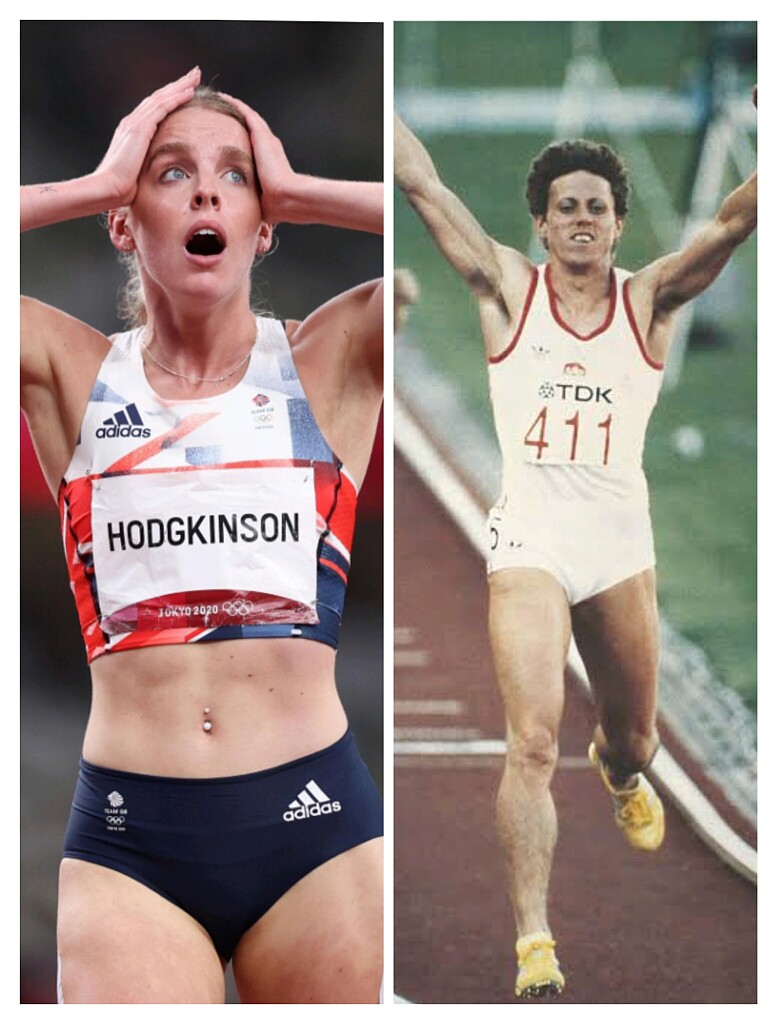
Beyond the Two-Hour Dream: Where Athletics’ Next Great Barriers Truly Lie
For generations, athletics has been defined not just by victories, but by the breaking of barriers that once seemed beyond human reach. From Roger Bannister redefining the limits of the mile to Eliud Kipchoge pushing the marathon into uncharted territory, the sport has thrived on moments where disbelief gives way to possibility.
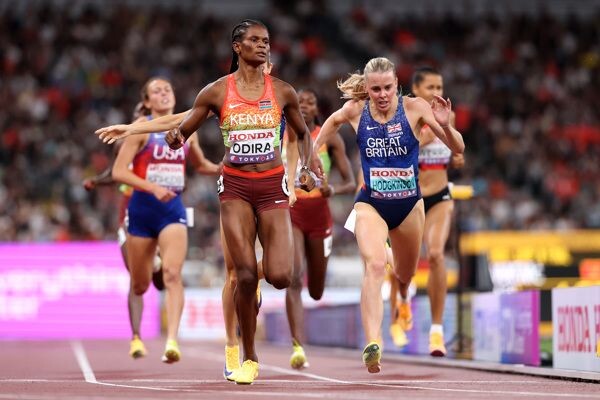
Now that the elusive sub-two-hour marathon has been conquered—albeit under controlled conditions—the question naturally arises: what “impossible” feats remain?
On the men’s side, the landscape feels markedly different. The mythical thresholds that once captured the public imagination have largely been crossed. What remains are performances of extraordinary refinement rather than revolution. A 10,000 metres run under 26 minutes, a 5,000 metres dipping to 12:30, or an 800 metres brushing against the 1:40 barrier—these are astonishing achievements by any standard. Yet they lack the simple, almost poetic clarity of a round-number milestone. They are understood best by insiders, appreciated deeply by purists, but perhaps less capable of gripping the wider world in the same way.
Take the legacy of David Rudisha, whose 1:40.91 in the 800 metres already borders on perfection. To go significantly beyond it would be monumental, but not necessarily transformative in the public imagination. It is progress, not paradigm shift.
The narrative shifts, however, when attention turns to the women’s side—where the sport’s next defining frontiers may well emerge.
Foremost among them is the tantalising prospect of a sub-four-minute mile. At present, it exists firmly in the realm of speculation, yet history cautions against dismissing such ambitions. Before Bannister, the four-minute mile was widely considered unattainable. Today, with athletes like Faith Kipyegon consistently redefining excellence in the 1500 metres and mile, the once-unthinkable begins to inch toward plausibility. Even a performance approaching 4:02 would shift the psychological landscape, transforming fantasy into a credible pursuit.
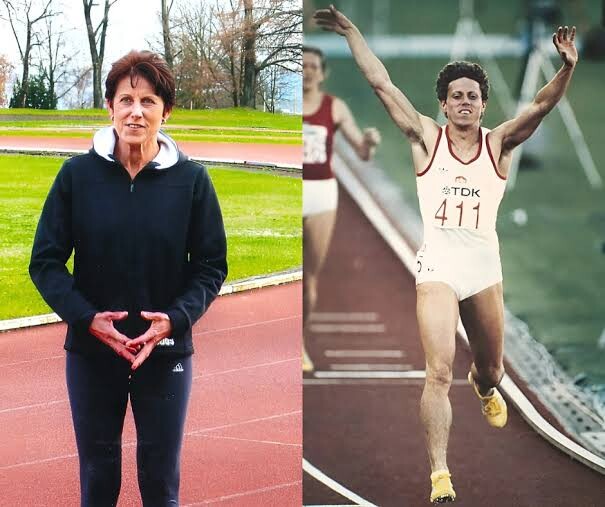
Then there is perhaps the most enigmatic mark in all of athletics: the women’s 800 metres world record. Set at 1:53.28 by Jarmila Kratochvílová in 1983, it stands as a relic of another era—unyielding, controversial, and seemingly immune to progress. While other events have evolved, this record has resisted even the closest of challenges. In fact, approaching within a second of it has become a rarity, elevating even a 1:54 performance into the realm of the extraordinary.
This enduring anomaly creates a paradox: in an age of rapid advancement, the women’s 800 metres has become one of the sport’s last true “barriers”—not defined by a round number, but by the sheer improbability of surpassing a time frozen in history.
Taken together, these realities suggest that athletics may be entering a new phase. The era of clean, universally understood milestones may be giving way to a subtler narrative—one where greatness is measured not only by breaking symbolic thresholds, but by pushing the limits of human performance in increasingly nuanced ways.
And yet, if history has taught us anything, it is that today’s impossibility often becomes tomorrow’s inevitability.
Perhaps the next moment that stops the world will not come from the familiar battlegrounds of men’s distance running, but from the evolving, unpredictable theatre of women’s middle-distance events. Somewhere between ambition and audacity, the next great barrier is waiting—not just to be broken, but to redefine what we believe the human body can achieve.
by Erick Cheruiyot for My Best Runs.
Login to leave a comment
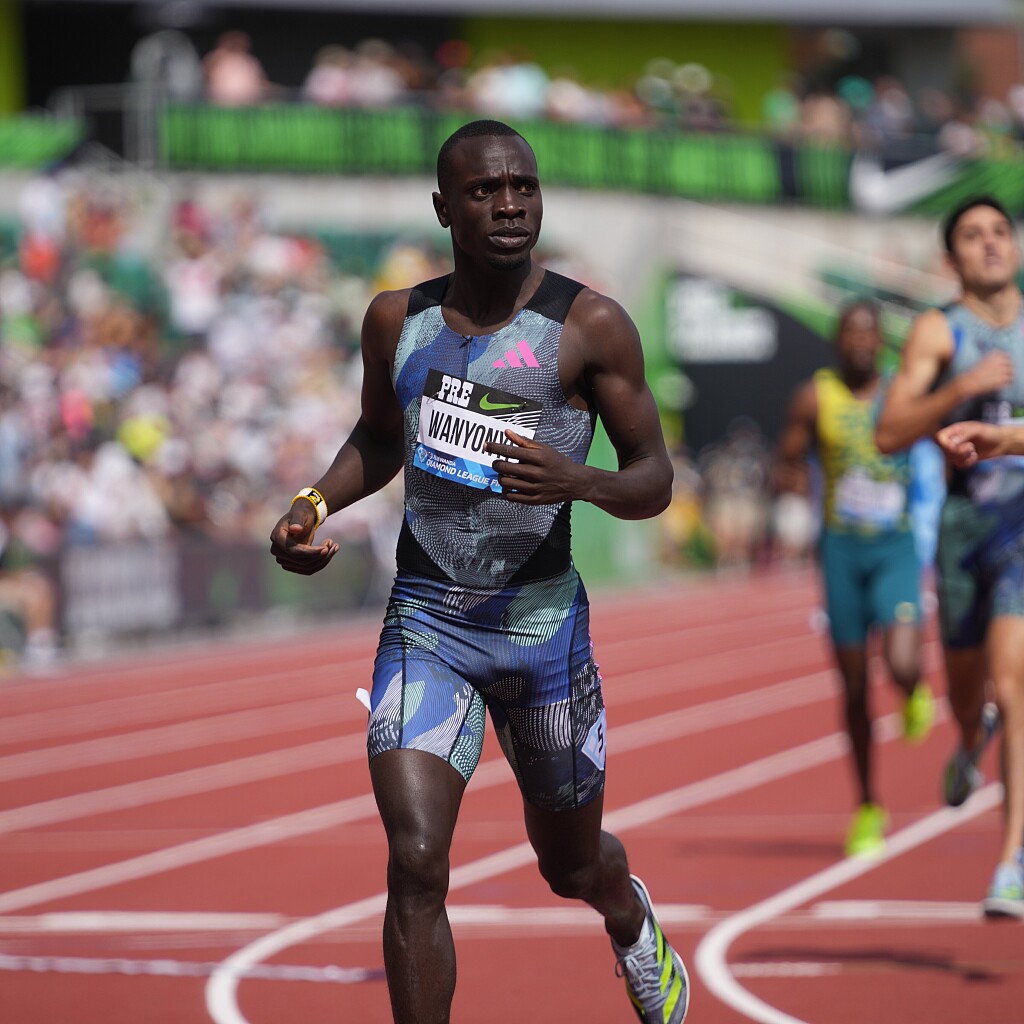
Clash of Titans in Stockholm: Wanyonyi Set for Electrifying 800m Showdown
The middle-distance world is bracing for a spectacle of rare intensity as Kenya’s rising star Emmanuel Wanyonyi prepares to headline the 800 metres at the 2026 Stockholm Diamond League on June 7. In what promises to be one of the most compelling races of the season, Wanyonyi will lock horns with two of the event’s most formidable figures—Canada’s Marco Arop and Algeria’s Djamel Sedjati.
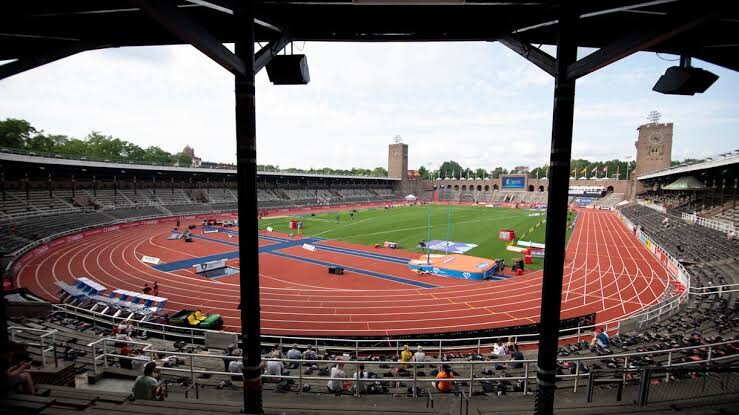
This is more than just a race; it is a convergence of contrasting styles, raw speed, and tactical brilliance. Wanyonyi, widely regarded as the future of the 800m, has built a reputation on fearless front-running and a devastating finishing kick. His meteoric rise has not only re-energized Kenya’s middle-distance legacy but also positioned him as a central figure in the next era of global athletics.
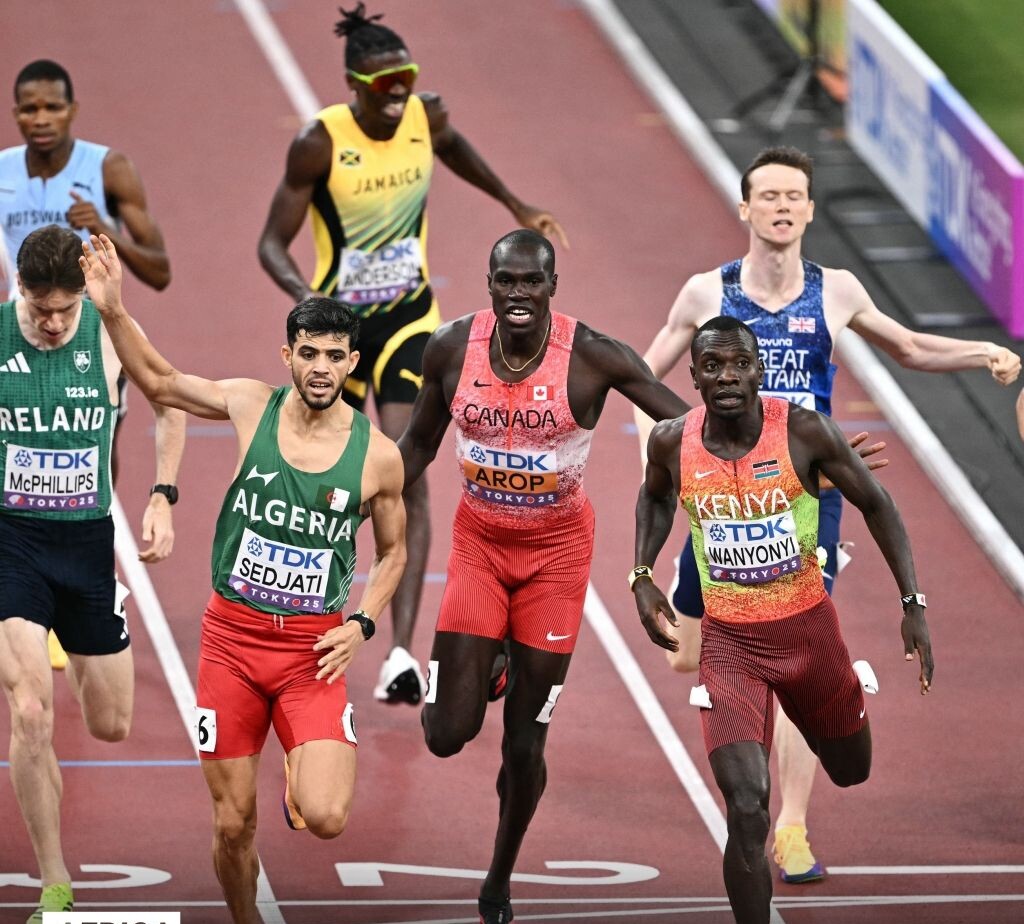
Standing in his path is Arop, a master of race control whose strength and composure often turn tactical battles in his favor. The Canadian’s ability to dictate pace and surge at critical moments makes him a constant threat in championship-caliber fields. Meanwhile, Sedjati brings his own brand of brilliance—fluid, aggressive, and unpredictable—capable of dismantling even the most carefully calculated race plans.
The Stockholm stage has long been synonymous with fast times and historic performances, and this year’s edition is shaping up to uphold that tradition. With three athletes at the peak of their powers, the race could evolve into a high-speed chess match or an all-out assault on the clock.
For Wanyonyi, this is another opportunity to assert dominance on the international circuit and further cement his status among the sport’s elite. For fans, it is a rare chance to witness a generational rivalry unfolding in real time—where every stride, every move, and every second will matter.
On June 7, Stockholm will not just host a race; it will stage a moment that could redefine the rhythm and hierarchy of the 800 metres.
by Erick Cheruiyot for My Best Runs.
Login to leave a comment
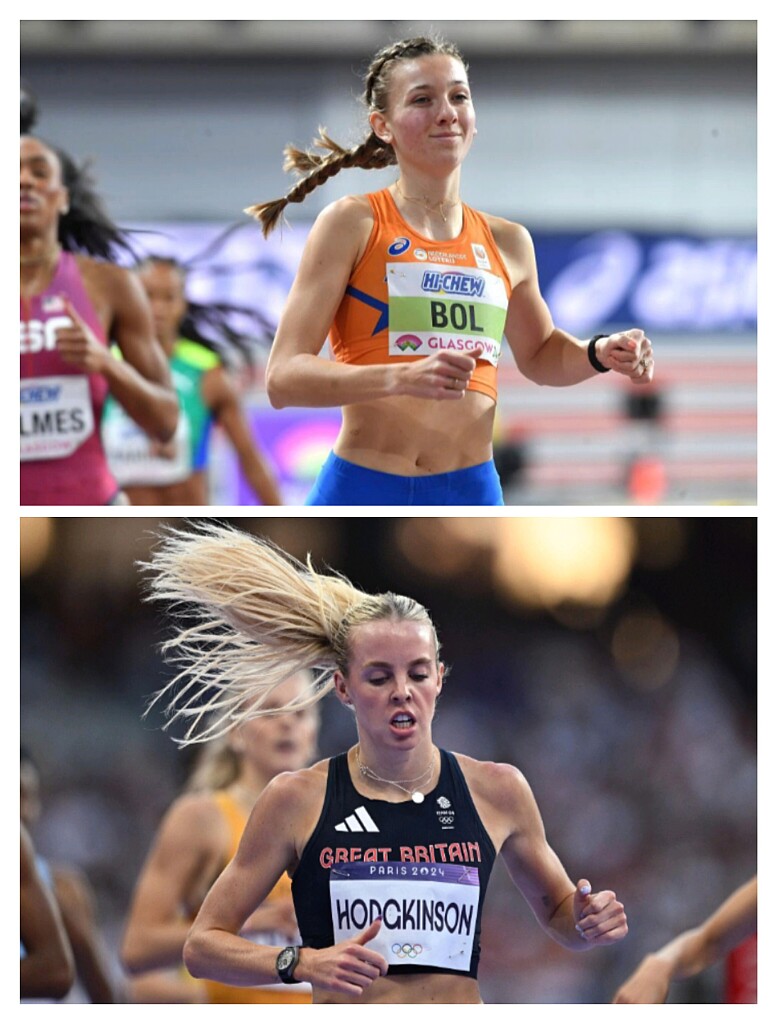
A Collision Course in Birmingham: Bol vs Hodgkinson for European Supremacy
As the summer spotlight turns toward Birmingham, the stage is set for a compelling middle-distance duel that could redefine the balance of power in European athletics. European Athletics Championships returns with more than just medals at stake—it brings with it a simmering rivalry between two of the continent’s most electrifying talents: Femke Bol and Keely Hodgkinson.
On paper, Bol holds the edge. The Dutch star, already a dominant force across multiple disciplines, has accumulated three European individual gold medals, underlining her consistency and championship pedigree. In contrast, Hodgkinson—Great Britain’s golden hope over 800 metres—has secured two individual European titles, each forged through tactical brilliance and fearless racing on the biggest stages.
But statistics, as ever in athletics, only tell part of the story.
Birmingham offers something far more intriguing: the possibility of convergence. Bol, long celebrated for her supremacy in the 400m hurdles and her seamless versatility, is widely expected to step up into the 800m. Should she do so, it would set the stage for a rare and highly anticipated head-to-head clash with Hodgkinson in her specialist event.
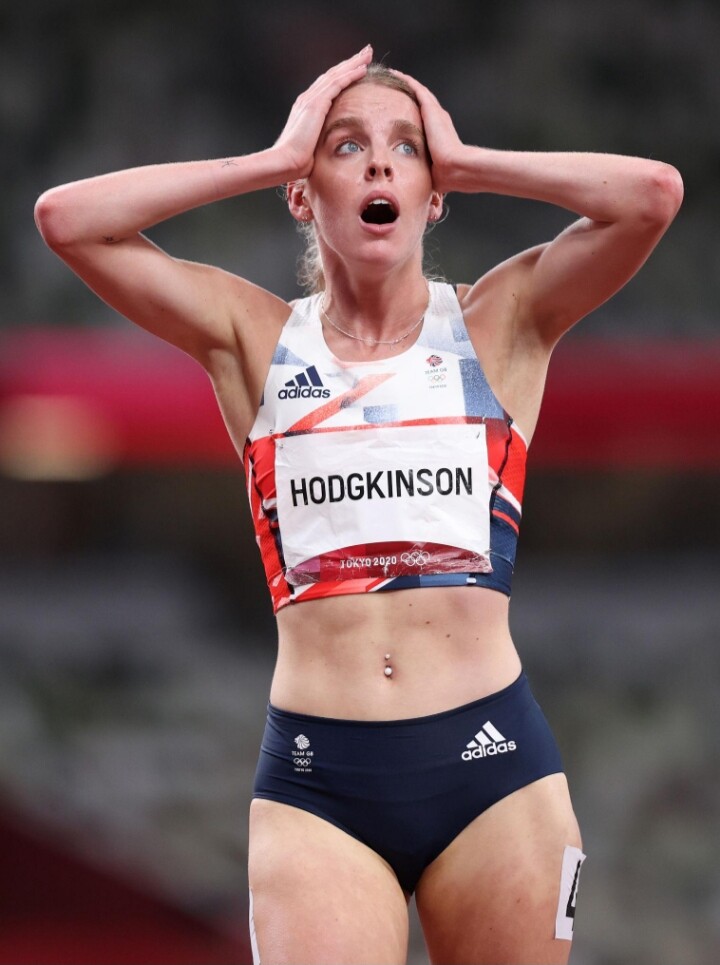
And that is where the narrative sharpens.
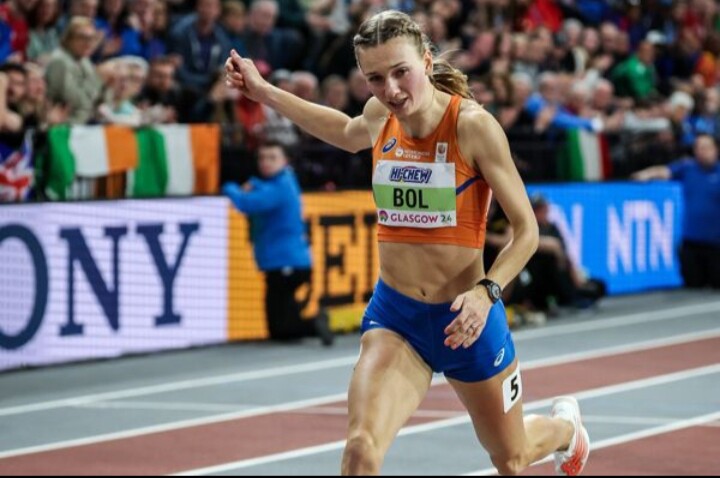
Hodgkinson’s authority over two laps is built on rhythm, poise, and an almost surgical sense of timing. She thrives in the tactical ebb and flow of championship racing, often striking with devastating precision in the closing stages. Bol, by contrast, brings an entirely different dimension—raw strength, relentless pace, and the capacity to stretch a race beyond conventional limits.
If they meet, it will not simply be a race. It will be a clash of philosophies.
For Bol, victory would extend her European dominance into new territory, reinforcing her status as one of the most versatile athletes of her generation. For Hodgkinson, it is an opportunity to defend home soil and reaffirm her command of the 800m against an opponent stepping into unfamiliar, yet dangerous, territory.
The stakes, then, are disarmingly simple yet profoundly significant: supremacy.
In a championship defined by fine margins and fleeting moments, Birmingham could become the arena where reputations are reshaped and legacies accelerated. One question lingers above all:
When the bell rings and the final lap unfolds, who will take control—and who will take the crown?
by Erick Cheruiyot for My Best Runs.
Login to leave a comment
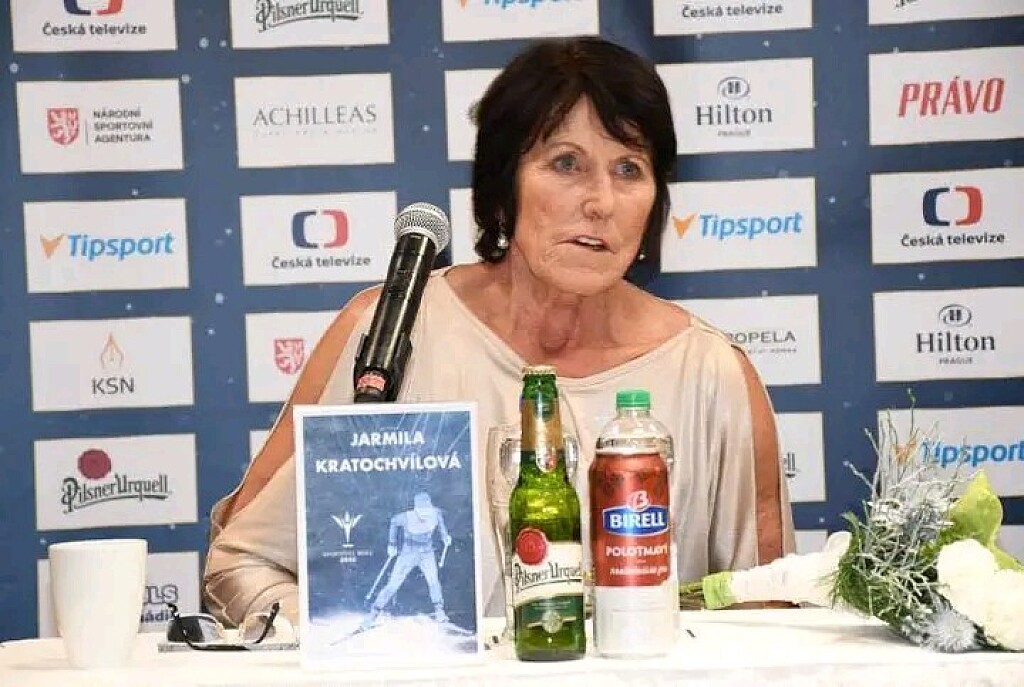
Jarmila Kratochvílová and the 800m Record That Time Could Not Touch
Some records are broken within months. Others survive for years. Then there are the rare marks that outlive generations and become part of sporting mythology. Few achievements in athletics carry that aura more powerfully than the women’s 800 metres world record of 1:53.28, set by Jarmila Kratochvílová on July 26, 1983, in Munich.
More than four decades later, the astonishing performance still stands untouched, making it one of the oldest and most remarkable world records in track and field. In an era where training science, technology, and competition standards have advanced dramatically, that number continues to resist every challenge.
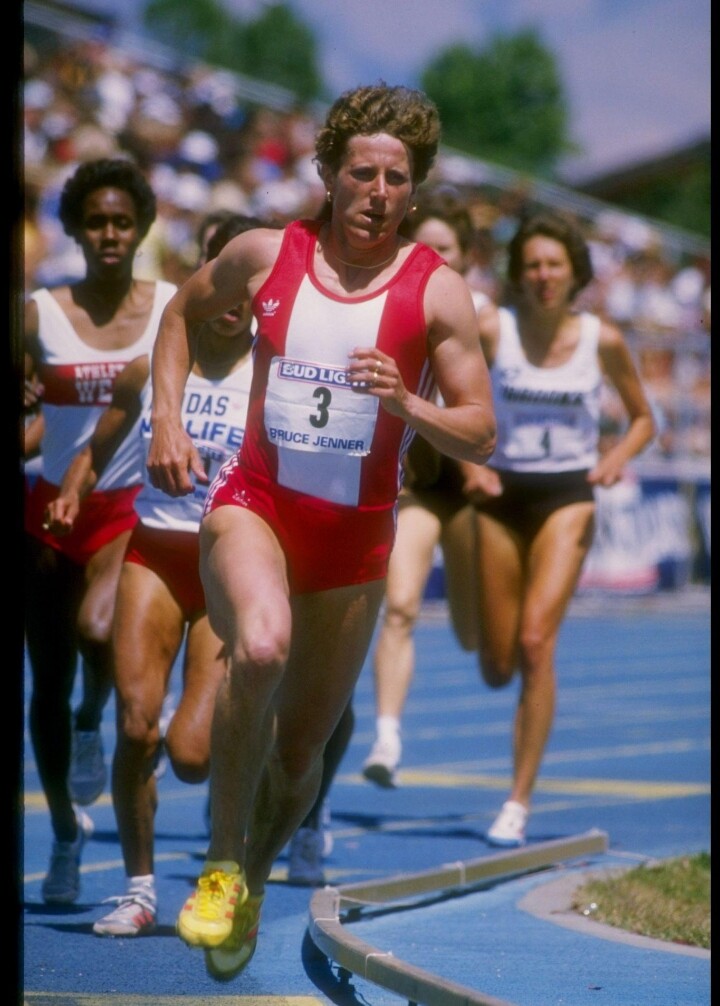
What makes the feat even more extraordinary is the story behind it. Kratochvílová was primarily known as a 400-metre specialist, not an 800-metre star. Her appearance in Munich came after a late change of plans caused by injury, and she was not even expected to headline the event. Yet when the gun fired, she produced one of the finest races ever seen.
She passed the opening lap in a fearless 56.1 seconds, surged through 600 metres in 1:26.3, and still found another devastating finish over the final bend and straight. Crossing the line in 1:53.28, she did far more than win a race—she created a benchmark that would challenge every generation to come.
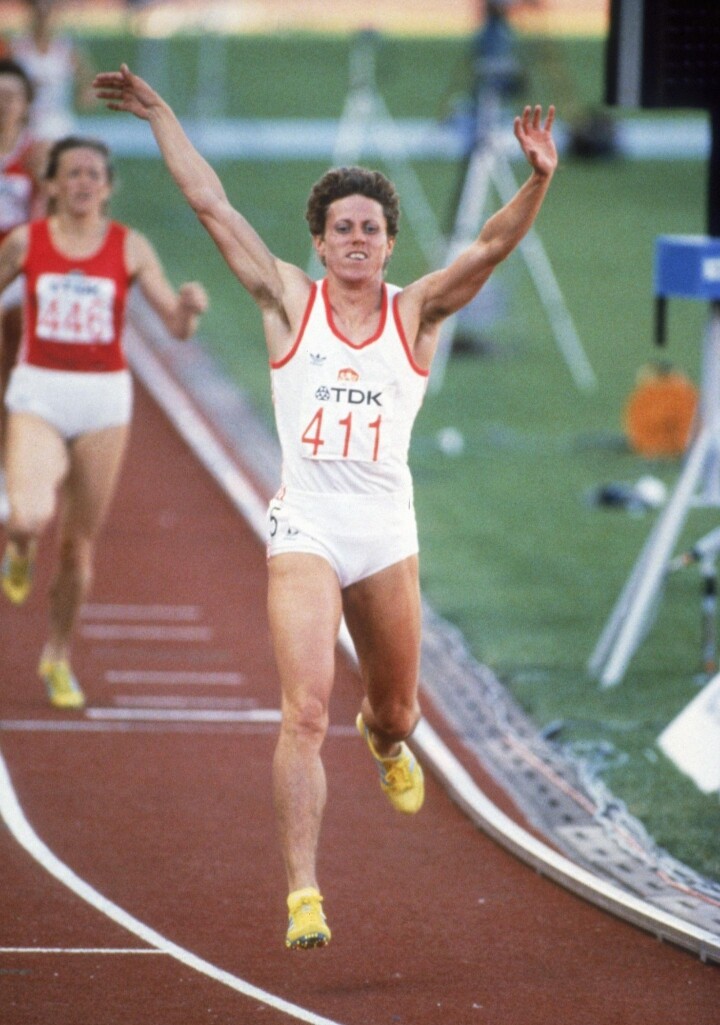
That unforgettable evening crowned a sensational 1983 campaign. Weeks later, at the first-ever World Championships in Helsinki, Kratochvílová completed a rare and historic double by winning gold in both the 400 metres and the 800 metres. She also ran 47.99 for the 400m that season, becoming the first woman in history to break the 48-second barrier. Only a select few athletes, including Marita Koch, have since joined that elite company.
Her rise had already been confirmed earlier when she claimed Olympic silver in the 400 metres at the 1980 Summer Olympics. Many believed even greater Olympic success awaited her, but history intervened. The boycott of the 1984 Summer Olympics denied her the chance to compete on sport’s biggest stage once again.
Even after leaving competition, Kratochvílová continued shaping the sport. As a coach, she guided Ludmila Formanová to the 800m world title in 1999, proving her knowledge and influence extended well beyond her own racing career.
Her record has not escaped controversy or debate. In 2017, World Athletics proposed stricter standards for the ratification of older world records, raising questions over marks set before modern testing systems. Yet the 1:53.28 remained official, preserving one of the sport’s most famous milestones.
As of 2026, athletes continue to chase history. Among the strongest modern contenders is Keely Hodgkinson, whose rise has renewed belief that the seemingly impossible may one day fall. But until that moment arrives, Kratochvílová’s run in Munich remains the gold standard.
Whether it survives another season or another generation, one truth is certain: Jarmila Kratochvílová did not simply set a world record—she created a legend that time itself has struggled to defeat.
by Erick Cheruiyot for My Best Runs.
Login to leave a comment
Golden Strides: The Enduring Reign of Maria de Lurdes Mutola
“Did you know?” It’s a simple question—yet in the story of Maria de Lurdes Mutola, it opens the door to one of the most commanding legacies in middle-distance running history.
Often celebrated as Mozambique’s “Golden Girl,” Mutola’s name became synonymous with excellence in the 800 metres. Her defining triumph came at the 2000 Sydney Olympics, where she powered to Olympic gold with authority and composure. But that victory was not an isolated moment of brilliance—it was the centerpiece of a career built on sustained dominance.

For over a decade, Mutola ruled the 800 metres with remarkable consistency. She was not merely a champion; she was a standard. Multiple world titles, repeated Grand Prix victories, and an unshakable presence on the global stage cemented her as one of the greatest to ever compete in the event. Each race she entered carried an expectation—not of participation, but of mastery.
What makes her story even more compelling is the depth of its impact. Beyond medals and podium finishes, Mutola redefined what was possible for African women in athletics. She emerged at a time when representation was limited, yet through sheer determination and discipline, she carved out a path that others could follow. Her success became a powerful narrative of resilience—proof that greatness can rise from anywhere and speak to everywhere.
As International Women’s Month continues, Mutola’s legacy resonates far beyond the track. She remains more than a sporting icon—a lasting symbol of courage, longevity, and transformative influence.
In every stride, Maria de Lurdes Mutola carried the weight of expectation—and turned it into inspiration. Her journey is not just remembered; it continues to move, to empower, and to redefine the limits of ambition.
by Erick Cheruiyot for My Best Runs.
Login to leave a comment
Farewell to an Irish Legend: Olympic Champion Ronnie Delany Dies at 91
The athletics world is mourning the passing of Irish middle-distance legend Ronnie Delany, who has died at the age of 91. A figure forever etched in Olympic history, Delany remains one of Ireland’s most celebrated sporting icons, remembered best for his unforgettable triumph in the 1500 metres at the 1956 Melbourne Olympic Games.

On that memorable evening in Melbourne, Delany delivered a performance that has since become part of Irish sporting folklore. Running with patience and tactical precision, he unleashed a devastating finishing sprint in the final stretch to surge past the field and capture Olympic gold. It was a moment that not only crowned him champion but also placed his name permanently among the greats of middle-distance running.
That victory proved historically significant in more ways than one. Nearly seven decades later, Delany still stands as Ireland’s last Olympic gold medallist in athletics, a testament to the magnitude of what he achieved on the sport’s biggest stage.
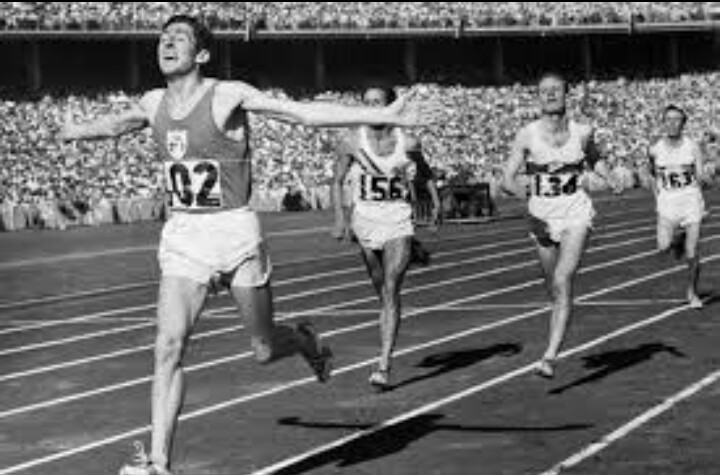
Beyond his Olympic success, Delany continued to demonstrate his quality on the international circuit. Two years after his Olympic triumph, he added another major accolade to his résumé by securing the bronze medal in the 1500 metres at the 1958 European Athletics Championships. His performances throughout that era confirmed his status as one of the finest middle-distance runners of his generation.
At his peak, Delany possessed both speed and endurance—qualities reflected in his personal best times of 1:47.1 for 800 metres and 3:41.49 for 1500 metres. In an era far removed from modern sports science and advanced track technology, those marks stood as powerful evidence of his extraordinary natural talent and competitive spirit.
Yet statistics alone cannot fully capture Delany’s impact. For Ireland, he represented a symbol of possibility, proving that athletes from a small nation could rise to the very top of global sport. His Olympic victory inspired generations of Irish runners and remains one of the most cherished moments in the country’s athletics history.
With his passing, the sport bids farewell to a man whose legacy stretches far beyond medals and times. Ronnie Delany’s name will forever resonate in the annals of athletics—as a champion, a pioneer, and a reminder of the magic that can unfold in a perfectly timed finishing kick.
by Erick Cheruiyot for My Best Runs.
Login to leave a comment
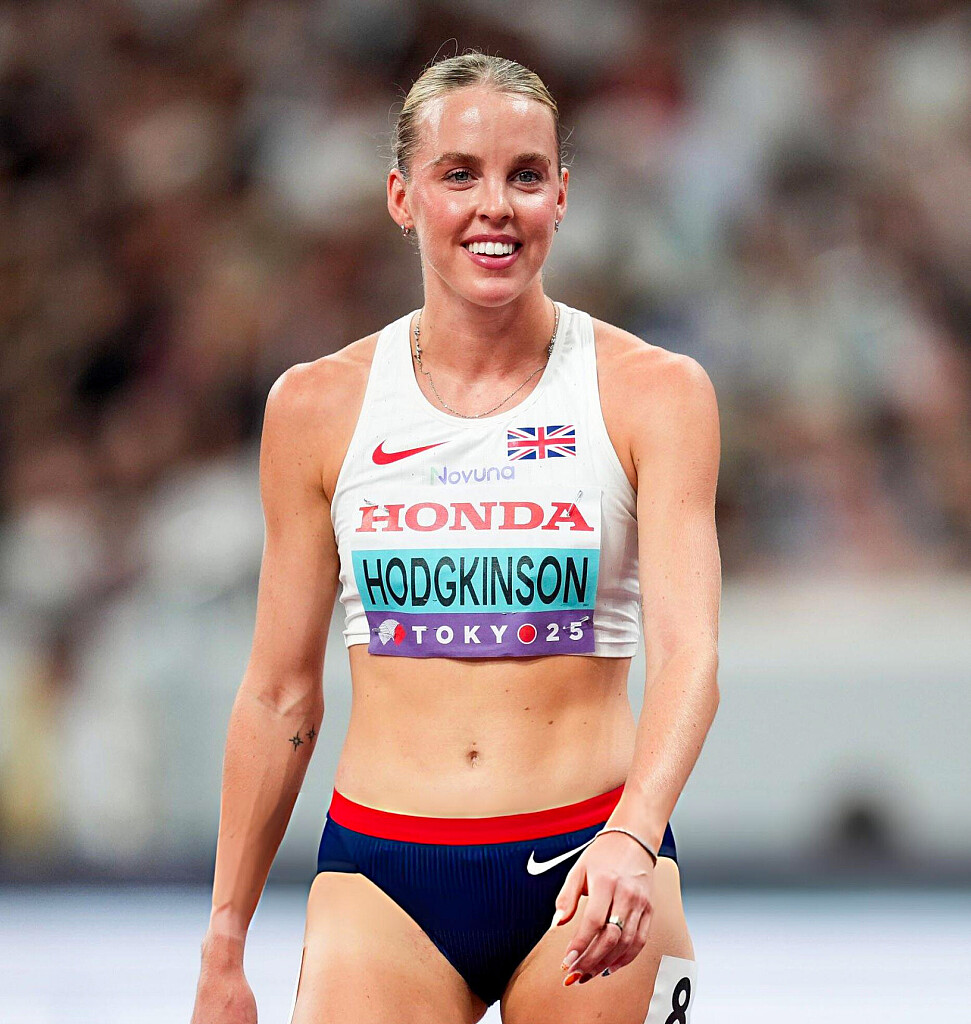
Women’s 800m Set to Ignite the 2026 Indoor Season
The women’s 800 metres is already shaping up to be one of the most thrilling events of the indoor season, with early performances pointing to a fierce and highly competitive showdown at the upcoming 2026 World Athletics Indoor Championships — the global indoor spectacle scheduled for March 20–22 in Kujawy-Pomorze, Poland.
At the top of the 2026 world list stands Britain’s Olympic champion Keely Hodgkinson, who has delivered an early-season statement with a world-leading 1:54.87. The performance places her firmly ahead of the field and confirms that the British middle-distance star is once again operating at an exceptional level as the championship season approaches.
Yet Hodgkinson’s commanding mark does not mean the race is settled. The women’s 800m is quickly becoming one of the deepest and most competitive events of the indoor circuit this year. Switzerland’s rising talent Audrey Werro sits second on the global list with 1:57.27, underlining her growing status as one of Europe’s most promising young middle-distance runners.
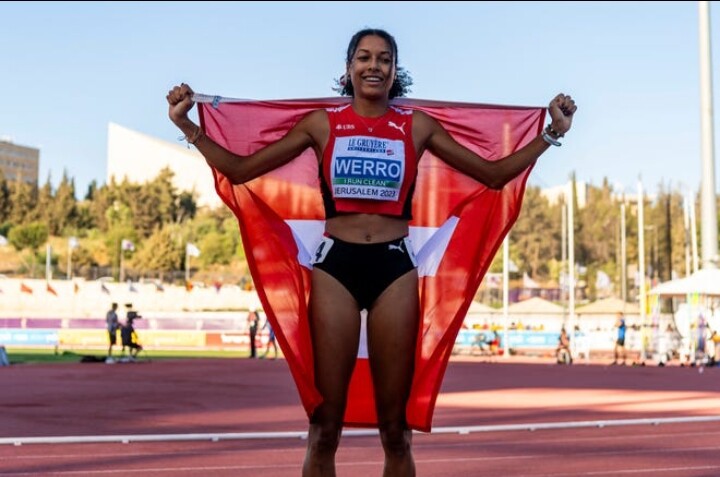
Great Britain’s strength in the event is further highlighted by the presence of Isabelle Boffey and Georgia Hunter Bell, who currently hold the third and fourth fastest times of the season with 1:57.43 and 1:57.80 respectively.
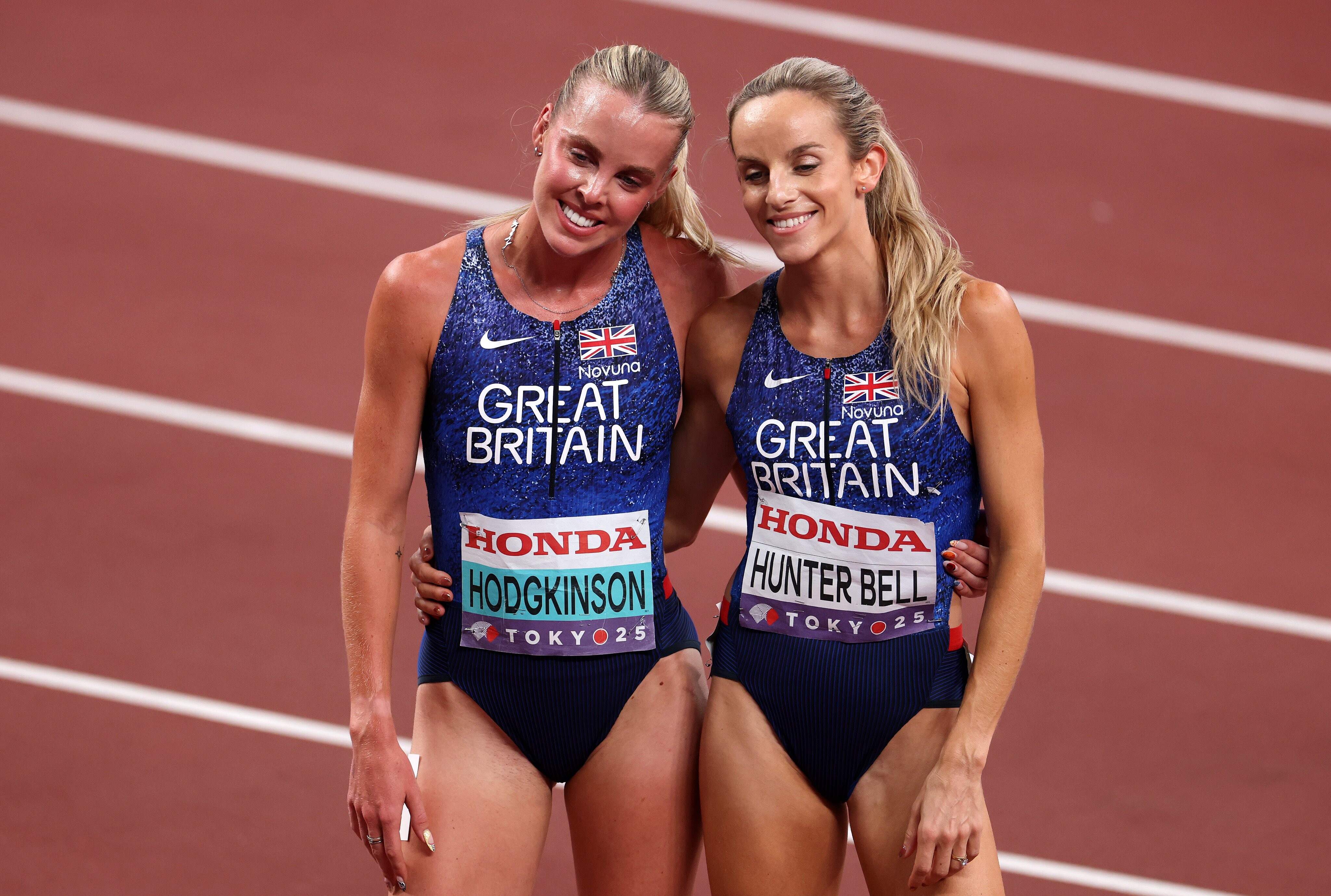
Across the Atlantic, the United States is also well represented among the early leaders. Roisin Willis has clocked 1:57.97, while compatriot Sage Hurta-Klecker follows with 1:58.78, ensuring that the American challenge remains a significant factor heading into the championship season.
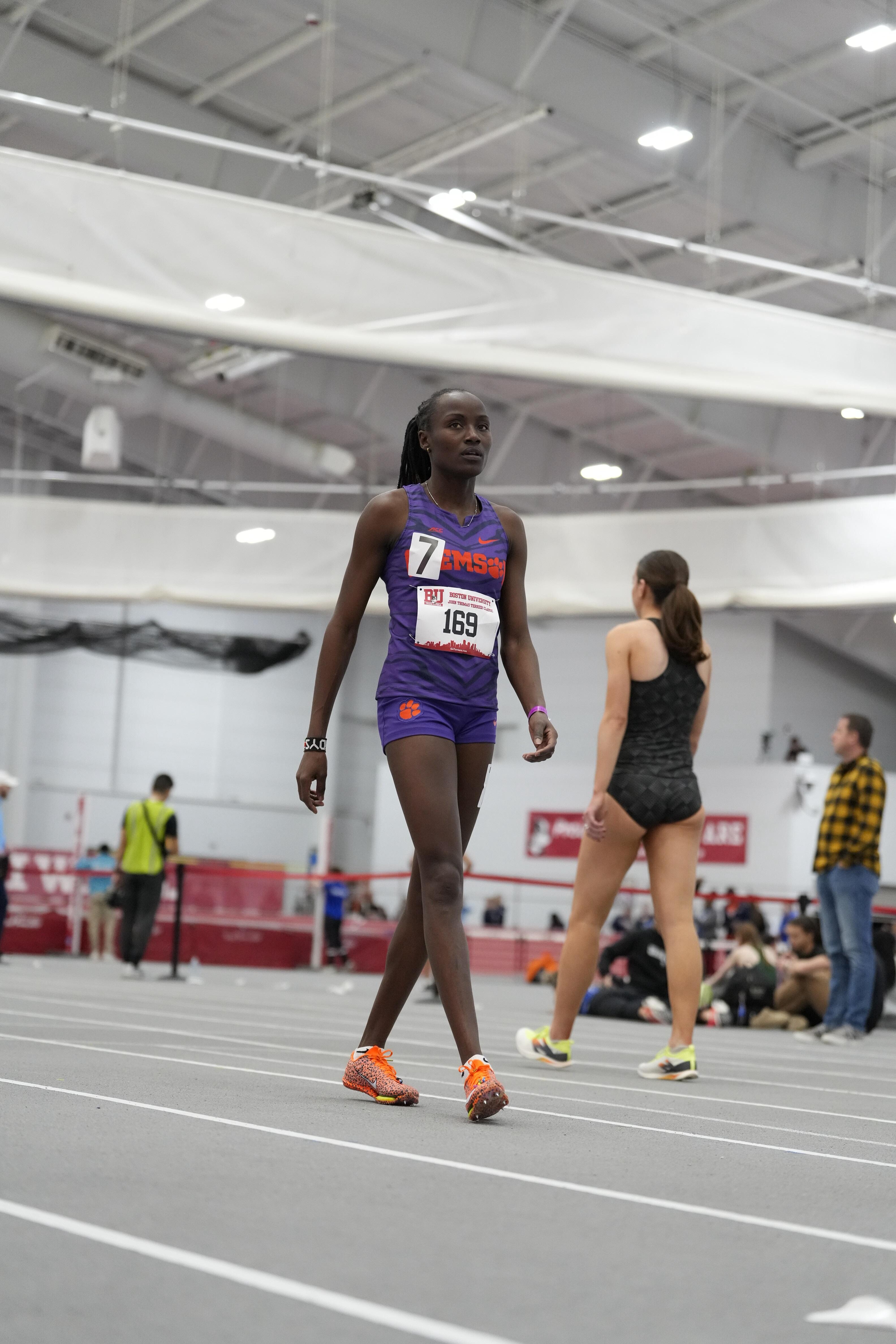
Africa also features on the list through Kenya’s Gladys Chepngetich and Ethiopia’s Tsige Duguma, who are tied at 1:58.81, both demonstrating the capability to challenge the front runners when it matters most.
Adding further intrigue is Dutch star Femke Bol. Known globally for her dominance in the 400 metres and the hurdles, Bol has also entered the 800m rankings with 1:59.07, showcasing her remarkable range on the track. American athlete Olivia Baker completes the current top ten with 1:59.18.
With multiple athletes already breaking the 1:58 barrier and the season still unfolding, the women’s 800m is rapidly emerging as one of the most compelling events to watch. Tactical awareness, finishing strength, and championship composure will all play decisive roles once the world’s best line up indoors.
As the countdown continues toward the March 20–22 showdown in Kujawy-Pomorze, one question looms large: can anyone challenge Keely Hodgkinson when the world’s best gather for the ultimate indoor battle?
by Erick Cheruiyot for My Best Runs.
Login to leave a comment
Kenya Unveils Six-Athlete Squad for Global Indoor Showdown in Poland
Kenya has officially named a compact but promising team for the upcoming World Athletics Indoor Championships 2026, with Athletics Kenya selecting six athletes to carry the nation’s hopes at the global indoor spectacle scheduled for March 20–22 in Kujawy-Pomorze, Poland.
The carefully chosen squad blends experience with emerging talent, reflecting Kenya’s growing ambitions on the indoor stage. Traditionally renowned for its dominance in middle- and long-distance events outdoors, the country continues to expand its presence indoors, where speed, tactics, and adaptability on the tight 200-metre track often define success.
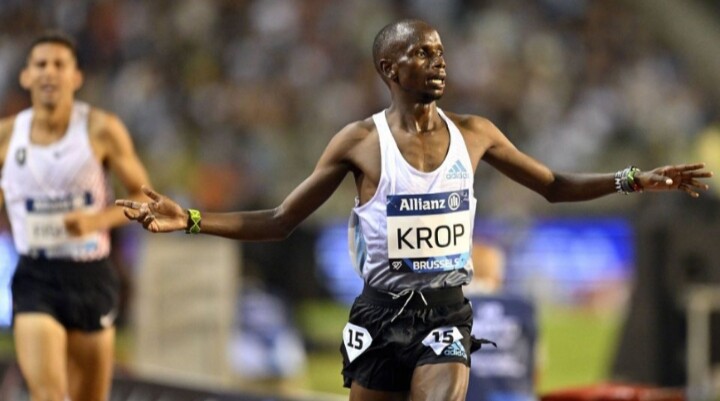
Leading the men’s lineup is Brian Omari Tinega, who will represent Kenya in the 400 metres, an event that demands both explosive speed and disciplined pacing. In the men’s 800 metres, the responsibility falls on Noah Kibet, one of the country’s rising middle-distance prospects known for his aggressive racing style. Completing the men’s side is Jacob Krop, who has been entrusted with the 3000 metres, bringing his proven endurance and championship experience to the indoor arena.
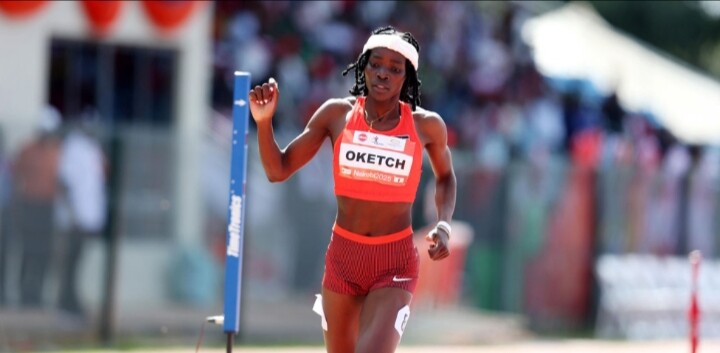
The women’s team mirrors that balance of speed and middle-distance strength. Mercy Adongo Oketch will compete in the women’s 400 metres, aiming to deliver a strong performance in an event where fractions of a second often separate medalists from the rest of the field. In the 800 metres, Rosemary Longisa will look to showcase Kenya’s depth in middle-distance running, while Susan Lokayo Ejore takes on the women’s 1500 metres, an event where tactical awareness and finishing speed are critical.
According to the federation, the selected athletes represent a strategic mix designed to maximize Kenya’s competitiveness across both sprint and middle-distance events. While indoor championships present unique challenges — from tighter tracks to faster tactical races — they also offer a valuable platform for athletes to test themselves against the world’s elite early in the season.
The three-day championship is expected to attract top indoor specialists from across the globe, creating an intensely competitive atmosphere. For Kenya’s six representatives, it will be an opportunity not only to chase podium finishes but also to strengthen the country’s growing reputation in indoor athletics.
As preparations intensify ahead of the trip to Poland, hopes remain high that the small but determined Kenyan delegation will rise to the occasion and leave a strong mark on one of the sport’s most prestigious indoor stages.
by Erick Cheruiyot for My Best Runs.
Login to leave a comment
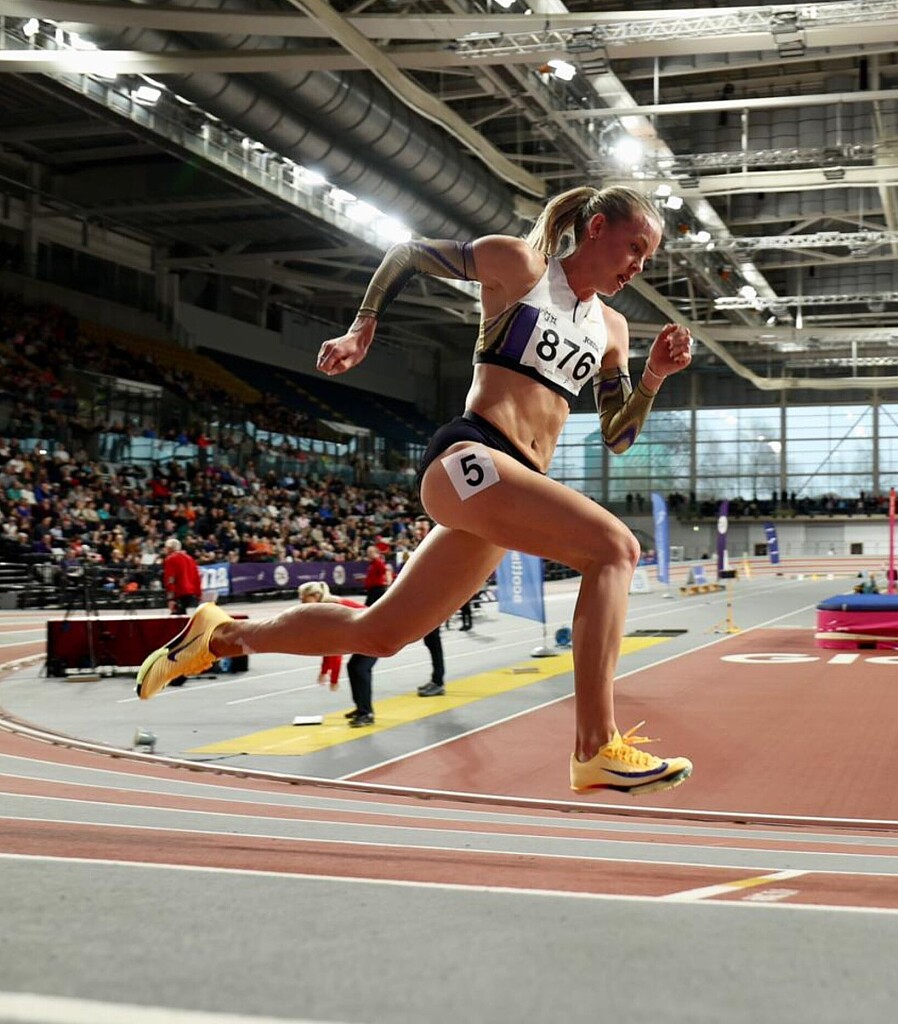
Keely Hodgkinson Blazes to 400m Personal Best in Glasgow, Signaling World Indoors Intent
Under the bright lights of Glasgow, Keely Hodgkinson delivered a statement performance that resonated far beyond the finish line. Known globally for her mastery of the 800 metres, the British middle-distance star ventured into the one-lap arena — and emerged with a stunning personal best of 51.49 seconds in the 400 metres.
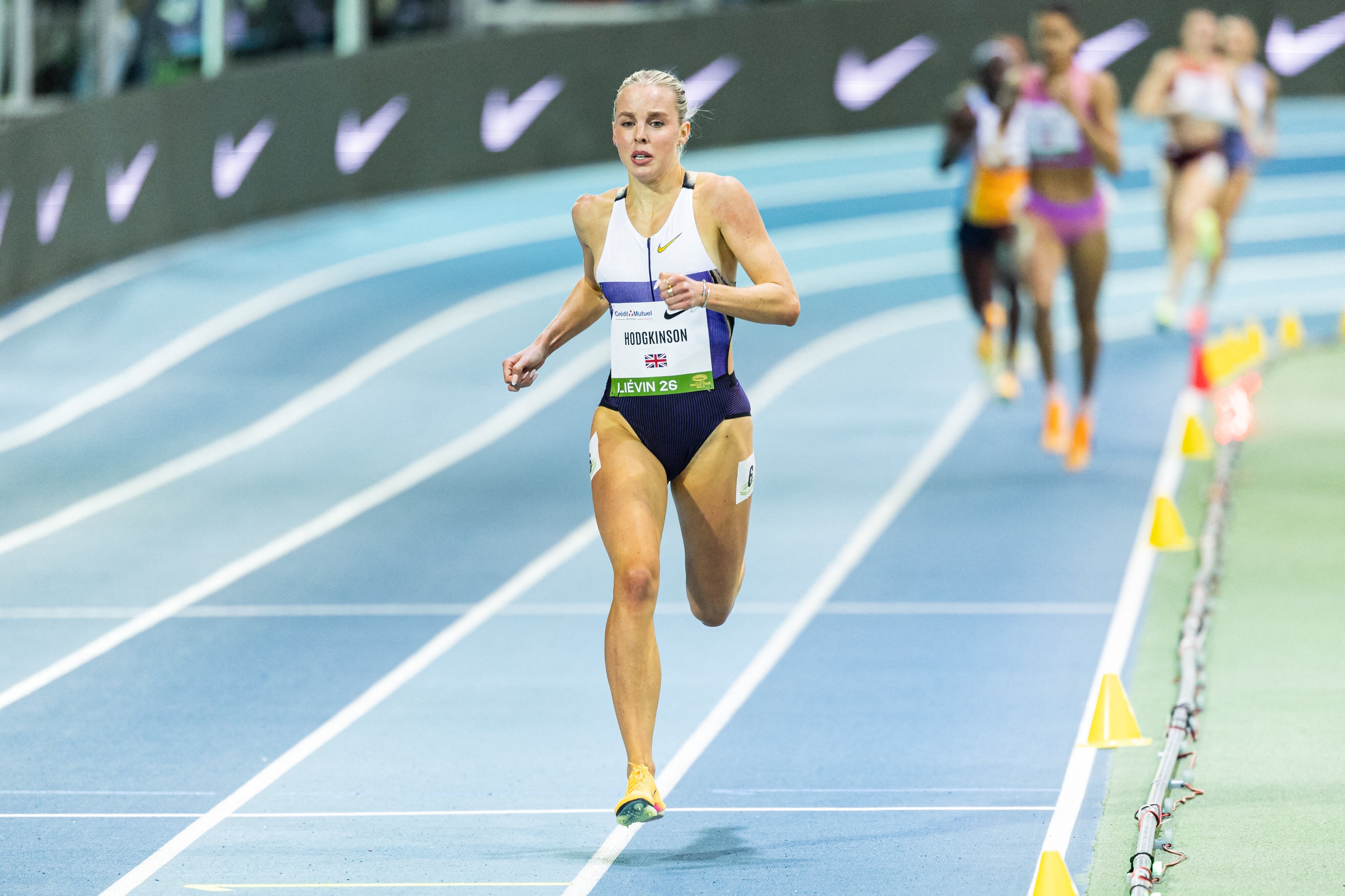
From the gun, Hodgkinson’s intent was unmistakable. She attacked the opening 200 metres with controlled aggression, driving her knees high and maintaining composure despite the early surge from Louisa Stoney in the outside lane. The pace was honest — unforgiving, even — but Hodgkinson refused to be rattled.
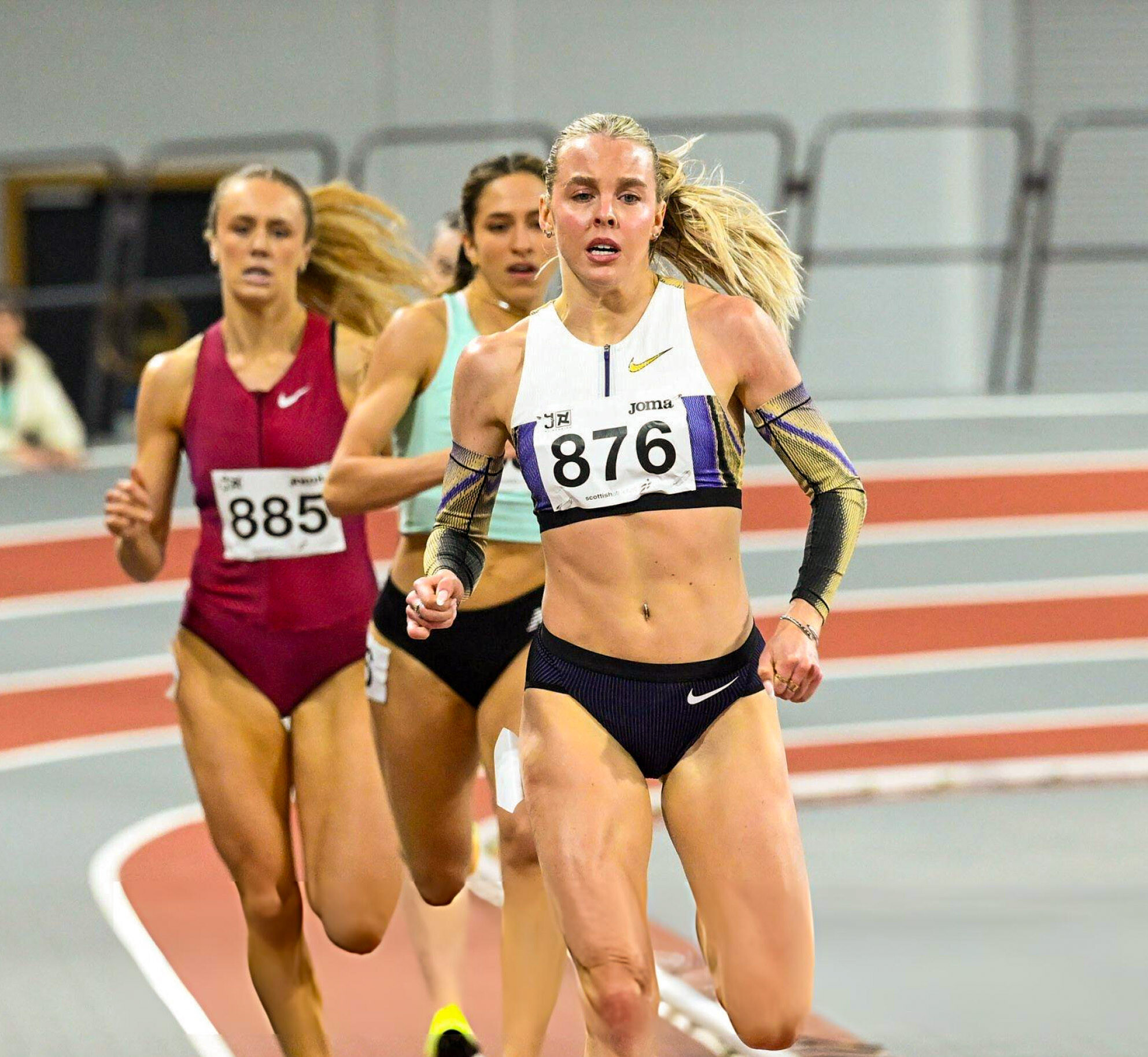
As the stagger unwound down the back straight, the true measure of her class began to show. Where others tightened, she lengthened. Where the field strained, she flowed. Drawing deeply on the endurance that has defined her 800m success, Hodgkinson shifted gears with authority, her stride pattern holding firm as she began to separate decisively from the chasing pack.
By the final bend, the contest had tilted irreversibly in her favor. The clock stopped at 51.49 — a personal best that not only underlined her raw speed but also confirmed her growing versatility. For an athlete already established among the world’s elite over two laps, such a performance over one signals a carefully calibrated training phase and a sharpening competitive edge.
This was more than just a 400m race; it was a glimpse into preparation. Each element — the explosive start, the sustained drive phase, the composed finish — suggested an athlete meticulously ticking every box in her build-up to the upcoming global stage.
With the World Indoor Championships on the horizon, Hodgkinson appears to be balancing speed and strength with clinical precision. If Glasgow was any indication, she is not merely preparing to compete — she is preparing to contend.
by Erick Cheruiyot for My Best Runs.
Login to leave a comment
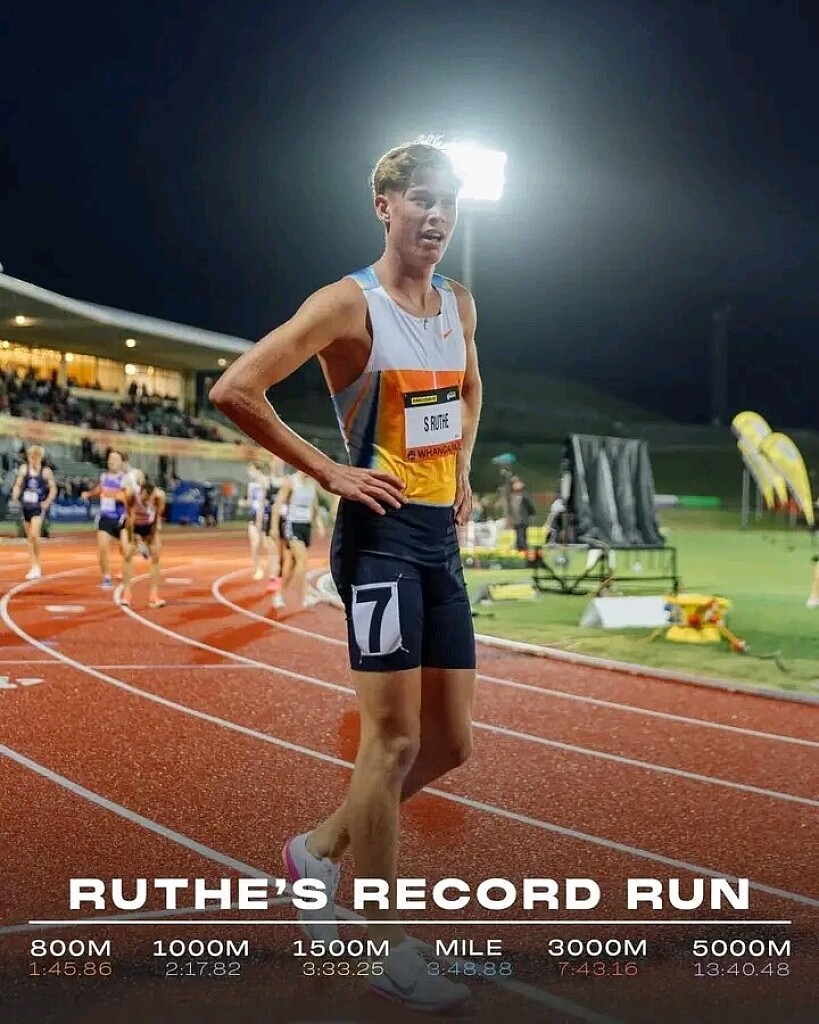
Sixteen and Supreme: Sam Ruthe Rewrites New Zealand’s U20 Distance History
The record books do not often bend to the will of one athlete — especially not one still in his mid-teens. Yet at just 16 years old, Sam Ruthe has accomplished something extraordinary, rewriting every New Zealand Under-20 record from 800 metres through to 5000 metres in a sweep that signals both precocious brilliance and rare competitive maturity.
What makes this achievement truly staggering is not merely the collection of records, but the age at which it has been done. Most athletes are only beginning to discover their strengths at sixteen. Ruthe, by contrast, is already redefining national standards across a spectrum of distances that demand completely different physiological and tactical qualities — from raw speed to sustained endurance.
His national U20 marks now stand as follows:
800 metres: 1:45.86
1000 metres: 2:17.82
1500 metres: 3:33.25
Mile: 3:48.88
3000 metres: 7:43.16
5000 metres: 13:40.48
Together, these performances form more than a statistical collection; they represent a statement. Ruthe is not simply winning races — he is reshaping expectations. Each record has felt like another jewel being added to a crown that continues to grow brighter with every outing.
Such versatility at such a young age often hints at even greater potential ahead. The ability to excel from two laps of the track to twelve and a half suggests deep aerobic foundations combined with elite speed — a combination that frequently underpins future senior success on the world stage.
In an era where global middle-distance running is evolving rapidly, Ruthe’s emergence arrives at a compelling moment. His achievements do not merely place him among the best young athletes in New Zealand; they position him among the most exciting teenage prospects internationally.
Records can be broken. Expectations can be surpassed. But rewriting an entire national age-group range at sixteen years old sends a different message altogether — one that echoes far beyond the finish line. A new star is rising, and the future of New Zealand distance running suddenly looks dazzlingly bright.
by Erick Cheruiyot for My Best Runs.
Login to leave a comment
Out of this world!
Jakob Ingebrigtsen obliterates the 3000m world record at the Memoriał Kamili Skolimowskiej with 7:17.55.
He goes more than 3 seconds faster than the previous world record!
Norway’s Jakob Ingebrigtsen shattered the world 3000m record in the Silesia Diamond League on Sunday (25) afternoon with 7:17.55 to become the first athlete in history to break the 7:20-barrier for the seven-and-a-half lap distance.
The Olympic 5000m champion slashed more than three seconds off the previous mark of 7:20.67 which had stood to Kenya’s Daniel Komen since 1996, the longest standing world record in an individual men’s track event.
But the 23-year-old Norwegian took the record into uncharted territory, churning out the last two laps in 57.46 and 55.47 respectively - 1:52.93 for the last 800 metres - to break away from Ethiopia’s Berihu Aregawi and take a significant chunk of 3.12 seconds off Komen’s enduring record.
“It feels special, amazing. I was hoping to challenge the world record here but based on my training, I can never predict exactly what kind of time I am capable of. I would not have imagined I could run 7:17, though,” said Ingebrigtsen.
. “I would not have imagined I could run 7:17, though. At the beginning the pace felt really fast, but then I started to feel my way into the race and found a good rhythm.
“[The] 3,000 is a tough distance,” continued Ingebrigtsen. “After four-five laps you feel the lactic acid, but you need to get going. The conditions were difficult with the heat today, but it is the same for everyone. Now I want to challenge world records at all distances, but it is one step at a time.”
He finished ahead of a trio of Ethiopians, with the Paris Olympics 10,000m silver medallist, Berihu Aregawi. second in a personal best and the third-fastest time in history (7:21.28). Yomif Kejelcha was third.
Three days ago, the Norwegian had exacted a small measure of revenge over the American Cole Hocker by winning the men’s 1500m in Lausanne in 3:27.83, two weeks after Hocker shocked the Olympic field to win gold in Paris.
He won $50,000 for setting the record.
Login to leave a comment
Leadville 100 sees long-standing course record fall
This year's edition of "the race across the sky" saw history-making performances on both the men's and women's sides
Leadville 100, known as the “race across the sky” for its stunning vistas as it traverses the Colorado Rockies, has been a staple in the ultrarunning community since its inception in 1983. This year’s event saw blistering performances in both the men’s and women’s races, with popular coach and author David Roche taking 16 minutes off the long-standing course record, and women’s race winner Mary Denholm recording the second-fastest time ever at the event.
The 100-mile race has runners climbing nearly 4,800 metres of elevation gain over rugged mountain trails, and runners begin and end in Leadville, Colo.
Women’s race
Denholm took off hot and dominated the competition from start to finish. By the halfway point, she had built an insurmountable 50-minute lead. She crossed the finish line in 18:23:51, securing the second-fastest time ever recorded for the women’s race, just short of legendary Ann Trason’s mark of 18:06:24, set in 1994. Denholm was followed by fellow American runners Zoe Rom in 21:27:41, and Julie Wright in 21:48:57.

Alberta’s Ailsa MacDonald and Molly Hurford of Ontario were initially in contention for podium positions, but both faced challenges that saw them taking DNFs. Hurford left the race after suffering a badly sprained ankle, and MacDonald after dealing with unrelenting gut issues.
Men’s race
Like Denholm, Roche set a fast pace from the start and built on his lead throughout the race. His time of 15:26:34 took more than 16 minutes off the previous course record, set by Matt Carpenter in 2005. He was followed in by U.S. ultrarunners Adrian Macdonald in 15:56:34, and Ryan Montgomery in 16:09:40.
Pete Kostelnick, a well-known ultrarunner famous for completing the fastest transcon run of the U.S. in 2016 (42 days, six hours and 30 minutes), made a remarkable return to running earlier this year after recovering from a severe car accident that resulted in multiple pelvic fractures. In May, Kostelnick finished the Cocodona 250, followed by Badwater 135 only a few weeks ago; he finished Leadville 100 in 24:30:18.
Calgary’s Reiner Pauwwe took the 28th overall position (24th man) in 22:16:59.
by Keeley Milne
Login to leave a comment

Leadville Trail 100 Run
The legendary “Race Across The Sky” 100-mile run is where it all started back in 1983. This is it. The race where legends are created and limits are tested. One hundred miles of extreme Colorado Rockies terrain — from elevations of 9,200 to 12,600 feet. You will give the mountain respect, and earn respect from all. ...
more...
Ando achieves first career marathon victory in Nagoya
Yuka Ando became the first Japanese winner in three years at the Nagoya Women’s Marathon, taking the title in a PB of 2:21:19 at the World Athletics Platinum Label road race on Sunday (10).
Before today, Ando had completed 10 marathons in her career, and had reached the podium in Nagoya on three previous occasions. But today’s performance marked the first marathon victory of her career.

After a chilly start with temperatures of about 5C, Ando and fellow Japanese duo Ayuko Suzuki and Rika Kaseda formed aleading pack alongside 2022 world champion Gotytom Gebreslase of Ethiopia and Asian champion Eunice Chebichii Chumba of Bahrain.
The lead group reached the halfway point in 1:09:56, inside 2:20 pace, but the tempo dropped slightly in the second half. Chumba and Gebreslase opened up a bit of a gap on the leading Japanese contenders. Suzuki started to fall back as Ando and Kaseda ran side by side as they tried to chase the leaders.
Gebreslase dropped out at about 36km, leaving Chumba in front. Ando caught up with the leader at about 39km and they ran together for a couple of kilometres before Ando kicked ahead in the final 800 metres.
Ando went on to cross the line in 2:21:18, consolidating her position at eighth on the Japanese all-time list. Chumba finished second in 2:21:25, and Suzuki placed third in a PB of 2:21:33.
Ando, who would have had to have broken the Asian record of 2:18:59 to make it on to Japan’s team for the Paris Olympics, was delighted with her run.
“There are many people who have helped me to get this far, and I’m filled with gratitude,” she said. “I can’t go to Paris, but I’m really happy that I won. It was really hard when I fell behind the lead pack, but I was able to catch up by running, only focusing on going forward.”
Login to leave a comment

Nagoya Women's Marathon
The Nagoya Women's Marathon named Nagoya International Women's Marathon until the 2010 race, is an annual marathon race for female runners over the classic distance of 42 km and 195 metres, held in Nagoya, Japan in early March every year. It holds IAAF Gold Label road race status. It began in 1980 as an annual 20-kilometre road race held in...
more...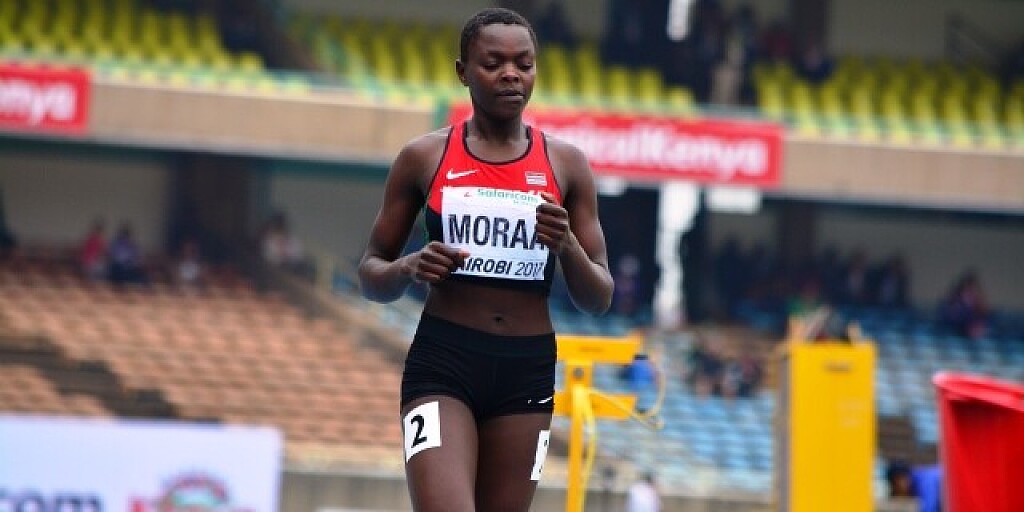
Kenya's track sensation Mary Moraa has her eyes firmly focused on a World Championship conquest in Budapest later in the year
Barely in her 20s, Kenya's track sensation Mary Moraa is already hogging the global limelight and stealing headlines at whim.
The 2022 Commonwealth Games 800 metres gold medallist has rocked premier global athletics shows in recent years to deservedly cut herself a niche in the Hall of Fame.
Fondly known as "The Kisii Express" by her dotting fans, Moraa has already claimed her space in the cutthroat world of athletics. Undoubtedly, the decorated track prodigy deserves every ounce of international acclamation.
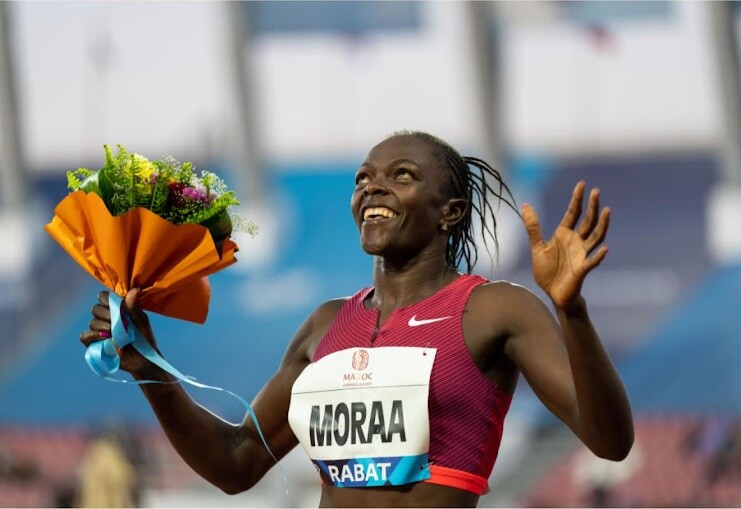
Only recently, she set a new PB in April after storming to the 400m title at the Botswana Golden Grand Prix in an astonishing time of 50.44.
The sublime performance she pulled off in the blistering contest saw her smash her previous national record by 0.24 seconds, subsequently attaining the World Athletics Championships qualifying standards of 51.0 seconds.
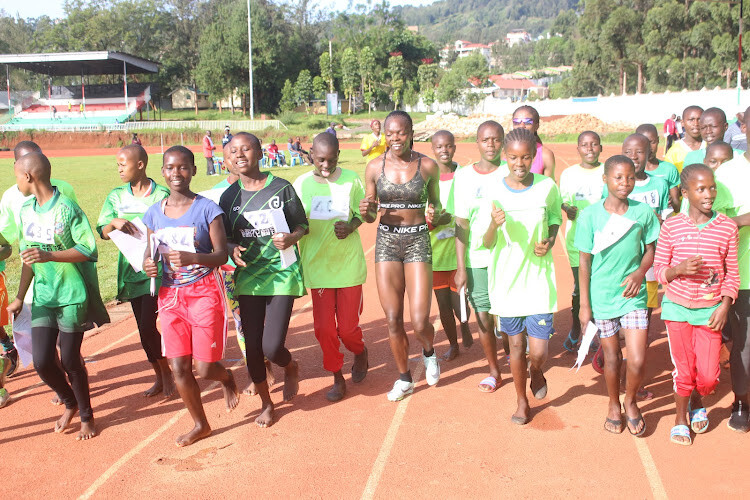
"My previous 400m best was 50.67, which I attained at the Diamond League meeting in Brussels in September."
In Botswana, the two-lap specialists obliterated a stellar field that boasted Olympic and world finalist Candice McLeod of Jamaica, USA’s Kyra Jefferson, and the Botswana duo of Naledi Lopang and Thompang Basele.
She breezed to victory ahead of South Africa’s Miranda Coetzee and McLeod who crossed the line in 51.13s and 51.17s respectively.
She rallied from behind to take the lead with 30m to go on her way to the winner's podium at the National Stadium, Gaborone.
Moraa smashed the national record when she won the Kenyan trials for World Championships and Commonwealth Games in 50.84 on June 25, last year at the Moi Stadium, Kasarani.
Moraa, 23, has vowed to step into the big shoes of her role model Hellen Obiri, the middle and long-distance track sensation.
"I've always admired Obiri. I grew up watching her clinch titles and her amazing performances have inspired me a great deal. To an extent, there is a part of her that lives in me. I just want to be exactly like her," Moraa said.
"To date, Obiri still inspires me a great deal and I'm eager to emulate her success on the international stage," she added.
Indeed, Moraa has every reason to admire Obiri. She is the only woman to have won world titles in indoor track, outdoor track, and cross-country races.
Notably, Obiri is a two-time Olympic 5000 metres silver medallist from the 2016 Rio and 2020 Tokyo Olympics, where she also placed fourth over the 10,000 meters.
She is a two-time world champion, having claimed the 5000 m title both in 2017 and 2019 when she set a new championship record.
Obiri also tucked away a bronze in the 1500 metres during the 2013 World Championships and a silver in the 10,000 m in 2022.
She won the 3000 meters race at the 2012 World Indoor Championships, claimed silver in 2014, and placed fourth in 2018. She romped to the 2019 World Cross Country title and triumphed in the 2023 Boston Marathon.
Moraa said she and Obiri share a lot in common. Besides being compatriots, Moraa is elated they hail from the same county.
Coached by seasoned National Police athletics team gaffer Alex Sang, Moraa has her eyes firmly trained on a World Championship conquest in Budapest, Hungary later in the year.
She said she intends to run the 800m race at the World Championships in Budapest, Hungary in August, adding that she is determined to breast the tape in under two minutes.
Born on June 15, 2000, Moraa attended Nyangononi Primary School in Bassi Borabu, Kisii County where she sat for her Kenya Certificate of Primary Education (KCPE) in 2014.
Her potential in athletics came to the fore at Nyangononi when she ran away with several titles in the sprints and middle-distance races.
"I stamped authority in 100m, 200m, 400m, and 800m and even shattered the 400m East Africa school games record in 2014," Moraa proudly recounted.
Upon completing her studies, Moraa proceeded to Ibacho Secondary School in Kisii County but lasted there for only two years before transferring to Mogonga PAG Mixed secondary school where she sat for her Kenya Certificate of Secondary Education (KCSE) in 2018.
"While at Ibachi, I experienced difficulties paying my school fees and it was the principal who would chip in most of the time. Unfortunately, he got transferred from the school and I was left stranded.
"I later joined Mogonga Mixed Secondary School, where I got a lot of support from the principal who also happened to be my coach."
An orphan from a disadvantaged background, Moraa got financial help from her school principal Aron Onchonga who paid all her school fees at Mogonga. Indeed, aside from affording her pertinent financial assistance, Onchong'a played a key role in honing her skills and carving her path to stardom. It was during her years in Mogonga that Moraa started jutting out her talons on the track.
"I am grateful to the school administration and the Principal for the moral and financial support they gave me while there."
During my years in Mogonga, I wanted to remain a role model to the young girls who shied away from sporting activities. I was determined to train and participate in various activities even after completing school," said Moraa.
by Tony Mballa
Login to leave a comment

World Athletics Championships Budapest 23
From August 19-27, 2023, Budapest will host the world's third largest sporting event, the World Athletics Championships. It is the largest sporting event in the history of Hungary, attended by athletes from more than 200 countries, whose news will reach more than one billion people. Athletics is the foundation of all sports. It represents strength, speed, dexterity and endurance, the...
more...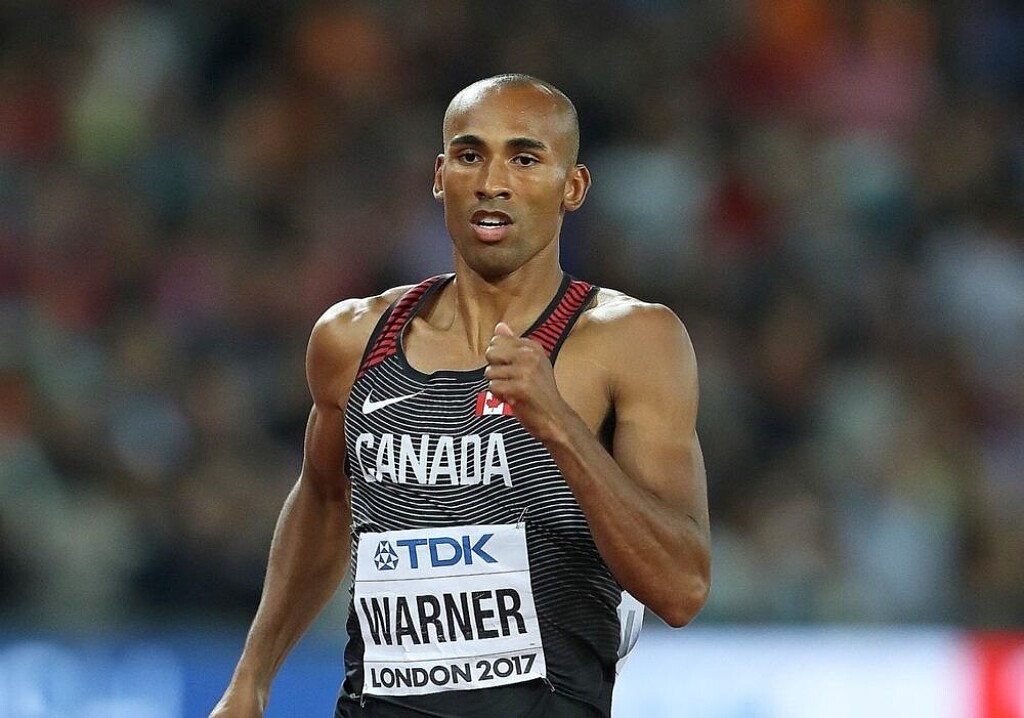
Athletics Canada names 18 athletes to World Indoor Championships team
On March 3, Athletics Canada announced the 18-member team that will represent Canada at the World Athletics Indoor Championships in Belgrade, Serbia from March 18-20. This team is made up of six men and 12 women who have successfully achieved the World Athletics Indoor standard in their event. Athletics Canada has chosen to send an experienced team, with 16 out of the 18 athletes selected having represented Canada on the world stage previously.
Toronto native and Bowerman Track Club member Gabriela DeBues-Stafford headlines the team, sitting at fifth in the World Athletics rankings over the 3,000m and first in the 5,000m. DeBues-Stafford has had a remarkable indoor season, breaking the Canadian indoor 3,000m and 5,000m records in back-to-back weekends. In Serbia, DeBues-Stafford will be among those contending for a medal in the women’s 3,000m.
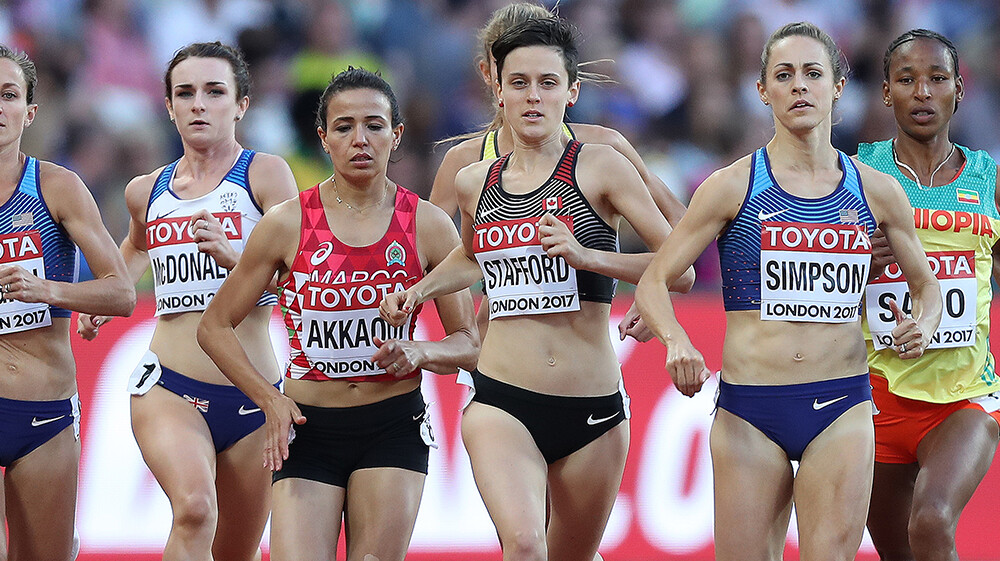
Canada’s 2021 Lou Marsh Award winner, Damian Warner, who won gold in the decathlon at the Tokyo Olympics, was also named to Team Canada, competing in the indoor heptathlon. Warner won silver at the 2018 World Indoor Championships in this event and he’ll be looking to upgrade that to gold in Serbia.
That was the only medal a Canadian brought home from in 2018. Team Canada’s head coach Glenroy Gilbert expects this year’s team to contend for high placings across all disciplines in Birmingham.
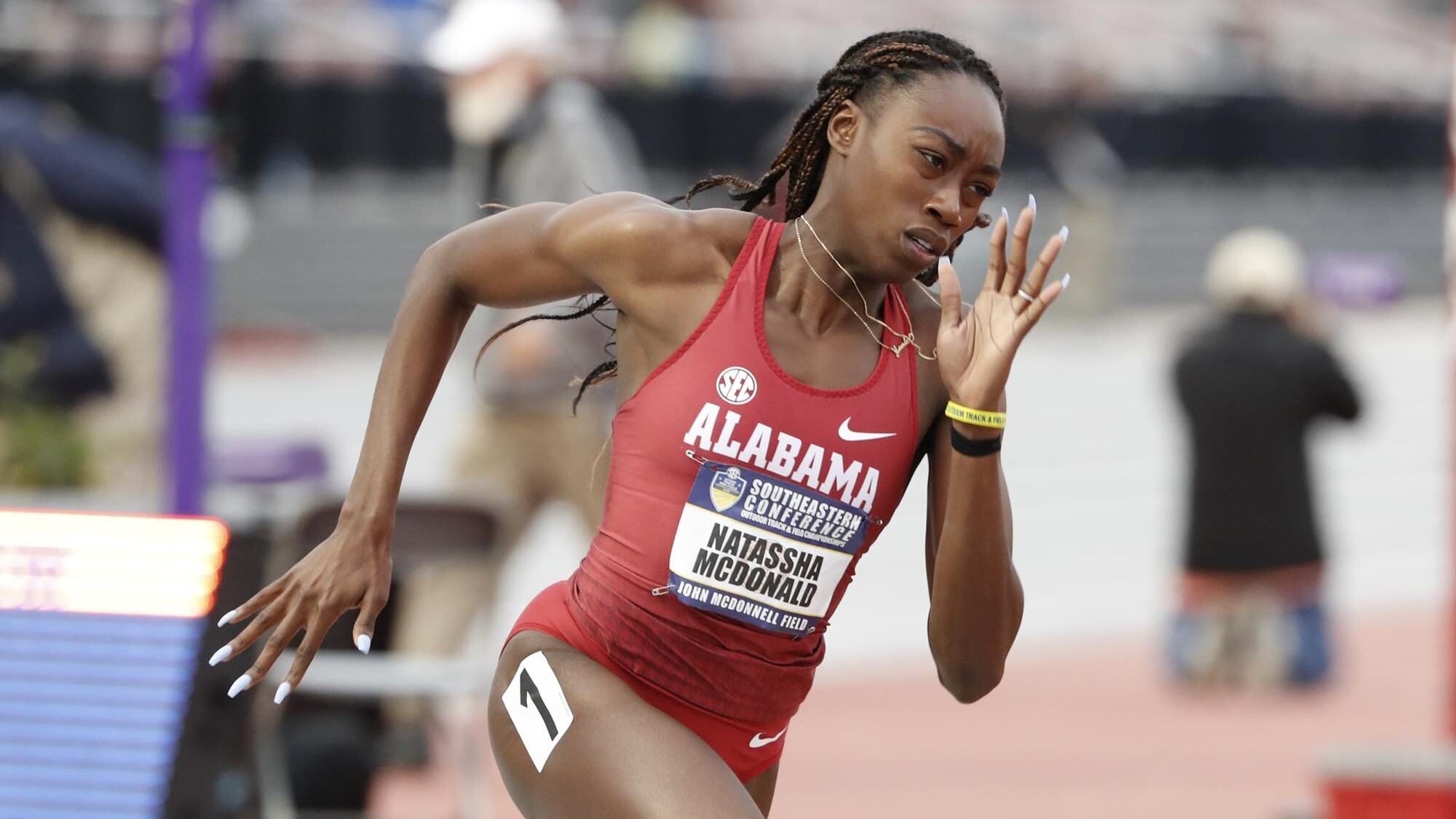
There are high expectations on what could be Canada’s best 4x400m women’s team ever, comprised of Natassha MacDonald, Lauren Gale, Kyra Constantine, Micha Powell and Sage Watson. The women’s 4x400m team finished fourth at the Tokyo Olympics and will be looking for redemption this time around in Serbia.
Indoor Worlds Team (information via Athletics Canada)
Athletes
Bolade Ajomale (Richmond Hill, Ont.) – Men’s 60 metres
Cameron Proceviat (Burnaby, B.C.) – Men’s 400 metres
Damian Warner (London, Ont.) – Men’s Heptathlon
Ehab El-Sandali (Toronto, Ont.) – Men’s 3,000 metres
Gabriela DeBues-Stafford (Toronto, Ont.) – Women’s 3,000 metres
John Gay (Kelowna, B.C.) – Men’s 3,000 metres
Julie-Anne Staehli (Lucknow, Ont.) – Women’s 3,000 metres
Kyra Constantine (Brampton, Ont.) – Women’s 4×400 metres
Lauren Gale (Ottawa, Ont.) – Women’s 4×400 metres
Lindsey Butterworth (North Vancouver, B.C.) – Women’s 800 metres
Lucia Stafford (Toronto, Ont.) – Women’s 1,500 metres
Madeleine Kelly (Pembroke, Ont.) – Women’s 800 metres
Marco Arop (Edmonton, Alta.) – Men’s 800 metres
Micha Powell (Toronto, Ont.) – Women’s 4×400 metres
Michelle Harrison (Saskatoon, Sask.) – 60 metres hurdles
Sage Watson (Medicine Hat, Alta.) – Women’s 4×400 metres
Sarah Mitton (North York, Ont.) – Shot put
According to Athletics Canada:
a second list of athletes who met the Athletics Canada indoor qualification standard in their respective events will be added to the team if they appear as “Qualified by Entry Standard” or “In World Rankings quota” on the March 9 World Athletics rankings list and the quota places remain open in their event.
The 2022 World Indoor Championships will kick off on March 18 and run until March 20.
by Marley Dickinson
Login to leave a comment

World Athletics Indoor Championships
World-Class Competition Lands in Poland: 2026 World Athletics Indoor Championships The 21stWorld Athletics Indoor Championshipsare being held from 20 to 22 March 2026 at theKujawsko-Pomorska Arena ToruńinToruń,BiT City,Kuyavian–Pomeranian,Poland. It is the second time the country has held the event after the2014 editioninSopot. The venue previously hosted the2021 European Athletics Indoor Championships. On 22 March 2023, the World Athletics Council...
more...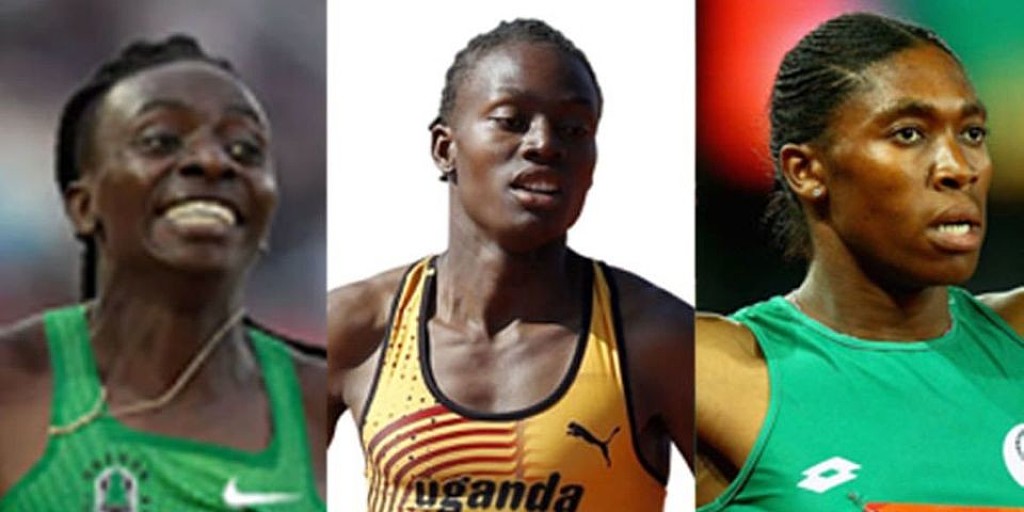
Women that have been barred from Olympics for being manly
One day, Annet Negesa was pushing her body to endure and make her the champion she believed she was born to be. On another day, her Olympics dreams were crushed because she was faster, stronger.
Annet Negesa reportedly still harbours intentions to run for her country. She runs every day, with the hope of returning to international competitions one day.
Hers is a case of unfinished business, a dream that was cut short in June 2012 when she received a call from a doctor from track and field’s world governing body telling her, according to the New York Times newspaper - that “she would no longer be competing in the London Olympics because her testosterone levels were too high for competition,” thereby giving her an unfair advantage over other female athletes.
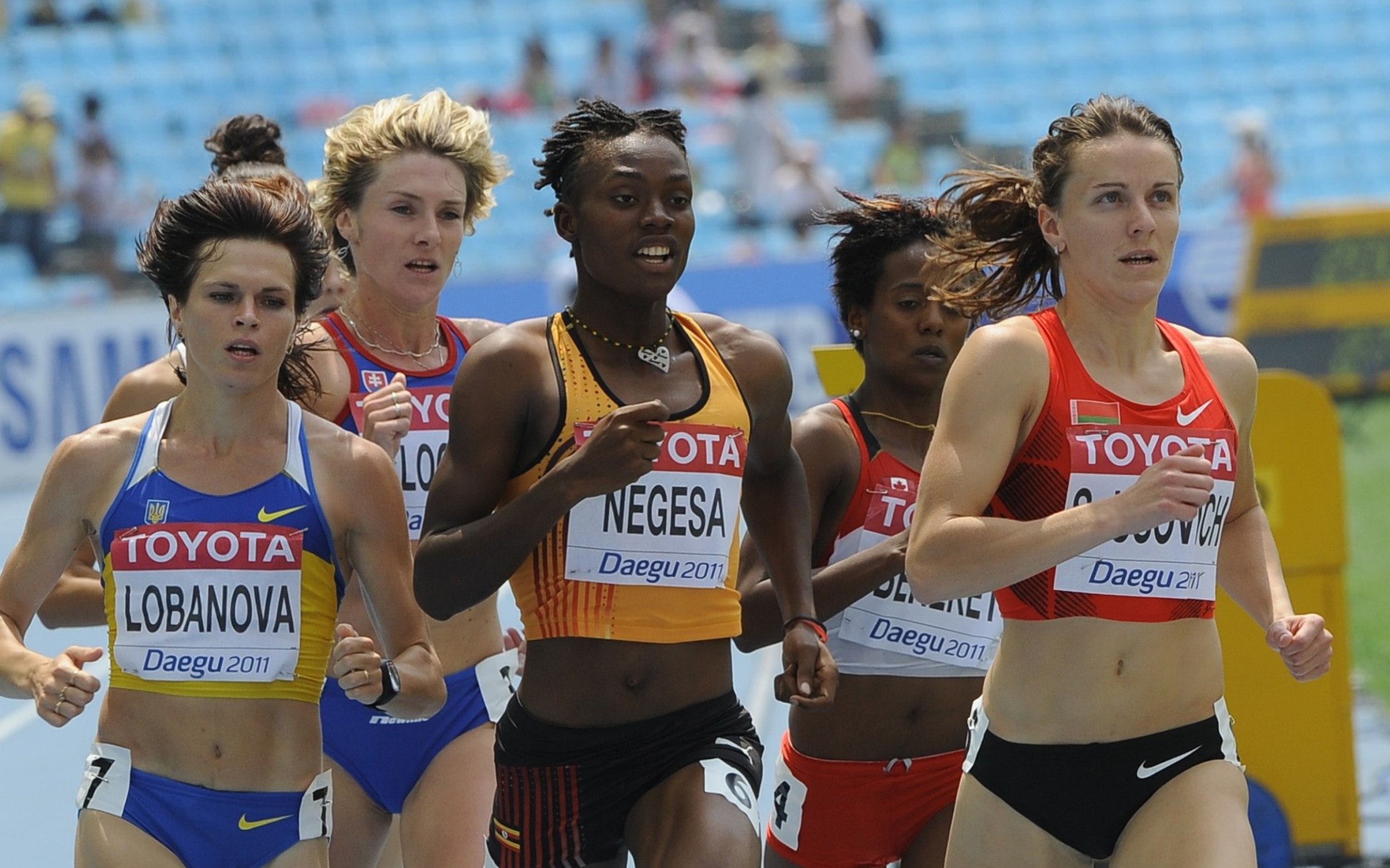
Negesa, 20 then, was one of Uganda’s top athletes. On the back of her London preparations, she set a national record for 800 metres earlier that year at a meet in Netherlands.
She was a three-time national champion and brought home a gold medal at the 2011 All-Africa Games.
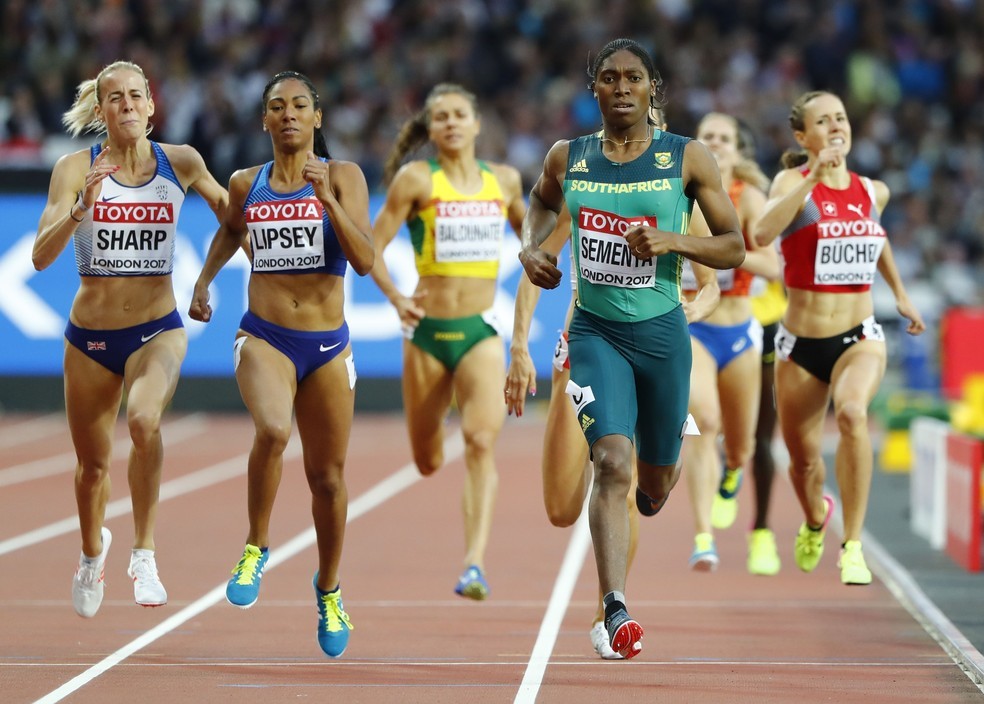
She identifies as female and was born with external female genitalia but also with internal male genitalia that produce levels of testosterone that men do.
Most women, including elite female athletes, have natural testosterone levels of 0.12 to 1.79 nanomoles per litre, according to World Athletics. The typical male range after puberty is reportedly much higher, at 7.7 to 29.4 nanomoles per litre.
After years of litigation, the Court of Arbitration for Sport (CAS) in 2019 upheld World Athletics’ testosterone restrictions for female athletes in races with distances from 400 meters to the mile after renowned athlete Caster Semenya (we shall get to her later in the article), filed an appeal.
The court ruled by a 2-to-1 vote that the restrictions were indeed discriminatory but also a “necessary, reasonable and proportionate” means of achieving the World Athletics goal of preserving a level playing field in women’s track events.
Therefore intersex athletes (these are said to be roughly one in every 2,000 births), who want to participate in middle-distance women’s track events must take hormone-suppressing drugs and reduce testosterone levels to below five nanomoles per litre (5 nmol/L) for six months before competing, then maintain those lowered levels.
Unfortunately, the intervention seems to have come seven years late for Negesa, who claims World Athletics physician Dr Stéphane Bermon gave her surgery as her first option to reduce testosterone levels in 2012.
But Negesa has since battled persistent headaches and achy joints that have not allowed her to pursue her career. Her postoperative care, which according to documents seen at the Kampala Hospital by the New York Times should have been recommended in further discussions with Dr Bermon, did not include the kind of hormone treatment that might have helped her body adjust to the change.
After Negesa appeared in a ‘break the silence’ documentary on German television’s ARD network in October 2019, World Athletics issued a statement denying that it participated in or recommended a specific treatment to Negesa.
Third category
Nine years after Negesa’s predicament, another recommendation to World Athletics; to introduce a third category of events in order to allow competitors with high testosterone levels to compete in their preferred disciplines, seems to be gathering steam after Kenyan 800m runner Margaret Wambui was ruled out of the Tokyo 2020 Olympics.
“It would be good if a third category for athletes with high testosterone was introduced; because it is wrong to stop people from using their talents,” Wambui told BBC Sport Africa.
The sport’s governing body, World Athletics, says it has no plans to introduce such a category and will stick to its current classifications of men’s and women’s events.
The idea of a third category in athletics has been floated before, but Wambui is the first athlete to express outright support for the suggestion.
“We would be the first people to compete in that category - so we can motivate others who are hiding their condition,” she said.
Since World Athletics introduced its latest rules governing DSD (disorders of sex development) athletes in 2018, not one of the three athletes who stood on the 800m podium in Rio has contested the distance at a global international championship.
At the 2016 Games, Wambui was beaten to gold by Semenya and silver by Burundi’s Francine Niyonsaba.
“It is sad to see that the whole podium won’t be there.” “They cut short our careers, because that wasn’t our plan. I feel bad that I won’t be in the Olympics because of World Athletics rules,” says Wambui.
by Daily Monitor
Login to leave a comment

Tokyo 2020 Olympic Games
Fifty-six years after having organized the Olympic Games, the Japanese capital will be hosting a Summer edition for the second time, originally scheduled from July 24 to August 9, 2020, the games were postponed due to coronavirus outbreak, the postponed Tokyo Olympics will be held from July 23 to August 8 in 2021, according to the International Olympic Committee decision. ...
more...
Court of Arbitration for Sport rejects Dazza and Marimuthu appeals against four-year doping bans
The Court of Arbitration for Sport (CAS) has rejected appeals from El Mahjoub Dazza and Gomathi Marimuthu against their respective four-year doping suspensions.
Morocco's Dazza and Indian athlete Marimuthu were both banned in 2020 by the Athletics Integrity Unit (AIU), but appealed against their sanctions to the CAS.
Dazza was eighth in the men's marathon world rankings before being provisionally suspended in January last year following the detection of anomalies in his athlete biological passport.
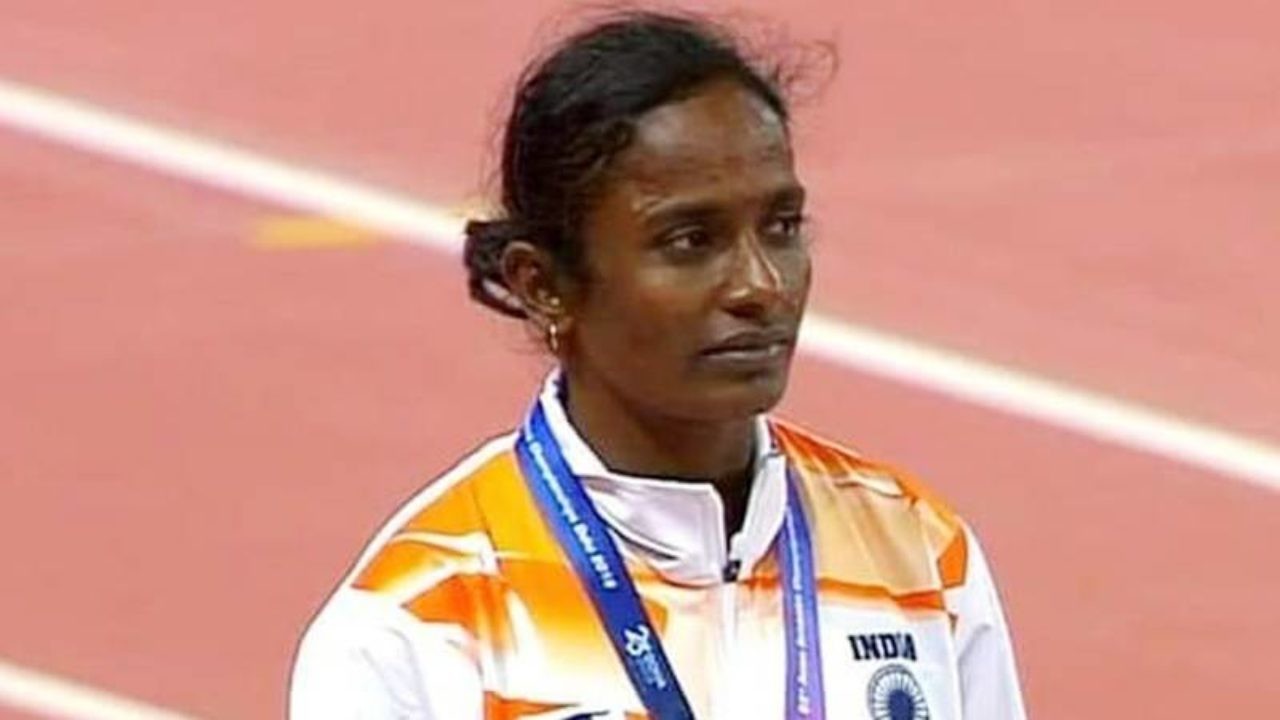
Subsequently, Dazza was given a four-year period of ineligibility.
Appealing to the CAS, Dazza argued that procedural infringements had been committed and that altitude training, combined with high air temperatures, were responsible for his haemoglobin level rising and reticulocytes concentration falling.
The manner in which samples were handled was questionable, it was also claimed, and Dazza argued that even if he had committed an anti-doping rule violation, a four-year ban was not the appropriate punishment.
The CAS rejected these arguments, upholding the four-year sanction, and also ordered Dazza to pay CHF4,000 (£3,170/$4,440/€3.560) - CHF1,000 (£790/$1,110/€912) to the CAS and CHF3,000 (£2,380/$3,330/€2,740) towards World Athletics' legal fees.
Dazza remains banned until January 10 2024, two months before he turns 33.
The Moroccan's results from May 4 2019 onwards - which includes winning both the Prague Marathon and Fukuoka Marathon - were also disqualified.
Marimuthu, who had won the Asian women's 800 metres title in 2019, tested positive for the anabolic steroid nandrolone in four separate samples.
This led to a four-year ban and the disqualification of results including at the Asian Athletics Championships in Doha.
Marimuthu appealed the decision to the CAS, arguing that the samples in question were unreliable as they has been handled incorrectly.
It was also claimed that Marimuthu had suffered a "spontaneous" miscarriage in January 2019 and that this, combined with having polycystic ovary syndrome, was the likely cause of abnormally high endogenous 19-norandrosterone.
The CAS rejected the appeal and upheld the four-year ban, with Marimuthu ordered to pay the CHF1,000 court office fee and stripped of the Asian 800m crown.
by Ali Iveson
Login to leave a comment
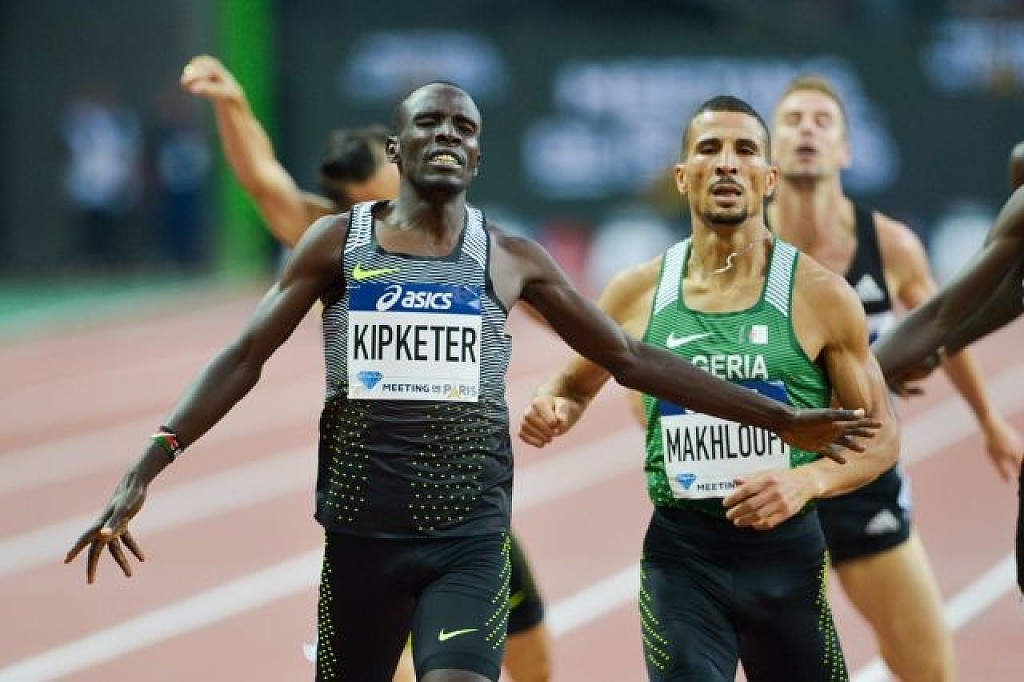
Former world junior 800m champ Alfred Kipketer of Kenya has been banned for two year
Former world junior 800 metres champion Alfred Kipketer of Kenya has been banned for two years after he missed four drugs tests within a 12-month period.
The Athletics Integrity Unit (AIU) confirmed Kipketer accepted he had committed an anti-doping rule violation for whereabouts failures, which rules him out of this year's postponed Tokyo 2020 Olympic Games.
The 24-year-old, a finalist in the 800m at the 2016 Olympics in Rio de Janeiro, missed four tests between November 2018 and September 2019.
He has been suspended from November 26 2019, the date his fourth missed test was confirmed, to November 25 of this year.
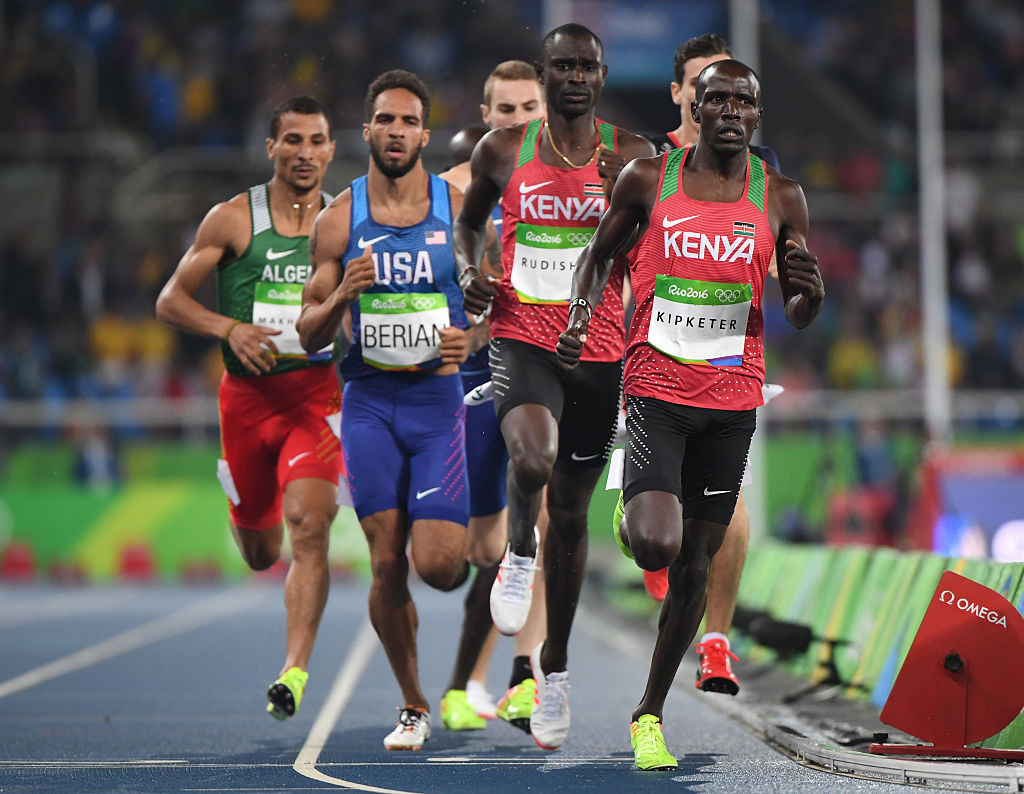
Kipketer, a member of the Kenyan team which won the gold medal in the 4x800m at the 2014 World Relays, failed to provide any explanation for three of the four failures.
He claimed he missed the third test because he had to travel to Nairobi for a family emergency, but the AIU rejected his explanation, stating he had "sufficient opportunity" to update his whereabouts to reflect his change in circumstances.
Kipketer, who also won the world youth title in 2013 and reached the final of the 800m at the 2015 World Championships, is among the more than 60 Kenyan athletes who are serving doping bans.
The AIU had provisionally suspended Kipketer in January, and he has not been able to compete since that date - although many of the events he might have featured at have been cancelled because of the coronavirus pandemic.
Notable names on the list of Kenyan runners currently banned include the 2016 Olympic women's marathon champion Jemima Sumgong and former world marathon record holder Wilson Kipsang.
The 2011, 2013 and 2015 world 1500 metres gold medallist Asbel Kiprop is also banned, as is Elijah Manangoi, who succeeded him in 2017.
Kenya is in the AIU's highest risk category for doping.
by Liam Morgan
Login to leave a comment
Two Kenyans pull out of worlds after failing to take testosterone tests
Jackline Wambui, who won the 800 metres at the Kenyan trials, and Linda Kageha, who was in the mixed relay team, have withdrawn from the world championships after failing to take mandatory testosterone level tests, an Athletics Kenya (AK) official said on Thursday.
AK Vice President in charge of competitions Paul Mutwii said Wambui and Kageha had declined the mandatory test and withdrew from the global showpiece event in Doha.
“The IAAF has set tough conditions on gender and doping and we must comply. If an athlete fails to take the tests, they are definitely out of the (world) championships,” Mutwii told Reuters.

“Wambui and Kageha declined the test on testosterone levels. They had no choice but to withdraw,” said Mutwii.
Wambui’s withdrawal left 2013 world champion Eunice Sum as Kenya’s only entrant in the women’s 800m event.
Michael Kibet and Daniel Simiyu, who finished first and second in the 5,000 metres at the Kenyan trials, are awaiting clearance to run in the world championships after not meeting Athletics Integrity Unit (AIU) criteria for three out-ofcompetition and one in-competition doping tests, Mutwii said.
“We have, however, entered them pending clearance from AIU. We expect a response from AIU by Monday next week,” the official added.
Nicholas Kibet and Jacob Krop, who finished third and fourth at the trials, have been entered.
“We have entered Krop so that we have two athletes in case AIU fails to clear Kibet and Simiyu,” Mutwii said.
Reigning men’s 1,500 metres world champion Elijah Manangoi pulled out of the Doha event this week due to an ankle injury.
The world championships run from Sept. 27 to Oct. 6.
Login to leave a comment
Six runners clocked a sub 27 minute 10000 with Hagos Gebrhiwet leading the way with 26:48.95
Twelve days after his lap-counting error in the 5000m at the IAAF Diamond League meeting in Lausanne, Hagos Gebrhiwet made no mistakes in Hengelo on Wednesday (17), winning the men’s 10,000m in a world-leading 26:48.95.
The races doubled as the official Ethiopian trial races for the IAAF World Athletics Championships Doha 2019. And, based on tonight's results, Ethiopia will field two strong trios for the men's and women's 10,000m in Doha.
In a race of staggering quality – the best ever in terms of depth for one nation – the top six men finished inside 27 minutes with the first three finishing inside 26:50.
The women’s 10,000m, won by Letesenbet Gidey, was of a similarly high standard with the first 10 women – nine of whom are from Ethiopia – finishing inside 31:00.
On a still night with temperatures around 19C (66F), the men’s race set off at a steady pace with the first 2000m covered in 5:25 and 3000m reached in 8:07. The large lead pack of about 14 men was strung out but all appeared to be running comfortably.
After passing through half way in 13:31 – just outside 27-minute pace for the full distance – Kenya’s Vincent Kiprotich Kibet moved into the lead, tracked by Ethiopia’s Andamlak Belihu, Guye Adola and Abadi Hadis.
Belihu and Kiprotich were still at the front through 6000m while Yomif Kejelcha was positioned near the back of the lead pack. Hadis then took a turn at the front and, followed by Jemal Yimer Mekonnen, pushed the pace.
Eight men remained in the leading pack with 2000m remaining as Hadis still led while Kejelcha was still ominously biding his time. Selemon Barega and Gebrhiwet moved closer to Hadis with three laps to go, then Belihu hit the front of the pack – now down to six men – with 800 metres remaining.
Kejelcha finally made his move at the bell and started his 400-metre kick for home. Barega and Gebrhiwet went with him and moved past him with half a lap remaining. Barega and Gebrhiwet kicked hard down the final straight but Gebrhiwet proved to be the stronger in the closing stages, winning in 26:48.95.
Barega, competing in just his second 10,000m race, finished second in 26:49.46, moving to second on the world U20 all-time list. Kejelcha was third in 26:49.99, the second-fastest debut 10,000m in history behind Eliud Kipchoge’s 26:49.02.
Belihu (26:53.15), Mekonnen (26:54.39) and Hadis (26:56.46) were next to finish. In ninth place, Julien Wanders broke his own Swiss record with 27:17.29, moving to seventh on the European all-time list.
Like the top finishers in the men’s race, Gidey bided her time in the women’s contest before making a move in the final kilometre.
World half marathon champion Netsanet Gudeta and 2015 world 5000m silver medallist Senbere Teferi did most of the leading, taking the field through 3000m in 9:18 before reaching half way in 15:30.69.
Twelve women were still in the lead pack at that point. It was only with 10 laps to go that Commonwealth champion Stella Chesang of Uganda drifted off the back of the pack, leaving 11 women to contend for top honours.
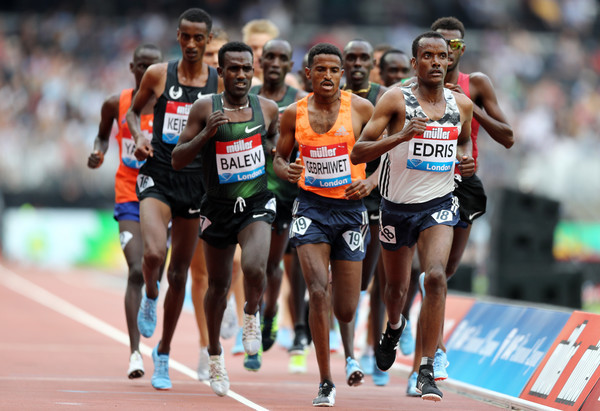
Gudeta still led with four laps remaining but Gidey was starting to make her way through the field, which was now operating at sub-31-minute pace.
Gidey then struck with 1000 metres remaining, immediately breaking up the pack. Gudeta was the only woman capable of sticking with the two-time world U20 cross-country champion and within the space of a lap they had opened up a gap of about 15 metres on the rest of the field.
Still together at the bell, Gidey’s superior speed enabled her to pull away from her compatriot over the final 300 metres and she went on to win in a lifetime best of 30:37.89. Gudeta followed three seconds later in 30:40.85.
Teferi was third in 30:45.14 with Zeineba Yimer taking fourth place in 30:46.24. World cross-country silver medallist Dera Dida (30:51.86) and Tsehay Gemechu (30:53.11), the 10km world leader on the roads, followed in fifth and sixth respectively.
In eighth place, Girmawit Gebrzihair broke the Ethiopian U20 record with 30:53.53. Tsigie Gebreselama, ninth in 30:57.54, also finished inside the previous Ethiopian U20 record which had stood since 2000.
In other events, the previously unheralded Lemecha Girma made a huge breakthrough to win the men’s 3000m steeplechase in 8:08.18, winning by six seconds and moving to fourth on the Ethiopian all-time list. World U20 champion Diribe Welteji won the women’s 800m in 2:00.51.
Login to leave a comment
