

Running News Daily
Running News Daily is edited by Bob Anderson and team. Send your news items to bob@mybestruns.com Advertising opportunities available.
Index to Daily Posts · Sign Up For Updates · Run The World Feed
Articles tagged #600m
Today's Running News
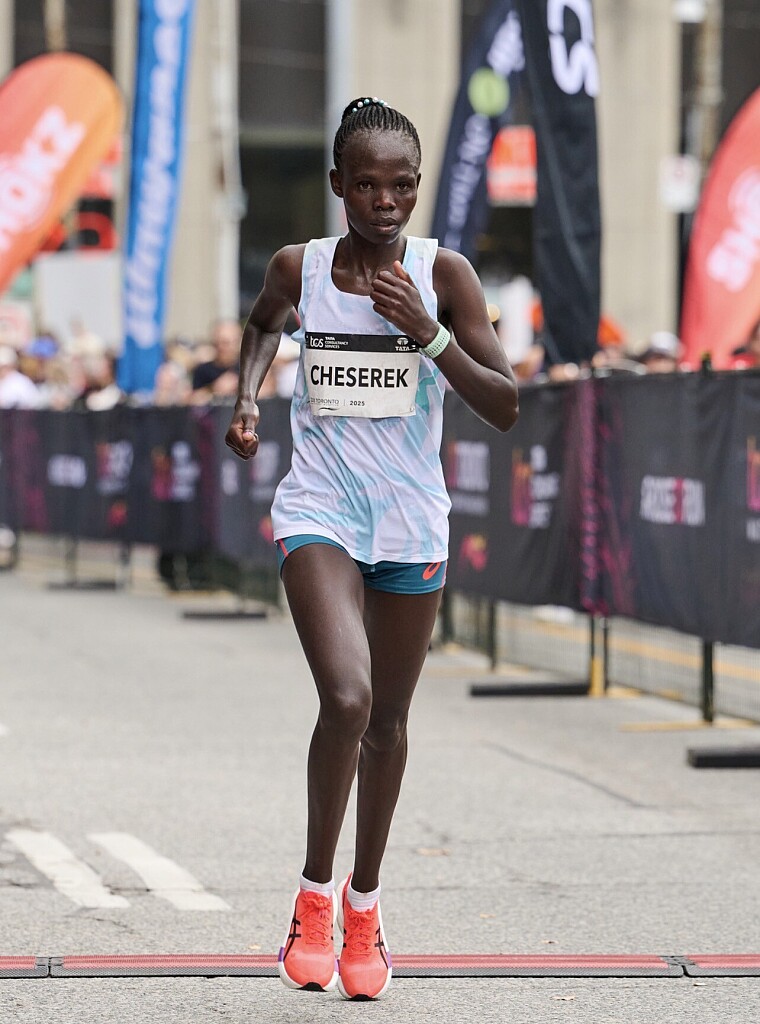


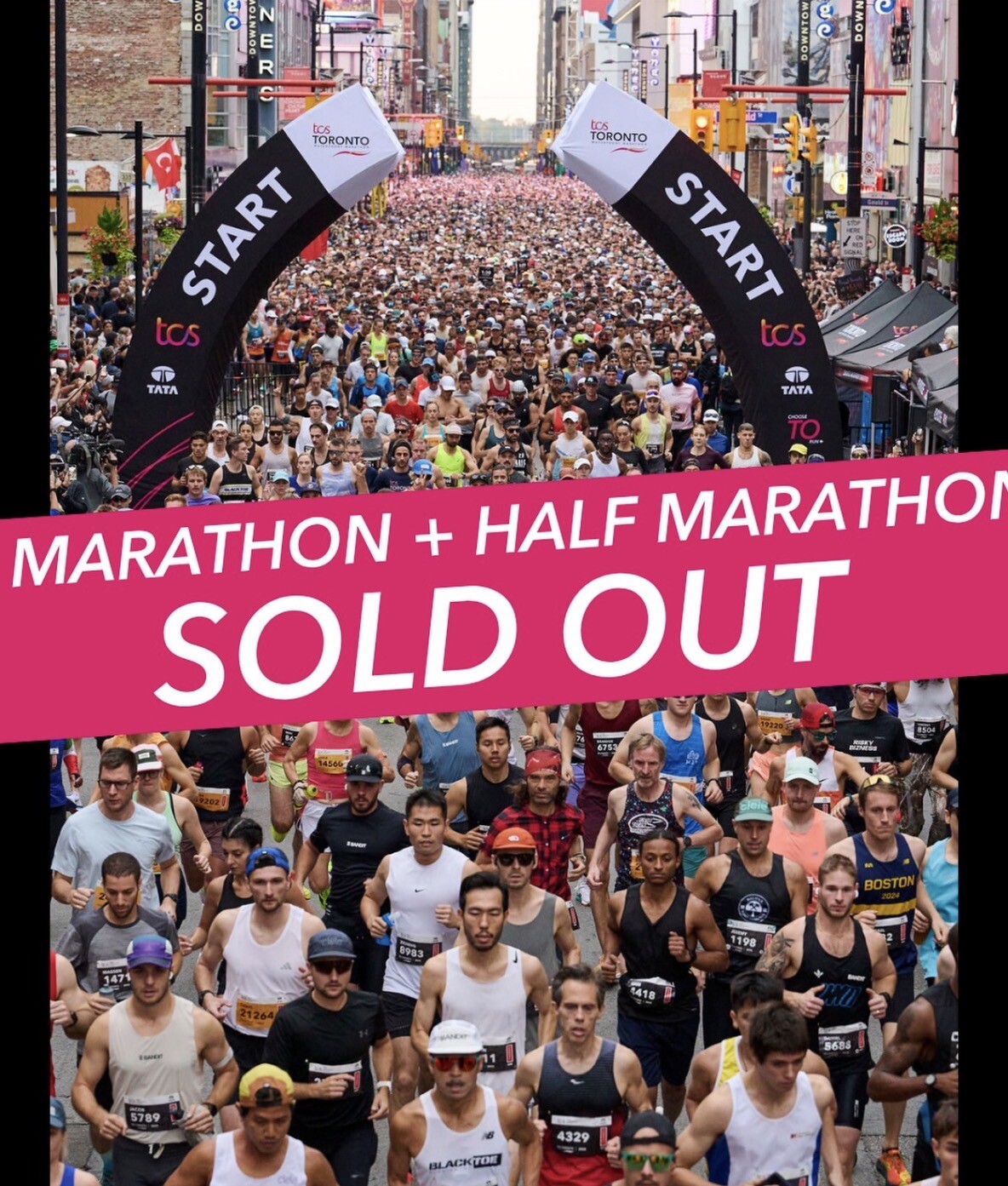
Kenya’s Beatrice Cheserek Returns to TCS Toronto Waterfront Marathon
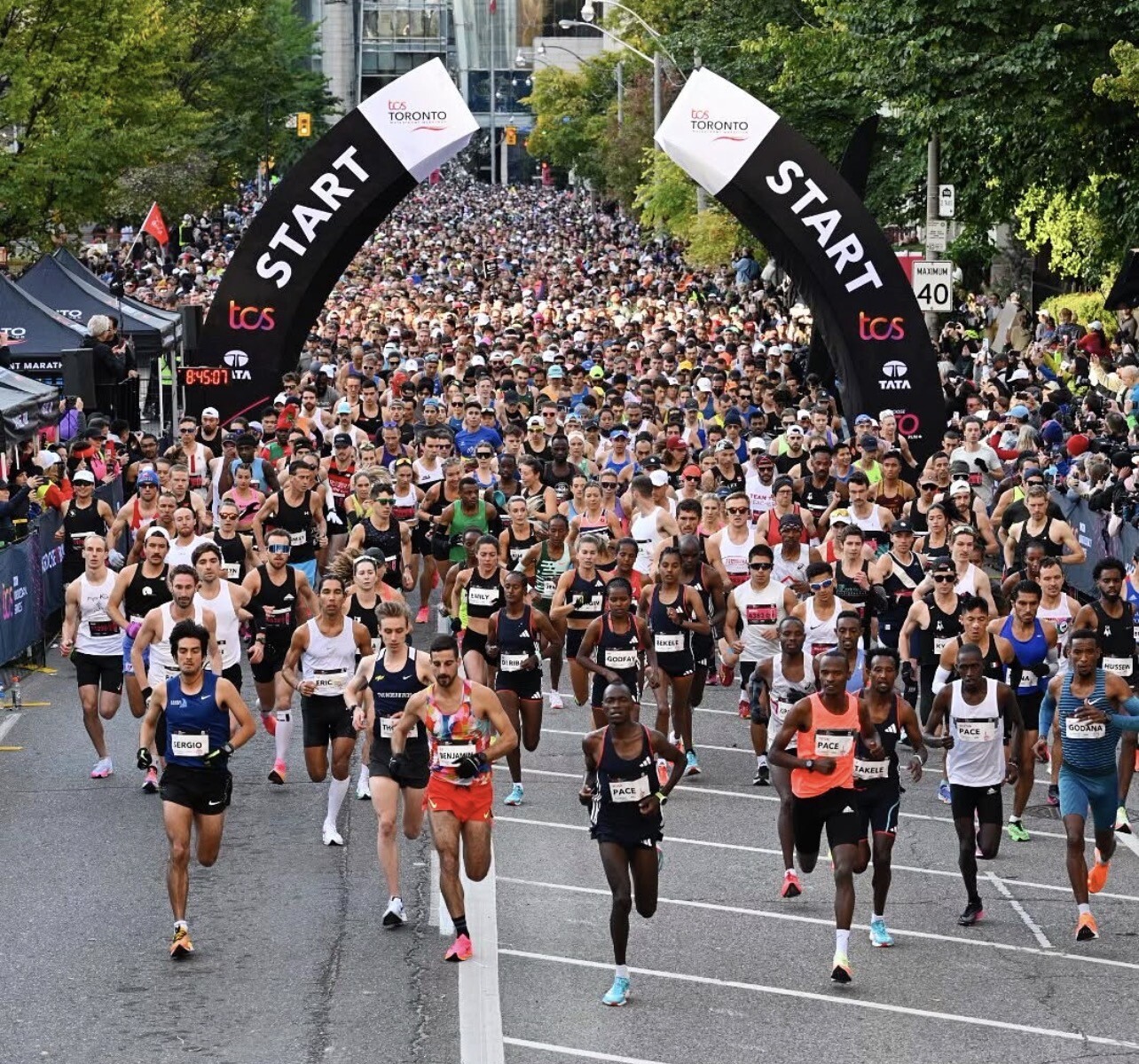
A year after choosing the TCS Toronto Waterfront Marathon to make her debut at the 42.2km distance Kenya’s Beatrice Cheserek will return to the 2026 edition of the race October 18 with great ambition.
The now 27-year-old could manage just 5th place in 2:30:25 last year. Four months later she finished second in the Seville Marathon (February 15) with a time of 2:21:56. There is a simple explanation for such a dramatic improvement.
“This year my training is stronger than last year because then (2025) I was coming from maternity,” she explains from her hotel room in Bogota, Colombia where she had finished 4th in the Bogota Half Marathon a few days earlier.
“So it’s more training than last year. I have done a lot of mileage. This time around a lot of mileage, speed work and strength so now I can run better.”
Cheserek’s husband Cyrus Kiplagat is her main training partnerand she is now running up to 150 kilometres a week in preparation for TCS Toronto Waterfront Marathon, which is a World Athletics Elite Label race.
In 2024 the couple welcomed a son into the world. They named him Fabian and she proudly announces: “He is doing good. He is almost three years old now.” While she is away training and competing her sister-in-law serves as a nanny.
"Toronto last year, it’s a good place but it was my first time running a marathon,” she recalls. “I was doubting myself because it was my debut. I was doubting whether I could finish or if I would drop out. Then afterwards I raced Seville and I was happy there. I am thinking I will do something there in Toronto.”
‘Something' refers to a new personal best and, if conditions are suitable there could be an assault on the Toronto WaterfrontMarathon course record which was set in 2024 by Ethiopia’s Waganesh Mekasha (2:20:44). And she will not be alone in her quest. While the team at Canada Running Series always hires pacemakers for the elite athletes this time Cyrus will accompany her to Toronto to be one of the two pacers for the lead women’s group.
Cheserek has an excellent personal best of 1:06:48 for the half marathon which led to speculation among running experts that her step up to the full marathon distance would be noteworthy. And her talent led to her being selected as the designated pacemaker for fellow Kenyan Rosemary Wanjiru when she won the 2023 Tokyo Marathon. She performed similar duties for the 2025 London Marathon elite women’s field. Having Cyrus in Toronto she expects will help tremendously.
“Even before I went to Seville I was with him training and he was the one pushing me,” Cheserek adds. “It is good for me (that Cyrus will be in Toronto) to try to lower the course record. All the marathon races before I was pacing so he never came with me. It was just me and the other people. And, he was not in Seville.”
Beatrice and her family live in Iten, ‘The Home of Champions’ as it is known in Kenya at around 2,400m above sea level. Bogota sits at a slightly higher elevation. So the two weeks away from her home training ground has not interrupted her preparation for Toronto Waterfront Marathon in any way.
“I am spending two weeks in Colombia; this is my first time to be here,” she offers. “Colombia is a very good place for training. It is (also) a good place to race in hot conditions. I have my fellow colleagues from Kenya here.”
Cheserek finished 4th in the Bogota Half Marathon on July 26 in 1:12:42 just 13 seconds behind the winner. As expected, the field was dominated by athletes from high altitude countries including Ethiopia and Kenya who are best suited to Bogota’s 2,600m elevation.
Then, on August 9th, she finished 4th in the Cali 10k (32:57) the day before an earthquake measuring 7.4 on the Richter scale, struck. She and her compatriots were at the Cali airport checking in when panic ensued. They returned to their hotel as the airport was temporarily closed.
The TCS Toronto Waterfront Marathon organizers (Canada Running Series) will be wishing for ideal conditions to allow athletes such as Beatrice Cheserek to challenge the course records. Clearly, all her preparation is focused on the race.
by Paul Gains
Login to leave a comment
TCS Toronto Waterfront Marathon
The Scotiabank Toronto Waterfront Marathon, Half-Marathon & 5k Run / Walk is organized by Canada Running Series Inc., organizers of the Canada Running Series, "A selection of Canada's best runs!" Canada Running Series annually organizes eight events in Montreal, Toronto and Vancouver that vary in distance from the 5k to the marathon. The Scotiabank Toronto Waterfront Marathon and Half-Marathon are...
more...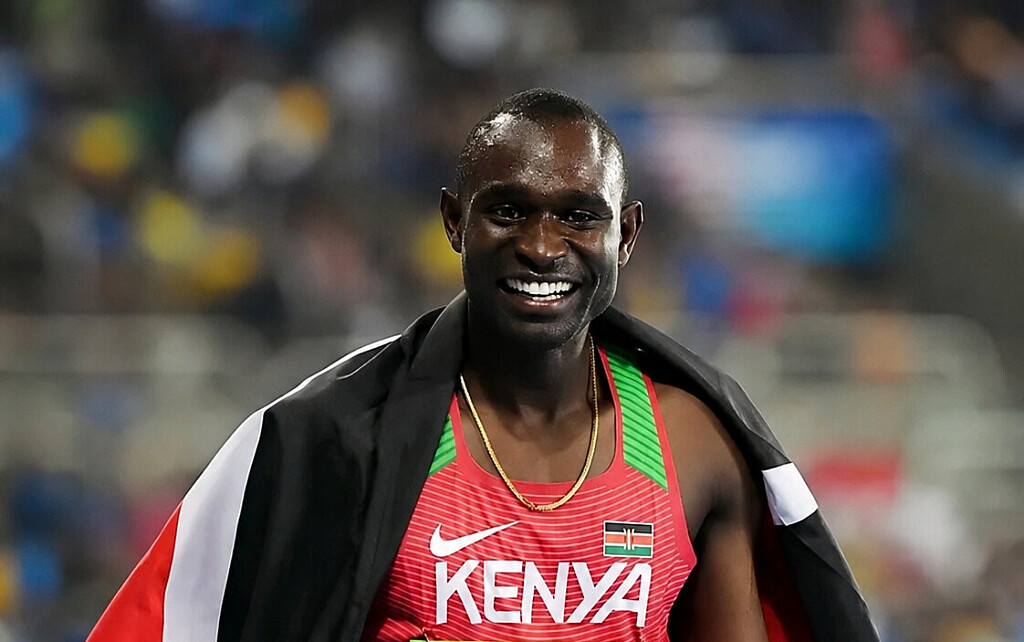
David Rudisha’s 1:40.91: Fourteen Years Later, The 800m Still Has A Mountain To Climb
Fourteen years ago this weekend, David Rudisha delivered one of the most extraordinary performances ever witnessed on an athletics track — and remarkably, his world record still stands.
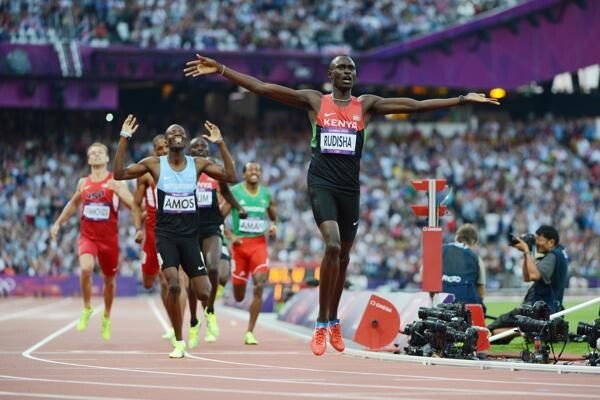
On August 9, 2012, the Kenyan lined up for the Olympic 800m final at London’s Olympic Stadium alongside seven of the world’s finest half-milers. What followed was a race that would forever redefine the limits of the event.
Rudisha did not wait for the final straight. From the gun, he went straight to the front and imposed a relentless pace on the field. He reached the 400m mark in a blistering 49.28 seconds, but instead of paying the price for such an aggressive opening lap, he continued to drive forward.
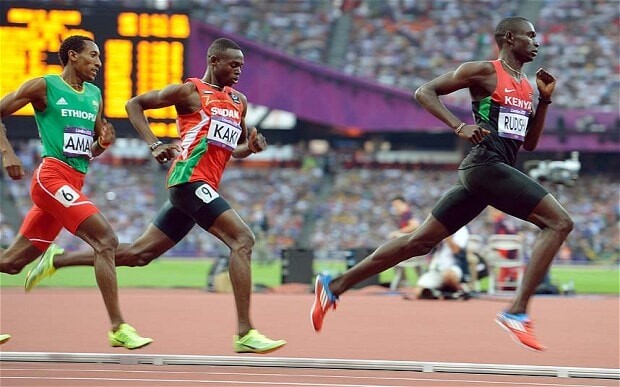
He passed 600m in 1:14.30 before producing a remarkable final 200 metres to cross the finish line in 1:40.91.
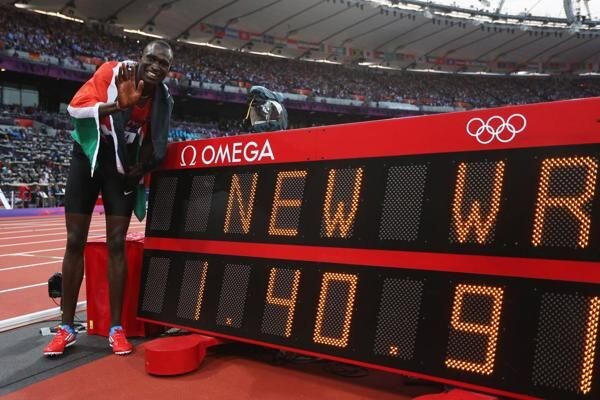
The stadium erupted.
Rudisha had broken his own world record and, for the first time in history, an athlete had broken the 1:41 barrier in the 800 metres. Even more remarkably, he had done it in an Olympic final, without a pacemaker and under the immense pressure of competing for the sport’s ultimate prize.
The runners behind him were dragged into history by his pace.
Botswana’s Nijel Amos finished second in 1:41.73, a world junior record at the time. Kenya’s 17-year-old Timothy Kitum produced a stunning 1:42.53 to take bronze, while American Duane Solomon ran 1:42.82 and Nick Symmonds clocked 1:42.95, both personal bests.
Ethiopia’s Mohammed Aman ran 1:43.20 for a national record, Abubaker Kaki finished in 1:43.32, and Great Britain’s Andrew Osagie completed the field in 1:43.77, also a personal best.
It was an extraordinary final in which all eight athletes finished inside 1:44, a testament to the astonishing pace set by the Kenyan.
Yet Rudisha was operating on another level.
His London performance was not a sudden flash of brilliance. It was the culmination of an era in which he had transformed the 800m through his fearless front-running style. Two years earlier, he had lowered the world record to 1:41.01 in Rieti, Italy. In London, he found another tenth of a second when the pressure was at its greatest.
That is what has made the record so difficult to approach.
For fourteen years, some of the greatest 800m runners of their generations have come and gone, but none has managed to take the final steps toward Rudisha’s mark. Nijel Amos remains the closest, his 1:41.73 from that same Olympic final leaving him 0.82 seconds short.
Then came Emmanuel Wanyonyi.
The young Kenyan has emerged as one of the most exciting 800m runners of his generation. In Lausanne in 2024, Wanyonyi produced a stunning 1:41.11, moving level with Wilson Kipketer as the second-fastest man in history and coming within just 0.20 seconds of Rudisha’s world record.
Twenty hundredths of a second may look insignificant on paper, but at the very top of the 800m, they represent a formidable barrier.
Wanyonyi has shown that Rudisha’s record is not beyond imagination. But reaching it requires something extraordinary — the perfect combination of speed, endurance, courage and execution over two unforgiving laps.
And perhaps that is what makes Rudisha’s achievement so enduring.
There was no pacemaker guiding him through the race. There was no carefully constructed invitational designed solely around producing a fast time. There was simply an Olympic final, eight athletes, two laps and a Kenyan determined to run faster than anyone had ever run before.
Rudisha went from the gun, controlled the race from the front and somehow maintained the speed required to produce a time that has remained beyond the reach of every challenger for fourteen years.
The next generation is getting closer, and Wanyonyi has shown that the record can at least be approached.
But 1:40.91 remains David Rudisha’s masterpiece — a world record forged under the brightest lights and on the biggest stage, and one that continues to define greatness in the 800 metres.
Fourteen years later, the challengers are getting closer, but Rudisha’s 1:40.91 remains the mountain every 800m runner dreams of climbing.
by Erick Cheruiyot for My Best Runs.
Login to leave a comment
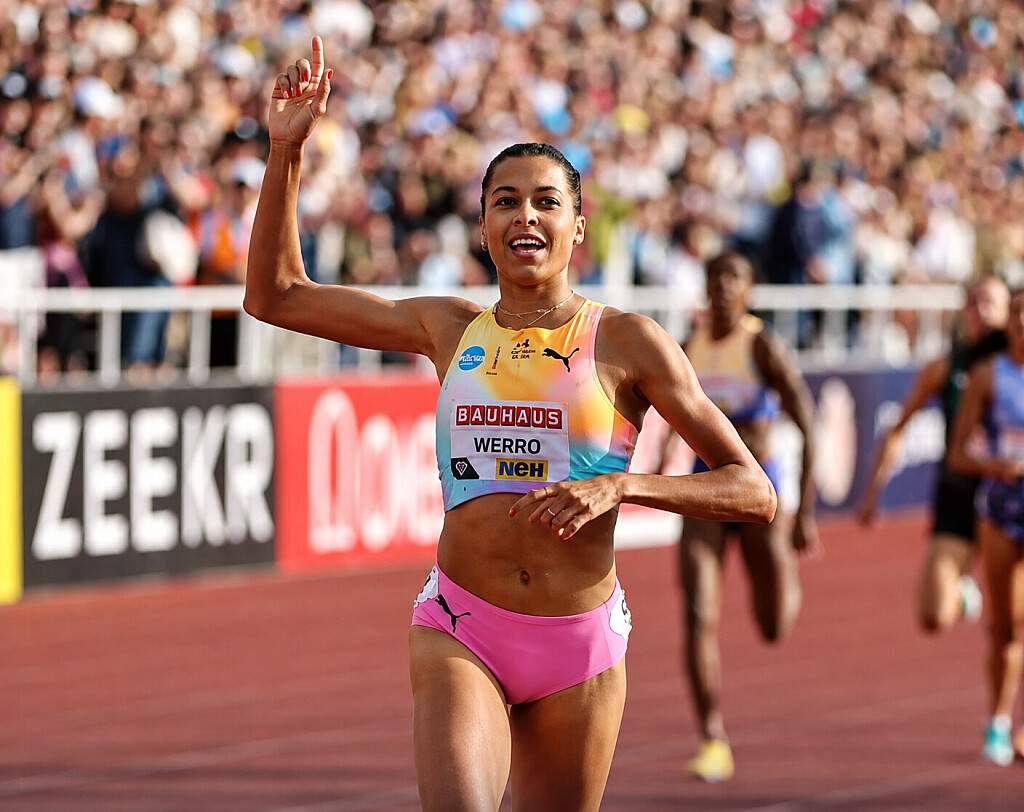
Audrey Werro Heads to Birmingham With History in Her Sights as Europe’s 800m Elite Prepare for a Blockbuster Showdown
Audrey Werro will arrive at the 2026 European Athletics Championships in Birmingham carrying more than just the hopes of Switzerland. The 22-year-old middle-distance star has established herself as the woman to beat in the women’s 800m, and she will enter Alexander Stadium with a world-leading time, extraordinary momentum and a realistic opportunity to chase one of athletics’ longest-standing records.
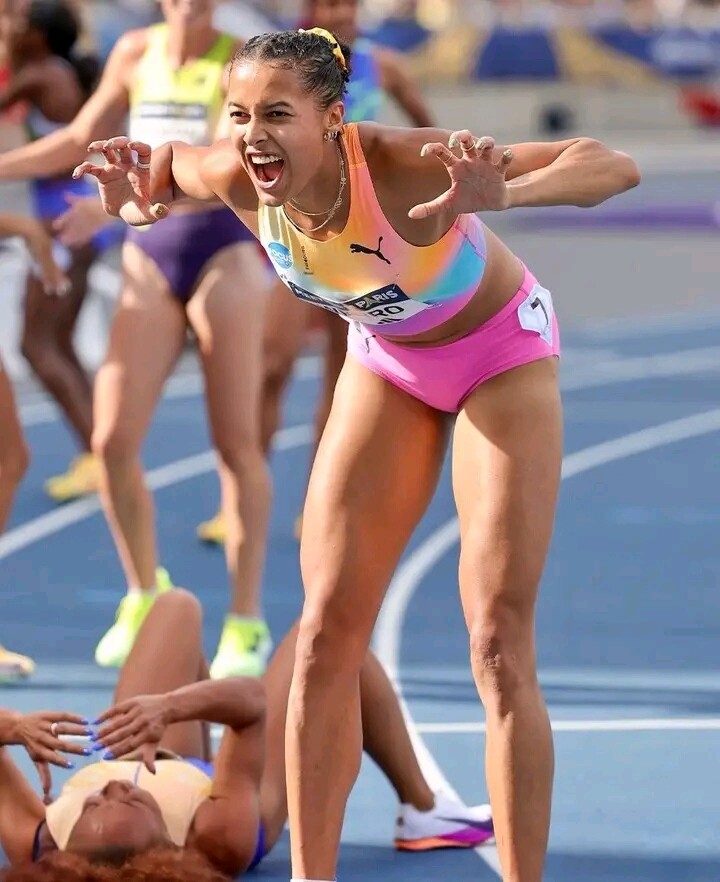
The European Championships will be held in Birmingham from August 10 to 16, with the women’s 800m among the events expected to command enormous attention.
Werro has already produced one of the defining performances of the 2026 season. At the Paris Diamond League on June 28, she stormed to 1:53.80, becoming only the third-fastest woman in history over 800m and moving within 0.52 seconds of Jarmila Kratochvílová’s world record of 1:53.28, which has stood since 1983.
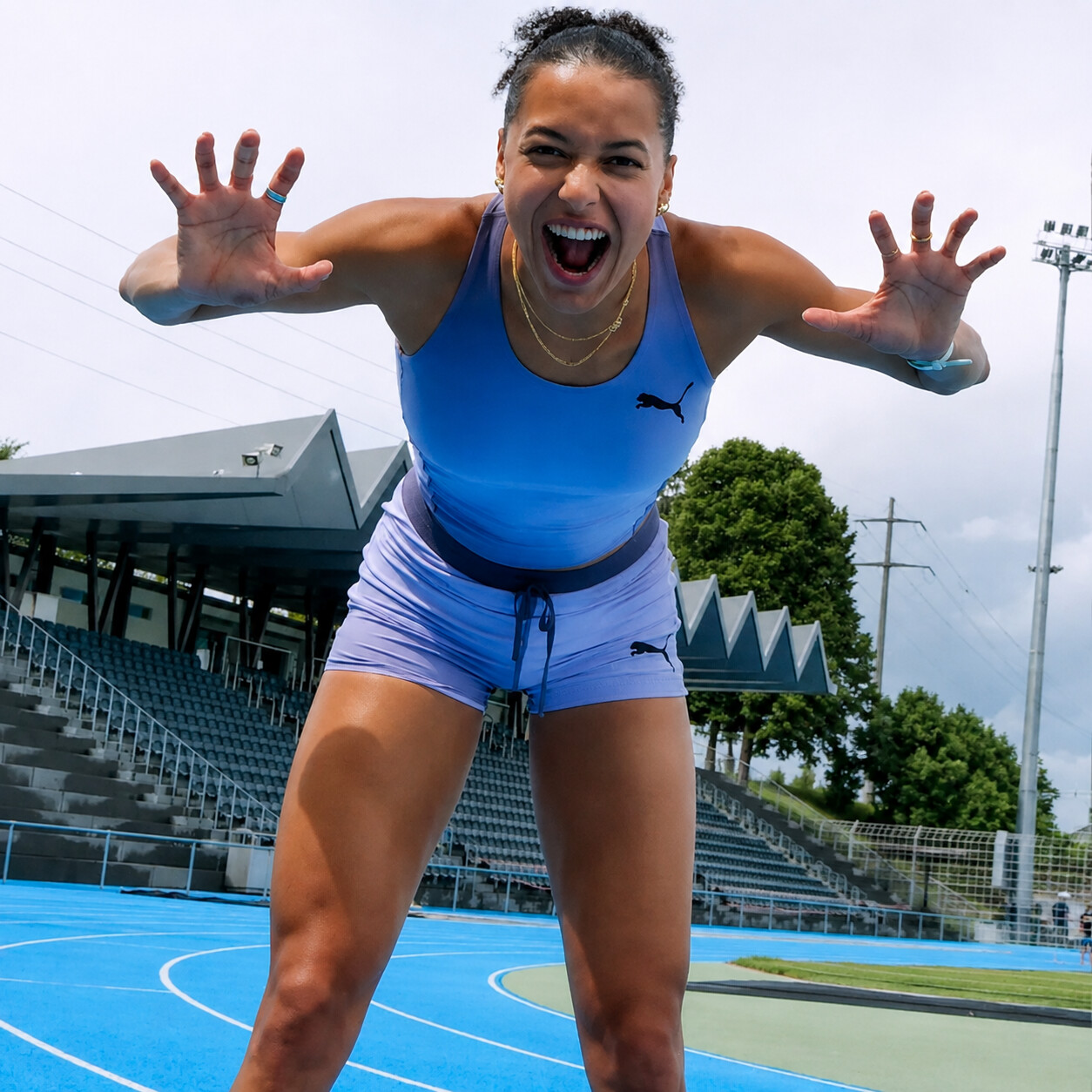
Even more remarkable is that Paris was not an isolated performance.
Earlier in June, Werro stunned Olympic champion Keely Hodgkinson in Stockholm, producing 1:53.98 to claim another Diamond League victory. Hodgkinson followed in a personal best of 1:54.33, setting the stage for what could become one of the defining rivalries of the championship.
The numbers underline just how extraordinary the 2026 women’s 800m season has become.
Werro leads the world with 1:53.80, followed by Hodgkinson at 1:54.33. Femke Broeders-Bol has made a spectacular transition to the two-lap event, running 1:55.60 in Paris, while France’s Anaïs Bourgoin followed with a national record of 1:55.65. Britain’s Georgia Hunter Bell has also broken 1:56, clocking 1:55.93 in Birmingham earlier in the season.
That depth makes Birmingham particularly intriguing. Werro may be the fastest woman in the world this year, but she will not be racing in isolation. Hodgkinson brings Olympic and European championship pedigree, Broeders-Bol possesses exceptional finishing speed after moving across from the 400m hurdles, while Bourgoin and Hunter Bell have demonstrated that they are capable of staying in the conversation when the pace becomes ferocious.
Werro’s remarkable form has extended beyond the 800m. On June 23 in Biel, she ran 1:22.85 for 600m, the fastest mark on the 2026 world list for the event.
Her development has been equally impressive over the longer sprint distance. Werro owns a 400m personal best of 51.03, highlighting the speed reserve behind her increasingly dominant 800m performances.
The Swiss star has therefore arrived at a fascinating point in her career. She is no longer simply a promising young athlete. After being named European Athletics’ 2025 Women’s Rising Star and winning the European U23 title, Werro has now moved firmly into the senior elite.
And Birmingham could provide the biggest stage yet for her growing reputation.
The question is no longer whether Werro can run under 1:54. She has already done it twice this season. The question now is whether she can find the fractions required to move from an extraordinary performance to something historic.
The world record of 1:53.28 is only 0.52 seconds away.
With the European title on the line, Hodgkinson seeking another major championship triumph and a rapidly improving field ready to challenge for the podium, the women’s 800m could become one of the races of the entire Birmingham championships.
For Werro, however, the objective is simple: arrive ready, execute the perfect two laps and see just how close she can get to history.
Birmingham awaits. And Audrey Werro has already shown that she is ready.
by Erick Cheruiyot for My Best Runs.
Login to leave a comment

European Athletics Champioships
The27thEuropean Athletics Championshipswill be held from 10 to 16 August 2026 at theAlexander StadiuminBirmingham, United Kingdom.[1] This is the first time that a British city will have staged the European Athletics Championships although Birmingham has hosted many high-profile events, including the2007 European Athletics Indoor Championships, the2003and2018 IAAF World Indoor Championshipsand the2022 Commonwealth Games. Alexander Stadium was renovated between 2019 and...
more...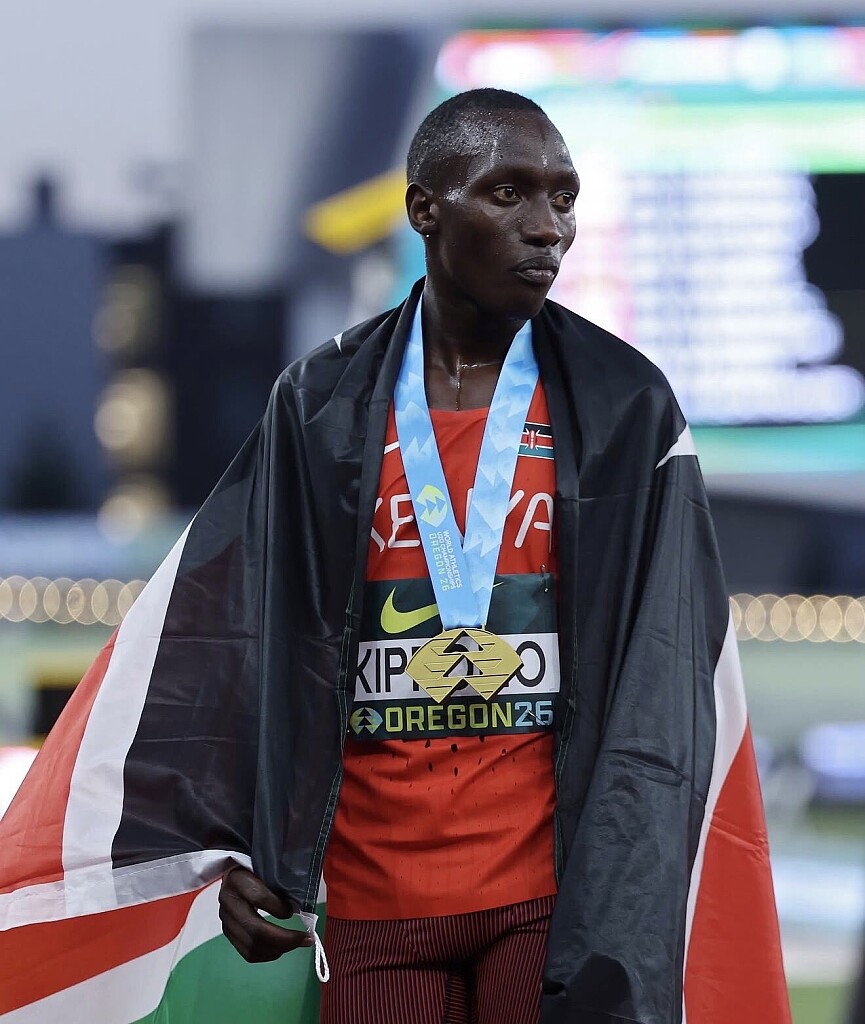
Emmanuel Kiprono Storms to World U20 3,000m Gold in Championship-Record 7:28.28
Kenya’s Emmanuel Kiprono has announced himself as one of the brightest young distance-running talents in the world after producing a sensational solo performance to win the men’s 3,000 metres gold medal at the World Athletics U20 Championships in a championship-record 7:28.28.
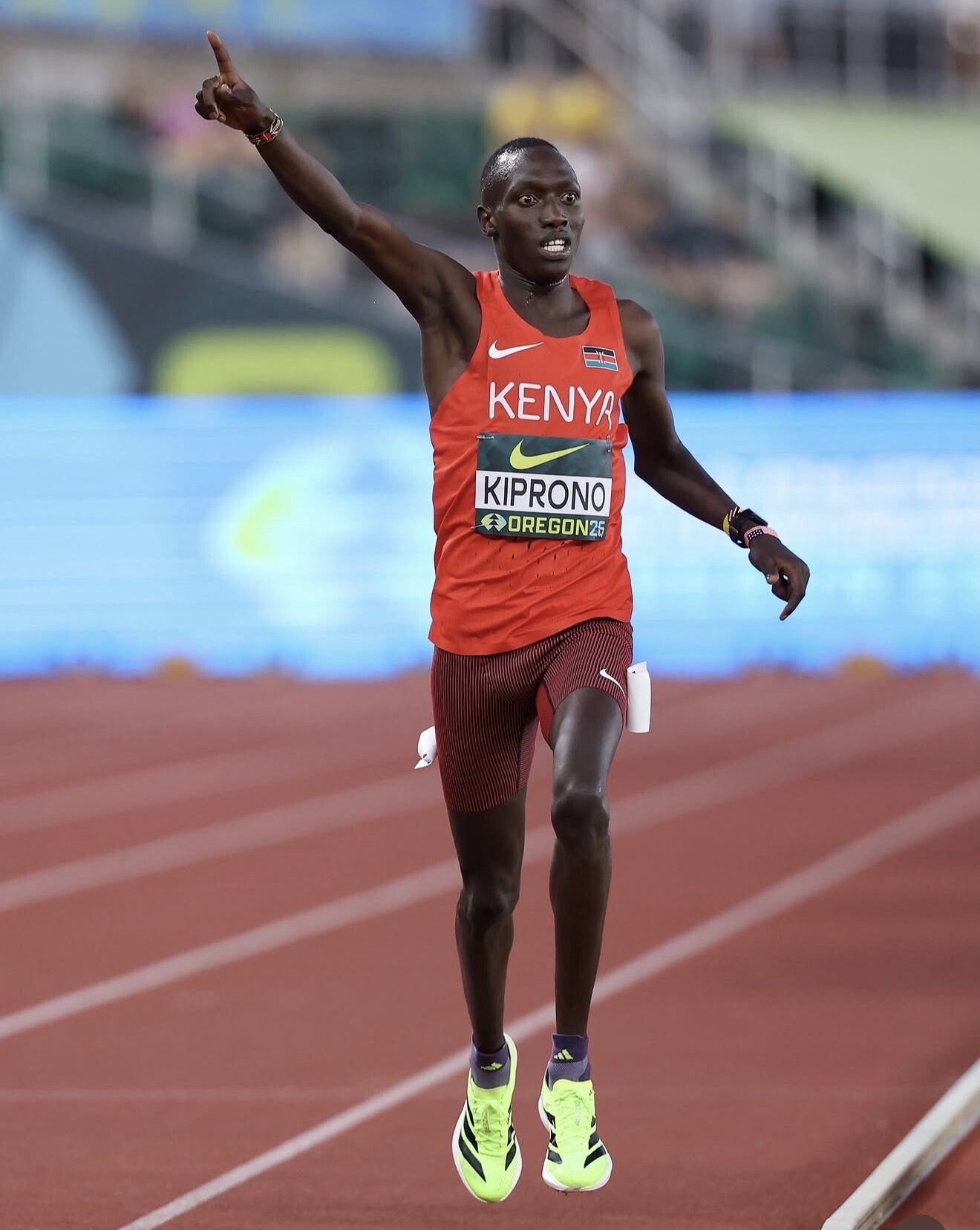
Just 17 years old, Kiprono took control from the opening metres and never looked back. Running completely alone for virtually the entire race, the Kenyan dictated the tempo with remarkable confidence and gradually transformed the final into a one-man race.
Kiprono passed 1,000 metres in 2:26.52, reached 1,600 metres in 3:54.58, and continued his relentless charge through 2,000 metres in 4:55.43. With every lap, the gap behind him grew larger as his rivals struggled to match his extraordinary pace.
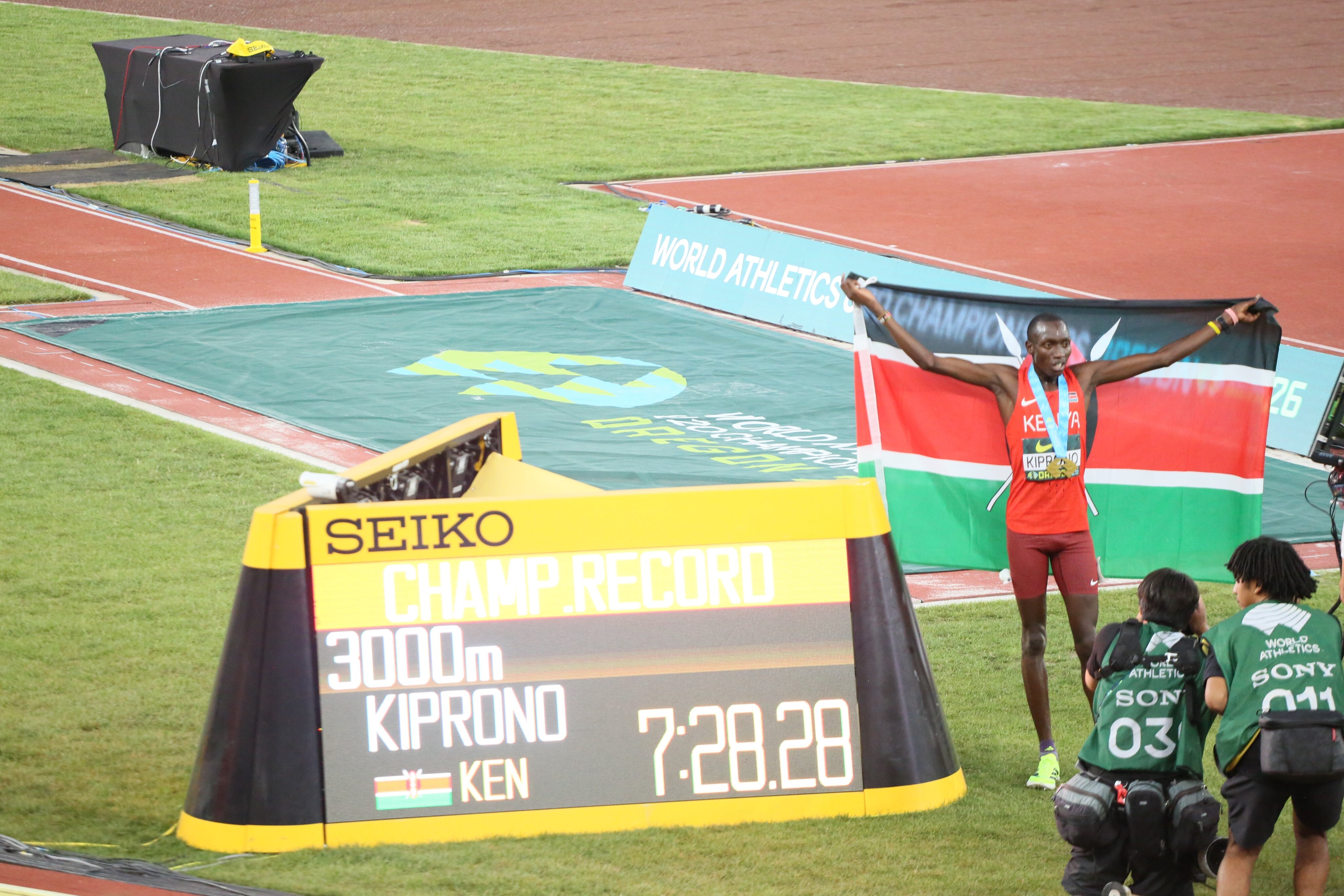
He eventually crossed the finish line in 7:28.28, smashing the championship record and coming agonisingly close to the world U20 record of 7:28.20, set by Ethiopia’s Yomif Kejelcha. Kiprono missed the global junior mark by just 0.08 seconds.
The margin of victory was equally spectacular. He finished 19 seconds ahead of France’s Alois Abraham, who took silver in 7:47.79, while Japan’s Ojiro Honda secured bronze in 7:48.49, setting a Japanese U20 record.
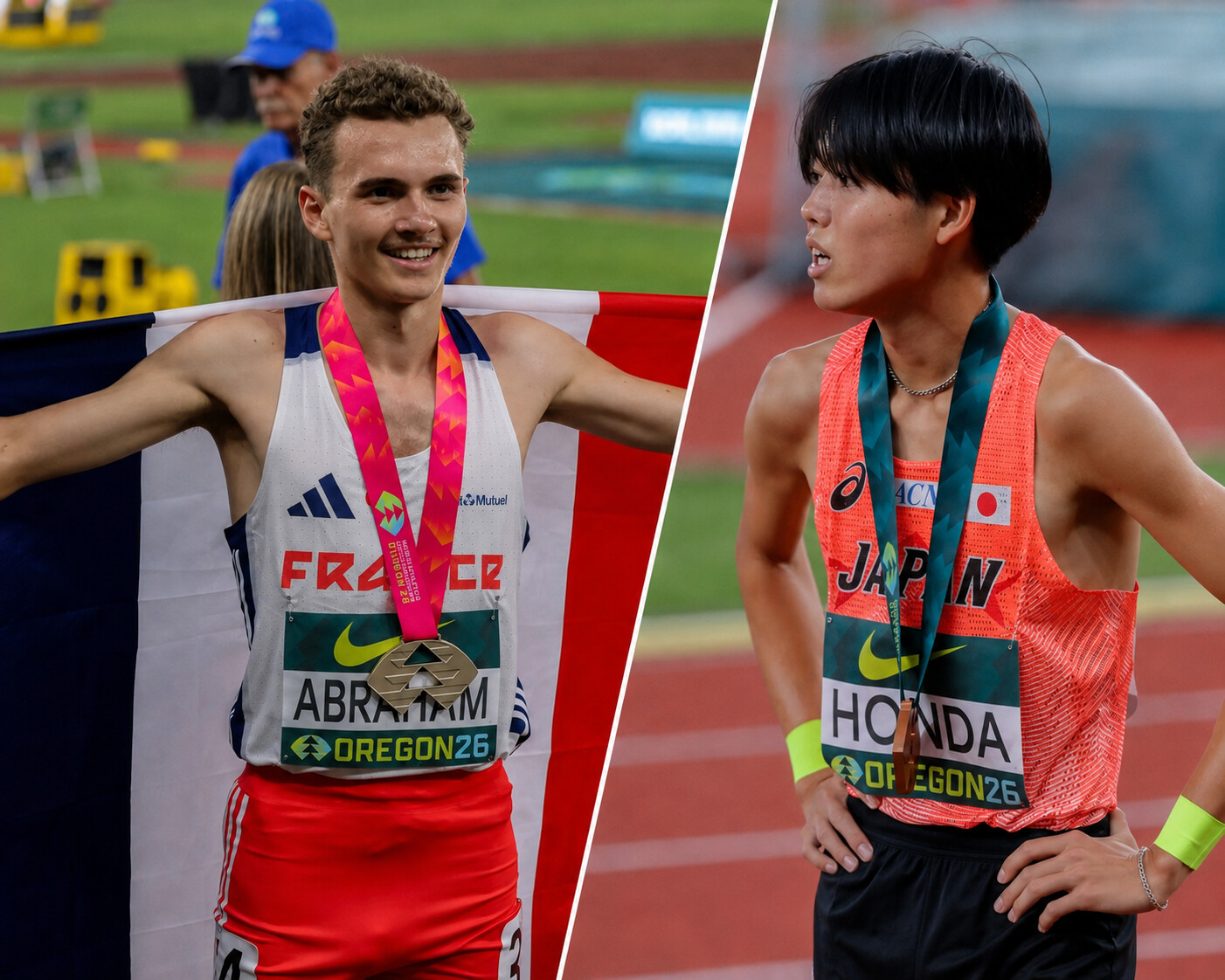
Men’s 3,000m Final
1. Emmanuel Kiprono — Kenya — 7:28.28 (Championship Record)
2. Alois Abraham — France — 7:47.79
3. Ojiro Honda — Japan — 7:48.49 (National U20 Record)
4. Liam Conway — Great Britain — 7:50.10 (Personal Best)
5. Aleksi Ahlfors — Finland — 7:50.56 (Personal Best)
6. Tzu-Chieh Chien — Chinese Taipei — 7:51.18 (National U20 Record)
7. Ilyes Druez — Belgium — 7:51.67 (Personal Best)
8. Sebastian Lörstad — Sweden — 7:51.94 (Personal Best)
9. Edwin Elkana — Kenya — 7:51.94 (Personal Best)
10. Owen Powell — United States — 7:53.35 (Personal Best)
Kiprono’s breakthrough is particularly significant given his performances earlier this year. The 17-year-old finished second in the U20 race at the World Cross Country Championships, establishing himself as one of the leading prospects in the new generation of Kenyan distance runners.
But on the track, he produced something even more extraordinary.
There was no tactical waiting game, no final-lap sprint and no group to shelter behind. Kiprono simply went to the front and challenged himself against the clock. His splits — 2:26.52 at 1,000m, 3:54.58 at 1,600m and 4:55.43 at 2,000m — demonstrate the remarkable consistency and courage behind the performance.
After the race, Kiprono celebrated with the Kenyan flag draped around him before posing beside the SEIKO championship-record display, which showed his historic 7:28.28.
His championship record also came with a tantalising glimpse of what might have been. Had he found even a fraction more in the closing metres, the world U20 record could have fallen as well. Nevertheless, coming within eight hundredths of the mark while running almost the entire race alone makes the achievement all the more remarkable.
Emmanuel Kiprono has not merely won a world junior title — he has made a statement. At only 17, his extraordinary front-running, championship record and near-world-record performance suggest that Kenyan distance running may have another major talent ready to emerge onto the global stage.
by Erick Cheruiyot for My Best Runs.
Login to leave a comment
Josh Kerr Restores Britain's Mile Crown With a Historic World Record on Home Soil
Forty-one years after Great Britain last celebrated a men's mile world record, Josh Kerr has written a magnificent new chapter in the sport's rich history.
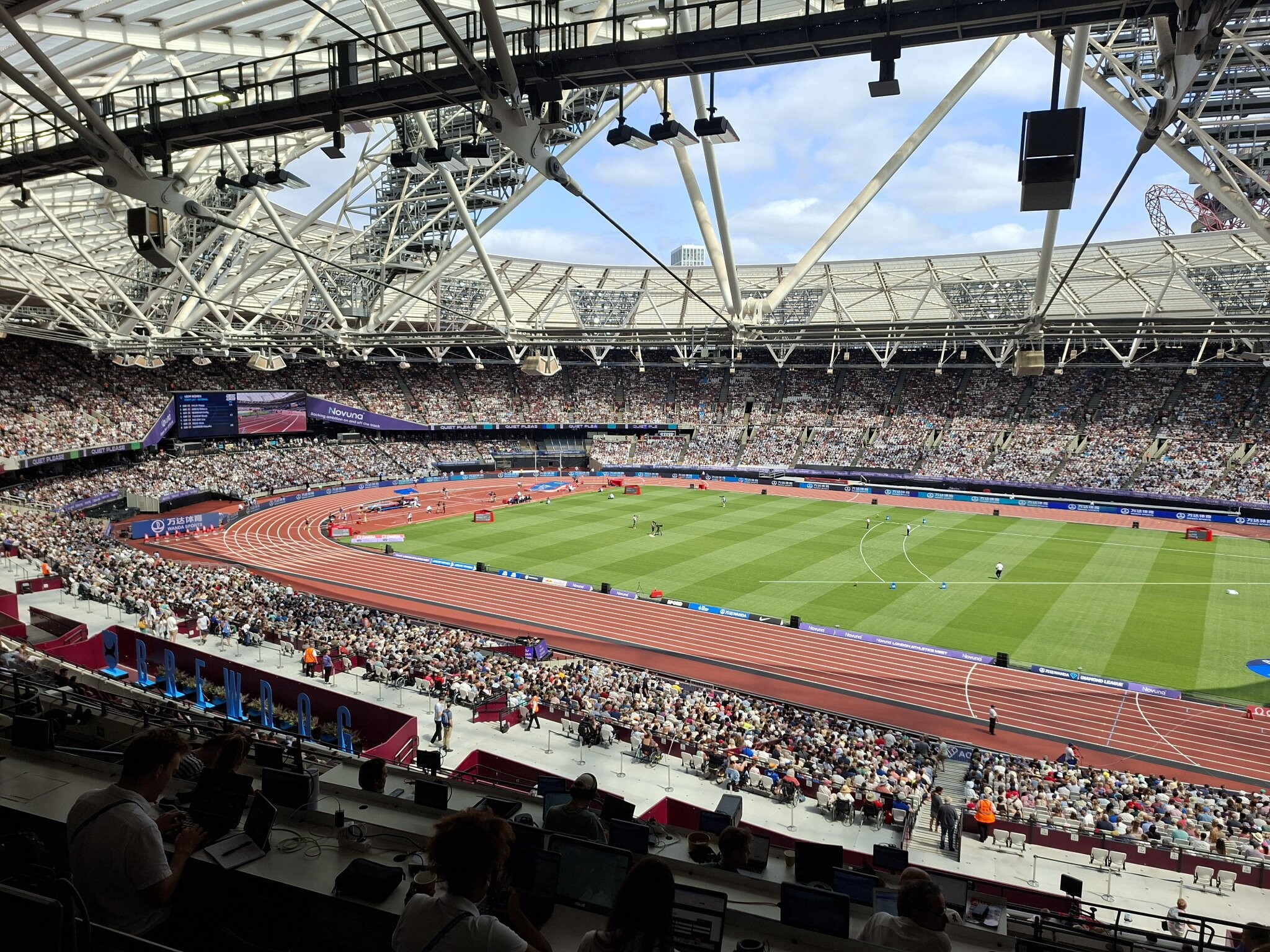
Competing before a passionate home crowd in London, Kerr delivered the performance of a lifetime, storming to a sensational 3:42.66 to erase one of athletics' longest-standing records. It was more than just a personal triumph—it marked the return of the mile world record to the nation that has shaped some of the greatest middle-distance runners the sport has ever known.
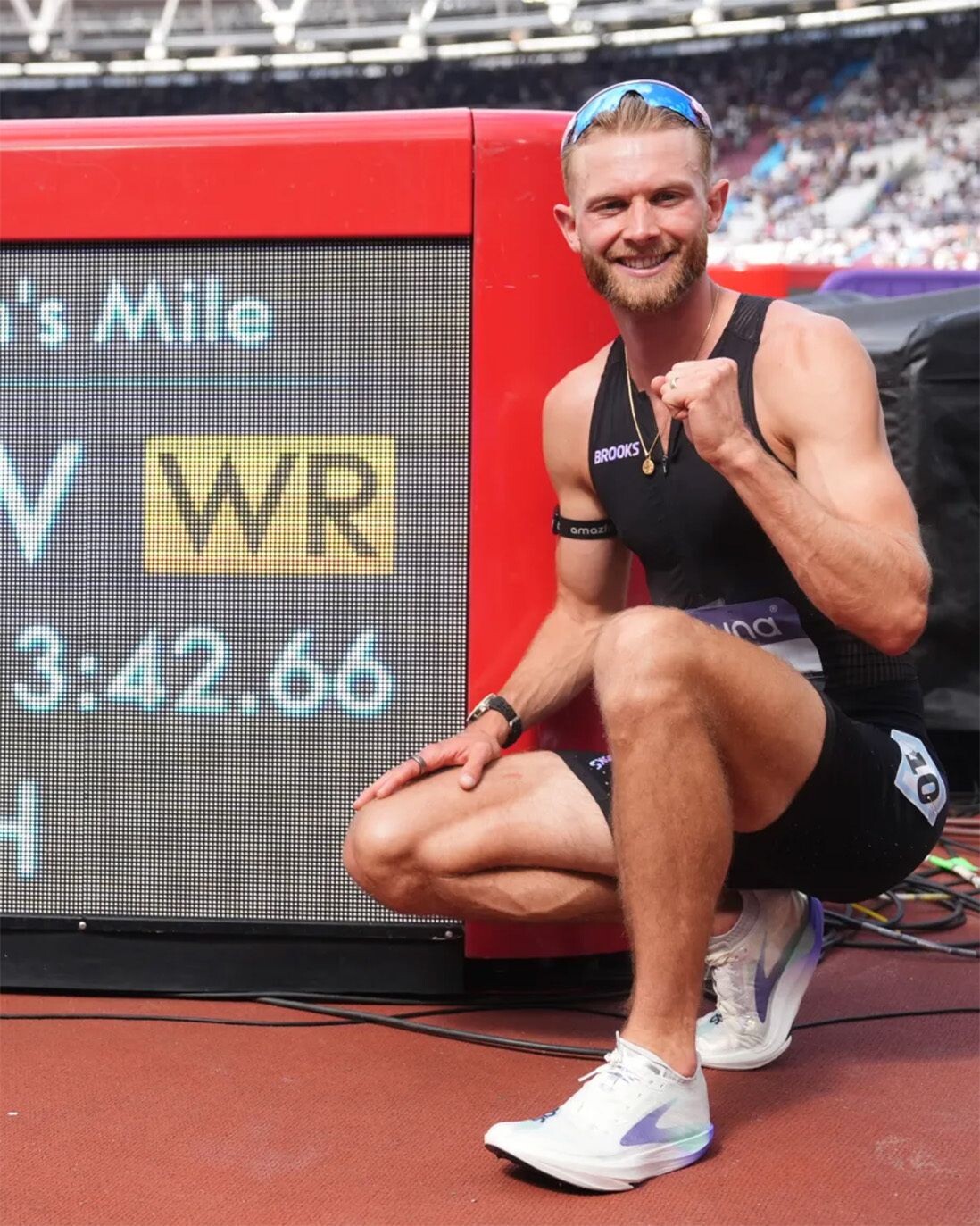
With that unforgettable run, Kerr became the seventh British man to hold the men's mile world record, joining a legendary lineage that stretches back nearly nine decades. His achievement places him alongside icons such as Sydney Wooderson, Roger Bannister, Derek Ibbotson, Sebastian Coe, Steve Ovett and Steve Cram—names forever woven into the history of British athletics.
For generations, Great Britain stood at the forefront of mile running. Wooderson first established the country's dominance in 1937 before Bannister forever changed athletics by becoming the first man to break the four-minute barrier in 1954. The baton was then carried by Ibbotson, Coe, Ovett and Cram, whose fierce rivalry elevated the event to extraordinary heights during the late 20th century.
Since Steve Cram's world record of 3:46.32 in 1985, Britain had waited more than four decades for another athlete capable of reclaiming the crown. Many exceptional runners emerged during that period, but none managed to rewrite the record books—until Josh Kerr.
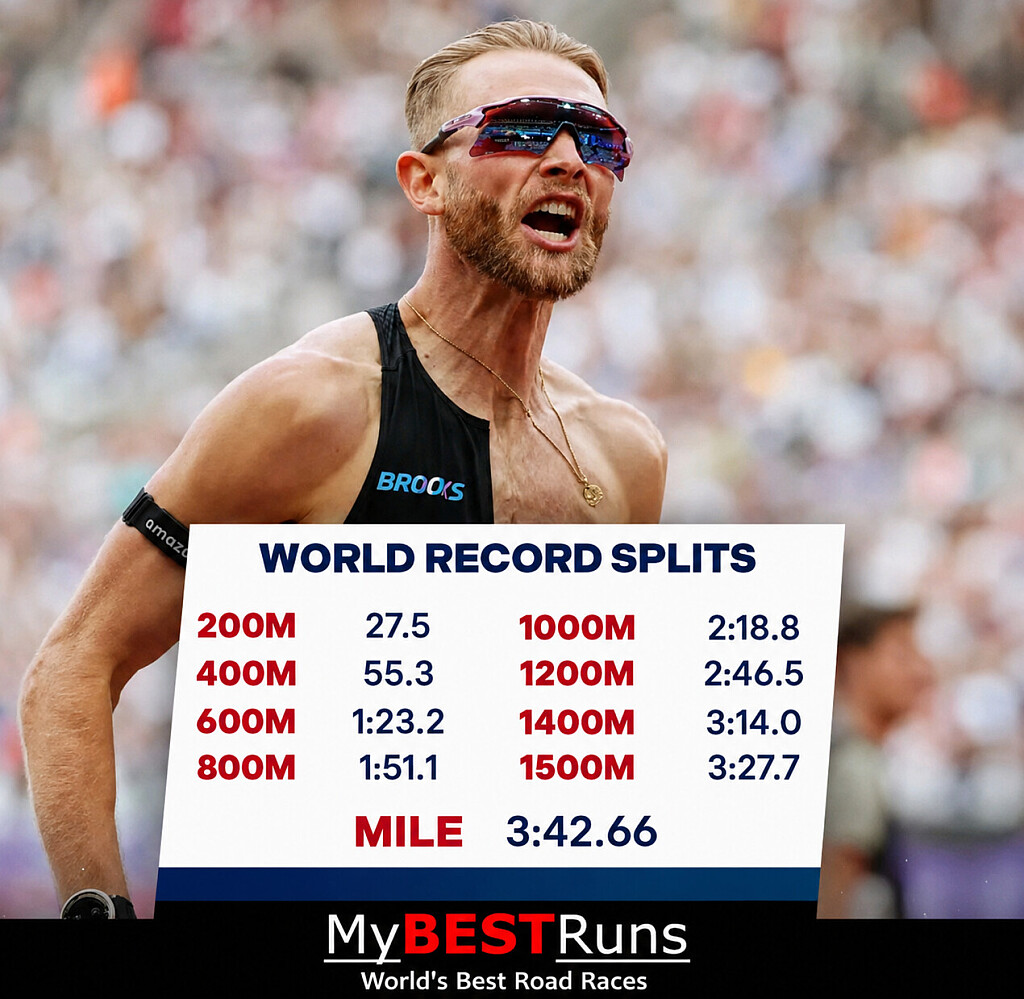
The Scottish star embraced the enormous expectations surrounding his ambitious Project 222 with remarkable composure. Every split demonstrated the precision required to chase history. He opened with 27.5 seconds at 200m, reached 400m in 55.3, passed 600m in 1:23.2, and hit 800m in 1:51.1, perfectly positioning himself for a relentless second half.
Rather than fading, Kerr accelerated. He covered 1000m in 2:18.8, reached 1200m in 2:46.5, passed 1400m in 3:14.0, and crossed 1500m in a blistering 3:27.7 before producing one final surge over the closing 109 metres to stop the clock at an astonishing 3:42.66. It was a masterclass in pacing, endurance and finishing speed—proof that every stride had been meticulously planned.
Roared on by thousands of supporters inside London's packed stadium, Kerr transformed years of sacrifice, discipline and unwavering belief into one of the greatest performances ever witnessed in middle-distance running. He didn't simply attack the record—he dismantled it with authority.
Kerr's achievement is about far more than breaking a world record. It reconnects Great Britain with one of its proudest athletics traditions and signals the beginning of a new era for the iconic mile. His unforgettable run reminds the world that even the longest-standing records can fall when extraordinary talent meets fearless ambition.
On a magical evening in London, Josh Kerr didn't just rewrite the record books—he brought the mile world record back home and secured his place among the greatest middle-distance runners in history.
by Erick Cheruiyot for My Best Runs.
Login to leave a comment
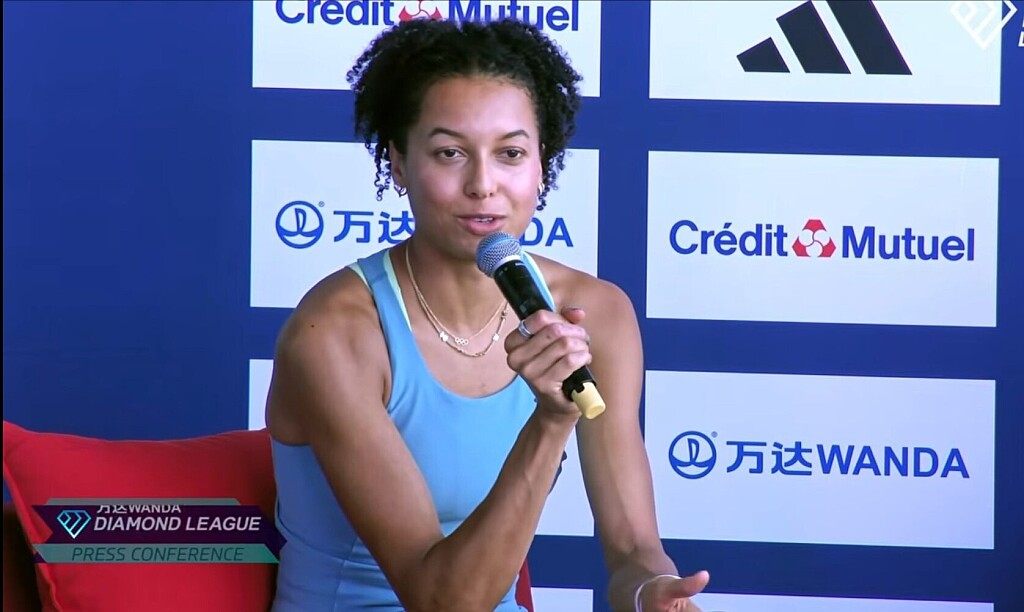
Audrey Werro Targets History with Bold World 800m Record Attempt in Paris
The stage is set for what could become one of the most memorable nights in women's middle-distance running.
Swiss sensation Audrey Werro will head to the Paris Diamond League on 28 June 2026 with one objective—an all-out assault on the women's 800m world record. Fresh off her stunning 1:53.98 performance in Stockholm, Werro has made her ambitions unmistakably clear by requesting the stadium's green wavelights to be set at 1:53.28 pace, matching the current global mark.
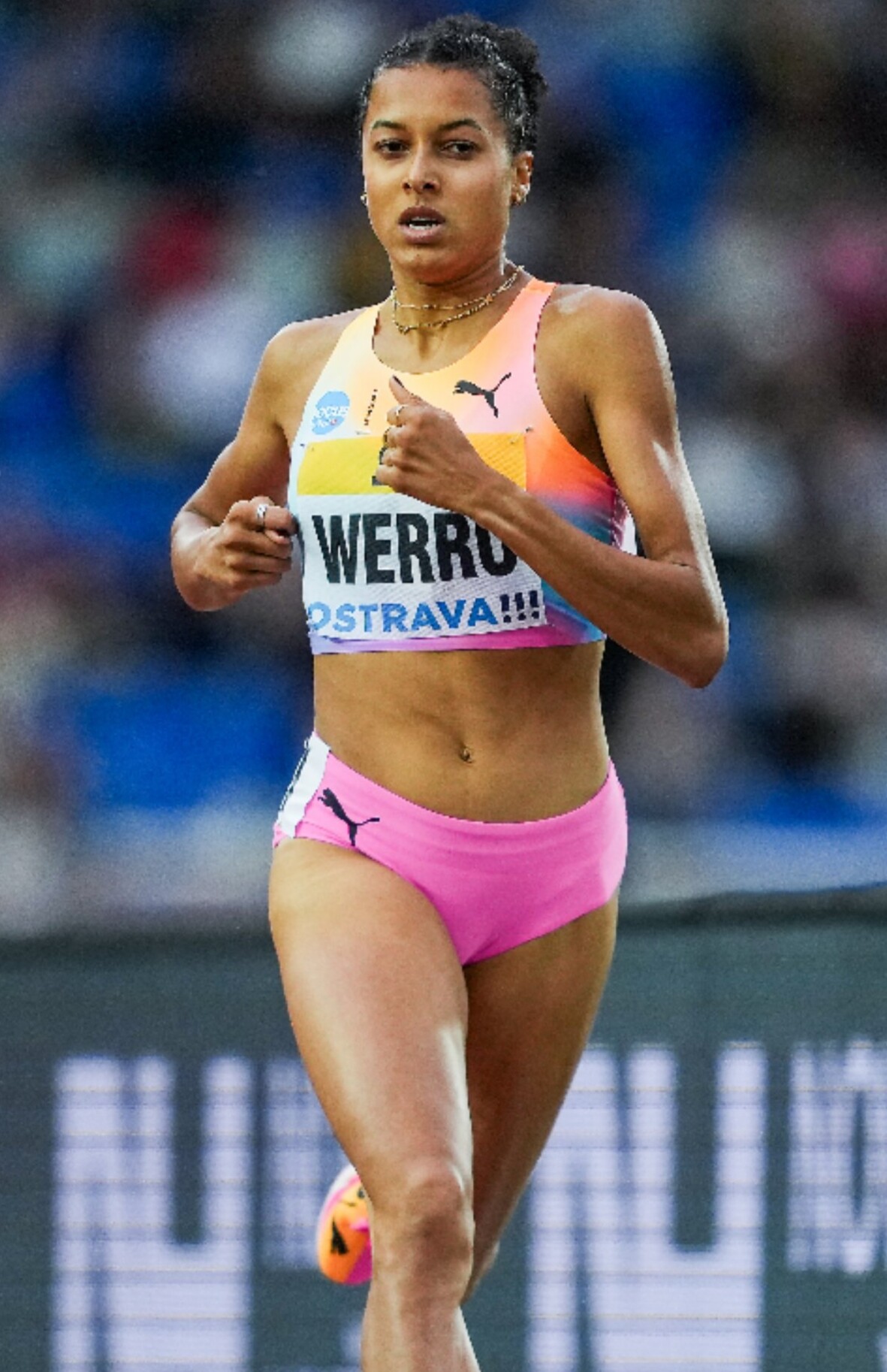
To keep that record attempt on schedule, the designated pacemaker is expected to lead the field through 400 metres in a blistering 55.50 seconds. Werro's preferred pacing strategy also calls for 27.0 seconds at 200m, 55.50 at 400m, and 1:24.50 at 600m, leaving just one final lap of sustained brilliance between her and athletics history.
The challenge is immense. The 1:53.28 world record has stood untouched for more than four decades, having been set by Jarmila Kratochvílová of former Czechoslovakia on 26 July 1983. It remains one of the longest-standing world records in track and field, making Werro's pursuit all the more captivating.
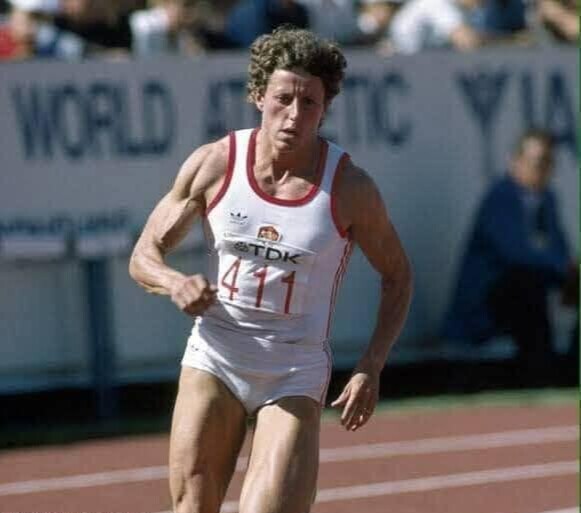
The 22-year-old has every reason to believe she can threaten the mark. Her breakthrough 1:53.98 in Stockholm made her only the third woman in history to break the 1:54 barrier, while her European-best 1:22.85 over 600m confirmed she is enjoying the finest form of her career.
With Paris renowned for producing fast middle-distance races, ideal pacing, elite competition, and world-class conditions, the ingredients are in place for a genuine world record attempt. Every split will matter, every stride will count, and the athletics world will be watching as Werro tests the limits of one of the sport's most enduring records.
Whether the record finally falls or survives another challenge, Audrey Werro's fearless pursuit of greatness promises to be one of the defining moments of the 2026 Diamond League season.
by Erick Cheruiyot for My Best Runs.
Login to leave a comment
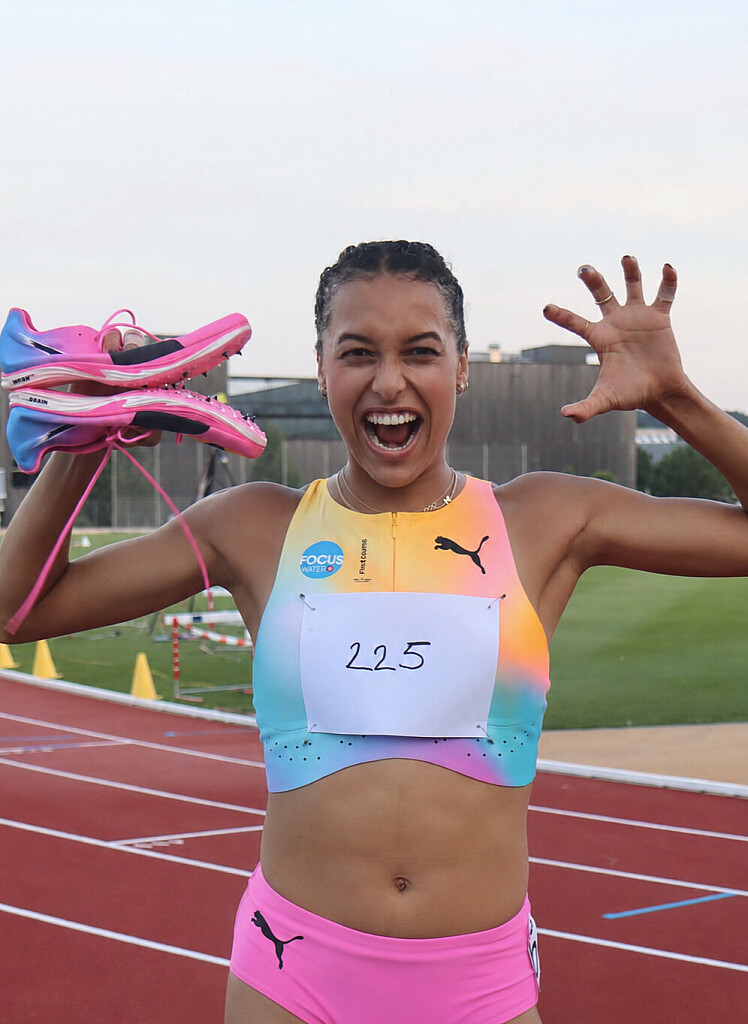
Audrey Werro Smashes European 600m Best as Remarkable Season Reaches New Heights
Swiss middle-distance sensation Audrey Werro continues to redefine the limits of European athletics after producing a breathtaking performance in front of her home supporters, setting a new European best of 1:22.85 in the women's 600m.
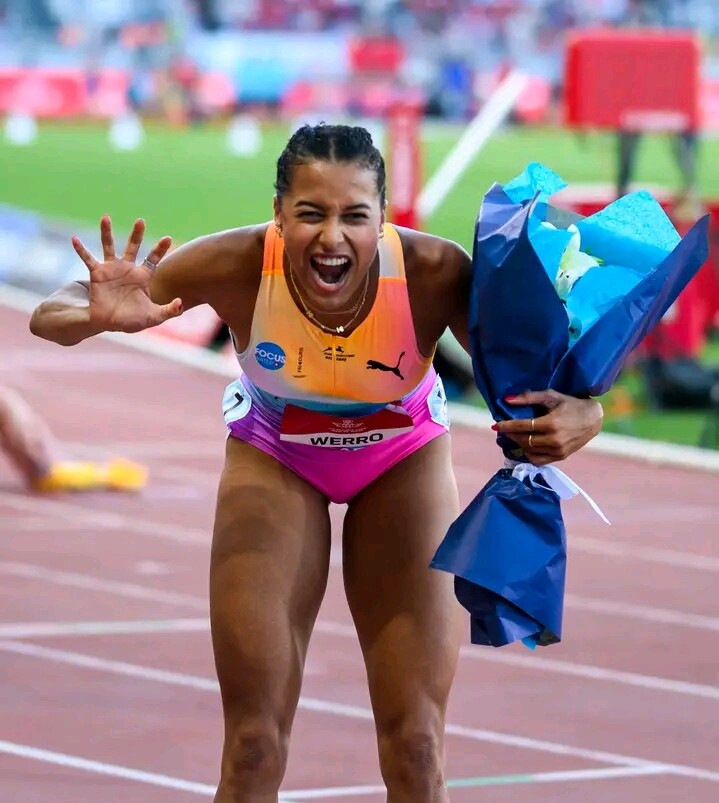
Competing on home soil in Switzerland, Werro delivered a run of exceptional quality and composure, eclipsing the previous European best of 1:23.41 that had been established by Keely Hodgkinson in 2023. The performance further underlined the extraordinary form that has transformed the Swiss star into one of the most exciting athletes in world athletics this season.
The new mark is another milestone in what is rapidly becoming a breakthrough year for the 22-year-old. Werro has consistently demonstrated her ability to blend speed, strength and tactical intelligence, qualities that have elevated her from a promising talent to a genuine global contender.
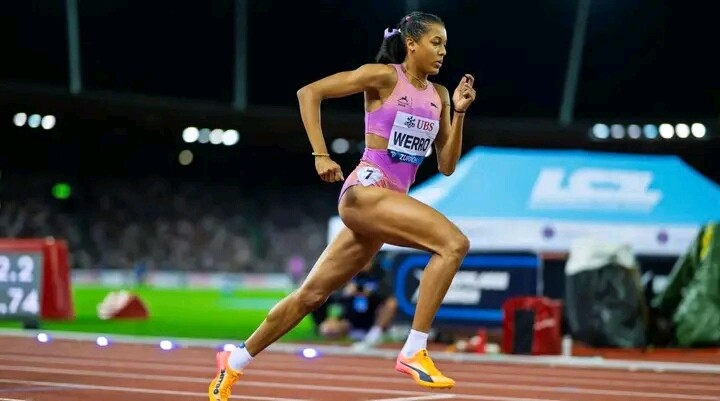
Her latest achievement arrives just days after she stunned the athletics world in Stockholm, where she defeated Hodgkinson in a sensational women's 800m race. On that occasion, Werro crossed the line in a remarkable 1:53.98, a performance that elevated her to third on the all-time women's 800m list and firmly established her among the greatest one-lap-and-a-half runners in history.
The 600m is often regarded as a demanding test of both sprint speed and middle-distance endurance, making Werro's record-breaking effort all the more impressive. From the opening stages, she controlled the pace with confidence before powering through the final stretch to stop the clock at a historic time that rewrote the European record books.
For Swiss athletics, the moment was especially significant. Roared on by a passionate home crowd, Werro delivered a performance that showcased not only her immense talent but also the growing strength of Switzerland on the international athletics stage.
With every race, Werro appears to be pushing the boundaries of what is possible. Her victory in Stockholm and now a European-best performance over 600m suggest that the Swiss star is entering the prime of her career, carrying momentum that could make her one of the defining figures of the current athletics era.
As the season gathers pace, the athletics world will be watching closely. If recent performances are any indication, Audrey Werro's remarkable rise is far from over—and more records may soon be within reach.
by Erick Cheruiyot for My Best Runs.
Login to leave a comment
Teen Star Cooper Lutkenhaus Breaks U18 World Record in 600m at the 118th Millrose Games Feb 1
LNEW YORK (Feb. 1, 2026) — At one of the most prestigious indoor track meets of the season, Cooper Lutkenhaus, just 17 years old, delivered a breathtaking performance in the men’s 600 meters at the Millrose Games.
In the 118th edition of the historic meet at The Armory in New York City, Lutkenhaus powered to victory in 1:14.15, setting a World Under-18 record, posting the 2026 world lead, and running one of the fastest 600m times in history. His mark also stands as the fastest indoor 600m ever by a high school-aged athlete.
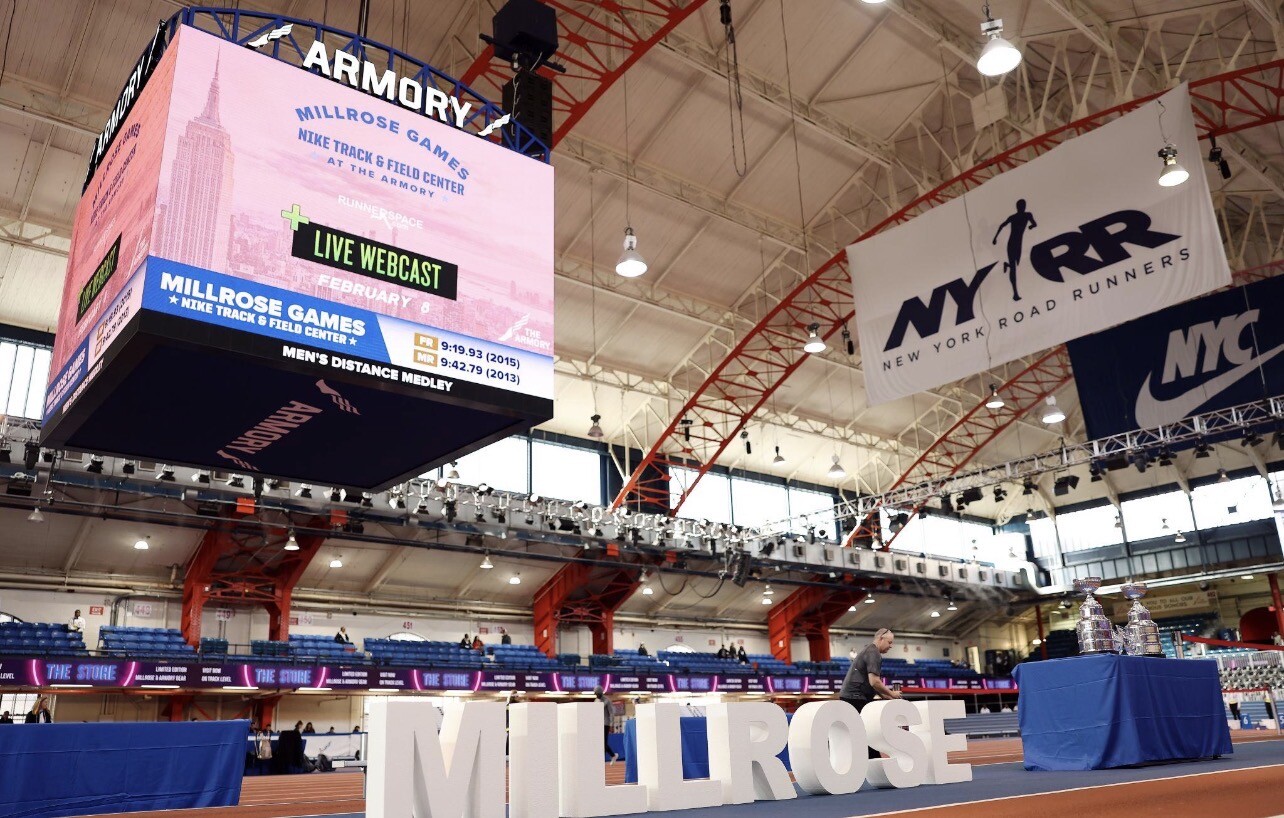
What made the performance even more remarkable is that this was his first indoor race as a professional athlete.
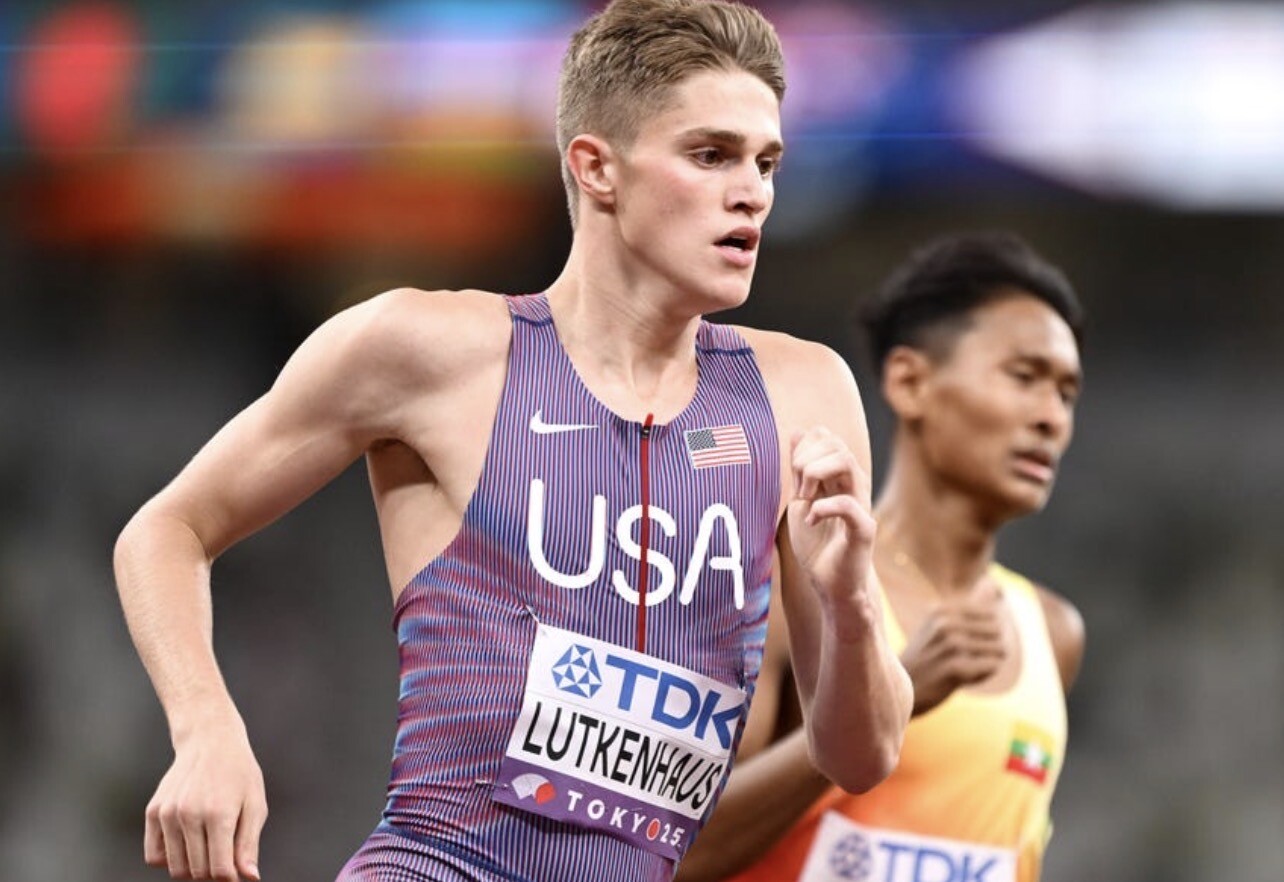
The 600m is a demanding distance that blends raw sprint speed with middle-distance strength. In a race stacked with emerging and established talent, Lutkenhaus stayed composed through the early laps, measured his effort smoothly, and unleashed a powerful kick in the final stretch to secure the win.
When the clock hit 1:14.15, it marked not only a new record but also a statement performance — one that placed him sixth on the all-time global list at the event.
Lutkenhaus’ time eclipsed all other competitors on the night, with runner-up Jenoah McKiver posting a personal best of 1:14.77.
This run at Millrose puts a spotlight on one of the most exciting young talents in track and field. At just 17, Cooper Lutkenhaus didn’t just win a race — he made history.
by Elam Wangwero for my best runs
Login to leave a comment

NYRR Millrose Games
The Pinnacle of Indoor Track & Field The NYRR Millrose Games, first held in 1908, remains the premier indoor track and field competition in the United States. The 2025 edition will once again bring the world’s top professional, collegiate, and high school athletes to New York City for a day of thrilling competition. Hosted at the New Balance Track &...
more...
Josh Hoey Shatters 28-Year-Old Indoor 800m World Record in Boston
Josh Hoey arrived in Boston with belief, preparation, and a bold target — and left with a world record.
At the New Balance Indoor Grand Prix, the opening World Athletics Indoor Tour Gold meeting of the season, the American middle-distance star delivered a performance for the ages, storming to a world 800m short track record of 1:42.50. In doing so, Hoey erased a mark that had stood untouched for 28 years, rewriting indoor history on Saturday (24).
The run confirmed what many had sensed for weeks. Just seven weeks earlier, on the same Boston track, Hoey had set a world best in the 600m indoors. That momentum carried seamlessly into this race, where he sliced 0.17 seconds off the legendary Wilson Kipketer’s 1:42.67, set at the 1997 World Indoor Championships in Paris.
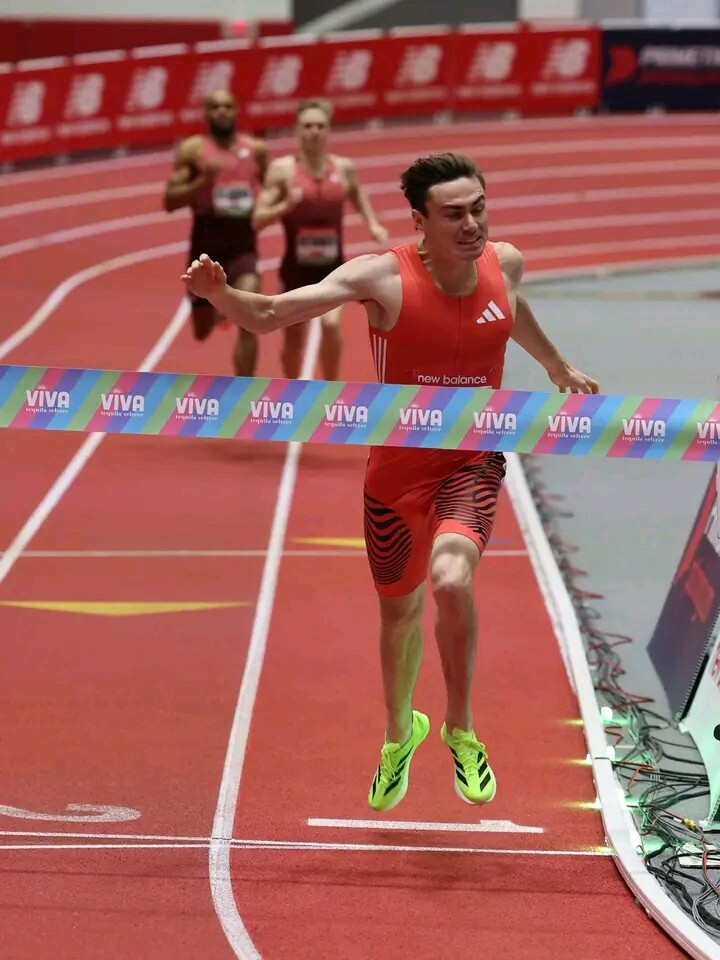
Hoey entered the race already ranked as the second-fastest indoor 800m runner of all time, thanks to his North American record of 1:43.24 from last year’s US Indoor Championships in New York. But this time, there was no doubt. With precision pacing and supreme control, he elevated himself to the very top of the all-time list — and did so emphatically, winning by more than two seconds.
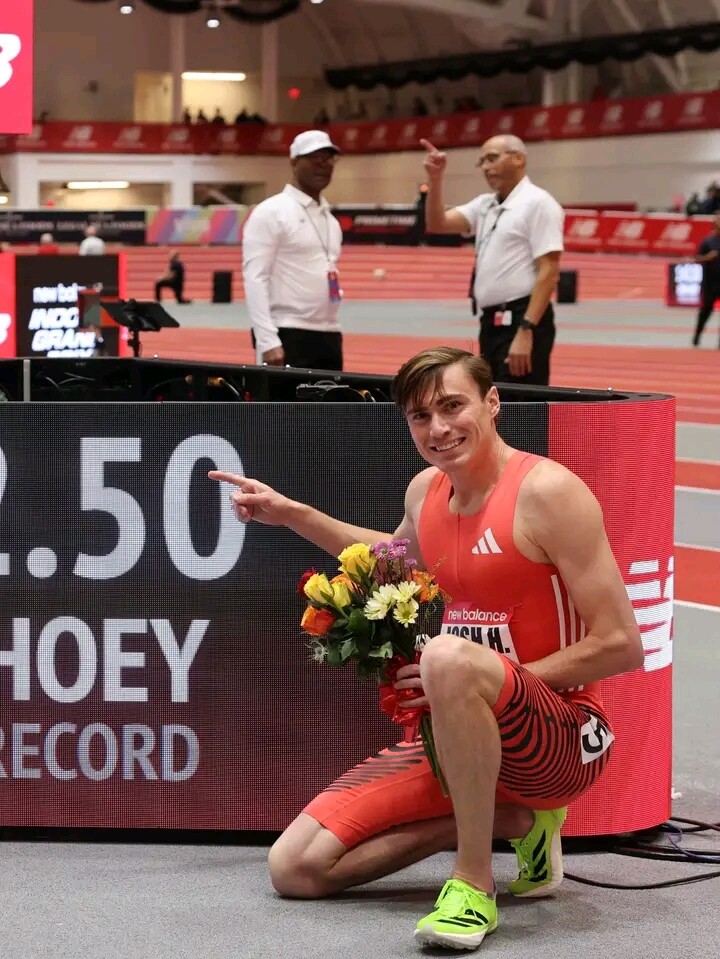
The race unfolded like a perfectly scripted plan. Paced by his brother Jaxson Hoey, Josh surged through the opening 200m in 24.81, reaching 400m in a controlled 50.21. As Jaxson stepped aside, the record attempt became a solo mission. Josh powered past 600m in 1:16.19, holding his form and composure all the way to the finish line, where the clock confirmed history: 1:42.50.
Afterward, Hoey credited months of disciplined preparation and trust in the process.
“We did a lot of pacing work,” he said. “We just kept steadily improving — week by week, block by block — and it all came together.”
For the 26-year-old, the moment carried deeper meaning. After narrowly missing selection for the U.S. teams at last year’s World Championships and the Paris Olympic Games, this performance felt less like a peak and more like a launchpad.
“This is far from the end of the journey,” Hoey reflected. “Honestly, it feels like we’re just getting started.”
With a world record now to his name and momentum firmly on his side, Josh Hoey has not only reclaimed lost ground — he has announced himself as the defining indoor 800m force of this generation.
by Erick Cheruiyot for My Bestruns.
Login to leave a comment
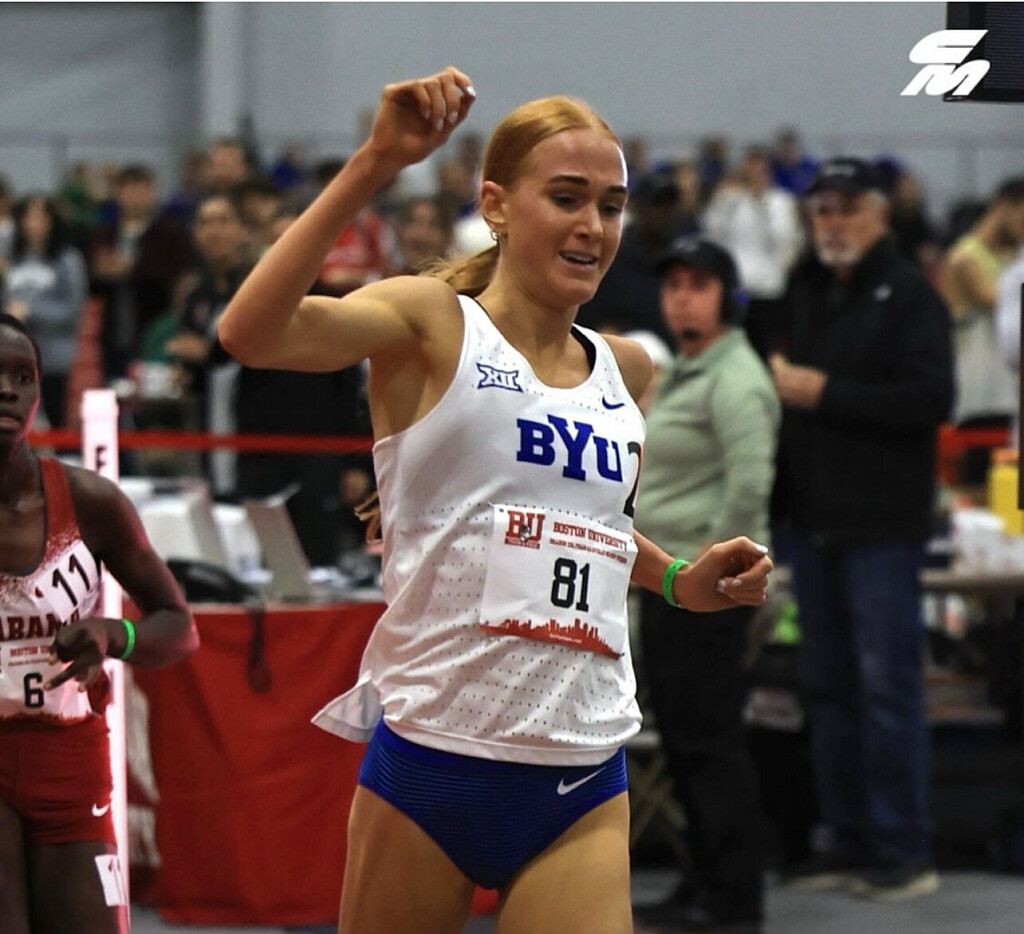
Jane Hedengren’s Record 5000m Headlines a Spectacular BU Season Opener
The 2025 BU Sharon Colyear-Danville Season Opener once again delivered the kind of early-season excitement Boston has become famous for. Inside the fast confines of the BU Track & Tennis Center, two performances stood above an already electric evening: a collegiate record in the women’s 5000m and a world record in the men’s 600m.
Hedengren Makes NCAA History in the 5000m

BYU freshman Jane Hedengren stormed into the national spotlight by smashing the NCAA indoor 5000m record with a brilliant 14:44.79. In doing so, she became the first collegiate woman ever to break 14:50 indoors, a barrier long thought years away from being threatened.
Hedengren ran with the composure of a veteran — controlled early, then increasingly aggressive as the laps wound down. Her roughly 4:35 closing 1600m sealed a performance that instantly ranks among the fastest indoor 5000m marks ever recorded by an American athlete.
Her debut wasn’t just fast — it was historic.
Hoey Breaks the Indoor 600m World Record
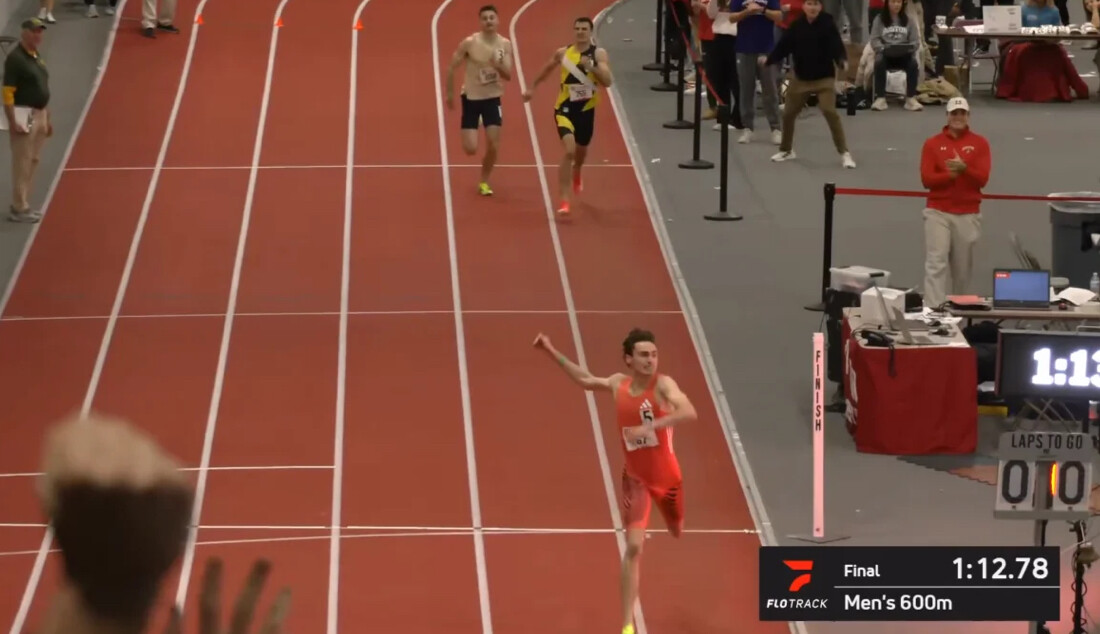
The men’s middle-distance events produced fireworks of their own. Josh Hoey blasted to an astonishing 1:12.84 in the 600m, breaking the all-time indoor world record. His final lap separation and relentless pace redefined what is possible in an event rarely highlighted for record-setting potential.
Hoey’s mark, paired with Hedengren’s breakthrough, gave the BU Opener two of the biggest global performances of the young indoor season.
A Powerful Start to the Season
The BU Opener once again proved why it is considered the premier early-season distance meet in the United States. Hedengren’s record run signaled the arrival of a rising star, while Hoey’s world record added a sprint-middle-distance exclamation point.
If opening weekend is any indication, this indoor season is set to be fast, competitive, and full of surprises.
by Boris Baron
Login to leave a comment
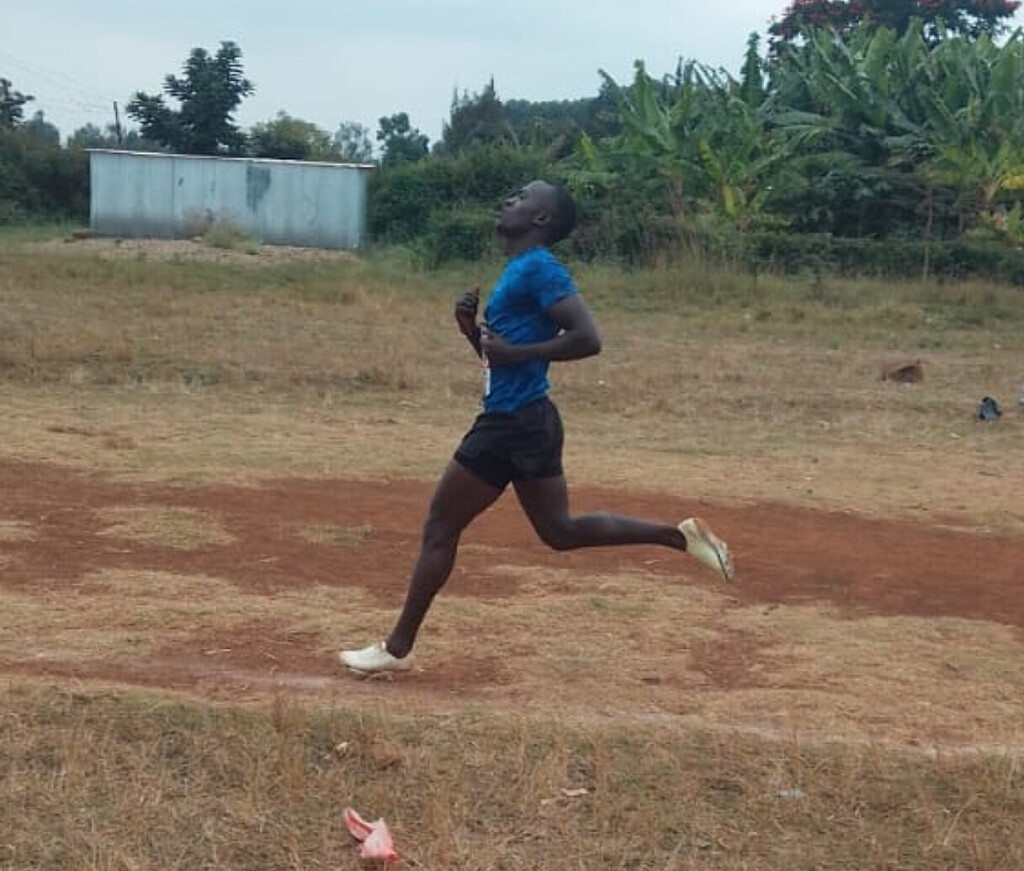
Kiambu KATA Running Camp 16 Showcases Sprint Power and Potato Farm Progress
Camp ID: 16. Location: Kiambu, Kenya | Coach: Julius Gacheru Migwi. Date: August 13, 2025
The Kiambu KATA Running Camp 16, one of Kenya’s premier sprint training bases, hosted a cold-weather time trial that delivered a strong build-up for its athletes. Despite the chilly conditions, all races finished on time and the atmosphere was boosted by a visit from Frida, who praised the sprinters’ form—especially camp star Doreen Waka.
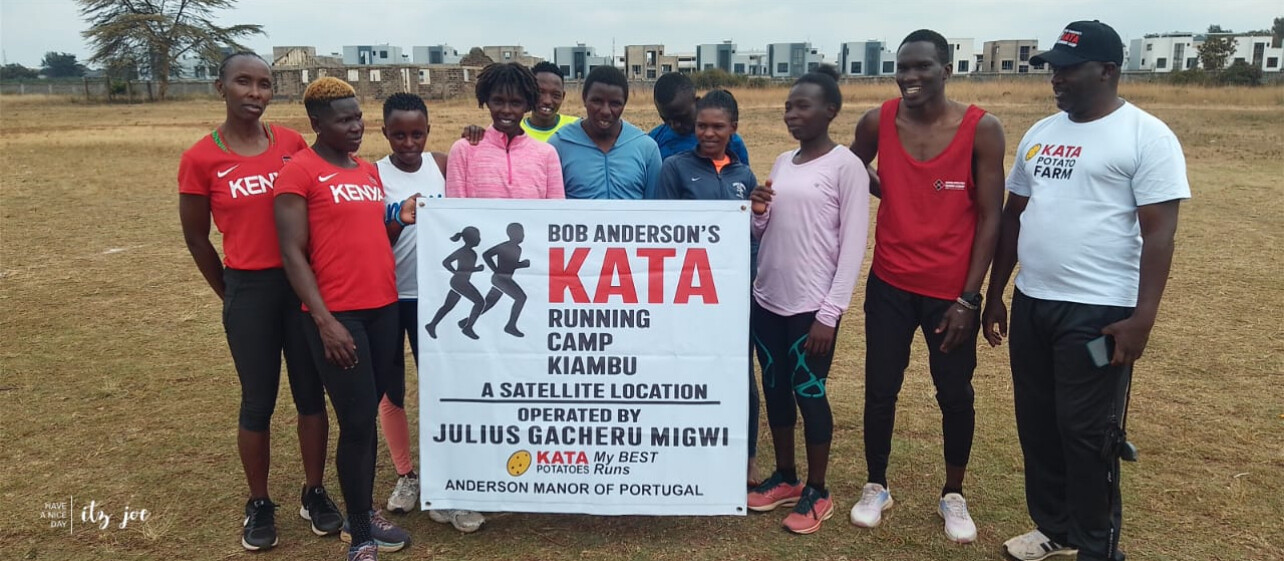
Under the leadership of Coach Julius Migwi, the camp continues to produce elite-level sprinters while also embracing the KATA Potato Farms initiative. The Kiambu potato farm has already planted two acres, providing an additional income stream to support the athletes.
Results
Men’s 600m
Moses Solonka (Age 20, Bib 003) – 1:24
Antony Owino (Age 33, Bib 001) – 1:36
Women’s 600m
Emma Wavinya (Age 23, Bib 007) – 1:42
Sheila Mayenze (Age 23, Bib 011) – 1:47
Peris Chege (Age 36, Bib 005) – 1:53
Men’s 400m
Edwin Mutuma (Age 25, Bib 008) – 56.9
Joseph Kamau (Age 24, Bib 002) – 58.1
Chris Mutahi (Age 26, Bib 006) – 58.3
Women’s 400m
Doreen Waka (Age 30, Bib 010) – 67.4
Jesinta Kibathi (Age 22, Bib 004) – 67.7
Ruth Mumbe (Age 29, Bib 009) – 69.1
Quote from the Camp:
“We are grateful to Bob Anderson for sponsoring the camp. More than that, Bob has helped us start potato farming, which is doing very well. Long live the KATA Family, and may God bless Bob and Catherine.”
by Boris Baron
Login to leave a comment
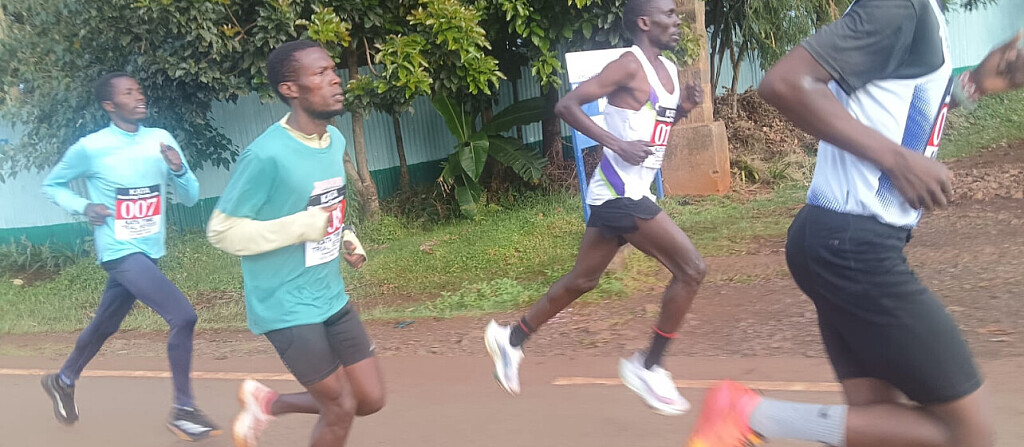
First-Ever Time Trial at KATA Running Camp Keringet Showcases Talent and High-Altitude Potential
Location: Keringet, Kenya | Camp ID: 03 Lead by Sammy Dismas
Elevation: ~2,500–2,600m
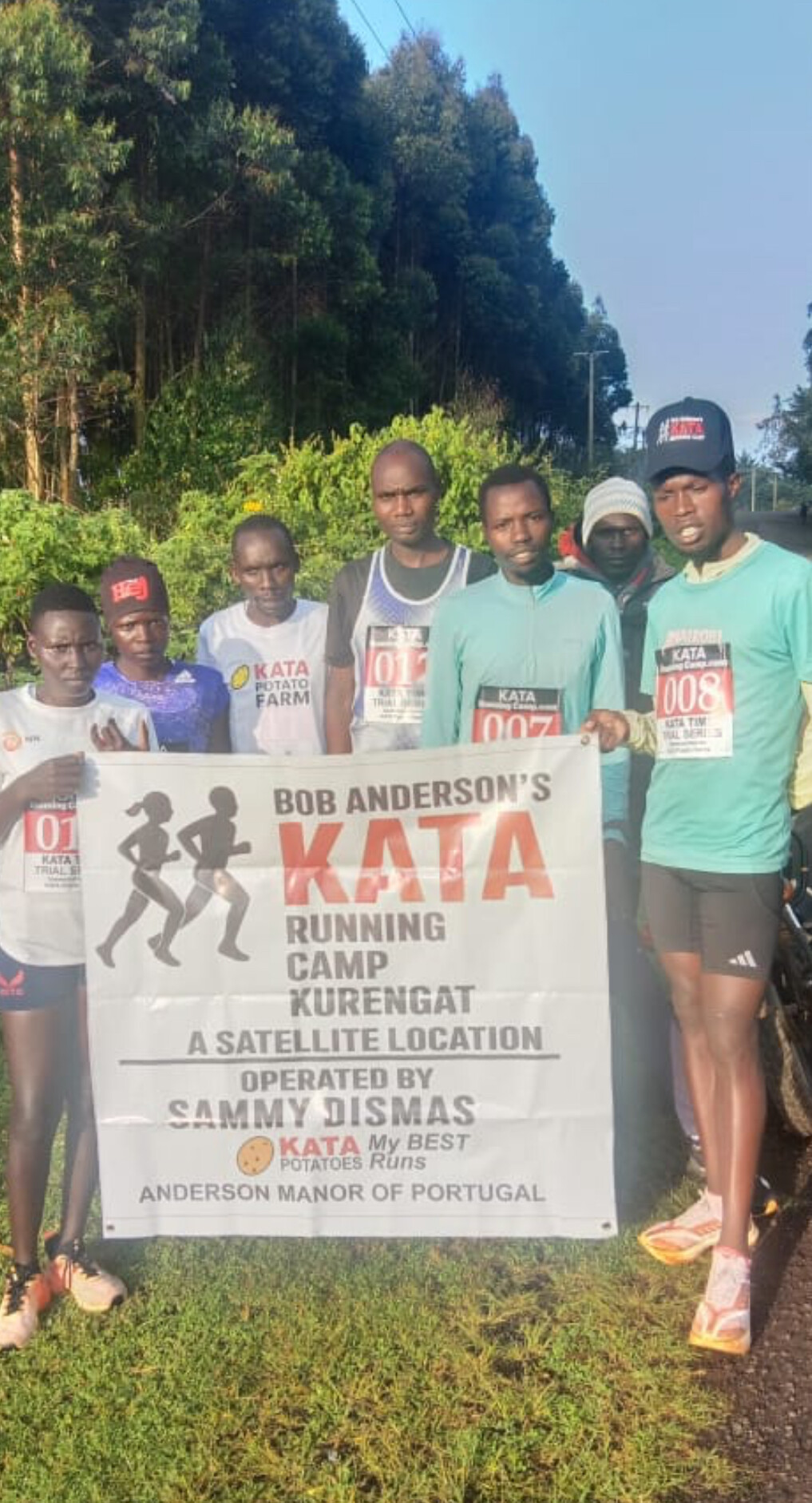
The KATA Running Camp Keringet, located in the historic athletics town of Keringet, hosted its first-ever time trial—a major milestone for the camp and its athletes.
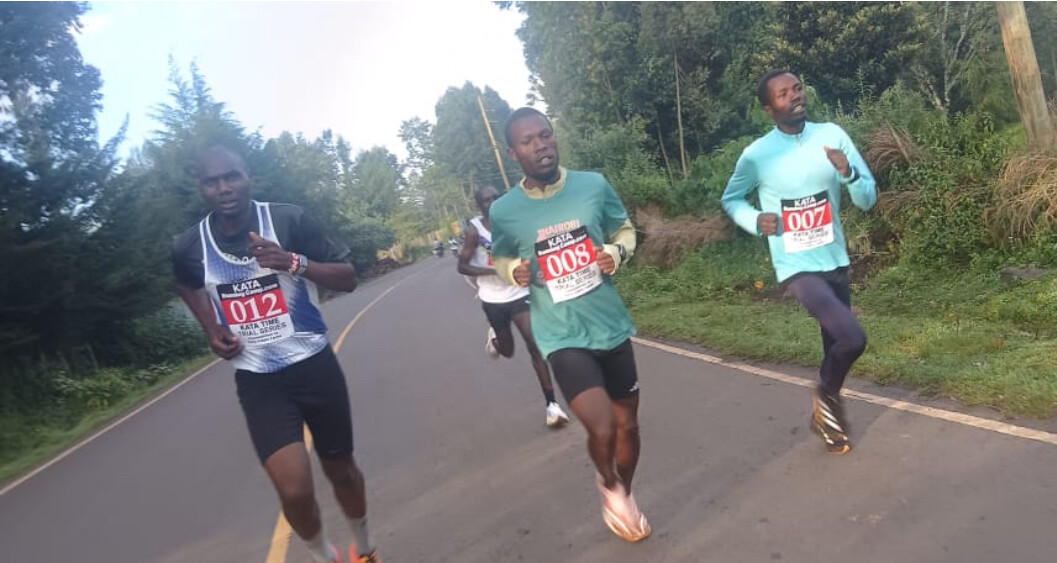
Keringet is renowned for its rich history in athletics, producing top-level runners for decades. Its high-altitude location (2,500–2,600m) offers ideal weather and terrain for endurance training. The area is also well-suited for potato farming, making it a perfect fit for KATA’s dual mission of elite training and agricultural sustainability.
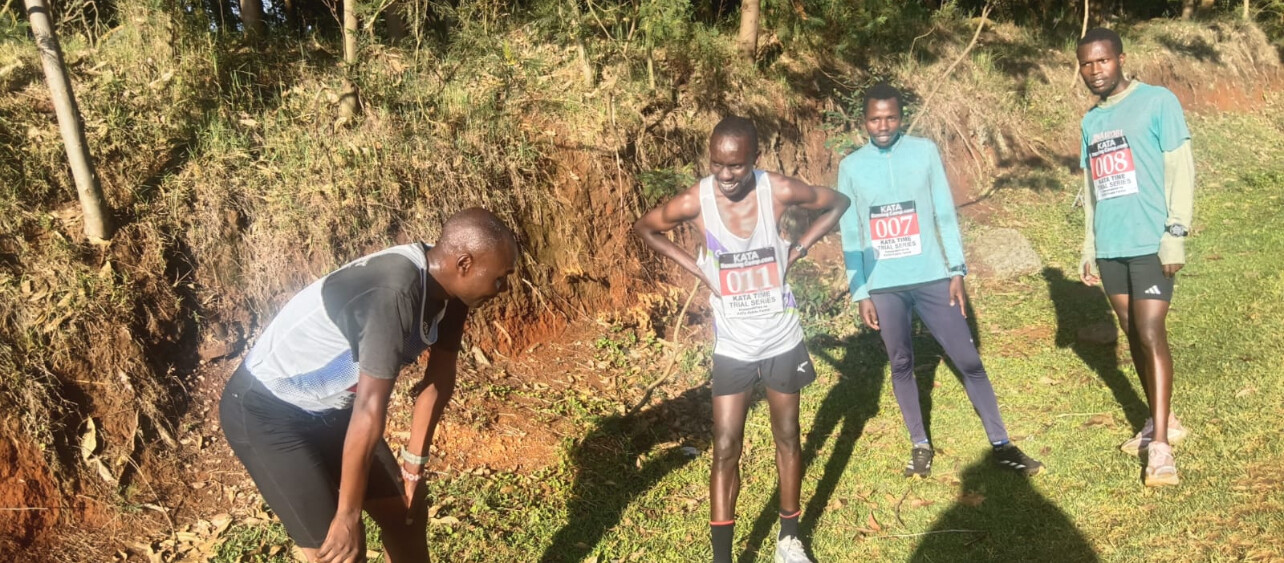
A Strong Debut
This debut time trial was met with enthusiasm and determination from both athletes and the community. Despite it being the camp’s first official event, the organization and performances were impressive, signaling a bright future for Keringet within the KATA Family.
Camp leaders expressed gratitude to Mr. Bob Anderson and the KATA network for their support and guidance, vowing to build on this momentum.
Quote from the Camp:
“This time trial being our first ever event, I conclude it was very successful as we did our best to make it happen. We are going to grow as a KATA Family. Thank you, Mr. Bob, and all KATA Family for making this possible.”
Results
10km Men
1. Cosmas Kipkoech (Bib 008) – 30:25
2. Amos Kirui (Bib 007) – 30:29
3. Sammy Nyokaye (Bib 011) – 30:35
4. Shem Tolu (Bib 012) – 30:50
10km Women
1. Mercy Chepng’eno (Bib 009) – 34:30
2. Clementine Chebiwot (Bib 010) – 35:05
by Boris Baron
Login to leave a comment
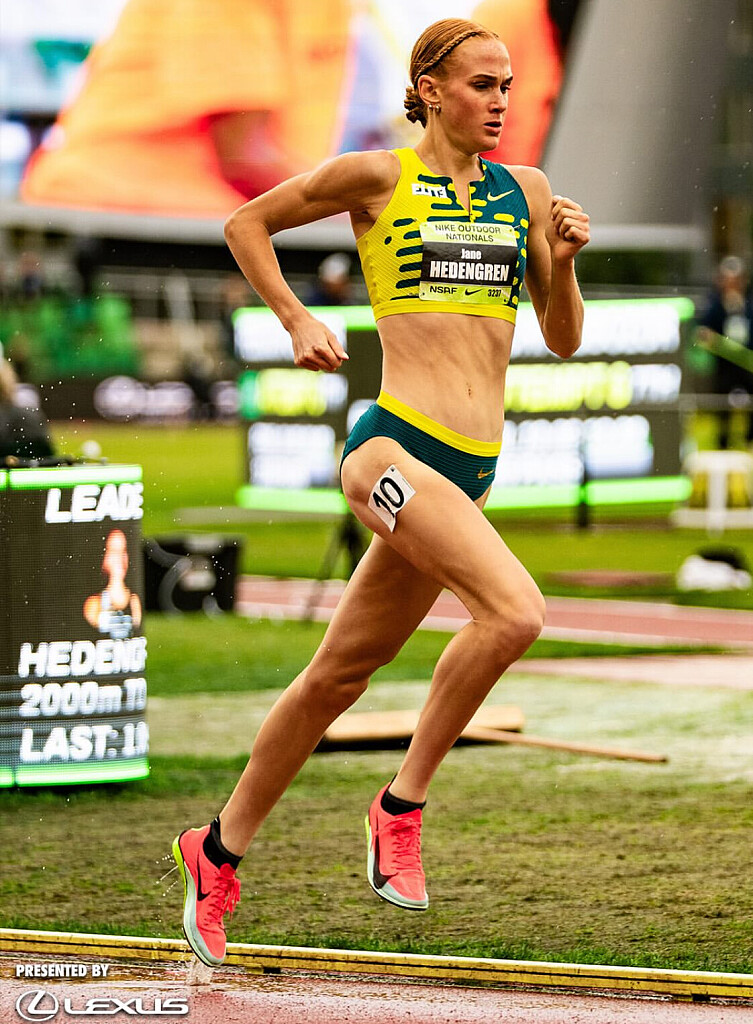
She Just Keeps Breaking Records
Jane Hedengren Runs 8:40.03 to Shatter Her Own American U20 and High School Record in the 3000m
Jane Hedengren isn’t just rewriting the record books — she’s obliterating them. On Saturday, June 21, at the Nike Outdoor Nationals in Eugene, Oregon, the 17-year-old phenom delivered another jaw-dropping performance, clocking 8:40.03 in the 3000 meters to lower her own American U20 and high school record.
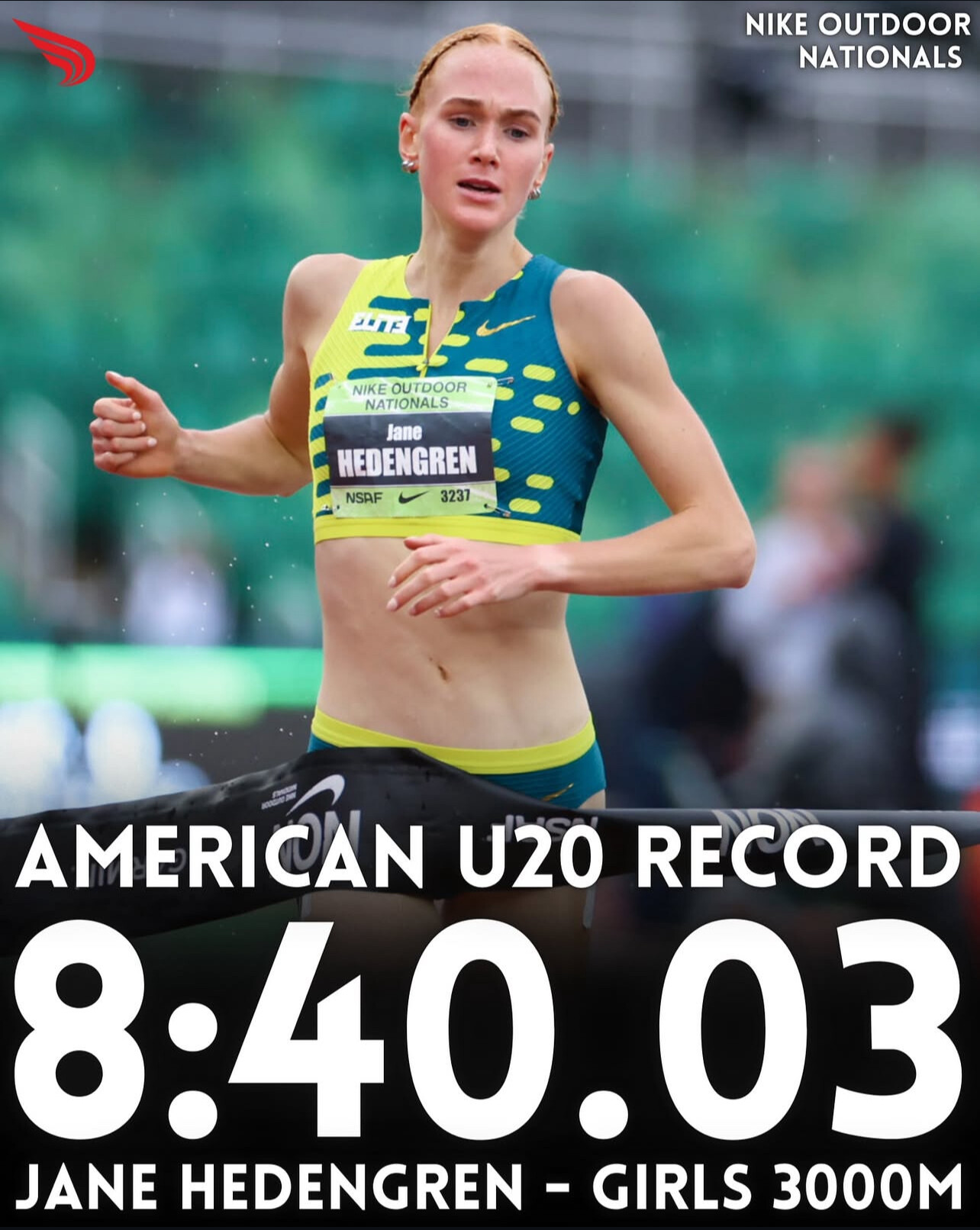
Or This mark, set on the storied track at Hayward Field, came just two weeks after Hedengren ran 8:40.99 at the Brooks PR Invitational — which, at the time, was the fastest 3000m ever run by an American high school girl. Saturday’s performance confirms what the track world is quickly realizing: we’re witnessing one of the most extraordinary distance runners the U.S. has ever produced at this age.
One of the Greatest Streaks in High School History
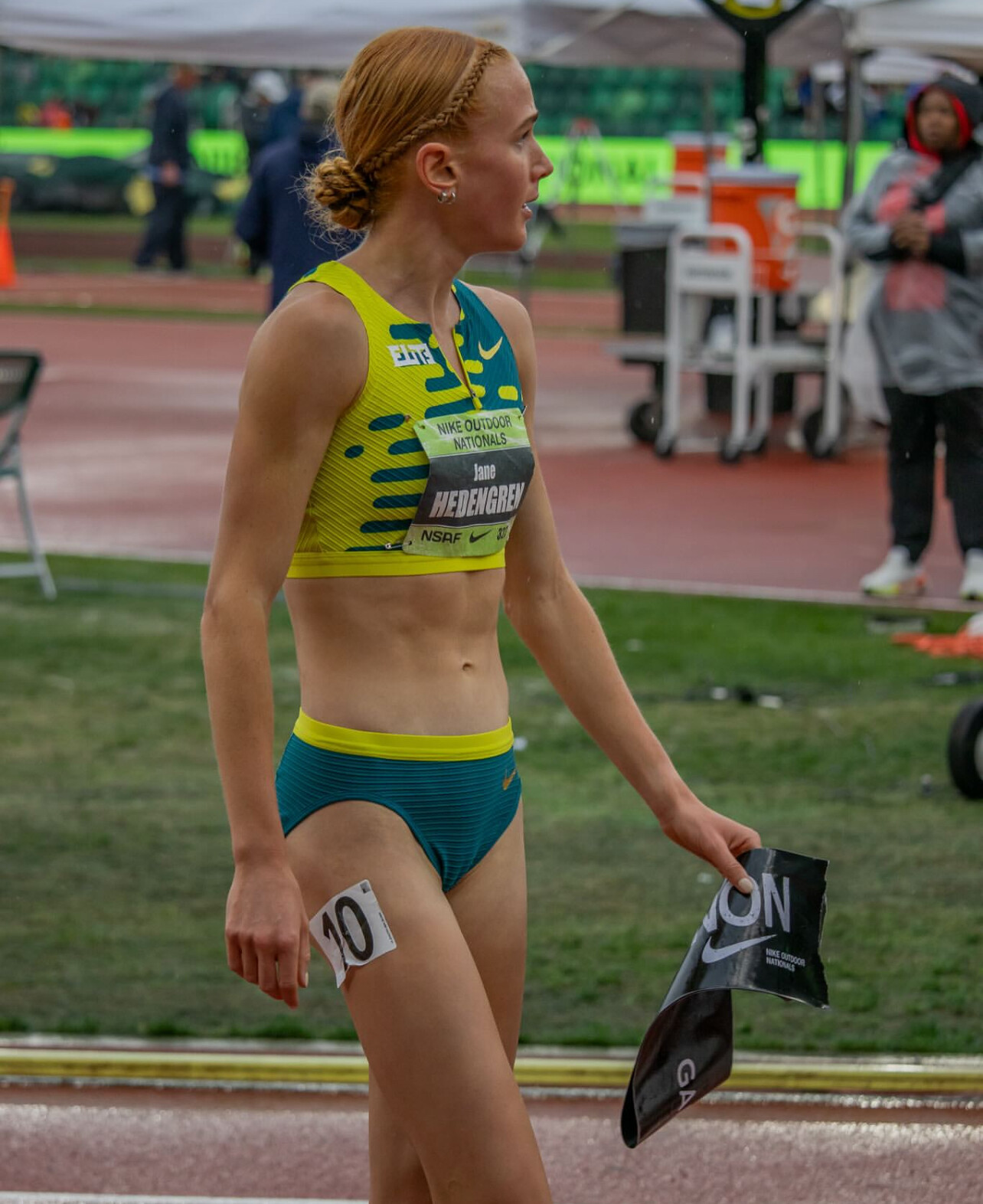
Hedengren’s 2025 season has been nothing short of historic. In the span of just a few months, she has broken high school national records in:
Mile – 4:23.50
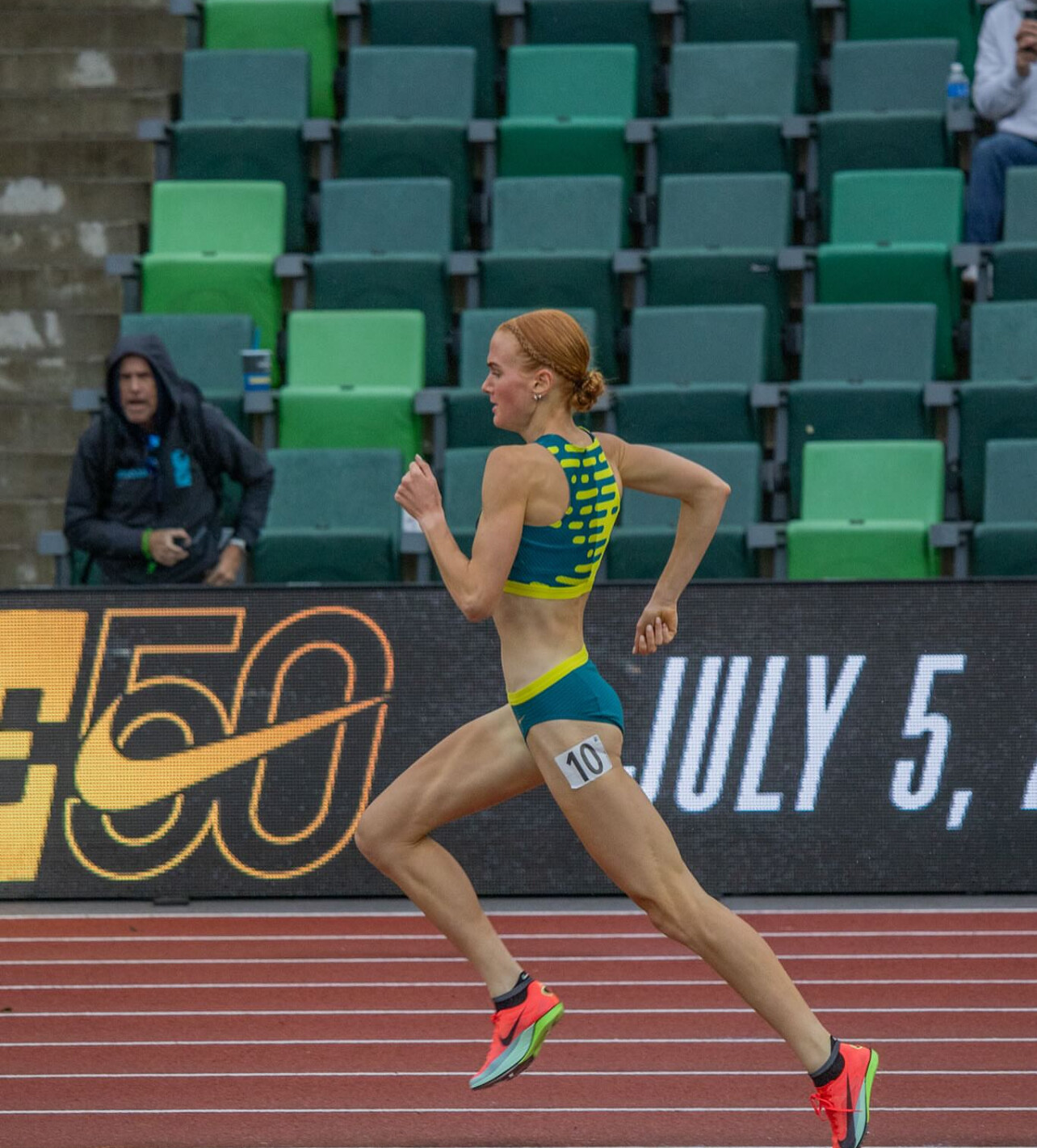
1600m – Converted from her mile time
Two Mile – 9:17.75 (en route during her previous 3000m record)
5000m – Both indoors and outdoors
3000m – Now twice, with her latest 8:40.03 mark
And she’s still not done.
Despite cool, rainy conditions in Eugene, Hedengren ran with poise and control, steadily widening her lead throughout the race. Her form was fluid, her pacing flawless — a reminder that even under less-than-ideal conditions, she is a generational talent.
A Glimpse into the Future
Hedengren, who has committed to BYU, is heading to college as the most decorated high school distance runner in recent memory. With times already rivaling some of the top NCAA runners, her transition to the next level could be seismic.
But beyond the times, it’s her consistency and fearlessness that are setting her apart. She’s not afraid to front-run, to chase big goals, and to compete against older, more experienced athletes. That mindset — combined with her physical gifts — suggests this is only the beginning.
What’s Next?
With the summer track season still in full swing, there’s a chance Hedengren could take aim at even more records, including some at the senior level. Whether or not she races again this season, her mark on 2025 is already indelible.
From the mile to the 5K, indoors and out, Jane Hedengren just keeps breaking records. Her latest — an 8:40.03 3000m — is not just another national best. It’s a signal to the running world: the future is here.
by Boris Baron
Login to leave a comment
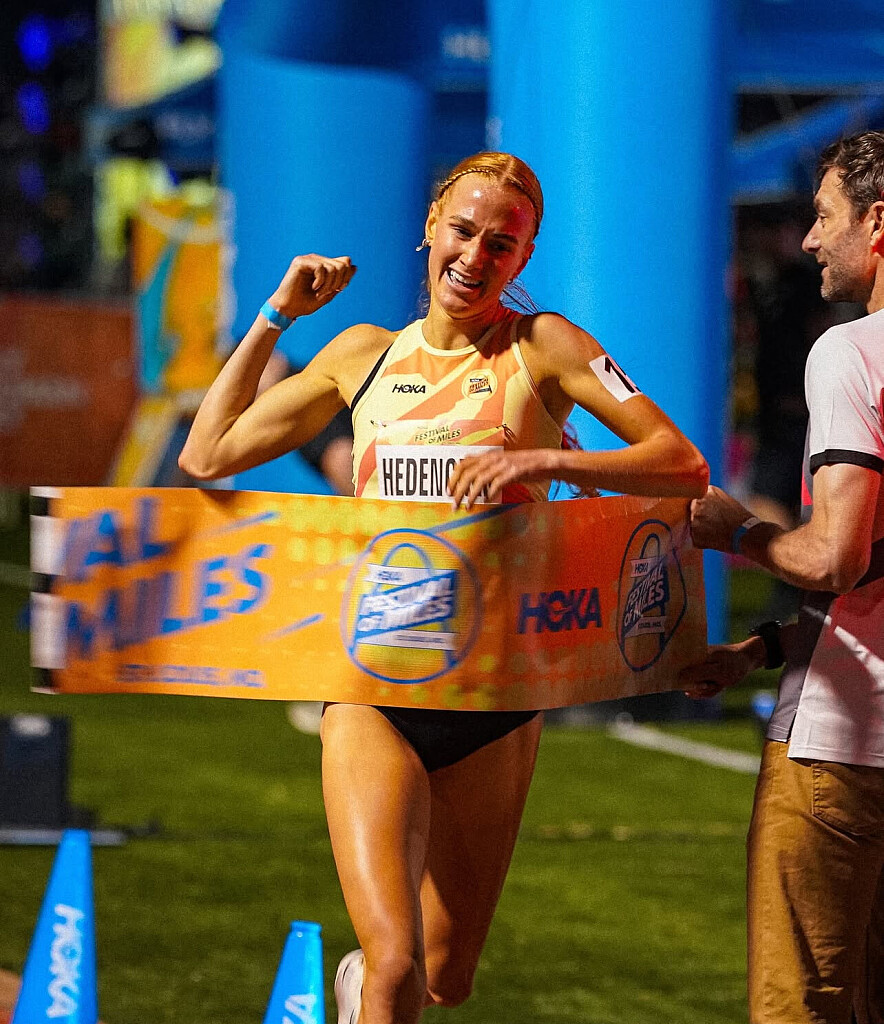
Jane Hedengren Sets the Pace of a Generation with Nine National Records
Seventeen-year-old Jane Hedengren of Timpview High School in Utah has officially rewritten the record books — not once, but nine times. With a jaw-dropping sweep of U.S. high school national records across distances from 1500 meters to 5000 meters, Hedengren is now the most dominant high school distance runner in American history.
She’s not just winning races — she’s transforming what’s possible in high school distance running.
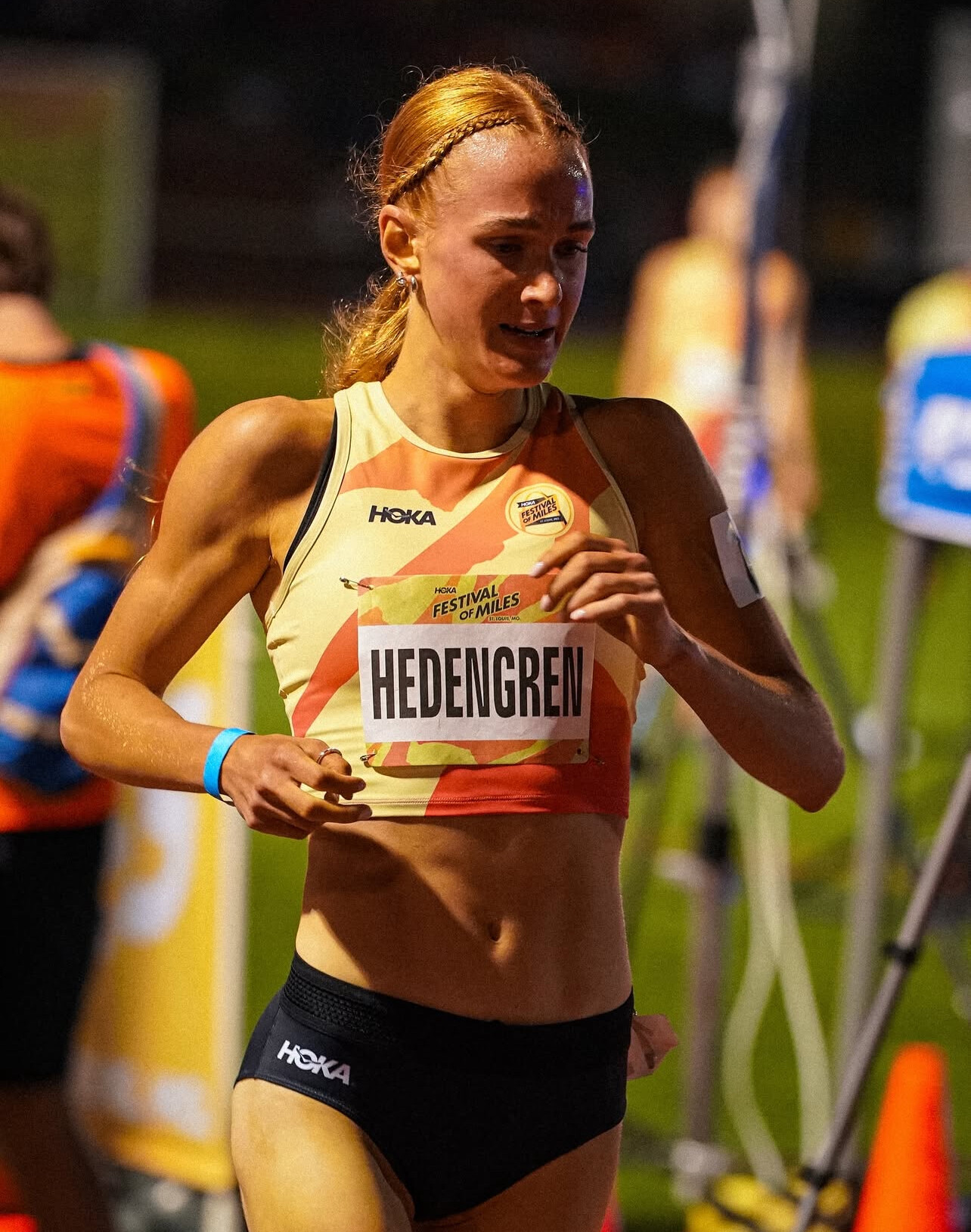
Jane Hedengren’s Record-Breaking Performances:
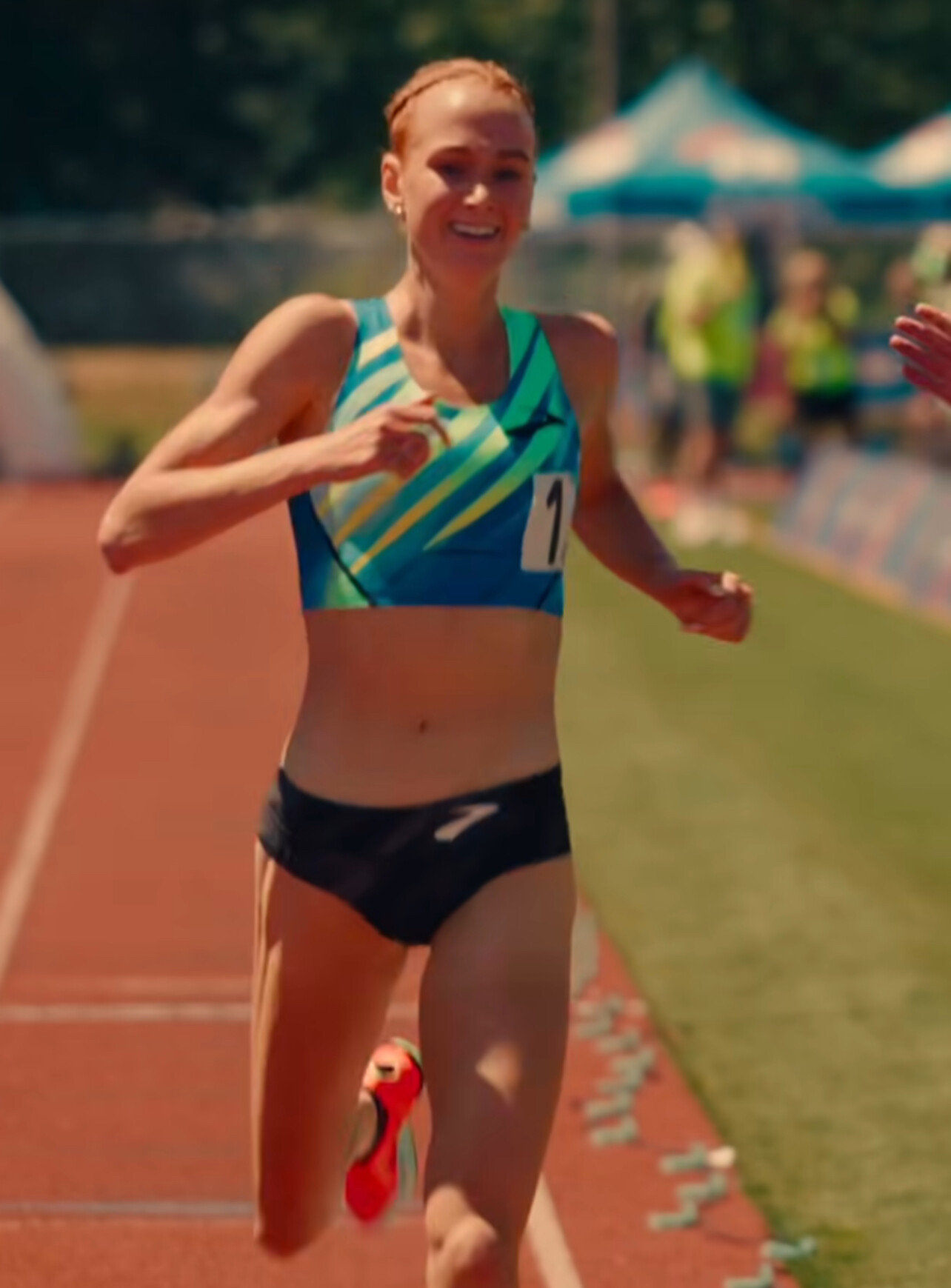
Event Time
1500m (mile-converted) 4:07.68
1600m 4:21.81
Mile (outdoor) 4:23.50
Mile (indoor) 4:26.14
3000m 8:40.99
3200m 9:14.65
2 Miles 9:17.75
5000m (mile-converted) 15:13.26
5000m (outdoor) 14:57.93
A Once-in-a-Generation Talent
Hedengren’s range is unprecedented — she dominates every distance she enters. Her 4:07 for the 1500m places her among the world’s best juniors, while her 14:57 5000m time would be competitive in professional fields. Whether it’s an indoor mile or a championship 5K, Jane is consistently delivering world-class performances.
Representing Timpview High School in Provo, Utah, Hedengren has emerged as a symbol of a new era — where high school runners are not just aiming for state titles but for global standards.
Elevating U.S. High School Running
Hedengren’s performances are being compared to the greatest names in prep history, but she’s creating a legacy that’s uniquely hers. She’s doing what no other American high school girl has done — excelling at every major track distance in a single season, and doing so with poise, grit, and an unmistakable drive.
by Boris Baron
Login to leave a comment
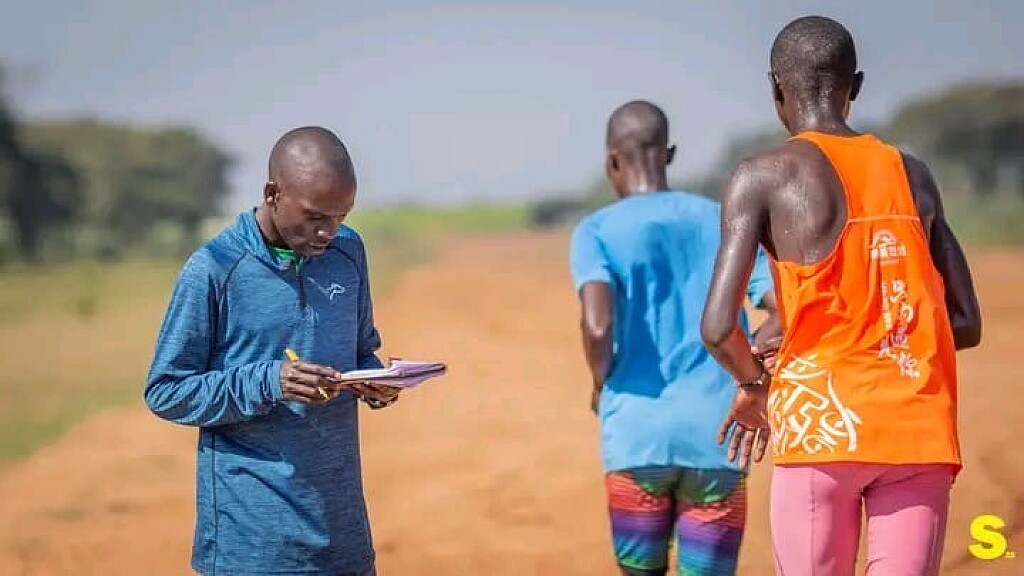
KATA Expands Global Footprint with Five New Running Camps Opening in June 2025
The Kenyan Athletics Training Academy (KATA) is advancing its mission to develop world-class runners and uplift rural communities by launching five new KATA Running Camps across Kenya in June 2025. These new satellite locations build upon KATA’s two well-established international retreats—in Thika, Kenya, and Monforte da Beira, Portugal—forming a growing global network grounded in endurance, discipline, and opportunity.
Five New Camps Opening in June
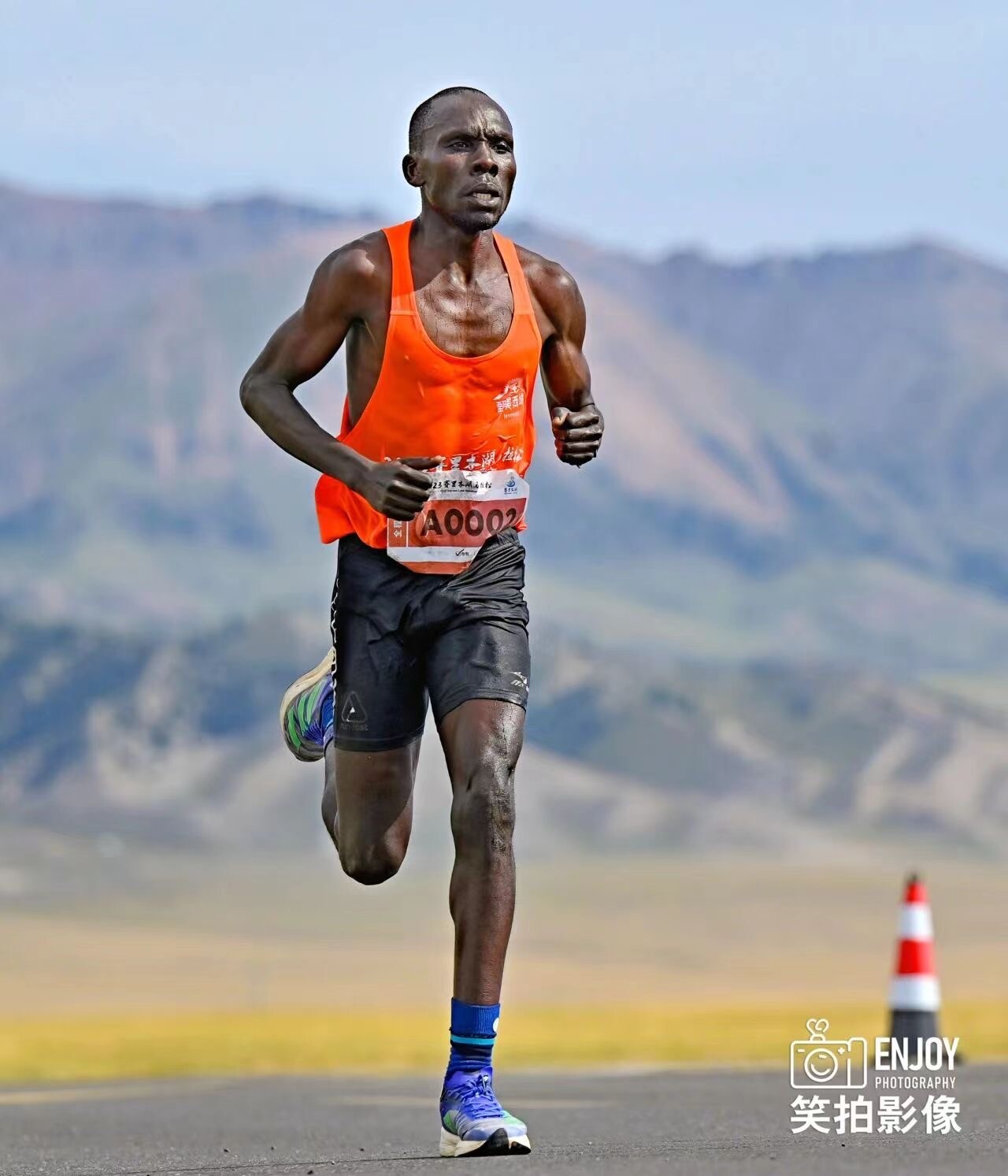
Each new camp will be led by accomplished athletes and coaches who deeply understand the training demands of distance running:
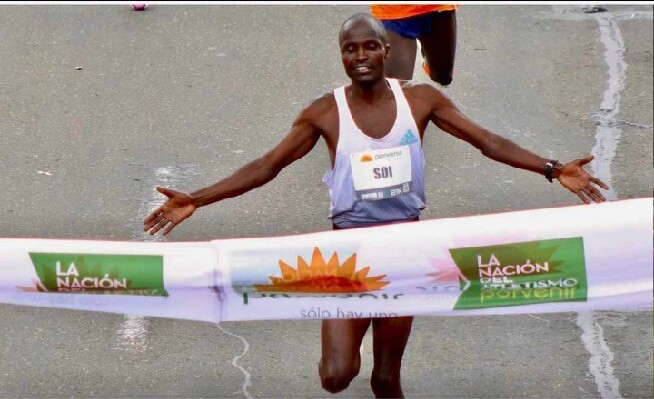
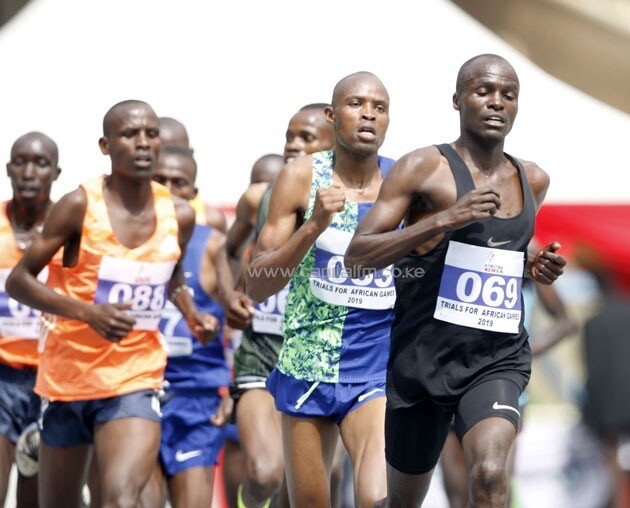
• Kericho, Kenya (~2,500m / 8,200 ft) – Operated by Edwin Soi, Olympic 5000m bronze medalist (2008) and road racing legend. The location offers quiet roads and soft dirt trails, ideal for interval training and long runs.
• Molo, Kenya (~2,440m / 8,000 ft) – Operated by Eric Chepkwony, a seasoned distance runner and coach. The terrain features hilly roads and scenic countryside paths that simulate real race conditions.
• Keringet, Kenya (~2,600m / 8,530 ft) – Operated by Sammy Dismas, a world-class runner and proven coach with numerous victories to his name. The camp features a mix of flat and rolling terrain ideal for tempo and progression workouts.
• Kapcherop, Kenya (~2,400m / 7,875 ft) – Operated by Philemon Kipruto, a respected local coach. Athletes benefit from forest trails and undulating village roads perfect for aerobic development.

• Nyandarua, Kenya (~2,300m / 7,550 ft) – Operated by Peter Njoroge, a dedicated coach with strong community roots. The camp includes grassy trails and high-elevation road loops ideal for base building.
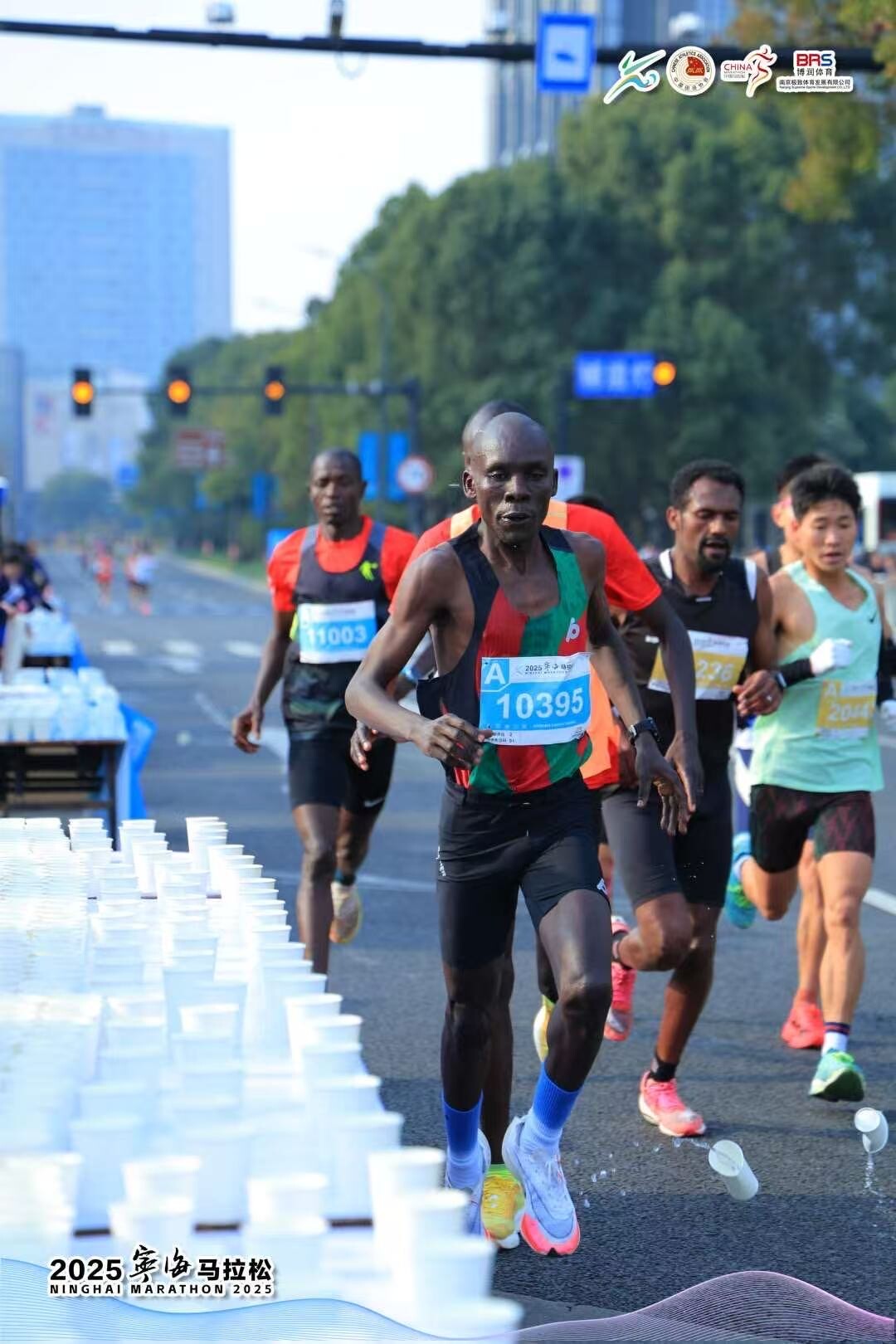
Each of these camps blends elite training with mentorship, while also promoting sustainability through the KATA Potatoes project, a unique initiative that connects athletics to local agriculture and economic growth.
Established KATA Retreats in Kenya and Portugal
KATA’s flagship retreat in Thika, Kenya (~1,530m / 5,020 ft) continues to serve as a high-performance training hub. Managed by Christopher Muiruri, the retreat features a mix of paved loops, dirt roads, and peaceful paths—making it ideal for both elite athletes and visiting guests. KATA head coach John currently trains 20 KATA athletes and works closely with guest runners of all levels.
In 2024, KATA expanded into Europe with a retreat in Monforte da Beira, Portugal (~470m / 1,540 ft). Managed by Alberto Santos, the retreat is located at the historic Anderson Manor, just one hour from the Spanish border. The setting features technical trails, scenic roads, and a wellness-focused environment. Bob Anderson and his wife Catherine now spend about 35% of their time at this location, which serves as a perfect base to teach the Kenyan training philosophy. At least one accredited Kenyan coach is on-site at all times.

A Vision Rooted in Training and Transformation
KATA was founded by Bob Anderson, creator of Runner’s World and a lifelong runner—he has been running since February 19, 1962. His vision goes beyond athletic excellence. It’s about building stronger communities through sport and shared purpose.
“This is not just about running fast,” says Anderson. “It’s about building strong roots—on the track, in the field, on the road, and within the community.”
Looking ahead, Anderson adds:

“We’re planning to open another five KATA Running Camps in Kenya by the end of the year. This is a new concept, and the feedback so far has been overwhelmingly positive.”
by Boris Baron
Login to leave a comment
 It's a new dawn for kata. Kata is the best training camp to be - Elam wangwero 6/6 8:40 am  This idea of KATA started with a dream I shared with Elam back in 2014. - Bob Anderson 6/6 11:26 am |
BROTHERHOOD ON BOYLSTON: JOHN KORIR LOOKS TO EMULATE WESLEY AS BOSTON MARATHON CHAMPION
By Toni Reavis
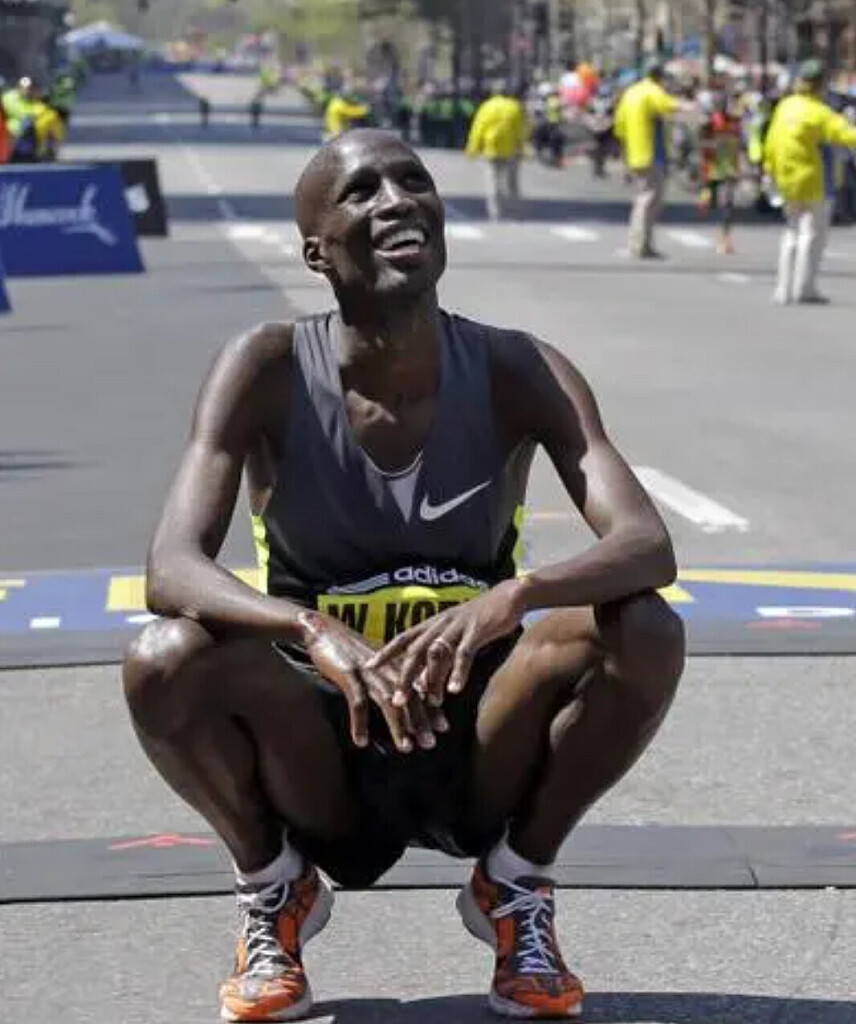
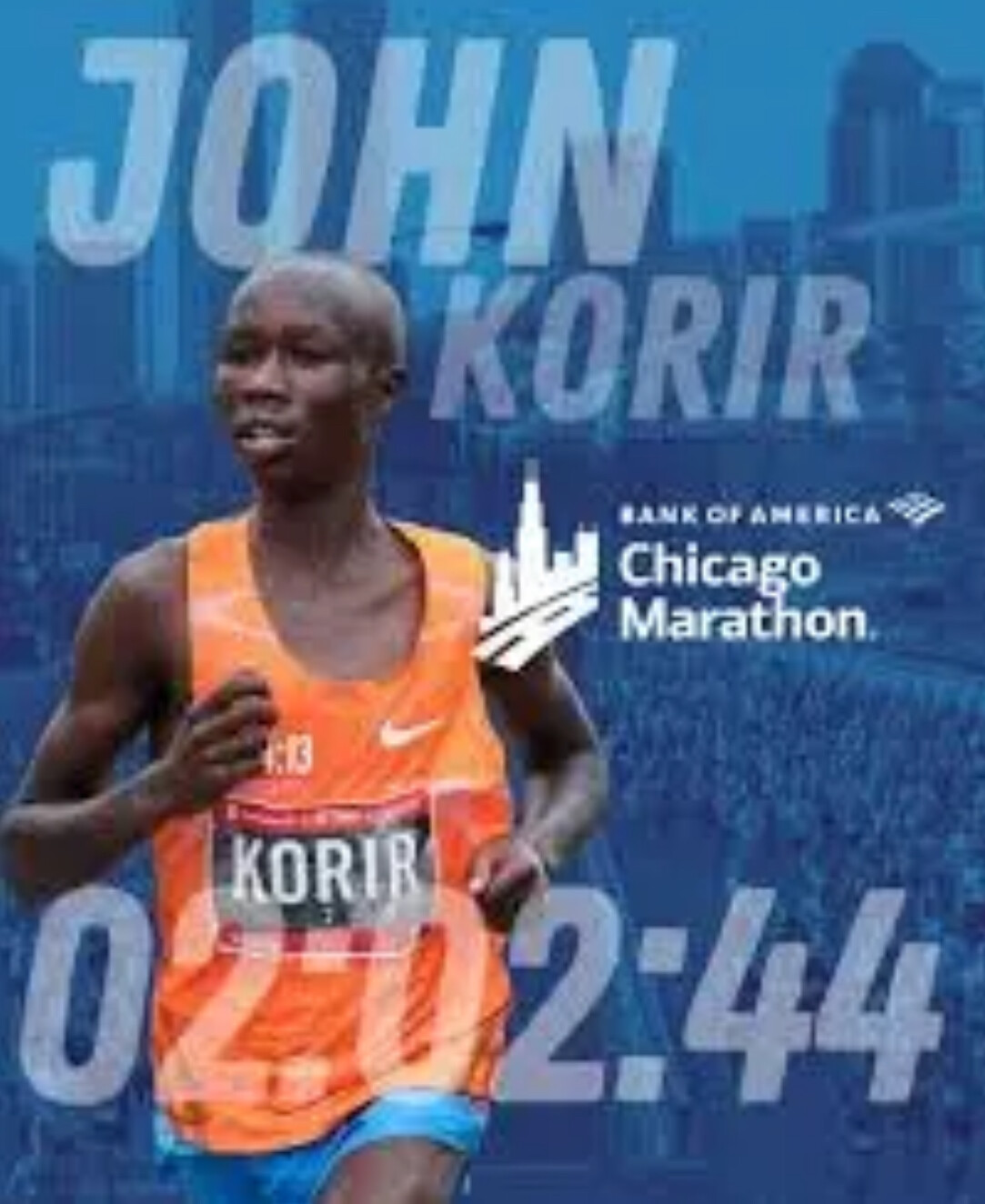
There have been many historic firsts in the long history of the Boston Marathon. This coming Monday, 21 April, 2025, 28-year-old John Korir of Kitale, Kenya, will attempt to become the first brother of a Boston champion to match his sibling on the Boylston Street winner‘s platform. Older brother Wesley won Boston in the notoriously hot year of 2012.
History To Write
The Korir brothers have already written their first chapter of running history when John won the BofA Chicago Marathon last fall in 2:02:44. That gave each brother one World Marathon Major on their ledger. And both have won twice the Los Angeles Marathon, too, Wesley in 2009 & 2010, John in 2021 & 2022. Now John looks to join Wesley as a Boston champion.
STRONG FIELD
But it won’t be easy as John will have, among others, two former Boston champions to contend with, defender Sisay Lemma of Ethiopia and 2022-2023 champ, Evans Chebet of Kenya.
All three competed last year, so there won’t be any surprises like we saw in 2024 when Lemma struck out early, opened a commanding lead—posting the fastest first half in Boston history, 60:19—and then hung on to win.
BOSTON TACTICS
So accustomed are today’s runners to pacesetters, that a tactic like hard early front running can catch competitors off guard. Remember Meb Keflezighi in 2014? It worked again ten years later.
Despite Lemma slowing to a near 66-minute second half, his cushion was substantial enough for a relatively easy win in 2:06:17. Chebet finished third, Korir fourth.
1. Sisay Lemma: 2:06:17 (Ethiopia)
2. Mohamed Esa: 2:06:58 (Ethiopia)
3. Evans Chebet: 2:07:22 (Kenya)
4. John Korir: 2:07:40 (Kenya)
Odds are that Lemma won’t employ the same strategy this Patriots’ Day. And if he does, the others won’t be caught on their back foot.
FAITH IN & FROM COACH MANN
I spoke with John Korir‘s coach, Ron Mann, two days ago after he finished nine holes of golf at his home course in Louisville, Kentucky. We discussed both John and brother Wesley, who Ron also coached at the University of Louisville and then throughout his professional running career.
I pointed out to Coach Mann that Boston 2025 will be the 12th marathon of John’s career. He began with two late race falters in his first three marathon attempts, Ottawa 2018 and Los Angeles in 2019. On both occasions, he moved hard at 20 miles and opened what looked to be winning margins.
EARLY HARD LESSONS
But in Ottawa, course record holder Yemane Tsegay of Ethiopia caught him at 40k, and won by 22 seconds. In Los Angeles, it was even more cruel, as John faded significantly on Ocean Avenue in sight of the finish line in Santa Monica. With less than 30 seconds of running left, Elisha Barno flew by the exhausted Korir to snatch the win by 7 seconds.
“Early in his career, when he was running well, but not great, he was only running about 70 miles a week,” explained Coach Mann. “He didn’t have a bottom under him. Gradually, over a period of four years, we are now at the point where he is running big mileage. He first did it before Chicago last fall and now even a little bit more for Boston. I don’t know how well the others are prepared, but John is all ready to go.”
This will be John‘s third attempt at Boston. In 2023 he finished ninth in 2:10:04. Last year he was fourth in 2:07:40.
“So he knows the course,” confirmed Coach Mann. “And if we go back to Geoffrey Mutai’s record in 2011 (2:03:02), everything happens at Heartbreak Hill. Two years ago, John charged up Heartbreak Hill with Eliud Kipchoge. They ended up eighth and ninth. So you gotta ask if that’s the wise thing to do.”
BOSTON SPECIFIC PREP
John has prepared on a variety of terrains back home for Boston’s tricky route.
“Like golf, you try to look at the course you’re playing,” explained Mann, who visited John in Kenya in January. “If the last hole is over water, then you practice that. So the last 4 miles in Boston are downgrade with big crowds. So you have to be ready for that.
“I told him, ‘you have as much speed as anyone. You’ve run a 58:50 for the half-marathon. So if you feel like you wanna go, go. But if you feel like you wanna wait, then wait.”
There is a 14-year gap between Wesley and John. And their attributes as runners are different as well.
2012 Boston Marathon champion Wesley Korir (third photo)
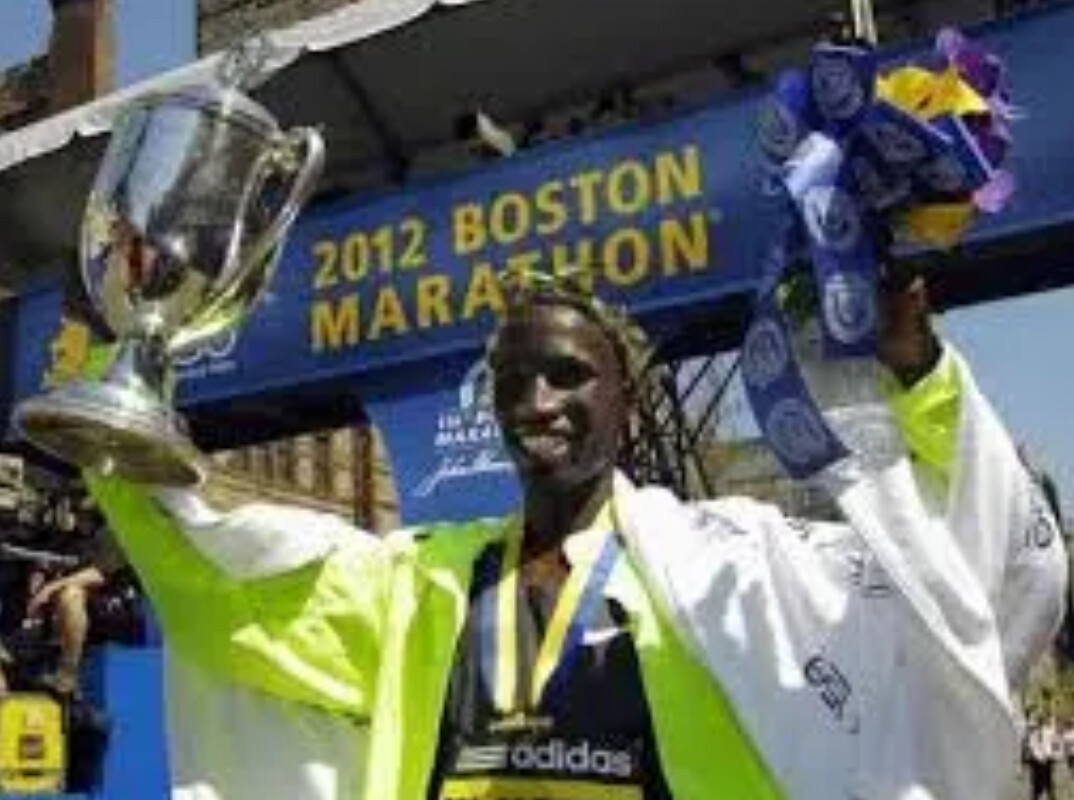
“John has more speed,” said their coach. “But Wesley had more endurance. He was able to withstand more early on in his career. But we needed to put speed on to his endurance. But when he decided to campaign for and won his seat for parliament in 2013 (as he simultaneously prepared to defend his Boston title), we never got a chance to do that. So we never saw the end of his career where he could’ve maximized his speed. John already has the speed. We just needed to put endurance beneath it.”
LEARNING HOW TO WIN
Another of Korir’s opponents will be American Olympian, Connor Mantz. Like John, Connor is 28-years-old, and just entering his prime. While still dangerous, Sisay Lemma (34) and Evans Chebet (35) are on the back nine of their careers.
Though Connor Mantz has a half marathon PR close to Korir’s—59:15 to 58:50—he has yet to finish on the podium of a major marathon, much less tasted victory.
“John has learned how to win,” said Coach Mann. “That’s why the wins in the Boilermaker 15k (Utica, N.Y.), Falmouth Road Race, and Chicago Marathon in 2024 were so important. Now he is expecting to win.
“He already has two marathon victories in Los Angeles and one in Chicago. He also has a world class personal best (2:02:44). Now it’s consistency over a long period of time. Boston is one step along that route. Will he win this year? I don’t know. But he will win Boston in his career. I tell him, you’re as prepared as you can be, and I’ve never trained an athlete to your level before. So, it’s yours to take now.”
CONSTRUCTING YOUR FITNESS
Runners know that reaching peak form is a slow building process. People refer to building your aerobic house. I liken it to constructing a house of cards. You can build a very strong house, but you must build it assiduously, and gradually, or the whole thing will come tumbling down.
“Between Boston last spring and Chicago last fall, John’s stride tempo went up by five per minute,” explained Coach Mann. “And his average heart rate went from 184bpm in Boston to 173 in Chicago. That tells me he’s even fitter that he was.”
HOME IN THE CHERANGANY HILLS
John lives and trains in the Cherangany Hills about 40 minutes northwest of Eldoret, Kenya in the famed Central Highlands. It’s 15 minutes from Kitale, where the Transcend Academy is located.
Transcend Academy is a non-profit school sponsored by the Kenyan Kids Foundation USA that provides full scholarships to talented students from needy backgrounds. Its mission is to leverage running to develop holistic individuals for the progress of Kenya. It’s an offshoot of Wesley Korir’s political sensibilities.
The school was founded by Wesley and his wife, Tarah, who met while both were students at the University of Louisville. John also contributes financially to Transcend.
While John lives and trains in Kitale, his wife and three girls moved to Eldoret because that’s where his kids go to school. But John built a second home in Kitale with his Chicago winnings, so his family can come stay with him on weekends. John and Wesley’s mom and dad live about 600m from the school, too.
“We have a very close-knit, well-oiled family around him,” said Coach Mann, “to make sure that he gets it right.”
The field for Monday’s marathon is very strong and experienced. The weather forecast suggests benign conditions, so it will be the athletes, alone, who decide the outcome.
IN THE HANDS OF GOD
“I tell John, ‘the gift is your responsibility to use," said Coach Mann. "So use it well and give the glory to God’. He did that in Chicago. He crossed himself after he crossed the line.”
Maybe another cross in Hopkinton might not be a bad idea come Monday morning. Brother Wesley will be waiting with Coach Mann at the finish line on Boylston Street, praying like mad, one would assume.
Believing the Boston!
by Toni Reavis
Login to leave a comment

Boston Marathon
Among the nation’s oldest athletic clubs, the B.A.A. was established in 1887, and, in 1896, more than half of the U.S. Olympic Team at the first modern games was composed of B.A.A. club members. The Olympic Games provided the inspiration for the first Boston Marathon, which culminated the B.A.A. Games on April 19, 1897. John J. McDermott emerged from a...
more...
Three track workouts to propel you into indoor season
The season of running in tiny circles is back; soon, we’ll be watching world class athletes racing around a 200m loop at their indoor season opener. Track is a fun, exciting sport–even in the winter–and there’s no reason why you need to be left out. If you’re looking to tune up your turnover and spice up your speedwork on the indoor track this year, here are three workouts to kickstart your track sessions.
Calculate your 800, 1,500m and 3,000m paces using this pace chart.
Reverse ladder

Set 1: 5 x 600m (at 3,000m pace) with 80 seconds rest. Set rest: 5 minutes
Set 2: 4 x 300m (at 1,500m pace) with 90 seconds rest. Set rest: 5 minutes
Set 3: 3 x 200m (at 800m pace) with 90 seconds rest.
Drop distance
Set 1: 3 x 800m (beginning at 3,000m pace) with 2 minutes rest. Set rest: 5 minutes.
Set 2: 400m, 300m, 200m with 90 seconds rest. Begin at a faster pace than the 800s, and speed up as the reps shorten. Set rest: 4 minutes.
Set 3: Same as set 2, slightly sped up, if possible.
400 repeats
Set 1: 10 x 400m with 60 seconds rest. Start at 3,000m pace and aim to speed up by a second every other rep. Set rest: 5 minutes.
Set 2: 2 x 200m with 60 seconds rest at 800m pace.
Warmup/cooldown
Follow your 10 to 15 minutes of warmup with some drills and strides on the track–to avoid injury, it’s important to make sure you warm up completely before hopping into your session, especially if you just returned from the winter weather. If your legs feel especially sore or lactic after your final set, conclude your workout with some light, form-focused strides to shake out them out. Cap off the session with a 10- to 15-minute cooldown.
Outdoor/treadmill alternatives
If you don’t have access to an indoor track or don’t feel like running in circles, you can use time and effort-based cues to modify the workout to suit outdoor or treadmill running. Use the pace chart to find out your goal running time for each interval, and aim for time during each rep, instead of distance. If running outside, make sure you find a clear path or road with lots of traction for the fast reps.
3,000m pace: steady, comfortable effort. You should feel relaxed enough to maintain brief conversations with your training partners.
1,500m pace: comfortably hard effort. Speaking is limited to one or two words at a time with training partners.
800m pace: hard, intense effort. Your breathing will be too labored to carry a conversation. (These reps are very short anyway–the chat with your running buddies can wait!)
by Cameron Ormond
Login to leave a comment
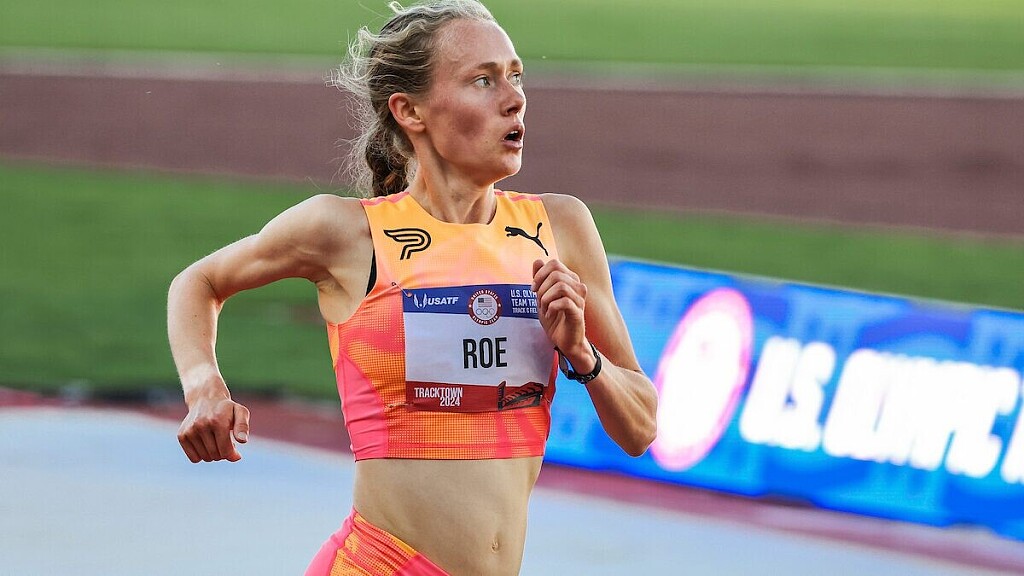
Try this pro runner’s rust-busting workout for 2025
What better way to hit the ground running in 2025 than with an elite-level workout? A YouTube video posted by Track: All-Access on Tuesday revealed professional Puma runner Taylor Roe‘s first workout of the track season–a hefty session filled with fartlek intervals and mile repeats. Give the workout a go if you’re looking for a speedy way to start off a new year of running.
The workout
Set 1: 1,600m. Rest: 90 seconds
Set 2: 1,200m fartlek (4 x 200m, 100m jog)

Set 3: 1,600m. Rest: 2 mins
Set 4: 1,200m fartlek (4 x 200m, 100m jog)
Set 5: 1,600m
Total volume on track: 8,800m
Remember to take the session easier than a mid-season workout–be extra gentle while busting off the rust! Complete the mile repeats at around 5K pace, and take on the 200m portion of the fartlek at a solid effort–faster than the mile pace, but much slower than an all-out attempt. Since it’s the only rest portion of this set, take the 100m jog very easy.
“It’s too early to blow people up,” Puma Elite head coach Alistair Cragg said. “We want to keep everyone in it, working together.”
Roe completed the mile intervals in 5:24, 5:22 and 5:20. Her fartlek sets were around 4:08 (34 seconds for 200m, 28 seconds for easy 100m). “I’m clearly not doing well at pacing,” Roe said to the camera mid-workout. “But it’s not as bad as I thought it would be.”
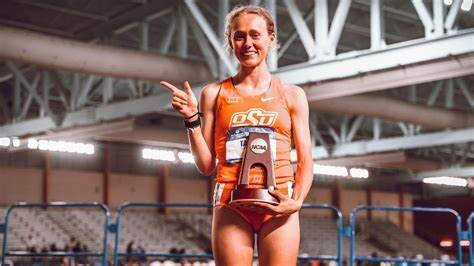
Representing Oklahoma State University, the Washington state native won the NCAA 3,000m title in 2022 with a time of 8:58.95. She took silver in the 2024 NCAA 5,000m in March, finishing runner-up to Olympian Parker Valby. Roe holds 12 NCAA All-American honours from her five-year collegiate career and holds a 5,000m personal best of 15:15.01. The 24-year-old signed with the Puma Elite Running Team in July.
It’s not yet known when the athlete is set to open up her indoor season, but Cragg hinted that it will be won’t be until February. “You’ll blow yourself up,” he said to Roe. “We’re not going anywhere near blowing you up for the next–at least–four weeks.”
by Cameron Ormond
Login to leave a comment
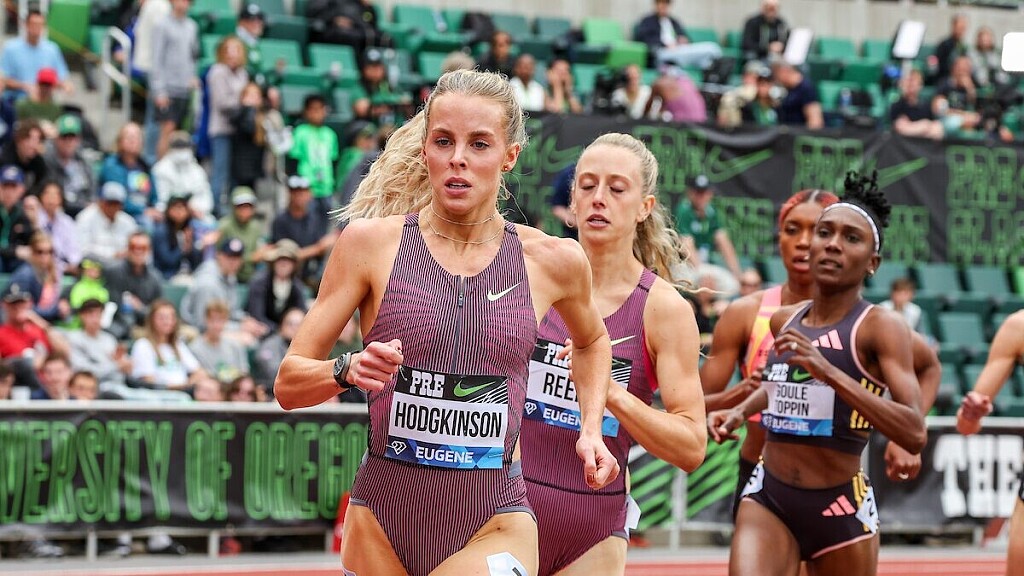
Olympic 800m champion refuses to sign with Grand Slam Track
Olympic 800m champion Keely Hodgkinson has expressed her lack of interest in signing with Grand Slam Track (GST), the new, lucrative rival to the Diamond League, according to The Standard. The British athlete plans to focus on running fast times and winning medals in 2025, choosing to forgo the chance to compete for the enormous US$400,000 prize purse awarded for winning all four GST meetings.
Hodgkinson still hopes to participate in the circuit as one of the four Challengers invited to compete. (Signed athletes are referred to as Racers). Michael Johnson, the creator of GST, plans to select these athletes based on their speed and popularity, while aiming to fuel existing rivalries. Challengers have one shot at the US$100,000 prize offered at each Slam, whereas Racers, who are already guaranteed base compensation upon signing, compete for the generous purse four times.
“I think it’s great what [Johnson’s] doing, I just don’t feel like it’s for me next year,” Hodgkinson said. “I guess we’ll see where the league goes after that. But I look forward to hopefully doing one.”
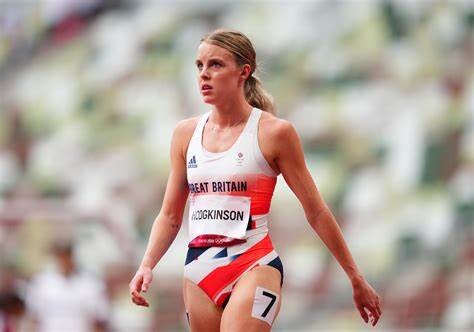
Hodgkinson would be slated to race against her frequent rival, 2023 world champion and 600m world record holder Mary Moraa. She would also face Olympic 1,500m silver medalist Jessica Hull and American mile record holder Nikki Hiltz, who round out the short-distance event roster.
Required to (almost) double her distance
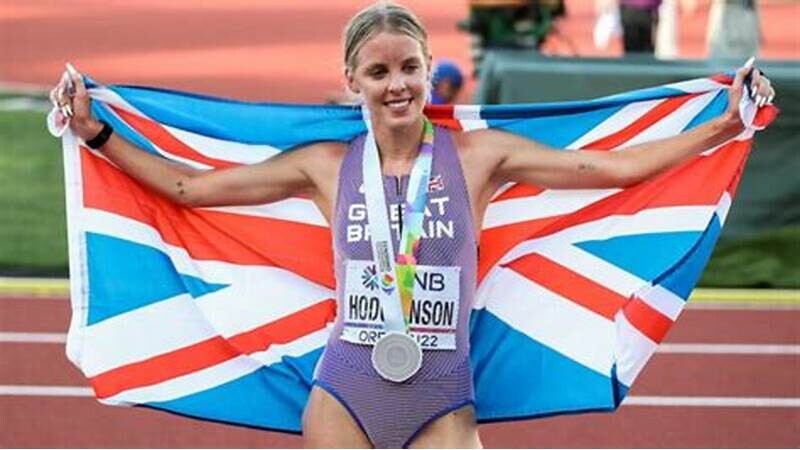
The league requires each athlete to participate in two events at each Slam; falling into the short distance category, Hodgkinson would race the 800m and 1,500m. While the Brit is less familiar with the latter, she would need to race the three-and-three-quarter-lap event four times during GST’s inaugural season.
An obligation to race eight times over four weekends and splitting her focus between two events doesn’t line up with Hodgkinson’s stated 2025 season goals. Although she called her season early due to an injury after winning gold in Paris, Hodgkinson already has her eyes on beating her personal best and earning more gold hardware from next year’s indoor European championships, and indoor and outdoor world championships
“It takes a special race”
“I do think the 1:53 is possible,” Hodgkinson, who holds a personal best of 1:54.61, told The Standard. “I think we’re so close to getting down there, but obviously it takes a special race. You’ve got to be in perfect shape, perfect conditions, the right race for all that to come together. I will definitely put myself in the best position to do so.”
Other major names missing from the GST roster include Jakob Ingebrigtsen, Noah Lyles and Sha’Carri Richardson. Currently, 43 of 48 athletes have signed with the league as Racers.
by Cameron Ormond
Login to leave a comment
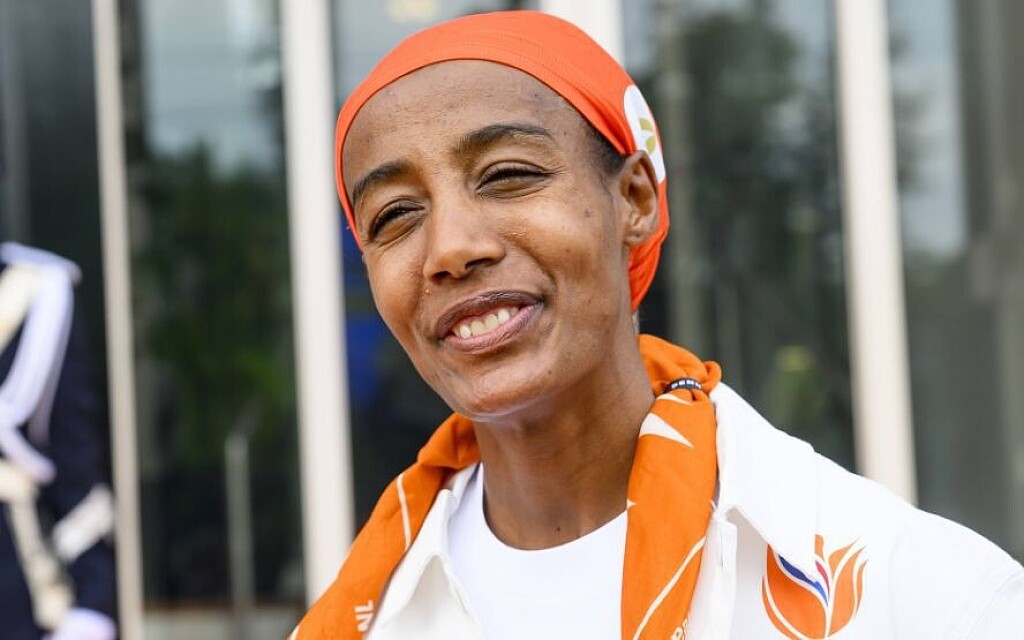
'It wasn't perfect' - Sifan Hassan on why it was terrifying to compete in three distances at the Paris Olympics
Hassan competed in three grueling races at the Paris Olympics, winning marathon gold and bronze in both 5000m and 10000m
Paris Olympics marathon champion Sifan Hassan has revealed why she made a decision to take part in three races at the 2024 Paris Games.
The 31-year-old claimed 5000m and 10,000m bronze before winning the marathon in an Olympic record.
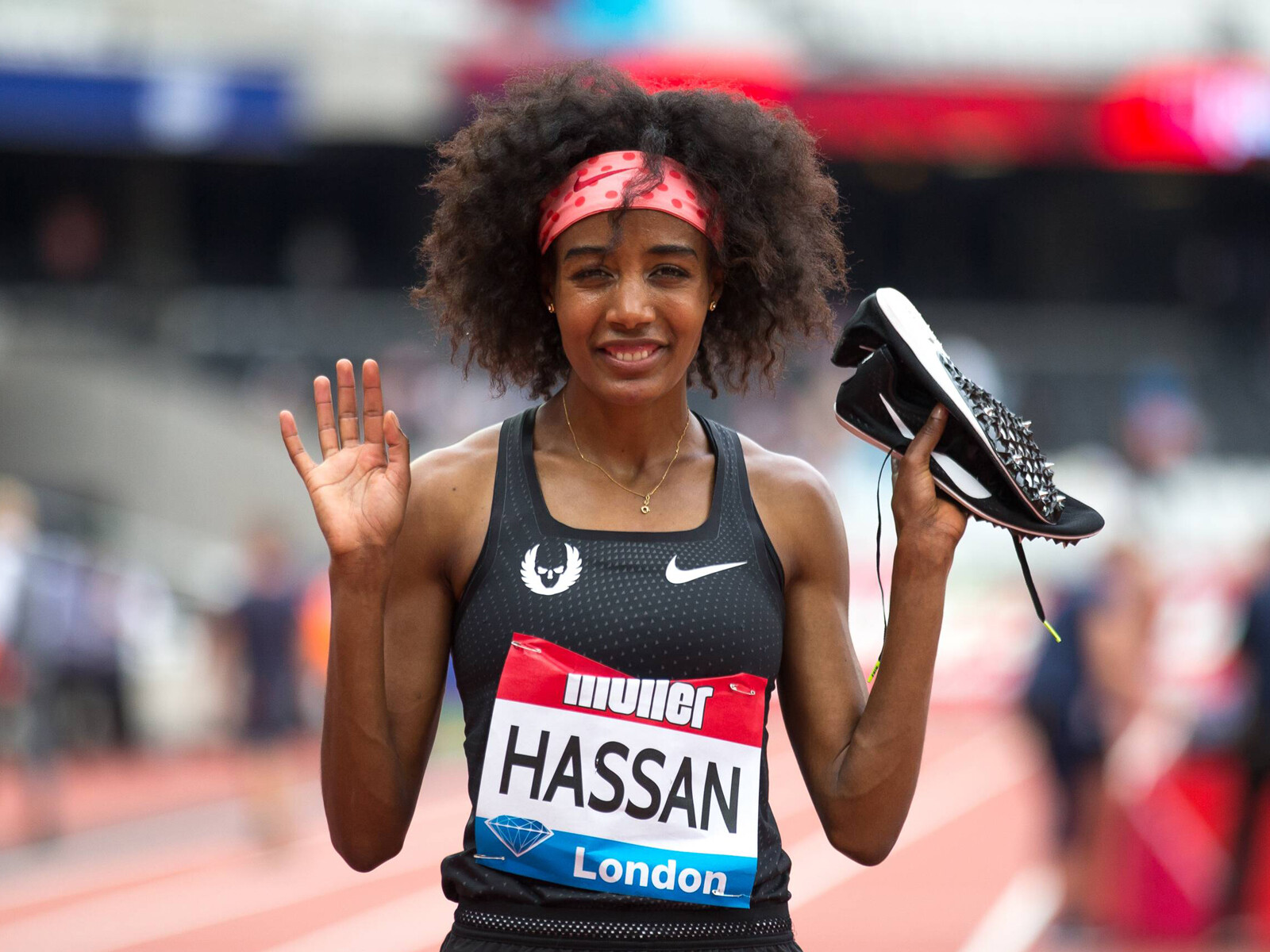
The Dutchwoman was honored at the World Athletics Awards 2024 in Monaco on December 1 where she won the women’s out of stadium category before being named as women’s World Athlete of the Year.
"This year, my curiosity pushed me to take a risk and compete in three distances at the Paris Olympics. It was terrifying, and that made each finish line more meaningful. It wasn’t perfect, but sometimes happiness comes from embracing imperfections," she told World Athletics.
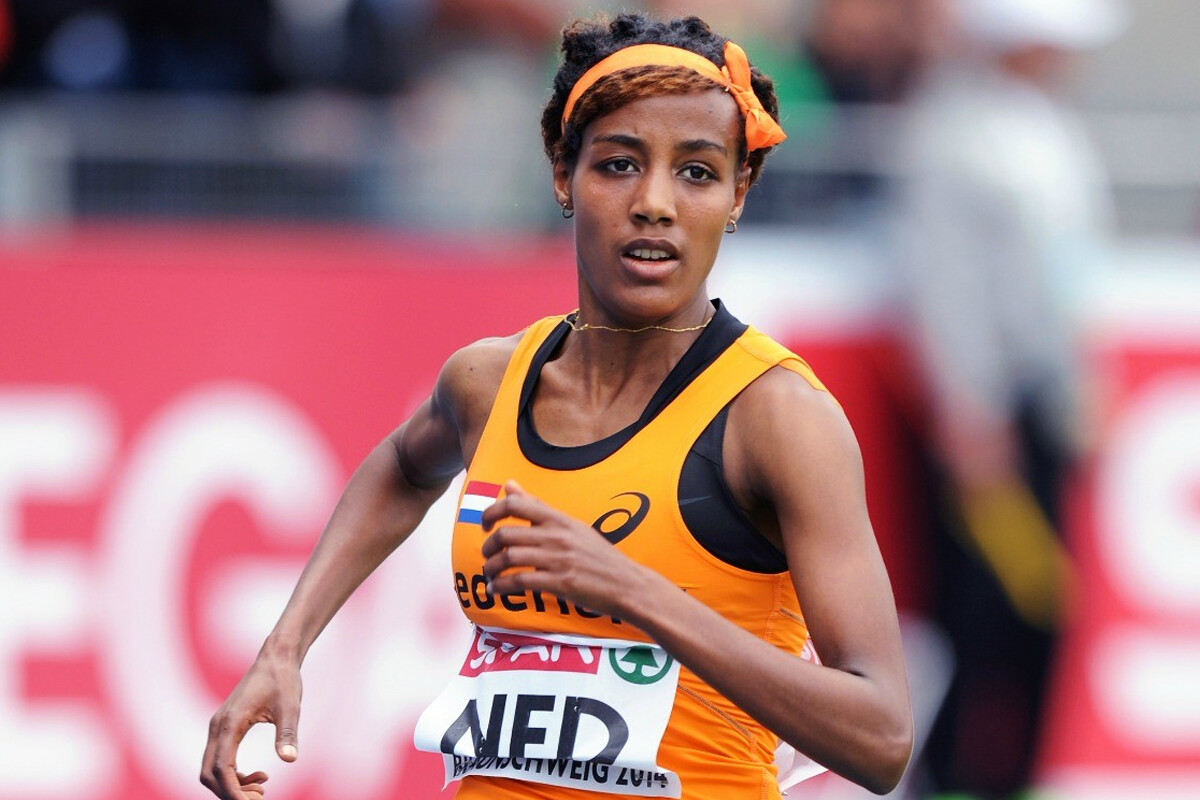
The Paris 2024 marathon course went down as one of the toughest and most challenging in Olympic history, taking place in grueling conditions and featuring one long, sustained climb and a second almost vertiginous climb around the 29km marker before a long, steep, giddy downhill stretch heading back into the city center.
Hassan said she studied the Paris course very well and familiarity gave her the confidence that she had what it takes to reign supreme in the French capital. She added that her Tokyo experience came in handy too.
"After I ran the Tokyo marathon, I looked at the Paris course. I started really practising to run 600m up, then 800m down. I did it so often that I couldn’t sit down, I couldn’t run. I almost injured myself," said the Tokyo Olympics 10000m champion.
“My coach said to me: ‘Why are you only focusing on this?’ And I said: ‘You didn’t see what I saw!’ Really, before Paris, I overtrained. I felt like I was done," the 5000m Tokyo Olympics champion maintained.
Her marathon win in an Olympic record of 2:22:55 came just 37 hours after Hassan had won 10,000m bronze, and six days after her 5000m bronze.
by Evans Ousuru
Login to leave a comment
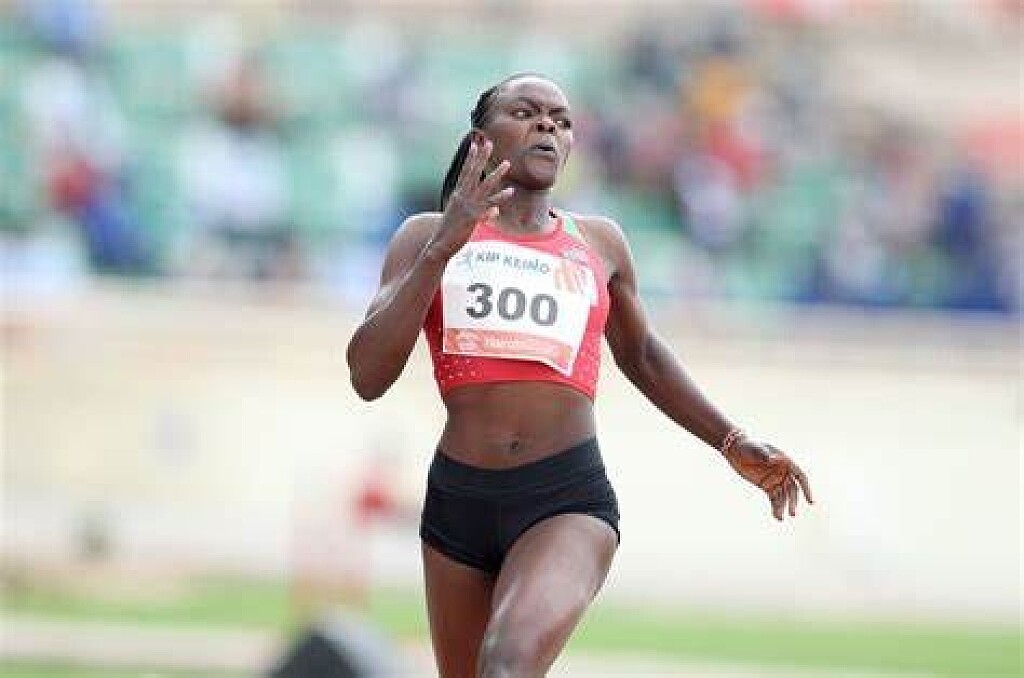
Mary Moraa 'back to the grind' ahead of tough 2025 season
Mary Moraa has resumed training as she plans to defend her world title amid the rise of strong 800m runners including Keely Hodgkinson and Athing Mu.
Mary Moraa has resumed training ahead of a tough 2025 season where she has a huge task of defending her world title at the World Championships in Tokyo, Japan.
The reigning world champion will battle for the title alongside very formidable 800m runners who have emerged this season. The Commonwealth Games champion lines up against Keely Hodgkinson, Tsige Duguma and Athing Mu alongside other 800m athletes.
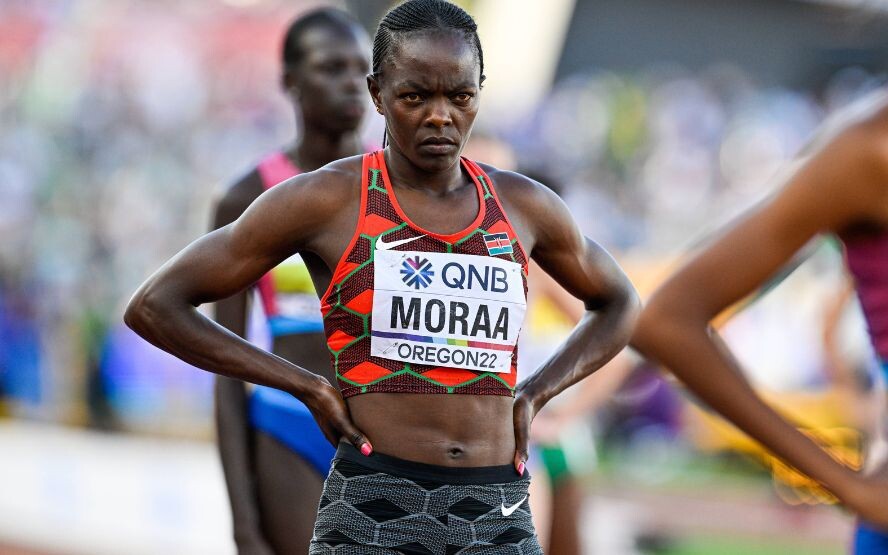
Mary Moraa had a mixed season this year and she will be looking to work on the finer things so as to be ready next season. She was off to a great start to her season, winning the 400m at the African Games then anchored the 4x400m mixed relay team to a bronze medal.
The Kenyan 800m star then proceeded to claim the win at the Kip Keino Classic before reigning supreme at the Diamond League Meeting in Doha and finished second at the USATF Los Angeles Grand Prix and Prefontaine Classic.
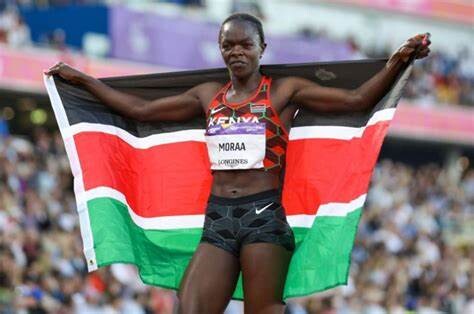
Moraa then finished second at the Kenyan Olympic trials and then won the bronze medal at the Paris Olympics. She bounced back to take the win at the Diamond League Meeting in Lausanne and finished third in Silesia. She won the 600m in a world best time at the ISTAF 2024 and then claimed wins in Zurich and the Diamond League Meeting final in Brussels.
Mary Moraa rounded up her season with a second-place finish at the Athlos NYC. Going back into training, she hopes to polish a lot of things and bounce back stronger to maintain a winning streak in 2025.
“It's about time...back to the grind ?,” Mary Moraa shared in a post on her Facebook page, adding, “Nice morning cruise with Brandon and the gang after a deserved break.”
Her competitors are also not resting on their laurels with Keely Hodgkinson, the reigning Olympic champion, making it clear that she will be going for the world title since it’s one of the titles she has yet to win.
Her coaches, Jenny Meadows and Trevor Painter have also revealed that she will be attacking both the indoor and outdoor world records in the near future.
“There’s no silvers and bronzes, now we have to do gold all the way forward, we don’t want to take any backward step and I just hopefully think that Keely can dominate and we’ve got the indoor world record to go at and in the next couple of years we’ll go after the tough world record. I think she can do it,” Jenny Meadows said.
“If she’s got the leg speed to get closer to her rivals, then they can’t out strength her so it was magic. The indoor one is easier to get than the outdoor but we’ll have a crack of both and see what happens,” Trevor Painter added.
On her part, after a heartbreaking 2024 season marred with injuries and missing out on the Paris Olympic Games, Athing Mu has already started preparation for the 2025 season.
The former world champion noted that the World Championships are her major target for the season and she is working towards making it through the trials and then heading to Tokyo.
“Well, trackwise we have the World Championships in September next year and it’s in Tokyo…first of all I pray we make it through trials and then we make it to that race,” Athing Mu said.
“I feel like it’s going to be a circle moment for me because that’s basically where I started and then I had some highs and lows.”
by Abigael Wafula
Login to leave a comment
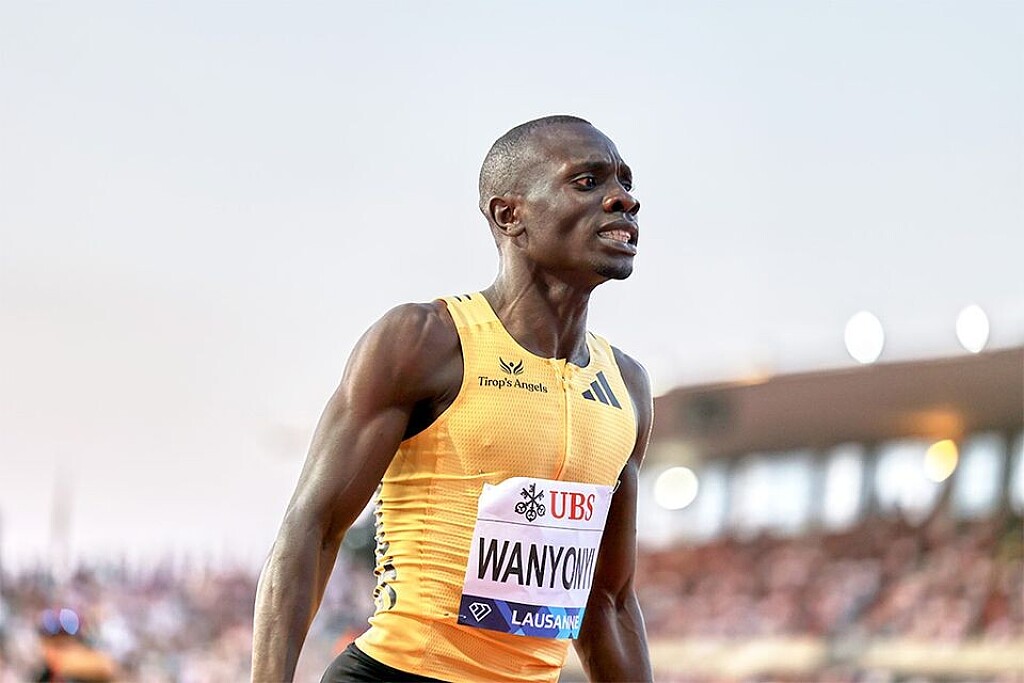
Why David Rudisha believes Emmanuel Wanyonyi is destined to break his 800m world record
Wanyonyi got to within an eighth-hundredth of a second away from equalling David Rudisha's 12-year 800m world record at the Lausanne Diamond League classic on Thursday.
When David Rudisha tipped Emmanuel Wanyonyi as the athlete most likely to break his 12-year-old 800m world record during the Kenyan trials for the Olympic Games at Nyayo National Stadium last June, it wasn’t just a casual remark.
Rudisha’s prediction is now gathering weight, especially after Wanyonyi clocked a blistering 1:41.11 at the Lausanne Diamond League meet in Switzerland on Thursday.
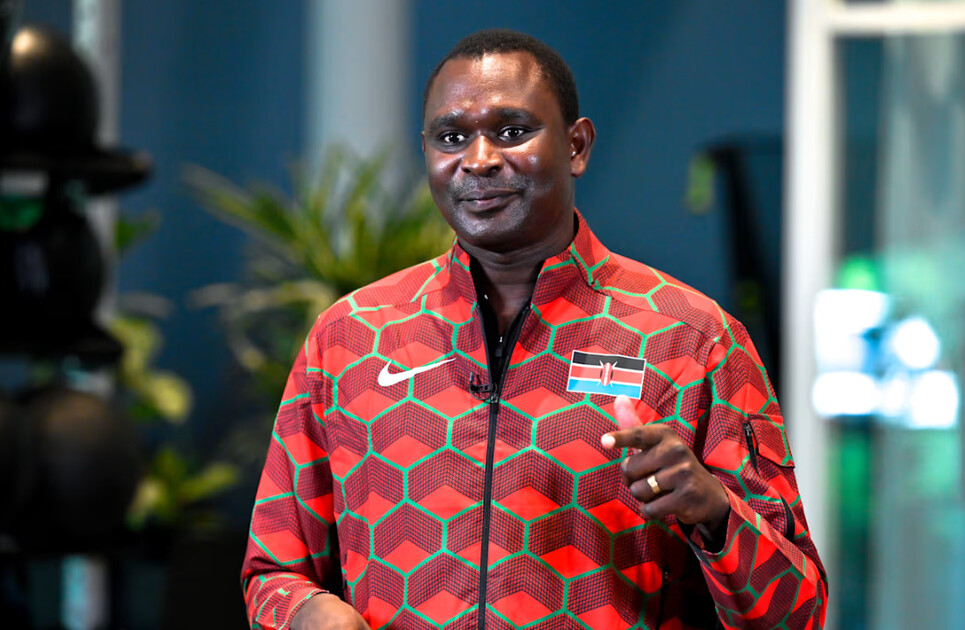
This time not only equaled Wilson Kipketer’s record but also placed Wanyonyi second on the all-time list, just eight hundredths of a second away from Rudisha’s world record of 1:40.91 set at the 2012 London Olympics.
“Wanyonyi is a young talented athlete. He has so much potential, and all he needs to do is fine-tune his craft, and this will see him push his time even lower,” Rudisha had told the media last June.
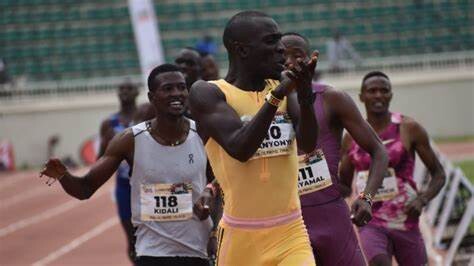
Rudisha, who knows a thing or two about world records, added, “He always shows his bravery and confidence whenever he steps on the track, and that has been the secret behind his success.
“World records are special. We are looking forward to seeing how the young generation is going to take up the challenge. Of course, there is a lot of innovation, and it improves performances. We believe that world records are there to be broken.”
Wanyonyi’s stunning performance in Lausanne has made him a force to be reckoned with in the world of athletics.
His time of 1:41.11 ties him with Kipketer and positions him as the most serious threat to Rudisha’s reign in the 800m. At just 20 years old, Wanyonyi’s rise to the top has been meteoric, and his determination to succeed mirrors that of Rudisha.
Rudisha himself had an illustrious career, beginning as a decathlete before switching to sprints and later focusing on the 800m in 2005. Just a year later, he won the 800m title at the World U20 Championships in Beijing, clocking 1:47.40.
In 2008, he claimed the African senior title in Addis Ababa with a time of 1:44.20. Then, on August 22, 2010, Rudisha set his first world record in Berlin, running 1:41.09 and breaking Kipketer’s 1997 mark.
Seven days later, he improved his record to 1:41.01 in Rieti. Rudisha continued his dominance by winning the world 800m title in Daegu in 2011, reclaiming it in Beijing in 2015, and becoming the first man since Peter Snell to retain the Olympic 800m title in Rio in 2016.
Now, Wanyonyi is carving out his own legacy. At 20, he became the youngest-ever Olympic 800m champion, leading a race of unprecedented depth in Paris.
He held off Canada’s Marco Arop, the reigning world champion, who briefly took the lead off the final turn before Wanyonyi surged back in the final steps. Arop finished with a North American record of 1:41.20 for silver, while Algeria’s Djamel Sedjati claimed bronze in 1:41.50.
Reflecting on his victory, Wanyonyi said, “It was going to be hard to defend as the only Kenyan in the final. I had a lot of pressure. I spoke to Rudisha yesterday, who told me I would win if I employed my tactics. I decided to run the way he did in London. If I had run a slow race, they would have beaten me.”
Although Wanyonyi didn’t quite match Rudisha’s record, he is keen on having another go at it when the Diamond League moves to Silesia, Poland, this Sunday.
While he has remained modest about his world-record ambitions, saying, “Maybe, but not now,” the Diamond League offers the perfect stage for him to make history. The Wavelight technology, which has been instrumental in helping athletes maintain pace, will also be in use, providing Wanyonyi with every opportunity to push the boundaries.
Wanyonyi is no stranger to breaking records. At 19, he shattered the previous one-mile (1,600m) record of 3:56.13 set by American Hobbs Kessler at the World Road Running Championships in Riga, Latvia, last year.
With Rudisha as his role model and mentor, Wanyonyi is poised to continue his upward trajectory and possibly eclipse the mark set by the man he so deeply admires.
As the athletics world watches, the question on everyone’s mind is not if, but when, Emmanuel Wanyonyi will break the 800m world record. And when that day comes, it will be the culmination of a journey inspired by greatness and driven by the relentless pursuit of excellence.
by Mark Kinyanjui
Login to leave a comment
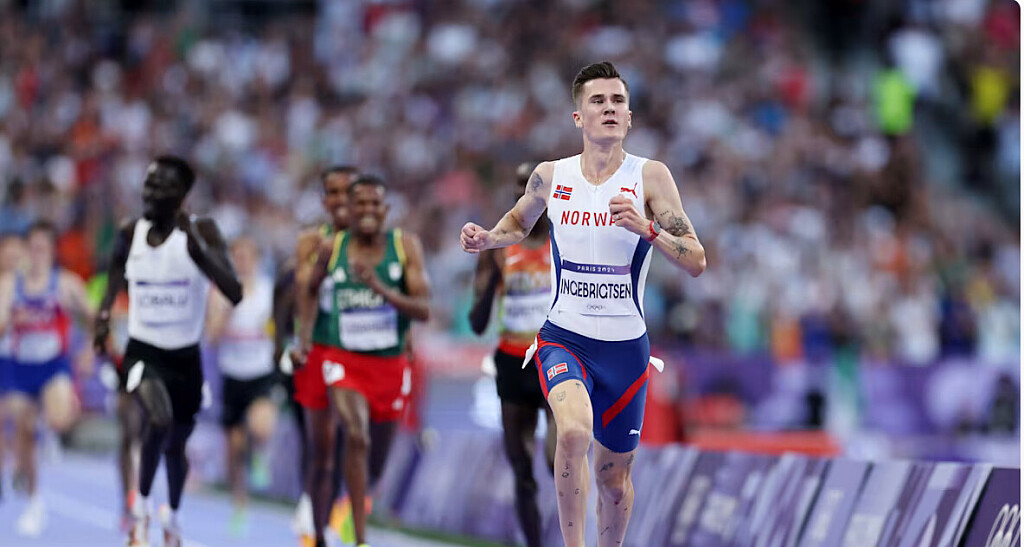
JAKOB INGEBRIGTSEN CAPTURES OLYMPIC GOLD IN THE MEN’S 5,000M
Norwegian superstar Jakob Ingebrigtsen raced to a maiden Olympic 5,000m gold medal at Paris 2024 on Saturday (10 August).
The double world champion over the distance made up for his hiccup in the 1,500m in the French capital where he finished in fourth place after a dramatic sprint for the line.
Ingebrigsten was in cruise control over the final stretch of the 5,000m, beating nearest rival Ronald Kwemoi of Kenya by nearly two seconds with a time of 13 minutes, 13.66 seconds (13:13.66).
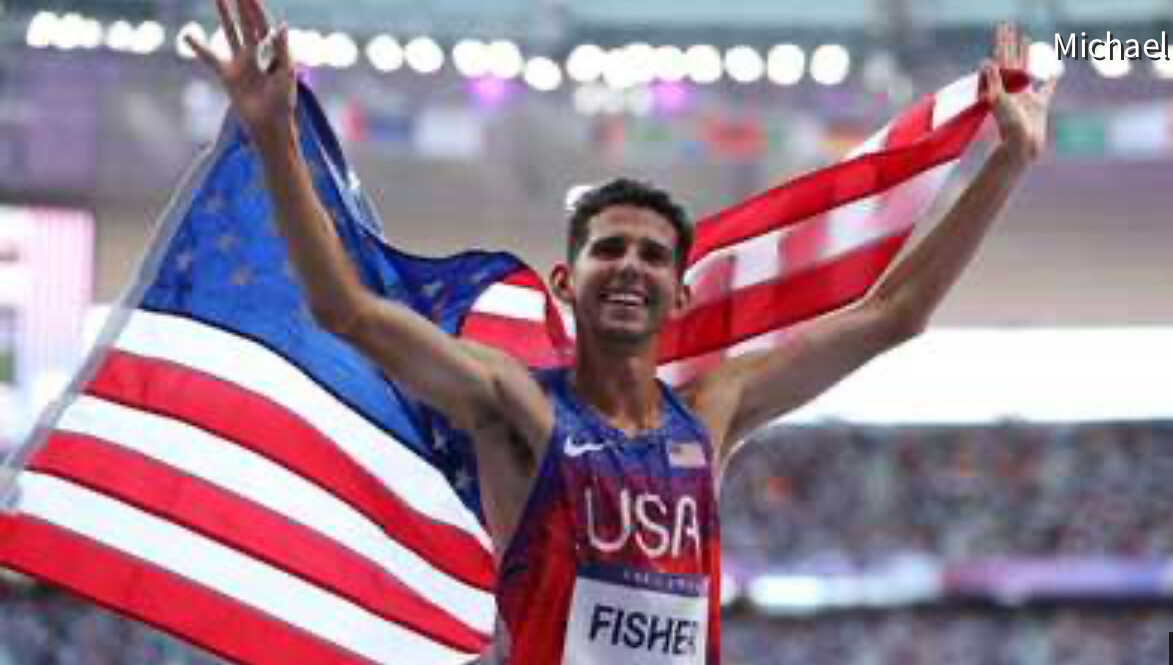
Kwemoi crossed the line second in 13:15.04 with Grant Fisher of the U.S. bagging bronze in 13:15.13.
Ingebrigtsen conceded his Olympic 1,500m earlier in the track and field meeting and lined up in the 5,000m hoping for redemption.
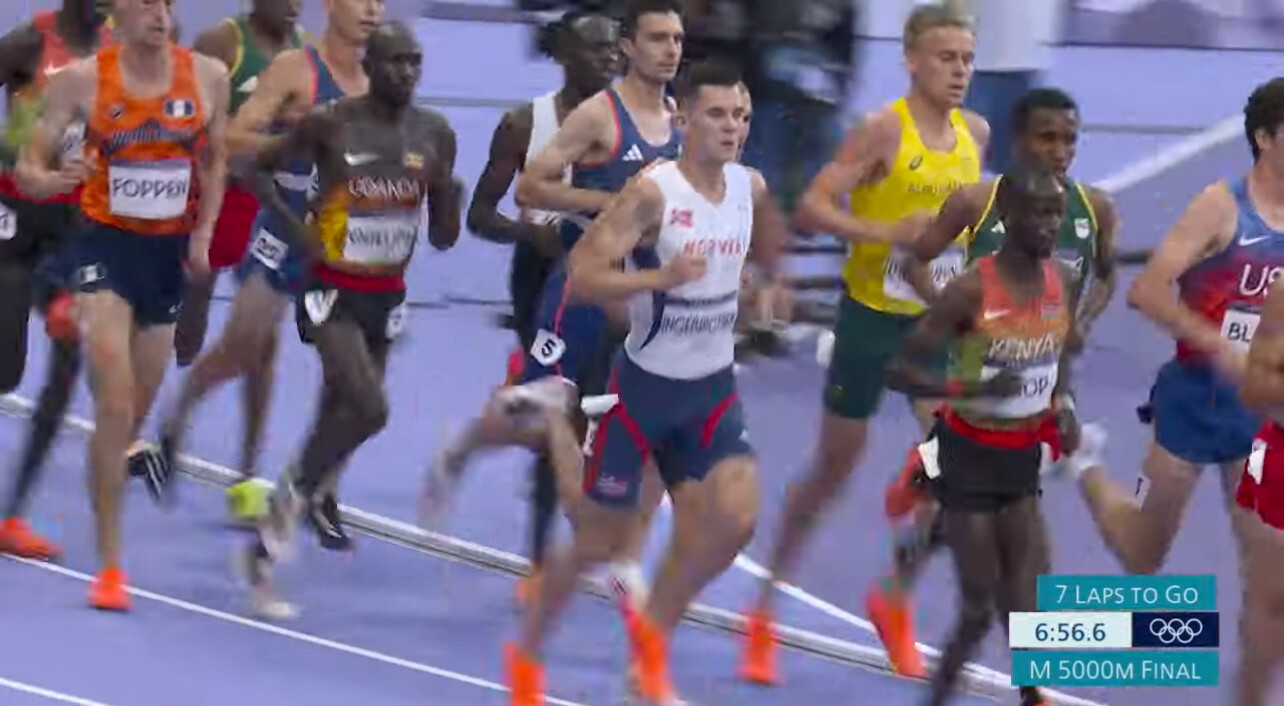
The 23-year-old took a measured approach in the final as he sat back around fifth place at the halfway point.
With 600m to go Ethiopian ace Hagos Gebrhiwet made his move which ultimately brought Ingebrigtsen into the battle.
Gebrhiwet was leading at the bell with Ingebrigtsen going into the final lap in second place and quickly gaining on the Ethiopian.
The Norwegian took the lead for the first time with half a lap to go and turned on the afterburners to race home to add the Olympic gold to his two world titles in the event.
Login to leave a comment

Paris 2024 Olympic Games
For this historic event, the City of Light is thinking big! Visitors will be able to watch events at top sporting venues in Paris and the Paris region, as well as at emblematic monuments in the capital visited by several millions of tourists each year. The promise of exceptional moments to experience in an exceptional setting! A great way to...
more...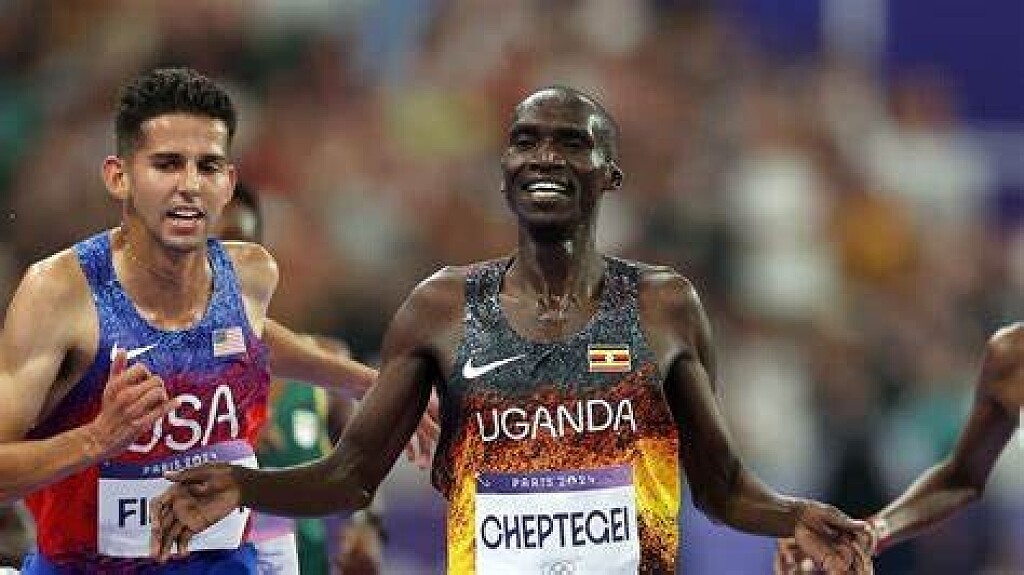
Joshua Cheptegei reigns in 10,000
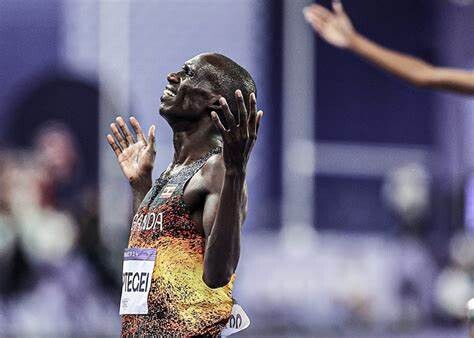
The 27-year-old Ugandan, who took silver in Tokyo and gold over 5,000m, produced a devastating last 600m to come home in 26:43.14 minutes, knocking 18 seconds off Kenenisa Bekele’s 2008 Olympic record
World record holder Joshua Cheptegei claimed the Olympic 10,000m title he so desperately wanted on Friday when he found a late surge to win a fantastic race and take the Games' first track gold.
The 27-year-old Ugandan, who took silver in Tokyo and gold over 5,000m, produced a devastating last 600m to come home in 26:43.14 minutes, knocking 18 seconds off Kenenisa Bekele’s 2008 Olympic record.
Berihu Aregawi, part of a three-pronged Ethiopian front-running group almost from the start, finished strongly for silver in 26:43.44 and Grant Fisher took a superb bronze in 26:43.46 — only the United States' fourth medal over the distance since the event was added to the Games in 1912.
Cheptegei, world champion in 2019, 2022 and 2023, was surprisingly beaten to gold by Ethiopian Selemon Barega in Tokyo and was desperate for revenge. "My collection for this run is really complete. I'm so excited," he told reporters.
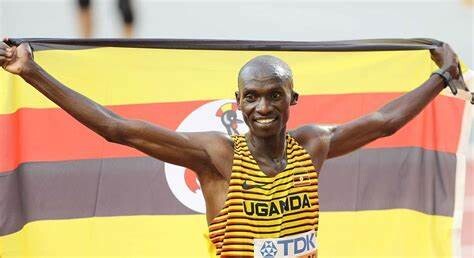
"I said, 'one day I want to be Olympic champion'. It is the most special day. I can’t describe the feeling. I’ve wanted this for a long time. When I took silver in Tokyo I was so disappointed. I just wanted to win the 10,000m."
by Reuters
Login to leave a comment
Paris 2024 Olympic Games
For this historic event, the City of Light is thinking big! Visitors will be able to watch events at top sporting venues in Paris and the Paris region, as well as at emblematic monuments in the capital visited by several millions of tourists each year. The promise of exceptional moments to experience in an exceptional setting! A great way to...
more...
Three easy to follow track workouts to improve your 5K speed
These three 5K workouts take the headache out of trying to remember your workout.
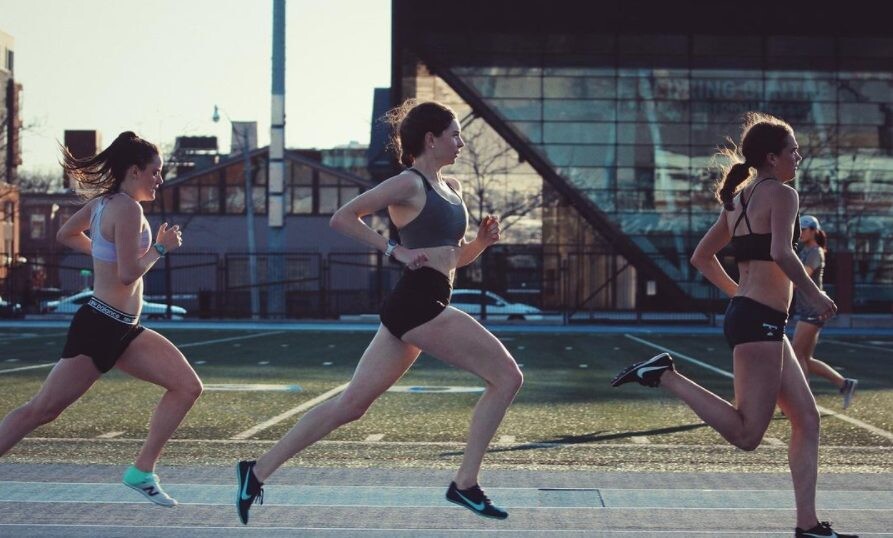
Whether you’re a seasoned marathoner looking to improve your track speed or training for your first road race, developing your 5K speed can be a fun and rewarding addition to your training regimen. Short interval workouts at faster paces train your body to adapt to quicker movements, building your aerobic threshold and helping you sustain speed over longer distances. Finding the right workouts can be challenging, and sometimes you want to avoid overly intense routines.
Here are three simple, yet effective, track workouts to help you boost your 5K speed.

300m intervals with 100m jog rest
1.- Workout
Warmup: 10-20 minutes of easy jogging
Set: 10 reps of 300m at your goal race pace (or slightly faster) with 100m walk or slow jog rest
Cooldown: 10-20 minutes of easy jogging
* If you don’t have access to a 300m loop or a track, a modification for the workout is doing 70 seconds on and 30 seconds rest*
Interval training is a proven method to increase both speed and endurance. By running short, fast segments followed by brief rest periods, you can improve your running economy and VO2 max–two crucial factors for a fast 5K. Maintain a consistent pace throughout each 300m repeat, avoiding the temptation to start too quickly, which can make the workout unnecessarily difficult. If you find the workout too challenging after four or five reps, break the 10 reps into two sets of five, with a three-minute rest between sets. Focus on staying relaxed and maintaining good form.
Bends and straights
2.- Workout
Warmup: 10-20 minutes of easy jogging
10 to 15 laps of jogging bends and striding straights
Cooldown: 10-20 minutes of easy jogging
(The workout should be done on a 200m or 400m athletics track to control the length of each interval.)
If you’re doing the workout on a 400m track, stride for 100m, jog the next 100m curve, stride another 100m, and jog the following 100m curve for 10 to 15 reps. If you don’t have access to a track, you can do a modification of 10 reps of 20-second sprints followed by 40-second light jogs.
This workout is ideal for runners training for a 5K race, because the constant change of pace simulates the fluctuations in a 5K or mid-distance track race. Aim to keep your sprint pace slightly faster than your goal 5K pace and your jog pace slower than your easy run pace. Ensure your sprints and jogs are controlled during the first five laps to help you complete the workout.
The pyramid
3.- Workout
Warmup: 10-20 minutes of easy jogging
200m, 600m, 1,000m, 1,000m, 600m, 200m, all off 90 seconds stand rest
Cooldown: 10=20 minutes of easy jogging
*If you don’t have access to a track, a modification for the workout is doing 30 seconds, one minute, 2x three minutes, one minute, 30 seconds off 90 seconds stand rest.*
Pyramid workouts involve running intervals of increasing and then decreasing distances, helping to improve speed, endurance and mental toughness by varying both distance and pace. Start the 200m reps at your goal 5K pace and aim to increase the pace slightly on the second 1,000m rep, finishing with a comfortable sprint effort at around 85 to 90 per cent for the final 200m. The shorter intervals are designed to practice running at a faster pace, while the longer ones build endurance.
by Marley Dickinson
Login to leave a comment
David Rudisha explains why he never switched to a longer distance in his prime years
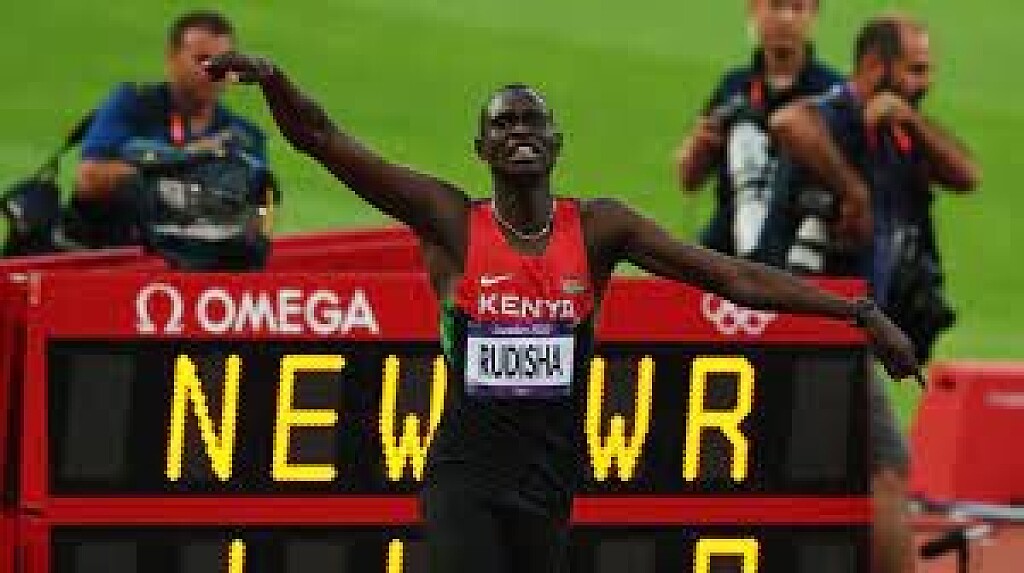
David Rudisha has explained why he could never dare to compete in a longer distance than the 800m.
World 800m record holder David Rudisha has disclosed why he could never dare to run a longer distance than the 800m.
Most 800m runners love blending the two-lap race with the 1500m but Rudisha opted to scale down to the 400m and he admitted that it worked perfectly for him.
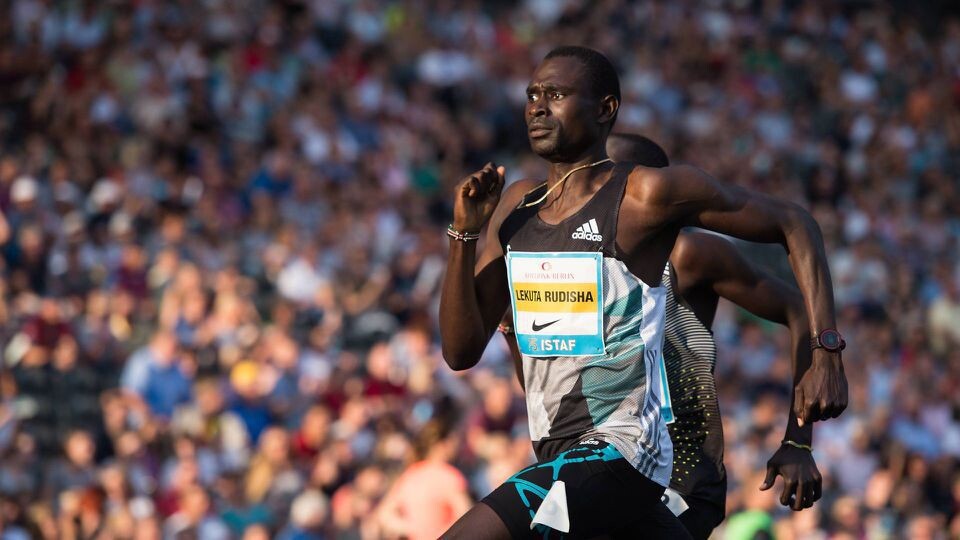
In Kenya, Emmanuel Wanyonyi is one of the athletes who does the 800m and combines it with longer distances but reigning world 800m champion Mary Moraa is more of Rudisha’s type. Moraa is always known to compete in the 400m and 600m and she rarely makes appearances in the longer distances.
“If you see 800m runners, you find that some are doing 800m and others can move to 1500m and 5000m. However, others can only move to the 400m and I believe I’m the one who could only do the 400m.
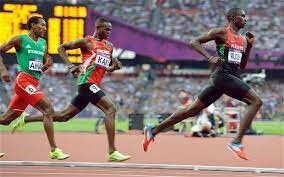
“Even during my training days, I wasn’t doing so well with the endurance and I would struggle a lot. I wasn’t kind of a longer-distance athlete and at some point, at the beginning of the season, my coach would tell me to do 800m and 600m races.
“However, I never liked that because it was tough. During training, I would usually do maybe one 600m race and then go down to 200m or 400m and then the 300m, the one that I loved,” Rudisha said in an interview with World Athletics.
Speaking about his world record at the 2012 London Olympics, Rudisha disclosed that he had worked towards achieving that goal for years.
The two-time Olympic champion was only making his debut at the Olympics and deep down, he knew there was no chance of making mistakes. He explained that his team had worked around the clock and refined the finer things in his training and he was confident of running something special.
However, the two-time world champion noted that it was not an easy thing but he knew if he missed that chance, he would have to wait for four more years to make history.
“London 2012 was my first Olympic Games and as I was training, way back, my coach used to emphasise and he would say we would be in the Olympics and that got into my mind. Over five, six, seven, or eight years, I was focusing on the Olympics.
“Going there was very special and we did very good preparation to make it happen since you can’t make mistakes at the Olympics. I knew that I had a better chance and I was still in the peak of my career and we did very good training.
“At the beginning of the season, I did like two races in New York and Paris and I did 1:41, and going to London, I knew it wasn’t easy. I made my plans and knew that if I executed the race well, I would win the 800m and because I was a front runner, it would be easier for me,” Rudisha said.
by Abigael Wuafula
Login to leave a comment
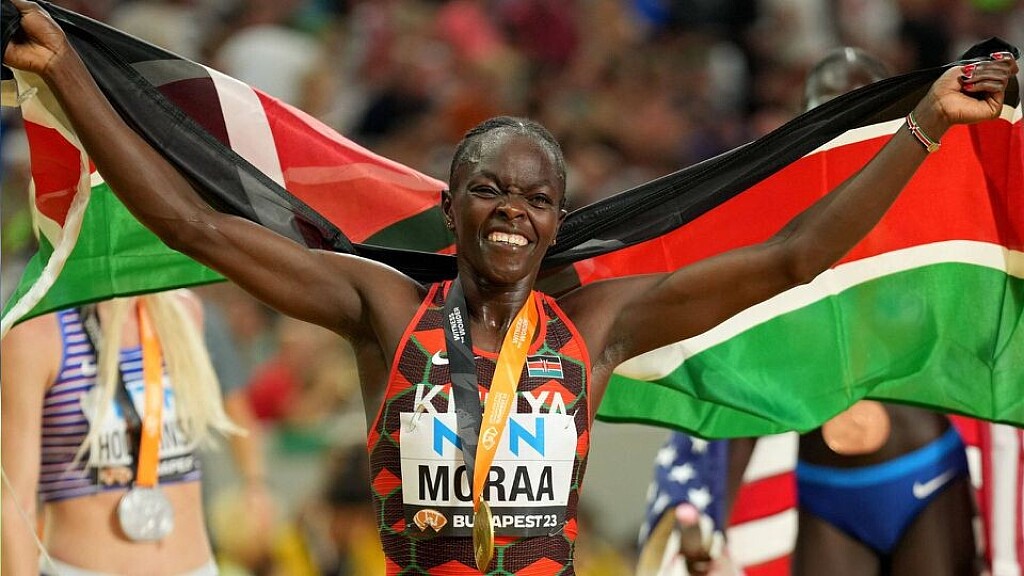
Mary Moraa confident of breaking Caster Semenya's 600m world record
Mary Moraa has revealed that breaking Caster Semenya's 600m world record is among her many plans this season.
In her build-up to breaking the 800m world record, reigning world 800m champion Mary Moraa will be keen to attack the 600m world record.
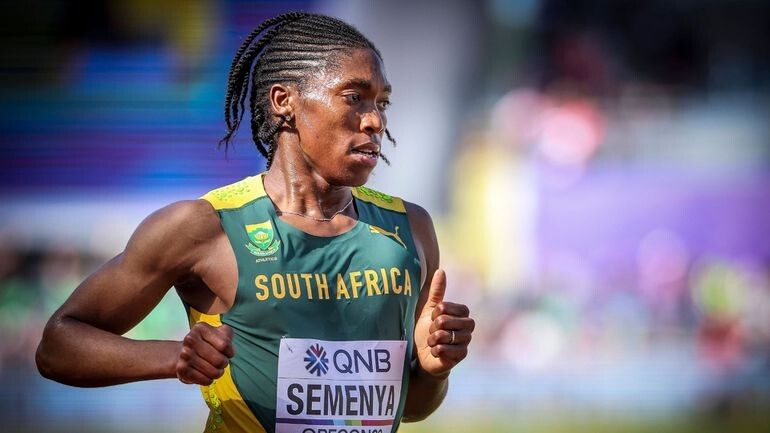
Moraa explained that her body is responding well to training and she is clearly on fire owing to her dominant exploits during the African Games national trials.
Kisii Express won the 400m final of the race to cut a direct ticket to the continental showpiece scheduled for Accra, Ghana.
“I will go for the 600m where I will attack the world record…I don’t know where I’ll compete exactly but I’m going for the record,” Moraa said.
The 600m world record currently stands at 1:21.77 and was set by South Africa’s Caster Semenya back in 2017 in Berlin, Germany.
Meanwhile, after the African Games, Moraa will return to the country to compete in the Kip Keino Classic where she also intends to shine.
She also noted that she is impressed with her form this season and cannot wait to see how the campaign will turn out for her.
“I’m happy to have come here and run well and my body is coming up slowly and I’m excited to see how the season turns out,” Moraa said.
The 23-year-old had an amazing 2023 season, winning her first world title and becoming only the third Kenyan woman to claim the 800m title at the World Championships.
This she achieved after clocking a Personal Best time of 1:56.03 to win the race ahead of Great Britain’s Keely Hodgkinson and Athing Mu. She now looks forward to enjoying an amazing 2024 season, with the Olympic Games in Paris, France being in the cards.
by Abigael Wuafula
Login to leave a comment
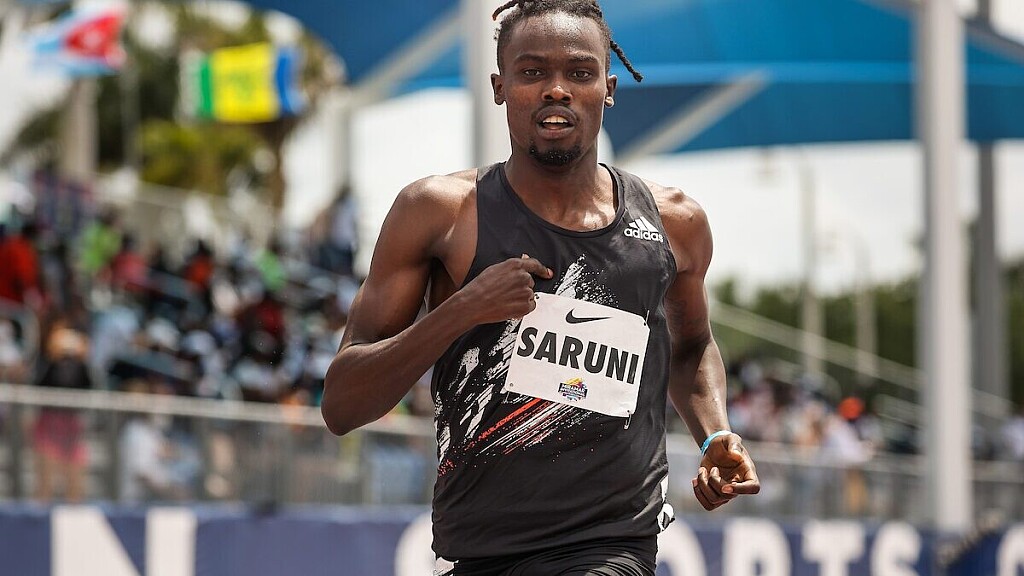
Kenyan runner gets four-year ban for sending doppelgänger to take drug test
The former indoor 600m world record holder, Michael Saruni of Kenya, was handed a four-year ban on Feb. 1, by the Anti-Doping Association of Kenya (ADAK) for sending a friend to impersonate him during a drug test at the 2022 Kenyan Trials for the 2022 World Championships.
According to the ADAK report, Saruni was found guilty of “evading sample collection, or without compelling justification, refusing, and running away.” In June 2022, the ADAK Doping Control Officer (DCO) notified Saruni that he was to undergo doping control after competing in the 800m final at the Kenyan trials, and was required to provide blood and urine samples. “It was further alleged that the athlete adamantly evaded, refused, and failed to give a sample or submit to sample collection and by collusion or trickery escaped or left the venue.”
The ADAK panel added that Saruni asked a lookalike to impersonate him and provide a sample on his behalf. According to the report, Saruni had locked himself in a toilet stall. Then the DCO allegedly watched someone moving to Saruni’s stall. When approached to identify, he ran for it and allegedly jumped over a perimeter wall at the venue. Saruni claimed he had never been summoned by testers at the Kenyan trials. He is banned until Aug. 30, 2027.
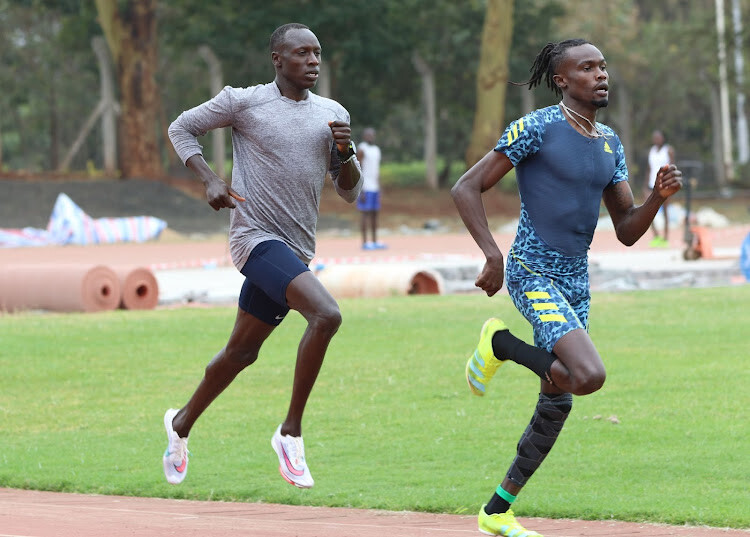
Saruni was the former world record holder for 600m indoors, with a personal best of 1:14.79. He is also the Kenyan national record holder for 800m indoors, running 1:43.98 at the 2019 Millrose Games.
Although we are only two months into 2024, Saruni’s suspension could be an early candidate for the craziest doping ban of the year. I wonder if he and his doppelgänger are still friends, or if he got a refund for his services, since the lookalike didn’t pull it off.
There are currently 75 Kenyan athletes on the AIU’s Global List of Ineligible Persons. The Kenyan government is in the second year of its $25 million, five-year campaign to test more athletes and eliminate doping in athletics. The AIU is working with the Kenyan government, Athletics Kenya and ADAK to combat the issue.
by Marley Dickinson
Login to leave a comment
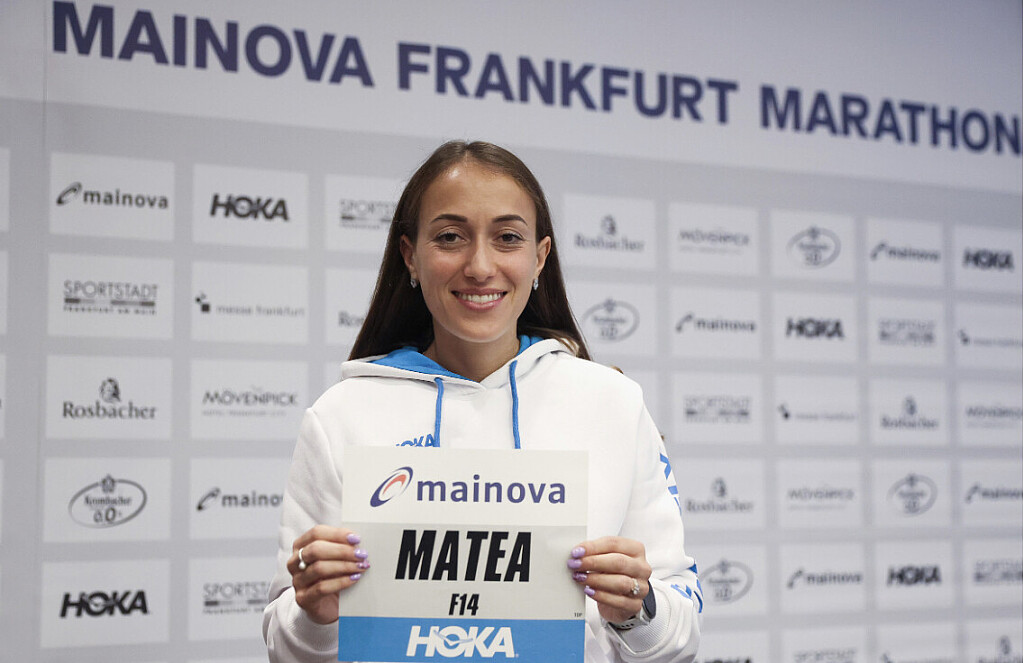
Matea Parlov Kostro: How she became a Croatian Sports Star
The German roads are much to Matea Parlov Kostro’s liking. Within little more than six months she has celebrated both the biggest success of her career to date and her greatest win. In August 2022 she won the silver medal at the European Championships in Munich which turned her at a stroke into a Croatian Sports Star.
This was the first medal won by a Croatan woman in a running event in almost a century of the European Championships. Then in May this year she enjoyed her biggest victory so far. The athlete from Zagreb won the Hanover Marathon, breaking both the course record and her personal best with 2:25:45. This performance placed the 31-year-old firmly among the very best of the European marathon running elite. Now she will run Sunday’s Mainova Frankfurt Marathon.
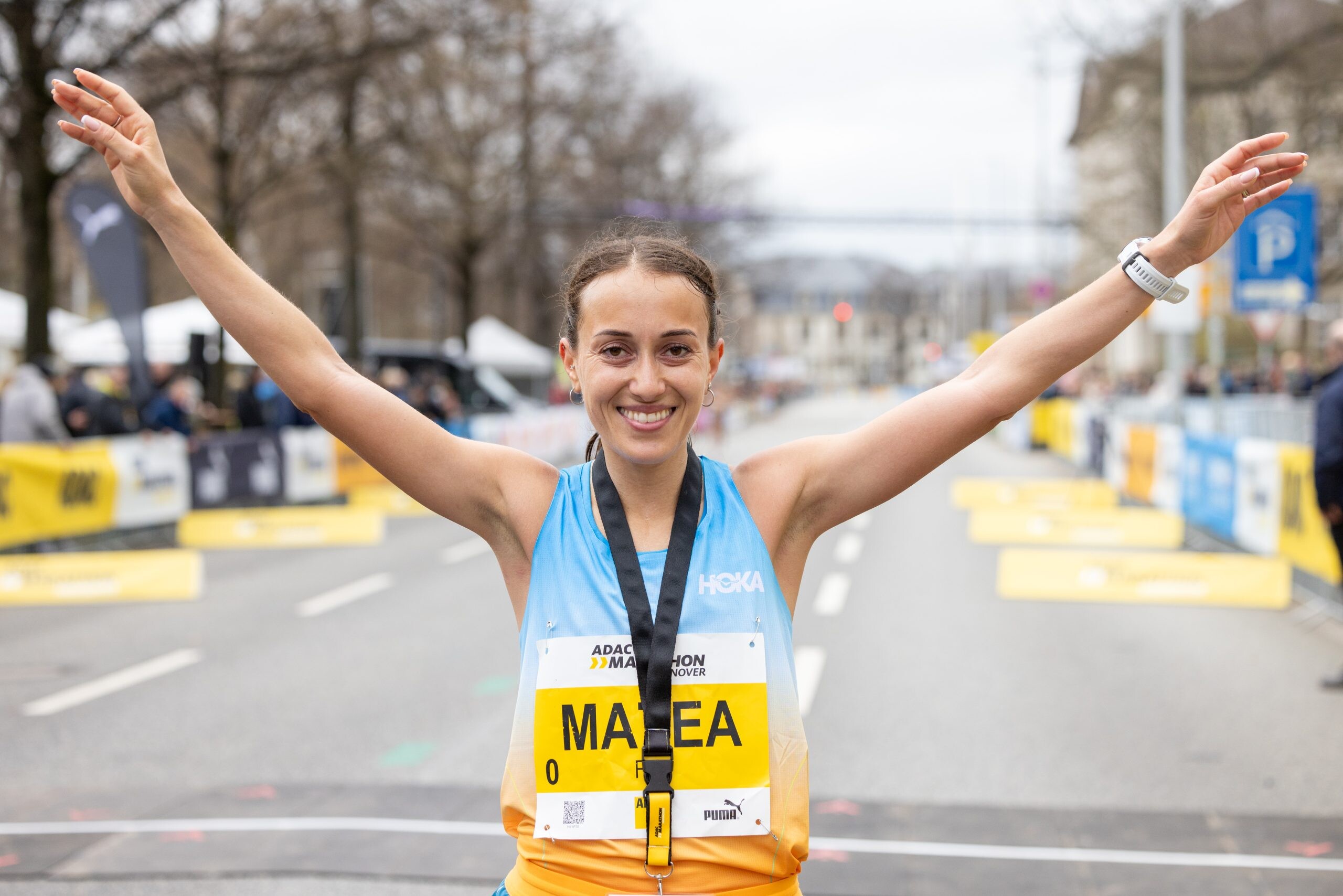
“I decided to run the Mainova Frankfurt Marathon because it’s a fast race with a high-quality field. I always feel good when I run in Germany, that was another factor in Frankfurt’s favour. Another reason was that I am so looking forward to the spectacular run to the finish line in the Festhalle,” explained Matea Parlov Kostro before Sunday’sMainova Frankfurt Marathon. “My form is better than ever, the performances in training are better than before the European Championships. I have had a slight cold but feel good now.”
"I’m happy that I no longer have to worry about making the Olympic qualifying time, I’ve made sure of my ticket to Paris. But I want to run a personal best so, of course, there’s always some form of pressure to perform.”
Her first sport wasn’t running but handball. “Then one day a sports teacher asked if I wanted to run a 600m race on the track for the school. It meant I didn’t have to go to school that day, so I did it, not that I was bad at my studies, on the contrary.” She finished third off no specific training and her talent was immediately evident. The Croatian’s career was off and running.
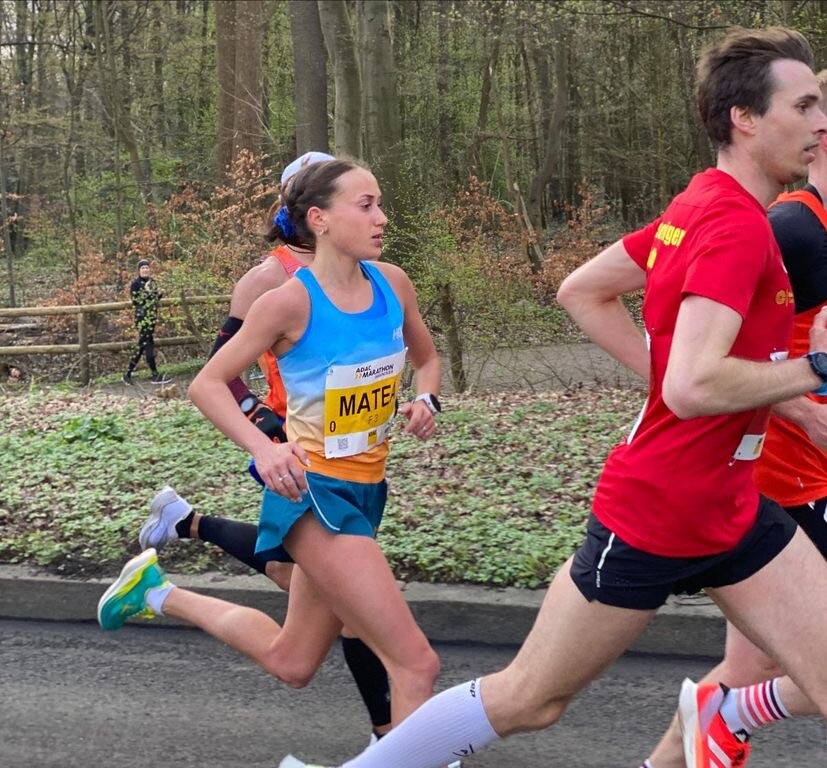
At first she ran middle distance but did not have enough speed over 800 and 1500m to make an impression internationally. Her performances over the longer distances were better, however. She ran 9:08.49 for a Croatian record over 3,000m. Road racing offered still more potential and she has concentrated on this more since 2018, making her marathon debut in Berlin in that year with 2:38:05. She had made great strides since then, literally. At the Valencia Marathon in 2020 she emerged from the lockdown of the Corona pandemic to break 2:30 for the first time, running 2:28:52. This ensured Olympic qualification. Competing in the 2021 Olympic, held in Sapporo, she achieved a highly creditable 21st place in extreme heat.
She made big improvement on her shorter distance speed as well in 2022, running a personal best for 10km of 31:54 in Berlin, which stood her in good stead for her eventual silver medal in the marathon at the European Championships later that year.
This race transformed her life. “Without a medal, you’re a nobody in Croatia, but when you win one, you’re a star overnight,” explained Matea Parlov Kostro. “I don’t earn much more money but am regularly invited to appear on TV programmes and people speak to me on the street and want to take a photo of me, especially after a training run when they’ve seen me.”
What does she think of the stupendous women’s world record by the Ethiopian Tigst Assefa, running 2:11:53 in Berlin? “When I saw the time, I was shocked. I wouldn’t have thought it possible that a woman could run so fast. And she didn’t show any weakness during the race after 30 kilometres, it was astonishing.”
The best Europeans have in the past consistently achieved high finishing places and even won medals at the Olympic Games. Asked if she dreamed of winning an Olympic medal in Paris, Matea Parlov Kostro replied: “Of course, an Olympic medal is the dream. But that’s not realistic, the African women are simply too strong.”
Login to leave a comment

Mainova Frankfurt Marathon
Frankfurt is an unexpectedly traditional and charming city, with half-timbered buildings huddled in its quaint medieval Altstadt (old city), cosy apple wine taverns serving hearty regional food, village-like neighbourhoods filled with outdoor cafes, boutiques and street art, and beautiful parks, gardens and riverside paths. The city's cache of museums is second in Germany only to Berlin’s, and its nightlife...
more...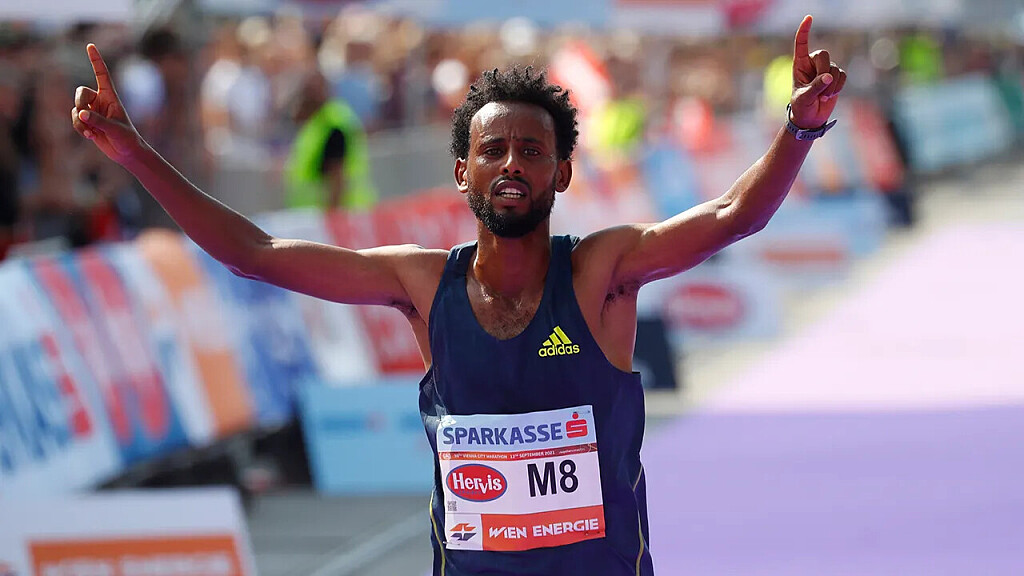
Ethiopia’s Derara Hurisa targets victory at TCS Toronto Waterfront Marathon
Derara Hurisa is the latest in a long list of Ethiopian greats to commit to the 2023 TCS Toronto Waterfront Marathon scheduled for October 15th.Once again, the event is a World Athletics Elite Label race. The 26-year-old has had an extraordinary marathon career to date ever since winning his debut at the 2020 Mumbai Marathon. There he ran 2:08:09 which remains his personal bestdespite a few other memorable outings.Two years ago Hurisa won the Guadalajara Marathon at 1,600m altitude in Mexico eight months after achieving notoriety for all the wrong reasons in Vienna.
Hurisa, then still relatively young at 23 years of age, crossed the finish line first at the Vienna Marathon. He clocked a time of 2:09:22 three seconds ahead of Kenya’s Leonard Langat. No sooner had Hurisa crossed the finish then officials approached him and within minutes he was disqualified.
World Athletics has instigated strict rules to limit the thickness of racing shoes. It was found that Hurisa had worn a different pair of shoes to those he submitted in the pre-race inspection. They were one centimeter too thick. It is believed this was the first time a marathoner had been disqualified under these rules.
“My preparation for Vienna marathon was very good,” he says looking back on the incident. “I had to switch my shoes because it was my very first time putting on those shoes. It wasn’t the shoes I wore when I was in training. So I decided to switch and use them without knowing it was different. The color was similar.”
Not only did he run himself to exhaustion over the 42.2 kilometers but the €10,000 first-place prize money went to Langat. He admits he was very angry to learn of his mistake.
“I was shocked by that news when (Eritrean runner) Tadesse Abraham told me that I was disqualified,” he remembers, “because it wasn’t something I was expecting. Yes, I was angry, definitely.”
As an indication of Hurisa’s potential Langat returned to Vienna a year later and finished second in 2:06:59. The Ethiopian believes he is capable of times quicker than this.
Since then he has put the disappointment behind him. Earlier this year he finished second in the Stockholm Marathon. The race features many of the sites of the Swedish capital. But can also be challenging due to its numerous turns and warm June weather. His time there was a modest 2:11:01 on a hot day. Toronto Waterfront Marathon has far fewer turns and with a course record of 2:05:00 (Philemon Rono of Kenya) is far more inviting. He is optimistic of a great run in Toronto after some good early training sessions.
“It’s going great and yes, I’m pleased with my fitness level more than ever,” he reports. “I have been training for six or seven days in a week. Compared to previous marathon buildups it has been much better.”
Asked to reveal his goal for Toronto he is concise and to the point: “I would like to achieve a victory with a good time.”
Hurisa grew up in Ambo in western Ethiopia. Kenenisa Bekele was inspired by him winning the three-time Olympic titles and setting world 5,000m and 10,000m records. Hurisa was recruited by the Bahrain Athletics Federation after a cross-country race in Oromia. He was still in his teens.
For three years he lived in the oil-rich country earning a salary to run. At the 2015 World Cross Country Championships in Guiyang, China he placed 22nd in the Under-20 race helping Bahrain to a 4th place finish. A year later though he went back to Ethiopia and now travels on an Ethiopian passport.
These days he is focused on the marathon under the watchful eye of coach Gemedu Dedefo and enjoys spending time with his wife and two children.
“I like to spend my time with my family – I’m married and I have one boy and one girl – and I like going to church,” he explains. “I do return to my birth village whenever there is holiday.”
Conditions are likely to be cooler in Toronto compared to what he experienced in Mumbai. Clearly, he will be prepared to run with the leaders. And he is certainly due some good luck.
by Paul Gains
Login to leave a comment
TCS Toronto Waterfront Marathon
The Scotiabank Toronto Waterfront Marathon, Half-Marathon & 5k Run / Walk is organized by Canada Running Series Inc., organizers of the Canada Running Series, "A selection of Canada's best runs!" Canada Running Series annually organizes eight events in Montreal, Toronto and Vancouver that vary in distance from the 5k to the marathon. The Scotiabank Toronto Waterfront Marathon and Half-Marathon are...
more...
Derara Hurisa is the latest in a long list of Ethiopian greats to commit to the 2023 TCS Toronto Waterfront Marathon
Derara Hurisa is the latest in a long list of Ethiopian greats to commit to the 2023 TCS Toronto Waterfront Marathon scheduled for October 15th. Once again, the event is a World Athletics Elite Label race.
The 26-year-old has had an extraordinary marathon career to date ever since winning in his debut at the 2020 Mumbai Marathon. There he ran 2:08:09 which remains his personal best despite a few other memorable outings.
Two years ago Hurisa won the Guadalajara Marathon at 1,600m altitude in Mexico eight months after achieving notoriety for all the wrong reasons in Vienna. Hurisa, then still relatively young at 23 years of age, crossed the finish line first at the Vienna Marathon with a time of 2:09:22 three seconds ahead of Kenya’s Leonard Langat. No sooner had Hurisa crossed the finish then officials approached him and within minutes he was disqualified.
World Athletics has instigated strict rules to limit the thickness of racing shoes and it was found that Hurisa had worn a different pair of shoes to those he submitted in the pre-race inspection. They were one centimetre too thick. It is believed this was the first time a marathoner had been disqualified under these rules.
“My preparation for Vienna marathon was very good,” he says looking back on the incident. “I had to switch my shoes because it was my very first time putting on those shoes. It wasn't the shoes I wear when I was in training. So I decided to switch and use them without knowing it was different. The colour was similar.”
Not only did he run himself to exhaustion over the 42.2 kilometres but the €10,000 first place prize money went to Langat and not himself. He admits he was very angry to learn of his mistake.
“I was shocked by that news when (Eritrean runner) Tadesse Abraham told me that I was disqualified,” he remembers, “because it wasn't something I was expecting. Yes, I was angry, definitely.”
As an indication of Hurisa’s potential Langat returned to Vienna a year later and finished second in 2:06:59. The Ethiopian believes he is capable of times quicker than this. Since then he has put the disappointment behind him. Earlier this year he finished 2nd in the Stockholm Marathon which features many of the sites of the Swedish capital but can also be challenging due to its numerous turns and warm June weather. His time there was a modest 2:11:01 on a hot day. Toronto Waterfront Marathon has far less turns and with a course record of 2:05:00 (Philemon Rono of Kenya) is far more inviting. He is optimistic of a great run in Toronto after some good early training sessions.
“It’s going great and yes, I'm pleased with my fitness level more than ever,” he reports. “I have been training for six or seven days in a week. Compared to previous marathon buildups it has been much better.”
Asked to reveal his goal for Toronto he is concise and to the point: “I would like to achieve a victory with a good time.” Hurisa grew up in Ambo in western Ethiopia and was inspired by the exploits of Kenenisa Bekele the three-time Olympic champion and former world 5,000m and 10,000m record holder.
After a good result at a championship cross-country race in Oromia he was recruited by the Bahrain athletics federation while in his teens.
For three years he lived in the oil rich country earning a salary to run. At the 2015 World Cross Country Championships in Guiyang, China he placed 22nd in the Under-20 race helping Bahrain to a 4th place finish. A year later though he went back to Ethiopia and now travels on an Ethiopian passport.
These days he is focused on the marathon under the watchful eye of coach Gemedu Dedefo and enjoys spending time with his wife and two children.
"I like to spend my time with my family - I'm married and I have one boy and one girl - and I like going to church,” he explains. “I do return to my birth village whenever there is holiday.” Conditions are likely to be much cooler in Toronto compared to what he experienced in Mumbai in his victorious debut. Clearly, he will be prepared to run with the leaders. And he is certainly due some good luck.
About the TCS Toronto Waterfront Marathon
The TCS Toronto Waterfront Marathon is Canada’s premier running event and the grand finale of the Canada Running Series (CRS). Since 2017, the race has served as the Athletics Canada national marathon championship race and has doubled as the Olympic trials. Using innovation and organization as guiding principles, Canada Running Series stages great experiences for runners of all levels, from Canadian Olympians to recreational and charity runners. With a mission of “building community through the sport of running,” CRS is committed to making sport part of sustainable communities and the city-building process.
To learn more about the TCS Toronto Waterfront Marathon, visit TorontoWaterFrontMarathon.com.
by Paul Gains
Login to leave a comment
TCS Toronto Waterfront Marathon
The Scotiabank Toronto Waterfront Marathon, Half-Marathon & 5k Run / Walk is organized by Canada Running Series Inc., organizers of the Canada Running Series, "A selection of Canada's best runs!" Canada Running Series annually organizes eight events in Montreal, Toronto and Vancouver that vary in distance from the 5k to the marathon. The Scotiabank Toronto Waterfront Marathon and Half-Marathon are...
more...
Crush your summer 5K with this broken kilometer workout
It’s summer, and the perfect time of year to lower the mileage a little and work on improving your 5K speed. Whether you’re a seasoned runner or just starting out, aiming to improve your speed can add an exciting thrill to training. The best thing about working on your 5K speed is that it’ll pay its dividends when training for longer distances. 5K training is all about stepping outside your comfort zone and getting familiar with faster paces, so challenge yourself, lace up your running shoes and make this summer 5K your fastest yet!
One of the most well-known workouts to improve your 5K is one-kilometer repeats, but they can become tedious or repetitive. Instead, try breaking down a kilometer into shorter intervals with brief recovery periods in between, to hit paces and put a fun twist on things. This type of workout provides an opportunity to practice pacing strategies, mental toughness and the ability to maintain a strong pace during moments of fatigue to help you feel more confident on race day.
The workout
Five to six sets of 600m, 400m with 30 seconds rest between reps and 90 seconds rest between sets
Before you get started, do a 10 to 15-minute easy-jog warmup with a few dynamic stretches.
This workout should be done at your goal 5K pace, or just a little faster. For example, if you are looking to break 20 minutes for 5K, try to do the 600m reps at 3:55-4:00/km pace and the 400s at 3:55/km or faster.
The key to this workout is hitting paces and getting comfortable being uncomfortable. The short, 30-second rest is there to give you a quick breather, but to keep you on your toes for the next rep.
Incorporating workouts like this into your training can enhance your 5K performance and ultimately boost your confidence, and your performance, on race day.
by Marley Dickinson
Login to leave a comment

On the track or the road, this workout will help you build strength and speed
If you’ve got an interval session coming up in your training plan, consider trying this descending ladder workout. Starting with 600m repeats to build strength and working your way down to 200s to work on your speed, it’ll help put you on track to achieve your next personal best in a variety of short and mid-distance races.
The workout itself is quite simple–the number of reps in each set increases as the intervals get longer, and you get a slightly longer rest between sets to reset before moving on to the next distance. As the intervals get shorter, the goal is to increase your speed, so aim to run the 600s at your current 5K race pace, the 400s at your 5K goal pace or a bit faster, and the 200s as fast as you can go (800m to 1,500m pace).

Don’t have a track nearby? Don’t worry–we’ve included a road option as well. Just make sure when you’re on the road that you’re paying attention to pace and cranking up the speed as the intervals get shorter.
The workout
Warmup: 15-20 minute easy jog, followed by form drills and strides
Workout: 600m/1 min rest/600m/2 min rest//400m/1min rest/400 m/1 min rest/400m/2 min rest//200m/1 min rest/200m/1 min rest/200m/1 min rest/ 200m
Road workout: 3 min/1 min rest/3 min/2 min rest//2 min/1 min rest/2 min/1 min rest/2 min/2 min rest//45 sec/1 min rest/45 sec/1 min rest/45 sec/1 min rest/45 sec
Cooldown: 10-15 minute easy jog followed by light stretching and mobility
by BRITTANY HAMBLETON (Running Magazine)
Login to leave a comment
400s for speed and endurance
You may assume that 400m repeats, 400s or ‘quarters’ as they are known in the US, are only for runners of the shorter distances, but that’s just not true, and whether you are a 5k or marathon runner the workouts can be tailored to your goals.
Your local track is 400m in length so doing one lap is an easy distance to utilise in training. What you need to understand whether a runner or coach is that this particular repetition distance can be used in multiple different ways and achieve multiple different stimuli.
Many experienced runners will have the standard 400m repeats integrated into their training programmes and in this article, I will outline different variations that can be undertaken using this popular distance.
Please note all workouts below are samples and should always be tailored to the individual depending on their target race distance, physiological profile, training and injury history.
Samples workouts
800m pace: 4x400m with 5-6 mins walk recovery OR 2 sets of (2x400m) with 90 secs walk recovery between reps and 10 mins walk between sets.
1500m pace: 6-10x400m with 90 secs-2 mins walk/jog recovery OR 2-3 sets of 3x400m with 75 secs walk/jog recovery between reps and 3 mins walk/jog recovery between sets.
3000m pace: 8-12x400m with 75-90 secs walk/jog recovery OR 2-3 sets of (4x400m) with 45-60 secs jog recovery between reps and 3 mins jog recovery between sets.
5000m pace: 12-16x400m with 60 secs jog recovery between reps OR 3-5 sets of (4x400m) with 45 secs jog recovery between reps and 3 mins jog between sets.
10,000m pace: 20-25x400m with 45 secs jog recovery OR 2 sets of (10-14x400m) with 30-45 secs jog recovery between reps and 3 mins jog between sets
Half marathon pace: 30-35x400m with 30 secs jog recovery between reps OR 2 sets of (15-20x400m) with 15-30 secs jog recovery between reps and 2-3 mins jog between sets.
In the examples above you can see 400m intervals can be used with a variety of different paces from 800m pace all the way to half marathon pace.
What essentially changes along with pace is the volume of the workout and the recovery between reps and sets. By doing this you change the stimulus achieved from the given workout and this holds true for using any distances 400m/600m/800m/1000m/1200m/1600m/2000m etc.
Think about what you are trying to achieve from the workout, what stimulus you are looking for and then look at three main areas; pace, volume and recovery.
With regards to the recovery think about whether you would like this to be walking, shuffle jogging or a float jog recovery where we keep the recovery part steady.
Different ends of the scale
When we talk about achieving a certain stimulus lets look at two examples on the opposite end of the pace scale.
The 4x400m workout at 800m pace produces very high lactate levels and heart rates near max levels. It is very physically and mentally demanding and it produces an anaerobic stimulus.
The 400m workouts at half marathon pace, however, produce far lower lactate levels, heart rate is lower, but it helps improve lactate shuttling and it is a total aerobic stimulus.
Also, consider that 400m reps can be used in many other ways other than just as a stand-alone workout. They can be tagged on to the end of a workout or used within workouts.
There is no one way to use them and mixing them with other paces works quite well.
Example workouts for experienced runners
Tempo run and 400s: 10 min tempo effort, 4x400m @ 10km pace, 4 min tempo effort, 4x400m @ 10km pace, 10 min tempo effort
Uphill tempo and 400s: 5 min steady state uphill effort, 4x400m @ 5km-10km pace, 5 min steady state effort uphill, 4x400m @ 5km-10km pace
Power hills and 400s: 4-6x400m @ 10km pace, 4×10 secs short power hills, 4-6x400m @ 10km pace, 4×10 secs short power hills, 4-6x400m @ 10km pace
400s at descending paces: 4-5x400m @ HM Pace, 4-5x400m @ 10km pace, 4-5x400m @ 5km pace, 4-5x400m @ 3km pace
Continuous tempo and 400s: 20-30 minute continuous Tempo followed by 4x400m on a track descending paces from 10km down to 3km pace
Mile reps and 400s: 1 Mile @ 10km pace, 4x400m @ 5km pace x 2-4 sets.
The examples above are just a way of showing how you can incorporate the use of 400m intervals in a mixture of different workouts. The key message here is they are flexible and can be altered to suit your training distance and goals.
Runners and coaches just need to experiment, use their imagination and keep changing up their workout designs to find exactly what works for your desired targets.
A key message again to reinforce is that what you do with the volume of the workout, the pace of the rep and the recovery between reps/sets dictates the overall load and stimulus achieved.
It’s about trial and error sometimes, have fun with the design of your workouts and don’t be afraid to try something new.
by Steven Macklin
Login to leave a comment
London, Ont. runner breaks Moh Ahmed’s U23 5,000m record
At the Windy City Invite in Chicago on the weekend, Evan Burke of London, Ont., put himself in elite company by breaking Moh Ahmed’s Canadian U23 indoor record in the 5,000m, running 13:38.46.
Burke, who attends Stanford University in Palo Alto, Ca., finished sixth in the race behind the 2022 NCAA cross-country champion Charles Hicks, clocking the sixth-fastest 5,000m time in his school’s history.
Burke’s previous accomplishments include winning the 2018 Ontario XC Championships and finishing fourth in the 3,000m at the 2018 Youth Olympic Games in Buenos Aires, where he set a Canadian U18 record of 8:14.99.
His achievements eventually led him to a scholarship at Stanford University in Palo Alto, Calif., where he is currently in his fourth year and competes with the school’s cross-country and track program, specializing in the 3,000 and 5,000m.
The previous record, held by Ahmed, was set in 2011, when he ran 13:41.74 at the Texas A&M Invite. Burke bested Ahmed’s time by three seconds.
Burke’s record is the third Canadian U23 record to be broken in this 2022-2023 indoor season, joining Quebec’s Olivier Desmeules of Penn State University, who broke the 600m record, and Vancouver’s Ceili McCabe of West Virginia University, who broke her own women’s 3,000m record in December.
by Running Magazine
Login to leave a comment
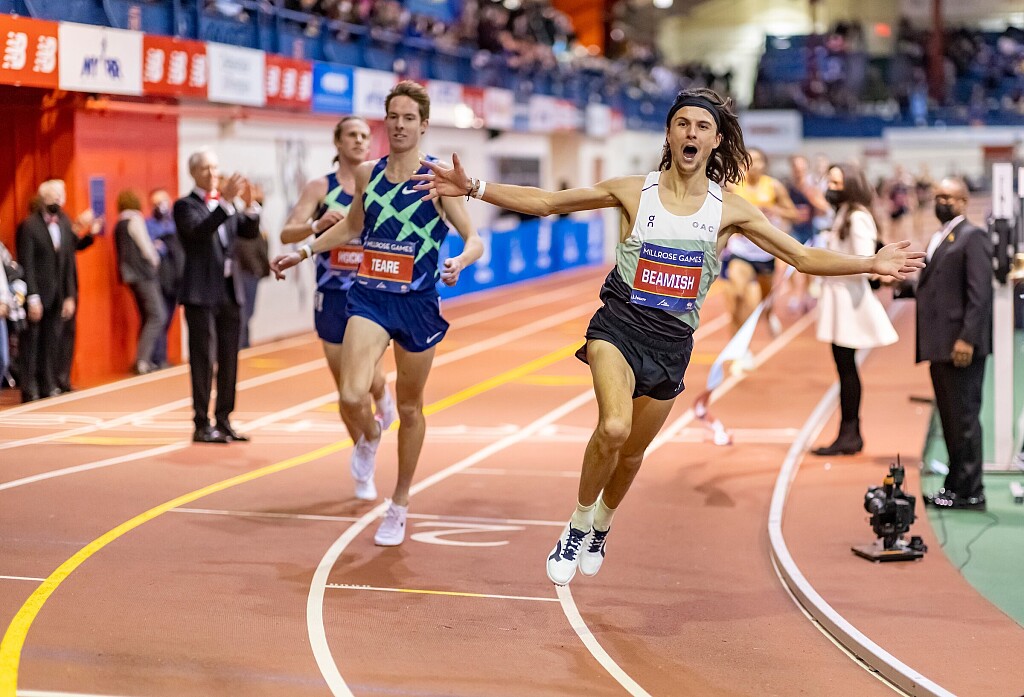
Giants of track and field prepare for battle at Millrose Games
print showdowns, the world’s greatest shot putters and magnificent mile fields highlight the Millrose Games, this season’s fourth World Athletics Indoor Tour Gold meeting, in New York on Saturday (11).
Fresh off a PB and 60m win in Boston, world 200m champion Noah Lyles takes on 60m world record holder and defending Millrose champion Christian Coleman at The Armory, which boasts the nickname ‘The Fastest Track in the World’.
Shot putters Ryan Crouser and Joe Kovacs open their 2023 campaigns by resuming their fierce rivalry, essentially picking up where they left off last September in Switzerland. As the women’s shot returns to Millrose for the first time since 2003, the event couldn’t ask for a better field led by Chase Ealey, the world champion and world indoor silver medallist.
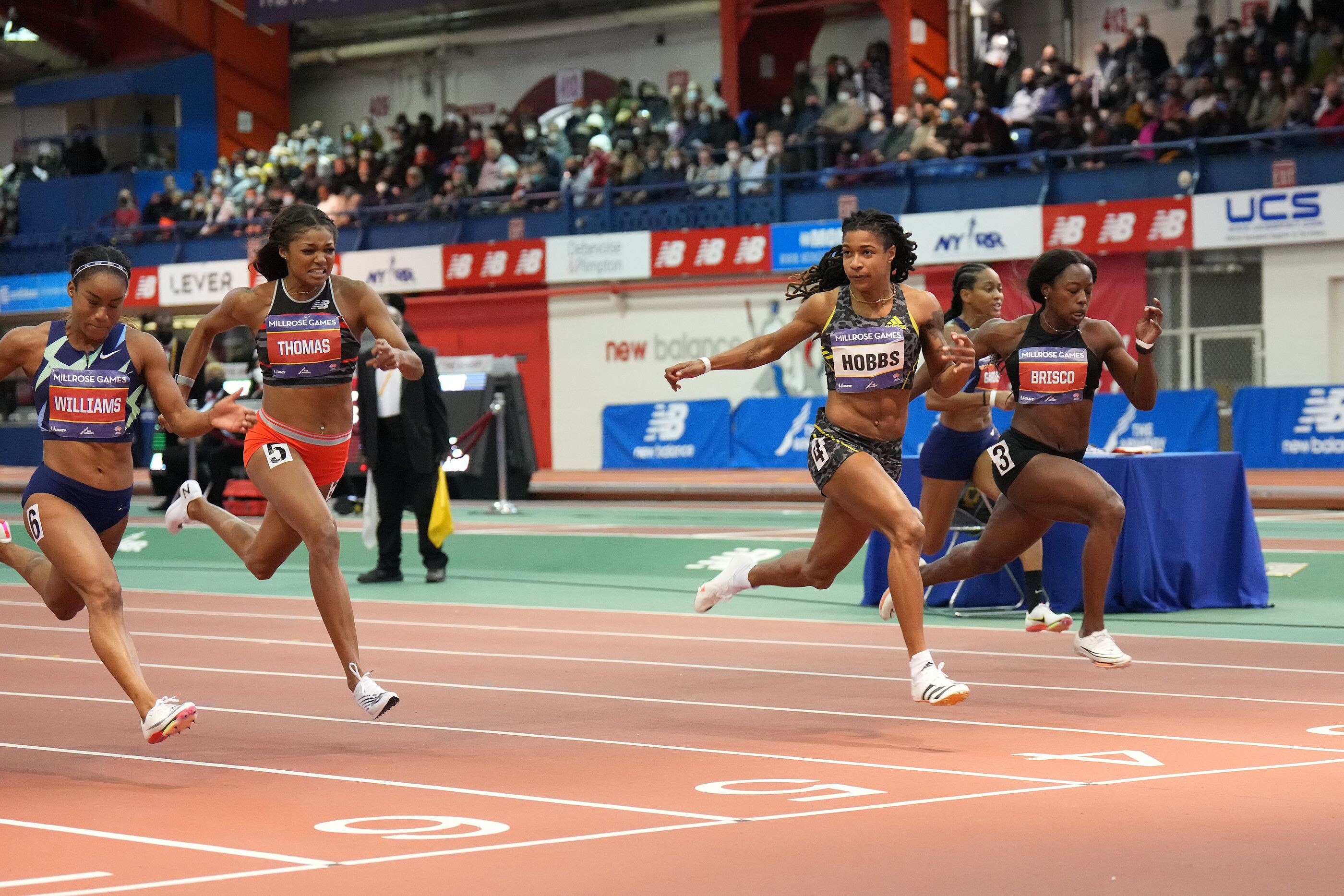
According to tradition, the Rudin Wanamaker Miles cap the storied meeting, which was founded in 1908. A national record might be needed to win the men’s race, but which country will take the honours? Defending champion Ollie Hoare of Australia, USA’s Yared Nuguse, Sam Tanner of New Zealand and Mario Garcia Romo of Spain are top contenders. Great Britain’s Olympic and world medallist Laura Muir is the favourite in the women’s mile, having already claimed a New York record on the road.
Straight down the middle
Although The Armory is far from the neon lights of Times Square, it’s still a hop, step and a jump from Broadway – and perhaps no athlete enjoys putting on a show more than Lyles.
At the New Balance Indoor Grand Prix Boston, he posted a PB of 6.51, edging Trayvon Bromell by .002. Coleman clocked 6.71 in Fayetteville two weeks ago to open his season, well off his world record of 6.34 set in 2018 when he was also world indoor champion. Lyles, the Olympic 200m bronze medallist, has been working on his start in a bid to double in the 100m and 200m at the World Athletics Championships later this year in Budapest.
Lyles will also attempt to avenge an early season loss to his younger brother Josephus in Florida. Ronnie Baker, the third-fastest 60m runner in history and 2018 world indoor bronze medallist, won this event in 2018 and 2020. Ackeem Blake of Jamaica, Miles Lewis, the Puerto Rican record-holder, and Kendal Williams, who defeated Lyles in Florida but lost to him in Boston, are also in the field.
Aleia Hobbs is seeking her second straight win in the women’s 60m after exploding to a meeting record 7.02 in Boston. She also owns the world-leading time of 6.98, run in Fayetteville in late January. In Boston, Hobbs held off world indoor silver medallist Mikiah Brisco and Celera Barnes, who get another chance to defeat her at Millrose.
Melissa Jefferson, who edged Hobbs in the 100m at last year’s USA Championships; world indoor bronze medallist Marybeth Sant-Price, and English Gardner are also in the field. Shawnti Jackson was third at Millrose last year, setting a national high school record of 7.18, and will look to improve both her placement and her time.
Olympic silver medallist Keni Harrison, the Millrose 60m hurdles winner in 2020, will take on 2019 world champion Nia Ali, heptathlete Anna Hall, and Olympians Anna Cockrell, Devynne Charlton and Cindy Sember.
Ring rivalry renewed
The road to Budapest begins for the top shot putters on the planet. World and Olympic champion Crouser will face Kovacs, a double outdoor world champion and two-time Olympic silver medallist.
While Crouser has won at Millrose three years in a row and holds both the indoor and outdoor world records, he knows his compatriot is always in the hunt to topple him. Kovacs set the world-leading mark in 2022 while moving to second on the all-time list and winning the Diamond league final in Zurich. At the season-ending meeting for both, Kovacs won at Bellinzona with a toss of 22.19m, with Crouser next at 22.00m. Tripp Piperi and Nick Ponzio of Italy round out the field.
Ealey had a dream season in 2022, building on her world indoor silver to take the world title in Oregon and then capture the Diamond League title. Compatriots Maggie Ewen, the 2021 Diamond League champion, and Jessica Woodard will challenge Ealey for the first Millrose crown in 20 years, along with Canada’s Commonwealth champion Sarah Mitton.
The women’s pole vault features Katie Moon (formerly Nageotte) and Katerina Stefanidi, the last two Olympic gold medallists. However, in their previous meeting, the Greek vaulter was third and the Tokyo champion placed fourth in Boston, with Bridget Williams and Gabriela Leon going 1-2. All four athletes will be on the runway at Millrose.
Steiner seeks another record
The rarely run 300m has become something of a specialty for USA’s Abby Steiner. She already holds the NCAA record and is targeting the national record of 35.71 in her first indoor season as a professional. Two weekends ago, Steiner raced to a 400m victory in Fayetteville in 50.59. The world record of 35.45 is shared by Irina Privalova and Shaunae Miller-Uibo, with the Bahamian clocking her winning time in 2018 at Millrose. Jenna Prandini, Steiner’s teammate on the victorious 4x100m relay in Oregon, and 2019 world 200m silver medallist Brittany Brown offer strong competition.
The men’s 400m could be another duel between USA’s Noah Williams and Trinidad & Tobago’s world indoor champion Jereem Richards. In Boston, both clocked 45.88, but Williams surged on the inside to win by .004. Michael Cherry, fourth in the 400m in Tokyo and an Olympic and world gold medallist at 4x400m, opens his season at Millrose, along with the fourth man in the field, Bryce Deadmon, another Olympic and world gold medallist on relays.
Going the distance
The great Paavo Nurmi raced at the Millrose Games nearly 100 years ago and the distance races never disappoint. Of course, the signature event is the Rudin Wanamaker Mile.
After recently setting a North American indoor record over 3000m, Yared Nuguse is in a New York state of mind to break another continental record: Bernard Lagat’s 3:49.89 in the indoor mile. Nuguse and training partners Hoare and Romo are hoping for a fast pace to propel them into the record books. Hoare set an Oceanian record of 3:50.83 in winning the 2022 Wanamaker Mile and is the Commonwealth 1500m champion. Other contenders include Tanner, a three-time New Zealand champion; Great Britain’s Neil Gourley, whose home straight sprint led to a world-leading 3:52.84 in Boston; 2022 US indoor 1500m champion Cole Hocker, Johnny Gregorek, Sam Prakel and Kenya’s Eliud Kipsang.
Muir had a US indoor race debut in Boston, clocking 8:40.34 in the 3000m, and now is dropping back down to more familiar territory. The world and Olympic medallist in the 1500m set a course record of 4:14.8 on the road in the Fifth Avenue Mile in 2022. At Millrose, the record is 4:16.85, set by Elle Purrier St Pierre in 2020, which is the third-fastest indoor mile in history after Gudaf Tsegay’s 4:16.16 in Torun. In a deep field, Muir will be challenged by training partner and Olympic 800m finalist Jemma Reekie, and US champion Sinclaire Johnson.
In the men’s 3000m, Geordie Beamish and Cooper Teare, who went 1-2 last year, return to the Armory track where they will try to fend off Josh Kerr, the Olympic 1500m bronze medallist; Joe Klecker, Guatemala’s Luis Grijalva and Nico Young.
Alicia Monson, defending Millrose champion in the women’s 3000m, faces national indoor 5000m record-holder Elise Cranny with Karissa Schweizer’s national indoor 3000m record of 8:25.70 in their sights. Monson set a Millrose Games and Armory record last year of 8:31.62 en route to a stellar outdoor season. Katelyn Tuohy recently set an NCAA mile record of 4:24.26 in a race won by Monson; she’s primed for another test against the pros. European champion and 2019 world bronze medallist Konstanze Klosterhalfen won the Wanamaker mile in 2019 and has the fastest 3000m time in the field, clocking 8:20.07 outdoors.
Streaks at stake for Wilson
In the 600m, world indoor 800m champion Ajee’ Wilson will attempt to extend some impressive winning streaks.
Since losing to Alysia Montano in the 600m at the 2013 Millrose Games, she has won 17 straight races at The Armory, including seven at Millrose. She also has won 15 straight races indoors, most recently the 800m in Boston with a time of 2:00.45. Wilson is the second-fastest woman in history in the 600m outdoors and could threaten Keely Hodgkinson’s newly minted world indoor best of 1:23.41. The fastest performer in the field this season Shamier Little, the 2015 world silver medallist in the 400m hurdles, who clocked 1:24.65.
The men’s 800m will be a rematch between world indoor silver medallist Noah Kibet, still just 18 years of age, and world indoor bronze medallist Bryce Hoppel, the defending Millrose champion. The loaded field includes his compatriots Clayton Murphy, the 2016 Olympic bronze medallist, world indoor finalist Isaiah Harris, Great Britain’s Kyle Langford, Mexico’s Tonatiu Lopez and Irish record-holder Mark English. Cade Flatt, the second-fastest US high school runner at this distance, is also in the field.
by World Athletics
Login to leave a comment
NYRR Millrose Games
The Pinnacle of Indoor Track & Field The NYRR Millrose Games, first held in 1908, remains the premier indoor track and field competition in the United States. The 2025 edition will once again bring the world’s top professional, collegiate, and high school athletes to New York City for a day of thrilling competition. Hosted at the New Balance Track &...
more...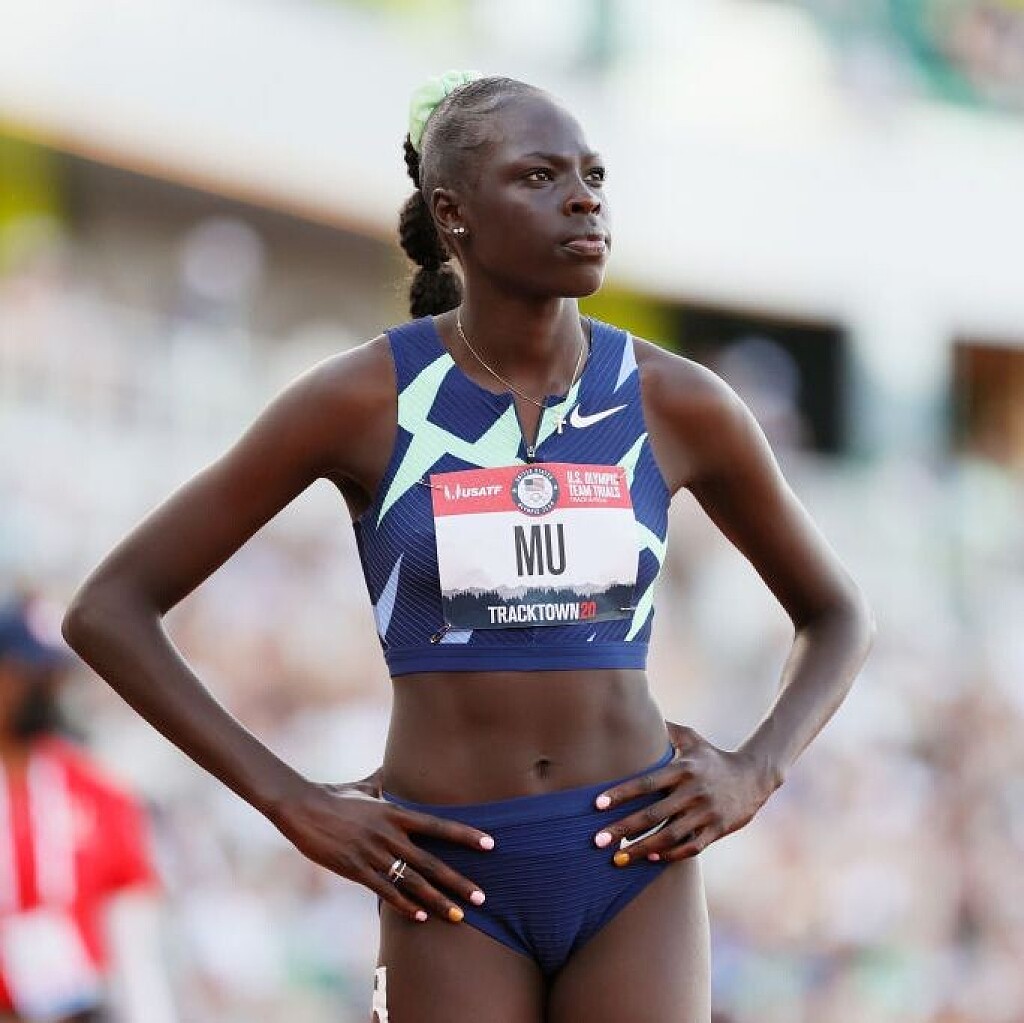
One of the world’s best middle distance runners will be absent from the Millrose Games this Saturday
On Monday, Olympic and World Champion 800m runner Athing Mu announced on social media that she would not be running at the Millrose Games, instead, she will be focusing on preparing for the outdoor track and field season.
“My team and I have made the decision to no longer compete at the Millrose Games this weekend,” Mu said on Twitter. “ Instead, we are focusing on gearing up to be at my optimum for the outdoor season, especially, the upcoming World Championships. Wishing everyone participating the best of luck.”
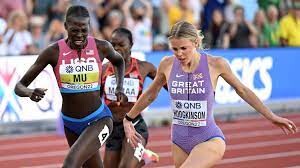
Mu was scheduled to compete in the women’s 600m, competing against some of the world’s best talent, including Ajee Wilson, Shamier Little and Natoya Goule. Mu has the third fastest time in history in the 600m and the American record, with her personal best time of 1:23.57.
Mu, who is entering her second season as a professional, is coming off of a fantastic season, which included a World Championship gold medal at the World Championships in Oregon last summer.
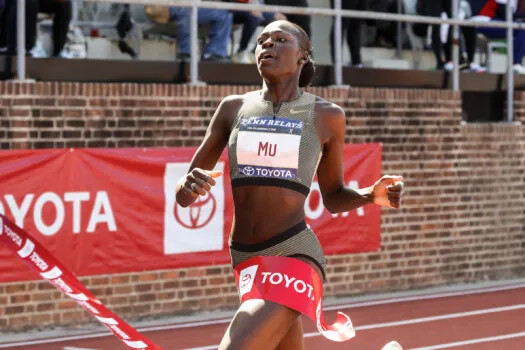
She made the move to train under the legendary coach Bobby Kersee last fall. Mu holds the American record in 800m with her personal best time of 1:55.04.
by Dominique Smith
Login to leave a comment
NYRR Millrose Games
The Pinnacle of Indoor Track & Field The NYRR Millrose Games, first held in 1908, remains the premier indoor track and field competition in the United States. The 2025 edition will once again bring the world’s top professional, collegiate, and high school athletes to New York City for a day of thrilling competition. Hosted at the New Balance Track &...
more...
Six ips for running your best 5k
5k (or 3.11 miles) races are some of the most popular running events in the country. Every weekend parkruns are available in over 1,600 locations globally, and there are plenty of great 5k events up and down the country, which make an ideal starting point in your running journey. If you’re nervous about training for a 5k or you’re looking to run one in 20 minutes or less, then these tips and best-practices will give you the perfect platform for success.
1. WARM-UP & WARM-DOWN
Whether you’re a running beginner, or you’re pushing for a new PB, 5k runs pose a high injury risk due to people not respecting the distance or by pushing too hard. Before every run, you should do a gentle warm-up jog and then do some dynamic stretches, including lunges, heel-kicks, high knees, jumping jacks, and sideways skips. This will make sure that all the little muscles are ready for the challenge ahead.
Warming down is just as important, and easy to skip when you’re tired after a run. But stretching out your calves, hamstrings, and glutes properly after a 5k run will make a massive difference in preventing injuries, and will help in recovery so you can head out for another training run sooner. Alternatively, you could try out a quick and easy pre-run yoga or post-run yoga routine.
2. BUILD UP THE DISTANCE

Although you’re not training towards a marathon, it’s not necessary to run the full 5k on your first training run. The reason ‘Couch to 5k’ has been so successful recently is because it doesn’t demand too much too soon. If you are building fitness, a couple of shorter 1-2k runs will get your heart pumping and wake up your leg muscles. You can even alternate between running for 5 minutes and walking for 2 minutes, and then work towards a continuous 5k run. If you need a helping hand here, than you can download our free 6-week 5k training plan here, which will take you through your 5k training, step-by-step. There are a number of options within the plan from how to run 5k in 20 minutes or less to circuit pattern ideas and motivational quotes for race day.
3. TECHNIQUE
5k races tend to be high intensity runs, as opposed to long-distance events which require steady jogging. Rather than just pushing yourself flat out, though, there are some technique tweaks that can be made, which will help keep you springing forwards, improve posture, and prevent against injury:
make sure to engage your core and keep your upper body straight
pump your arms
push your hips forward, and try to land your feet beneath your hips rather than too far ahead
visualize the road coming up to meet and support your feet rather than your feet hitting down into the road
4. INTERVAL TRAINING
Once you’ve built up the distance to the full 5k, and you’re confident with your technique, you can start improving your speed. Interval training is really useful for this, and it can often be a good idea to head to your local running track. Sessions might look like one of the following:
500m warm up; 3x400m sprints with 2 min rest in between; 1x800m push; 500m warm down. Total distance: 3,000m
400m warm up; 5x200m push alternating with 5x200m gentle jog; 400m warm down. Total distance: 2,800m
300m warm up; 1km race pace, 2km gentle pace, 1km race pace; 300m warm down. Total distance: 4,600m
These distances can change as you get fitter, and you might also choose to work according to time instead of distance.
5. SUSTAINABLE PACE
It’s important that you know what your standard pace is. Settle into a good rhythm, where your heart-rate and breath are sustainable. It is unlikely that you’ll be able to push for the entire 5k, so you’ll need to pace your race. Don’t come speeding out of the blocks and waste all of your energy early on. Use your training to discover what a manageable pace is, and stay there for the first 3km or so of the race, and then push for the final 2km. Like all professional runners, you should aim to be running negative splits i.e. your final kilometers should be faster than your first couple.
6. NUTRITION
An energy bar or banana 40 minutes or so before a race will give you time to digest and for the energy still to be there. You want to avoid anything too high in fibre close to the race, because this might give you stomach cramps. Work out what works for you well ahead of race day. It’s also important to stay hydrated with water or energy drinks before, during and after a race. You also want to focus on recovery: have something high in protein within 20 minutes of exercise to repair your muscles, and replenish your blood sugar with a treat. You’ve earned it.
by Aidan Thomson
Login to leave a comment
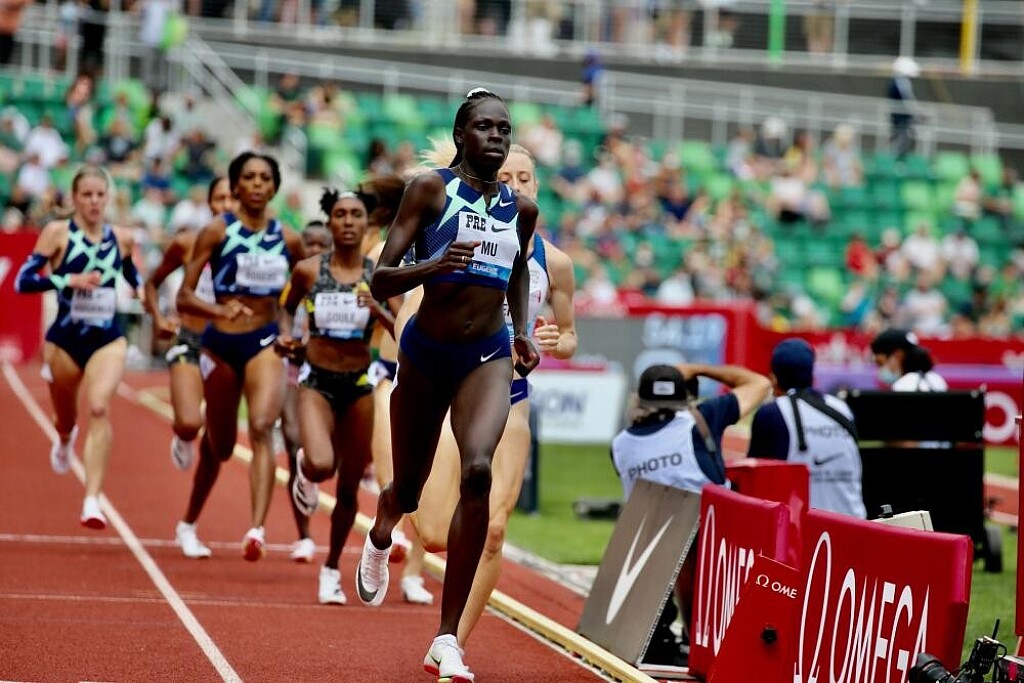
Athing Mu stars in Millrose Games 600m
Athing Mu is already the second-fastest women’s indoor 600m runner of all time and the US middle distance star could make another statement when she returns to the Millrose Games, a World Athletics Indoor Tour Gold meeting, in New York on February 11.
It was in 2019, at the age of just 16, that Mu clocked 1:23.57 at the US Indoor Championships to miss the world 600m best by just 0.13.
Since then, she has become an Olympic and world champion in the 800m and has taken her PB in that discipline to 1:55.04, the US record.
The 800m final at the World Athletics Championships Oregon22 on 24 July last year, which Mu won in 1:56.30, was her most recent race and she will now be looking for another strong indoor season in a year that offers her the chance to defend that world title in Budapest.
“The women’s 600m will be one of the highlights of this year’s Millrose Games, and we are delighted to welcome Athing back to the track she grew up on,” said Millrose Games director Ray Flynn.
However, Mu will have to contend with athletes including her US compatriot Shamier Little and Jamaica’s Natoya Goule if she is to secure more success.
Hurdles specialist Little, the 2015 world 400m hurdles silver medallist, will look to continue testing herself in the flat event over a slightly longer distance, after opening her season with a world-leading 600m time of 1:24.65 last weekend.
While Goule, who has an indoor 600m best of 1:25.35, was the fourth-place finisher in the 800m at the World Athletics Indoor Championships Belgrade 22 and also finished fifth at the World Athletics Championships in Oregon last year.
They will be joined by Olivia Baker and Sophia Gorriaran in the 600m field.
Also in action in New York will be Chase Ealey, as she returns to compete in front of a home crowd as the world shot put champion.
Recently announced for the opening meeting in the 2023 World Indoor Tour Gold series in Karlsruhe on 27 January, Ealey has now also been confirmed for the Millrose Games, where the world champion and world indoor silver medallist will take on her US compatriots Maggie Ewen and Jessica Woodard, plus Canada’s Commonwealth and NACAC champion Sarah Mitton.
It means fans will be treated to two thrilling shot put showdowns in New York, with Ryan Crouser and Joe Kovacs already announced for the men’s contest.
“I am really excited to have the Millrose Games as my first competition in the US as the world champion,” said Ealey. “I hope that with the success of the male and female competition, people will love our event indoors!”
by World Athletics
Login to leave a comment
NYRR Millrose Games
The Pinnacle of Indoor Track & Field The NYRR Millrose Games, first held in 1908, remains the premier indoor track and field competition in the United States. The 2025 edition will once again bring the world’s top professional, collegiate, and high school athletes to New York City for a day of thrilling competition. Hosted at the New Balance Track &...
more...
Britton Wilson Breaks Athing Mu's Collegiate Indoor 600m Record
Razorback Britton Wilson opened the indoor track season with a collegiate record as runner-up in the 600m on Friday evening during the Arkansas Invitational held at the Randal Tyson Track Center.
Wilson posted a time of 1:25.16 over the distance, breaking the previous collegiate record of 1:25.80 set by Texas A&M’s Athing Mu in 2021.
Razorback volunteer Shamier Little won the race in 1:24.65, which ranks No. 5 on the U.S. all-time list and No. 7 on the world all-time list. Third in the race was Arkansas alum Shafiqua Maloney in 1:27.45.
For Wilson, her mark ranks No. 7 U.S. and No. 10 world all-time. The previous UA record of 1:27.29 was set in December of 2021 by Morgan Burks-Magee. Wilson had a time of 1:30.34 in her debut at the distance last year.
Victories for the Razorbacks included Ackera Nugent with a world-leading 8.00 in the 60m hurdles, moving to No. 5 on the UA all-time list. Arkansas alum Taliyah Brooks finished second in 8.13 as both hurdlers bettered the meet record of 8.13 held by Payton Chadwick since 2018.
Paris Peoples also registered a world-leading effort of 53.10 in the 400m in leading a 1-2-3 sweep with teammates Ashanti Denton runner-up in a career best 53.68 while Aaliyah Pyatt finished third in 53.79.
Racing at the mile distance for the first time indoors, freshman Mary Ellen Eudaly clocked a 4:43.01 to lead a 1-2-3 Arkansas finish. Eudaly bettered her outdoor mile time of 4:51.99. Finishing behind her with a pair of career best times were Heidi Nielson (4:44.79) and Laura Taborda (4:45.77).
A sweep of the top four places in the 200m had Rosey Effiong leading the way in 23.45 as Amber Anning finished second in 23.47 while Nickisha Pryce set a PR of 23.76.
Alum Jada Baylark won the 60m in 7.25 while Ariane Linton was the top Razorback at 7.46 for fifth. Linton ran 23.93 for fourth in the 200m. Gracie Hyde won the 800m in 2:13.50.
Racing a pair of relay teams in the final section of the 4 x 400, the Razorbacks registered world-leading times of 3:30:38 and 3:30.79.
The winning squad included Anning (52.64), Wilson (51.60), Pryce (52.59) and Denton (53.55). The runner-up crew had Peoples (54.09), Effiong (51.51), Joann Reid (52.15) and Pyatt (53.04).
The women’s opening event produced a career best for Sydney Billington as she cleared 5-10.75 (1.80) in placing second in the competition. Billington, who had a previous best of 5-10, cleared five consecutive bars on first attempts before missing three attempts at 6-0 (1.83).
Texas A&M’s Bara Sajdokova, who needed two attempts at 5-10.75, cleared the 6-0 height on a third try for the win.
Kaitlyn Banas led a 4-5-6 finish for the Arkansas vaulters with a clearance of 13-6.5 (4.13). Grace Ridgeway matched that height to set a career best in fifth place. Bailey McCorkle and Marin Chamberlin each cleared 13-0.75 (3.98) to place sixth and eighth.
by Shawn Price
Login to leave a comment
Top 10 most popular running stories of 2022
Tt’s time to recap the most popular running stories. This year, the running community saw a lot of firsts and controversies. It was the first time we were made aware of a 6-year-old running a marathon; it was also the first time we saw a runner who chain-smoked during a marathon. As many of us returned to our favourite races and conquered new goals, we can’t ignore some of the mind-boggling stories.
Here is a countdown of the top 10 most popular running stories of the year.

10) Ironman World Championship champion’s “chunky” shoes spark controversy
In October, Norway’s Gustav Iden made headlines as he ran a 2:36 marathon after a 180-kilometre bike and 3.8 km swim, earning his first Ironman world championships title. It wasn’t only his wild time that turned eyes, but the On Cloudboom Echo 3 carbon-plated running shoes that he wore, which have a reported stack height of 50 mm (legal for Ironman races).
9) Six-year-old’s marathon sparks controversy on social media
In May at the Flying Pig Marathon in Cincinnati, Ohio, a family of eight from Bellevue, Ky., all completed the 26.2-mile race together in eight hours and 35 minutes, including two children aged 12 and six. The family took on tons of criticism over the advisability of allowing a six-year-old to cover the marathon distance. Many experienced marathoners and coaches, including Lee Troop and Kara Goucher, have weighed in online, stating that six is too young for the marathon.
8) Turkey trot runner takes out his competitor at finish line
In November at a local 10K turkey trot, Xavier Salvador of Washington, D.C., impeded the line of Jack Huber of Delmar, N.Y., with 50 metres to go, after noticing Huber threatening to pass him on the right. Instead of checking if Huber was OK after the fall, Salvador made sure his GPS watch was stopped.
7) Barkley Marathons ends with no finishers (again)
In March, for the fifth straight year, the Barkley Marathons in Frozen Head State Park near Wartburg, Tenn., came to an end with zero finishers, after the only remaining two competitors, Karel Sabbe and Greig Hamilton, bowed out on their fourth loop (of five) of the 20-plus mile course. Sabbe’s fourth loop was one for the history books, as he was found off-course in another town, chatting with a garbage can who he thought was a person.
6) ‘Ultramarathon man’ Dean Karnazes attacked by coyote during 150-mile race
In August, acclaimed ultrarunner and author Dean Karnazes posted a video that he was attacked by a coyote during Headlands 150-mile Endurance Run, held outskirts of San Francisco. Karnazes said was OK, but that he had several cuts on his face and body from the attack.
5) “Poopgate” continues as Arizona high school bans track use
In February, human feces were found under the bleachers at the Red Rock High School track in Sedona, Ariz., which resulted in a ban on public use. In the aftermath, there was plenty of buzz and finger-pointing on social media about the ghost pooper’s possible identity, using the hashtag #poopgate. To this day, it is still a mystery who did the deed.
4) California man runs an ultramarathon in roundabout
In November, a runner from Healdsburg, Calif., was getting tired of his usual running routes, so he went out on a six-hour, 58-kilometre run around the local roundabout, never once switching directions. The best part is that, a week later, he did it again, in the opposite direction.
3) WATCH: Florida high school runner gets sucker punched mid-race
In March, we saw a candidate for “wildest video of the year” when a high school runner at a Florida track meet was sucker punched and knocked to the ground by another athlete during a 1,600m race.
2) Colorado runner wins all four races at Disney Marathon weekend
In January, Brittany Charboneau of Colorado climbed to the top of the podium on four occasions during the Disney Marathon Weekend in Orlando, Fla. She won the 5K, 10K, half-marathon and marathon over four days, while dressed as her favourite Disney characters. Simply amazing!
1) Chinese man runs a 3:28 marathon while chain-smoking
In November, we witnessed one of the wildest running stories ever, when Uncle Chen went viral for chainsmoking cigarettes during the Xin’anjiang Marathon in Jiande, China. It is well known that smoking cigarettes hinder running performance, but that didn’t seem to bother 50-year-old Uncle Chen, who clocked an impressive three hours and 28 minutes.
by Running Magazine
Login to leave a comment
Quebec’s Olivier Desmeules breaks 37-year-old Canadian record
As the indoor track and field season kicks off for many collegiate athletes, Olivier Desmeules of Quebec City started his season with a bang on Saturday at the Penn State Intrasquad Meet, shattering the men’s U23 Canadian 600m record.
Desmeules clocked a record-breaking 1:16.63 (solo) to break Brian Thompson’s previous U23 600m record of 1:17.06 from the 1985 Canadian Indoor Championships in Sherbrooke, Que.

The 22-year-old is an up-and-coming middle-distance runner at Penn State University, specializing in the 800m. Desmeules won bronze in the 800m at the 2022 Canadian Track and Field Championships in June, behind world 800m medalist Marco Arop and Canadian 800m record holder Brandon McBride.
The 600m is a rare middle-distance running event that is only commonly run in the NCAA Big Ten Conference during the indoor track and field season.
The head coach of Penn State’s Track and Field program, John Gondak, said Desmeules’ time was a top-five 600m result in school history, joining elite company Isaiah Harris and former world relay champion Casimir Loxsom.
Desmeules ran one season with Laval Rouge et Or in 2020-2021 before transferring to Penn State University in 2021. The Penn State track and field program is known for producing some of the best middle-distance runners in the NCAA.
by Marley Dickinson
Login to leave a comment
Smash your marathon goals with these speed sessions
Maybe you have a destination marathon in the books, or you’ve signed up for a post-Christmas race to keep motivation high. Even if you don’t have a race planned, these three speed sessions are ideal to add to any distance training plan. If you’re new to speedwork, tackle the 400m repeat session first and get familiar with it before moving on to the others. All three of these workouts can be done at around 5K race pace.
These workouts will enhance your running economy, boost your VO2 max, and provide mental benefits as you train your brain to handle harder work. Coach and author Luke Humphrey explains in his book Hansons Marathon Method that each of these speed workouts is like money in the bank on marathon day, as they become “resources on which you can draw during the most difficult moments of the marathon.”
400 meter repeats
Warm up with 15 minutes easy running

12 x 400m with 400m easy running for recovery between each one
Cool down with 10 to 15 minutes easy running
The 1K repeat workout
Warm up with 15 minutes easy running
6 x 1K with 400m easy running for recovery in between
Cool down with 10 to 15 minutes easy running
1,600 meter repeats
Warm up with 15 minutes easy running
3 x 1,600m with 600m easy recovery in between
Cool down with 10 to 15 minutes easy running
As always after a hard session, make sure you hydrate well and follow your speedwork day with an easy running or recovery day. If you’ve incorporated strength training into your weekly routine, try to double up (do both your strength routine and your speedwork) on hard workout days, so that your easy or recovery days truly are just that–easy.
by Keeley Milne
Login to leave a comment
Three tips to prevent muscle cramps
Every runner knows the feeling – one minute you’re happily cruising along, the next you’re clutching at your calf in pain.
You’ve got a cramp, or an exercise-associated muscle cramp (EAMC), as the experts call it.
But what exactly are you experiencing?
A muscle cramp is a painful, spasmodic and involuntary contraction of skeletal muscle. It occurs most often in the quadriceps, hamstrings and calf.
Runners generally start to cramp at the beginning or end of a run.
While it’s still unknown exactly what causes cramping, it’s thought that fatigue, low fitness levels, dehydration, excessive sweating and inflexible muscles may all increase your risk.
Here’s some advice on how to reduce your risk of cramps and find relief when they do occur.
1. Be prepared
Cramps are less common in runners who are well trained and correctly conditioned for the distance they are participating in.
In other words, if you haven’t put in the hours to ensure your body can withstand the kilometres and speed, you’re more likely to experience cramps.
Start slow and work up to a high level of intensity during training sessions, rather than going all-out straight away.
If training’s not your thing and you’re just going to ‘wing-it’ on the day, try to take it slow and steady to avoid cramping up.
2. Hydrate, hydrate, hydrate
Dehydration is another risk factor for cramps, so it’s important that you drink sufficient water before, during and after exercise.
But how much water should you drink? According to Sports Dietitians Australia, this all depends on your “sweat rate”.
To find out your sweat rate, weigh yourself before and after an hour-long run. The weight you lose, in grams, is approximately the amount of fluid you need, in millilitres.
For example, if you lose 600g after an hour-long run, you should consume around 600ml of water per hour over a training session.
It’s also worth noting that you shouldn’t go overboard, as over-hydrating is also an issue.
To keep it really simple, weigh yourself before and after exercise. If you weigh less - hydrate more; if you weigh more - hydrate less.
3. Fuel well
We need to consume the right nutrients for our body to function at its best.
Fuelling our muscles helps to avoid glycogen depletion, which can lead to fatigued muscles and, as a result, cramping.
Carbohydrate foods help us top up our glycogen stores, while protein-rich meals can support muscle recovery and repair.
A healthy balanced diet should provide sufficient carbohydrate and protein for 4 km runners and 12km walkers.
For 12km runners and half marathoners your needs will likely be higher and require more planning.
If a cramp does strike…
Start by stretching the muscle and gently rubbing the area to try and relax it.
If the cramp is in your calf, try putting your weight on the affected leg and bending your knee slightly.
If you are unable to stand, sit on the floor or a chair and extend the affected leg. Keep your leg straight and pull the top of your foot on the affected leg towards your body. This method will also help with a hamstring cramp.
For a cramp in your quads, stand and hold on to a chair, then pull your foot on the affected side towards your buttocks.
Login to leave a comment
Broken mile repeats to negative-split training for your upcoming half-marathon
When training for a half-marathon, longer interval workouts are essential to developing your top-end speed. One-mile repeats are a combination of speed and endurance, two things needed in a half-marathon, and are often prescribed by coaches to help raise your aerobic threshold. But these repeats can feel long and tedious, especially if they are in your training plan every two weeks.
Instead of doing one-mile repeats, try this broken-mile workout designed to help you negative-split your next half marathon.
The workout
Four to six reps of 1,000m, 30 seconds jog rest, 600m with 2 minutes stand or slow jog rest between reps.
Start with 10 to 15 minutes of warm-up and dynamic activation.
The strategy behind the workout is to do the 1,000m (or 1K) at your goal half-marathon pace, take a short rest, then 600m at a faster yet comfortable pace. You want to negative-split the rep, with your final 600m to be at a faster pace than your first 1,000m.
Between reps, jog slowly for two minutes or take standing rest. End the workout with 10 to 20 minutes of cool-down jogging.
Training for a negative split teaches you how to manage your energy and pace yourself properly. If you can complete six reps at your goal pace for the 1,000m reps, you should have no problem sticking to pace through the 10K in your half-marathon, making sure you don’t blow up during the second half.
Negative splitting takes a lot of discipline, and practising it in training can help you build up confidence in the second half of the race.
by Marley Dickinson
Login to leave a comment
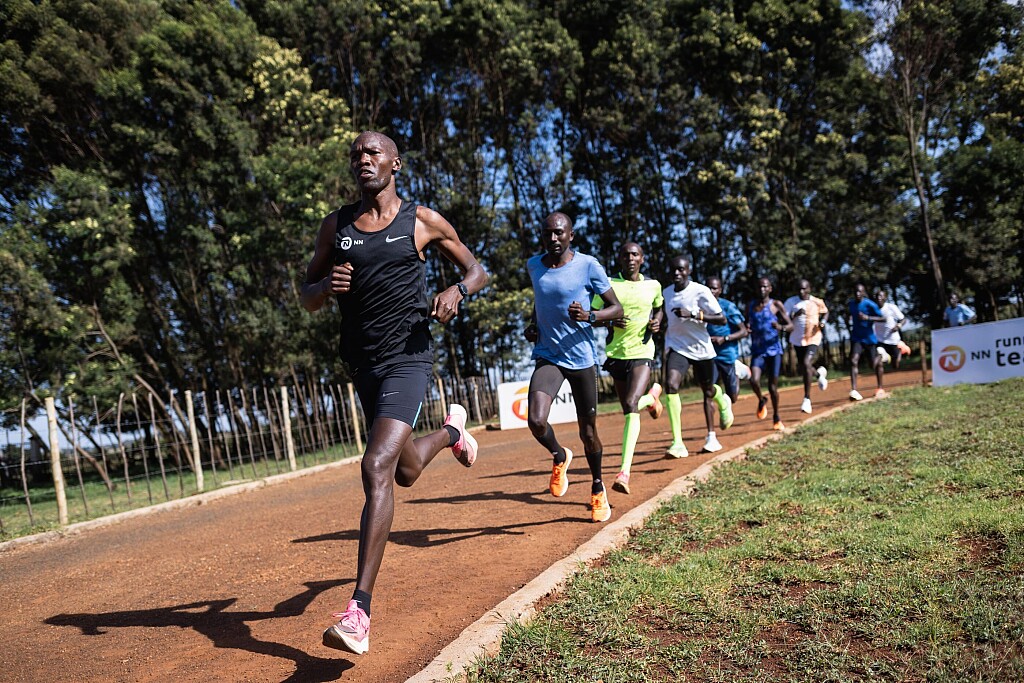
Benefits and limits of speed training for endurance runners
Interval training, repetitions or speed work are terms many people taking up athletics will often hear but what do they mean, where should it fit within your training and what are the potential pitfalls you should avoid when introducing it into your plan?
This guide will help provide some fundamentals.
For the sake of this article, intervals, repetitions and speed work will all be seen as the same general type of training, though in reality some coaches will have slight variances in their interpretations of those different terms.
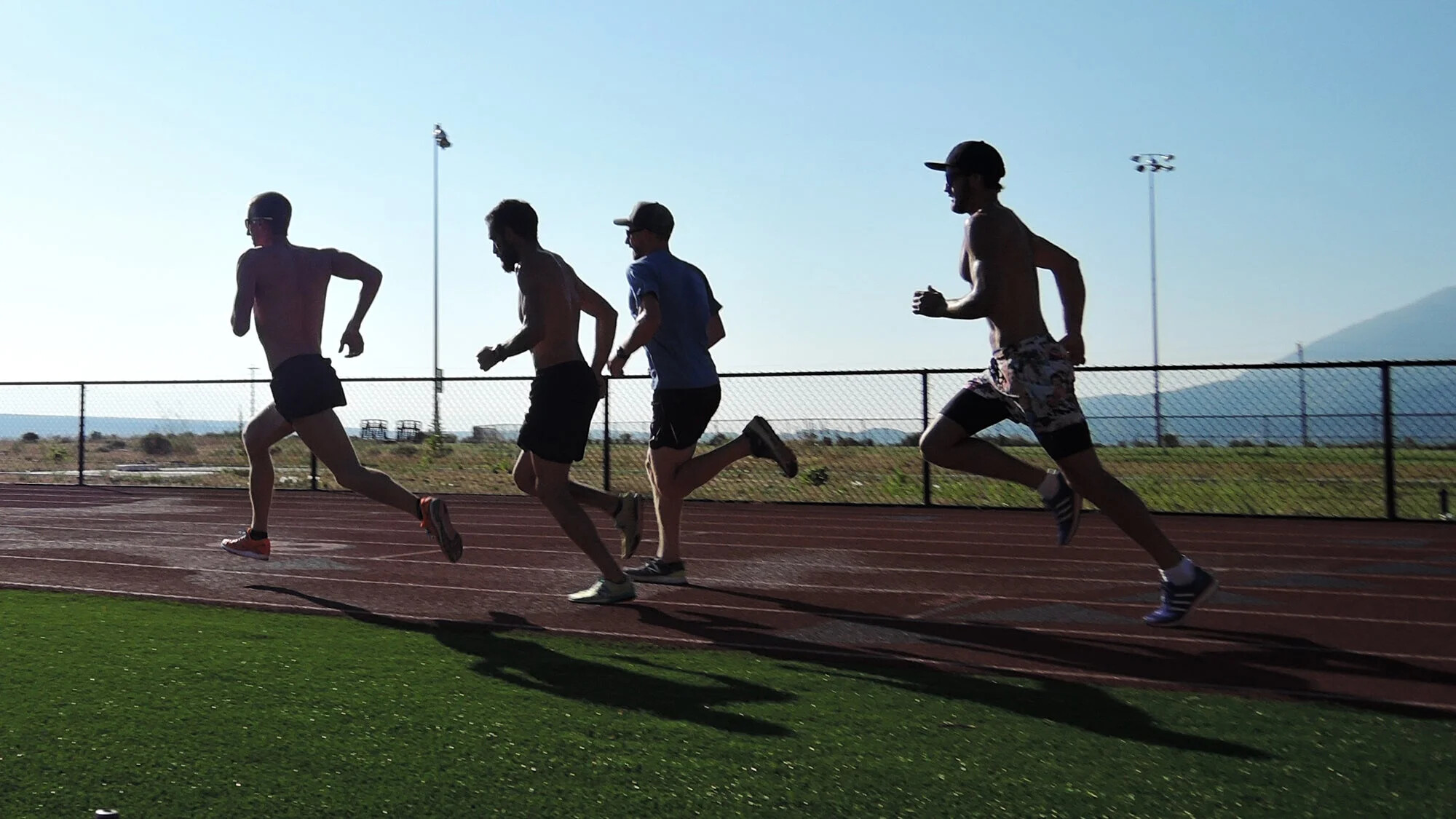
The theory behind speed training
When aiming to lower a personal best time, many coaches believe that running at paces quicker than or around your goal pace is important. This is for a variety of reasons not limited to:
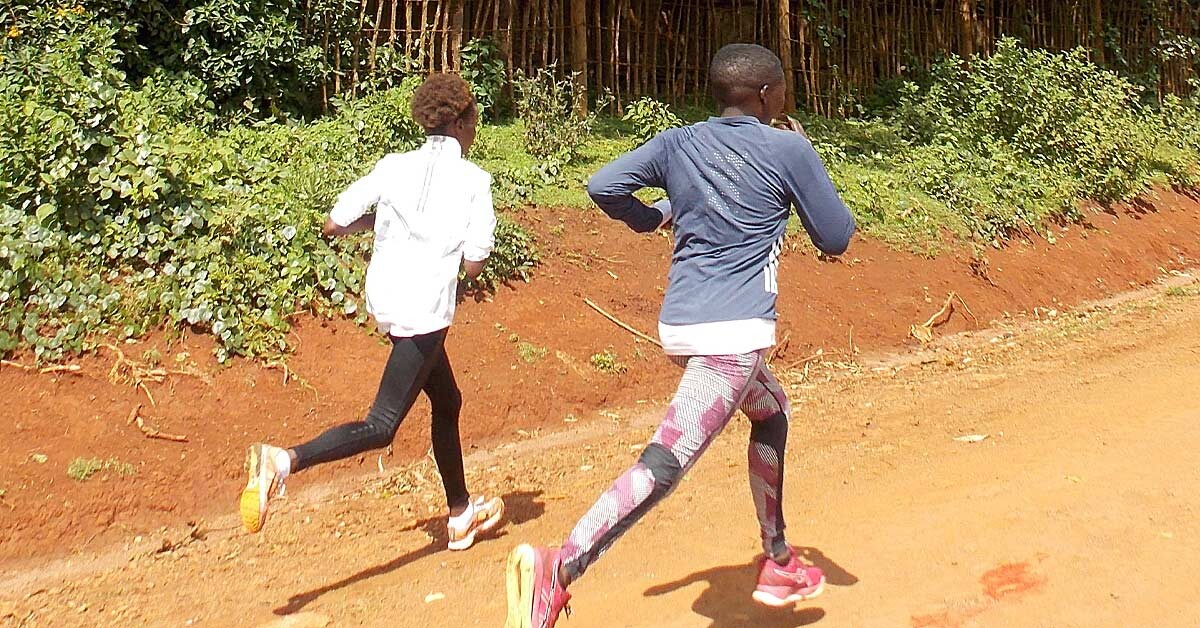
Preparing yourself mentally to run at those speeds and learning what it feels like physically
Stimulating the recruitment of fast-twitch muscles fibres
Fast-twitch muscle fibres are used for short, explosive movements as opposed to slow-twitch muscle fibres, which are less powerful but fatigue slower.
A higher proportion of fast-twitch muscle fibres will increase your top-end running speed while a higher proportion of slow-twitch muscles may increase your overall endurance. Striking a balance will be important to most runners, competing in all but the most extreme ultra-marathon distances.
Improving your running economy (how efficient you are in terms of the way you run) both at top speeds and at slower paces
Slower running will likely improve your aerobic fitness but will not stimulate the body to produce fast-twitch muscle fibres in the same way speed training does. This is because the body does not require as many fast-twitch muscles fibres to run at slower speeds.
How important speed training is for you will be depend on the races you are planning to partake in, though most distances will benefit from it to some degree.
Are you aiming to complete an ultra-marathon or is the 1500m your goal race?
What does speed training look like?
In the same way that the importance of speed training will depend on what events you are planning for, your speed training will look different based on your planned event.
Runners aiming to run the 1500m may well do fewer shorter reps at higher speeds, with 10,000m runners increasing the length of repetitions and sometimes the volume too.
Please note the sessions detailed below are not introductory sessions and should be worked up to over a period of months not weeks.
- Two typical 1500m sessions
3 to 4 x 500m with two to three minutes recovery between repetitions. These may be done at your target 1500m pace
3 x (800m, 200m, 200m) – three minutes between sets (after completing all the efforts within the brackets), 90 seconds between the repetitions (those within brackets)
- Two typical 10,000m sessions
8 x 1000m with two minutes recovery between efforts. All run at 10,000m goal pace.
1600m, 1200m, 800m, 800m, 1200m, 1600m. Two to three minutes between efforts. These would ideally be run slightly outside 10,000m goal pace for the longer efforts, and slightly inside for the shorter efforts. The idea is to keep the paces reasonably even, with a marginal increase in speed for the shorter efforts if possible.
How speed training fits with your overall training programme
It is impossible to sustain these types of sessions day after day, due to the significant impact each session has on your body.
Many runners choose to incorporate some kind of speed training once a week with some experienced and elite-level runners increasing this where they have more time to recover.
It is important to see how your body responds to these sessions, be honest with the impact they have and be conservative where they may cause a risk of injury.
In order to get the maximum benefit from these sessions, allow your body to recover by running slower than you normally would on the day or two following the session.
The dangers associated with speed training
Runners should be patient and build up to any speed training they do. If you try it too early without preparing your body through some easier running, muscle injuries can be more likely.
Alongside lighter running, strength and conditioning exercises for your calves, quads and hamstrings can help ensure that you are better prepared when you first start speed training.
As mentioned, these sessions will tire you out significantly more than most slower running, so be sure to watch out for the signs of overtraining, such as increased fatigue, excess soreness and an elevated heart rate when resting.
If you experience any of these, it may indicate it is time to back off your training, and be sure to speak to a qualified professional where possible to provide you the best advice.
Finally running at increased speeds may bring with it the temptation of lighter, faster shoes. These can be useful but the less cushioning can cause greater strain on your leg muscles.
Be sure to slowly introduce these to your sessions so that your legs have time to adapt.
Enjoy the training.
Think about how important speed is to your running goals.
by George Mallett (World Athletics)
Login to leave a comment
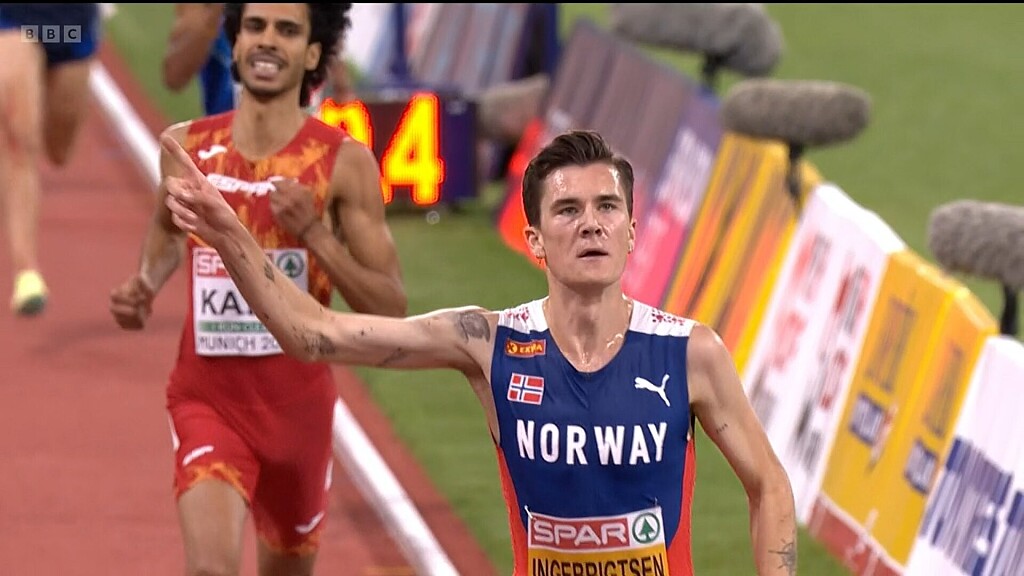
Jakob Ingebrigtsen Runs 3:57 Final 1600m to Win European 5000 Title
World 5000m champion Jakob Ingebrigtsen of Norway kicked away with ease from World 1500m bronze medallist Mohamed Katir of Spain over the final 100m to successfully defend his European 5000m title in 13.21.13, as Katir was second in 13:22.98 and Yemaneberhan Crippa of Italy 3rd in 13:24.83. Sam Parsons of Tinman Elite and Germany was 6th.
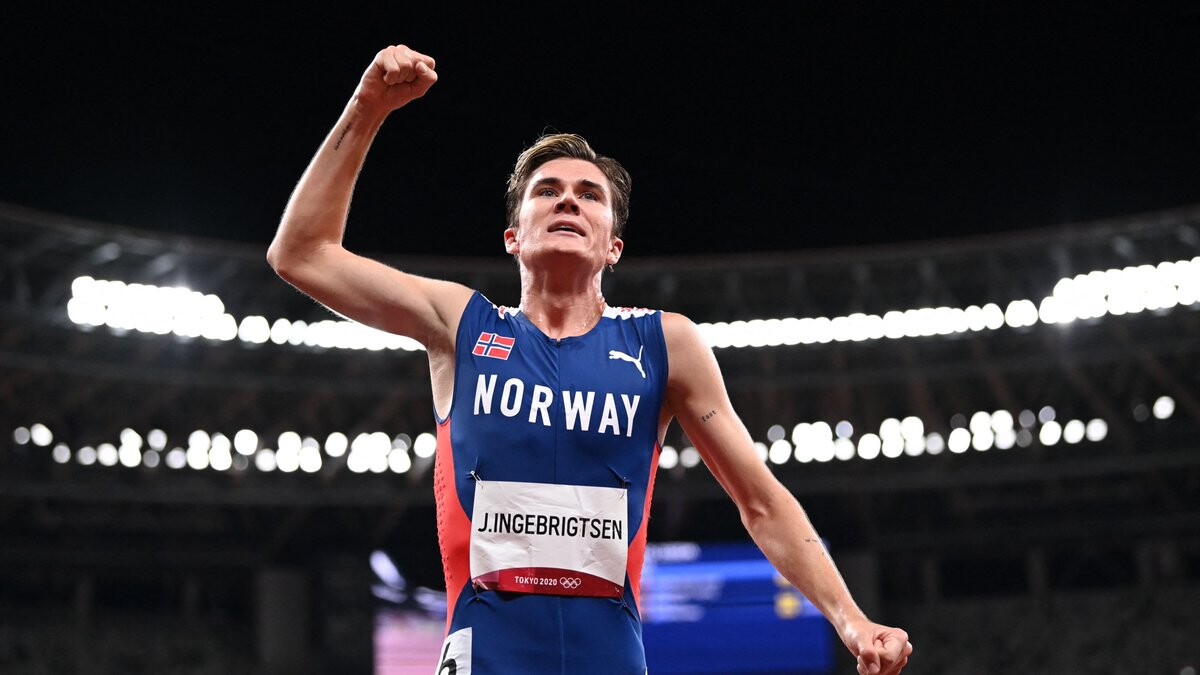
The pace was very modest on a nice evening in Munich (temperature around 70 at the start) until Ingebrigtsen went to the front with 3 laps to go and began pushing the pace. A 60.2 and 59.5 made it a three-man race at the bell, with Jakob content to lead with Katir right on his slipstream until the final 100m.
Jakob ran his last 1600 in 3:57.0 thanks to a 53.74 final lap and unofficial 12.8 final 100m.
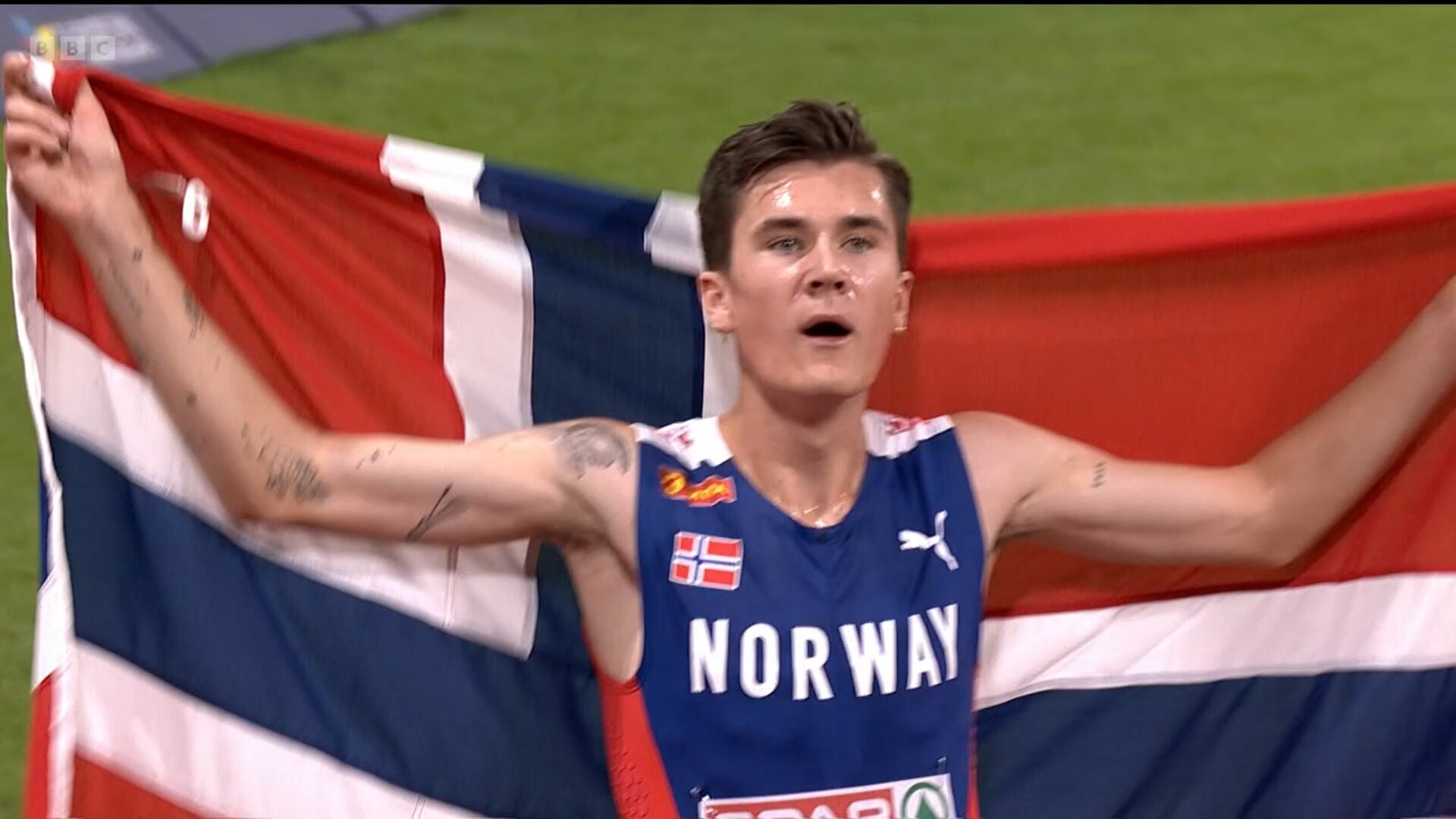
Considering he was the world champion in this event earlier this year and double European 1500/5000 champ at the age of 17, perhaps we shouldn’t be surprised how easy Ingebrigtsen made the final 100m look, but Katir has run 12:50 for 5000m and got bronze at Worlds in the 1500.
by Letsrun
Login to leave a comment
European Athletics Champioships
The27thEuropean Athletics Championshipswill be held from 10 to 16 August 2026 at theAlexander StadiuminBirmingham, United Kingdom.[1] This is the first time that a British city will have staged the European Athletics Championships although Birmingham has hosted many high-profile events, including the2007 European Athletics Indoor Championships, the2003and2018 IAAF World Indoor Championshipsand the2022 Commonwealth Games. Alexander Stadium was renovated between 2019 and...
more...
How to talk to a runner
Talking to runners can be intimidating. I have been running for decades and I still find myself occasionally searching up terms I overhear fellow-athletes use in casual conversation.
We’ve defined some commonly used acronyms so that you can throw around your running lingo like you’re the GOAT.
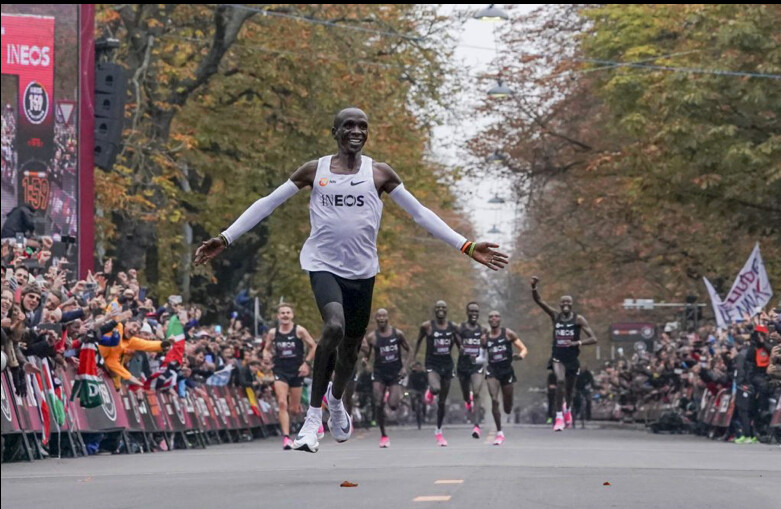
Running basics: I was wearing my HRM, but my HR was wonky for my entire LSD
HMP: half-marathon pace HR: heart rate HRM: heart rate monitor HRV: heart rate variability (the fluctuation in the time intervals between adjacent heartbeats) KOM/QOM: king of the mountain/queen of the mountain (a badge on Strava) LR: long run ER: easy run LSD: long slow distance MP: marathon pace FOMO: fear of missing out (if I’m an IPSOS I have to miss all the races and I’ll be stuck at home with FOMO) XT: cross train XC: cross country VO2 max: the maximum (max) rate (V) of oxygen (O₂) your body is able to use during exercise FKT: fastest known time
Racing terms: “You had better start training for WSER or you’ll finish DFL”
BQ: Boston qualifier (or Boston qualified) CR: course record (or Canadian record) DFL: dead f*cking last DMR: distance medley relay (a four-person event on the track, consisting of a 1,200m leg, a 400m leg, an 800m leg and a 1,600m leg) DNF: did not finish DNS: did not start GOAT: greatest of all time NR: national record OCR: obstacle course race PB: personal best (used in Canada) PR: personal record (used in the U.S.) PW: personal worst
RD: race director SB: season’s best SC: steeplechase UTMB: Ultra-Trail du Mont-Blanc (one of the most challenging ultratrail races, held in Chamonix, France) WL: world lead WR: world record WSER: Western States Endurance Run (as in ‘see you at states’ aka one of the most challenging ultratrail races, held in Auburn, Cali.)
Reovery and injuries: “I went out too hard in my BQ attempt, ran a PW, and now I’m an IPOS with FOMO”
DOMS: delayed onset muscle soreness (why an easy run the day after a hard workout doesn’t hurt as much as expected) IPOS: injured piece of sh*t IT band: iliotibial band (the band of tissue that starts at the hip and runs down the outside of the thigh) ITBS: iliotibial band syndrome LEA: low energy availability RED-S: relative energy deficiency in sport RICE: rest, ice, compression, elevation (common injury-treatment advice) IYNYN: If you know, you know (sometimes only those who have been there can truly understand)
by Running Magazine
Login to leave a comment
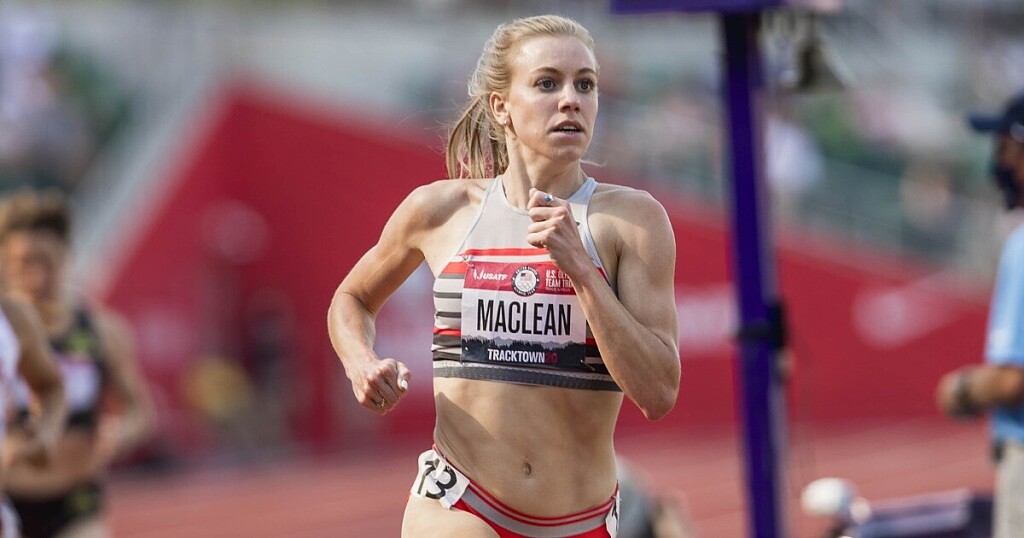
America's Heather MacLean runs sub four minute 1500m in Monaco
Heather MacLean became the 12th American woman ever to break 4:00 in the 1500m today in Monaco, running 3:58.89. When she finished out her collegiate eligibility at UMass in 2018, she was a 4:19.19 1500m runner.
The Monaco track is known for its speedy middle-distance performances and in the women’s 1500m Faith Kipyegon came within three tenths of a second of breaking Genzebe Dibaba’s world record with 3:50.37.
Allie Wilson led through 400m in 59.89 and 800m in 2:01.64 before Adelle Tracey took over to keep the pace as hard as possible. Kipyegon hit the front with 600m to go and despite hammering the final lap she fell agonisingly short of the mark but still went No.2 on the all-time rankings.
America's Heather Maclean (3:58.89) and Elise Cranny (3:59.06) were second and third with sub-four performances.
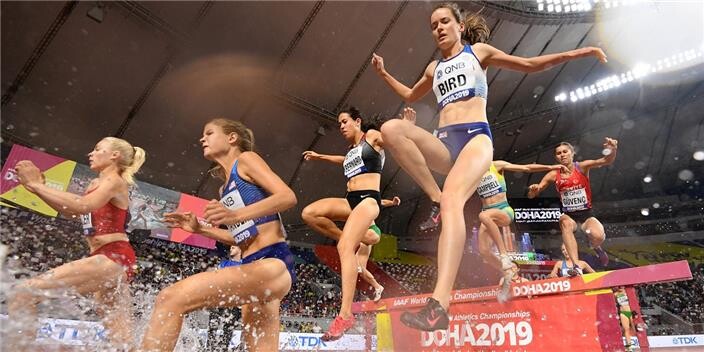
“I have been chasing the time for quite some time but I am happy with the personal best,” the Olympic and world champion said. “I knew this was the best place to get the world record but I am so disappointed I lost it in the last metres. I hope for the best next time. We will see when.
“I was definitely ready for it today. I am heading home now and want to get a good Diamond League final in Zurich.”
It was a first class track meet. World champion returns to winning ways at the Diamond League while fellow Brit Lizzie Bird smashes the national 3000m steeplechase record
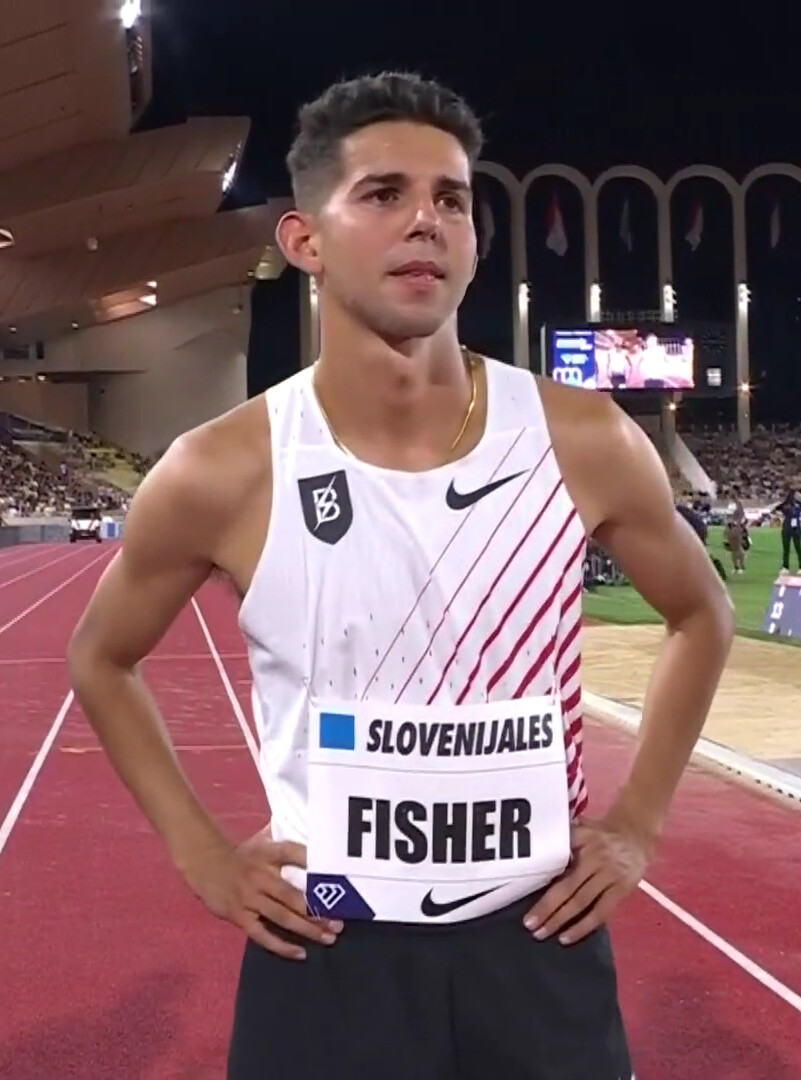
Jake Wightman bounced back to form after his defeat at the Commonwealth Games by taking the 1000m at the Diamond League in Monaco on Wednesday (Aug 10).
The world 1500m champion destroyed many of the world’s top 800m runners over the neutral distance of one kilometre as he improved his Scottish record from 2:16.27 to 2:13.88 to go No.3 on the UK all-time rankings and No.9 on the world all-time lists.
Seb Coe’s long-standing UK record of 2:12.18 remains an elusive target and Steve Cram is No.2 all-time with 2:12.88 but Wightman has now overtaken Steve Ovett and James McIlroy on the rankings.
In Monaco the pacemaker Erik Sowinski led through 400m in 51.02 and Marco Arop was in pole position through 800m in 1:45.46, but Wightman, who spent much of the race running alone in no man’s land a few metres ahead of the main pack, finished strongly to pass Arop in the final metres as Clayton Murphy was third, Commonwealth 800m champion Wycliffe Kinyamal fourth and the Olympic and world 800m champion Emmanuel Korir 12th.
“I did not really know I was in shape to do this today. It was just very, very hard as I had run on my own,” said Wightman. “I knew Arop is a little bit quicker on the home straight so I had to judge the right moment. I had to stay strong to be able to catch him.”
Wightman steps down to the 800m at the European Championships next week and said: “This is a really nice step towards Munich. The main difference between the 1500m and 1000m is just the speed of the first couple of laps. You go from running 55s to 52.”
Lizzie Bird smashed the British record for 3000m steeplechase as she improved Aimee Pratt’s national mark by almost eight seconds to 9:07.87.
Pratt set a British record twice at the World Championships last month as she ran 9:18.91 in her heat and 9:15.64 to place seventh in the final. But Bird ran 9:17.79 to take silver at the Commonwealth Games and here in Monaco swiped a further 10 seconds off her best as she pipped former world champion Emma Coburn at the finish to place third behind Ethiopia duo Workua Getachew and Zerfe Wondemagegn.
Bird, 27, was encouraged to try the steeplechase while studying at Princeton in the United States. She was a reluctant steeplechaser at first and suffered injuries from 2016-18 but set a UK record of 9:19.68 when placing ninth in the Olympics last year and the Shaftesbury Barnet athlete is now closing in on the nine-minute barrier while combining athletics with a career in immigration law based in Colorado.
There is more: Distance runner Grant Fisher’s record-breaking 2022 season continued tonight at the Herculis meeting in Monaco where he ran 7:28.48 for 3000 meters, finishing 3rd, to break Bernard Lagat’s 7:29.00 American record which had stood since 2010.
Fisher’s 3000 record is his third American record of the year as in February he set the indoor 5000 record (12:53.73) and outdoors he set the American 10,000 mark in March(26:33.84).
Login to leave a comment

Crush your half marathon goals with these workouts
It’s racing season, and every sunny weekend seems like an opportunity to jump into (or train for) a fun event. If the half marathon is your jam, try these workouts to finesse the unique balance of endurance and speed that the distance requires.
Fatigue resistance repeats
Running some fast intervals after a tempo session can be an effective way to mimic maintaining that goal pace when you feel those slightly heavy mid-race legs.
10 minutes easy running to warm up
25-30 minutes at a pace you can maintain for one hour
3-4 minutes recovery running
5 x 1 minute hard/1 minute easy
10 minutes easy running to cool down
Master the mile
Threshold pace intervals (roughly around a 10K race pace) are perfect training for the half marathon distance. On race day, you’ll have the stamina to maintain that tough, slightly below-threshold pace for the entire distance.
10-15 minutes easy running
4-5 x 1 mile (1,600m) at 10K race pace, with one minute of easy recovery between each repeat
10-15 minutes easy running
Practice the pace
Half marathon pace workouts should generally only be done a few times, close to race day (but before taper-time). You’ll gain familiarity with running at that perfect speed and add a confidence boost before the big event.
15 minutes easy running
3-4 x 3.5 km at half marathon pace, with 1 km easy recovery running between repeats
10 minutes easy running
Follow a speedwork session with an easy running or rest day, and hydrate well, especially in the summer heat.
by Running Magazine
Login to leave a comment
