

Running News Daily
Running News Daily is edited by Bob Anderson and team. Send your news items to bob@mybestruns.com Advertising opportunities available.
Index to Daily Posts · Sign Up For Updates · Run The World Feed
Articles tagged #Noah Ngeny
Today's Running News


2026: The Year Distance Running’s Impossible Records Began to Fall
Distance running has witnessed extraordinary seasons before, but 2026 is producing something that feels almost unprecedented.
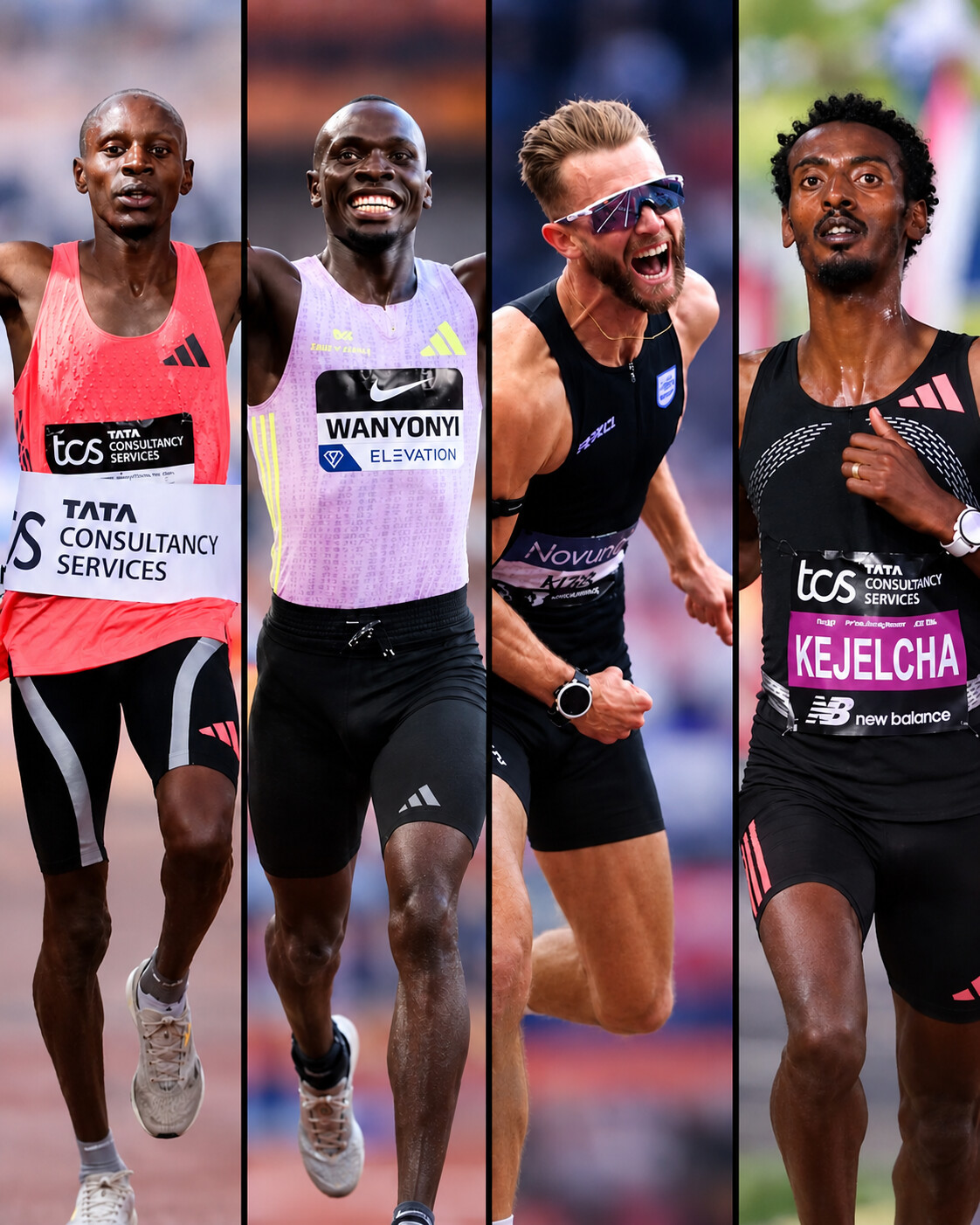
Records that had survived for decades, marks that appeared untouchable and performances that had defined entire generations of athletes are falling at a remarkable rate. In the space of just four months, four historic world records were rewritten, creating one of the most astonishing stretches the sport has ever seen.
And with four months still remaining in 2026, the question is no longer whether this has been an exceptional year.
It is just how much further the boundaries can be pushed.
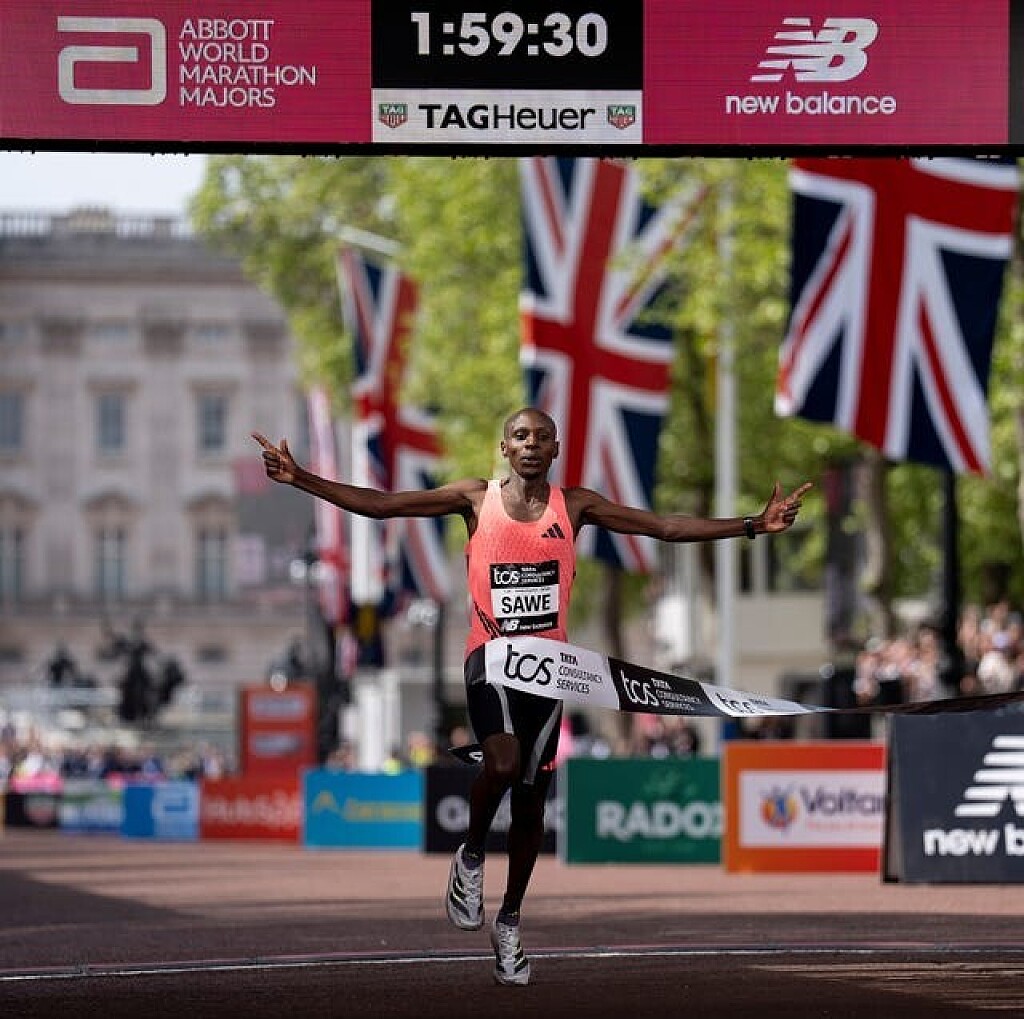
The extraordinary sequence began on April 26 at the London Marathon, where Sabastian Sawe delivered one of the defining performances in the history of the event. The Kenyan crossed the finish line in a breathtaking 1:59:30, becoming the first athlete to run a marathon under two hours in officially recognised, record-eligible conditions.
Eliud Kipchoge had famously broken the two-hour barrier in Vienna in 2019, proving that such a performance was humanly possible, but the specially organised conditions—including rotating pacemakers and a pace car—meant the time could not be recognised as an official world record.
Sawe's performance was different.
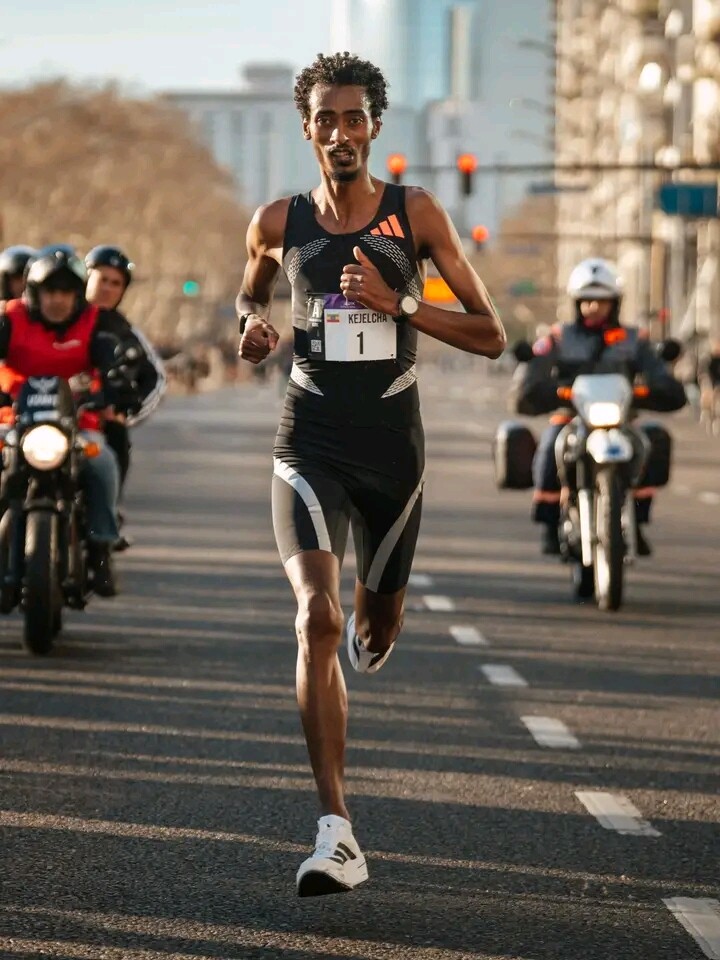
His 1:59:30 came in a conventional elite marathon race, and the historic morning became even more extraordinary as Ethiopia's Yomif Kejelcha finished in 1:59:41, while Uganda's Jacob Kiplimo clocked 2:00:28. In one astonishing race, three athletes went faster than the previous world-record standard.
Then came Monaco.
On July 10, Emmanuel Wanyonyi stepped into completely unfamiliar territory when he lined up for his first-ever 1000m race. What followed was nothing short of spectacular. The Kenyan middle-distance star stormed to 2:11.83, smashing a world record that had belonged to Noah Ngeny since 1999.
The previous mark had stood for 27 years, having been set four years before Wanyonyi was even born. Yet on his debut over the distance, Wanyonyi made history look effortless, while Britain's Jake Wightman also produced a superb performance to move into fifth place on the all-time list.
Just eight days later, London delivered another historic moment.
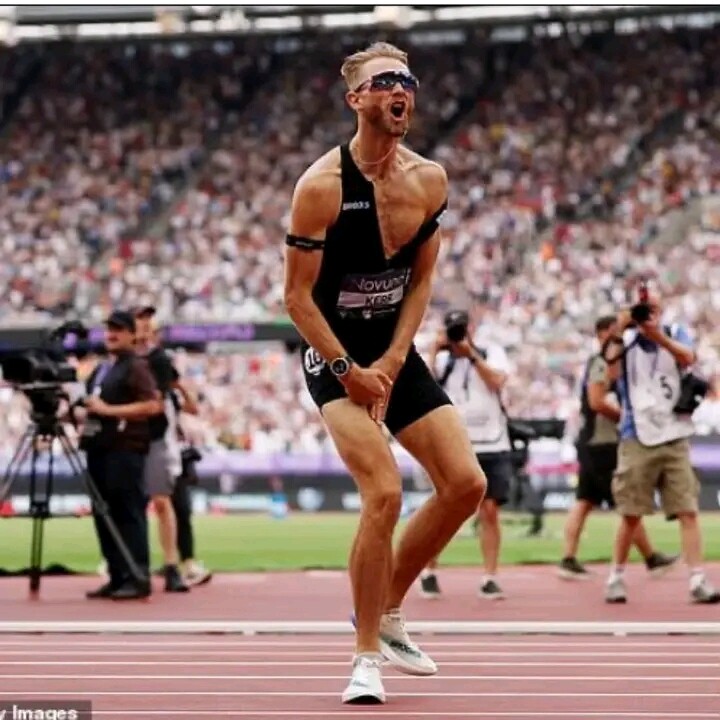
Josh Kerr had spoken openly about his ambitious mission, calling it “Project 222.” On the track, however, ambition turned into reality. The British star produced a stunning 3:42.66 for the mile, finally surpassing Hicham El Guerrouj's legendary 3:43.13 world record.
For decades, El Guerrouj's mark had stood as one of athletics' most iconic standards—a performance that appeared almost immune to the passing of time. Kerr changed that, producing a run that instantly secured its place among the greatest mile performances ever witnessed.
And then, in Buenos Aires on August 23, Yomif Kejelcha returned to the centre of the distance-running world.
Having already played a major role in London's historic marathon, the Ethiopian produced another extraordinary performance, this time over the half marathon. Kejelcha clocked 56:51, becoming the first man in history to break 57 minutes for the distance under valid record conditions.
What made the performance even more remarkable was the manner in which it unfolded. Kejelcha was running alone from around the 7km mark, with no rival beside him and no dramatic sprint finish required. He simply continued driving forward, producing one of the most dominant record-breaking performances ever seen on the roads.
Four historic records.
Four months.
A marathon barrier that had long been considered impossible in official competition. A 1000m record that had survived for 27 years. A mile record that had belonged to one of the greatest middle-distance runners in history. And a half-marathon performance that carried the event into completely new territory.
Distance running is living through a year unlike almost anything the sport has experienced before.
The most remarkable part?
2026 is not over yet.
With four months still remaining, the athletes of this extraordinary era may not be finished rewriting history.
by Erick Cheruiyot for My Best Runs.
Login to leave a comment

Three Historic World Records Ratified As Kiplimo, Tharp And Wanyonyi Enter The Record Books
Three extraordinary performances that captivated the athletics world have now been officially ratified by World Athletics, with Jacob Kiplimo, Ja’Kobe Tharp and Emmanuel Wanyonyi securing their places in the history books with remarkable world-record performances.
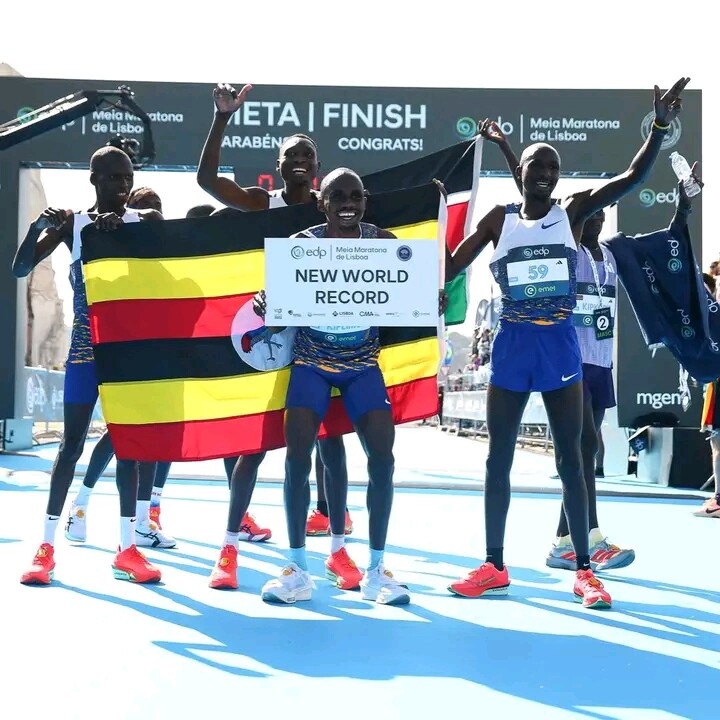
Uganda’s Jacob Kiplimo delivered a breathtaking 57:20 at the EDP Lisbon Half Marathon on 8 March 2026, producing what was then a spectacular world record. His performance underlined his exceptional ability over the half-marathon distance and further strengthened his status as one of the finest road runners of his generation.
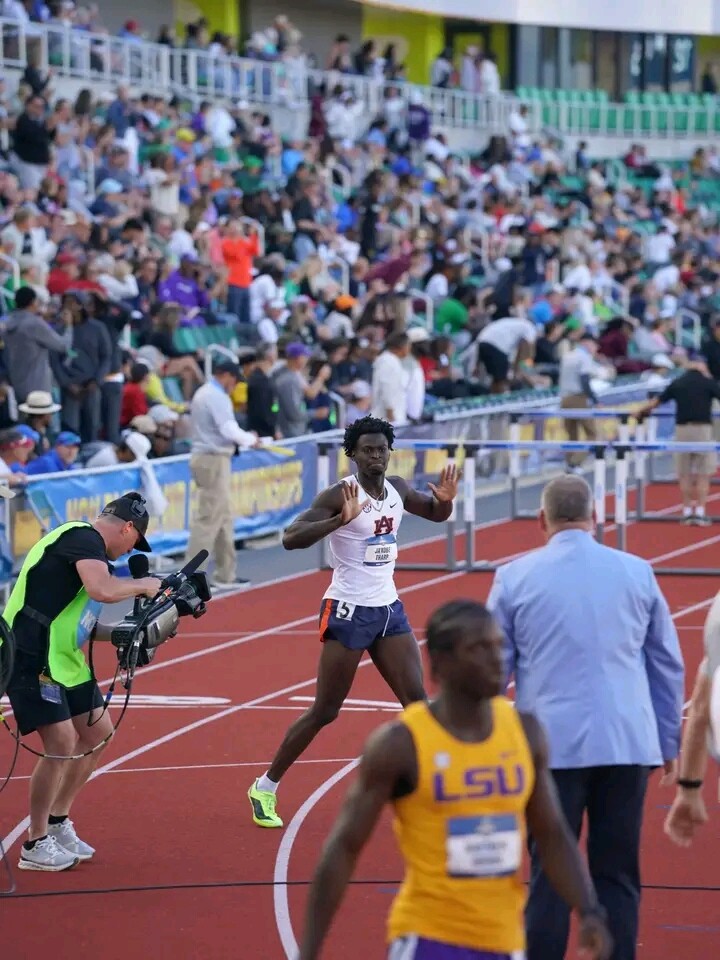
American hurdler Ja’Kobe Tharp created his own piece of history in Eugene on 10 June 2026, storming to 12.75 seconds in the 110m hurdles. The sensational performance came with a legal +1.0m/s following wind and established Tharp as the new world record-holder, marking a remarkable breakthrough on the global stage.
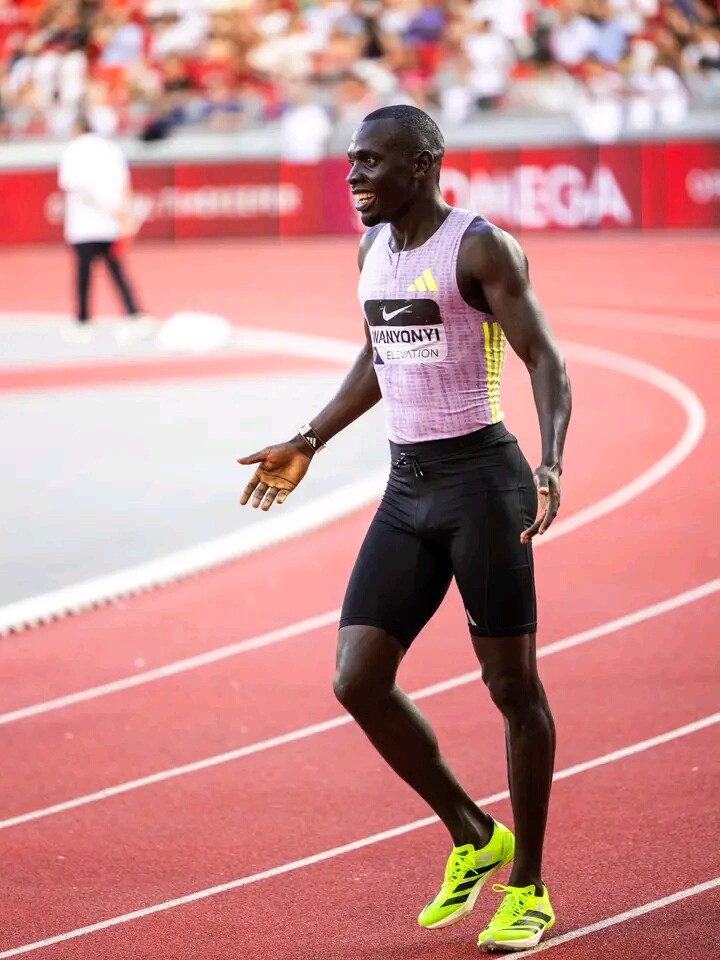
Kenya’s Emmanuel Wanyonyi completed the trio with a sensational 2:11.83 world record in the 1000m. The Olympic champion produced the performance in Monaco, lowering Noah Ngeny’s long-standing 2:11.96 world record from 1999. It was another extraordinary demonstration of Wanyonyi’s speed, strength and versatility beyond his specialist 800m distance.
What makes the three records particularly special is the variety of disciplines involved. Kiplimo conquered the demanding half marathon, Tharp mastered the technical challenge of sprint hurdling, while Wanyonyi extended his middle-distance brilliance over 1000m. Each performance showcased a different form of athletic excellence, yet all three athletes reached the same extraordinary destination: the world-record books.
Accuracy Note: Kiplimo’s 57:20 has since been surpassed by Ethiopia’s Yomif Kejelcha, who ran 56:51 at the Media Maratón Ciudad de Buenos Aires on 23 August 2026, taking 29 seconds off Kiplimo’s mark. The newer performance was still listed as pending ratification, meaning Kiplimo’s mark had been overtaken on the clock even as his record was among those formally ratified.
The ratification of the Kiplimo, Tharp and Wanyonyi performances nevertheless gives official recognition to three spectacular moments that will remain significant chapters in the 2026 athletics season.
Three athletes. Three extraordinary performances. Three officially ratified world records. From Lisbon to Eugene and Monaco, Kiplimo, Tharp and Wanyonyi have added another unforgettable chapter to the story of athletics
by Erick Cheruiyot for My Best Runs.
Login to leave a comment
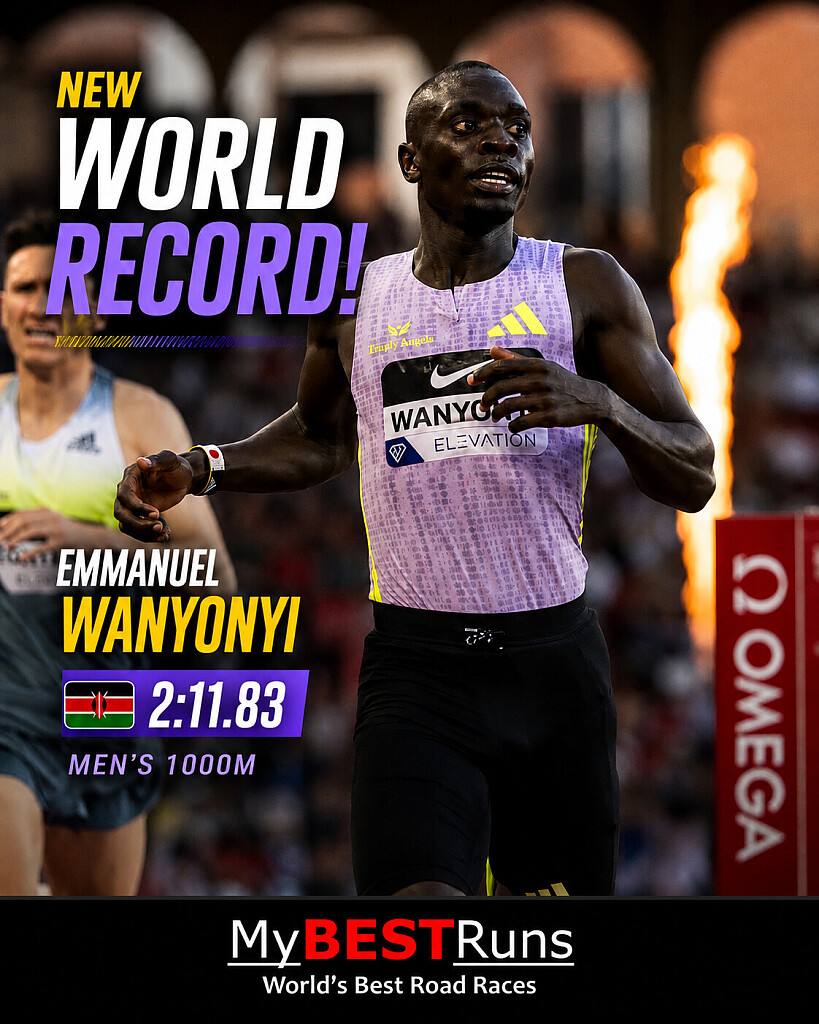
BREAKING: Emmanuel Wanyonyi Destroys 27-Year World Record in Monaco as Kenya Reigns Supreme Once Again
Kenya is celebrating another historic milestone after Olympic 800m champion Emmanuel Wanyonyi produced one of the greatest middle-distance performances ever witnessed, shattering the men's 1000m world record at the Monaco Diamond League.
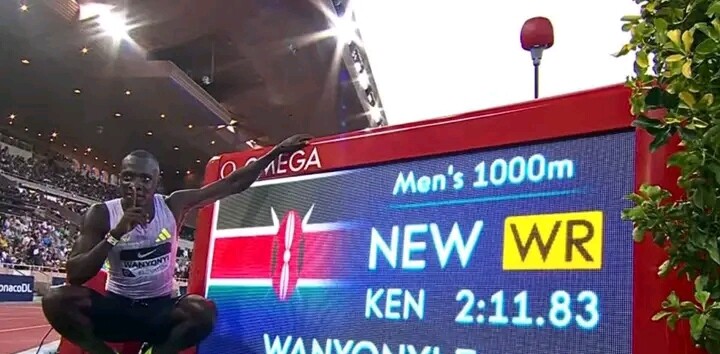
The 21-year-old sensation stormed to victory in a breathtaking 2:11.83, eclipsing the legendary 2:11.96 set by fellow Kenyan Noah Ngeny in September 1999. For 27 years, the record stood as one of athletics' most untouchable marks, surviving challenges from generations of Olympic and World champions before finally falling on a memorable night in Monaco.
Wanyonyi's run was nothing short of extraordinary. Displaying incredible pace, flawless rhythm and remarkable strength over the closing metres, the Kenyan powered away from a world-class field to rewrite the history books. As he crossed the finish line, the stadium erupted before the giant scoreboard confirmed what many could hardly believe—a new men's 1000m world record of 2:11.83.
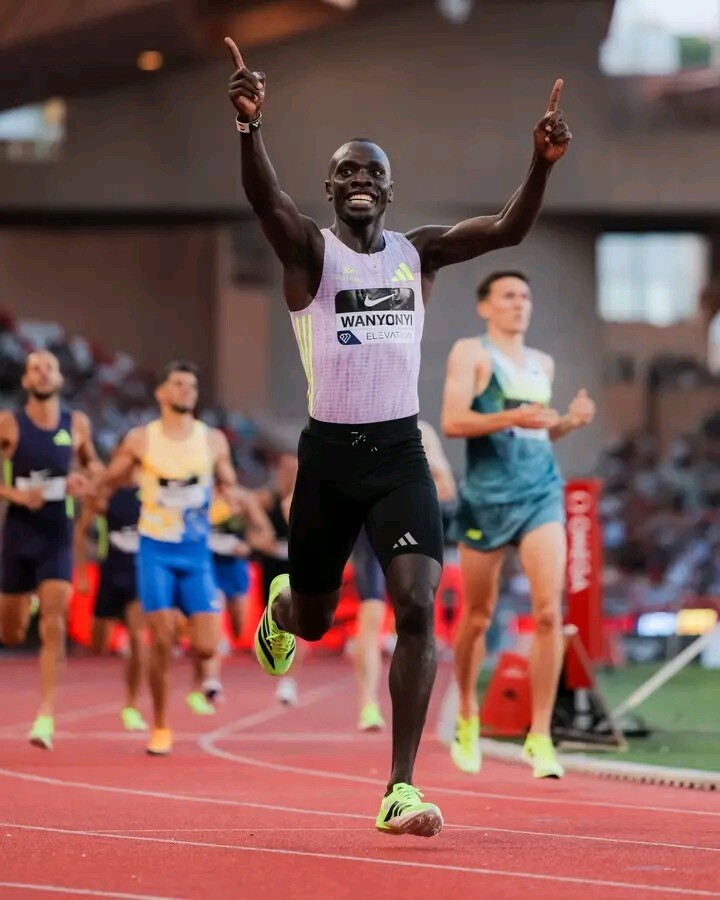
The victory was made even more impressive by the quality of the competition. Great Britain's Jake Wightman finished second in an outstanding 2:12.77, while Algeria's Djamel Sedjati claimed third in 2:13.94. France's Azeddine Habz crossed the line fourth in 2:14.02, ahead of Great Britain's Ben Pattison, who finished fifth in 2:14.11, while France's Gabriel Tual completed the top six in 2:14.97.
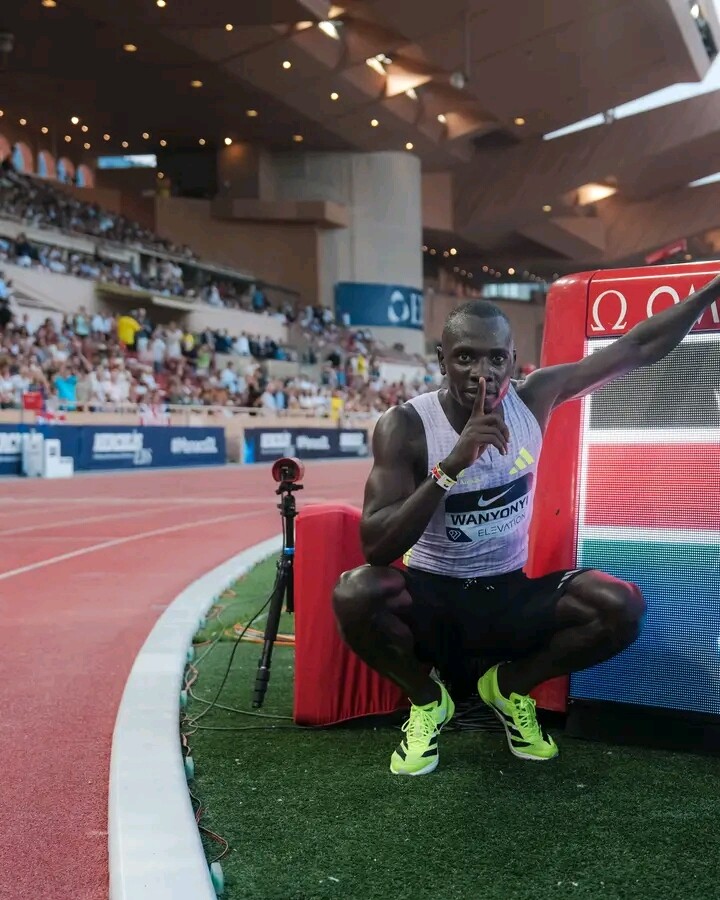
Despite the strength of the field, none could match Wanyonyi's relentless pace as he produced a performance destined to become one of the defining moments of modern athletics.
Breaking a world record by 0.13 seconds may appear small on paper, but in elite middle-distance running it represents a monumental achievement. It brought an end to one of the longest-standing men's world records and confirmed Wanyonyi as the fastest man ever over the rarely contested 1000 metres.
The achievement further cements the young Kenyan's status as one of the brightest stars in world athletics. Already an Olympic 800m champion, Wanyonyi has continued to raise the standard with every major appearance, proving he possesses not only devastating speed but also the endurance and tactical brilliance required to dominate beyond his signature event.
Perhaps the most remarkable aspect of the historic feat is that the record remains in Kenyan hands. Noah Ngeny held the global mark with pride for nearly three decades, and now another Kenyan has inherited that legacy, ensuring the world record continues to belong to the nation renowned for producing some of history's greatest middle-distance runners.
As celebrations swept across Monaco and throughout Kenya, Wanyonyi's performance instantly became one of the biggest stories in global athletics. He did more than win a race—he ended a 27-year reign, conquered a record many believed would never fall, and inspired a new generation of athletes with a run that will be remembered for decades.
From Noah Ngeny to Emmanuel Wanyonyi, the crown remains in Kenya.
A legendary record has fallen. A new champion has risen. And on an unforgettable night in Monaco, Emmanuel Wanyonyi reminded the world that when it comes to middle-distance running, Kenya continues to set the gold standard.
by Erick Cheruiyot for My Best Runs.
Login to leave a comment
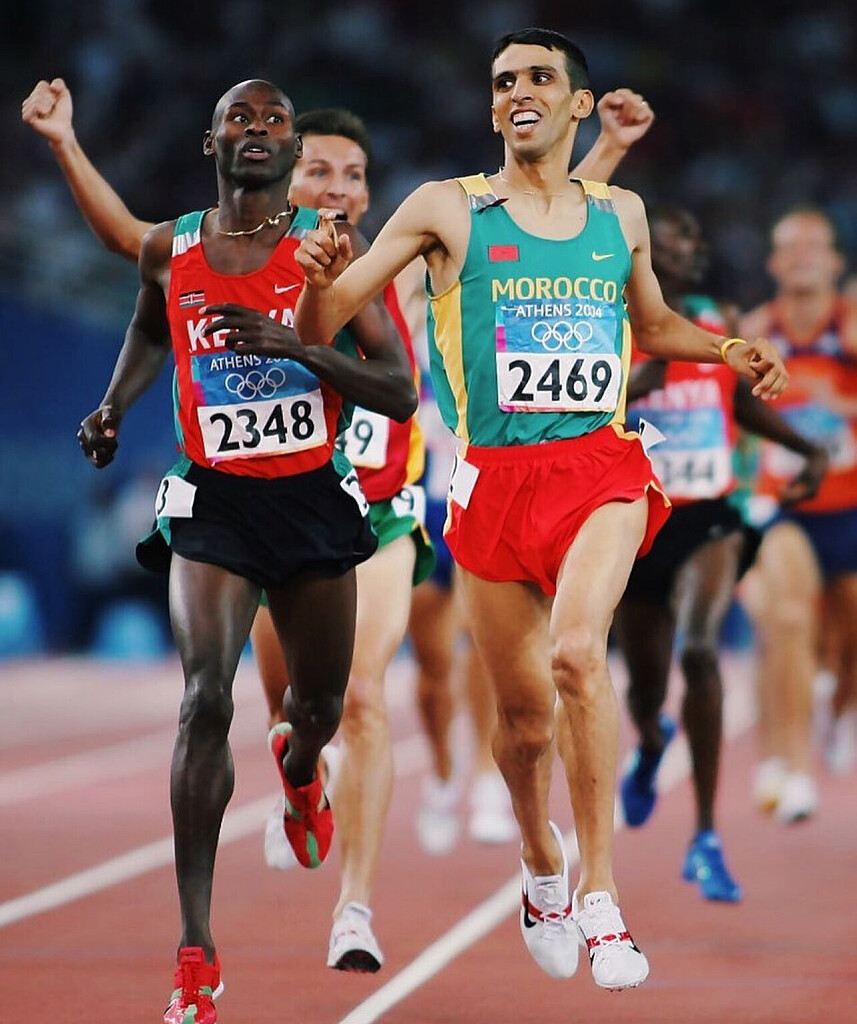
The Fastest Mile Ever Run—And Why It Still Hasn’t Been Broken
On July 7, 1999, under the lights of Rome’s Stadio Olimpico, Morocco’s Hicham El Guerrouj delivered a performance that remains one of the most iconic feats in track and field history. Racing against a world-class field, El Guerrouj clocked 3:43.13 for the mile—shattering his own previous best and establishing a world record that still stands 26 years later.
No man has run faster since.
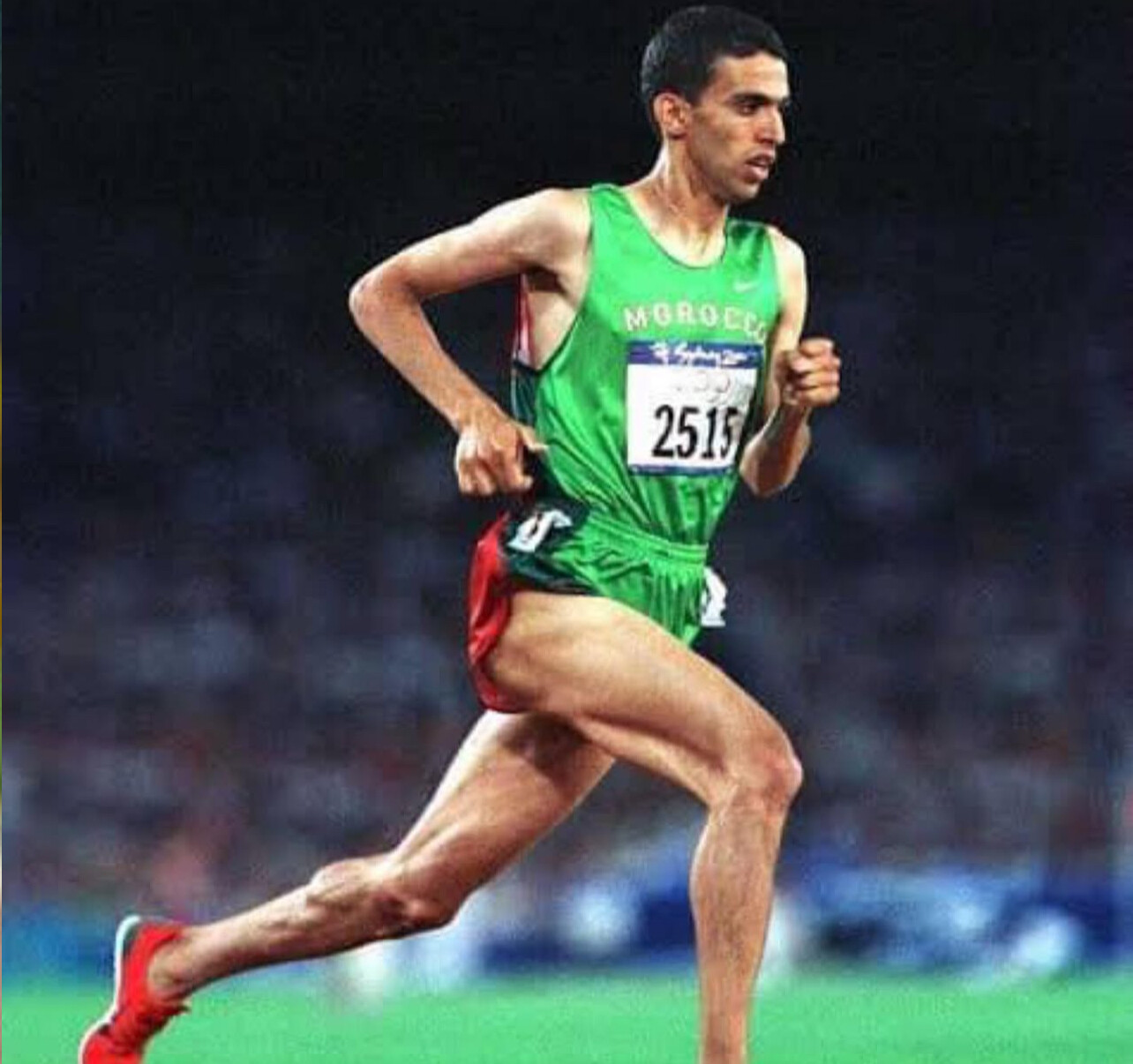
In one of the most thrilling middle-distance races ever contested, Kenya’s Noah Ngeny pushed El Guerrouj all the way to the finish, crossing in 3:43.40—a time that remains the second-fastest mile in history. The duel produced two performances that remain unmatched, solidifying the race as perhaps the greatest mile ever run.
At the time, El Guerrouj was already recognized as the world’s premier miler, having come heartbreakingly close to Olympic gold in 1996 when he tripped with 400 meters to go. But his performance in Rome in 1999 left no doubt about his dominance. Paced perfectly through the opening laps, El Guerrouj accelerated with trademark elegance and blistering speed over the final 400 meters, crossing the line with history behind him.
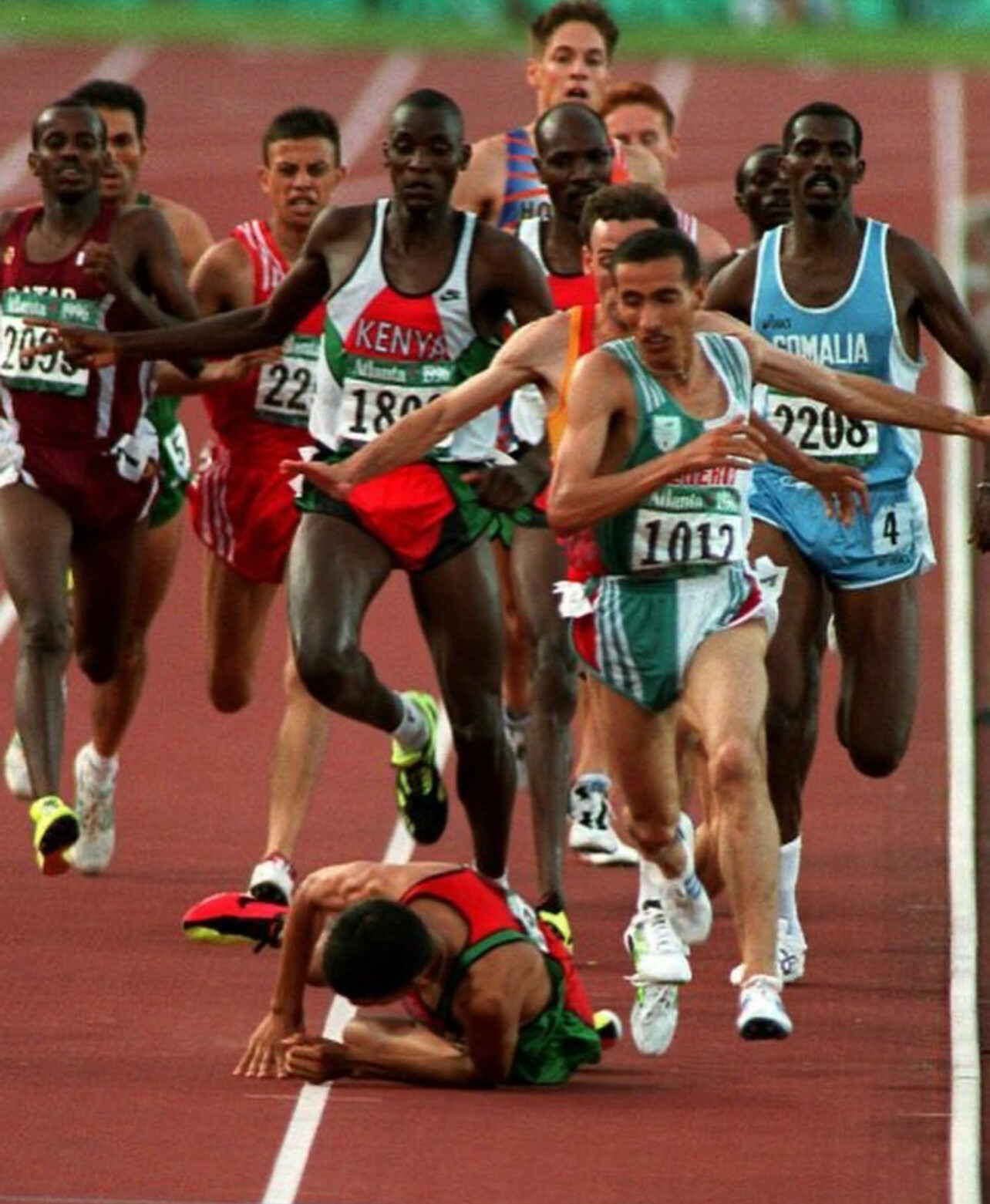
His 3:43.13 replaced the previous world record of 3:44.39, set by Noureddine Morceli in 1993, and it has now stood longer than any other men’s outdoor mile world record in history.
Fast Facts:

• Date: July 7, 1999
• Location: Stadio Olimpico, Rome, Italy
• Winner: Hicham El Guerrouj (Morocco) – 3:43.13 (World Record)
• Runner-Up: Noah Ngeny (Kenya) – 3:43.40 (Still #2 All-Time)
Legacy

El Guerrouj went on to win double Olympic gold in 2004 (1500m and 5000m), capping a storied career. But it’s the 1999 mile in Rome that may be his most enduring legacy. Despite super spikes, faster tracks, and new training philosophies, no one has yet managed to break 3:44 since that night.
As we mark 26 years since this historic performance, the record stands not just as a mark of physical excellence, but as a symbol of the enduring mystique of the mile—track and field’s most storied distance.
by Boris Baron
Login to leave a comment
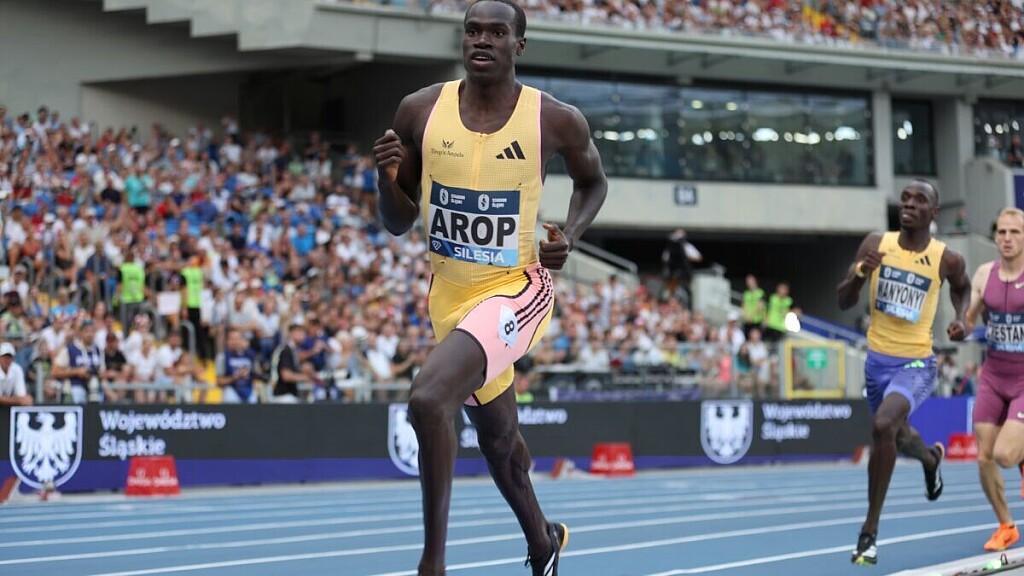
Marco Arop runs North American record over 1,000m
Arop’s time of 2:13.13 is the fifth-fastest of all time.
On Sunday evening at the Boris Hanžeković Memorial meet in Zagreb, Croatia, Canadian Olympic 800m silver medalist Marco Arop narrowly missed the world record for 1,000 metres. His winning time of 2:13.13 set a new Canadian and North American record and is the fifth-fastest time in history.
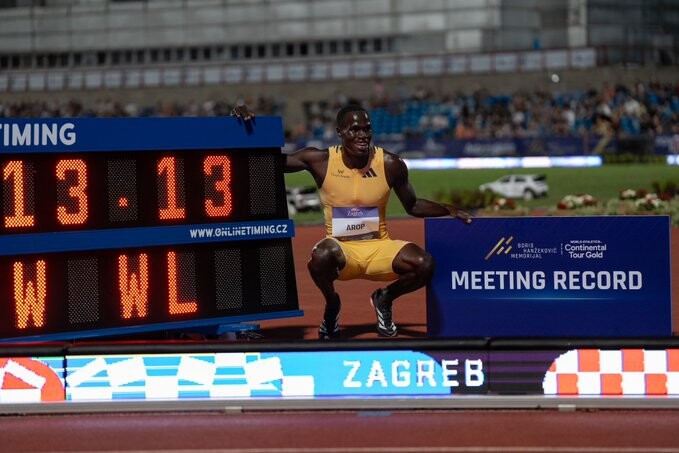
Arop was looking to break Noah Ngeny of Kenya’s world record of 2:11.92 from 1999, but he faced challenges early on. His tall frame struggled with the “waterfall” start, and he lagged behind the pace in the opening 400m, leaving him unable to fully catch up to the pace lights. However, Arop’s performance still shattered the previous North American record of 2:13.90 set by American Rick Wohlhuter 50 years ago.
The 25-year-old Edmonton native improved upon his previous personal best of 2:14.35. This was his second bid for the 1,000m world record, having fallen just short over the same distance indoors this year at the New Balance Indoor Grand Prix. Arop now holds the North American (area) records in the 800m and 1,000m events.
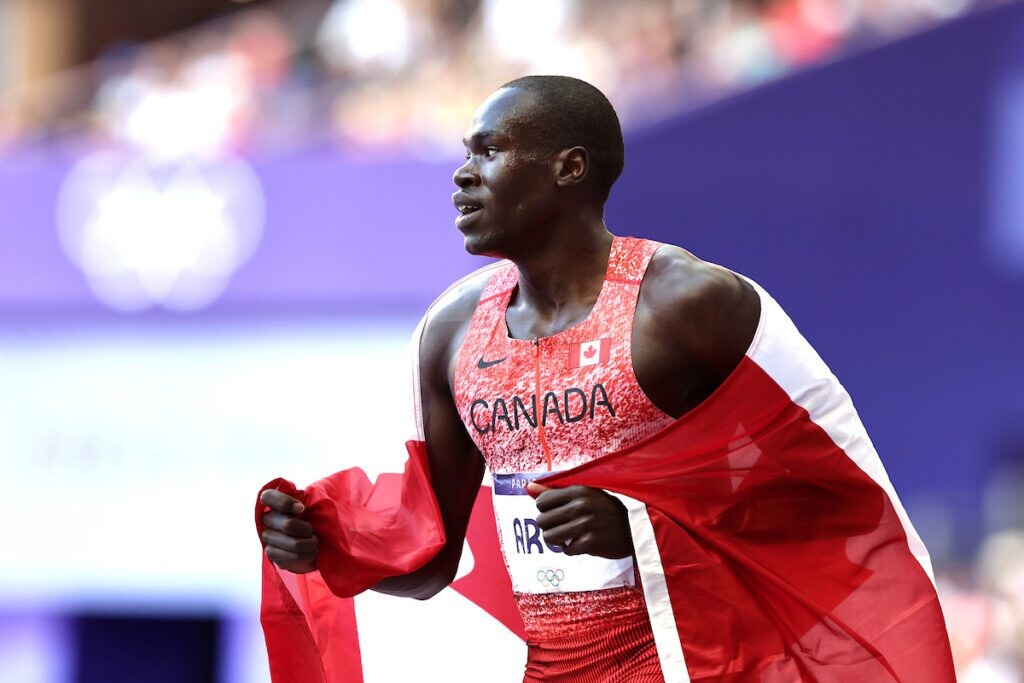
Next up, Arop will head to the Diamond League final in Brussels on Sept. 13-14, where he plans to challenge the men’s 800m world record of 1:40.91, a goal he says has been on his mind for some time.
Arop was one of three Canadian athletes competing at the Boris Hanžeković Memorial on Sunday. Olympic hammer throw champion Ethan Katzberg suffered his first loss of the season, losing to Olympic bronze medallist Mykhaylo Kokhan, who threw a new personal best of 81.14 to take the win. Canadian 4x100m relay gold medallist Jerome Blake finished fourth in the men’s 100m in 10.15 seconds.
by Marley Dickinson
Login to leave a comment
