

Running News Daily
Running News Daily is edited by Bob Anderson and team. Send your news items to bob@mybestruns.com Advertising opportunities available.
Index to Daily Posts · Sign Up For Updates · Run The World Feed
Articles tagged #London 2012 Olympic Games
Today's Running News



Four Legends Who Defined Kenya's Golden Era of the 800 Metres
Kenya's rich history in the 800 metres has produced some of the finest middle-distance athletes the world has ever witnessed. Across different generations, extraordinary talent, resilience and excellence have transformed the nation into a global powerhouse in the two-lap event. From world records and Olympic triumphs to groundbreaking achievements and inspirational coaching, four remarkable athletes stand out as enduring symbols of Kenya's golden era.
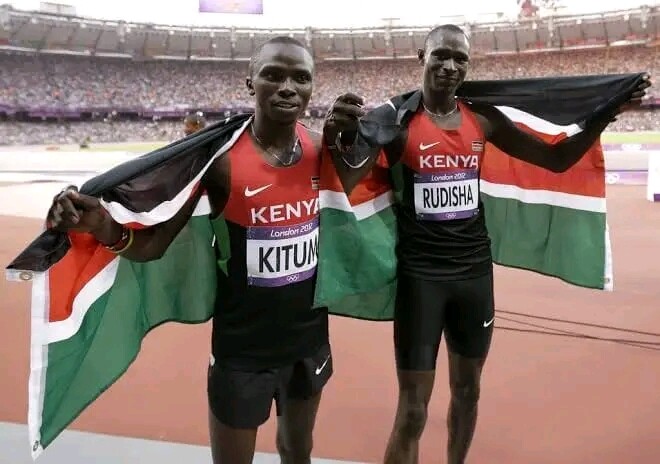
Leading the list is David Rudisha, the undisputed king of the men's 800 metres. His name is synonymous with greatness after redefining what was thought possible over two laps. A two-time Olympic champion and two-time world champion, Rudisha reached the pinnacle of the sport at the London 2012 Olympic Games, where he produced one of the greatest performances in athletics history. His breathtaking world record of 1:40.91, set from the front without the aid of a pacemaker, remains unbeaten and continues to inspire generations of middle-distance runners around the world.
Sharing that unforgettable London final was Timothy Kitum, whose remarkable breakthrough captivated the athletics world. At just 18 years old, he delivered a sensational performance to claim the Olympic bronze medal in a personal best of 1:42.53, a time that still stands as Kenya's national under-20 record. Although he later stepped away from elite competition, Kitum has remained closely connected to the sport, proudly supporting his wife, multiple Olympic champion Faith Kipyegon, as she continues to build one of the greatest careers in middle-distance running history.
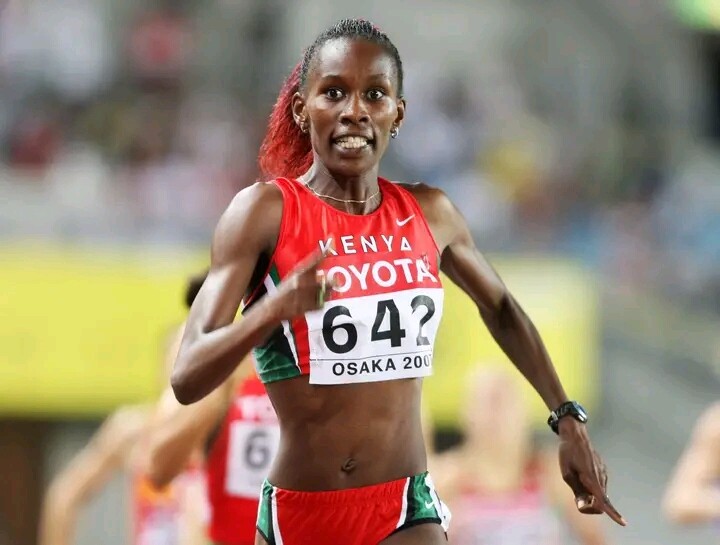
On the women's side, Janeth Jepkosgei broke new ground for Kenyan athletics by becoming the country's first female World Champion in the 800 metres. Affectionately known as the "Eldoret Express," she captured the world title in Osaka in 2007 before adding an Olympic silver medal at the Beijing Games in 2008. Her influence, however, extends well beyond the medals she won. After retiring from competition, Jepkosgei dedicated herself to coaching, helping nurture a new generation of Kenyan middle-distance stars.
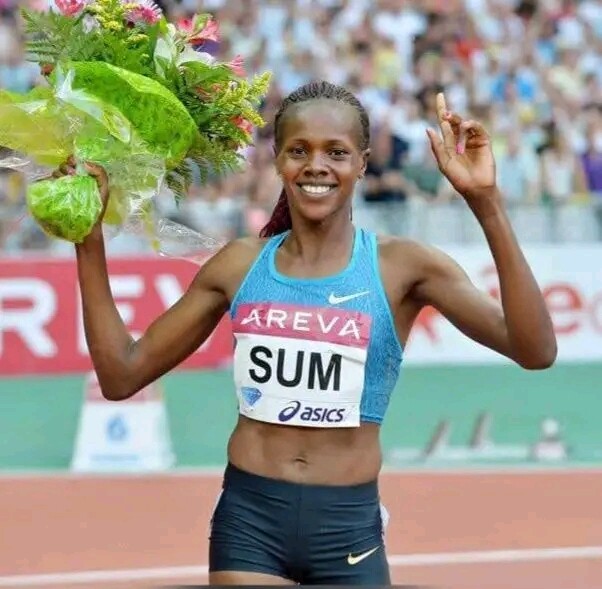
Among those who benefited most from her guidance was Eunice Sum. Under Jepkosgei's mentorship, Sum blossomed into one of the world's finest 800-metre athletes, winning the World Championship title in Moscow in 2013 before adding a bronze medal at the 2015 World Championships. Her rise from promising youngster to global champion stands as a powerful testament to the value of mentorship and the enduring strength of Kenya's middle-distance tradition.
Together, these four icons represent far more than medals and records. They embody the passion, discipline and relentless pursuit of excellence that have made Kenya the benchmark in the 800 metres. Their achievements have inspired generations of athletes, while their legacy continues to shape the future of Kenyan middle-distance running. From world records and Olympic glory to championship titles and coaching excellence, they remain enduring symbols of one of the greatest eras in the history of the 800 metres.
by Erick Cheruiyot for My Best Runs.
Login to leave a comment
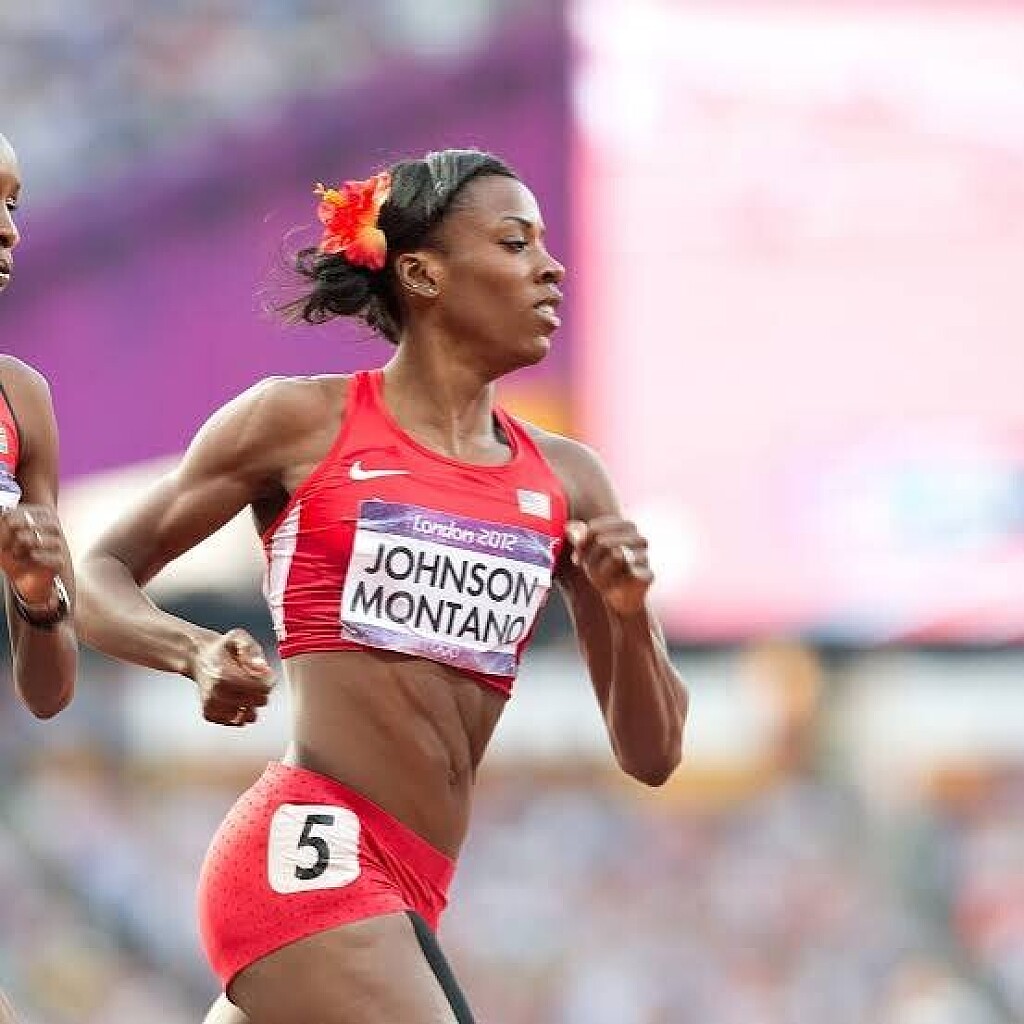
Olympic Justice Delayed: Alysia Montaño Finally Earns London 2012 Bronze After 14-Year Wait
Justice has finally caught up with one of the most controversial Olympic races in modern history.
Fourteen years after crossing the finish line in fifth place at the London 2012 Olympic Games, American middle-distance star Alysia Montaño has officially been awarded the Olympic bronze medal following the International Olympic Committee's latest medal reallocation.
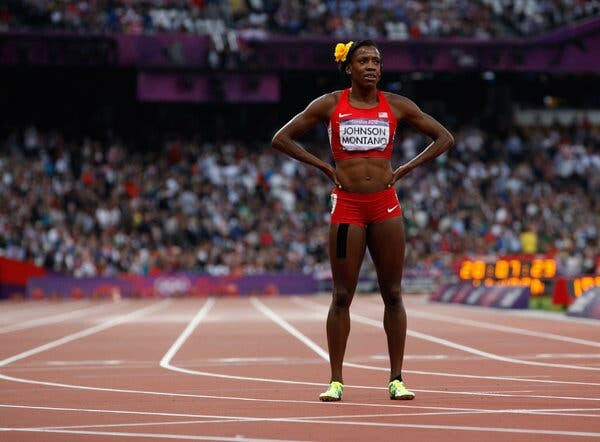
This week, the IOC Executive Board approved a revised set of results for the women's 800 metres, bringing another chapter of the event's long-running doping scandal to a close. South Africa's Caster Semenya remains the Olympic champion, while Kenya's Pamela Jelimo is elevated to the silver medal position. Montaño now claims the bronze medal she earned through clean competition.
The decision follows the disqualification of Yekaterina Guliyev, who represented Russia at the London Games under her maiden name, Yekaterina Poistogova. In 2024, the Court of Arbitration for Sport (CAS) ruled that Guliyev had committed anti-doping violations involving banned anabolic steroids. After her appeal was dismissed in May 2025, the IOC officially ratified the revised medal standings this week, making the changes final.
Guliyev's removal means three Russian athletes from the same Olympic women's 800m final have now been stripped of their results for doping offences. Mariya Savinova, the original gold medalist, was disqualified years earlier, while Elena Arzhakova also lost her result following anti-doping sanctions. The race has become one of the clearest examples of how widespread doping robbed clean athletes of their rightful Olympic moments.
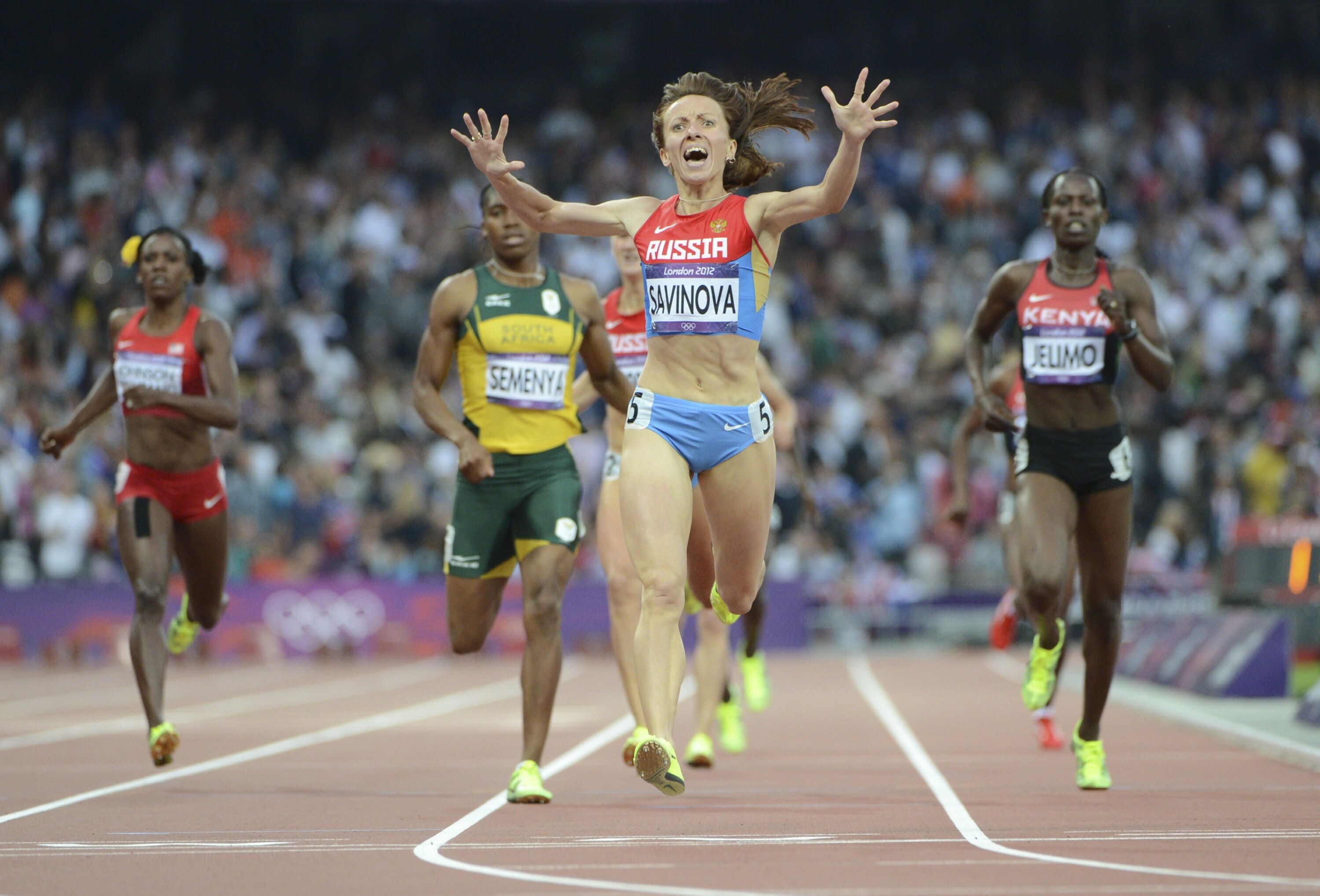
For Montaño, the medal is the reward for a courageous race. She boldly led the field through the opening 400 metres in 56.31 seconds before eventually finishing fifth as four athletes crossed the line ahead of her. Today, only two of those performances still stand.
Her promotion is also historically significant. Montaño becomes the first American woman to win an Olympic medal in the 800 metres since Kim Gallagher claimed bronze at the 1988 Seoul Olympics, ending a wait of more than three decades for the United States in the event.
Although the medal is finally hers, the years that have passed cannot restore the emotions of standing on the Olympic podium before a packed stadium and millions watching around the world. Montaño has often described the delayed recognition as both gratifying and heartbreaking—a victory that arrives without the unforgettable Olympic celebration every athlete dreams of.
Following the IOC's announcement, Montaño shared an emotional message on social media, celebrating the victory while acknowledging the long journey that still lies ahead before she finally receives her medal.
"Integrity and Truth always wins out. The IOC approved the medal reallocation ceremony at LA2028. More work to be done to ensure it's done right, but for now we celebrate one victory at a time. Swipe to see me patiently waiting till LA2028 to get my medal!"
Her message also revealed that the IOC has approved the medal reallocation ceremony to take place during the Los Angeles 2028 Olympic Games, giving Montaño the opportunity to finally receive her Olympic medal on one of sport's biggest stages. While nothing can replace the moment that was taken from her in London, the ceremony will provide long-overdue recognition of her achievement in front of the Olympic community.
Montaño's story serves as another powerful reminder that while anti-doping efforts can eventually correct the record books, justice delayed can never fully replace the memories, opportunities and emotions stolen from clean athletes.
Fourteen years after London 2012, the official results have finally been rewritten. Alysia Montaño is an Olympic bronze medalist at last—not because history changed, but because the truth finally caught up with it.
by Erick Cheruiyot for My Best Runs.
Login to leave a comment
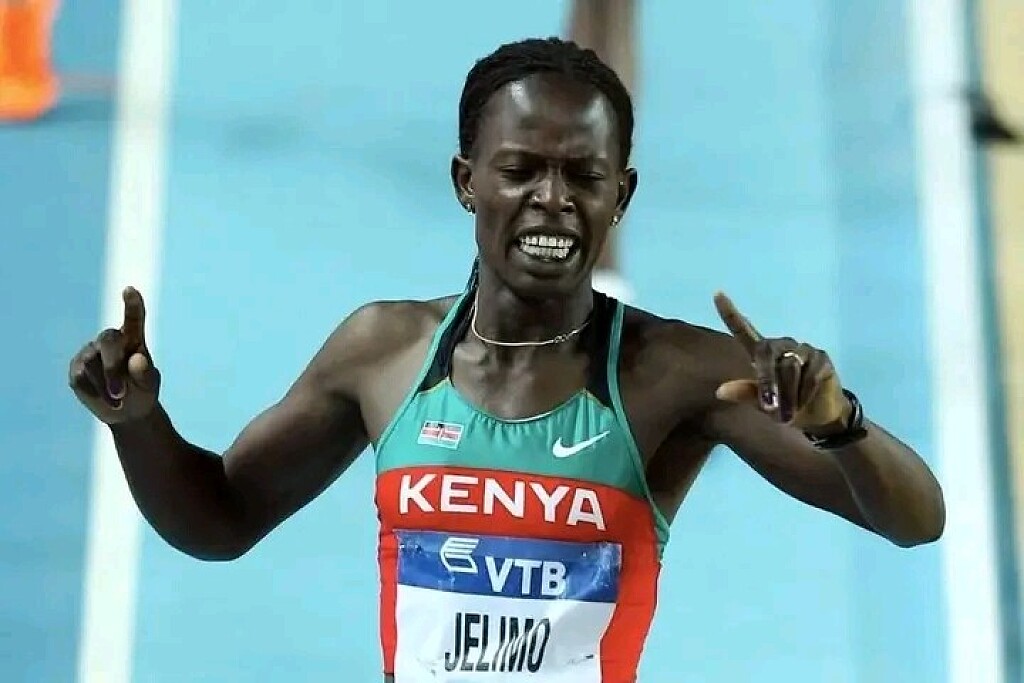
A Silver Worth the Wait: Pamela Jelimo Officially Recognized as London 2012 Olympic Runner-Up
More than a decade after competing on athletics' grandest stage, Kenyan middle-distance star Pamela Jelimo has officially been confirmed as the silver medalist in the women's 800 metres at the London 2012 Olympic Games following a medal reallocation approved by the International Olympic Committee (IOC).
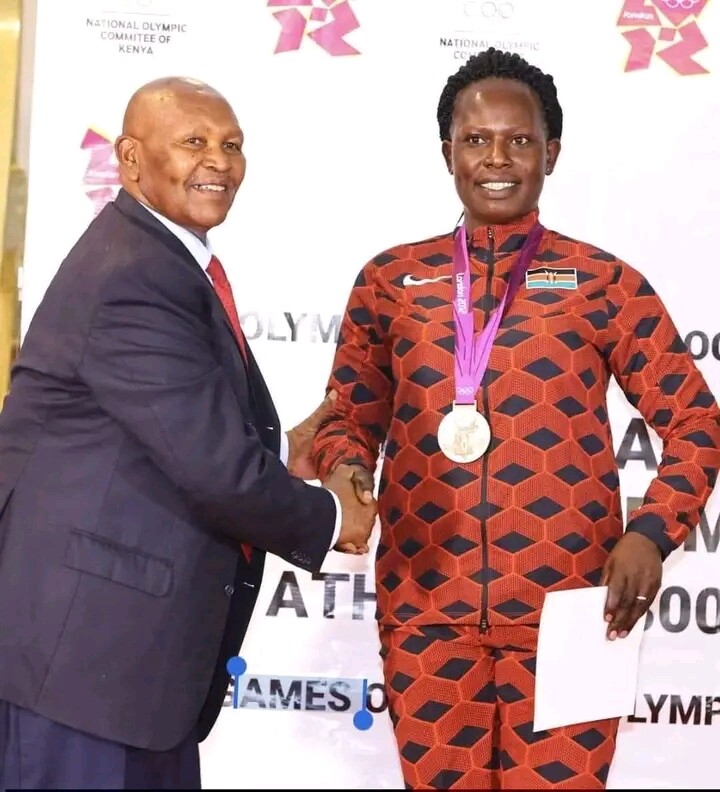
The IOC Executive Board ratified the revised results after the disqualification of Russian athlete Yekaterina Poistogova for an anti-doping rule violation. With all legal processes now concluded, the final standings have been formally updated, bringing long-awaited recognition to athletes who competed cleanly.
The decision elevates Jelimo from third place to the Olympic silver medal position, adding another prestigious chapter to the career of one of Kenya's most accomplished middle-distance runners. While the moment comes years after the race was run, it reinforces the enduring principle that integrity in sport ultimately prevails.
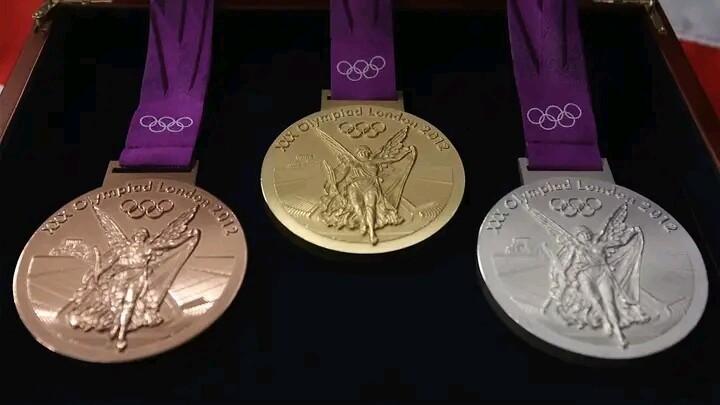
The revised podium now sees American athlete Alysia Montaño promoted to the bronze medal position. Meanwhile, Francine Niyonsaba moves into fourth place, with fellow Kenyan Janeth Jepkosgei Busienei officially ranked fifth.
For Kenya, Jelimo's promotion represents more than a statistical adjustment. It is a belated reward for an athlete whose remarkable talent helped shape a golden era of Kenyan women's middle-distance running. Although the medal upgrade arrives years after the celebrations that followed the London Olympics, its significance remains undiminished.
Jelimo burst onto the international scene as a teenage sensation, capturing global attention with her fearless racing style and dominant performances. Her newly confirmed Olympic silver medal further cements her legacy among Kenya's finest athletes and adds another distinguished achievement to an already impressive career.
The reallocation also serves as a powerful reminder of the ongoing fight for clean sport. While athletes affected by doping violations often endure years of waiting before receiving rightful recognition, the updated results demonstrate the commitment of sporting authorities to preserving fairness and protecting the integrity of competition.
Fourteen years after the London Games captivated the world, justice has finally caught up with the women's 800 metres final. For Pamela Jelimo, the silver medal may have arrived late, but its value and meaning remain as powerful as ever.
by Erick Cheruiyot for My Best Runs.
Login to leave a comment
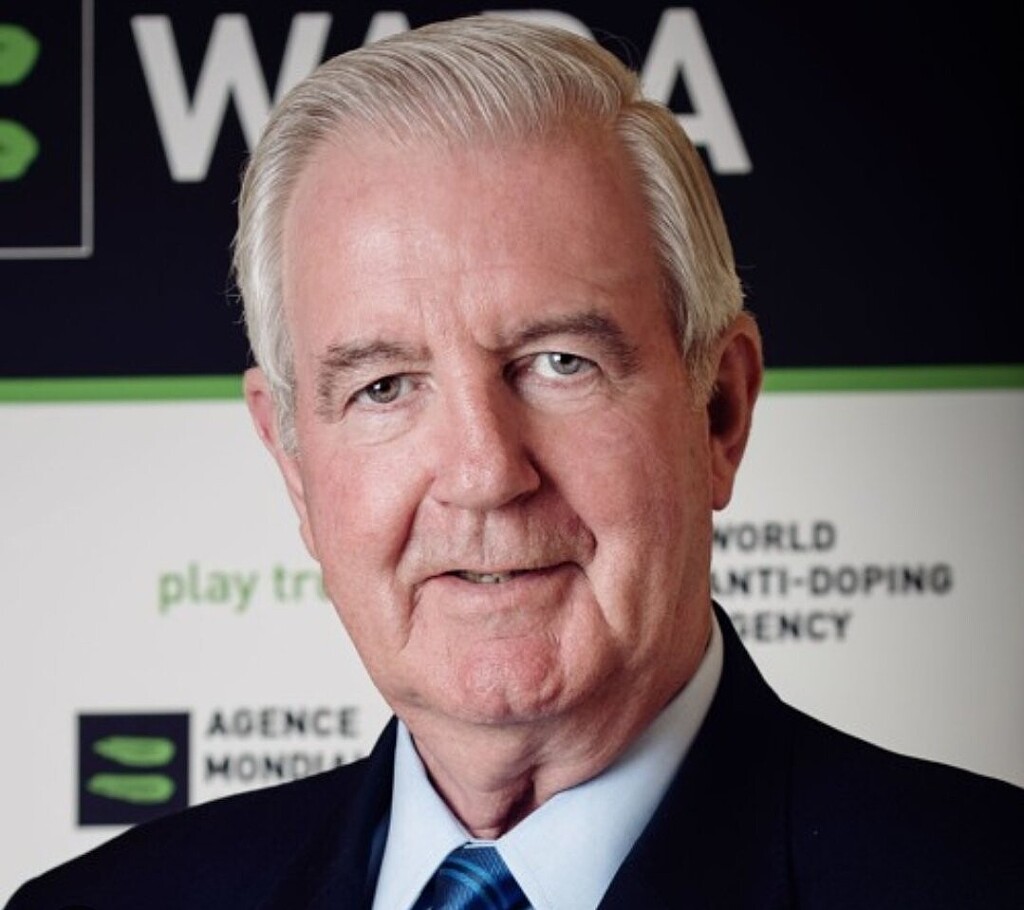
A Life in Service to Clean Sport: Sir Craig Reedie’s Lasting Legacy
The global athletics community has been struck by a profound sense of loss following the passing of Sir Craig Reedie at the age of 84. As reported by World Athletics, Reedie’s death marks the end of an era defined by steadfast leadership, unwavering integrity, and a lifelong commitment to safeguarding the spirit of sport.
Reedie’s influence extended far beyond administrative titles; he was a central figure in shaping the ethical and organizational foundations of modern sport. His most prominent role came as President of the World Anti-Doping Agency between 2014 and 2019, where he became a leading voice in the global fight against doping. Under his stewardship, the agency strengthened its mission to preserve fairness, reinforcing the principle that victory must be earned through discipline and honesty rather than illicit means.
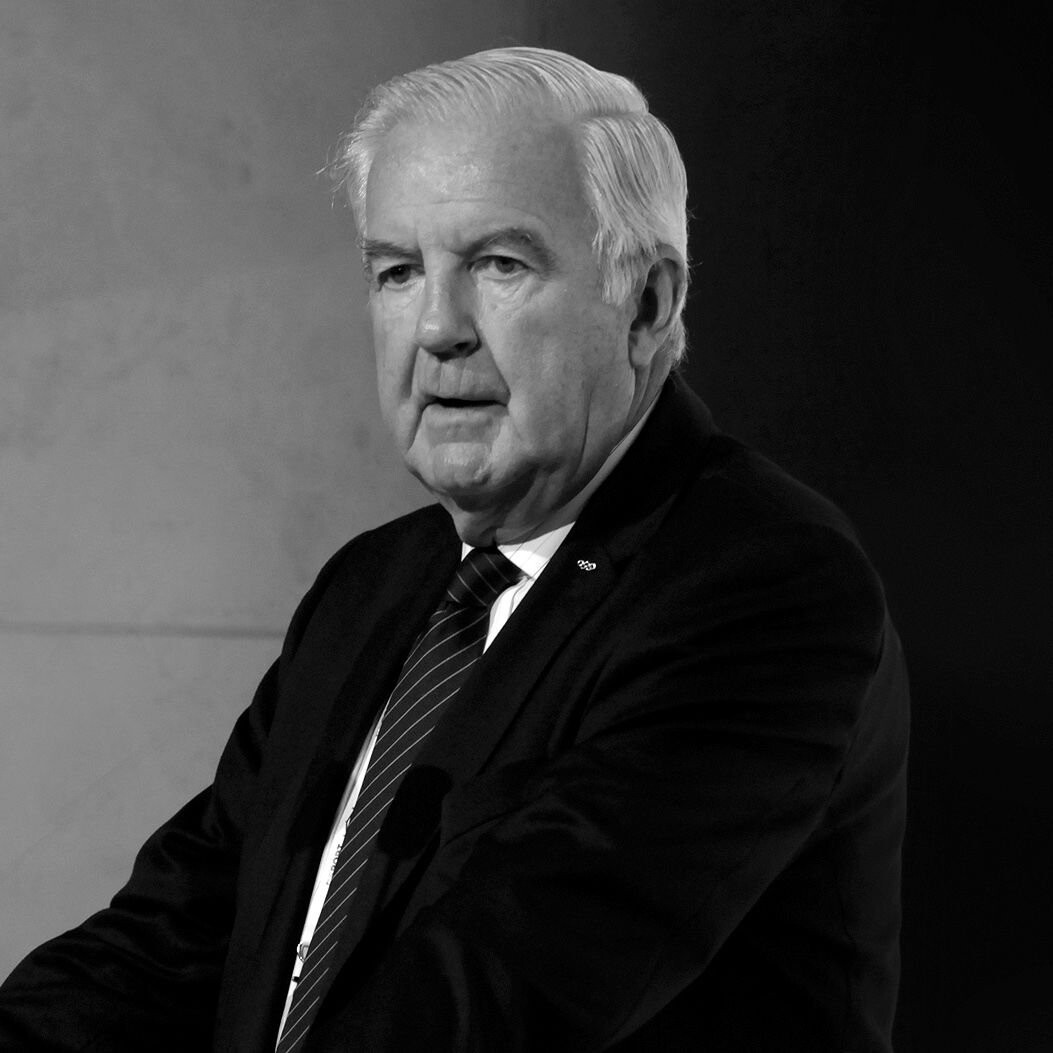
His contributions were equally significant within the International Olympic Committee, where he served as Vice President. In 2009 he became the first Briton to have a seat on the International Olympic Committee board since 1961. In this capacity, Reedie played a key role in guiding Olympic policy and governance during a period of increasing global scrutiny and change. His calm authority and diplomatic skill helped navigate complex challenges while maintaining the Olympic movement’s core values.
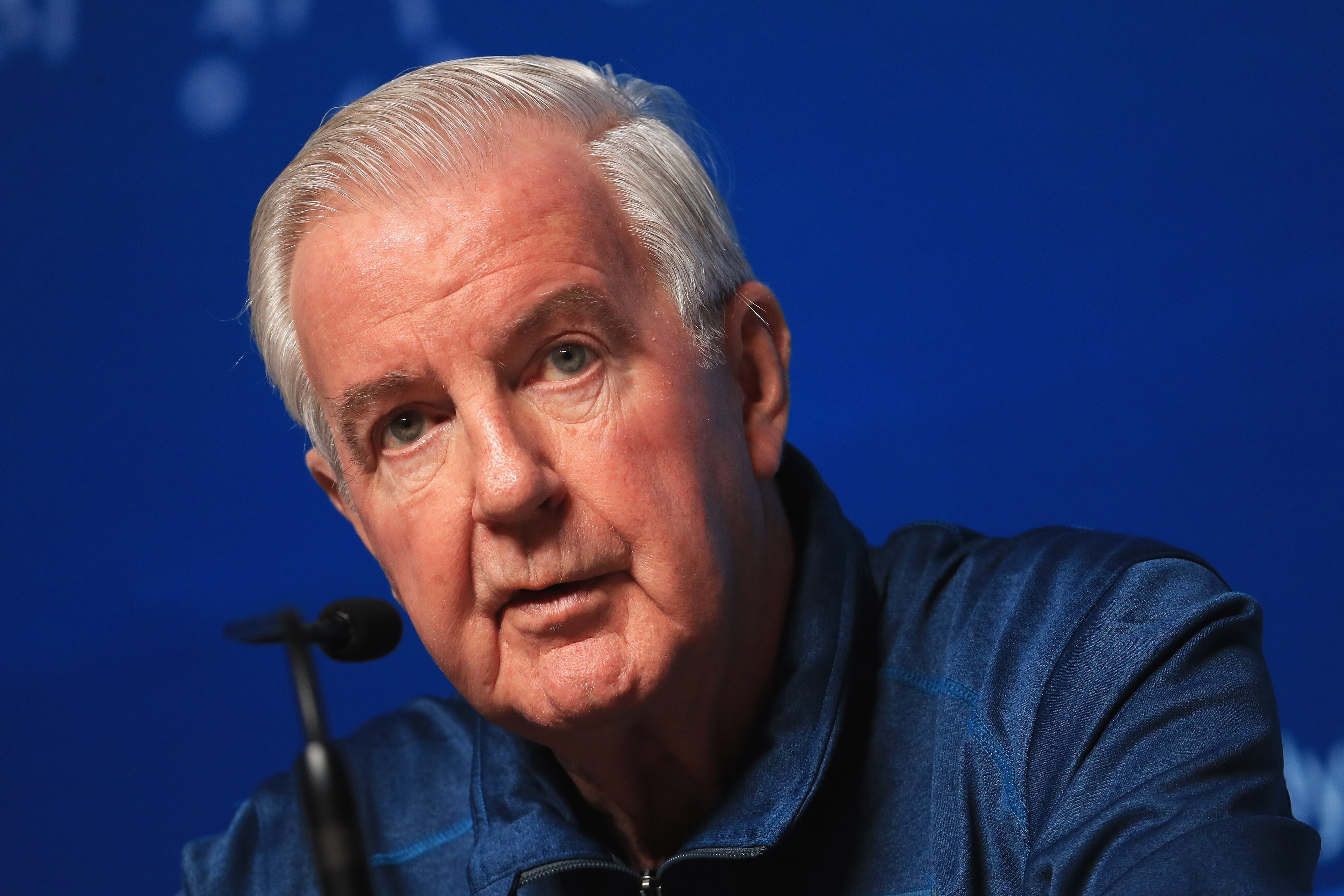
Closer to home, Reedie left an indelible mark on British sport. As Chairman of the British Olympic Association between 1992 and 2005, he was instrumental in advancing the nation’s Olympic ambitions. His leadership also extended to the organizational framework of the London 2012 Olympic Games, where he served as a board director. The success of those Games, widely regarded as one of the most memorable in modern Olympic history, stands as a testament to the vision and dedication of figures like Reedie working behind the scenes.
Yet beyond titles and achievements, Reedie will be remembered for the principles he championed. He believed deeply in the unifying power of sport—its ability to transcend borders, inspire generations, and uphold values of respect and fairness. His work in anti-doping, in particular, reflected a conviction that the credibility of competition must never be compromised.
As tributes continue to pour in from across the sporting world, Reedie’s legacy remains firmly intact. He was not merely an administrator, but a guardian of sport’s integrity—one who dedicated his life to ensuring that the playing field remained level for all. In mourning his passing, the world of athletics also celebrates a life that helped define what sport ought to stand for at its very best.
by Erick Cheruiyot for My Best Runs.
Login to leave a comment
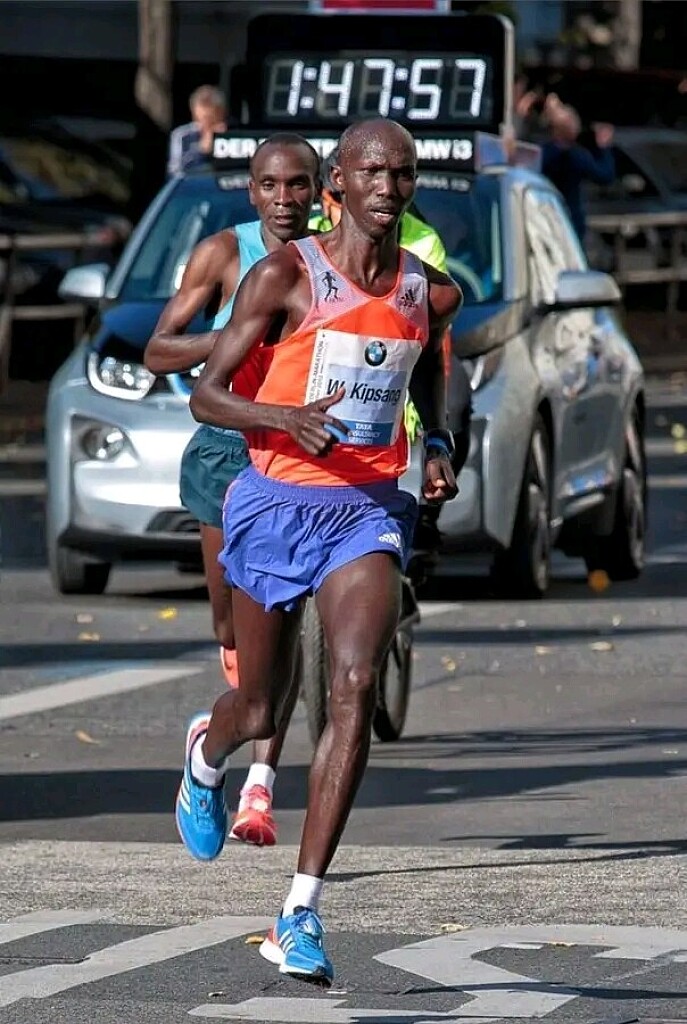
From the Hills of Keiyo to the World’s Clock — A Journey Etched in Endurance
Long before his name was stitched onto race bibs and printed in record books, Wilson Kipsang learned to run on earth that burned his feet. In Kenya’s Keiyo highlands, mornings began with urgency. A young boy sprinted to school barefoot, not chasing ambition but trying to arrive on time. Footwear was rare, comfort rarer still. Every step across dust and stones quietly hardened him for a future no one had promised.
His days were shaped by necessity. Livestock had to be guided, distances had to be covered, chores could not wait. Without knowing it, endurance settled into his body like instinct. There were no training plans, no watches, no applause — only movement, repetition, and resilience. Life did not encourage him. It demanded strength.

Adulthood brought heavier burdens. Kipsang drove taxis, burned charcoal, and worked until exhaustion became normal. He was one of many, unseen and unnamed, surviving day by day. In those moments, success felt distant, almost unreal. Yet even then, running remained his constant. Not as performance, but as identity. It was how he breathed.
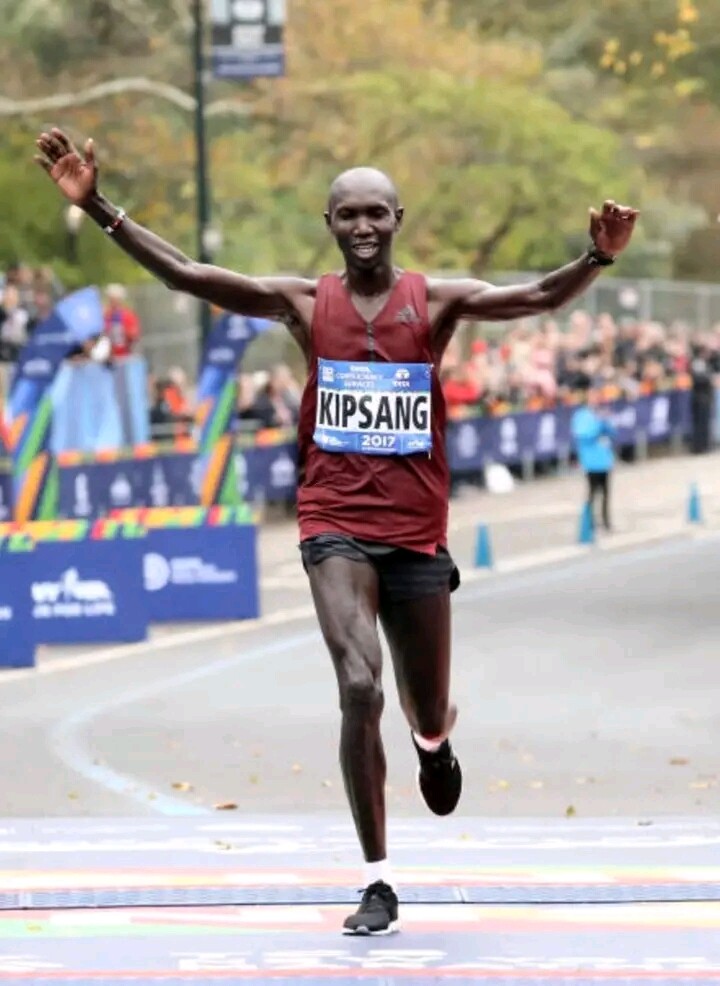
Opportunity finally found him when he joined the Kenya Police Service. Structure replaced uncertainty. Discipline sharpened his focus. What had always lived quietly inside him now had direction. Each race became a statement, each stride an answer. Observers began to notice a runner whose pace carried urgency, whose presence felt inevitable.
In 2013, on Berlin’s wide streets far from his rural beginnings, Kipsang delivered a performance that reshaped the sport. He crossed the finish line in 2:03:23, faster than anyone before him. The numbers told one story; the journey told another. A boy who once ran without shoes had outrun history itself.
The global stage never dimmed his resolve. At the London 2012 Olympic Games, under immense pressure, he claimed bronze — a medal built from patience and perseverance. Major cities followed. London twice, Frankfurt twice, New York with authority, Tokyo with calm control. Across continents, his consistency spoke louder than celebration.
There is a quiet truth in his journey: strength often grows unnoticed. Like a river carving its path through stone, Wilson Kipsang became powerful by continuing forward. From rural paths to world records, his story reminds us that greatness is not sudden — it is earned step by step.
by Erick Cheruiyot for My Bestruns.
Login to leave a comment
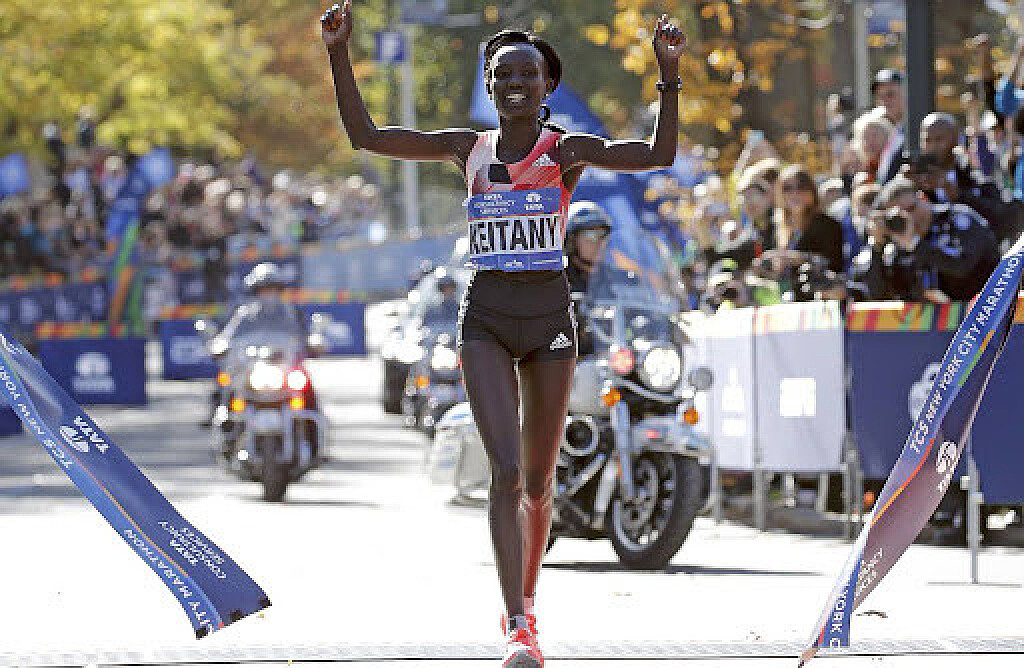
Mary Keitany: from shoeless prodigy to top of the world
Kenya’s Mary Keitany, the holder of the world marathon record in a women-only race, generously agreed to donate some of her racing kit to the World Athletics Heritage Collection following her retirement in September.
Since the beginning of December, Keitany’s singlet, shorts and shoes from her fourth and final New York City Marathon victory in 2018 have been on display in the 3D virtual Museum of World Athletics (MOWA).
We are delighted to celebrate her donation by recapping the career of one of the all-time greats of road running.
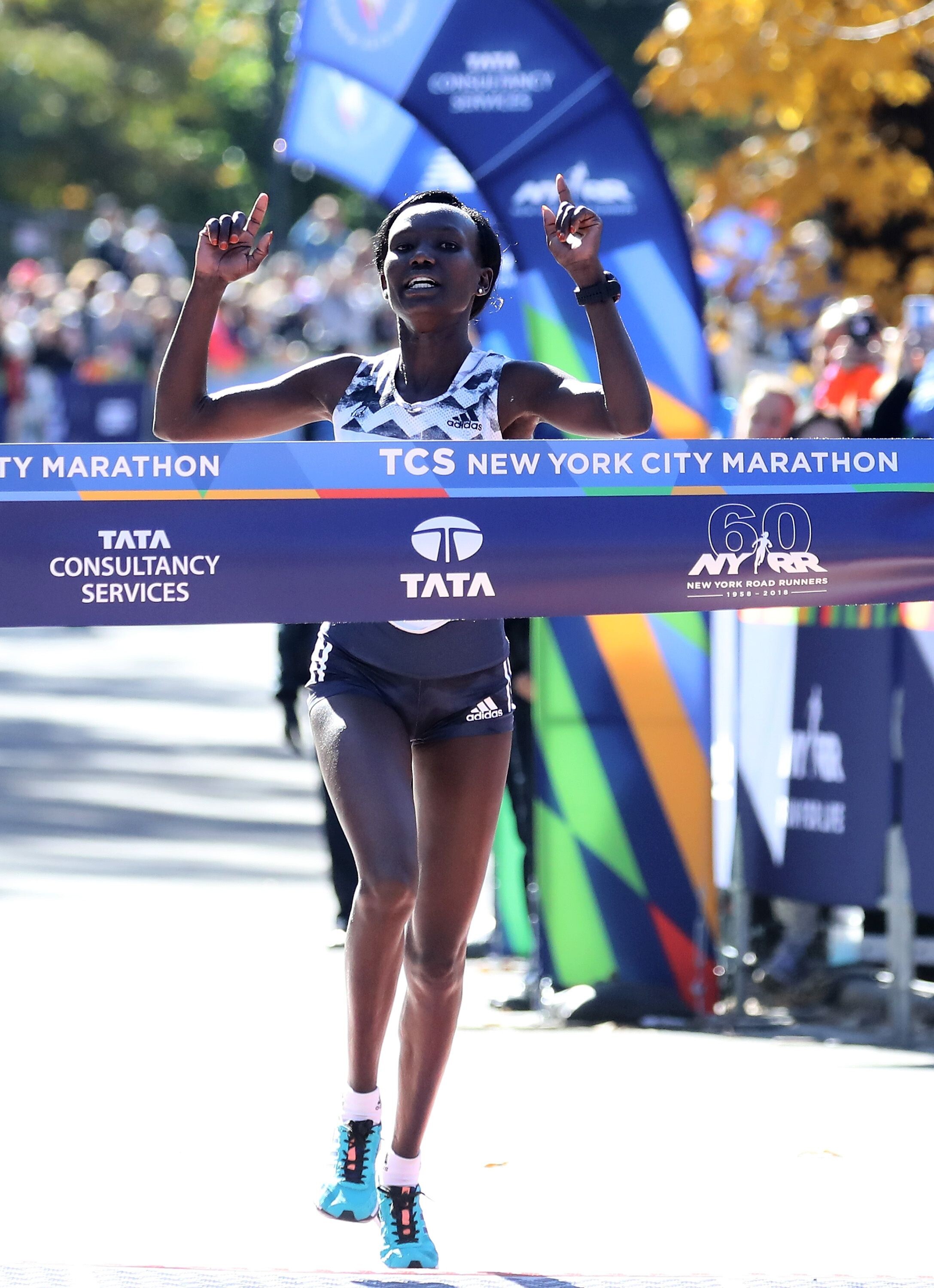
'If I don’t do this, then what?'
Hailing from Baringo County, a province immediately to the east of the focal point for Kenyan running in Eldoret, there are many well-known and successful athletes who come from the area, but Keitany’s impoverished childhood made it initially unlikely that she was going to join their number.
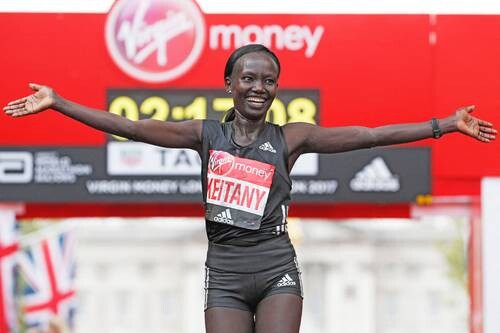
She elaborated on her tough childhood in a lengthy interview with The New York Times in 2019 – details of which are only precised here – and described living in a home without electricity or any other basic amenities, as well as having no shoes for much of her childhood.
Her household tasks as a very young child included walking several kilometers to a nearby river to haul pails of water home for cooking and cleaning.
Keitany’s parents, both struggling subsistence farmers, were unable to afford even the modest school fees for her to continue her education from her mid-teens so, at the age of 15, to help support her parents and five siblings, she left and went to work as a live-in maid almost 20 kilometers away, caring for three infants and sometimes not seeing her family for several months at a time.
“It was not an easy job,” reflected Keitany. “But I was getting money to give to my parents. I was thinking, ‘If I don’t do this, then what?’”
Hidden talent out in the open
She returned to school after two years when a relative was able to help financially and Keitany started to attend the National Hidden Talents Academy near Nairobi, a community-based secondary school that primarily assists orphaned and vulnerable children.
The school had a strong emphasis on physical education, which continues to this day, and it has produced several Kenyan internationals in a variety of sports. Keitany’s precocious talent as a runner, which had been evident in her early teens prior to the enforced two-year hiatus, came to the fore.
After eight months of hard training and sharing a cramped one-bedroom house with three other runners, Keitany made her first overseas trip and caused a minor sensation by winning the relatively low-key Sevilla-Los Palacios Half Marathon in southern Spain – not to be confused with the much better known EDP Sevilla Half Marathon – by over two minutes in 1:09:06, a course record that exists to this day ahead of the 2021 edition on December 19.
The words ‘unknown Kenyan’ are too often used to hide a lack of research or information but in this instance, it was a most appropriate phrase and, amid rumors at the time that the course was short because of Keitany’s super-quick time on the circuit, it bought her to the attention of both athletics aficionados and race promoters alike.
In the first nine months of 2007, Keitany proved that her debut international race had been no fluke as she rattled off another five half marathon victories in six outings at races in Portugal, Spain and France, also reducing her best to 1:08:36.
Keitany takes silver in Udine
This streak of success earned her a place on the Kenyan team at the 2007 World Athletics Half Marathon Championships in the Italian city of Udine – an accolade she subsequently admitted as being among her wildest dreams, despite her ambition to be a top-flight runner 12 months before – and she showed her considerable mettle to finish second behind the Netherlands’ Lornah Kiplagat and bank a cheque for a life-changing $15,000.
To now give a complete narrative of the next 12 years of Keitany’s superb competitive running career through to her last race, the 2019 New York City Marathon, would take a book and cannot be done justice in just a few hundred words.
However, it was apposite that her running career should finish in the Big Apple at arguably the world’s most famous race over the classic distance, as it is this event with which she is probably most closely associated.
After finishing third in New York on her marathon debut in 2010 – in the wake of her win at the 2009 World Athletics Half Marathon Championships in 1:06:36 which, at the time, was the second fastest mark ever on a record-legal course and an African record – Keitany went on to win the New York City Marathon on three consecutive occasions between 2014 and 2016 and then again in 2018.
To this day, she remains the only woman other than the incomparable Grete Waitz to have triumphed in New York more than three times.
Keitany also made her mark in the London Marathon. Her first triumph there came in 2011 and further victories in the British capital came in 2012 and 2017.
Record runs in London and RAK
She continues to hold the women-only marathon world record with a time of 2:17:01 set when she completed her hat-trick of London wins four years ago.
Another particularly notable accolade during her illustrious career was setting a world half marathon record of 1:05:50 at the 2011 RAK Half Marathon.
Perhaps the only blemish on Keitany’s competitive record is that she never climbed the podium at an Olympic Games.
At the London 2012 Olympic Games, she started arguably as the favorite having returned to the city with a world-leading 2:18:37 from the London Marathon, albeit on a different course, four months earlier. She was part of a leading quartet of runners at 40km but was the luckless member of the group to miss out in the battle for the medals over the final two kilometers and crossed the line in fourth place.
In 2016, she was named as a non-traveling reserve for the Kenyan contingent going to Rio, but Keitany had her sights set on challenging for a place on the Tokyo team before the pandemic, and a cruelly timed back injury, intervened.
In September this year – with her 40th birthday looming on 18 January 2022 – Keitany decided to call time on her outstanding career and announced the end of her professional running in a valedictory press release.
“After my successful 2019, when I had some good results including second place in New York, I was hopeful that I could still be very competitive internationally for several more years even though I am in my late 30s,” she commented.
“However, I’m sad to say, a back injury that I suffered in late 2019 made a decision about my retirement for me. I couldn’t get the treatment I wanted in Europe because of the pandemic-related travel restrictions last year and every time I thought I had got over the injury and started training hard, it became a problem again.”Sadly, Keitany will no longer be seen on the start line of a major marathon but nevertheless she leaves behind a host of memorable performances that have assured her of a place in the pantheon of road running greats.
by World Athletics
Login to leave a comment
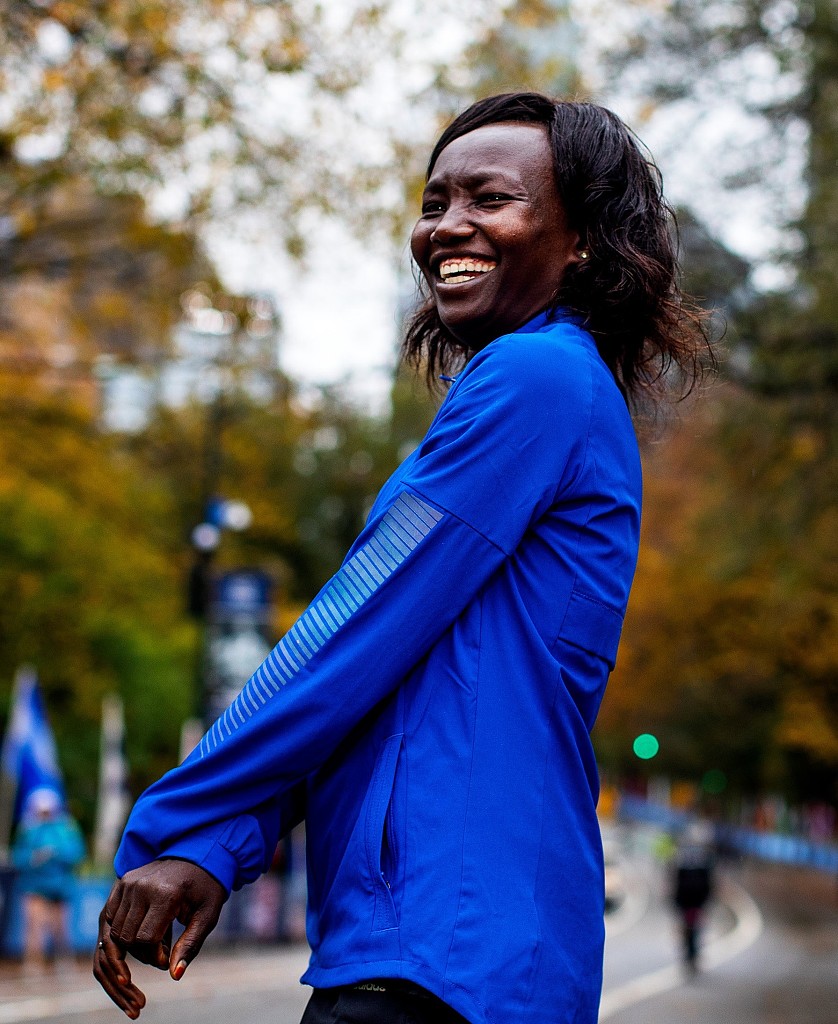
World record-holder Mary Keitany retires due to back injury
Kenyan running great Mary Keitany announced her retirement on Wednesday (22) after a stellar career which saw her win the London Marathon on three occasions and the New York Marathon four times, as well as triumph at the 2009 World Half Marathon Championships.
Keitany, 39, also still holds the marathon world record for a women-only race, having clocked a stunning 2:17:01 when winning the third of her London Marathon titles in 2017.
“After my successful 2019, when I had some good results including second place in New York, I was hopeful that I could still be very competitive internationally for several more years, even though I am in my late 30s,” said Keitany, who is third on the world all-time list for the marathon.
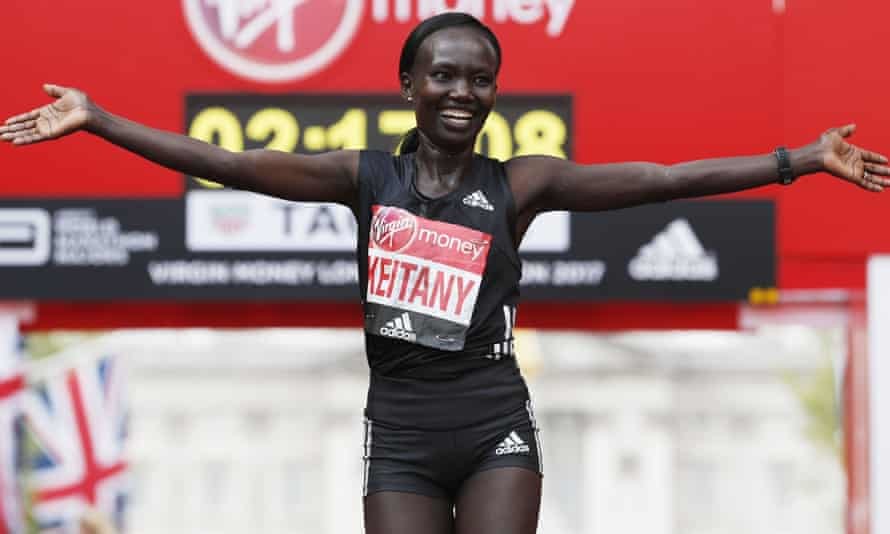
“However, I’m sad to say, a back injury that I suffered in late 2019 made a decision about my retirement for me. I couldn’t get the treatment I wanted in Europe because of the pandemic-related travel restrictions last year and every time I thought I had got over the injury and started training hard, it became a problem again. So now is the time to say goodbye – if only as an elite runner – to the sport I love so much.”
Keitany first came to global attention in 2007, after local success in Kenya the previous year, with a series of good performances in European half marathons which then earned her a place in the Kenyan team at that year’s World Half Marathon Championships. A silver medal at the 2007 edition of that event, and team gold, was followed by more than a decade among the very best of the world’s road runners, even with breaks in 2008 and 2013 to give birth to her children Jared and Samantha.
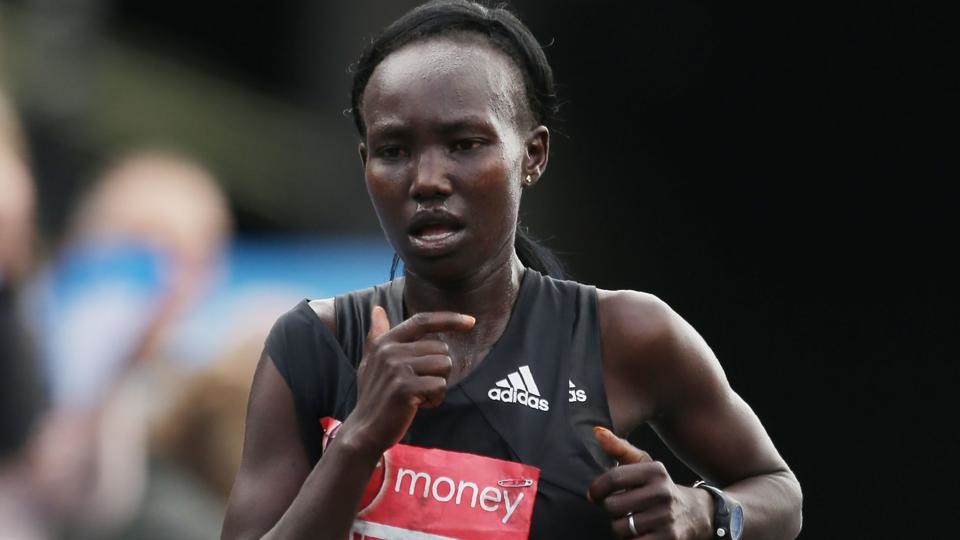
Keitany won the 2009 world half marathon title in Birmingham by more than a minute in 1:06:36, at the time the second-fastest mark ever on a record-legal course and an African record. She also led Kenya to the team gold medals.
After finishing third in New York on her marathon debut in 2010, her first major marathon win came in her next race over the classic distance when she triumphed at the 2011 London Marathon and further victories in the British capital came in 2012 and 2017.
She will also be remembered fondly for her three impressive consecutive wins at the New York Marathon between 2014 and 2016 before winning in the Big Apple again in 2018.
Other accolades include setting a world half marathon record of 1:05:50 at the 2011 RAK Half Marathon, fourth place in the London 2012 Olympic Games marathon, and she continues to hold the women-only 25km world best of 1:19:43, set during her triumphant 2017 London Marathon run. She set her half marathon PB of 1:04:55 in 2018, which at the time ranked her third on the world all-time list.
“As for the future, I haven’t fully decided on my plans but I’m looking forward to spending more time with my family,” said Keitany. “My children are currently 13 and eight. In addition, I am involved with some local charitable enterprises.”
by World Athletics
Login to leave a comment

Facilities for the postponed Tokyo 2020 Olympic Games could reportedly be used to help accommodate people with mild coronavirus symptoms
The Olympic Games was postponed last week due to the coronavirus pandemic, which has seen over one million confirmed cases since the outbreak began in China.
The Olympics has been rescheduled to July 23 to August 8 2021, with the Paralympics due to take place from August 24 to September 5 2021.
According to the Nikkei Asian Review, the Tokyo Metropolitan Government are considering using facilities which would have been used for the Olympic Games this summer to house coronavirus patients.
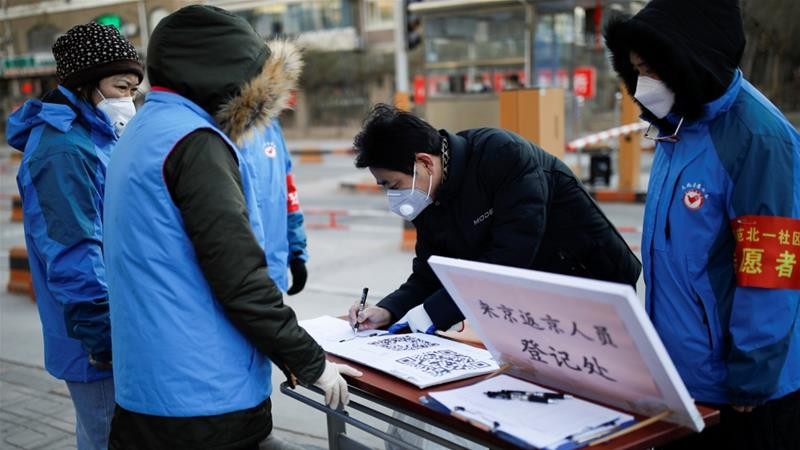
The Athletes’ Village is reportedly one of the venues being considered.
The Tokyo Metropolitan Government are reportedly hoping to house people with mild symptoms of coronavirus.

It is claimed that this could reduce the risk of infected patients passing the coronavirus to members of their family, which would potentially spread the virus further.
Numerous facilities used for sporting events have been transformed to help countries combat coronavirus.
The Athletes' Village for the Lima 2019 Pan American Games is among the sporting venues to have opened its doors as a coronavirus medical facility.
The Jawaharlal Nehru Stadium in New Delhi is set to be converted into a quarantine facility.
The 60,000 seat venue was used for the Opening and Closing Ceremonies of the 2010 Commonwealth Games, with athletics also held there.
Lord's Cricket Ground, which hosted the archery contests during the London 2012 Olympic Games, is offering its space to local hospitals.
Part of the Billie Jean King National Tennis Center in New York is set to be turned into a 350-bed temporary hospital, with the venue normally hosting the US Open each year in August and September.
Facilities from Rio 2016 and the Lausanne 2020 Winter Youth Olympic Games have already been put to use, while the ExCeL Centre in London, a venue for the 2012 Games, has just opened as a temporary hospital.
Tokyo Government officials are also negotiating to lease hotel buildings to secure further accommodation.
The drive follows an increase in coronavirus cases in Japan’s capital city in recent days.
A total of 89 new coronavirus cases were reported today in Tokyo, according to Kyodo News.
The number of overall cases in total has risen to over 770.
Japan has had more than 2,600 coronavirus cases in total since the outbreak started.
A total of 63 deaths have been recorded in Japan from coronavirus to date.
The rise in cases has led to Government officials encouraging the public to stay at home and refrain from making non-essential journeys.
Countries worldwide are seeking to slow the spread of the coronavirus, which has killed over 56,000 people.
by Michael Pavitt
Login to leave a comment

Tokyo 2020 Olympic Games
Fifty-six years after having organized the Olympic Games, the Japanese capital will be hosting a Summer edition for the second time, originally scheduled from July 24 to August 9, 2020, the games were postponed due to coronavirus outbreak, the postponed Tokyo Olympics will be held from July 23 to August 8 in 2021, according to the International Olympic Committee decision. ...
more...
Former Olympic champion Sanya Richards-Ross was named the Airtel Delhi Half Marathon International Event Ambassador
Login to leave a comment
