

Running News Daily
Running News Daily is edited by Bob Anderson and team. Send your news items to bob@mybestruns.com Advertising opportunities available.
Index to Daily Posts · Sign Up For Updates · Run The World Feed
Articles tagged #Toshikazu Yamanishi
Today's Running News



New Names, New Standards: Record Ratifications Mark a Historic Chapter in Athletics
The global athletics record book has officially welcomed a new group of record-breakers after World Athletics ratified a series of outstanding performances that reshaped the sport across road running, race walking, and indoor competition.
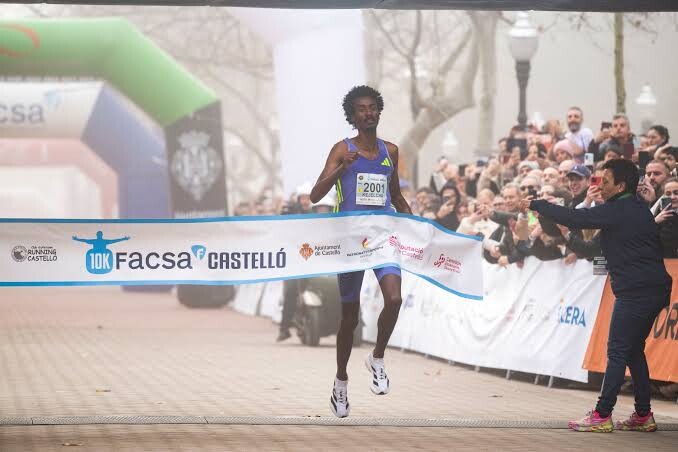
Among the newly confirmed marks is Ethiopian distance star Yomif Kejelcha’s world 10km record of 26:31, a performance that now stands as the fastest officially recognized time ever run over the distance on the roads.
Kejelcha produced the remarkable run in Castellón, Spain, on February 16, 2025. His record was elevated to official status following the annulment of the previous world best of 26:24, set by Kenya’s Rhonex Kipruto in 2020. Kipruto's result was removed from the record books after sanctions related to anti-doping rule violations led to the cancellation of his performances.
The recognition further strengthens Kejelcha’s place among the greatest road runners of his generation. Already the holder of the world half marathon record of 57:30, achieved in Valencia in 2024, the Ethiopian now owns world records at both 10km and half marathon distances.
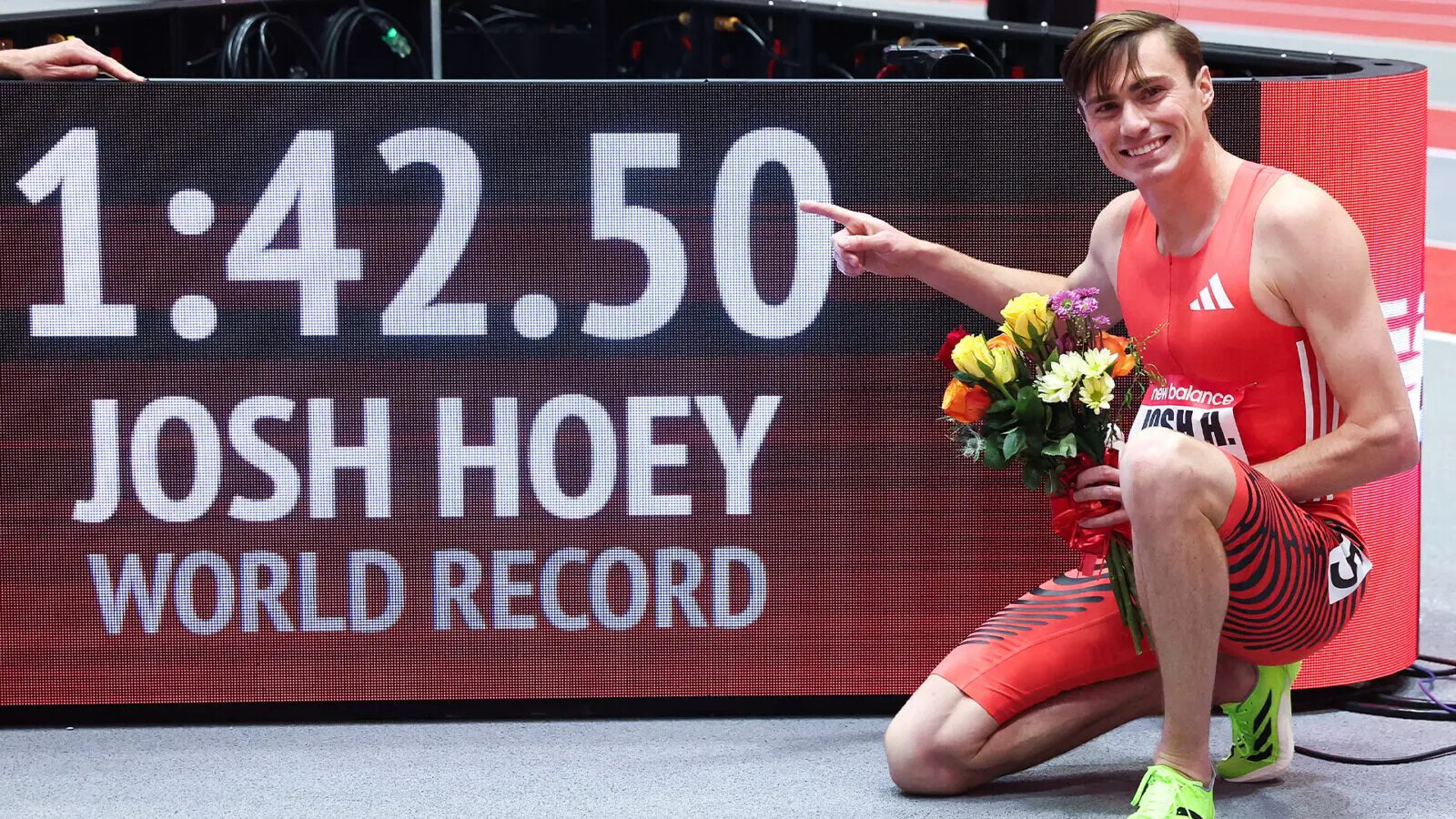
Another athlete celebrating official recognition is American middle-distance sensation Josh Hoey. The 26-year-old delivered a stunning performance at the New Balance Indoor Grand Prix in Boston on January 24, 2026, clocking 1:42.50 for the 800m on the short track.
His run erased one of indoor athletics’ most enduring records, surpassing the legendary 1:42.67 set by Wilson Kipketer in Paris in 1997. Hoey’s breakthrough performance marked a defining moment in his career and signaled the arrival of a new force in global middle-distance running.
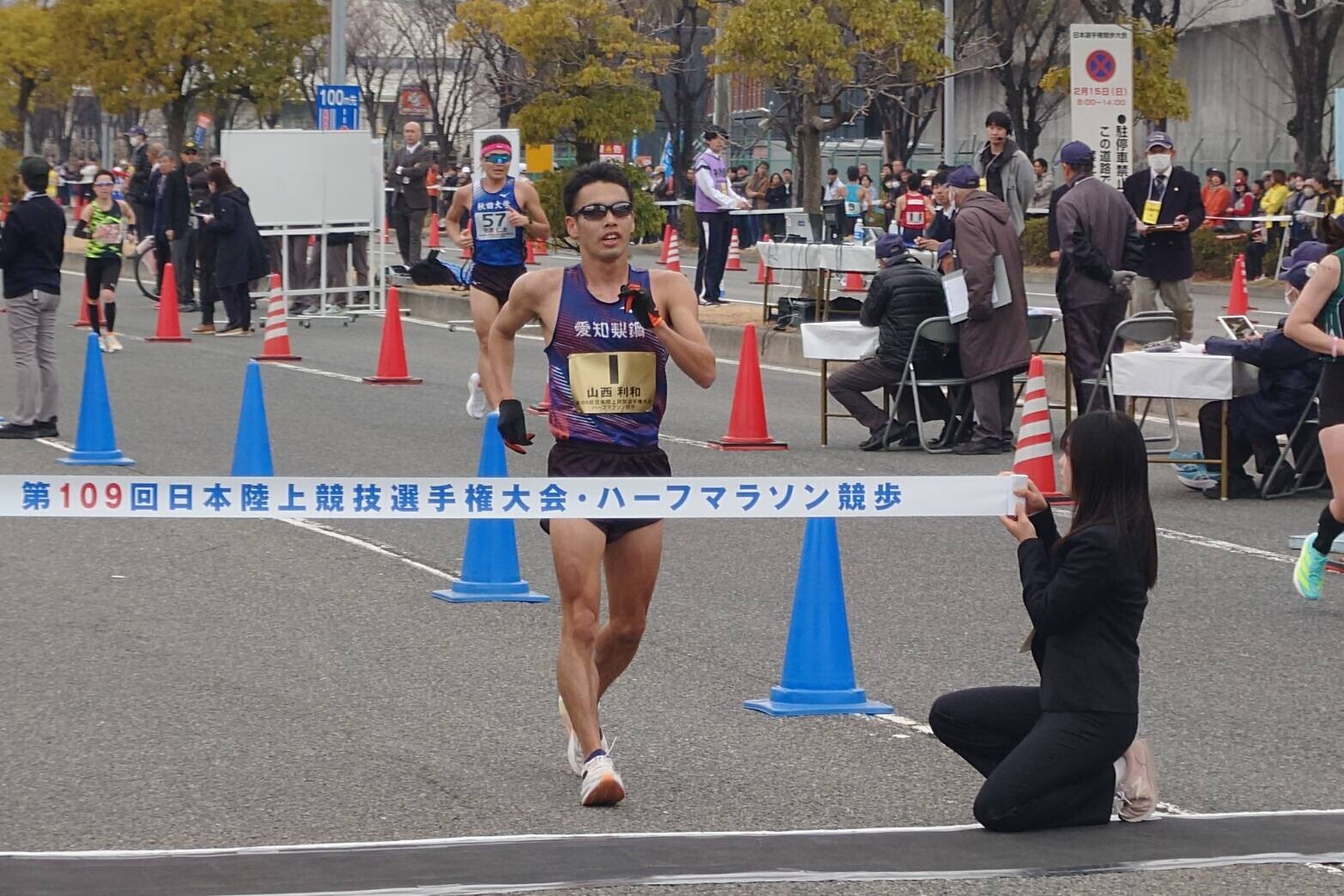
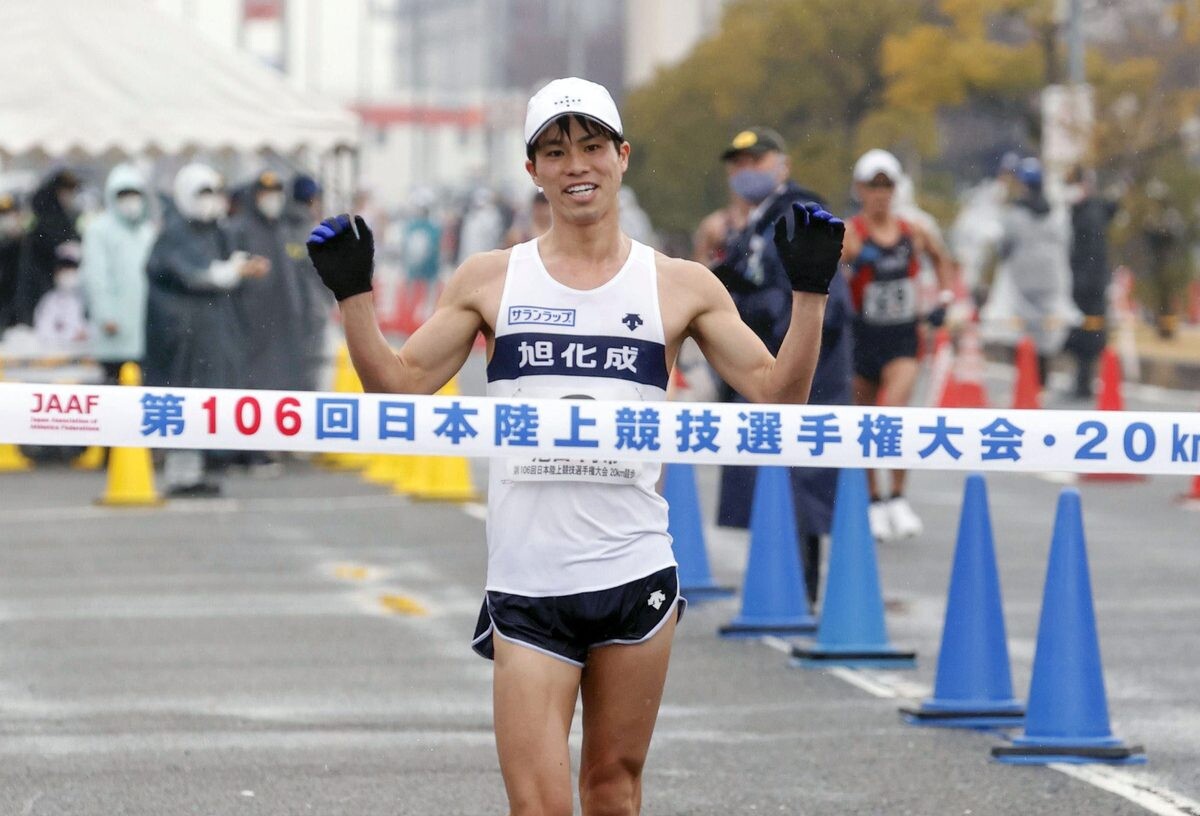
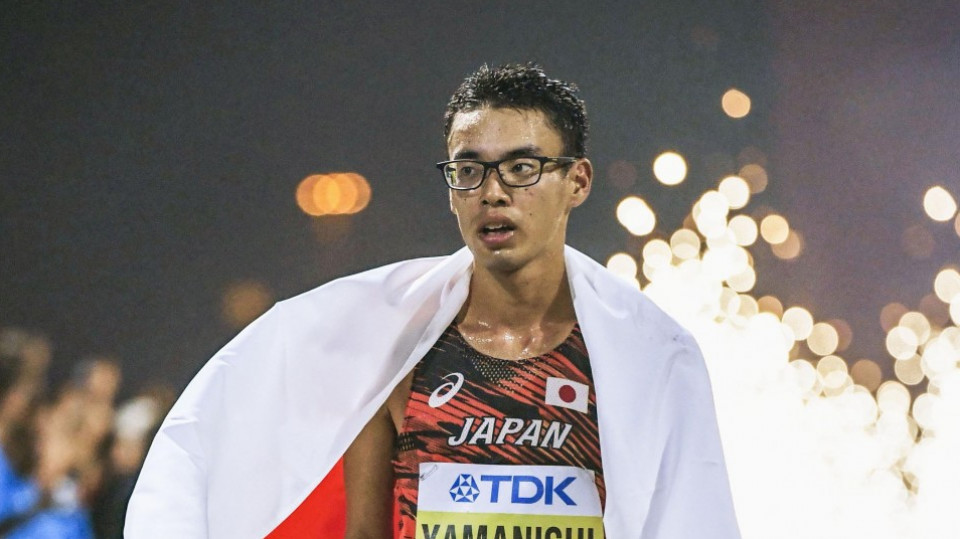
In race walking, Japan’s Toshikazu Yamanishi etched his name into history by becoming the first official world record holder in the half marathon race walk. Competing in Kobe on February 15, 2026, the two-time world champion covered the distance in 1:20:34, comfortably bettering the inaugural world-record standard of 1:21:30 established by World Athletics.
Yamanishi’s achievement comes at a significant time for the discipline, following the introduction of the half marathon and marathon as official senior road race walking events. His performance now serves as the benchmark for a new era in race walking.
The next generation of athletics stars also received official recognition as three world U20 records were ratified.
Ethiopia’s Saron Berhe continued her rapid rise by setting a world U20 1500m short-track record of 4:01.23 in Ostrava. The 18-year-old eclipsed the previous mark held by fellow Ethiopian Lemlem Hailu and further confirmed her status as one of the brightest young talents in distance running.
American teenager Cooper Lutkenhaus also made history when he stormed to a world U20 short-track 800m record of 1:44.03 in Winston-Salem. His remarkable season later reached even greater heights when he became the youngest athlete ever to win a world championship title in the 800m, capturing gold at the World Indoor Championships.
Meanwhile, Australian sprint prodigy Gout Gout continued his meteoric ascent by smashing the world U20 200m record. The 18-year-old sprinted to a breathtaking 19.67 seconds at the Australian Championships in Sydney, lowering the previous global junior mark and announcing himself as one of the sport’s most exciting young stars.
With their records now officially ratified, Kejelcha, Hoey, Yamanishi, Berhe, Lutkenhaus, and Gout have secured their places in athletics history. Their achievements not only redefine the limits of performance but also provide a glimpse into a future where barriers continue to fall and new generations of athletes push the sport into uncharted territory.
by Erick Cheruiyot for My Best Runs.
Login to leave a comment
Fortunato and García León Crowned World Champions in Brazil
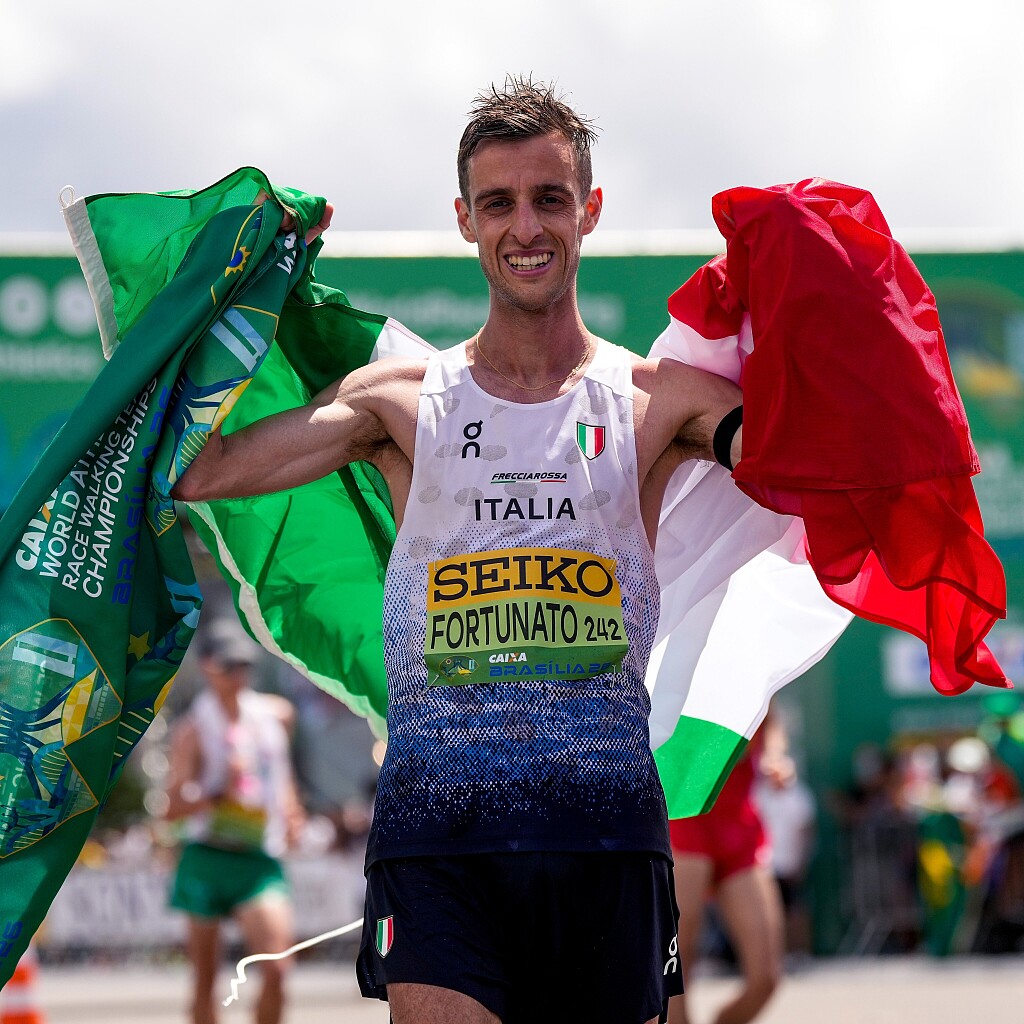
The 2026 World Athletics Championships Race Walk events in Brazil delivered two memorable contests, as Italy’s Francesco Fortunato and Peru’s Kimberly García León claimed gold in the men’s and women’s Half Marathon Race Walk titles respectively.
In the men’s race, Fortunato produced a performance of courage and composure to seize the world crown in dramatic fashion. The Italian star crossed the line in a championship record and personal best of 1:27:25, overcoming two red cards and harsh racing conditions before launching a devastating final-kilometre surge.
With the pressure at its highest, Fortunato found the strength to move past both Ethiopia’s Misgana Wakuma and Brazil’s Caio Bonfim, turning a tense battle into a historic victory. His triumph confirmed his status among the finest race walkers of his generation.
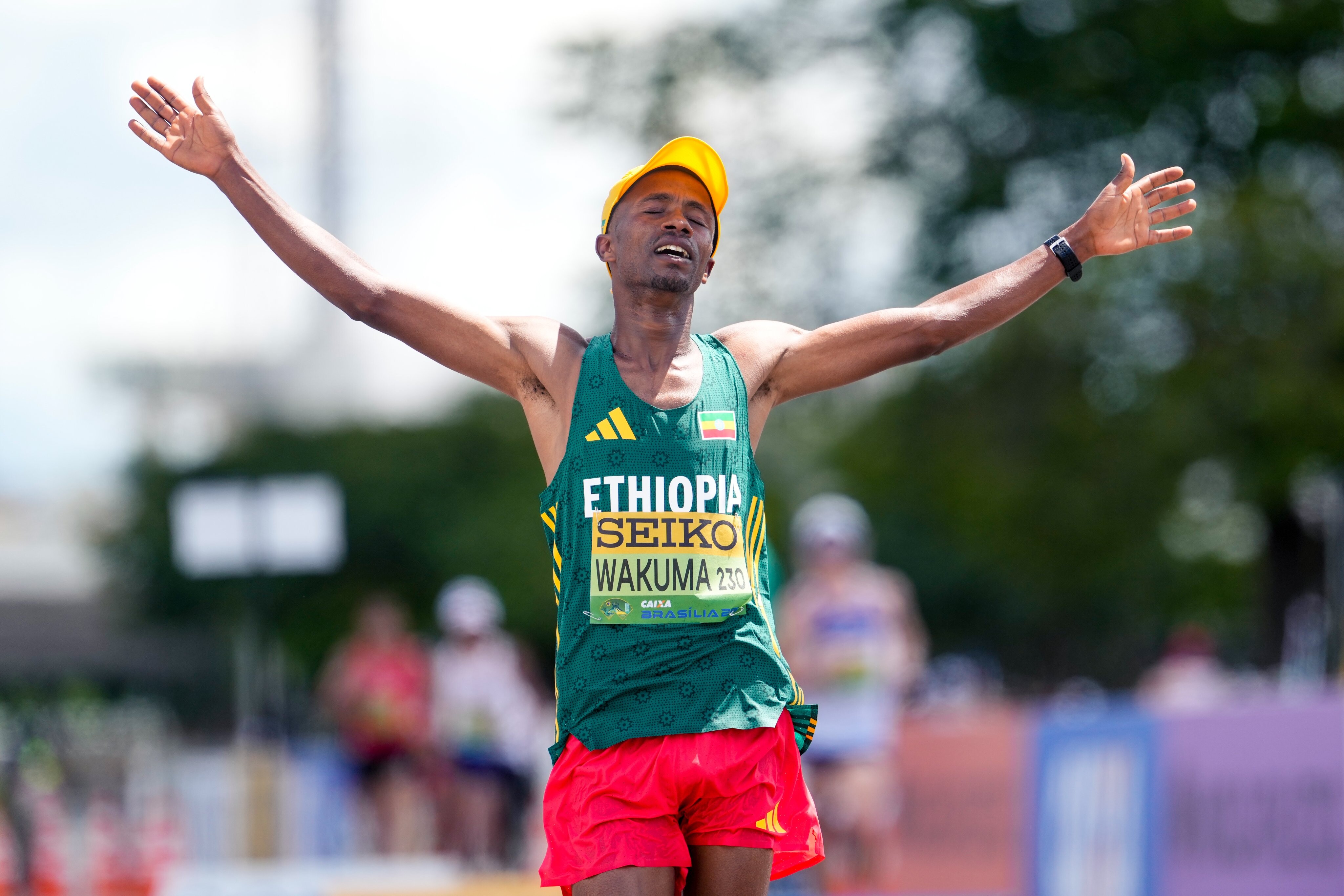
Wakuma earned a landmark silver medal for Ethiopia in 1:27:33, underlining Africa’s growing presence in the discipline, while home favourite Bonfim delighted the Brazilian crowd with bronze in 1:27:36.
Men’s Top 10 Results – Half Marathon Race Walk
1. Francesco Fortunato (Italy) – 1:27:25
2. Misgana Wakuma (Ethiopia) – 1:27:33
3. Caio Bonfim (Brazil) – 1:27:36
4. Leo Köpp (Germany) – 1:27:50
5. Kento Yoshikawa (Japan) – 1:28:00 SB
6. Jordy Rafael Jiménez Arrobo (Ecuador) – 1:28:00
7. Toshikazu Yamanishi (Japan) – 1:28:18
8. Tomohiro Noda (Japan) – 1:28:42
9. Diego García Carrera (Spain) – 1:28:55
10. Álvaro López (Spain) – 1:29:08
The women’s race was equally impressive, with Peru’s Kimberly García León once again proving why she remains one of the dominant names in global race walking. The reigning world champion over 20km judged her race perfectly, timing her effort to perfection before pulling clear to win gold in 1:35:00.
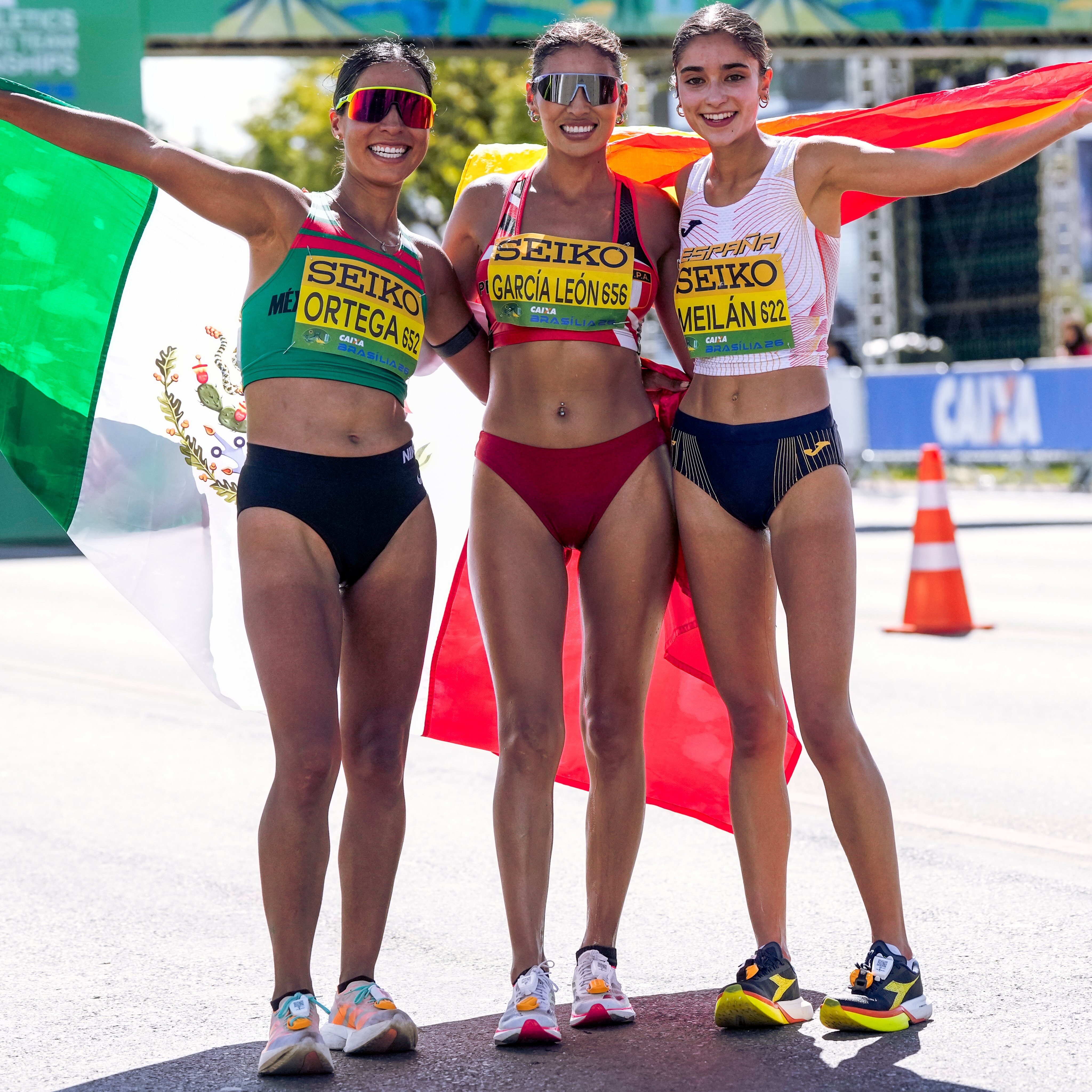
Her measured display of control and precision earned Peru another major title and reinforced her reputation as one of the sport’s most consistent champions.
Mexico’s Alejandra Ortega claimed silver in 1:35:21 after a strong and determined performance, while Spain’s Aldara Meilán completed the podium with bronze in 1:35:38.
In the women’s team standings, Ukraine secured the gold medal, with Spain taking silver and Australia finishing with bronze.
Together, the men’s and women’s races showcased the extraordinary demands of championship race walking—technical excellence, tactical intelligence, and resilience under pressure. In Brazil, Fortunato and García León rose above the rest to write their names into world championship history.
by Erick Cheruiyot for My Best Runs.
Login to leave a comment
Historic Stride: Toshikazu Yamanishi Rewrites the Race Walk Record Books
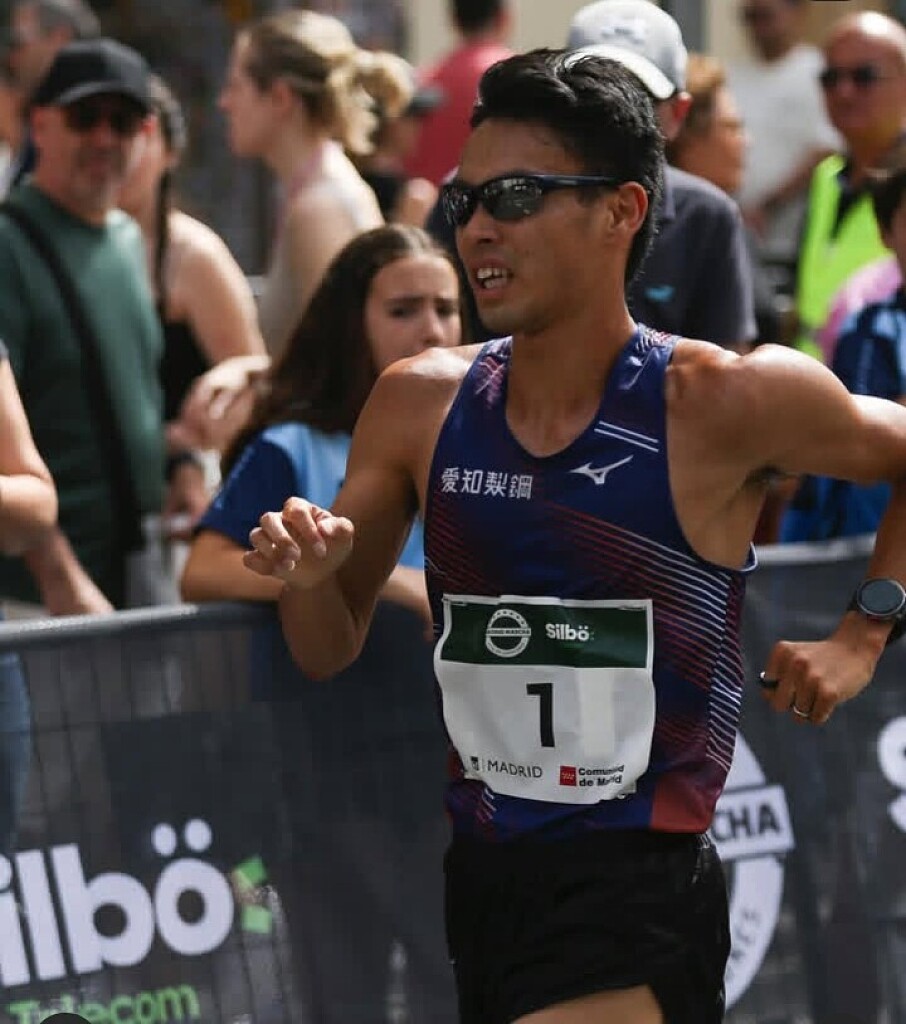
On February 15, 2026, in the port city of Kobe, Toshikazu Yamanishi transformed a personal milestone into a moment of global sporting consequence. Turning 30 on the very same day, the Japanese race walking virtuoso delivered a performance of rare precision and authority, stopping the clock at 1:20:34 in the men’s half marathon race walk — a new world record.
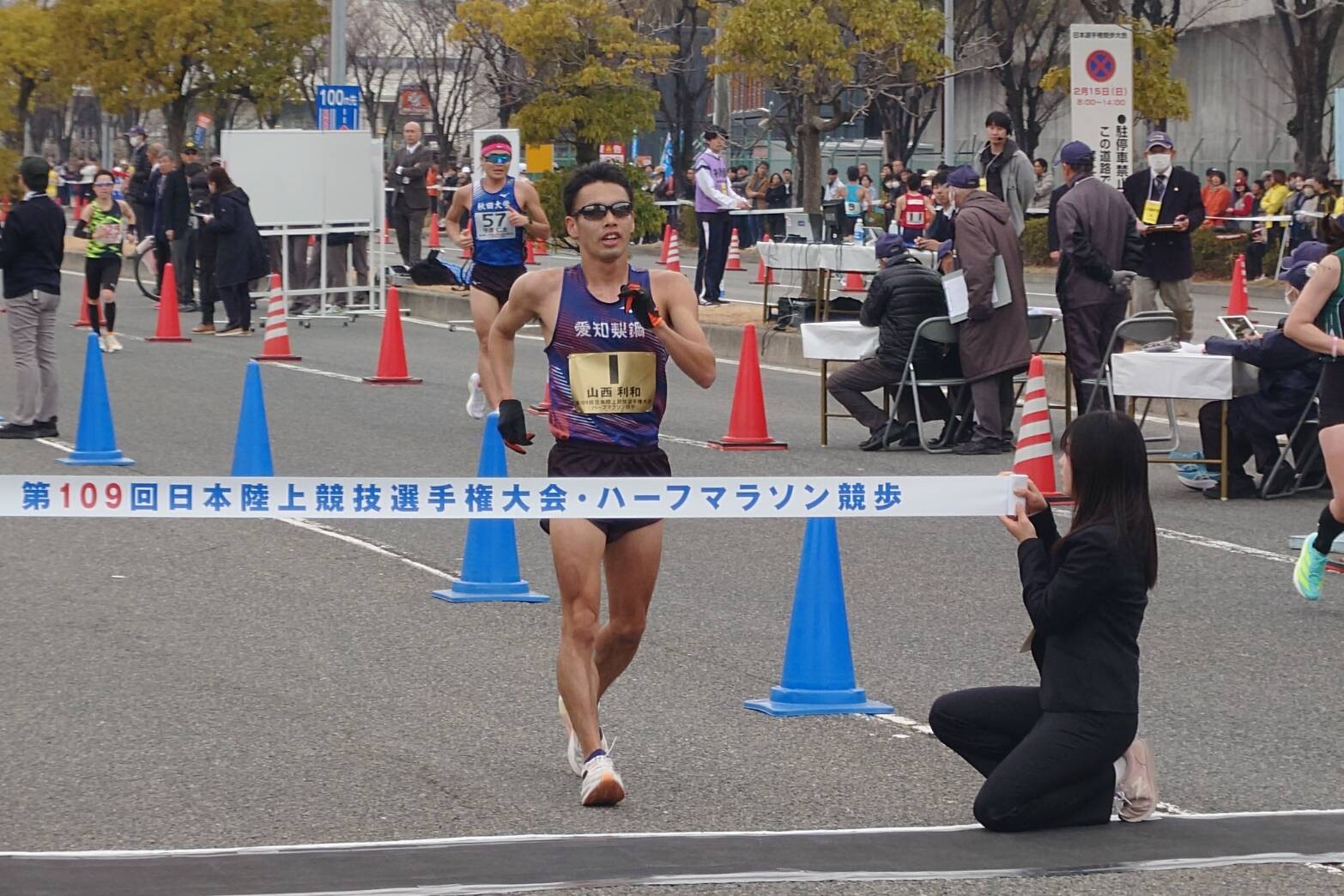
From the opening kilometers, Yamanishi established a cadence that was assertive yet impeccably measured. Race walking is an unforgiving discipline, governed not only by endurance and speed but by uncompromising technical scrutiny. Every stride must maintain visible contact with the ground; every movement must withstand the watchful gaze of judges. Within these exacting parameters, Yamanishi operated with remarkable fluency.
As the race progressed through the streets of Kobe, the splits hinted at something extraordinary. The 1:21:30 global standard, ratified only months earlier, loomed as a formidable barrier. Yet Yamanishi approached it not as a limitation, but as an invitation. Kilometer by kilometer, his rhythm remained unbroken, his posture composed, his efficiency unwavering.
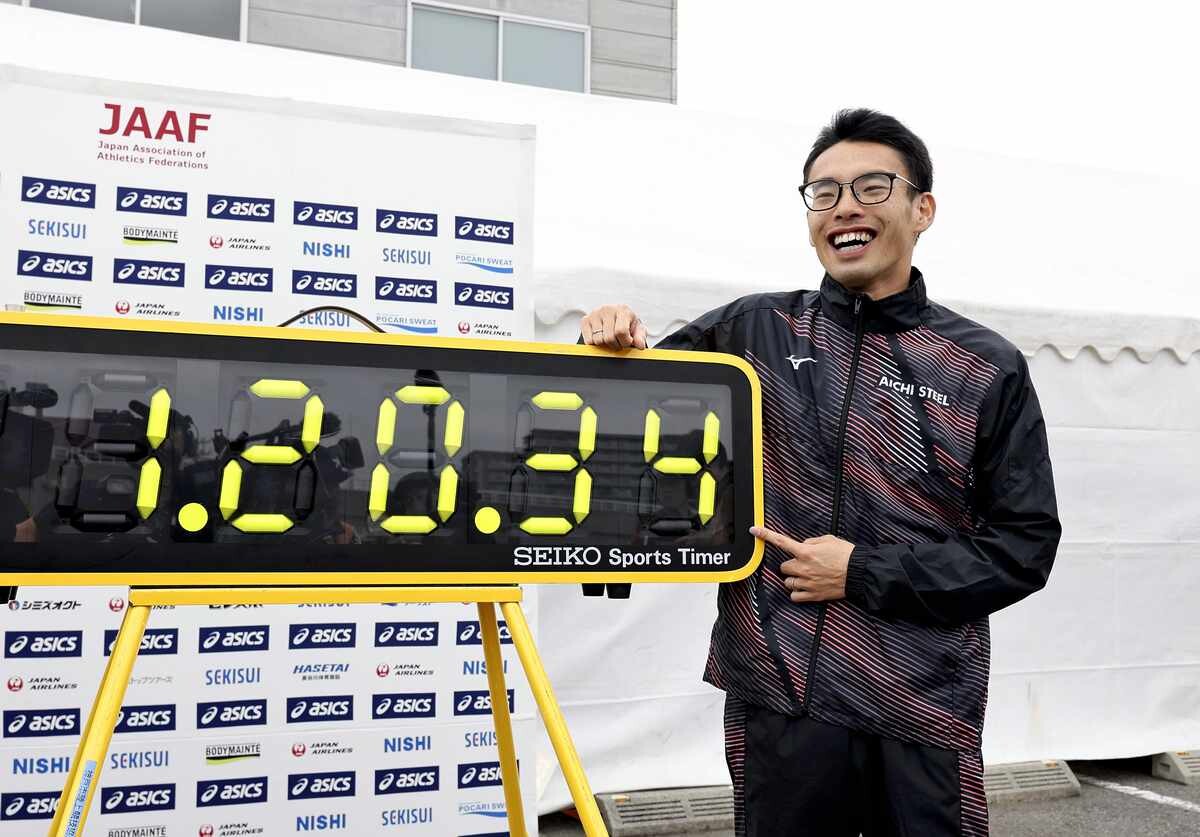
When he crossed the finish line in 1:20:34, he had not merely edged under the mark — he had emphatically dismantled it. In doing so, he became the first athlete in history to breach the 1:21:30 threshold, redefining the competitive horizon of the event.
The poetry of the moment was unmistakable. On a day traditionally reserved for reflection and celebration, Yamanishi instead authored a chapter of permanence. It was a convergence of maturity, discipline, and technical mastery — the culmination of years devoted to refining every microscopic detail of his craft.
Japan’s proud lineage in race walking has long commanded international respect. In Kobe, that legacy was not only preserved but elevated. Yamanishi’s performance stands as both a personal triumph and a signal to the global athletics community: the standards of excellence have shifted.
History will remember the time — 1:20:34. But those who followed the race will recall something deeper: the composure, the conviction, and the unmistakable sense that they were witnessing a defining moment.
On February 15, 2026, Toshikazu Yamanishi did more than celebrate a birthday. He recalibrated the limits of his sport.
by Erick Cheruiyot for My Best Runs.
Login to leave a comment
Four World Records Ratified by World Athletics
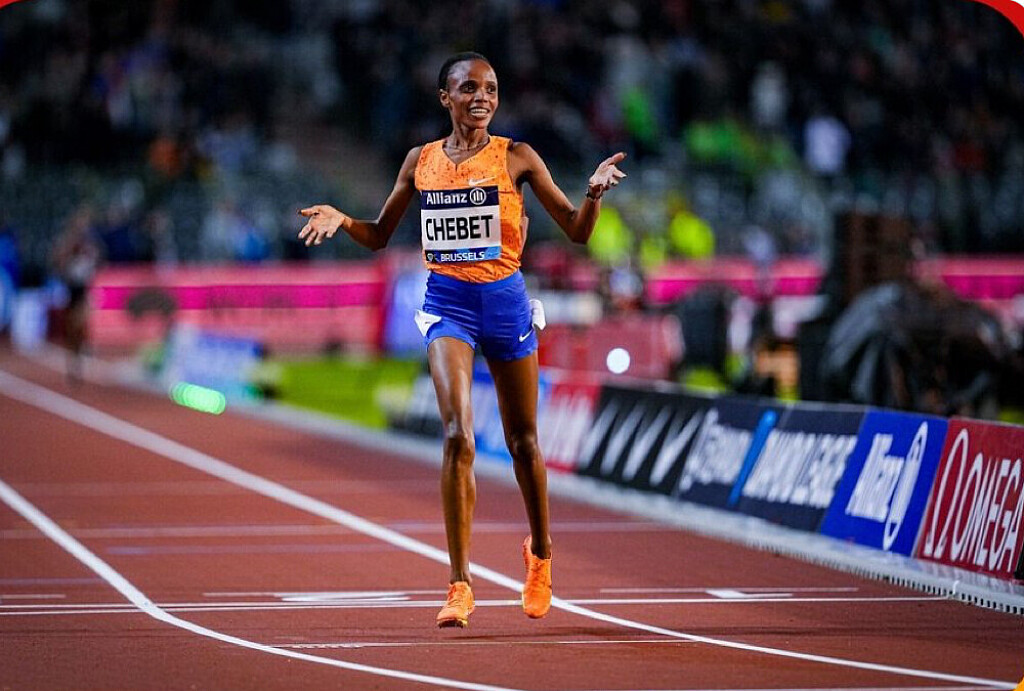
World Athletics has officially ratified four remarkable world records set by Beatrice Chebet, Mondo Duplantis, Jakob Ingebrigtsen, and Toshikazu Yamanishi, underscoring a period of exceptional performances in track and field.
Beatrice Chebet: First Woman Under 14 Minutes for 5km
On December 31, 2024, Kenya’s Beatrice Chebet made history at the Cursa dels Nassos in Barcelona by completing the 5km road race in 13:54. This performance shattered the previous world record by 19 seconds, making her the first woman to break the 14-minute barrier for the distance on any surface.
Mondo Duplantis: Elevating the Pole Vault Record
Sweden’s Mondo Duplantis continued his dominance in pole vaulting by clearing 6.26 meters at the Wanda Diamond League meeting in Chorzów, Poland. This achievement added another centimeter to his own world record, marking his 11th career world record and solidifying his status as the greatest pole vaulter in history.
Jakob Ingebrigtsen: Breaking a Long-Standing 3000m Record
Norway’s Jakob Ingebrigtsen set a new world record in the 3000m with a time of 7:17.55 at the Wanda Diamond League meeting in Silesia. This performance broke the previous record of 7:20.67 set by Kenya’s Daniel Komen in 1996, ending a 28-year reign.

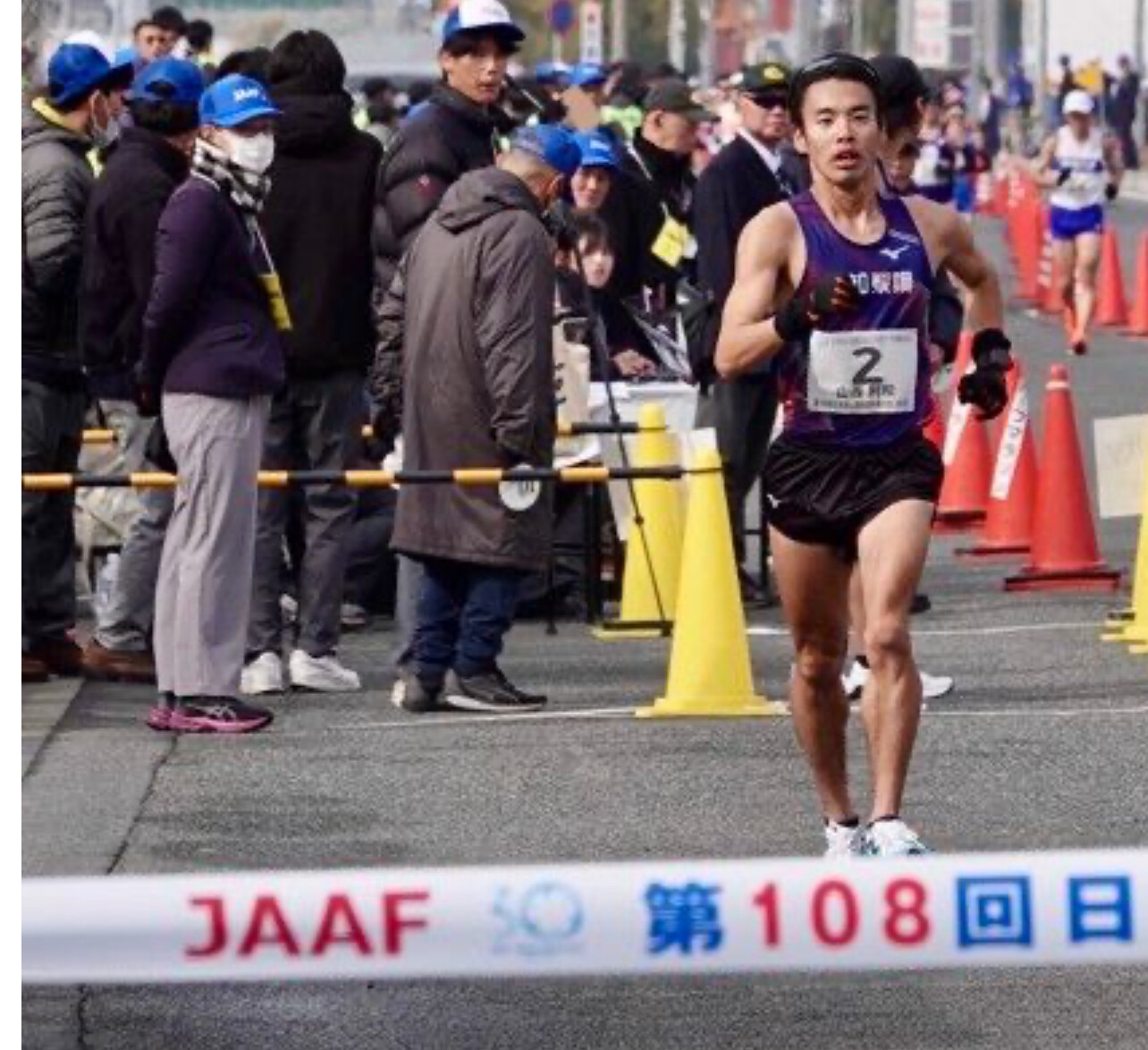
Toshikazu Yamanishi: Setting a New Standard in Race Walking
Japan’s Toshikazu Yamanishi established a new world record in the 20km race walk by finishing in 1:16:10 at the Japanese 20km Race Walking Championships in Kobe. This time surpassed the previous record of 1:16:36 set by fellow Japanese athlete Yusuke Suzuki in 2015.
by Boris Baron
Login to leave a comment
Is It the Shoes? 9 Days, 5 Men, 7 World Records
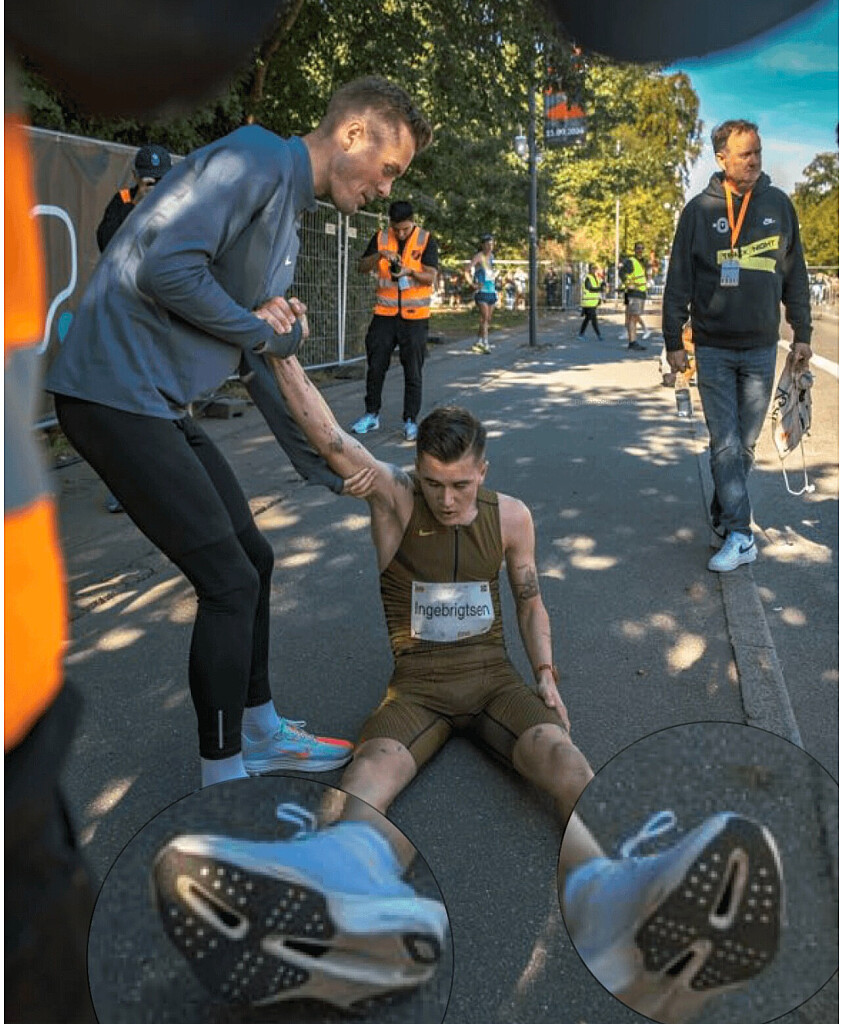
Over nine days, five men shattered seven world records, leaving me, like many others in the running world, asking one question: Is it the shoes? Or are we witnessing a new era of human performance, fueled by relentless training, cutting-edge technology, and perfect conditions?
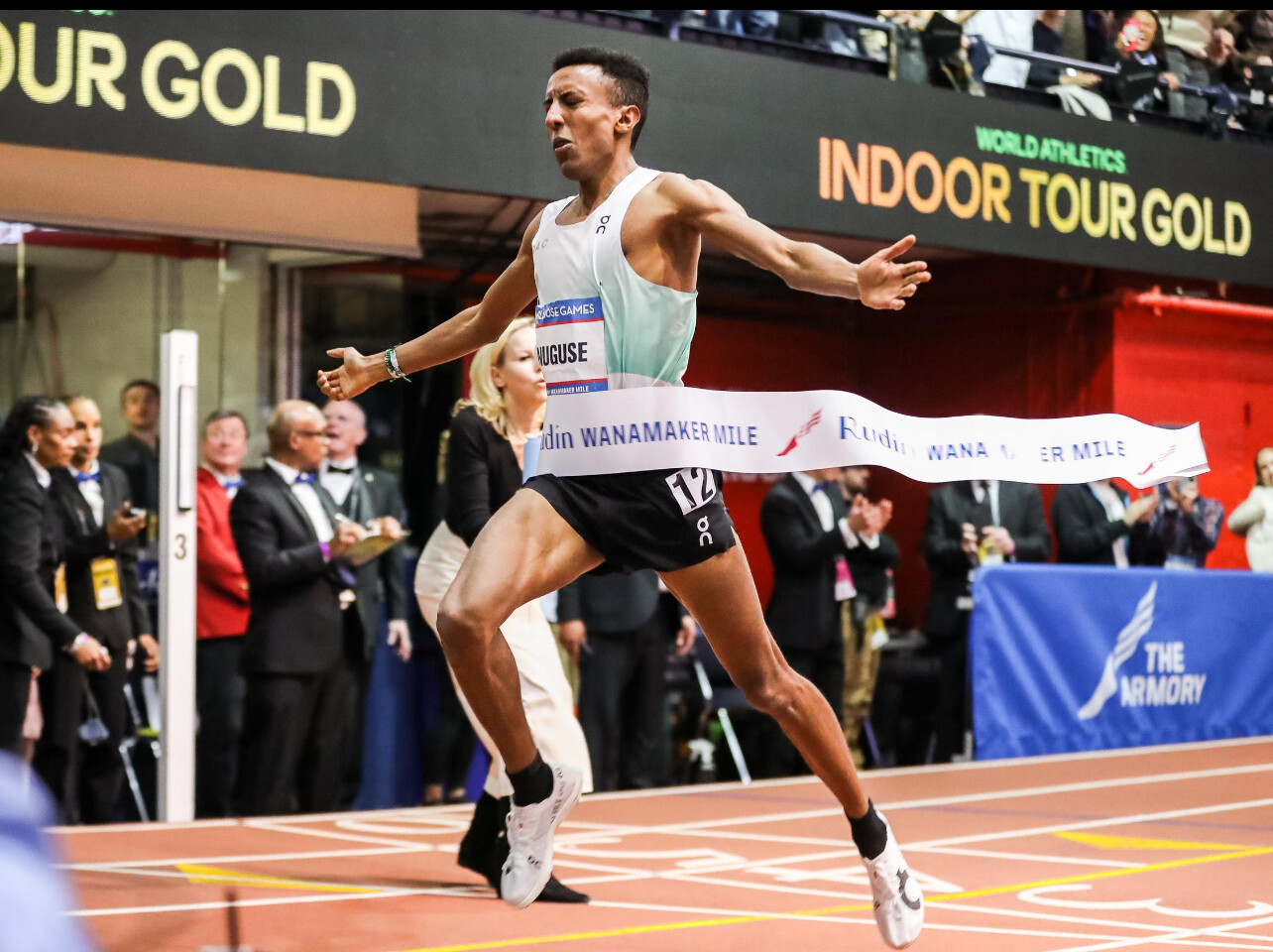
It all started on February 8 at the Millrose Games. Grant Fisher kicked things off with an incredible 7:22.91 in the men's indoor 3000m, smashing the previous world record. His smooth stride and smart pacing made it look almost easy. I couldn't help but wonder if this was just the beginning. Sure enough, Yared Nuguse followed with a stunning 3:46.63 in the men's indoor mile.
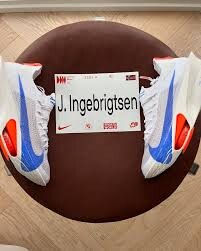
Five days later, Jakob Ingebrigtsen took things to another level in Liévin, France. He ran the mile in 3:45.14, breaking Nuguse’s fresh record. What really blew my mind was his 1500m split—3:29.63, another world record on the way to the mile finish. I’ve watched Jakob race for years, but this performance had me thinking: Are we witnessing the best miler of all time in his prime?
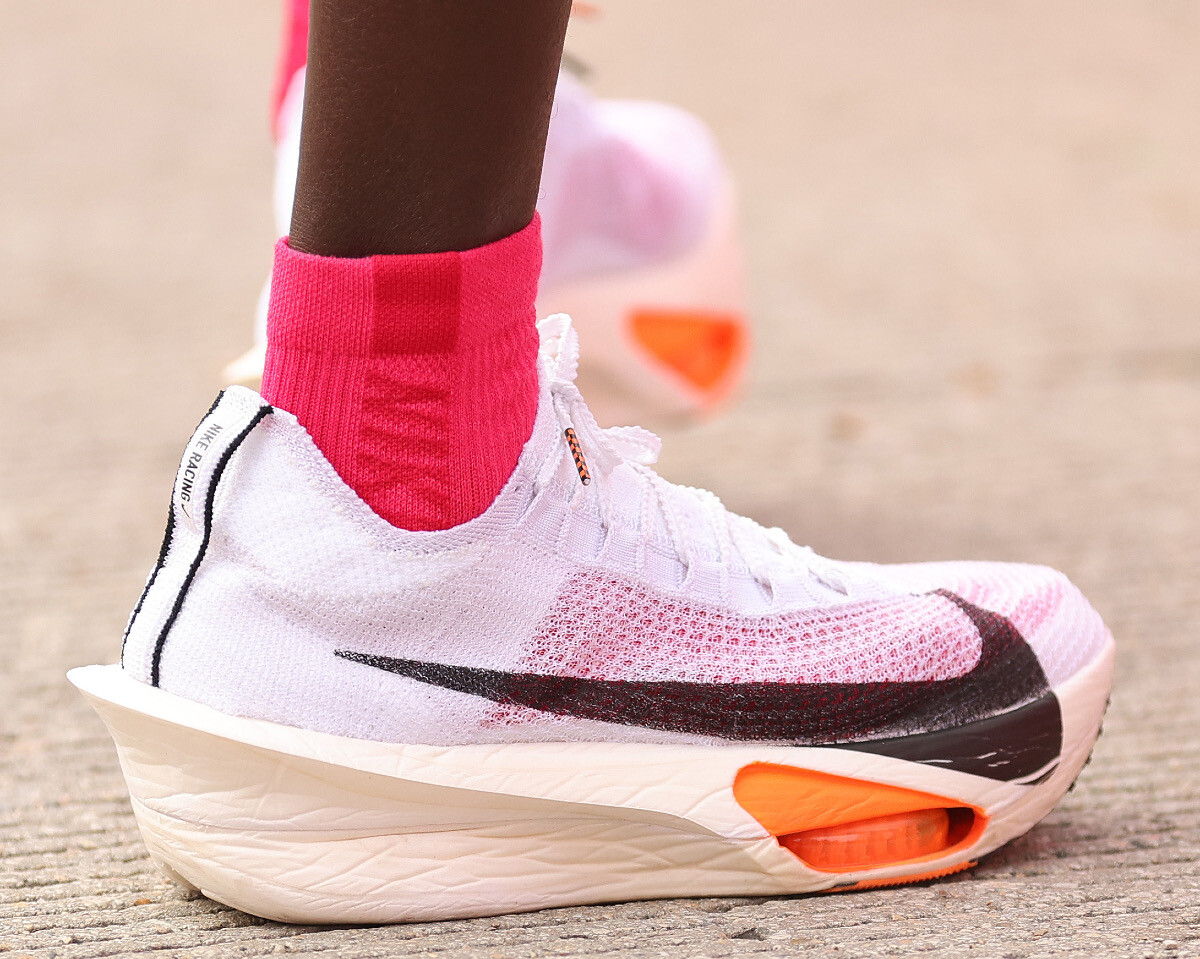
Then came Valentine's Day, and Grant Fisher was back at it. This time, he broke the men's indoor 5000m record in Boston, clocking an astonishing 12:44.09. Sub-60-second laps, one after another.
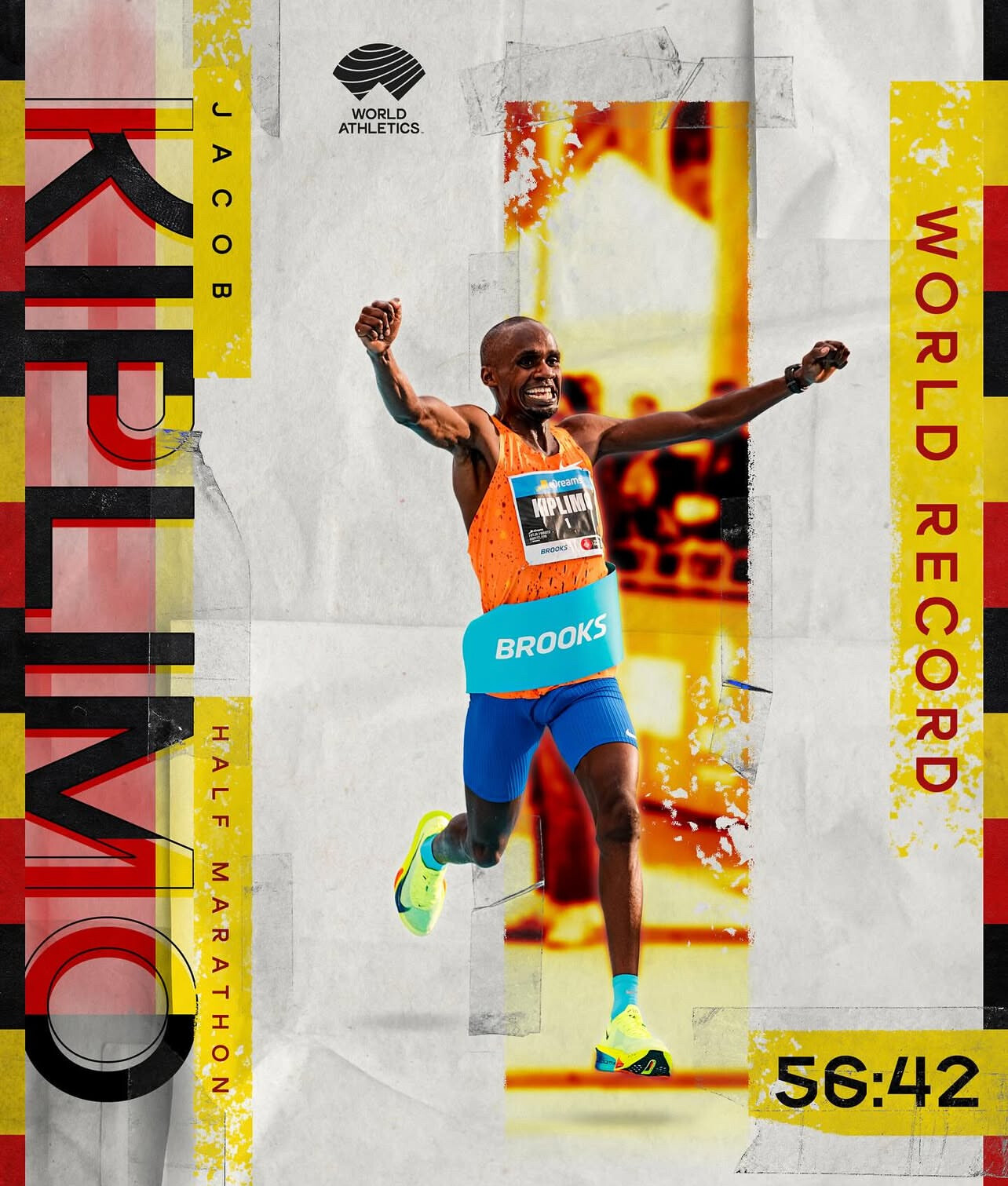
Just when I thought the wave of records might slow down, February 16 brought two more amazing performances. In Kobe, Japan, Toshikazu Yamanishi stormed to a 1:16:10 finish in the men's 20km race walk. Meanwhile, in Barcelona, Jacob Kiplimo made history in the half marathon, blazing to a 56:42 finish. I've followed Kiplimo's career closely, but this performance truly cemented his status as one of the greatest distance runners ever.
Naturally, everyone started talking about the shoes. Were they the secret behind these incredible performances? I looked into what each athlete was wearing. Grant Fisher and Yared Nuguse were both racing in the Nike Dragonfly spikes, known for their Pebax plate and ZoomX foam, delivering maximum energy return for middle and long distances. Jakob Ingebrigtsen was laced up in the Nike Air Zoom Victory, a lightweight spike built for efficiency. Yamanishi likely wore ASICS race walking shoes, designed for stability and flexibility. And Kiplimo? He was flying in the Nike Vaporfly Next% 3, the go-to choice for elite road runners chasing fast times.

So, is it the shoes? All have been approved by World Athletics. It’s tempting to think so, but I believe the reality is more complex. Yes, today's super shoes, with their carbon plates, advanced foams, and featherlight builds, undoubtedly contribute. But I've been around this sport long enough to know that technology alone doesn’t break records. The foundation is still the same—grueling training, meticulous race preparation, and sheer determination.
Nine days. Five men. Seven world records. Whether it’s the shoes, the training, or a perfect storm of conditions, one thing is clear: the boundaries of human performance continue to be pushed. As someone who’s watched this sport evolve for decades, I can’t help but feel fortunate to witness history in the making.
A friend, Gary Rush summed it up so well, "I grew up in the early eighties of running, and my guess is with all of the GPS watches, gels, nutrition drinks, scientific training, analysis, Max VO2 tests, and likely more frequent training and recovery because of the Super Shoes, will give us insane results day by day...But, that 2:09 for a women's marathon must be even better historically than the first 4 minute mile,"
by Bob Anderson
Login to leave a comment
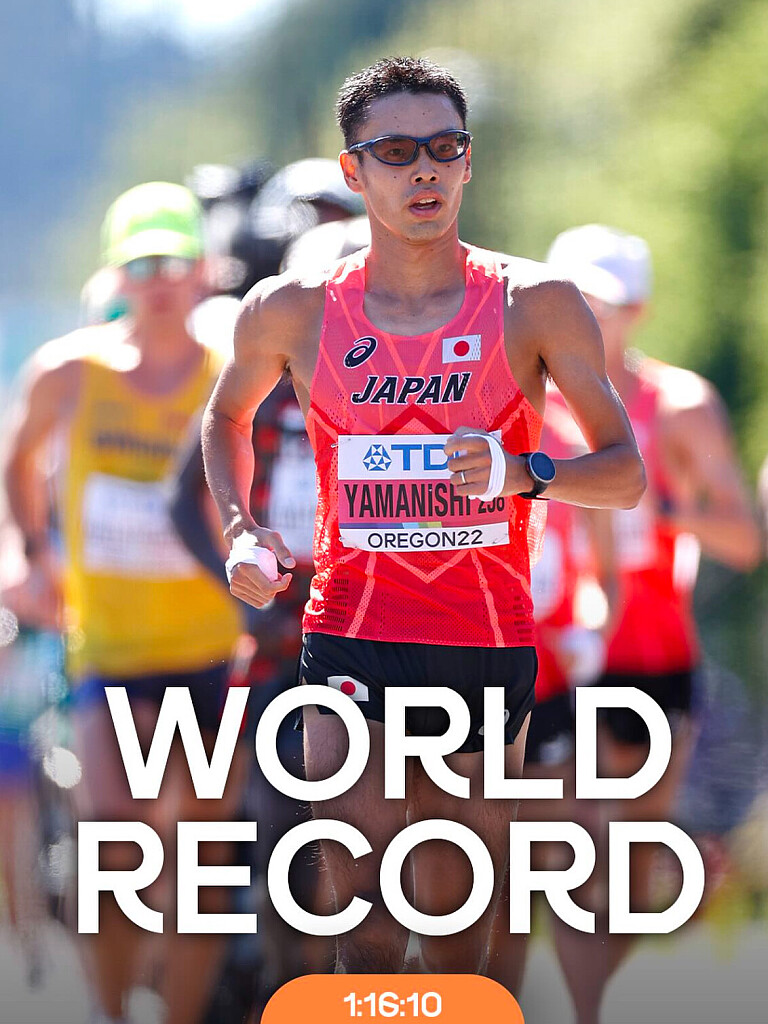
Toshikazu Yamanishi Shatters 20km Race Walk World Record in Kobe
On February 16, 2025, Japan’s Toshikazu Yamanishi delivered a historic performance at the Japanese 20km Race Walking Championships in Kobe, setting a new men’s world record in the 20km race walk with a time of 1:16:10. This incredible feat shattered the previous record of 1:16:36, which had been held by fellow Japanese race walker Yusuke Suzuki since 2015.
Held on Kobe’s Rokko Island, the event is part of the World Athletics Race Walking Tour Bronze series and drew top competitors from around the country. Yamanishi, a two-time world champion, dominated the race from the outset. By the 13th kilometer, he had surged ahead of the field, maintaining a relentless pace that ultimately saw him cut 26 seconds off the world record.
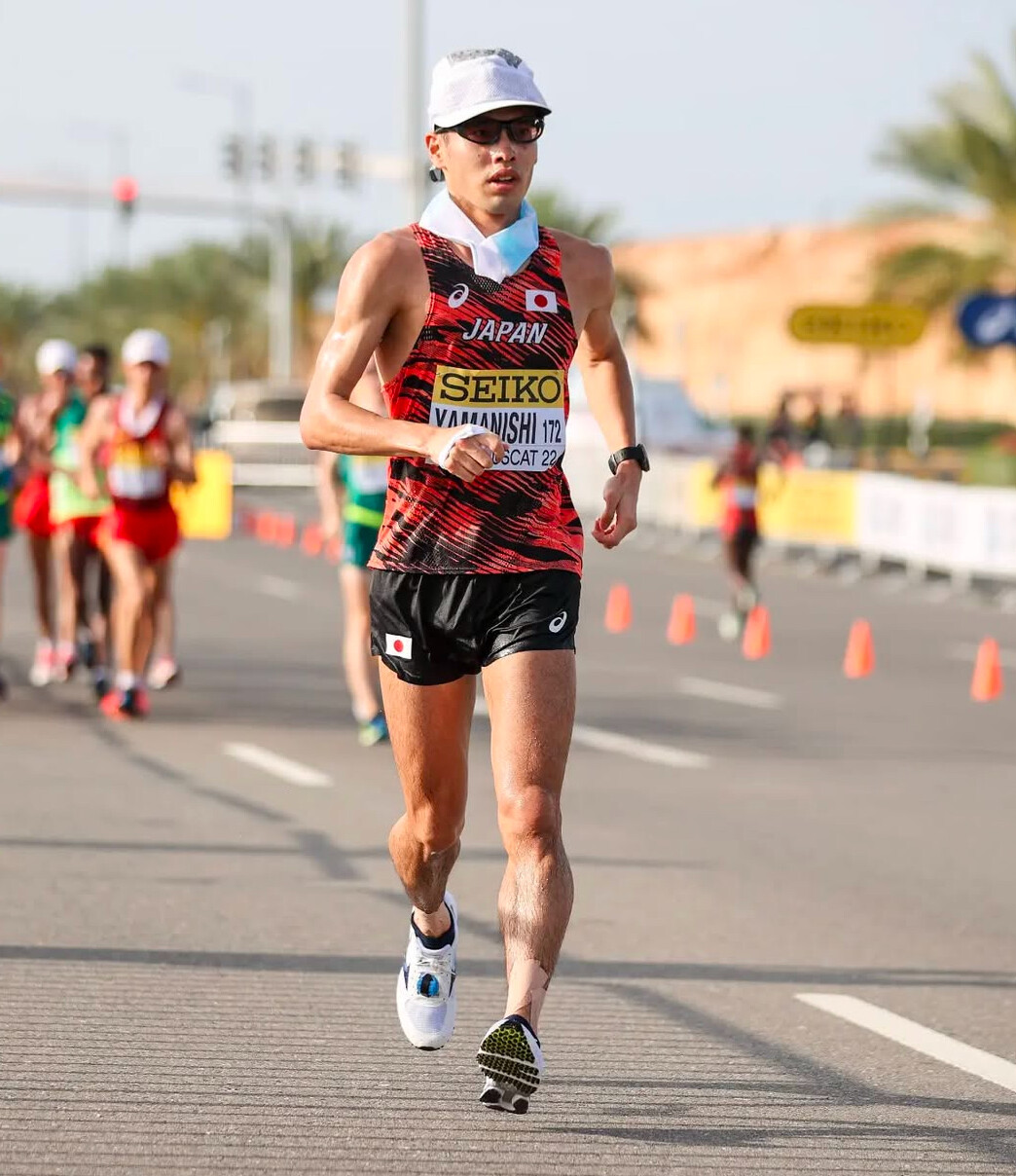
A career-defining achievement
Yamanishi’s record-breaking time also marks a significant improvement on his own personal best of 1:17:15, set in 2019. This latest milestone further cements his status as one of the greatest race walkers of his generation.
His performance in Kobe was a masterclass in pace control and endurance. Over the grueling 20km course, Yamanishi averaged an astonishing pace of 3 minutes and 48 seconds per kilometer. Translated into miles, that equates to an impressive 6 minutes and 7 seconds per mile—a testament to his efficiency and conditioning.
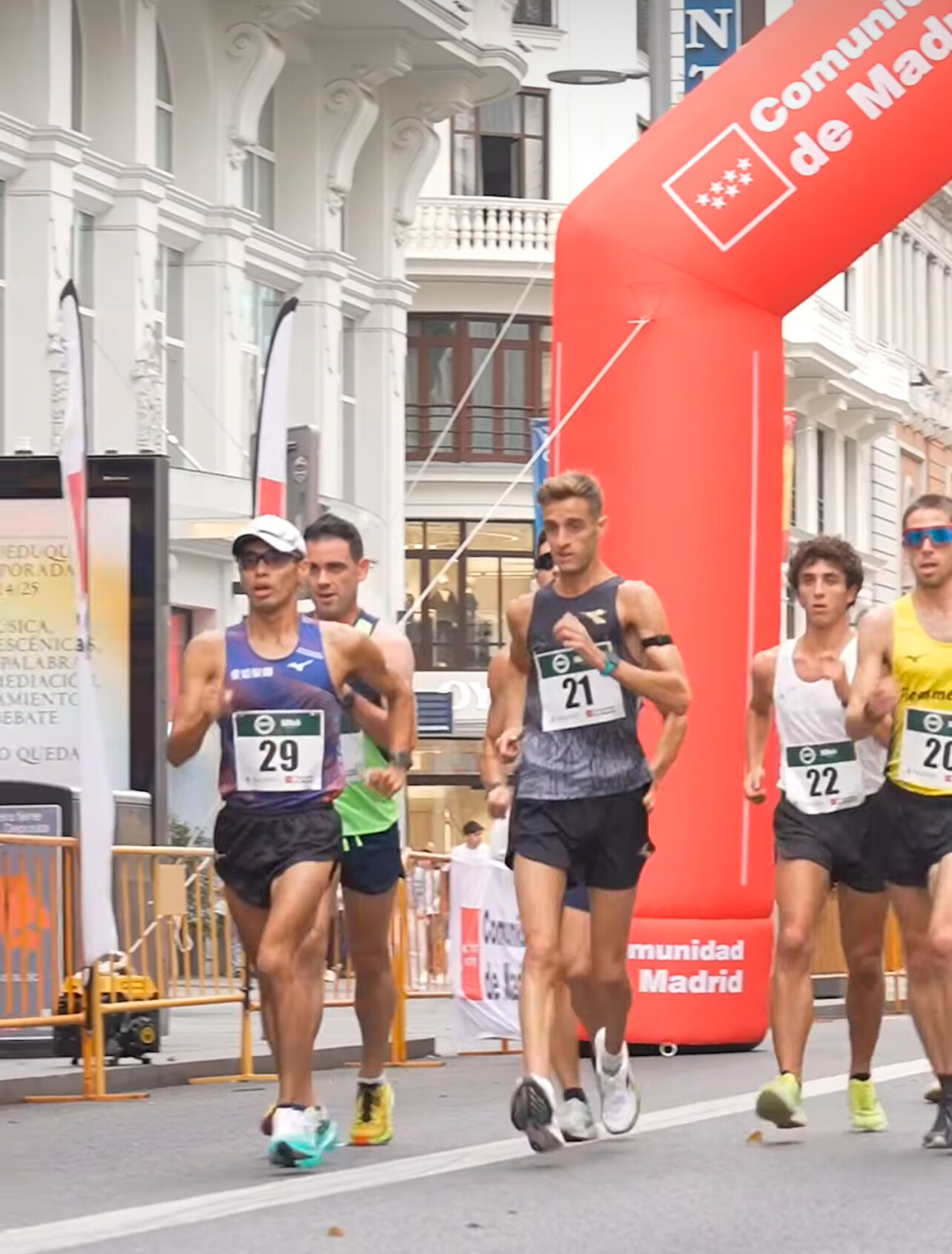
Already a double World Athletics Championships gold medalist (2019 and 2022), Yamanishi has been a dominant force in race walking for years. With this new world record, he continues to push the boundaries of the sport, bringing international attention to Japan’s thriving race walking community.
Perfect conditions for a historic race
The race-day conditions in Kobe were nearly ideal, with a mild 23°C (73°F) temperature and clear skies—factors that contributed to Yamanishi’s blistering pace. The atmosphere was electric, with thousands of spectators lining the course, cheering him on as he powered toward history.
His ability to execute a flawless race strategy, maintaining a strong cadence and controlled form, showcases not only his physical endurance but also his tactical intelligence. His disciplined approach allowed him to sustain his pace without faltering—a hallmark of an elite athlete at the peak of his game.
Japan’s legacy in race walking continues
Yamanishi’s world record underscores Japan’s continued dominance in the race walking discipline. With deep-rooted traditions in endurance sports and a strong competitive circuit, Japan has consistently produced some of the world’s finest race walkers.
His latest achievement also raises expectations for the upcoming international competitions, where he will likely be a top contender for further gold medals. As Yamanishi continues his remarkable career, race walking enthusiasts around the world eagerly await what he will accomplish next.
With this record-breaking performance in Kobe, Toshikazu Yamanishi has not only rewritten history but also reaffirmed his place as one of the greatest race walkers of all time.
by Boris Baron
Login to leave a comment

World medalists Yamanishi and Kitaguchi on Japan's team for WCH Budapest 23
Two-time defending 20km race walk champion Toshikazu Yamanishi and world javelin bronze medalist Haruka Kitaguchi feature on Japan’s team for the World Athletics Championships Budapest 23.
Yamanishi won his first world gold in Doha in 2019 and retained his title in Oregon. He will be joined by Koki Ikeda, Eiki Takahashi and Yuta Koga in the men’s 20km race walk, which is the opening event of the championships on the morning of 19 August.
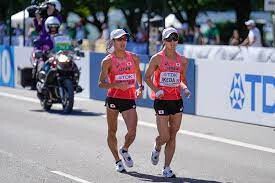
Kitaguchi finished third behind Kelsey-Lee Barber and Kara Winger in Oregon last year and goes into this year’s event as the women's world javelin leader thanks to the 67.04m national record she achieved in Silesia last month.
Other athletes on the team include national record-holders Shunsuke Izumiya in the 110m hurdles and Nozomi Tanaka in the 1500m and 5000m, plus Sumire Hata and Hiromichi Yoshida in the long jump.
After Budapest, Japan will host the next edition of the World Championships, in Tokyo in 2025.
Japanese team for Budapest
WOMEN
100m: Arisu Kimishima
200m: Remi Tsuruta
1500m: Yume Goto, Nozomi Tanaka
5000m: Ririka Hironaka, Nozomi Tanaka, Yuma Yamamoto
10,000m: Rino Goshima, Ririka Hironaka
Marathon: Rika Kaseda, Mizuki Matsuda, Sayaka Sato
100m hurdles: Masumi Aoki, Yumi Tanaka, Asuka Terada
400m hurdles: Eri Utsunomiya, Ami Yamamoto
Long jump: Sumire Hata
Triple jump: Mariko Morimoto, Naoko Takashima
Discus: Maki Saito
Javelin: Haruka Kitaguchi, Marina Saito, Momone Ueda
20km race walk: Nanako Fujii, Ayane Yanai, Yukiko Umeno
35km race walk: Masumi Fuchise, Kumiko Okada, Serena Sonoda
MEN
100m: Ryuichiro Sakai, Abdul Hakim Sani Brown, Hiroki Yanagita
200m: Shota Iizuka, Koki Ueyama, Towa Uzawa
400m: Yuki Joseph Nakajima, Fuga Sato, Kentaro Sato
5000m: Hyuga Endo, Kazuya Shiojiri
10,000m: Ren Tazawa
Marathon: Kazuya Nishiyama, Kenya Sonota, Ichitaka Yamashita
3000m steeplechase: Ryoma Aoki, Ryuji Miura, Seiya Sunada
Decathlon: Yuma Maruyama
110m hurdles: Shunsuke Izumiya, Shunya Takayama, Taiga Yokochi
400m hurdles: Takayuki Kishimoto, Yusaku Kodama, Kazuki Kurokawa
High jump: Ryoichi Akamatsu, Naoto Hasegawa, Tomohiro Shinno
Pole vault: Tomoya Karasawa
Long jump: Yuki Hashioka, Shotaro Shiroyama, Hiromichi Yoshida
Triple jump: Hikaru Ikehata
Javelin: Roderick Genki Dean, Kenji Ogura, Yuta Sakiyama
20km race walk: Koki Ikeda, Yuta Koga, Eiki Takahashi, Toshikazu Yamanishi
35km race walk: Masatora Kawano, Satoshi Maruo, Tomohiro Noda
4x100m: Shota Iizuka, Yuki Koike, Soshi Mizukubo, Ryuichiro Sakai, Abdul Hakim Sani Brown, Hiroki Yanagita
4x400m: Kenki Imaizumi, Ryuki Iwasaki, Naohiro Jinushi, Yuki Joseph Nakajima, Fuga Sato, Kentaro Sato
by World Athletics
Login to leave a comment

World Athletics Championships Budapest 23
From August 19-27, 2023, Budapest will host the world's third largest sporting event, the World Athletics Championships. It is the largest sporting event in the history of Hungary, attended by athletes from more than 200 countries, whose news will reach more than one billion people. Athletics is the foundation of all sports. It represents strength, speed, dexterity and endurance, the...
more...
Ten reasons to be excited for the 2023 Athletics season
There are many things to look forward to in the sport of athletics in the upcoming year.
There’ll be three global championships in 2023, with ever-expanding one-day meeting circuits spread throughout the year. Rivalries will be renewed, and record-breakers will continue to push boundaries in their respective disciplines.
Here are just ten of the many reasons to be excited by what’s to come over the next 12 months.
1. World Athletics Championships Budapest 23
More than 2000 athletes from about 200 countries will head to the Hungarian capital to compete in the world’s biggest track and field event of 2023. Taking place just 13 months after the last edition, it will be the shortest ever gap between two World Championships, so fans won’t have long to wait before seeing the best athletes on the planet re-engage in battle for global honours.
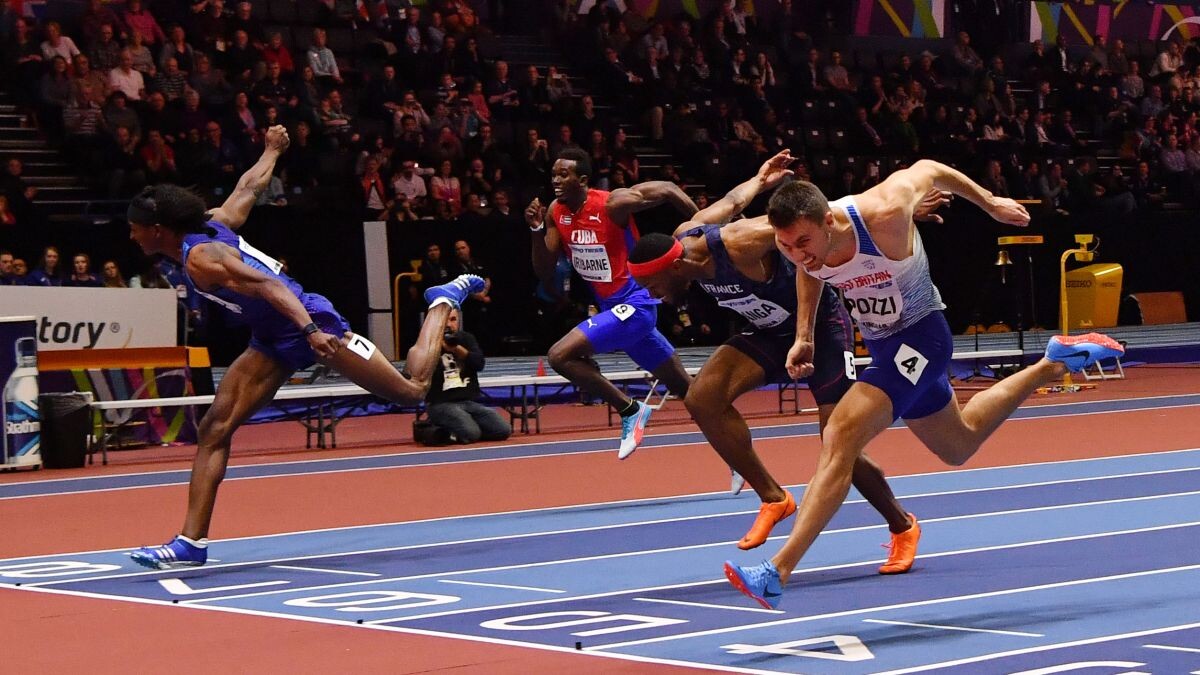
2. Pushing boundaries
World Athletes of the Year Mondo Duplantis and Sydney McLaughlin-Levrone have elevated their respective events to new heights in recent years.
Both aged just 23, their progression and record-breaking exploits will most likely continue in 2023. The same applies to other dominant forces within the sport, such as world and Olympic triple jump champion Yulimar Rojas and marathon legend Eliud Kipchoge.
3. New eras
The sport, as with everything in life, continues to evolve. Kenya, for example, dominated the steeplechase for years, but now the leading forces in that discipline are from Morocco, Ethiopia and Kazakhstan.
The women’s throws, meanwhile, are now the domain of North America. And Japan is a leading force in men’s race walking.
New faces and countries will likely emerge in 2023, changing the landscape of the sport.
4. Sprint showdowns
Gone are the days where the world’s leading sprinters avoid each other on the circuit. Multiple world champion Shelly-Ann Fraser-Pryce, for example, will often line up against fellow Jamaican stars Elaine Thompson-Herah and Shericka Jackson. And 200m specialists Noah Lyles and Erriyon Knighton have clashed frequently in recent years. No doubt there will be many more high-octane sprint duels in store in 2023.
5. World Athletics Road Running Championships Riga 23
The newest global event within the sport, the World Athletics Road Running Championships Riga 23 will unite elite and recreational runners in the Latvian capital on September 30 and October 1. The range of distances — mile, 5km and half marathon — means there’s something for all of the world’s best endurance athletes to sink their teeth into. The same applies to the thousands of runners who’ll take to the streets of Riga for the mass races as they race in the footsteps of legends.
6. Crouser vs Kovacs
They provided one of the greatest duels the sport has ever witnessed at the 2019 World Championships, and there’s no sign of the rivalry ending between Ryan Crouser and Joe Kovacs. The shot put giants have won numerous global titles between them. Crouser has been a dominant force in recent years, but Kovacs also hit an all-time career peak in 2022 with a lifetime best of 23.23m, taking him to No.2 on the world all-time list behind Crouser. No one would be surprised if either man broke the world record in 2023.
7. At the double
When the timetable for the 2023 World Championships was release a few months ago, it became clear that many popular doubles — such as the 100m and 200m, 800m and 1500m, 1500m and 5000m, 5000m and 10,000m, 20km and 35km race walk, women’s long jump & triple jump, and women’s 200m and 400m – would be doable in Budapest. The likes of Yulimar Rojas, Shaunae Miller-Uibo, Fred Kerley and Sydney McLaughlin have all hinted at attempting major championship doubles in recent years, so it will be fascinating to see who enters more than one discipline in the Hungarian capital.
8. Continental Tour Gold expands
The global one-day meeting circuit will have 14 Gold level meetings in 2023, taking in new stops in Botswana, Grenada and Melbourne.
It means there are now Gold meetings in five different continental areas. The wider series has also expanded with 165 Continental Tour meetings currently on the calendar for 2023, 13 more than in 2022.
9. Distance duels
Endurance athletes are extra fortunate in 2023 because they will be able to compete at all three global championships, covering a range of surfaces. Letesenbet Gidey and Hellen Obiri provided one of the most thrilling clashes at the World Championships in Oregon, and there’s a good chance they’ll race one another again, either in Bathurst, Budapest or Riga.
World 5000m champion Jakob Ingebrigtsen, meanwhile, could potentially line up against two-time world 10,000m champion Joshua Cheptegei in Budapest — or even on the circuit throughout the season.
There are four women active in the marathon — Brigid Kosgei, Ruth Chepngetich, Amane Beriso and Tigist Assefa — with sub-2:16 PBs, all of whom could push one another to a world record. And in the race walks, the likes of Toshikazu Yamanishi and Massimo Stano could clash at either 20km or 35km — or both.
10. World Athletics Cross Country Championships Bathurst 23
One of the first big highlights of the year will take place Down Under when Bathurst hosts the World Cross Country Championships.
Recent editions have been highly competitive and engaging, and that will no doubt be the case once more as hundreds of the world’s best distance athletes take to Mount Panorama. And, as is the case with Riga and Budapest, there are opportunities for recreational runners to be a part of the event too.
by World Athletics
Login to leave a comment
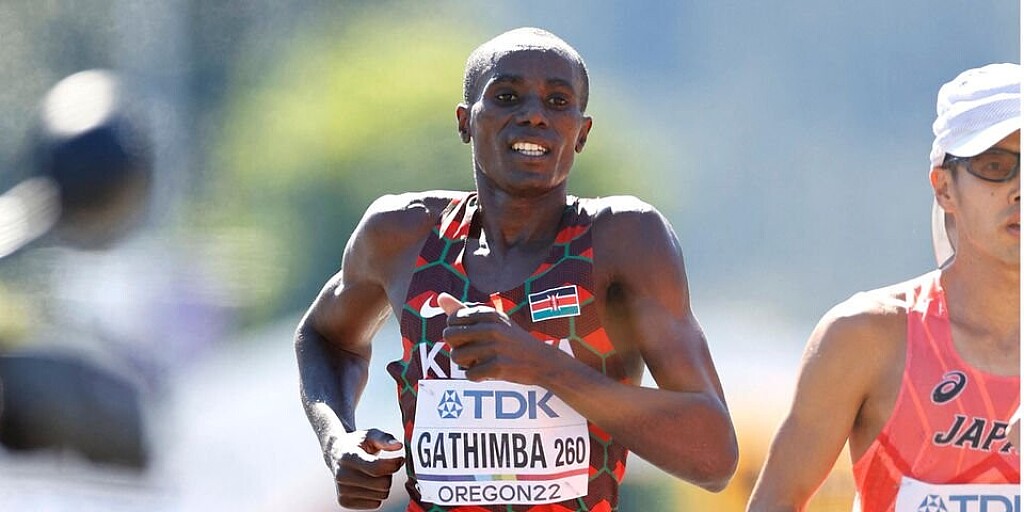
Kenyans race walkers Gathimba and Ngii eye redemption in Commonwealth Games
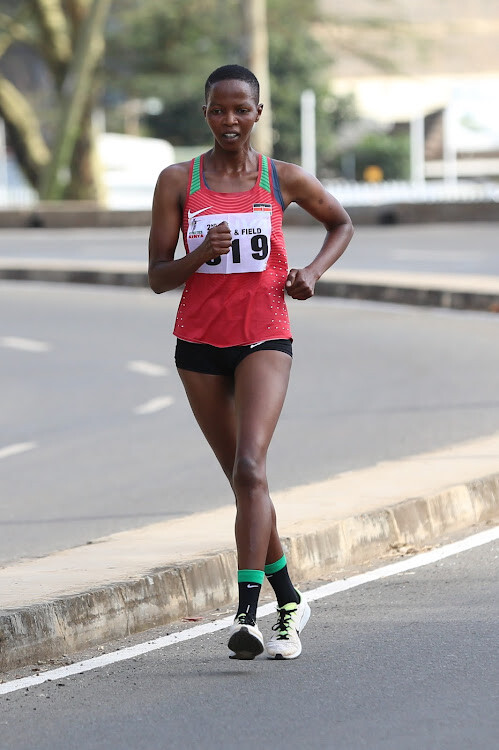
Africa 20 kilometers race walking champions Samuel Gathimba and Emily Ngii are hoping to redeem themselves at the Commonwealth Games scheduled for July 28 to August 8 in Birmingham, England where the discipline is shortened to 10km.
The duo missed out on medals in the 20km Walk at the World Athletics Championships which ended on Sunday in Eugene, USA.
Gathimba, who came closest to a medal after finishing fourth in Eugene, has predicted a fierce battle in Birmingham.
"I arrived here (UK) on Tuesday night to a very cold Birmingham. I hope the weather will improve. I'll start training on Wednesday. I have never done 10km walk abroad, so this will be my first time. The challenge with 10km is it's like 'ugali sosa' (not the main meal), so it will be very fast.
I need to get my calculations right in order to win. Doing so will also help me get invited more to competitions," said Gathimba.
He timed one hour, 19 minutes and 25 seconds just a few seconds behind medalists Toshikazu Yamanishi (1:19:07), Koki Ikeda (1:1914) and Perseus Karlstrom (1:19:18).
Ngii struggled with a stomach ache from 10km-mark on her way to 30th place finish.
"I have improved a lot after getting treatment. I'm ready. It's the first time I'm competing in 10km outside Kenya and I'm ready to bring a medal bad home, God willing," said Ngii.
Walk coach Benjamin Mbusya also expressed optimism in the duo.
"Obviously, some competition has been reduced because not all countries that were at the World Athletics Championships in Oregon are in Commonwealth Games. But I can assure you that we will get some medals and gold is possible," he said.
Gathimba won bronze at the 2018 Commonwealth Games in Gold Coast, Australia and bagged the same medal at the Race Walking World Championships in Oman in March this year.
by Geoffrey Anene
Login to leave a comment

The Commonwealth Games
The Commonwealth Games are coming to Victoria - bringing an action packed sports program to our regional cities and delivering a long-term legacy for our future. From 17 to 29 March 2026, Geelong, Bendigo, Ballarat, Gippsland and Shepparton will be on the world stage, attracting millions of viewers and creating thousands of jobs. The multi-city model will...
more...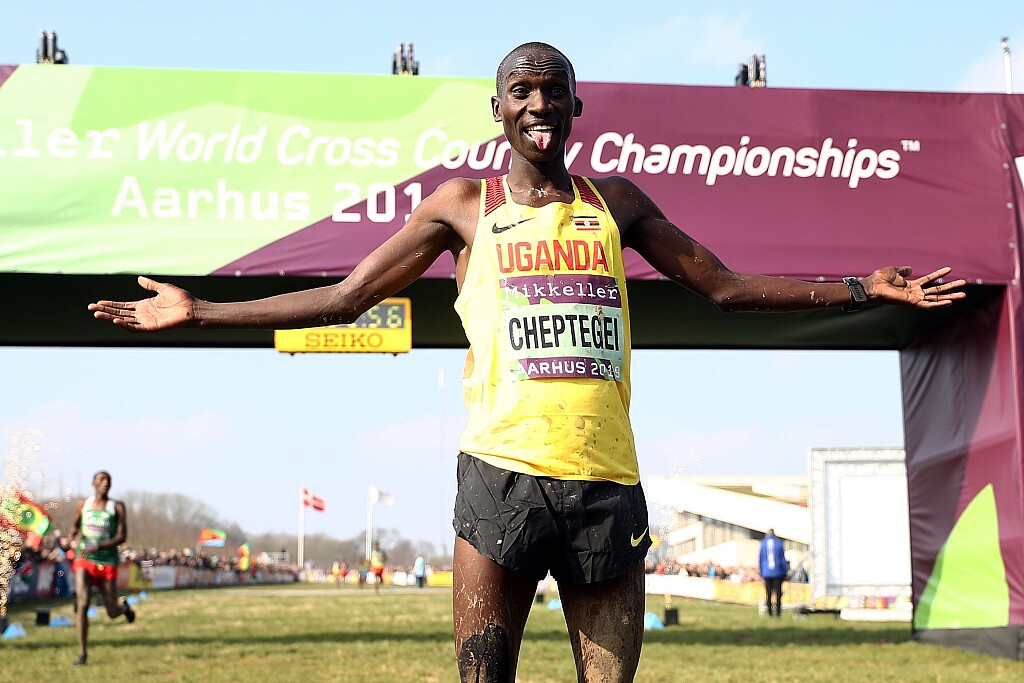
Joshua Cheptegei is set to defend his world title at Oregon
Cheptegei, 25, currently holds the 5000m and 10000m world records, the Commonwealth double and the 5000m Olympic title, will also hope to wrestle the 5000m title from Ethiopian Edris Muktar.
Now Cheptegei, who is bidding to defend his world title over the 25-lap distance, will lead Africa’s quest for glory on the west coast of the USA.
Silver medalist over the same distance at the Tokyo 2020 Olympics last August, Cheptegei’s title defence will be backed up by Stephen Kissa and world half-marathon champion Jacob Kiplimo on Sunday.
There are others like Kenyan Timothy Cheruiyot will face stiff competition from Norwegian Jakob Ingebrigtsen over the 1500m distance.
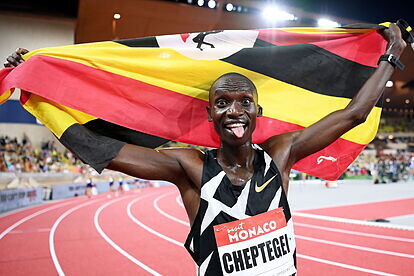
Other African stars set to bid for glory include South African sprinter Akani Simbine, Olympic 1500m champion Faith Kipyegon, Burkina Faso’s world triple jump bronze Hugues Zango among others.
According to World Athletics, 37 of the 43 individual winners from Doha will aim to defend their titles in Eugene.
Besides the champions from Doha, 42 individual gold medal winners at the Tokyo 2020 Olympics are in Eugene too.
TEAM UGANDA TO OREGON WORLDS:
Women: H. Nakaayi (800m),
W. Nanyondo (1500m),
P. Chemutai (3000m Steeplechase),
E. Chebet (5000m),
M. Chelangat (10000m),
S. Chesang (10000m),
I. Chemutai (Marathon)
Men: T. Orogot (200m),
R. Musagala (1500m),
P. Maru (5000m),
O. Chelimo (5000m),
J. Kiplimo (10000m),
S. Kissa (10000m),
J. Cheptegei (5000m & 10000m),
F. Chemonges, F. Musobo & J. Kiprop (Marathon)
That starts with Japanese Toshikazu Yamanishi who will attempt to retain his 20km race walk final on the morning programme of Day 1 action tomorrow.
by Allan Darren Kyeyune
Login to leave a comment

World Athletics Championships Budapest23
Budapest is a true capital of sports, which is one of the reasons why the World Athletics Championships Budapest 2023 is in the right place here. Here are some of the most important world athletics events and venues where we have witnessed moments of sporting history. Throughout the 125-year history of Hungarian athletics, the country and Budapest have hosted numerous...
more...
Japan named host nation’s team for Olympic Games
Japan has named a team of 65 athletes to represent the host nation at the Tokyo Olympic Games.
The line-up features world 20km race walk champion Toshikazu Yamanishi along with four members of the 4x100m squad that took bronze at the World Athletics Championships Doha 2019.
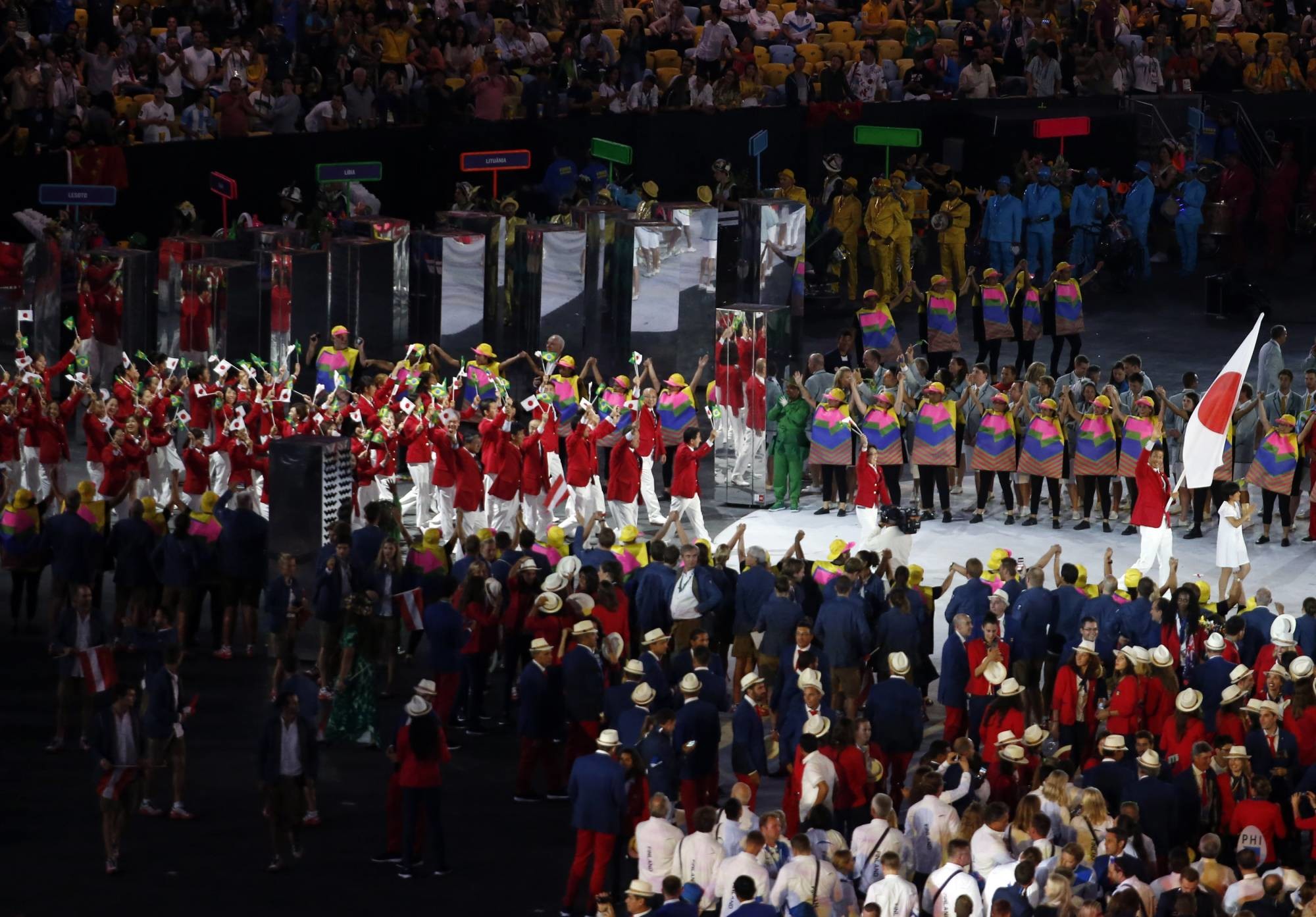
Thirteen individual national record-holders have also been selected, including 100m sprinter Ryota Yamagata, middle-distance runner Nozomi Tanaka, sprint hurdlers Shunsuke Izumiya and Asuka Terada, race walker Masatora Kawano and javelin thrower Haruka Kitaguchi.
Japan had named its marathon squad last year following a highly competitive selection process.
Japanese team for Tokyo
WOMEN
1500m: Nozomi Tanaka, Ran Urabe
5000m: Kaede Hagitani, Ririka Hironaka, Nozomi Tanaka
10,000m: Yuka Ando, Ririka Hironaka, Hitomi Niiya
Marathon: Mao Ichiyama, Honami Maeda, Ayuko Suzuki
3000m steeplechase: Yuno Yamanaka100m hurdles: Masumi Aoki, Ayako Kimura, Asuka Terada
Javelin: Haruka Kitaguchi
20km race walk: Nanako Fujii, Kaori Kawazoe, Kumiko Okada
4x100m: Hanae Aoyama, Yu Ishikawa, Mei Kodama, Ami Saito, Remi Tsuruta,
MEN
100m: Yuki Koike, Shuhei Tada, Ryota Yamagata
200m: Shota Iizuka, Hakim Sani Brown, Jun Yamashita
400m: Julian Walsh
5000m: Yuta Bando, Hiroki Matsueda
10,000m: Akira Aizawa, Tatsuhiko Ito
Marathon: Yuma Hattori, Shogo Nakamura, Suguro Osako
3000m steeplechase: Ryoma Aoki, Ryuji Miura, Kosei Yamaguchi
110m hurdles: Shunsuke Izumiya, Taioh Kanai, Shunya Takayama
400m hurdles: Kazuki Kurokawa, Abe Takatoshi, Hiromu Yamauchi
High jump: Takashi Eto, Naoto TobePole
vault: Masaki Ejima, Seito YamamotoLong
jump: Yuki Hashioka, Hibiki Tsuha, Shotaro Shiroyama
Javelin: Takuto Kominami
20km race walk: Koki Ikeda, Eiki Takahashi, Toshikazu Yamanishi
50km race walk: Hayato Katsuki, Masatora Kawano, Satoshi Maruo
4x100m: Bruno Dede, Yoshihide Kiryu, Yuki Koike, Shuhei Tada, Ryota Yamagata
4x400m: Rikuya Ito, Kaito Kawabata, Kentaro Sato, Aoto Suzuki, Julian Walsh.
by World Athletics
Login to leave a comment

Tokyo 2020 Olympic Games
Fifty-six years after having organized the Olympic Games, the Japanese capital will be hosting a Summer edition for the second time, originally scheduled from July 24 to August 9, 2020, the games were postponed due to coronavirus outbreak, the postponed Tokyo Olympics will be held from July 23 to August 8 in 2021, according to the International Olympic Committee decision. ...
more...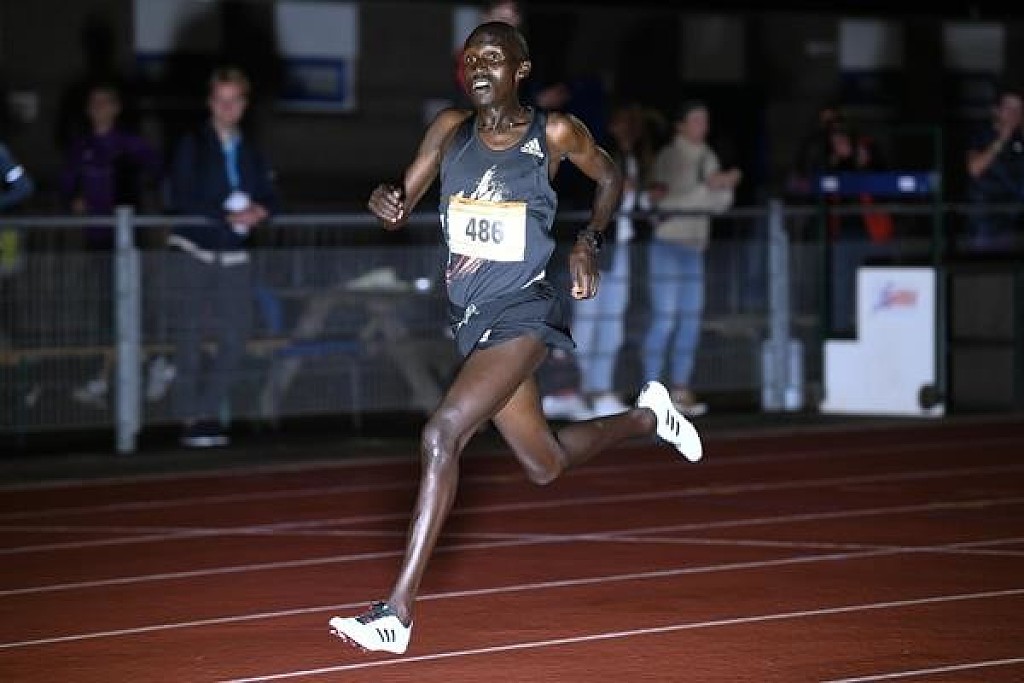
Kenya’s Nicolas Kimeli won the men’s 10,000m at the Gouden Spike meeting in Leiden
Kenya’s world 5000m finalist Nicolas Kimeli won the men’s 10,000m at the Gouden Spike meeting in Leiden, clocking a world-leading PB of 26:58.97.
The 21-year-old, contesting his first 10,000m race in three years, ran alongside compatriot Solomon Kiplimo Boit during the early stages, passing through 3000m just inside 8:12. Kimeli broke away from Boit just a couple of laps later and set off in pursuit of a sub-27-minute time.
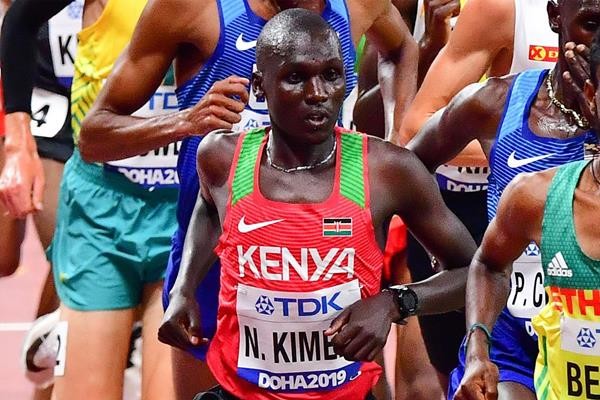
Kimeli’s lead grew with each lap, while Boit continued running in no-man’s land. Further behind, Dutch runner Mike Foppen, making his debut over 10,000m, gradually detached himself from the main chase pack.
Kimeli forged on and started to sprint on the final lap when he realised a sub-27-minute performance was a possibility. He crossed the line in 26:58.97 to smash the meeting record by almost half a minute.
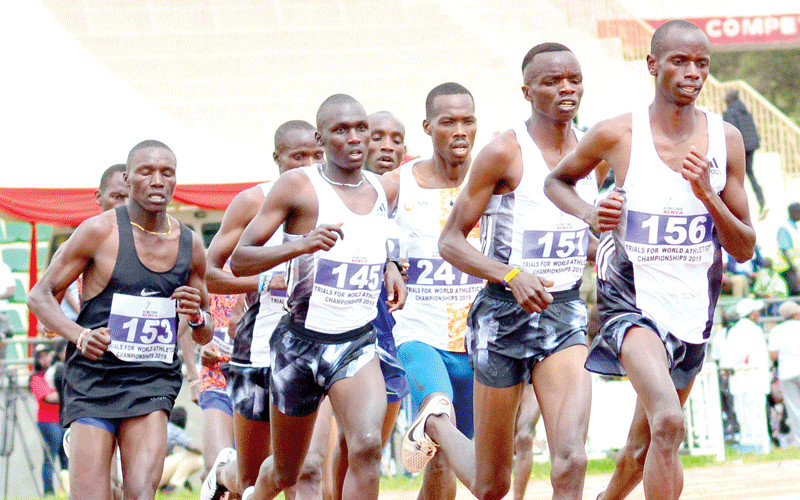
Boit finished second in 27:41.10, while Foppen placed third in 27:59.10. It was Foppen’s eighth PB of the year, having set two at 1500m, one at 2000m, two at 3000m, plus national records for 5000m and 5km.
As is tradition at this meeting, a golden spike trophy is presented to the top performer of the night. Unsurprisingly, Kimeli scooped that accolade.
Meanwhile, Menno Vloon won the pole vault with 5.76m, the second-best clearance of his career after his 5.85m national record in 2017. World champion Toshikazu Yamanishi stepped down in distance at the Japanese Inter-Corporate Championships in Kumagaya and won the 5000m race walk with an Asian record of 18:34.88.
Yamanishi had Eiki Takahashi, Tomohiro Noda and Satoshi Maruo for company in the early stages, but he gradually dropped them one by one before going on to win by almost 17 seconds. Takahashi finished second in 18:51.25.
Yamanishi’s winning time took four seconds off the previous Asian record set by Yusuke Suzuki back in 2015, just three months after he set a world record over 20km.
In a high-quality men’s 10,000m race in Netherlands, 2015 world U18 champion Richard Kimunyan emerged the winner in 27:01.42, finishing just one second ahead of Bernard Koech (27:02.39) with Bedan Karoki a close third (27:02.80). Kimunyan’s time was a world lead but lasted just eight hours at the top of the world list before it was bettered in Leiden.
by World Athletics
Login to leave a comment
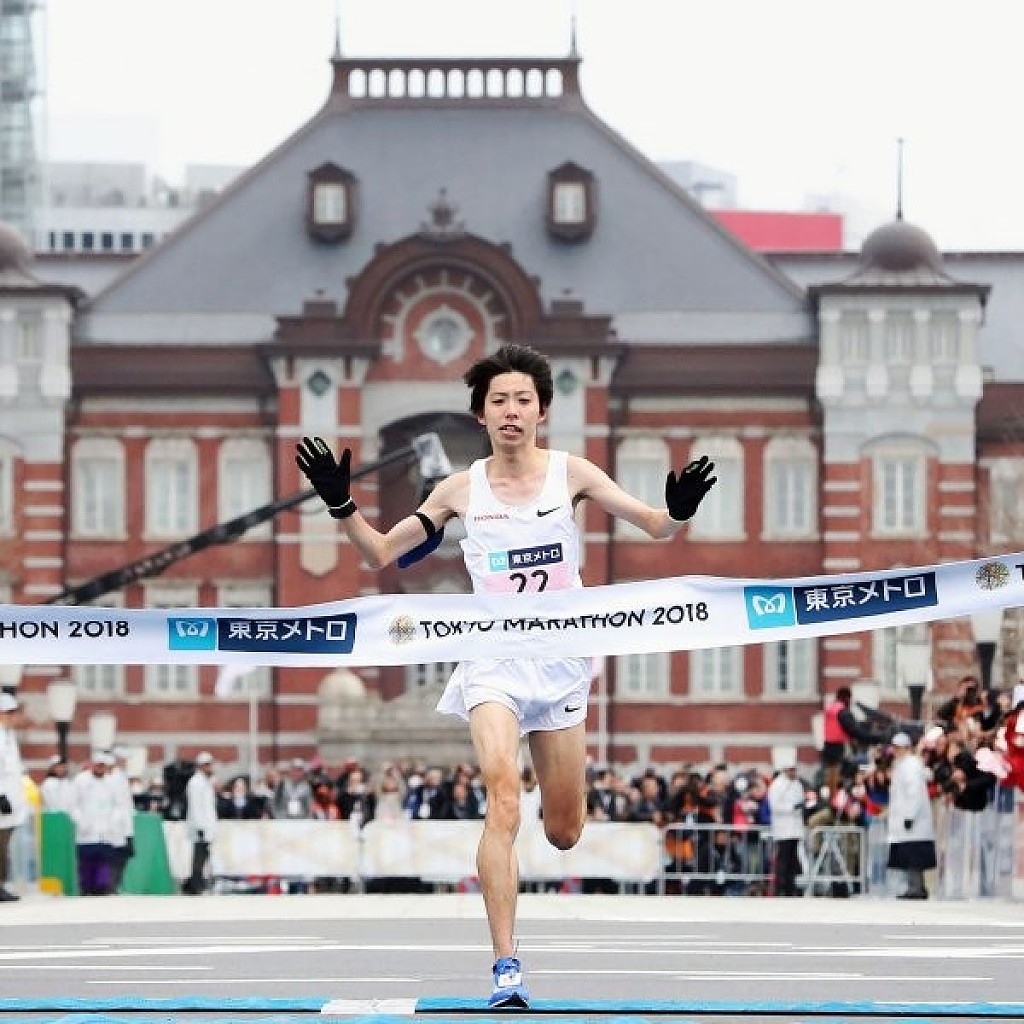
Like everywhere else, lives and plans in Japan have been put on hold by the global outbreak of the Covid-19 virus
Japan was one of the first countries after China to detect cases of the virus, its first on 16 January, but taking until 7 April for official numbers to climb enough for the national government to declare a state of emergency.
The official response within Japanese athletics has been similar, simultaneously fast and slow. The Tokyo Marathon on 1 March was one of the first outside China to put a stop order on this year’s edition, announcing that it would cancel its mass-participation race and go ahead as an elite-only event. The Nagoya Women’s Marathon on 8 March echoed that days later.
But while other road races joined Nagoya in following Tokyo’s lead, outdoor track season appeared ready to go forward. Some individual events in early April were voluntarily cancelled, but after 2008 Olympic 4x100m silver medallist Naoki Tsukahara was diagnosed with the coronavirus on 30 March, the JAAF Athlete Committee submitted a formal written request to the JAAF that all competitions through the end of May be cancelled or postponed. The JAAF went one better, cancelling or postponing everything through the end of June, including the National Championships.
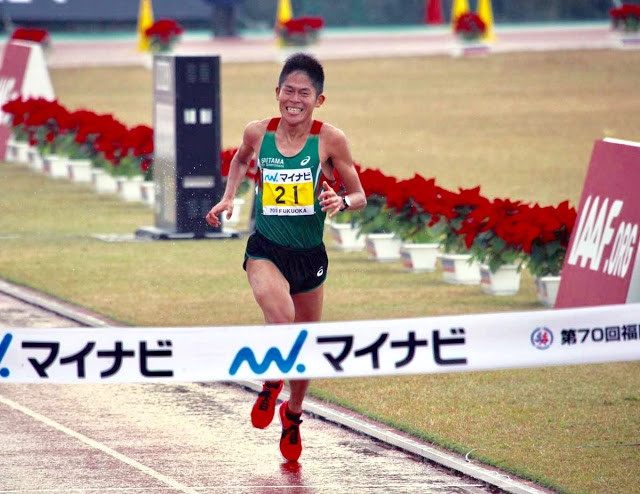
So where did this leave Japan’s athletes? For some, it put fresh-caught dreams straight on to ice. Tokyo, Nagoya and Lake Biwa were the culmination of a three-year process to put together the best Olympic marathon teams Japan could. After these races, on 8 March the JAAF confirmed the line-ups of Honami Maeda, Ayuko Suzuki, and Mao Ichiyama for women, and Shogo Nakamura, Yuma Hattori and Suguru Osako for men.
On 15 March at the 20km race walk Olympic trials, Nanako Fujii and Koki Ikeda joined Kumiko Okada, Toshikazu Yamanishi, Yusuke Suzuki and Masatora Kawano on the Olympic race walk teams. Eiki Takahashi was added a few weeks later.
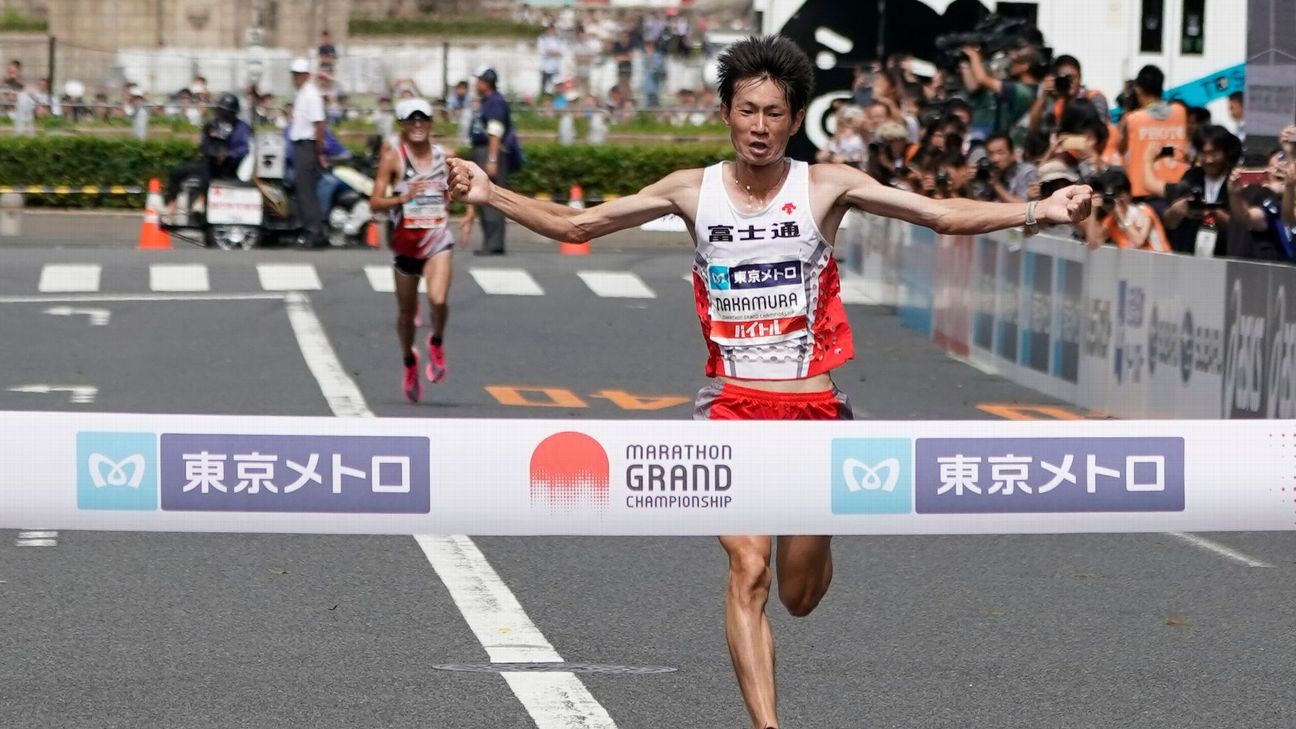
Japanese athletes have it easier. Low official infection numbers and the absence of a lockdown have meant comparatively fewer restrictions, but it’s still meant changes. Yuki Saito, assistant coach for both marathon runner Suzuki and 5000m Olympic team favourite Ririka Hironaka, said: “Suzuki was supposed to get physiotherapy at the Japan Institute of Sport Science, but it’s been closed and that’s been an issue. With 11 athletes on our team, we never have more than four or five running together. We can’t do out-of-town training, and since the declaration of emergency, the university where we do workouts has been closed. We’re probably going to use some nearby parks twice a week. With more people working from home there’ll be more around, so we have to be careful not to come too close.”
Post-collegiate Japanese athletes also have a little more peace of mind thanks to the corporate team system. Team members are salaried employees of the sponsor company, meaning that if the situation stretches on for months, they should still get paid whether or not they compete. That means less financial vulnerability than many professional athletes elsewhere.
But there is still the frustration of carefully worked-out plans thrown out the window and no races on the immediate horizon. Brendan Reilly, agent for all three women on the Olympic marathon squad, said: “We had race and/or training plans in place, and the last of those was scrapped in early April.”
For now, like everywhere, it’s a holding pattern. Like everywhere, Japanese athletes are doing what they can to stay optimistic and focused, and to help transmit the same feelings to the general population as the situation becomes more serious. From the members of the 4x100m team to high jump national record-holder Naoto Tobe to marathon runner Hattori, they’ve been posting workouts the average person can do at home, baking tips, and just positive messages.
“Sport is not only essential to maintain and elevate our physical and mental health,” wrote National Sports Agency commissioner and Olympic gold medallist Daichi Suzuki, “but also gives people pride, joy, dreams, excitement, courage. I hope all of us in the sport community can work together as one to help bring this public health threat under control.”
It’s a sentiment everyone in the sport worldwide can take to heart as we all face uncertainty in the year to come.
by Brett Larner for world Athletics
Login to leave a comment
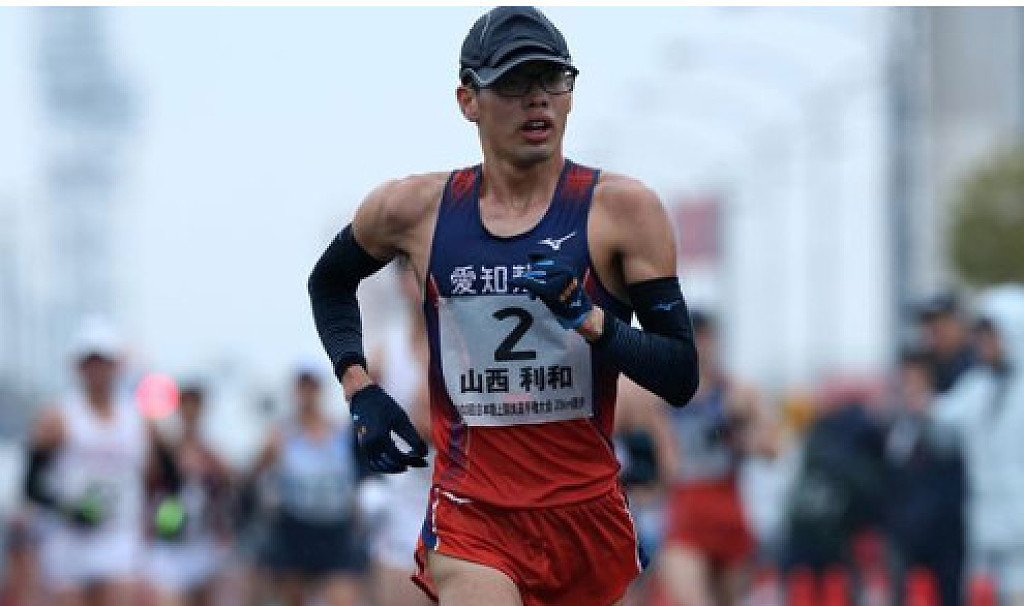
Yamanishi cruises to national 20km title in Kobe, secures Olympic team spot
It was an island of dreams for Toshikazu Yamanishi at the 103rd Japanese National 20km Championships as he roared home to gold and a place in the Japanese Olympic team.
The world champion triumphed ahead of a stellar field to celebrate his 24th birthday the day before - and by a distance.
Previous editions in Kobe had been mostly cagey affairs, usually won by a grudging inch or two. But on a new 1km loop around Rokko Island at the southern end of the city, walkers spread out and saw times dip fractionally on previous years.
It probably owed a fair bit to the weather.
A slate grey rain demanded heavy coats and umbrellas on the sidelines. Many spectators wore medical masks, presumably to ward off the threat of Coronavirus.
‘Fresh’ said the forecast - decidedly chilly was nearer the truth. Walkers shivered on the start line, and many wore arm warmers.
However, the pace was white hot from the gun, incidentally kept inside a plastic bag by the starter until the last second.
Defending champion Eiki Takahashi, Koki Ikeda, Yamanishi, Isamu Fujisawa, Hirooki Arai, Tomohiro Noda and top Swede Perseus Karlstrom quickly established themselves at the front of the 84-strong field, and ticked off 5km in 19:18.
They were lapping the back markers very soon, and by lap nine, the pack was halved to just three.
Yamanishi, Takahashi and Ikeda had clearly decided to take the race by the scruff of the neck.
Halfway saw 38:50 on the course clock, with Karlstom already 17 seconds down, desperately trying to get on the coat-tails of Noda and Ikeda.
On Lap 12 Yamanishi shook off his two shadows in an almighty rush.
In fact, his leg speed over the next circuits was phenomenal.
The hot favourite for the Olympic title in Tokyo appeared a blur through the mist and rain. But Takahashi with a slightly longer stride refused to panic.
He halved a 20m lead over the next 2km, and closed the gap entirely by three-quarter distance reached in 58:10.
However, the bespectacled Yamanishi wasn’t finished.
A lap later, and with a second wind, he stretched another lead over Takahashi to around 15 metres even though he had to lap back markers on the outside - and this time the gap proved decisive.
The leader had the luxury of looking round at every 500m turn over the last 3km to see all opposition disappearing in his wake as he splashed though a sizeable puddle at the end of each lap.
He took the tape just as he did in Doha at the World Championships, this time in 1:17:36 but in very contrasting conditions.
Yamanishi has lead World Athletics rankings for an incredible 47 weeks, and despite a lack of opposition and the cold, was only marginally outside his personal best, 1:17:15, set in the Asian Championships at Nomi last year.
He’s also the only walker to have gone under 1:18:00 on four occasions.
Behind him, Ikeda moved through the gears in the closing stages to come home a surprise second.
Karlstrom paid the price for a fierce early pace to finish overall third, nearly two minutes down on the winner - and a long way outside his PB, 1:18:07.
No doubt the Doha bronze medallist and 2019 Race Walking Challenge winner will reflect and adjust come the Olympics.
Poor Takahashi looked forlorn as he crossed for fourth, and third in the Japanese Championships. There was to be no sixth win in a row in a city where he has been unassailable.
Okada takes women’s 10km crown
In the women's 10kms, Kumiko Okada moved up from overall second in 2019 to take the title, and unlike the men’s race where the result was in doubt until 16km, the 28-year-old reigned supreme from the start.
Walking smoothly and wearing glasses like the men’s champion, Okada did justice to the gold number handed to the reigning champion.
She was exactly a minute ahead at halfway of the only two who might passably be called chasers, which Okada clocked in 44:33.
A distance behind, Kaori Kawazoe and Nadia Gonzalez were battling of the minor medals, but by 15kms the Mexican, walking as a guest, had to give way and slipped back through the field.
Okada was an encouraging sixth in Doha, and boasts a 1:27:41 national record set at La Coruna last year.
She crossed the line in 1:29:56, the only woman under 90 minutes, and was already giving interviews by the time Kawazoe battled the last 500m for a deserved second to finish in 1:33:15.
Behind her, it was anything but a grey day for Nami Hayashi.
The Japanese looked totally spent with head tilted and mouth open as she collapsed over the line, but equally shattered was her 1:38:55 PB, and by more than three minutes to take bronze just ahead of Serena Sonoda in fourth.
by World Athletics
Login to leave a comment
