

Running News Daily
Running News Daily is edited by Bob Anderson and team. Send your news items to bob@mybestruns.com Advertising opportunities available.
Index to Daily Posts · Sign Up For Updates · Run The World Feed
Articles tagged #200 metres
Today's Running News



From Olympic Gold To National Icon: Letsile Tebogo’s Legacy Reaches Botswana’s Currency
Botswana’s sprint sensation Letsile Tebogo has achieved something few athletes can ever imagine: seeing his sporting legacy celebrated beyond the stadium and onto the nation’s currency.
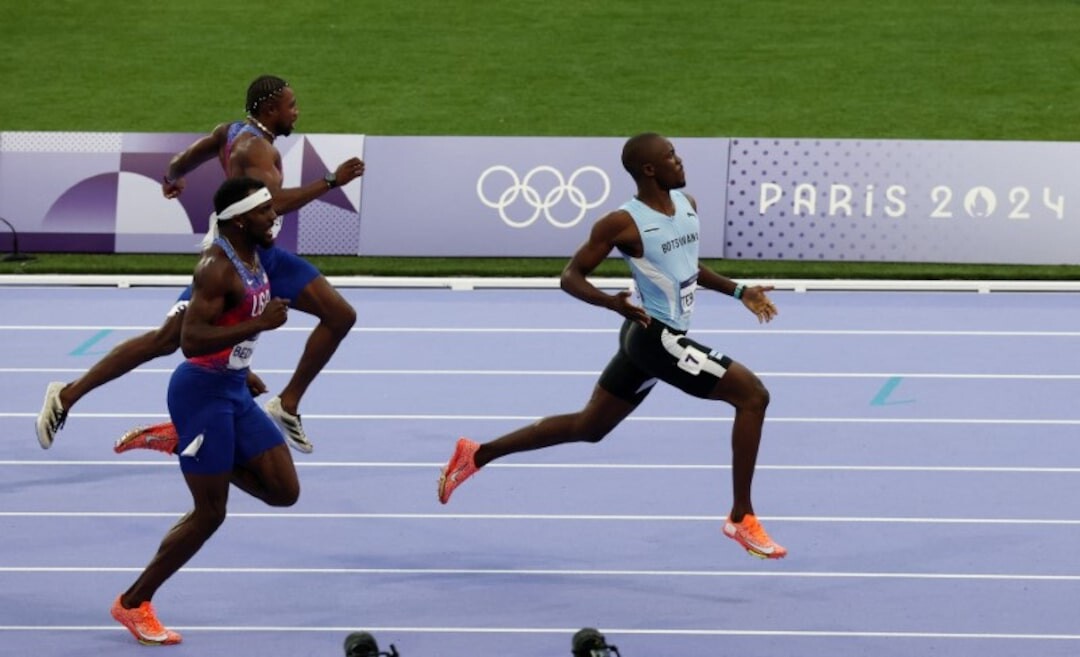
The Olympic 200m champion has been featured on Botswana’s commemorative 50-pula banknote, a powerful tribute to a young athlete whose remarkable achievements have elevated his country’s profile on the global athletics stage.
Tebogo made history at the Paris 2024 Olympic Games, storming to victory in the men’s 200 metres in an astonishing 19.46 seconds to claim Botswana’s first-ever Olympic gold medal. In doing so, he also became the first African man to win Olympic gold in the 200m, marking a landmark moment for African sprinting.
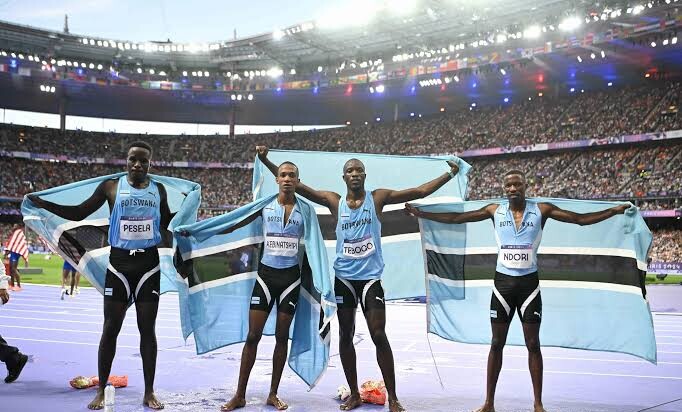
His triumph was more than a personal accomplishment. It represented a defining moment for Botswana, bringing immense national pride and demonstrating the country’s growing influence in international athletics. With his electrifying speed and composed performance on the biggest sporting stage, Tebogo established himself among the world’s leading sprinters and inspired a new generation of athletes across Africa.
The recognition of his achievements has now extended beyond the track. His appearance on Botswana’s commemorative 50-pula banknote, issued to mark the 50th anniversary of the Bank of Botswana, places his historic Olympic victory among the milestones being celebrated in the nation’s financial and cultural history. The note also recognises members of Botswana’s men’s 4×400m relay team, who secured silver at the Paris 2024 Olympics.
For a young athlete who has risen to the summit of world sprinting, the honour carries significance beyond its monetary value. It reflects the impact of sporting excellence on national identity and demonstrates how an extraordinary performance can unite a country around a shared moment of achievement.
Tebogo’s journey has also become a source of inspiration for aspiring athletes across the continent. His success shows that African sprinters can compete at the highest level and make history on the global stage. His Olympic gold medal has already secured his place in Botswana’s sporting history, while the recognition on the commemorative banknote further celebrates his contribution to the nation.
From the Olympic track to the nation’s currency, Letsile Tebogo has become a powerful symbol of Botswana’s ambition, pride and sporting progress. His remarkable 19.46-second performance in Paris will forever remain a landmark in Olympic history, while his growing legacy continues to inspire athletes and fans far beyond his homeland.
For Botswana, this is more than a tribute to a champion. It is a celebration of a historic achievement, a symbol of national pride and a reminder that one extraordinary performance can leave a lasting mark on an entire nation.
by Erick Cheruiyot for My Best Runs.
Login to leave a comment
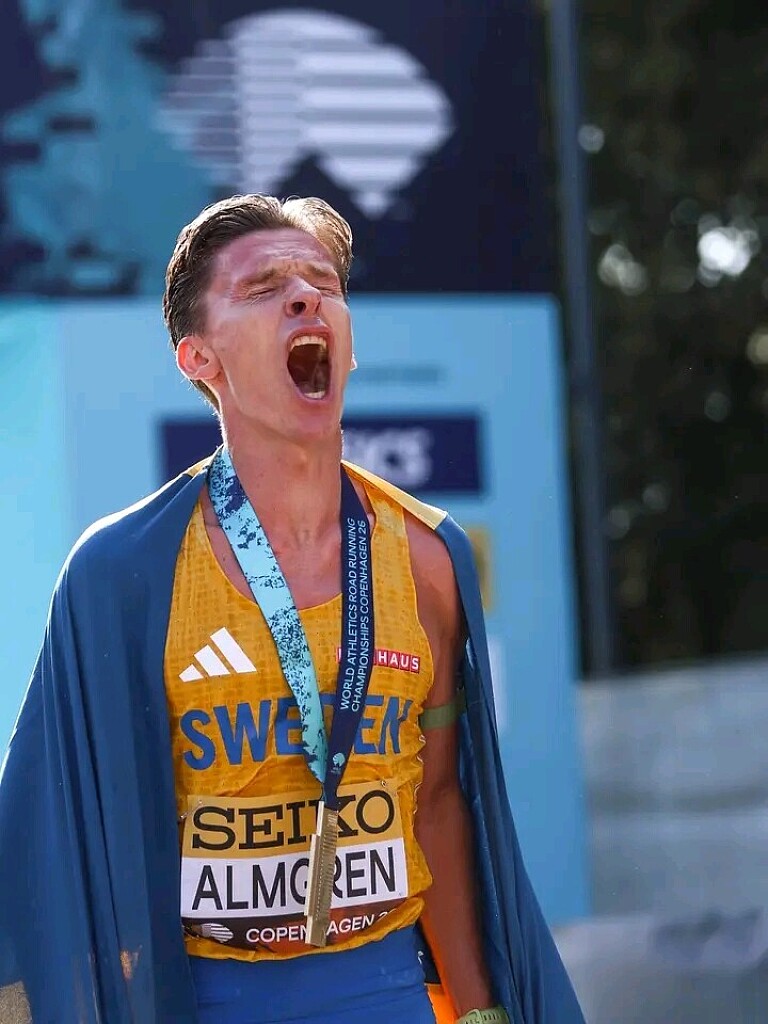
Andreas Almgren Times His Move To Perfection For World Half Marathon Gold In Copenhagen
Sweden’s Andreas Almgren produced a breathtaking finish on the streets of Copenhagen, unleashing a perfectly timed late surge to win the men’s half marathon title at the 2026 World Athletics Road Running Championships in 58:06.
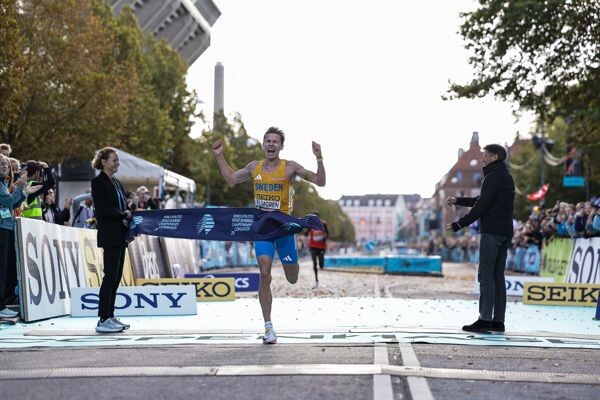
The Swedish star waited patiently through the decisive stages of the race before making his move with roughly 200 metres remaining, accelerating away from the field and producing a devastating sprint down the final straight.
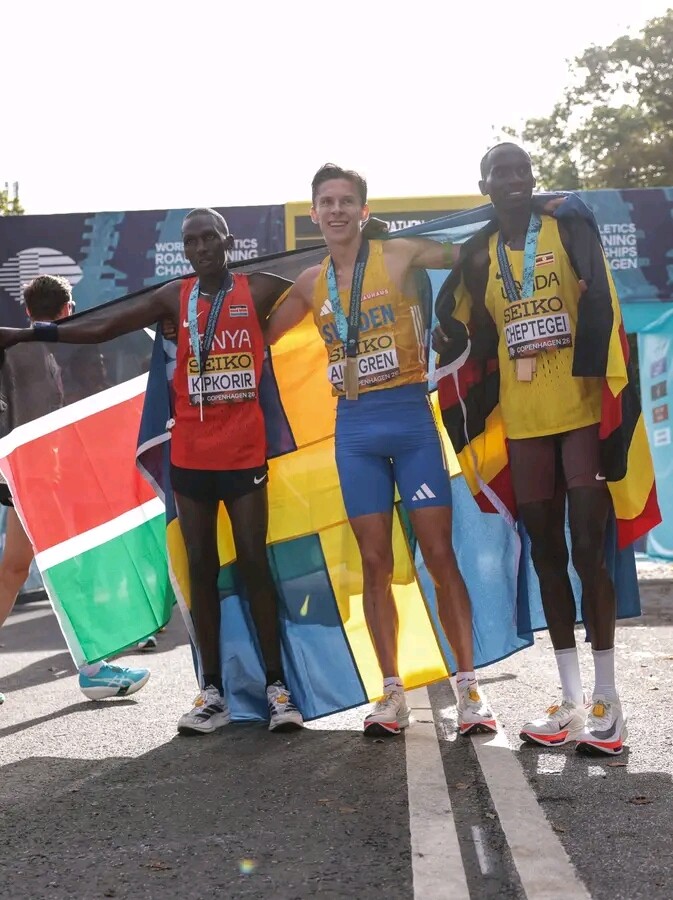
Nicholas Kipkorir had controlled much of the race, dictating the pace and keeping the leading contenders under pressure. Almgren, however, remained close throughout, carefully conserving enough energy for the moment that would ultimately decide the world title.
When the race entered its final stretch, Almgren made his move. The Swede surged hard over the final 200 metres and then outsprinted Kipkorir over the last 100 metres, powering clear to cross the line first in 58:06.
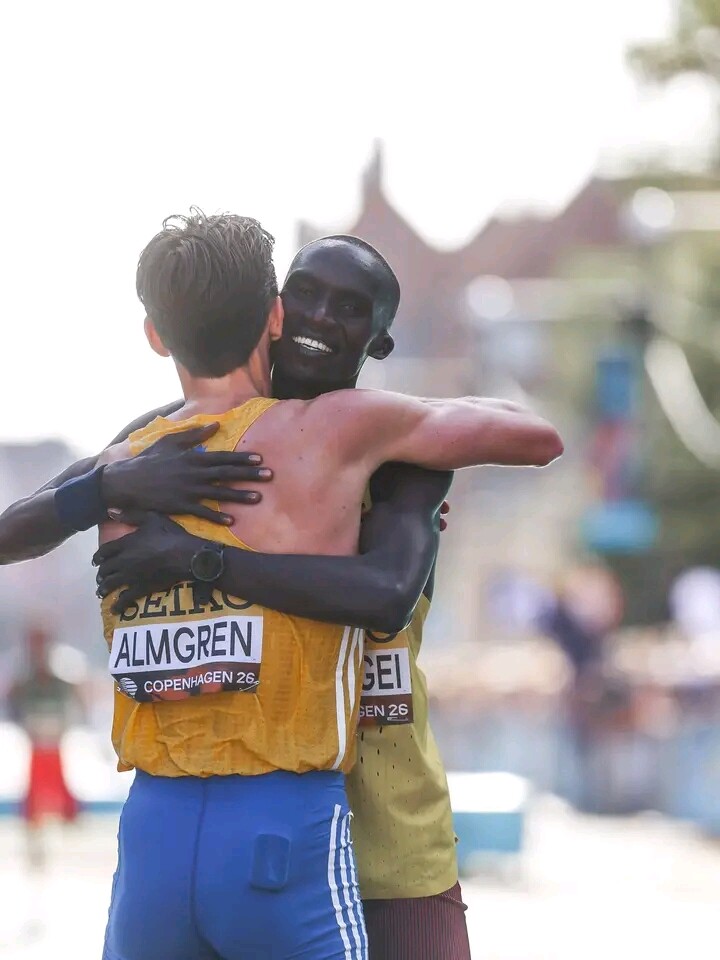
The performance was not only enough to secure the gold medal but also delivered an Area Record, adding another extraordinary achievement to Almgren’s rapidly growing list of accomplishments.
His winning time makes the victory even more significant in the history of the championships. Almgren becomes the first non-African world half marathon champion since Italy’s Stefano Baldini in 1996, ending a remarkable 30-year period in which athletes from Africa had dominated the global title.
For much of the race, Kipkorir appeared to have control, but Almgren refused to be separated from the Kenyan. His patience proved decisive as the race entered its final kilometres, allowing him to remain within striking distance before producing the acceleration that ultimately settled the contest.
Behind the leading pair, Uganda’s Joshua Cheptegei endured a gruelling battle to hold on to third position. The Olympic and world champion was pushed relentlessly in the closing stages and had to dig extremely deep to preserve his place on the podium. Despite the intense pressure from the athletes behind him, Cheptegei held firm to secure the bronze medal in a personal best of 58:26.
Ethiopia’s Tadese Worku also produced a personal best of 58:35 to finish fourth, while Kenya’s Gideon Kipkertich Rono followed in fifth in 58:57. The depth of the field was reflected by the fact that six athletes broke the 59-minute barrier, underlining the exceptional quality of the championship race.
Top 10 Men’s Half Marathon Results
1. Andreas Almgren (Sweden) — 58:06 — AR
2. Nicholas Kipkorir (Kenya) — 58:11
3. Joshua Cheptegei (Uganda) — 58:26 — PB
4. Tadese Worku (Ethiopia) — 58:35 — PB
5. Gideon Kipkertich Rono (Kenya) — 58:57
6. Hani Idriss Hersi (Djibouti) — 59:09 — NR
7. Yemaneberhan Crippa (Italy) — 59:18
8. Alex Nzioka Matata (Kenya) — 59:22
9. Daniel Simtu Ebenyo (Kenya) — 59:42 — SB
10. Othmane El Goumri (Morocco) — 59:53 — PB
The victory further strengthens Almgren’s remarkable 2026 campaign. The 58:06 performance gave the Swede an Area Record as he added the World Athletics Road Running Championships half marathon crown to his résumé, following his 10,000m triumph at the European Athletics Championships. His ability to combine sustained endurance with a devastating finishing kick once again proved decisive on the biggest stage.
For Almgren, the Copenhagen triumph also provides an intriguing glimpse ahead to his next challenge. With his New York City Marathon debut now on the horizon, the world half marathon title represents an important statement as he prepares to make the transition to the marathon. After demonstrating that he can handle the demands of championship racing over 21.1 kilometres while still possessing the speed to produce a decisive late surge, Almgren now turns his attention toward an entirely new distance.
The victory marks Almgren’s first global title, completing a remarkable transformation from European record-holder and leading continental distance runner into a world champion.
It also adds another spectacular chapter to an already outstanding 2026 season. Almgren has consistently demonstrated an exceptional combination of endurance, speed and tactical intelligence, and Copenhagen provided the perfect stage for all three qualities to come together.
With the clock showing 58:06, Almgren not only conquered the world championship field but also rewrote the European record books. His perfectly timed attack in the final 200 metres delivered Sweden a historic world road-running title and created one of the most dramatic finishes of the Copenhagen championships.
by Erick Cheruiyot for My Best Runs.
Login to leave a comment

World Athletics Road Running Championships
Six world champions and 65,000 runners just behind them. In September 2026, the heart of Copenhagen is expected to be the stage for Denmark’s largest-ever participant event. The World Athletics Road Running Championships Copenhagen 26 will take place on September 19-20, 2026. A total of 65,000 participants will join the running festivities behind the world’s fastest female and male athletes...
more...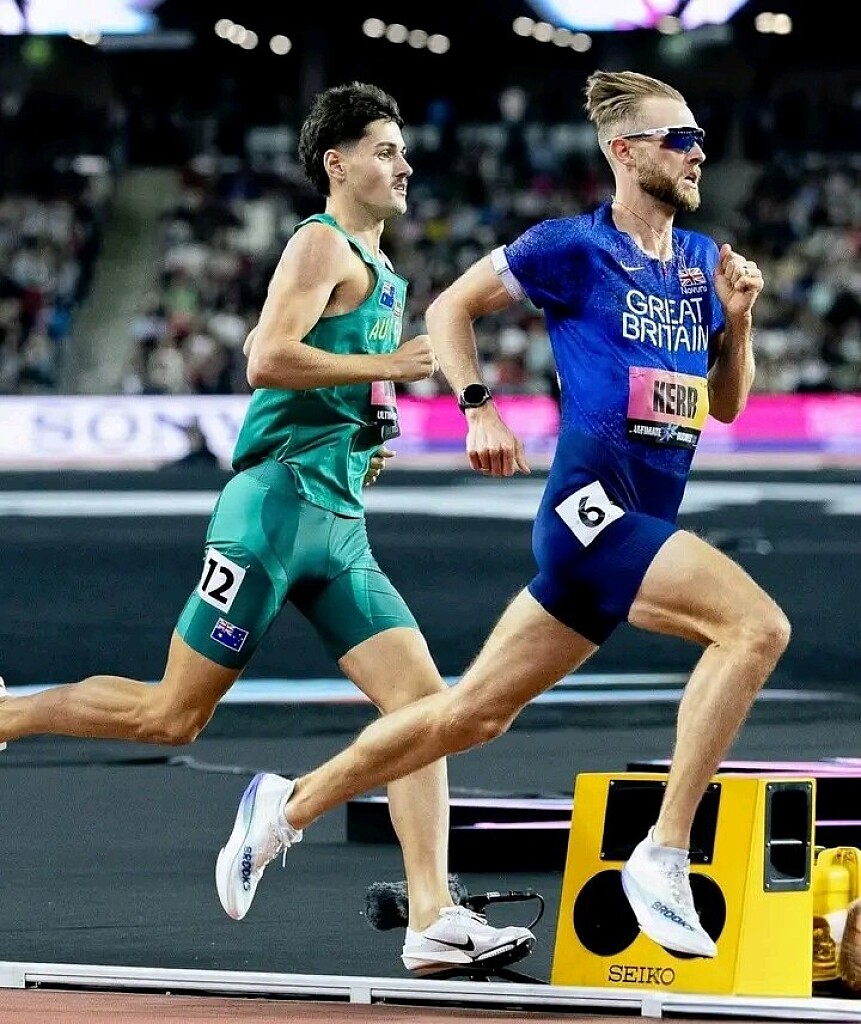
Cameron Myers Takes A Bold Step Into The 1500m Future With Josh Kerr As His Benchmark
Australian youngster Cameron Myers may have taken an important step toward establishing himself among the next generation of 1500m stars after sharing the track with world-record holder Josh Kerr at the World Athletics Ultimate Championship in Budapest.
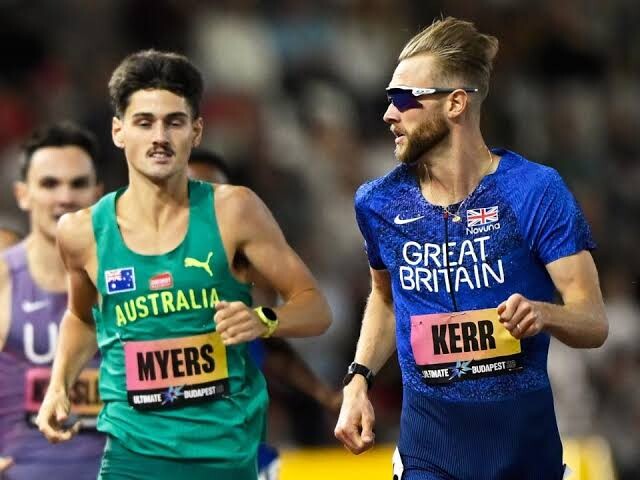
Myers arrived at the high-profile race with plenty of promise already surrounding his name, but competing directly against one of the world's leading middle-distance runners offered him a different kind of test. Rather than being intimidated by the occasion, the young Australian embraced the challenge and showed that he is willing to measure himself against the very best.
As the race entered its decisive stages, Myers remained firmly in contention. With 200 metres remaining, he believed he had a genuine opportunity to challenge Kerr, setting the stage for a dramatic finish between experience and emerging talent.
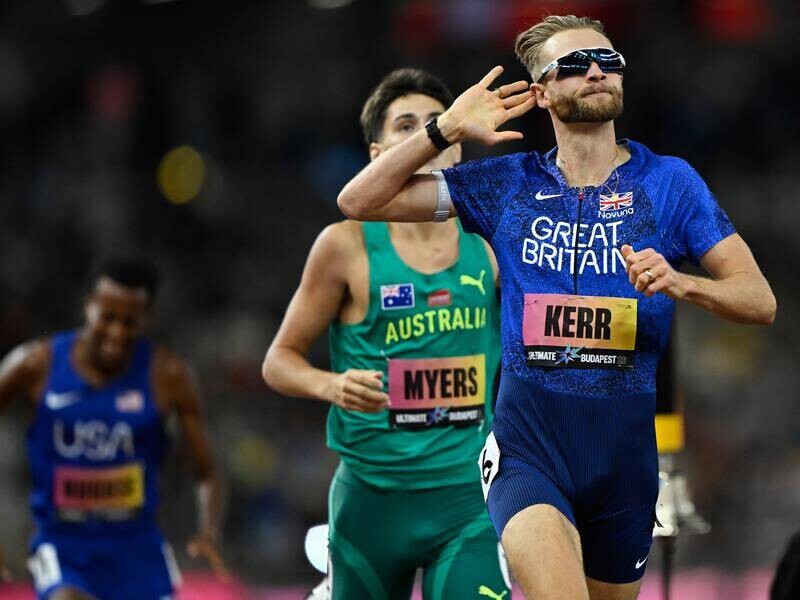
However, Kerr demonstrated exactly why he has established himself at the top of the event. When the race reached its final 60 metres, the British star unleashed his trademark finishing speed and began to pull away, ultimately denying Myers the chance to fight for victory all the way to the line.
For Myers, though, the significance of the race went beyond the final result. The experience gave him a valuable glimpse of the level he hopes to reach in the coming years and, perhaps more importantly, strengthened his belief that he can eventually compete with athletes of Kerr's calibre.
“It was exciting to race him. He was just too strong and that shows why he is a world record holder. I think that's where I want to go in the future,” Myers said.
Those words underline the ambition of an athlete who is still at the beginning of his senior journey. Instead of viewing Kerr's late surge simply as a defeat, Myers appeared to see it as a lesson — a first-hand demonstration of the strength, confidence and finishing ability required to succeed at the highest level.
The Australian now knows exactly what separates him from one of the world's elite 1500m runners. That knowledge could prove invaluable as he continues to develop, gain experience and sharpen his own finishing speed.
Myers' journey is therefore one worth watching closely. He has already shown that he is prepared to line up alongside established champions, and his willingness to learn from those encounters could become one of the defining features of his progression.
For now, Josh Kerr remains the benchmark Myers wants to reach. But if the young Australian continues developing at his current trajectory, today's challenger could eventually become tomorrow's target for the rest of the 1500m field.
Cameron Myers has already seen the level he wants to reach. The next chapter will be about closing the gap.
by Erick Cheruiyot for My Best Runs.
Login to leave a comment
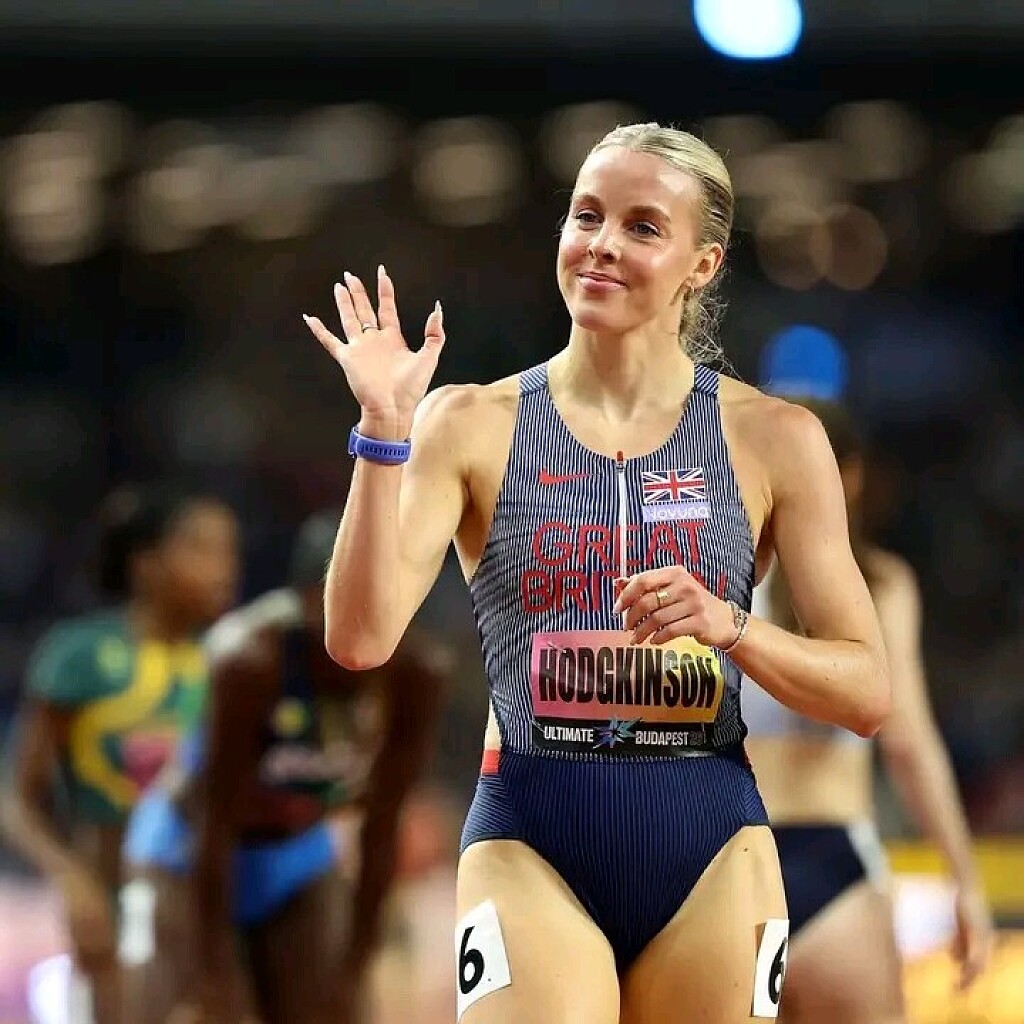
Keely Hodgkinson Strikes First In Budapest As Olympic Champion Leads 800m Finalists
Keely Hodgkinson made a powerful return to the track at the World Athletics Ultimate Championship in Budapest on September 11, storming to victory in the opening women’s 800m semifinal in 1:57.57 to record the fastest time across both semifinals and immediately establish herself as the athlete to beat in the final.
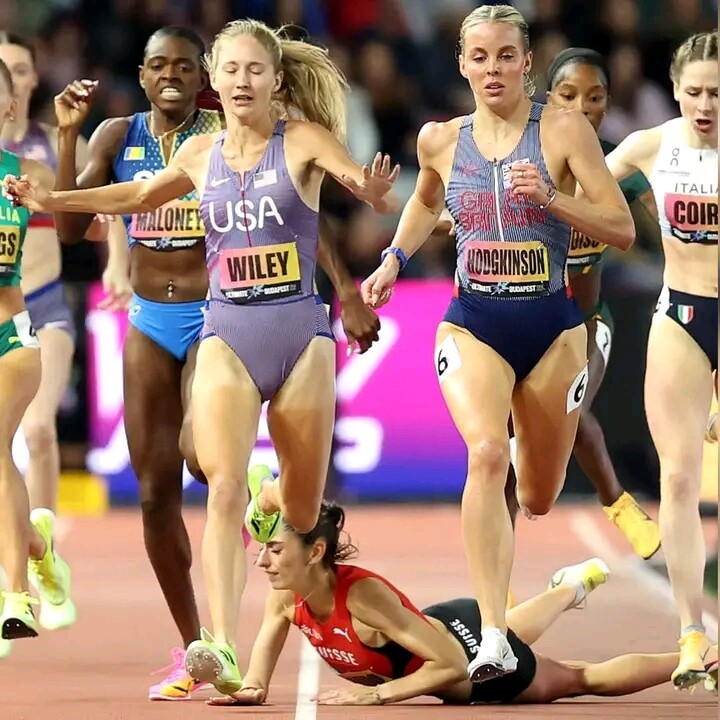
The British Olympic champion looked composed from the opening metres, taking control of the race before gradually increasing the pressure as the finish approached. Hodgkinson produced a decisive surge over the final 200 metres, pulling clear of her rivals and crossing the line comfortably in 1:57.57.
Addison Wiley of the United States followed in 1:58.14, while Australia’s Sarah Billings secured third in 1:58.37. Italy’s Eloisa Coiro also produced a strong performance to finish fourth in 1:58.48, ensuring that the opening semifinal was packed with sub-two-minute performances.
For Hodgkinson, the performance was particularly significant given the circumstances surrounding her return. She had not raced since winning silver at last month’s European Championships and subsequently missed the closing Diamond League meetings, including the Brussels Final, because of hamstring discomfort.
There was little evidence of any lingering problem in Budapest. Hodgkinson appeared relaxed and confident throughout the race, before shifting gears when it mattered most and delivering a performance that immediately put the rest of the field on notice.
The race also contained a dramatic twist in the closing stages when Switzerland’s Veronica Vancardo suffered a heavy fall following contact with Coiro. Despite the setback, Vancardo recovered and eventually crossed the finish line in 2:16.75.
Officials subsequently reviewed the incident and advanced Vancardo to the final, giving her a place in the championship race despite finishing well outside the automatic qualifying positions. Her advancement added another layer of drama to an already eventful night in Budapest.
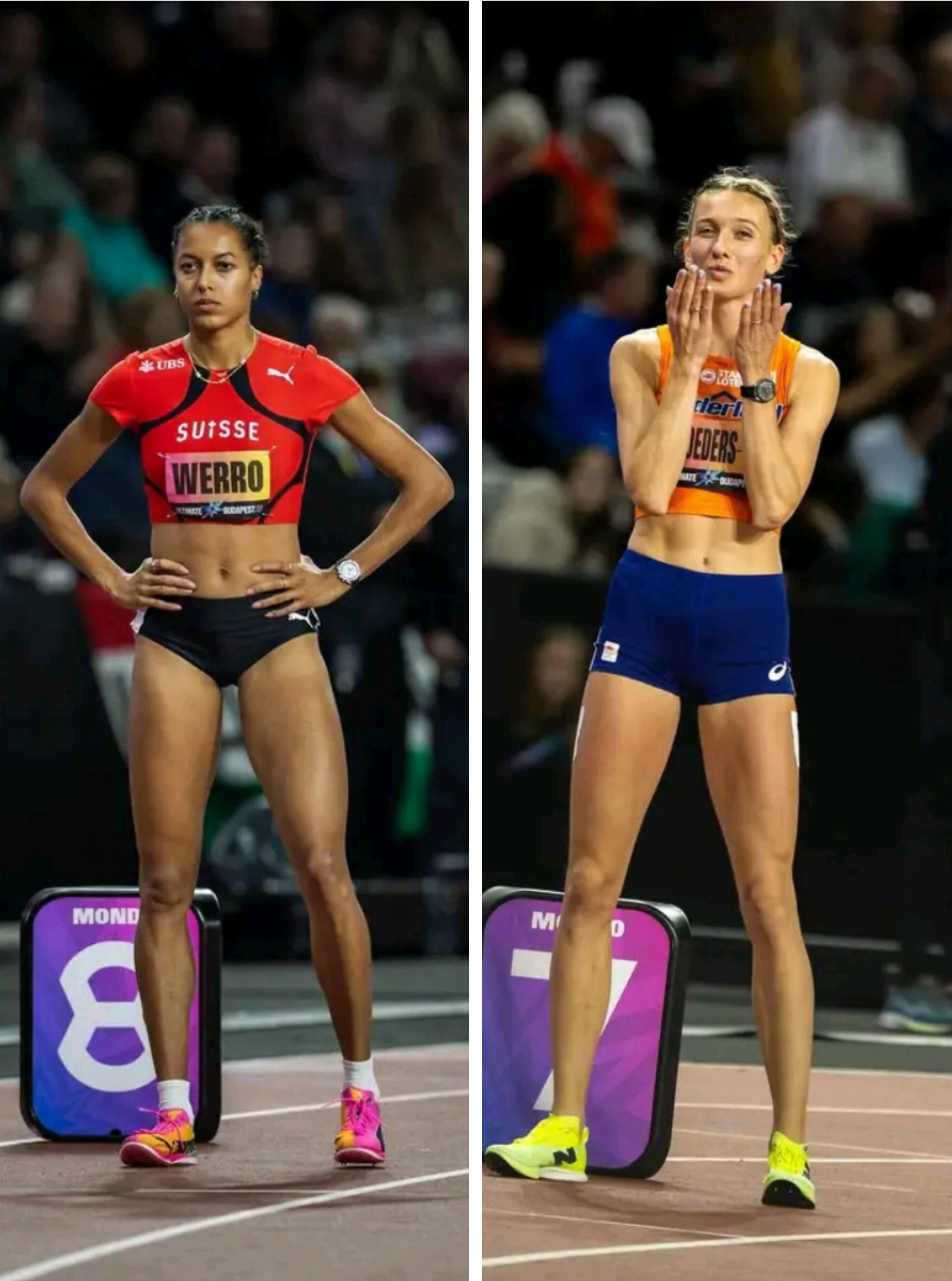
The second semifinal produced another impressive performance as Switzerland’s Audrey Werro controlled the race and delivered a strong finish to win in 1:59.05. Femke Broeders-Bol of the Netherlands followed closely in 1:59.19 after leading much of the contest.
The qualification picture then became clear, with nine athletes securing places in the women’s 800m final. Hodgkinson leads the field with 1:57.57, followed by Wiley at 1:58.14 and Billings at 1:58.37.
Coiro qualified in 1:58.48, while Werro and Broeders-Bol advanced with 1:59.05 and 1:59.19 respectively. Ethiopia’s Nigist Getachew clocked 1:59.69, Switzerland’s Valentina Rosamilia ran 1:59.78, and Vancardo completed the finalists after her advancement in 2:16.75.
Wiley’s qualification is also notable because she is the only American to advance to the Budapest final, adding further significance to her impressive 1:58.14 performance.
With Hodgkinson producing the fastest semifinal time, Werro looking increasingly dangerous and Broeders-Bol once again proving her ability to remain in contention, the final is shaping up to be one of the most anticipated 800m races of the championship.
Hodgkinson has already struck the first blow in Budapest. But with the medals now at stake, Werro, Broeders-Bol and the rest of the finalists will have the opportunity to turn the tables when it matters most.
The Olympic champion has made her intentions clear: she is back, she is healthy enough to race at championship pace, and she wants the Budapest crown.
The stage is now set for a thrilling women’s 800m final, where Hodgkinson will attempt to turn her semifinal dominance into gold. Who will be crown the Ultimate Champion in Budapest — Hodgkinson, Werro or Broeders-Bol? Or the table will turn?
by Erick Cheruiyot for My Best Runs.
Login to leave a comment

Melissa Jefferson-Wooden Chases Another Historic Sprint Double in Budapest
Melissa Jefferson-Wooden is ready to take on one of the biggest challenges of the inaugural World Athletics Ultimate Championships: conquering both the 100 metres and 200 metres against two of the strongest sprint fields in the world.
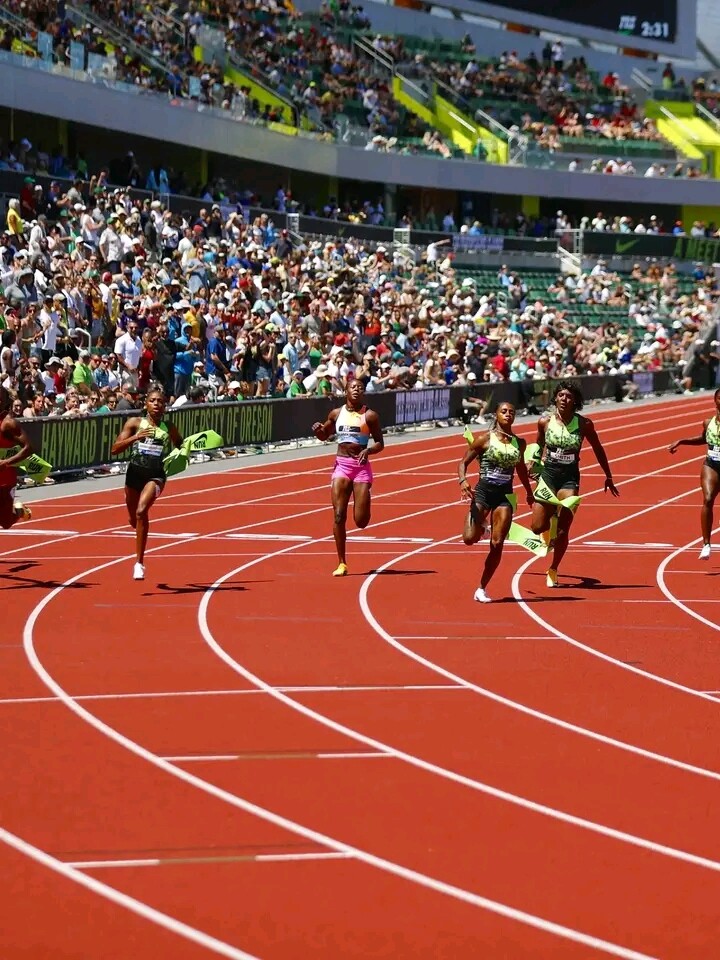
The American sprint star has officially entered both events for the three-day championship in Budapest, Hungary, taking place from September 11 to 13. After producing one of the most remarkable performances of the 2025 World Athletics Championships in Tokyo, Jefferson-Wooden now arrives in Budapest with another opportunity to prove that she is the dominant force in women's sprinting.
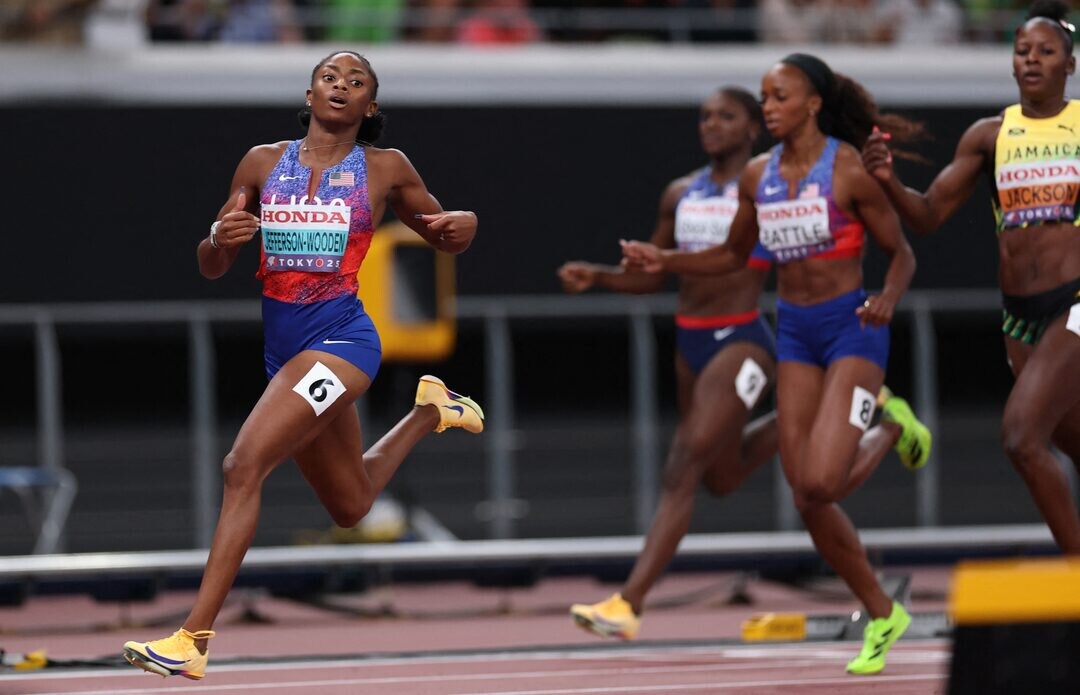
Her first major test will come in the women's 100m, where she will renew her rivalry with Saint Lucia's Olympic champion Julien Alfred. The two women currently share the 2026 world lead at 10.70 seconds following their thrilling clash in Zurich, setting the stage for what could be one of the most anticipated races of the entire Ultimate Championships.
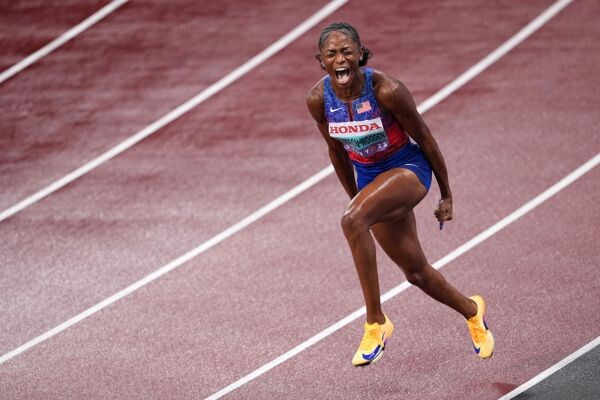
The women's 100m final is scheduled for Saturday, September 12, and Jefferson-Wooden will enter with the confidence of a reigning world champion. But Alfred's presence ensures that there will be no room for error when the world's fastest women line up in Budapest.
Then comes the second challenge.
Just 24 hours later, Jefferson-Wooden will turn her attention to the 200m, where she will face another formidable opponent in Olympic champion Gabby Thomas. Jefferson-Wooden is the reigning U.S. champion over the distance and has produced a season-best of 21.69 seconds, while her outstanding form has placed her among the world's elite in the event.
The 200m represents the second half of a demanding double, and the women's final will take place on Sunday, September 13. The championship format means the world's best sprinters will have little opportunity to ease into the competition, making the physical and mental demands of contesting both events even more significant.
Jefferson-Wooden, however, has already demonstrated that she can handle history-making pressure.
At the 2025 World Athletics Championships in Tokyo, she completed a spectacular sprint treble, winning the 100m, 200m and 4x100m relay. Her 100m victory came in a championship record of 10.61 seconds, underlining the extraordinary level she reached during that unforgettable championship campaign.
Now Budapest offers the American another chance to build on that legacy.
The 100m will bring the explosive showdown with Julien Alfred. The 200m will present a different challenge against Olympic champion Gabby Thomas and another world-class field. Winning either event would be a major achievement. Winning both would further strengthen Jefferson-Wooden's growing claim as one of the defining sprinters of her generation.
She has already swept the global stage once.
Now, at the inaugural World Athletics Ultimate Championships, Melissa Jefferson-Wooden is going for another double.
Can the American sprint queen conquer both Budapest showdowns and add another unforgettable chapter to her remarkable career?
by Erick Cheruiyot for My Best Runs.
Login to leave a comment
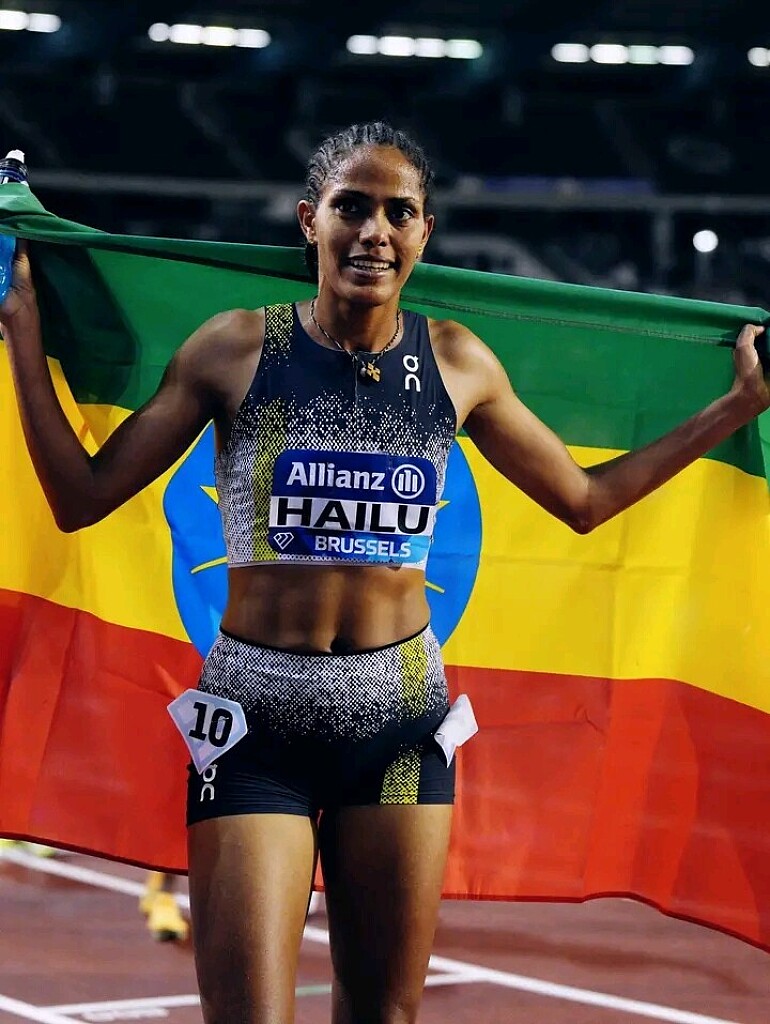
Freweyni Hailu Unleashes A Devastating Final Kick To Rule The Diamond League 5000m In Brussels
Freweyni Hailu produced a magnificent display of tactical intelligence and raw finishing speed in Brussels, unleashing a devastating late kick to win the women’s 5000m Diamond League title in 14:35.20.
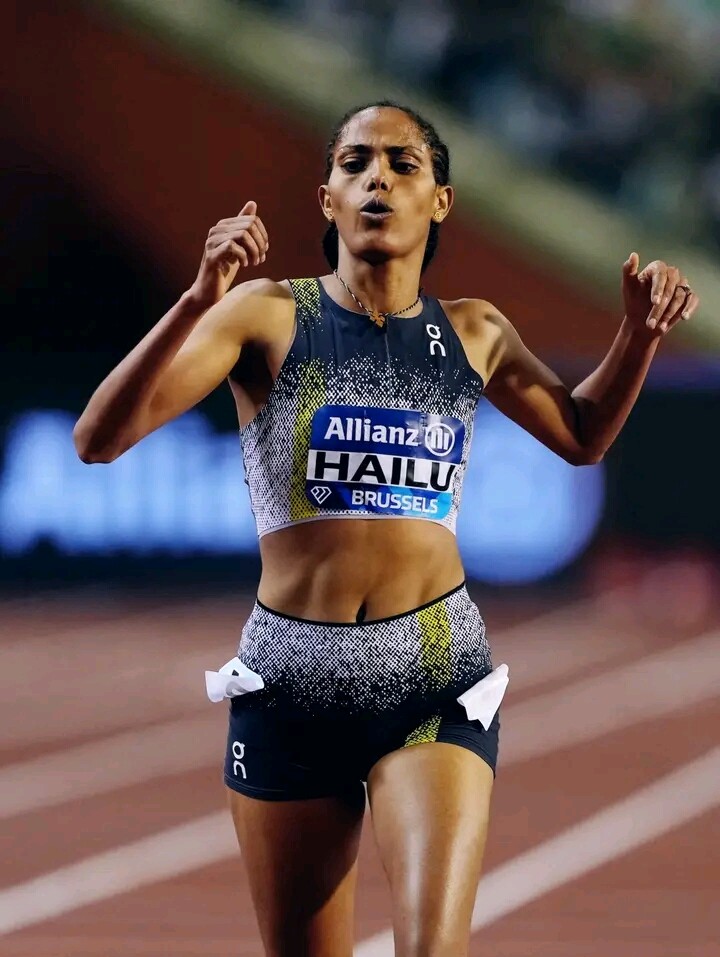
The Ethiopian star executed the perfect sit-and-kick strategy. Rather than committing herself to the pace early, Hailu remained patiently positioned among the leading group, conserving her energy while waiting for the race to reach its decisive stages.
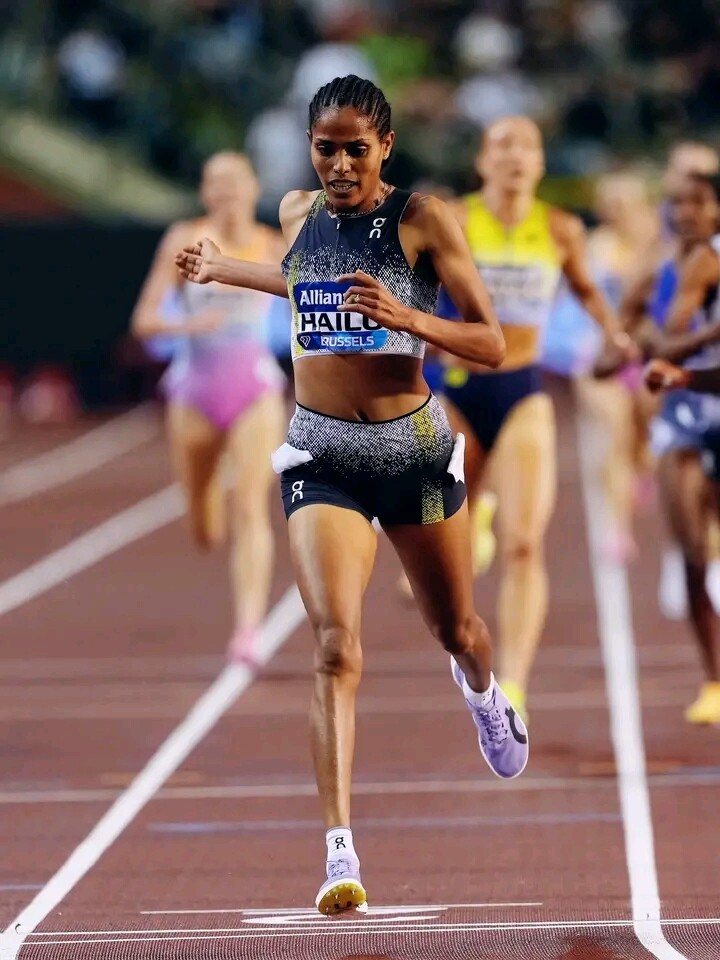
When the moment finally arrived, she was ready.
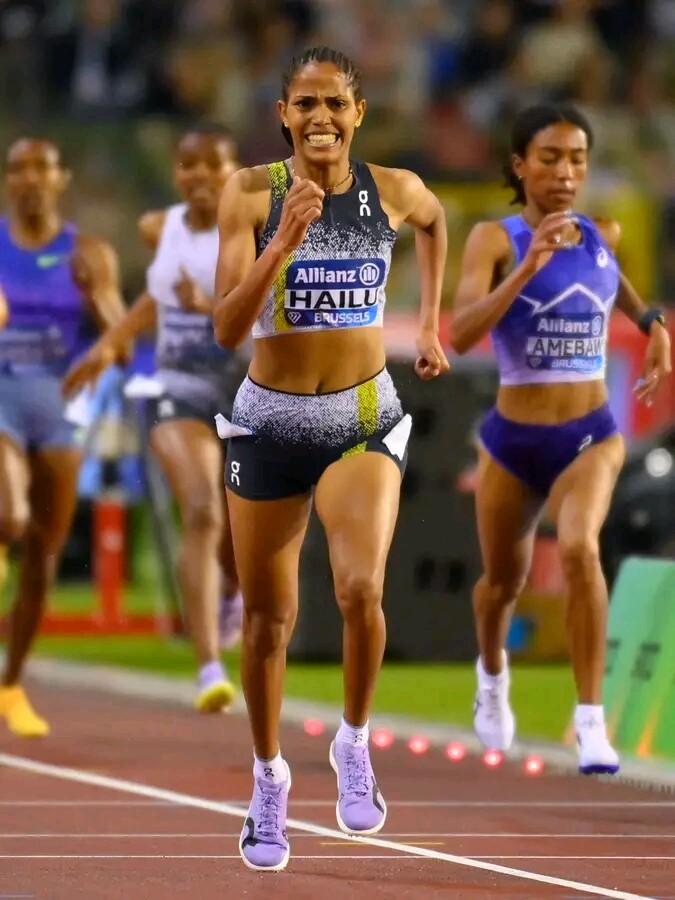
Hailu accelerated ferociously over the closing 200 metres, suddenly opening a gap on the field and turning a tightly contested race into a commanding victory. Her rivals simply could not match the change of pace as she powered relentlessly toward the finish line.
Her 14:35.20 was enough to secure the Diamond Trophy and headline an extraordinary Ethiopian clean sweep of the podium. Hailu was followed home by compatriots Amedework Amebaw, who ran 14:36.31, and Freweyni Getachew, who clocked 14:37.09.
The strength of the Ethiopian contingent was further demonstrated by Hirut Meshesha, who finished fifth in 14:37.84. Meshesha narrowly finished ahead of Australia’s Georgia Griffith, who stopped the clock at 14:38.69, with both athletes producing strong performances in a fiercely competitive field.
Meshesha’s fifth-place finish carried an additional reward. She secured the final qualifying spot for the World Ultimate Championships, having been the highest individual in the field who had not already qualified through the World Ranking Quota.
Australia’s Sarah Davies finished fourth in 14:37.47, a season’s best, while the Netherlands’ Maureen Koster was seventh in 14:39.38. Ethiopia’s Tsige Eisa followed in eighth with 14:39.40, while compatriot Frehiwot Alemayo placed ninth in 14:40.27. Australia’s Rose Davies Hall completed the top 10 in 14:40.62, a personal best.
For Hailu, the victory added another impressive chapter to an already distinguished career. The two-time World Indoor Champion has established herself as one of Ethiopia’s leading middle- and long-distance runners, possessing the rare combination of endurance, tactical awareness and explosive finishing speed.
She arrived in Brussels with a formidable 14:18.94 personal best, the second-fastest mark among the competitors. But she did not need to rely on chasing that standard. Instead, she trusted her race instincts, stayed composed and waited until the final moments to unleash the weapon that ultimately decided the contest.
The final 200 metres belonged entirely to Hailu. What had been a battle of patience and positioning suddenly became a demonstration of pure speed, with the Ethiopian pulling away decisively as the finish approached.
Brussels therefore witnessed more than another Diamond League victory. It was a statement from Hailu and a powerful showcase of Ethiopia’s extraordinary depth in women’s distance running.
She sat, she waited, and then she struck. Nobody could live with that kick.
by Erick Cheruiyot for My Best Runs.
Login to leave a comment
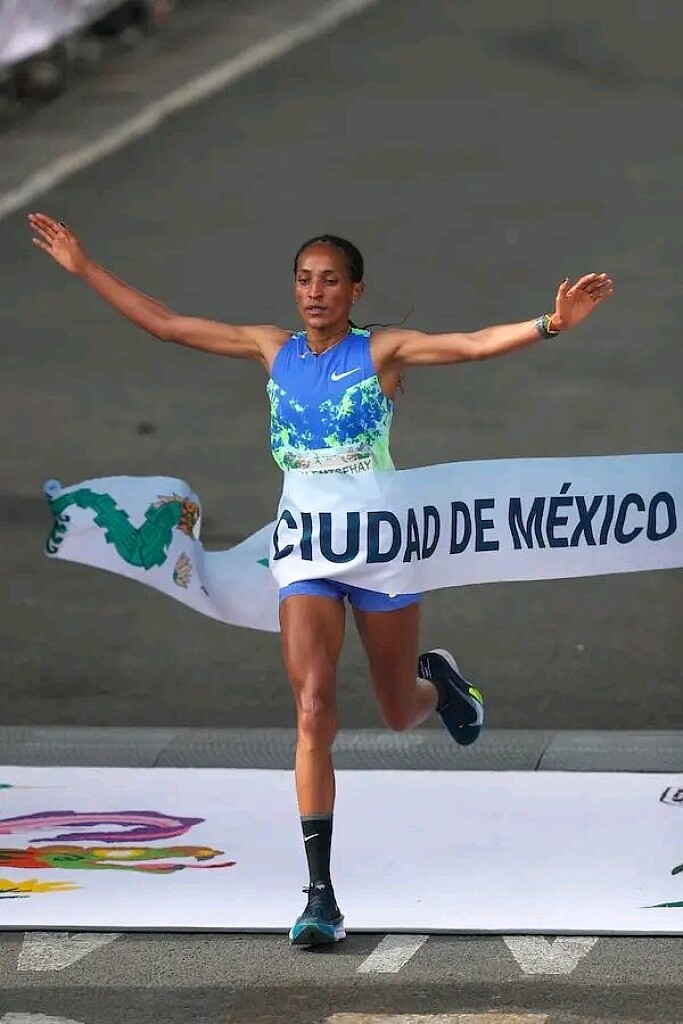
Alemtsehay Asefa Leads Ethiopian Sweep At Mexico City Marathon
Ethiopia’s Kasegn Alemtsehay Asefa produced a brilliant performance at the 2026 Mexico City Marathon, winning the women’s race in 2:29:30 and leading an impressive Ethiopian clean sweep of the podium.
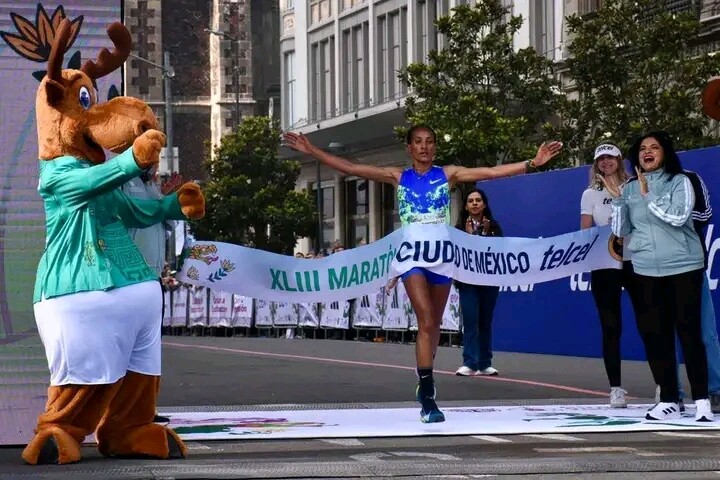
Asefa mastered the demanding 42.195-kilometre course through the Mexican capital, holding her form in an environment where altitude can make an already difficult marathon considerably more challenging. The race is staged at approximately 2,240 metres above sea level, meaning athletes have to contend with thinner air throughout the contest.
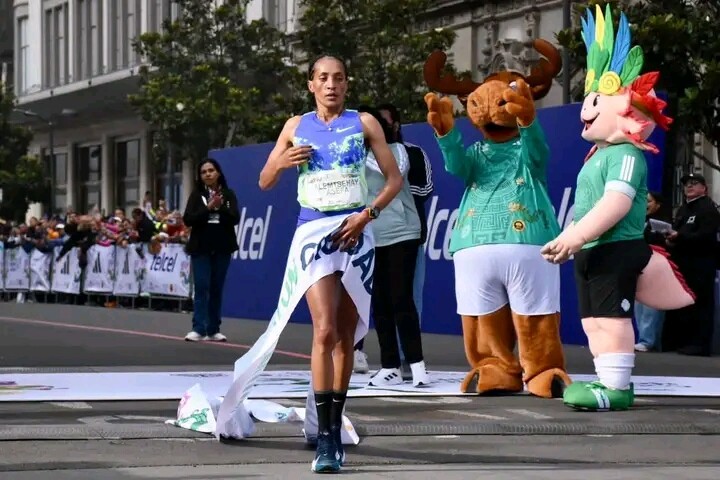
Despite those demanding conditions, Asefa looked in control and eventually crossed the finish line in 2:29:30, securing a convincing victory and adding another notable chapter to Ethiopia’s strong tradition in distance running.

Her compatriots Gebremedhin Alema and Tefera Mekashu completed the Ethiopian domination, finishing second and third respectively. Alema stopped the clock at 2:32:23, while Mekashu followed in 2:34:04, giving Ethiopia all three places on the women’s podium.
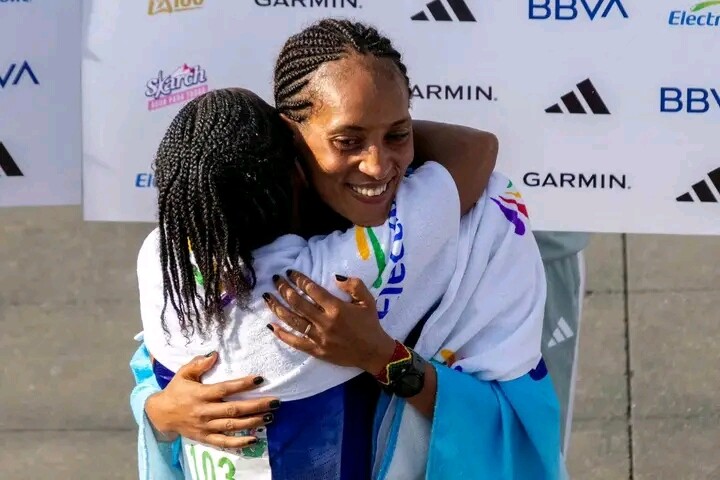
Peru’s Saida Meneses was the leading athlete outside Ethiopia, running an excellent 2:34:41 for fourth place. Her performance also made her the top South American woman in the race, narrowly missing the podium after finishing just 37 seconds behind Mekashu.
Kenya was represented inside the top six by Dorine Jerop, who produced a strong 2:36:32 to finish sixth.
Mexico’s leading runners followed behind the international contenders, with Margarita Hernandez finishing seventh in 2:46:14, followed by Estefany Rodriguez in 2:50:04. Ines Sarate Gil placed ninth in 2:55:20, while Micaela Rayo Reyes completed the top 10 in 2:55:58.
2026 Mexico City Marathon — Women's Top 10
1. Kasegn Alemtsehay Asefa — Ethiopia — 2:29:30
2. Gebremedhin Alema — Ethiopia — 2:32:23
3. Tefera Mekashu — Ethiopia — 2:34:04
4. Saida Meneses — Peru — 2:34:41
5. Gerefa Hailu — Ethiopia — 2:36:05
6. Dorine Jerop — Kenya — 2:36:32
7. Margarita Hernandez — Mexico — 2:46:14
8. Estefany Rodriguez — Mexico — 2:50:04
9. Ines Sarate Gil — Mexico — 2:55:20
10. Micaela Rayo Reyes — Mexico — 2:55:58
The women’s race ultimately belonged to Ethiopia, with four of the top five finishers representing the East African distance-running powerhouse. Asefa’s winning performance was the highlight, but the depth shown by her compatriots made the result even more impressive.
The Mexico City Marathon is unlike many other major city marathons because of its extraordinary elevation. At more than 2,200 metres above sea level, maintaining marathon pace requires not only physical strength but also careful management of effort and oxygen demand. Asefa’s ability to produce a 2:29:30 under those circumstances makes her victory particularly noteworthy.
For Asefa, the reward was a memorable victory on one of the world's most distinctive marathon courses. For Ethiopia, it was an emphatic statement of strength, with the country sweeping the entire women's podium in Mexico City.
by Erick Cheruiyot for My Best Runs.
Login to leave a comment

Mexico City International Marathon
The Mexico City Marathon is held in Mexico City, the federal district capital of Mexico and the country`s largest and most important city. The Mexico City Marathon is organized by the Mexican Athletic Association and is the largest running-event in the country. The race has been held for more than 30 years. The route starts in the historic district...
more...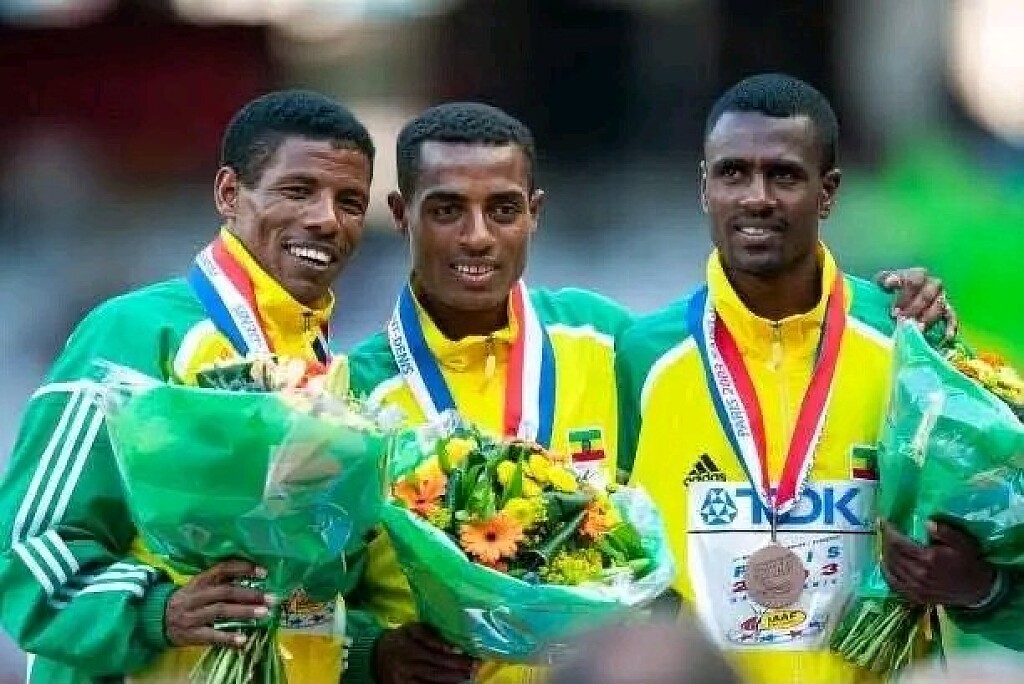
Kenenisa Bekele’s Paris Coronation: The Night Ethiopia’s Distance Running Dynasty Changed Forever
Paris, France — August 24, 2003.
The Stade de France witnessed far more than a World Championship 10,000m final that night. It witnessed the beginning of a new era.
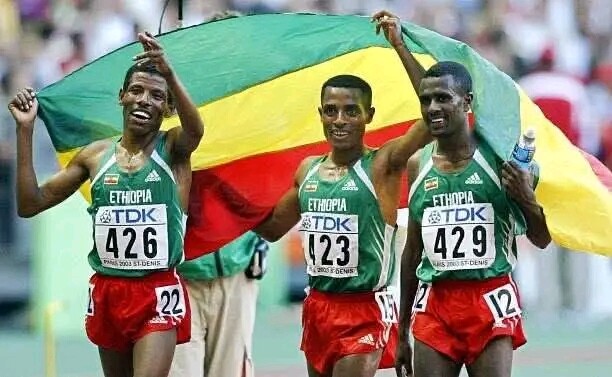
For years, Haile Gebrselassie of Ethiopia had stood virtually untouchable at the summit of world distance running. He arrived in Paris as a two-time Olympic champion and four-time World Champion over 10,000m, carrying the reputation of a man who had dominated the track for much of the previous decade.
But waiting in the same race was a 21-year-old Ethiopian whose running style looked remarkably familiar.
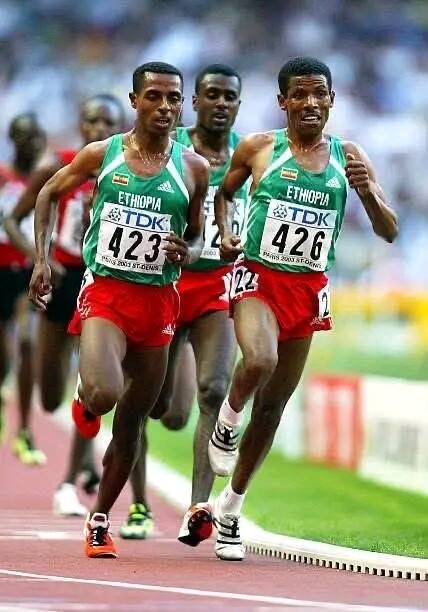
His name was Kenenisa Bekele.
The younger Ethiopian had already shown flashes of extraordinary potential, but Paris was where potential became reality.
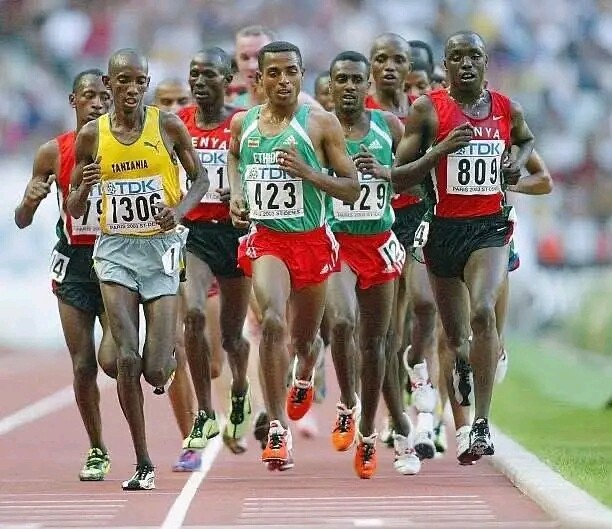
As the race unfolded, Gebrselassie ran aggressively, repeatedly applying pressure in an attempt to break the field and shake off his young compatriot. One by one, the world's best distance runners were dropped, including a strong Kenyan contingent.
Yet Bekele refused to disappear.
He stayed glued to Gebrselassie's shoulder, matching every surge and every change of pace. Behind them, Sileshi Sihine of Ethiopia remained in contention, setting the stage for what would ultimately become a historic Ethiopian sweep.
Then came the decisive moment.
With only 200 metres remaining, Bekele made his move.
Gebrselassie, famous for his devastating finishing speed, tried to respond. But this time, there was no answer. Bekele powered away down the final straight, creating daylight between himself and his legendary compatriot.
The changing of the guard had arrived.
Bekele crossed the finish line in 26:49.57, becoming the first athlete to break 27 minutes at these World Championships and setting a championship record.
Behind him, Gebrselassie finished second in 26:50.77, while Sihine completed an extraordinary Ethiopian clean sweep with 27:01.44.
It was not simply a victory for Bekele.
It was the moment the young star announced that he was ready to inherit the throne.
Paris 2003 — Men's 10,000m Final
1. Kenenisa Bekele — Ethiopia — 26:49.57 CR
2. Haile Gebrselassie — Ethiopia — 26:50.77
3. Sileshi Sihine — Ethiopia — 27:01.44
4. Ahmad Hassan Abdullah — Qatar — 27:18.28
5. John Cheruiyot Korir — Kenya — 27:19.94
6. Wilberforce Talel — Kenya — 27:33.60
7. Charles Kamathi — Kenya — 27:45.05
8. Kamiel Maase — Netherlands — 27:45.46
9. Karl Keska — Great Britain — 27:47.89
10. Ismail Sghyr — France — 27:54.87
11. David Galván — Mexico — 27:55.31
12. John Yuda Msuri — Tanzania — 27:56.21
13. Fabiano Joseph Naasi — Tanzania — 28:06.36
14. Alan Culpepper — United States — 28:14.92
15. Teodoro Vega — Mexico — 28:31.71
16. Mebrahtom Keflezighi — United States — 28:35.08
17. Cathal Lombard — Ireland — 28:36.43
18. Tomoo Tsubota — Japan — 28:37.10
19. Dan Browne — United States — 29:01.60
Bekele's Paris triumph proved to be the beginning of something much bigger. He went on to win Olympic 10,000m gold in Athens the following year and established himself as the dominant track distance runner of his generation.
At the 2008 Beijing Olympics, he completed the extraordinary 5,000m and 10,000m double, cementing his place among the greatest distance runners in history.
Gebrselassie, meanwhile, successfully reinvented himself beyond the track. He turned increasingly toward the 10km, half marathon and marathon, where he continued rewriting the record books and building another extraordinary chapter of his career.
But Paris remains special.
On August 24, 2003, one Ethiopian legend was still fighting to protect his kingdom while another was stepping forward to claim it.
Kenenisa Bekele didn't simply win a World Championship gold medal that night. He announced the arrival of a new era in distance running.
by Erick Cheruiyot for My Best Runs.
Login to leave a comment

From Sprinting Into History to Running Toward Forever: Usain Bolt Gets Engaged to Kasi Bennett
Usain Bolt has added another unforgettable milestone to an extraordinary life — and this time, there was no finish line, stopwatch or Olympic medal involved.

The Jamaican sprinting icon is officially engaged to his longtime partner, Kasi Bennett, after turning his 40th birthday celebration into a deeply personal and romantic moment in Kingston.

Bolt popped the question on Friday, August 21, during his birthday celebrations at One Belmont, where family and close friends gathered to mark the milestone. The eight-time Olympic champion got down on one knee in front of Bennett and asked her to become his wife, transforming an already special evening into a celebration of love and commitment.
And Bolt certainly did not arrive empty-handed.
Bennett was presented with a spectacular five-carat diamond engagement ring, with reports describing the centre stone as pear-shaped. Images from the occasion captured the emotional aftermath as the couple embraced, while Bennett later gave fans a glimpse of the unforgettable moment on social media.
The proposal marks a significant new chapter in a relationship that has lasted for more than a decade.
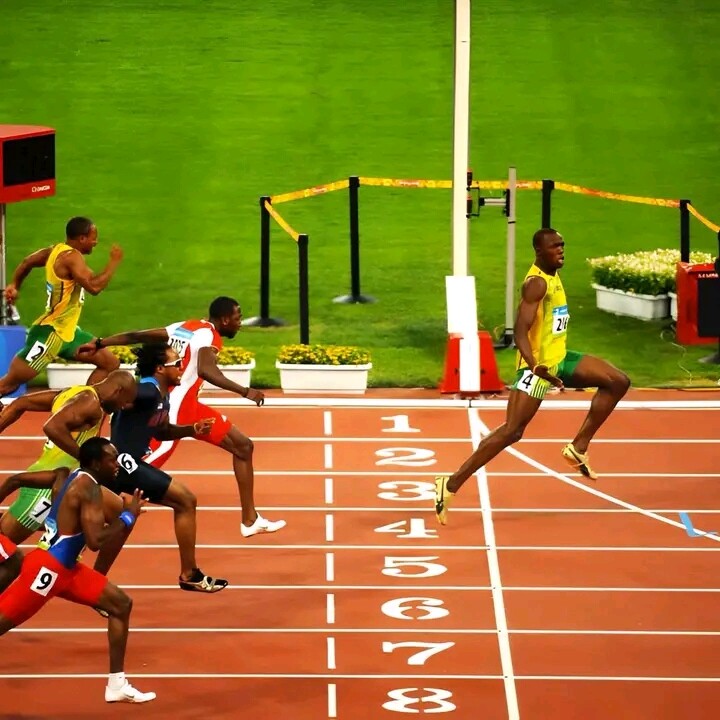
Bolt and Bennett began dating in 2013, eventually becoming one of Jamaica's most recognisable sporting couples. Their relationship became more widely known around the 2016 Rio Olympics, but much of their family life has remained away from the constant glare of the spotlight.
Together, they have built a family of their own, raising three children — daughter Olympia Lightning and twin sons Thunder and Saint Leo. Olympia was born in 2020, while the twins arrived in 2021.
Before the surprise proposal, Bennett had already marked Bolt's 40th birthday with a heartfelt tribute, celebrating not simply the global superstar known for rewriting sprinting history, but the partner and father behind the legend.
She described him as her love, her home and her forever, while expressing pride in the life they have created together.
For Bolt, whose career was defined by spectacular moments under the world's brightest lights, this may be one of his most meaningful victories yet.
He conquered the 100 metres. He dominated the 200 metres. He collected eight Olympic gold medals and established himself as one of the greatest athletes the world has ever seen.
Now, at 40, the world's most famous sprinter has made another decisive move — this time toward forever.
After 13 years together and three children, Usain Bolt and Kasi Bennett are officially taking their love story to its next chapter.
From breaking records to making memories, the fastest man in history has finally found a race he wants to take all the way to the finish.
by Erick Cheruiyot for My Best Runs.
Login to leave a comment
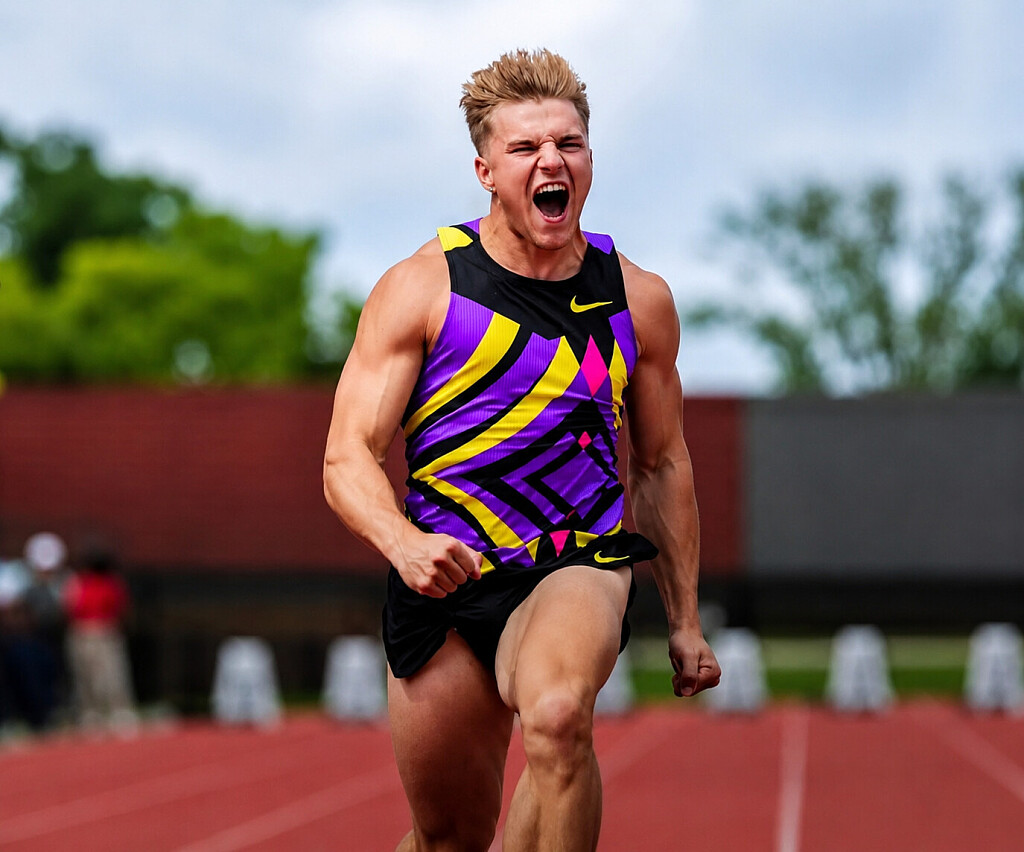
American Sprint Star Sam Blaskowski Begins Bid to Represent Poland After Discovering Family Roots
American sprint standout Sam Blaskowski is taking steps toward an international future with Poland after uncovering a powerful connection to his family's ancestral homeland.
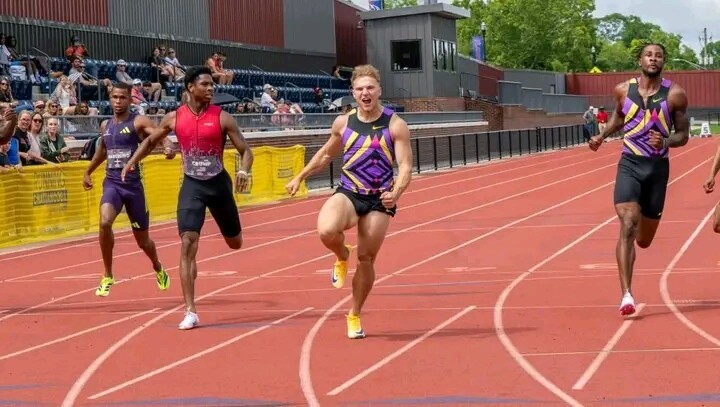
The 23-year-old sprinter, who has established himself as one of the fastest Americans of his generation with a personal best of 9.89 seconds in the 100 metres, has begun the process of obtaining Polish citizenship with the aim of eventually representing Poland in international competition.
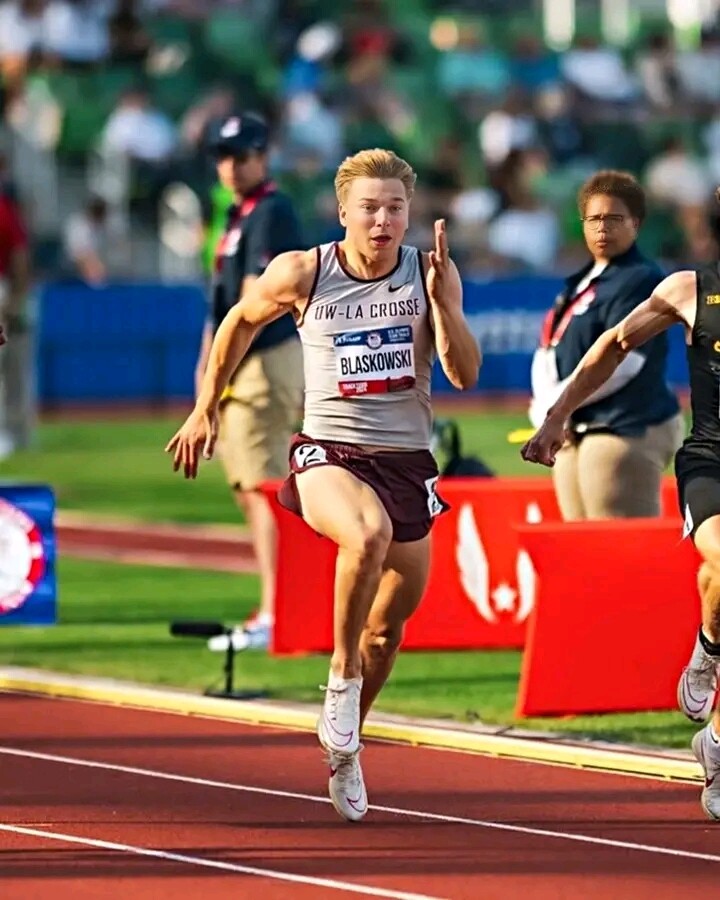
Blaskowski's connection to the country traces back through his great-grandparents, Franciszek and Julian Błaszkowski, who emigrated from Poland to the United States in 1905. Their journey more than a century ago has now opened an unexpected new chapter for their descendant, whose athletic ambitions could soon carry the Błaszkowski name back onto the international stage under Polish colours.
The sprinter has already received support from the Polish Athletics Association as he works through the citizenship and eligibility process. Should his transfer of allegiance be completed, Blaskowski could become a significant addition to Poland's sprint programme.
His credentials certainly make the prospect an exciting one. In addition to his sub-10-second speed over 100 metres, Blaskowski owns a personal best of 19.93 seconds in the 200 metres, demonstrating the kind of versatility that could prove valuable both individually and in Poland's 4x100m relay squad.
For Blaskowski, however, the move is about more than simply changing national colours. It represents an opportunity to reconnect with his family's heritage while pursuing his ambitions at the highest level of the sport.
With his sights set on becoming part of Poland's international sprint team and competing for relay medals, Blaskowski's journey from discovering his Polish roots to potentially representing the country of his ancestors could become one of the most fascinating allegiance stories in world athletics.
A century after Franciszek and Julian Błaszkowski left Poland for America, their family's story may now be coming full circle—this time at full sprint.
by Erick Cheruiyot for My Best Runs.
Login to leave a comment
Shericka Jackson’s Lausanne Return Ends in Heartbreak as Injury Clouds Silesia Showdown
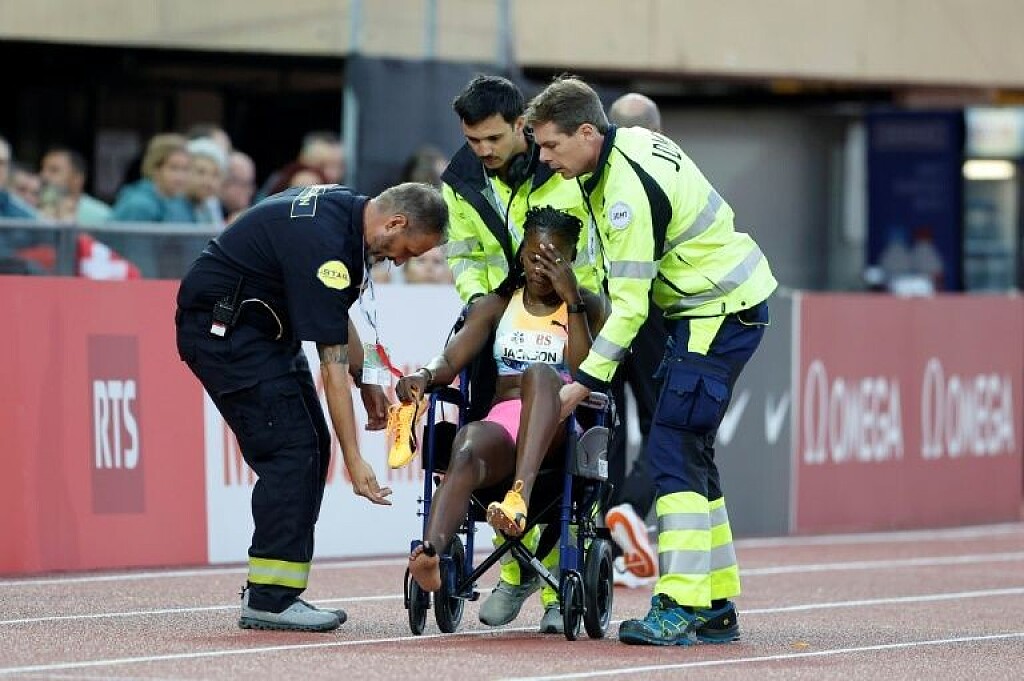
Shericka Jackson’s long-awaited return to the 200 metres ended in heartbreaking fashion on Friday night at the Wanda Diamond League meeting in Lausanne, where the Jamaican sprint star was forced to pull up and did not finish after appearing to suffer an injury.
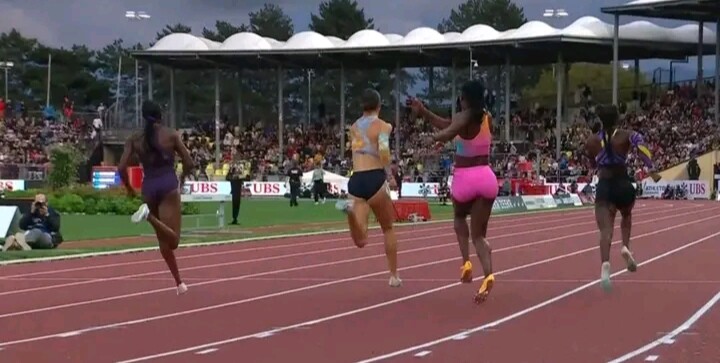
Jackson had made a promising start and was among the leading contenders as the race unfolded at the Stade Olympique de la Pontaise. But shortly after coming off the bend, the two-time world 200m champion suddenly pulled up, lost her balance and crashed to the track, bringing her comeback race to an abrupt and painful end.
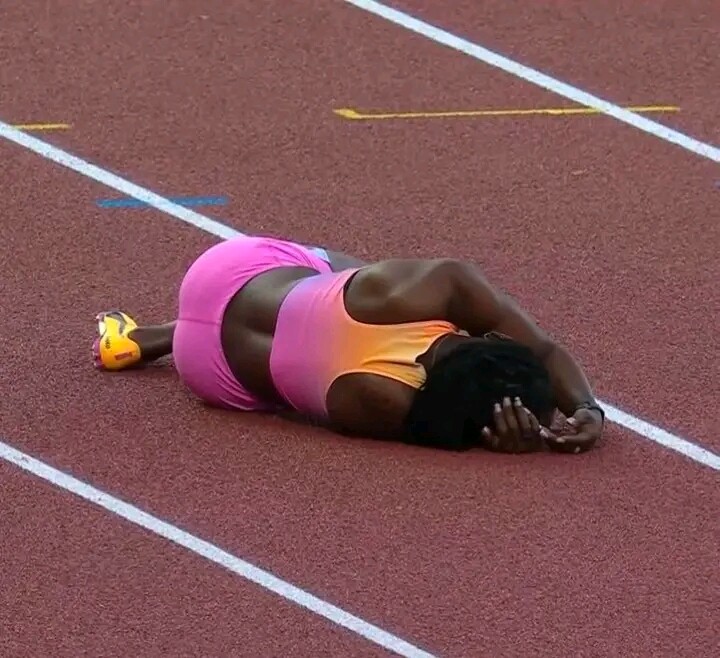
The incident immediately raised concerns for one of the most accomplished sprinters of her generation, particularly after Jackson had already acknowledged uncertainty over her fitness in the lead-up to the Lausanne meeting.
Her withdrawal now casts serious doubt over her scheduled appearance in the women’s 100m at the Silesia Diamond League on Saturday, August 23. Jackson had been set to line up in one of the most eagerly anticipated sprint races of the meeting, alongside fellow Jamaican Elaine Thompson-Herah, Sha’Carri Richardson, Julien Alfred and Melissa Jefferson-Wooden.
Whether Jackson will be fit enough to take her place remains unclear, but Friday’s setback was another difficult moment in what has been an emotionally challenging period for the Jamaican star.
Recently, Jackson revealed that she had not been “ok” as she continues to cope with the loss of her longtime coach and MVP Track Club technical director, Stephen “Franno” Francis. His death has clearly left a profound impact on an athlete who enjoyed some of the greatest successes of her career under his guidance.
Friday’s injury scare added another layer of heartbreak to that difficult journey. For now, the athletics world will be hoping that the setback is not as serious as it first appeared and that Jackson can recover fully.
One of the sport’s biggest stars has already overcome enormous challenges throughout her career. The hope now is that this latest setback will be only a temporary interruption—and that Shericka Jackson will soon be back where she belongs, competing at the very highest level.
by Erick Cheruiyot for My Best Runs.
Login to leave a comment
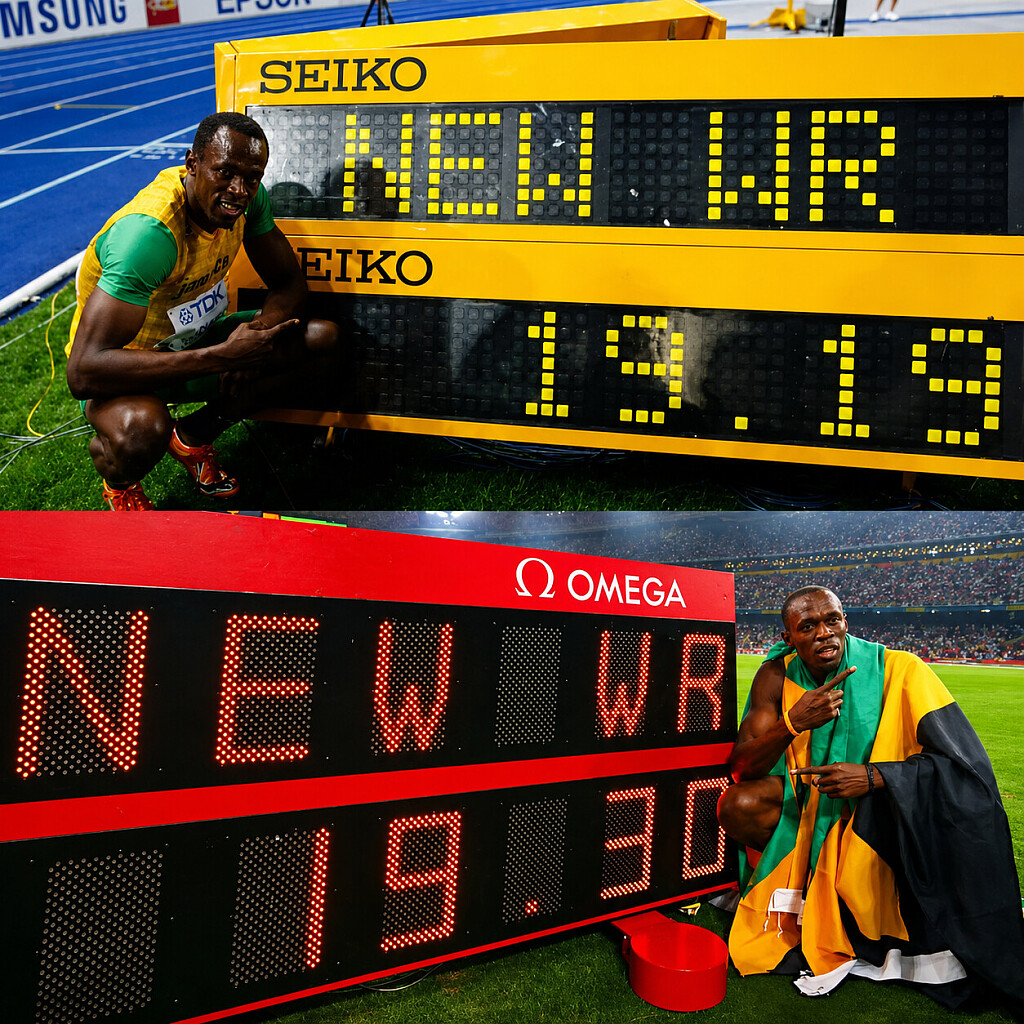
August 20: The Day Usain Bolt Rewrote the 200m Record Book—Twice
Some dates become part of sporting history. August 20 belongs to Usain Bolt.
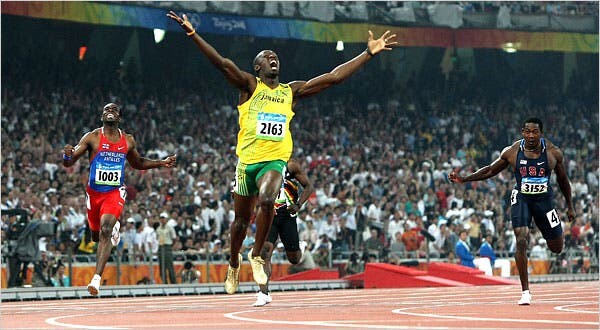
On two consecutive years, the Jamaican sprinting phenomenon transformed the men’s 200 metres, producing performances that seemed almost impossible even by his extraordinary standards.
On August 20, 2008, inside Beijing’s Bird’s Nest, Bolt lined up for the Olympic 200m final carrying enormous expectations. Four days earlier, he had stunned the world by winning the 100m in a then-world-record 9.69 seconds. Yet the 200m was about to become another chapter in his growing legend.
Bolt exploded around the bend before powering down the home straight, crossing the finish line in 19.30 seconds to win Olympic gold and shatter Michael Johnson’s long-standing world record of 19.32, set in Atlanta in 1996. The improvement was only two hundredths of a second, but the significance was enormous: Johnson’s seemingly formidable record had survived for 12 years before Bolt finally brought it down.
And there was another remarkable detail. Bolt’s Beijing record came with a 0.9 m/s headwind, making the performance even more extraordinary.
But Bolt was not finished.
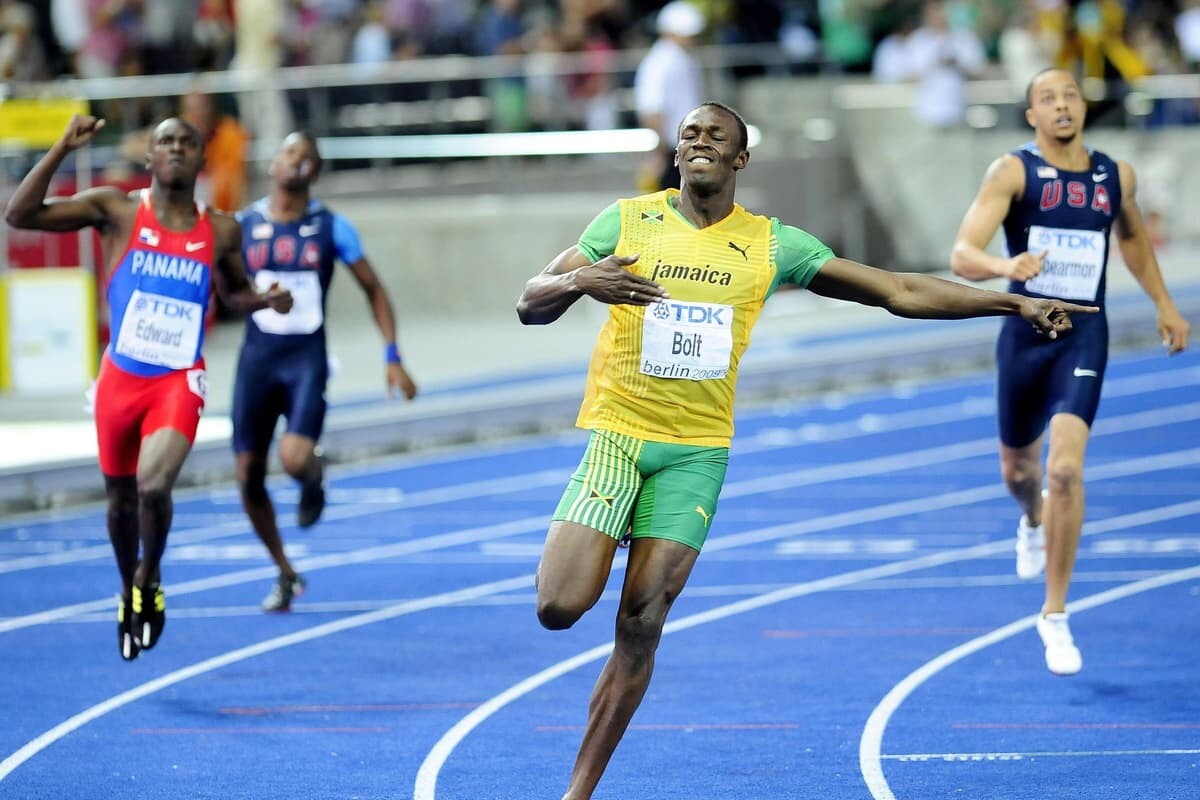
Exactly one year later, on August 20, 2009, he returned to the same event at the World Athletics Championships in Berlin with another opportunity to redefine the limits of speed.
Four days earlier, he had already demolished his own 100m world record, running 9.58 seconds. Now the 200m world record was in his sights.
What followed was extraordinary.
Bolt stormed to 19.19 seconds, taking 11 hundredths off the world record he had established in Beijing. The performance came with a 0.3 m/s headwind, yet he still produced a time that would immediately become one of the most iconic performances in athletics history.
The progression was staggering:
19.30 in Beijing.
19.19 in Berlin.
Michael Johnson’s record had become Bolt’s record—and then, just 12 months later, Bolt destroyed his own mark.
His Berlin victory was also emphatic. Bolt finished more than half a second ahead of Panama’s Alonso Edward, who ran 19.81, while Wallace Spearmon took bronze in 19.85.
What made the achievement even more remarkable was the consistency of Bolt’s record-breaking brilliance. Across the Beijing Olympics and Berlin World Championships, he produced a succession of world records in the 100m and 200m, repeatedly turning major championship finals into historic moments. World Athletics noted after Berlin that Bolt had become the first man to break both the 100m and 200m world records more than once.
And now, 17 years after that unforgettable Berlin night, the 19.19-second world record still stands.
The mark has survived generations of exceptional sprinters, including athletes who have come remarkably close to the 19-second barrier. Yet Bolt’s time remains untouched at the summit of the all-time list.
That is why August 20 is more than a date on the athletics calendar.
It is the anniversary of the day Usain Bolt first broke Michael Johnson’s seemingly untouchable standard—and then returned exactly one year later to make his own record look vulnerable.
Beijing gave the world 19.30.
Berlin gave it 19.19.
Two August 20s. Two world records. One extraordinary sprinter.
Usain Bolt was not simply winning races. He was changing the definition of human speed.
And the question that remains for the next generation is perhaps the most intriguing of all:
Will we ever see another sprinter capable of breaking the 19-second barrier and finally taking down the 19.19 mark that Bolt left behind?
by Erick Cheruiyot for My Best Runs.
Login to leave a comment
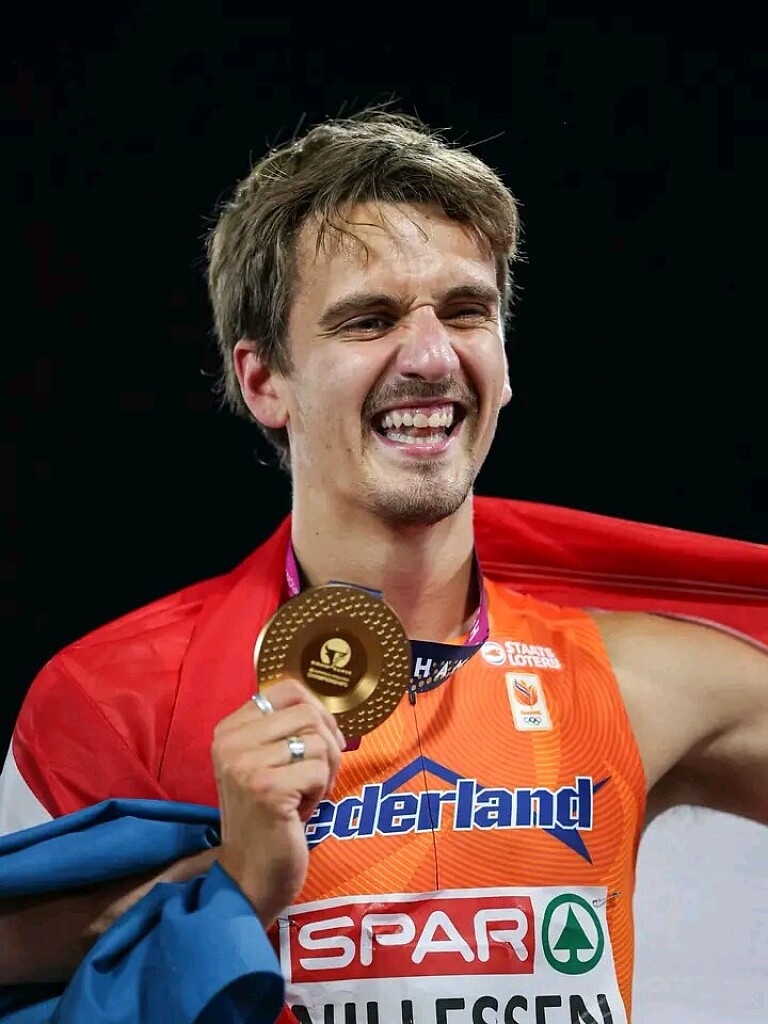
Stefan Nillessen Produces Blistering Finish to Win European 1500m Gold in Birmingham
Stefan Nillessen has been crowned European champion in the men’s 1500m after producing a sensational finishing burst to win a thrilling final at the 2026 European Athletics Championships in Birmingham.
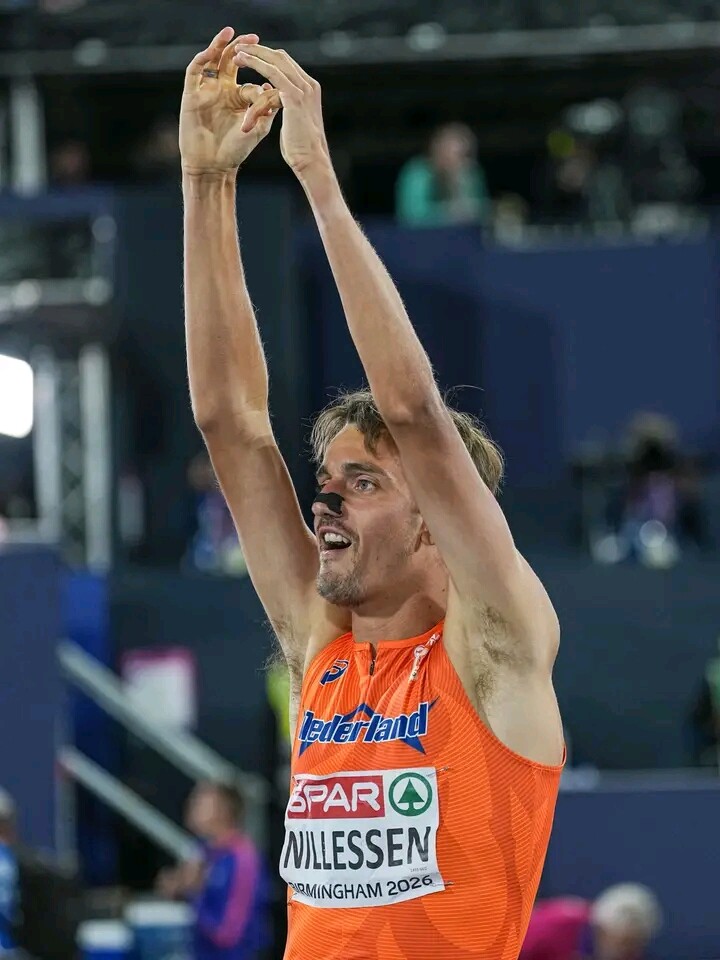
The Dutchman timed his decisive move to perfection, unleashing a blistering final 100 metres in approximately 12.6 seconds to stop the clock at 3:35.70 and claim the European title in spectacular fashion.
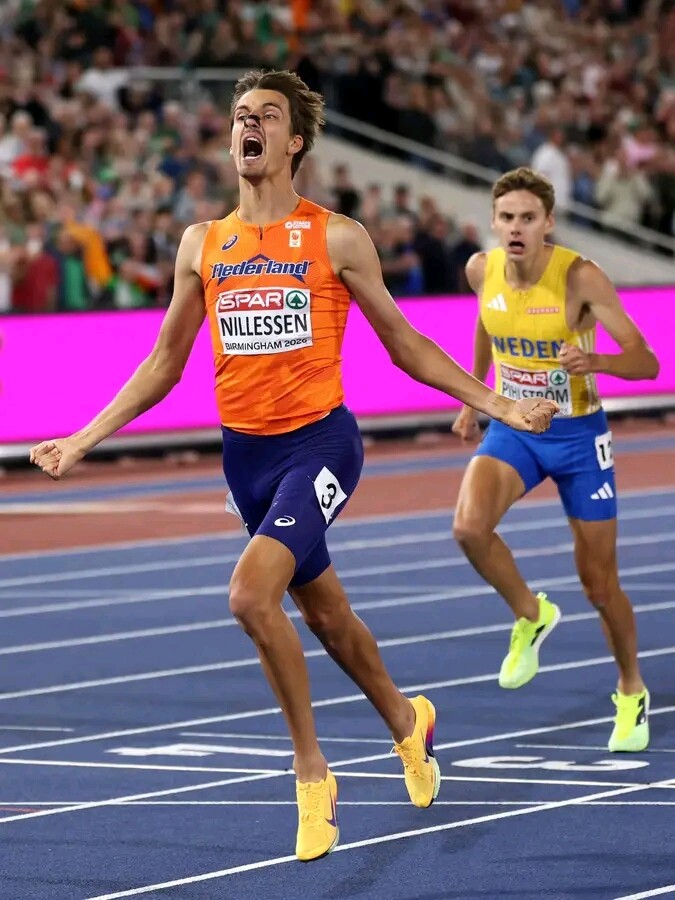
The race appeared to be leaning towards the home favourites as Jake Heyward and Jake Wightman led the field into the final 200 metres. But as the pace intensified and the medals came into view, Nillessen produced a devastating change of speed that carried him past the leading contenders and into gold-medal position.
Nillessen’s finishing kick proved too strong for the chasing pack. He powered down the home straight and opened enough of a gap to secure his first European 1500m title, turning what had been a closely packed tactical contest into a memorable individual triumph.
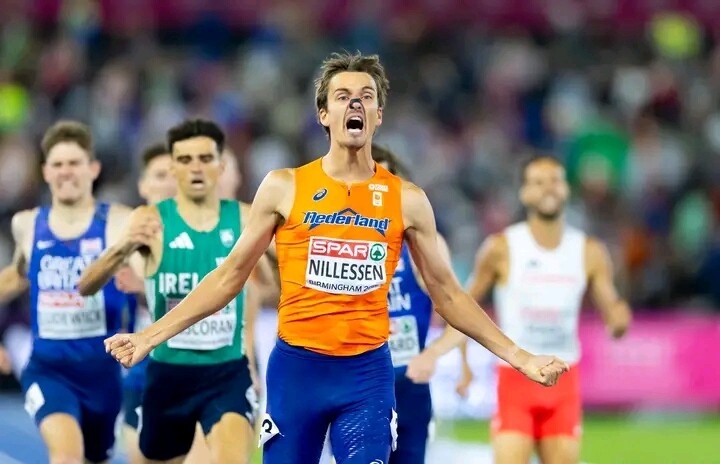
Behind him, Samuel Pihlström of Sweden produced a strong final sprint of his own to take the silver medal in 3:36.16, while Ireland’s Andrew Coscoran held on for bronze in 3:36.24. Just 0.08 seconds separated the two athletes, highlighting the extraordinary closeness of the battle for the remaining podium places.
Heyward, who had helped shape the race at the front in the closing stages, ultimately finished fourth in 3:36.40, with fellow Briton Arlo Ludewick fifth in 3:36.65. Wightman, another of the athletes at the sharp end with 200 metres remaining, crossed the line sixth in 3:37.18.
Norway’s Narve Gilje Nordås finished seventh in 3:37.31, followed by France’s Romain Mornet in 3:37.37 and Germany’s Robert Farken in 3:37.49. France’s Azeddine Habz was 10th in 3:37.61, while Italy’s Pietro Arese finished 11th in 3:38.15.
The biggest disappointment of the final was reigning world champion Isaac Nader of Portugal. One of the leading names in the field before the race, Nader struggled to respond to the repeated tactical changes and eventually finished 12th in 3:39.69.
For Nillessen, however, Birmingham delivered a defining championship moment. With the race still wide open entering the final 200 metres, he remained composed before unleashing the fastest closing burst of the field. His 12.6-second final 100m was the difference between a podium finish and European gold.
Men’s 1500m Final — Results
1. Stefan Nillessen (NED) — 3:35.70
2. Samuel Pihlström (SWE) — 3:36.16
3. Andrew Coscoran (IRL) — 3:36.24
4. Jake Heyward (GBR) — 3:36.40
5. Arlo Ludewick (GBR) — 3:36.65
6. Jake Wightman (GBR) — 3:37.18
7. Narve Gilje Nordås (NOR) — 3:37.31
8. Romain Mornet (FRA) — 3:37.37
9. Robert Farken (GER) — 3:37.49
10. Azeddine Habz (FRA) — 3:37.61
11. Pietro Arese (ITA) — 3:38.15
12. Isaac Nader (POR) — 3:39.69
The final showcased everything that makes championship 1500m racing so compelling: tactical positioning, changing momentum, a dramatic final lap and a decisive sprint for the medals. In the end, it was Nillessen’s extraordinary finishing speed that settled the contest and placed the Netherlands at the top of the European 1500m podium.
by Erick Cheruiyot for My Best Runs.
Login to leave a comment

European Athletics Champioships
The27thEuropean Athletics Championshipswill be held from 10 to 16 August 2026 at theAlexander StadiuminBirmingham, United Kingdom.[1] This is the first time that a British city will have staged the European Athletics Championships although Birmingham has hosted many high-profile events, including the2007 European Athletics Indoor Championships, the2003and2018 IAAF World Indoor Championshipsand the2022 Commonwealth Games. Alexander Stadium was renovated between 2019 and...
more...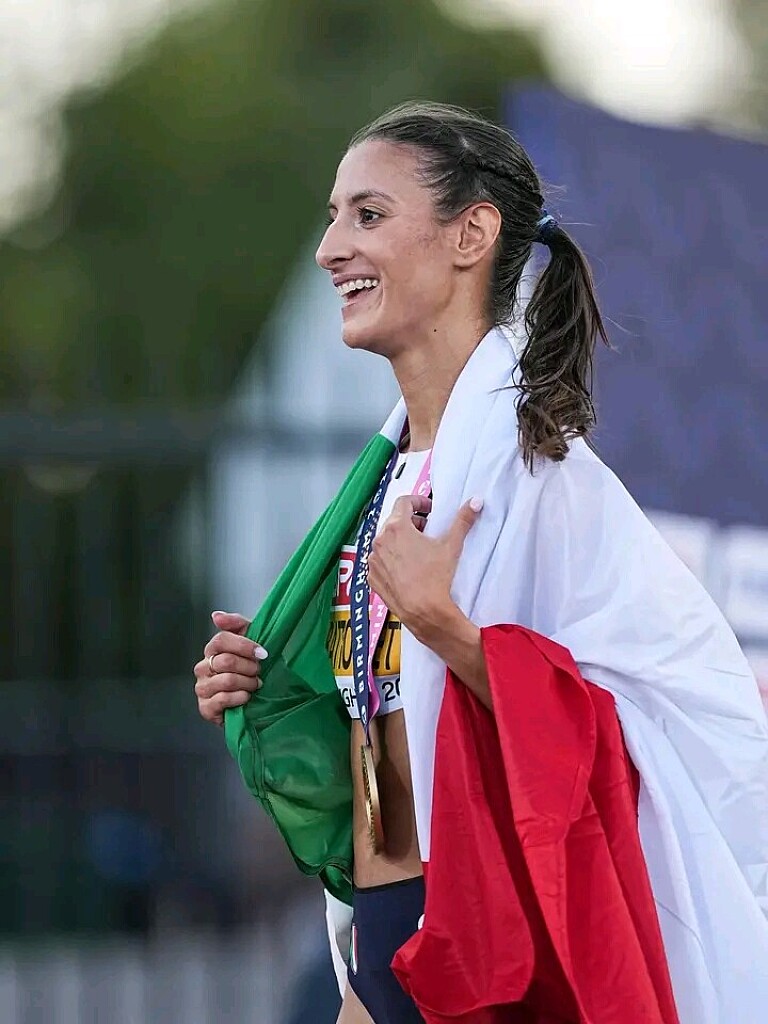
Battocletti’s Blistering Finish Delivers Back-to-Back European 5000m Gold in Birmingham
Nadia Battocletti produced a superb championship performance in Birmingham to retain her European 5000m title for the second consecutive time, powering to gold in 15:37.84 after unleashing a devastating late kick that left her rivals scrambling for the remaining medals.
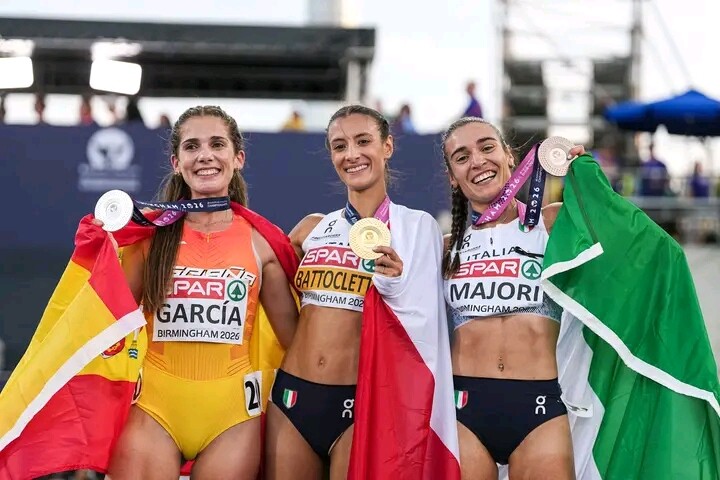
The Italian distance-running star remained composed through the race before turning on the speed when it mattered most. With the field tightly packed heading into the closing stages, Battocletti launched a breathtaking attack over the final 200 metres, producing a surge of exceptional quality that ultimately decided the championship.
The decisive moment came in the final 200 metres, when Battocletti unleashed a ferocious finishing kick that dramatically changed the complexion of the race. With the medals still within reach for several athletes, the Italian surged through the final bend with tremendous purpose, her acceleration proving simply too tough to match. She drove relentlessly down the home straight, opening the crucial gap and powering away from her closest challengers to seal a richly deserved European title.
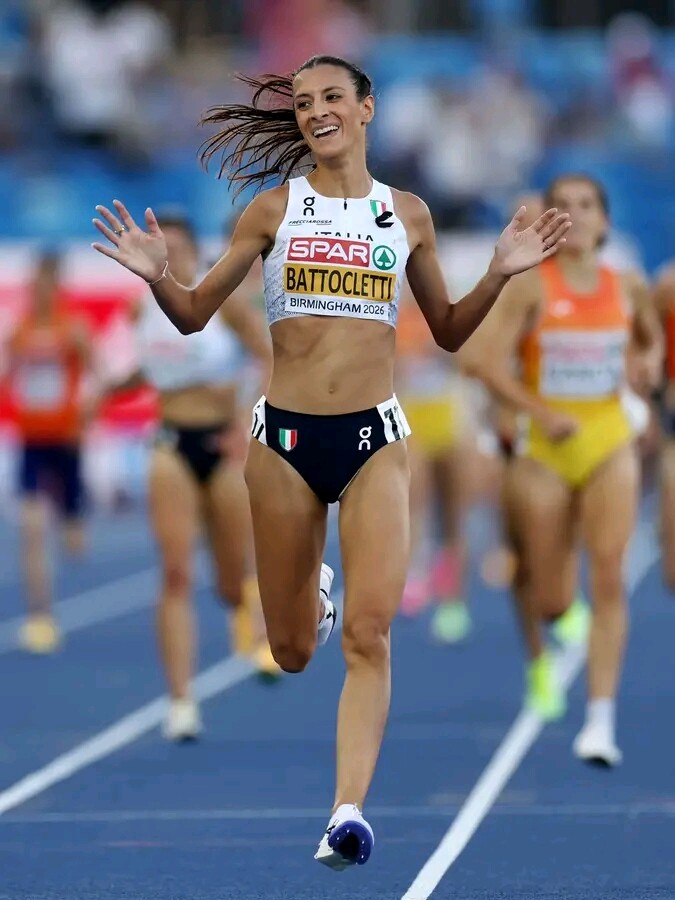
Her closing speed was extraordinary. Battocletti covered the final 400m in 59.2 seconds, including a remarkable 28.2-second final 200m, as she accelerated away from her challengers and powered down the home straight. It was a superb display of strength, speed and championship composure, earning her another European crown in emphatic fashion.
Behind her, Spain’s Marta García fought brilliantly to claim silver in a season’s best of 15:39.98, while Italy’s Micol Majori completed an Italian 1-3 with bronze in 15:40.65.
For Majori, the bronze medal represented a particularly special milestone as she celebrated her first international senior medal on a major championship stage. Her breakthrough performance added another layer to an unforgettable night for Italy.
Ireland’s Sarah Healy narrowly missed the podium, finishing fourth in 15:40.95, just 0.30 seconds behind Majori. Great Britain’s Hannah Nuttall was fifth in 15:41.27, followed by the Netherlands’ Maureen Koster in 15:41.51.
Amina Maatoug of the Netherlands finished seventh in 15:44.03, while Spain’s María Forero completed the top eight in 15:44.25.
Battocletti’s Birmingham triumph now sets up another title defence. The Italian will return to the track on Friday for the women’s 10,000m, where she will once again look to extend her European dominance.
For now, though, the spotlight belongs to Battocletti and that extraordinary finish — a 28.2-second final 200m that transformed a tightly contested 5000m final into another golden chapter in her championship career.
by Erick Cheruiyot for My Best Runs.
Login to leave a comment
European Athletics Champioships
The27thEuropean Athletics Championshipswill be held from 10 to 16 August 2026 at theAlexander StadiuminBirmingham, United Kingdom.[1] This is the first time that a British city will have staged the European Athletics Championships although Birmingham has hosted many high-profile events, including the2007 European Athletics Indoor Championships, the2003and2018 IAAF World Indoor Championshipsand the2022 Commonwealth Games. Alexander Stadium was renovated between 2019 and...
more...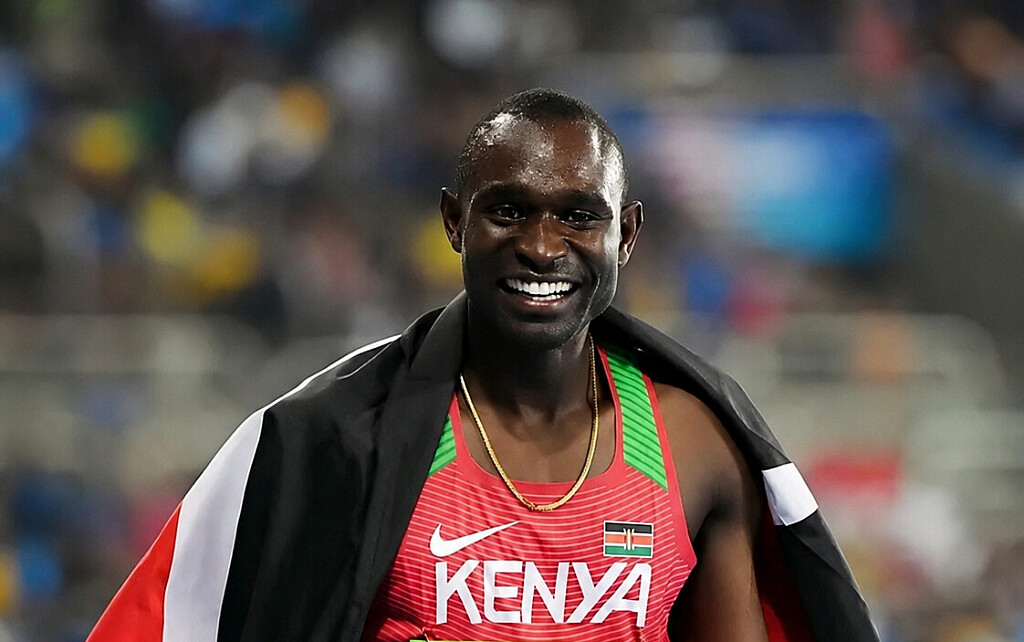
David Rudisha’s 1:40.91: Fourteen Years Later, The 800m Still Has A Mountain To Climb
Fourteen years ago this weekend, David Rudisha delivered one of the most extraordinary performances ever witnessed on an athletics track — and remarkably, his world record still stands.
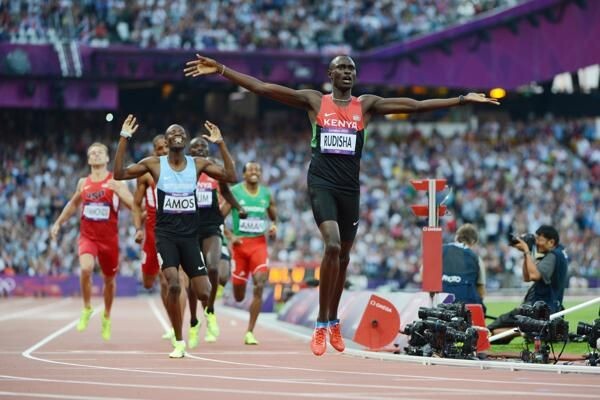
On August 9, 2012, the Kenyan lined up for the Olympic 800m final at London’s Olympic Stadium alongside seven of the world’s finest half-milers. What followed was a race that would forever redefine the limits of the event.
Rudisha did not wait for the final straight. From the gun, he went straight to the front and imposed a relentless pace on the field. He reached the 400m mark in a blistering 49.28 seconds, but instead of paying the price for such an aggressive opening lap, he continued to drive forward.
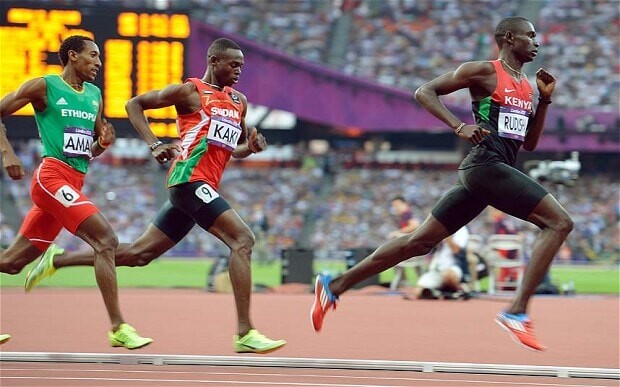
He passed 600m in 1:14.30 before producing a remarkable final 200 metres to cross the finish line in 1:40.91.
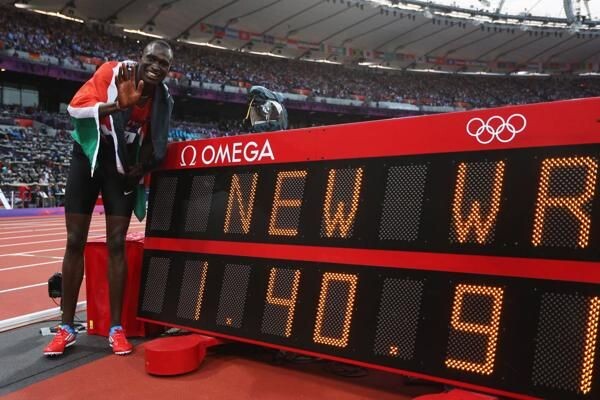
The stadium erupted.
Rudisha had broken his own world record and, for the first time in history, an athlete had broken the 1:41 barrier in the 800 metres. Even more remarkably, he had done it in an Olympic final, without a pacemaker and under the immense pressure of competing for the sport’s ultimate prize.
The runners behind him were dragged into history by his pace.
Botswana’s Nijel Amos finished second in 1:41.73, a world junior record at the time. Kenya’s 17-year-old Timothy Kitum produced a stunning 1:42.53 to take bronze, while American Duane Solomon ran 1:42.82 and Nick Symmonds clocked 1:42.95, both personal bests.
Ethiopia’s Mohammed Aman ran 1:43.20 for a national record, Abubaker Kaki finished in 1:43.32, and Great Britain’s Andrew Osagie completed the field in 1:43.77, also a personal best.
It was an extraordinary final in which all eight athletes finished inside 1:44, a testament to the astonishing pace set by the Kenyan.
Yet Rudisha was operating on another level.
His London performance was not a sudden flash of brilliance. It was the culmination of an era in which he had transformed the 800m through his fearless front-running style. Two years earlier, he had lowered the world record to 1:41.01 in Rieti, Italy. In London, he found another tenth of a second when the pressure was at its greatest.
That is what has made the record so difficult to approach.
For fourteen years, some of the greatest 800m runners of their generations have come and gone, but none has managed to take the final steps toward Rudisha’s mark. Nijel Amos remains the closest, his 1:41.73 from that same Olympic final leaving him 0.82 seconds short.
Then came Emmanuel Wanyonyi.
The young Kenyan has emerged as one of the most exciting 800m runners of his generation. In Lausanne in 2024, Wanyonyi produced a stunning 1:41.11, moving level with Wilson Kipketer as the second-fastest man in history and coming within just 0.20 seconds of Rudisha’s world record.
Twenty hundredths of a second may look insignificant on paper, but at the very top of the 800m, they represent a formidable barrier.
Wanyonyi has shown that Rudisha’s record is not beyond imagination. But reaching it requires something extraordinary — the perfect combination of speed, endurance, courage and execution over two unforgiving laps.
And perhaps that is what makes Rudisha’s achievement so enduring.
There was no pacemaker guiding him through the race. There was no carefully constructed invitational designed solely around producing a fast time. There was simply an Olympic final, eight athletes, two laps and a Kenyan determined to run faster than anyone had ever run before.
Rudisha went from the gun, controlled the race from the front and somehow maintained the speed required to produce a time that has remained beyond the reach of every challenger for fourteen years.
The next generation is getting closer, and Wanyonyi has shown that the record can at least be approached.
But 1:40.91 remains David Rudisha’s masterpiece — a world record forged under the brightest lights and on the biggest stage, and one that continues to define greatness in the 800 metres.
Fourteen years later, the challengers are getting closer, but Rudisha’s 1:40.91 remains the mountain every 800m runner dreams of climbing.
by Erick Cheruiyot for My Best Runs.
Login to leave a comment
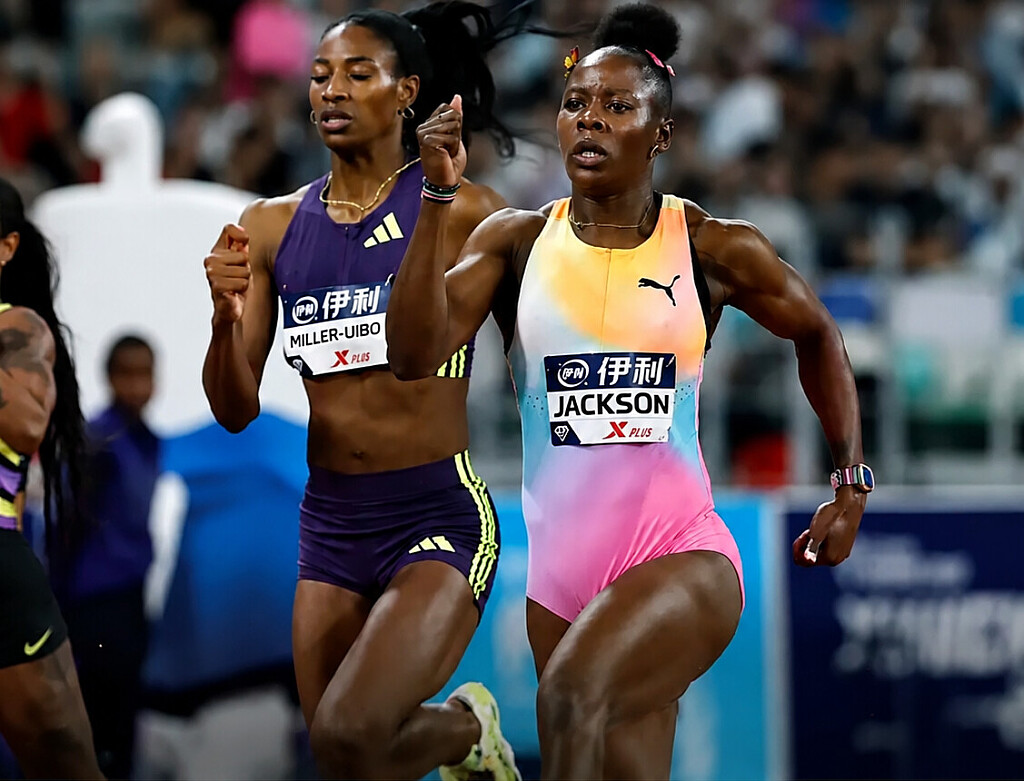
Lausanne Diamond League Set For Sprint Fireworks As Shericka Jackson And Shaunae Miller-Uibo Headline Star-Studded Showdown
The countdown is on for one of the most anticipated meetings of the 2026 Wanda Diamond League season, with the Athletissima Lausanne Diamond League set to deliver another spectacular night of world-class athletics on August 21.
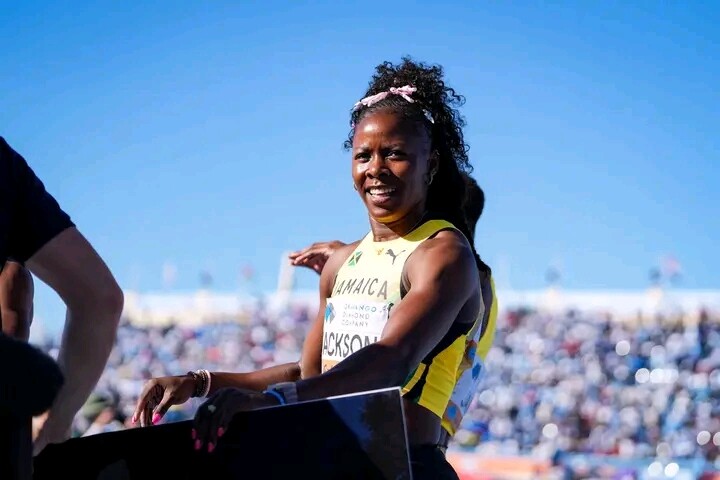
A loaded women's sprint programme will take centre stage, highlighted by an electrifying 200m showdown featuring some of the biggest names in global athletics. The event promises speed, drama and championship-quality competition as the world's elite battle for Diamond League glory.
Leading the field is Shericka Jackson, the Jamaican sprint sensation and the second-fastest woman in history over 200 metres. Jackson arrives in Lausanne chasing another Diamond League victory and, given her exceptional pedigree, the meeting record could be under serious threat if conditions are favourable. Widely regarded as one of the greatest 200m runners of all time, she will be aiming to continue her impressive form as the season reaches its decisive stages.
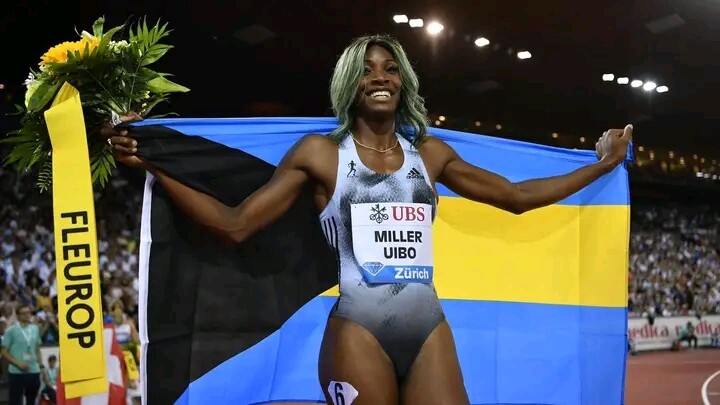
Joining the star-studded line-up is Shaunae Miller-Uibo, the Bahamian superstar whose résumé includes two Olympic 400m gold medals and a world title. Renowned for her powerful finishing speed and championship experience, Miller-Uibo adds another layer of excitement to what is already shaping up to be one of the highlights of the meeting.
The field also features Amy Hunt, the reigning world 400m silver medallist, who continues to establish herself among the world's elite. Her presence ensures the competition will be fierce as she tests herself against some of the most accomplished athletes of this generation.
With such an exceptional line-up confirmed, Lausanne is expected to produce one of the fastest women's sprint races of the season. The Swiss meeting has earned a reputation for delivering unforgettable performances, and fans will be hoping another chapter of athletics history is written on August 21.
As the race for Diamond League points intensifies ahead of the season finale, every result carries extra significance. For Jackson, Miller-Uibo and their rivals, Lausanne represents another opportunity to make a statement, sharpen their form and build momentum before the year's major championships.
With Olympic champions, world champions and record-breaking sprinters all set to take the track, the Athletissima Lausanne Diamond League promises an evening of elite competition that athletics fans around the world will not want to miss.
by Erick Cheruiyot for My Best Runs.
Login to leave a comment

Noah Lyles: A Decade of Sprinting Greatness from World U20 Star to Global Icon
Ten years ago, a fearless teenager stepped onto the track at the World U20 Championships in Bydgoszcz, Poland, and introduced himself to the athletics world with a performance that hinted at an extraordinary future. On that memorable stage, Noah Lyles captured the men's 100m title in 10.17 seconds before anchoring the United States to victory in the 4×100m relay, marking the beginning of one of the most remarkable sprinting careers of the modern era.
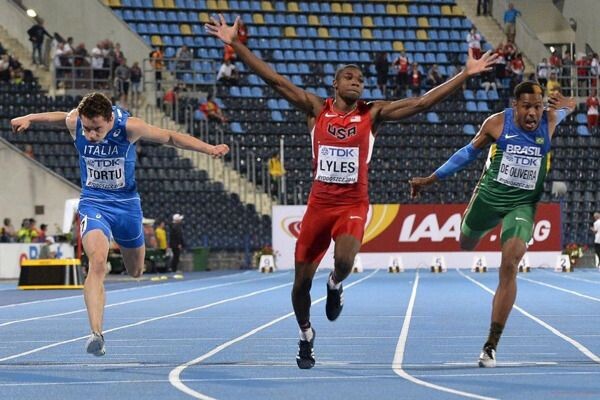
A decade later, that promising young talent has evolved into one of the greatest sprinters of his generation, building a legacy defined by championship success, consistency, and breathtaking speed.
Lyles has rewritten the American record books with a sensational 19.31 seconds over 200 metres, surpassing Michael Johnson's long-standing U.S. record and producing one of the fastest performances in history. The run firmly established him among the all-time greats in the event.
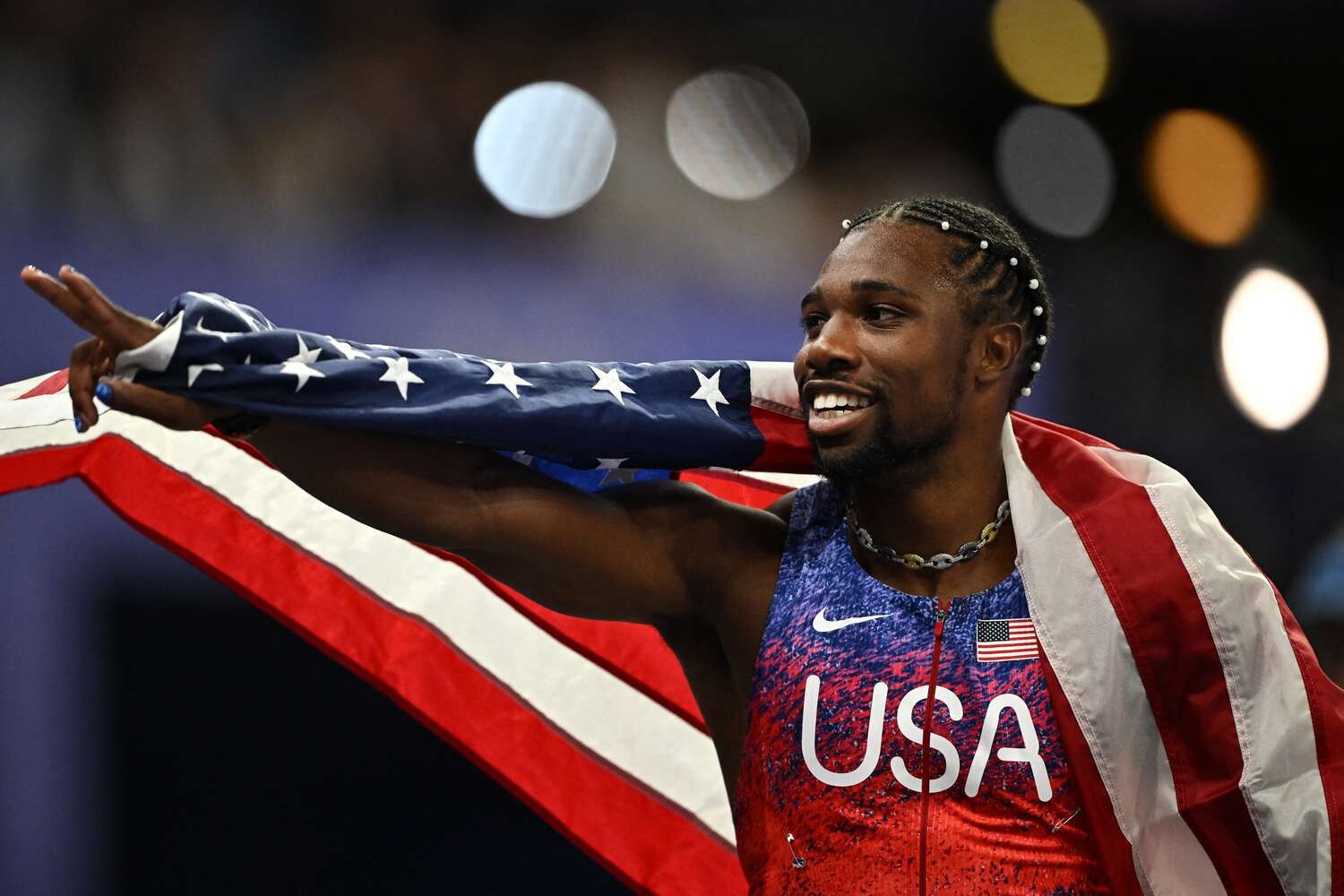
His greatest Olympic triumph came at the Paris 2024 Olympic Games, where he claimed the men's 100m gold medal in one of the closest finishes ever witnessed. Lyles crossed the line just 0.005 seconds ahead of the field, delivering one of the most dramatic victories in Olympic sprint history and cementing his place as the world's fastest man.
His dominance has extended across multiple World Athletics Championships, where he has amassed eight gold medals in the 100m, 200m, and 4×100m relay. Among those achievements, his remarkable streak of four consecutive world titles in the 200m stands as a testament to his sustained excellence and unrivalled consistency at the highest level.
Even after a decade at the top, Lyles continues to prove he remains the benchmark in global sprinting. Most recently, he successfully defended his U.S. men's 100m title, matching his lifetime best of 9.79 seconds to reaffirm that he is still one of the sport's most formidable competitors.
From a confident teenager announcing his arrival on the international stage in Poland to an Olympic champion, American record holder, and multiple-time world champion, Noah Lyles has transformed talent into an enduring legacy. His journey over the past ten years has inspired a new generation of athletes while redefining excellence in sprinting.
Ten years have passed since his breakthrough in Bydgoszcz, but for Noah Lyles, the pursuit of greatness is far from over. If anything, the next chapter promises to be just as compelling as the first.
by Erick Cheruiyot for My Best Runs.
Login to leave a comment
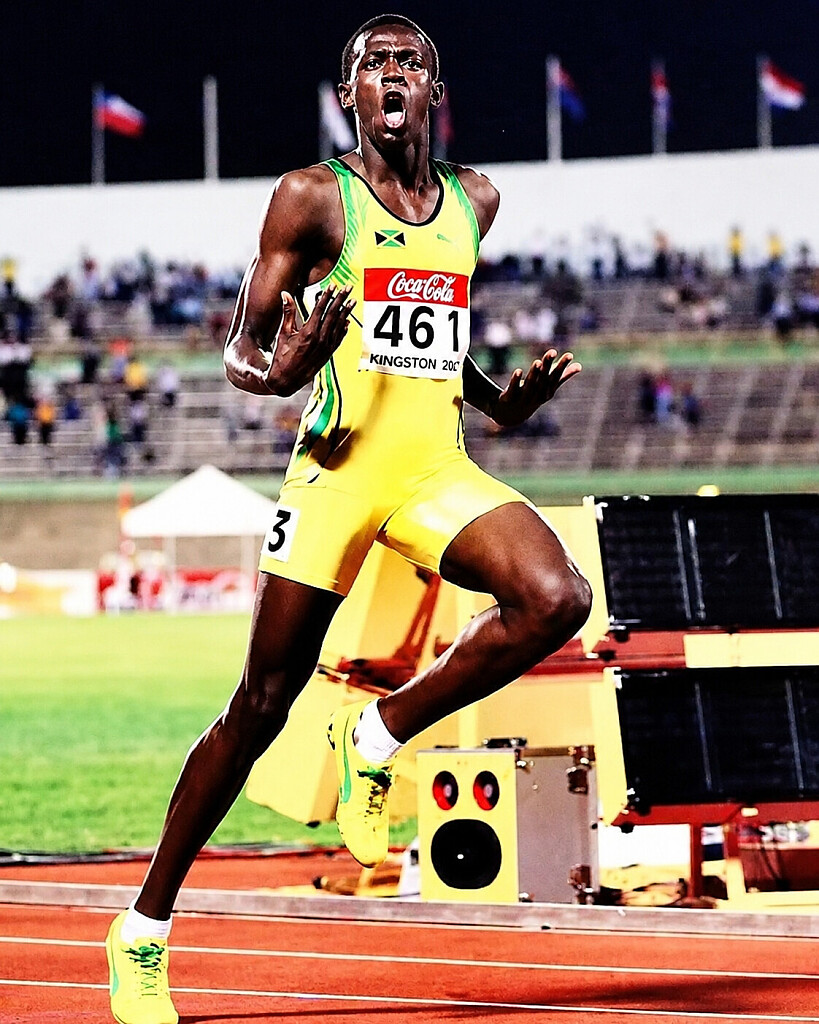
Where Greatness Begins: The Day a 15-Year-Old Usain Bolt Changed Sprinting Forever
Long before he became the fastest man in history, before the Olympic gold medals, world records, and global superstardom, Usain Bolt was simply a gifted teenager with extraordinary speed and limitless potential. In 2002, on the track at Kingston's National Stadium in Jamaica, the world witnessed the first chapter of a story that would forever change athletics.
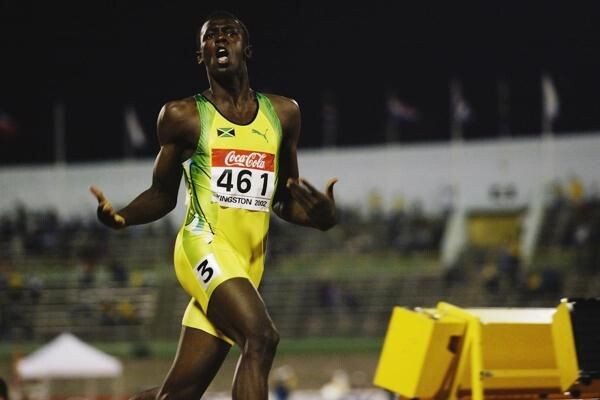
At just 15 years old, Bolt lined up for the men's 200 metres at the World Junior Championships with the weight of expectation resting on young shoulders. Competing before a passionate home crowd, the Jamaican prodigy produced a performance that instantly captivated the athletics world. Crossing the finish line in 20.61 seconds, he became the youngest athlete ever to win the men's 200m title at the championships.
It was far more than a gold medal. It was the moment the world realised that a once-in-a-generation talent had arrived.
Bolt's victory in Kingston marked the beginning of one of the greatest careers in sporting history. Over the years that followed, he rewrote the record books, dominated the Olympic Games and World Championships, and transformed sprinting into a global spectacle through his breathtaking speed, infectious personality, and unrivalled confidence. His legacy continues to inspire young athletes across the globe, many of whom dream of following the same path he once began as a teenager.

This week, that dream comes alive once again as the World Athletics U20 Championships take centre stage at the iconic Hayward Field in Eugene, Oregon. The venue has already witnessed the birth of future superstars. In 2014, it was where Britain's Dina Asher-Smith and Uganda's Joshua Cheptegei captured their first global titles, launching careers that would later produce world championships, Olympic medals, and lasting legacies in athletics.
Twelve years later, another generation arrives in Eugene hoping to create its own defining moment.
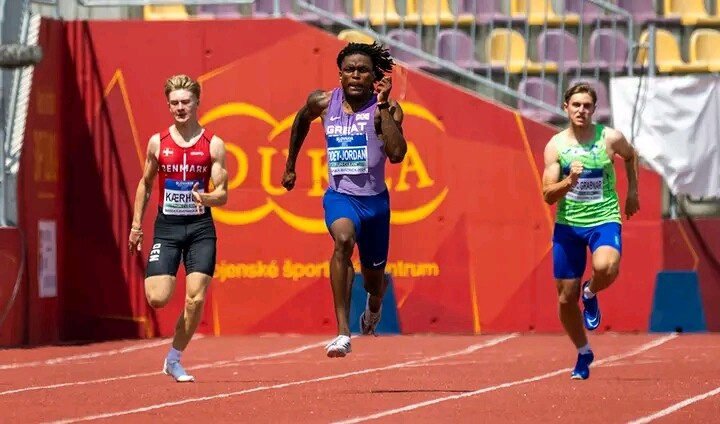
Among the brightest young talents is Great Britain's Jake Odey-Jordan, the 200m bronze medallist from Lima who now owns the European U20 100m record after an astonishing 10.01-second performance. He enters the championships eager to build on his growing reputation as one of Europe's most exciting young sprinters.
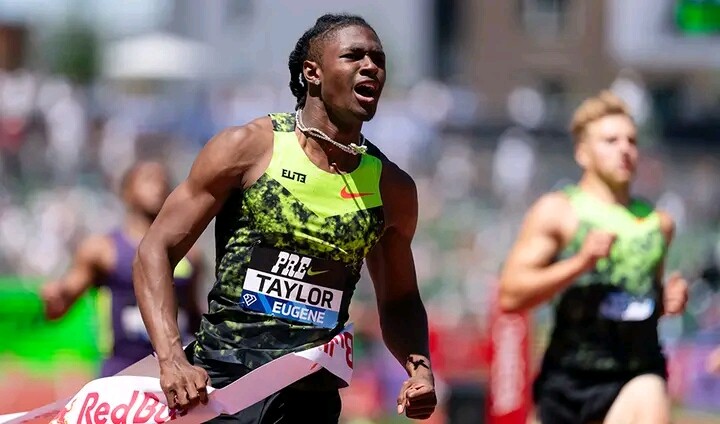
The United States will look to Tate Taylor, who has already made history as the first American high school athlete to break the 20-second barrier for the 200 metres. Fresh from a Diamond League victory in a sensational 19.75 seconds, he arrives in Eugene carrying the momentum of one of the most remarkable junior seasons ever recorded.
Jamaica, the nation that introduced the world to Usain Bolt, will once again have high hopes through Shanoya Douglas. The talented sprinter has established herself as one of the championship's leading contenders after producing lifetime bests of 10.98 seconds for the 100m and 22.11 for the 200m this season.
History has repeatedly shown that the World U20 Championships are far more than a junior competition. They are often the first chapter in the careers of future Olympic champions, world record holders, and global icons. Every generation arrives with ambitious dreams, but only a select few leave having announced themselves to the world.
No one can say with certainty whether the next Usain Bolt will emerge this week. Greatness cannot be predicted, and legends are never manufactured. Yet every legendary career begins with a single breakthrough performance.
For Bolt, that defining moment came in Kingston in 2002.
Now, under the famous lights of Hayward Field, another group of gifted teenagers stands ready to chase history. Somewhere among them could be the next athlete whose name will inspire the world for years to come.
by Erick Cheruiyot for My Best Runs.
Login to leave a comment
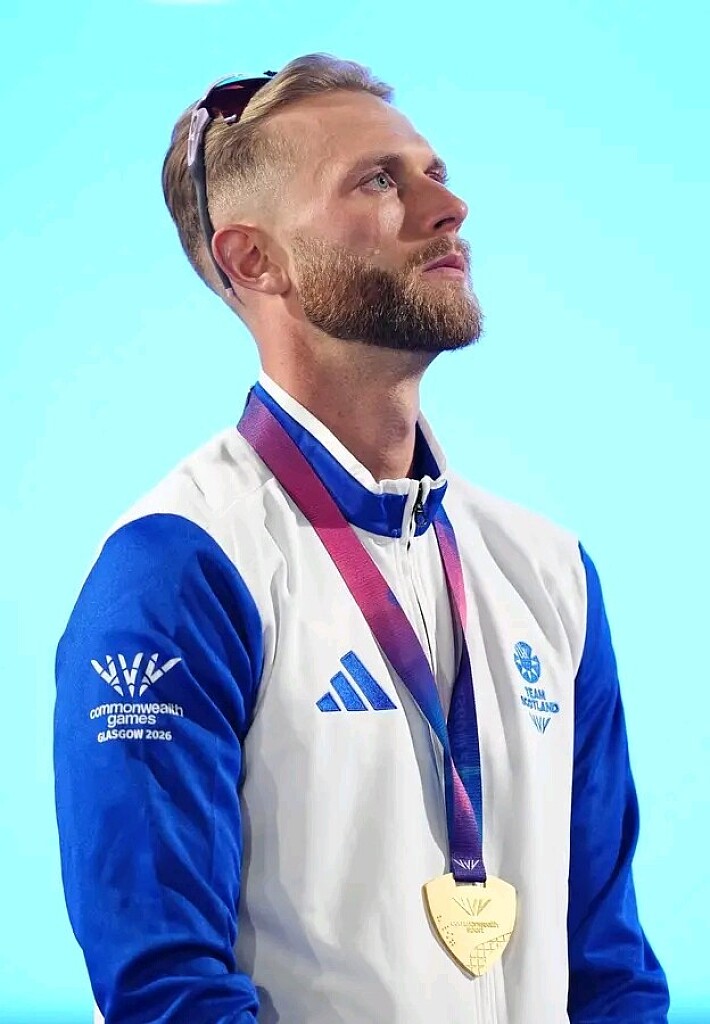
How Josh Kerr Built a Commonwealth Masterpiece: The Splits That Tell the Story of a Golden Mile
Winning a major championship is never just about crossing the finish line first. Behind every gold medal lies a carefully crafted race plan, and Josh Kerr's unforgettable Commonwealth Games triumph in Glasgow was a perfect example of tactical brilliance meeting extraordinary finishing speed.
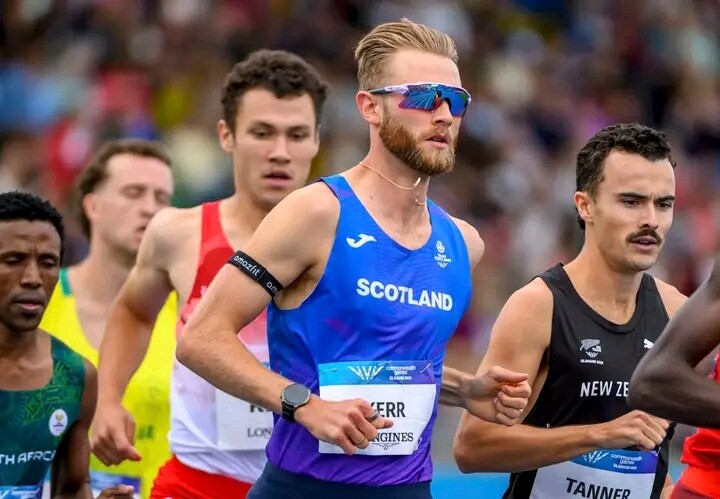
While the final time of 3:54.12 for the mile will be remembered as the official result, the split times reveal a much deeper story—one of patience, precision, and devastating acceleration when it mattered most.
Kerr resisted any temptation to force the pace from the gun. Instead, he settled into a controlled rhythm, allowing the opening stages to unfold naturally. His first four 100-metre segments—14.9, 15.1, 15.3 and 15.1 seconds—brought him through 400 metres in 60.4 seconds, a measured opening that conserved valuable energy while keeping him firmly in contention.
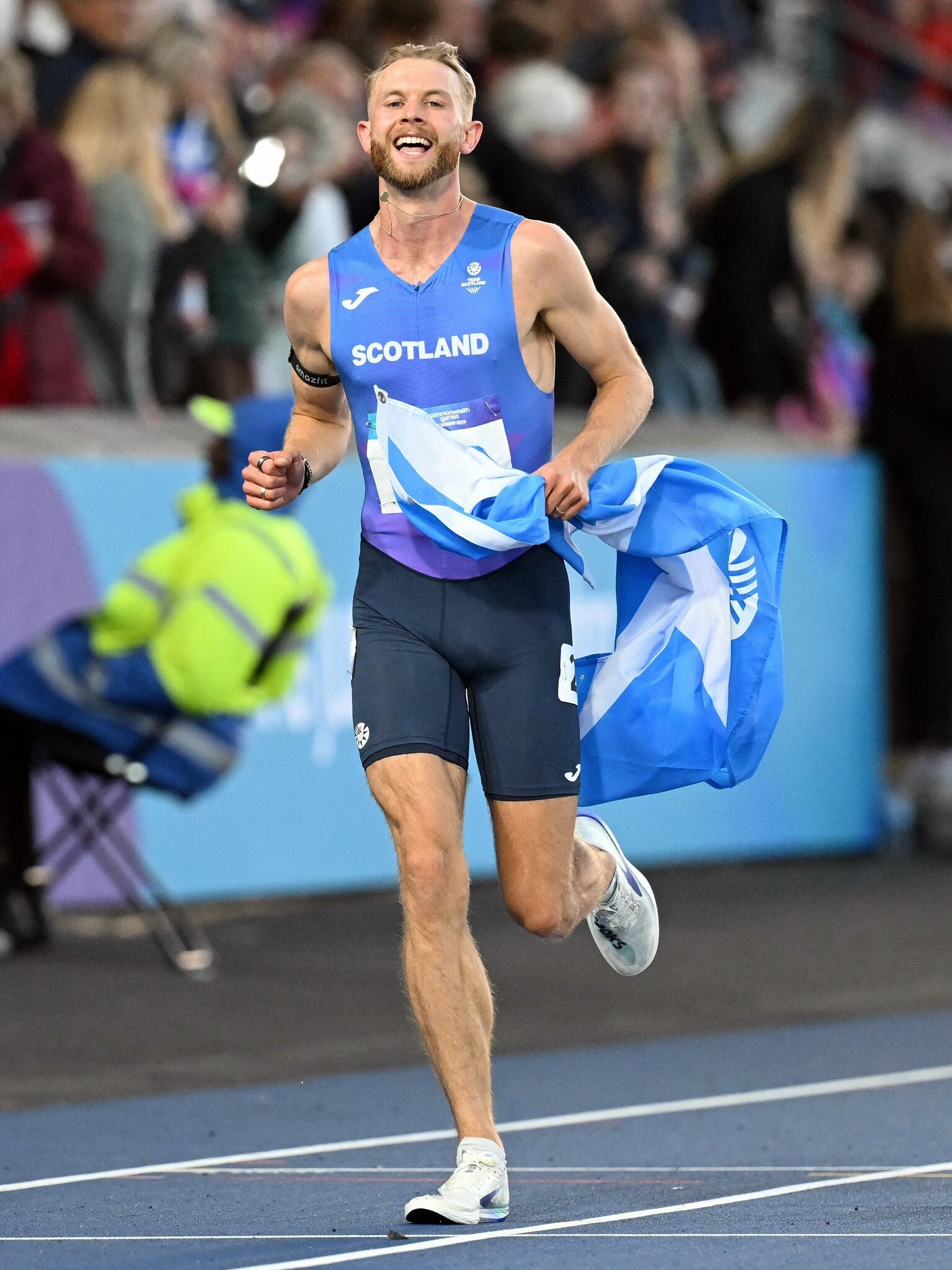
The second lap remained equally composed. Passing 500 metres in 15.3 seconds before recording splits of 15.7, 16.2 and 15.4, Kerr reached 800 metres in 2:03.0. The pace had eased, but that was exactly where the Scottish star wanted to be. Rather than chasing early speed, he was setting the stage for a decisive finish.
Everything changed after halfway.
Kerr gradually increased the tempo with smooth, controlled acceleration. His 900-metre and 1,000-metre splits of 15.2 and 14.9 seconds signalled that the race was beginning to stretch. He then surged through 1,100 metres in 14.3 seconds before covering the next 100 metres in just 13.4 seconds to reach 1,200 metres in 3:00.8.
From there, the home crowd witnessed championship running at its finest.
Instead of fading, Kerr became even stronger. He reeled off three consecutive 100-metre splits of 13.4, 13.4 and 12.8 seconds, dismantling the field with every stride. His final 100 metres were covered in a stunning 12.5 seconds, sealing an emphatic victory and sending the Glasgow crowd into celebration.
The progression of his race was remarkable. After opening with relaxed 15-second splits, Kerr transformed the closing stages into a demonstration of world-class speed endurance. His ability to accelerate continuously over the final 600 metres highlighted not only exceptional fitness but also supreme confidence in his race plan.
Championship middle-distance racing is rarely about producing the fastest possible time from the start. More often, it rewards athletes who understand when to conserve energy and when to unleash everything they have left. Kerr executed that philosophy to perfection.
His split chart paints the picture of a runner who never panicked, never wasted effort, and saved his greatest weapon for the closing stages. It was a textbook display of patience followed by relentless aggression—a combination that turned a tactical race into a memorable Commonwealth gold medal performance.
For aspiring middle-distance runners, Kerr's Glasgow masterpiece offers an important lesson: the strongest finish often belongs not to the athlete who runs hardest from the gun, but to the one who knows exactly when to make their move. On home soil, Josh Kerr timed that move to perfection, producing a performance that will stand as one of the defining moments of the championships.
by Erick Cheruiyot for My Best Runs.
Login to leave a comment
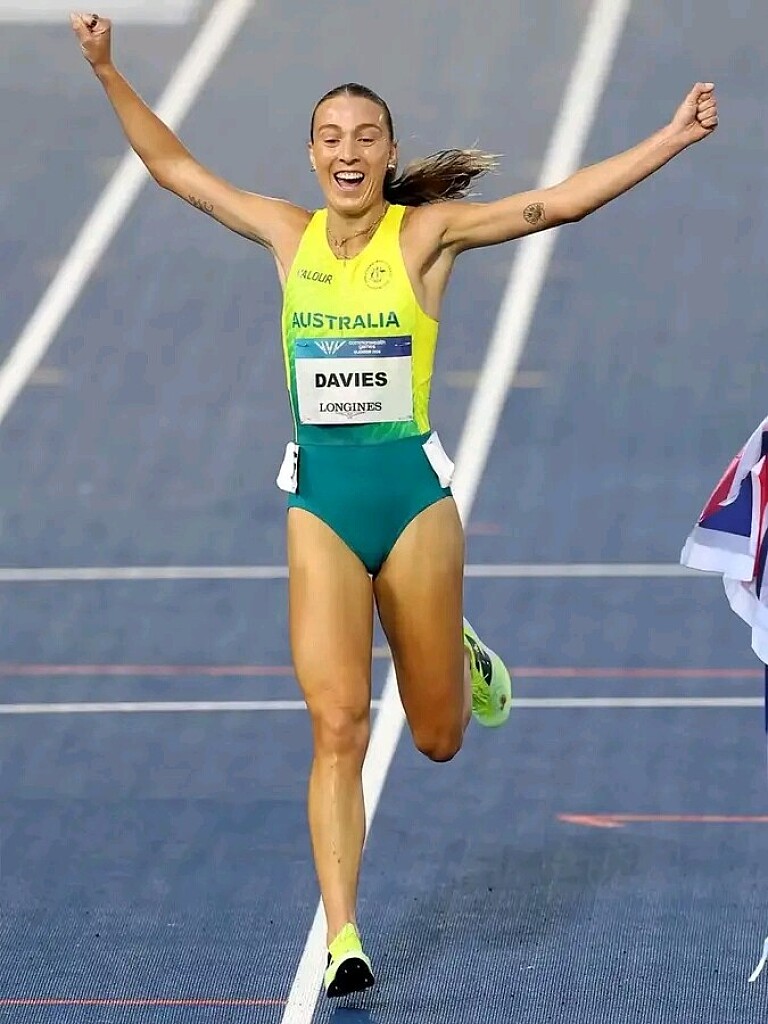
Rose Davies Completes Golden Double as Australia Delivers Historic One-Two in Thrilling Commonwealth Games 5,000m Final
Australia produced one of the most memorable distance-running performances of the Glasgow 2026 Commonwealth Games on Thursday night, claiming a remarkable one-two finish in the women's 5,000 metres as Rose Davies sprinted to her second gold medal of the championships.
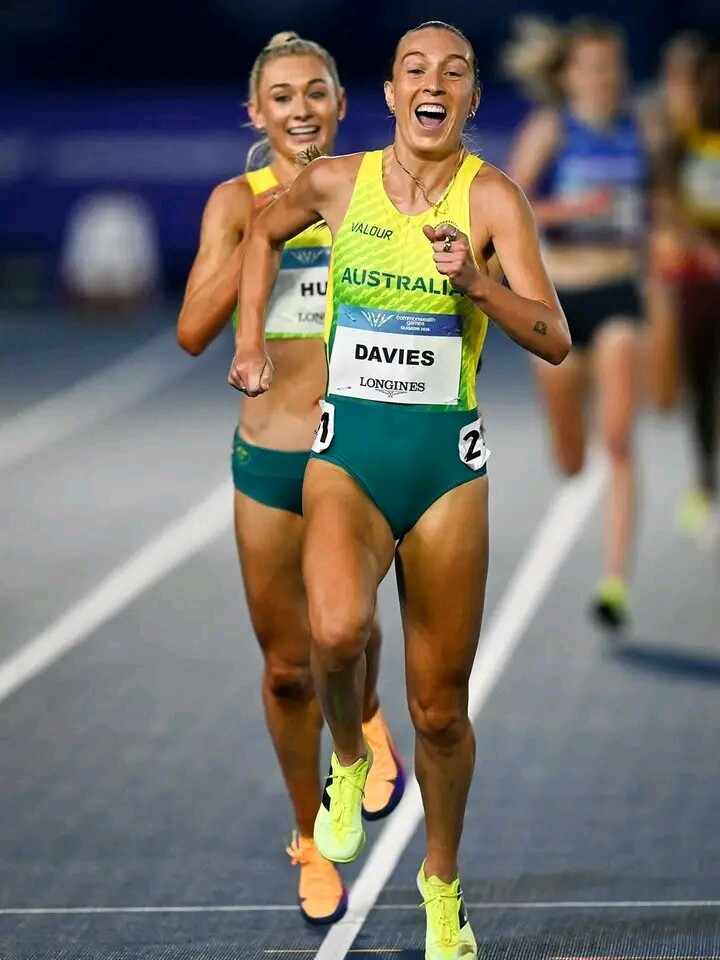
Just days after conquering the 10,000m, Davies completed a sensational distance double by clocking a season's best 14:44.53 to edge fellow Australian Jessica Hull, who crossed the line just 0.48 seconds later in 14:45.01. The historic finish marked a dominant night for Australian athletics, with the nation's two leading distance stars proving untouchable when the race reached its decisive stages.
The women's 5,000m unfolded as a tactical contest for much of the race before exploding into life with 1,200 metres remaining. Davies, Hull and Scotland's Megan Keith launched a sustained surge that immediately stretched the field and shattered the hopes of the chasing pack. Their relentless acceleration proved too much for the African contenders, who were unable to respond as the medals slipped away.
Davies remained composed over the closing lap despite fierce pressure from Hull, holding her form all the way to the finish to secure another Commonwealth crown and cement her place among the standout performers of the Games. Her victory completed a rare golden double in the 5,000m and 10,000m, underlining her exceptional endurance and championship racing instincts.
Hull's silver medal completed Australia's historic one-two finish, rewarding another world-class performance from one of the sport's premier middle- and long-distance runners. Meanwhile, the home crowd erupted as Scotland's Megan Keith produced a season's best 14:49.10 to claim bronze, giving the hosts a memorable podium finish in front of a packed Glasgow stadium.
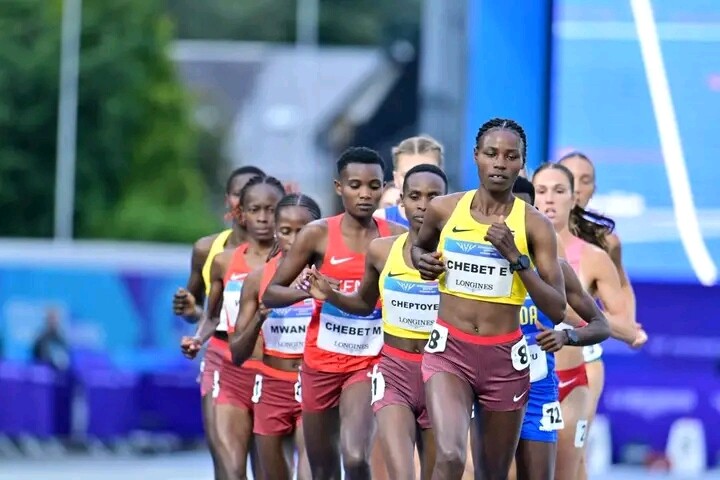
Uganda's Esther Chebet battled bravely to finish fourth in a personal best 14:50.70 after leading the pursuit of the front trio, while England's Hannah Nuttall placed fifth in a season's best 14:51.34. Kenya's Caroline Nyaga crossed the line sixth in 14:54.00, with Australia's Linden Hall adding further depth to her country's outstanding evening by finishing seventh.
The race also featured several outstanding individual performances further down the field. South Africa's Tayla Kavanagh recorded a personal best, Rwanda's Emeline Imanizabayo celebrated a new national record with ninth place, while Uganda's Joy Cheptoyek, England's Innes Fitzgerald, Canada's Gabriela Debues-Stafford and several others produced season or lifetime bests in one of the deepest women's 5,000m finals of the Games.
Women's 5,000m Top 10 Final Results
1. Rose Davies (Australia) – 14:44.53 (Season Best)
2. Jessica Hull (Australia) – 14:45.01 (Season Best)
3. Megan Keith (Scotland) – 14:49.10 (Season Best)
4. Esther Chebet (Uganda) – 14:50.70 (Personal Best)
5. Hannah Nuttall (England) – 14:51.34 (Season Best)
6. Caroline Nyaga (Kenya) – 14:54.00
7. Linden Hall (Australia) – 14:55.28
8. Tayla Kavanagh (South Africa) – 14:58.49 (Personal Best)
9. Emeline Imanizabayo (Rwanda) – 14:59.92 (National Record)
10. Joy Cheptoyek (Uganda) – 15:00.97 (Season Best)
With two gold medals around her neck and Australia's first-ever Commonwealth Games one-two finish in the women's 5,000m, Rose Davies leaves Glasgow having delivered one of the defining performances of the championships. Her unforgettable triumph, backed by Jessica Hull's silver medal, showcased Australia's growing strength in global distance running and ensured the event will be remembered as one of the highlights of the 2026 Commonwealth Games.
by Erick Cheruiyot for My Best Runs.
Login to leave a comment

The Commonwealth Games
The Commonwealth Games are coming to Victoria - bringing an action packed sports program to our regional cities and delivering a long-term legacy for our future. From 17 to 29 March 2026, Geelong, Bendigo, Ballarat, Gippsland and Shepparton will be on the world stage, attracting millions of viewers and creating thousands of jobs. The multi-city model will...
more...
Two Continents, Two Extraordinary Endurance Feats: Hartmuth and Sanchez Rewrite Trail Running History in a Single Day
July 25, 2026, will be remembered as one of the most remarkable days in the history of endurance running. Thousands of kilometers apart, on two vastly different landscapes, two athletes delivered performances that redefined what many believed possible. Germany's Katharina Hartmuth and France's Aurélien Sanchez each erased long-standing benchmarks, proving that the limits of human endurance continue to be pushed further than ever before.
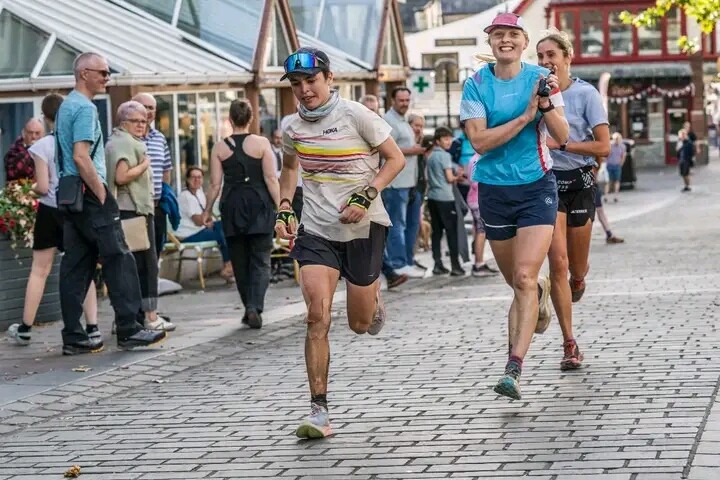
In the rugged mountains of England's Lake District, Hartmuth produced a breathtaking performance on the legendary Bob Graham Round, one of the world's most demanding mountain-running challenges. Covering the iconic circuit of 42 fells with approximately 8,200 metres of relentless climbing, she completed the route in an astonishing 14 hours, 11 minutes and 58 seconds, slicing an incredible 22 minutes from the women's record established by Beth Pascall in 2020.
The Bob Graham Round is far more than a race against the clock. It is a brutal examination of endurance, mountain skills, navigation, and mental resilience. Participants must conquer steep ascents, technical descents, unpredictable terrain, and the notoriously unforgiving weather of the Lake District. The challenge is only officially completed if runners return to the historic George Fisher shop in Keswick within 24 hours, making every second count until the very end.

After crossing the finish, Hartmuth described the achievement as "the coolest day of my running life," a fitting reflection on a performance that instantly secured her place among the greatest mountain runners ever to tackle the historic route.
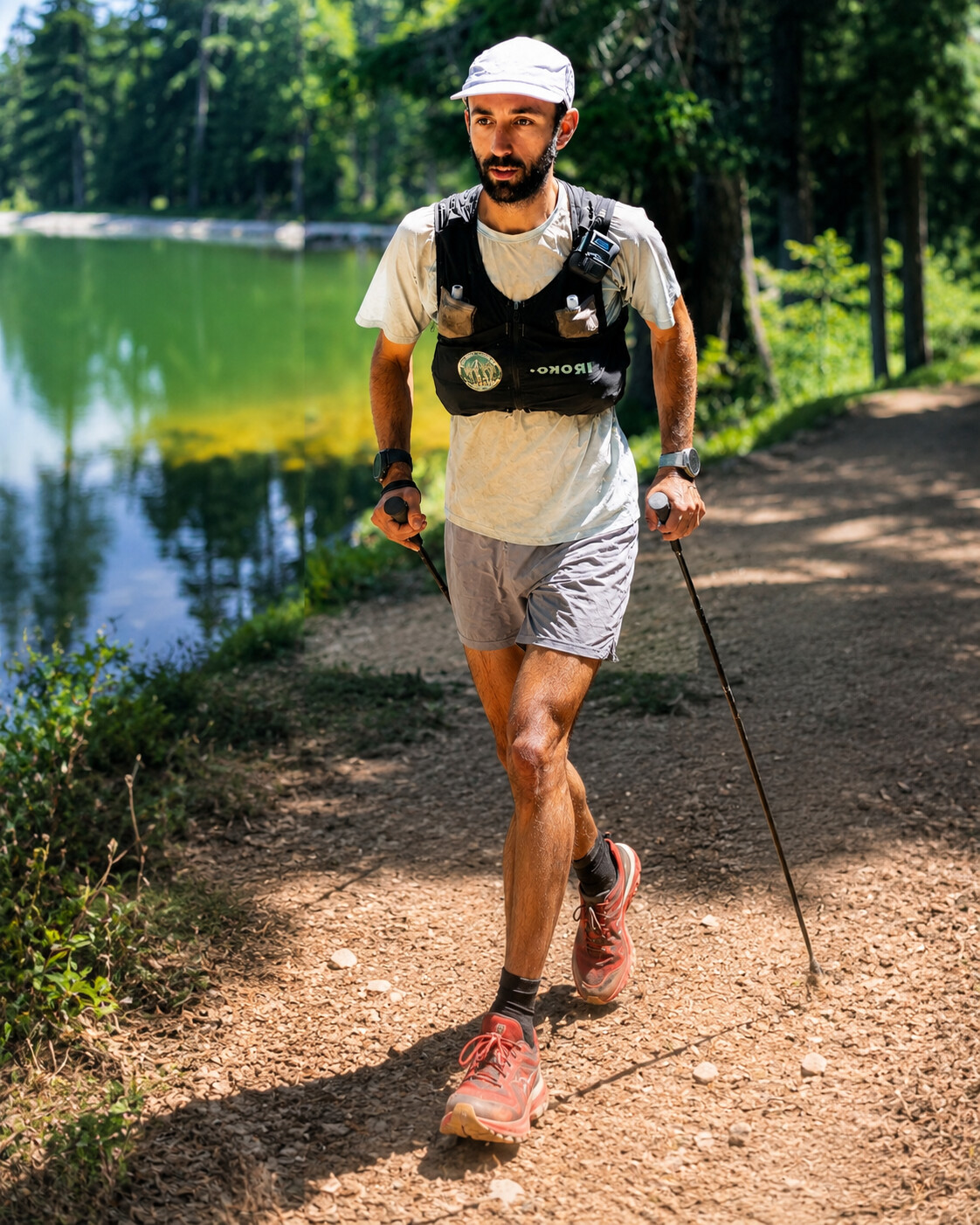
While Hartmuth was celebrating in northern England, another historic effort was unfolding on the opposite side of the globe.
French ultrarunner Aurélien Sanchez completed one of the most demanding point-to-point adventures in trail running by setting a new fastest known time (FKT) on the iconic Pacific Crest Trail. Beginning at the Mexican border on June 8, Sanchez covered the trail's staggering 4,270-kilometre length before reaching the Canadian border in 45 days, 20 hours and 15 minutes.
His remarkable journey eclipsed the previous record, set by Belgium's Karel Sabbe in 2023, by 16 hours. The achievement was anything but straightforward. Sanchez reached the halfway point trailing Sabbe's pace, but an extraordinary surge over the second half saw him average nearly 95 kilometres every day, allowing him to overturn the deficit and finish with a new record.
The Pacific Crest Trail presents one of the toughest endurance challenges on Earth, stretching through scorching deserts, the rugged Sierra Nevada, and the volcanic peaks of the Cascade Range. Covering such diverse and unforgiving terrain demands not only exceptional physical strength but also unwavering determination, meticulous planning, and the ability to endure weeks of relentless fatigue.
Although Sanchez's FKT is still awaiting official verification, Hartmuth's Bob Graham Round record has already been ratified, cementing her place in mountain-running history.
The two achievements could hardly have been more different. One unfolded over a single day across steep British fells, while the other spanned nearly seven weeks across an entire continent. Yet both performances shared the same defining qualities—extraordinary courage, relentless perseverance, and an unwavering belief that records exist to be broken.
On one unforgettable Friday, two athletes, separated by oceans but united by ambition, reminded the running world that endurance has no boundaries and history can be rewritten in more than one place at the same time.
by Erick Cheruiyot for My Best Runs.
Login to leave a comment

WORLD RECORD FORM MEETS WORLD-LEADING SPEED IN LONDON
The stage is set for one of the most eagerly anticipated middle-distance races of the season as three of the world's fastest 800m stars prepare to collide at the London Diamond League on Saturday, 18 July 2026. With Olympic glory, world-leading performances, national records and personal pride all on the line, the British capital is ready for a race that could redefine the event this season.
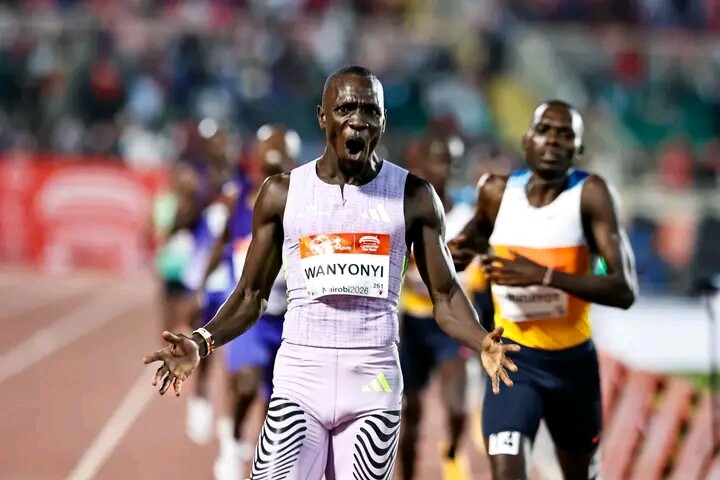
Leading the charge is Kenya's Emmanuel Wanyonyi, the reigning Olympic champion, who arrives in London riding an extraordinary wave of confidence. The 21-year-old has been virtually unstoppable in recent weeks and reminded the world of his exceptional talent when he produced a sensational 2:11.83 over 1,000m at the Monaco Diamond League on 10 July, smashing a world record that had stood for nearly three decades.
Now Wanyonyi returns to a track where he created unforgettable memories a year ago, storming to victory in a meeting-record 1:42.00. His mission this weekend is straightforward but far from easy—defend his London crown against the strongest field assembled this year.
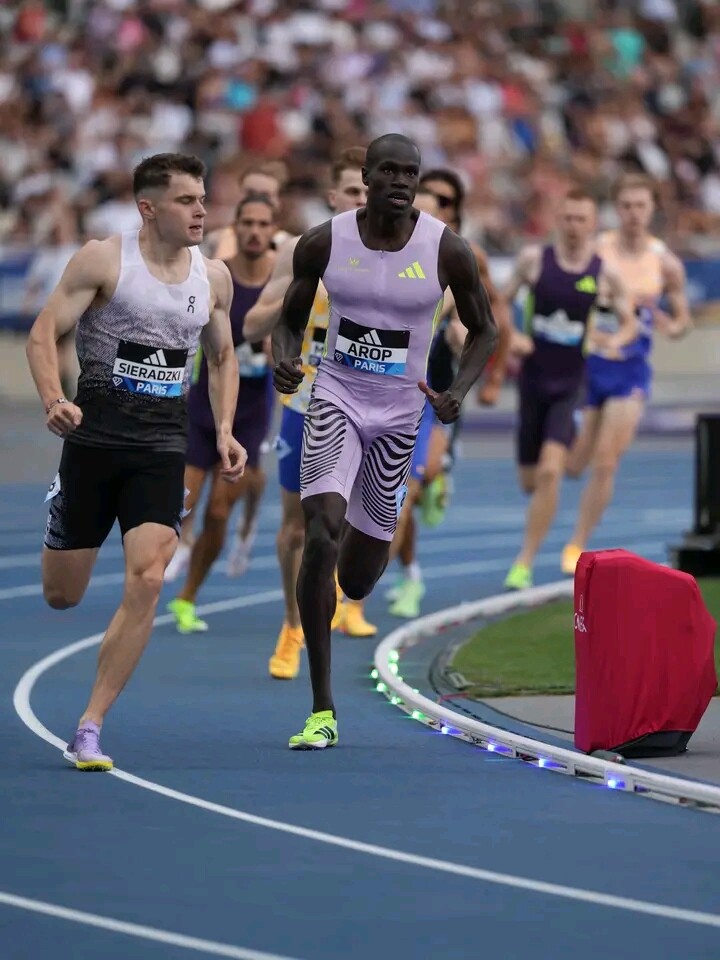
Standing in his way is Canada's Marco Arop, who has looked every bit the athlete capable of dominating the global 800m scene. The Olympic silver medallist currently owns the fastest two-lap performance in the world this season after an emphatic 1:41.84 victory at the Paris Diamond League in late June. Combining blistering speed with remarkable strength over the closing stages, Arop has established himself as one of Wanyonyi's greatest rivals.
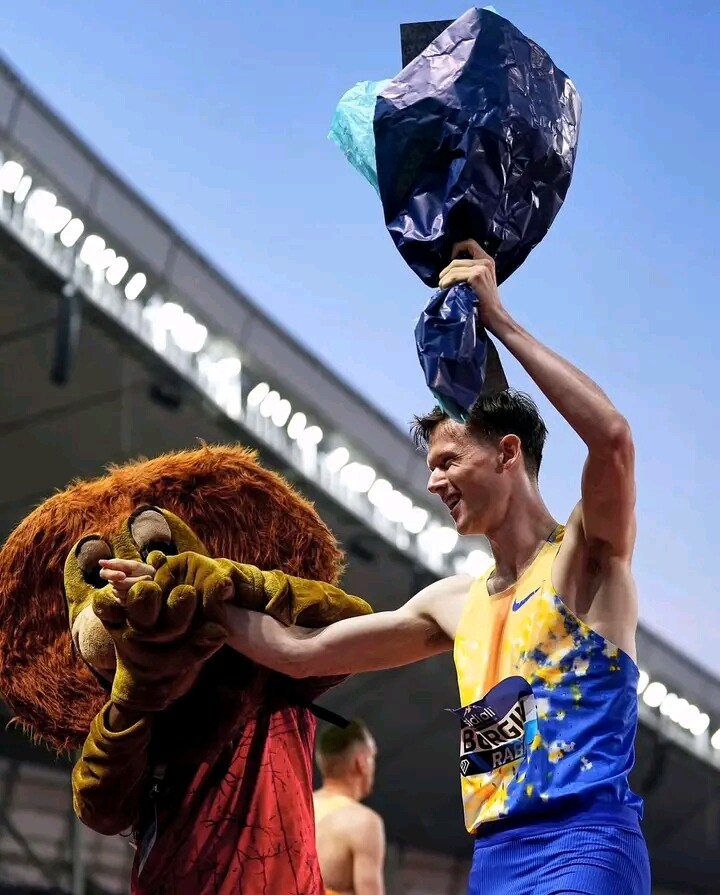
Adding another fascinating dimension is Great Britain's Max Burgin, who will enjoy the full backing of a passionate home crowd. Burgin already proved earlier this season that Wanyonyi can be beaten, producing a stunning upset in Rabat where he claimed victory in 1:42.98. Returning to compete on home soil, he now has an even greater target in sight—Sebastian Coe's British record of 1:41.73, a mark that has stood as one of the nation's most iconic athletics achievements for decades.
But the battle extends well beyond the headline trio.
The race features one of the deepest fields of the Diamond League season, with American star Bryce Hoppel, former world champion Jake Wightman, Australian standout Peter Bol, Ireland's experienced Mark English, Britain's Ben Pattison, Norway's Tobias Grønstad, Ireland's rising talent Cian McPhillips, and Poland's Patryk Sieradzki all capable of influencing the outcome.
With so much quality assembled on one start line, there will be little room for hesitation. Every tactical decision, every move through the bell lap and every stride over the final 200 metres could determine who emerges victorious.
London has witnessed countless unforgettable 800m battles over the years, but this edition promises something truly special. A reigning Olympic champion chasing another statement victory. The world's fastest man of the season determined to confirm his dominance. A home favourite inspired by the roar of the crowd and chasing history.
When the starter's gun fires, reputations will matter little. For two laps, only courage, speed and perfectly judged tactics will decide the champion.
The countdown is over. London is ready for another classic, and the men's 800 metres promises to be nothing short of spectacular.
by Erick Cheruiyot for My Best Runs.
Login to leave a comment
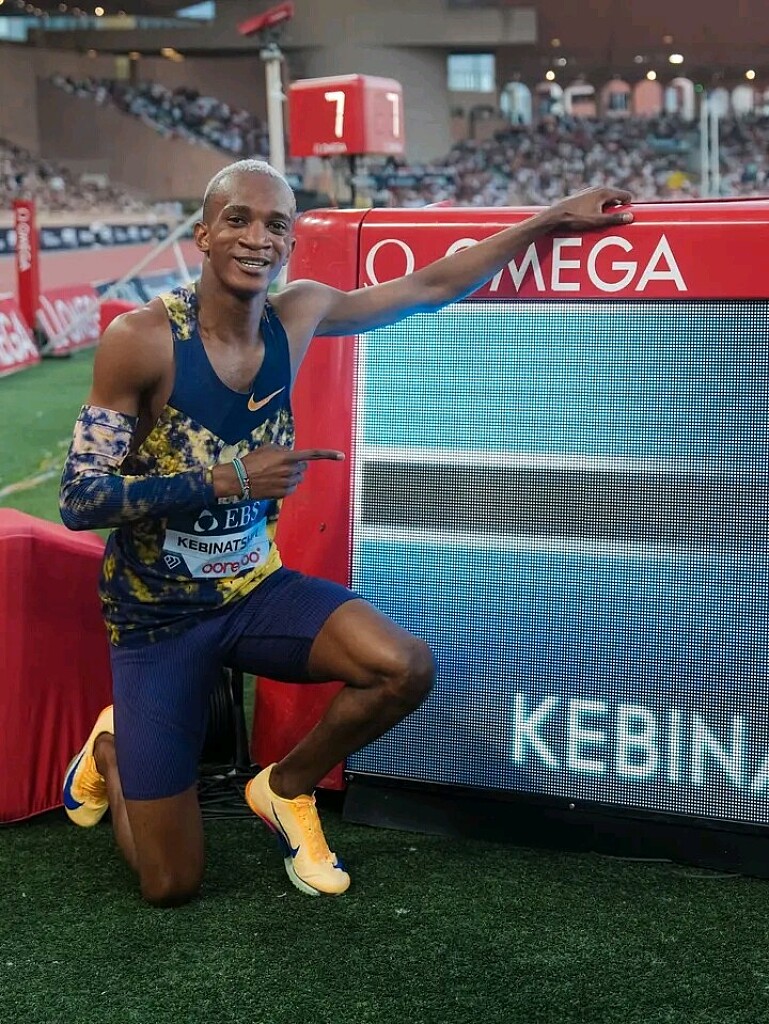
History Made in Monaco: Busang Collen Kebinatships Produces a Record-Breaking 43.44 Masterpiece
The Stade Louis II in Monaco continues to prove itself as one of the fastest tracks in the world, and on Friday night it witnessed yet another unforgettable performance. Busang Collen Kebinatships delivered the race of his life, storming to victory in the men's 400 metres in a sensational 43.44 seconds, rewriting the record books in spectacular fashion.
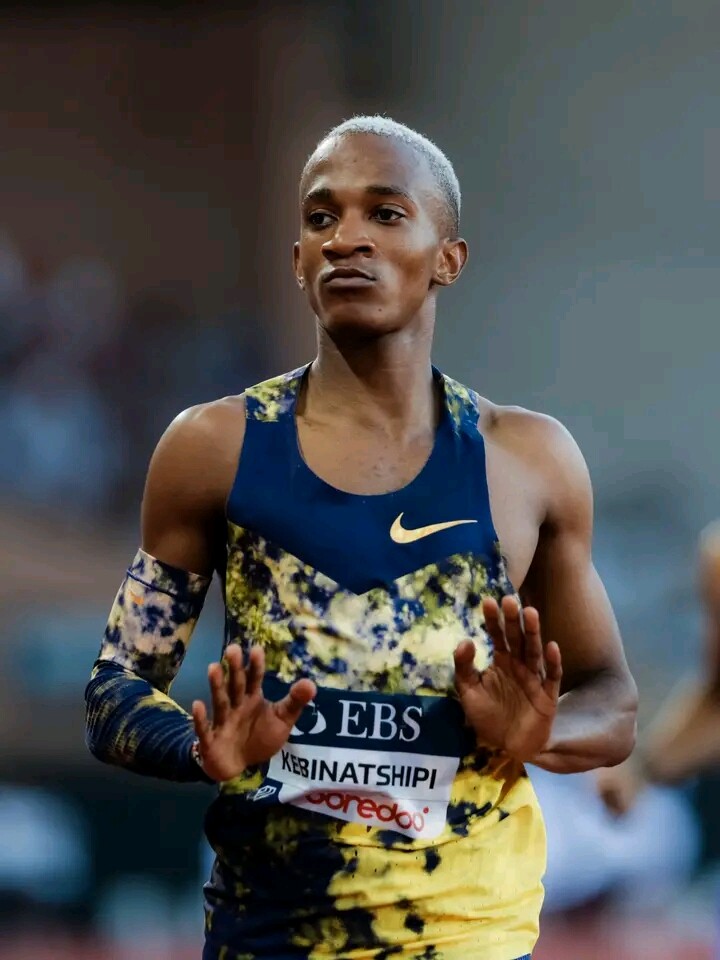
The outstanding performance earned the Botswana star three major milestones in a single race. His remarkable time established a new Meeting Record, a new Diamond League Record, and a new Botswana National Record, underlining the magnitude of one of the finest one-lap performances ever produced on the Diamond League circuit.
From the moment the gun fired, Kebinatships looked composed and in complete control. He attacked the opening 200 metres with confidence before producing a powerful finish down the home straight, leaving his rivals with no answer as he crossed the line in a breathtaking 43.44.
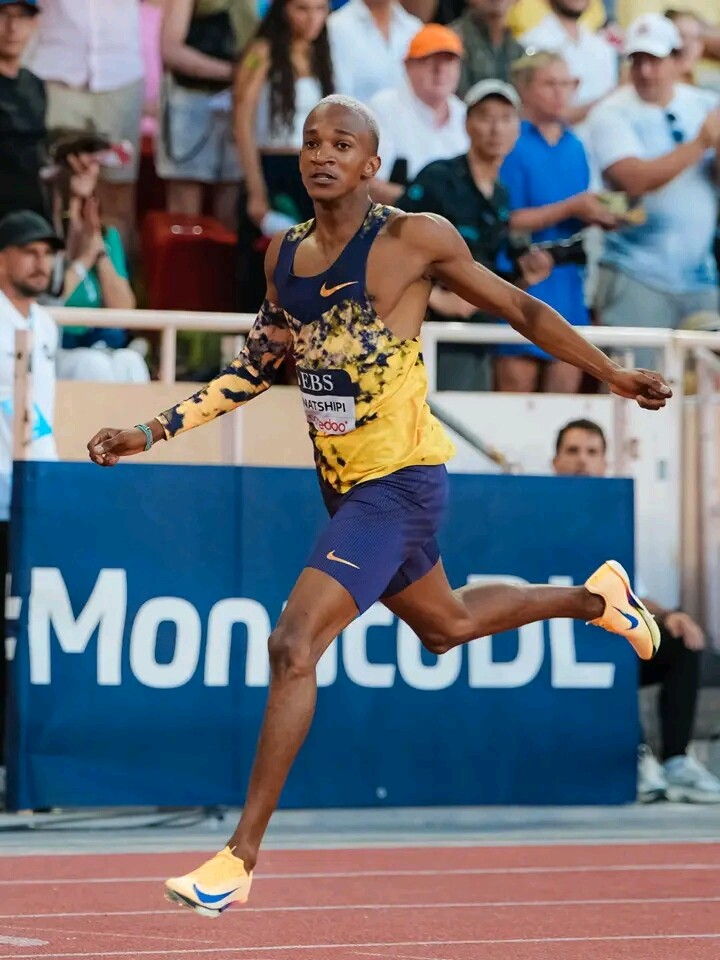
His record-breaking run further cements Botswana's growing reputation as one of the world's emerging sprint powerhouses. The performance also highlights the remarkable standard being produced in the men's 400 metres this season, where athletes continue to push the boundaries of speed.
Monaco has long been known for producing historic athletics moments, and this year's Diamond League meeting added another chapter to that rich legacy. The fast track, ideal conditions and electric atmosphere combined perfectly to create another night of world-class competition.
For Kebinatships, this was far more than just another victory. It was a statement to the rest of the world that he belongs among the very best in the event. By lowering three significant records in one unforgettable race, he has firmly established himself as one of the leading contenders heading into the major championships.
As the Diamond League season gathers momentum, the athletics world will now be watching closely to see how much faster the Botswana sensation can go. If Monaco is any indication, the ceiling for Busang Collen Kebinatships is still far from being reached
by Erick Cheruiyot for My Best Runs.
Login to leave a comment
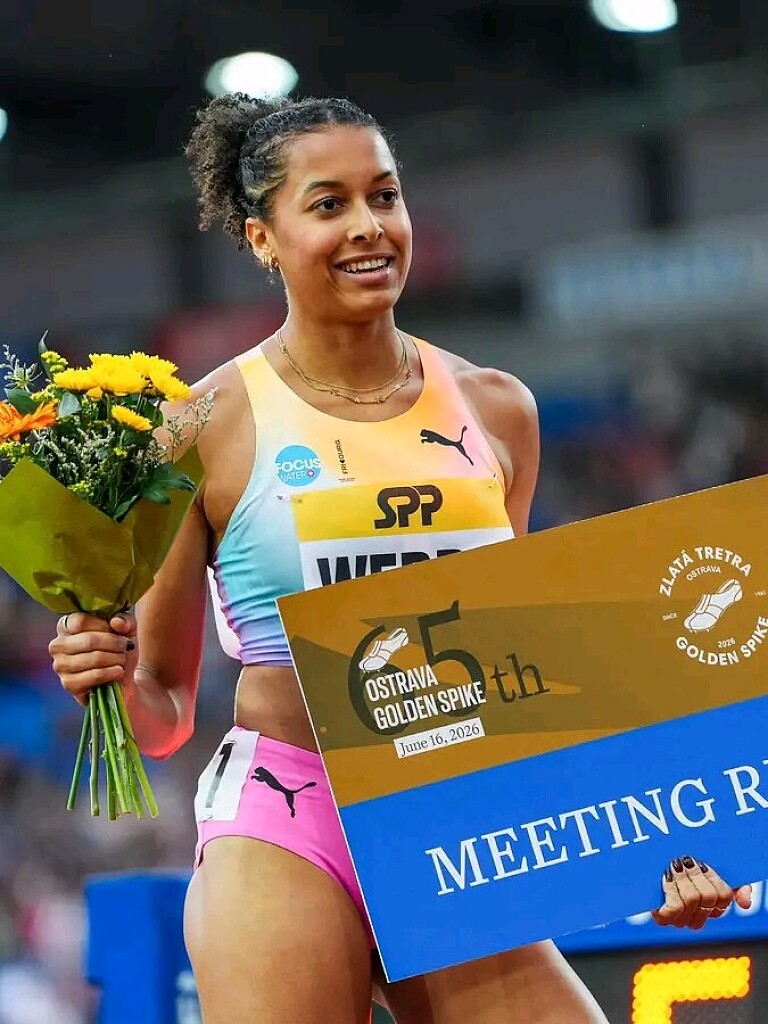
Audrey Werro Delivers Another Statement Run as 800m World Record Watch Intensifies
Audrey Werro continues to announce herself as one of the most exciting talents in global middle-distance running after producing another breathtaking 800m performance in Ostrava.
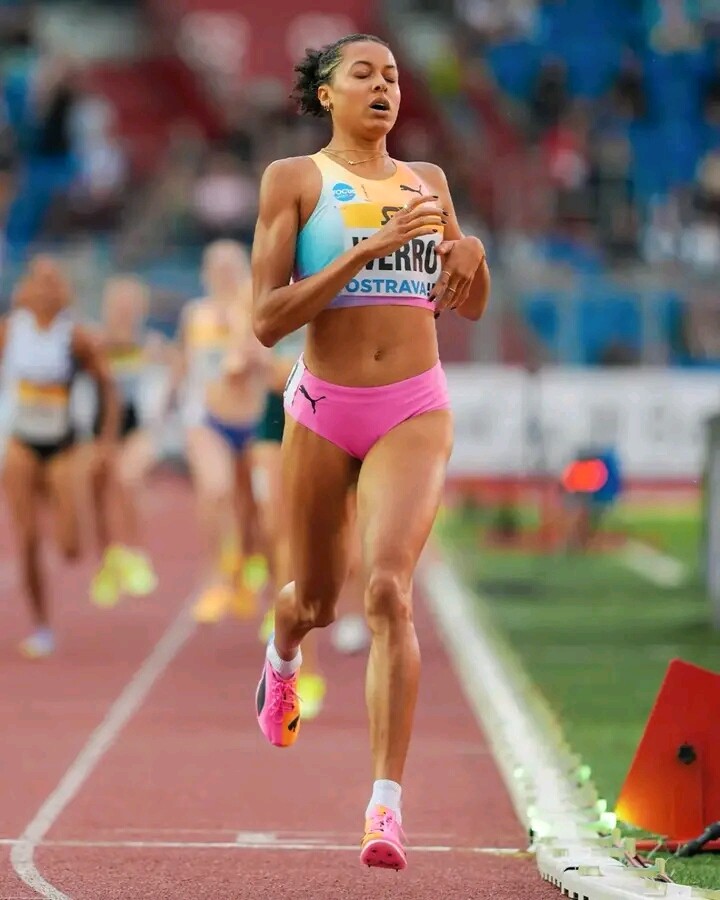
The Swiss star stormed to victory in 1:54.45, delivering a commanding display that once again placed her among the fastest women ever over the distance. Werro stayed composed through the early stages before making her decisive move in the final 200 metres, creating separation from a world-class field and powering home for a dominant win.
The race was set up at a furious pace, with the pacemaker taking the athletes through 400m in 55.8 seconds. Femke Bol’s sister, Femke Broeders-Bol, who has stepped up from the 400m hurdles this season, showed her growing strength by staying in contention alongside Werro deep into the race.
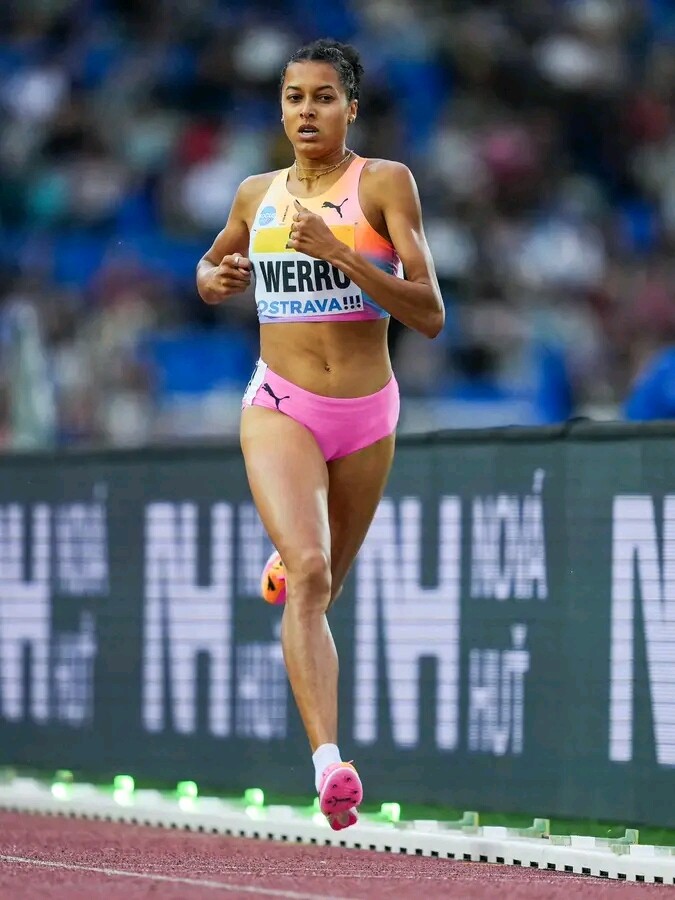
Broeders-Bol held on impressively until the final 200m before Werro shifted gears and pulled away. The Dutch athlete crossed the line second in a remarkable 1:57.13, moving to No.3 on the Dutch all-time 800m rankings with one of the best performances of her career.
The quality of the race was further highlighted by the depth of the field, as all eight finalists broke the two-minute barrier in a remarkable display of women’s 800m strength.
Werro’s performance has once again raised the question of whether the legendary world record could finally be under threat. Jarmila Kratochvílová’s long-standing mark of 1:53.28 from 1983 remains untouched, but with the current generation producing performances of this level, the historic record appears more vulnerable than it has in years.
Ostrava delivered a moment that showcased the incredible evolution of the women’s 800m, with Werro leading the charge and proving that history may soon be within reach.
by Erick Cheruiyot for My Best Runs.
Login to leave a comment
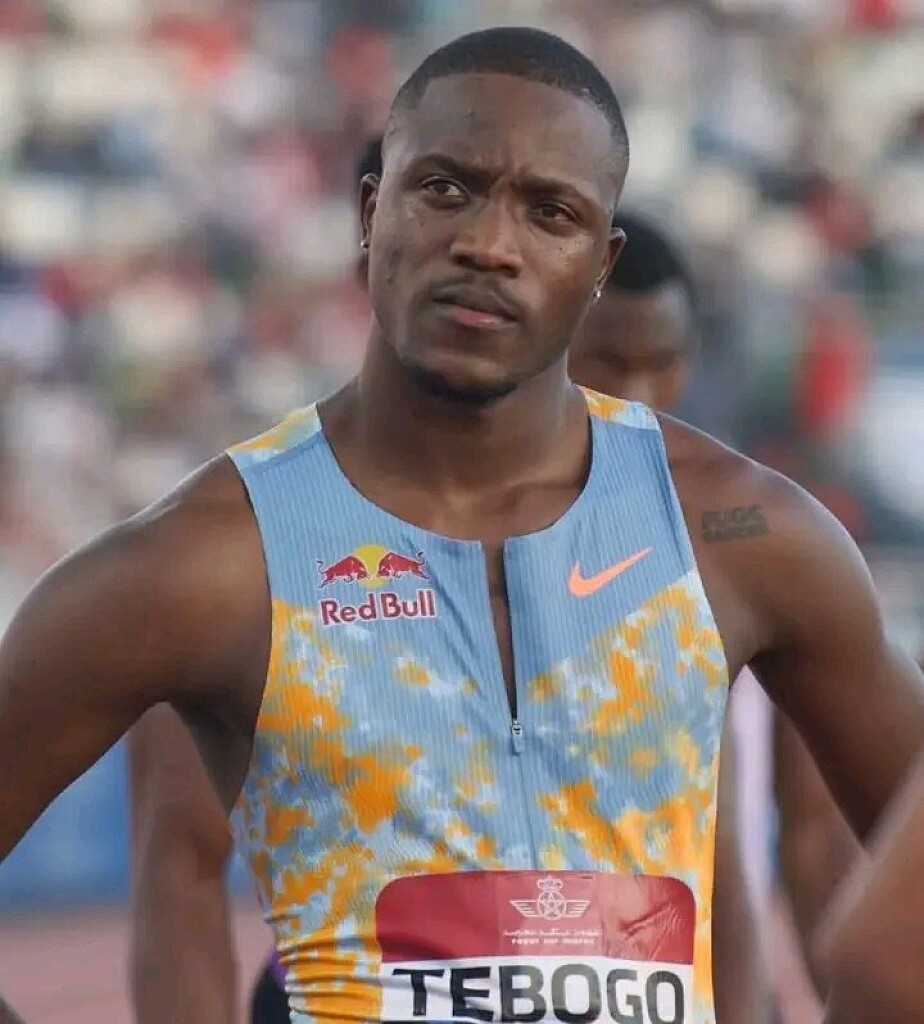
Speed, Power and Pride: Tebogo Headlines Star-Studded Men's 100m at the LA Grand Prix
The countdown is on for one of the most anticipated sprint clashes of the season as the 2026 LA Grand Prix prepares to showcase a world-class men's 100m field on Sunday, June 14 in Los Angeles, USA.
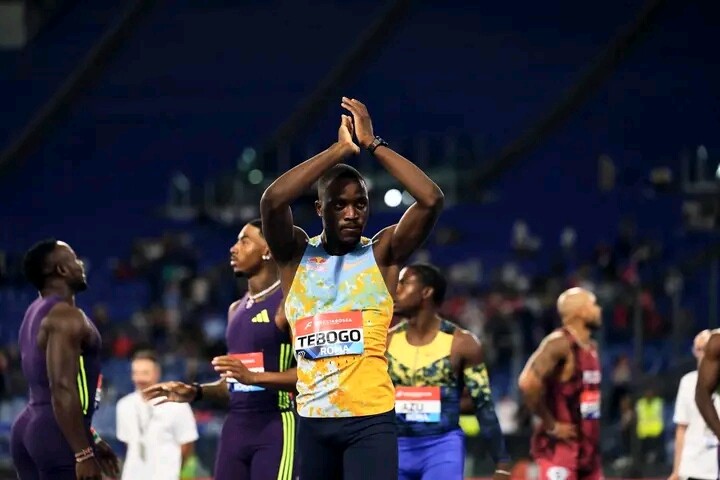
With Olympic champions, world medalists, and some of the fastest men on the planet set to line up, fans can expect a race packed with speed, drama, and fierce competition from the moment the starter's gun fires.
Leading the field is Botswana's sprint sensation, Letsile Tebogo, whose rise to global stardom has transformed him into one of athletics' most exciting figures. Known for his composure, explosive finishing speed, and ability to deliver on the biggest stages, Tebogo arrives in Los Angeles carrying the expectations of a nation and the attention of the athletics world.
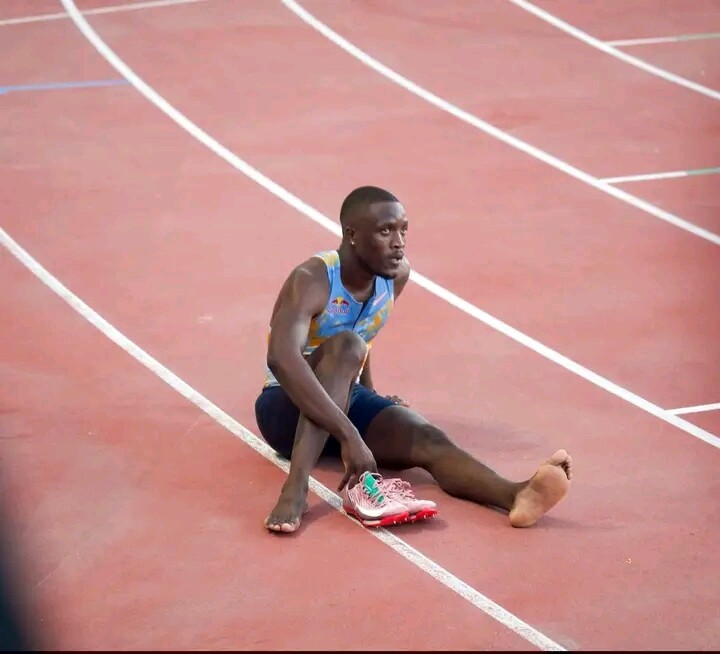
Standing in his way is a formidable American contingent led by Kenneth Bednarek, the versatile sprint star who continues to prove himself among the world's elite. While best known for his success over 200 metres, Bednarek has shown that he possesses the raw speed necessary to challenge the very best in the shorter sprint.
The United States will also field experienced speedsters Trayvon Bromell and Christian Coleman, two athletes whose careers have been defined by lightning-fast performances. Bromell remains one of the quickest starters in the sport, while Coleman has built a reputation as one of the greatest 100m specialists of his generation. Their presence guarantees that no margin for error will exist in this race.
Adding further intrigue is Ghana's rising talent Abdul-Rasheed Saminu, who continues to establish himself as a serious contender on the international circuit. Against such elite opposition, the Ghanaian sprinter will have an opportunity to measure himself against some of the sport's biggest names.
The depth of the field is strengthened by American athletes Courtney Lindsey, Brandon Hicklin, and Sam Blaskowski, all capable of producing breakthrough performances when the stakes are highest.
by Erick Cheruiyot for My Best Runs.
Login to leave a comment
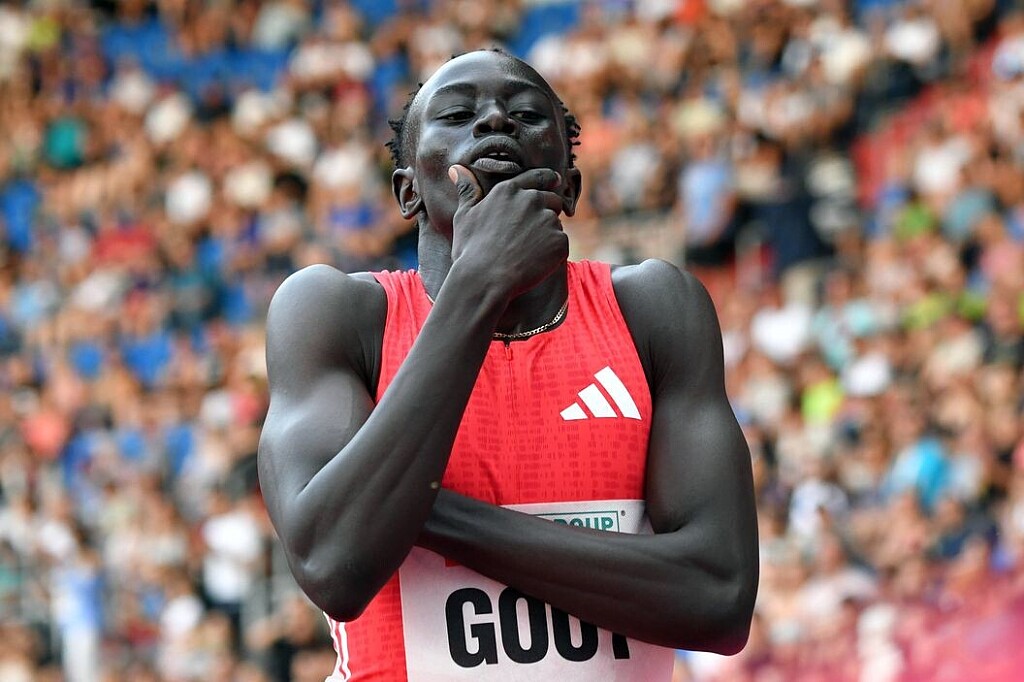
Australian Stars Set to Shine as Diamond League Lands in Oslo
The Diamond League caravan rolls into Norway this week, and a strong Australian contingent is ready for another major test on one of athletics' most prestigious stages. With the European season gathering pace and championship ambitions beginning to take shape, Thursday's meeting in Oslo promises high-quality competition and several compelling Australian storylines.
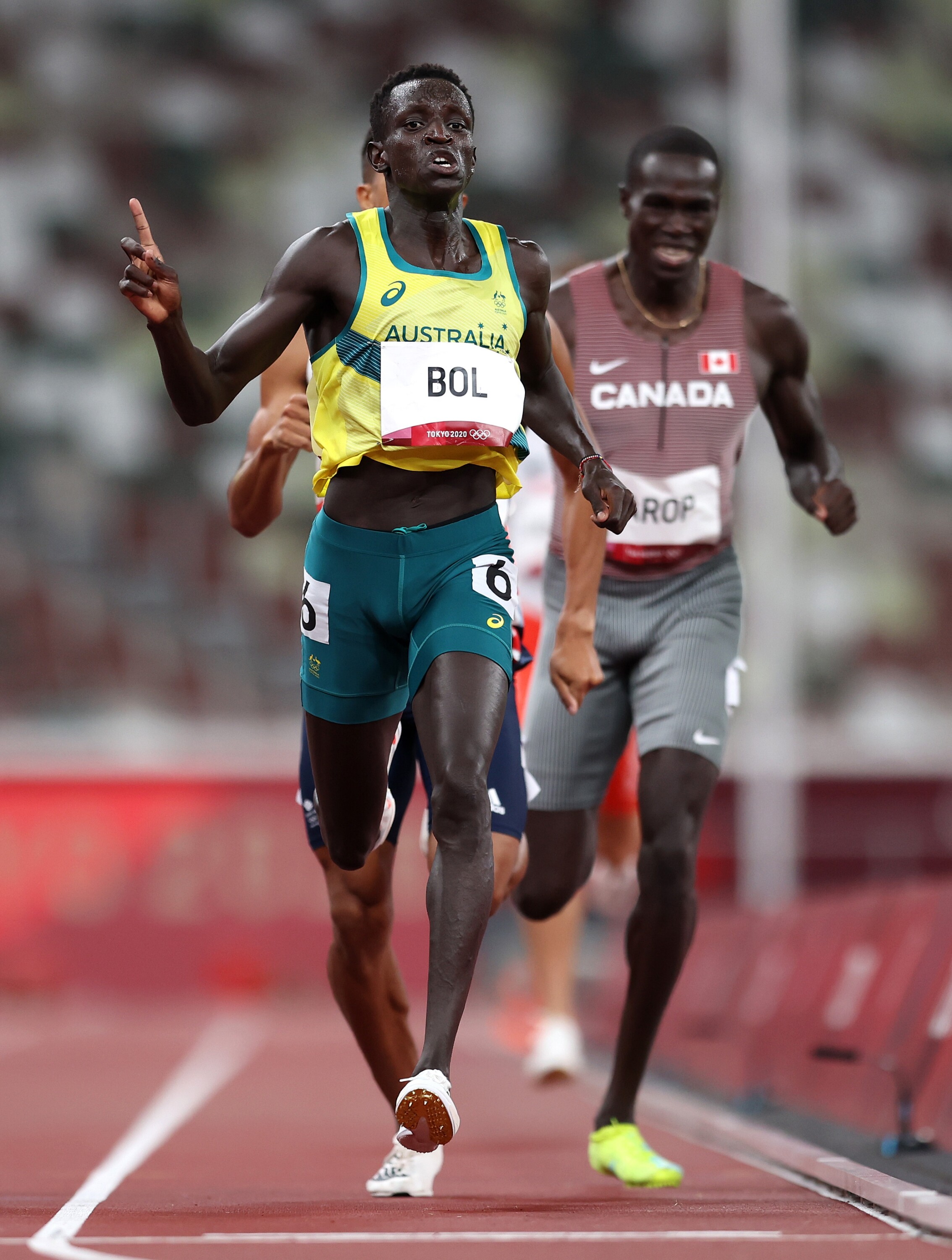
Leading the charge is Peter Bol in the men's 800 metres. The Australian star continues his return to elite racing and faces another opportunity to measure himself against some of the world's best middle-distance runners. With every Diamond League appearance carrying added significance, Bol will be looking to build further confidence and rhythm as the season progresses.
Australia's depth in distance running will be on full display in the women's 3000 metres, where Lauren Ryan, Rose Davies, Georgia Griffith, and Linden Hall are all set to take the start line. The quartet represents a new era of Australian endurance running, with each athlete bringing proven international credentials and the ability to challenge in fast-paced championship-style races.
Attention will also turn to the men's 200 metres, where teenage sensation Gout Gout continues his remarkable rise. The young sprinter has become one of the most talked-about prospects in world athletics, and another appearance on the Diamond League stage offers a valuable opportunity to gain experience against established international stars while continuing his rapid development.
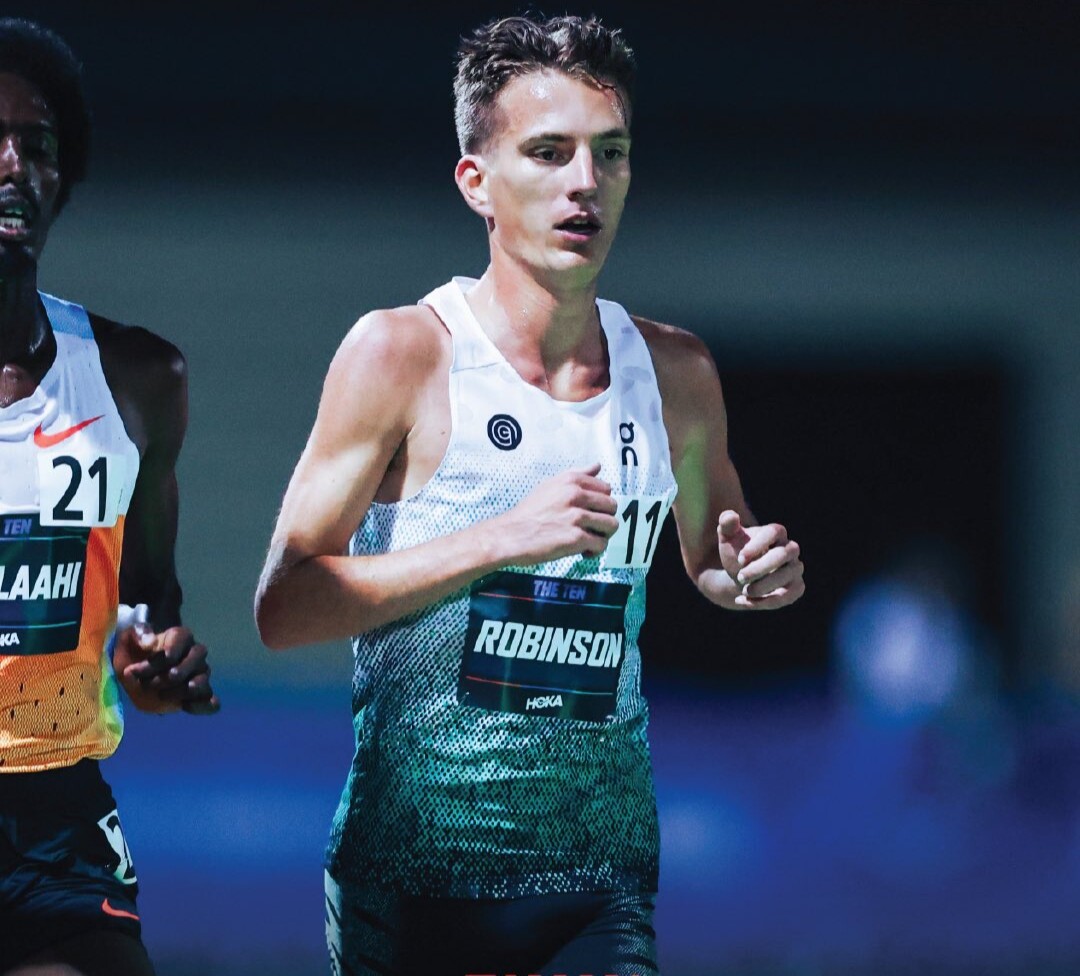
In the men's 5000 metres, Ky Robinson will look to continue his impressive progression against a world-class field. Robinson has emerged as one of Australia's most consistent distance performers, and the Oslo meeting presents another chance to test himself in what is expected to be a fiercely competitive race.
The Australian challenge concludes in the men's mile, where Cameron Myers returns to one of the sport's most iconic events. Still in the early stages of his career, Myers has already demonstrated exceptional talent and composure against elite opposition. Another strong performance in Oslo would further strengthen his growing reputation as one of the brightest young middle-distance athletes in the world.
As the Diamond League season continues its journey through Europe, Australia's presence on the international circuit remains stronger than ever. From emerging stars to established contenders, the Oslo meeting offers another opportunity for the green and gold to make an impact on one of athletics' biggest stages.
Norway is next, and Australia's Diamond League campaign shows no signs of slowing down.
by Erick Cheruiyot for My Best Runs.
Login to leave a comment
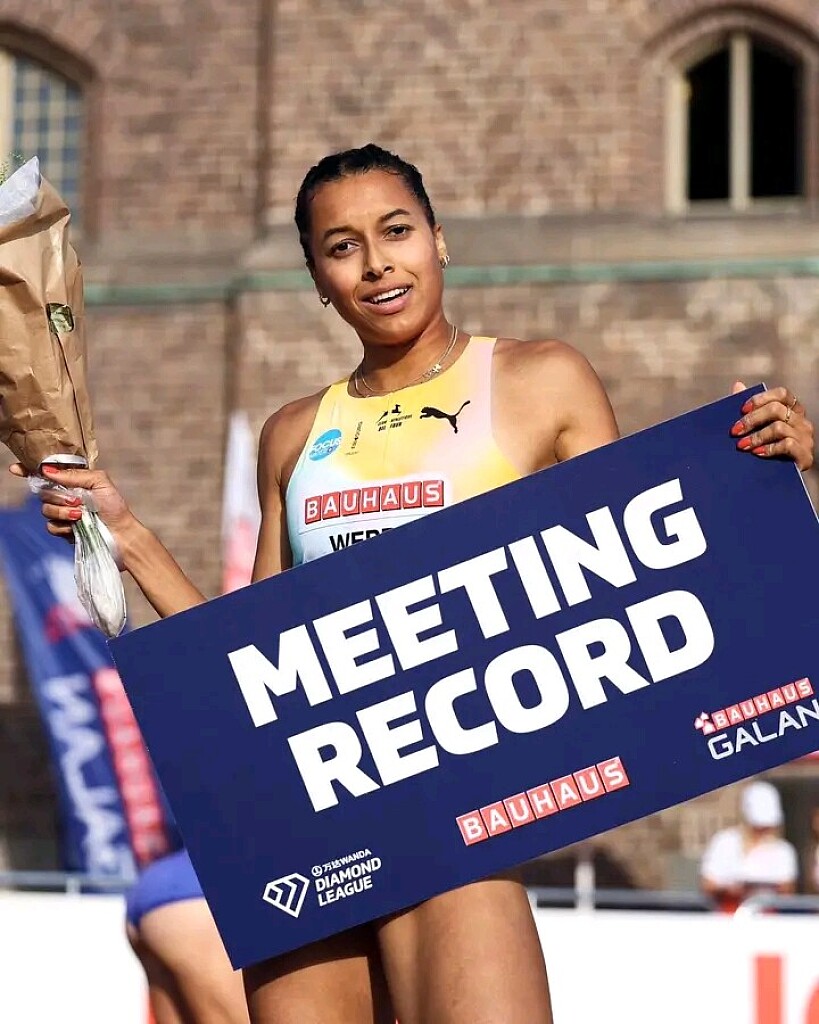
STOCKHOLM SHOCKWAVE: AUDREY WERRO BLASTS 1:53.98 IN ONE OF THE FASTEST 800M RACES EVER RUN
Stockholm delivered pure middle-distance history as the Wanda Diamond League witnessed a truly extraordinary women’s 800m—one that will be remembered as one of the fastest races in the event’s modern era.
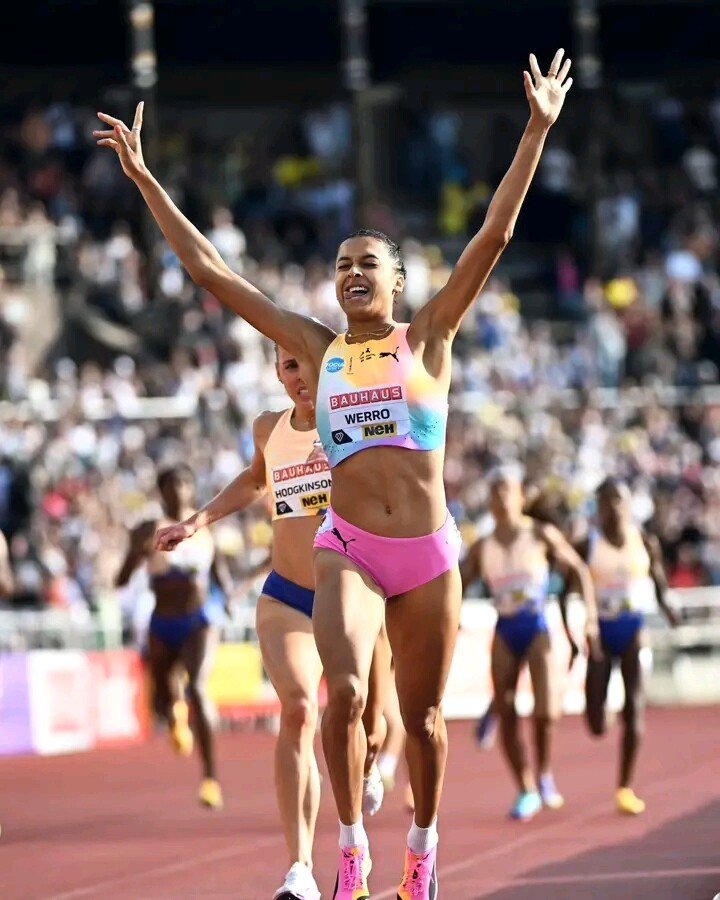
Switzerland’s rising star Audrey Werro produced the performance of her life, storming to victory in a breathtaking 1:53.98, a world-leading mark and a national record. In doing so, she became the third-fastest woman in history over 800m, coming within just 0.70 seconds of the legendary world record of 1:53.28 set by Jarmila Kratochvílová in 1983.
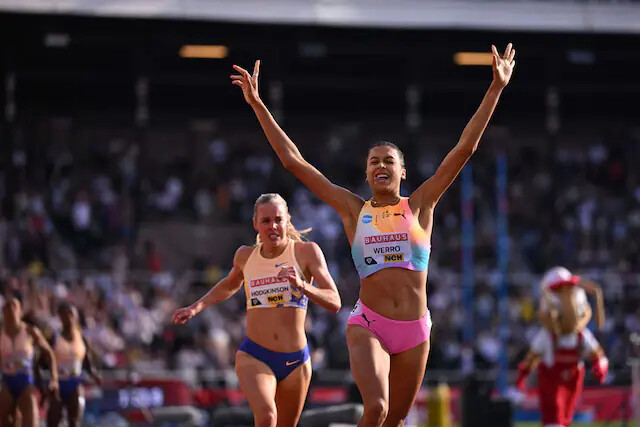
It was a fearless, perfectly timed run—controlled early, explosive down the back straight, and devastating in the final 200 metres as Werro pulled away in a finish of historic quality.
Right behind her, Keely Hodgkinson from Great Britain once again proved her consistency at the very highest level. The British star delivered a sensational 1:54.33, setting a new British national record and securing her place as the third-fastest woman in history. Despite finishing second, her performance was another statement of world-class dominance in a golden era for women’s 800m running.
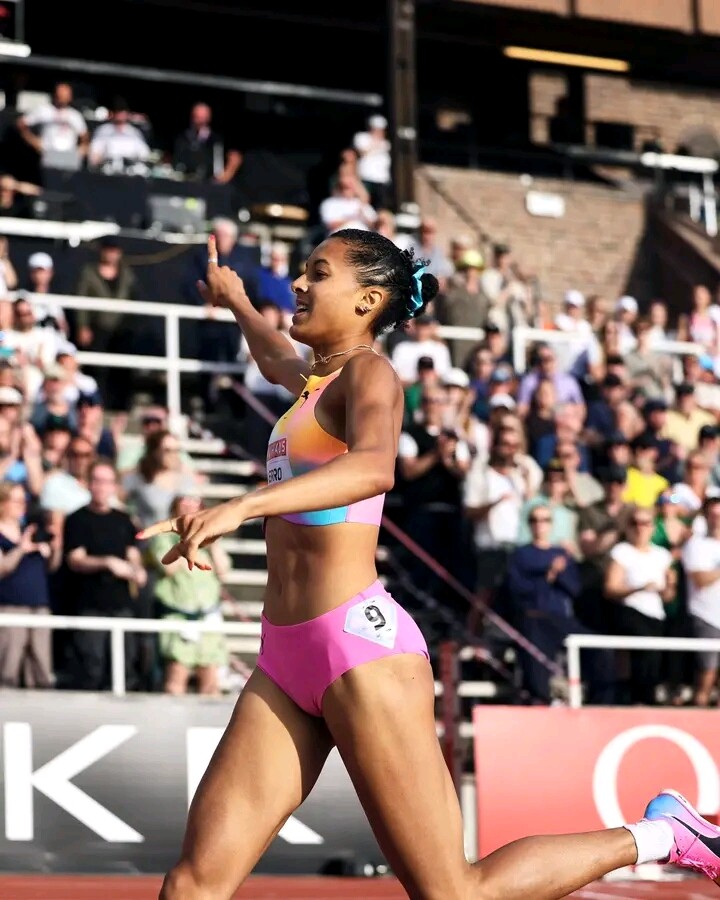
Behind the leading duo, the rest of the field produced high-quality performances in a race where almost every athlete was pushed to season’s or personal best levels.
Official Results – Women’s 800m (Stockholm DL)
1. Audrey Werro — Switzerland — 1:53.98 (WL, NR)
2. Keely Hodgkinson — Great Britain — 1:54.33 (NR)
3. Roisin Willis — United States — 1:57.56 (PB)
4. Anaïs Bourgoin — France — 1:57.68
5. Prudence Sekgodiso — South Africa — 1:57.70
6. Anna Wielgosz — Poland — 1:57.92 (PB)
7. Raevyn Rogers — United States — 1:57.94 (SB)
8. Sage Hurta-Klecker — United States — 1:58.26
9. Nigist Getachew — Ethiopia — 1:58.59
10. Pernille Karlsen Antonsen — Norway — 1:58.82 (PB)
11. Gabriela Gajanová — Slovakia — 2:02.88
DNF. Rachel Klopfenstein (Pacer)
From start to finish, the race unfolded at an unforgiving pace, with the front pack shredding expectations and rewriting the limits of women’s 800m running. Multiple athletes dipped under 1:58, highlighting just how exceptional the conditions and competition were.
As the dust settles in Stockholm, one question now rises above the rest: are we witnessing the beginning of a new era where the long-standing world record from 1983 finally comes under serious threat?
If this race is any indication, history may not only be under pressure—it may already be closing in.
by Erick Cheruiyot for My Best Runs.
Login to leave a comment
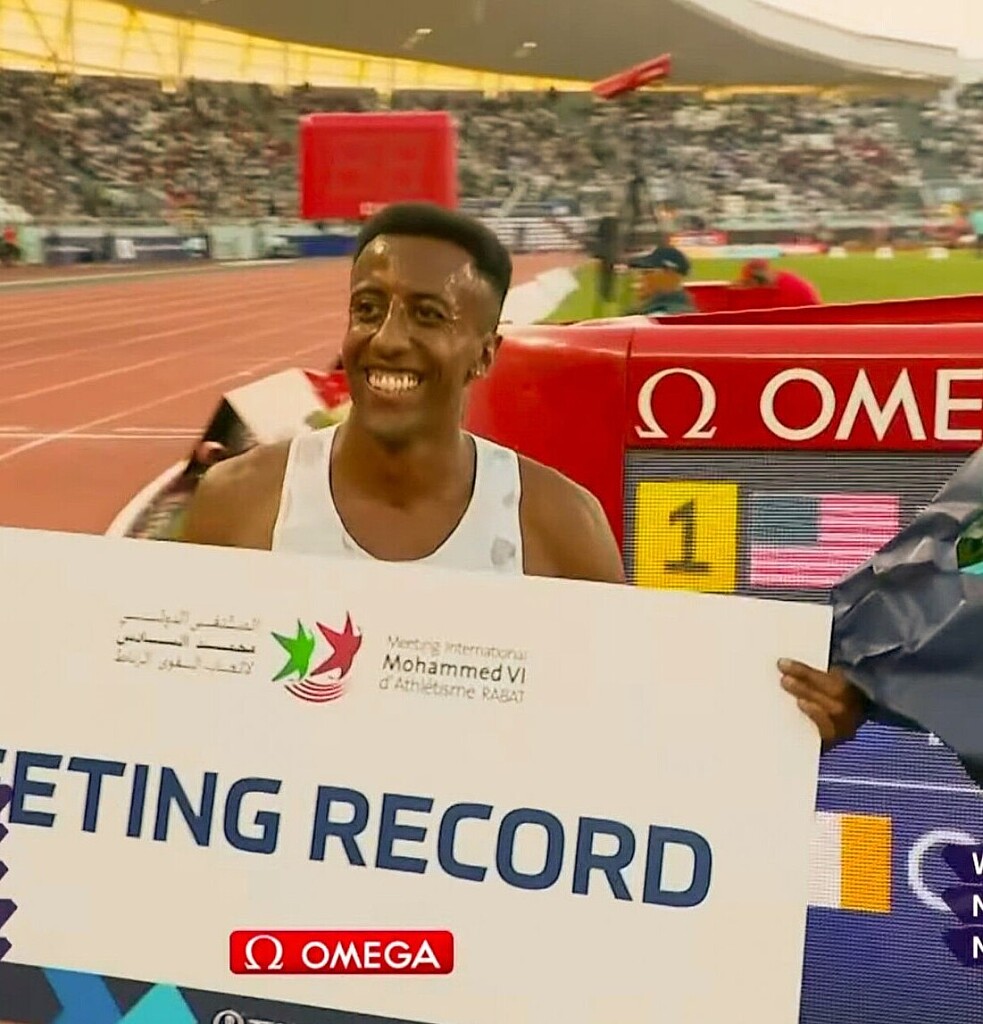
Nuguse Blazes to Meet Record as World-Class 1500m Battle Lights Up Rabat
American middle-distance star Yared Nuguse launched his 2026 outdoor campaign in spectacular fashion, storming to victory and a new meeting record in the men's 1500 metres at the Rabat Diamond League on Sunday.
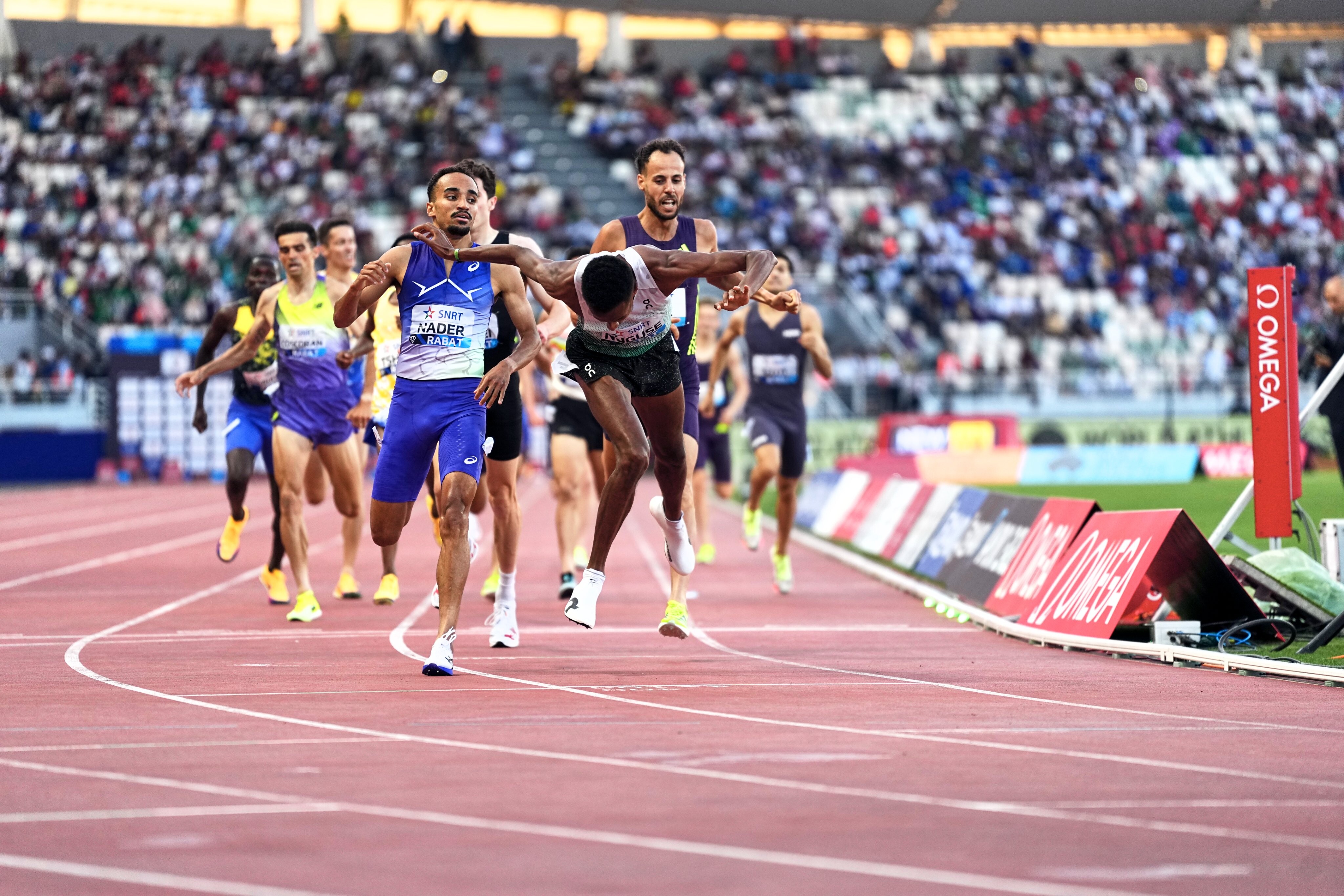
The Olympic and world medal contender produced a composed and clinical performance, crossing the finish line in 3:30.35 after a fiercely contested race that showcased some of the finest talent in global middle-distance running. Nuguse timed his effort to perfection, holding off a relentless late challenge from reigning World Champion Isaac Nader of Portugal, who closed rapidly but fell just short in 3:30.43.
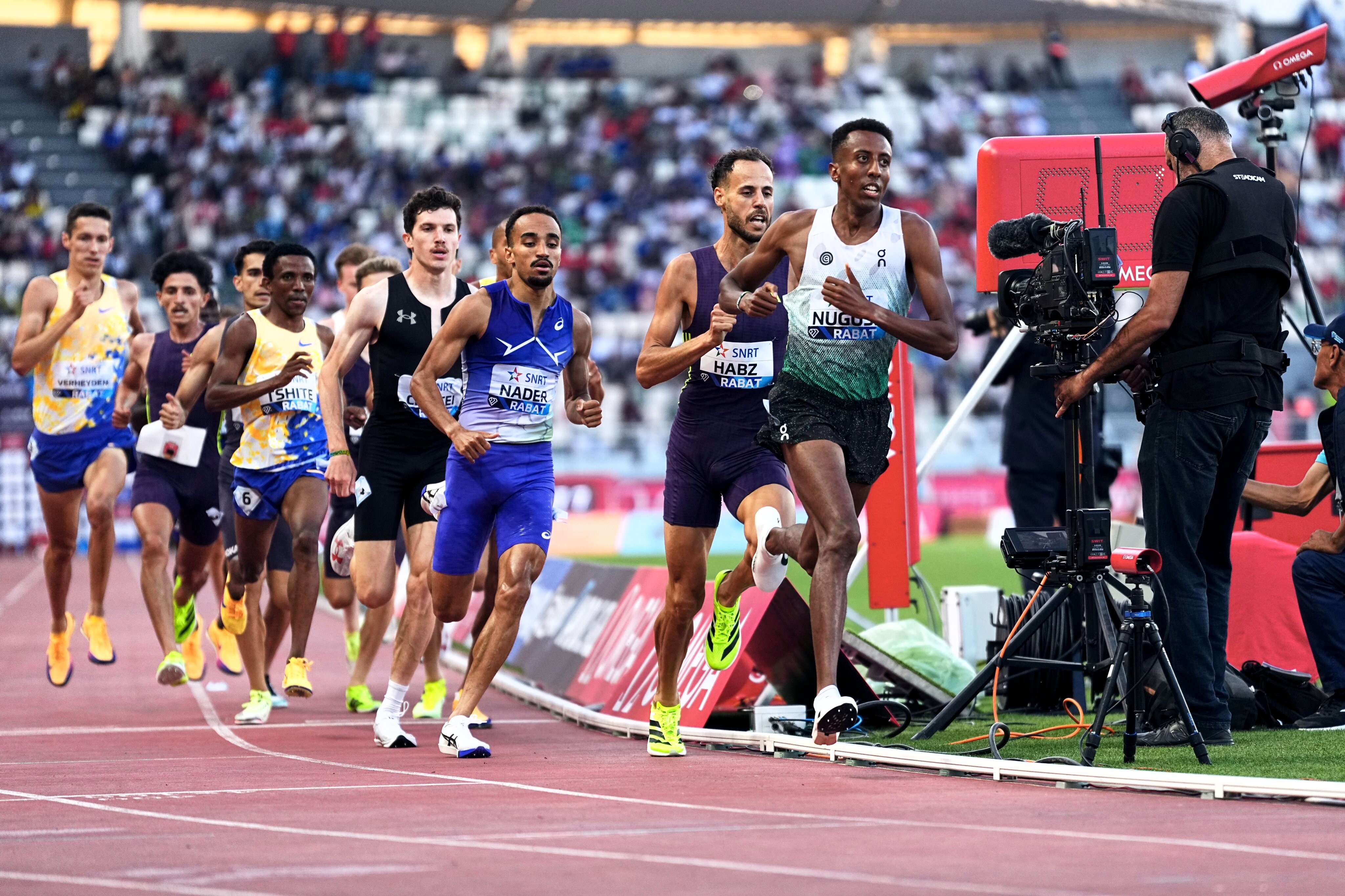
The race developed into a thrilling showdown over the final 200 metres, with Nuguse maintaining his poise under pressure as Nader unleashed a powerful finishing kick. Despite the Portuguese star's impressive surge, the American had already built enough momentum to secure both the victory and the meeting record in one of the fastest 1500m races of the season.
French athlete Azzedine Habz completed the podium after another strong performance, clocking 3:30.68 to underline the exceptional depth of the field. With all three medalists finishing comfortably under 3:31, Rabat delivered a race worthy of its reputation as one of the premier stops on the Wanda Diamond League circuit.
For Nuguse, the victory sends an early statement to his rivals as the championship season approaches. Opening his year with a meeting record against a field featuring a reigning world champion highlights both his consistency and his growing status among the world's elite milers.
The result also signals that the men's 1500m is once again shaping up to be one of athletics' most competitive events. With Nuguse, Nader, Habz and several other global stars already displaying outstanding form, fans can expect more thrilling battles as the road to the major championships gathers momentum.
In Rabat, however, the spotlight belonged to Nuguse. On a night packed with quality performances, the American delivered exactly the kind of statement run that champions are remembered for—fast, fearless and ultimately record-breaking.
by Erick Cheruiyot for My Best Runs.
Login to leave a comment
Bashir Abdi’s National Record Annulled After Half Marathon Course Found Short
Distance running can be brutally unforgiving, but few moments are as heartbreaking as producing the race of your life only to discover it will never officially count.
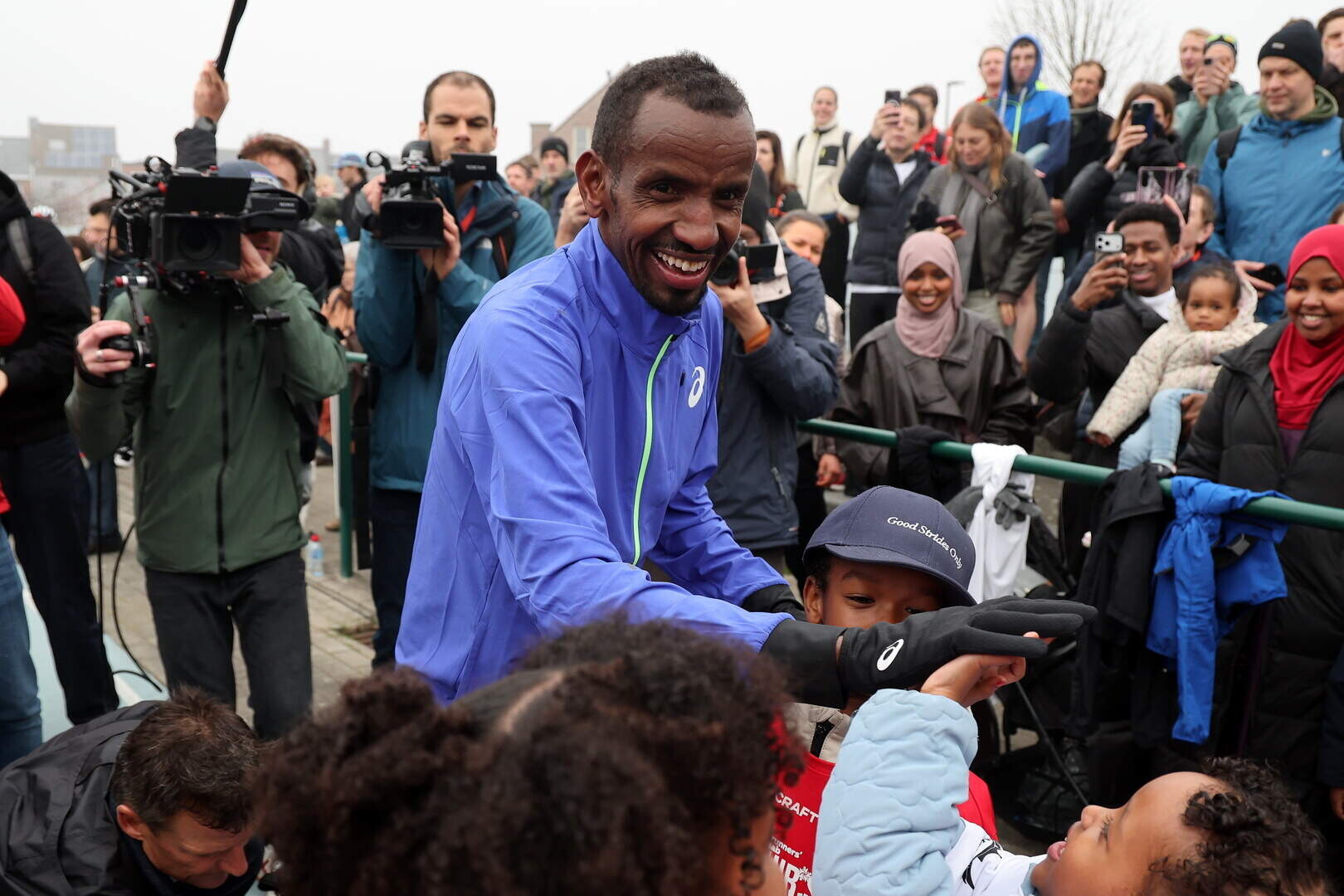
That painful reality has now struck Dutch long-distance star Bashir Abdi after his remarkable half marathon performance in Gentbrugge was annulled following confirmation that the course measured approximately 200 metres short.
Abdi had appeared to rewrite the Dutch record books with a sensational time of 59:28, slicing 23 seconds off his previous national mark of 59:51. The performance was initially celebrated as another milestone in the decorated career of one of Europe’s finest marathon runners, sparking excitement across the athletics world.
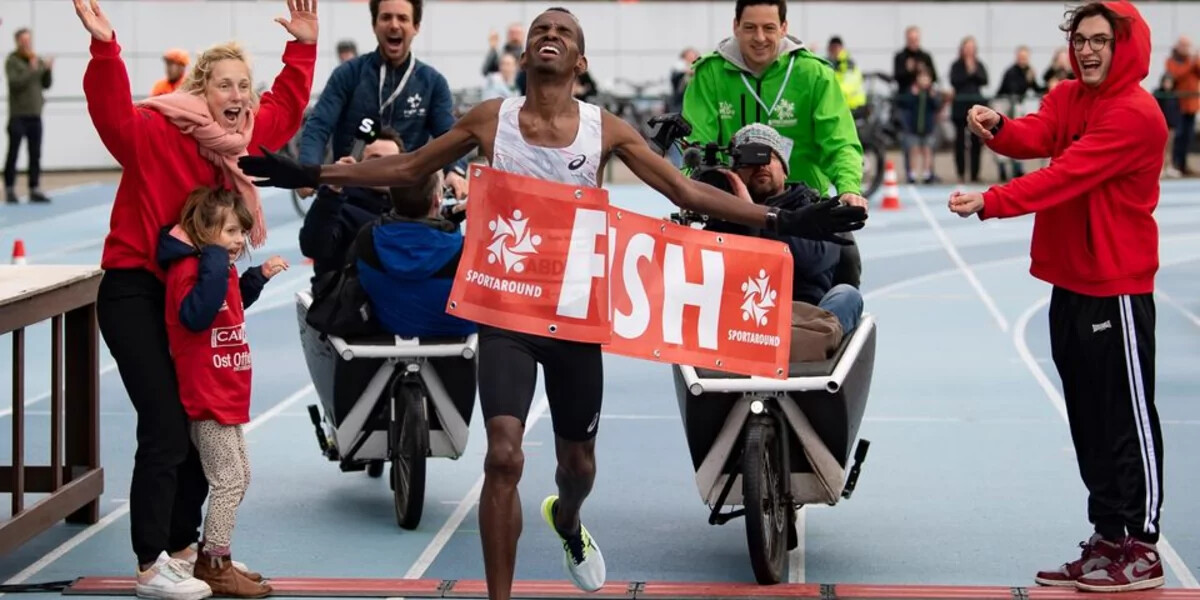
However, a post-race remeasurement later revealed that the course did not meet the official half marathon distance, forcing organizers to invalidate the result despite Abdi’s impressive effort.
The race organizers admitted the mistake in a statement, acknowledging that the error had led to a deeply disappointing outcome while promising to learn from the incident moving forward.
For Abdi, the news was understandably difficult to accept. The record had carried significant emotional value, representing months of preparation and another chapter in his distinguished career. Yet even in disappointment, the Olympic medalist responded with admirable sportsmanship and integrity.
“It is very unfortunate to hear that the course was too short. That record meant a lot to me, but sport is also about fairness. Right is right,” Abdi said after the decision was officially confirmed.
While the time will not stand in the record books, the performance itself still underlined Abdi’s exceptional form and enduring class on the roads. Few athletes would handle such a crushing setback with the same level of grace, and his reaction has earned widespread respect from fans and fellow athletes alike.
The incident also serves as a painful reminder of the precision required in elite road racing, where even the smallest measurement error can erase historic achievements in an instant. For organizers, the Gentbrugge controversy will likely become a hard lesson in the importance of course verification at the highest level of the sport.
For Abdi, meanwhile, the disappointment may only fuel greater motivation. Records can be erased on paper, but the determination and quality behind a world-class run remain impossible to measure away.
by Erick Cheruiyot for My Best Runs.
Login to leave a comment
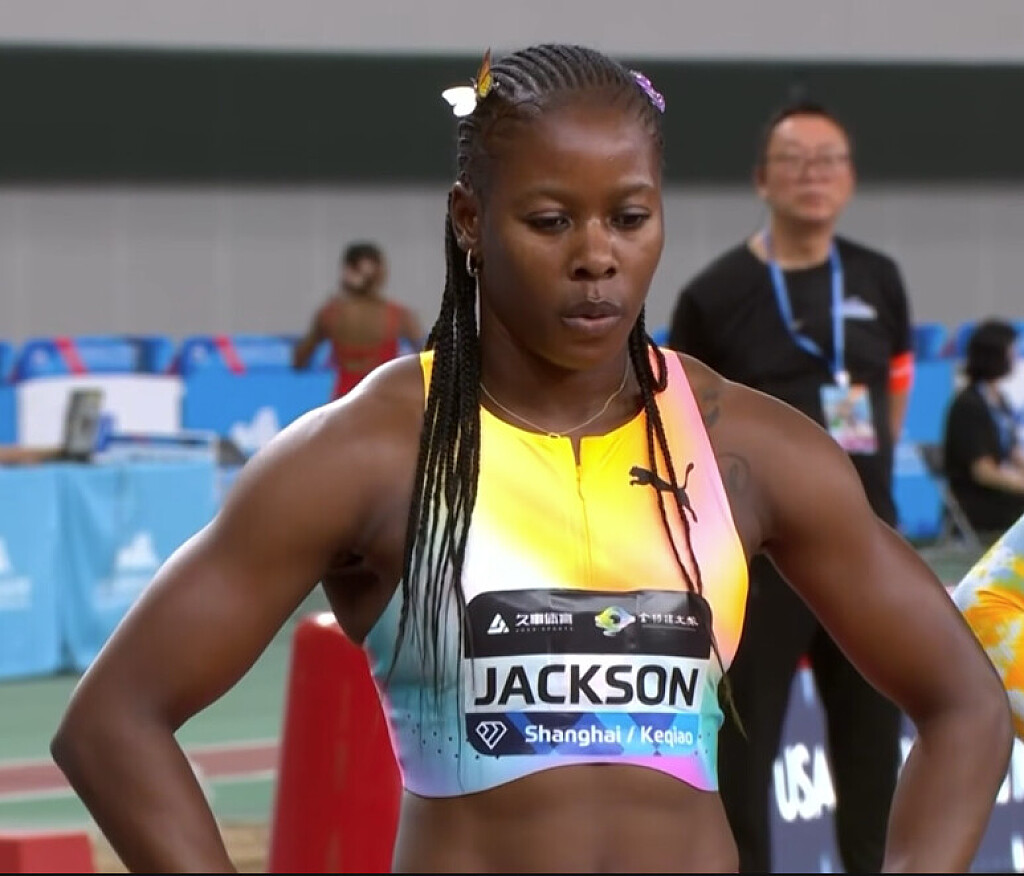
Shericka Jackson Sends a Powerful Warning Shot with Brilliant Shanghai Triumph
Under the dazzling lights of Shanghai, Shericka Jackson reminded the athletics world exactly why she remains one of the most feared women in sprinting. In a fiercely competitive women’s 200 metres packed with elite talent, the Jamaican superstar stormed to victory in a commanding 22.07 seconds, delivering one of the strongest statements of the early season.
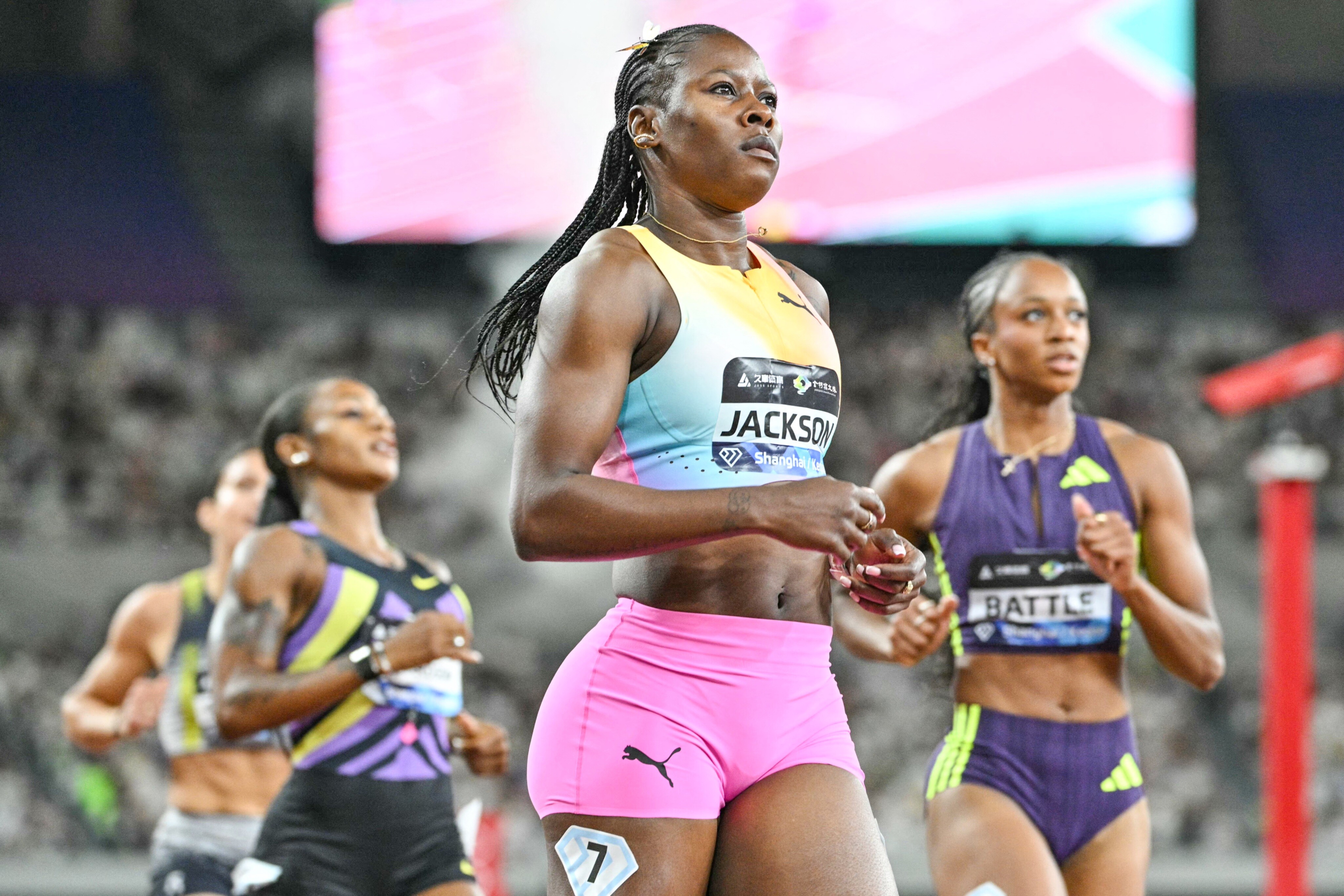
With a legal +0.3 wind behind the field, Jackson looked sharp, composed, and devastatingly efficient through every phase of the race. From the moment she attacked the curve, her trademark blend of power and relaxation separated her from the field, before she surged away in the final metres to secure an emphatic win. More than just another Diamond League success, the performance served as a clear reminder that Jackson is already building serious momentum ahead of the championship season.
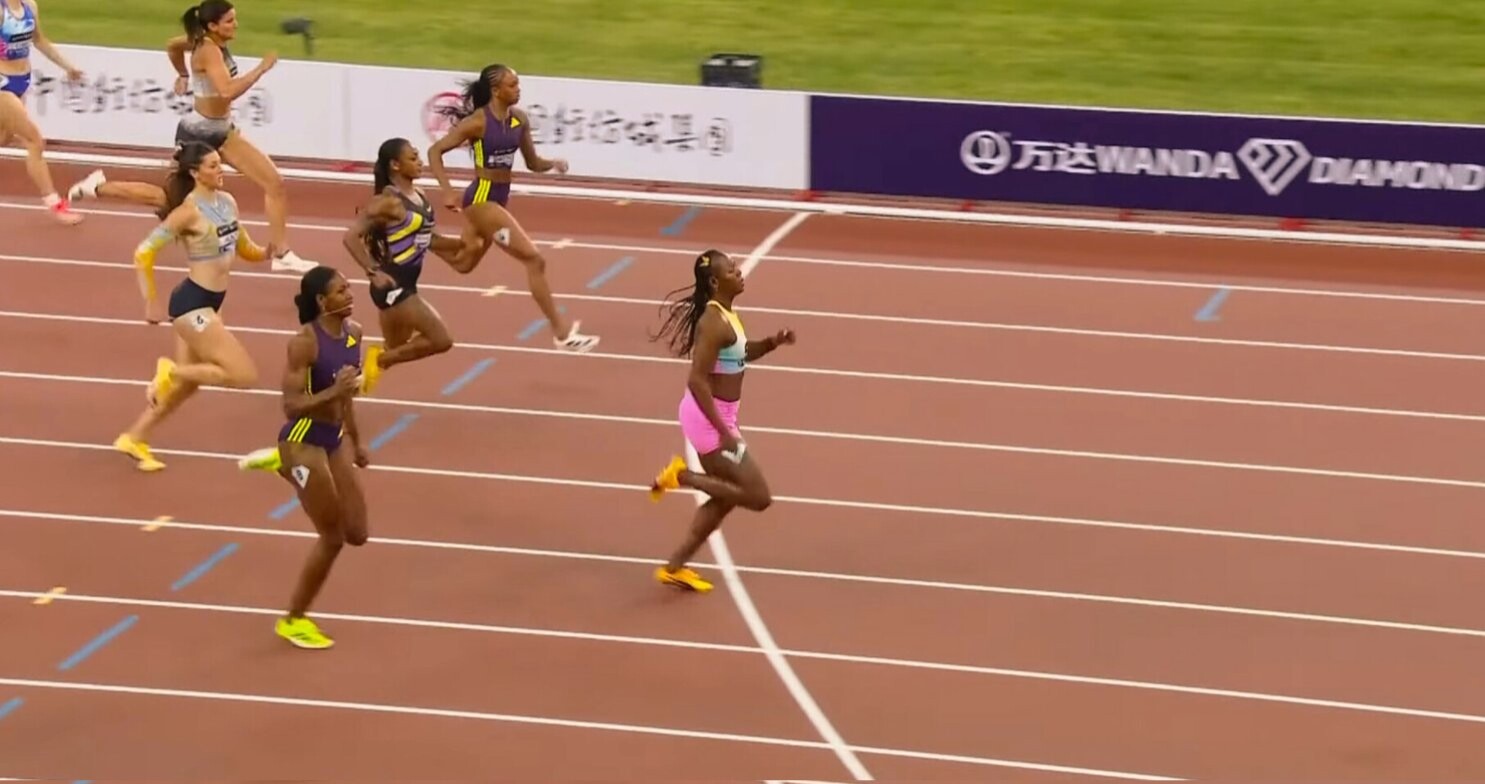
The race carried additional intrigue with the long-awaited return of Shaunae Miller-Uibo to the Diamond League circuit. Competing in her first appearance at this level in three years, the Bahamian star produced an impressive run of 22.26 seconds to finish second, showing encouraging signs as she continues her comeback journey. Her presence added extra quality to an already stacked contest and elevated the atmosphere inside the stadium.
Yet the night ultimately belonged to Jackson. The double world champion did not simply win — she controlled the race with the authority of an athlete fully aware of her dominance. At this stage of the season, such a performance carries enormous significance. While many athletes are still searching for rhythm and race sharpness, Jackson already appears locked in, confident, and dangerously close to peak form.
What makes the victory even more compelling is the manner in which it was achieved. There was no visible strain, no desperate lean at the finish, only the calm assurance of a sprinter operating several levels above the field. It was the kind of performance that sends a message across the global sprinting landscape: Shericka Jackson is not easing into the season — she is attacking it.
As the road toward the major championships continues, Shanghai may well be remembered as the night Jackson officially announced her intentions to the world. If this performance is an indication of what is to come, the women’s sprint scene could be heading toward another season dominated by Jamaican brilliance.
by Erick Cheruiyot for My Best Runs.
Login to leave a comment
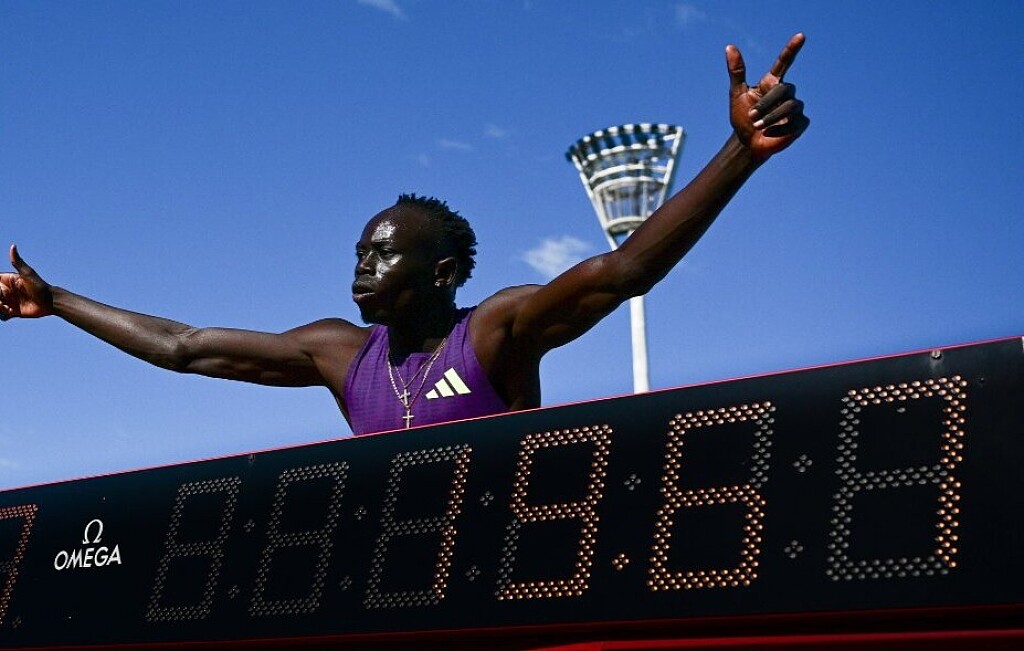
Gout Gout Sets the Track Alight with Historic 19.67 World U20 Record
Australian sprint sensation Gout Gout delivered a performance for the ages at the Australian Championships, blazing to a sensational 19.67 in the men’s 200 metres to rewrite the World Under-20 record books and announce himself as one of the brightest talents in global athletics. At only 18 years old, he produced a run of remarkable composure, raw speed and fearless ambition that left the stadium in awe.
With that stunning mark, Gout became the first Australian man in history to break the 20-second barrier in wind-legal conditions, a milestone that places his name among the nation’s greatest sprint achievements. It was not simply a victory—it was a defining moment for Australian athletics and a signal that a new era may be beginning.
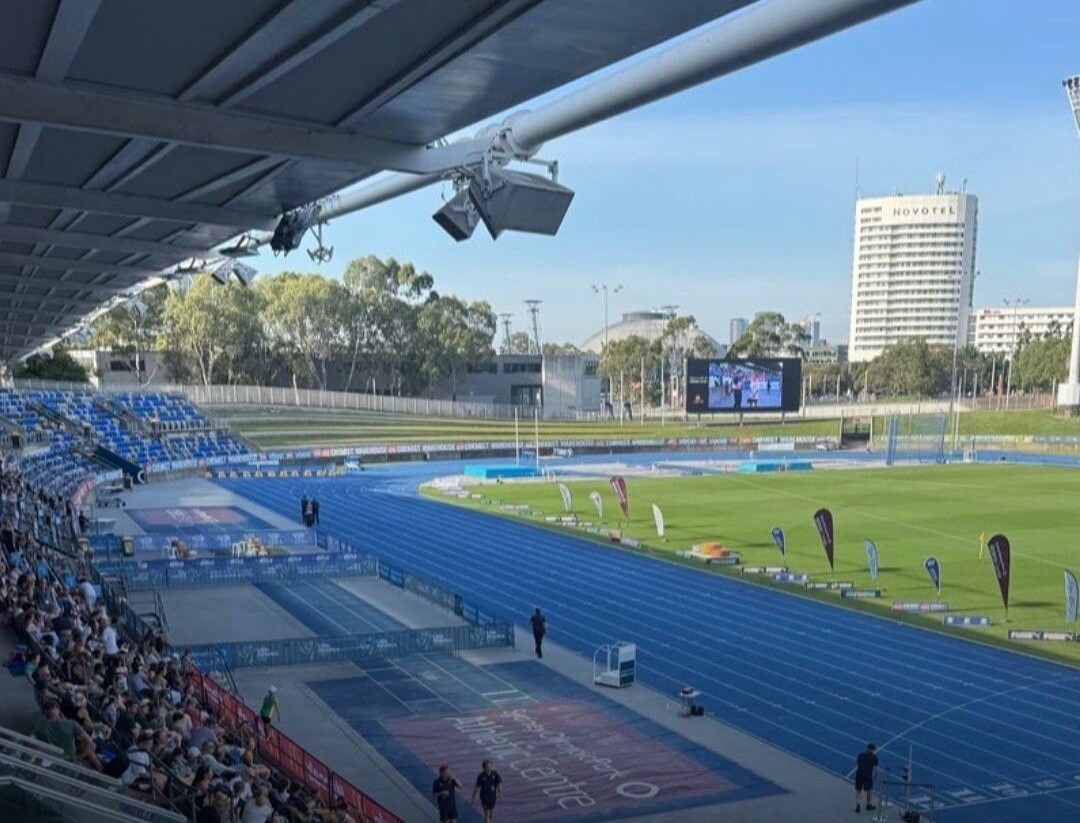
From the moment the gun fired, Gout attacked the bend with confidence before exploding down the home straight. His stride remained fluid, powerful and controlled as he surged clear of the field, crossing the line to immediate celebration and disbelief. When the time flashed on the board, history had been made.
His 19.67 now stands among the greatest junior performances ever recorded in the event. On the all-time men’s Under-20 list, only Erriyon Knighton has run faster with a 19.49, though that performance was not ratified by World Athletics due to specific anti-doping testing requirements not being met. That officially elevates Gout’s mark to the recognised World Under-20 record. Behind him on the historic rankings are sprint legends and elite talents including Usain Bolt (19.93), Blessing Akwasi Afrifah (19.96), Letsile Tebogo (19.96), Issamade Asinga (19.97) and others who announced themselves early on the world stage.
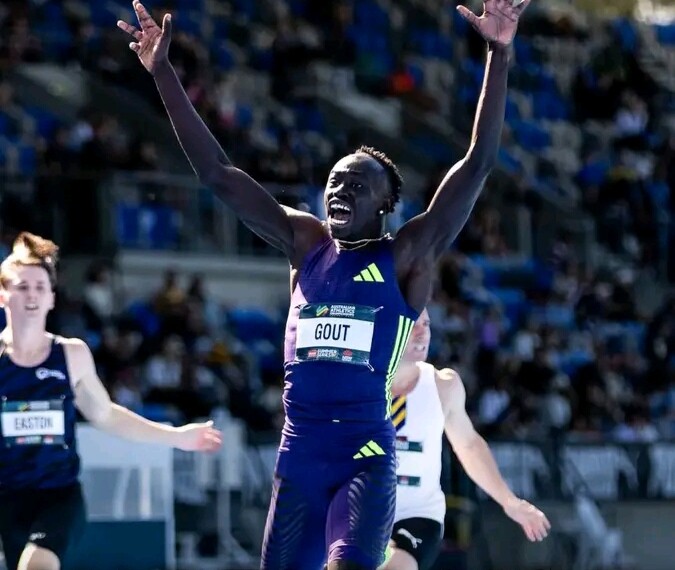
What makes the achievement even more extraordinary is his age. To produce such a performance at 18 speaks not only to natural talent, but also to exceptional discipline, preparation and competitive maturity. Few young athletes have ever carried such promise with this level of execution on the big stage.
The result now places Gout firmly in the spotlight as one of sprinting’s most exciting rising stars. If this performance is any indication of what lies ahead, the athletics world has every reason to pay attention.
On a day meant for racing, Gout Gout turned it into a show—and into history.
by Erick Cheruiyot for My Best Runs.
Login to leave a comment
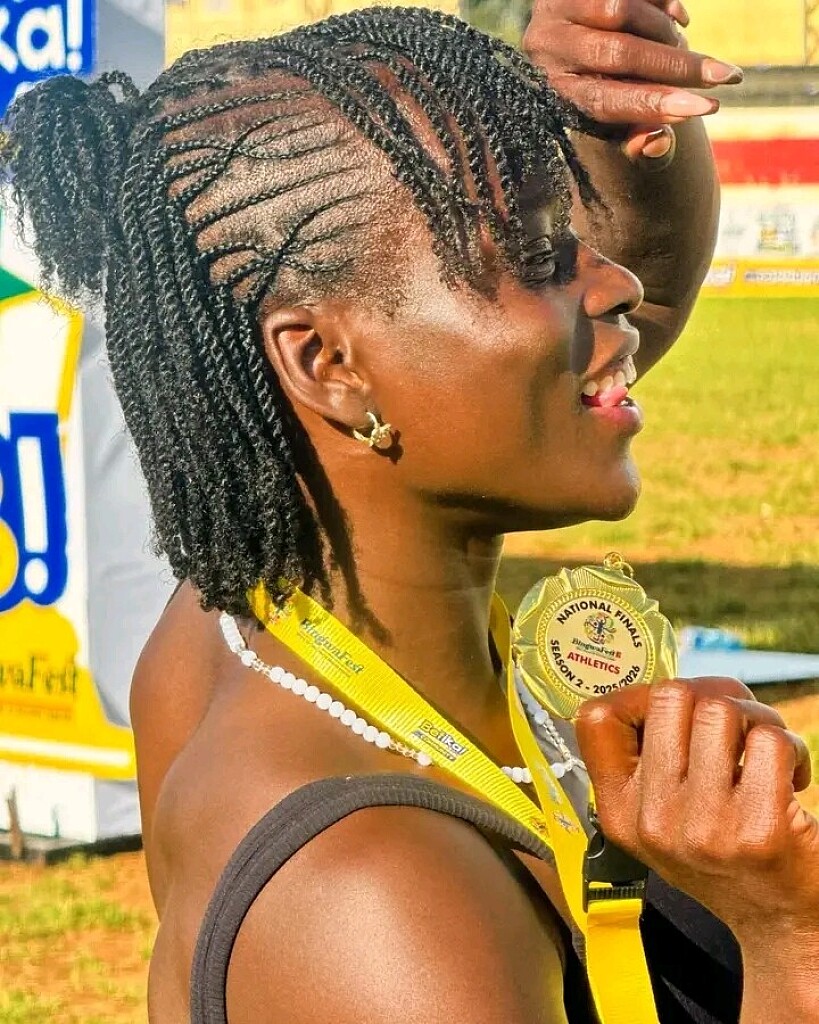
History Rewritten: South Sudan’s Sprint Revolution Ignites Road to Accra 2026
South Sudanese athletics witnessed a defining moment on Kenyan soil, as a trio of electrifying performances rewrote the national record books and signaled the arrival of a new sprinting era. In a single day of brilliance, three national records fell—each performance not only elevating individual athletes, but also propelling an entire nation onto the continental stage ahead of the 2026 African Senior Athletics Championships in Accra, Ghana.
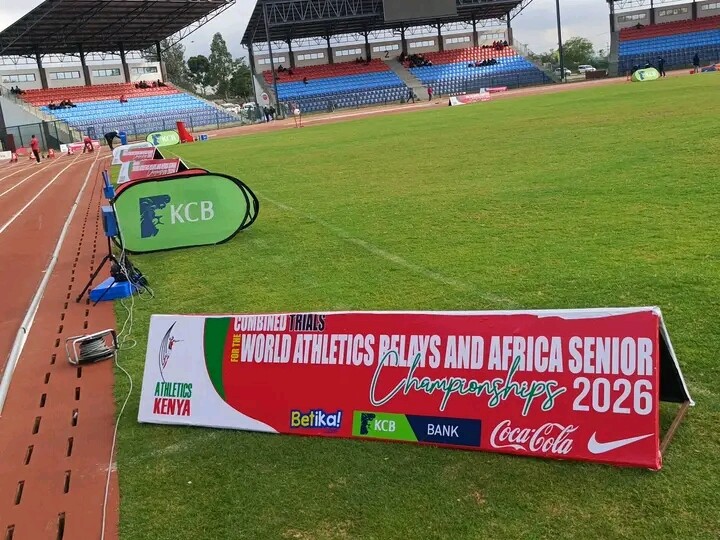
At the heart of this historic surge was Lucia William, whose authority in the women’s 100 metres continues to deepen with every outing. The Olympian delivered a composed yet explosive run, stopping the clock at 11.88 seconds to break her own national record of 11.92 set exactly one year earlier. In the unforgiving margins of elite sprinting, a 0.04-second improvement is no small feat—it is a statement of refinement, power, and peak condition. As Accra approaches, William appears to be entering the most formidable phase of her career.
If William provided elegance and control, Thiep Deng brought raw speed and historic ambition. The rising sprint star produced a career-defining double, cementing his place as the fastest man South Sudan has ever produced. In the 100 metres, Deng surged to a remarkable 10.40 seconds—an emphatic confirmation of his growing reputation across the region following recent success in Uganda.
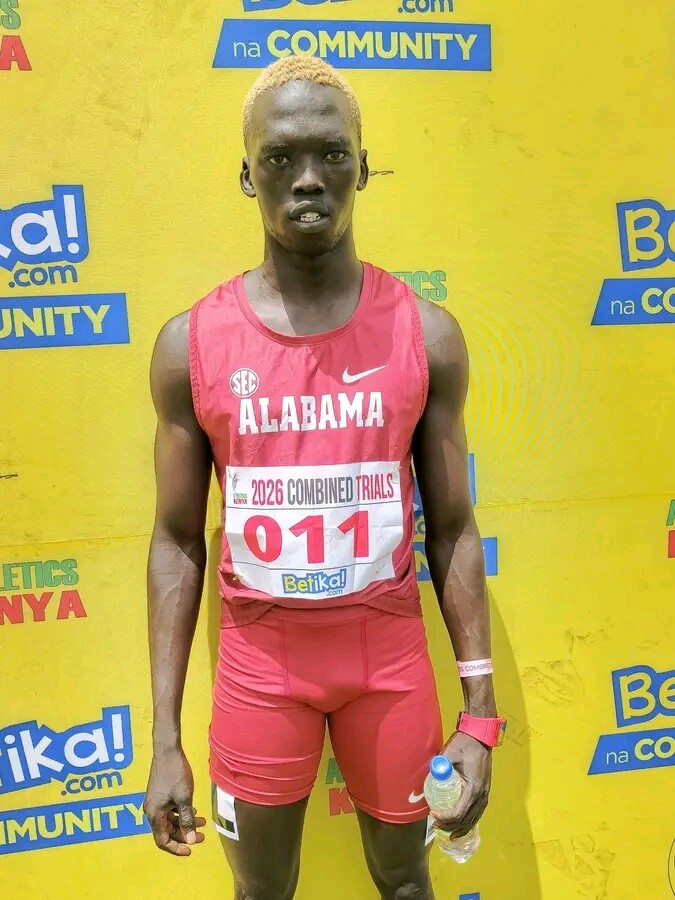
Yet it was in the 200 metres that history truly bent. Clocking a sensational 20.62 seconds, Deng erased a long-standing national record that had stood unchallenged since 2016, previously held by Mangar Chuot. Breaking such a mark is more than a statistical achievement—it is symbolic of a generational shift, a passing of the torch to a new wave of athletes ready to compete at the highest level.
Together, these performances mark more than just records; they represent qualification secured, confidence ignited, and a nation’s athletic identity rapidly evolving. With all three results meeting the standards for Accra, South Sudan now heads into the continental championships with genuine momentum and belief.
From dominance to disruption, from promise to proof—this was not just a successful day on the track. It was a declaration. South Sudan is no longer emerging; it is arriving.
by Erick Cheruiyot for My Best Runs.
Login to leave a comment
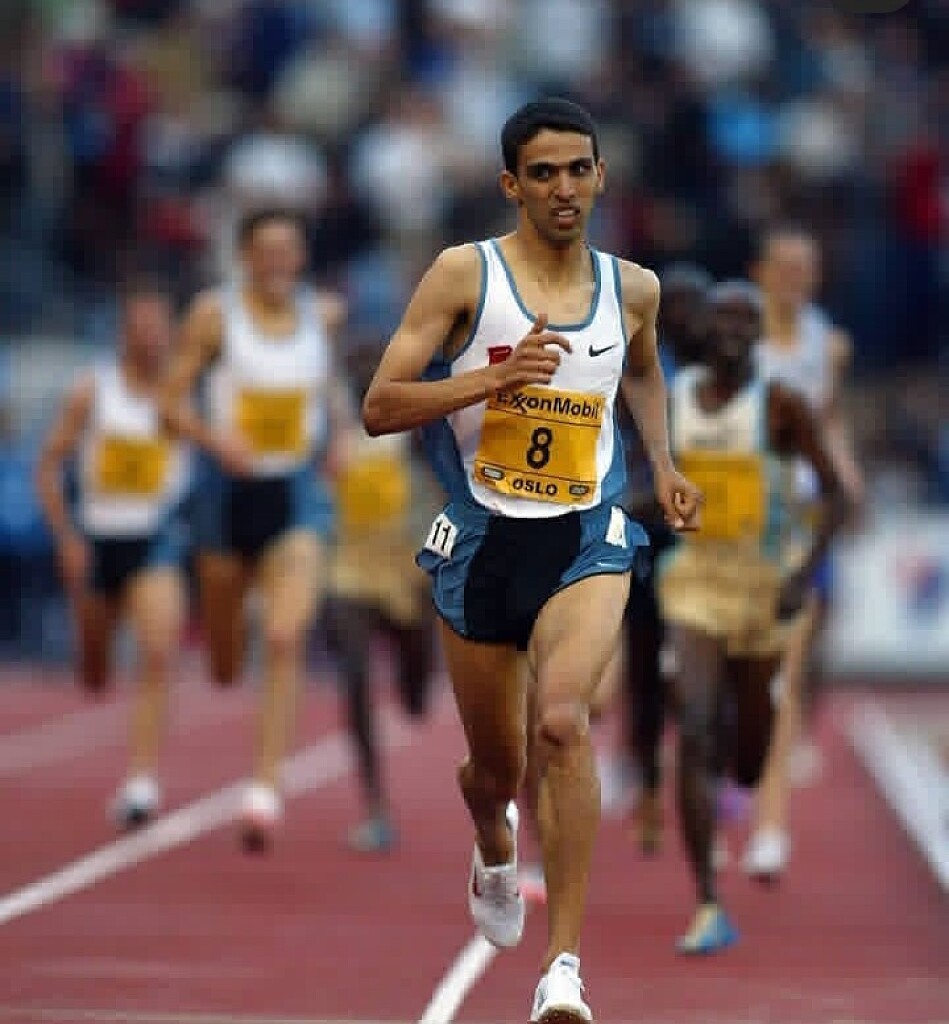
Chasing 3:26 — The Extraordinary Standard Set by Hicham El Guerrouj
For more than a quarter of a century, the men’s 1500 metres world record has stood as one of athletics’ most revered and demanding achievements. The legendary 3:26.00, set by Morocco’s iconic middle-distance master Hicham El Guerrouj in 1998, remains a benchmark of near-perfect racing — a performance that still defines the outer limits of human speed and endurance over the metric mile’s shorter cousin.
Breaking that mark would require far more than raw talent. It demands a rare combination of physiological excellence, tactical brilliance, technological advantage, and the perfect competitive environment.
The Pace of Perfection
To surpass 3:26.00, an athlete must sustain an astonishing rhythm from start to finish. The record pace translates to roughly 13.7 seconds per 100 metres and about 54.9 seconds per 400-metre lap. Maintaining that speed over three and three-quarter laps of the track means running close to sprint velocity while preserving enough strength for a decisive finish.
What makes the record even more remarkable is how El Guerrouj completed the race. After already covering the first 1100 metres at blistering speed, he unleashed a final lap of approximately 53 seconds, a finishing surge that would be exceptional even in a fresh 400-metre race. Any athlete hoping to rewrite history must produce a similarly devastating closing kick.
The Physiological Equation
The 1500 metres sits at the crossroads between endurance and speed. Success at world-record level requires a finely tuned balance between the aerobic system — which supplies the majority of energy — and the anaerobic system responsible for explosive surges.
Elite training models typically emphasize high-volume aerobic development, often accounting for the majority of an athlete’s preparation, complemented by intense intervals run faster than race pace. This combination builds the stamina required to maintain record tempo while preserving the speed necessary to finish with authority.
The Importance of Perfect Conditions
Even the greatest athletes depend on ideal circumstances to produce historic performances.
Pacemakers play a decisive role, guiding the early stages of the race and ensuring a consistent rhythm through the first 800 to 1000 metres. Their presence prevents tactical hesitation and shields the contenders from wind resistance.
Environmental factors also matter. Record attempts usually occur in calm conditions, with moderate temperatures and low wind — elements that minimize energy loss and allow athletes to focus entirely on maintaining pace.
Modern technology has further pushed the limits. Advances in carbon-plated racing spikes and highly responsive synthetic tracks have helped athletes convert effort into forward momentum more efficiently than ever before.
The Pressure of Competition
World records rarely happen in isolation. They emerge when elite competitors push each other relentlessly through the final laps. A fast race requires rivals willing to maintain relentless pace and challenge for victory until the final 200 metres.
Norway’s middle-distance star Jakob Ingebrigtsen, who has already run 3:26.73 — the European record — is among the athletes bringing the barrier closer to reality. His performances demonstrate how narrow the gap has become between the present generation and El Guerrouj’s enduring standard.
The Official Path to History
For any performance to replace the record, it must occur at a competition recognized by World Athletics, with fully certified timing systems and immediate anti-doping verification. Only under these strict conditions can a new mark be ratified as the fastest 1500 metres ever run.
A Record That Still Defines Greatness
More than two decades after it was set, 3:26.00 continues to symbolize the pinnacle of middle-distance running. Breaking it will require flawless pacing, extraordinary physiology, fierce competition, and a moment when every variable aligns.
Until that day arrives, the time produced by Hicham El Guerrouj remains not just a world record — but one of the greatest performances in the history of track and field.
by Erick Cheruiyot for My Best Runs.
Login to leave a comment
Gout Gout’s Breakthrough Week Continues as Sprint Sensation Earns Prefontaine Classic Debut
It has been an extraordinary week for rising Australian sprint prodigy Gout Gout, whose remarkable form has quickly pushed him into the global spotlight. After producing one of the fastest performances ever seen on Australian soil, the teenage sensation is now set for one of the biggest opportunities of his young career — a debut at the prestigious Prefontaine Classic.

Only days ago, Gout delivered a performance that sent shockwaves through the athletics world. The young sprinter clocked a stunning 10.00 seconds in the 100 metres, matching the fastest legal time ever run by an Australian on home soil. The mark also established a new Area U20 record, underlining just how exceptional the performance was for an athlete still in the early stages of his career.
The time immediately placed Gout among the most exciting sprint prospects in the sport, confirming the immense promise that has surrounded him for several seasons. His blend of explosive speed, composure under pressure, and rapid development suggests that Australia may be witnessing the emergence of a generational talent.
Now, that momentum is carrying him onto one of athletics’ most celebrated stages. Organizers have confirmed that Gout will make his debut at the Prefontaine Classic — one of the flagship meetings of the Diamond League circuit — where he is scheduled to compete in the men’s 200 metres.
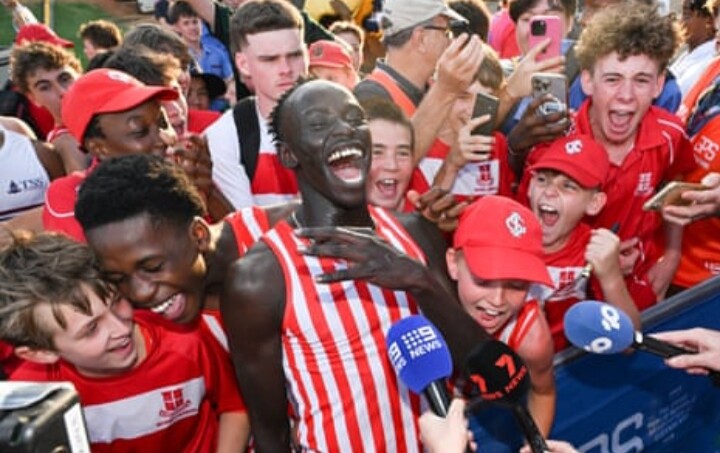
The race promises to be a defining test for the young sprinter. The Prefontaine Classic traditionally features some of the fastest athletes in the world, and Gout will find himself lining up alongside established global stars in the half-lap sprint. For a developing athlete, the experience of racing at such a high-profile meet offers both a challenge and a valuable opportunity to measure himself against the sport’s elite.
For Australian athletics, the timing could not be more exciting. The country has long searched for its next sprint star capable of competing with the world’s best, and Gout’s recent performances suggest that the wait may soon be over. His 10.00-second run has already etched his name into the national conversation, but the upcoming test in the 200 metres will provide a clearer glimpse of just how high his ceiling might be.
As anticipation builds for the Prefontaine Classic, all eyes will be on the young Australian who has turned heads with a week of breathtaking speed. If his recent form is any indication, the debut of Gout Gout on the Diamond League stage could mark the beginning of a new chapter for one of sprinting’s most exciting emerging talents.
by Erick Cheruiyot for My Best Runs.
Login to leave a comment

Prefontaine Classic
The Pre Classic, part of the Diamond League series of international meets featuring Olympic-level athletes, is scheduled to be held at the new Hayward Field in Eugene. The Prefontaine Classicis the longest-running outdoor invitational track & field meet in America and is part of the elite Wanda Diamond League of meets held worldwide annually. The Pre Classic’s results score has...
more...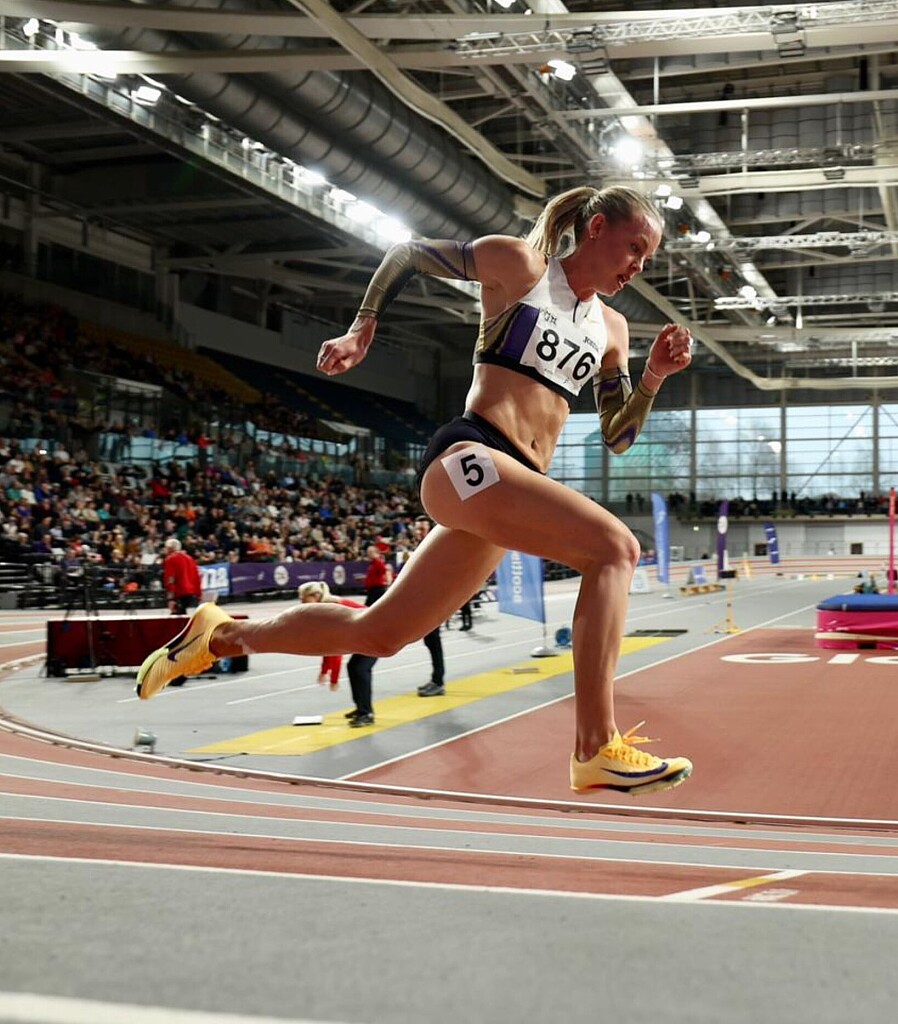
Keely Hodgkinson Blazes to 400m Personal Best in Glasgow, Signaling World Indoors Intent
Under the bright lights of Glasgow, Keely Hodgkinson delivered a statement performance that resonated far beyond the finish line. Known globally for her mastery of the 800 metres, the British middle-distance star ventured into the one-lap arena — and emerged with a stunning personal best of 51.49 seconds in the 400 metres.
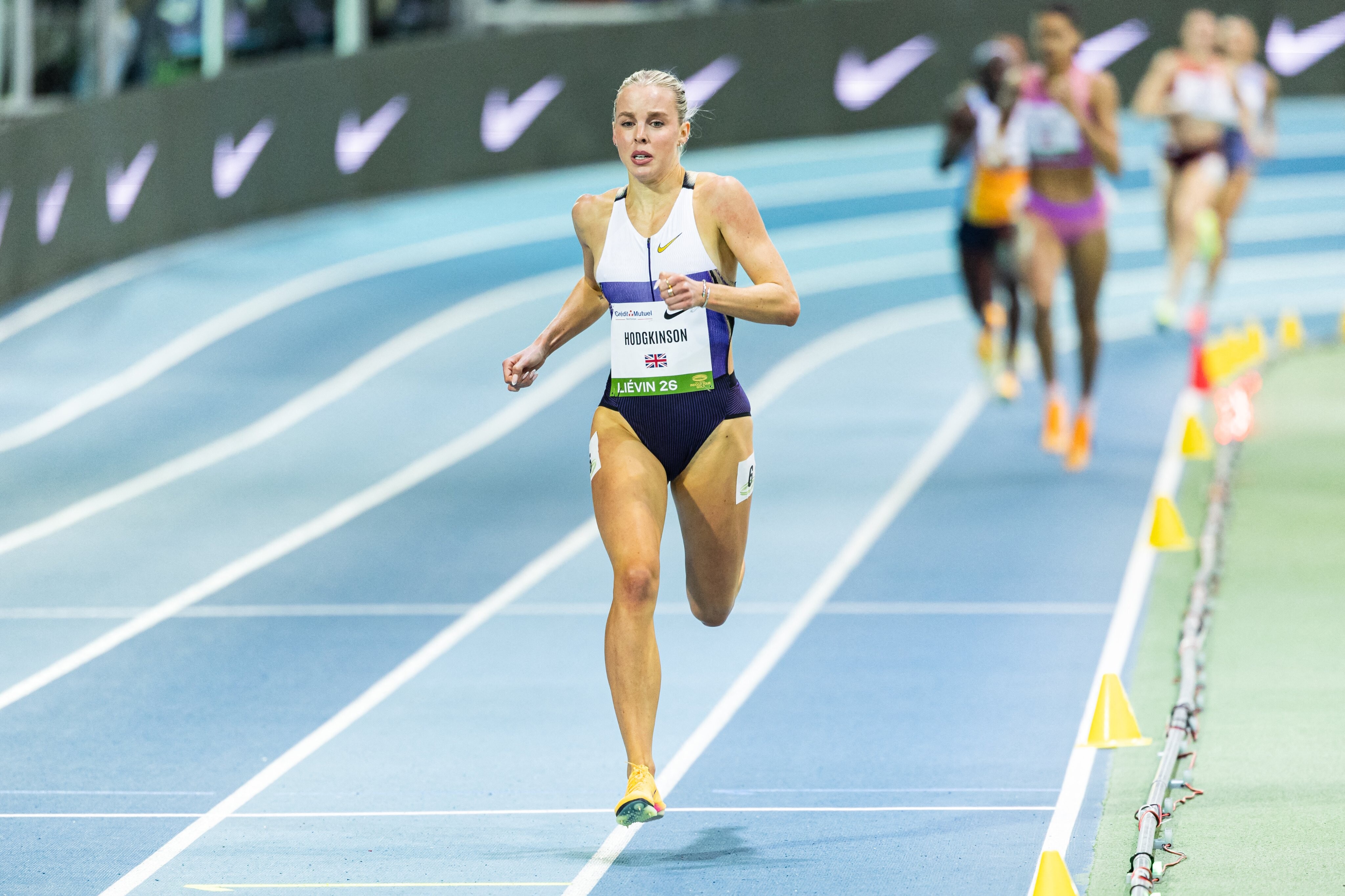
From the gun, Hodgkinson’s intent was unmistakable. She attacked the opening 200 metres with controlled aggression, driving her knees high and maintaining composure despite the early surge from Louisa Stoney in the outside lane. The pace was honest — unforgiving, even — but Hodgkinson refused to be rattled.
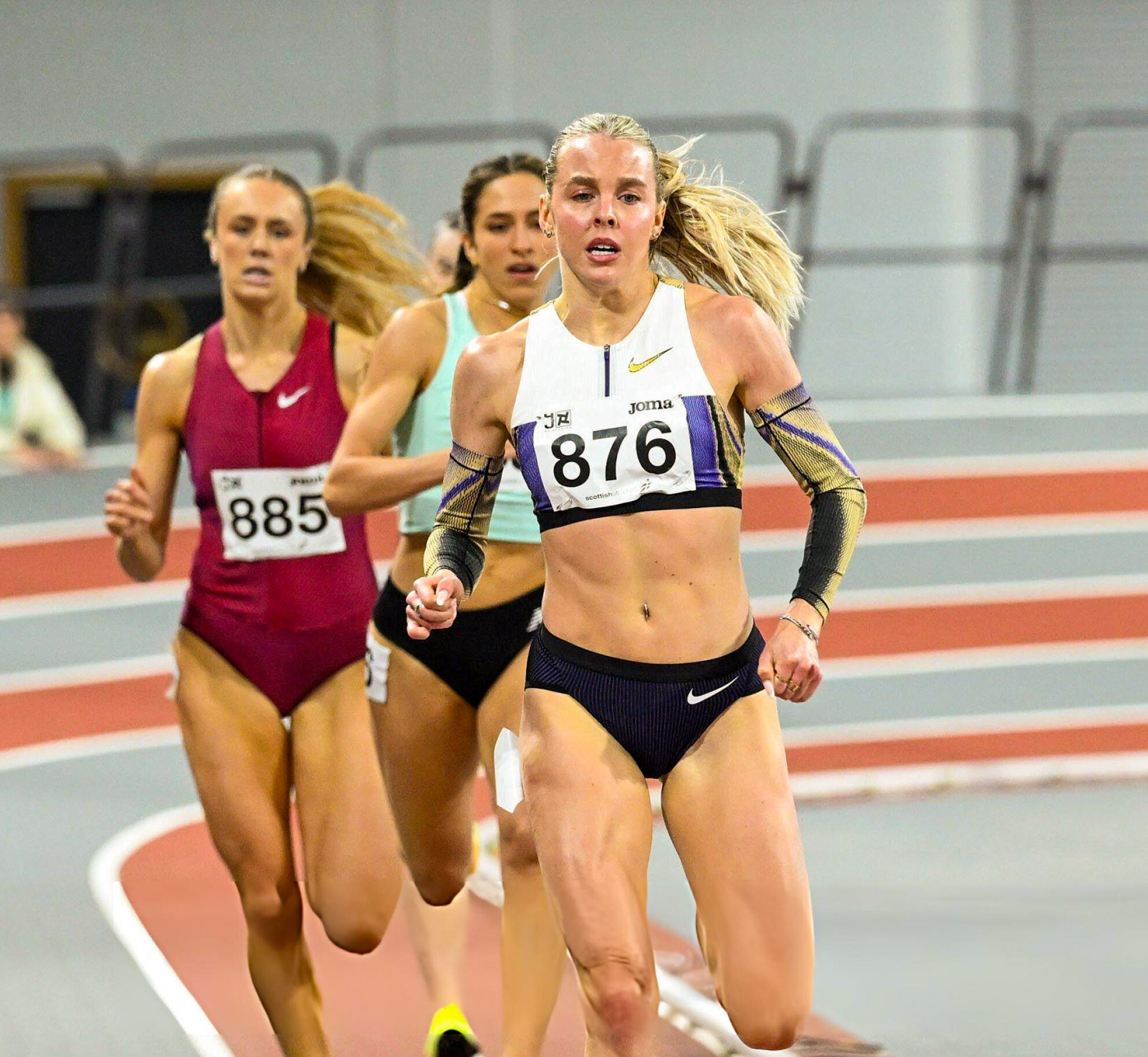
As the stagger unwound down the back straight, the true measure of her class began to show. Where others tightened, she lengthened. Where the field strained, she flowed. Drawing deeply on the endurance that has defined her 800m success, Hodgkinson shifted gears with authority, her stride pattern holding firm as she began to separate decisively from the chasing pack.
By the final bend, the contest had tilted irreversibly in her favor. The clock stopped at 51.49 — a personal best that not only underlined her raw speed but also confirmed her growing versatility. For an athlete already established among the world’s elite over two laps, such a performance over one signals a carefully calibrated training phase and a sharpening competitive edge.
This was more than just a 400m race; it was a glimpse into preparation. Each element — the explosive start, the sustained drive phase, the composed finish — suggested an athlete meticulously ticking every box in her build-up to the upcoming global stage.
With the World Indoor Championships on the horizon, Hodgkinson appears to be balancing speed and strength with clinical precision. If Glasgow was any indication, she is not merely preparing to compete — she is preparing to contend.
by Erick Cheruiyot for My Best Runs.
Login to leave a comment
Are distance intervals easier than time?
Minutes or meters? We delve into what's easier for interval training.
As the 2024 racing season winds down, many runners are shifting their focus toward winter base training. While goal races are still months away, staying motivated for off-season workouts can be challenging. Last week, I found myself in that position when my coach presented me with two workout options: three reps of four minutes at 3:20/km paired with six reps of two minutes (at a bit faster), or three reps of 1,200 metres and six reps of 600 metres. I chose the second option.

On paper, the workouts are different, but they both have the same aim to improve 5K/10K speed and threshold levels. The question is: does knowing the exact distance make the session feel easier than time-based intervals?
A psychological advantage
With distance intervals, the start and finish are clearly defined. For instance, when given one-kilometre reps, you know exactly where each begins and ends. Many runners find comfort in seeing their progress in measurable terms, which is why structured workouts on a track are popular. For example, if you’re completing a 1,200-metre rep on a standard 400m track, it offers three distinct checkpoints—one per lap—helping you break the effort into manageable chunks. Hitting those markers can provide a psychological boost, making the workout feel more achievable
Time-based intervals, on the other hand, lack these physical endpoints. Each rep relies on the clock, requiring runners to maintain focus and effort without the aid of visible milestones. This can make the session feel more open-ended, even if the physical demands are identical to distance intervals. With time intervals, you’re left to pace yourself based on feel, pushing through the uncertainty of not knowing exactly how far you’ve gone—or have left (unless you’re looking at your watch).
What’s best for you?
Both distance- and time-based intervals are effective for building speed and threshold levels. The choice depends on your personal preference and mental approach to workouts. If you thrive on structure and measurable progress, distance intervals might feel more manageable and motivating. But if you’re looking to embrace discomfort and practice sustaining effort without clear markers, time intervals can offer a unique challenge.
While distance intervals may seem easier, that’s not to say time intervals should be avoided entirely. Alternating between the two can develop mental and physical strengths, helping you become a stronger, versatile runner. Whether you’re counting minutes or metres, the ultimate victory is getting out there, putting in the work, and reaching your goals.
by Marley Dickinson
Login to leave a comment
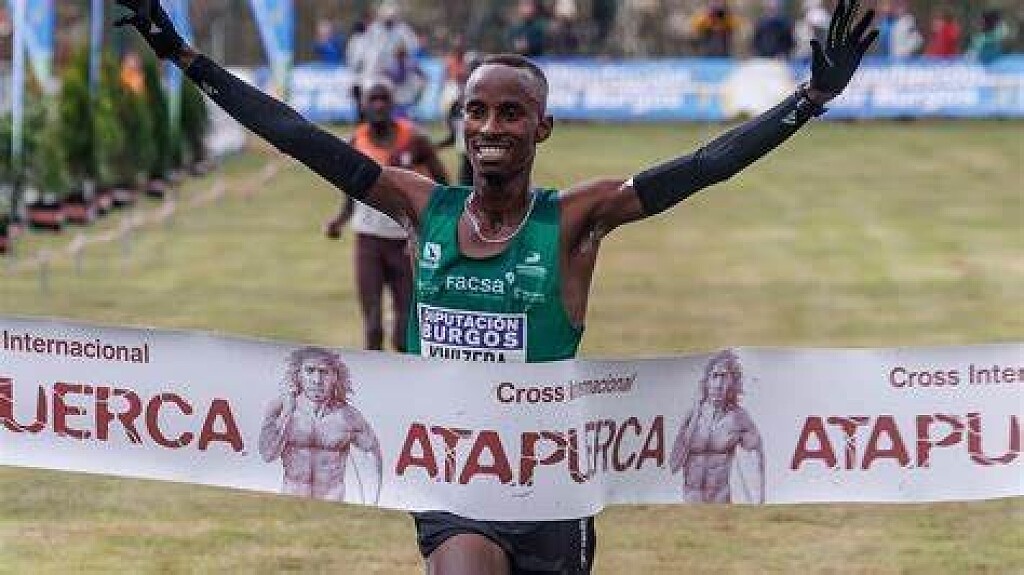
Jepkemei and Kwizera the winners in Atapuerca
Burundi’s Rodrigue Kwizera and Kazakhstan’s Daisy Jepkemei were the winners at the Cross Internacional de Atapuerca – the second Gold standard meeting in this season's World Athletics Cross Country Tour – on Sunday (27).
With the races held in light rain, Kwizera lived up to expectations to claim his first win here in the men’s race while Jepkemei outsprinted Kenya’s Grace Nawowuna to secure the women’s title.
Right from the start of the women's 8km contest, Jepkemei, a 9:06.66 steeplechaser, took command with only Nawowuna and Burundi’s France Niyomukunzi for company. The latter surprisingly lost ground some seven minutes into the race as Jepkemei averaged a brisk 3:06/km pace. Further back, Spanish duo Carolina Robles and María Forero ran together.
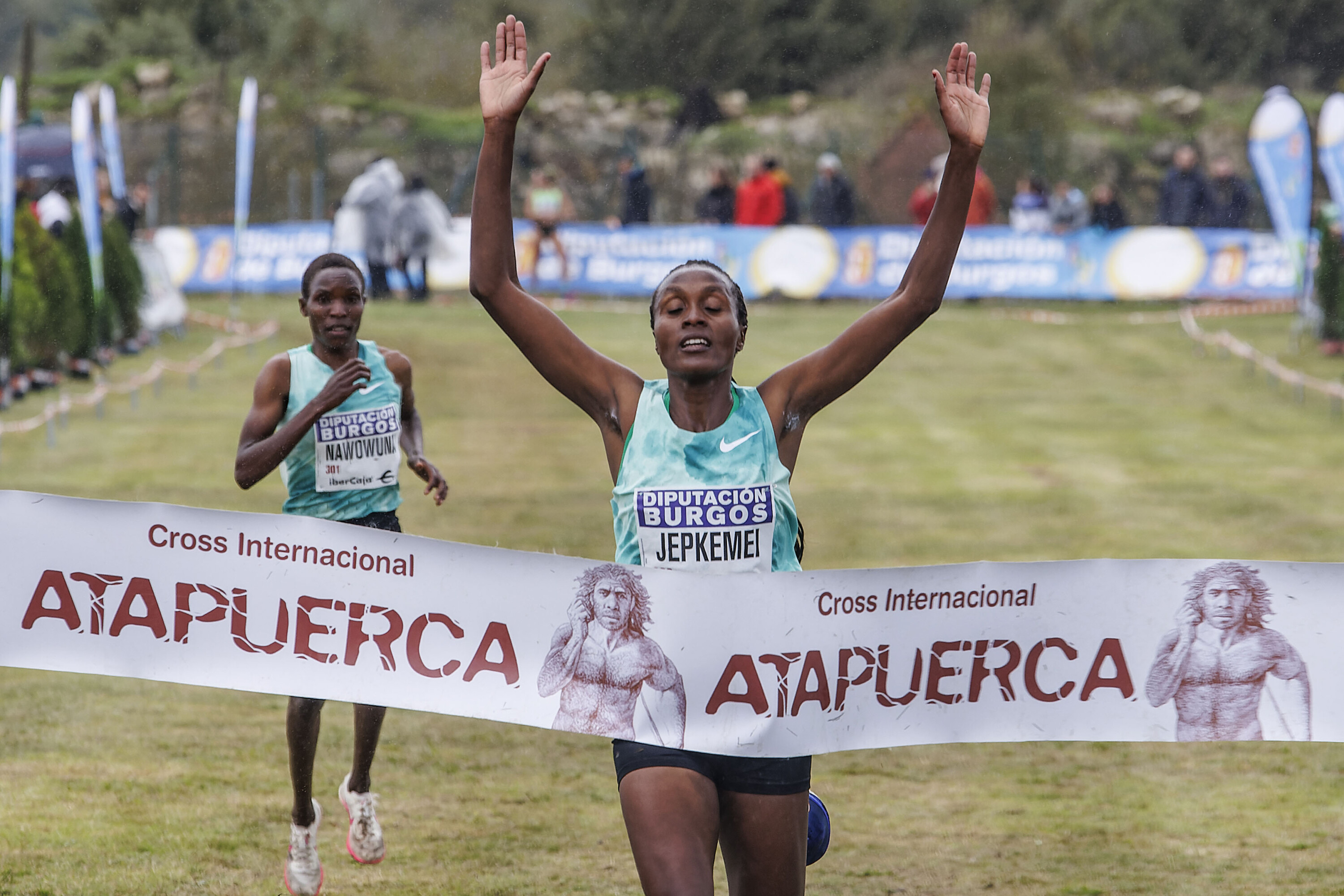
After three kilometres, lead duo Jepkemei and Nawowuna had built a 10-second advantage on the Burundian, herself another 14 seconds clear of the Spanish duo. Portugal’s Mariana Machado, Germany’s Elena Burkard and Spain’s Idaira Prieto were a further eight seconds behind.
Just before the midway point, 2021 Olympic steeplechase finalist Robles broke away from 2022 European U20 cross-country champion Forero, while the lead duo’s advantage over Niyomukunzi had increased to 25 seconds.
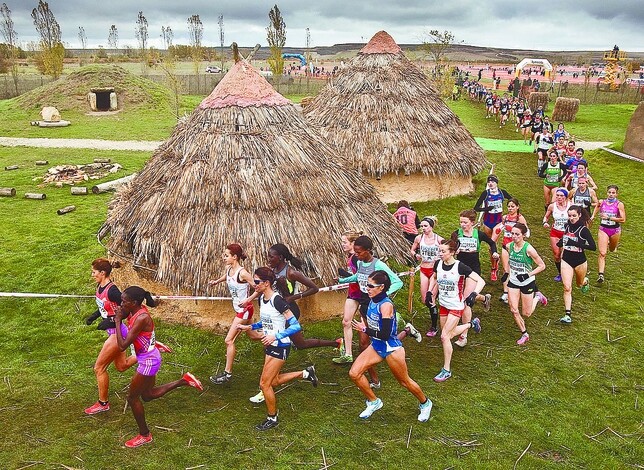
There were few changes on the penultimate 2km circuit. During the final lap Nawowuna attempted to move into the lead but it was short-lived. Then, with about 200 metres remaining, Jepkemei finally broke away from the Kenyan to win in 25:00, finishing two seconds ahead of Naowuna.
Niyomukunzi took third place, more than a minute behind the victor, while Robles finished fourth. There was a photo-finish for fifth place between Burkard and Machado with the German getting the verdict.
Spanish steeplechaser Daniel Arce, boosted by the local crowd, was the early leader from Adel Mechaal in the men’s 9km event. Pre-race favourites Kwizera, 2022 world 5000m bronze medallist Oscar Chelimo and fellow Ugandan Martin Kiprotich initially sat behind the Spanish duo but soon caught up and passed them.
Kiprotich’s third kilometre split of 2:49 proved too much for Mechaal. Chelimo moved into the lead just before the half-way point to help ease the pressure on his compatriot, while a quiet Kwizera remained in third place, looking ominously comfortable.
When the lead pack reached the bell, Kwizera moved to the front for the first time and increased the pace which could only be followed by Chelimo and Kenya’s Mathew Kipsang with Kiprotich losing any chance of a podium place. With just over a kilometre remaining, Chelimo tried to launch an attack but Kwizera soon covered the gap and then unleashed a powerful change of speed to break away from the Ugandan.
Running down the final home straight, 25-year-old Kwizera couldn’t hide his joy as he was about to achieve his first win in Atapuerca, finishing in 25:37, two seconds ahead of Chelimo with Kipsang completing the podium another seven seconds adrift.
“The race wasn’t easy because of the rain and some muddy sections difficult to negotiate,” said Kwizera. “As usual, I preferred to stay in the middle of the group for much of the race before launching my attack far away from home as there always are very fast finishers.”
Leading results
Women (8km)
1 Daisy Jepkemei (KZK) 25:00
2 Grace Nawowuna (KEN) 25:02
3 Francine Niyomukunzi (BDI) 26:18
4 Carolina Robles (ESP) 26:40
5 Elena Burkard (GER) 26:48
6 Mariana Machado (POR) 26:48
7 Águeda Marqués (ESP) 26:50
8 María Forero (ESP) 26:54
Men (9km)
1 Rodrigue Kwizera (BDI) 25:37
2 Oscar Chelimo (UGA) 25:39
3 Mathew Kipsang (KEN) 25:46
4 Egide Ntakarutimana (BDI) 25:48
5 Martin Kiprotich (UGA) 25:50
6 Adel Mechaal (ESP) 26:11
7 Ayele Tadesse (ETH) 26:11
8 Efrem Gidey (IRL) 26:18
by World athletics
Login to leave a comment
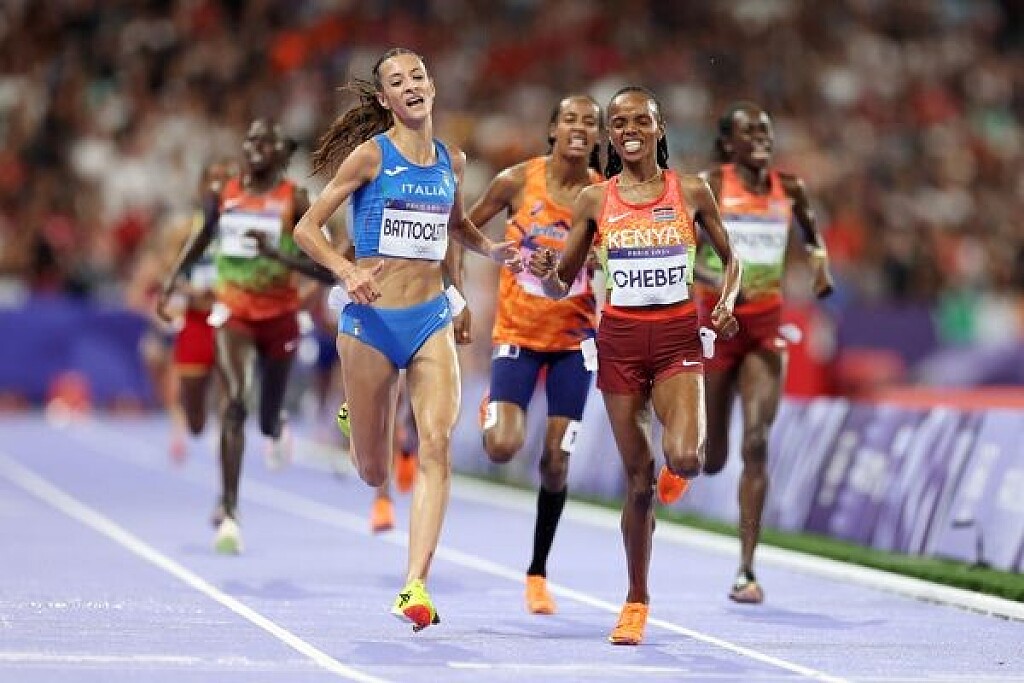
Chebet strikes a second gold and Kenya's first Olympic women's 10,000m title in Paris
Kenya’s Olympic 5000m champion Beatrice Chebet accomplished her double golden glory by winning the 10,000m at the Paris 2024 Games on Friday (9).
Just four days after striking gold in the 5000m final, Olympic debutant Chebet emerged victorious in the women’s 10,000m in 30:43.25 at the Stade de France.
Italy’s Nadia Battocletti, who was fourth in the 5000m, finished strong in a national record of 30:43.35 to secure the silver as Sifan Hassan of the Netherlands ran 30:44.12 for bronze – her second medal of that colour in Paris after her third-place finish in the 5000m.
The feat makes Chebet the first Kenyan woman to win Olympic 10,000m gold and only the third woman after Tirunesh Dibaba and Hassan to win the 5000m and 10,000m double at the Olympic Games.
The 24-year-old also became the first to win 5000m and 10,000m Olympic titles in addition to the world cross country title and the 10,000m world record.
Chebet, who shattered the world 10,000m record in May’s Prefontaine Classic, was no doubt the centre of focus in the final. She did the sign of a cross before taking off as part of a field that featured defending champion Hassan, 5000m world record-holder Gudaf Tsegay and Battocletti.
The rain had stopped and the sun was shining bright when the women took off in the 10,000m on a somewhat wet track.
Rahel Daniel of Eritrea had an early leading role with Battocletti behind her, taking the field through 1000m in 3:12. The main cast included Chebet and Tsegay tucked in the middle of the pack, while Hassan stayed behind.
The race was tactical and Daniel was in the lead until she dropped out of the competition and Rino Goshima of Japan took over, leading the pack through 3000m in 9:26.94 and 4000m in 12:38.12. Chebet had moved up to third position, and throughout the whole race she had no interest in going in front.
Thirteen athletes were still bunched together with eight laps remaining. This time it was Ethiopian Tsigie Gebreselama’s turn to lead, taking them through 7000m in 21:15.65. The pack had Chebet, Margaret Kipkemboi, Lilian Kasait Rengeruk, Fotyen Tesfay, Tsegay, Sarah Chelangat and Battocletti.
With two laps to go, Kenya’s Kipkemboi pushed the pace and just before the bell it was an East Africa contest. Kipkemboi stepped on the gas again after the bell, with Rengeruk on her shoulder. Their intention – to drop the rest, a move that made Chebet and Battocletti immediately respond. Hassan also covered the move.
With 200 metres to go, Chebet – who had run a very tactical race – overtook Kipkemboi, with Battocletti hot on her heels. But Chebet’s strong kick was enough to earn the 10,000m gold medal in 30:43.25, the slowest winning time since the 1996 Atlanta Olympic Games.
Battocletti crossed the line a tenth of a second after Chebet, taking home a silver medal and a national record of 30:43.35.
Hassan's triple quest in Paris amounted to a second podium finish, as she came home third in 30:44.12. She will next compete in the marathon on Sunday.
“I’m so happy," said Chebet. "To do the 5000m and 10,000m is not something easy. But just focus, and know that you can achieve. Just believe in yourself.
"I believed that I could do it. I just wanted to win the 10,000m for my country. My country has never won a gold medal (in the women’s 10,000m). So I said I wanted to be the first."
by World Athletics
Login to leave a comment

Paris 2024 Olympic Games
For this historic event, the City of Light is thinking big! Visitors will be able to watch events at top sporting venues in Paris and the Paris region, as well as at emblematic monuments in the capital visited by several millions of tourists each year. The promise of exceptional moments to experience in an exceptional setting! A great way to...
more...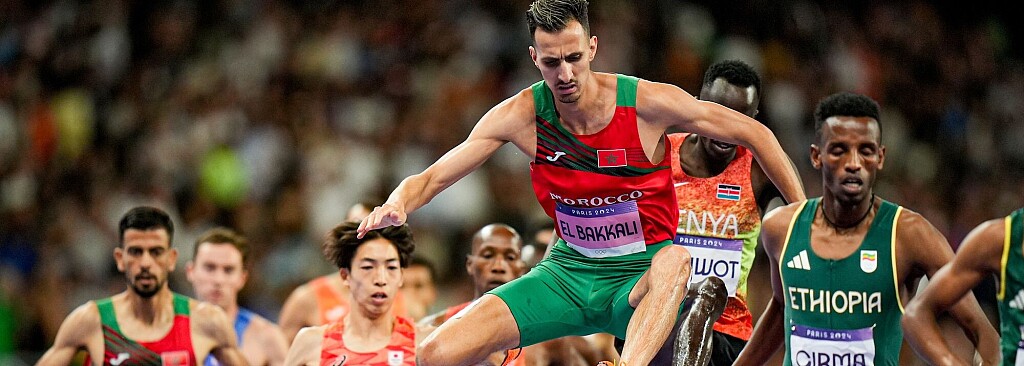
El Bakkali retains Olympic steeplechase title in Paris
Soufiane El Bakkali successfully defended his title in the men's 3000m steeplechase at the Paris 2024 Olympic Games, winning his fourth successive global title in the event.
The Moroccan, competing in just his second competition of the year, emerged from the pack on a frantic final lap to win in 8:06.05.
USA's Kenneth Rooks, who burst into the lead at the bell and led up until the home straight, took a surprise silver in a big PB or 8:06.41, finishing 06 ahead of Kenya's Abraham Kibiwot, earning another bronze following his third-place finish at the World Championships last year.

World record-holder Lamecha Girma was part of the pack when the kicking started on the final lap, but the Ethiopian had fell hard with 200 metres to go and was a non-finisher, eventually having to be carried off the track on a stretcher.
The opening pace was fast as India’s Avinash Sable took an early lead, closely followed by a trio of Ethiopians: Getnet Wale, Samuel Firewu and Girma. El Bakkali was positioned close behind.
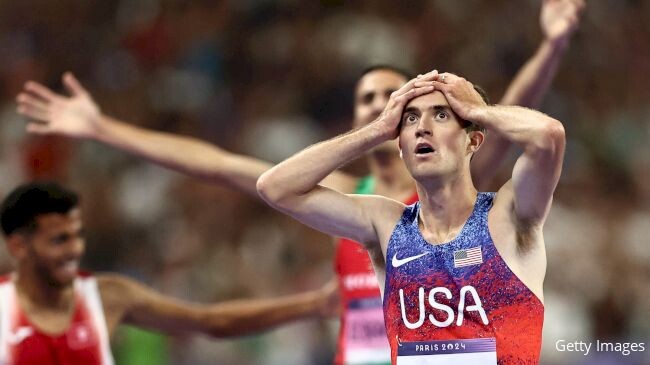
Wale and Firewu then took brief spells at the front with the first 1000m being covered in 2:40.53, putting them on course to break the Olympic record.
The pace settled down during the middle of the race as Sable drifted back through the pack, leaving the three Ethiopians at the front with Firewu doing most of the leading. Uganda’s Leonard Chemutai briefly moved up through the pack, prompting Firewu to increase the pace.
Kenya’s Simon Koech then hit the front and led the field through 2000m in 5:29.8 as the pack started to bunch up. With two laps to go, El Bakkali’s teammate Mohamed Tindouft moved through the field and into second place, but the real drama started on the final lap.
As soon as the bell rang, Rooks darted into the lead and immediately opened up a gap of two metres on the rest of the field. El Bakkali was navigating his way through a field that included Girma, Firewu and Kibiwot.
Among all the chaos, Girma tripped and fell hard, lying motionless on the track. The rest of the field charged forward with El Bakkali moving onto Rooks’ shoulder coming off the bend.
The Moroccan then strode into the lead and sprinted hard off the final barrier, winning in 8:06.05. Rooks crossed the line 0.36 later with Kibiwot claiming the bronze medal in 8:06.47.
Tunisian duo Mohamed Amin Jhinaoui and Ahmed Jaziri finished fourth and fifth. Jhinaoui set a national record of 8:07.73 and Jaziri was rewarded with a PB of 8:08.02, also inside the previous national record.
by World athletics
Login to leave a comment
Paris 2024 Olympic Games
For this historic event, the City of Light is thinking big! Visitors will be able to watch events at top sporting venues in Paris and the Paris region, as well as at emblematic monuments in the capital visited by several millions of tourists each year. The promise of exceptional moments to experience in an exceptional setting! A great way to...
more...
How robotics tech can help elite athletes get faster
Runners wearing an exoskeleton suit were able to sprint nearly one second faster over 200 metres, a recent small study found. Researcher Giuk Lee out of Seoul, South Korea, has been working with a team to create an “exosuit” that helps people sprint faster, the New Scientist reported on its website. The suit may have the potential to help elite athletes significantly improve their running performance.
Lee explains that the exosuit weighs 4.4 kg and has electrical motors on its back that control two steel cables attached to the wearer’s hips and thighs, The length of the cable running between each hip and thigh shortens as the wearer extends their legs backward, assisting them and speeding up the motion.

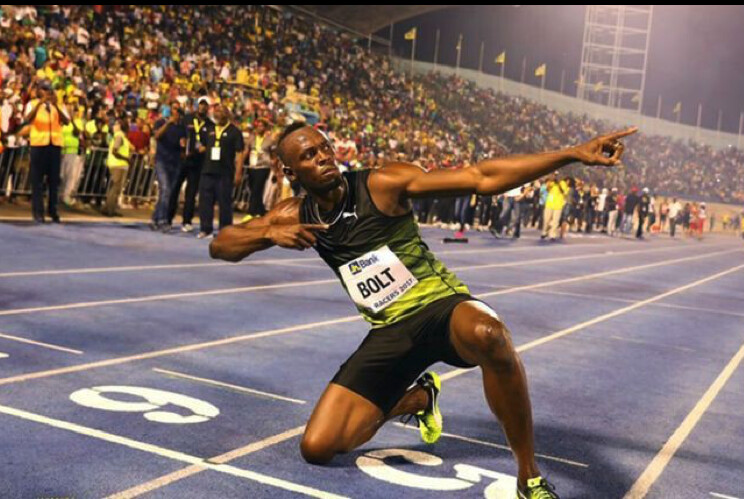
The team asked nine non-elite runners to sprint 200 metres to test the exosuit’s performance, twice while wearing the suit and twice without it. The participants ran 0.97 seconds faster, on average, when wearing the suit. The team has recently developed an exosuit that weighs only 2.5 kilograms and are currently investigating whether this may be a potential tool for elite athletes to use in training.
“One of the elite runners has been training with the lighter exosuit and it has helped them run faster even without wearing it,” Lee said to New Science. “This may be because it helps them to feel and remember how to engage the right muscles to run faster.”
The team is working on a customized exosuit for Kyung-soo Oh, a former national elite runner in South Korea. They’re hoping Oh will be able to beat the world record for running 100 metres while wearing the suit. Jamaican sprinter Usain Bolt holds the men’s record is 9.58 seconds, set in 2009.
This is certainly not the first time robotic science and running have crossed paths. In 2022, a U.S. start-up called Shift Robotics launched a Kickstarter campaign for what they claim is the world’s fastest shoe. The “Moonwalker” apparently lets you walk at the speed of a run while maneuvering stairs, through crowds, hills and even getting on public transit. The Moonwalker is available for the public to order now for USD $999.
by Running Magazine
Login to leave a comment
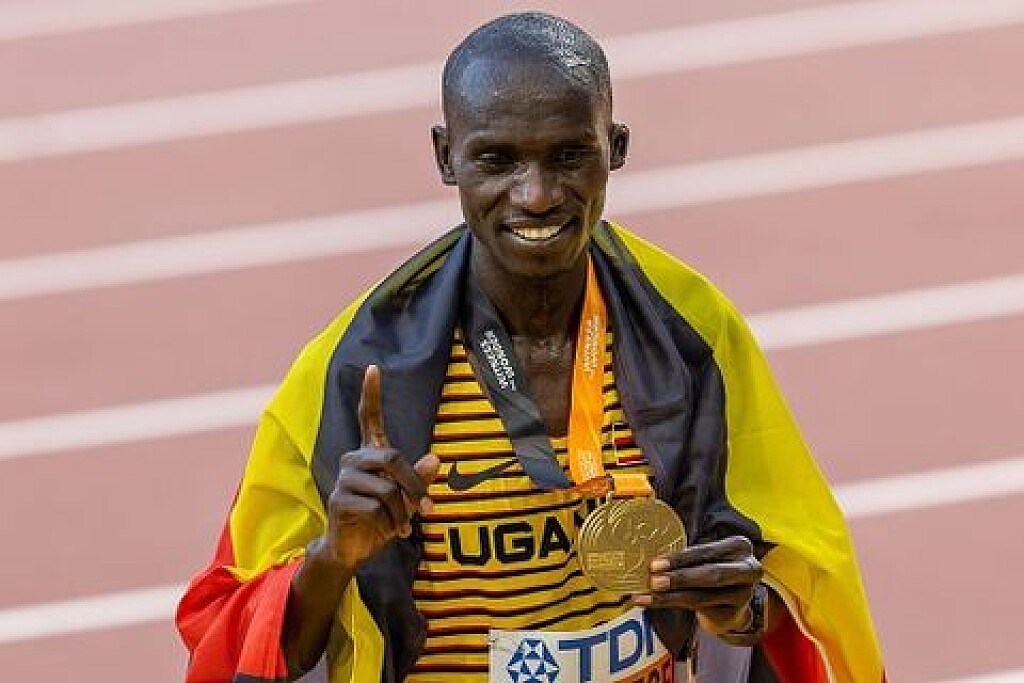
Cheptegei joins all-time greats after winning third world 10,000m title in Budapest
As in Oregon last year, and as in Doha in 2019, there was no stopping Joshua Cheptegei when it came to the crunch in a World Championships 10,000m final.
The fastest man in history over 5000m and 10,000m might have been outfought by Selemon Barega on the final lap of the Olympic final in Tokyo two years ago, but when the bell sounded in Budapest Uganda’s golden boy found his Midas touch to land the decisive blow in a gripping East African slugfest.
Cheptegei had already made what proved to be the decisive move by then, overtaking the Ethiopian wind-up merchant Berihu Aregawi with 600 metres to go.
Aregawi, who finished one place ahead of him as the silver medallist at the World Athletics Cross Country Championships in Bathurst in February, had upped the pace with a succession of 64-second laps from six laps out but was burned off when Cheptegei launched his pre-emptive strike.
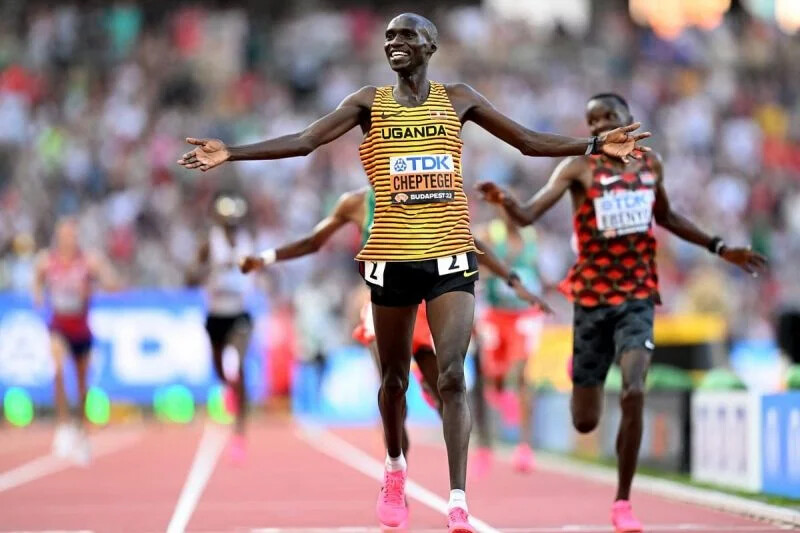
In Oregon he struck at the bell and stayed there, resisting a challenge from Barega, who ultimately faded to fifth. This time the Olympic champion was his prime chaser again, closing down the back straight and cutting the gap to a metre with 200 metres left.
Gritting his teeth as he rounded the final turn, the Ethiopian prepared to launch a grandstand finish but Cheptegei pulled clear up the home straight, crossing the line a clear winner in 27:51.42.
Such was Barega’s sense of deflation, the wind evacuated his sails. Easing down as the line approached, he was pipped for second place by Daniel Ebenyo, the Kenyan claiming a silver to match his Commonwealth runners-up prize of last year in 27:52.60.
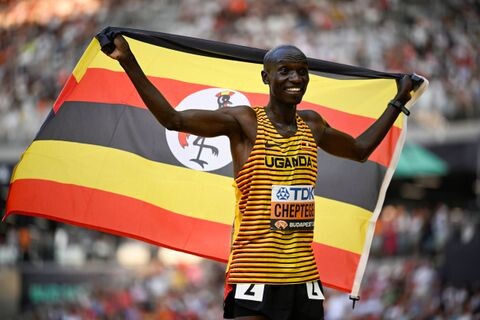
Barega took bronze in 27:52.72, followed home by compatriot Aregawi, fourth in 27:55.71, and Kenyan Benard Kibet, fifth in 27:56.27. Canada’s Mo Ahmed came next in 27:56.43, a lifetime best.
For Cheptegei, who closed with a 53.46-second final lap – near identical to his Eugene split of 53.42 – it was as momentous as any of his growing number of victories. At the age of 26, he entered the record books as the fourth man to claim a hat-trick of world 10,000m titles, following in the spikemarks of the Ethiopian greats Haile Gebrselassie and Kenenisa Bekele, who both won four, and Britain’s supreme championship performer, Mo Farah.
“I am very excited and proud that I have succeed in winning my third world title in a row, “said Cheptegei, who has had to contend with injury since his Oregon victory. “This was the best possible way to end the season.
“This might be my last championships on the track. That's why this gold medal means even more.”
With a marathon debut to come in December in Valencia, the city where he set his 10,000m world record three years ago, who knows what the future might hold for the man who has broken the traditional East African distance running stranglehold of the Ethiopians and Kenyans?
For the time being, he can content himself on a job well done in a curious race that was clearly dictated by clammy, humid conditions reminiscent of Osaka in 2007.
Cheptegei and the rest of the leading lights kept their powder dry as his Ugandan teammate Joel Ayeko set off on his lonesome in the phoney war of the opening 3km.
Passing 400m in 62.86 and 1km in 2:46.69, the 30-year-old was more than five seconds clear at one stage before Cheptegei steadily whittled it down, with Ebenyo and Kibet in his slipstream.
Kibet and Aregawi traded places at the front before 5km was reached in a pedestrian 14:21.75. The cat-and-mouse continued, Kibet also taking a turn in pole position.
All the while, Cheptegei kept his cool, literally and metaphorically. Having run out of gas at the end of the World Athletics Cross Country Championships on home ground in the humidity of Kampala back in 2017, he veered out to collect a sponge at a water station – then bided his time when Aregawi started injecting some meaningful pace.
In the end, it was his class that told. Once again. In three seasons, he has run just three 10,00m races. He has won Olympic silver and two more world golds.
by World Athletics
Login to leave a comment

World Athletics Championships Budapest 23
From August 19-27, 2023, Budapest will host the world's third largest sporting event, the World Athletics Championships. It is the largest sporting event in the history of Hungary, attended by athletes from more than 200 countries, whose news will reach more than one billion people. Athletics is the foundation of all sports. It represents strength, speed, dexterity and endurance, the...
more...
New study shows athletes how to beat competition heat
The potentially lethal cocktail of high heat and humidity, strenuous exercise and dehydration hit Czech endurance athlete Hana Švestková Stružková so hard during a championship event that her body went into meltdown mid-race and she lost consciousness.
Stružková was racing in the classic up and down 8.2km mountain event at the inaugural World Mountain and Trail Running Championships in Chiang Mai, Thailand last year when, 1.5km from the finish, she succumbed to heat stroke and lost control of her body.
“Every step became harder, I couldn't run straight, my body became weaker and I couldn't control my legs,” Stružková recalled. “I fell down many times. Over the last 200 metres I could only scramble. It felt like a dream. After coming to the finish I was unconscious for one to two minutes and woke up in the medical tent. I couldn’t drink anything for about an hour and a half. I felt I would vomit. I felt very bad.”
Stružková admits she drastically underestimated the severity of the race conditions, she didn’t acclimate properly, and she didn’t drink enough water.
The urgent need to educate endurance athletes about the dangers to their health and performance posed by hot and humid competition conditions and how they can mitigate the risks were among the key findings of a new heat acclimatisation study by World Athletics.
Checking the weather before heading to a foreign climate may be standard practice for travellers, but the study found elite endurance athletes like Stružková were failing to check and prepare for the hot and humid conditions they’d encounter at championship events.
The study also found that while heat preparation information and strategies were available to all athletes and teams, ignorance prevailed and logistical, practical and financial barriers were proving too high.
World Athletics recruited 66 elite athletes – 42 men and 24 women – from 16 countries who competed at the World Athletics Race Walking Team Championships Muscat 22.
The study recorded the athletes’ preparation, knowledge and health, and the effects of competition heat, which can range from dehydration to death.
Race temperatures during the championships in Oman’s port capital of Muscat were 31.3C and higher than historical weather data which predicted average race-start environmental temperatures of 22.5C (morning) and 25.5C (evening).
The three race walk events held over 10km, 20km and 35km resulted in athletes being exposed to these race conditions for between 44 minutes and up to almost four hours, depending on the distance.
The study found a high number of athletes (83%) surveyed were ignorant of heat-related material that could aid their health and performance and 43 per cent did not prepare for the expected hot conditions, blaming the cost and availability of suitable equipment and facilities.
More startling was the lack of knowledge among female competitors in particular, with 42% of women compared with 14% of men surveyed more likely not to know the expected conditions they faced in Muscat for the championships.
Not surprisingly, athletes who implemented heat acclimatisation strategies were more likely to perform better. The study found that athletes who did pre-event heat training were more likely to earn a medal or finish in the top 10. The four surveyed athletes who earn medals did heat preparation and of the 15 surveyed who finished within the top 10, 80% prepared for the heat.
The study, Heat Preparation and Knowledge at the World Athletics Race Walking Team Championships Muscat 2022, was conducted by a 13-member international team led by the World Athletics’ Health and Science Department – whose primary mission is to protect athlete health – in conjunction with the School of Sport, Exercise and Health Sciences at the National Centre for Sport and Exercise Medicine at Loughborough University, UK.
Study lead Frederic Garrandes, World Athletics’ Health & Science Department Scientific Manager, said the reason for athlete, coach and team ignorance and inaction regarding heat acclimatisation was multifaceted. “A certain naivety, underestimation of risk, lack of communication and a lack of professionalism on the part of team managers and athletes,” Garrandes said.
“With global warming, we're increasingly faced with the problem of organising competitions in hot, humid conditions. This poses a health and performance problem for the athletes. The higher the temperature, the greater the number of medical encounters we have in the medical tent.”
The Muscat study builds on work carried out at the World Athletics Championships Doha 2019 by the World Athletics’ Health and Science department to also investigate heat preparation strategies used by endurance athletes.
In Doha, the capital of Qatar, 23% of road race athletes had a medical event, despite events being scheduled to start close to midnight to avoid the heat.
The 2022 Muscat study showed that despite the ready availability of educational resources, including a ‘Beat the Heat’ leaflet developed by World Athletics, a lack of knowledge persists – highlighting the urgent need to increase awareness and action.
Garrandes said publicising the study results far and wide could help bridge the knowledge gap. Making the findings and lessons “accessible in a comprehensible, simplified and multilingual way for lay athletes” was also vital.
There was also a pressing need to educate elite female athletes and athletes from cold/temperate climates in particular about the dangers of competing in high heat.
“Research in this area gives us a better understanding of the incidence of the problem, enables us to treat our athletes more effectively and to build educational programmes to educate our athletes and mitigate the risks,” Garrandes said.
Stružková has this advice for fellow athletes after suffering the debilitating effects of heat stroke while competing in Thailand: “You have to take the opportunity to acclimatise to hot and humid weather before racing in devil conditions.”
by Louise Evans for World Athletics
Login to leave a comment
Kipyegon, Girma and Ingebrigtsen make history in Paris
It will go down in history as one of the greatest nights in athletics.
Between them, Faith Kipyegon, Lamecha Girma and Jakob Ingebrigtsen broke two world records* and one world best at the Meeting de Paris on Friday (9), providing the standout moments at a highly memorable Wanda Diamond League meeting in the French capital.
A week after breaking the 1500m world record in Florence, Kipyegon etched her name into the record books for 5000m, winning in 14:05.20.
Ahead of the race, the world and Olympic champion hadn’t made too much noise about a possible world record attempt in tonight’s 5000m. It was, after all, just her third ever race at the distance, and her first 5000m outing in eight years.
But, as is always the case with Kipyegon, the 29-year-old Kenyan showed no fear as she navigated her way through the race, the early pace – 2:52.31 at 1000m and 5:42.04 at 2000m – seemingly no bother for the two-time world U20 cross-country champion.
Steeplechase world record-holder Beatrice Chepkoech was the third and final pacemaker, leading the field through 3000m in 8:31.91. At this point, world record-holder Letesenbet Gidey led from Kipyegon with Ethiopia’s Ejgayehu Taye, the world 5km record-holder, a few strides behind.
Kipyegon took the lead with about 600 metres to go, but Gidey kept close contact. They were about six seconds outside of world record pace, but Gidey also knew what Kipyegon is capable of. The world 10,000m champion knew that Kipyegon had the finishing speed to break Gidey’s world record.
Kipyegon – now speeding up with each and every stride – hit the bell in 13:04.1, needing a final lap of about 62 seconds to break Gidey’s record. She did exactly that, covering the last 400m in 61.1 seconds to cross the line in 14:05.20 – a 1.42-second improvement on Gidey’s mark.
Gidey, competing for the first time since her unfortunate episode at the World Cross Country Championships in Bathurst, finished second in 14:07.94, the third-fastest time in history. Taye was third in 14:13.31, while the next three women – Lilian Kasait Rengerek, Freweyni Hailu and Margaret Chelimo Kipkemboi – all finished inside 14:24.
“I didn’t think about the world record, I don’t know how I made it,” said a delighted and surprised Kipyegon. “I just focused on the green light and tried to stay relaxed and enjoy the race. When I saw that it was a world record, I was so surprised – I just wanted to improve on my PB, the world record was not my plan. I just ran after Gidey – she is an amazing lady.
“I do not know what will be next – I’ll have to discuss it with my coach and my management,” she added. “If my body is healthy, anything is possible.”
Girma had requested an ambitious pace for the men’s 3000m steeplechase – one that would result in a finishing time of about 7:52. The world and Olympic silver medallist almost got a bit carried away mid-race, though, and ran well ahead of the wavelights through the middle section of the race.
With two laps to go, the lights almost caught up with the Ethiopian – who by now was well ahead of the rest of the field. But the sound of the bell and the reaction of the crowd seemingly gave him added impetus on the final lap as he moved clear of the lights once more.
He sped around the final lap in about 64 seconds, crossing the line in 7:52.11, taking 1.52 seconds off the world record set 19 years ago by Said Saeed Shaheen.
“I feel so happy,” said Girma, who started his year world a world indoor record over 3000m. “I’m happy and very proud. I felt so fast during the race, so confident. The world record is not a surprise; it was my plan to beat it tonight in Paris. It’s the result of my full determination.”
Two miles not be an official world record distance, but that mattered not to Jakob Ingebrigtsen – or indeed the sell-out crowd at the Stade Charlety – as the Norwegian won the event in a world best of 7:54.10.
The race wasn’t a scoring discipline on this occasion, and as such was held outside of the main broadcast window. But that didn’t deter the world and Olympic champion, who stuck to the pacemakers throughout, passing through 1000m in 2:29.07 and then moving closer to the second pacemaker – and, significantly, ahead of the green wavelights.
Once the pacemakers had done their job, Ingebrigtsen maintained his tempo and breezed through 3000m in an official split of 7:24.00 – a European record and the third-fastest performance of all time for that distance. At this point he had a 13.5-second lead over Ethiopia’s Kuma Girma. Victory was Ingebrigtsen’s; his next target was Daniel Komen’s world best.
He charged through the final 218 metres, roared on by the crowd, and crossed the finish line in 7:54.10, winning by 15 seconds.
“Being able to break this mark feels amazing,” he said. “It is my first world best outdoors. The pace felt very smooth for me, coming out of the 1500m. The public was amazing; without their help, it would have been more difficult. I was a bit surprised by the time in the end.”
World leads for Hodgkinson, Wanyonyi and Holloway
World and Olympic silver medallist Keely Hodgkinson opened her outdoor season in stunning fashion in the women’s 800m, winning by more than two seconds in a world-leading national record of 1:55.77.
The European champion stuck to the pacemaker and covered the first lap in 57.7 seconds, already a stride or two ahead of the rest of the field. With 200 metres to go, there was clear daylight between Hodgkinson and Jamaica’s Natoya Goule, who was being pursued by world indoor champion Ajee Wilson.
But none of them could get near Hodgkinson, who eased down the home straight to cross the line in 1:55.77, taking 0.11 off the British record she set two years ago in Tokyo. Wilson finished second in 1:58.16 and Goule was third in 1:58.23.
by World Athletics
Login to leave a comment
Trans athlete feels "hounded" by World Athletics after Paris 2024 dream ends
French sprinter Halba Diouf has spoken out saying she feels she is being marginalised and hounded out of sport after her dream of participating at the Paris 2024 Olympic Games ended when World Athletics banned transgender women from female competition.
The 21-year-old had been training to compete in the 200 metres event in her country's capital next year.
However, her hopes were dashed in March when the governing body ruled that transgender women who have gone through male puberty were not allowed to compete in women's events.
World Athletics took the decision citing a "need to protect the female category".
"I cannot understand this decision as transgender women have always been allowed to compete if their testosterone levels were below a certain threshold," Diouf told Reuters.
"The only safeguard transgender women have is their right to live as they wish and we are being refused that, we are being hounded - I feel marginalised because they are excluding me from competitions."
Senegalese-born Diouf arrived in France aged four before moving to Aix-en-Provence as an adult where she started hormone therapy to change sex.
Her gender transition was then recognised by French authorities in 2021.
Diouf's endocrinologist, Alain Berliner, said Diouf "is a woman, from a physiological, hormonal and legal point of view."
"Her testosterone levels are currently below those found on average in women who were born as women" he said, as reported by Reuters.
Until World Athletics introduced its new rules, transgender women and athletes with Differences in Sex Development (DSD) could take part in elite events between 400m and a mile if their testosterone levels were below five nanomoles per litre.
That was then cut by half to 2.5 nanomoles per litre and must be maintained for at least 24 months before DSD athletes can compete in female competitions.
by Owen Lloyd
Login to leave a comment
Paris 2024 Olympic Games
For this historic event, the City of Light is thinking big! Visitors will be able to watch events at top sporting venues in Paris and the Paris region, as well as at emblematic monuments in the capital visited by several millions of tourists each year. The promise of exceptional moments to experience in an exceptional setting! A great way to...
more...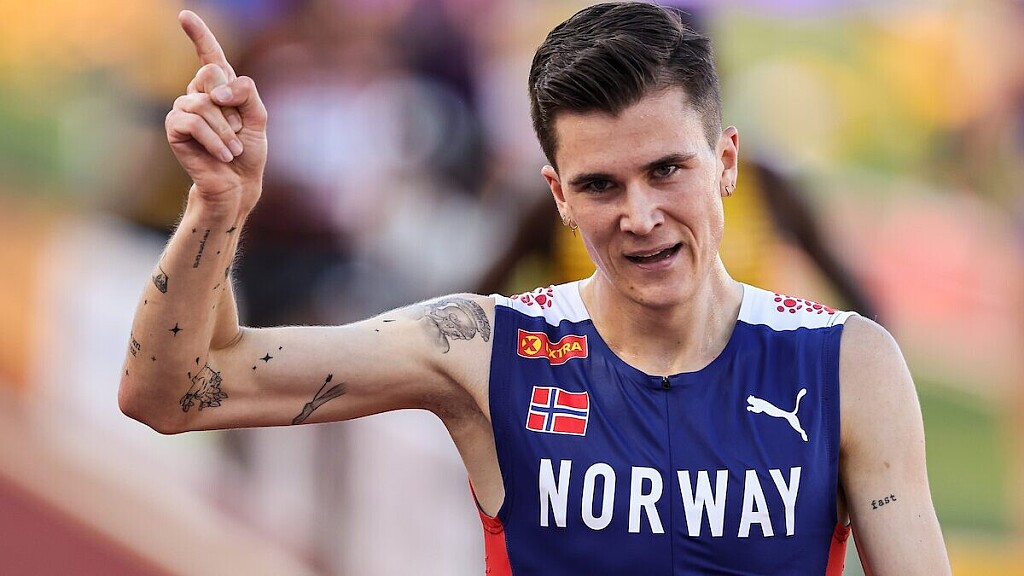
Jakob Ingebrigtsen earns his eighth career European championship gold
On Friday afternoon, the reigning Olympic 1,500m champion, Jakob Ingebrigtsen, led from start to finish in the men’s 1,500m at the 2023 European Indoor Championships in Istanbul, earning his eighth European championship gold medal, breaking the championship record in 3:33.95.
The world’s fastest middle-distance runner beat in-form British athlete Neil Gourley, who came second in 3:34.23, while Azeddine Habz of France claimed the bronze medal in 3:35.39.
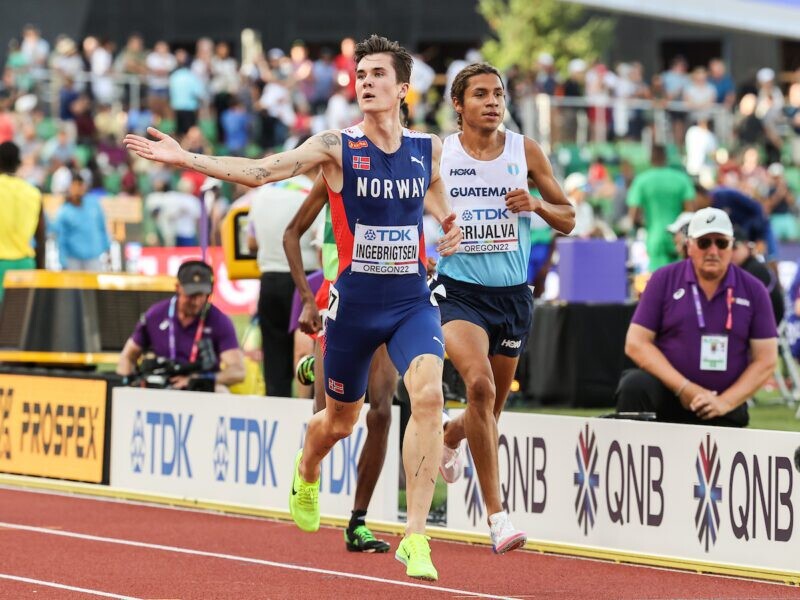
Ingebrigtsen, 22, had raced only once this season before competing Friday, missed a month of training with a viral infection.
Gourley, the British indoor 1,500m record holder of 3:32.48, sat on the heels of Ingebrigtsen from the start but could not hold on in the final 200 metres.

Gourley made a move on Ingebrigtsen with 200m to go, similar to the move that his Scottish compatriot Jake Wightman made to beat the Norwegian at the 2022 World Championships in Oregon. Ingebrigtsen countered, soaring to his second-straight European 1,500m gold.
“It’s important for me to compete in as many races as possible for the fans,” Ingebrigtsen told reporters post-race. “My goal is to become the greatest runner of all time, and I still have to win races.”
World indoor 400m record holder Femke Bol was also in action on Friday afternoon in the semi-finals of the women’s 400 metres.
by Marley Dickinson
Login to leave a comment
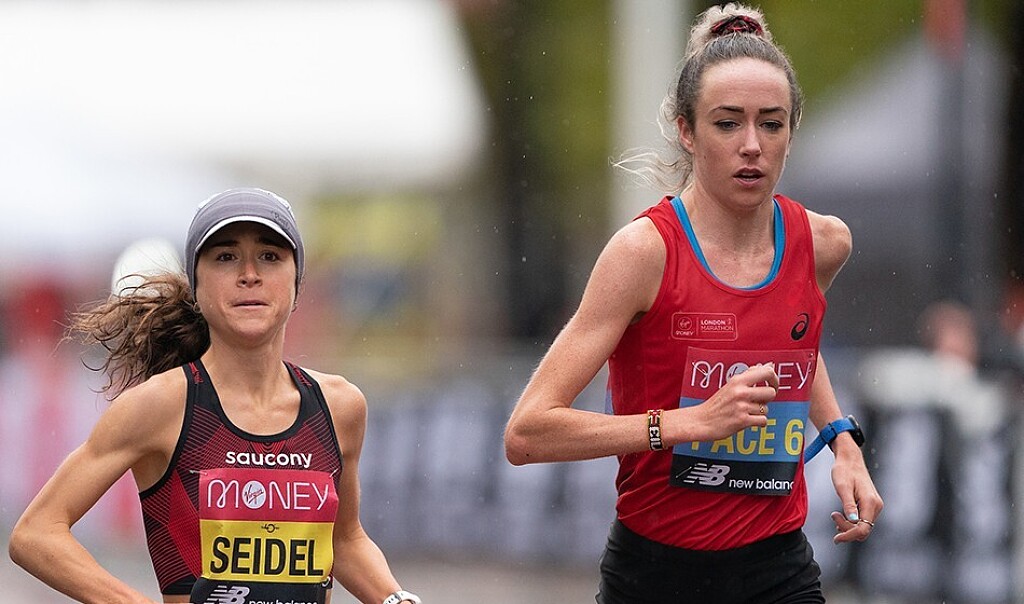
Eilish McColgan makes the London Marathon a priority
Eilish McColgan believes her athletics future lies in marathon operating as she prepares to make her debut within the occasion at London.
McColgan loved a ground-breaking 2022 on the monitor, profitable her first main title within the 10,000 metres on the Commonwealth Games in August.
The 31-year-old Scot additionally completed second within the 5,000m in Birmingham earlier than including 10,000m silver and 5,000m bronze medals on the European Championships a couple of weeks later.
But McColgan is now very a lot targeted on the marathon and says she may even compete within the occasion on the 2023 World Championships in Budapest “if it goes seriously well” in London.
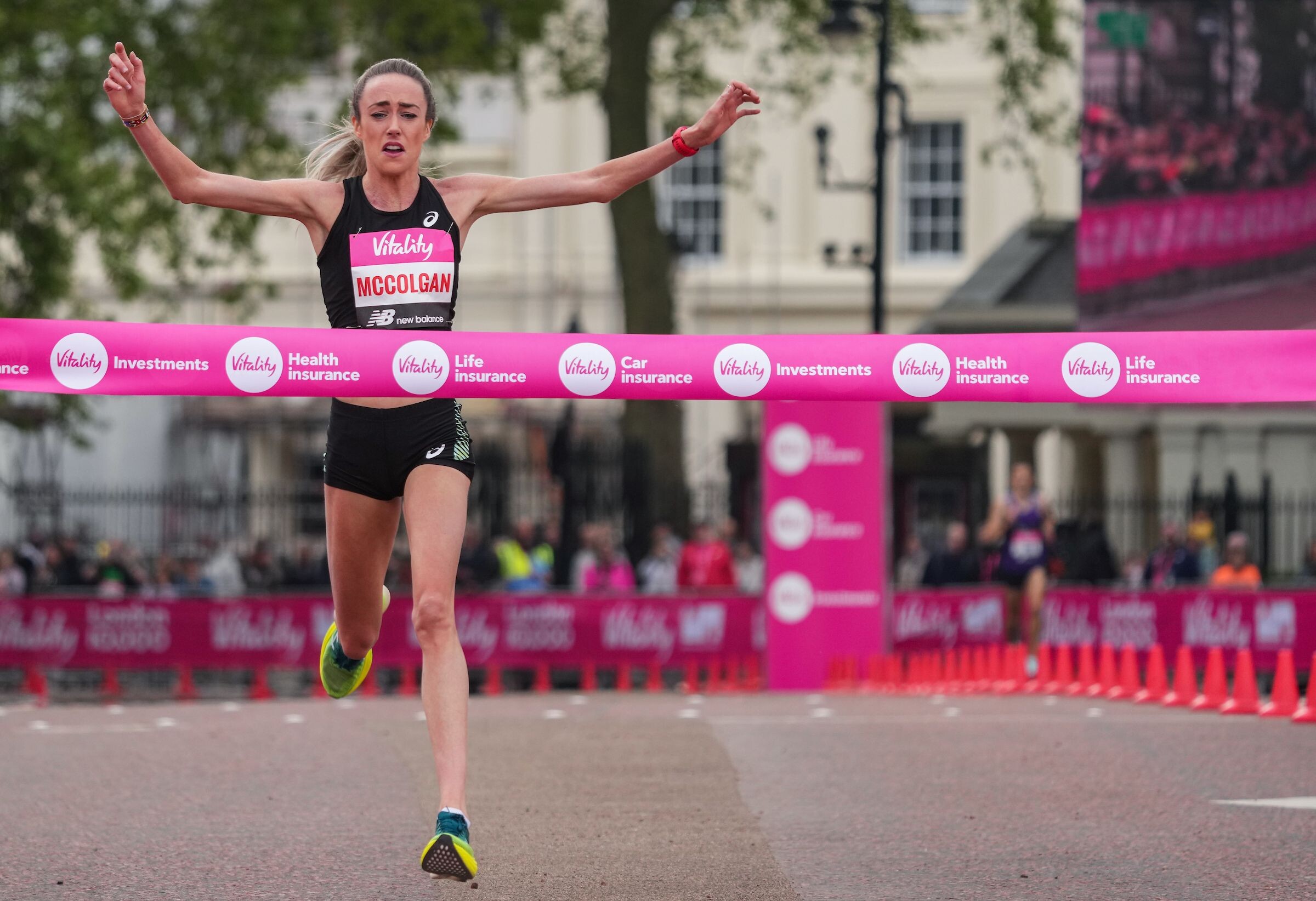
“I’d like to think it (my future) is the marathon,” stated McColgan as she confirmed her entry for the London race on April 23.
“My mindset is certainly that London is step one to doing extra highway racing and extra marathons.
“I don’t suppose I’ll go completely away from the monitor and I nonetheless need to be aggressive over 10,000 metres.

"My mindset is certainly that London is step one to doing extra highway racing and extra marathons," says Eilish McColgan.
“But the priority is definitely the marathon, although that might change if I’m no use at it.
“That’s the sort of way my mum planned it. One day we’d move up, it’s just happened maybe a couple of years later than we’d originally scheduled.”
McColgan’s mom Liz gained the girl’s elite race on the London Marathon in 1996 and it’s a race that she has a powerful affinity with.
She says when her mom was racing down The Mall she was typically “eating all the buffet food at the hospitality tents” and “watching on a tiny TV screen”.
“I just remember a buzz around the whole city and a busy place to be in,” stated McColgan.
“I’ve seen those images of my mum finishing the final 200 metres in front of Buckingham Palace. It’s an image I’ve created in my head from the pictures.
“My mum didn’t speak too much about running, but that was something she spoke about.
“It’s such an iconic race, even people who haven’t got an interest in running know about the London Marathon. It’s definitely a bucket-list race for me.”
McColgan had deliberate to run the 2022 London Marathon final October earlier than being pressured to withdraw as a consequence of a medical difficulty.
The downside was recognized as rebound hypoglycemia, a typical incidence amongst endurance athletes which results in lowered blood sugar ranges and never sufficient glucose within the blood to satisfy the physique’s wants.
But thorough testing seems to have resolved the fuelling difficulty, with McColgan saying she has already felt the advantages of a brand new carbohydrate drink.
“They said there were a few things different to what they’ve seen in other athletes,” stated McColgan, who underwent a 90-minute treadmill take a look at at Leeds Beckett University final week.
“But they think this carbohydrate drink will be the best solution going towards London, and I didn’t have the same crashes I was experiencing previously.
“I felt a lot more confident about it. When I was running I didn’t have that same low and heaviness and tiredness.
“I had a mask on and there were wires everywhere. It was really uncomfortable, so it better be worth it for the amount of discomfort you’re in for that long.”
McColgan will construct in the direction of the 2023 season at excessive altitude in Colorado Springs over the following few weeks and plans to run a half-marathon in March earlier than London.
On making a potential championship marathon debut as early as this August, she stated: “It’s really difficult to know without the hindsight of doing a marathon or recovering from one.
“I’m very wary with this being my first one, so I don’t want to definitely set my sights on the Budapest marathon.
“Realistically, it’s probably too soon. I’d be asking a lot of myself to do London and back it up with another one in close succession.
“But I’ve seen people do it before, and maybe I’ll be swayed if it goes seriously well.
“Deep down, I believe the right decision would be to do London, see how it goes, and then potentially do the 10k in Budapest before building towards another marathon.”
by Mirza Shehnaz
Login to leave a comment

TCS London Marathon
Since its inaugural edition on March 29, 1981, the TCS London Marathon has grown into one of the world's most prestigious road races, blending elite competition with an extraordinary charitable legacy. Founded by former Olympic champion and journalist Chris Brasher alongside Welsh athlete John Disley, the event has been staged every year and has been held in the spring annually...
more...
NBA star Donovan Mitchell credits track workouts for his 70-point game
On Jan. 2 at the Rocket Mortgage Fieldhouse in Cleveland, Ohio, Cleveland Cavaliers guard Donovan Mitchell became the second active NBA player to score 70 or more points in a single game. When asked by ESPN insider Brian Windhorst about the noticeable change in his performance this season, Mitchell responded that his secret was sprint workouts at the track.
“For eight weeks over the summer, I ran endless sprints with my trainer,” Mitchell told Windhorst. “We start by doing six sprints of 50 meters. Then five of 100 meters. Three at 200 meters. And lastly, two lung-busting 400s.”
Although Mitchell doesn’t tell ESPN the rest between his reps, it’s clear the workout was designed to help Mitchell increase his lactic tolerance for late in an NBA game or during a grueling seven-game playoff series.
As Mitchell netted 63 points at the end of regulation against the Chicago Bulls, the 26-year-old scored eight points in overtime to lead the Cavs past the Bulls. “He simply looked stronger and faster than anyone on the floor,” reported Windhorst.
According to the article, Mitchell said he lowered his 400m time to 57 seconds before leaving for the fall preseason camp with the Cavs. Although 57 seconds wouldn’t win him any elite or sub-elite 400m race, it’s a speedy time for a basketball player at the end of a workout.
The benefits of sprint training include increasing your caloric burn, which can help to reduce your resting heart rate, and your rate of fat oxidation, plus improve your resting Basal Metabolic Rate (BMR–how many calories you burn at rest).
When running or playing any high-intensity sport, the lactic buildup can generate fatigue and pain in your muscles, preventing you from performing at your best. By including faster sprint and speed workouts in your training, you will use fast-twitch muscle fibres more efficiently while increasing your muscle mass, developing bone density, and importantly—improving speed.
Try this workout at your local track or treadmill with these modifications:
(This sprint workout should be done at 90 to 100 per cent of all-out)
Track workout
Six reps of 50 metres with walk-back recovery
Five reps of 100 metres with two mins recovery
Three reps of 200 metres with three mins recovery
Two reps of 400 metres with five mins recovery
Treadmill workout
Six reps of 15 seconds with a one-minute walk recovery
Five reps of 30 seconds with two mins walk recovery
Three reps of 45 seconds with three mins walk recovery
Two reps of 90 seconds with five mins walk recovery.
by Marley Dickinson
Login to leave a comment
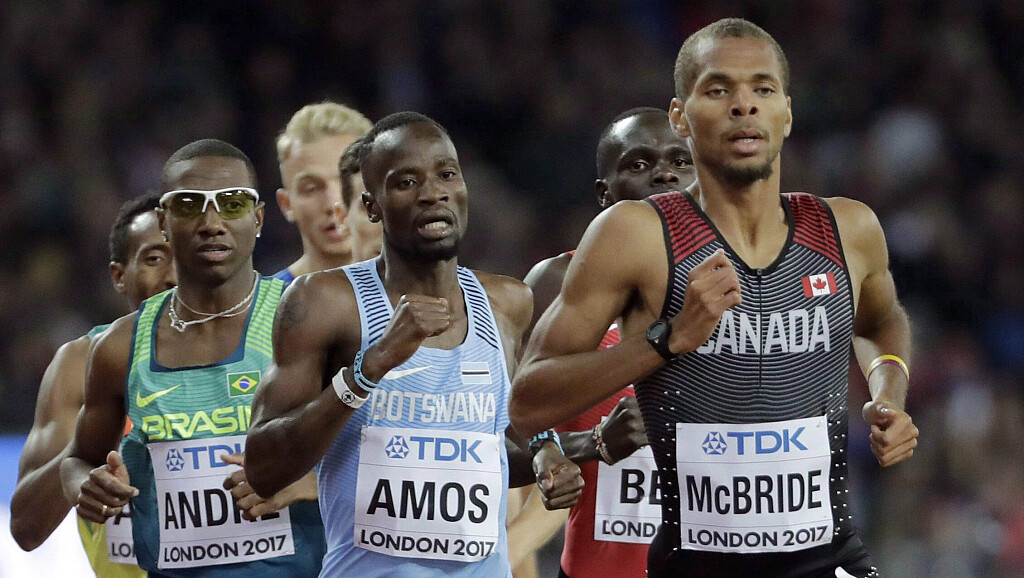
Now healthy, Canadian Brandon McBride sets running priorities for 2023, brightens holidays for others
Fully healed from a broken left foot, Brandon McBride will work to improve his mental strength on the track in 2023, with an eye on qualifying for a fourth consecutive World Athletics Championships next summer in Budapest.
The Canadian middle-distance runner will take a more experienced, strategic and smarter approach to races after falling hard to the track while jostling for position in his 800-meter heat on July 20 at the world championships in Eugene, Ore.
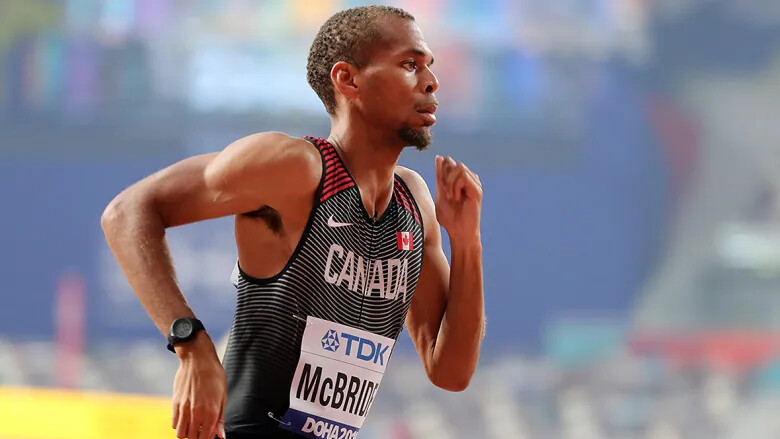
McBride, 28, and Navasky Anderson of Jamaica exchanged shoves near the turn off the backstretch. About 200 meters into the race, McBride said he was bumped during the cut-in and lost control but stayed on his feet before suddenly colliding with others.
The Windsor, Ont., native fell nearly five seconds off the pace and finished eighth, and last, in one minute 57.43 seconds.
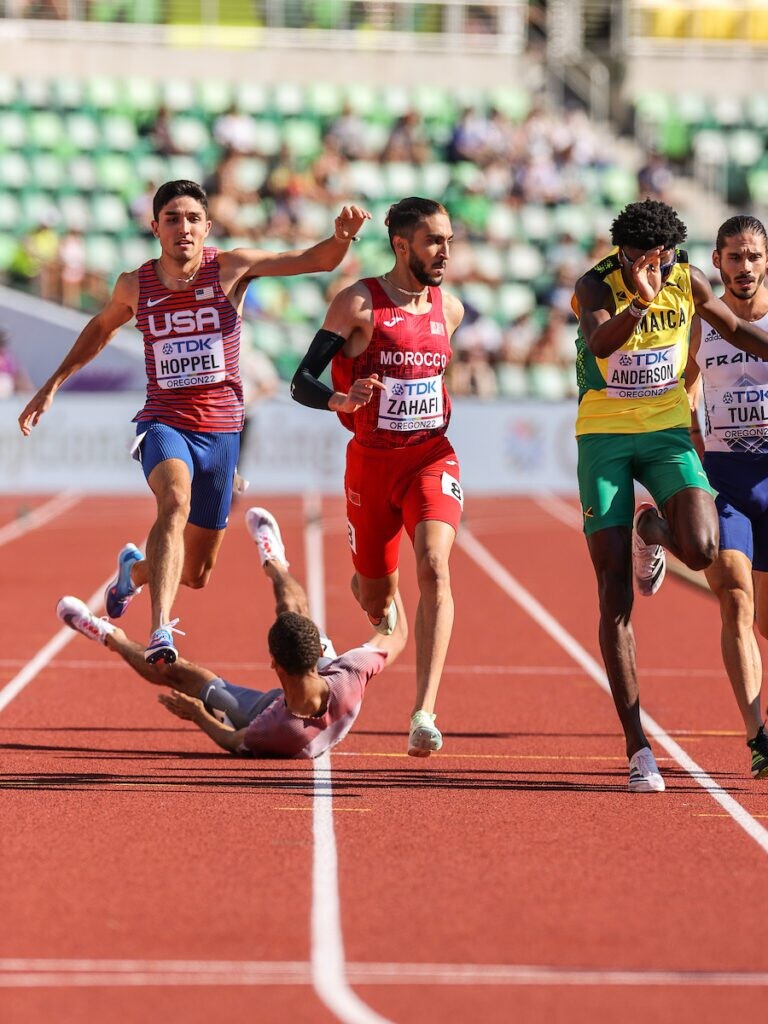
"You could say it was a freak accident [but] I take full responsibility," McBride, told CBC Sports over the phone from Victoria. "It could have been avoided if I had raced smarter. I need to approach races as a six-foot-five speed/power athlete [and] have to know I can't fit in certain spaces [between opposing runners]."
Going forward, McBride suggested he would sit at the back of the pack for the "first lap or so" and work his way up from 400 metres.
"That's something I [did] last year," said the two-time Olympian, "but maybe it's something I didn't have the confidence to do during world championships."
McBride encountered a similar situation in the first round at the 2019 worlds in Doha, Qatar, where he allowed Peter Bol of Australia to cut him off and almost tripped 150 to 200 metres from the start. At the time, McBride recalled, he had the utmost confidence in his endurance and speed. He recovered to win the heat while a tired Bol faded to fifth.
"In the future, I would love to have the confidence in myself to allow the individual to go ahead instead of jostling," he said. "You have to protect your space but remember the goal of the race is to finish."
In Eugene, McBride broke the fifth metatarsal, the long bone on the outside of the foot that connects to the small toe. The four-time Canadian champion worked with physiotherapist Mary Brannigan in Windsor during his rehabilitation and Dr. Brian Murer, a chiropractic specialist based in Indiana, who solved overall movement issues the runner was experiencing.
Four weeks into recovery, McBride could walk without issue and returned to his regular training program at the beginning of October.
"Rehab was straightforward, strengthening the muscles and tendons near the bone," said McBride, who ran a Canadian-record time of 1:43.20 in 2018. "[The broken bone] was the most painful experience I've ever had. I couldn't walk for the first 72 hours and it hurt when I was at rest and when I [eventually] moved around on crutches."
McBride moved to Victoria in late November to join coach Mark Rowland, with whom he has worked since November 2021 when he joined Oregon Track Club Elite in Eugene. Five months ago, Rowland accepted a job to coach endurance athletes out of Athletics Canada's West Hub in the B.C. capital. McBride and three others also relocated and live together in a cottage.
These days, McBride runs a combined 21 kilometers across morning and evening workouts and over the past month has experienced his best period of November/December training since turning professional in June 2016.
"Physically, we're [pushing] him a little harder [than in early 2022] and he seems to be responding," Rowland told CBC Sports. "We haven't done the anaerobic speed [workouts] or speed testing because I don't think we've done enough conditioning work to put his body in that position. We'll do that probably in January."
During his downtime, McBride has kept busy with his not-for-profit group. McBride Youth United Association has partnered with several organizations and this week will help 50 families in need ahead of the holiday season.
Care packages, which will be distributed in Windsor through Friday, include cognitive toys, sensory toys, board games, action figures, building blocks, hygiene products, gift cards and food cards.
McBride and the six-member MYUA — which includes his girlfriend, Yesmina Captan — has partnered with the Border City Athletics Club, Border City Boxing Club, Windsor United Basketball Training Facility, Windsor Region Hospital and Eastern Flavours Restaurant and Banquet Hall.
"It means the world to see the direct impact you're making with these kids and their families," said McBride, who has a master's degree in business from Wayne State University in Detroit. "I want to do my best to help the youth of Windsor and their development. It ties in with our mentorship and tutoring services we're going to be offering in 2023.
"I believe every child has greatness within them. They just need an individual or situation to bring out that greatness."
Early in 2020, McBride and Captan purchased grocery cards from FreshCo in Windsor and delivered them to eight families in need during the coronavirus pandemic. Later in the year, McBride delivered over 100 winter coats for children connected to nine organizations.
by Doug Harrison
Login to leave a comment
World Athletics Championships Budapest 23
From August 19-27, 2023, Budapest will host the world's third largest sporting event, the World Athletics Championships. It is the largest sporting event in the history of Hungary, attended by athletes from more than 200 countries, whose news will reach more than one billion people. Athletics is the foundation of all sports. It represents strength, speed, dexterity and endurance, the...
more...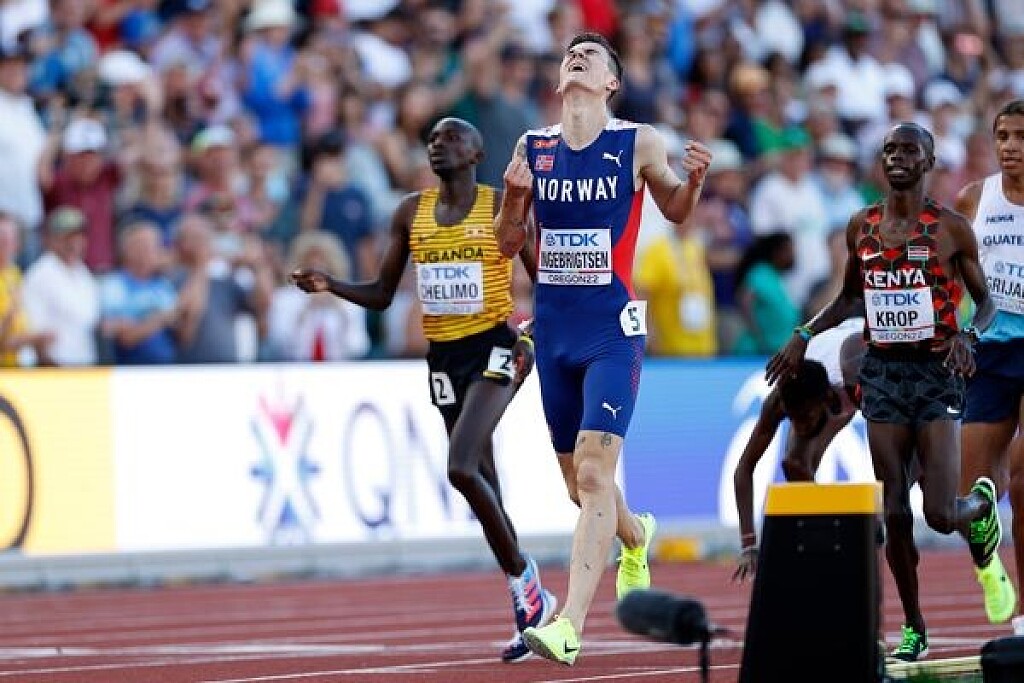
Ingebrigtsen wins first world title with 5000m gold in Oregon
Norway’s Jakob Ingebrigsten had an Olympic title, but he had never won a World Championships gold medal.
After being upset in the 1500m by Jake Wightman only a few days ago at the World Athletics Championships Oregon22, a world gold still eluded him.
If he wanted to end his drought, he was going to have to topple a star-studded field in the men’s 5000m that included the world record-holder, Uganda’s Joshua Cheptegei, who had earned gold over 10,000m earlier in the championships.
But Ingebrigtsen did exactly that, winging up the pace in the final kilometre to win in 13:09.24. Kenya’s Jacob Krop took silver in 13:09.98, while Uganda’s Oscar Chelimo earned bronze in 13:10.20, a season’s best.
Ingebrigtsen spent almost half the race towards the back of the pack and didn't make his move until after the field had covered two kilometres, going from 10th place into fifth. He remained near the front over the next few laps, then he moved into first with 600 metres left.
From then on, he never relinquished the lead. Ingebrigtsen led 11 men through the bell, less than a second spread among them. As the pack strung out and the finalists started to unleash their finishing kick, Ingebrigtsen held off all of them and extended his lead as he neared the line.
The Norwegian could even afford to take a couple of last looks behind him, before flashing a ‘No.1’ gesture to the fans on the homestretch.
“It feels amazing to win this gold,” said Ingebrigtsen. “This is already my fifth attempt to become a world champion outdoors and my third World Championships. So finally, I became the world champion.”
Cheptegei led through the first three laps, but by the halfway mark, he had dropped to eighth. Leading the pack was Kenya’s Nicholas Kipkorir Kimeli and Daniel Simiu Ebenyo, who often took turns at the front early on. In pursuit were Guatemala’s Luis Grijalva, Ingebrigsten and USA’s Grant Fisher.
Through 4000m, just 0.75 separated the top 12. Krop had taken the lead, but the race remained conservative, with no one looking to push the pace, setting the stage for the raucous bell lap.
Ingebrigtsen and Krop passed through the bell first, holding their positions the rest of the way. However, Chelimo was still in ninth, and Fisher was in third, only 0.11 behind the top two. Chelimo remained in eighth until the final 200 metres, where he moved into fifth, still trailing Fisher and Canada’s Mohammed Ahmed.
As the three men came around the curve, with the bronze still up for grabs, Fisher hit the inside rail, causing the American to drop behind. Chelimo took advantage, as did Grijalva, and both men moved ahead. Chelimo’s kick was too strong for either Grijalva or Ahmed to handle, as he edged both men by less than 0.25.
Grijalva finished fourth, achieving the best finish for his country in any event at the World Championships.
“It feels amazing. I have always run a PB in the races,” said Grijalva. “I almost won a medal, the first for Central America.”
Krop said he knew the race would be tactical, but he was ready for it.
“They just made me push on the last lap and attack,” said Krop. “In the end, it looked like everybody wanted to get to the podium. I had my position and when I kicked, I wanted to maintain the spot, but Jakob had a strong kick too.”
For Chelimo, the bronze finish comes after a few disappointing outings recently.
“I had some difficult times in the past years, I was happy last year to qualify in Tokyo, but then I came last so I had to ask why,” said Chelimo. “But my coach told me that I am a champion. He said, ‘forget about the past, just continue racing’.”
by Elias Esquivel (World Athletics)
Login to leave a comment

World Athletics Championships Budapest23
Budapest is a true capital of sports, which is one of the reasons why the World Athletics Championships Budapest 2023 is in the right place here. Here are some of the most important world athletics events and venues where we have witnessed moments of sporting history. Throughout the 125-year history of Hungarian athletics, the country and Budapest have hosted numerous...
more...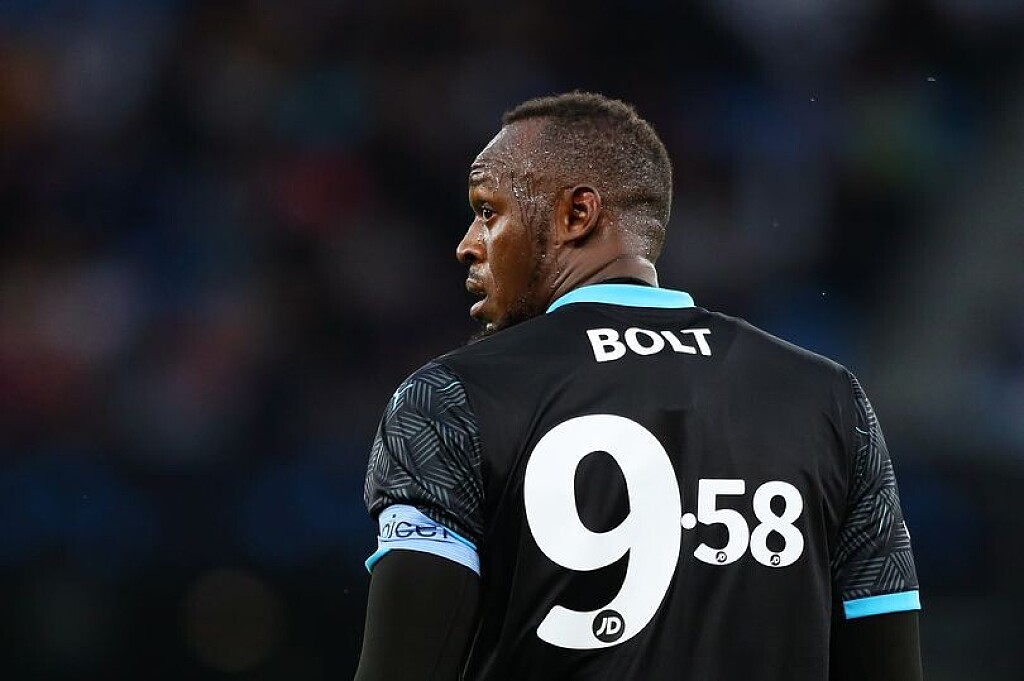
The world's fastest man is once again putting on his football boots for a good cause
Usain Bolt is back to captain the Rest of the World XI against England in Soccer Aid.
The former Olympic sprinter is once again involved as skipper, having played in the past few matches. Fittingly, the match is taking place at London's Olympic Stadium - a football venue in its own right as the home of West Ham, but also the place where Bolt set the Olympic record on the way to defending his 100m crown in 2012.
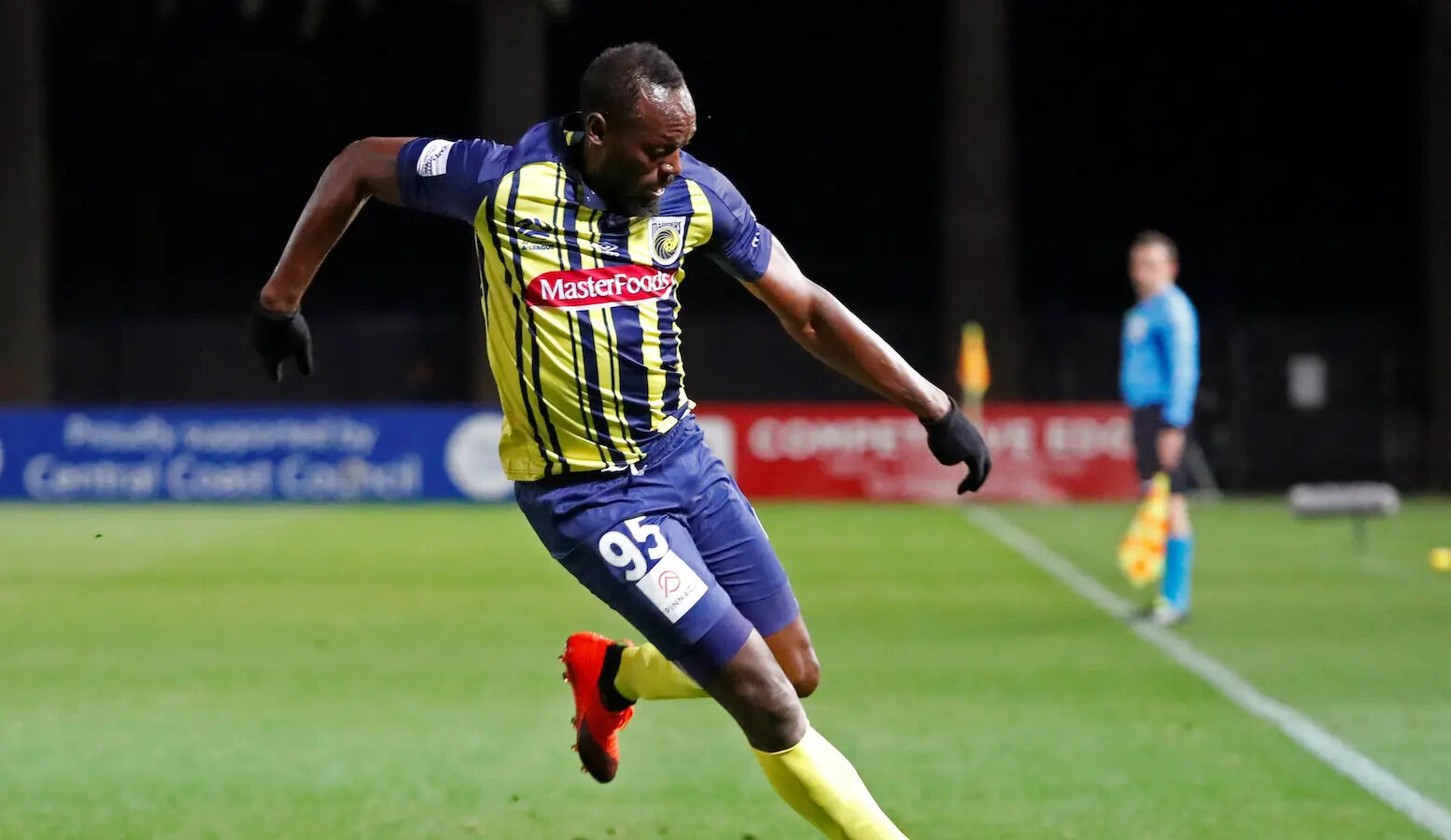
London 2012 was a highlight in a storied career that saw Bolt establish himself as the fastest man in the world and set records that have yet to be beat. The 9.63 seconds it took him to win gold in 2012 remains an Olympic record - beating the one he'd set in 2008 - but the overall world record was set by himself a few years before that.
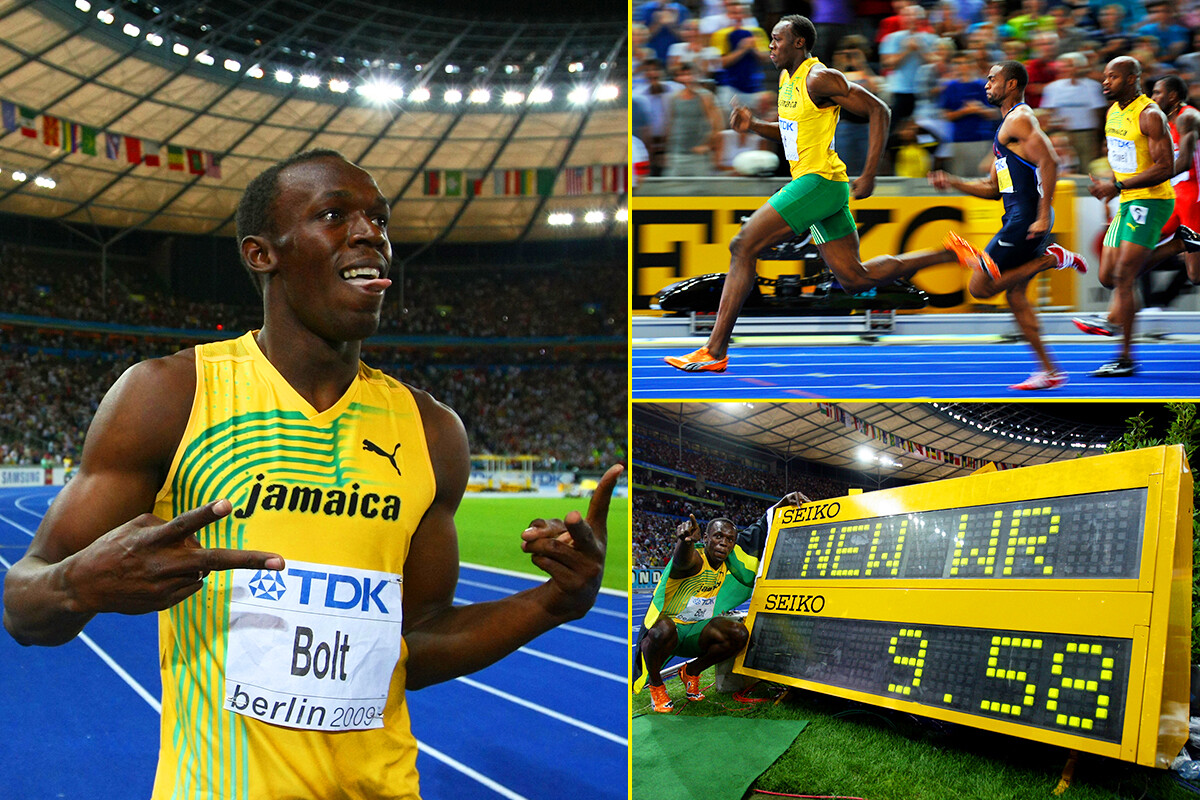
Bolt set the current 100m world record at the 2009 IAAF World Championships, clocking an incredible 9.58 seconds for the feat. His average ground speed was 37.58km/h (23.351 miles per hour), whilst reaching a top speed of 44.72km/h (27.788 miles per hour) in the 60-80m stretch – numbers fitting for the world’s fastest man.
He first held the 100m world record in 2008 at the Reebok Grand Prix in the Icahn Stadium in New York, clocking 9.72 seconds to beat fellow Jamaican Asafa Powell’s record of 9.74 seconds set at the IAAF Grand Prix in Rieti, Italy, a year before. He brought the record down further to 9.69 seconds at the 2008 Olympics in Beijing, before hitting his peak in 2009.
9.58 seconds remains the world record for the 100 metres and Bolt has commemorated that in past Soccer Aids by wearing the number - complete with decimal point - on the back of his shirt. For added measure, Bolt also holds the record for the 200 metres - running 19.19 seconds at the 2009 World Championships.
Login to leave a comment
