

Running News Daily
Running News Daily is edited by Bob Anderson and team. Send your news items to bob@mybestruns.com Advertising opportunities available.
Index to Daily Posts · Sign Up For Updates · Run The World Feed
Articles tagged #Oslo
Today's Running News
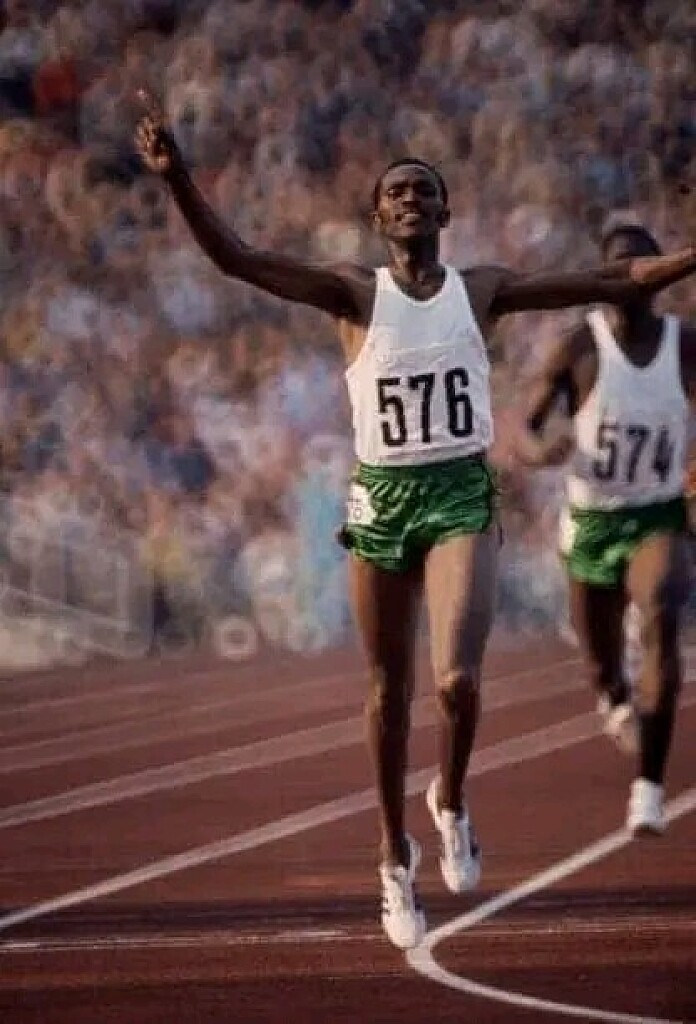


The Day Kip Keino And Ben Jipcho Put Kenya On Top In Munich
On 4 September 1972, Kenya once again announced its growing authority on the Olympic athletics stage as the country produced a spectacular one-two finish in the men’s 3,000m steeplechase at the Munich Olympic Games.
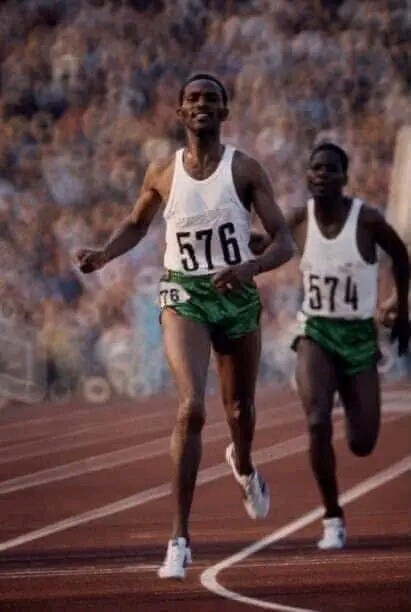
Kipchoge Keino delivered a commanding performance to capture the gold medal in 8:23.64, setting a new Olympic record in the process. His compatriot Benjamin Jipcho was equally impressive, crossing the line in 8:24.62 to take silver, while Finland’s Tapio Kantanen secured bronze in 8:24.66.
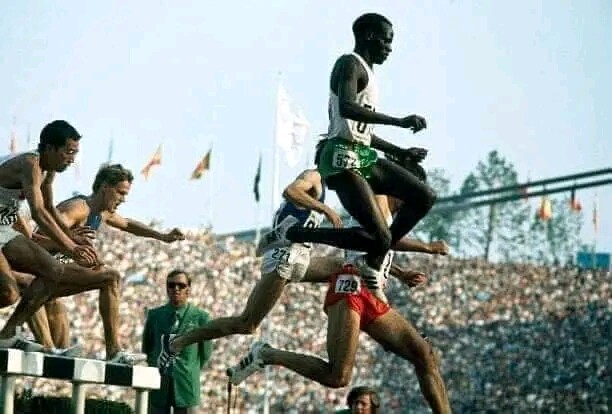
The final brought together a remarkable group of athletes, including Kenya’s defending Olympic champion Amos Biwott. Keino and Jipcho, however, proved too strong when the decisive moments arrived. As the race entered its closing stages, the leading group began to separate, with Keino positioning himself perfectly for the final charge.
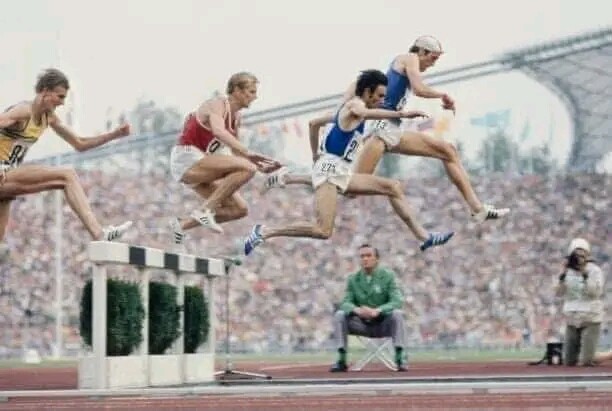
Keino then unleashed his finishing speed, pulling clear in the closing metres to secure another Olympic title. Jipcho fought his way into second, completing a memorable Kenyan one-two, while Kantanen held on for third. Biwott finished sixth in 8:33.48, giving Kenya three athletes among the top six finishers.
For Keino, the triumph added another remarkable chapter to an already extraordinary Olympic career. Four years earlier in Mexico City, he had won the 1,500m gold medal and taken silver in the 5,000m. In Munich, he demonstrated his versatility once again by conquering the demanding steeplechase, an event requiring not only endurance and speed but also exceptional rhythm and technique over the barriers and water jump.
Jipcho’s silver medal was equally significant. His performance confirmed that Kenya’s success in the steeplechase was no longer the achievement of a single exceptional athlete. A new generation of Kenyan runners was emerging, capable of challenging the very best on the world’s biggest stage.
The Munich final also carried a sense of continuity for Kenya. Biwott had won the Olympic steeplechase title at the 1968 Mexico City Games, and four years later his compatriots Keino and Jipcho ensured that the gold medal remained in Kenyan hands. It was becoming increasingly clear that the country had discovered a formidable formula for producing world-class steeplechasers.
Beyond the medals, the race helped strengthen Kenya’s growing reputation as a powerhouse in distance running. The combination of natural endurance, disciplined training and extraordinary competitive courage would continue to produce generations of Kenyan steeplechase champions, turning the event into one of the country's most celebrated Olympic disciplines.
The complete Munich 1972 final standings were:
1. Kipchoge Keino — Kenya — 8:23.64 — Olympic Record
2. Benjamin Jipcho — Kenya — 8:24.62
3. Tapio Kantanen — Finland — 8:24.66
4. Bronisław Malinowski — Poland — 8:27.92
5. Dušan Moravčík — Czechoslovakia — 8:29.06
6. Amos Biwott — Kenya — 8:33.48
7. Romualdas Bitė — Soviet Union — 8:34.64
8. Pekka Päivärinta — Finland — 8:37.17
9. Takaharu Koyama — Japan — 8:37.66
10. Mikko Ala-Leppilampi — Finland — 8:41.03
11. Jean-Paul Villain — France — 8:46.72
12. Mikhail Zhelev — Bulgaria — 9:02.59
More than five decades later, the Munich steeplechase remains a landmark moment in Kenyan athletics history. Keino’s golden run, Jipcho’s brilliant silver and Biwott’s determined sixth-place finish combined to create a performance that captured the depth of Kenya’s emerging distance-running strength.
It was not simply a victory for one athlete. It was a statement from a nation — and another unforgettable chapter in Kenya’s extraordinary Olympic athletics legacy.
by Erick Cheruiyot for My Best Runs.
Login to leave a comment
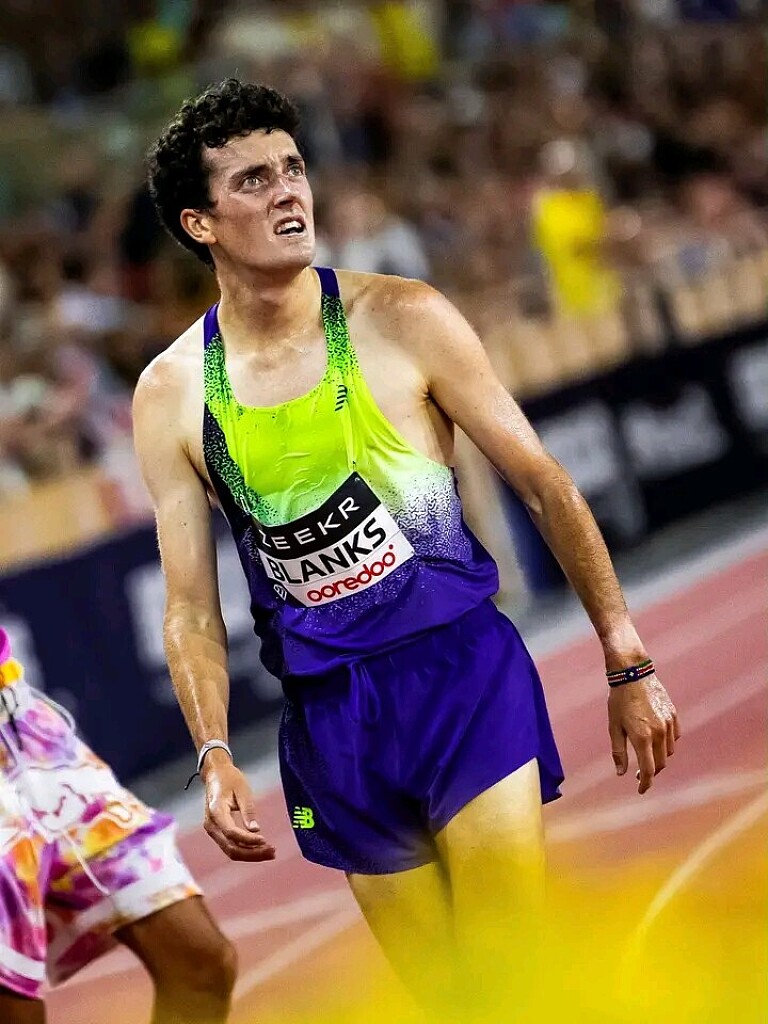
Americans Bring The Heat As Lausanne Diamond League Sets Up A Fierce 5000m Showdown
The Wanda Diamond League returns to action on Friday, August 21, and the men’s 5000m in Lausanne promises to be one of the evening’s most compelling distance races, with a strong American quartet ready to take on a deep international field.
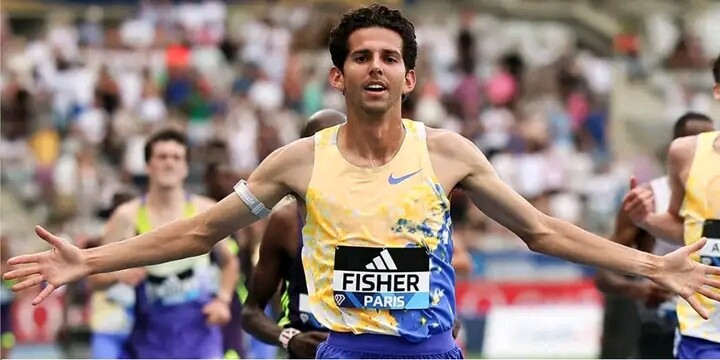
Graham Blanks, Grant Fisher, Parker Wolfe and Nico Young will carry the American challenge at Athletissima, where they will line up against a formidable group featuring athletes from Kenya, Ethiopia, Bahrain, Eritrea, Burundi, Switzerland, Uruguay, Slovenia and Mexico.

The Lausanne meeting marks an important point in the 2026 Diamond League campaign, with the Road to the Final entering its decisive stages ahead of the series finale in Brussels on September 4-5. Lausanne is followed just two days later by the Silesia meeting, before the series heads to Zurich for the final regular-season stop.

Fisher arrives as one of the most established names in the field. The American Olympic bronze medallist has already produced a 12:49.61 season best over 5000m in Oslo and also won the 3000m in Paris earlier this season. His experience at the highest level makes him a major contender when the pace accelerates over the closing laps.
Blanks is another American to watch closely. Ranked among the leading 5000m athletes in the world, he has continued to establish himself as one of the United States’ most exciting young distance runners. World Athletics’ rankings placed him eighth globally in the event as of July 26, with Fisher sixth.
Wolfe and Young add further depth to an American lineup that could make the race particularly tactical. With four athletes capable of competing at a high level, the United States will have several cards to play as the race develops.
But the Americans will have no easy path to victory.
Bahrain’s Birhanu Balew headlines the international opposition and entered the season among the world’s highest-ranked 5000m runners. Kenya will be represented by Jacob Krop, Edwin Kurgat, Cornelius Kemboi, Charles Kiboina, Mathew Kipchumba Kipsang and Laban Kiptoo Kosgei, giving the race a powerful Kenyan presence.
Ethiopia also brings considerable strength, with Khairi Bejiga, Kuma Girma, Shimelis Niguse, Mezgebu Sime and Getnet Wale all listed in the field. Eritrea’s Abderezak Suleman, Burundi’s Egide Ntakirutimana, Switzerland’s Dominic Lokinyomo Lobalu, Uruguay’s Santiago Catrofe, Slovenia’s Žan Rudolf and Mexico’s Eduardo Herrera complete a truly international lineup.
The Lausanne 5000m is therefore shaping up as much more than an American showcase. It is a meeting of contrasting strengths: American depth, Kenyan distance tradition, Ethiopian endurance and a collection of international contenders eager to make their mark on one of the sport’s biggest stages.
With the Diamond League season moving rapidly toward its final stretch, every position and every point carries added importance. The question now is whether the American quartet can convert its collective strength into a victory—or whether the international field will once again prove too deep to control.
One thing is certain: when the Lausanne 5000m gets underway, the pace is expected to be hot, the competition fierce and the final laps unforgettable.
by Erick Cheruiyot for My Best Runs.
Login to leave a comment
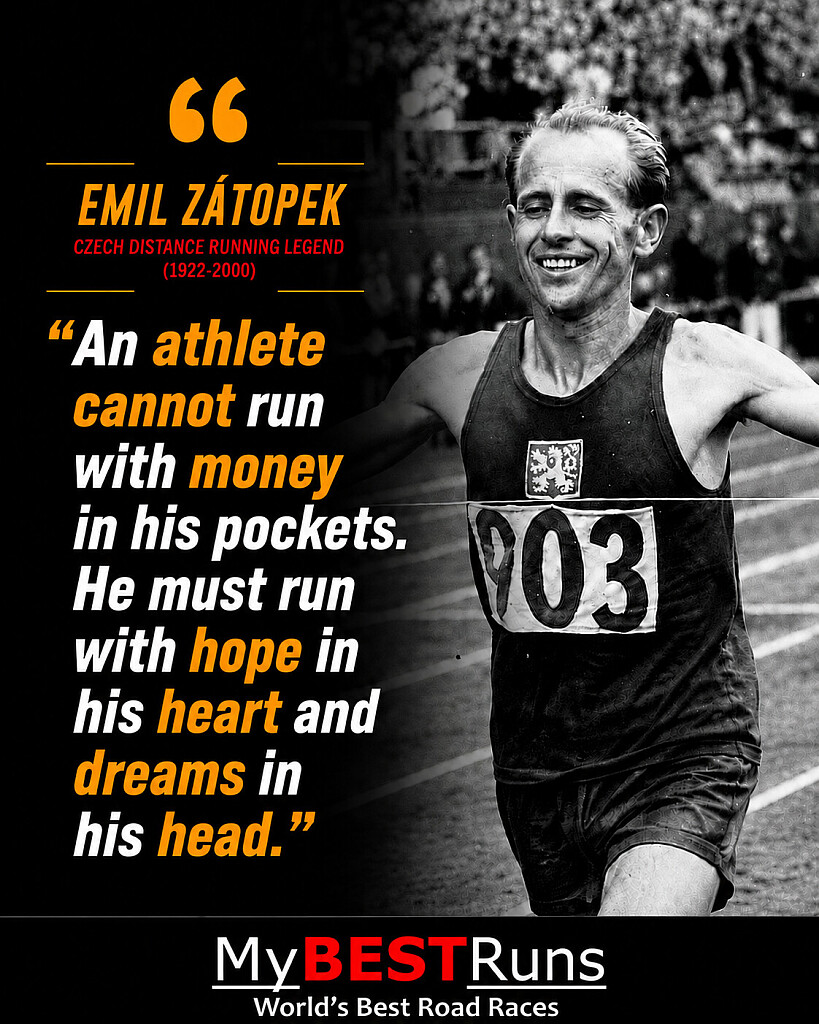
The Dream That Outruns Money: Emil Zátopek's Timeless Lesson for Every Runner
"An athlete cannot run with money in his pockets. He must run with hope in his heart and dreams in his head." More than seventy years after those words were spoken, they remain among the most powerful messages ever shared in distance running. They are often quoted as simple motivation, but behind them lies a remarkable story of sacrifice, courage, conviction, and an unwavering belief that true greatness is never measured by financial reward.
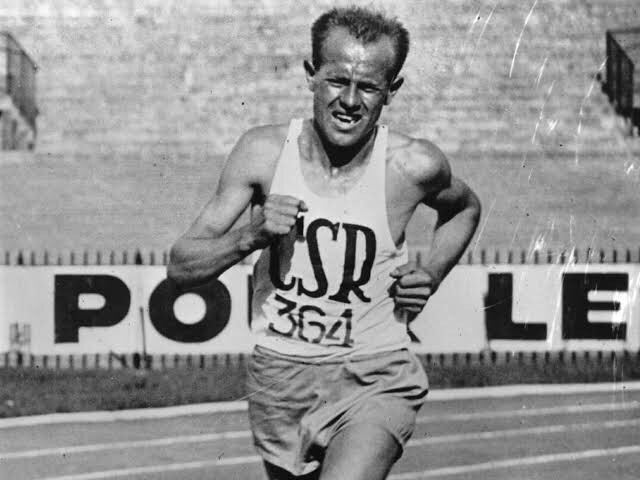
Few athletes have left a legacy as enduring as Emil Zátopek. Known around the world as "The Czech Locomotive" for his relentless determination and unmistakable running style, he redefined what was possible in endurance racing. His legendary performance at the 1952 Olympic Games in Helsinki still ranks among the greatest achievements in athletics history. In the space of just nine days, he captured Olympic gold in the 5,000 meters, the 10,000 meters, and, incredibly, the marathon—a race he had never attempted before.
Yet the world in which Zátopek competed was vastly different from today's professional athletics landscape. During the 1950s, elite sport officially operated under strict amateur rules. Olympic athletes were forbidden from accepting prize money or earning a living directly from competition, although unofficial financial arrangements existed in many sports. Zátopek himself never raced for appearance fees or lucrative prize purses. Instead, he served as an officer in the Czechoslovak People's Army, receiving a military salary while representing his country. Running brought him glory, but not personal wealth.
It was within that environment that his famous words carried genuine meaning. For Zátopek, success was never driven by the promise of money. He believed the greatest performances were fueled by hope, ambition, discipline, and the courage to pursue dreams that seemed impossible. Those qualities, rather than financial incentives, formed the foundation of lasting excellence.
With the benefit of history, his words carry even greater significance. In 1968, during the Prague Spring, Zátopek openly supported democratic reforms in Czechoslovakia. When the movement was crushed, he paid a heavy personal price for standing by his principles. He was stripped of his military rank, removed from public life, and forced into years of manual labor. The man who had once stood proudly atop the Olympic podium found himself performing physically demanding jobs, far removed from the stadiums where he had inspired millions.
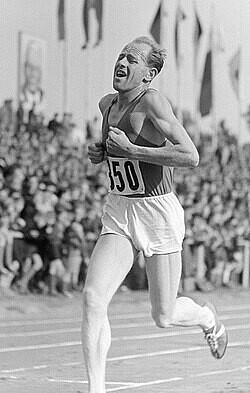
His story reminds us that the values he expressed were not empty words crafted for public admiration. He lived by them, even when doing so came at enormous personal cost. His belief that hope and conviction mattered more than material rewards became evident not only in the races he won, but also in the hardships he endured with remarkable dignity.
Distance running has changed dramatically since Zátopek's era. Today's elite athletes compete in a fully professional sport where prize money, sponsorship contracts, appearance fees, and endorsement deals can be worth millions. Success on the track and roads now offers opportunities that were unimaginable during the age of amateur competition. Professionalism has transformed the sport, allowing athletes to train full-time, access world-class coaching and sports science, and build financially secure careers.
Yet despite these changes, the essence of Zátopek's message has never lost its relevance.
Every elite runner naturally hopes to earn a good living from years of dedication and sacrifice. There is nothing wrong with financial success, and the rewards available today have elevated the standard of competition across the world. But history consistently shows that money alone is rarely enough to sustain greatness. The athletes whose careers endure the longest are often those driven by an inner passion to improve, to test their limits, and to chase excellence for its own sake. Financial rewards become the result of that commitment, not the reason for it.
When competition is motivated solely by wealth, its deeper purpose can fade. But when an athlete races with genuine belief, relentless determination, and an unwavering dream, extraordinary performances often follow naturally.
That is why Emil Zátopek's words continue to resonate across generations. His legacy extends far beyond Olympic medals and world records. It lives in every runner who laces up their shoes with a goal that cannot be measured in dollars, every athlete who refuses to surrender when the race becomes painful, and every competitor who understands that the greatest victories begin long before the finish line.
The economics of distance running may have evolved beyond recognition, but the heart of the sport remains unchanged. Every athlete still arrives at the starting line carrying something far more valuable than money—hope in their heart and dreams in their head. Those invisible qualities have always been, and will always remain, the true fuel of greatness.
by Erick Cheruiyot for My Best Runs.
Login to leave a comment
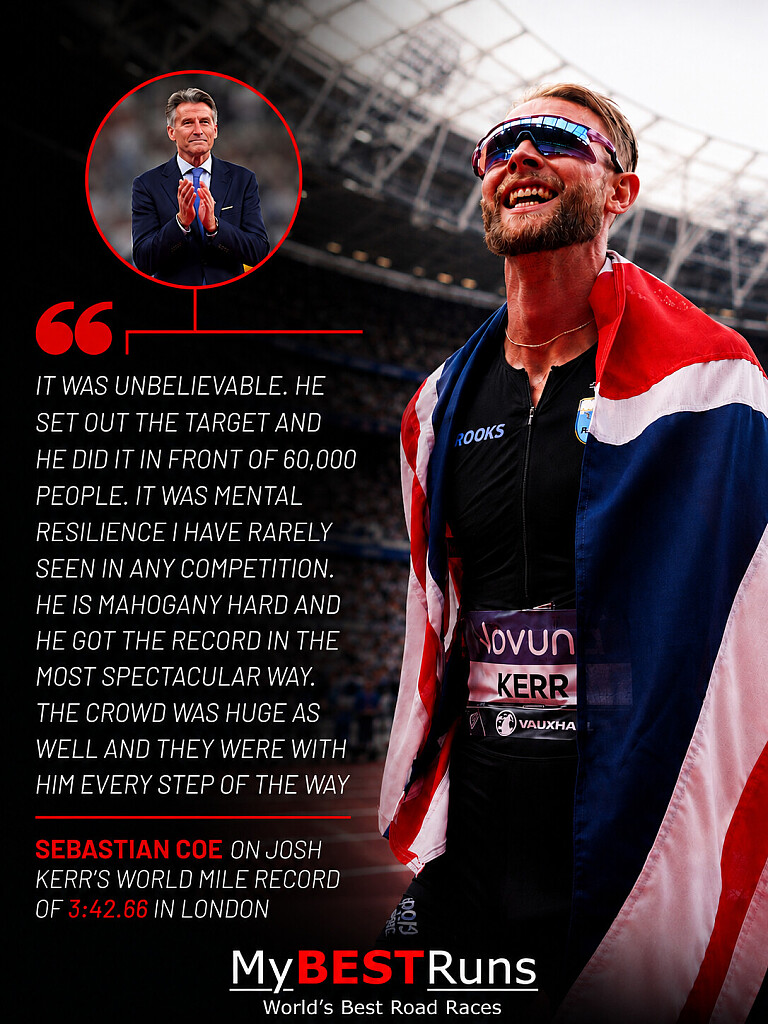
Sebastian Coe Hails Josh Kerr's World Mile Masterpiece: "A Performance Of Rare Mental Resilience
When one of the greatest milers in history stands to applaud a new world record holder, the moment carries extraordinary significance. Sebastian Coe, a three-time world mile record holder and one of Britain's most iconic middle-distance runners, reserved the highest praise for Josh Kerr after his breathtaking 3:42.66 mile world record at the London Diamond League.
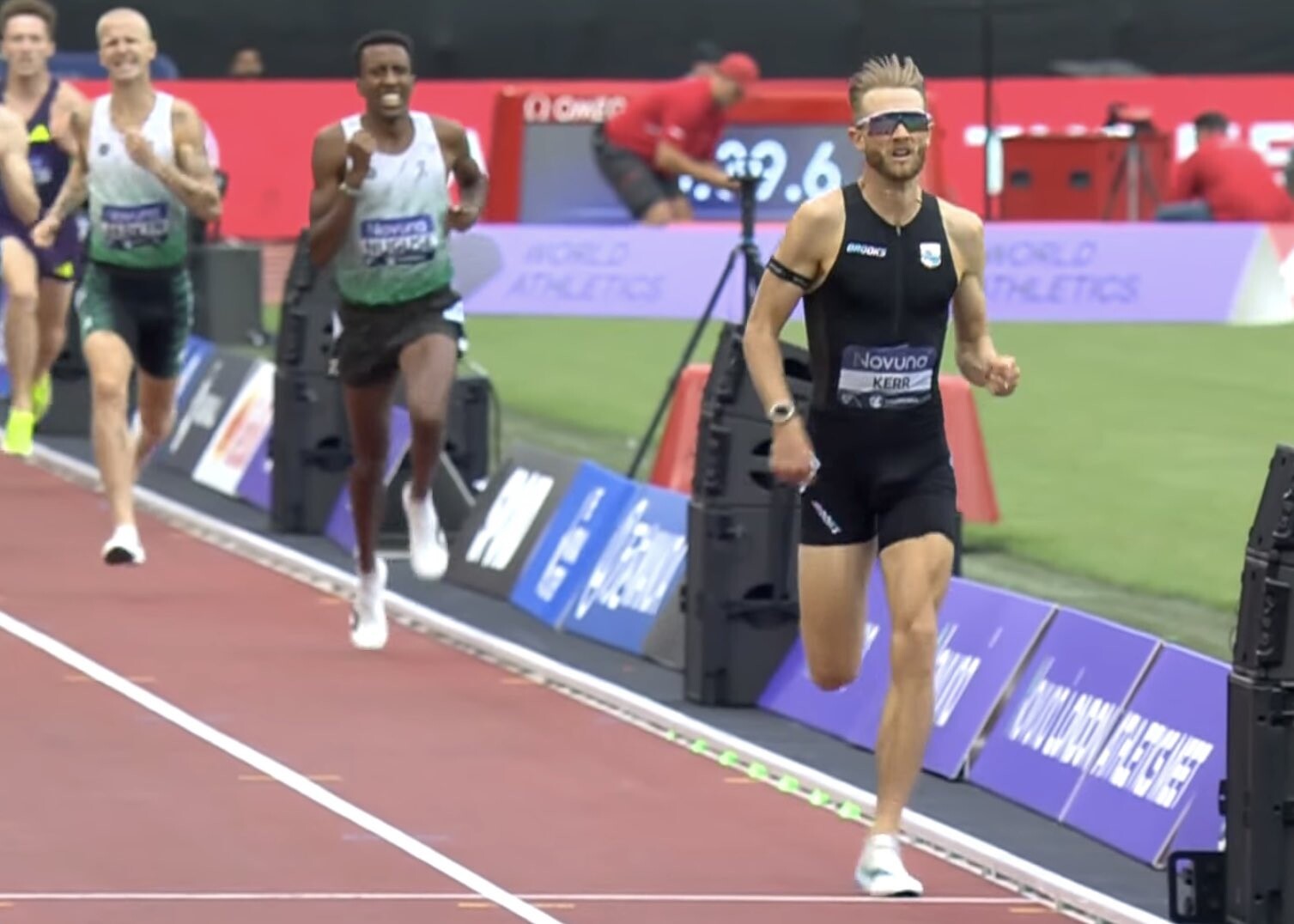
For Coe, this was far more than another record falling. It was a performance that showcased courage, composure, and an unwavering belief under immense pressure.
"It was unbelievable," Coe said. "He set out the target and he did it in front of 60,000 people. It was mental resilience I have rarely seen in any competition. He is mahogany hard and he got the record in the most spectacular way. The crowd was huge as well and they were with him every step of the way."
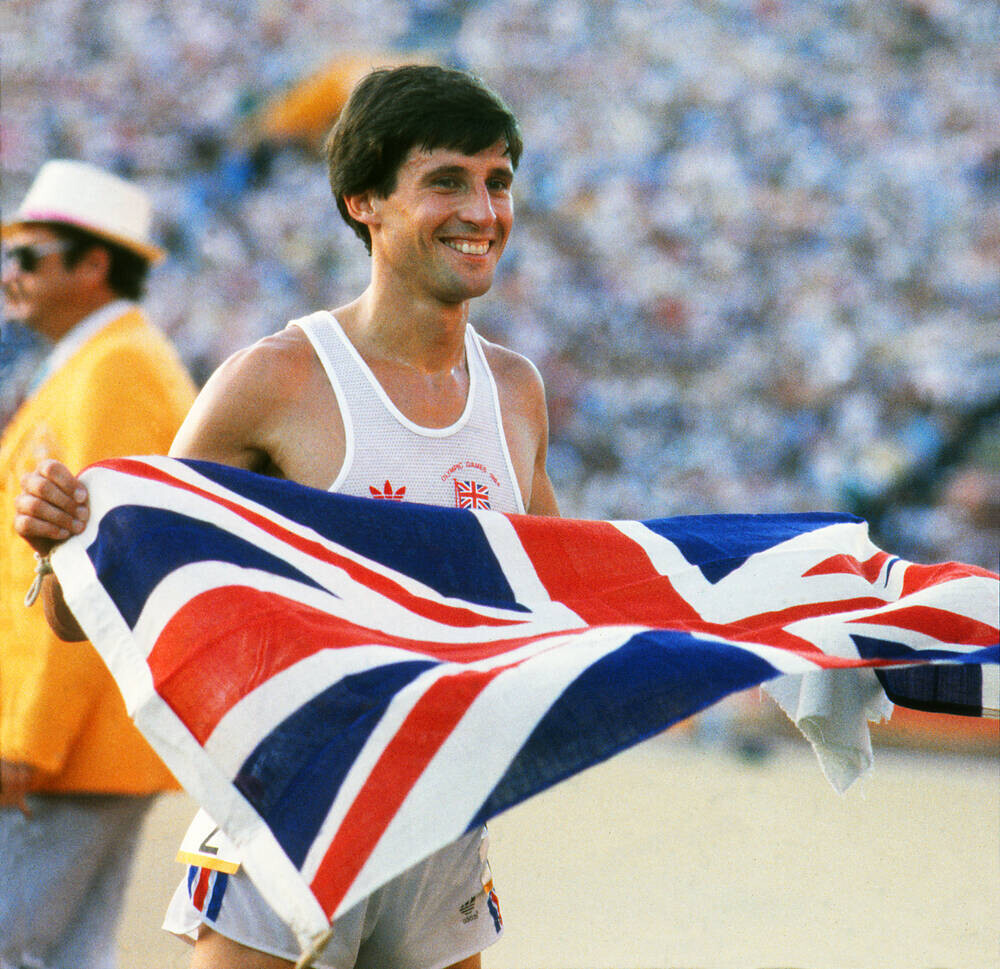
Those words carry exceptional weight coming from a man who understands the demands of rewriting history. Coe himself redefined the mile three times during his legendary career, first clocking 3:48.95 in Oslo in 1979 before improving the mark to 3:48.53 in Zurich and then 3:47.33 in Brussels in 1981. His brilliance inspired generations of British middle-distance runners, and now he has witnessed another chapter being written.
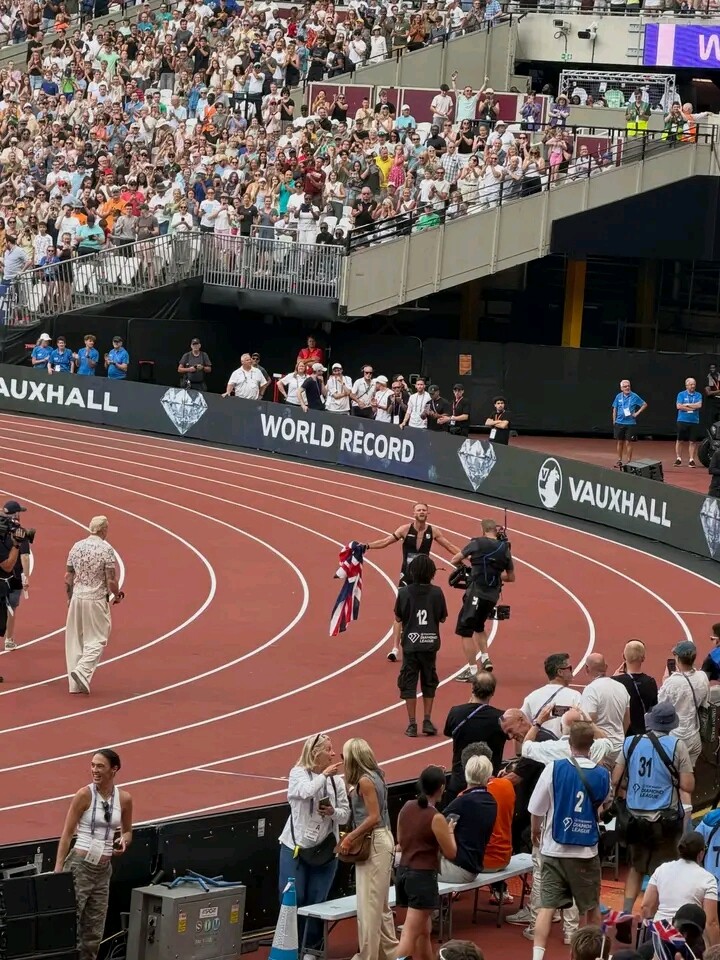
Kerr's achievement was not built on surprise. It was the culmination of meticulous planning, relentless training, and the confidence to publicly declare his ambition before delivering it on the biggest stage. With more than 60,000 fans filling the London Stadium, the Olympic champion embraced the pressure rather than shrinking from it.
Every lap reflected precision. Every stride demonstrated conviction. And when Kerr crossed the finish line in 3:42.66, he not only erased Hicham El Guerrouj's 27-year-old world record but also returned the outdoor mile world record to Great Britain for the first time in nearly three decades.
In doing so, Kerr became the seventh British man in history to hold the outdoor world mile record, adding his name to one of the sport's most prestigious lineages.
What made the performance even more remarkable was its emotional backdrop. Competing in front of a home crowd that roared him through every metre, Kerr transformed the stadium into a theatre of history. The deafening support fueled an unforgettable evening that will be remembered as one of the greatest moments in British athletics.
Coe's tribute perfectly captured what statistics alone cannot explain. World records demand exceptional physical ability, but truly historic performances are forged through resilience, belief, and the willingness to embrace pressure when the world is watching.
Josh Kerr did exactly that. He didn't simply break a record—he produced a performance that united a nation, inspired the next generation, and earned the admiration of one of the greatest milers the sport has ever known.
by Erick Cheruiyot for My Best Runs.
Login to leave a comment
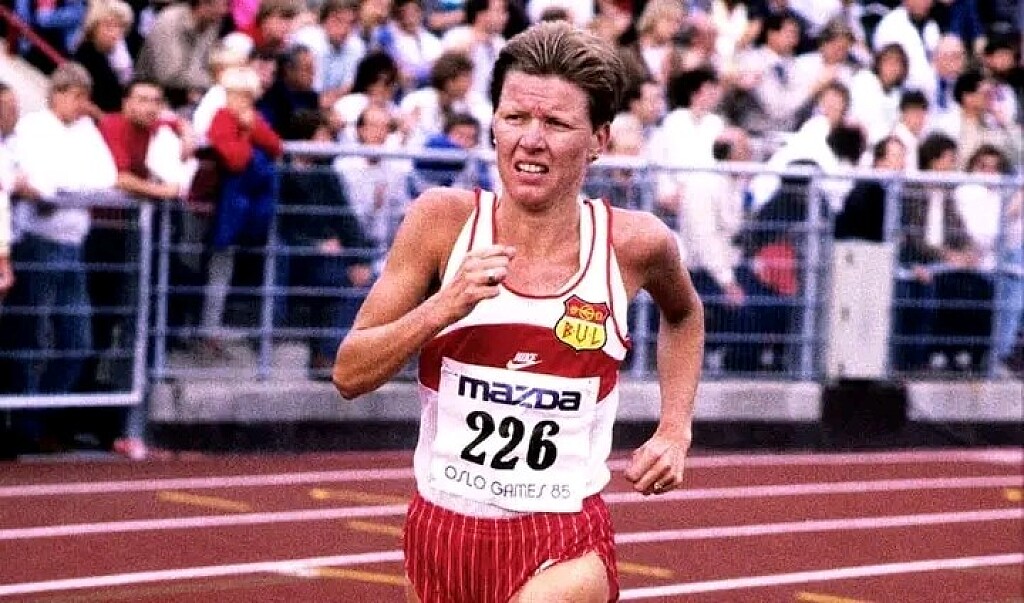
Forty Years On: Ingrid Kristiansen's Extraordinary 10,000m Masterpiece Still Stands Among Athletics' Greatest Performances
Forty years ago today, distance running witnessed one of its most astonishing moments when Ingrid Kristiansen delivered a breathtaking performance at the Bislett Games in Oslo. The Norwegian star shattered her own women's 10,000-meter world record, clocking an incredible 30:13.74—an astonishing 45-second improvement on the previous global mark. It remains one of the most remarkable world record breakthroughs in the history of track and field.
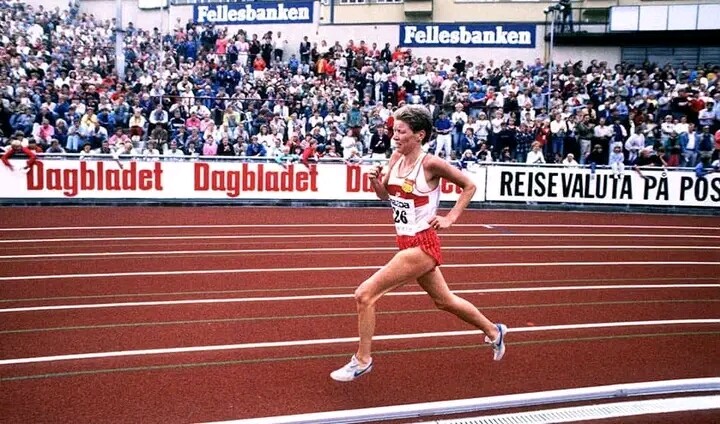
What made the performance even more extraordinary was Kristiansen's race execution. She later revealed that she reached the halfway point in 15:15, meaning she produced a devastating negative split by covering the final 5,000 meters in approximately 14:58. Finishing faster than she started over such a demanding distance showcased not only exceptional endurance but also remarkable tactical discipline and finishing strength.
The magnitude of that closing split becomes even more impressive when viewed in the context of the era. At the time, the women's 5,000-meter world record stood at 14:48.07, held by Zola Budd. Kristiansen's ability to finish the second half of a world-record 10,000-meter race in just ten seconds slower than the standalone 5,000-meter world record highlighted a level of fitness and resilience rarely seen in elite competition.
As if rewriting the 10,000-meter record was not enough, Kristiansen returned later that same summer to make history once again. She lowered the women's 5,000-meter world record to 14:37.33, further cementing her reputation as the undisputed queen of long-distance running during the mid-1980s.
Four decades later, Kristiansen's unforgettable run at Bislett continues to be celebrated as a defining moment in athletics. Her fearless pace, relentless finishing kick, and record-breaking brilliance remain an enduring reminder that some performances transcend generations and continue to inspire long after the finish line has been crossed.
by Erick Cheruiyot for My Best Runs.
Login to leave a comment
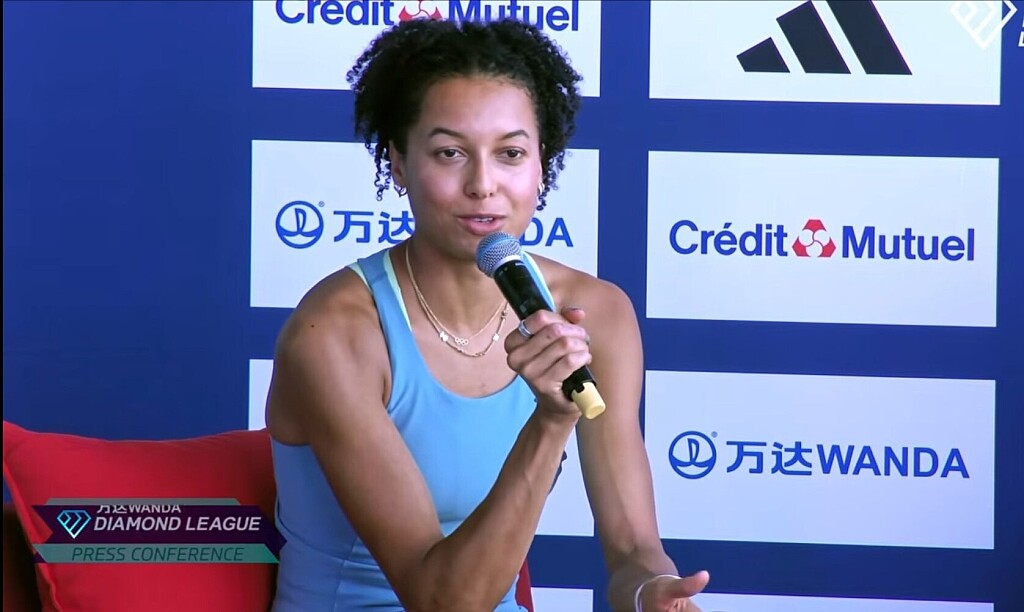
Audrey Werro Targets History with Bold World 800m Record Attempt in Paris
The stage is set for what could become one of the most memorable nights in women's middle-distance running.
Swiss sensation Audrey Werro will head to the Paris Diamond League on 28 June 2026 with one objective—an all-out assault on the women's 800m world record. Fresh off her stunning 1:53.98 performance in Stockholm, Werro has made her ambitions unmistakably clear by requesting the stadium's green wavelights to be set at 1:53.28 pace, matching the current global mark.
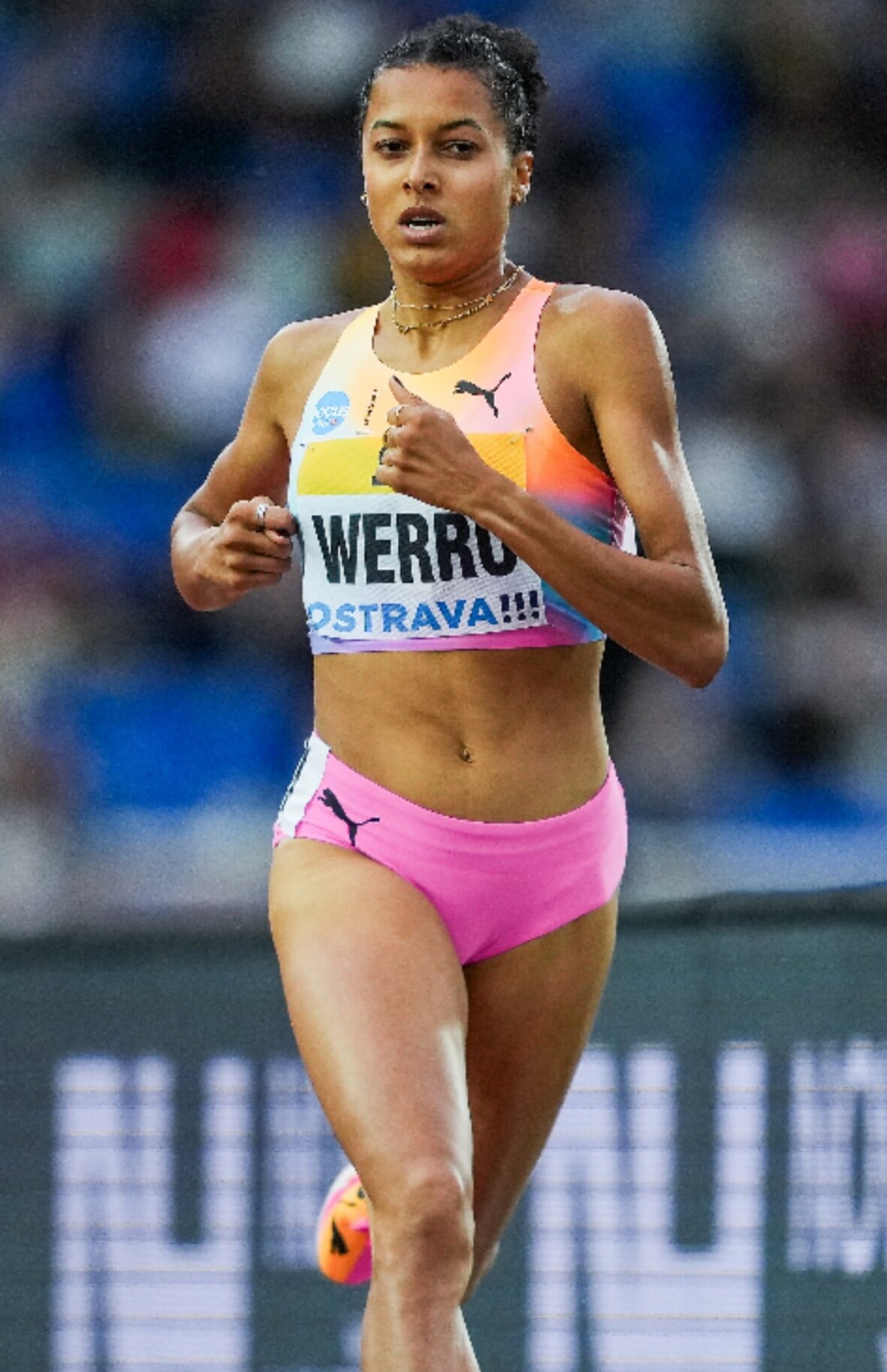
To keep that record attempt on schedule, the designated pacemaker is expected to lead the field through 400 metres in a blistering 55.50 seconds. Werro's preferred pacing strategy also calls for 27.0 seconds at 200m, 55.50 at 400m, and 1:24.50 at 600m, leaving just one final lap of sustained brilliance between her and athletics history.
The challenge is immense. The 1:53.28 world record has stood untouched for more than four decades, having been set by Jarmila Kratochvílová of former Czechoslovakia on 26 July 1983. It remains one of the longest-standing world records in track and field, making Werro's pursuit all the more captivating.
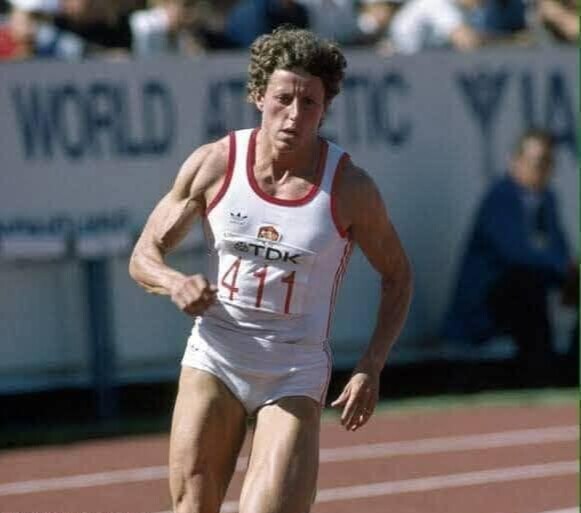
The 22-year-old has every reason to believe she can threaten the mark. Her breakthrough 1:53.98 in Stockholm made her only the third woman in history to break the 1:54 barrier, while her European-best 1:22.85 over 600m confirmed she is enjoying the finest form of her career.
With Paris renowned for producing fast middle-distance races, ideal pacing, elite competition, and world-class conditions, the ingredients are in place for a genuine world record attempt. Every split will matter, every stride will count, and the athletics world will be watching as Werro tests the limits of one of the sport's most enduring records.
Whether the record finally falls or survives another challenge, Audrey Werro's fearless pursuit of greatness promises to be one of the defining moments of the 2026 Diamond League season.
by Erick Cheruiyot for My Best Runs.
Login to leave a comment
From an Unplanned Marathon to Immortality: The Incredible Story of Grete Waitz's Nine New York City Marathon Victories
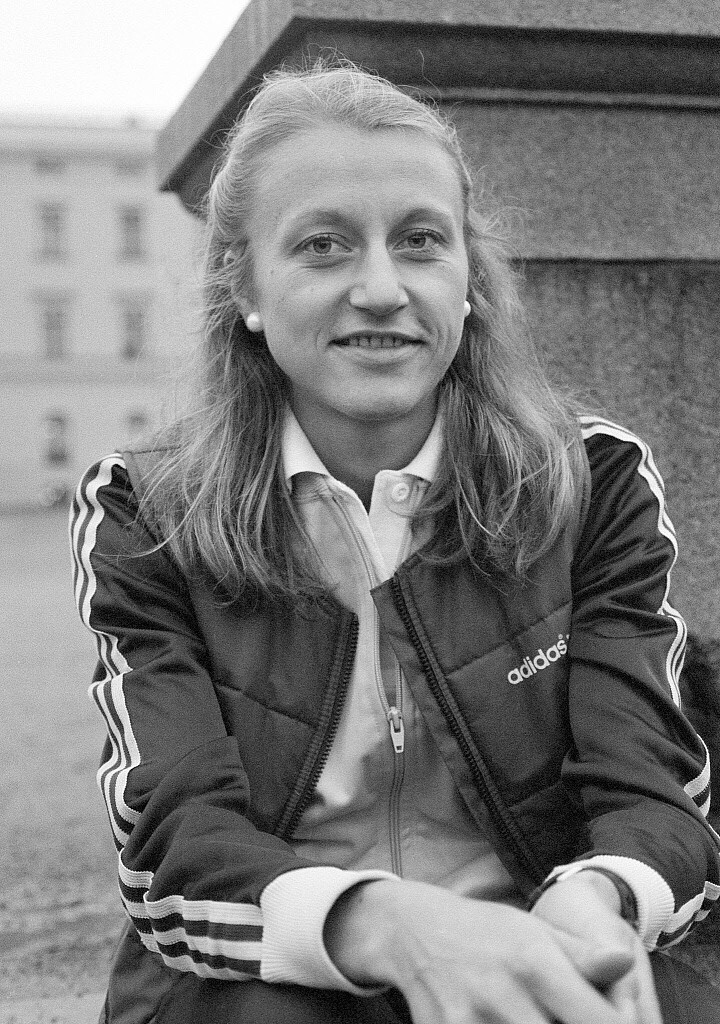
When Grete Waitz boarded a flight to New York in October 1978 with her husband, Jack, becoming one of the greatest marathon runners in history was the last thing on her mind.
At just 25 years old, the Norwegian schoolteacher was an accomplished middle-distance athlete and a two-time Olympian over 1,500 metres. She had never raced a marathon, and the furthest she had ever run was only 10 miles in training. The journey to the United States was intended to be more of a holiday than a sporting mission.
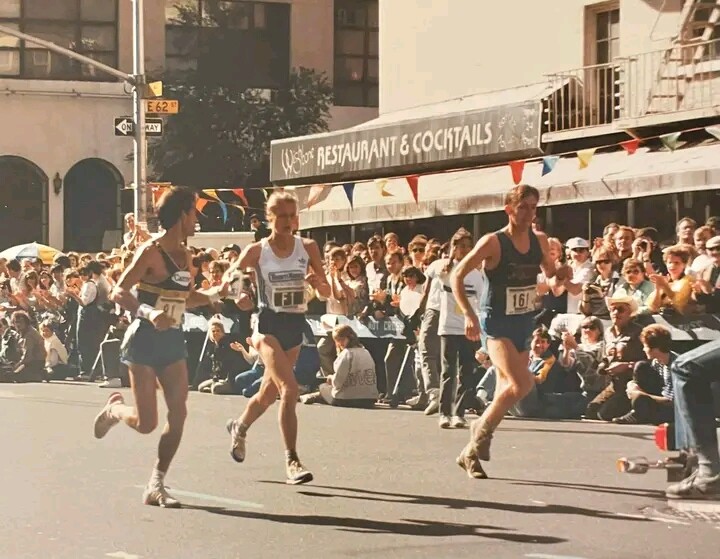
New York City Marathon co-founder Fred Lebow had personally invited Waitz to compete. Privately, he believed her lack of endurance experience would eventually catch up with her and that she would likely fade in the second half of the race. Instead, he unknowingly invited a future legend.
The evening before the marathon reflected just how little pressure Waitz placed on the race. She and Jack enjoyed an elegant dinner in Manhattan, complete with shrimp cocktail, filet mignon, ice cream, and red wine. It was hardly the meal most would associate with preparing for a world-class marathon, but for the couple, the trip was simply another adventure.
Even on race morning, Waitz admitted she barely knew where Central Park was.
Wearing bib 1173, she settled into the race with no expectations. As the miles unfolded, however, the Norwegian newcomer grew stronger while others began to struggle. In the second half, she surged into the lead and never looked back.
When she crossed the finish line in 2:32:30, the athletics world was left in disbelief.

Not only had Waitz won her marathon debut by an astonishing nine minutes, but her performance was also recognized as a new world record at the time, lowering the previous mark by more than two minutes. A woman virtually unknown to marathon running had rewritten the sport's history in a single afternoon.
Yet the finish line brought anything but celebration.
Completely exhausted, battling severe cramps and overwhelmed by the pain of her first marathon, Waitz reportedly threw her running shoes toward her husband and coach, Jack, insisting she would never run another marathon.
Fortunately for the sport, she changed her mind.
Her remarkable victory transformed her career. Inspired by what she had achieved, Waitz left her teaching profession in Norway and dedicated herself fully to long-distance running. What began as a one-time experience evolved into one of the greatest careers the marathon has ever witnessed.
Between 1978 and 1988, she captured an unprecedented nine New York City Marathon titles—a record that still stands as the most victories by any athlete, male or female, in a World Marathon Major. She also became the first woman in history to run under 2 hours and 30 minutes in 1979 and established four marathon world records, helping redefine what women could accomplish over 42.195 kilometres.
Beyond the records and victories, Grete Waitz became a global icon whose humility, determination, and fearless approach inspired generations of runners. She proved that greatness sometimes arrives when opportunity meets courage—even when no one, including the athlete herself, expects it.
Grete Waitz passed away from cancer in 2011 at the age of 57, but her legacy continues to endure. A statue outside Bislett Stadium in Oslo stands as a permanent tribute to the woman who arrived in New York as a schoolteacher on holiday and left as the athlete who forever changed marathon history.
by Erick Cheruiyot for My Best Runs.
Login to leave a comment
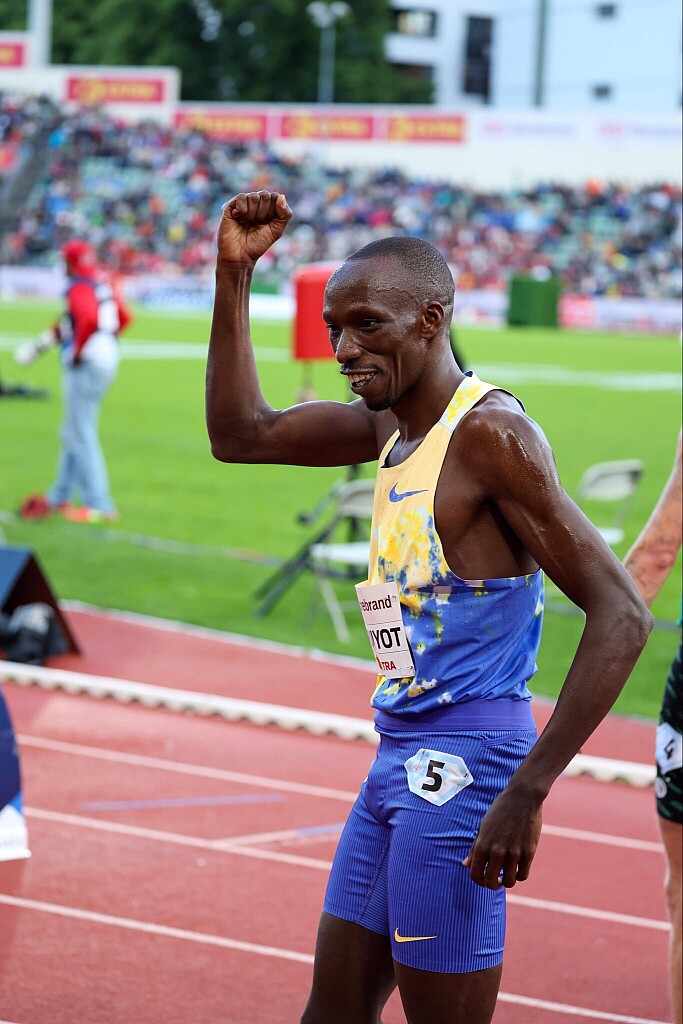
Timothy Cheruiyot Sets Sights on Diamond League Final Glory and Commonwealth Games Bid
Timothy Cheruiyot has made his ambitions unmistakably clear after another commanding appearance on the Oslo Diamond League stage in 2026, outlining a season defined by precision, patience, and championship intent.
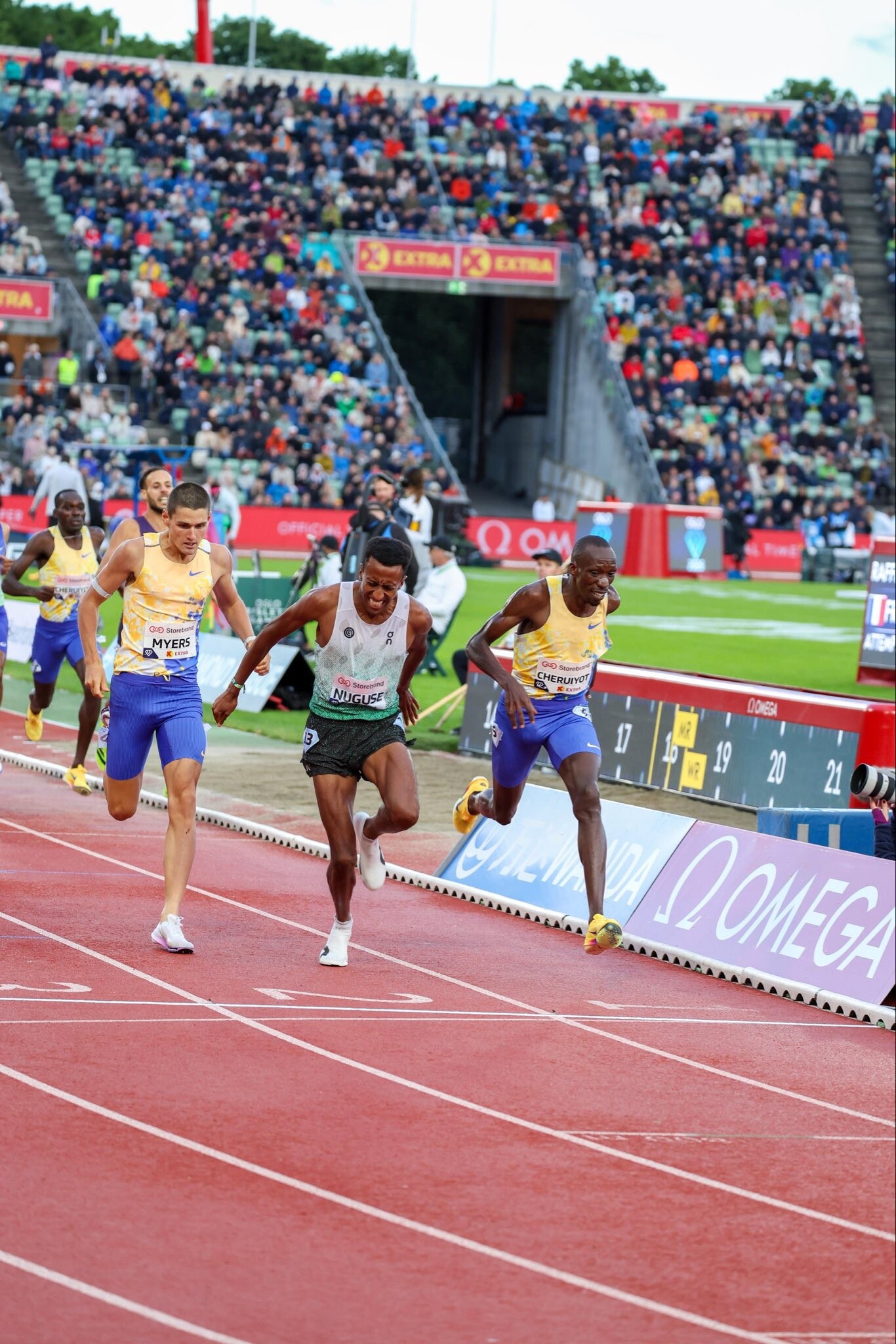
The Kenyan 1500m star, known for his tactical sharpness and late-race acceleration, revealed that his primary focus this year is firmly locked on the Diamond League circuit. His ultimate goal is not just to qualify for the final, but to dominate it.
“My main target is the Diamond League this year, to reach the final and win,” Cheruiyot stated with quiet confidence following his strong showing in Oslo. “Also, the Commonwealth Games. So I go home for the trials next week.”
The message was as direct as his racing style: no distractions, no detours—only execution.
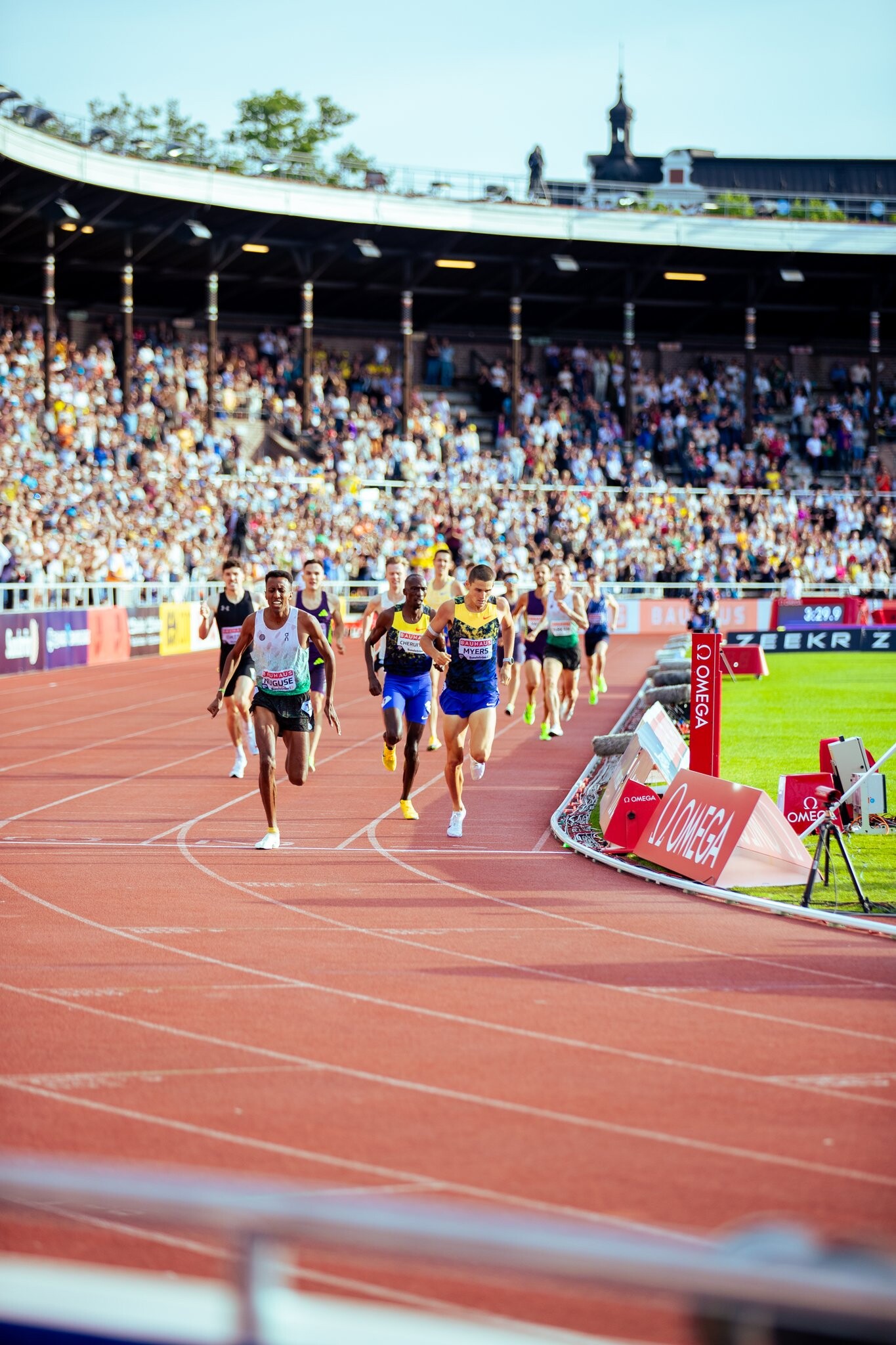
For Cheruiyot, Oslo served not only as another competitive outing but also as a statement of intent. Against a world-class field, he once again demonstrated the composure and racing intelligence that have defined his career at the highest level. While the result added to his growing season momentum, the bigger picture remains firmly ahead.
The Diamond League remains the crown jewel of the athletics circuit, and Cheruiyot’s declaration signals a renewed push to reclaim supremacy on one of the sport’s most demanding stages. His eyes are set on consistency across the series, building form at the right time before peaking when it matters most.
Beyond the Diamond League, the Commonwealth Games represent another major milestone in his campaign. Selection will be determined through Kenya’s fiercely competitive trials next week, where depth in middle-distance running ensures nothing is guaranteed.
Yet Cheruiyot’s focus appears undisturbed. His approach reflects experience—balancing global ambitions with the immediate pressure of national qualification. It is a familiar path for Kenyan elite athletes, where every race is both a proving ground and a stepping stone.
As the season unfolds, Cheruiyot’s dual targets set the tone for what promises to be a compelling campaign. The blend of Diamond League ambition and Commonwealth Games pursuit places him once again at the center of the 1500m narrative.
And if Oslo was any indication, he is not merely participating in the season—he is shaping it.
by Erick Cheruiyot for My Best Runs.
Login to leave a comment
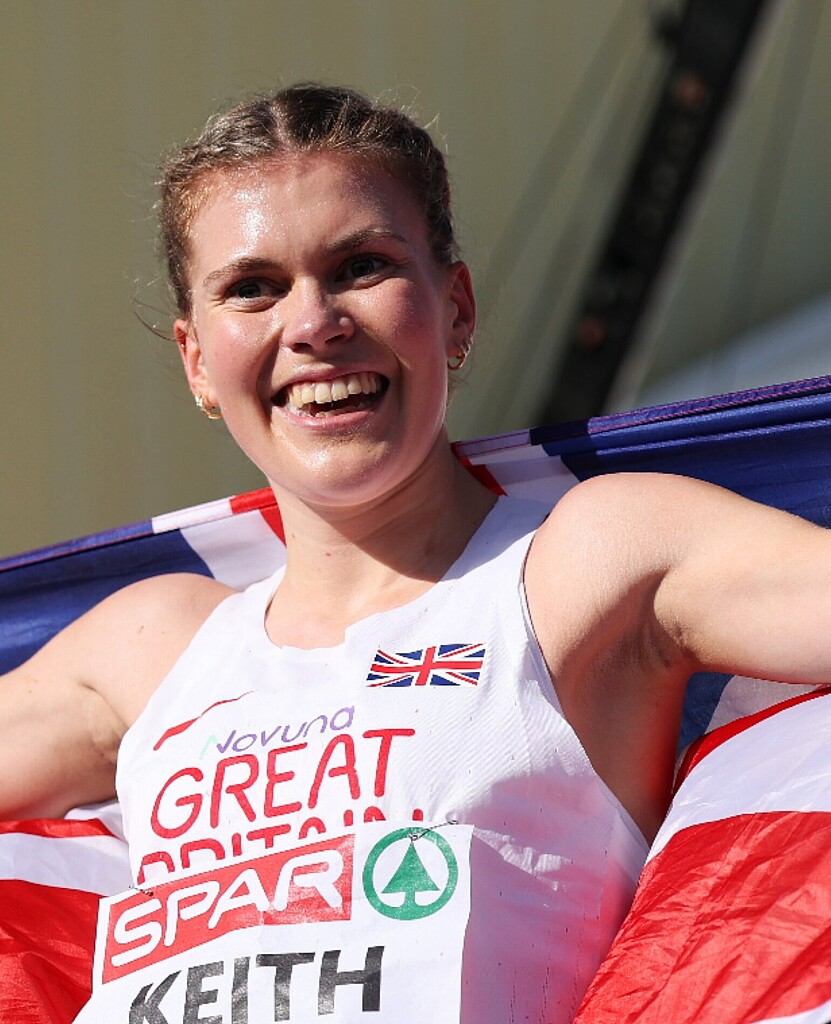
Megan Keith Rewrites Scottish History with Stunning 3000m Record in Oslo
Megan Keith produced the performance of her career in Oslo on Thursday night, shattering one of Scotland’s longest-standing distance running records and cementing her place among Britain’s greatest female 3000m runners.
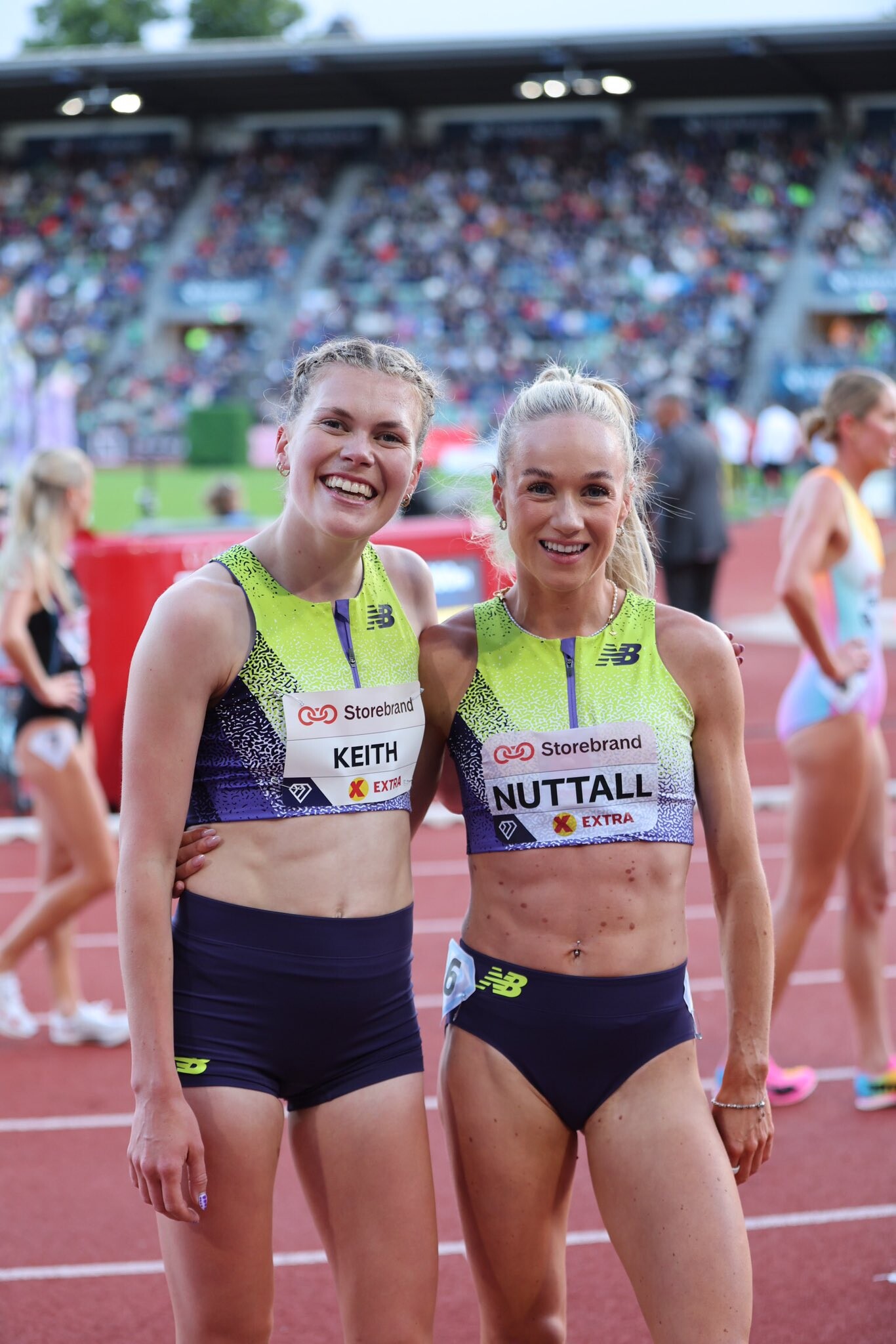
The 24-year-old clocked a sensational 8:28.35 over 3000m, breaking the Scottish outdoor record that had stood for nearly four decades. In doing so, Keith eclipsed the previous mark of 8:29.02, set by Scottish legend Yvonne Murray back in 1988, ending a record reign that had lasted 38 years.
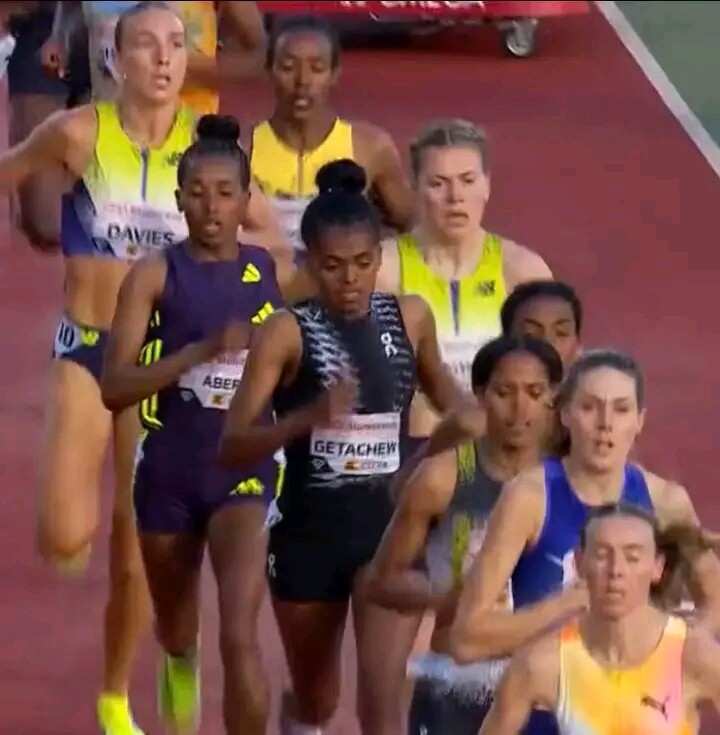
Keith’s breakthrough run was more than just a national record. The performance also propelled her to third on the UK outdoor all-time list, placing her behind only two of Britain’s most celebrated distance runners — Paula Radcliffe, who leads the rankings with 8:22.20, and Laura Weightman, whose 8:26.07 remains the second-fastest outdoor mark by a British woman.
The significance of Keith’s achievement is amplified by the calibre of athletes she now joins in the record books. For decades, Murray’s mark stood as one of Scottish athletics’ most untouchable records, surviving generations of elite competitors. Keith has now succeeded where many outstanding runners have fallen short, announcing herself as one of the leading distance talents in British athletics.
Her time also compares favourably with the best performances produced indoors. Olympic medallist Laura Muir ran 8:26.41 indoors in Karlsruhe in 2017, underlining just how exceptional Keith’s outdoor effort in Oslo truly was.
The run continues a remarkable rise for the Scottish star, whose progression over recent seasons has transformed her from a promising prospect into a genuine force on the international stage. Running with confidence and composure against elite competition, Keith demonstrated both the speed and endurance required to challenge the very best in Europe and beyond.
With the World Championship season gathering momentum, Keith’s record-breaking display sends a powerful message. Not only has she etched her name into Scottish athletics history, but she has also established herself as a serious contender in one of the sport’s most competitive events.
In Oslo, Megan Keith did far more than break a record. She ended a 38-year wait, climbed into the upper echelon of British distance running, and delivered a performance that may prove to be a defining moment in her career.
by Erick Cheruiyot for My Best Runs.
Login to leave a comment
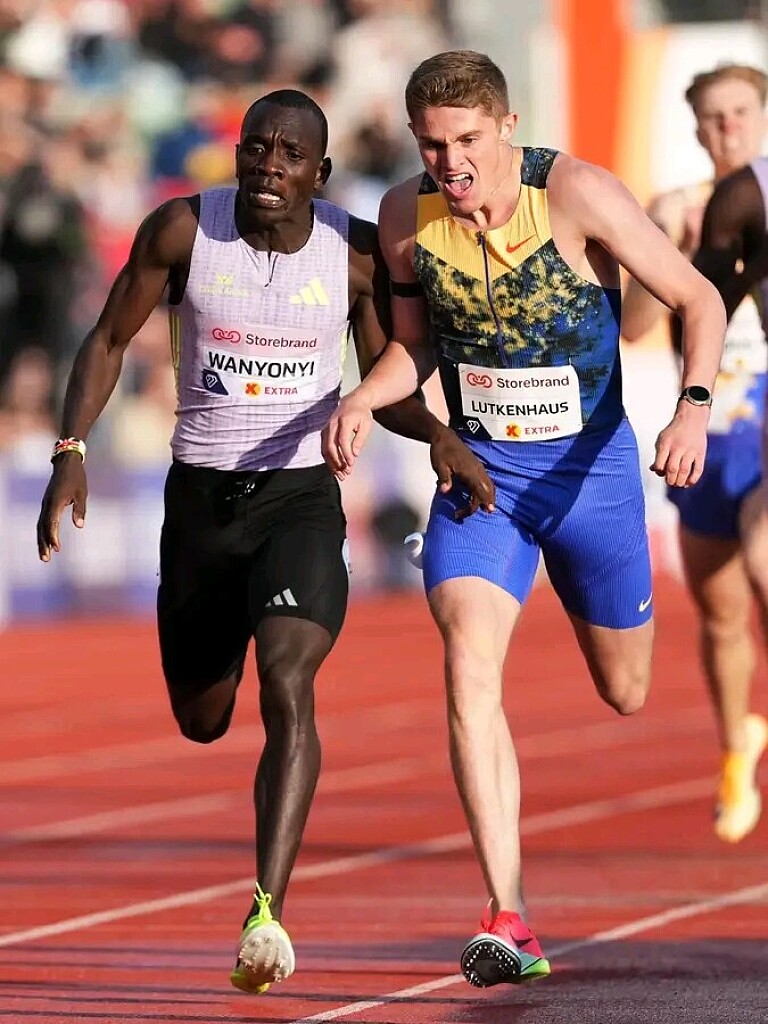
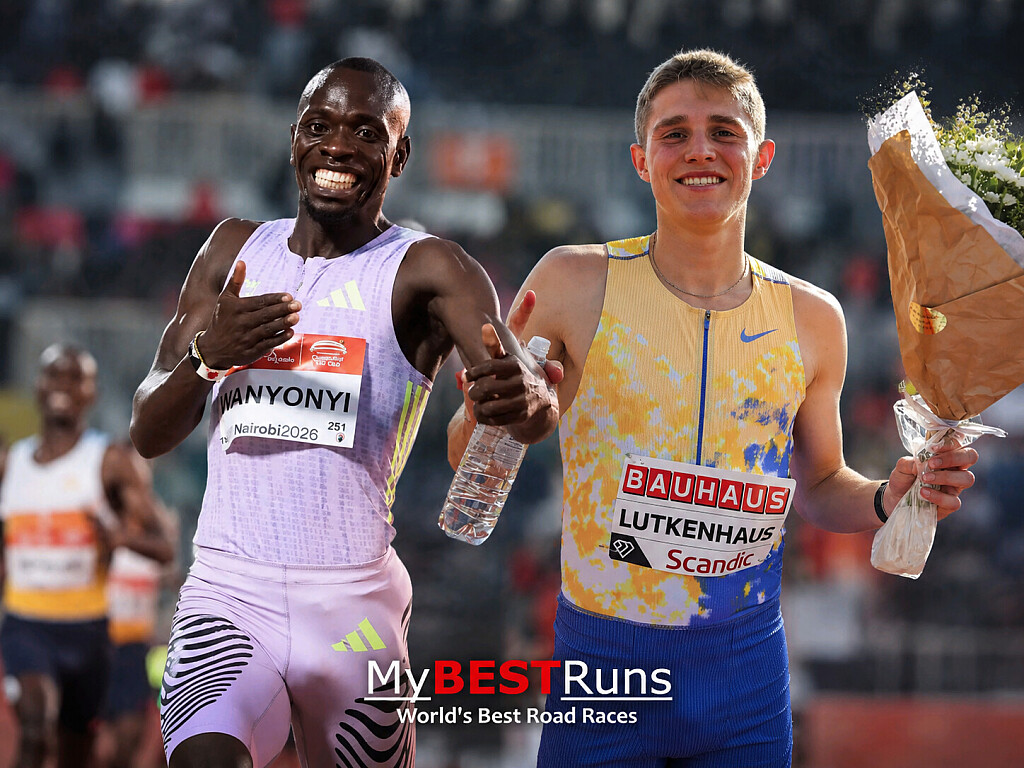
Lutkenhaus Delivers Stunning Upset as Teenage Star Edges Olympic Champion in Oslo
A new chapter in middle-distance running may have begun in Oslo after American teenager Cooper Lutkenhaus produced one of the most remarkable performances of the season, narrowly defeating reigning Olympic champion Emmanuel Wanyonyi in a thrilling men's 800m contest at the Diamond League meeting.
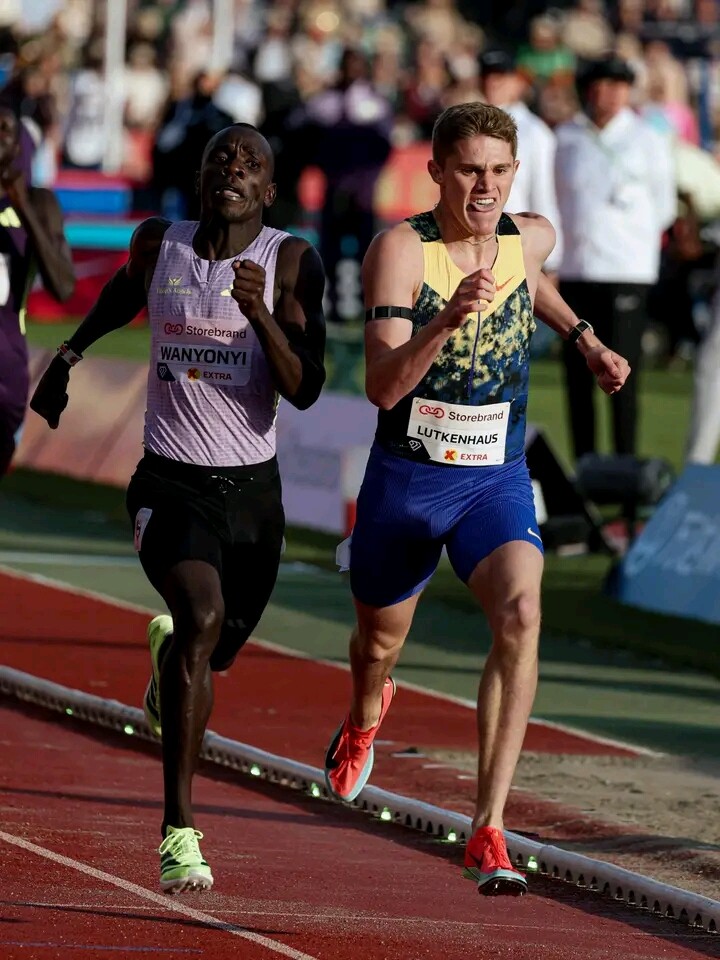
The 17-year-old sensation shocked a world-class field by crossing the finish line first in a race that came down to the smallest of margins. After an intense battle over the final metres, Lutkenhaus held off Wanyonyi by just one hundredth of a second, producing a dramatic finish that left the packed stadium in disbelief.
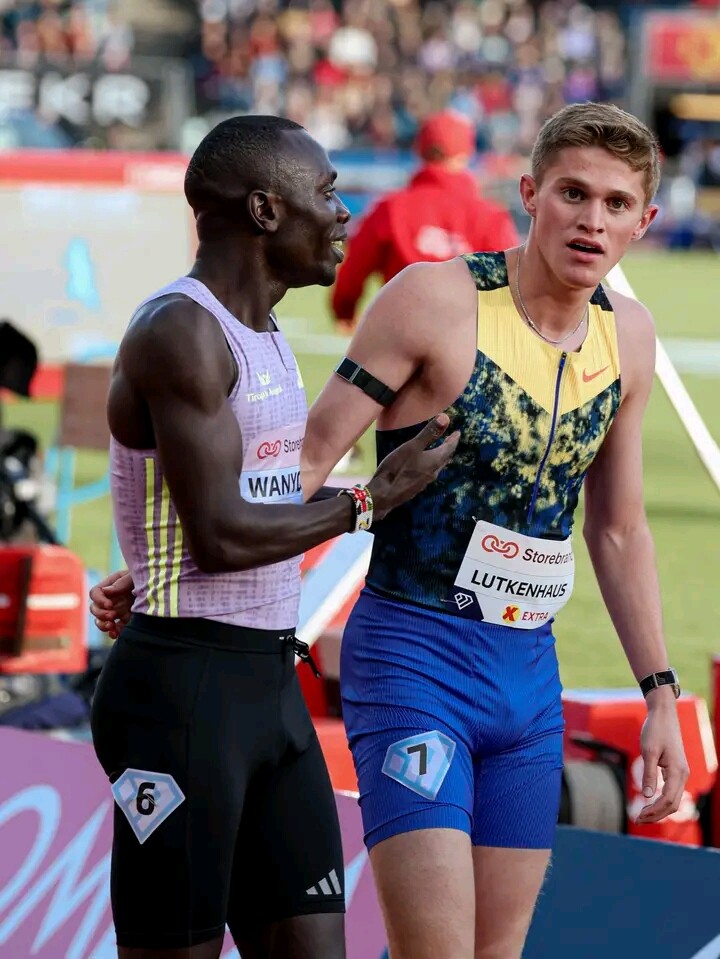
From the opening lap, the pace was relentless as the leading contenders positioned themselves for a fierce showdown. As the athletes entered the home straight, Wanyonyi appeared poised to unleash his trademark finishing kick. However, Lutkenhaus refused to be intimidated, matching the Olympic champion stride for stride before producing a perfectly timed lean at the line to secure a historic victory.
The result marks a breakthrough moment for the young American, who continues to establish himself as one of the brightest talents in global athletics. Defeating an Olympic champion at a Diamond League event is a feat many athletes spend entire careers pursuing, yet Lutkenhaus achieved it before reaching adulthood.
For Wanyonyi, the narrow defeat does little to diminish his status as one of the world's premier 800m runners. The Kenyan once again demonstrated his exceptional class and competitiveness, pushing the race to a world-class standard and forcing his young rival to deliver the performance of a lifetime.
Beyond the result itself, the race offered a glimpse into what could become one of the sport's most exciting rivalries in the years ahead. With established stars and emerging talents now pushing each other to new heights, the men's 800m continues to evolve into one of athletics' most captivating events.
On a memorable night in Oslo, the spotlight belonged to Cooper Lutkenhaus. At just 17 years old, he stood toe-to-toe with an Olympic champion and emerged victorious, announcing himself to the athletics world in spectacular fashion.
by Erick Cheruiyot for My Best Runs.
Login to leave a comment
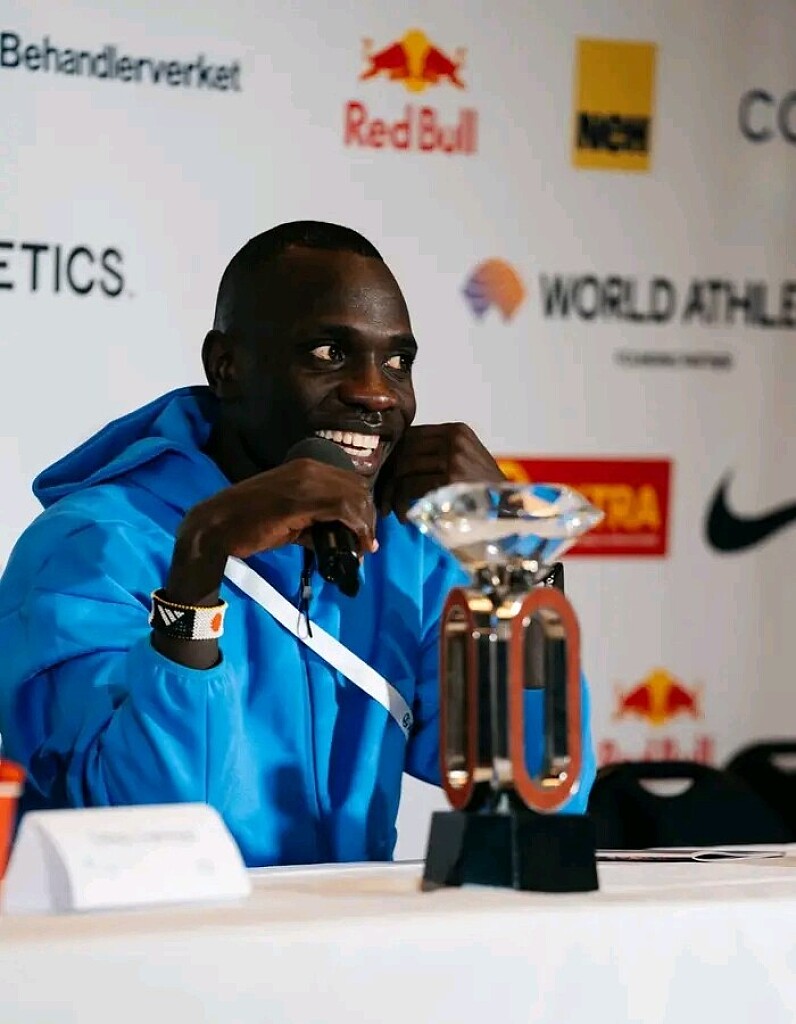
A New Chapter for Emmanuel Wanyonyi: Kenyan Star Embraces Fatherhood Ahead of Oslo Diamond League
Kenya’s middle-distance sensation Emmanuel Wanyonyi has revealed the heartwarming reason behind his absence from the Stockholm Diamond League, choosing family over competition as he welcomed his first child into the world.
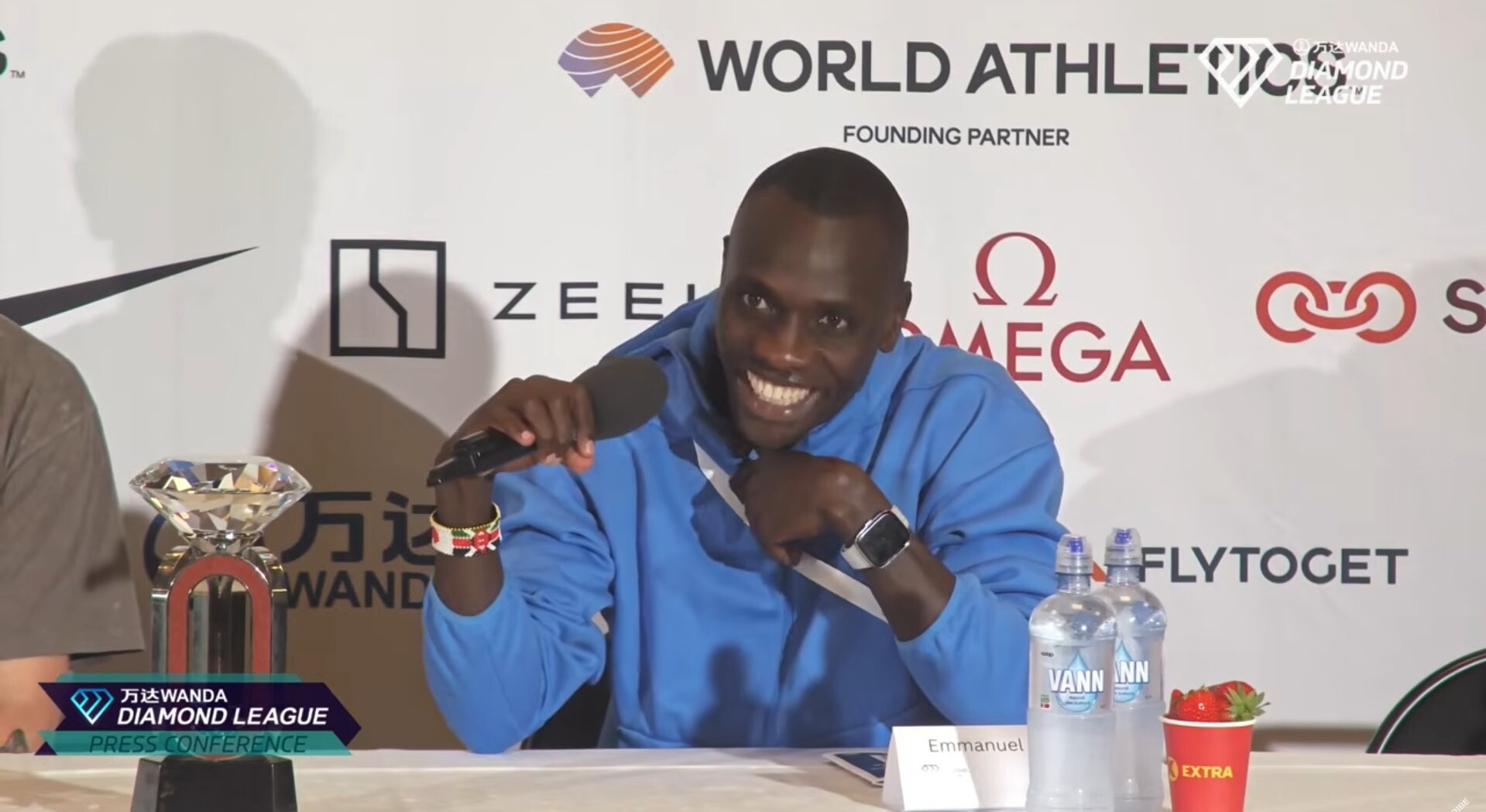
The Olympic champion and one of the brightest stars in global athletics withdrew from the Stockholm meeting after returning home from Rabat to be by his wife's side for the birth of their firstborn. While fans were disappointed not to see him on the track in Sweden, Wanyonyi had a far more important moment awaiting him away from the spotlight.
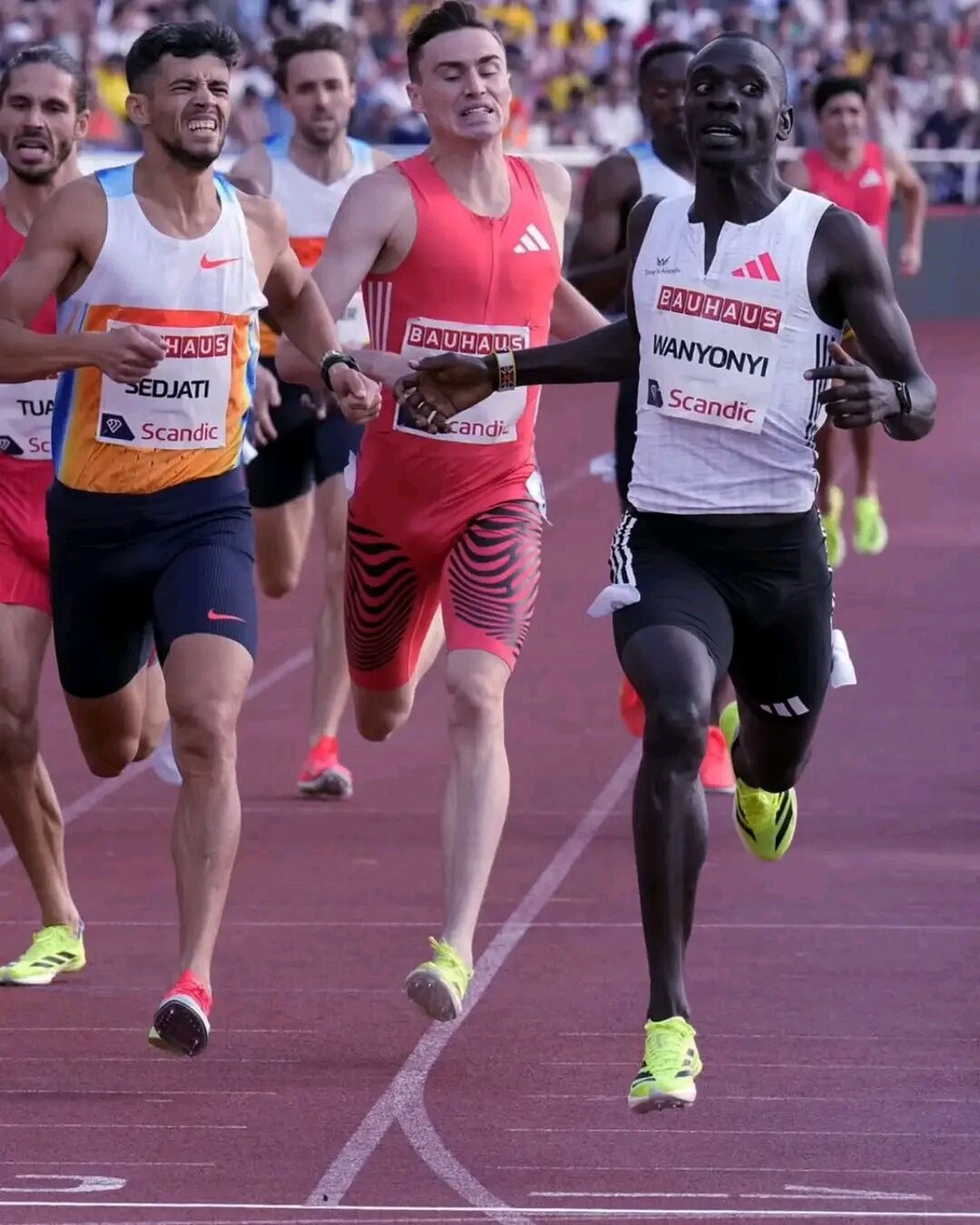
“I can say I am so happy. I was supposed to run in the Stockholm Diamond League, then I went back home from Rabat. My wife delivered our first born. I was so happy,” Wanyonyi explained.
For an athlete whose recent years have been defined by record-breaking performances and major championship success, the arrival of his child marks a milestone that transcends sport. The 800m star now enters a new phase of life, balancing the demands of elite competition with the responsibilities and joys of fatherhood.
His return to action comes at the Oslo Diamond League, where he will step onto the track for the first time as a father. The highly anticipated race adds another layer of intrigue, with fans eager to see whether the emotional boost from this life-changing moment can inspire another memorable performance from the Kenyan.
Wanyonyi has established himself as one of the most dominant figures in the men's 800m, earning a reputation for his fearless racing style, devastating finishing kick, and remarkable consistency against the world's best. Yet even amid the pressures of international competition, he showed that some moments are simply bigger than athletics.
As the Oslo Diamond League unfolds, all eyes will be on the Kenyan star. But regardless of the result, Wanyonyi has already secured a victory that means more than any medal or record — becoming a father for the very first time.
by Erick Cheruiyot for My Best Runs.
Login to leave a comment
Oslo Showdown: Can Teenage Sensation Cooper Lutkenhaus Challenge Emmanuel Wanyonyi’s Reign?
The men’s 800 metres at the Oslo Diamond League is shaping up to be one of the most anticipated middle-distance races of the season, bringing together a rising teenage sensation and the athlete widely regarded as the king of the event.
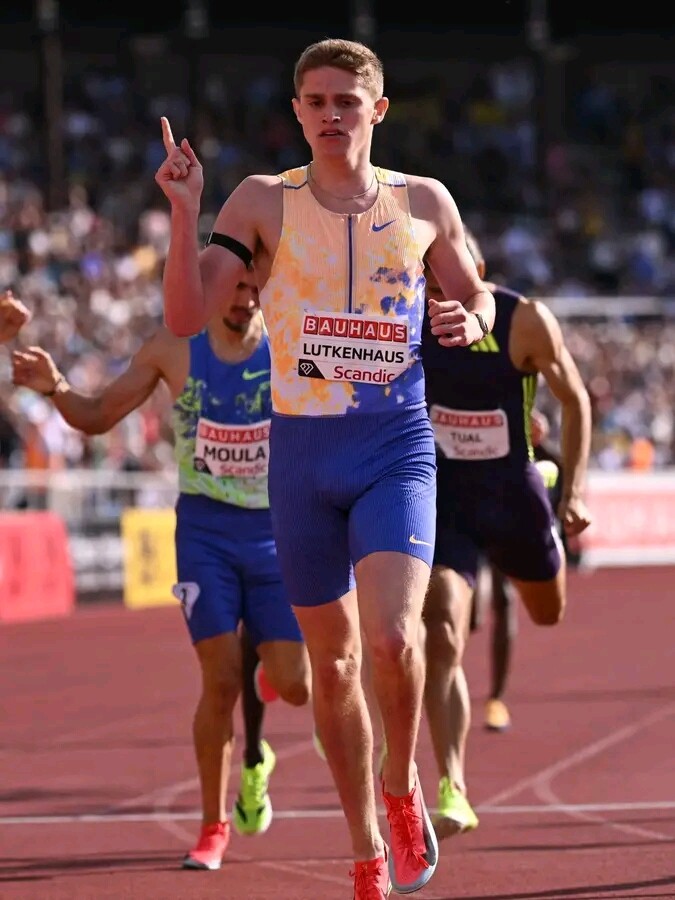
American prodigy Cooper Lutkenhaus arrives in Oslo riding an extraordinary wave of momentum. The 17-year-old has enjoyed a flawless campaign so far, remaining unbeaten over 800 metres while collecting major victories that have elevated his status from promising youngster to genuine international contender. His recent triumph in Stockholm further demonstrated that he possesses not only talent but also the composure required to deliver on the biggest stages.
Yet Oslo presents a challenge unlike any he has faced before.
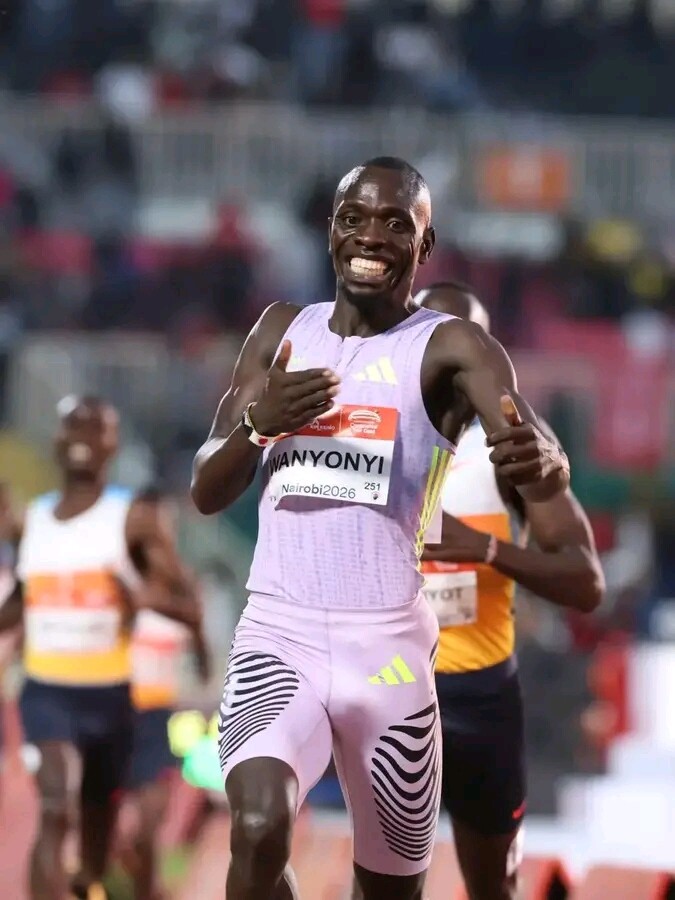
Standing in his way is Kenya’s Emmanuel Wanyonyi, the reigning Olympic and world champion whose dominance has made him the benchmark in global 800-metre running. Wanyonyi has spent the past few seasons establishing himself as the man to beat, combining tactical intelligence, blistering speed and championship experience to consistently outclass some of the world's finest athletes.
For Lutkenhaus, Wednesday’s race offers a rare opportunity to measure himself against the sport’s established elite. While his unbeaten record has captured headlines, facing a champion of Wanyonyi’s calibre is an entirely different test. The Kenyan has repeatedly proven his ability to control races under pressure and produce decisive finishes when titles and victories are on the line.
Adding even more intrigue to the contest is the presence of Marco Arop, one of the strongest 800-metre runners of his generation. Arop’s aggressive racing style and championship pedigree ensure that this will be far more than a two-man battle. With several world-class competitors lining up, the race promises to be a tactical and physical examination from the gun to the finish line.
The matchup symbolizes more than a race for victory. It represents a fascinating clash between youth and experience, ambition and accomplishment. Lutkenhaus carries the excitement of a new generation eager to challenge the established order, while Wanyonyi enters as the proven champion determined to protect his throne.
As the athletes take their marks in Oslo, one question will dominate conversations across the athletics world: can the fearless teenager continue his remarkable rise, or will the reigning king of the 800 metres remind everyone why he remains the standard by which greatness is measured?
Whatever the outcome, fans can expect a spectacular contest worthy of the Diamond League stage, with the possibility of witnessing the next chapter in one of athletics' most compelling emerging rivalries.
by Erick Cheruiyot for My Best Runs.
Login to leave a comment
Australian Stars Set to Shine as Diamond League Lands in Oslo
The Diamond League caravan rolls into Norway this week, and a strong Australian contingent is ready for another major test on one of athletics' most prestigious stages. With the European season gathering pace and championship ambitions beginning to take shape, Thursday's meeting in Oslo promises high-quality competition and several compelling Australian storylines.
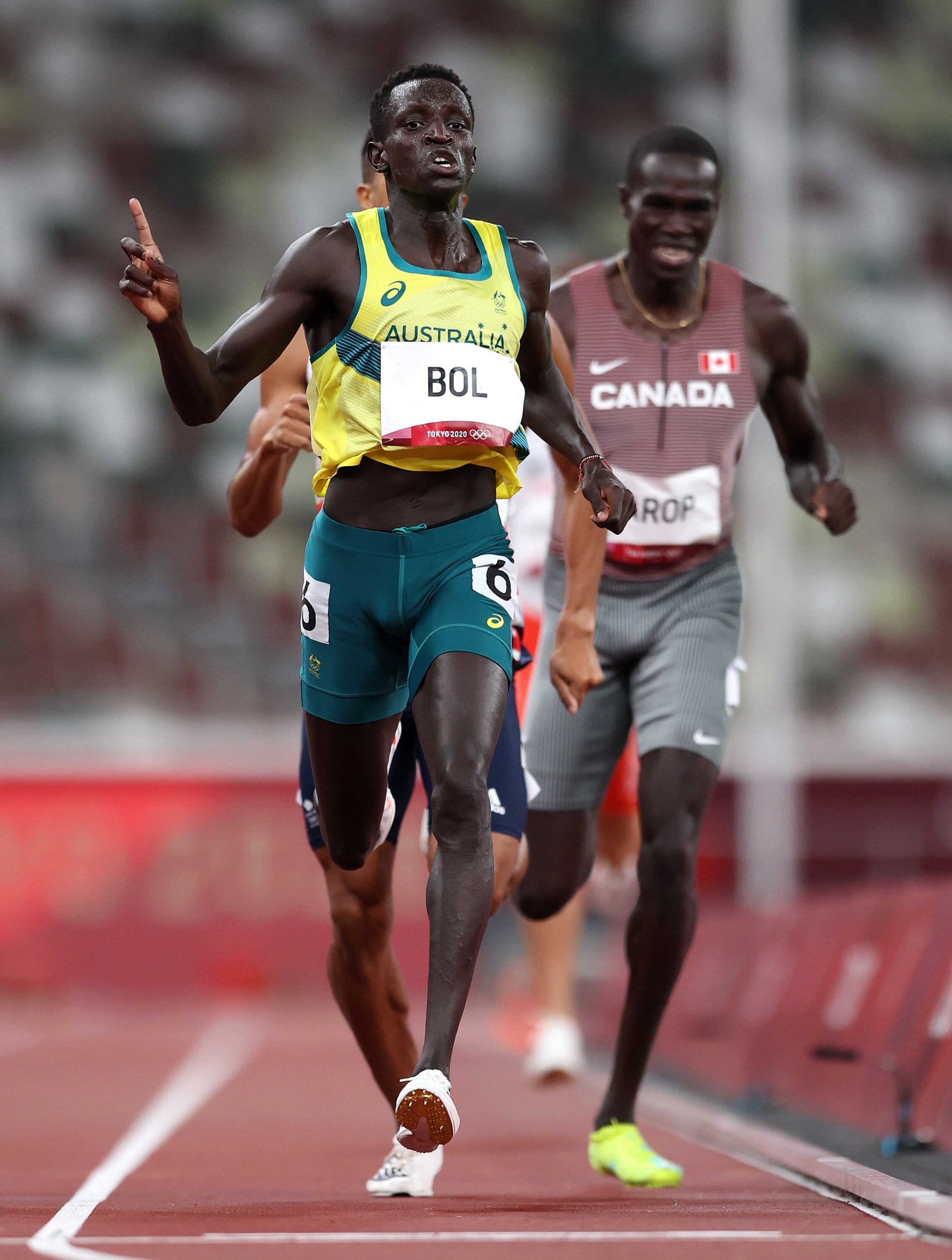
Leading the charge is Peter Bol in the men's 800 metres. The Australian star continues his return to elite racing and faces another opportunity to measure himself against some of the world's best middle-distance runners. With every Diamond League appearance carrying added significance, Bol will be looking to build further confidence and rhythm as the season progresses.
Australia's depth in distance running will be on full display in the women's 3000 metres, where Lauren Ryan, Rose Davies, Georgia Griffith, and Linden Hall are all set to take the start line. The quartet represents a new era of Australian endurance running, with each athlete bringing proven international credentials and the ability to challenge in fast-paced championship-style races.
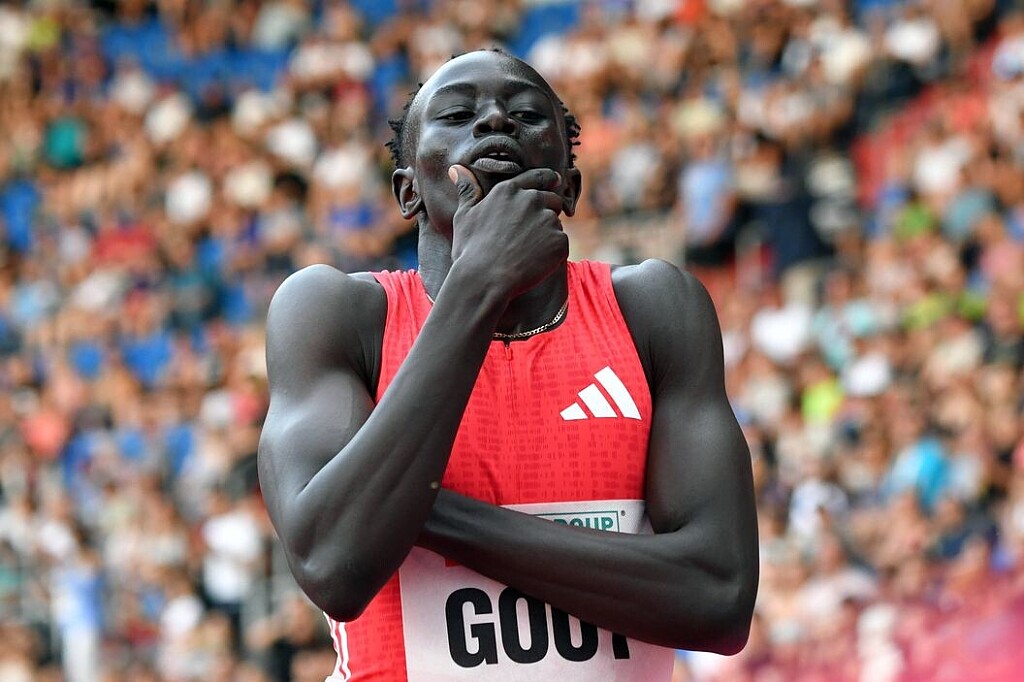
Attention will also turn to the men's 200 metres, where teenage sensation Gout Gout continues his remarkable rise. The young sprinter has become one of the most talked-about prospects in world athletics, and another appearance on the Diamond League stage offers a valuable opportunity to gain experience against established international stars while continuing his rapid development.
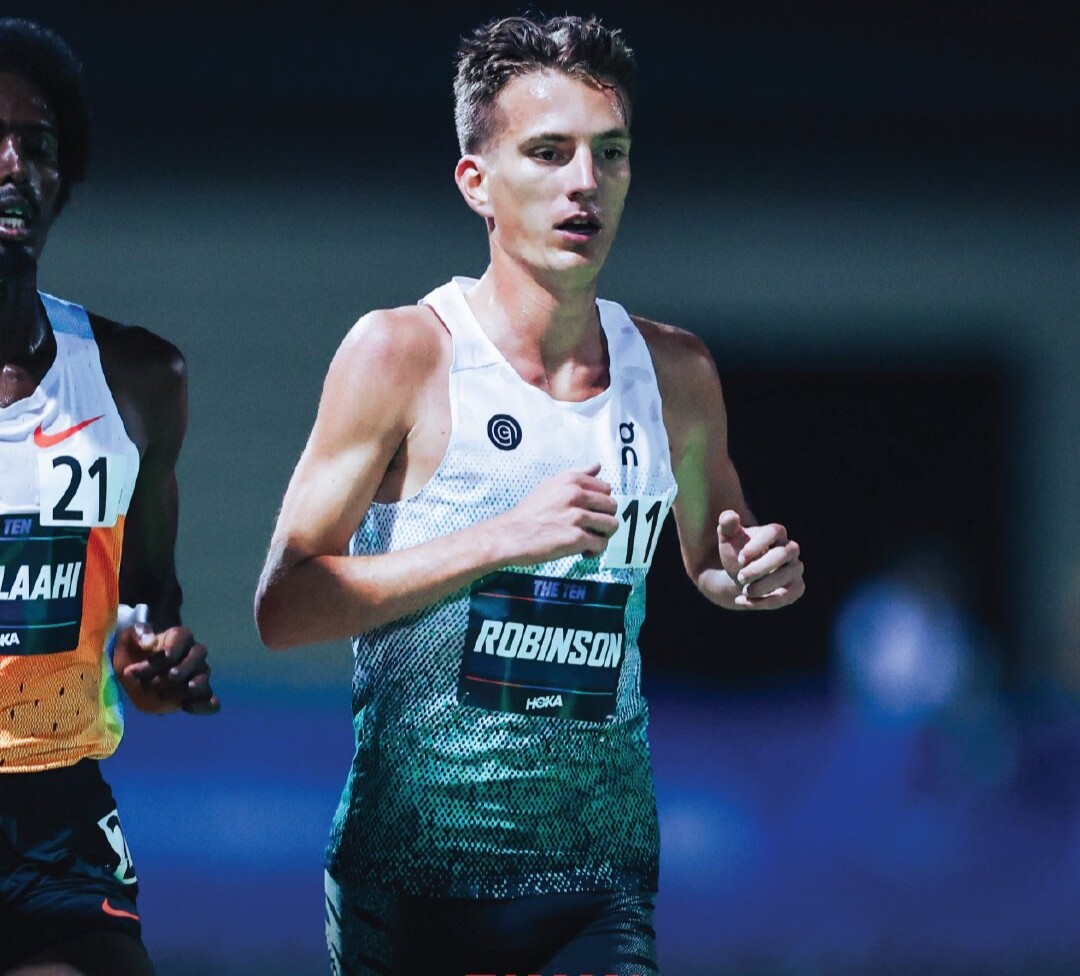
In the men's 5000 metres, Ky Robinson will look to continue his impressive progression against a world-class field. Robinson has emerged as one of Australia's most consistent distance performers, and the Oslo meeting presents another chance to test himself in what is expected to be a fiercely competitive race.
The Australian challenge concludes in the men's mile, where Cameron Myers returns to one of the sport's most iconic events. Still in the early stages of his career, Myers has already demonstrated exceptional talent and composure against elite opposition. Another strong performance in Oslo would further strengthen his growing reputation as one of the brightest young middle-distance athletes in the world.
As the Diamond League season continues its journey through Europe, Australia's presence on the international circuit remains stronger than ever. From emerging stars to established contenders, the Oslo meeting offers another opportunity for the green and gold to make an impact on one of athletics' biggest stages.
Norway is next, and Australia's Diamond League campaign shows no signs of slowing down.
by Erick Cheruiyot for My Best Runs.
Login to leave a comment
Holmenkollstafetten Draws Record 80,000 Runners Through the Streets of Oslo
What began with just 10 teams in 1923 has grown into one of the largest and most celebrated relay races in the world.
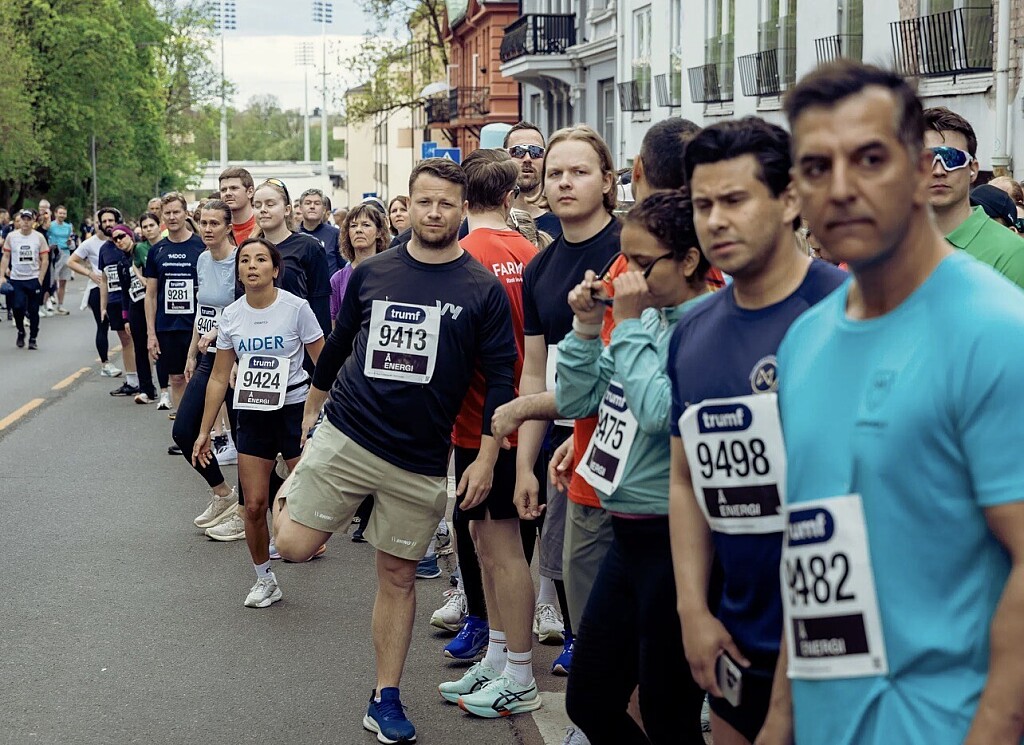
On Saturday, the streets of Oslo turned into a nonstop running festival as approximately 80,000 runners participated in the 2026 edition of the Holmenkollstafetten, setting a new participation record for the historic Norwegian relay. More than 5,500 teams filled the event to capacity, making this year’s race the largest in its 103-year history.
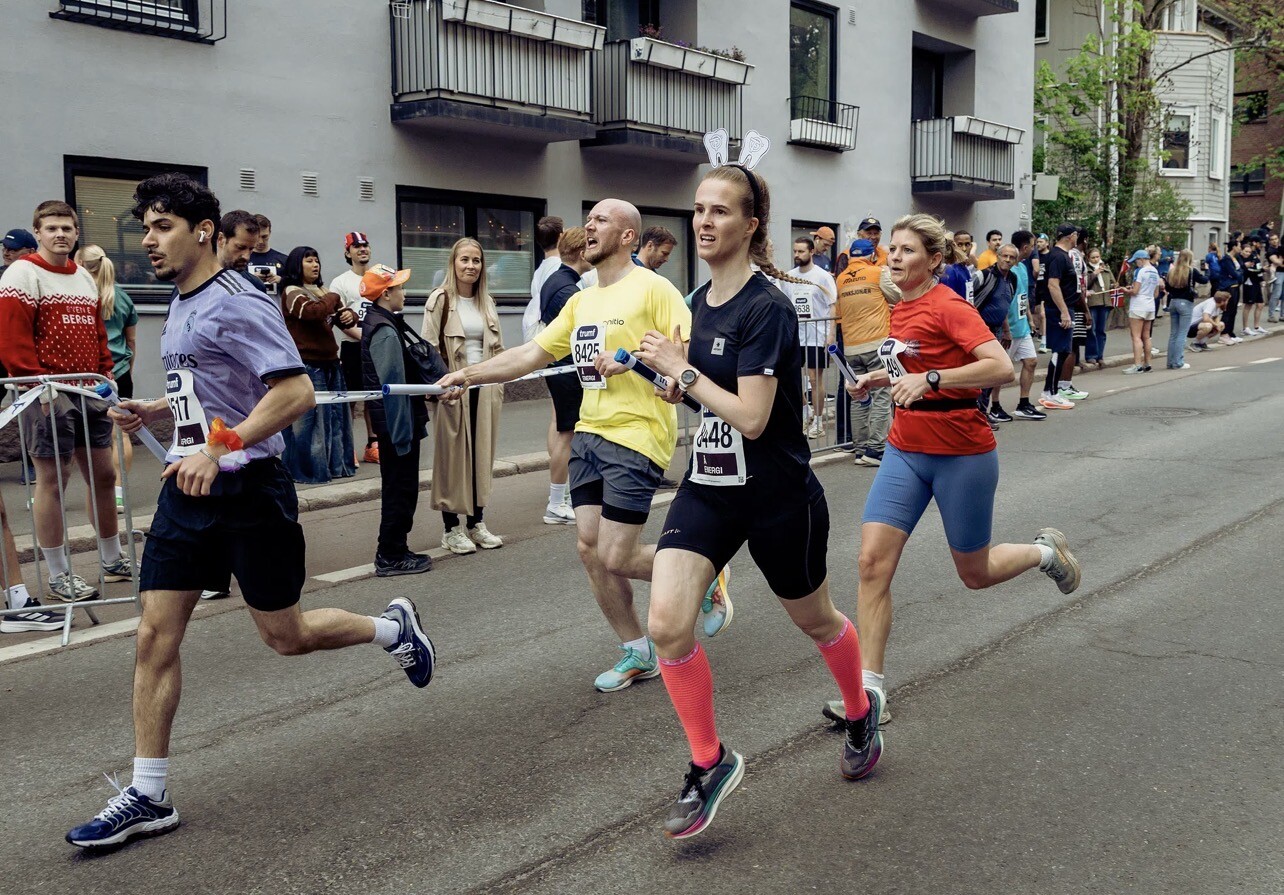
Known throughout Norway as “Vårens vakreste eventyr” — “The Most Beautiful Adventure of Spring” — the Holmenkollstafetten is far more than a race. It is a national tradition that brings together elite athletes, office workers, students, families, and recreational runners in one giant celebration of running and community.
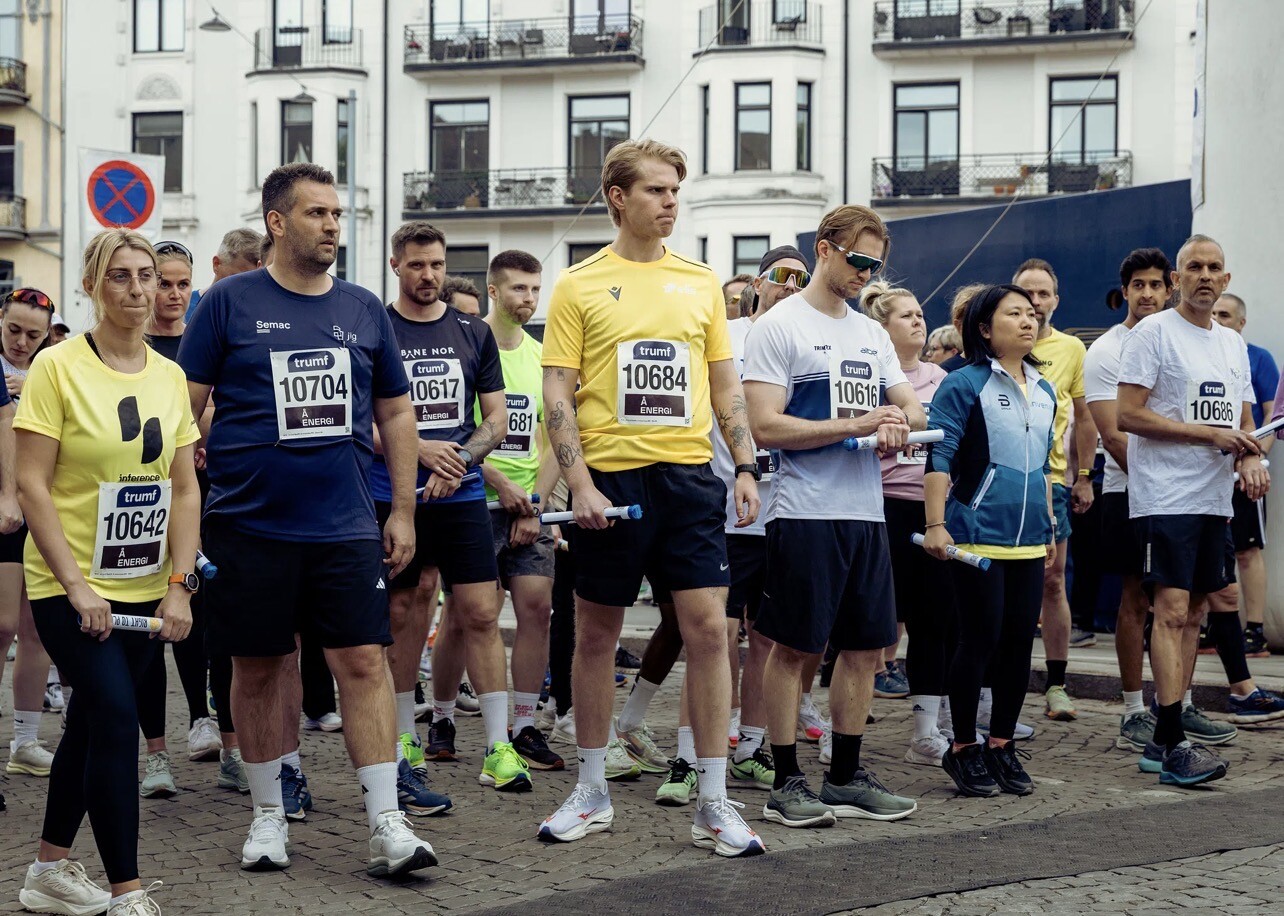
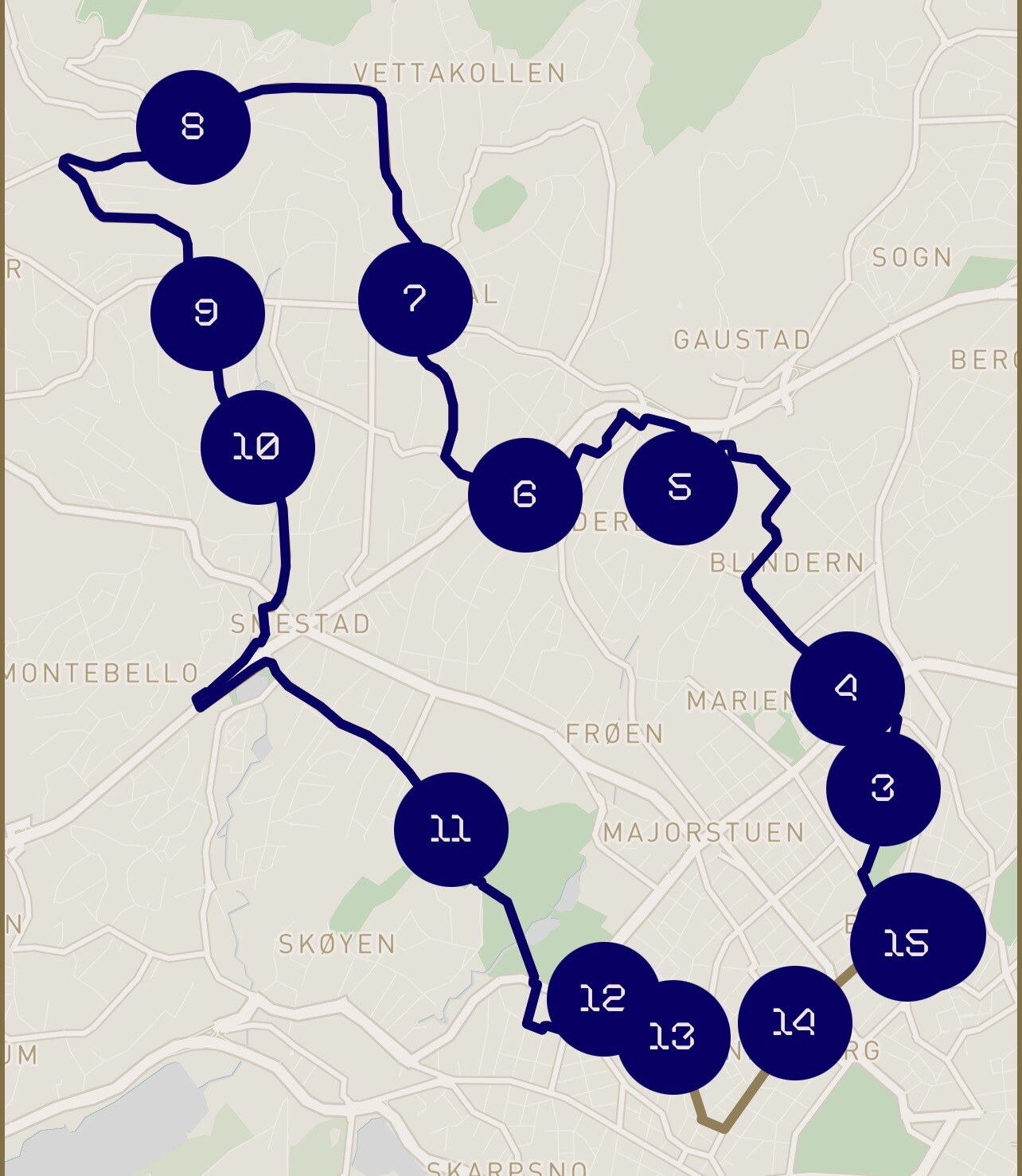
The relay covers roughly 18 kilometers through Oslo on 15 stages, beginning and ending at historic Bislett Stadium. Some legs are short, explosive sprints while others climb steep hills toward the Holmenkollen area, giving the event its distinctive challenge and character.
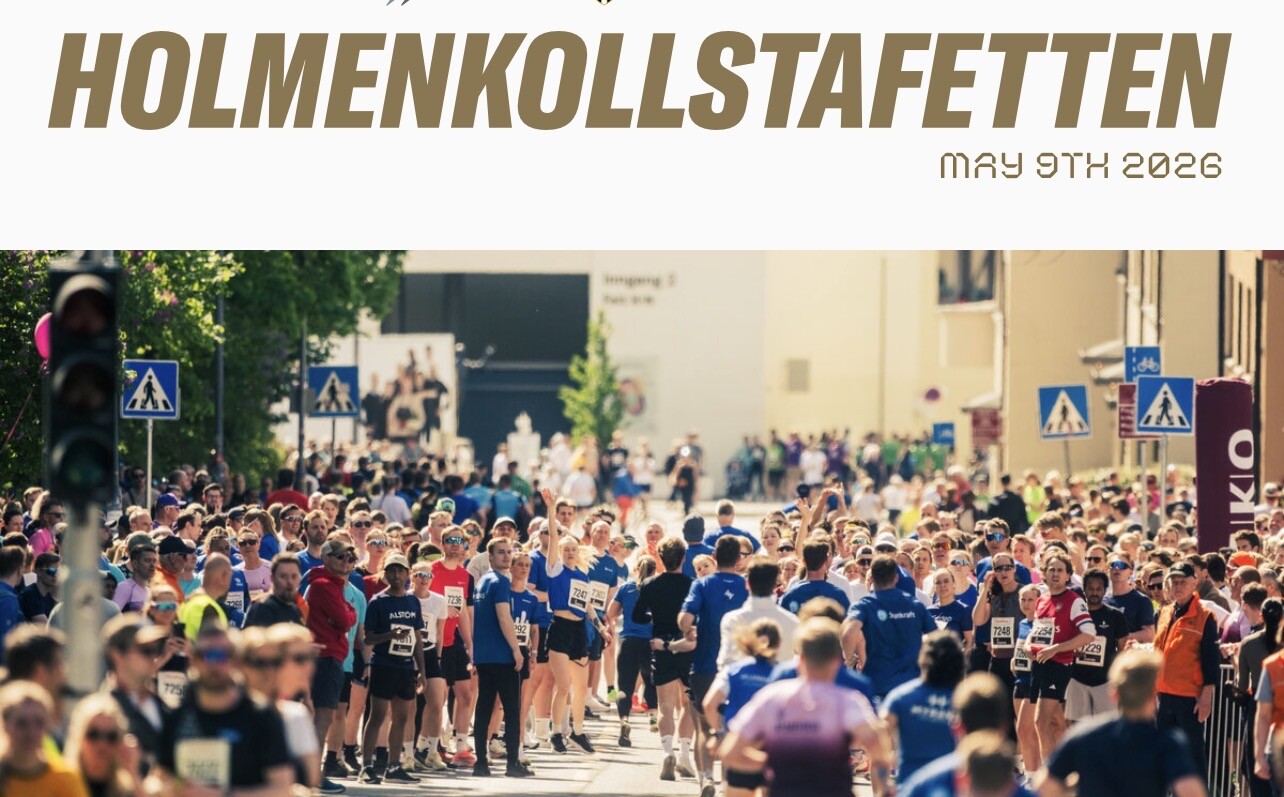
Throughout the day, Oslo pulsed with energy. Teams stretched along sidewalks waiting for exchanges, spectators packed the streets cheering every runner, and music echoed through neighborhoods as wave after wave moved through the city. Serious racing mixed naturally with laughter, costumes, corporate teams, school groups, and longtime running clubs.
The scale of the event is extraordinary. Just a year ago, participation reached a then-record of nearly 75,000 runners. This year’s jump to around 80,000 confirms the continued rise of a race that has become one of the defining running events in Europe.
The Holmenkollstafetten has evolved dramatically over the decades. In 1984, the race surpassed 1,000 teams for the first time. Today, participation has multiplied several times over, creating a logistical masterpiece involving thousands of volunteers, extensive road closures, carefully timed starts, and nearly nonstop movement through the Norwegian capital.
Organized by the legendary athletics club IK Tjalve, the event also plays a major role in supporting athletics development in Norway. Revenue from the race helps fund youth programs, elite competition, facilities, and club operations.
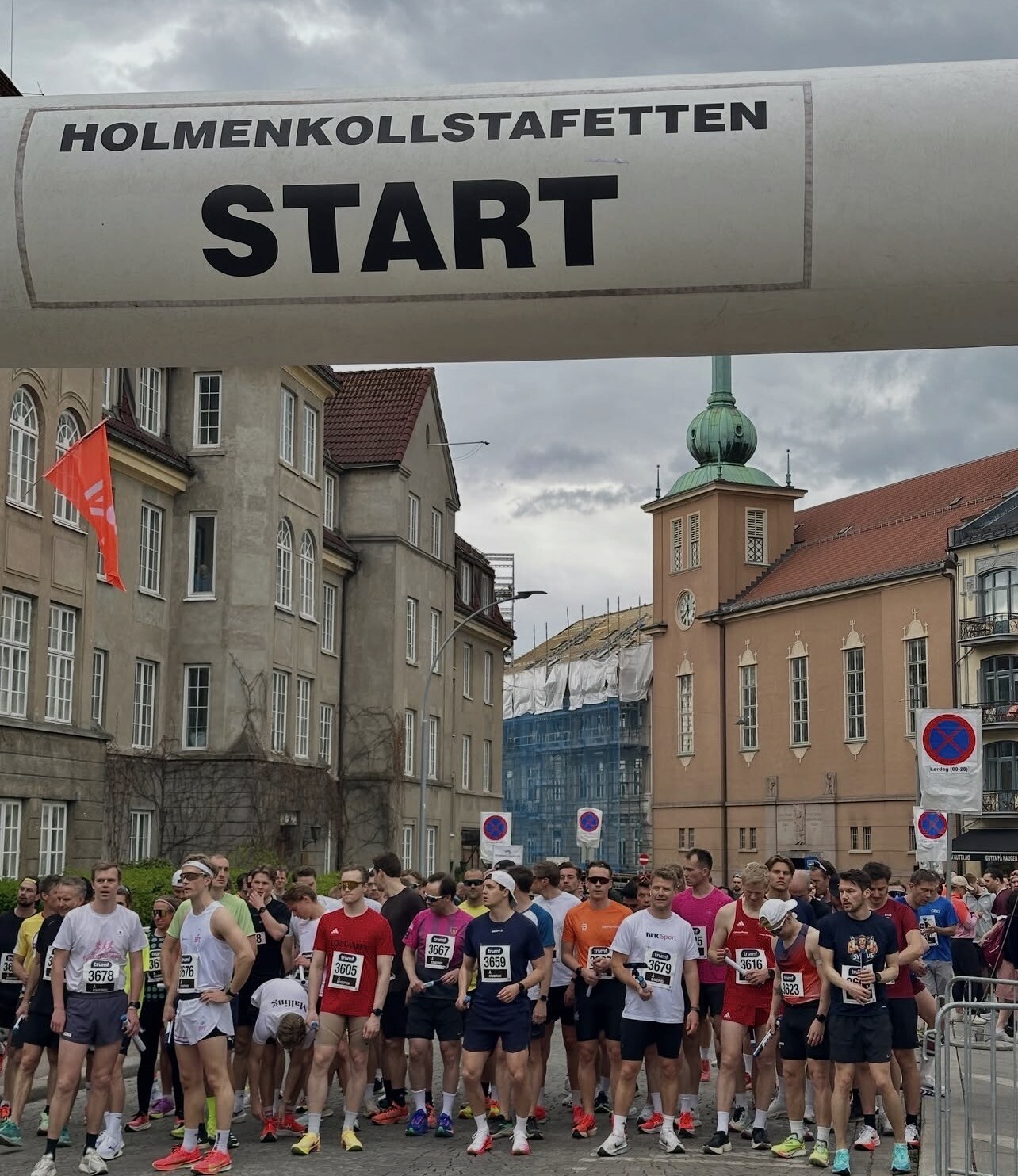
While participation is the soul of the event, the elite racing remained highly competitive.
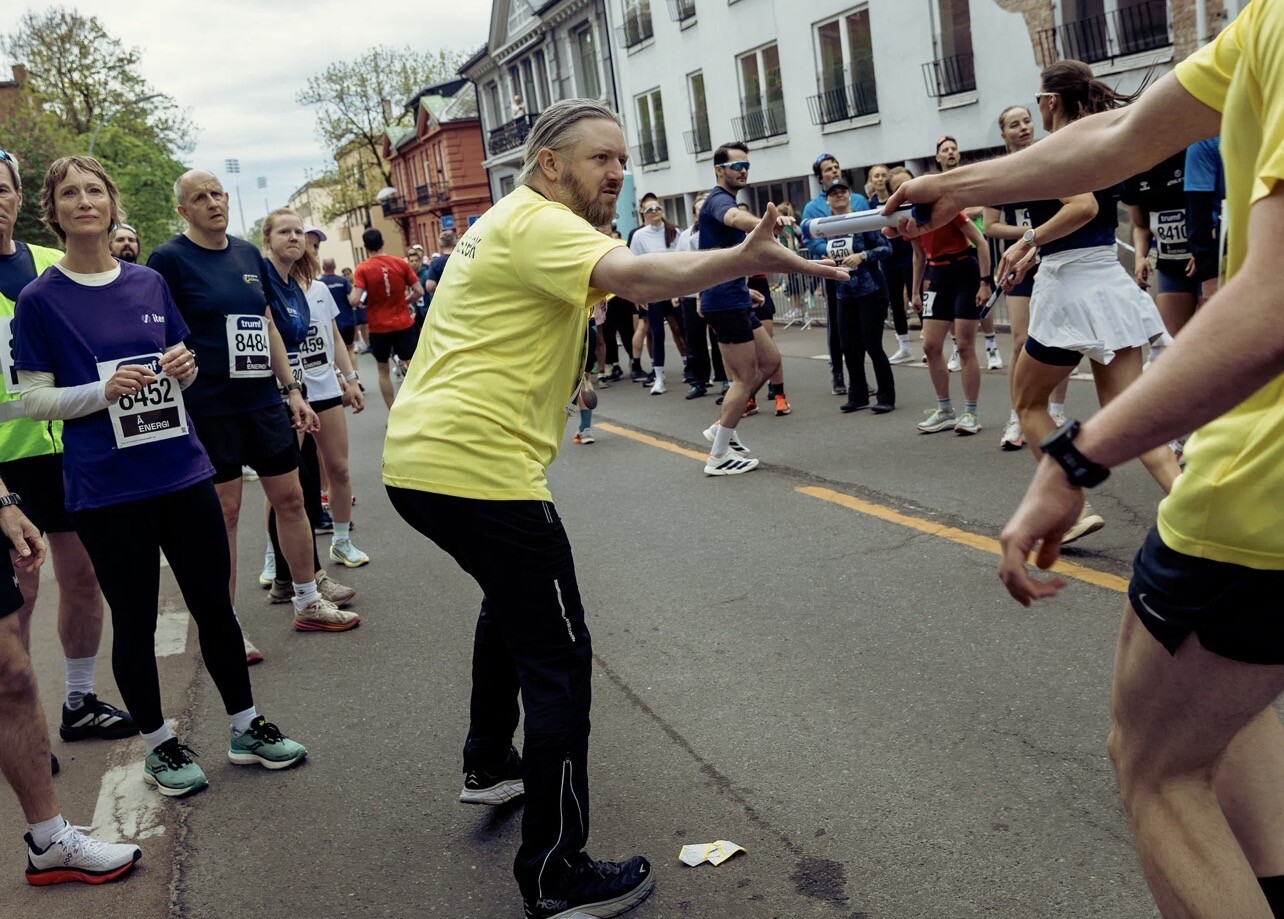
In the women’s elite division, SK Vidar captured victory in 55:42, defeating host club Tjalve by 44 seconds. Seventeen-year-old Ingrid Taggart delivered a decisive anchor leg to secure the win, while Sweden’s Hälle IF finished third.
The men’s race produced another dramatic battle as Ullensaker/Kisa claimed its fourth consecutive victory after holding off Vidar over the closing stages. Tjalve finished third. Norwegian ski legend Petter Northug also competed, adding even more attention to the day’s festivities.
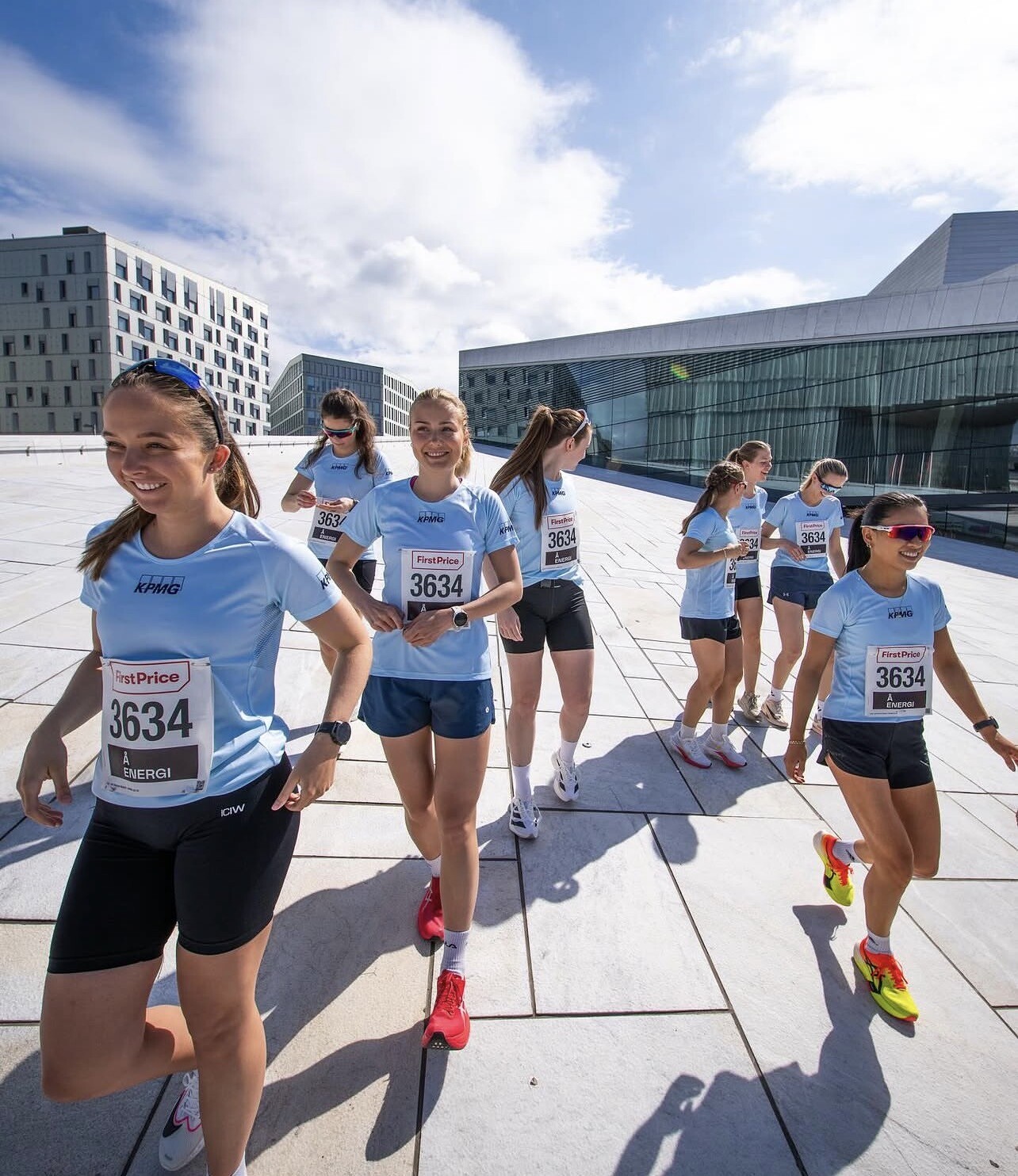
One of the unique aspects of the Holmenkollstafetten is that world-class athletes and first-time runners all share the same roads, the same atmosphere, and the same experience. Elite runners race through the stages at breathtaking speed while everyday participants embrace the event for teamwork, fitness, and pure enjoyment.
That combination of serious competition and community spirit gives the Holmenkollstafetten a character unlike almost any other race in the world.
Even with massive crowds and busy exchange zones, the atmosphere remained overwhelmingly positive from start to finish. Families lined the streets for hours, runners celebrated after every leg, and Bislett Stadium stayed alive with energy deep into the evening.
At a time when many sporting events struggle to build lasting community connection, the Holmenkollstafetten continues to thrive by offering something timeless: a city running together.
For one spring day each year, Oslo becomes one giant relay team.
by Waitman Gobble with Boris Baron for My Best Runs
Login to leave a comment

Global Showdown: The 2026 Diamond League Unfolds Across Continents
The 2026 Diamond League calendar promises a breathtaking journey across the globe, stitching together cultures, climates, and elite athletic performances into one electrifying season. From the desert lights of Doha to the historic streets of Brussels, the world’s finest track and field stars will once again chase glory, records, and supremacy in a series that defines the pinnacle of one-day athletics competition.
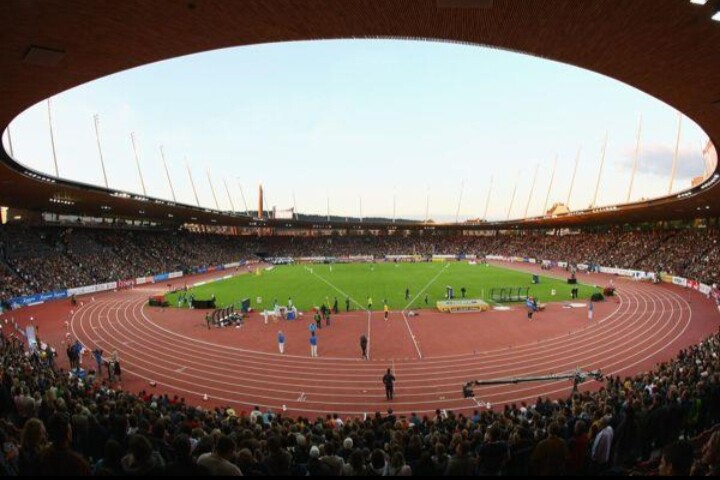
The campaign ignites on May 8 in Doha, where speed meets spectacle under the floodlights. Just a week later, the circuit shifts east to Shanghai/Keqiao on May 16, before returning to familiar territory in Xiamen on May 23. These early stops in Asia and the Middle East often set the tone—fast times, bold statements, and emerging rivalries begin to take shape as athletes test their early-season form.
By the end of May, the tour arrives in Rabat (May 31), marking Africa’s sole stop on the circuit—a meeting that consistently delivers both passionate crowds and world-class performances. From there, Europe takes center stage, beginning with the timeless backdrop of Rome on June 4. The momentum builds quickly with a Scandinavian double in Stockholm (June 7) and Oslo (June 10), two meets renowned for their rich history and electric atmosphere.
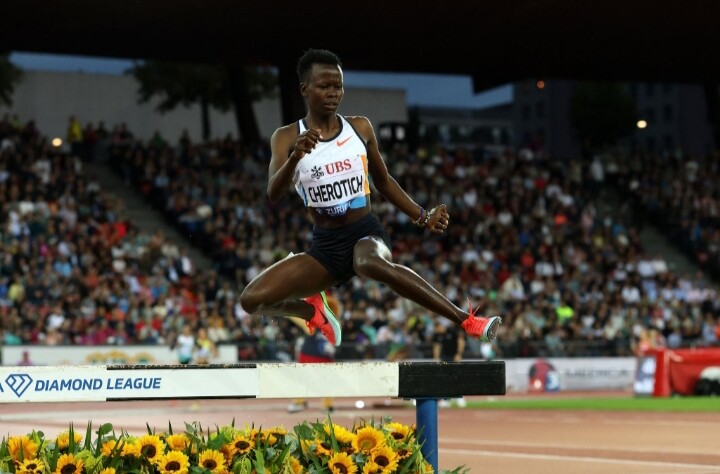
Late June brings the glamour of Paris (June 28), where speed and style converge in one of the season’s most anticipated showdowns. Then, the spotlight crosses the Atlantic to Eugene on July 4, a venue often regarded as the heartbeat of track and field in the United States. The European leg resumes swiftly with the iconic Monaco meet on July 10—a race often synonymous with record-breaking performances—before heading to London on July 18, where roaring crowds elevate every stride and jump.
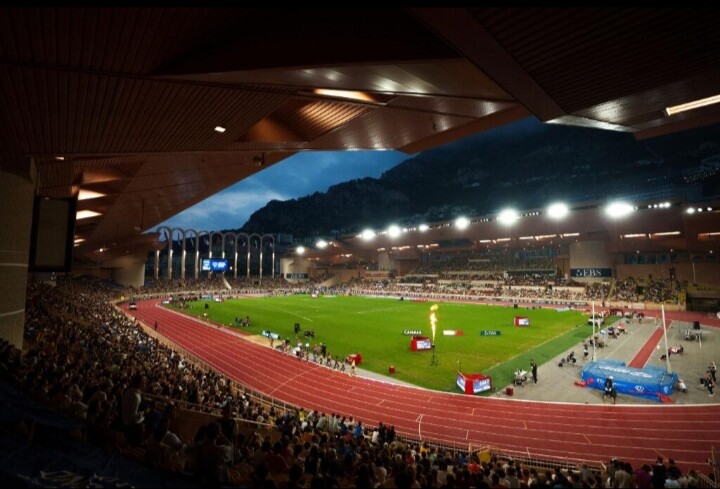
After a brief pause, the Diamond League returns in August with a decisive run toward the final. Lausanne (August 21) sets the stage, followed closely by Silesia (August 23) and Zurich (August 27), meetings that frequently determine qualification battles and title contenders. Each performance becomes increasingly critical, with athletes fighting not just for victory, but for a place in the grand finale.
The season culminates on September 4–5 in Brussels, where champions will be crowned and the year’s defining moments etched into history. It is here that consistency meets brilliance—only the best across the series earn the right to compete for the coveted Diamond Trophy.
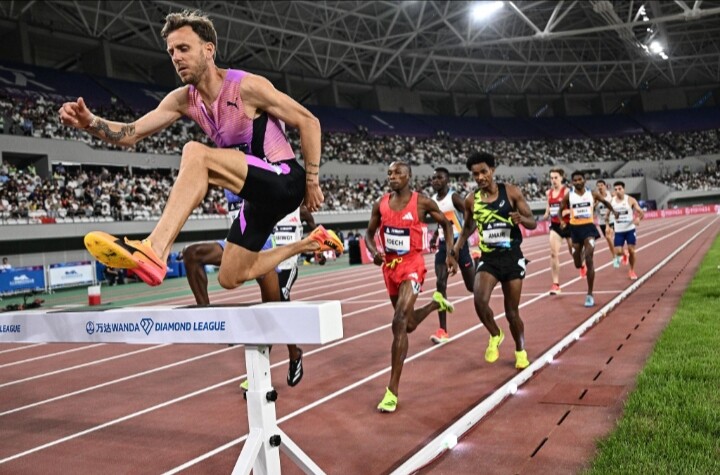
Beyond the dates and destinations, the 2026 calendar tells a deeper story: one of global unity through sport, of athletes pushing human limits, and of fans witnessing greatness unfold in real time. Every stop carries its own rhythm, yet together they form a symphony of speed, endurance, and excellence.
As the world watches, one question remains—who will rise, who will endure, and who will etch their name into the legacy of the Diamond League?
by Erick Cheruiyot for My Best Runs.
Login to leave a comment
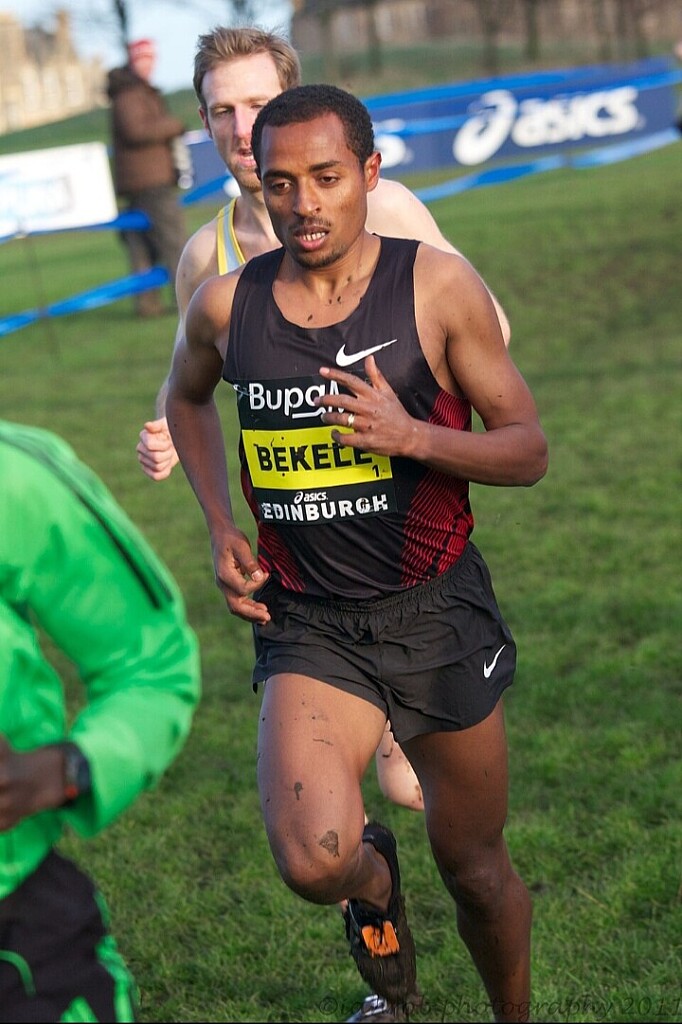
The Relentless Flame: Kenenisa Bekele and the Art of Running Beyond Limits
There are athletes who win races, and then there are rare souls whose movement feels almost like poetry — effortless yet powerful, gentle yet unstoppable. On a warm August evening in Brussels in 2001, under the honey-gold glow of stadium lights, a slender Ethiopian teenager floated across the track with a quiet certainty that something extraordinary was unfolding.
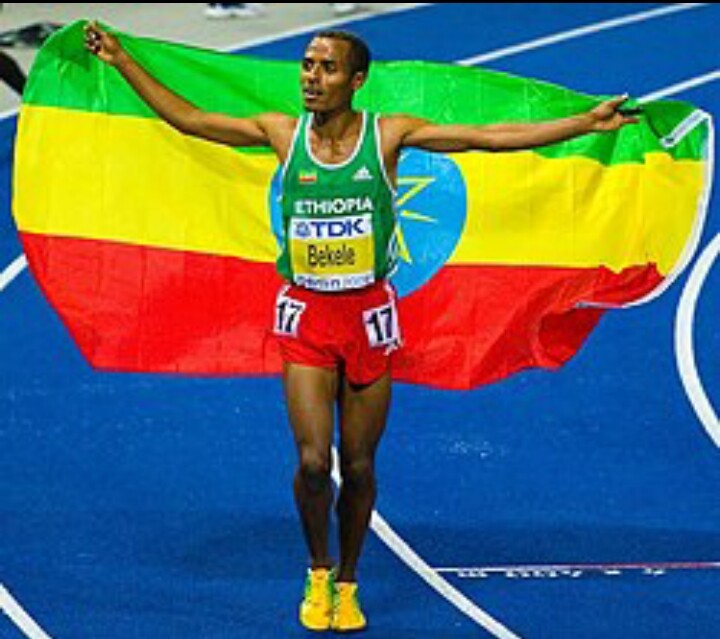
The crowd watched, curious at first, then captivated. When the clock stopped at 7:30.67 for 3000 metres at the Memorial Van Damme, applause filled the air. It was announced as a world junior record, but what lingered was not just the number — it was the feeling. The feeling of witnessing hunger wrapped in grace, ambition wrapped in innocence.
The teenager was Kenenisa Bekele, and even then, you could sense he was not chasing applause. He was chasing possibility.
For three and a half years, that junior record stood as a quiet monument to ambition before Augustine Choge eventually lowered it. Records, after all, are built to fall. Yet the resonance of Bekele’s performance lingered — the unmistakable arrival of a force that would soon redefine distance running.
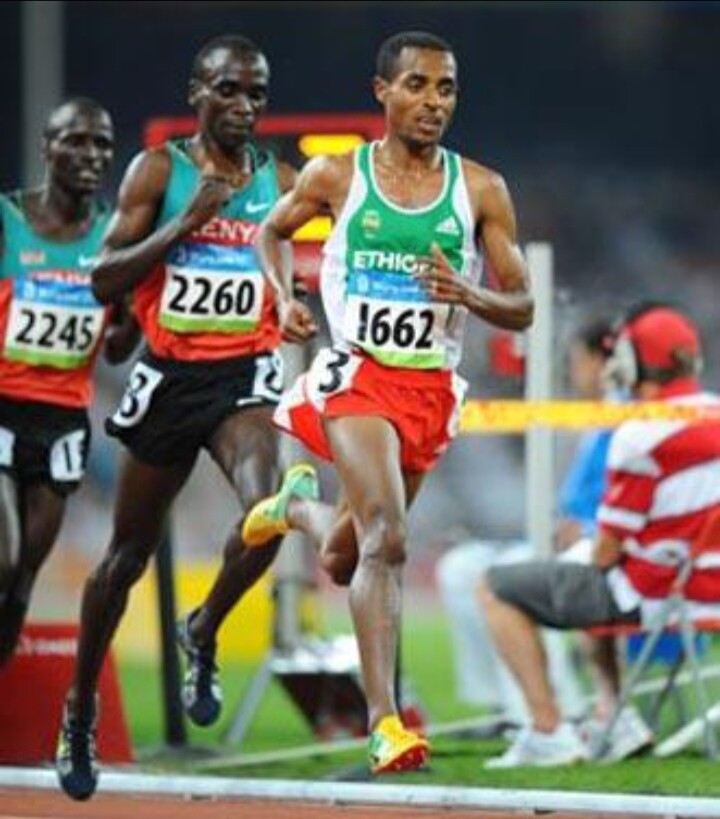
Even before Brussels, his ascent had begun to take shape in unexpected corners of Europe. In the small Dutch town that hosts the Montferland Run, he collected victories in 2000 and 2001 with an almost casual authority. Fifteen kilometres through winter air and narrow streets looked less like competition and more like controlled expression. But nothing about Bekele was ever routine. Beneath the calm exterior was a furnace of ambition.
Then came the terrain where legends are forged — mud, grass, cold wind, and pain — the IAAF World Cross Country Championships. Between 2002 and 2006, Bekele achieved something so extraordinary it borders on myth: he won both the short course and long course titles every single year for five consecutive seasons. No athlete before or since has replicated such dominance. The physiological toll alone should have made it impossible — the explosive intensity of the short race followed by the grinding endurance of the long. Yet he returned each year stronger, hungrier, untouchable.
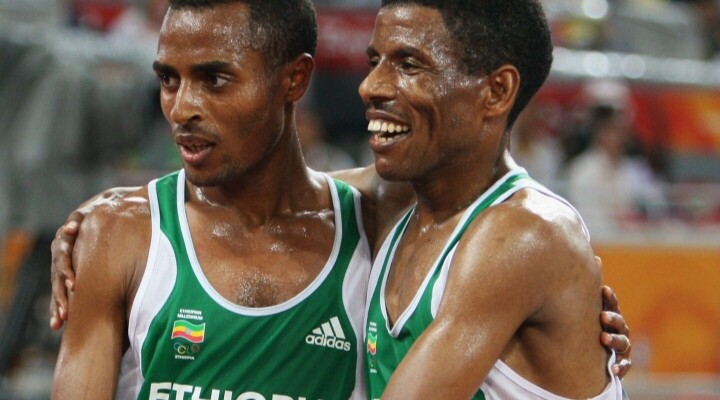
When the short course was discontinued after 2006, he stepped away briefly, then returned in 2008 to claim the long-course crown once more, almost ceremonially, as though closing a chapter he himself had authored. By then his cross-country medal collection had reached staggering proportions — nineteen in total, including eleven senior individual golds. Statistics struggled to contain the scale of his supremacy.
But numbers alone never explained the aura.
On the track, Bekele possessed an almost predatory intelligence. He would sit quietly in the pack, conserving energy with deceptive ease. Then, with laps remaining, something would ignite. At the 2003 Bislett Games in Oslo, he tracked down the Kenyan leader with chilling precision before unleashing a decisive kick to win in 12:52.26. It was not merely speed — it was timing, instinct, and psychological dominance. Rivals knew the surge was coming. They simply could not stop it.
And hovering over his rise was a rivalry that felt almost epic in scale: Bekele against Haile Gebrselassie. The reigning emperor of distance running and the fearless successor. Early encounters favored the veteran, who reminded the young challenger of the existing hierarchy. But by 2003, the balance began to shift. Bekele edged Gebrselassie over 10,000 metres in Hengelo, then continued to outperform him across major championships.
At the 2004 Athens Olympics, Bekele captured 10,000-metre gold while Gebrselassie faded to fifth. Four years later, at the 2008 Beijing Olympics, history repeated itself. The apprentice had become the standard. Even on the roads, including the Great North Run, Bekele would later finish ahead. Their rivalry was not merely competitive — it symbolised the passing of an era.
The year 2004 crystallised his dominance. Within nine astonishing days, Bekele broke the indoor 5000-metre world record, then the outdoor 5000, and finally the 10,000-metre world record — as if impatience with history itself drove him. He swept cross-country titles again, led Ethiopia to team victories, and left Athens with Olympic gold and silver. Distance running had a new gravitational centre, and it was him.
Yet life does not always move in harmony with triumph.
On January 4, 2005, a deeply personal loss entered his world during what should have been an ordinary training morning. Alem Techale — the 1500-metre World Youth Champion of 2003 — was running alongside Bekele in Ararat, a forested, hilly area on the outskirts of Addis Ababa. The two were sharing the familiar rhythm of training when she suddenly collapsed. Bekele immediately carried her to his car and rushed toward the hospital, hoping urgency might change the outcome. But on the way, she passed away. What remained was a silence that no explanation could fully fill — only memories of shared miles, shared dreams, and a companionship that had once felt limitless.
For a time, the noise of competition softened around him. But step by step, he continued — not because pain disappears, but because the human heart has a quiet way of learning to carry both love and loss together.
Because in the end, Kenenisa Bekele’s story is not simply about speed, medals, or records etched into history books. It is about the tenderness hidden inside strength. It is about a young boy who ran with wonder in his spirit, a champion who experienced both luminous joy and quiet sorrow, and a man who kept moving forward with grace. His journey reminds us that greatness is not only measured by how fast someone runs, but by how gently someone keeps going — through seasons of celebration, through moments of silence, through life itself — one faithful stride at a time.
by Erick Cheruiyot for My Best Runs.
Login to leave a comment

World Athletics Announces Finalists for Photograph of the Year
World Athletics has revealed the three finalists for its prestigious Photograph of the Year award—an annual honor recognizing the most powerful images captured across the global track and field season.
The finalists showcase emotion, danger, and artistry from three different continents:
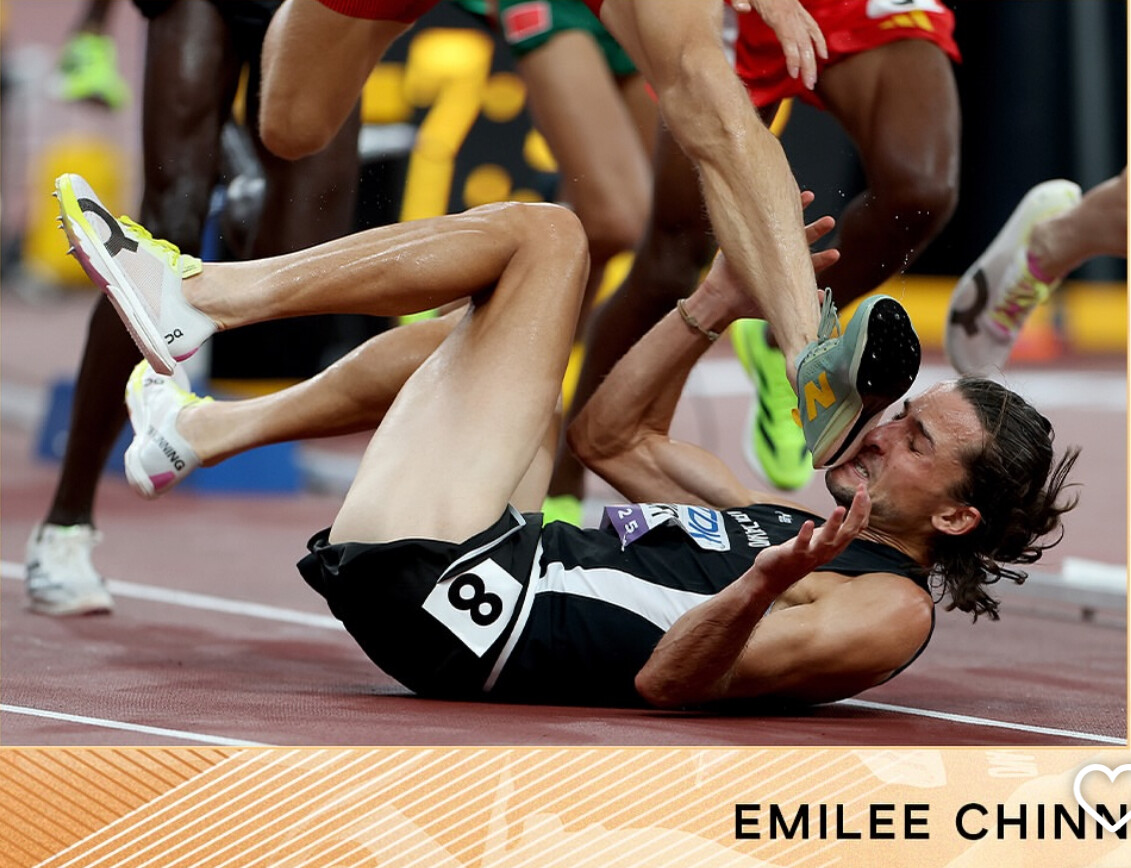
• Fabrizio Bensch (Germany) captured a celebratory and intimate moment between Noah Lyles and Tara Davis-Woodhall at the World Championships in Tokyo, just after they medaled in the 100m and long jump.

• Emilee Chinn (USA) froze a dramatic near-disaster during the steeplechase prelims, when George Beamish went down and Jean-Simon Desgagnés’ spikes came frighteningly close to his face.
• Vegard Grott (Norway) created a striking, shadow-filled composition during the iconic Dream Mileat the Bislett Games in Oslo.
Do the winning photographers receive prize money?
World Athletics awards the honor and global recognition, but no prize money is given directly to the photographer. The award is part of the annual World Athletics Awards program.
Login to leave a comment
Jakob Ingebrigtsen Has His Eyes on Three World Records in 2026
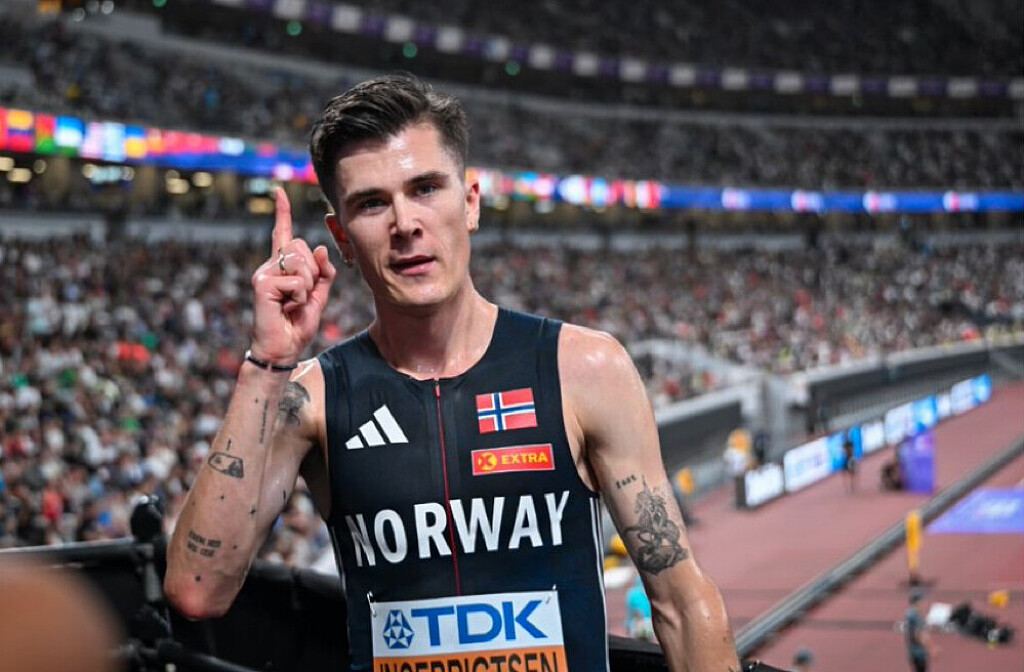
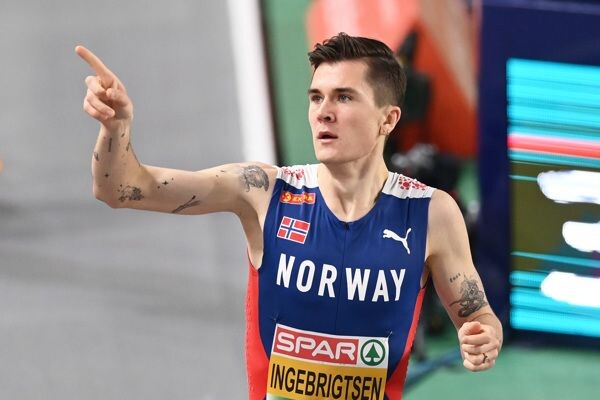
Norwegian superstar Jakob Ingebrigtsen is already looking ahead to 2026 with one of the boldest ambitions in track and field — to break world records in the 1500 meters, the mile, and the 5000 meters.
In an interview shared by Chris Chavez on X (formerly Twitter), Ingebrigtsen revealed his mindset and meticulous approach to choosing the perfect time and place to chase history.
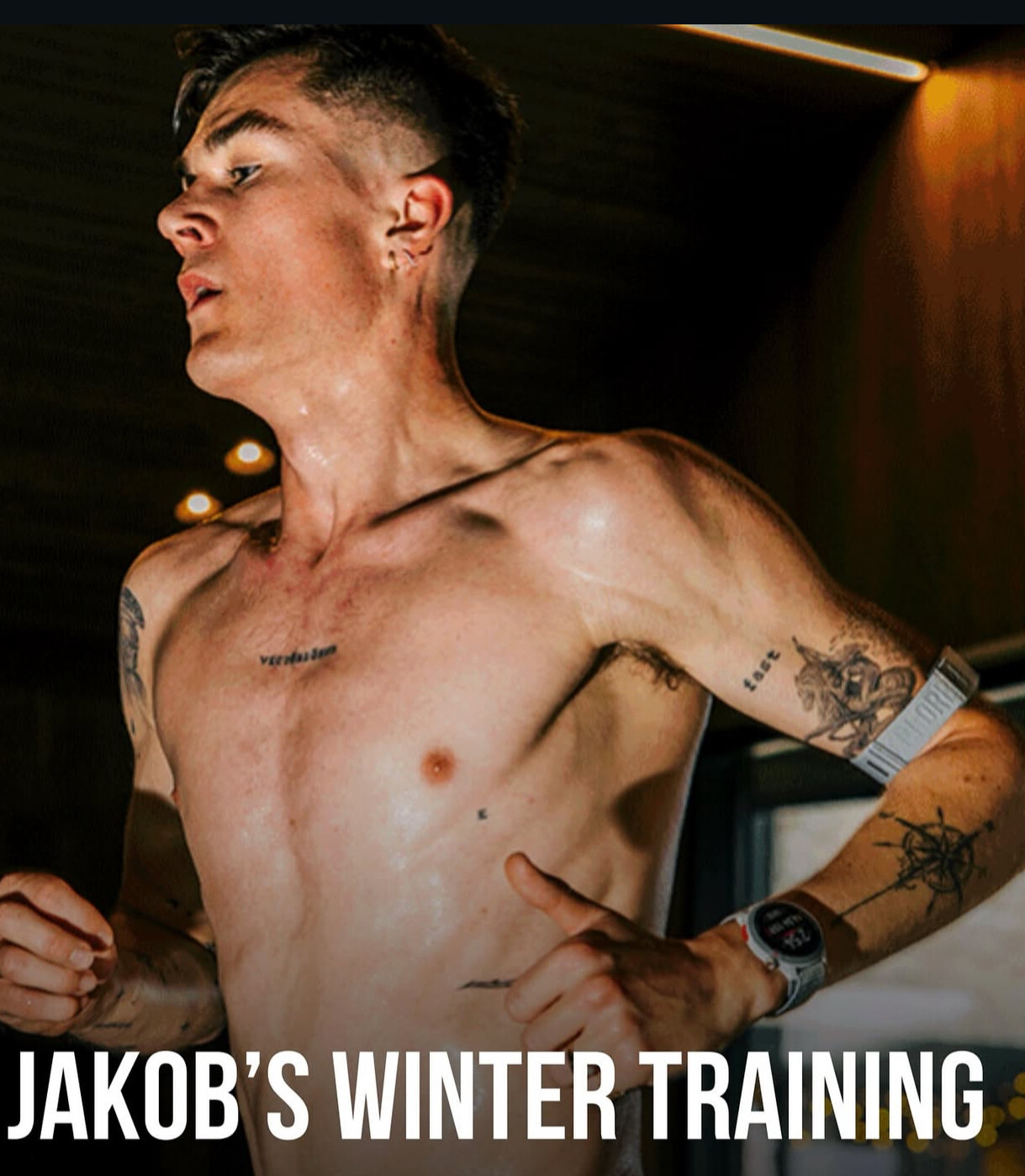
“I hope to break the world records in the 1500 meters, the mile, and the 5000 meters. If I can do that, I’ll be happy. I’ll have to pick out some meets and dates where I have the best chance to make a good attempt,” he told Norway’s VG.
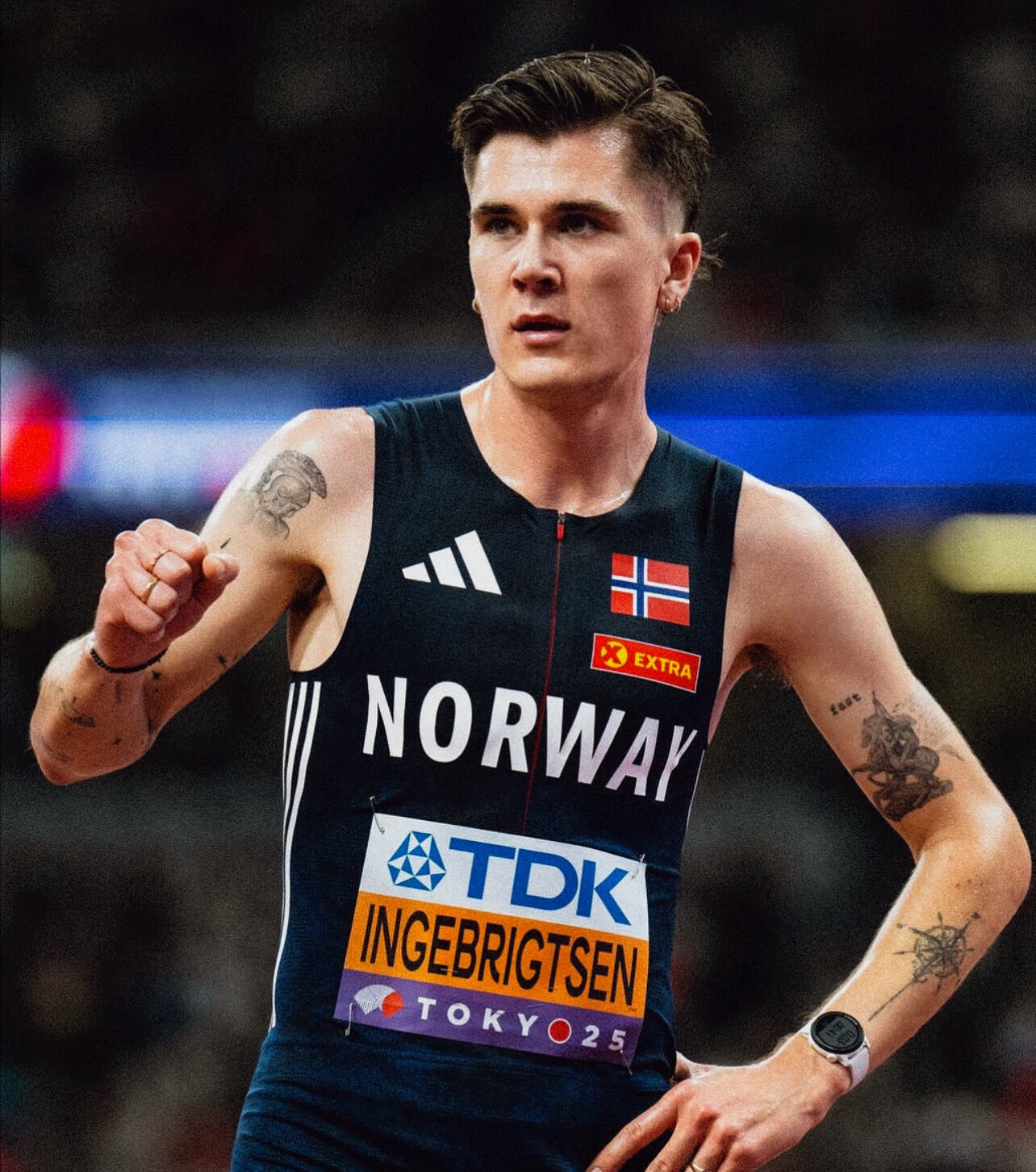
Ingebrigtsen and his wife are already mapping out potential race venues, with Monaco, Paris, Silesia, and Oslo among the leading candidates. Each of these meets has seen lightning-fast performances and could provide the ideal setting for record-breaking runs.
How he stacks up right now:
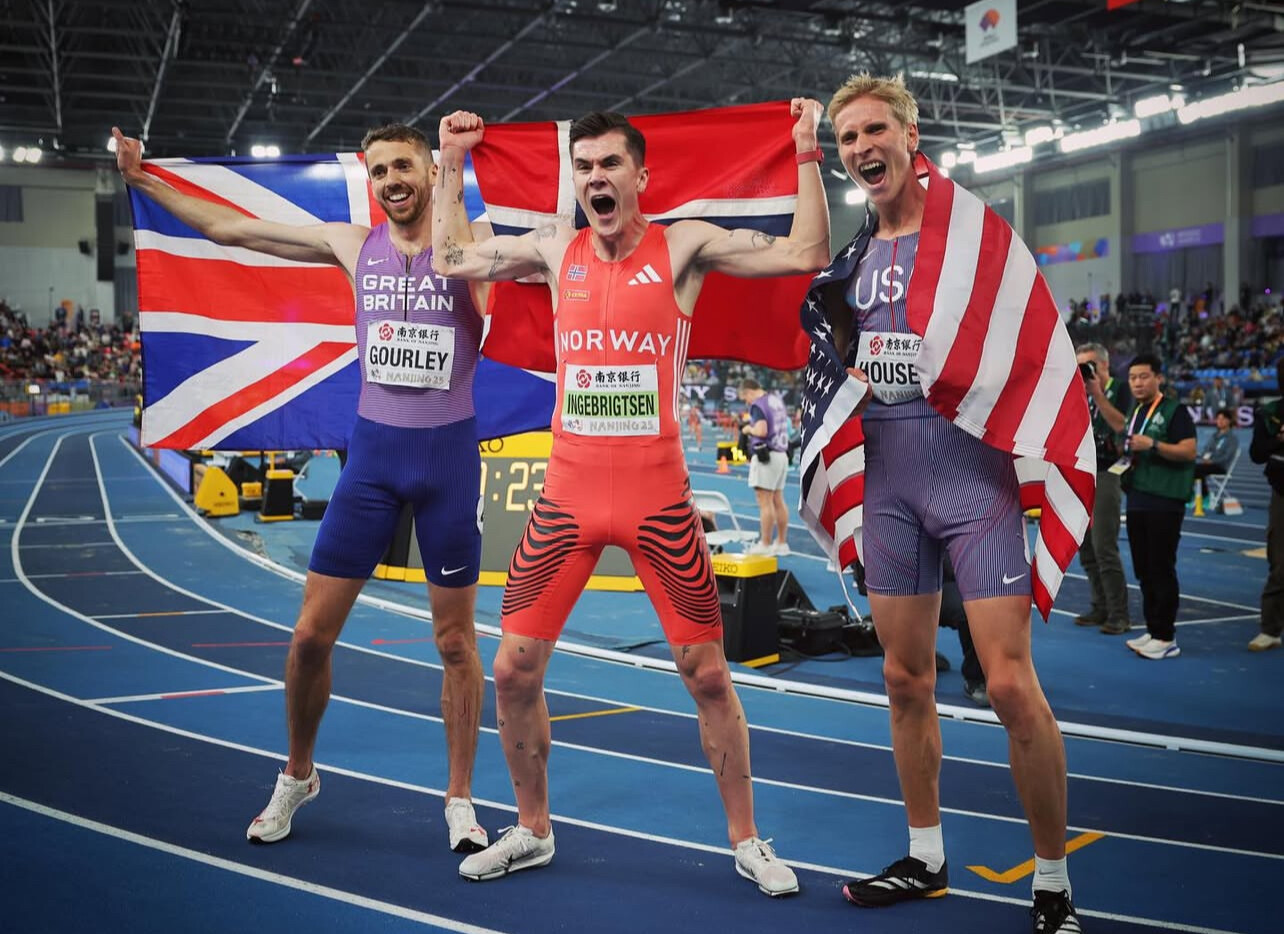
The world record for 1500 meters is 3:26.00, set by Hicham El Guerrouj in 1998. Ingebrigtsen’s personal best is 3:26.73.
The world record for the mile is 3:43.13, also held by El Guerrouj from 1999. Ingebrigtsen’s personal best is 3:43.73.
The world record for the 5000 meters is 12:35.36, set by Joshua Cheptegei in 2020. Ingebrigtsen’s personal best is 12:48.45.
While Ingebrigtsen’s personal bests are already within striking distance of both El Guerrouj’s legendary middle-distance marks and Cheptegei’s long-distance record, breaking all three in one season would be unprecedented.
A Legacy in Motion
At just 25, Ingebrigtsen has already cemented himself as one of the most dominant and versatile athletes in modern track history. From his Olympic gold to multiple World and European Championship titles, his consistency and competitiveness have made him the face of a new generation of runners.
However, much of the 2025 season was disrupted by injury. An Achilles tendon issue forced him to withdraw from major meets and limited his racing calendar. Despite the setback, his ambition remains undimmed.
A sweep of these three world records would not only elevate his legacy but also redefine the limits of what’s possible across middle and long-distance running.
As he carefully plans his record attempts, the world will be watching — because when Jakob Ingebrigtsen sets his mind on something, history often follows.
by Boris Baron
Login to leave a comment
Is the King Really Back? Jakob Ingebrigtsen Sends a Silent Shockwave with One Reel
Just when the doubters were growing bold, Jakob Ingebrigtsen dropped a bombshell—without saying a word.
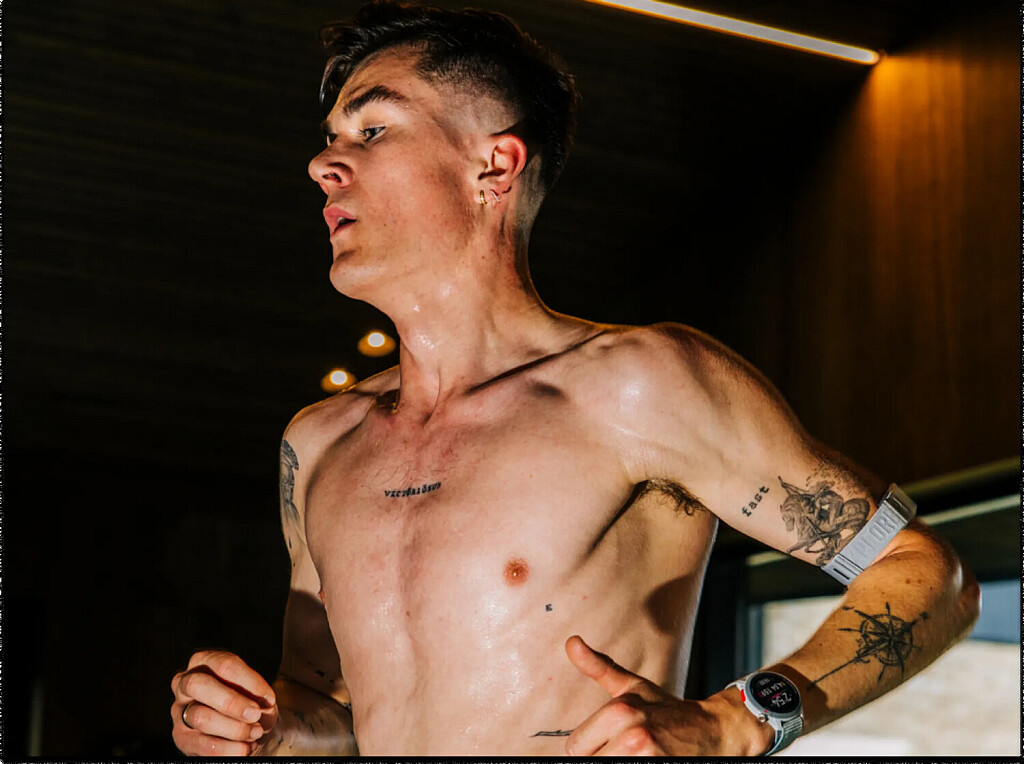
After months of uncertainty, Achilles rehab, and a string of absences from marquee meets like Oslo and the Prefontaine Classic, the Olympic champion and world record holder resurfaced not with a headline but with a treadmill video on Instagram. The caption? Just five words:
“Normal service has resumed ??.”
That was it. No interview. No press release. Just a smooth stride at full clip—and it was enough to send shockwaves through the sport.

Jakob, still only 23, hasn’t raced since winning the European Cross Country Championships last December. In May, he confirmed his withdrawal from the London Diamond League on July 20 due to lingering Achilles irritation. But now, with the 2025 World Championships in Tokyo looming, fans and rivals alike are decoding every frame of that 12-second clip. Was this just training? Or a warning shot?
The Comeback Equation

Jakob’s resume needs no embellishment:
Olympic 1500m champion (Tokyo 2021)
World 5000m champion (Paris 2023)
European record holder in the 1500m, mile, 3000m, and 5000m
World record holder in the 2000m and two miles
But since that shock defeat to Josh Kerr at the 2023 World Championships in Budapest—a tactical masterclass that broke Ingebrigtsen’s golden streak—Jakob has been unusually quiet. Injuries kept him from defending titles on the Diamond League circuit, while rivals like Kerr, Jake Wightman, and Yared Nuguse have stepped into the spotlight.
Now, that silence might be over.
Warning to Rivals?
The timing couldn’t be more dramatic. With Tokyo less than six weeks away, the treadmill reel could mark the start of Jakob’s final prep—if not for London, then for the Worlds. His message may have been short, but the implications are massive: he’s back in motion, the rhythm looks good, and if he toes the line in Tokyo, the narrative resets.
Rivals like Kerr, who’s coming off a strong win at the 2025 Bislett Games, won’t be underestimating him. Their rematch—if it happens—could be one of the defining moments of the championships.
Crown or Collision Course?
Is Jakob ready to reclaim his throne, or is he walking into the fiercest middle-distance rivalry we’ve seen in years? The answer is still unwritten—but one thing is clear:
Jakob Ingebrigtsen is not done. Not even close.
And now, the track world holds its breath.
by Boris Baron
Login to leave a comment
Jakob Ingebrigtsen Returns to Altitude Training in St. Moritz Following Injury and Personal Turmoil
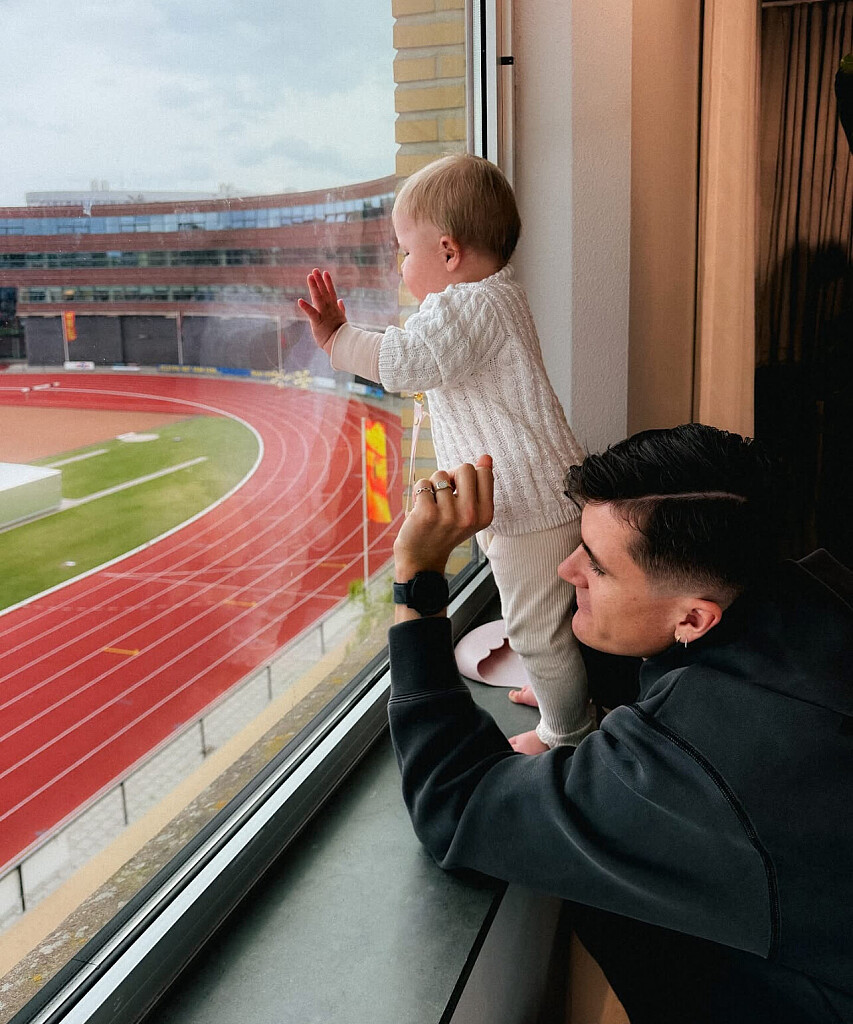
Olympic champion Jakob Ingebrigtsen is heading back to the mountains of St. Moritz to resume altitude training after a difficult first half of the 2025 season marked by injury and family challenges. The 23-year-old Norwegian has been recovering from a strained Achilles tendon that derailed his early outdoor campaign and forced him to miss several key meets.
Recovery First
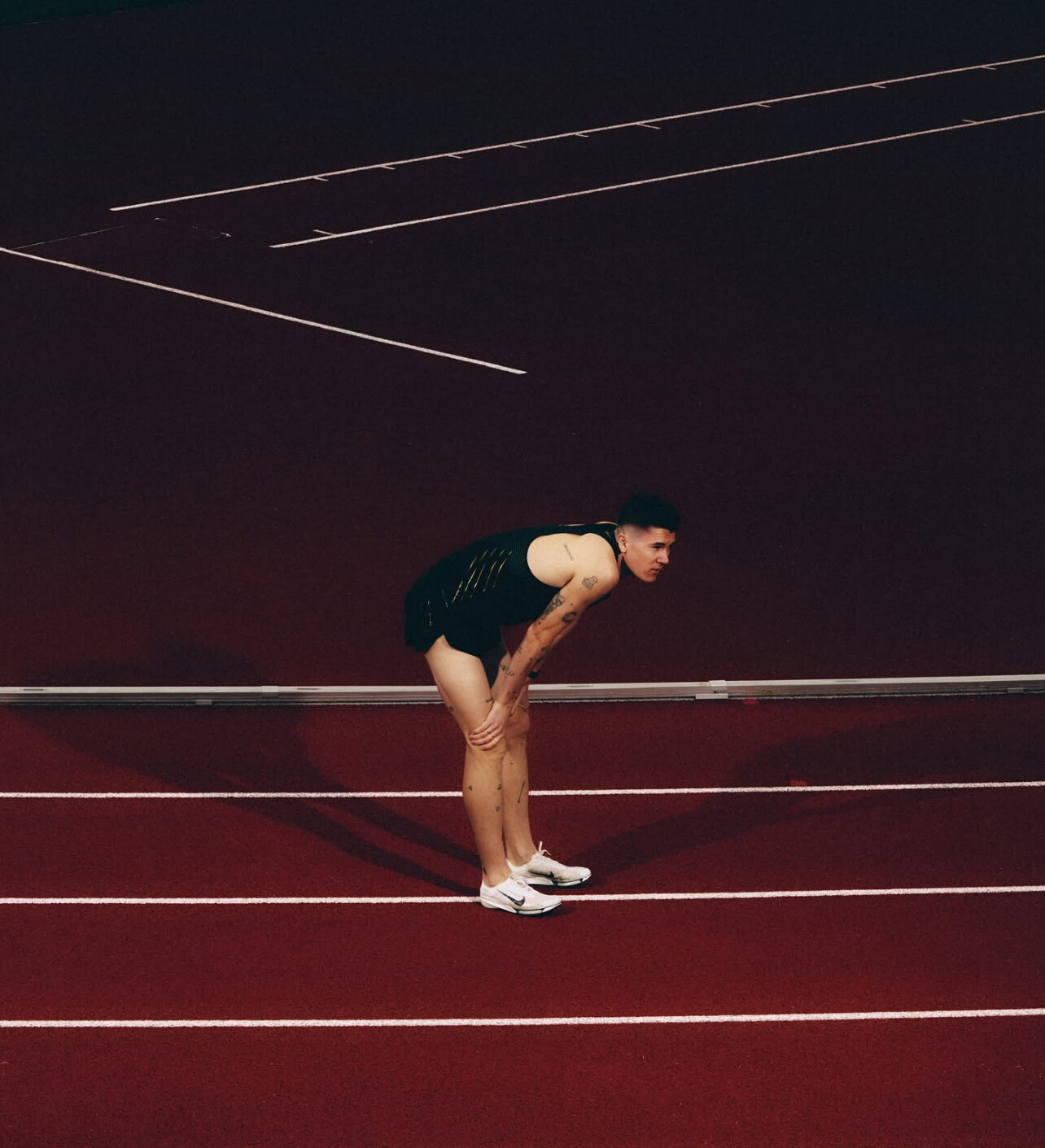
Ingebrigtsen initially planned to train at altitude in Sierra Nevada in the spring, but his Achilles issue required a change of course. He instead remained home to focus on recovery, missing high-profile events in Oslo, Ostrava, the Pre Classic, and the London Diamond League.

In a recent update shared on social media, Jakob acknowledged the long road back but said he was grateful for the time spent with his young daughter and dogs. “At least I had the best company,” he wrote, sharing photos from a forest outing. His message suggests a turning point in his recovery, both physically and emotionally.
Altitude Training in St. Moritz
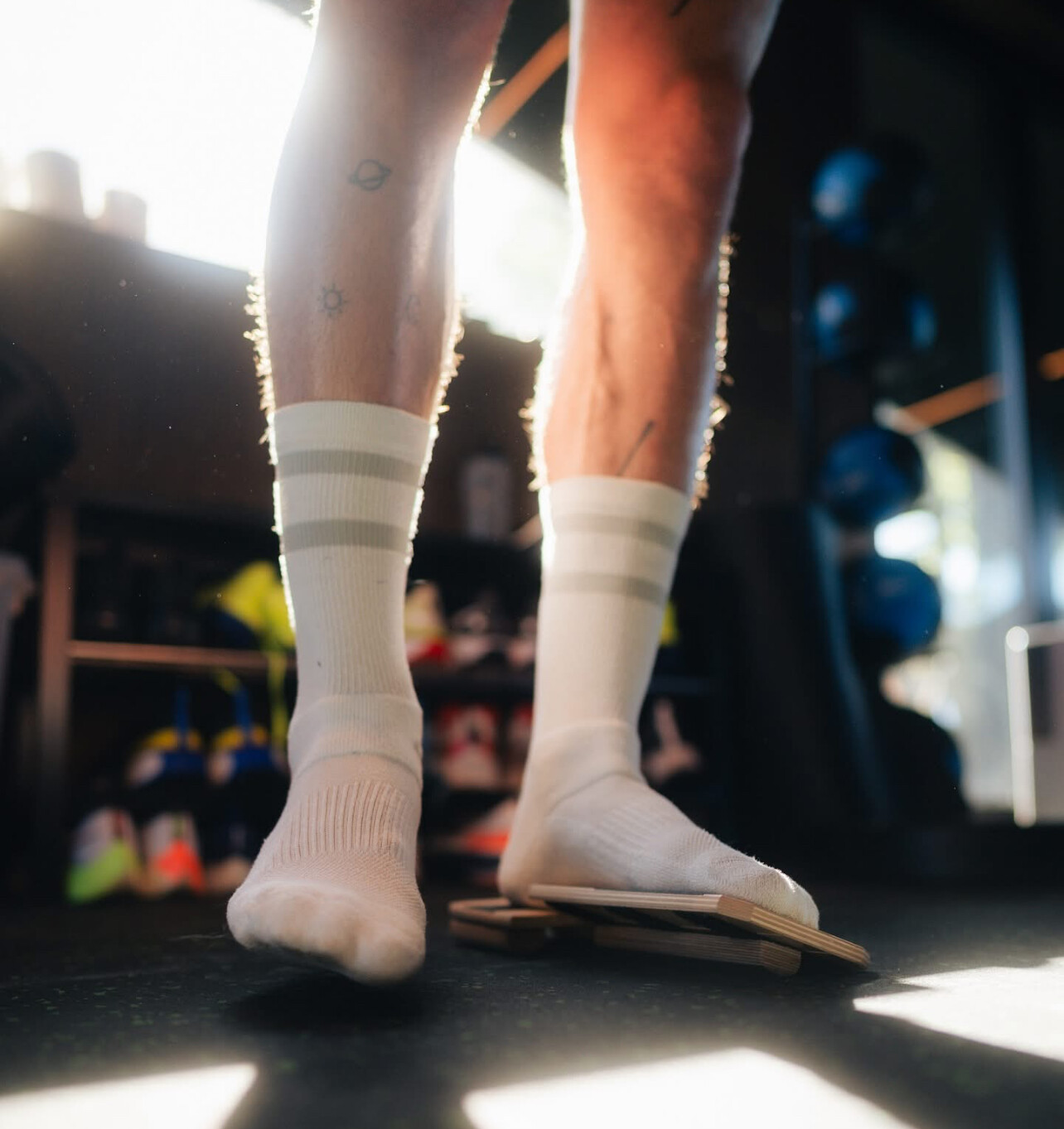
Coach Filip Ingebrigtsen has confirmed that Jakob will now join Norway’s altitude group in St. Moritz for a three- to four-week training block. The plan is to carefully build back fitness without rushing into competition. If all goes well, Jakob could return to racing in mid-August, with the Silesia Diamond League meeting in Poland emerging as a likely target.

While his return has been delayed, confidence remains high. Ingebrigtsen’s indoor season earlier this year was exceptional—he broke the world indoor records for both the 1500m and mile. In June, shortly before his Achilles flare-up, he set a new European 1500m record of 3:27.95 and clocked 7:54.10 in the two-mile, a world best.

Personal Challenges and Legal Closure
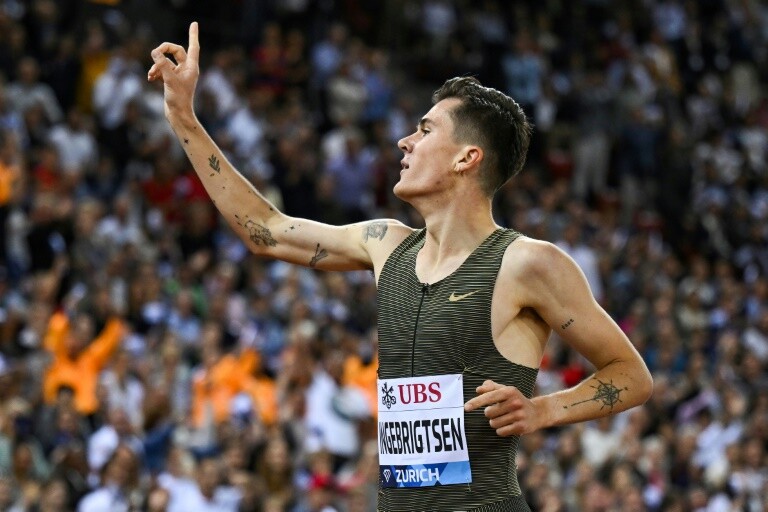
In the midst of his recovery, Ingebrigtsen also had to navigate a difficult legal chapter. On June 23, his father, Gjert Ingebrigtsen, was convicted of minor assault against Jakob’s younger sister, Ingrid, for an incident involving a wet towel. Gjert received a 15-day suspended sentence and was ordered to pay damages. He was acquitted of similar charges involving Jakob due to lack of evidence.
The verdict marks a formal conclusion to a painful and public family dispute that first came to light in late 2023. With this chapter behind him, Jakob appears ready to shift focus fully back to his training and racing.
Looking Ahead
Jakob Ingebrigtsen’s approach to 2025 has been cautious but strategic. Rather than forcing an early comeback, he’s prioritized recovery, stability, and preparation. If his return to St. Moritz goes as planned, fans can expect to see him back on the track in top form later this summer—potentially just in time to contend for another global title.
by Boris Baron
Login to leave a comment

Monaco Diamond League Preview: Distance Fireworks Expected from 800m to 5000m
The prestigious Monaco Diamond League meet is set to ignite the track today, with a thrilling lineup of distance races headlined by Olympic medalists, world record holders, and rising stars. With world-best times under threat, all eyes turn to Monaco’s lightning-fast track where history is often made July 11.
Men’s 800m – 2:23 p.m. ET
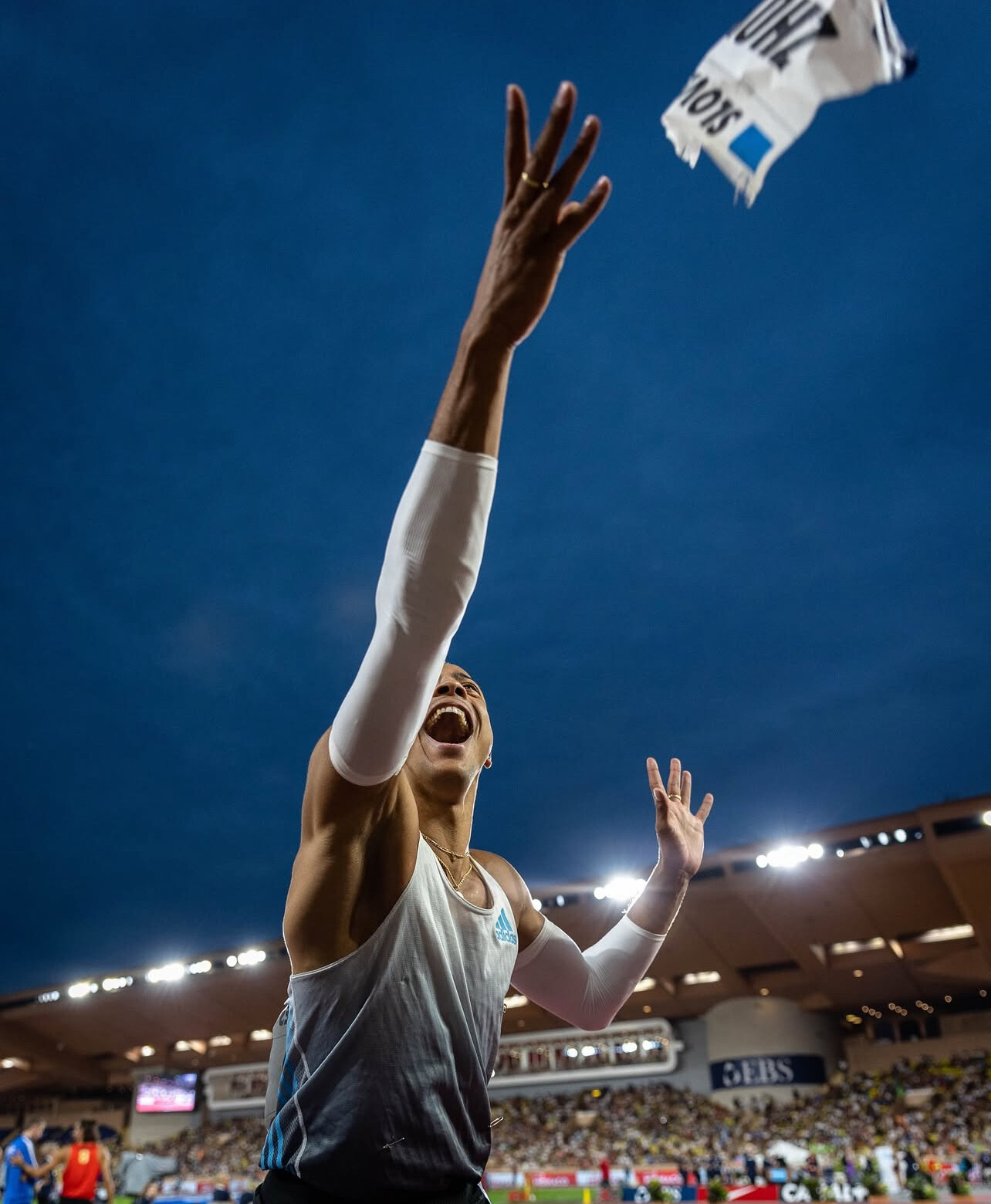
Arguably the most anticipated race of the day, the men’s 800m features seven of the eight Olympic finalists, and talk of David Rudisha’s legendary 1:40.91 world record is swirling. The pace will be red-hot, with athletes hungry to establish themselves ahead of the Paris Olympics.

Expect fireworks early. The pacing is likely to be aggressive, and with such a deep field, a sub-1:43 clocking may not even guarantee a podium spot. With a record on the line, this race is not to be missed.
Women’s 1000m – 2:43 p.m. ET

The rarely-run but always-exciting 1000m could see the 28-year-old world record of 2:28.98, set by Svetlana Masterkova in 1996, finally fall. Faith Kipyegon, the undisputed queen of middle distance, came close with a 2:29.21 earlier this year and owns the second-fastest time ever. She’s the clear favorite to take another crack at history.
Australia’s Jess Hull brings impressive credentials too, coming off a 3:52.67 1500m (the third-best of her career) and showing solid speed with a 1:58.58 800m PB. Also in the mix are:
• Mary Moraa, 800m world champion, with a 2:33.43 1000m PB,
• Nelly Jepchirchir (2:31.24 PB),
• Jemma Reekie (2:31.11 PB),
• Sinclaire Johnson and Addy Wiley, both looking to move up in distance.
With a blend of speed and endurance, this event has record-breaking potential.
Men’s 5000m – 3:05 p.m. ET
Seven men in today’s lineup have broken 12:50 this season, promising one of the fastest 5000m races of the year. Ethiopian sensation Biniam Mehari, just 18 years old, recently stunned with a 26:43.8210,000m win at the Pre Classic and a 12:45.93 at the Oslo Diamond League, where much of the spotlight went to Nico Young’s American record.
Sweden’s Andreas Almgren enters with momentum after clocking a 12:44.27 European record, currently the fastest time in the world this year.
The Ethiopian federation will be watching closely, as Yomif Kejelcha (12:47.84) and Hagos Gebrhiwetare also lining up—both seasoned athletes capable of upsets.
Final Word
Monaco has a storied history of delivering some of the fastest middle-distance times on the planet. With stars like Kipyegon, Mehari, and Almgren peaking at just the right time, the stage is set for records to be rewritten.
Stay tuned. If there’s ever a day to witness distance running greatness, this is it.
by Boris Baron
Login to leave a comment
South Africa's Prudence Sekgodiso Closes in on 800m World Lead
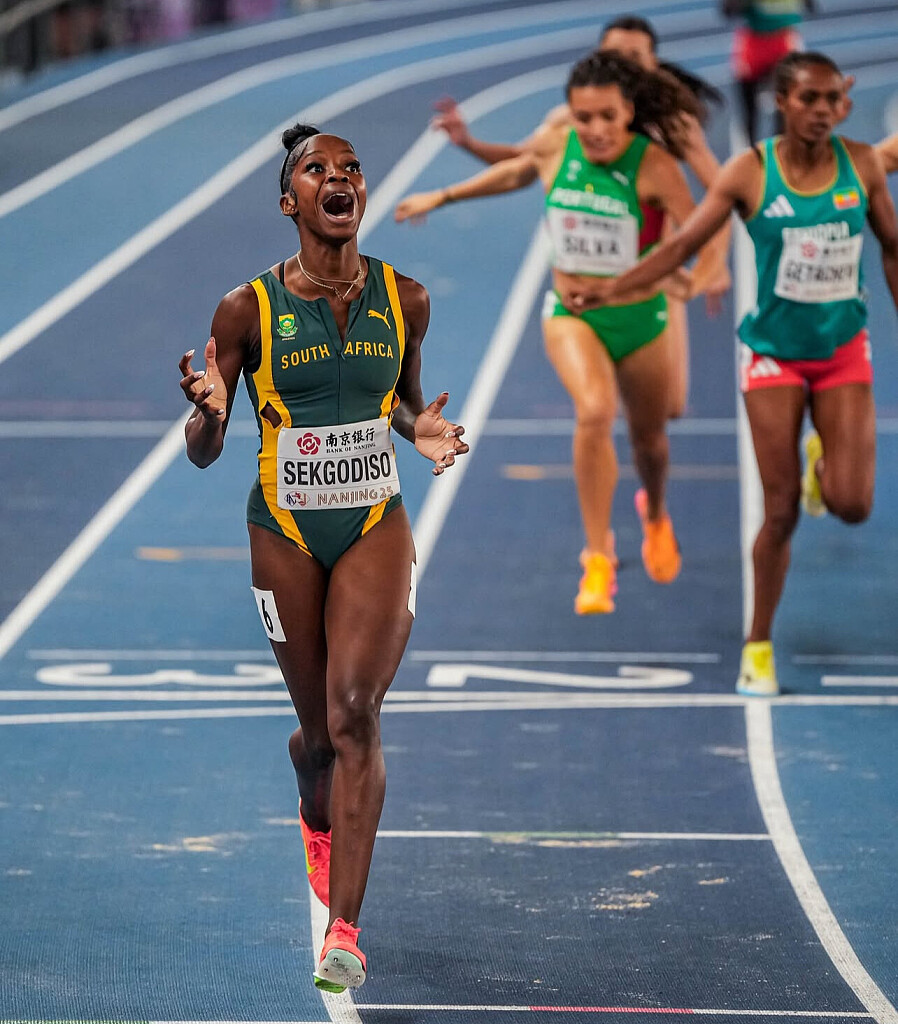
Prudence Sekgodiso of South Africa is charging toward the top of the global women’s 800m leaderboard with a sizzling time of 1:57.16, recorded in the 2025 season. As of July 4, this places her second on the current world list—trailing only Ethiopia’s Duguma, who leads with 1:56.64.
Sekgodiso’s breakthrough has sent waves through the athletics world, as seen in a recent viral post by SuperSport celebrating her ascent. The 800m is one of the most fiercely contested events in track and field, and Sekgodiso’s consistency and fearless racing style are positioning her as a serious medal contender ahead of the Paris World Championships and potentially the Olympics.
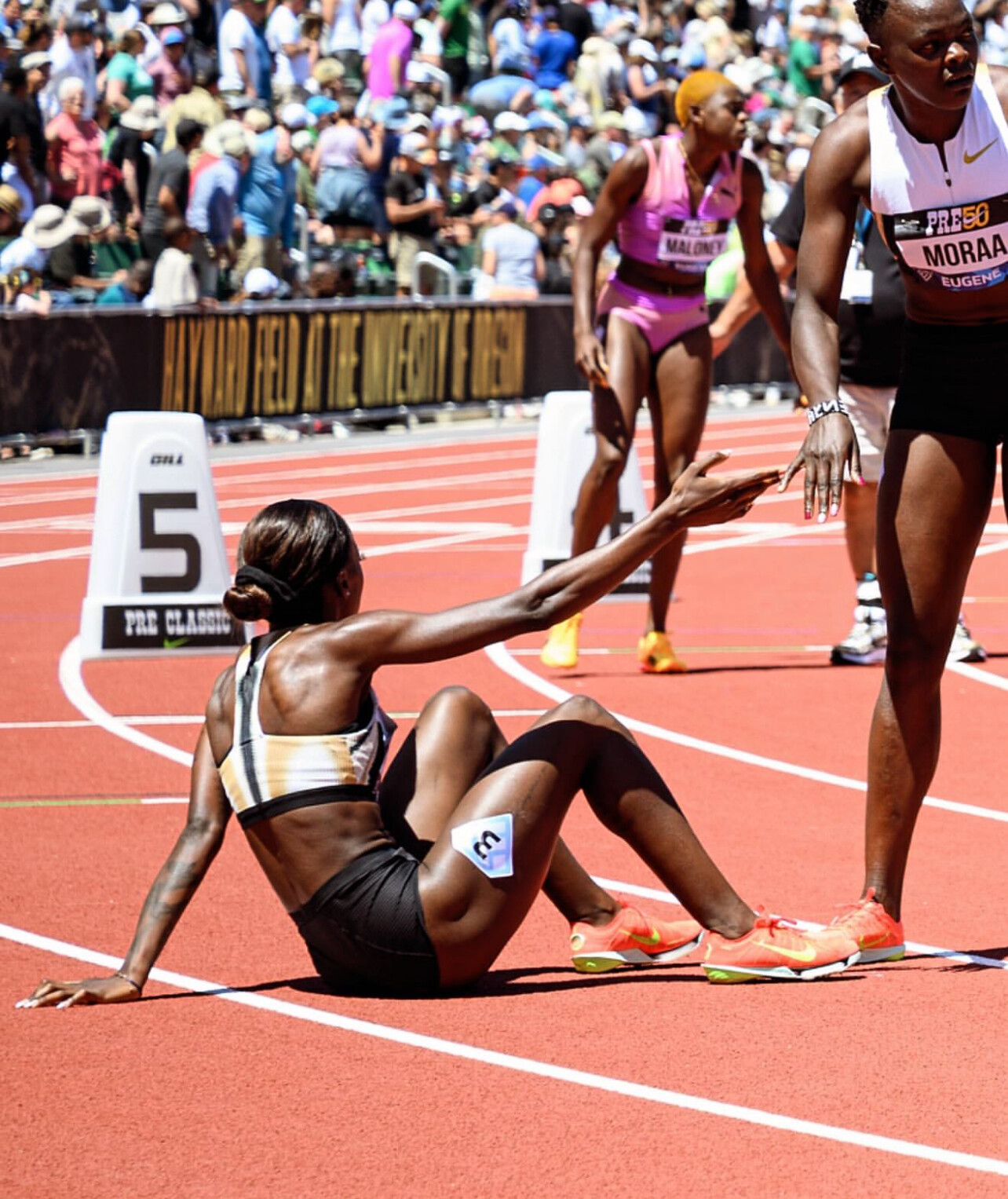
? Top 10 Women’s 800m Times in 2025 (as of July 4):
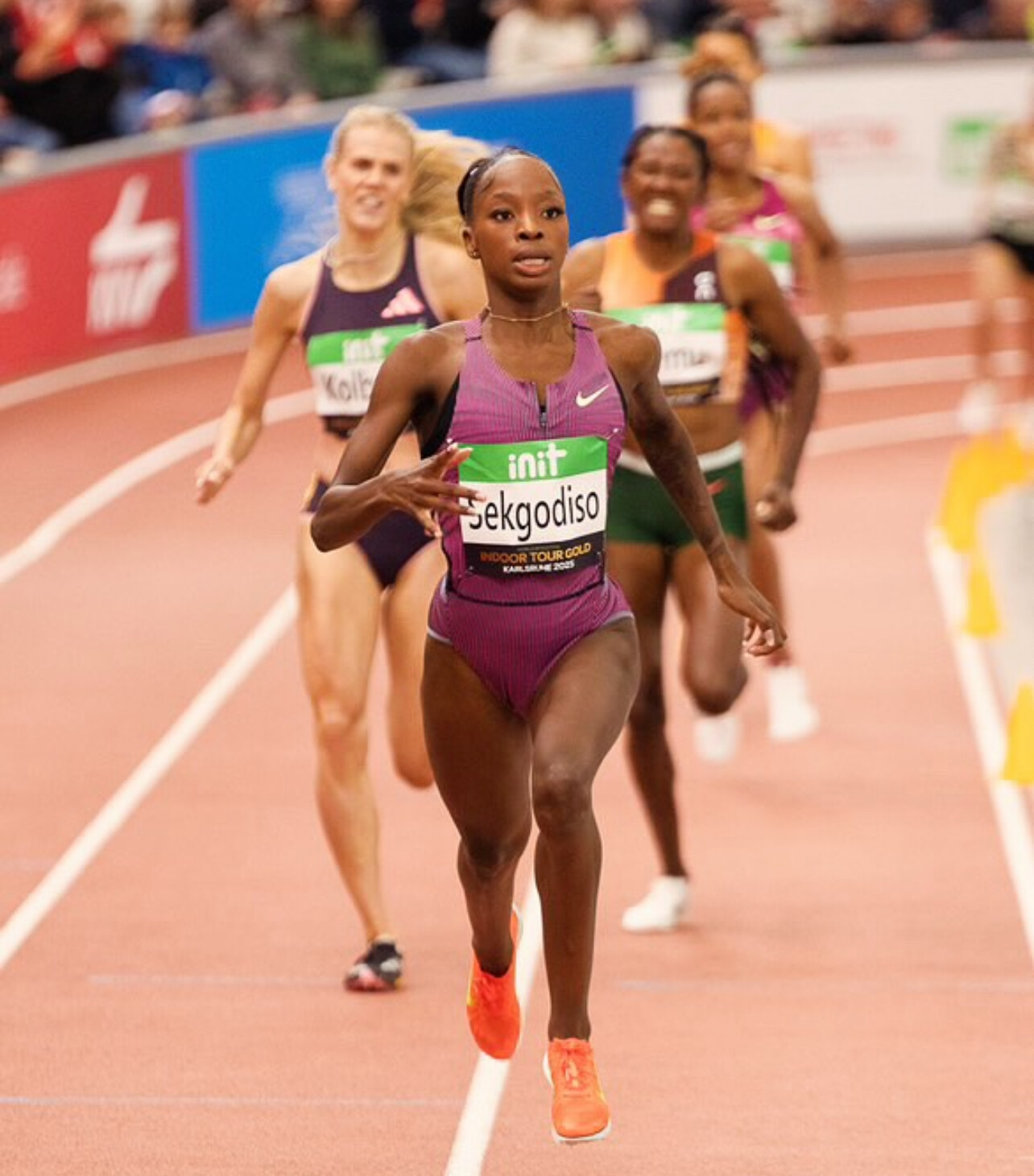
1. 1:56.64 – Duguma
2. 1:57.16 – Sekgodiso
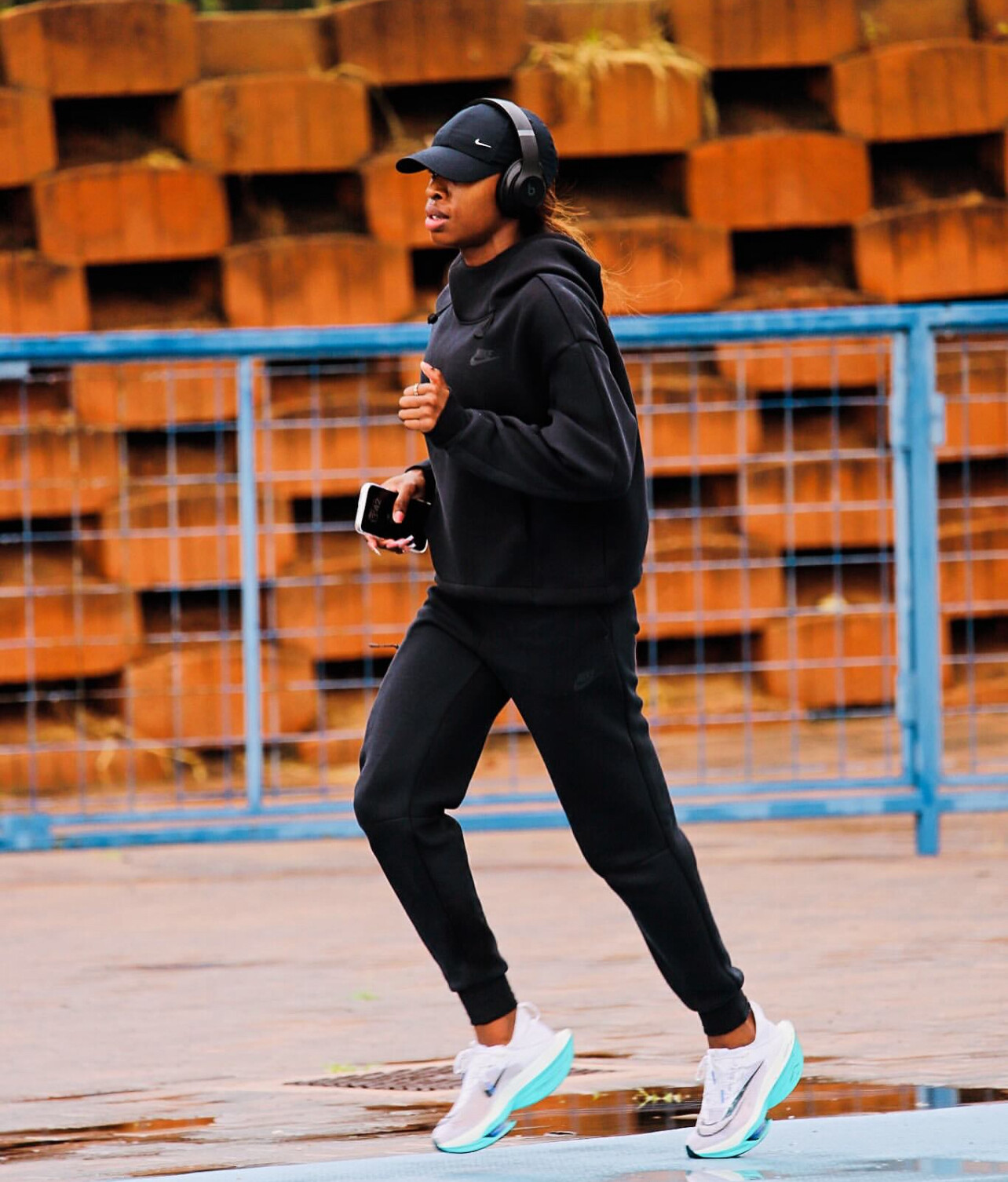
3. 1:57.25 – Werro
4. 1:57.49 – Nowe
5. 1:57.55 – Wiley
6. 1:57.66 – Bell
7. 1:57.81 – Bourgoin
8. 1:57.83 – Billings
9. 1:57.83 – Moraa
10. 1:58.00 – Maloney
How Sekgodiso Measures Up Historically:
The women’s 800m world record still stands at 1:53.28, set by Jarmila Kratochvílová of Czechoslovakia in 1983—a mark that has stood for over 40 years and is widely considered one of the most unbreakable in athletics. Only a handful of women have ever run under 1:55, including:
• Jarmila Kratochvílová (CZE) – 1:53.28 (1983)
• Nadezhda Olizarenko (URS) – 1:53.43 (1980)
• Pamela Jelimo (KEN) – 1:54.01 (2008)
• Caster Semenya (RSA) – 1:54.25 (2018)
Prudence Sekgodiso's 1:57.16 may not yet challenge these all-time performances, but it signals her potential to enter the elite sub-1:56 territory—especially with major races still ahead this season.
South Africa’s Next Middle-Distance Icon?
Following in the footsteps of Caster Semenya, Sekgodiso has reignited South Africa’s presence in the women’s 800m. At just 22 years old, she combines speed, endurance, and confidence, and her upward trajectory is undeniable.
As she continues her climb, all eyes will be on her next race. With every lap, Prudence Sekgodiso is narrowing the gap—not just between herself and the world leader, but also between today’s stars and history’s greats.
by Boris Baron
Login to leave a comment
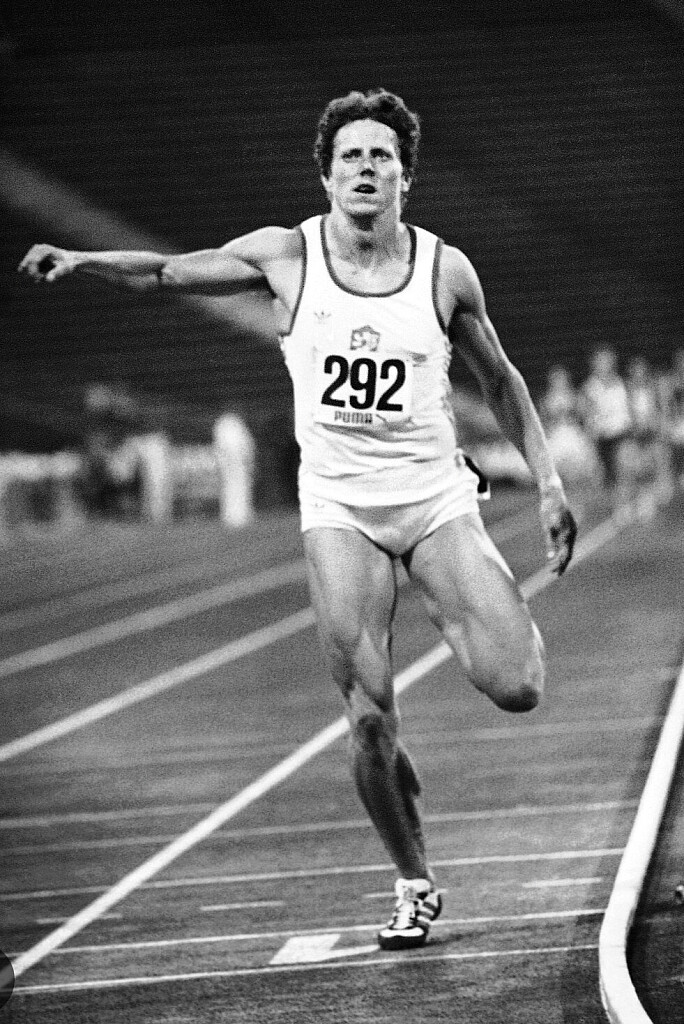
The Untouchable Record: Jarmila Kratochvílová’s 800m Mark Still Stands 42 Years Later — But Should It?
In the fast-evolving world of athletics, records are made to be broken — except, it seems, for one. On July 26, 1983, in Munich, Czechoslovakia’s Jarmila Kratochvílová ran an astonishing 1:53.28 in the women’s 800 meters. Four decades later, that time remains the oldest unbroken individual world record in track and field history.
It has withstood super spikes, altitude training, hyper-focused coaching, and the world’s most gifted middle-distance runners. Olympic champions like Caster Semenya and Athing Mu have come close, but none have truly threatened it. Which begs the question — how did a performance like this come to be? And should it still be recognized?
A Record Born in a Different Era
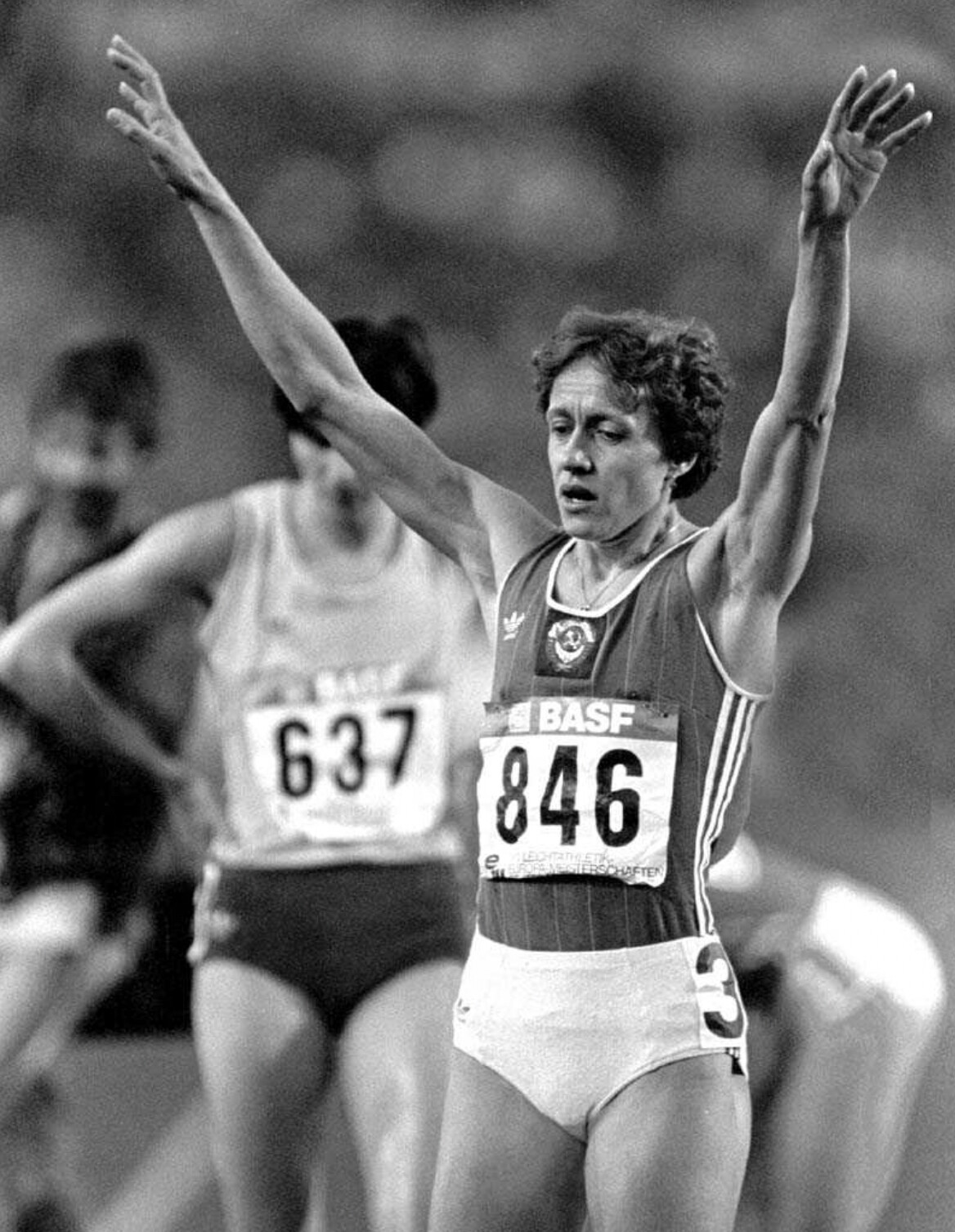
Kratochvílová’s performance came at a time when Eastern Bloc nations, including Czechoslovakia, were deep into state-sponsored sports programs. In that era, the line between elite preparation and banned enhancement was often blurred. Many athletes from that period, particularly from East Germany and the Soviet Union, have since admitted or been linked to systemic doping programs.
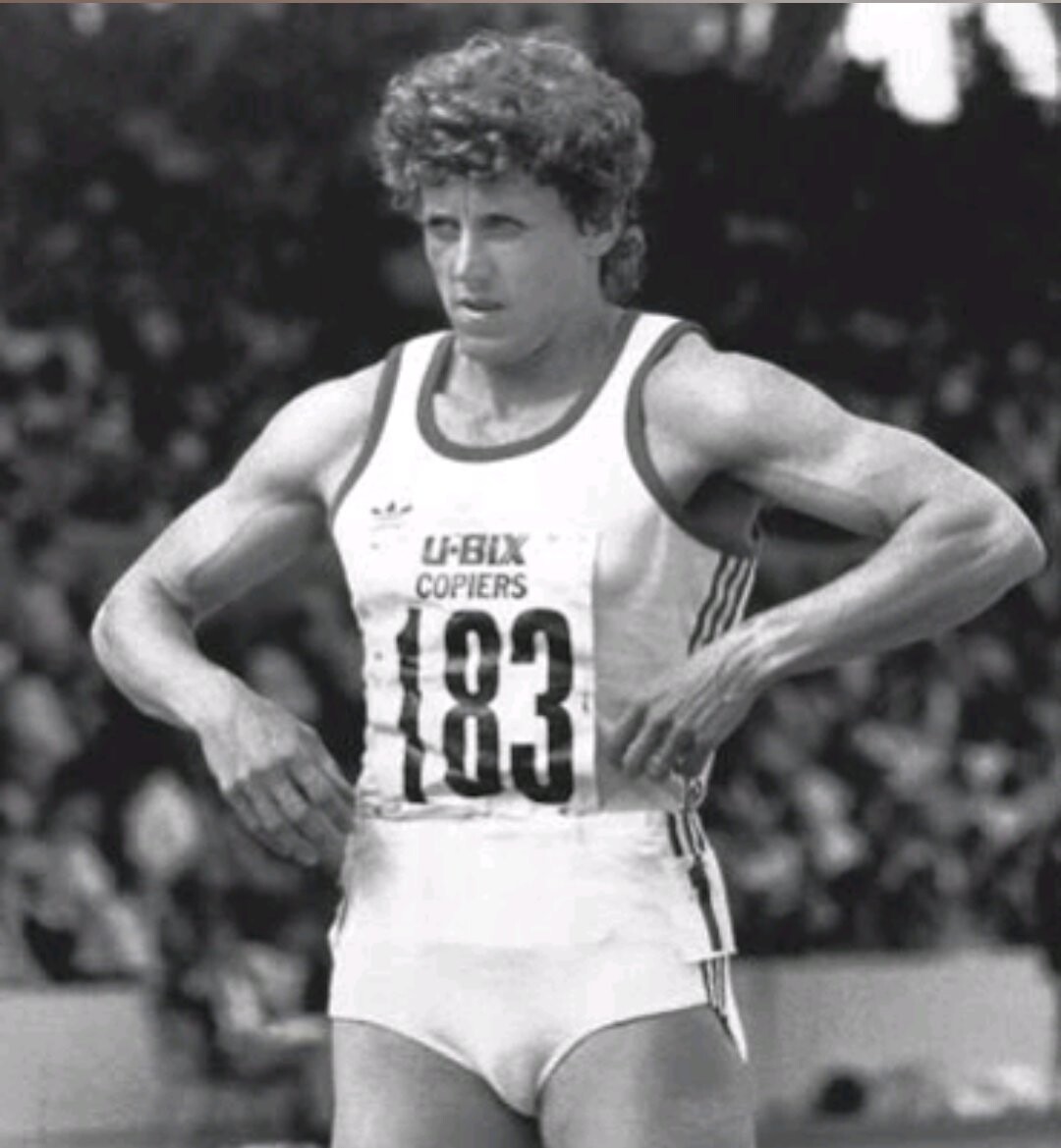
While there has been no formal proof that Kratochvílová used banned substances, the context raises suspicions. Her physical appearance — muscular, powerful, and more commonly compared to male counterparts than to female contemporaries — only added to the speculation. Combined with her unprecedented strength over both 400m and 800m distances, critics argue that the performance is not only unmatched, but possibly unnatural.
Why the Doubts Persist
• Performance Gap: Her time is still more than a second faster than most modern Olympic champions — a massive difference at the elite level.
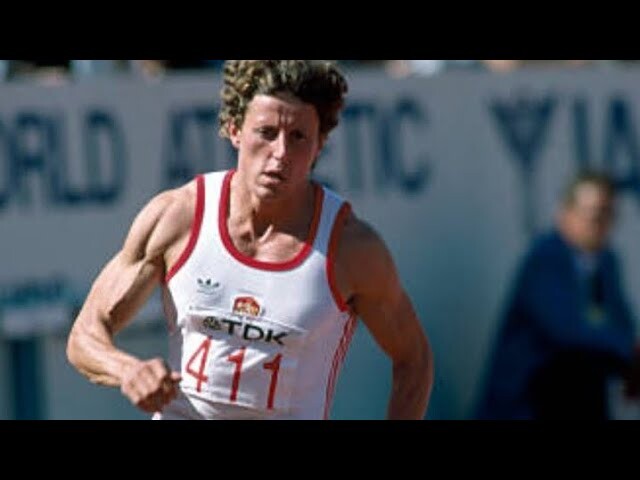
• Era of Doping: Kratochvílová competed during a time when drug testing was primitive and records were often set under questionable conditions.
• Physique & Speculation: Her highly muscular build and deep voice led some to question if she should have been eligible to compete in the women’s category — though gender testing at the time did not flag her.
• Lack of Longevity: After 1983, Kratochvílová’s presence at major championships waned. Some suggest this could point to the unsustainable nature of her peak performance.
Arguments for Letting It Stand
Supporters of the record, including Kratochvílová herself, insist that the performance was clean and the result of hard work and unconventional training. She famously avoided standard intervals and instead focused on long sessions in heavy shoes and rugged conditions. No positive test exists, and the record has survived decades of scrutiny by World Athletics.
Moreover, some point out that breaking a record doesn’t validate its legitimacy — it simply reflects the evolution of training, equipment, and talent pools. If no one has broken it yet, perhaps it’s just one of those rare, generational performances that transcends time.
Should It Be Removed?
There have been proposals — including from World Athletics — to reset all pre-2005 records due to the lack of out-of-competition drug testing during earlier decades. The suggestion faced pushback, especially from record holders who never failed a test.
But the debate continues. Some believe Kratochvílová’s 1:53.28 represents a performance that belongs to a different set of rules — and therefore shouldn’t be part of the same record book as today’s achievements. Others see it as an enduring symbol of what the human body (with or without help) once accomplished.
Final Thought
Whether you view Jarmila Kratochvílová’s 800m world record as a miraculous outlier or a relic of a flawed system, one thing is certain: it has become the ultimate benchmark. Until someone runs faster — cleanly and unquestionably — the debate will rage on. And with every passing year, this 1983 run becomes less of a record and more of a legend.
by Boris Baron
Login to leave a comment
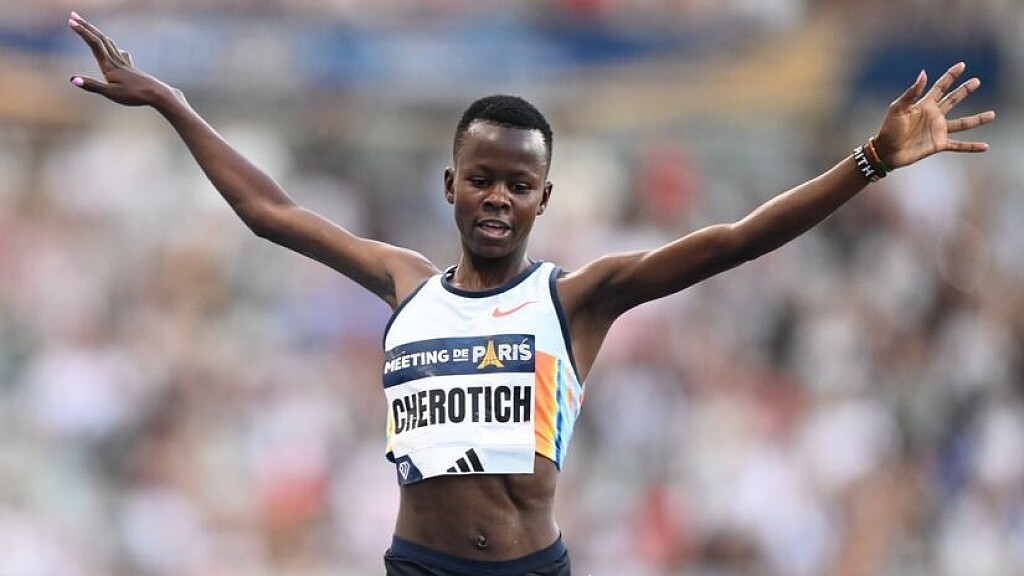
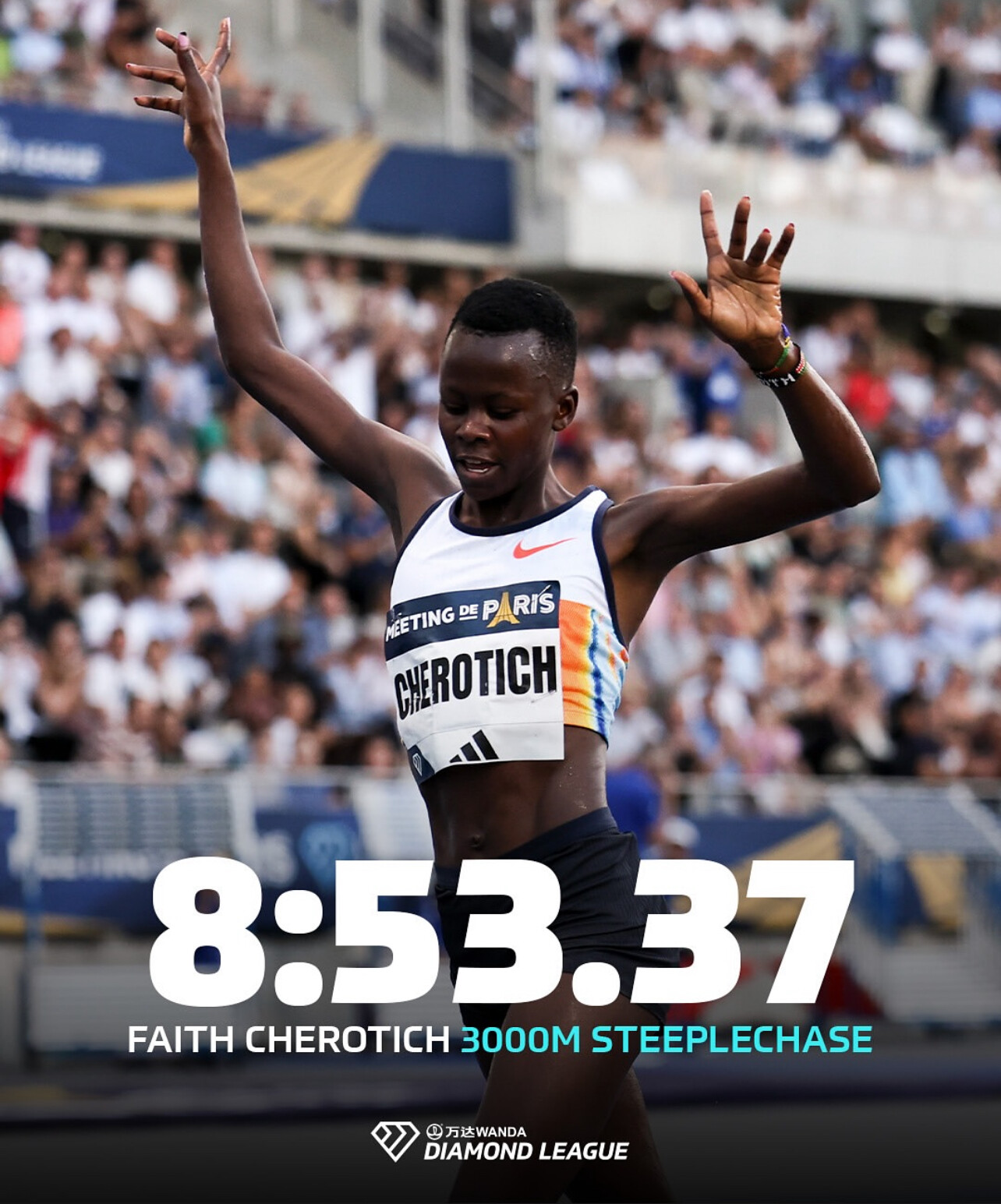
Faith Cherotich’s 8:53 Breakthrough: 6th-Fastest Steeplechase Ever—Now She’s Targeting Gold in Tokyo
Faith Cherotich is rewriting the women’s 3000m steeplechase narrative. The 20-year-old Olympic and World bronze medalist exploded onto the senior stage this year, slashing over 11 seconds off her personal best and firmly establishing herself among the all-time greats. With the World Championships set for Tokyo in 2025, she’s made it clear—she’s not done yet.
Olympic Roots, Meteoric Rise
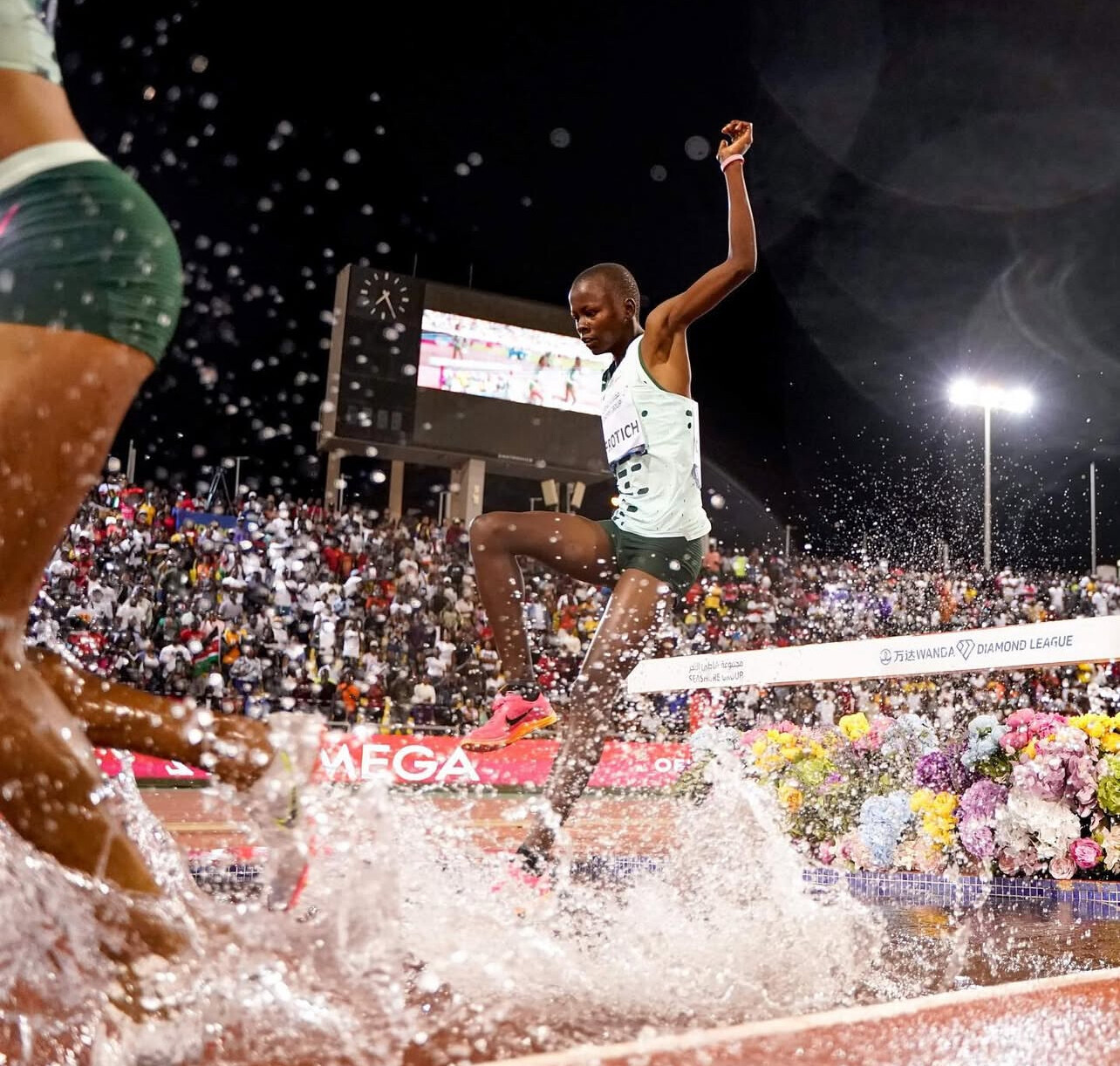
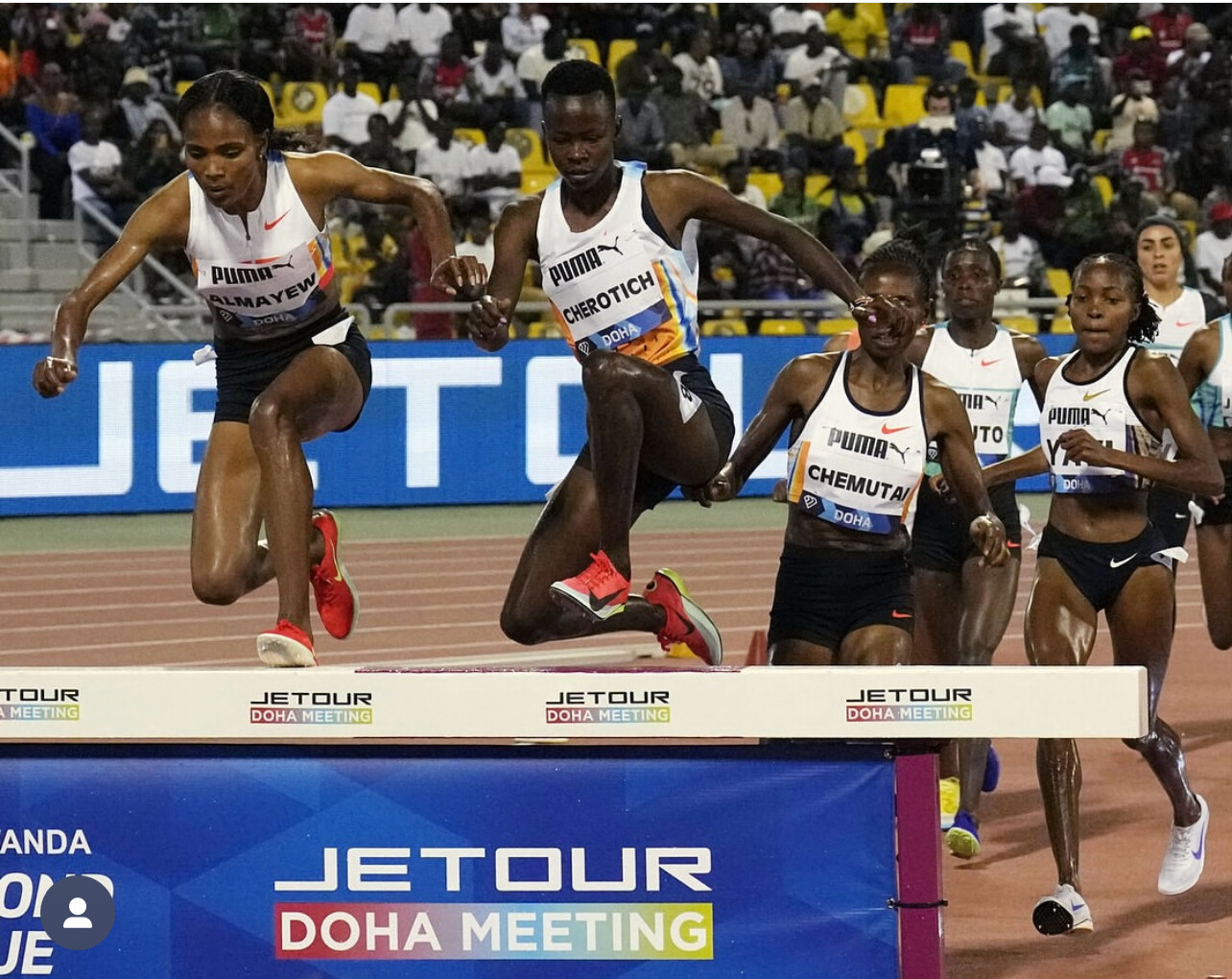
Cherotich made her Olympic debut in Paris 2024, earning bronze in 9:04.24 behind Winfred Yavi and Peruth Chemutai. Just a year later, she’s running nearly 11 seconds faster.
At the 2023 World Championships in Budapest, she finished second in 9:00.69, already hinting at her vast potential. But 2025 has been a different level altogether.
Diamond League Domination
Cherotich’s progression this season has been remarkable:
• Doha Diamond League – 9:05.08
• Oslo Diamond League – 9:02.60 (meet record)
• Paris Diamond League – a stunning 8:53.37, now the world lead for 2025 and the 6th-fastest time in history
In Paris, she confidently shadowed 2020 Olympic champion Peruth Chemutai before surging ahead for the win.
“I am happy to have run a PB,” Cherotich said after the race. “It was not an easy race… after a few laps I got confident enough to take the lead and knew I could manage the race and win.”
All-Time Rankings & World Record Watch
• Fastest time ever: 8:44.32 — Beatrice Chepkoech (2018)
• Second-fastest: 8:44.39 — Winfred Yavi (Rome, 2024)
• Cherotich: Now #6 all-time with 8:53.37
Her consistency, combined with tactical growth, has vaulted her into serious world title contention
Focused on Tokyo 2025
With the World Championships returning to Tokyo, Cherotich is more motivated than ever:
“My target this season is to win the world title… I want to run good races… I am going to fight and do all my best to achieve my goal… It will be a different result this time in Tokyo.”
She currently leads the Diamond League standings by 10 points over rival Yavi and has shown she can beat any competitor on the day.
✅ Performance Summary
|
Meet |
Time |
Result |
|
Paris DL |
8:53.37 |
1st – PB, WL |
|
Oslo DL |
9:02.60 |
1st – MR |
|
Doha DL |
9:05.08 |
1st |
|
Budapest Worlds (2023) |
9:00.69 |
2nd – Silver |
|
Paris Olympics (2024) |
9:04.24 |
3rd – Bronze |
Cherotich isn’t just winning races—she’s chasing history. With the world title in her sights and her confidence growing with every lap, all roads now lead to Tokyo.
by Boris Baron
Login to leave a comment
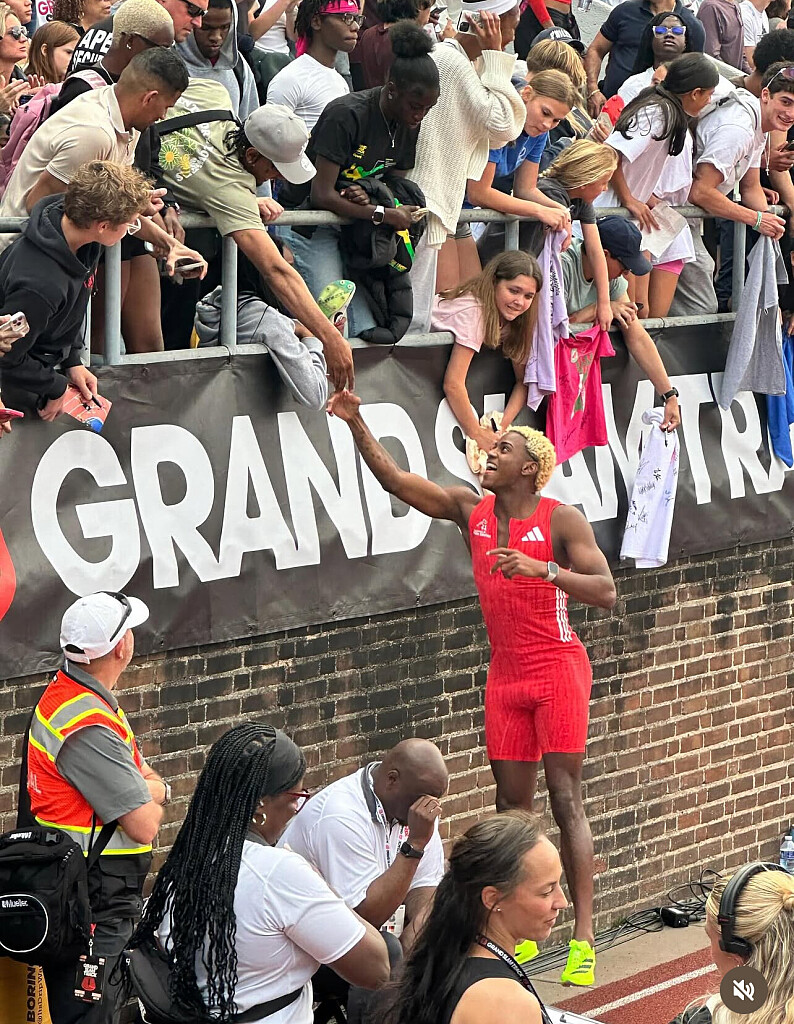
Grand Slam Track Stumbles After Strong Start, Leaving Top Athletes Asking: Where’s the Money?
When Olympic legend Michael Johnson launched Grand Slam Track (GST), the vision was bold: reinvent the sport with an athlete-first approach, big prize purses, and a reimagined global format. With a $30 million launch budget and promises to reward performance like never before, GST quickly gained traction. But after the abrupt cancellation of its final event in Los Angeles, questions are swirling—and athletes are asking where their promised money is.
The LA meet, originally scheduled for June 28–29, was expected to close out GST’s four-meet pilot season. Instead, the cancellation reportedly saved the organization upwards of $3 million, and left some top athletes publicly wondering when—or if—they’ll get paid.
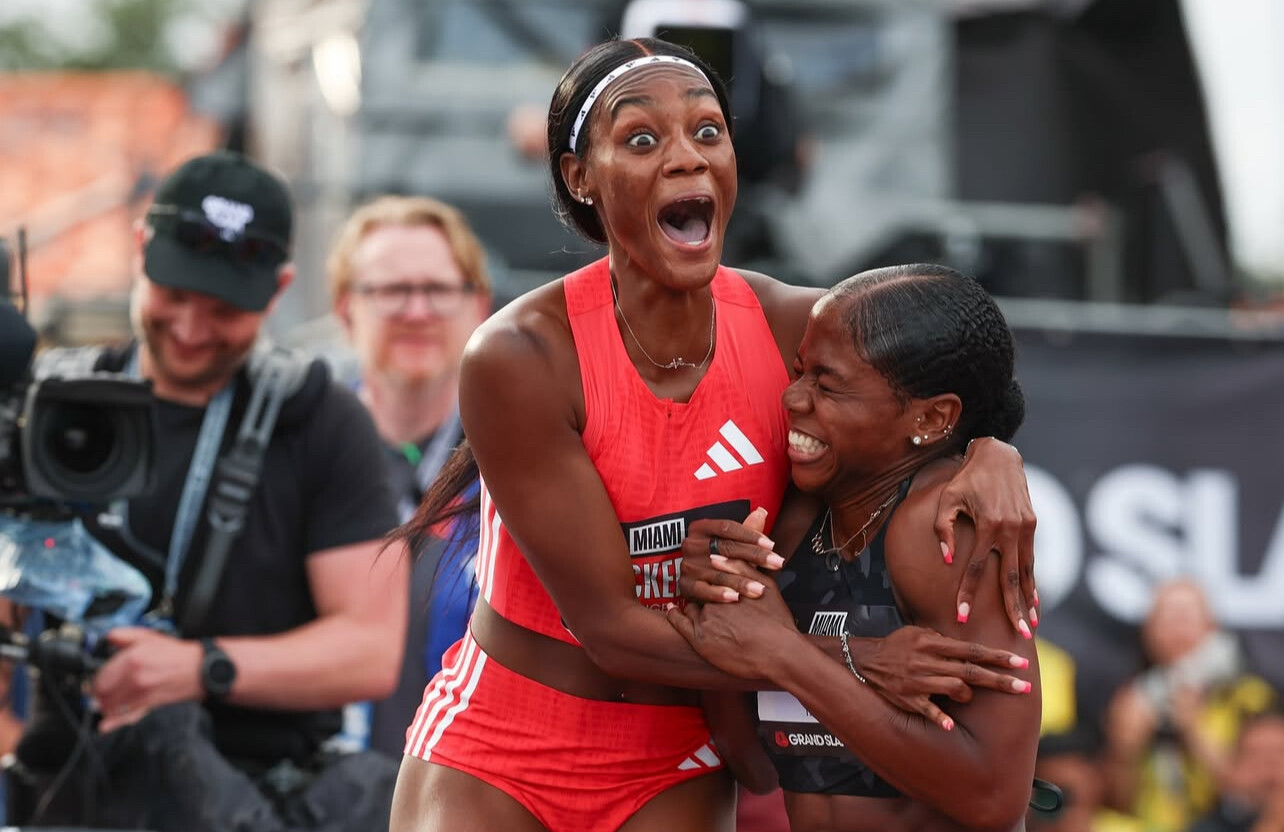
Brazil’s Alison dos Santos, the 2022 world champion in the 400m hurdles, told Norwegian outlet NRKthat he is still waiting on his $250,000 prize check. He said the cancellation came as a surprise but remains hopeful that the money will arrive later this year.
Others were more skeptical. Emmanuel Wanyonyi, Kenya’s Olympic 800m champion and winner of the short-distance event at GST Kingston, admitted after his victory at the Bislett Games that he hadn’t been paid either. “It might come. Why shouldn’t it come?” he said. “They have to pay us. I’ll be patient and wait.”
American distance phenom Nico Young, who won the 3,000m at the Philadelphia Slam and followed that performance with a U.S. record in the 5,000m (12:45.27) in Oslo, offered a more cautious response: “I don’t know if I’m supposed to say anything about it. We’re working on it.”
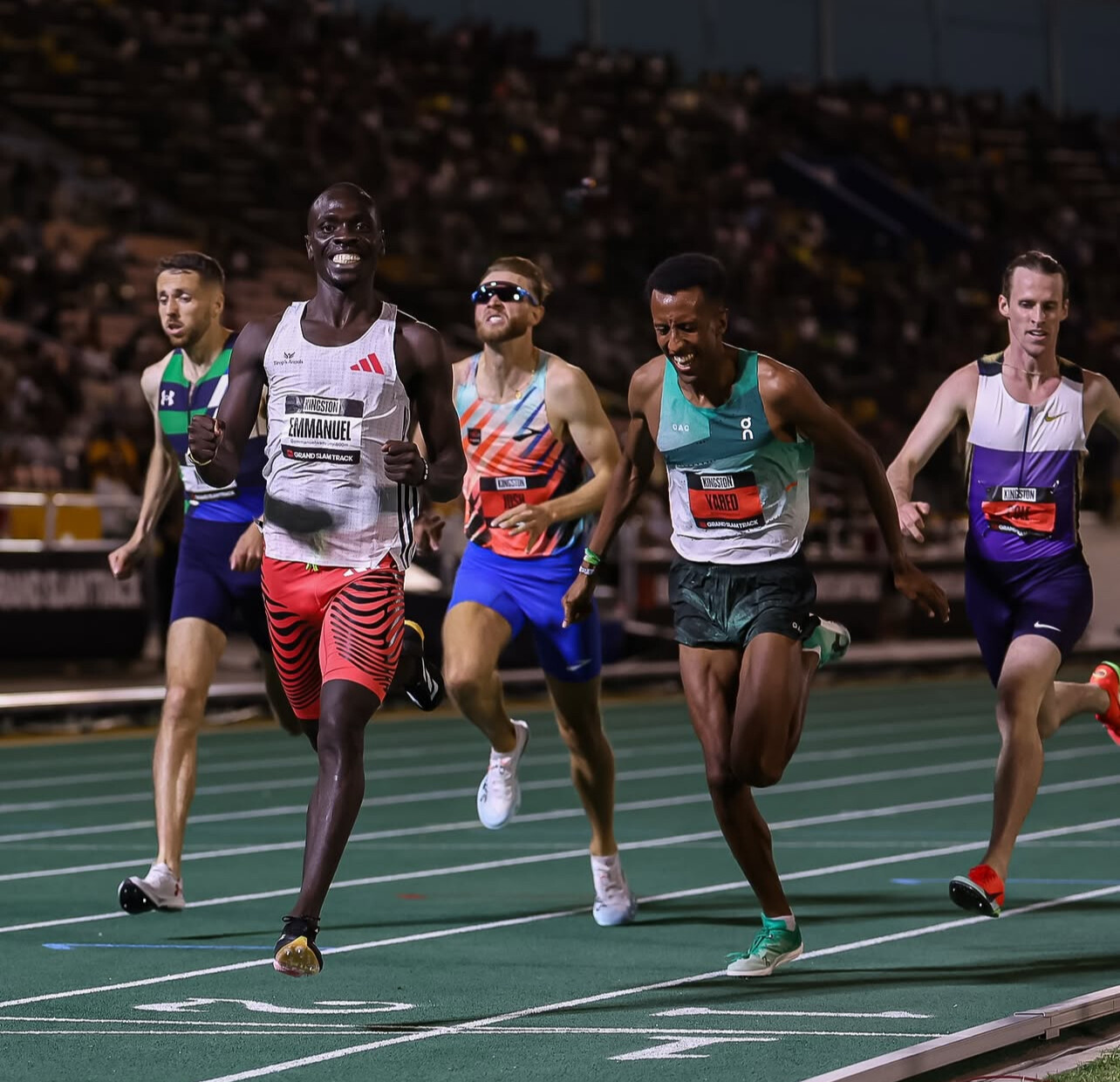
Even those with positive experiences are waiting. Charles Philibert-Thiboutot, a two-time Olympian for Canada, praised GST after competing in Kingston. “Grand Slam Track was one of the best experiences I’ve had as a pro,” he told Canadian Running. “I’m sad to see it struggle, because I do think that’s the way athletes should be treated at the highest level.” Still, he acknowledged he hasn’t been paid yet—but was told the money is on the way.
An agent representing multiple GST athletes confirmed that only half of the prize money from Kingston has been paid, and that winners from Miami and Philadelphia are still waiting. Delays in payout aren’t uncommon in professional track, with 6–12 week lags the norm—but with Kingston now 11 weeks in the rearview, patience is thinning.
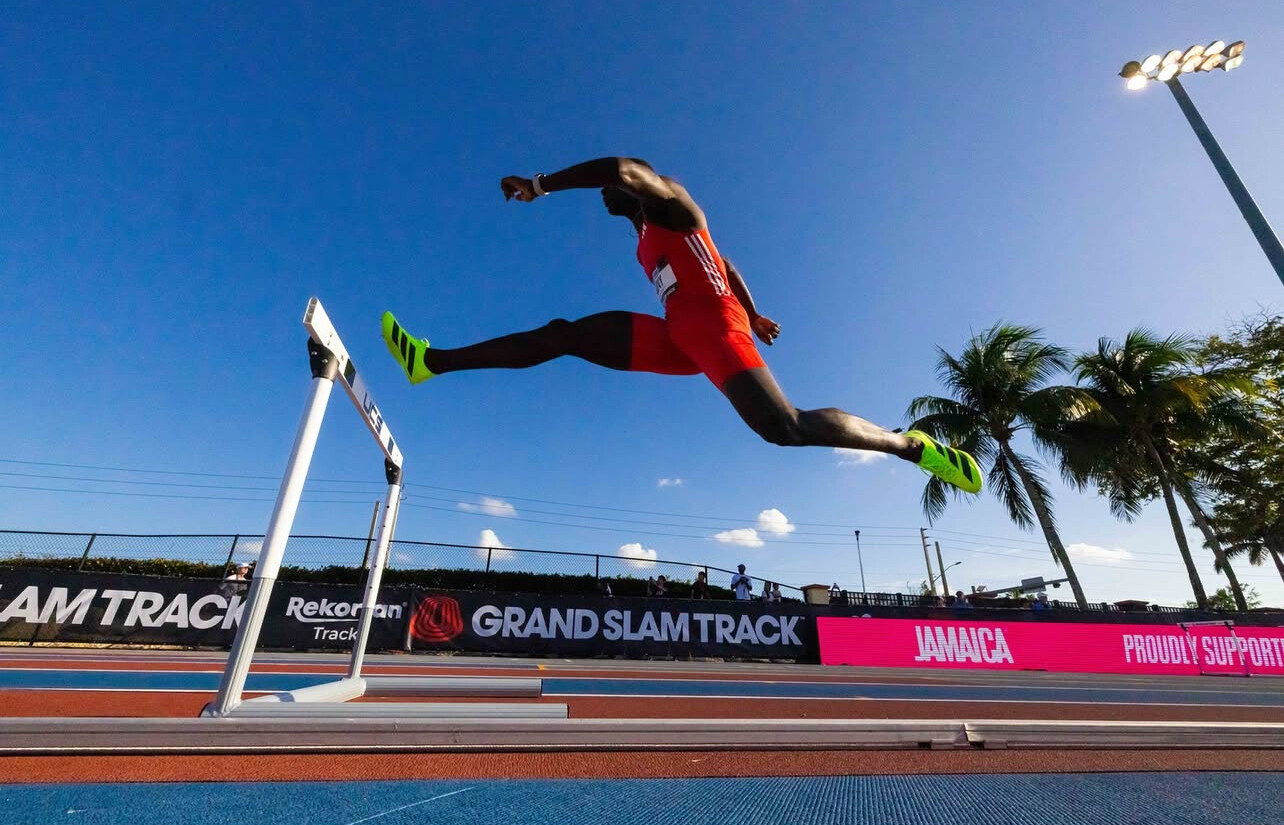
GST was originally backed by a $30 million budget, with $12.6 million earmarked for prize money—$3.15 million per event. The league also supported athlete contracts and high-end production values across its three completed events in Kingston, Miami, and Philadelphia.
In an email to NRK, GST spokesperson Callum Squires cited poor financial conditions at the LA venue as the reason for the cancellation. “The success of our three previous events has led us to make the difficult choice to end the pilot season and set our sights on 2026,” he wrote. “We will announce investors and new partnerships next week.”
Whether Grand Slam Track can recover and return stronger in 2026 may hinge on what happens next—and especially whether the league delivers on its most essential promise: paying the athletes who brought their best to the track.
by Boris Baron
Login to leave a comment

LA Grand Slam Track Meet Canceled, Casting Uncertainty Over Series Finale
The highly anticipated LA Grand Slam Track meet, scheduled for June 28–29 at UCLA’s Drake Stadium, has officially been canceled, marking an abrupt and disappointing end to the inaugural season of Michael Johnson’s ambitious new professional track league.
The cancellation, confirmed via athlete emails and an internal league meeting held shortly after the Oslo Diamond League, follows a string of logistical and financial setbacks that have shadowed the 2025 Grand Slam Track series.
Why Was the LA Meet Canceled?
Multiple factors contributed to the league’s decision to call off its final stop:
• Venue costs: UCLA’s Drake Stadium lease proved to be prohibitively expensive, and cost-benefit analysis showed the meet could not be held sustainably under current terms.
• Market saturation: The earlier cancellation of the LA Grand Prix by USA Track & Field, citing overlap with Grand Slam Track, signaled underlying concerns about the local track market.
• Attendance and revenue: Despite high-profile athletes and large prize purses, audience turnout and ticket sales in previous meets (notably Kingston and Miami) fell short of expectations.
• Operational strain: The Philadelphia Slam was also shortened from three days to two, reflecting broader constraints in the league’s first year.
Recapping the 2025 Grand Slam Track Series
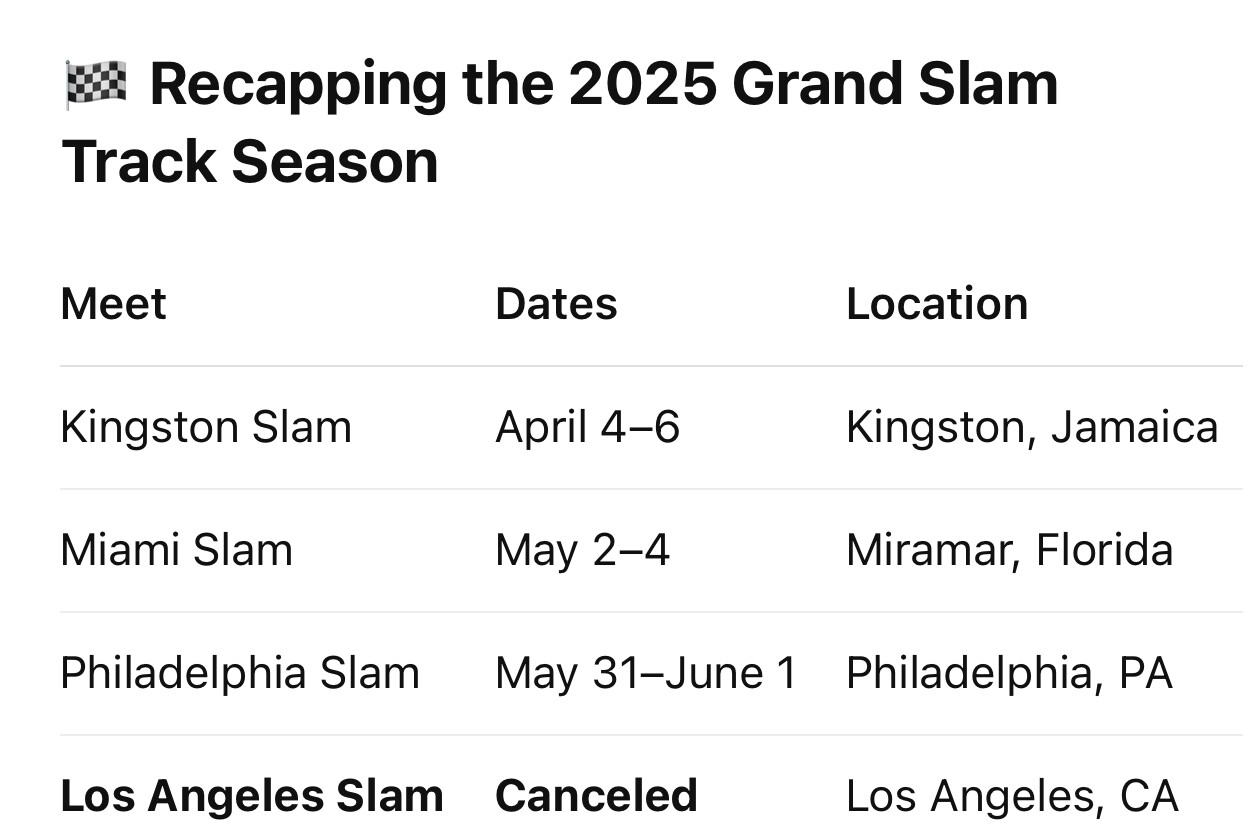
Each meet featured world-class fields and a $100,000 winner’s prize per event—part of a $12.6 million total purse. The series received coverage on Peacock and The CW, and was positioned as a bold alternative to the Diamond League.
What’s Next for Grand Slam Track?
Despite the disappointing end, founder Michael Johnson insists the pilot season met its objectives: proving that a high-stakes, athlete-first, fan-centered pro track league can attract global attention.
The league now shifts its focus to 2026, aiming to:
• Secure new strategic partners and sponsorships
• Optimize venue selection and fan engagement
• Revise its financial model for long-term sustainability
While the LA cancellation raises questions about viability, there is still optimism that Grand Slam Track will return, stronger and more refined, in season two.
The cancellation of the LA meet is a setback—but not a death blow. Grand Slam Track managed to draw eyes, deliver compelling performances, and push the conversation forward in pro track and field. Whether it can evolve into a sustainable, annual series remains to be seen—but the world will be watching.
by Boris Baron
Login to leave a comment
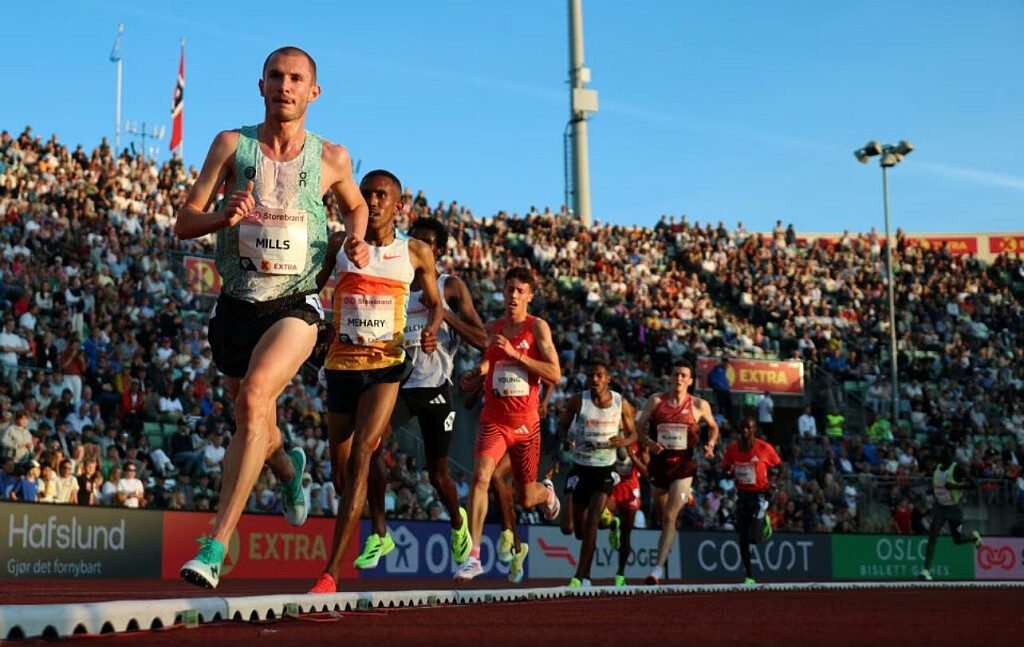
George Mills Smashes British Record with 12:46.59 in Oslo Diamond League 5000m
British distance running has a new star. At the 2025 Oslo Diamond League, George Mills delivered a brilliant performance in the men’s 5000 meters, clocking 12:46.59—a new British national record and one of the fastest times ever run by a European.
The 25-year-old’s performance shattered the previous UK record of 12:57.76 held by Sir Mo Farah and marked Mills’ official arrival on the global stage.
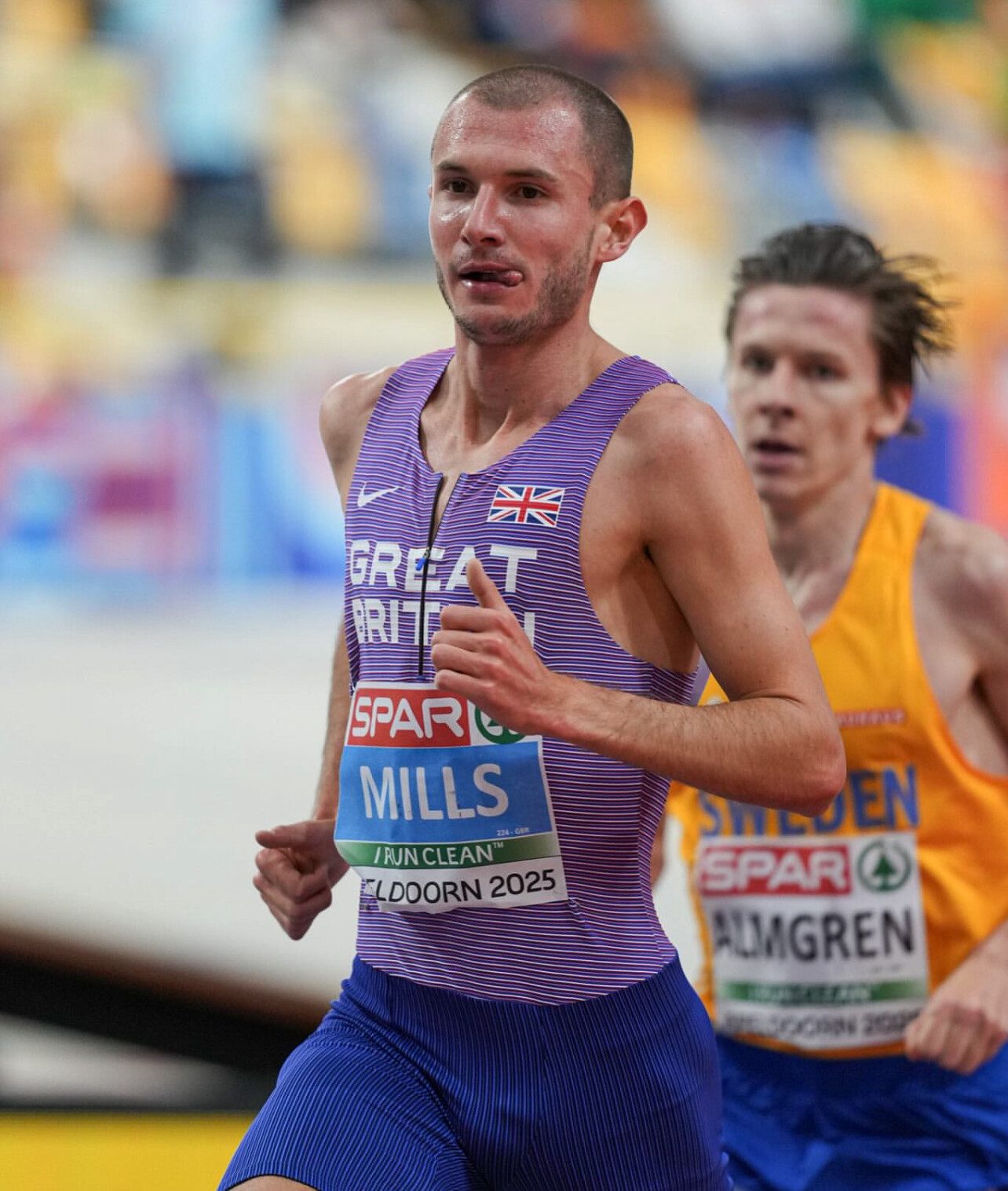
Historic Performance in a Historic Race
Mills’ 12:46.59 came in a race loaded with talent and fireworks. He crossed the line just behind American Nico Young, who won in 12:45.27 to break the American record. It was the deepest 5000m field in Diamond League history, with eight athletes running under 12:51.
Mills stayed composed throughout the early laps, staying close to the pacers and navigating through a crowded lead pack. As the bell rang, he surged into position and kicked hard down the homestretch, finishing just fractions behind Young while securing the #2 spot on the European all-time list—behind only Mohammed Mourhit of Belgium (12:49.71 in 2000).
From 1500m Talent to 5000m Powerhouse
Originally known as a 1500m specialist, Mills has successfully transitioned up in distance. The former European U23 champion and son of Olympic 1500m finalist Danny Mills has long shown promise on the track, but Oslo marks his greatest performance yet.
He now holds a faster 5000m time than British legends like Mo Farah, Dave Moorcroft, and Andy Vernon—and has proven that he belongs on the start line with the very best in the world.
Final Times from Oslo
• Nico Young (USA) – 12:45.27 – American Record
• George Mills (GBR) – 12:46.59 – British Record
• Thierry Ndikumwenayo (Burundi) – 12:47.67 – Personal Best
• Dominic Lobalu (Switzerland) – 12:50.87 – Swiss National Record
What’s Next for George Mills?
With the World Championships on the horizon, Mills is now firmly in the conversation as a potential medalist. His ability to hang with the world’s fastest over 5000 meters—and still close hard—bodes well for tactical championship-style racing.
British distance fans may have found their next global star.
by Boris Baron
Login to leave a comment
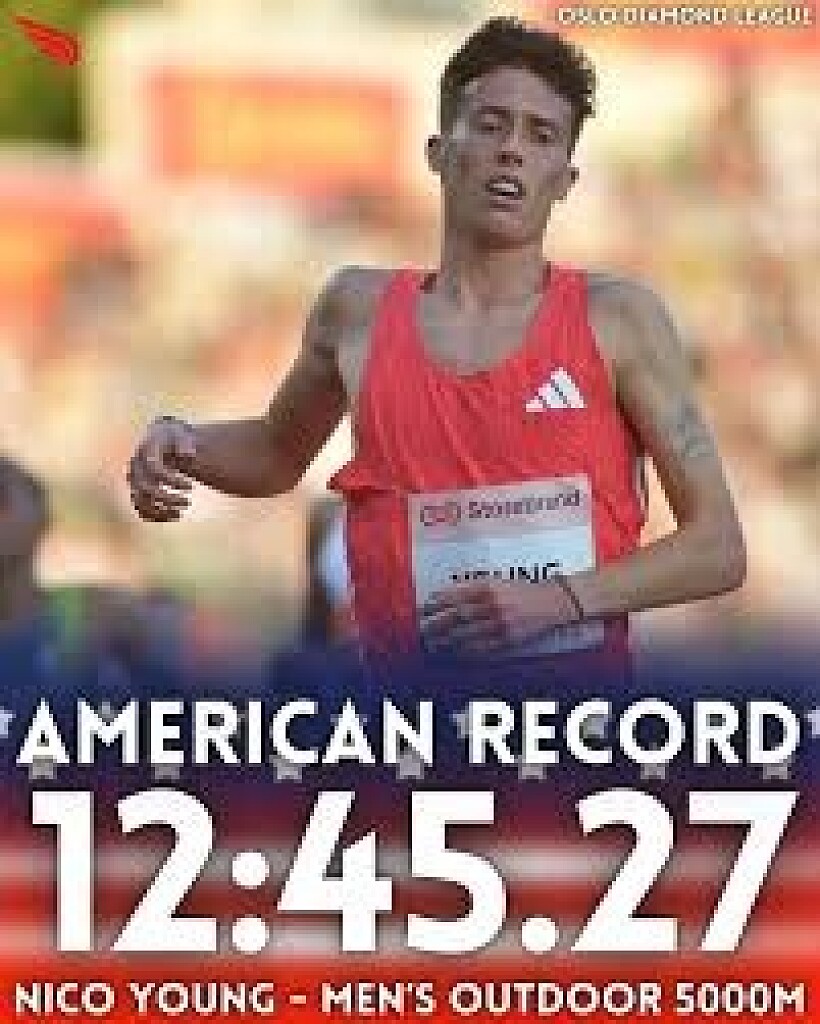
Nico Young Shatters American Record with 12:45.27 in Oslo Diamond League 5000m
In a performance that shook the foundations of U.S. distance running, Nico Young stormed to a stunning 12:45.27 at the Oslo Diamond League on June 12. Not only did he win the race, but he also demolished the American 5000m record, vaulting himself into the top ranks of global distance running.
The 21-year-old’s breakthrough marks the fastest 5000m ever run by an American and the fourth-fastest time in world history outdoors. His average lap was 61.4 seconds—roughly 4:06 per mile or 2:33 per kilometer—executed against one of the deepest fields ever assembled.
Standout Performances with Official Times
• Nico Young (USA) – 12:45.27 – ?? American Record
• George Mills (GBR) – 12:46.59 – ?? British National Record
• Thierry Ndikumwenayo (Burundi) – 12:47.67 – Personal Best
• Dominic Lokinyomo Lobalu (Switzerland) – 12:50.87 – ?? Swiss National Record
This was a race defined by speed, grit, and history-making performances. Eight athletes reportedly broke 12:51—unprecedented in Diamond League competition. National records fell on three continents.
Young’s Path to Greatness
Nico Young’s rise began at Newbury Park High School, where he set high school records and led his team to national titles. At Northern Arizona University, he continued to dominate, becoming a multi-time NCAA All-American before turning pro with Adidas.
Training under coach Mike Smith, Young has honed not just his endurance but also his race instincts—perfectly on display in Oslo as he timed his final surge to perfection against the best in the world.
A New Standard
Young’s 12:45.27 surpasses Grant Fisher’s previous American record of 12:46.96 set in 2022. His time now ranks him behind only three men in history: Joshua Cheptegei, Kenenisa Bekele, and Hagos Gebrhiwet.
With this performance, Nico Young has redefined what’s possible for American distance runners and firmly positioned himself as one of the most exciting young talents in the sport.
by Boris Baron
Login to leave a comment
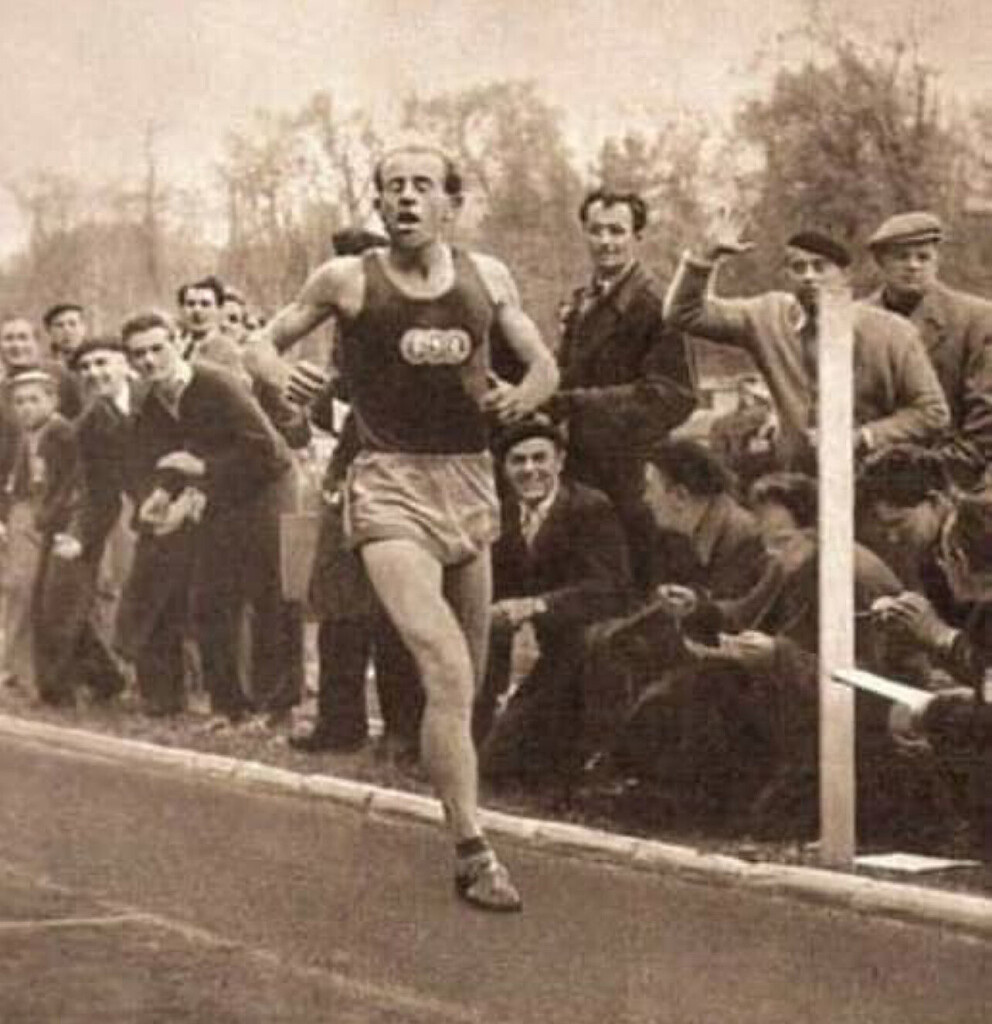
Emil Zátopek Breaks the 29-Minute Barrier for 10,000m — 70 Years Ago
By My Best Runs — with a special thanks to Eric Giacoletto for the inspiration
On June 1, 1954, Emil Zátopek etched his name into history by becoming the first person to run 10,000 meters in under 29 minutes. Clocking 28:54.2 in Brussels, the Czech legend not only set a new world record but also reshaped the future of endurance training.
Zátopek’s previous world records included:
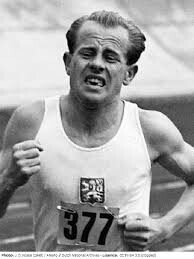
• 29:02.6 in Turku, Finland (August 4, 1950)
• 29:01.6 in Stará Boleslav, Czechoslovakia (November 1, 1953)
His breakthrough in 1954 wasn’t just a time on the clock—it was a philosophical shift. Zátopek popularized high-volume, interval-based training long before lactate thresholds and GPS watches entered the vocabulary. He trained in ways that were radical at the time: running repeated intervals at what we now call the aerobic/anaerobic threshold. Often without proper equipment or ideal conditions, Zátopek’s approach was empirical, relentless, and incredibly effective.
Despite the lack of modern media, Zátopek became one of the most celebrated athletes of his era. His fame grew not through social media or global broadcasts, but through the power of newspapers and word-of-mouth. His grit, work ethic, and unforgettable running style made him a symbol of human potential.
Zátopek’s Olympic Glory
Zátopek’s 1954 world record was just one chapter in a legendary career. At the 1952 Helsinki Olympics, he achieved an unmatched triple gold medal performance:
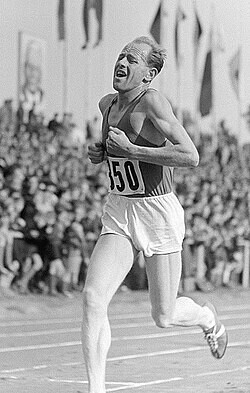
• Gold in the 5,000 meters
• Gold in the 10,000 meters
• Gold in the marathon — a race he had never run before
No one had ever accomplished that feat before, and no one has done it since.
He once said:
“If you want to run, run a mile. If you want to experience a different life, run a marathon.”
This quote continues to inspire runners around the globe. Zátopek didn’t just run races—he ran with purpose, embodying resilience, innovation, and heart.
70 Years Later—A Milestone for Women
Exactly 70 years after Zátopek’s barrier-breaking run, history repeated itself in a remarkable way. On May 25, 2024, Kenya’s Beatrice Chebet became the first woman to run under 29 minutes for 10,000m, recording 28:54.14. Her time? Nearly identical to Zátopek’s—28:54.2 (manual timing).
The symmetry is striking and symbolic. What Zátopek accomplished in 1954 has echoed into the 21st century, reminding us that barriers are made to be broken—again and again.
Login to leave a comment

Jakob Ingebrigtsen Provides Injury Update, Postpones Outdoor Season Start
Jakob Ingebrigtsen, Norway’s Olympic champion and one of the most dominant middle-distance runners in the world, has confirmed that he will delay the start of his 2025 outdoor season due to a recurrence of an Achilles tendon issue.
The 24-year-old experienced discomfort in his Achilles while training at high altitude in Sierra Nevada, Spain—an injury reminiscent of a previous setback that sidelined him during part of the 2023–2024 season. Ingebrigtsen has since returned to Norway to undergo treatment and has transitioned to cross-training activities including aqua jogging and elliptical work to maintain fitness while reducing impact.
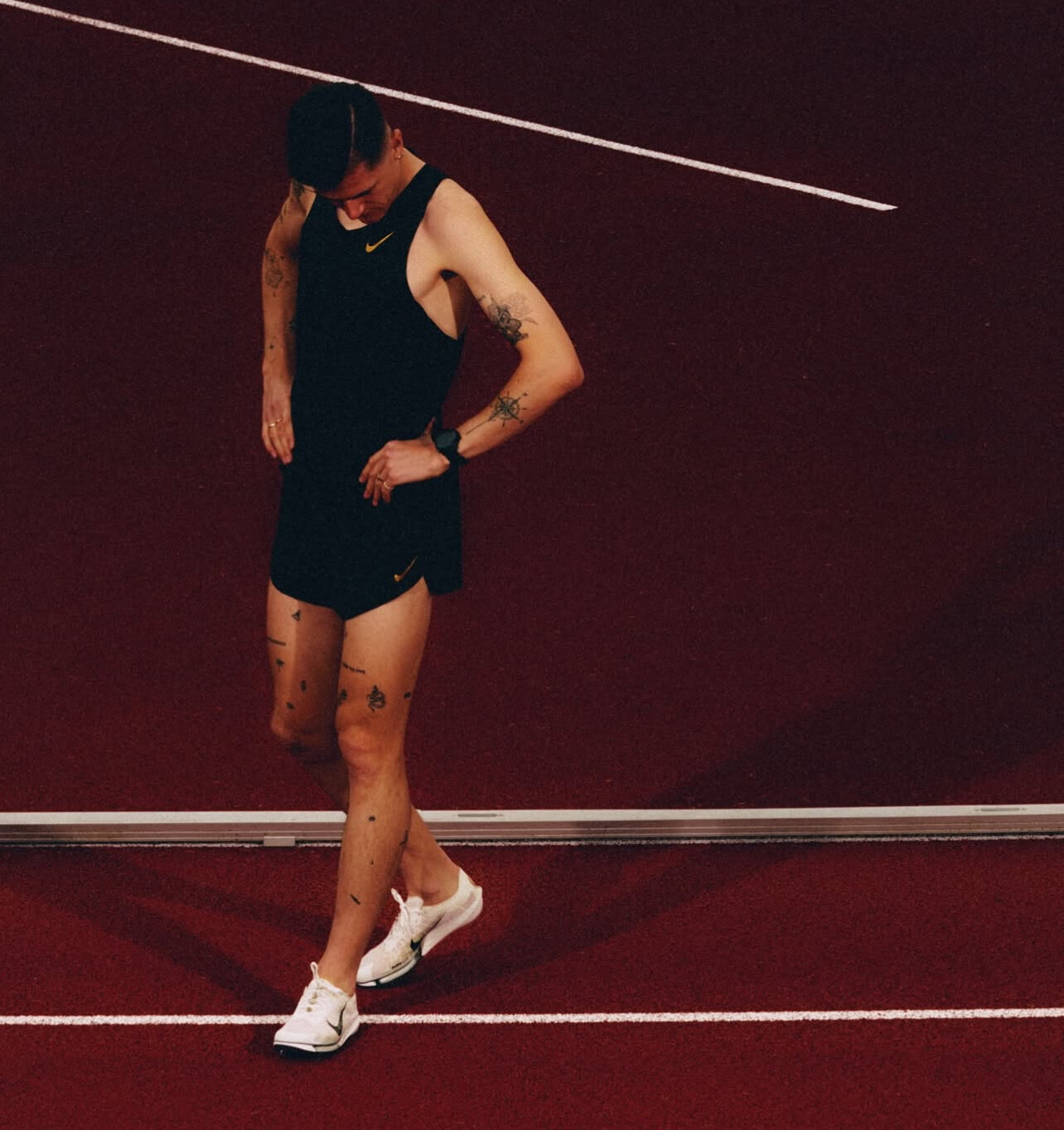
“I’ve been feeling irritation again in my Achilles,” Jakob shared in a video update on his official YouTube channel. “It’s frustrating, but I’ve learned from past mistakes. I want to give myself the best chance to recover fully and be ready for the biggest challenges later this season.”

As a result, Ingebrigtsen is expected to miss the Bislett Games in Oslo, scheduled for June 12, and his participation in the London Diamond League in July remains uncertain. However, he remains focused on regaining top form in time for the World Championships in Tokyo later this year.
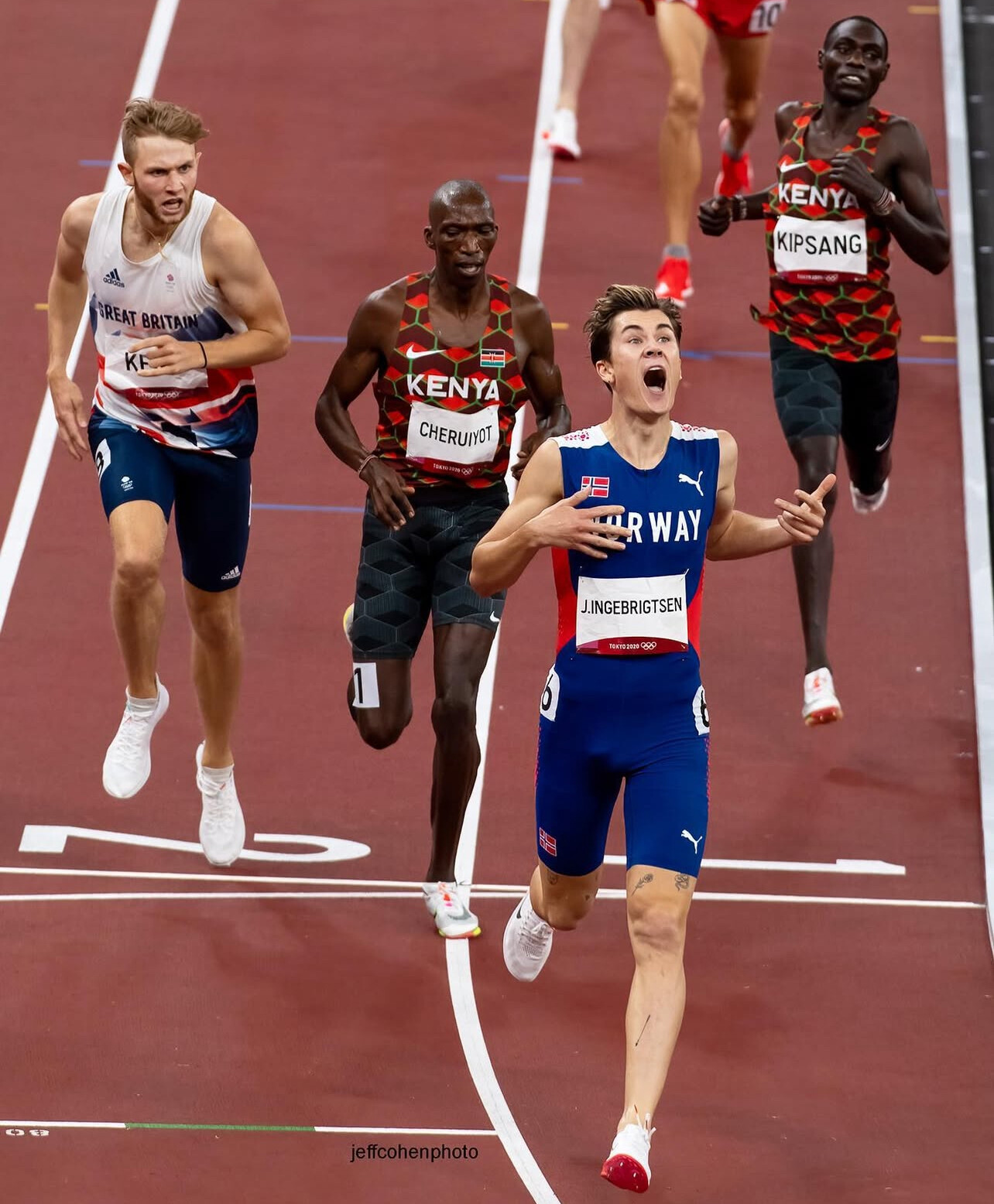
Despite this recent setback, Ingebrigtsen had an extraordinary indoor season earlier in 2025. He shattered two world records—running 3:45.14 in the indoor mile and 3:29.63 in the 1500m—both at the Meeting Hauts-de-France Pas-de-Calais in Liévin. He also claimed gold in both the 1500m and 3000m at the European Athletics Indoor Championships in Apeldoorn and the World Indoor Championships in Nanjing.
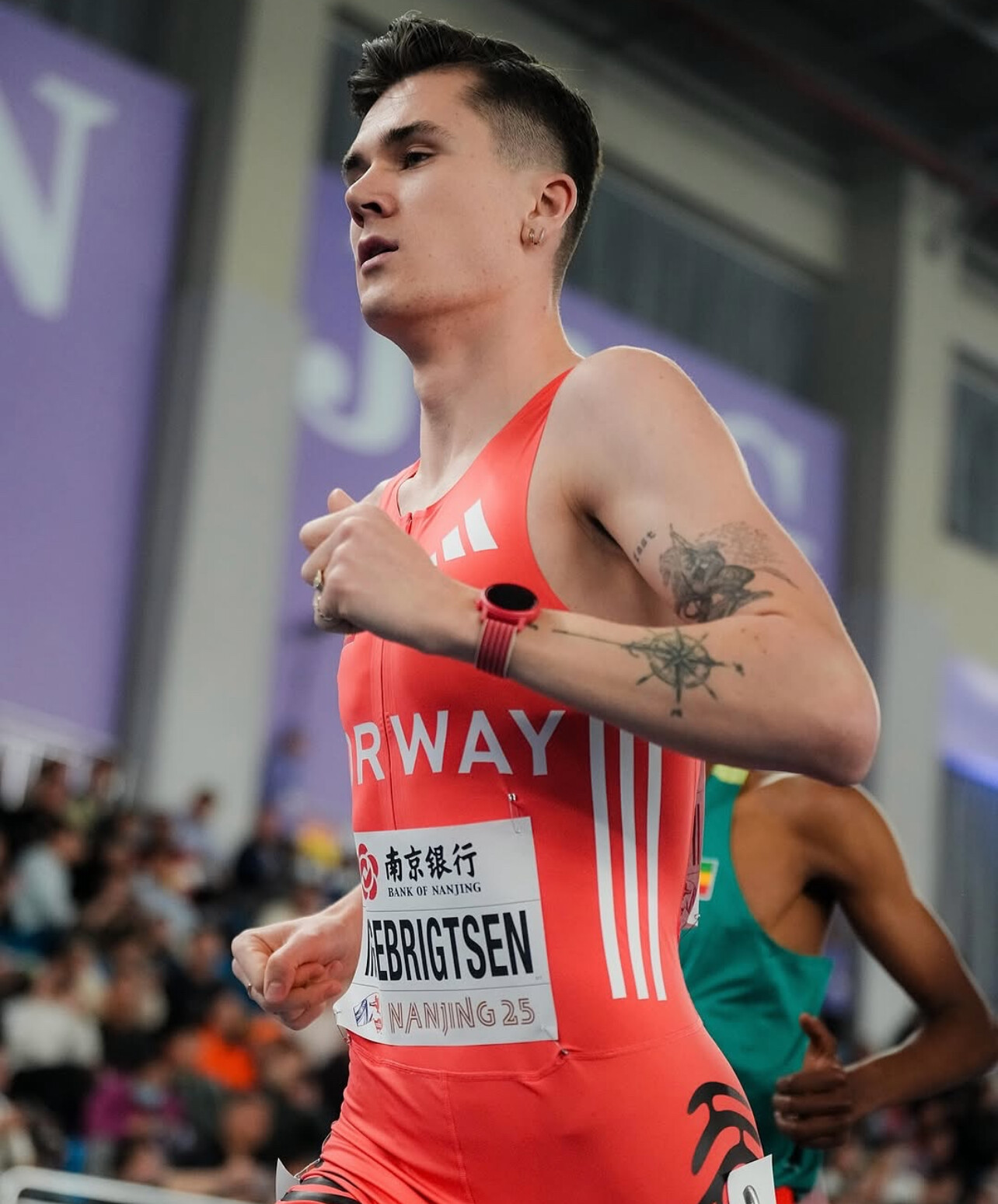
Jakob’s cautious approach underscores his long-term focus. “I’m not rushing this. I know what I’m capable of when I’m healthy,” he added. “The goal is to compete at my best when it matters most.”

by Boris Baron
Login to leave a comment
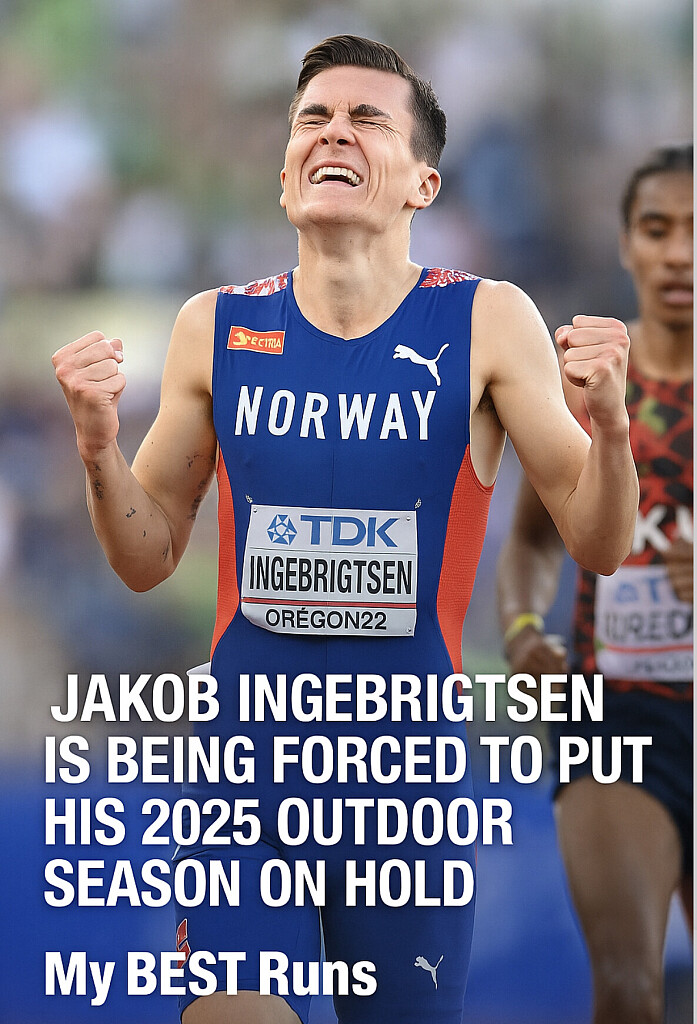
Achilles Injury Forces Ingebrigtsen to Delay Season Start
Fresh off one of the most dominant years of his career, Norwegian middle-distance star Jakob Ingebrigtsen has hit an unexpected roadblock. The reigning Olympic champion and recent world record holder has postponed the start of his 2025 outdoor season due to a minor Achilles tendon injury.
According to Norwegian media, Ingebrigtsen experienced a slight strain during training and has since delayed a scheduled altitude camp. The injury has forced him to withdraw from the upcoming Bislett Games, his highly anticipated home Diamond League meet in Oslo.
“Jakob felt some discomfort in his Achilles, and we’re taking every precaution,” his spokesperson Espen Skoland told Norwegian broadcaster NRK. “It’s not serious, but it’s enough to warrant rest and adjustment.”
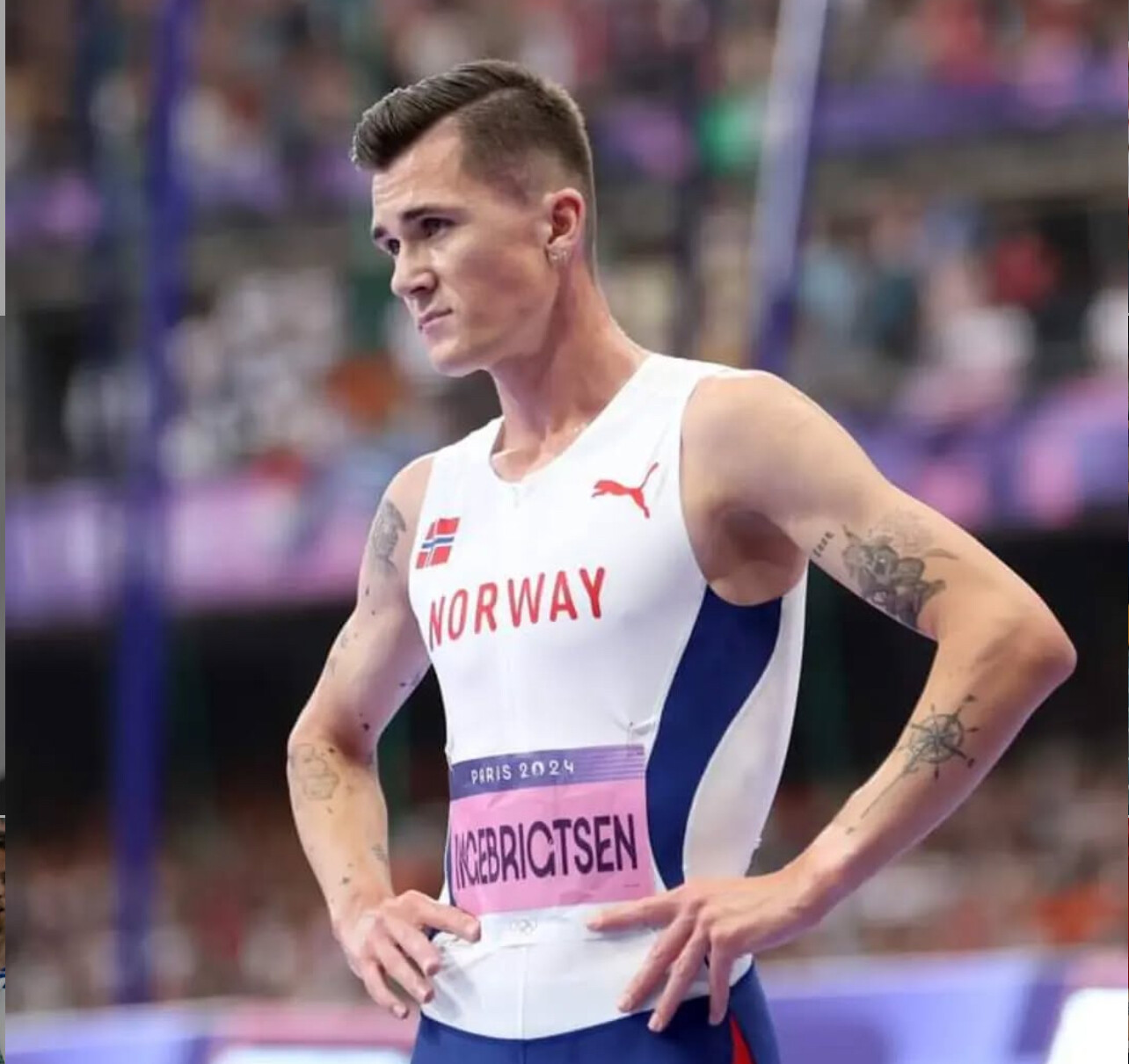
The news comes as a surprise to fans after Ingebrigtsen’s stellar 2024 season, which included Olympic gold in the 5000m, a European record in the 1500m, and a series of record-breaking performances that reaffirmed his place as one of the most dominant forces in middle-distance running.
Known for his fierce racing schedule and unmatched consistency, Ingebrigtsen has rarely been sidelined. While the injury is not expected to derail his entire season, it’s a rare pause for the Norwegian powerhouse who seemed poised to continue his momentum into 2025.
As he recovers, fans and competitors alike will be watching closely to see when and where he returns—and whether he can pick up right where he left off.
by Boris Baron
Login to leave a comment
 Big fan. I hope he recovers fully soon but as we know Achilles situations are not good! - Bob Anderson 5/13 6:22 pm |
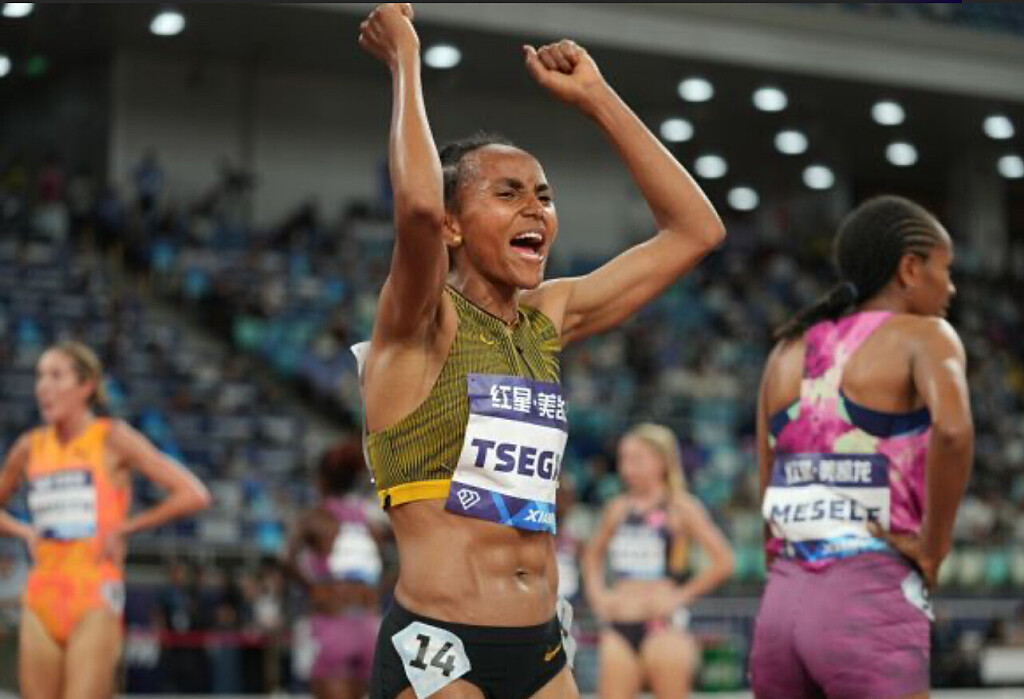
Diamond League 2025 Begins Saturday in Xiamen: Distance Stars Ready to Shine on Global Stage
The 2025 Wanda Diamond League kicks off this Saturday, April 26, in Xiamen, China, launching the most prestigious one-day series in global track and field. With 15 elite meets on the calendar, this year’s circuit serves as both a proving ground and a preview for the World Athletics Championships in Tokyo this September.
While Olympic champion Grant Holloway will headline the sprint hurdles, it’s the middle- and long-distance events in Xiamen that promise some of the most compelling matchups of the weekend.

Chebet vs. Tsegay in the Women’s 5000m
Saturday’s most anticipated race may be the women’s 5000m, featuring a classic Kenya vs. Ethiopia showdown.
Beatrice Chebet, the reigning Olympic champion and world record holder in the 10,000m, opens her Diamond League campaign against Gudaf Tsegay, the reigning 5000m world champion and world record holder. With personal bests of 14:05.92 (Chebet) and 14:00.21 (Tsegay), the two are expected to push each other deep into record territory.
They’ll be challenged by rising Ethiopian talents Freweyni Hailu and Birke Haylom, both capable of delivering world-class performances.
Kipyegon Returns in the 1000m
Also making her season debut is Kenyan superstar Faith Kipyegon, who will race the rarely-run 1000m. The two-time Olympic and world champion is the current world record holder in both the 1500m and the mile.
In Xiamen, she’ll face Jamaica’s Natoya Goule-Toppin and Uganda’s Halimah Nakaayi, both of whom are known for their championship pedigree over 800m. The 1000m offers an ideal distance for Kipyegon to sharpen her speed and stamina heading into the summer.
Men’s 3000m Steeplechase: A Deep Field Emerges
The men’s 3000m steeplechase will feature a stacked lineup, with top athletes from Kenya, Ethiopia, and Morocco vying for early-season dominance. With the event’s tradition of upsets and tactical drama, this race will be one to watch for fans of distance racing.
2025 Wanda Diamond League Schedule
Following Xiamen, the Diamond League tour travels to 14 more cities before the two-day final in Zurich. Here’s the full schedule:
• April 26 – Xiamen, China
• May 3 – Shanghai/Suzhou, China
• May 16 – Doha, Qatar
• May 25 – Rabat, Morocco
• June 6 – Rome, Italy
• June 12 – Oslo, Norway
• June 15 – Stockholm, Sweden
• June 20 – Paris, France
• July 5 – Eugene, USA
• July 11 – Monaco
• July 19 – London, UK
• August 16 – Silesia, Poland
• August 20 – Lausanne, Switzerland
• August 22 – Brussels, Belgium
• August 27–28 – Zurich, Switzerland (Diamond League Final)
The series leads directly into the 2025 World Athletics Championships, set for September 13–21 at Japan National Stadium in Tokyo.
by Boris Baron
Login to leave a comment
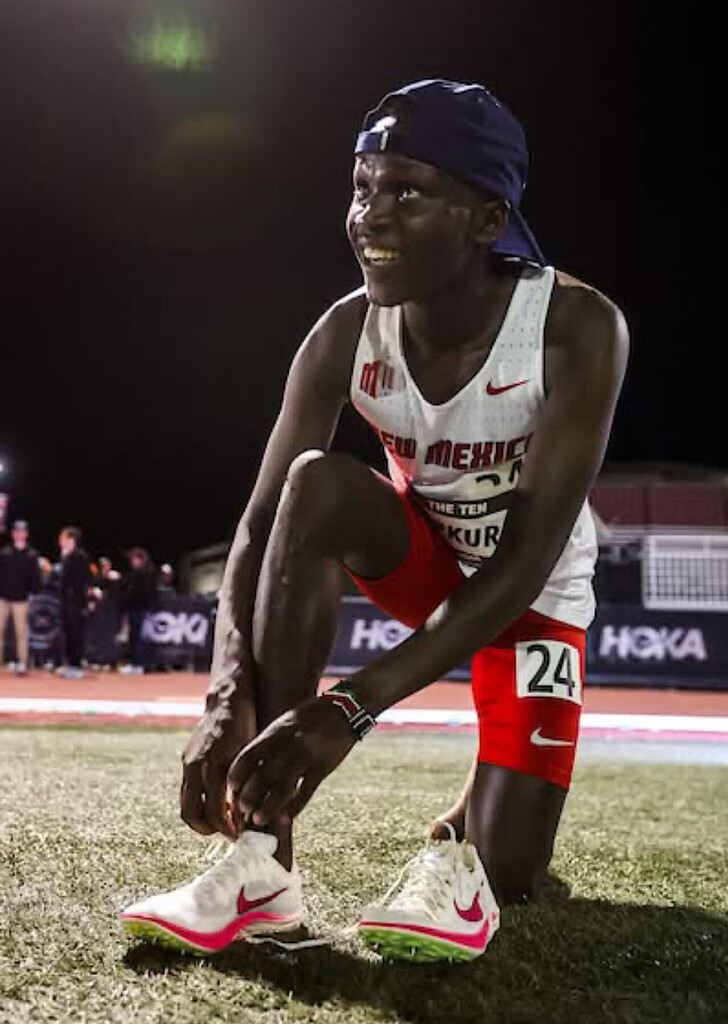
Ishmael Kipkurui: From Kenyan Highlands to NCAA Record-Breaker
Ishmael Rokitto Kipkurui, born on February 10, 2005, in Baringo County, Kenya, has rapidly ascended in the world of long-distance running, culminating in his recent NCAA 10,000-meter record-breaking performance.
Early Life and Passion for Running
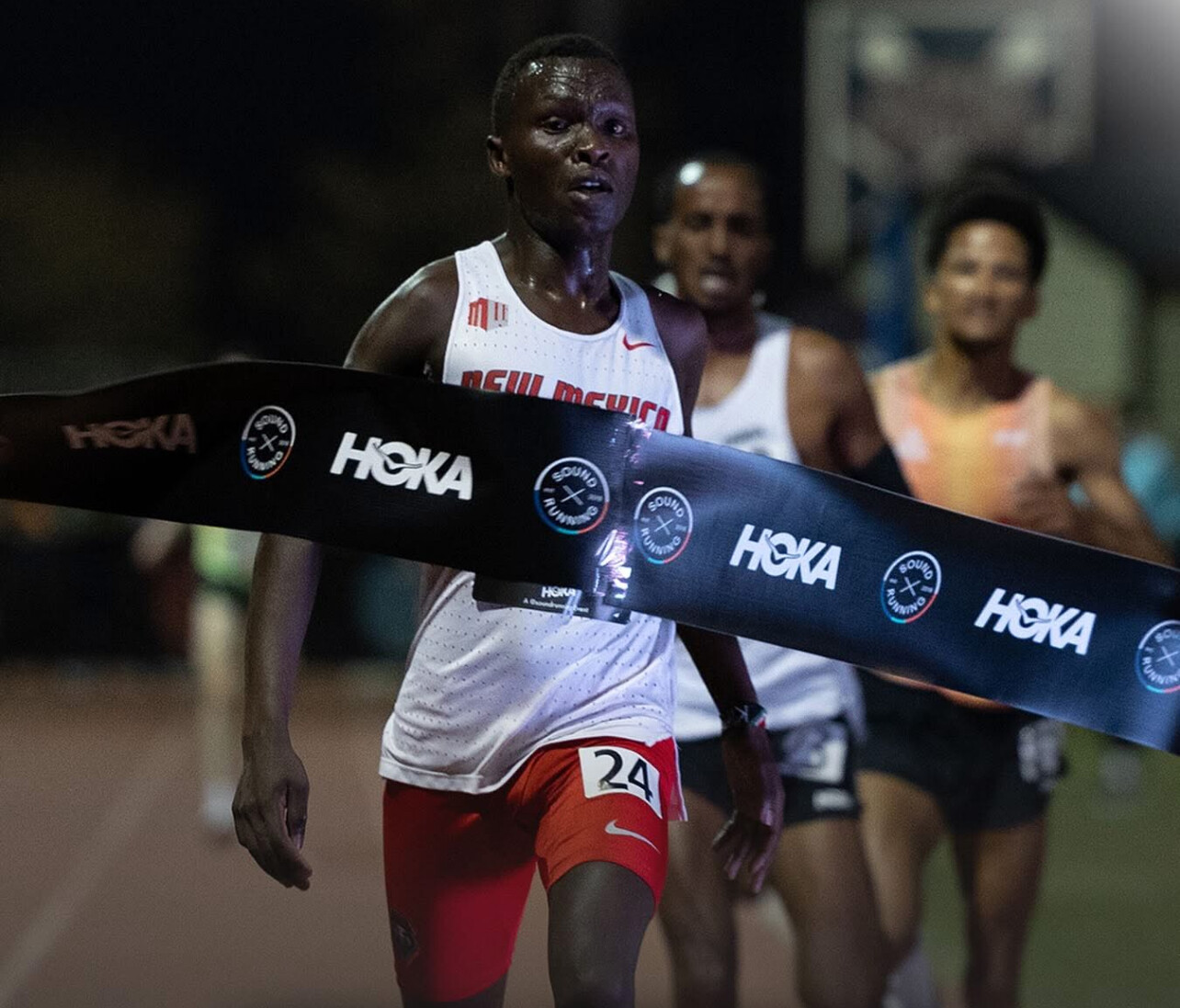
Growing up in Mochongoi near Marigat, Kipkurui was the third of five children. His passion for athletics was evident early on, often training at 4 a.m., illuminating his path with a torch before attending classes at Sinonin Secondary School by 6 a.m. This unwavering dedication allowed him to balance academic responsibilities with rigorous training sessions. Even during training camps, he carried school textbooks to ensure he remained on top of his studies.
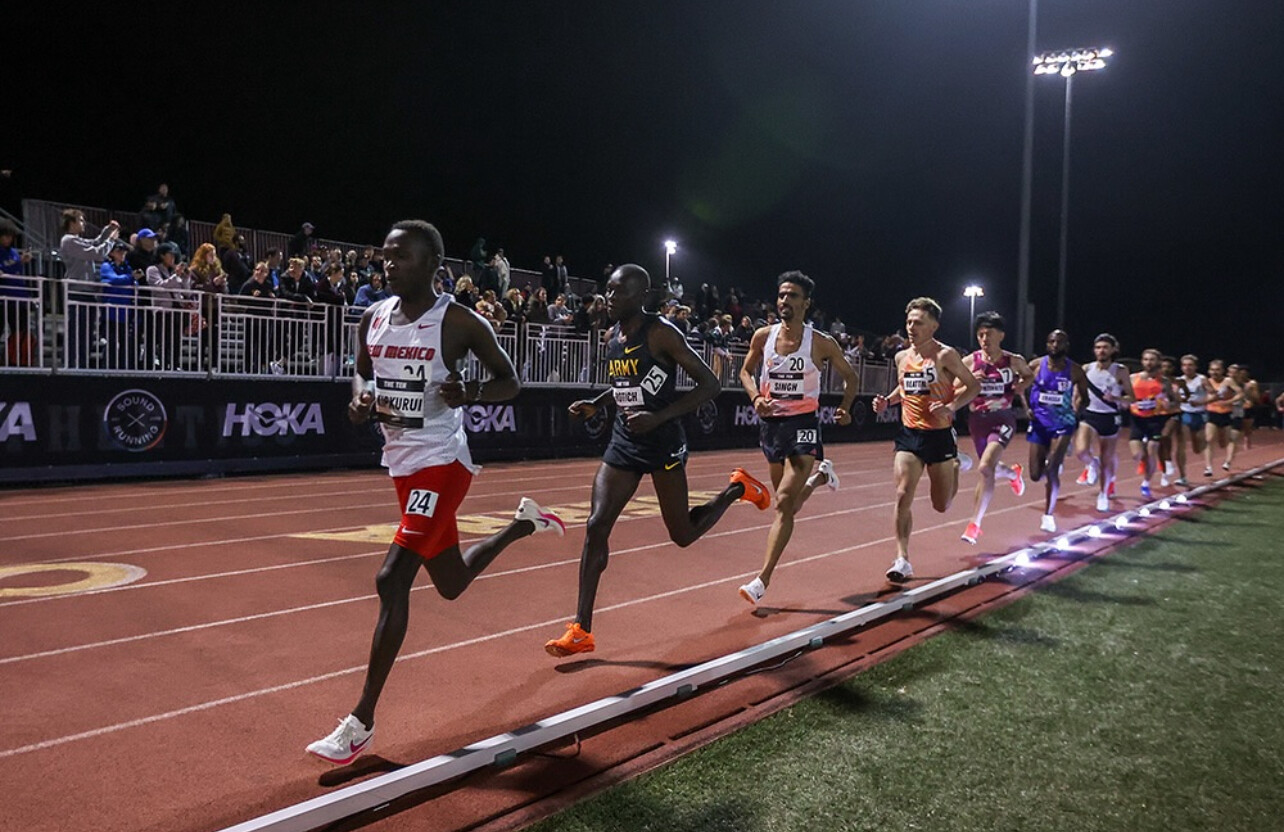
Athletic Development and Training
Under the guidance of coaches Julius Kirwa and Barnaba Kitilit, Kipkurui’s talent flourished. His training regimen, characterized by early morning runs and consistent discipline, laid the foundation for his future successes. In 2023, he clinched the U20 title at the World Cross Country Championships in Bathurst, Australia, finishing the 8-kilometer race in 24:29.
Transition to the United States
Kipkurui’s exceptional performances caught the attention of international scouts, leading to his recruitment by the University of New Mexico (UNM). In December 2024, shortly after graduating from Sinonin Secondary School, he committed to joining the UNM Lobos track and field team. This decision was influenced by UNM’s strong track program and its history of nurturing international talent.
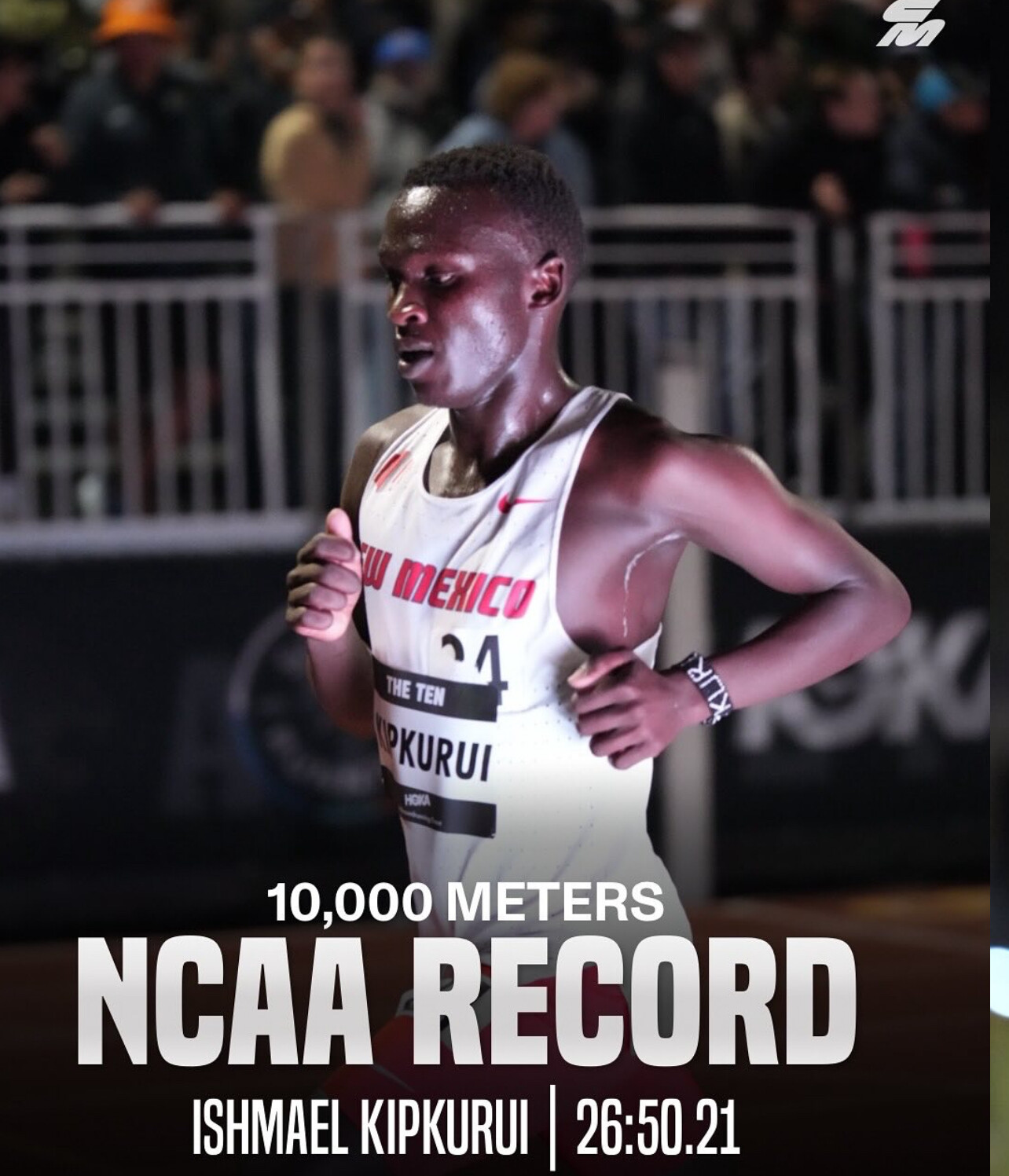
Collegiate Career and Record-Breaking Performance
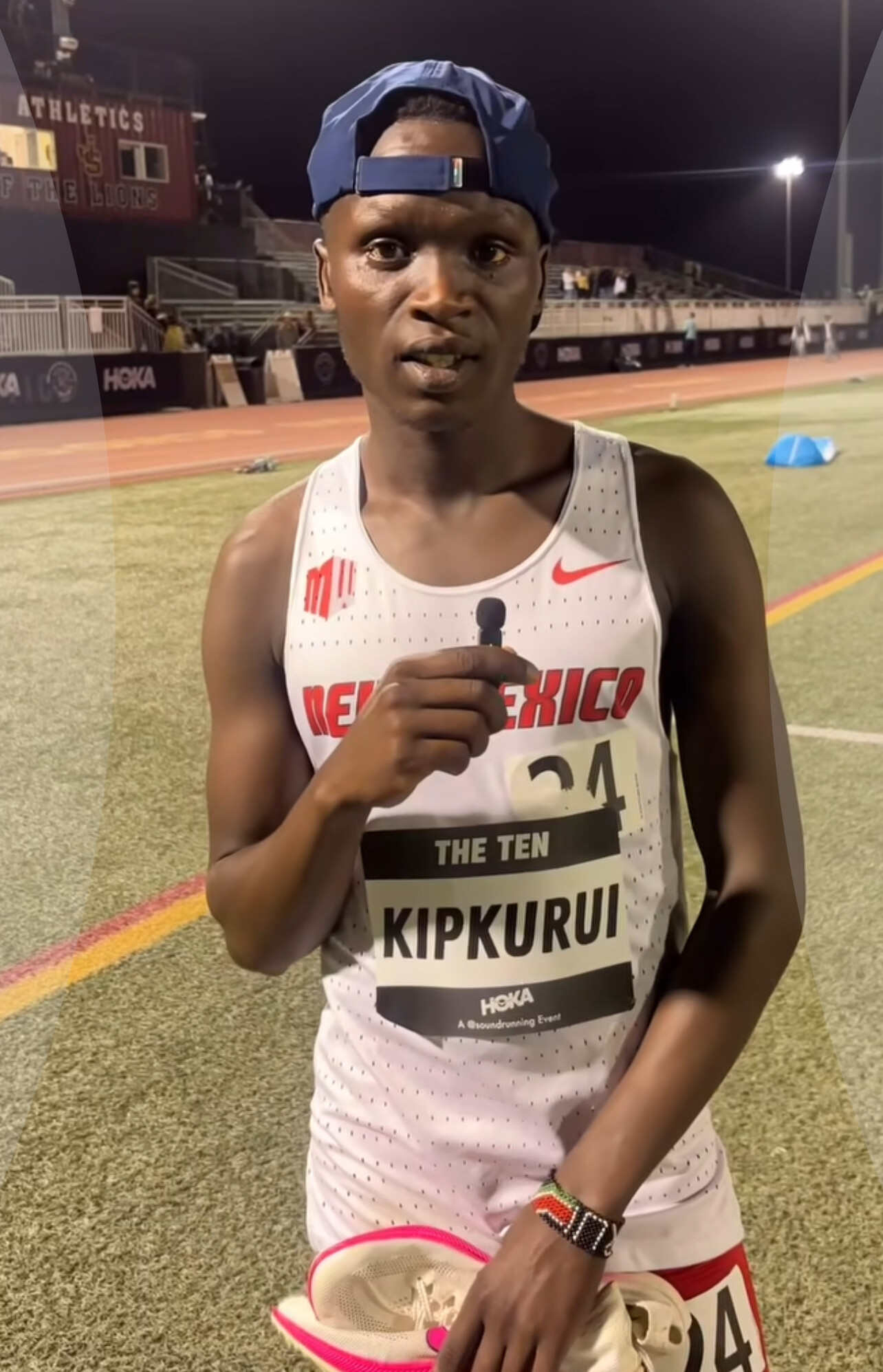
Since enrolling at UNM, Kipkurui has continued to excel. On March 29, 2025, at Sound Running’s The TEN in San Juan Capistrano, California, he set a new NCAA 10,000-meter record with a time of 26:50.21, surpassing the previous record of 26:52.72 set by Nico Young in 2024. His teammate, Habtom Samuel, finished closely behind with a time of 26:51.06.
Personal Bests and Achievements
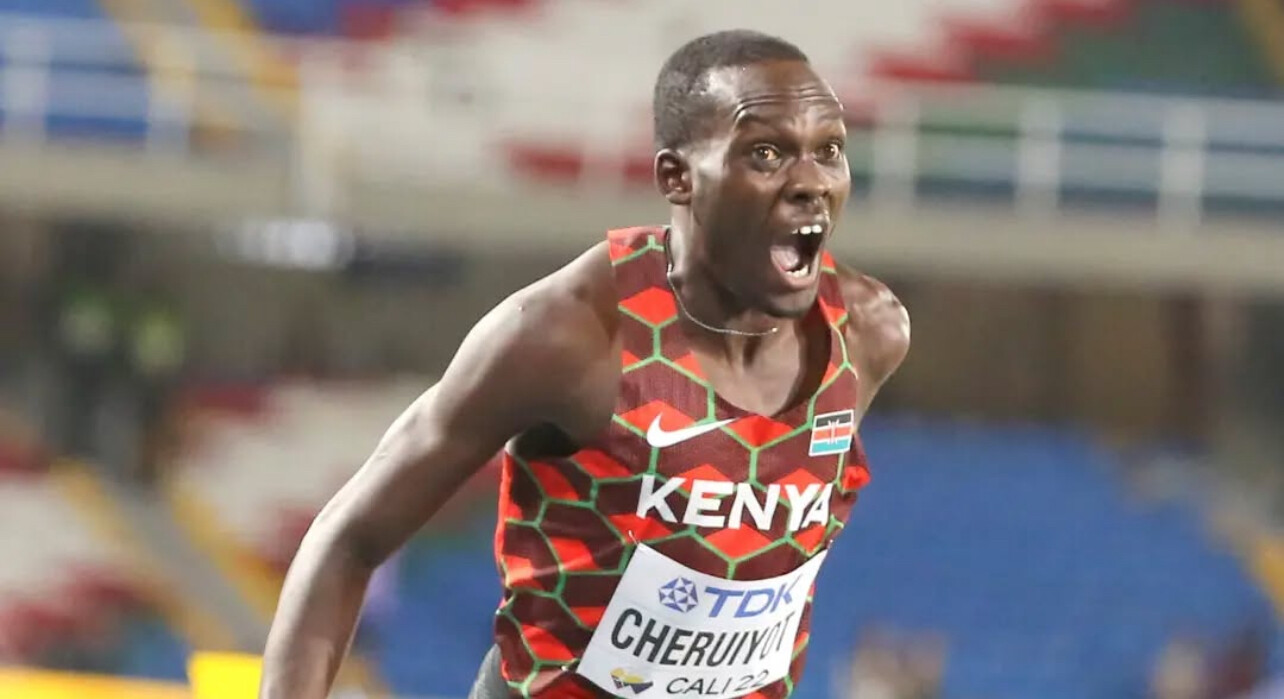
• 3000 meters: 7:38.06 (June 9, 2023, Paris)
• Two miles: 8:09.23 (June 9, 2023, Paris)
• 5000 meters: 13:05.47 (June 15, 2023, Oslo)
• 10,000 meters: 26:50.21 (March 29, 2025, San Juan Capistrano)
On June 9, 2023, at the Meeting de Paris held at Stade Charléty in Paris, France, Ishmael Kipkuruiset personal bests in both the 3000 meters (split) and the two-mile. He clocked 7:38.06 in the 3000 meters and 8:09.23 in the two-mile race. Notably, his two-mile time established a new Kenyan U20 record.
Kipkurui’s journey from the highlands of Kenya to breaking collegiate records in the U.S. exemplifies his dedication and potential in long-distance running. As he continues to develop, the athletics community eagerly anticipates his future accomplishments on the global stage.
by Boris Baron
Login to leave a comment
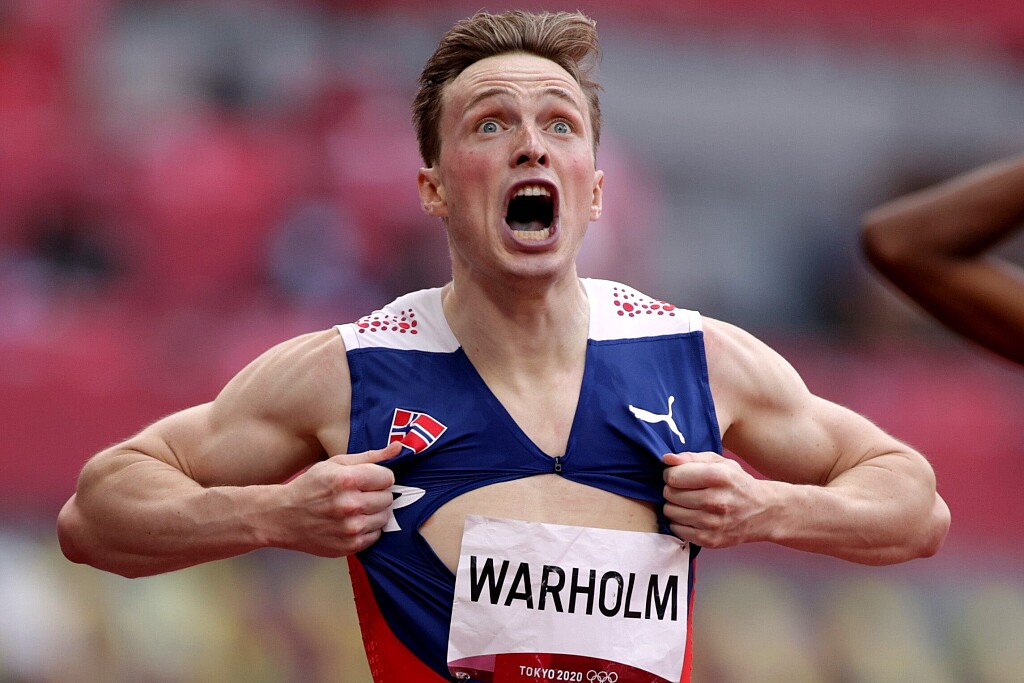
World Athletics Makes 300m Hurdles an Official Event
World Athletics has officially recognized the 300m hurdles as an official event, marking a major shift in the sport’s landscape. While it has long existed as a training and exhibition distance, the 300m hurdles will now count toward world rankings and all official statistical purposes, similar to the 400m hurdles.
In a statement released by World Athletics, the governing body noted:
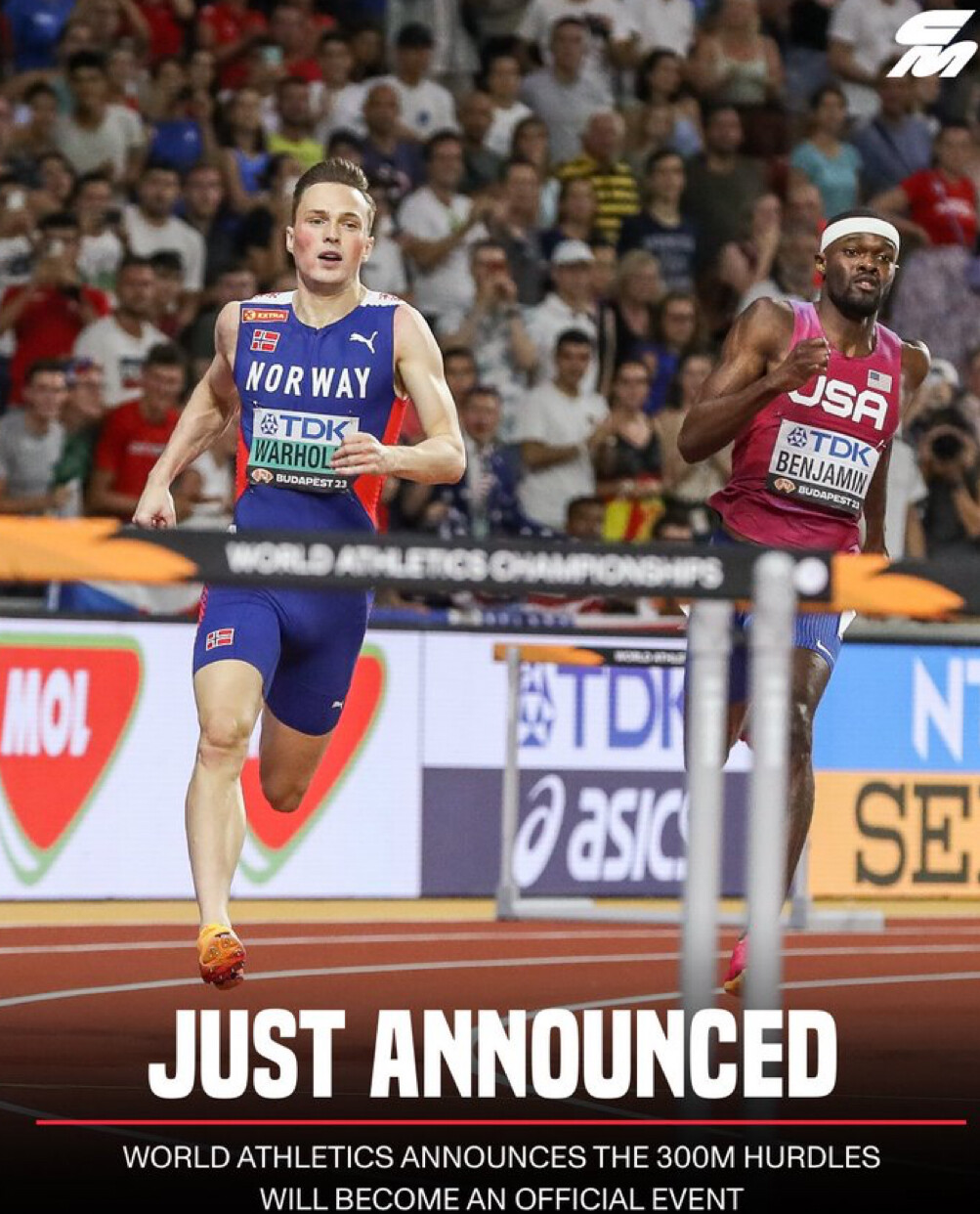
“It will serve all World Athletics statistical purposes, including world rankings towards which it will score as a similar event to the 400m hurdles. A list of world best performances will be kept, while conditions for setting an inaugural world record will be decided at a later stage, once the popularity of the event has reached a meaningful level.”
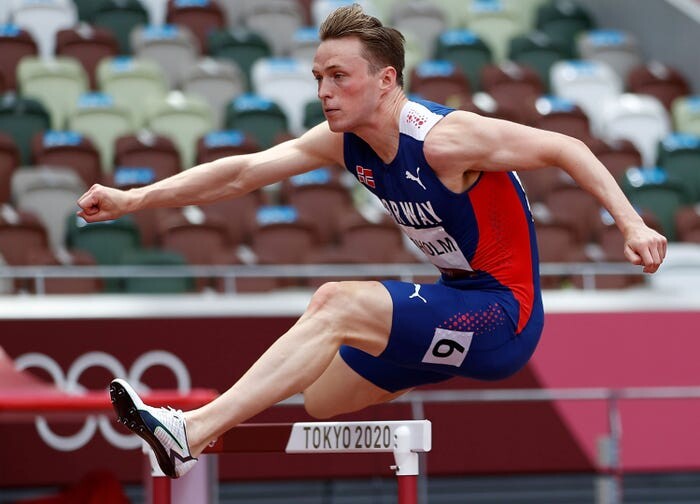
Though not yet eligible for world records, the event already boasts elite-level performances. Norway’s Karsten Warholm—the 400m hurdles world record holder—blazed 33.26 in Oslo in 2021, a mark widely recognized as the world best. He followed it up with a 33.28 performance in Bergen last year.
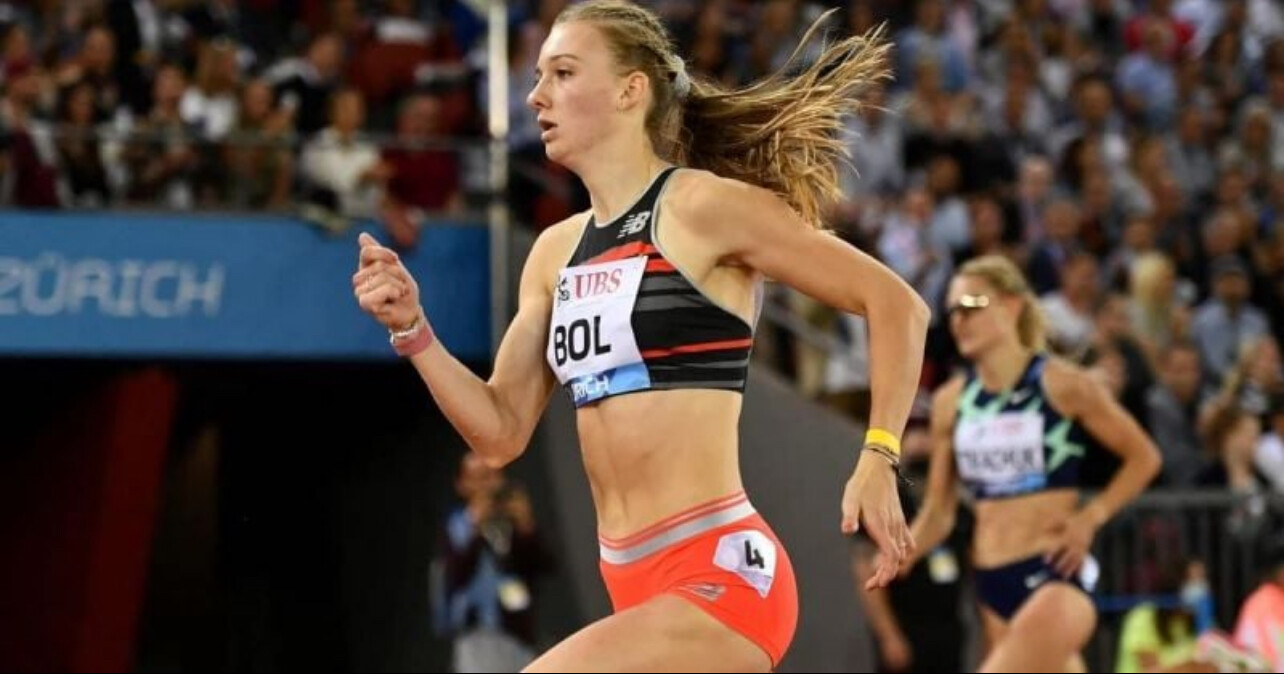
On the women’s side, Dutch superstar Femke Bol holds the top time with her 36.86 run in 2022.
The move to formalize the event brings renewed attention to what has typically been a non-championship distance. A major showcase is already on the calendar: the men’s 300m hurdles will feature at the Oslo Diamond League on June 12, 2025, setting the stage for a high-profile showdown in Warholm’s home country.
With elite athletes already embracing the event and more high-level races on the way, the 300m hurdles may soon become a fan favorite—and a mainstay in international competition.
Photos: Karsten Warholm Sets 300m Hurdles World Record
Norwegian hurdler Karsten Warholm setting the 300m hurdles world record with a time of 33.26 seconds at the Impossible Games in Oslo.
Femke Bol Breaks Women’s 300m Hurdles World Record
Dutch athlete Femke Bol breaking the women’s 300m hurdles world record with a time of 36.86 seconds at the Ostrava Golden Spike event.
by Boris Baron
Login to leave a comment

Who Had the Best Era in Track & Field? A Generational Showdown
Track and field has long been the stage for some of the most electrifying athletic performances in history. Each generation has produced legends who have redefined what is possible in sprinting, distance running, and field events. But which era stands above the rest?
From the Silent Generation pioneers to the Gen Z record-breakers, every period has contributed to the evolution of the sport. Let’s break down each era’s greatest stars and their lasting impact on track and field.
Gen Z (Born 1997 - 2012): The Future of Track & Field
The newest generation of elite athletes is already making waves on the world stage. With the benefit of cutting-edge training, nutrition, and recovery techniques, these young stars are smashing records at a rapid pace.
Notable Sprinters & Field Athletes:
• Sydney McLaughlin-Levrone (USA) – 400m hurdles world record holder and Olympic champion
• Mondo Duplantis (Sweden) – Pole vault world record holder
• Erriyon Knighton (USA) – One of the fastest teenagers ever in the 200m
Notable Distance Runners:
• Jakob Ingebrigtsen (Norway) – Olympic 1500m champion, European mile record holder
• Joshua Cheptegei (Uganda) – 5000m and 10,000m world record holder
• Jacob Kiplimo (Uganda) – Half marathon world record holder (57:31)
• Gudaf Tsegay (Ethiopia) – World champion in the 1500m, dominant in middle distances
Gen Z athletes are not only breaking records but also shaping the future of the sport through their influence on social media and global visibility. With their combination of speed, endurance, and access to modern sports science, they may soon surpass all who came before them.
Defining Traits: Explosive, record-breaking, tech-savvy
Millennials (Born 1981 - 1996): The Superstars of the Modern Era
No discussion of dominant track and field generations is complete without mentioning Usain Bolt. The Jamaican sprinting legend captured the world’s attention with his charisma and untouchable world records.
Notable Sprinters:
• Usain Bolt (Jamaica) – Fastest man in history (100m: 9.58, 200m: 19.19)
• Allyson Felix (USA) – Most decorated female Olympian in track history
• Shelly-Ann Fraser-Pryce (Jamaica) – One of the most dominant sprinters of all time
Notable Distance Runners:
• Eliud Kipchoge (Kenya) – The greatest marathoner of all time, first to break two hours in a marathon
• Mo Farah (UK) – Dominated the 5000m and 10,000m at two Olympic Games
• Genzebe Dibaba (Ethiopia) – 1500m world record holder
• Ruth Chepngetich (Kenya) – First woman to break the 2:10 barrier in the marathon, setting a world record of 2:09:56 at the 2024 Chicago Marathon
Millennials excelled across all track and field disciplines. They ushered in an era of professional distance running dominance, with African runners setting standards in middle and long distances. Meanwhile, Kipchoge’s sub-2-hour marathon attempt was a historic milestone in human endurance.
Defining Traits: Charismatic, dominant, endurance revolutionaries
Gen X (Born 1965 - 1980): The Tough and Versatile Competitors
Gen X athletes were the bridge between the amateur days of track and the fully professional era. They pushed the sport forward with fierce rivalries and new records, while also seeing the globalization of track and field.
Notable Sprinters:
• Maurice Greene (USA) – Former world record holder in the 100m (9.79)
• Marion Jones (USA) – One of the most dominant sprinters of the late ‘90s
Notable Distance Runners:
• Haile Gebrselassie (Ethiopia) – Olympic and world champion, former marathon world record holder
• Paul Tergat (Kenya) – Pioneered marathon running dominance for Kenya
• Tegla Loroupe (Kenya) – First African woman to hold the marathon world record
This era marked a golden age for distance running, with Gebrselassie and Tergat setting the stage for the marathon revolution that would come in the next generation. With increased sponsorships, the road racing circuit became more competitive, and Kenyan and Ethiopian dominance solidified.
Defining Traits: Tough, globalized, long-distance pioneers
Baby Boomers (Born 1946 - 1964): The Golden Age of Track & Field
The Baby Boomers took track and field into the modern Olympic era, producing some of the most iconic figures in the sport’s history.
Notable Sprinters:
• Carl Lewis (USA) – Nine-time Olympic gold medalist across sprints and long jump
• Florence Griffith-Joyner (USA) – 100m (10.49) and 200m (21.34) world record holder
Notable Distance Runners:
• Sebastian Coe (UK) – 800m and 1500m Olympic champion, middle-distance legend
• Steve Prefontaine (USA) – One of the most influential distance runners in history
• Miruts Yifter (Ethiopia) – 5000m and 10,000m Olympic champion
This era brought middle and long-distance running into the mainstream, with rivalries like Coe vs. Ovett and Prefontaine vs. the world captivating fans. The Baby Boomers were the first generation of professional-level training and saw athletes truly dedicated to their craft year-round.
Defining Traits: Bold, revolutionary, multi-talented
Silent Generation (Born 1928 - 1945): The Pioneers of Kenya’s Dominance
This generation laid the foundation for modern track and field, producing legends whose influence still resonates today.
Notable Distance Runners:
• Kip Keino (Kenya) – The pioneer of Kenya’s dominance in distance running, winning Olympic gold in the 1500m (1968) and 3000m steeplechase (1972)
• Emil Zátopek (Czechoslovakia) – Triple gold in 5000m, 10,000m, and marathon at the 1952 Helsinki Olympics
• Paavo Nurmi (Finland) – Nine-time Olympic gold medalist in long-distance events
Kip Keino’s triumph over Jim Ryun in the 1500m final at the 1968 Mexico City Olympics is considered one of the greatest upsets in Olympic history. Competing at high altitude, Keino used a fast early pace to break Ryun, ushering in an era of Kenyan middle-distance dominance that continues today.
Defining Traits: Groundbreaking, resilient, visionary
Which Generation Had the Greatest Impact?
Each generation of track and field athletes has contributed to the sport’s evolution in unique ways:
• Millennials brought global superstardom (Bolt, Felix, Fraser-Pryce, Kipchoge, Chepngetich)
• Gen X athletes were fierce competitors in a rapidly changing sport (Greene, Gebrselassie, Tergat)
• The Baby Boomers set records that still stand today (Carl Lewis, Flo Jo, Coe, Prefontaine)
• The Silent Generation laid the foundation for modern track and field (Owens, Zátopek, Kip Keino)
• Gen Z is already breaking records and shaping the future of the sport (McLaughlin-Levrone, Ingebrigtsen, Cheptegei)
While it’s hard to declare one era the best, one thing is certain: the sport of track and field continues to evolve, with each generation pushing the limits of human performance.
Which generation do you think is the greatest? Let us know in the comments!
by Boris Baron
Login to leave a comment
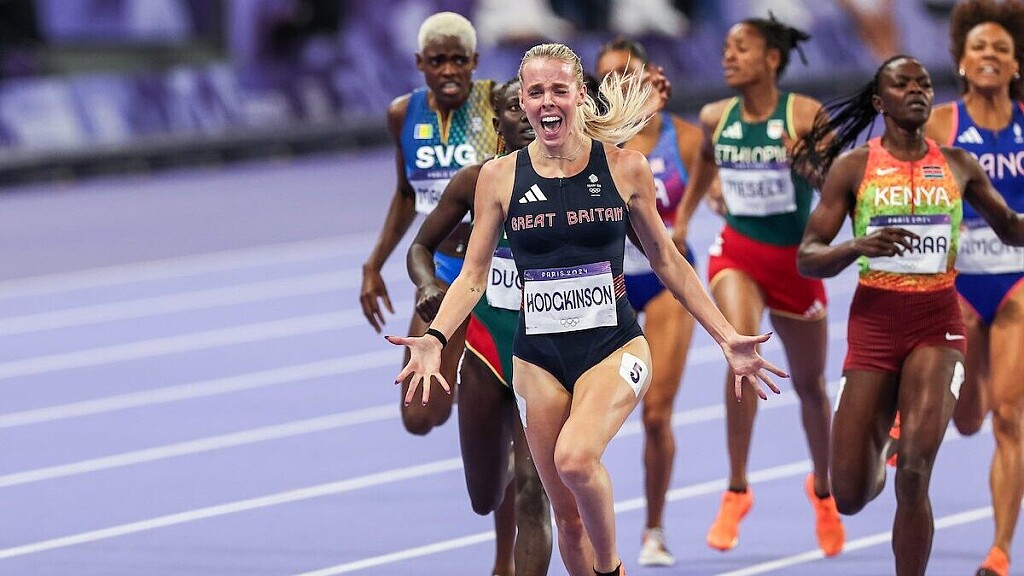
Olympic champion to challenge 41-year-old 800m world record
Launching your own track meet and naming it after yourself is one thing–but Great Britain’s 800m Olympic champion Keely Hodgkinson didn’t stop there. On Wednesday, British Athletics revealed that the inaugural Keely Klassic track meet, set for Feb. 15 in Birmingham, will conclude with Hodgkinson trying to break the 800m world record, which has stood for 41 years.
The record of 1:53.28, set by Czechoslovak athlete Jarmila Kratochvílová in 1983, is the longest-standing world record in athletics. Hodgkinson would need to run more than a second faster than her personal best (1:54.61) to even come close to taking it down. The run will mark Hodgkinson’s season opener and first race back from an injury that cut her 2024 season short.
At the Keely Klassic, Hodgkinson promises “a unique, immersive experience that will combine elite competition with an electrifying atmosphere” and extends the meeting invitation to Great Britain’s world-class track and field athletes.
The unveiling comes less than a day after Tuesday’s BBC Sports Personality of the Year (SPOTY) ceremony, where Hodgkinson took centre stage. The 22-year-old is the first track athlete to win since Mo Farah won in 2017, and the first female track athlete to win since 2004. Her win also marks the fourth consecutive year that a woman has won the award–the longest streak in history.
“I’m actually in a bit of shock,” Hodgkinson said upon accepting the trophy. “I’m actually more excited for my coach, to be honest, because I wouldn’t be where I am without his guidance, [which] I’ve had since I was 17.”
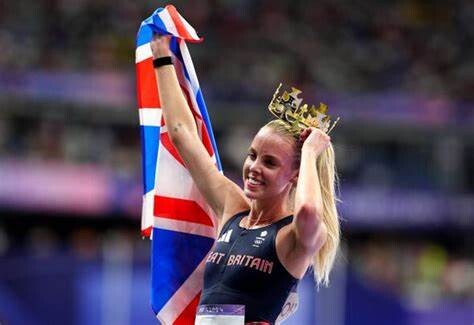
“This year has been absolutely incredible for me,” she continued. “I achieved everything I set out to do on the outdoor track, which is kind of rare, so I’m grateful to be in this position.”
Olympic triathlon champion Alex Yee was also a contender for the award.
Hodgkinson’s coaches, Trevor Painter and Jenny Meadows, were awarded Coach(es) of the Year. Along with the Olympic 800m champion, the pair coaches Olympic 1,500m bronze medallist Georgia Bell.
Mondo Duplantis wins Sport Star of the Year
Pole vaulting legend Mondo Duplantis was also acknowledged at the event, winning World Sport Star of the Year. The Swedish-American world record holder was pitted against fellow sports icons, including gymnast Simone Biles, WNBA player Caitlin Clark and Olympic marathon champion Sifan Hassan.
“So sorry that I can’t be in attendance tonight–I’m back here in the States right now, training for the up and coming season. I know I’m in great company–the biggest legends of all time in sports have won this award. This really means a lot to me.”
by Cameron Ormond
Login to leave a comment
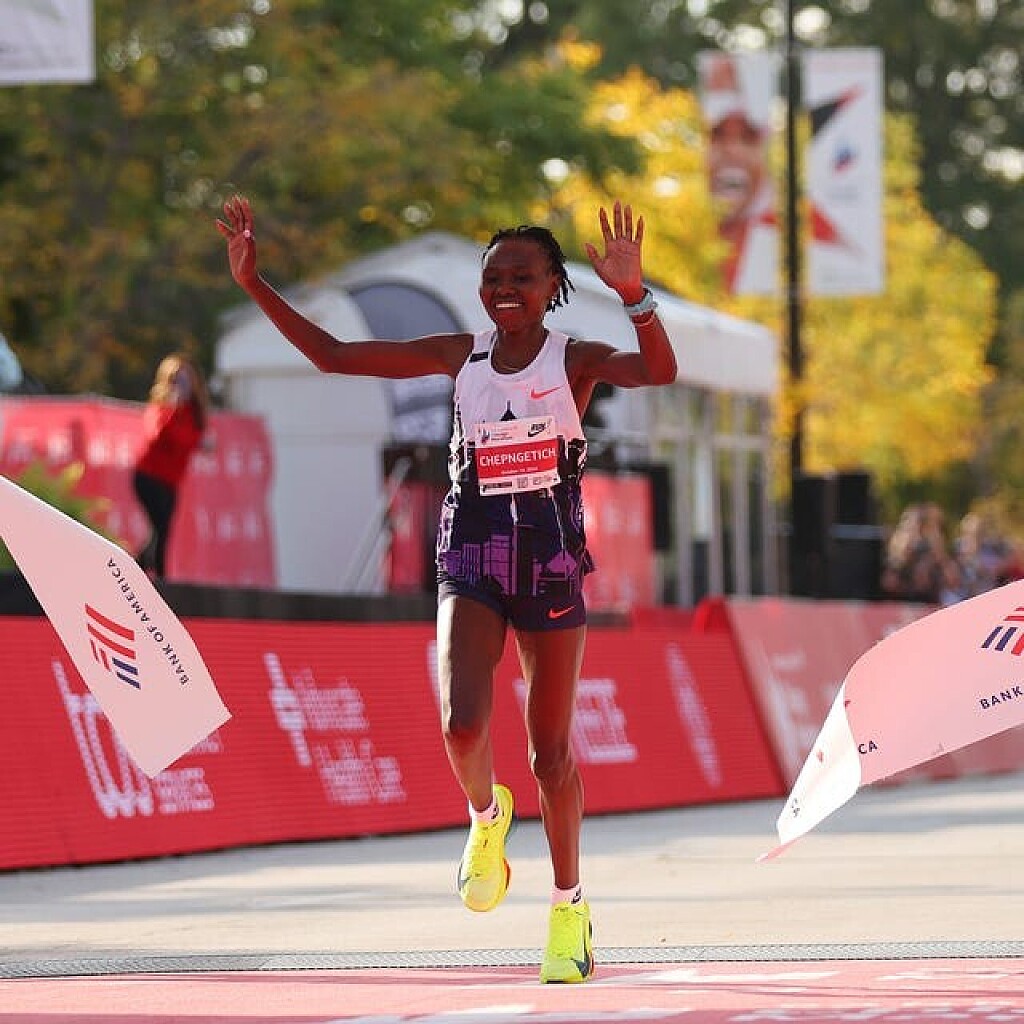
MARATHON GROUNDBREAKERS
Since Australia’s Derek Clayton ran history’s first sub—2:10 marathon in Fukuoka, Japan, on 3 December 1967, there have been a total of 4538 sub—2:10 marathons (as of 30 October 2024), 4537 by men, one by a woman.
As with any new ground-breaking performance, Ruth Chepngetich’s 2:09:56 in Chicago on 13 October has forced us to reassess all our past assumptions, or, like many, to doubt the validity of the performance itself. But no matter how we got here, to whatever you want to ascribe it, this is where we are now, 2:09:56 by a woman.
In this new reality, until proven otherwise, Ruth Chepngetich is the new Paula Radcliffe, just as Paula was the new Grete Waitz, one ground-breaker to the next, 1978 to 2003 to 2024.
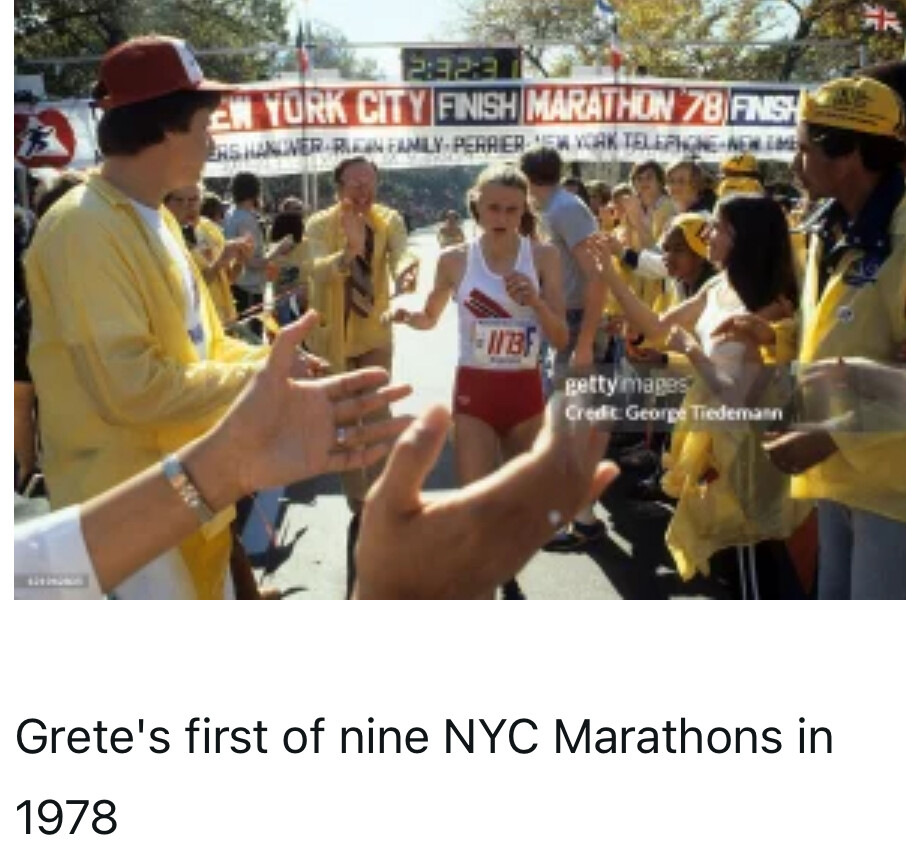
There have been many talented women champions through the years besides those three, including all the pioneers who had to overcome centuries of gender bias that restricted women from even showing their stuff.
But in terms of pure ground-breaking, the 1978 New York City Marathon drew a bright line between what once was and what would be.
On 22 October 1978, Norway’s track and cross-country star Grete Waitz participated in the marathon for the first time, almost on a whim, as the trip was more of a honeymoon for her and husband Jack after the long track season.
The 2:32:30 world record Grete ran that day was totally unexpected by both the public and Grete herself. She wore bib #1173, wasn’t included on the list of elite women, and came with no specific marathon preparation (not a single run over 13 miles). In fact, she was so upset with husband, Jack, for suggesting she come run the marathon that she threw her shoes at him in the hotel room following her victory.
Still, like almost all debuting marathoners, after a short period of recovery and reflection, Grete concluded she could probably improve next time.
Thus, in New York 1979, following a more careful preparation, Grete ripped nearly five full minutes off her 1978 mark to record history’s first sub—2:30 by a woman at 2:27:33. Her margin of victory over England’s Gillian Adams was 11 minutes (2:38:33). The combination of the mild-mannered former geography teacher from Oslo and the raucous New York City crowds proved transformative, elevating women’s running to heights previously unimagined.
Though Japan’s Naoko Takahashi broke the 2:20 barrier for women in Berlin 2001, after Norway’s Ingrid Kristiansen (2:21:15, London ‘85), America’s Joan Benoit Samuelson (2:21:21, Chicago’85), and Kenyan Tegla Loroupe (2:20:43, Berlin ‘99) all challenged the barrier in the 1980s and ‘90s, it was England’s Paula Radcliffe who established new headlands in the marathon in London 2003 with her 2:15:25.
Nearly two minutes faster than her own 2:17:18 record from Chicago the year before, her 2:15 arced away from Catherine Ndereba’s 2:18:47 from Chicago 2001, completed just one week after Takahashi’s first sub-2:20 in Berlin.
The quality of Paula’s 2:15 can be seen in the 16 years and an entire shoe technology revolution that developed before Kenya’s Brigid Kosgei did Paula one better in Chicago 2019 at 2:14:04. That performance plowed new ground again. And now we have Ruth Chepngetich in Chicago 2024 with history’s first sub-2:10, just a year after Ethiopia’s Tigst Assefa’s first sub—2:12 in Berlin `23 (2:11:53).
Twice before, Chepngetich had come to Chicago with world record intentions. In 2022, she won the race in 2:14:18, just 14 seconds off Kosgei’s record. In 2023 she finished second in 2:15:37. On both occasions she flew through halfway under 66 minutes, only to falter in the second half. Perhaps she was a close reader of Malcolm X.
“There is no better teacher than adversity. Every defeat, every heartbreak, every loss, contains its own seed, its own lesson on how to improve your performance the next time.” – Malcolm x
In simple terms, making innovative strides in athletics requires time, experimentation, and reviewing, similar to how new scientific theories are examined before full acceptance. But women just haven’t been at the marathon game long enough to produce a large enough sample size to define their outer limits with any accuracy. They are barely two generations in since 1978.
Men have been competing for a much longer time with a much larger sample size.
Though Eliud Kipchoge surpassed the two-hour barrier in Vienna in 2019, that was accomplished as an exhibition, not a sanctioned race. In that sense, we are still awaiting the next barrier breaker on the men’s side in the Marathon.
Looking back, England’s Jim Peters stands as the first modern barrier breaker with his 2:18:40 win at the 1953 Polytechnic Marathon between Windsor and Chiswick in West London, England, history’s first sub—2:20.
Next was Ethiopia’s Abebe Bikila, the legendary double Olympic victor in Rome 1960 and Tokyo 1964. His 2:15:17 in Rome still stands as the barefoot marathon world record.
Next came Australia’s Derek Clayton, the first man under both 2:10 and 2:09. His 2:08:34 from Antwerp 1969 lasted for 12 years, holding off challenges throughout the entire Running Boom era headed by Americans Frank Shorter and Bill Rodgers.
Though never world record holders, the two Americans dominated the 1970s boom era, Shorter through the first half, Rodgers the second.
The Eighties were the last decade of international marathon champions: American (Al Salazar, Greg Meyer); European (Steve Jones, Carlos Lopes); Japanese (Toshihiko Seko and the Soh brothers); and Australian (Rob de Castella). Kenya’s Joe Nzau won Chicago in 1983 in a thrilling duel with England’s Hugh Jones when Chi-town was still developing its reputation as a world class event.
Ibrahim Hussein set new records in Honolulu and kick-started the Kenyan marathon revolution
The full East African deluge didn’t begin until 1987 and ‘88 when Kenya’s Ibrahim Hussein (already a two-time and soon to be three-time Honolulu Marathon champion) became Africa’s first New York City and Boston Marathon winner and Ethiopia’s Belayneh Dinsamo set the world record, 2:06:50, in Rotterdam 1988 that lasted over a decade.
The list of marathon stars from other nations scaled back markedly in the 1990s. Mexico had its turn at the top via greats like Dionicio Cerón (1994-`96 London champion), and back-to-back New York Ciy winner German Silva (1994 & 1995).
Moroccan-born American Khalid Khannouchi twice ran a world marathon record, first in Chicago 1999 (2:05:42), then three years later in London 2002 (2:05:38). And who could forget the personable Brazilian, Marílson Gomes dos Santos, who won New York City twice in 2006 & 2008, or Meb in NYC `09 and Boston 2014??
But the United Nations pickings get rather meager after that as East African athletes have had a stranglehold on the sport of marathoning, most dominatingly by Kenya’s Eliud Kipchoge. His run of sustained excellence over 42.2 kilometers was, and is, unprecedented in its longevity, including double gold in Rio 2016 and London 2020. And his last world record of 2:01:09 in Berlin 2022.
Sadly, the current record holder, Kelvin Kiptum, died in a car accident in February 2024 after establishing the 2:00:35 world record in Chicago 2023.
With the 2024 TCS New York City Marathon scheduled this weekend, we don’t expect to see any record performances. Yet, all the above is why we follow the game, isn’t it, to witness the arc of improvement over time, while hoping to discover a new name to remember? It’s as valid a focus as any other in this life.
And despite its many flaws and corruptions, the sport of marathoning retains an innate dignity that many endeavors do not. People may have bruised, battered, and tarnished it in the name of glory and money. But it survives, nonetheless, as a simple reflection of the human drive to achieve more in the quest to discover our best.
Doesn’t always turn out that way, but I don’t think we are done with it quite yet. Onward!
by Toni Reavis
Login to leave a comment
Kenya's hopes rest on Daniel Mateiko, Nicholas Kimeli & Bernard Kibet to win 10,000m gold since 1968
Daniel Mateiko, Nicholas Kimeli, and Bernard Kibet will have the pressure to deliver Kenya's gold medal since Naftali Temu's exploits at the 1968 Mexico City Olympics.
The trio of Daniel Mateiko, Nicholas Kimeli and Bernard Kibet are tasked with a daunting task to reclaim Kenya’s 10,000m title once they toe the line at the Stade de France on Friday, August 2.
The men’s race starts at 10:20 p.m. East African Time with the trio taking on one of the strongest fields in history with the main aim to reclaim Naftali Temu’s title won at the 1968 Mexico City Olympics.
Kenyans have had a rough time of winning the gold medal following the emergence of Ethiopians and Ugandans who have dominated the race. Kenenisa Bekele, Mo Farah, Joshua Cheptegei have dominated the global stage with Bekele and Farah winning two titles each.
Selemon Barega won the title at the delayed 2020 Tokyo Olympic Games with Cheptegei and Jacob Kiplimo taking second and third place respectively.
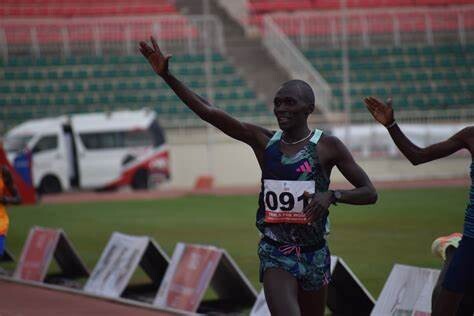
Mateiko made headlines, winning the Prefontaine Classic to secure his slot to the Olympic Games with Kimeli and Kibet finishing second and third respectively. The trio has the much-needed confidence to impress following their training sessions that have been extensive so far.
Mateiko and Kimeli train with Eliud Kipchoge and they certainly draw inspiration from the two-time Olympic champion who will also be chasing his third Olympic title.
However, they will not have an easy task in title reclamation as they go up against very strong opponents. Defending champion Barega will be out to defend his Olympic gold with Cheptegei also in the mix.
Being the world record holder and a three-time world champion, Cheptegei will going for the only title missing in his decorated CV. The Ethiopians have fielded their best, with world leader Yomif Kejelcha and Berihu Aregawi also in the mix. Paris marks the first Olympics for Kejelcha who will have the pressure on him after the world lead.
Cheptegei has raced sparingly, making it difficult to gauge his shape. He will be competing for the first time since end of May when he finished ninth in the 5000m at the Diamond League Meeting in Oslo.
The American duo Grant Fisher and Nico Young have also been entered and they will also be chasing history for the US. Young will b debuting at the Olympics and the race will just be his third 10,000m race on a track.
On his part, Fisher has great experience racing on the global stage and after finishing fifth at the delayed 2020 Tokyo Olympics, he will be out to improve on that.
by Abigael Wafula
Login to leave a comment

Paris 2024 Olympic Games
For this historic event, the City of Light is thinking big! Visitors will be able to watch events at top sporting venues in Paris and the Paris region, as well as at emblematic monuments in the capital visited by several millions of tourists each year. The promise of exceptional moments to experience in an exceptional setting! A great way to...
more...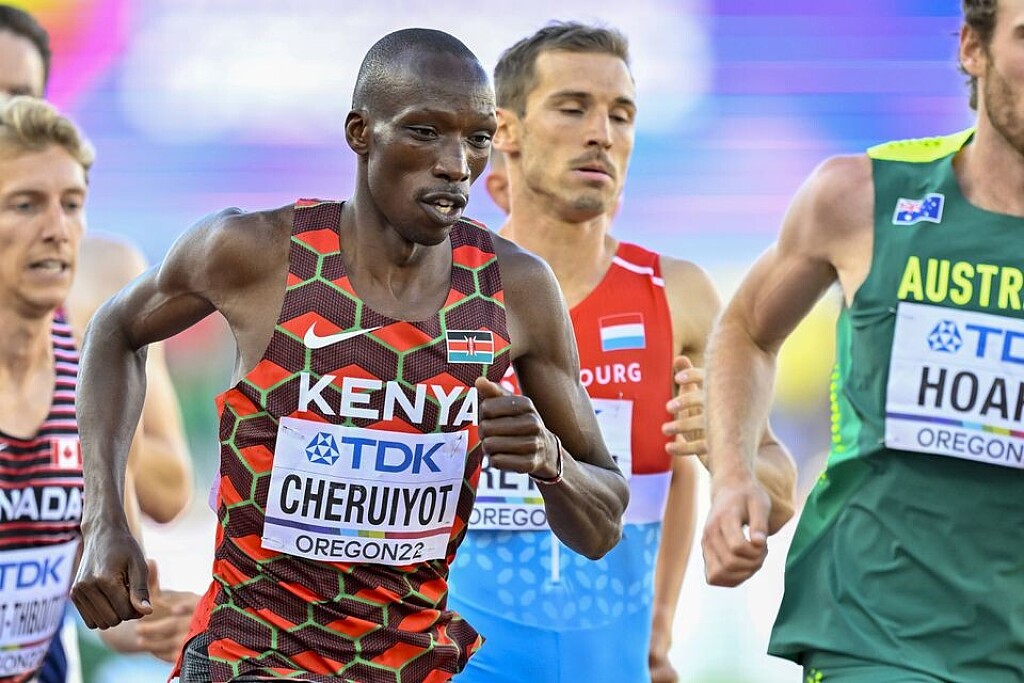
Timothy Cheruiyot reveals main aspect in training he needs to address before Paris 2024 Olympics
Timothy Cheruiyot has disclosed what he needs to work on after his second-place finish behind Jakob Ingebrigtsen at the Diamond League Meeting in Monaco.
Olympic 1500m silver medallist Timothy Cheruiyot has disclosed the one thing he needs to work on before descending on the purple track at the Stade de France for the men’s 1500m at the Paris Olympic Games.
Cheruiyot has battled injuries in the past seasons but he has slowly been bouncing back and this season has been steady on him. He qualified for the Paris 2024 Olympics at the Kenyan Olympic trials, finishing third in 3:35.90.
The 28-year-old, after finishing second at the Diamond League Meeting in Monaco, noted that he has to work on his speed endurance if he has to silence his serial rival Jakob Ingebrigtsen.
The Norwegian clocked a stunning 3:26.73 to join the club of legends with a win as Cheruiyot was forced to finish second in 3:28.71. Africa 1500m champion Brian Komen sealed the podium in 3:28.80.
The 2019 world champion was happy to be peaking at the right time, expressing his elation towards the time posted, just less than a month before the Olympic Games.
“The race was good, I am happy about my time and my position. The 1500m nowadays is a very competitive race with a lot of young guys coming up fast," Cheruiyot said in a post-race interview.
“So I am proud because I am peaking myself towards the Olympics. I need to work harder to keep up. I know that I can come back strong. I especially need to work on my speed endurance.”
In the 1500m, Cheruiyot opened his season with a second-place finish at the Diamond League Meeting in Doha before finishing fourth at the National Championships, clocking 3:40.23 to cross the finish line.
Cheruiyot also finished second behind Ingebrigtsen at the Diamond League Meeting in Oslo before the Olympic trials where he finished third. As he heads to the Paris Olympic Games, Cheruiyot hopes to improve on his silver medal won at the delayed 2020 Tokyo Olympic Games.
by Abigael Wafula
Login to leave a comment
Paris 2024 Olympic Games
For this historic event, the City of Light is thinking big! Visitors will be able to watch events at top sporting venues in Paris and the Paris region, as well as at emblematic monuments in the capital visited by several millions of tourists each year. The promise of exceptional moments to experience in an exceptional setting! A great way to...
more...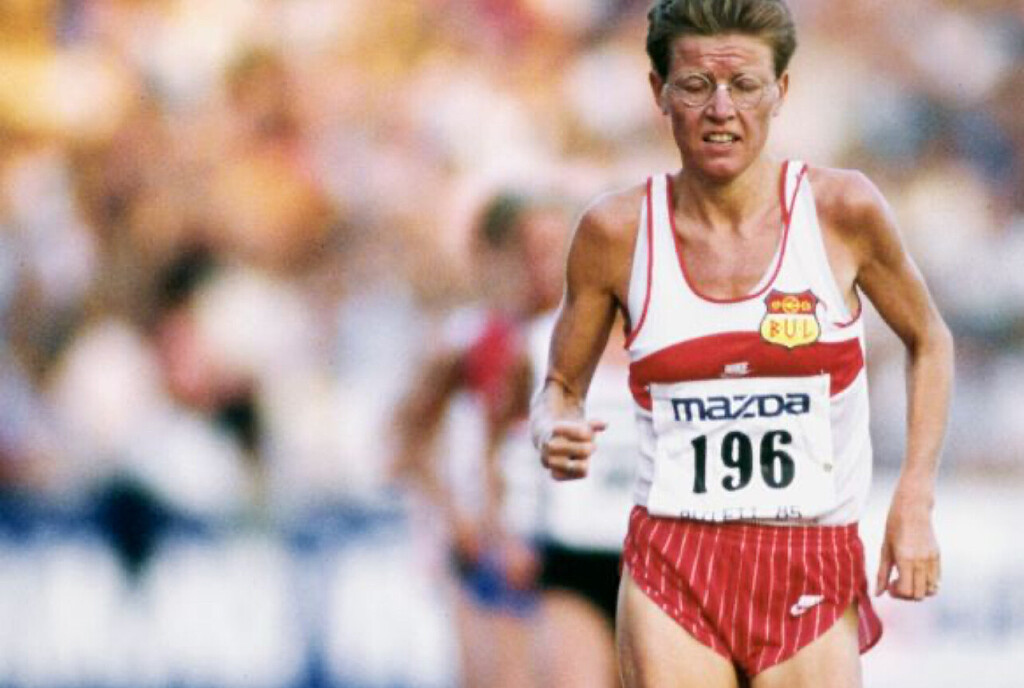
Remembering Kristiansen’s barrier-breaking sub-15-minute 5000m
When Ingrid Kristiansen lined up for the 5000m at the 1984 Bislett Games, she was known as the former international cross country skier who had just become Europe’s fastest ever woman in the marathon.
It was only six weeks previously that the 28-year-old mother from the Viking stronghold of Trondheim had made her major breakthrough in athletics, storming through halfway in the London Marathon in a blistering 1:10:52 en route to a winning time of 2:24:26.
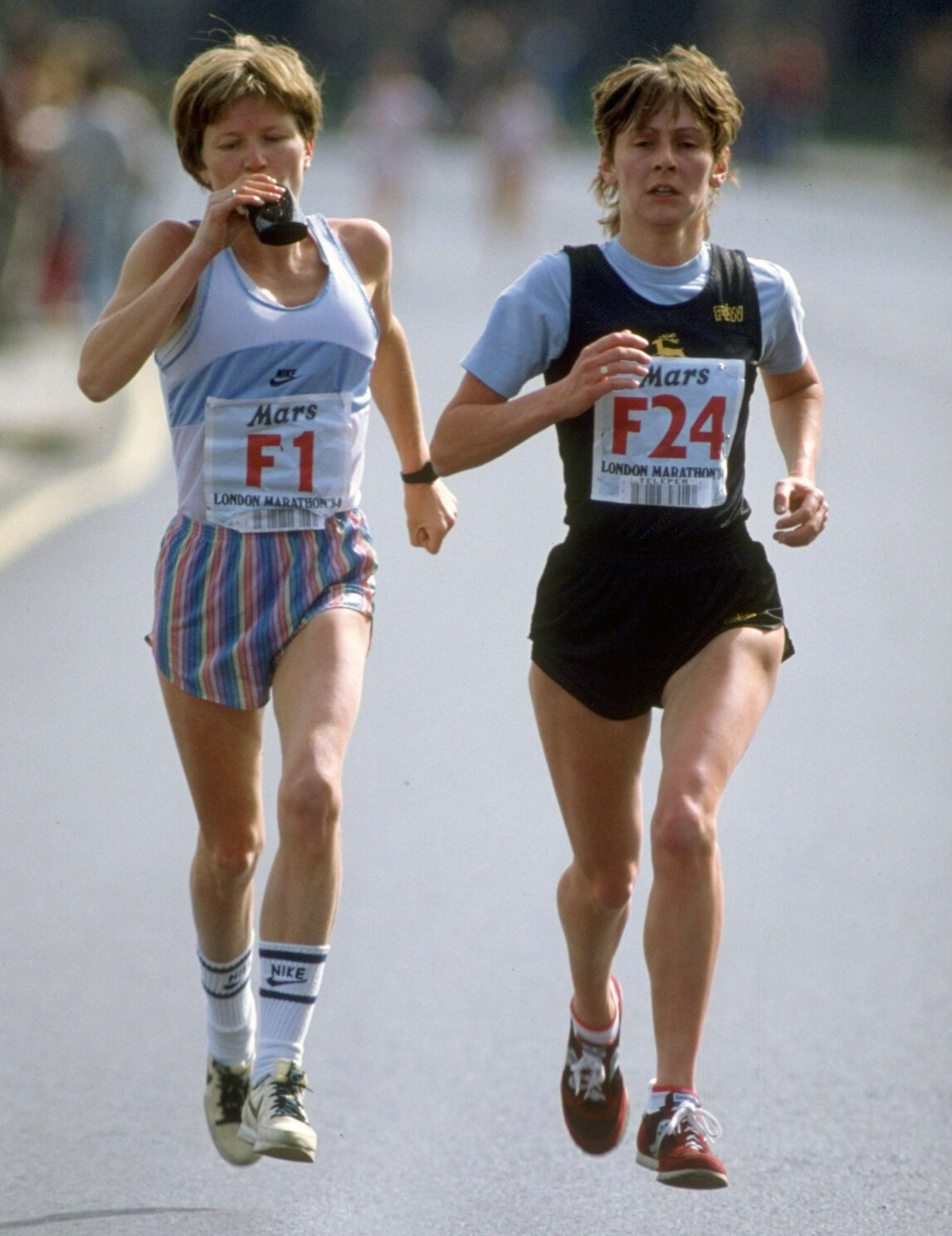
In the process, Kristiansen first peeped out of the considerable shadow of the great Grete Waitz as another formidable Norse to be reckoned with on the global running stage.
The London run elevated her to second spot on the world all-time list, behind the 2:22:43 recorded by Joan Benoit of the US in Boston the previous year, but ahead of Waitz’s Norwegian and European record of 2:25:28.7.
It was only fitting that the burgeoning Kristiansen should claim her first world mark on home ground, in the heart of Norway’s capital city on the hallowed Bislett Stadium track.
That was 40 years ago, on the evening of 28 June 1984.
‘Dead tired… pushed on by the cheers of the crowd’
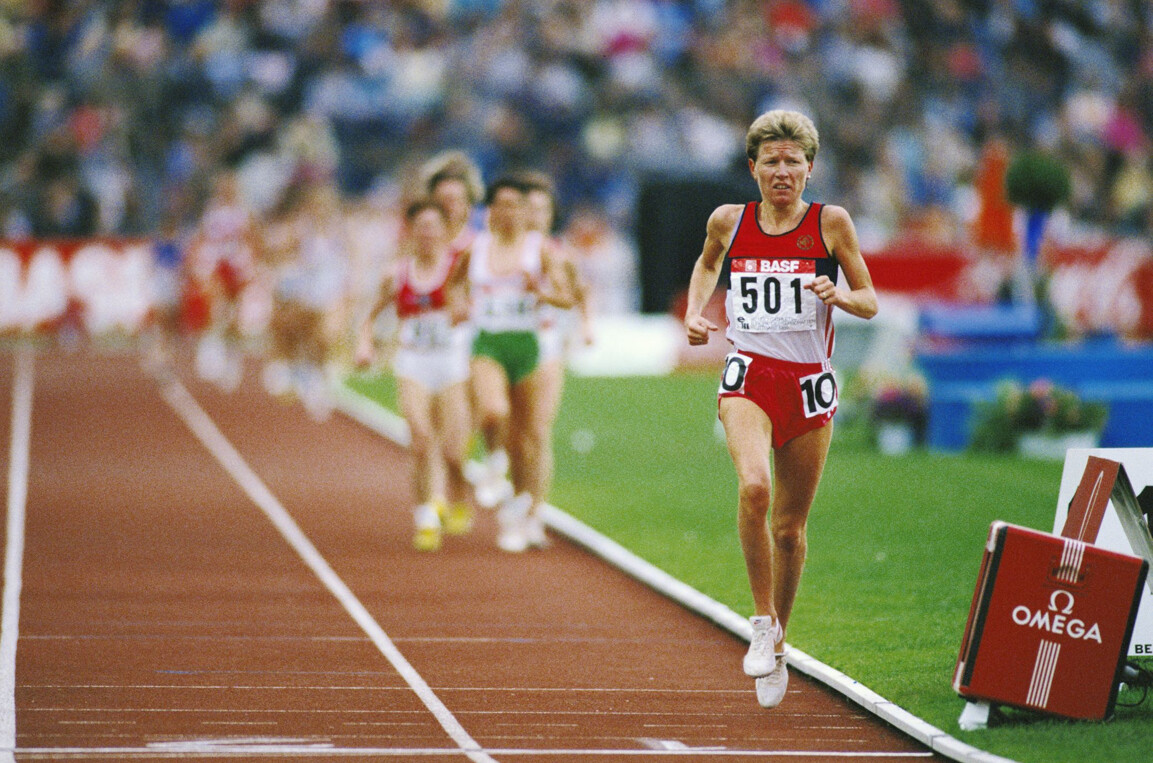
The official world record for the women’s 5000m stood at 15:08.26 – to Mary Decker, or Mary Tabb as she had been when she set the figures on home ground at the 1982 edition of the Pre Classic.
In Apartheid South Africa on 5 January 1984 – and therefore ineligible for recognition – the barefoot Springbok wunderkind Zola Budd had run 15:01.83 in Stellenbosch. By June of the same year, Budd had already become a British citizen and was on her way to being rubber-stamped in the British team for the Los Angeles Olympics.
That night in Oslo, though, Kristiansen’s only rival was the Bislett Stadium clock.
After following Maggie Keyes of the USA through 1000m in 3:02.0, Kristiansen surged clear of the field, reeling off laps of 70-72 seconds.
Passing 3000m in 8:59.8, Kristiansen finished with the flourish of a 68.4 final lap before crossing the line in 14:58.89.
Off marathon training of 170-180km a week, she had become the first woman in history to beat 15 minutes for 5000m.
“I was dead tired during the last two laps but I was pushed on by the cheers of the crowd,” she confessed.
Aurora Cunha, the future three-time world road race champion from Portugal, finished a distant runner up in 15:09.07, followed by Briton Angela Tooby (15:22.50).
Back in sixth was Portugal’s European marathon champion Rosa Mota (15:30.63) – followed by Tooby’s twin sister, Susan (15:44.58), future mother of 2022 world 1500m champion Jake Wightman.
Holding a distance world record triple
Kristiansen was to go quicker over 12.5 laps. At London’s Crystal Palace in 1985, she clocked 14:57.43 but lost the world record to Budd, a clear winner in 14:48.07.
In Stockholm in 1986, however, Kristiansen reclaimed the record with a stunning 14:37.33.
That year she was at her zenith on the track, improving her own 10,000m world record by almost 46 seconds with a 30:13:74 run at Bislett.
Kristiansen was the first runner in history to simultaneously hold world records for 5000m, 10,000m and the marathon.
Returning to the London Marathon in 1985, she brought the women’s 2:20 barrier into sight with a 2:21:06 triumph that stood as a world record for 13 years.
Kristiansen also became the first athlete to claim world titles on the track, on the road and over cross country. Twice a winner of the 15km world road race championship, she won the world 10,000m title on the track in Rome in 1987 and the world cross country crown in Auckland in 1988.
Big heart and big lungs
Many attributed Kristiansen’s phenomenal success to the physiological benefits she had gained from giving birth to her first son, Gaute, in 1983. She felt it was more the edge she had gained from years of competitive cross-country skiing.
“I think it came from my cross-country skiing career,” she asserted. “It gave me a big heart and big lungs, and when I got my legs trained for running I was maybe a little bit ahead of the other runners at the time.”
As a cross-country skiing prodigy, Kristiansen won the European junior title in 1974, was selected as a reserve for the Winter Olympics in Innsbruck in 1976, and finished 15th in the World Championships 20km race in 1978.
She decided to concentrate on competitive skiing for several years after making the Norwegian team for the 1971 European Athletics Championships as a 15-year-old 1500m runner, Ingrid Christensen. But she got bumped off the track in her heat in Helsinki and failed to finish the race.
Her roommate in the Finnish capital was a 17-year-old called Grete Andersen, who finished eighth in the other 1500m heat, missing the cut for the final.
She also made a name for herself in future years: as Grete Waitz, the first of Norway’s barrier-breaking distance-running duo.
by World Athletics
Login to leave a comment
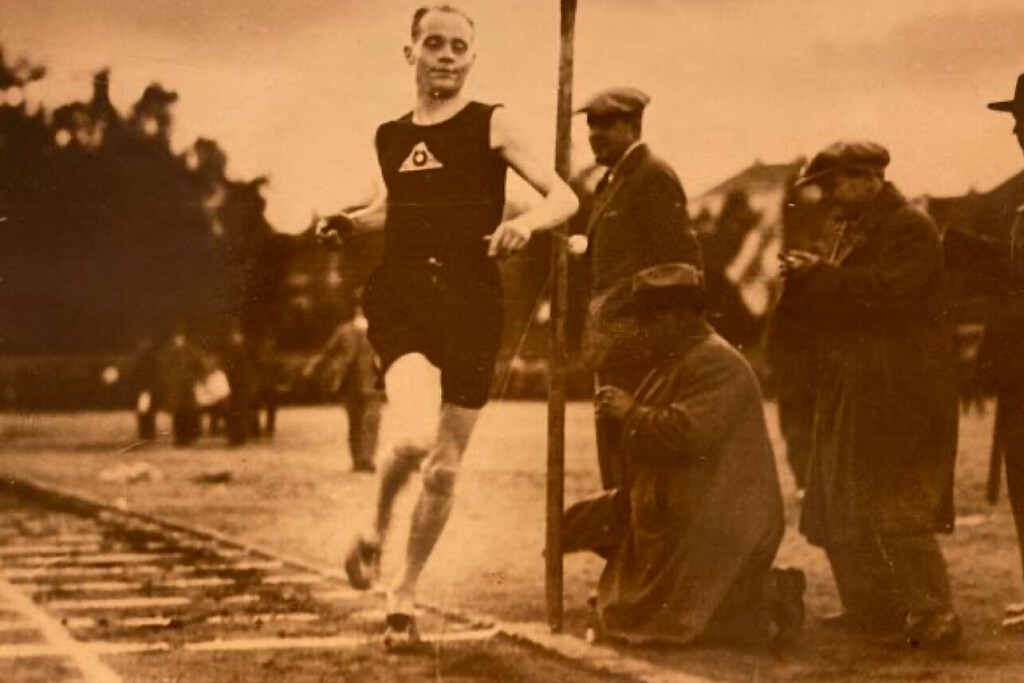
A century since Nurmi set 1500m and 5000m world records in one evening
Paavo Nurmi was the first and Said Aouita is currently the last man to have held the 1500m and 5000m world records at the same time*.
When Aouita achieved the feat, in the European summer of 1985, there were 27 days between the Moroccan’s 13:00.40 clocking for the longer distance in Oslo and his 3:29.46 metric mile in Nice.
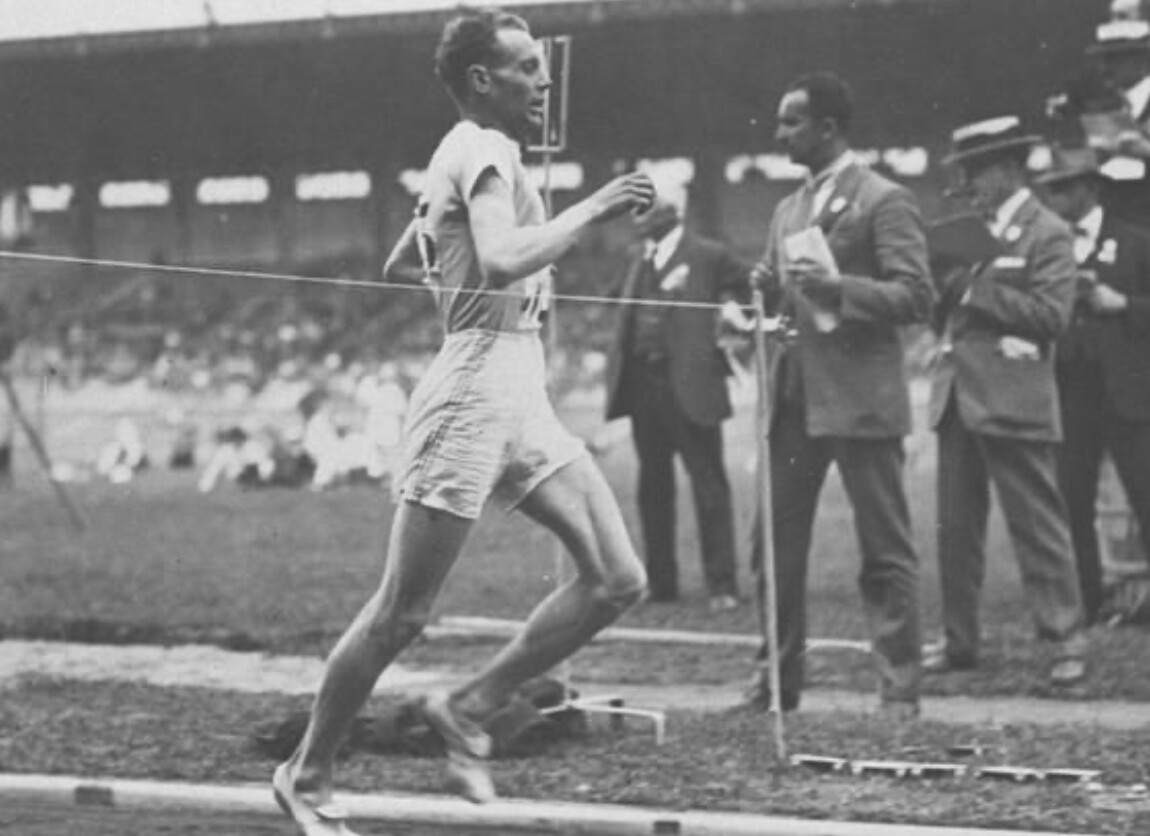
When Nurmi became the first to accomplish this rare world record double, in Helsinki 100 years ago, the interval was a mere 65 minutes and 35.6 seconds.
That was the precise gap between ‘Peerless Paavo’ crossing the finish line in the picturesque sylvan setting of the Elaintarha Zoological Gardens Sports Ground in the 1500m and then the 5000m on the momentous evening of 19 June 1924.
It’s a measure of how huge a phenomenon the enigmatic Nurmi happened to be.
It’s the distance running equivalent of Jesse Owens’ Day of Days, when the great man notched four world records – six, with metric equivalents – in the space of 45 minutes at Ann Arbor, Michigan, in 1935.
Olympic dress rehearsal
The gap between the start times of Nurmi’s two races at Elaintarha in 1924 was actually 55 minutes; the 1500m set off at 7:05pm and the 5000m at 8:00pm. This was to replicate the schedule for the finals of each event at the Olympic Games in Paris the following month.
Nurmi proceeded to emerge victorious from both events in the pressure cooker of Stade Colombes in Olympic record times. He then claimed three more golds, with individual and team cross country victories and success in the 3000m team race.
To coincide with the 2024 Olympics in the French capital and the centenary of the 1924 Games in Paris, with the assistance of World Athletics Heritage, Nurmi’s record Olympic track and field haul of five golds from a single Games is on display in an exhibition entitled D’or, d’argent, de bronze - une histoire de la medaille Olympique at the museum of the Monnaie de Paris on the left bank of the Seine.
The Phantom Finn
Meanwhile, the land of perhaps the most ardent track and field followers can celebrate the anniversary of the first of the supreme Flying Finn’s finest hours: Nurmi’s wondrous world record double amid the birch and pine trees of the Elaintarha Sports Ground.
At that time, six days past his 27th birthday, Nurmi had established himself as the planet’s preeminent distance runner, having assumed the mantle from his boyhood hero, Hannes Kolehmainen, who completed a hattrick of Olympic golds in 1912, at 5000m, 10,000m and cross country.
Whereas the affable Kolehmainen was regarded as the smiling Suomi star of the Stockholm Olympics, the taciturn Nurmi was seen as the unsmiling Finnish crown prince of distance running.
He had endured a tough upbringing in the south-west of the country, leaving school at the age of 12 after his father died to haul goods up the steep slope to Turku railway station as a delivery boy. He used the trams of Turku as his pacemakers, and walked and ran for hours in the surrounding forests.
“Nurmi was enigmatic, sphinx-like, a god in a cloud,” wrote Norman Harris and Ron Clarke in The Lonely Breed. “He was stern and silent, with uncompromising self-discipline and white-hot ambition, bearing the closest possible resemblance in athletics to Napoleon Bonaparte.”
By 1924, the ‘Phantom Finn,’ as the Greta Garbo of the track was dubbed by the press, had claimed three of his nine Olympic gold medals and set six of his 22 world records. At the 1920 Olympics in Antwerp, he succeeded Kolehmainen as 10,000m champion – his ageing idol stepping up in distance to win the marathon – and also won individual and team cross country golds.
“The injury was a bad thing”
When the punishing timetable for Paris was published, the Finnish athletics authorities chose the US-based Ville Ritola as their main man for the 10,000m and omitted Nurmi. The reigning champion requested a place but was asked to run behind Ritola for second place, to save himself for the 1500m and 5000m.
When Nurmi refused, he was offered a slot in the 800m instead. He declined that offer too.
Amid the controversy, Nurmi injured a knee when slipping on ice in a 7km cross country race. He had to rest for two weeks, then walk with his leg straight for several more weeks, pummelling away on a boxing punchbag to maintain some fitness.
Rumours spread that he might not be fit for Paris but, at his insistence, the 1500m and 5000m races were arranged with an hour of each other at Elaintarha. Nurmi wanted to show that he was ready for the mighty challenge in the French capital.
First came the 1500m. The world record stood at 3:54.7, set by Swede John Sander in 1917, though Nurmi had run quicker (3:53.0) en route to his mile record of 4:10.4 in Stockholm in 1923.
It was Nurmi’s want to burn off the opposition with a fast opening lap and he set off with a split of 57.3 on his way to an undisputed world record time of 3:52.6.
There were no signs of fatigue in the 5000m. Nurmi opened with a lap of 65.0 and closed with 62.7. His finishing time was 14:28.2 – a staggering 7.2 seconds inside the global mark he had set in Stockholm two years previously.
“He seemed to be venting anger stored up from the injury,” wrote Harris and Clarke, who knew a thing or two about world record breaking.
It was put to Nurmi that the injury had been a blessing in disguise, that the enforced rest had done him good. “No, not at all,” he angrily replied. “The injury was a bad thing.”
It was a bad thing for Nurmi’s rivals that he arrived in Paris fully recovered and fully firing. Nothing could stop the Phantom Finn from ghosting into the Olympic record books.
by World Athletics
Login to leave a comment
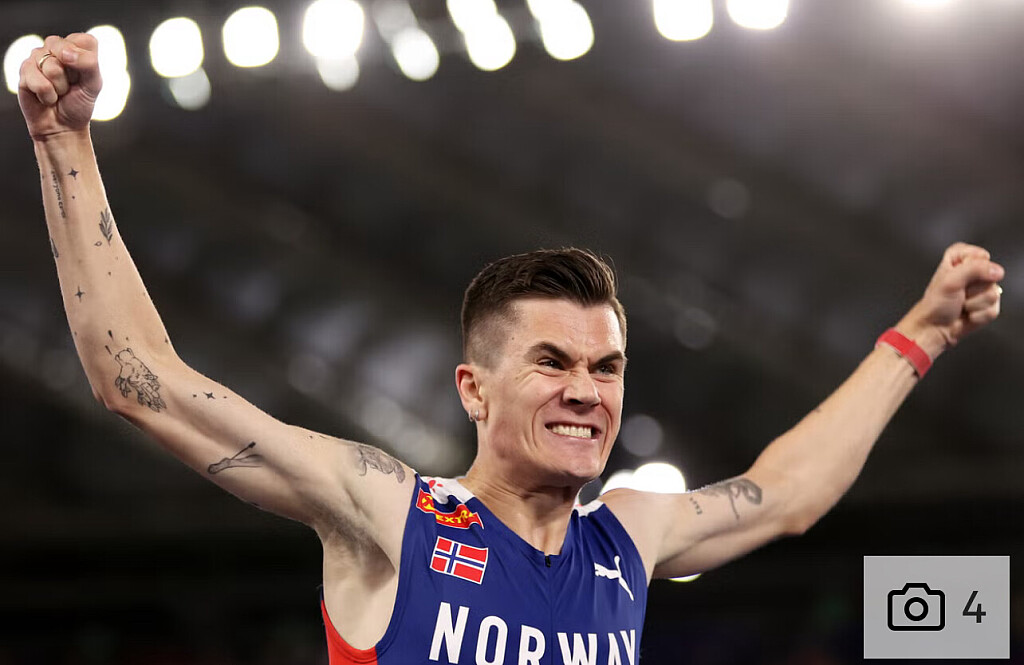
Jakob Ingebrigtsen sends Josh Kerr message in statement 1,500m victory at European Championships
The Norwegian completed the double in Rome after victory in the 5,000m and will resume his rivalry with world champion Kerr at the Paris Olympics in one of the sport’s most gripping rivalries
Norway's Olympic champion Jakob Ingebrigtsen won the 1,500 metres in Rome on Wednesday for a record sixth European Championship gold.
The 23-year-old charged down the final metres and was all by himself when he crossed the finish in 3:31.95, a championship record, to become the most decorated male athlete ever in the continental championship.
Belgian Jochem Vermeulen took the second spot on the podium in 3:33.30 while Italian Pietro Arese was third in 3:33.34.
"Today it's about winning. At the same time, I'm looking for answers in every single question I'm asked. Today I got a lot of good answers," he told a Norwegian broadcaster.
Ingebrigtsen is expected to form one of the most compelling rivalries of this year's Paris Olympics against Briton Josh Kerr, who denied him the gold in Budapest last year.
Ingebrigtsen hurled himself over the finish to win last month's Oslo Diamond League meet, after finishing second to Kerr over the mile race days earlier at the Prefontaine Classic.
Login to leave a comment
Timothy Cheruiyot reveals struggles with injuries and overcoming challenges as he chases Olympic glory
Former world 1500m champion Timothy Cheruiyot has opened up on his struggles with injuries and his comeback plan to the top of the men's 1500m.
Olympic silver medallist Timothy Cheruiyot has opened up about his injury bout that saw him struggle to produce great results since the 2022 World Championships in Eugene, Oregon.
Cheruiyot, a former world champion, explained that he had been through a tough time with his injury and explained that he had a torn knee which cost him a lot in terms of training and performing well.
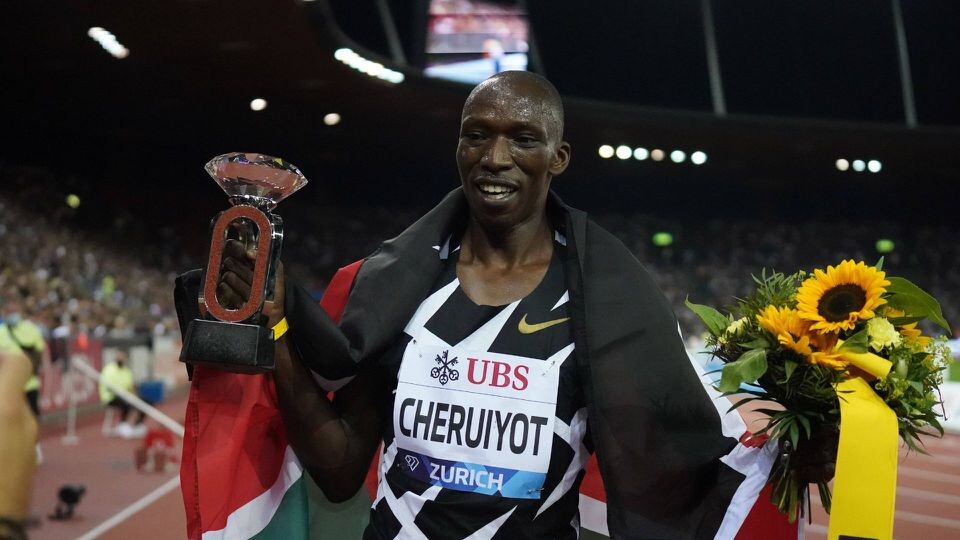
He was a favourite at the 2022 World Championships but failed to live up to the billing, finishing sixth in the final of the 1500m before proceeding to a second-place finish at the Commonwealth Games in Birmingham.
Last season, Cheruiyot had a bitter exit from the World Championships in Budapest, Hungary, where he was eliminated in the semifinal of the race. He explained that the injury has been a nightmare to him but appreciated his management and coach Bernard Ouma for walking with him during the difficult period.
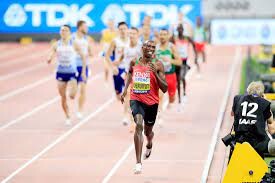
“It was a bit hard because sometimes when an athlete has an injury, it’s a bit of a problem but for me, I thank my management and my coach for coming together and finding a good physiotherapist and a great rehab.
“At the moment I’m very happy to be back…it was hard because I had a torn knee and I’m happy to have come back and I’m training well now,” Cheruiyot said.
This season, the 28-year-old has been in great shape, and has competed in Diamond League Meetings and local races as he eyes the Olympic trials.
He was in action at the Diamond League Meeting in Doha, finishing second behind Brian Komen before almost upsetting Jakob Ingebrigtsen on home soil, at the Diamond League Meeting in Oslo.
Cheruiyot was also in action at the trials for the Africa Senior Athletics Championships, where he doubled in the 800m and 1500m and finished third and fifth respectively.
He has assured his fans of being fully back and will be keen to go back and take his rightful position as one of the greatest 1500m runners the world has ever known.
by Abigael Wuafula
Login to leave a comment

U.S. Olympic Team Trials Track And Field
Eugene, Oregon has been awarded the 2024 U.S. Olympic Team Trials - Track & Field, USA Track & Field and the U.S. Olympic & Paralympic Committee announced today. From June 21 to 30, Hayward Field at the University of Oregon will be home to one of the biggest track and field competitions in the country, as the U.S. Olympic Team...
more...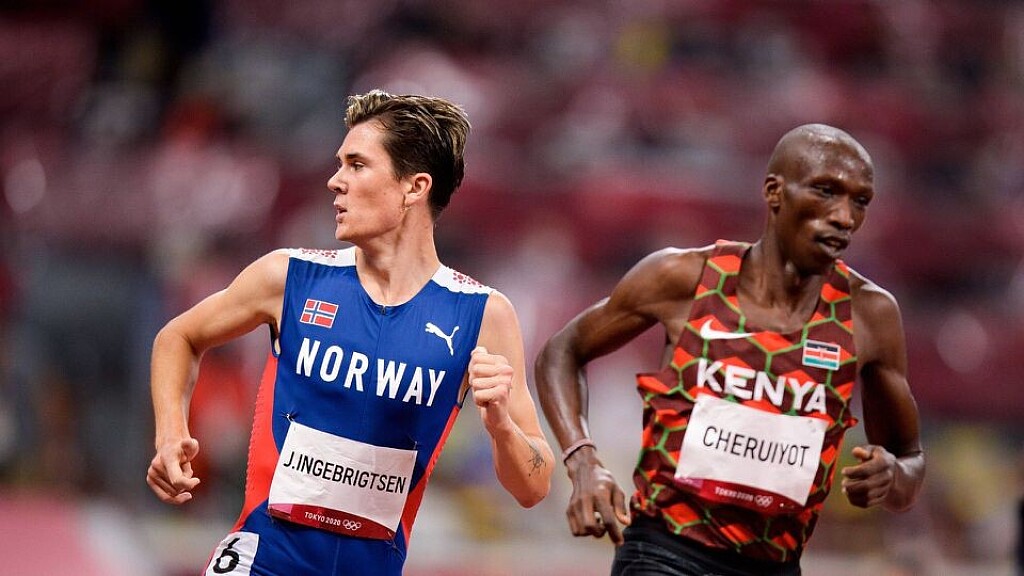
Timothy Cheruiyot shares key reason why he loves competing against Jakob Ingebrigtsen
Timothy Cheruiyot has explained why he loves running against his track rivals, singling out Jakob Ingebrigtsen as one of his favourite.
Former world 1500m champion Timothy Cheruiyot has opened up for his love competing against track rival Jakob Ingebrigtsen.
Cheruiyot and Ingebrigtsen were in action at the Diamond League Meeting in Oslo, where they went head-to-head to the finish line with the Norwegian middle-distance runner dramatically diving over the line to take the top prize.
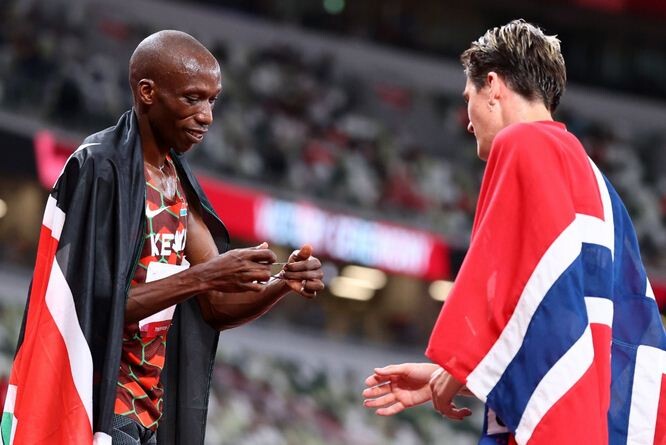
The two-time world 5000m champion crossed the line in a world leading time of 3:29.74 ahead of Cheruiyot who came in close second in 3:29.77. Frenchman Azeddine Habz sealed the podium, clocking an astonishing season best time of 3:30.80 to cross the finish line.
Cheruiyot, the Olympic Games silver medallist, noted that he loves competing against talented athletes like Ingebrigtsen who usually push him to the limit. Going into Oslo, Cheruiyot had high expectations to win the race but expressed satisfaction with his second-place finish.
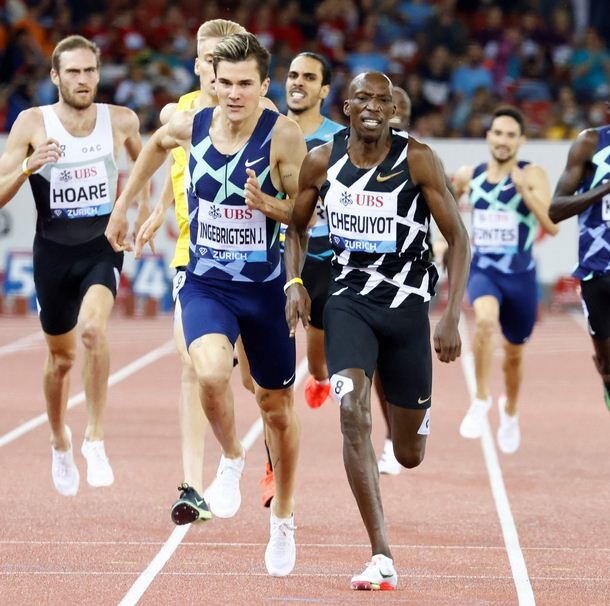
He has been out with an injury bout but is slowly coming back to competing and will certainly be a force to reckon with.
“Racing with my compatriot, Jakob - it makes me happy, he's a strong guy and he finished fast today. I'm glad to be here in Oslo for the second time, the track is amazing.
“I was expecting the win but I'm satisfied I managed to run under 3:30 today. Now, I'm going home to prepare for the Kenyan trials - I need to finish in the top three.
“For the last nine months, I've been injured so I need to focus on training more to improve my fitness ahead of Paris, where I hope to get another medal for my country,” Cheruiyot said.
He opened his season with a second-place finish at the Diamond League Meeting in Doha before doubling in the 1500m and 800m at the National Championships.
by Abigael Wuafula
Login to leave a comment
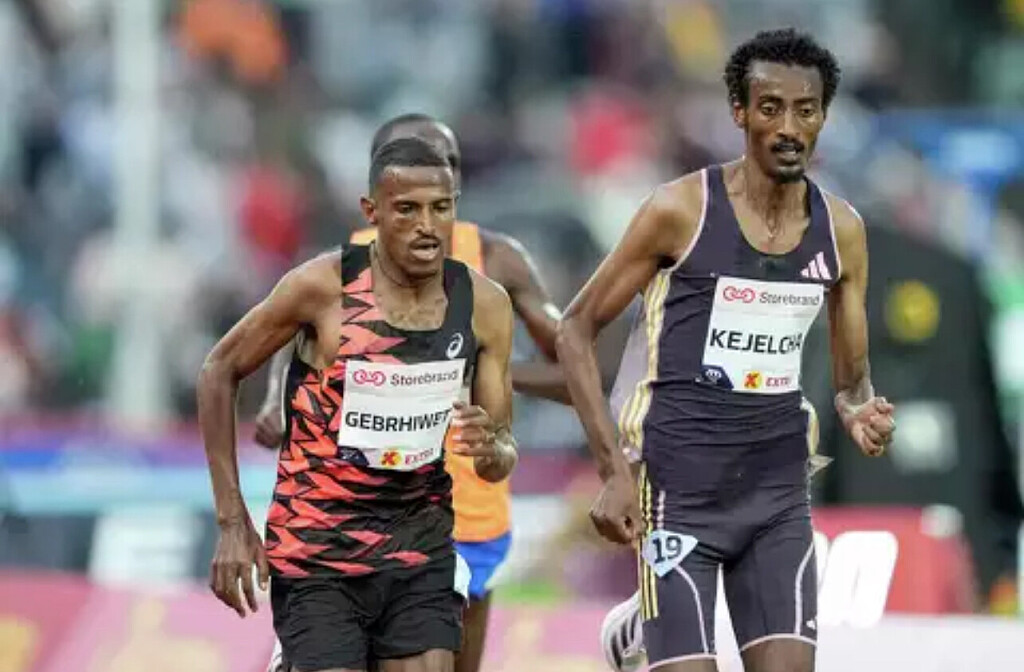
An amazing fast 5k in Oslo
OSLO, Norway (AP) — Hagos Gebrhiwet of Ethiopia ran the second-fastest 5,000 meters of all time in winning at the Diamond League meeting in Oslo on Thursday.
Gebrhiwet ran a final lap of 54.99 to finish in 12 minutes, 36.73 seconds — 1.37 seconds off the world record set by Olympic champion Joshua Cheptegei.
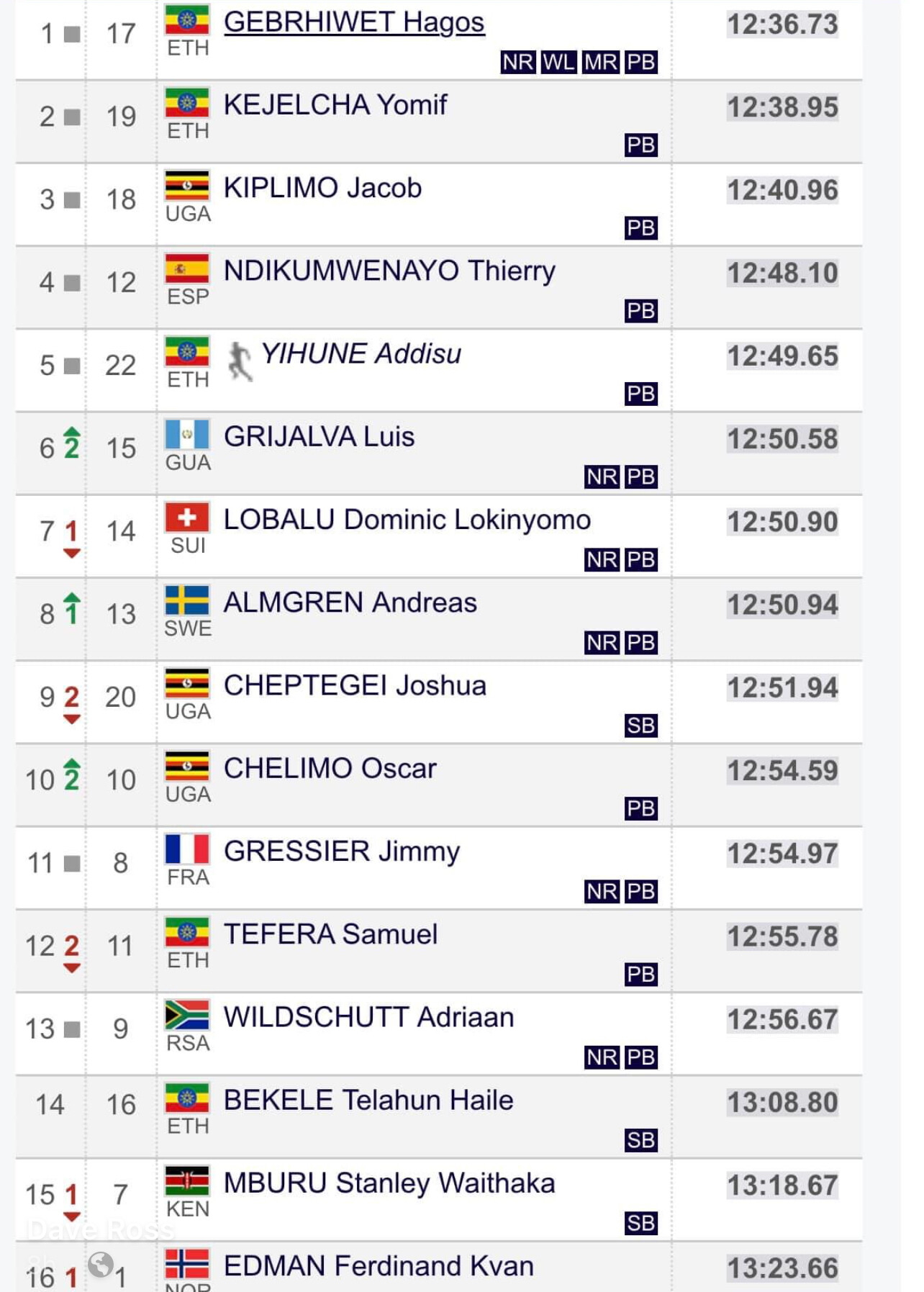
Gebrhiwet's time is not only the second fastest time ever it was also a new national record for Ethiopia. New personal bests for the top eight finishers and new National records for Guatemala, Switzerland, Sweden, France and South Africa!
Also at the Bislett Games, home favorite Jakob Ingebrigtsen dived for the line to win the men's 1,500 just ahead of Timothy Cheruiyot in a world-leading 3 minutes, 29.74 seconds.
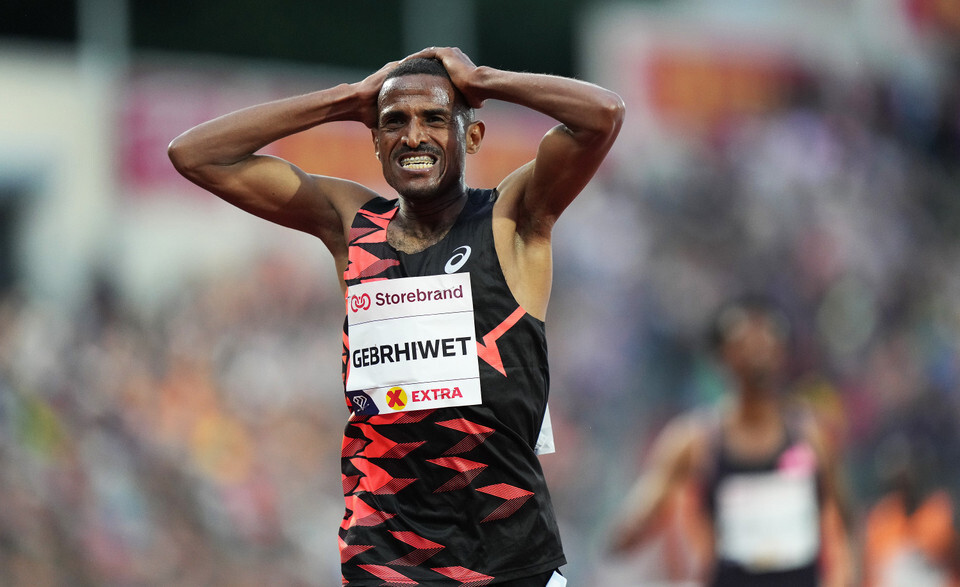
More details: Hagos Gebrhiwet produced the standout performance of the Bislett Games – and one of the biggest surprises of the year so far – when winning the men’s 5000m in 12:36.73 at the Wanda Diamond League meeting in Oslo on Thursday (30).
It was one of three meeting records and five world leads set on an enthralling night of athletics action in the Norwegian capital, just two months away from the Paris Olympic Games.
Going into the men’s 5000m, many eyes were on world record-holder and Olympic champion Joshua Cheptegei, two-time world cross-country champion Jacob Kiplimo and last year’s Bislett Games winner Yomif Kejelcha. But Gebrhiwet – who produced the first sub-13-minute run of his career on this track as a teenager back in 2012 – ensured his name won’t be forgotten in the lead-up to the Olympics.
The early pace was strong but not spectacular as the field was paced through the first 1000m in 2:33.13 and 2000m in 5:07.05. Addisu Yihune maintained that tempo through 3000m, reached in 7:41.05, with all the big contenders still in contention.
Kejelcha took control soon after and started to wind up the pace. Gebrhiwet stayed close to his fellow Ethiopian with Ugandan duo Kiplimo and Cheptegei close behind as 4000m was reached in 10:11.86, the previous kilometre being covered in 2:30.
Cheptegei was unable to hold on for much longer and started to drift back. Kejelcha continued to drive the pace but the challenge from Gebrhiwet and Kiplimo wasn’t fading, despite the increase in pace. Gebrhiwet struck as the bell sounded and moved into the lead, kicking past his compatriot and pulling away with each stride.
With a final lap of 54.99, Gebrhiwet charged through the line in 12:36.73 to win by more than two seconds from Kejelcha (12.38.95) – the first time in history that two men have broken 12:40 in the same race.
Gebrhiwet’s winning time is just 1.37 seconds shy of the world record Cheptegei set in 2020 and moves him to second on the world all-time list, one place ahead of Kenenisa Bekele, whose Ethiopian record Gebrhiwet broke.
Kiplimo held on for third, setting a PB of 12:40.96, while Spain’s Thierry Ndikumwenayo (12:48.10) and Yihune (12:49.65) also finished inside 12:50.
It was just the second time in history that 13 men have broken 13 minutes. Along with Gebrhiwet, there were national records for Guatemala’s Luis Grijalva (12:50.58), Switzerland’s Dominic Lokinyomo Lobalu (12:50.90), Sweden’s Andreas Almgren (12:50.94), France’s Jimmy Gressier (12:54.97) and South Africa’s Adriaan Wildschutt (12:56.67).
“I’m really happy with my time,” said Gebrhiwet, the world road 5km champion. “I set a PB when I first ran in Oslo, and now it’s even better. The conditions and the crowd were great. It was a very fast race and it wasn’t easy for me, but it went very well. I’ll now try to qualify for the Olympics in the 10,000m too.”
There were notable performances in two other endurance events in Oslo.
Australia’s Georgia Griffith continued her breakthrough to win the 3000m in an Oceanian record of 8:24.20. The field had been paced through 1000m in 2:50.34, then that pace was maintained through 2000m in 5:40.73.
The field became more strung out over the final kilometre as the pace increased. Griffith made a break in the closing stages and Ethiopia’s Likina Amebaw tried to come back, but her challenge was in vain as the Australian won in a meeting record of 8:24.20, 0.09 ahead of Amebaw in a race where the top six women finished inside 8:30.
In the closing event of the night, Olympic champion Jakob Ingebrigtsen was made to dive for the line to ensure a home victory for the Norwegian fans.
He controlled the pace in the second half, but still had 2019 world champion Timothy Cheruiyot for company on the final lap. The Kenyan challenged the Norwegian down the home straight and appeared to have timed his kick to perfection, but Ingebrigtsen collapsed over the line to get the verdict in a world-leading 3:29.74, 0.03 ahead of Cheruiyot. The first 11 finishers all set either season’s or personal bests.
Login to leave a comment
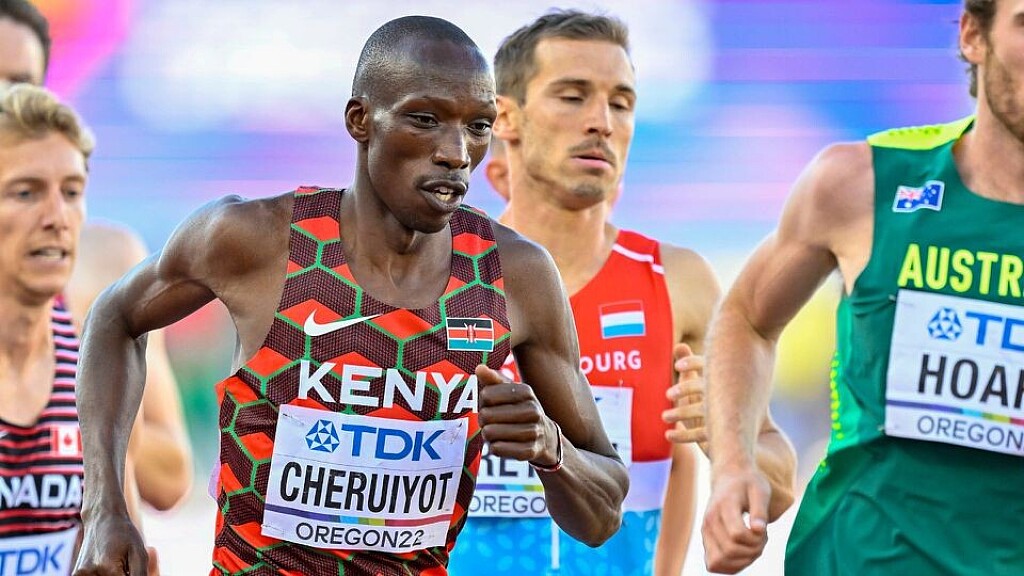
Timothy Cheruiyot outlines comeback strategy with main focus on Paris 2024 Olympics
Former world 1500m champion Timothy Cheruiyot has opened up on his comeback strategy after injuries almost threatened to end his career.
Olympic 1500m silver medalist Timothy Cheruiyot is slowly gaining his confidence as he outlines his comeback plan to where he feels he rightfully belongs, the top.
Cheruiyot suffered an injury bout that cost him since 2022 where he failed to defend his world title at the Oregon World Championships and also faltered at the 2023 World Championships in Budapest, Hungary.
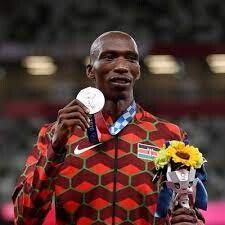
The former world champion is now plotting a great comeback and he has already started competing after his exit from the World Championships in Budapest.
He opened his season with a second-place finish at the Diamond League Meeting in Doha before doubling in the 1500m and 800m at the National Championships.
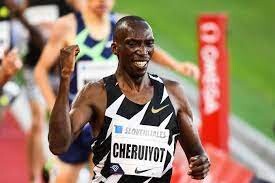
He now heads to the Diamond League Meeting in Oslo, where he will be up against a strong field, but he can’t be downplayed since he is also an able athlete.
Cheruiyot also disclosed that his main focus is on the Olympic trials where he intends to shine and go to Paris to improve his silver medal from the delayed 2021 Tokyo Olympic Games.
“I feel good…the races were good and I was well prepared. I decided to do two races, the 800m and 1500m, and it was really good because we are focusing ahead,” he said.
“I feel so great because last year I was having an injury but now I’m getting better. For now, I’m focusing on the Diamond League races and then the trials,” he said.
The Olympic silver medalist also noted that at the Diamond League Meeting in Doha, his body was about 85 per cent and fired warning shots at his opponents.
“At the Diamond League Meeting in Doha, my body was about 85 per cent because that was my first race after nine months, since Budapest. So, it was about gaining confidence and now, I’m ready to go. The confidence is coming back,” he added.
by Abigael Wuafula
Login to leave a comment

Walter Childs Memorial Race of Champions Marathon
America's 10th Oldest Marathon and the 19th Oldest Marathon in the World, this marathon provides runners with a challenging and rural course....
more...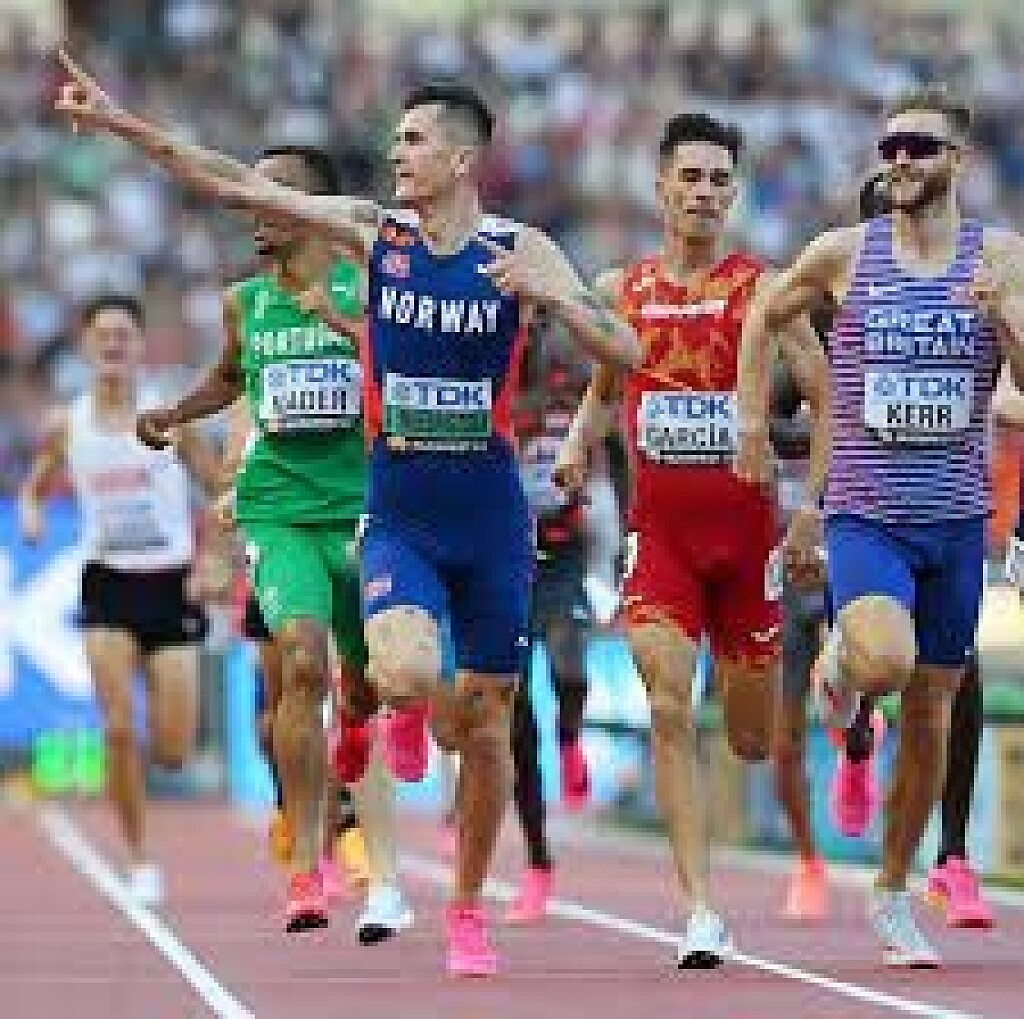
Jakob Ingebrigtsen hopes to open his season at Pre Classic
After a record-setting 2023 season, it has been a quiet year (so far) for Norwegian distance star Jakob Ingebrigtsen. The 24-year-old has been sidelined with an Achilles injury, which will keep him out of next month’s World Indoor Championships in Scotland and World XC in Serbia.
In an exclusive interview with Norwegian broadcaster NRK, Ingebrigtsen remained confident that he would be good to go for the summer track season. “Plan A is to start the season in Eugene [Diamond League, on May 25], run Bislett Games [Oslo Diamond League] on May 30, and the European Championships in Rome after that [June 7],” said Ingebrigtsen. “I think that will work well this year. And then full focus on the Olympics after that, so most likely a good season in the late summer.”
Last year was one of the most dominant seasons of Ingebrigtsen’s young career; he set world bests over two miles and 2,000m and clocked the second-fastest mile time in history (3:43.73) at the 2023 Diamond League Final in Eugene. He also went through a lot off the track, marrying his longtime partner Elisabeth Asserson and having a public falling out with his former coach and estranged father, Gjert Ingebrigtsen.
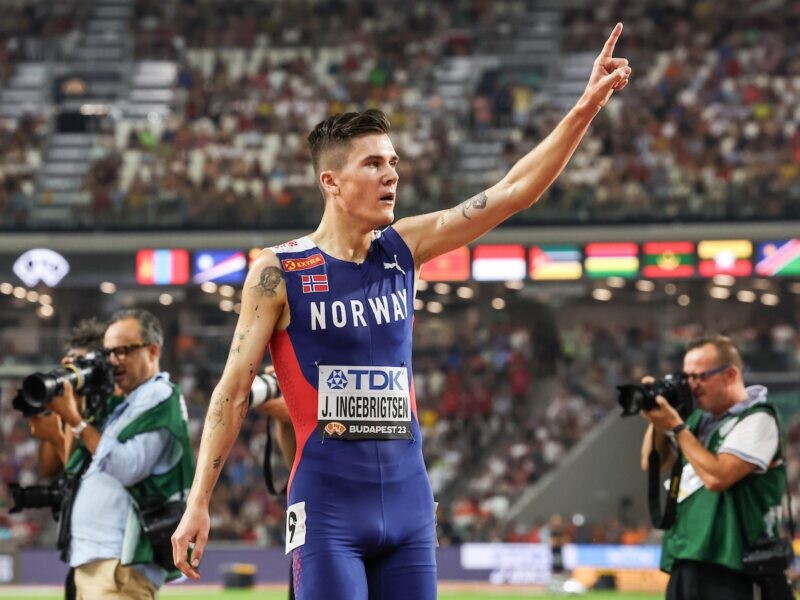
Ingebrigtsen told NRK that he took some time off from running during his wedding and honeymoon in the Maldives, and when he tried to start training again, the challenges began. “I got sick during the break,” said Ingebrigtsen. “When I started training again, it hurt like hell, then the Achilles tendon snapped.” He believes the problem occurred from inflammation around the Achilles tendon on his right foot.
He also admitted in the interview that he was struggling with pelvic pain before the 2023 World Athletics Championships in Budapest, where he defended his world title in the 5,000m and took silver to Great Britain’s Josh Kerr in the men’s 1,500m, losing to a British middle-distance runner for the second year in a row (Jake Wightman, 2022 worlds).
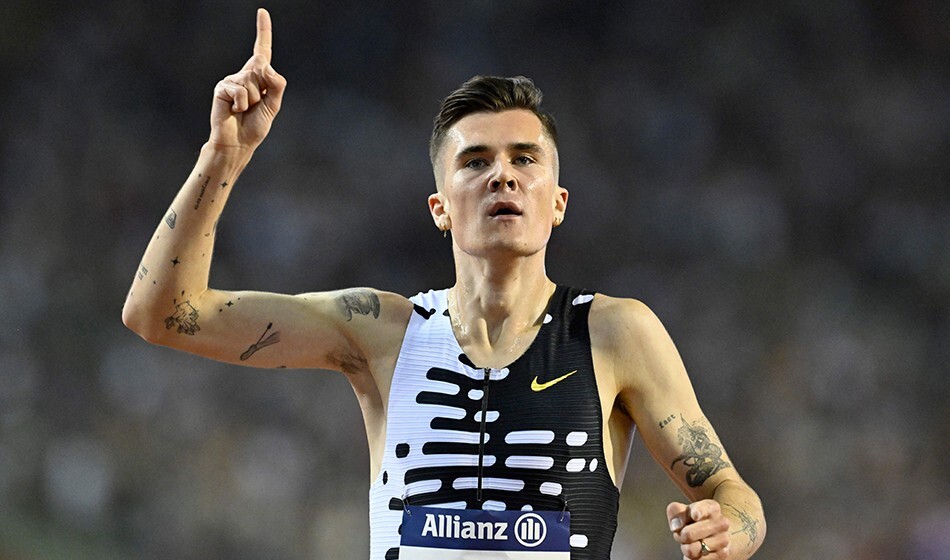
Ingebrigtsen said he is still motivated by his loss to Kerr and is trying to use it as a lesson: “It is again very important to try to analyze what you have done, or what you have been through, to see that it is not necessarily to blame, but what you can perhaps do differently. And I’m a big fan of that.”
Kerr and Ingebrigtsen have been public about their dislike of one another. After Kerr won the world title in Budapest, Ingebrigtsen called the Scottish runner “just the next guy.” In a podcast, Kerr responded by saying that Jakob has “major weaknesses” and “surrounds himself with yes men.” On the prospect of another duel in Paris, Kerr said: “I just hope he’s ready to go. I hope that when we cross that finish line in Paris, everyone can shake each other’s hand and be like, “Whoever wins is good, they’re the best.”
With Ingebrigtsen currently training on the elliptical and water running, fans will be denied a potential early clash between the world and Olympic 1,500m champion at the World Indoor Championships in Glasgow in March. Kerr hopes for glory on home soil, competing in a major championship in his home country for the first time.
by Marley Dickinson
Login to leave a comment

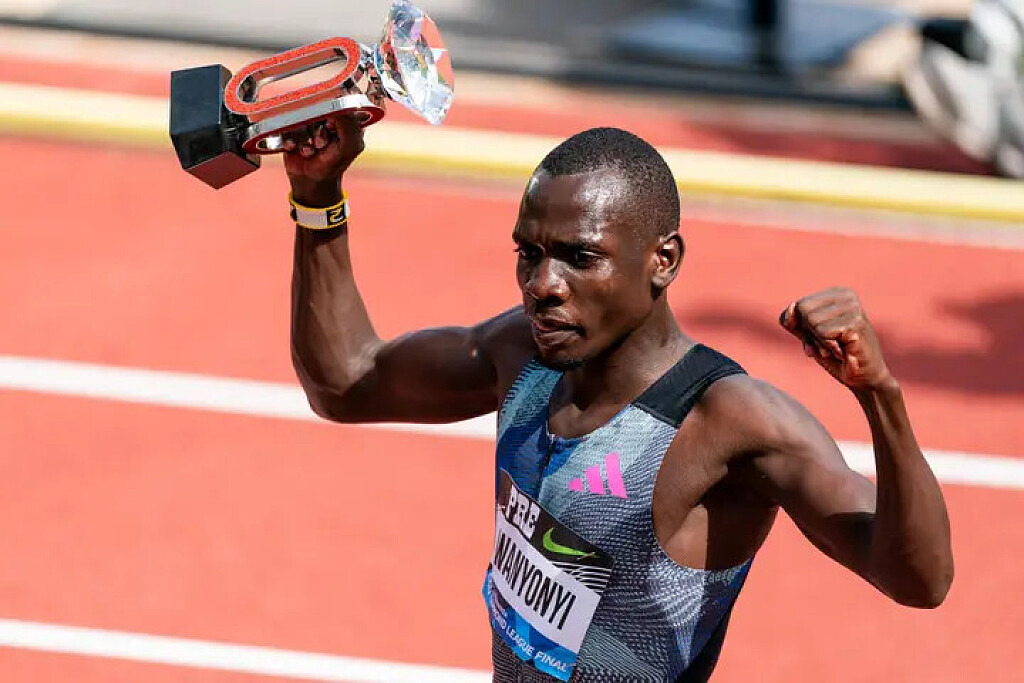
Wanyonyi nominated for World Athletics Rising Star award
World Under 20 gold medalist Emmanuel Wanyonyi has been nominated as a Rising Star by the World Athletics.
The three categories of achievements he has been slotted for include World Championships 800m silver medalist, Diamond League champion and winner in Rabat, Paris and Xiamen World cross country mixed relay champion.
In recognition of the achievements, World Athletics acknowledged;
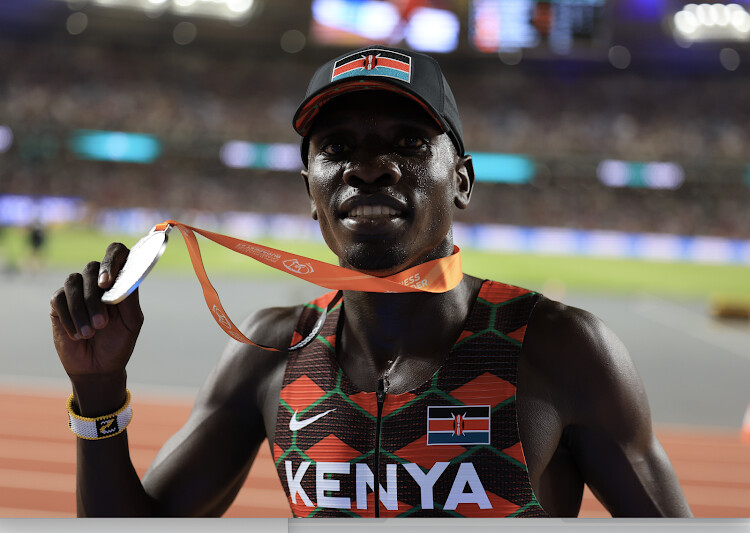
“The nominations reflect some of the standout performances that the sport has witnessed this year, at the World Athletics Championships Budapest 23, World Athletics Cross Country Championships Bathurst 23, one-day meeting circuits and other events around the world.”
Wanyonyi, boasts of a personal best of 1:43:27 he clocked 1:44:53 and finished behind Marco Arop of Canada silver in Budapest.
Subsequently, he kicked off his Diamond League campaign with a victory in Rabat, Morocco at the end of May, followed by another triumph in Paris, France in early June.
In February, the young athlete commenced the year with a gold medal victory in mixed relays at the 2023 World Cross-Country Championships held in Bathurst, Australia. In May, he successfully defended his Kip Keino Classic title in Nairobi.
The middle-distance runner also ran a new Championship Record of 1:43.76, cruising to victory in the men’s 800m at the World Athletics Under-20 Championships in 2021 at Moi Sports Center Kasarani.
Back home, the 19-year-old is among the over 3.5milion Form Four candidates sitting for the Kenya National Examination Council (KCSE) examinations. He has undertaken the finals at Kosirai Secondary School in Nandi County.
The two others nominated under the same category are Jamaica’s Roshawn Clarke for World Championships 400m hurdles fourth place, equaled and then broke the world U20 record with 47.85 in Kingston and 47.34 in Budapest and Jamaican champion and CARIFTA Games U20 champion.
Erriyon Knighton from the USA for World Championships 200m silver medalist, US champion and Winner of Diamond League races in Florence and Oslo.
An international panel of experts will select the 2023 Men's Rising Star Award winner, and the announcement will be made on World Athletics' platforms on December 11th.
by World Athletics
Login to leave a comment
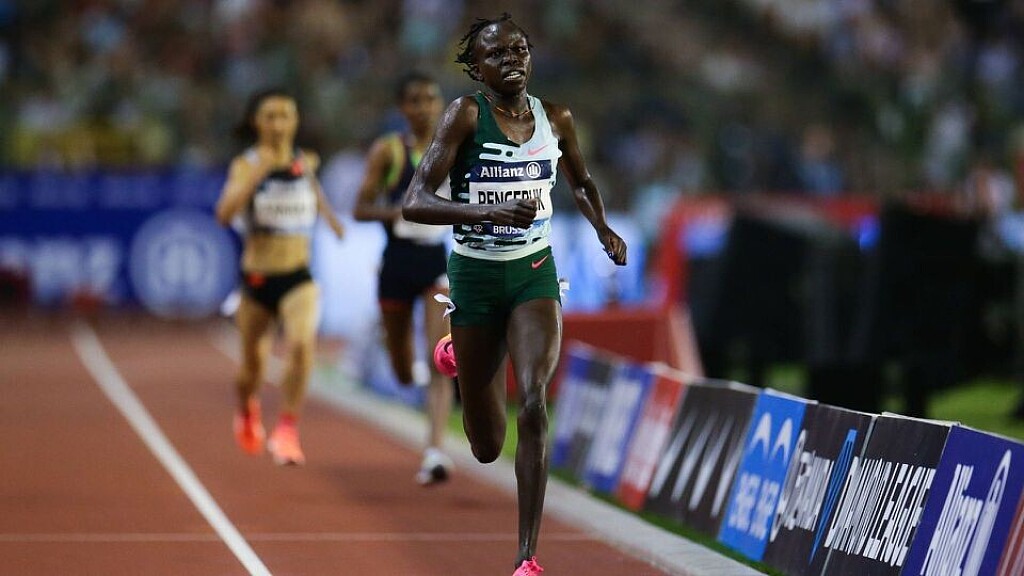
Lilian Kasait reminisces on season comeback after doping ban
Lilian Kasait has given a candid assessment of her season after completing her doping ban in February.
Lilian Kasait is one of the few athletes who bounced back after a doping ban threatened her career and she has come out to give an assessment of her 2023 season.
According to reports by BBC, the Kenyan runner was banned for 10 months for the use of the hormone therapy drug Letrozole.
The former world Under-18 3,000m champion had her results annulled on January 20, 2022, the day she provided her positive sample. Her suspension ran from April 2022 to February 2023 after admitting to her guilt.
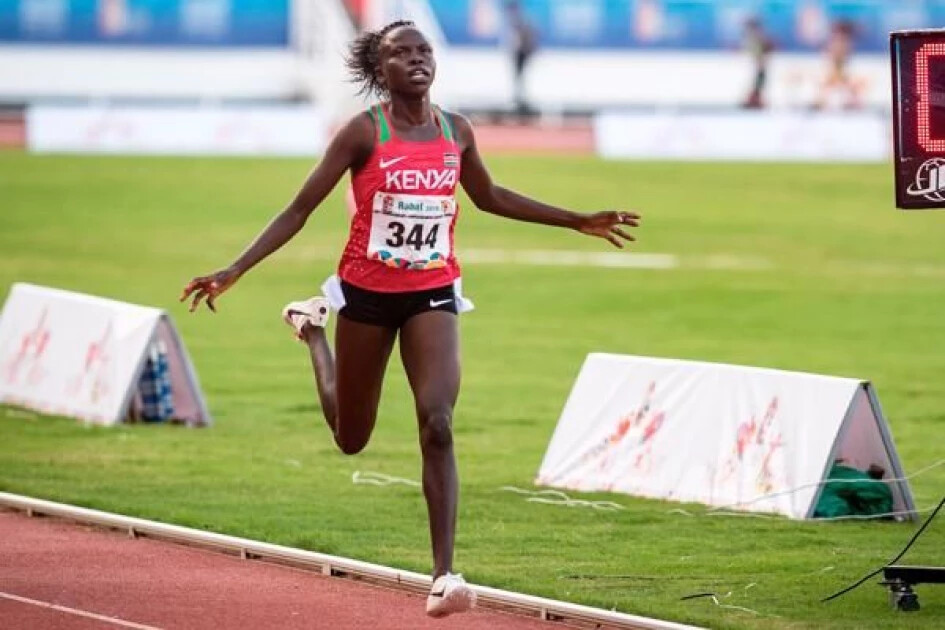
Speaking to Nation Sport after ending her season at the World Road Running Championships, Kasait expressed her delight to have made a comeback and ended her season on a high. She bagged a silver medal at the global showpiece where she was debuting.
“I’m very happy because I’ve ended my season with a medal. The road race was my first and I just went there hoping for the best,” she said.
Kasait opened her season with a fourth-place finish at the Kip Keino Classic before proceeding to reign supreme in the 1500m and 5000m at the Kenya Prisons Championships.
She then began her Diamond League Trophy campaign at the Meeting in Paris where she finished fourth in the 5000m before heading to the Meeting in Oslo where she competed in the 3000m and finished second.
The former All Africa Games champion then jetted back to the country for the National Championships and World Championships National Trials. She secured a ticket to the global show in the Hungarian capital and managed to finish 10th.
She soothed her World Championships heartbreak with a win at the Diamond League Meeting in Brussels before closing her track season at the Prefontaine Classic with a fourth-place finish.
by Abigael Wuafula
Login to leave a comment

What Makes Training High-Quality—or Not?
All the digital training data in the world may not tell you whether your workout was any good
The next frontier in training science, currently being debated in publications like the International Journal of Sports Physiology and Performance, sounds like it was torn from the pages of Robert Pirsig’s 1974 road novel, Zen and the Art of Motorcycle Maintenance. Pirsig’s narrator is obsessed to the point of madness with the seemingly intractable question of how we know what is good. “Some things are better than others,” he proclaims, “that is, they have more quality.” That’s true of training, too, according to Norwegian sports scientist Thomas Haugen: some workouts are better than others, in ways that aren’t necessarily indicated by stats like pace, power, heart rate, and cadence.

Earlier this year, Haugen, a professor at Kristiania University College in Oslo, published a paper with colleagues attempting to transform this observation into a more concrete definition of training quality—and suggesting ways that athletes and coaches can improve it. It’s a riddle Haugen has been contemplating since the 1990s, when he was a sprinter and an assistant coach with legendary sprint guru Leif Olav Alnes, who currently coaches Karsten Warholm, the world record holder in the 400-meter hurdles. “One of the things I observed was that all other sprint groups in Norway tried to copy our training program, without achieving the same progress and success,” Haugen says. “That made me realize that the training program itself was of limited importance.”
What does it mean, then, when you complete a training session feeling that it was a great—or at least high-quality—workout? The easy answer is that you went faster, lifted heavier, or felt less effortful than you had in comparable workouts. But that’s a trap. Hammering your workouts at the wrong time can blow up a season and torpedo your competitive goals. When Australian researchers interviewed elite swimmers to understand how they viewed training quality, their answers were more nuanced. A common theme, in the words of one of the study’s participants, was “whether you’re hitting the times you’re supposed to be hitting”—that is, not necessarily going faster, but nailing the intended pace.
The swimmers also emphasized less quantifiable quality benchmarks like “feeling my stroke” and “feeling determined and driven.” On that basis, the researchers, led by Stephanie Shell of the Australian Institute of Sport, proposed a Subjective Training Quality scale that asks athletes to rate, from one to ten, their agreement with three statements: I met my physical training objectives in this session; I met my technical training objectives in this session; and I was mentally and emotionally engaged in this session. The STQ, Shell and her colleagues suggest, could be incorporated into training logs alongside conventional metrics like pace and subjective effort, offering a reminder of how well you’re doing at following your workout plan.
There’s a gap in the STQ, though, as Haugen and his colleagues point out. What if you do an amazing job of following your plan, but your plan is bad? Part of high-quality training is having workouts that are well chosen for a given athlete at a given time working toward a given goal. And even with a good plan, rigidly observing it doesn’t always make sense. “Based on how you felt today, was the easy long run slightly too fast?” Haugen asks. “Or, if you felt really good on the intervals, why didn’t you add two or three more to the session?”
In their paper, Haugen and his colleagues define training quality as “the degree of excellence related to how the training process or training sessions are executed to optimize adaptations and/or improve overall performance.” It’s hard to argue with so general a definition, but it’s also tricky to figure out how to make practical use of it. How do I assess whether this morning’s fartlek was very good, very bad, or somewhere in between for my overall performance in a race a few months from now?
Haugen’s practical advice focuses on three key windows. Before a workout, you should be clear about the purpose of the session; make sure you’re properly fueled, hydrated, and equipped; and get yourself in the right head space. During the workout, you need to monitor how well you’re adhering to your goals, whether with a smartwatch or by tracking subjective effort; make adjustments based on how you’re feeling; and stay focused, fueled, and hydrated. After the workout, you need to recover well and—perhaps most crucially—debrief and assess how the workout went in relation to your goals. “The best practitioners have established a culture of continuous learning,” Haugen and his coauthors write.
The great cliché of the Strava age, borrowed from corporate management gurus, is that what gets measured gets managed. But even the business world knows that isn’t the full story. Management writer Simon Caulkin suggests a qualification: “even when it’s pointless to measure and manage it.” Much of the fire hose of training data that our wearables collect could be said to fall into this category. But the broadest definitions of training quality land at the opposite end of the spectrum, so vague and generic in their guidance that they risk being ignored. To manage training quality, or at least keep it on our radar, maybe we do need something to measure.
A useful option is the STQ; a simpler one is the intention-execution gap: How close did you come to doing what you meant to do in the workout? You could quantify this with average pace, power, or heart rate. But the easiest and most generalizable option is your subjective perception of effort. How hard, on a ten-point scale, is the workout supposed to be? And how hard did you actually push? This approach works whether you’re in the gym or on the bike, out for hours or crushing short intervals. It adjusts for whether you’re feeling better or worse than expected. It gives you a quick and easily understandable metric for whether you pushed yourself to the degree your training plan called for. And if you start noticing a pattern of big misses, it tells you that you’ve got a problem.
Haugen recognizes the benefit of tracking some quantifiable quality metrics. But that is just part of the story, he says. The core of training quality is, well, qualitative. “This involves a strong sense of ownership of the training process, motivation, dedication, determination, and training intelligence,” he says. These are the characteristics that athletes and coaches spend a career or perhaps a lifetime pursuing, and they don’t lend themselves to checklists and shortcuts. But they matter. Training quantity is nothing without training quality—and for now, the best way to improve quality might be to keep arguing about what it means. After all, as Robert Pirsig pointed out, “If no one knows what it is, then for all practical purposes it doesn’t exist.”
by Outside Online
Login to leave a comment
