

Running News Daily
Running News Daily is edited by Bob Anderson and team. Send your news items to bob@mybestruns.com Advertising opportunities available.
Index to Daily Posts · Sign Up For Updates · Run The World Feed
Articles tagged #100 metres
Today's Running News
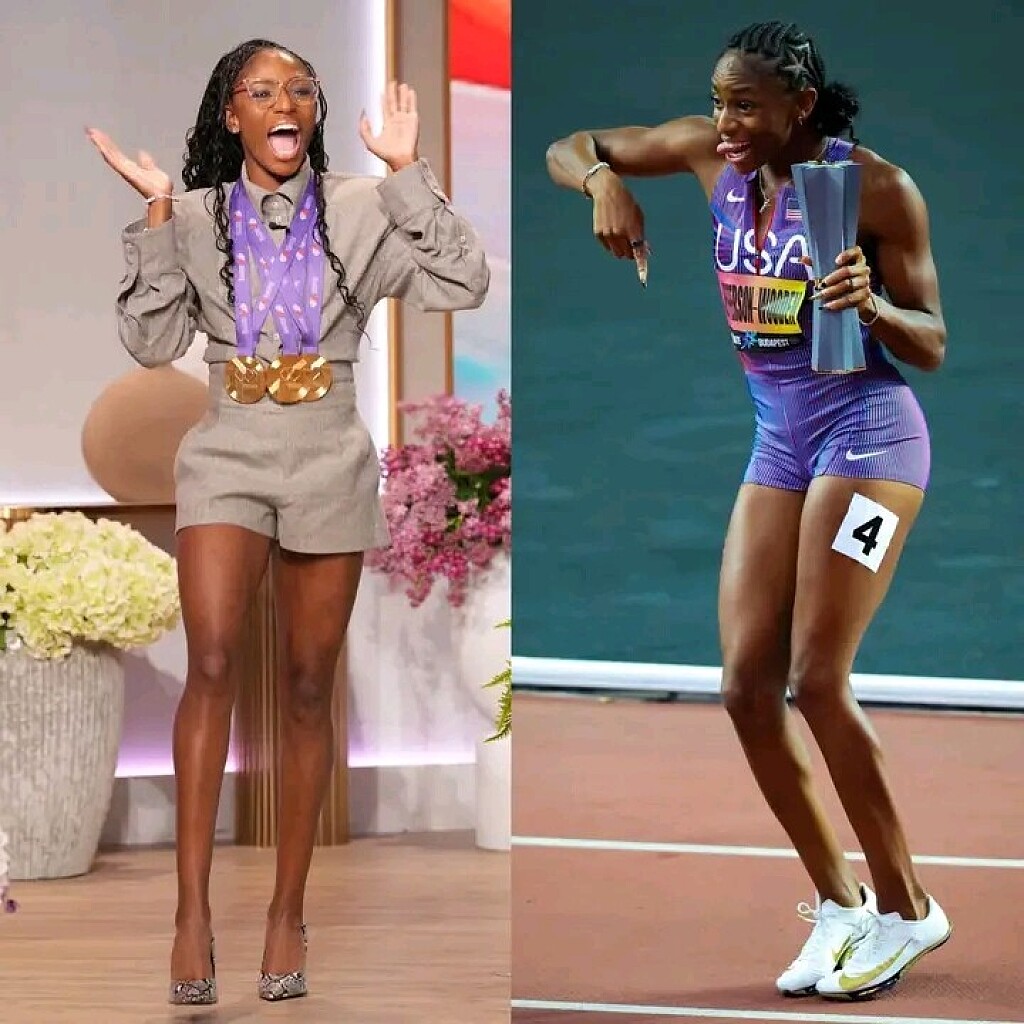


Melissa Jefferson-Wooden’s Rise to Sprinting Greatness: Five World Titles and a Place Among the Fastest Women Ever
American sprint sensation Melissa Jefferson-Wooden has established herself as one of the most exciting names in women’s athletics, combining explosive speed with the ability to deliver on the sport’s biggest stages. Her remarkable championship performances have strengthened her reputation as a formidable force in the 100m and 200m, while placing her among the leading figures of a new generation of American sprinters.
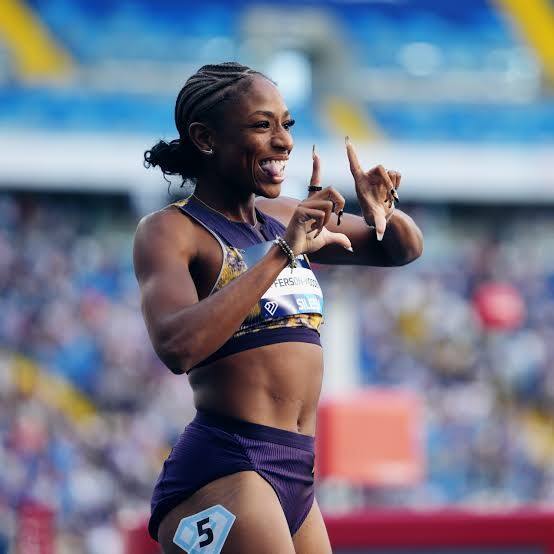
Her achievements reflect a combination of consistency, technical excellence and the ability to produce exceptional performances when the pressure is at its highest. From sprinting supremacy over 100 metres to challenging the limits of the 200m, Jefferson-Wooden’s rise has captured the attention of athletics fans around the world.
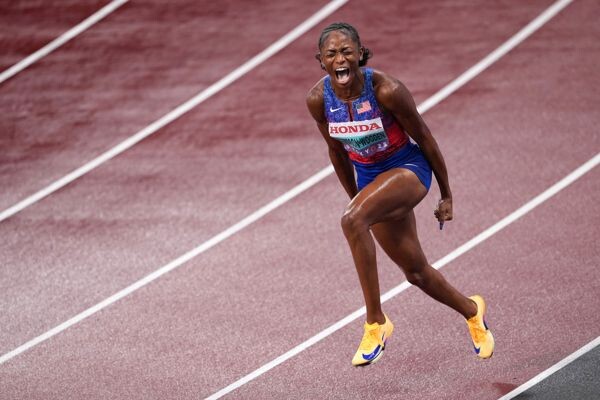
At the 2025 World Athletics Championships in Tokyo, she delivered an extraordinary series of performances, winning three gold medals in the women’s 100m, 200m and 4x100m relay. The treble represented a major milestone in her career and demonstrated her ability to excel across individual sprint events and team competition.
Jefferson-Wooden won the 100m in 10.61 seconds, setting a championship record and improving her personal best. The performance underlined her acceleration and top-end speed, securing her place among the fastest women in the history of the event.
She continued her winning run in the 200m, taking gold in 21.68 seconds. Her performance demonstrated that her abilities extended well beyond the shorter sprint, as she combined speed with the strength and composure required to maintain her pace around the bend and through the home straight.
The American then helped complete the golden sweep in the 4x100m relay, anchoring the United States team to victory in 41.75 seconds. Three gold medals at one championships represented a defining achievement, placing her in the company of the sport’s most versatile female sprinters.
Rather than allowing that success to become the high point of her career, Jefferson-Wooden continued to pursue excellence, with her performances in the 100m and 200m further highlighting her potential to leave a lasting mark on the sport.
by Erick Cheruiyot for My Best Runs.
Login to leave a comment

From Bolt To Seville: Jamaica’s Sprinting Torch Enters A New Era
For more than a decade, Usain Bolt defined Jamaican sprinting on the world stage. Now, a new generation is beginning to write its own chapter — and at the centre of that transition stands Oblique Seville, a sprinter whose journey is closely connected to the very people who shaped Bolt’s legendary career.
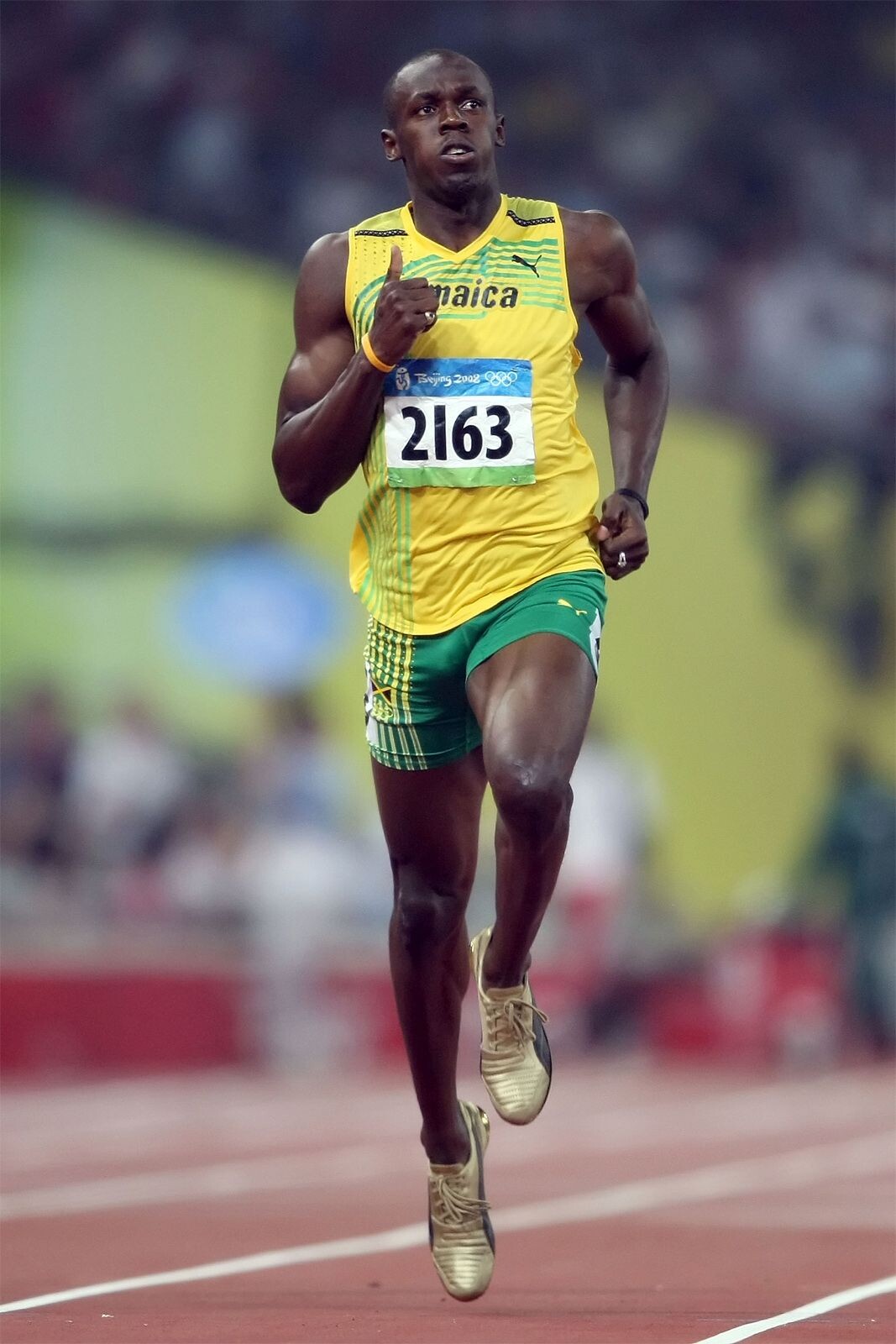
Seville announced himself as Jamaica’s new 100m champion in spectacular fashion at the 2025 World Athletics Championships in Tokyo. Running a lifetime best of 9.77 seconds, he captured the world title ahead of compatriot Kishane Thompson, who clocked 9.82, giving Jamaica a memorable one-two finish.
The significance of the victory was enormous. Seville became the first Jamaican man since Bolt to win the World Athletics Championships 100m title. And watching from the stands was Bolt himself, who celebrated enthusiastically as his compatriot delivered one of the biggest victories of his career.
But the connection between the two generations goes far beyond that unforgettable night in Tokyo.
A Dream That Began At 10
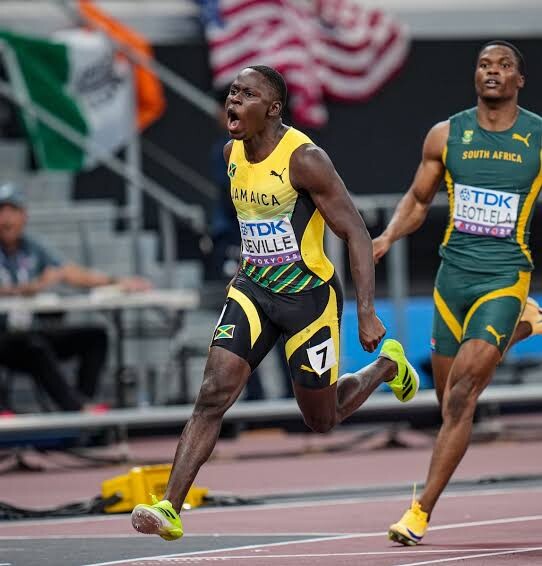
Long before Seville became a world champion, he already knew exactly who he wanted to coach him.
When he was around 10 years old, Seville reportedly told his mother that he wanted to train under Glen Mills — the renowned Jamaican coach who guided Bolt during the most dominant period of his career.
That childhood ambition eventually became reality. Seville joined the Racers Track Club and came under the guidance of Mills, establishing a relationship that has played a major role in his development as an elite sprinter.
Mills had already helped shape one of the greatest sprinters in history. Now, years later, he was helping another Jamaican talent reach the summit of the 100 metres.
Bolt Became More Than An Inspiration
Seville has also spoken about the influence Bolt has had on his life away from the track.
Following the death of his father, Gerald Seville, Bolt became an important source of encouragement and motivation for the young sprinter. Seville has described Bolt as a major motivator, adding another deeply personal dimension to a relationship that began with admiration from afar.
That makes the scene in Tokyo even more powerful: the athlete Seville grew up watching was there as he achieved the breakthrough that could define his own generation.
Bolt's presence was not simply symbolic. Before the final, he had spoken about Seville and Thompson as athletes capable of challenging for the gold medal. Seville ultimately delivered when the pressure was greatest.
From 9.77 To A New Challenge
Seville's Tokyo triumph was not the end of the story.
In 2026, he continued to establish himself among the world's leading sprinters, eventually claiming the men's 100m Diamond League title at the series final in Brussels. He also produced a season-best 9.82 in Kingston and recorded several victories during the Diamond League campaign.
The progression is significant. From an ambitious youngster dreaming of being coached by Glen Mills, to a World Championships gold medallist, and now a Diamond League champion, Seville is steadily building a career that belongs to him.
Yet he remains deeply respectful of the athlete whose footsteps he is following.
Seville has repeatedly acknowledged Bolt's greatness, while also believing that the next generation of Jamaican sprinters can push the event to another level. The ambition is clear: the future may eventually demand performances in the 9.6-second range.
For now, however, Seville's focus is not on becoming another Usain Bolt.
It is on becoming the best version of Oblique Seville.
The Torch Has Been Passed — But The Story Is Still Being Written
Jamaica's sprinting tradition has produced some of the most extraordinary athletes the sport has ever seen. Bolt took that tradition to an unprecedented level. Seville now represents a new generation determined to keep it alive.
The symbolism is difficult to miss.
The coach who helped guide Bolt is now guiding Seville. The champion who once inspired Seville as a young boy was there to watch him become a world champion. And the young Jamaican who once dreamed of joining Glen Mills is now collecting major titles of his own.
Seville has already secured a World Championships 100m title, a 9.77 personal best and a Diamond League crown.
The next chapter of Jamaican sprinting is no longer waiting to begin.
It is already underway.
And with Glen Mills in his corner and Usain Bolt among those who have helped inspire him, Oblique Seville is carrying the Jamaican sprinting tradition forward — while creating a legacy of his own.
by Erick Cheruiyot for My Best Runs.
Login to leave a comment
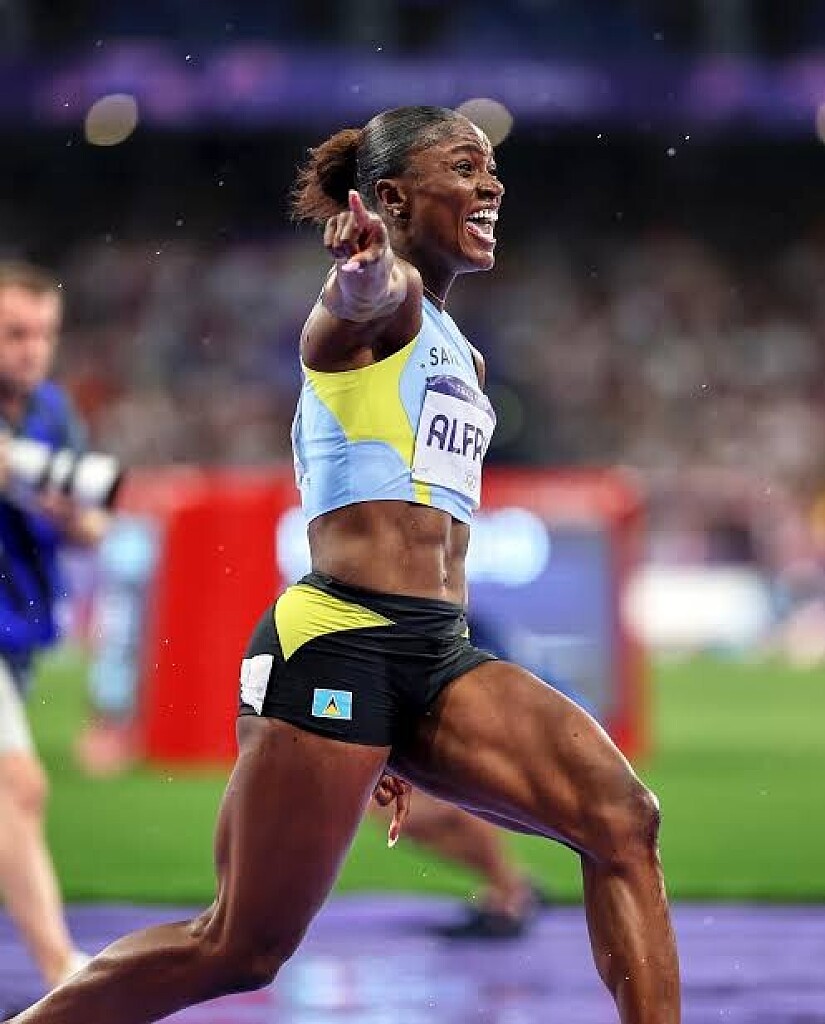
Julien Alfred’s Olympic Legacy Set To Become A Permanent Landmark In Saint Lucia
Julien Alfred’s historic rise from a young sprinter in Saint Lucia to an Olympic champion is set to receive a lasting tribute, with plans advancing for a permanent statue in honour of the country’s greatest Olympic achievement.
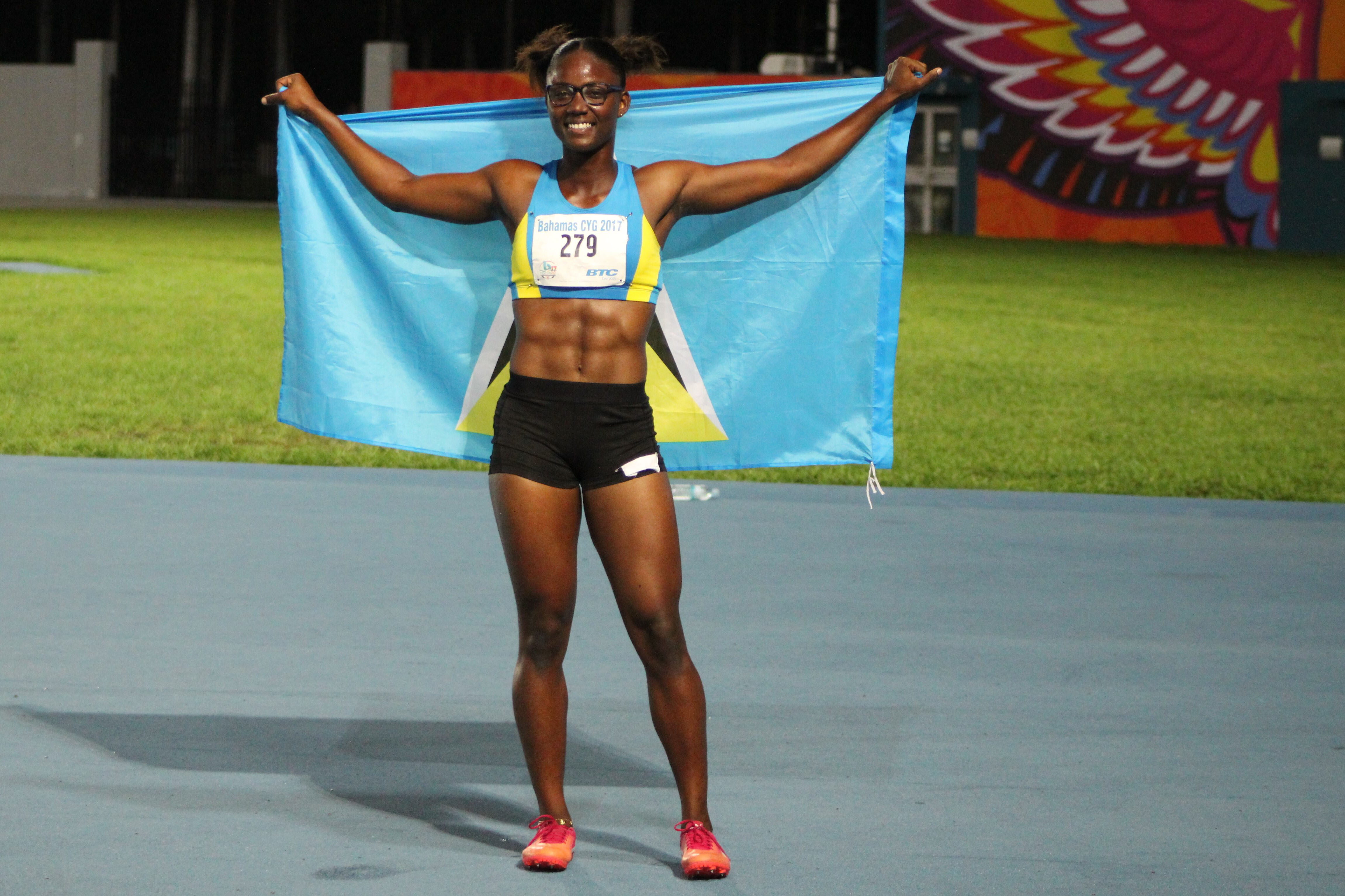
The Government of Saint Lucia has confirmed that the project has entered the planning and design stage, with a site already purchased in the vicinity of the Julien Alfred Highway. Architects, designers and technical teams are working together to develop a fitting representation of the sprint star.
Alfred etched her name into Saint Lucian history at the Paris 2024 Olympic Games when she stormed to victory in the women’s 100 metres in 10.72 seconds, delivering the nation’s first-ever Olympic gold medal. She later added a silver medal in the 200m, further cementing her place among the country’s most celebrated sporting figures.
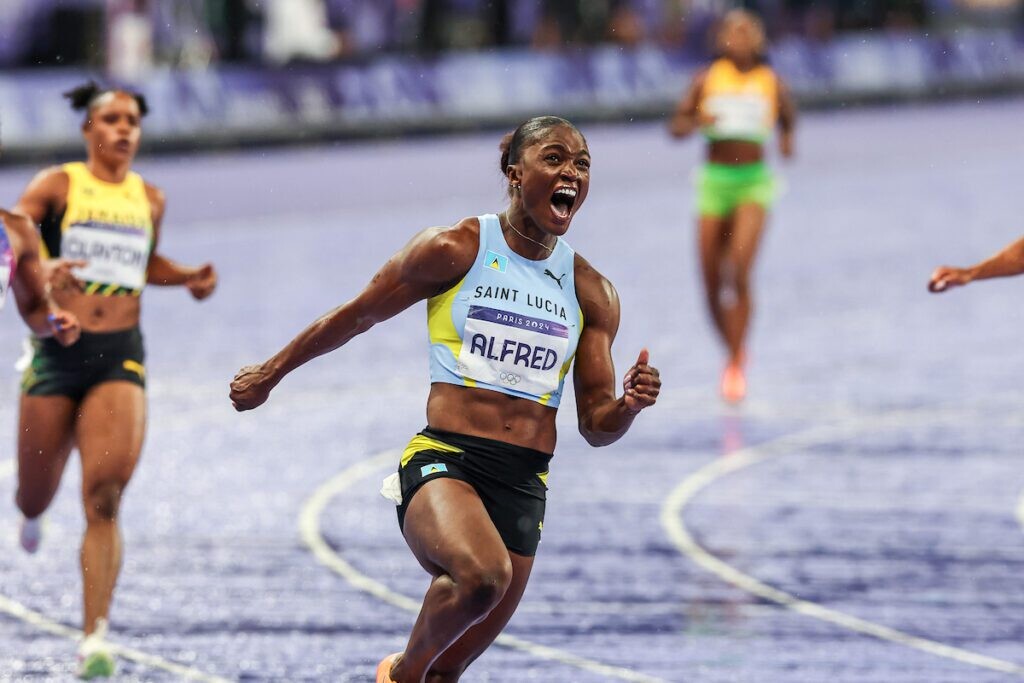
Now, her unforgettable achievement in Paris is set to be transformed into something that could stand for generations. Several artistic concepts are being considered as officials seek a design that appropriately reflects Alfred’s achievement and her significance to the nation.
The proposed location is also undergoing technical assessment, with officials considering factors such as visibility, road safety and public access. The intention is for the finished monument to become a national landmark where Saint Lucians and visitors can celebrate Alfred’s extraordinary sporting journey.
The project, reportedly estimated at approximately $250,000, represents more than a tribute to one Olympic race.
Alfred’s victory in Paris transformed the sporting imagination of an entire island nation. Her gold medal demonstrated that an athlete from a small Caribbean country could reach the biggest stage in athletics and defeat the world’s leading sprinters when it mattered most.
That is the legacy the monument is expected to preserve — not simply the image of a champion crossing an Olympic finish line, but the story of ambition, perseverance and possibility.
Alfred’s journey has already inspired a new generation of athletes in Saint Lucia, and the planned statue could become a permanent reminder to young people that extraordinary achievements can emerge from even the smallest corners of the sporting world.
From a breathtaking 10.72-second performance in Paris to a permanent landmark near a highway bearing her name, Julien Alfred’s Olympic story is entering another historic chapter.
The race lasted only seconds — but the legacy Julien Alfred created for Saint Lucia could stand for generations.
by Erick Cheruiyot for My Best Runs.
Login to leave a comment
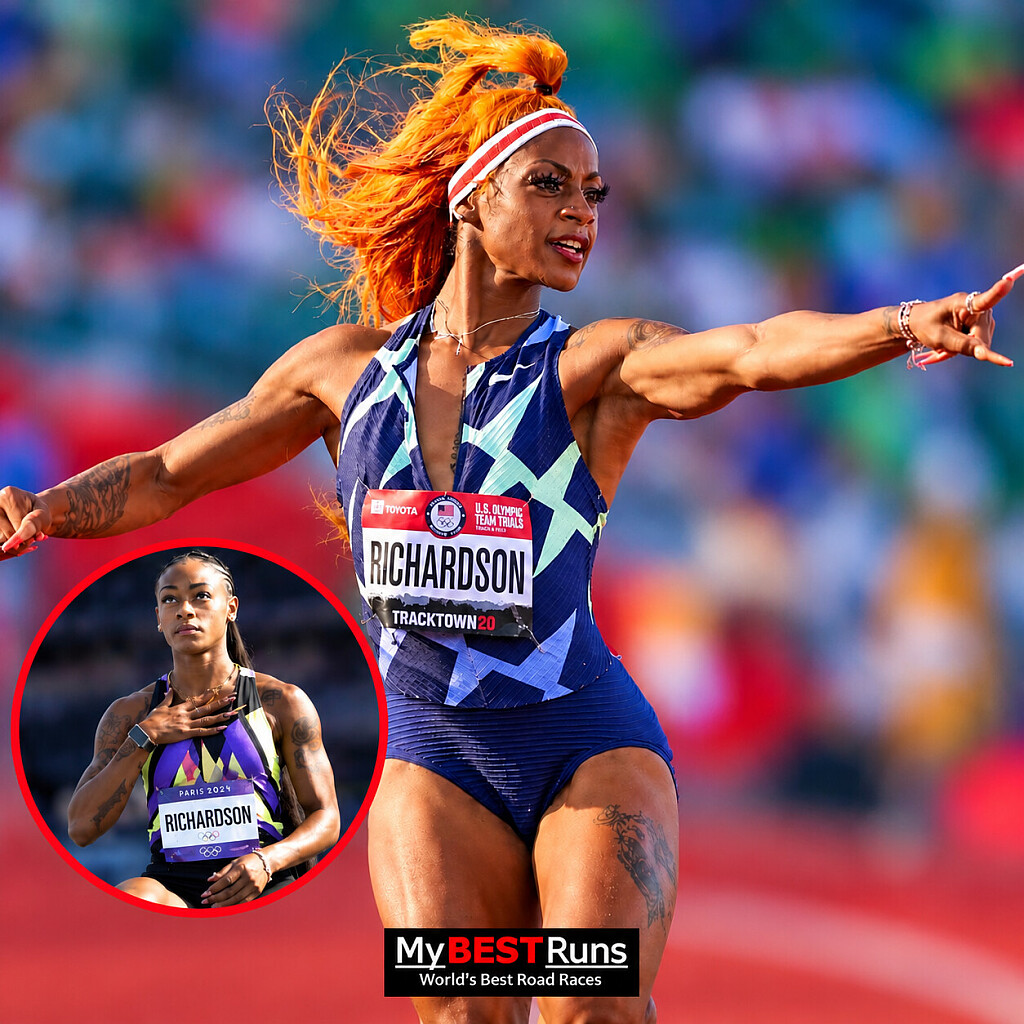
Sha’Carri Richardson: From Teenage Sensation to a Champion Who Rewrote Her Own Story
At just 19, Sha’Carri Richardson looked like a star destined to take over the sprinting world.
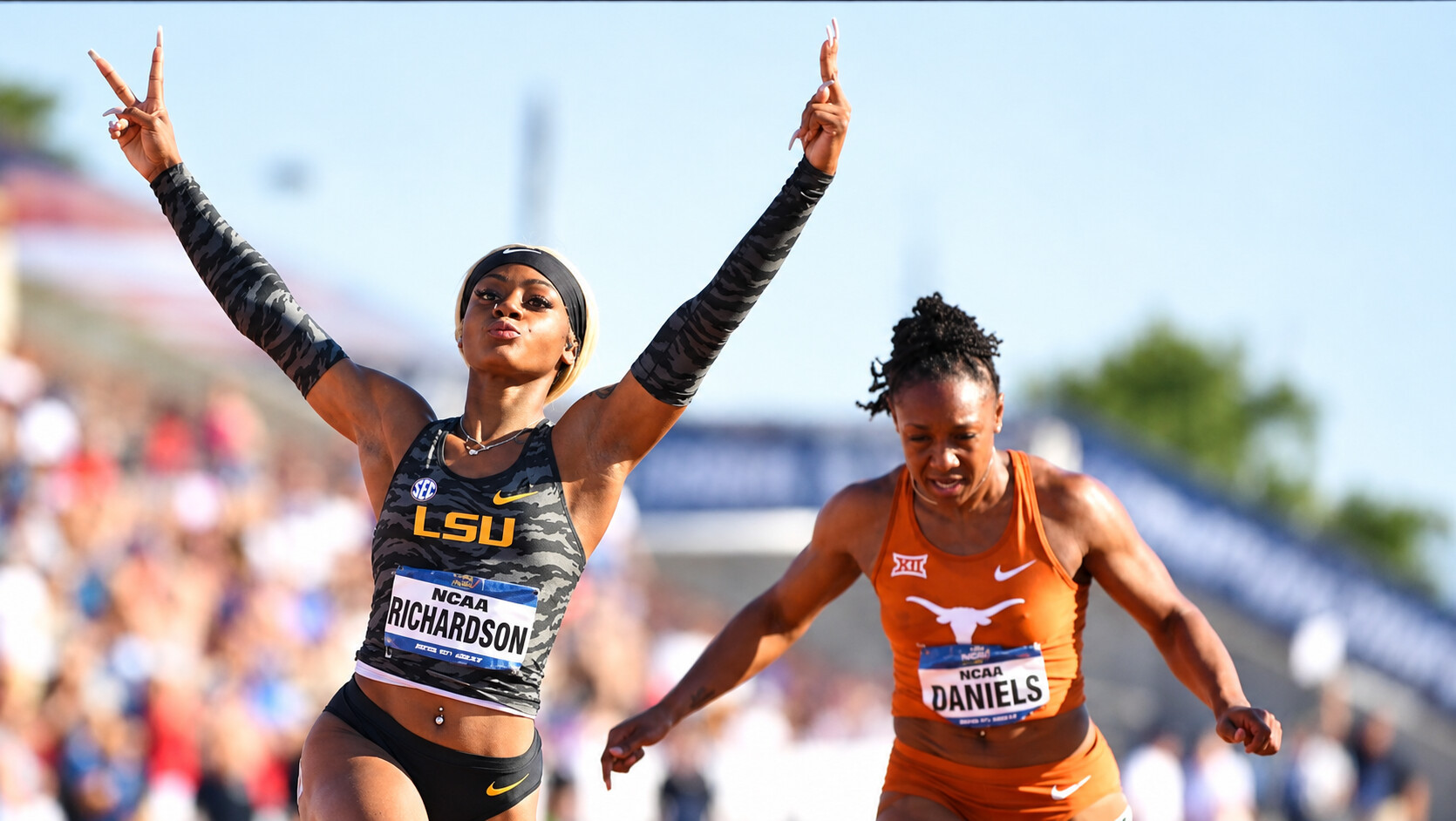
The speed was undeniable. In 2019, she announced herself on the collegiate stage with a 10.75-second NCAA record in the 100 metres, combining explosive acceleration with a fearless personality and a distinctive style that made her impossible to ignore.
She was young, confident and unapologetically herself.
But the road to becoming a champion was about to become far more complicated than anyone could have imagined.
In 2021, Richardson won the women’s 100m at the U.S. Olympic Trials in 10.86 seconds and appeared set for her Olympic debut.
Then everything changed.
A positive test for THC resulted in a one-month suspension, which ultimately ruled her out of the Tokyo Olympic 100m. USADA confirmed that Richardson accepted the sanction, which began on June 28, 2021.
The episode came at an especially difficult moment in her life. Richardson had publicly spoken about grieving the death of her biological mother and the emotional circumstances surrounding that period.
For an athlete who had seemed destined for Olympic glory, Tokyo became a painful chapter instead.
But it did not become the final chapter.
Richardson returned to the track with something to prove — not simply to the critics, but to herself.
The comeback became a championship story
In 2023, Richardson transformed her comeback into one of the defining performances of her career.
At the World Championships in Budapest, she won the 100m world title in 10.65 seconds, setting a championship record and defeating a field that included some of the greatest sprinters of her generation. World Athletics lists 10.65 as Richardson’s legal personal best, recorded on August 21, 2023.
She did not stop there.
Richardson also helped the United States win the women’s 4x100m relay gold in Budapest, adding another world title to a season that had completely changed the narrative surrounding her career.
The teenager who had once been celebrated for her raw talent was now a world champion.
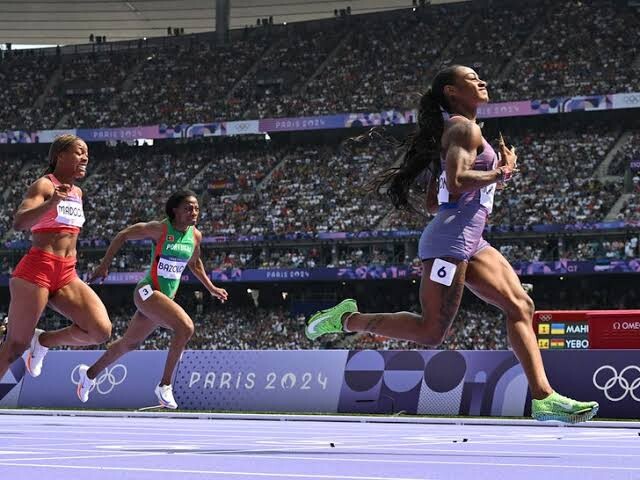
Paris brought Olympic medals
A year later, Richardson arrived at the Paris 2024 Olympics carrying expectations of another major championship performance.
She delivered.
Richardson won silver in the individual 100m and then anchored the United States to gold in the women’s 4x100m relay. World Athletics records her as an Olympic champion and Olympic silver medallist.
The Olympic gold was particularly significant.
After missing Tokyo, Richardson had returned to the biggest stage in the sport and left Paris as an Olympic champion.
Her journey had gone from disappointment to the highest step of the podium.
2026: Still winning, still evolving
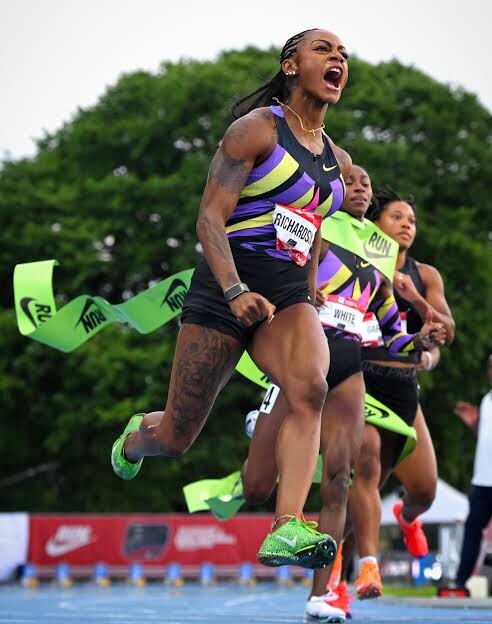
Richardson's story continued into 2026, and she closed the season in emphatic fashion at ATHLOS London.
On September 18 at StoneX Stadium, she won the 100m in 10.80 seconds with no wind assistance, finishing well clear of New Zealand's Zoe Hobbs, who ran 11.19. The performance was also an ATHLOS meeting record.
It was another reminder that Richardson remains one of the defining personalities of modern sprinting.
But the most compelling part of her journey cannot be measured entirely in seconds.
It is the evolution behind the performances.
The young sprinter who entered the global spotlight with enormous confidence has experienced public criticism, disappointment, grief, triumph and the enormous pressure that comes with being one of the world's most recognizable athletes.
Through it all, she has continued to shape her identity on her own terms.
Her story is no longer simply about speed.
It is about resilience, reinvention and the ability to return after a moment that could have permanently changed the direction of a career.
From a teenage sensation running 10.75 to a world champion running 10.65.
From missing the Tokyo Olympics to winning Olympic gold in Paris.
From one of the most difficult periods of her young career to becoming an established global sprint star.
Sha’Carri Richardson did not simply return to the track.
She returned with a different perspective, a bigger résumé and a story that belongs to her.
And perhaps that is the most powerful transformation of all: not becoming someone different, but growing into a stronger version of the person she always wanted to be.
by Erick Cheruiyot for My Best Runs.
Login to leave a comment
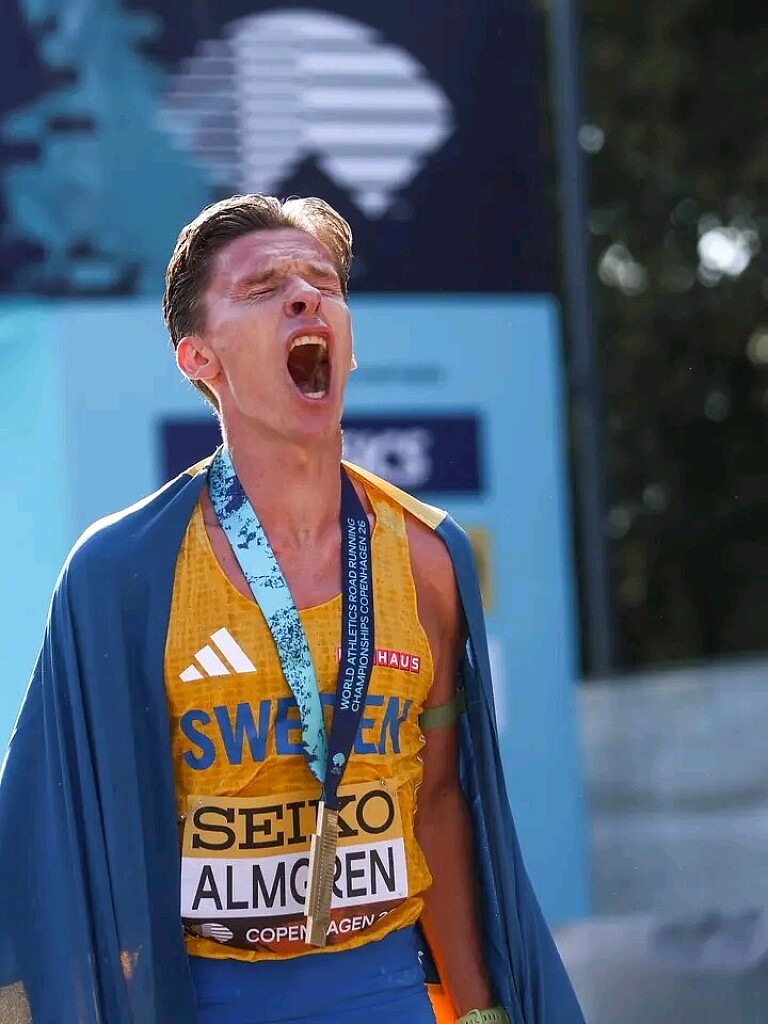
Andreas Almgren Times His Move To Perfection For World Half Marathon Gold In Copenhagen
Sweden’s Andreas Almgren produced a breathtaking finish on the streets of Copenhagen, unleashing a perfectly timed late surge to win the men’s half marathon title at the 2026 World Athletics Road Running Championships in 58:06.
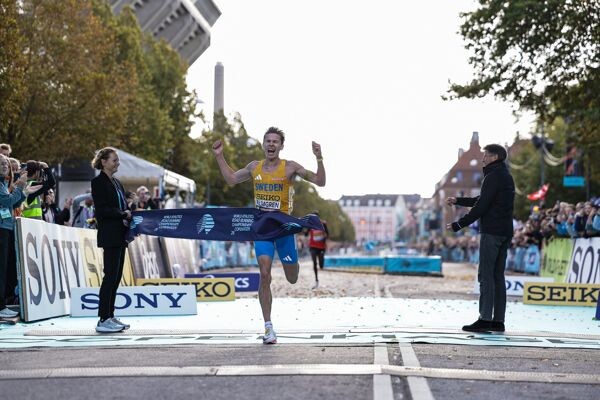
The Swedish star waited patiently through the decisive stages of the race before making his move with roughly 200 metres remaining, accelerating away from the field and producing a devastating sprint down the final straight.
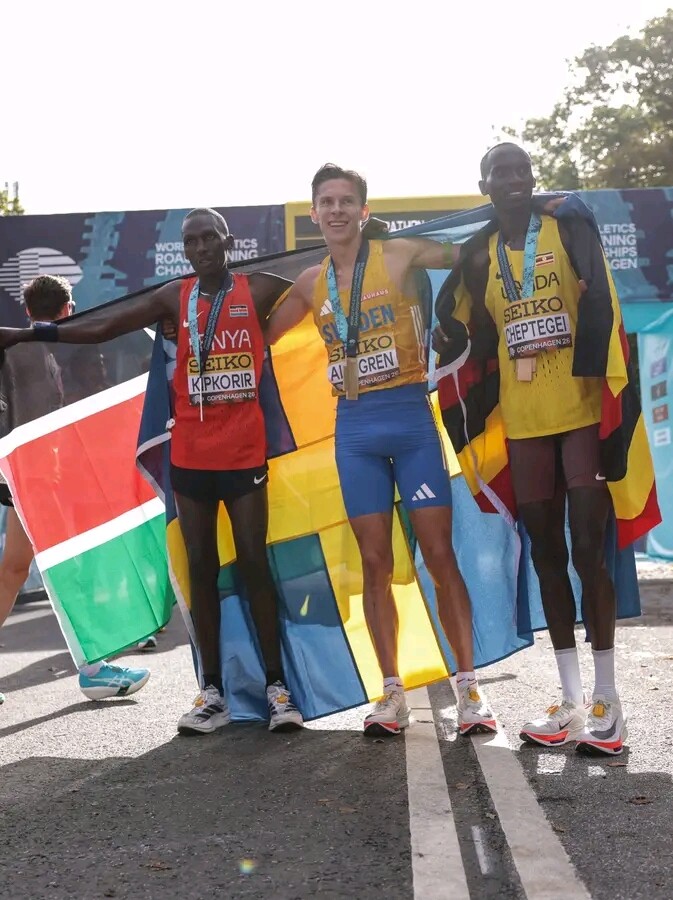
Nicholas Kipkorir had controlled much of the race, dictating the pace and keeping the leading contenders under pressure. Almgren, however, remained close throughout, carefully conserving enough energy for the moment that would ultimately decide the world title.
When the race entered its final stretch, Almgren made his move. The Swede surged hard over the final 200 metres and then outsprinted Kipkorir over the last 100 metres, powering clear to cross the line first in 58:06.
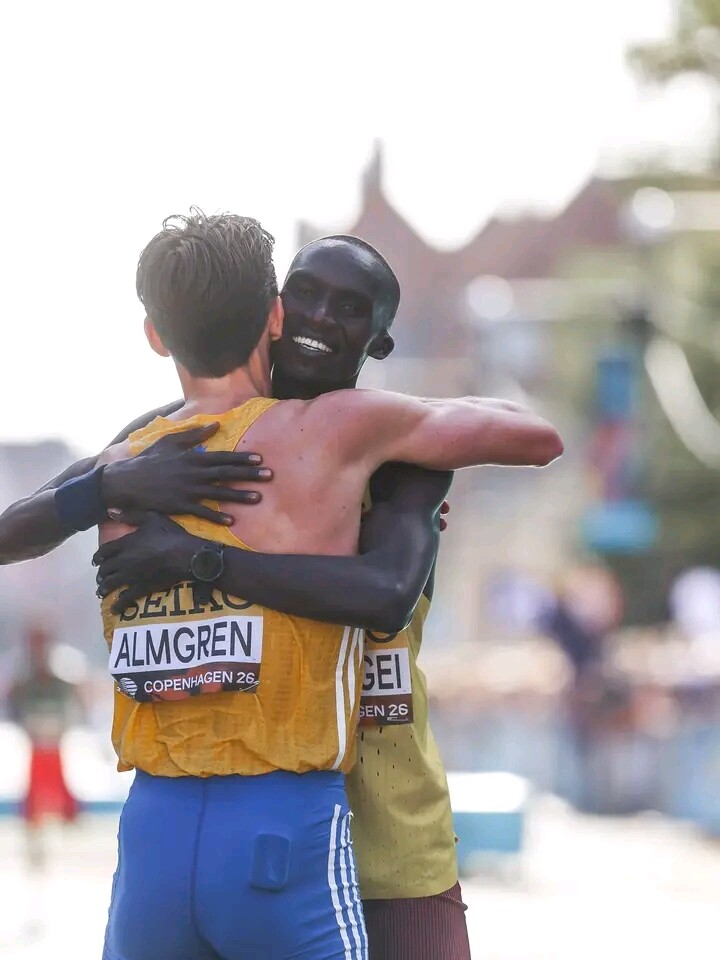
The performance was not only enough to secure the gold medal but also delivered an Area Record, adding another extraordinary achievement to Almgren’s rapidly growing list of accomplishments.
His winning time makes the victory even more significant in the history of the championships. Almgren becomes the first non-African world half marathon champion since Italy’s Stefano Baldini in 1996, ending a remarkable 30-year period in which athletes from Africa had dominated the global title.
For much of the race, Kipkorir appeared to have control, but Almgren refused to be separated from the Kenyan. His patience proved decisive as the race entered its final kilometres, allowing him to remain within striking distance before producing the acceleration that ultimately settled the contest.
Behind the leading pair, Uganda’s Joshua Cheptegei endured a gruelling battle to hold on to third position. The Olympic and world champion was pushed relentlessly in the closing stages and had to dig extremely deep to preserve his place on the podium. Despite the intense pressure from the athletes behind him, Cheptegei held firm to secure the bronze medal in a personal best of 58:26.
Ethiopia’s Tadese Worku also produced a personal best of 58:35 to finish fourth, while Kenya’s Gideon Kipkertich Rono followed in fifth in 58:57. The depth of the field was reflected by the fact that six athletes broke the 59-minute barrier, underlining the exceptional quality of the championship race.
Top 10 Men’s Half Marathon Results
1. Andreas Almgren (Sweden) — 58:06 — AR
2. Nicholas Kipkorir (Kenya) — 58:11
3. Joshua Cheptegei (Uganda) — 58:26 — PB
4. Tadese Worku (Ethiopia) — 58:35 — PB
5. Gideon Kipkertich Rono (Kenya) — 58:57
6. Hani Idriss Hersi (Djibouti) — 59:09 — NR
7. Yemaneberhan Crippa (Italy) — 59:18
8. Alex Nzioka Matata (Kenya) — 59:22
9. Daniel Simtu Ebenyo (Kenya) — 59:42 — SB
10. Othmane El Goumri (Morocco) — 59:53 — PB
The victory further strengthens Almgren’s remarkable 2026 campaign. The 58:06 performance gave the Swede an Area Record as he added the World Athletics Road Running Championships half marathon crown to his résumé, following his 10,000m triumph at the European Athletics Championships. His ability to combine sustained endurance with a devastating finishing kick once again proved decisive on the biggest stage.
For Almgren, the Copenhagen triumph also provides an intriguing glimpse ahead to his next challenge. With his New York City Marathon debut now on the horizon, the world half marathon title represents an important statement as he prepares to make the transition to the marathon. After demonstrating that he can handle the demands of championship racing over 21.1 kilometres while still possessing the speed to produce a decisive late surge, Almgren now turns his attention toward an entirely new distance.
The victory marks Almgren’s first global title, completing a remarkable transformation from European record-holder and leading continental distance runner into a world champion.
It also adds another spectacular chapter to an already outstanding 2026 season. Almgren has consistently demonstrated an exceptional combination of endurance, speed and tactical intelligence, and Copenhagen provided the perfect stage for all three qualities to come together.
With the clock showing 58:06, Almgren not only conquered the world championship field but also rewrote the European record books. His perfectly timed attack in the final 200 metres delivered Sweden a historic world road-running title and created one of the most dramatic finishes of the Copenhagen championships.
by Erick Cheruiyot for My Best Runs.
Login to leave a comment

World Athletics Road Running Championships
Six world champions and 65,000 runners just behind them. In September 2026, the heart of Copenhagen is expected to be the stage for Denmark’s largest-ever participant event. The World Athletics Road Running Championships Copenhagen 26 will take place on September 19-20, 2026. A total of 65,000 participants will join the running festivities behind the world’s fastest female and male athletes...
more...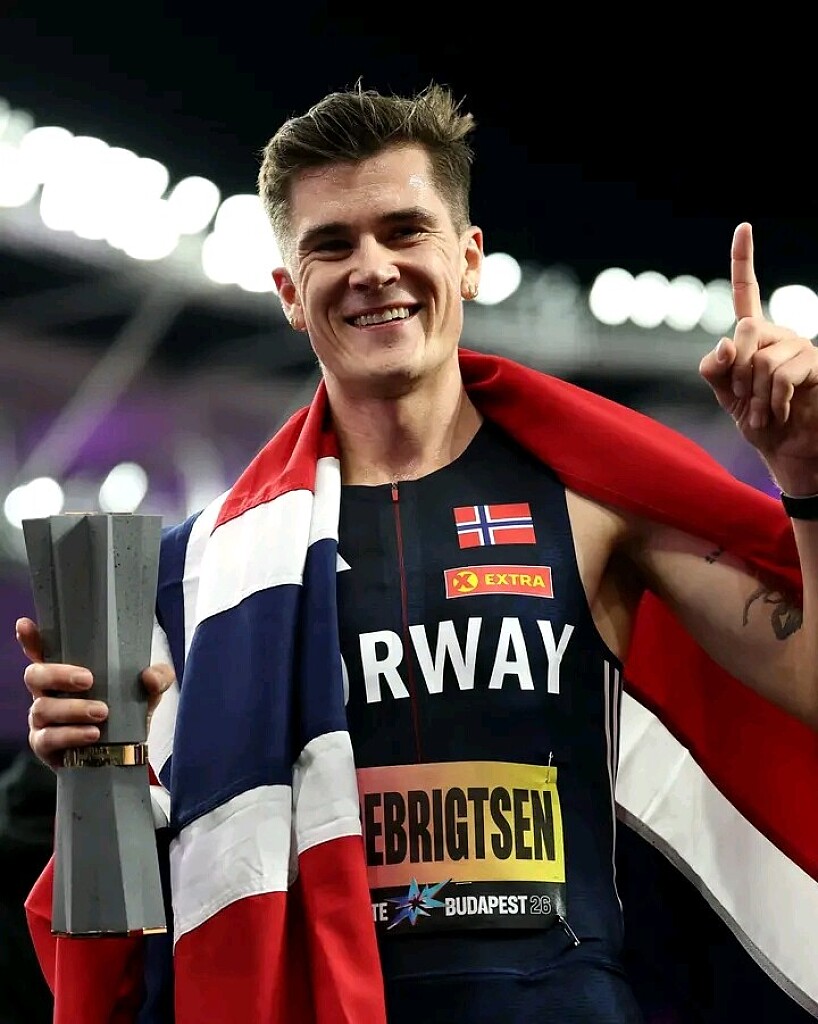
Jakob Ingebrigtsen Withdraws From Budapest 1500m After Stunning 5000m Victory: “Fitness Cannot Be Faked”
Jakob Ingebrigtsen has made a major decision regarding the remainder of his World Athletics Ultimate Championship campaign, confirming that he will withdraw from the men’s 1500m in Budapest despite producing a sensational performance to win the 5,000m title.
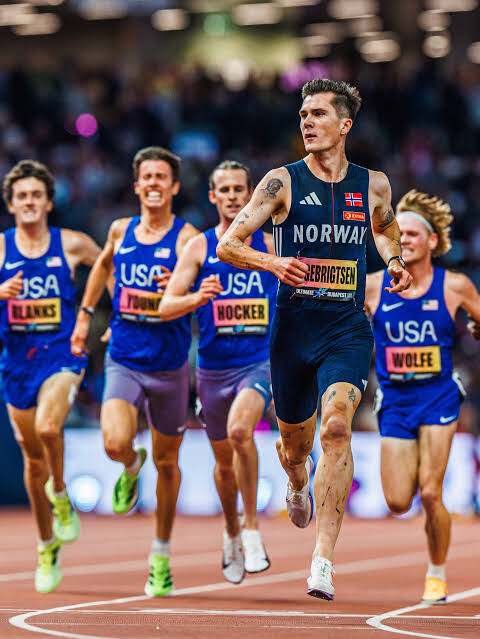
The Norwegian superstar stormed to victory in the inaugural Ultimate Championship 5,000m on Friday night, clocking a season-best 12:59.24 and delivering a devastating finishing kick to defeat Olympic 5,000m champion Cole Hocker and American Parker Wolfe.
Ingebrigtsen’s final 100 metres was arguably the defining moment of the race. The Olympic champion produced a remarkable 12.60-second closing 100m, powering away from the field to secure the $150,000 winner’s prize and underline just how far his fitness has progressed since returning from Achilles surgery.
The victory was particularly significant after what has been an extremely difficult period for the 25-year-old. Earlier in the season, Ingebrigtsen faced serious uncertainty over whether he would even be able to compete at the highest level again. His return has gradually gathered momentum, and his performance in Budapest offered perhaps the clearest indication yet that the Norwegian is rediscovering his formidable racing ability.
But rather than risk pushing his recovering body further, Ingebrigtsen has now opted to step away from the 1500m.
The decision means the highly anticipated showdown with British rival Josh Kerr will not take place in Budapest after all. The two stars had been expected to renew one of the biggest rivalries in modern middle-distance running in the 1500m final.

Instead, Ingebrigtsen is looking beyond the immediate opportunity and towards the bigger picture.
“I’m thinking about 2027… Fitness cannot be faked,” the Norwegian said, signalling that protecting his long-term condition has become more important than chasing another major victory only days after his return to peak-level competition.
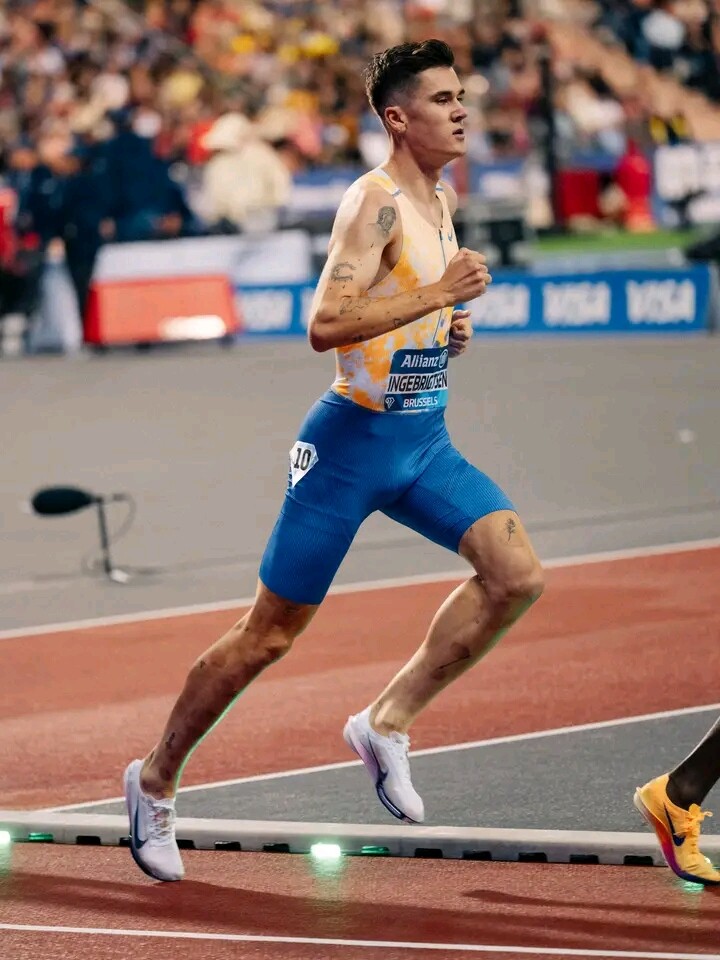
The decision comes just one week after an emotionally charged Diamond League Final in Brussels, where Ingebrigtsen finished fourth in the 1500m behind Australia’s Cameron Myers, Kenya’s Phanuel Kipkosgei Koech and American Ethan Strand.
After that race, Ingebrigtsen delivered a fiery assessment of his rivals and questioned the tactics surrounding the pacemaking, particularly involving Hocker. He later acknowledged that there had been “a little too much adrenaline and emotion” when microphones were placed in front of him immediately after the race.
Yet his latest decision shows that beneath the emotion and competitive intensity lies a longer-term strategy.
Ingebrigtsen has already demonstrated that he can compete at an elite level again. His 12:59.24 in Budapest was not simply a victory — it was a statement that the Norwegian remains capable of producing a world-class finish even after months of injury rehabilitation.
Now, however, he is choosing not to gamble with that progress.
For a runner who has spent much of the year fighting his way back from injury, another 1500m race could have offered enormous rewards but also carried unnecessary risk. By withdrawing, Ingebrigtsen is effectively prioritising longevity over one more opportunity for immediate glory.
His message is clear: the comeback is underway, but it will not be rushed.
The 5,000m victory has given Ingebrigtsen confidence, momentum and perhaps, most importantly, proof that his body can once again handle elite competition.
Now comes the harder part — knowing when to stop.
With 2027 already firmly in his sights, the Norwegian has chosen recovery over risk. And after everything he has endured, that could ultimately prove to be one of the most important decisions of his comeback.
Jakob Ingebrigtsen is not walking away from the sport. He is protecting his future in it.
by Erick Cheruiyot for My Best Runs.
Login to leave a comment
Three Champions, One Crown: Budapest Braces For A Women’s 100m Battle For Supremacy
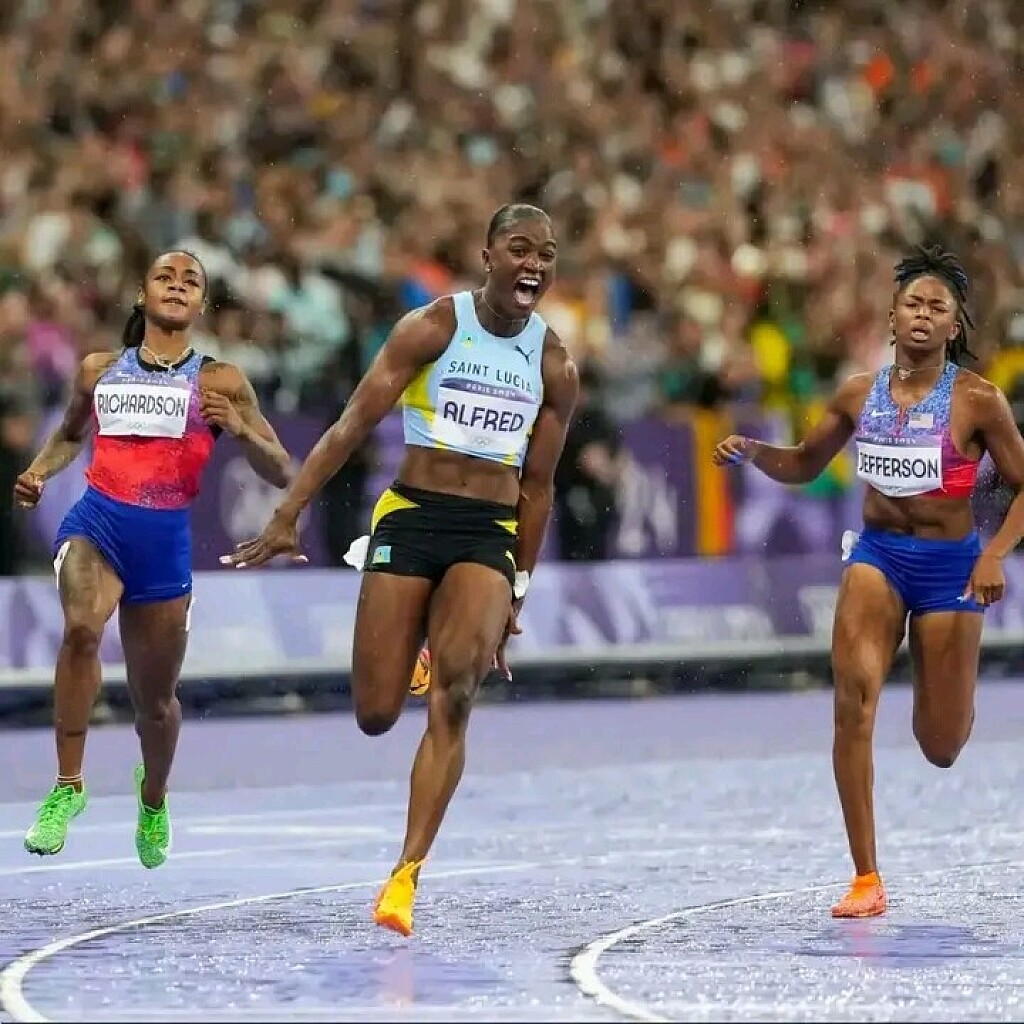
The women’s 100m at the World Athletics Ultimate Championship in Budapest is shaping up to be one of the most compelling sprint showdowns of the season, with three of the world’s biggest names set to collide in a race where reputation, speed and championship pedigree will all be put to the ultimate test.
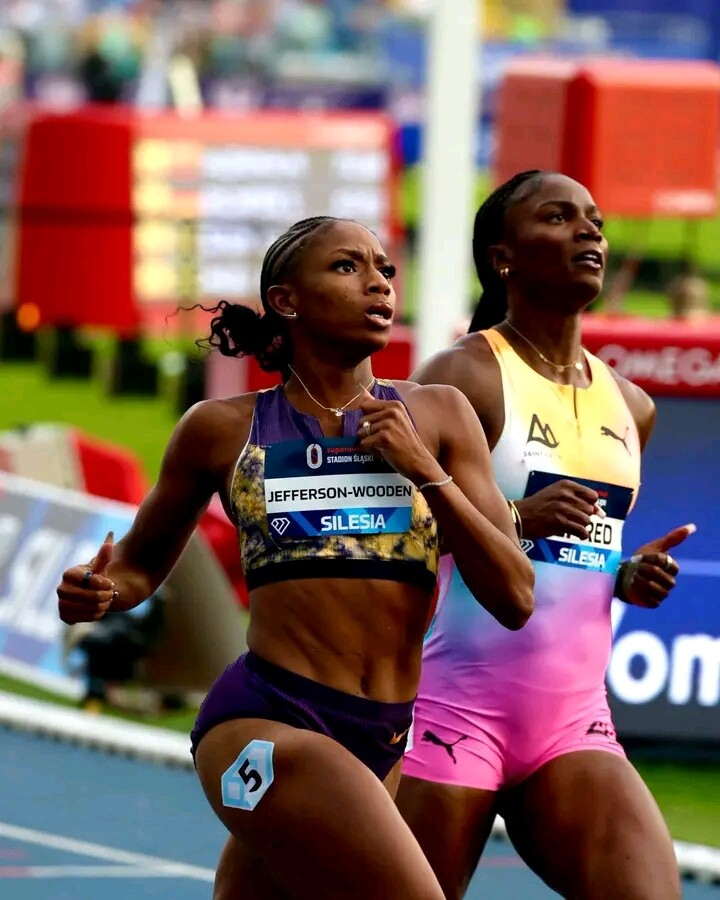
Leading the charge is Saint Lucia’s Julien Alfred, the reigning Olympic champion who established herself as the fastest woman on the biggest stage at the Paris 2024 Games. Alfred’s rise to the summit of global sprinting has been remarkable, and she arrives in Budapest carrying the confidence and prestige that come with an Olympic title.
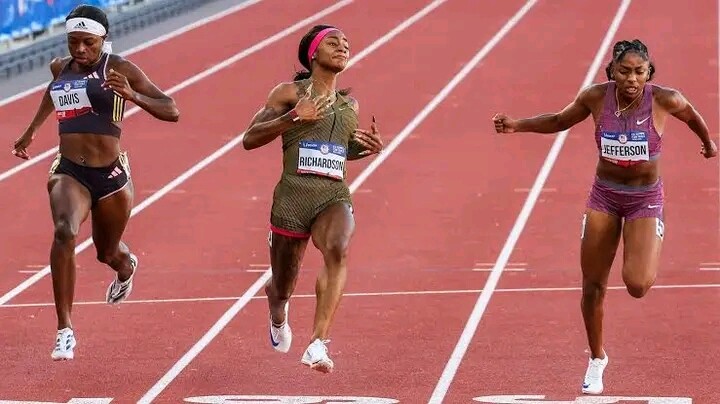
Standing alongside her will be American sprint star Melissa Jefferson-Wooden, the reigning world champion and one of the most formidable forces in the modern 100m. Her championship credentials have already placed her among the elite, and Budapest presents another opportunity to underline her status against the very best in the world.
Then there is Sha’Carri Richardson, another American powerhouse whose explosive speed and major-championship experience make her impossible to overlook. A former world champion, Richardson has repeatedly demonstrated her ability to thrive under the brightest lights, bringing both raw pace and an unmistakable competitive edge to the starting line.
The presence of three champions transforms the Budapest contest into far more than another 100m race. It is a meeting of athletes who have already conquered the highest levels of the sport and now have another prize to chase: the title of Ultimate champion.
Women’s 100m — Start List
1. Melissa Jefferson-Wooden — United States — 10.70
2. Julien Alfred — Saint Lucia — 10.70
3. Sha’Carri Richardson — United States — 10.77
4. Tina Clayton — Jamaica — 10.85
5. Sade McCreath — Canada — 10.86
6. Jonielle Smith — Jamaica — 10.89
7. Lavanya Williams — Jamaica — 10.90
8. Cambrea Sturgis — United States — 10.92
9. Zoe Hobbs — New Zealand — 10.93
10. Brianna Lyston — Jamaica — 10.94
11. Audrey Leduc — Canada — 10.97
12. Amy Hunt — Great Britain — 10.97
13. Jodean Williams — Jamaica — 10.97
14. Tamari Davis — United States — 10.99
15. Patrizia Van Der Weken — Luxembourg — 11.05
16. Zaynab Dosso — Italy — 11.07
17. Boglárka Takács — Hungary — 11.13
With the world’s attention fixed on the start line, every fraction of a second could prove decisive. Alfred will seek to reaffirm her Olympic supremacy, Jefferson-Wooden will look to demonstrate that her world title was no coincidence, while Richardson will be determined to remind the field of the speed that has made her one of the most recognizable names in global sprinting.
For the spectators, the attraction is obvious. Three champions, three different journeys to the top and just 100 metres separating glory from disappointment.
Budapest is therefore set for a sprinting spectacle in which there will be no room for hesitation. When the gun fires, Olympic glory, world championship pedigree and personal ambition will converge on one track — and only one woman will leave as the Ultimate champion.
by Erick Cheruiyot for My Best Runs.
Login to leave a comment

Melissa Jefferson-Wooden Chases Another Historic Sprint Double in Budapest
Melissa Jefferson-Wooden is ready to take on one of the biggest challenges of the inaugural World Athletics Ultimate Championships: conquering both the 100 metres and 200 metres against two of the strongest sprint fields in the world.
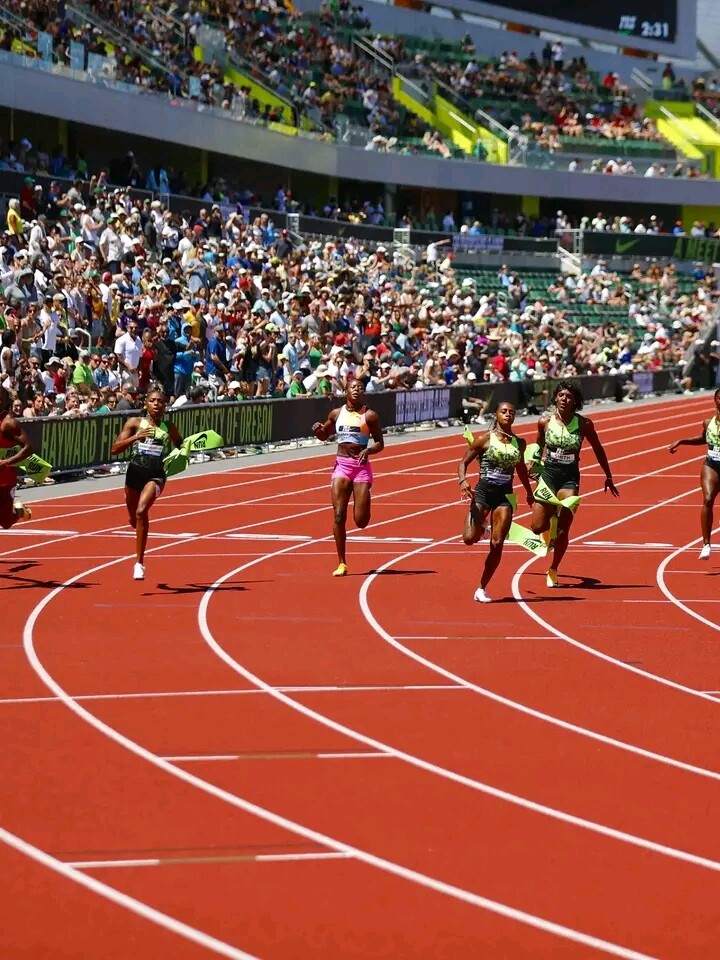
The American sprint star has officially entered both events for the three-day championship in Budapest, Hungary, taking place from September 11 to 13. After producing one of the most remarkable performances of the 2025 World Athletics Championships in Tokyo, Jefferson-Wooden now arrives in Budapest with another opportunity to prove that she is the dominant force in women's sprinting.
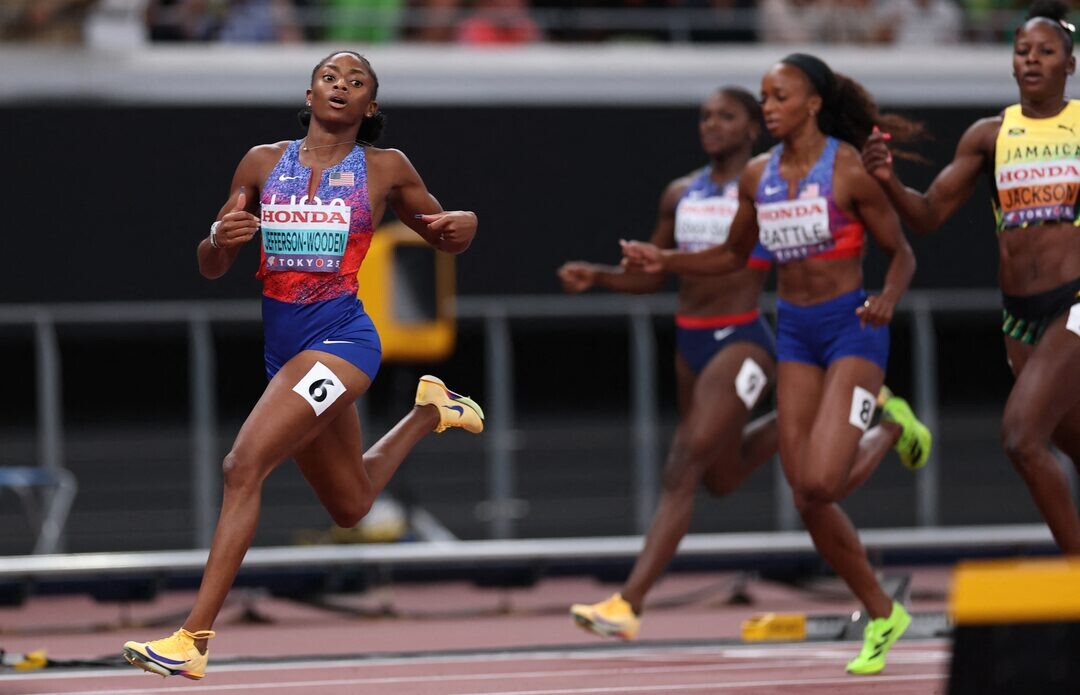
Her first major test will come in the women's 100m, where she will renew her rivalry with Saint Lucia's Olympic champion Julien Alfred. The two women currently share the 2026 world lead at 10.70 seconds following their thrilling clash in Zurich, setting the stage for what could be one of the most anticipated races of the entire Ultimate Championships.
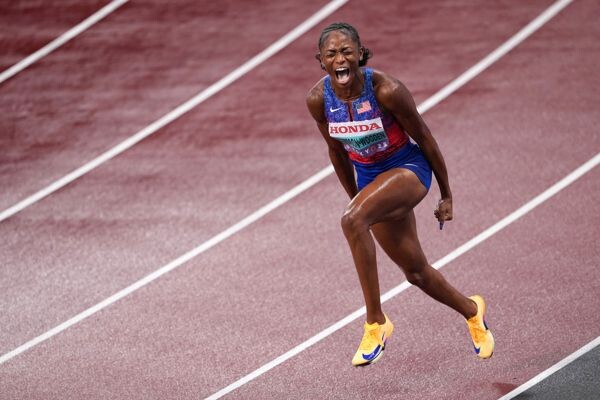
The women's 100m final is scheduled for Saturday, September 12, and Jefferson-Wooden will enter with the confidence of a reigning world champion. But Alfred's presence ensures that there will be no room for error when the world's fastest women line up in Budapest.
Then comes the second challenge.
Just 24 hours later, Jefferson-Wooden will turn her attention to the 200m, where she will face another formidable opponent in Olympic champion Gabby Thomas. Jefferson-Wooden is the reigning U.S. champion over the distance and has produced a season-best of 21.69 seconds, while her outstanding form has placed her among the world's elite in the event.
The 200m represents the second half of a demanding double, and the women's final will take place on Sunday, September 13. The championship format means the world's best sprinters will have little opportunity to ease into the competition, making the physical and mental demands of contesting both events even more significant.
Jefferson-Wooden, however, has already demonstrated that she can handle history-making pressure.
At the 2025 World Athletics Championships in Tokyo, she completed a spectacular sprint treble, winning the 100m, 200m and 4x100m relay. Her 100m victory came in a championship record of 10.61 seconds, underlining the extraordinary level she reached during that unforgettable championship campaign.
Now Budapest offers the American another chance to build on that legacy.
The 100m will bring the explosive showdown with Julien Alfred. The 200m will present a different challenge against Olympic champion Gabby Thomas and another world-class field. Winning either event would be a major achievement. Winning both would further strengthen Jefferson-Wooden's growing claim as one of the defining sprinters of her generation.
She has already swept the global stage once.
Now, at the inaugural World Athletics Ultimate Championships, Melissa Jefferson-Wooden is going for another double.
Can the American sprint queen conquer both Budapest showdowns and add another unforgettable chapter to her remarkable career?
by Erick Cheruiyot for My Best Runs.
Login to leave a comment
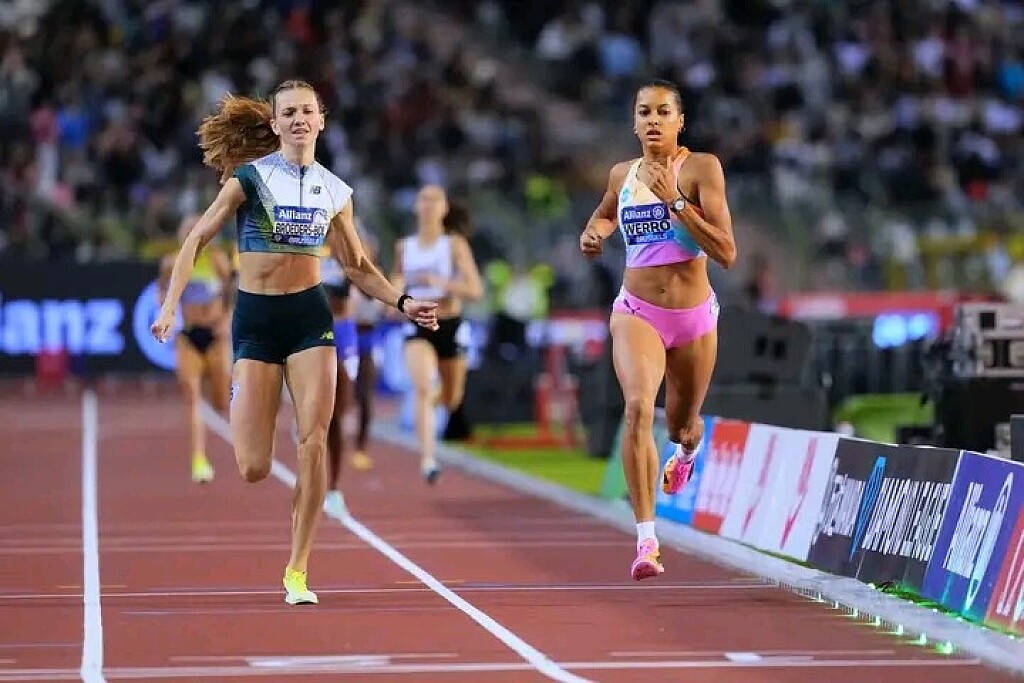
Werro Edges Broeders-Bol By 0.06 Seconds In A Thrilling Brussels 800m Classic
Audrey Werro of Switzerland held her nerve in a breathtaking finish to the women’s 800m at the Diamond League Final in Brussels, edging Femke Broeders-Bol of the Netherlands by just six hundredths of a second to claim the Diamond Trophy.
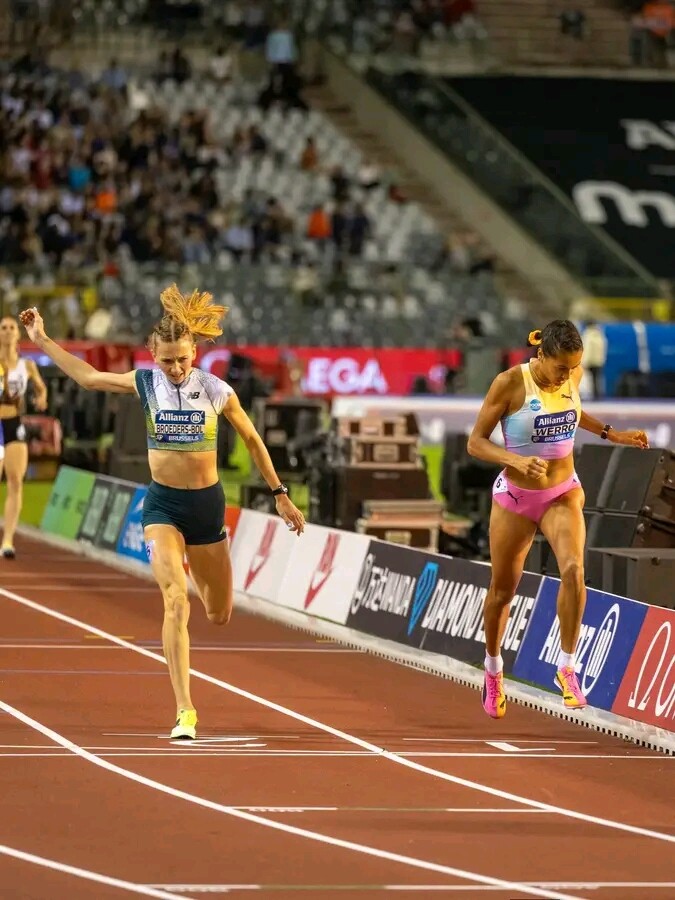
Werro stopped the clock at a sensational 1:54.75, with Broeders-Bol charging across the line in 1:54.81. The margin was almost impossibly small — just 0.06 seconds — after two laps of relentless racing.
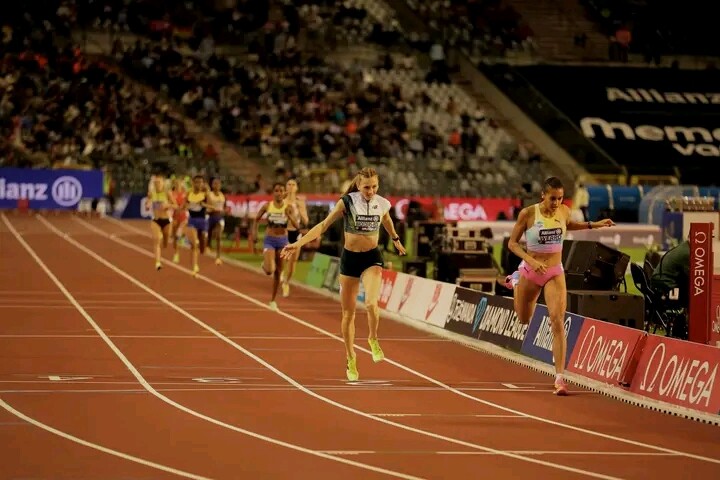
For Broeders-Bol, it was a finish that carried both pride and frustration.
“I’m very happy, but a little bit frustrated running in that close.”
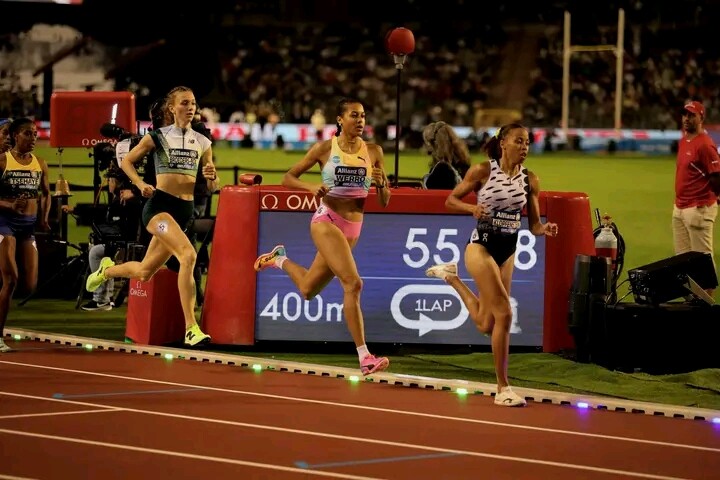
The Dutchwoman produced a spectacular surge over the final 100 metres, rapidly closing the gap on Werro and throwing everything into the final straight. For a moment, it appeared she might steal victory at the line, but Werro resisted the late assault to secure another major Diamond League triumph.
The result underlined just how remarkable Broeders-Bol’s breakthrough season has been. Competing over 800m for the first time, she has already established herself among the event’s most formidable contenders — and delivering two consecutive sub-1:55 performances in her debut campaign is a remarkable statement of intent.
Yet Werro had the final answer.
The Swiss star once again demonstrated the front-running strength and composure that have become hallmarks of her racing. Her 1:54.75 not only secured victory but also set a meeting record, adding another impressive chapter to her Diamond League season.
For Broeders-Bol, however, the narrow defeat may prove less a setback than a warning to the rest of the 800m field.
She has arrived.
And if Brussels was any indication, the battle between Werro and Broeders-Bol could become one of the most compelling rivalries in women’s middle-distance running.
The story may not have to wait long for its next chapter.
Budapest could be next.
And should the field expand to include Olympic champion Keely Hodgkinson of Great Britain and world champion Lilian Odira of Kenya at the Ultimate Championships, the women’s 800m could become one of the most fiercely contested events on the track.
One thing is already clear: the 800m is heating up — and this rivalry is only beginning.
by Erick Cheruiyot for My Best Runs.
Login to leave a comment
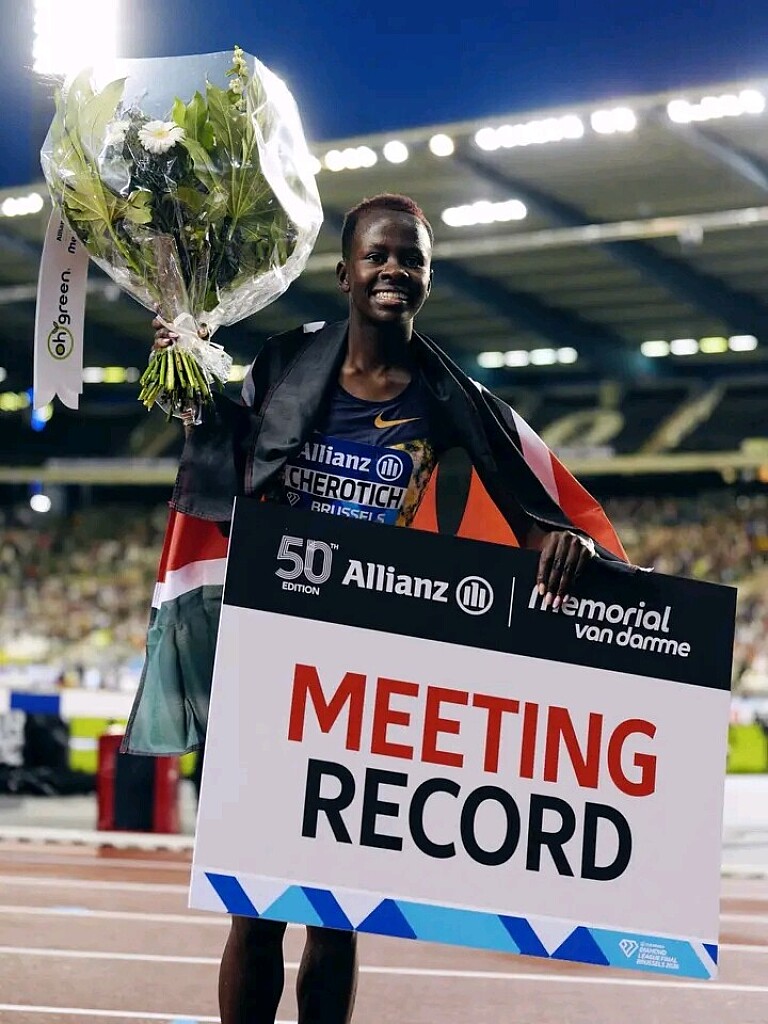
Faith Cherotich Unleashes A Devastating Final Kick To Seal Third Diamond Trophy In Brussels
Faith Cherotich produced a spectacular display of speed and determination in Brussels, storming to victory in the women’s 3000m steeplechase and securing her place among the event’s elite with another Diamond League triumph.
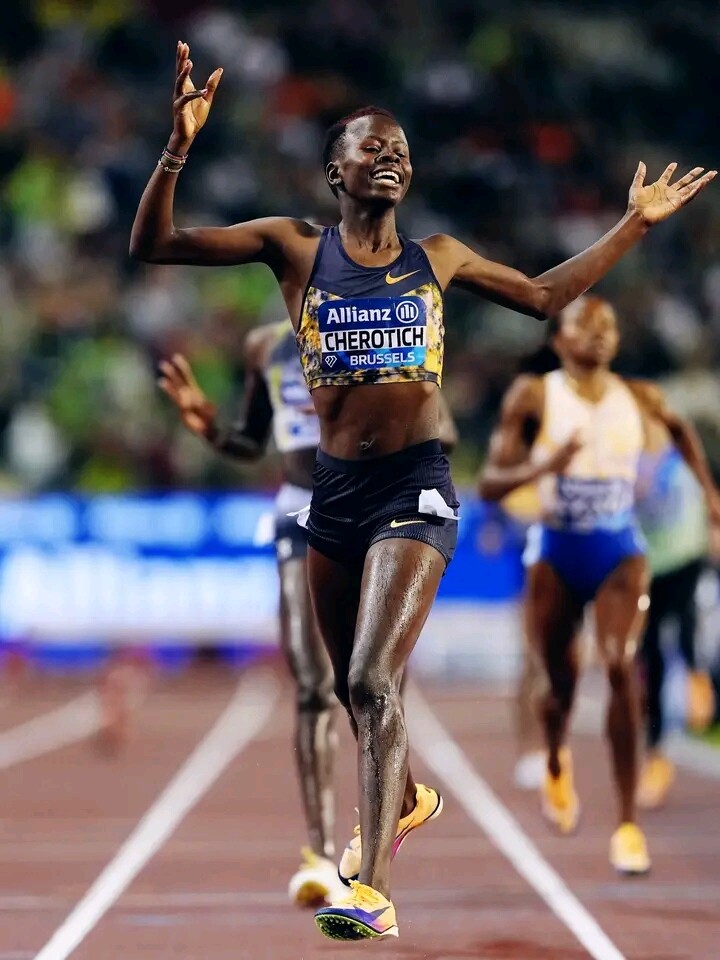
The Kenyan star saved her most devastating weapon for the closing stages, unleashing a breathtaking final kick over the last 100 metres to pull decisively away from Winfred Yavi. Cherotich surged clear when it mattered most, crossing the finish line in a superb 8:51.61 to set a new meeting record.
It was a performance built on patience, tactical intelligence and extraordinary finishing speed. Cherotich remained composed through the barriers and water jump before producing a remarkable acceleration in the final straight that left her rivals struggling to respond.
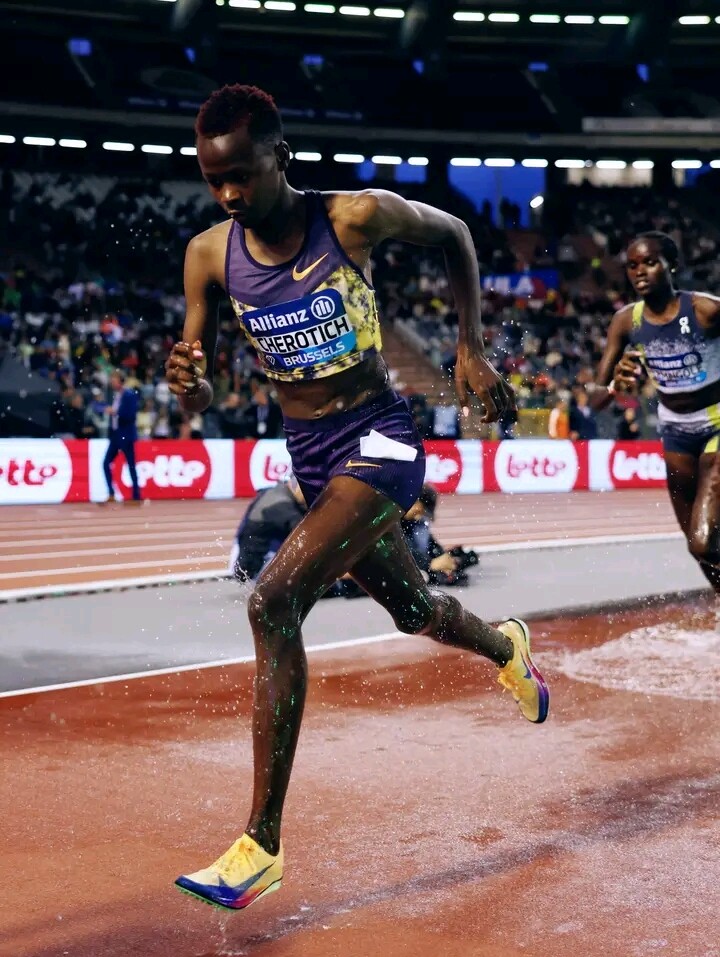
The victory was particularly significant as it made Cherotich a three-time Diamond Trophy champion, adding another prestigious achievement to an already impressive career. Her ability to repeatedly deliver on the biggest Diamond League stage demonstrates the consistency and competitive strength that have made her one of Kenya’s outstanding steeplechase stars.
Behind her, Kenya completed a magnificent 1-2 finish as Doris Lemngole produced a brilliant closing surge of her own. Lemngole powered past Yavi in the final stages to secure second place in a superb personal best of 8:52.86, ensuring that the Kenyan flag flew proudly at the top two positions on the podium.
The result turned the Brussels steeplechase into a celebration of Kenyan strength, with Cherotich and Lemngole occupying first and second, while Yavi was forced to settle for third after being overtaken by the fast-finishing Lemngole.
For Cherotich, however, the spotlight belonged entirely to her. Her meeting-record 8:51.61 was the culmination of a perfectly executed race, capped by a finishing burst that showcased the raw speed and confidence required to dominate one of athletics’ most demanding events.
The Brussels triumph also sends a powerful message ahead of the next major challenges. Cherotich has once again demonstrated that she possesses not only the endurance to survive the gruelling barriers and water jump but also the finishing speed to destroy the opposition in the final metres.
With another Diamond Trophy secured and a meeting record added to her résumé, Faith Cherotich continues to strengthen her reputation as one of the most formidable names in women’s steeplechase.
by Erick Cheruiyot for My Best Runs.
Login to leave a comment
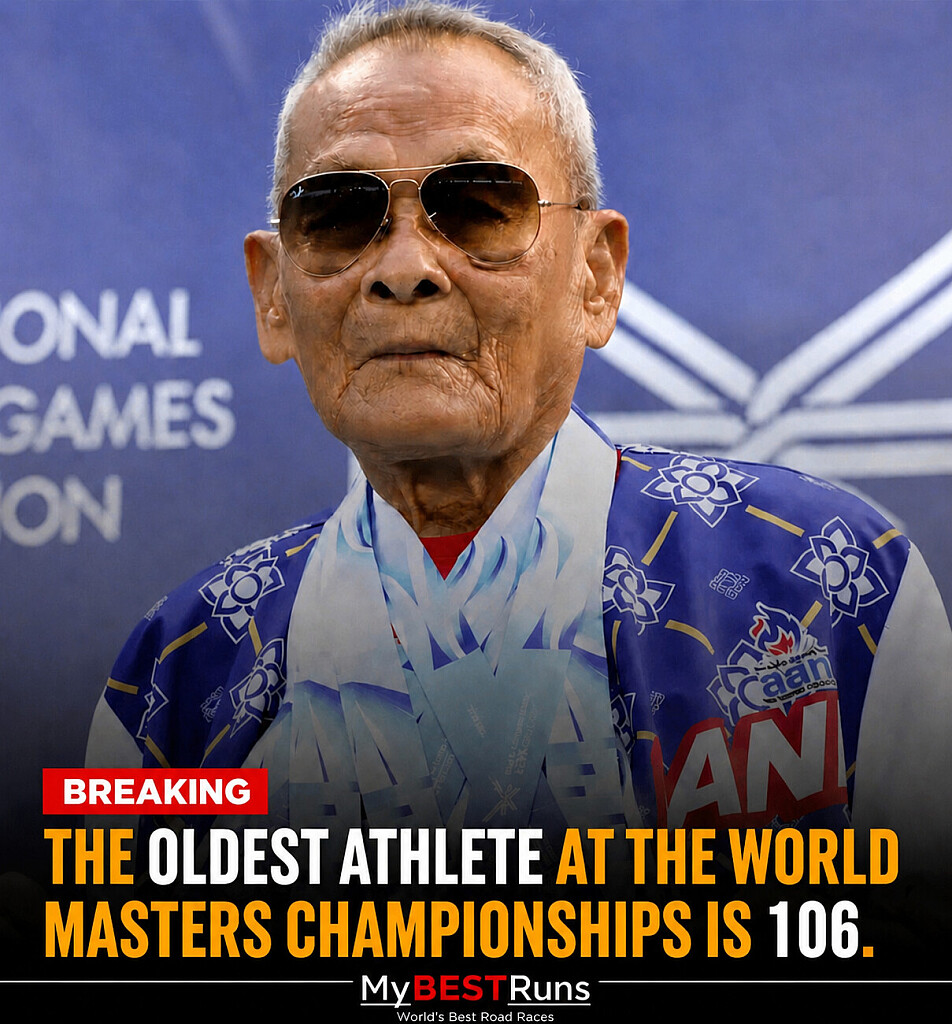
At 106, Sawang Janpram Is Still Running: Thailand’s Ageless Masters Champion Inspires Daegu
The World Masters Athletics Championships in Daegu, South Korea, have brought together thousands of athletes from around the world, but few have captured the imagination quite like Thailand’s Sawang Janpram.

At 106 years old, Janpram is the oldest competitor at the 2026 championships, where more than 11,000 participants from 106 countries have gathered for a celebration of athletics across generations.
Yet Janpram’s remarkable story is not simply about longevity. It is about a decision he made late in life — one that transformed his health, his outlook and ultimately made him an international masters athlete.
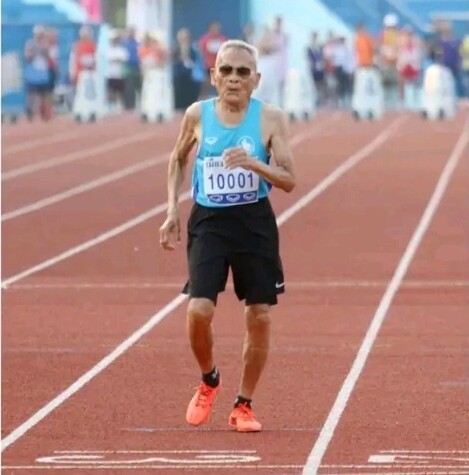
A former school principal and teacher, Janpram did not spend his retirement preparing for athletics competitions. He only began exercising regularly at the age of 80, after seeing people around him become increasingly inactive and bedridden as they grew older. His daughter, Siripan, who is now 74 and continues to accompany him as a training partner, also played an important role in encouraging an active lifestyle.
What began as a way of protecting his health eventually became something far greater.
Janpram started competing in athletics at 97, proving that there is no universally prescribed age at which a new chapter has to end. Since then, he has travelled internationally to compete and has accumulated 78 medals, according to reports ahead of the Daegu championships.
His training is remarkably simple. He walks, runs short distances and practises throwing events including the javelin, discus and shot put. His routine is not built around sophisticated facilities or elaborate technology. It is built around consistency.
That consistency produced one of his most memorable performances last year.
At the 2025 World Masters Games in Taiwan, Janpram competed at 105 and won gold in four events in the 100-plus age category. He completed the 100 metres in 38.55 seconds and also won gold in the shot put, discus and javelin. He was the only competitor entered in his age group, but he still had to step onto the track and complete each event.
Now, at 106, he has returned to the international stage once again.
In Daegu, Janpram is competing in the discus and javelin. Ahead of his first event, he was seen at Daegu Stadium walking and jogging alongside his daughter despite temperatures exceeding 36°C. Asked about his condition, he simply indicated that he had slept well and felt ready for competition.
His presence is a powerful reminder of what masters athletics represents. The championships are not solely about records, medals or finishing times. They are also about participation, resilience and the freedom to keep challenging yourself long after conventional sporting careers have ended.
Janpram represents the extreme end of that philosophy.
At an age when most people have long since stepped away from organised sport, he is still travelling across borders, warming up on an international championship track and preparing to compete alongside athletes many decades younger than himself.
His story began with a simple fear — the fear of losing mobility and independence in old age. Sixteen years after he first entered competitive athletics, that decision has taken him onto one of the world's biggest masters stages.
Sawang Janpram did not wait for youth to begin his athletic journey.
He began at 80.
He started competing at 97.
And at 106, he is still showing up.
That may be his greatest victory of all.
by Erick Cheruiyot for My Best Runs.
Login to leave a comment

From Sprinting Into History to Running Toward Forever: Usain Bolt Gets Engaged to Kasi Bennett
Usain Bolt has added another unforgettable milestone to an extraordinary life — and this time, there was no finish line, stopwatch or Olympic medal involved.

The Jamaican sprinting icon is officially engaged to his longtime partner, Kasi Bennett, after turning his 40th birthday celebration into a deeply personal and romantic moment in Kingston.

Bolt popped the question on Friday, August 21, during his birthday celebrations at One Belmont, where family and close friends gathered to mark the milestone. The eight-time Olympic champion got down on one knee in front of Bennett and asked her to become his wife, transforming an already special evening into a celebration of love and commitment.
And Bolt certainly did not arrive empty-handed.
Bennett was presented with a spectacular five-carat diamond engagement ring, with reports describing the centre stone as pear-shaped. Images from the occasion captured the emotional aftermath as the couple embraced, while Bennett later gave fans a glimpse of the unforgettable moment on social media.
The proposal marks a significant new chapter in a relationship that has lasted for more than a decade.
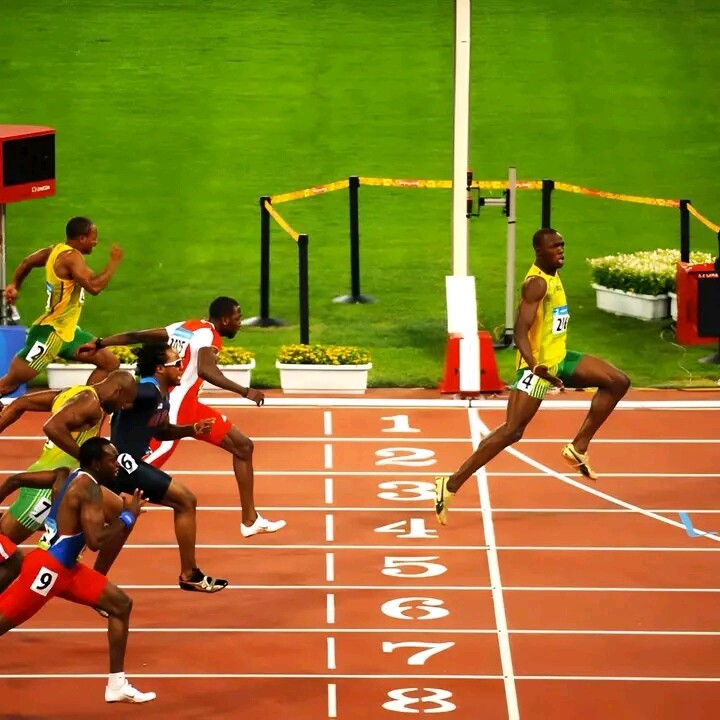
Bolt and Bennett began dating in 2013, eventually becoming one of Jamaica's most recognisable sporting couples. Their relationship became more widely known around the 2016 Rio Olympics, but much of their family life has remained away from the constant glare of the spotlight.
Together, they have built a family of their own, raising three children — daughter Olympia Lightning and twin sons Thunder and Saint Leo. Olympia was born in 2020, while the twins arrived in 2021.
Before the surprise proposal, Bennett had already marked Bolt's 40th birthday with a heartfelt tribute, celebrating not simply the global superstar known for rewriting sprinting history, but the partner and father behind the legend.
She described him as her love, her home and her forever, while expressing pride in the life they have created together.
For Bolt, whose career was defined by spectacular moments under the world's brightest lights, this may be one of his most meaningful victories yet.
He conquered the 100 metres. He dominated the 200 metres. He collected eight Olympic gold medals and established himself as one of the greatest athletes the world has ever seen.
Now, at 40, the world's most famous sprinter has made another decisive move — this time toward forever.
After 13 years together and three children, Usain Bolt and Kasi Bennett are officially taking their love story to its next chapter.
From breaking records to making memories, the fastest man in history has finally found a race he wants to take all the way to the finish.
by Erick Cheruiyot for My Best Runs.
Login to leave a comment
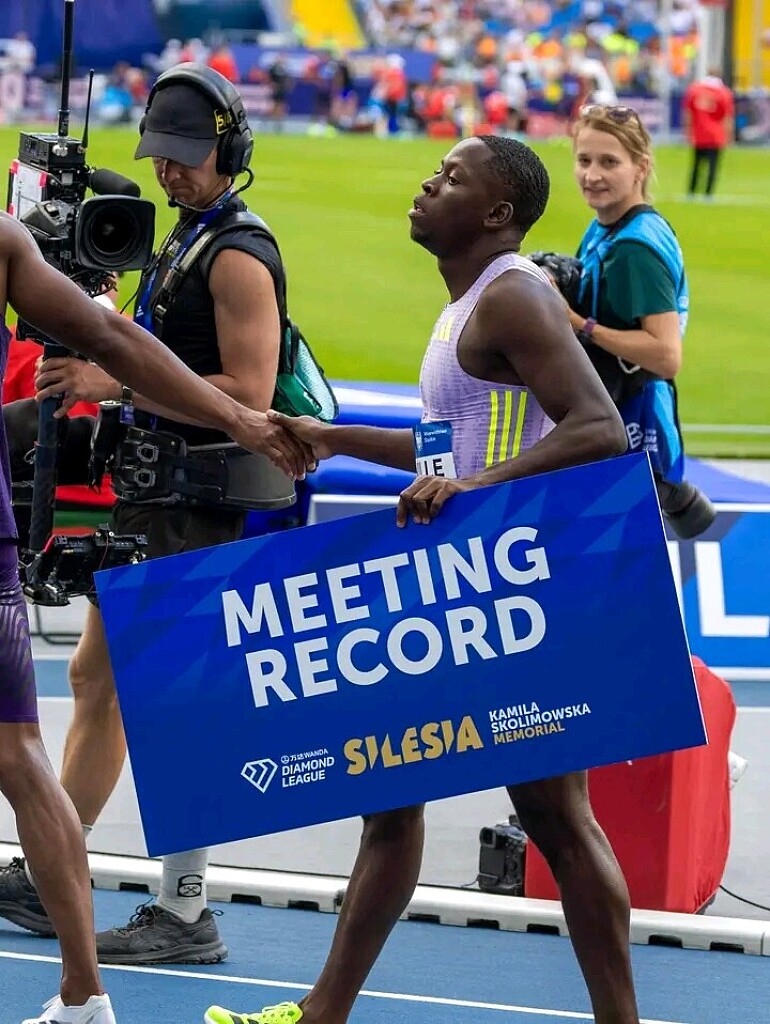
Oblique Seville Blazes to Meeting Record in Historic All Nine-Sub-10 Silesia Showdown
Jamaica’s Oblique Seville delivered another sensational statement at the Silesia Wanda Diamond League, storming to victory in a breathtaking men’s 100 metres and setting a new meeting record of 9.83 seconds that made sprinting history in Chorzów, Poland.
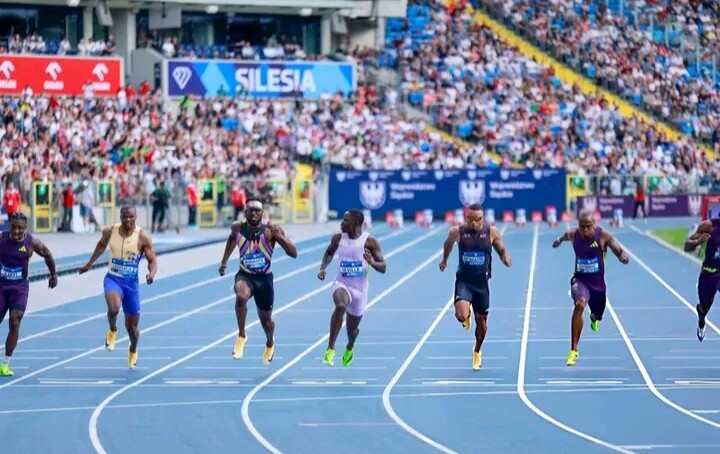
In one of the deepest and most extraordinary sprint races ever witnessed, Seville powered clear of a world-class field to take the win, with Kenneth Bednarek of the United States finishing second in 9.87 and fellow American Christian Coleman completing the podium in 9.93.
But Seville’s meeting-record victory was only one part of the remarkable story. For the first time in history, all nine athletes in a single men's 100m race broke the 10-second barrier, producing an unprecedented display of sprinting depth.
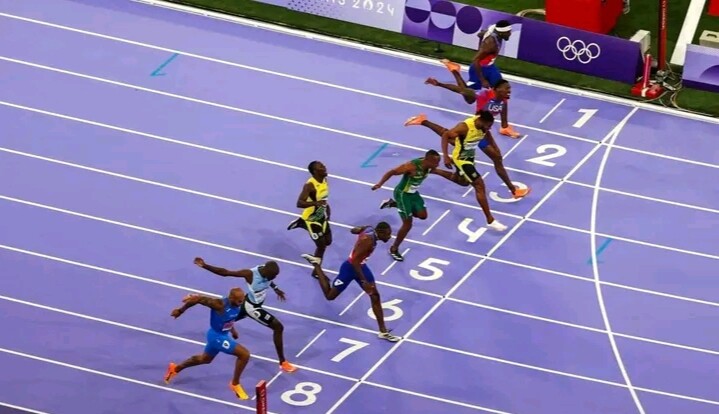
The historic race also marked only the second time that every athlete in a men's 100m final had broken 10 seconds, following the eight-man final at the Paris 2024 Olympic Games. In Silesia, however, the achievement went even further, with an entire nine-man field dipping below the iconic barrier.
Nigeria’s Kayinsola Ajayi produced another impressive performance to finish fourth in 9.94, while South Africa’s Gift Leotlela followed in fifth with 9.95. Canada’s Olympic champion Andre De Grasse clocked 9.96 in sixth, with South African star Akani Simbine recording the same time in seventh.
American Ronnie Baker added another sub-10-second performance with 9.97 for eighth place, while Cameroon’s Emmanuel Eseme ensured the historic sweep was complete by running 9.99 in ninth.
Men's 100m Results – Silesia Wanda Diamond League
1. Oblique Seville (Jamaica) — 9.83 Meeting Record
2. Kenneth Bednarek (United States) — 9.87
3. Christian Coleman (United States) — 9.93
4. Kayinsola Ajayi (Nigeria) — 9.94
5. Gift Leotlela (South Africa) — 9.95
6. Andre De Grasse (Canada) — 9.96
7. Akani Simbine (South Africa) — 9.96
8. Ronnie Baker (United States) — 9.97
9. Emmanuel Eseme (Cameroon) — 9.99
For Seville, the victory was another emphatic demonstration of his exceptional form and his ability to rise to the occasion against the strongest opposition. His 9.83 not only secured the Diamond League win but also lowered the Silesia meeting record, putting an exclamation mark on a performance of the highest quality.
Nine men went under 10 seconds. Seville went under 9.84. On an unforgettable day in Silesia, the Jamaican stood tallest in a race that pushed the boundaries of what men's sprinting has ever seen.
by Erick Cheruiyot for My Best Runs.
Login to leave a comment
American Sprint Star Sam Blaskowski Begins Bid to Represent Poland After Discovering Family Roots
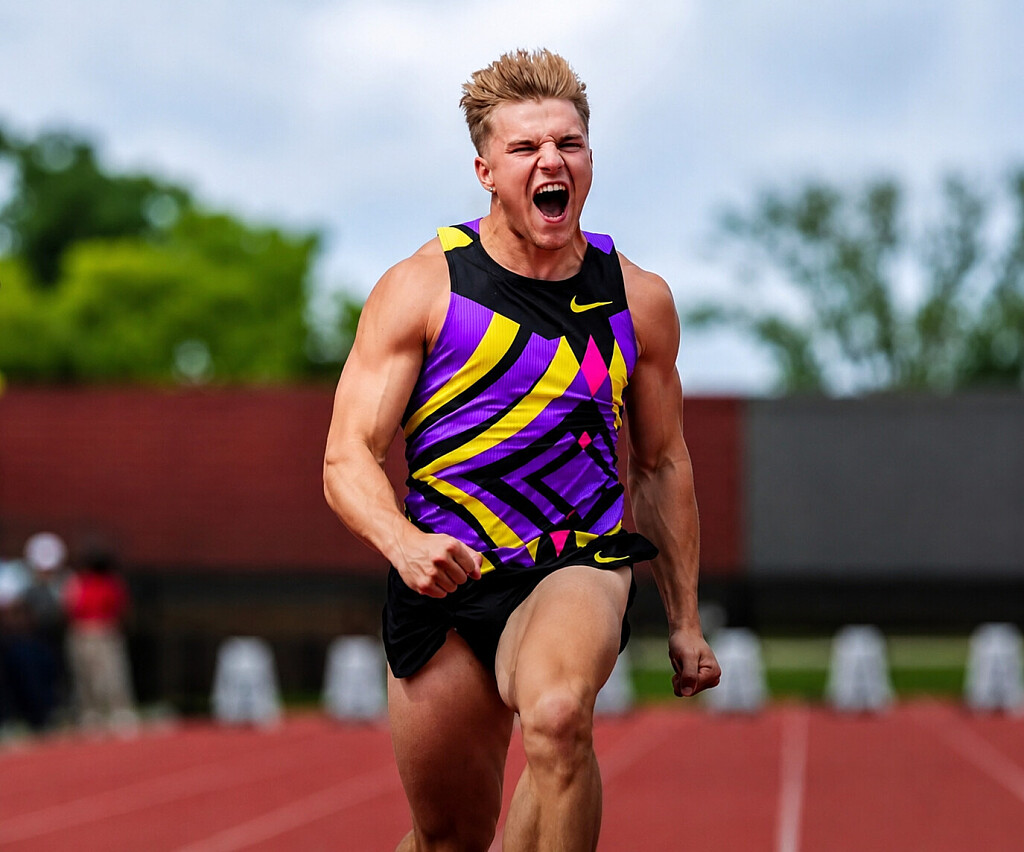
American sprint standout Sam Blaskowski is taking steps toward an international future with Poland after uncovering a powerful connection to his family's ancestral homeland.
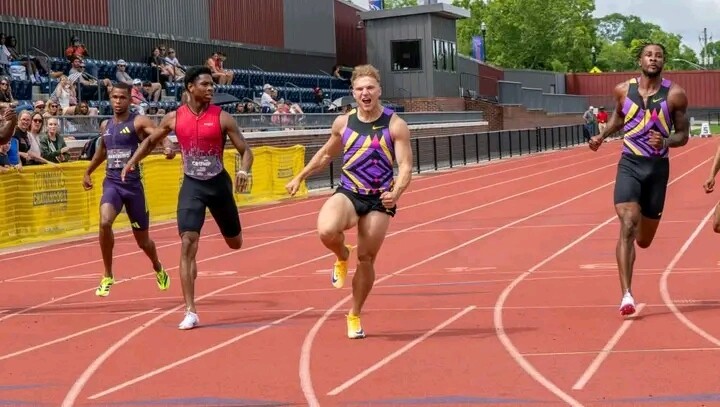
The 23-year-old sprinter, who has established himself as one of the fastest Americans of his generation with a personal best of 9.89 seconds in the 100 metres, has begun the process of obtaining Polish citizenship with the aim of eventually representing Poland in international competition.
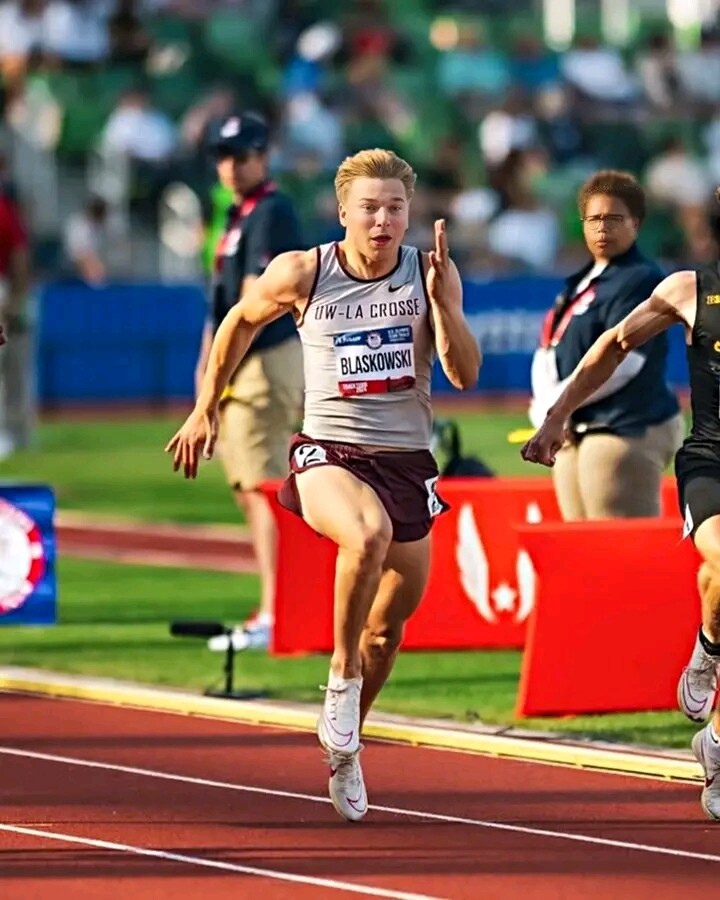
Blaskowski's connection to the country traces back through his great-grandparents, Franciszek and Julian Błaszkowski, who emigrated from Poland to the United States in 1905. Their journey more than a century ago has now opened an unexpected new chapter for their descendant, whose athletic ambitions could soon carry the Błaszkowski name back onto the international stage under Polish colours.
The sprinter has already received support from the Polish Athletics Association as he works through the citizenship and eligibility process. Should his transfer of allegiance be completed, Blaskowski could become a significant addition to Poland's sprint programme.
His credentials certainly make the prospect an exciting one. In addition to his sub-10-second speed over 100 metres, Blaskowski owns a personal best of 19.93 seconds in the 200 metres, demonstrating the kind of versatility that could prove valuable both individually and in Poland's 4x100m relay squad.
For Blaskowski, however, the move is about more than simply changing national colours. It represents an opportunity to reconnect with his family's heritage while pursuing his ambitions at the highest level of the sport.
With his sights set on becoming part of Poland's international sprint team and competing for relay medals, Blaskowski's journey from discovering his Polish roots to potentially representing the country of his ancestors could become one of the most fascinating allegiance stories in world athletics.
A century after Franciszek and Julian Błaszkowski left Poland for America, their family's story may now be coming full circle—this time at full sprint.
by Erick Cheruiyot for My Best Runs.
Login to leave a comment
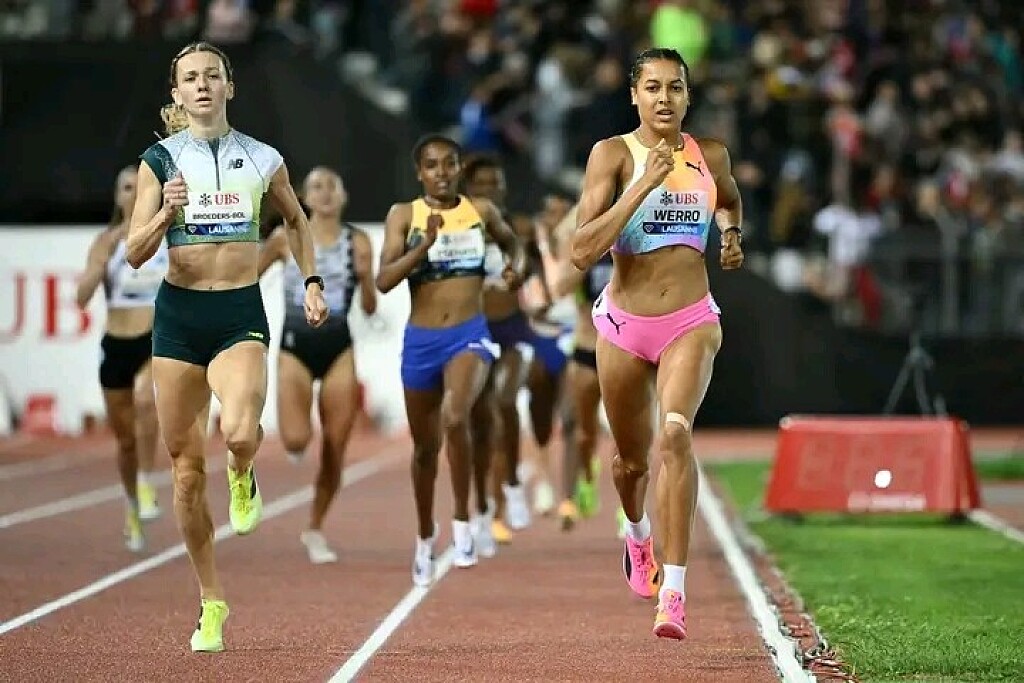
Werro Survives Stunning Broeders-Bol Charge in Record-Breaking Lausanne 800m
Audrey Werro produced another extraordinary performance on home soil, holding off a fierce late charge from Femke Broeders-Bol to win a breathtaking women's 800m at the Lausanne Diamond League in a new meeting record of 1:55.33.
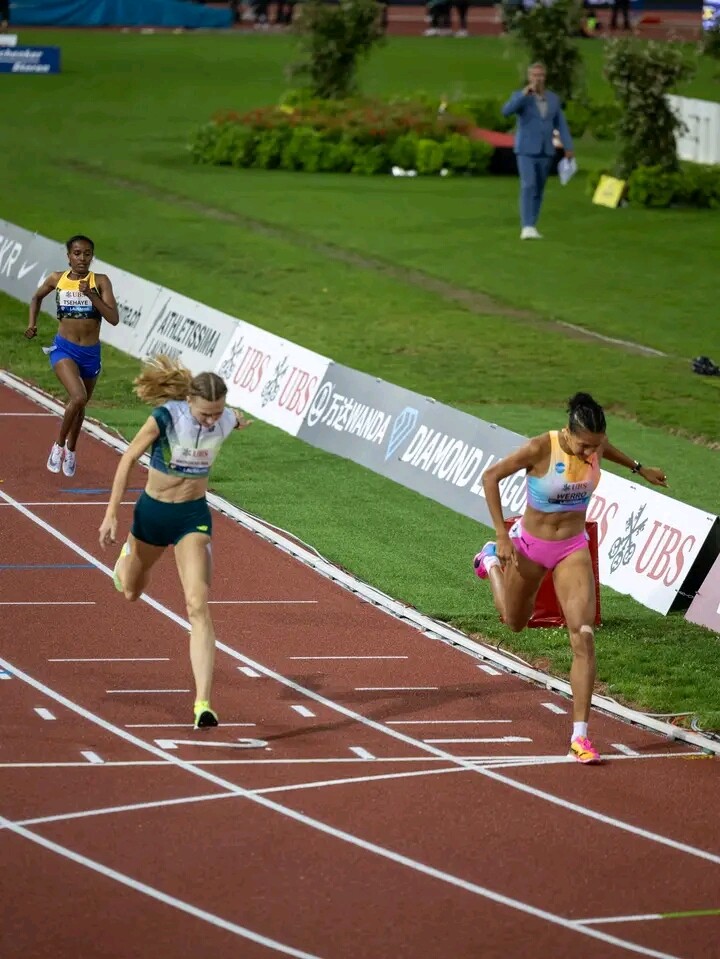
Fresh from becoming European 800m champion, Werro looked to be on course for a comfortable victory as she entered the final straight with a clear advantage. But the race exploded into a dramatic battle over the closing metres when Broeders-Bol unleashed a sensational finishing kick, clocking a remarkable 14.8 seconds for the final 100 metres compared with Werro's 15.4.
The Dutch star closed rapidly and came within touching distance of Werro, but the Swiss favourite had done enough to hold on, crossing the line just eight hundredths of a second ahead. Werro's winning time of 1:55.33 established a new meeting record and further strengthened her remarkable run of form.
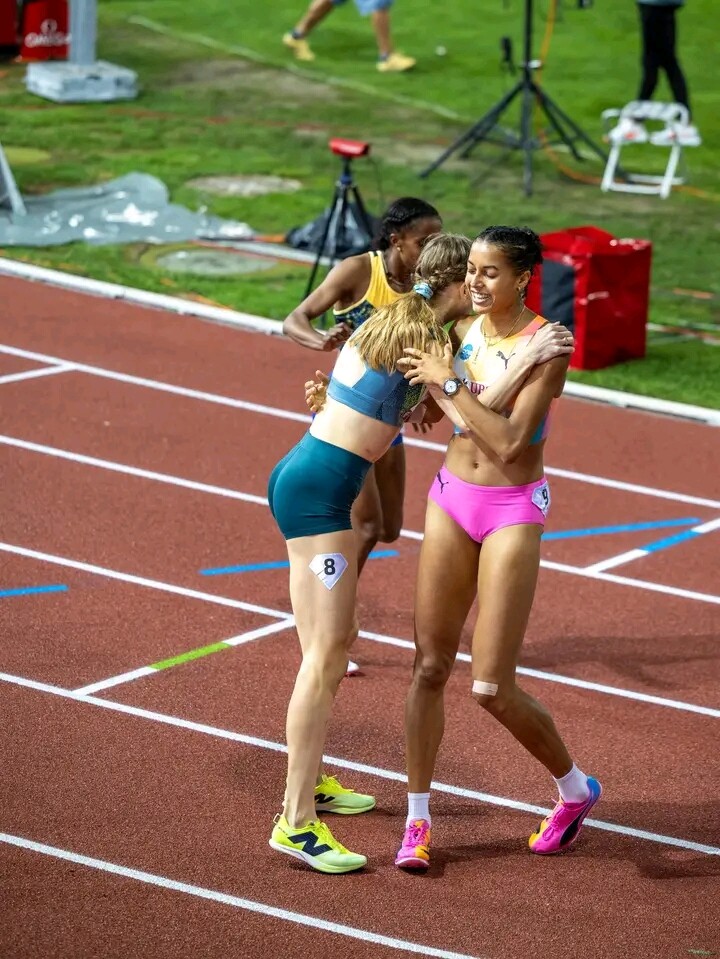
Broeders-Bol finished second in a superb 1:55.41, and although she narrowly missed victory, she left Lausanne with a historic achievement of her own. Her performance shattered the Dutch women's 800m national record previously held by Ellen van Langen, marking one of the finest races of her career.
Eighteen-year-old Ethiopian talent Saida Tsehaye completed an outstanding podium, running a huge personal best of 1:56.92 to finish third. Her breakthrough performance underlined the extraordinary depth of the race and announced another exciting young force in women's middle-distance running.
Behind the leading trio, Switzerland's Veronica Vancardo finished fourth in 1:58.68, with compatriot Valentina Rosamilia fifth in 1:58.93. American Addison Wiley placed sixth in 1:59.22, while Kenya's Lilian Odira was seventh in 1:59.25.
For Werro, it was another unforgettable night in front of her home crowd. The European champion combined strength, confidence and composure to withstand one of the most explosive finishing charges of the season, while Broeders-Bol produced a national-record performance that came agonisingly close to victory.
In the end, Lausanne witnessed a race in which history was made at both ends of the finish line: Werro claimed the meeting record and another major victory, Broeders-Bol rewrote the Dutch record books, and teenage sensation Tsehaye announced herself on the world stage with a huge personal best.
The women's 800m is delivering exceptional racing in 2026—and this electrifying showdown in Lausanne was further proof that the event is hotter than ever.
by Erick Cheruiyot for My Best Runs.
Login to leave a comment
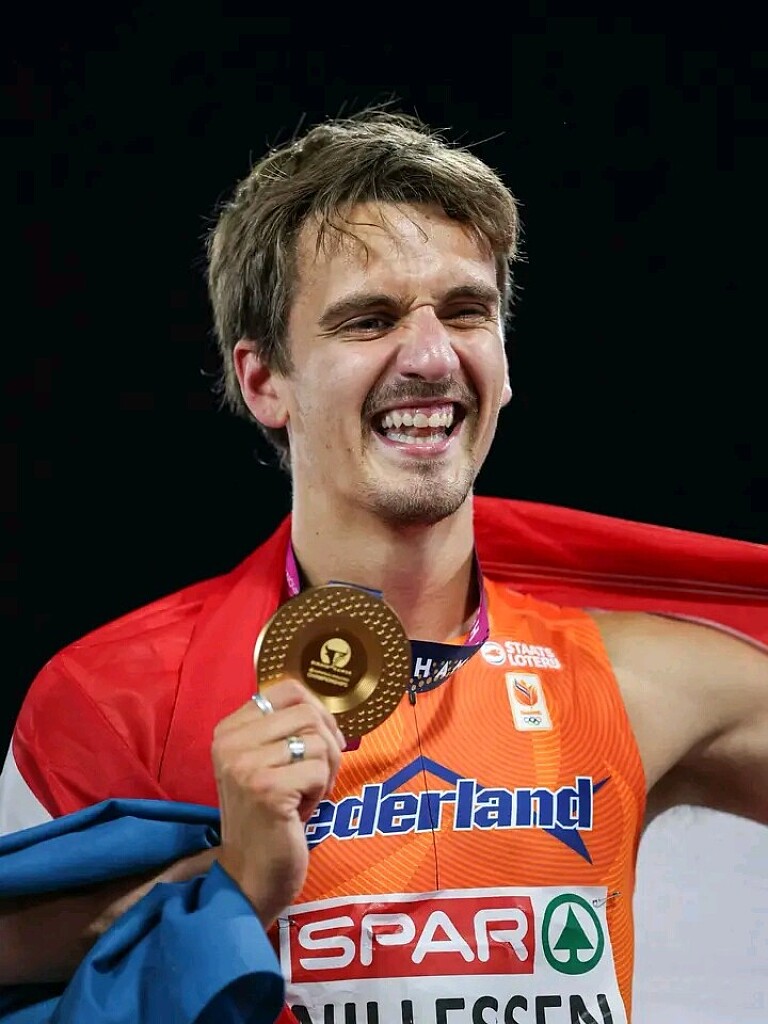
Stefan Nillessen Produces Blistering Finish to Win European 1500m Gold in Birmingham
Stefan Nillessen has been crowned European champion in the men’s 1500m after producing a sensational finishing burst to win a thrilling final at the 2026 European Athletics Championships in Birmingham.
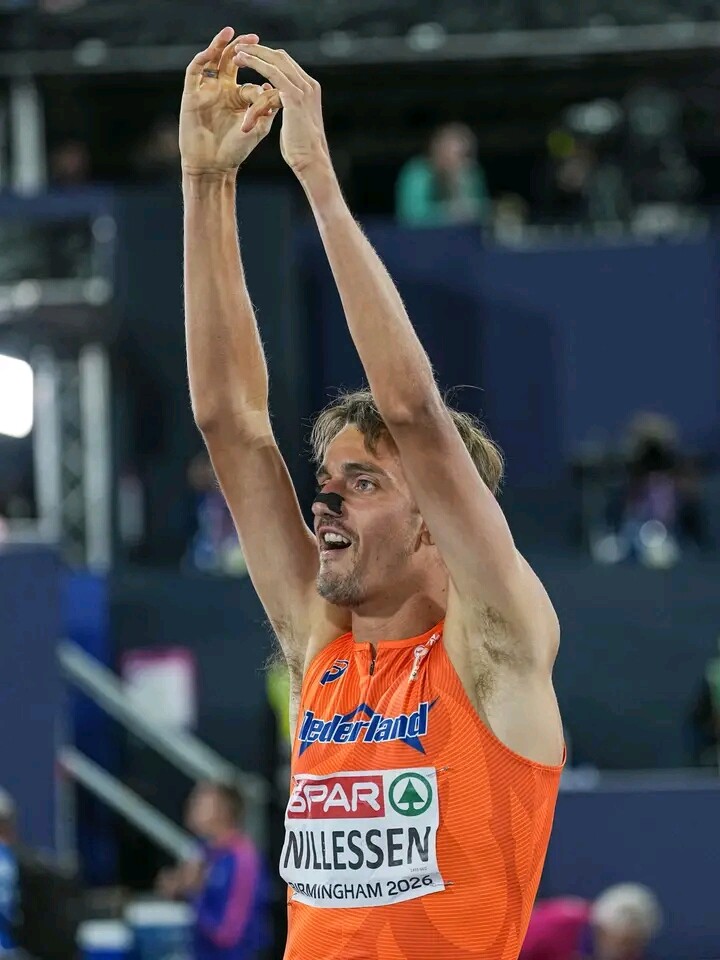
The Dutchman timed his decisive move to perfection, unleashing a blistering final 100 metres in approximately 12.6 seconds to stop the clock at 3:35.70 and claim the European title in spectacular fashion.
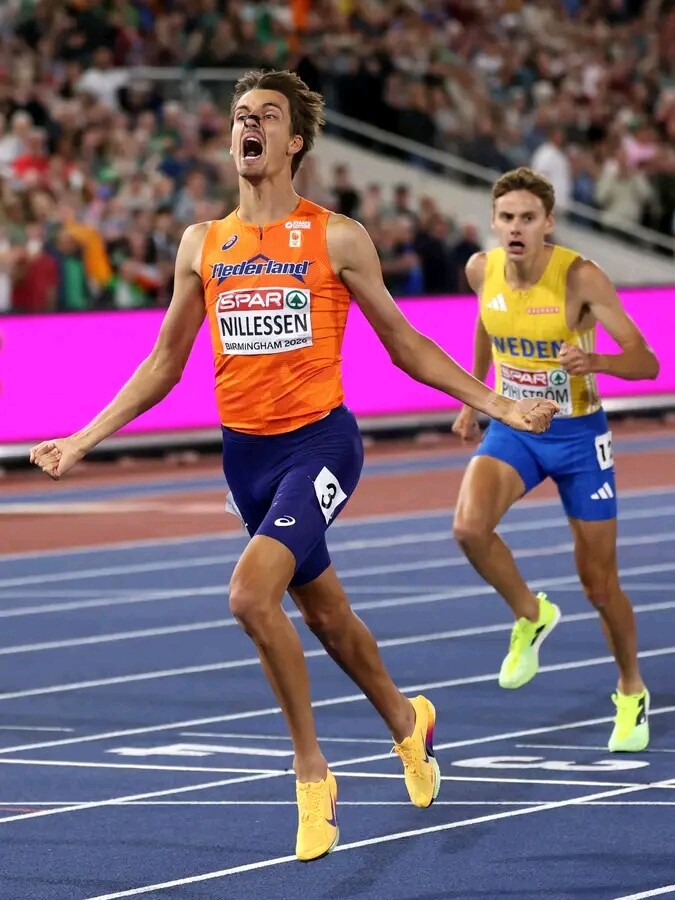
The race appeared to be leaning towards the home favourites as Jake Heyward and Jake Wightman led the field into the final 200 metres. But as the pace intensified and the medals came into view, Nillessen produced a devastating change of speed that carried him past the leading contenders and into gold-medal position.
Nillessen’s finishing kick proved too strong for the chasing pack. He powered down the home straight and opened enough of a gap to secure his first European 1500m title, turning what had been a closely packed tactical contest into a memorable individual triumph.
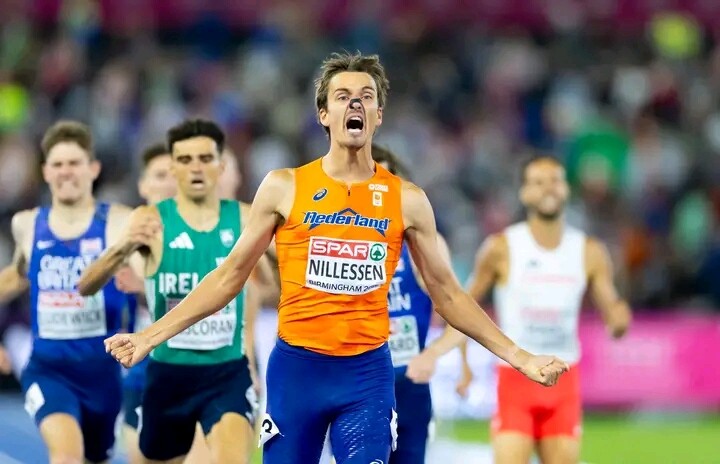
Behind him, Samuel Pihlström of Sweden produced a strong final sprint of his own to take the silver medal in 3:36.16, while Ireland’s Andrew Coscoran held on for bronze in 3:36.24. Just 0.08 seconds separated the two athletes, highlighting the extraordinary closeness of the battle for the remaining podium places.
Heyward, who had helped shape the race at the front in the closing stages, ultimately finished fourth in 3:36.40, with fellow Briton Arlo Ludewick fifth in 3:36.65. Wightman, another of the athletes at the sharp end with 200 metres remaining, crossed the line sixth in 3:37.18.
Norway’s Narve Gilje Nordås finished seventh in 3:37.31, followed by France’s Romain Mornet in 3:37.37 and Germany’s Robert Farken in 3:37.49. France’s Azeddine Habz was 10th in 3:37.61, while Italy’s Pietro Arese finished 11th in 3:38.15.
The biggest disappointment of the final was reigning world champion Isaac Nader of Portugal. One of the leading names in the field before the race, Nader struggled to respond to the repeated tactical changes and eventually finished 12th in 3:39.69.
For Nillessen, however, Birmingham delivered a defining championship moment. With the race still wide open entering the final 200 metres, he remained composed before unleashing the fastest closing burst of the field. His 12.6-second final 100m was the difference between a podium finish and European gold.
Men’s 1500m Final — Results
1. Stefan Nillessen (NED) — 3:35.70
2. Samuel Pihlström (SWE) — 3:36.16
3. Andrew Coscoran (IRL) — 3:36.24
4. Jake Heyward (GBR) — 3:36.40
5. Arlo Ludewick (GBR) — 3:36.65
6. Jake Wightman (GBR) — 3:37.18
7. Narve Gilje Nordås (NOR) — 3:37.31
8. Romain Mornet (FRA) — 3:37.37
9. Robert Farken (GER) — 3:37.49
10. Azeddine Habz (FRA) — 3:37.61
11. Pietro Arese (ITA) — 3:38.15
12. Isaac Nader (POR) — 3:39.69
The final showcased everything that makes championship 1500m racing so compelling: tactical positioning, changing momentum, a dramatic final lap and a decisive sprint for the medals. In the end, it was Nillessen’s extraordinary finishing speed that settled the contest and placed the Netherlands at the top of the European 1500m podium.
by Erick Cheruiyot for My Best Runs.
Login to leave a comment

European Athletics Champioships
The27thEuropean Athletics Championshipswill be held from 10 to 16 August 2026 at theAlexander StadiuminBirmingham, United Kingdom.[1] This is the first time that a British city will have staged the European Athletics Championships although Birmingham has hosted many high-profile events, including the2007 European Athletics Indoor Championships, the2003and2018 IAAF World Indoor Championshipsand the2022 Commonwealth Games. Alexander Stadium was renovated between 2019 and...
more...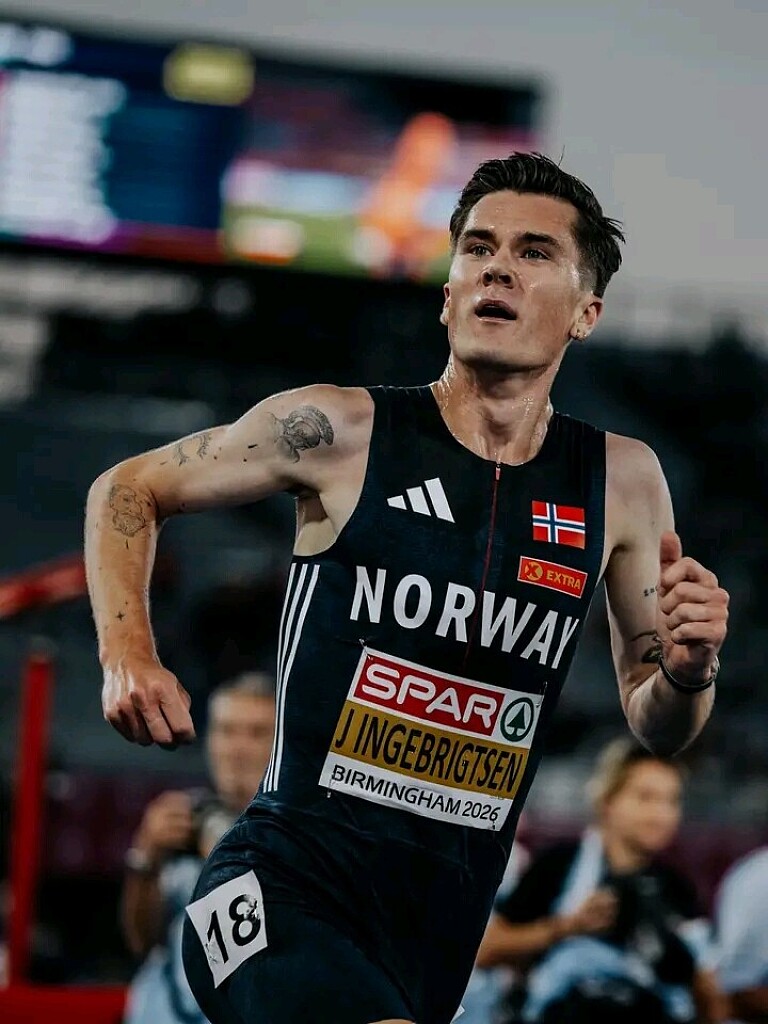
Jakob Ingebrigtsen Returns In Style With Fourth Straight European 5000m Gold
After 11 months away from competitive racing, Jakob Ingebrigtsen reminded the athletics world exactly why he remains one of distance running’s most formidable forces.
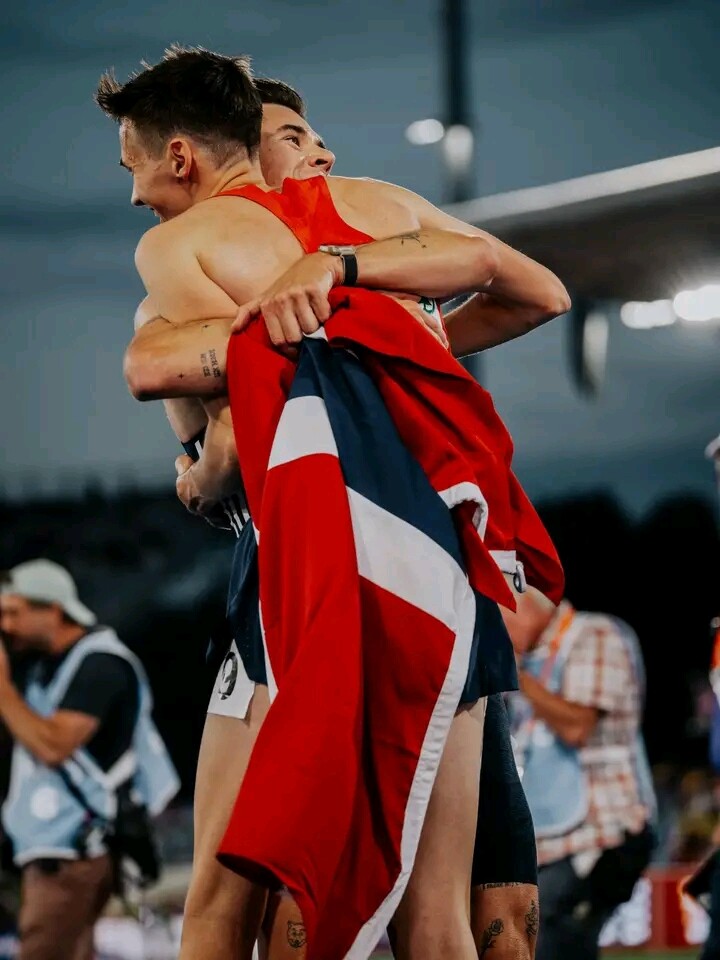
The Norwegian superstar made a spectacular return at the European Athletics Championships in Birmingham, producing a trademark finishing surge to capture his fourth consecutive European 5000m title in 13:15.29.
Making his first competitive appearance since 2025 following an Achilles injury and surgery earlier this year, Ingebrigtsen approached the race with patience. Rather than forcing the pace early, the Olympic champion remained composed through the opening stages, conserving energy for the decisive moments.
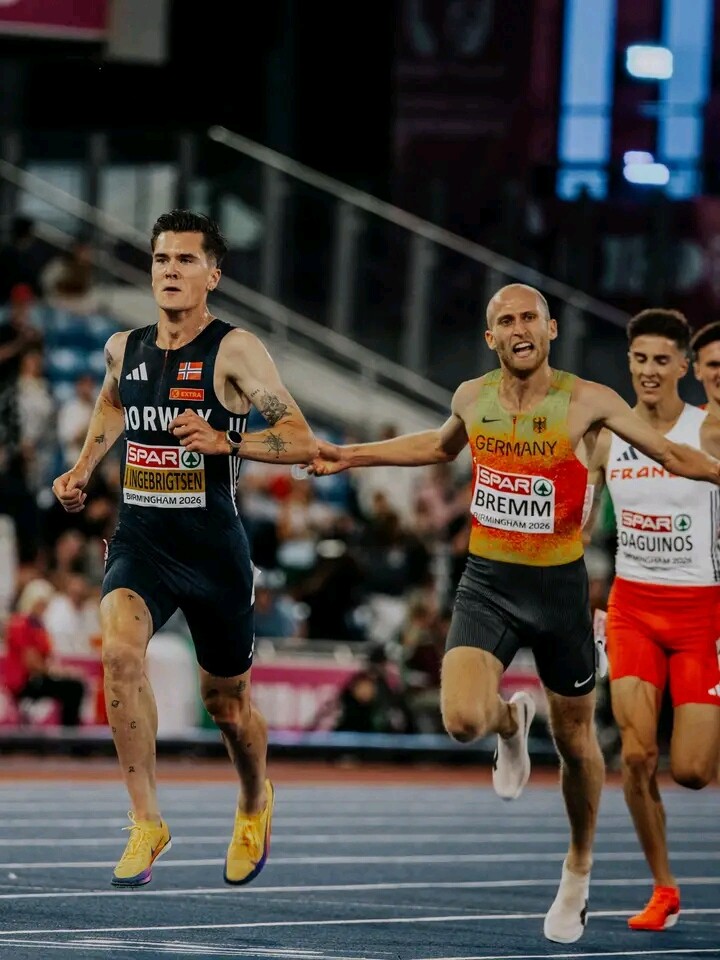
With the field still tightly packed entering the closing stages, the race came down to a final-lap battle. Ingebrigtsen moved into contention around the final bend before unleashing a devastating kick over the closing 100 metres.
Jimmy Gressier of France and Germany’s Florian Bremm were among those fighting for the medals, but neither could match the Norwegian’s acceleration. Ingebrigtsen powered clear to cross the line first in 13:15.29, with Bremm taking silver and France’s Etienne Daguinos claiming bronze.
The victory extends an extraordinary European Championships record for Ingebrigtsen. He has now won the 5000m title at four consecutive editions, while his latest gold also further strengthens his status as the most successful male athlete in the history of the European Athletics Championships.
What made the performance even more remarkable was the uncertainty surrounding his return. Ingebrigtsen had not raced at all during the 2026 season as he worked his way back from Achilles surgery. His participation in Birmingham was only confirmed in late July, with his management stressing that the decision would depend on his readiness.
Yet when the moment arrived, the 25-year-old delivered in familiar fashion — staying calm, trusting his strength and producing an explosive finish when the medals were on the line.
The comeback victory also sets up an intriguing next chapter. Ingebrigtsen is scheduled to return to the Diamond League circuit at the Weltklasse Zürich meeting on August 27, where he is expected to contest the 1500m alongside a formidable field that includes Olympic champion Cole Hocker, Yared Nuguse and Isaac Nader. The Zürich meeting is scheduled for August 27.
After nearly a year away, Jakob Ingebrigtsen is back — and his first race of the comeback has already produced another European title.
The next test will come over 1500 metres in Zürich, where the Norwegian will face a very different challenge and an entirely different level of speed.
For now, though, one message rings loud across European athletics:
Jakob Ingebrigtsen is back.
by Erick Cheruiyot for My Best Runs.
Login to leave a comment
European Athletics Champioships
The27thEuropean Athletics Championshipswill be held from 10 to 16 August 2026 at theAlexander StadiuminBirmingham, United Kingdom.[1] This is the first time that a British city will have staged the European Athletics Championships although Birmingham has hosted many high-profile events, including the2007 European Athletics Indoor Championships, the2003and2018 IAAF World Indoor Championshipsand the2022 Commonwealth Games. Alexander Stadium was renovated between 2019 and...
more...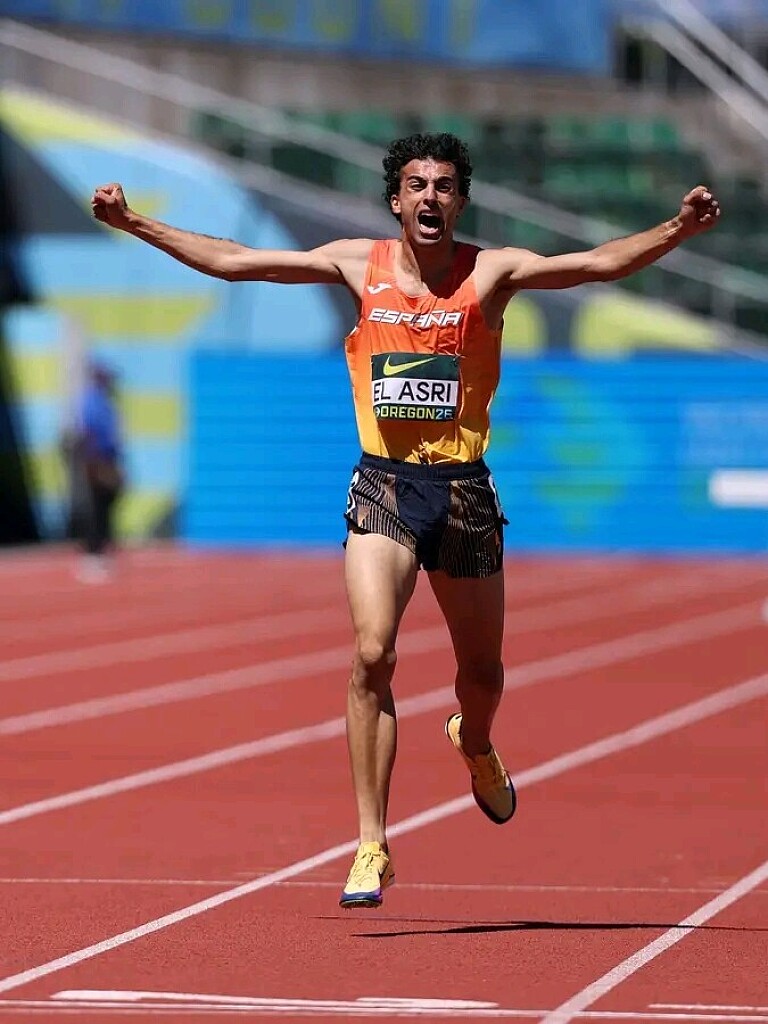
El Asri Sets European U20 Record As Lemiso Takes Silver And Losiwareng Fights Back For Dramatic Bronze
Kenya secured a double podium finish in a fiercely contested men’s 3000m steeplechase final at the World Athletics U20 Championships in Eugene, with Emmanuel Lemiso Someki taking silver and Nicholas Kitum Losiwareng battling his way to bronze.
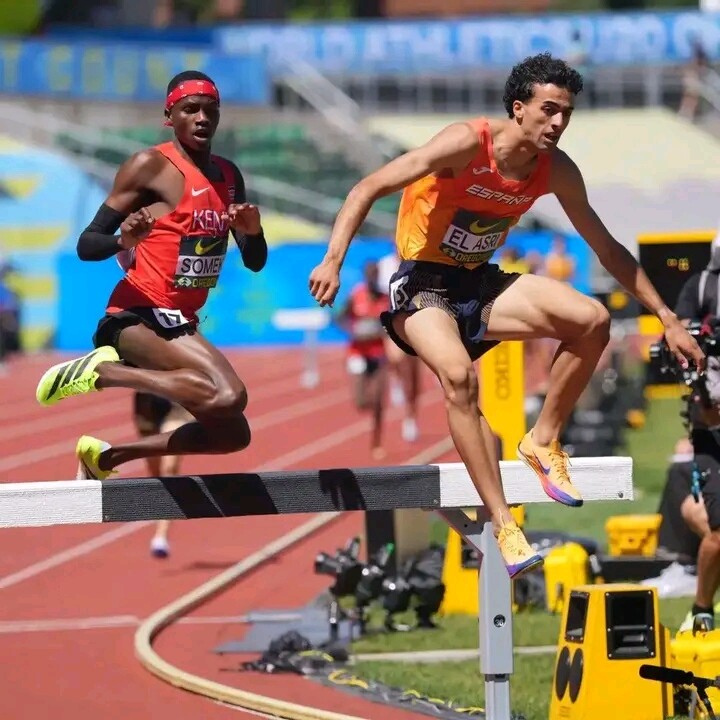
Spain’s Bakr El Asri Mohsine produced the decisive move when it mattered most, surging away in the closing stages to claim the gold medal in 8:28.35 and set a new European U20 area record.
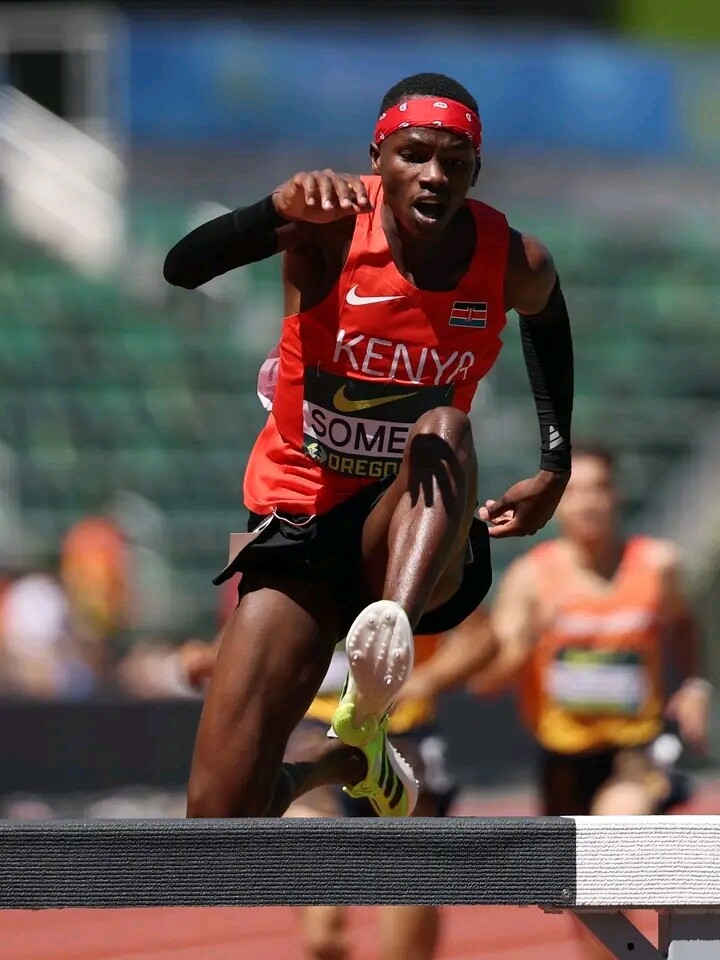
Lemiso, the African U20 champion, had positioned himself at the front of the race and moved into the lead around the 2,300-metre mark as Kenya looked capable of producing another major championship sweep in the event.
But El Asri remained within striking distance. With two laps remaining, the Spaniard began to close the gap before unleashing a powerful finishing surge that ultimately carried him clear of Lemiso and towards the biggest victory of his young career.
Lemiso refused to surrender his position, holding on strongly for silver in a personal-best 8:32.81. It was a significant performance from the Kenyan, who converted his front-running effort into a world U20 championship medal.
Behind him, the battle for bronze delivered perhaps the most dramatic moment of the race.
Losiwareng appeared to lose valuable ground after a stumble at one of the barriers late in the race. Rather than allowing the mistake to end his medal hopes, however, the Kenyan regrouped and launched an aggressive sprint over the final 100 metres.
That charge brought him back into contention with Spain’s Martí Torregrossa. The two athletes fought all the way to the line, with Losiwareng eventually securing third in 8:38.05, just 0.08 seconds ahead of his Spanish rival.
The result gave Kenya two medals from a race that had threatened to slip away in the final stages. Lemiso’s silver and Losiwareng’s bronze also underlined the depth of Kenya’s young steeplechase talent on the international stage.
For El Asri, the victory marked a breakthrough performance, while Kenya could take considerable encouragement from placing two athletes on the podium despite missing out on the title.
The final standings were:
1. Bakr El Asri Mohsine (Spain) — 8:28.35, European U20 Area Record
2. Emmanuel Lemiso Someki (Kenya) — 8:32.81, Personal Best
3. Nicholas Kitum Losiwareng (Kenya) — 8:38.05
In a race decided by the final two laps, El Asri had the speed to take gold, Lemiso had the strength to secure silver, and Losiwareng had the resilience to fight back from adversity and complete Kenya’s double podium finish.
by Erick Cheruiyot for My Best Runs.
Login to leave a comment

Taylor and Maxwell Deliver Golden U.S. Sprint Sweep at World U20 Championships
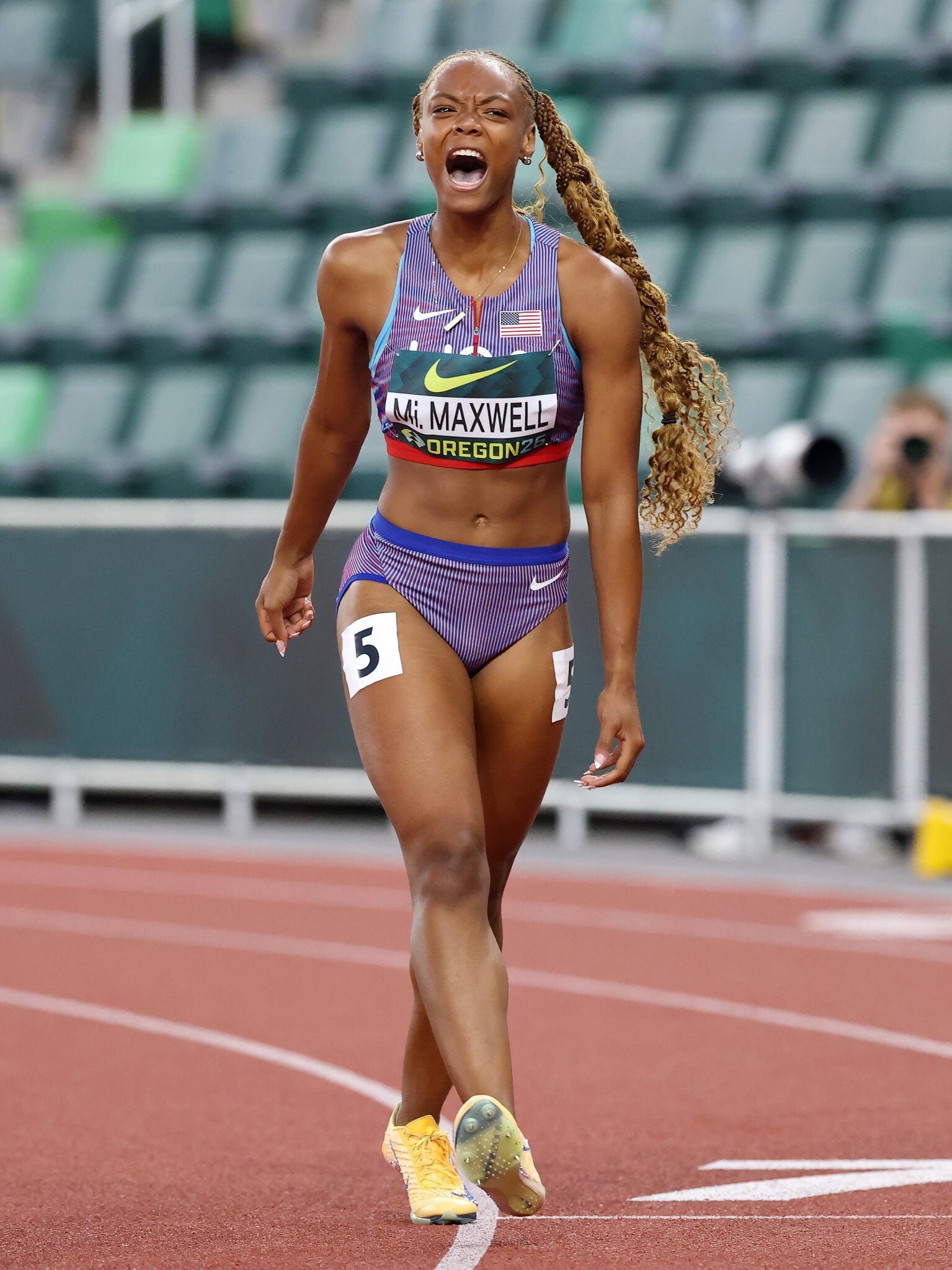
The United States produced a memorable night of sprinting at the World Athletics U20 Championships in Eugene, Oregon, as Tate Taylor and Mia Maxwell captured the men's and women's 100 metres titles to complete a remarkable American clean sweep in one of track and field's most prestigious junior competitions.
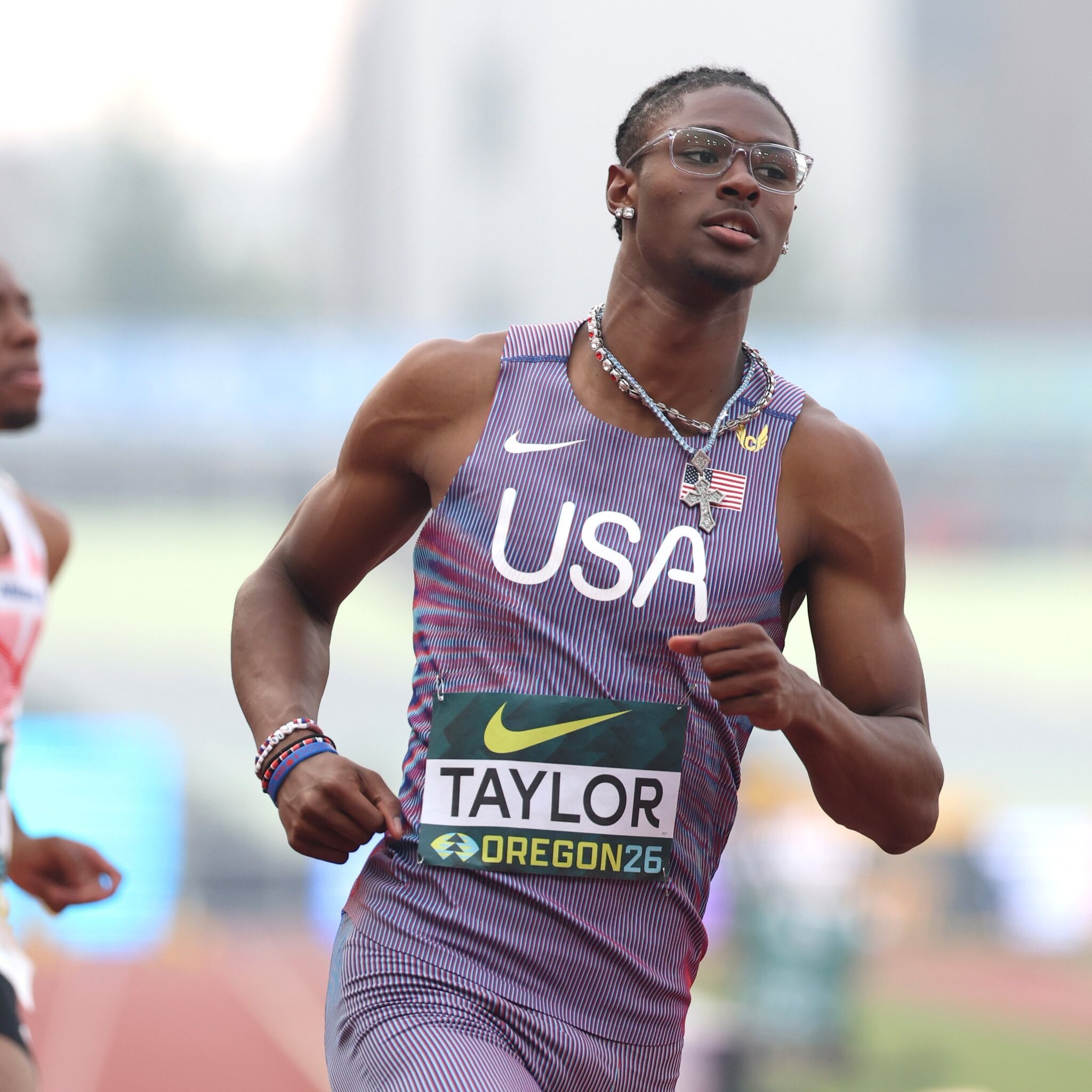
Taylor announced himself among the world's brightest young sprinters with a breathtaking performance in the men's final, powering away over the closing metres to clock a wind-legal personal best of 9.94 seconds. The outstanding run made him the only athlete in the field to break the 10-second barrier and confirmed his status as one of the fastest teenagers in history.
Jamaica's Gary Card claimed the silver medal in 10.05 seconds after a strong race, while South Africa's Marko Ferreira secured bronze in 10.16, completing a highly competitive podium. Despite a closely contested opening half of the race, Taylor's explosive finishing speed proved decisive as he surged clear to take the world junior crown in emphatic fashion.
The women's final delivered another thrilling contest, with Mia Maxwell holding her composure under immense pressure to secure the title in 11.14 seconds. Jamaica's Shanoya Douglas mounted a determined late challenge but settled for silver in 11.17, while Italy's Kelly Ann Doualla Edimo earned bronze after crossing the line in 11.27.
The victory capped an unforgettable championship for the Maxwell family. After progressing impressively through the rounds, Mia delivered when it mattered most, while her twin sister, Mariah Maxwell, also reached the final and finished fifth, underlining the family's exceptional sprinting talent on the global stage.
The double triumph marked a dominant evening for Team USA, which swept both 100m gold medals before a home crowd in Eugene. With Taylor producing a historic sub-10-second breakthrough and Maxwell demonstrating remarkable composure in a world-class women's final, the pair provided another glimpse of the exciting future of American sprinting.
by Erick Cheruiyot for My Best Runs.
Login to leave a comment

Maxwell Twins Storm into World U20 100m Final with Dominant Sprint Performances
The Maxwell twins, Mariah and Mia, continued their outstanding run at the World Athletics U20 Championships in Oregon by powering into the women's 100 metres final after commanding displays in both the heats and semi-finals.
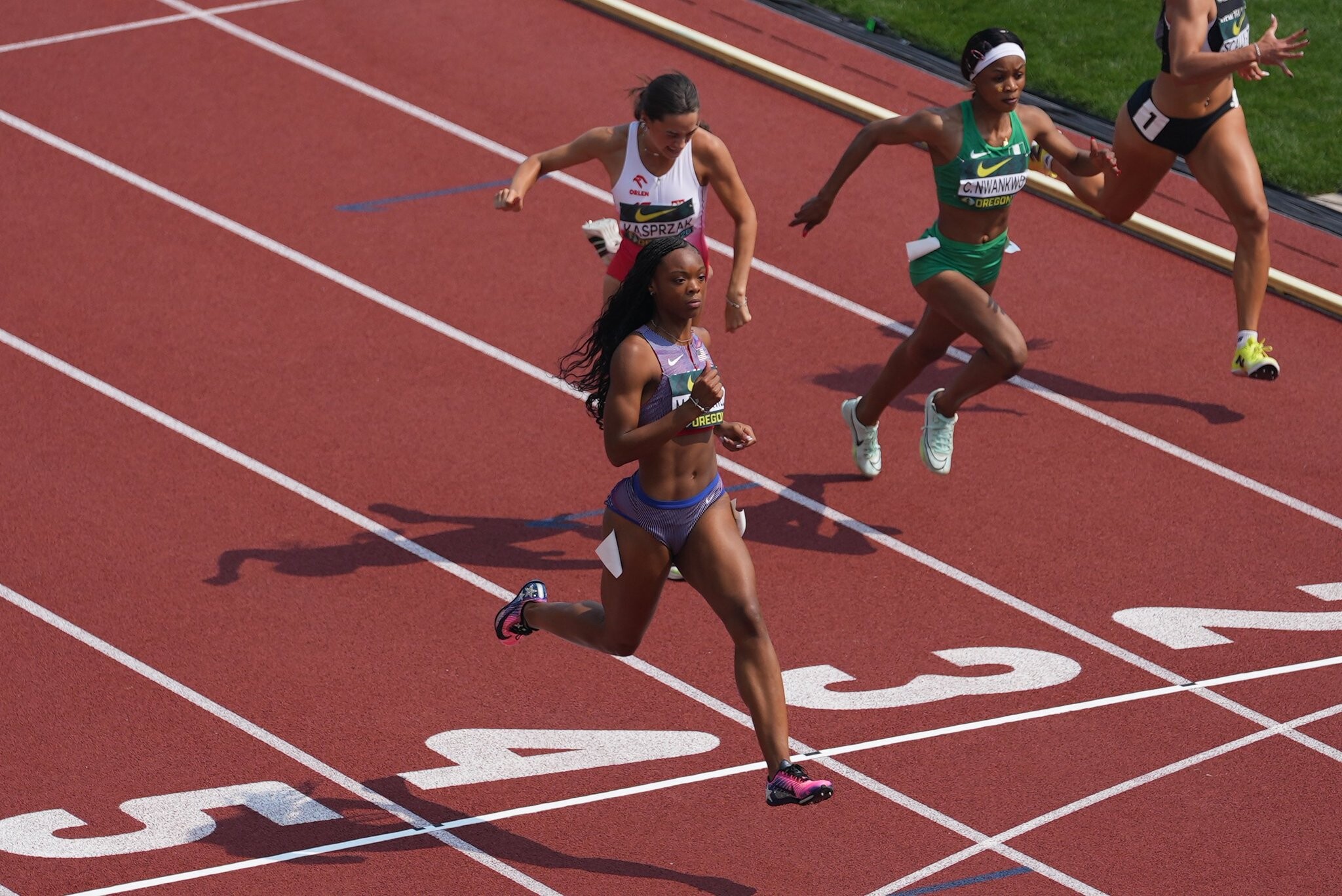
Mariah opened her campaign with an impressive victory in her opening heat, clocking 11.33 seconds to advance comfortably. Moments later, Mia matched her sister's performance by winning Heat 6 in 11.37 seconds, ensuring both Americans progressed safely to the semi-finals while looking well within themselves.
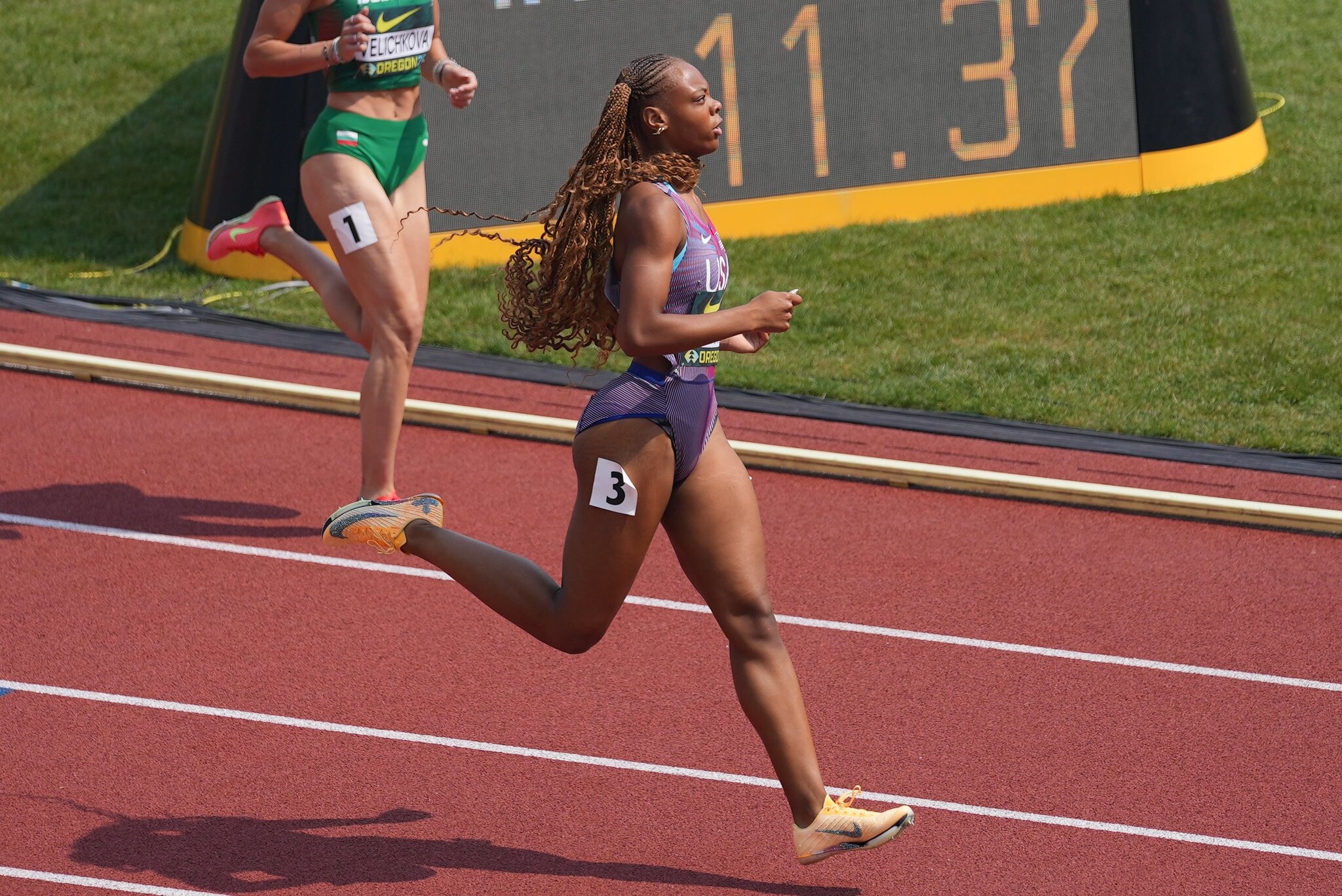
If their opening-round performances were convincing, the semi-finals were even more emphatic.
Mia Maxwell stamped her authority on the event by producing the fastest semi-final performance of the day, surging to victory in Heat 2 in a superb 11.13 seconds. Her sister, Mariah, also delivered when it mattered most, winning her place in the final with a composed run of 11.25 seconds in Heat 3.
The Maxwell sisters' remarkable performances ensured they both booked places in the championship final, strengthening their status as leading contenders for the world junior title. Their ability to deliver under pressure has made them one of the biggest stories of the championships, with the twins now just one race away from global glory.
Elsewhere in the semi-finals, Italy's Kelly Ann Maevane Doualla Edimo claimed victory in the opening semi-final, while Jamaica's Shanoya Mikalia Douglas emerged victorious in the third semi-final to complete an impressive lineup for the title showdown.
The women's 100m final will feature an exceptional field comprising Mia Maxwell (United States), Theianna-Lee Terrelonge (Jamaica), Shanoya Mikalia Douglas (Jamaica), Xenia Buri (Switzerland), Mariah Maxwell (United States), Kelly Ann Maevane Doualla Edimo (Italy), Emma Goretzka (Germany), Jady Emmanuel (Saint Lucia), and Lena Anochili (Germany).
With both Maxwell sisters in scintillating form and carrying the fastest performances into the final, anticipation is building for what promises to be one of the most exciting sprint races of the World Athletics U20 Championships.
by Erick Cheruiyot for My Best Runs.
Login to leave a comment
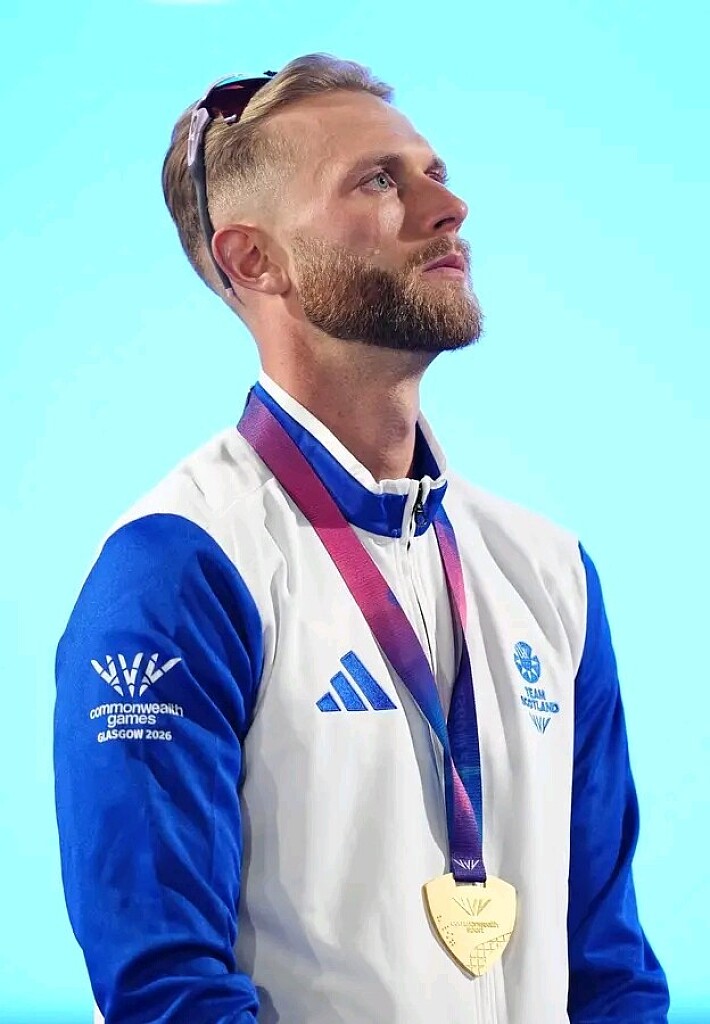
How Josh Kerr Built a Commonwealth Masterpiece: The Splits That Tell the Story of a Golden Mile
Winning a major championship is never just about crossing the finish line first. Behind every gold medal lies a carefully crafted race plan, and Josh Kerr's unforgettable Commonwealth Games triumph in Glasgow was a perfect example of tactical brilliance meeting extraordinary finishing speed.
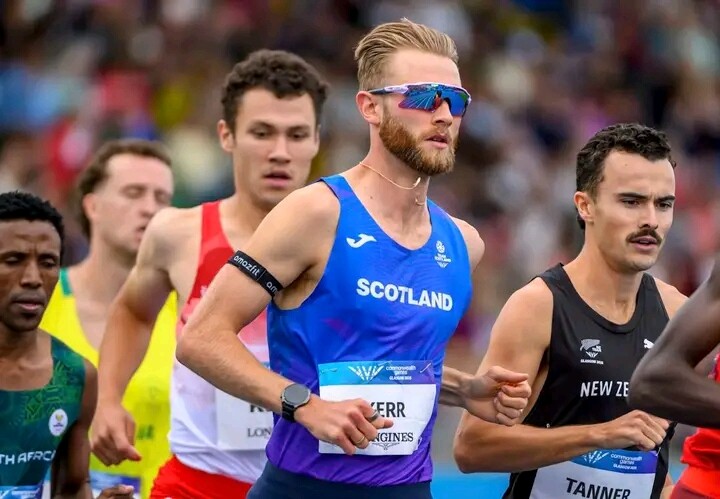
While the final time of 3:54.12 for the mile will be remembered as the official result, the split times reveal a much deeper story—one of patience, precision, and devastating acceleration when it mattered most.
Kerr resisted any temptation to force the pace from the gun. Instead, he settled into a controlled rhythm, allowing the opening stages to unfold naturally. His first four 100-metre segments—14.9, 15.1, 15.3 and 15.1 seconds—brought him through 400 metres in 60.4 seconds, a measured opening that conserved valuable energy while keeping him firmly in contention.
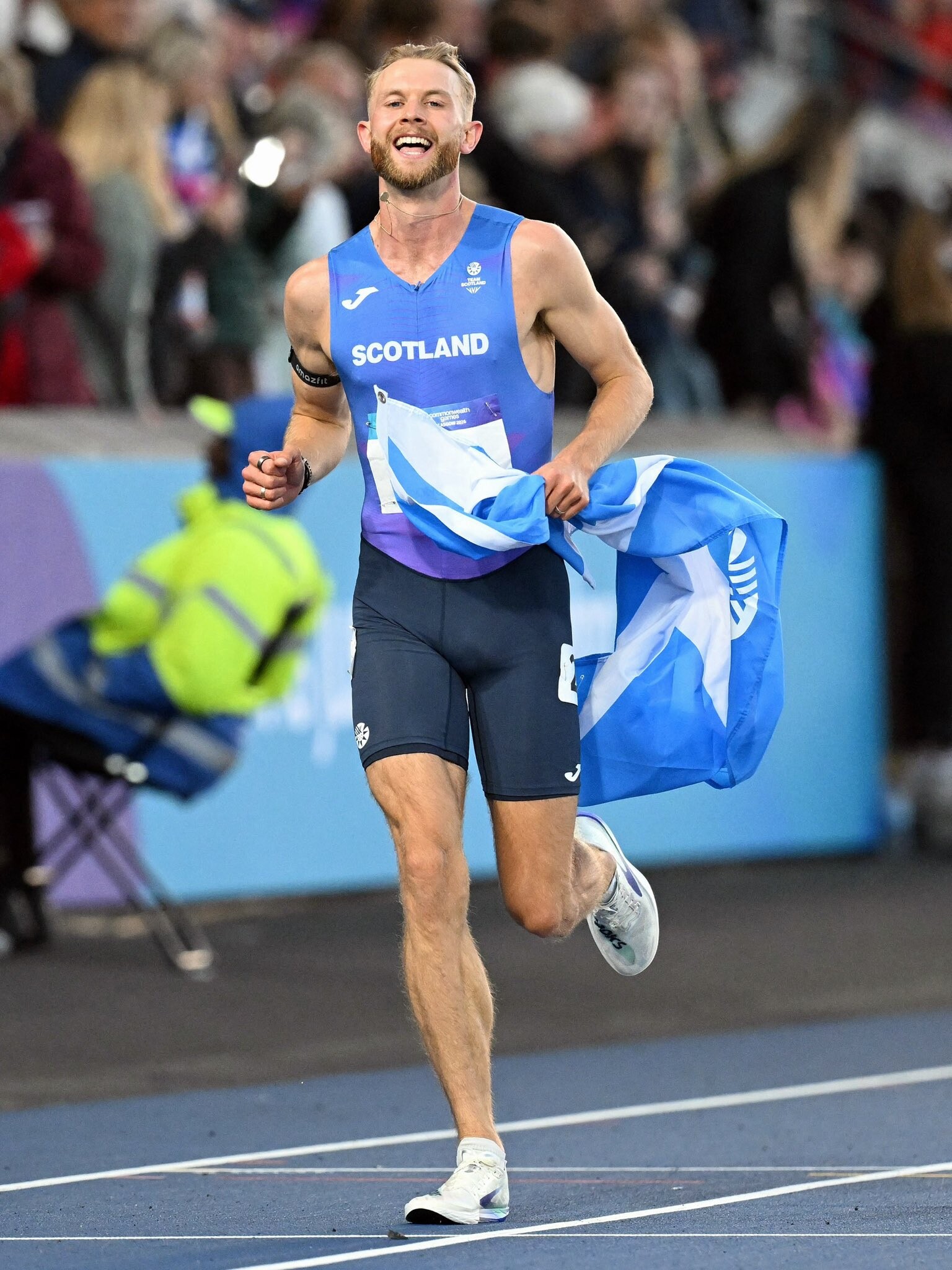
The second lap remained equally composed. Passing 500 metres in 15.3 seconds before recording splits of 15.7, 16.2 and 15.4, Kerr reached 800 metres in 2:03.0. The pace had eased, but that was exactly where the Scottish star wanted to be. Rather than chasing early speed, he was setting the stage for a decisive finish.
Everything changed after halfway.
Kerr gradually increased the tempo with smooth, controlled acceleration. His 900-metre and 1,000-metre splits of 15.2 and 14.9 seconds signalled that the race was beginning to stretch. He then surged through 1,100 metres in 14.3 seconds before covering the next 100 metres in just 13.4 seconds to reach 1,200 metres in 3:00.8.
From there, the home crowd witnessed championship running at its finest.
Instead of fading, Kerr became even stronger. He reeled off three consecutive 100-metre splits of 13.4, 13.4 and 12.8 seconds, dismantling the field with every stride. His final 100 metres were covered in a stunning 12.5 seconds, sealing an emphatic victory and sending the Glasgow crowd into celebration.
The progression of his race was remarkable. After opening with relaxed 15-second splits, Kerr transformed the closing stages into a demonstration of world-class speed endurance. His ability to accelerate continuously over the final 600 metres highlighted not only exceptional fitness but also supreme confidence in his race plan.
Championship middle-distance racing is rarely about producing the fastest possible time from the start. More often, it rewards athletes who understand when to conserve energy and when to unleash everything they have left. Kerr executed that philosophy to perfection.
His split chart paints the picture of a runner who never panicked, never wasted effort, and saved his greatest weapon for the closing stages. It was a textbook display of patience followed by relentless aggression—a combination that turned a tactical race into a memorable Commonwealth gold medal performance.
For aspiring middle-distance runners, Kerr's Glasgow masterpiece offers an important lesson: the strongest finish often belongs not to the athlete who runs hardest from the gun, but to the one who knows exactly when to make their move. On home soil, Josh Kerr timed that move to perfection, producing a performance that will stand as one of the defining moments of the championships.
by Erick Cheruiyot for My Best Runs.
Login to leave a comment
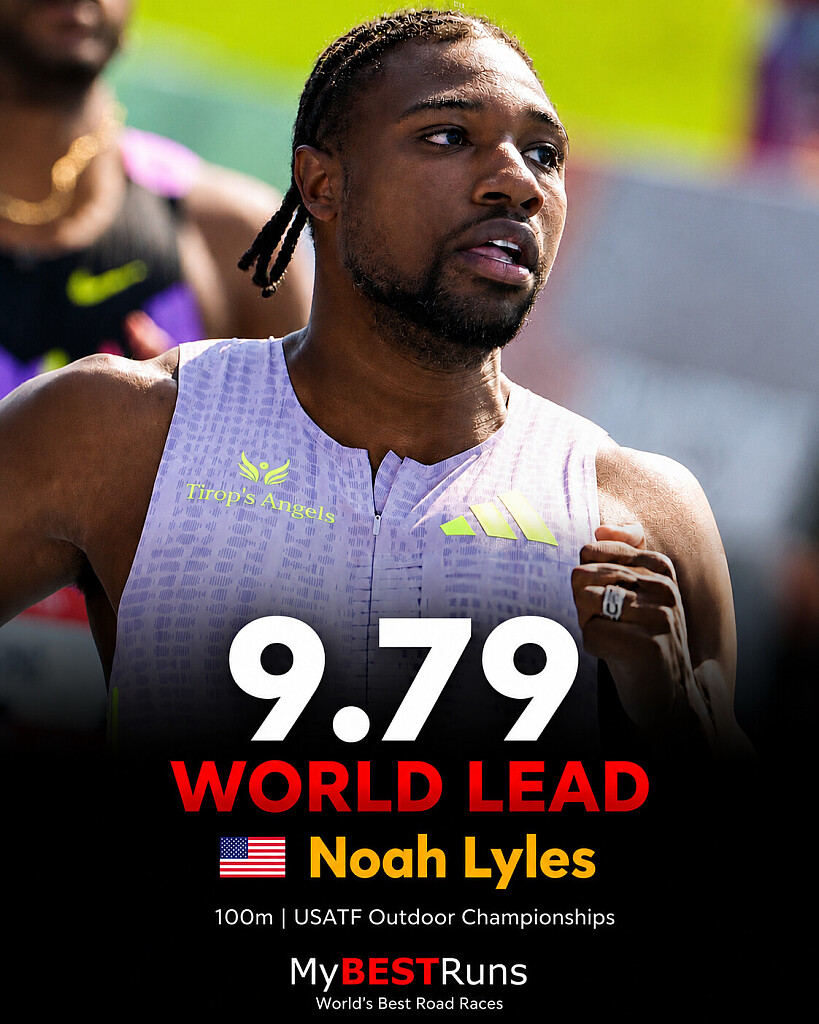
Lyles Equals Olympic Best with World-Leading 9.79 to Secure Eighth U.S. Outdoor Title
Noah Lyles once again proved why he remains the man to beat in global sprinting, delivering a breathtaking world-leading 9.79 seconds (+0.8 m/s) to win the men's 100m title at the USATF Outdoor Championships in New York.
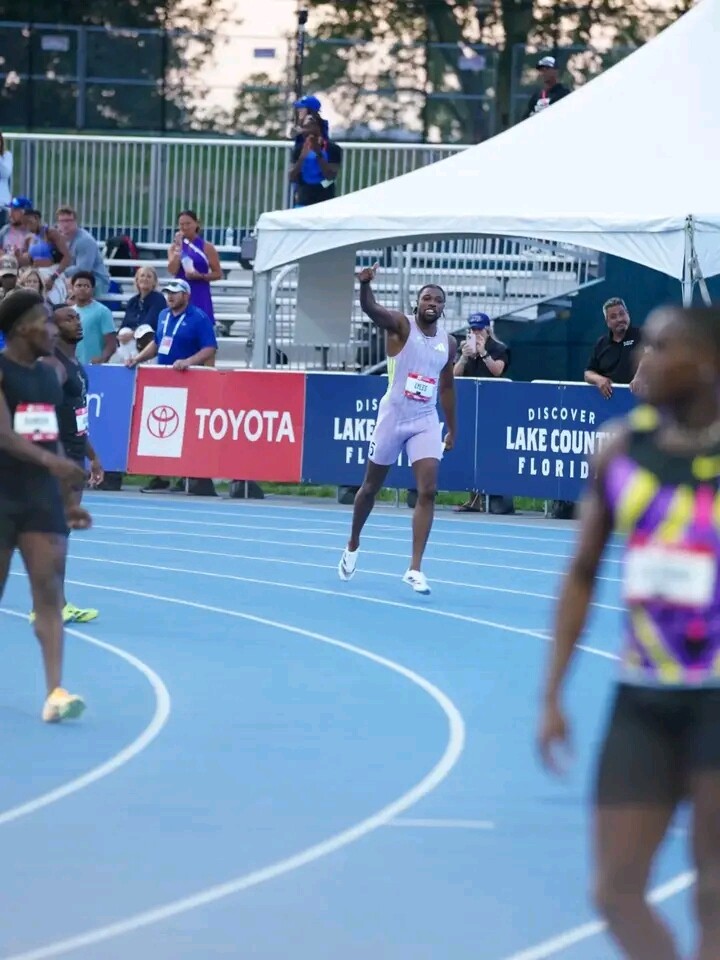
The reigning Olympic champion produced a commanding performance from start to finish, matching the personal best he set to capture Olympic gold in Paris and underlining his exceptional form ahead of the World Championships.
The victory marked another historic milestone for the American superstar, earning him his eighth U.S. outdoor national title and third national crown over the 100 metres. It was yet another reminder that when the stakes are highest, Lyles consistently rises to the occasion.
His winning performance also backed up an astonishing 9.76 seconds he clocked in the semifinals. Although that time came with an illegal +2.1 m/s tailwind and could not stand as an official mark, it offered an early warning of the speed he would unleash in the final.
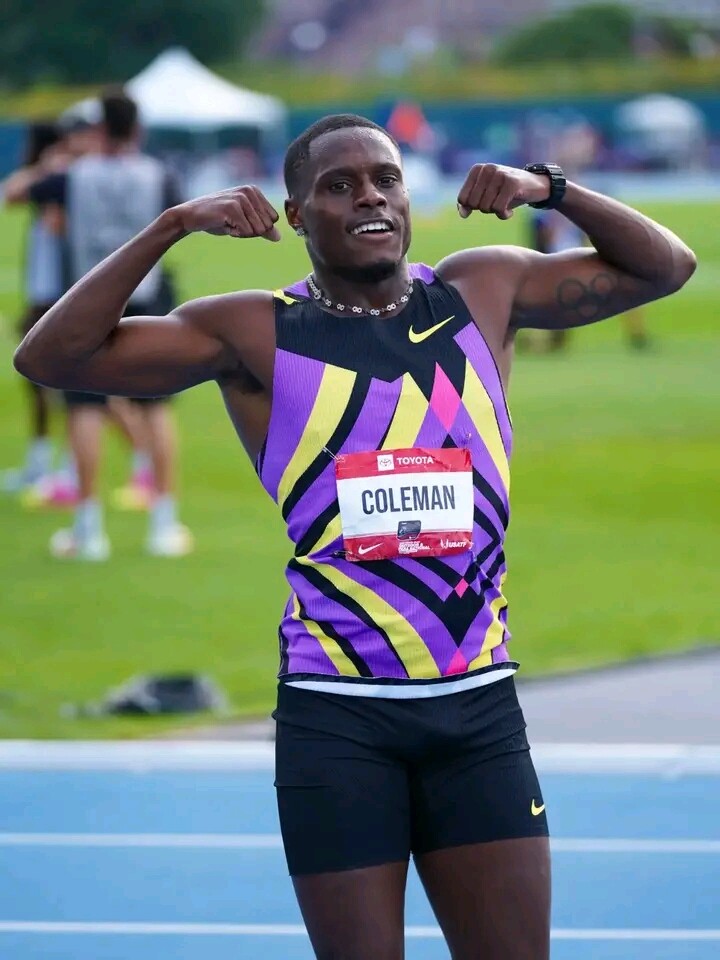
Behind Lyles, Ronnie Baker produced one of his strongest races in recent years, finishing second in an impressive 9.88 seconds. Olympic medalist Kenny Bednarek crossed the line in the same time to claim third after a close finish, while former world champion Christian Coleman placed fourth in 9.93 seconds, completing a spectacular showcase of American sprinting depth.
Lyles' ability to reproduce his Olympic-winning personal best on the national stage speaks volumes about his consistency. Rather than simply defending his domestic crown, he sent a powerful message to the rest of the world that his speed is peaking at exactly the right time.
The world-leading performance further cements his status as the favourite heading into the global championships, where he will once again chase international glory.
When Noah Lyles steps onto the track, he rarely disappoints. He always means business—and with another 9.79 masterpiece, the Olympic champion has reminded the athletics world that he remains the benchmark in the men's 100m.
by Erick Cheruiyot for My Best Runs.
Login to leave a comment

USATF Outdoor Championships
The 2026 Toyota USATF Outdoor and Para National Championships will be held at Icahn Stadium in New York City fromJuly 23-26, 2026, marking the first time the event is hosted in New York. The event will serve as a premier track and field competition, featuring top U.S. athletes at the Randall's Island Park venue. USATF+3 Key Details for 2026...
more...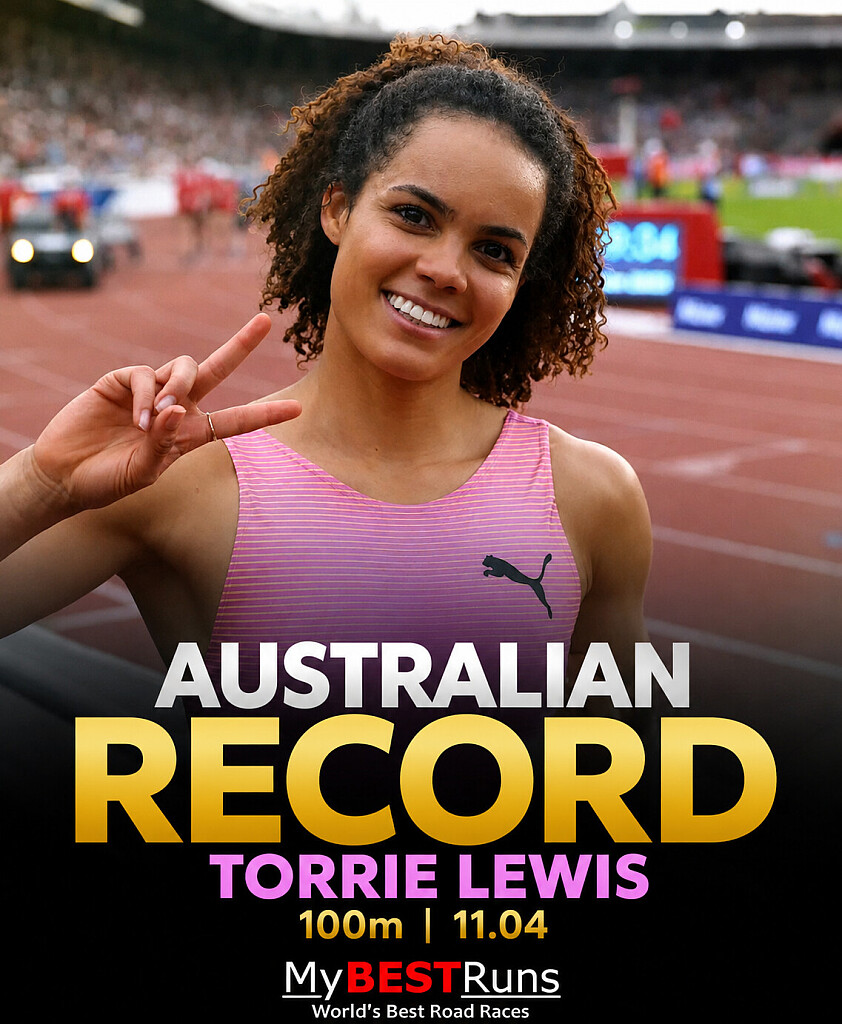
Torrie Lewis Rewrites Australian Sprint History With Electrifying 11.04 Masterpiece In Slovakia
Australian sprint sensation Torrie Lewis continues to redefine the limits of her remarkable young career after storming to a stunning 11.04 seconds in the women's 100 metres at the TIPOS P-T-S Meeting in Slovakia, setting a new Australian record in breathtaking fashion.
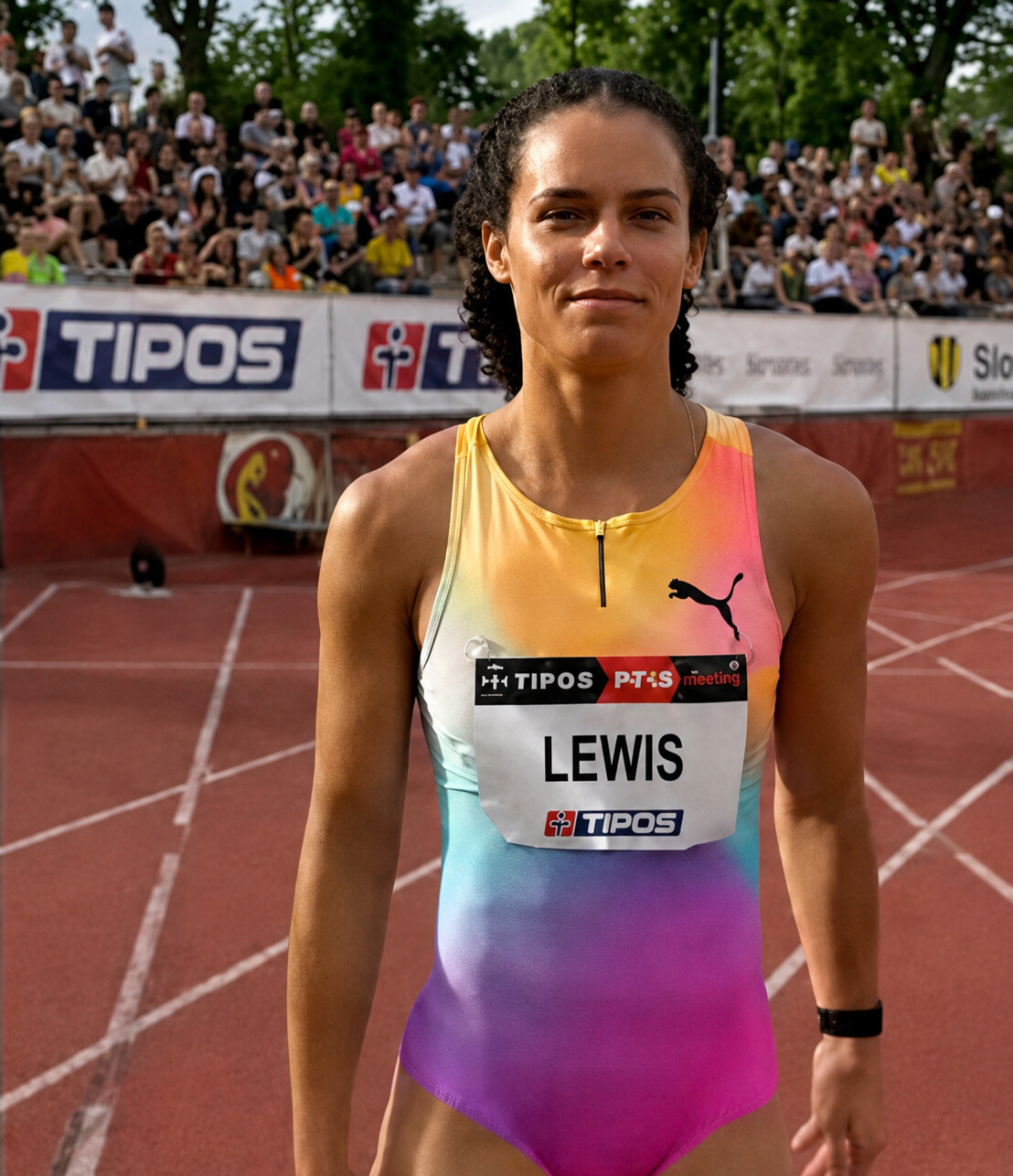
Lewis sliced 0.04 seconds off her own previous national record of 11.08, producing the fastest performance ever by an Australian woman over the distance. Her blistering run confirmed that her rise is no fleeting moment—it is the arrival of one of the world's most exciting sprint talents.
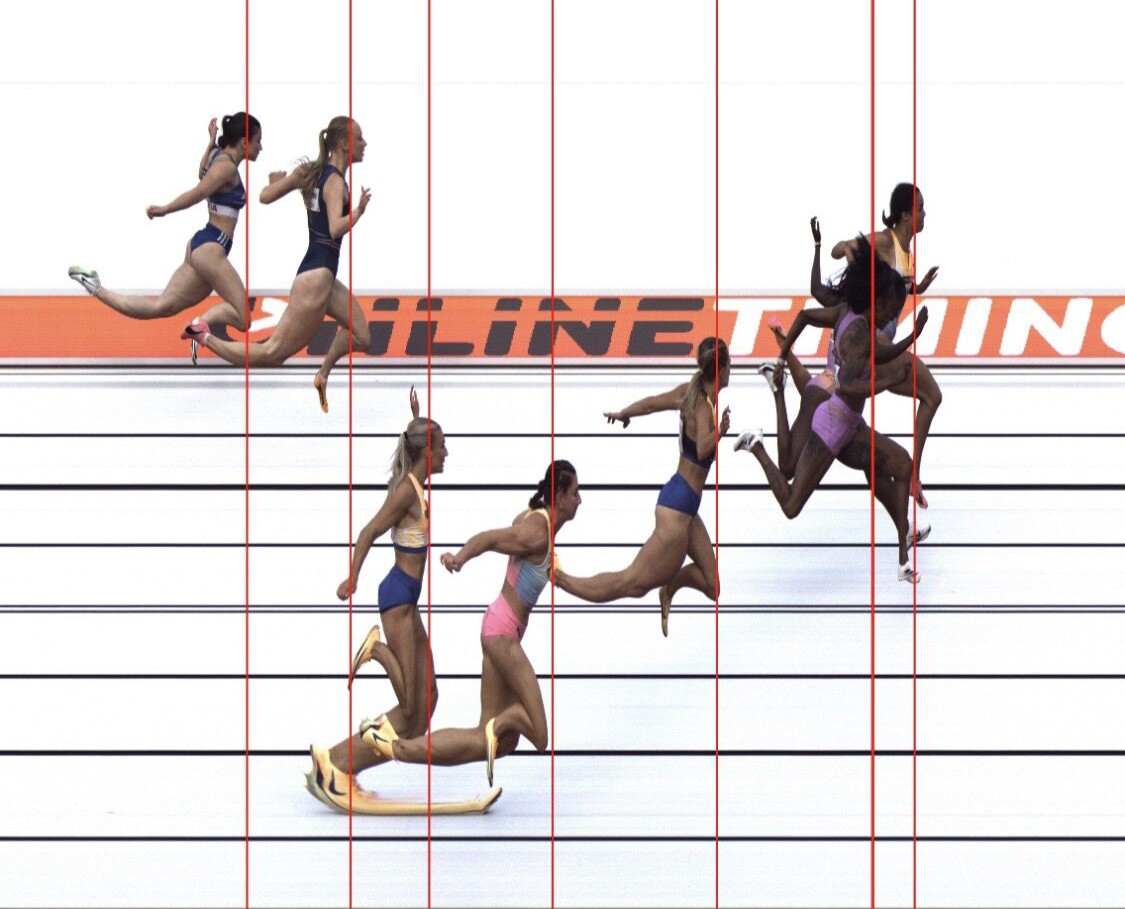
The race itself was a spectacle from start to finish. Lewis exploded from the blocks, held her composure through the drive phase, and unleashed a powerful finish to edge one of the greatest sprinters in history, Elaine Thompson-Herah of Jamaica, who crossed the line in 11.06. Austria's Christania Williams also clocked 11.06, making it one of the most fiercely contested 100-metre races of the meeting.
Beyond the victory, the performance carries even greater significance. Lowering a national record is never easy, especially after already establishing yourself as the country's fastest woman. Yet Lewis demonstrated that she is still finding new levels, delivering a performance that signals she is becoming an increasingly serious contender on the international stage.
The 11.04 clocking is another milestone in a season that continues to gather momentum. With every race, Lewis is proving she possesses not only exceptional speed but also the consistency and composure needed to challenge the world's elite when the stakes are highest.
As global championship season approaches, Australia's sprint star has sent a powerful message to her rivals. If this latest record-breaking performance is any indication, Torrie Lewis is only beginning to reveal the full extent of her potential, and the fastest chapters of her career may still lie ahead.
by Erick Cheruiyot for My Best Runs.
Login to leave a comment
Sir Roger Bannister's Greatest Legacy: From The First Sub-Four Mile To Josh Kerr's World Record
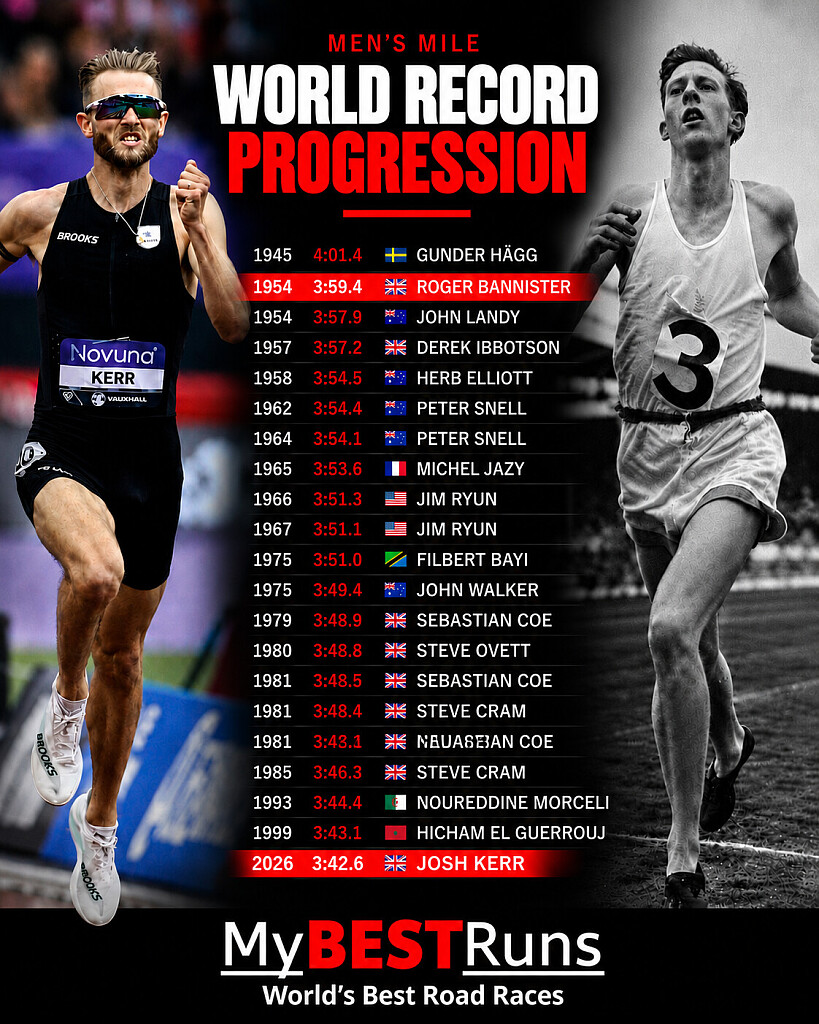
When Sir Roger Bannister crossed the finish line in Oxford on May 6, 1954, in 3:59.4, he did far more than become the first man to run a sub-four-minute mile. He demolished one of sport's greatest psychological barriers, proving that what had long been considered impossible was simply waiting for someone bold enough to achieve it.
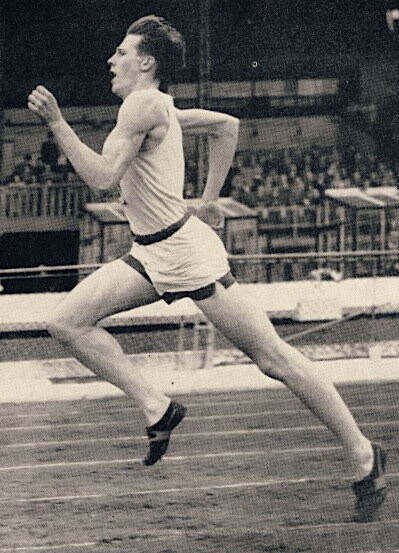
More than seven decades later, that historic run remains the most famous mile ever raced—not because it is still the fastest, but because it transformed athletics forever. Bannister's achievement inspired generations of runners to dream bigger, train harder and believe that seemingly unreachable barriers could be broken.
Today, however, the mile has entered an entirely different dimension.
Josh Kerr's sensational 3:42.66 world record has redefined the limits of middle-distance running. In one unforgettable race, the Scottish star erased Hicham El Guerrouj's legendary 3:43.13 mark that had stood untouched since 1999, proving once again that every era has its athlete capable of rewriting history.
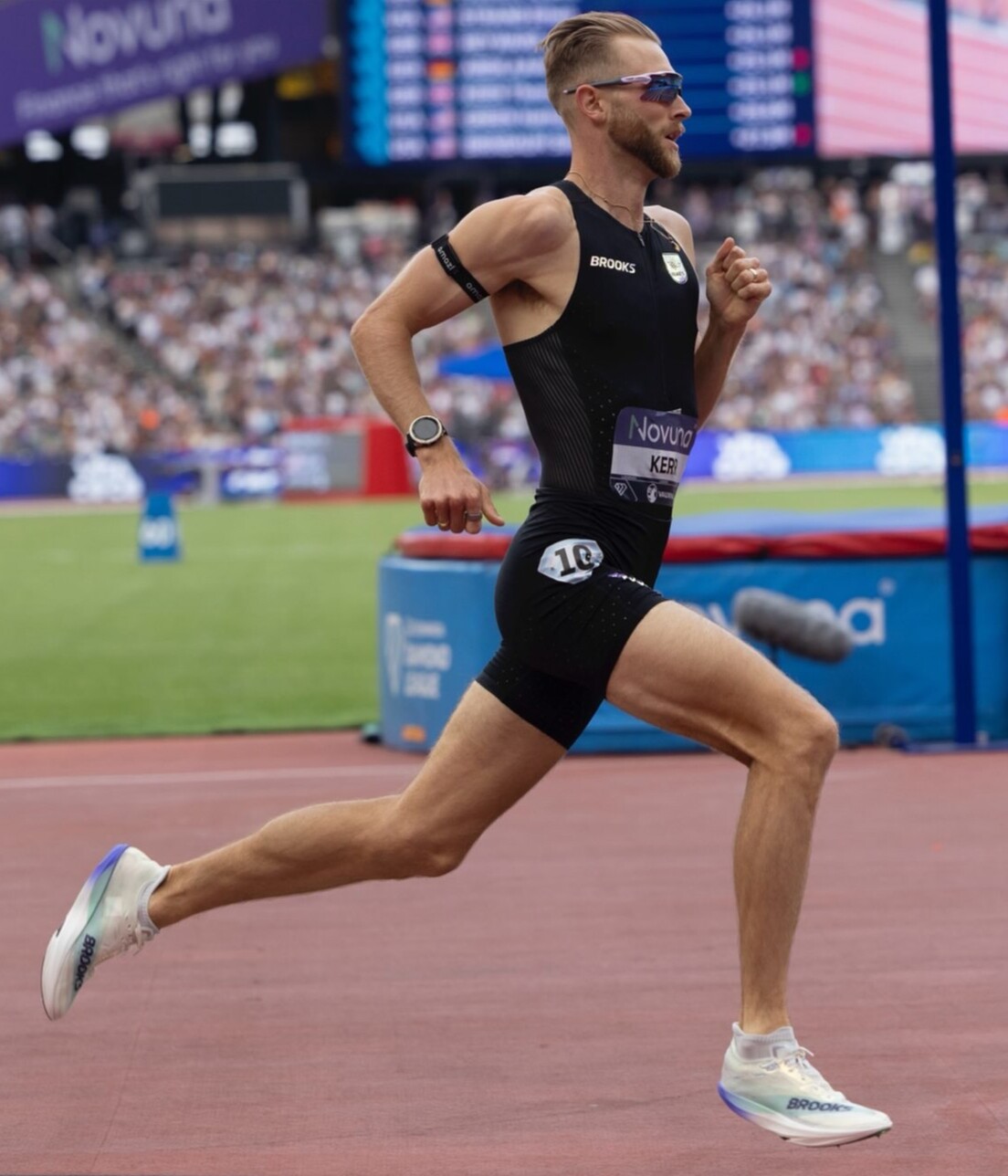
The numbers tell a remarkable story of progress. If Bannister's iconic 3:59.4 were placed in the same race as Kerr's 3:42.66, the man who first conquered the sub-four-minute barrier would finish almost 17 seconds behind. At the pace Kerr sustained, that deficit would amount to well over 100 metres—an extraordinary margin in an event where the world's best are often separated by hundredths of a second.
Yet those statistics should never be mistaken for a comparison of greatness. Bannister and Kerr competed in vastly different eras, under different conditions and with entirely different levels of sports science, training knowledge, footwear technology and track surfaces. Bannister raced on a cinder track wearing heavy leather spikes, balancing elite athletics with his demanding medical studies. Kerr benefits from decades of scientific advancement, world-class support systems and cutting-edge equipment that have helped athletes push the boundaries of human performance.
Every generation has added another chapter to the mile's extraordinary story. Just weeks after Bannister's breakthrough, Australia's John Landy lowered the record to 3:57.9. The baton then passed through legendary names including Derek Ibbotson, Herb Elliott, Peter Snell, Michel Jazy, Jim Ryun, Filbert Bayi, John Walker, Sebastian Coe, Steve Ovett, Steve Cram, Noureddine Morceli and Hicham El Guerrouj. Each champion dared to believe the record could fall again, leaving the event stronger than they found it.
Josh Kerr is now the latest custodian of that legacy. His world record is not simply another fast time—it is the culmination of more than 80 years of relentless progress. Every stride he took was built upon the courage, ambition and achievements of those who came before him.
Perhaps the most fascinating aspect of the mile is how dramatically its meaning has changed. In 1954, the world was captivated by one question: Could anyone ever run under four minutes? Today, the conversation has shifted to how much further the event can evolve. With Kerr already under 3:43, the now-unthinkable prospect of a sub 3:42 mile no longer feels like fantasy but a genuine possibility for the future.
That is the enduring beauty of athletics. Every world record eventually falls, but the performances that redefine belief never fade. Bannister's sub-four-minute mile remains the sport's most iconic breakthrough because it changed the way humanity viewed its own limits. Kerr's 3:42.66 is the newest benchmark of excellence, standing as proof that the impossible is never permanent—it is simply the starting point for the next generation.
by Erick Cheruiyot for My Best Runs.
Login to leave a comment
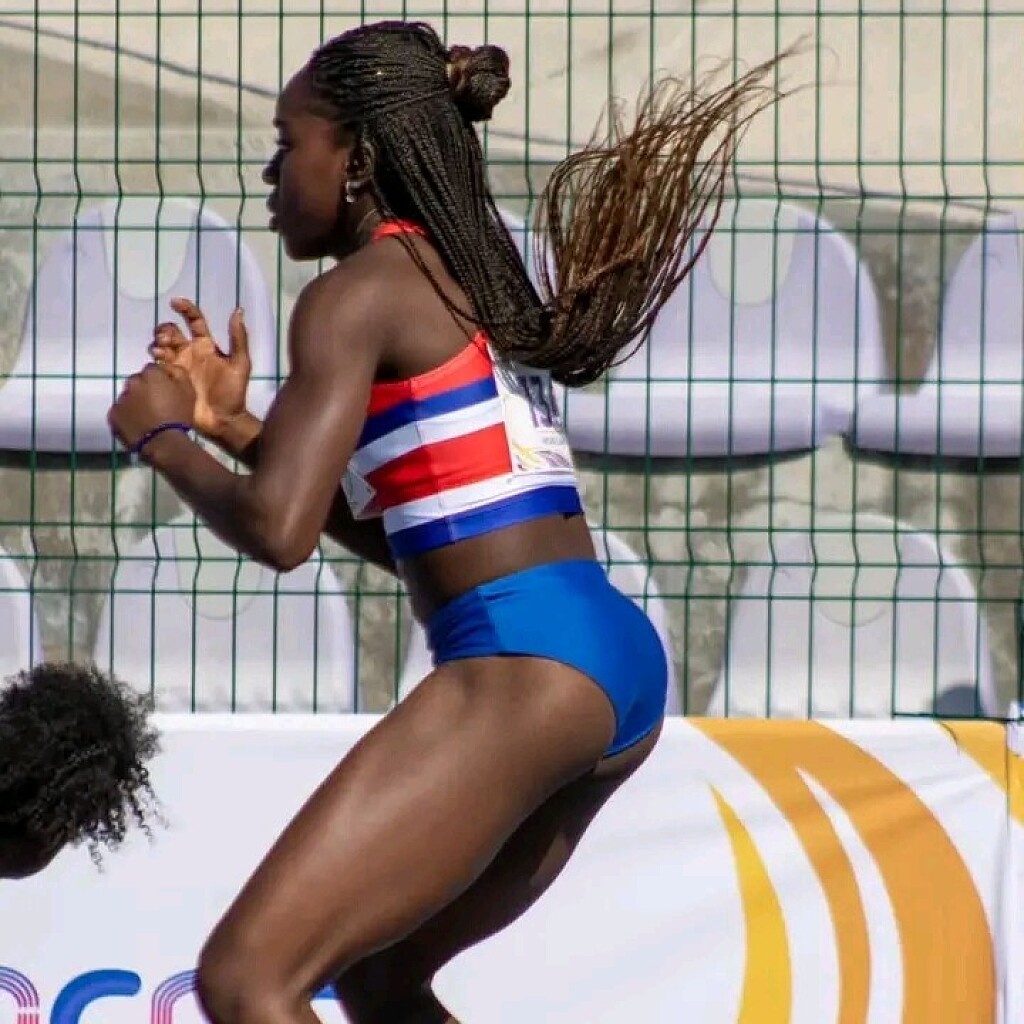
Rihana Mora Rewrites Costa Rican Sprint History with Record-Breaking Bronze at NACAC U18 Championships
Costa Rica has unearthed another exceptional sprint talent, as 17-year-old Rihana Mora Saint delivered the performance of her young career to claim the bronze medal in the women's 100 metres at the NACAC U18 Championships.
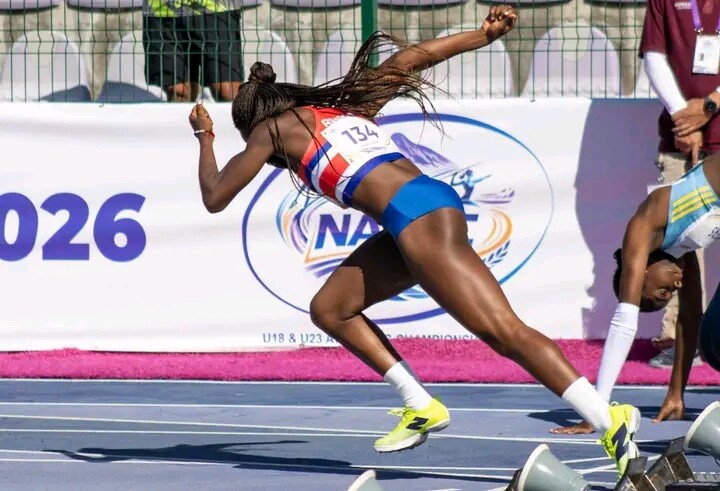
Competing against some of the fastest junior sprinters in the Americas, Mora clocked a sensational 11.59 seconds with a +1.8 m/s tailwind to finish third in the final. She trailed only Bahamas' Jazae Johnson, who stormed to victory in 11.42, and Jamaica's Malayia Duncan, who secured silver in 11.54. Jael Peters of Trinidad and Tobago placed fourth in 11.65, underlining the high quality of the final.
For Mora, the bronze medal was accompanied by an even greater achievement. Her 11.59-second performance established a new Costa Rican Under-18 national record while also marking a lifetime personal best, confirming her status as one of the country's most exciting young sprint prospects.
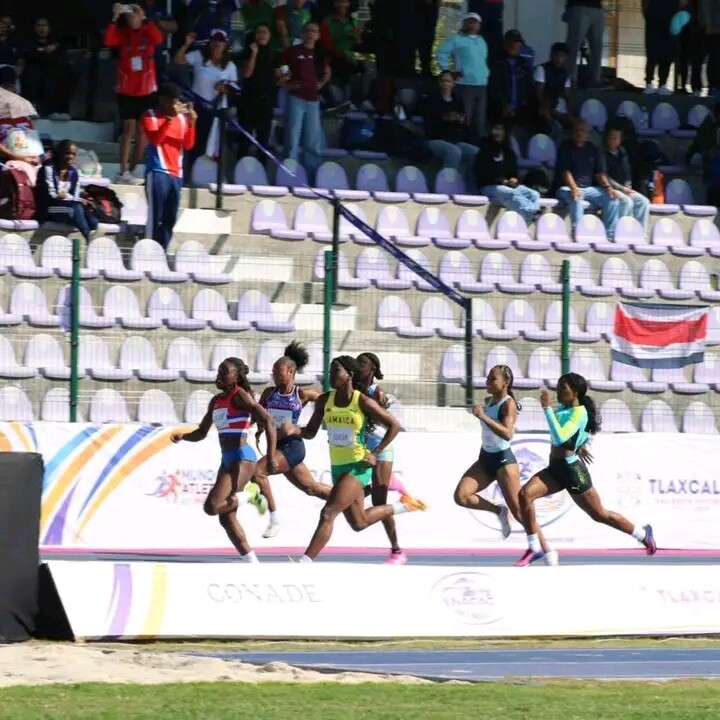
The significance of her performance extends beyond the junior ranks. Mora now sits just 0.13 seconds away from the Costa Rican senior national record of 11.46, set by Sharolyn Josephs in 2015. At only 17 years old, she is already closing in on one of the nation's most respected sprint marks, highlighting her extraordinary potential.
Throughout the championship, Mora demonstrated remarkable composure, explosive acceleration and outstanding speed against a world-class field, proving she can compete with the very best young sprinters in the NACAC region.
Her latest achievement is not only a personal milestone but also a major boost for Costa Rican athletics. Breaking the national Under-18 record while earning a continental championship medal signals the arrival of an athlete capable of achieving even greater success on the international stage.
With her confidence soaring and her development continuing at an impressive pace, Rihana Mora Saint has firmly established herself as one of the brightest young sprint talents in the Americas. If her current trajectory continues, the Costa Rican record books may soon require another rewrite.
by Erick Cheruiyot for My Best Runs.
Login to leave a comment
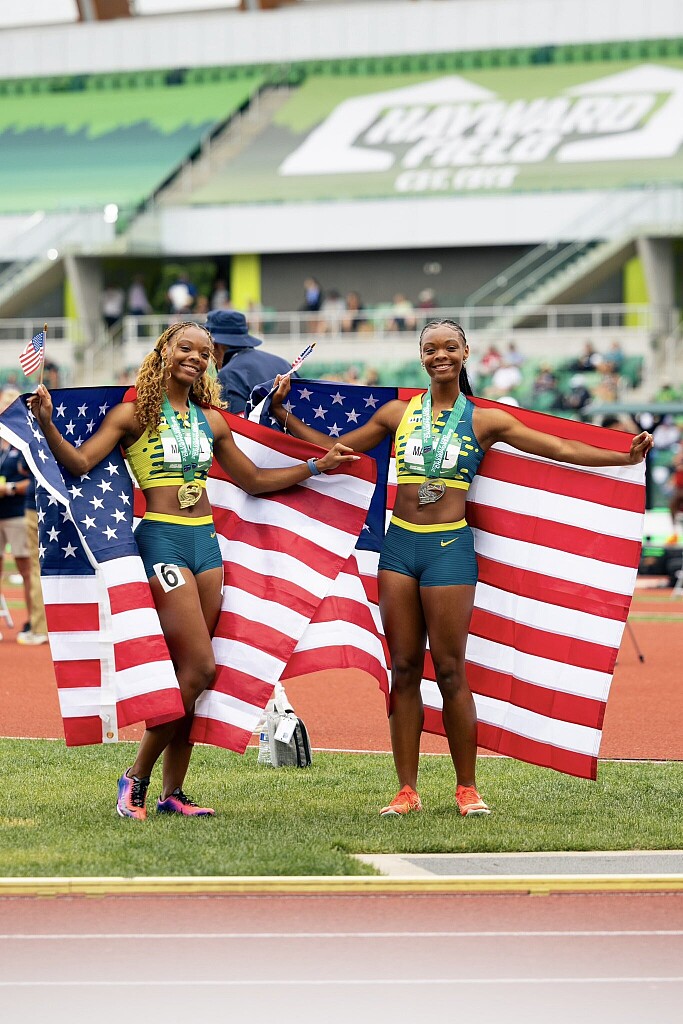
Maxwell Twins Deliver Historic 1-2 Finish in U20 Women's 100m Championship Showdown
The spotlight belonged to one family at the US U20 Championships in Eugene as twin sisters Mia and Mariah Maxwell produced a remarkable sprinting masterclass to secure a memorable one-two finish in the women's 100 metres.
Leading the charge was Mia Maxwell, who powered to victory in an impressive 11.08 seconds with a legal tailwind of 0.8 m/s, confirming her status as one of the brightest young sprint talents in the United States. Displaying exceptional composure and acceleration, Mia separated herself from the field in the closing stages to claim the national U20 title in convincing fashion.
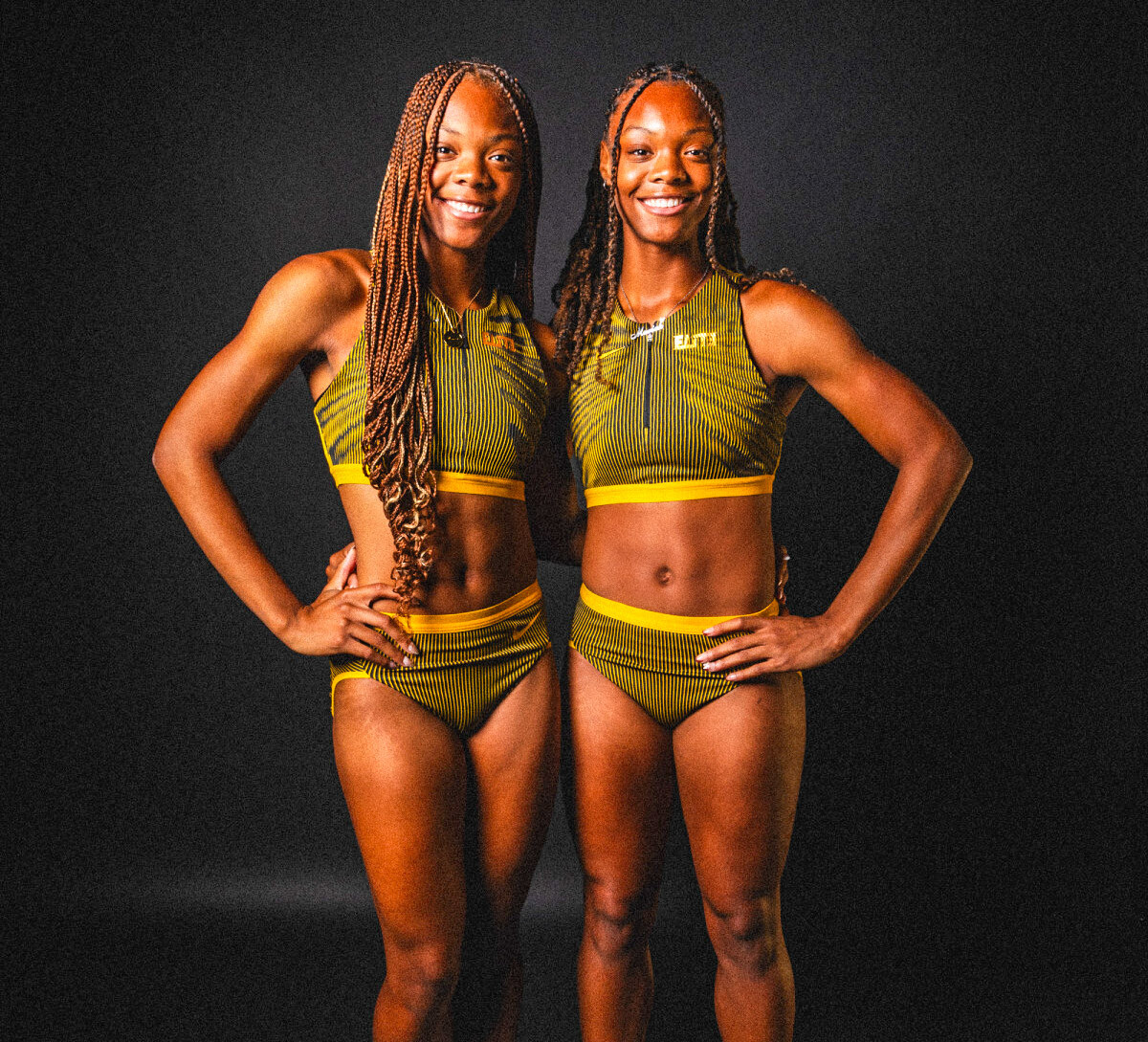
What made the moment even more special was the athlete who crossed the line behind her. Twin sister Mariah Maxwell completed a family sweep by racing to the silver medal in 11.33 seconds, turning the championship final into a celebration of sibling excellence. Their achievement marked one of the most memorable stories of the meet, as the sisters stood side by side atop the results sheet after dominating one of track and field's most prestigious junior competitions.
Rounding out the podium was Ava Kitchings, who delivered a strong performance to secure the bronze medal in 11.39 seconds, ensuring a highly competitive final in front of the Eugene crowd.
The Maxwell twins' extraordinary performance highlighted not only their individual talent but also the growing depth of American sprinting at the junior level. To witness sisters finish first and second in a national championship final is a rare occurrence, and their achievement added a unique chapter to the history of the US U20 Championships.
For Mia, the victory represents another significant milestone in a rapidly developing career, while Mariah's silver medal underscored the family's remarkable presence on the national stage. Together, they transformed the women's 100m final into one of the defining moments of the championships, proving that speed—and success—can truly run in the family.
by Erick Cheruiyot for My Best Runs.
Login to leave a comment
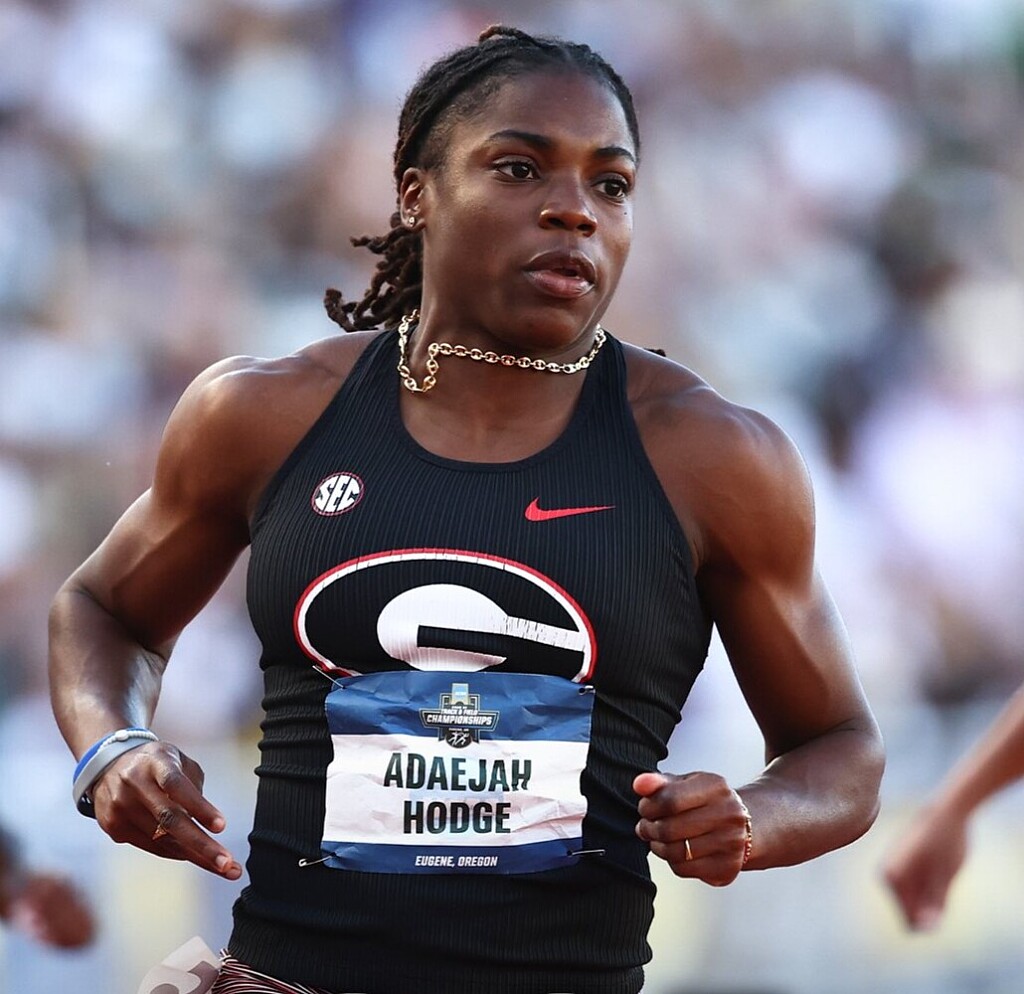
Adaejah Hodge Storms Into History With Stunning 10.63 NCAA Sprint Masterclass
Adaejah Hodge has announced herself as one of the fastest women the sport has ever seen, producing a breathtaking performance at the NCAA Track and Field Championships to clock an astonishing 10.63 seconds in the women's 100 metres.
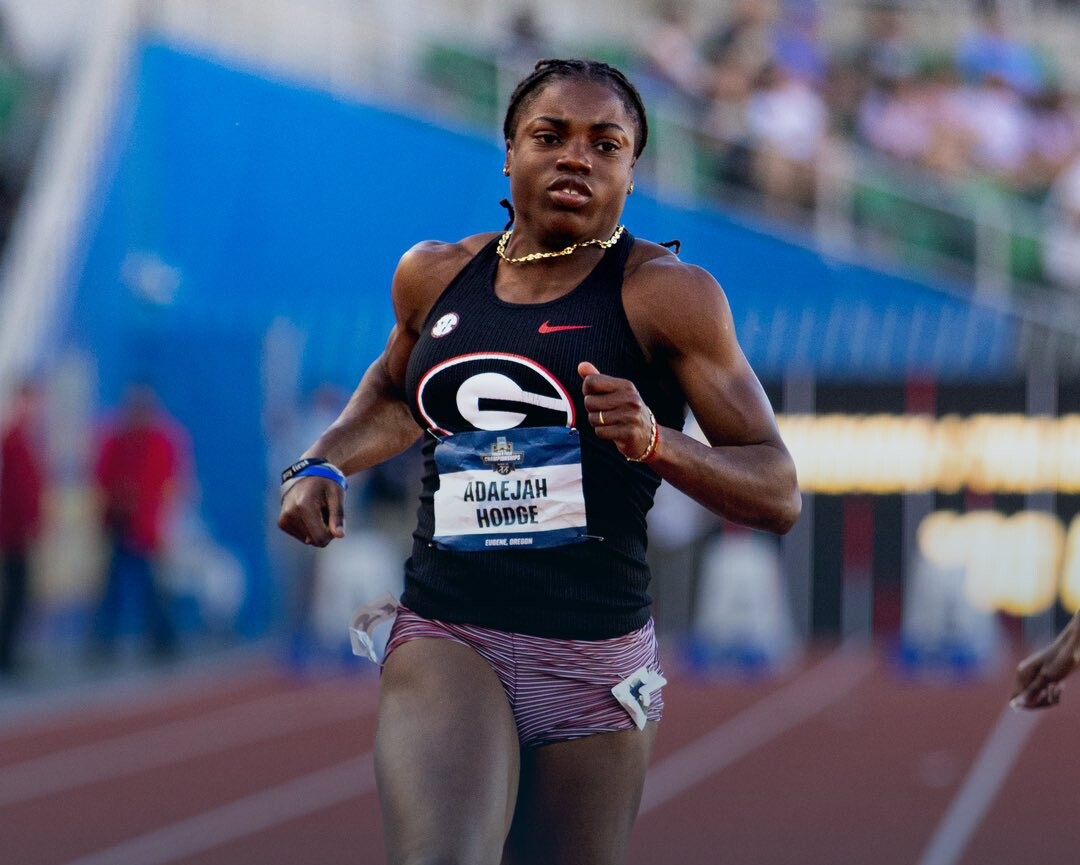
The 20-year-old sprinter's remarkable run elevated her into rare company, making her the fifth-fastest woman in history and placing her performance among the greatest ever recorded over the distance. Her 10.63 stands as the ninth-fastest time of all time and rewrites the NCAA record books, eclipsing the collegiate mark of 10.75 set by Sha'Carri Richardson in 2019.

Hodge's performance was more than just a record-breaking run—it was a statement. Displaying exceptional acceleration and composure under pressure, she delivered a race that will be remembered as one of the defining moments of the collegiate athletics season. The time instantly established her as a major force on the global sprinting stage and highlighted her immense potential heading into the next phase of her career.
What makes the achievement even more remarkable is the journey that preceded it.
In 2024, Hodge was handed a 17-month ban by the Athletics Integrity Unit (AIU) after testing positive for the prohibited substances GW501516 sulfone and GW501516 sulfoxide. By the time the AIU publicly announced the sanction, however, she had already completed the suspension period.
Importantly, the AIU stated that its investigation found no evidence that Hodge had knowingly ingested the banned substances. The case was therefore viewed differently from instances involving intentional doping, with the governing body acknowledging the circumstances surrounding the violation.
Since returning to competition, Hodge has focused on rebuilding her career and allowing her performances on the track to tell the story. Her record-breaking run at the NCAA Championships now represents a dramatic chapter in that comeback.
Few athletes have faced such scrutiny at such a young age, and even fewer have responded with a performance of this magnitude. Yet Hodge did exactly that, producing a time that not only shattered a long-standing collegiate record but also placed her among the fastest women ever to sprint 100 metres.
With history already made and her best years potentially still ahead, Adaejah Hodge has transformed herself from a promising talent into one of the most compelling figures in world athletics. Her stunning 10.63 was not merely a victory—it was a performance that reverberated across the sport and ensured her name will be etched into the record books for years to come.
by Erick Cheruiyot for My Best Runs.
Login to leave a comment
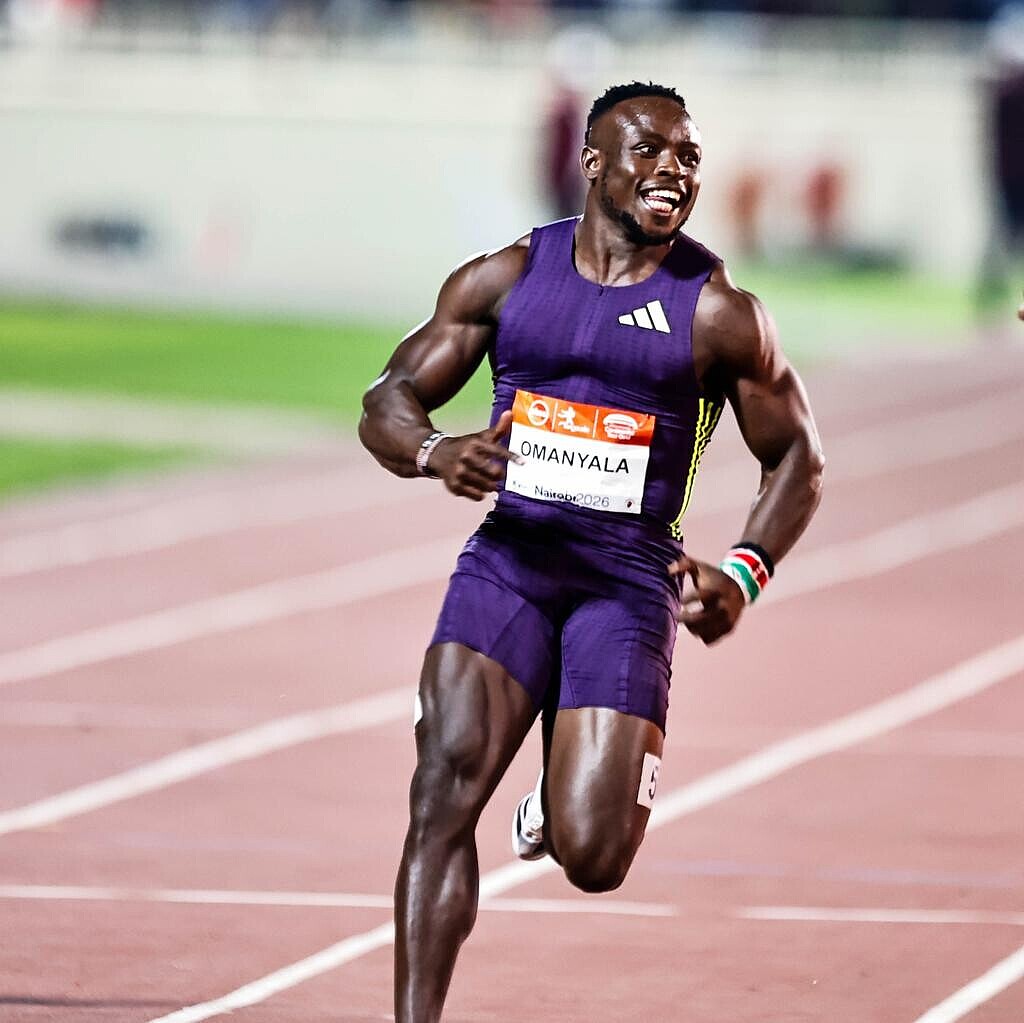
Rome Diamond League Set for a Sprint Showdown as Omanyala, Lyles, Tebogo and Jacobs Collide
The men's 100 metres at the 2026 Rome Diamond League is shaping up to be one of the most anticipated sprint races of the season, with an exceptional field featuring some of the fastest men in the world.
Scheduled for Thursday, June 4, at the iconic Stadio Olimpico in Rome, the race will bring together reigning stars, established champions and emerging talents in a contest that promises fireworks from the moment the gun goes off.
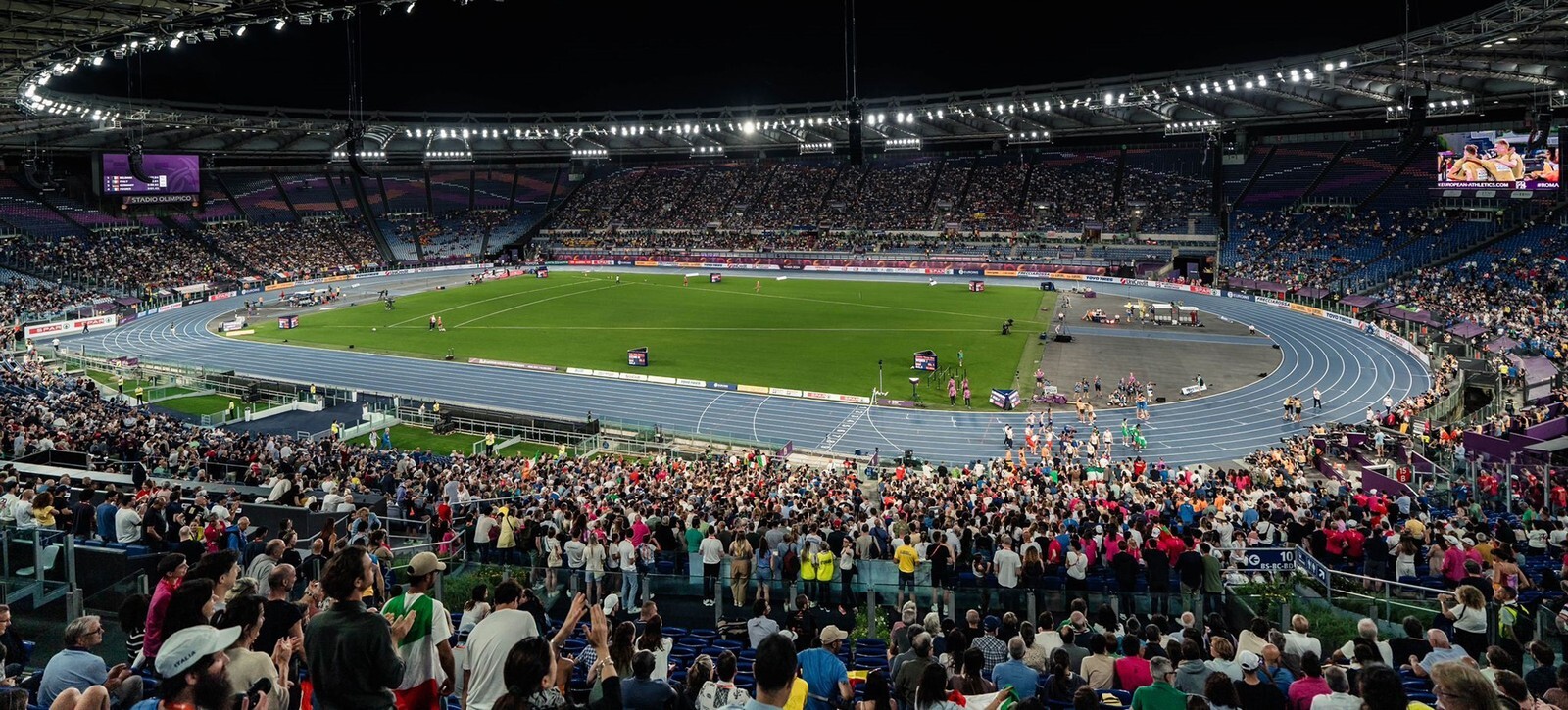
Kenya's Ferdinand Omanyala headlines a world-class lineup that includes American sprint sensation Noah Lyles, Botswana's Olympic champion Letsile Tebogo, Jamaica's explosive Ackeem Blake, South Africa's ever-consistent Akani Simbine and Italy's hometown hero Lamont Marcell Jacobs. With personal bests ranging from 9.77 to 9.97 seconds, the field is packed with athletes capable of producing something special on the Diamond League stage.
Omanyala, the African record holder with a blistering personal best of 9.77 seconds, arrives in Rome eager to continue his strong early-season form and prove he can challenge the very best on the global circuit. The Kenyan star has built a reputation as one of the fastest starters in world sprinting and will be looking to make a statement against an elite field.
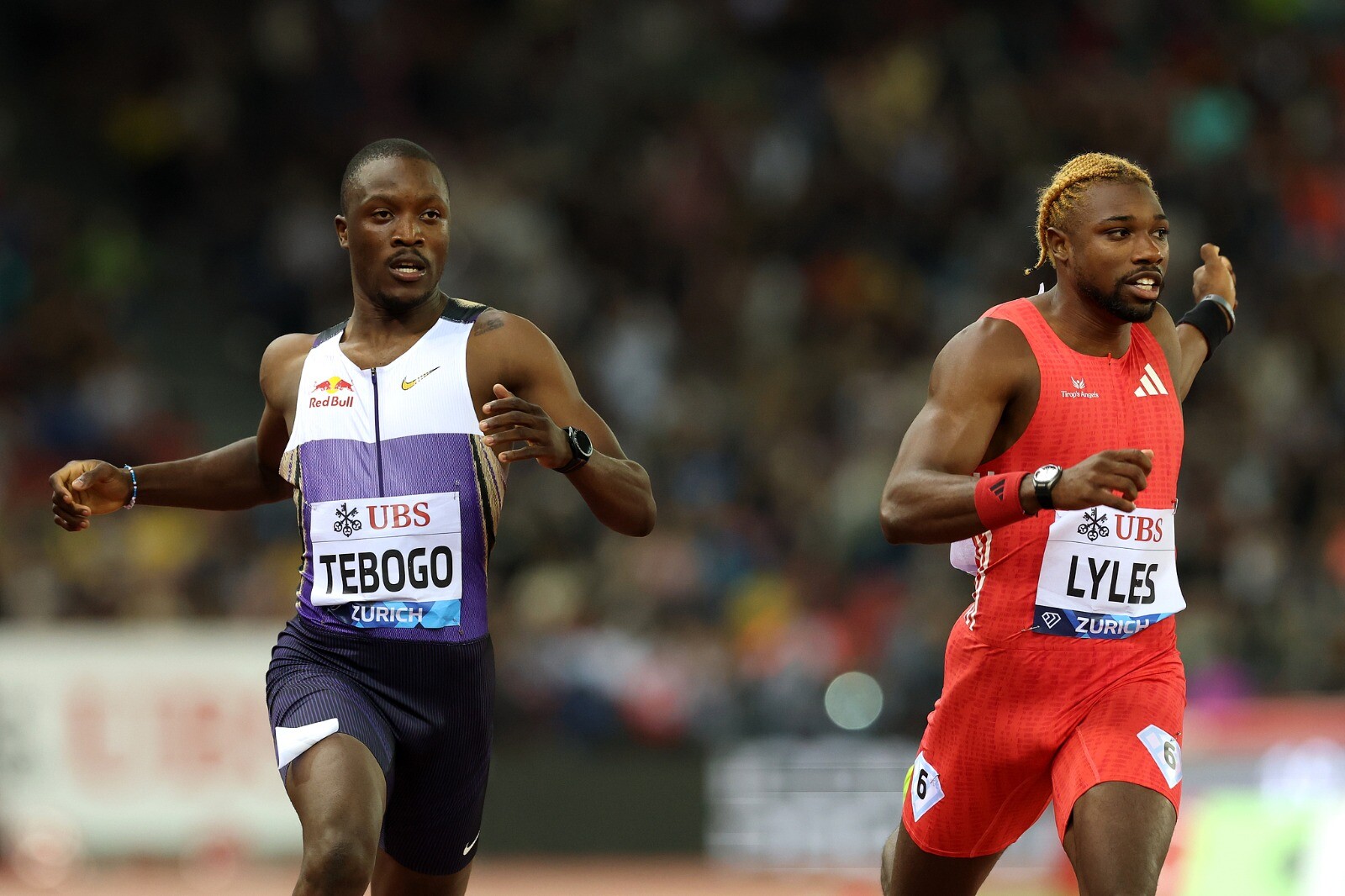
Standing in his way is world champion Noah Lyles, whose personal best of 9.79 seconds places him among the fastest athletes in history. The American remains one of the sport's biggest attractions and will be determined to add another Diamond League victory to his impressive résumé.
The race also marks a major test for Olympic champion Letsile Tebogo. The Botswanan star has rapidly become one of athletics' most exciting talents, while Ackeem Blake continues to establish himself as a serious contender on the international sprint scene.
Adding further intrigue is the presence of Italy's Lamont Marcell Jacobs. Competing on home soil, the Tokyo Olympic champion will enjoy passionate local support as he seeks to deliver a memorable performance in front of the Roman crowd.
South Africa's Akani Simbine, Cameroon's Emmanuel Eseme, Great Britain's Jeremiah Azu and rising American talent Jordan Anthony complete a field that boasts remarkable depth and quality.
Men's 100m Entry List – Rome Diamond League 2026
Ferdinand Omanyala (Kenya) – PB: 9.77
Noah Lyles (USA) – PB: 9.79
Lamont Marcell Jacobs (Italy) – PB: 9.80
Akani Simbine (South Africa) – PB: 9.82
Letsile Tebogo (Botswana) – PB: 9.86
Ackeem Blake (Jamaica) – PB: 9.88
Jordan Anthony (USA) – PB: 9.91
Emmanuel Eseme (Cameroon) – PB: 9.96
Jeremiah Azu (Great Britain) – PB: 9.97
With multiple national record holders, global champions and Olympic medal contenders sharing the same start line, the Rome Diamond League men's 100m could deliver one of the fastest races of the year. For sprint fans around the world, all eyes will be on Rome as a stellar cast battles for supremacy over athletics' blue-riband distance.
by Erick Cheruiyot for My Best Runs.
Login to leave a comment
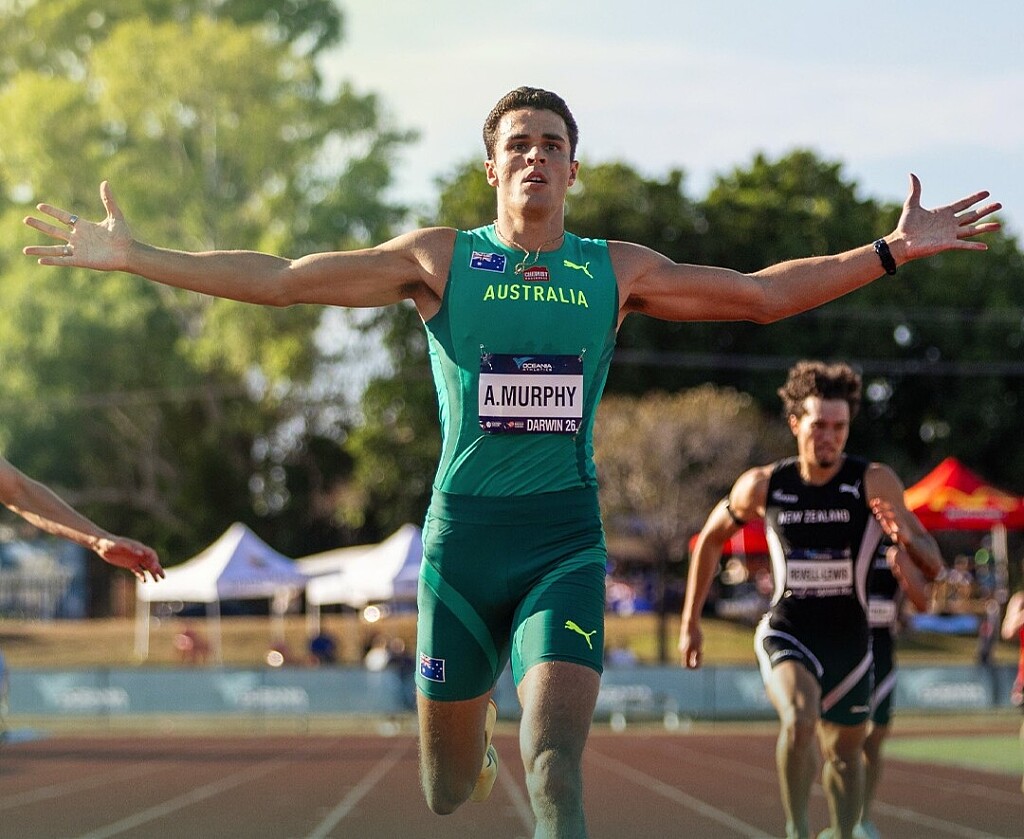
A Star is Born: Aidan Murphy Delivers Career-Defining 44.44 in Oceania Triumph
Australian sprinting may have found its next great quarter-mile star.
At the 2026 Oceania Athletics Championships in Darwin, Aidan Murphy delivered the performance of his life, producing a breathtaking 44.44-second run to lead an Australian clean sweep in the men’s 400m and catapult himself into the history books.
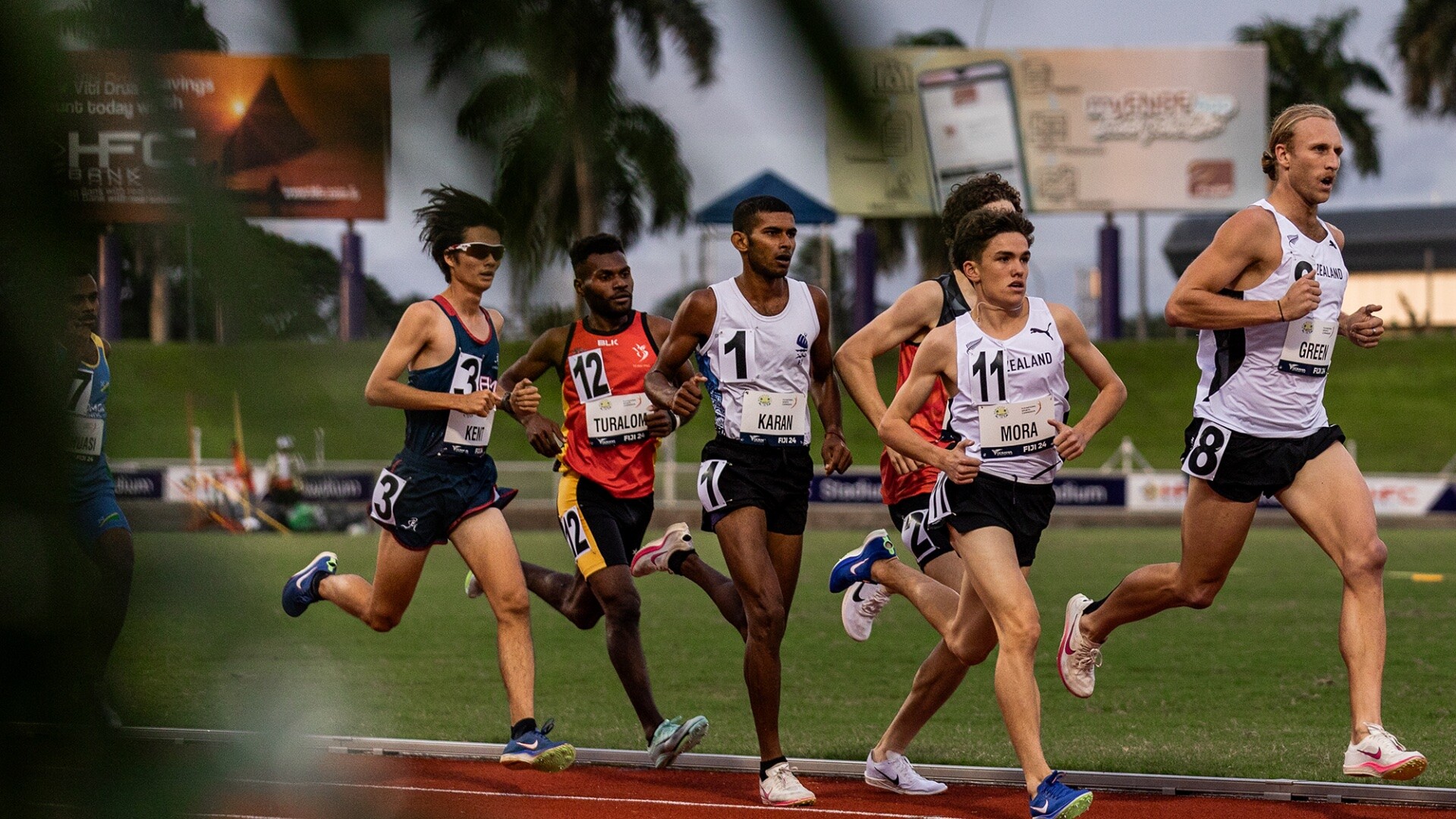
The long-awaited breakthrough was nothing short of spectacular. Murphy exploded down the home straight with supreme confidence and composure, crossing the line just fractions outside Darren Clark’s long-standing Australian record of 44.38. In doing so, the rising star climbed to second on Australia’s all-time rankings, confirming his arrival among the nation’s sprinting elite.
It was a race packed with quality from start to finish, as Australia completely dominated the podium. Thomas Reynolds chased hard for silver in an outstanding personal performance of 44.69, while Luke van Ratingen secured bronze in 45.04 to complete a memorable Australian sweep.
But the day belonged to Murphy.
After years of promise and patient development, the young Australian finally produced the performance many believed was coming. His run combined raw speed, control, and remarkable strength over the final 100 metres — the hallmarks of a world-class 400m athlete. From the stagger unwind to the powerful finish, Murphy looked every bit like a man ready to challenge the very best on the global stage.
The significance of the performance extends far beyond a championship title. Running 44.44 places Murphy among the fastest athletes ever produced in Oceania and sends a clear warning ahead of the major international championships later this season.
For Australian athletics, the result signals a new era in the men’s 400m. Three athletes under 45.10 in the same final highlights the growing depth of the event, but Murphy’s sensational breakthrough elevated the evening into something historic.
Darwin witnessed more than just a gold medal performance — it witnessed the rise of a genuine sprint force.
And if 44.44 is only the beginning, Australia’s national record may not survive much longer.
by Erick Cheruiyot for My Best Runs.
Login to leave a comment
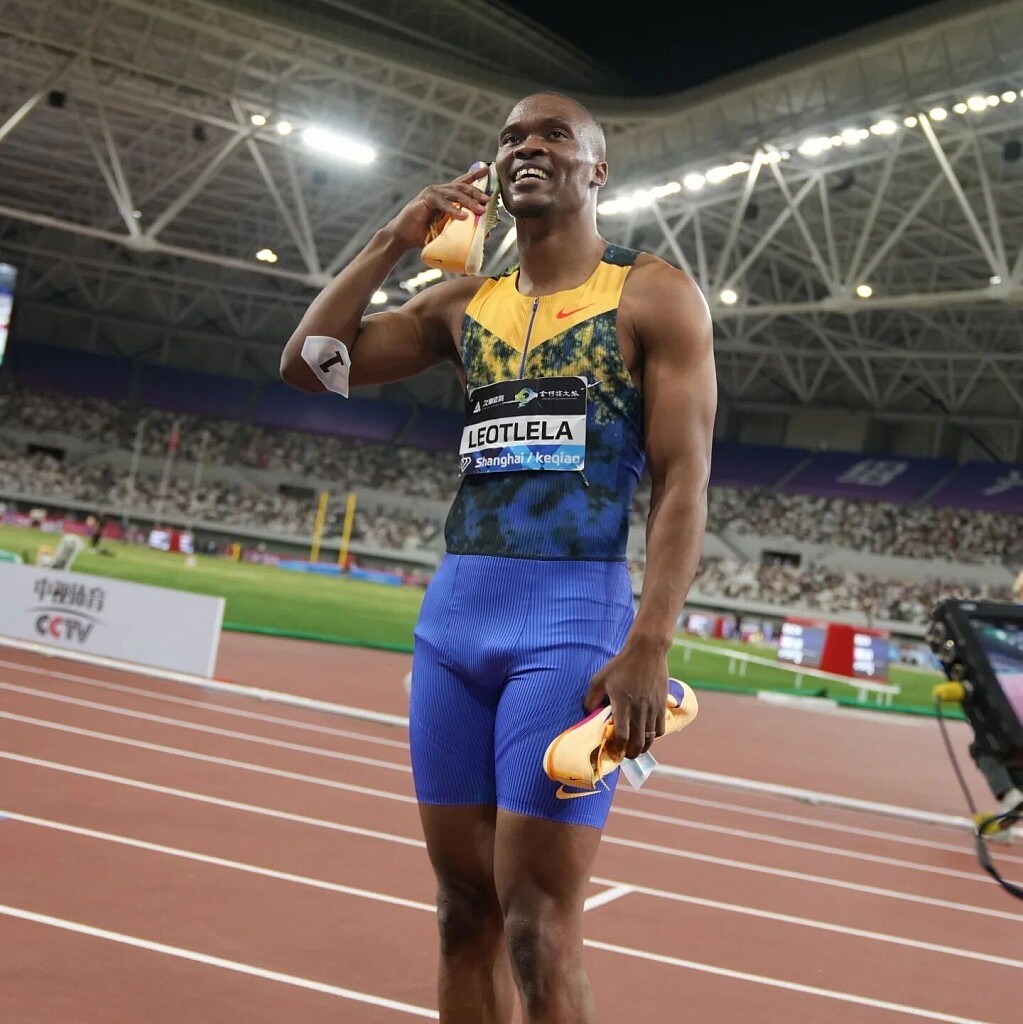
Gift Leotlela Delivers the Ultimate Birthday Statement with Shanghai Sprint Triumph
Just four days after celebrating his 28th birthday, South African sprint star Gift Leotlela handed himself the perfect present — a sensational victory in the men’s 100 metres at the Shanghai Diamond League.
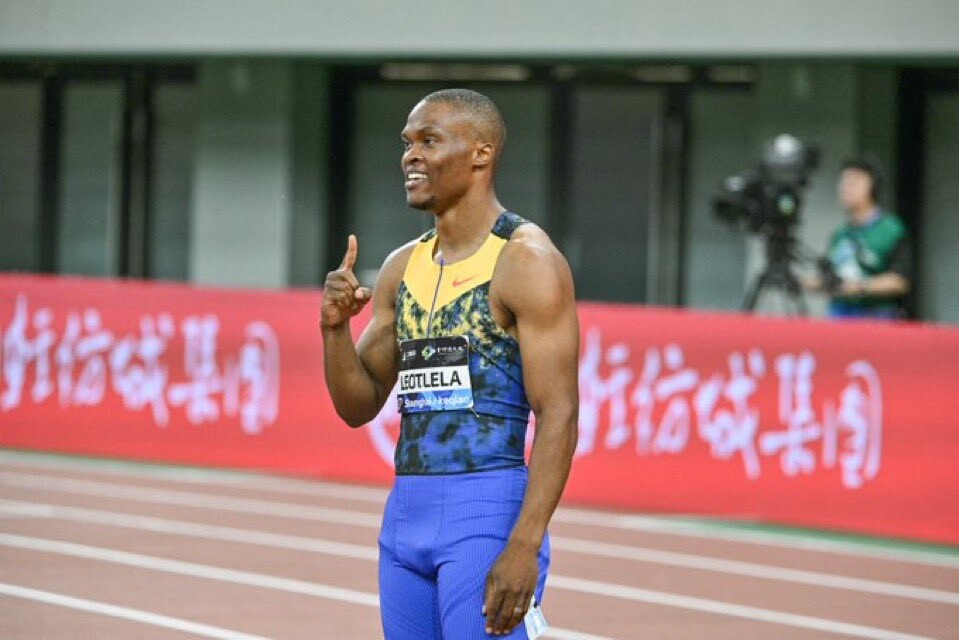
Leotlela stormed to victory in a blistering 9.97 seconds, edging one of the strongest sprint fields of the season in a race that was decided by the narrowest of margins. Kenya’s Ferdinand Omanyala crossed the line in 9.98, matching the time of American sprint sensation Kenny Bednarek, who settled for third after a dramatic finish.
The race delivered elite-level drama from start to finish, with American star Trayvon Bromell and Australia’s Lachie Kennedy both clocking 10.01 to finish fourth and fifth respectively in one of the fastest and most competitive 100m contests of the year.
For Leotlela, however, the night belonged entirely to him.
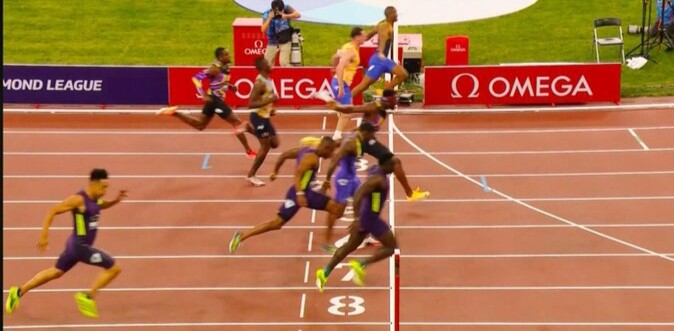
The South African has quietly been building momentum throughout the season, and Shanghai now feels like confirmation that he is ready to challenge the very best consistently on the global stage. His latest triumph comes after opening his 2026 campaign with victory at the South African Championships last month, a performance that hinted at what was to come.
Now, with a sub-10 second victory against a stacked international field, Leotlela appears to be picking up exactly where he left off after his impressive fifth-place finish at last year’s World Championships.
What made the performance even more remarkable was the composure he displayed under immense pressure. Against proven championship medal contenders and some of the quickest starters in the world, Leotlela stayed relaxed, executed brilliantly through the drive phase, and unleashed a powerful finish to snatch the win in the closing metres.
The result further strengthens South Africa’s growing reputation as a sprinting powerhouse and signals that Leotlela could be a major force as the season progresses toward the world’s biggest championships.
In Shanghai, the timing could not have been more poetic. Four days after turning 28, Gift Leotlela did not just celebrate a birthday — he announced himself as one of the most dangerous sprinters in the world.
by Erick Cheruiyot for My Best Runs.
Login to leave a comment
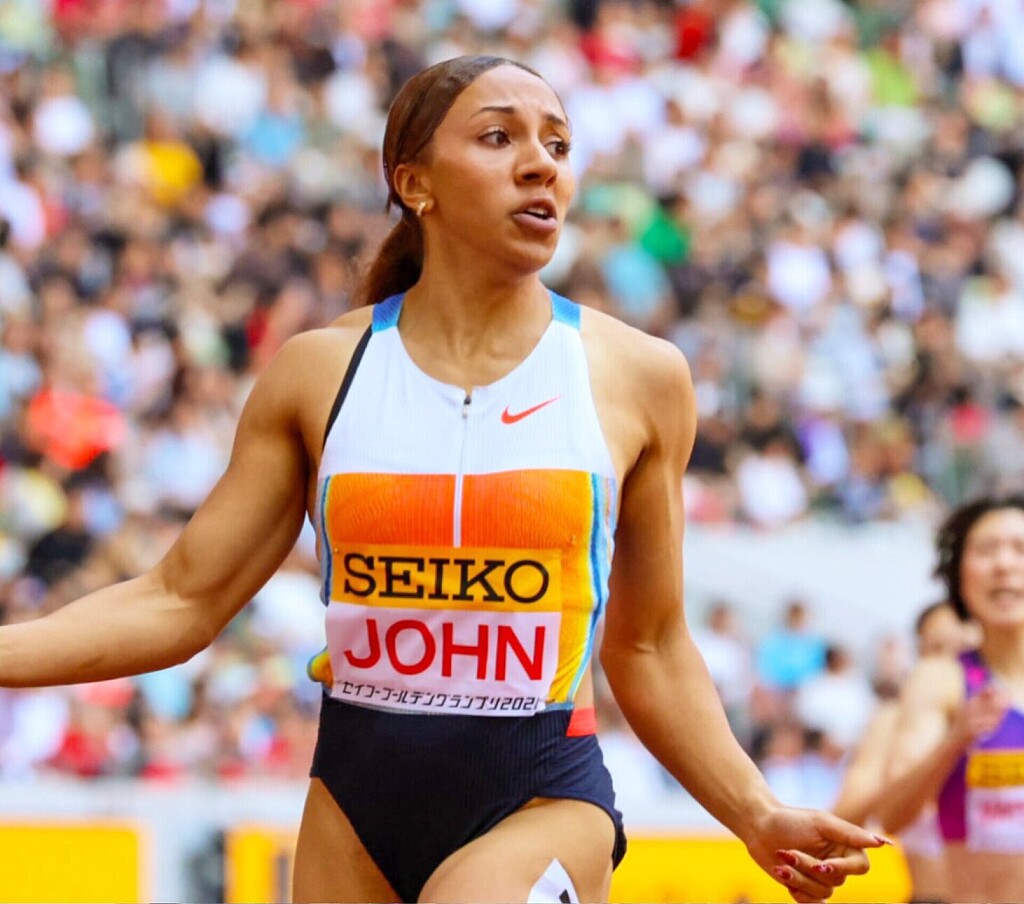
Yemi Mary John Storms Into British 400m History With Stunning Sub-50 Run in Tokyo
Britain’s rising sprint sensation Yemi Mary John delivered the performance of her career at the Seiko Golden Grand Prix, blazing to a sensational victory in the women’s 400m with a huge personal best of 49.85 seconds.
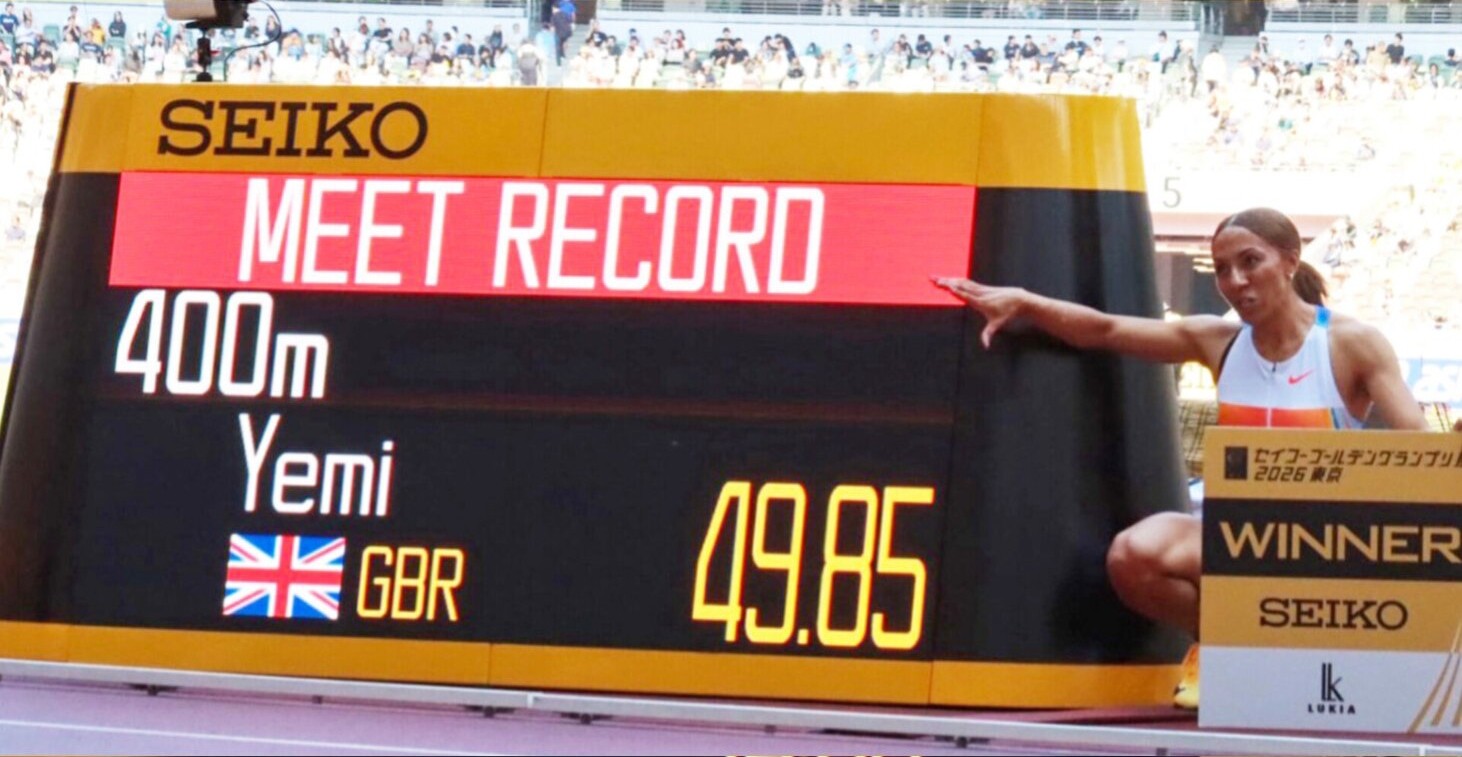
Under the bright lights in Tokyo, the young British star produced a fearless and composed run, powering through the final straight to dip under the coveted 50-second barrier for the very first time. In doing so, John etched her name into British athletics history, becoming only the ninth British woman ever to break 50 seconds in the one-lap event. Her remarkable performance also lifts her to seventh on the all-time British rankings, confirming her arrival among the nation’s elite quarter-milers.

The race unfolded at a relentless pace from the opening stages, but John remained calm and controlled before unleashing a devastating finish over the final 100 metres. Her breakthrough performance signals a major step forward in what is rapidly becoming one of the most exciting careers in British sprinting.
American athlete Bailey Lear also impressed with a lifetime best of 50.42 seconds to secure second place after a strong and competitive display. The high-quality contest in Tokyo highlighted the growing depth and intensity in women’s 400m sprinting on the international stage.
For John, however, the night belonged entirely to her. Breaking the 50-second barrier is widely regarded as one of the defining milestones in women’s sprinting, and the manner in which she achieved it suggests there may be even faster times ahead. Her victory in Tokyo not only delivered a statement win but also announced her as a serious force to watch as the global athletics season continues to build momentum.
by Erick Cheruiyot for My Best Runs.
Login to leave a comment
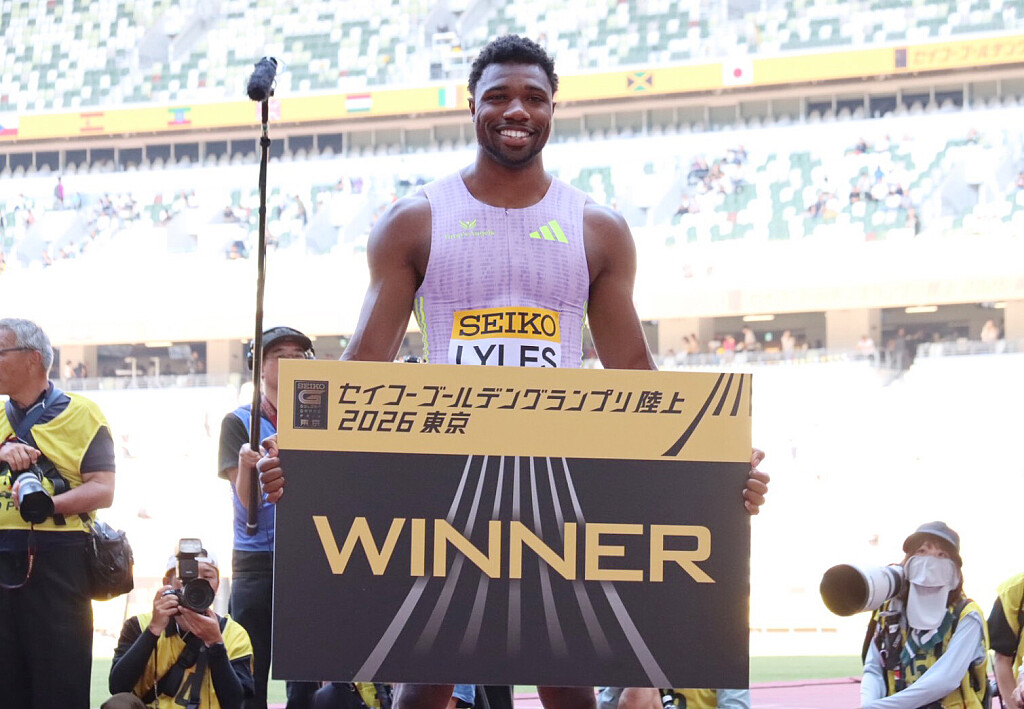
Lyles Blazes to Seiko Golden Grand Prix Glory with Stunning 9.95 Sprint Masterclass
American sprint sensation Noah Lyles delivered another emphatic statement on the global stage after storming to victory in the men’s 100 metres at the Seiko Golden Grand Prix, clocking a brilliant 9.95 seconds in a performance that electrified the crowd and reaffirmed his status as one of the fastest men in the world.
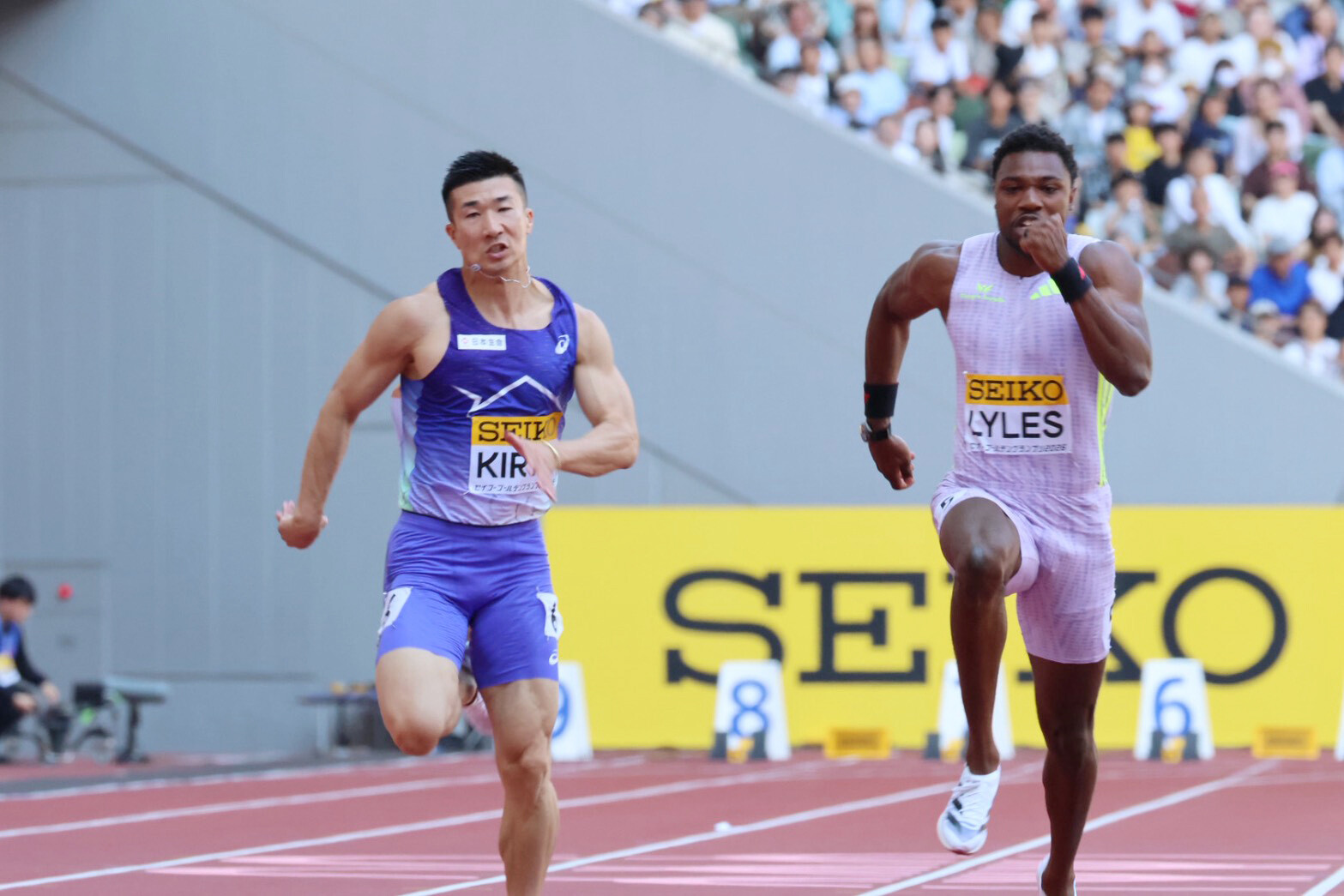
Competing against a quality international field, Lyles exploded out of the blocks with confidence and composure before unleashing his trademark top-end speed over the closing metres to comfortably secure the win. Assisted by a legal +0.6 m/s wind, the American crossed the line well ahead of compatriot Tate Taylor, who finished second in 10.04, while Great Britain’s Jake Odey-Jordan claimed third place in 10.09.
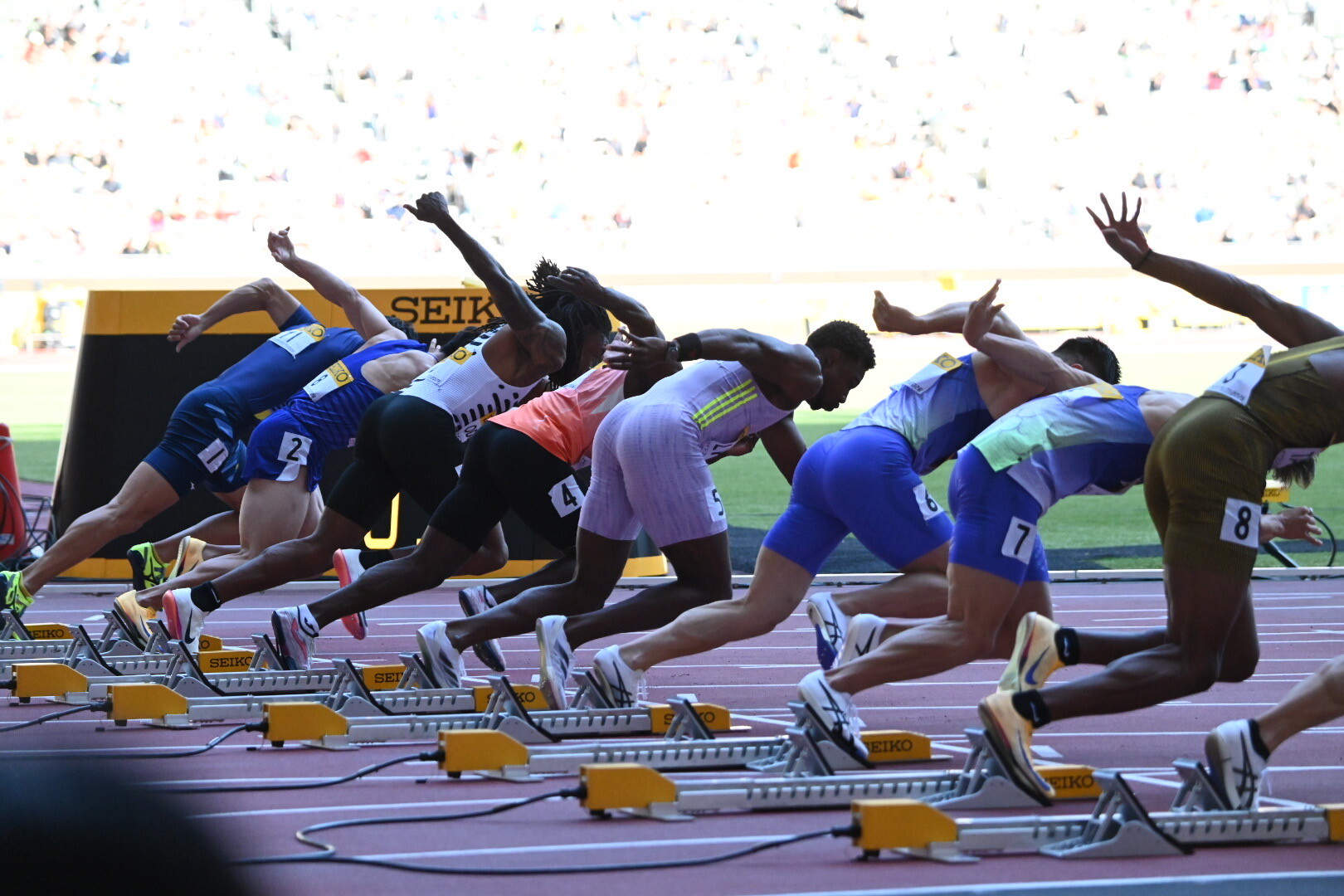
The race once again highlighted Lyles’ growing dominance in the short sprints as he continues building momentum ahead of the major championships season. His sub-10 performance was not only a victory but also a warning shot to the rest of the sprinting world, showcasing both his sharp early-season form and exceptional finishing power.
The Japanese contingent also delivered respectable performances on home soil, led by Yoshihide Kiryu in fourth place with 10.15. Fellow countrymen Shota Iizuka and Yuki Koike followed closely in 10.19 and 10.21 respectively, while Ryota Yamagata finished seventh in 10.24.
For Lyles, the victory represents far more than just another win. It reflects the consistency, confidence, and championship mentality that have made him one of track and field’s biggest stars. With the season gathering pace, performances like this continue to raise anticipation for what could become another historic year for the American sprint king.
by Erick Cheruiyot for My Best Runs.
Login to leave a comment
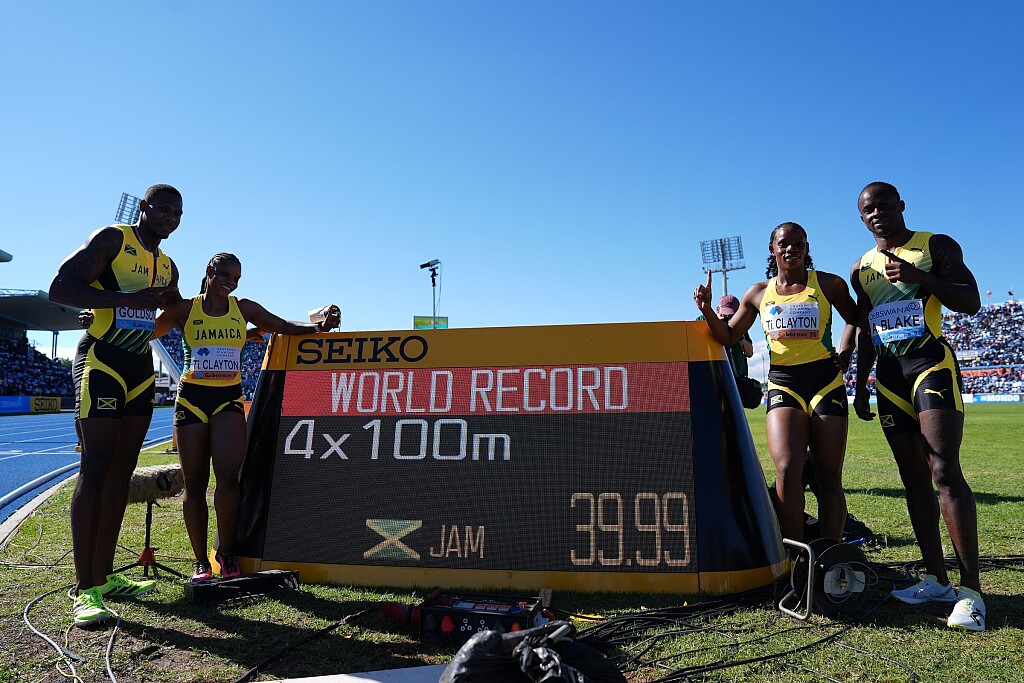
History in Motion: Jamaica Ignites a New Era with Mixed 4x100m World Record
Jamaica delivered a performance of breathtaking precision at the World Athletics Relays in Gaborone, storming to a sensational world record of 39.99 seconds in the mixed 4x100 metres relay—while securing qualification for both the final and the 2027 World Championships.
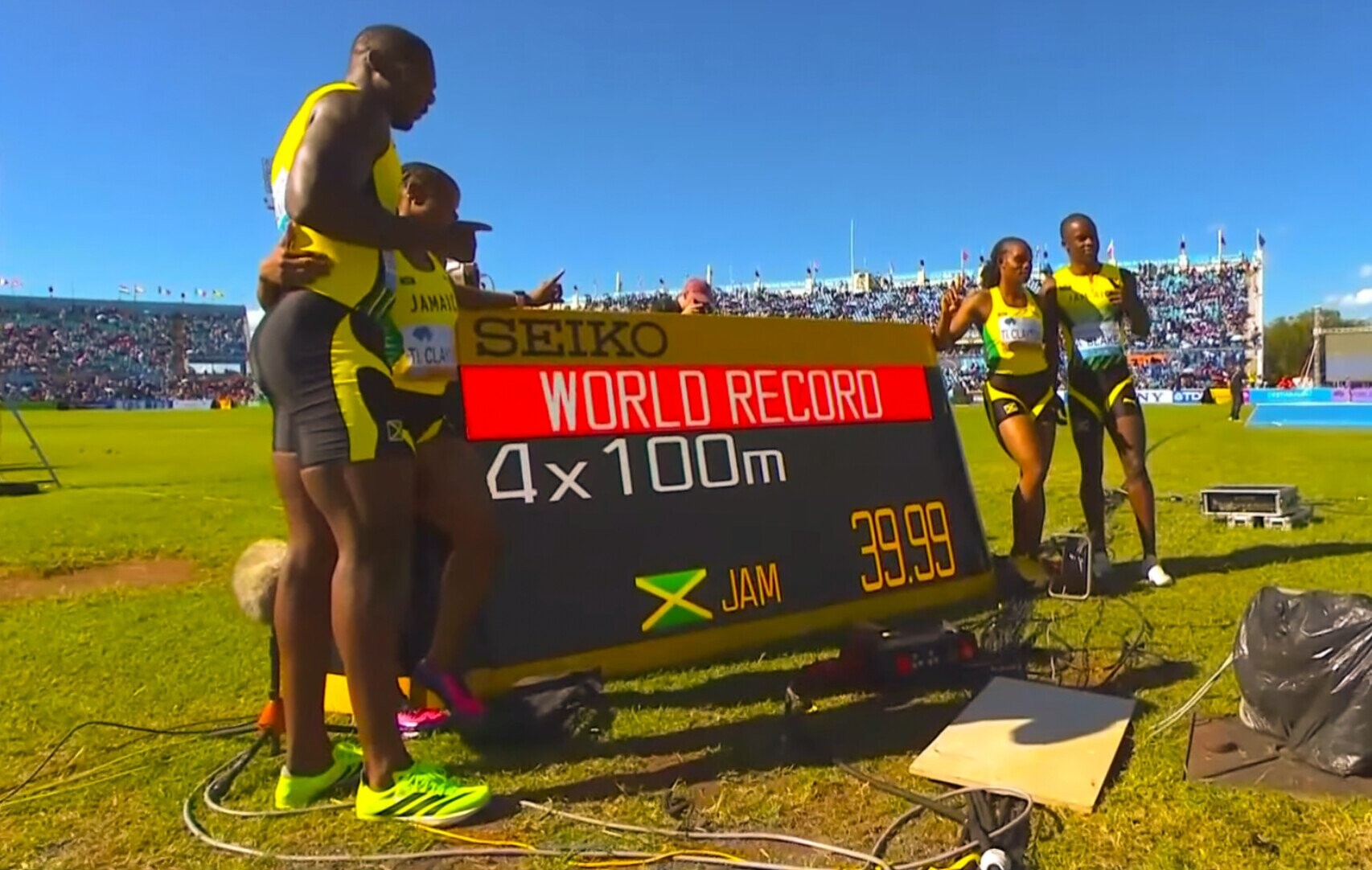
Though it came in a qualifying heat, the run carried the authority of a championship-winning performance. Jamaica did not merely progress—they redefined the standard. In one explosive display, they confirmed their place in the final and, crucially, booked early qualification for the World Athletics Championships.
The execution was nothing short of elite. The mixed 4x100m, still a developing event, demands absolute clarity in timing and flawless baton exchanges between male and female athletes. Jamaica delivered with remarkable cohesion, their transitions smooth and their speed devastating from start to finish.
Stopping the clock at 39.99 at this stage of the competition sends a powerful message. It highlights not only their dominance but also the possibility that an even faster performance could emerge when medals are on the line.
With the mixed 4x100m set to make its Olympic debut at the Los Angeles 2028 Olympic Games, Jamaica’s run in Gaborone stands as a defining early benchmark in the event’s history. It reflects the nation’s enduring sprint legacy, now evolving into new formats with the same authority.
What was meant to be a step toward the final became something far greater—a record-breaking statement, a qualification secured, and a clear warning to the world.
All eyes now turn to the final, where Jamaica will look to transform early dominance into gold.
by Erick Cheruiyot for My Best Runs.
Login to leave a comment
Enrique Figuerola: Cuba’s Sprint Pioneer Who Turned Speed Into Legacy
Some athletes drift quietly through history. Others arrive with force, leaving marks too deep to erase. Enrique Figuerola belonged to the latter.
Born on July 15, 1938, in Santiago de Cuba, Figuerola rose from humble beginnings under the Caribbean sun to become one of the greatest sprinters Cuba has ever produced. Long before modern sprinting became a global spectacle, he was already proving that talent, discipline, and fearless ambition could carry a man from local tracks to the Olympic stage.

His first major global statement came at the 1960 Olympic Games in Rome. Against a field packed with established stars, the relatively unknown Cuban reached the 100 metres final and finished fourth. To many, it was a near podium finish. To Figuerola, it was confirmation that he belonged among the fastest men in the world.
Two years later, he arrived in London for the prestigious AAA Championships at White City Stadium. There, the quiet sprinter from Cuba stunned spectators by capturing the 100-yard title with authority. It was more than a victory—it was a warning that Figuerola was becoming a serious force in world sprinting.
Then came the defining moment of his individual career: the 1964 Olympic Games in Tokyo.
As the tension built inside the stadium, Figuerola settled into the blocks for the men’s 100 metres final. When the gun fired, he burst forward with explosive precision, matching strides with the world’s best. Only the legendary American Robert Hayes finished ahead of him, while Canada’s Harry Jerome took bronze. Figuerola claimed the silver medal, becoming one of Cuba’s greatest Olympic sprint heroes.
He returned to London in 1965 and once again conquered the AAA Championships 100-yard race, proving his earlier triumph had been no accident. Same city, same straight, same blazing Cuban speed.
By the 1968 Olympic Games in Mexico City, Figuerola was no longer simply an individual contender—he was now a veteran leader. Teaming up with Hermes Ramírez, Juan Morales, and Pablo Montes in the 4x100 metres relay, Cuba delivered a brilliant performance to secure silver behind the dominant United States squad. It was Figuerola’s second Olympic silver medal and another proud milestone for Cuban athletics.
His career was decorated with medals, titles, and elite performances, including a remarkable 10.23 seconds in the 100 metres during the Mexico City era—an exceptional mark for his generation.
Yet numbers alone cannot explain his legacy.
What endures most is the image of Enrique Figuerola in the starting blocks: focused, composed, carrying the hopes of a nation on his shoulders. He represented an era when sprinting was raw, fierce, and deeply personal—when every race felt like a statement.
Enrique Figuerola was more than a medalist. He was a pioneer, a symbol of Cuban excellence, and a man whose speed forced history to notice.
Some athletes are remembered for victories. Others are remembered for changing what people believed was possible. Figuerola did both.
by Erick Cheruiyot for My Best Runs.
Login to leave a comment
History Rewritten: South Sudan’s Sprint Revolution Ignites Road to Accra 2026
South Sudanese athletics witnessed a defining moment on Kenyan soil, as a trio of electrifying performances rewrote the national record books and signaled the arrival of a new sprinting era. In a single day of brilliance, three national records fell—each performance not only elevating individual athletes, but also propelling an entire nation onto the continental stage ahead of the 2026 African Senior Athletics Championships in Accra, Ghana.
At the heart of this historic surge was Lucia William, whose authority in the women’s 100 metres continues to deepen with every outing. The Olympian delivered a composed yet explosive run, stopping the clock at 11.88 seconds to break her own national record of 11.92 set exactly one year earlier. In the unforgiving margins of elite sprinting, a 0.04-second improvement is no small feat—it is a statement of refinement, power, and peak condition. As Accra approaches, William appears to be entering the most formidable phase of her career.
If William provided elegance and control, Thiep Deng brought raw speed and historic ambition. The rising sprint star produced a career-defining double, cementing his place as the fastest man South Sudan has ever produced. In the 100 metres, Deng surged to a remarkable 10.40 seconds—an emphatic confirmation of his growing reputation across the region following recent success in Uganda.
Yet it was in the 200 metres that history truly bent. Clocking a sensational 20.62 seconds, Deng erased a long-standing national record that had stood unchallenged since 2016, previously held by Mangar Chuot. Breaking such a mark is more than a statistical achievement—it is symbolic of a generational shift, a passing of the torch to a new wave of athletes ready to compete at the highest level.
Together, these performances mark more than just records; they represent qualification secured, confidence ignited, and a nation’s athletic identity rapidly evolving. With all three results meeting the standards for Accra, South Sudan now heads into the continental championships with genuine momentum and belief.
From dominance to disruption, from promise to proof—this was not just a successful day on the track. It was a declaration. South Sudan is no longer emerging; it is arriving.
by Erick Cheruiyot for My Best Runs.
Login to leave a comment
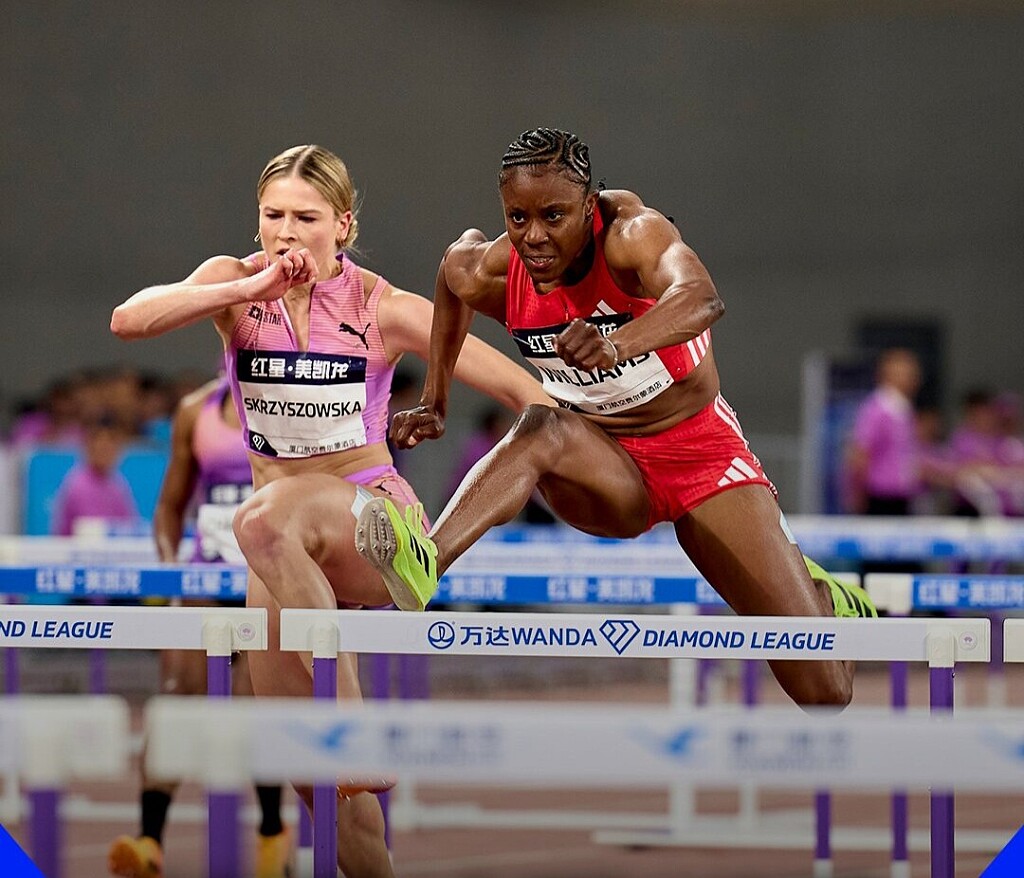
Headline: Star-Studded Women’s 100m Hurdles Showdown Set for Prefontaine Classic in Eugene
The women’s 100 metres hurdles at the upcoming Prefontaine Classic promises to deliver one of the most electrifying clashes of the season, as four of the world’s finest hurdlers prepare to battle over the barriers at the iconic Hayward Field on July 4.
The event, part of the prestigious Diamond League circuit, will feature an exceptional lineup led by Olympic champion Masai Russell and world record holder Tobi Amusan. They will be joined by two-time world champion Danielle Williams and rising star Grace Stark, creating a field packed with global pedigree and fierce competitive firepower.
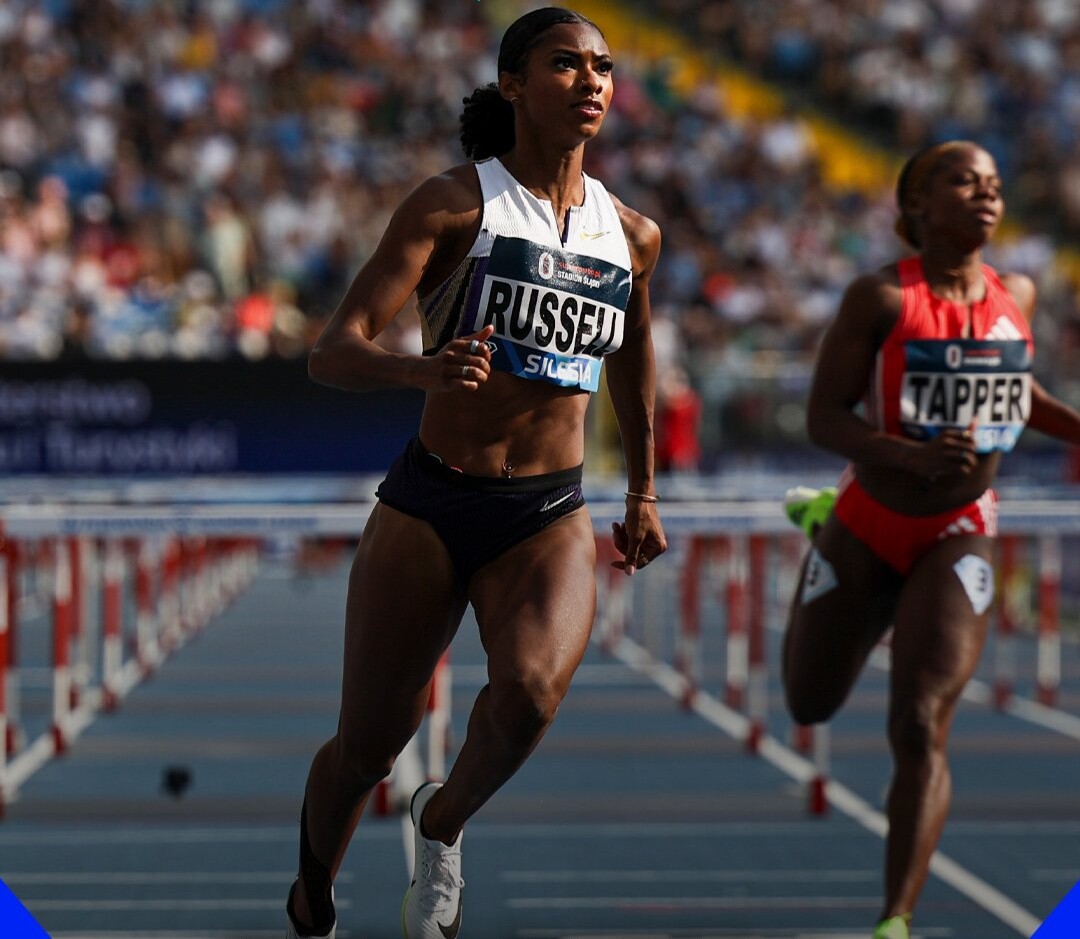
Russell arrives with the confidence of an Olympic champion, having established herself as one of the most explosive hurdlers on the planet. Her speed between the barriers and aggressive racing style make her a formidable presence whenever she steps onto the track.
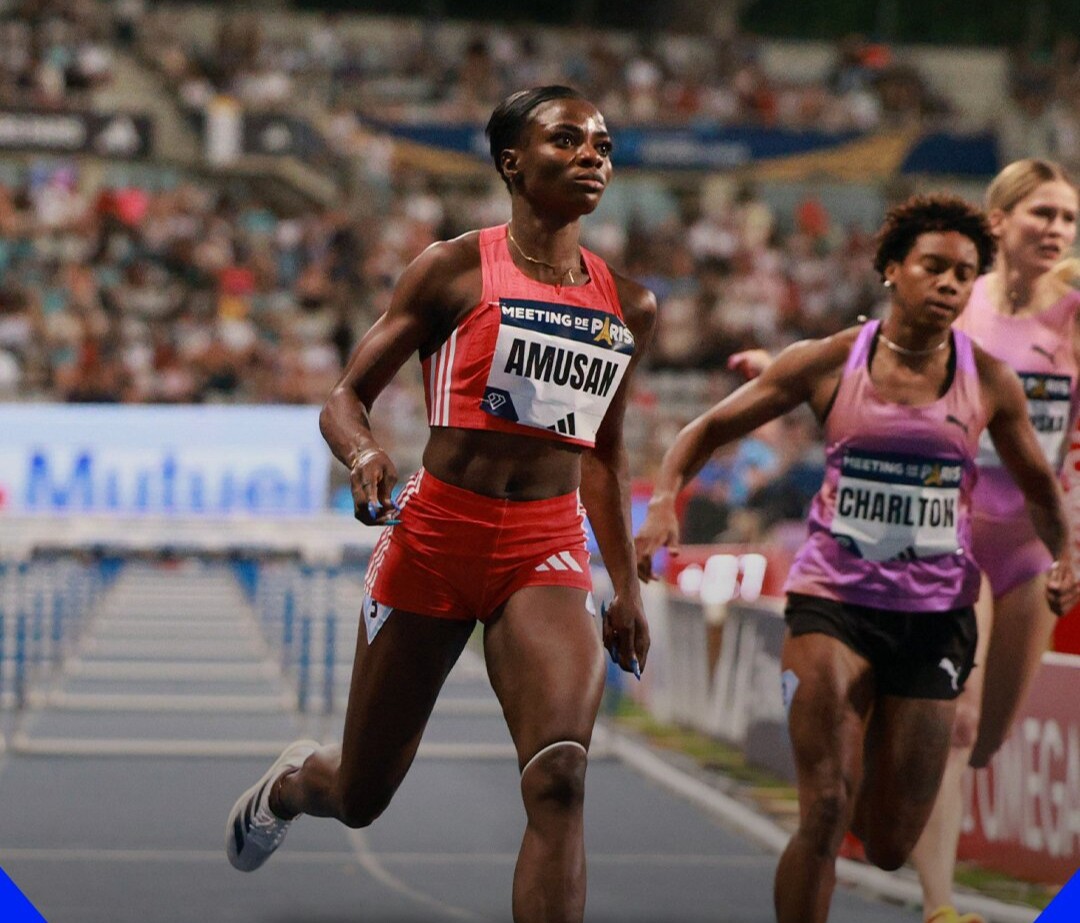
Standing opposite her will be Amusan, whose name is etched in athletics history after she shattered the world record with a breathtaking 12.12 seconds. The Nigerian star has repeatedly demonstrated her ability to dominate the event on the biggest stages, and any race she enters immediately carries the promise of something extraordinary.
Adding further intrigue is Jamaica’s Danielle Williams, a seasoned championship performer renowned for her composure and technical precision. As a two-time world champion, Williams has built a reputation for delivering when it matters most, often rising to the occasion against the sport’s biggest names.
Completing the elite quartet is Grace Stark, currently ranked world number one. The American hurdler has been in impressive form, showcasing remarkable consistency and speed throughout the season. Racing on home soil in front of the passionate Eugene crowd could provide the perfect stage for another standout performance.
With ten barriers separating the athletes from victory, the race is expected to unfold at blistering pace from the very first stride. Each hurdle will test rhythm, speed, and composure, leaving no margin for error among this elite group.
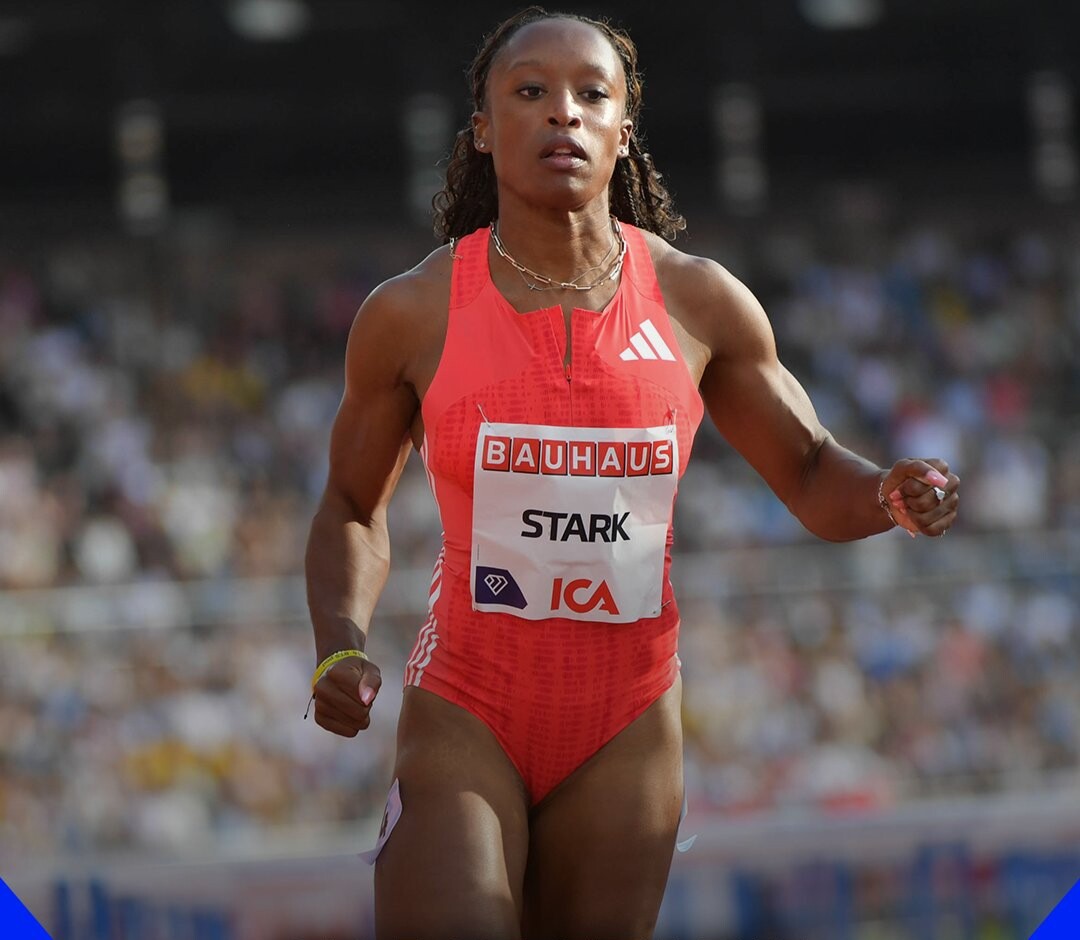
As the Diamond League returns to Eugene, fans can anticipate a high-stakes contest where Olympic glory, world titles, and current form collide. When the starting gun fires at Hayward Field, the women’s 100m hurdles could very well produce one of the most thrilling moments of the entire track and field season.
by Erick Cheruiyot for My Best Runs.
Login to leave a comment

Prefontaine Classic
The Pre Classic, part of the Diamond League series of international meets featuring Olympic-level athletes, is scheduled to be held at the new Hayward Field in Eugene. The Prefontaine Classicis the longest-running outdoor invitational track & field meet in America and is part of the elite Wanda Diamond League of meets held worldwide annually. The Pre Classic’s results score has...
more...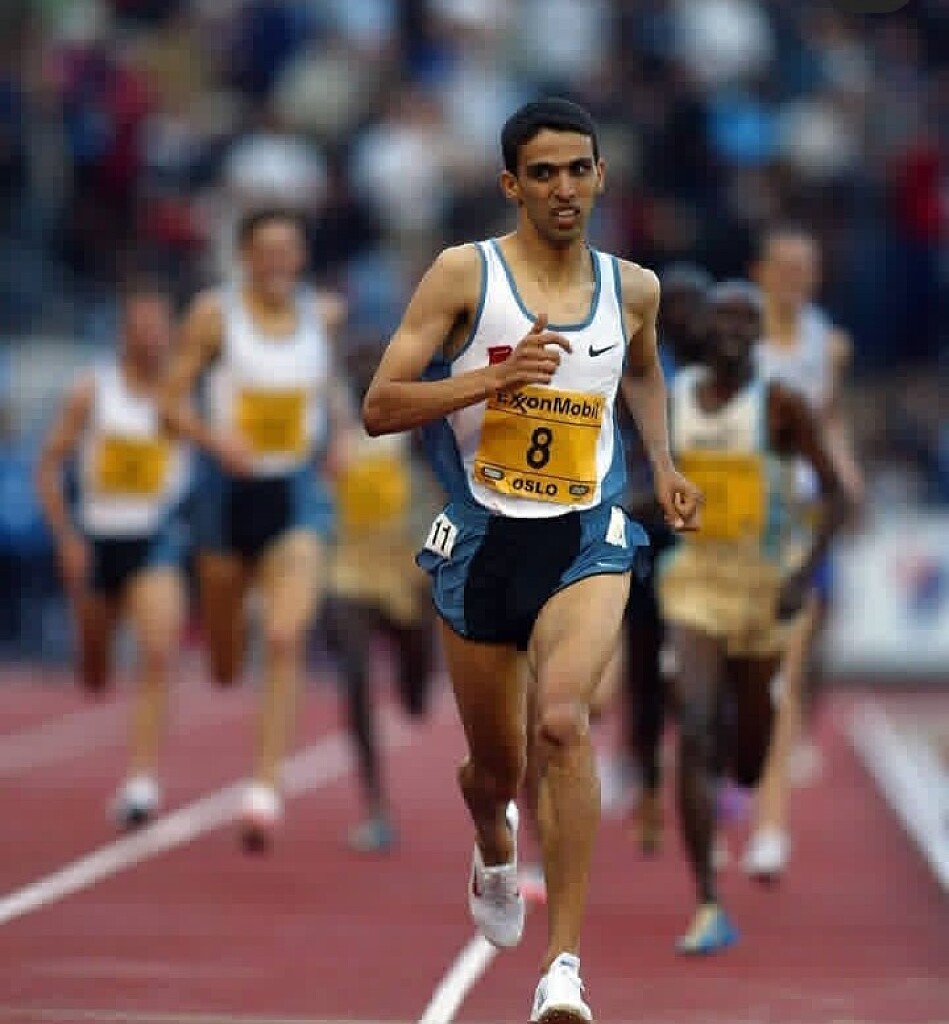
Chasing 3:26 — The Extraordinary Standard Set by Hicham El Guerrouj
For more than a quarter of a century, the men’s 1500 metres world record has stood as one of athletics’ most revered and demanding achievements. The legendary 3:26.00, set by Morocco’s iconic middle-distance master Hicham El Guerrouj in 1998, remains a benchmark of near-perfect racing — a performance that still defines the outer limits of human speed and endurance over the metric mile’s shorter cousin.
Breaking that mark would require far more than raw talent. It demands a rare combination of physiological excellence, tactical brilliance, technological advantage, and the perfect competitive environment.
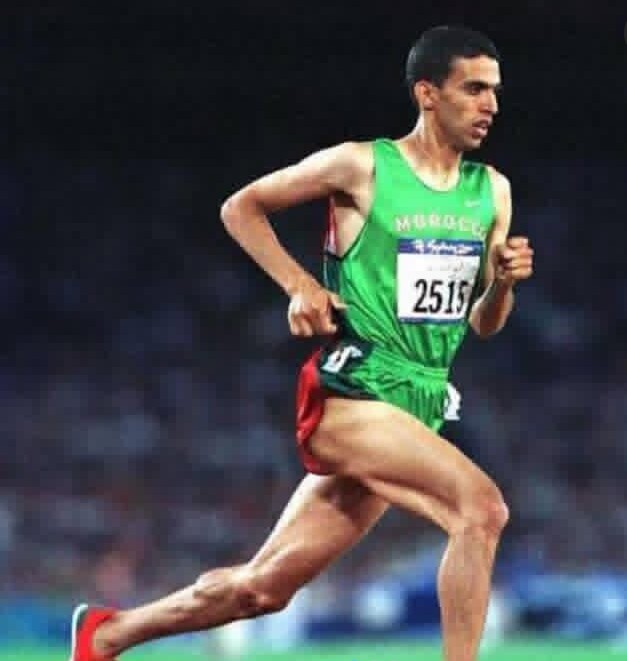
The Pace of Perfection
To surpass 3:26.00, an athlete must sustain an astonishing rhythm from start to finish. The record pace translates to roughly 13.7 seconds per 100 metres and about 54.9 seconds per 400-metre lap. Maintaining that speed over three and three-quarter laps of the track means running close to sprint velocity while preserving enough strength for a decisive finish.
What makes the record even more remarkable is how El Guerrouj completed the race. After already covering the first 1100 metres at blistering speed, he unleashed a final lap of approximately 53 seconds, a finishing surge that would be exceptional even in a fresh 400-metre race. Any athlete hoping to rewrite history must produce a similarly devastating closing kick.
The Physiological Equation
The 1500 metres sits at the crossroads between endurance and speed. Success at world-record level requires a finely tuned balance between the aerobic system — which supplies the majority of energy — and the anaerobic system responsible for explosive surges.
Elite training models typically emphasize high-volume aerobic development, often accounting for the majority of an athlete’s preparation, complemented by intense intervals run faster than race pace. This combination builds the stamina required to maintain record tempo while preserving the speed necessary to finish with authority.
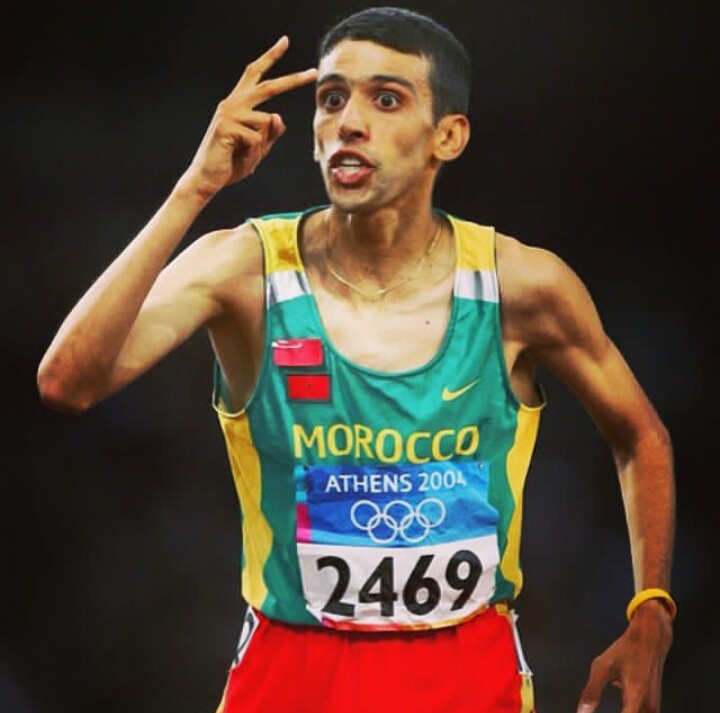
The Importance of Perfect Conditions
Even the greatest athletes depend on ideal circumstances to produce historic performances.
Pacemakers play a decisive role, guiding the early stages of the race and ensuring a consistent rhythm through the first 800 to 1000 metres. Their presence prevents tactical hesitation and shields the contenders from wind resistance.
Environmental factors also matter. Record attempts usually occur in calm conditions, with moderate temperatures and low wind — elements that minimize energy loss and allow athletes to focus entirely on maintaining pace.
Modern technology has further pushed the limits. Advances in carbon-plated racing spikes and highly responsive synthetic tracks have helped athletes convert effort into forward momentum more efficiently than ever before.
The Pressure of Competition
World records rarely happen in isolation. They emerge when elite competitors push each other relentlessly through the final laps. A fast race requires rivals willing to maintain relentless pace and challenge for victory until the final 200 metres.
Norway’s middle-distance star Jakob Ingebrigtsen, who has already run 3:26.73 — the European record — is among the athletes bringing the barrier closer to reality. His performances demonstrate how narrow the gap has become between the present generation and El Guerrouj’s enduring standard.
The Official Path to History
For any performance to replace the record, it must occur at a competition recognized by World Athletics, with fully certified timing systems and immediate anti-doping verification. Only under these strict conditions can a new mark be ratified as the fastest 1500 metres ever run.
A Record That Still Defines Greatness
More than two decades after it was set, 3:26.00 continues to symbolize the pinnacle of middle-distance running. Breaking it will require flawless pacing, extraordinary physiology, fierce competition, and a moment when every variable aligns.
Until that day arrives, the time produced by Hicham El Guerrouj remains not just a world record — but one of the greatest performances in the history of track and field.
by Erick Cheruiyot for My Best Runs.
Login to leave a comment
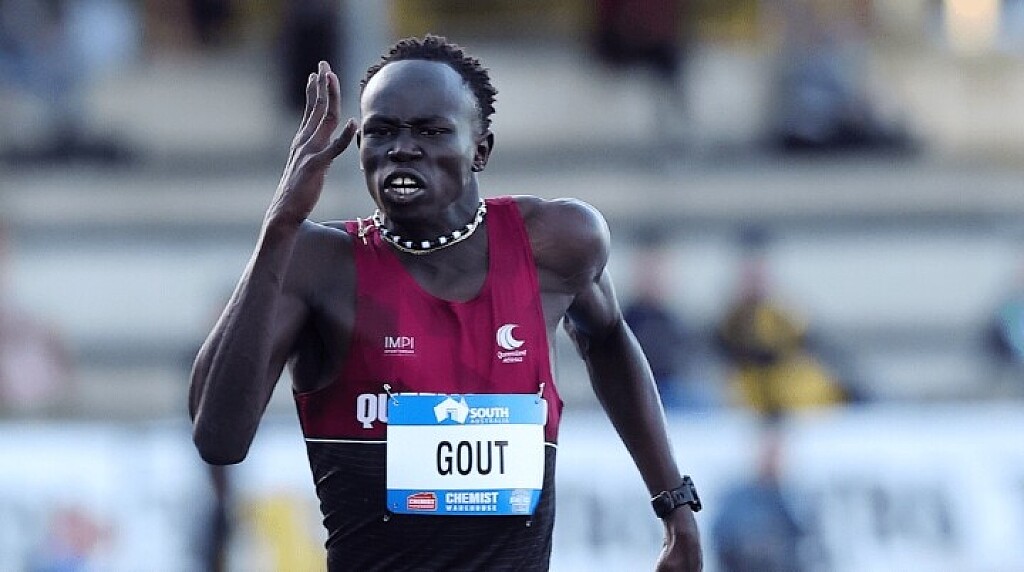
Gout Gout’s Breakthrough Week Continues as Sprint Sensation Earns Prefontaine Classic Debut
It has been an extraordinary week for rising Australian sprint prodigy Gout Gout, whose remarkable form has quickly pushed him into the global spotlight. After producing one of the fastest performances ever seen on Australian soil, the teenage sensation is now set for one of the biggest opportunities of his young career — a debut at the prestigious Prefontaine Classic.

Only days ago, Gout delivered a performance that sent shockwaves through the athletics world. The young sprinter clocked a stunning 10.00 seconds in the 100 metres, matching the fastest legal time ever run by an Australian on home soil. The mark also established a new Area U20 record, underlining just how exceptional the performance was for an athlete still in the early stages of his career.
The time immediately placed Gout among the most exciting sprint prospects in the sport, confirming the immense promise that has surrounded him for several seasons. His blend of explosive speed, composure under pressure, and rapid development suggests that Australia may be witnessing the emergence of a generational talent.
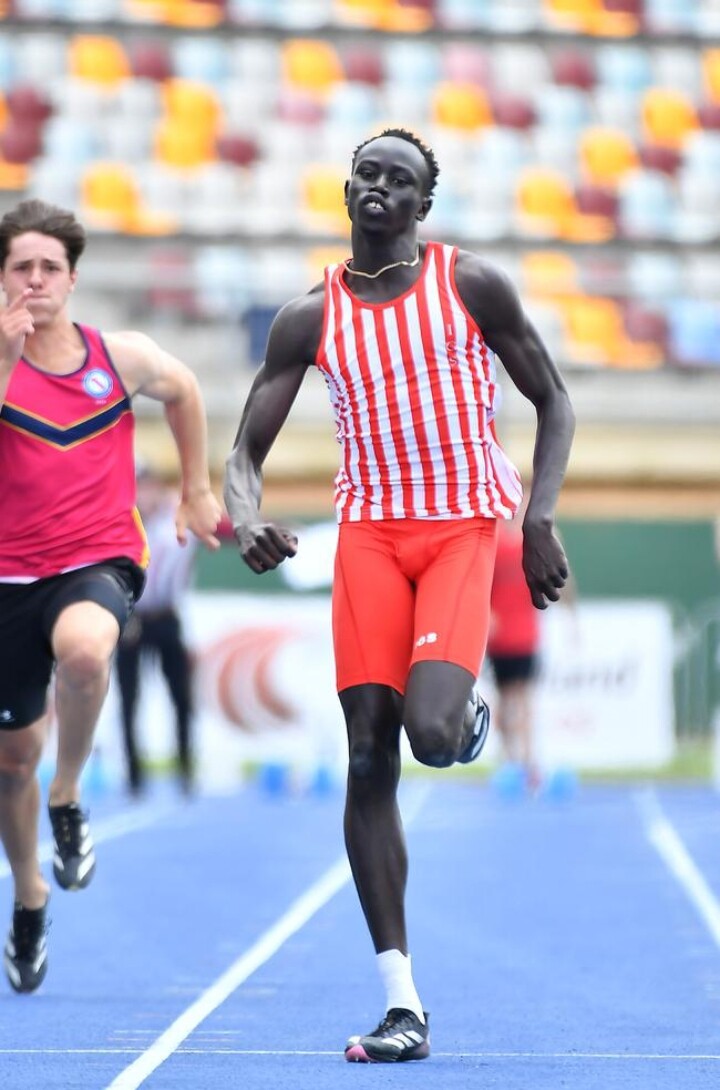
Now, that momentum is carrying him onto one of athletics’ most celebrated stages. Organizers have confirmed that Gout will make his debut at the Prefontaine Classic — one of the flagship meetings of the Diamond League circuit — where he is scheduled to compete in the men’s 200 metres.
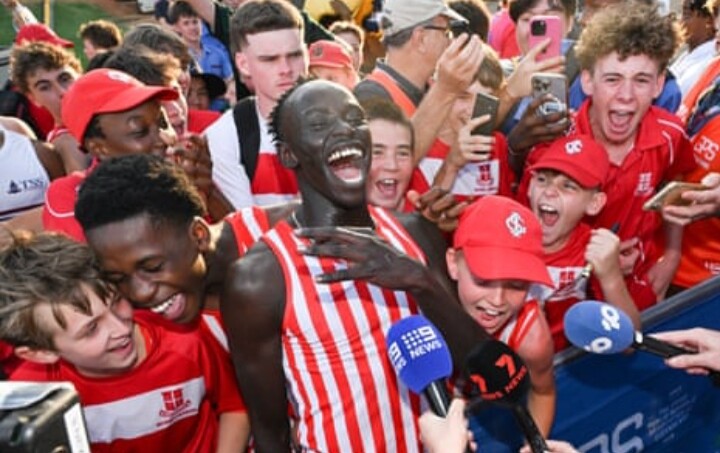
The race promises to be a defining test for the young sprinter. The Prefontaine Classic traditionally features some of the fastest athletes in the world, and Gout will find himself lining up alongside established global stars in the half-lap sprint. For a developing athlete, the experience of racing at such a high-profile meet offers both a challenge and a valuable opportunity to measure himself against the sport’s elite.
For Australian athletics, the timing could not be more exciting. The country has long searched for its next sprint star capable of competing with the world’s best, and Gout’s recent performances suggest that the wait may soon be over. His 10.00-second run has already etched his name into the national conversation, but the upcoming test in the 200 metres will provide a clearer glimpse of just how high his ceiling might be.
As anticipation builds for the Prefontaine Classic, all eyes will be on the young Australian who has turned heads with a week of breathtaking speed. If his recent form is any indication, the debut of Gout Gout on the Diamond League stage could mark the beginning of a new chapter for one of sprinting’s most exciting emerging talents.
by Erick Cheruiyot for My Best Runs.
Login to leave a comment
Prefontaine Classic
The Pre Classic, part of the Diamond League series of international meets featuring Olympic-level athletes, is scheduled to be held at the new Hayward Field in Eugene. The Prefontaine Classicis the longest-running outdoor invitational track & field meet in America and is part of the elite Wanda Diamond League of meets held worldwide annually. The Pre Classic’s results score has...
more...
Three ways to build a strong running base this winter
While it’s exciting to be training toward a very distinct goal race or distance, it’s important to have a strong running base before you begin to direct your effort toward something more intense. Having a strong aerobic and structural foundation to build on helps prevent injuries, and your body will adapt more easily when you introduce race-specific training. Even experienced runners should consider inserting a base-building block (or several) into their training.
The colder months are a great time to focus on your base before ramping up your training for the spring race season–a running base is usually built over a minimum of four weeks. Here’s how, and why, you can build a strong base this winter.

What exactly is base-building?
On his website, McMillan Running, renowned endurance coach Greg McMillan explains there are five goals of base-building. Runners work toward building aerobic efficiency, improving musculoskeletal durability, improving their ability to burn fat rather than carbohydrate as fuel, improving the endurance of fast twitch muscle fibres and creating a tireless mental state. While that list might seem daunting, the key components are actually as simple as going back to basics, which essentially means lots of easy running.

1.- Keep your runs at a conversational pace
While speedwork is essential when prepping for a race, base-building is a time to keep your runs easy and comfortable. You should be able to talk easily throughout your run, and your effort should consistently feel very manageable. Slow running builds muscular strength and teaches your cardio, respiratory and muscular systems to work more efficiently. It also increases the quantity and size of mitochondria, improving oxygen use and glycogen stores.
If you struggle with keeping to an easy pace, adding strides—short accelerations of 80-100 metres, or 20 to 30 seconds—a couple of times a week after a routine easy run can ease restless legs. A speedy parkrun or faster-paced session tossed into your training is OK, just keep the focus on finessing that easy pace.
2.- Add mileage slowly
After a race, reduce mileage to a range that is comfortable for you–your peak mileage, or the amount of running you do right before your pre-race taper, is not what you should return to post-race, as tempting as it may be.
Once you’ve established a starting point, adding between five and 10 per cent every other week is a rough guideline for building gradually while decreasing your risk for injuries. Everyone has an individual range, so if you’re an experienced athlete, you may be comfortable adding more, and newer runners may want to increase mileage at an even more conservative rate.
3.- Master the art of recovery
Most runners are reluctant to focus on their recovery days. After all, rest days are as simple as not running, right? Recovery days should actually be considered as essential as any peak training workout, and runners should take time to focus on prioritizing good sleep hygiene and top-notch fuelling. Don’t skimp on meals just because you aren’t running–rest days are the perfect time to prepare and enjoy nutritious, energy-packed meals (meal-prepping for the week is a great idea, if you have extra time). Make sure to head to bed early, and focus on de-stressing and self-care.
by Keeley Milne
Login to leave a comment
Improve your fatigue resistance with this 300m workout
One of the hallmarks of great distance runners is their fatigue resistance, even when running at high speeds. This allows them to run farther and faster. Increasing fatigue resistance is a key component of running training, and is important even for recreational runners. This 300m workout is a great way to teach your body to become more comfortable while running at higher speeds and learning to adjust your pace on the go.
There are two main goals for this workout. The first, as mentioned, is to increase your fatigue resistance (i.e., to get you more comfortable when running fast, so you can maintain that speed for longer duration). To do this, you must try to stay as relaxed as you can, even when you’re running near your top speed. This means relaxing your shoulders and face, controlling your breathing and trying to stay as smooth as possible.
The second is to improve your cadence. Instead of running these intervals at one consistent speed, your goal is to get faster every 100 metres until you’re running near your max for the final third of the interval. By changing your pace every 100 metres, you improve your ability to get your feet down faster and prepare your body to handle your race pace.
The pacing in this workout is really important. The first 100 metres will feel slow, and it should. Resist the temptation to go out too hard, so you leave room to accelerate through the interval. Your accelerations should look like this:
First 100m – 50 per cent effort (approximately mile pace)
Second 100m – 75 per cent effort (approximately 800m pace)
Third 100m – 100 per cent effort
This workout is designed for the track, but if you don’t have one, we recommend marking off every 100m on a flat, straight path, so you can easily see where to crank up the pace.
The workout
Warmup: 15-20 minutes of easy jogging, followed by 3-4 20-second strides
Workout: 5-10 x 300m, accelerating every 100m; 100m walk or easy jog between each interval
Cooldown: 10-15 minutes easy jog
by Brittany Hambleton
Login to leave a comment

How robotics tech can help elite athletes get faster
Runners wearing an exoskeleton suit were able to sprint nearly one second faster over 200 metres, a recent small study found. Researcher Giuk Lee out of Seoul, South Korea, has been working with a team to create an “exosuit” that helps people sprint faster, the New Scientist reported on its website. The suit may have the potential to help elite athletes significantly improve their running performance.
Lee explains that the exosuit weighs 4.4 kg and has electrical motors on its back that control two steel cables attached to the wearer’s hips and thighs, The length of the cable running between each hip and thigh shortens as the wearer extends their legs backward, assisting them and speeding up the motion.

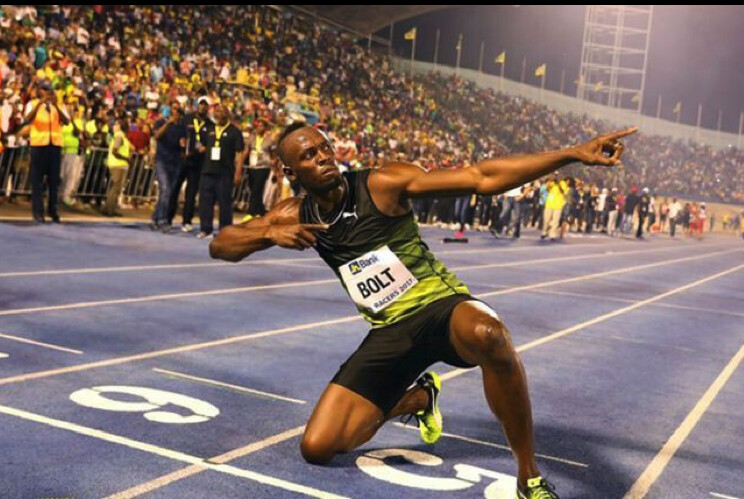
The team asked nine non-elite runners to sprint 200 metres to test the exosuit’s performance, twice while wearing the suit and twice without it. The participants ran 0.97 seconds faster, on average, when wearing the suit. The team has recently developed an exosuit that weighs only 2.5 kilograms and are currently investigating whether this may be a potential tool for elite athletes to use in training.
“One of the elite runners has been training with the lighter exosuit and it has helped them run faster even without wearing it,” Lee said to New Science. “This may be because it helps them to feel and remember how to engage the right muscles to run faster.”
The team is working on a customized exosuit for Kyung-soo Oh, a former national elite runner in South Korea. They’re hoping Oh will be able to beat the world record for running 100 metres while wearing the suit. Jamaican sprinter Usain Bolt holds the men’s record is 9.58 seconds, set in 2009.
This is certainly not the first time robotic science and running have crossed paths. In 2022, a U.S. start-up called Shift Robotics launched a Kickstarter campaign for what they claim is the world’s fastest shoe. The “Moonwalker” apparently lets you walk at the speed of a run while maneuvering stairs, through crowds, hills and even getting on public transit. The Moonwalker is available for the public to order now for USD $999.
by Running Magazine
Login to leave a comment
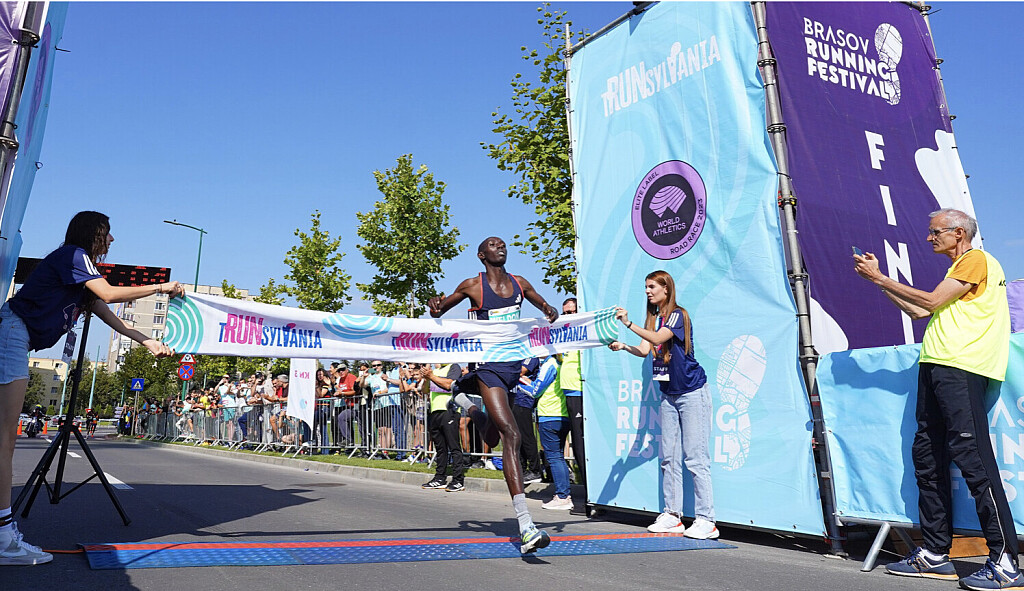
Ngetich breaks women-only world 10km record in Brasov
Kenya’s Agnes Ngetich broke the women-only world 10km record* at the Trunsylvania 10km, clocking 29:24 at the World Athletics Elite Label road race held on Sunday (10) as part of the Brasov Running Festival in Romania.
In an impressive solo running display, the 22-year-old showed her intent from the start and covered the first 5km in 14:25 – four seconds faster than the women-only world record for that distance.
She had a lead of 10 seconds over her compatriot Catherine Reline at that point.
Racing on the loop course, Ngetich went on to pass 6.5km in 18:54 and 8.5km in 24:56 before crossing the finish line in 29:24 to record the fastest ever 10km in a women-only race, improving on the 30:01 set by the late Agnes Tirop in Herzogenaurach in 2021.
As well as being the fastest women-only 10km, Ngetich’s time is the third-quickest by a woman in history, behind only the 29:14 run by Ethiopia’s Yalemzerf Yehualaw in a mixed race in Castellon last year and the 29:19 Yehualaw clocked in Valencia earlier this year.
“The world record is a surprise to me,” said Ngetich, who started the 2022 race in Brasov as the pacemaker but went on to finish second in 30:30. “I didn’t expect to get the world record. I just wanted a PB, low 30 minutes to break the course record, but a world record is really a surprise.”
The race started at a fast pace right from the gun with Ngetich, Reline and Uganda’s Joy Cheptoyek leaving the pacemaker – who had been asked to lead the runners through 5km in 15:00 – quickly behind.
The trio sped through 1500m in 4:12 and Cheptoyek started to lose contact with the Kenyan pair a kilometre later. Ngetich and Reline went through 3km in 8:32 but it was only a few hundred metres down the road in the Coresi district on the outskirts of the Transylvanian city that the latter started to drift back. From then on, Ngetich was out on her own.
Ngetich, who claimed bronze at the World Athletics Cross Country Championships in Bathurst in February and then finished sixth in the 10,000m final at the World Athletics Championships Budapest 23 last month, set a women-only world 5km record with her split of 14:25, improving on the 14:29 achieved by Ethiopia’s Senbere Teferi in Herzogenaurach on the same day that Tirop set her 10km mark.
By 7km, Ngetich had built up an 18-second lead over Reline and the gap just kept on widening.
As Ngetich passed the 8.5km checkpoint in 24:56, Reline was second in 25:29, and the leader continued to fly over the final section of the three-lap course before gaining her second world record of the morning.
“I started the year with the World Cross, which was perfect, so I wanted to close the season with a good result,” explained Ngetich, who achieved that aim in sensational style.
Reline held on to finish second in 30:14, while Cheptoyek placed third in 30:34.
The men's race was won by Weldon Langat, who completed a Kenyan double in 27:05.
A group of seven athletes went through 5km in 13:30, with another four just two seconds further back at the halfway point.
Surges in the sixth kilometre by Kenya’s Amos Kurgat and Dennis Kibet saw the pair pull away, with Langat being towed along comfortably in their wake.
Kibet continued to regularly push the pace over the course of the next three kilometres but with just over one kilometre to go, he started to pay for his service at the front.
As Kurgat and Langat embarked on the final kilometre, the latter used that as a signal to change gears and made a decisive move that took him to victory just over two-and-a-half minutes later.
Kurgat took second place in 27:12, while the 2018 world U20 5000m champion Edward Zakayo Pingua came through strongly over the final kilometre, firstly overtaking the tiring Kibet and then almost catching Kurgat to complete an all-Kenyan podium in third place with 27:14.
Mile wins for Van Riel and Mechaal
The Trunsylvania 10km took place on the second day of the Brasov Running Festival, with Saturday (9) offering elite mile races.
Robin van Riel of the Netherlands and Turkiye’s Emine Hatun Mechaal claimed victories in the European Road Mile, winning in national records of 4:05.5 and 4:41.7, respectively.
Mechaal was the first across the line as dusk started to fall over the Coresi district, after a well calculated run that saw the 2014 European U20 cross country champion pull away from her nearest rivals over the final 100 metres.
Romania’s Cristina Balan finished second in 4:43.0, while Greek 1500m champion Melissa Anastasakis was third in 4:44.0, both women also setting national records.
In the men’s race, runners in the leading pack were reluctant to go with pacemaker Stephen Masindet and they passed 1km in an unofficial 2:40.0, which made the anticipated sub-four-minute time and a world record highly unlikely.
In the end, Van Riel was able to outsprint his younger compatriot Stefan Nillessen in a thrilling duel as the finish line approached.
Van Riel clocked 4:05.5 to Nillessen’s 4:05.8, with Italy’s Giovanni Filippi third in 4:07.2.
Further elite mile action will be on offer in Riga next month as the World Athletics Road Running Championships hosts mile, 5km and half marathon races.
Login to leave a comment

Brasov Running Festival 10K
"Brasov Running Festival” is set to become the iconic running event of Romania, with elite, popular and children races, concerts, conferences and other running related activities. The elite 10K race, Trunsylvania International 10K is expected to enjoy an impressive participation of world class runners on a very fast course. -The only World Athletics Elite Label 10K in South-East Europe -The...
more...
Beatrice Chebet wins World XC gold after Letesenbet Gidey collapses at finish
Kenya's Beatrice Chebet overhauled favorite Letesenbet Gidey with a stunning late burst over the last 100 metres to clinch the women's cross country world title on Saturday.
Jacob Kiplimo later won the men's title for Uganda but only the approach of a thunder storm about to sweep over the Mount Panorama race track was able to offer drama comparable to the women's race.
World 10,000m champion Gidey had broken for the front on the final climb out of the swampy "Billabong" section of the course and looked to be coasting to the line when Chebet put on a late burst and appeared on her shoulder.
Ethiopian Gidey tried to react but her legs gave way and she fell to the ground as world 5,000m silver medalist Chebet swept past her and crossed the line in 33 minutes 48 seconds.
"I did not expect to win but I hung in," said Chebet, who won the under-20 title at the last championships in Aarhus in 2019.
"I saw that towards the finish Gidey was a bit slower and I ran hard and I won. When we were running, I thought that she was not running fast anymore and I thought I have the potential to go and win."
Tsigie Gebreselama of Ethiopia took the silver in 33.56 and Agnes Jebet Ngetich took bronze for Kenya in 34 minutes dead. Gidey had to be helped over the line and was disqualified.
A late burst earned Ethiopian Senayet Getachew the women's under-20 crown in 20.53, while Ishmael Kipkurui gave Kenya more success with a run of 24.29 to win the men's age-group race.
Kenya earlier dominated the mixed team relay ahead of Ethiopia in 23.14 with Australia giving the locals something to cheer about with a bronze medal.
Login to leave a comment

World Athletics Cross Country
Athletes from across the globe will descend on Australia for the World Athletics Cross Country Championships Bathurst 2021. Mount Panorama is better known as the home of Australia’s premier endurance motor race, but in one year from now, it will welcome the world’s best endurance runners for what will be Australia’s first World Athletics Series event in...
more...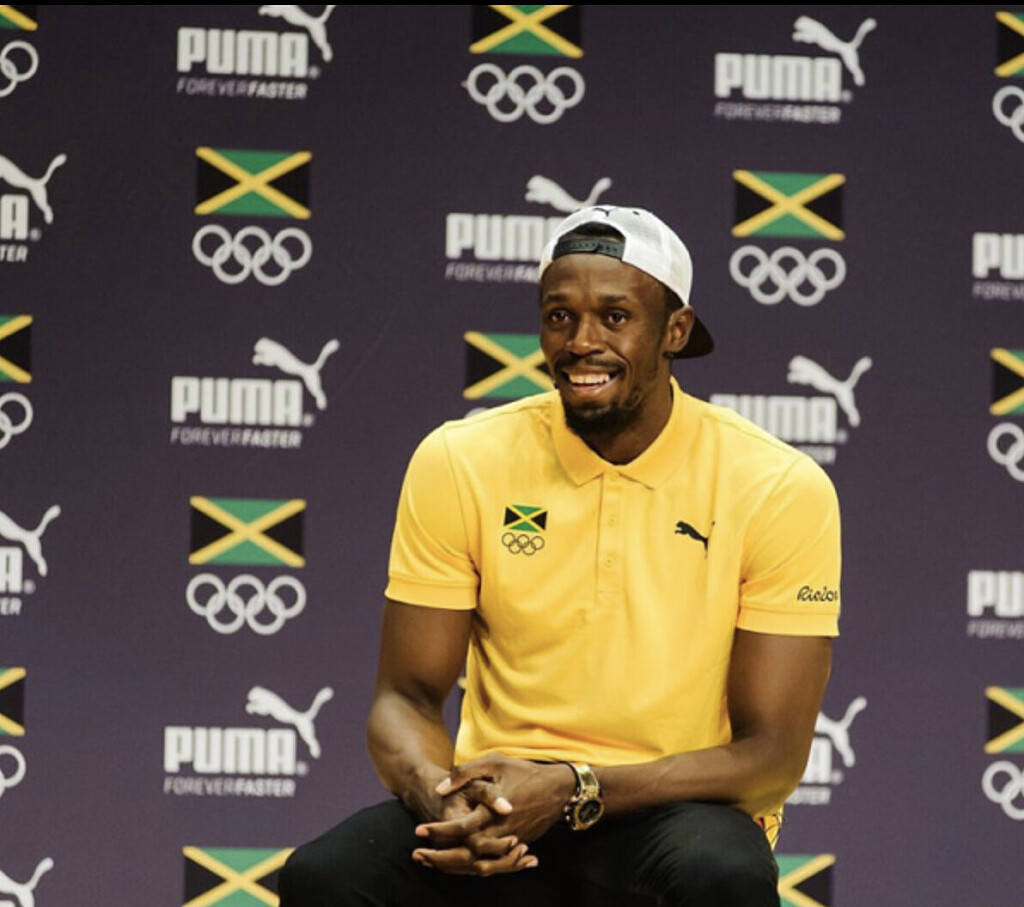
Usain Bolt missing millions from investment fraud scheme
The world’s fastest man, Usain Bolt, has run into some financial issues in Jamaica after his manager reported the sprinter is missing millions of dollars from an investment account with Jamaican firm Stocks and Securities Limited (SSL).The eight-time Olympic champion’s manager told Jamaican newspaper The Gleaner that Bolt had noticed discrepancies with his accounts on Jan. 11 and has since launched an investigation with Jamaica’s Financial Investigations Division and Financial Services Commission.
Bolt has reportedly been a client of the investment firm for 10 years, but the firm has no idea where the money went; they suspect fraud.
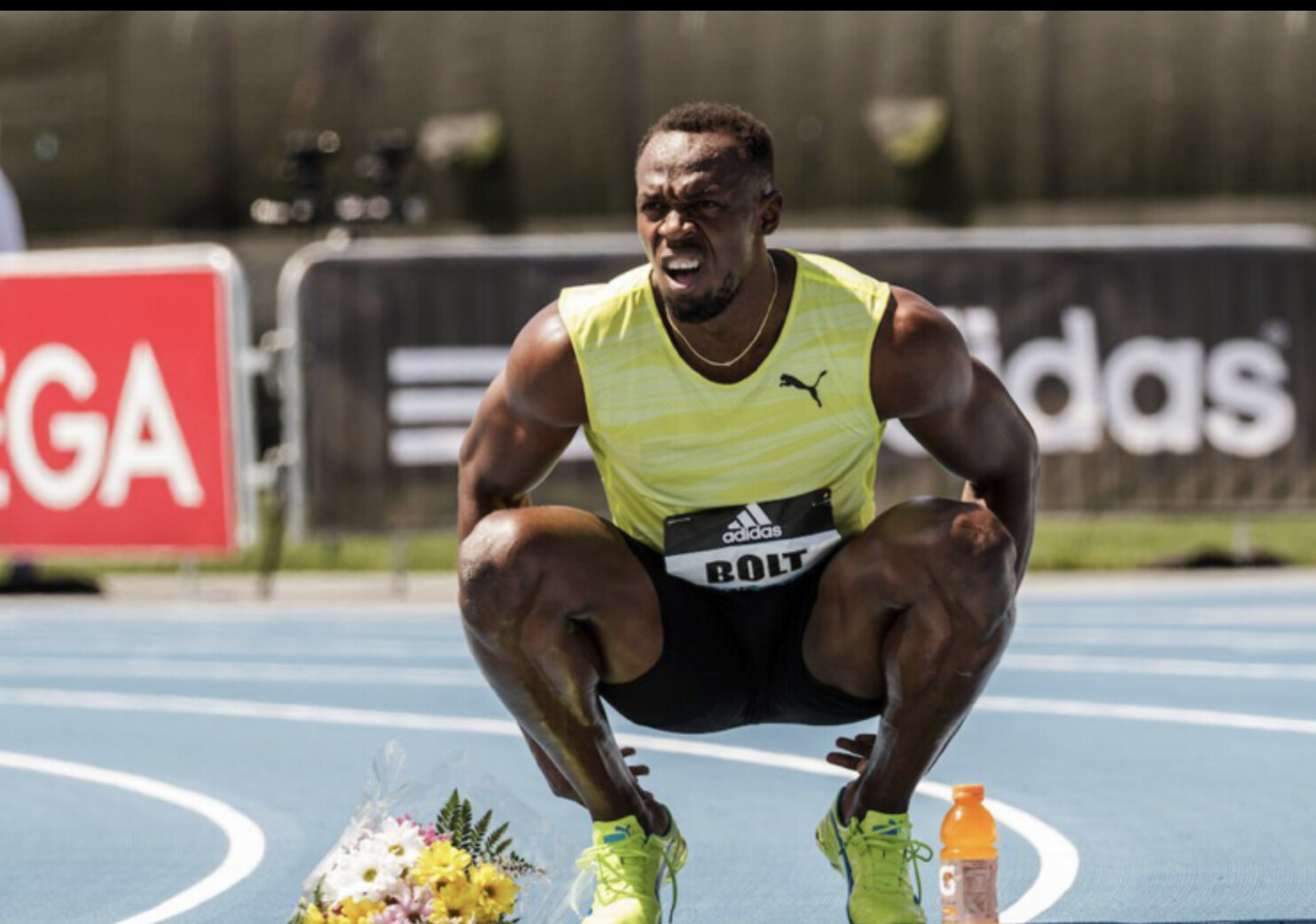
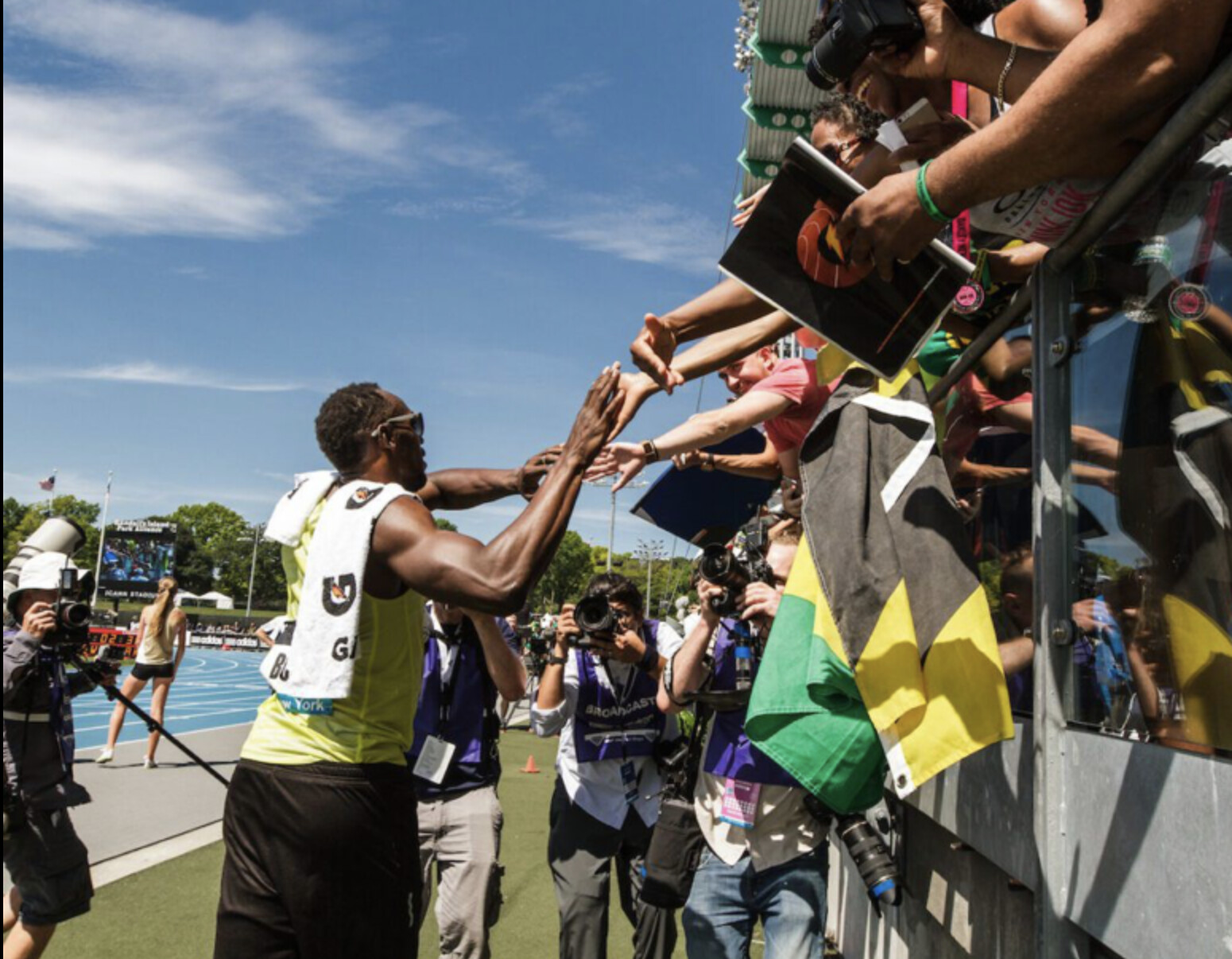
“His entire portfolio is being reviewed,” said his manager Nugent Walker to the newspaper. Walker did not specify the exact amount of money missing from Bolt’s account, but claimed it is in the millions.
However, The Gleaner reported that a former SSL employee has been involved in a widespread fraud scheme, which may relate to the same developments in Bolt’s case.
Representatives for Bolt and SSL did not respond to requests for a comment on this story.Bolt is one of the highest-earning track and field athletes of all time, earning a reported 33 million dollars in 2016 alone. In 2018, Bolt was listed as the 45th highest-paid athlete in the world, according to Forbes.
Bolt set the 100m and 200m world records at the 2009 World Championships in Berlin, where he won double gold. He is the only sprinter to have won three consecutive Olympic gold medals in the men’s 100 metres and 200m, from Beijing 2008 to Rio 2016.
Since 2017, Bolt, 36, has stepped away from athletics, besides racing one unofficial 800m for an insurance advertisement.
by Running Magazine
Login to leave a comment

NBA star Donovan Mitchell credits track workouts for his 70-point game
On Jan. 2 at the Rocket Mortgage Fieldhouse in Cleveland, Ohio, Cleveland Cavaliers guard Donovan Mitchell became the second active NBA player to score 70 or more points in a single game. When asked by ESPN insider Brian Windhorst about the noticeable change in his performance this season, Mitchell responded that his secret was sprint workouts at the track.
“For eight weeks over the summer, I ran endless sprints with my trainer,” Mitchell told Windhorst. “We start by doing six sprints of 50 meters. Then five of 100 meters. Three at 200 meters. And lastly, two lung-busting 400s.”
Although Mitchell doesn’t tell ESPN the rest between his reps, it’s clear the workout was designed to help Mitchell increase his lactic tolerance for late in an NBA game or during a grueling seven-game playoff series.
As Mitchell netted 63 points at the end of regulation against the Chicago Bulls, the 26-year-old scored eight points in overtime to lead the Cavs past the Bulls. “He simply looked stronger and faster than anyone on the floor,” reported Windhorst.
According to the article, Mitchell said he lowered his 400m time to 57 seconds before leaving for the fall preseason camp with the Cavs. Although 57 seconds wouldn’t win him any elite or sub-elite 400m race, it’s a speedy time for a basketball player at the end of a workout.
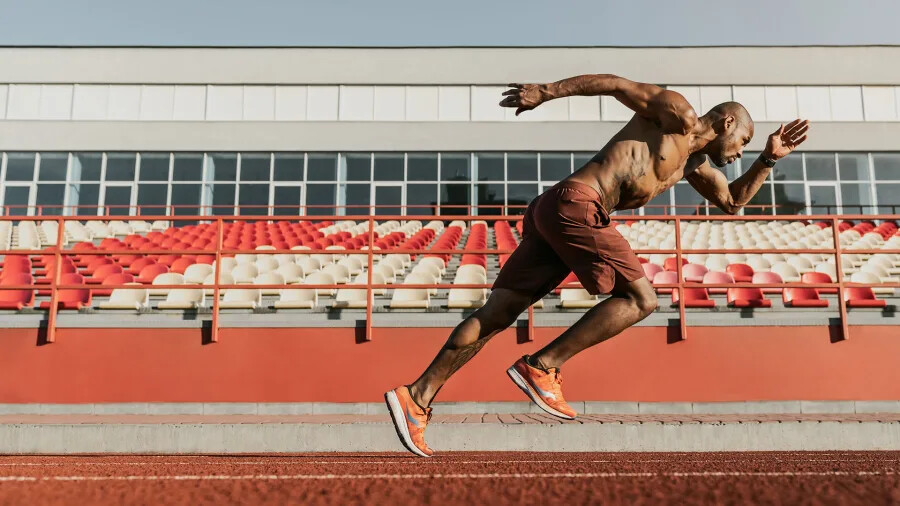
The benefits of sprint training include increasing your caloric burn, which can help to reduce your resting heart rate, and your rate of fat oxidation, plus improve your resting Basal Metabolic Rate (BMR–how many calories you burn at rest).
When running or playing any high-intensity sport, the lactic buildup can generate fatigue and pain in your muscles, preventing you from performing at your best. By including faster sprint and speed workouts in your training, you will use fast-twitch muscle fibres more efficiently while increasing your muscle mass, developing bone density, and importantly—improving speed.
Try this workout at your local track or treadmill with these modifications:
(This sprint workout should be done at 90 to 100 per cent of all-out)
Track workout
Six reps of 50 metres with walk-back recovery
Five reps of 100 metres with two mins recovery
Three reps of 200 metres with three mins recovery
Two reps of 400 metres with five mins recovery
Treadmill workout
Six reps of 15 seconds with a one-minute walk recovery
Five reps of 30 seconds with two mins walk recovery
Three reps of 45 seconds with three mins walk recovery
Two reps of 90 seconds with five mins walk recovery.
by Marley Dickinson
Login to leave a comment
Try this effort-based speedwork to crush your fall trail race
Whether you’re trying cross-country for the first time or have signed up for a fall trail race, taking your speedwork to the trails is a game-changer. It can be a bit of an adjustment to shift from road running to trails–you’ll be running these intervals based on effort, not pace.
Trail running is particularly spectacular in the fall. Crisp leaves underfoot, end-of-summer warmth in the air, and the opportunity to eke out a few more runs in shorts make trail time glorious before the snow flies.
Out-and-back repeats

For these out-and-back repeats, pick a starting point on the trail and mark it. After you’ve finished your hard three-minute interval, mark your endpoint. Recover with easy jogging, and then run your next hard interval from the endpoint back to the start, trying to make it past the point where you began. Challenge yourself to run a little bit further each time, even if it’s only a few extra steps.
Warm up with 10 to 15 minutes easy running.

Start with 6 x 3 minutes hard effort, 90 seconds rest or easy running between each one.
Cool down with 10 minutes easy running.
Pace-change sprints
Fine-tune your acceleration and deceleration skills on the trails by adding these pace-change sprints after an easy run of any length. Find a path roughly 100 metres long (your best guess is fine) and divide it into thirds, marking each section or noting a landmark.
Run at a medium-hard effort to start, hard for the second section, then medium-hard to finish; walk or run easily.
Remember to follow a speedwork session with an easy or rest day, and hydrate, even in the cooler fall temperatures.
by Keeley Milne
Login to leave a comment

Three easy ways to fix running form, body awareness is the first step to effortless, flowing running form
Running form can be simple to finesse, but first you need to know what needs fixing. Anyone who has seen the GOAT of marathoning, Eliud Kipchoge, run knows what beautiful running form looks like, but it can be challenging to figure out how to fix your own form. Here are three easy ways to gain a better understanding of how you are running and what you can do to run more efficiently.
Run fast at the track
In his book Run Fast, renowned marathoner and trainer Hal Higdon suggests finding a 400-metre track to try this running form awareness drill. Begin running at the 300-metre starting line (the start of the back straightaway) and pick up your pace through the straight until you are running near 5K race pace. Accelerate as you come into the home stretch so that you’re running full-out when you reach the finish line.
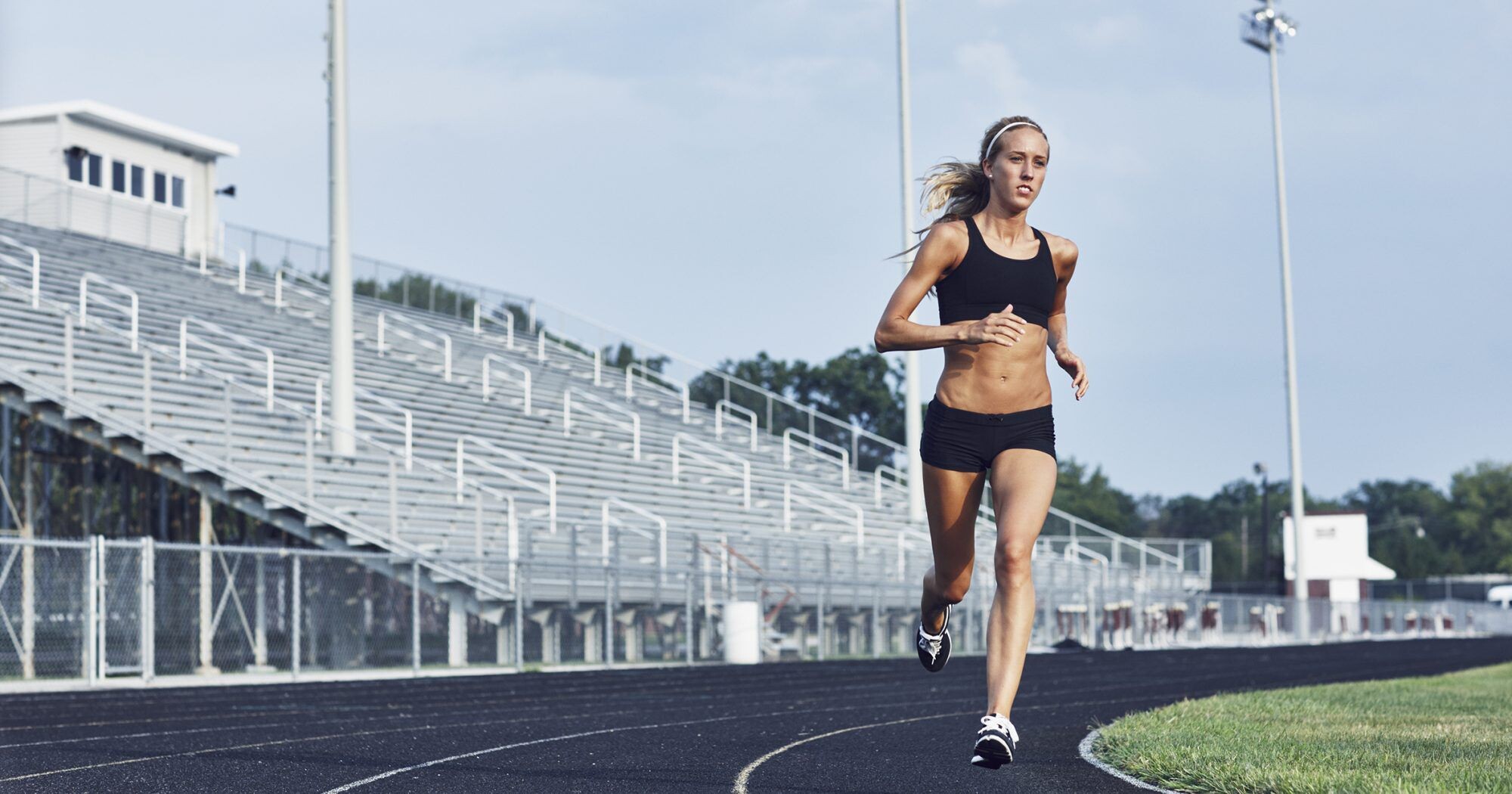
Notice what happens to your form as you accelerate, and see if you can pinpoint where you become more or less efficient as you pick up your pace. Pay attention to knee lift, stride length, posture, arm carry, and head angle.
Run barefoot in sand or grass
Head to the beach or a safe grassy area and find a smooth stretch to run on. Higdon suggests running at a comfortable pace for 100 metres, and paying particular attention to where your foot contacts the ground.
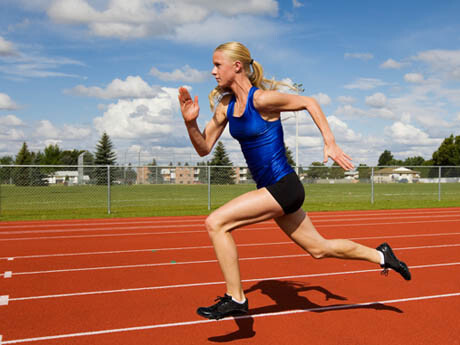
Notice where you naturally land to develop awareness, even if you don’t need to adjust anything. Running on slightly damp sand and then looking back at your footprints can also be helpful when trying to analyze how your feet are striking.
Run straight on the road
Pick a stretch of road or sidewalk where you can follow a straight line (taking care to choose somewhere safe). Look for a painted stripe on the road to follow, a crack in the pavement, or the separation between the pavement and the shoulder of the road.
“Focus your attention on that line and think of yourself as a machine moving along it, like a train on a rail,” says Higdon. “Can you run straight along the line without wavering back and forth? Is your head straight, are your eyes level?” Notice how your arms are moving, and see if your legs are moving straight forward and kicking straight back.
While running form is very individual, all runners follow the same basic principles. Body awareness is the first step to fixing your running form– and then working on any oddities or challenges you notice when practicing these drills.
by Keeley Milne
Login to leave a comment
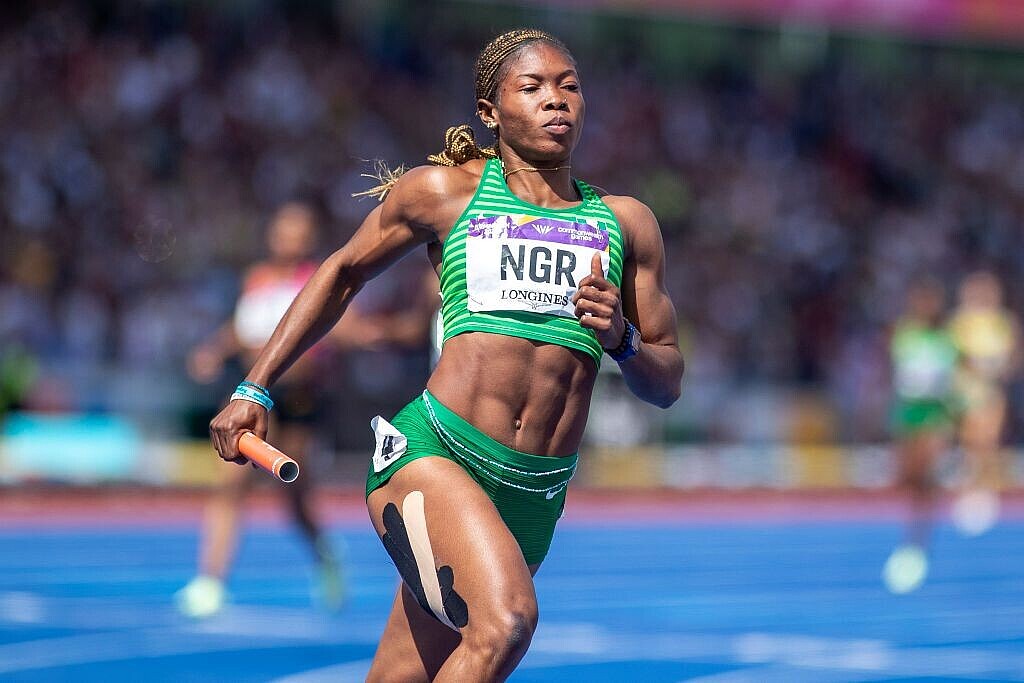
Commonwealth Games relay champion Nwokocha given provisional doping ban
Nzubechi Grace Nwokocha, who was part of Nigeria's women's 4x100 metres relay team that dramatically won gold on the line at the Birmingham 2022 Commonwealth Games, has been provisionally suspended by the Athletics Integrity Unit (AIU) for testing positive for a banned substance.
Nwokocha infamously dipped to the line to beat the hosts England on the anchor leg to put her team - also consisting of Tobi Amusan, Favour Ofili and Rosemary Chukwuma - top of the podium.
The 21-year-old tested positive for ostarine and ligandrol, according to the AIU.
It could lead to England being promoted to gold in the relay and Jamaica moved into silver.
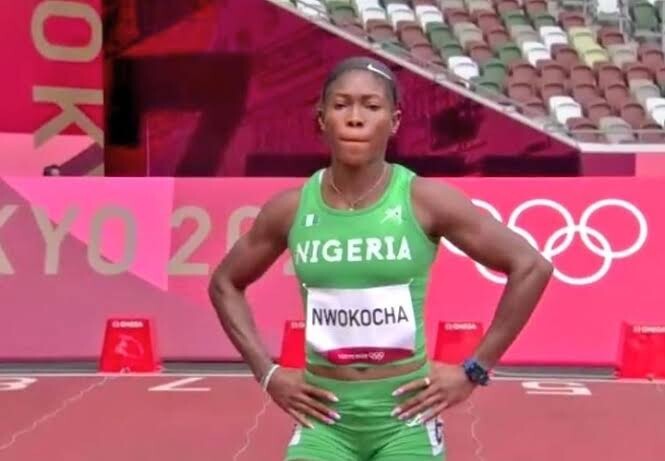
Australia would be promoted to bronze if Nigeria are disqualified.
Ostarine is an anabolic steroid that is not approved for human use or consumption in the United States, the country where Nwokocha has trained while at university.
Ligandrol is used to increase energy, improve athletic performance and increase muscle growth.
Testing positive for prohibited substances carries a penalty of up to four years, meaning the Nigerian could miss the Paris 2024 Olympic Games and the Victoria 2026 Commonwealth Games if found guilty.
At the Tokyo 2020 Olympics, Nwokocha made the semi-finals of the women's 100m and 200m, reaching the same stage in both races at this year's 2022 World Athletics Championships in Eugene.
The Nigerian was fifth at Birmingham 2022 in the women's 100m final too.
Nwokocha also finished sixth this year in the National Collegiate Athletic Association (NCAA) 100m and 200m finals.
She is not the first prominent Nigerian to face a ban, with Olympic, world and Commonwealth champion Blessing Okagbare given a 10-year ban earlier this year for multiple cases of doping, as well as refusing to comply with the investigation.
Failures in Nigerian anti-doping left several athletes to miss the Tokyo 2020 Olympics, as they were deemed to have not been tested enough prior to the Games.
by Michael Houston
Login to leave a comment
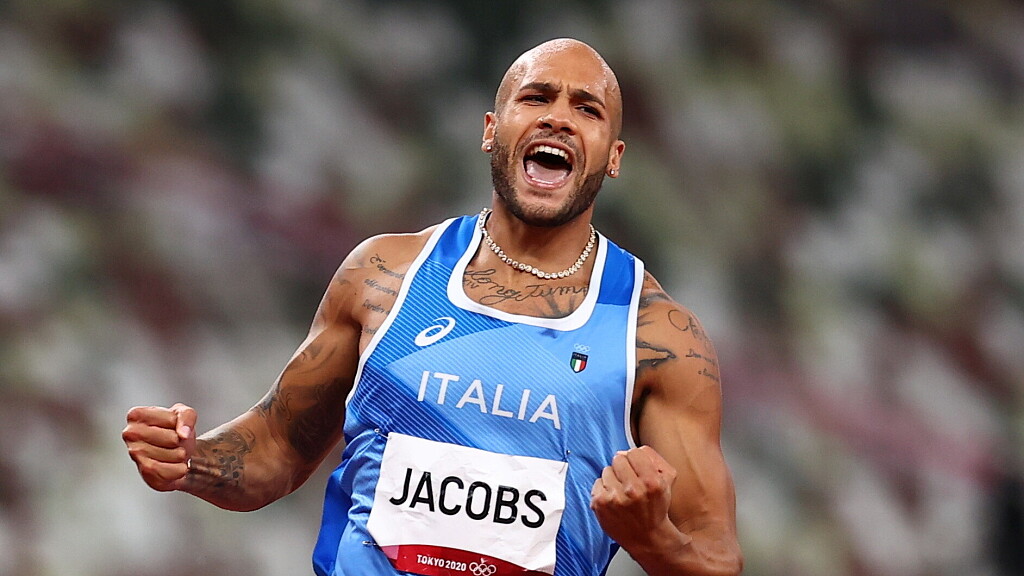
Olympic 100m champion Marcell Jacobs to run at world championships
Italy's shock Olympic 100 meter champion Marcell Jacobs will bid to add the world crown to his medals cabinet despite an injury-affected campaign, the Italian Athletics Federation (FIDAL) said on Wednesday.
The 27-year-old will be on the start line for the 100m heats which get underway on Friday, the first day of the world championships in Eugene, Oregon.
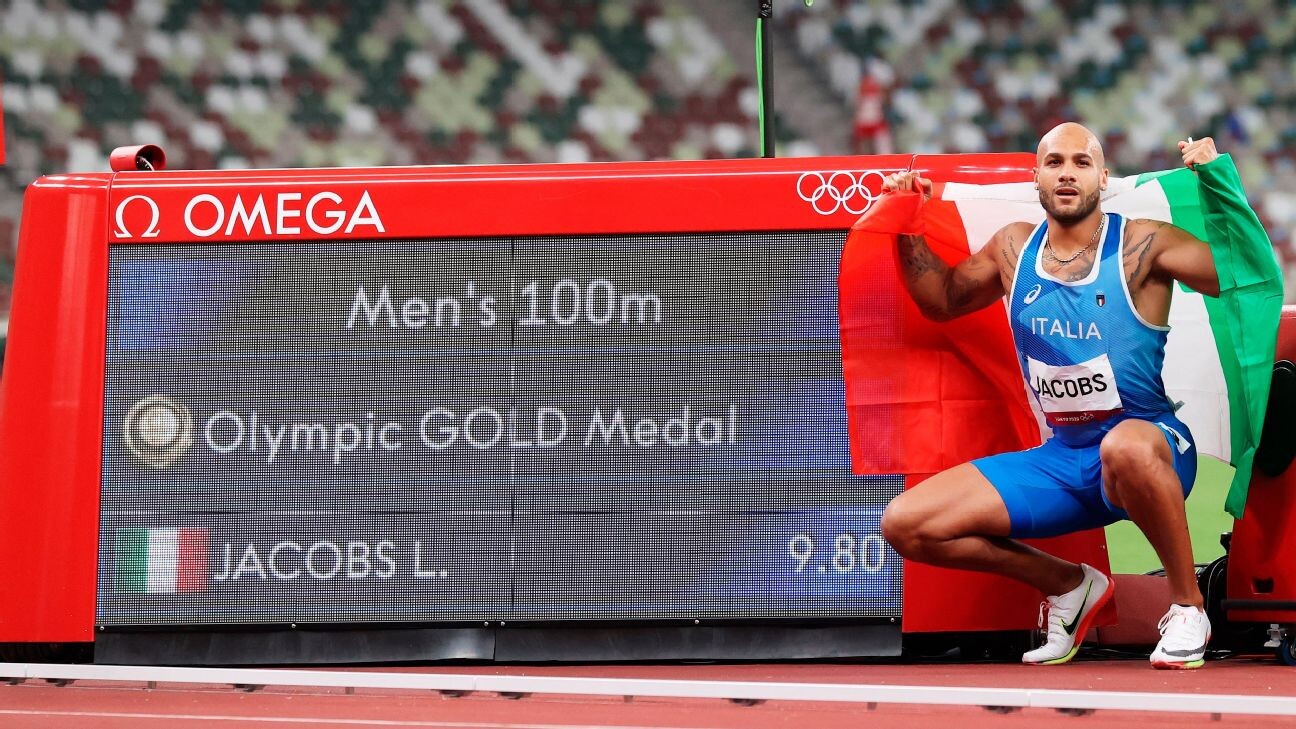
Jacobs kicked off the season with world 60m indoor gold in Belgrade, but a thigh injury in mid-May has disrupted his outdoor campaign withdrawing at short notice from several meets.
"The double Olympic champion (he also won 4x100 metres relay gold in Tokyo) will take part in the 100m heats scheduled for Friday," said the federation in a statement.
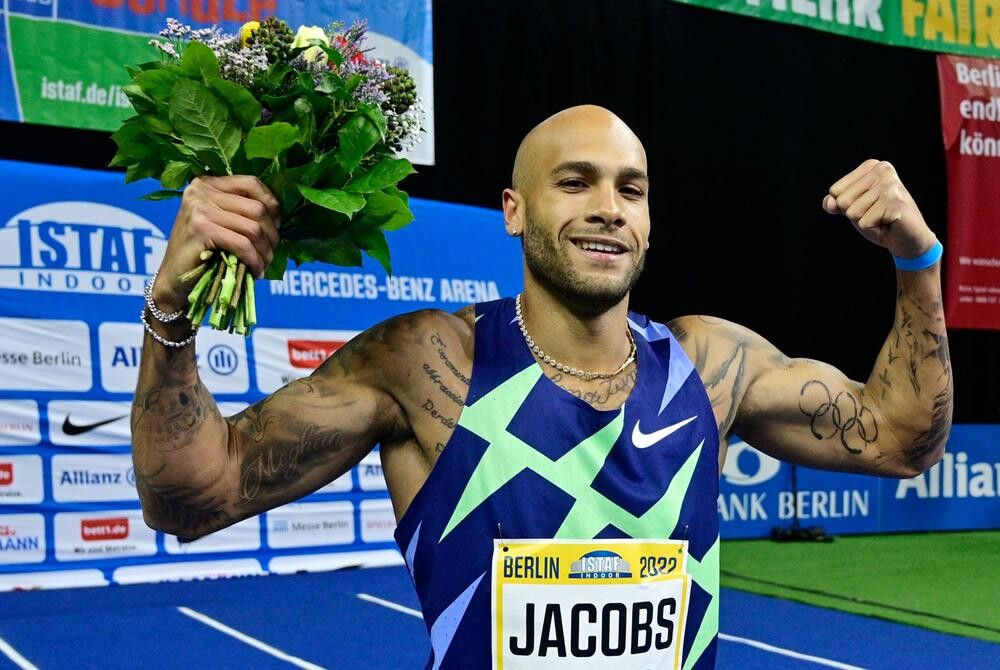
"The decision was taken after a discussion between the athlete, his coach Paolo Camossi and the technical directors of the Italian team after reassuring news coming out of his training camp at Beaverton, near Portland."
Camossi told Wednesday's edition of newspaper Corriere della Sera, the injury cloud had been well and truly lifted.
"The physical problem has been resolved, he does not feel any pain at all," said Camossi.
Jacobs, who has also been affected by intestinal problems this season which forced him to withdraw from the Nairobi meet at the beginning of May, has run just two 100m this term.
He timed 9.99 seconds, aided by a favourable wind, on May 18 and then on June 25 won the Italian title in a time of 10.12sec, far from the European record of 9.80sec he set when winning the Olympic title in Tokyo last year.
Login to leave a comment

World Athletics Championships Budapest23
Budapest is a true capital of sports, which is one of the reasons why the World Athletics Championships Budapest 2023 is in the right place here. Here are some of the most important world athletics events and venues where we have witnessed moments of sporting history. Throughout the 125-year history of Hungarian athletics, the country and Budapest have hosted numerous...
more...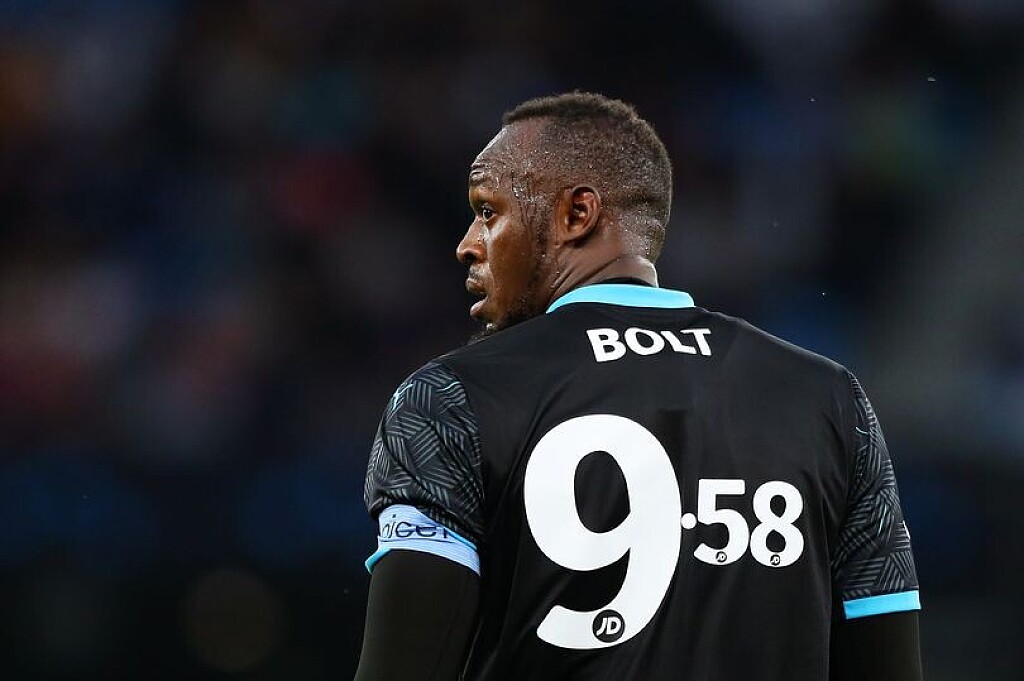
The world's fastest man is once again putting on his football boots for a good cause
Usain Bolt is back to captain the Rest of the World XI against England in Soccer Aid.
The former Olympic sprinter is once again involved as skipper, having played in the past few matches. Fittingly, the match is taking place at London's Olympic Stadium - a football venue in its own right as the home of West Ham, but also the place where Bolt set the Olympic record on the way to defending his 100m crown in 2012.
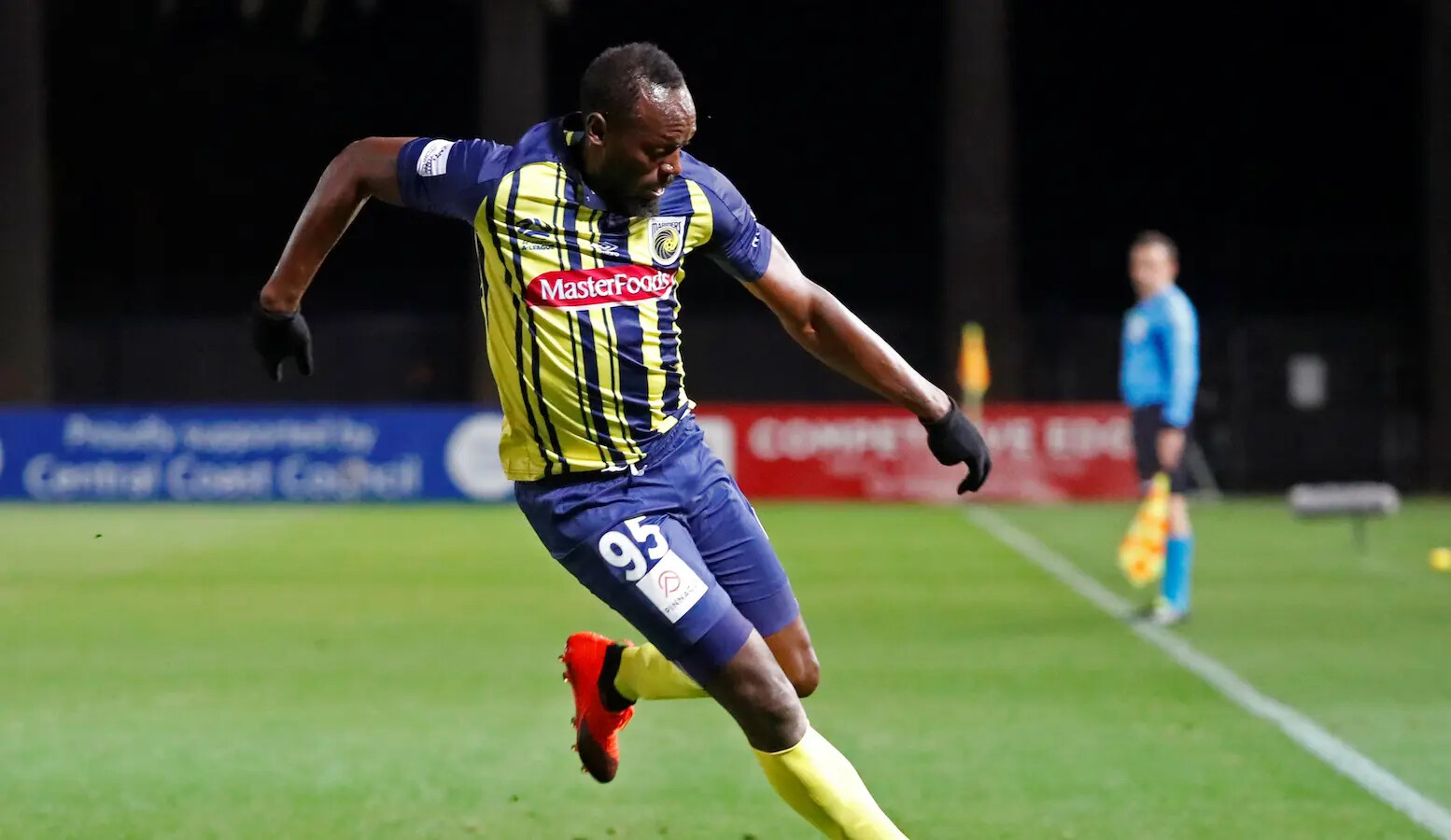
London 2012 was a highlight in a storied career that saw Bolt establish himself as the fastest man in the world and set records that have yet to be beat. The 9.63 seconds it took him to win gold in 2012 remains an Olympic record - beating the one he'd set in 2008 - but the overall world record was set by himself a few years before that.
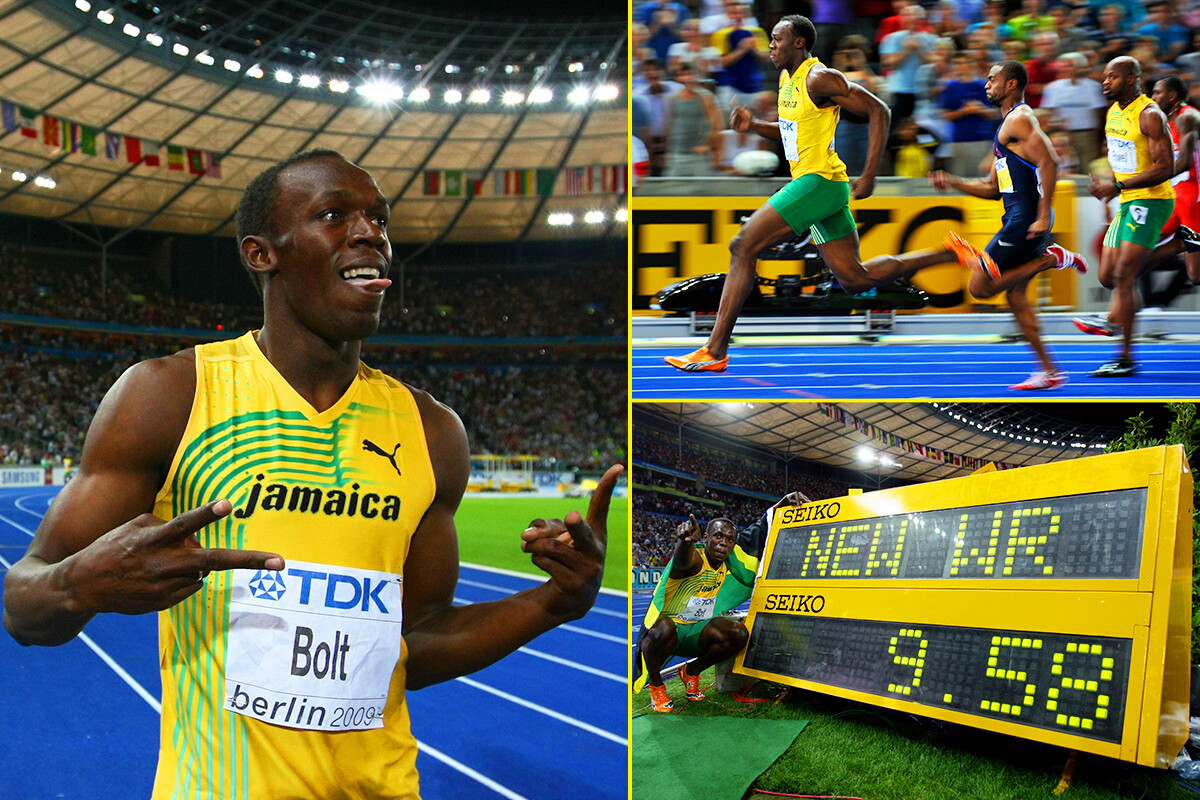
Bolt set the current 100m world record at the 2009 IAAF World Championships, clocking an incredible 9.58 seconds for the feat. His average ground speed was 37.58km/h (23.351 miles per hour), whilst reaching a top speed of 44.72km/h (27.788 miles per hour) in the 60-80m stretch – numbers fitting for the world’s fastest man.
He first held the 100m world record in 2008 at the Reebok Grand Prix in the Icahn Stadium in New York, clocking 9.72 seconds to beat fellow Jamaican Asafa Powell’s record of 9.74 seconds set at the IAAF Grand Prix in Rieti, Italy, a year before. He brought the record down further to 9.69 seconds at the 2008 Olympics in Beijing, before hitting his peak in 2009.
9.58 seconds remains the world record for the 100 metres and Bolt has commemorated that in past Soccer Aids by wearing the number - complete with decimal point - on the back of his shirt. For added measure, Bolt also holds the record for the 200 metres - running 19.19 seconds at the 2009 World Championships.
Login to leave a comment
