

Running News Daily
Running News Daily is edited by Bob Anderson and team. Send your news items to bob@mybestruns.com Advertising opportunities available.
Index to Daily Posts · Sign Up For Updates · Run The World Feed
Articles tagged #19.19
Today's Running News


Oldest Running World Records: The Historic Marks That Refuse To Fall
Some world records are broken within months or even weeks. Others survive for years, becoming part of athletics history and turning every new generation of challengers into another chapter in their remarkable story.
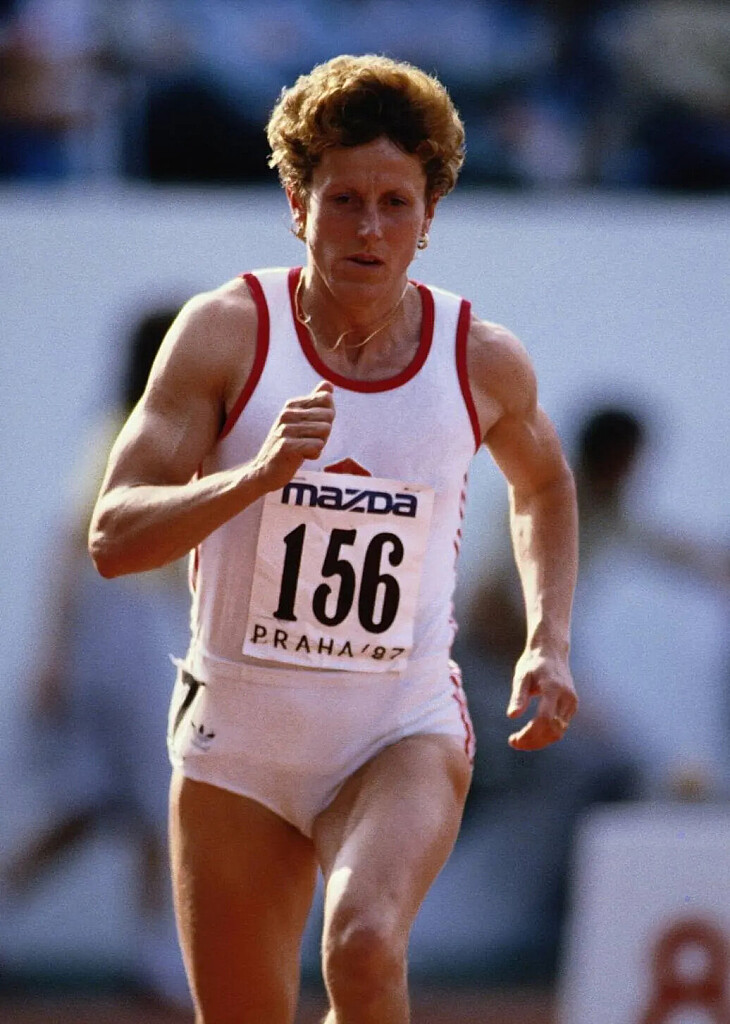
As of September 25, 2026, a remarkable collection of long-standing running world records continues to stand across the track. At the top of that list is one of the most enduring marks in modern athletics: Jarmila Kratochvílová’s women’s 800m world record of 1:53.28, set in Munich in 1983. The record has now stood for 43 years, making it the oldest current outdoor track world record in athletics.
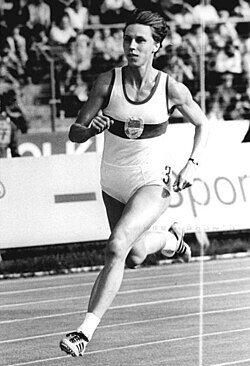
Kratochvílová’s performance remains extraordinary not only because of its longevity, but also because of how rarely athletes have come close to it. Decades after it was established, the 1:53 barrier remains one of the most formidable standards in women’s middle-distance running.
The next-oldest record on the board belongs to Marita Koch, whose 47.60 for the women’s 400m has remained untouched since 1985. Koch’s mark is now 40 years old, while Florence Griffith-Joyner’s extraordinary world records of 10.49 for 100m and 21.34 for 200m, both established in 1988, have survived for 38 and 37 years respectively.

Those records from the 1980s and early 1990s form one of the most intriguing chapters in athletics history. They belong to an era that produced performances still sitting at the very top of the all-time lists, with modern generations repeatedly attempting to reach standards that have resisted decades of competition.
China’s Wang Junxia added another remarkable mark to that era when she ran 8:06.11 for 3000m in 1993. That record has now stood for 32 years, while Morocco’s Hicham El Guerrouj set the men’s 1500m world record of 3:26.00 in 1998, giving the list another mark that has survived for more than a quarter of a century.
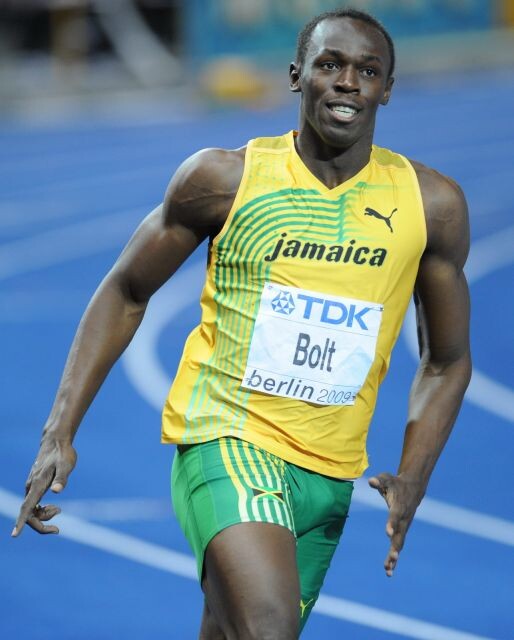
Then comes a different kind of longevity: the extraordinary sprint records of Usain Bolt.
Bolt’s 9.58-second 100m world record, set in Berlin in 2009, and his 19.19-second 200m record, established at the same championships, are now both 17 years old.
When Bolt produced those performances, many of today’s elite sprinters were still children. Yet despite enormous advances in training, sports science, track technology and competition, his two marks remain the standards that every new generation must chase.
The list also highlights the remarkable staying power of more recent records. Kenya’s David Rudisha set the men’s 800m world record of 1:40.91 at the London 2012 Olympics, while South Africa’s Wayde van Niekerk stunned the world with 43.03 in the 400m at the Rio 2016 Olympics.
Kenya’s Beatrice Chepkoech followed with her historic 8:44.32 world record in the women’s 3000m steeplechase in 2018. Uganda’s Joshua Cheptegei then established the men’s 5000m and 10,000m records in 2020, running 12:35.36 and 26:11.00 respectively.
More recently, Ethiopia’s Lamecha Girma set the men’s 3000m steeplechase world record at 7:52.11 in 2023, while Kenya’s Faith Kipyegon produced another landmark performance that year, running 4:07.64 for the women’s mile.
Together, these records create a fascinating timeline of athletics—from the pioneering performances of the 1980s to the spectacular achievements of the modern era. Some have survived for more than four decades, while others are still in the early stages of what could become an equally remarkable reign.
And that is what makes world records so captivating: every generation arrives believing that today’s impossible can become tomorrow’s target, yet some numbers continue to stand as enduring reminders of performances that changed the sport forever.
by Erick Cheruiyot for My Best Runs.
Login to leave a comment
August 20: The Day Usain Bolt Rewrote the 200m Record Book—Twice
Some dates become part of sporting history. August 20 belongs to Usain Bolt.
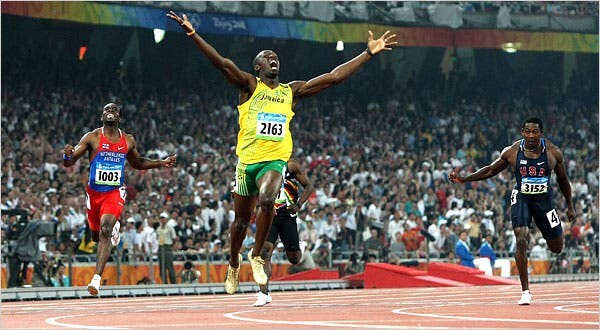
On two consecutive years, the Jamaican sprinting phenomenon transformed the men’s 200 metres, producing performances that seemed almost impossible even by his extraordinary standards.
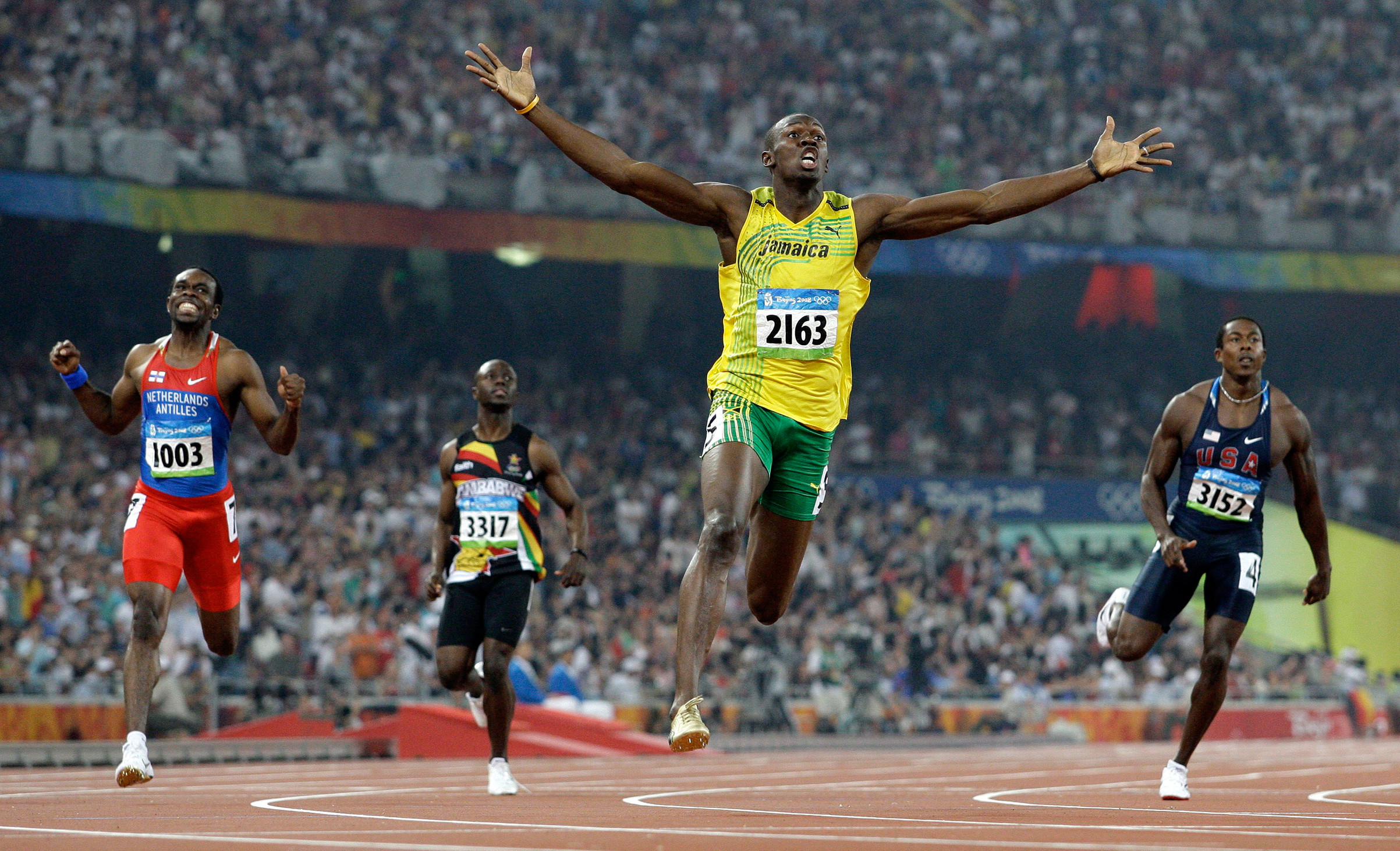
On August 20, 2008, inside Beijing’s Bird’s Nest, Bolt lined up for the Olympic 200m final carrying enormous expectations. Four days earlier, he had stunned the world by winning the 100m in a then-world-record 9.69 seconds. Yet the 200m was about to become another chapter in his growing legend.
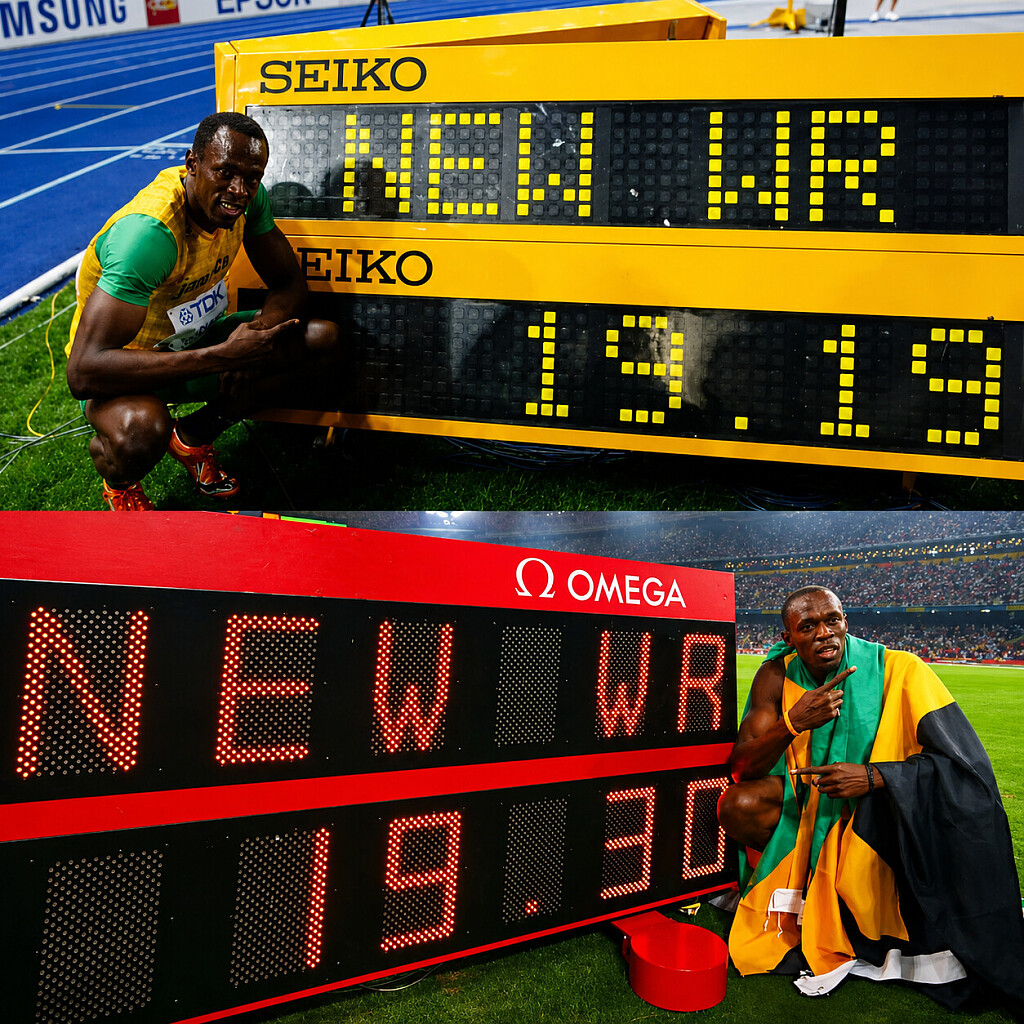
Bolt exploded around the bend before powering down the home straight, crossing the finish line in 19.30 seconds to win Olympic gold and shatter Michael Johnson’s long-standing world record of 19.32, set in Atlanta in 1996. The improvement was only two hundredths of a second, but the significance was enormous: Johnson’s seemingly formidable record had survived for 12 years before Bolt finally brought it down.
And there was another remarkable detail. Bolt’s Beijing record came with a 0.9 m/s headwind, making the performance even more extraordinary.
But Bolt was not finished.
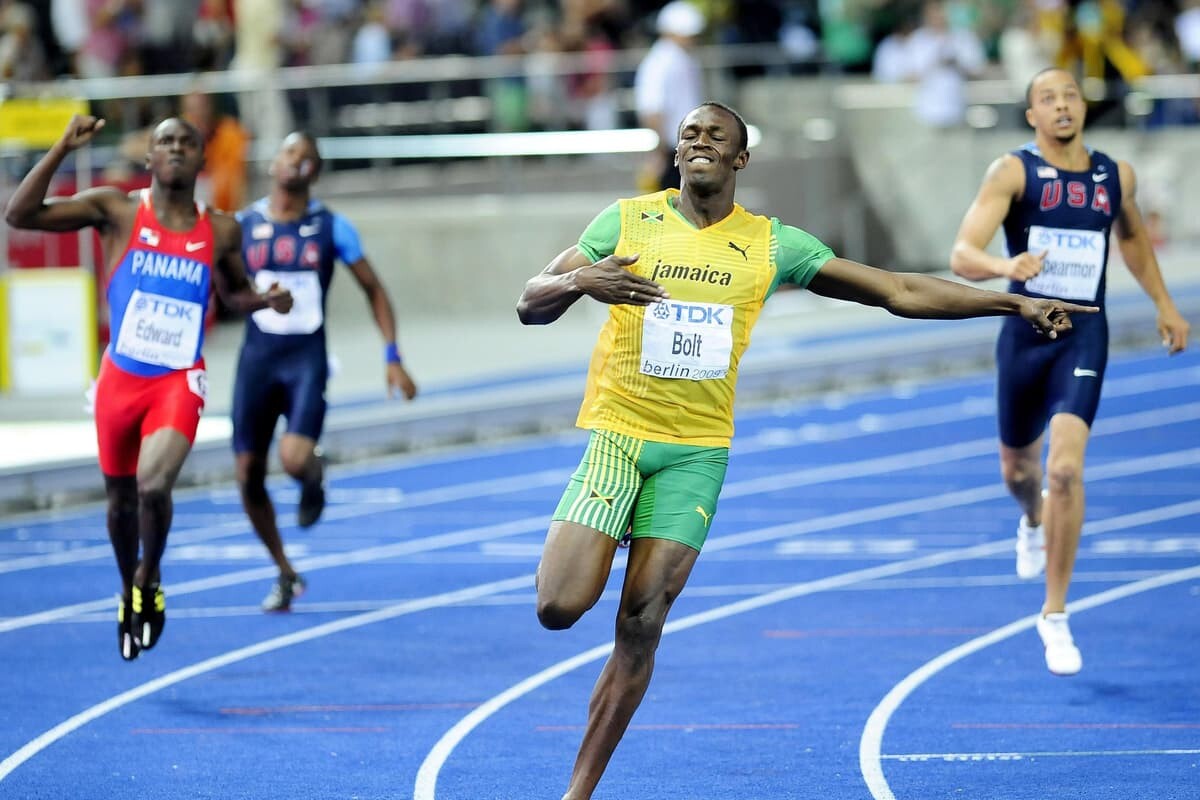
Exactly one year later, on August 20, 2009, he returned to the same event at the World Athletics Championships in Berlin with another opportunity to redefine the limits of speed.
Four days earlier, he had already demolished his own 100m world record, running 9.58 seconds. Now the 200m world record was in his sights.
What followed was extraordinary.
Bolt stormed to 19.19 seconds, taking 11 hundredths off the world record he had established in Beijing. The performance came with a 0.3 m/s headwind, yet he still produced a time that would immediately become one of the most iconic performances in athletics history.
The progression was staggering:
19.30 in Beijing.
19.19 in Berlin.
Michael Johnson’s record had become Bolt’s record—and then, just 12 months later, Bolt destroyed his own mark.
His Berlin victory was also emphatic. Bolt finished more than half a second ahead of Panama’s Alonso Edward, who ran 19.81, while Wallace Spearmon took bronze in 19.85.
What made the achievement even more remarkable was the consistency of Bolt’s record-breaking brilliance. Across the Beijing Olympics and Berlin World Championships, he produced a succession of world records in the 100m and 200m, repeatedly turning major championship finals into historic moments. World Athletics noted after Berlin that Bolt had become the first man to break both the 100m and 200m world records more than once.
And now, 17 years after that unforgettable Berlin night, the 19.19-second world record still stands.
The mark has survived generations of exceptional sprinters, including athletes who have come remarkably close to the 19-second barrier. Yet Bolt’s time remains untouched at the summit of the all-time list.
That is why August 20 is more than a date on the athletics calendar.
It is the anniversary of the day Usain Bolt first broke Michael Johnson’s seemingly untouchable standard—and then returned exactly one year later to make his own record look vulnerable.
Beijing gave the world 19.30.
Berlin gave it 19.19.
Two August 20s. Two world records. One extraordinary sprinter.
Usain Bolt was not simply winning races. He was changing the definition of human speed.
And the question that remains for the next generation is perhaps the most intriguing of all:
Will we ever see another sprinter capable of breaking the 19-second barrier and finally taking down the 19.19 mark that Bolt left behind?
by Erick Cheruiyot for My Best Runs.
Login to leave a comment
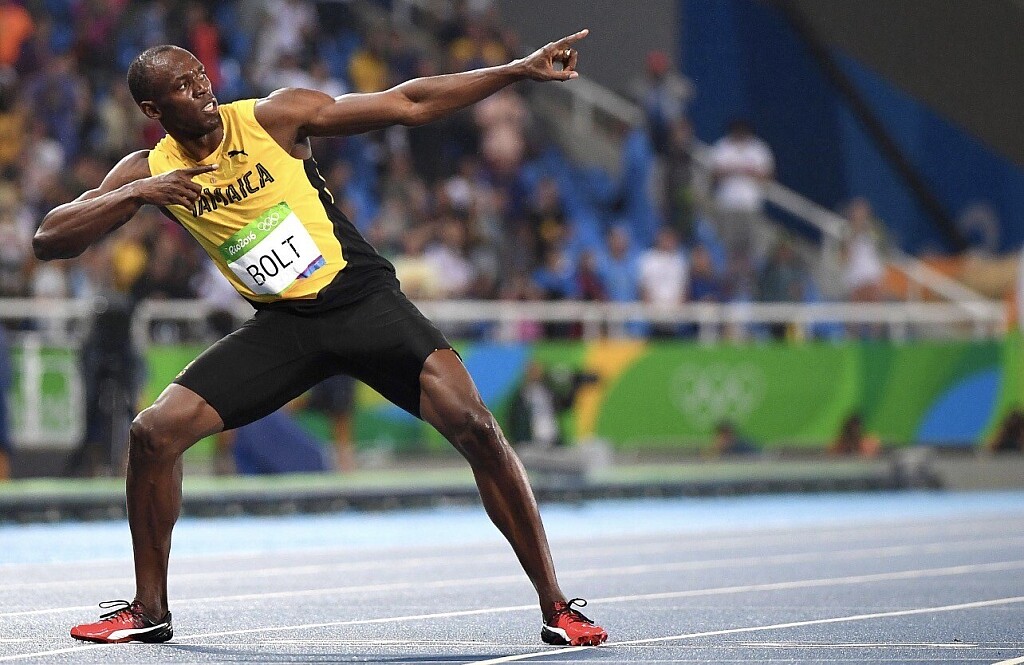
An Evening With Bolt - The Fastest Man Ever is coming to London July 22
Eight Olympic gold medals. Eleven World Championship titles. Three consecutive Olympic Games sweeping both the 100m and 200m titles.
No sprinter in history has ever done what Usain Bolt accomplished between Beijing, London, and Rio.

And now, nearly a decade after his final Olympic appearance, the fastest man in history is proving that his appeal reaches far beyond the track.
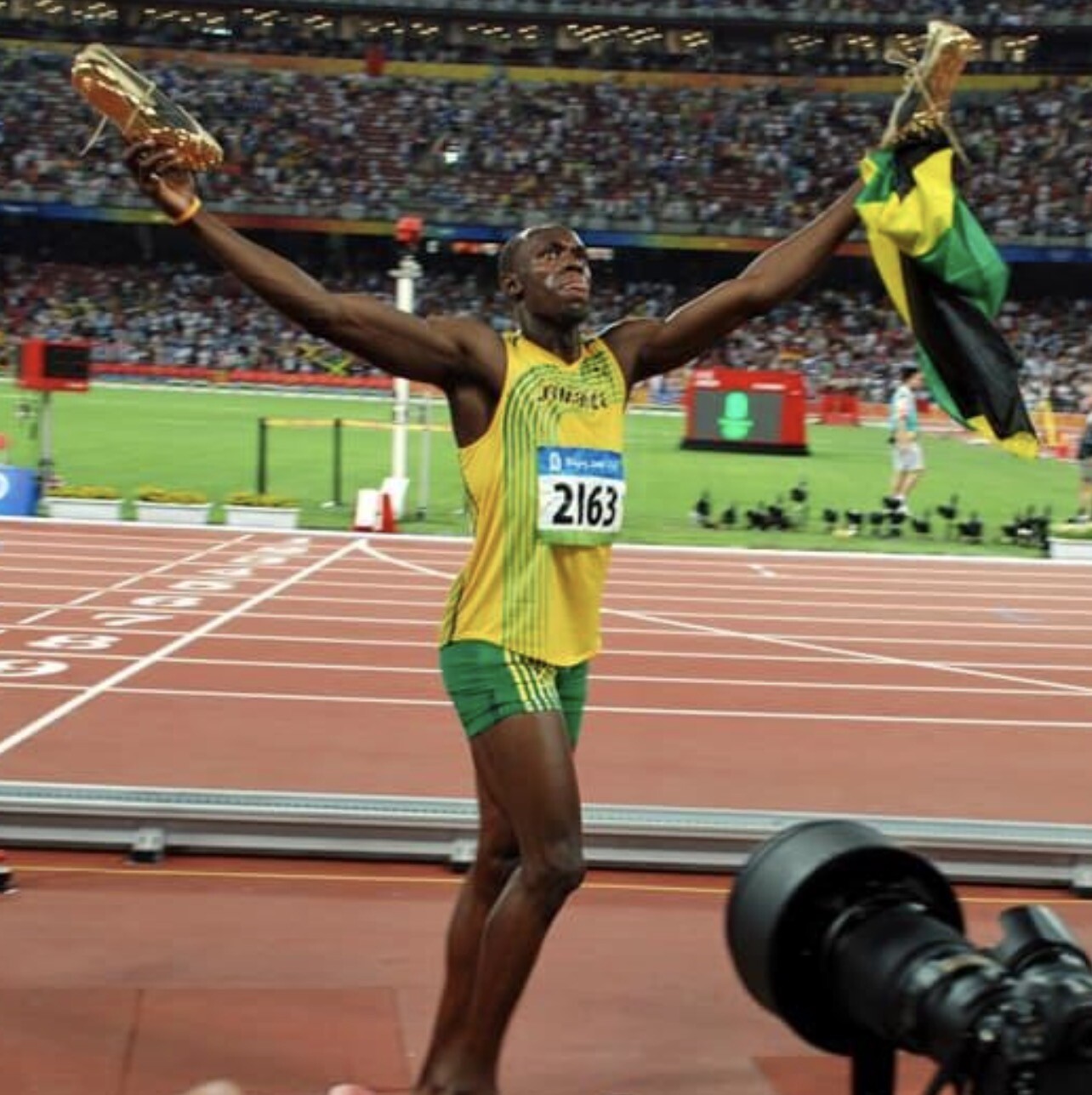
On Wednesday, July 22, 2026, Bolt will appear live at The O2 for “An Evening With Bolt,” a stage event expected to draw thousands of fans eager to hear firsthand stories from one of the most dominant athletes ever produced by any sport.
The event is not a race. There will be no starting blocks, no finish tape, no world-record clock flashing 9.58. Yet demand for tickets has been extraordinary. Premium seats are reportedly selling for more than $200 USD, with VIP and meet-and-greet packages commanding even higher prices.
That kind of post-career drawing power is rare in athletics.
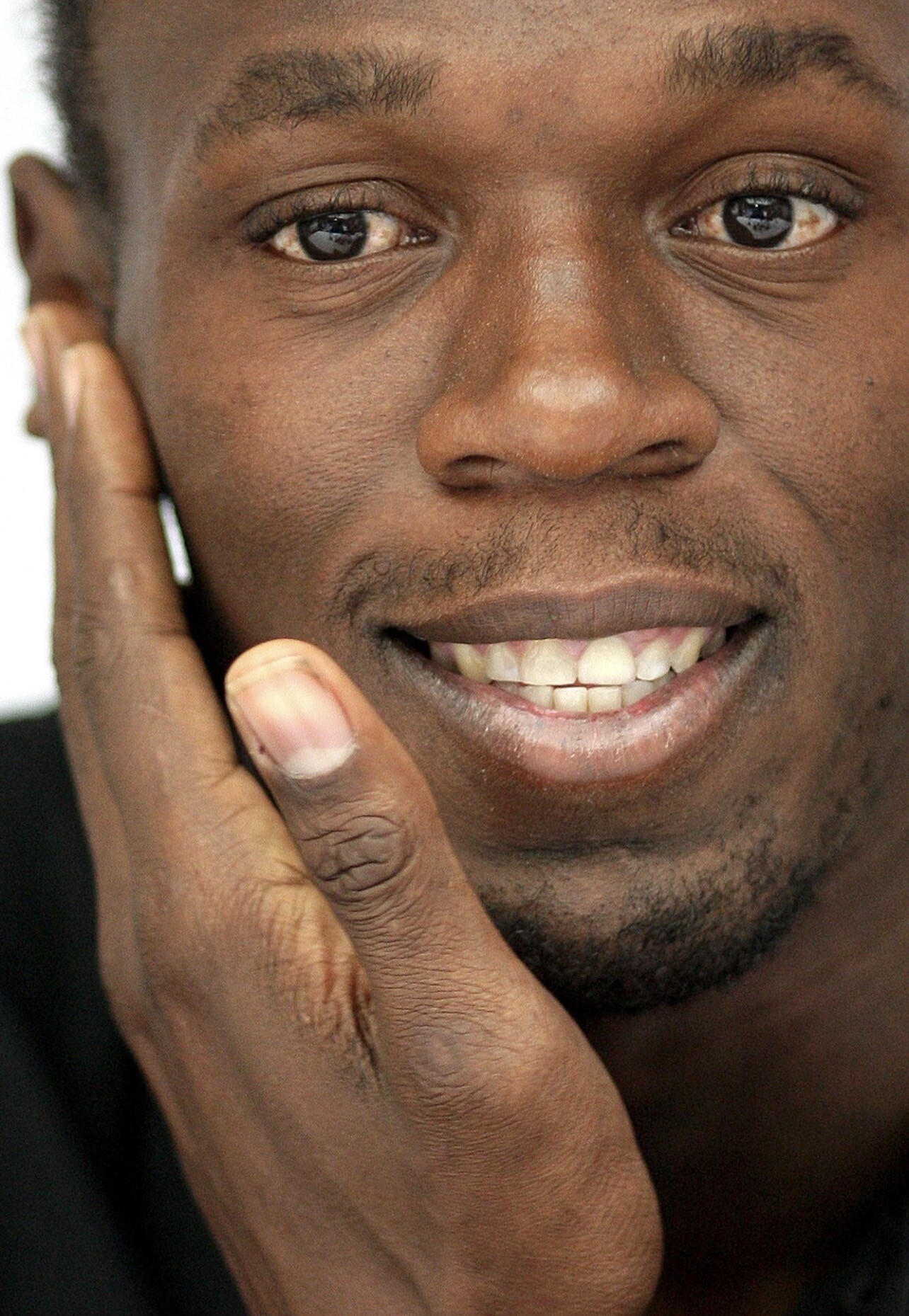
Michael Jordan could fill arenas. Muhammad Ali could command a room anywhere in the world. Pelé and Diego Maradona transcended soccer. But in track and field, very few athletes have remained such a global attraction years after retirement.
Bolt is different.
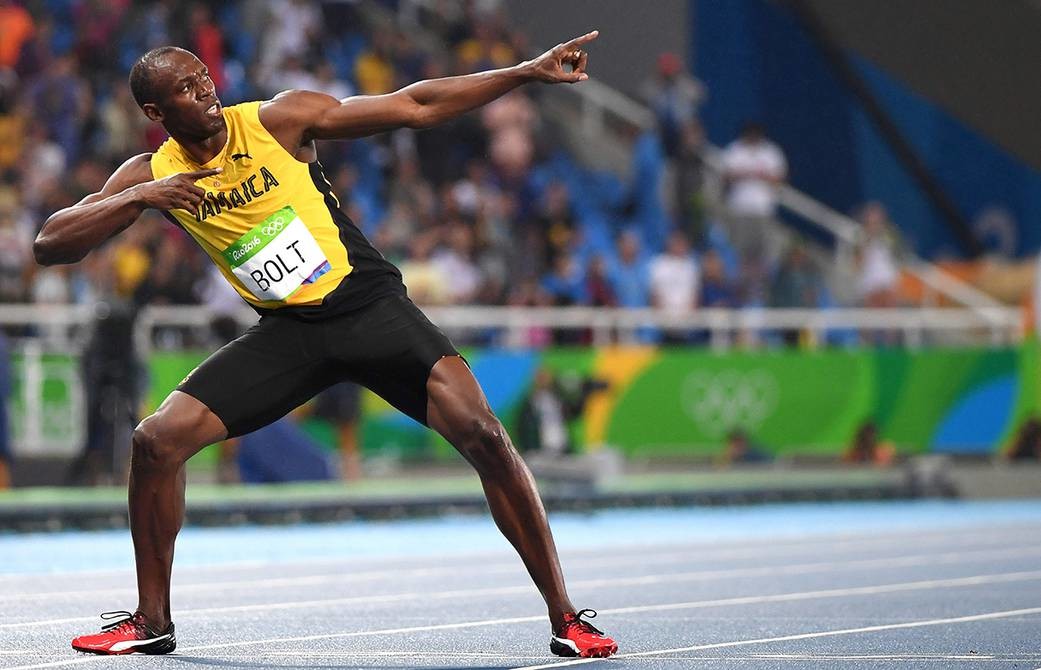
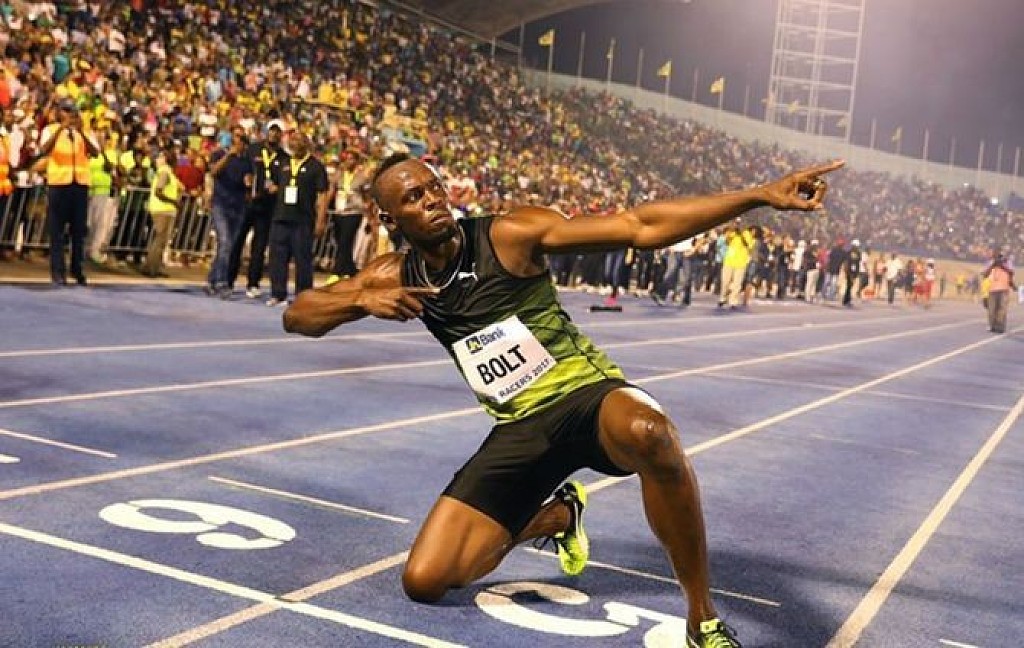
For nearly a decade, he turned the Olympic 100-meter final into one of the biggest television events on the planet. Even casual sports fans knew exactly when Bolt was racing. His signature lightning pose became one of the most recognizable celebrations in modern sports history.
What makes his story even more remarkable is that the records still stand.
His 9.58 world record in the 100 meters and 19.19 in the 200 meters have survived wave after wave of challengers, technological advances, super spikes, and an entirely new generation of sprinters. Nearly seventeen years later, no one has seriously threatened both marks at the same time.
And unlike many champions, Bolt combined dominance with personality. He danced before races, smiled under pressure, joked with reporters, and somehow still delivered when the spotlight was brightest.
That combination — greatness plus charisma — is what continues to sell out theaters and arenas around the world.
According to event organizers, Bolt will speak candidly about his upbringing in Trelawny, Jamaica, the pressure of competing for an entire nation, the discipline required to remain on top, and the mental side of being expected to win every time he stepped on the track.
For younger athletes, the evening offers something rare: a chance to hear directly from a man who changed the sport forever.
For older fans, it is a reminder of a period when sprinting became must-watch television.
Track and field has produced many great champions. But very few became global cultural icons.
Usain Bolt did both.
by Boris Baron for My Best Runs
Login to leave a comment
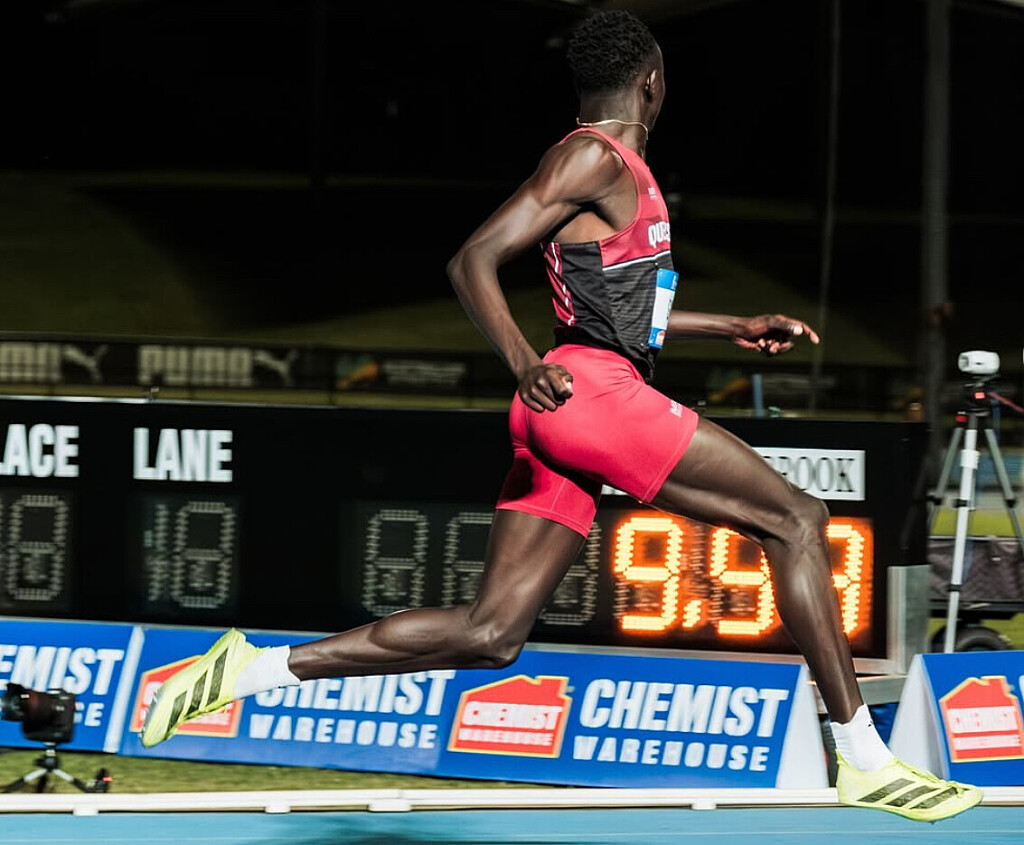
Gout Gout Clocks Back-to-Back 9.99s at Age 17
Dipping under the 10-second barrier in the 100 meters is a major milestone for any sprinter. For 17-year-old Australian sensation Gout Gout, doing it once wasn’t enough.
At the Australian Athletics Championships on Thursday, Gout stunned the crowd by running 9.99 seconds in his 100m heat—powered by a +3.4 m/s tailwind. Less than two hours later, he backed it up with an identical 9.99 in the final, this time with a +2.6 m/s wind. While the wind speeds mean neither time is eligible for record purposes, the message was clear: Gout Gout has arrived.
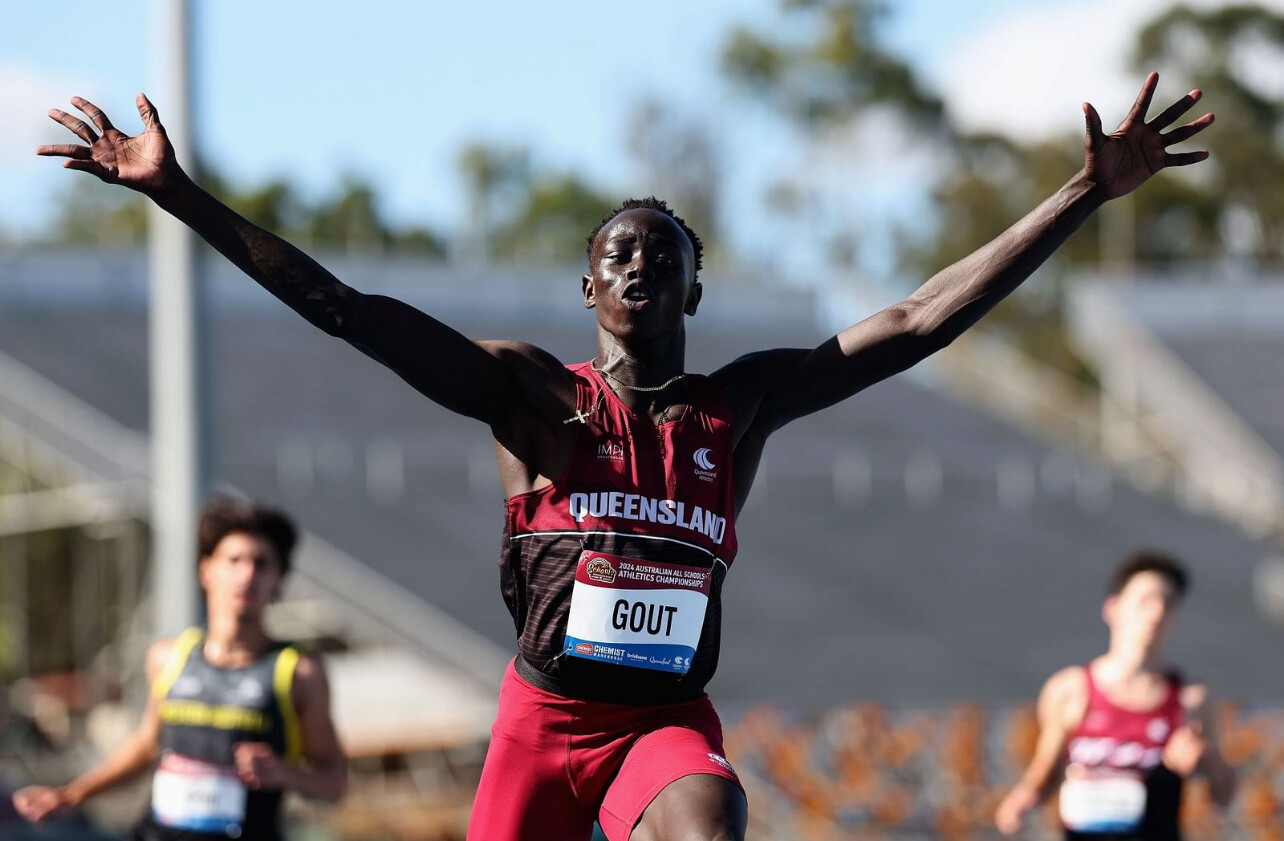
Including wind-aided marks, his performance ranks as the second-fastest 100m in the world this year, tying South Africa’s Bayanda Walaza, who ran 9.99 in March. More importantly, it obliterates the Australian and Oceanian U20 record of 10.15—but again, due to the excessive wind, the record books won’t recognize it.

Wind readings over +2.0 m/s are deemed illegal in sprinting, as they can artificially enhance performance—typically by about 0.1 seconds in the 100m. For Gout, this wasn’t the first time nature interfered with history. Back in December, as a U18 athlete, he clocked 10.04 with a +3.4 m/s wind. His current official personal best remains 10.17 seconds.
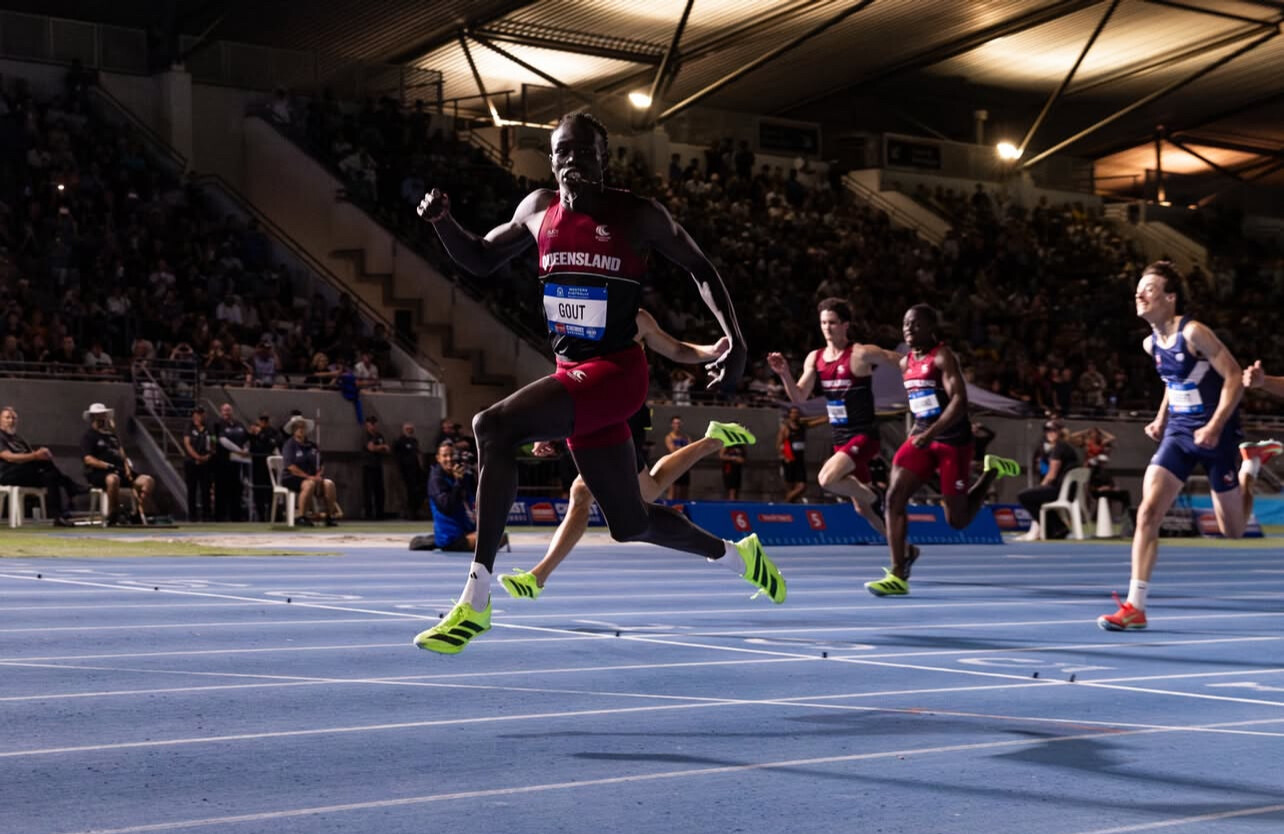
Still, the young sprinter isn’t letting wind readings define him.
“Sub-10 is something every sprinter hopes for,” Gout said. “To gain that sub-10 definitely boosts my confidence, especially for my main event—the 200m.”
And that’s not just talk. Gout broke the Australian 200m record in December at just 16 years old, clocking a blistering 20.04 seconds. With that time, he announced himself as a true global prospect.
The Australian 100m record of 9.93, set by Patrick Johnson in 2003, remains untouched—for now. But if Gout Gout keeps this trajectory, and gets the wind on his side, he may not only rewrite national records—he might just chase global ones.
Is Gout Gout the Next Usain Bolt?
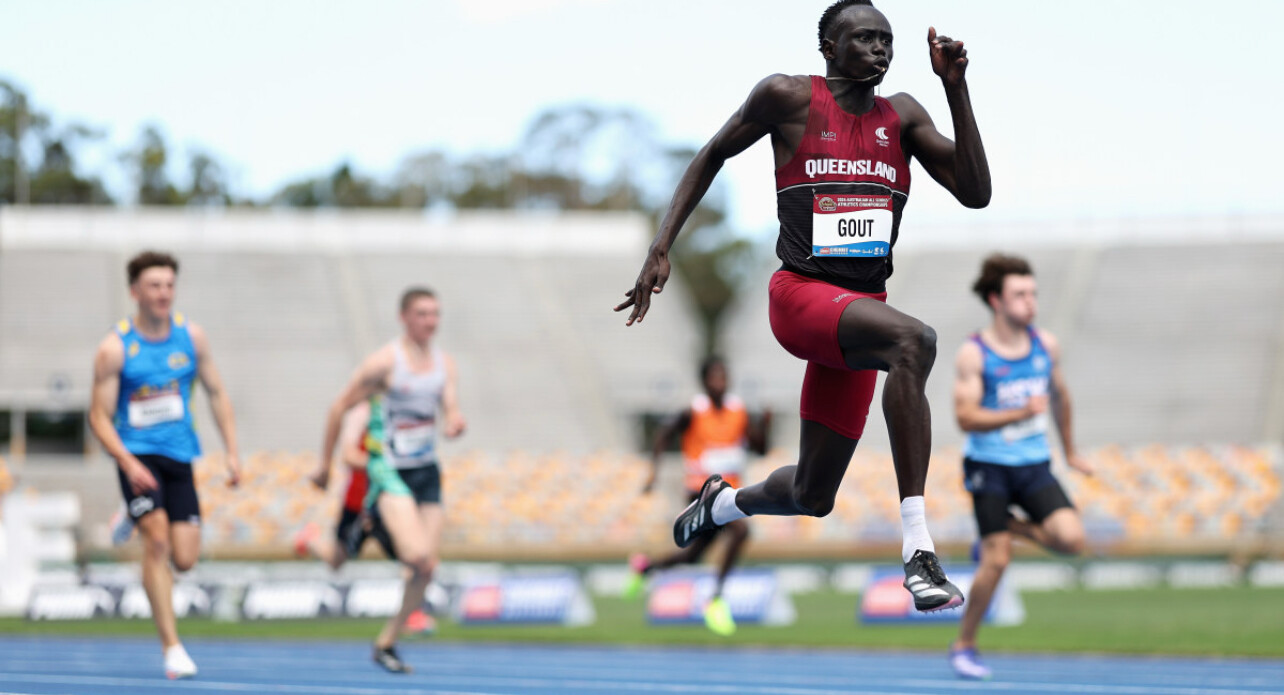
While it’s tempting to draw comparisons between Gout Gout and Usain Bolt, especially given their early successes and similar event specializations, it’s important to recognize that Gout is carving his own path. Notably, he broke Bolt’s under-18 200m record by running 20.04 seconds, surpassing Bolt’s 20.13-second mark at the same age .
Usain Bolt’s world records stand at 9.58 seconds for the 100m and 19.19 seconds for the 200m, both set in 2009. Gout’s current legal personal bests are 10.17 seconds for the 100m and 20.04 seconds for the 200m . While there’s still a gap between their times, Gout’s trajectory suggests he could become a formidable competitor on the world stage
by Boris Baron
Login to leave a comment

Who Had the Best Era in Track & Field? A Generational Showdown
Track and field has long been the stage for some of the most electrifying athletic performances in history. Each generation has produced legends who have redefined what is possible in sprinting, distance running, and field events. But which era stands above the rest?
From the Silent Generation pioneers to the Gen Z record-breakers, every period has contributed to the evolution of the sport. Let’s break down each era’s greatest stars and their lasting impact on track and field.
Gen Z (Born 1997 - 2012): The Future of Track & Field
The newest generation of elite athletes is already making waves on the world stage. With the benefit of cutting-edge training, nutrition, and recovery techniques, these young stars are smashing records at a rapid pace.
Notable Sprinters & Field Athletes:
• Sydney McLaughlin-Levrone (USA) – 400m hurdles world record holder and Olympic champion
• Mondo Duplantis (Sweden) – Pole vault world record holder
• Erriyon Knighton (USA) – One of the fastest teenagers ever in the 200m
Notable Distance Runners:
• Jakob Ingebrigtsen (Norway) – Olympic 1500m champion, European mile record holder
• Joshua Cheptegei (Uganda) – 5000m and 10,000m world record holder
• Jacob Kiplimo (Uganda) – Half marathon world record holder (57:31)
• Gudaf Tsegay (Ethiopia) – World champion in the 1500m, dominant in middle distances
Gen Z athletes are not only breaking records but also shaping the future of the sport through their influence on social media and global visibility. With their combination of speed, endurance, and access to modern sports science, they may soon surpass all who came before them.
Defining Traits: Explosive, record-breaking, tech-savvy
Millennials (Born 1981 - 1996): The Superstars of the Modern Era
No discussion of dominant track and field generations is complete without mentioning Usain Bolt. The Jamaican sprinting legend captured the world’s attention with his charisma and untouchable world records.
Notable Sprinters:
• Usain Bolt (Jamaica) – Fastest man in history (100m: 9.58, 200m: 19.19)
• Allyson Felix (USA) – Most decorated female Olympian in track history
• Shelly-Ann Fraser-Pryce (Jamaica) – One of the most dominant sprinters of all time
Notable Distance Runners:
• Eliud Kipchoge (Kenya) – The greatest marathoner of all time, first to break two hours in a marathon
• Mo Farah (UK) – Dominated the 5000m and 10,000m at two Olympic Games
• Genzebe Dibaba (Ethiopia) – 1500m world record holder
• Ruth Chepngetich (Kenya) – First woman to break the 2:10 barrier in the marathon, setting a world record of 2:09:56 at the 2024 Chicago Marathon
Millennials excelled across all track and field disciplines. They ushered in an era of professional distance running dominance, with African runners setting standards in middle and long distances. Meanwhile, Kipchoge’s sub-2-hour marathon attempt was a historic milestone in human endurance.
Defining Traits: Charismatic, dominant, endurance revolutionaries
Gen X (Born 1965 - 1980): The Tough and Versatile Competitors
Gen X athletes were the bridge between the amateur days of track and the fully professional era. They pushed the sport forward with fierce rivalries and new records, while also seeing the globalization of track and field.
Notable Sprinters:
• Maurice Greene (USA) – Former world record holder in the 100m (9.79)
• Marion Jones (USA) – One of the most dominant sprinters of the late ‘90s
Notable Distance Runners:
• Haile Gebrselassie (Ethiopia) – Olympic and world champion, former marathon world record holder
• Paul Tergat (Kenya) – Pioneered marathon running dominance for Kenya
• Tegla Loroupe (Kenya) – First African woman to hold the marathon world record
This era marked a golden age for distance running, with Gebrselassie and Tergat setting the stage for the marathon revolution that would come in the next generation. With increased sponsorships, the road racing circuit became more competitive, and Kenyan and Ethiopian dominance solidified.
Defining Traits: Tough, globalized, long-distance pioneers
Baby Boomers (Born 1946 - 1964): The Golden Age of Track & Field
The Baby Boomers took track and field into the modern Olympic era, producing some of the most iconic figures in the sport’s history.
Notable Sprinters:
• Carl Lewis (USA) – Nine-time Olympic gold medalist across sprints and long jump
• Florence Griffith-Joyner (USA) – 100m (10.49) and 200m (21.34) world record holder
Notable Distance Runners:
• Sebastian Coe (UK) – 800m and 1500m Olympic champion, middle-distance legend
• Steve Prefontaine (USA) – One of the most influential distance runners in history
• Miruts Yifter (Ethiopia) – 5000m and 10,000m Olympic champion
This era brought middle and long-distance running into the mainstream, with rivalries like Coe vs. Ovett and Prefontaine vs. the world captivating fans. The Baby Boomers were the first generation of professional-level training and saw athletes truly dedicated to their craft year-round.
Defining Traits: Bold, revolutionary, multi-talented
Silent Generation (Born 1928 - 1945): The Pioneers of Kenya’s Dominance
This generation laid the foundation for modern track and field, producing legends whose influence still resonates today.
Notable Distance Runners:
• Kip Keino (Kenya) – The pioneer of Kenya’s dominance in distance running, winning Olympic gold in the 1500m (1968) and 3000m steeplechase (1972)
• Emil Zátopek (Czechoslovakia) – Triple gold in 5000m, 10,000m, and marathon at the 1952 Helsinki Olympics
• Paavo Nurmi (Finland) – Nine-time Olympic gold medalist in long-distance events
Kip Keino’s triumph over Jim Ryun in the 1500m final at the 1968 Mexico City Olympics is considered one of the greatest upsets in Olympic history. Competing at high altitude, Keino used a fast early pace to break Ryun, ushering in an era of Kenyan middle-distance dominance that continues today.
Defining Traits: Groundbreaking, resilient, visionary
Which Generation Had the Greatest Impact?
Each generation of track and field athletes has contributed to the sport’s evolution in unique ways:
• Millennials brought global superstardom (Bolt, Felix, Fraser-Pryce, Kipchoge, Chepngetich)
• Gen X athletes were fierce competitors in a rapidly changing sport (Greene, Gebrselassie, Tergat)
• The Baby Boomers set records that still stand today (Carl Lewis, Flo Jo, Coe, Prefontaine)
• The Silent Generation laid the foundation for modern track and field (Owens, Zátopek, Kip Keino)
• Gen Z is already breaking records and shaping the future of the sport (McLaughlin-Levrone, Ingebrigtsen, Cheptegei)
While it’s hard to declare one era the best, one thing is certain: the sport of track and field continues to evolve, with each generation pushing the limits of human performance.
Which generation do you think is the greatest? Let us know in the comments!
by Boris Baron
Login to leave a comment
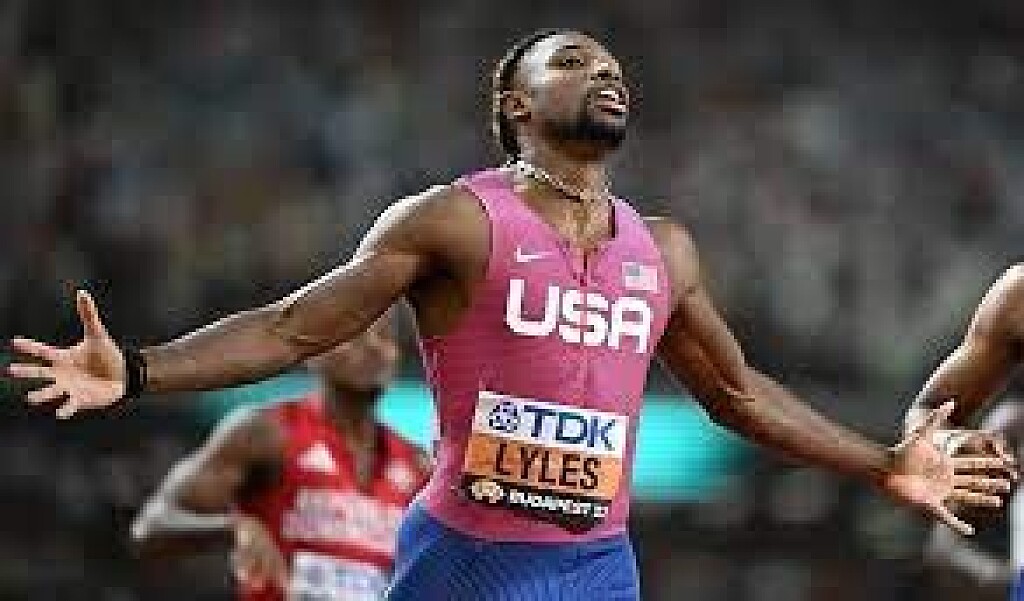
Noah Lyles says his goal is to win four gold medals in Paris
The world 100m champion appeared on The Tonight Show with Jimmy Fallon and said he wants to become the first male sprinter to win four Olympic gold medals.
The world 100m champion, Noah Lyles, appeared on The Tonight Show with Jimmy Fallon on Monday night to discuss his role in the upcoming Netflix documentary series “Sprint” and his goals for the Paris Olympics. Lyles confidently stated his ambition to achieve something no male track and field athlete has done before: win four gold medals at a single Olympics.
“Everyone knows Usain Bolt; I want to be faster and more decorated than Bolt,” Lyles told Jimmy Fallon. “He’s done three. I want four, that’s the Mount Rushmore–now you’re the greatest of the great.”
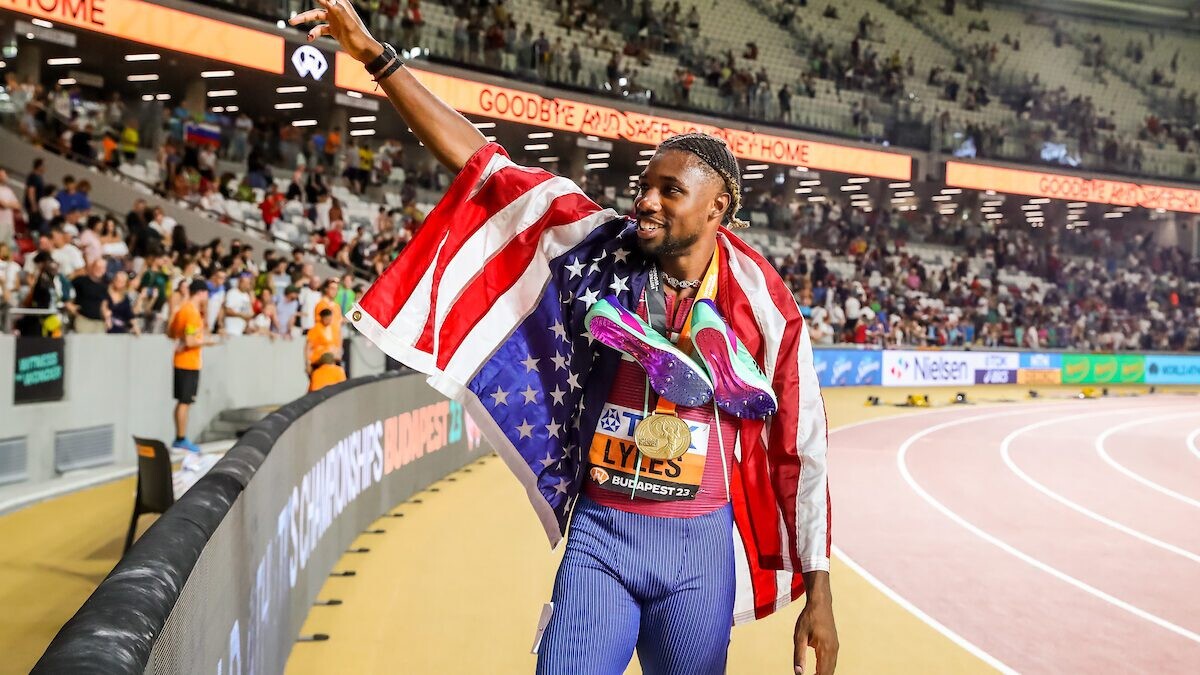
At the 2023 World Championships in Budapest, Lyles became the first athlete to win the sprint double (100m and 200m) at a major championship since Bolt did so at Rio 2016. He added another gold medal in the men’s 4x100m, where Team USA redeemed themselves after finishing second to Canada in 2022 on home soil.
For Lyles to win four gold in Paris, he would need to win the 100m and 200m, 4x100m relay and 4x400m relay.
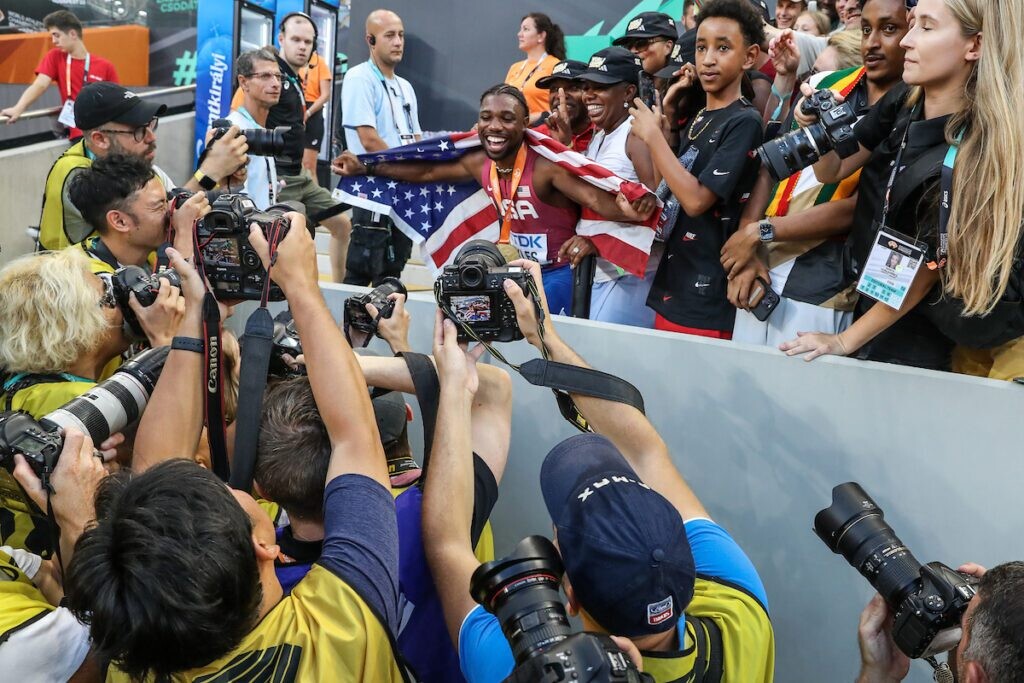
Only two athletes have won four medals at one Olympic Games: U.S. sprint icon Florence Griffith-Joyner won three golds and one silver medal (in the 4x400m) at Seoul in 1988. Fanny Blankers-Koen of The Netherlands is the only athlete to win four golds–at the 1948 Olympics in London, where she won the 100m, 200m, 4x100m relay, and 80m hurdles.
When Fallon asked Lyles why he wanted to put extra pressure on himself for Paris, Lyles said his goal is to win Olympic medals and break world records. “It’s been a long time since someone has done it, but growing up, I’ve always felt like that title belongs to me.” Bolt’s world records of 9.58 in the 100m, and 19.19 in the 200m have been untouched for the past 15 years.
Despite being the world champion in the 100m and 200m, Lyles’s first test will come at the USATF Olympic Trials from July 21-30 in Eugene, Ore., where he will aim to make his second Olympic team. The top three finishers in each event at trials will secure a spot on the U.S. Olympic team, provided they have met the Olympic standard or are in the World Athletics rankings quota.
by Marley Dickinson
Login to leave a comment

Paris 2024 Olympic Games
For this historic event, the City of Light is thinking big! Visitors will be able to watch events at top sporting venues in Paris and the Paris region, as well as at emblematic monuments in the capital visited by several millions of tourists each year. The promise of exceptional moments to experience in an exceptional setting! A great way to...
more...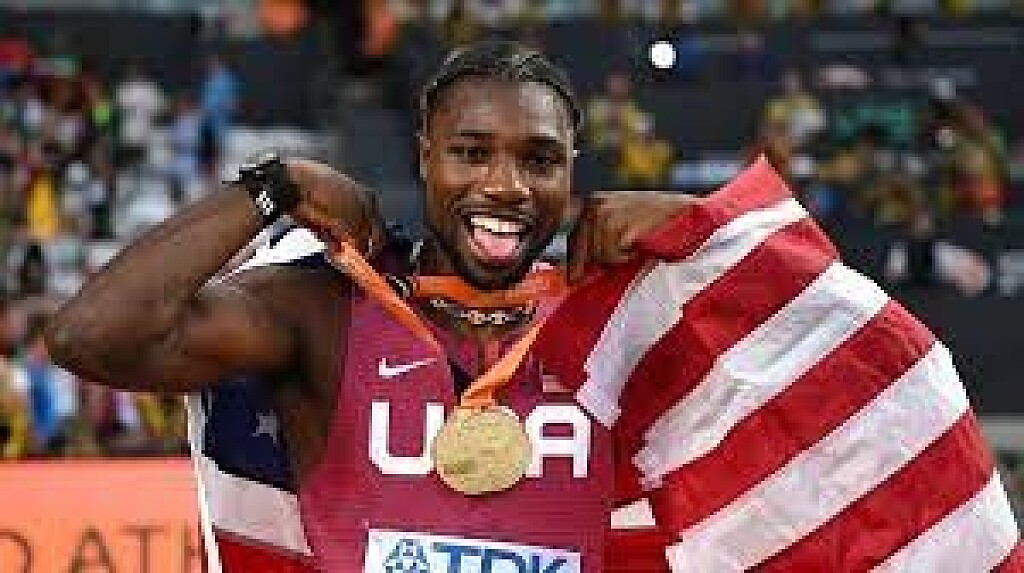
Why Noah Lyles prefers having gold medals to a world record
Noah Lyles has opened up on why he prefers winning many gold medals as compared to breaking world records.
Triple World champion Noah Lyles has admitted that he prefers having gold medals to world records despite being vocal about going for Usain Bolt’s 200m world record.
Lyles noted that having medals is a lifetime thing and they will be your forever unless one gets banned but world records usually come and go.
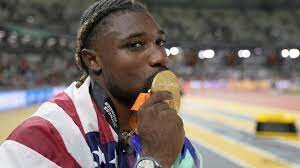
The two-time World champion explained that times are always shattered from time to time and they are not something he would prefer.
“I would rather have a gold medal because medals last forever as long as you don’t get banned but records will always be broken,” Lyles told the Letsrun.com podcast.
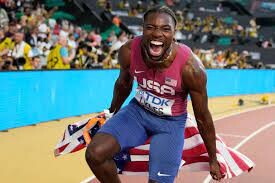
Follow the Pulse Sports X (Twitter) handle for more news.
Meanwhile, Lyles’ coach Lance Brauman also noted that he prefers gold medals to world records and explained that he also hopes Lyles thinks the same way.
“Once you’re an Olympic champion, you’re always an Olympic champion. World records are great, but it’s not what this sport should be about. The sport is a competition, the sport’s running against the other guys in the race,” said Brauman.
Concerning breaking the world record, Brauman believes that his 60m exploits in the indoor season open up the possibility of breaking Usain Bolt’s 19.19 world record in the 200m.
“Maybe he can run the world record, 19.15, 19.12, somewhere in that range, based on the same math, if I’m using it correctly.
“Will he do that? That’s hard to say. When you start talking that fast, there’s a lot of intangibles that you can’t control.
“Weather, time of year, environment, how tired are you from running three races before you get to that, which is five when you get to the final one,” the tactician noted.
by Abigael Wuafula
Login to leave a comment
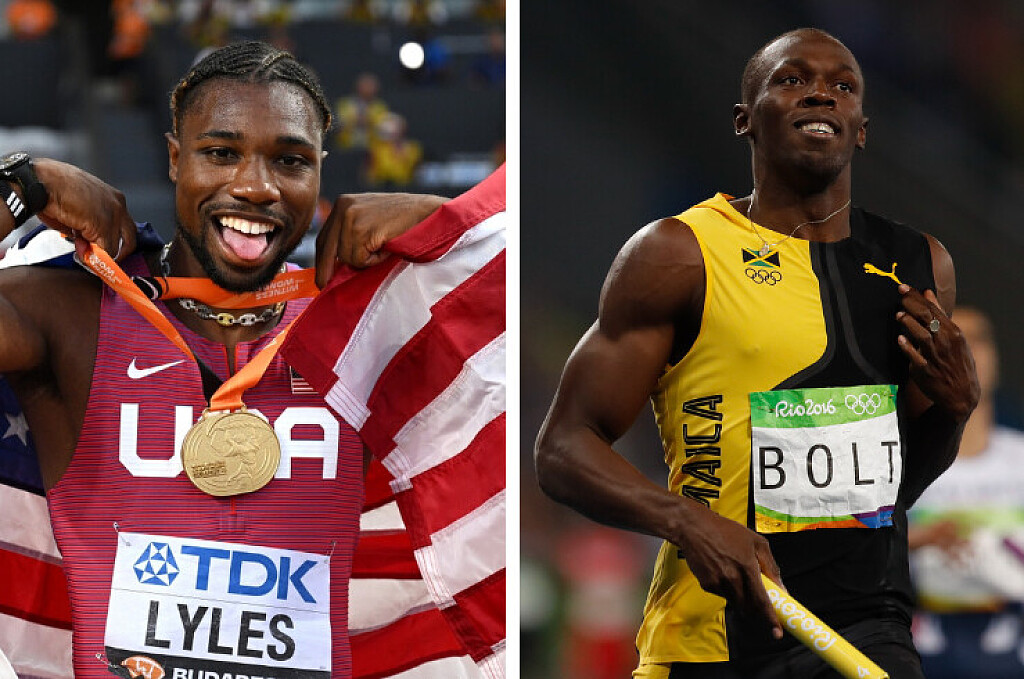
The possibility is there- Usain Bolt discusses chances of Noah Lyles breaking his 200m world record
The world's fastest man Usain Bolt has opened up on the possibility of Noah Lyles breaking the 200m world record this season.
The world’s fastest man Usain Bolt, has for the first time opened up about the possibility of three-time World champion Noah Lyles breaking his 200m world record.
Bolt set the 200m world record of 19.19 at the 2009 World Championships in Berlin, Germany where he also set the 100m world record of 9.58, with both records yet to be broken.
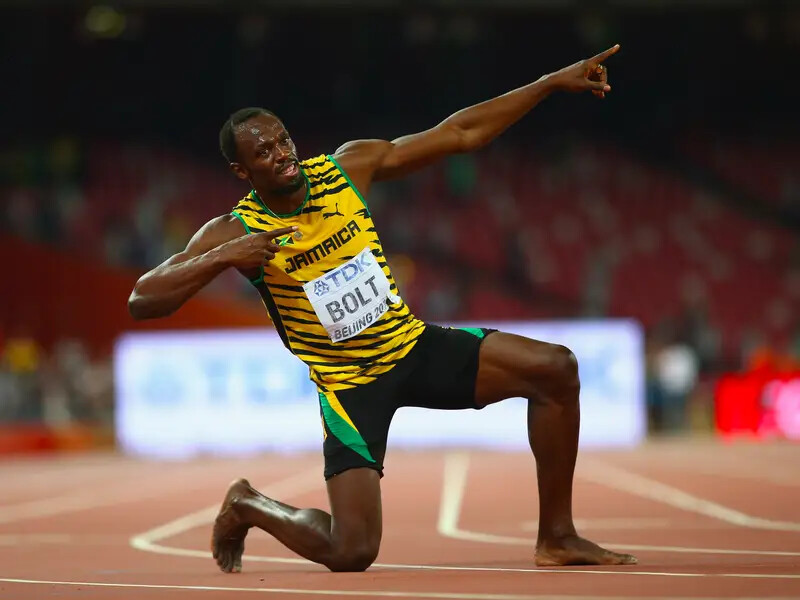
However, Lyles, the third-fastest man over the half-lap race wants to shatter the world record and make history this year. Lyles has become very vocal about going after the record and Bolt believes that the American is capable of breaking the record if he works on some things.
In an interview, the multiple Olympic champion admitted that there is a lot of competition in the 200m with the rise of other sprinters like wunderkind Letsile Tebogo and Erriyon Knighton, who are also forces to reckon with.
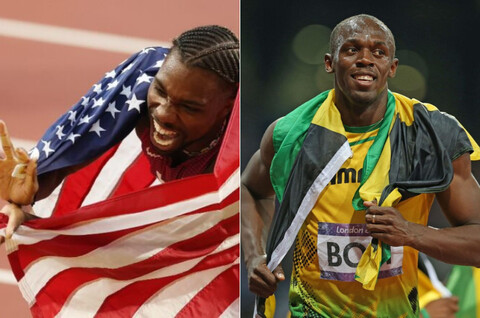
However, he admitted that it takes a lot of work to break a world record and if Lyles has to do it, he needs to put in more effort.
“I think the guys are really doing well and it’s intense…it’s not going to be easy because I think Noah feels like it was easy running two events but it wasn’t.
“I’ve said it before and I’m going to repeat that it’s never easy running back-to-back events and then going to break a world record because the body runs out of energy.
“I think the possibility is there because he came close to the world record at the World Championships.
“I feel like if he corrects a few things that I won’t say, he could get better because the possibility is there. I won’t tell you how to break the world record,” he said in an interview.
Lyles’s Personal Best time at the moment stands at 19.31 and he explained how he has been thinking about the 19.19 set by Bolt.
In a recent interview with CNN, Lyles said: “He was the fastest man ever to do it and soon, it’ll be me. When it was time to show up, he showed up, he got it done. I’m kind of more the guy who likes to assert his dominance throughout the whole year.”
by Abigael Wuafula
Usain Bolt, Noah Lyles
Login to leave a comment
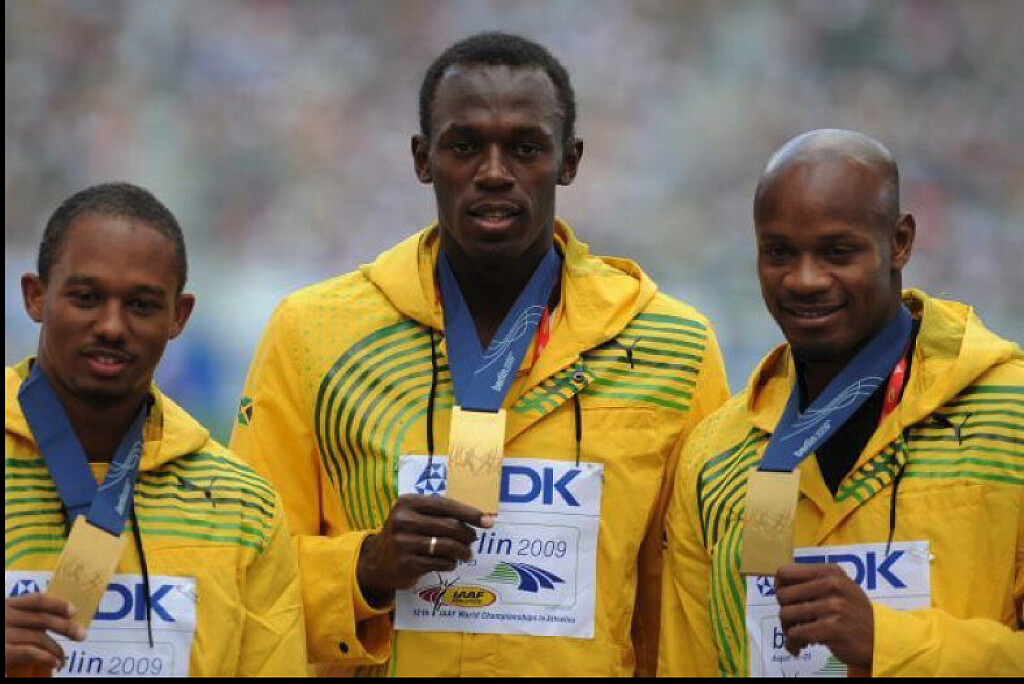
Usain Bolt "not worried" about his world records being broken
Although it feels like just a few years ago that Usain Bolt won his third consecutive Olympic double in the 100m and 200m at the 2016 Olympics, it’s been almost seven years since he last competed professionally. Bolt retired as the biggest star in athletics, and still considers himself a fan of the sport.
In a recent interview with World Athletics, the eight-time Olympic champion was asked if he thinks his 100m and 200m world records will fall anytime soon. Bolt replied that he is “not worried” about that possibility.Bolt’s world record marks of 9.58 seconds in the 100m and 19.19 seconds in the 200m were both set at the 2009 World Championships in Berlin.
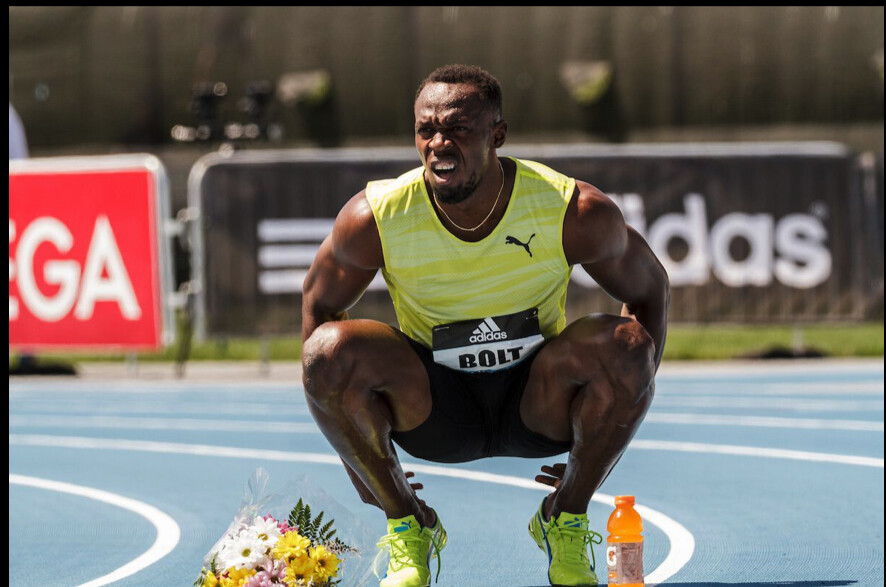

“I’m not worried about any of them,” Bolt said regarding the times. “I think the hundred will be harder (to break) because it’s quicker. If you make a mistake during the race, you’re not going to get it. It’s a lot more technical.” The Jamaican sprinting icon told World Athletics that he knew he was going to break the world record in Berlin, because he was in excellent shape at the time.The 2022 100m world champion Fred Kerley and the current world champion Noah Lyles have been vocal about trying to chase Bolt’s records, but neither has come close.
Lyles, who was named as the 2023 World Athletics Male Track Athlete of the Year after winning three gold medals in Budapest, came within a tenth of a second of the 200m world record at the 2022 World Championships in Eugene, Ore., running 19.31 seconds to win gold and set the American 200m record.
His time made him the third-fastest 200m runner in history behind the two Jamaicans: Bolt’s 19.19 and Yohan Blake’s 19.26.“Jamaica’s Yohan Blake to retire after Paris Olympics” — Canadian Running Magazine
Bolt’s 100m record of 9.58 has gone untouched for 14 years and 4 months, and on May 8, 2024, he will surpass U.S. sprinter Jim Hines to become the athlete who has held the 100m world record the longest. Hines was the first sprinter to break the 10-second barrier in 1968 and held the 100m world record for 14 years, 8 months and 19 days, until another American sprinter, Calvin Smith, lowered his mark by two-hundredths of a second in 1983.
No sprinter has run under 9.75 seconds since 2015. The 37-year-old said he enjoys still being referred to as the fastest man ever, and it’s something he will never get tired of hearing. “It’s a great title to have. It’s something that I enjoy hearing and I enjoy knowing,” said Bolt.
by Running Magazine
Login to leave a comment
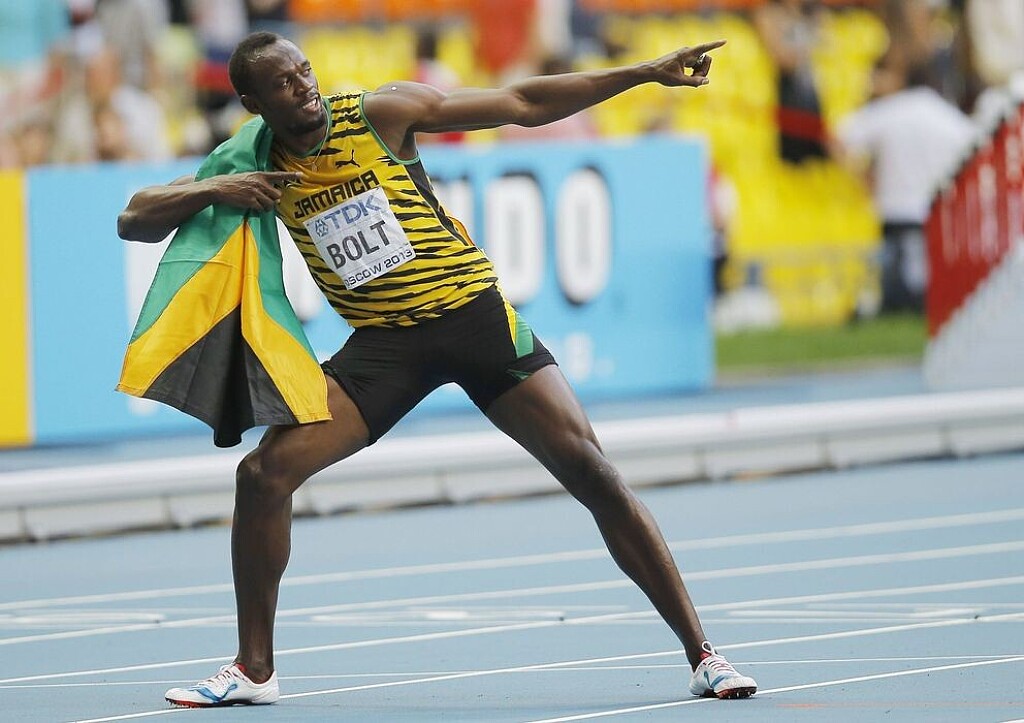
Usain Bolt remains undaunted about his world records being broken
The world's fastest man Usain Bolt remains unfazed about any athlete breaking his two world records.
Double (100m and 200m) world record holder Usain Bolt remains unfazed about anyone breaking his world records.
The fastest man in the whole world set the 100m world record of 9.58 and the 200m world record of 19.19 at the 2009 World Championships in Berlin, Germany and they are yet to be shattered.
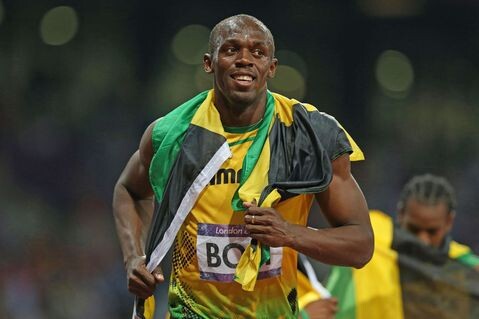
Many sprinters have been bullish about breaking the world records but Bolt believes it will be difficult to break his records. Some of the athletes targeting the world records include triple world champion Noah Lyles, Africa’s fastest man Ferdinand Omanyala, and former World champion Fred Kerley.
Kerley has a Personal Best time of 9.76 while Omanyala, the reigning Commonwealth Games Champion has a Personal Best of 9.77. On his part, Lyles ran his Personal Best of 9.83 in the semifinal of the 100m at the World Championships in Budapest, Hungary.
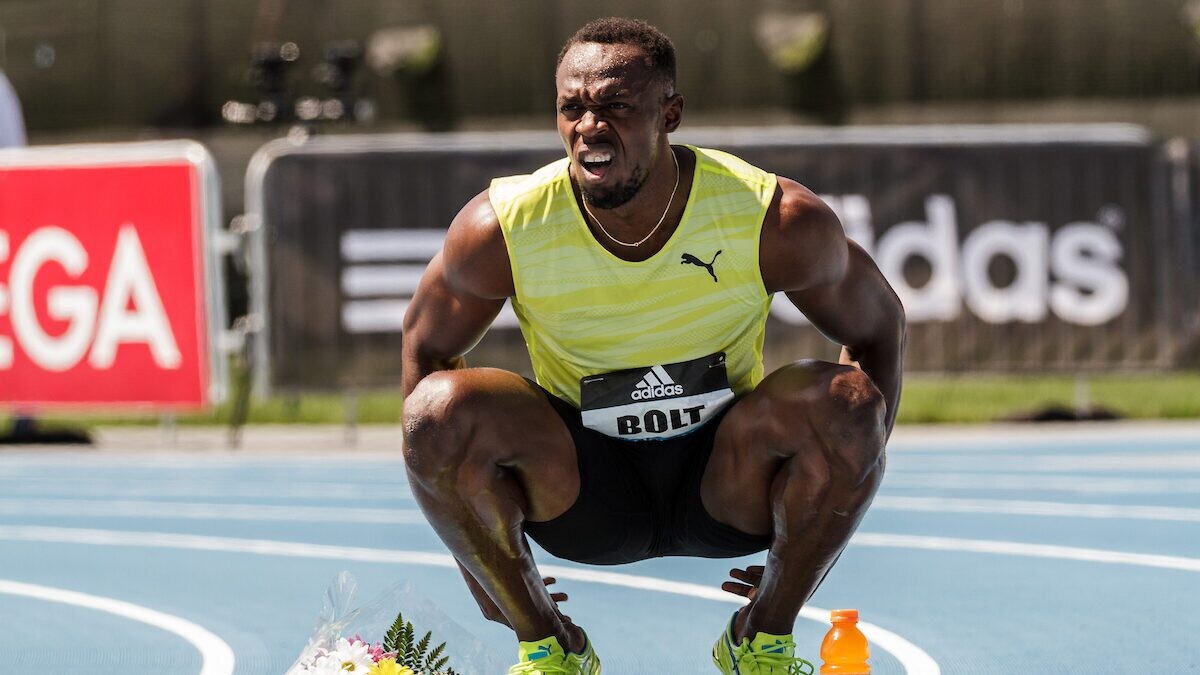
Follow the Pulse Sports Kenya WhatsApp Channel for more news.
“I knew I was going to break the world record because I was in such good shape at the time and I was running great throughout the season. Not worried about any of them.
"I think the hundred is going to be harder because it’s quicker and if you make a mistake during the race you’re not going to get it. It’s a lot more technical so I think maybe the hundred is going to go last,” Bolt said in an interview with World Athletics.
The multiple Olympic champion also commented on still being known as the fastest man ever as well as his relationship with the fans over the years.
“It’s a great title to have. It’s something that I enjoy hearing and I enjoy knowing. It’s always been so beautiful for me. They give me so much energy.
"I remember even through the World Championships in the pandemic I was like I could not compete in this. By myself in the stadium, I could not because I live so much for the energy and the vibes,” he said.
by Abigael Wuafula
Login to leave a comment
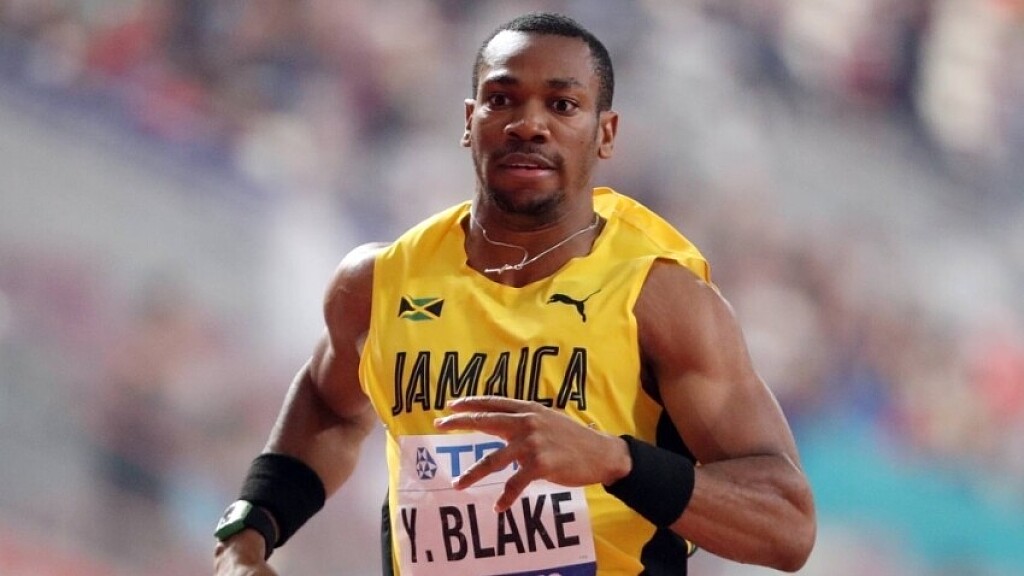
Jamaica´s Yohan Blake wants to make it to a fourth Olympic Games
Yohan Blake, the 2011 World 100m champion, has insisted that he has a lot left in the tank as he begins his preparation to earn a spot on Jamaica’s team to the 2024 Olympic Games in Paris next year.
Blake, who turns 34 in December, missed out on a chance to make his country’s team to the World Championships in Budapest, Hungary in August, but insists he will not be deterred by this most recent setback as he looks forward to suiting up in national colours for his fourth Olympic Games.
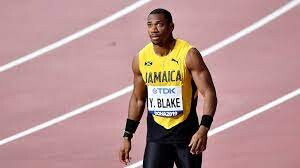
“Not everybody can say they have been to four Olympics. I've gone three already and I'm looking forward to this one being my fourth to be honest, I know I have a lot left with me and I know I can spring some surprises. I am just really focusing on just getting this year to start off on a good level,” the 2012 double Olympic silver medallist told Sportsmax.TV on Friday following the launch of his Reviere Purified Water at the AC Hotel in Kingston.
The 2023 season was a challenging one for Blake, who boasts lifetime bests of 9.69 and 19.26 over the 100m and 200m, respectively.
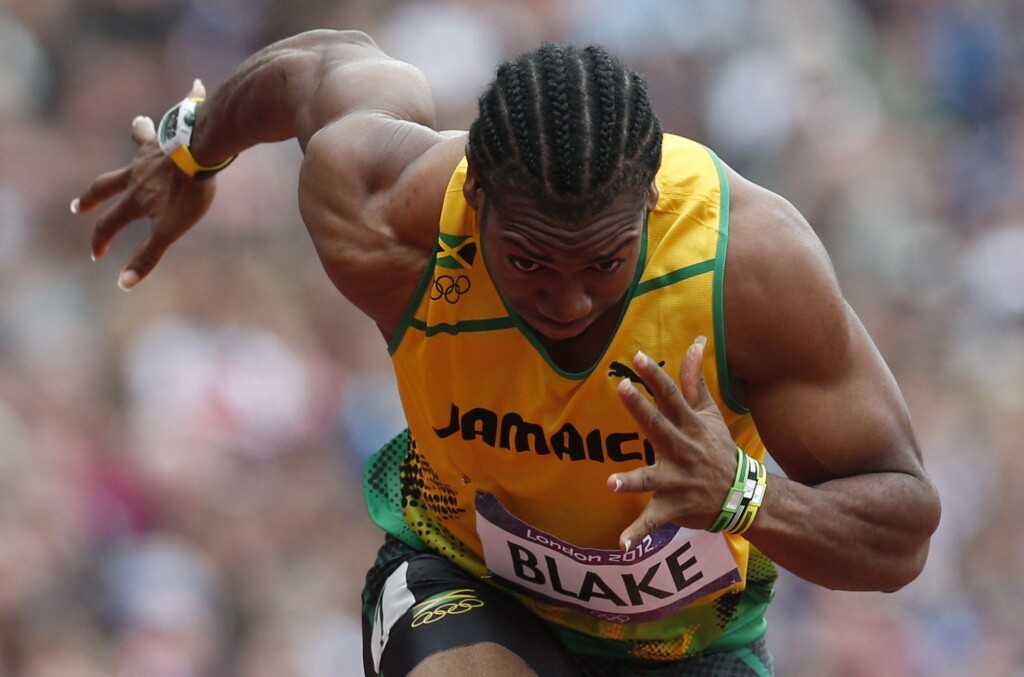
During the season, he failed to break 10 seconds despite coming closest in Poland on July 16 when he ran a time of 10.01. However, he expressed contentment with what has transpired knowing he has a lot to work on for the coming season.
"I've been consistent, running 10-zeros. I never got the 9s, but I am okay with it," Blake reflected. “I've been doing some revision on the last races, the guys have been pulling away from me from the last 40 metres, so I'm doing some work on that.”
That work is being done in a new environment following the break-up of Titans International that sees Blake, Akeem Blake and Briana Williams as well as Frater walking away from the training group that was led by Coach Gregory Little.
With Frater now being totally in charge of his training, Blake expressed confidence that he will make the necessary steps forward in the coming season.
“Michael Frater is an athlete and he's our coach and he really understands me as well. And, you know, I have young Akeem Blake and Briana (Williams) in the camp as well. So we're looking to push each other and now some younger ones as well. We’re looking to push each other and as I said this is my last Olympics,” Blake said.
Frater has made adjustments to Blake’s programme aimed at keeping him sharp and explosive. "He wants to keep me sharp, and he wants me, when I touch the track, to be ready, and be a bit more explosive.”
Blake was once among the most explosive athletes on earth. After defeating Bolt in both the 100m and 200m at the Jamaica national championships in 2012, Blake ran times of 9.75 and 19.44 at the London 2012 Games to win two silver medals to go along with the gold medal in the 4x100m relay in which Jamaica established a world record of 36.84.
He was seemingly poised to challenge Bolt’s world records of 9.58 and 19.19 when a series of injuries derailed him. The worst of those injuries occurred on a cold evening at the Glasgow Grand Prix in July 2014.
“I remember that race clearly in Glasgow when my muscle was frozen. It was really cool and it popped. When I went to the doctor, the doctor said I suffered from muscle spasms,” he said in reflection, adding that some of his injuries were his own doing.
“You know, one of my biggest letdowns in life is I think I worked too hard and I pushed myself too much. I don't know when it’s time to rest and my body is really upset with me sometimes because I do not know when to rest but don't regret any of what happened. It has made me strong as well and I'm here, I'm still running fast,” he said.
“I can get an injury and do surgery and I'm here still running with aluminium in my leg. I'm trying.”
by Leighton Levy
Login to leave a comment
Paris 2024 Olympic Games
For this historic event, the City of Light is thinking big! Visitors will be able to watch events at top sporting venues in Paris and the Paris region, as well as at emblematic monuments in the capital visited by several millions of tourists each year. The promise of exceptional moments to experience in an exceptional setting! A great way to...
more...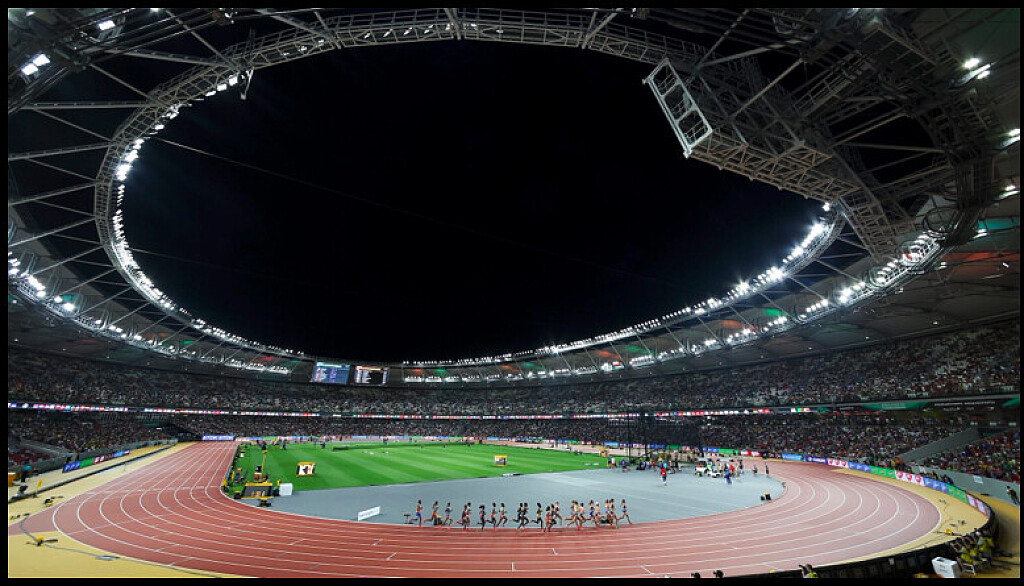
4 Stunning Moments at the World Track and Field Championships
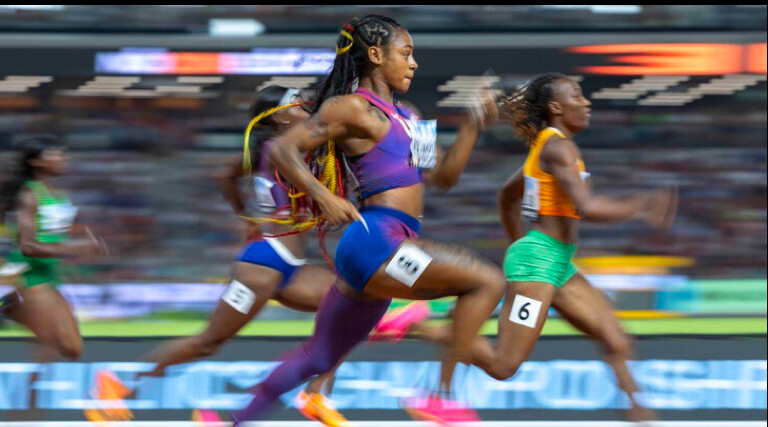
Here are the top moments at the World Athletics Championships in Budapest, and what to watch for this weekendThere’s just three action-packed days of track and field remaining in Budapest, Hungary for the 2023 World Athletics Championships. Whether you’ve spent the past six days glued to your streaming service or you’re just catching up, here’s a refresher on the top highlights so far, and what we’re looking forward to most this weekend.Sha’Carri Richardson proved that she is here to stay by winning the 100-meter final with a new championship record of 10.65. To do it, she had to take down her Jamaican rivals Shericka Jackson, the fastest woman in the world this year, and Shelly-Ann Fraser-Pryce, the reigning LLP world champion and 15-time world medalist.
After a poor showing in her semifinal, Richardson failed to achieve one of the auto-qualifiers and was placed in lane nine for the final. None of that mattered on race day, though, as the 23-year-old showcased the best acceleration over the final 30 meters of any runner in the field to claim gold from the outside lane. Jackson took silver in 10.72, while Fraser-Pryce ran a season’s best of 10.77 for bronze.
The victory marks Richardson’s first appearance at a global championship. She won the U.S. Olympic Trials in 2021, but was unable to compete in the Olympic Games in Tokyo after testing positive for marijuana, a banned substance. In 2023, Richardson said, she’s “not back, [she’s] better.”
Can magic strike twice, and can she earn another medal in the 200 meters? She’ll again face Jackson, the second-fastest woman in world history, as well as American Gabby Thomas, the bronze medalist in Tokyo and the fastest woman in the world this year.
The women’s 200-meter final is on August 25. On Saturday, August 26, Richardson and Thomas will team up to compete against Jackson and Fraser-Pryce in the 4×100-meter relay.The flamboyant American Noah Lyles has made clear his ultimate goal of breaking Usain Bolt’s world record of 19.19 in the 200 meters for nearly a year now, ever since breaking the American record, en route to his second world title last summer in Eugene. But to get there, coach Lance Brauman reveals in NBC docuseries “Untitled: The Noah Lyles Project,” the 200-meter specialist would need to improve his speed by focusing on the 100m.
Despite never making a U.S. team in the 100 meters before, Lyles muscled his way onto the podium at the USATF Track and Field Championships a week after getting COVID, and executed his race plan perfectly in Budapest to claim gold with a world-leading time of 9.83. Letsile Tebogo of Botswana set a national record of 9.88 to earn silver and become the first African to podium at a world championship, while Zharnel Hughes of Great Britain took home his first bronze medal.
“They said I wasn’t the one,” he said immediately after the race, in what is sure to be one of this world championship’s most memorable moments. “But I thank God that I am.”
Now his attention turns to a third world title in the 200 meter—and a potential world record. Only Bolt has won three straight world titles over 200 meters, and the Jamaican world record holder is also the last man to win the 100-meter/200-meter double back in 2015.
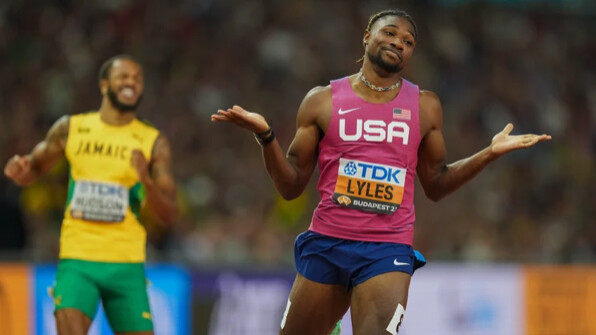
In a bizarre turn of events on Thursday, a golf cart transporting athletes including Lyles to the track for the 200-meter semi-finals collided with another cart. Several athletes had to be seen by a doctor before the race, and Jamaica’s Andrew Hudson was automatically advanced to the final after competing with shards of glass in his eye. Lyles was reportedly fine.
Tebogo and Hughes will be back for the 200-meter final, as well as Kenneth Bednarek and Erriyon Knighton, who completed the USA sweep with Lyles last year, and Tokyo Olympic champion Andre de Grasse of Canada.
The 200-meter finals are on Friday, and the 4 x 100-meter final is on Saturday.For the second year in a row, the best middle-distance runner in the world was outkicked in the world championship 1,500-meter final by a British athlete. This time, it was Josh Kerr who delivered the kick that broke Jakob Ingebrigtsen, winning his first world title in 3:29.38.
For the fiercely competitive Ingebrigtsen, the second-fastest man in world history in the event, silver is hardly any consolation for losing. Yet he nearly lost that as well — his Norwegian countryman Narve Gilje Nordås (who is coached by Jakob’s father Gjert) nearly beat him to the line, with Ingebrigtsen finishing slightly ahead, 3:29.65 to 3:29.68.Kerr, the Olympic bronze medalist in Tokyo, seemed to employ a similar tactic as last year’s upset winner Jake Weightman, who similarly sat and kicked with about 180 meters to go. Kerr and Weightman actually trained together as youth rivals at Scotland’s Edinburgh Athletic Club. Kerr now trains in the United States with the Brooks Beasts.
Ingebrigtsen revealed after the race that he had a slight fever and some throat dryness. He competed in the preliminary round of the 5,000 meters on Thursday, advancing to the final with the third-fastest time of the day. He is the reigning world champion and will race the final on Sunday.
While the path to victory looks difficult, at least one heavy hitter has removed himself from conversation — world record holder Joshua Cheptegei of Uganda, who already won the 10K this week, pulled out of the 5K with a foot injury.On the very first day of competition in Budapest, the Netherlands track and field federation suffered not one but two devastating falls while running within reach of gold.
Femke Bol was leading the anchor leg of the mixed 4×400-meter relay when she fell just meters from the finish line, leaving the Dutch team disqualified while Team USA captured the gold medal.
On the same night, countrywoman Sifan Hassan stumbled to the ground in the final meters of the 10,000 meters, going from first to 11th, while the Ethiopian trio of Gudaf Tsegay, Letesenbet Gidey and Ejgayehu Taye swept the podium positions.
Hassan was the first to get redemption, earning a bronze medal in the 1,500 meters in 3:56.00 behind only world record holder Faith Kipyegon of Kenya (3:54.87) and Diribe Welteji of Ethiopia (3:55.69). She reportedly did a workout immediately following the race, calling it “not a big deal,” and the next morning won her 5,000-meter prelim in a blistering 14:32.29 over Kipyegon, who also owns the world record over 5K (14:05.20). The two will face off in the final on Saturday.
On Thursday, 23-year-old Bol got her redemption run. With the absence of world record holder Sydney McLaughlin in her signature event of the 400-meter hurdles, the gold was Bol’s for the taking and she left no mercy on the field. She stormed to her first World Championships gold medal in the 400-meter hurdles with a dominant effort of 51.70, with the United States’ Shamier Little nearly a full second behind in 52.80. Jamaica’s Rushell Clayton took bronze in 52.81.
Bol will return to the track for the women’s 4 x 400-meter relay final on Sunday. The Dutch was also disqualified in this event last year at Worlds and will seek to record a result at all expense.
by Outside Online
Login to leave a comment
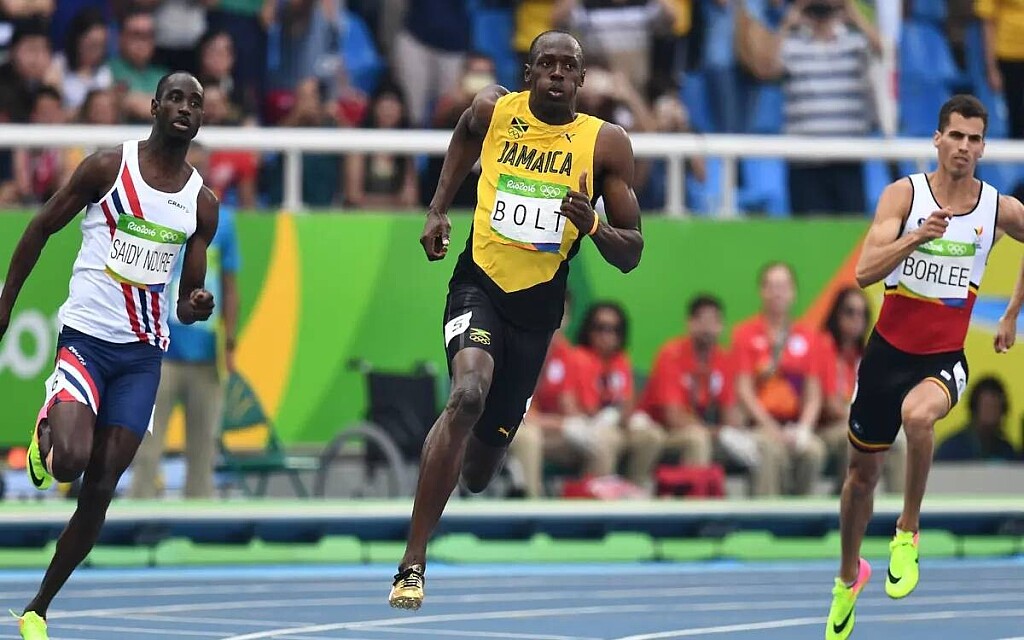
Usain Bolt honored to join great names who have won lifetime achievement award
Usain Bolt was delighted to join a stellar list of sporting greats after being chosen as the BBC Sports Personality of the Year Lifetime Achievement Award winner for 2022.
The 36-year-old Jamaican retired from athletics five years ago but he has left an indelible and so far unbeatable mark on his sport.
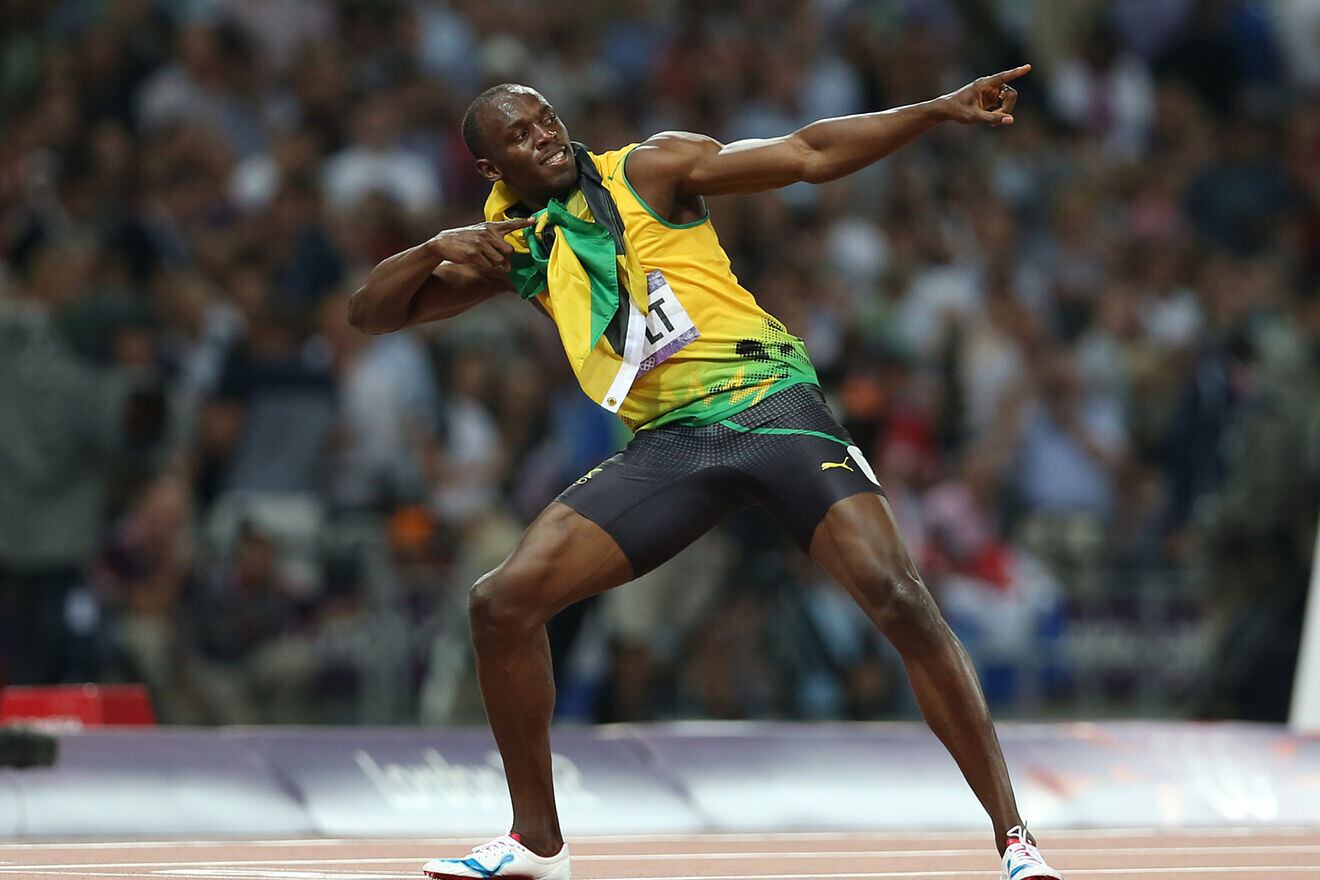
Bolt became a global superstar at the Beijing Olympics in 2008, lowering his own world record mark to win the 100m gold and then breaking Michael Johnson’s 200m record to also win gold in that event.
A year later he again broke his 100m world record in winning the world title in Berlin – and his time of 9.58 seconds still stands today. Four days later he lowered his 200m mark to 19.19secs which has also not been beaten.
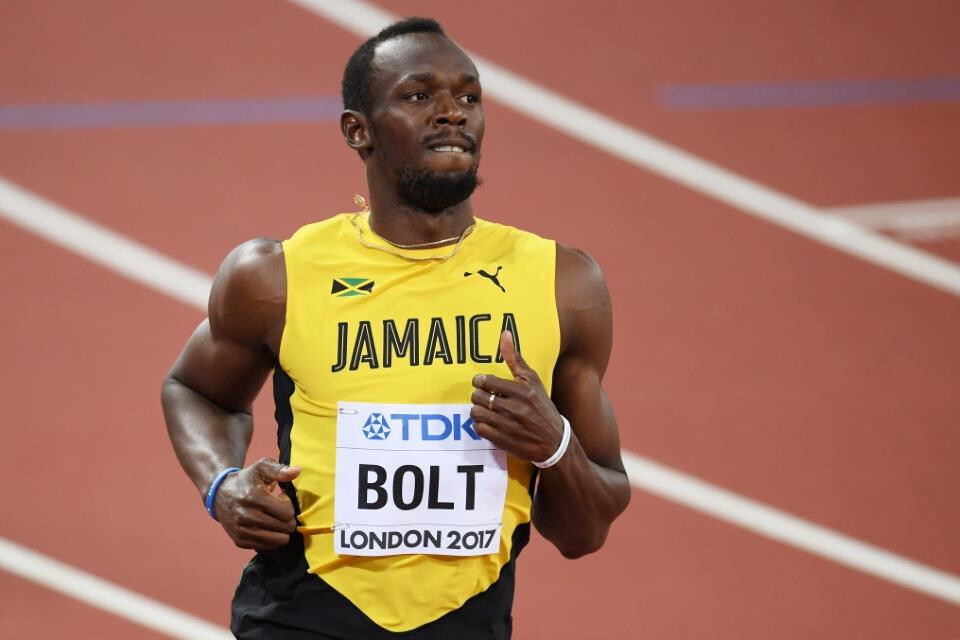
He went on to retain his 100m and 200m Olympic titles at the next two Games in London and Rio de Janeiro.
Bolt retired in 2017 after the World Championships in London, where he won a bronze in the 100m.
“For me it’s an honour to be amongst the greats who have received this before like Pele, Muhammad Ali,” Bolt said in a message to the awards ceremony from Jamaica.
“For me these guys are some of my favourite athletes and I look up to them.
“Also, I want to thank my family, my friends and the fans for everything throughout the years. I’ve worked hard and to get this award means a lot.”
by Jamie Gardner
Login to leave a comment

America's Heather MacLean runs sub four minute 1500m in Monaco
Heather MacLean became the 12th American woman ever to break 4:00 in the 1500m today in Monaco, running 3:58.89. When she finished out her collegiate eligibility at UMass in 2018, she was a 4:19.19 1500m runner.
The Monaco track is known for its speedy middle-distance performances and in the women’s 1500m Faith Kipyegon came within three tenths of a second of breaking Genzebe Dibaba’s world record with 3:50.37.
Allie Wilson led through 400m in 59.89 and 800m in 2:01.64 before Adelle Tracey took over to keep the pace as hard as possible. Kipyegon hit the front with 600m to go and despite hammering the final lap she fell agonisingly short of the mark but still went No.2 on the all-time rankings.
America's Heather Maclean (3:58.89) and Elise Cranny (3:59.06) were second and third with sub-four performances.
“I have been chasing the time for quite some time but I am happy with the personal best,” the Olympic and world champion said. “I knew this was the best place to get the world record but I am so disappointed I lost it in the last metres. I hope for the best next time. We will see when.
“I was definitely ready for it today. I am heading home now and want to get a good Diamond League final in Zurich.”
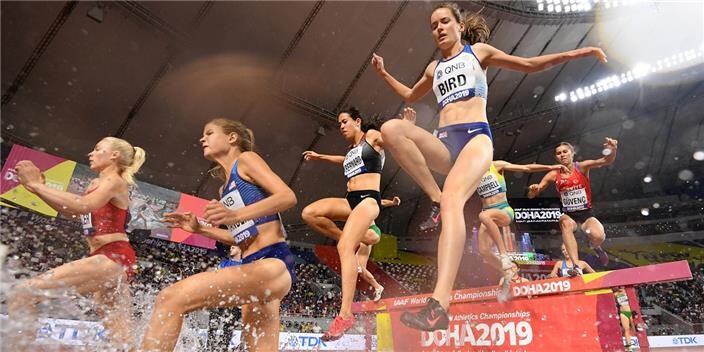
It was a first class track meet. World champion returns to winning ways at the Diamond League while fellow Brit Lizzie Bird smashes the national 3000m steeplechase record

Jake Wightman bounced back to form after his defeat at the Commonwealth Games by taking the 1000m at the Diamond League in Monaco on Wednesday (Aug 10).
The world 1500m champion destroyed many of the world’s top 800m runners over the neutral distance of one kilometre as he improved his Scottish record from 2:16.27 to 2:13.88 to go No.3 on the UK all-time rankings and No.9 on the world all-time lists.
Seb Coe’s long-standing UK record of 2:12.18 remains an elusive target and Steve Cram is No.2 all-time with 2:12.88 but Wightman has now overtaken Steve Ovett and James McIlroy on the rankings.
In Monaco the pacemaker Erik Sowinski led through 400m in 51.02 and Marco Arop was in pole position through 800m in 1:45.46, but Wightman, who spent much of the race running alone in no man’s land a few metres ahead of the main pack, finished strongly to pass Arop in the final metres as Clayton Murphy was third, Commonwealth 800m champion Wycliffe Kinyamal fourth and the Olympic and world 800m champion Emmanuel Korir 12th.
“I did not really know I was in shape to do this today. It was just very, very hard as I had run on my own,” said Wightman. “I knew Arop is a little bit quicker on the home straight so I had to judge the right moment. I had to stay strong to be able to catch him.”
Wightman steps down to the 800m at the European Championships next week and said: “This is a really nice step towards Munich. The main difference between the 1500m and 1000m is just the speed of the first couple of laps. You go from running 55s to 52.”
Lizzie Bird smashed the British record for 3000m steeplechase as she improved Aimee Pratt’s national mark by almost eight seconds to 9:07.87.
Pratt set a British record twice at the World Championships last month as she ran 9:18.91 in her heat and 9:15.64 to place seventh in the final. But Bird ran 9:17.79 to take silver at the Commonwealth Games and here in Monaco swiped a further 10 seconds off her best as she pipped former world champion Emma Coburn at the finish to place third behind Ethiopia duo Workua Getachew and Zerfe Wondemagegn.
Bird, 27, was encouraged to try the steeplechase while studying at Princeton in the United States. She was a reluctant steeplechaser at first and suffered injuries from 2016-18 but set a UK record of 9:19.68 when placing ninth in the Olympics last year and the Shaftesbury Barnet athlete is now closing in on the nine-minute barrier while combining athletics with a career in immigration law based in Colorado.
There is more: Distance runner Grant Fisher’s record-breaking 2022 season continued tonight at the Herculis meeting in Monaco where he ran 7:28.48 for 3000 meters, finishing 3rd, to break Bernard Lagat’s 7:29.00 American record which had stood since 2010.
Fisher’s 3000 record is his third American record of the year as in February he set the indoor 5000 record (12:53.73) and outdoors he set the American 10,000 mark in March(26:33.84).
Login to leave a comment

The world's fastest man is once again putting on his football boots for a good cause
Usain Bolt is back to captain the Rest of the World XI against England in Soccer Aid.
The former Olympic sprinter is once again involved as skipper, having played in the past few matches. Fittingly, the match is taking place at London's Olympic Stadium - a football venue in its own right as the home of West Ham, but also the place where Bolt set the Olympic record on the way to defending his 100m crown in 2012.

London 2012 was a highlight in a storied career that saw Bolt establish himself as the fastest man in the world and set records that have yet to be beat. The 9.63 seconds it took him to win gold in 2012 remains an Olympic record - beating the one he'd set in 2008 - but the overall world record was set by himself a few years before that.
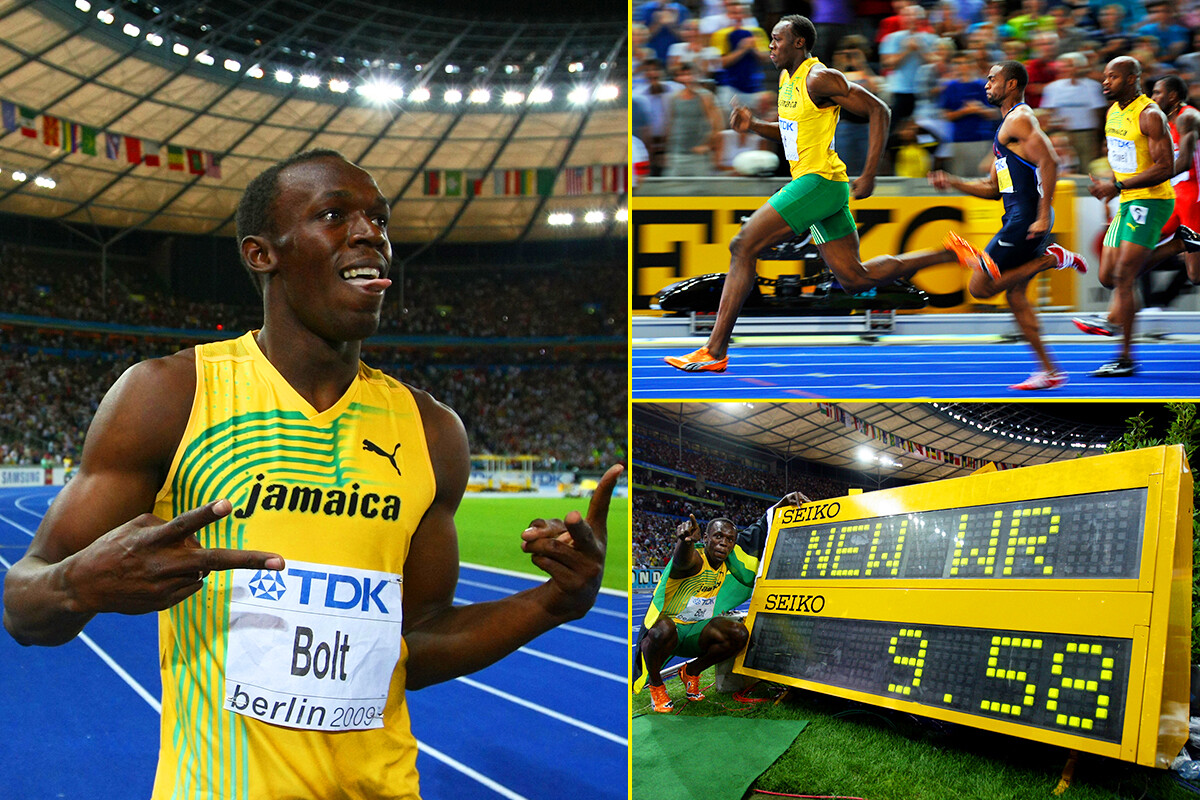
Bolt set the current 100m world record at the 2009 IAAF World Championships, clocking an incredible 9.58 seconds for the feat. His average ground speed was 37.58km/h (23.351 miles per hour), whilst reaching a top speed of 44.72km/h (27.788 miles per hour) in the 60-80m stretch – numbers fitting for the world’s fastest man.
He first held the 100m world record in 2008 at the Reebok Grand Prix in the Icahn Stadium in New York, clocking 9.72 seconds to beat fellow Jamaican Asafa Powell’s record of 9.74 seconds set at the IAAF Grand Prix in Rieti, Italy, a year before. He brought the record down further to 9.69 seconds at the 2008 Olympics in Beijing, before hitting his peak in 2009.
9.58 seconds remains the world record for the 100 metres and Bolt has commemorated that in past Soccer Aids by wearing the number - complete with decimal point - on the back of his shirt. For added measure, Bolt also holds the record for the 200 metres - running 19.19 seconds at the 2009 World Championships.
Login to leave a comment

18-year-old U.S. sprint star Erriyon Knighton becomes fourth fastest man over 200m
On Saturday afternoon in Baton Rouge, La., American Erriyon Knighton, who last year, at age 17, broke Usain Bolt’s junior sprint records, shattered his U20 world record in the 200m at the LSU Invite to become the fourth-fastest man in history over 200m.
Knighton clocked 19.49 seconds, which is the fastest time recorded since the 2012 Olympics, where Usain Bolt clocked 19.32 at age 25. Knighton now only trails Bolt (19.19s), Yohan Blake (19.26s) and Michael Johnson (19.32s) on the all-time list.
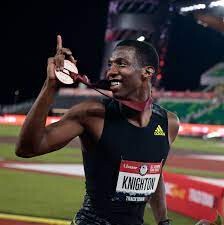
The 18-year-old sprint star lowered his personal best and U20 record from 19.84 seconds, which he set at last year’s U.S.Olympic Trials. He went on to finish fourth in Tokyo, becoming the youngest U.S. male track and field runner to reach an Olympic final.
Knighton turned pro last year as a high school junior, signing a professional contract with Adidas. He is now the second-fastest American 200m runner after Johnson’s then-world record of 19.32 at the 1996 Olympics in Atlanta.
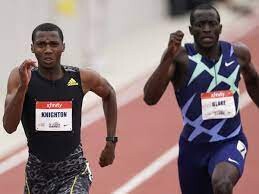
He will next have his eyes on the U.S. Outdoor Championships in June and the World Championships in July, which are both in Eugene, Ore., where he ran his previous PB of 19.84 seconds last summer.
Another world U20 record was broken on Saturday at the Gaborone International Meet, a World Athletics Continental Tour Bronze meeting in Botswana. U20 world champion Letsile Tebogo became the first man from Botswana to break 10 seconds for 100m. The 18-year-old pulled away from an experienced international field to win in 9.96 seconds (+1.9m/s), taking 0.01 off Trayvon Bromell’s world U20 record of 9.97 set in 2014.
by Running Magazine
Login to leave a comment
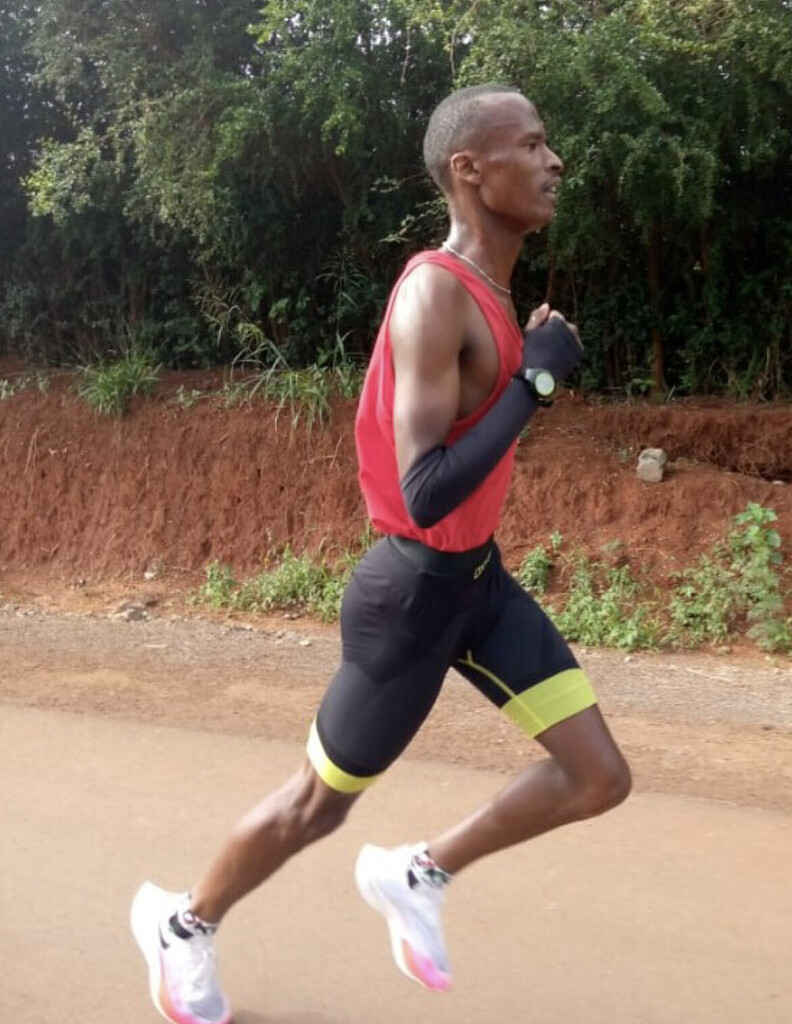
Peter Mwaniki sets new record at the KATA 10k Time Trial monthly series in Thika Kenya
The 5th Kenya Athletics Training Academy (KATA) 10k Time-Trial took place on Wednesday morning (Jan 19) with Peter Mwaniki (first photo) and Solomon Gachoka (third photo) ruling the event.
The monthly event, held on the same course as December, witnessed Peter set a new course record clocking 29:40 bettering Solomon’s 29:44 time set at the 4th event December 19.

This was also an improvement for Peter from his December’s 32:00 that he did after competing in Europe for three months.
It was also a good day for Zakariah Kirika and Eston Mugo who finished 4th and 8th after the duo attained their Personal Best times over the distance.

Zakariah clocked 30:41.94 compared with his December’s 31:27.60 while Eston managed 31:28.14 from his previous 32:32.26. Also Alfred Kamande improved on his PB of 35:44.47 to record 35:16.47. Elvis Kuria also ran well clocking his best time of 36:19.19 where he had 41:06.06 previously.
"I am glad to see our KATA athletes (both those living at our Academy and those living nearby) improving," says director Bob Anderson. "Our training program is working with two runners under 30 already and sub 29 not far off. Congrats to Peter for setting our KATA Time Trial record and to all the others who set PB today."
In the less competitive ladies category, in the absence of December winner Lucy Mawia, Catherine Njihia retained the title in 36:54.04 after her opponents Susan Wambua, Risper Kawira and Margaret Wanjiru arrived late for trial.
The 6th edition of the KATA 10k Time Trial, will take place on Wednesday 16th February 2022. Athletes not currently training at KATA are welcome. There is no entry fee, no prize money but this program gives athletes an official time, run on an accurate course and the results published by My Best Runs, the sponsor.
5th KATA Time-Trial January 19th 2022
Full Rests
Position Names Age Time
1. Peter Mwangi-------23------29:40.7
2. Solomon Gachoka—31-----29:52.3
3. Elisha Tarbey ----------27---- 30:34.3
4. Zakariah Kirika--------20-----30:42.0
5. Joel Maina-------------36-----31:07.3
6. Peter Mburu----------26-----31:23.7
7. Eston Mugo-----------29-----31:28.2
8. Erick Mutuku---------19-----31:49.1
9. Isaac Nderitu---------30-----32:11.9
10. Erick Cheruiyot------ 26 ----32:27.8
11. Fredrick Kiprotich---23----32:37.9
12. Robinson Mwaura---29----34:20.0
13. Geoffrey Mwangi----40----34:20.7
14. Paul Ng’ang’a---------42----34:32.0
15. Alfred Kamande----- 24----35:16.5
16. Collins Kemboi-------23-----35:19.4
17. Elvis Kuria-------------20-----36:19.2
18. Simpson Njoroge--- 38 36:53.5
19. Catherine Njihia-----22-----36:54.1
20. Raphael Gacheru ---22 --37:56.7
by Coach Joseph Ngure
Login to leave a comment

KATA Time Trial Series
Welcome to the KATA Monthly Time Trial Held at the Kenyan Athletics Training Academy in Thika, Kenya, the KATA Monthly Time Trial is a unique and inclusive event designed to support runners of all levels in achieving their goals and showcasing their fitness. This event offers both 10K and 5K distances on an accurate, certified course, providing participants with...
more...
Jamaican Usain Bolt thinks he could have won 100m gold at Tokyo Olympics
Sprint legend Usain Bolt said he could have emerged from retirement to win a fourth straight Olympic 100m title in Tokyo this year, insisting the winning time was within his reach.
Bolt, 35, told AFP that it was frustrating to watch the delayed 2020 Games from his home in Jamaica as his male countrymen flopped and Italy's Lamont Jacobs claimed a shock victory.
"I really missed it. I was like, I wish I was there," he said in an interview at the Dubai offices of his sponsor PepsiCo on Sunday.
"Because for me, I live for those moments. So it was hard to watch."
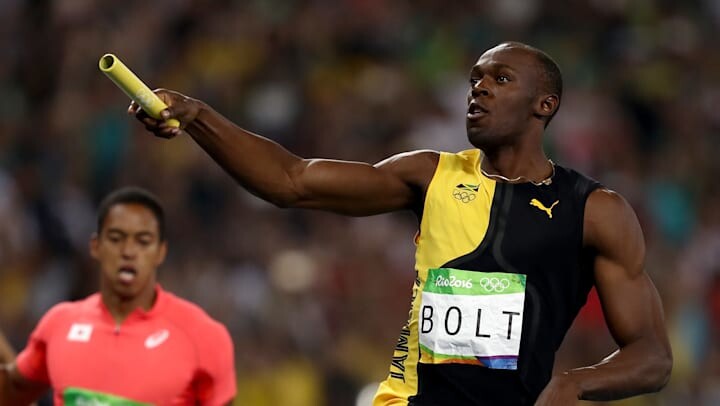
Bolt dominated sprinting for a generation, winning eight Olympic gold medals and only losing a ninth when his 2008 4x100m relay team-mate Nesta Carter failed a retrospective drugs test.
The first Olympic 100m final since the great showman's departure was a subdued affair, with Jacobs clocking 9.80sec at a Covid-emptied Tokyo National Stadium.
"My coach said something to me at the end of my career. He said, 'People are not getting faster. I was getting slower.' I never looked at it that way," said Bolt.
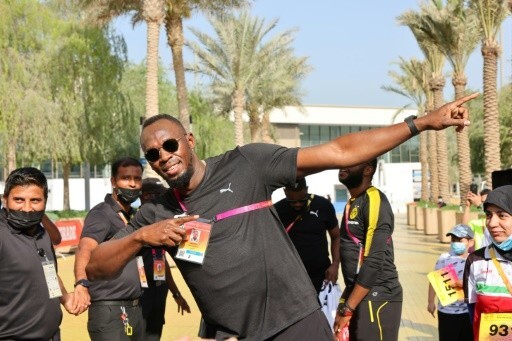
"And it's the facts because a lot of guys don't really get faster. Because I have pushed the barrier so far and then I started going backwards time-wise, so for me 9.80 was possible to get done."
But Bolt, who has dabbled in football and music since retiring, said it was "all about motivation" when he was considering a potential comeback in Tokyo.
"For the Olympics, it was gonna be different," said the father of three.
"I always show up ready because I think this is the highest level, but I've already done everything in the sport so it was all about motivation."
'Lightning Bolt' loses sparkle
With a rueful shake of the head, Bolt said it was "not looking good" for Jamaica's men's sprinters after they failed to reach the Tokyo 100m final and were fifth in the 4x100m relay.
And he said none of the current athletes looked capable of beating his 100m and 200m world records of 9.58 and 19.19, rarely threatened since he set them in 2009.
"I don't think I've seen anybody in this generation right now which I personally feel will break the records," he said.
"So I think I have a couple more years before somebody will actually break my world records."
Bolt, instantly recognisable worldwide, said he'd "love" to help World Athletics promote the sport and had approached its leader, Sebastian Coe, about a formal role.
But he said he had no designs on the presidency.
"No, I don't want that job. That's a lot of stress and a lot of work," he said.
He added that he would "definitely" have taken the knee to protest against racism on the Tokyo podium, where it was banned under International Olympic Committee rules.
"I understand what it's about. Racism, we've been through it so I understand the necessary aspect of it and what is needed," he said.
But he revealed that after years of striking the 'Lightning Bolt', his signature pose was beginning to grate.
"Sometimes it gets a little bit, I wouldn't say annoying. But I understand that I've done it to myself," he said with a chuckle.
"People really enjoy it and it's for the fans, you know. I mean, it's a picture that they will treasure forever.
"So for me, I'm not always happy doing it, but I do it anyways because it's for them and it makes them happy."
Login to leave a comment

Tokyo 2020 Olympic Games
Fifty-six years after having organized the Olympic Games, the Japanese capital will be hosting a Summer edition for the second time, originally scheduled from July 24 to August 9, 2020, the games were postponed due to coronavirus outbreak, the postponed Tokyo Olympics will be held from July 23 to August 8 in 2021, according to the International Olympic Committee decision. ...
more...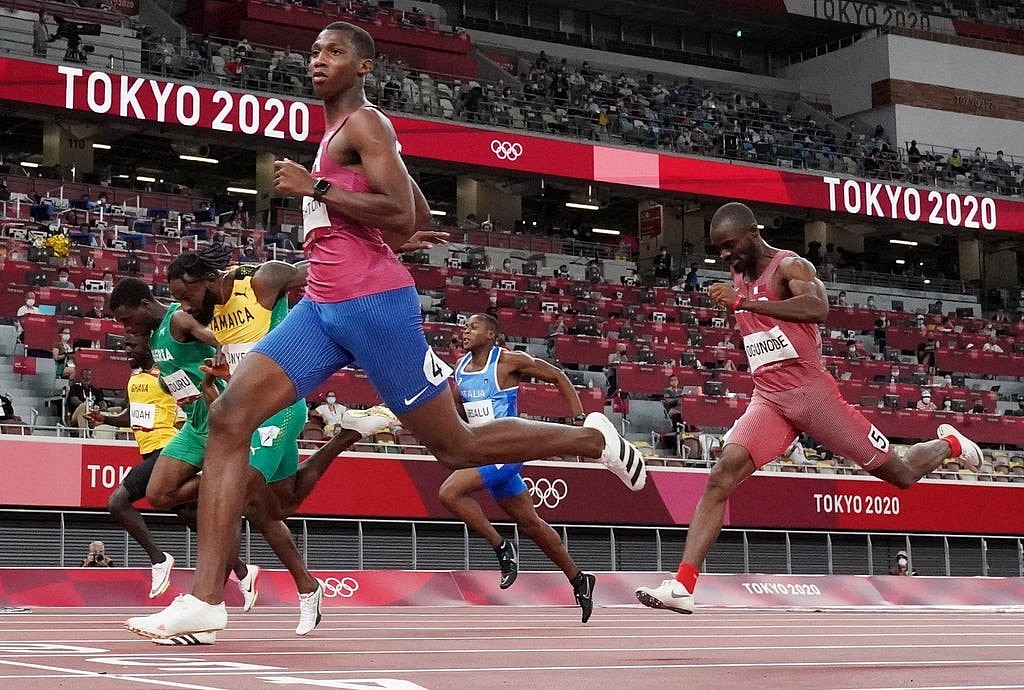
17-years old, Erriyon Knighton just became the youngest ever man to qualify for the 200m final at the Olympics
What’s more, the American stormed his heat, cruising to victory and inspiring hopes of a medal on Wednesday.
Having registered 19.84 in June, the teenager is officially the fourth-fastest man in the field, making a place on the podium a genuine possibility.
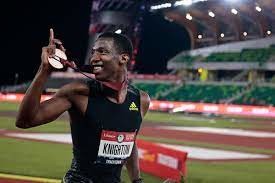
Bolt’s legendary world record time of 19.19 is probably safe at these Games – but for how much longer?
The Jamaican, who won an astonishing eight gold medals over three Olympics, has already seen one of his many records broken by Knighton.
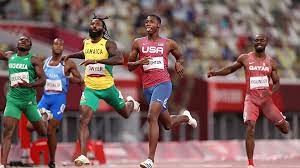
Earlier this year, the American ran 19.88 in the Olympic trials, setting a new junior world record for an Under-18 – which he has since broken himself.
The previous mark had stood for 17 years, set by a 17-year-old Bolt in 2004, which means we can loosely say that Knighton is faster than the Jamaican was at this age.
Moreover, Knighton was barely trying as he crossed the line at the trials, begging the question of what the American might be capable of if he sprints through the finish.
And if it’s not this year, many expect the youngster to step into the big shoes of Bolt one day in the future.
Knighton certainly has the personality to match the larger-than-life character that went alongside the Jamaican’s incredible achievements on the track.
Don’t forget, Bolt was 21 when he arrived at Beijing 2008 – and Knighton is already ahead of that iconic curve.
by Sean O´Brien
Login to leave a comment
Tokyo 2020 Olympic Games
Fifty-six years after having organized the Olympic Games, the Japanese capital will be hosting a Summer edition for the second time, originally scheduled from July 24 to August 9, 2020, the games were postponed due to coronavirus outbreak, the postponed Tokyo Olympics will be held from July 23 to August 8 in 2021, according to the International Olympic Committee decision. ...
more...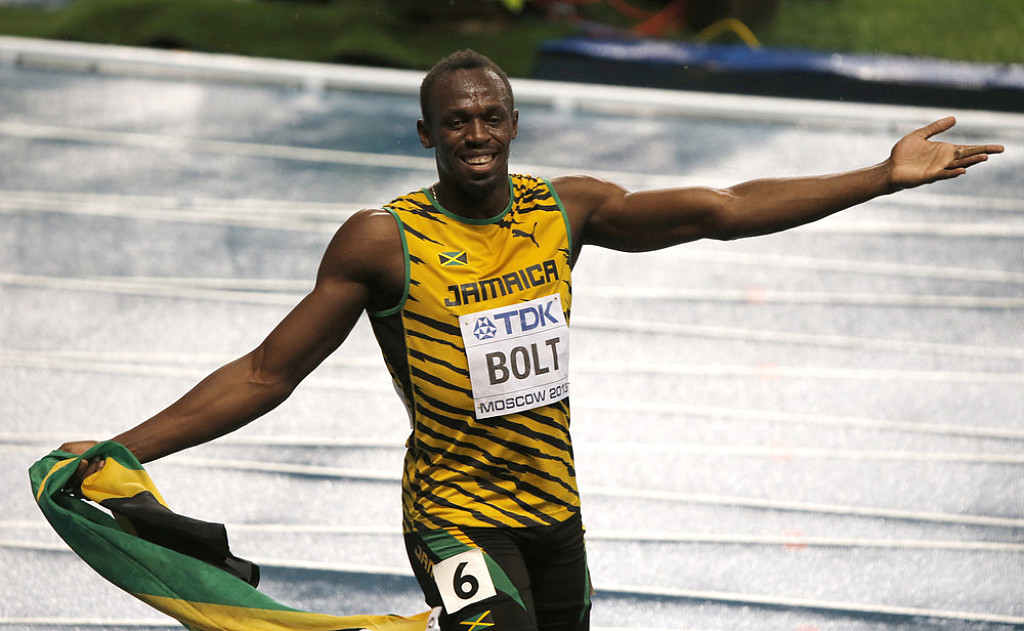
I would have run under 9.5 seconds with super spikes, says Usain Bolt
The fastest man in history is pondering just how much more destructive he could have been in the super spikes that have swung a wrecking ball at so many world records. Briefly, there is a battle between Usain Bolt the diplomat and Usain Bolt the competitor. The competitor wins. “Me and a friend were talking about this the other day,” he tells the Guardian. “And I was like, ‘should I be upset?’ Because I know over the years everyone has tried to make spikes different and better but …”
Bolt stresses he is not worried about the current crop shredding his 100m world record of 9.58sec or his 200m best of 19.19sec. Yet he sounds uneasy about where the arms race in shoe technology will lead. “How can I argue if World Athletics decide that it’s legal? I can’t do anything about it. The rules are the rules. I don’t think I’ll be fully happy, but it’s just one of those things.”
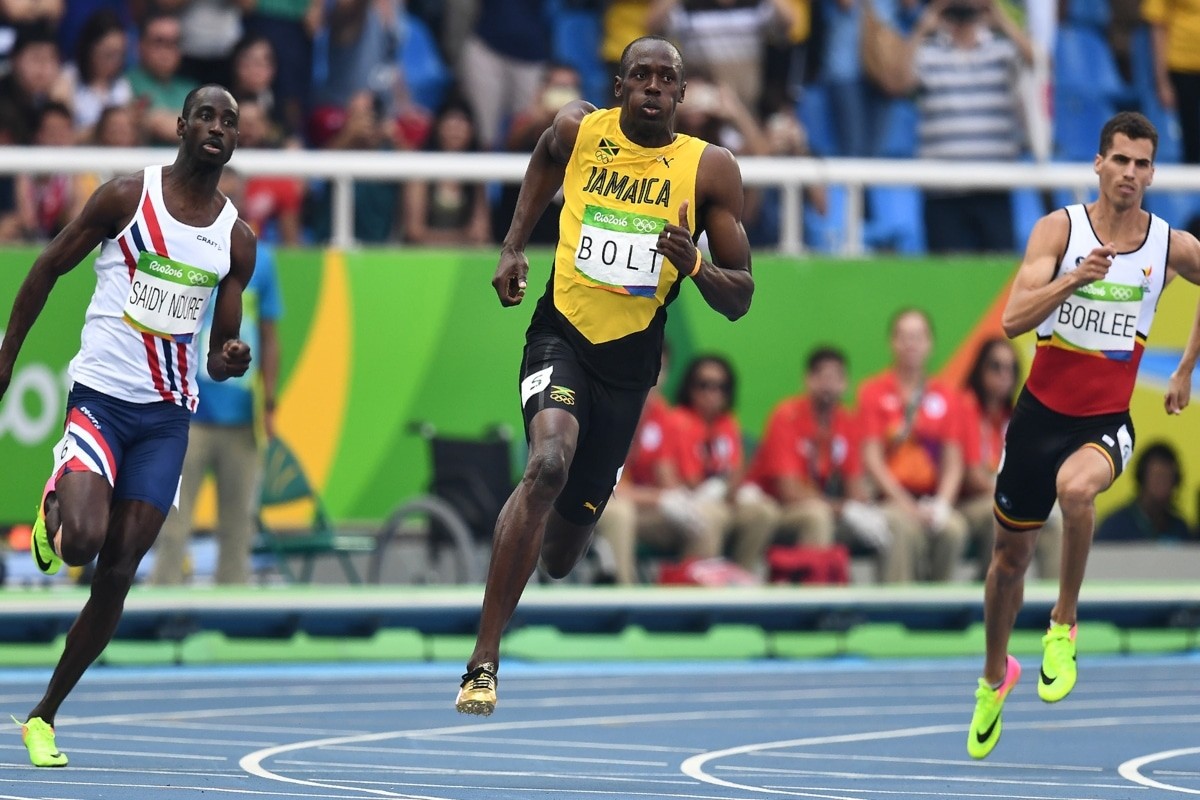
He wants to make one thing absolutely clear: he would have gone a whole lot faster in the new wave of super spikes – which feature a superlight, energy-returning foam and are said to be worth at least a tenth of a second over 100m. He is just not sure by how much. “We have guessed and we have talked about it, but I don’t know for sure,” he says. “But definitely much faster. Below 9.5 seconds for sure. Without a doubt.”
It is a punchy statement, but the greatest and most popular athlete of his generation is only just getting started. When asked about Britain’s Adam Gemili’s pledge to take a knee on the podium at the Olympics in support of Black Lives Matter he doesn’t procrastinate or play the politician. “If you believe in something, then you should do it. It’s something that we need to make the world aware of, what’s going on with racism.”
While the International Olympic Committee recently reiterated that protests on the field of play and the podium are banned Bolt suggests they are swimming against the tide. “I’ve seen it big in football now. If a track athlete decides to do it, they should be able to voice their opinion.”
It is rare for Bolt to grant an exclusive interview with a British newspaper and rarer still to hear him so reflective on so many subjects, including fame and falling short. Such sentiments are not usually associated with someone who won 134 of his 146 races between 2008 and 2017, winning eight Olympic gold medals and 11 world titles along the way. But when Bolt looks back at his career he believes he was capable of winning 200m gold at the 2004 Athens Olympics, when he was 17.
It may sound preposterous, but Bolt makes his case with the thoroughness of a Harvard law professor. He believes people forget that, as a 16-year-old, he ran 20.13sec to finish 2003 ranked ninth in the world. But after moving to Kingston, and discovering Burger King and nightclubs, he did not always want to train. That, and a subsequent injury, meant he didn’t emerge out of the heats in Athens.
“In 2003, I was running faster than almost everybody,” he says. “If I had run in the world championships that year I would have probably medalled. And if I’d continued on that road, I would have run 19 seconds earlier in my career, so for sure I could have won gold in Athens if I’d dedicated myself more.”
“But it was tough for me because even in high school I was famous. Everyone knew who I was in Jamaica. And I didn’t have somebody who had already been through it to say: ‘You have to take this seriously, because this is what you could do.’ It was just my coach telling me to train hard.
“That’s why I try to talk to the younger athletes now and explain to them ‘get serious early man’. Because the possibilities are endless.”
There is a second confession. After Bolt’s career ended with him tumbling to the track after tearing his hamstring during the 2017 world championships in London, he was twice tempted to make a comeback. “It was something I thought about in the first and second year after I retired,” he says. “I even went to my coach. But he was like, ‘It’s going to be harder than before – coming back is not going to be a cakewalk.’
“When I look back I have no regrets. I did extremely well in my career. True, it didn’t end on the greatest note but the legacy I left is wonderful.”
For years Bolt has been asked whether he will run again. Until now the answer has always been no. But on 13 July he will return to the track over 800m, a distance he has never run professionally, in a promotion for the US firm CarMax.
by Sean Ingle
Login to leave a comment
Jamaican Usain Bolt will be honored with statue in his city
The statue of the multi-time Olympic and world champion is scheduled to be erected by the end of the year.
According to a report from the Jamaica Observer, a town in Jamaica has plans to honor Usain Bolt by erecting a statue of him within the next couple of months. The city of Falmouth is in Bolt’s home parish (a term used to describe different regions in Jamaica) of Trelawny, although the multiple Olympic and world championship gold medalist was actually born in Sherwood Content, a small town half an hour south of the soon-to-be site of the statue. Bolt’s fellow Team Jamaica sprinter and Olympic champion Veronica Campbell–Brown — another native of Trelawny Parish — will also be celebrated, with a school set to be named after her.
Honoring the greats
Bolt is the world record-holder in the 100m (9.58 seconds) and 200m (19.19 seconds), a 14-time world championship medalist (11 gold, two silver, one bronze) and eight-time Olympic champion. Like Bolt, Campbell-Brown had an unforgettable career, winning eight Olympic medals (three gold, three silver, two bronze) and 11 world championship medals (three gold, seven silver, one bronze), and she competed at five Olympic Games. These two sprinters are without a doubt a couple of the greatest athletes in their country’s history, and it’s no surprise they’re being honored back home.
Olivia Grange, Jamaica’s minister of sports, youth and culture, told the Observer that Bolt’s statue will be located in Falmouth’s Water Square, near the city’s downtown core, and she explained why the government decided on this instalment. “When we say Trelawny today, we think immediately of the honorable Usain Bolt, who hails from the quiet district of Sherwood Content and who has placed Jamaica on the world stage in a way unlike any other,” Grange said.
The Jamaican minister of sports also touched on Campbell-Brown. “Very soon, Troy Primary [School] will be renamed the Veronica Campbell-Brown Primary School.” Troy is a small town on the southern border of Trelawny.
A rollercoaster year
This year has had its highs and lows for Bolt. In May, he and his partner, Kasi Bennett, became parents for the first time with the birth of their daughter, Olympia Lightning Bolt. Just a couple of months later, Bolt made headlines when he tested positive for COVID-19 after hosting a mask-free birthday party at his home in Jamaica. Many international celebrities and professional athletes reportedly attended Bolt’s party, which didn’t reflect well on the three-time Olympian. Now, two months after his party, his mistake appears to have been forgiven, and he will be honored back home at some point in December.
by Ben Snider-McGrath
Login to leave a comment
World Marathon record holder Eliud Kipchoge wants Usain Bolt to visit Kenya
World Marathon record holder Eliud Kipchoge has invited the fastest man on earth, Jamaican Usain Bolt to visit Kenya and witness the wildebeest migration, one of the wonders of the world.
“It’s good to invite my good friend Bolt to come and visit to see what is currently happening in Kenya now," Kipchoge said on Sunday during his tour of the Masai Mara Game Reserve.
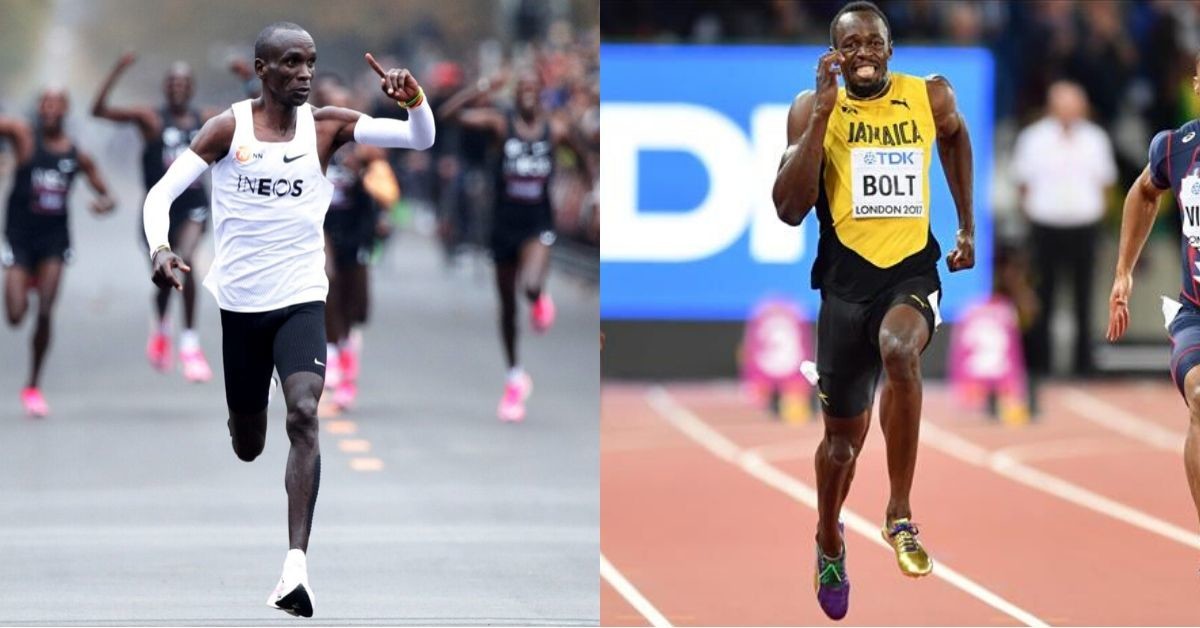
“He is an all round guy, charming, a great sports ambassador to the world.”
Kipchoge said Bolt, who visited Kenya 11 years ago, is welcomed to come and find out how the baby cheetah he adopted in 2009 is doing.
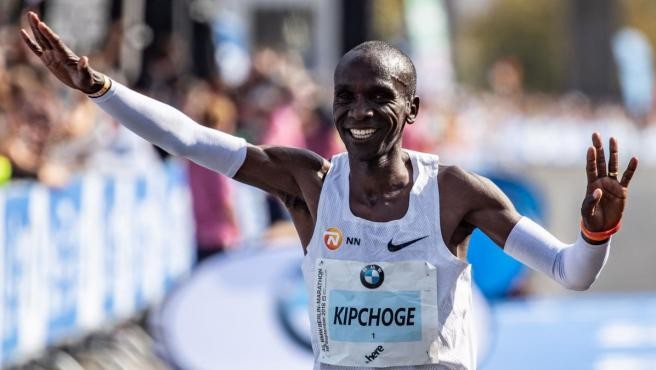
“We have the big five- Lions, Leopards, Rhinos, elephants and buffaloes, which are some of the fastest animals in the world then we have the cheetah that is the fastest animal,” said Kipchoge.
“Bolt is the fastest and I will be glad to host him in Nairobi to witness over 2.5 million wildebeest migrating.”
While Bolt holds the 100m and 200m world records of 9.58 and 19.19 seconds, Kipchoge holds the world marathon record of 2:01.39.
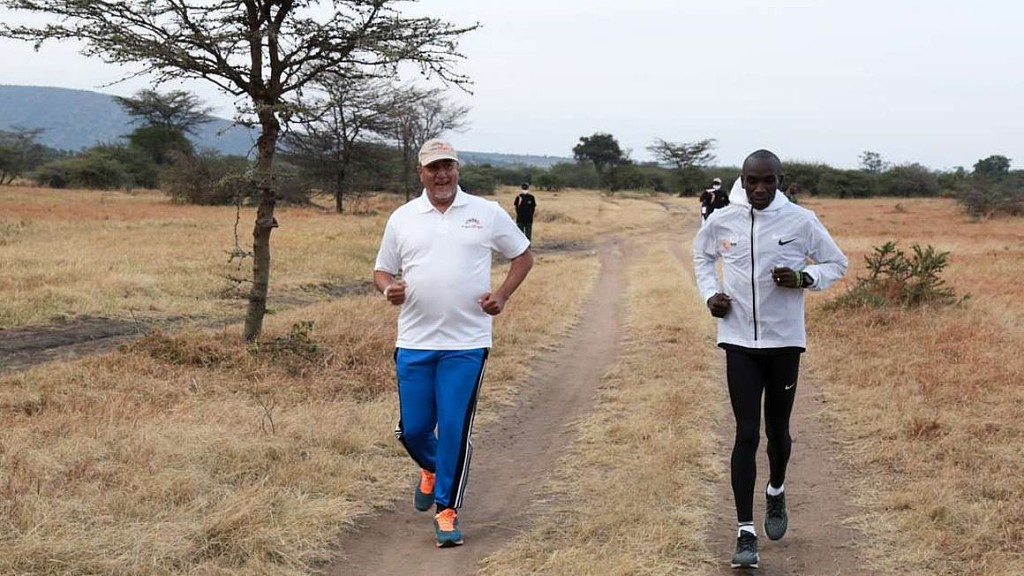
Kipchoge, who has been named Kenya tourism ambassador, on Sunday ran with Kenya's game rangers and Masai Morans at the Masai Mara Game Reserve, Narok County.
Kipchoge, who raced over 10km in the wild said he used the race to pay tribute to the game rangers for their efforts in safeguarding the wildlife besides their conservation efforts.
The world Marathon record holder also commended the Morans and their Masai community for being on the forefront not only to preserve their culture that has been a major world attraction, but also the wildlife and environment.
Kipchoge, who has a passion for environment conservation and wildlife said, “I should have been in Japan to defend my Olympic title and I was ready for it, but Covid-19 happened.”
“It was a good run that I also wanted to use to bring hope to 47 million Kenyans. I want to tell them that we can’t go down completely and that we can still rise and go up together as a country through running,” said Kipchoge, who will be defending his London Marathon.
by Ayumba Ayodi
Login to leave a comment
Noah Lyles’s world record tease
It looked like Noah Lyles had set a 200m world record, but it turned out he ran a little short
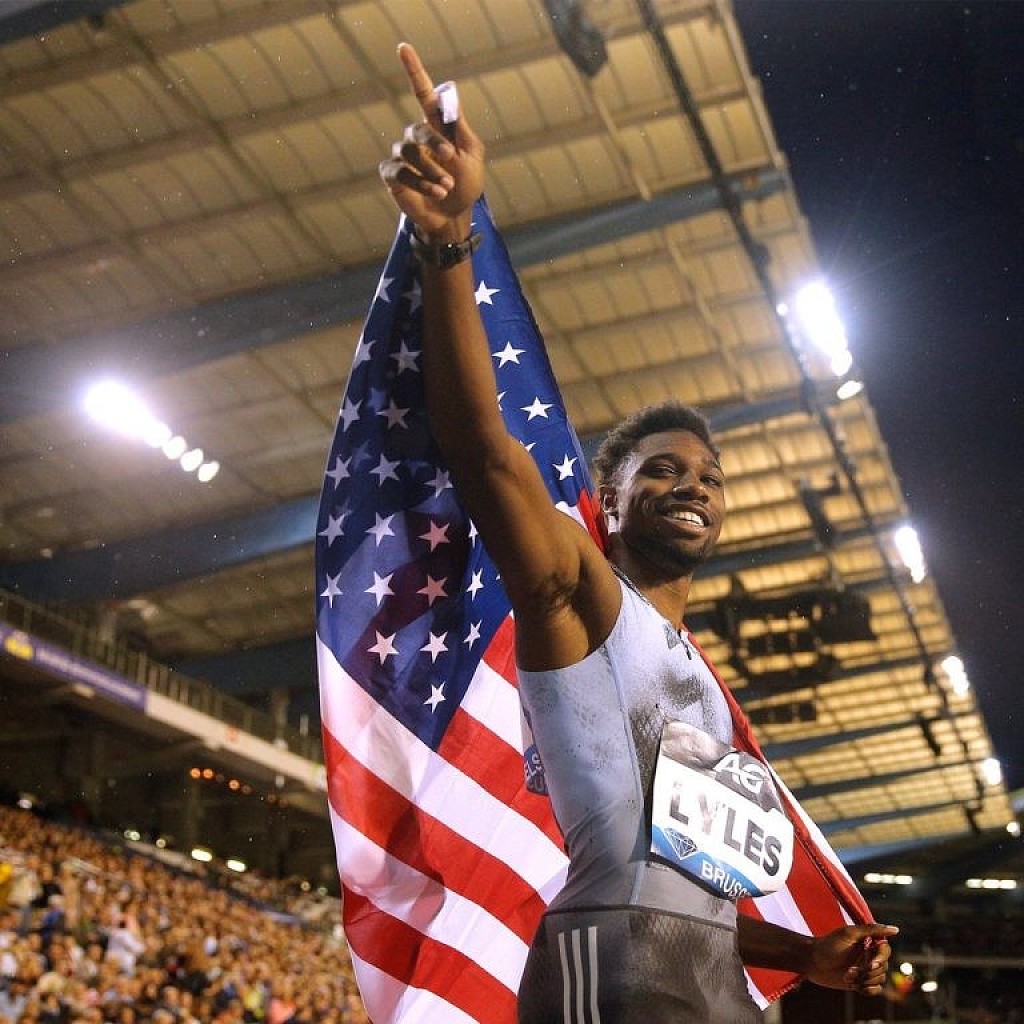
The second modified event of the 2020 Diamond League schedule, the Inspiration Games, was held on Thursday, and the penultimate event of the day, the men’s 200m, produced a lot of drama. Current 200m world champion Noah Lyles was one of three competitors lining up for the race, and he dominated, crossing the line in 18.91 seconds, absolutely smashing Usain Bolt‘s world record of 19.19. Except… it turned out that he’d run in the wrong lane and only covered 185m. For a few minutes, though, Lyles set the track world on fire.

World record tease
When Lyles first crossed the line and everyone still believed he had broken the world record, there was talk on track Twitter that it had been a wind-aided run and wouldn’t count as an official record. Even if it had been wind-aided, that would still be an incredible run. He wouldn’t have just beaten Bolt’s record, he would have obliterated it. Unfortunately for everyone (Lyles, the track world and whoever put him in the wrong lane), there was a mistake and he ran 15m short. Once everything was sorted out, Lyles tweeted, “You can’t be playing with my emotions like this … Got me in the wrong lane.” We think it’s safe to assume that he was not amused by the error.
De Grasse and Felix
Lyles’s run and all of the confusion that came with it stole the show on Thursday, but there were some other great (and legit) race results before that mishap occurred. Canada’s Andre De Grasse raced the 100-yard dash against Jimmy Vicaut of France and Olympic 110m hurdles champion Omar McLeod of Jamaica, grabbing the win in 9.68. This time equates to about a 10.59 100m run, which is far off his personal best at the distance. Still, a win is a win, and De Grasse continues to show he’s in good shape as the world creeps back toward a regular racing schedule.
Another big result came from U.S. Olympic champion Allyson Felix, who won the 150m race and set her PB at the distance with a time of 16.81. She upset pre-race favourite Shaunae Miller-Uibo of the Bahamas for the win. Felix ran alone in Walnut, Calif., while Miller-Uibo raced in Florida and the third competitor, Swiss world championship 200m bronze medallist Mujinga Kambundji, raced in Zurich. After the race, Felix said it was “very strange” racing alone on the track. “It feels sort of like practice, but not even that, because there are no teammates.”
2020, the year of off-distance racing
Since races slowly began to return, there have been a lot of irregular, off-distance events being contested. At the Impossible Games in June, Karsten Warholm set the 300m hurdle world record and the Ingebrigtsen brothers ran a 2,000m race. Thursday saw the men’s 100-yard and women’s 150m races, as well as a women’s 300m hurdle event. Who knows, maybe the Diamond League will end up adopting some of these rare events and using them in the official 2021 schedule.
by Running Magazine
Login to leave a comment
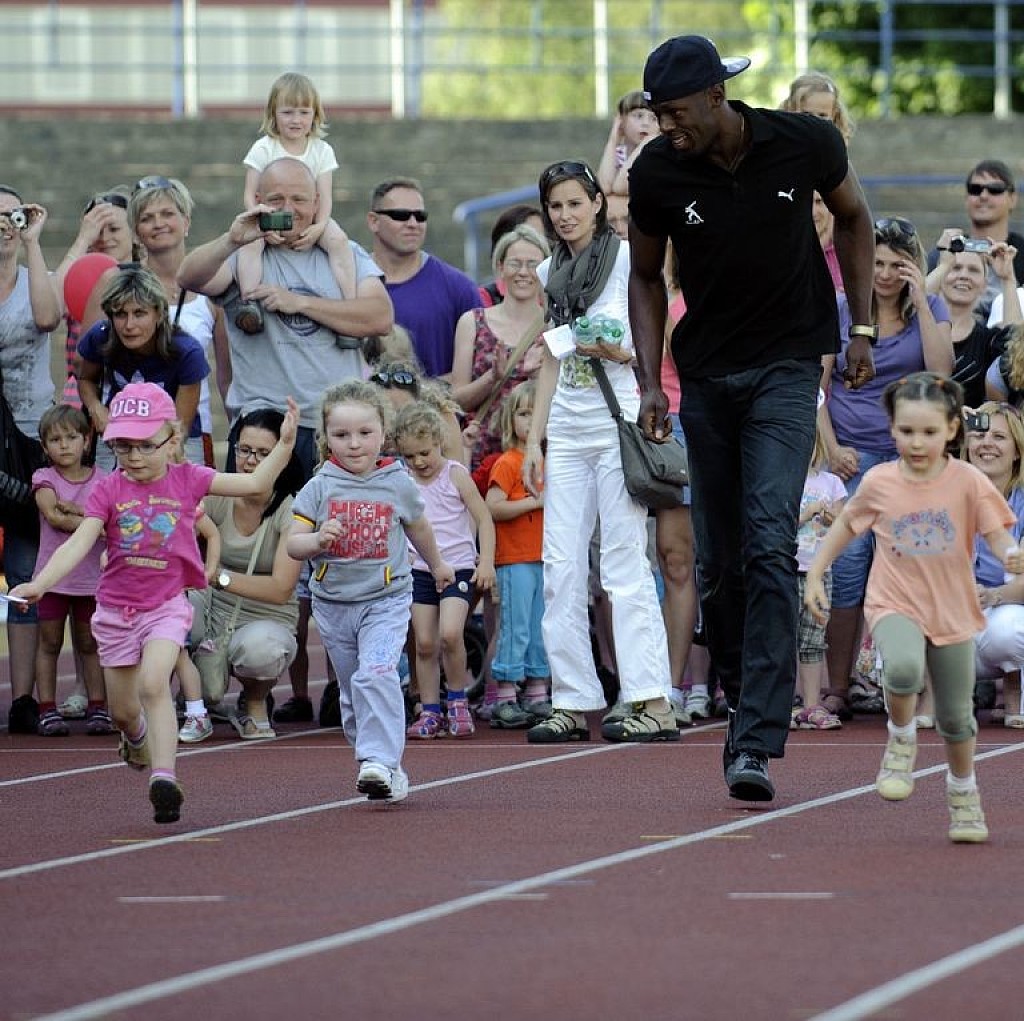
Usain Bolt Is Officially the World’s Fastest Dad
Congratulations to the world-record holder and his longtime partner on the birth of a baby girl!
Usain Bolt is a “girl dad,” after it was announced that he and longtime partner Kasi Bennett had their first child.

The 33-year-old world-record holder, who won nine Olympic gold medals and 11 world championships in his career, retired from the sport in 2017.
Usain Bolt is officially the fastest dad in the world.
Kasi Bennett, the longtime partner of the 100- and 200-meter world-record holder, gave birth to the couple’s first child, a girl. The news was first announced by Jamaican Prime Minister Andrew Holness and confirmed by CNN.
Bolt announced the pregnancy back in January, and he held a gender reveal party in March, where he announced that he would be a “girl dad” like the late NBA star Kobe Bryant, who died in January in a helicopter crash.
The 33-year-old Jamaican set his world records in the 100 meters (9.58 seconds) and 200 meters (19.19 seconds) at the 2009 World Championships in Berlin. His resume also includes 11 world championships and nine Olympic gold medals between the 2008, ’12, and ’16 Games.
The birth of his daughter comes less than three years into Bolt’s retirement from track and field, though he has been filling his time with other athletic pursuits. To name a few, Bolt joined an Australian professional soccer team, the Central Coast Mariners, in 2018, tied the 40-yard dash at the 2019 NFL Combine in 4.22 seconds , and ran a race in a zero-gravity plane.
by Runner’s World
Login to leave a comment
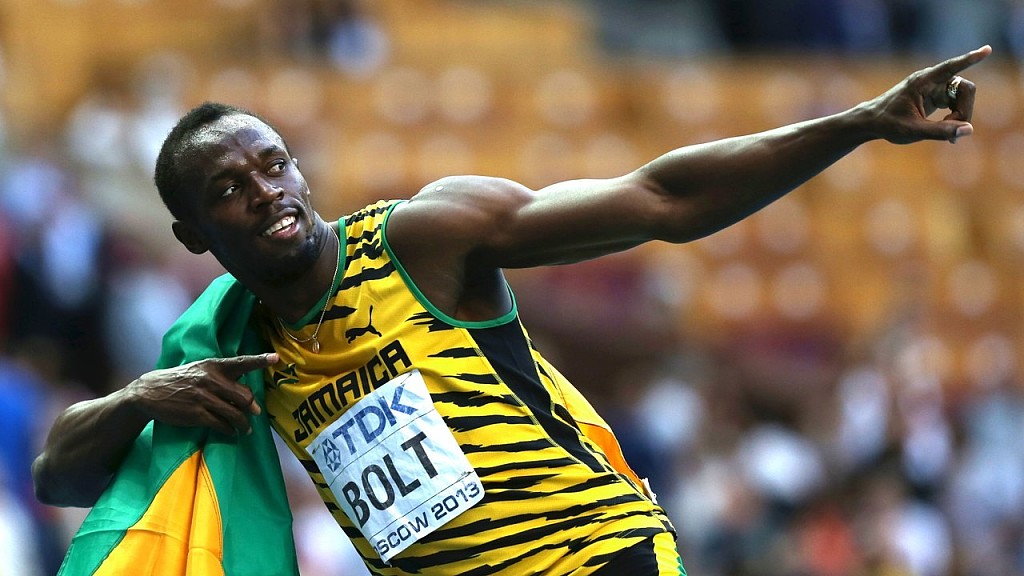
Eight-time Olympic gold medalist Usain Bolt, the fastest man in the world, declared that he's willing to join the New England Patriots
If he joins the Patriots, Bolt believes he could win championships with Tom Brady.
Eight-time Olympic gold medalist Usain Bolt, the fastest man in the world, declared that he's willing to join the New England Patriots if they need another speedy wide receiver. In an interview with TMZ Sports, Bolt said he’s ready to suit up if either the Patriots or the Green Bay Packers call. “If they call me, I'm ready!" said the 33-year-old Bolt, who holds the world record in the 100-meter and 200-meter dash with a time of 9.58 seconds and 19.19 seconds, respectively, which he both recorded at the 2009 Berlin World Athletics Championships.
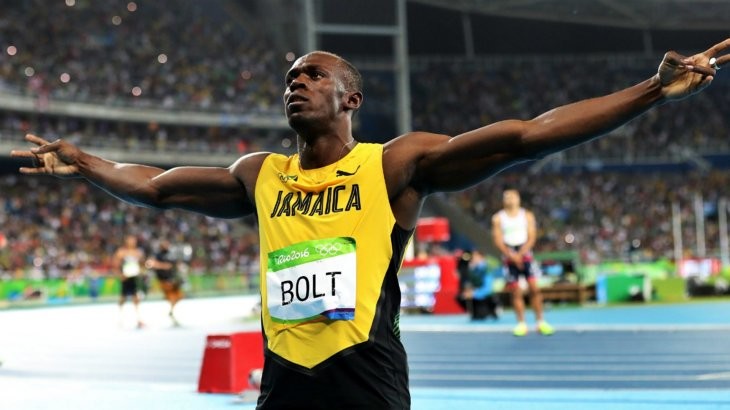
Last month, Bolt told Arash Markazi of the Los Angeles Times that several NFL teams offered him a spot on their team after his impressive performance during the 2008 and 2012 Olympics when he was just 22 and 26 years old, respectively. Bolt, a known Packers fan, explained that he declined the offers because he’s afraid of his safety back then.
“If it was like it is now, I think I would probably transition and try to play in the NFL,” Bolt told Markazi.
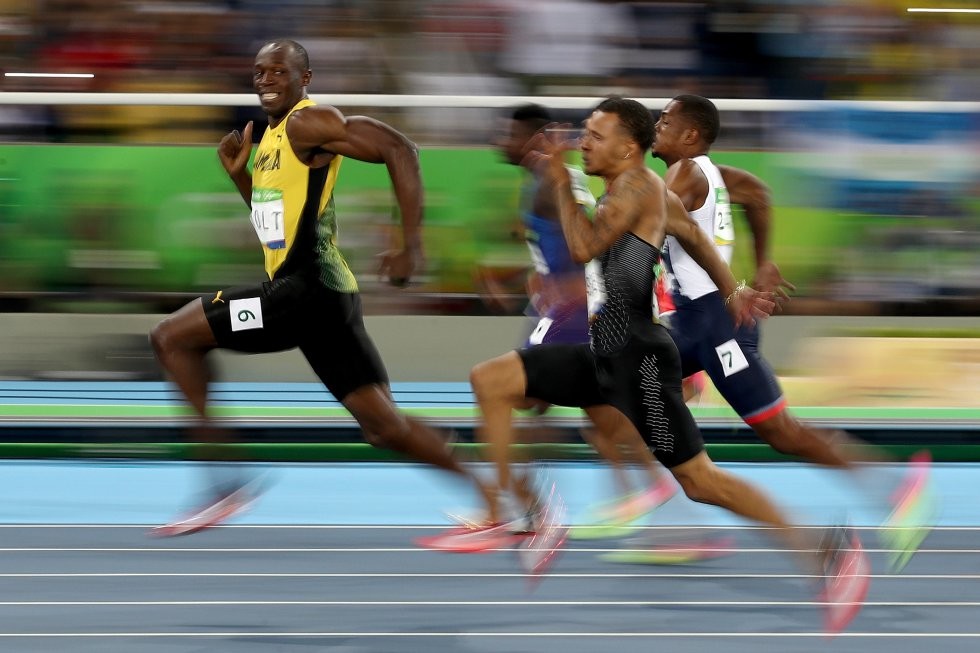
In last season’s NFL Super Bowl Experience in Atlanta, Bolt unofficially tied the 4.22-second record in the 40-yard dash set by John Ross in the 2017 Combine while wearing sweatpants and flat shoes.
Bolt, who retired from competition in 2017, said he’s now willing to play in the NFL if the Patriots or the Packers call. If he joins the Patriots, Bolt believes he could win championships with veteran Tom Brady as his quarterback.
However, when asked if Packers quarterback Aaron Rodgers is better than Brady, Bolt gave a safe answer, replying “it’s tight.”
As of now, Bolt said Rodgers is doing well despite the Packers’ lack of manpower at wide receiver.
“He’s doing great with what he has,” said Bolt of Rodgers, who has led the Packers to a 6-1 record this season, best in the NFC North. The Patriots, for their part, recently acquired Mohamed Sanu from the Atlanta Falcons for a 2020 second-round pick.
by ZeeGee Cecilio
Login to leave a comment
